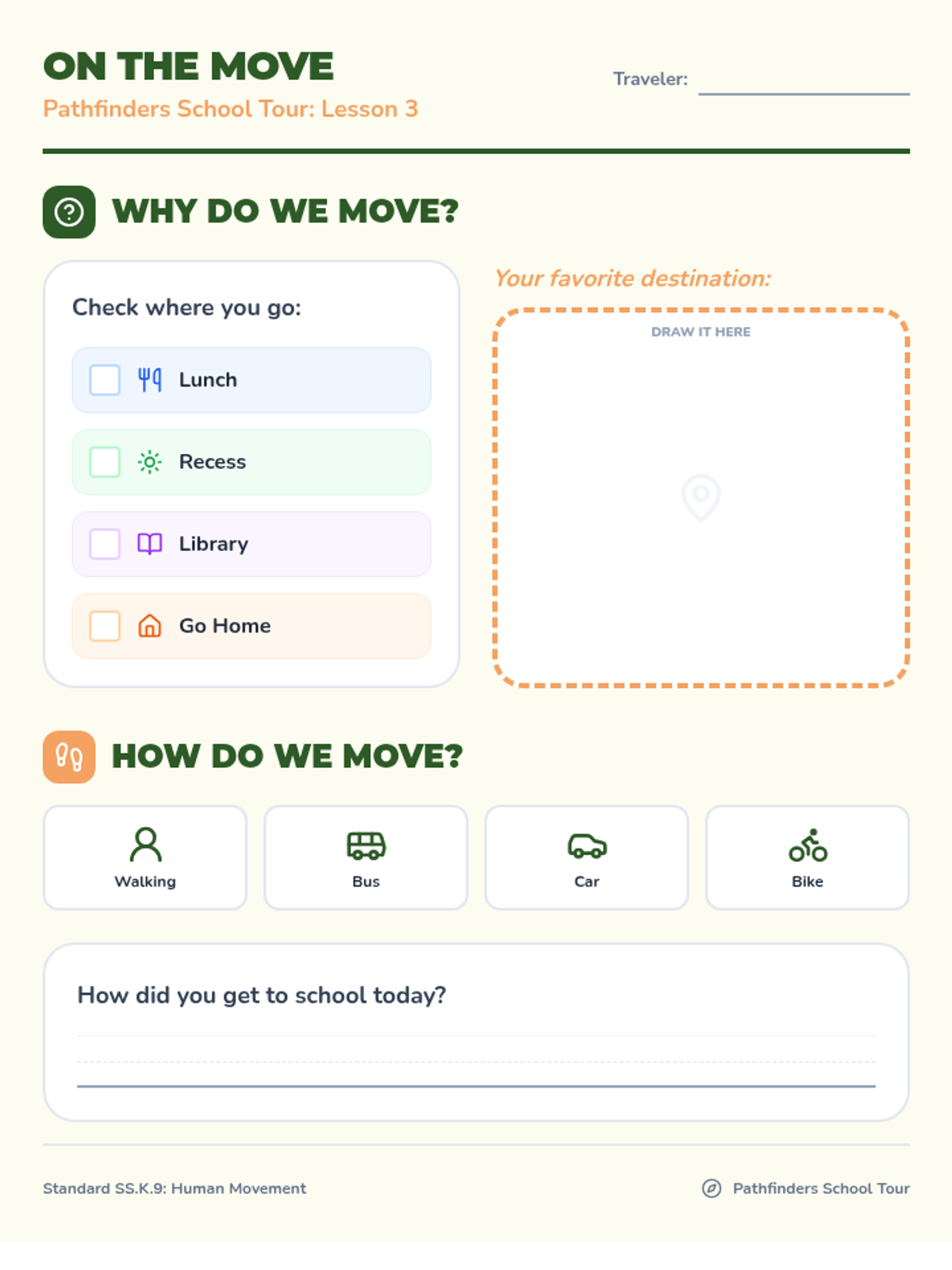
A 25-minute Kindergarten lesson exploring the 'why' and 'how' of human movement and transportation. Students will identify reasons for travel and various modes of transportation through discussion, reading, and interactive activities.
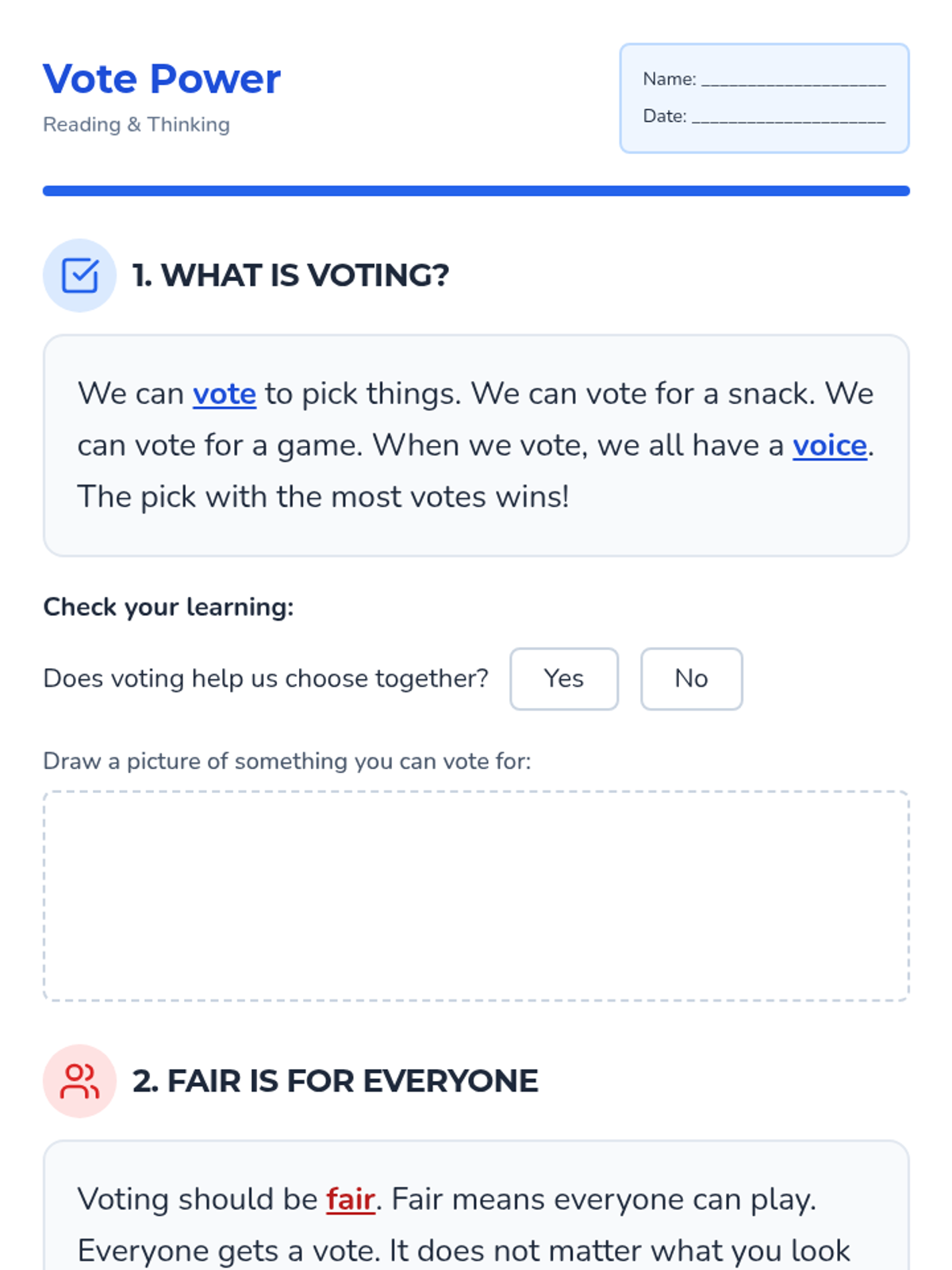
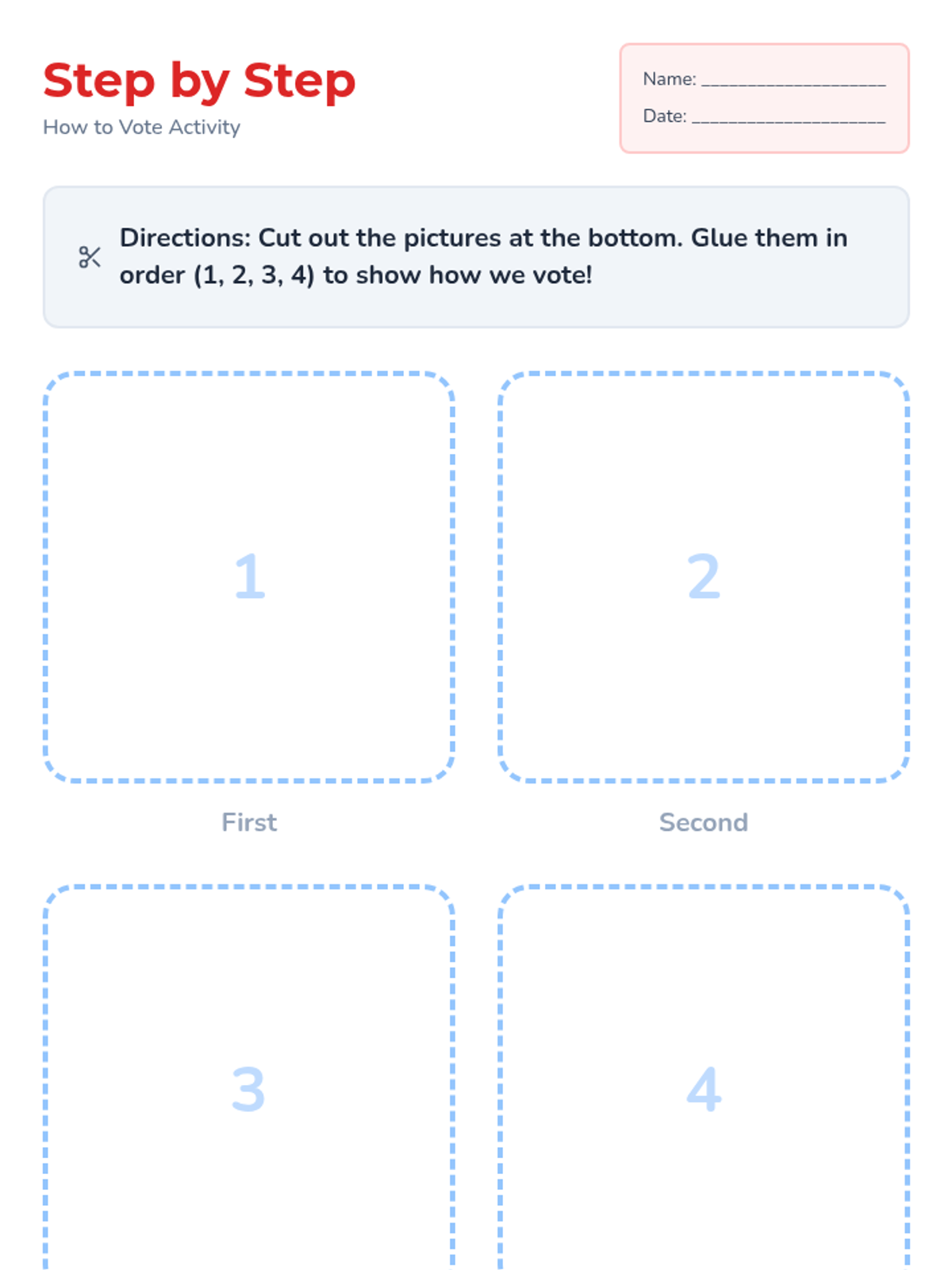
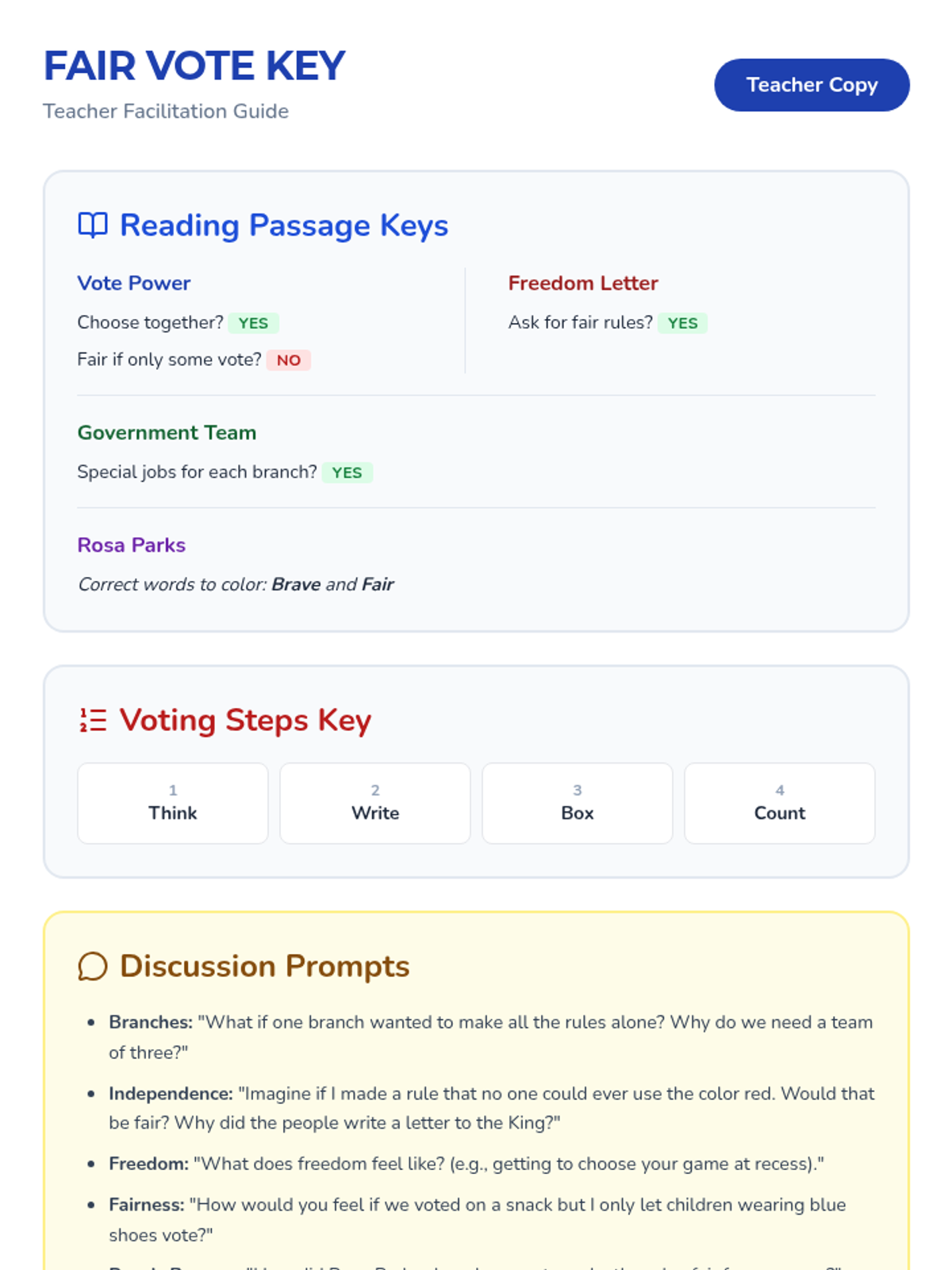
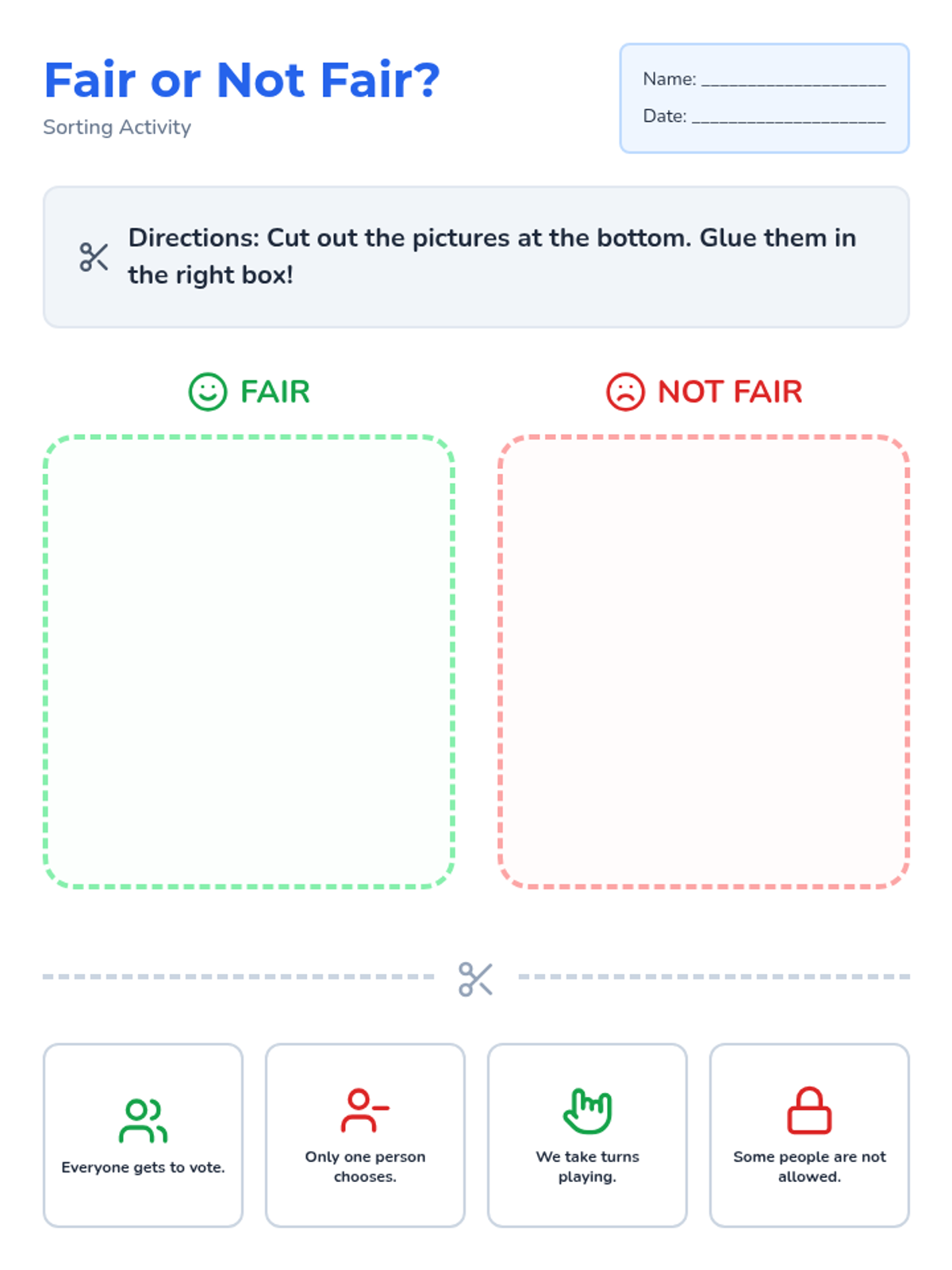
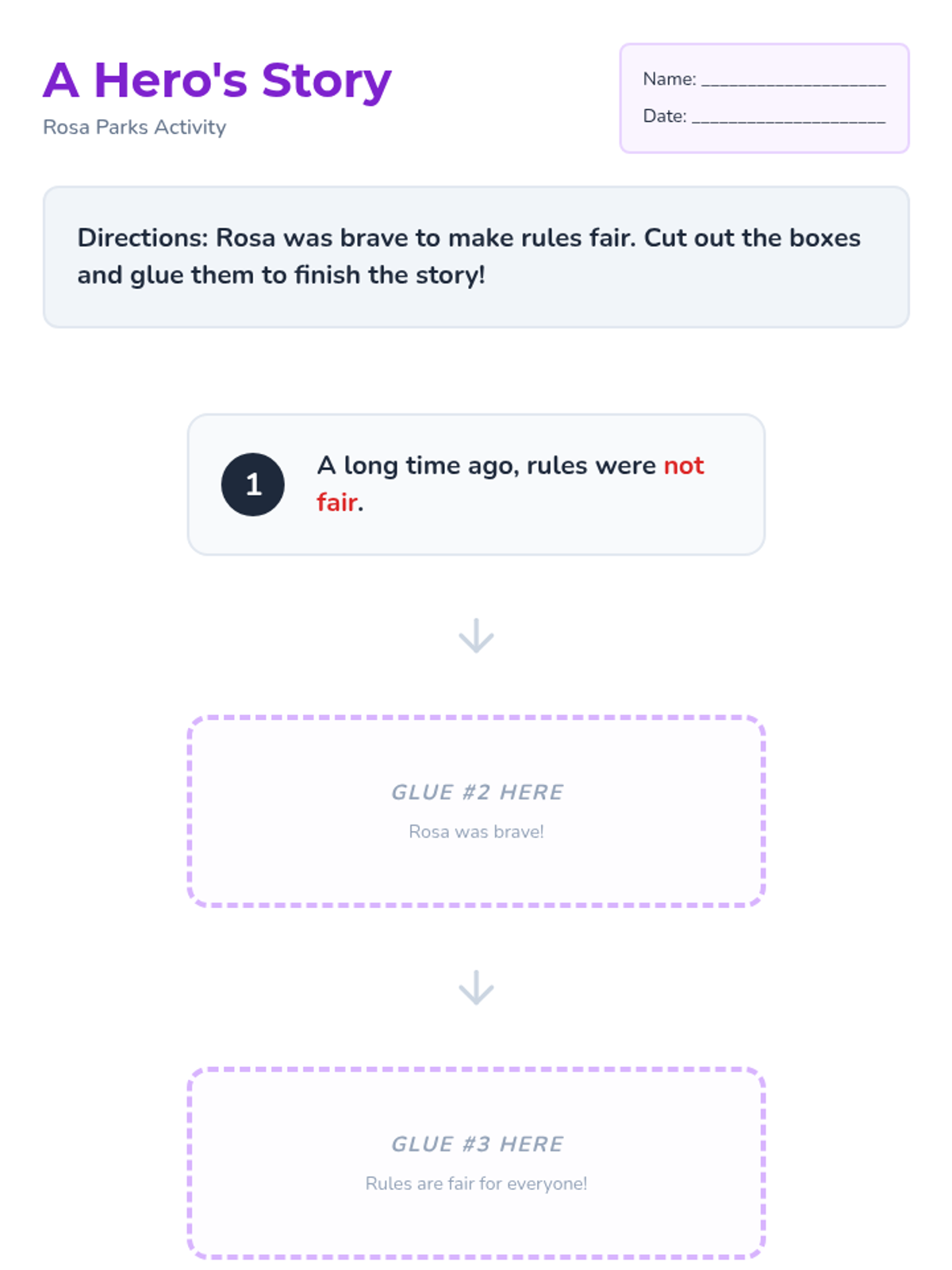
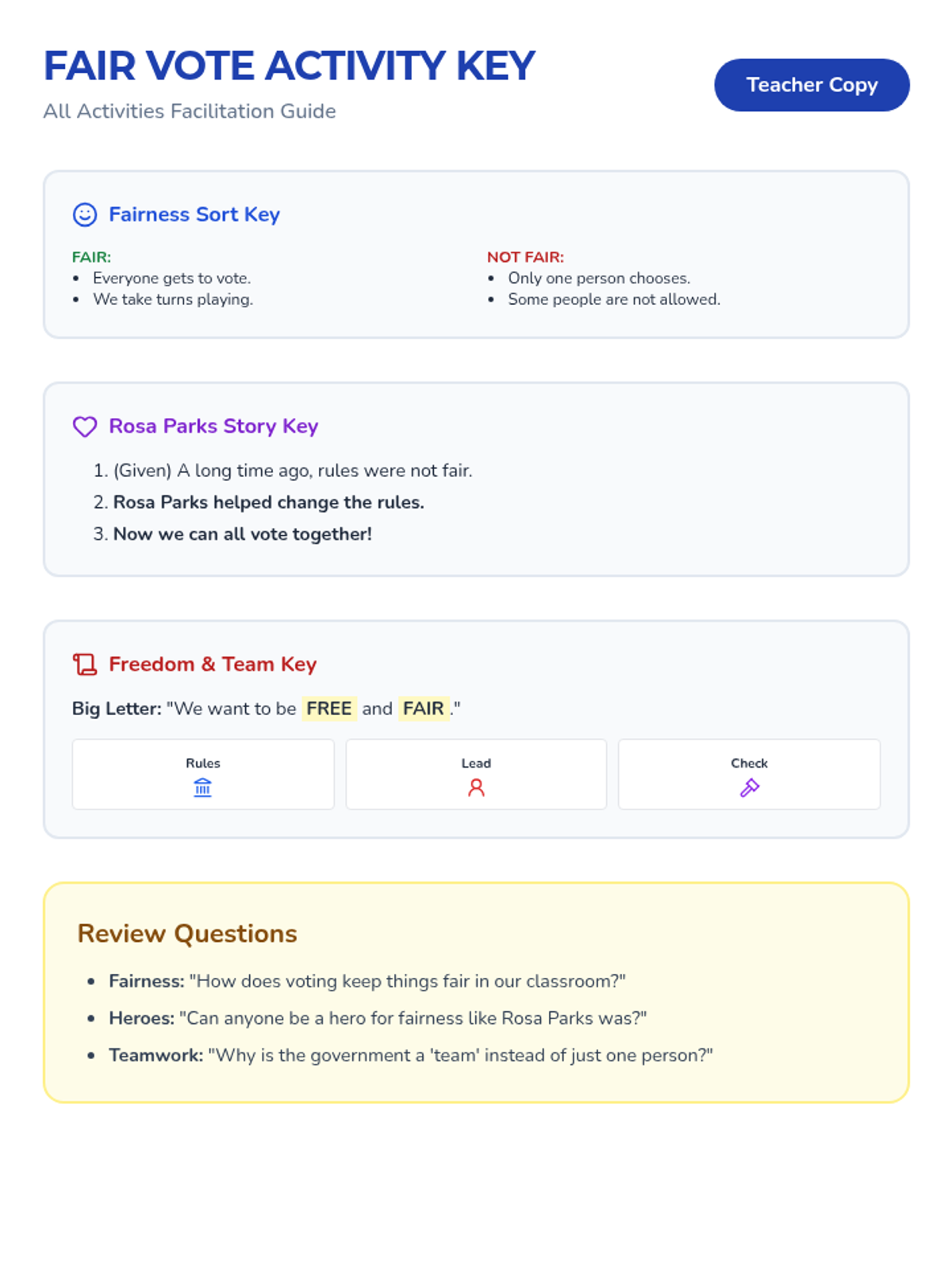
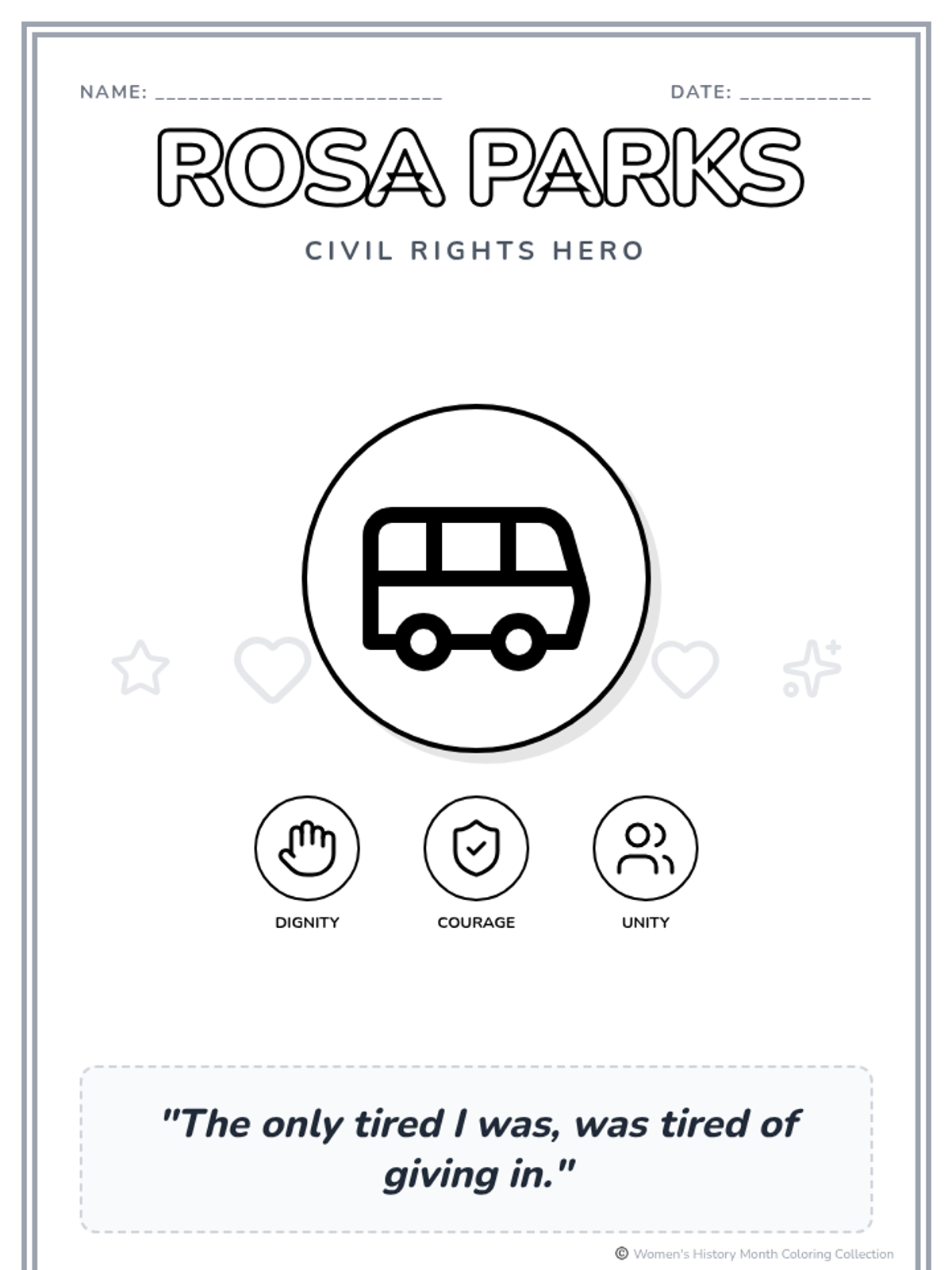
A lesson for kindergarten students introducing the concept of voting, fairness, and the historical struggle for voting rights through the story of Rosa Parks.
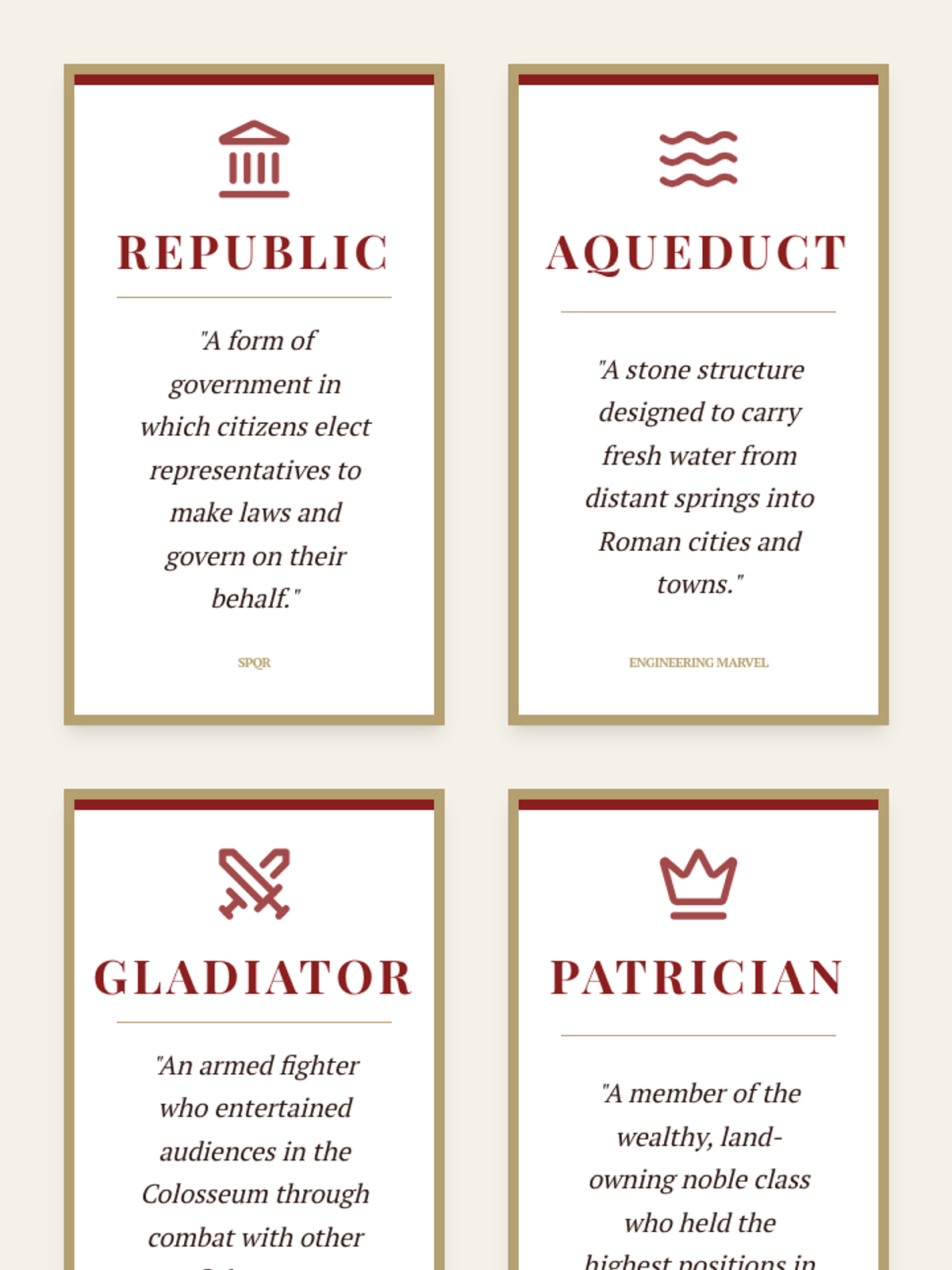
Master the essential terminology of Ancient Rome through visual and descriptive flashcards.
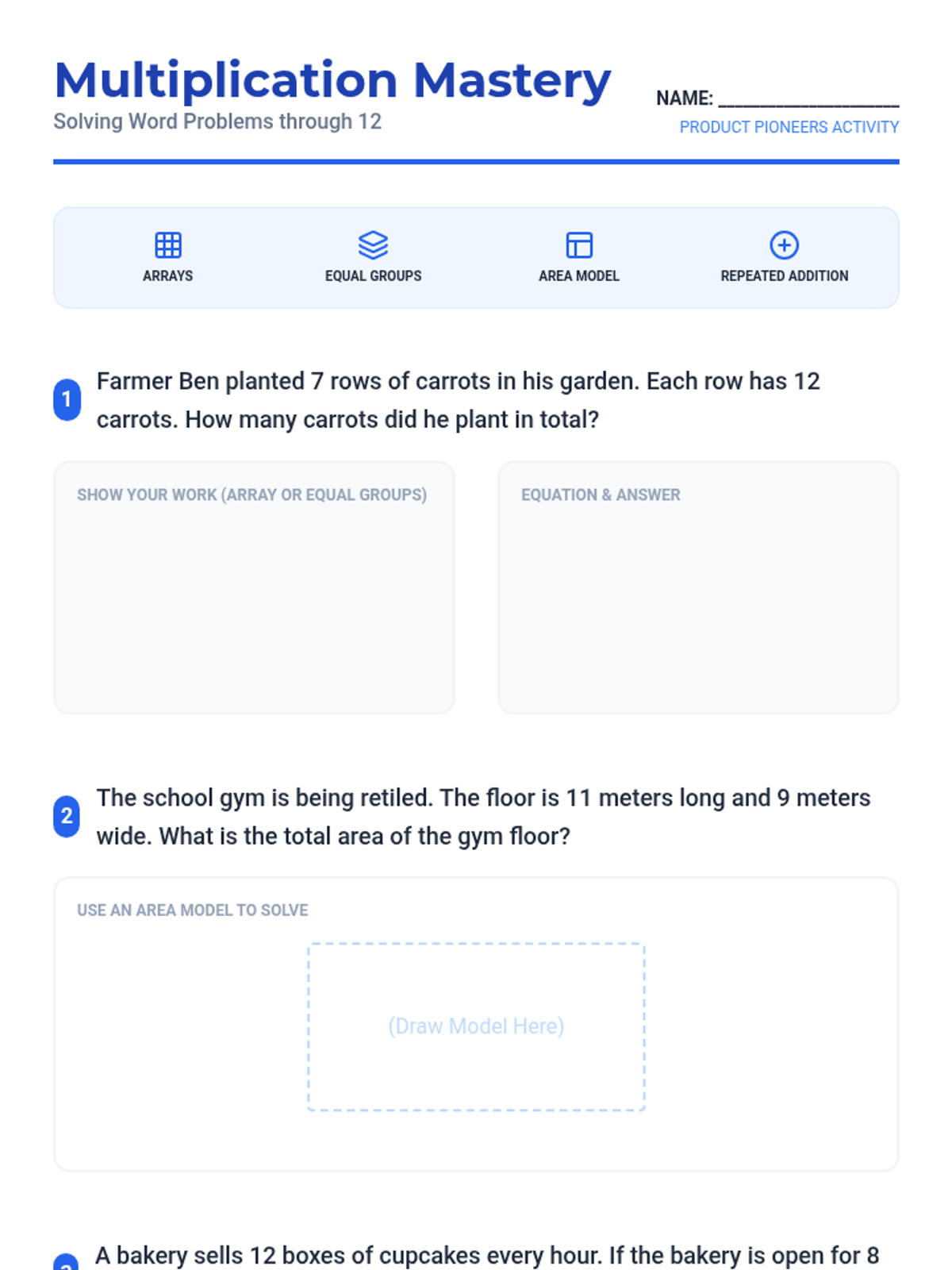
Solve complex multiplication word problems using multiple strategies including arrays and area models.
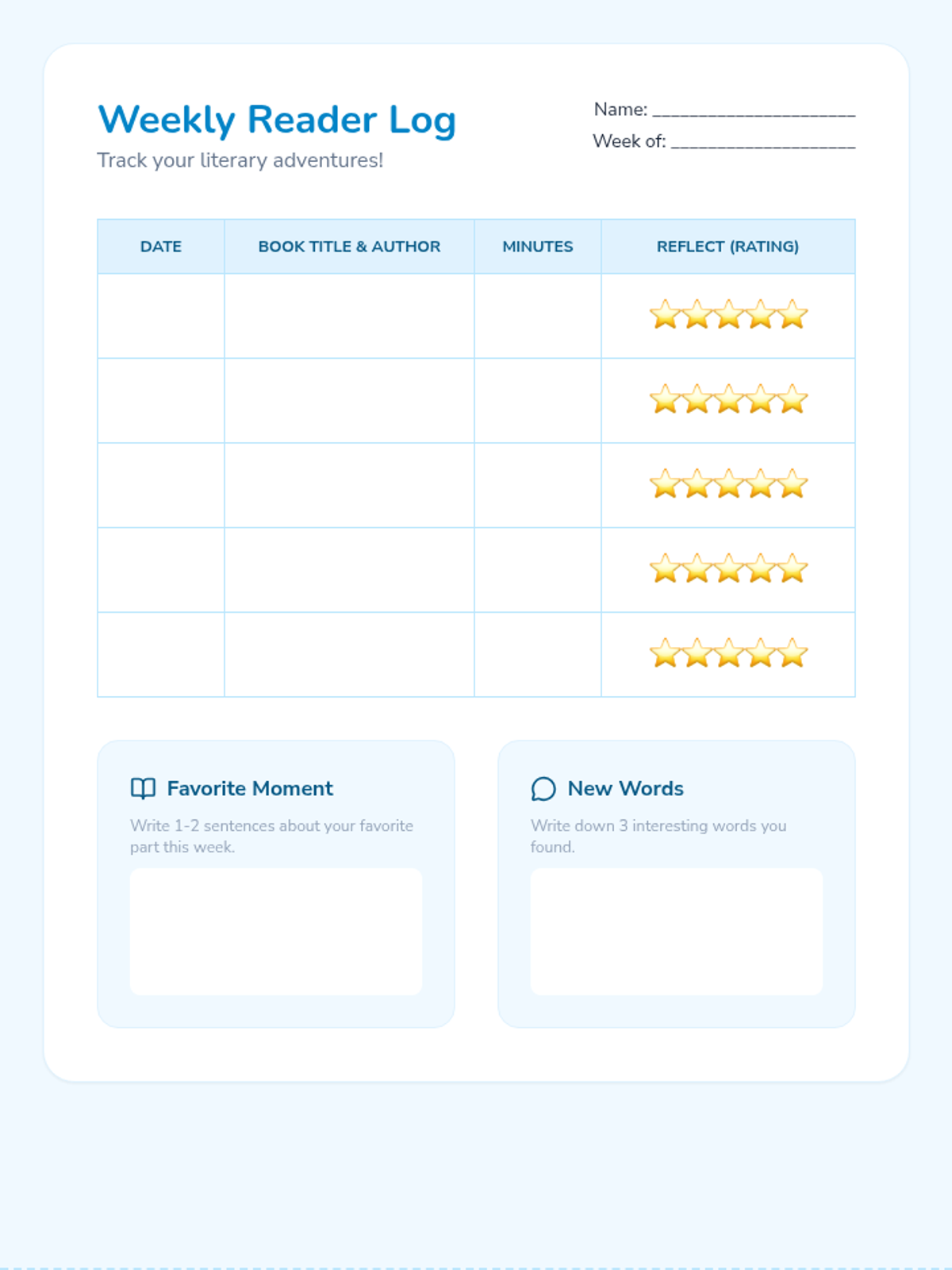
Track and reflect on daily reading progress with differentiated logs for various ability levels.
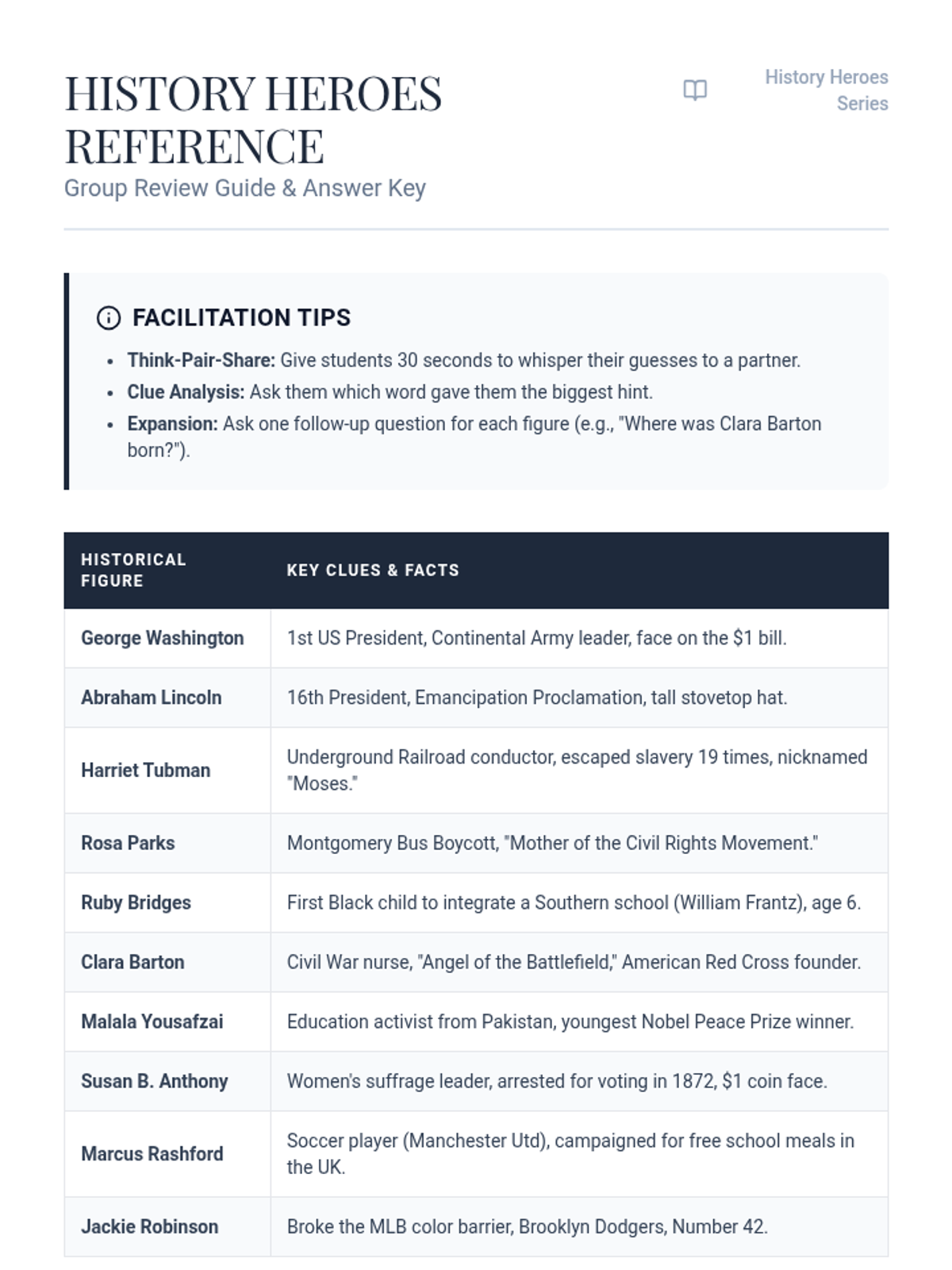
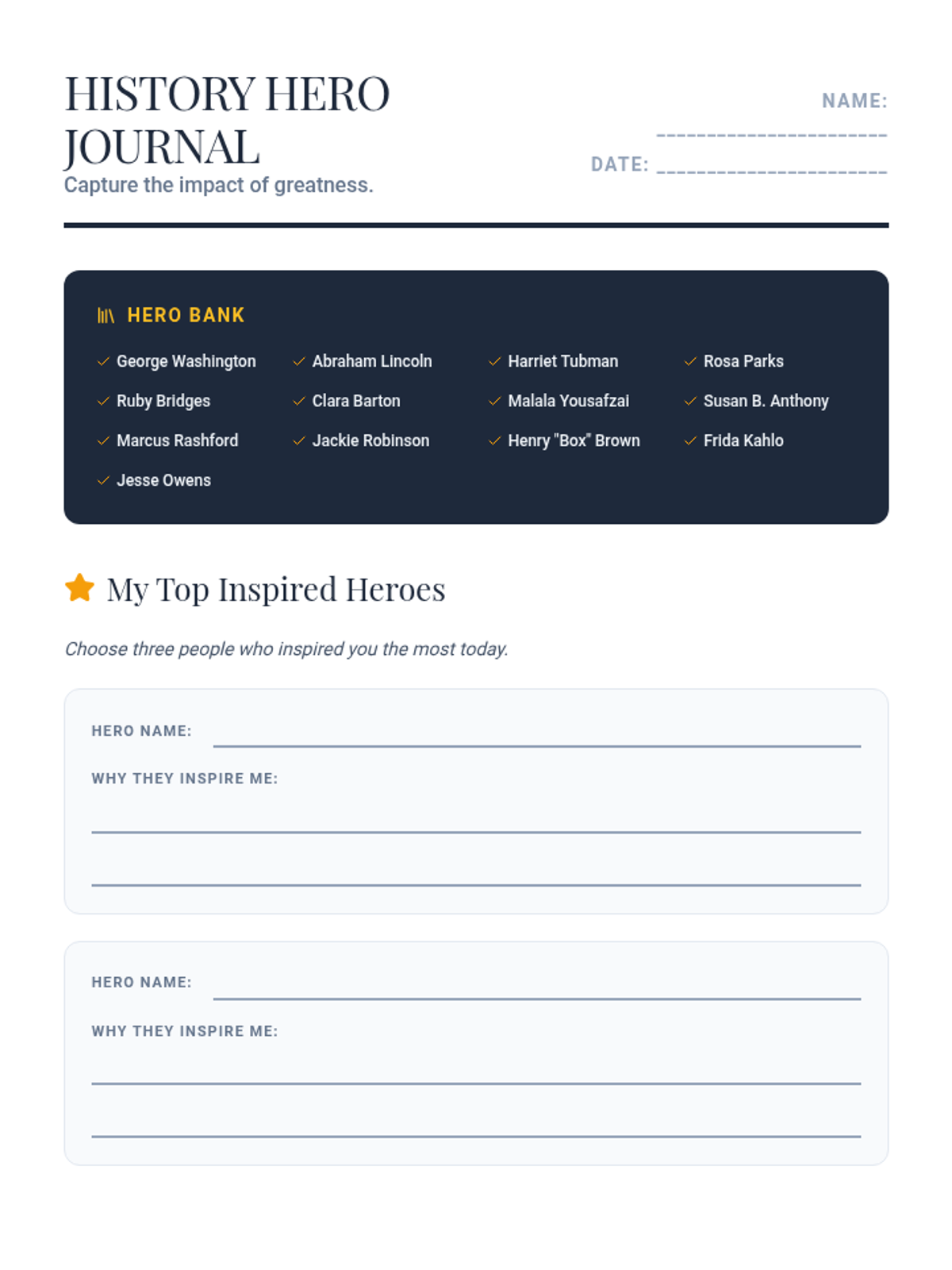
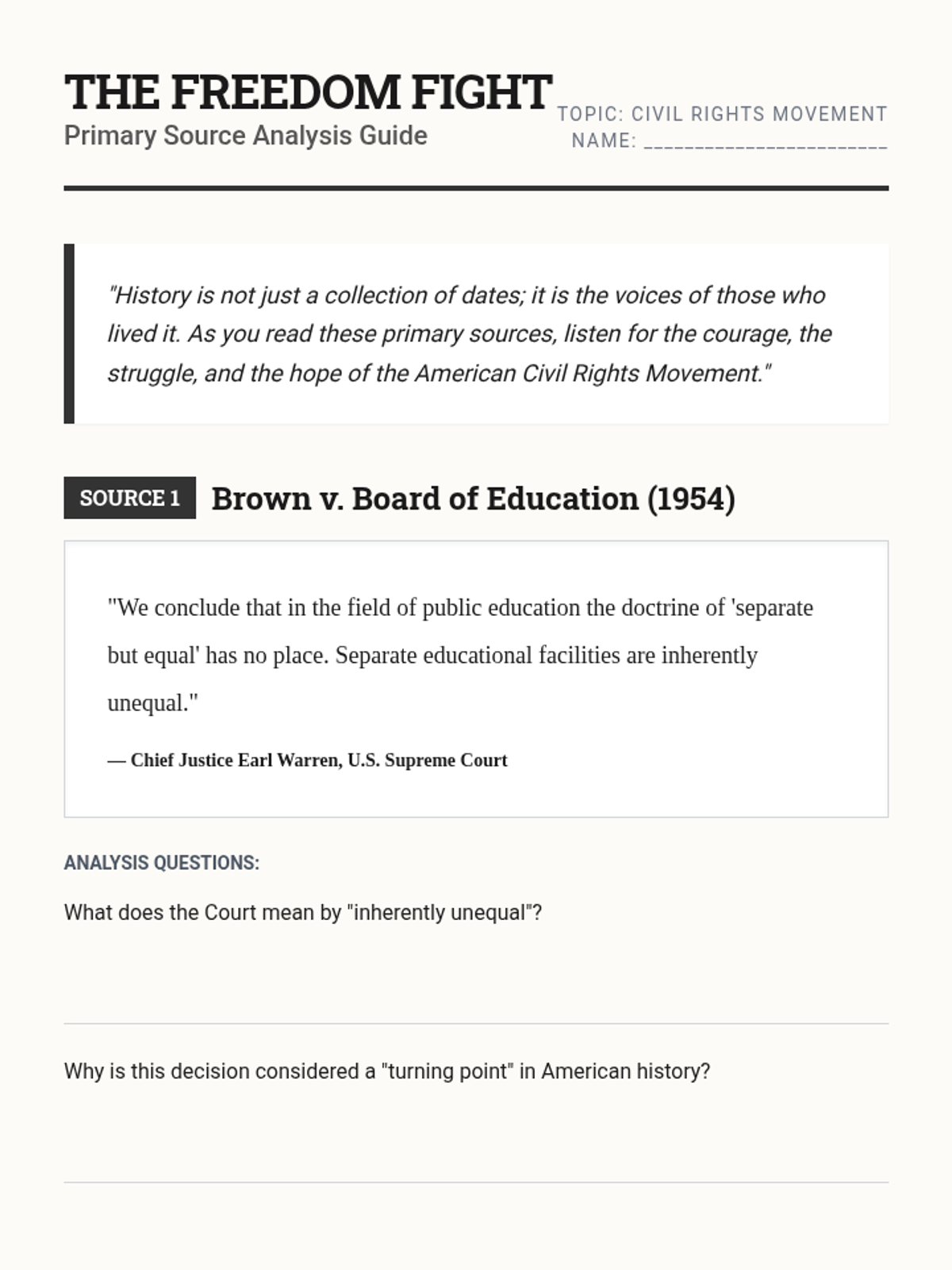
Analyze the key figures, events, and documents of the American Civil Rights Movement.
Explore how plants transform sunlight into energy through the process of photosynthesis.
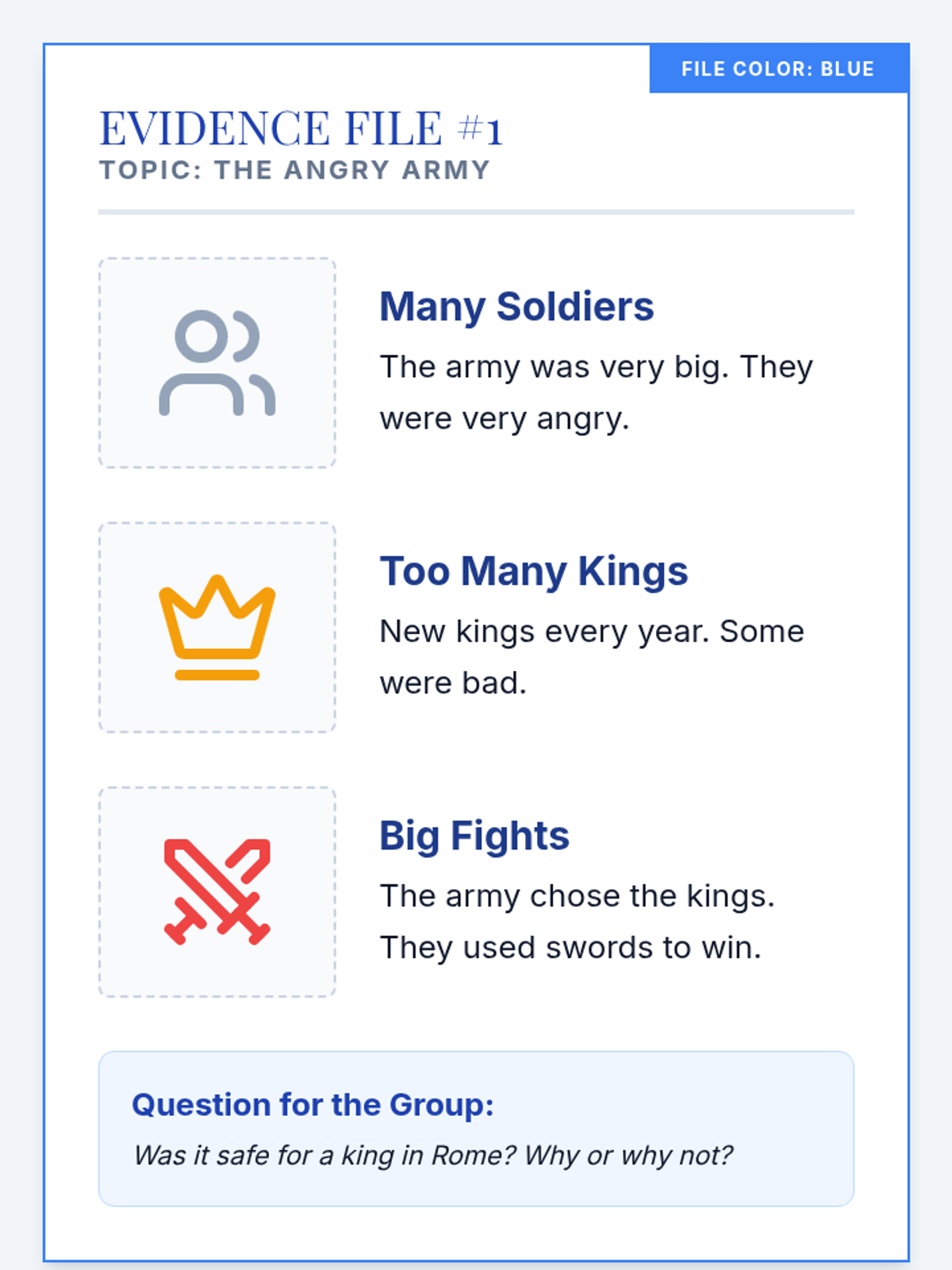
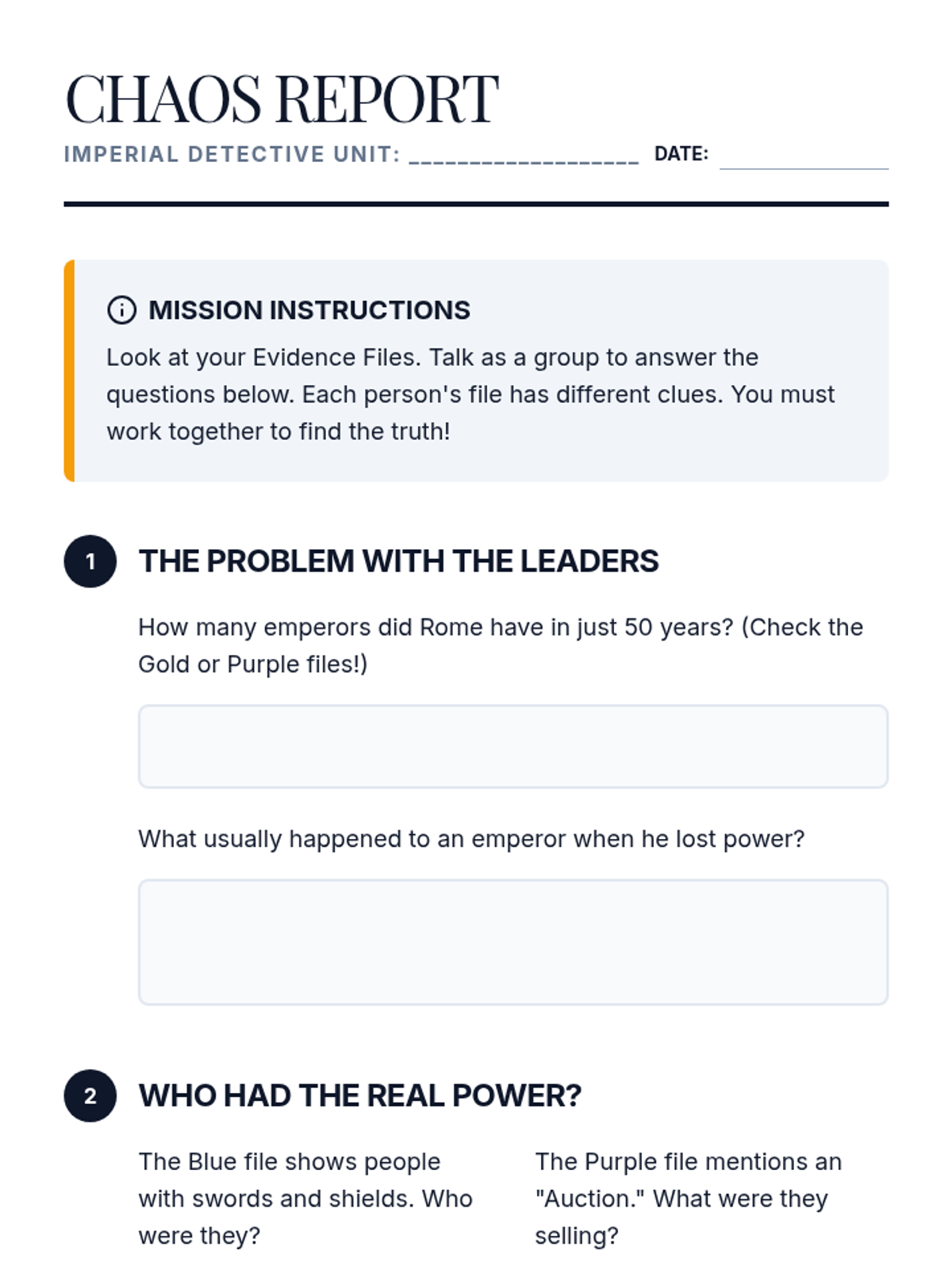
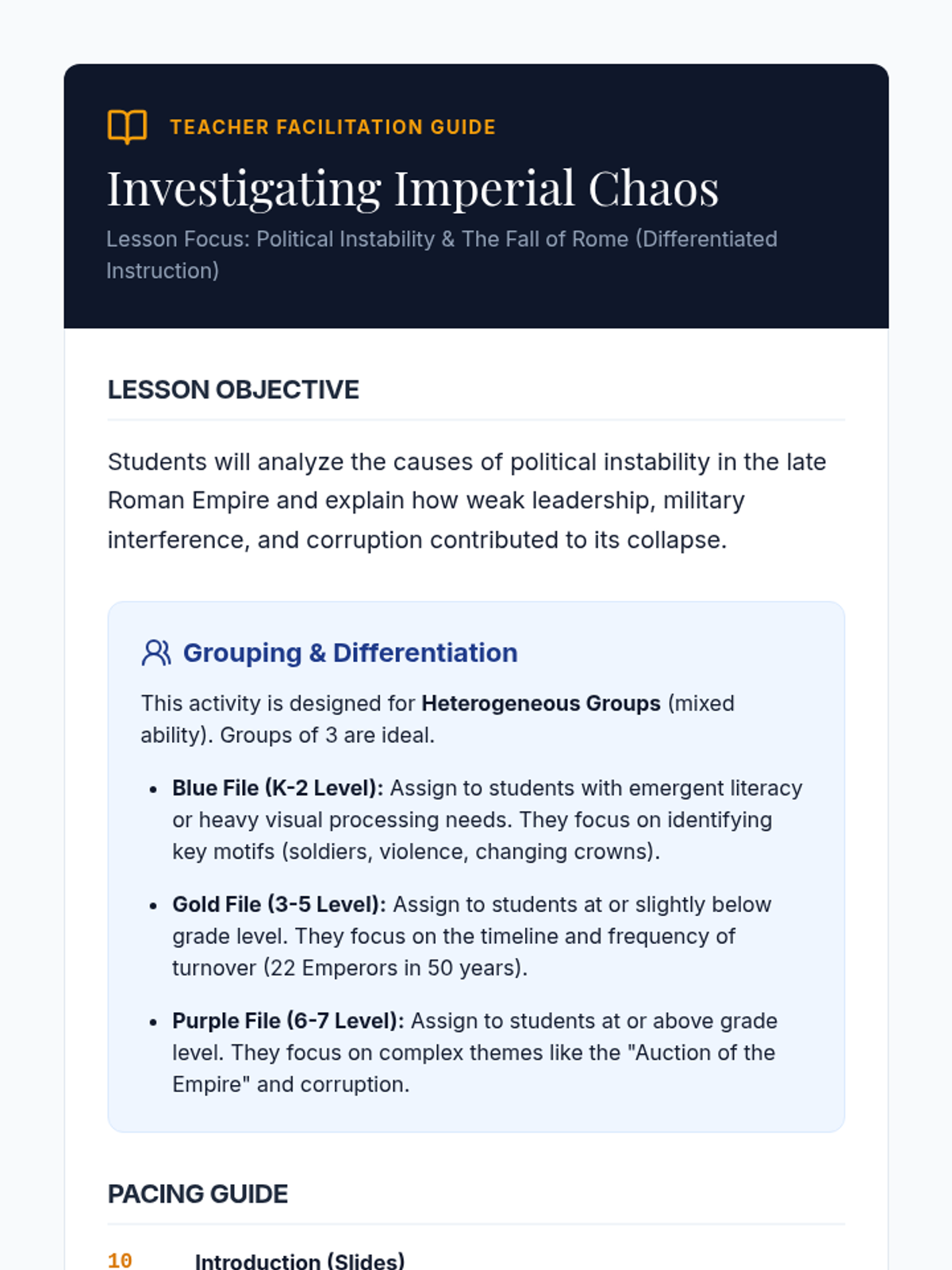
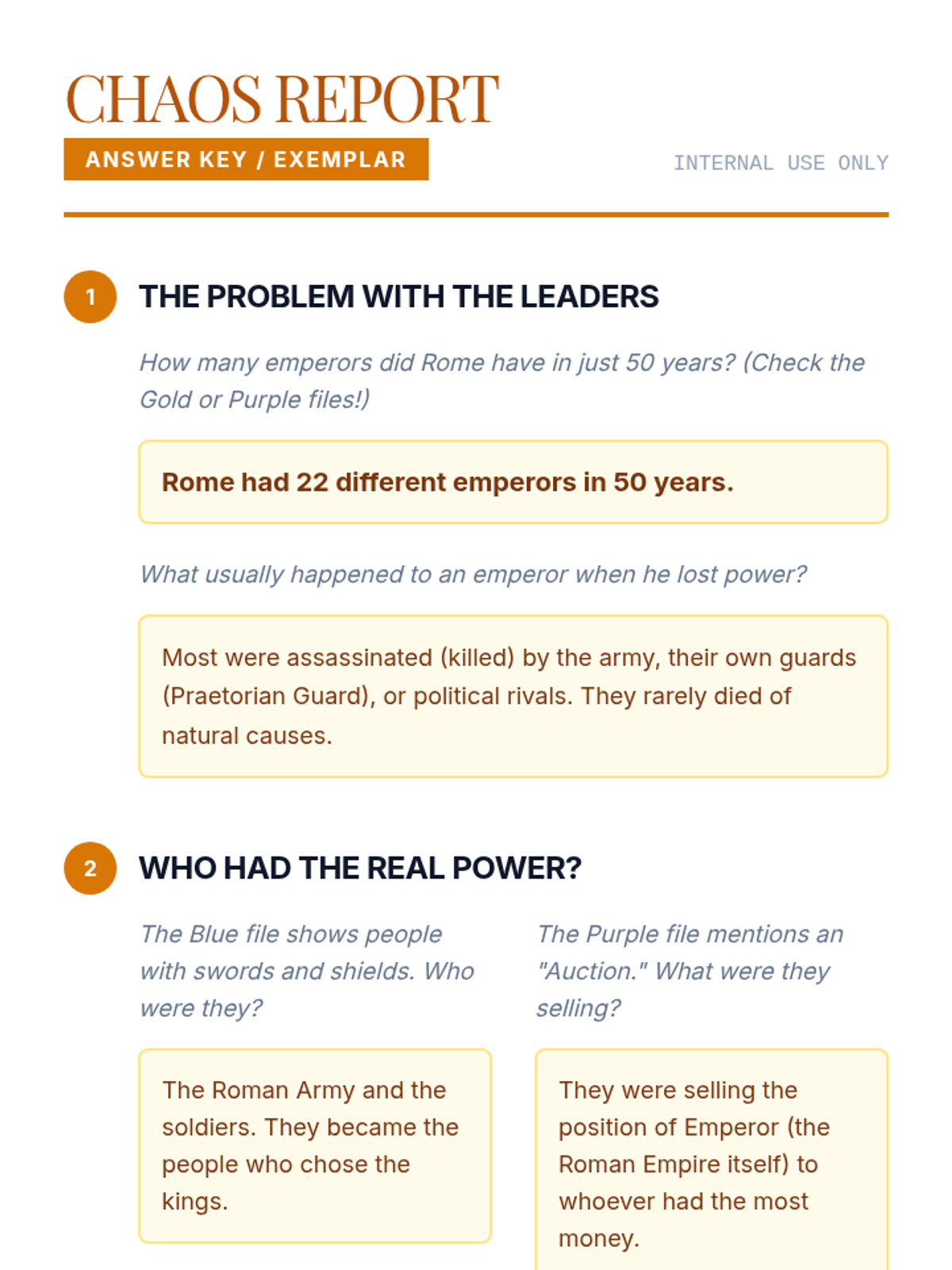
A lesson investigating the political instability that led to the Fall of Rome, featuring differentiated evidence files for diverse reading levels. Students work collaboratively to diagnose the empire's 'political sickness.'
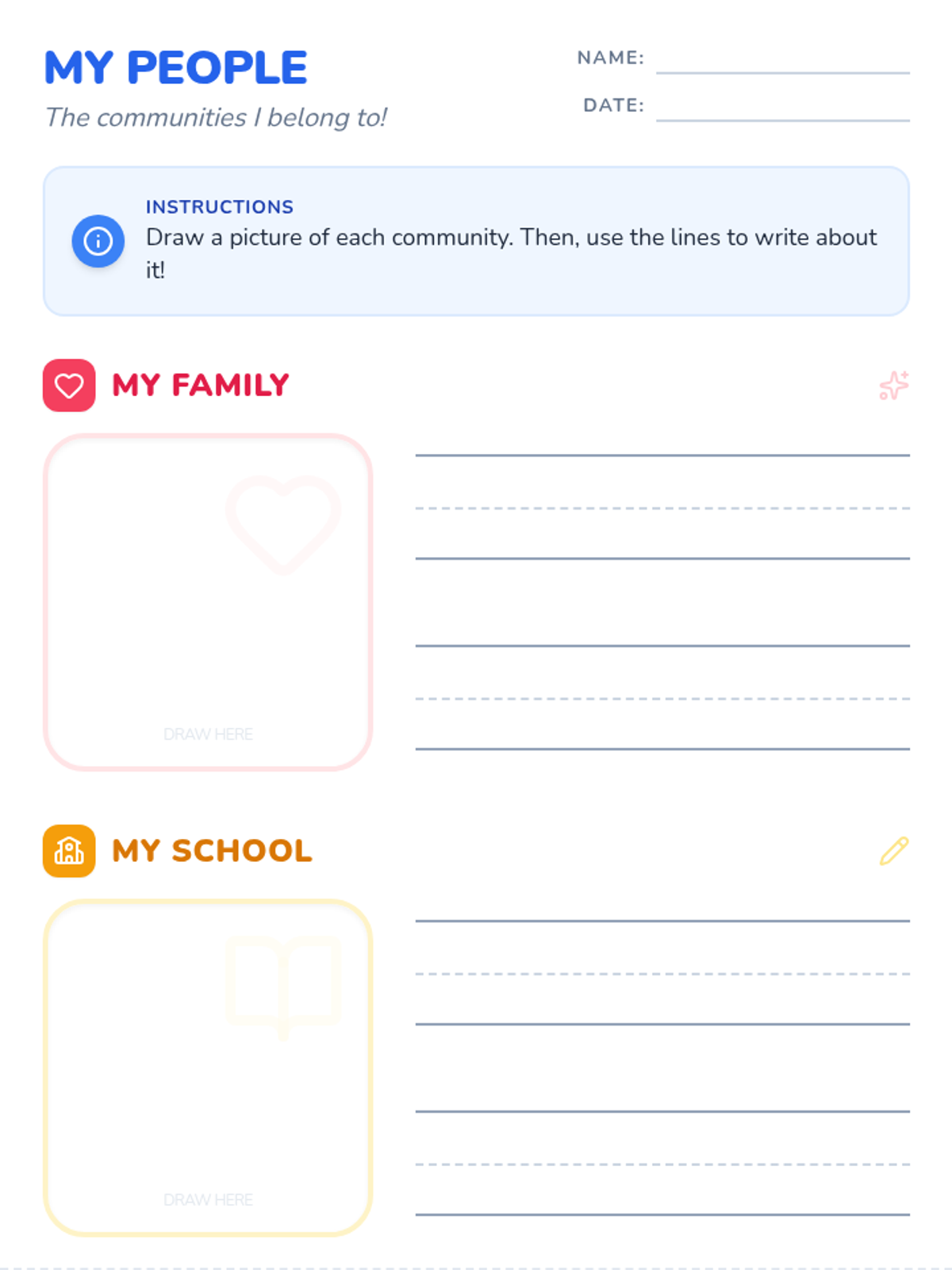
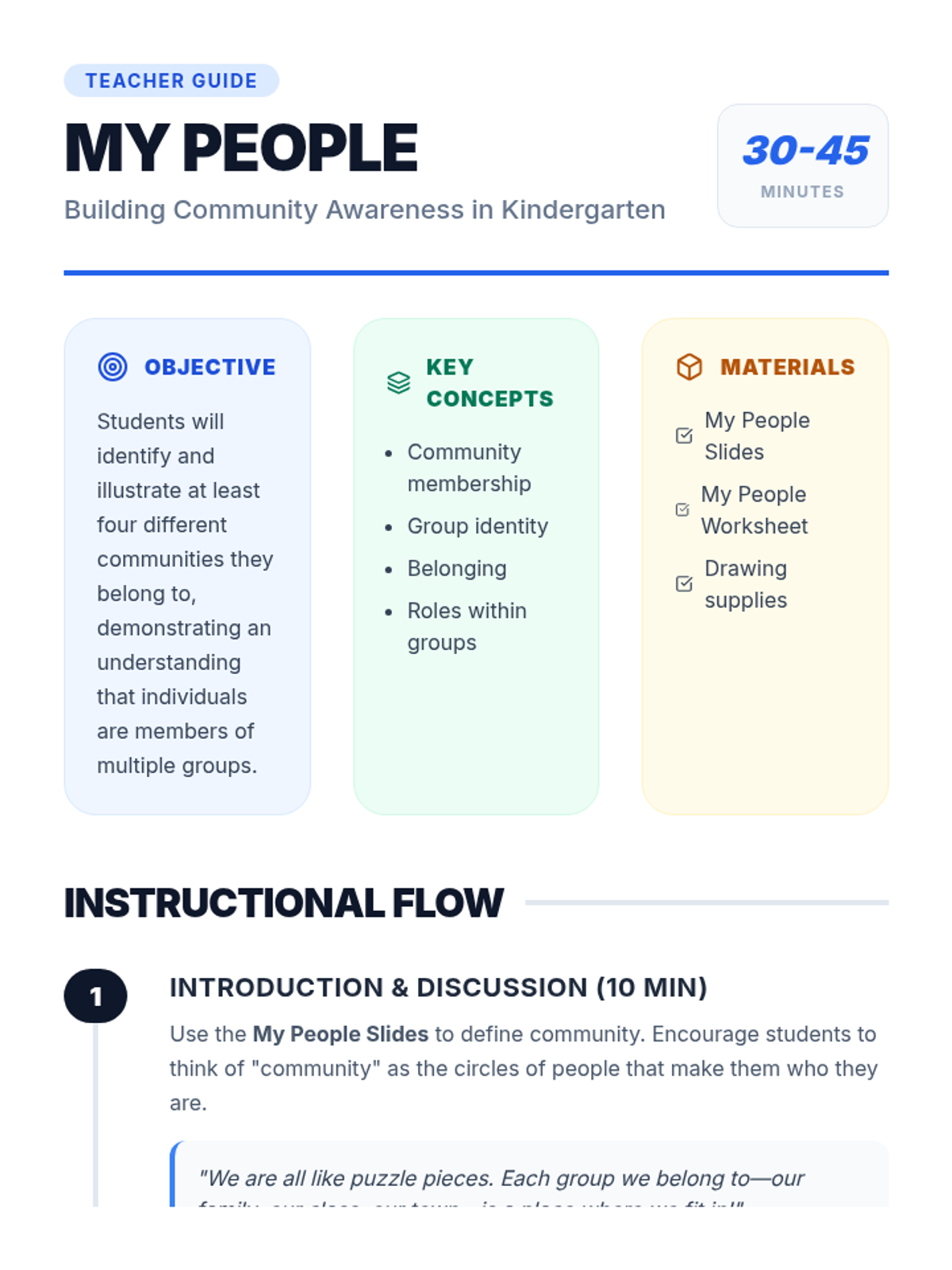
A lesson designed to help kindergarten students understand the concept of community by identifying and reflecting on the groups they belong to through drawing and early writing.
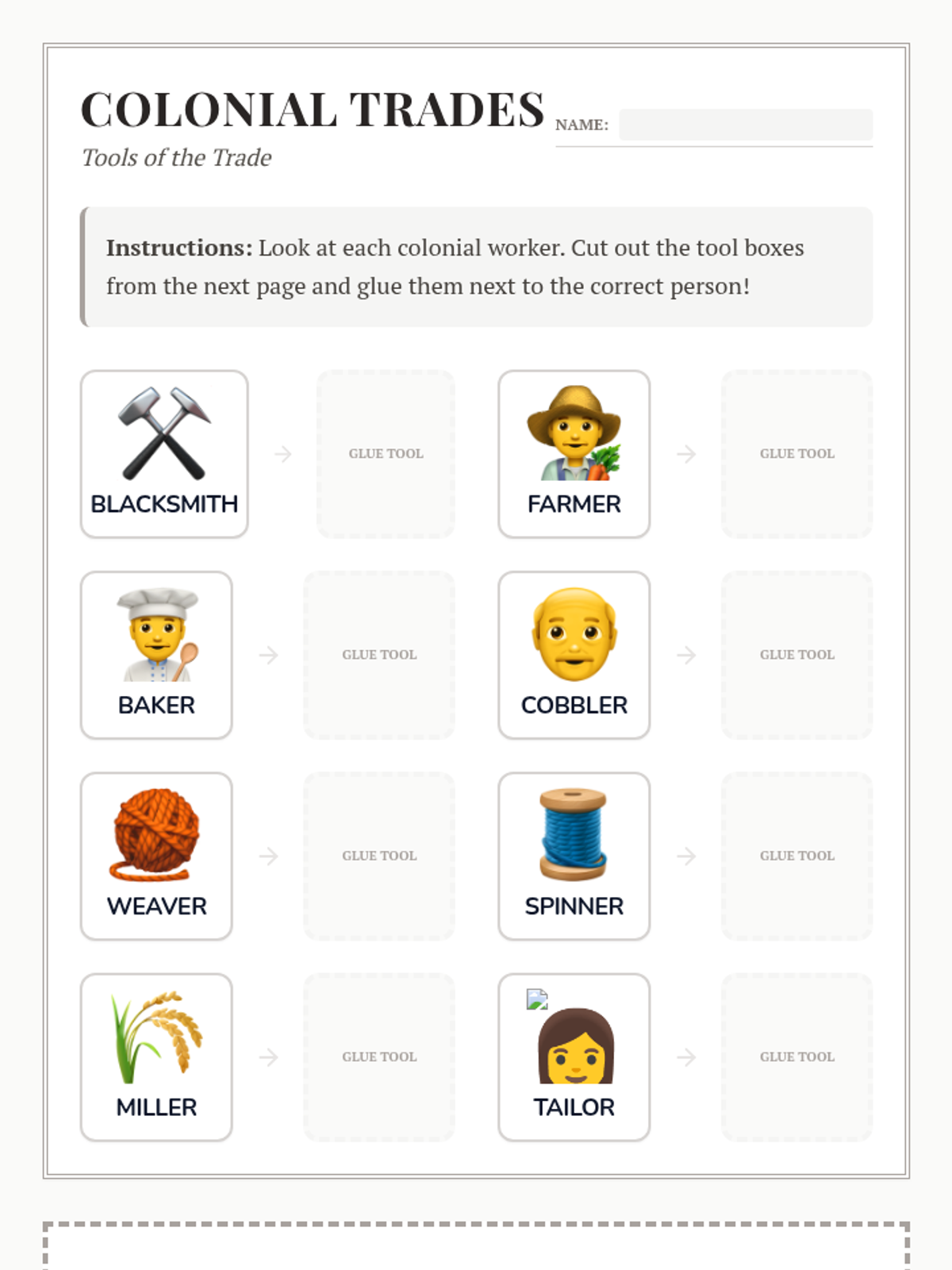
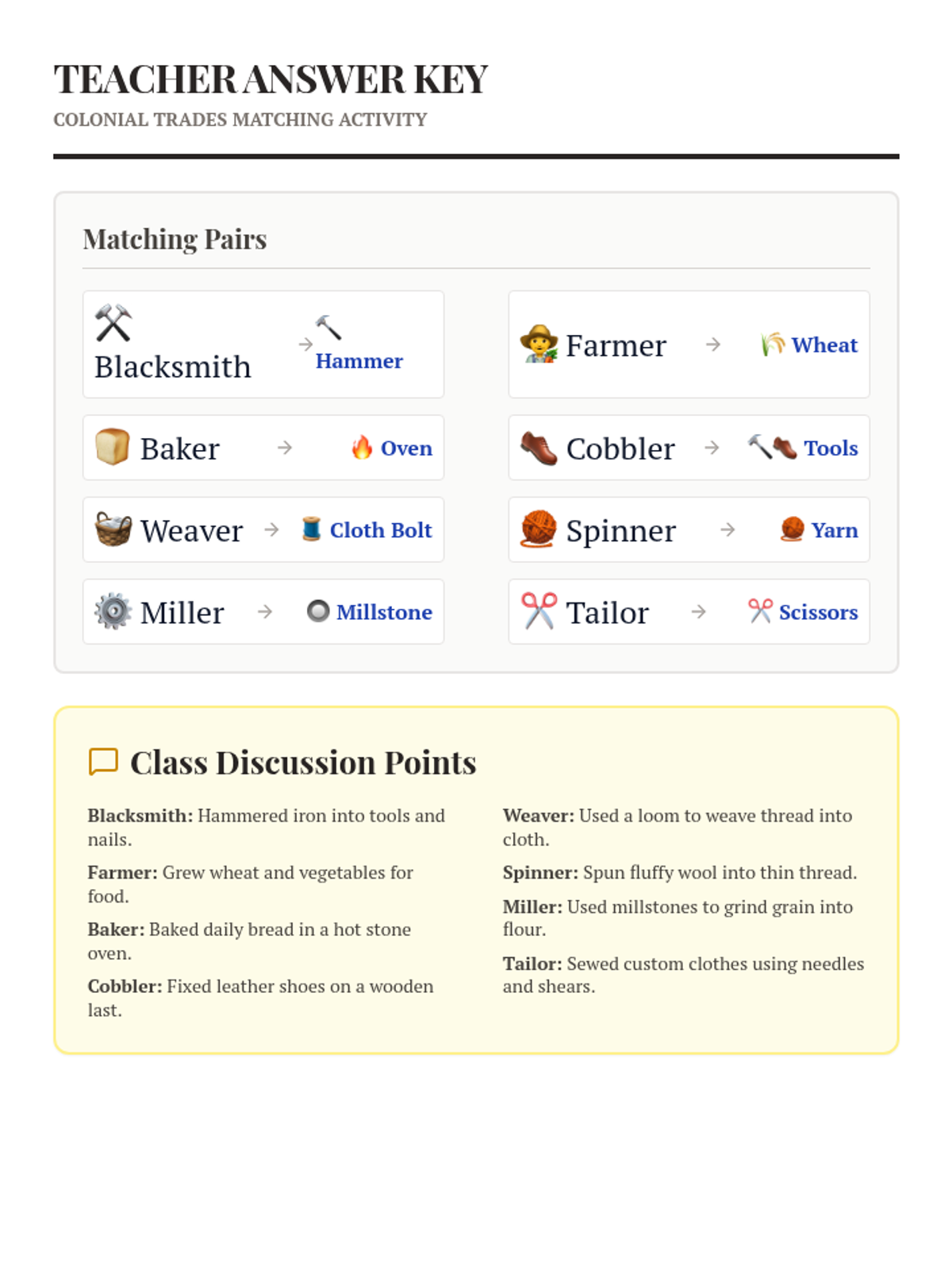
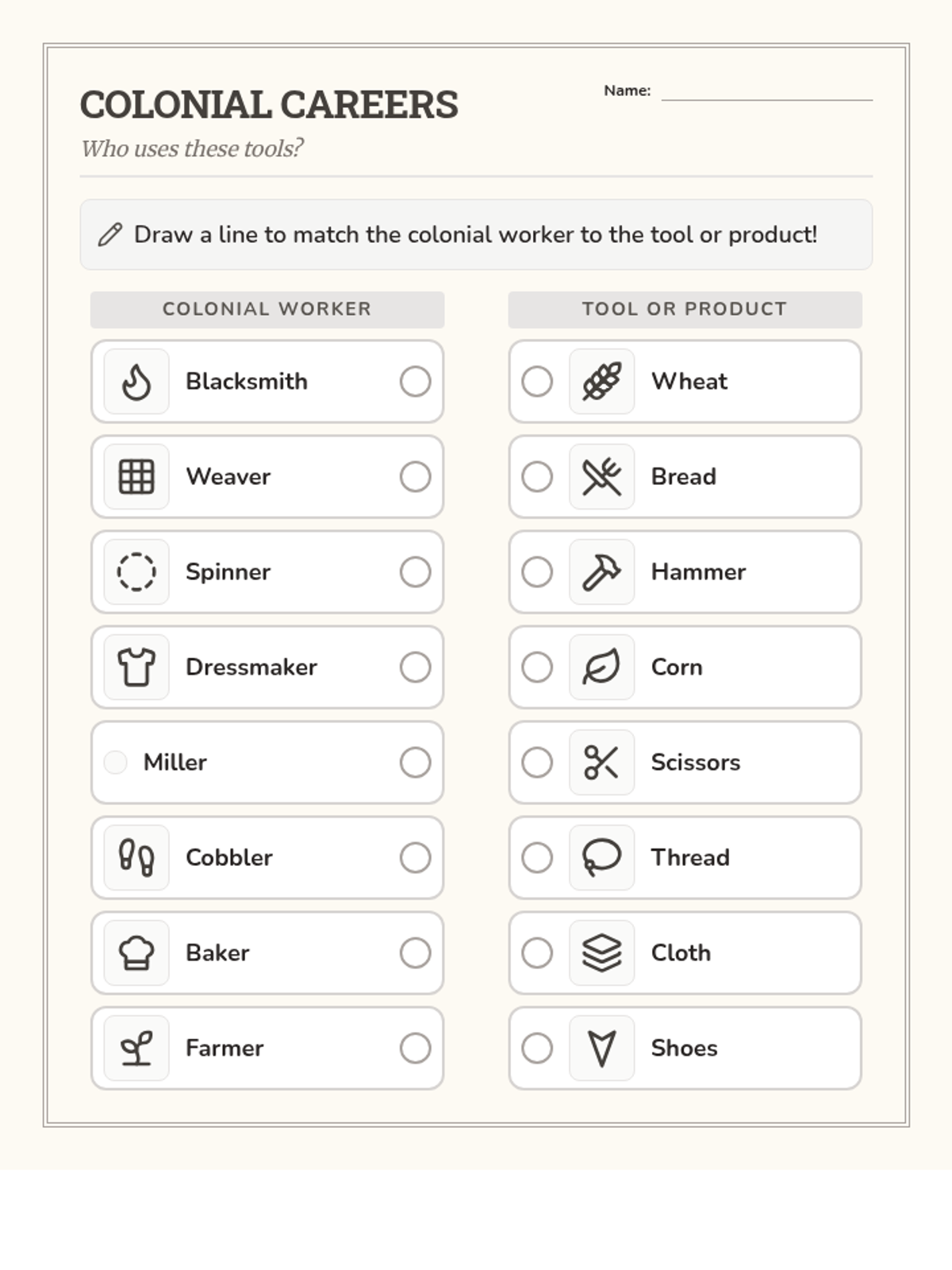
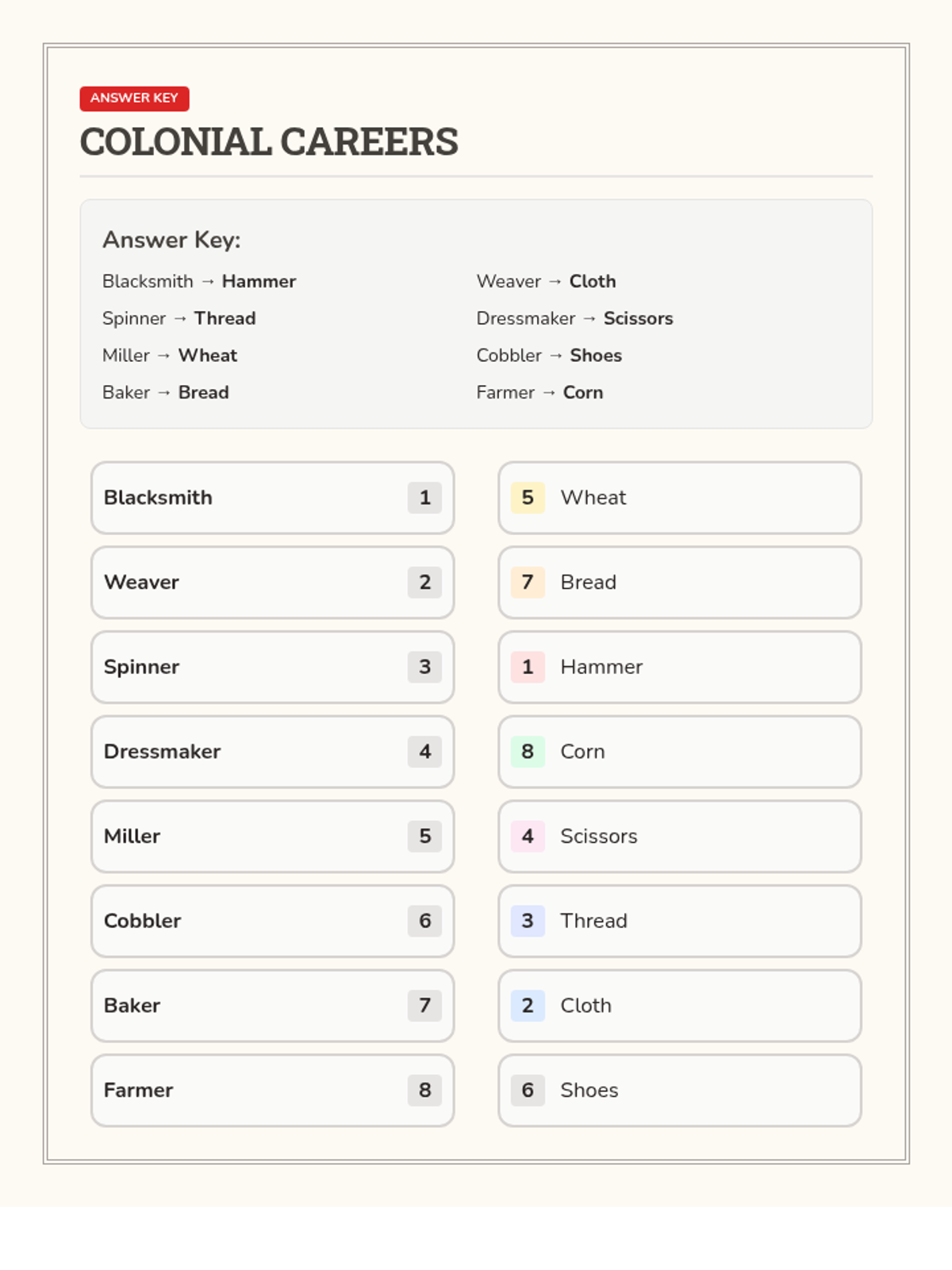
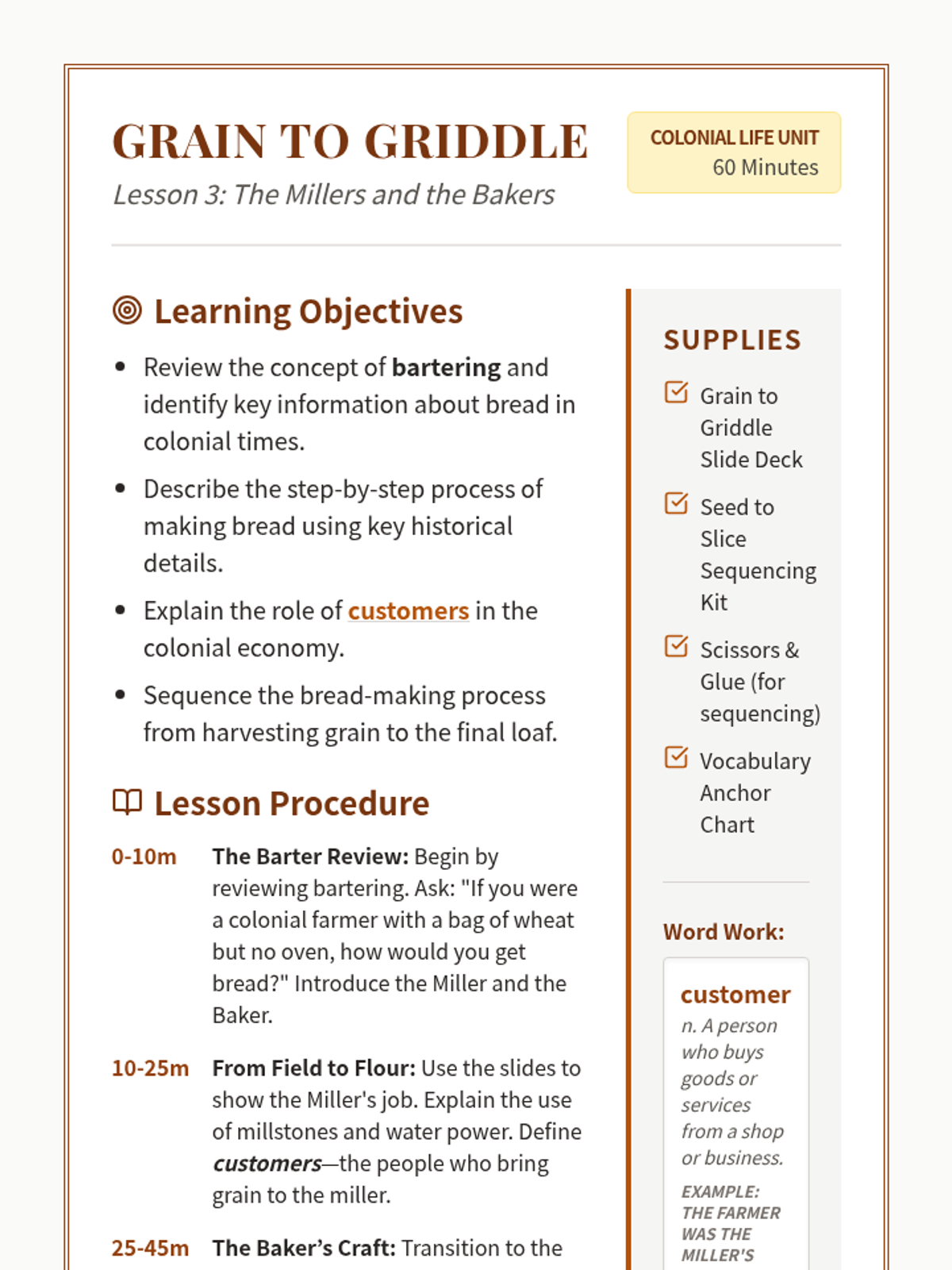
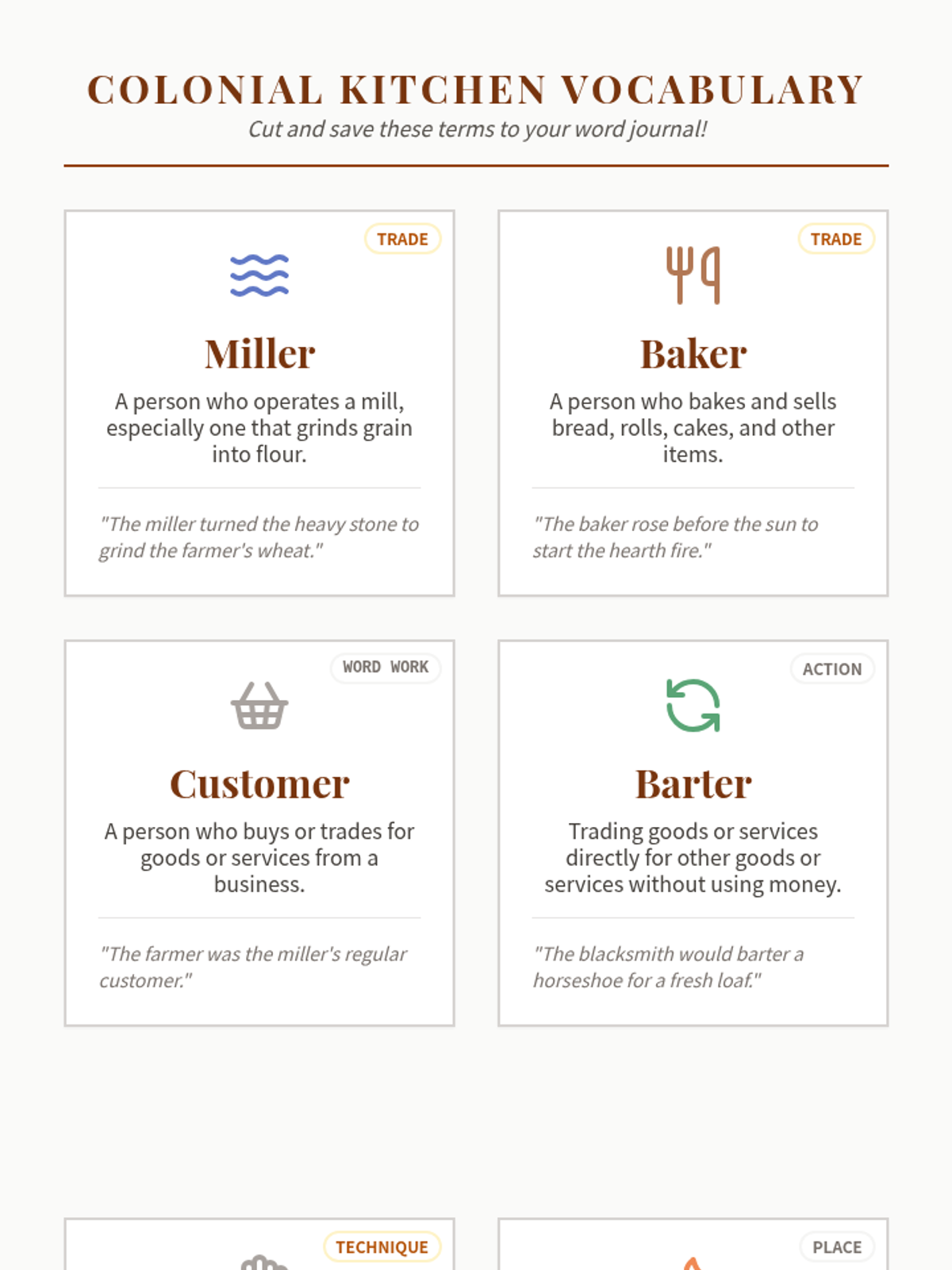
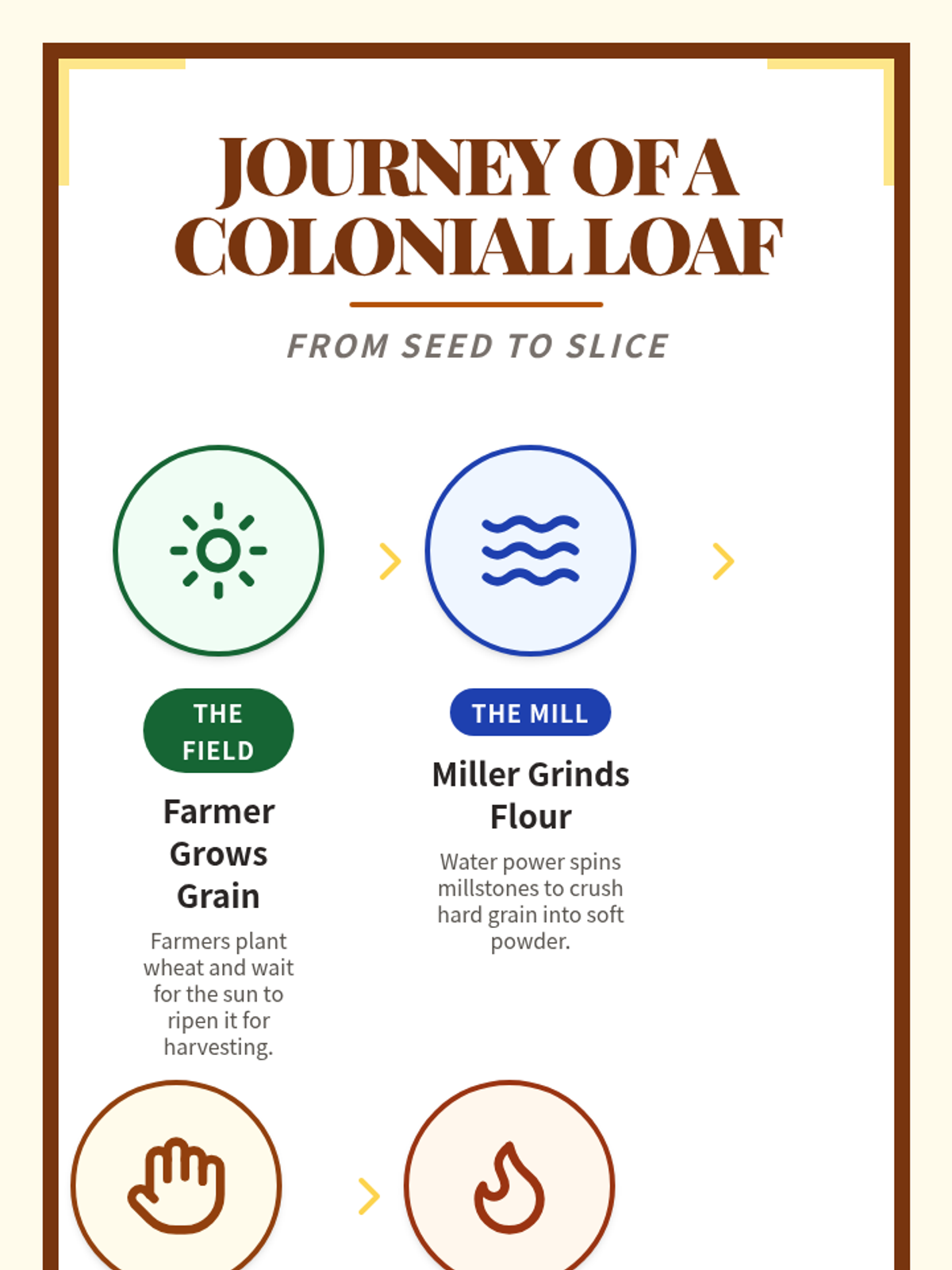
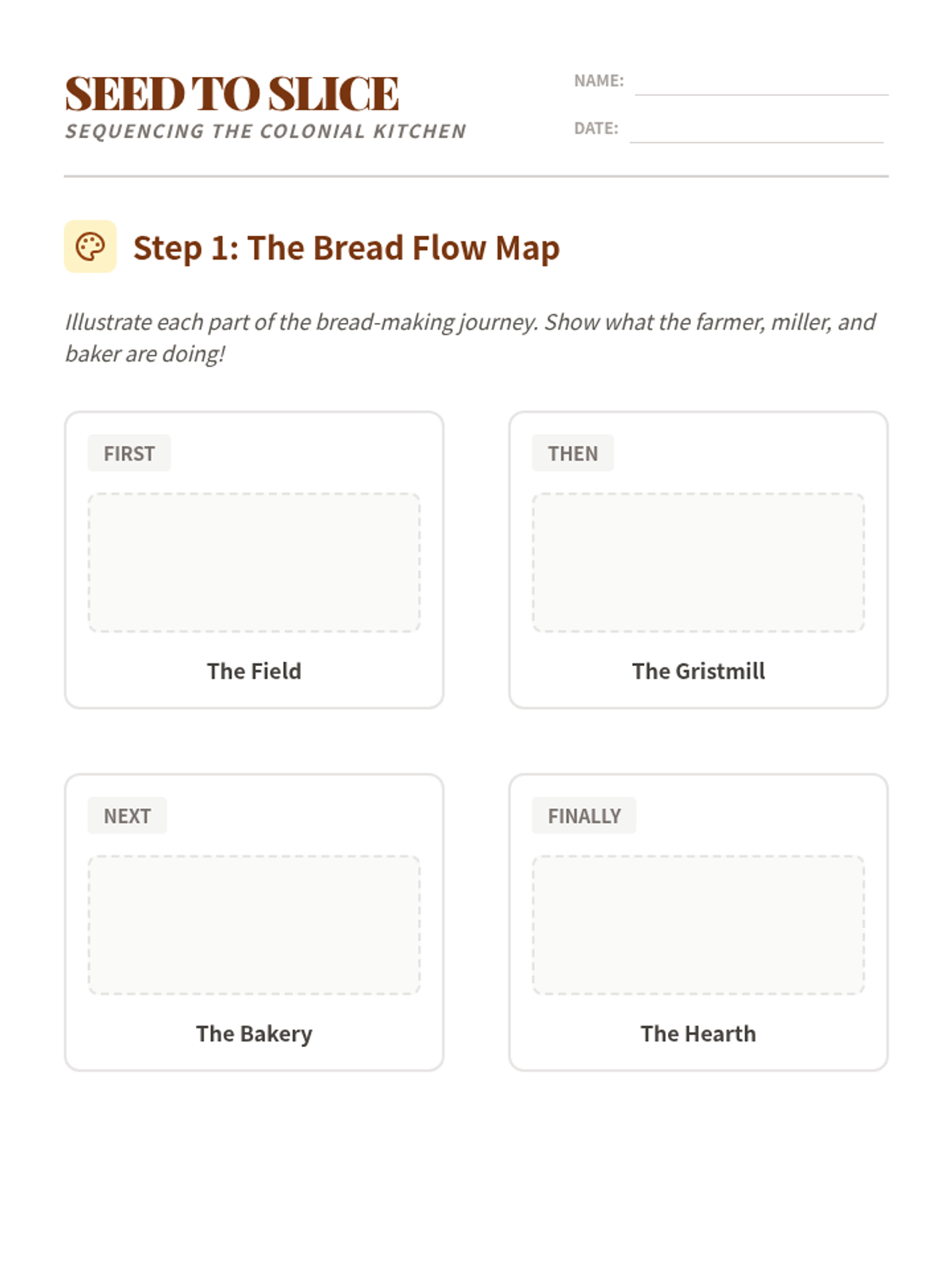
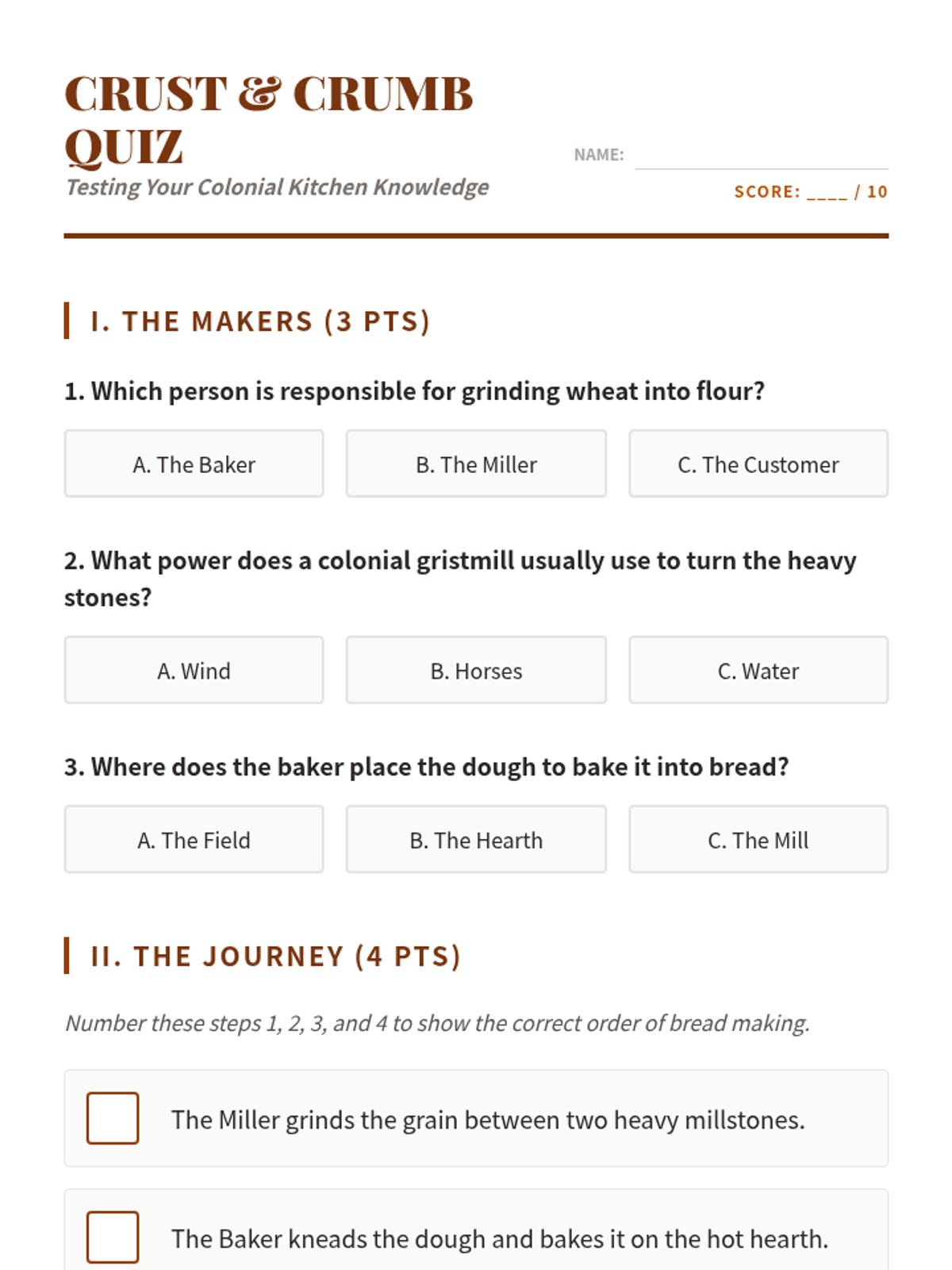
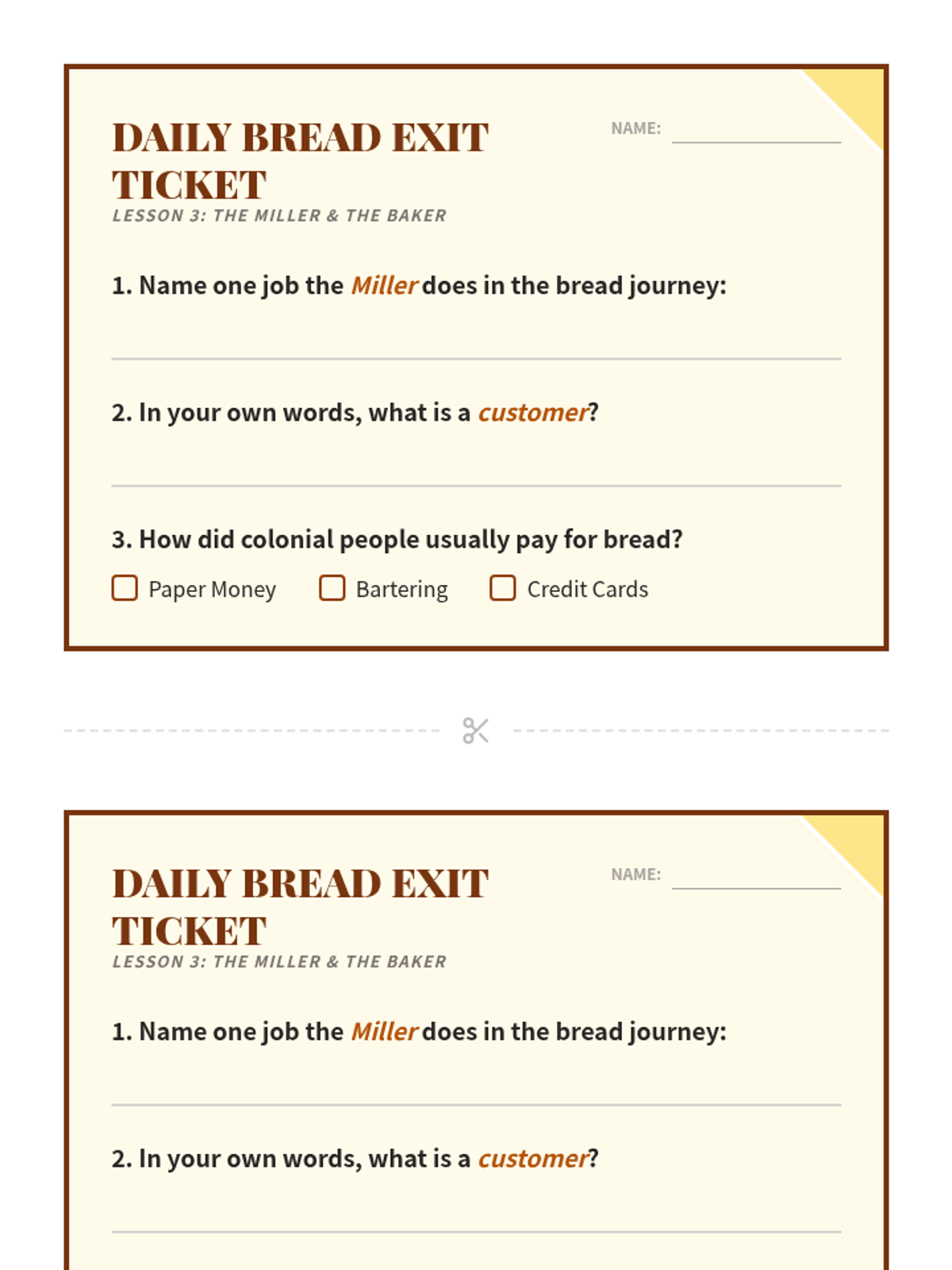
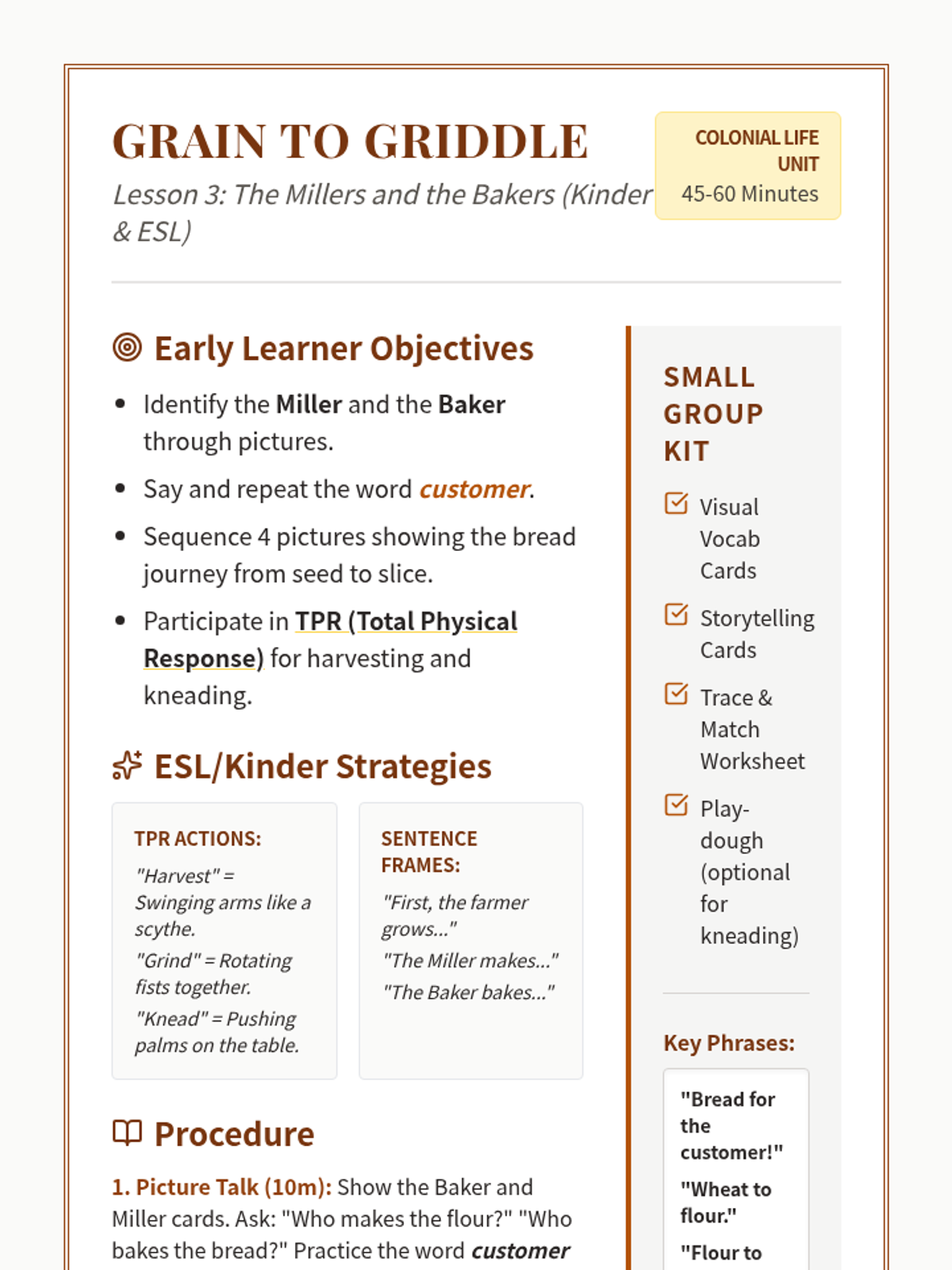
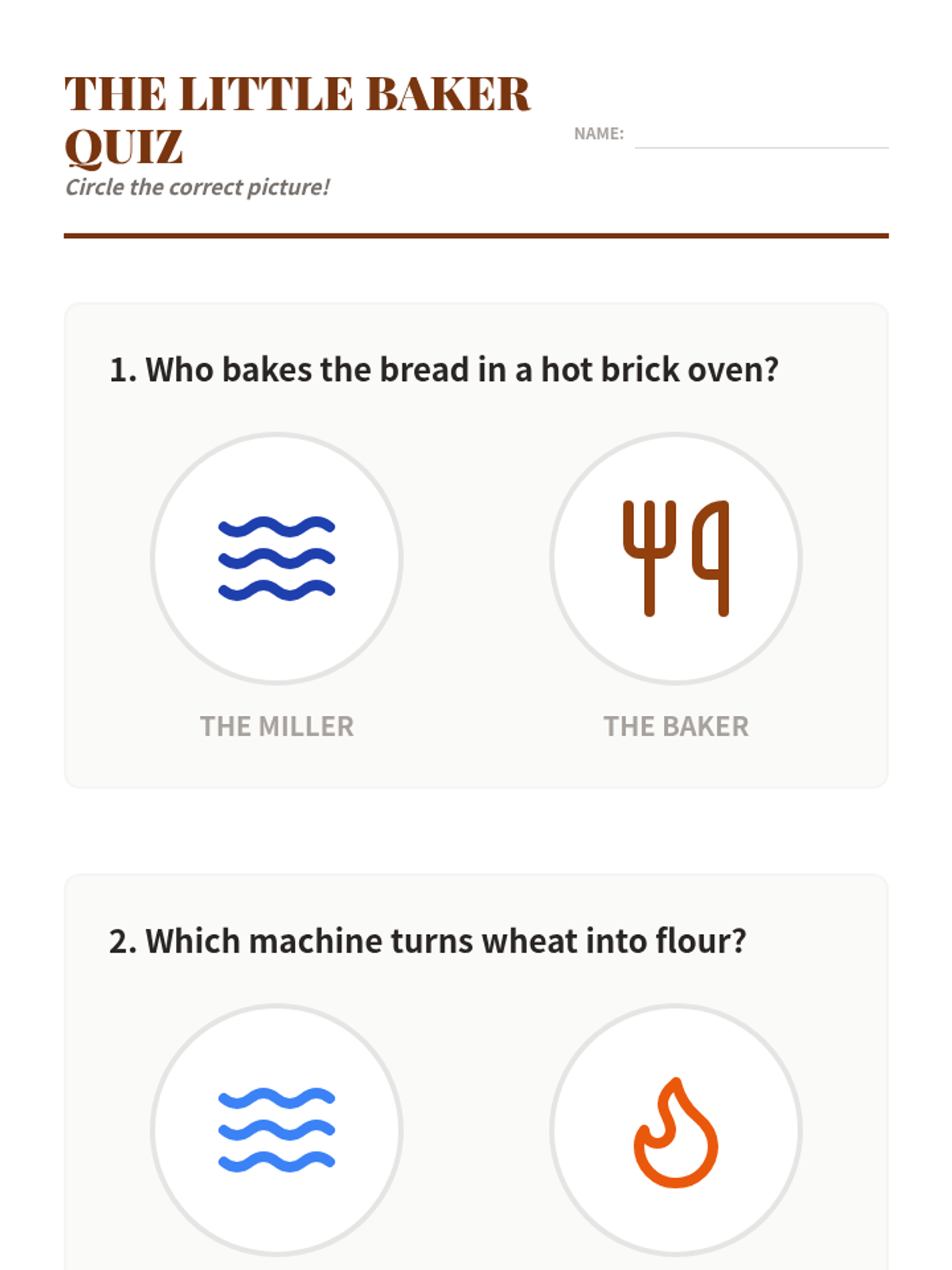
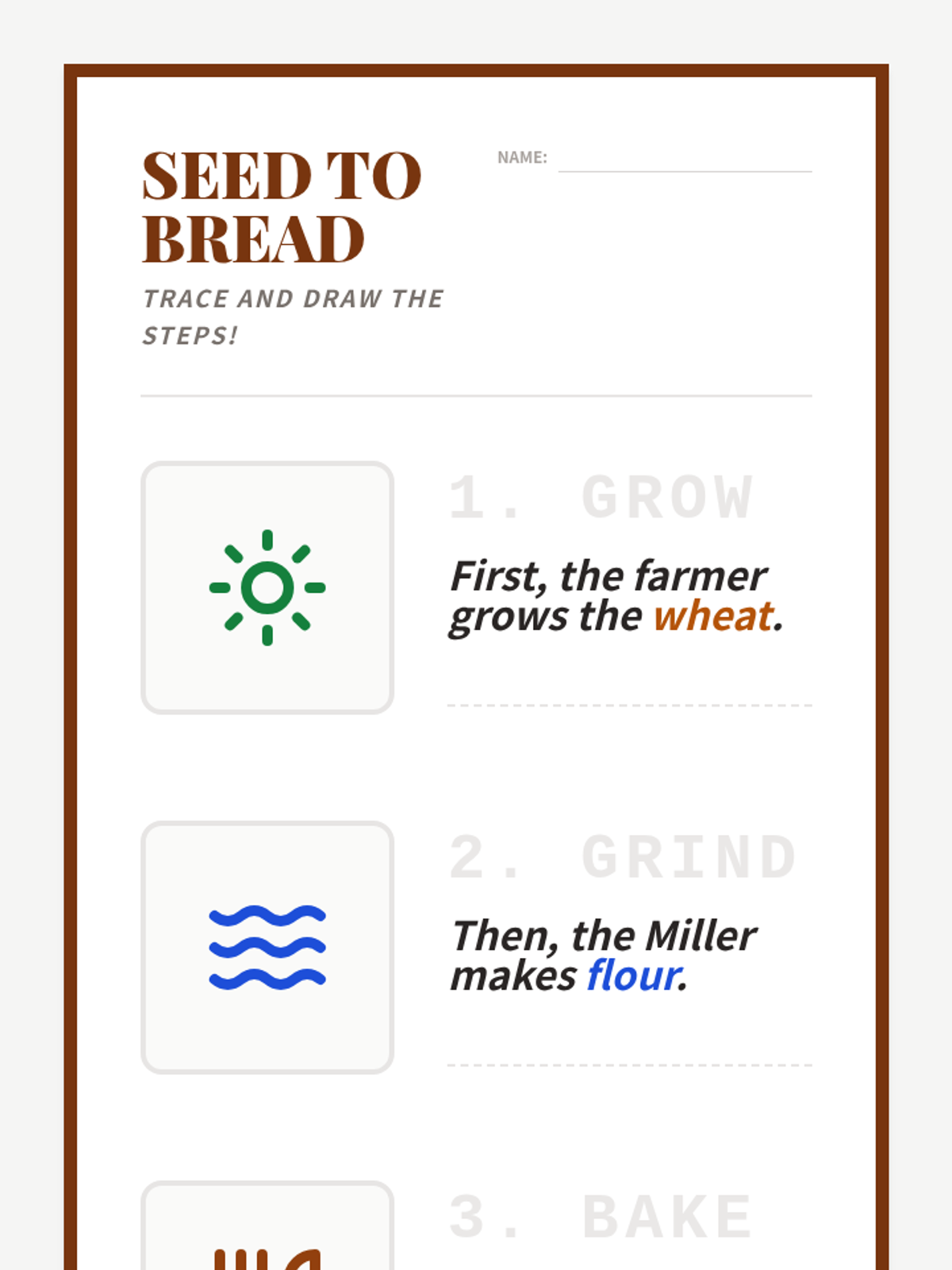
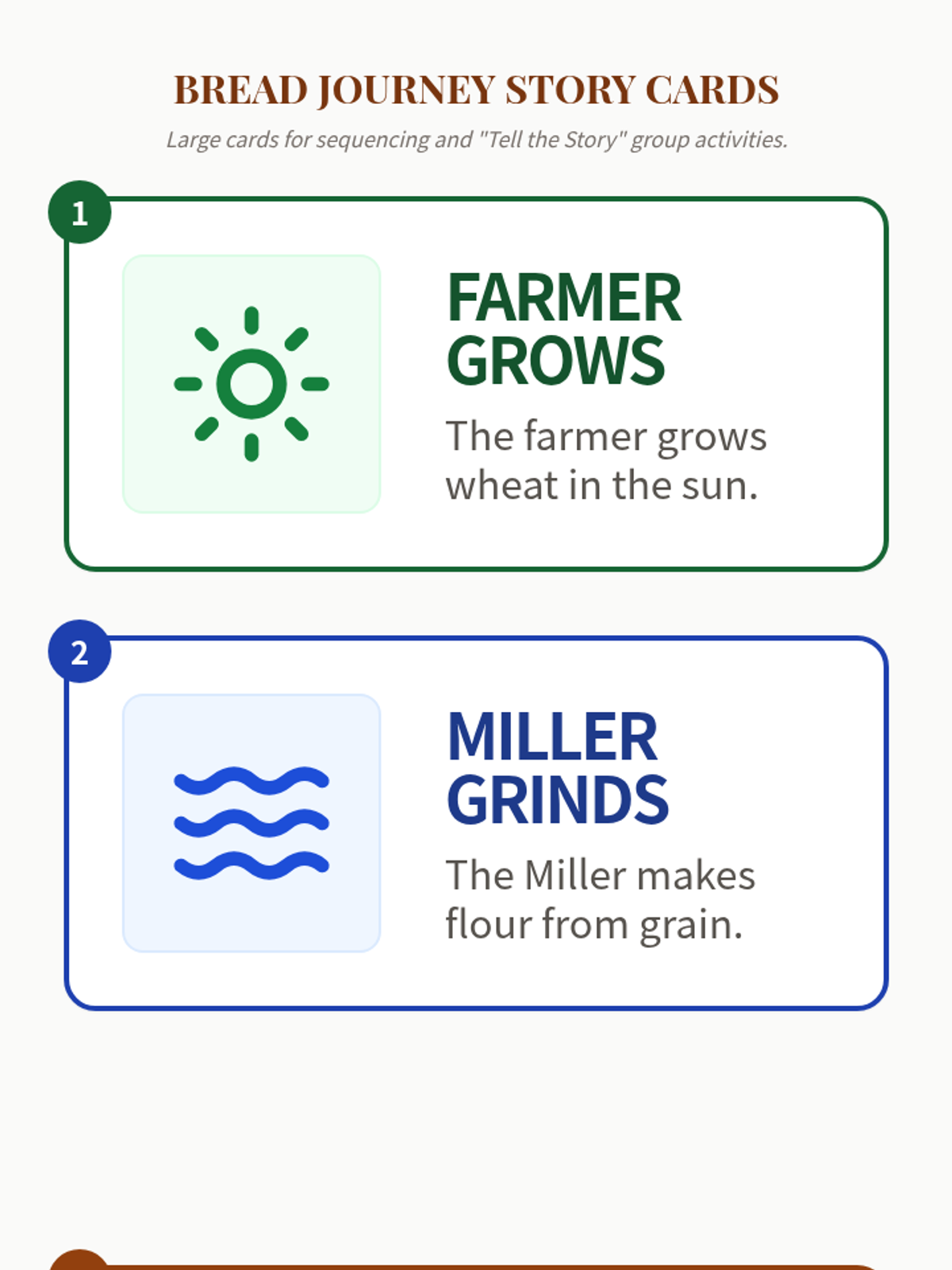
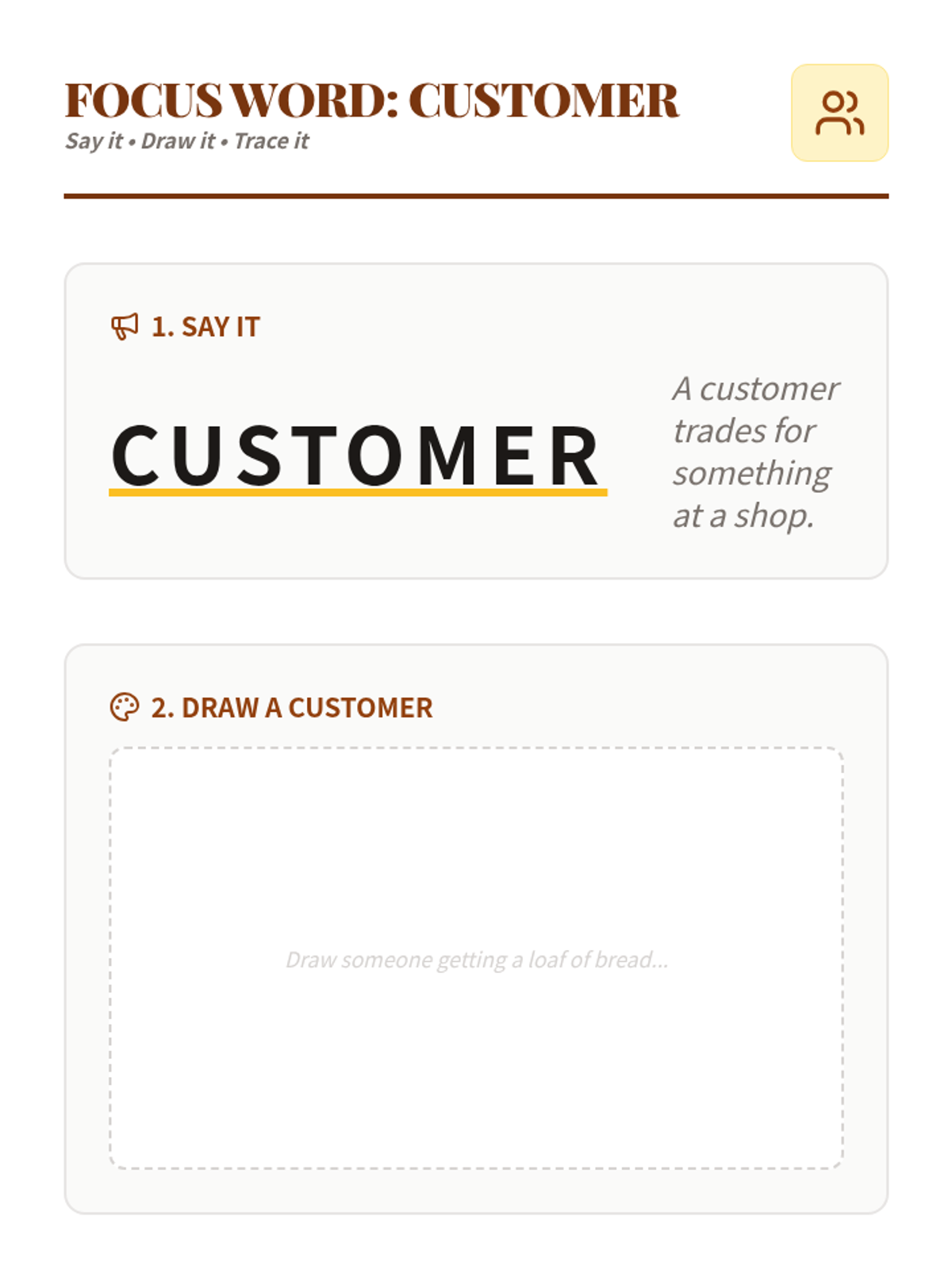
A comprehensive lesson on the colonial bread-making process, featuring the roles of millers and bakers, bartering practices, and sequencing the steps from grain to loaf.
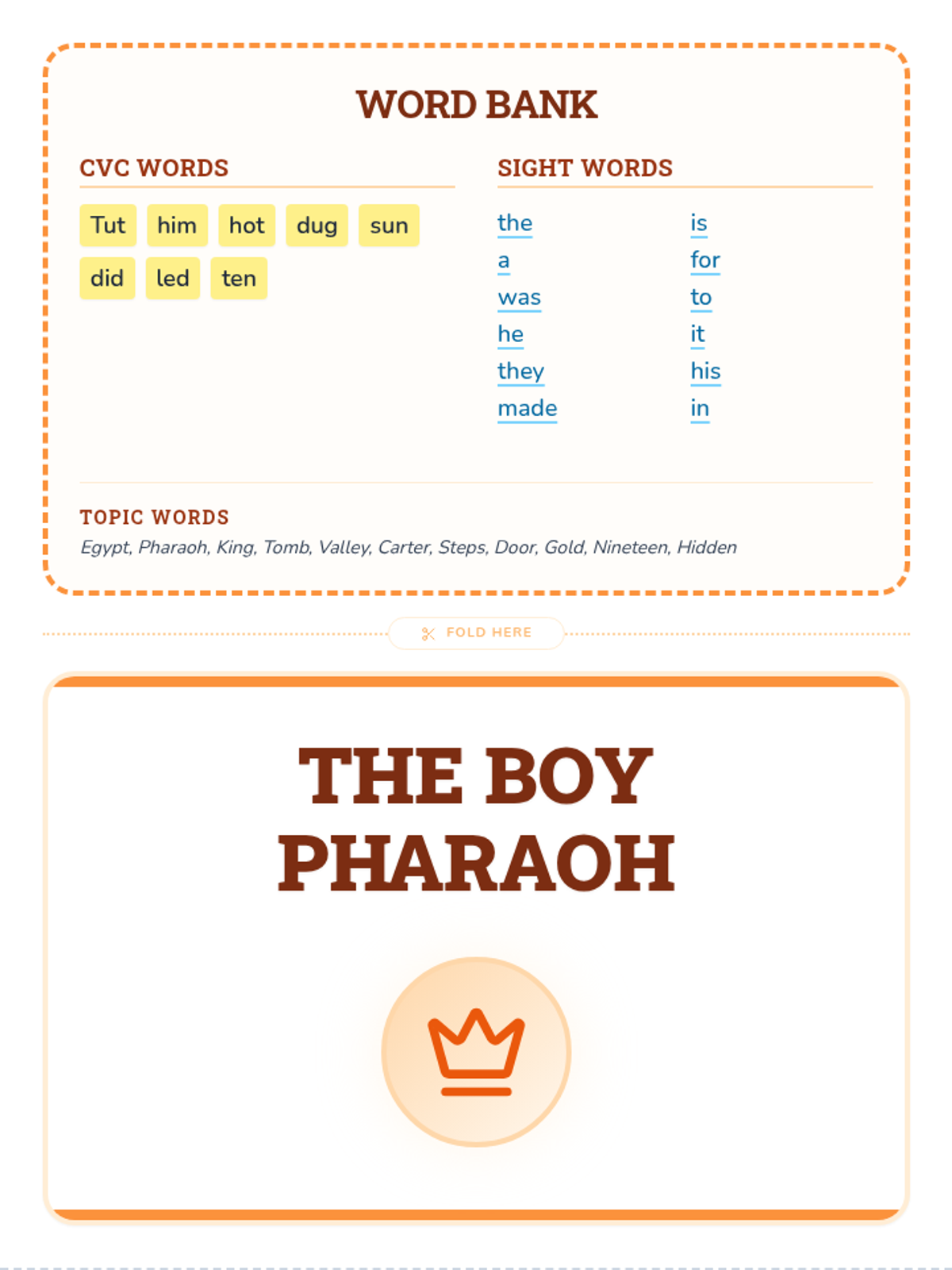
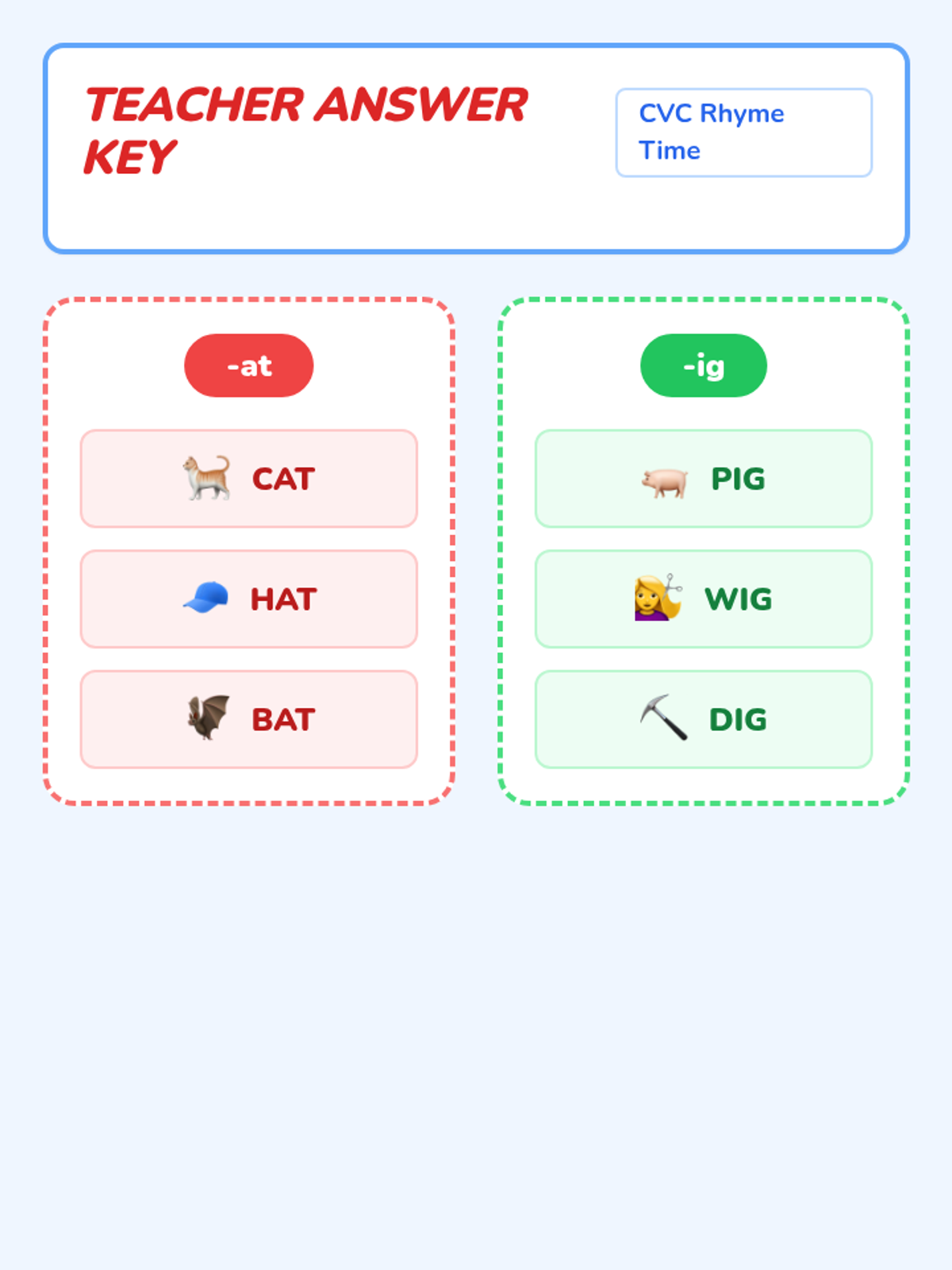
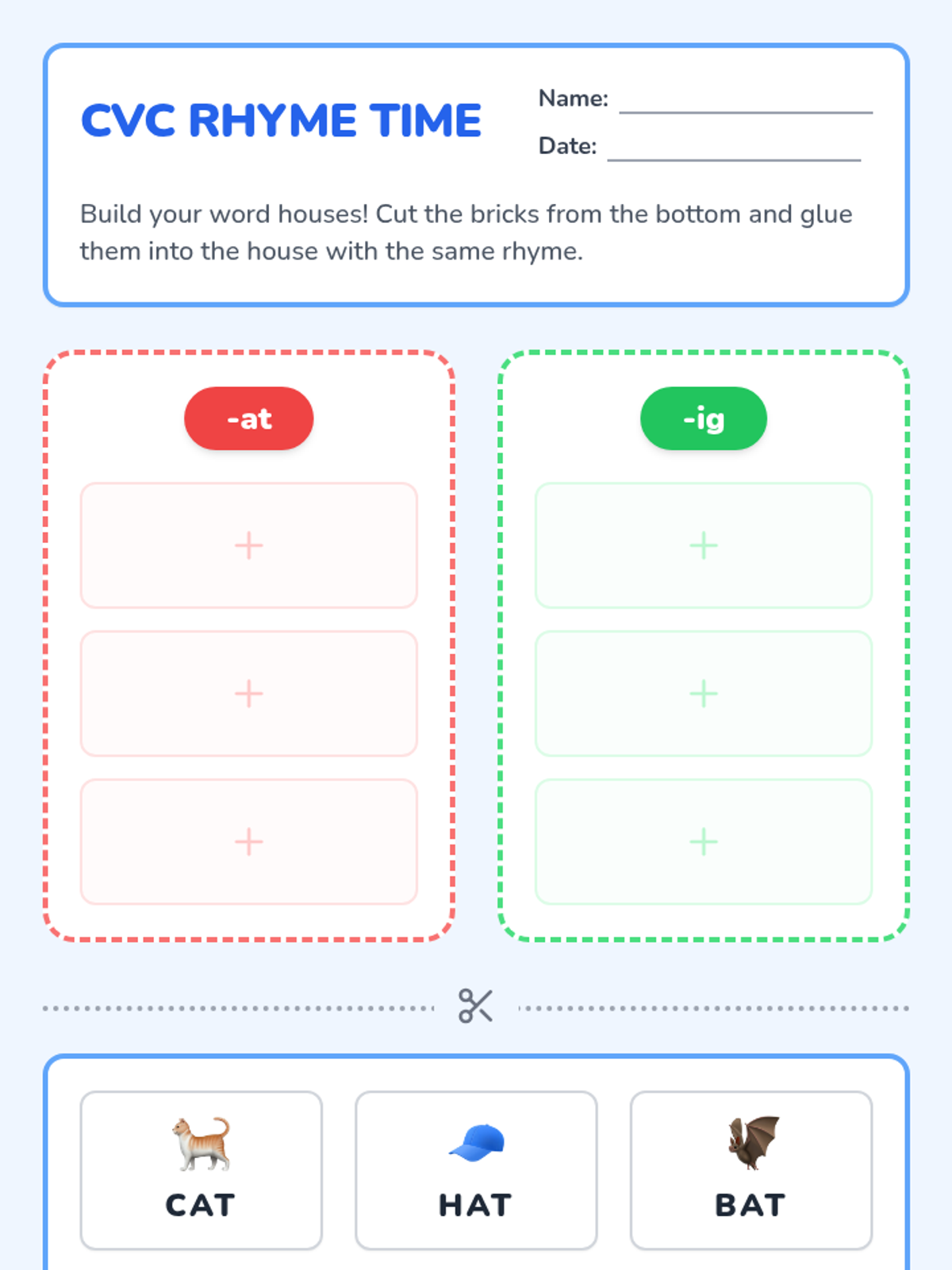
Foundational literacy activities focusing on CVC word families through tactile sorting and visual identification.
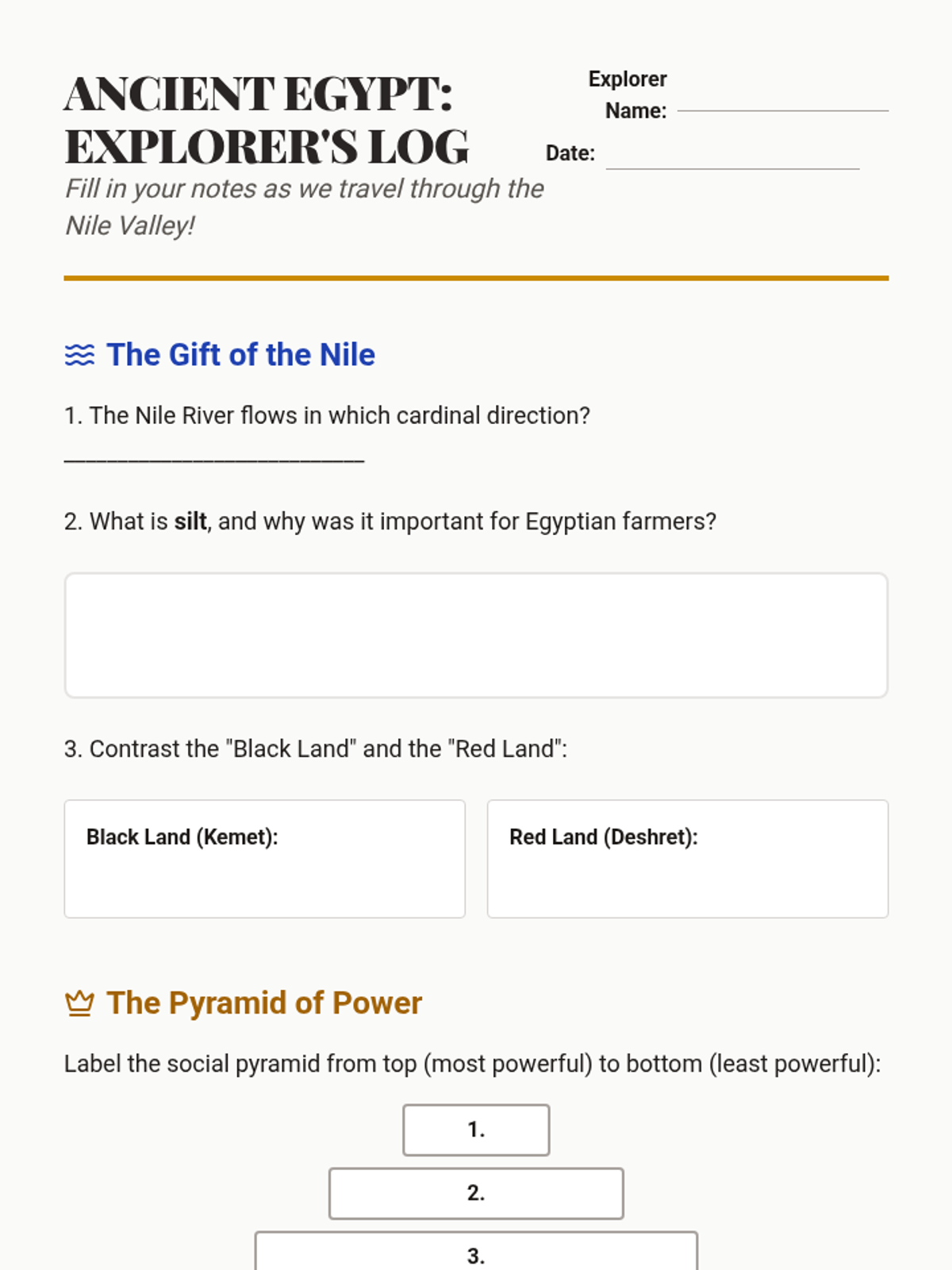
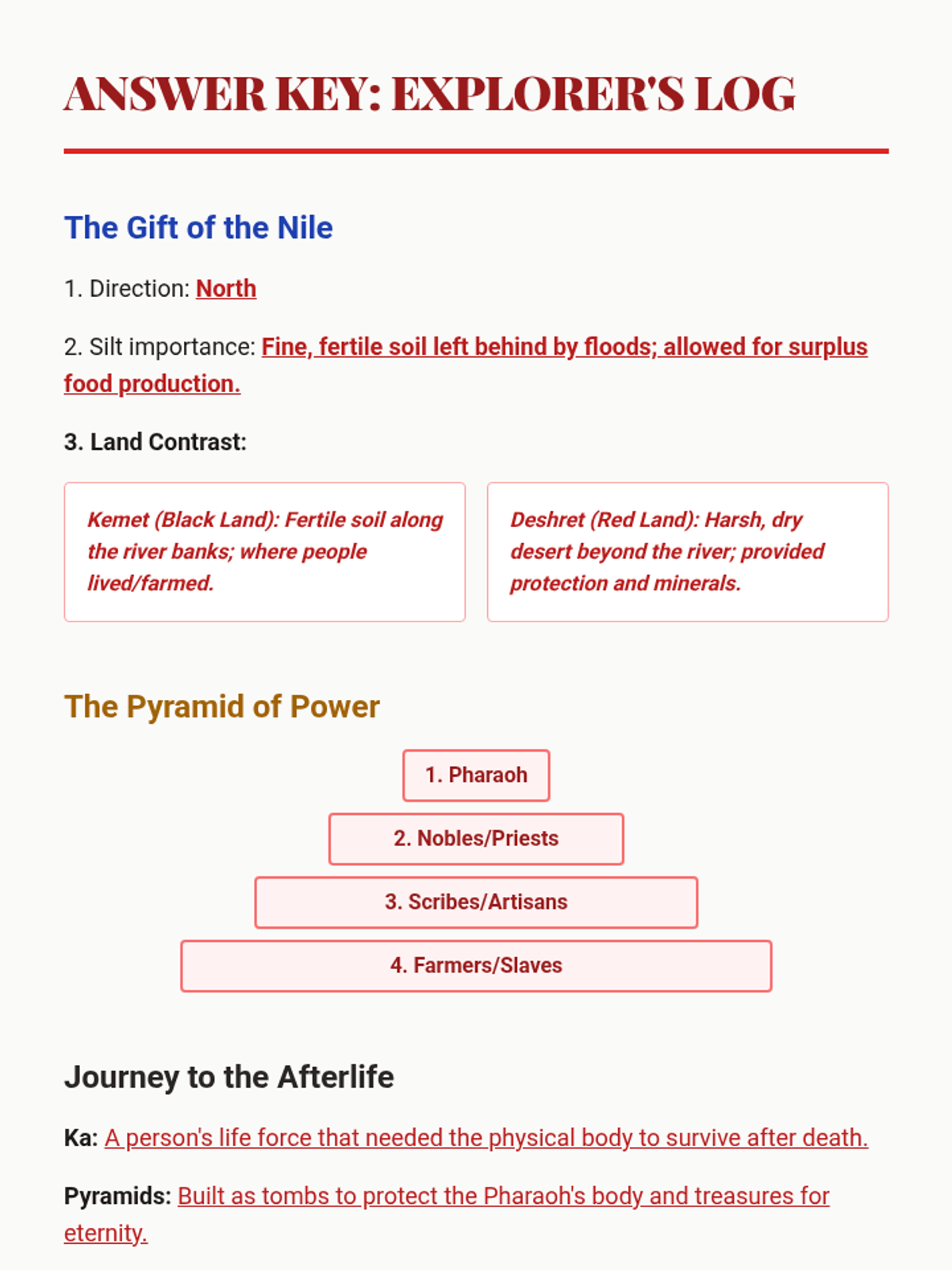
An in-depth exploration of Ancient Egyptian civilization for sixth-grade students. This lesson covers geography, social structures, religious practices, and daily life, utilizing visual slides and interactive guided notes.
A collection of coloring pages featuring influential women from history and modern times, designed to inspire students through art and reflection.
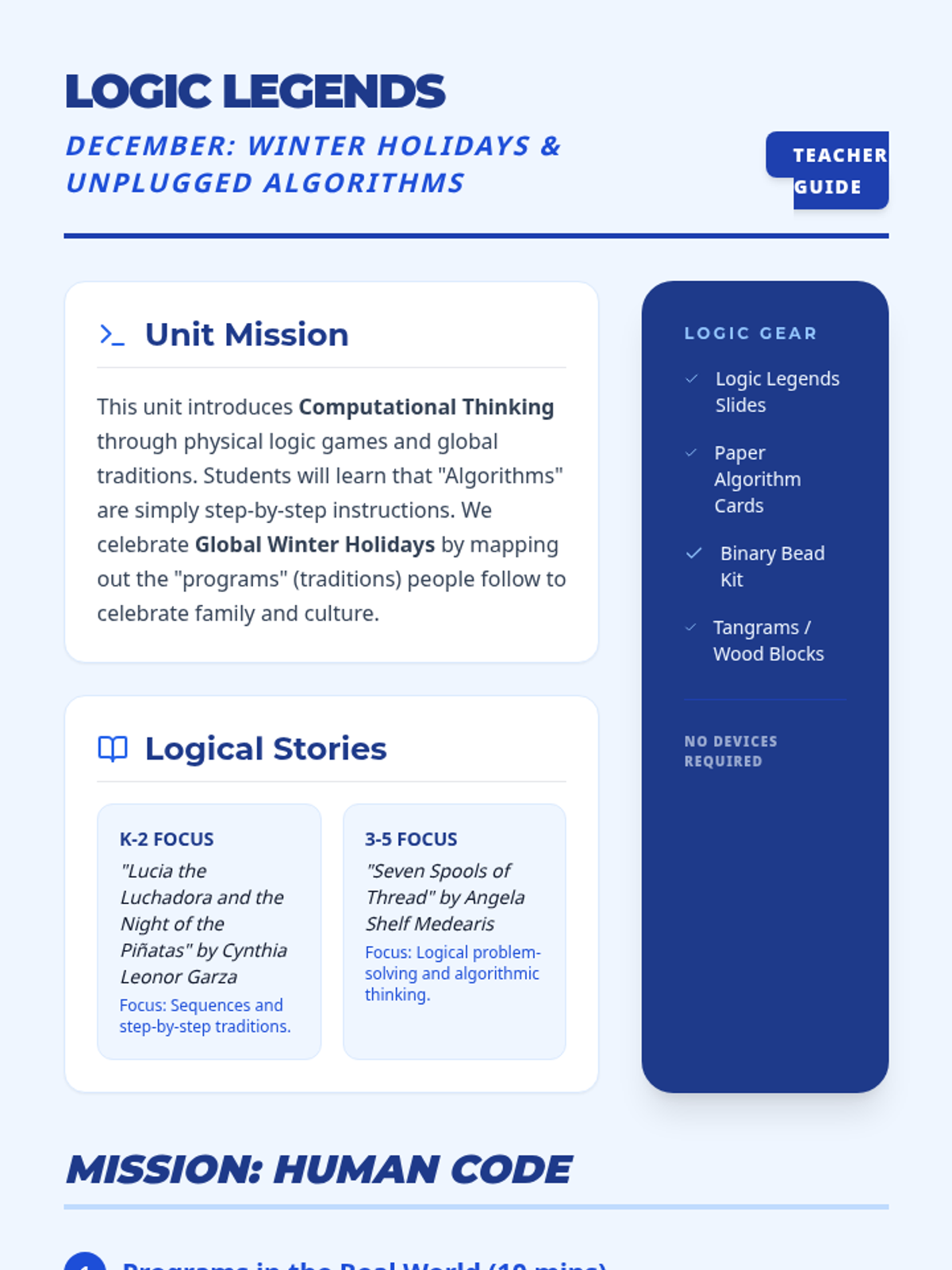
An entirely unplugged introduction to logic and algorithms. Students explore step-by-step traditions and secret codes using physical patterns and movement games.
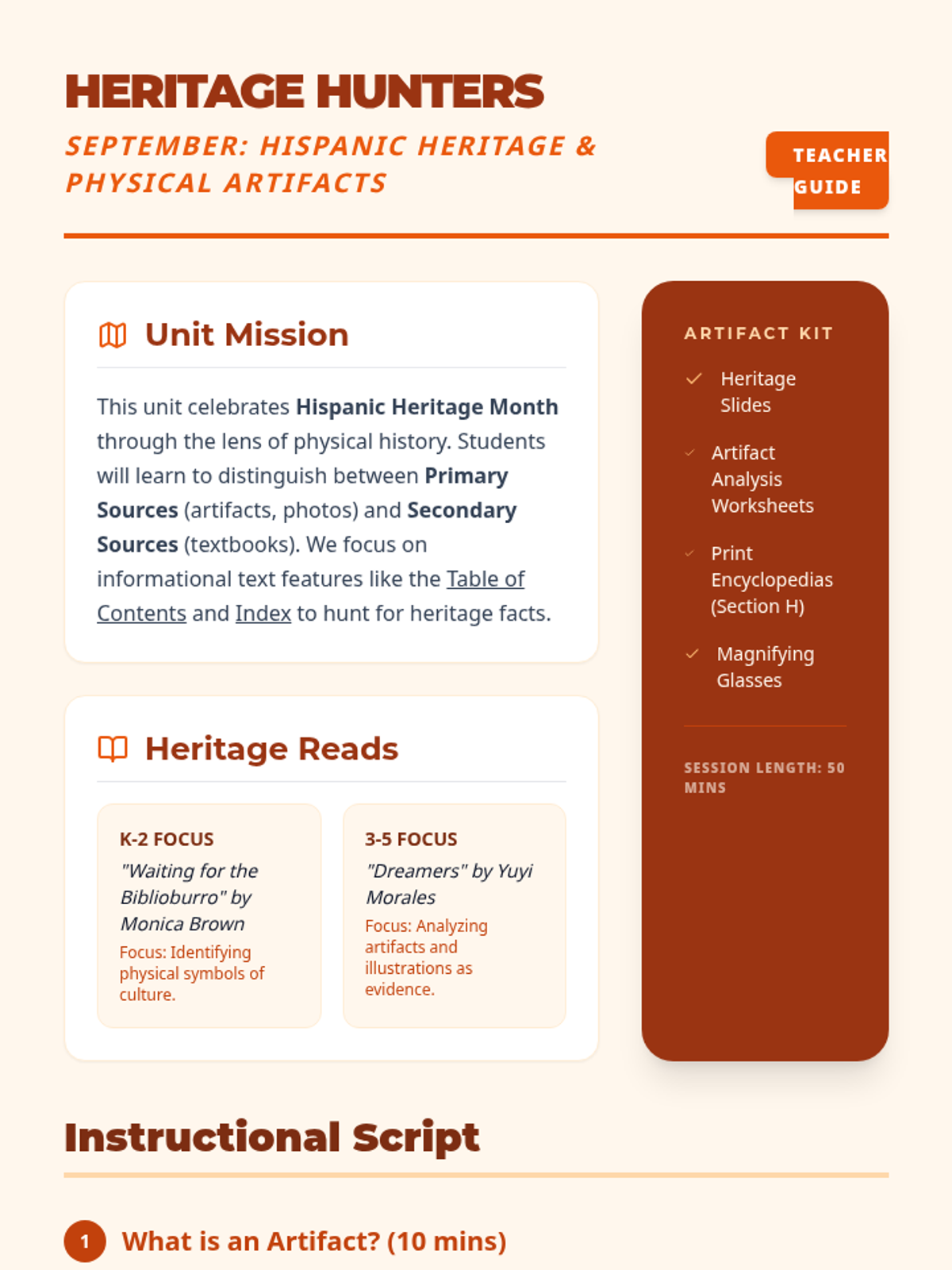
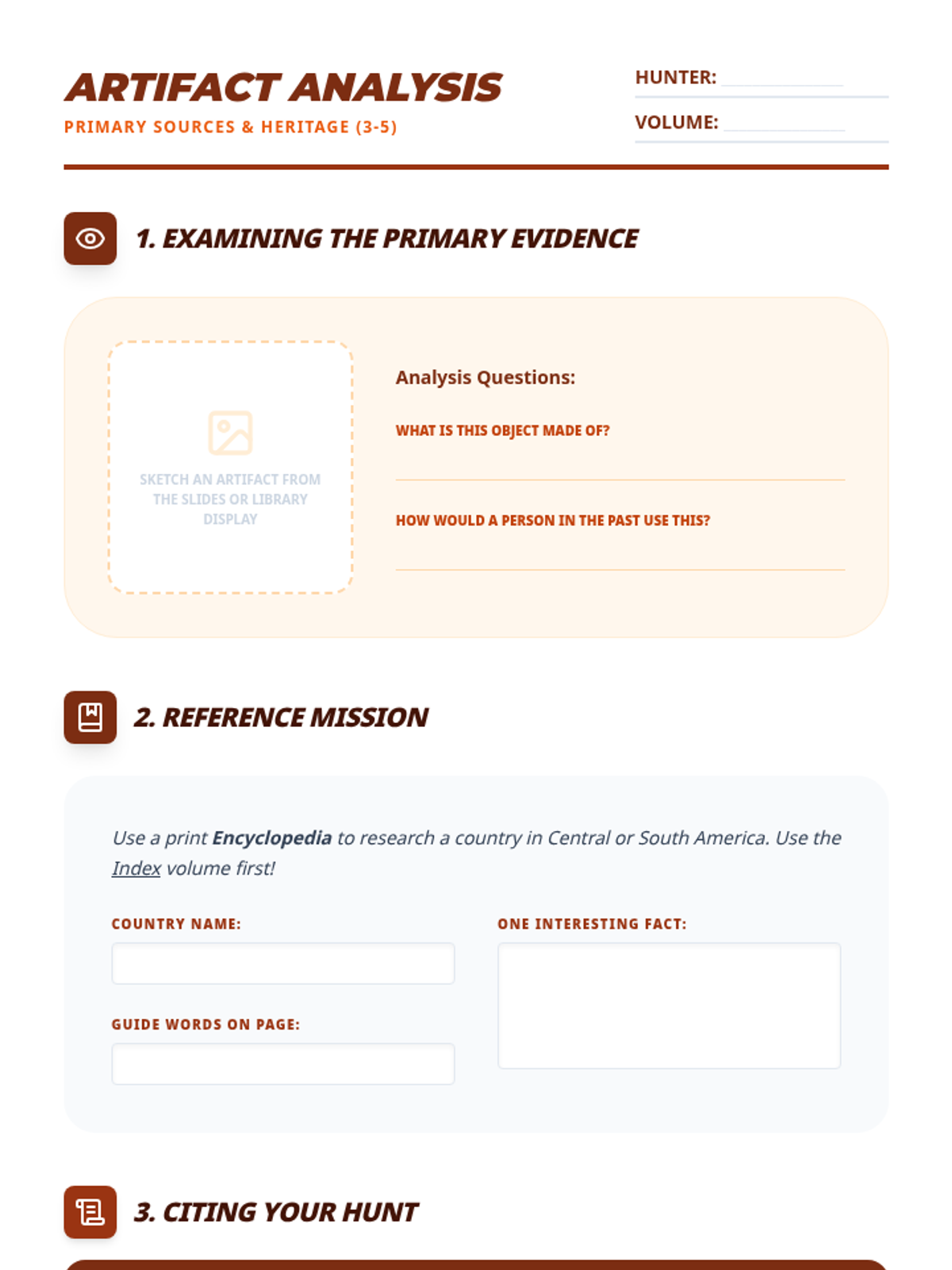
Celebrating cultural heritage through physical artifacts and oral histories. Students learn to analyze primary sources and explore informational text features like Table of Contents and Glossaries.
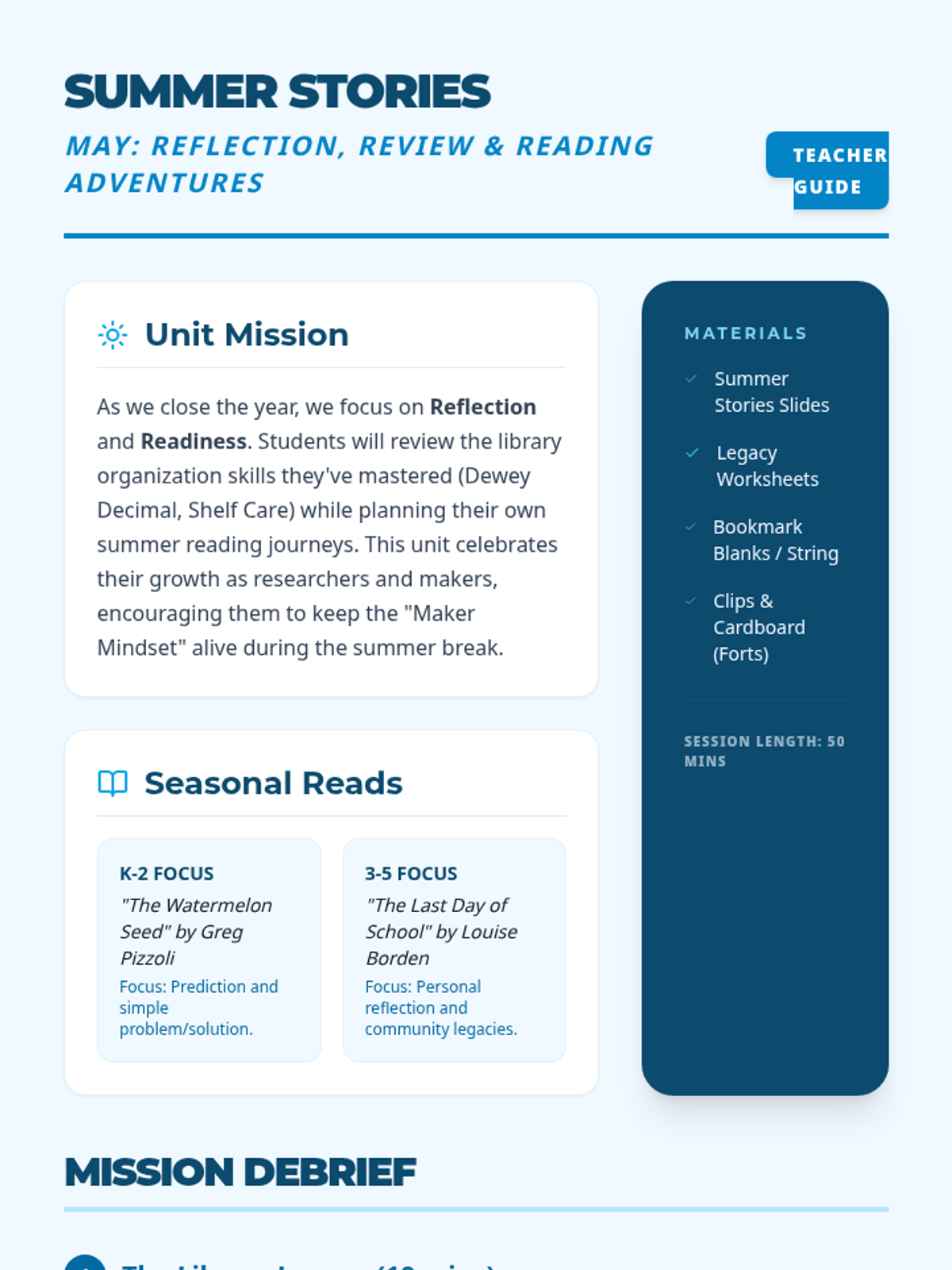
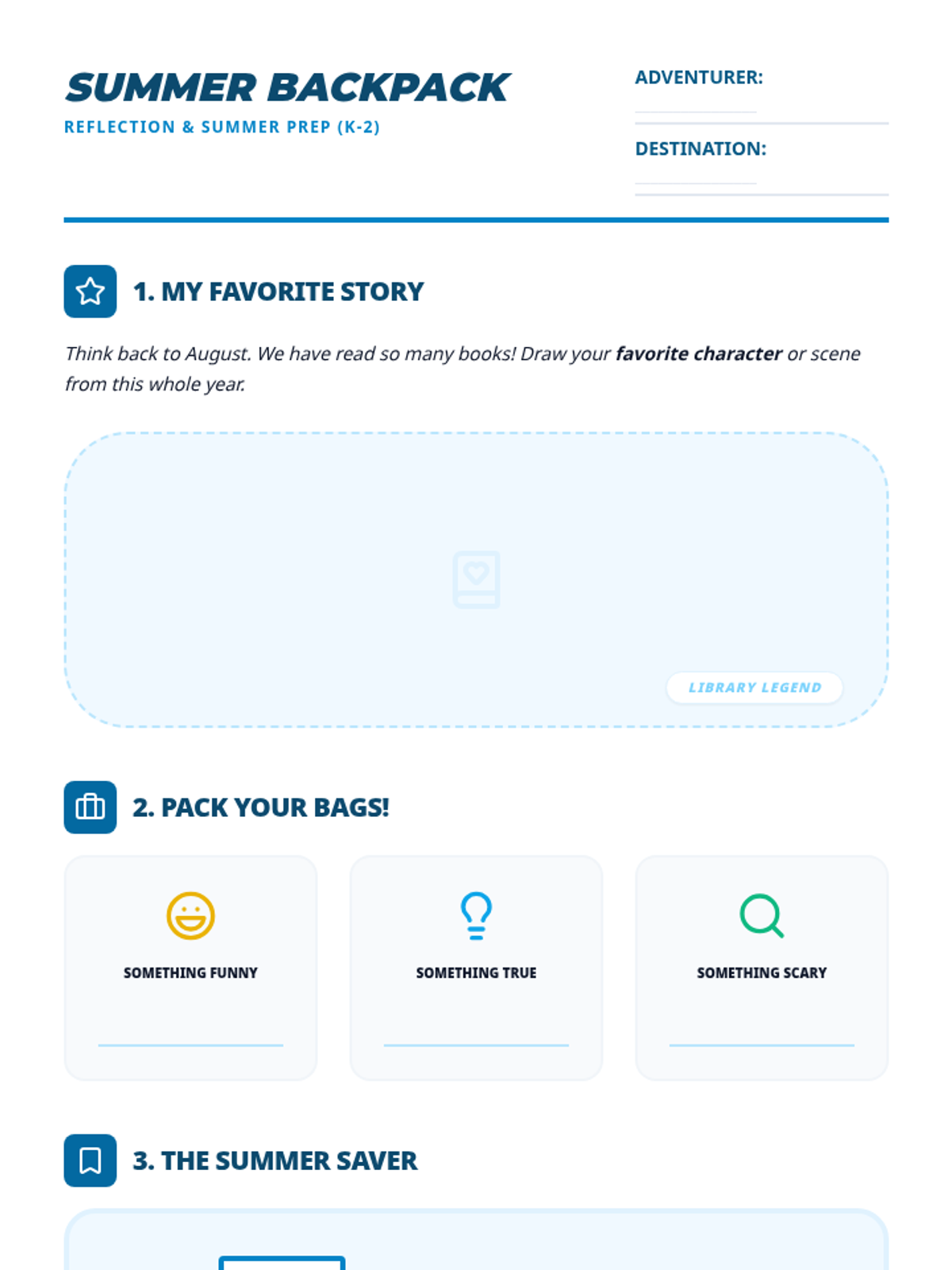
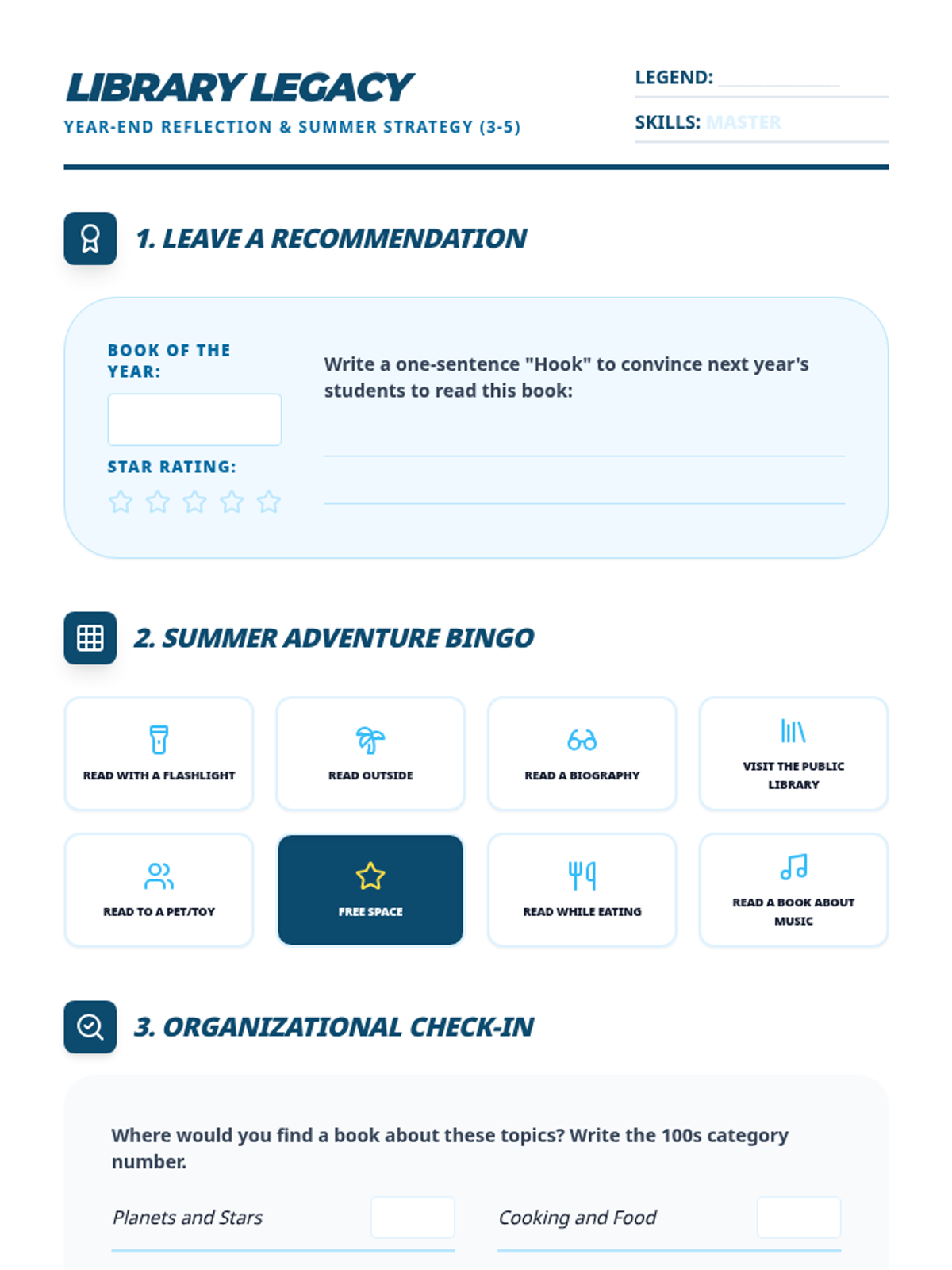
Reflecting on a year of learning, reviewing library organization (Dewey Decimal), and preparing for summer reading adventures.
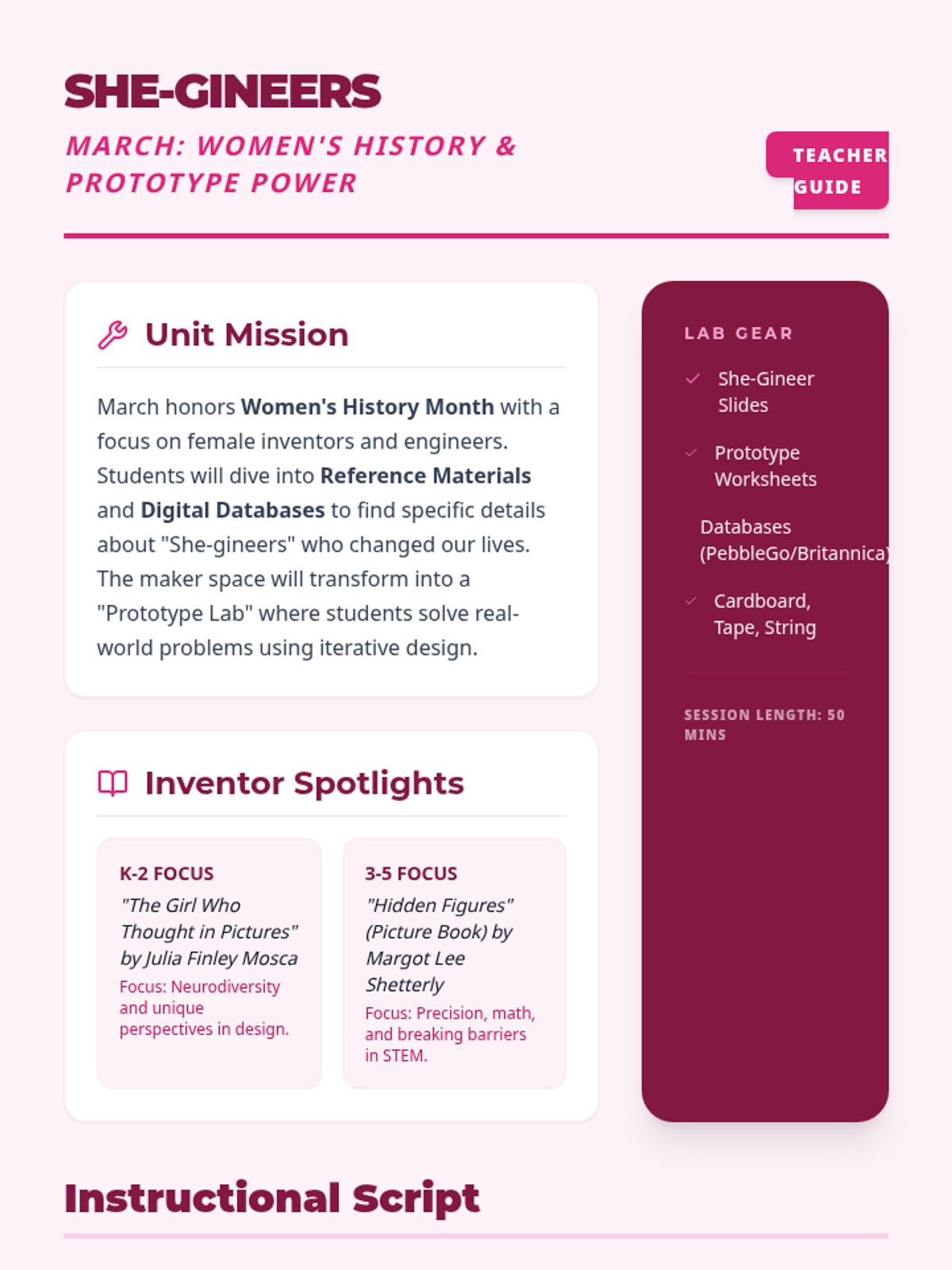
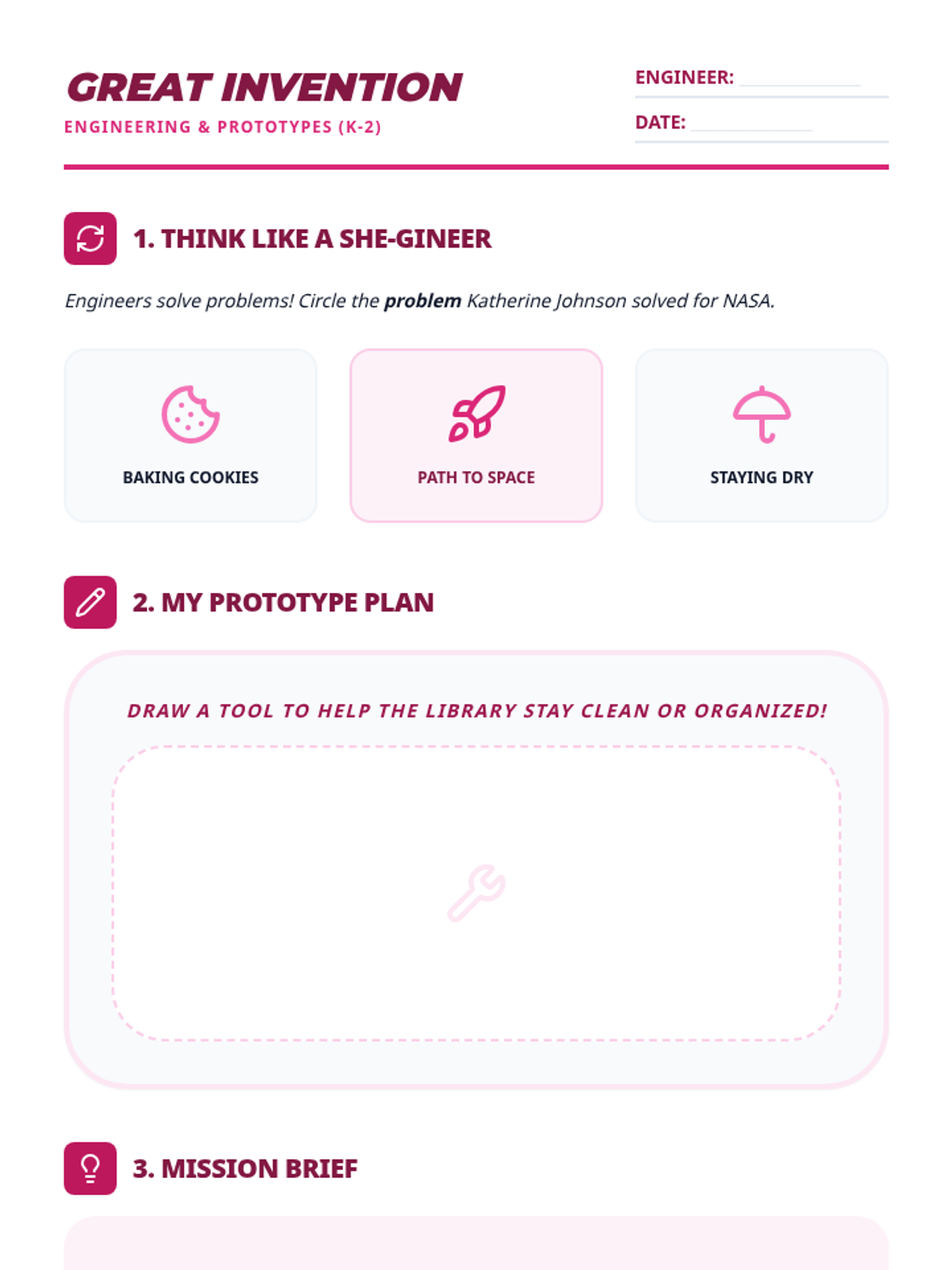
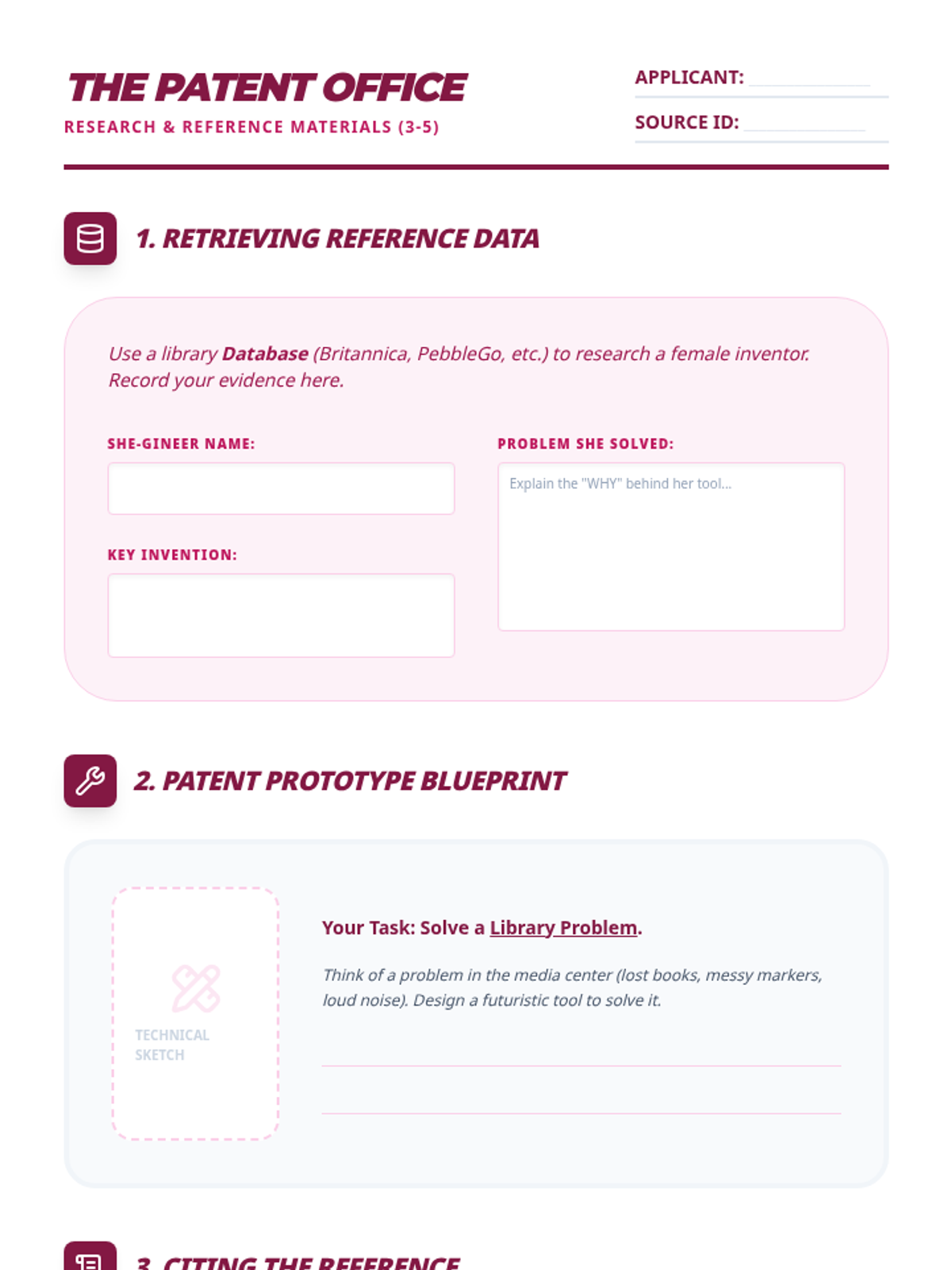
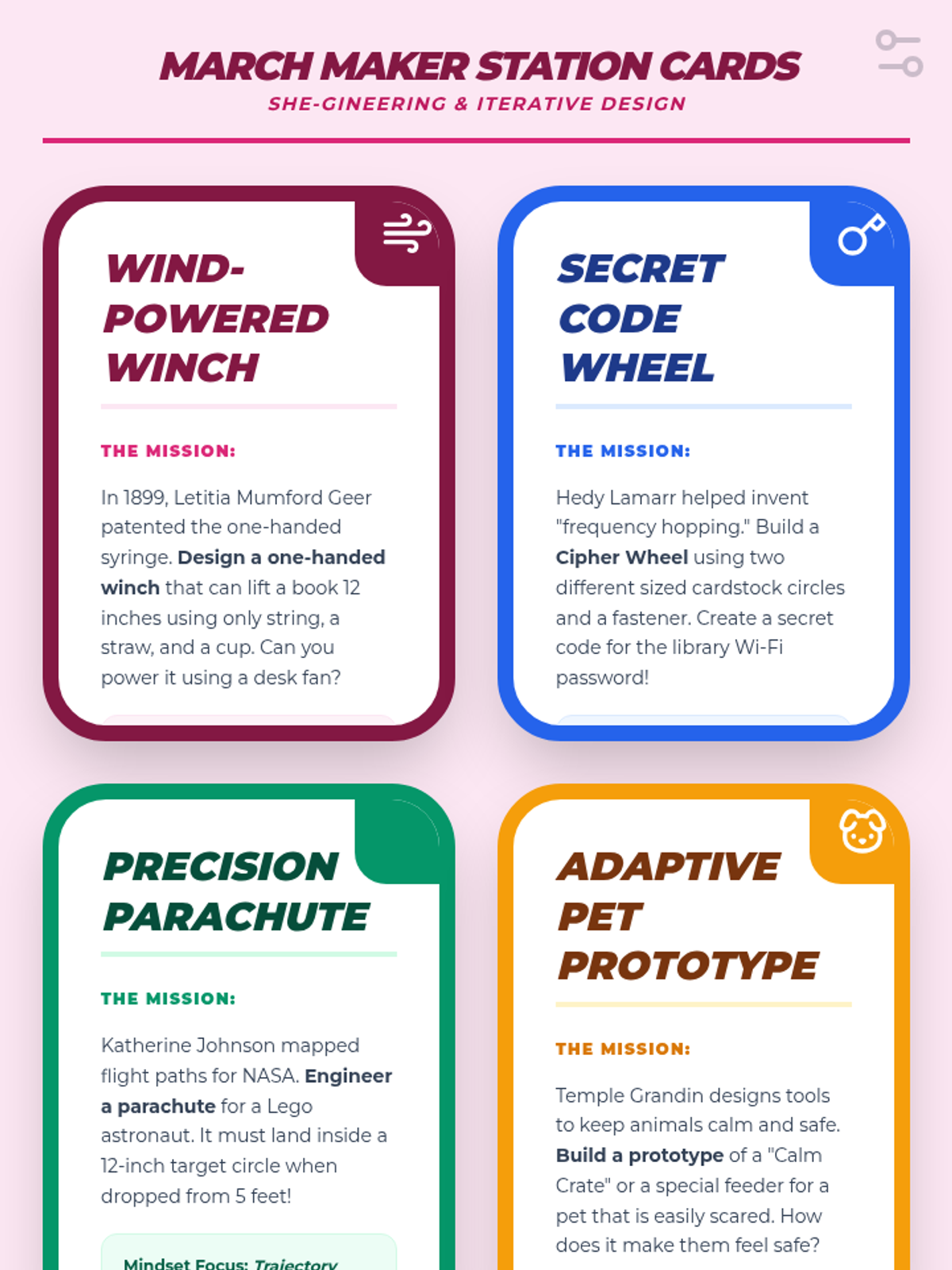
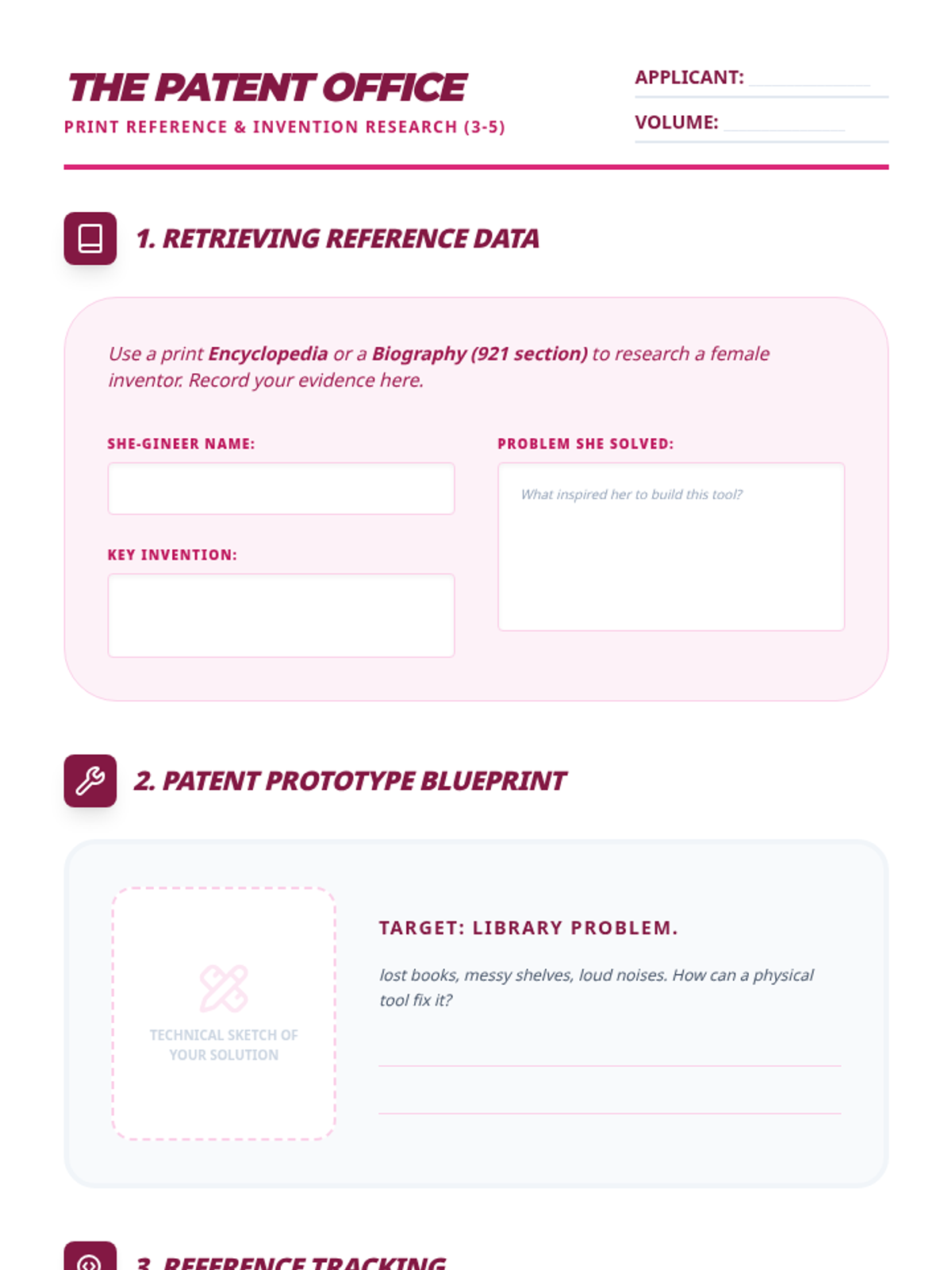
Honoring Women's History Month by exploring female inventors and engineers, featuring hands-on 'She-gineering' challenges.
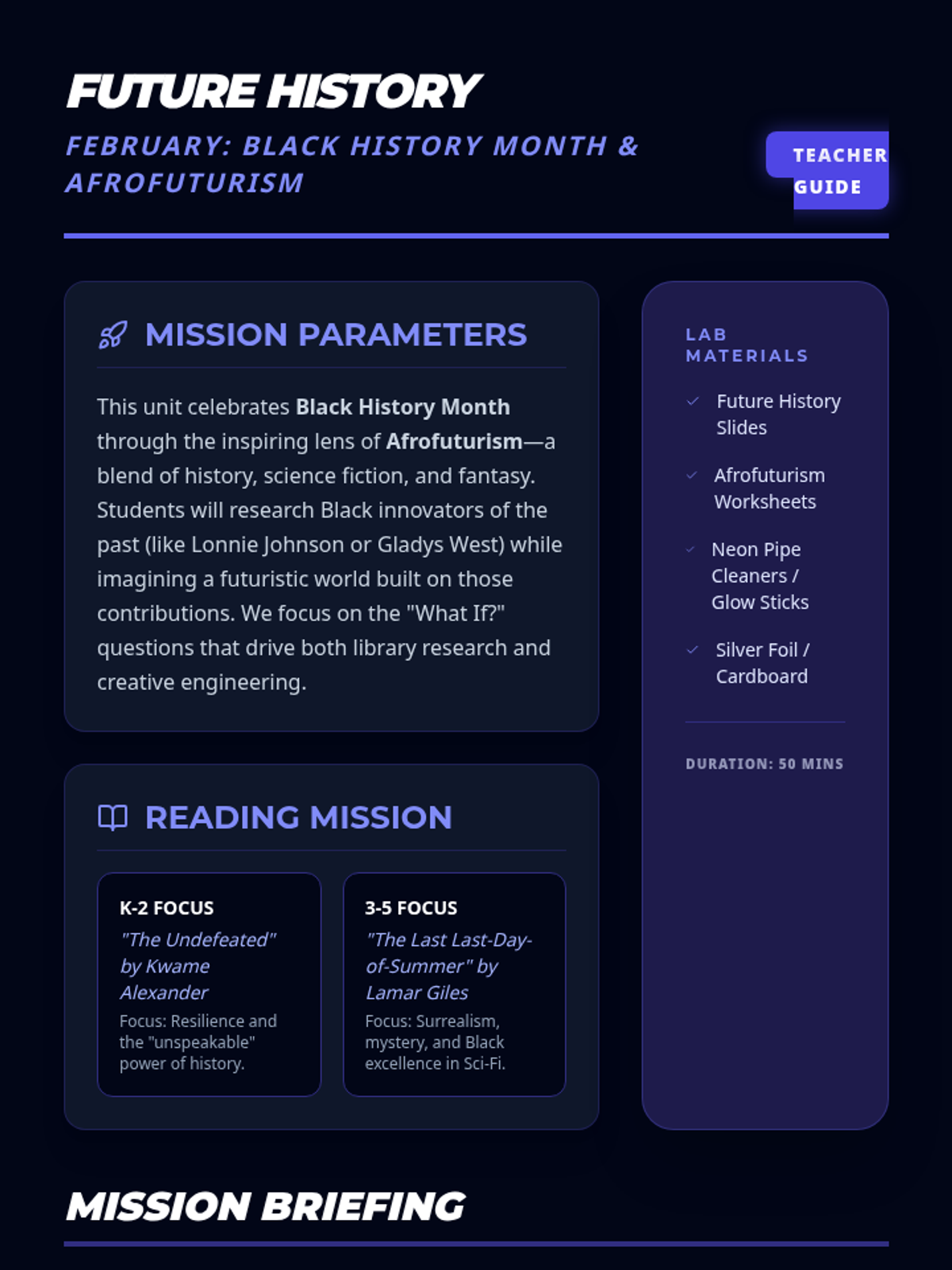
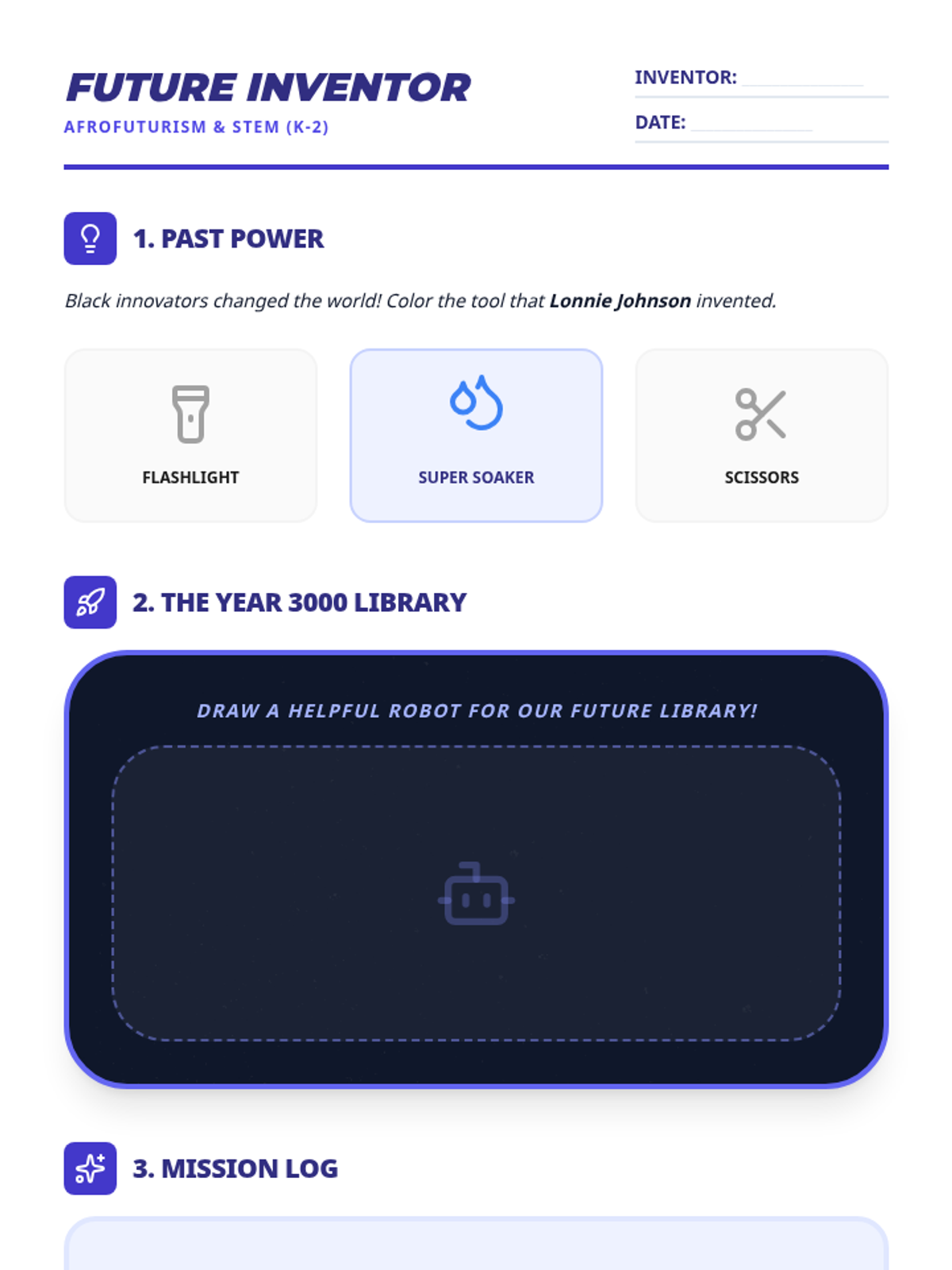
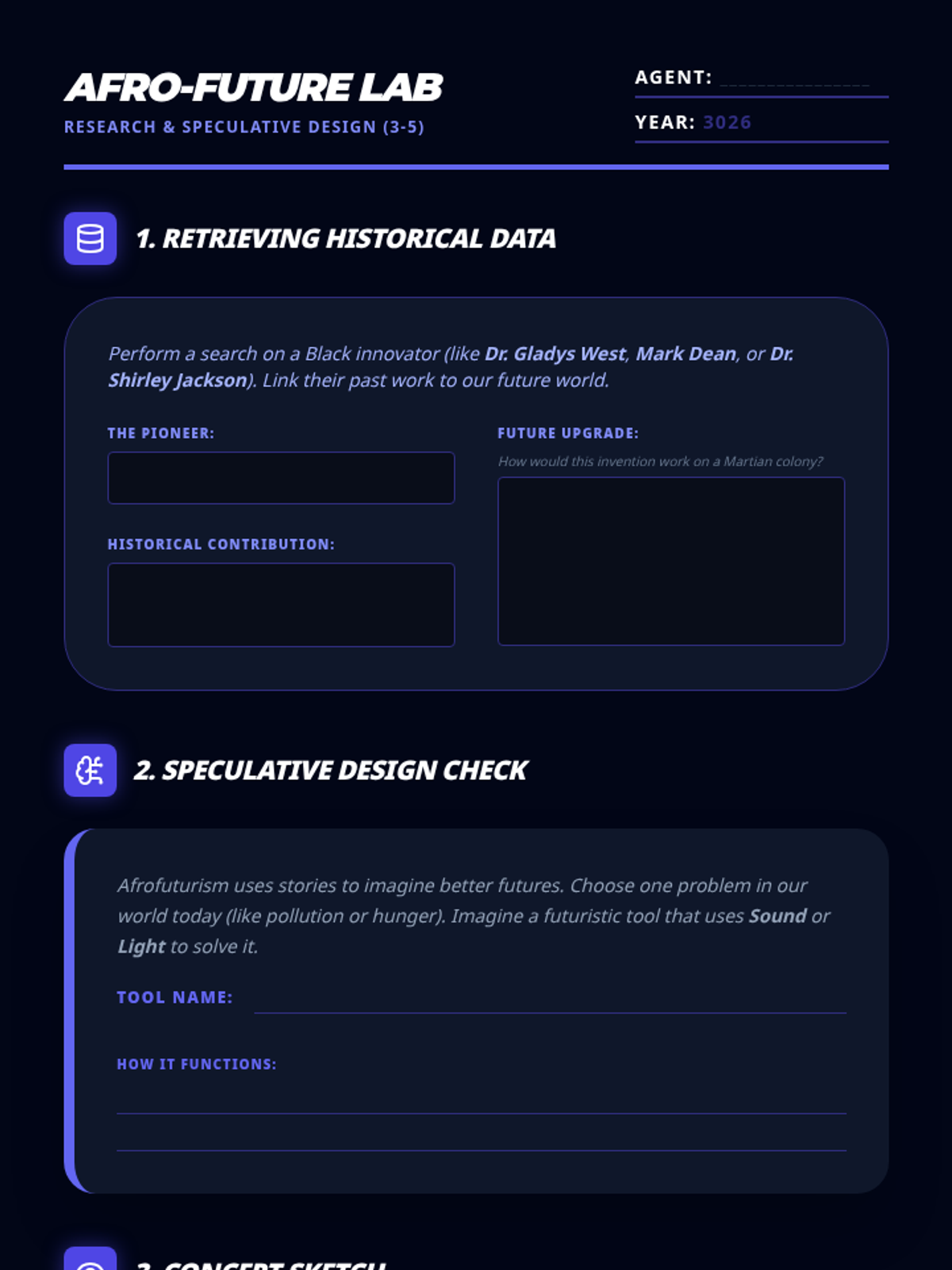
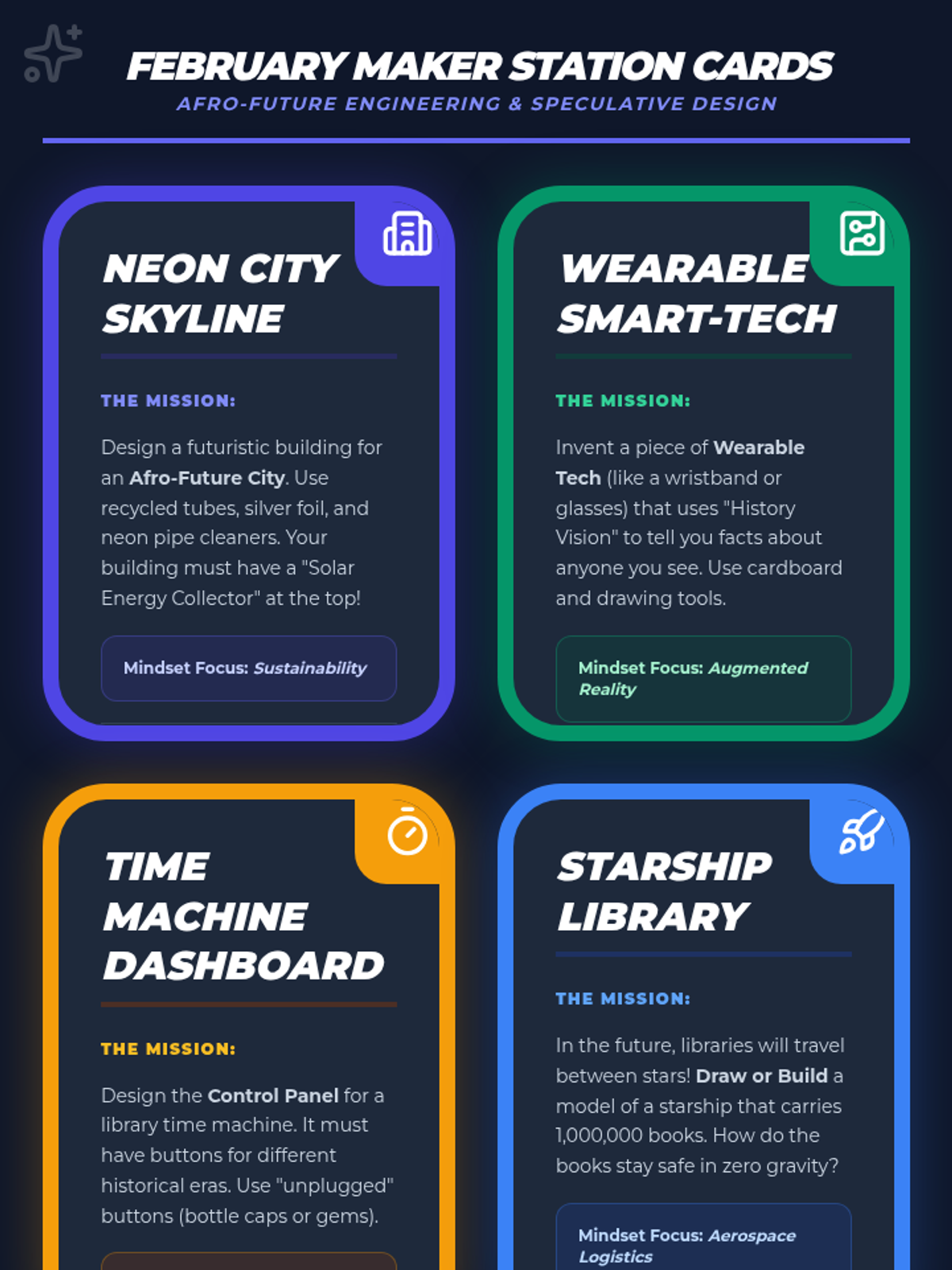
Celebrating Black History Month through the lens of Afrofuturism, blending history with visionary STEM challenges and science fiction.
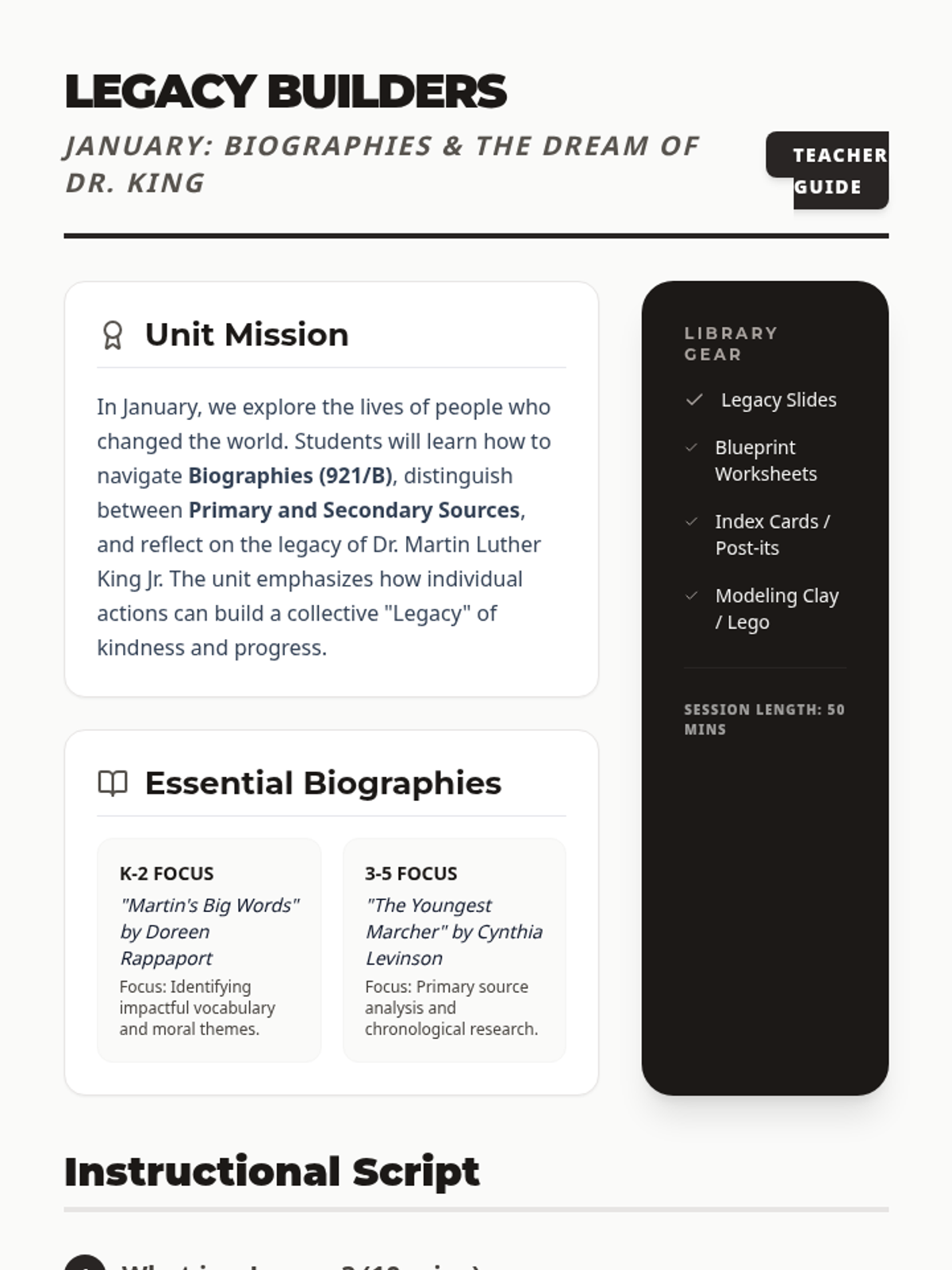
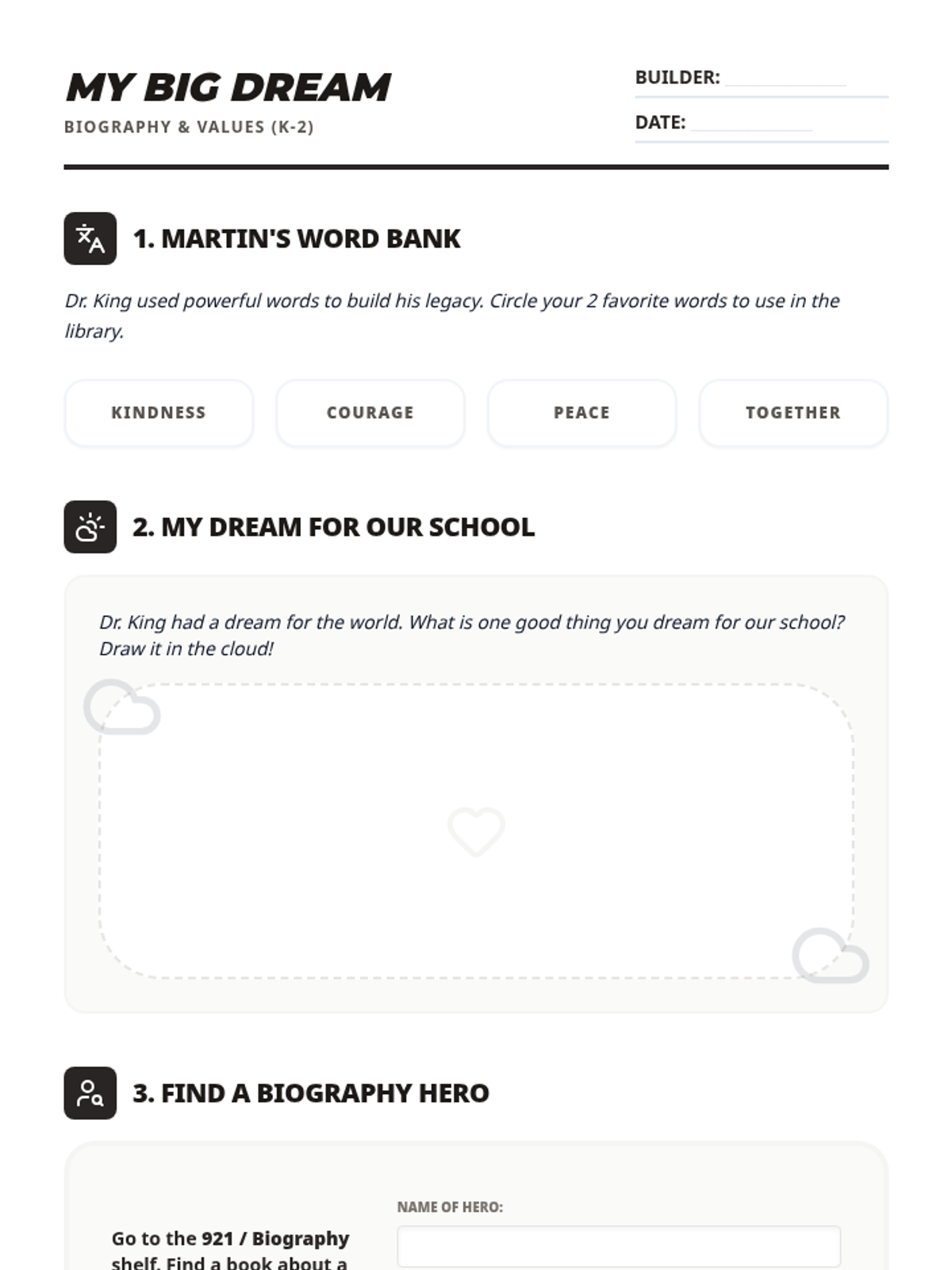
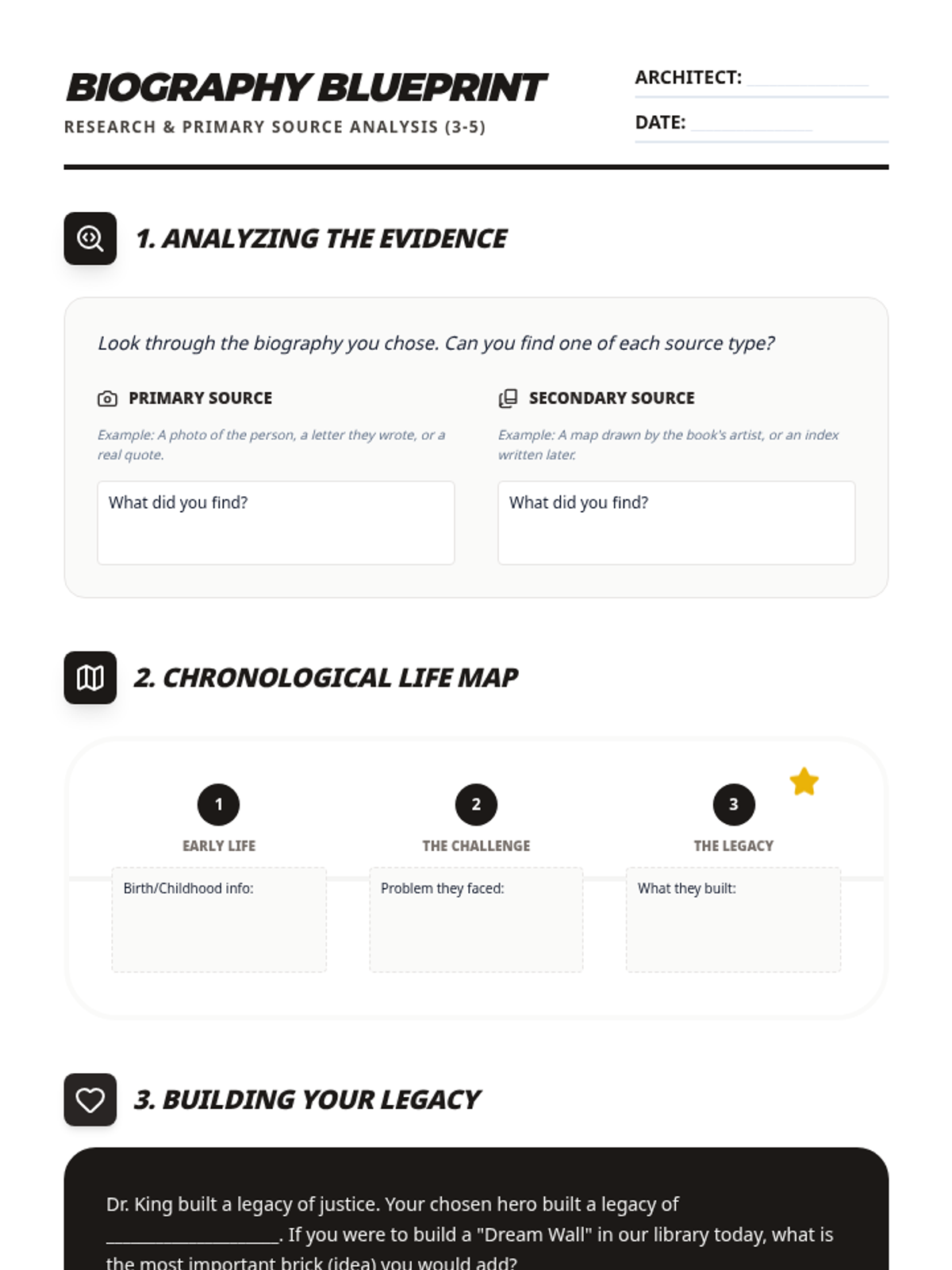
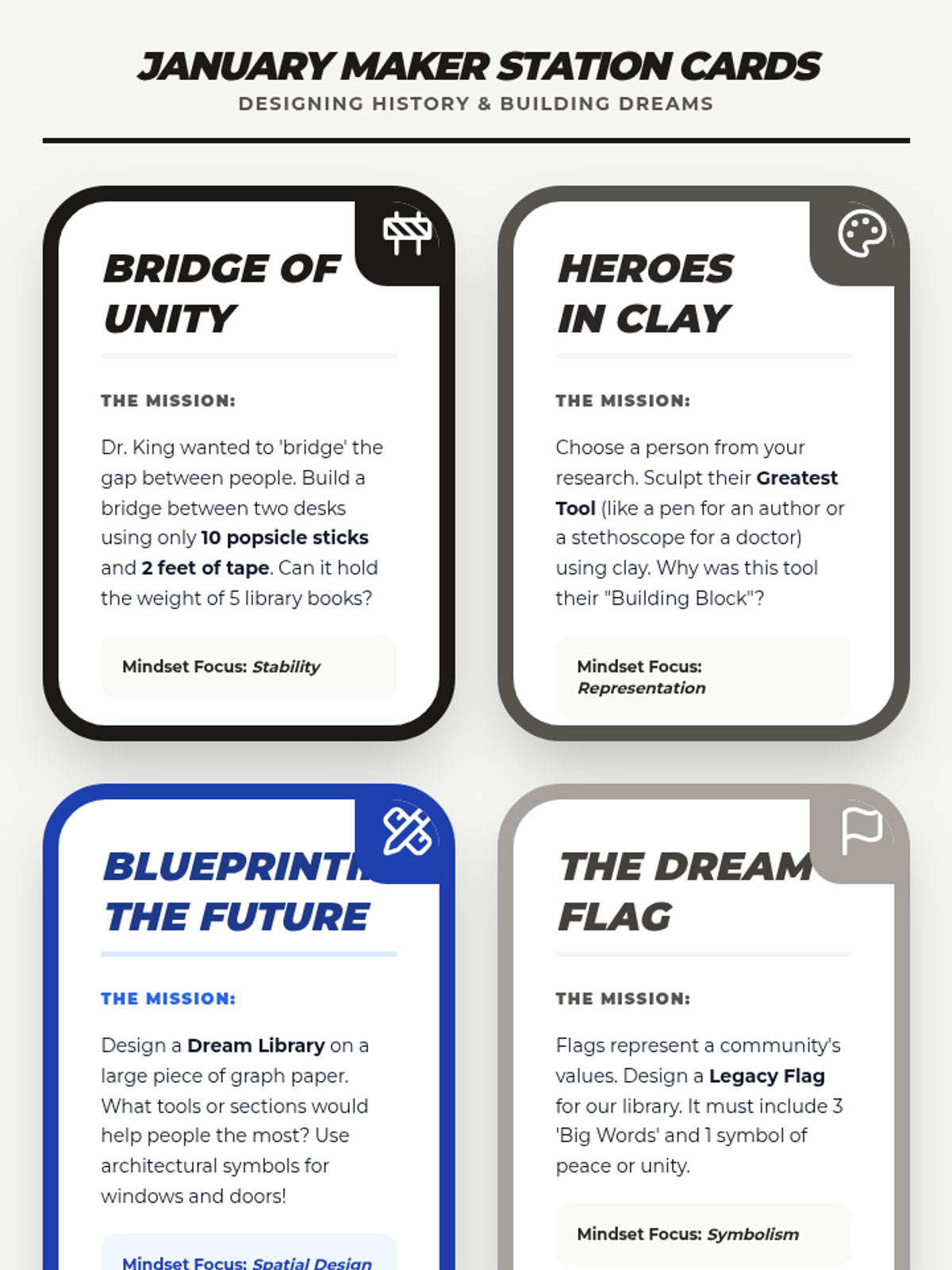
Focusing on biographies and the legacy of Dr. Martin Luther King Jr., while practicing research and note-taking skills.
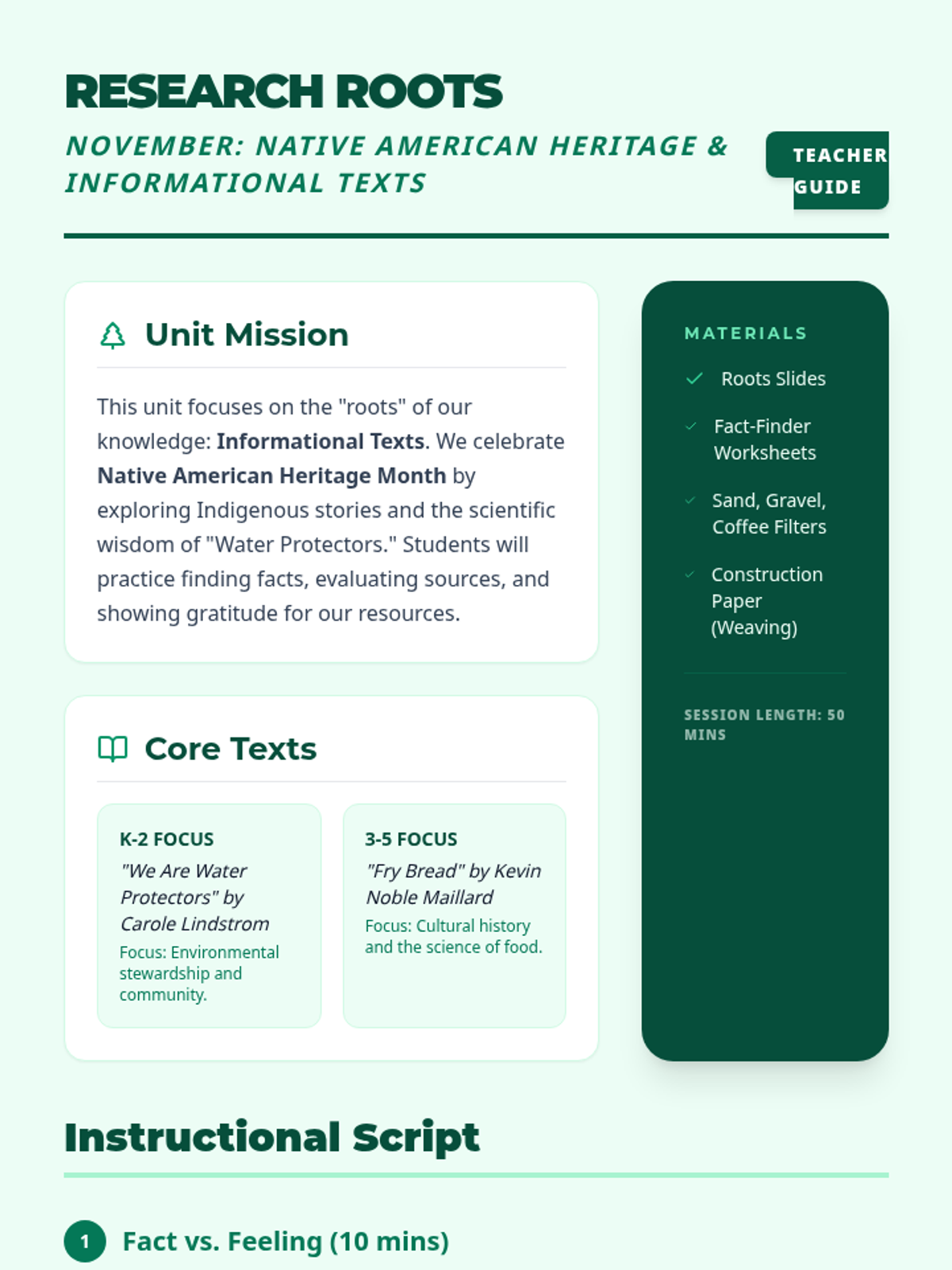
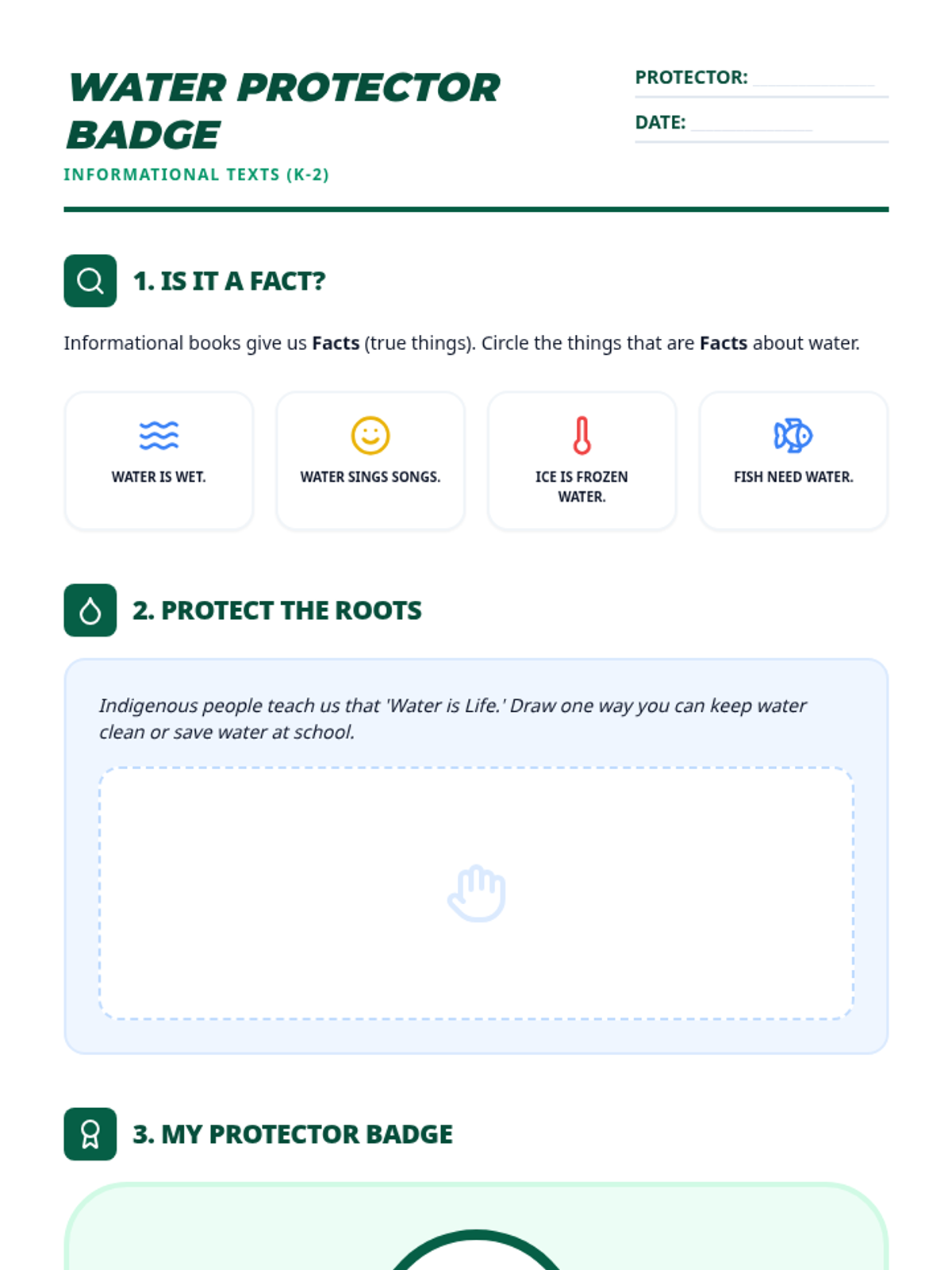
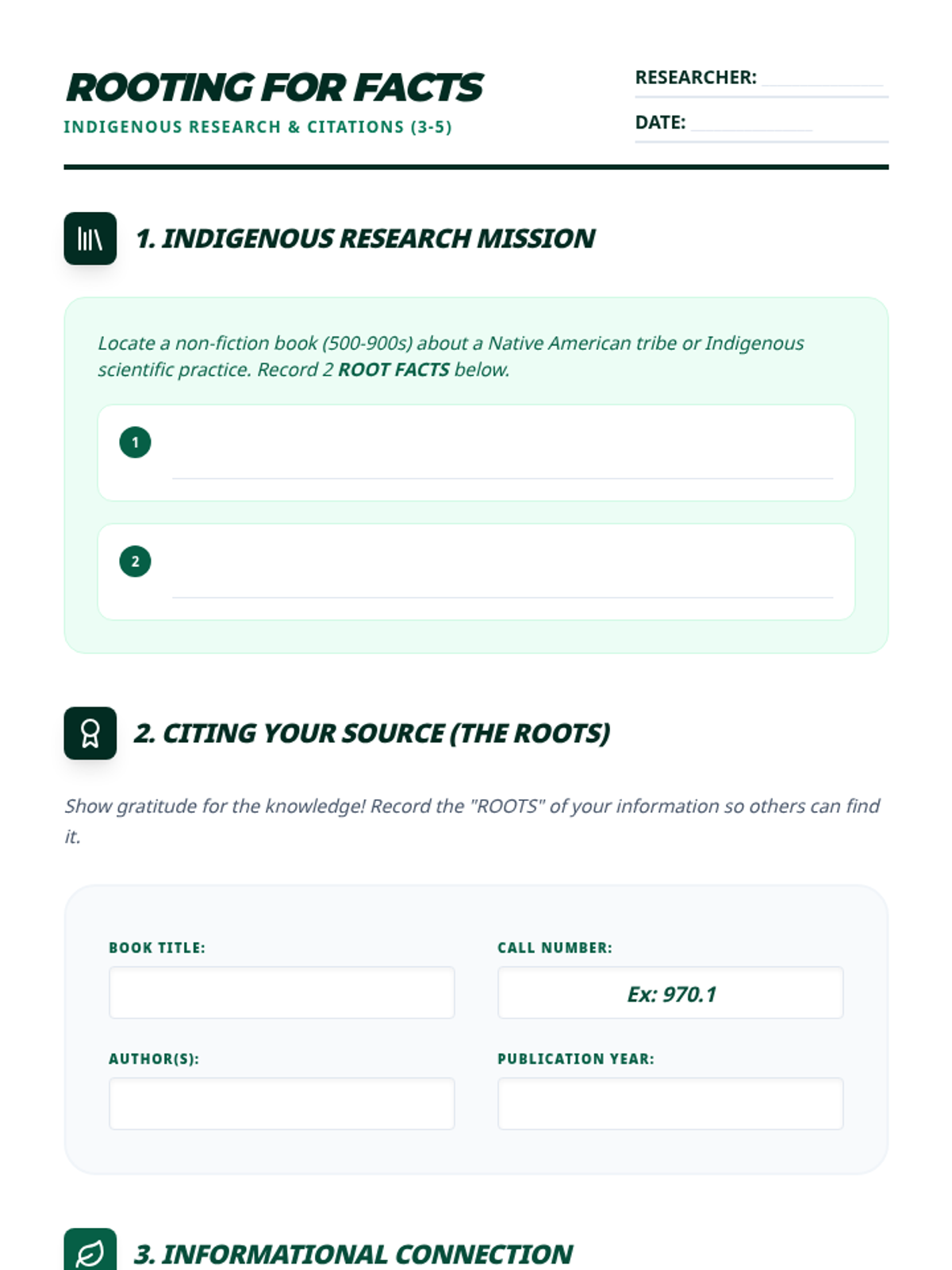
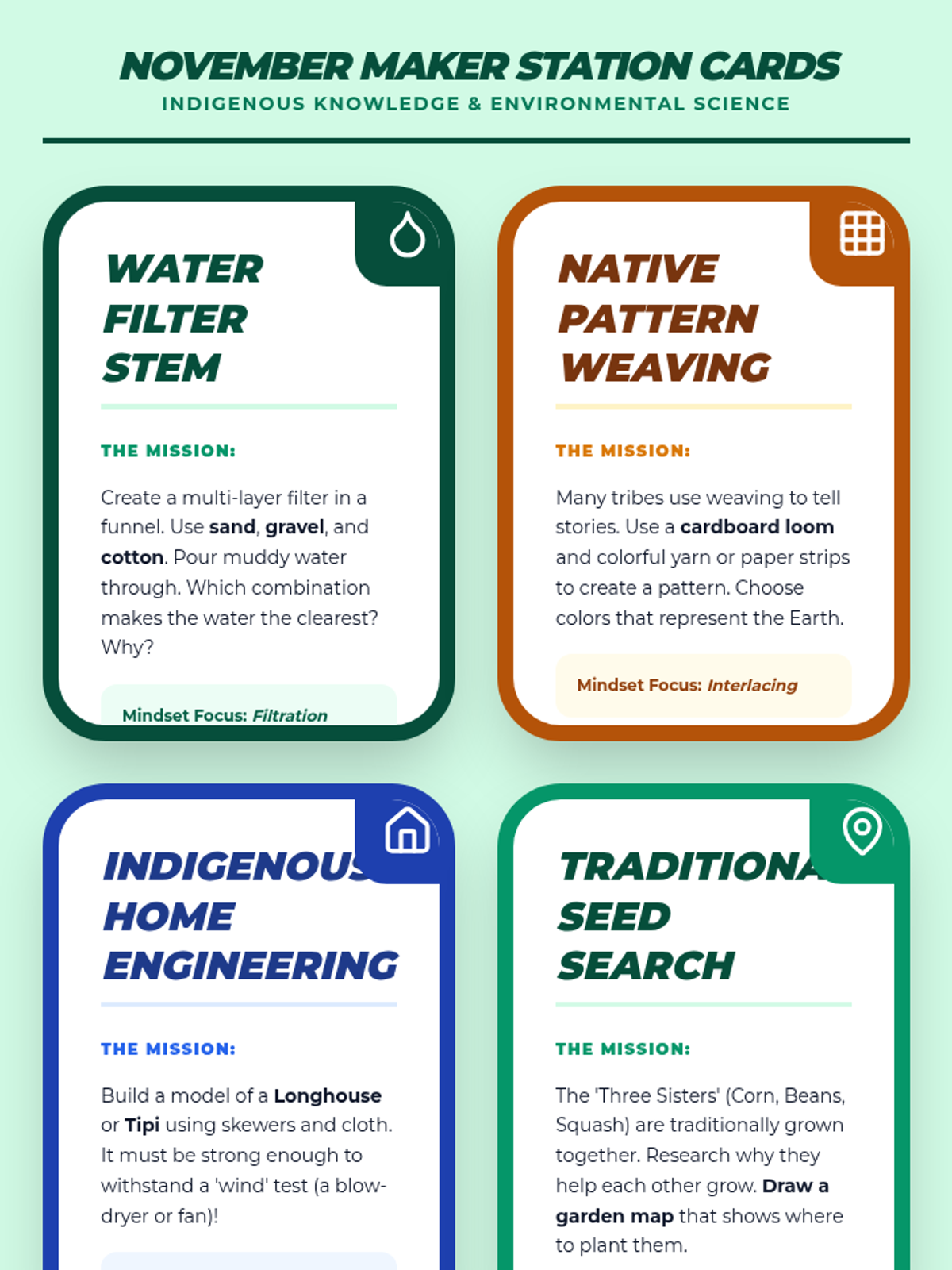
A focus on informational texts and non-fiction research skills, centered around Native American Heritage Month and the concept of 'Giving Thanks.'
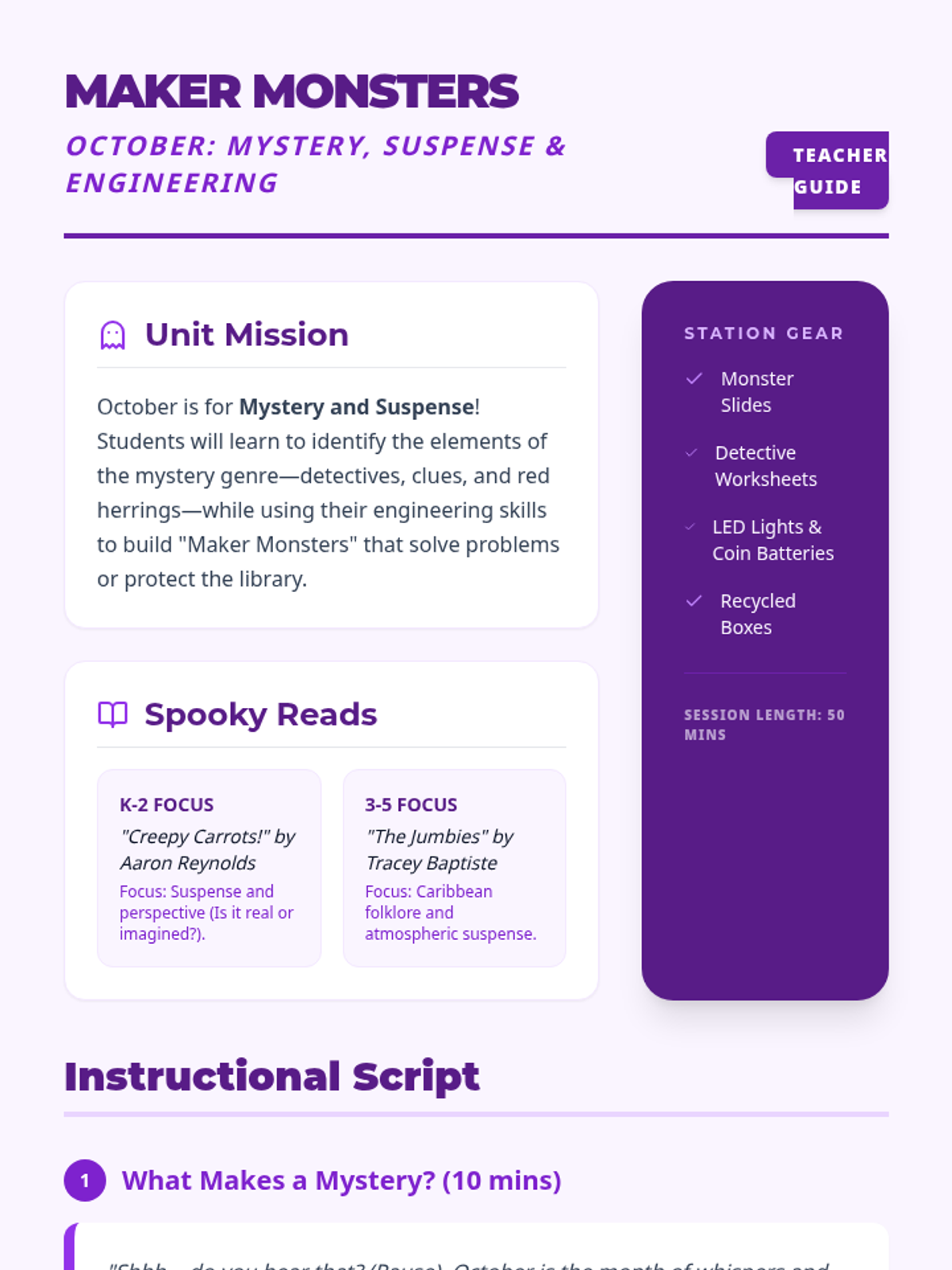
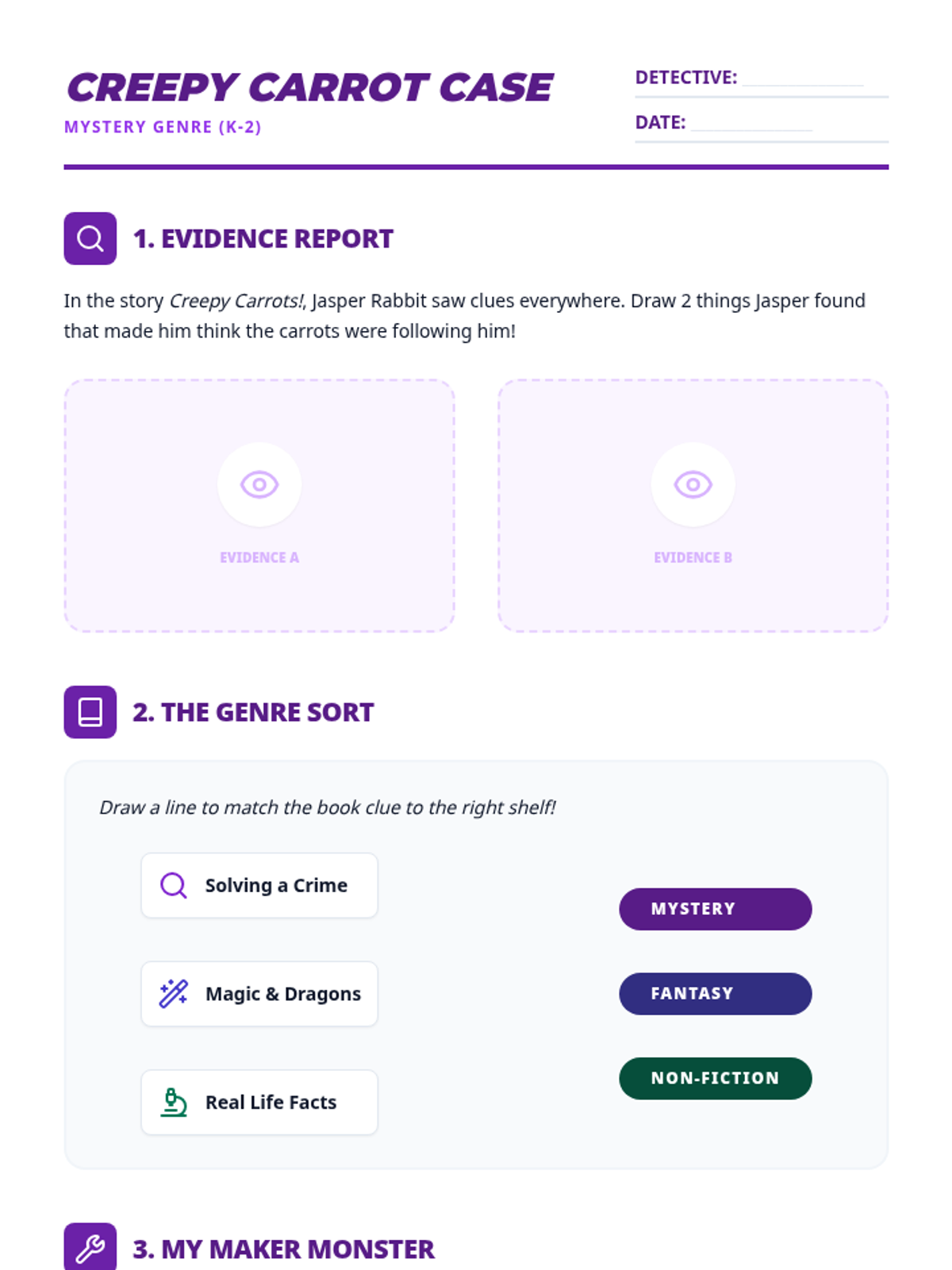
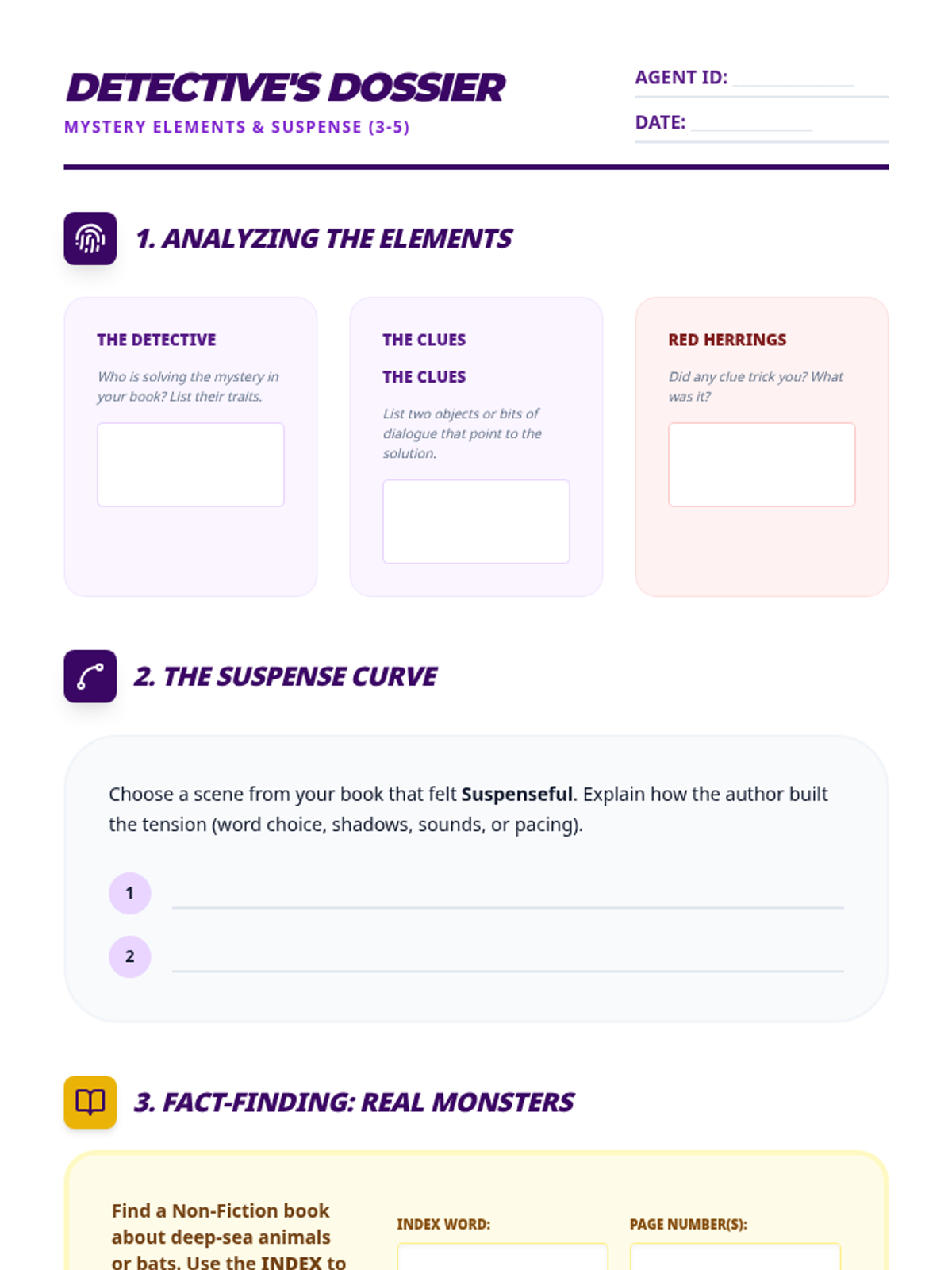
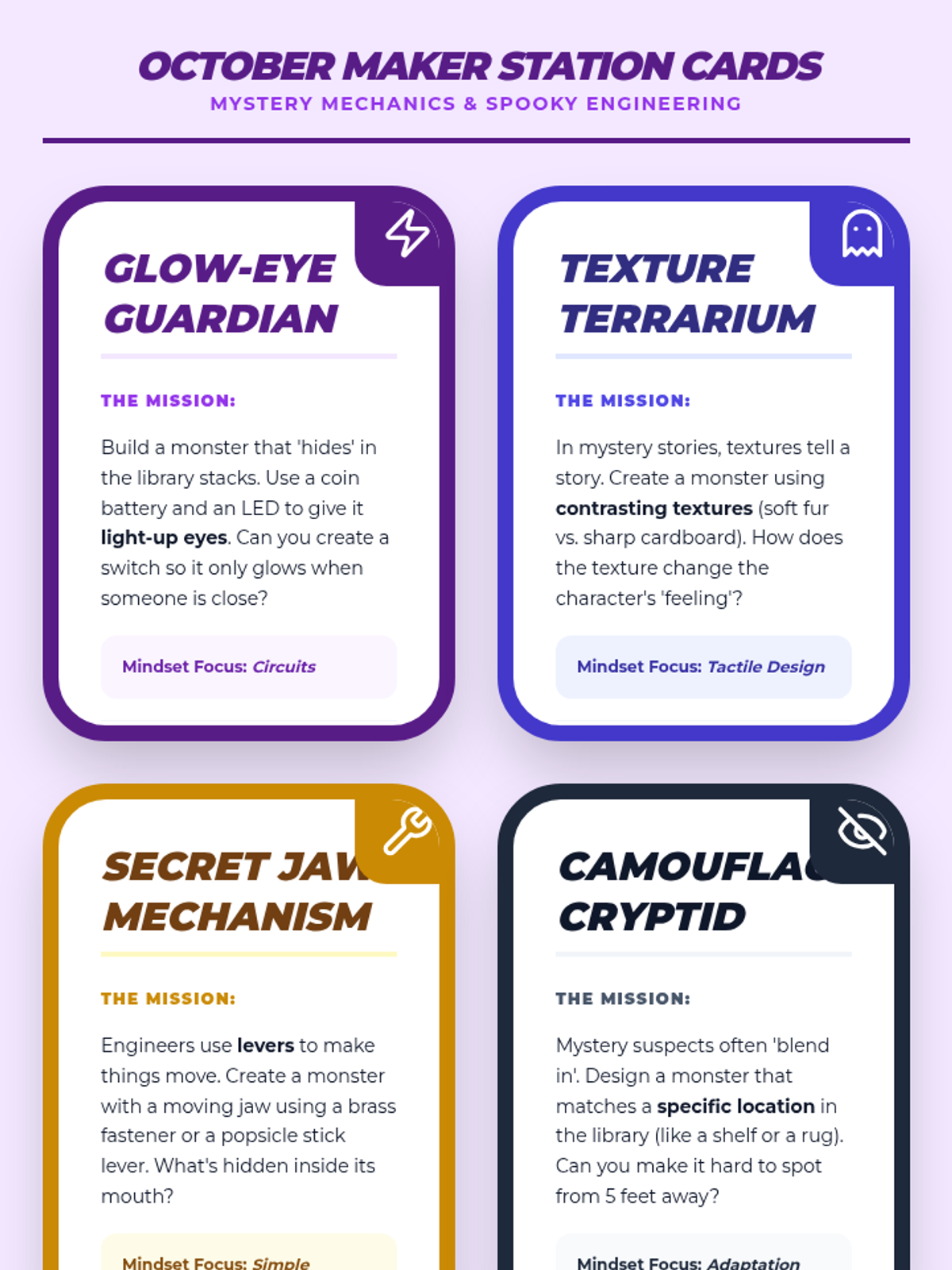
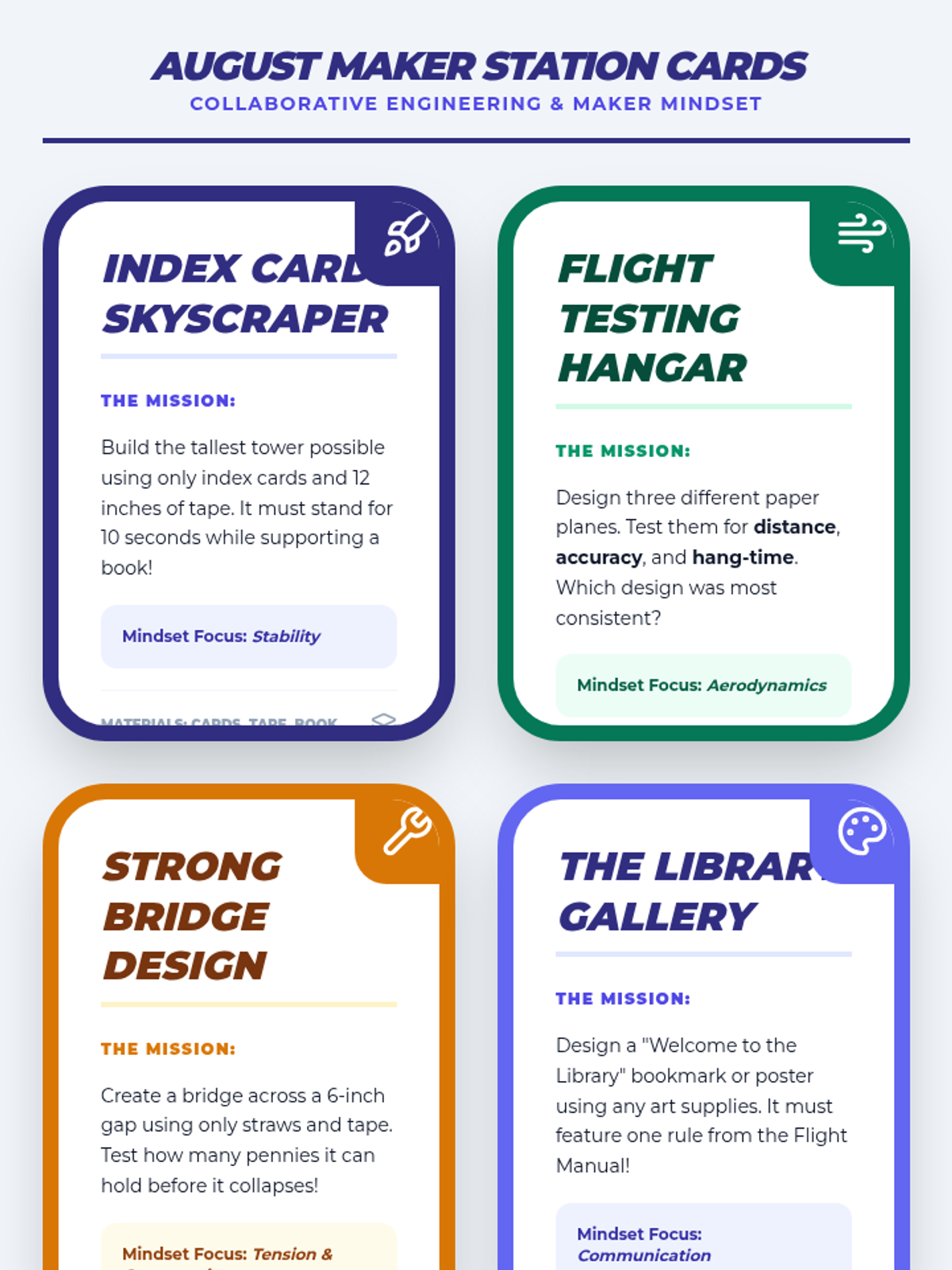
Exploring the mystery and suspense genres through 'Spooky Stories' and engineering 'Maker Monsters' in the STEM lab.
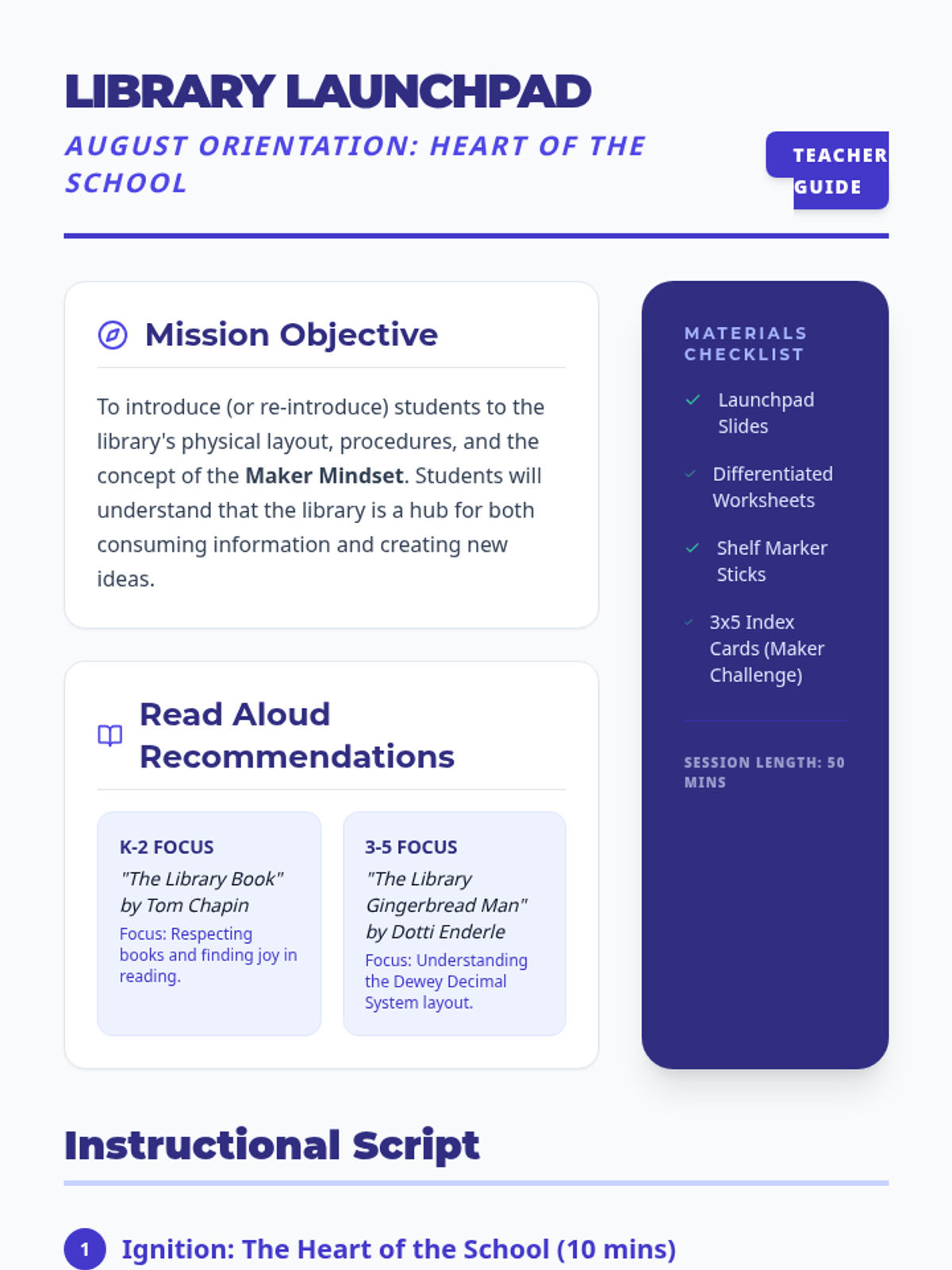
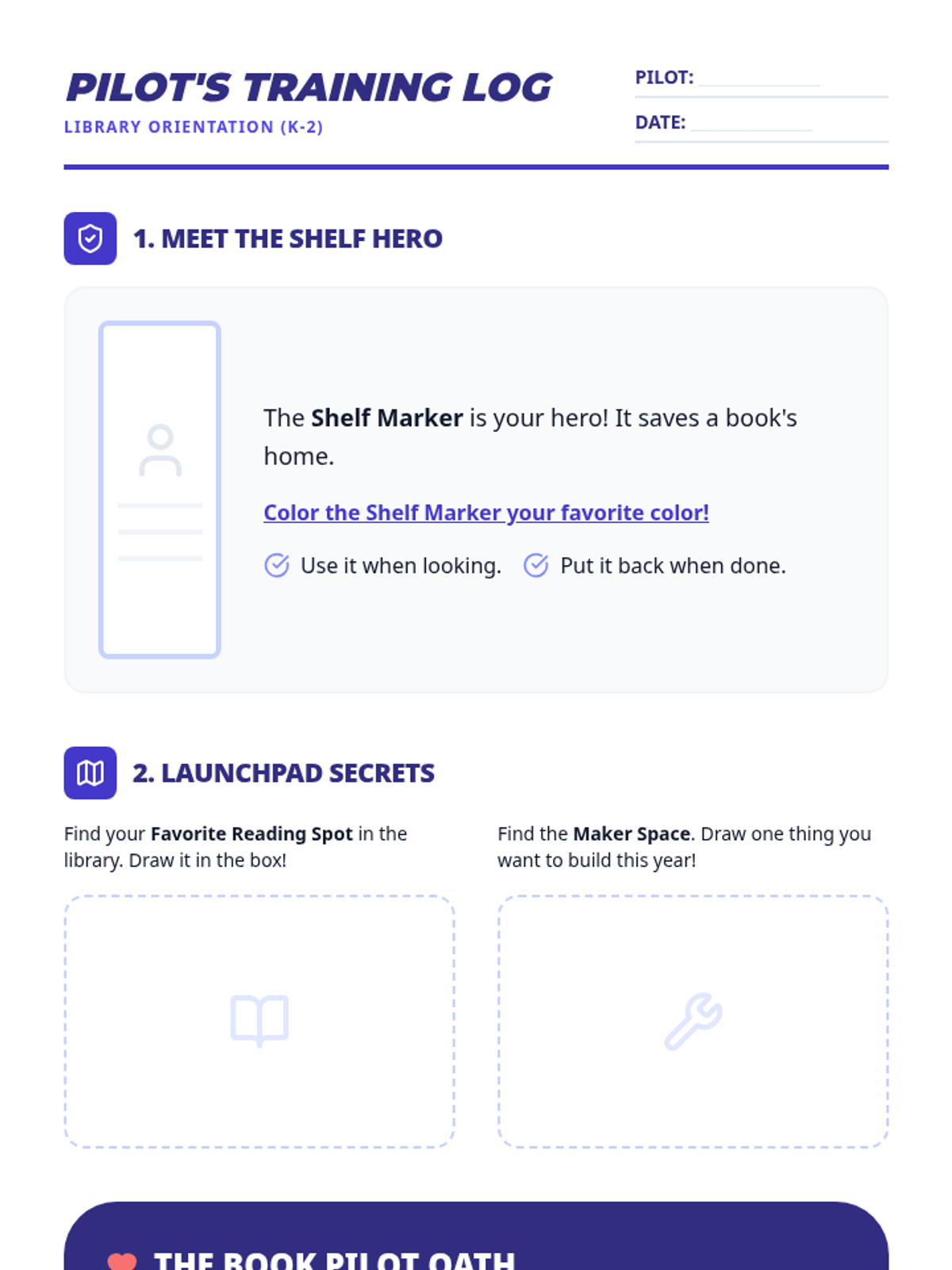
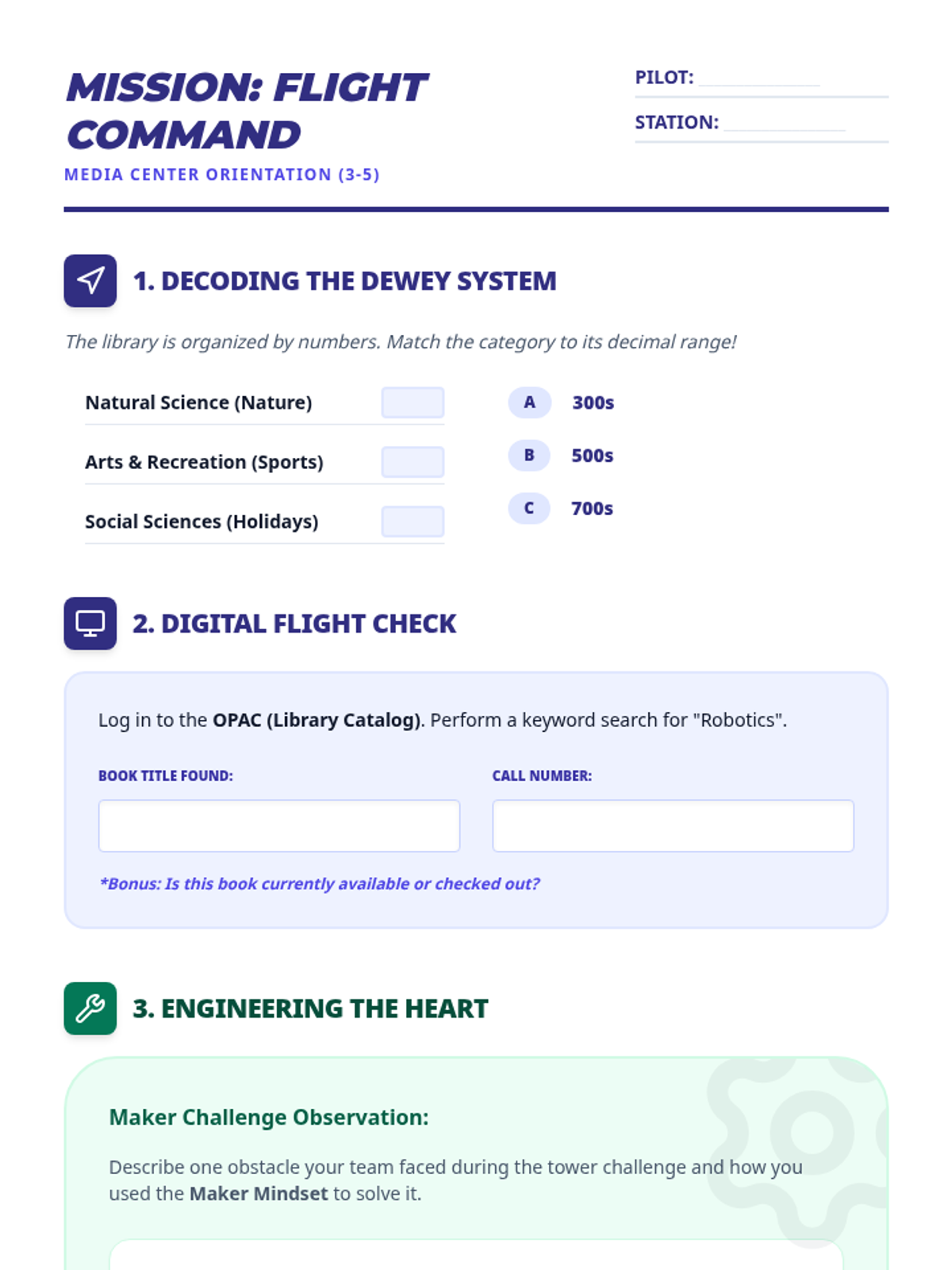
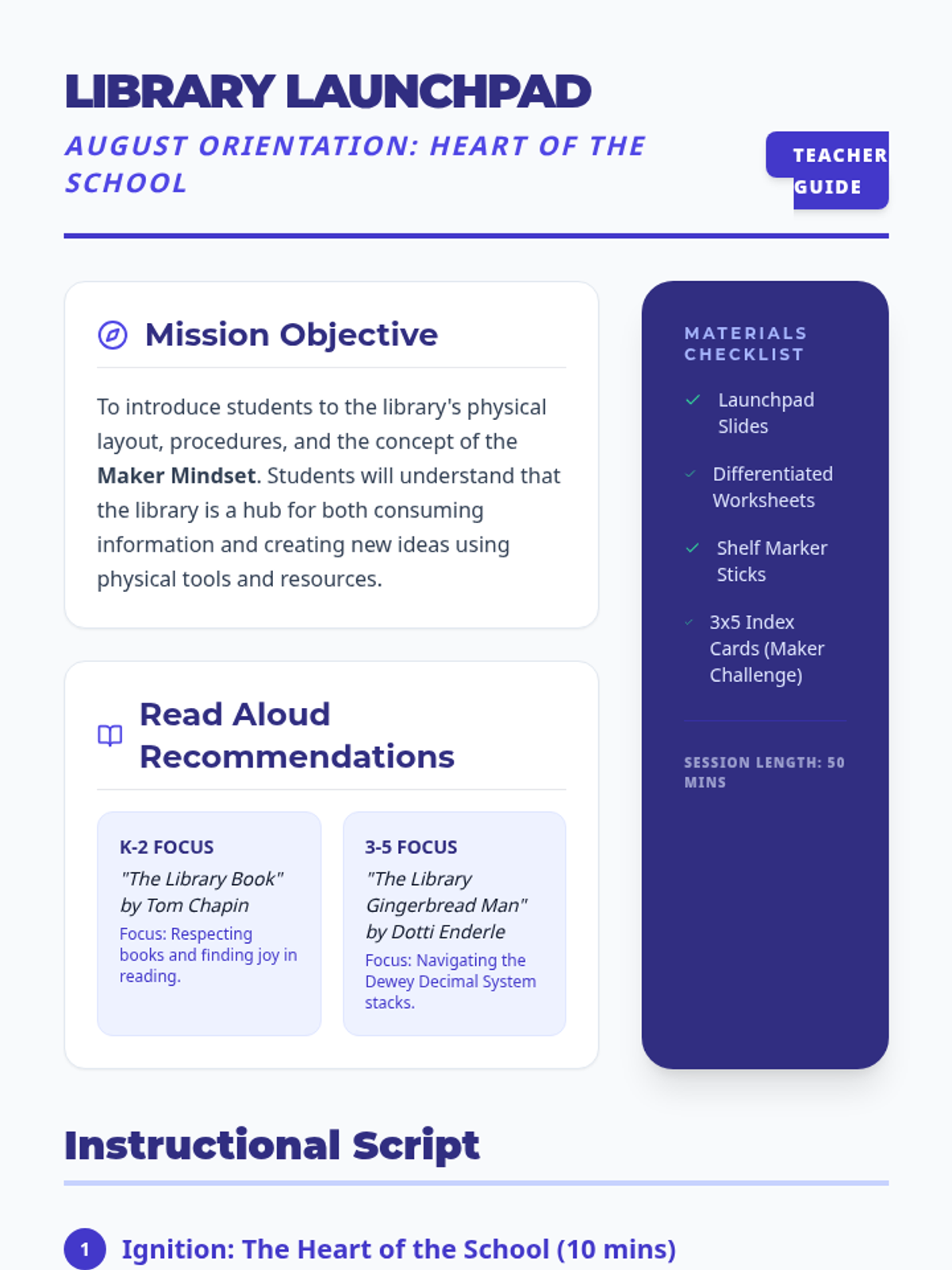
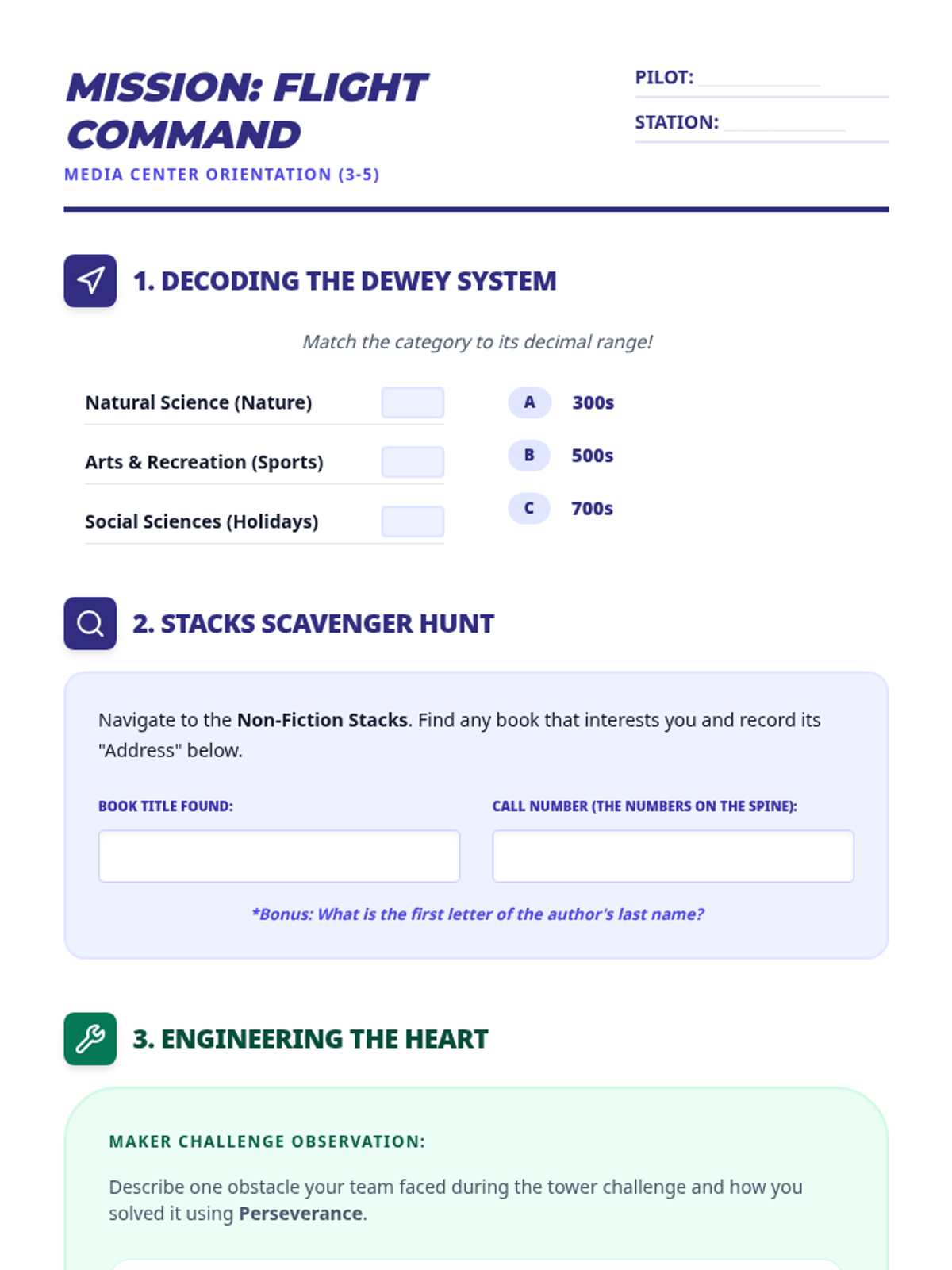
Welcome back to the library! This unit focuses on library orientation, procedures, the 'Heart of the School' concept, and establishing a collaborative Maker Mindset.
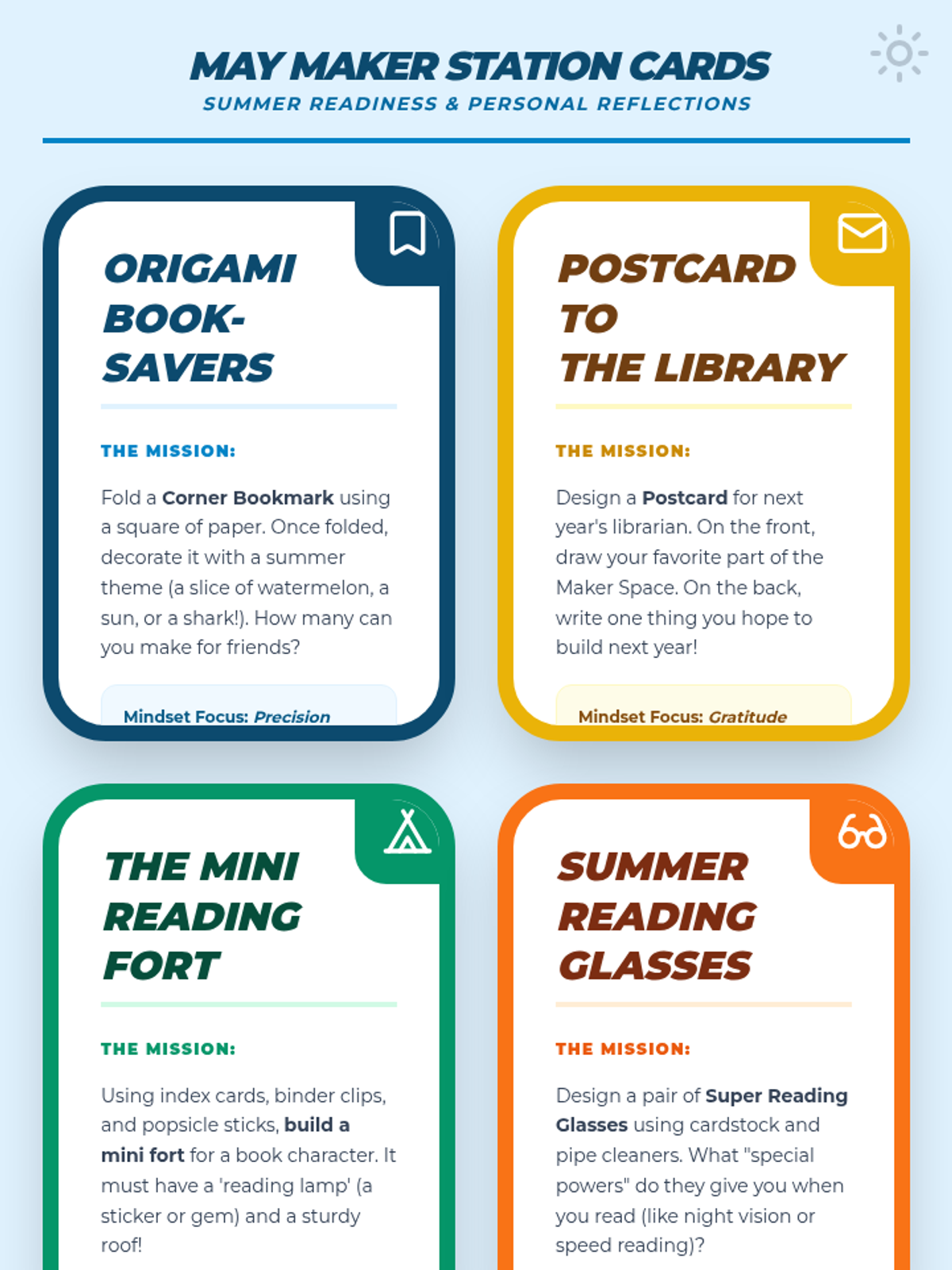
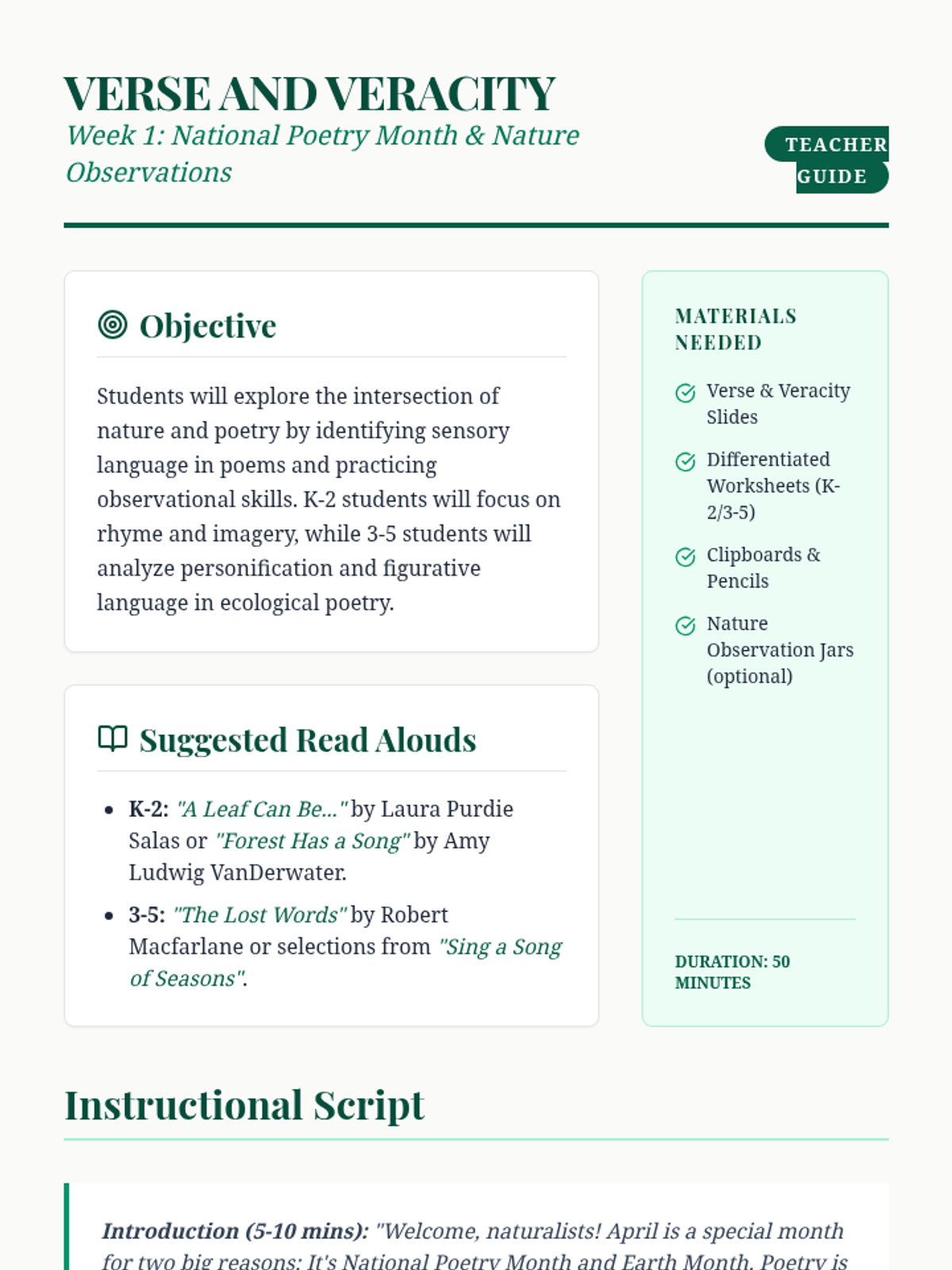
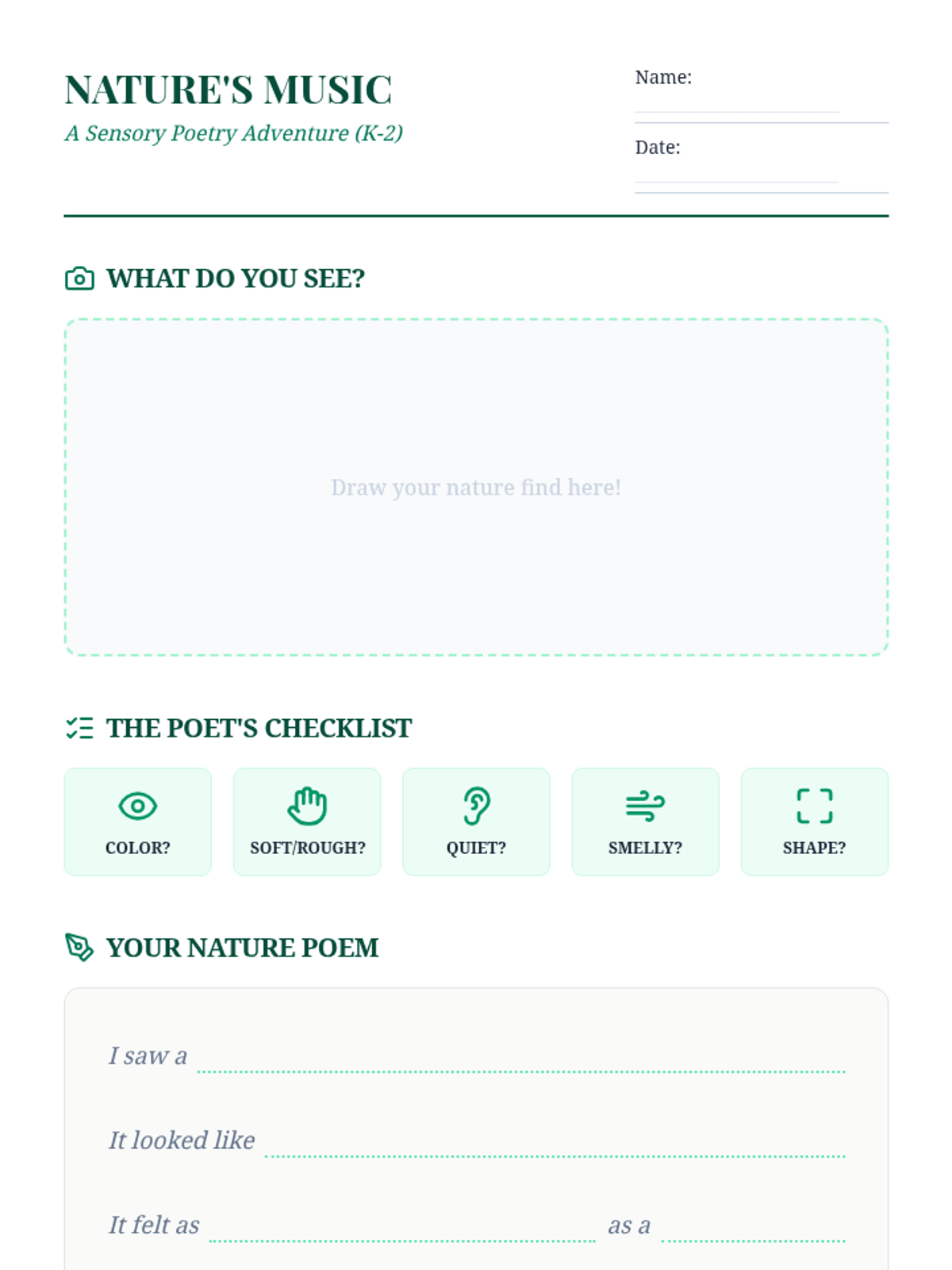
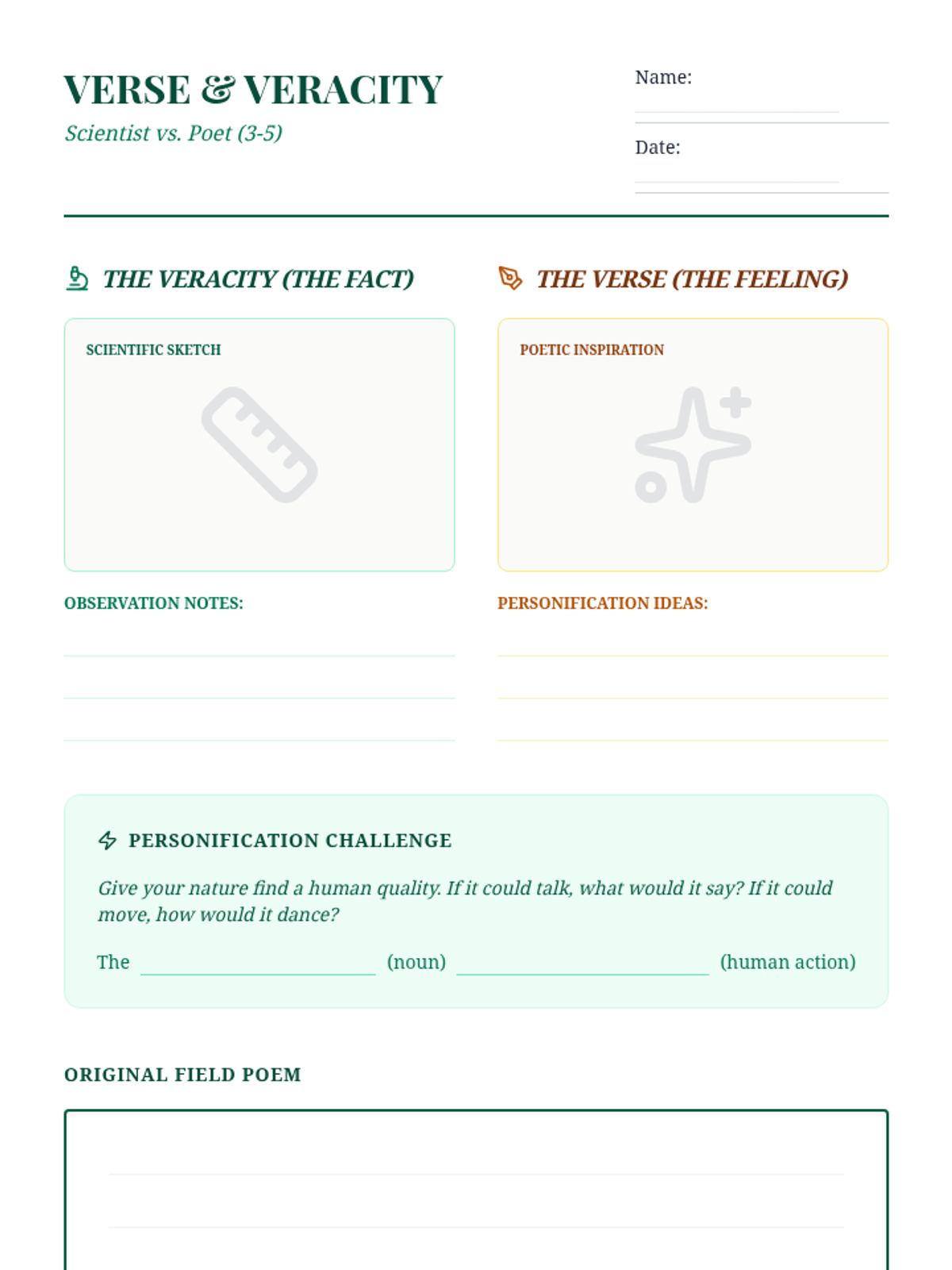
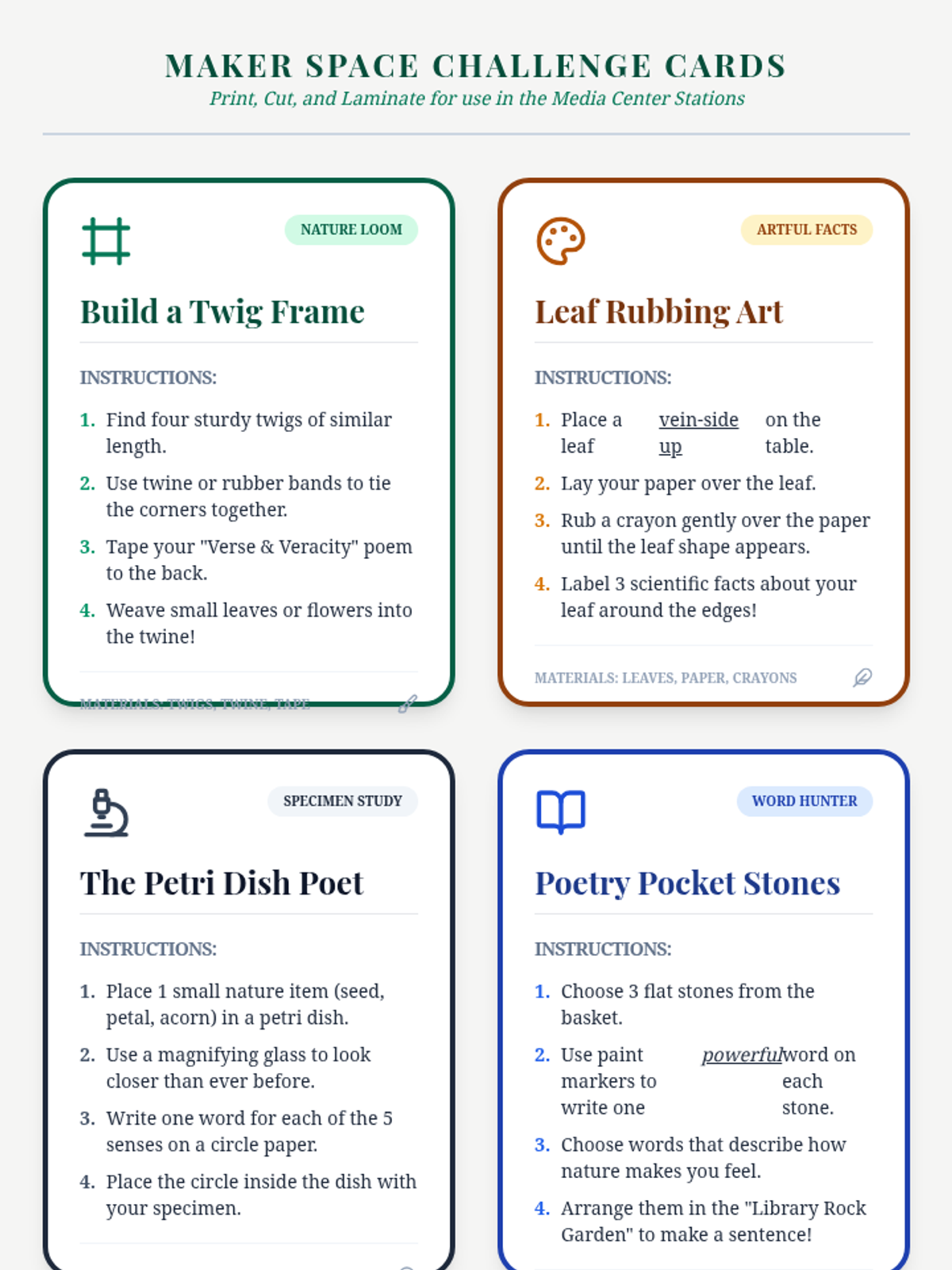
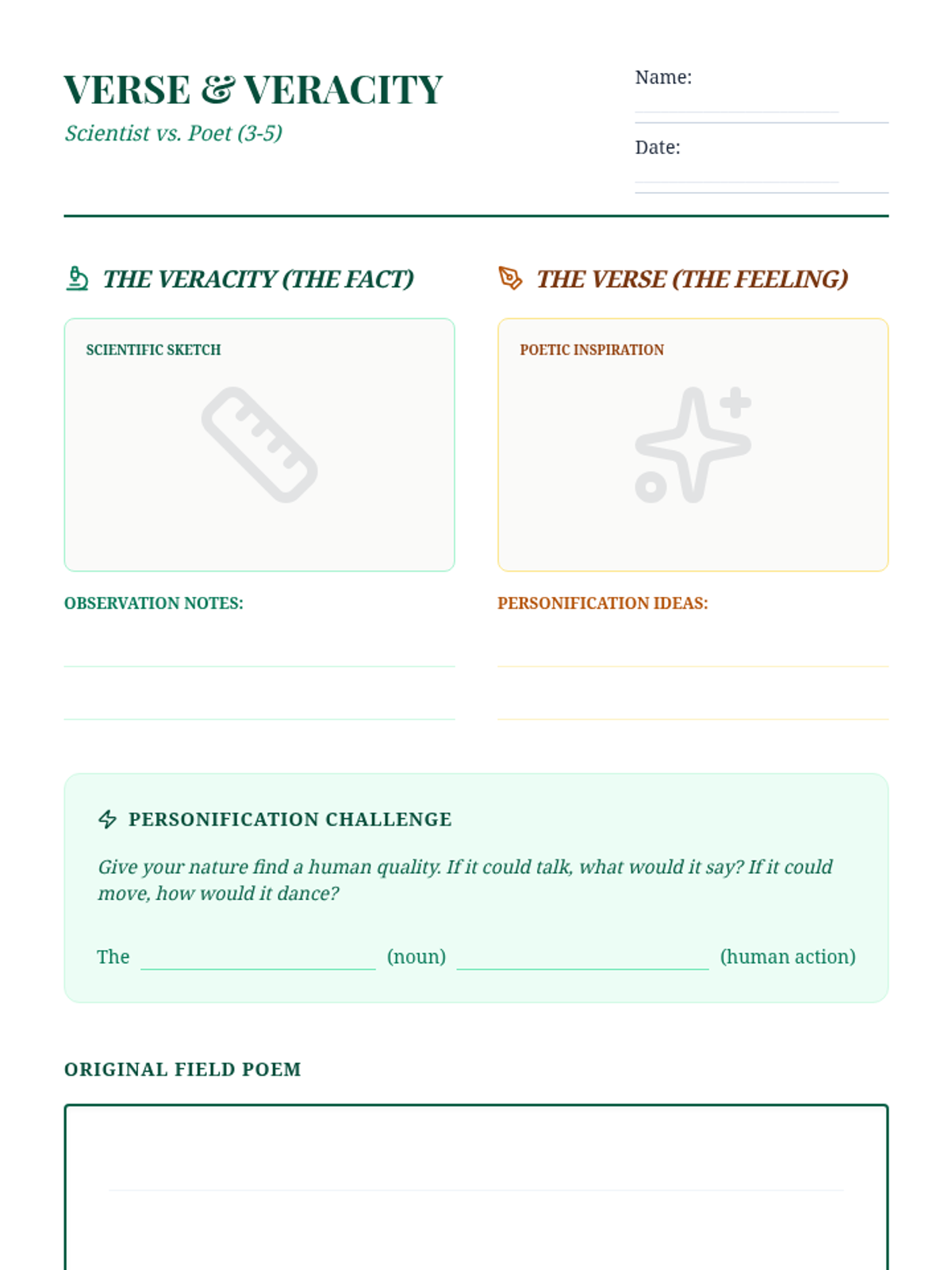
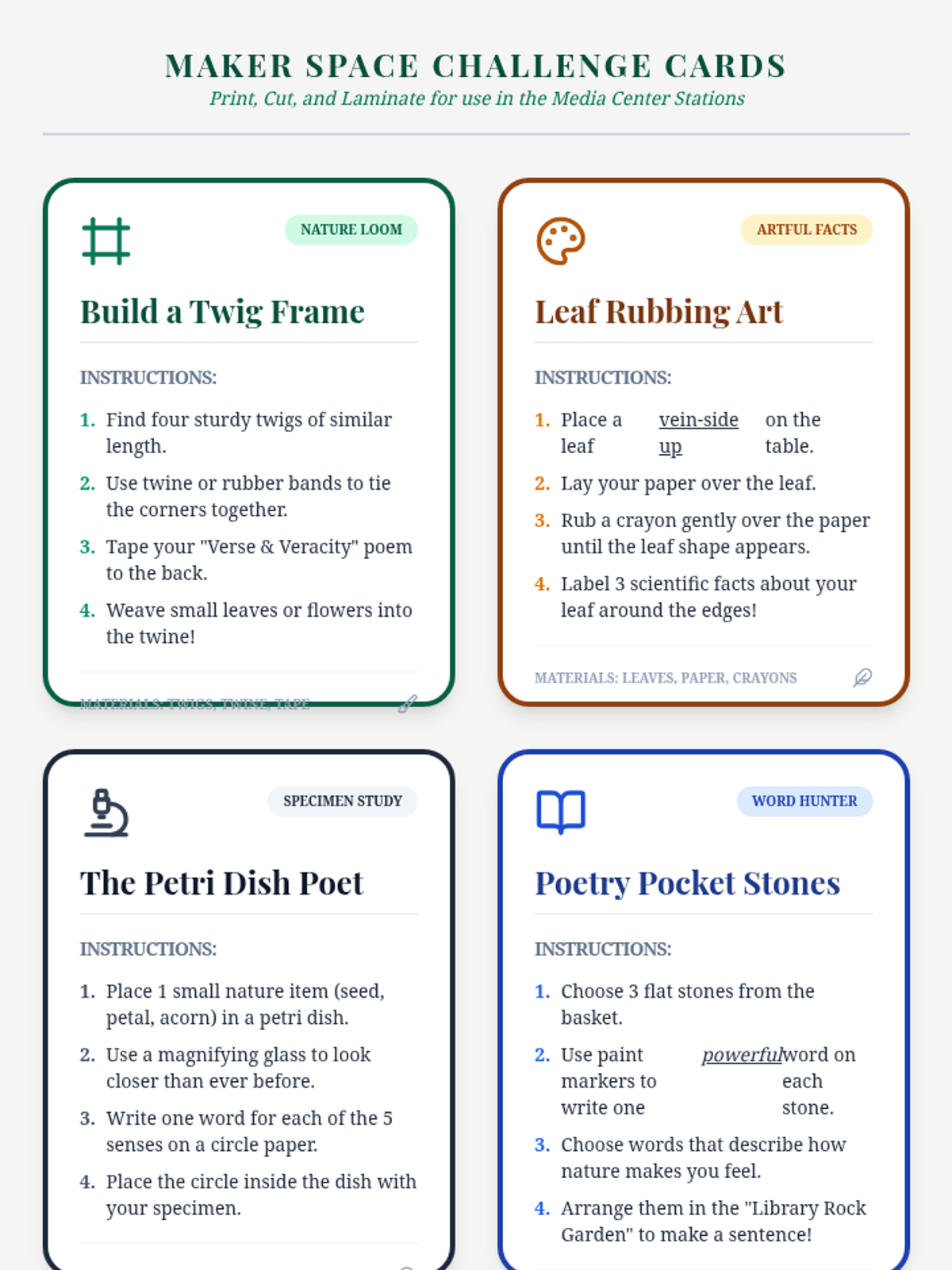
A week-long exploration of poetry and nature, focusing on sensory language and observational skills in the library and media center. Includes differentiated worksheets and slides.
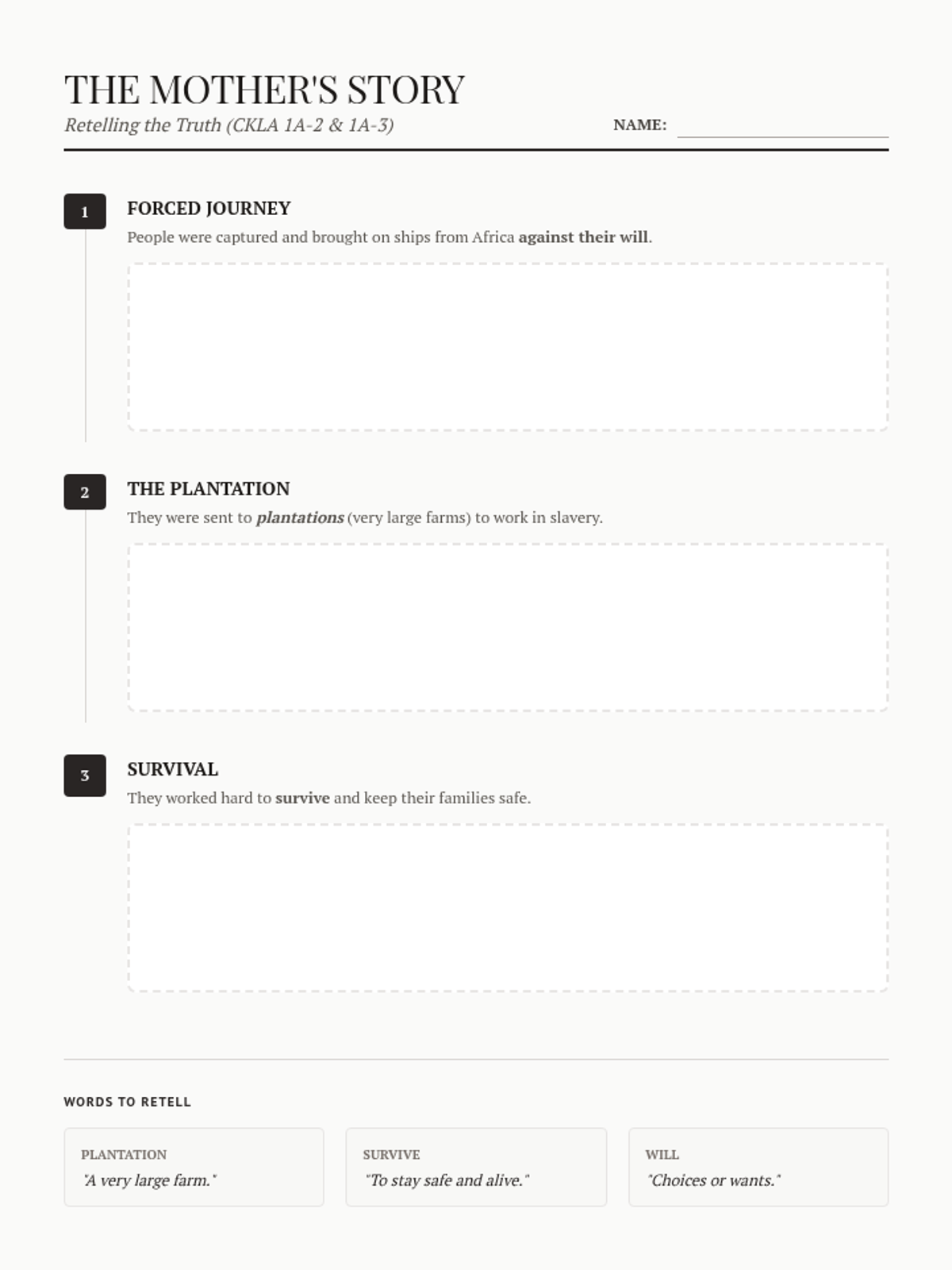
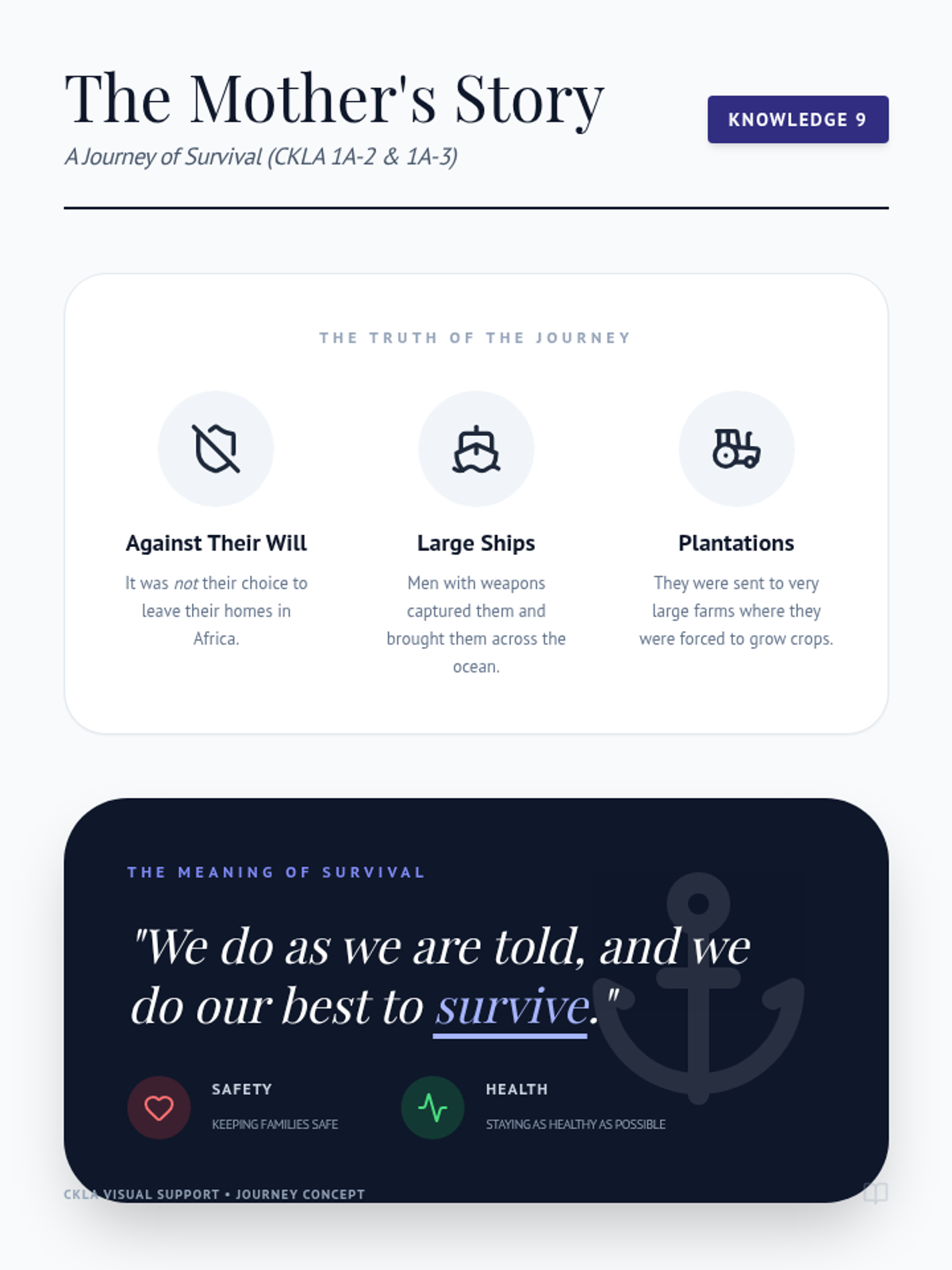
A series of visual retelling supports and comprehension tools for Harriet Tubman's early life, covering her childhood responsibilities and her mother's story of their family's origins.
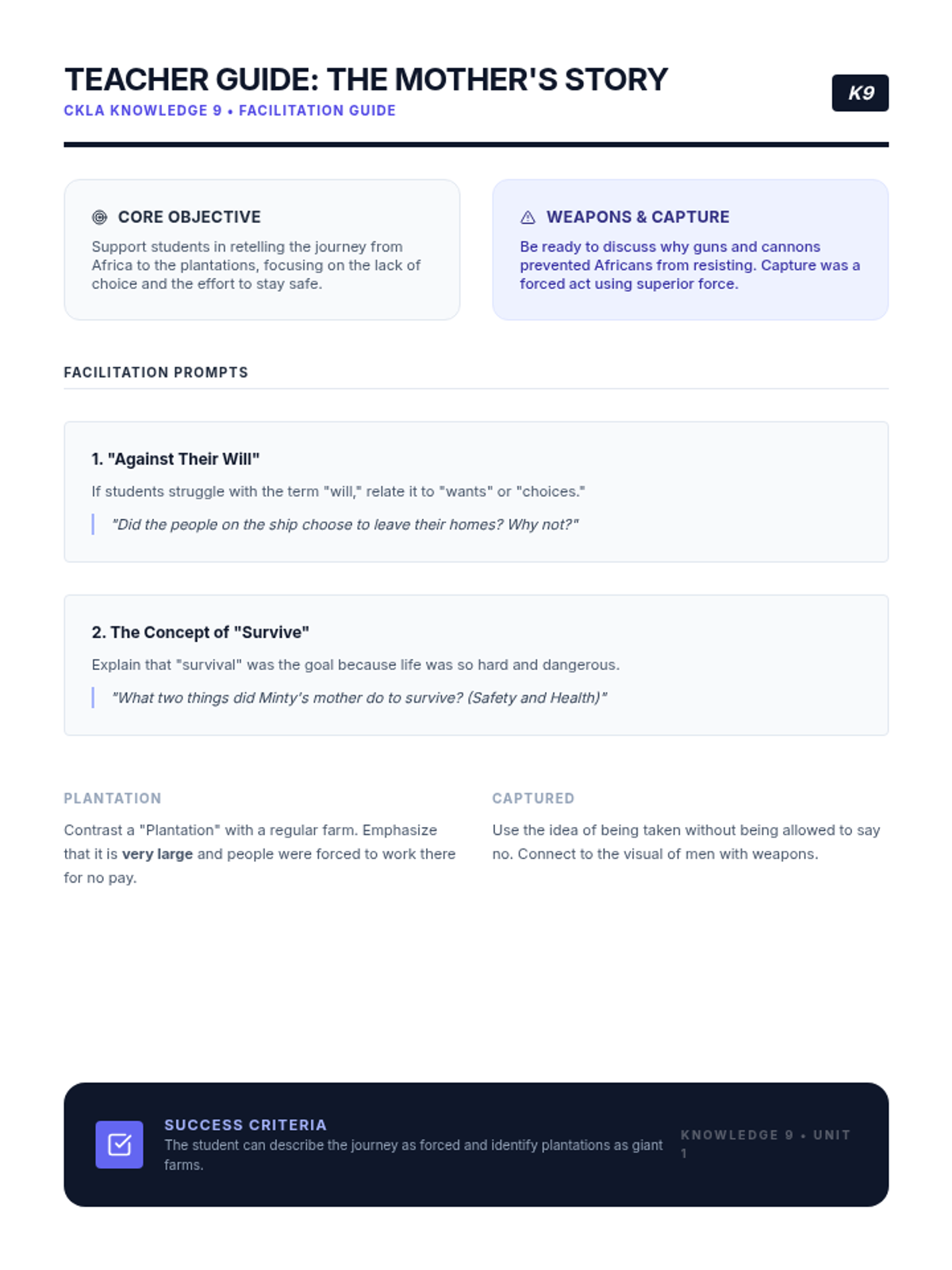
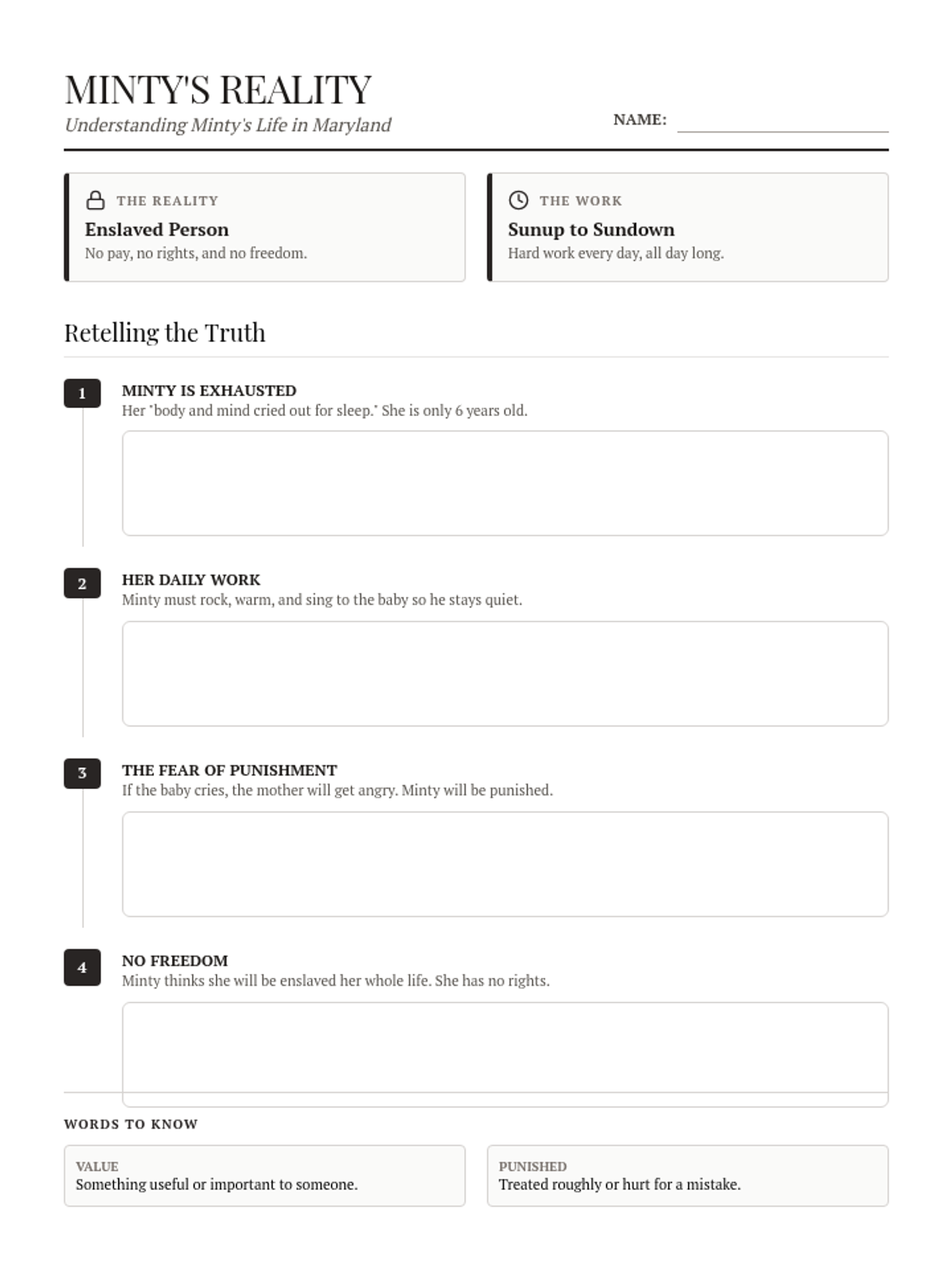
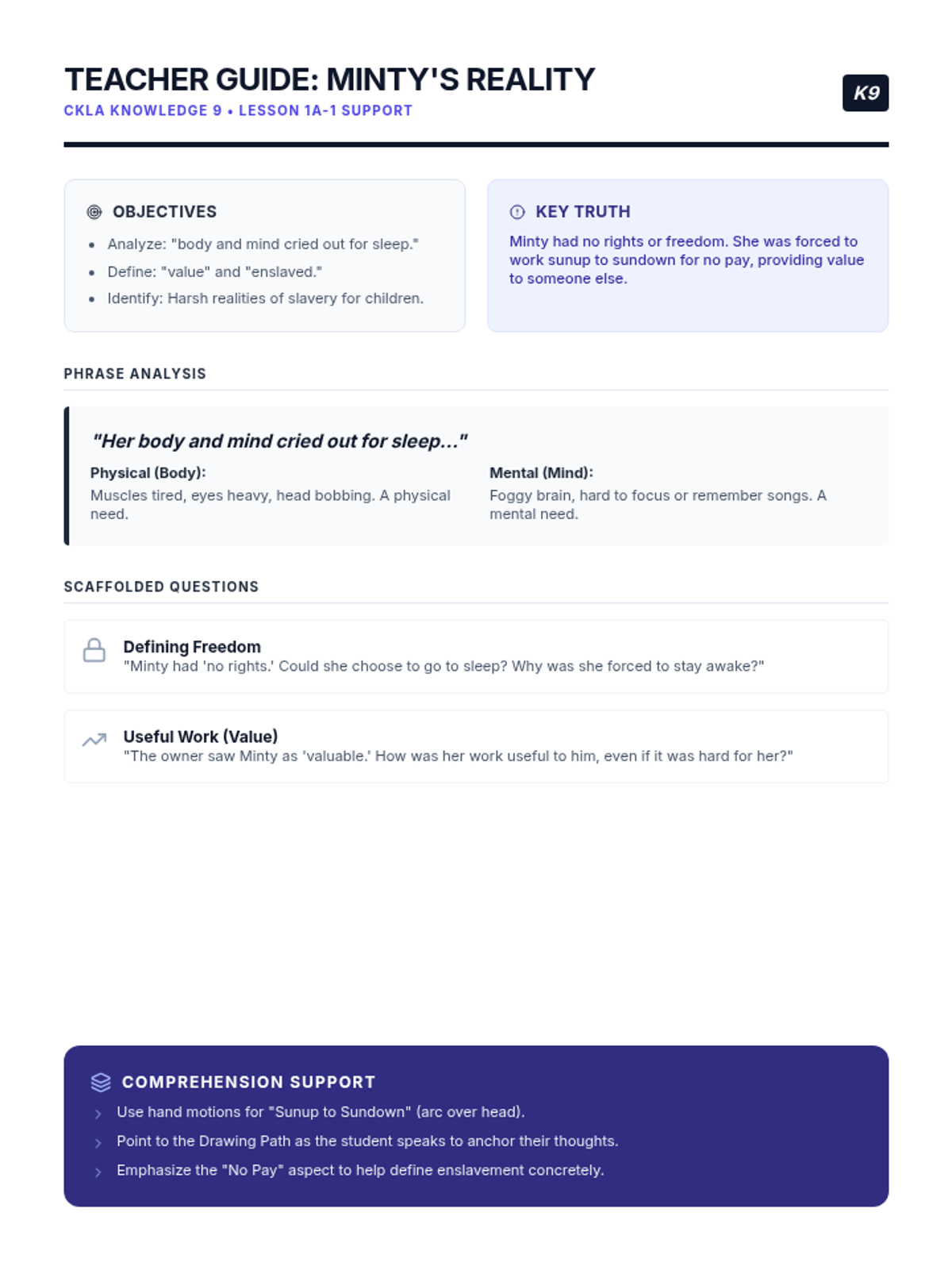
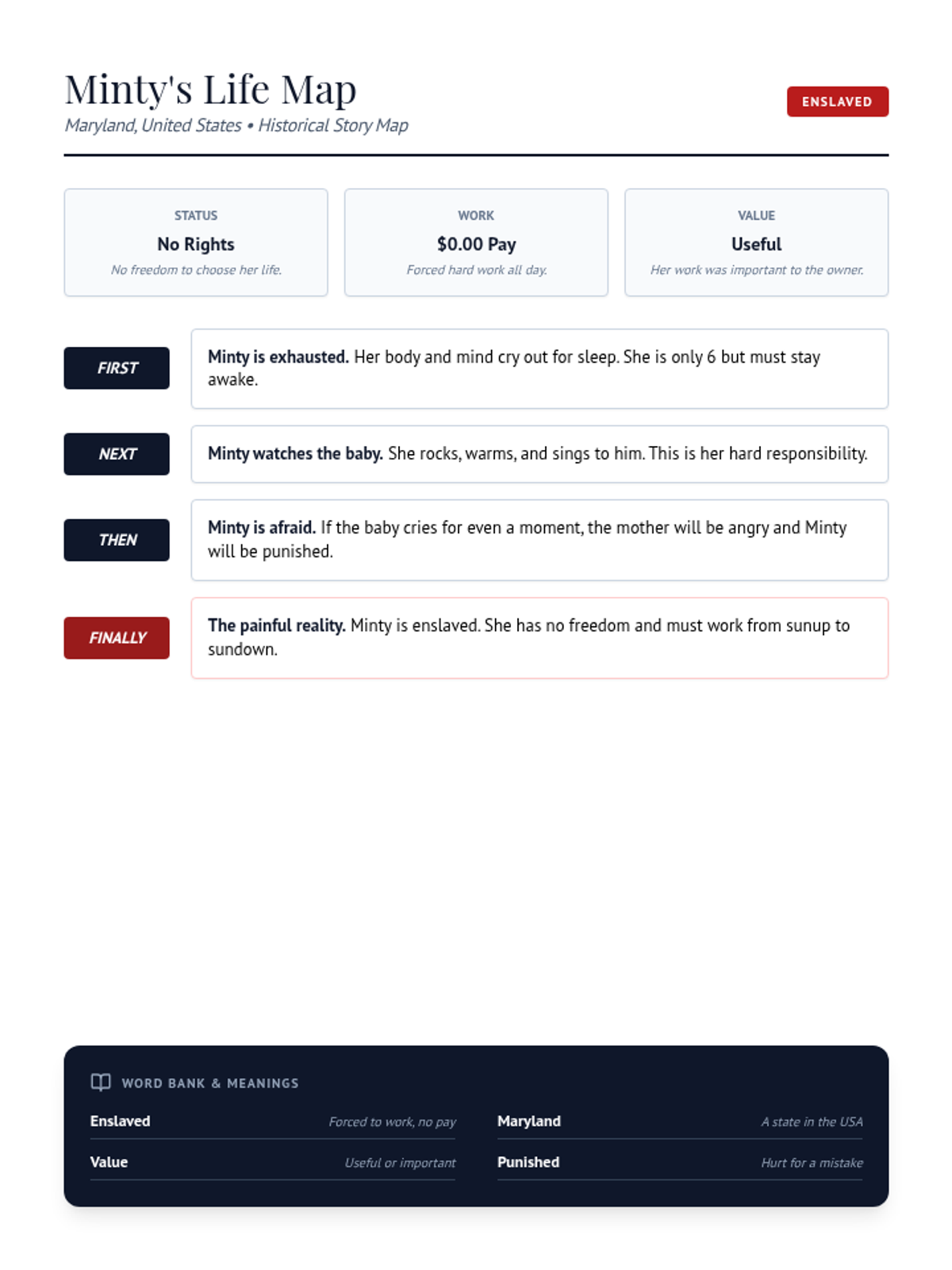
A series of visual retelling supports and comprehension tools focused on the story of young Minty (Harriet Tubman) watching over a baby. This lesson uses visual prompts to help students sequence events and understand character emotions and setting.
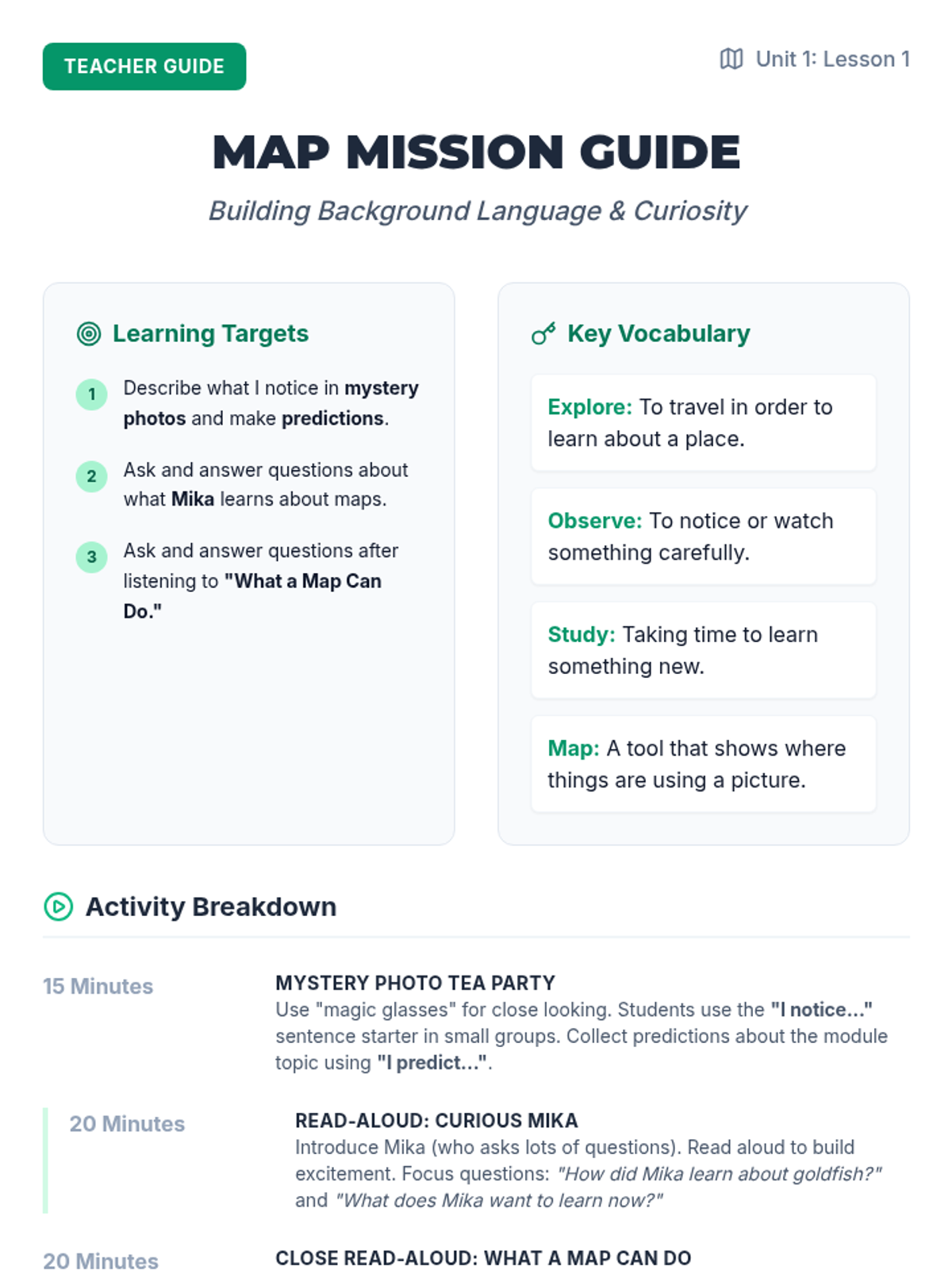
This introductory kindergarten lesson builds background knowledge about maps through photo exploration, a character-driven read-aloud, and the start of a close-reading session of a non-fiction text. Students practice observation, prediction, and collaborative discussion skills using the Tea Party protocol.
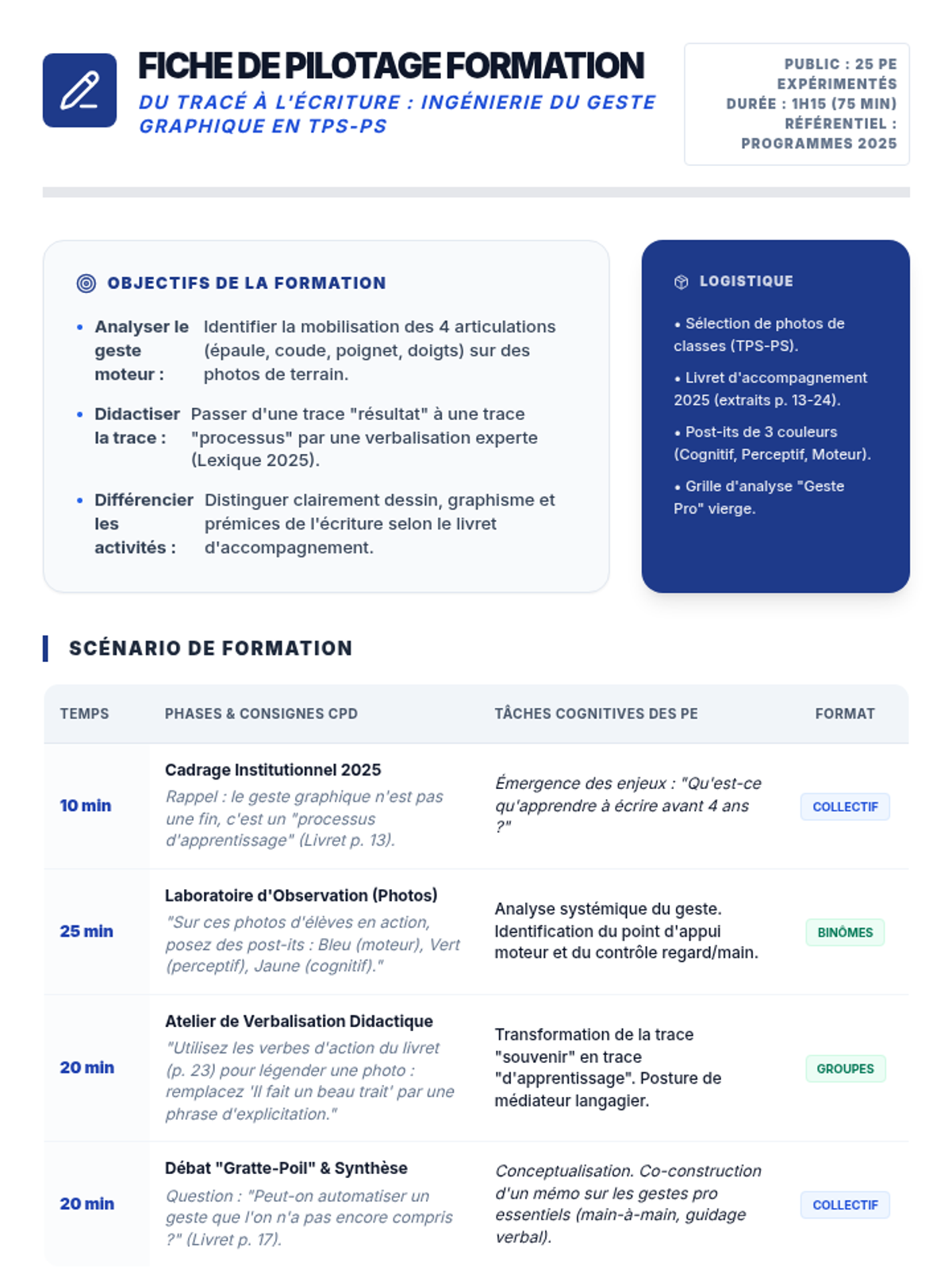
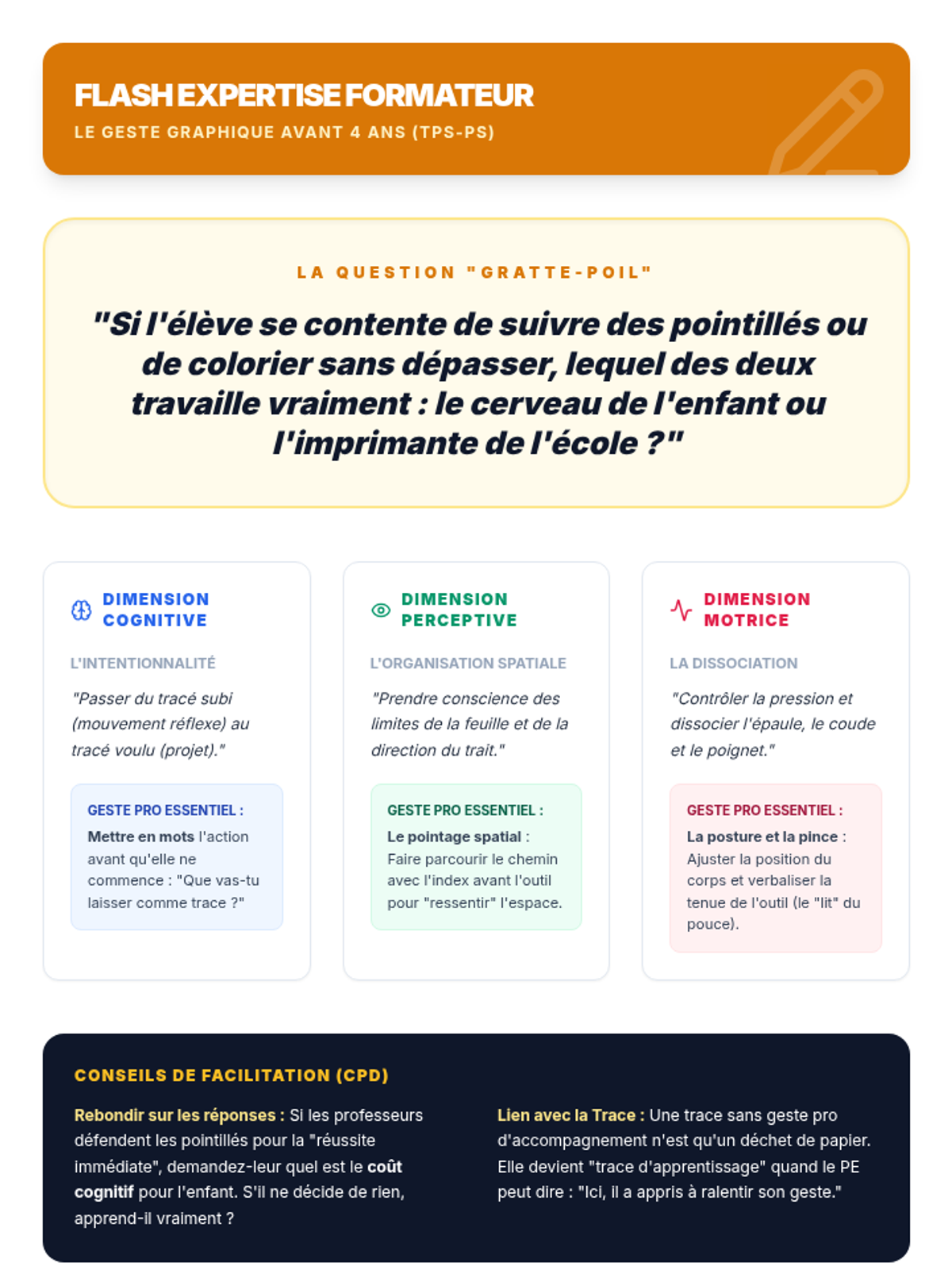
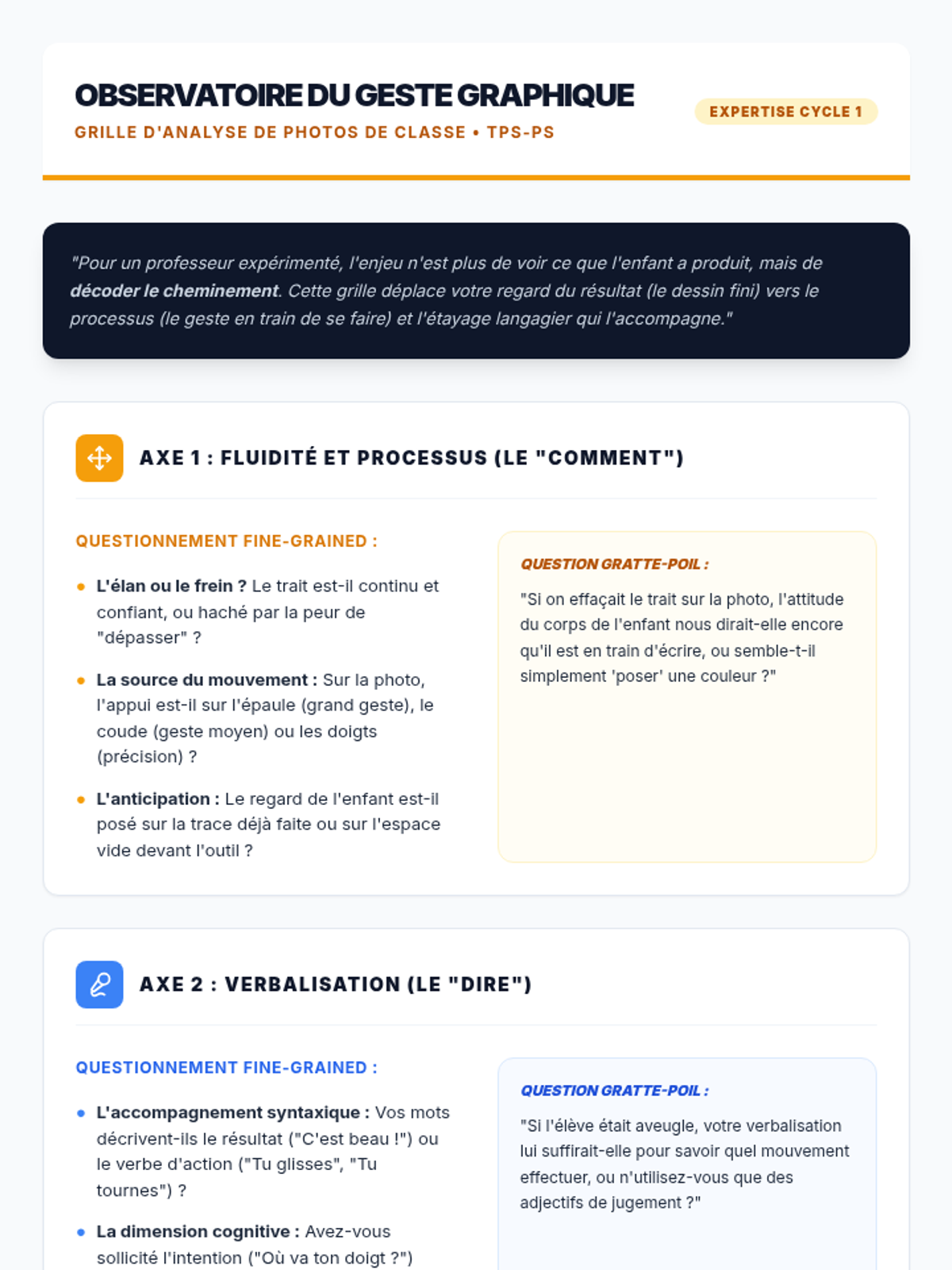
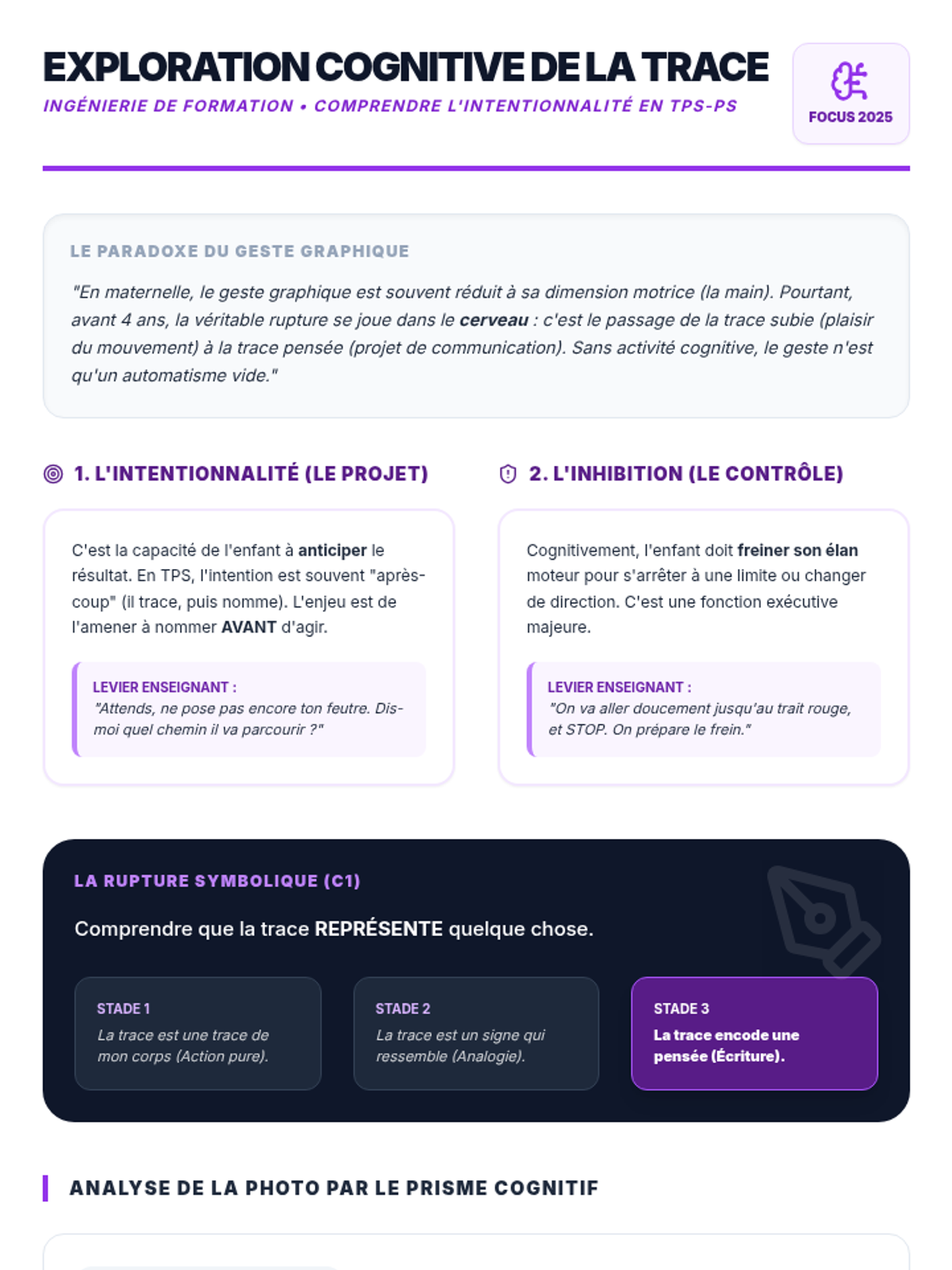
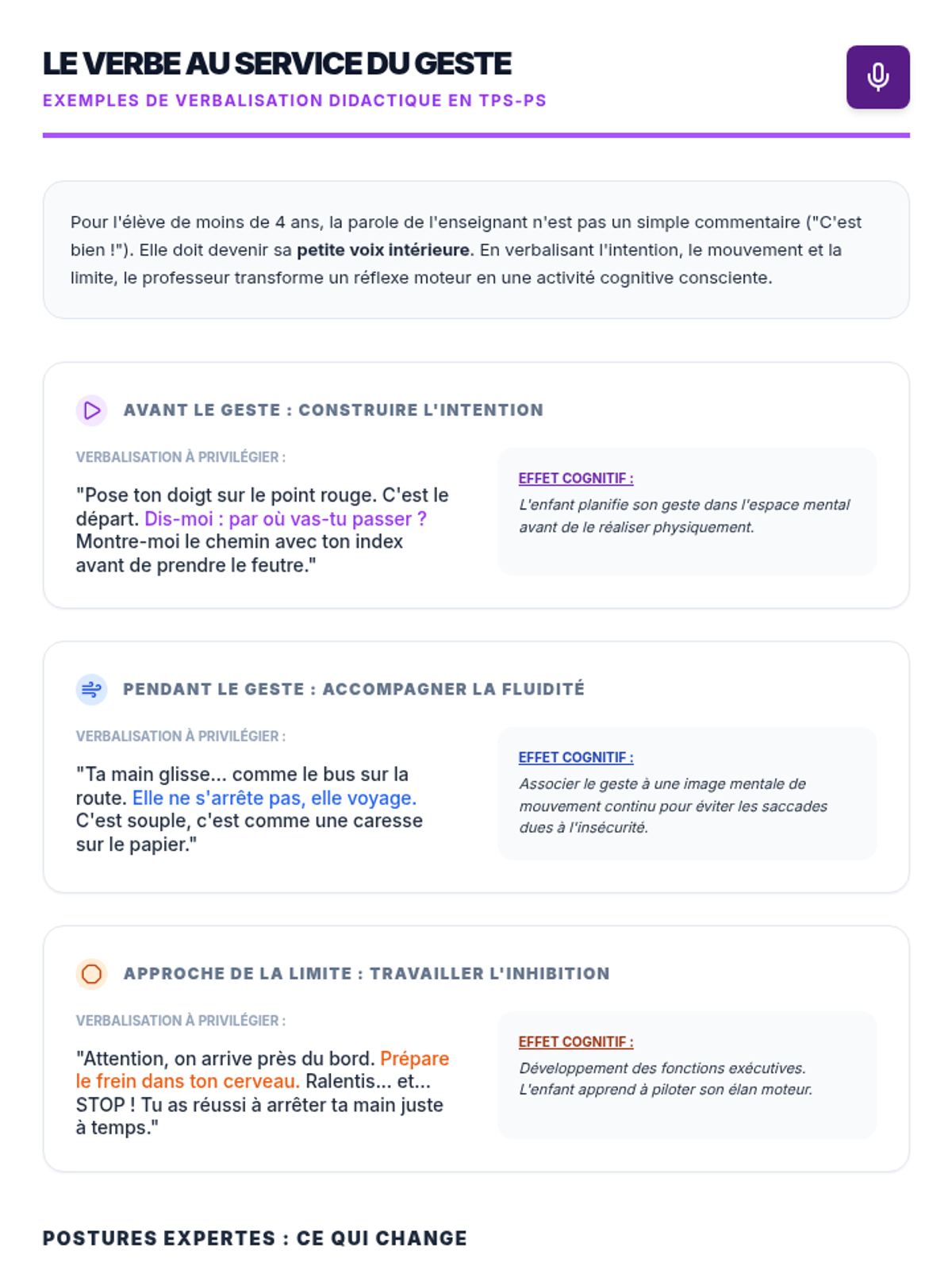
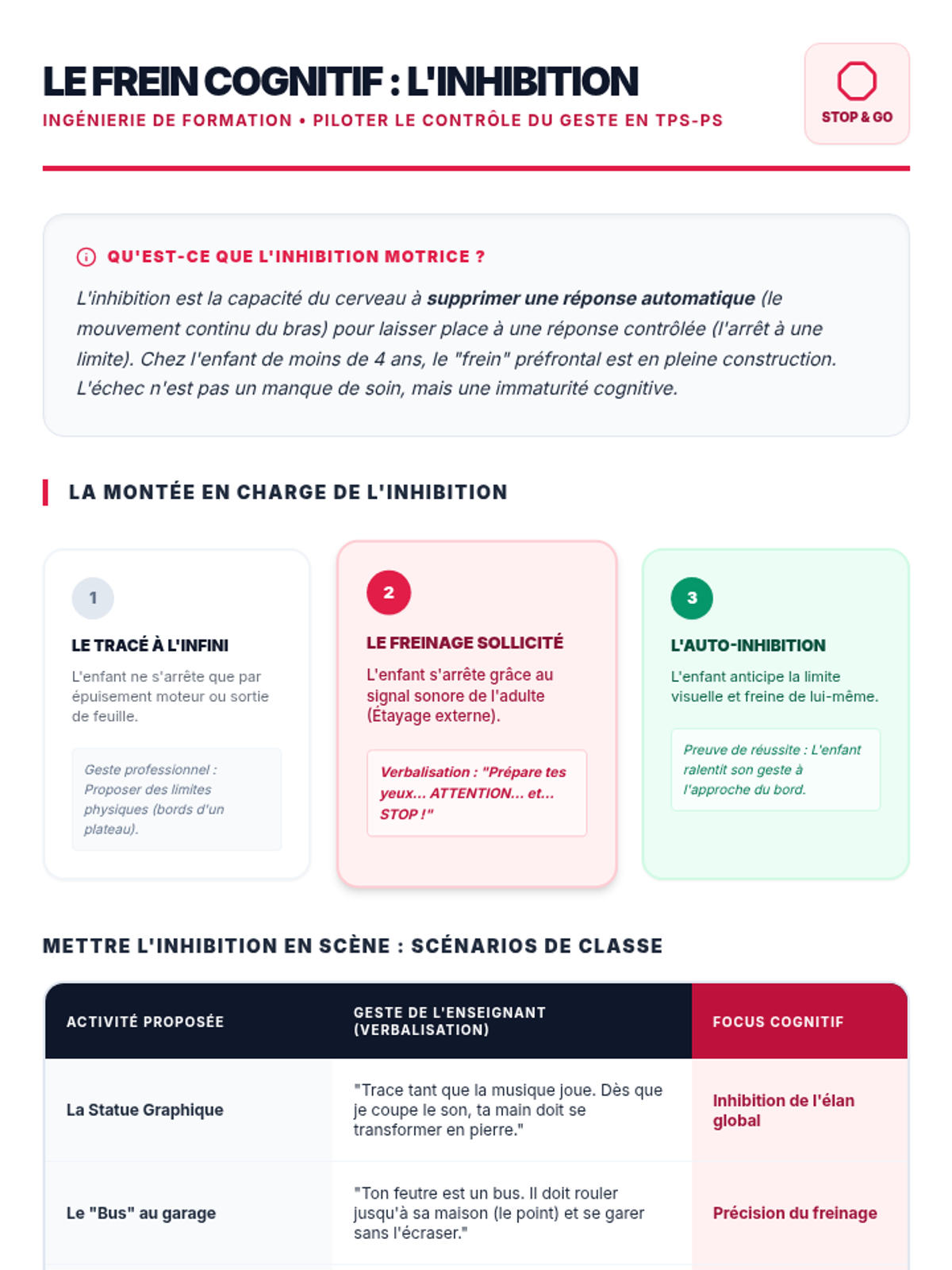
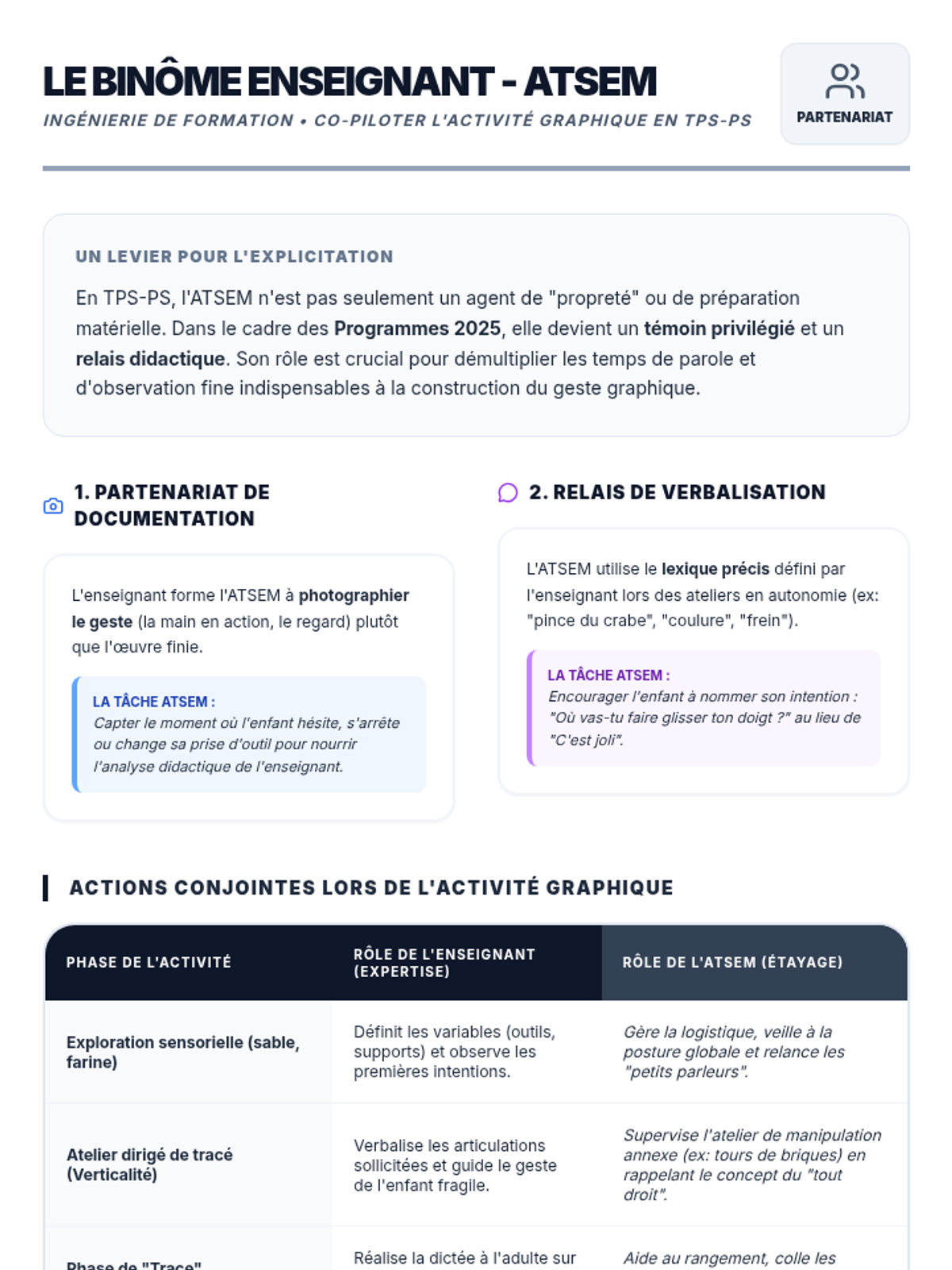
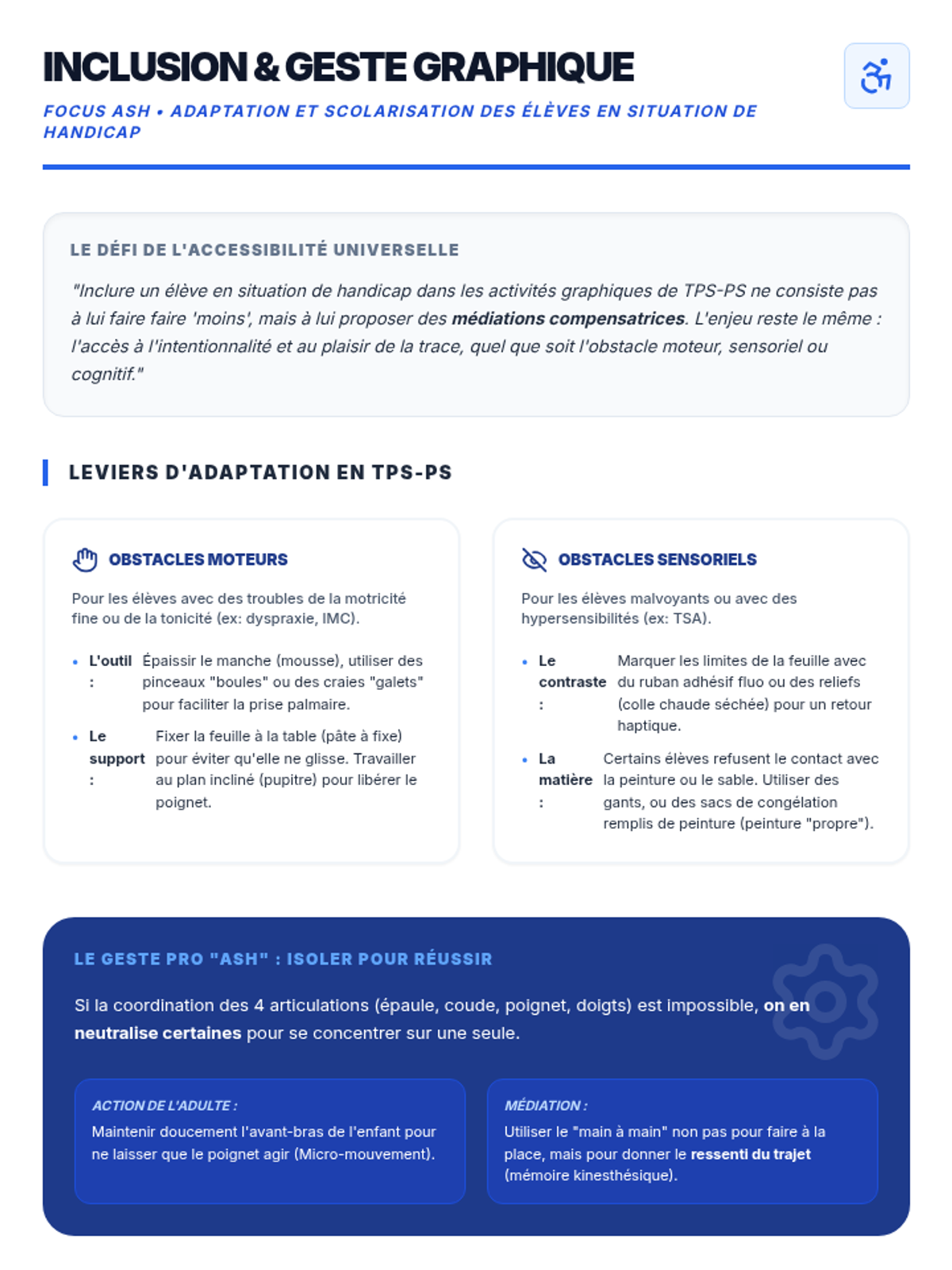
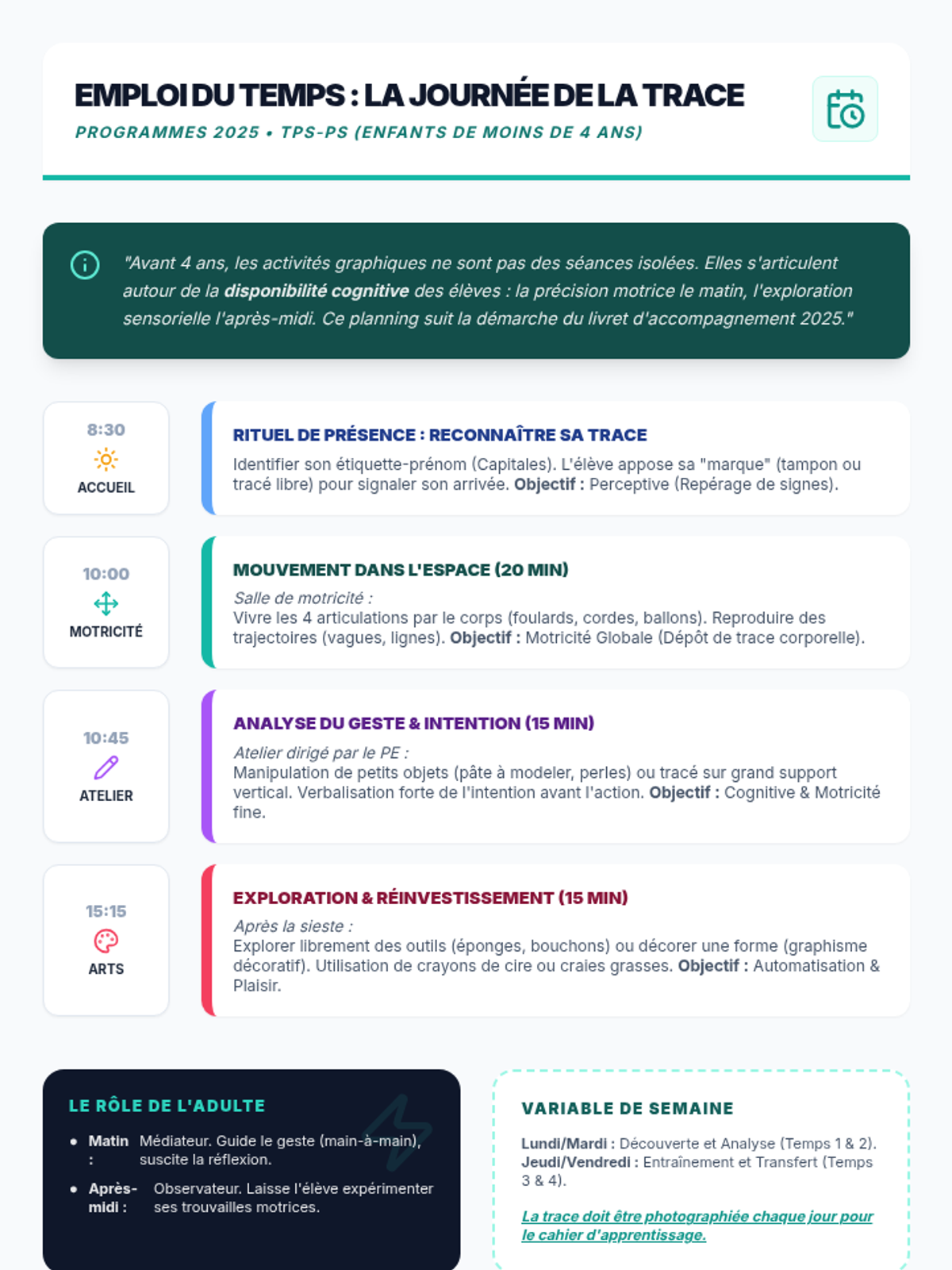
Cette formation pour les professeurs de TPS-PS vise à professionnaliser la conception des "traces" d'activités (cahiers de vie, affichages). En s'appuyant sur les photos de classe et les guides 2025, les enseignants apprennent à rendre les apprentissages explicites pour les élèves et les familles.
Cette formation vise à outiller les conseillers pédagogiques pour l'analyse et l'exploitation de ressources diverses (vidéos, manuels, guides) dans le cadre de la formation continue des professeurs des écoles en français, conformément aux orientations stratégiques nationales.
Cette leçon vise à introduire un projet d'écriture authentique en Grande Section : rédiger un message aux parents pour annoncer une sortie scolaire. Elle s'appuie sur l'observation de messages existants pour définir des critères de réussite et initier la planification selon les programmes 2025.
A foundational geography lesson designed to help students identify and name the seven continents through visual exploration, fact-finding, and hands-on matching activities. Students will explore unique characteristics of each landmass and practice spatial awareness by labeling a world map.
The final day reviews all learned traditions and concludes with a joyful pop-up card craft to share the celebration with family or friends.
Focusing on flowers and growth, students go outside to create a community chalk garden and search for the colors of spring.
Students learn why the bunny is associated with Easter and head outdoors for a 'Spring Detective' scavenger hunt to find signs of new life in nature.
Students explore the egg as a symbol of new life and create a vibrant stained-glass style egg craft to represent the brightness of spring.
A vibrant exploration of traditional clothing from the diverse home countries of our class, examining how climate, history, and identity shape garments from Latin America, Africa, Asia, and beyond.
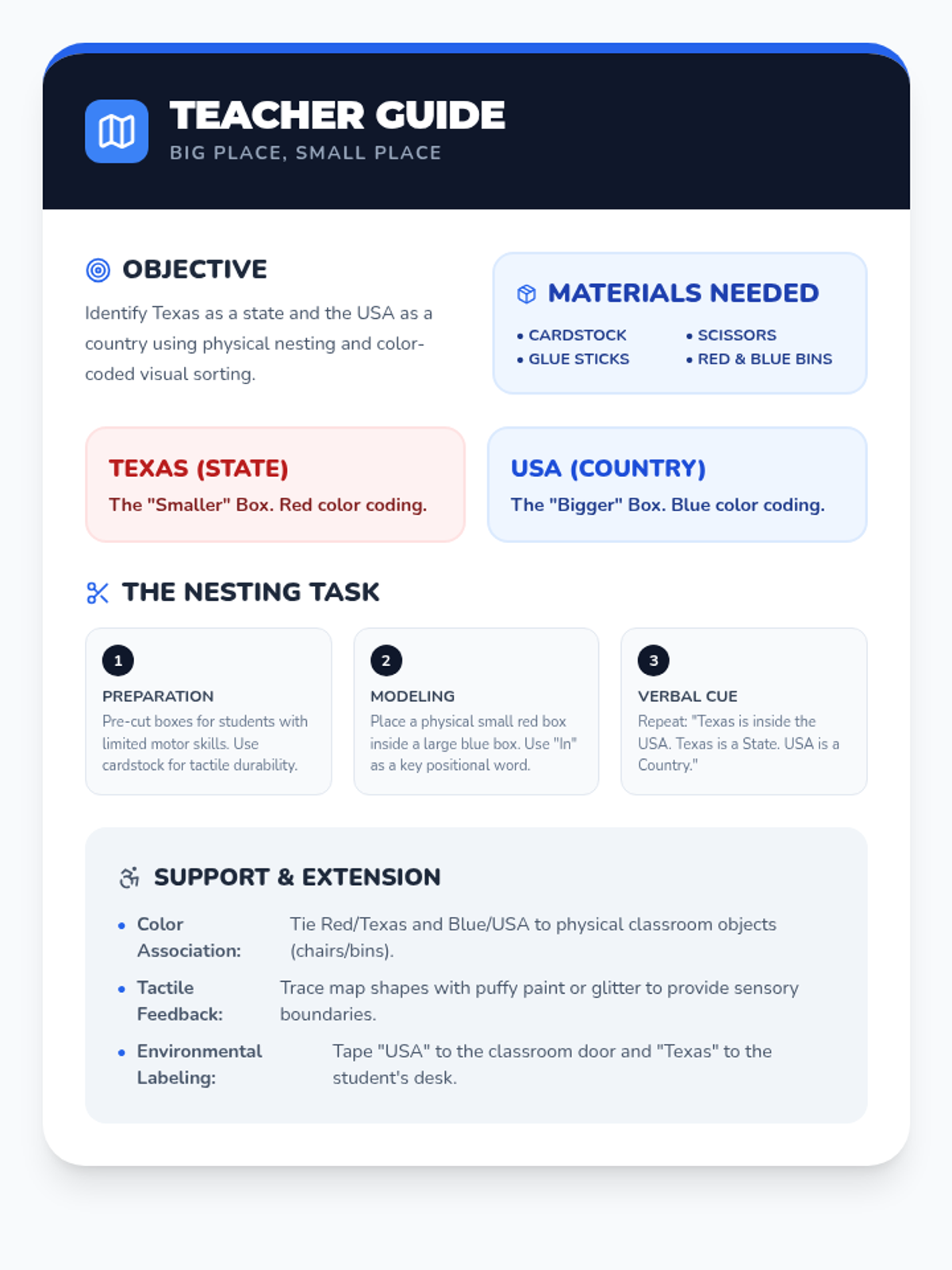
A 25-minute Kindergarten lesson exploring community and belonging in Iowa through the lens of local history and art. Students will observe Iowa's diverse landscapes and create their own neighborhood art.
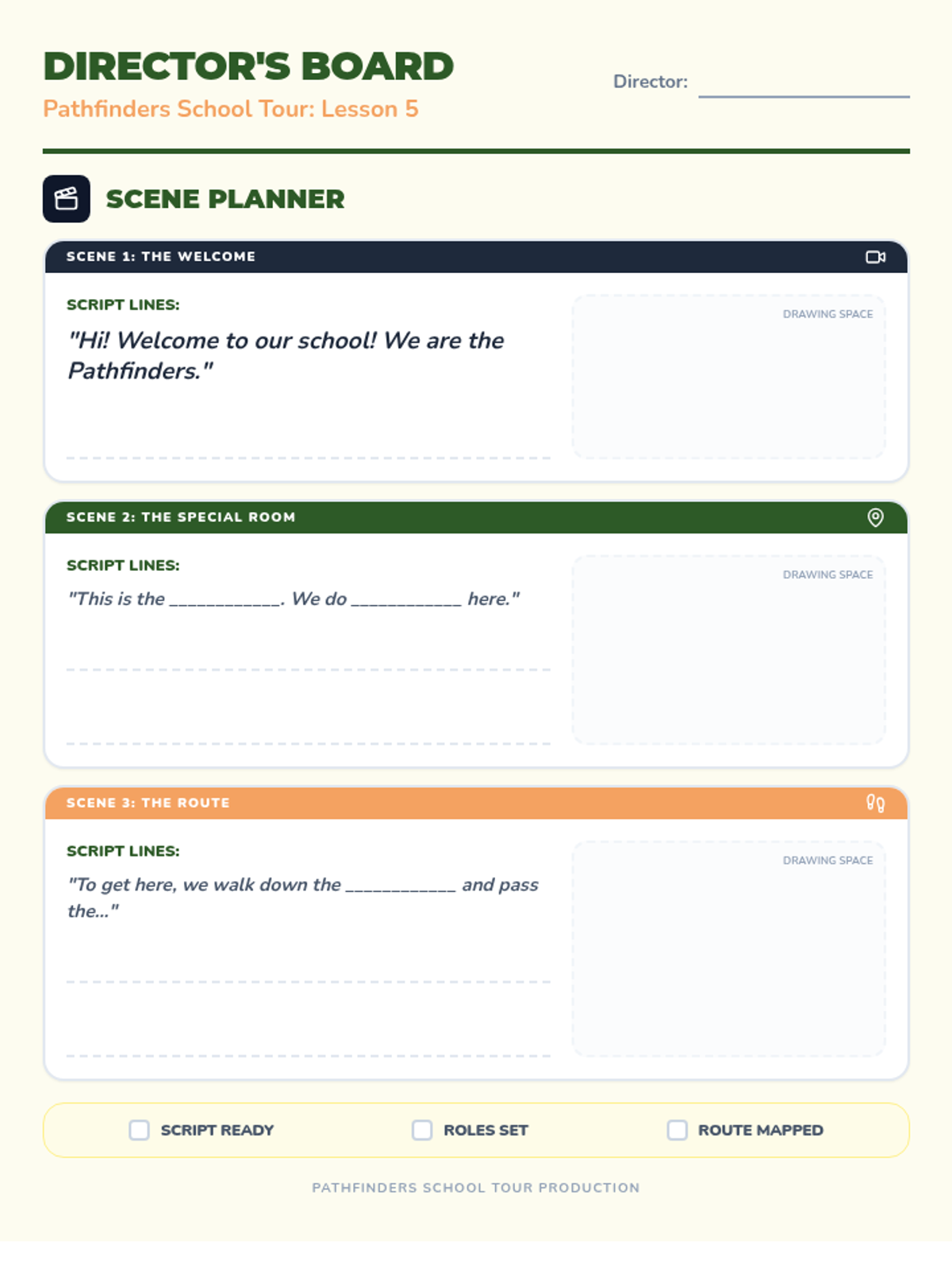
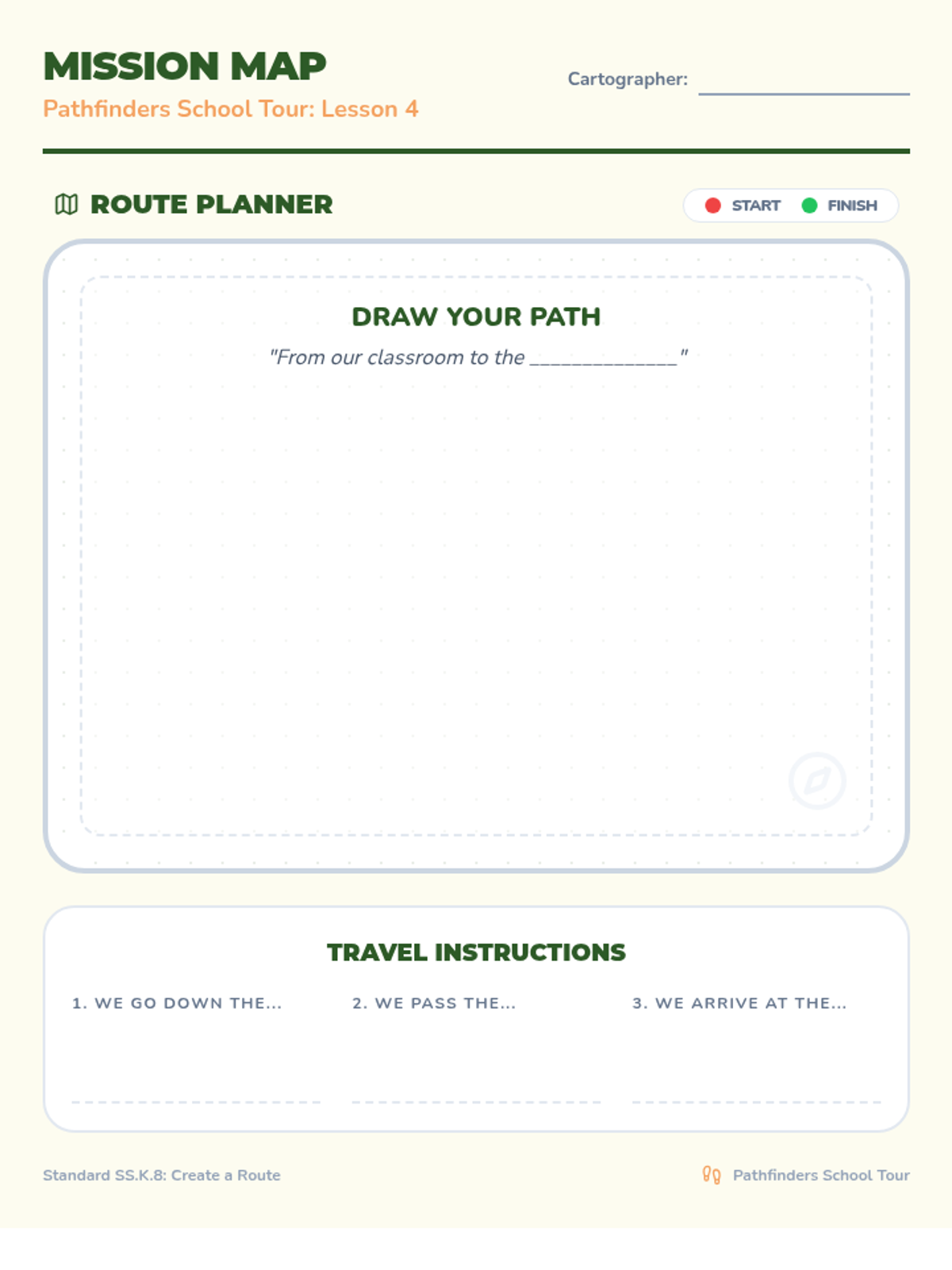
A hands-on introduction to spatial awareness where Kindergarten students learn to define a 'route' and create their own simple classroom maps to navigate from one spot to another.
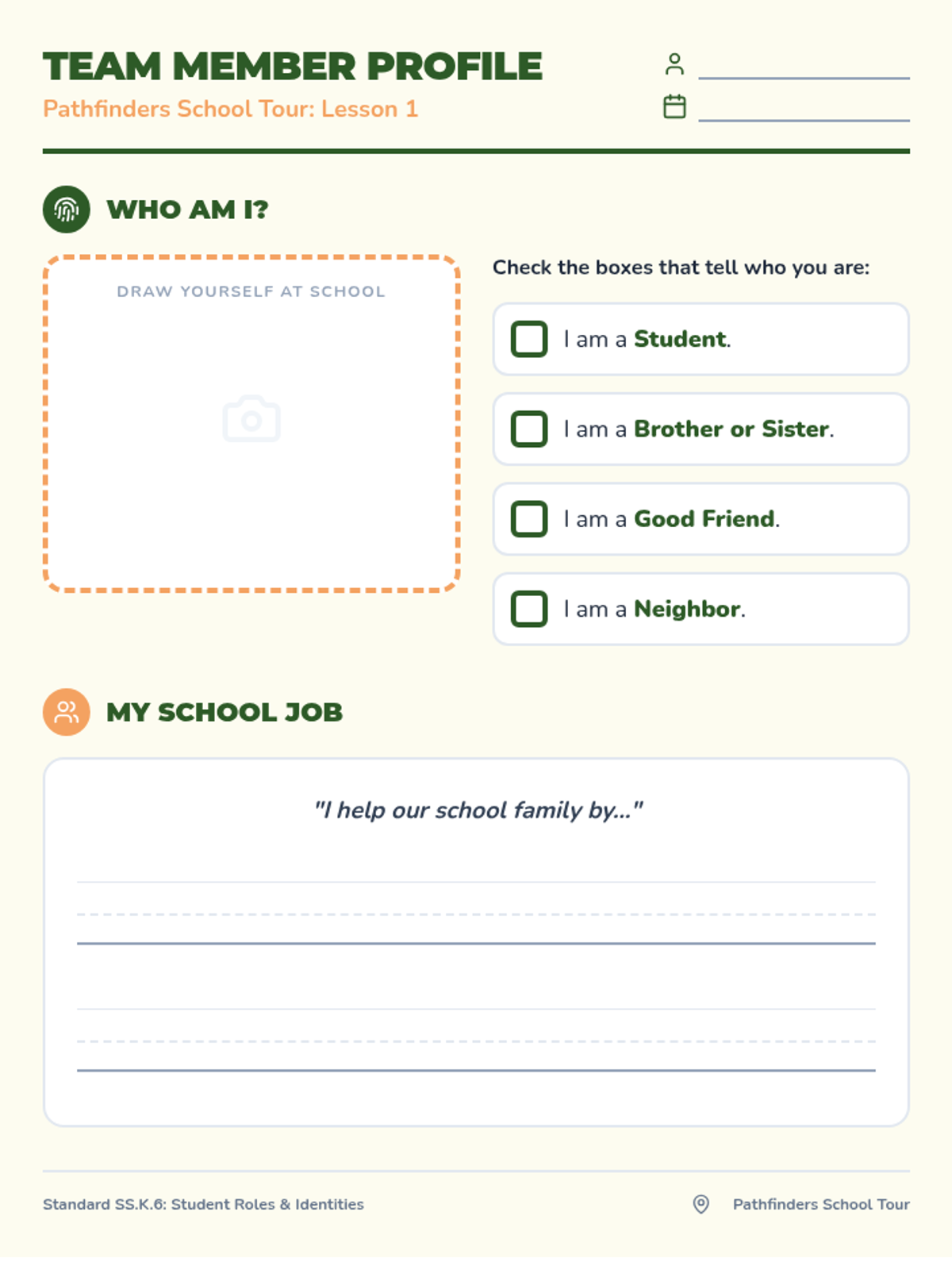
A 25-minute Kindergarten lesson exploring identity and belonging through the concept of 'roles' in various groups like families, teams, and classrooms. Students identify the different 'hats' they wear in their daily lives.
This Kindergarten lesson explores how rules vary across Iowa's diverse landscapes, from the bustling streets of Des Moines to the quiet farm fields of Page County. Students will learn about urban and rural environments and the important role of Jessie Field Shambaugh in shaping community responsibilities.
A 25-minute social studies lesson for Kindergarten focusing on identifying community helpers and leaders and understanding their vital roles in keeping a neighborhood safe and functional.
A 25-minute Kindergarten lesson where students compare and contrast rules in different environments like libraries and playgrounds. Students identify signs, play a guessing game, and match rules to their correct locations to understand how context dictates behavior.
A Kindergarten lesson focused on understanding the importance of rules and personal responsibilities at home and school. Students will identify key rules that keep them safe and explore their roles as responsible citizens in their communities.
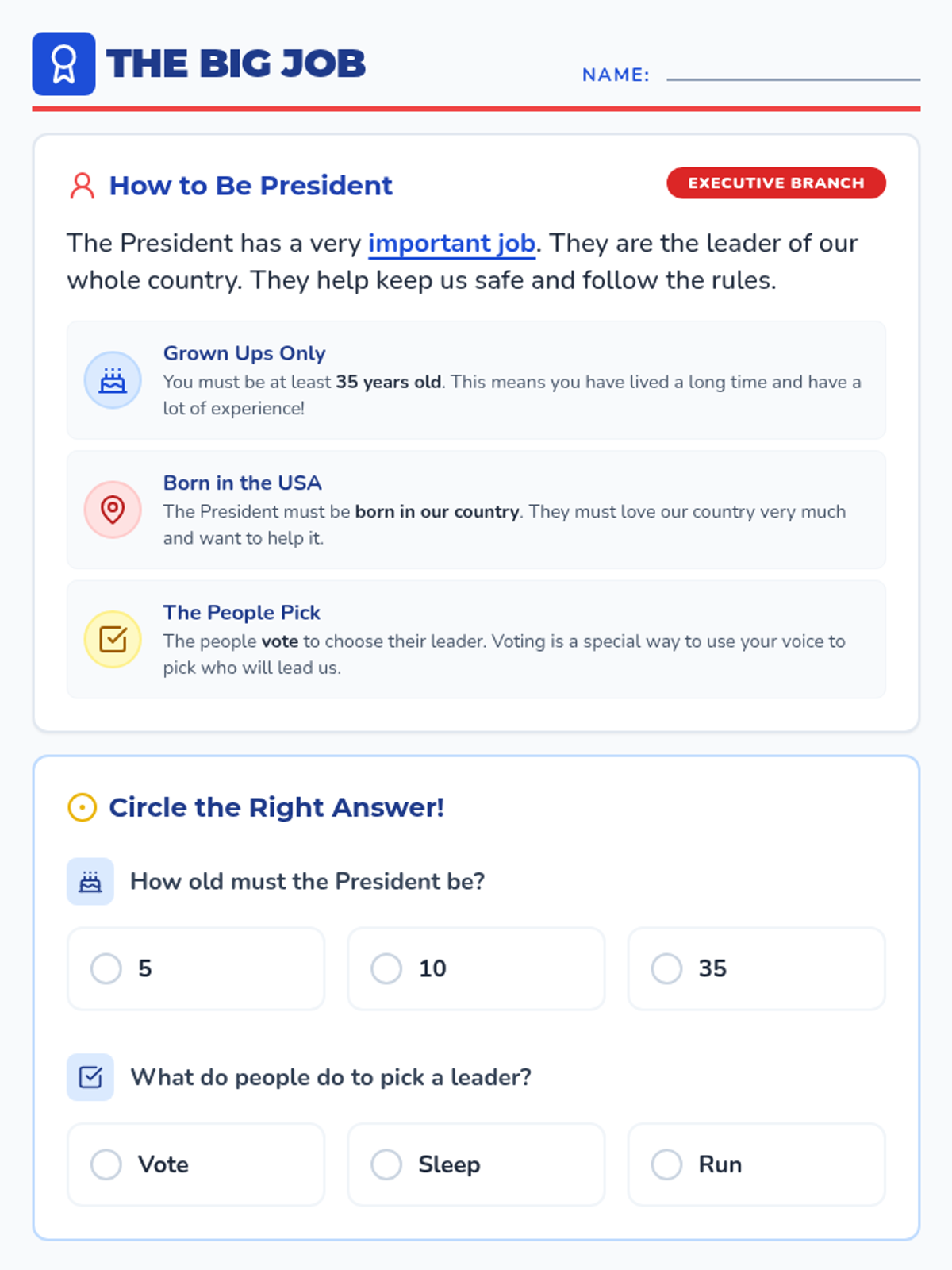
A 25-minute lesson for Kindergarteners focusing on civic engagement and community participation. Students will learn how they can contribute to their community and why helping others is important.
A 25-minute introductory lesson for Kindergarten students to identify books and maps as sources of information and practice extracting simple facts through observation.
The unit concludes with students creating a 'Belonging Banner' to share their roles with the school community.
Students explore 'how' people move using various transportation methods and accessibility tools.
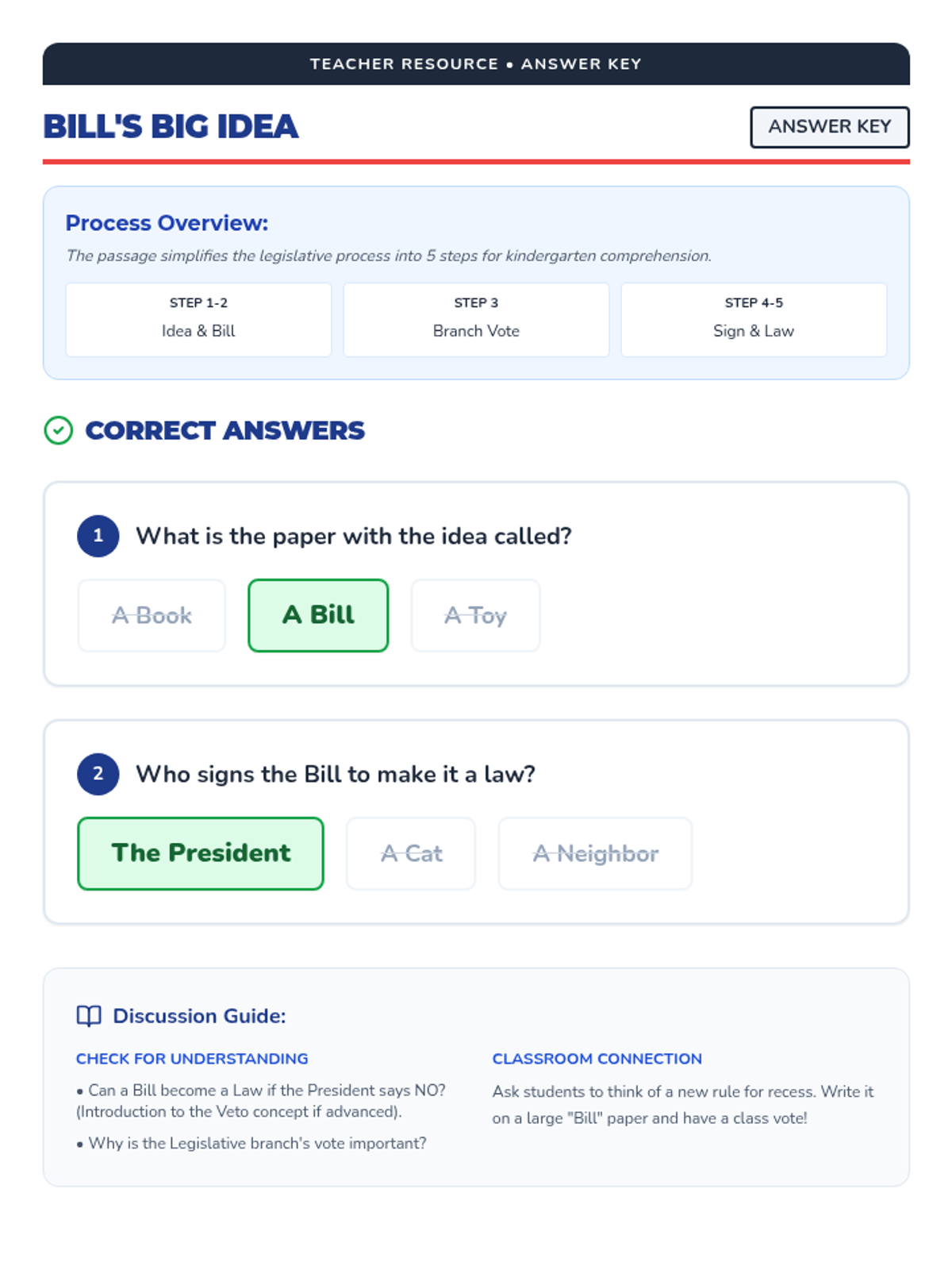
Students investigate the 'why' of movement—reasons like going home, going to practice, or going to recess.
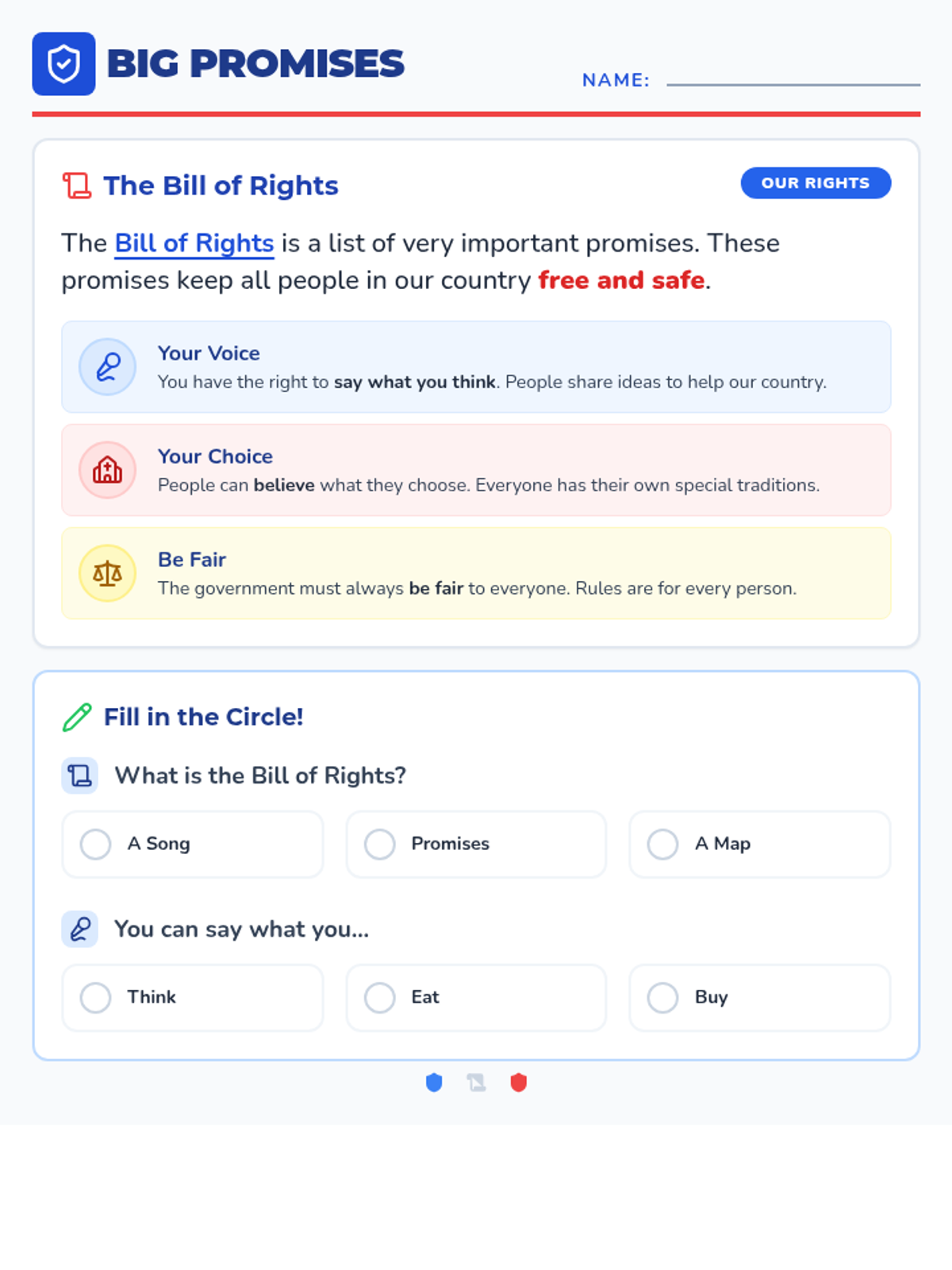
Students describe and map different routes to key school locations like the library or gym.
Students create a simple route map from their desk to a specific location in the classroom.
Students learn about map symbols and how simple drawings can represent real-world objects.
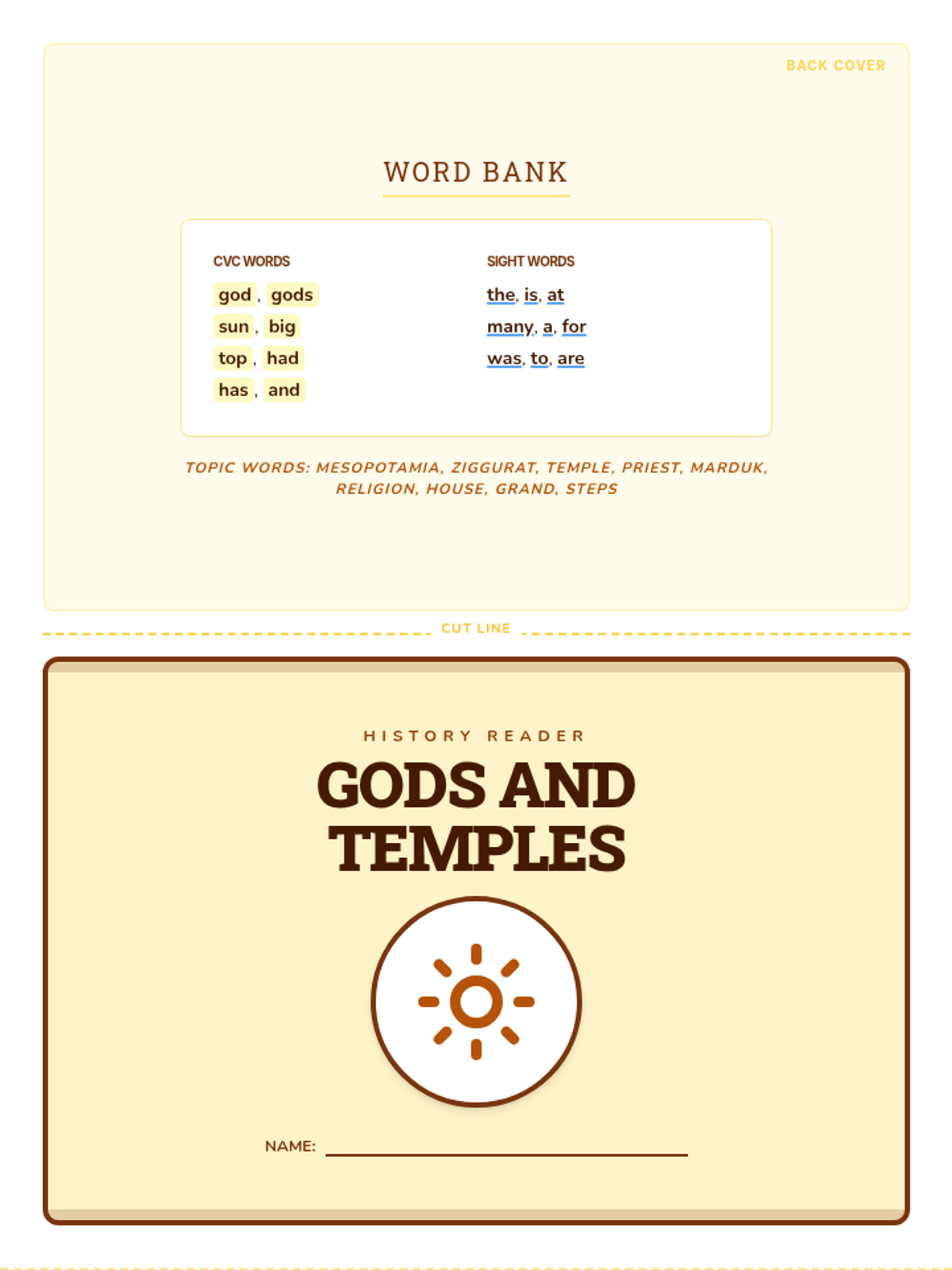
Students are introduced to geography through the concept of a 'bird's eye view' and looking at things from above.