A lesson designed to help kindergarten students understand the concept of community by identifying and reflecting on the groups they belong to through drawing and early writing.
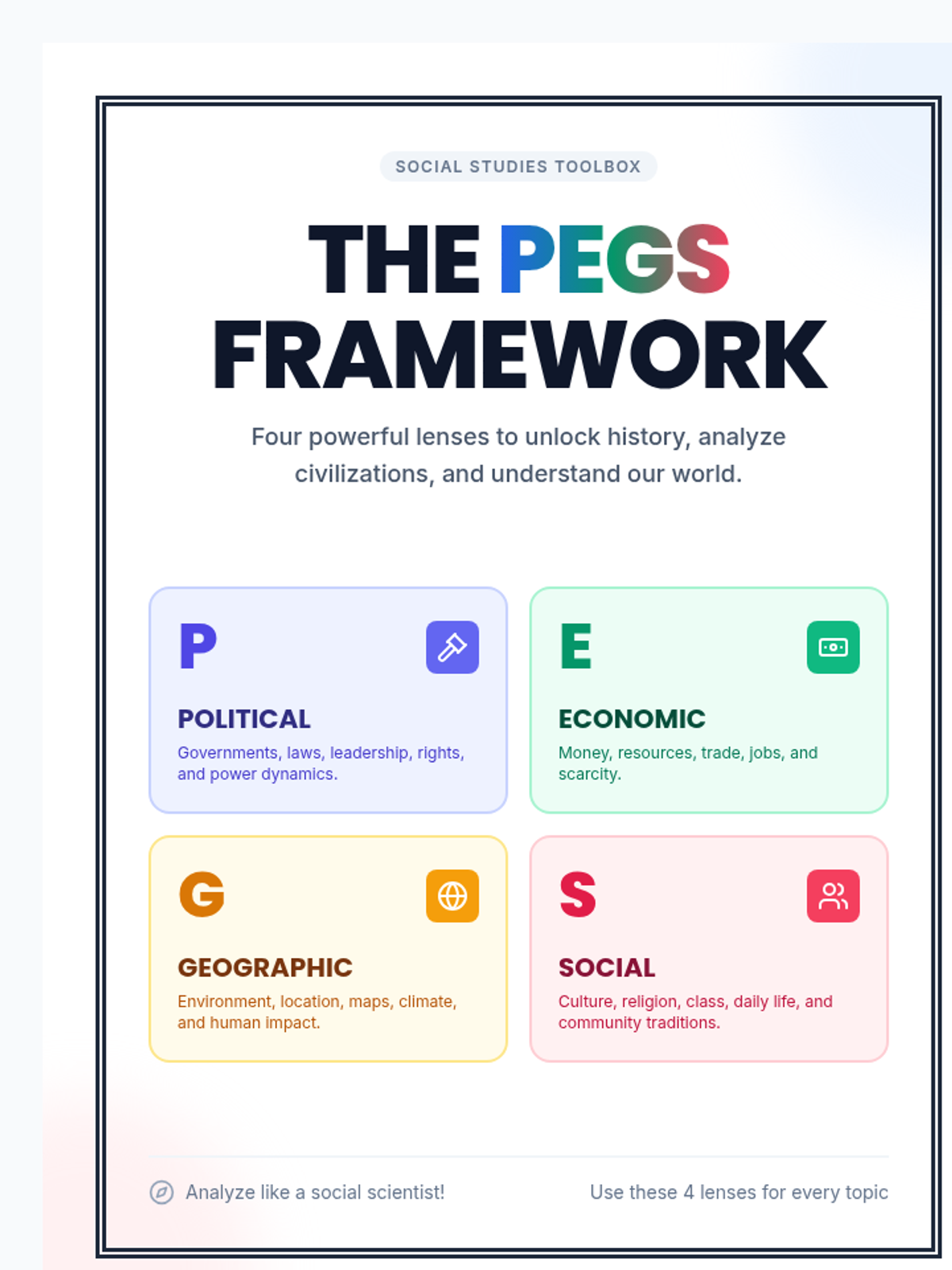
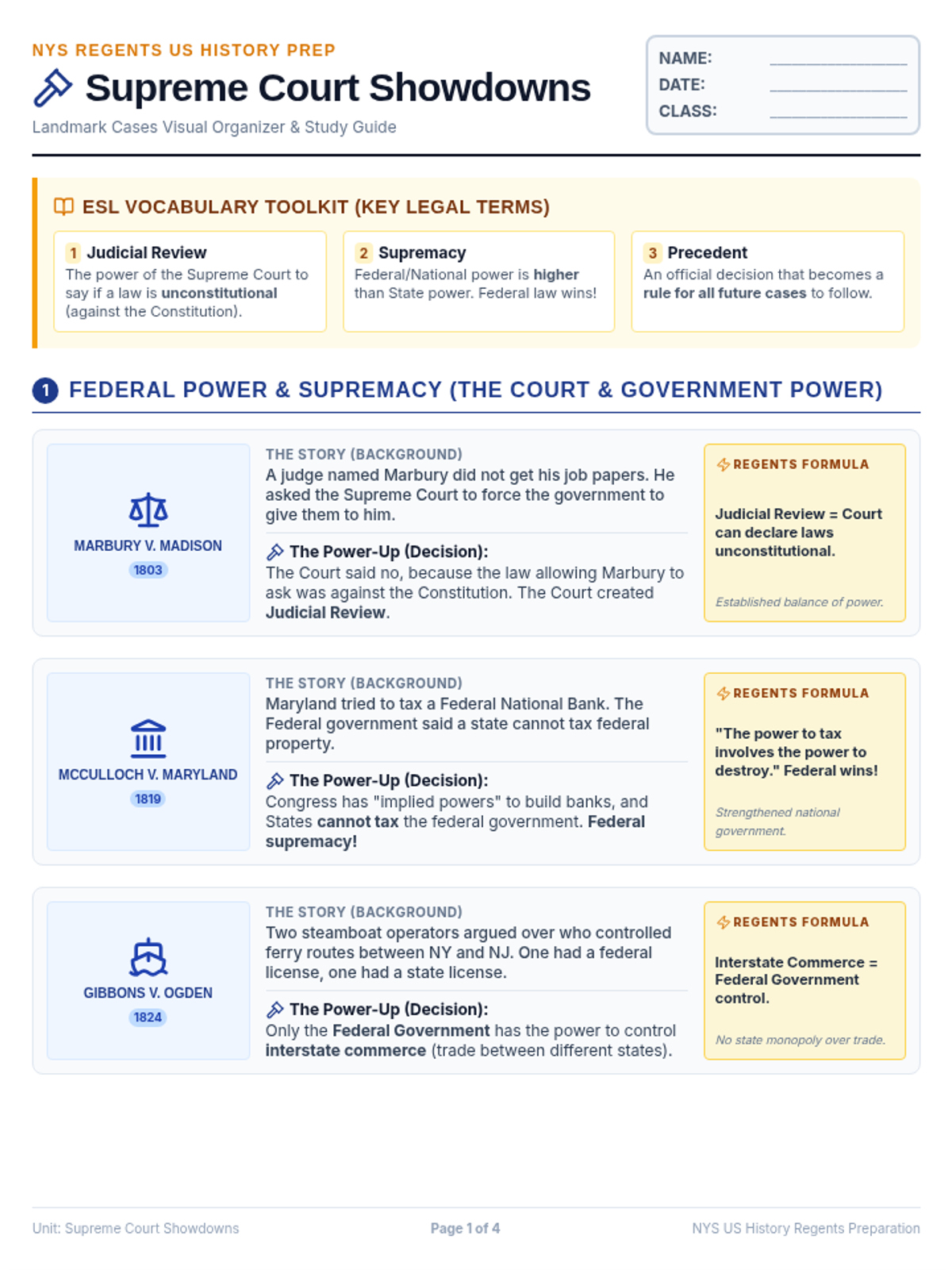
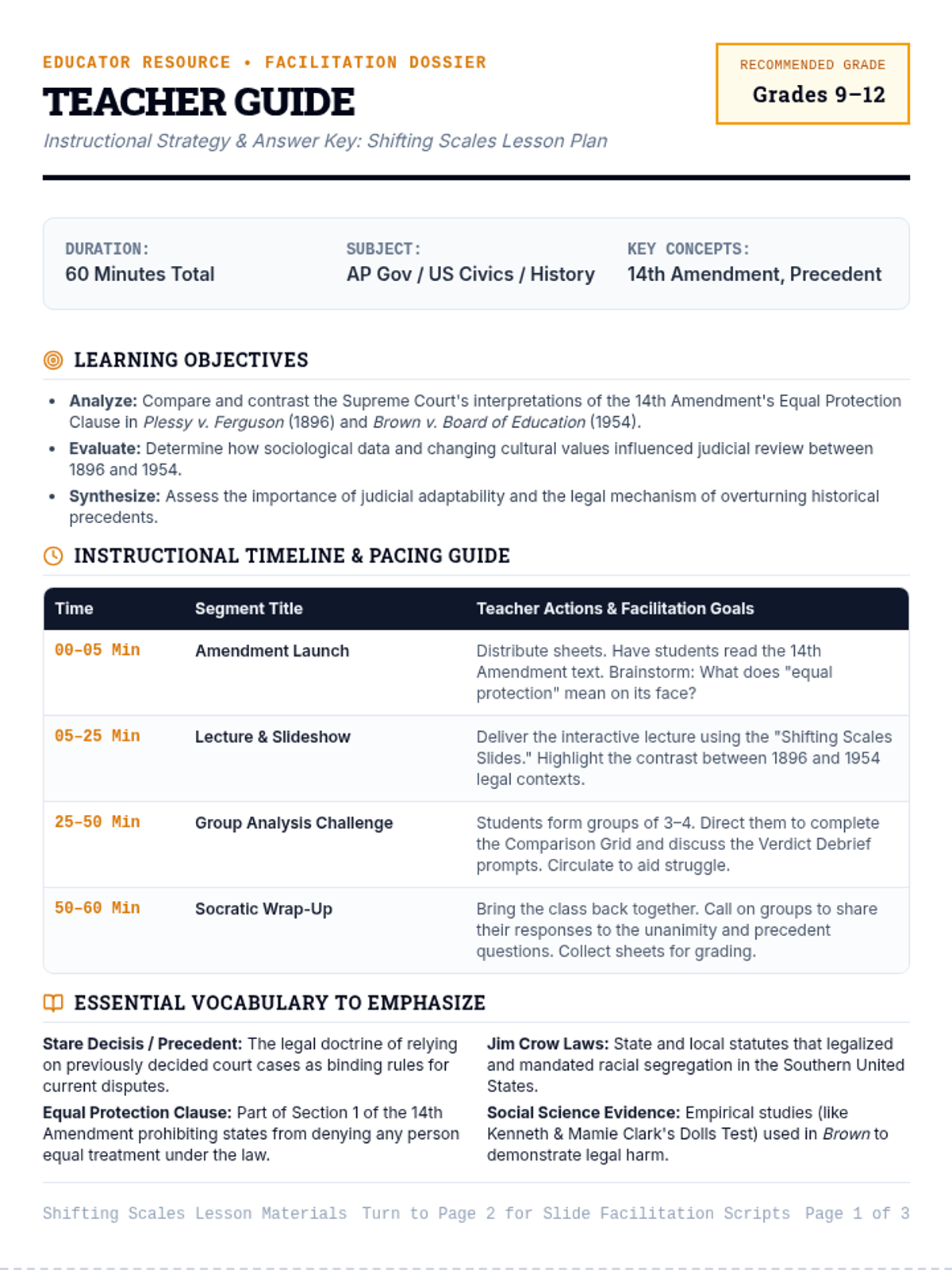
A 45-minute civics lesson exploring the First Amendment through the lens of the landmark Supreme Court case Tinker v. Des Moines, empowering students to understand their rights and responsibilities.
A lesson for kindergarten students introducing the concept of voting, fairness, and the historical struggle for voting rights through the story of Rosa Parks.
A comprehensive exploration of the United States presidential election process, from primary campaigns and national conventions to the Electoral College and Inauguration Day.
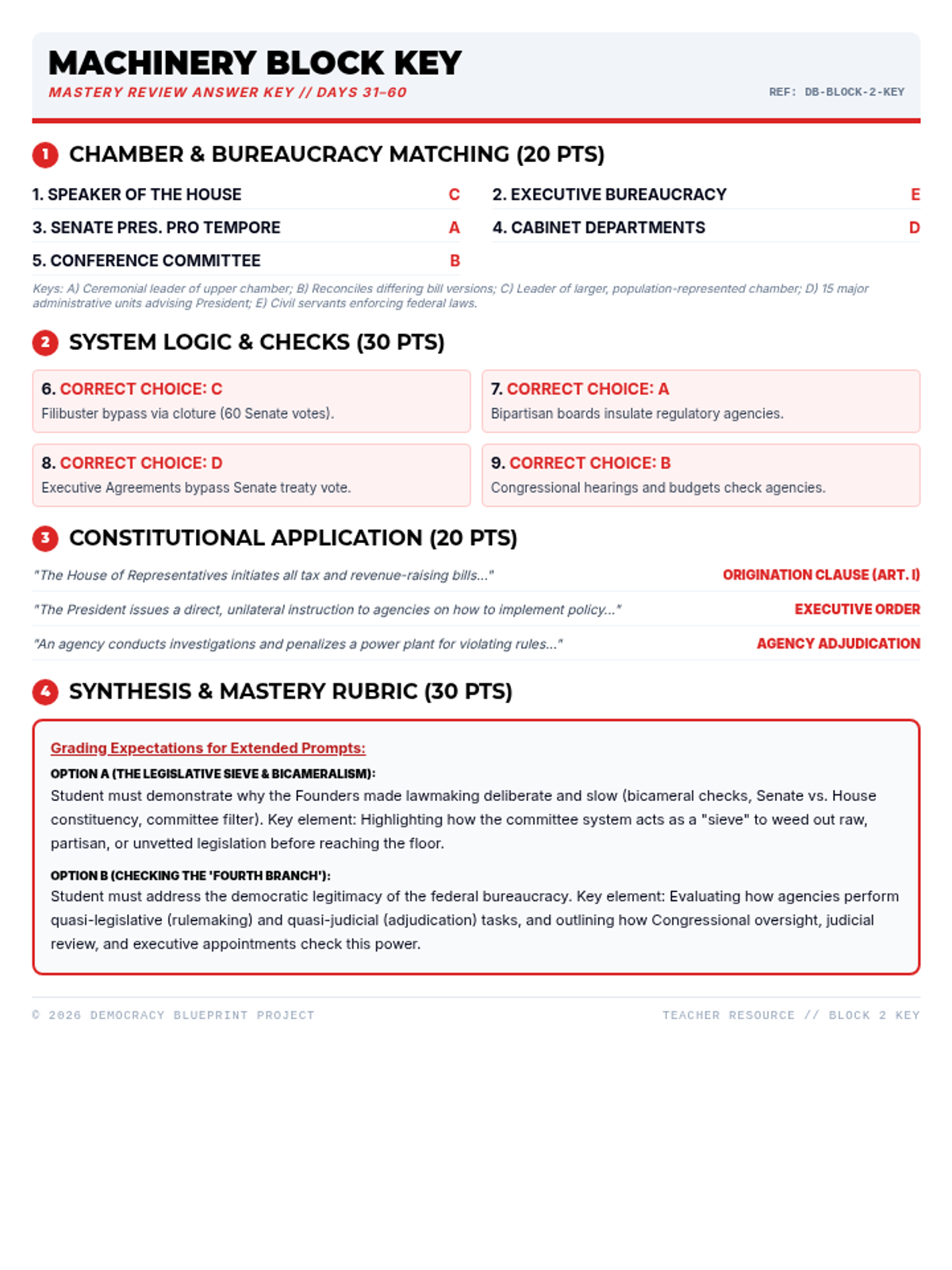
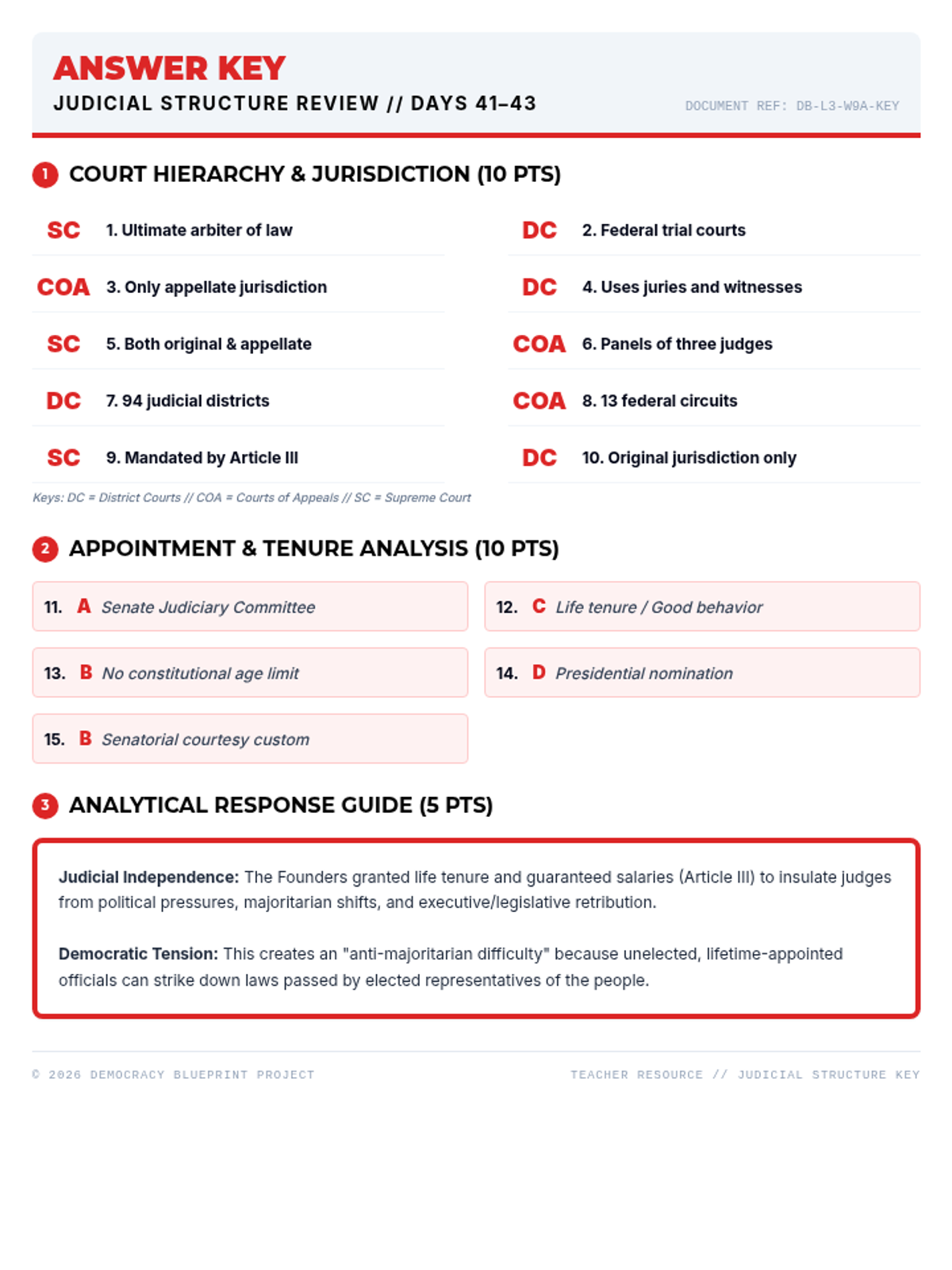
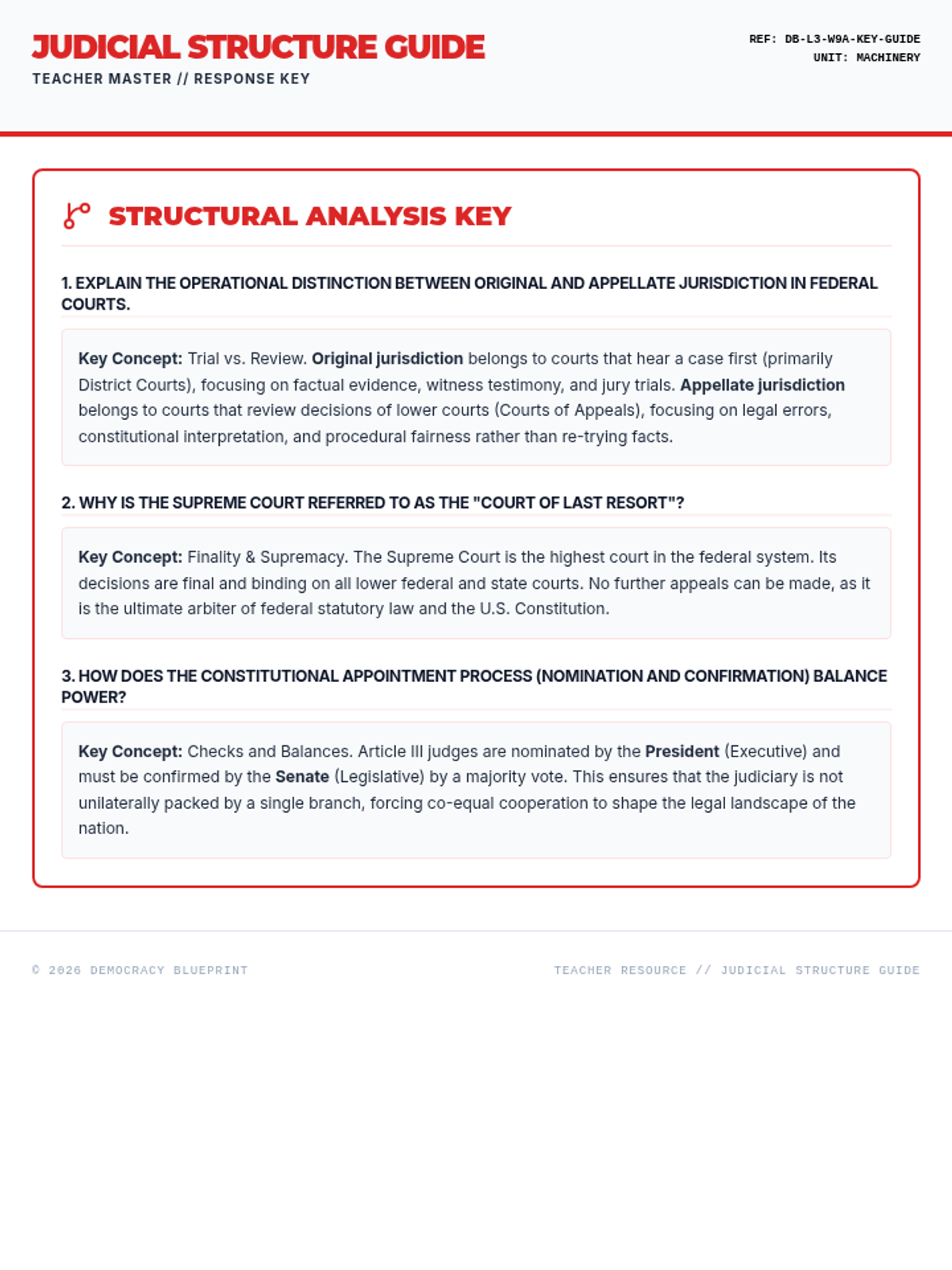
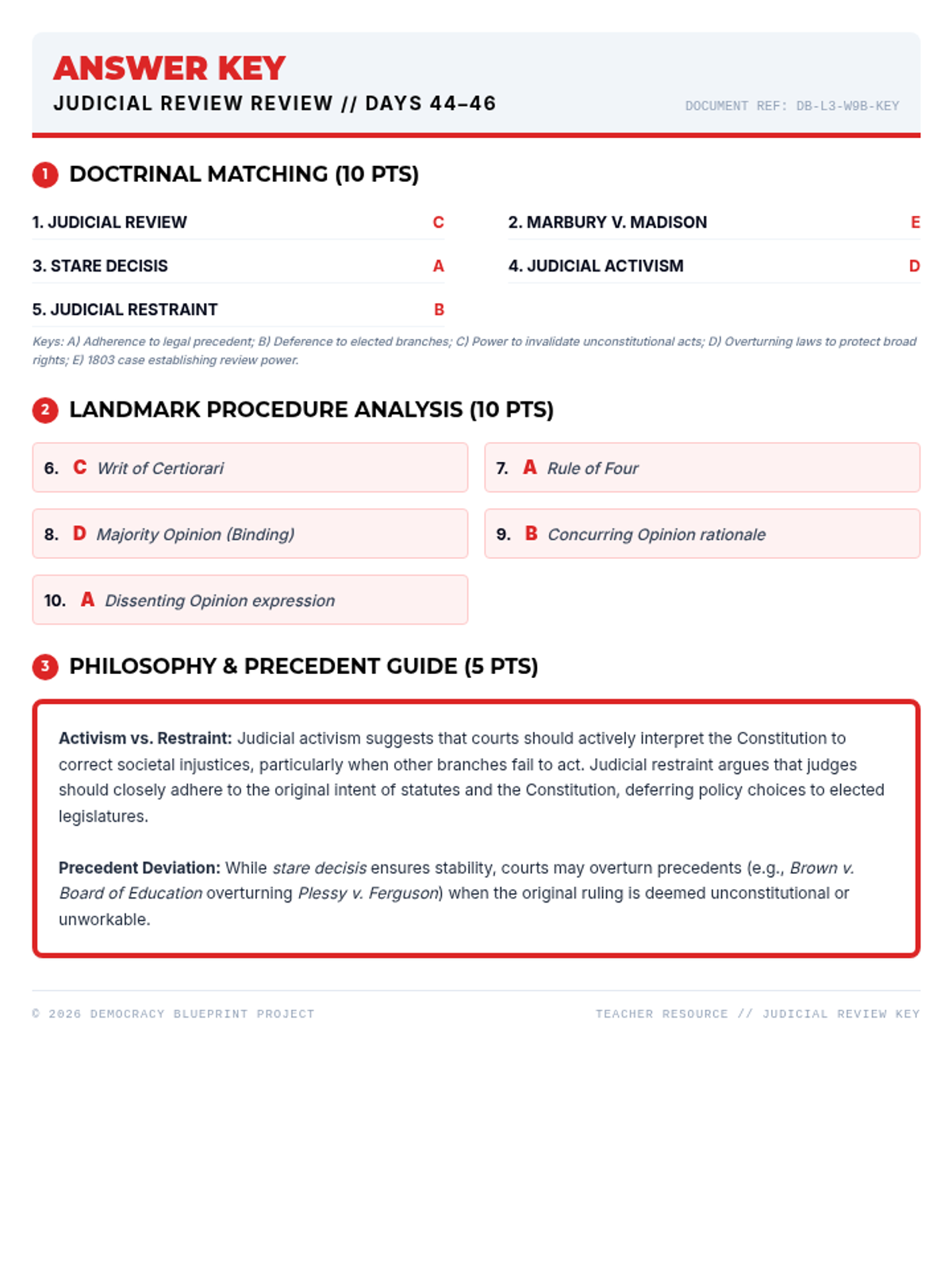
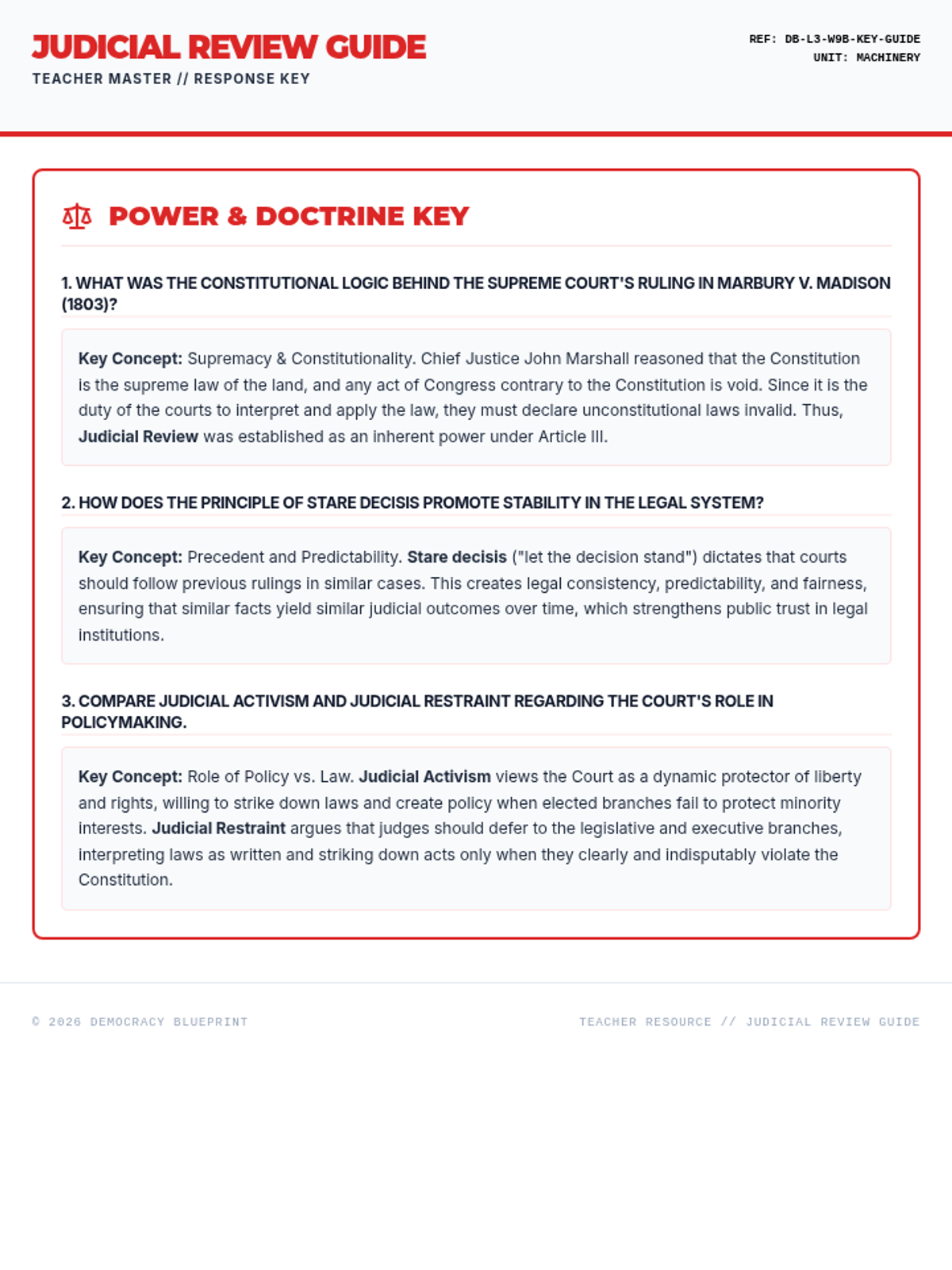
An exploration of the three branches of the United States government—Legislative, Executive, and Judicial—and the system of checks and balances that ensures no single branch becomes too powerful.
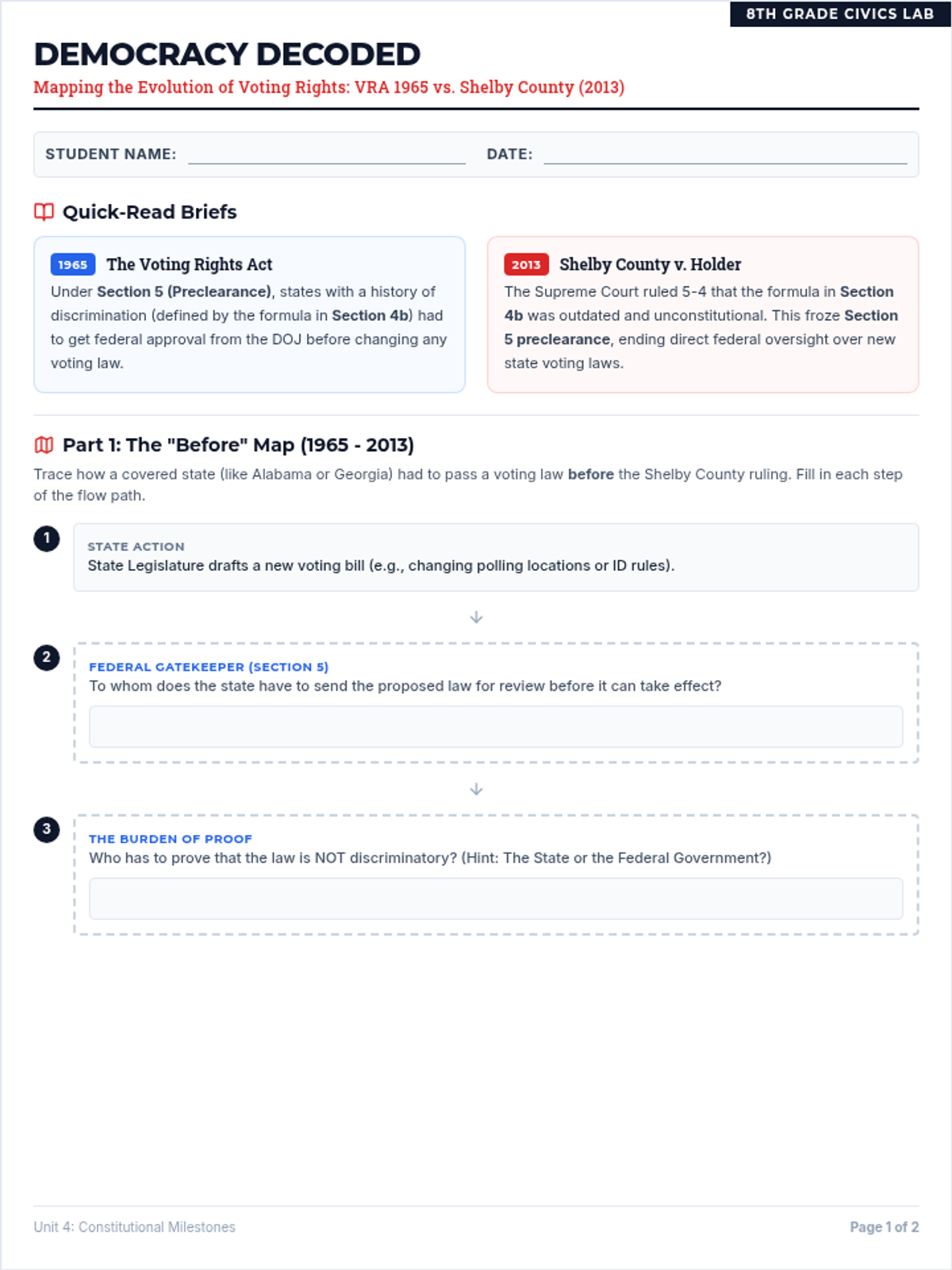
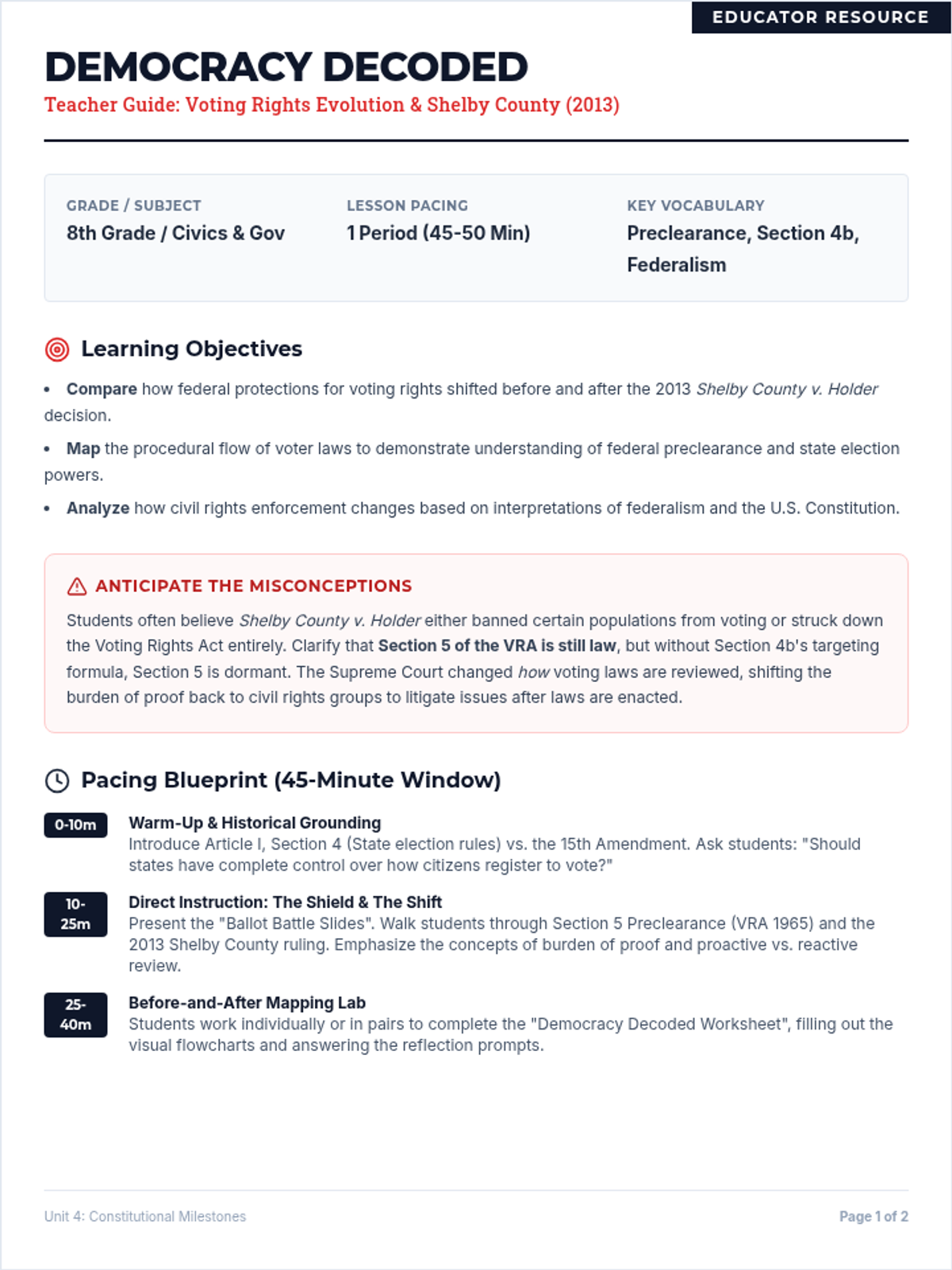
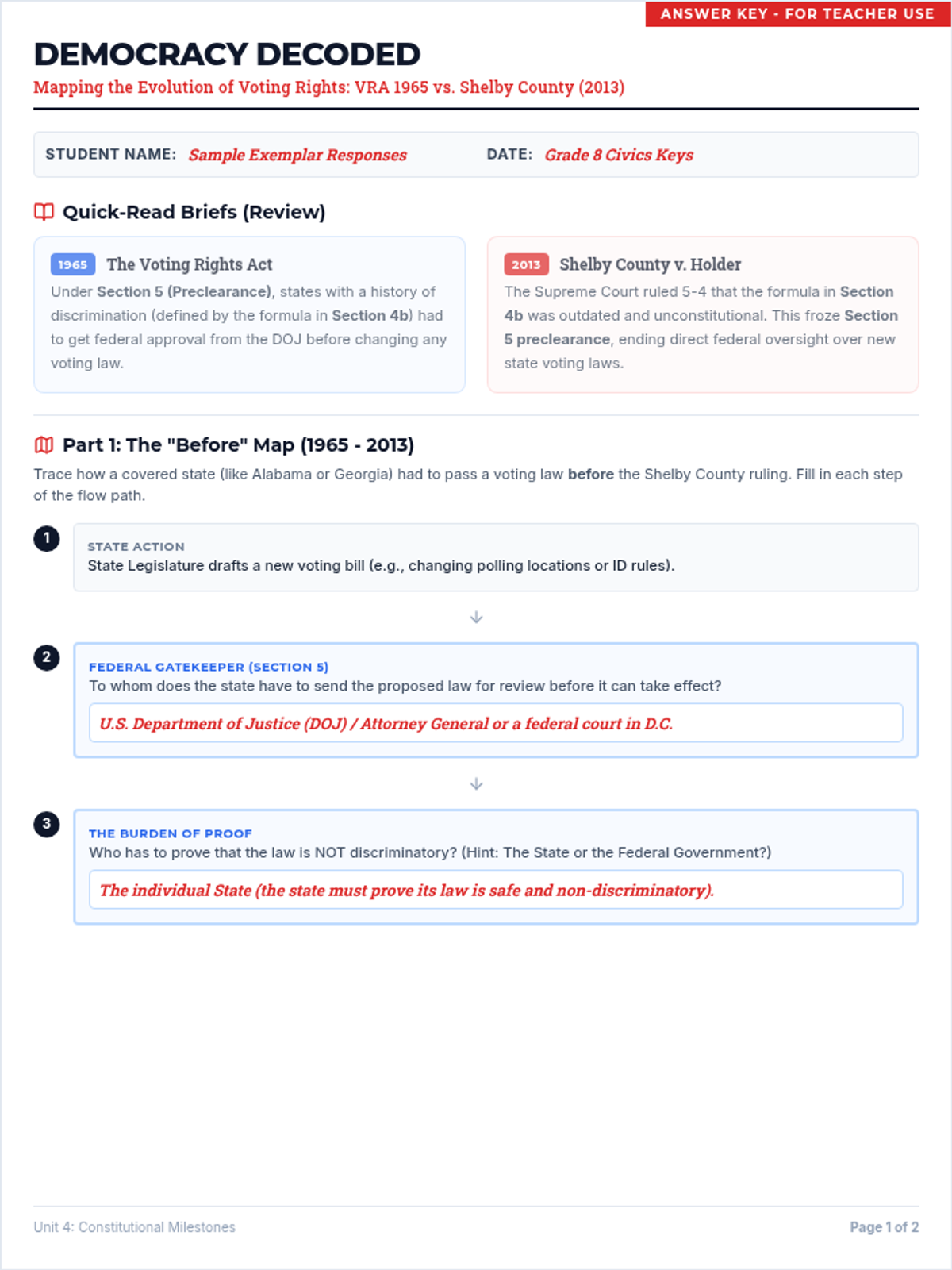
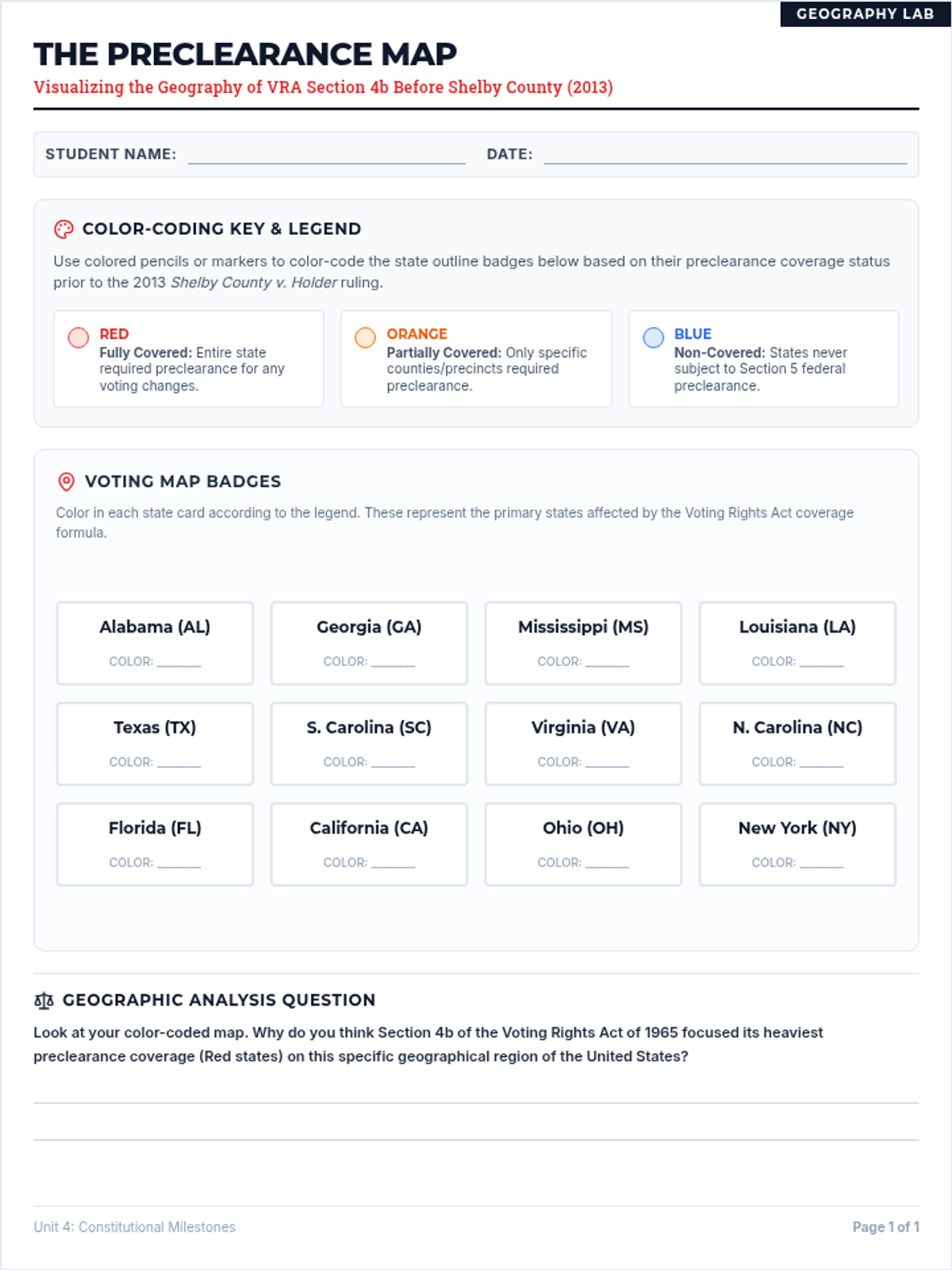
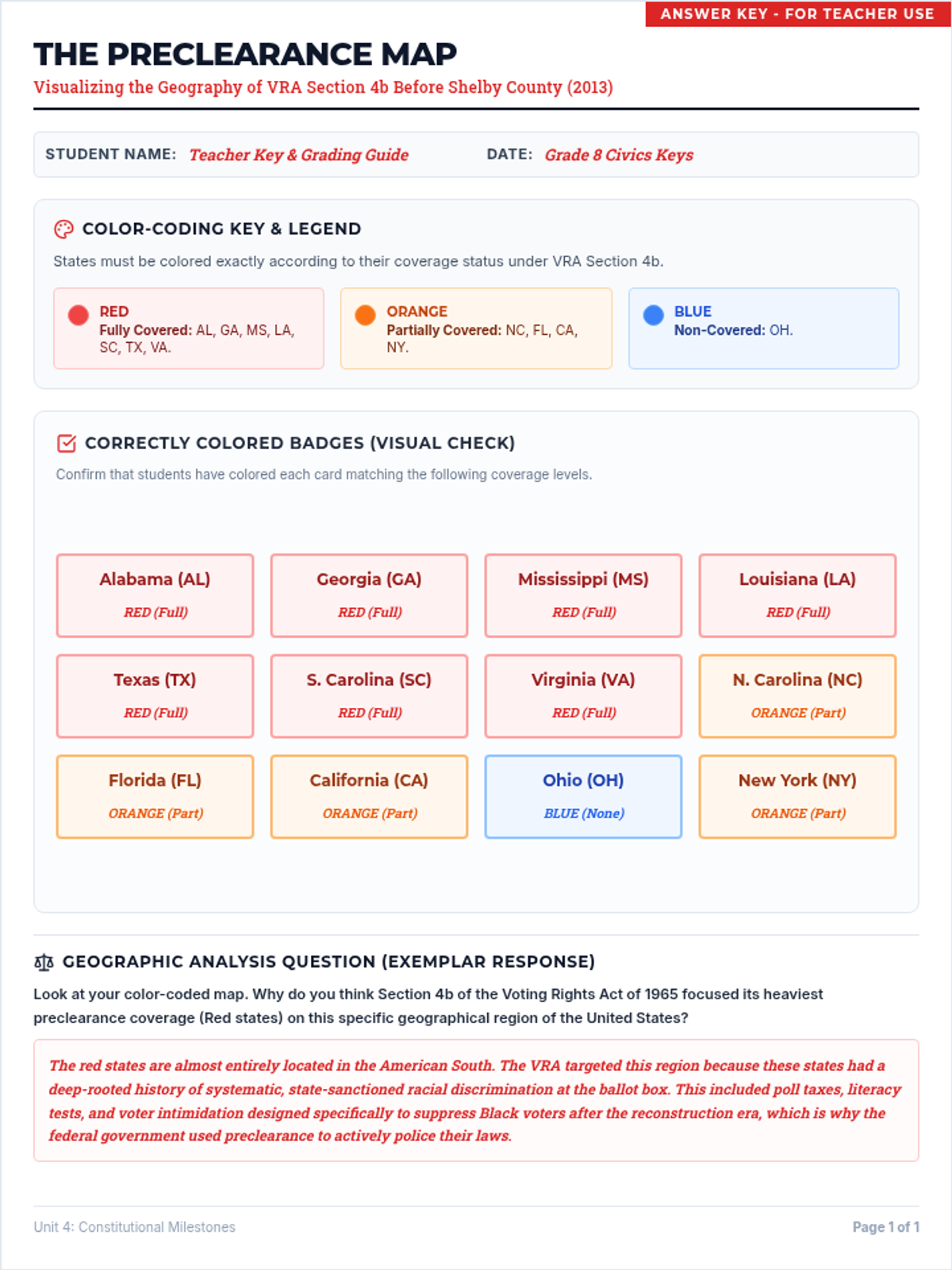
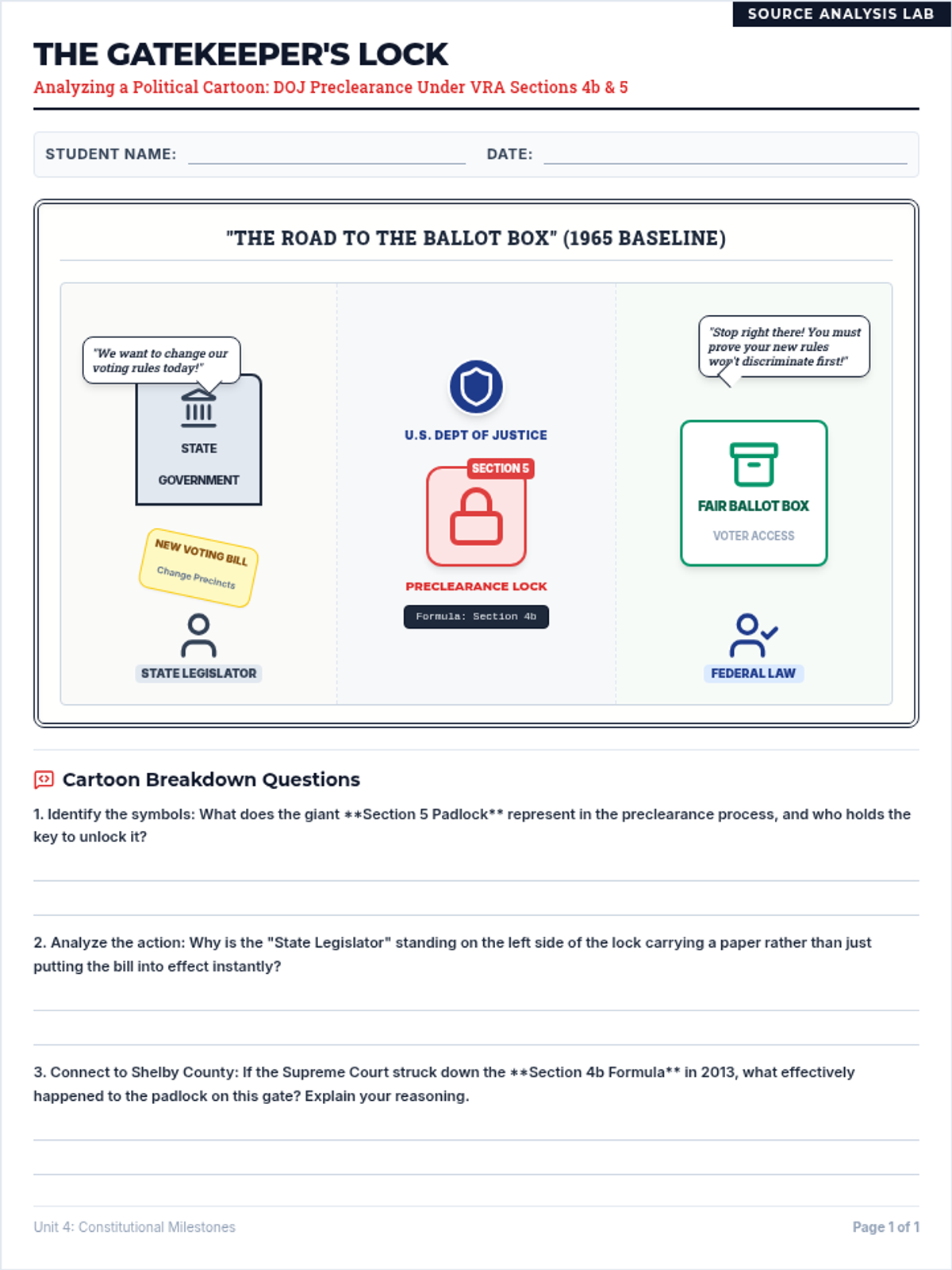
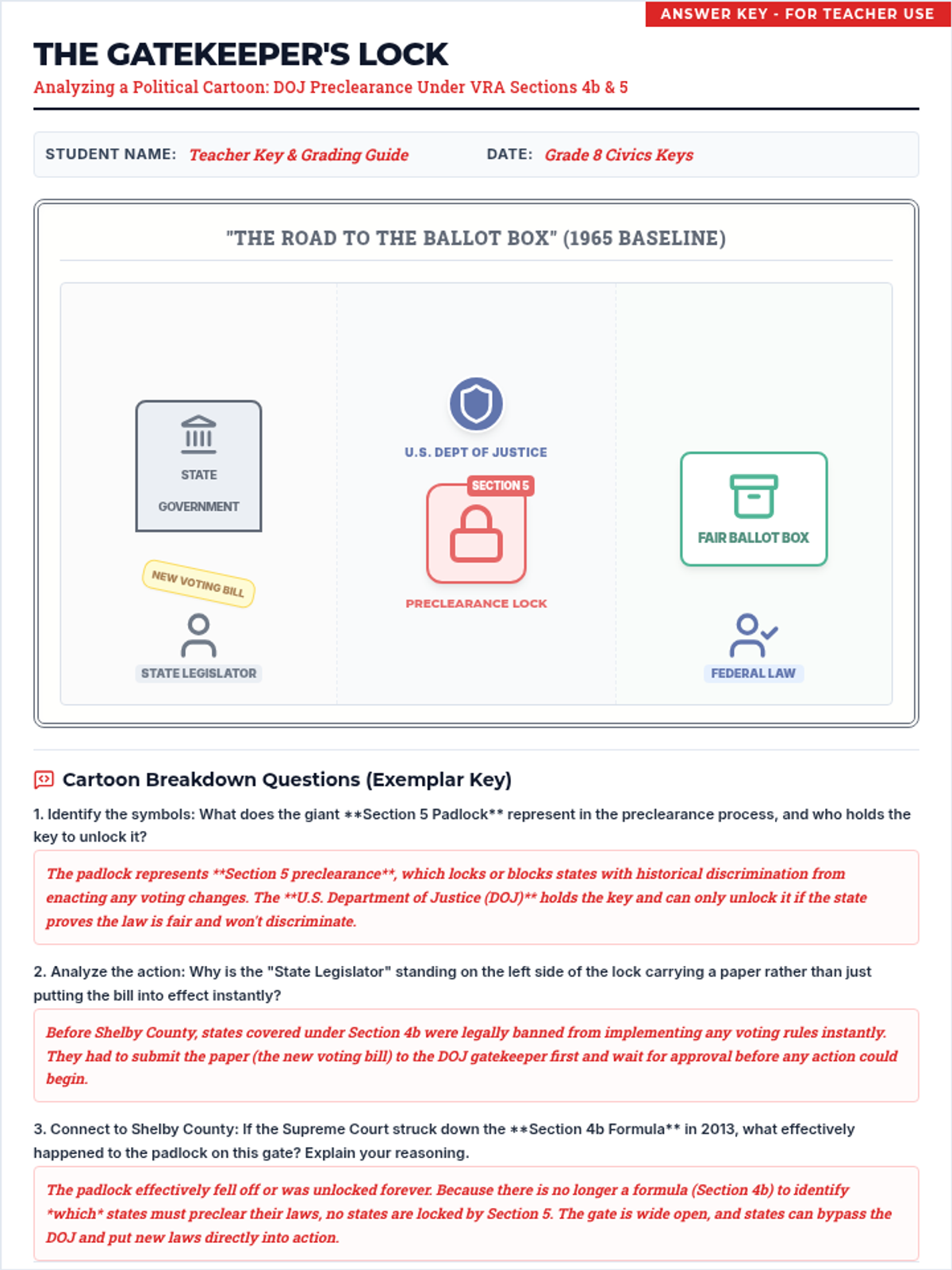
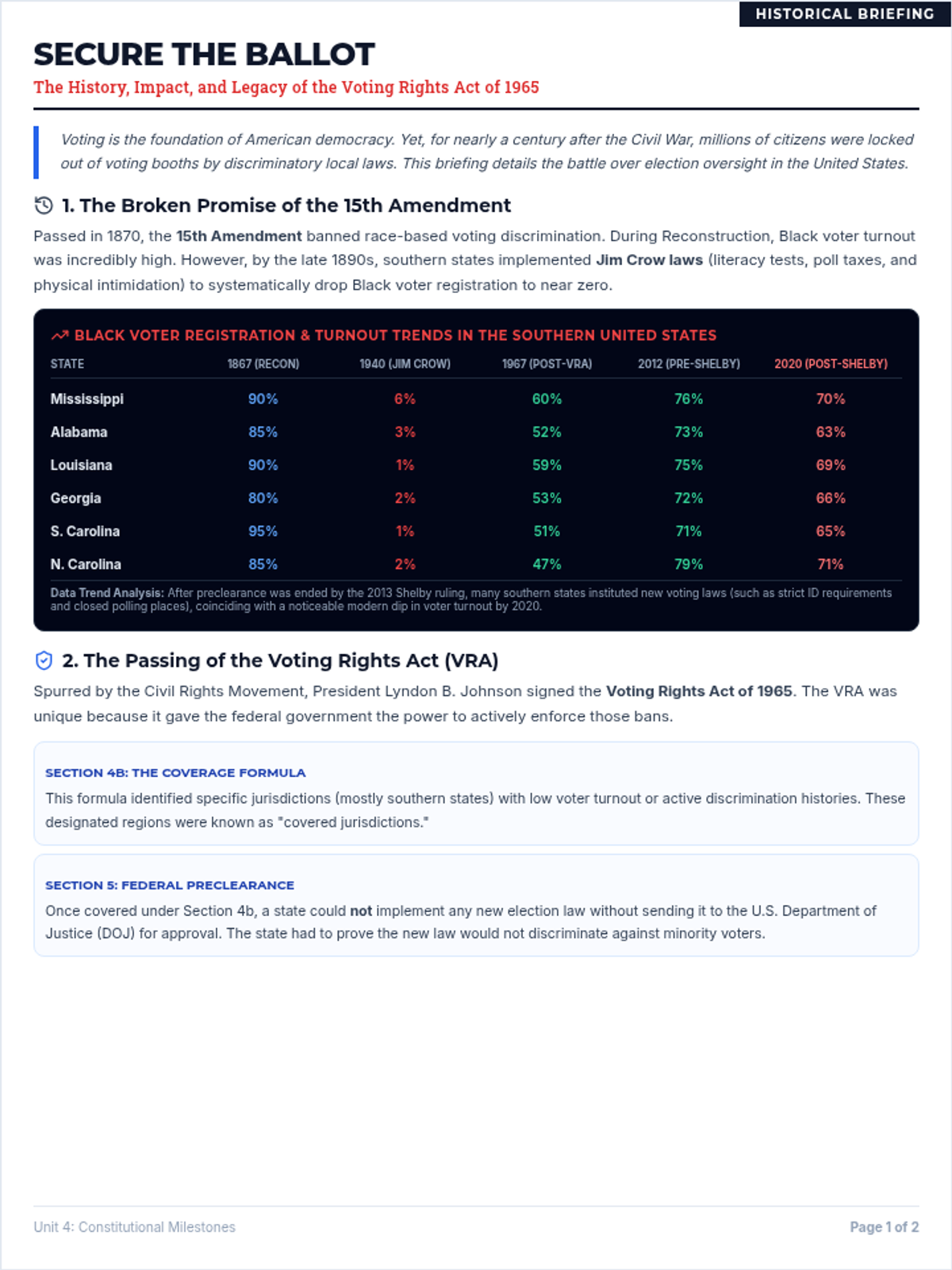
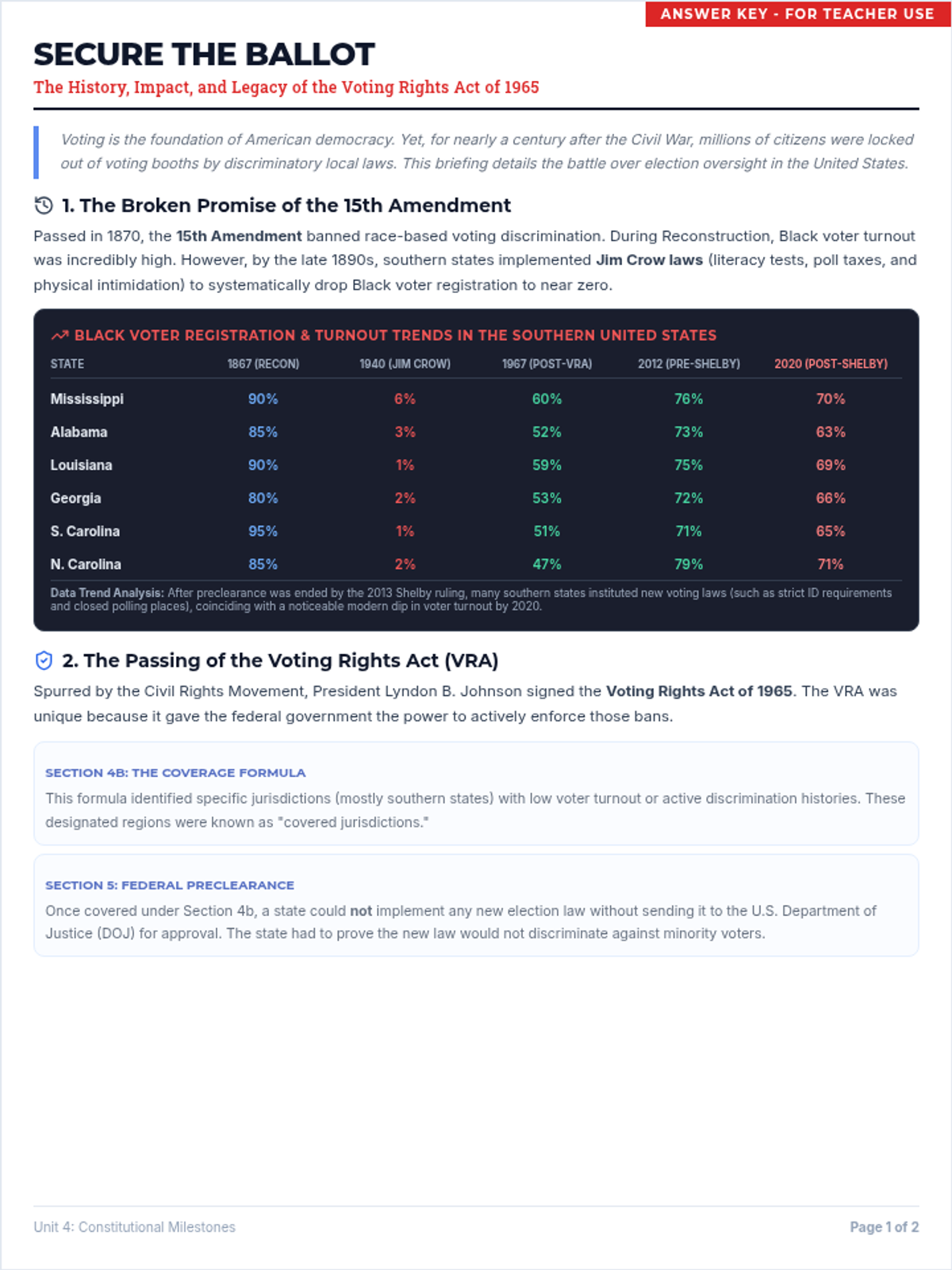
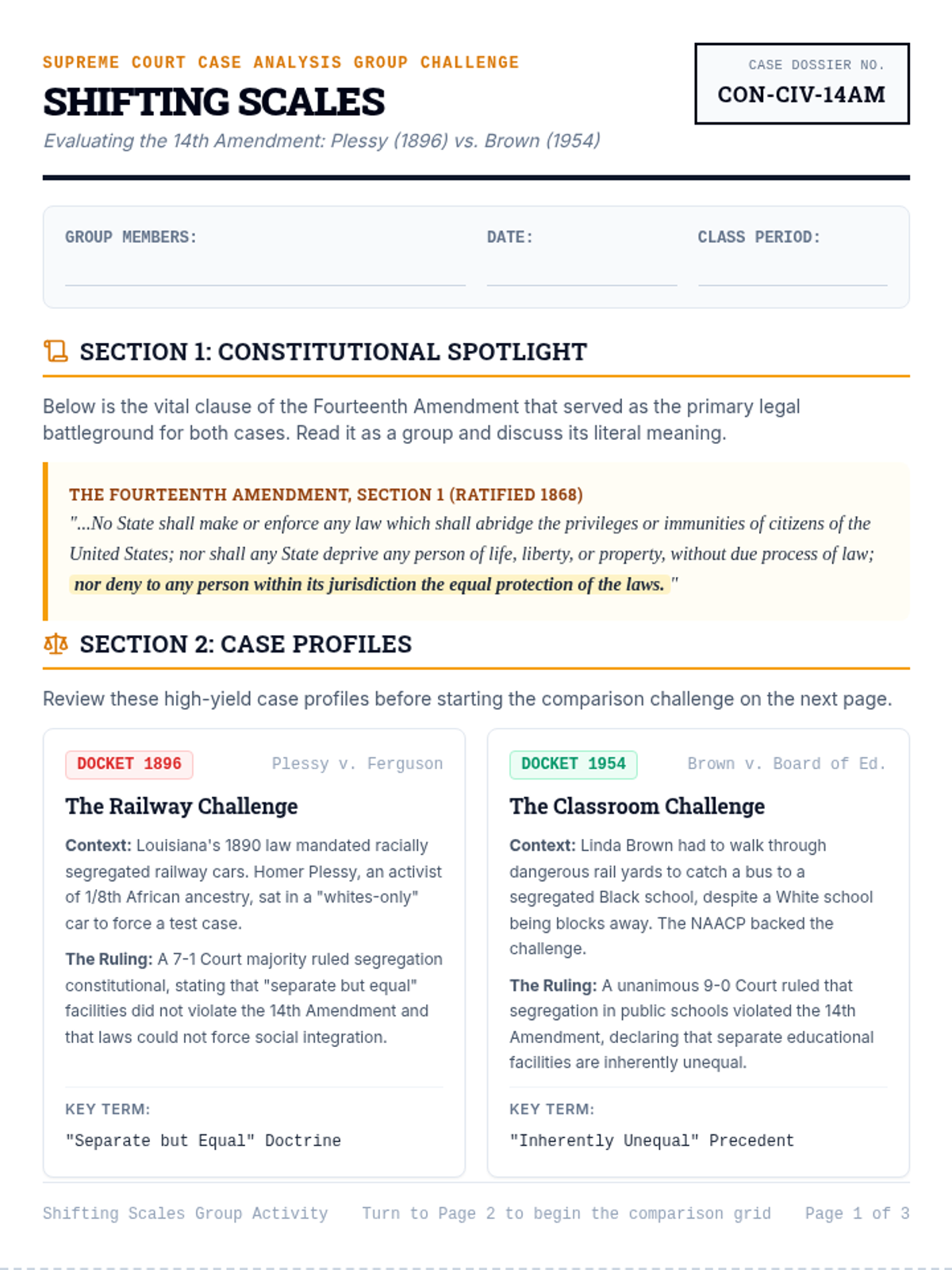
An exploration of voting rights in the United States, tracing the expansion of the franchise through constitutional amendments and the Civil Rights Movement.
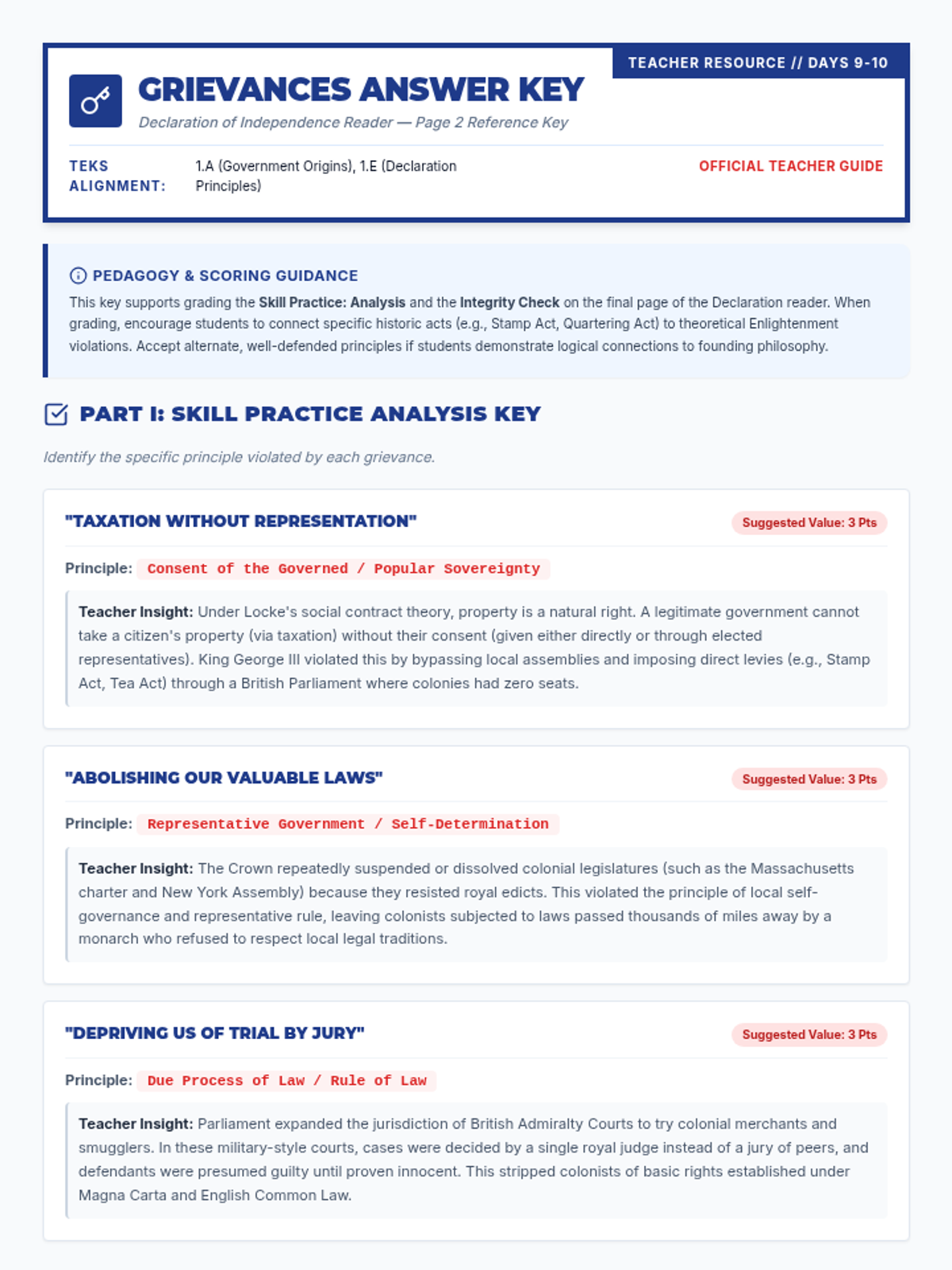
An exploration of the Declaration of Independence, its historical context, key grievances against King George III, and the fundamental principles of American democracy.
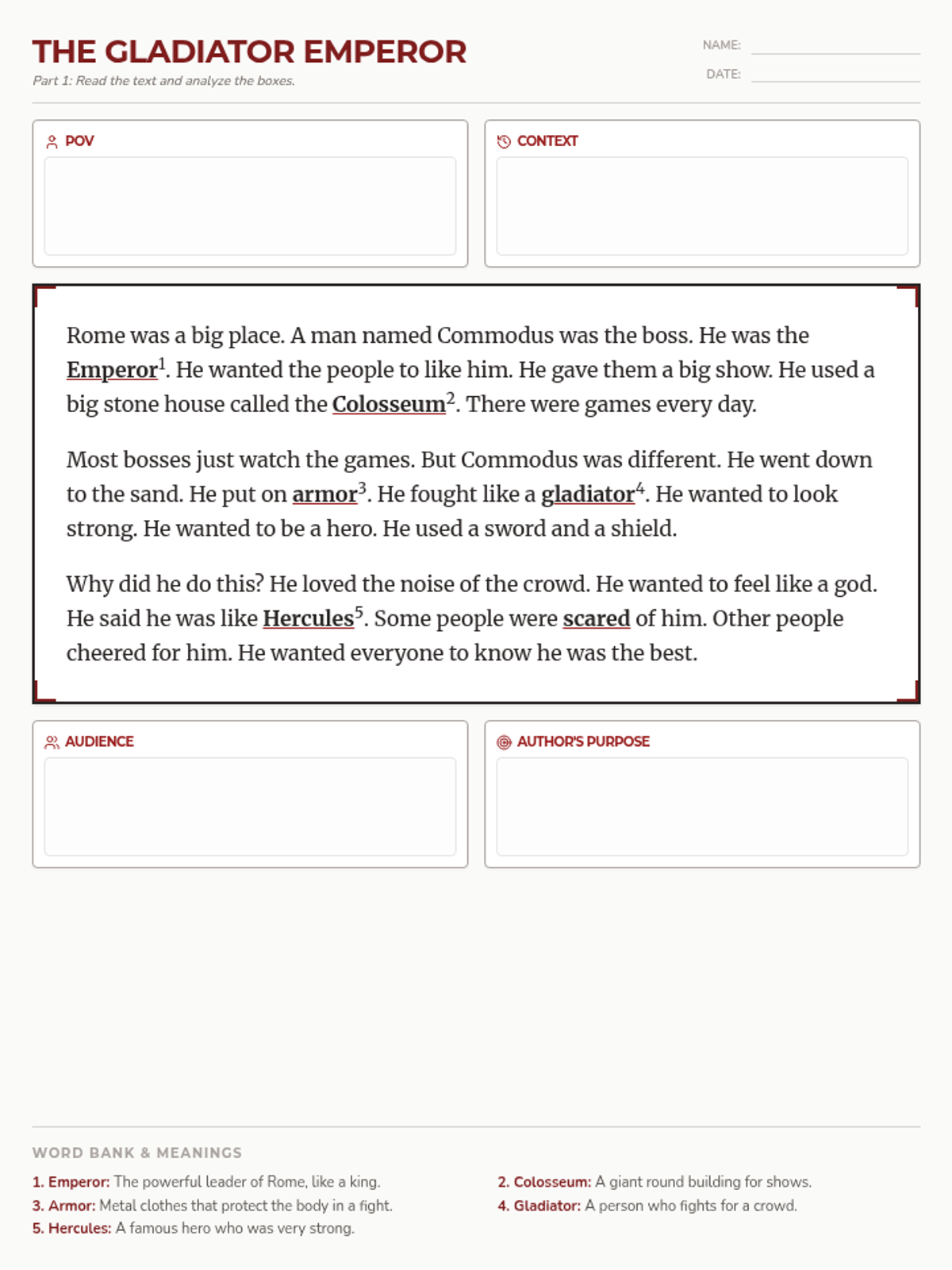
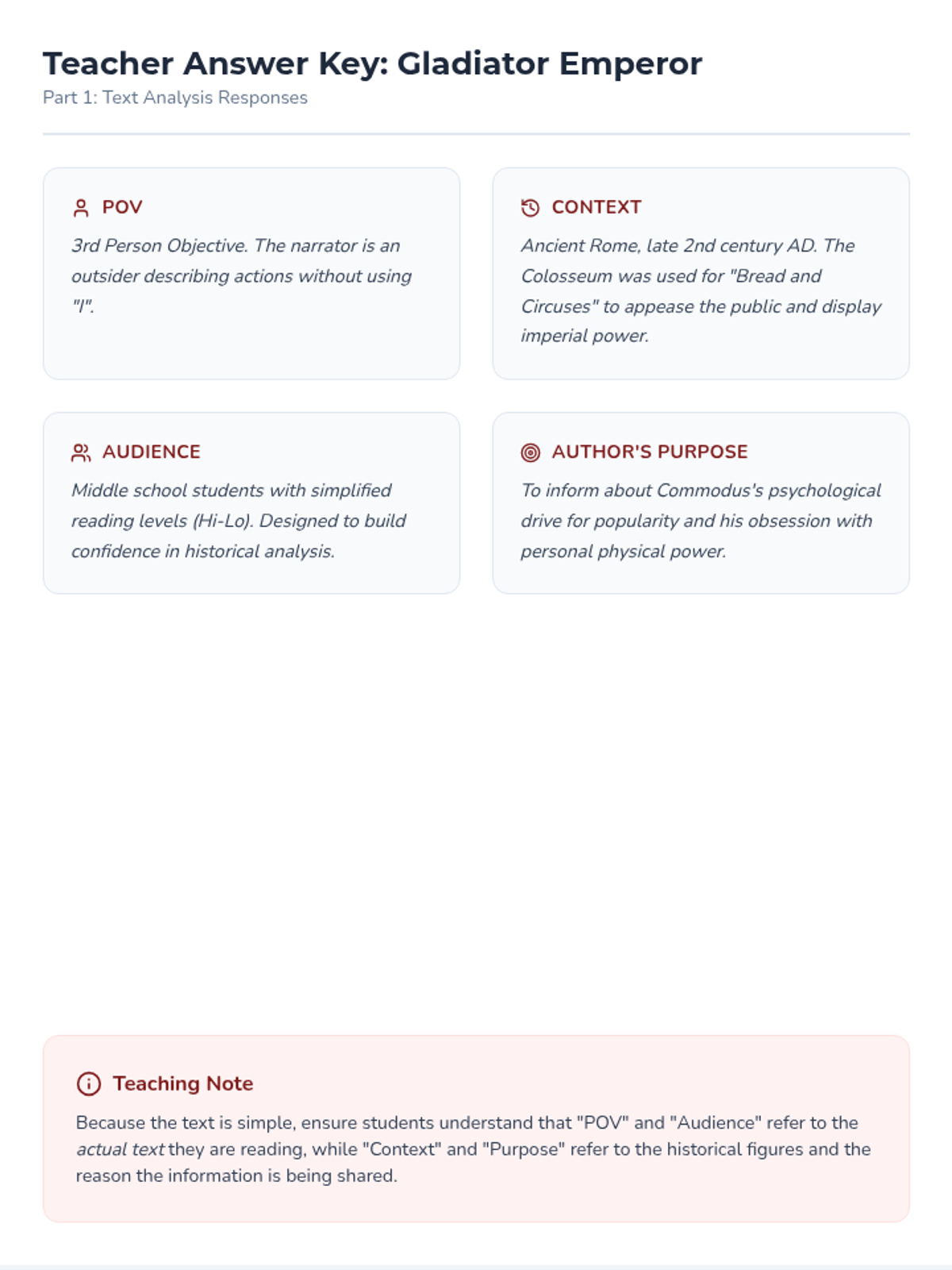
Master the essential terminology of Ancient Rome through visual and descriptive flashcards.
Solve complex multiplication word problems using multiple strategies including arrays and area models.
Track and reflect on daily reading progress with differentiated logs for various ability levels.
Analyze the key figures, events, and documents of the American Civil Rights Movement.
Explore how plants transform sunlight into energy through the process of photosynthesis.
This lesson explores the intersection of psychological principles and public relations strategies, designed for university-level teacher training. It covers behavioral influence, cognitive biases, and ethical communication frameworks.
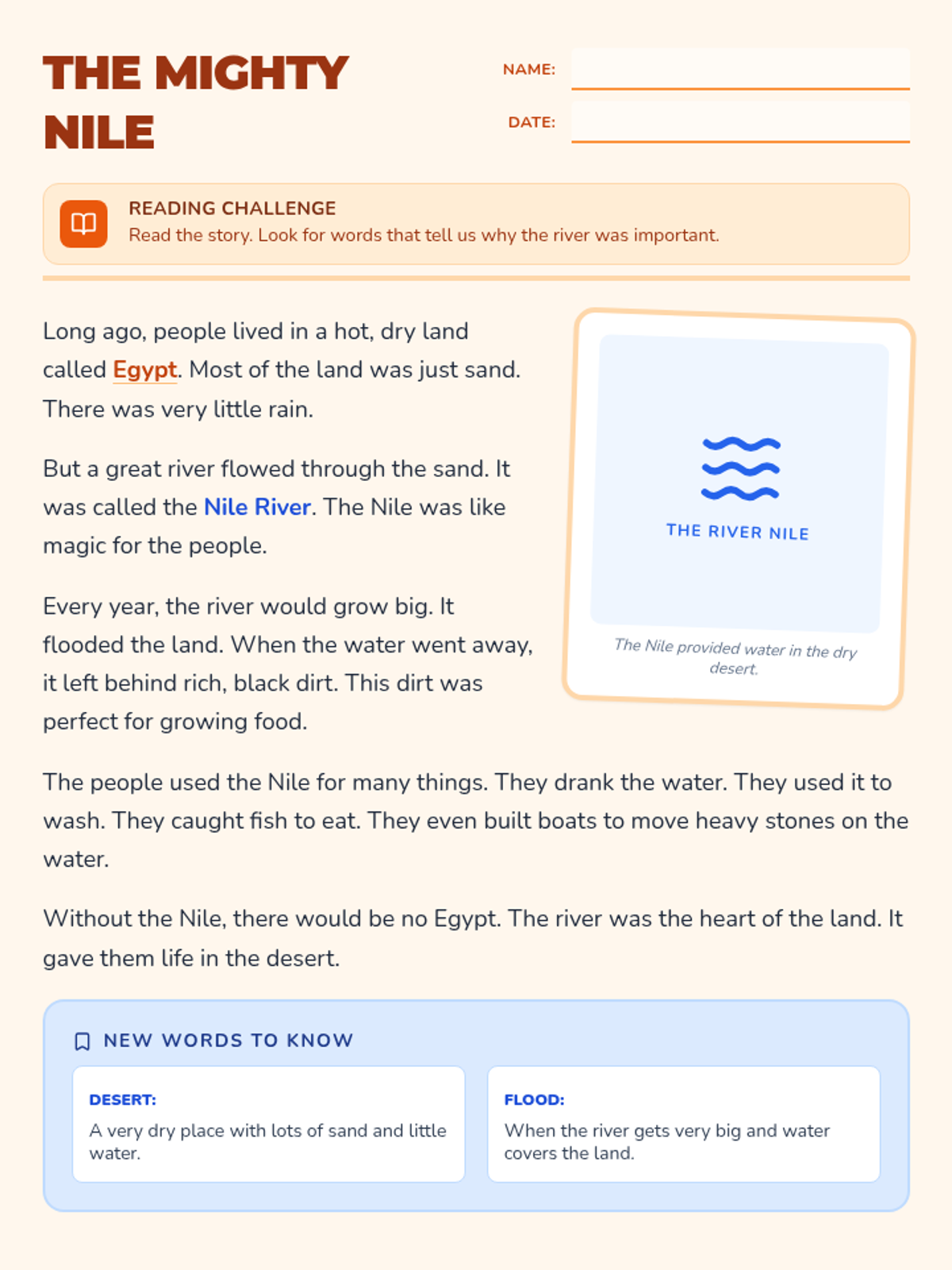
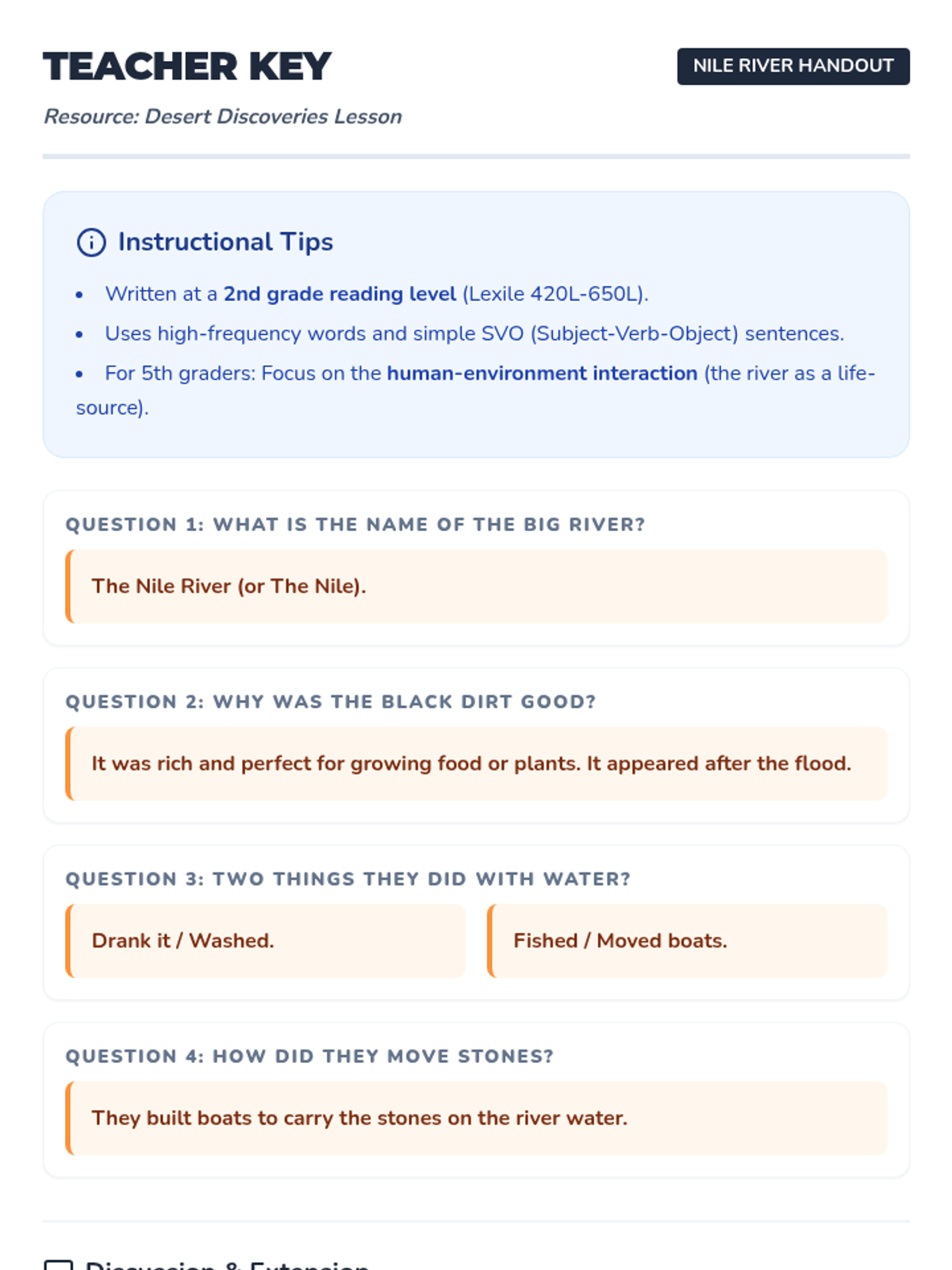
A deep dive into Ancient Rome covering geography, daily life, government, and lasting contributions tailored for 3rd grade Virginia SOLs. Students explore the physical environment of the Mediterranean and how Romans adapted to their surroundings through engineering and trade.
A reflective lesson where students explore the poetic beauty and personal significance of the Psalms, choosing a specific passage to analyze and connect with their own lives.
Discover the shape of our nation through the US Map and review all symbols with a sorting challenge.
Explore the history and meaning of the Liberty Bell and the White House as symbols of independence and leadership.
Introduce the concept of national symbols and focus on the American Flag and the Bald Eagle as symbols of freedom and strength.
A lesson investigating the political instability that led to the Fall of Rome, featuring differentiated evidence files for diverse reading levels. Students work collaboratively to diagnose the empire's 'political sickness.'
Students explore the core tenets of Confucianism, Taoism, and Buddhism by analyzing three alternative endings to the Avatar: The Last Airbender series, each reflecting a different Eastern philosophy.
A comprehensive look at the legislative process, providing differentiated reading materials for 4th, 5th, and 7th-grade students to understand how an idea transforms into a federal law.
A deep dive into the Gilded Age focusing on the rapid growth of industry, the rise of cities, and the complex web of political machines through a hands-on hexagonal matching activity.
An examination of how individuals are influenced by others, covering obedience, conformity, group dynamics, and social cognition.
An exploration of human memory systems, including encoding, storage, and retrieval, as well as the fallibility of memory and forgetting.
A study of classical and operant conditioning, examining how organisms learn from their environment through associations and consequences.
An investigation into how the brain interprets sensory information, exploring the limits of sensation and the constructive nature of perception.