A deep dive into the Gilded Age focusing on the rapid growth of industry, the rise of cities, and the complex web of political machines through a hands-on hexagonal matching activity.
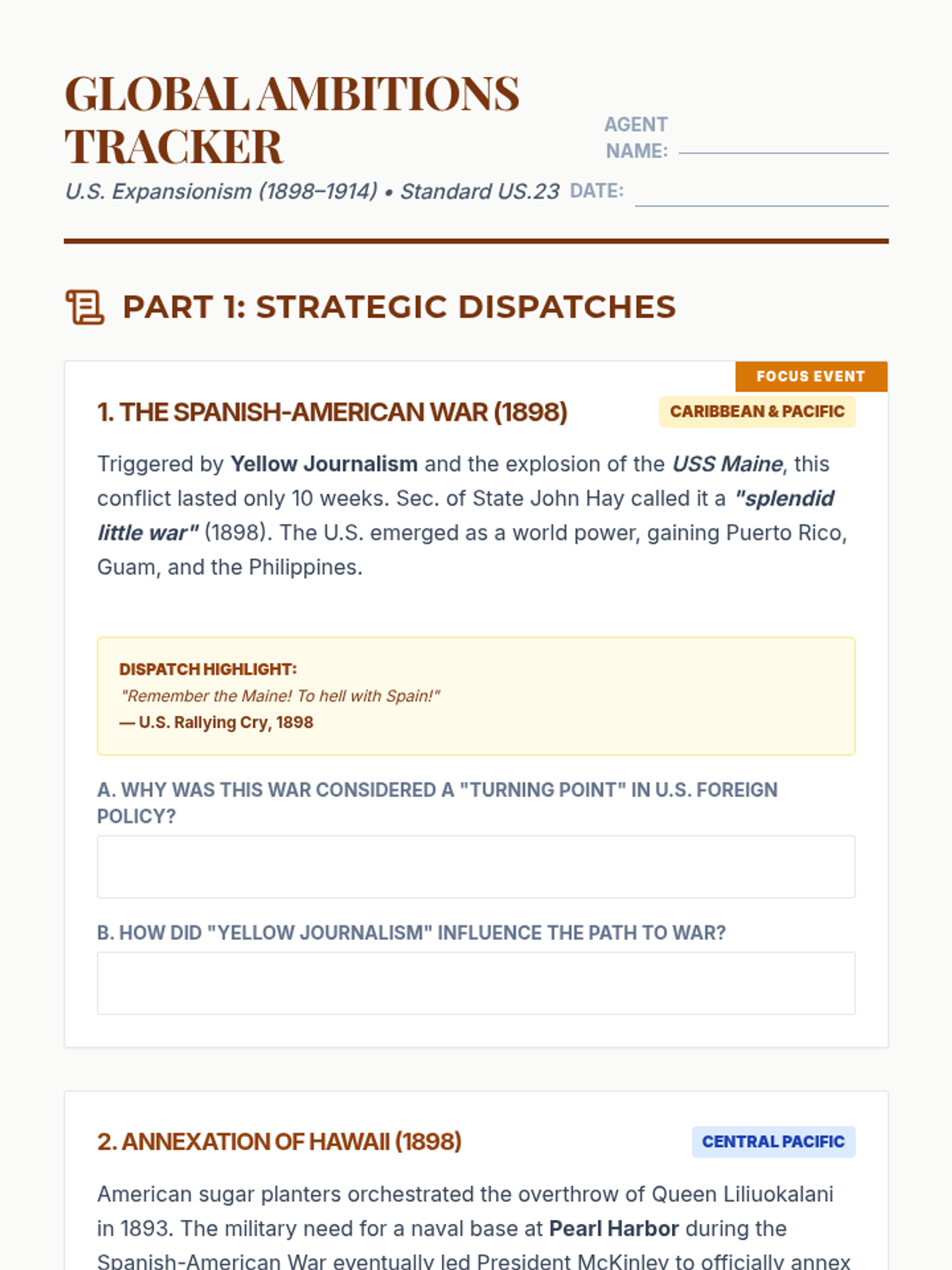
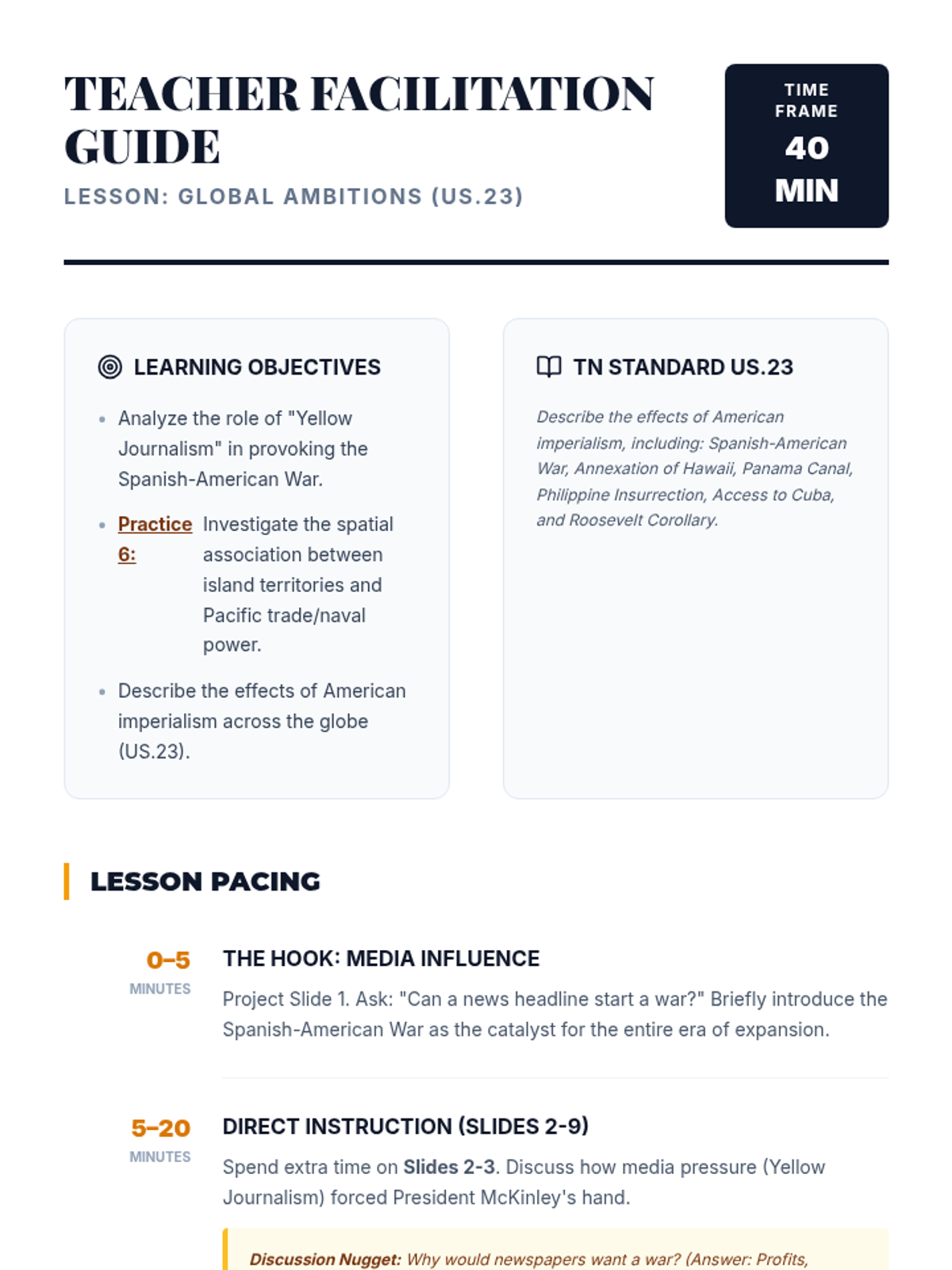
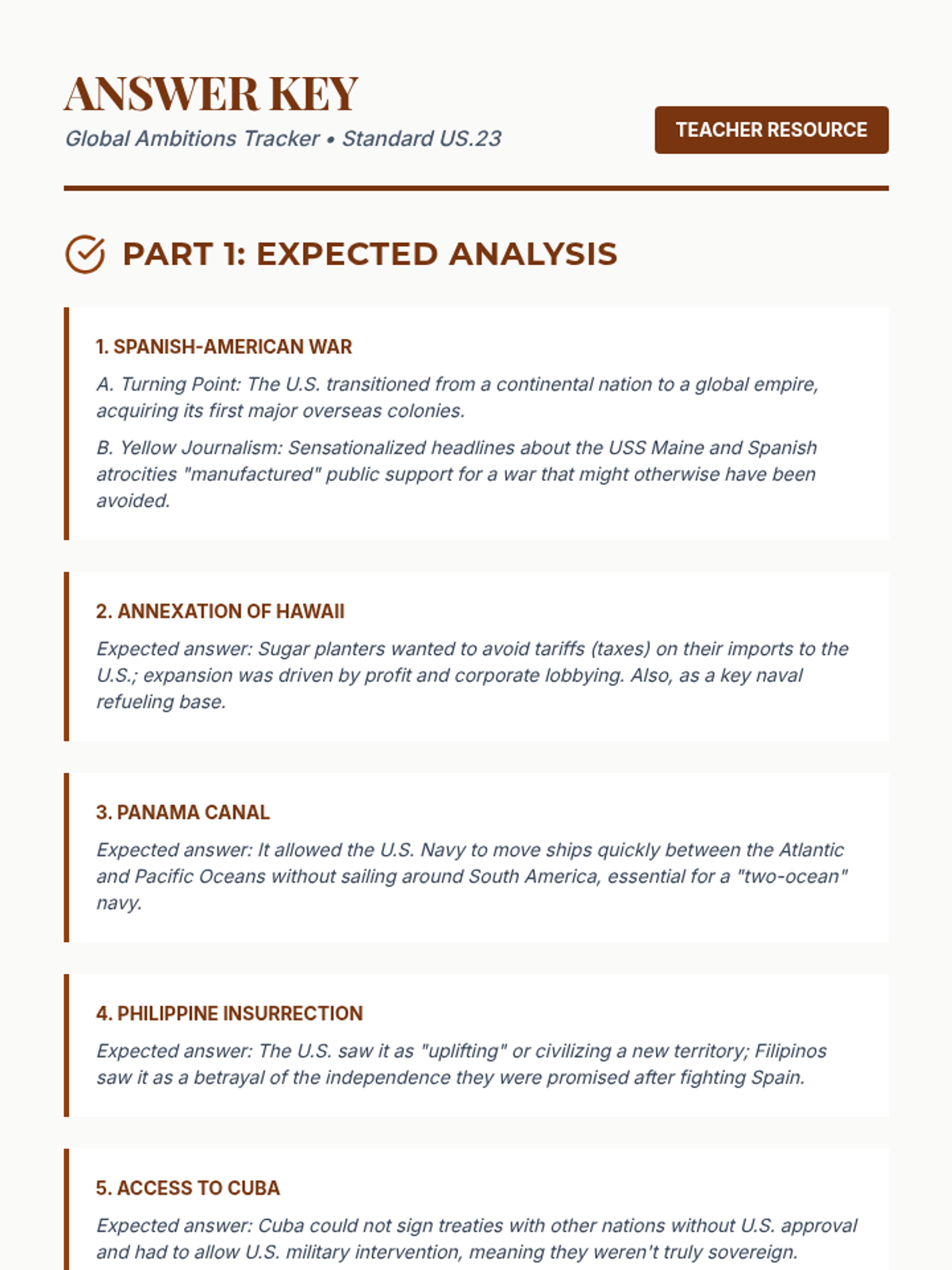
A comprehensive 40-minute exploration of late 19th and early 20th-century American expansionism, covering key events from the Spanish-American War to the Roosevelt Corollary through guided reading and cartographic analysis.
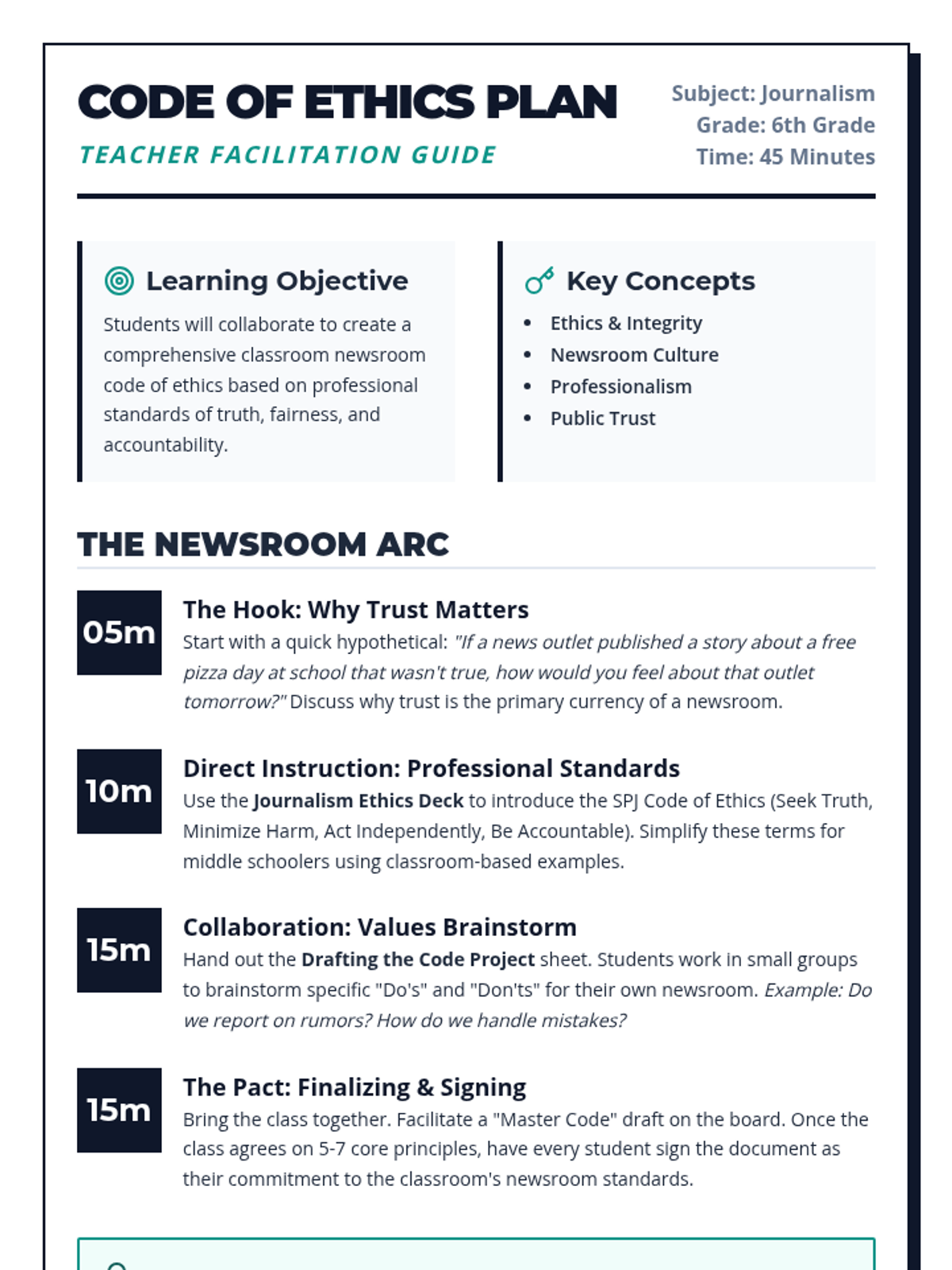
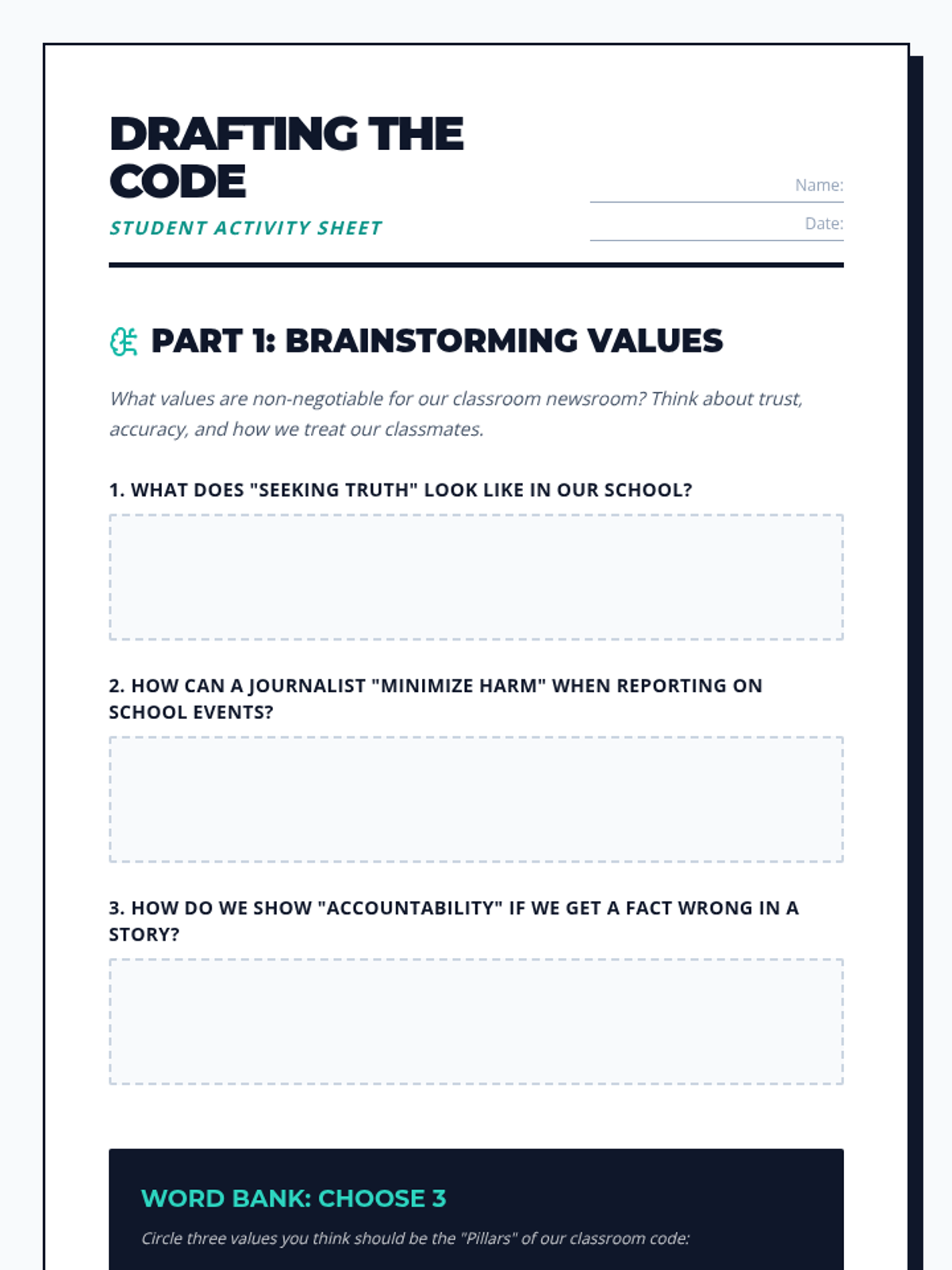
Students explore the foundations of professional journalism ethics to collaboratively build a code of conduct for their classroom newsroom, focusing on truth, fairness, and accountability.
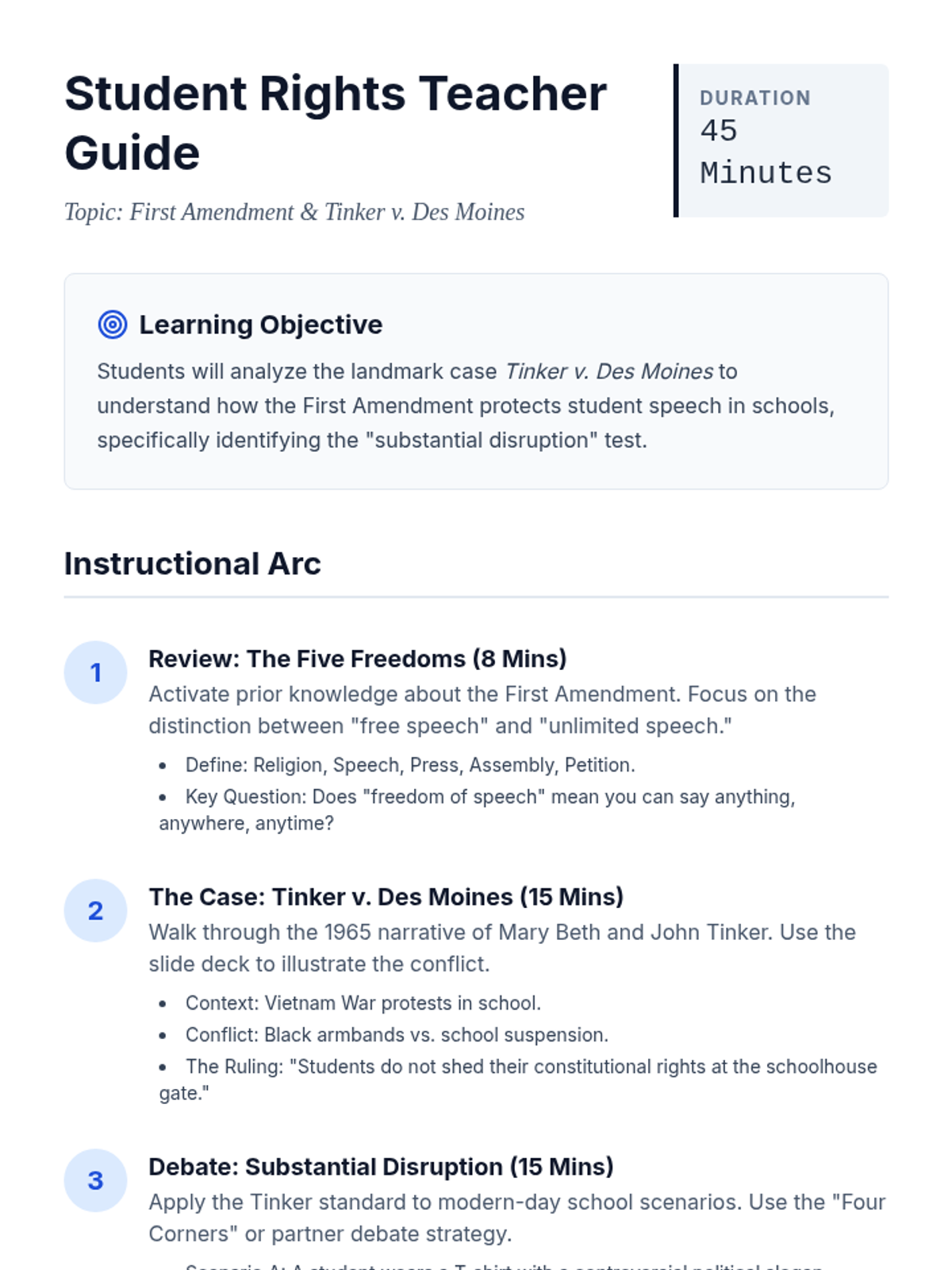
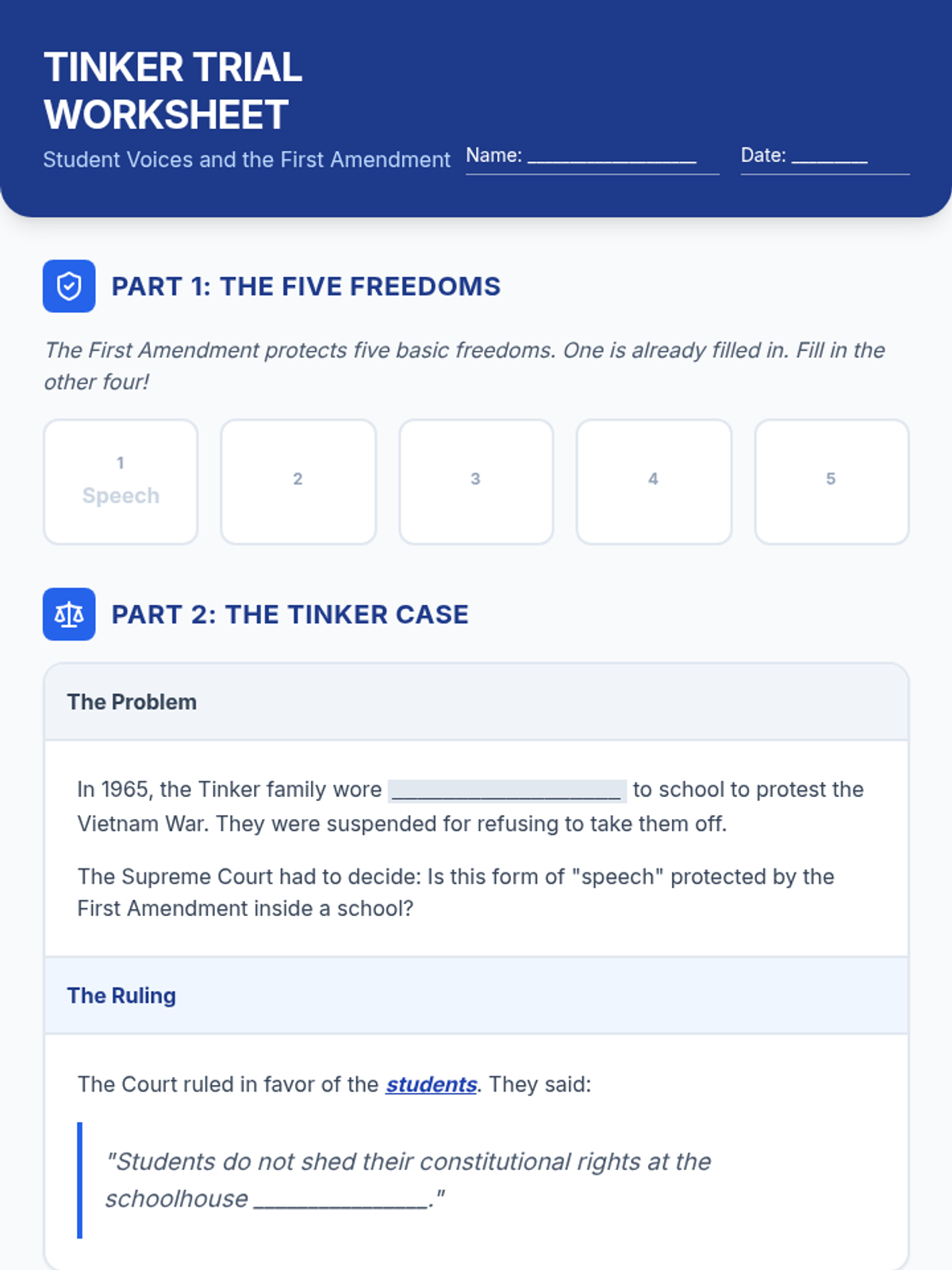
A 45-minute civics lesson exploring the First Amendment through the lens of the landmark Supreme Court case Tinker v. Des Moines, empowering students to understand their rights and responsibilities.
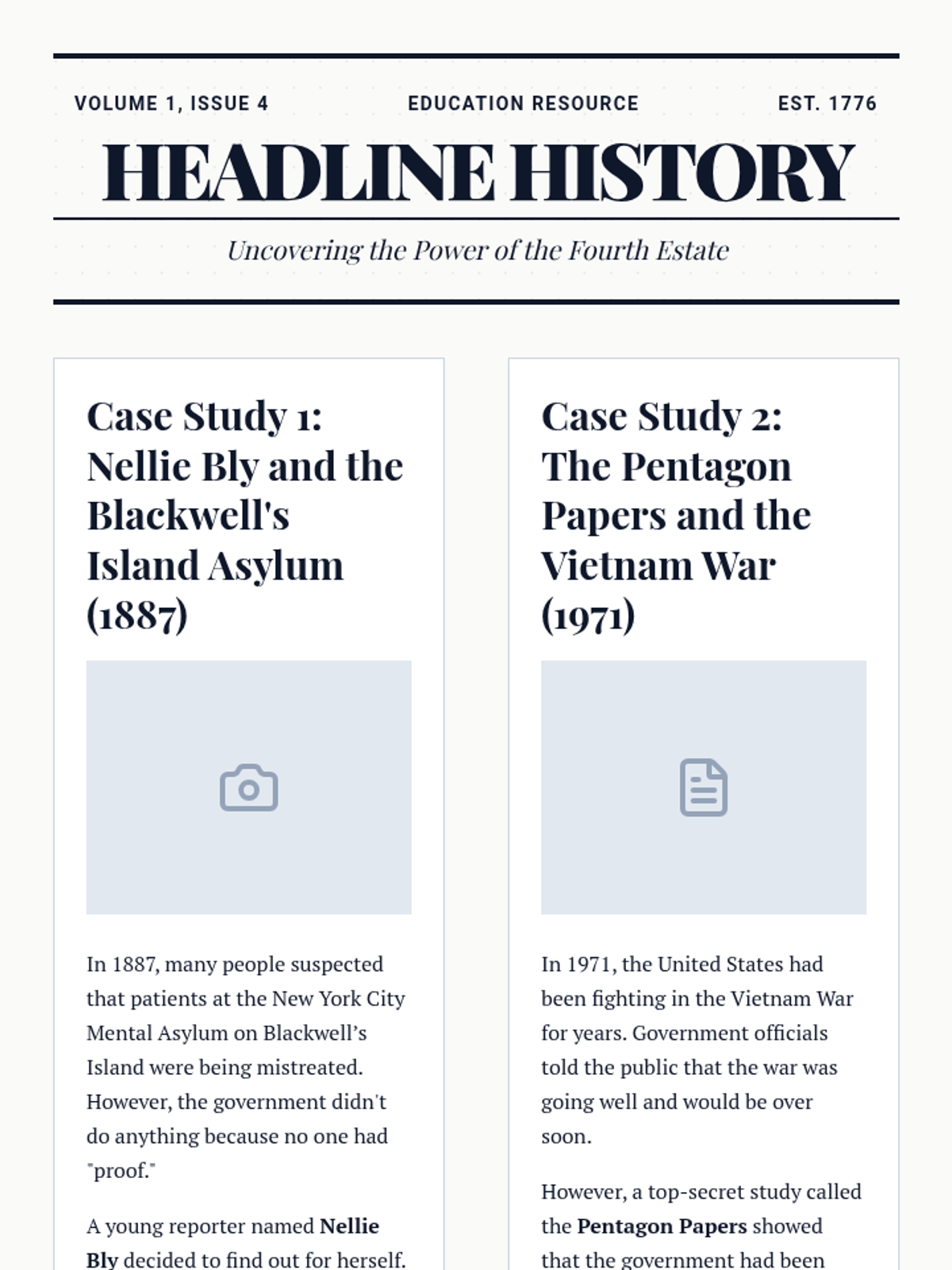
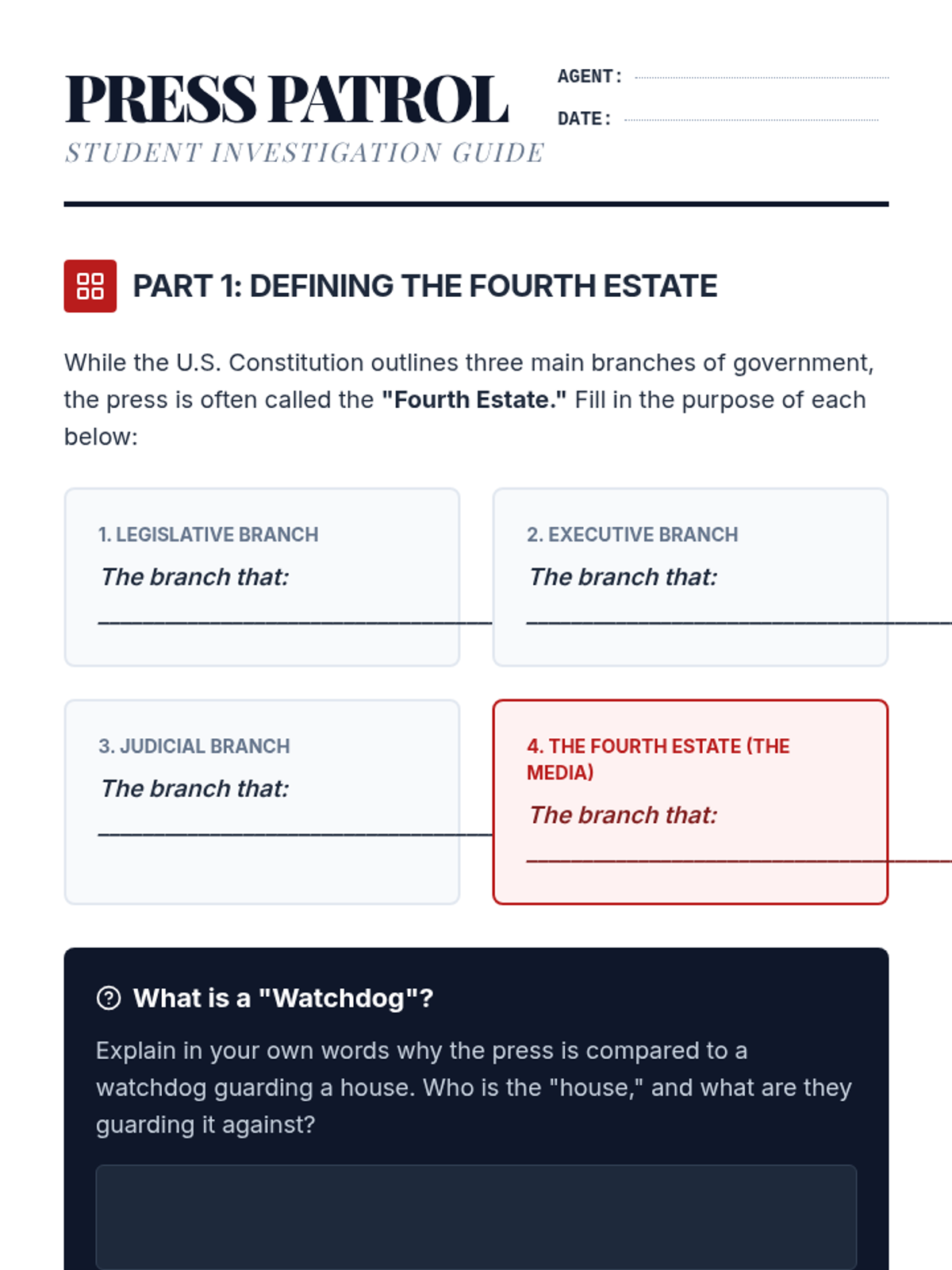
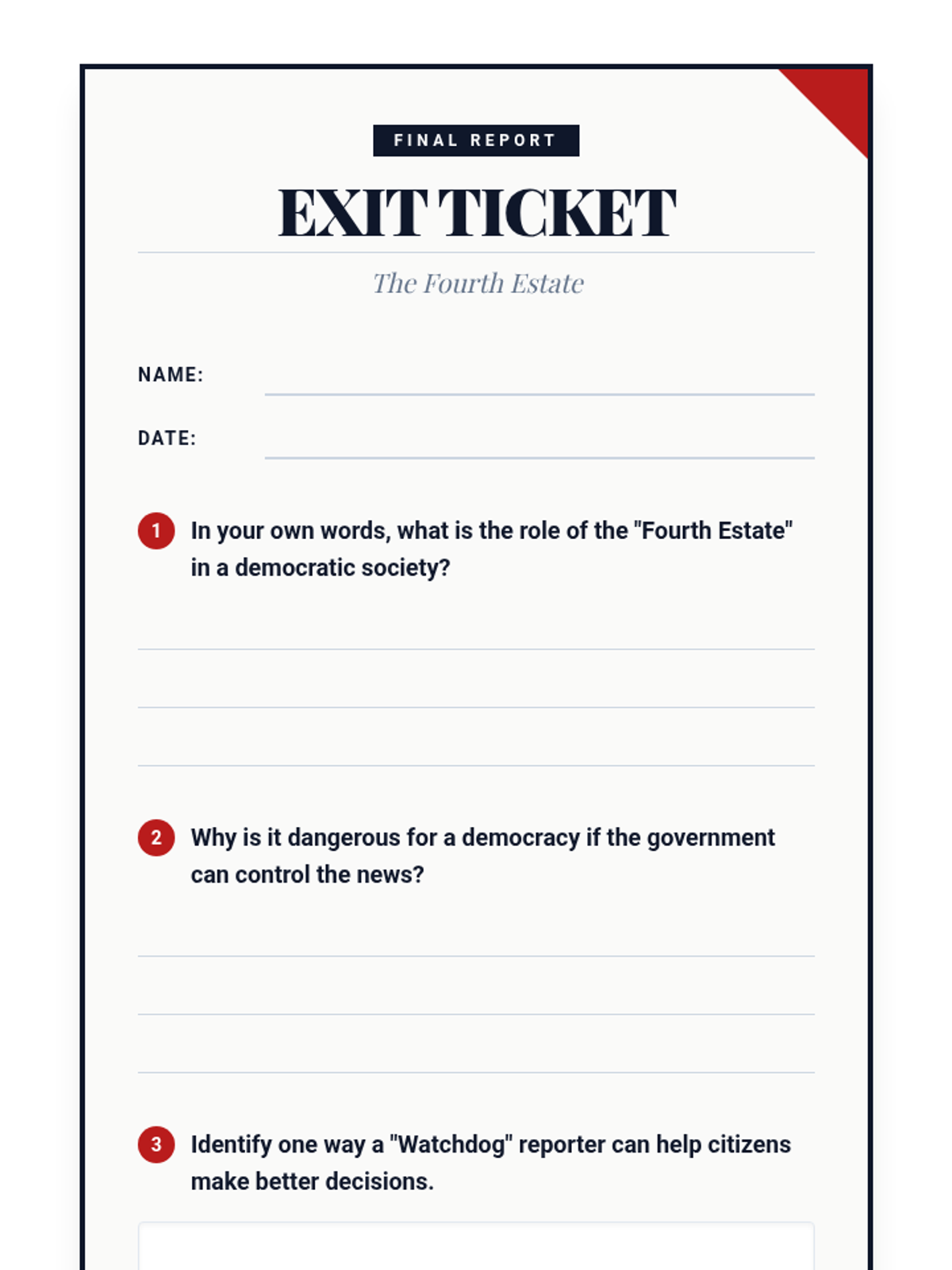
Students explore the vital role of a free press as the 'Fourth Estate' in a democracy, examining historical impact and current relevance through inquiry and analysis.
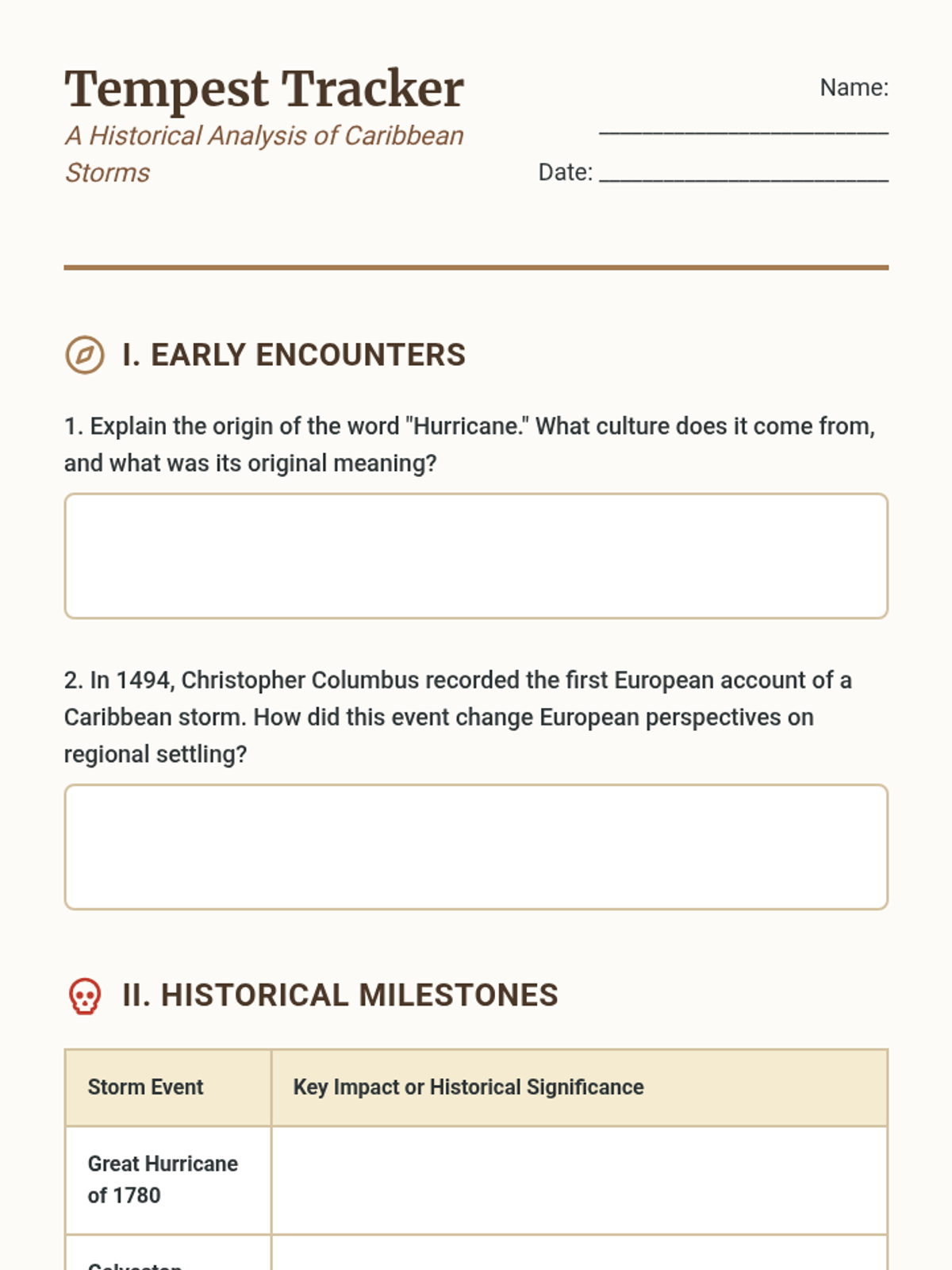
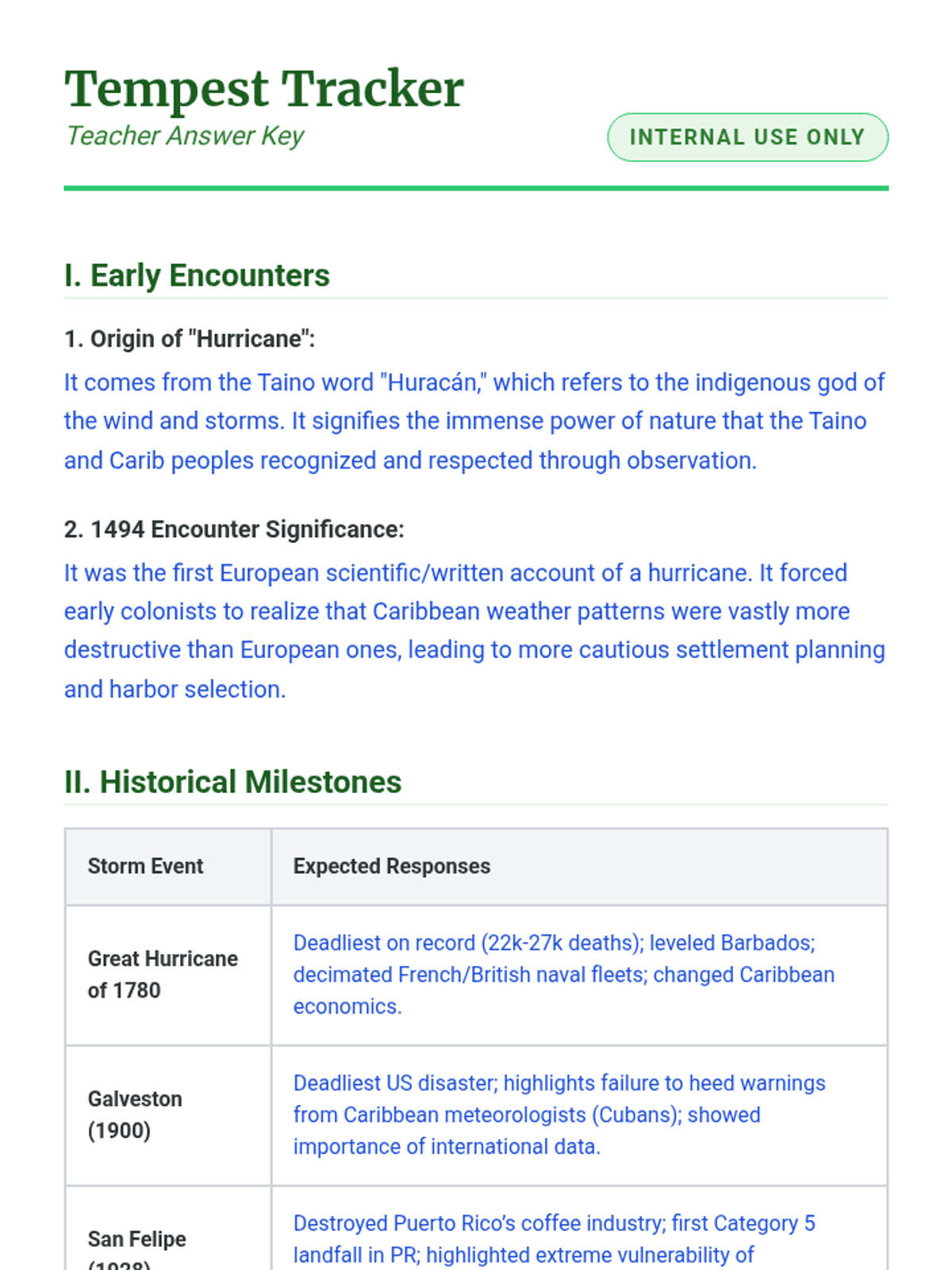
A historical exploration of tropical storms in the Caribbean, focusing on significant events, technological evolution, and the impact on regional history from the colonial era to the late 20th century.
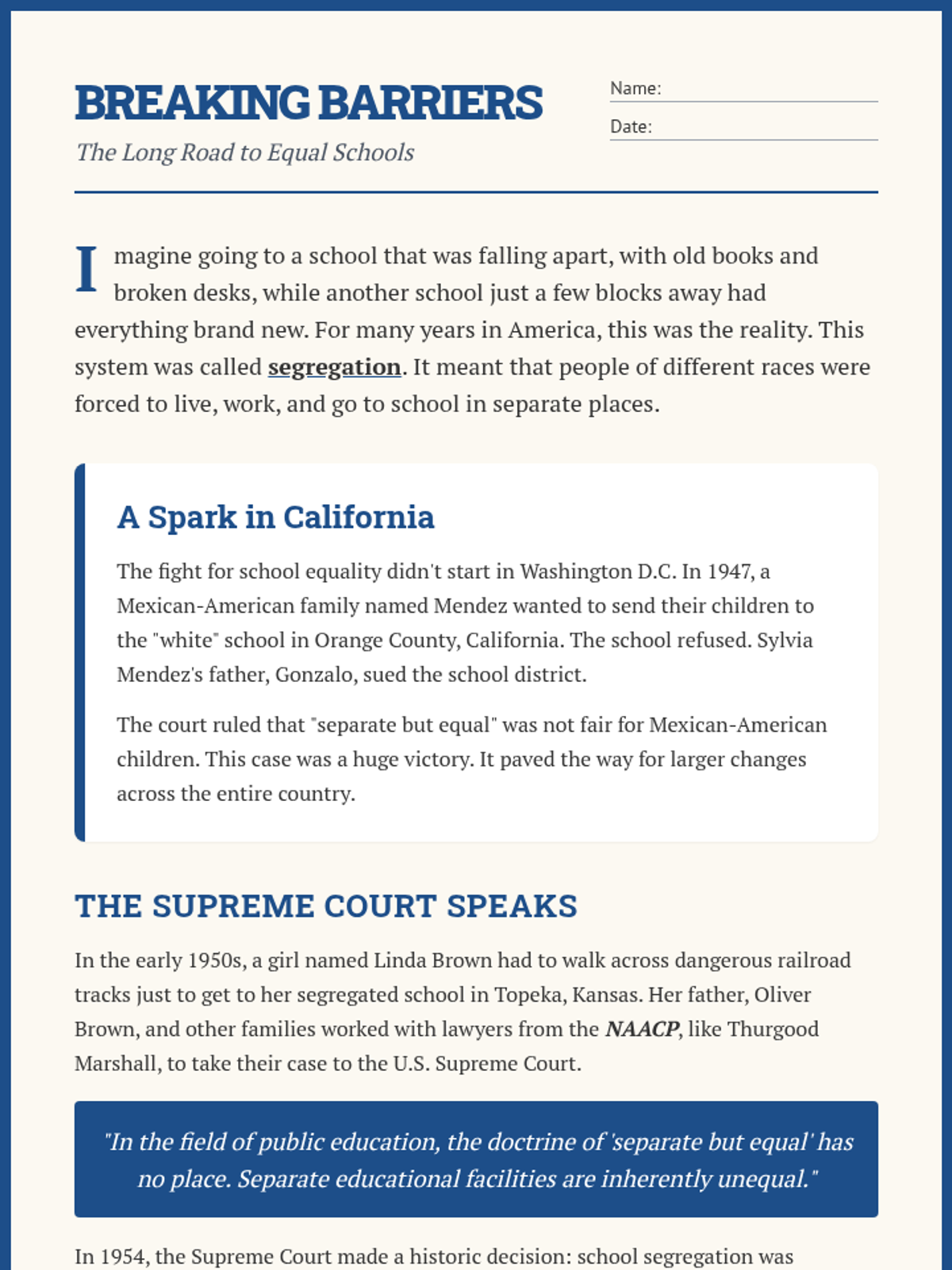
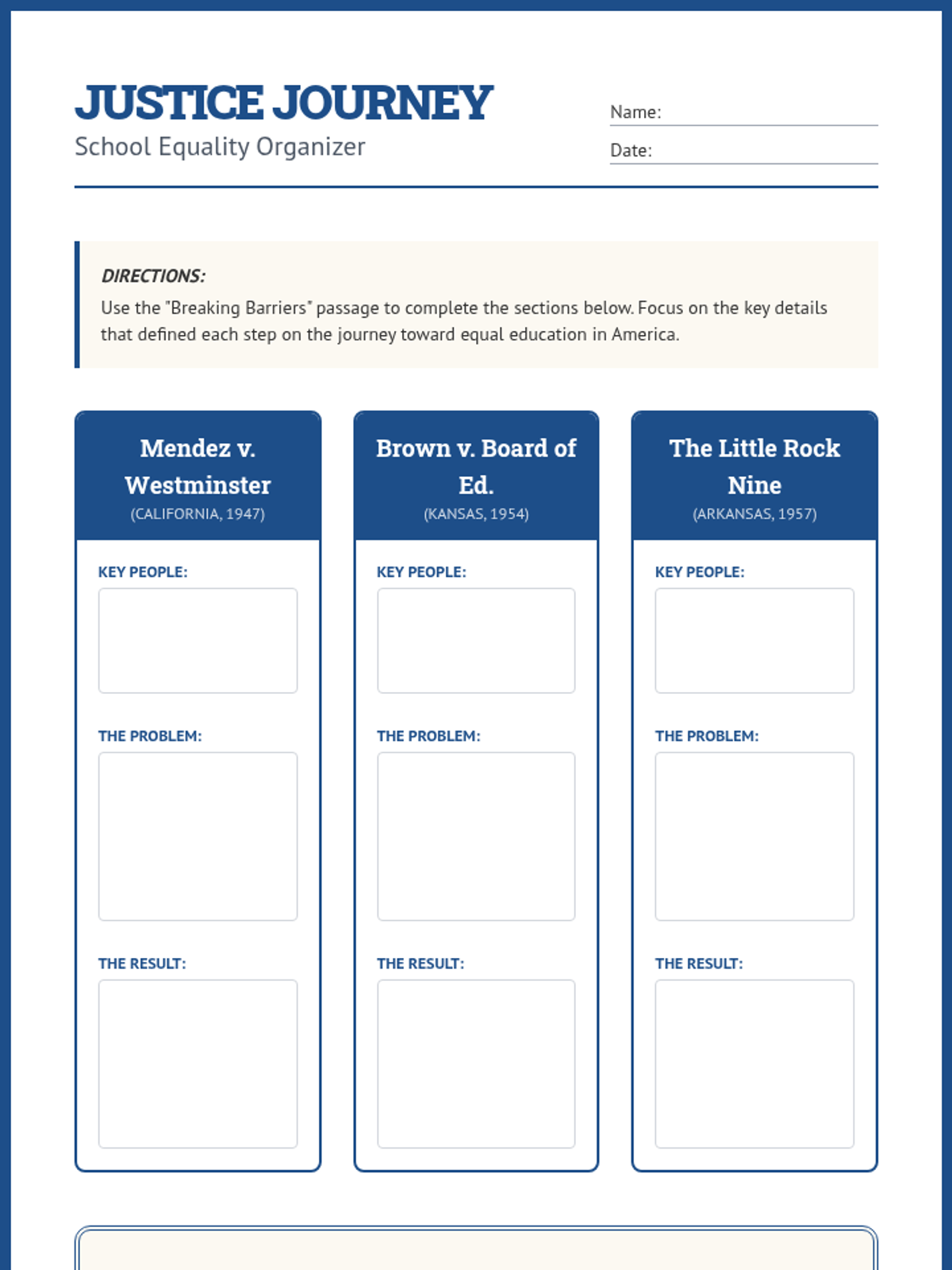
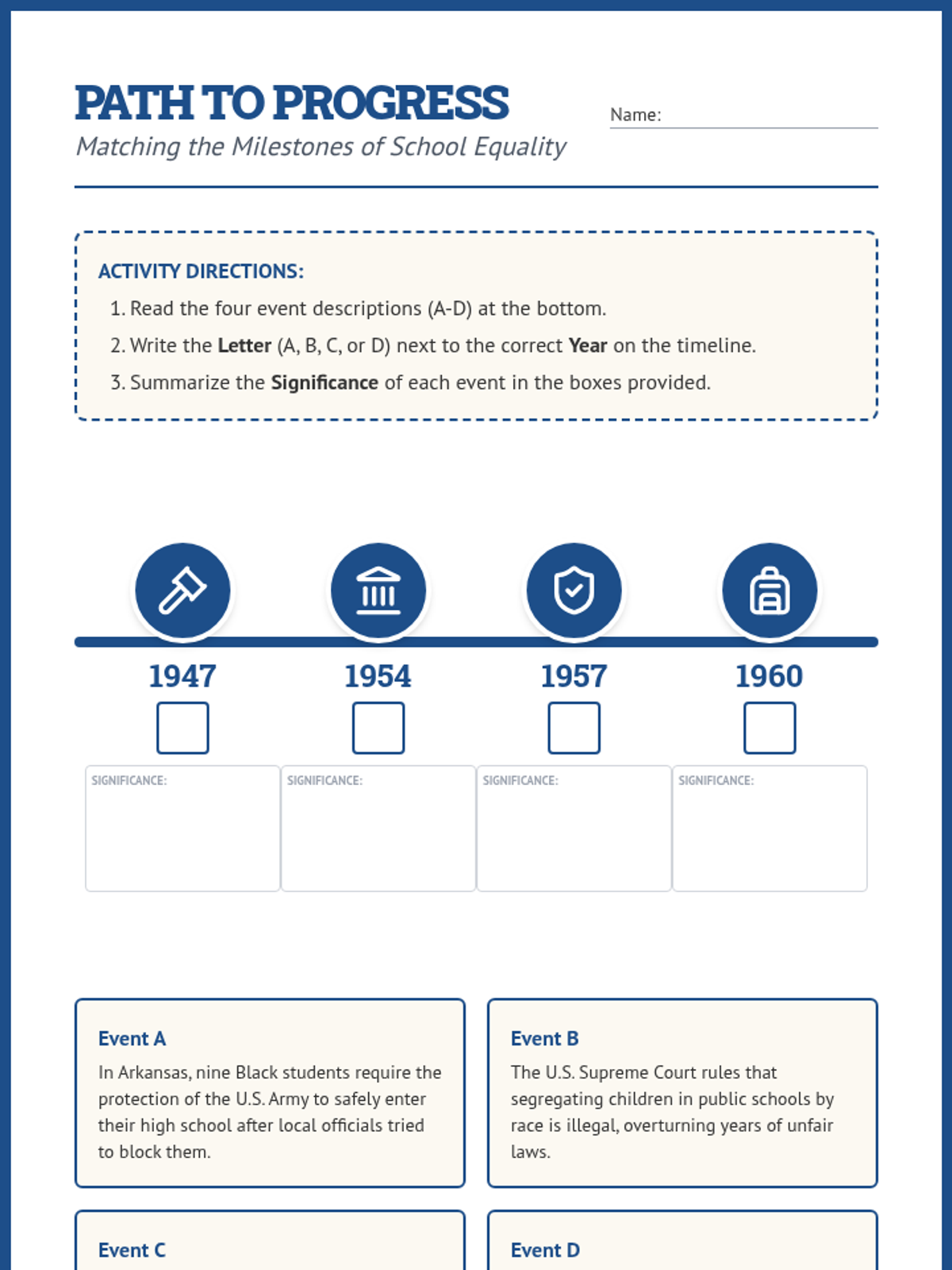
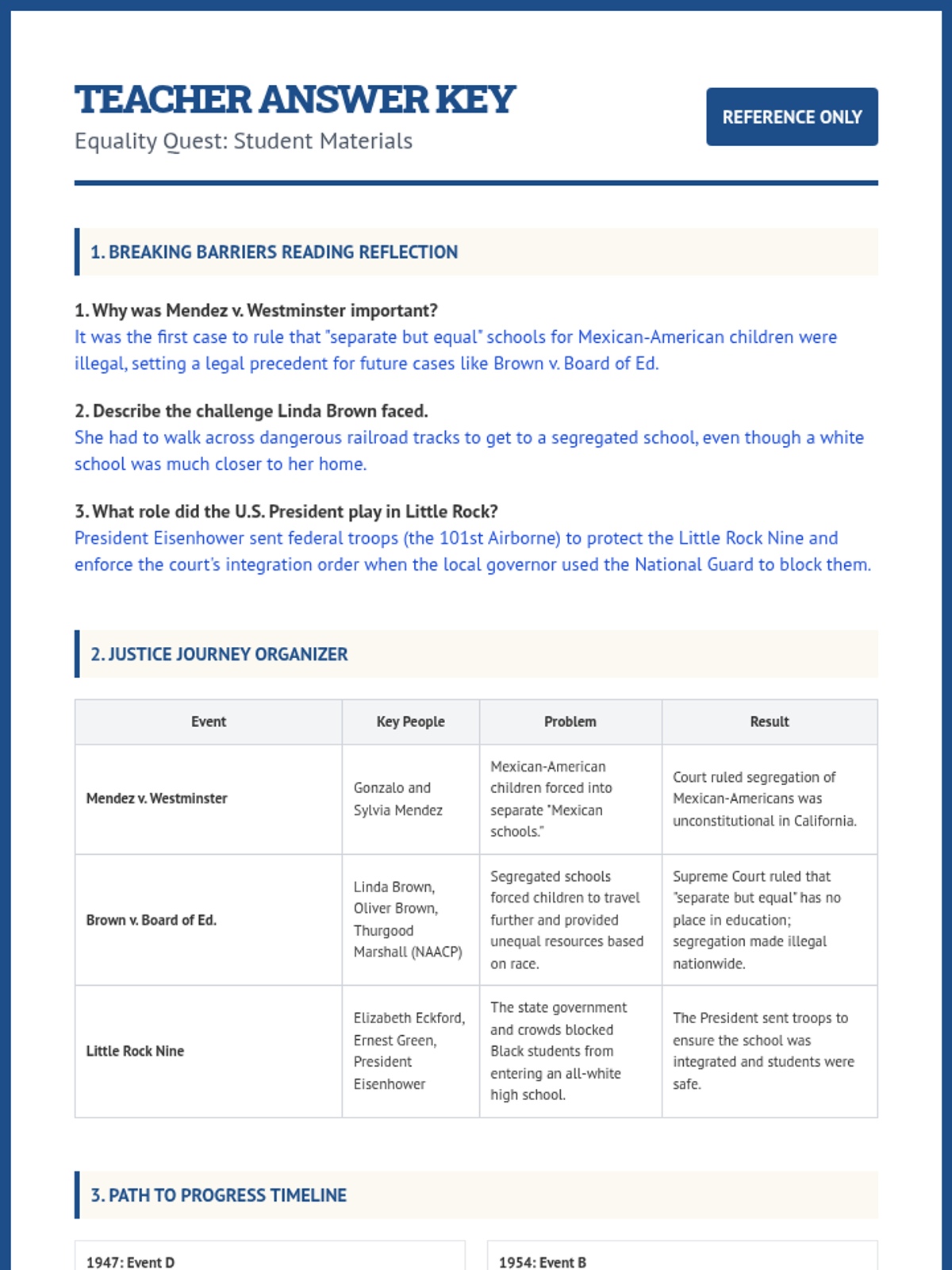
A lesson exploring the struggle for school equality in the United States, focusing on key legal cases and the brave students who led the way for integration.
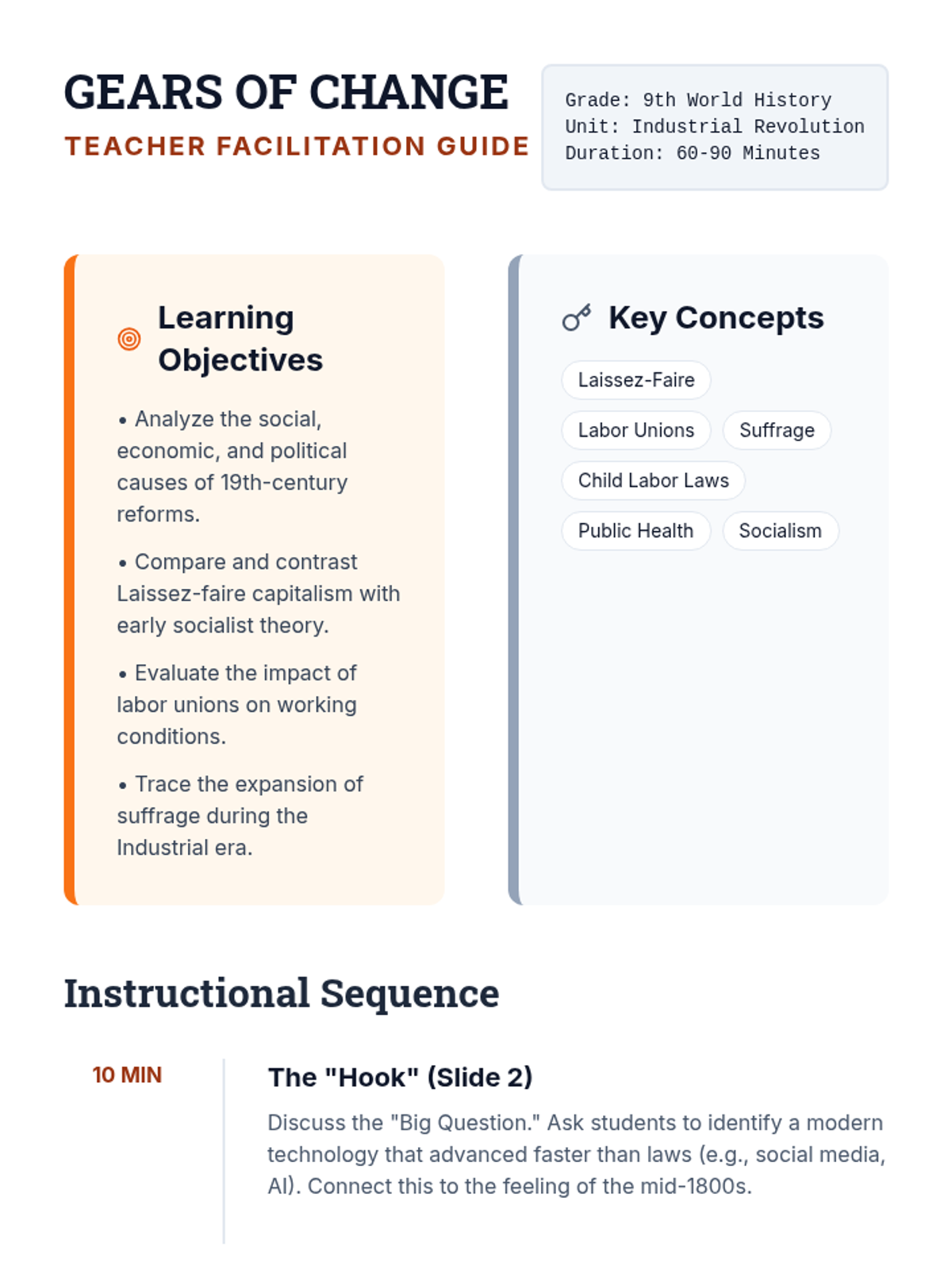
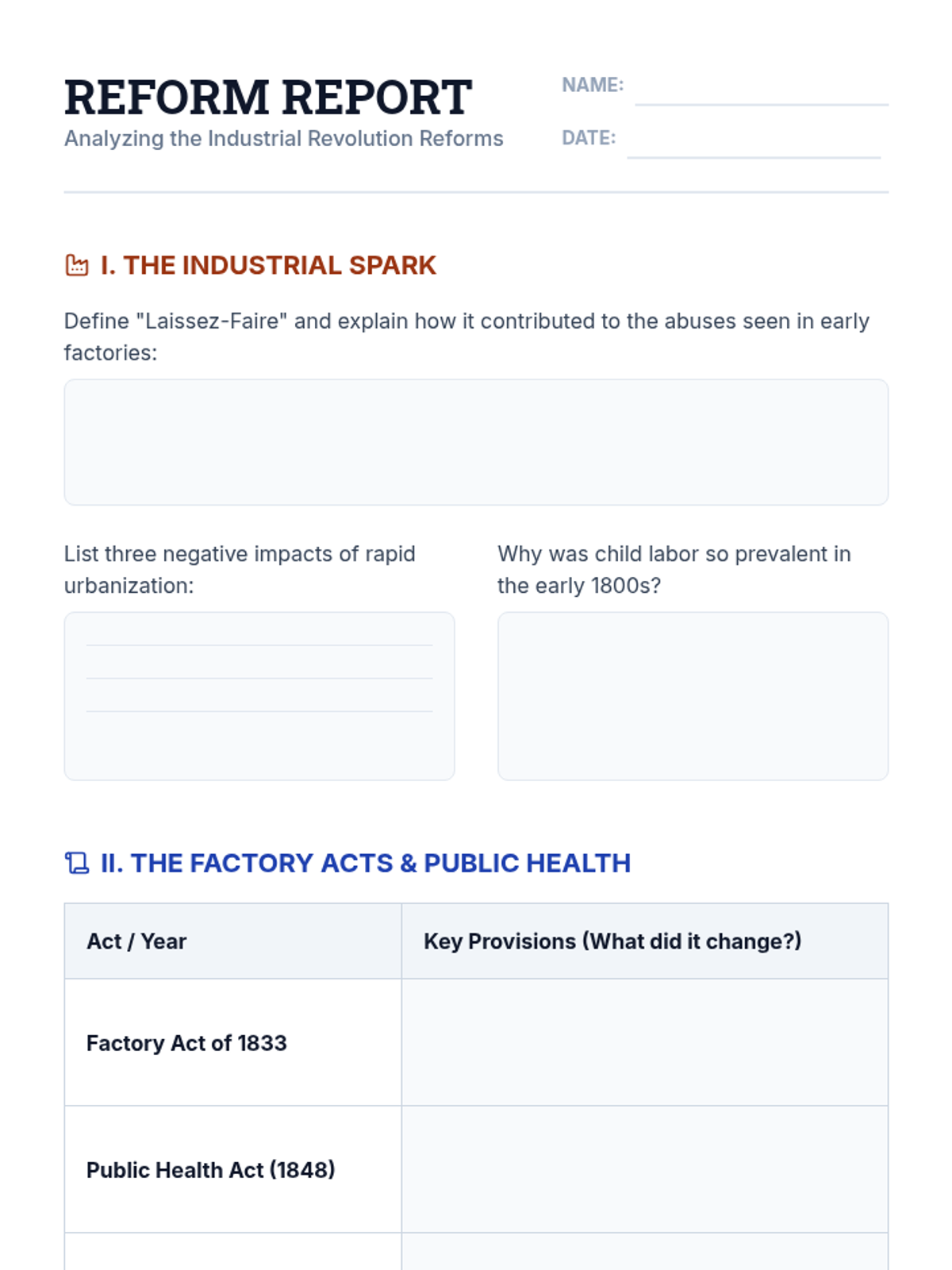
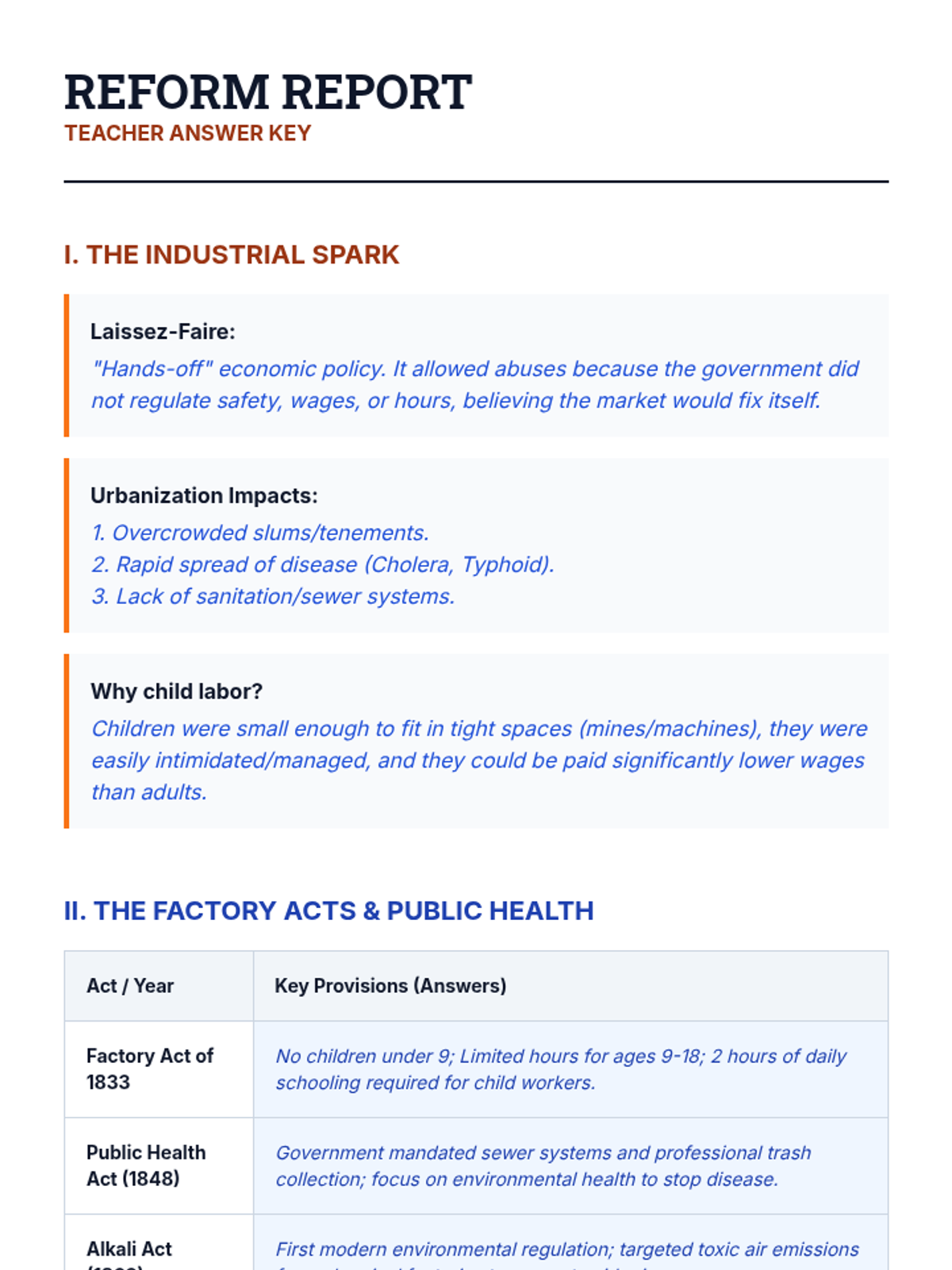
This lesson explores how the rapid changes of the Industrial Revolution necessitated significant reforms across economic, social, and political spheres in the 19th century. Students will analyze the shift from laissez-faire capitalism to government intervention and the rise of labor movements.
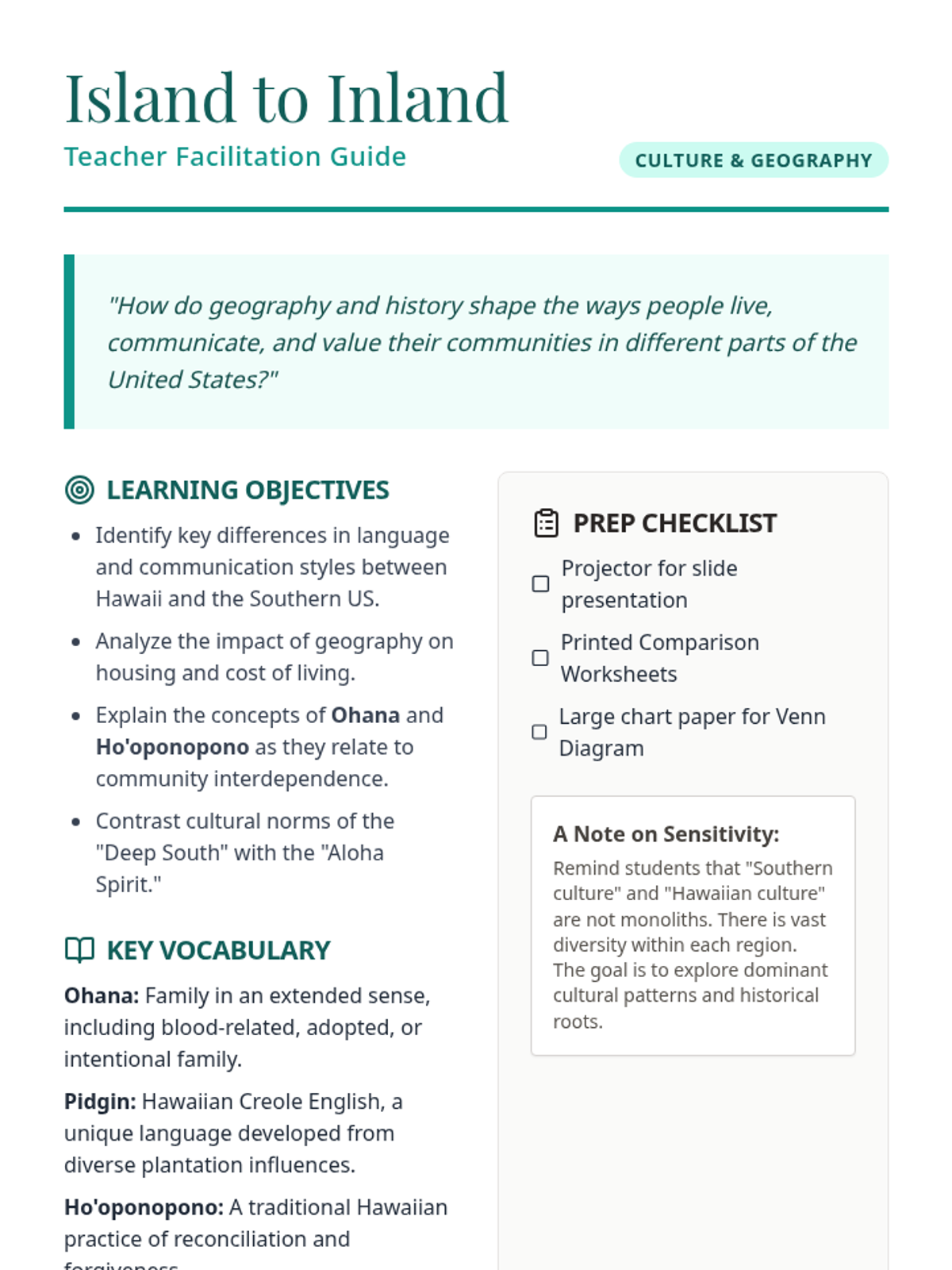
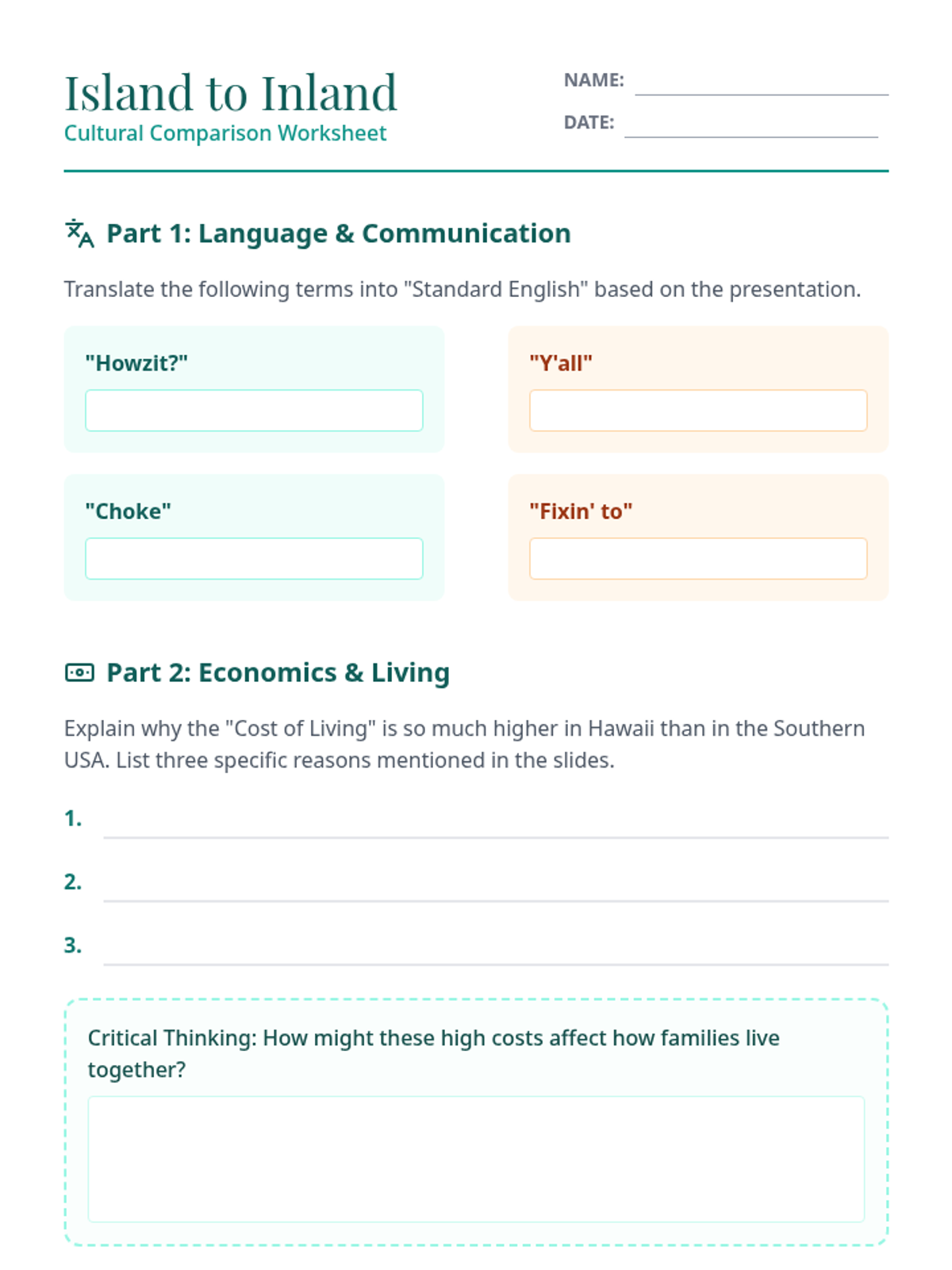
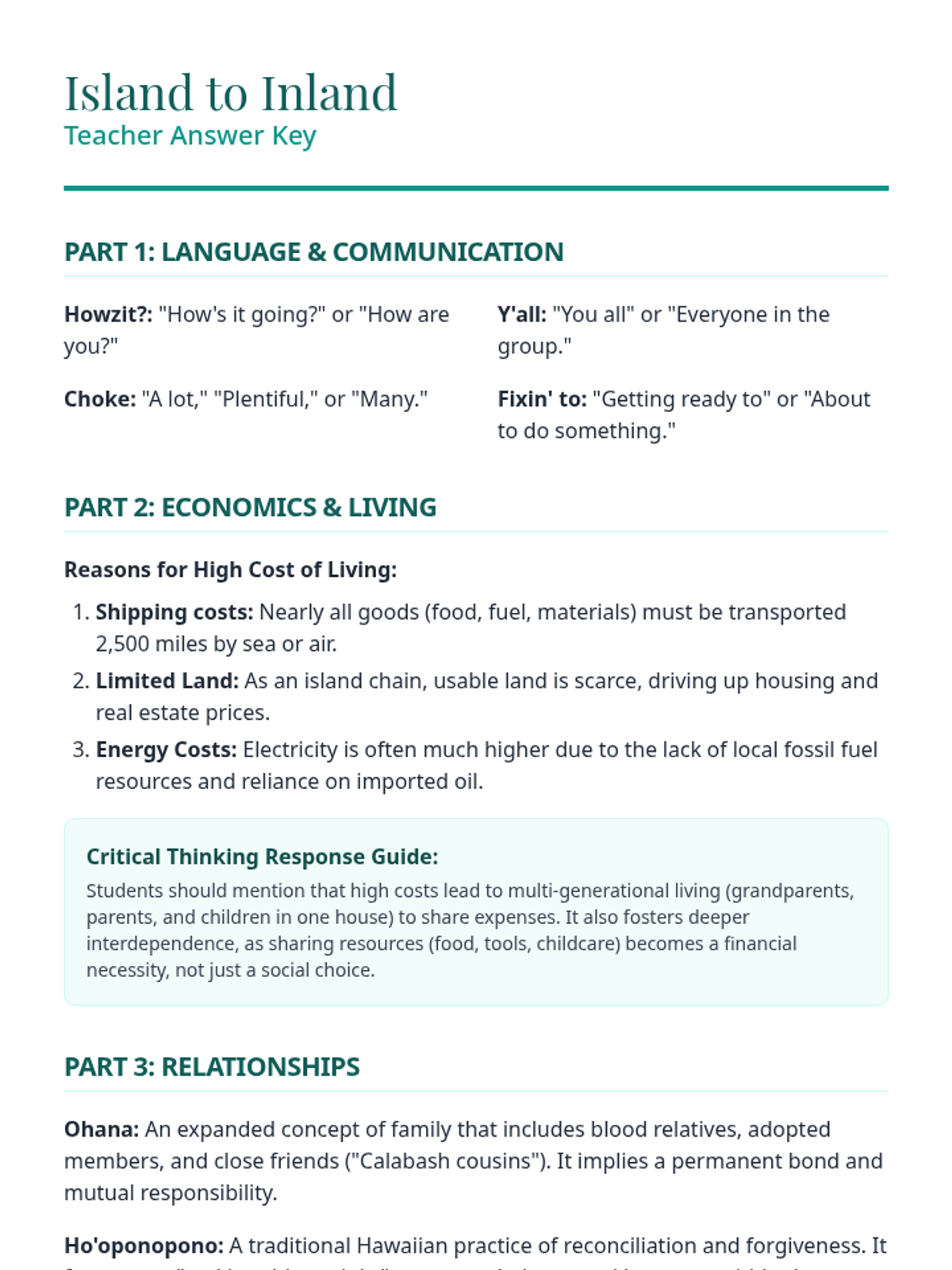
A comparative look at Hawaiian culture and Southern US culture, focusing on language, housing, economics, and deep-rooted family values.
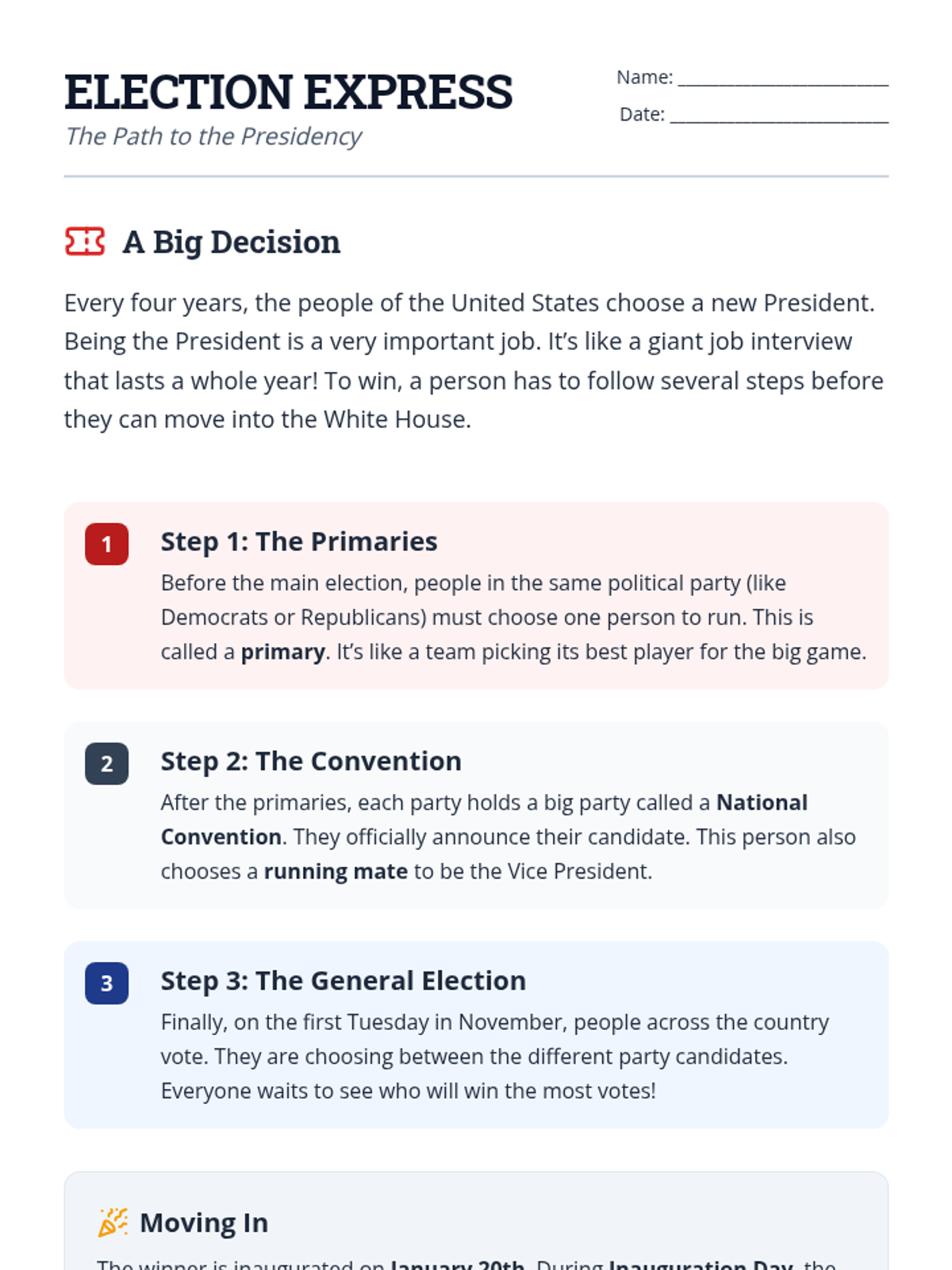
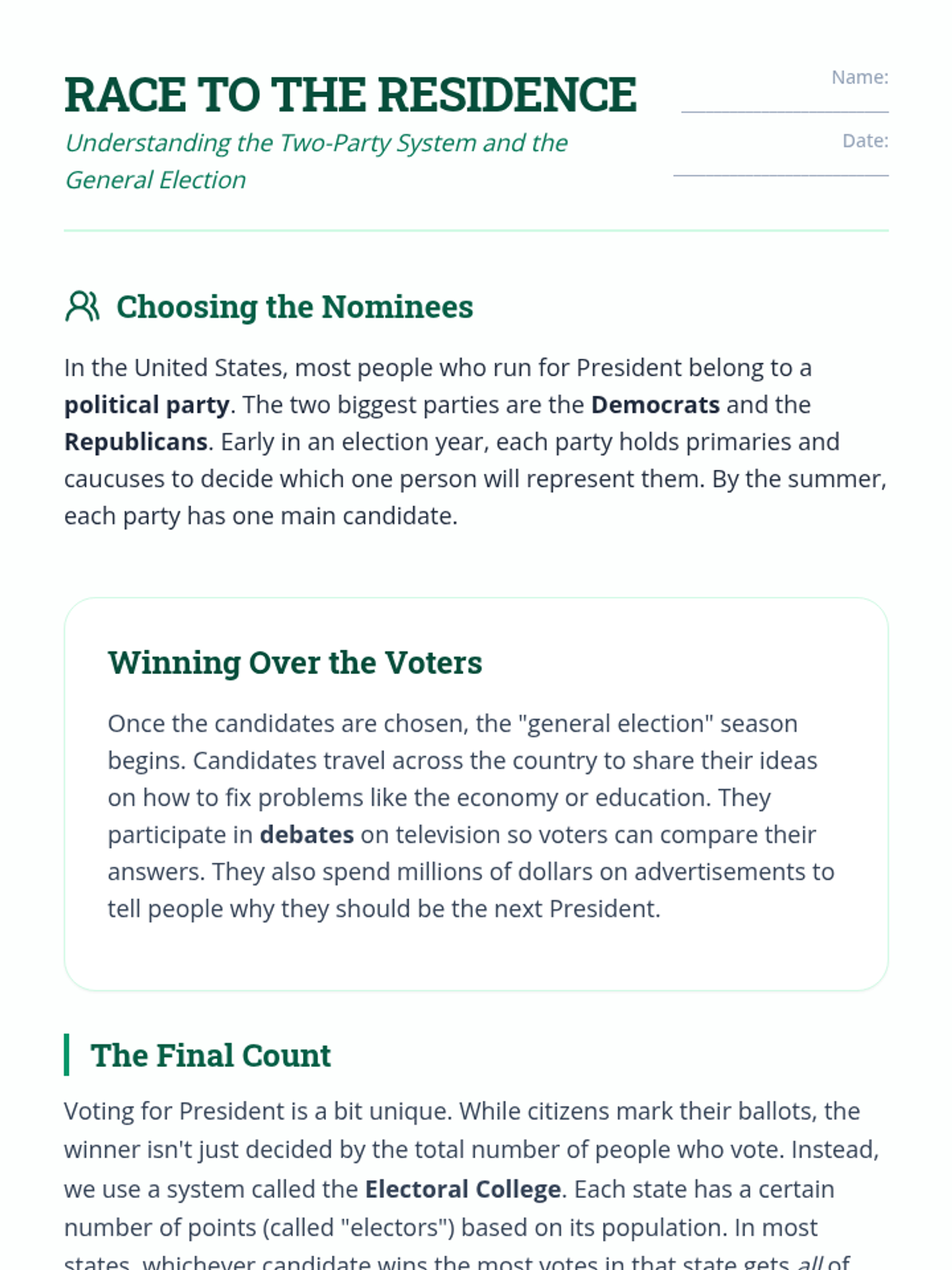
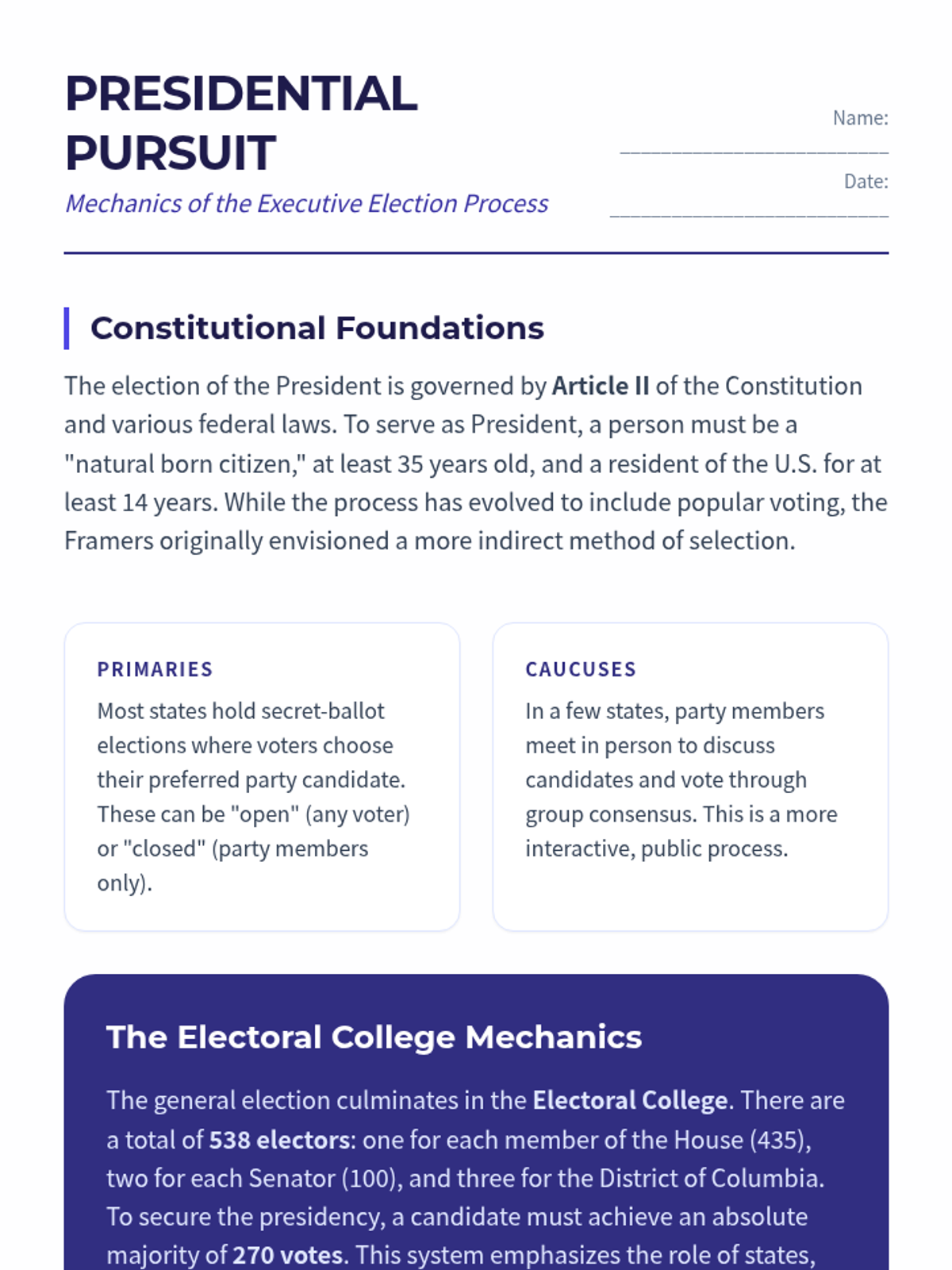
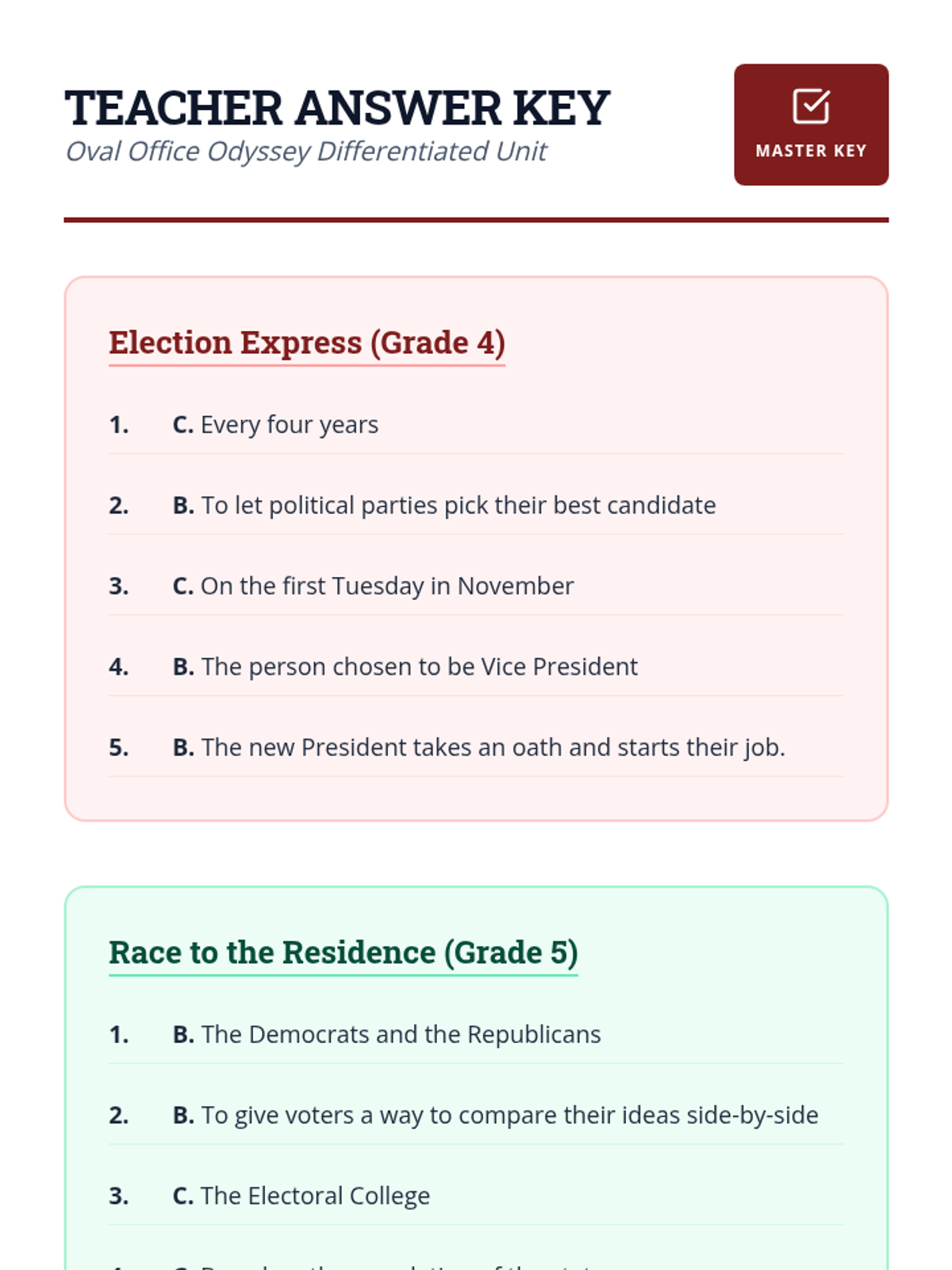
A comprehensive exploration of the United States presidential election process, from primary campaigns and national conventions to the Electoral College and Inauguration Day.
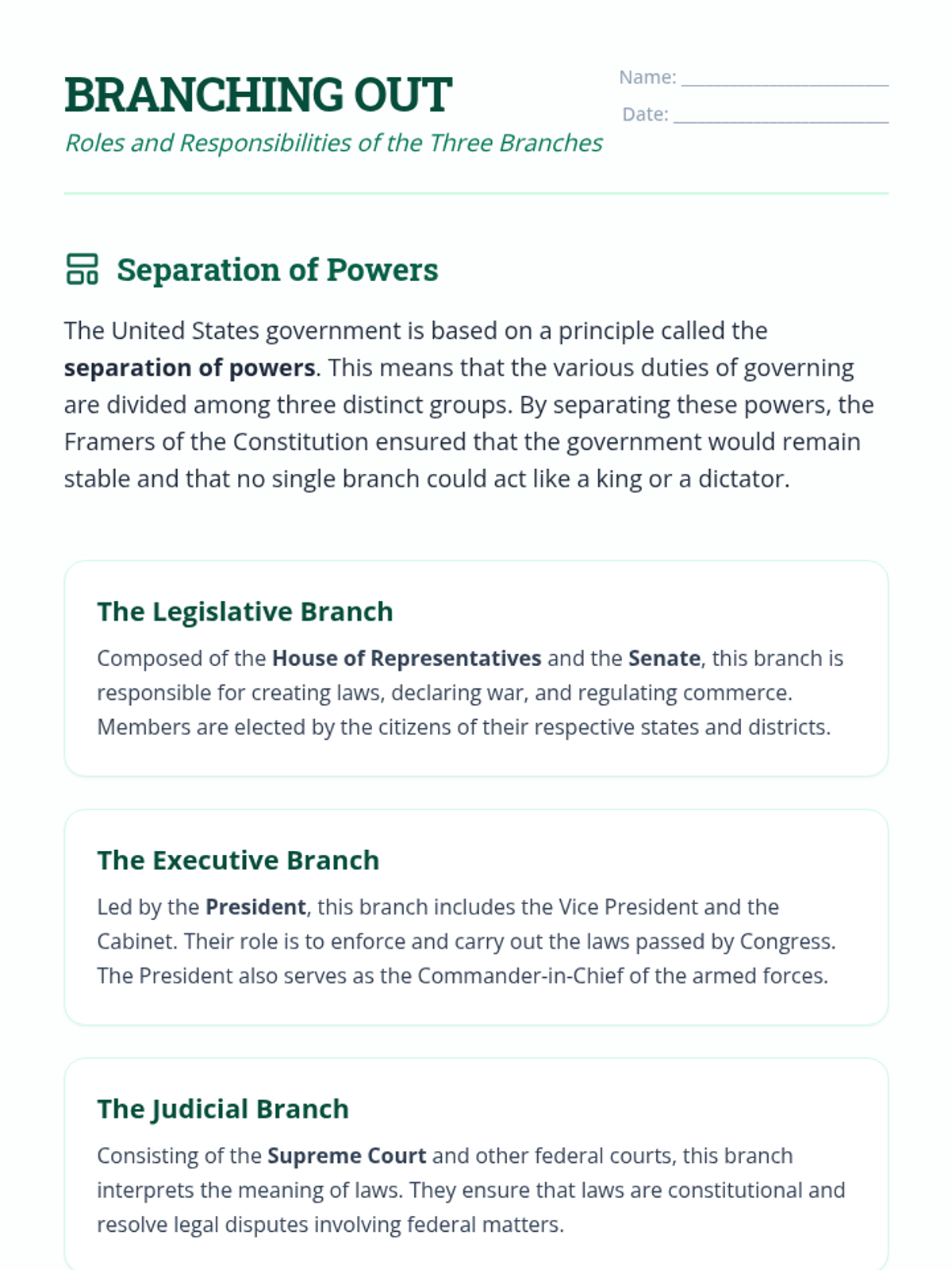
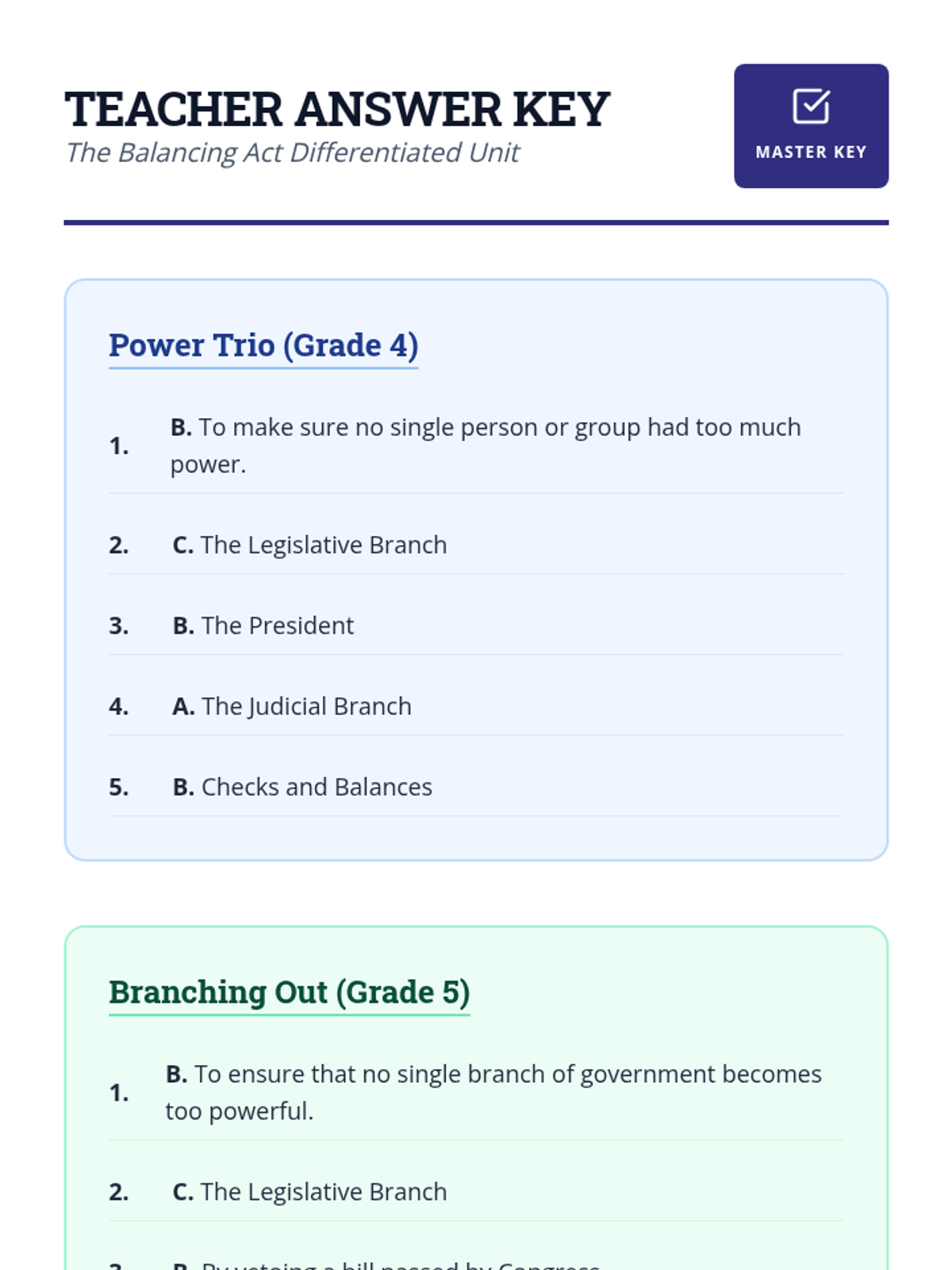
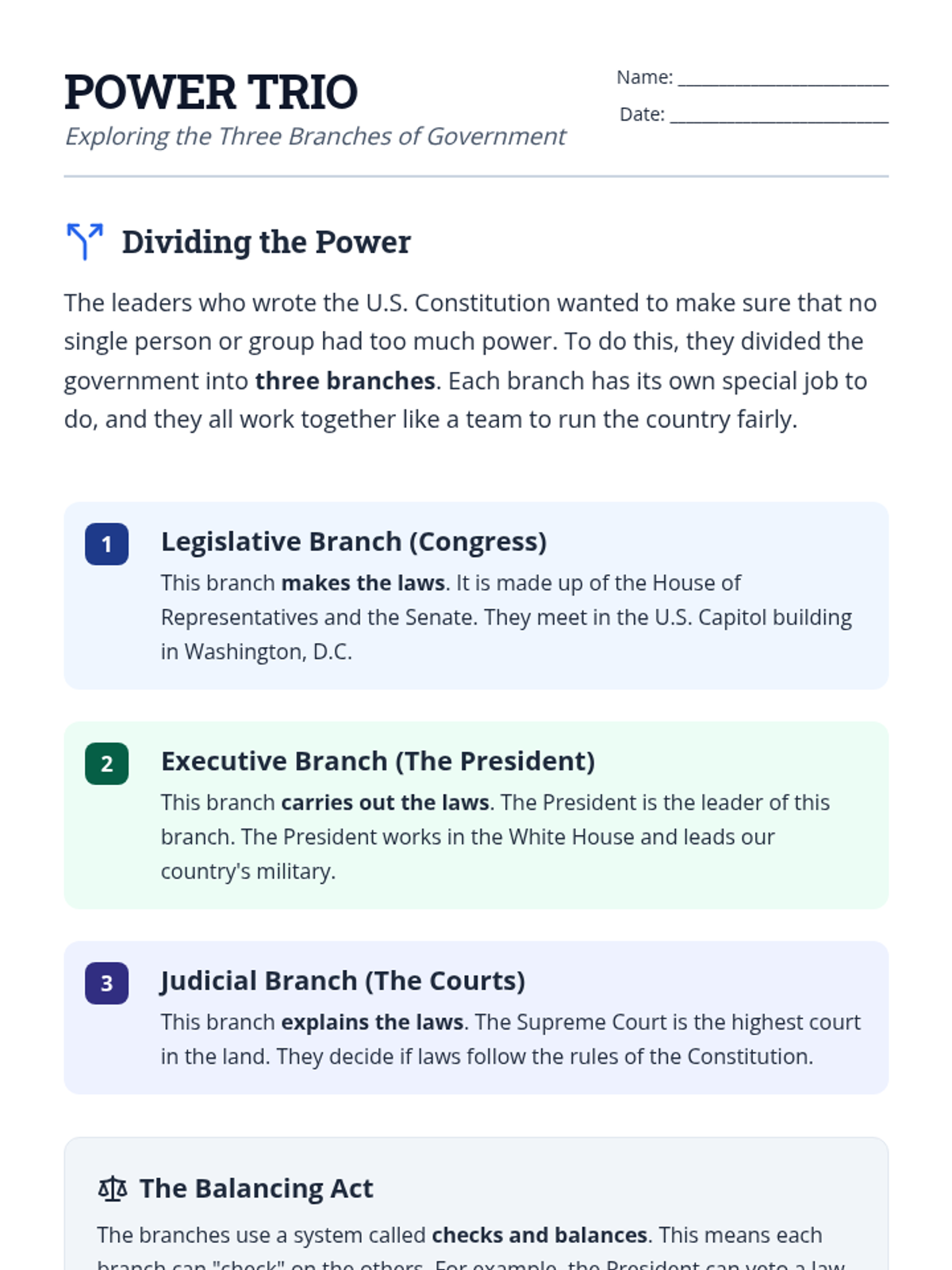
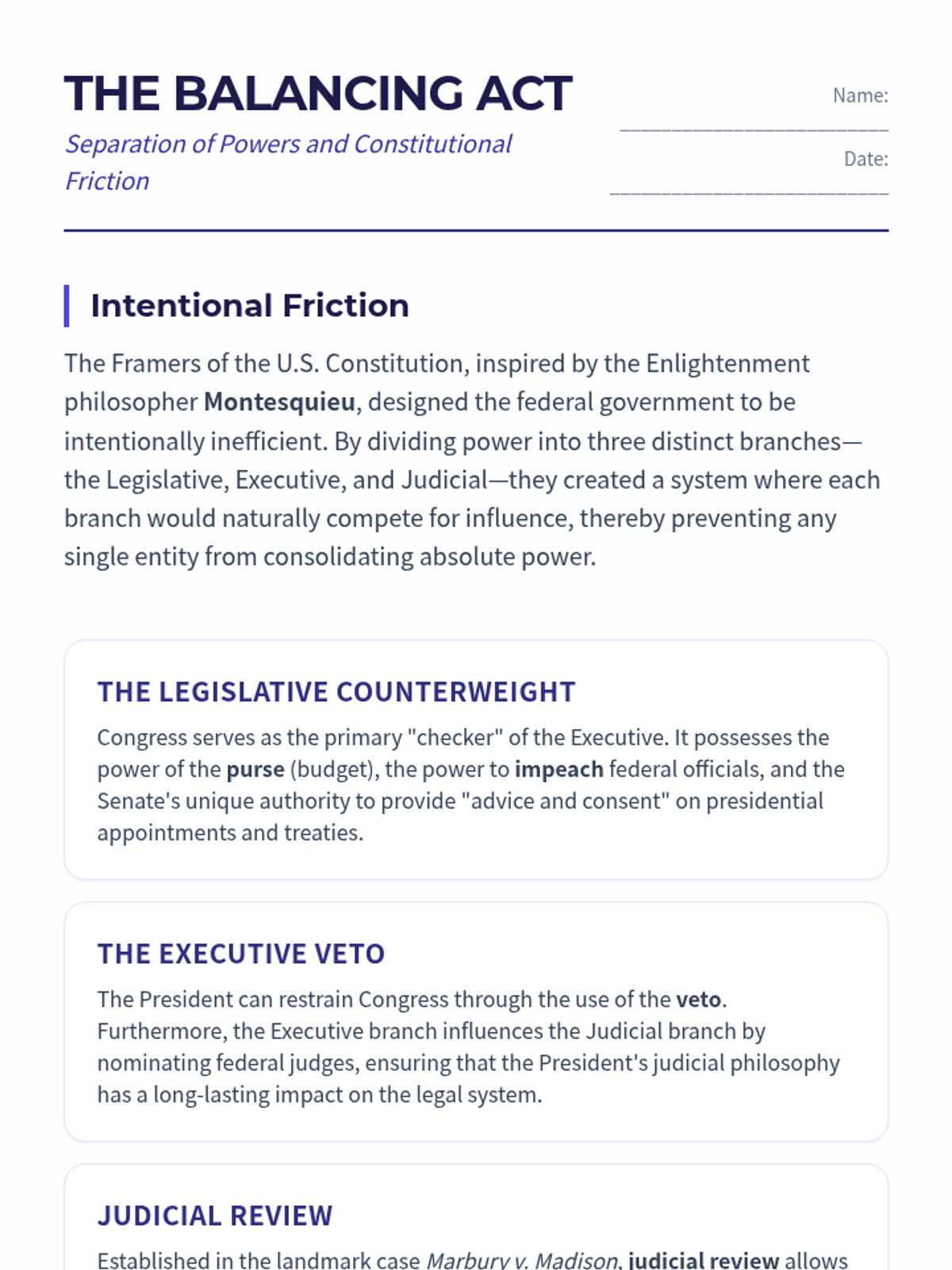
An exploration of the three branches of the United States government—Legislative, Executive, and Judicial—and the system of checks and balances that ensures no single branch becomes too powerful.
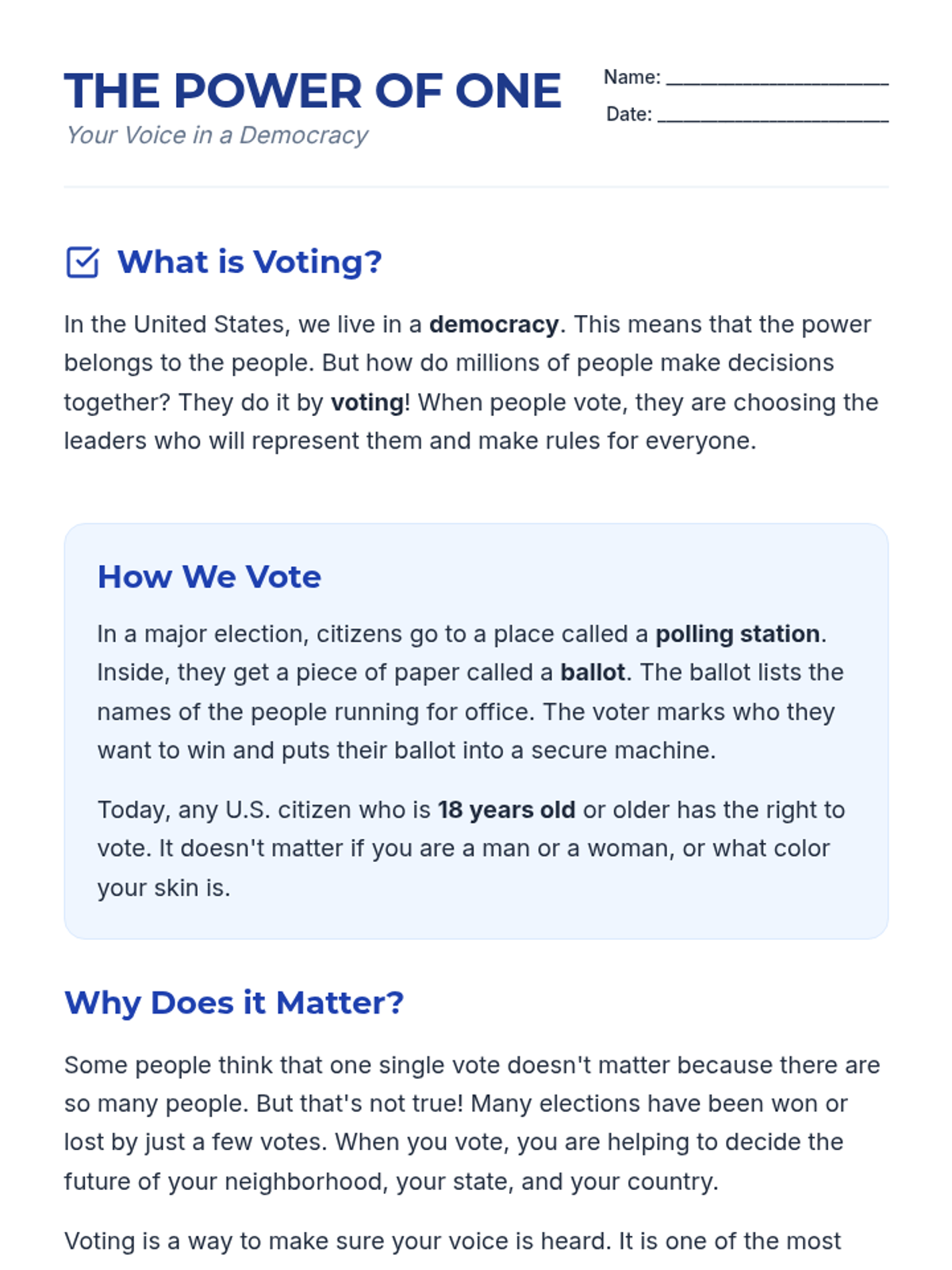
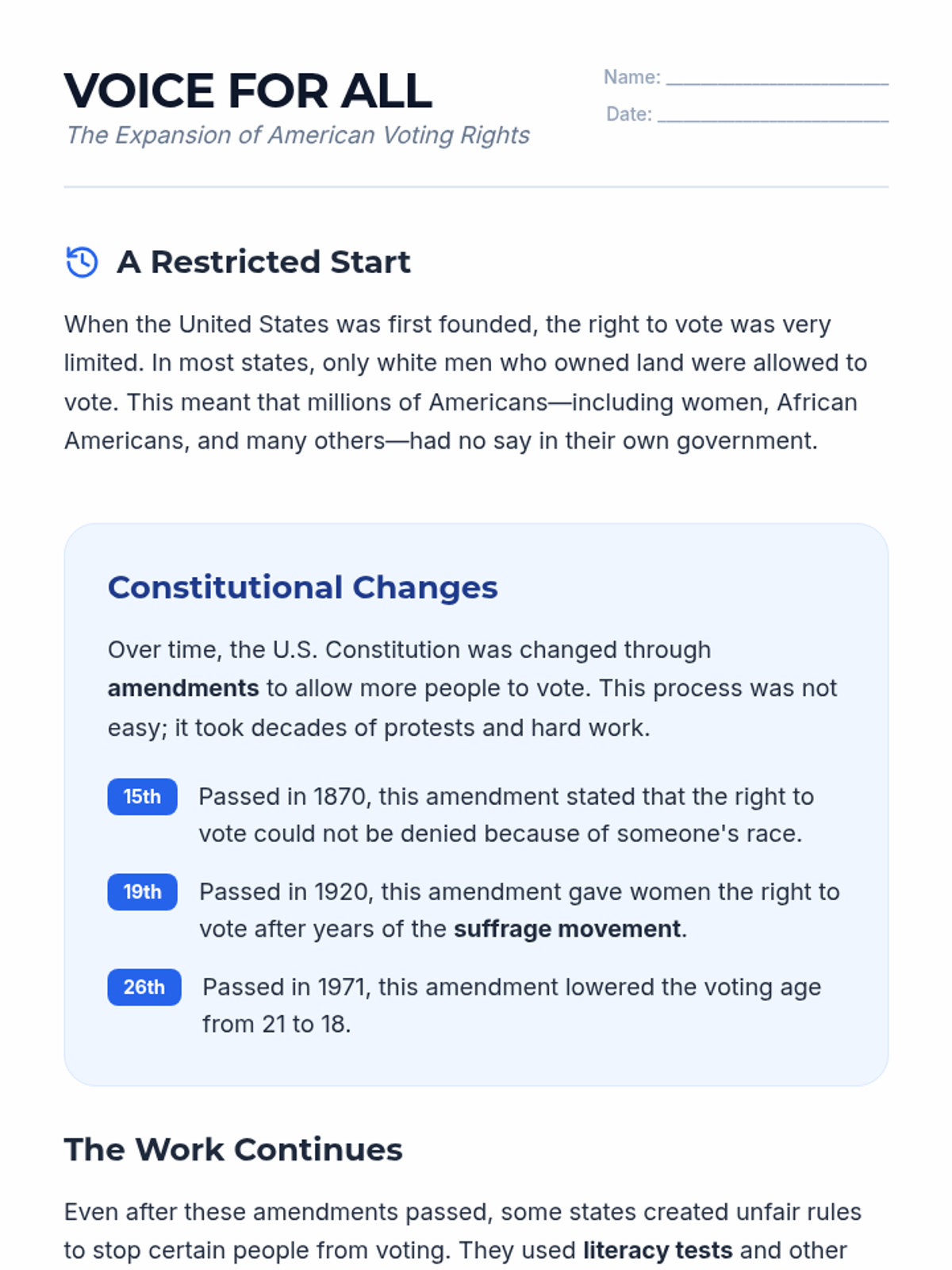
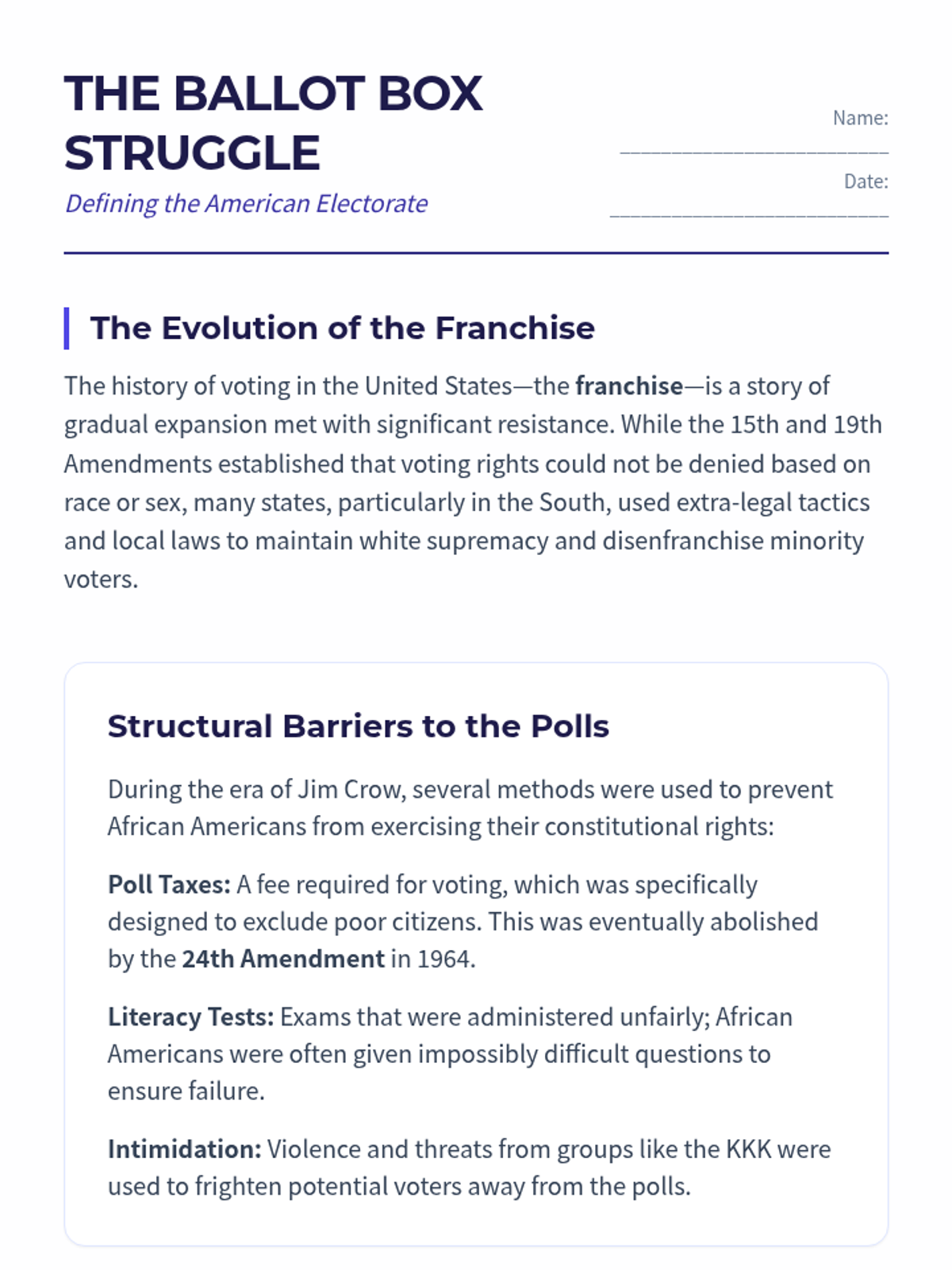
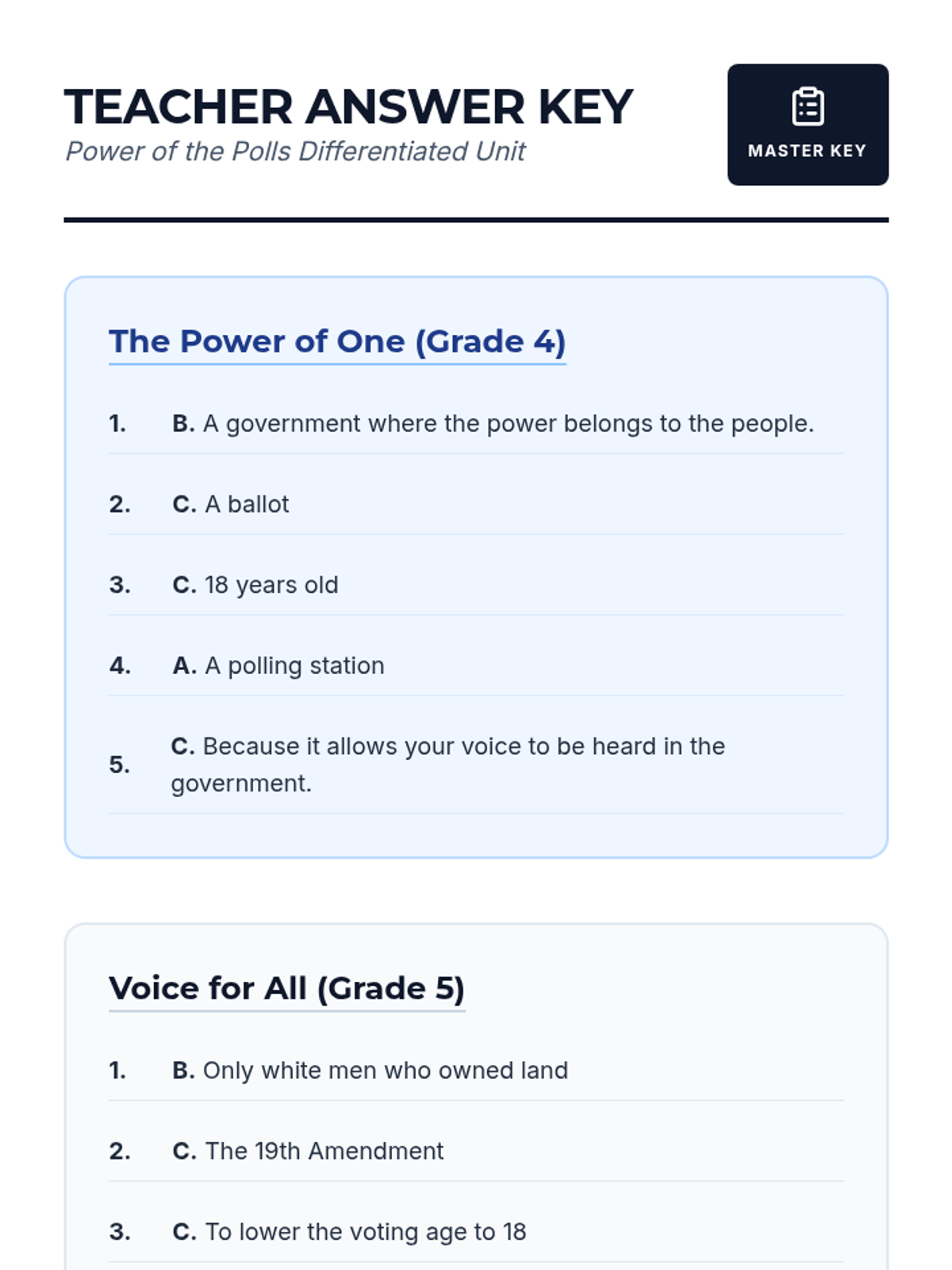
An exploration of voting rights in the United States, tracing the expansion of the franchise through constitutional amendments and the Civil Rights Movement.
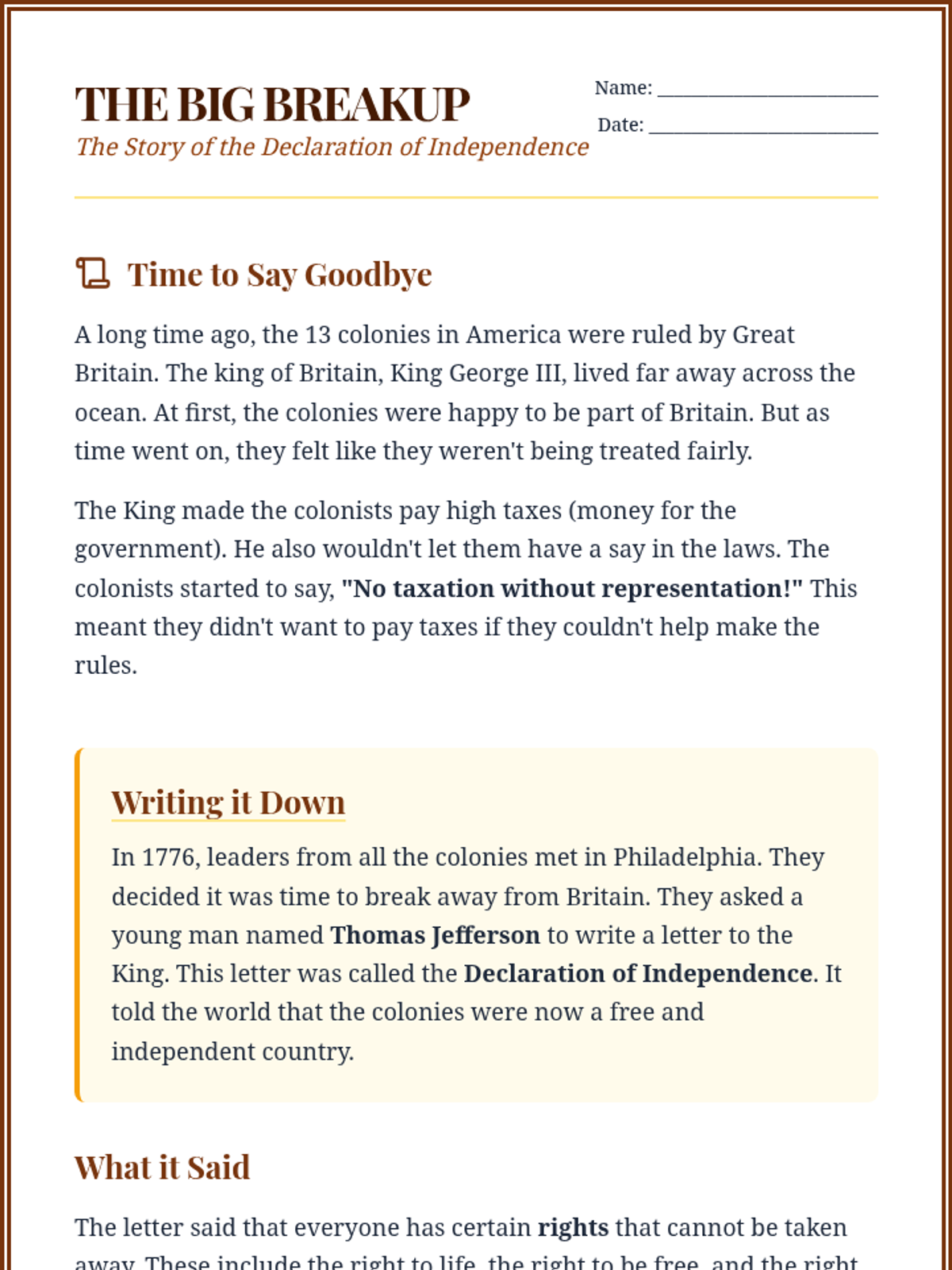
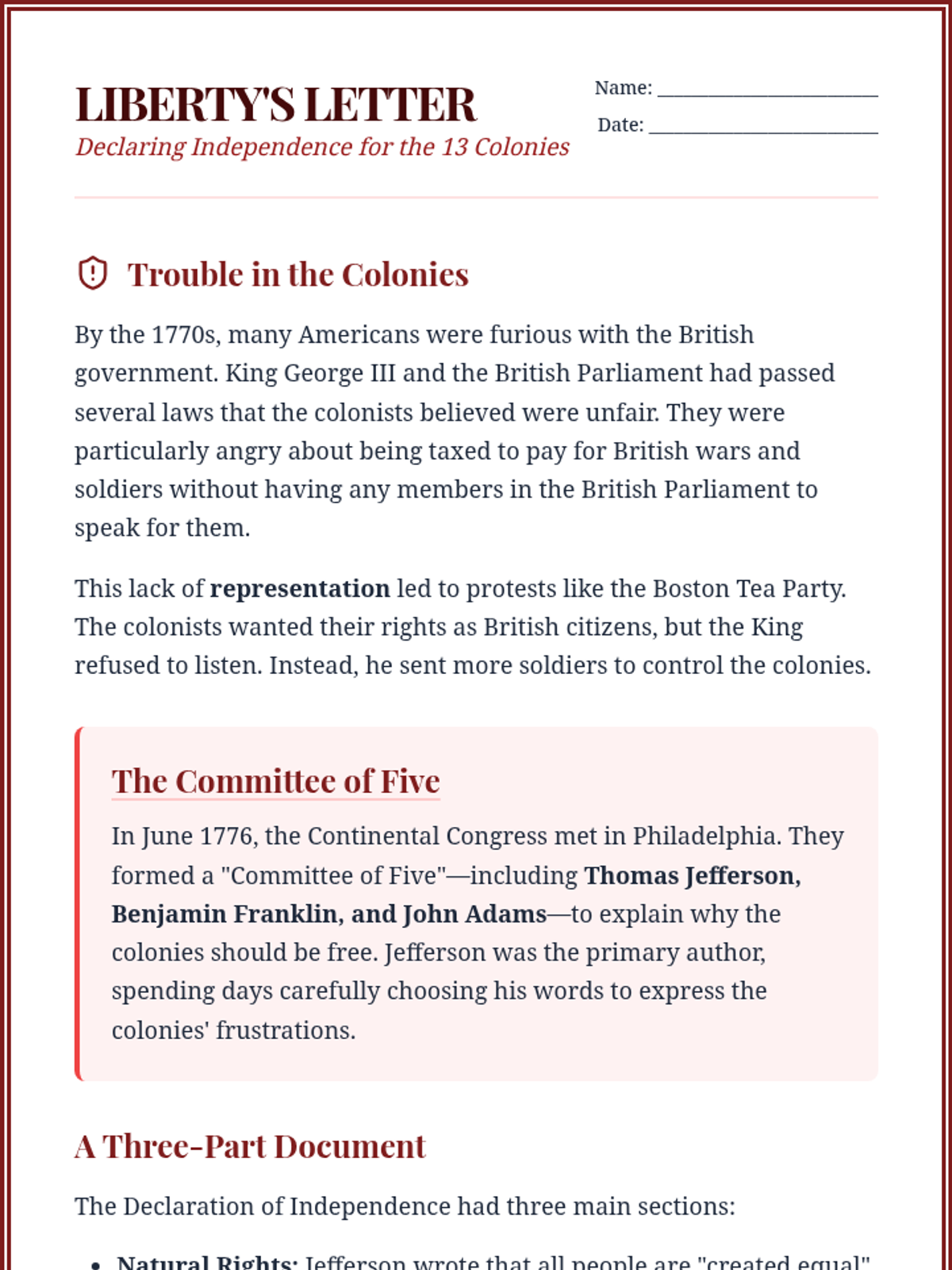
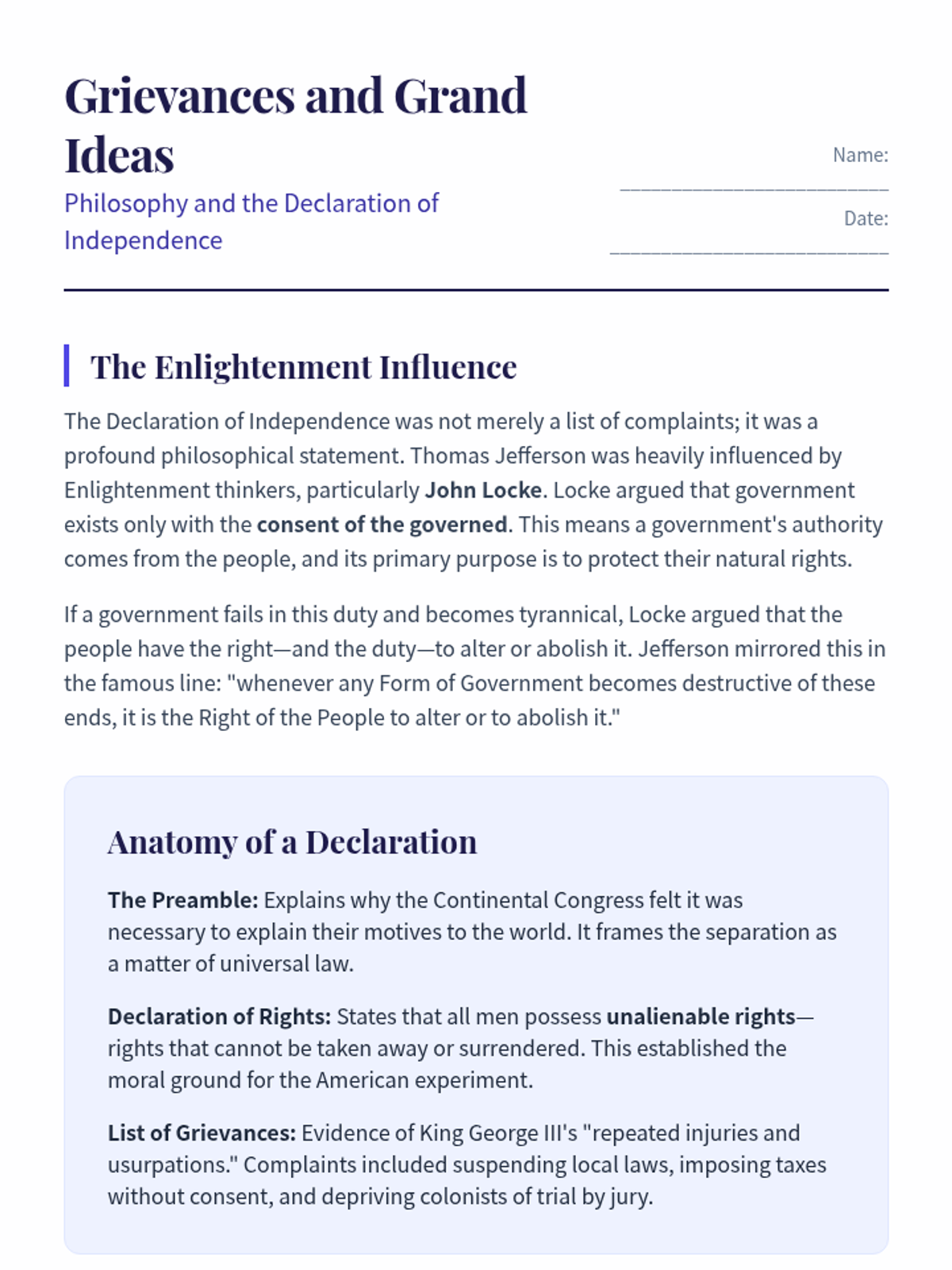
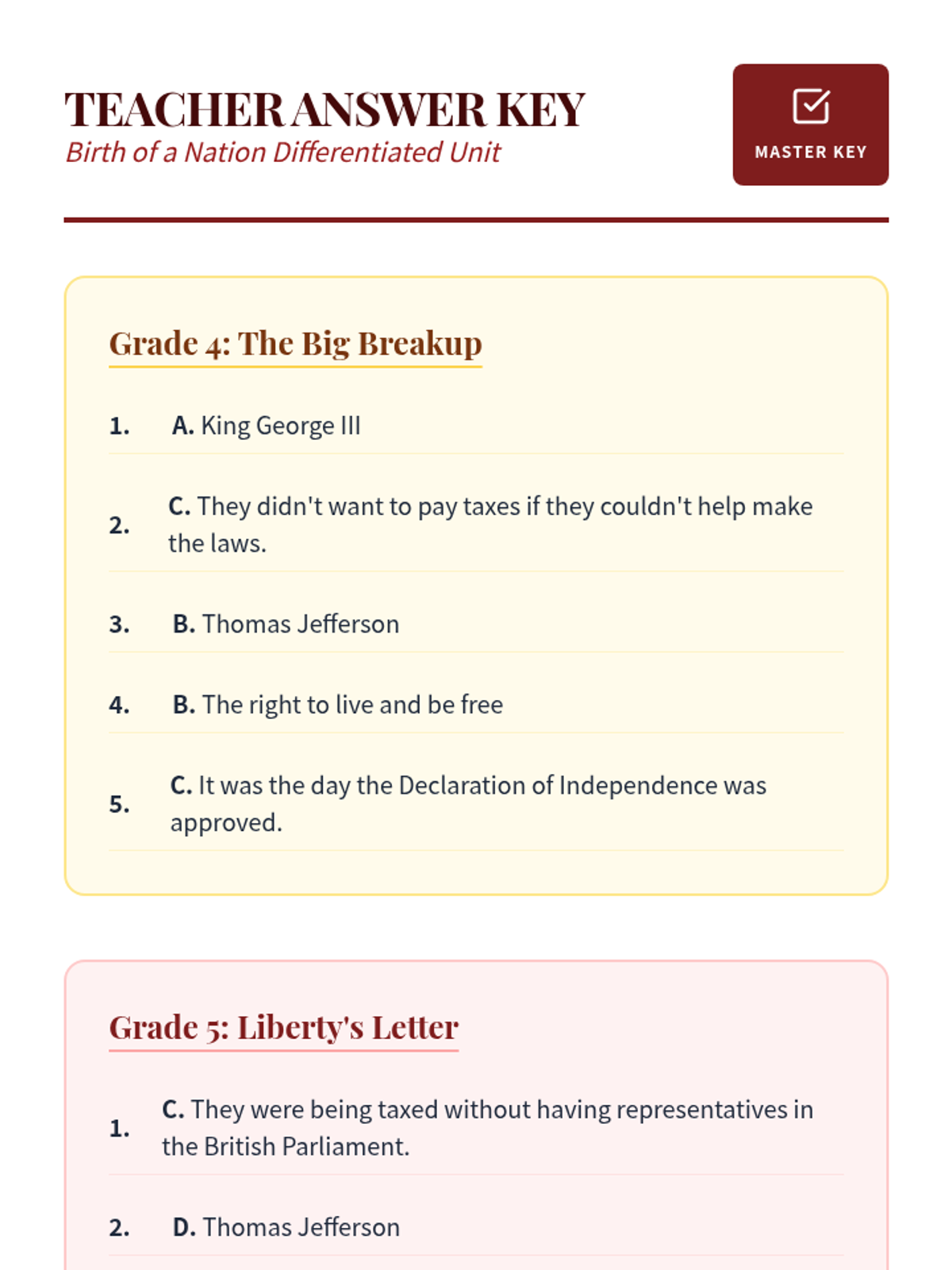
An exploration of the Declaration of Independence, its historical context, key grievances against King George III, and the fundamental principles of American democracy.
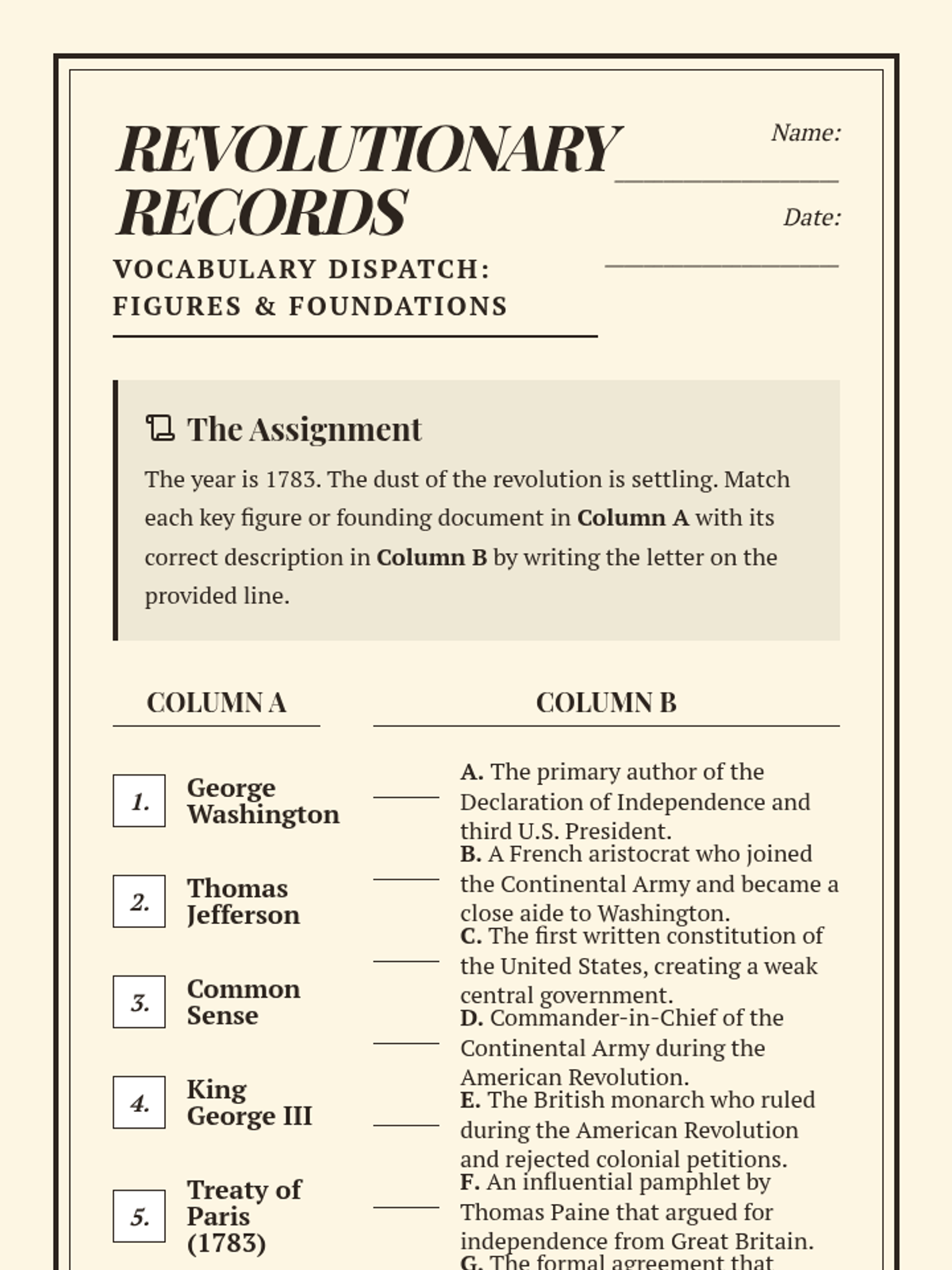
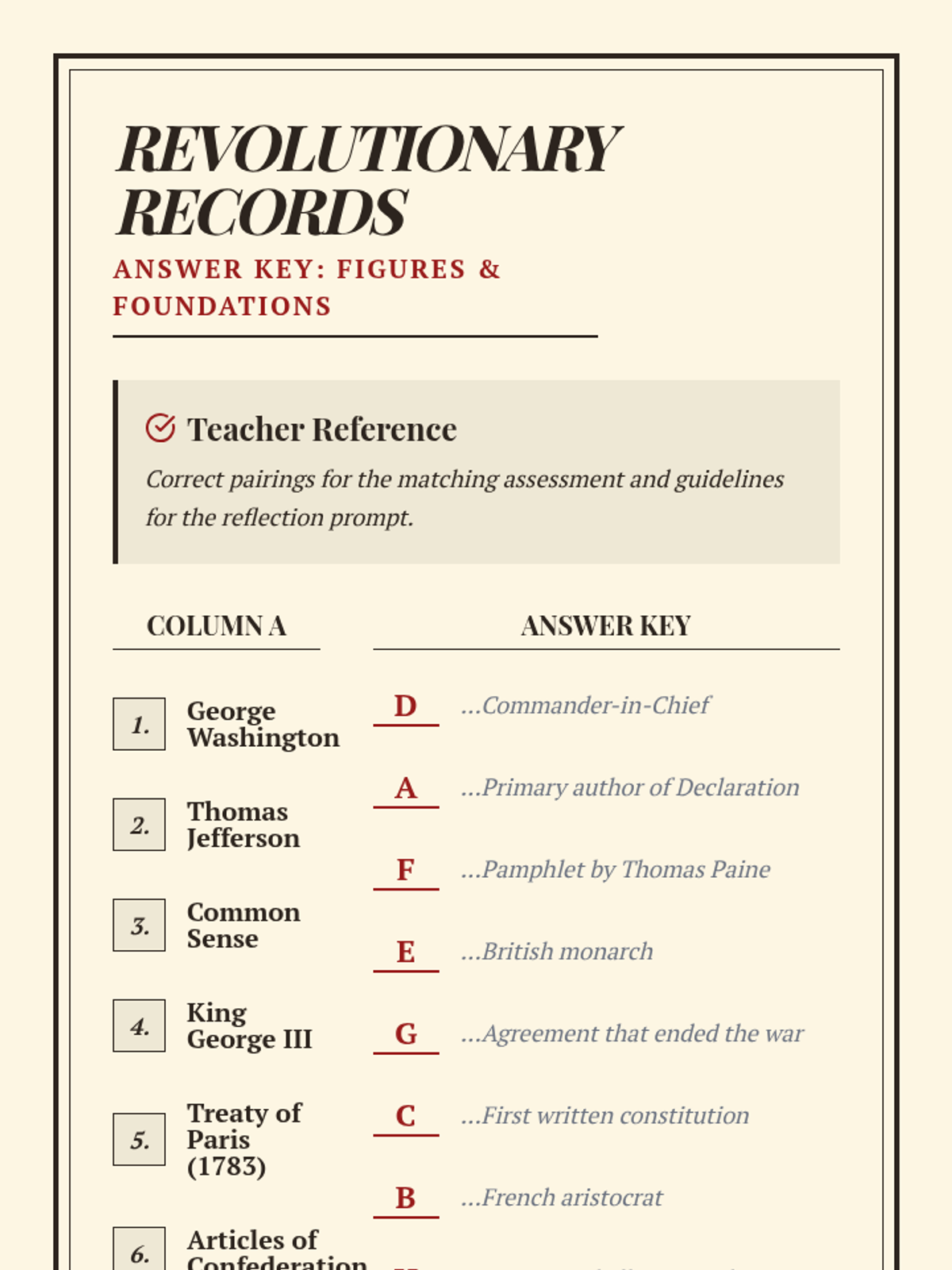
A short lesson focused on mastering key figures and founding documents of the American Revolution through matching and reflection.
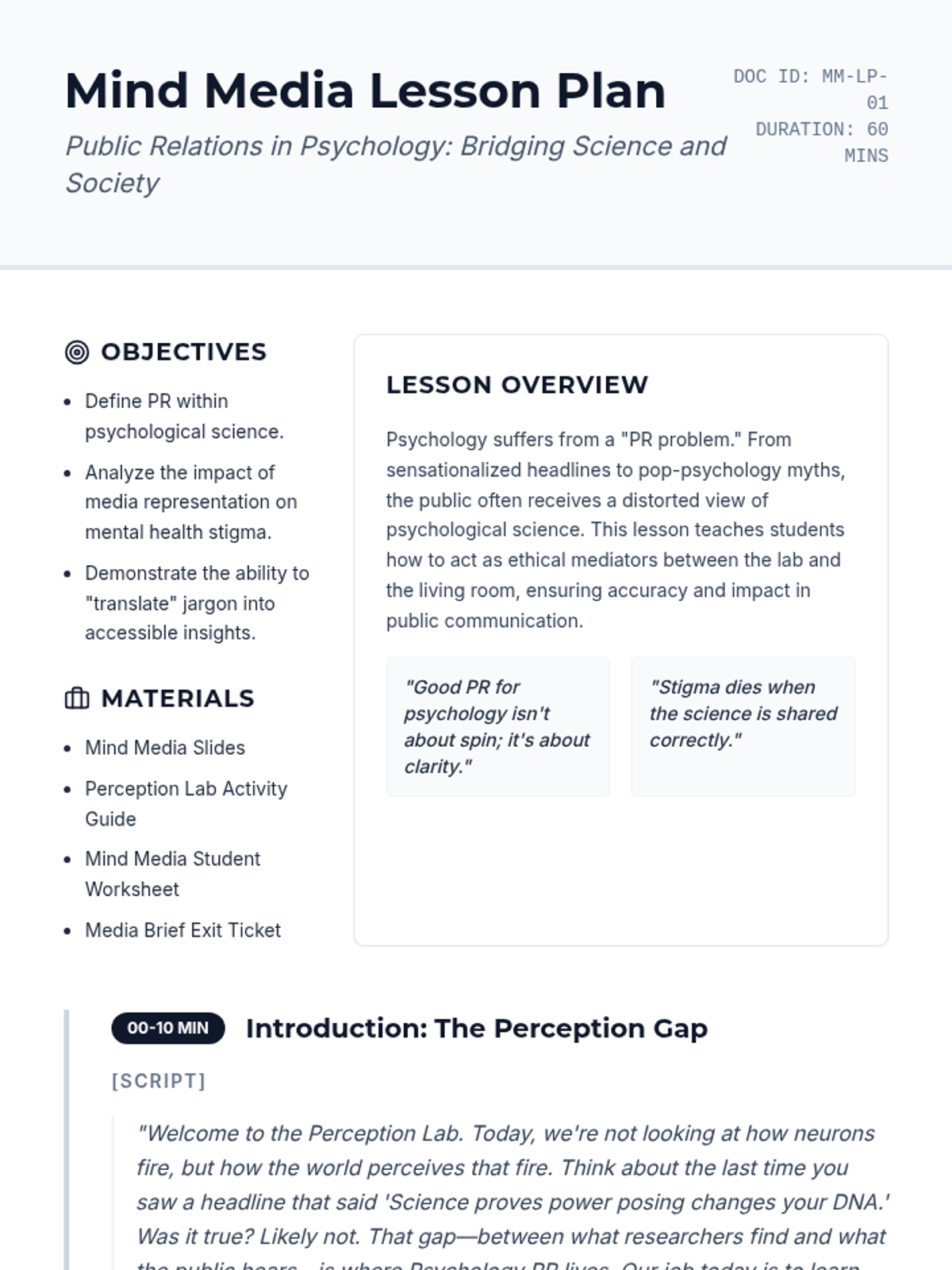
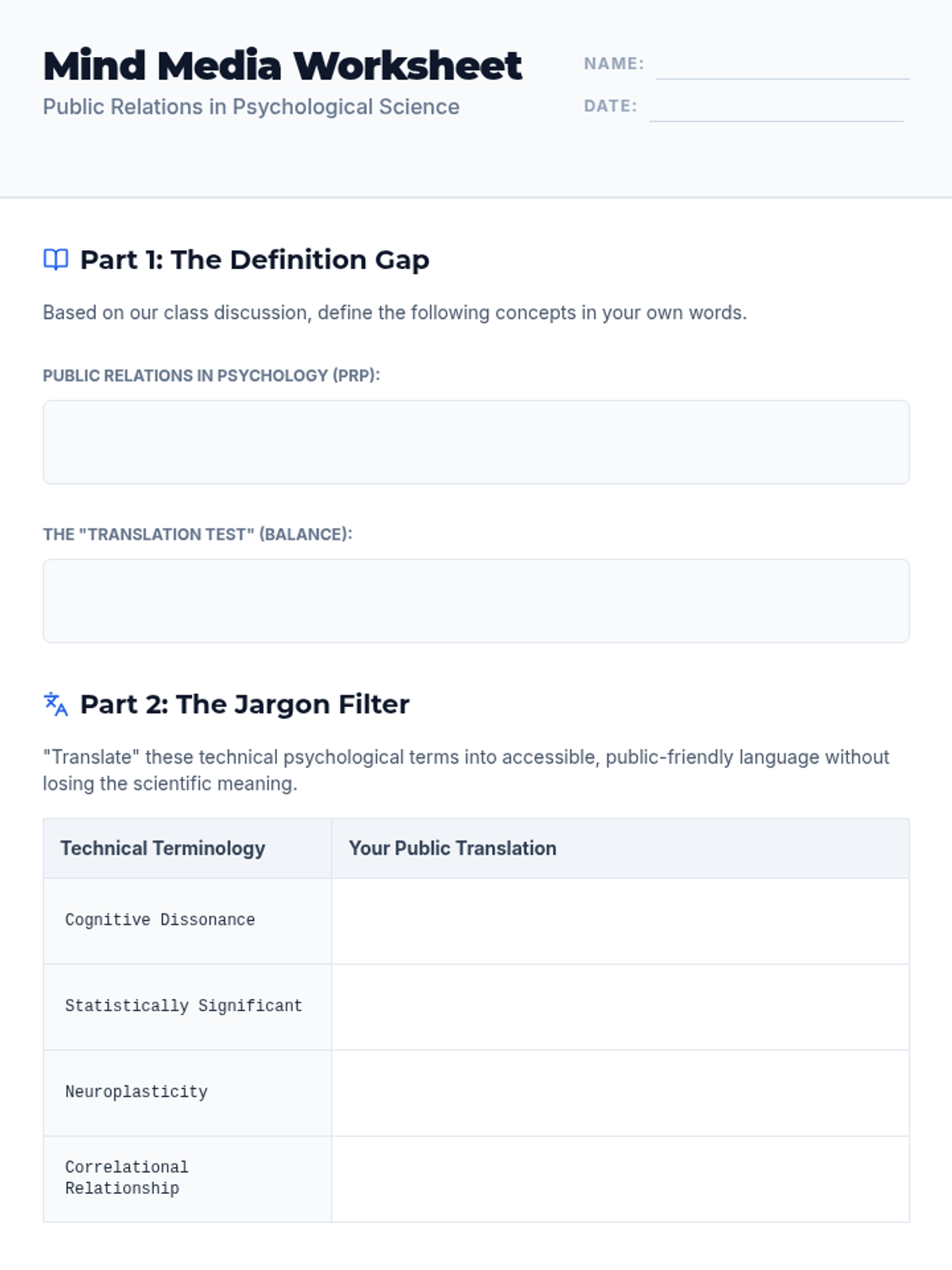
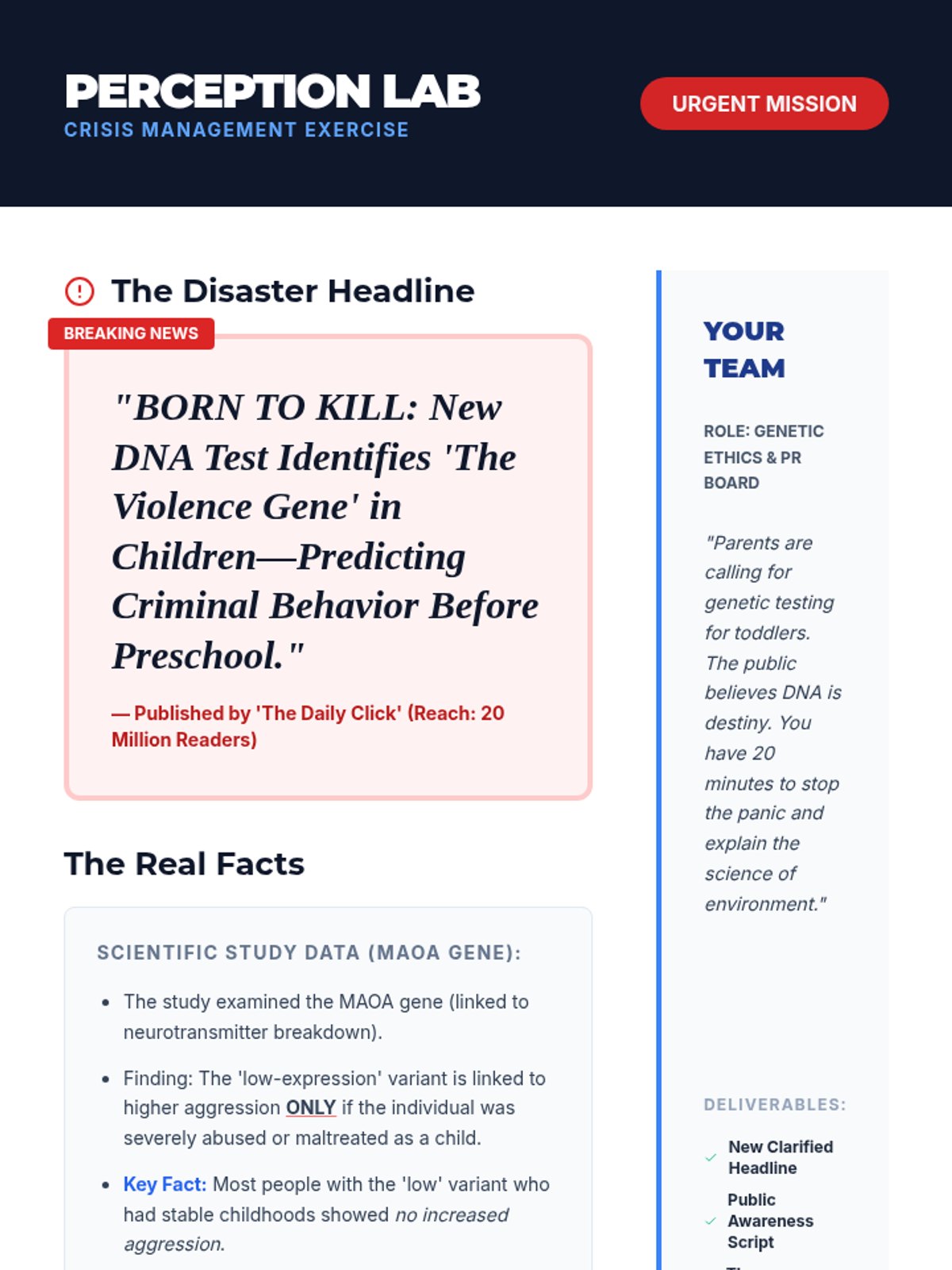
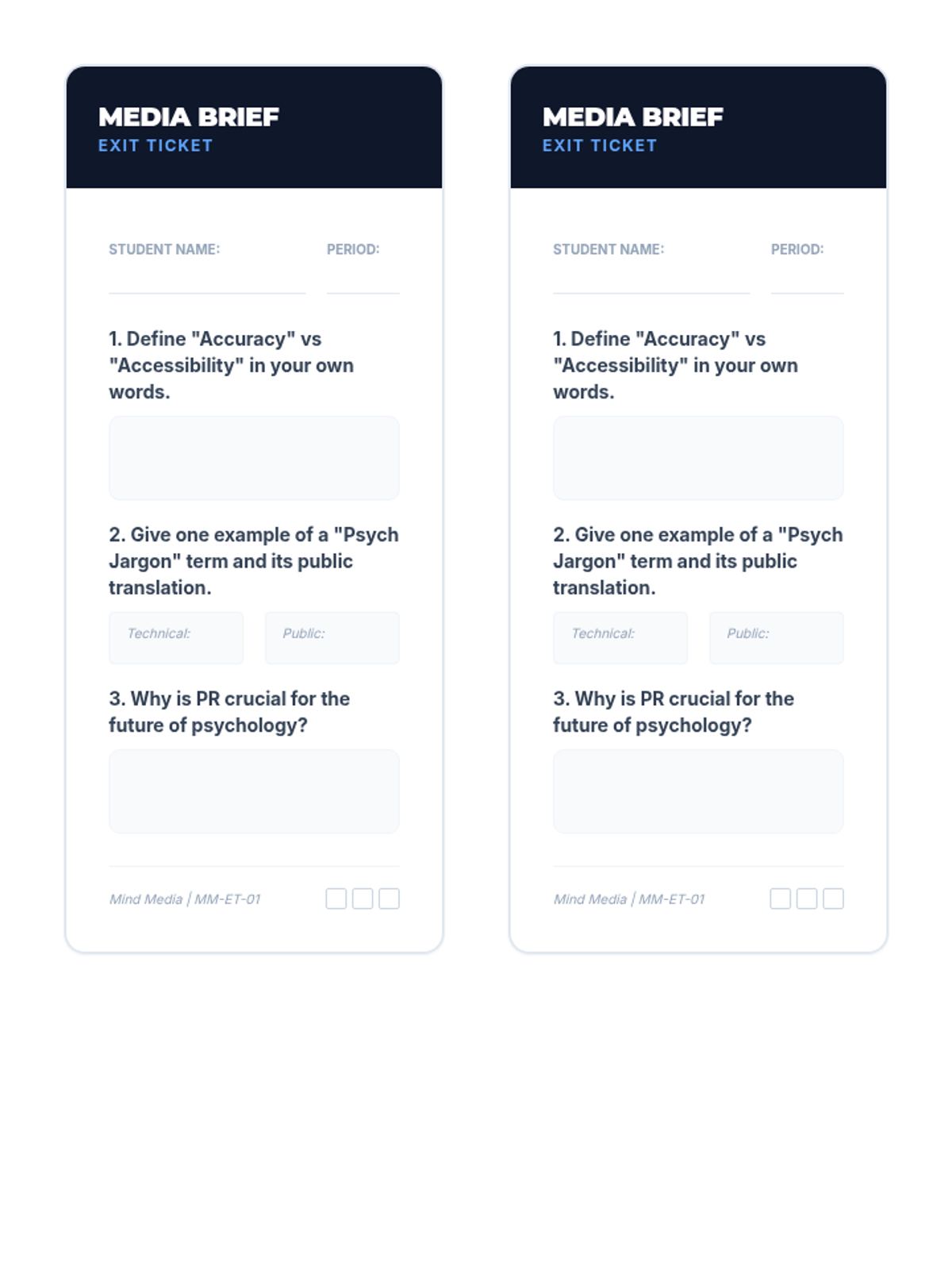
A comprehensive lesson on Public Relations in Psychology, focusing on translating complex research for public consumption, managing public perception of psychological science, and ethical communication.
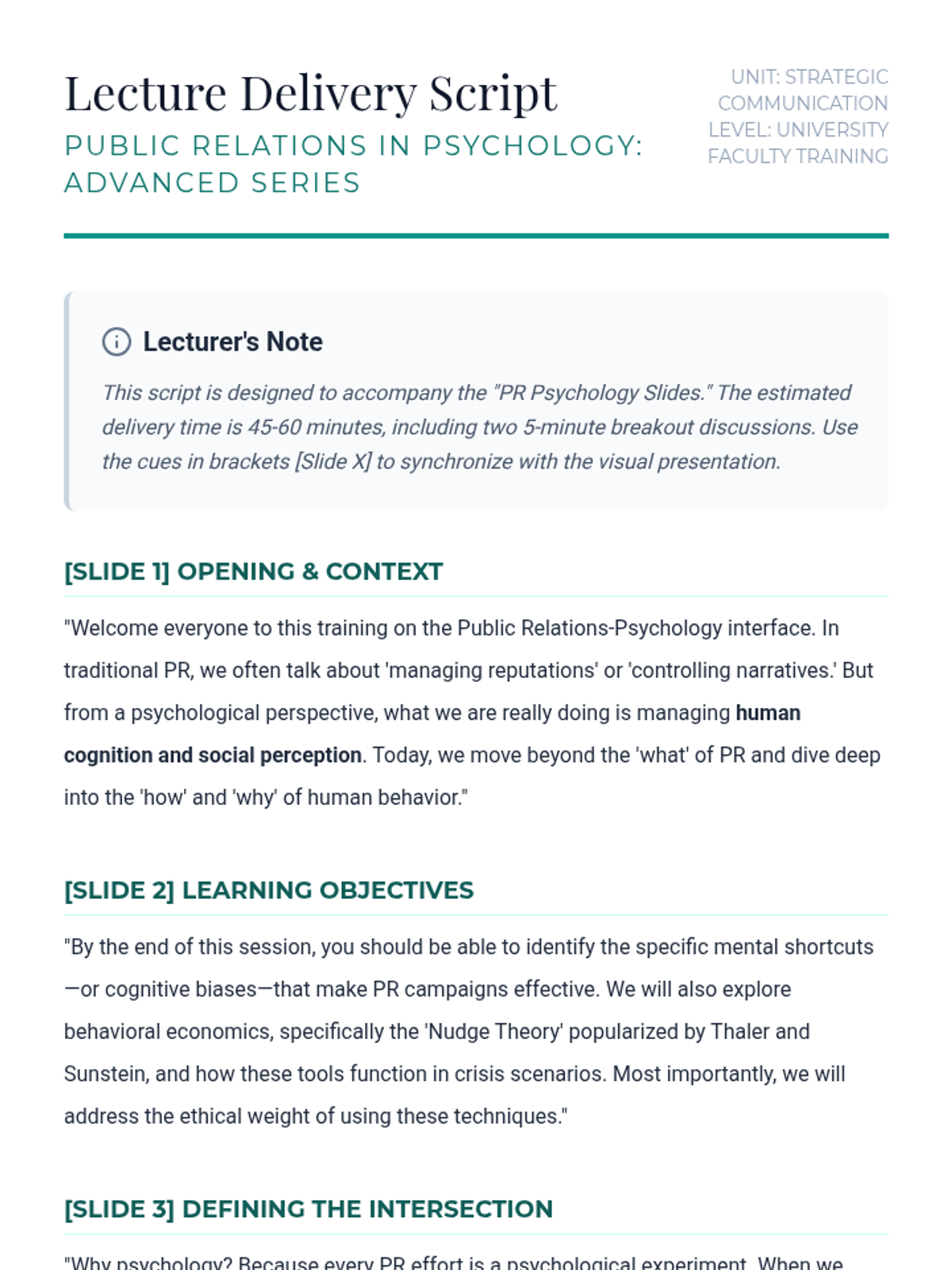
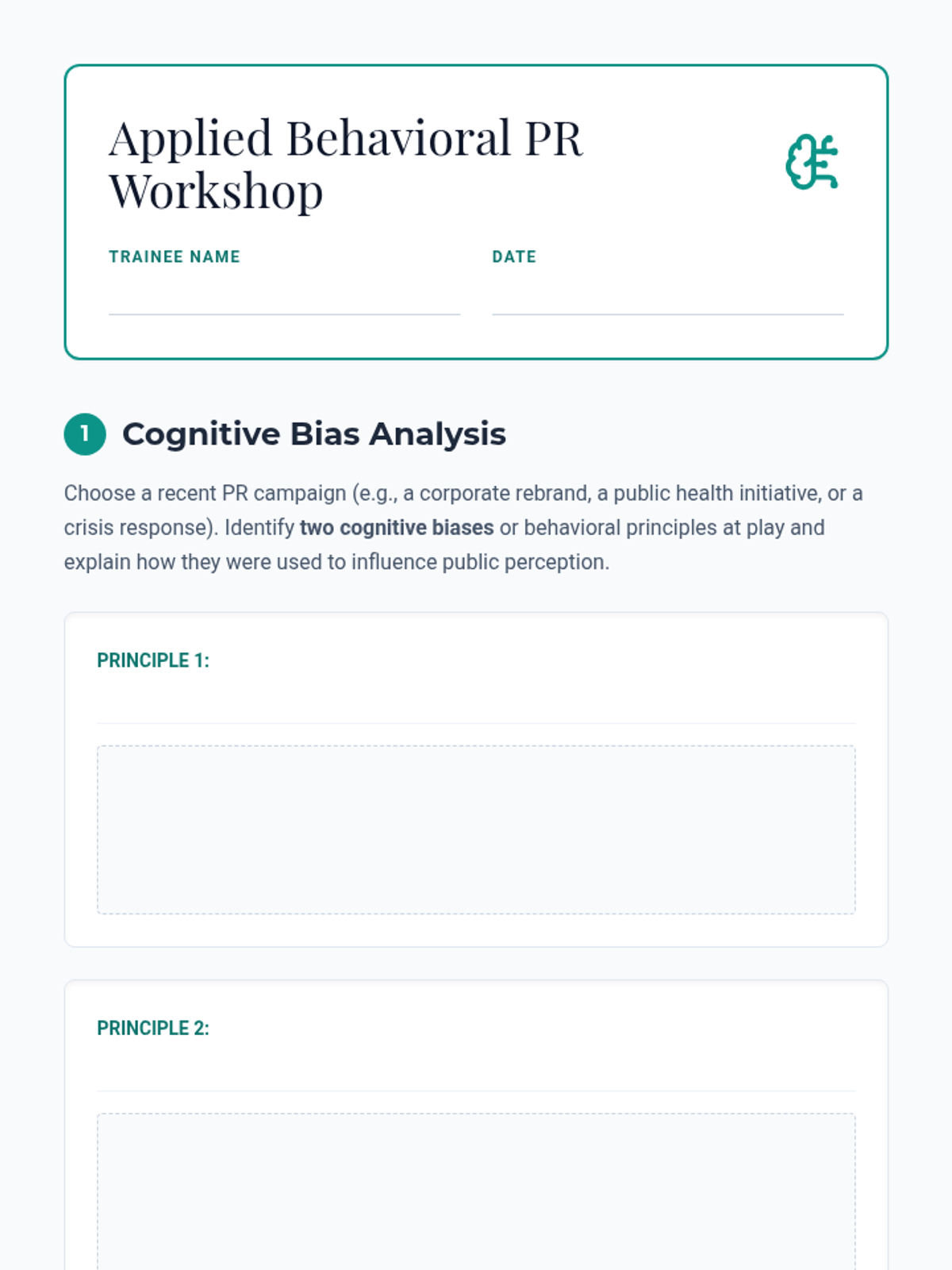
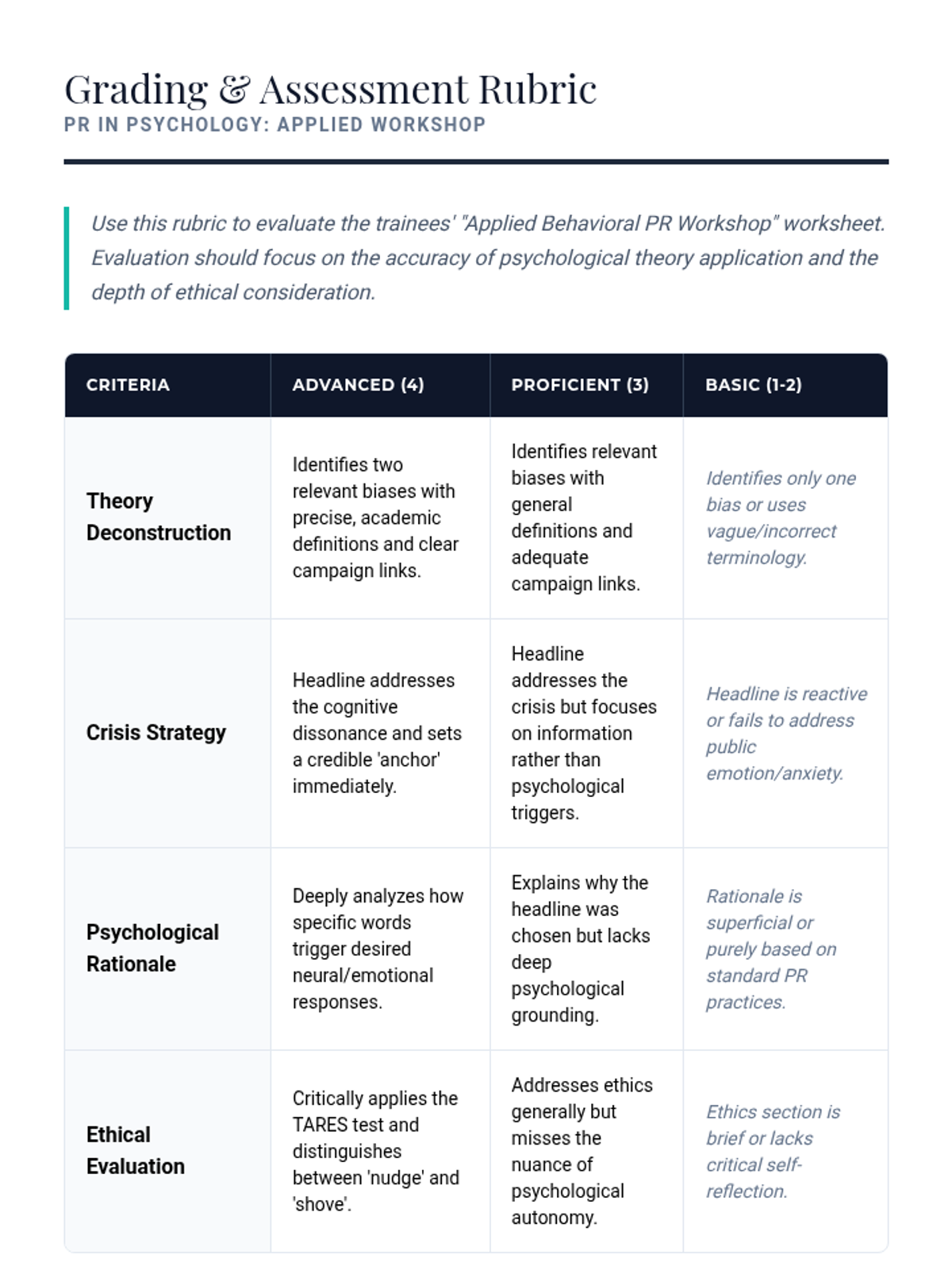
This lesson explores the intersection of psychological principles and public relations strategies, designed for university-level teacher training. It covers behavioral influence, cognitive biases, and ethical communication frameworks.