A collection of coloring pages featuring influential women from history and modern times, designed to inspire students through art and reflection.
An adapted lesson exploring the Latin American struggle for independence from Spanish colonial rule, featuring simplified text and visual supports for diverse learners.
This lesson explores the pivotal role of Creoles in the Latin American wars of independence, focusing on the social hierarchy of the Casta system and the motivations for revolution. Students will analyze how the desire for political power and Enlightenment ideas led to the break from Spanish rule.
Foundational literacy activities focusing on CVC word families through tactile sorting and visual identification.
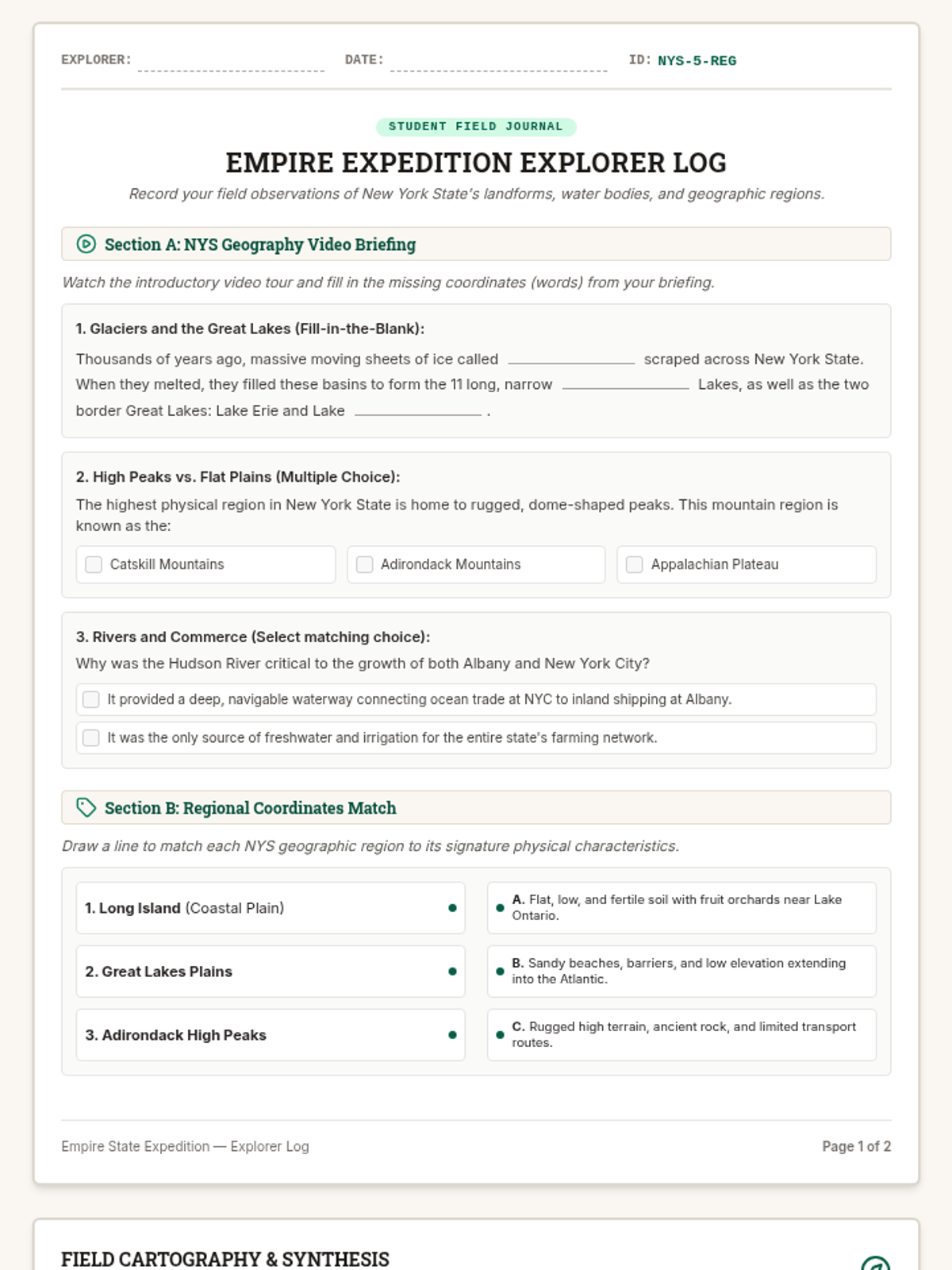
An in-depth exploration of Ancient Egyptian civilization for sixth-grade students. This lesson covers geography, social structures, religious practices, and daily life, utilizing visual slides and interactive guided notes.
This lesson explores the motivations and roles of the Creoles in the Latin American independence movements, featuring a simplified reading passage and comprehension activities.
Celebrate the impact of contemporary women of color through a high-energy "Who Am I?" game and the creation of biographical trading cards.
A hands-on review of all unit concepts through a series of interactive station rotations.
A deep dive into how banks work, what interest rates are, and how they influence major economic decisions.
Students analyze how positive and negative incentives drive consumer and producer behavior in the marketplace.
An exploration of resources, labor, and the primary industries of manufacturing and agriculture that drive the US economy.
Students differentiate between wants and needs and explore how money facilitates the exchange of goods and services.
Finalizing the travel brochure and presenting planned trips to the class.
Research and initial drafting for the 'Plan a Trip' travel brochure project.
Examination of modern industries, major cities, and the diverse demographics of the West today.
Exploration of the Coast Salish and Paiute peoples, focusing on their adaptation to their environments and traditional cultures.
Introduction to the 11 Western states, their geography, and diverse climates ranging from rainforests to deserts.
A look at the modern-day Southwest, including its major cities, diverse population, and current economic drivers like tourism, energy, and aerospace.
A hands-on lesson comparing the historic ways of life of the Southwest's original inhabitants with the modern lives of people living in the region today.
An exploration of the Apache and Comanche tribes, their nomadic lifestyles, warrior traditions, and their adaptation to the horse culture on the plains.
A study of the Pueblo and Navajo tribes, focusing on their unique cultures, traditional homes (pueblos and hogans), and artistic traditions like weaving and pottery.
An introduction to the geography and climate of the four Southwestern states: Arizona, New Mexico, Texas, and Oklahoma. Students will learn about deserts, mountains, and plains.
A look at modern life in the Midwest, including major cities, cultural contributions, and a final unit review.
Learning about the Ojibwe (Chippewa) people, their connection to the Great Lakes and woodlands, and their enduring traditions.