Students observe and document magnetic field patterns using iron filings. They will watch a silent video experiment, take detailed notes, and write a descriptive scientific report using key vocabulary like Magnetic Field, Poles, Repel, and Attract.
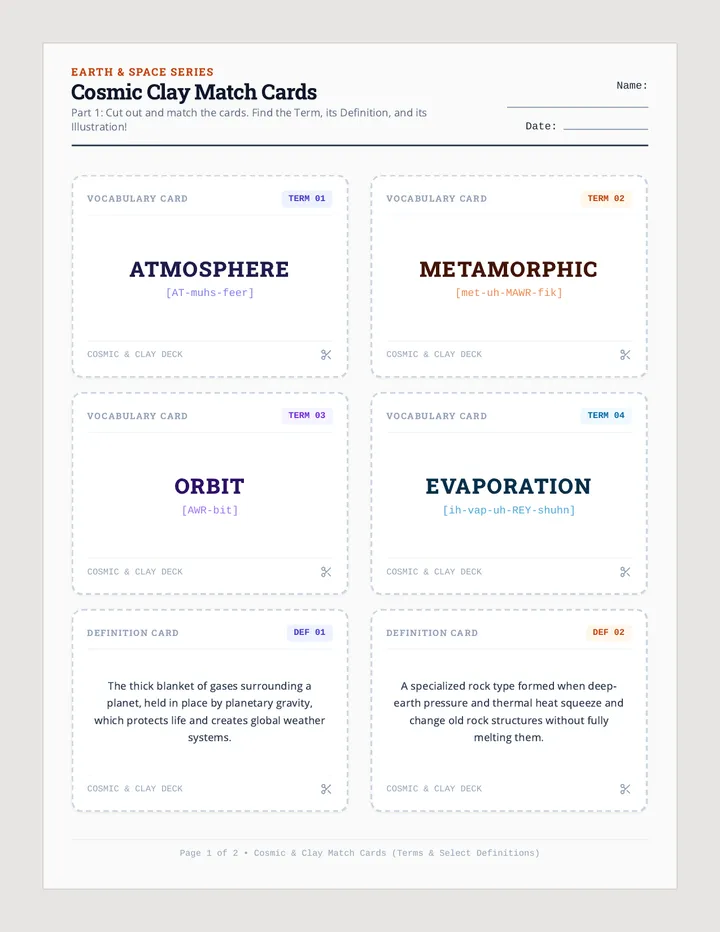
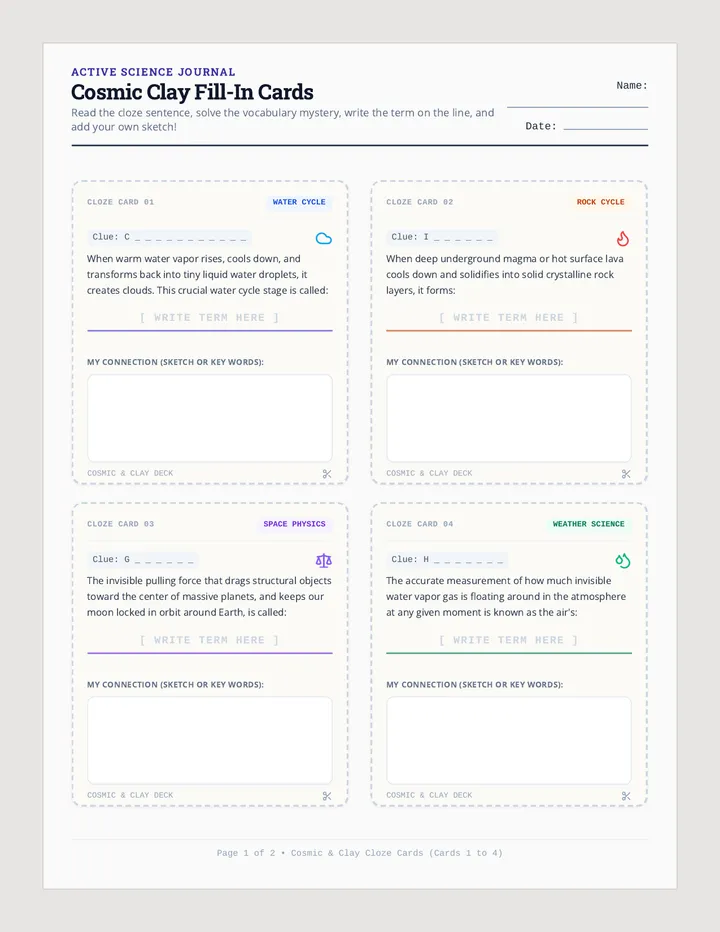
An interactive vocabulary lesson on Earth and Space Science, featuring visual matching card decks and tactile fill-in-the-blank cloze activities covering rocks, weather, water cycles, and space.
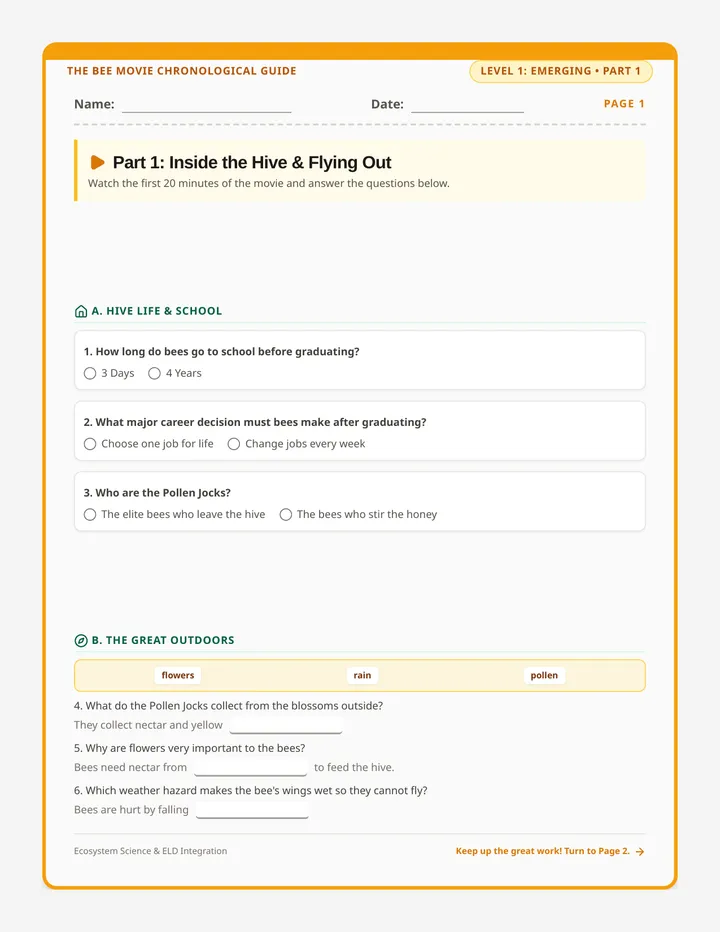
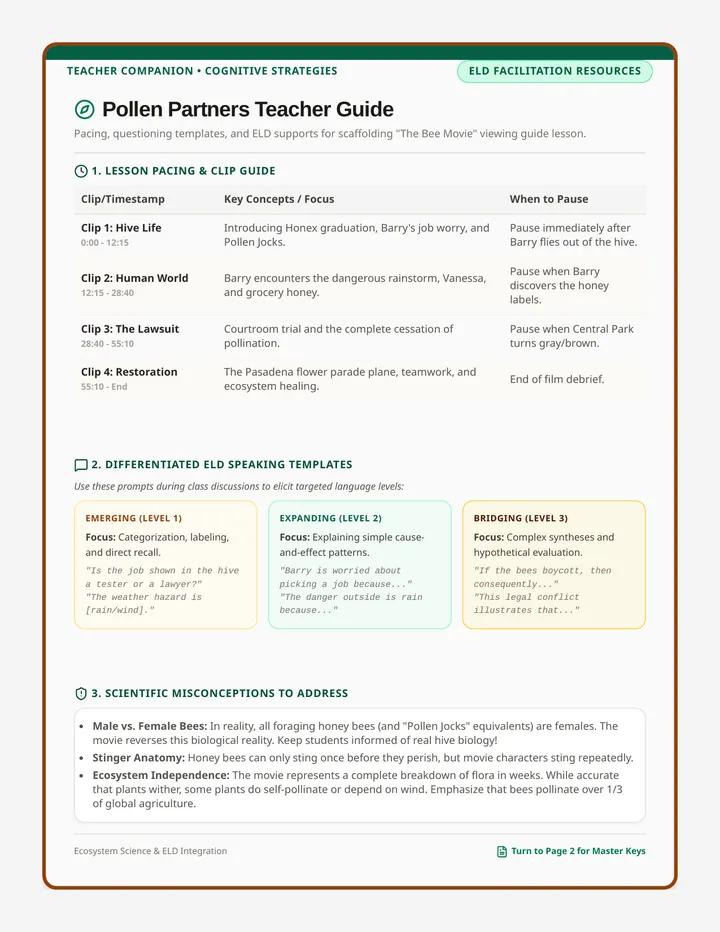
A 5th-grade viewing guide lesson centered around the ecological themes of The Bee Movie. This lesson provides tiered scaffolds (Emerging, Expanding, and Bridging) to support English Language Learners in analyzing pollination, human-bee interaction, and environmental responsibility.
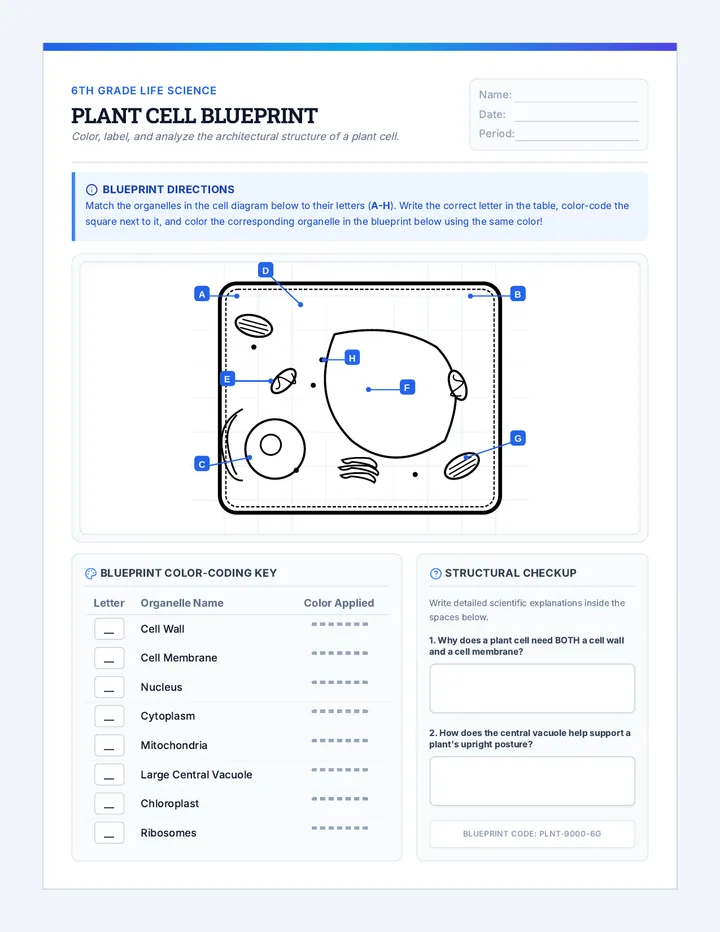
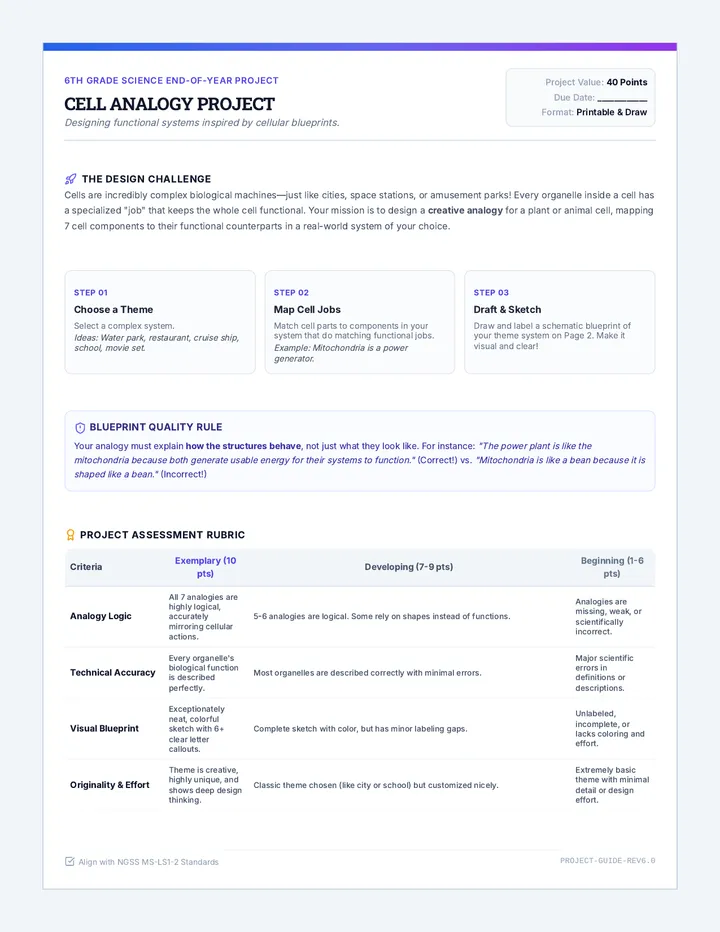
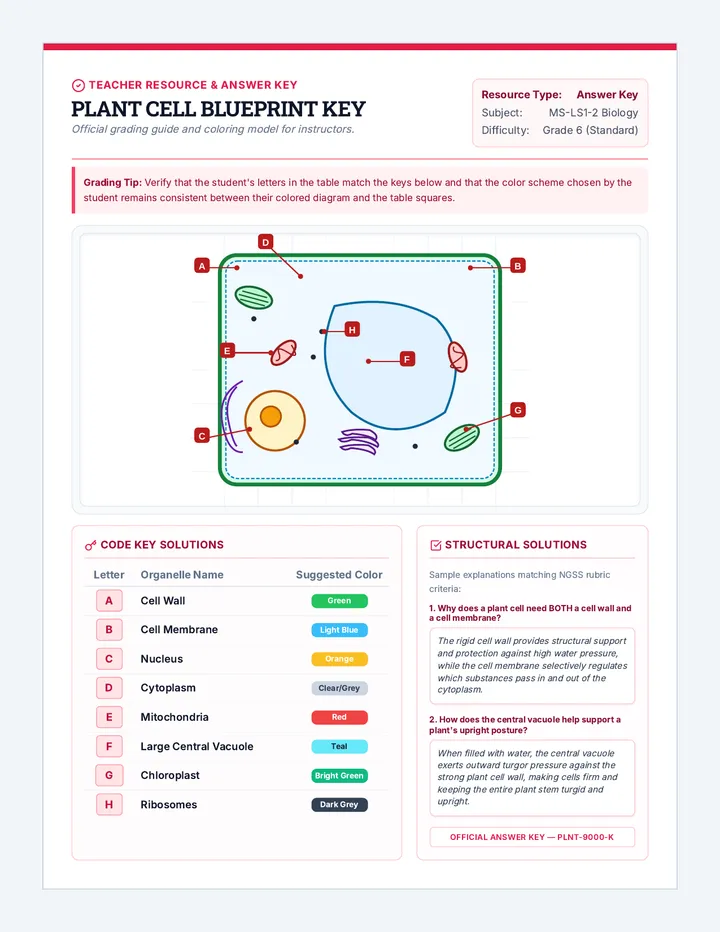
An end-of-year science project lesson where 6th-grade students explore plant and animal cells through creative coloring worksheets and a student-designed cell analogy project. Includes high-quality coloring diagrams and a comprehensive graphic organizer guide.
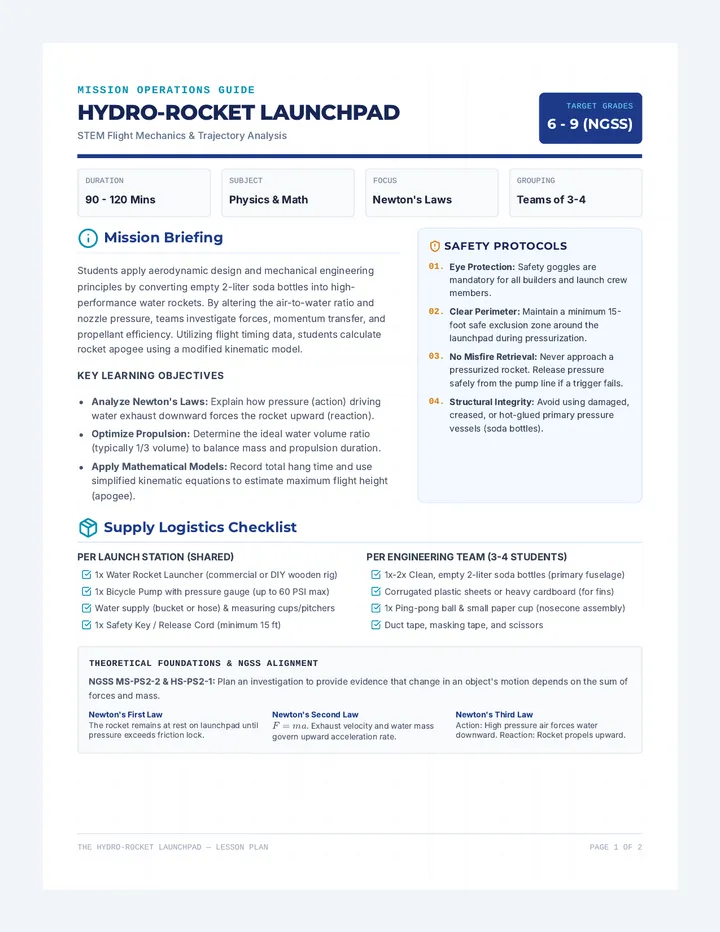
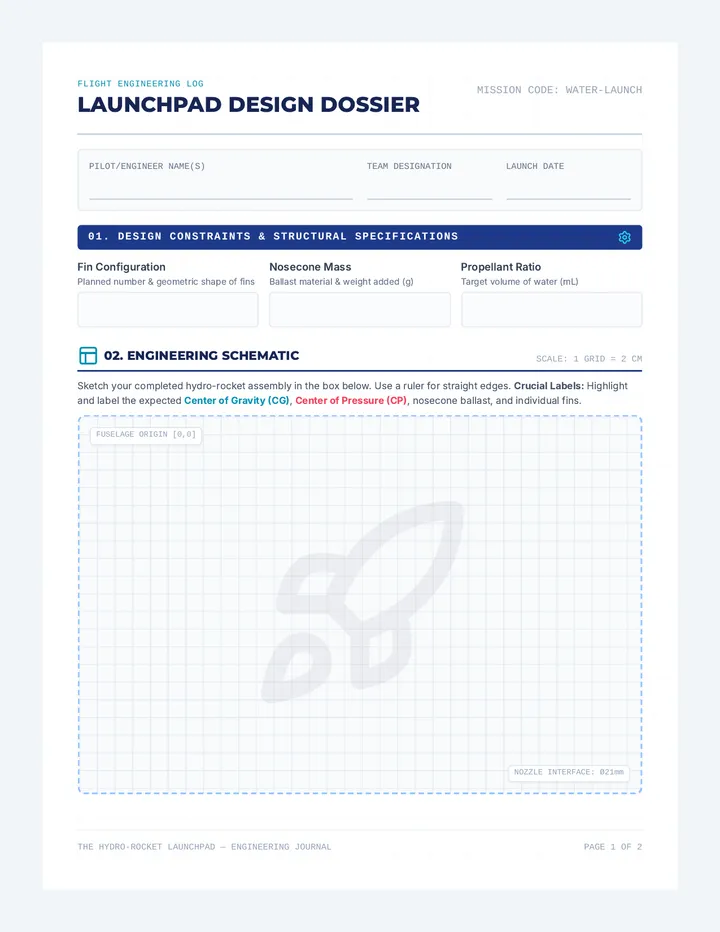
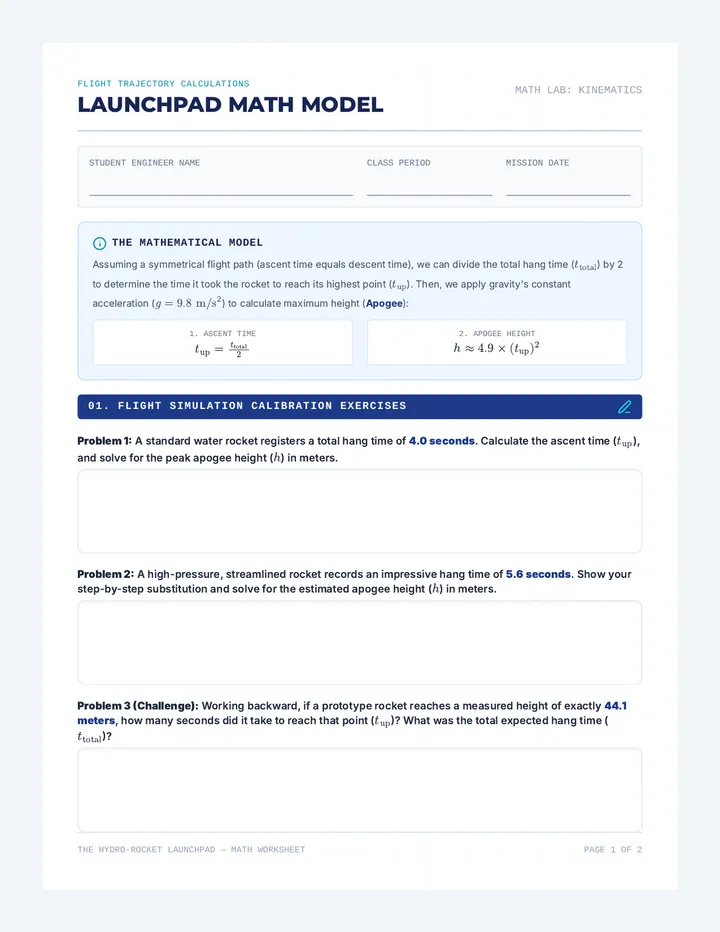
A comprehensive STEM lesson where students design, build, and launch water bottle rockets to explore pressure, volume, and Newton's laws. Students apply physics principles and mathematical formulas to model trajectories and calculate apogee height from hang time.
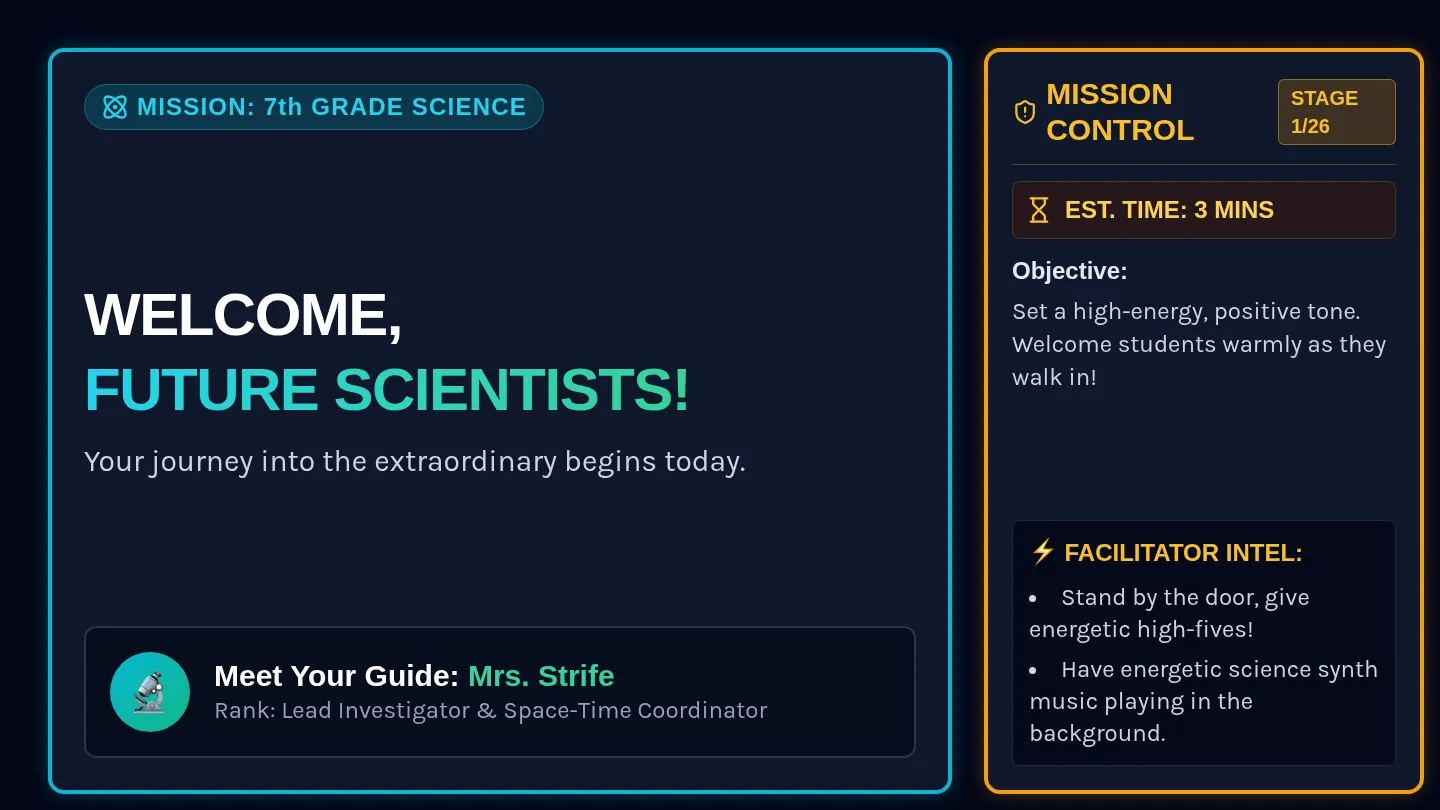
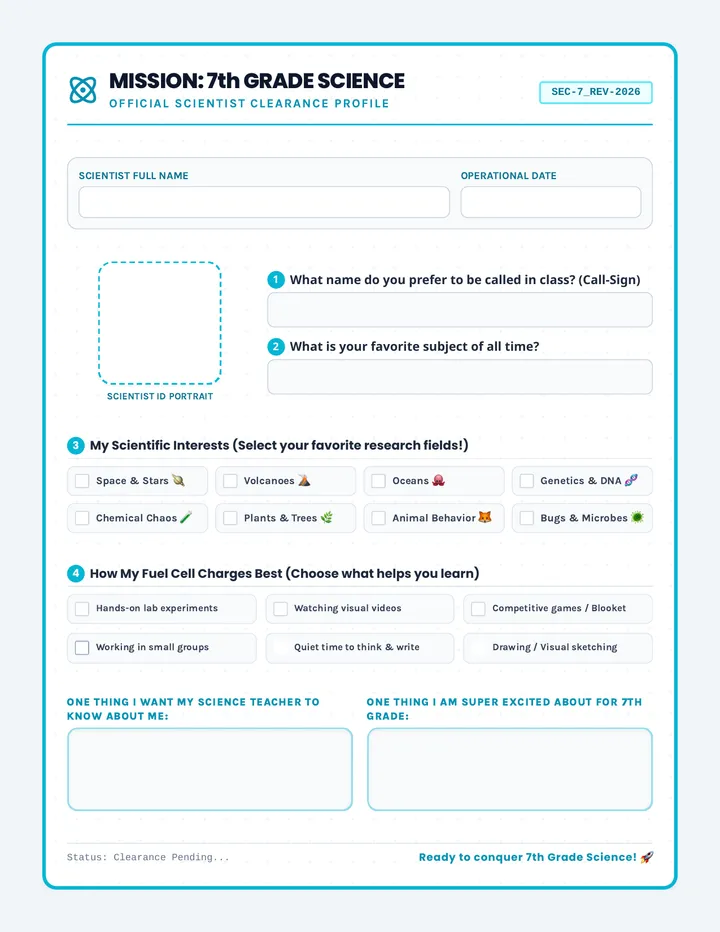
A high-energy, relationship-building transition lesson designed to introduce rising 7th graders to their future 7th-grade science classroom and teacher through interactive activities on the last day of school.
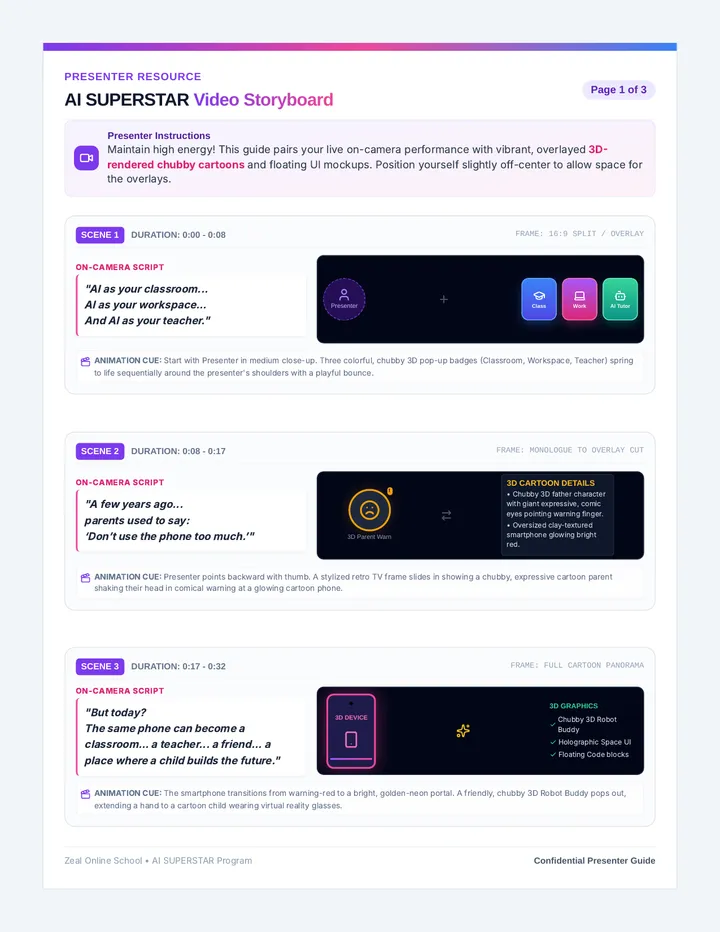
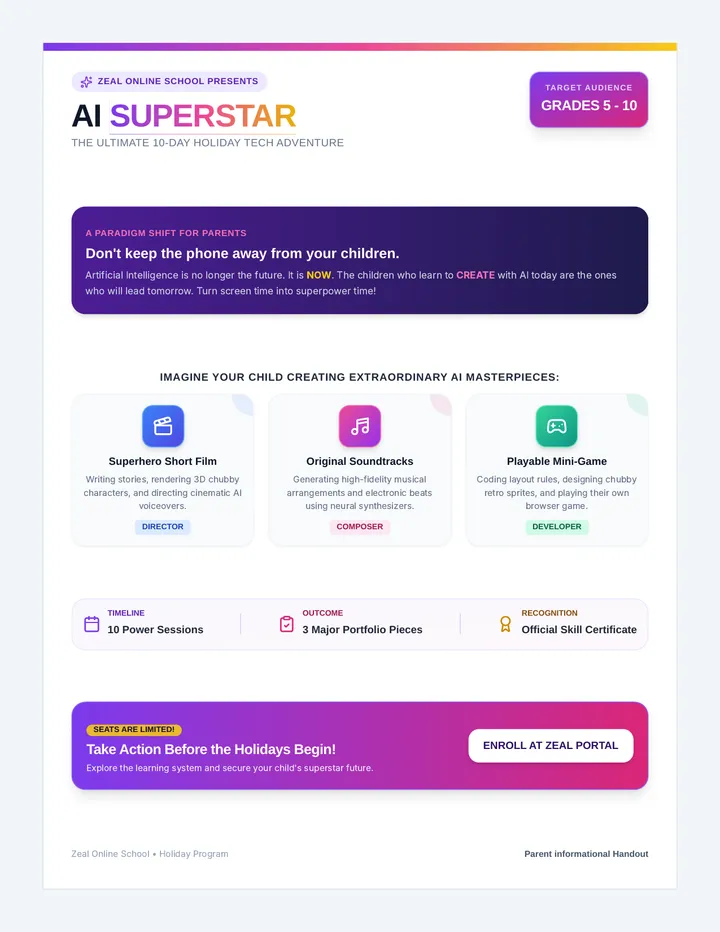
A promotional and planning resource bundle for Zeal Online School's 'AI Superstar' program. Includes a highly descriptive scene-by-scene video storyboard guide for the presenter and a vibrant promotional flyer and informational packet for parents.
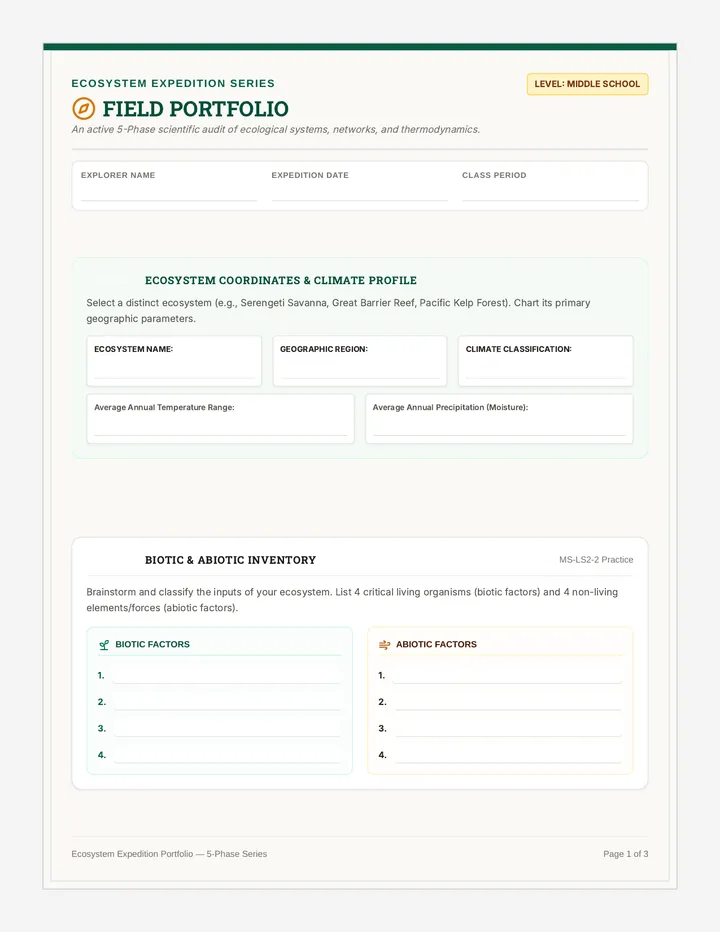
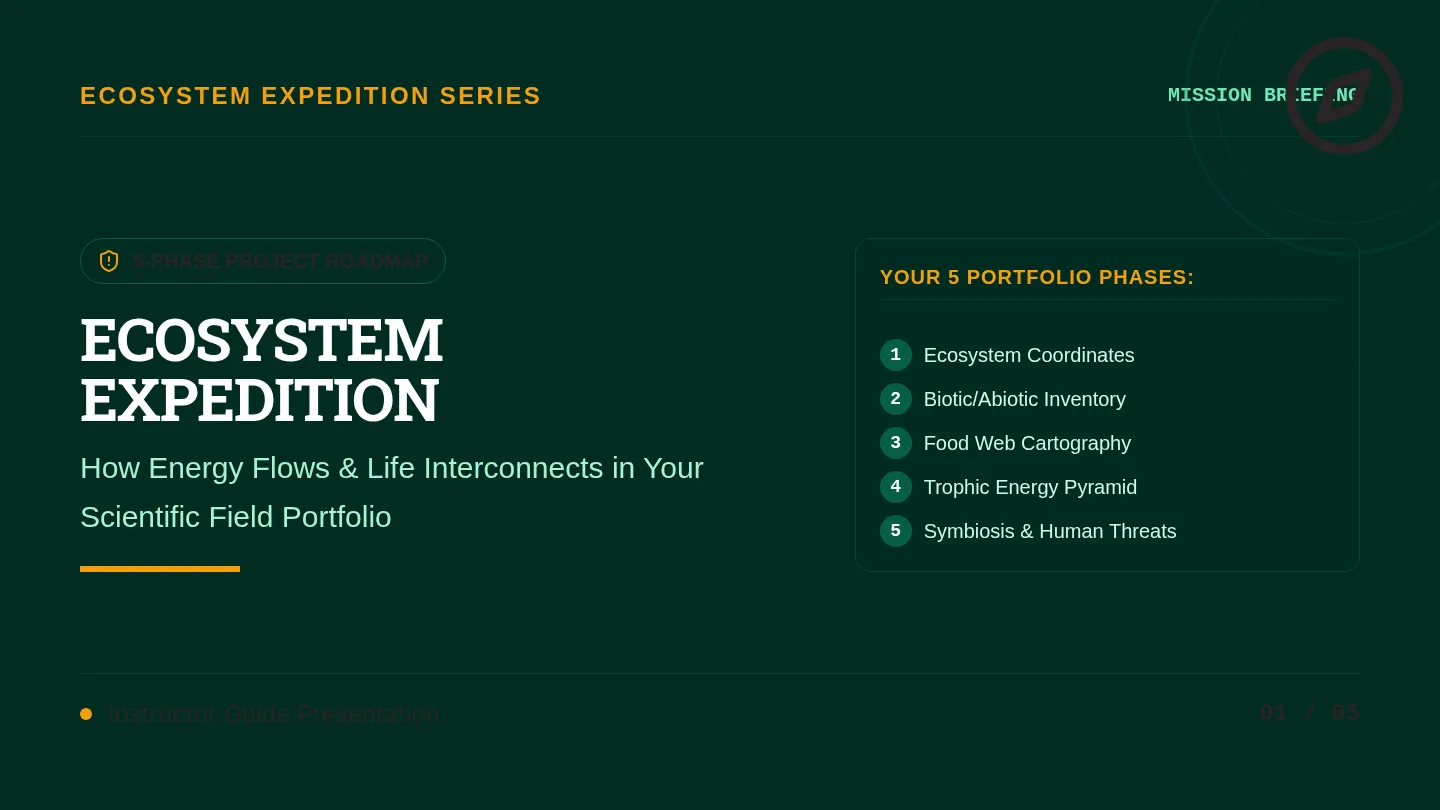
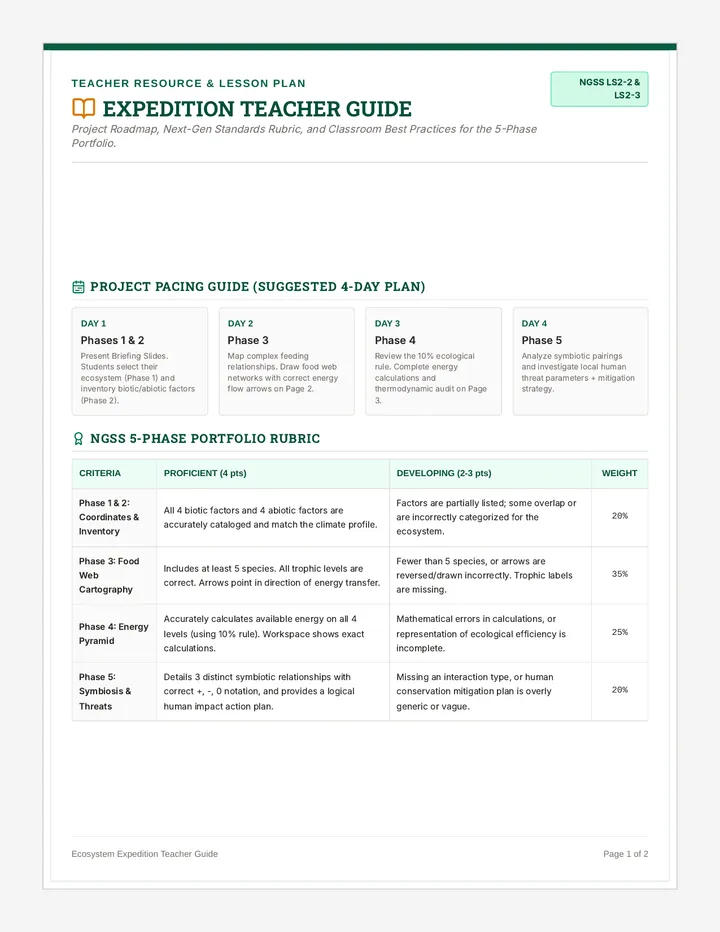
A comprehensive project-based lesson where middle school students embark on a research journey to analyze a specific ecosystem, mapping out food webs, calculating energy pyramids, and identifying symbiotic relationships in a structured field-portfolio format.
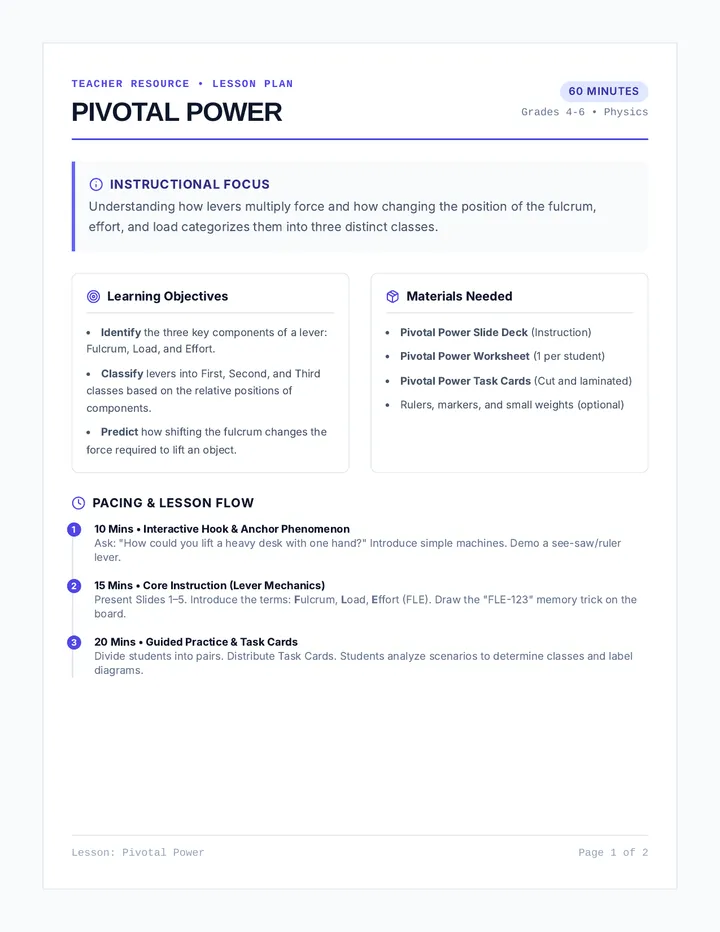
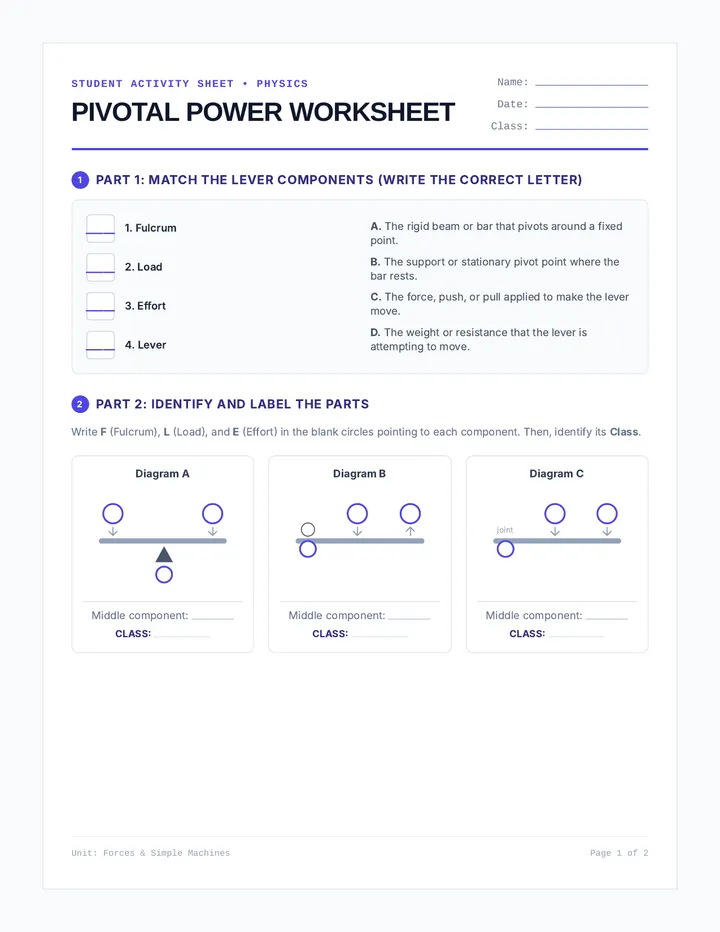
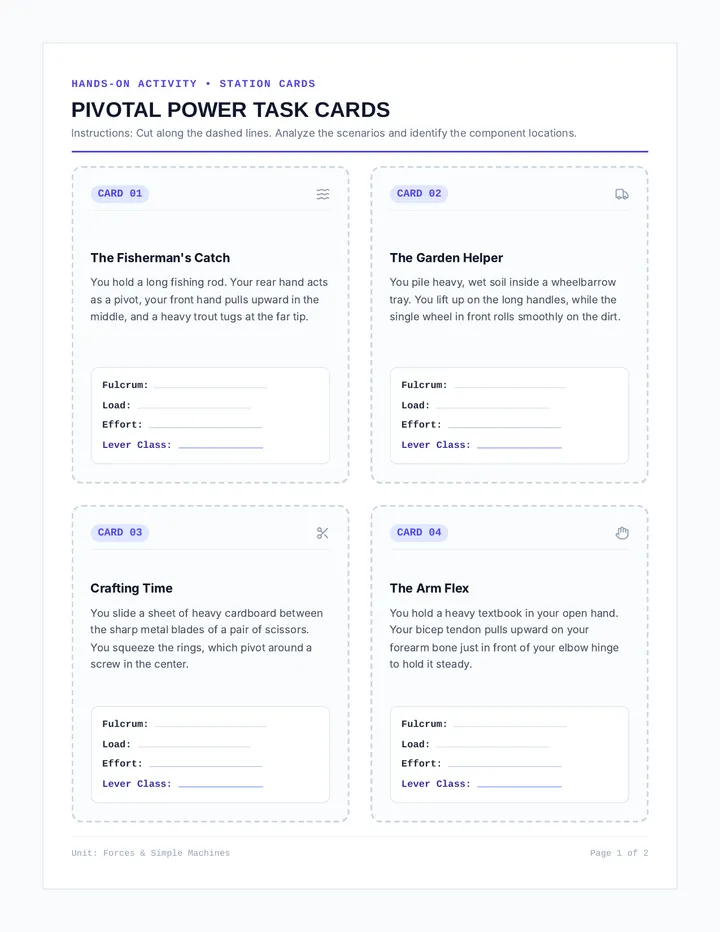
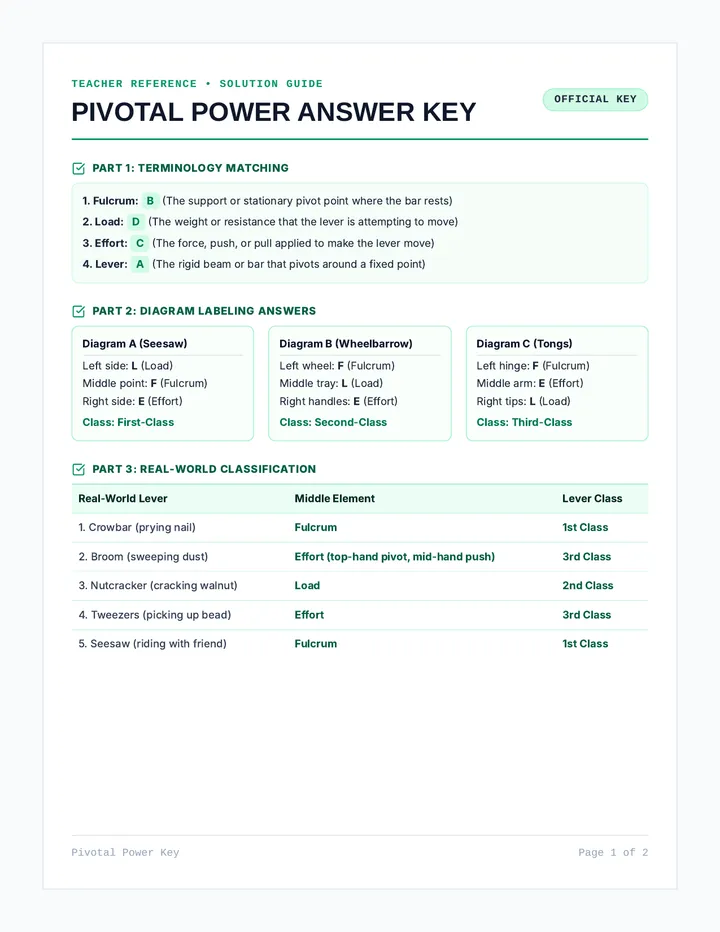
A dynamic science lesson on simple machines focusing on levers and fulcrums. Students explore the three classes of levers through hands-on scenarios, visual models, and interactive challenges.
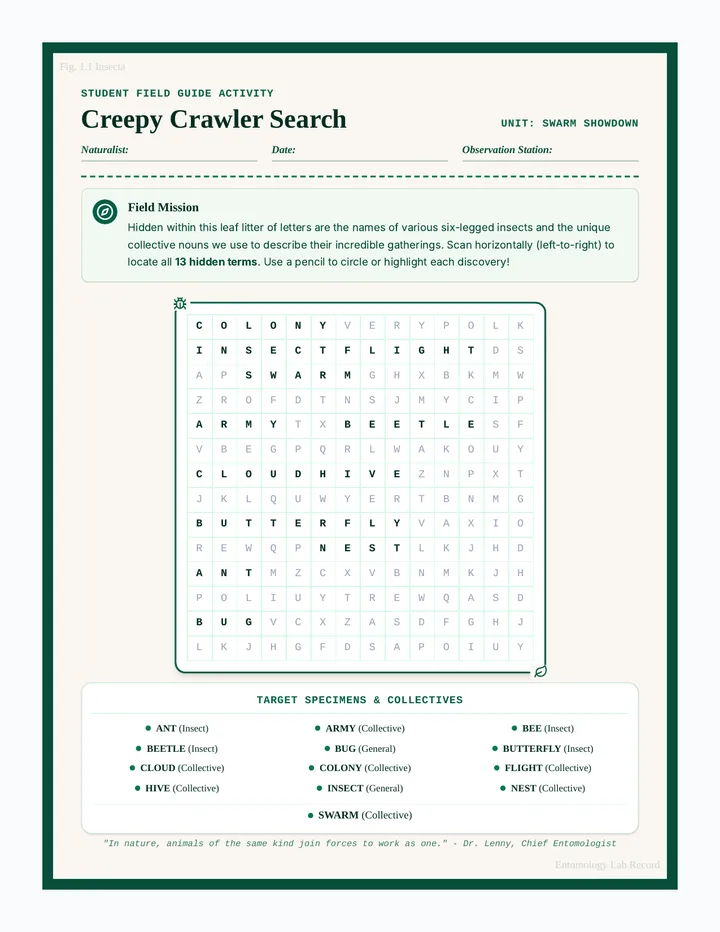
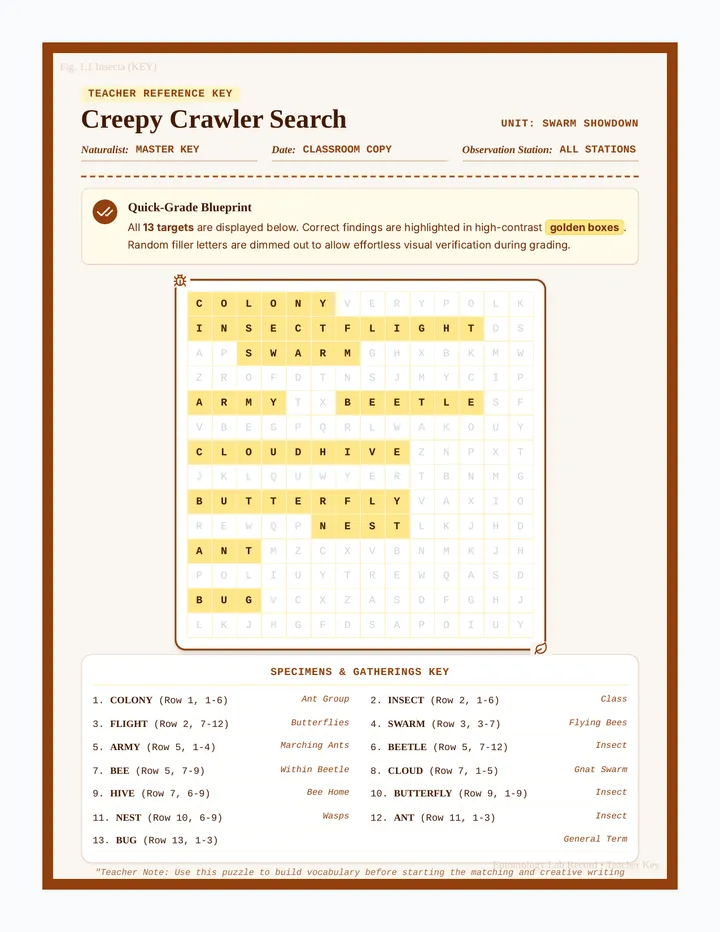
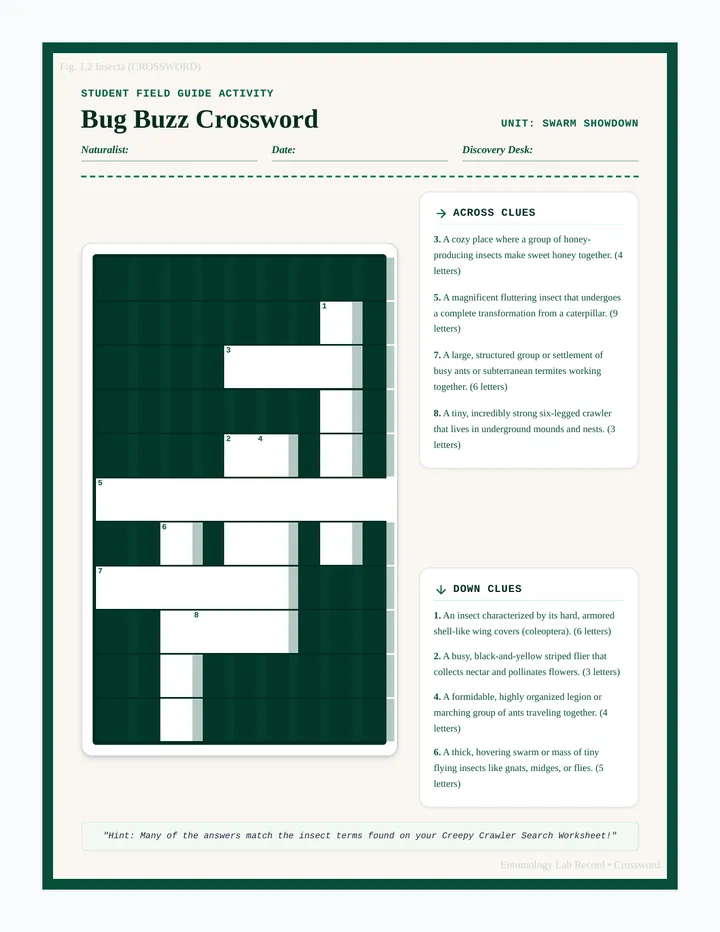
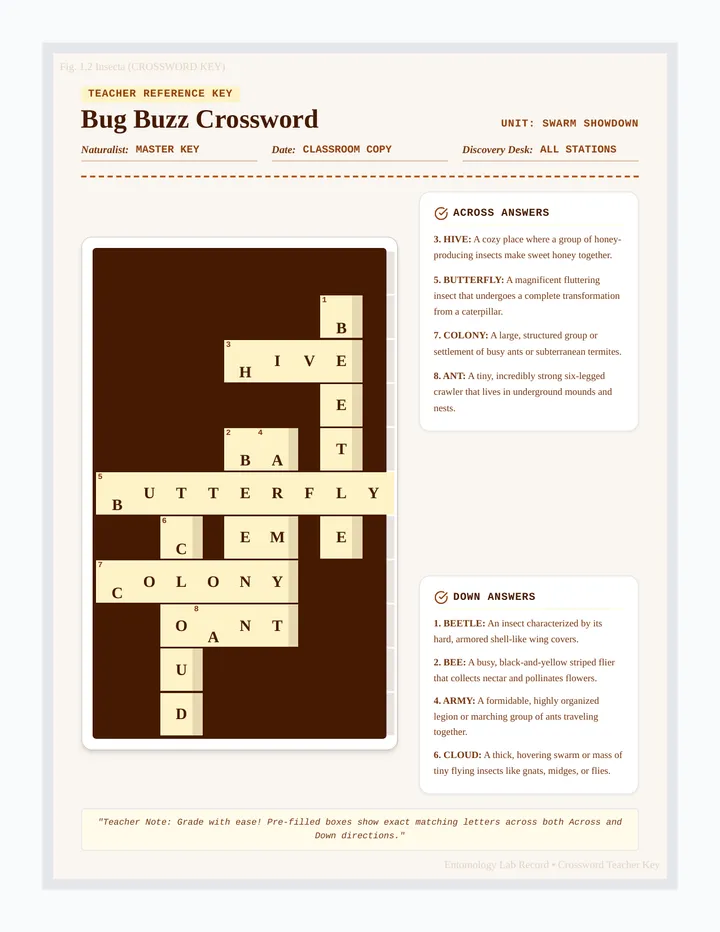
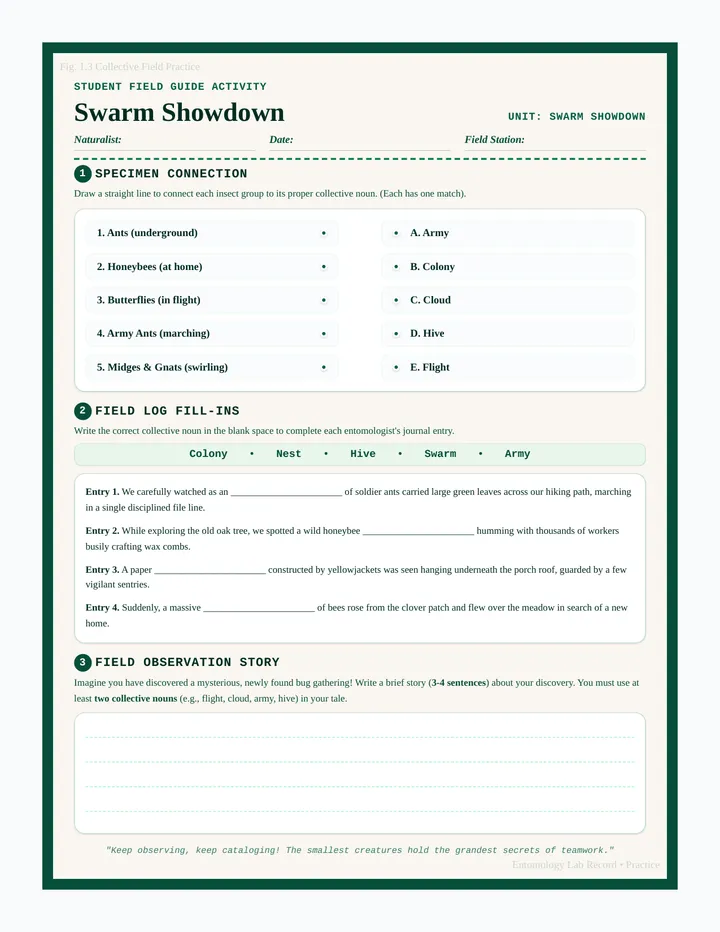
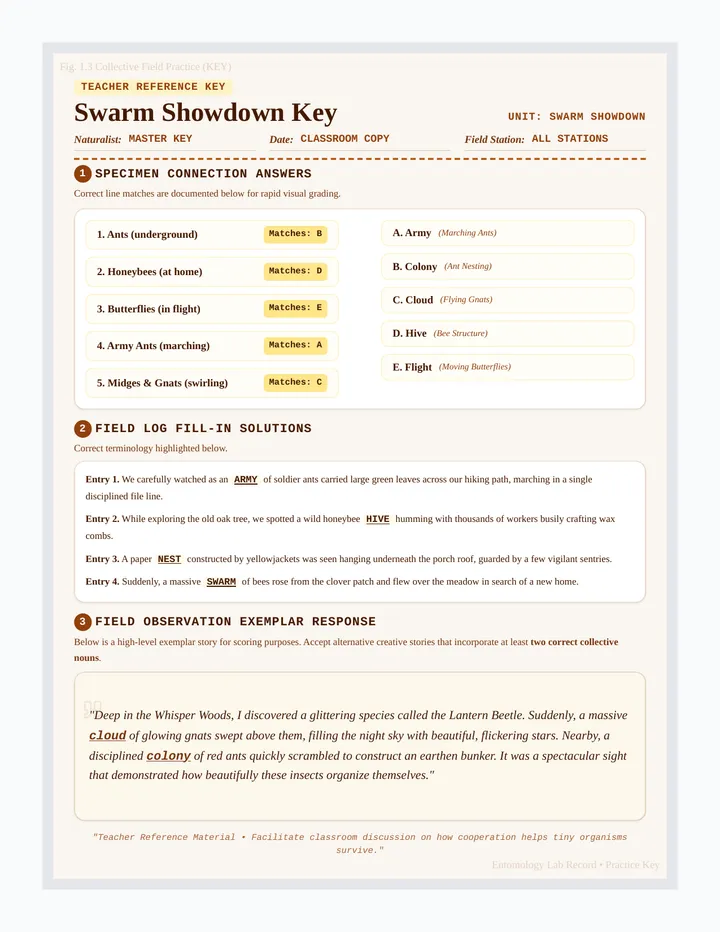
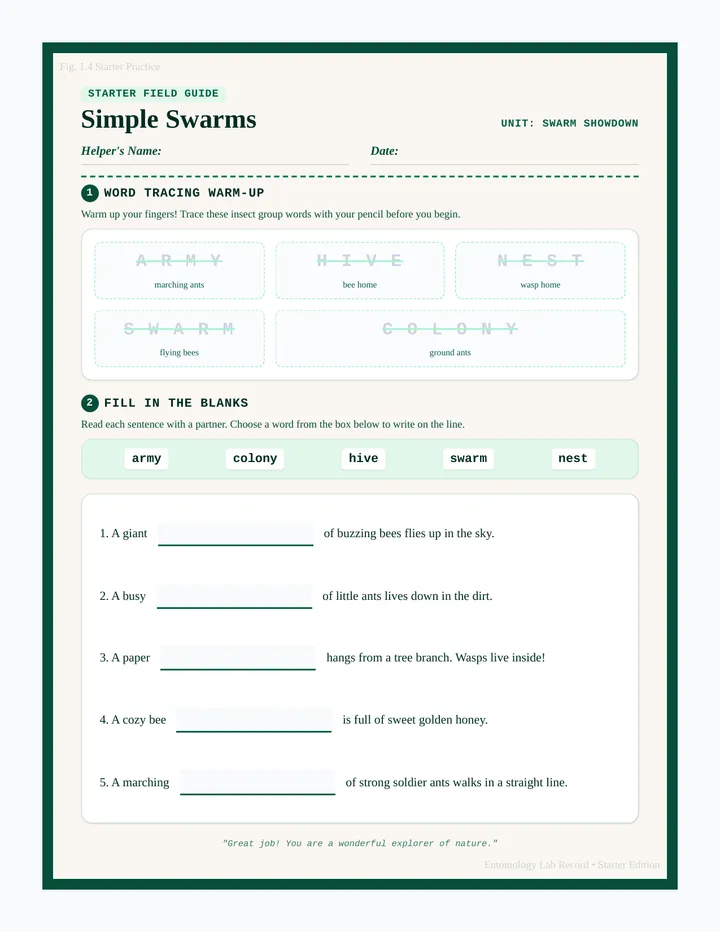
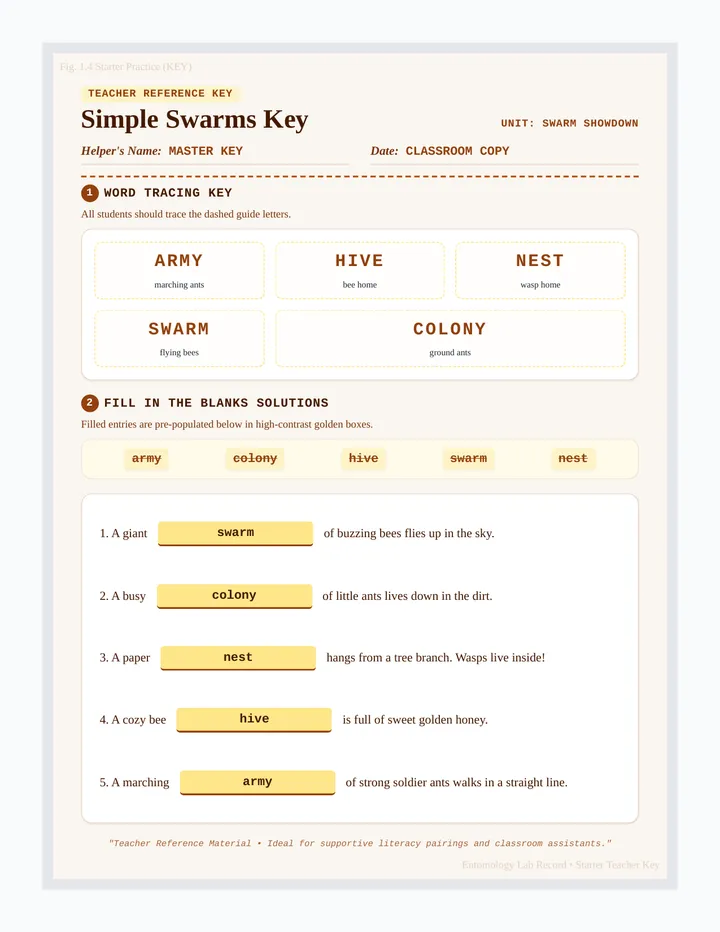
An engaging lesson on insect collective nouns and terminology, featuring a word search, crossword, and hands-on matching and writing activities exploring how bugs gather in groups.
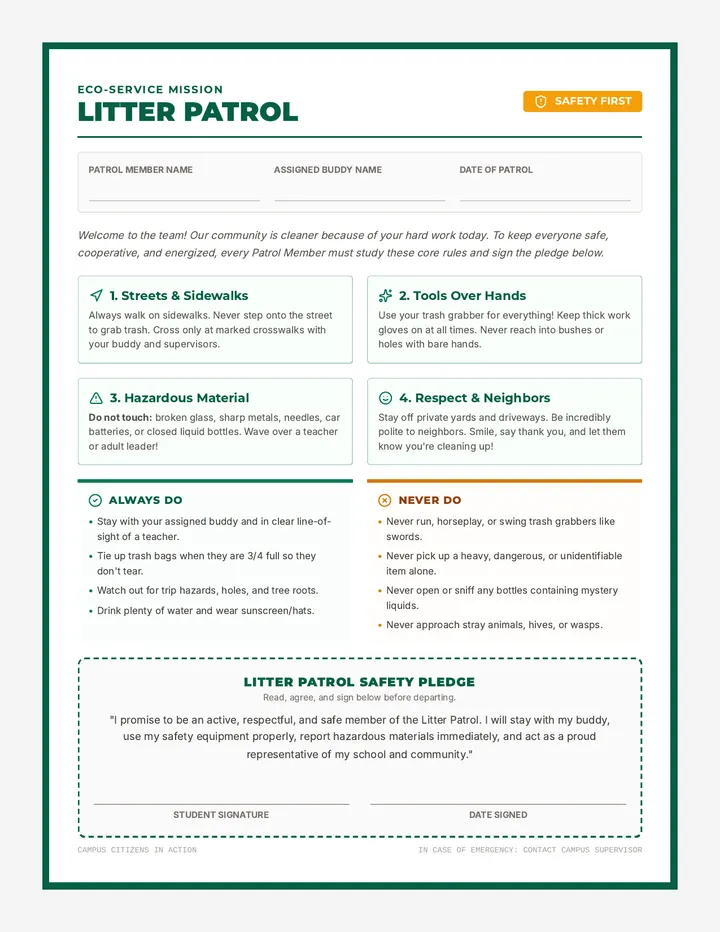
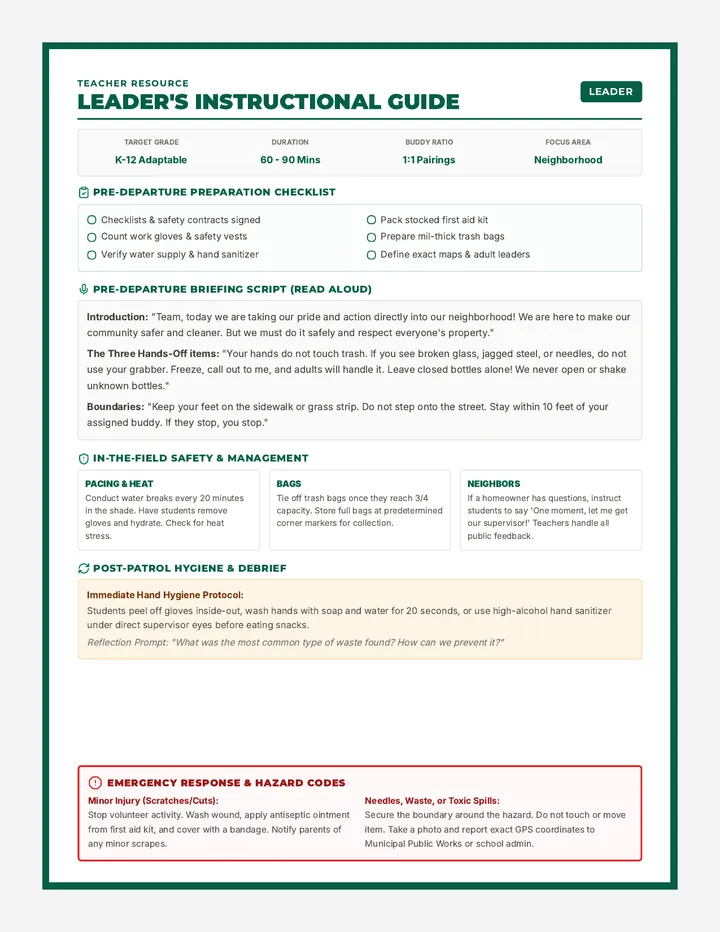
A comprehensive safety and preparation kit for students and teachers participating in a neighborhood trash pick-up community service project. It includes safety slides, a student contract and checklist, and a detailed teacher instruction guide.
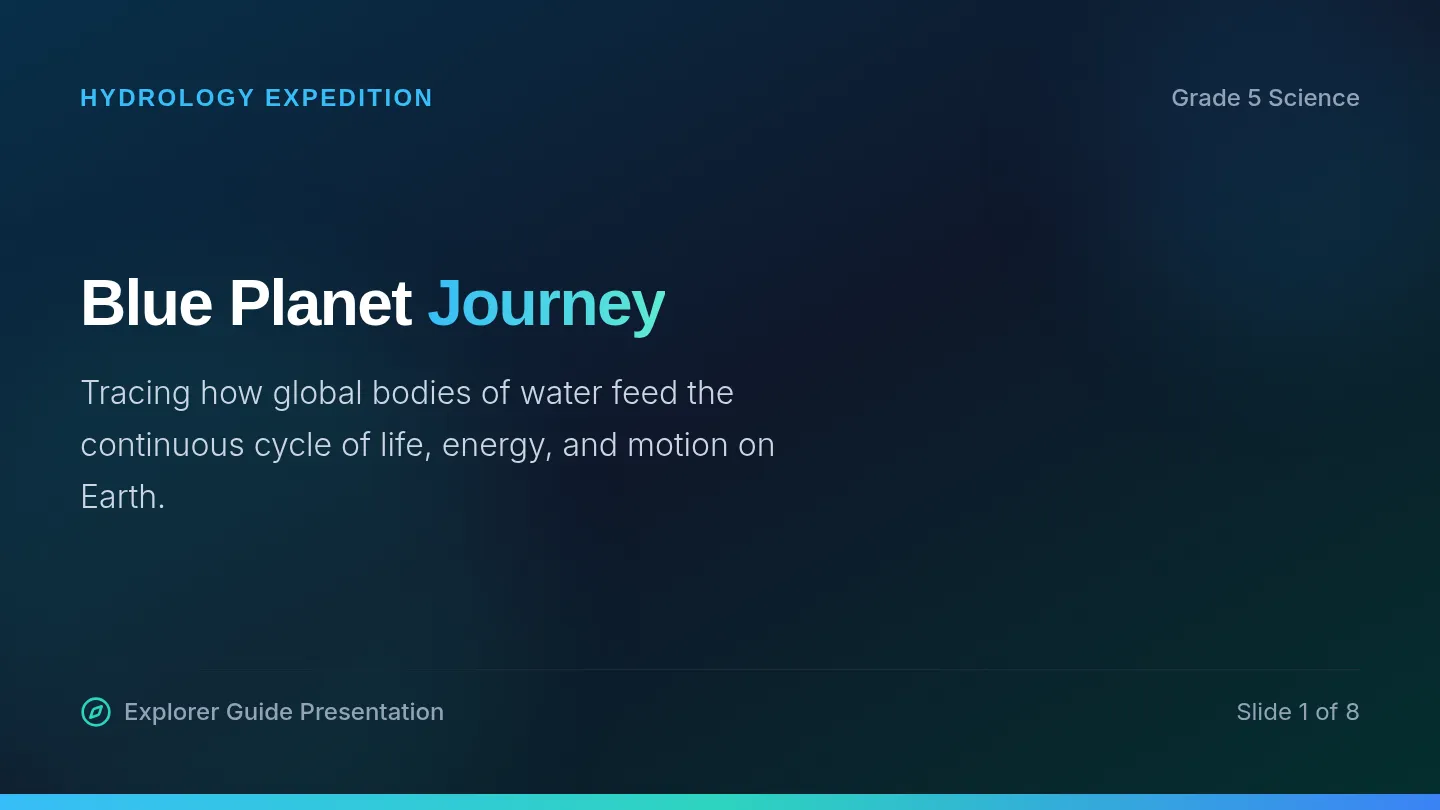
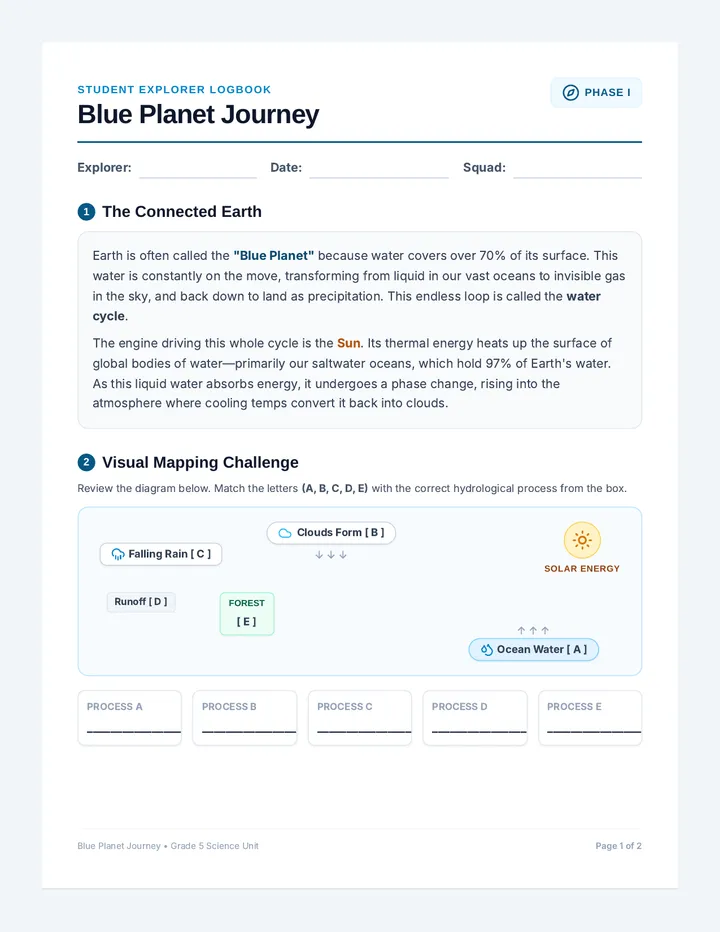
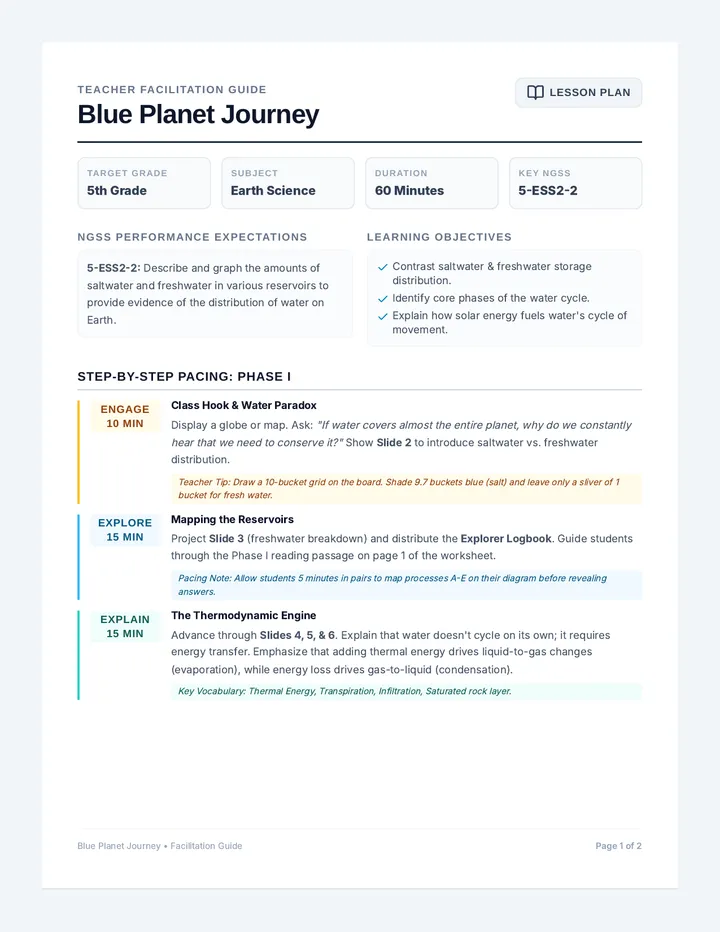
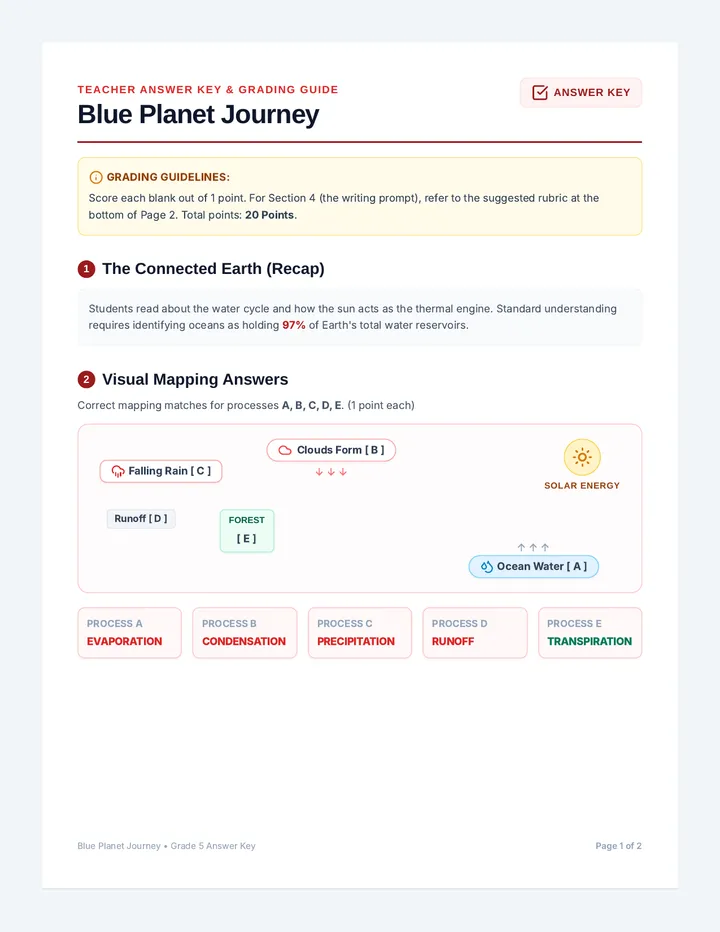
An immersive 5th-grade exploration of Earth's water systems, connecting global bodies of water directly to the continuous cycle of evaporation, condensation, precipitation, and runoff. Students trace how thermal energy drives these transitions across saltwater and freshwater reservoirs.
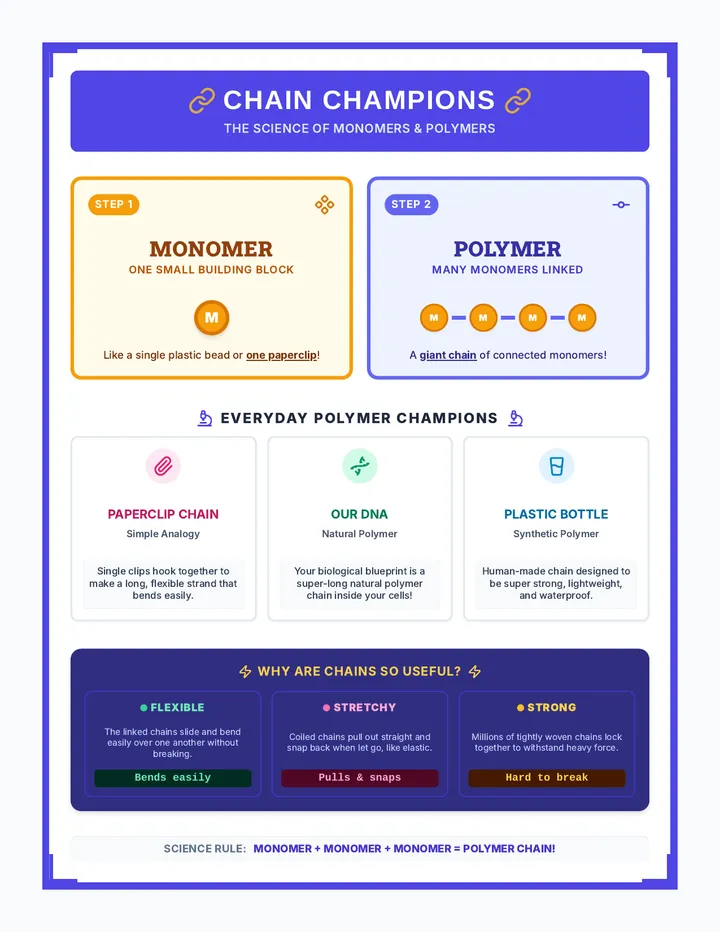
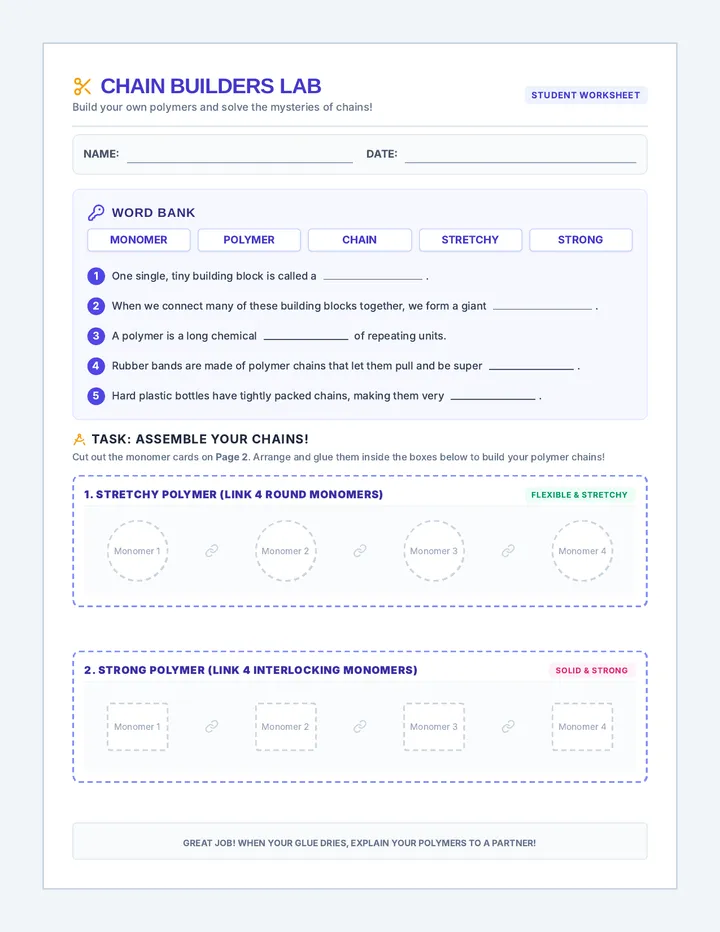
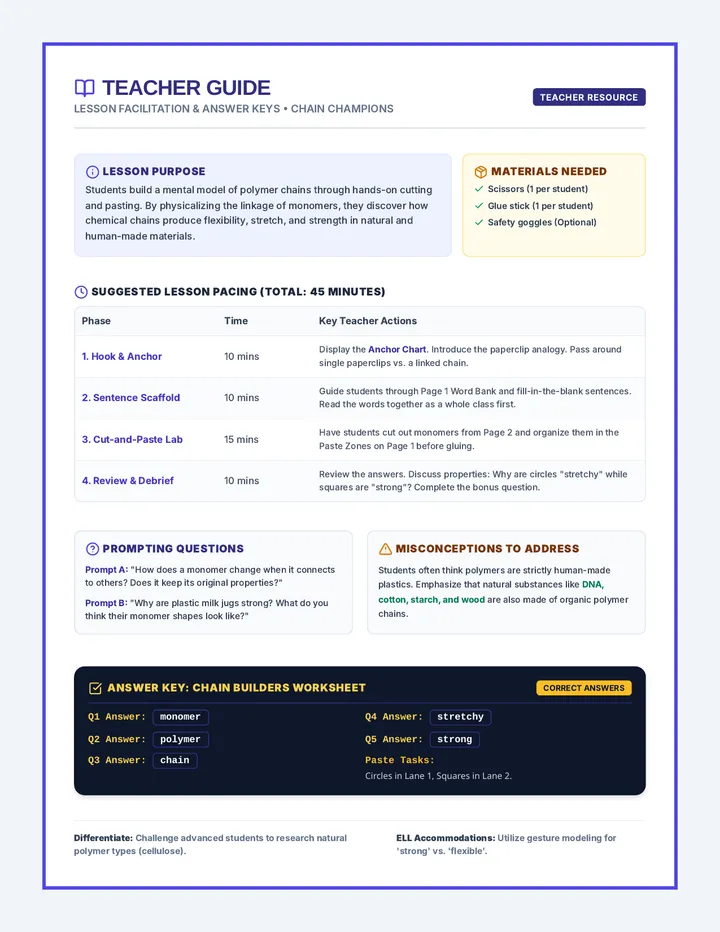
A highly visual and tactile introduction to polymer chains, monomers, and everyday applications. Students explore how small repeating units form strong, flexible, and stretchy properties through hands-on modeling and scaffolded writing.
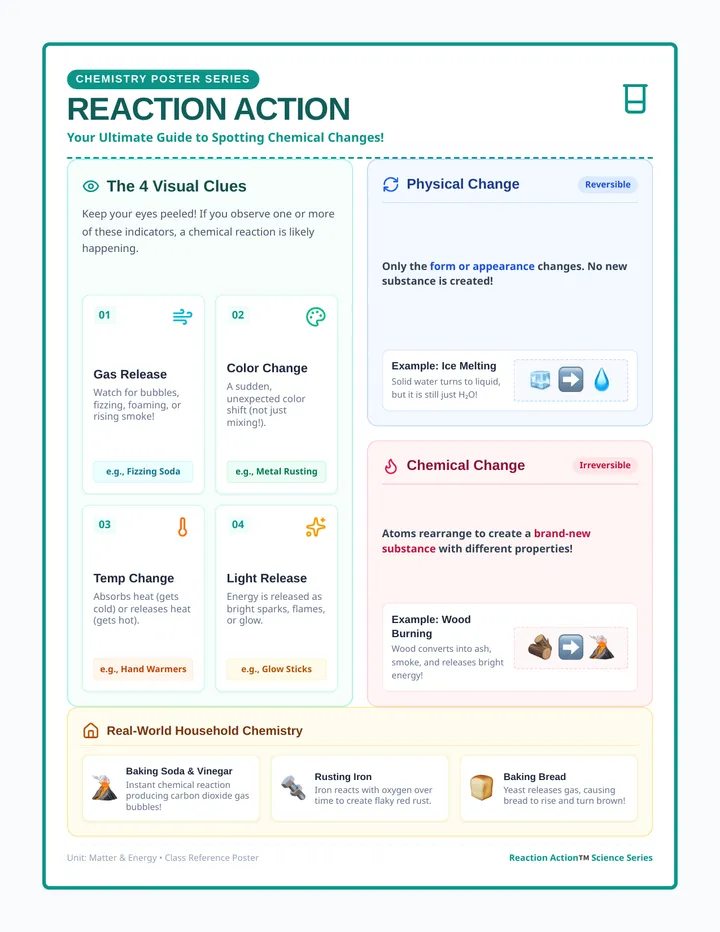
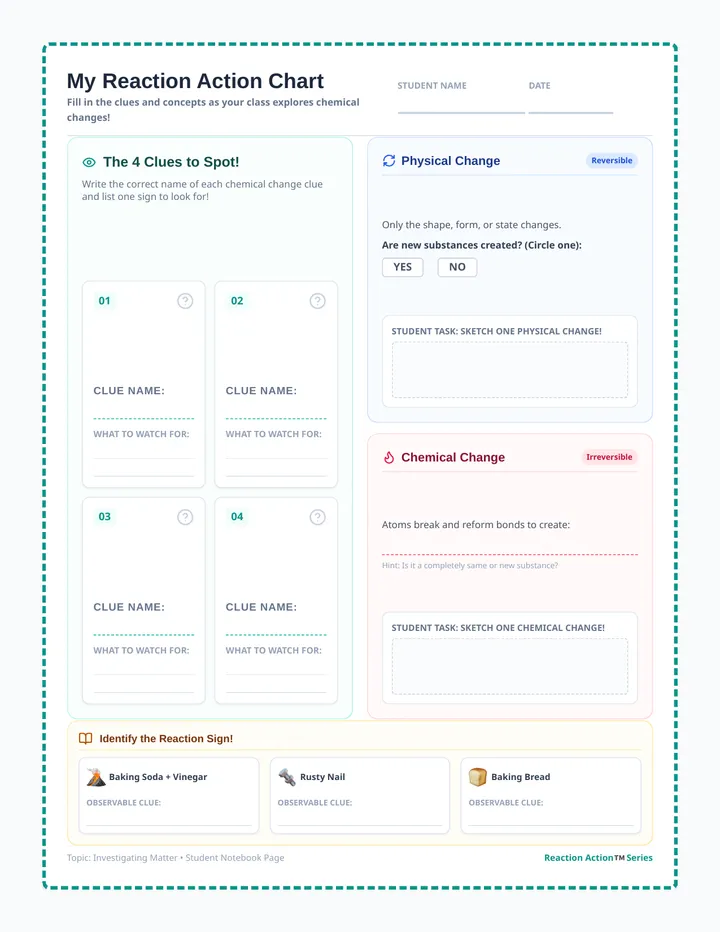
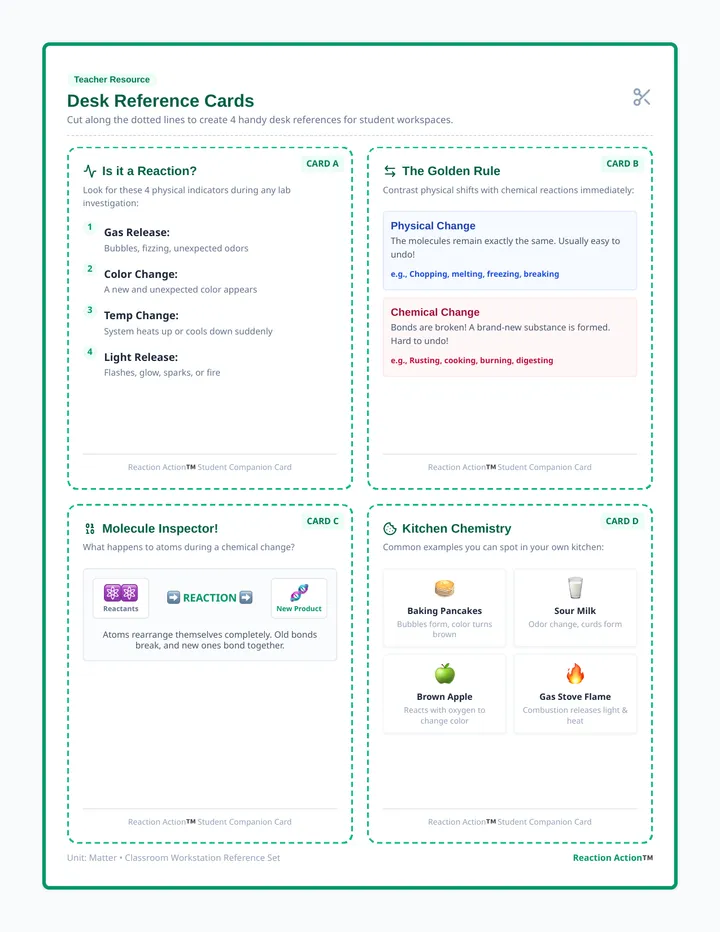
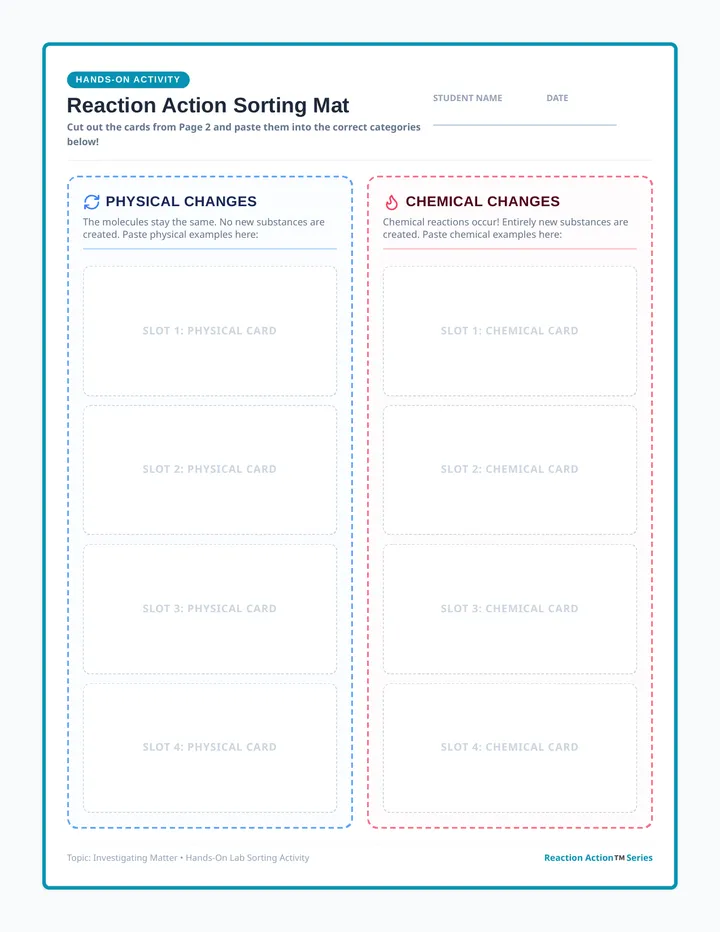
A comprehensive learning suite focused on identifying chemical reactions through visual clues, contrasting physical and chemical changes, and sorting real-world household examples. Includes a complete anchor chart, student fill-in chart, pocket resources, and a hands-on sorting kit.
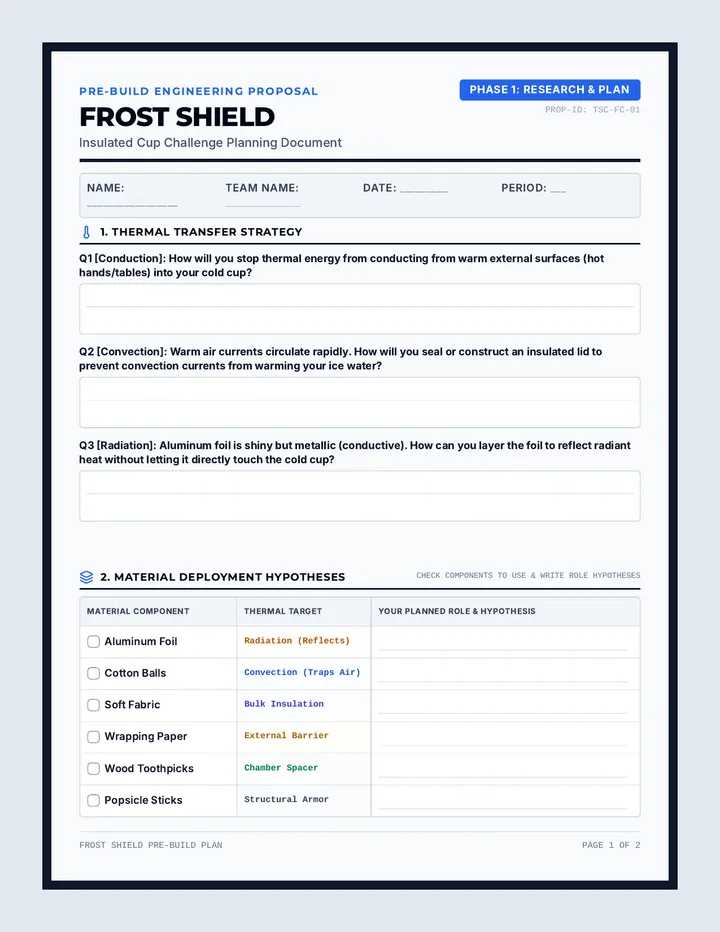
An engineering design challenge where students design, prototype, and test an insulated cup to keep water cold. Emphasizes thermal energy transfer, materials science properties, the engineering process, and data analysis.
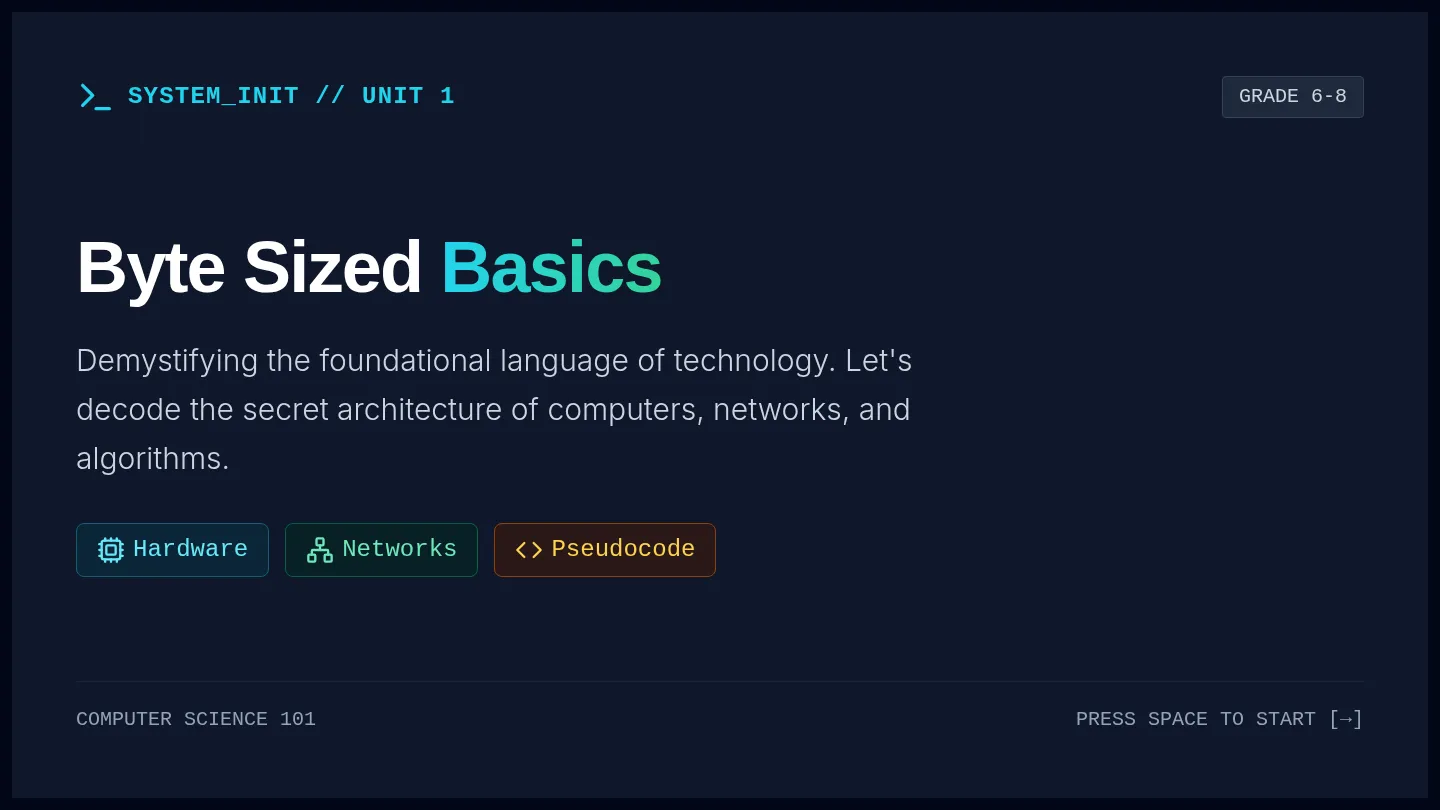
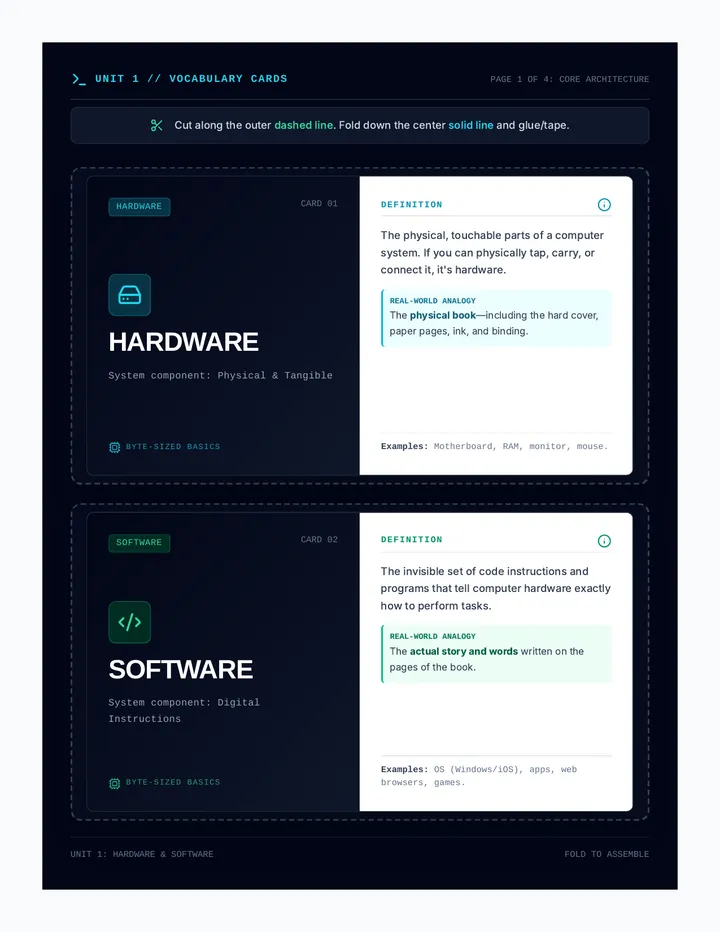
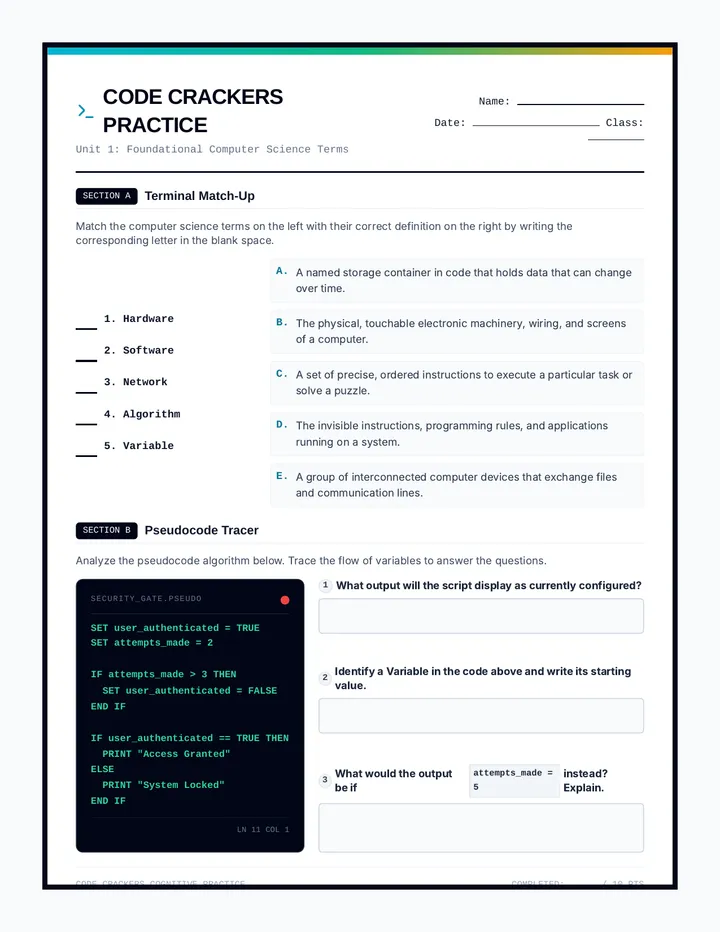
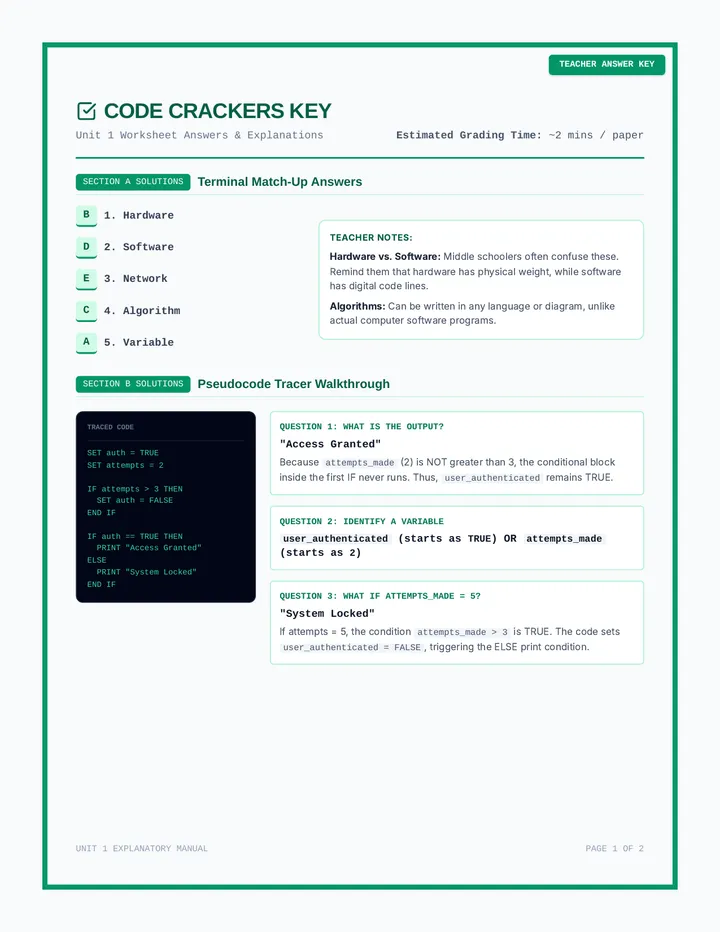
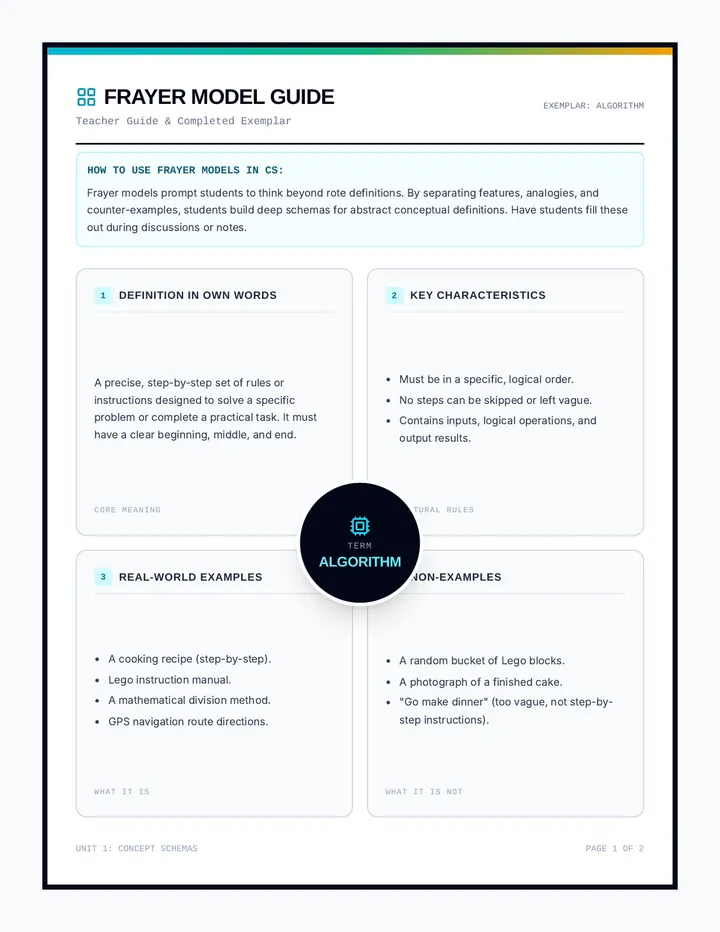
A foundational computer science lesson for middle school students introducing essential concepts of hardware, networks, and pseudocode through engaging visual slides, interactive vocabulary cards, Frayer organizers, and a diagnostic worksheet/quiz combo.
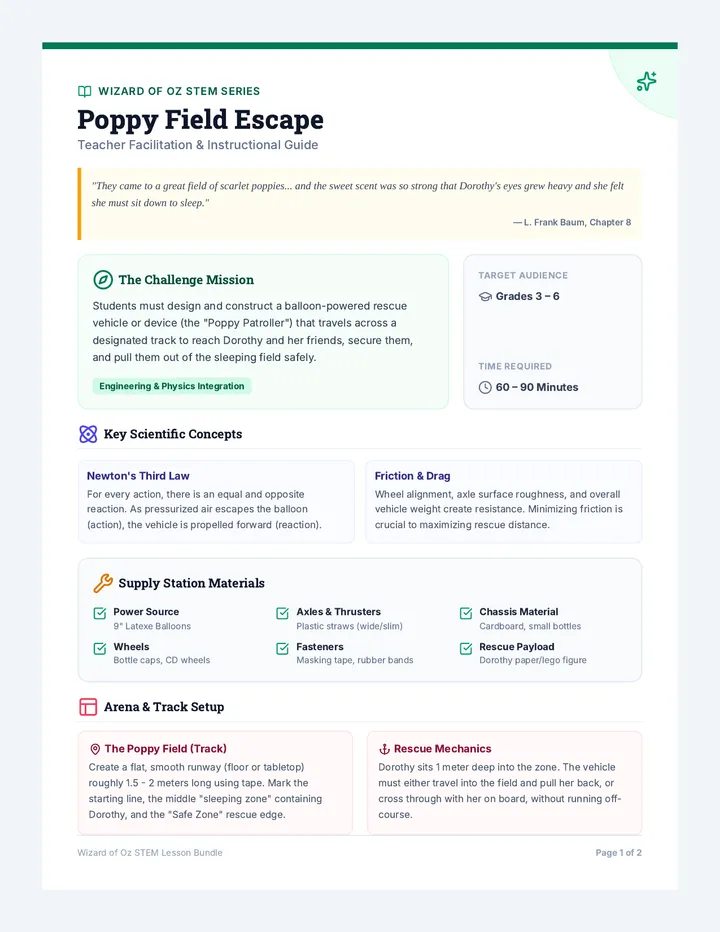
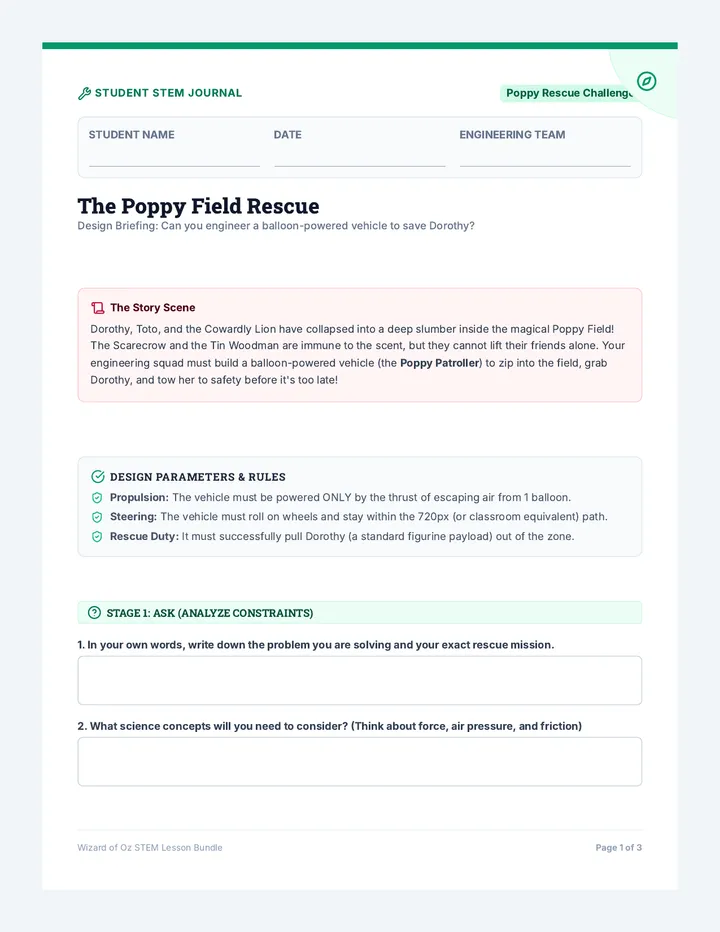
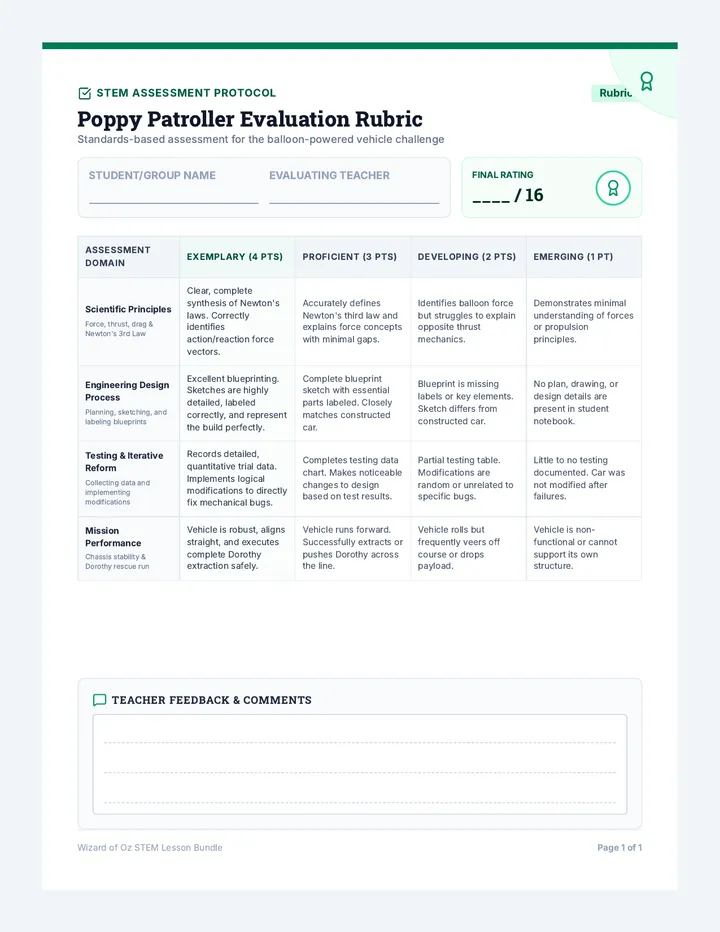
A hands-on STEM challenge based on The Wizard of Oz where students design and build a balloon-powered rescue vehicle to save Dorothy and her friends from the sleeping effects of the Poppy Field. This lesson guides students through the complete engineering design process, combining physical science concepts with literary connections.
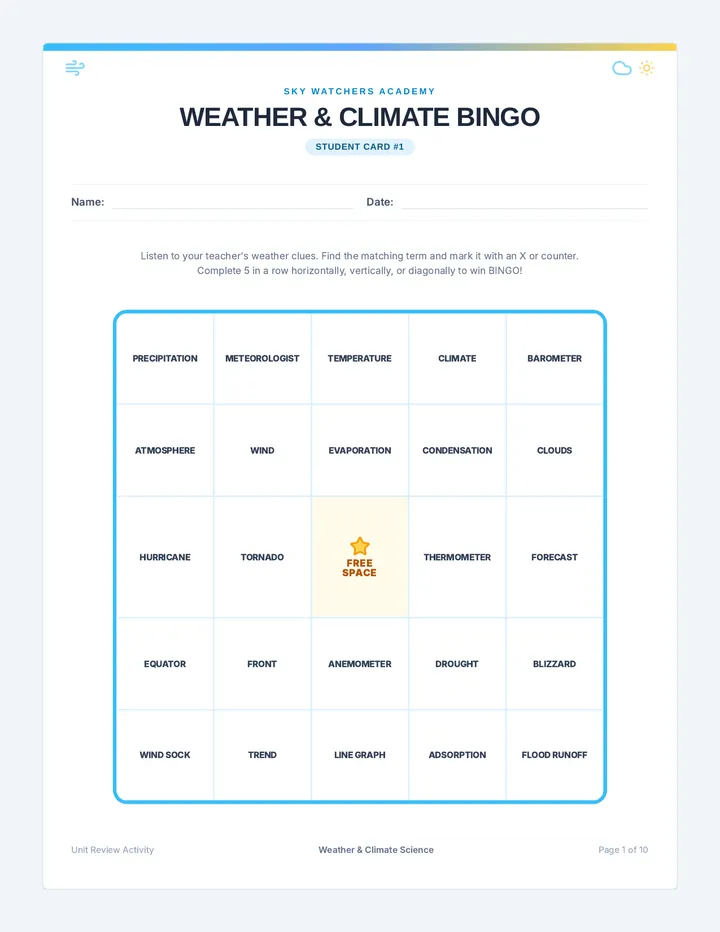
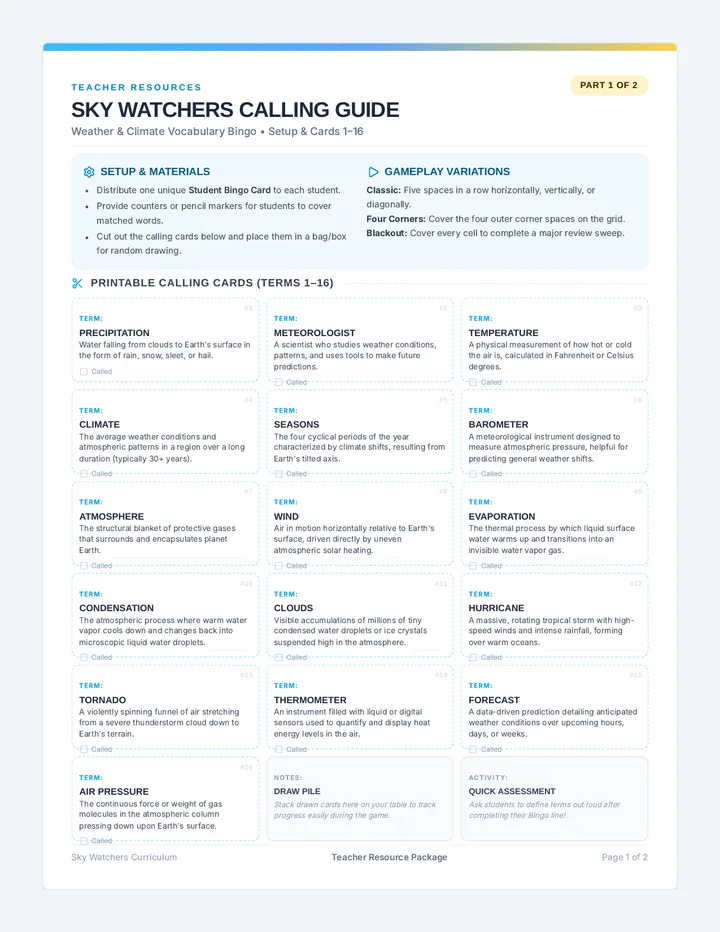
A weather and climate science unit featuring a complete class set of ready-to-print Bingo cards and a comprehensive teacher calling and tracking guide.
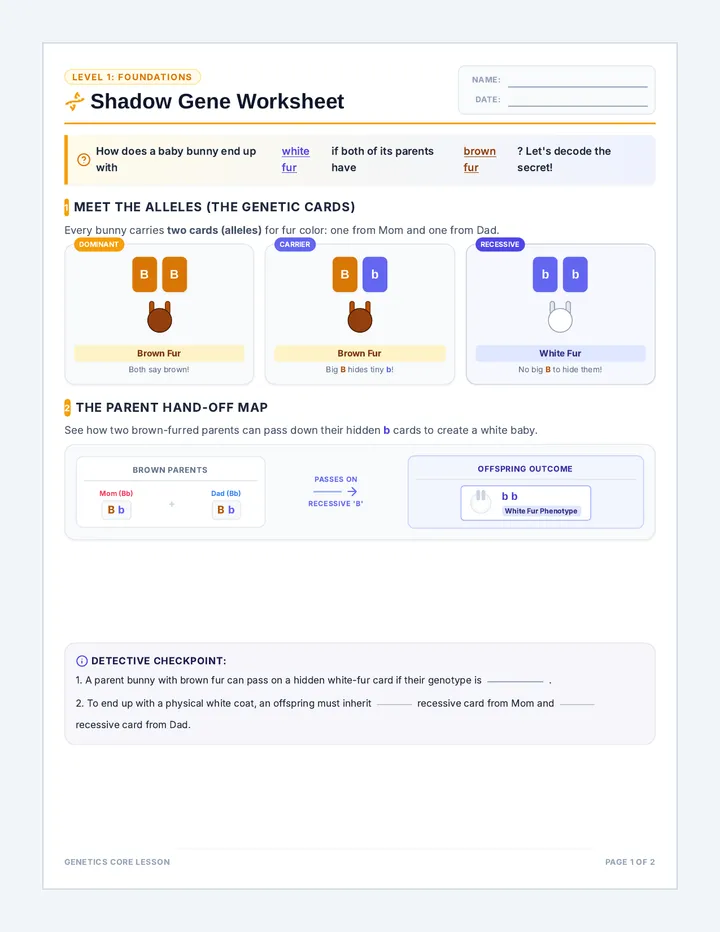
A highly visual, scaffolded lesson introducing recessive inheritance. Students explore how recessive alleles manifest as physical phenotypes using concrete bunny fur examples, guided diagrams, and sentence frames.
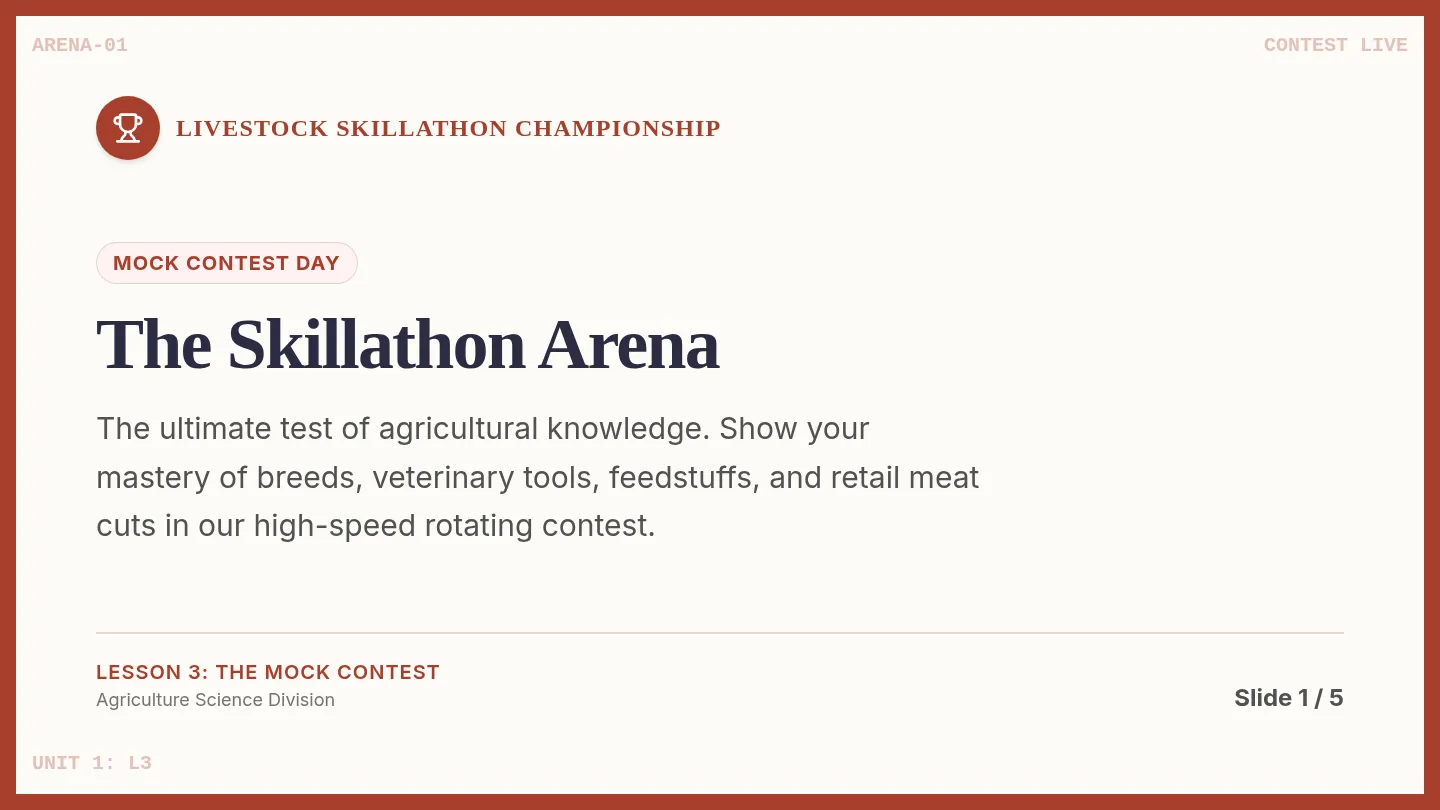
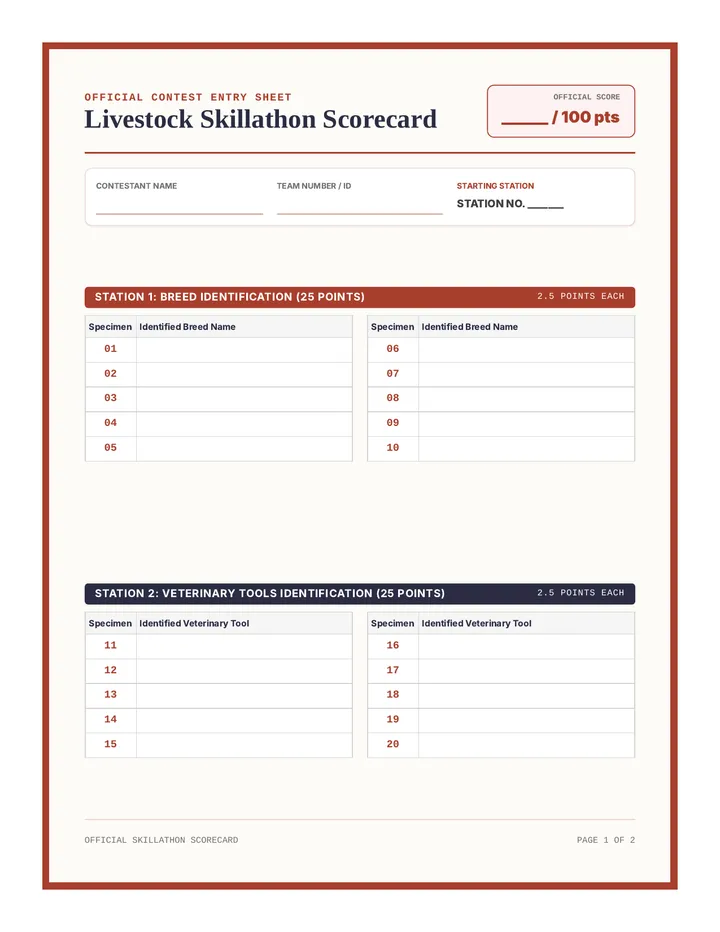
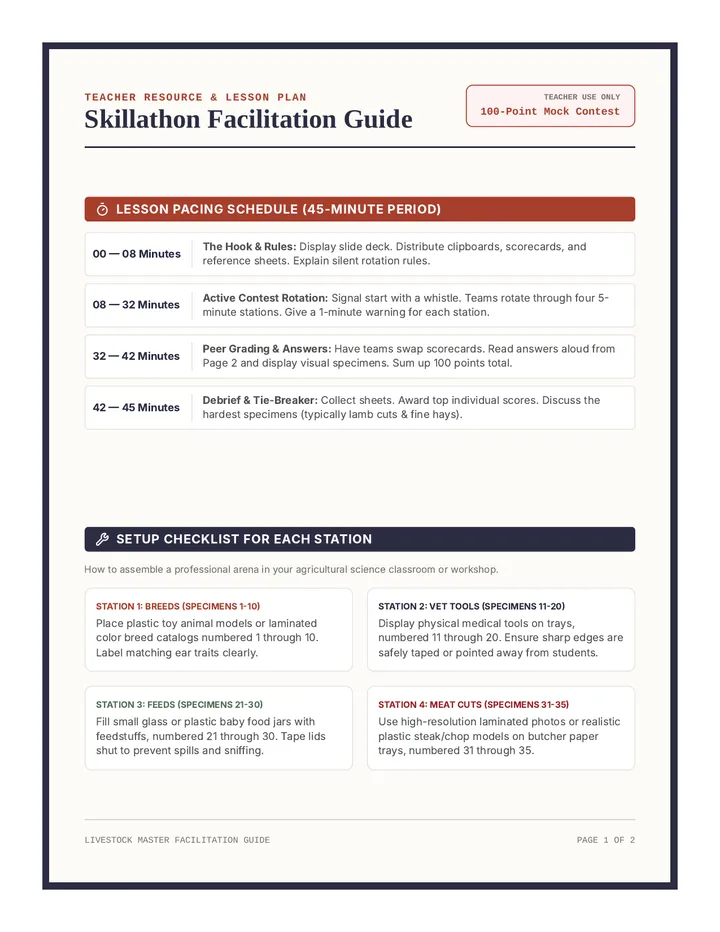
Students participate in a high-stakes, realistic mock Livestock Skillathon, rotating through four hands-on stations to test their knowledge and earn points.
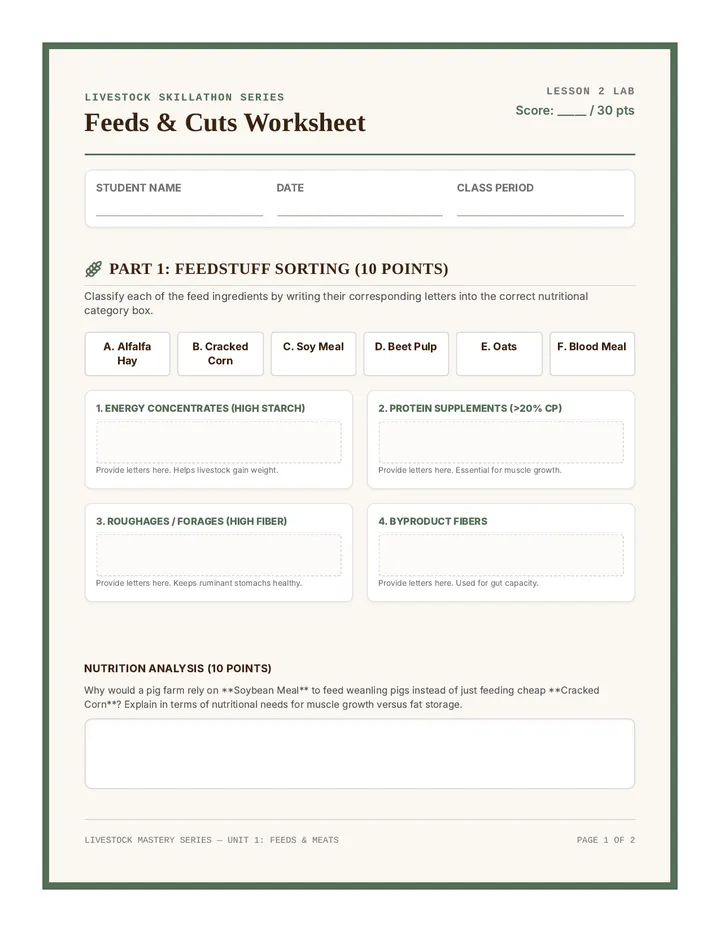
Students learn to identify common feed ingredients and forages, and practice identifying retail cuts of beef, pork, and lamb by wholesale origin and cooking style.
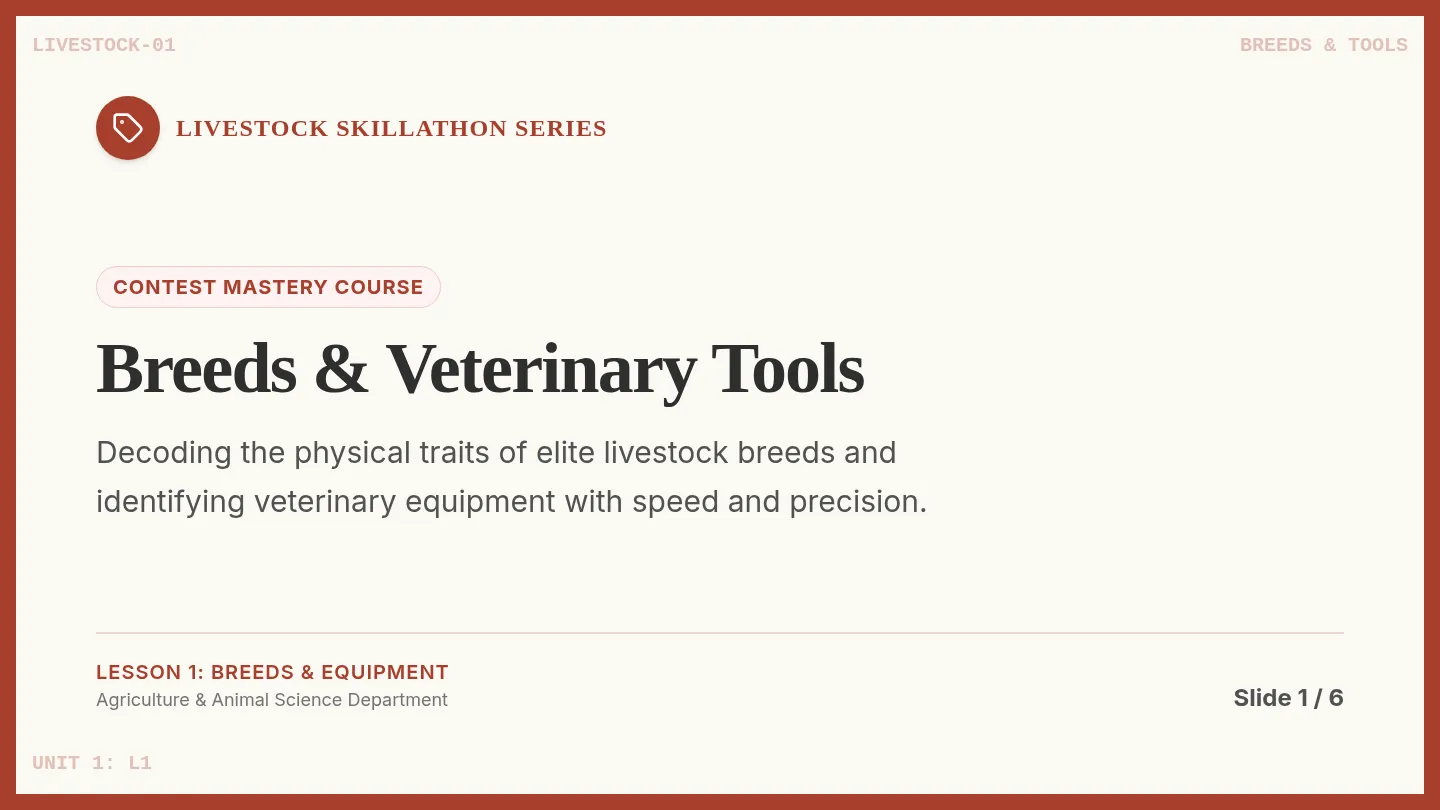
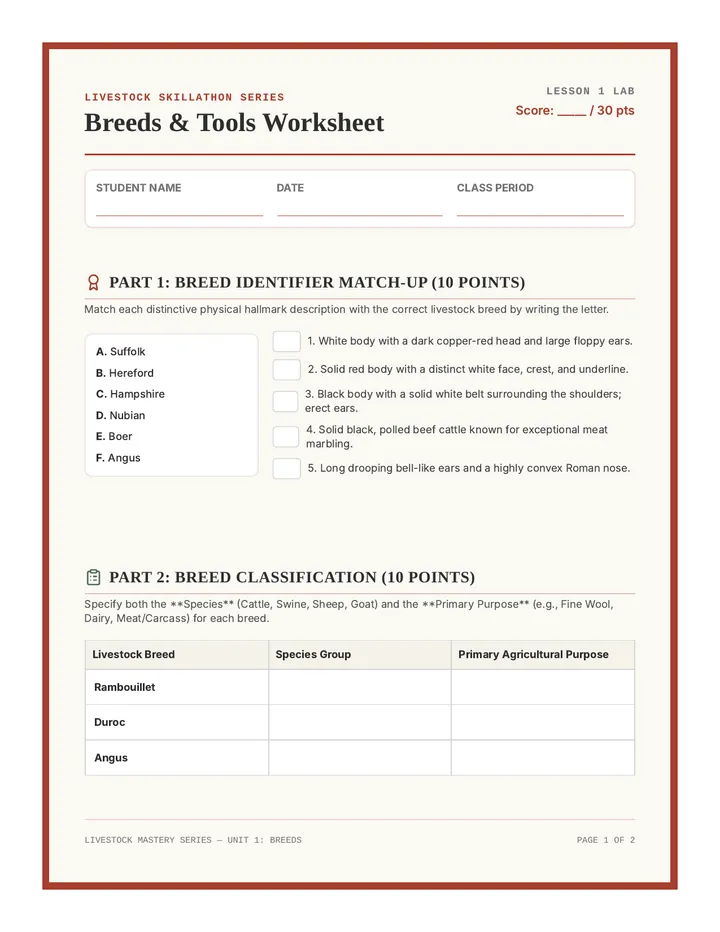
Students learn to identify major breeds of beef cattle, swine, sheep, and goats, along with essential veterinary, handling, and breeding equipment.
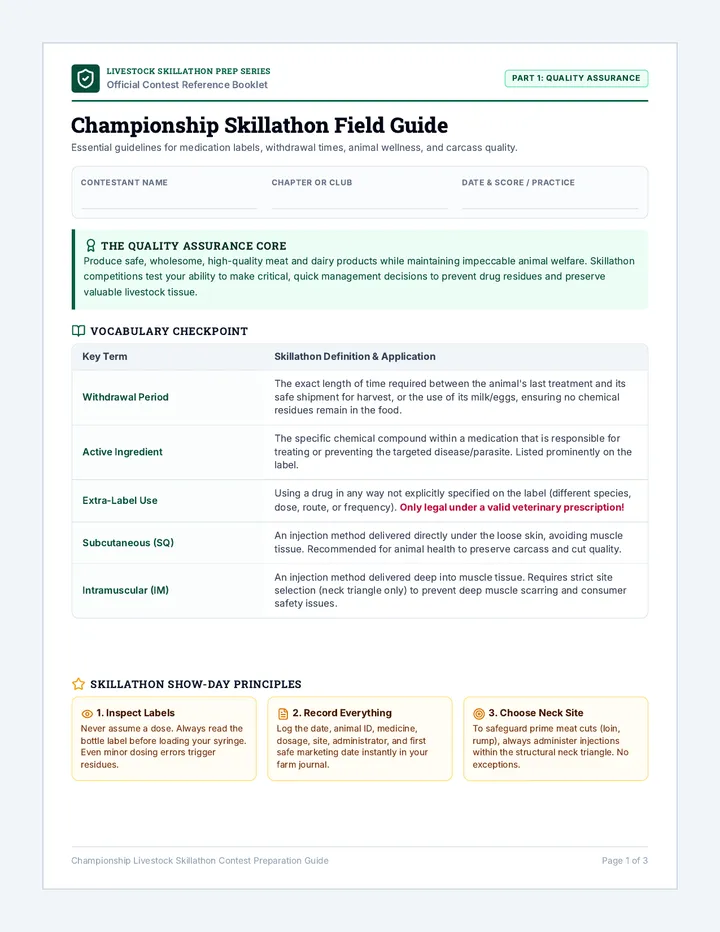
A comprehensive preparation lesson for youth competing in livestock skillathon contests. Covers crucial quality assurance principles, reading medication labels, calculating withdrawal times, and executing proper injection practices to ensure animal health and food safety.
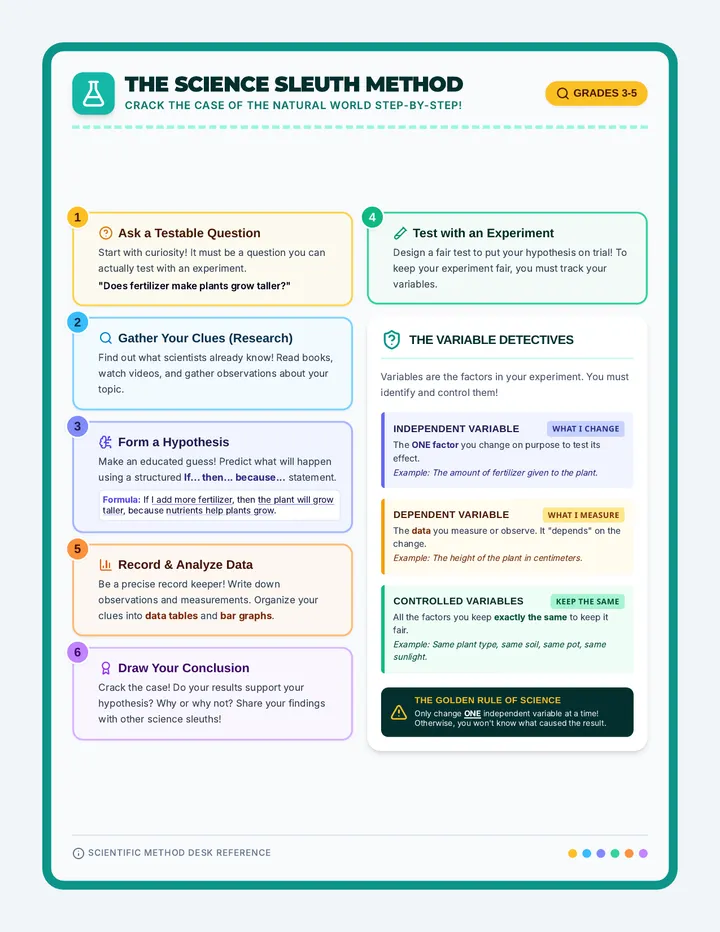
A high-impact science investigation unit starting with visual anchor charts and student planning templates to master the scientific method and variable identification in grades 3-5.
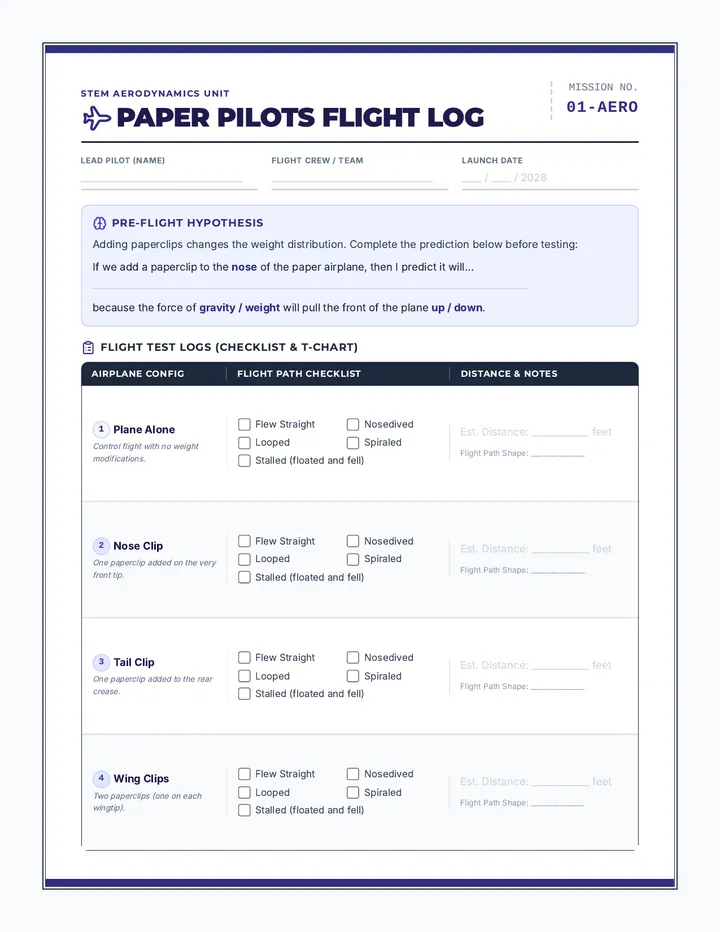
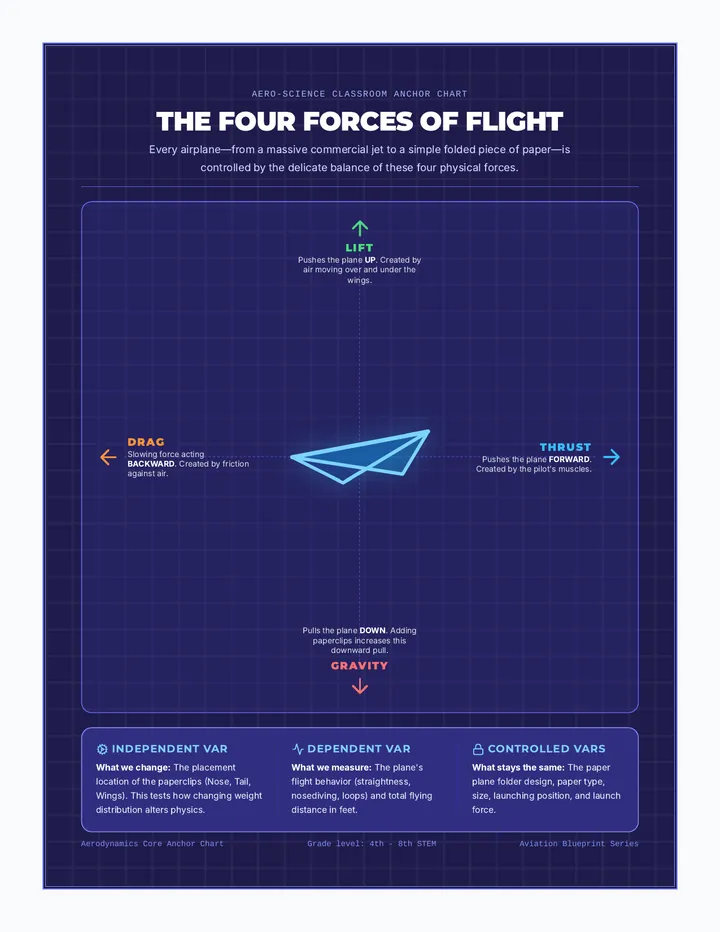
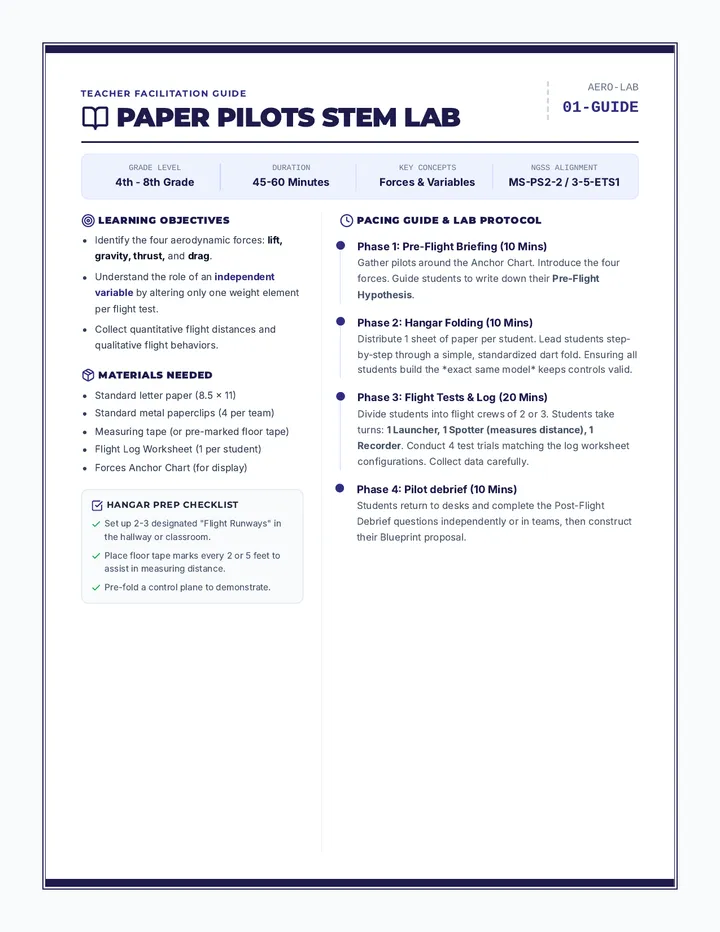
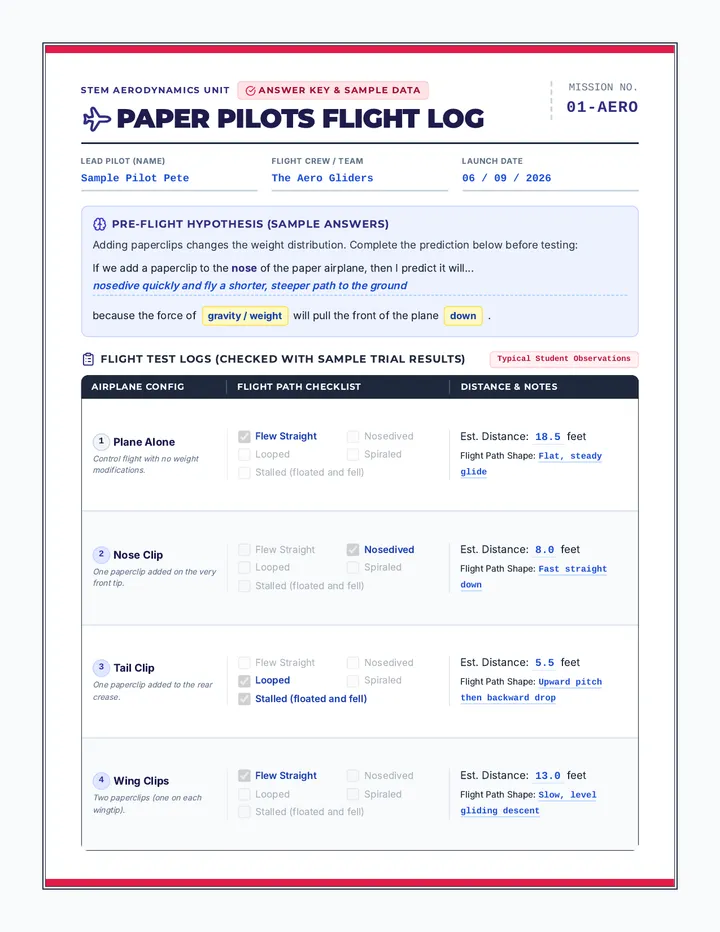
A hands-on STEM lesson where students explore aerodynamics and variables by testing how adding paperclips to different parts of a paper airplane affects its flight path, stability, and distance.
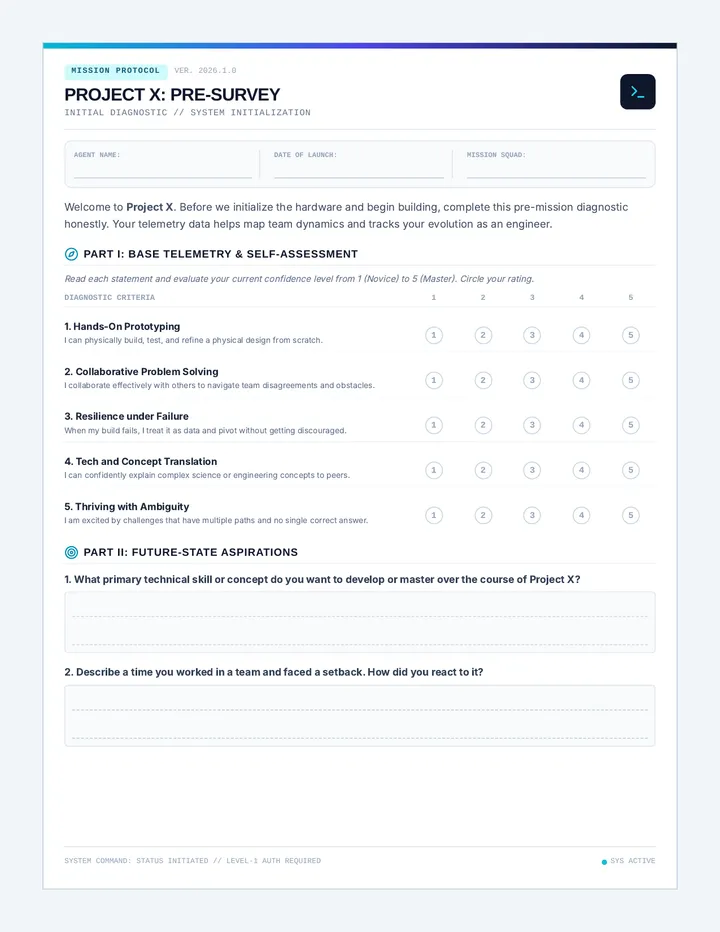
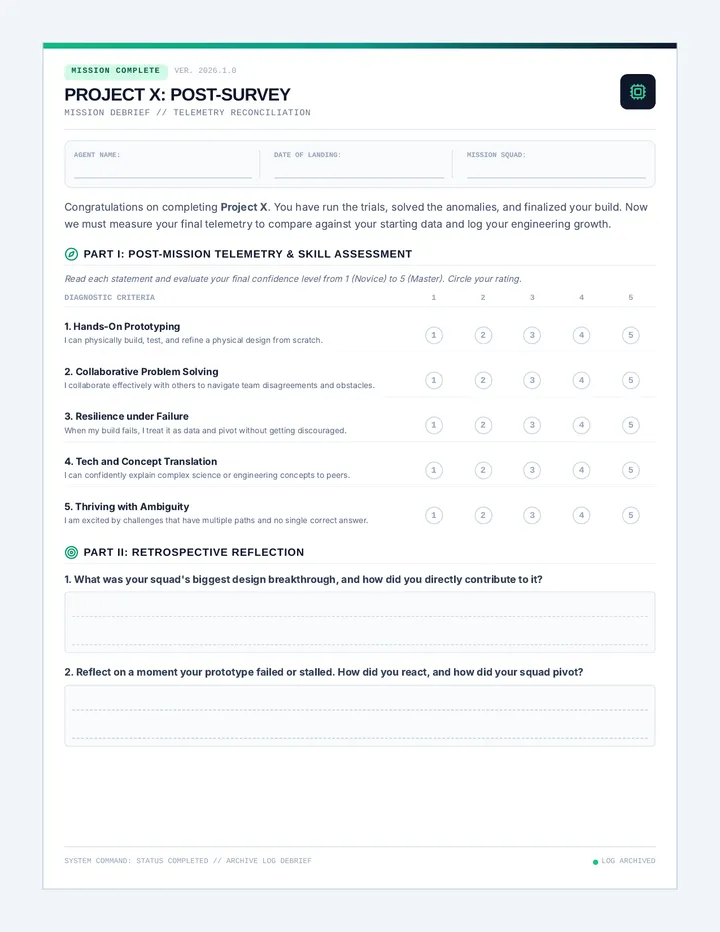
A student-centered engineering and design initiative where students engage in hands-on science and technology challenges. This lesson contains the pre- and post-surveys to measure students' growth in confidence, teamwork, and technical skills.
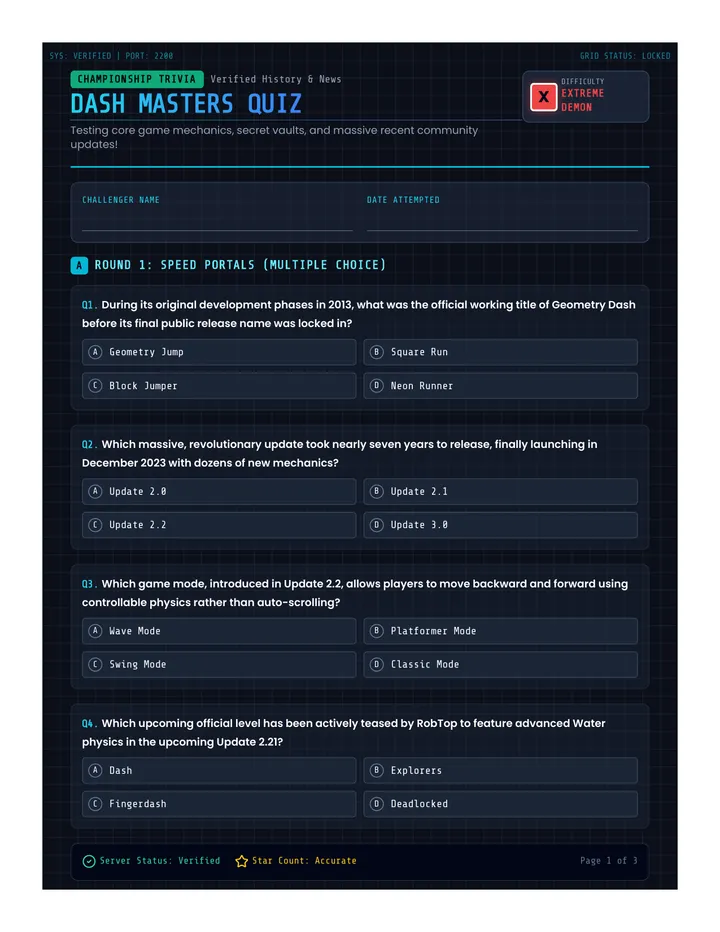
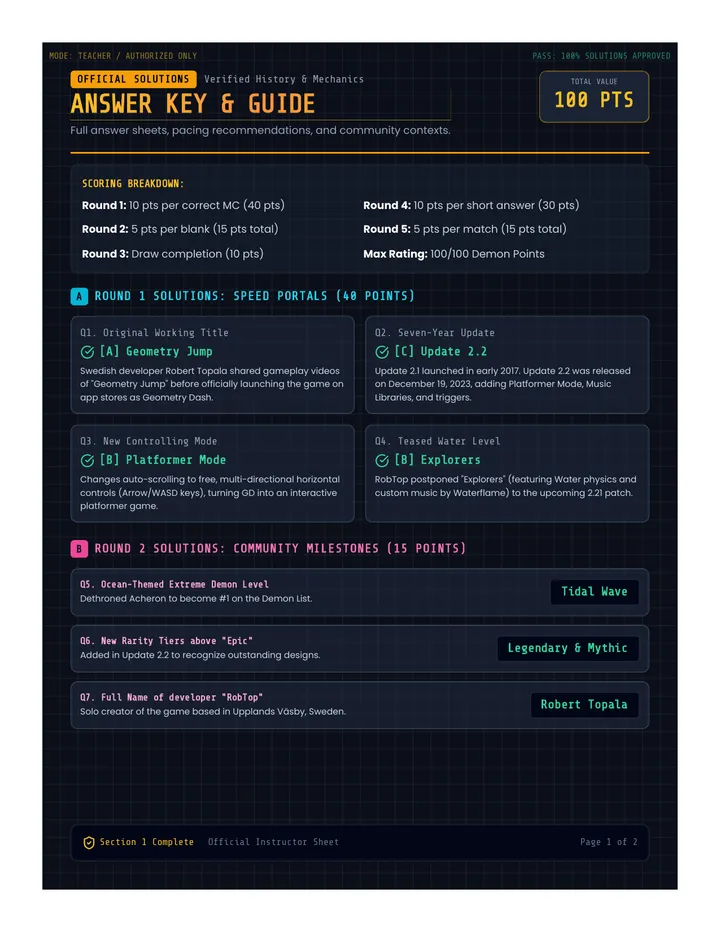
A fun-filled, competitive trivia challenge centered around the history, mechanics, and recent community updates of the sensation Geometry Dash. Perfect for gaming clubs, brain breaks, or student-led activities.
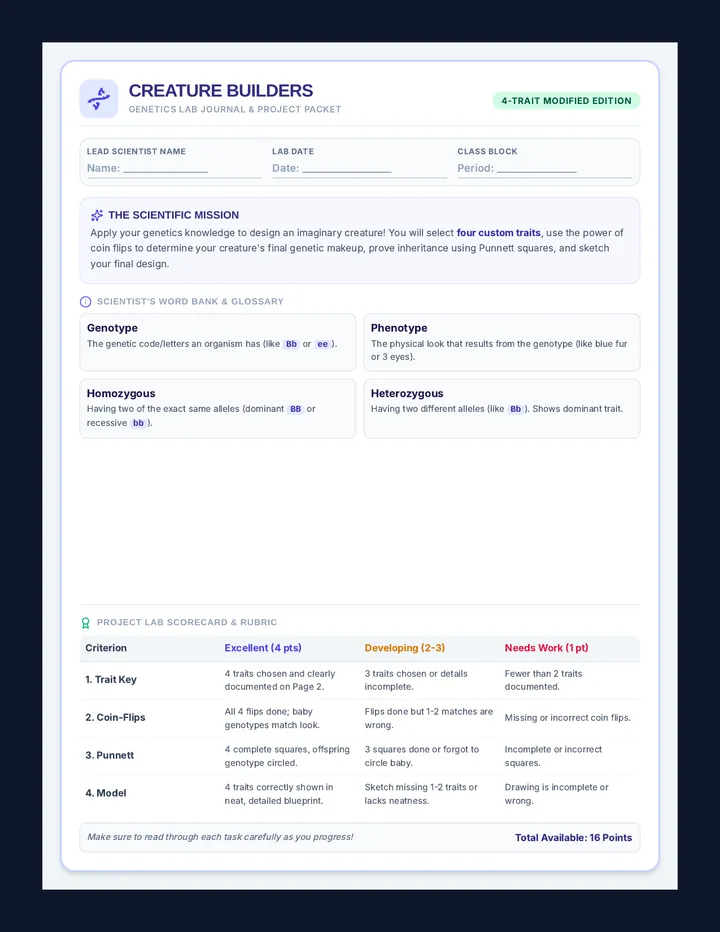
A multi-day hands-on genetics project where students choose traits, flip coins to determine genotypes, solve Punnett squares, and build a model of their designed species.
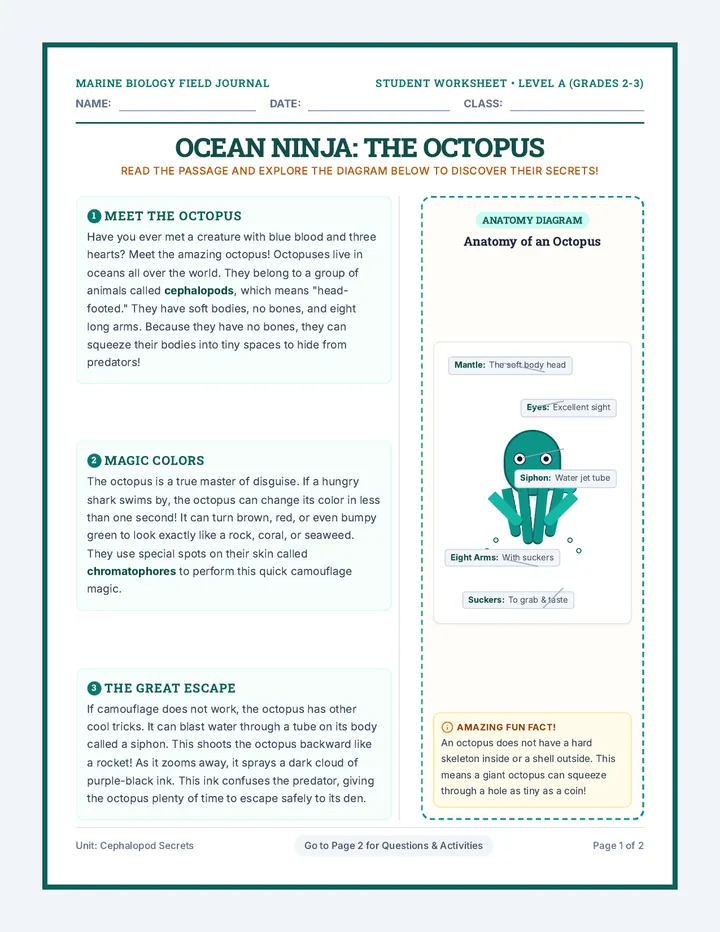
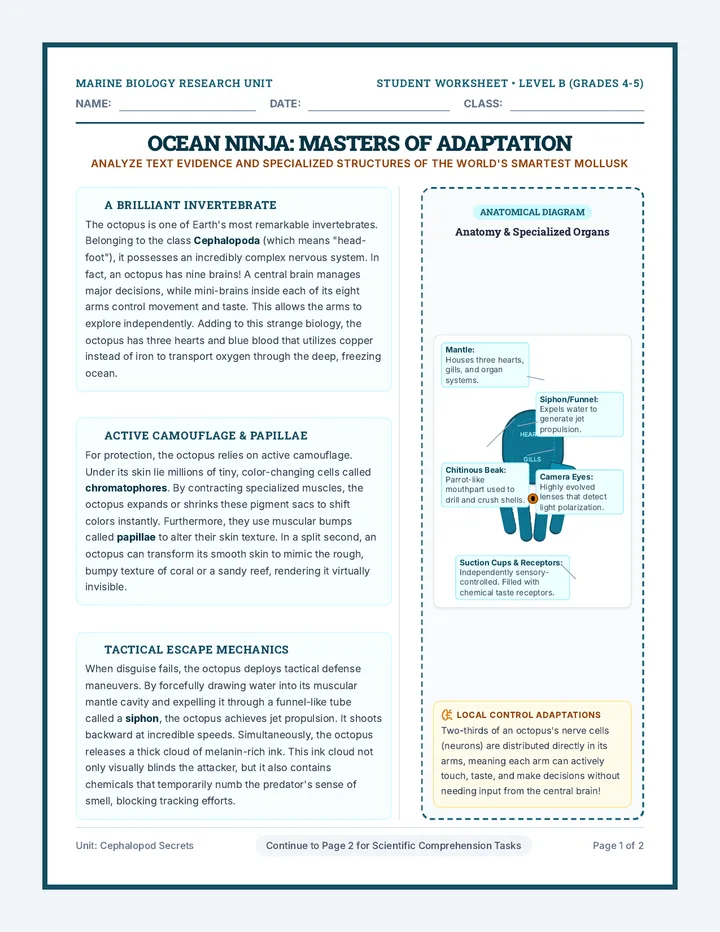
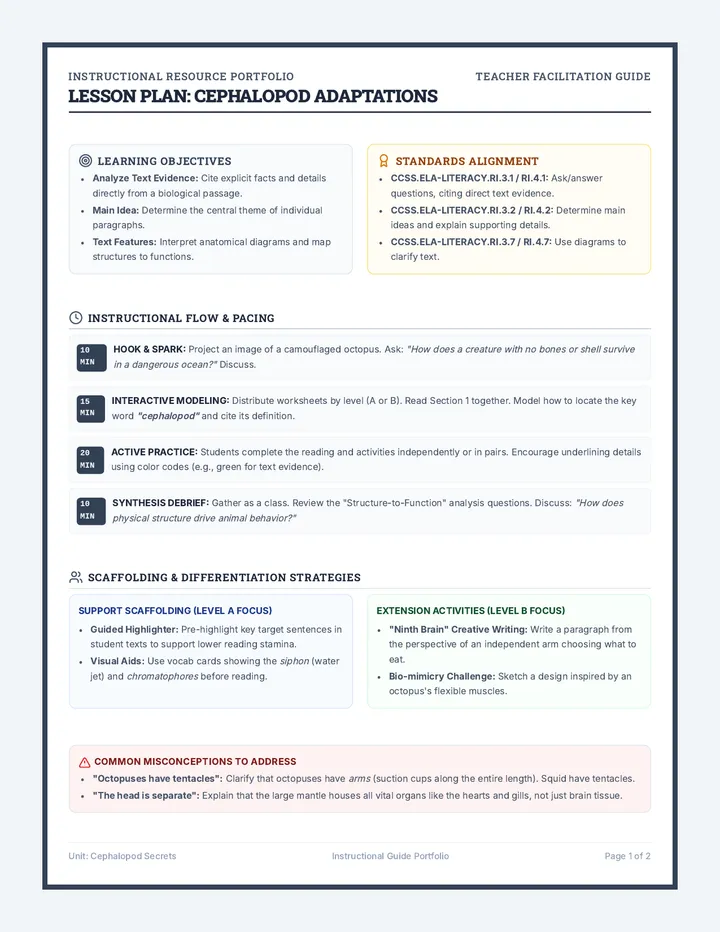
A differentiated reading comprehension unit focusing on the fascinating adaptations, anatomy, and intelligence of octopuses. Students read level-adjusted passages, analyze text-feature diagrams, and practice finding direct text evidence and summarizing main ideas.
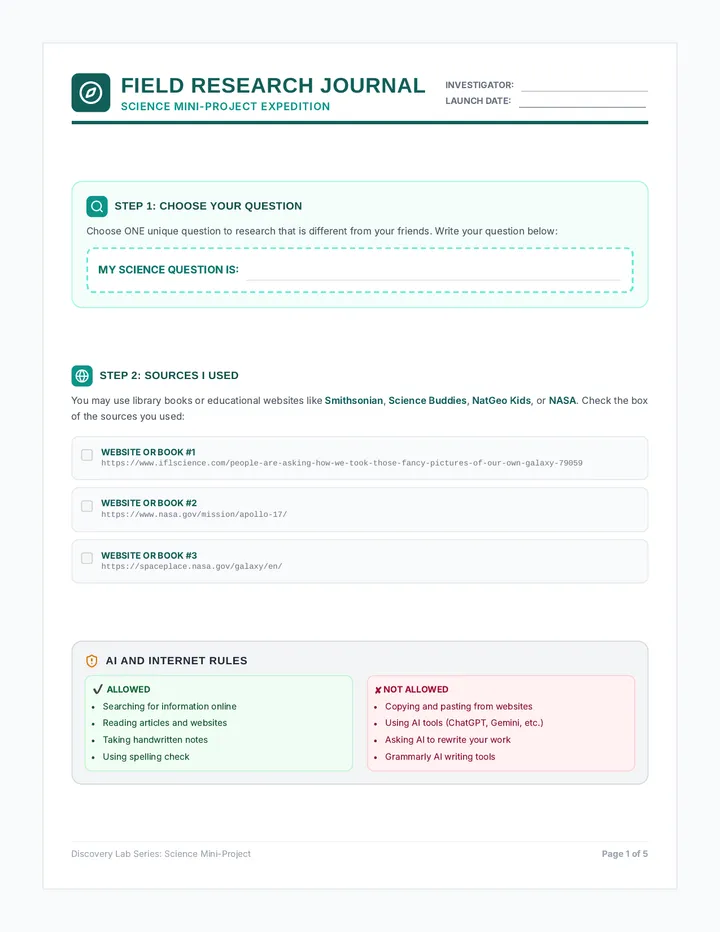
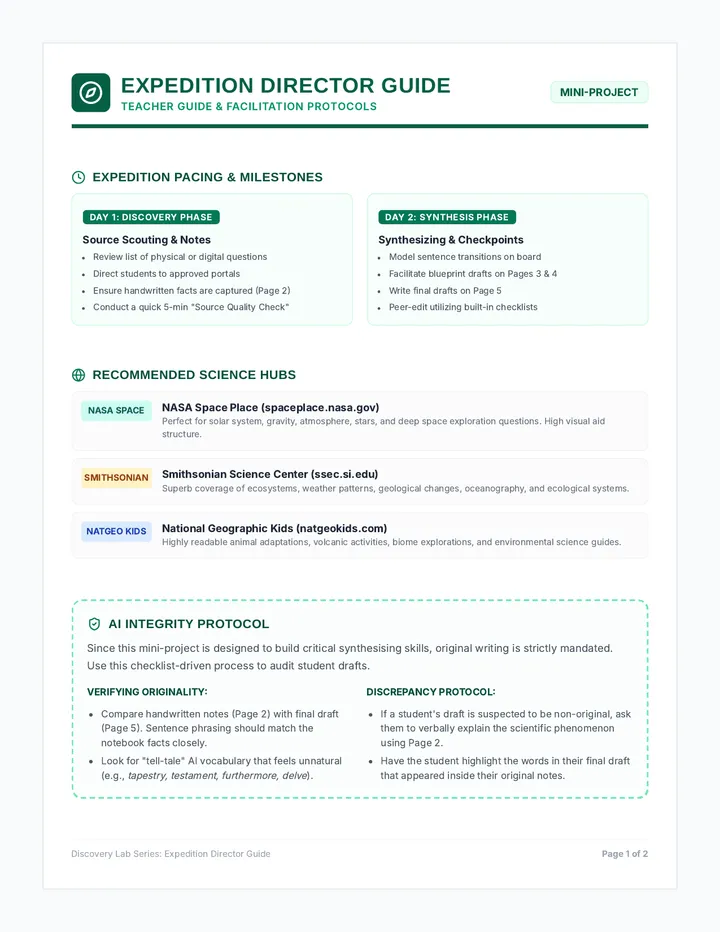
A student-led research project where students choose a science question, evaluate reliable sources, gather evidence, and draft a 3-4 paragraph explanation. Includes moderate visual scaffolding and structured checklists to guide independent inquiry and writing.
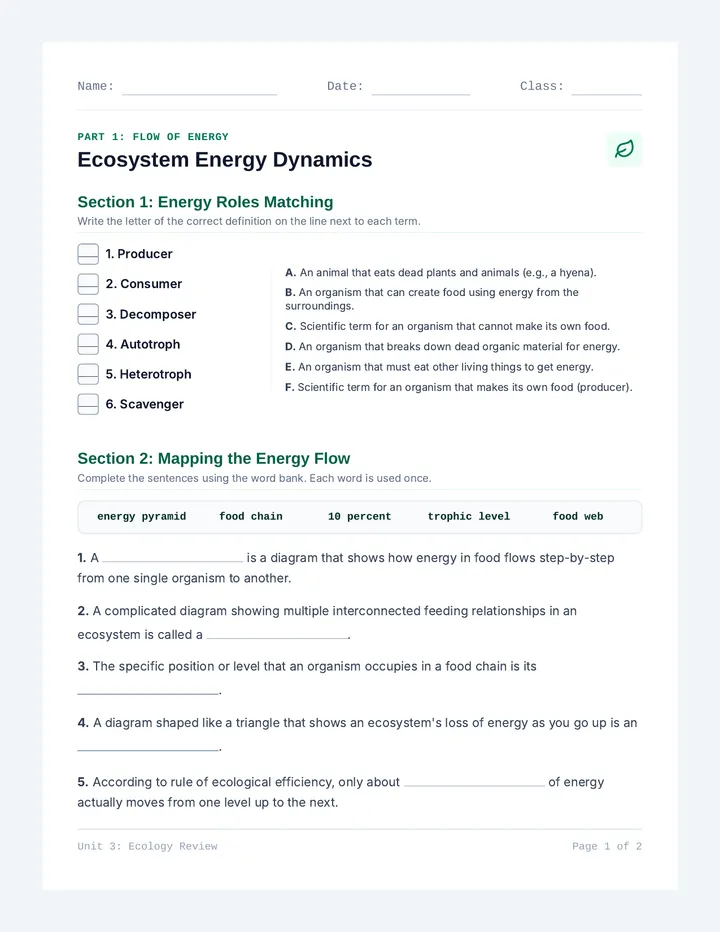
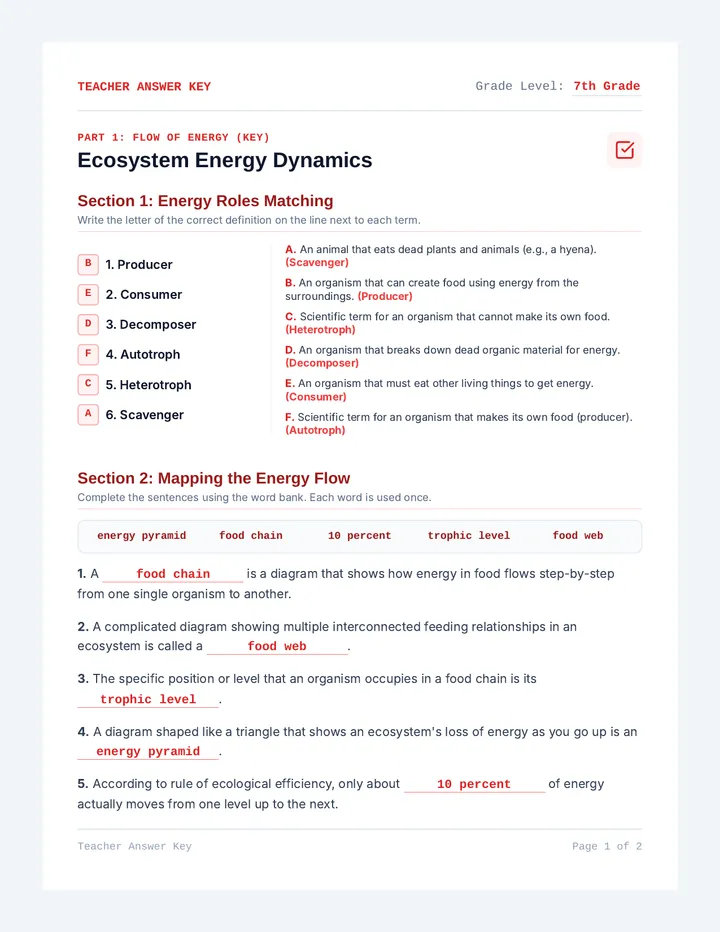
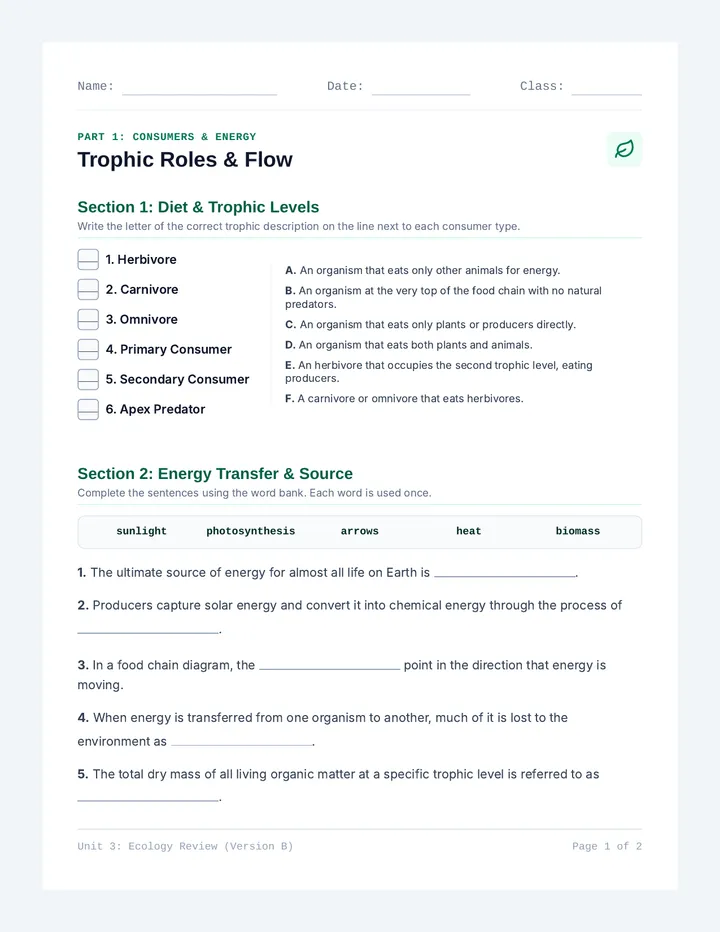
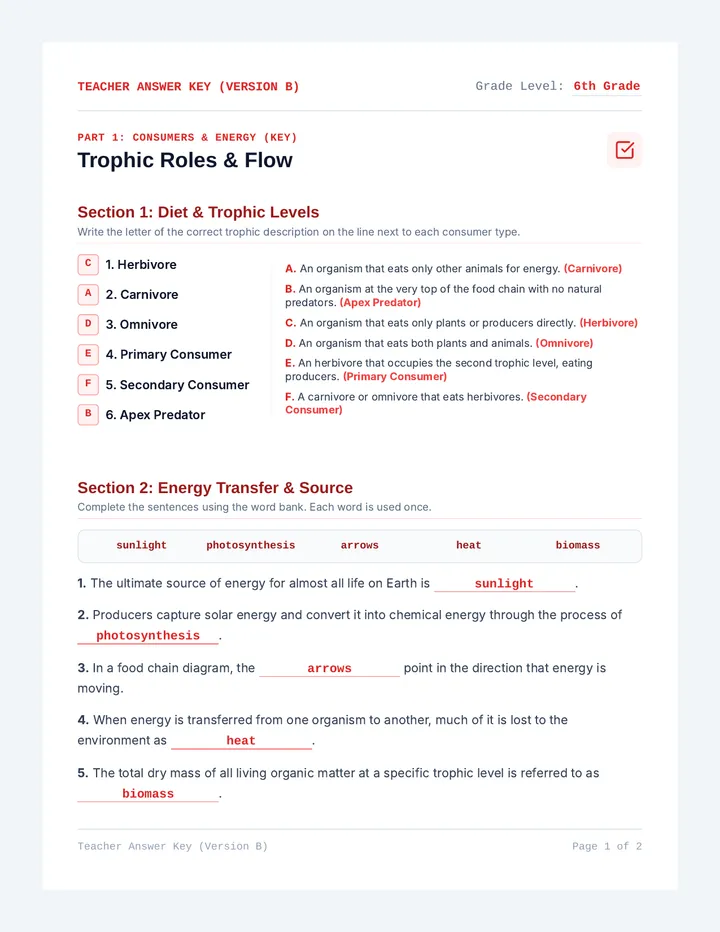
A lesson covering energy flow dynamics (producers, consumers, decomposers, food chains, webs, pyramids) and symbiotic relationships (mutualism, commensalism, parasitism, competition, predator-prey) for sixth-grade students.
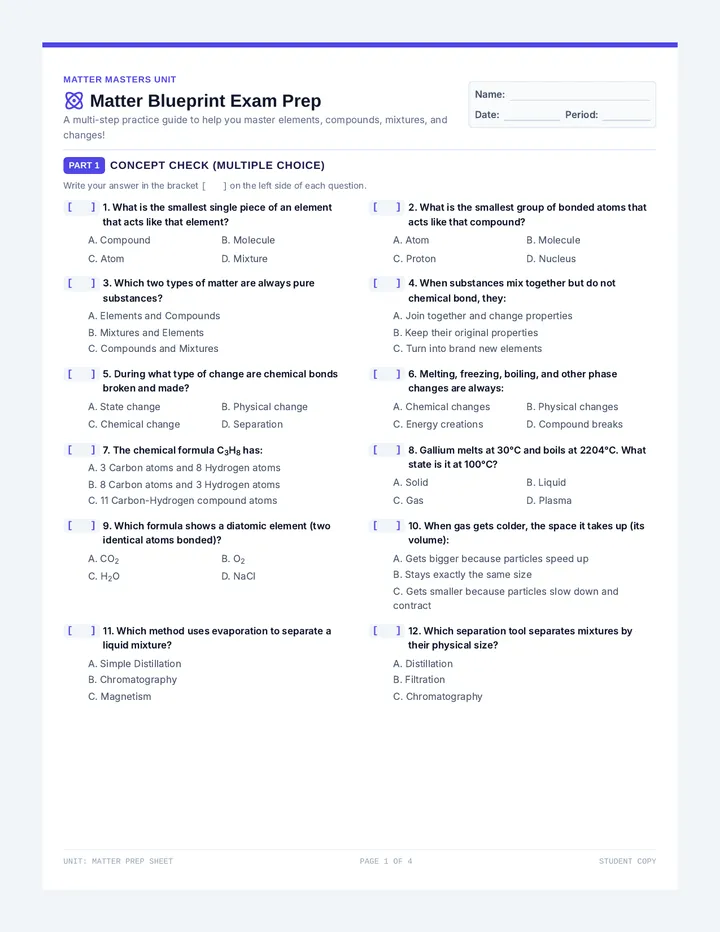
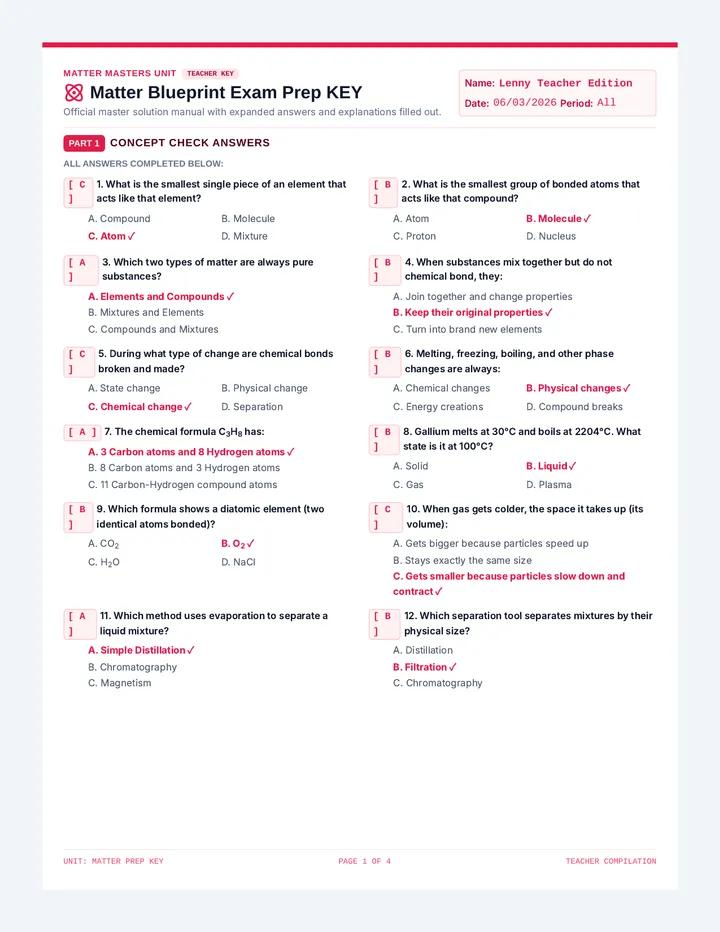
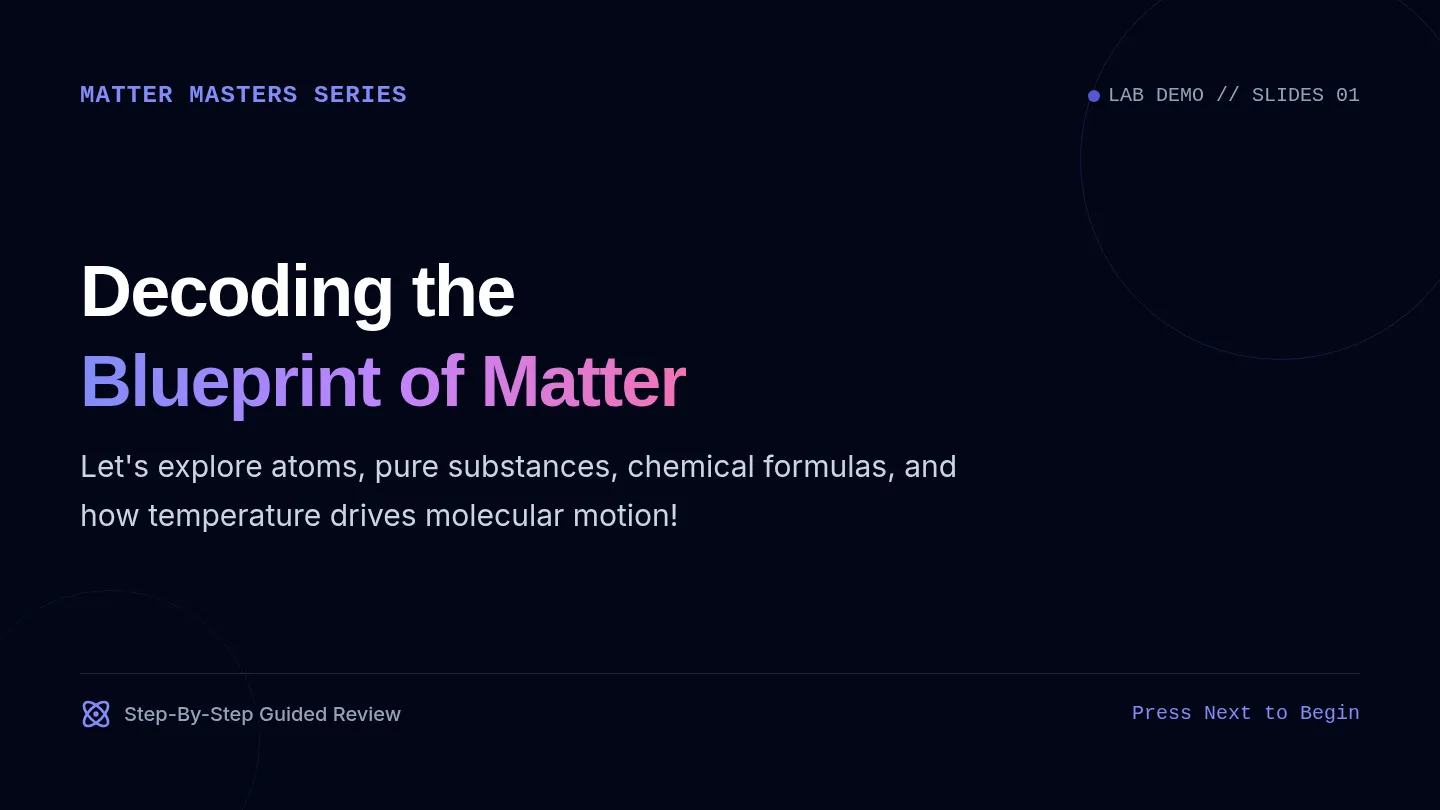
An introductory unit on the properties, classifications, and phases of matter. Students explore elements, compounds, mixtures, phase changes, and chemical reactions through visual and hands-on activities.
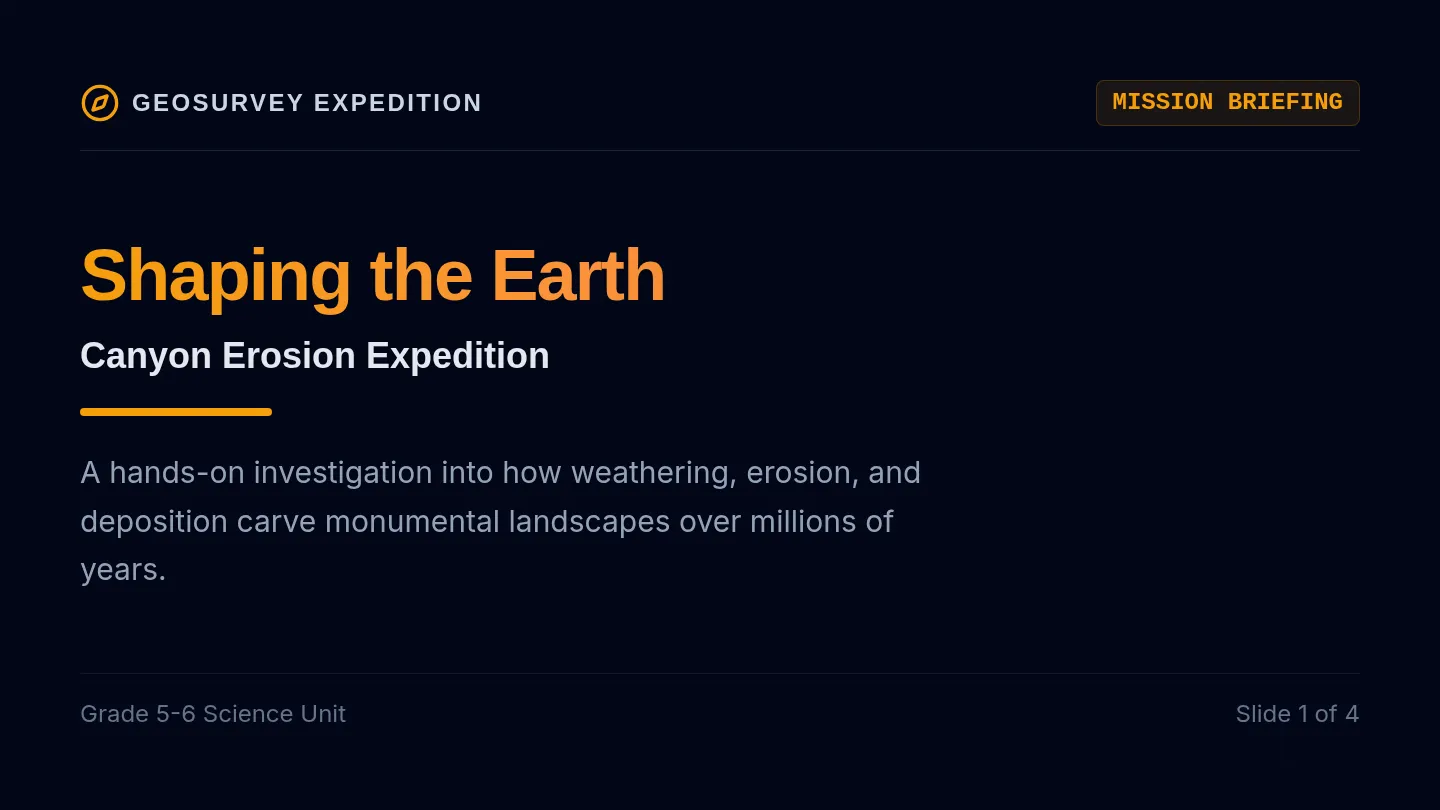
An immersive geological investigation where 5th and 6th-grade students study weathering and erosion. Students analyze canyon maps, model erosional forces, and keep a scientific field journal.
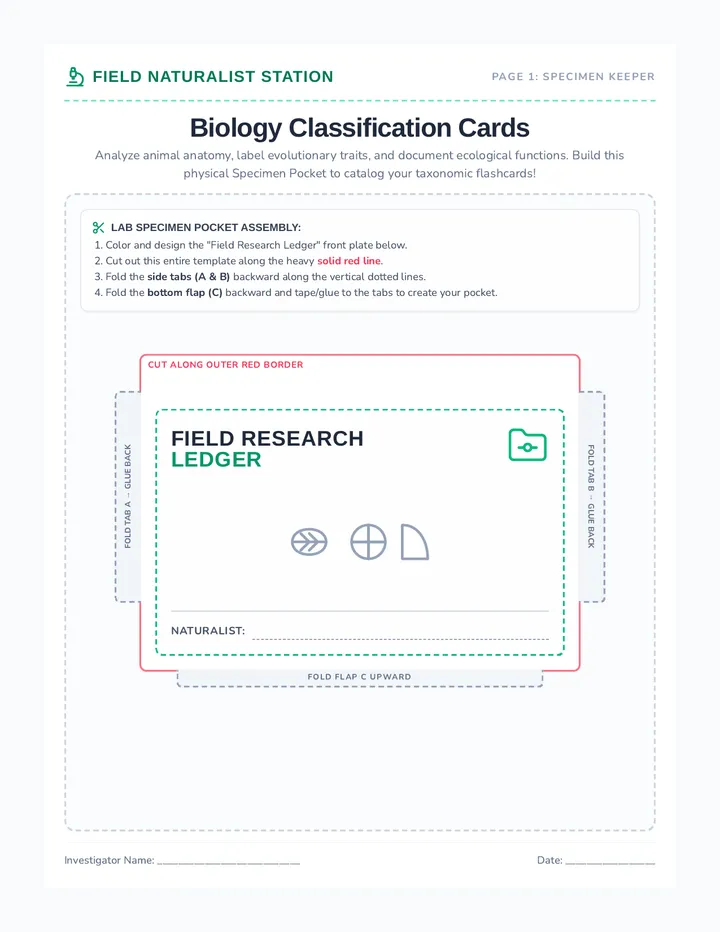
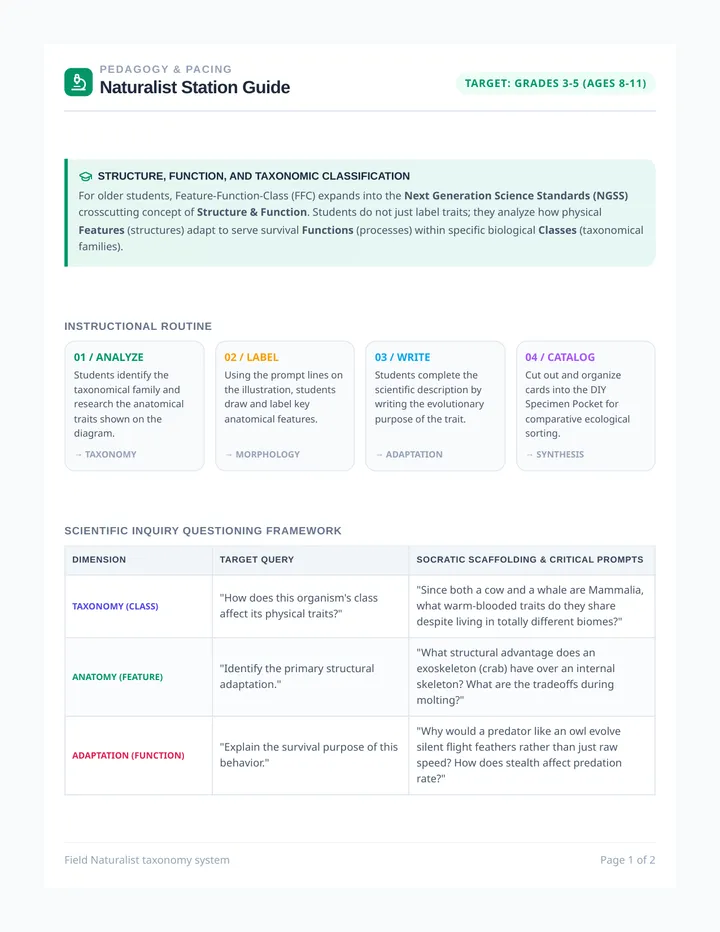
A biology and taxonomy sorting system designed for older kids (Grades 3-5). Students analyze evolutionary adaptations, label critical anatomical features, and categorize specimens by their taxonomic classes, habitats, and ecological functions.
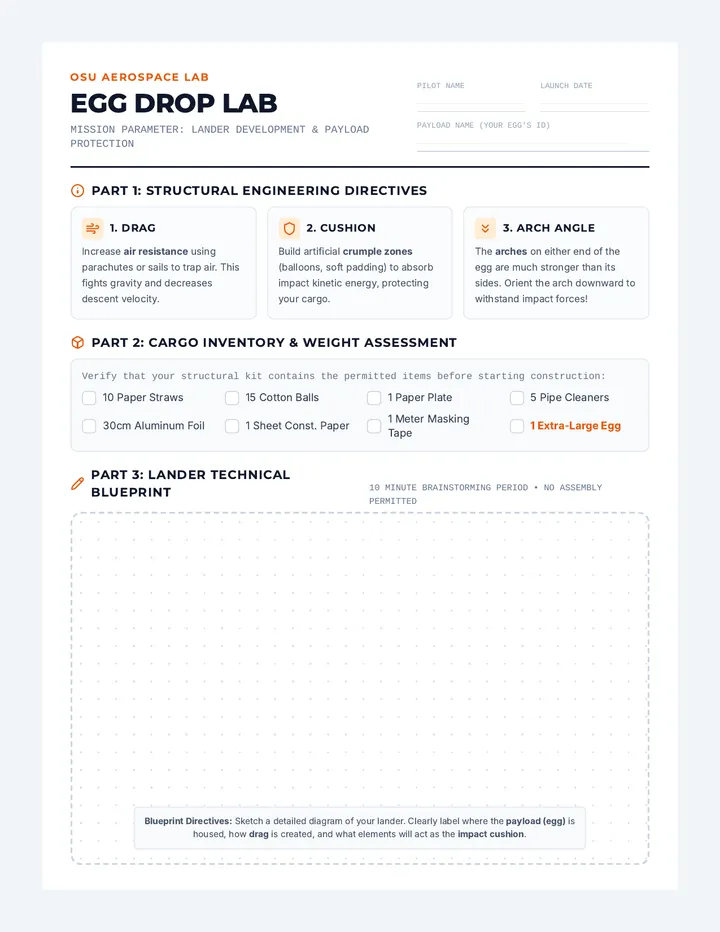
An engaging, hands-on physics and engineering lesson where students design, build, and test protective landing craft for fragile payloads (eggs), exploring forces, deceleration, and structural integrity.
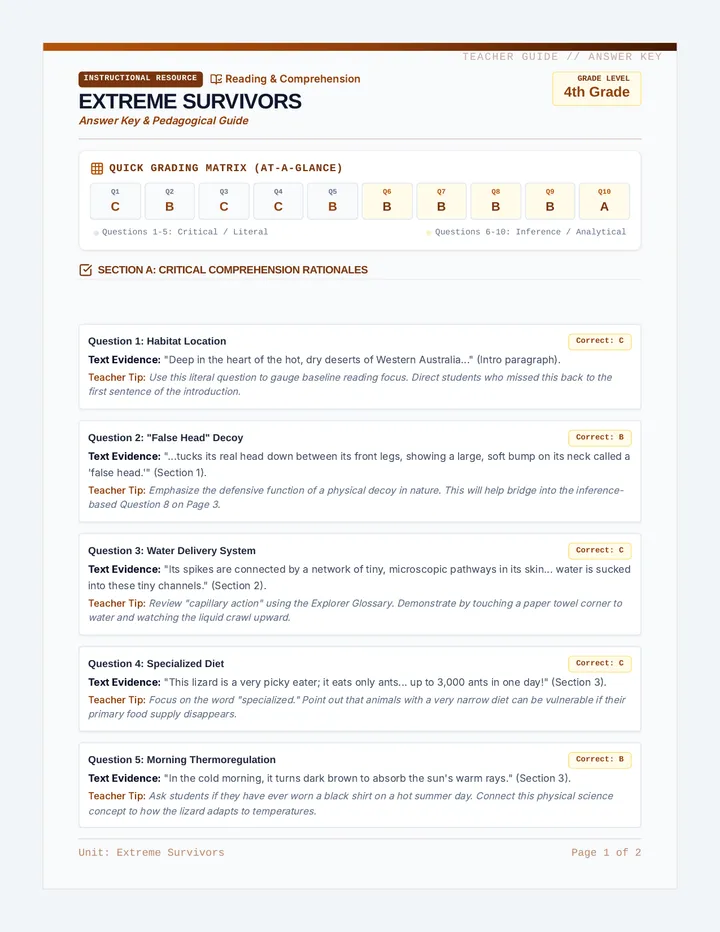
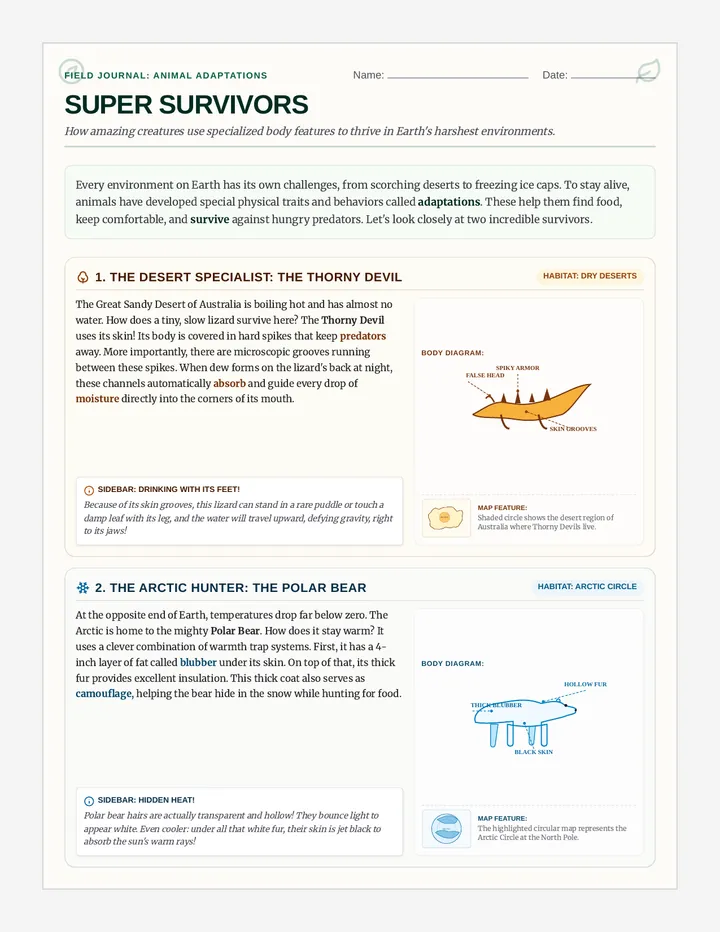
An on-grade level reading and comprehension unit focusing on how extreme desert animals, specifically the Thorny Devil, utilize highly specialized physical and behavioral adaptations to survive in the arid Australian Outback.
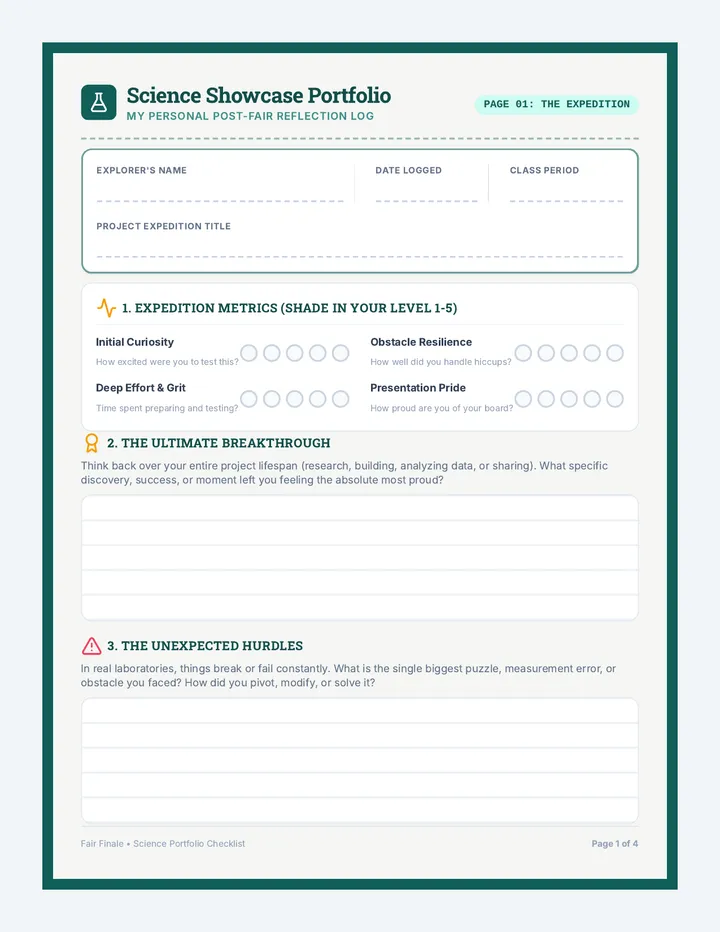
A reflection-focused lesson designed to guide students through evaluating their own science fair projects, reviewing their peers' work, and outlining future experimental improvements.
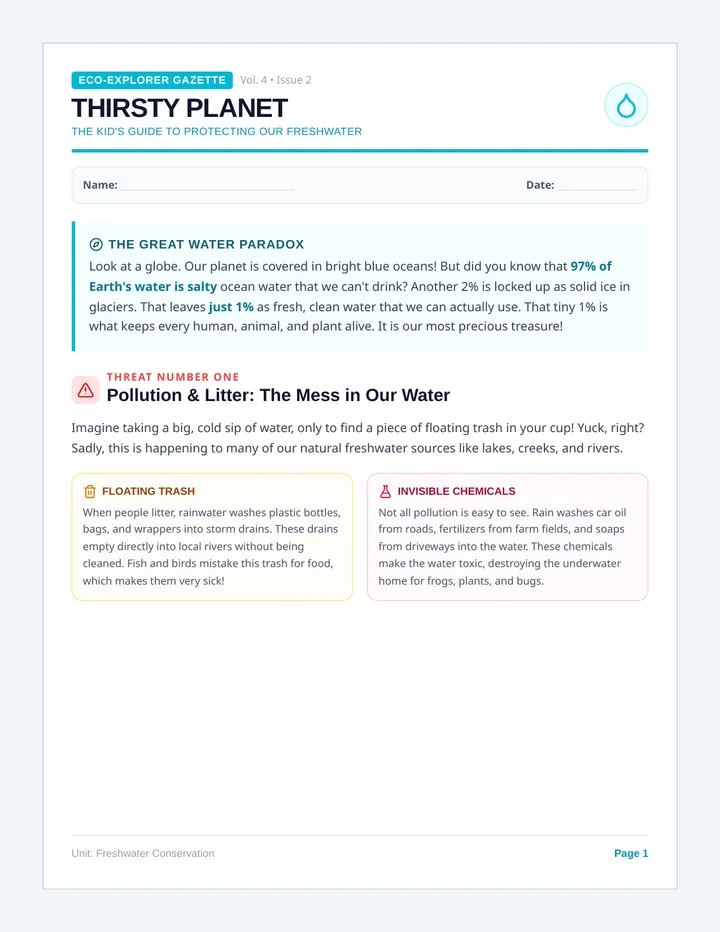
A lesson focused on understanding the primary threats to our freshwater supply, featuring an engaging, student-friendly explorer article on pollution, home water waste, droughts, and growing demand.
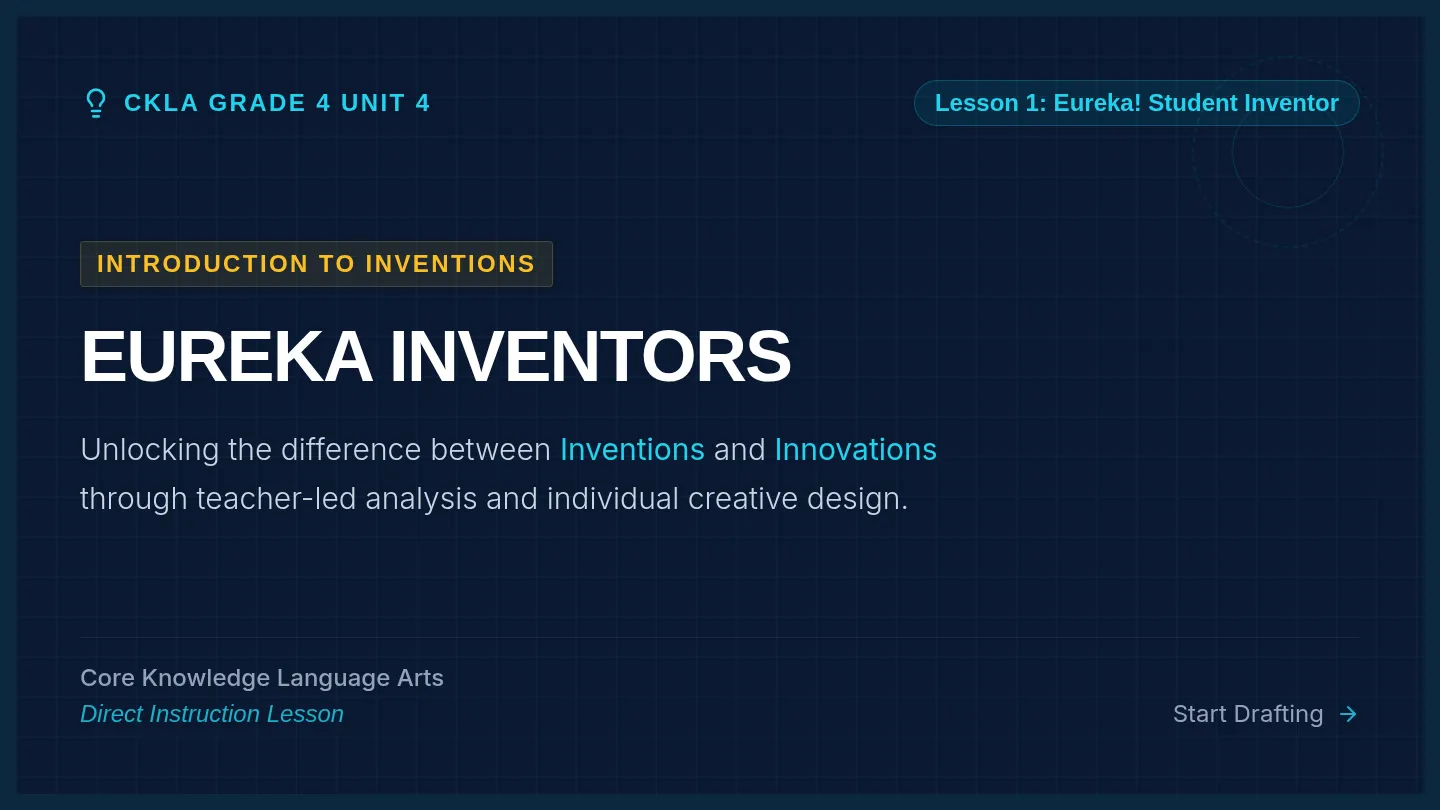
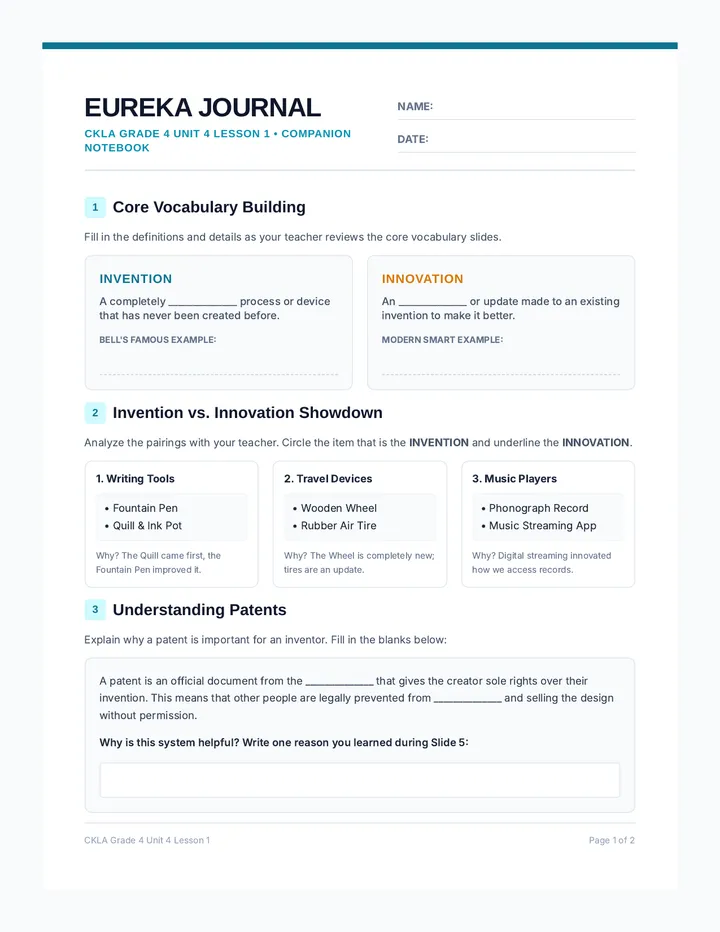
A rewritten direct-instruction lesson for CKLA Grade 4 Unit 4 Lesson 1 (Eureka! Student Inventor). It structures the introduction of inventions, innovations, and the patent process through teacher-led visual modeling and individual student responses, removing the default group activities.
An end-of-year middle school science assessment focused on analyzing complex data sets, graphs, and diagrams across Life, Physical, and Earth science contexts, aligned with NY NGSS standards. Includes a student printable test and a matching teacher answer key.
An interactive 5th-grade science lesson introducing physical and chemical changes. Students act as "change detectives," examining clues to classify alterations in matter and investigating real-world scenarios.
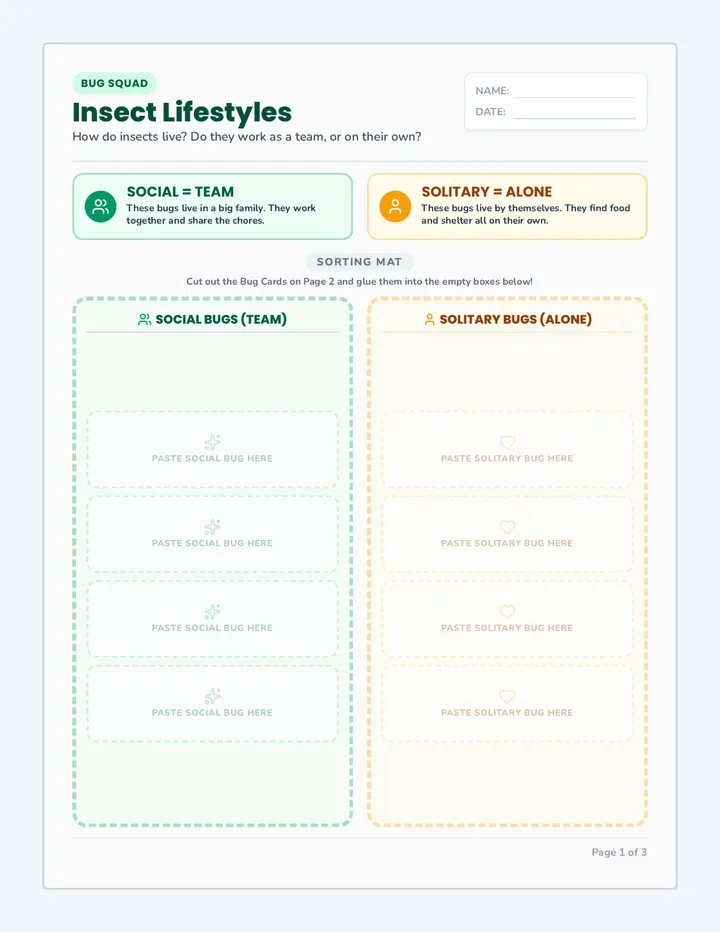
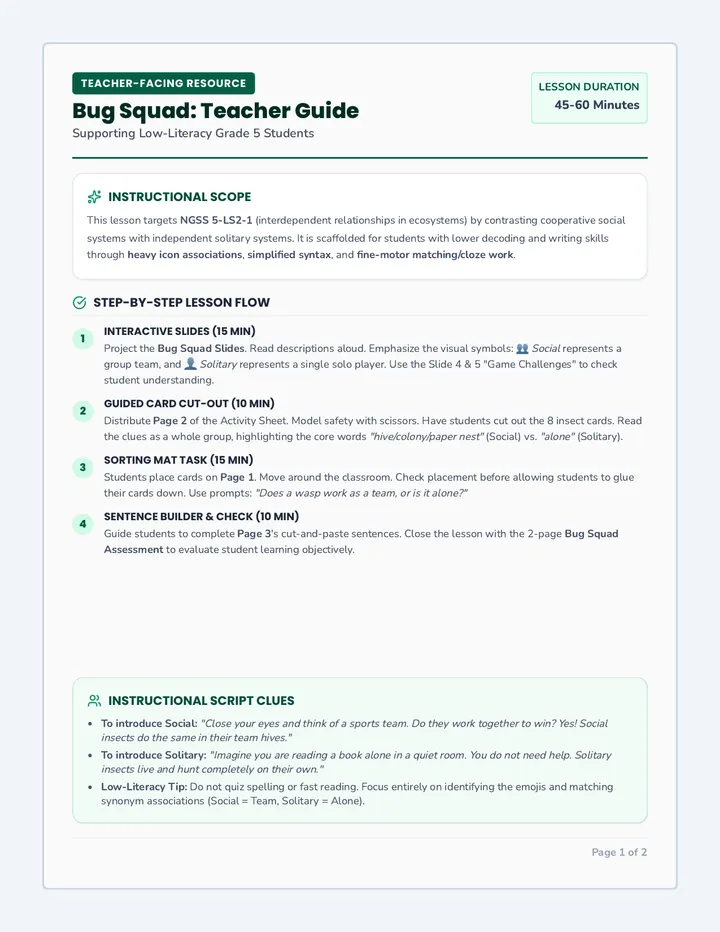
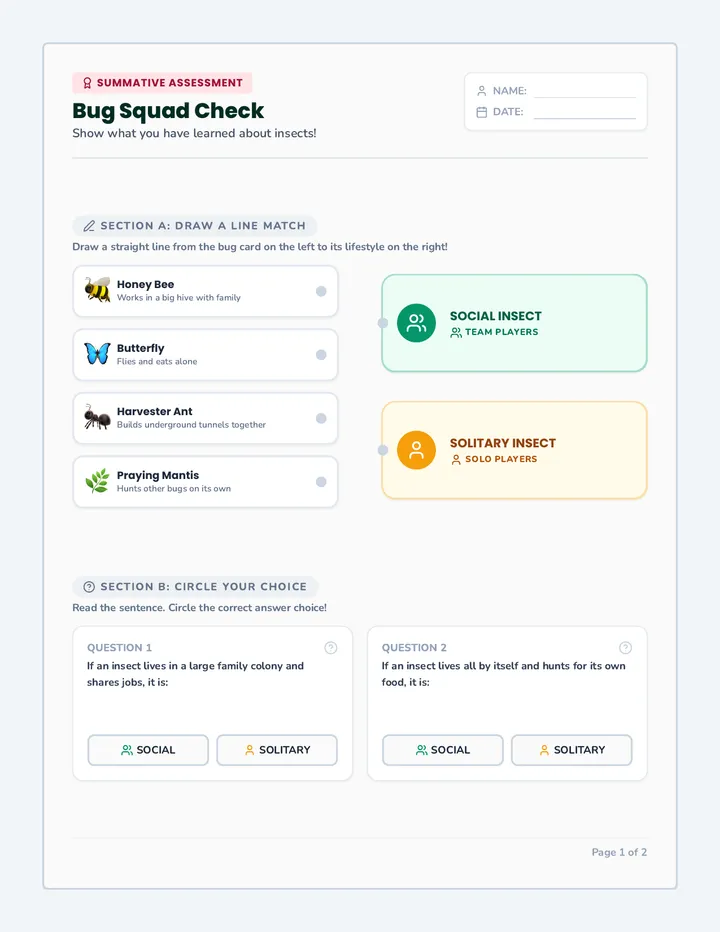
A highly visual lesson designed for low-literacy fifth graders to master the difference between social and solitary insects. The lesson provides rich scaffolding through hands-on sorting cards, visual anchor charts, and cut-and-paste sentence frames to reduce writing barriers.
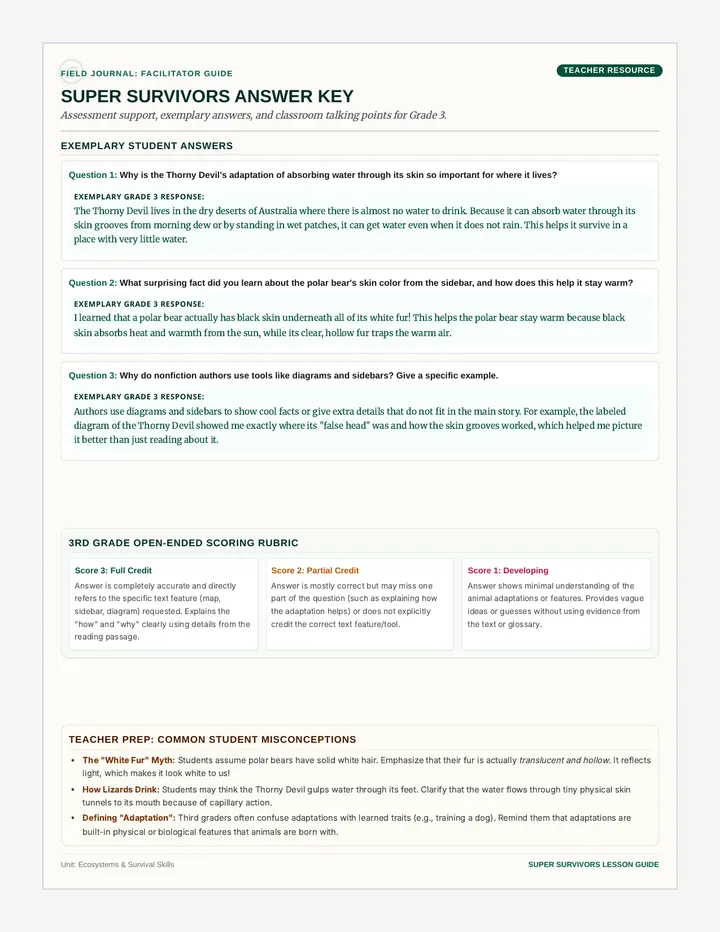
An engaging lesson on animal adaptations featuring a visual nonfiction reading passage and text feature hunt. Students learn about the Thorny Devil and Polar Bear, analyze geographic maps, look up key terms in a glossary, and answer deep comprehension questions.