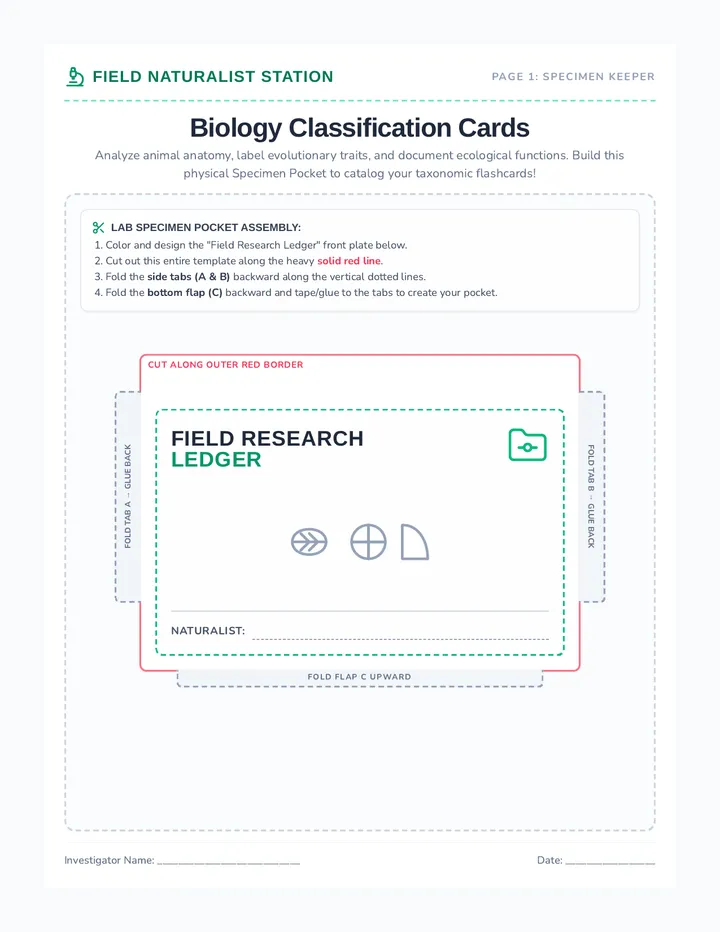
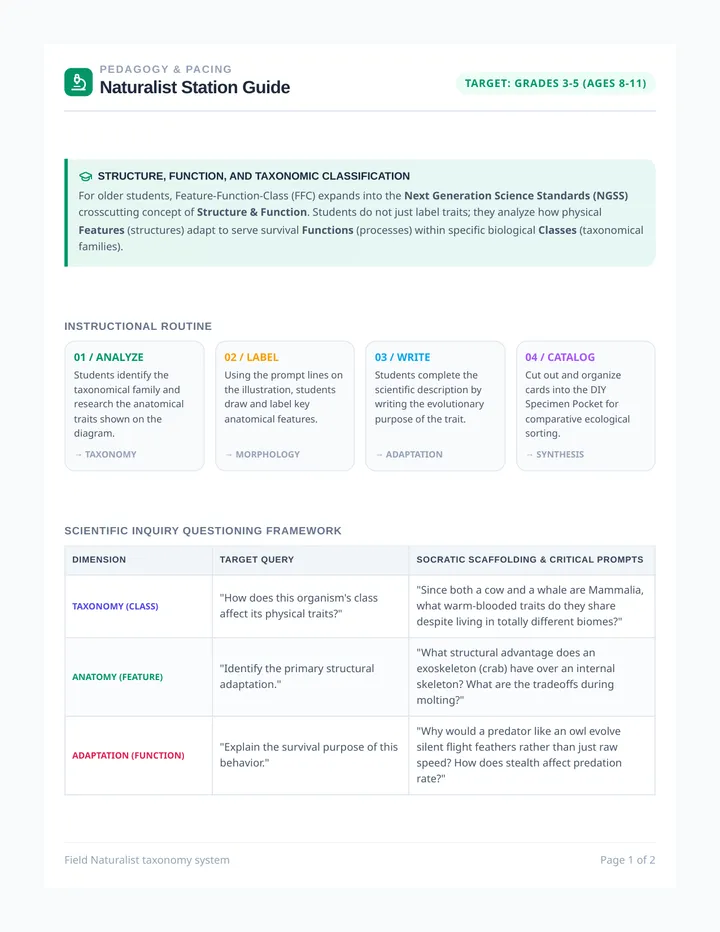
Students investigate specific human impacts on their local watershed, conducting research and 'Invisible Impact' experiments using Zoo New England partnership data to see how microscopic changes in the hydrosphere affect turtle physiology.
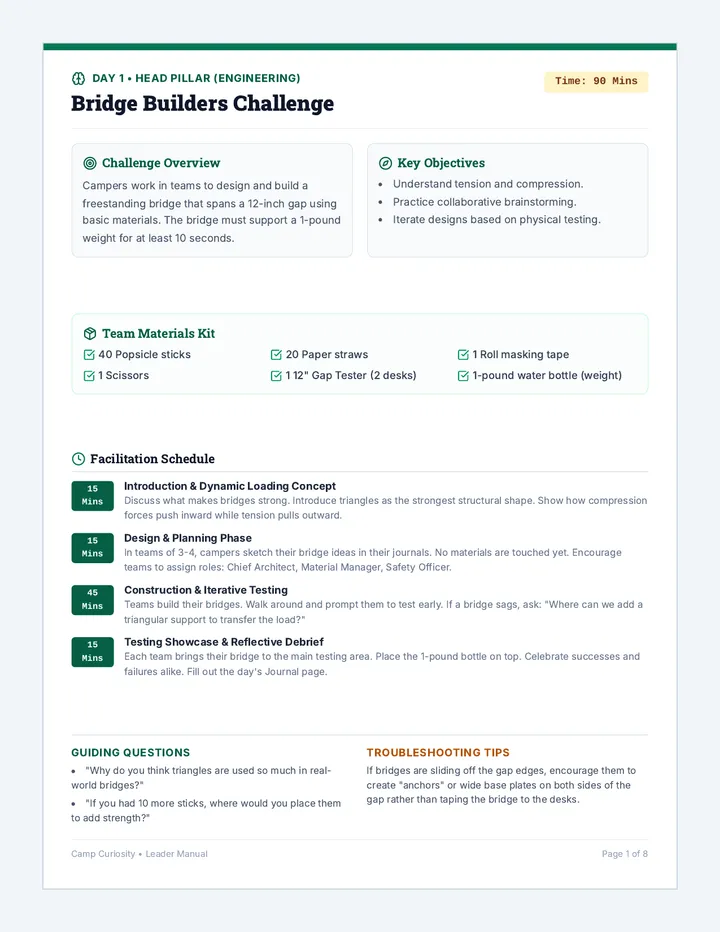
A deep dive into comparing the complex life cycles of beetles, frogs, and birds through modeling and environmental impact analysis.
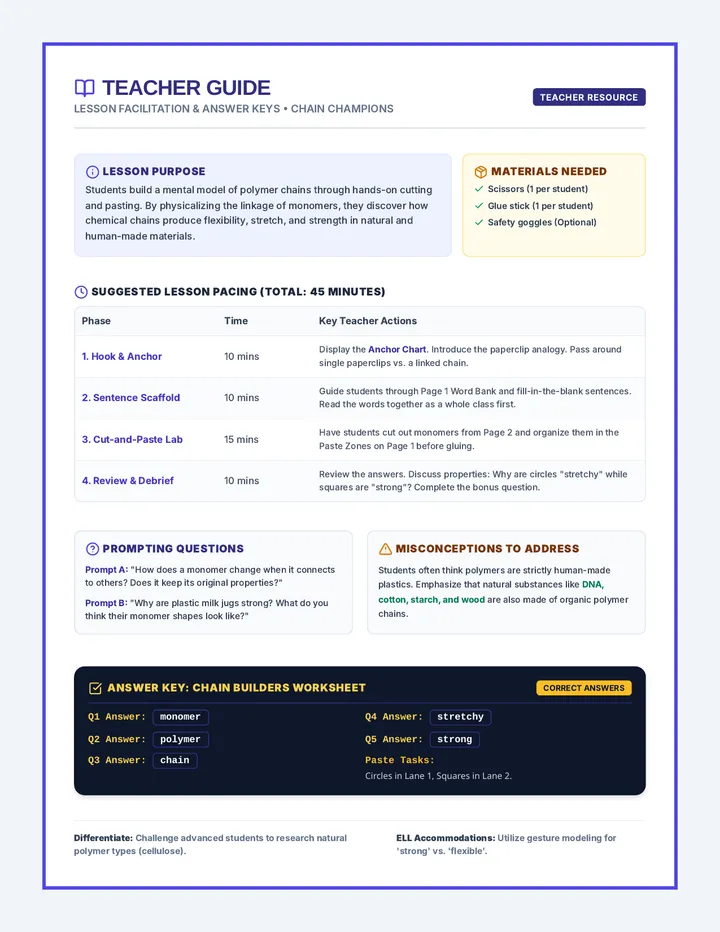
Investigates inherited traits and learned behaviors through functional tool design and behavioral modeling.
Students illustrate and compare the life cycles of beetles, crickets, and plants through architectural and growth-focused engineering.
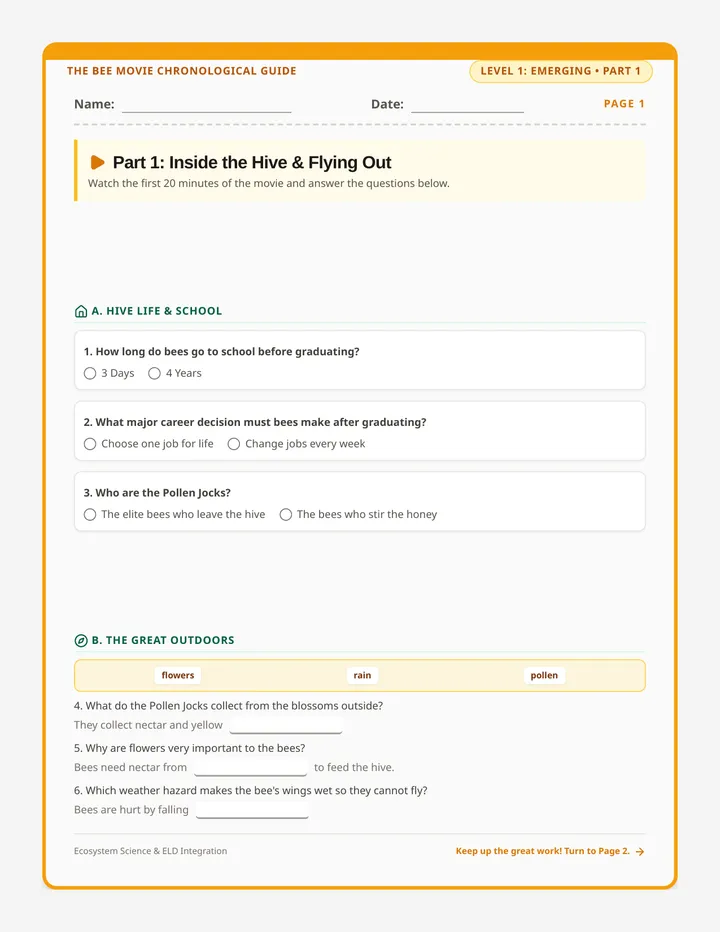
Focuses on plant dependencies for pollination and seed dispersal, alongside the unique metamorphosis of frogs and butterflies.
Students explore the life cycles of birds, mammals, and fish through engineering challenges focused on protection and migration.
Students act as environmental engineers to solve a real-world ecosystem crisis (soil erosion) by building an "Abiotic Anchor" to protect biotic factors in a coastal habitat.
Students explore the delicate balance of ecosystem communities by engineering a "Population Mobile" that demonstrates how the removal of one species impacts the entire dependency web.
Focusing on plant responses to seasonal changes, students engineer a "Dormancy Deck"—a protective structure designed to help a plant model survive a simulated winter freeze.