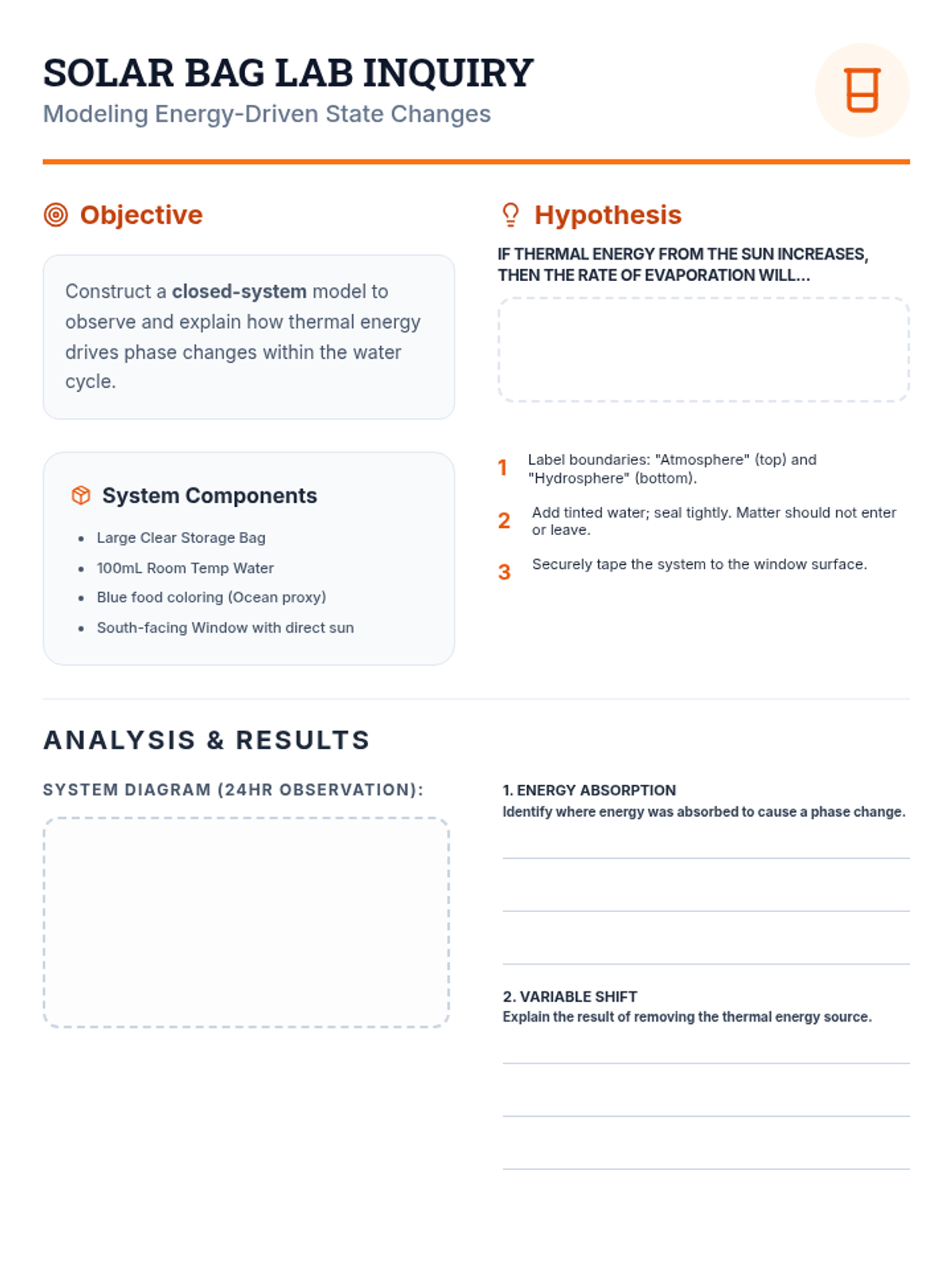
Students explore the essential methods of purifying water through hands-on experimentation. They will learn the roles of physical filtration and phase changes (evaporation) in removing contaminants from water samples.
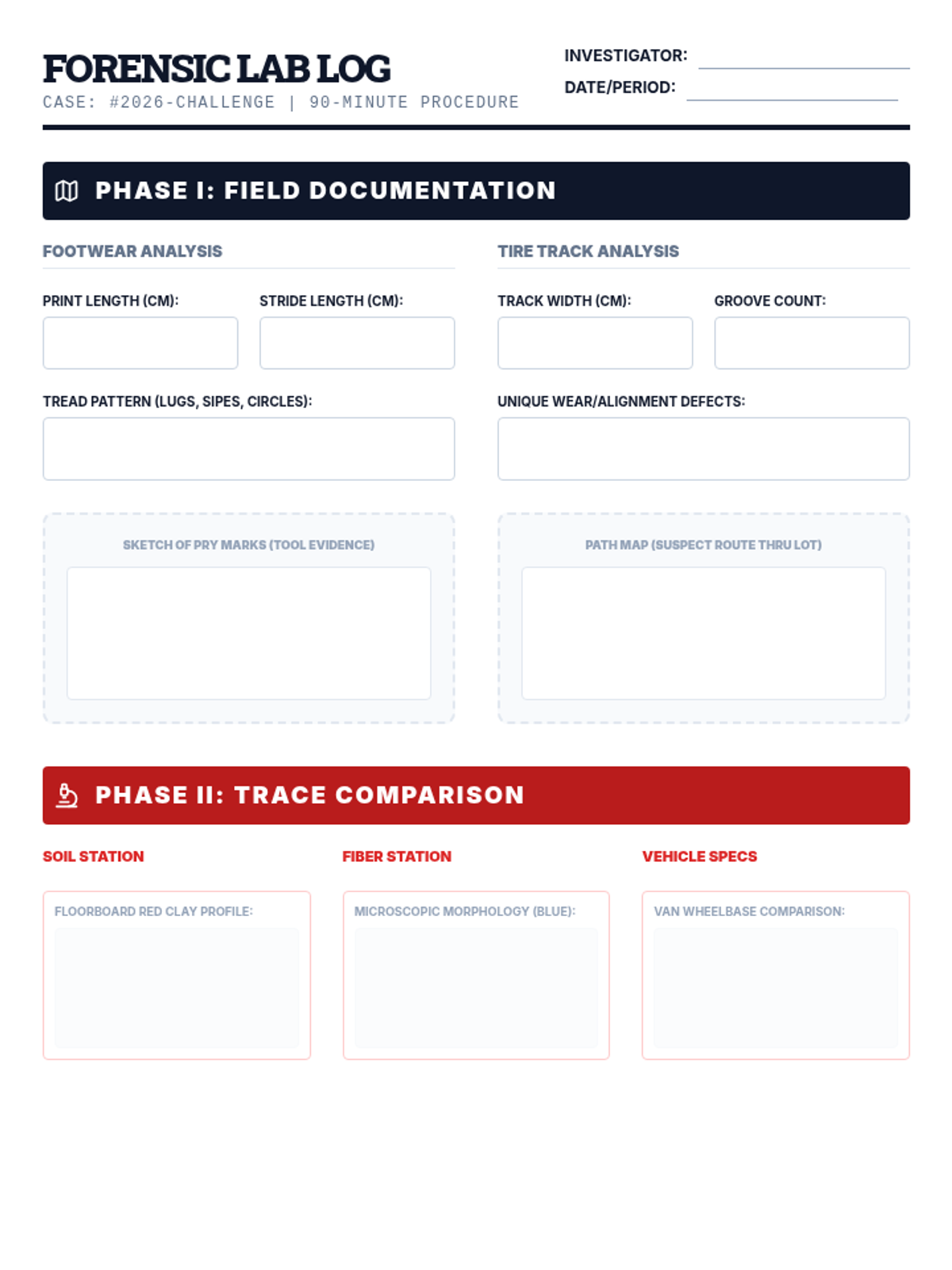
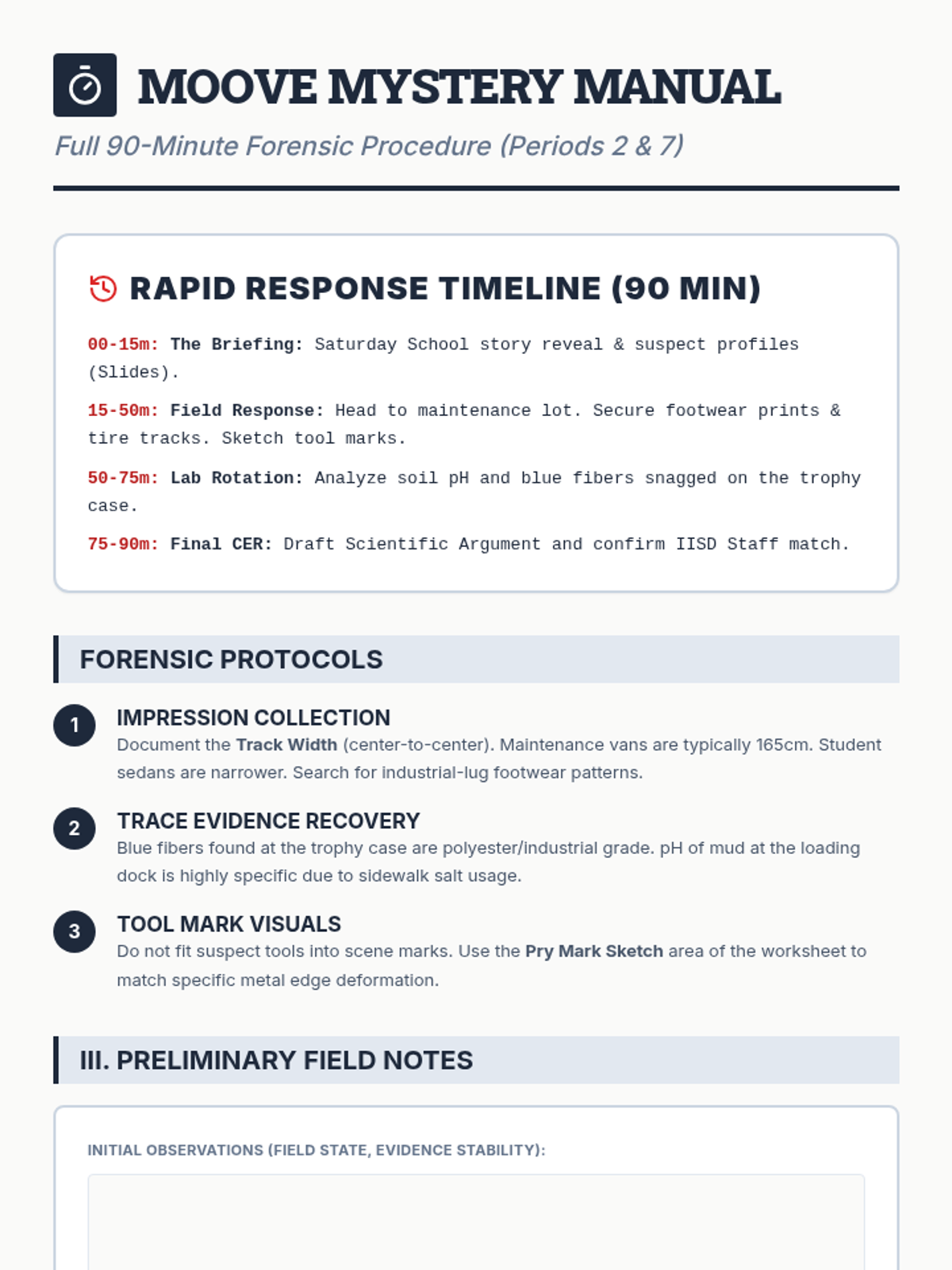
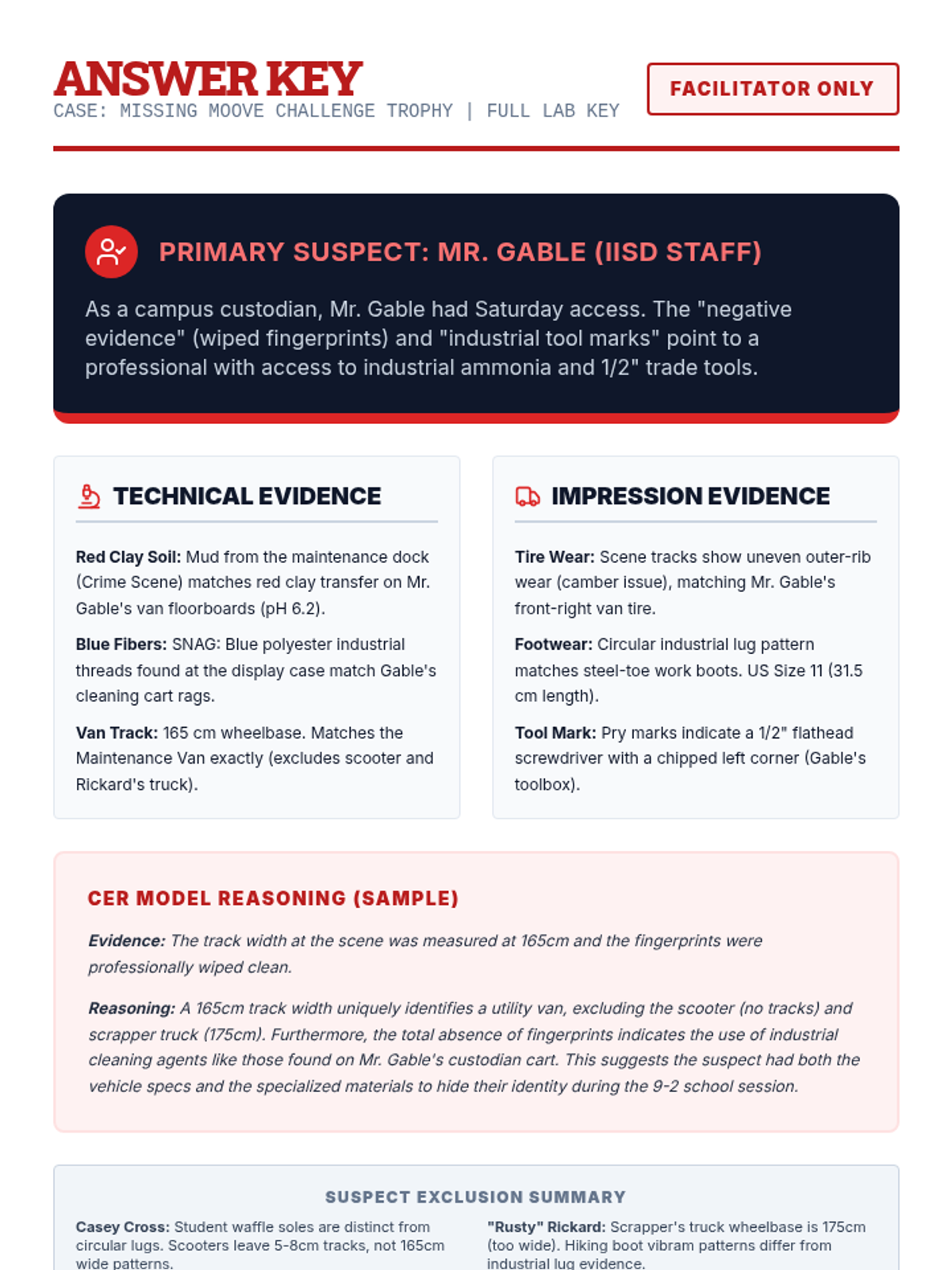
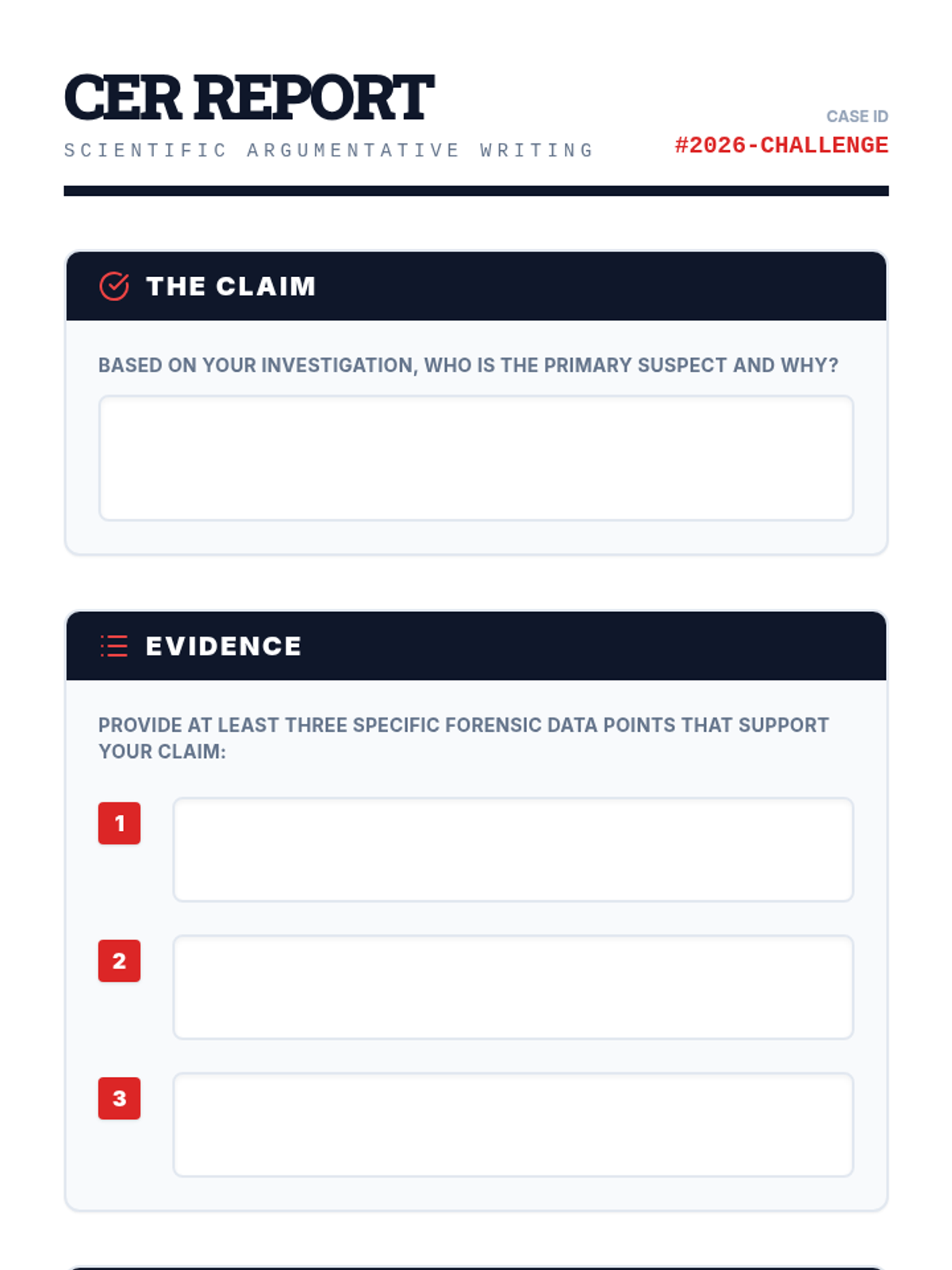
Students investigate the theft of the school's prestigious Moove Challenge Trophy, using tire tracks, footwear impressions, and tool marks to identify the culprit in the school parking lot.
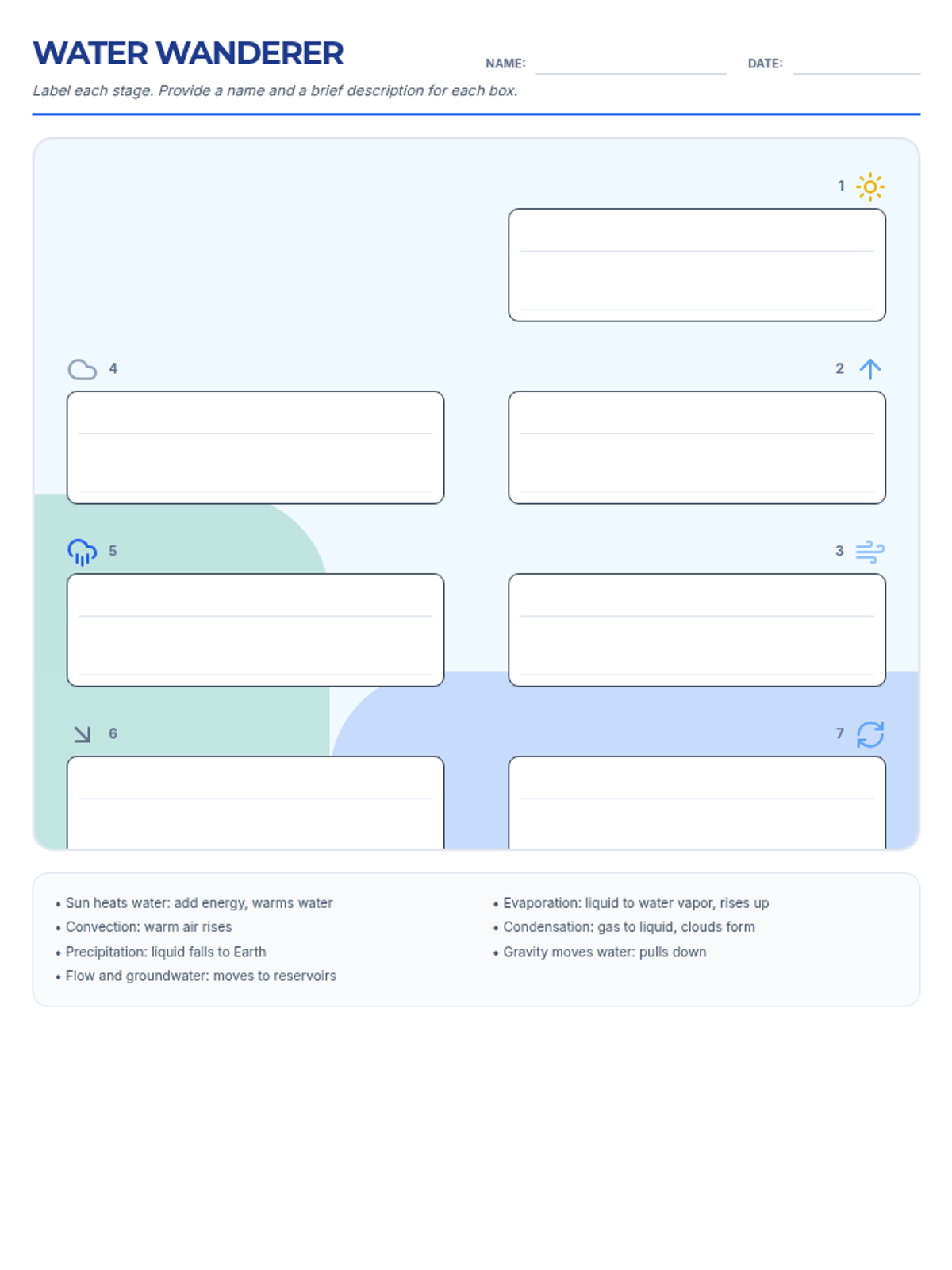
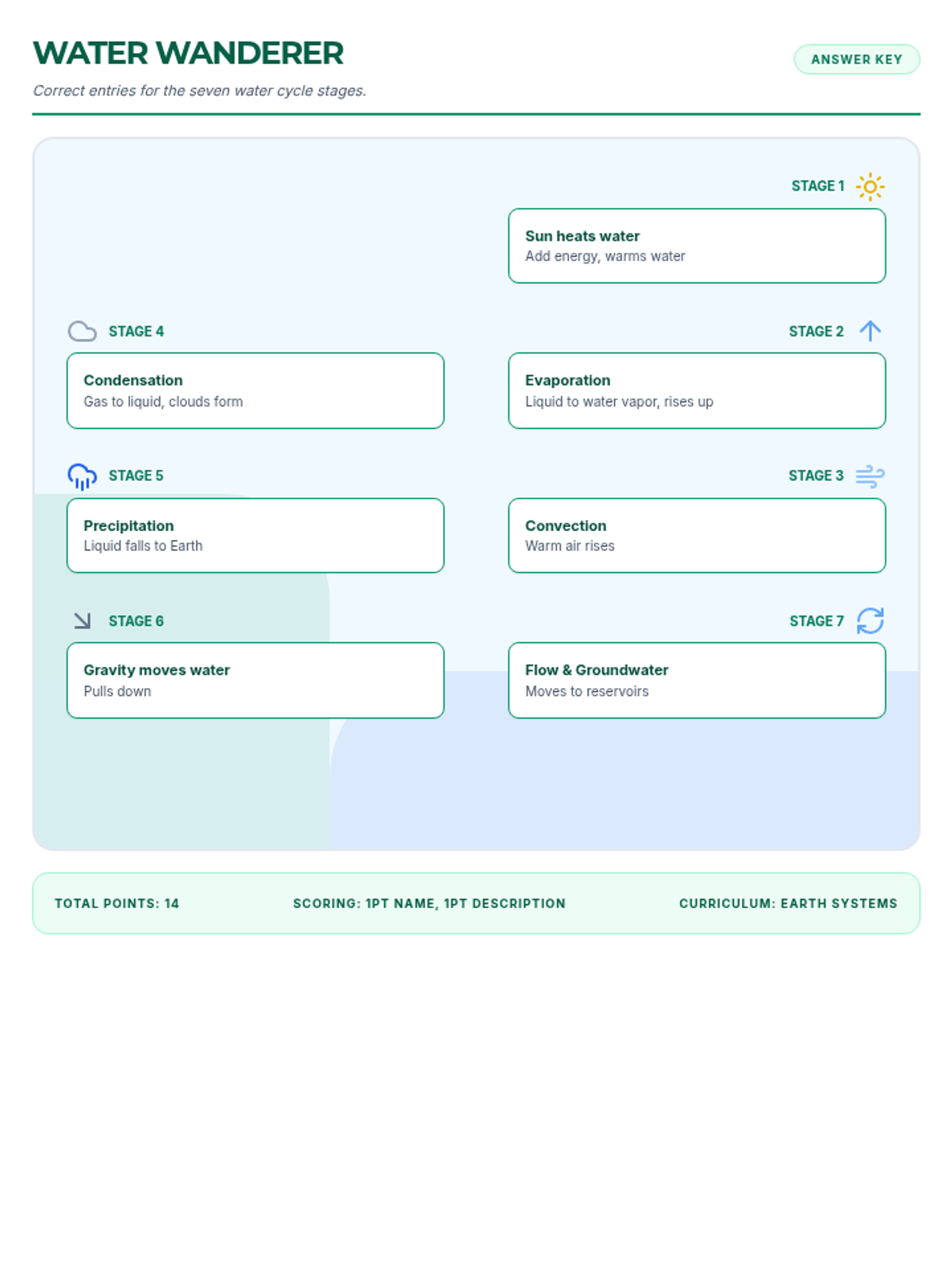
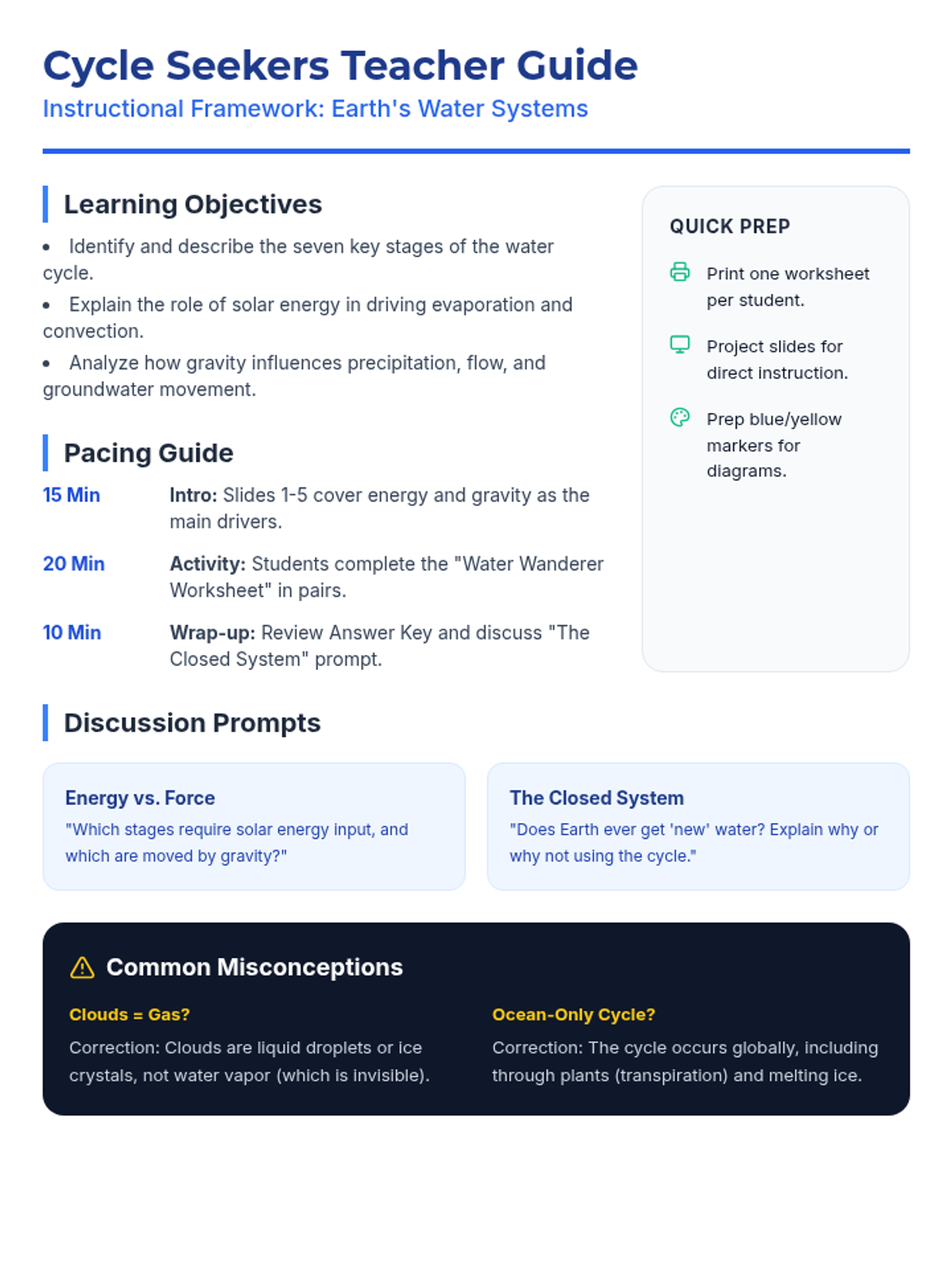
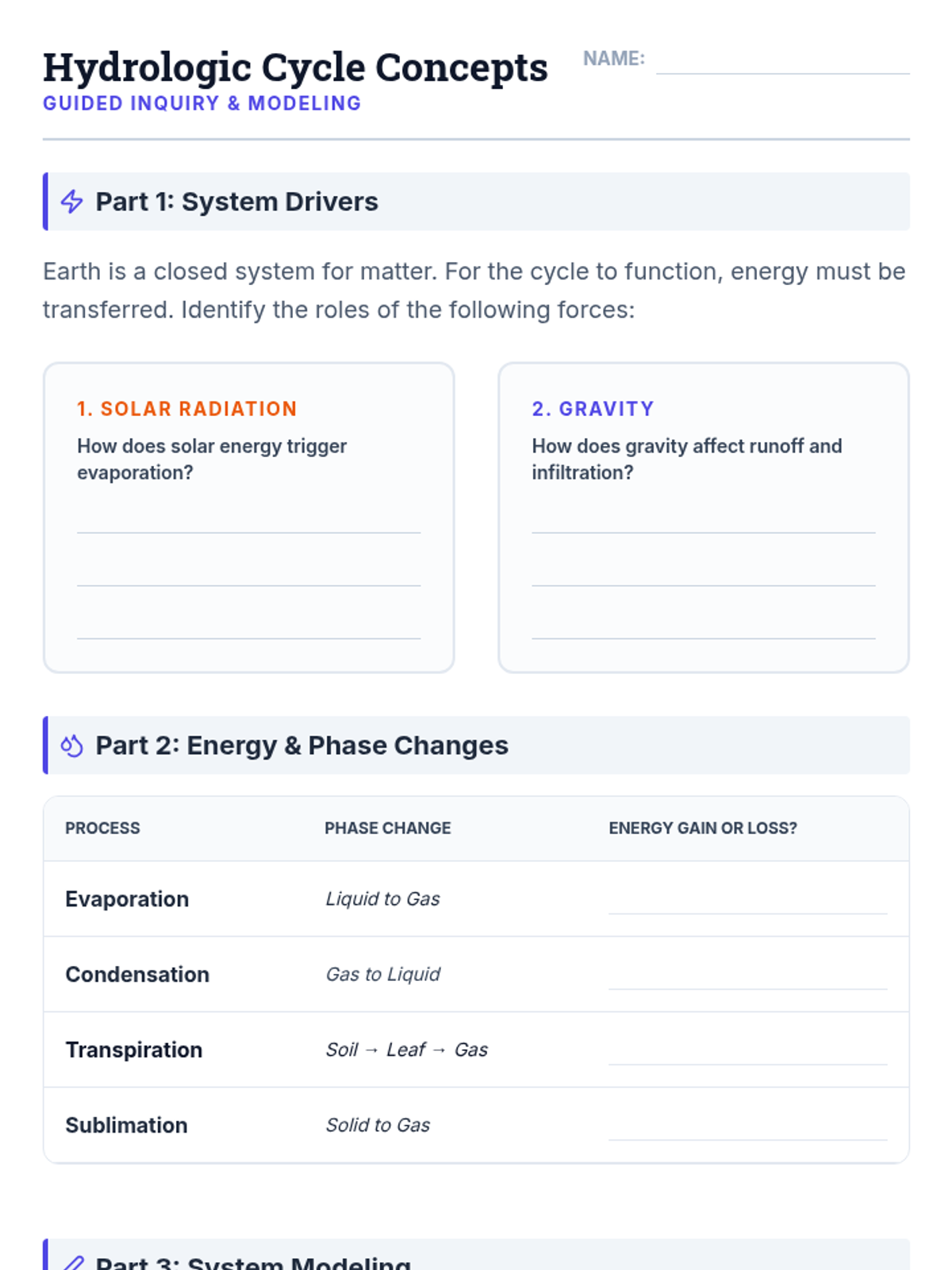
A lesson exploring the continuous movement of water on Earth through a detailed diagram of the water cycle, focusing on the roles of energy and gravity.
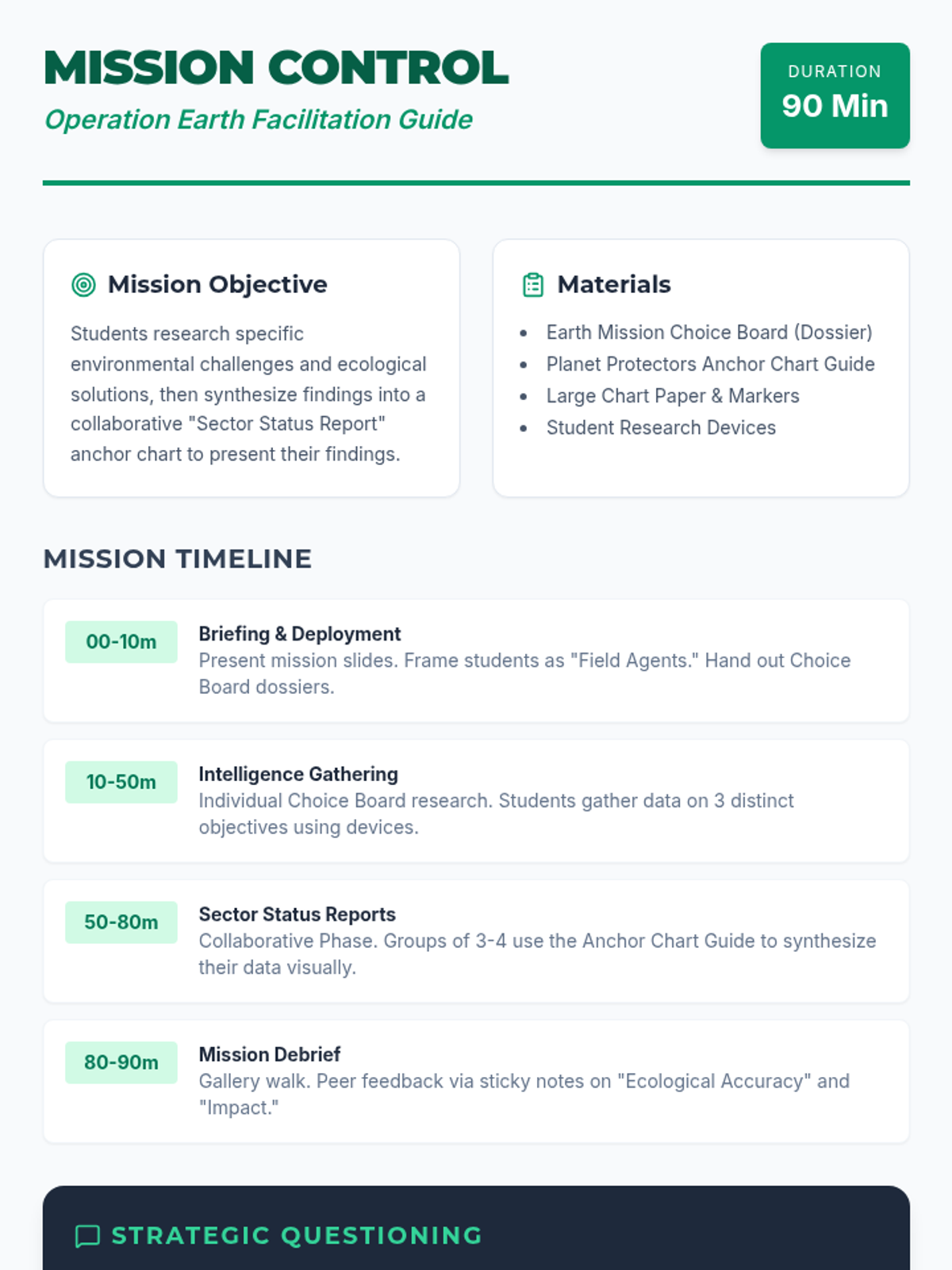
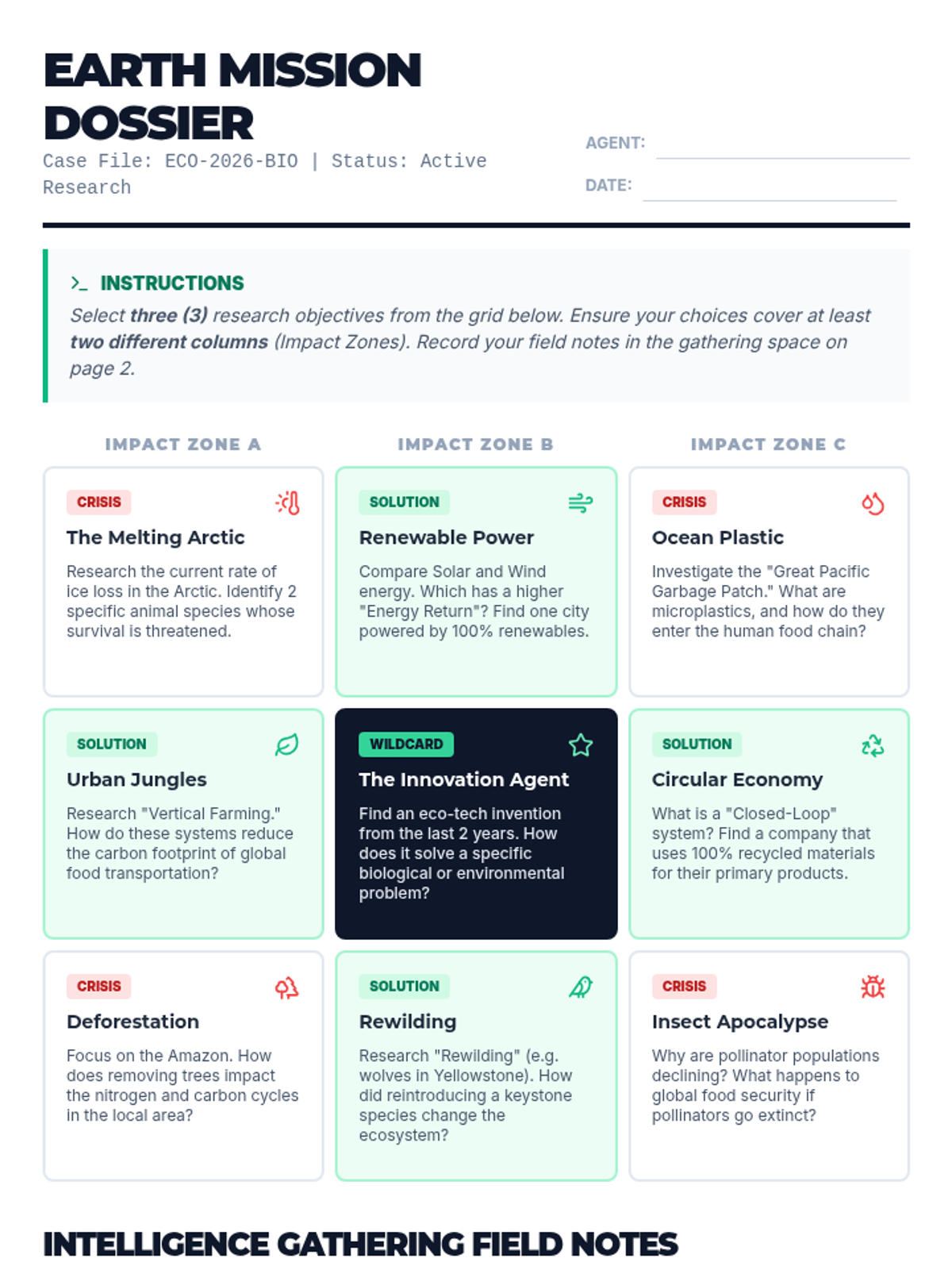
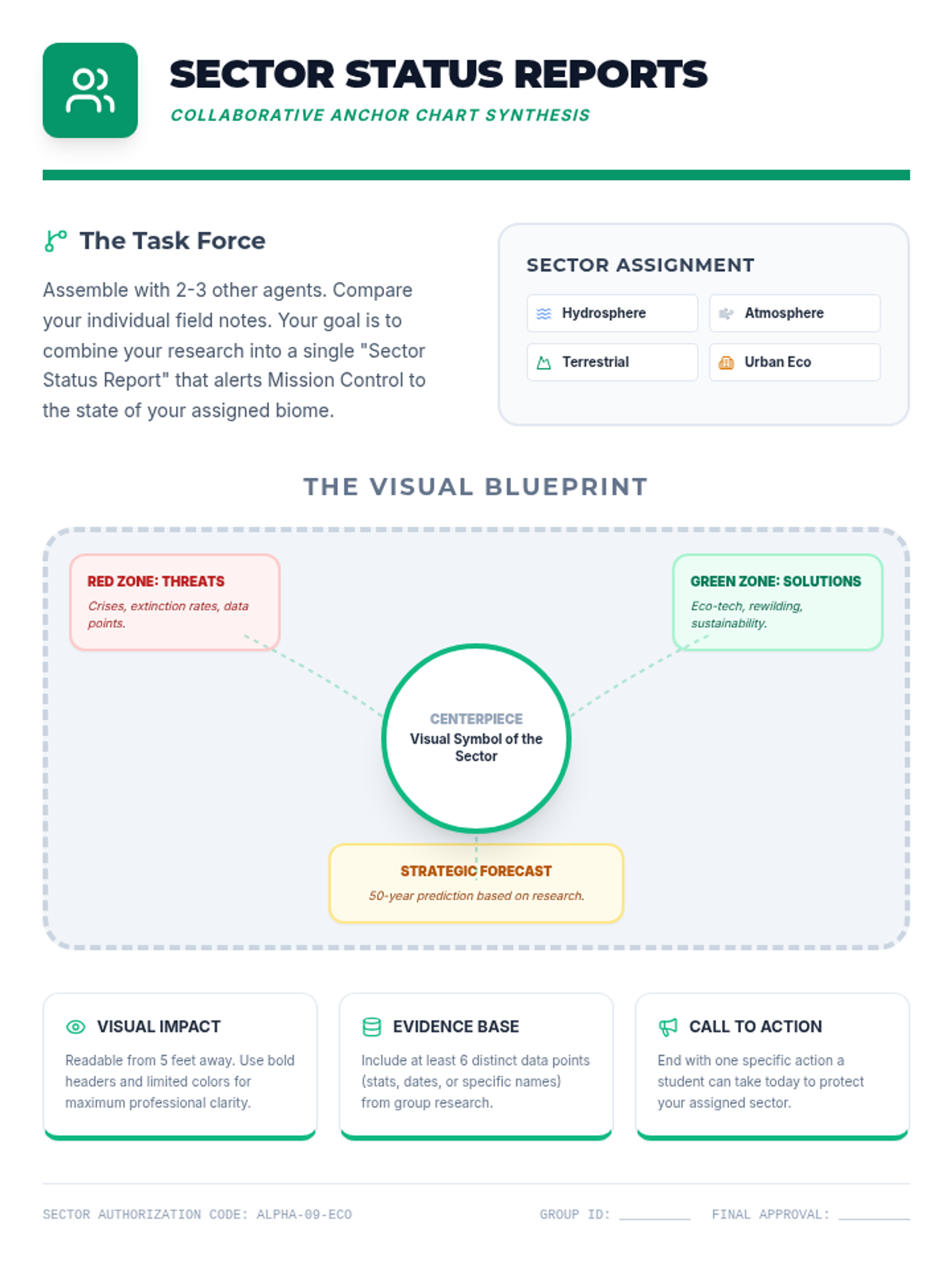
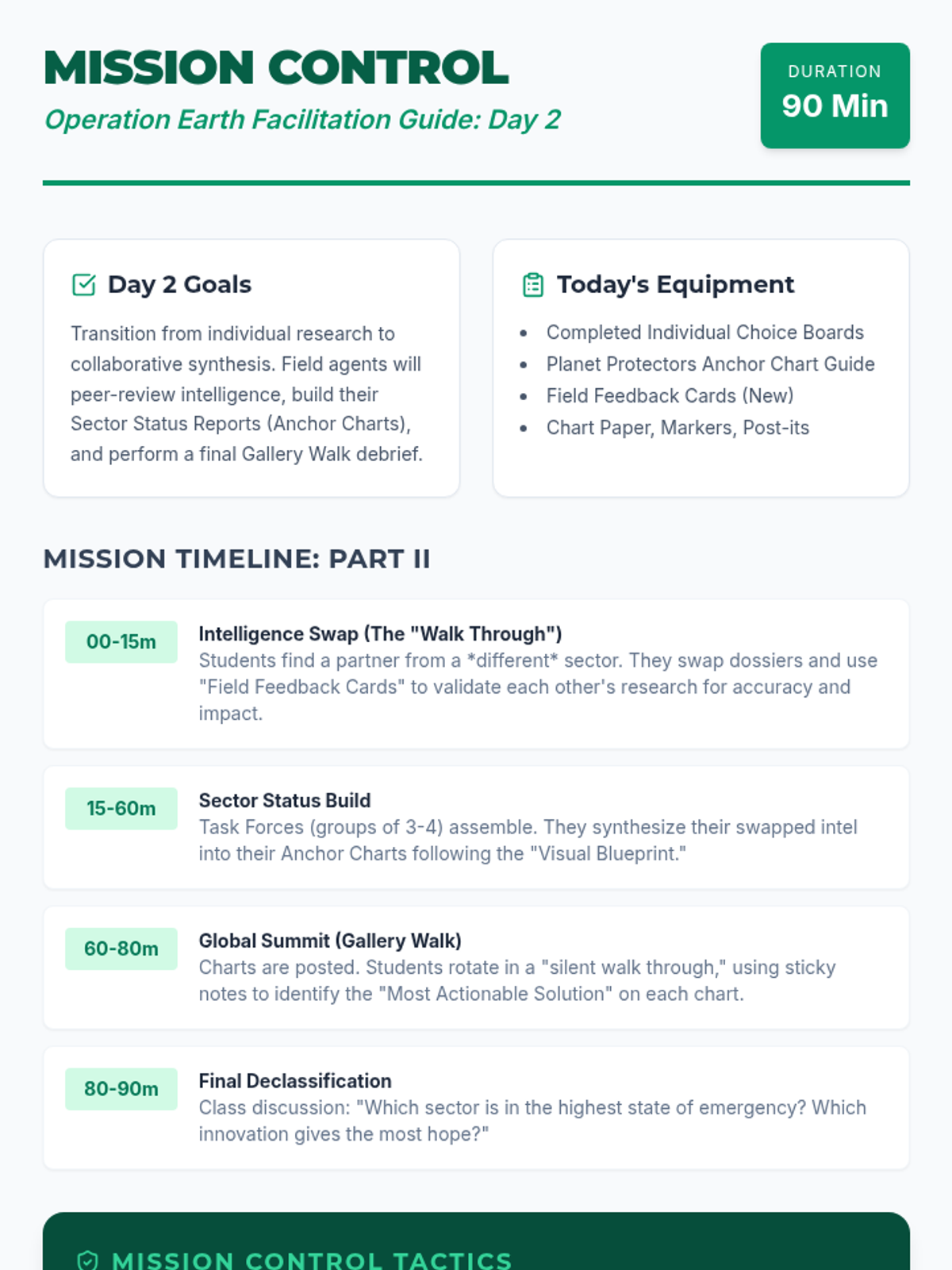
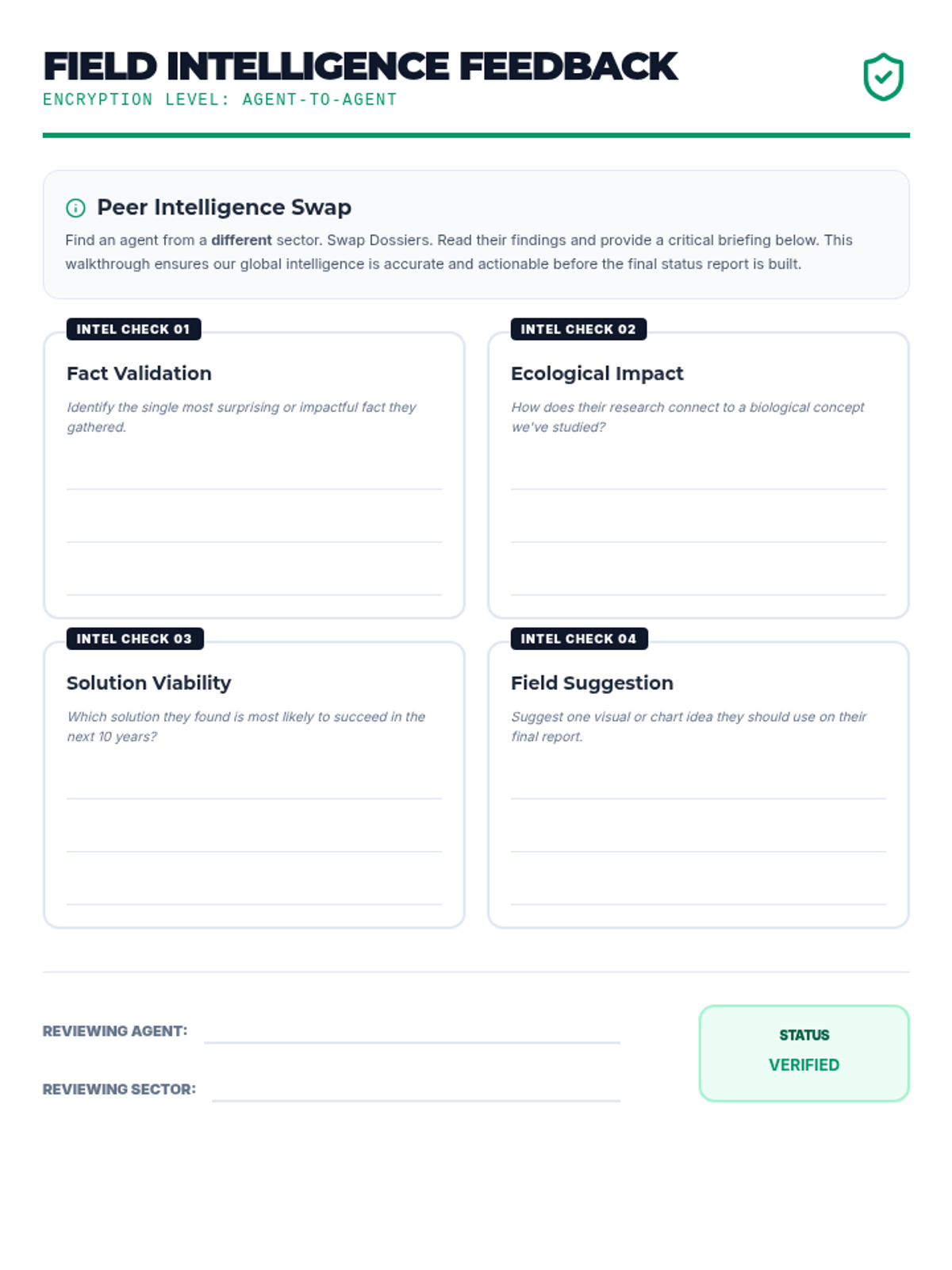
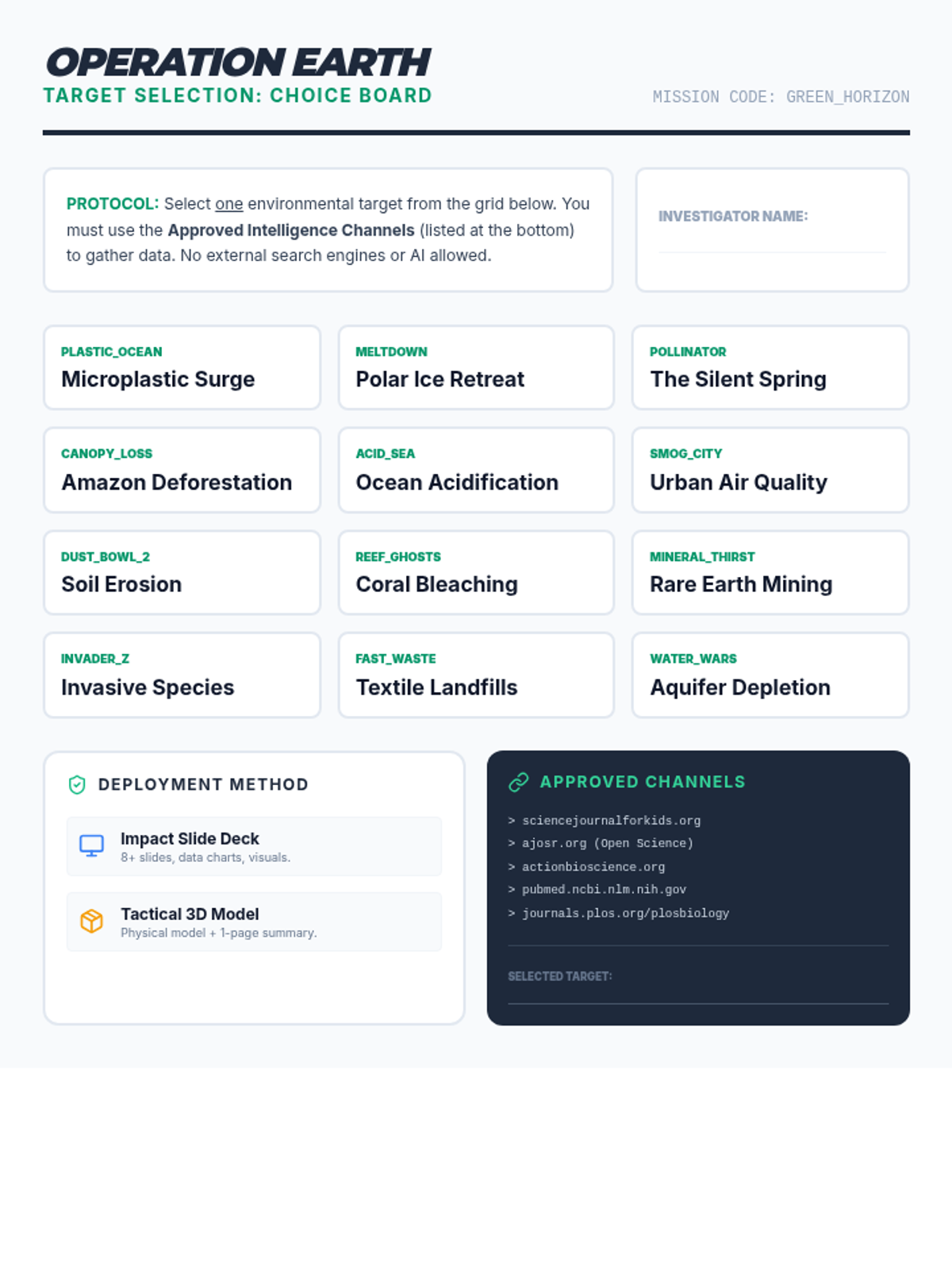
A high-engagement, post-testing biology project focusing on environmental science and ecological impact through choice-based research and collaborative synthesis.
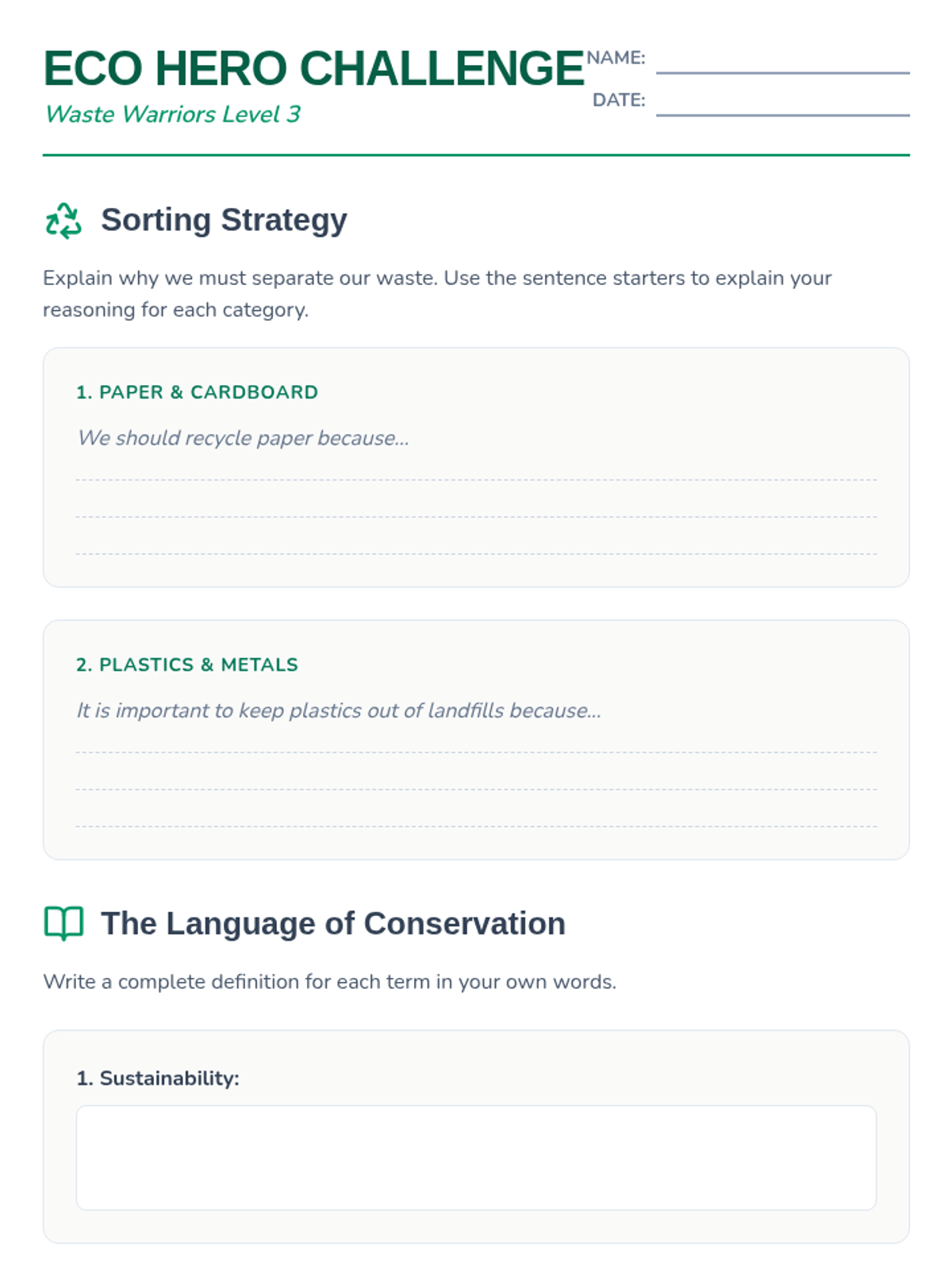
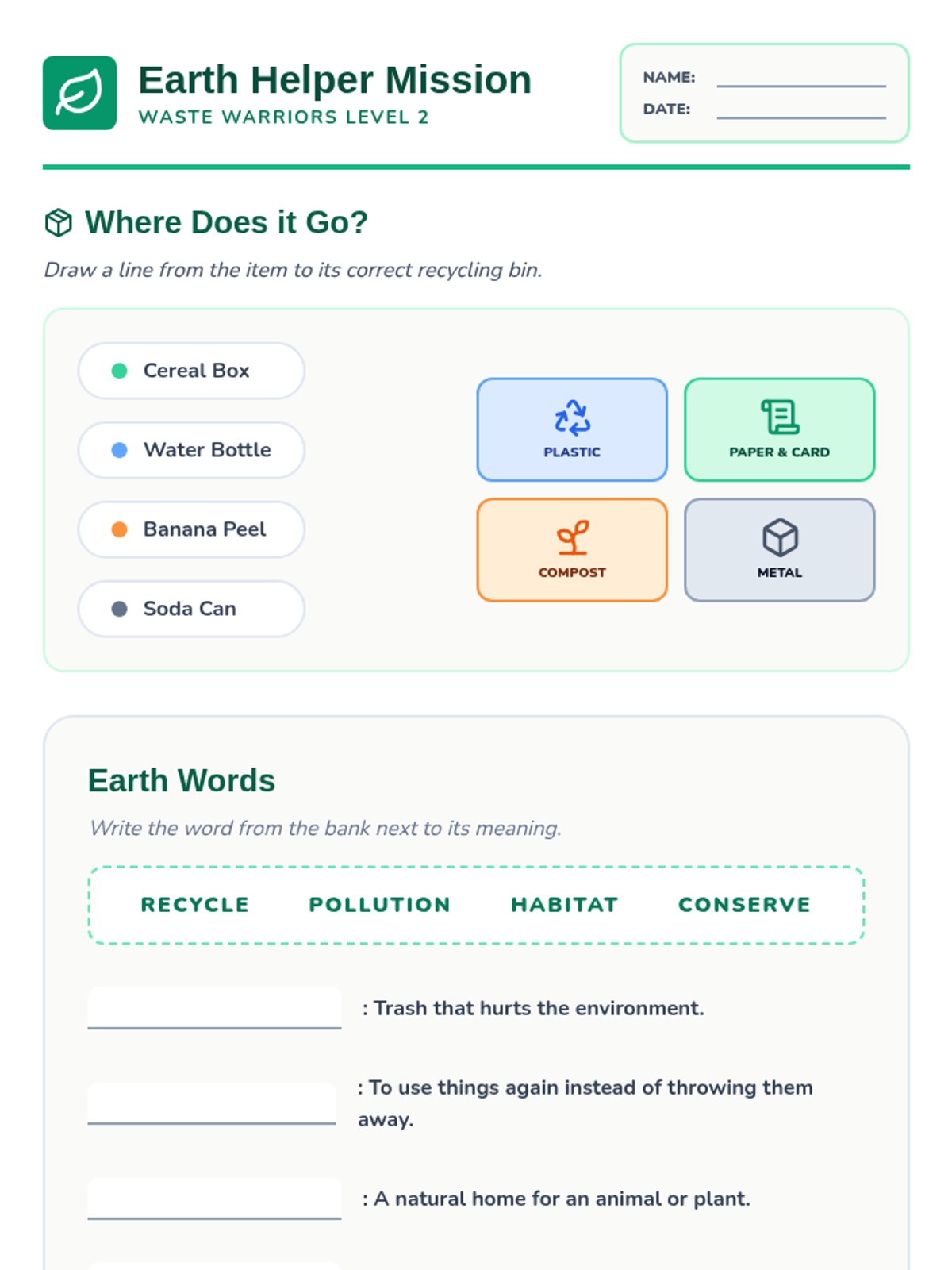
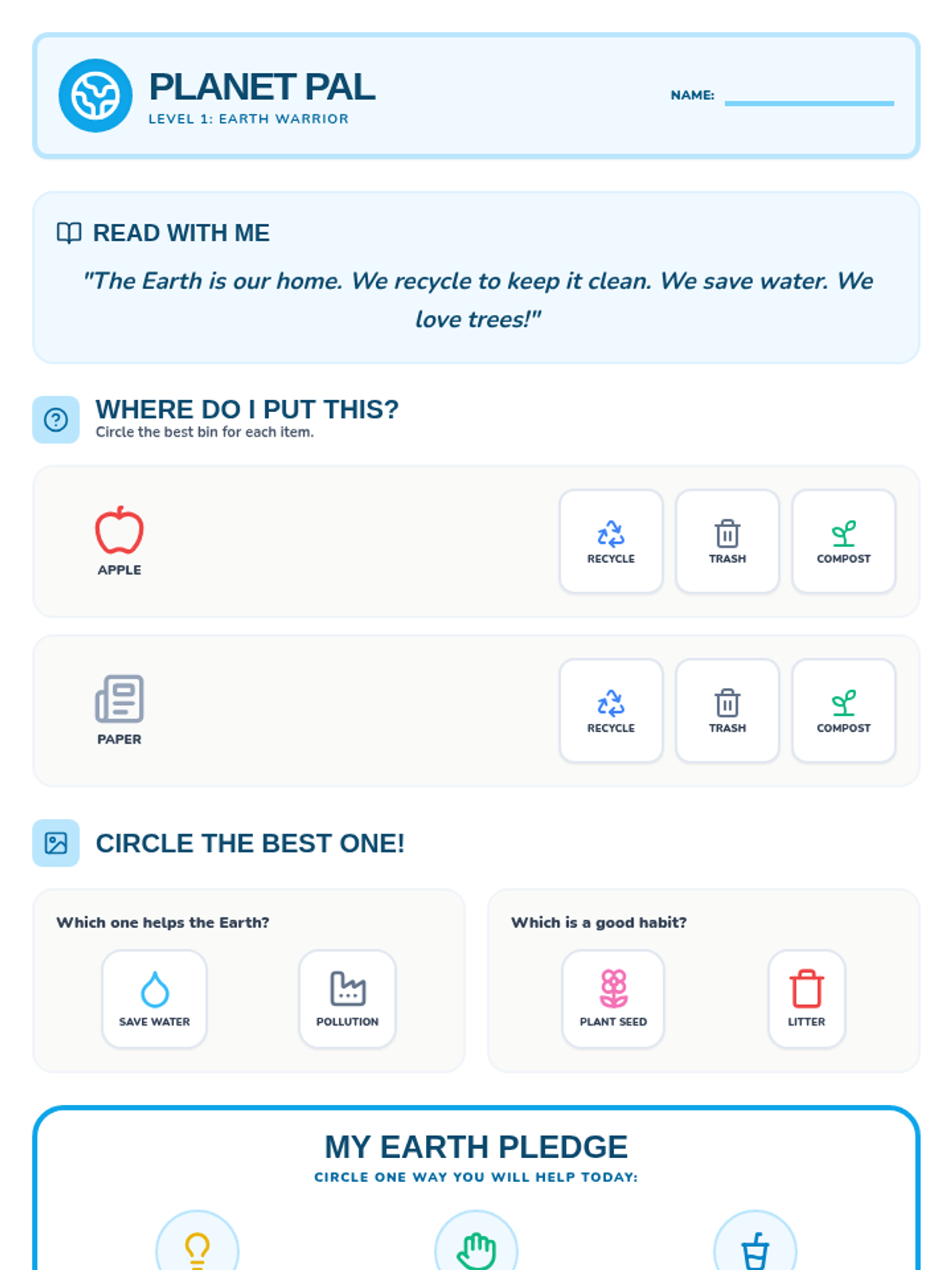
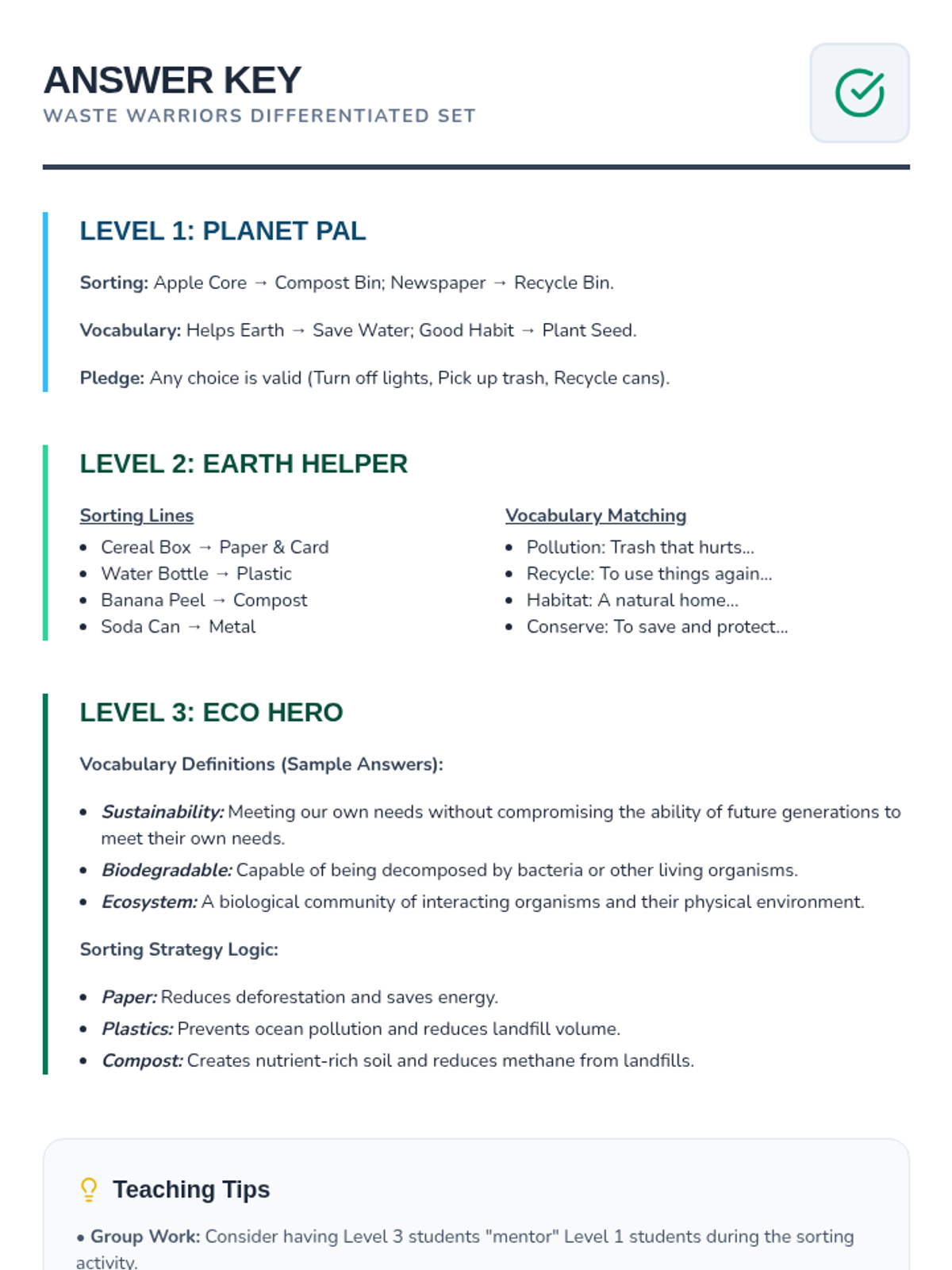
An introductory lesson on waste management and recycling where students practice sorting materials and learning key environmental vocabulary.
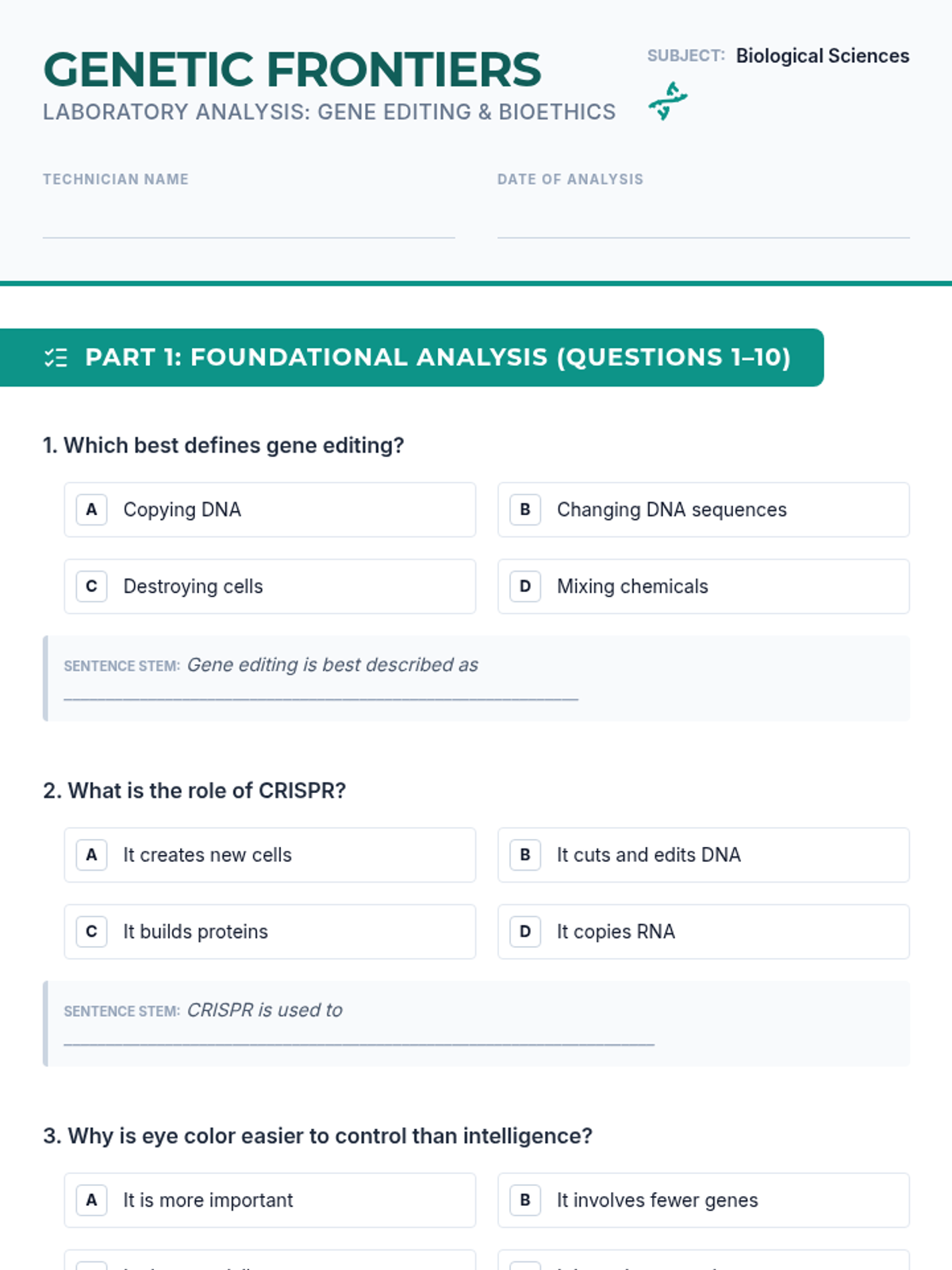
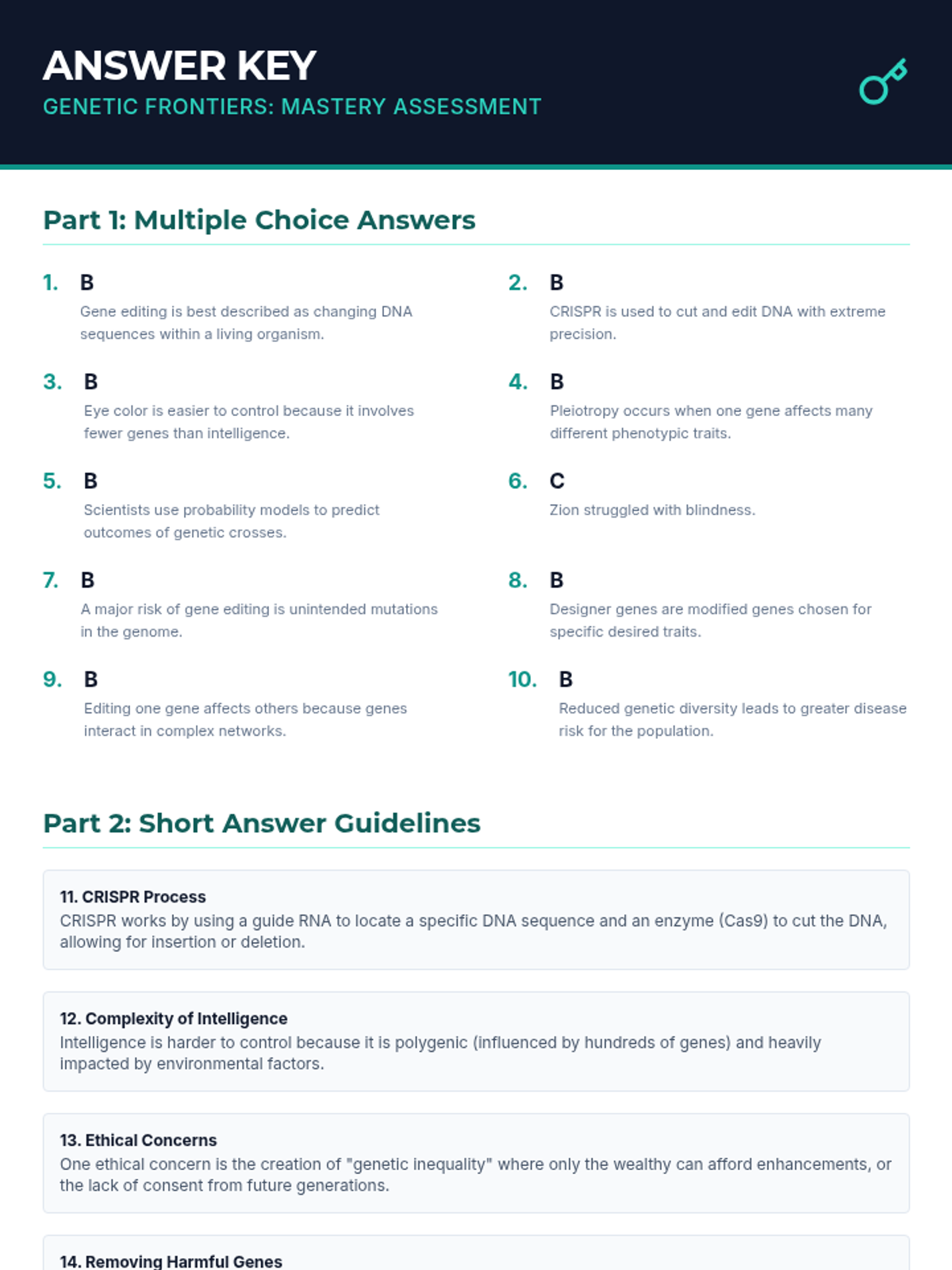
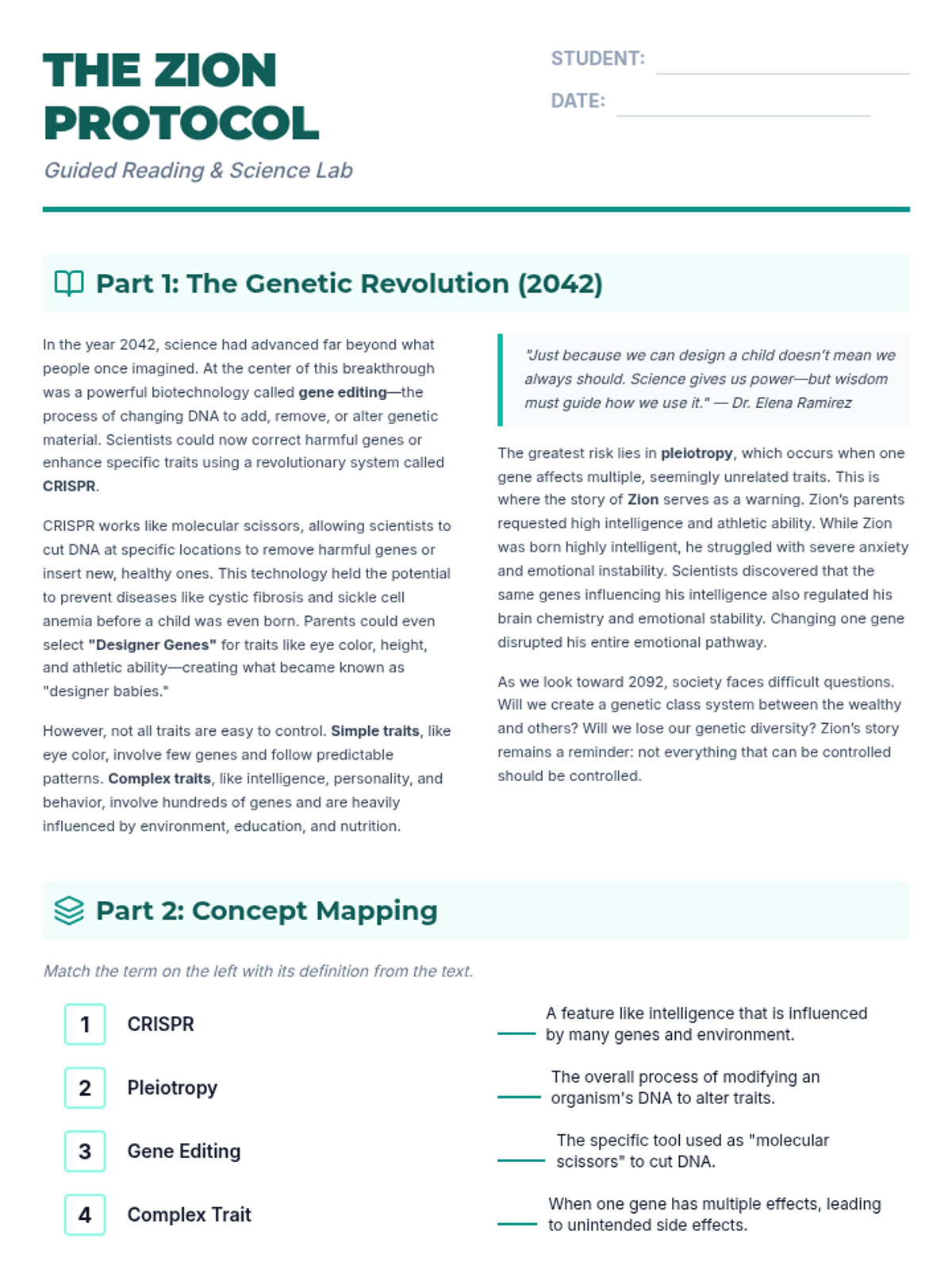
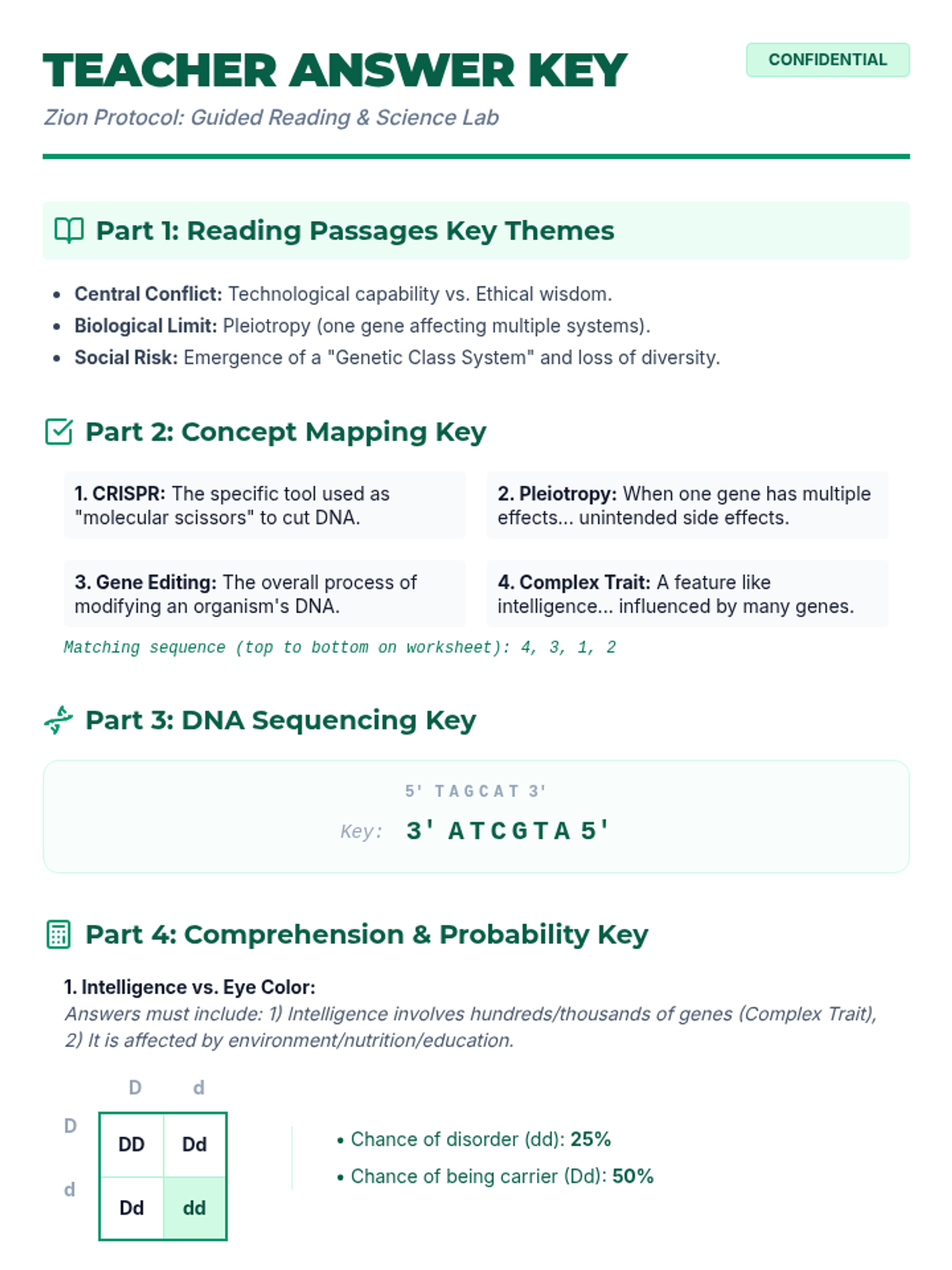
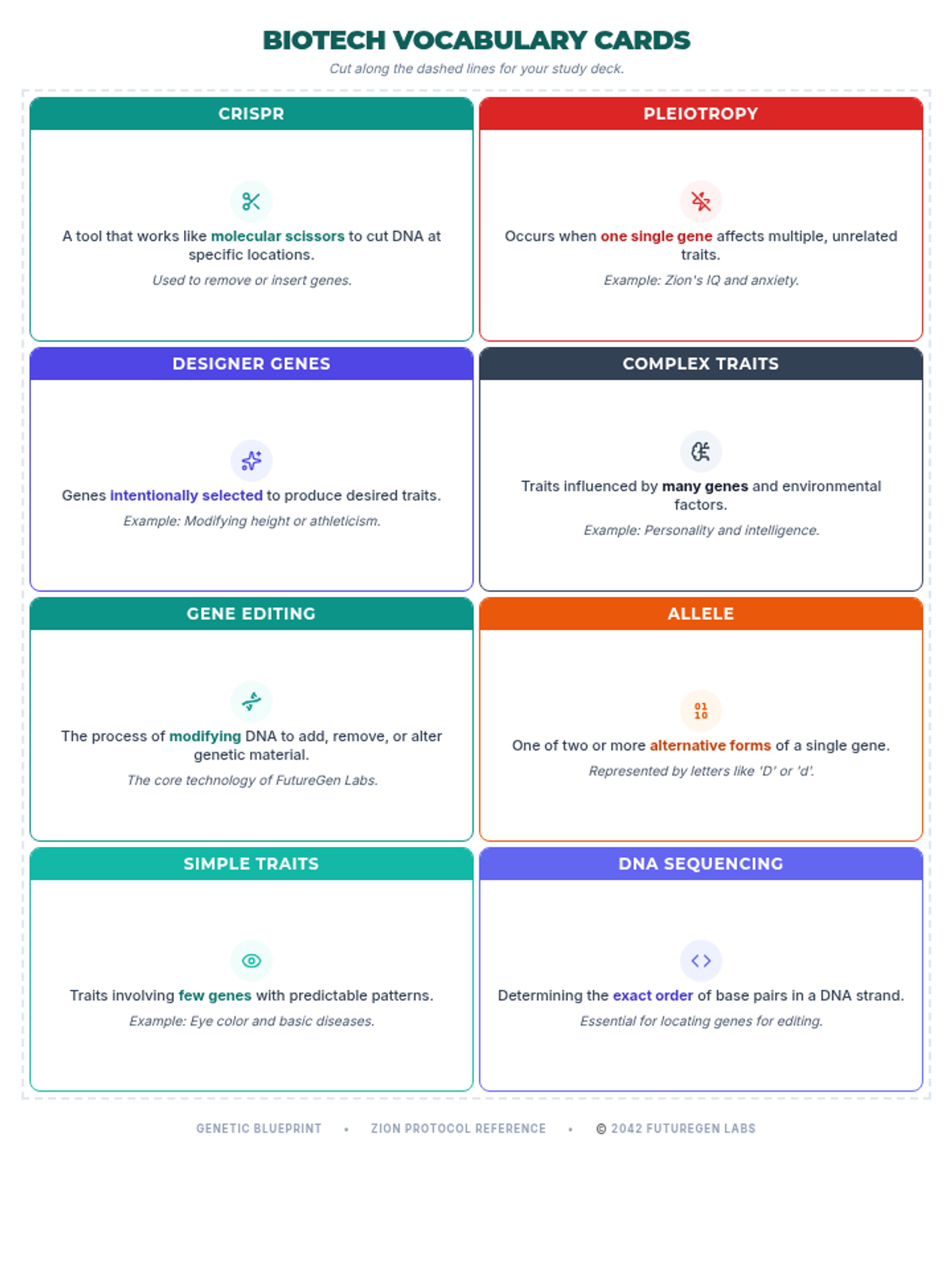
A comprehensive exploration of genetic engineering, focusing on CRISPR technology, the complexities of pleiotropy, and the ethical implications of designer genes. Students analyze the trade-offs between medical advancement and genetic diversity.
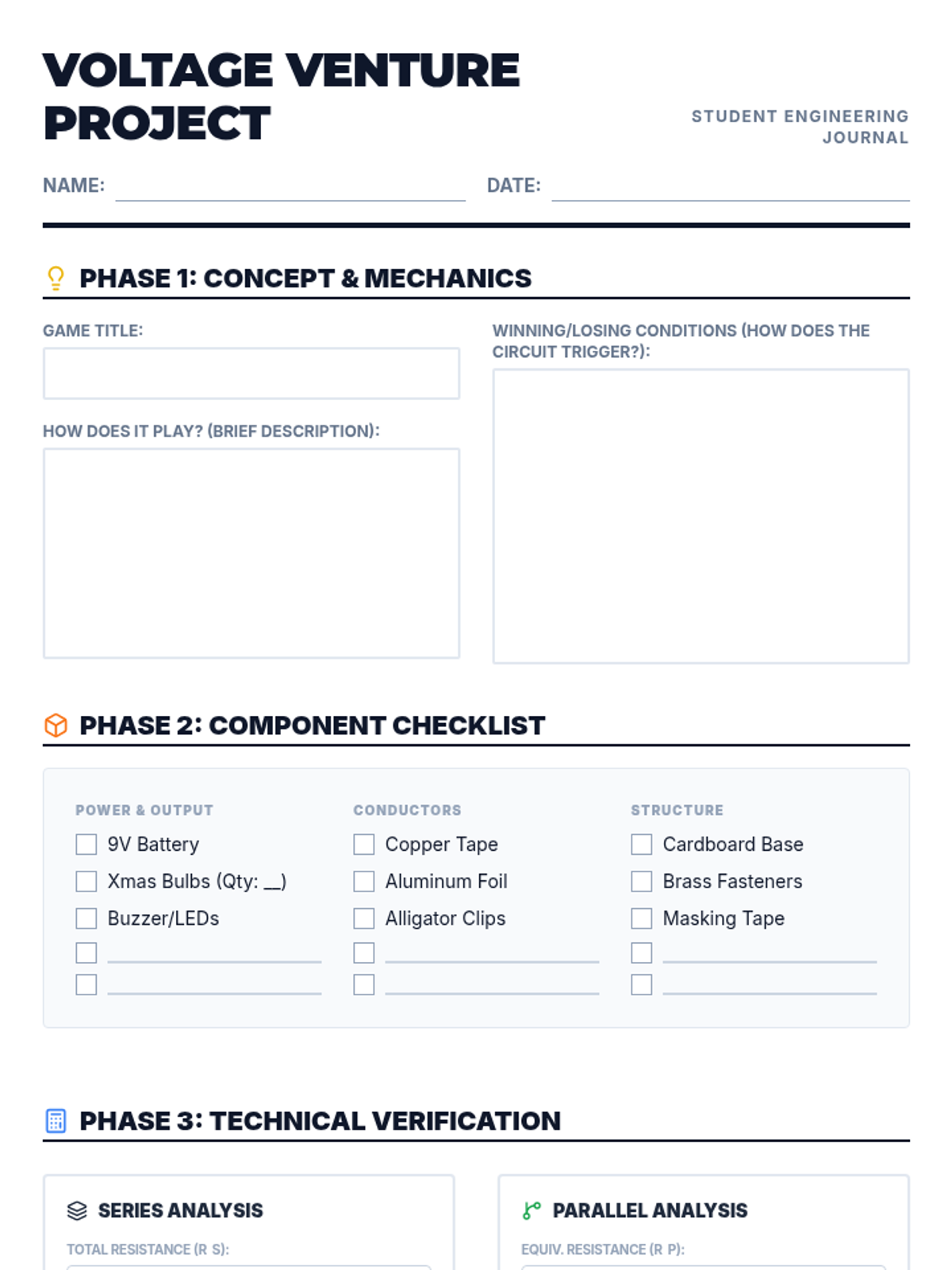
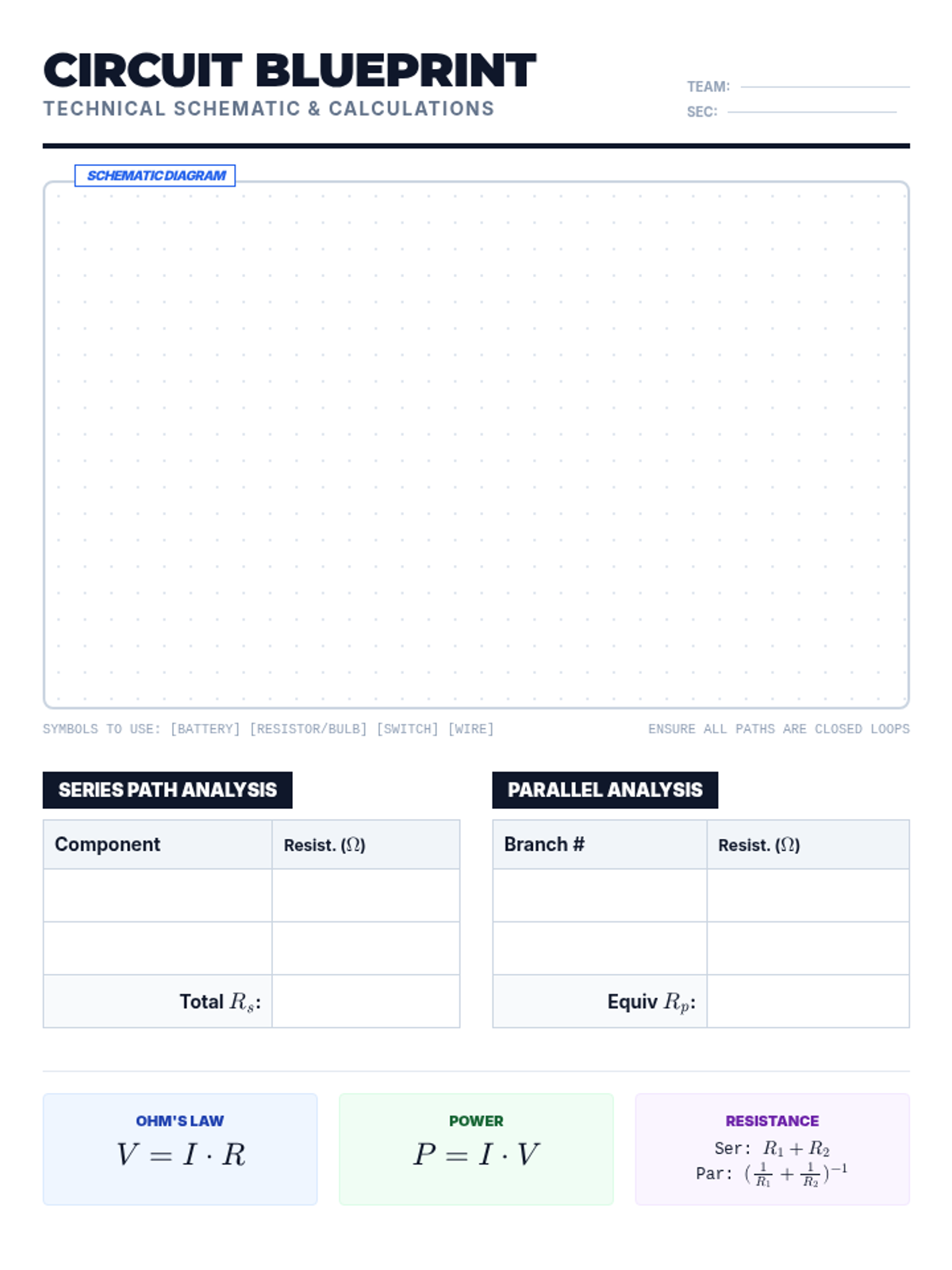
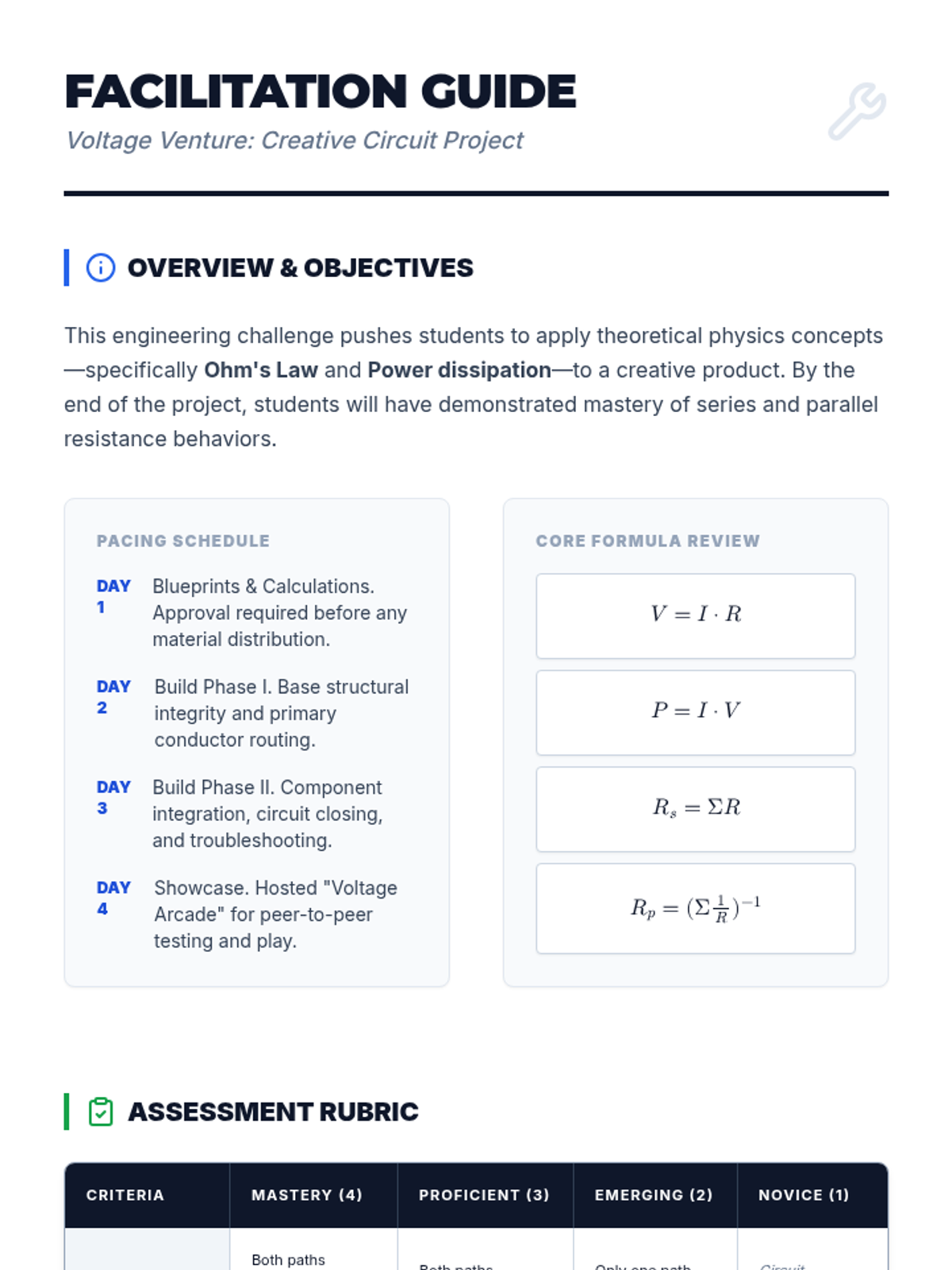
A creative engineering project where students design and build a game that incorporates functional series and parallel circuits, applying principles of Ohm's Law and electric power.
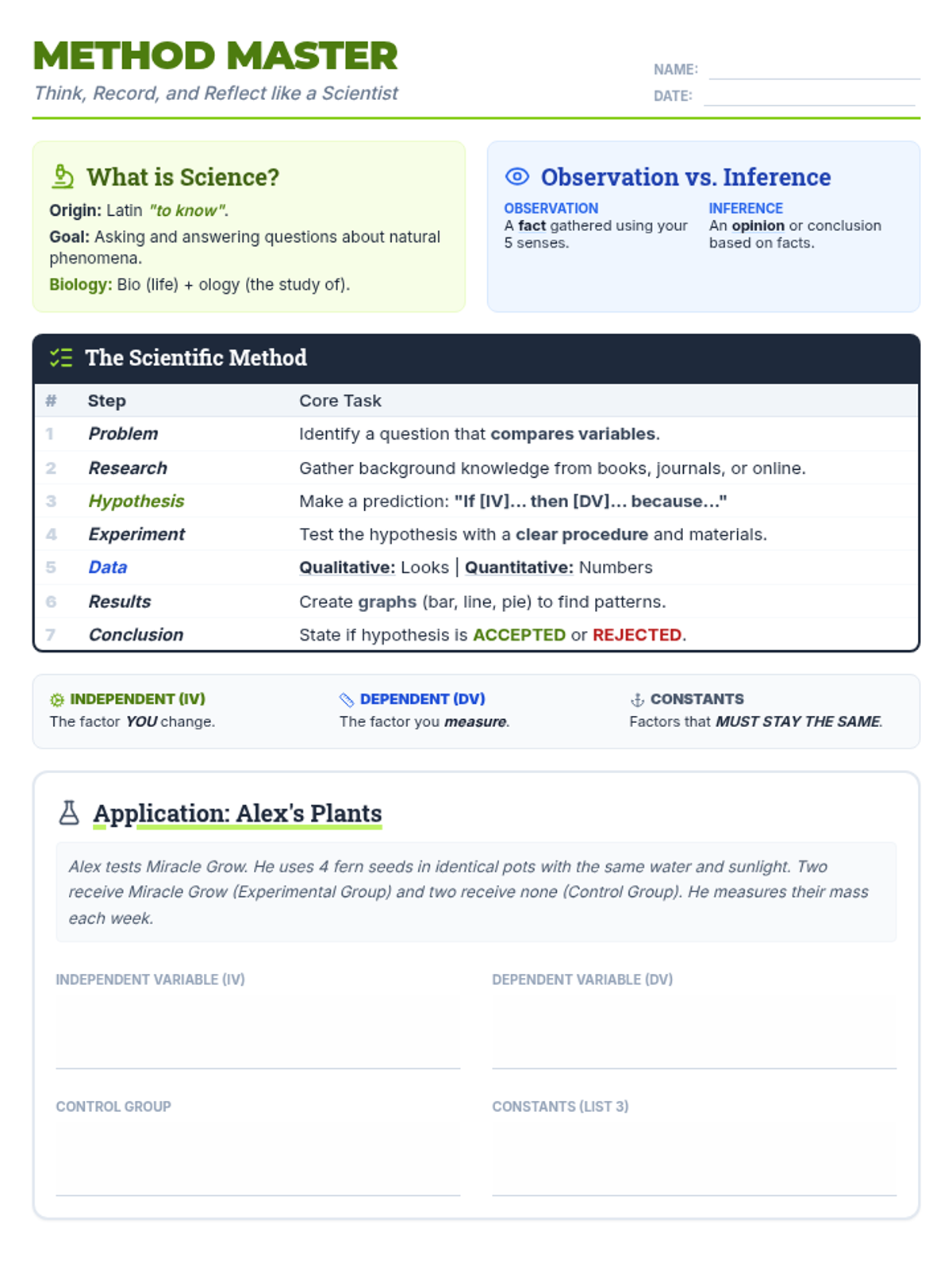
A foundational lesson on the Scientific Method, covering definitions, steps, variables, and data collection methods.
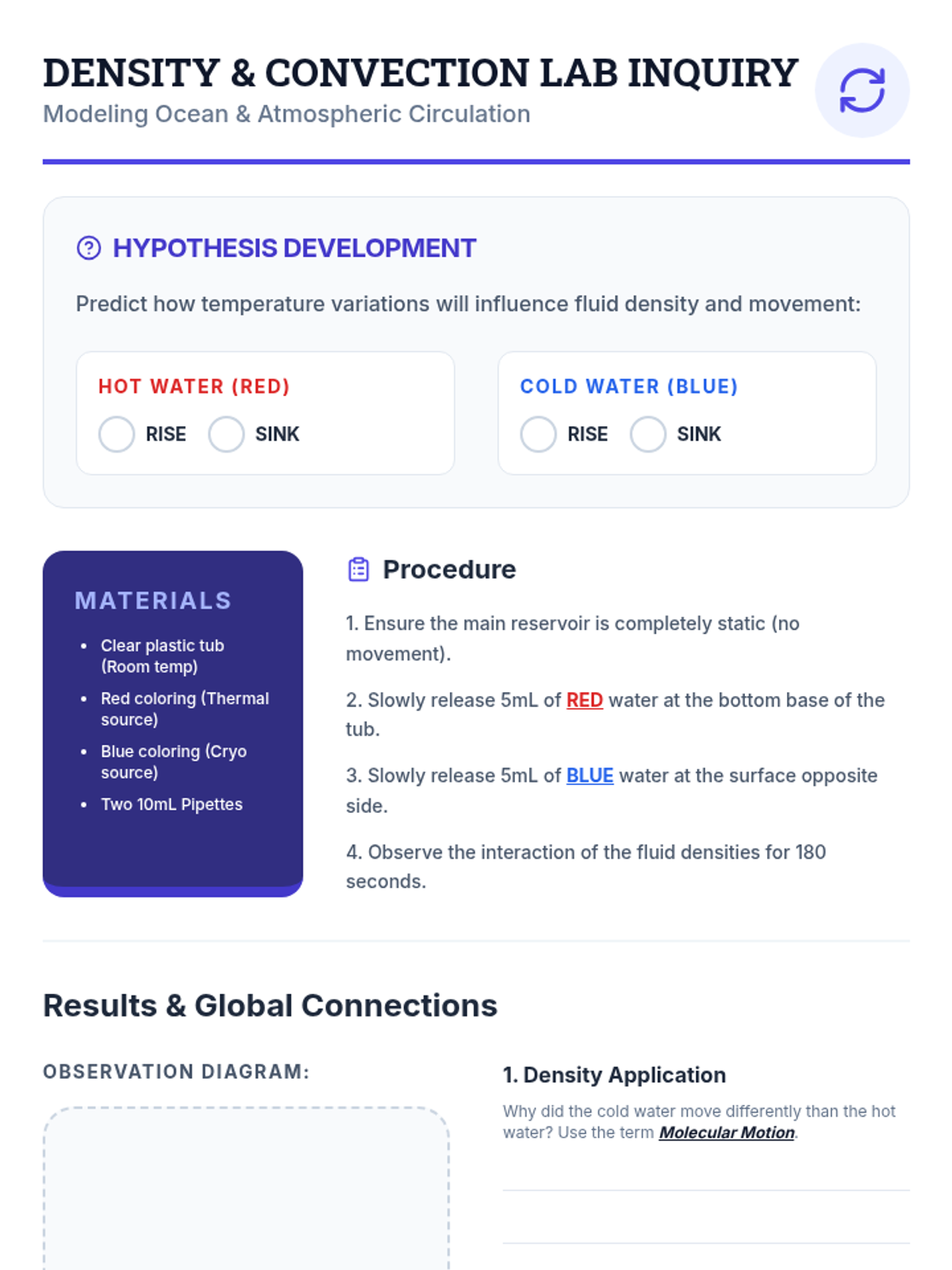
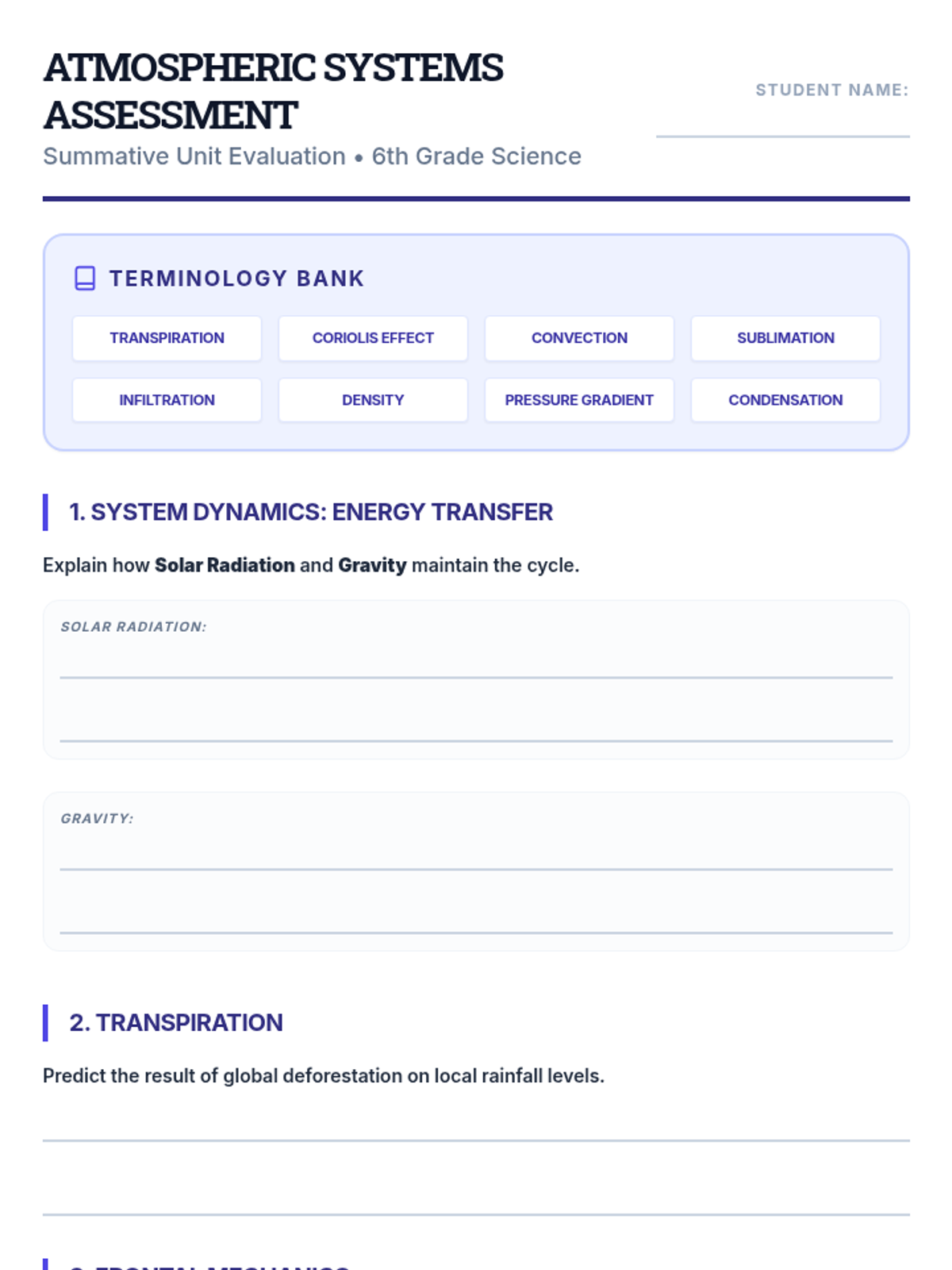
Explores global circulation patterns in the atmosphere and oceans driven by unequal heating and Earth's rotation, culminating in a modified unit assessment.
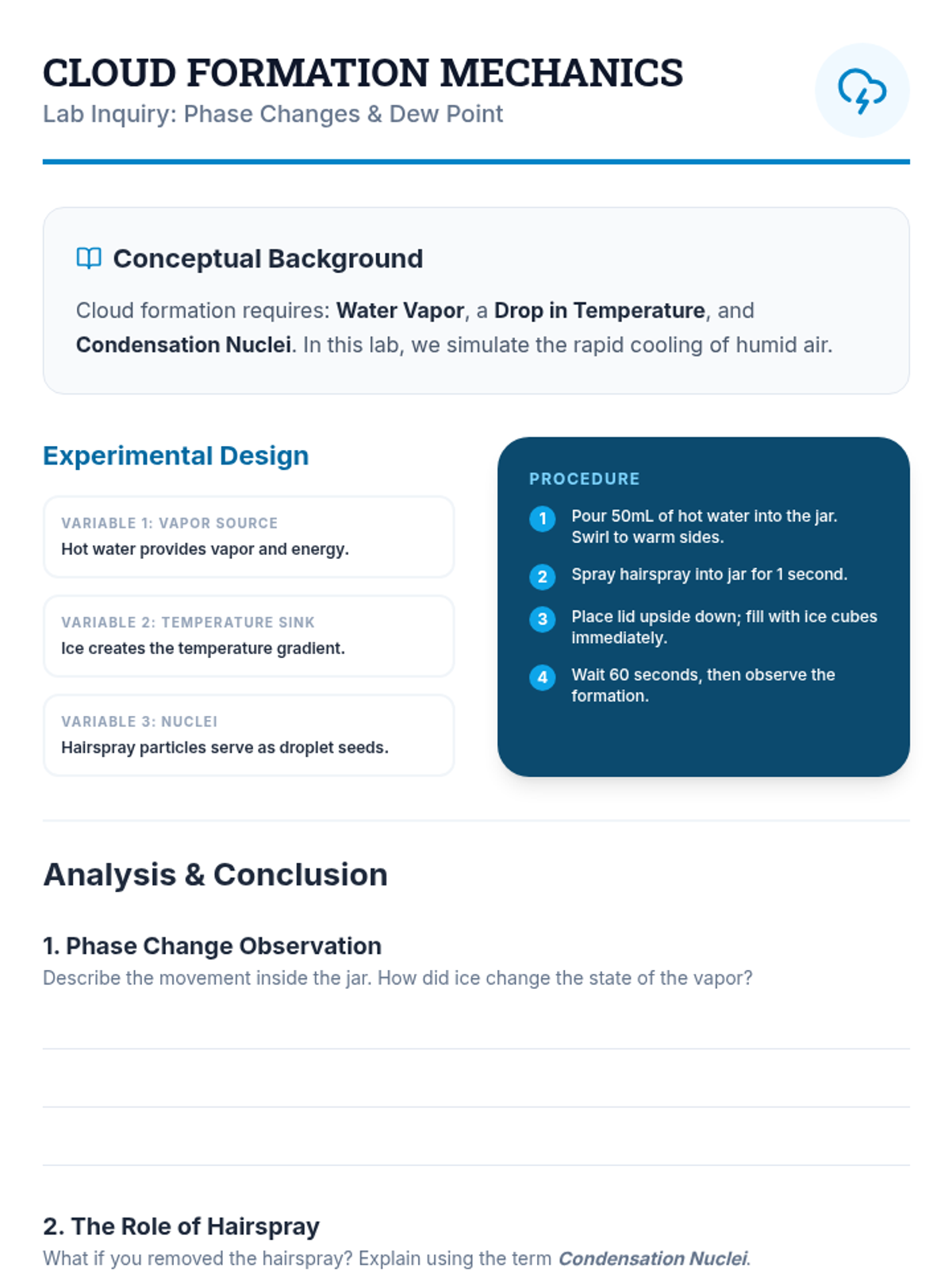
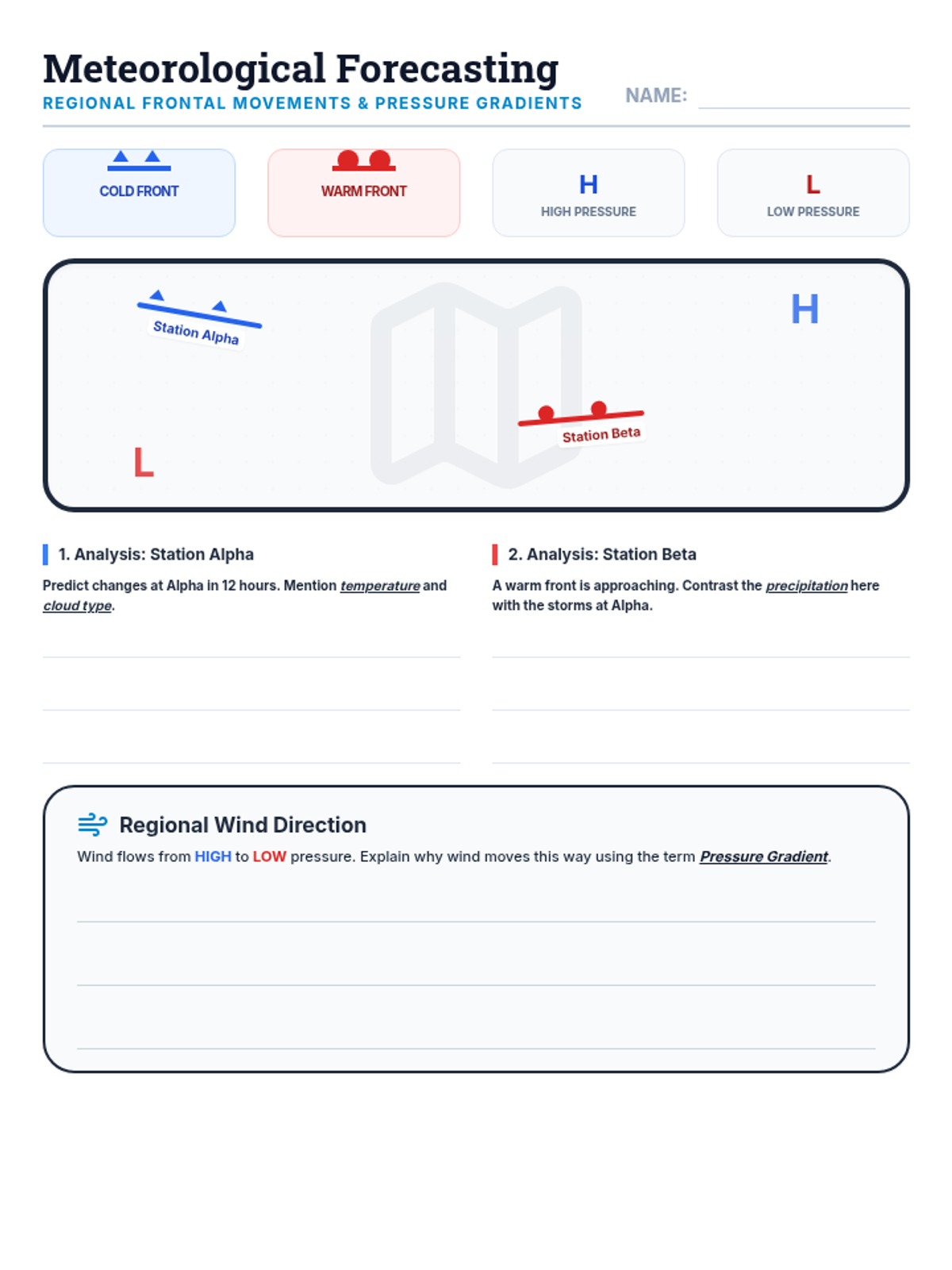
Focuses on how air masses and pressure changes create weather patterns, featuring hands-on observation of cloud formation.
Students explore how the sun's energy and gravity drive the movement of water through the Earth's systems using a field-journal style approach.
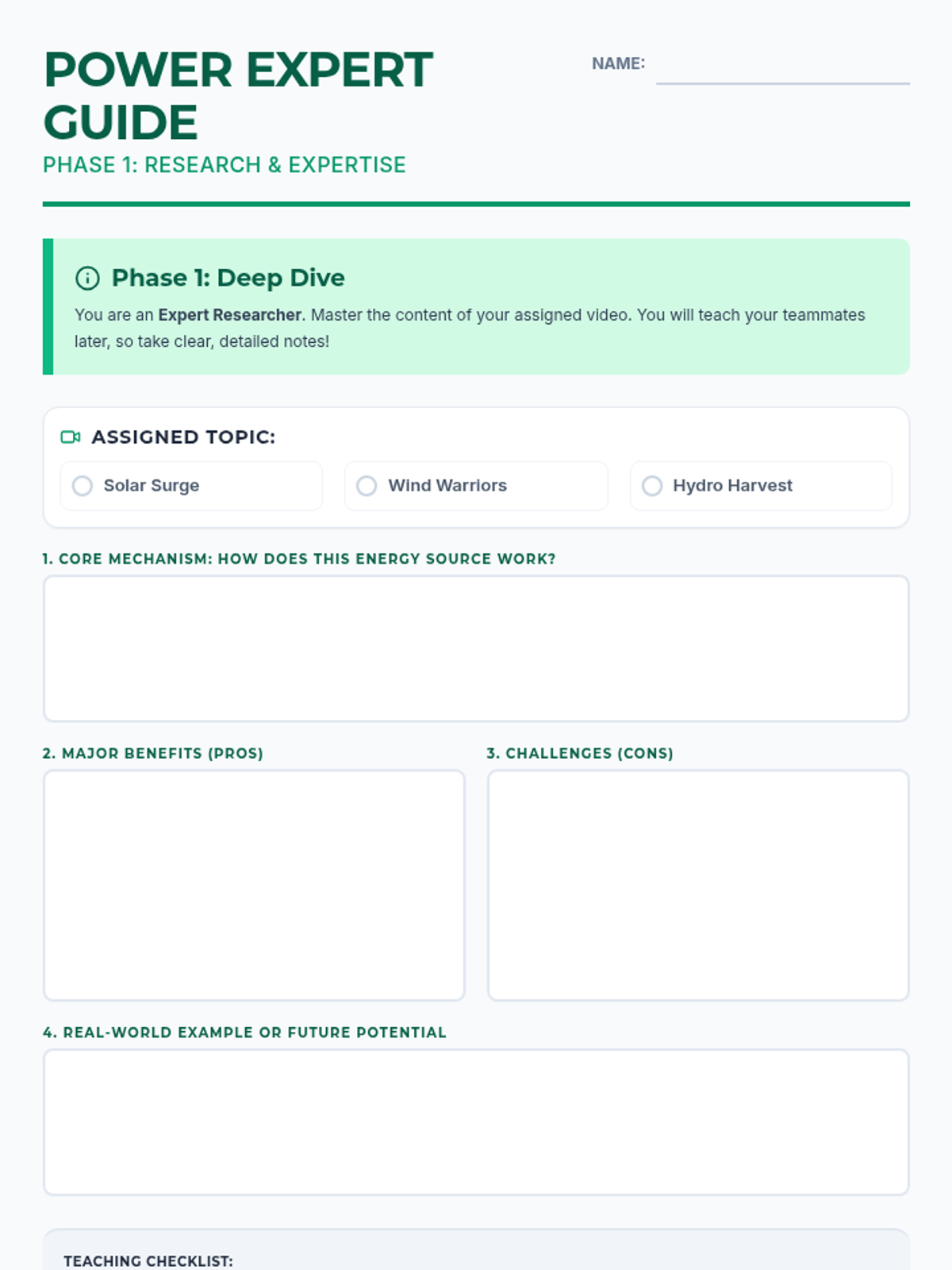
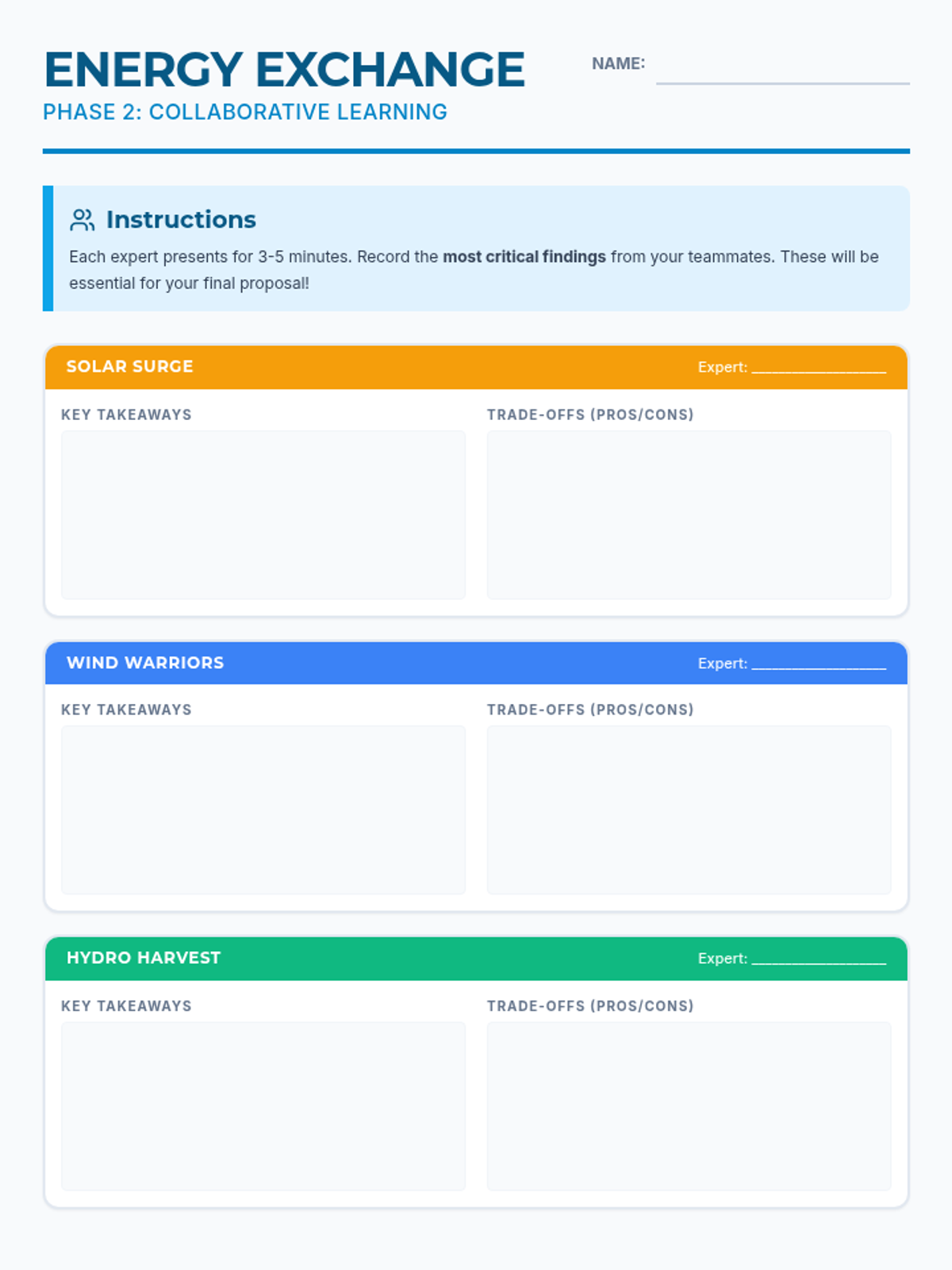
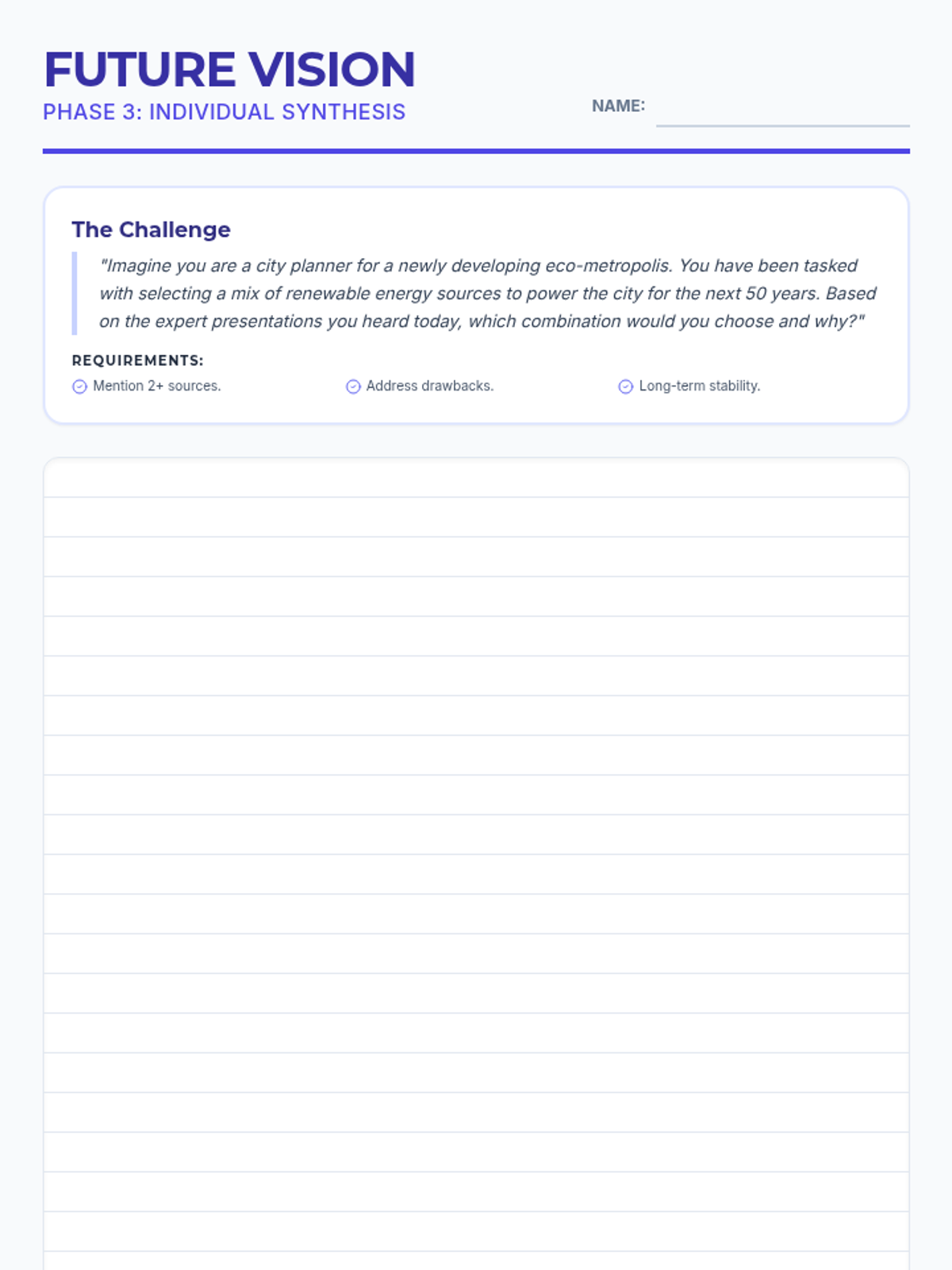
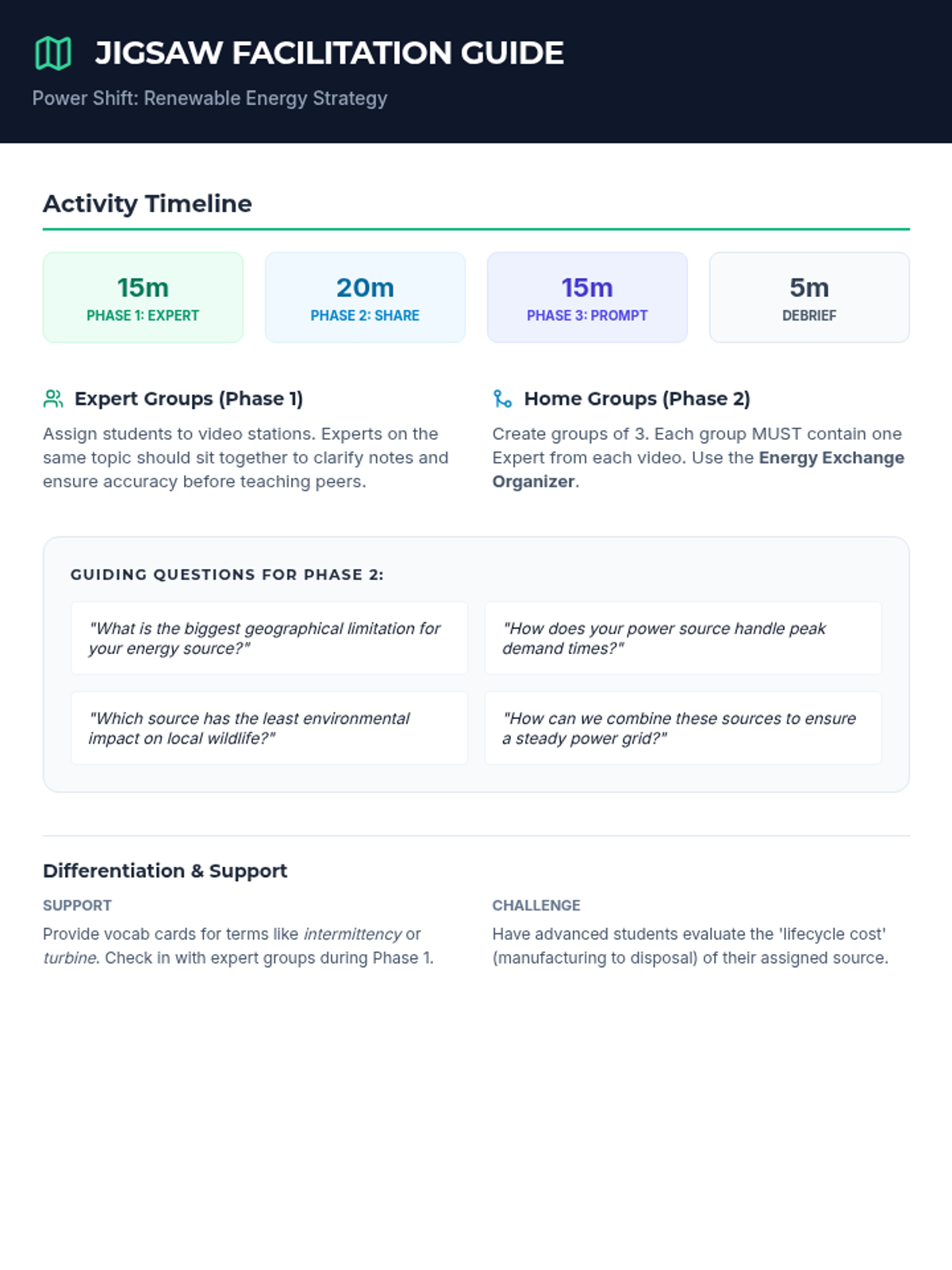
A collaborative jigsaw activity where students become experts on different renewable energy sources before teaching their peers and synthesising their knowledge.
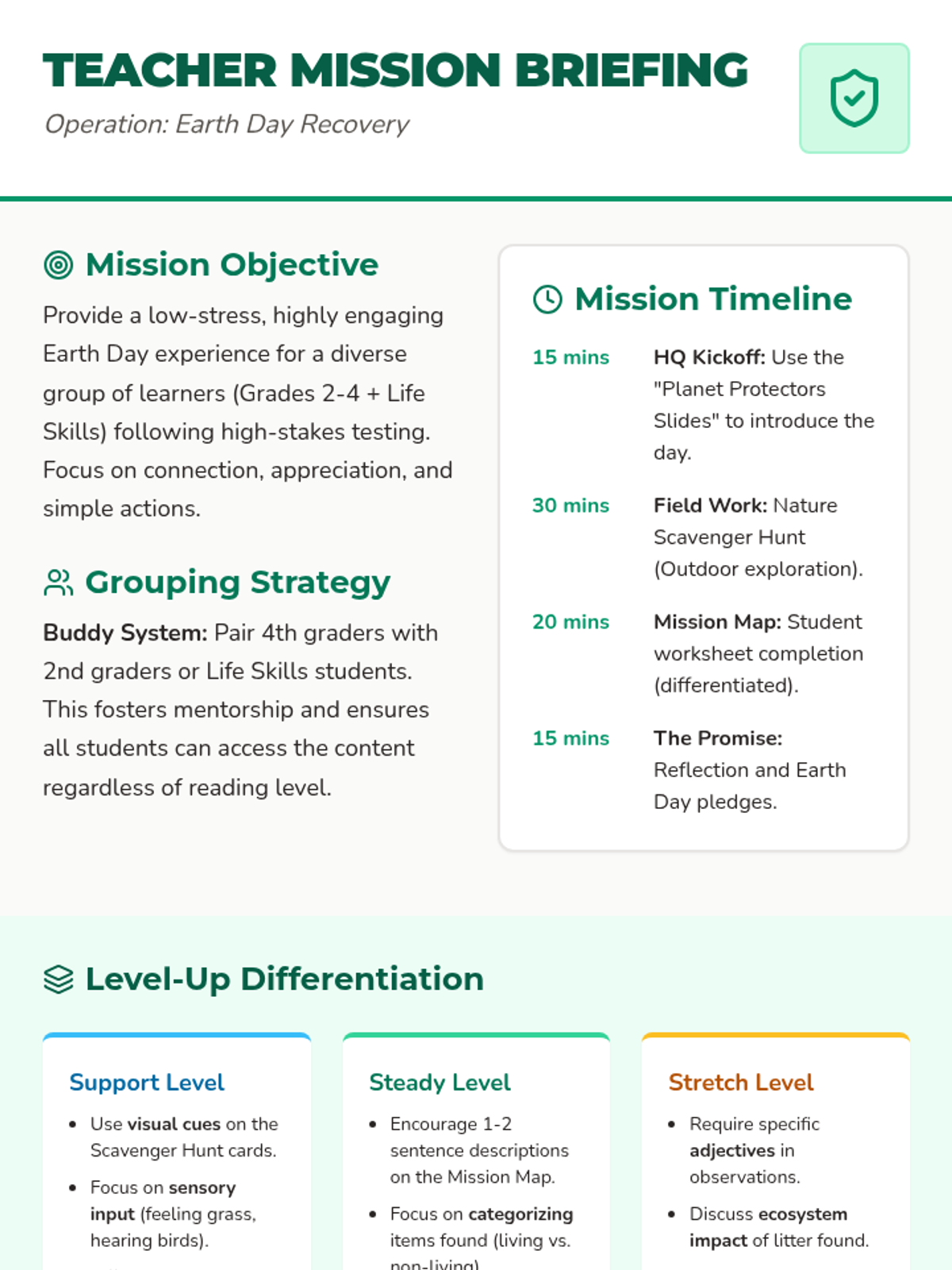
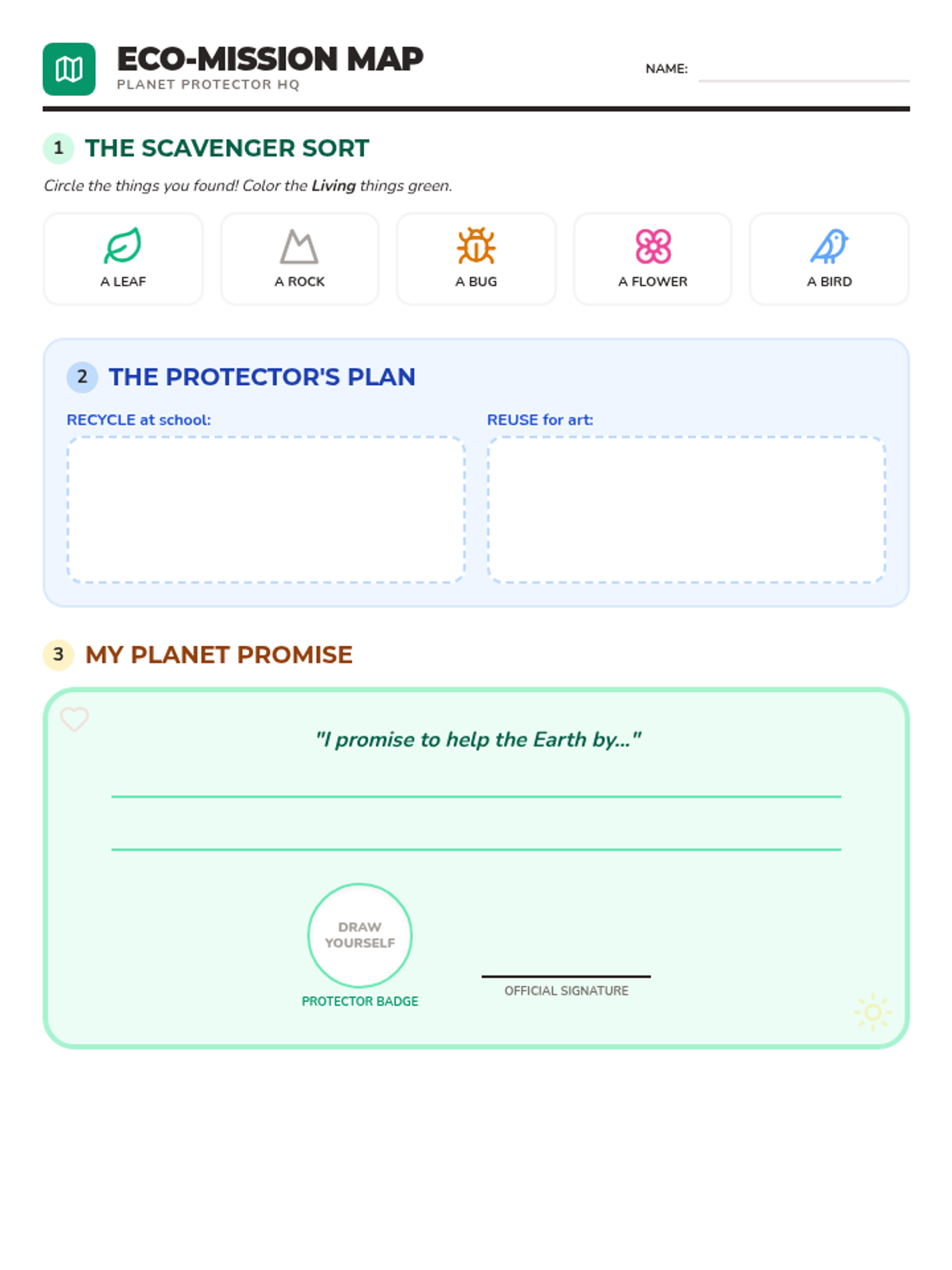
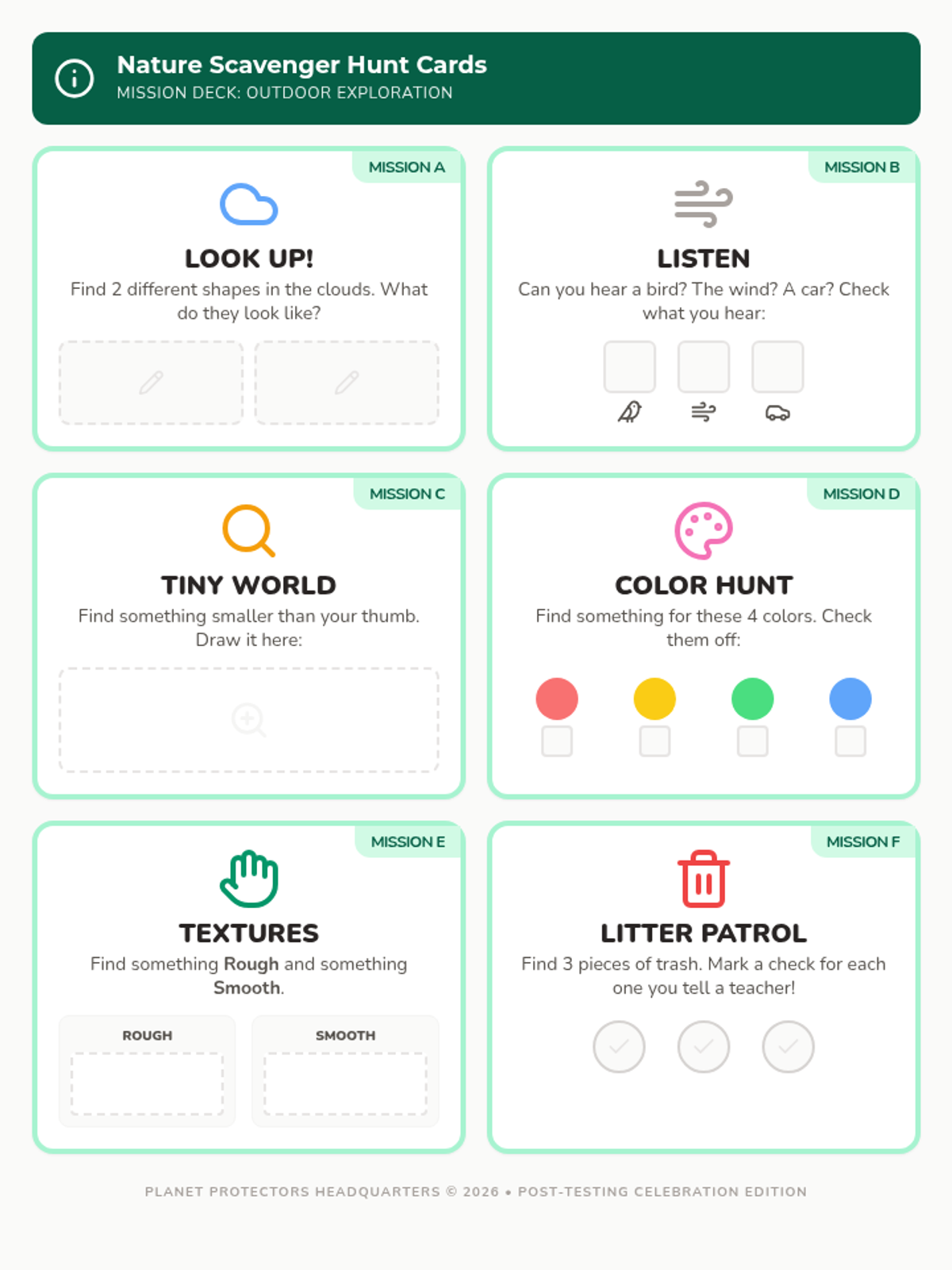
A fun, differentiated Earth Day celebration for 2nd-4th graders and life skills students, featuring hands-on missions to protect the planet after a week of testing.
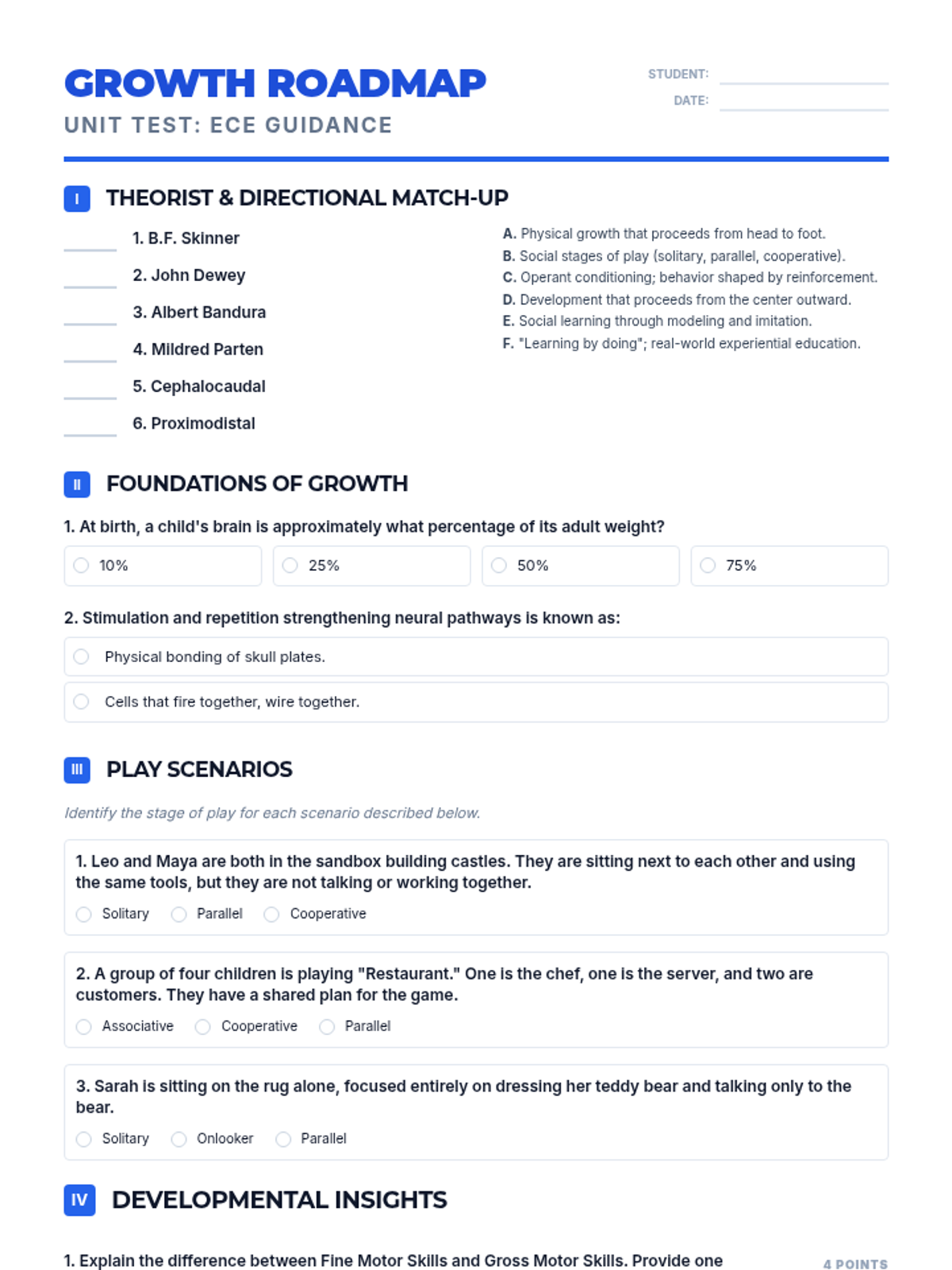
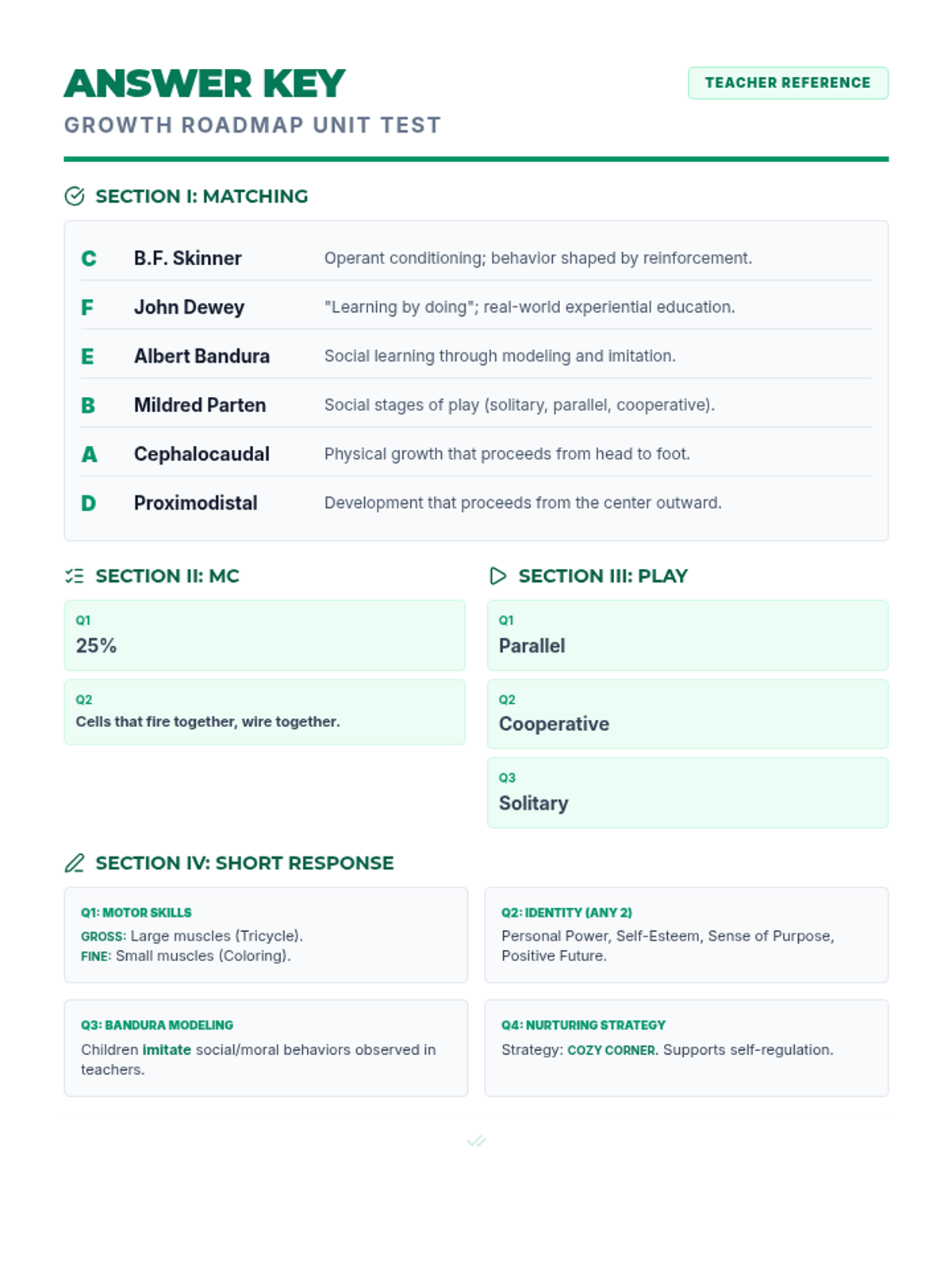
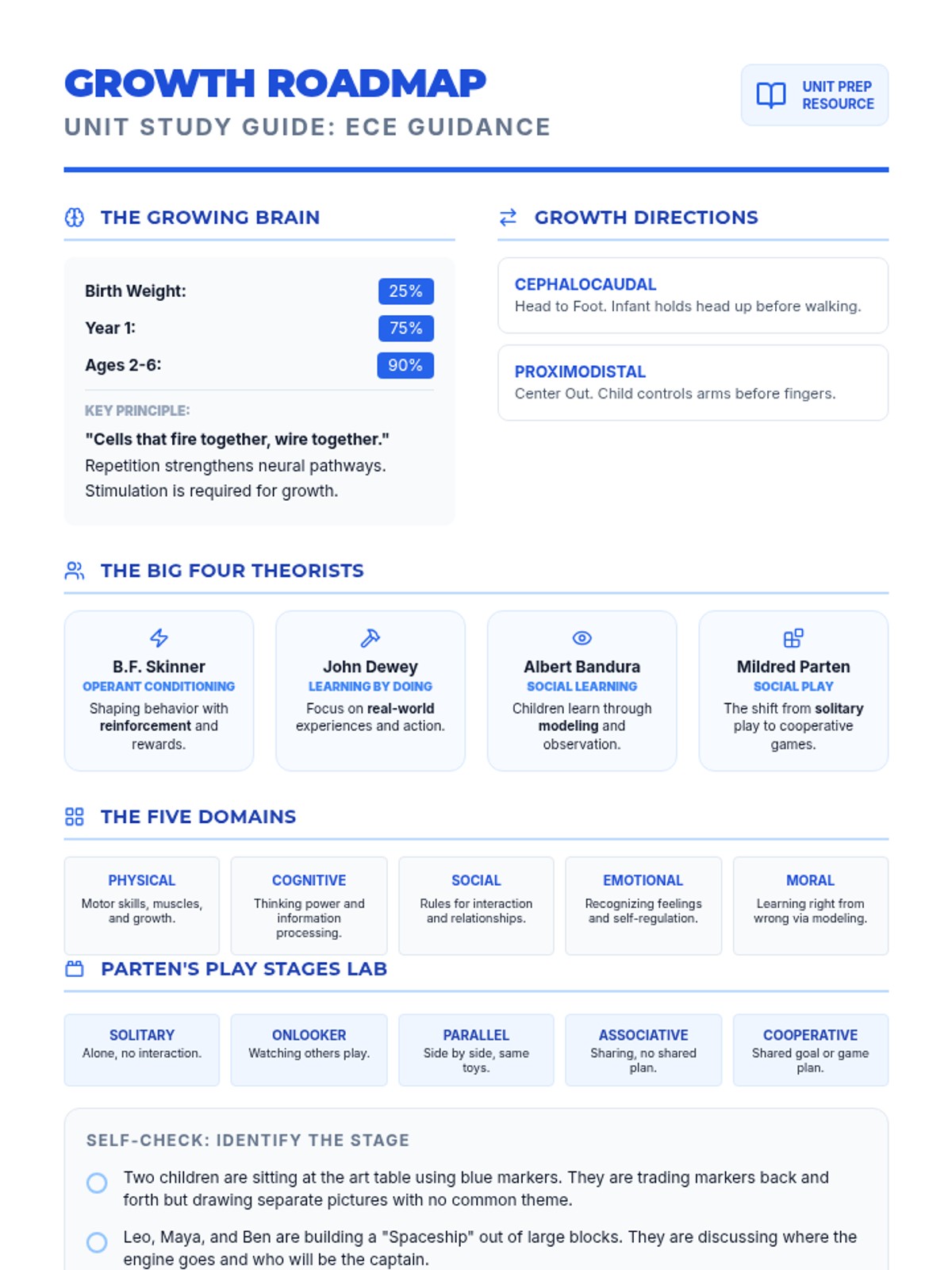
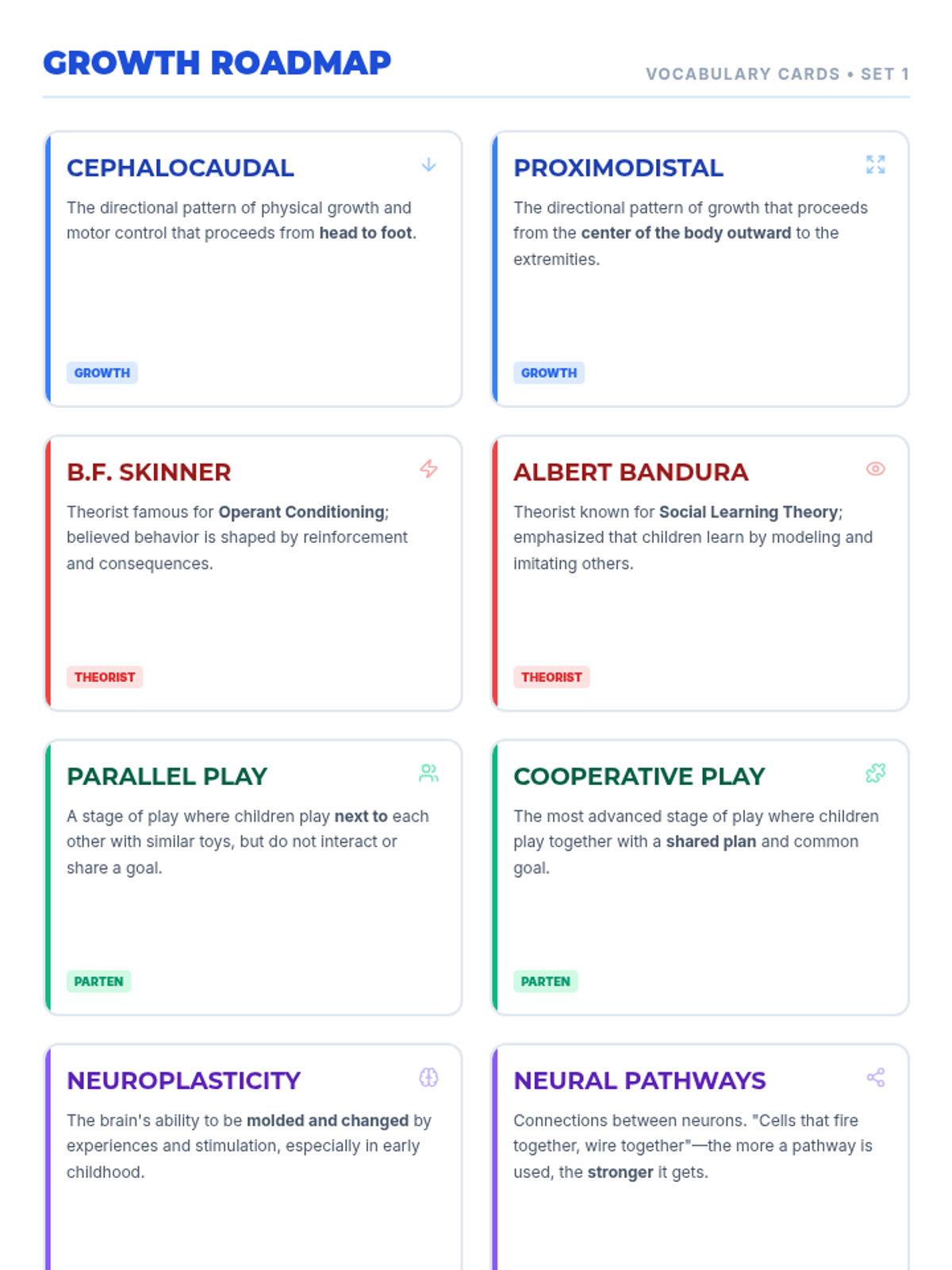
A comprehensive assessment covering developmental domains, brain growth, major ECE theorists, and strategies for supporting young children's self-concept and identity.
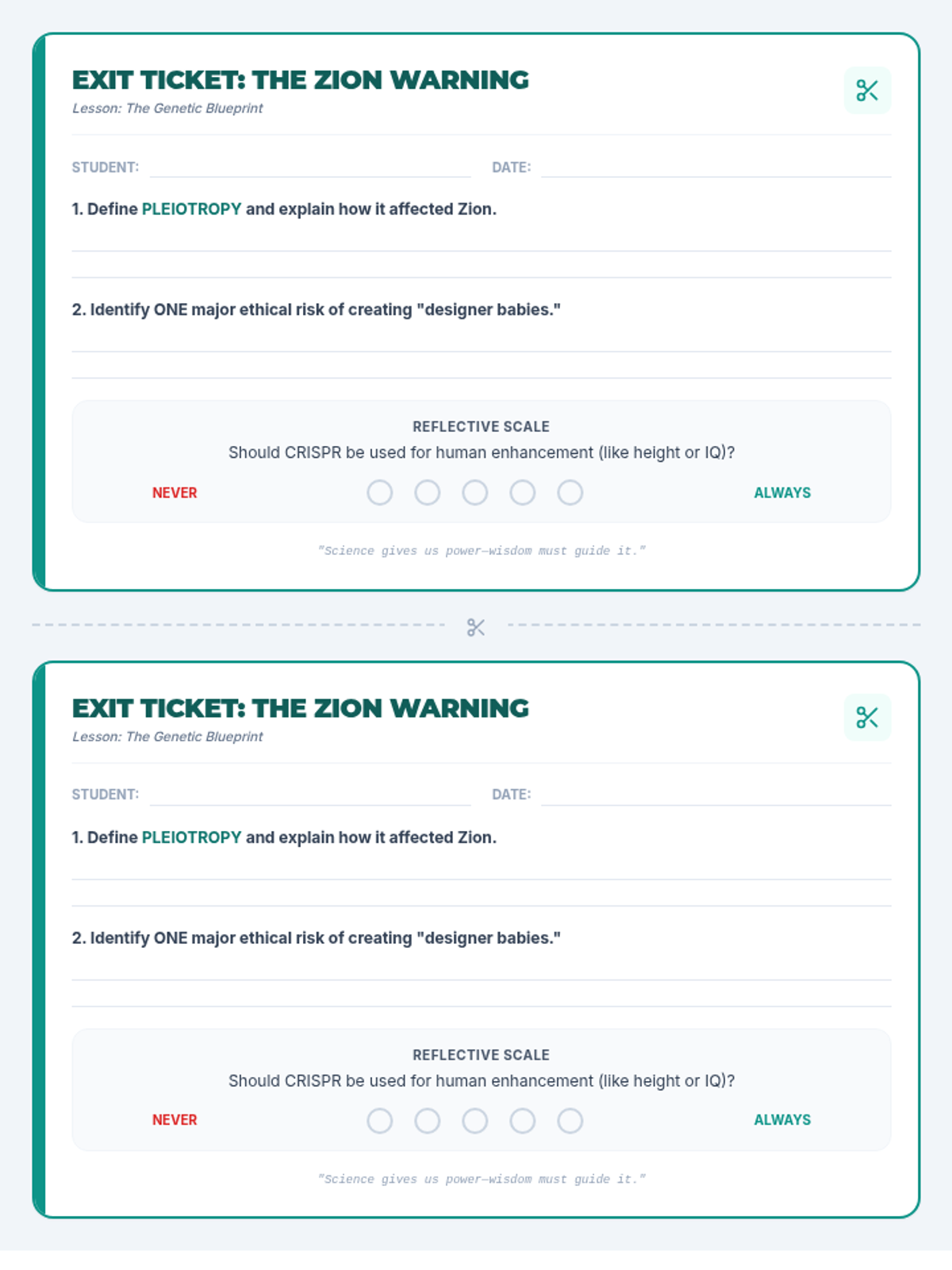
A comprehensive lesson exploring the science, ethics, and consequences of gene editing through the fictional case study of Zion. Students will learn about CRISPR, pleiotropy, and the societal implications of 'designer' traits.
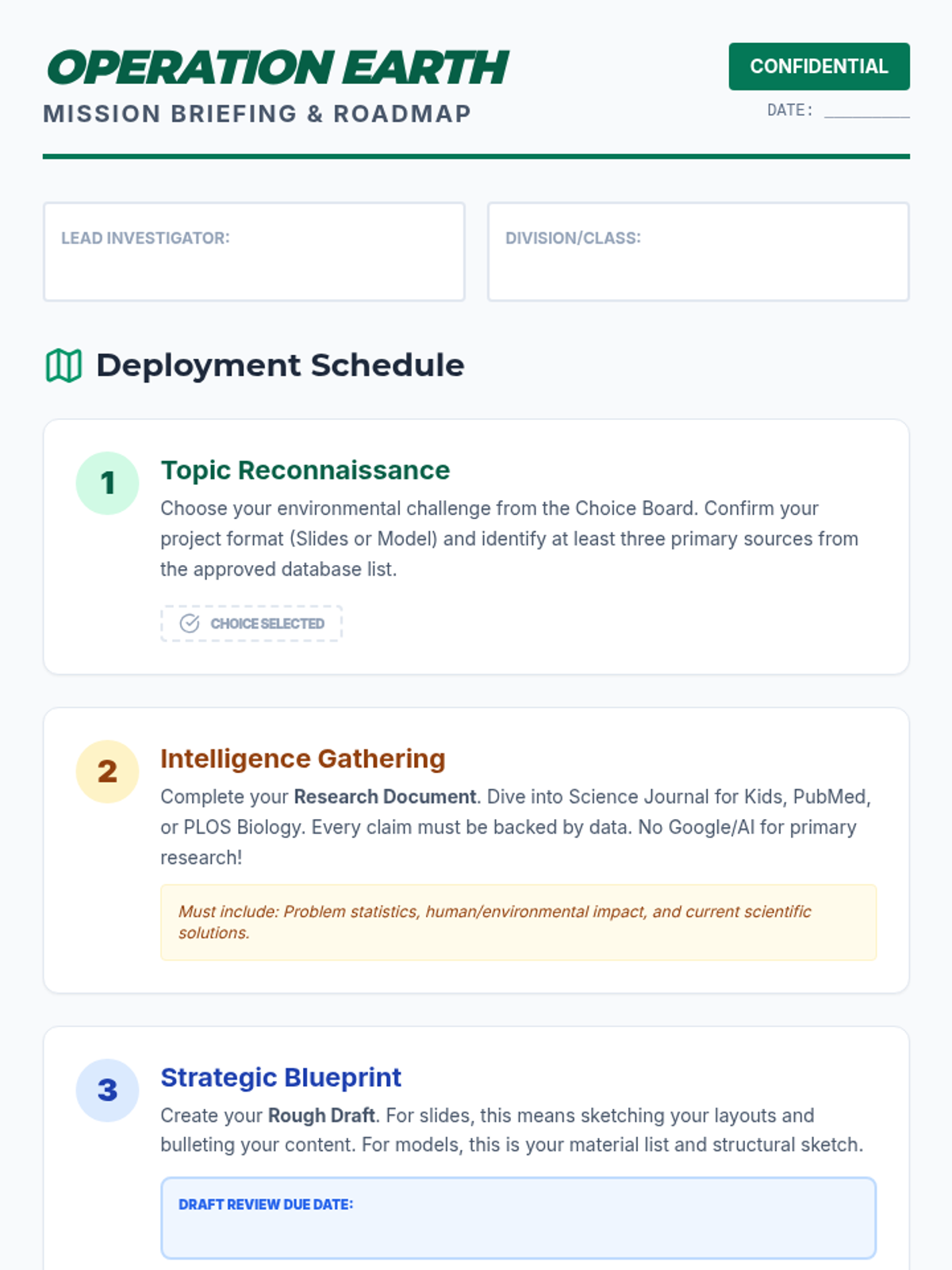
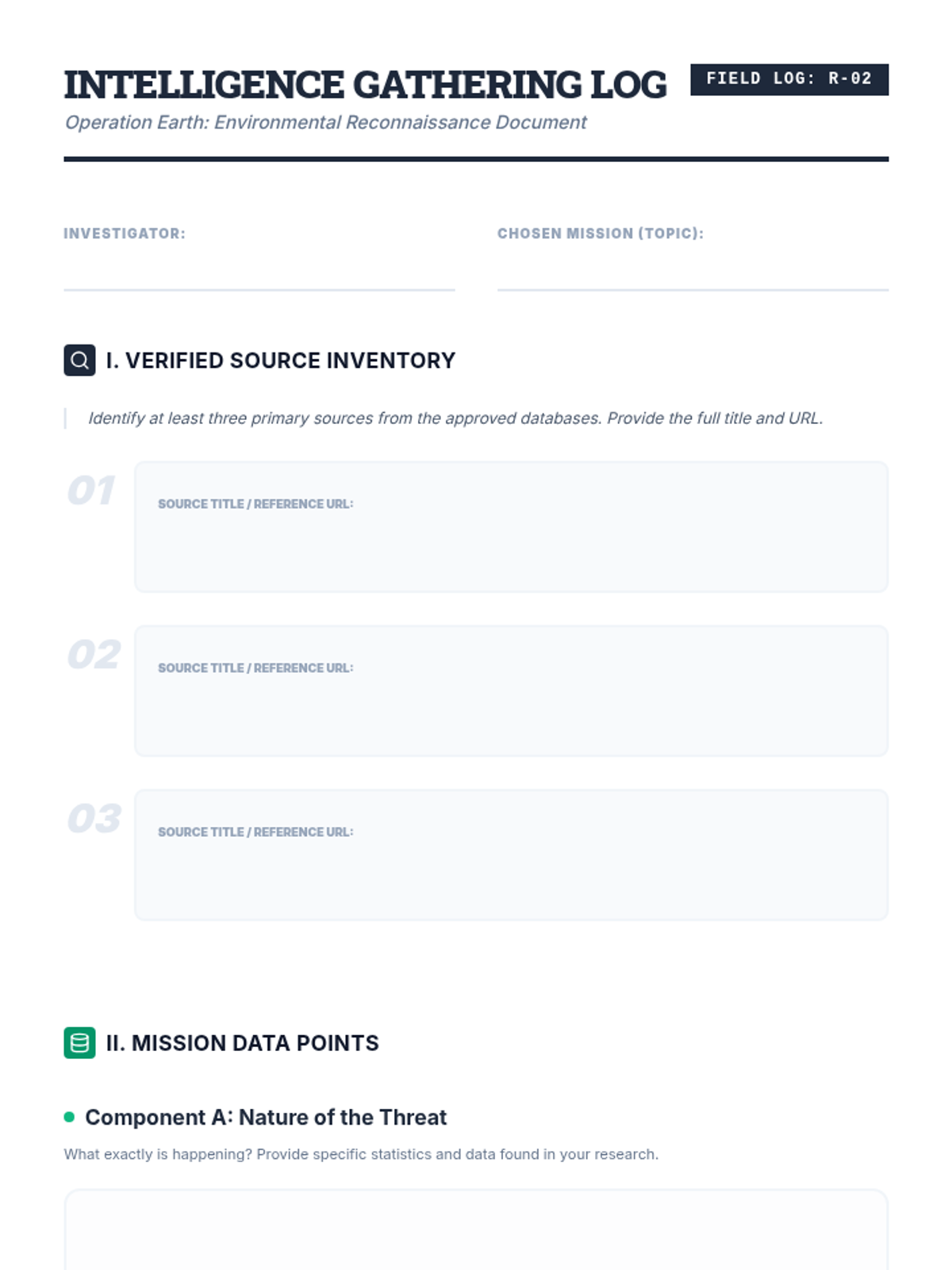
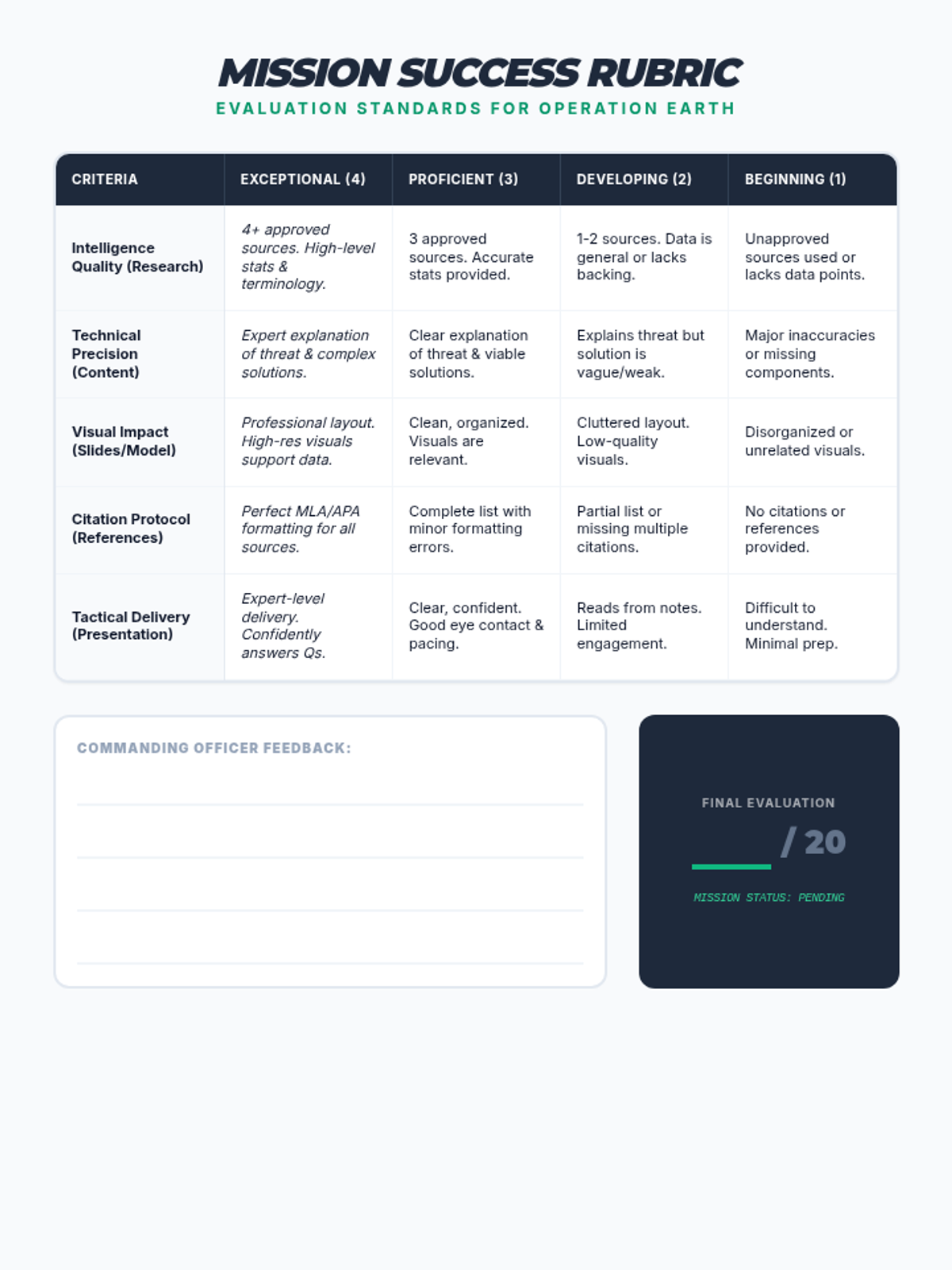
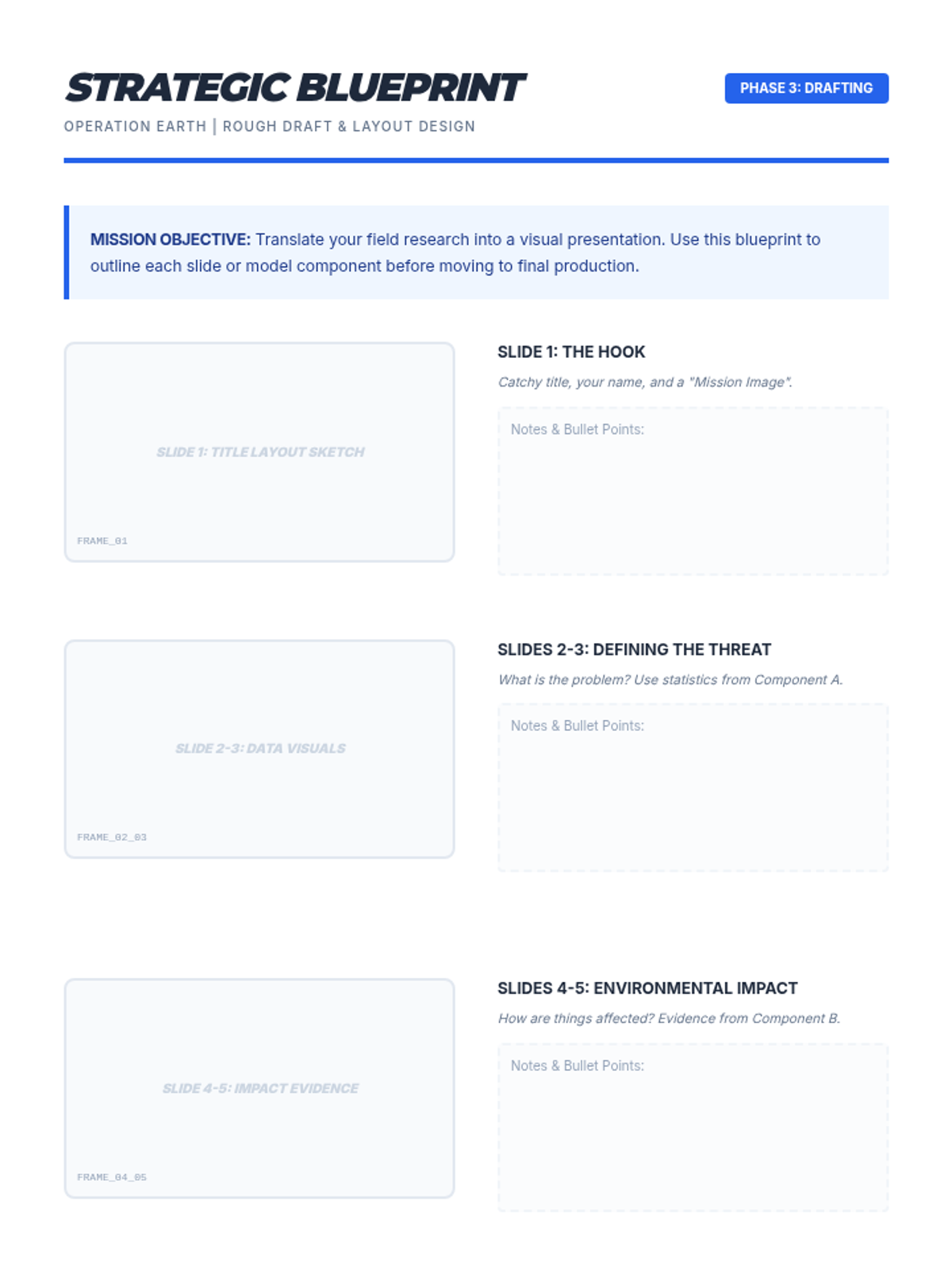
A comprehensive environmental science project broken into manageable phases, from research to final presentation. Students investigate global environmental challenges and propose solutions through a 'mission-based' framework.
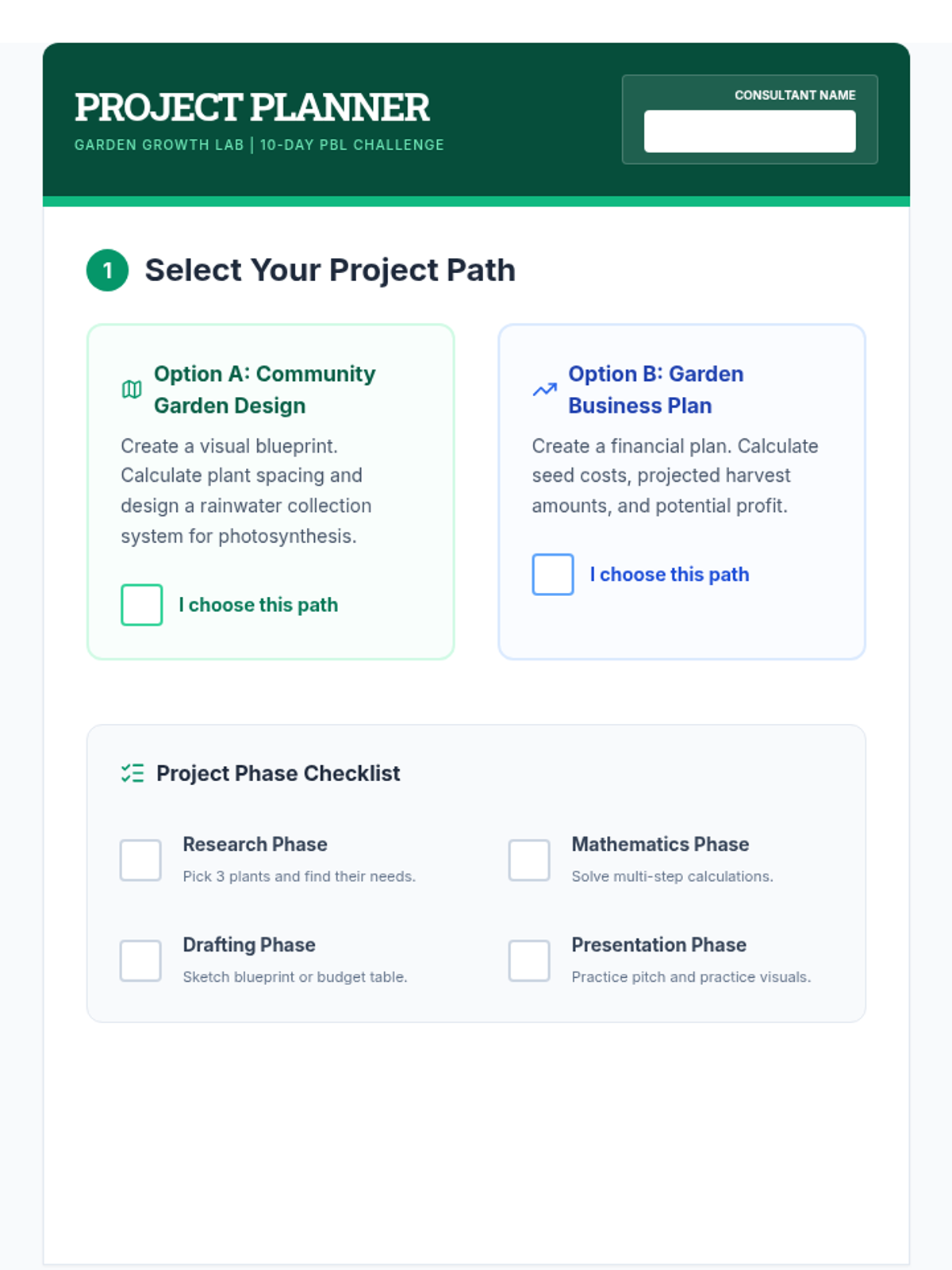
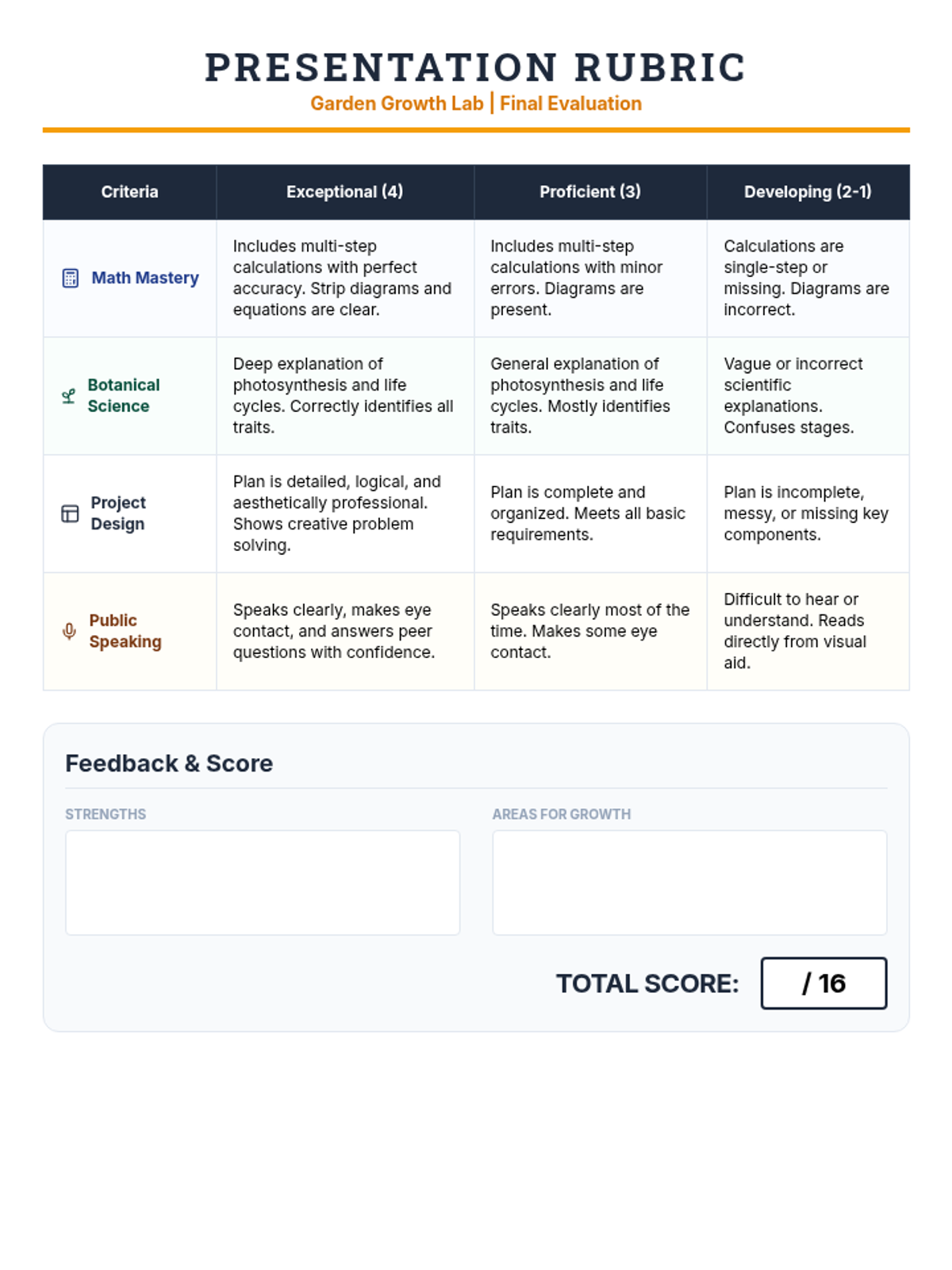
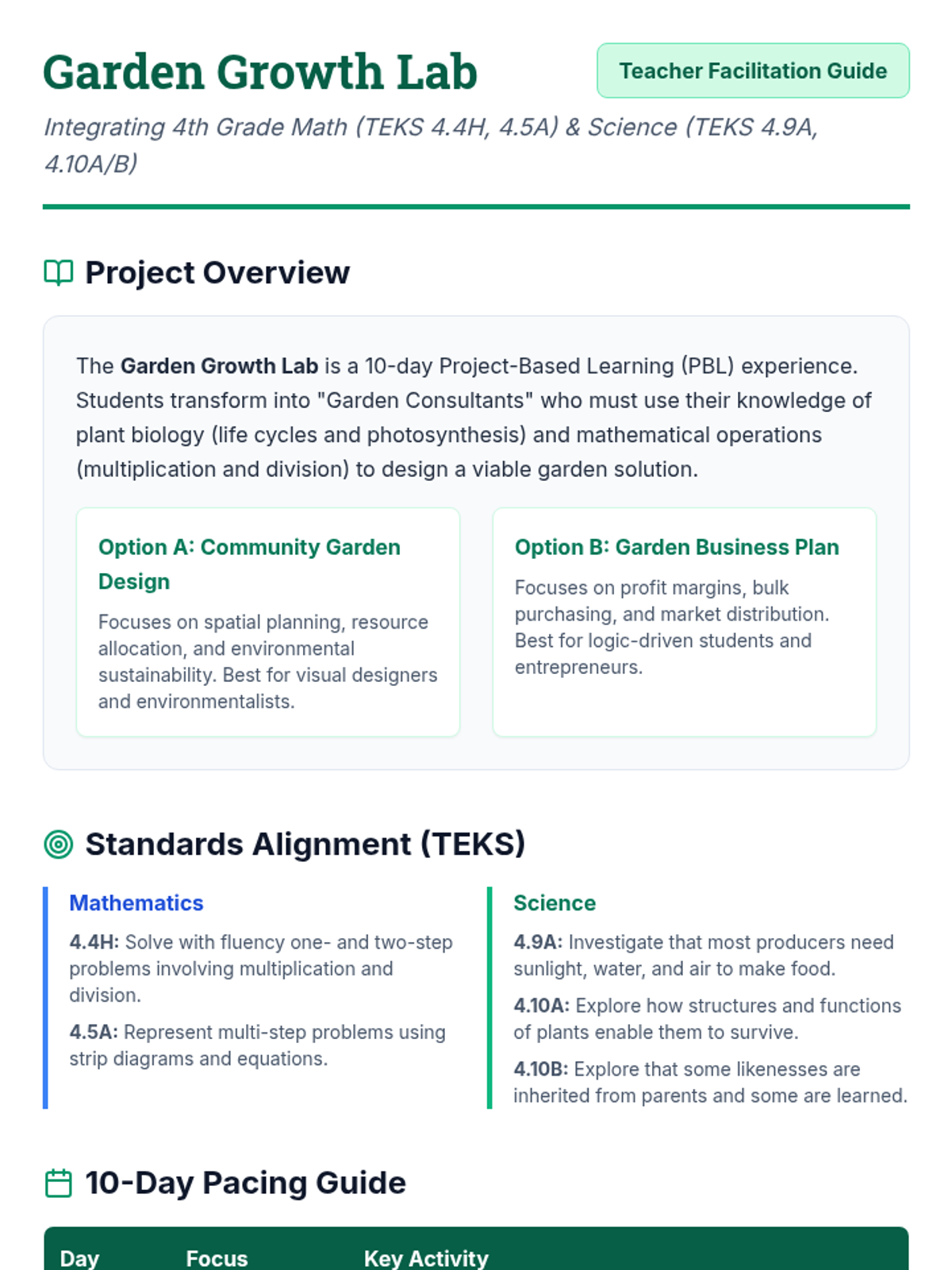
Students apply their scientific and mathematical knowledge to create either a Community Garden Design or a Garden Business Plan, culminating in a formal presentation.
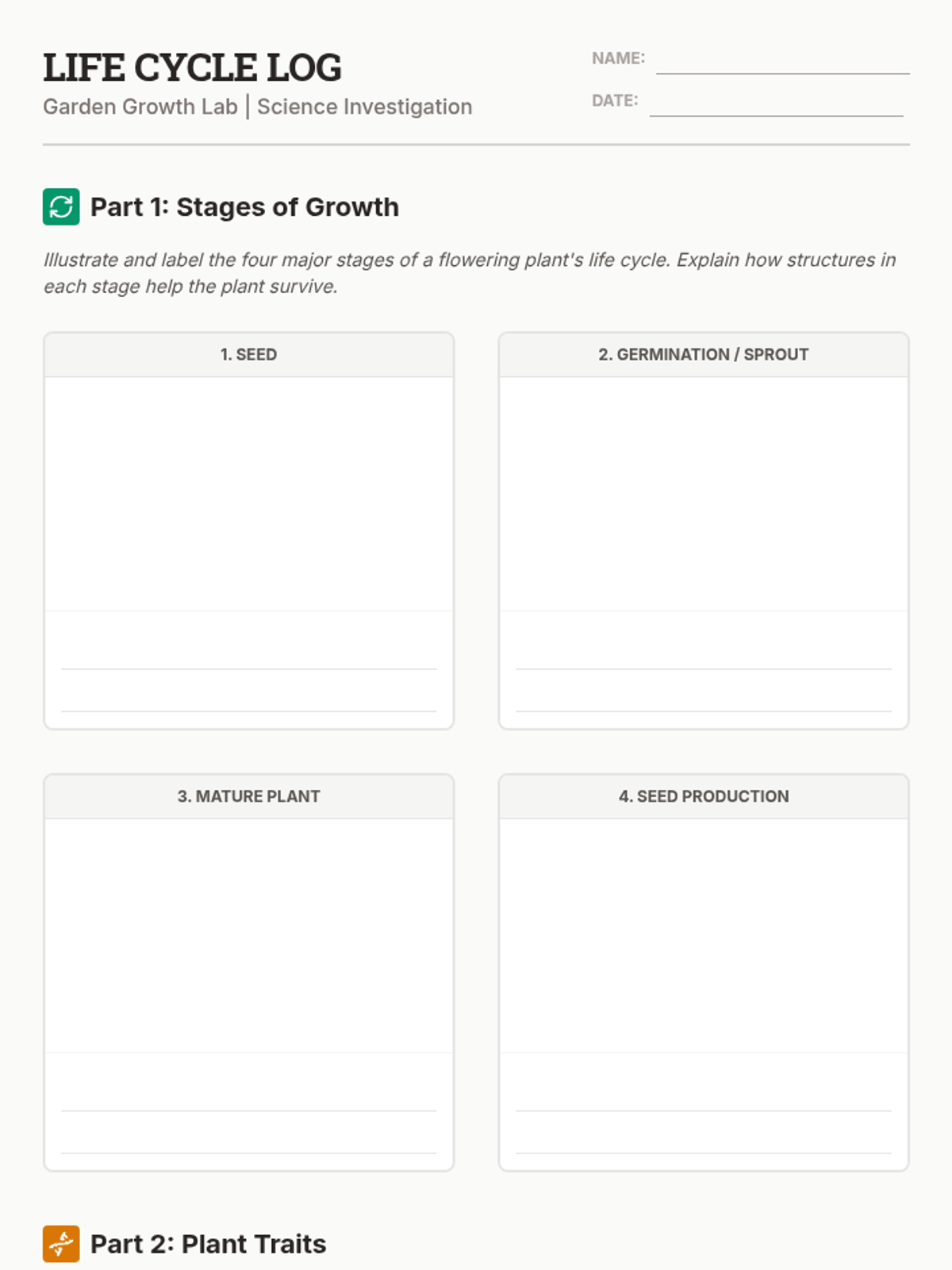
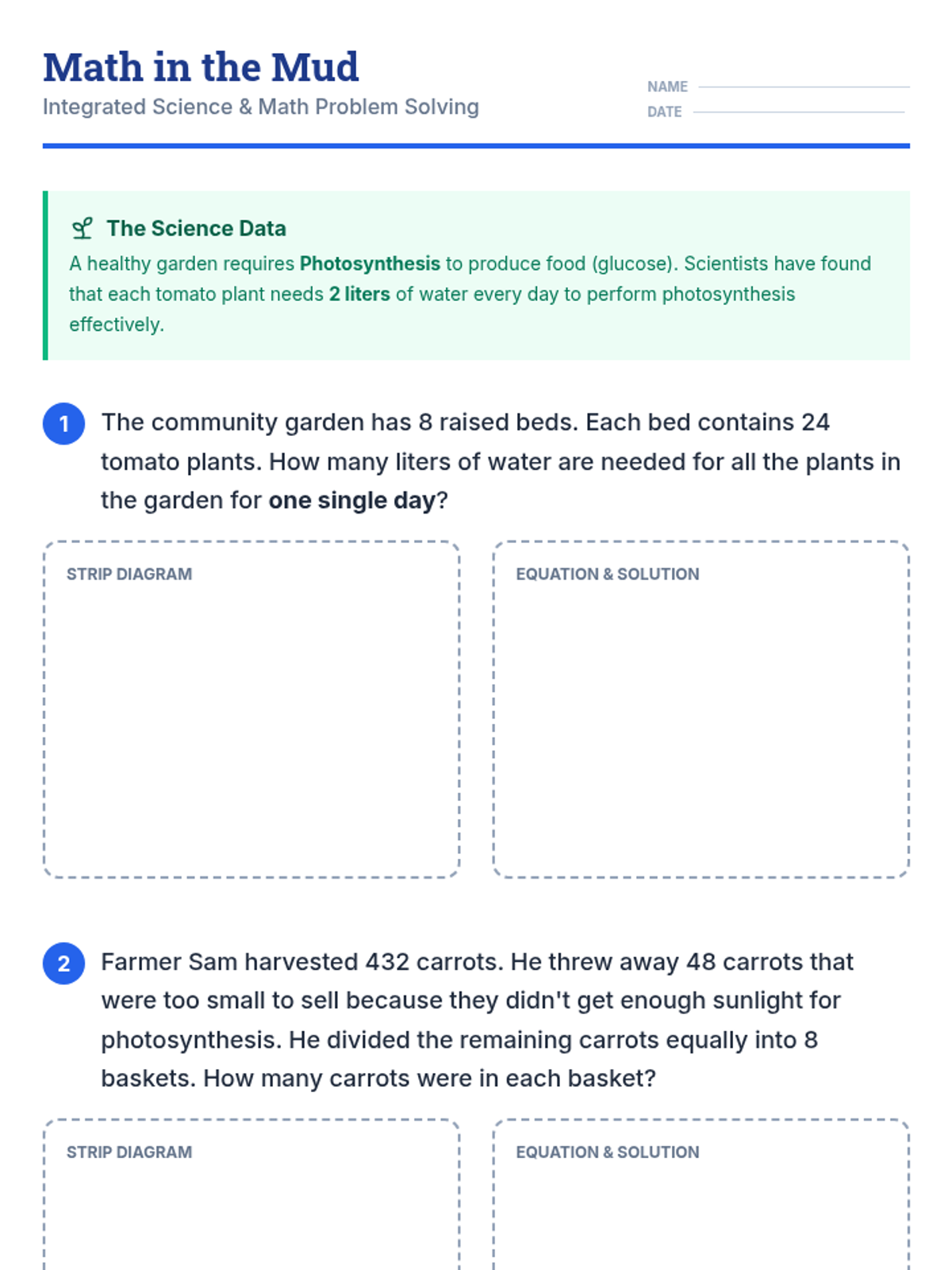
Students explore plant life cycles and photosynthesis while practicing multi-step multiplication and division problems related to gardening logistics and plant needs.
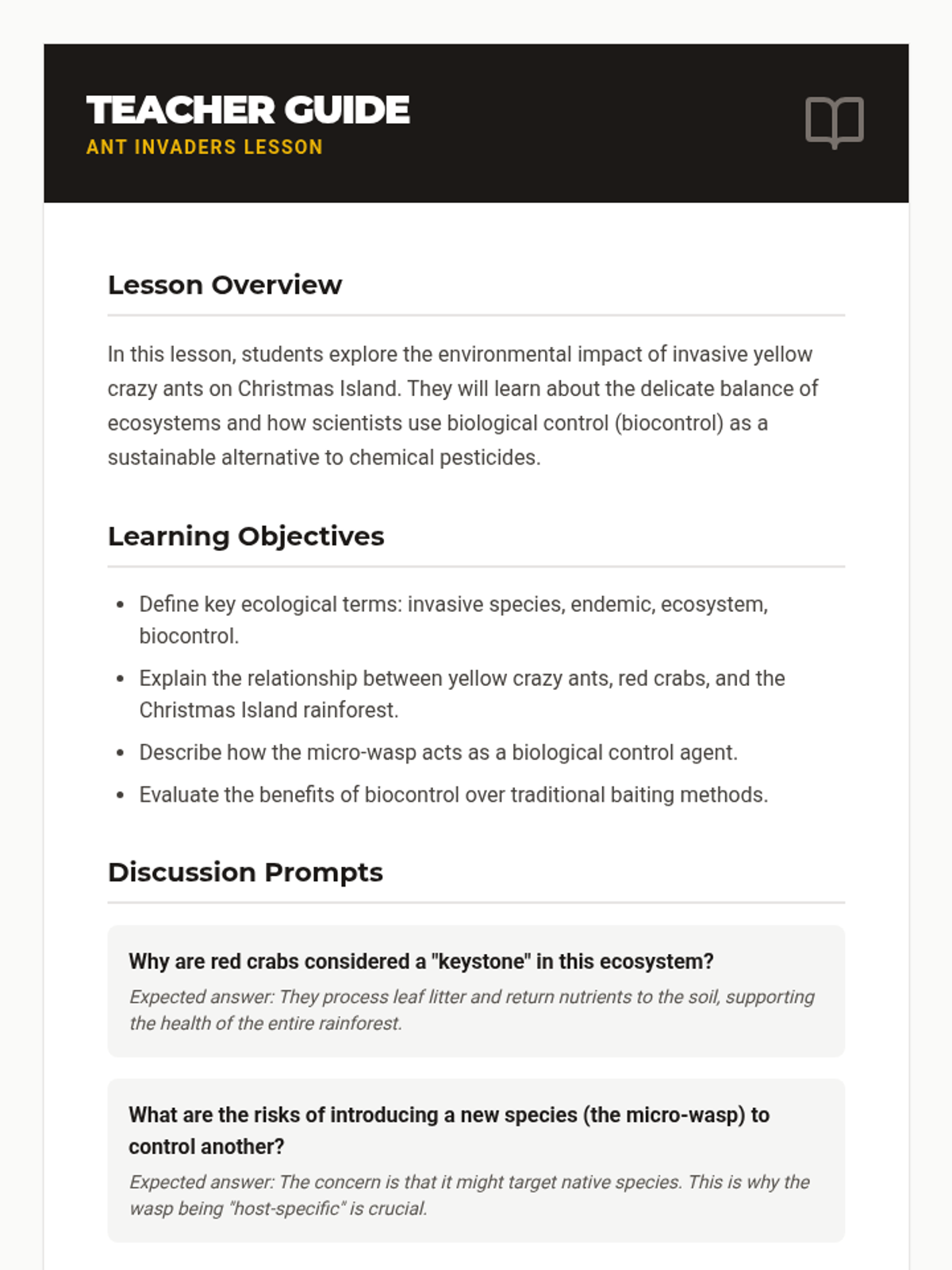
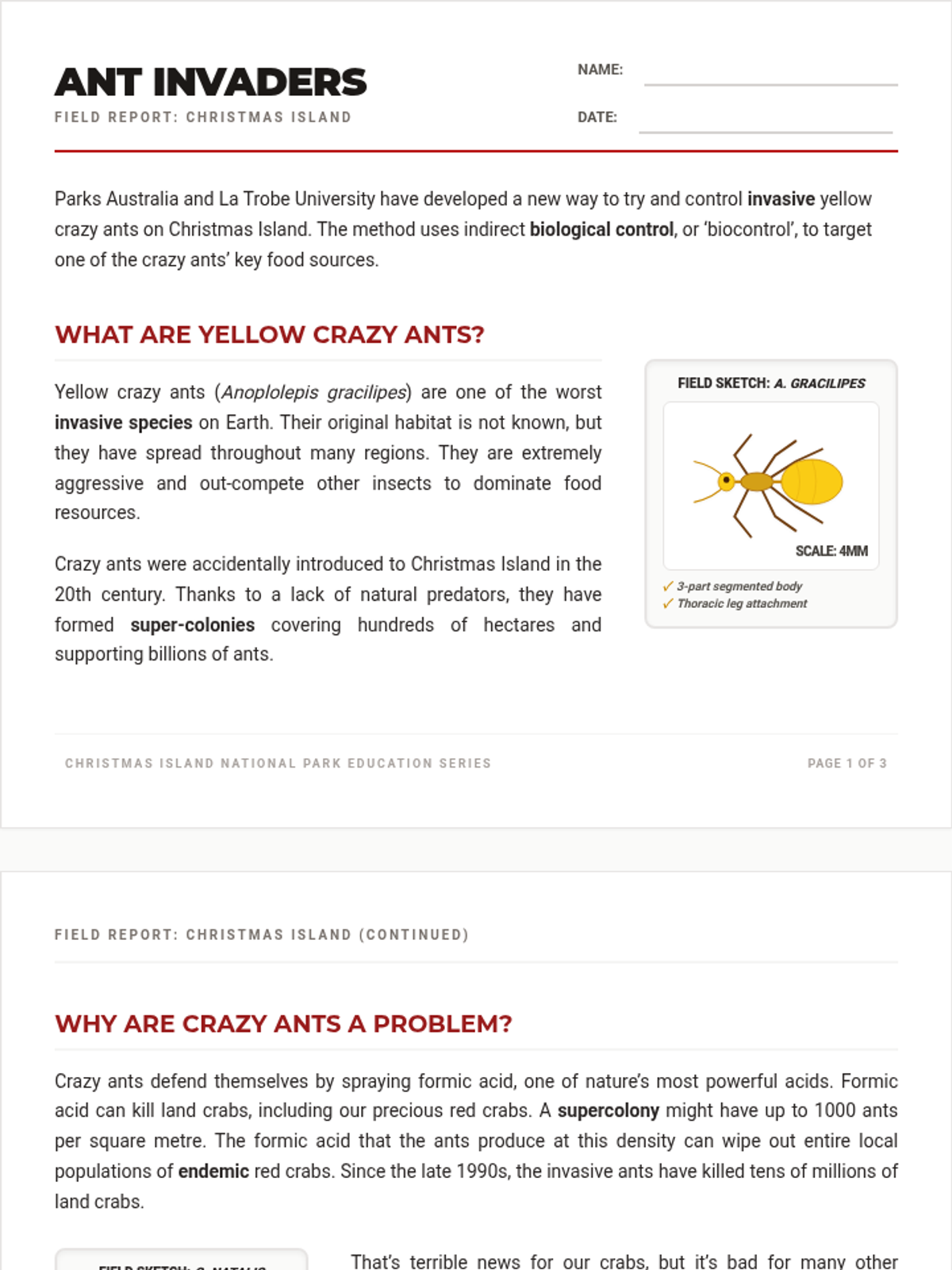
A lesson exploring the impact of invasive yellow crazy ants on Christmas Island's ecosystem and the innovative biocontrol methods used to manage them.
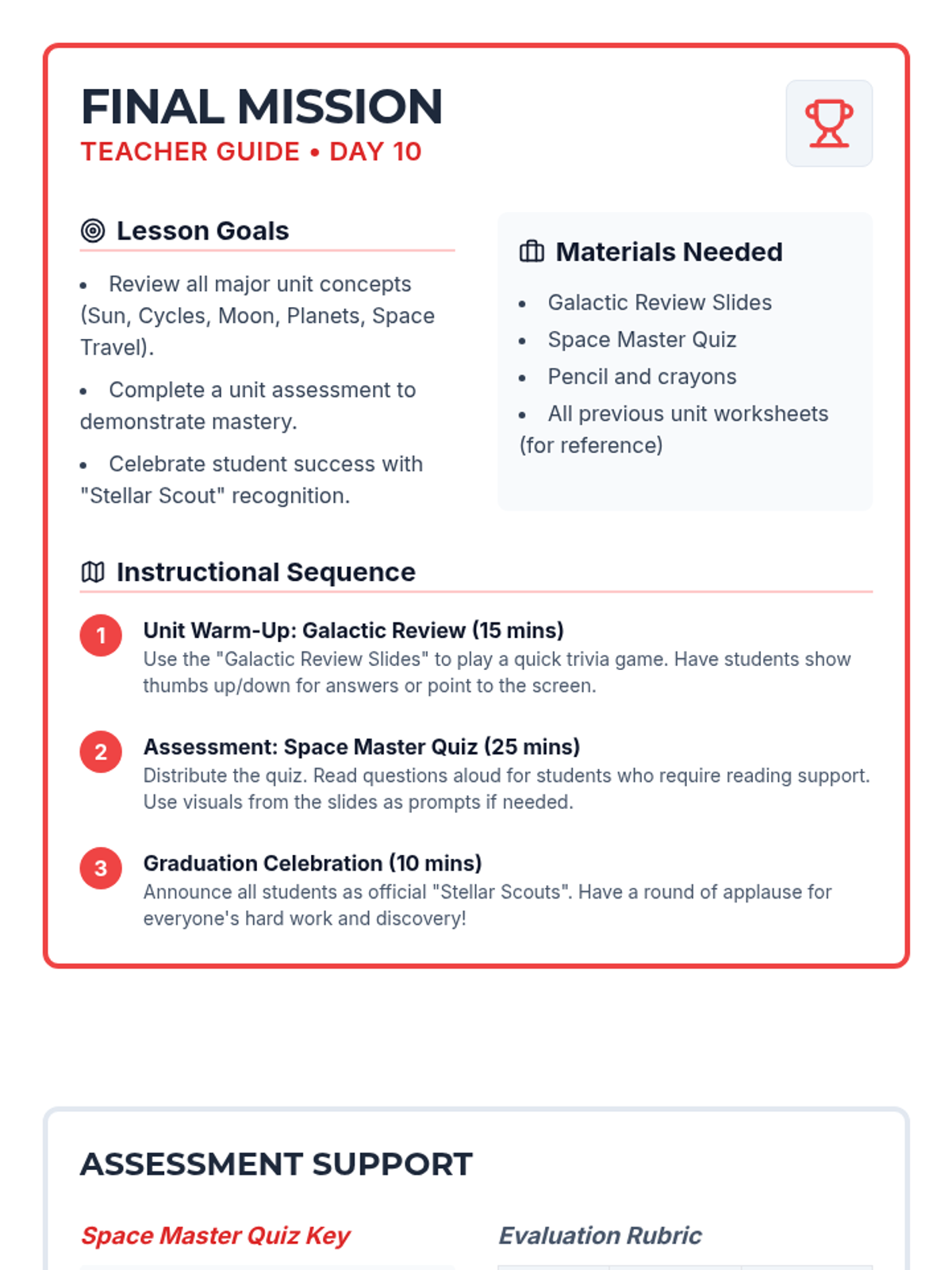
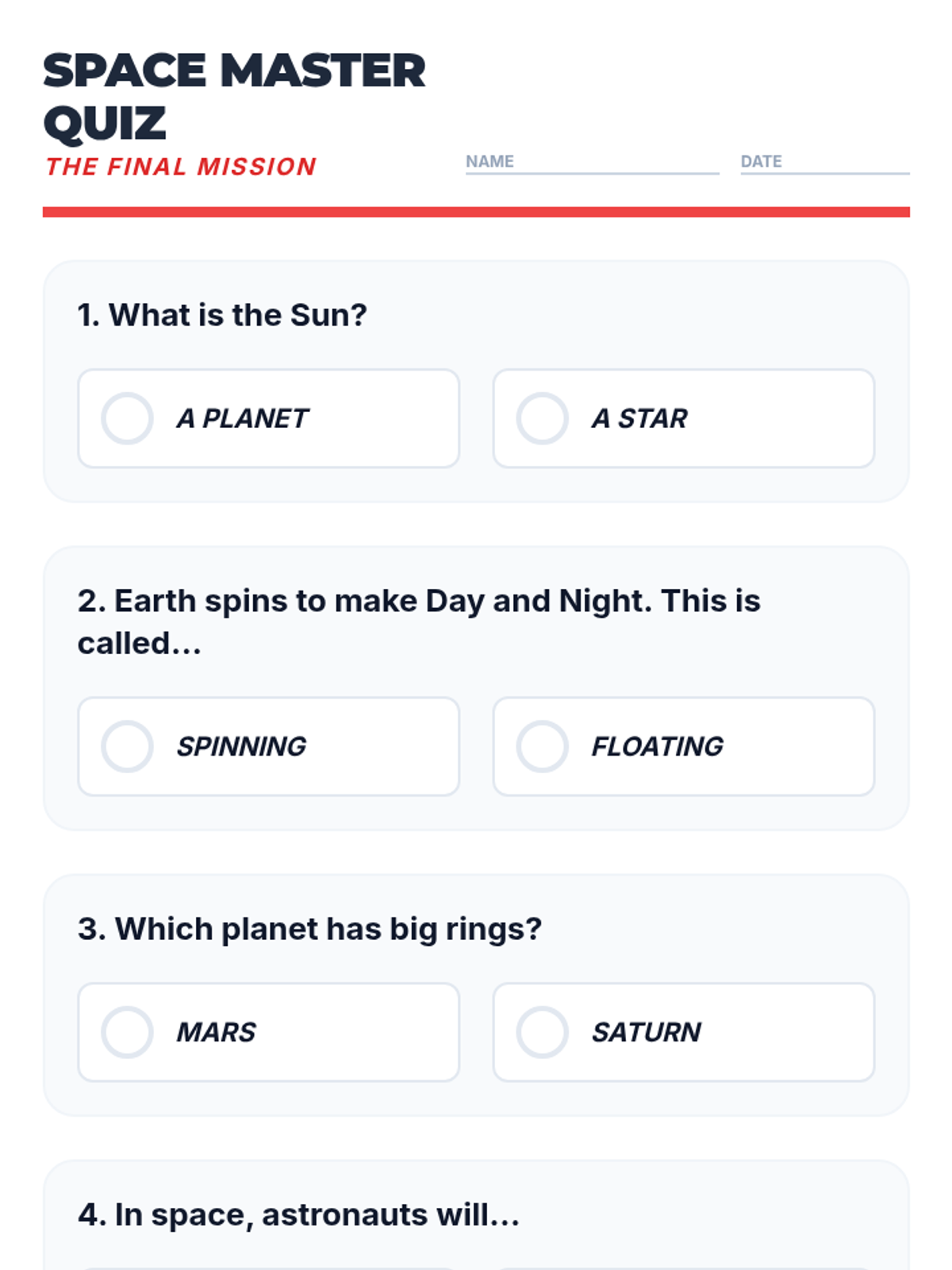
A comprehensive review of unit concepts followed by a final assessment designed for students with diverse learning needs.
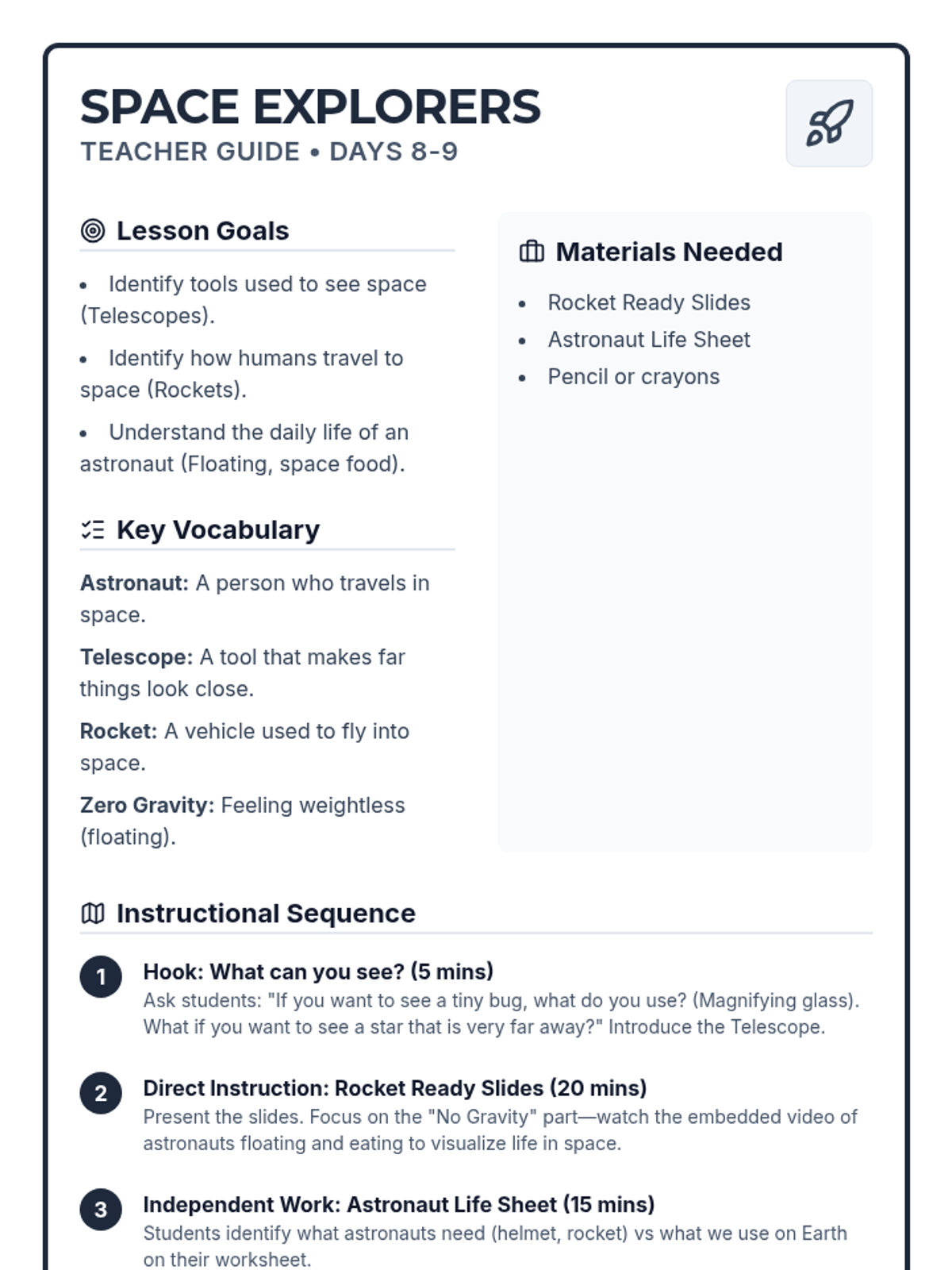
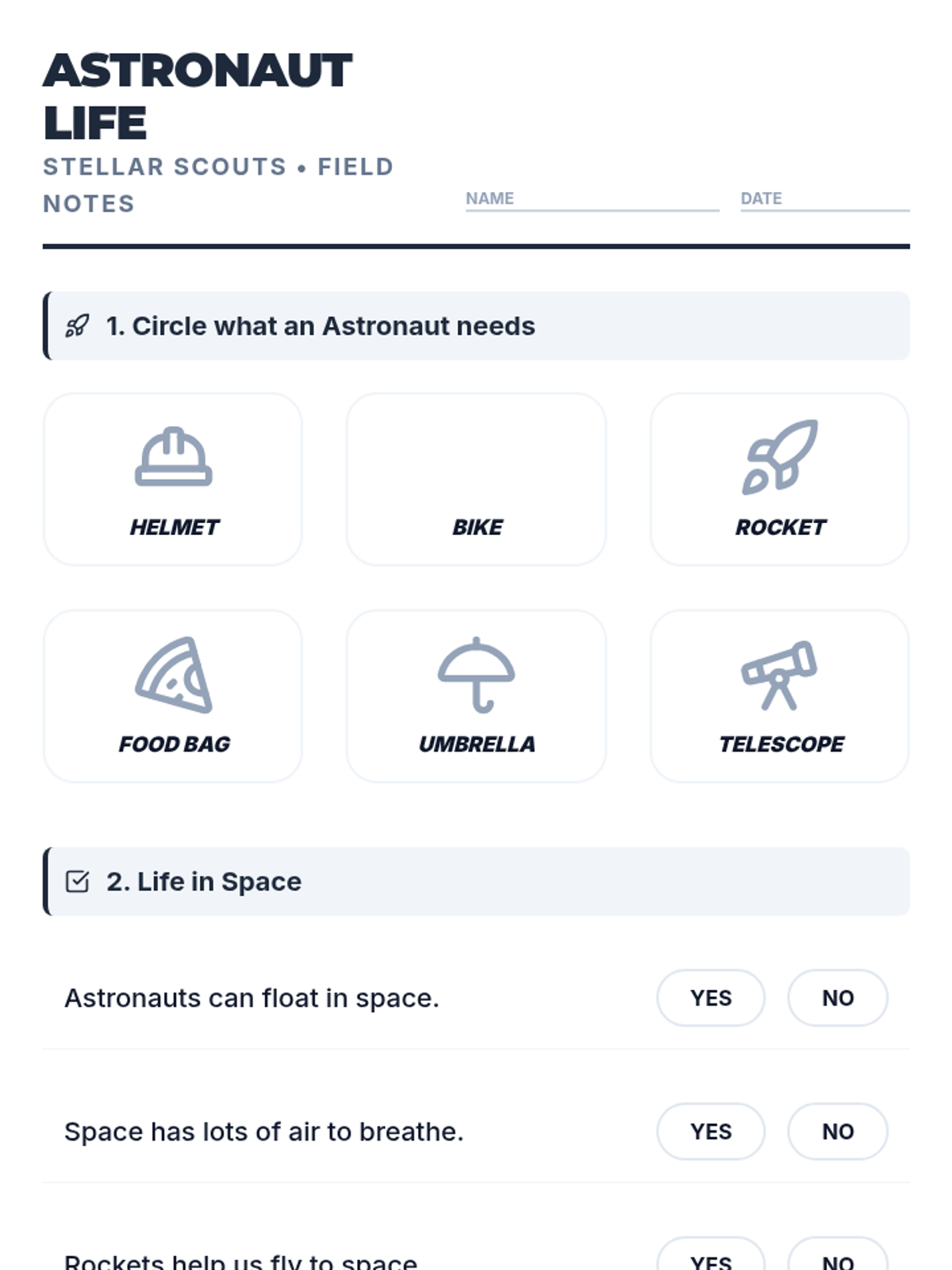
An introduction to how humans explore space, including the tools we use like telescopes and rockets, and what it is like to live and work as an astronaut.
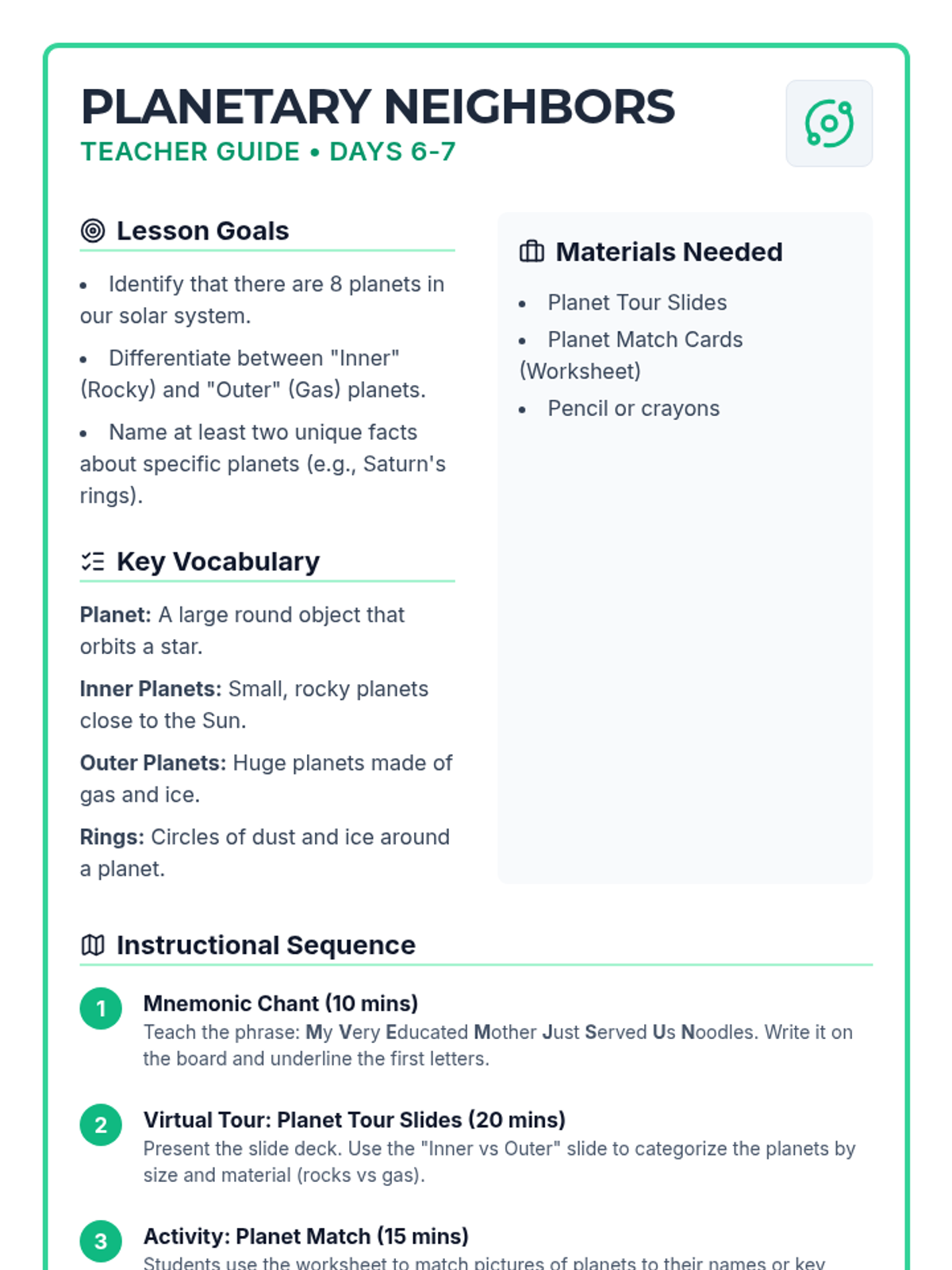
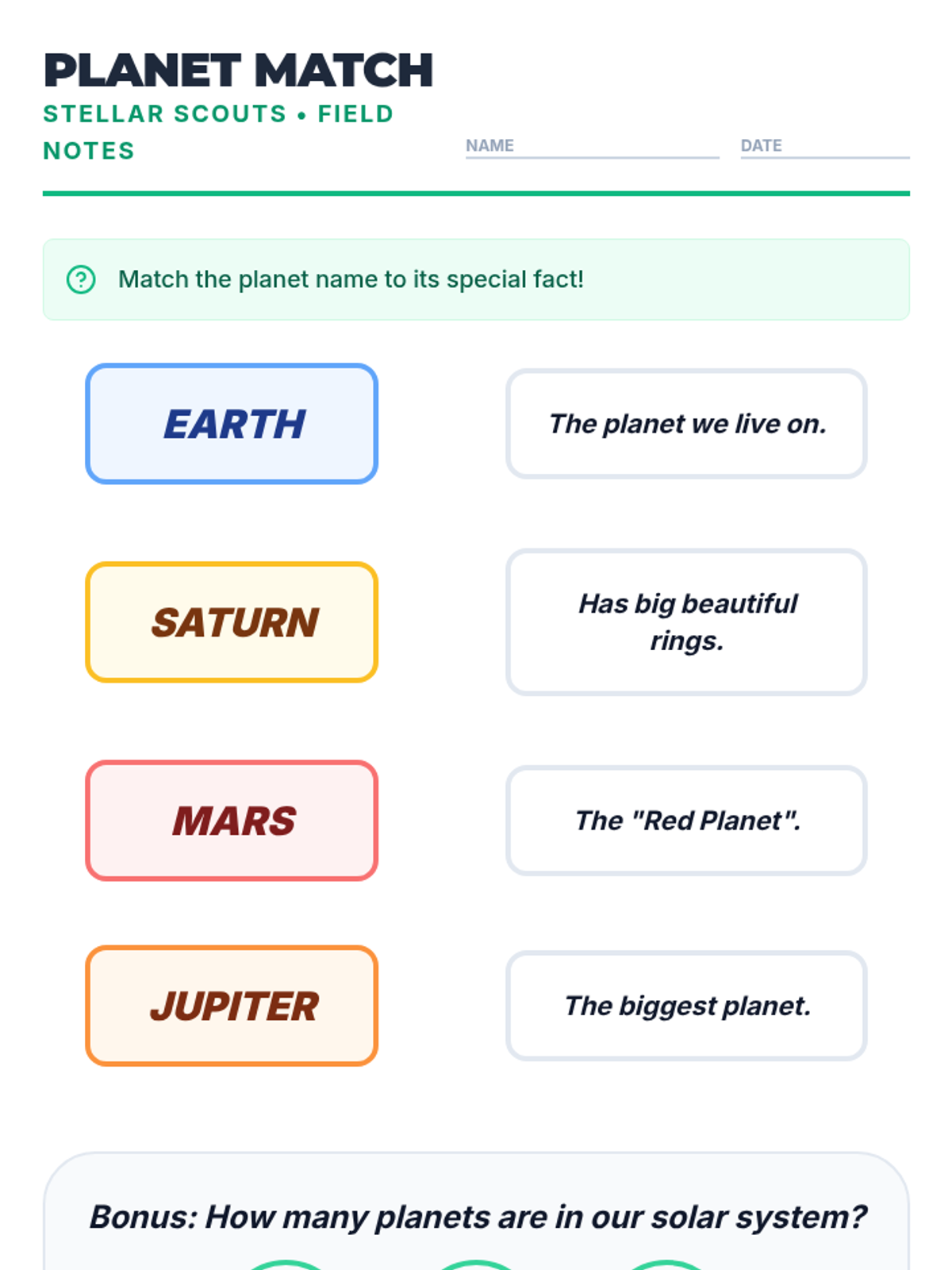
A guided tour of the eight planets in our solar system, categorized into rocky inner planets and gaseous outer planets with simple distinguishing characteristics for each.
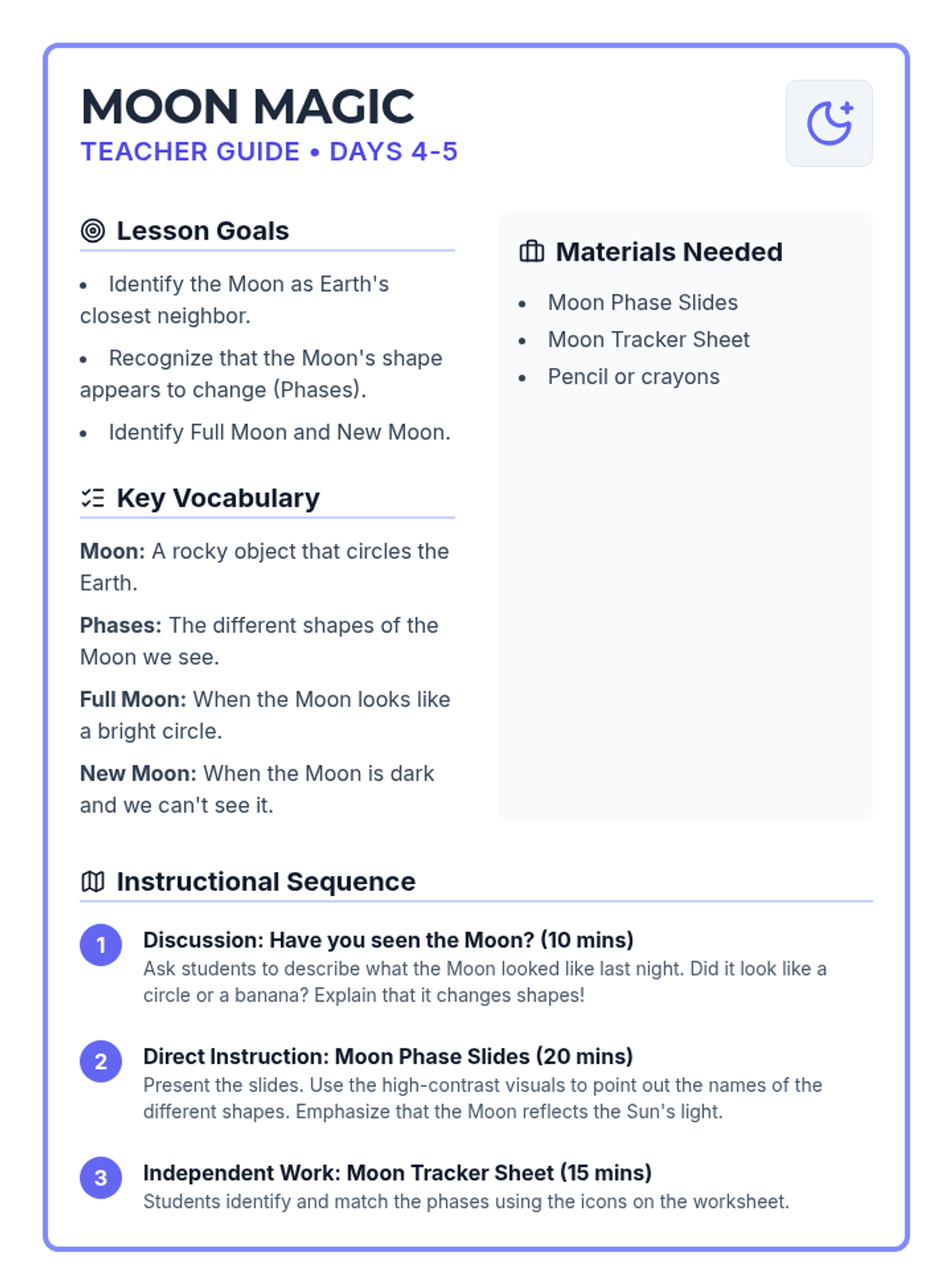
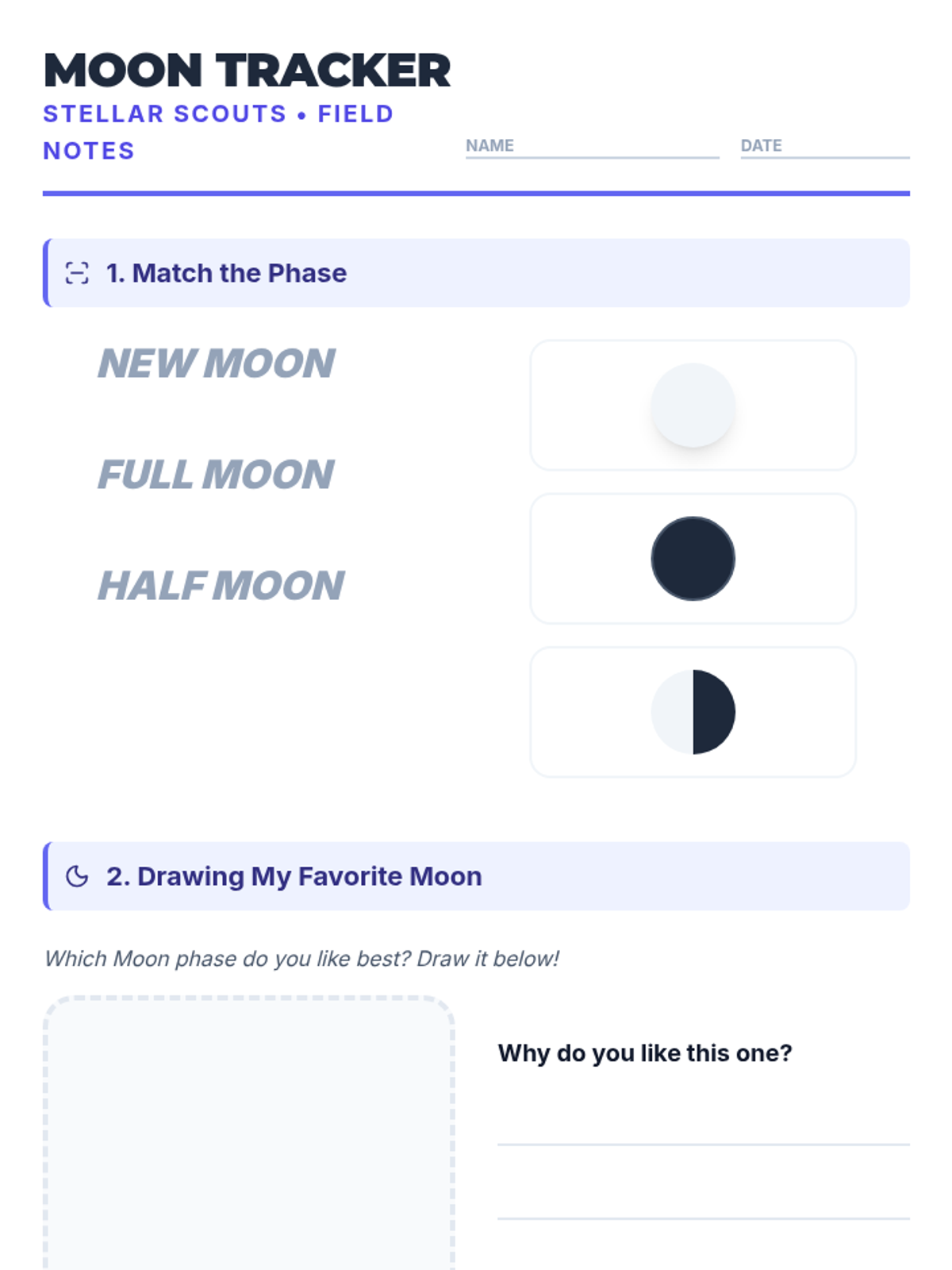
A study of the Moon's appearance and its relationship with Earth, focusing on the most recognizable phases and its role as our closest neighbor.
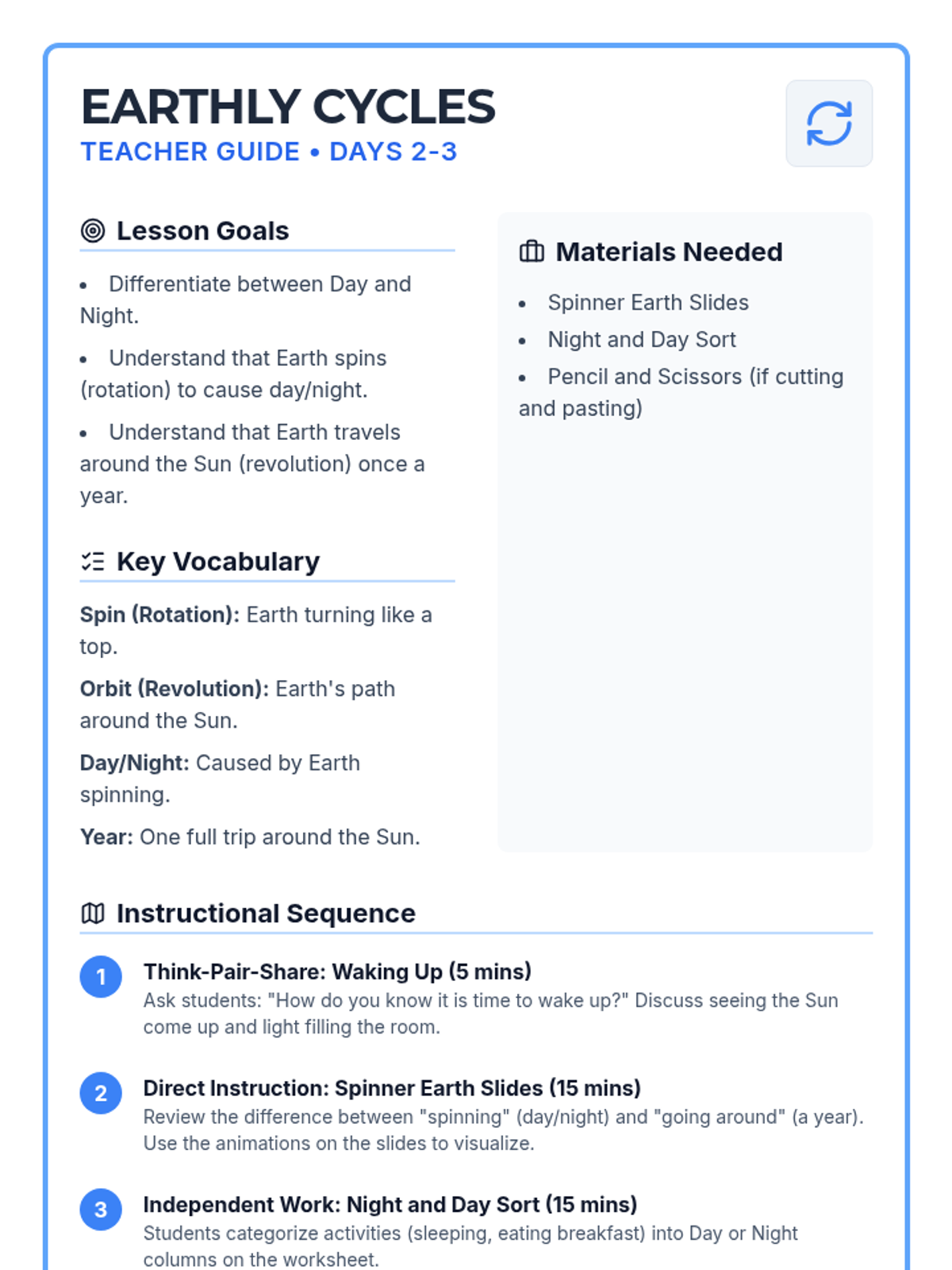
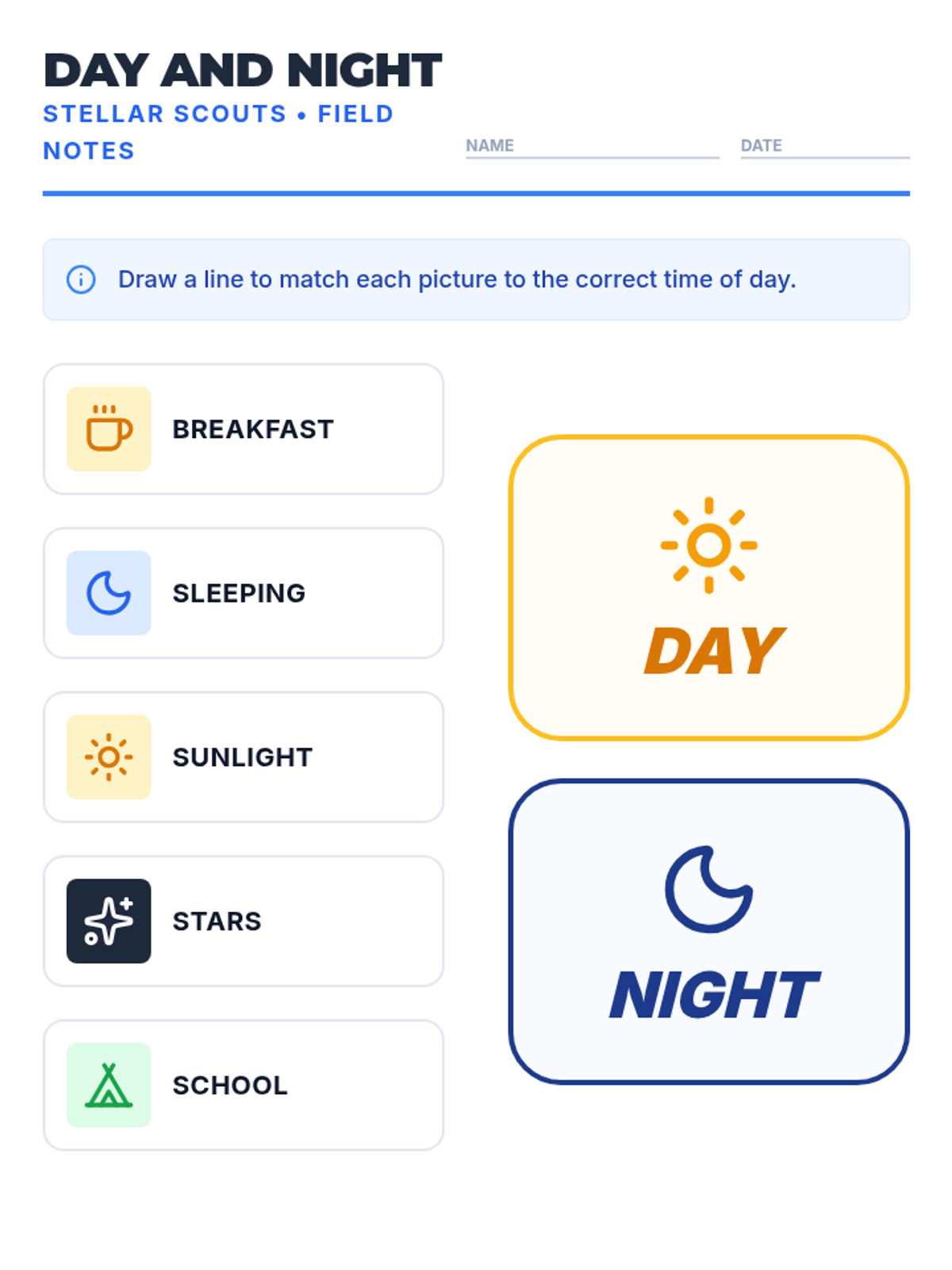
An exploration of why we have day and night (rotation) and why we have years and seasons (revolution), broken down into simple, relatable concepts.