Teams present their protection plans for the Nashoba Brook release site to a Zoo New England representative and community members. They refine their advocacy through peer critique, ensuring a safe future for their fostered turtles.
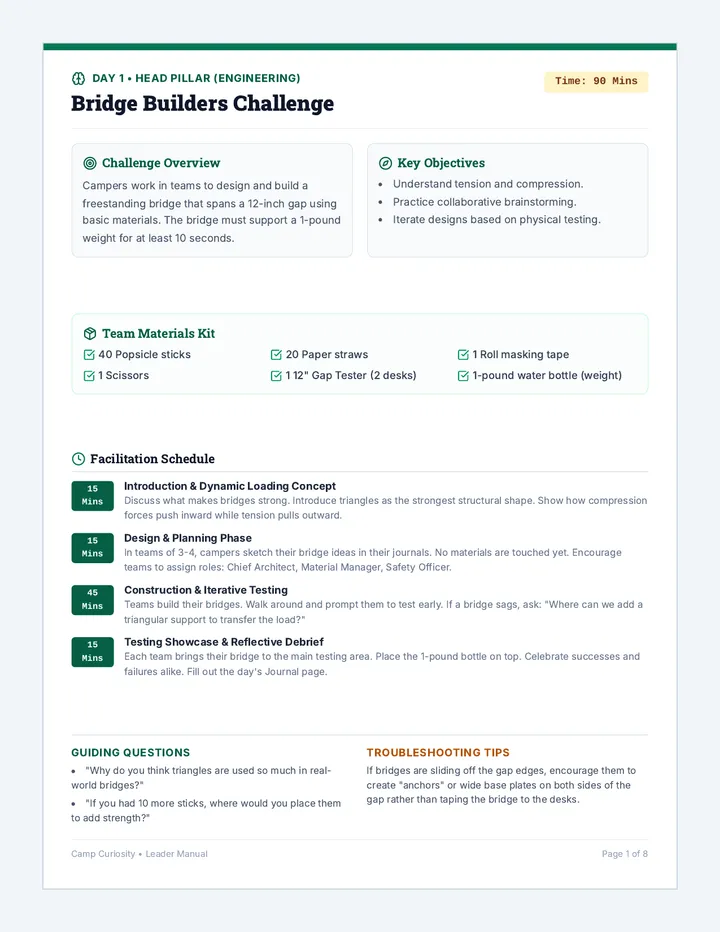
Students act as environmental engineers to solve a real-world ecosystem crisis (soil erosion) by building an "Abiotic Anchor" to protect biotic factors in a coastal habitat.
Students explore the delicate balance of ecosystem communities by engineering a "Population Mobile" that demonstrates how the removal of one species impacts the entire dependency web.
Focusing on plant responses to seasonal changes, students engineer a "Dormancy Deck"—a protective structure designed to help a plant model survive a simulated winter freeze.
Students investigate how temperature affects animal survival in the desert by engineering a "Cooling Cave" that uses physical environmental characteristics to reduce heat.
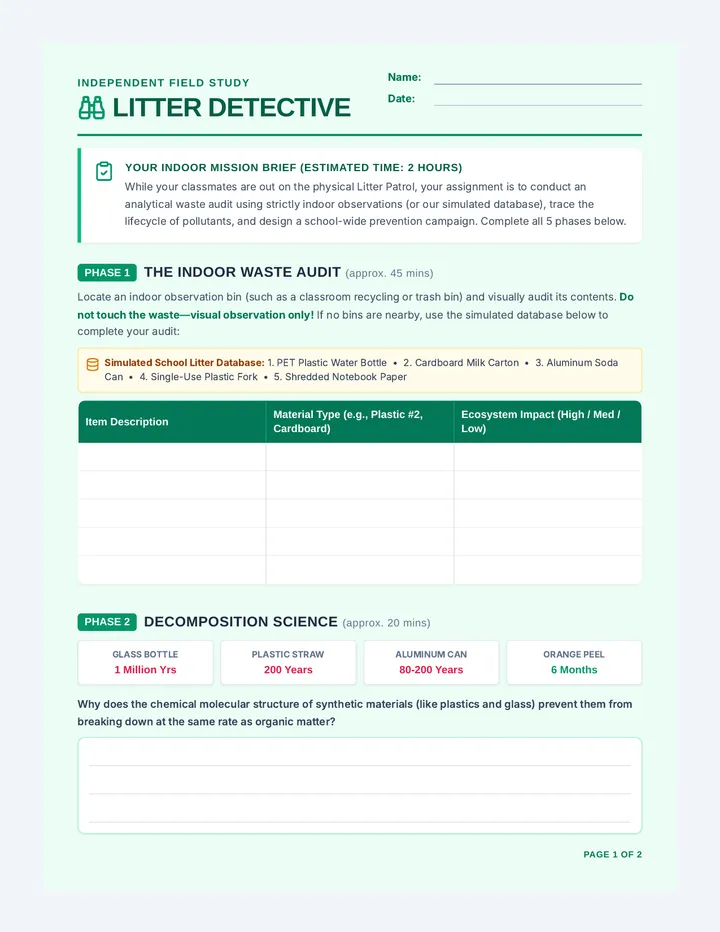
Students design and build a model aquatic habitat to observe and record interactions between living fish (models) and non-living components like water, rocks, and bubbles.
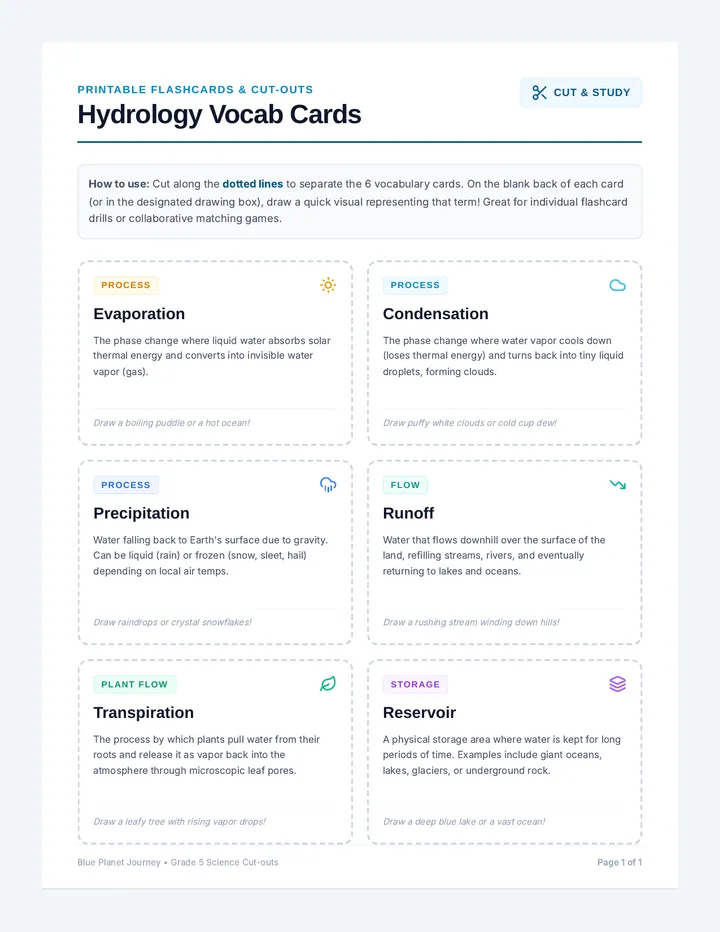
Students investigate how populations and communities of organisms are dependent on one another and their environment by engineering a "Dependency Web" that maintains stability during environmental changes.
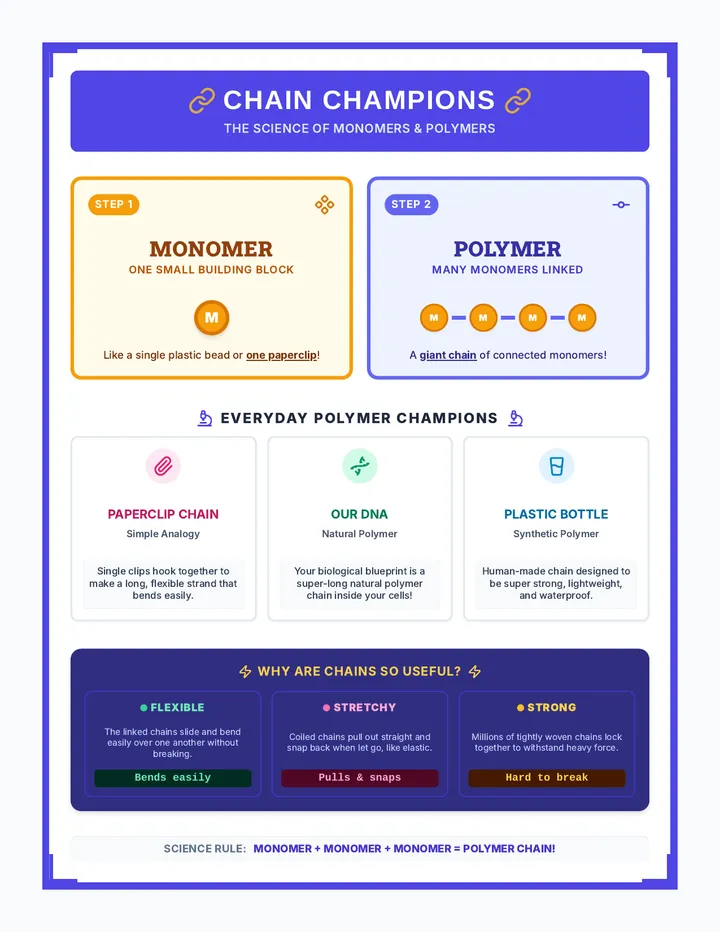
Students examine the complex interactions between biotic and abiotic factors by engineering solutions to protect an ecosystem from environmental stressors.