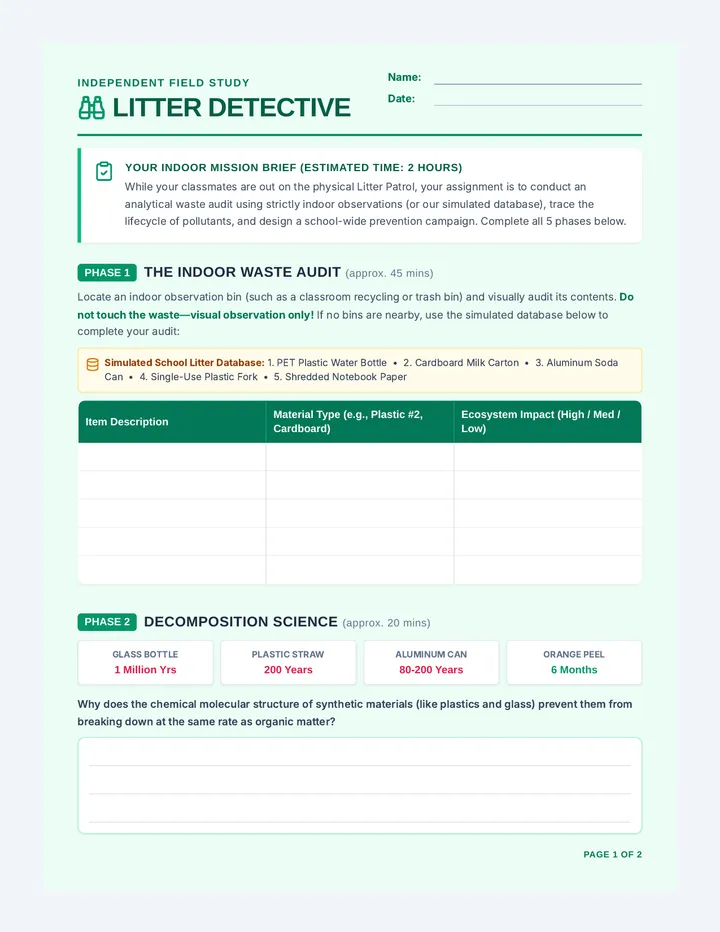
Nashoba Brook Mapping Activity Acton
Revised watershed mapping activity focused specifically on the Nashoba Brook Watershed in Acton, MA and the turtle release site. Refined layout to provide better work areas and no page spillover.
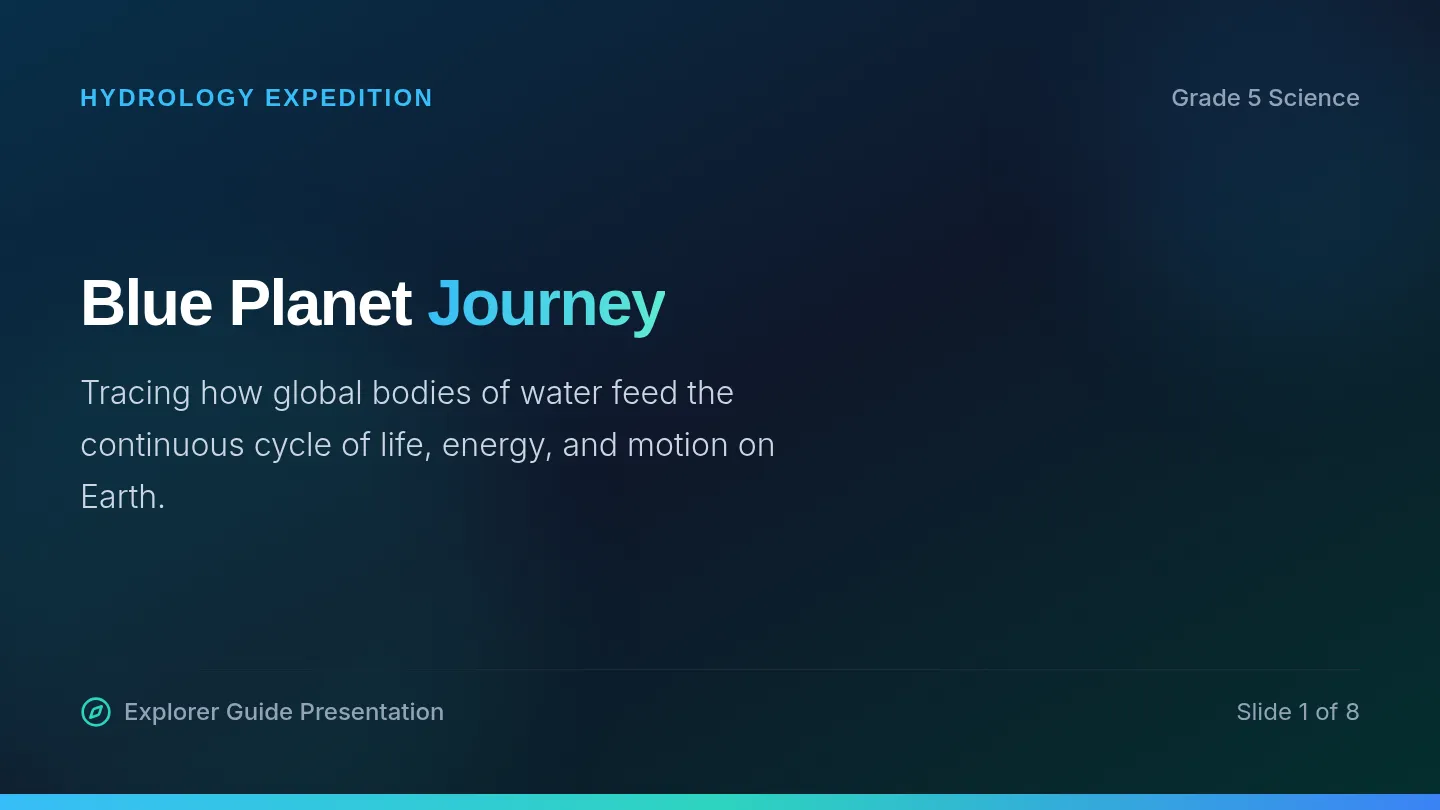
Turtle Journey Slides Acton
Revised slides for Lesson 2 that bridge particulate matter concepts with the specific Acton turtle release project and Nashoba Brook Watershed.
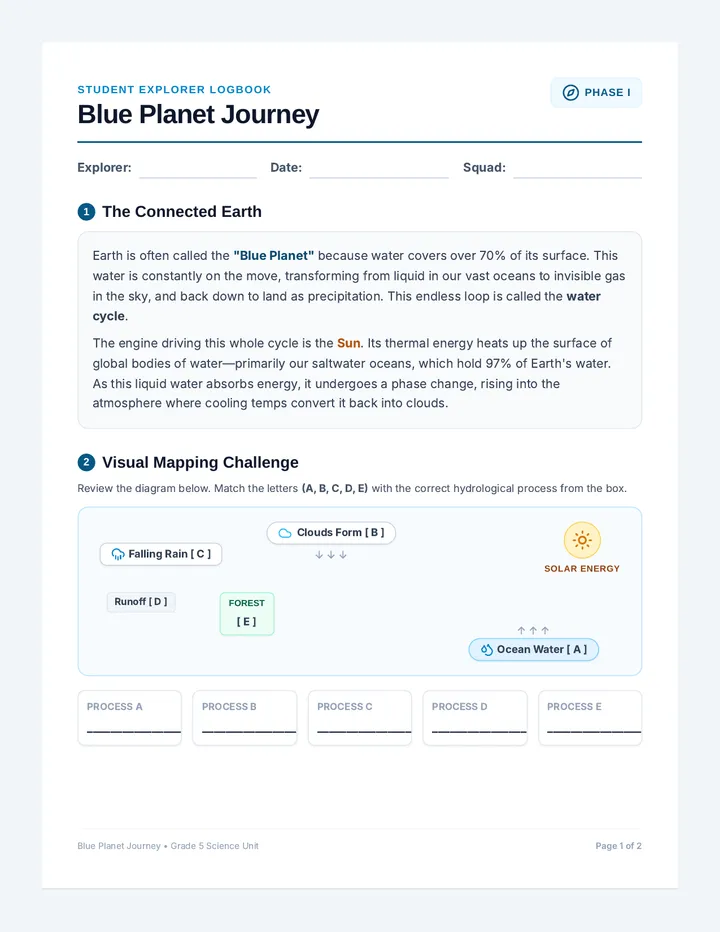
Nashoba Brook Field Guide Acton
Accessible source material for students to understand the Nashoba Brook Watershed and how to interpret topographical maps in the context of Acton, MA. Refined layout for readability.
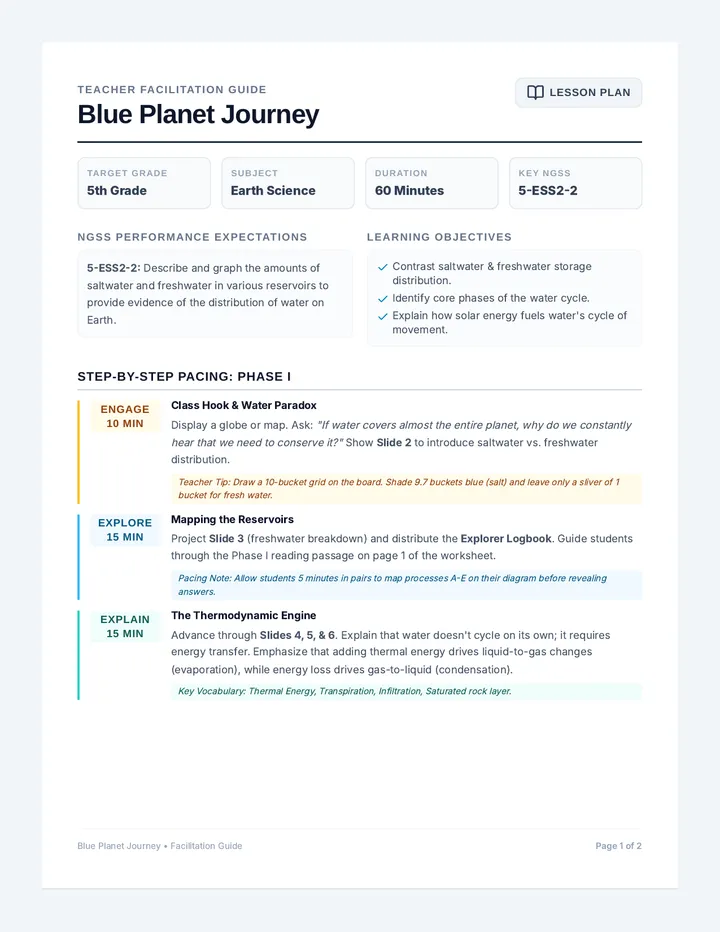
Acton Topographical Map Analysis Revised
A realistic topographical overlay of Acton, MA, styled like a modern digital map. It features elevation contours, flow direction arrows for Nashoba Brook, and key landmarks like Merriam Elementary and Ice House Pond for student watershed analysis. This version reverts to the original analysis log questions while improving road label visibility and updating the spill example. Refined layout to prevent border spillover.