Covers active and passive signaling techniques and protocols for communicating with search and rescue teams.
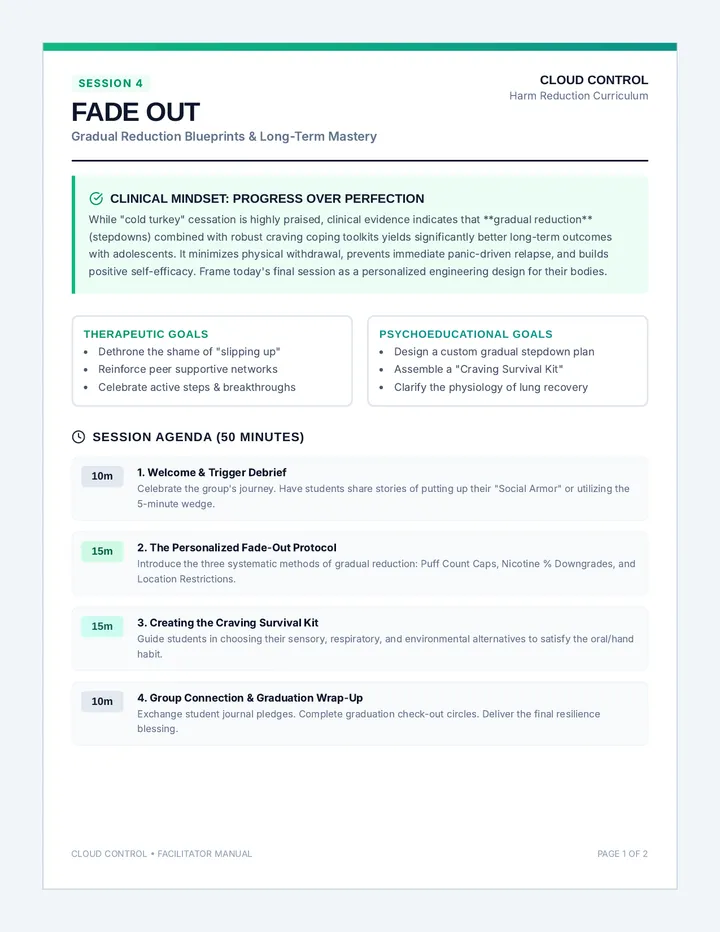
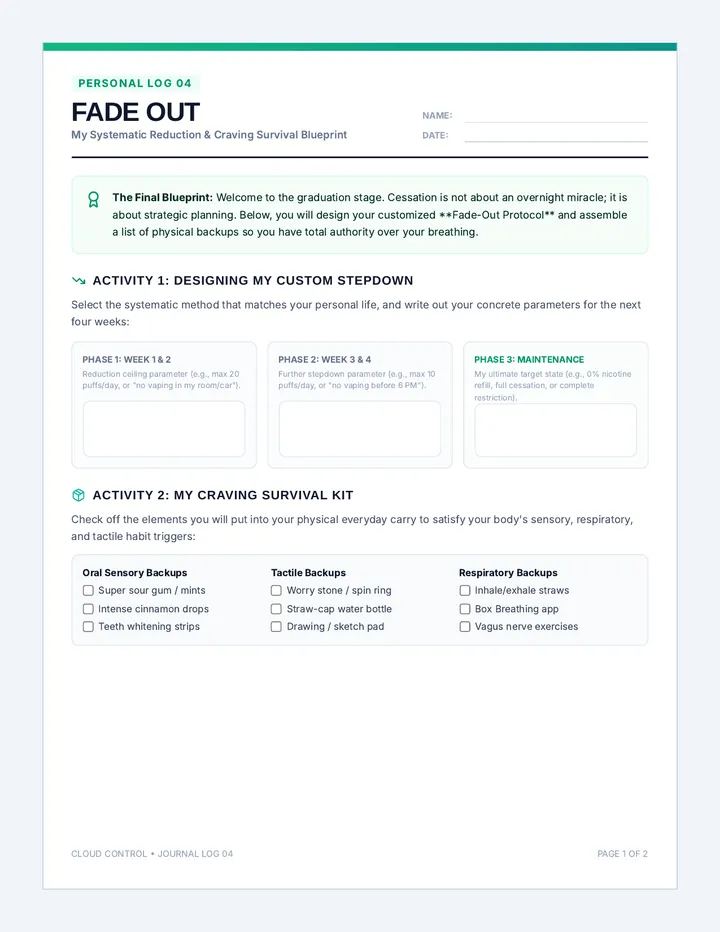
Session 4 equips students with personalized, gradual-reduction plans, craving-management toolkits, and peer support systems for sustained progress.
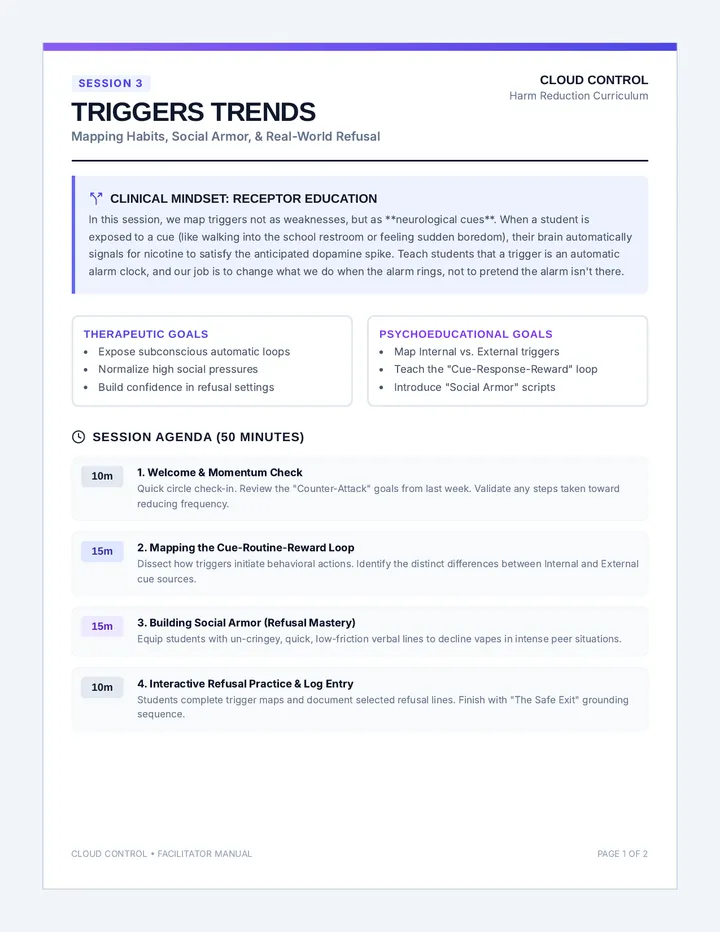
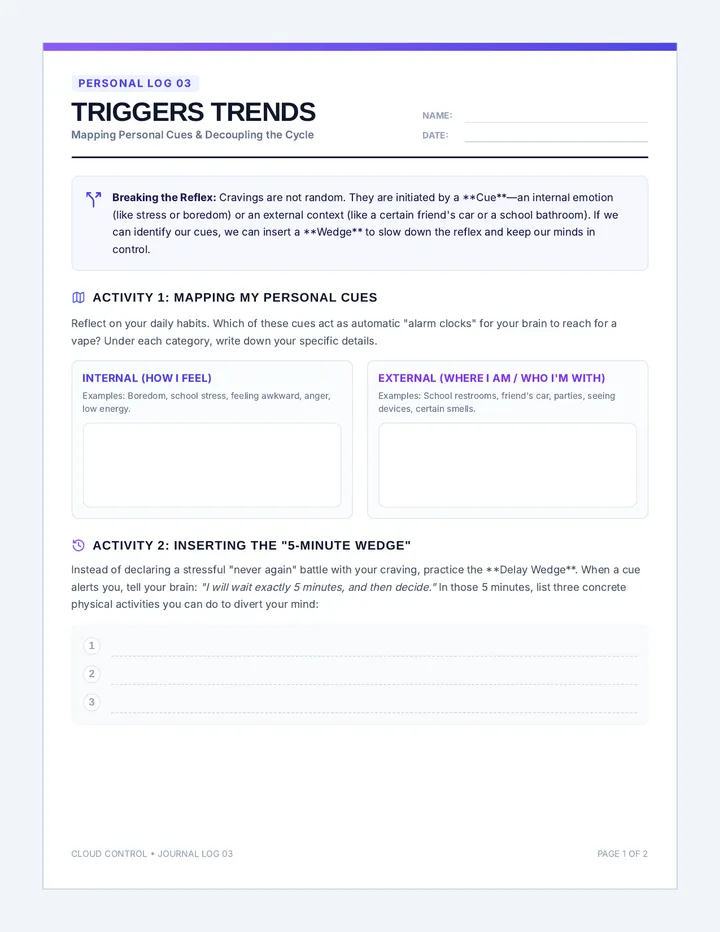
Session 3 focuses on identifying situational and emotional triggers, navigating social pressure, and practicing refusal skills in real-world scenarios.
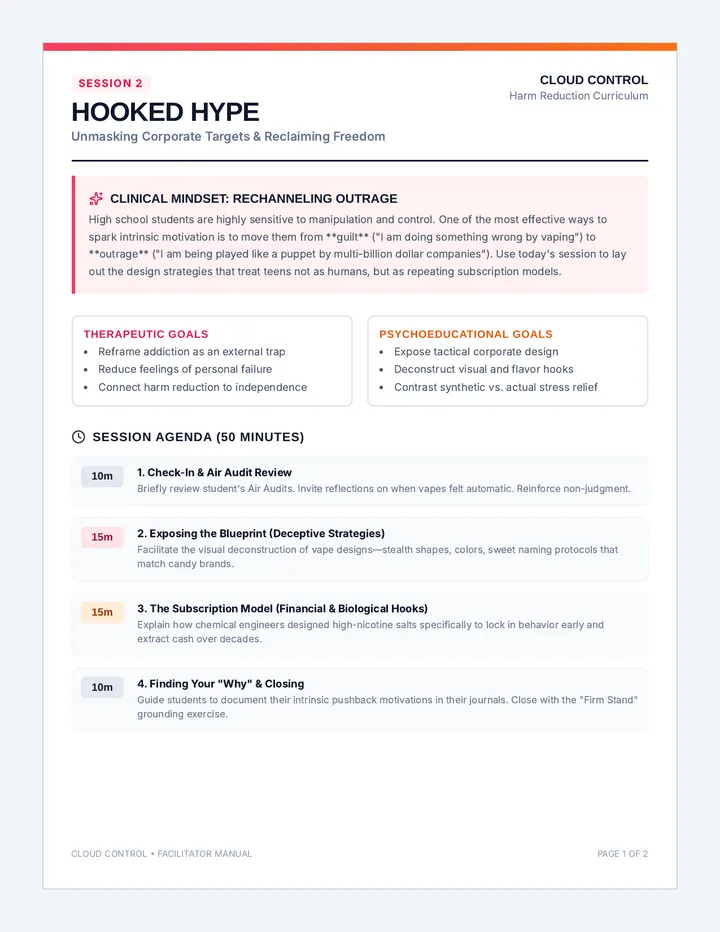
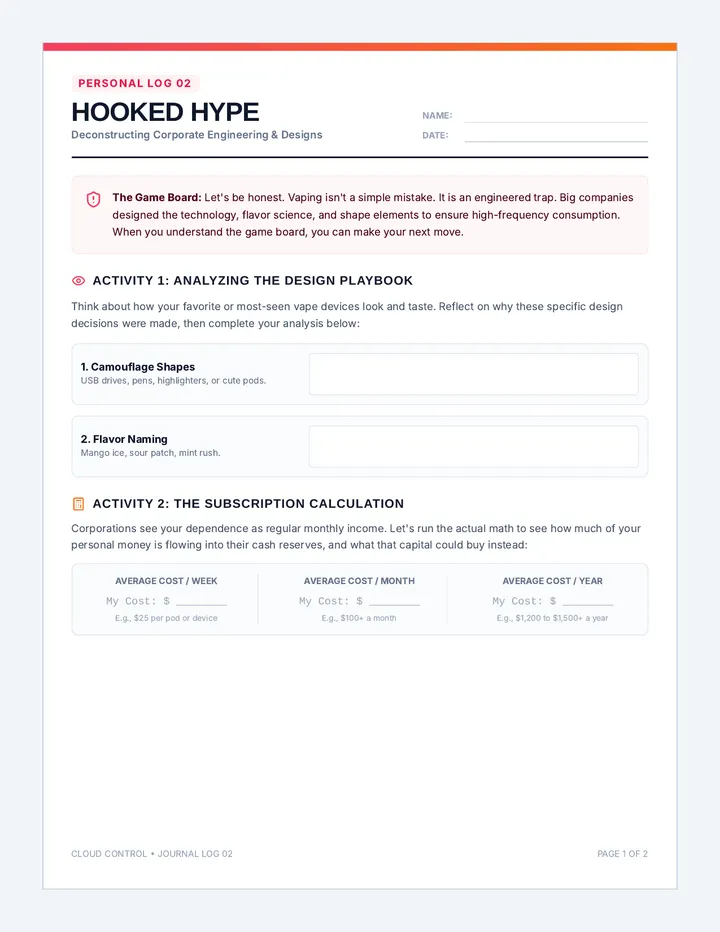
Session 2 exposes the targeted marketing tactics used by e-cigarette corporations and helps students identify their own intrinsic motivators to reclaim control.
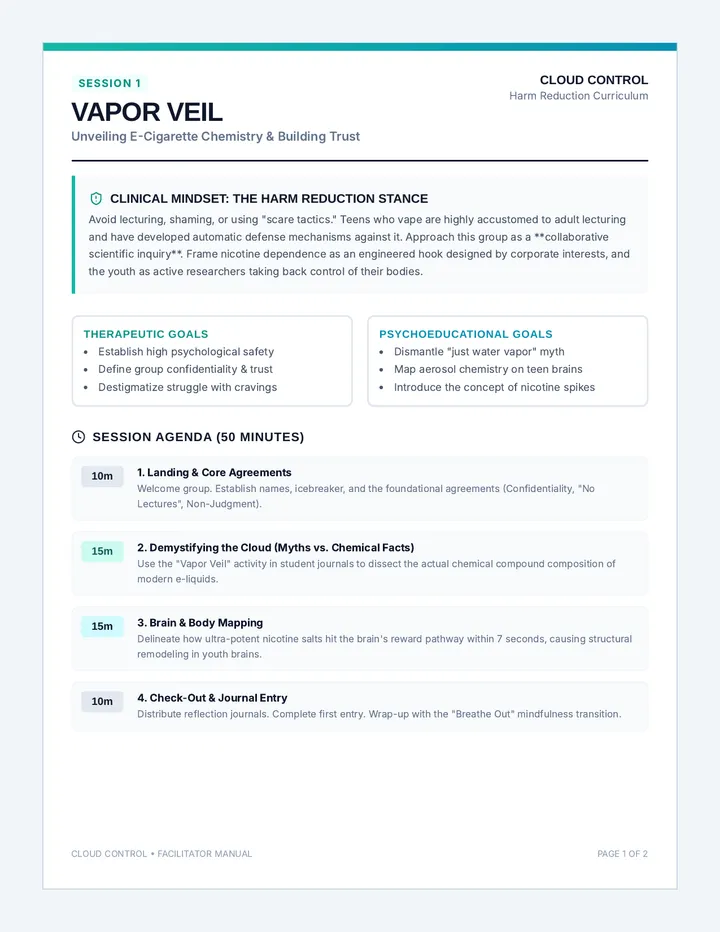
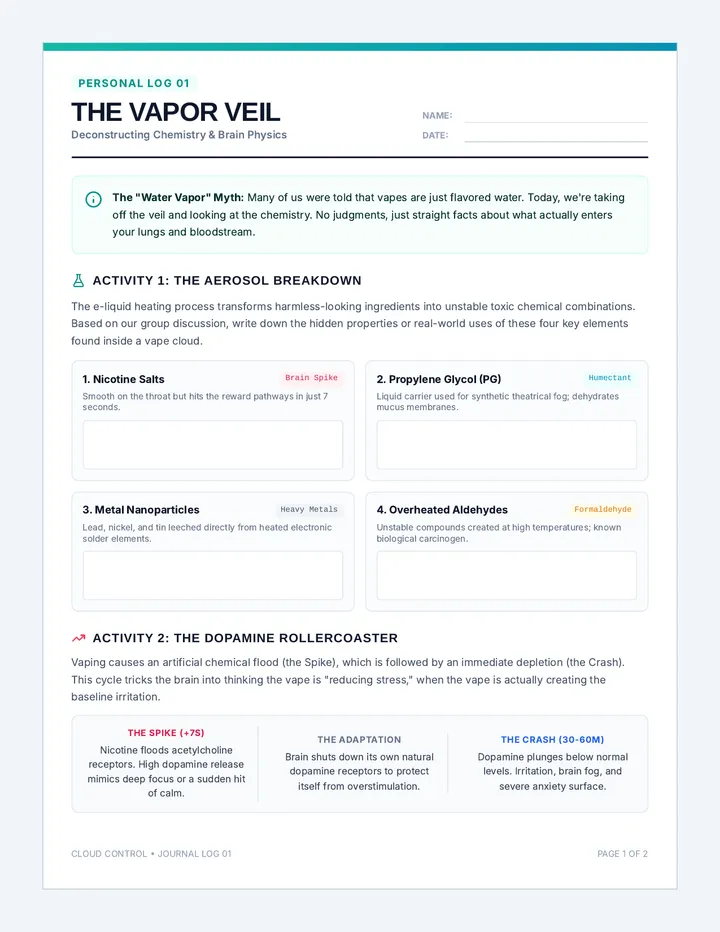
Session 1 introduces the group, establishes trust, and dismantles misconceptions around vape chemistry and its physical impact on the teen brain and body.
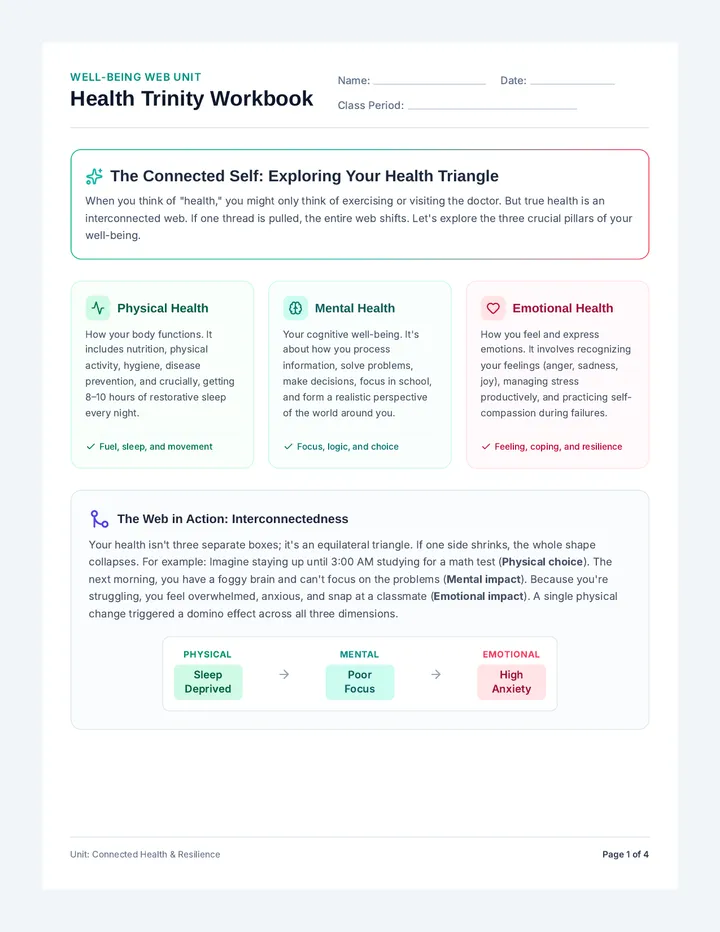
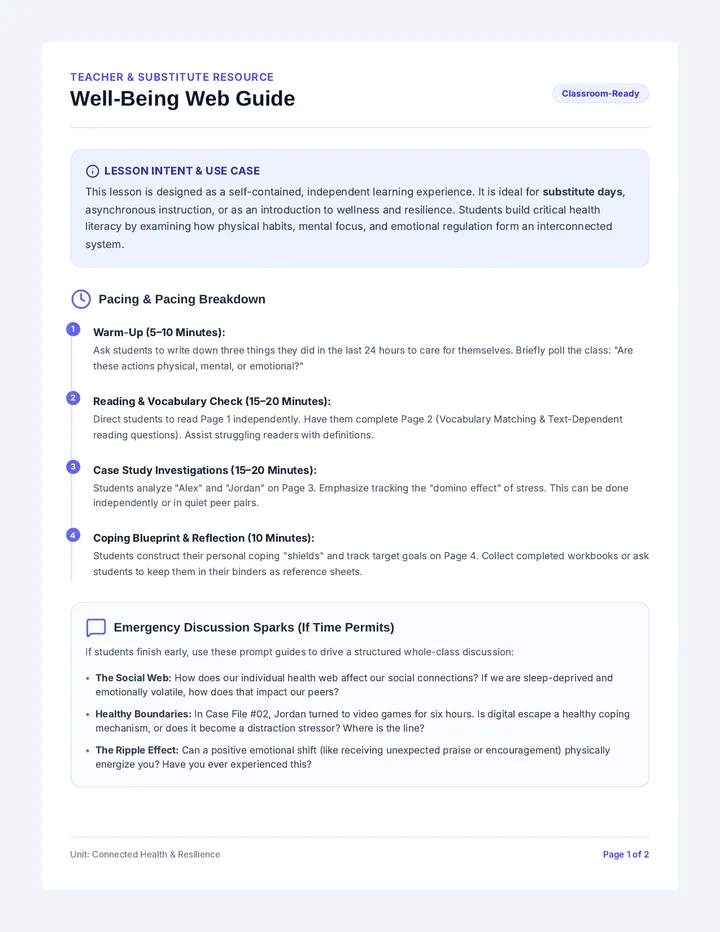
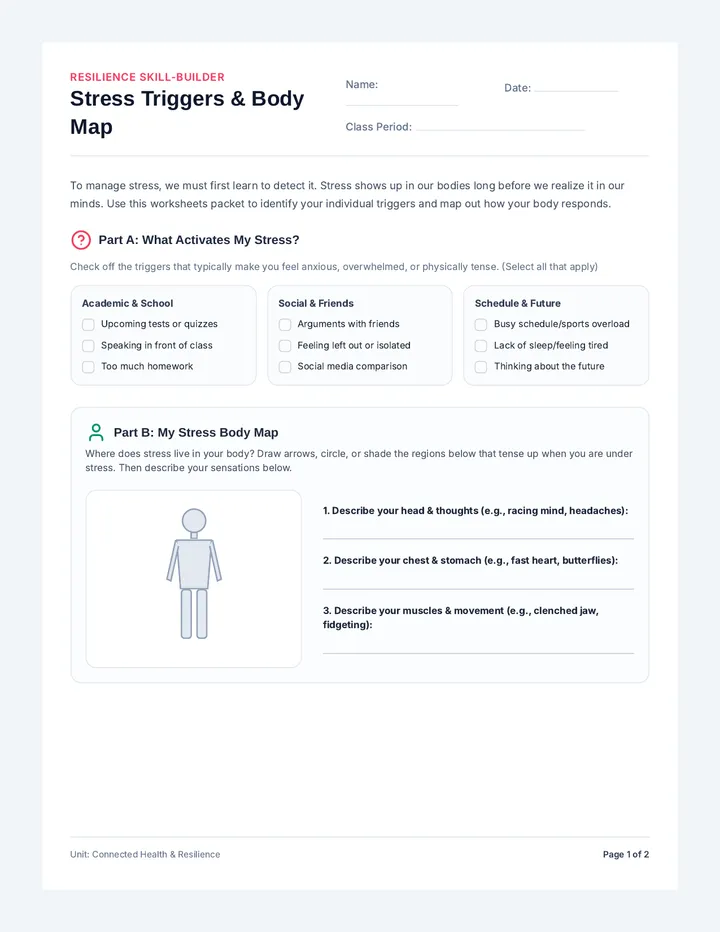
An independent substitute packet focusing on the interconnectedness of physical, mental, and emotional health. Students analyze real-world scenarios, complete guided readings, and practice stress-management and coping strategies.
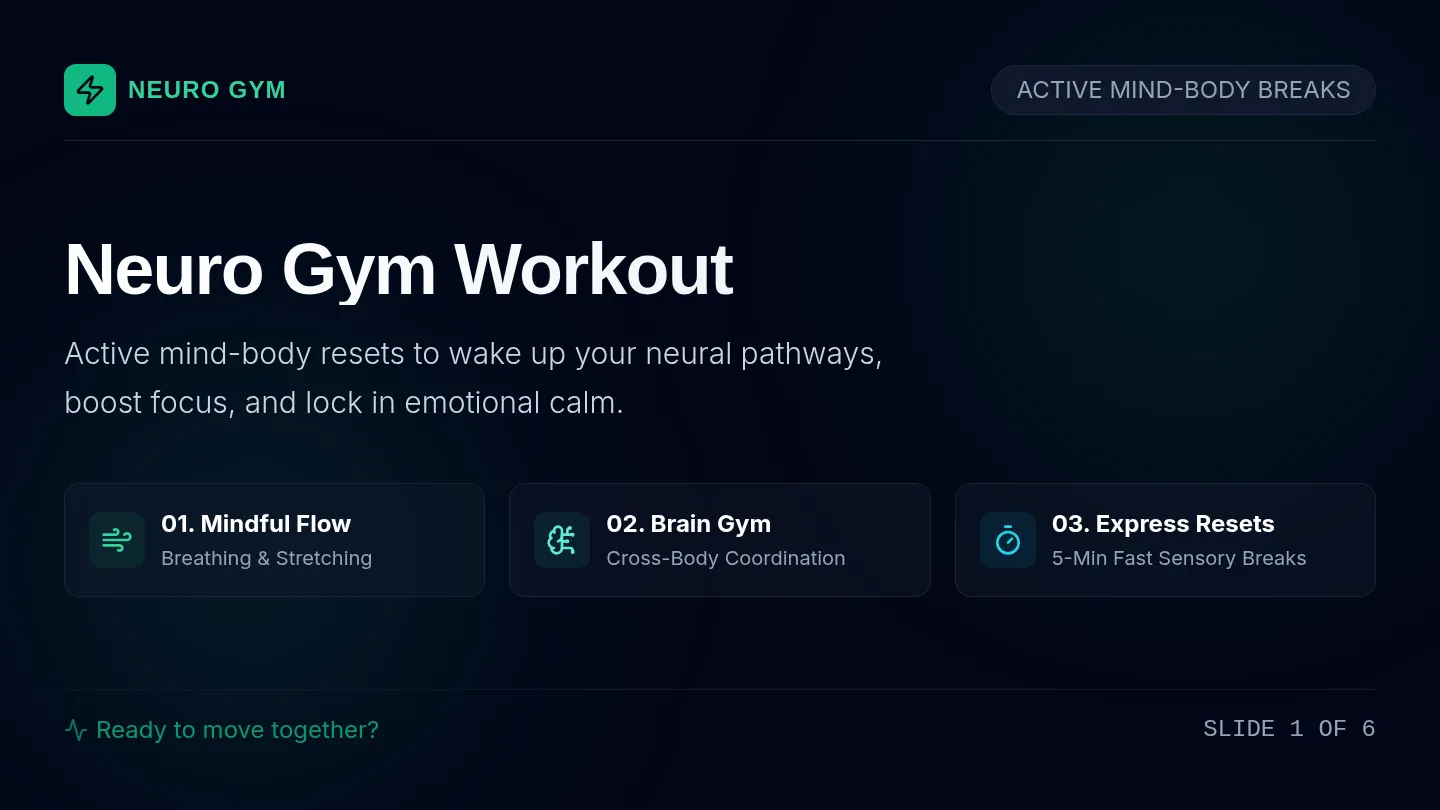
An active mindfulness and coordination lesson that combines low-impact yoga, cross-body brain gym exercises, and express sensory resets to optimize student focus and well-being.
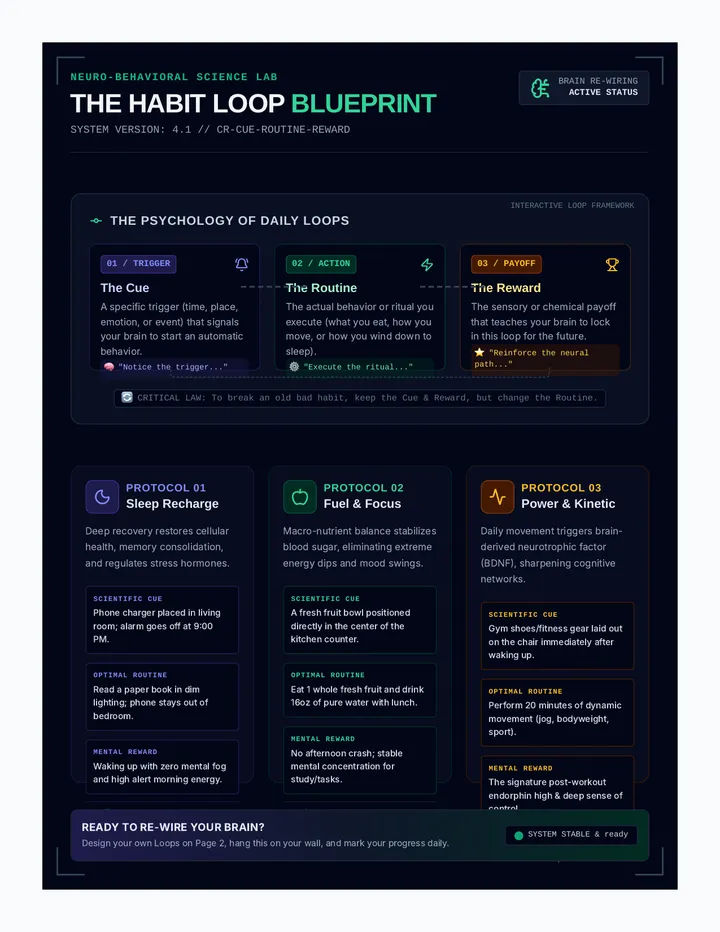
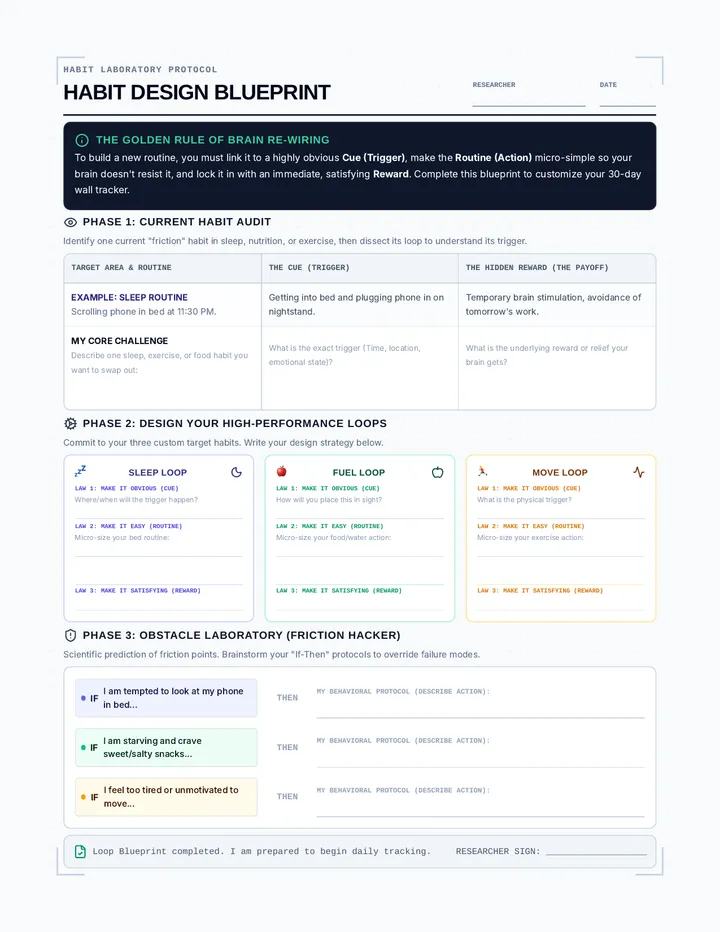
A hands-on guide and tracking system grounded in behavioral science to help students build lasting sleep, exercise, and nutrition habits. Students explore the psychology of cues, routines, and rewards to design and stick to their personal health goals.
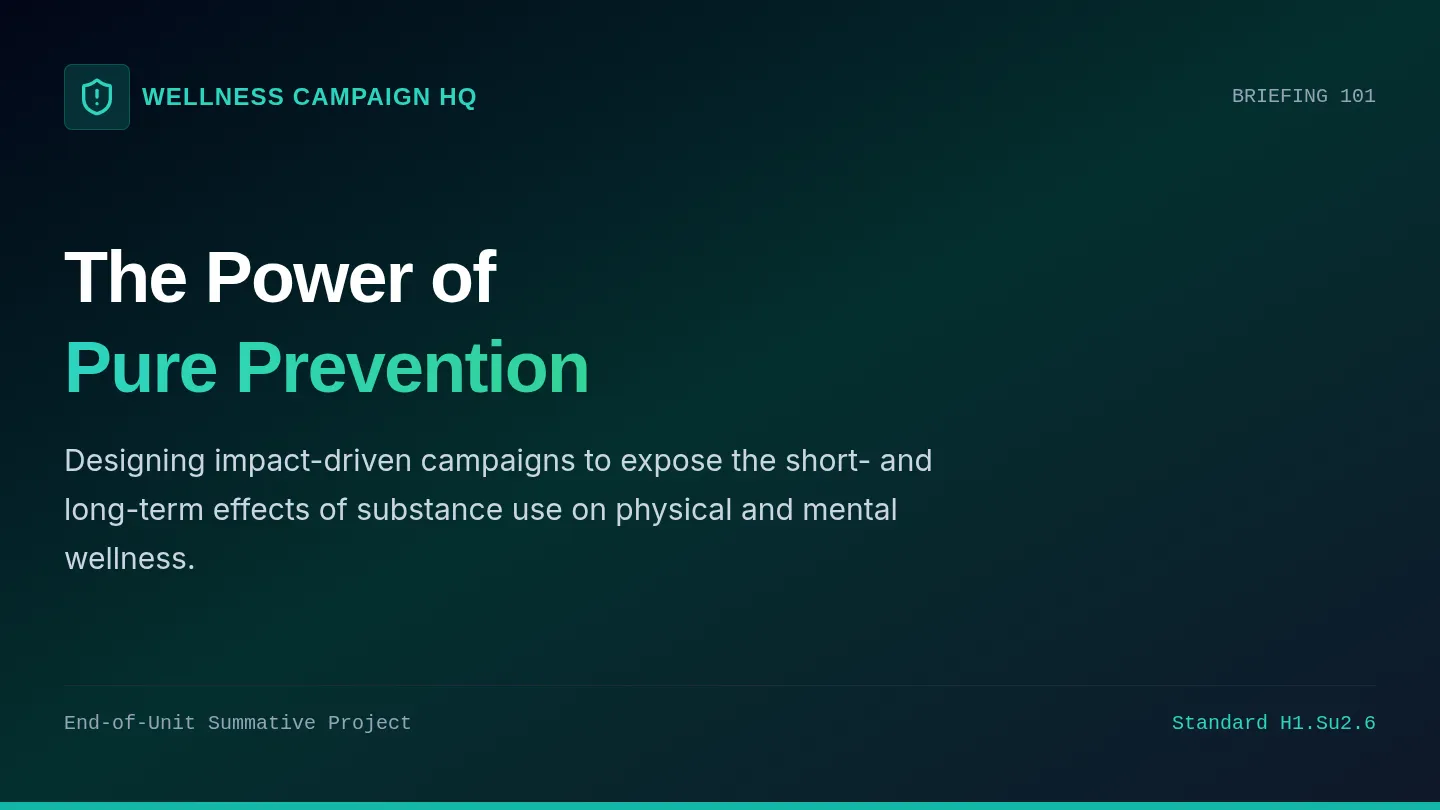
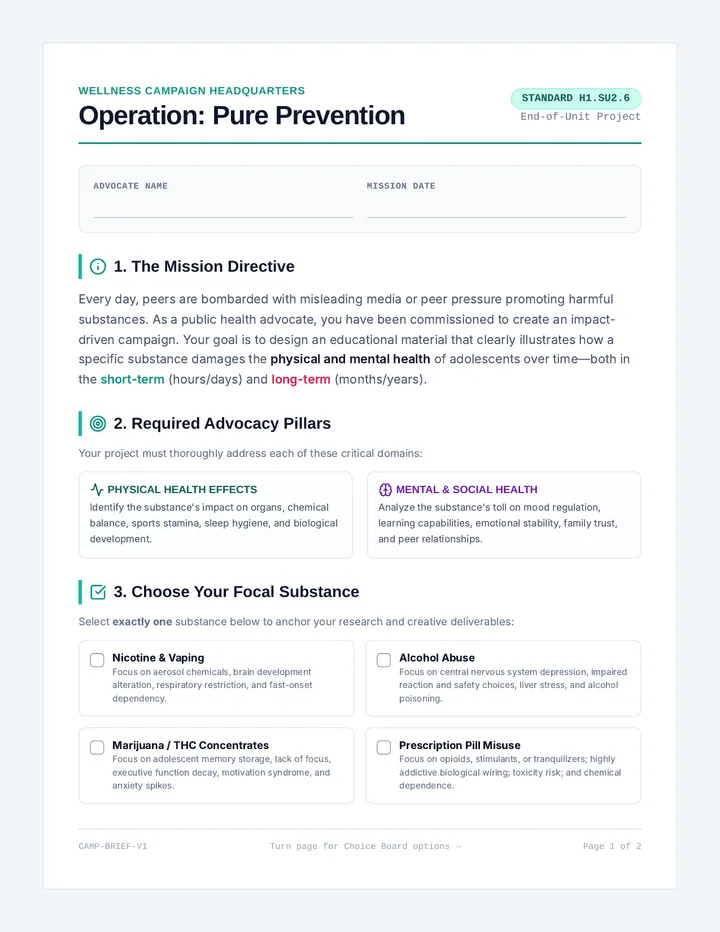
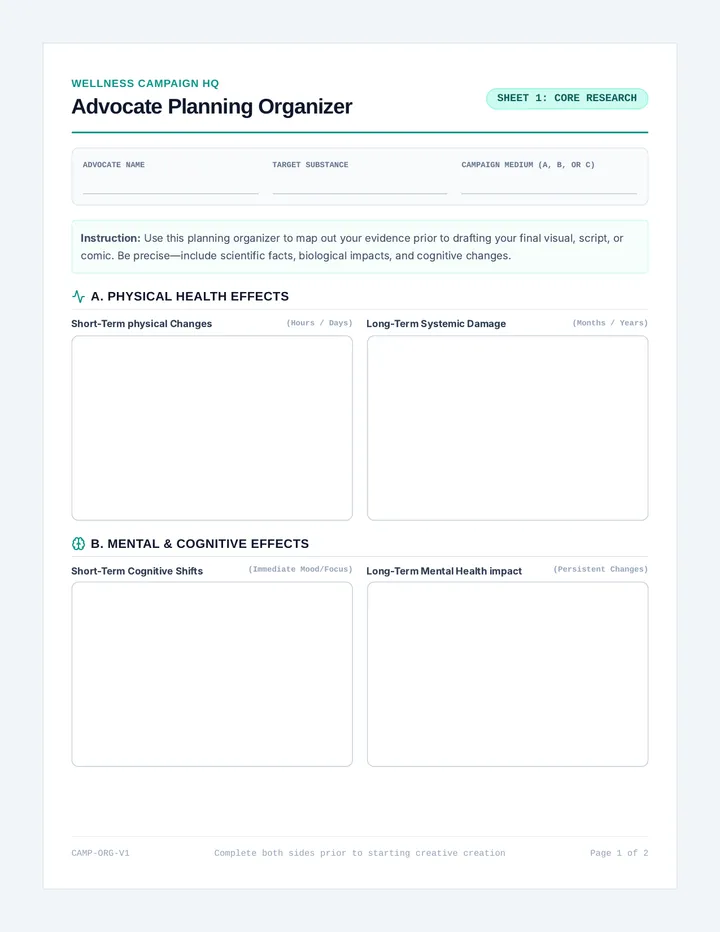
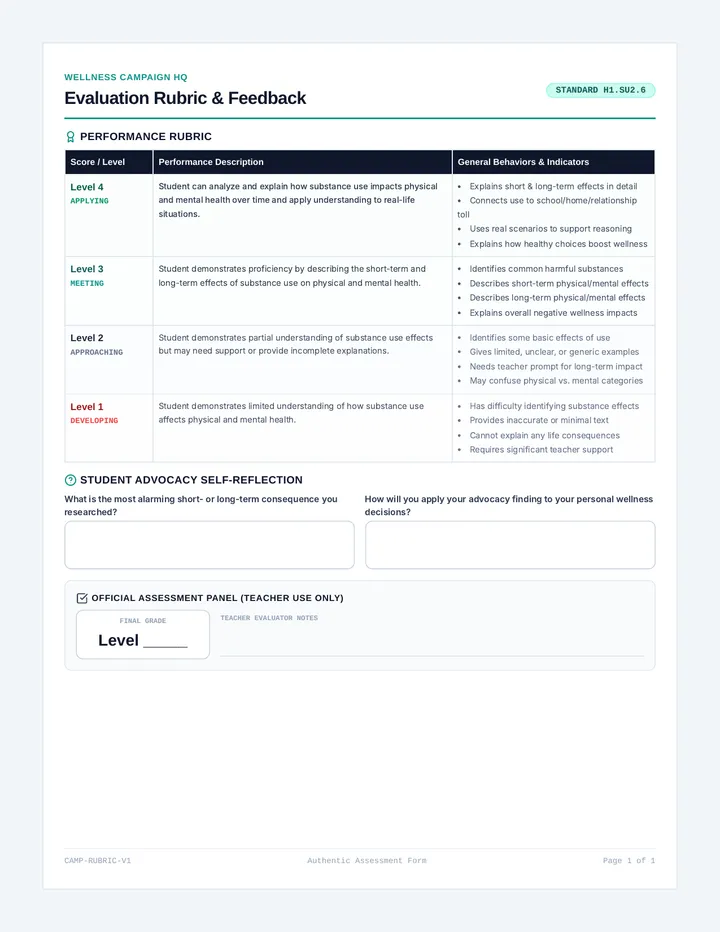
An end-of-unit project bundle where students act as public health advocates to design a PSA or select from a creative choice board, analyzing the short- and long-term physical and mental health effects of substance use.
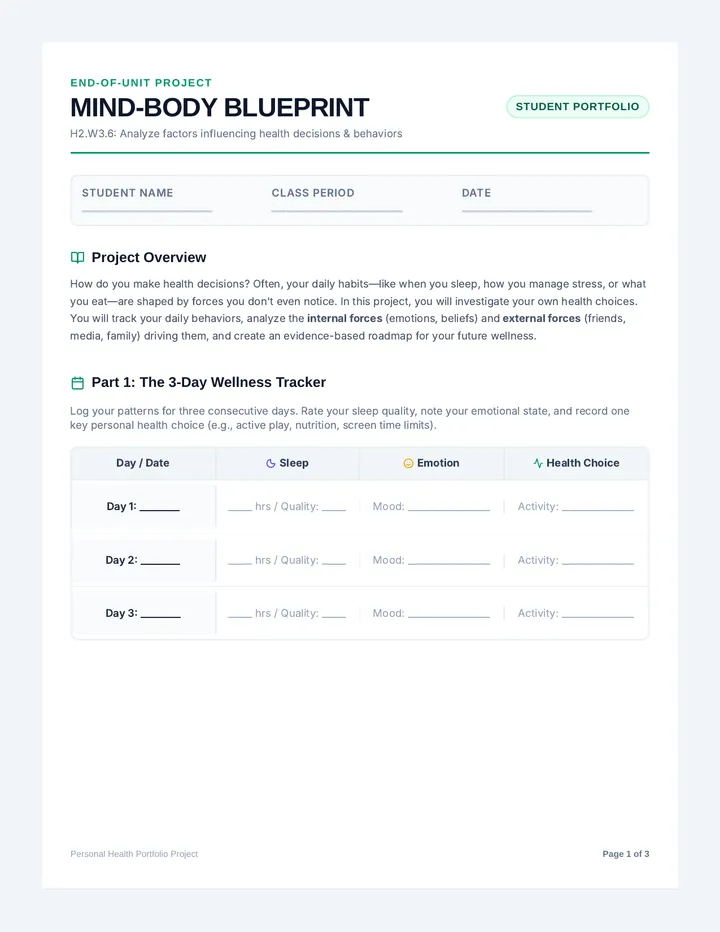
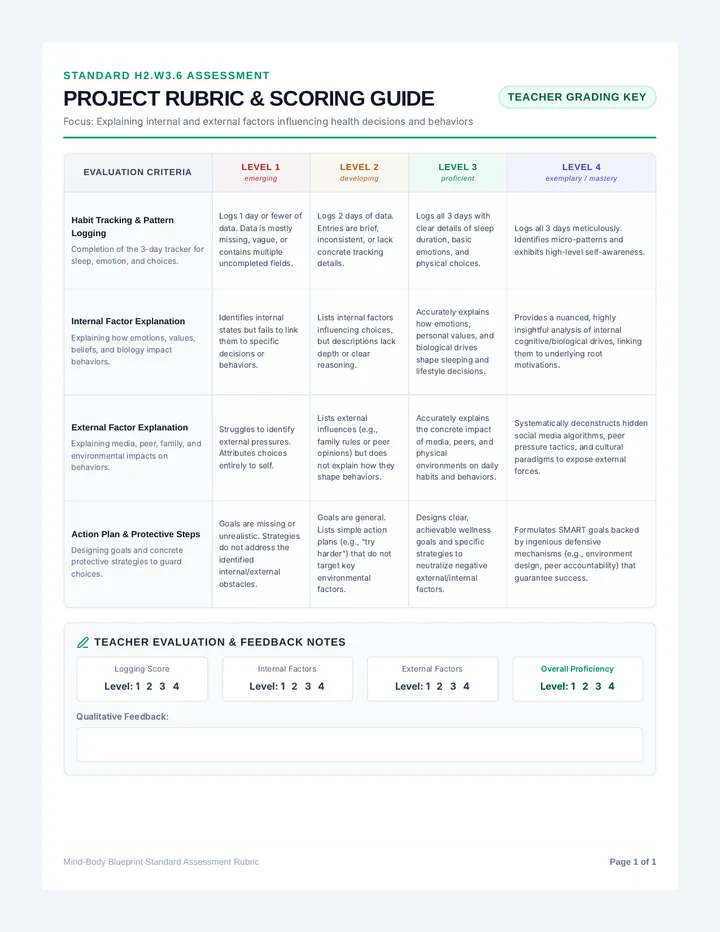
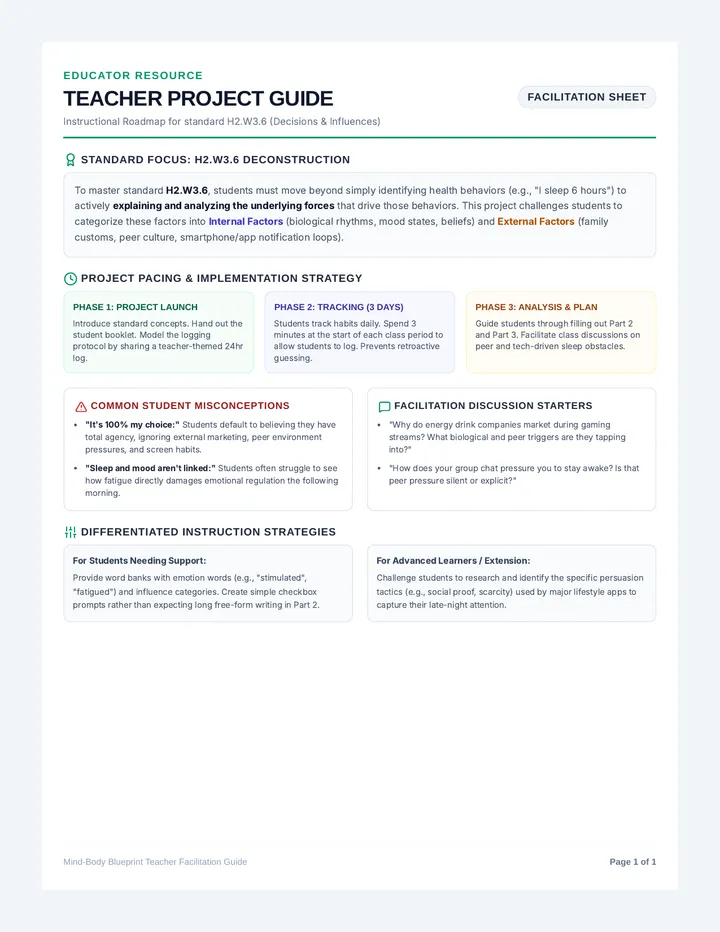
A comprehensive health portfolio project where students log their sleep, emotional regulation, and personal choices, analyze the internal and external factors influencing their behaviors, and design a personalized action plan. Includes student logs, an analytical rubric, and a teacher facilitation guide.
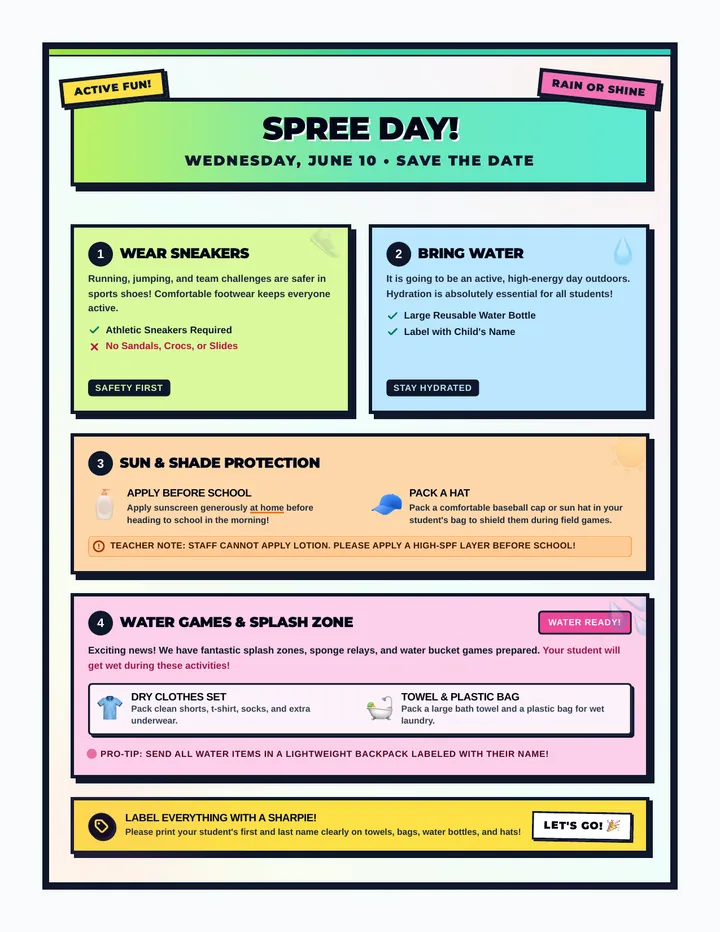
Resources and materials to help students, families, and teachers prepare for Spree Day, an energetic, outdoor, action-packed school field day.
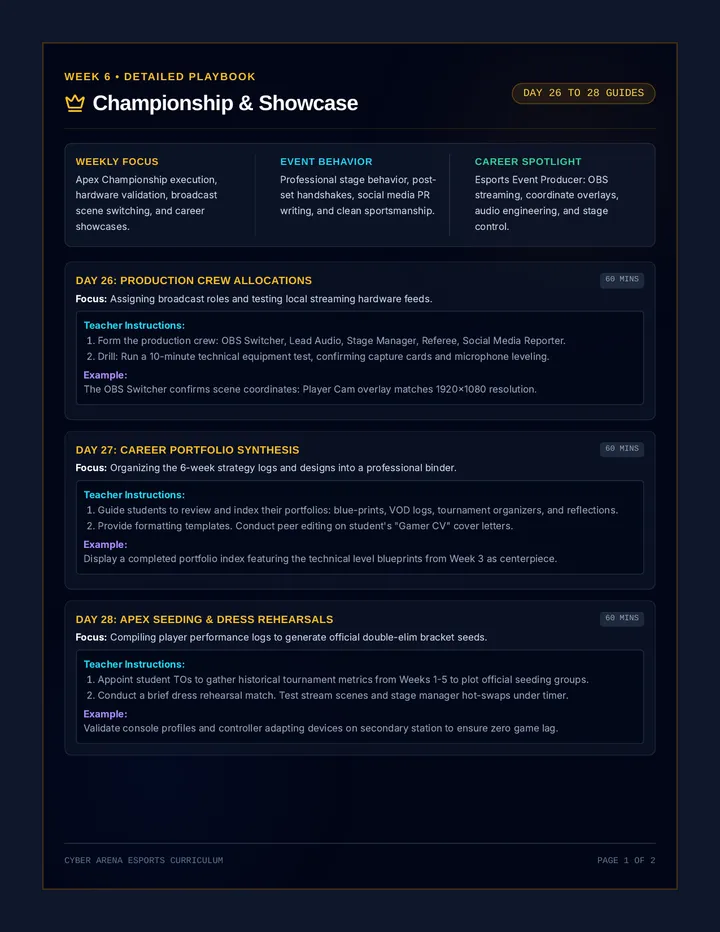
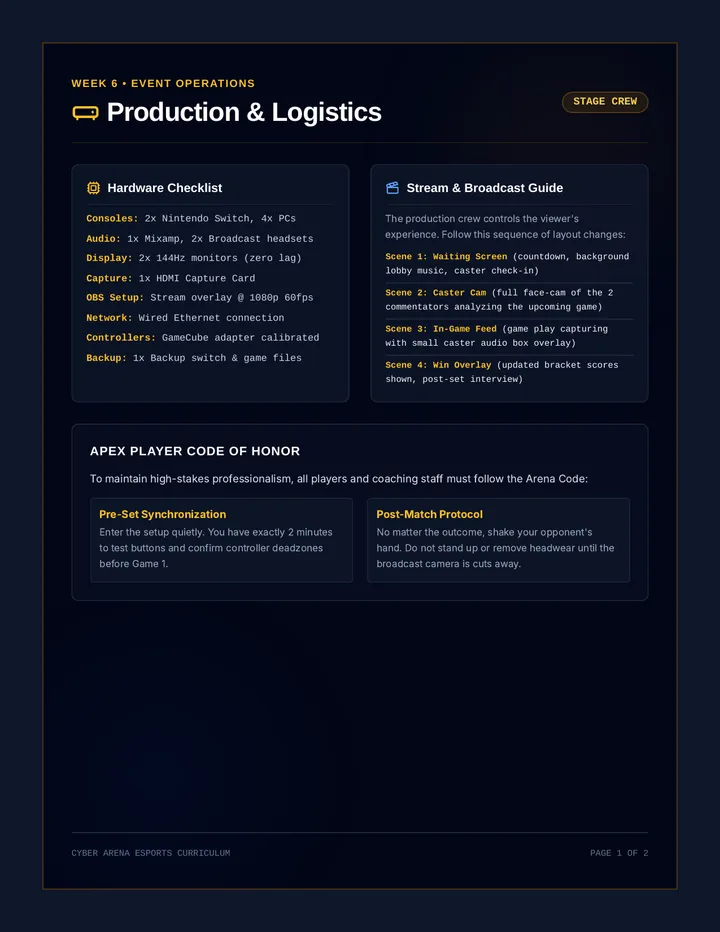
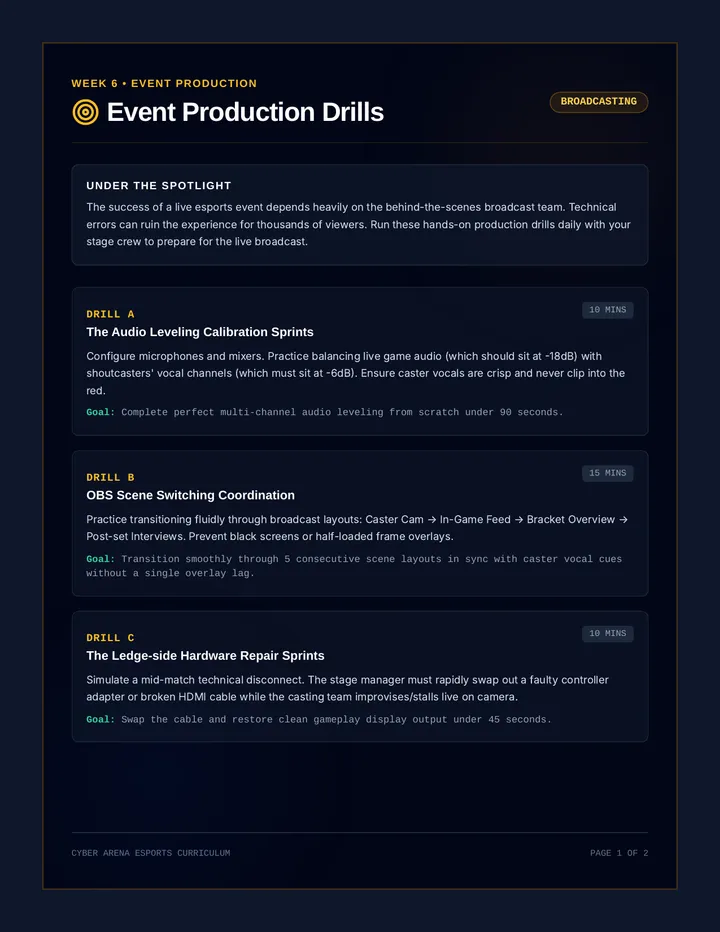
The grand finale week of the curriculum. Students execute a massive live bracket tournament and showcase their esports career portfolios.
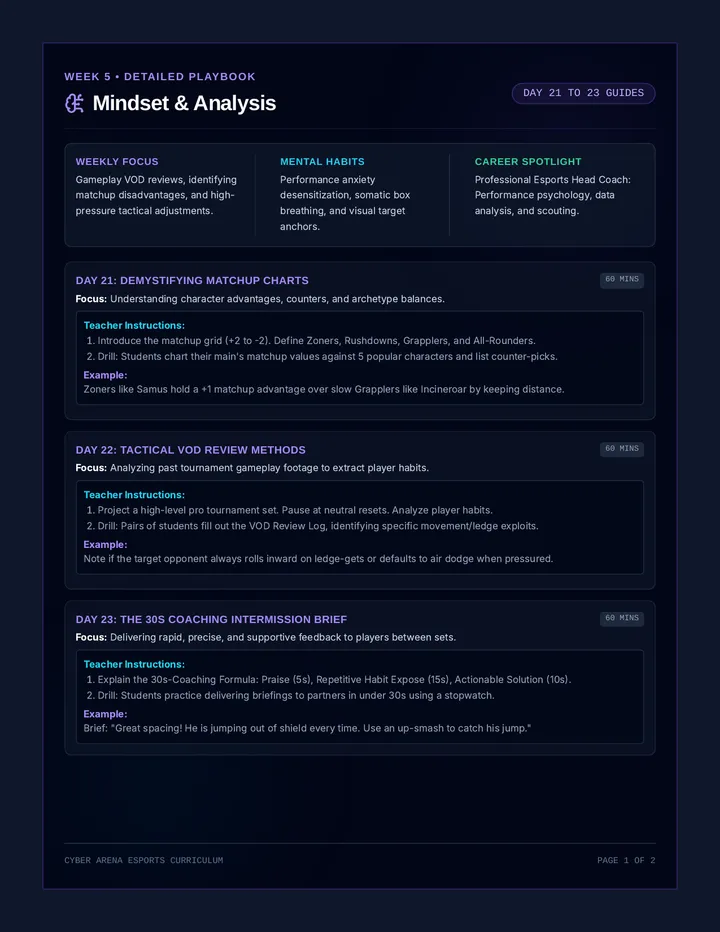
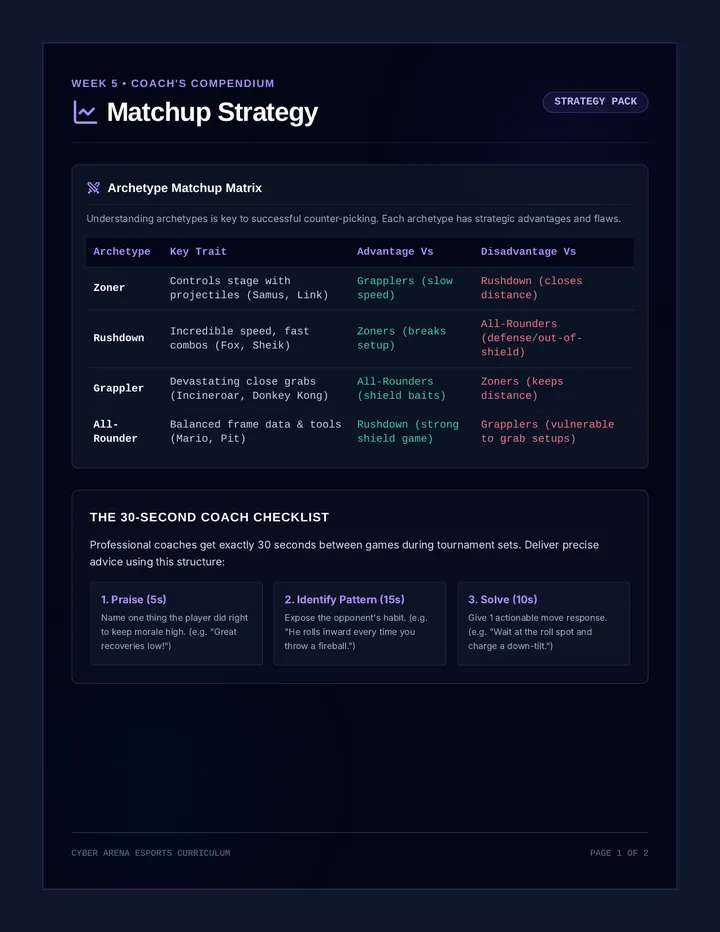
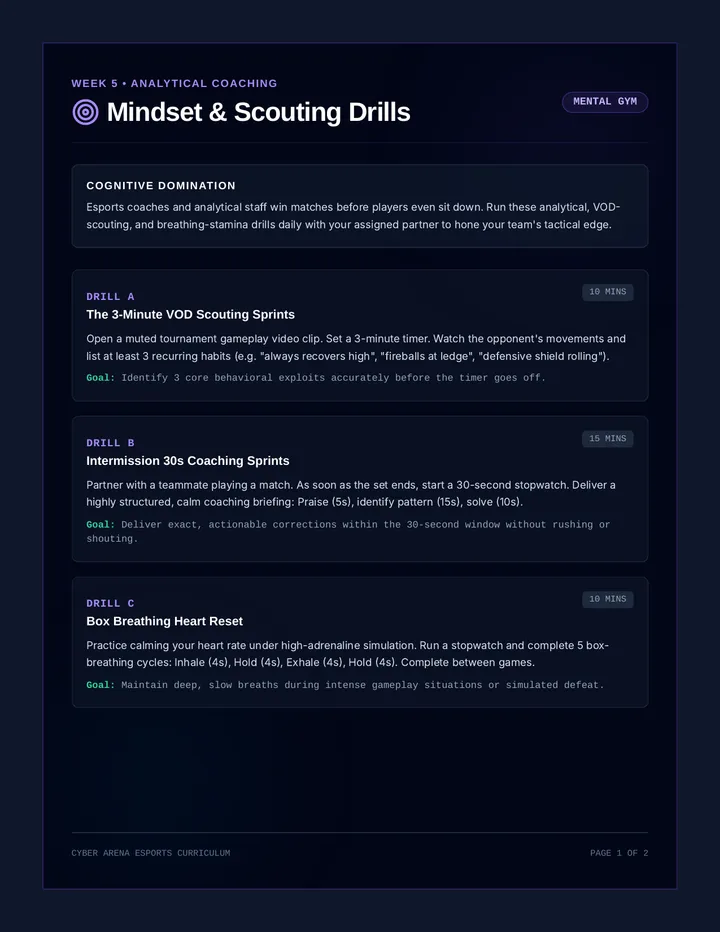
Covers mental stamina, character matchup analysis, and competitive coaching roles. Students learn how to analyze gameplay video (VOD review) and support team members mentally.
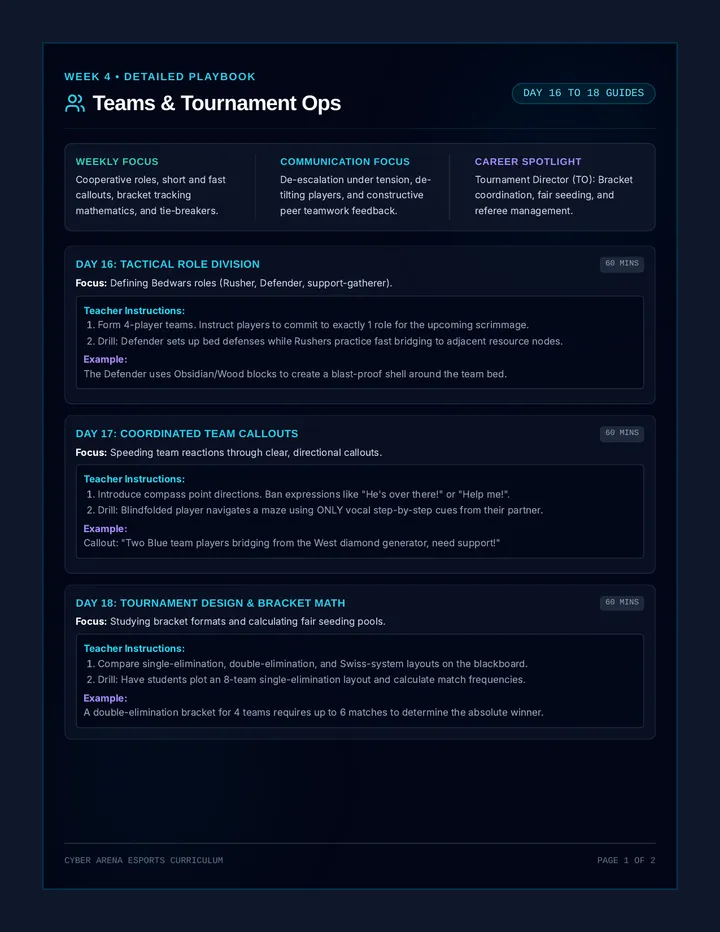
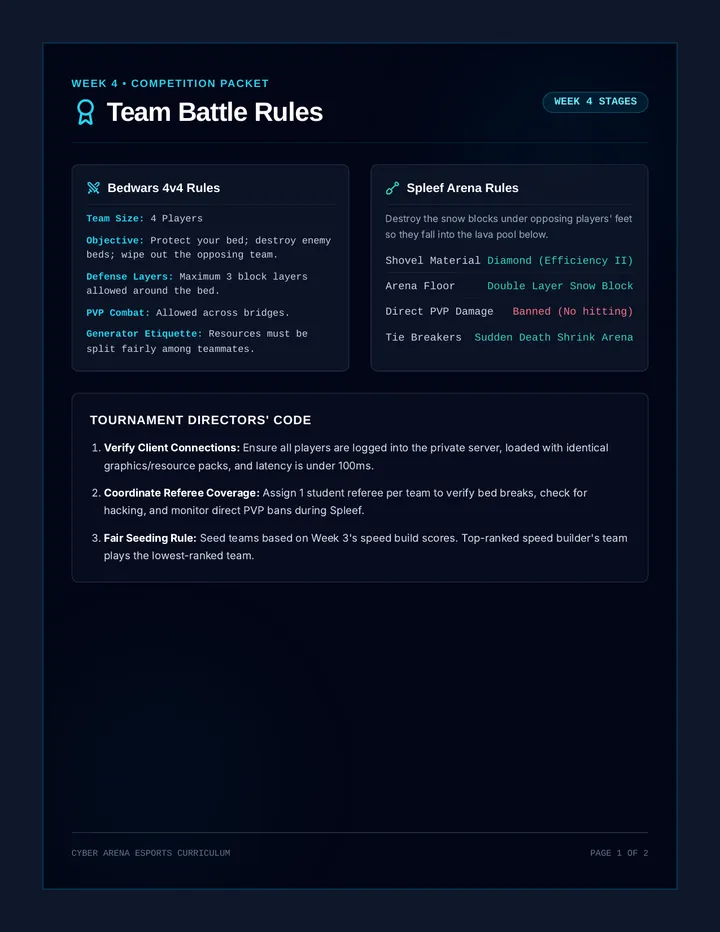
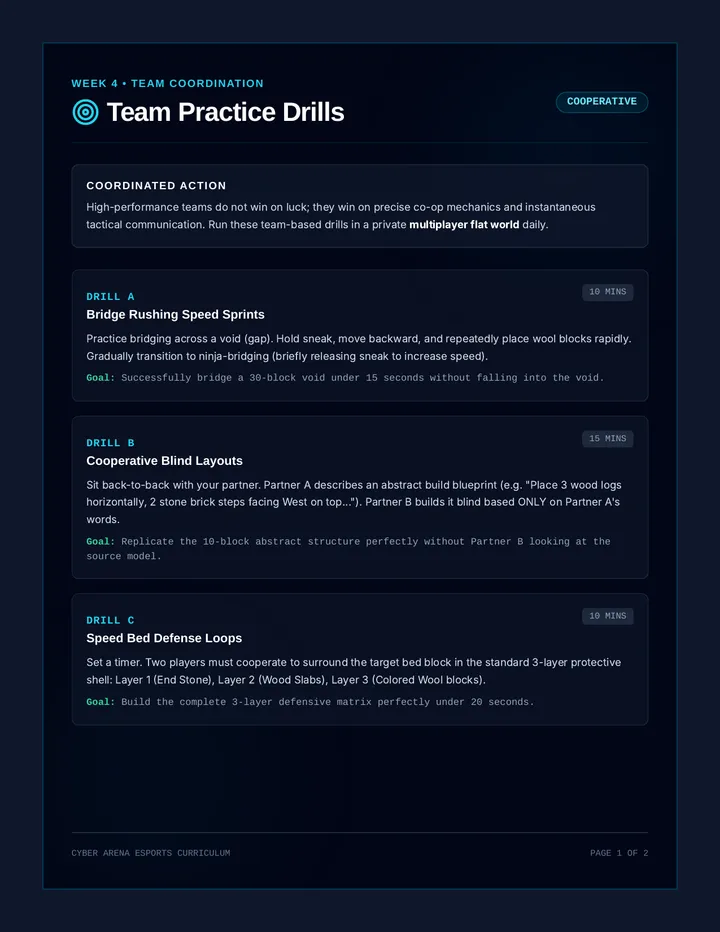
Team-based competitive Minecraft gameplay including Bedwars, Spleef, and build-offs. Teaches communication, tournament coordination, brackets, and conflict resolution.
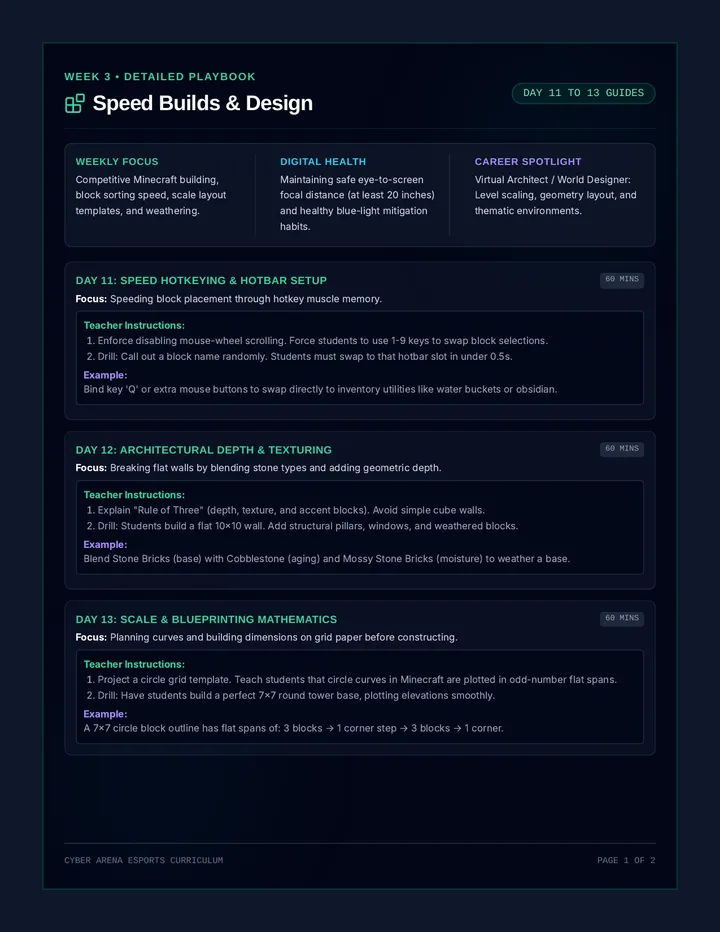
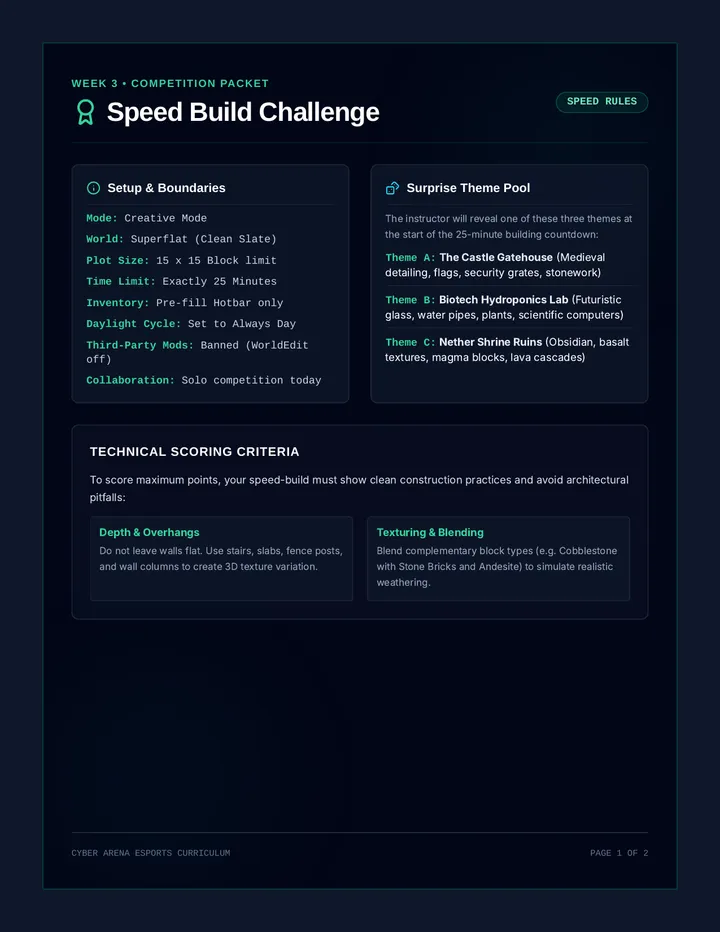
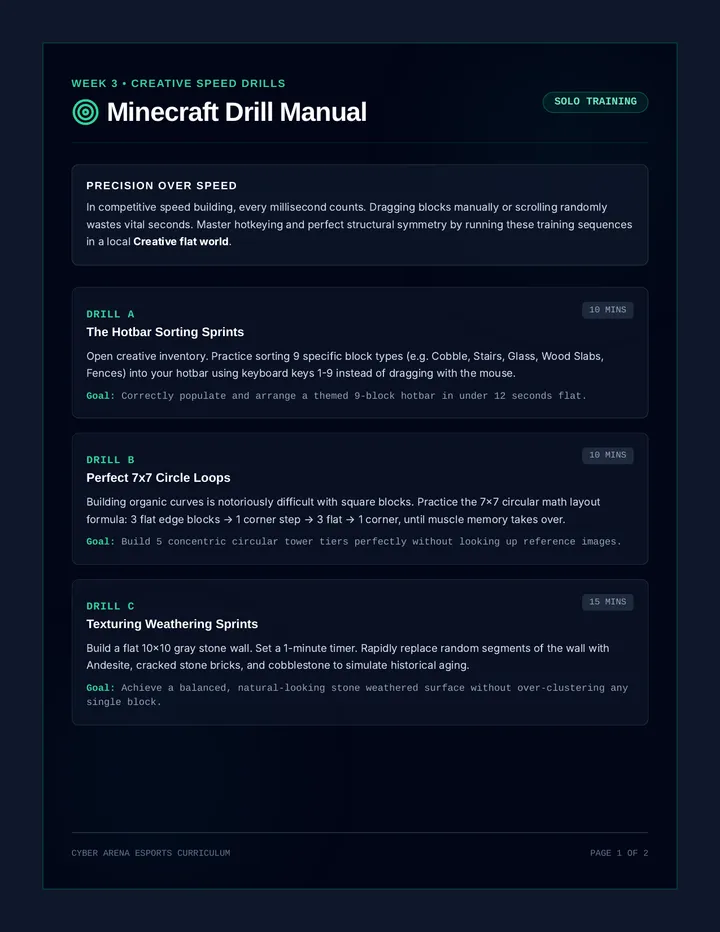
Introduction to competitive Minecraft building and speed builds. Explores the career of game design, map making, and spatial visualization.
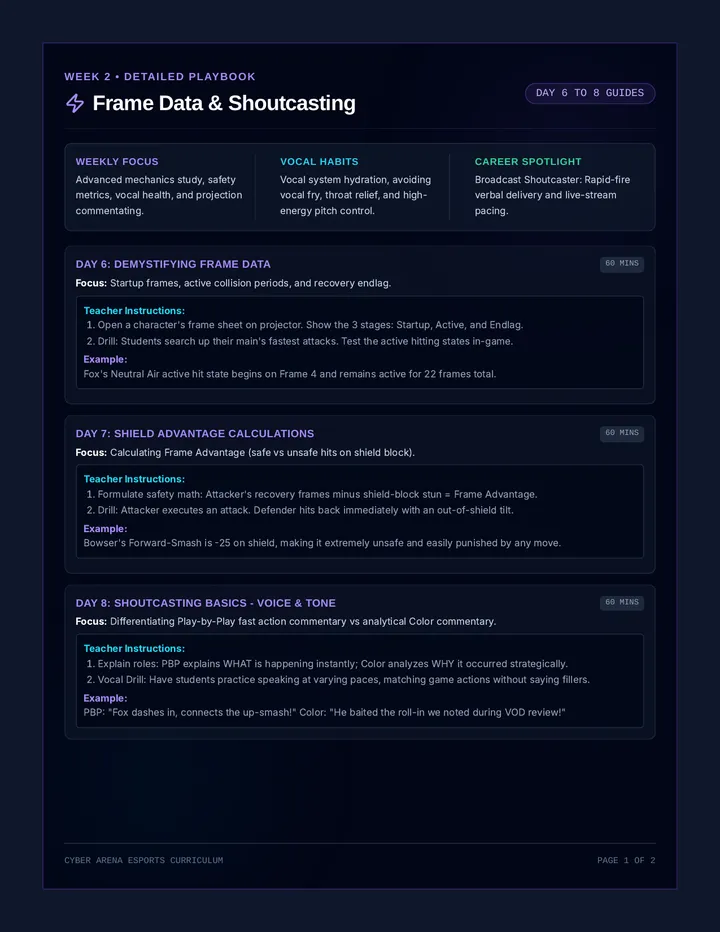
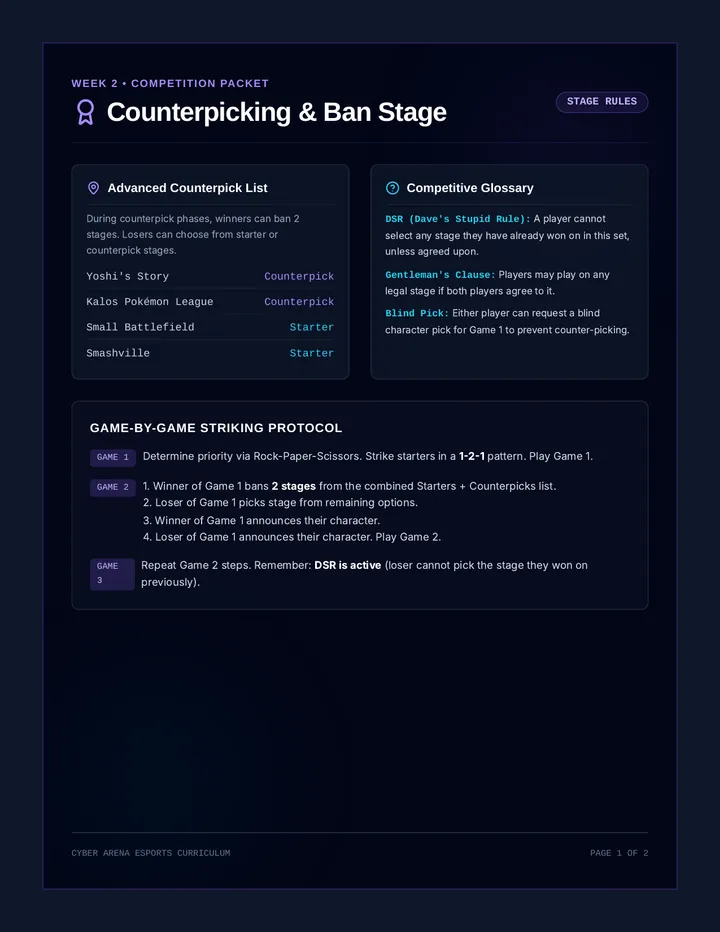
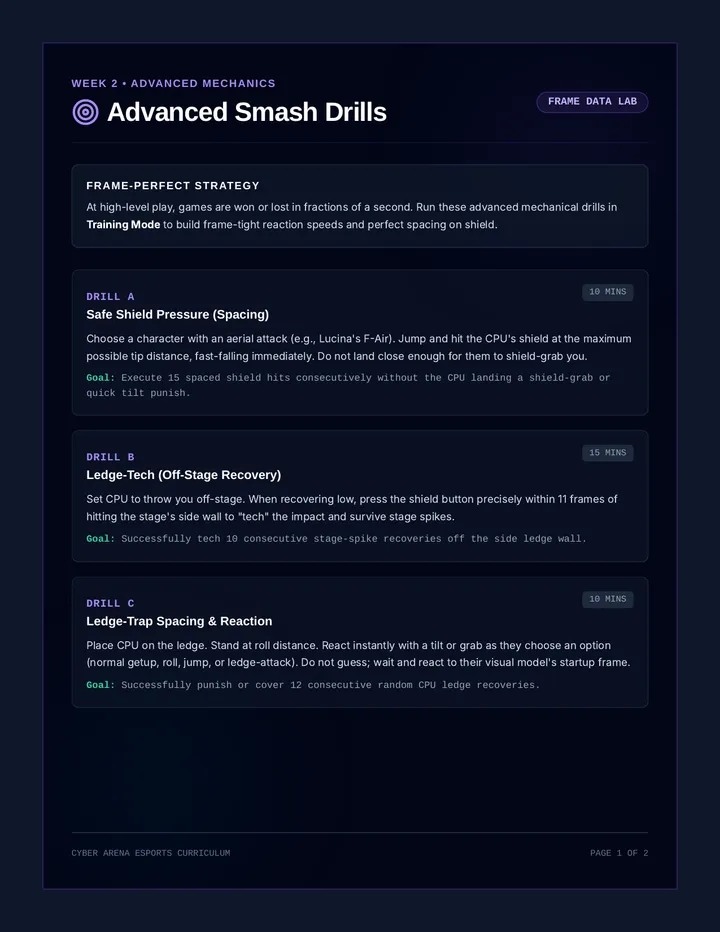
Advanced mechanical study of Smash Ultimate focusing on frame data, hitboxes, and stage control. Integrates shoutcasting, live commentary skills, and vocal health.