Using playdough, students learn the cultural significance of dumplings as symbols of wealth and practice fine motor skills like rolling and pinching.
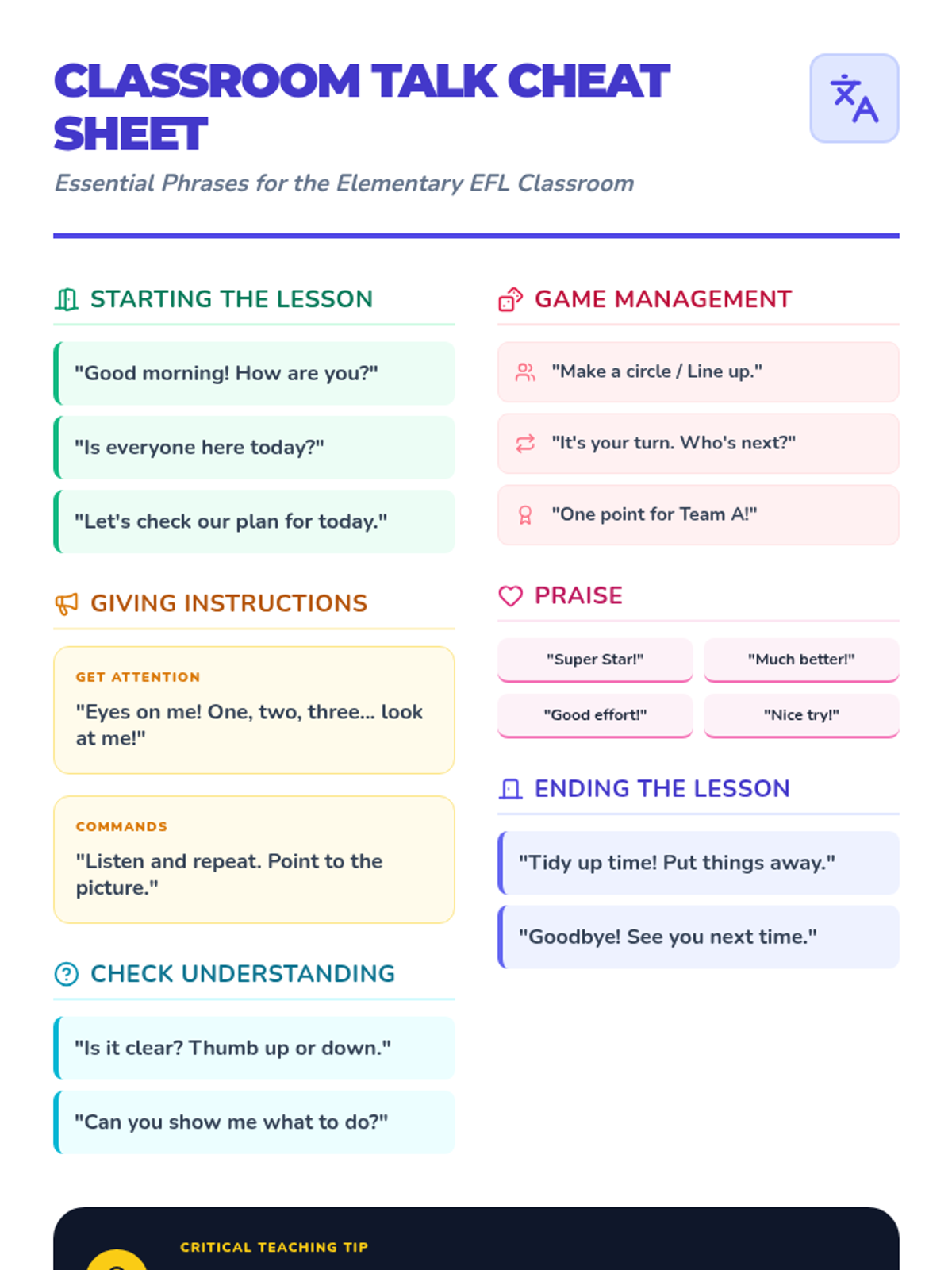
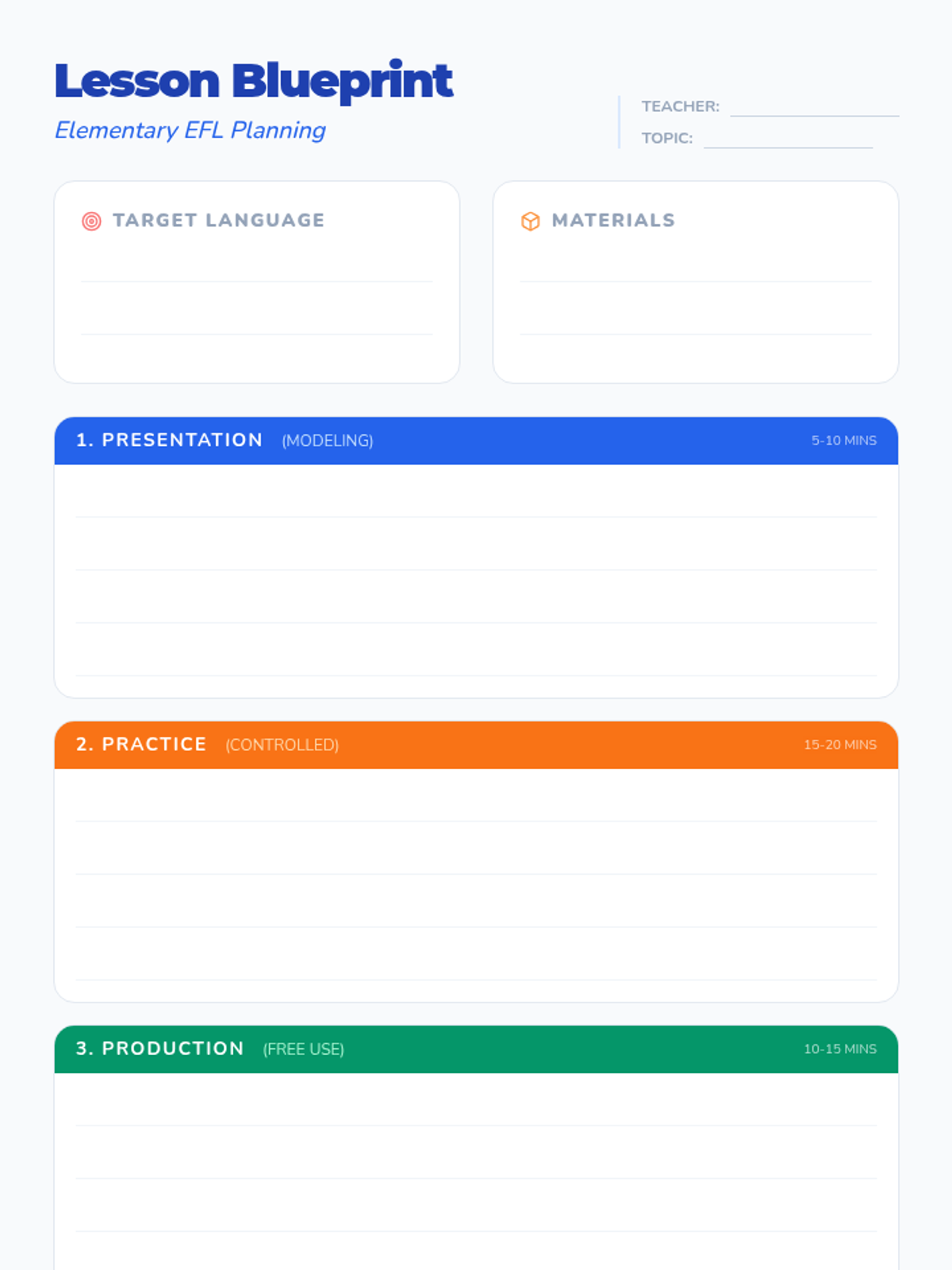
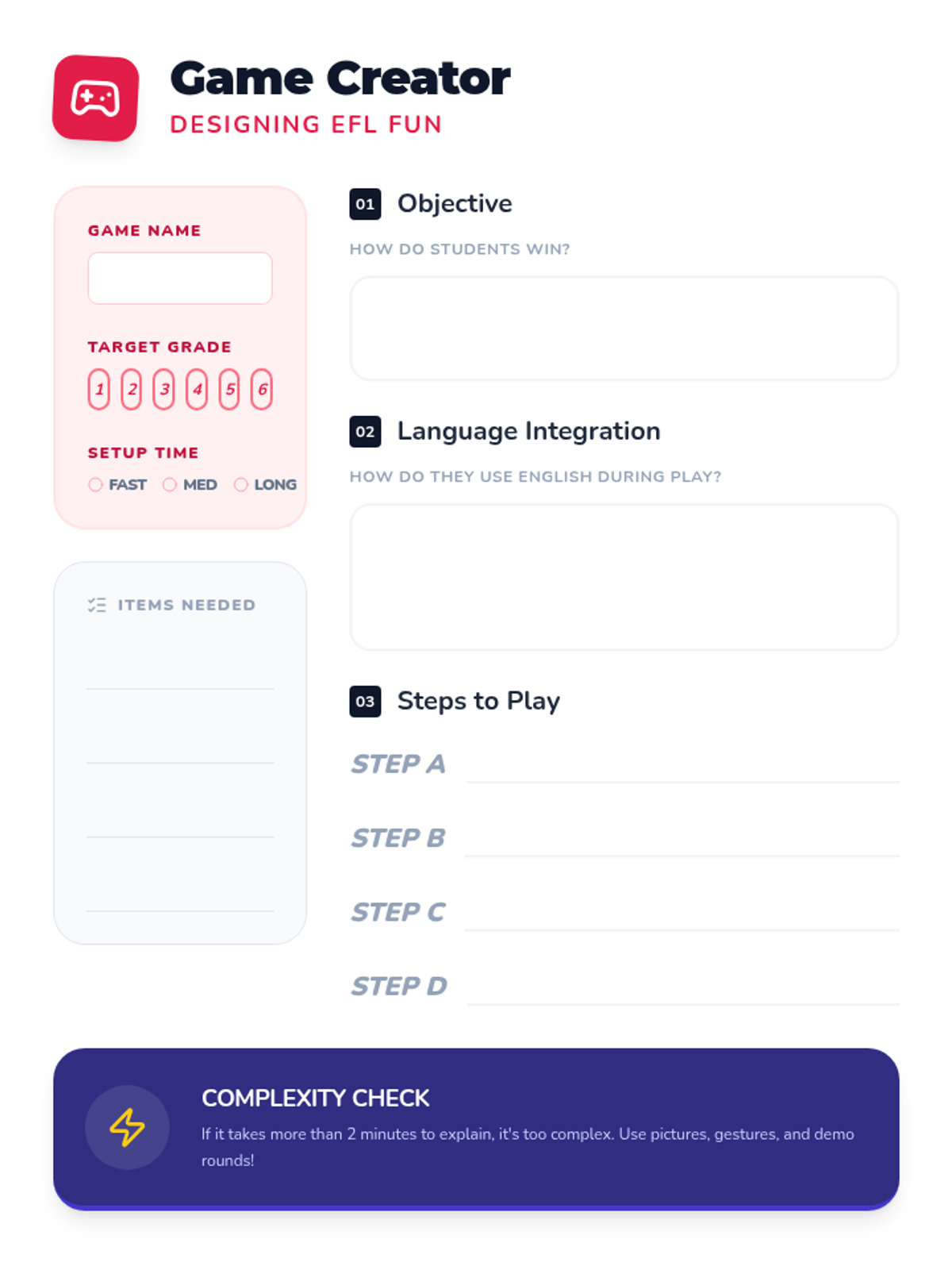
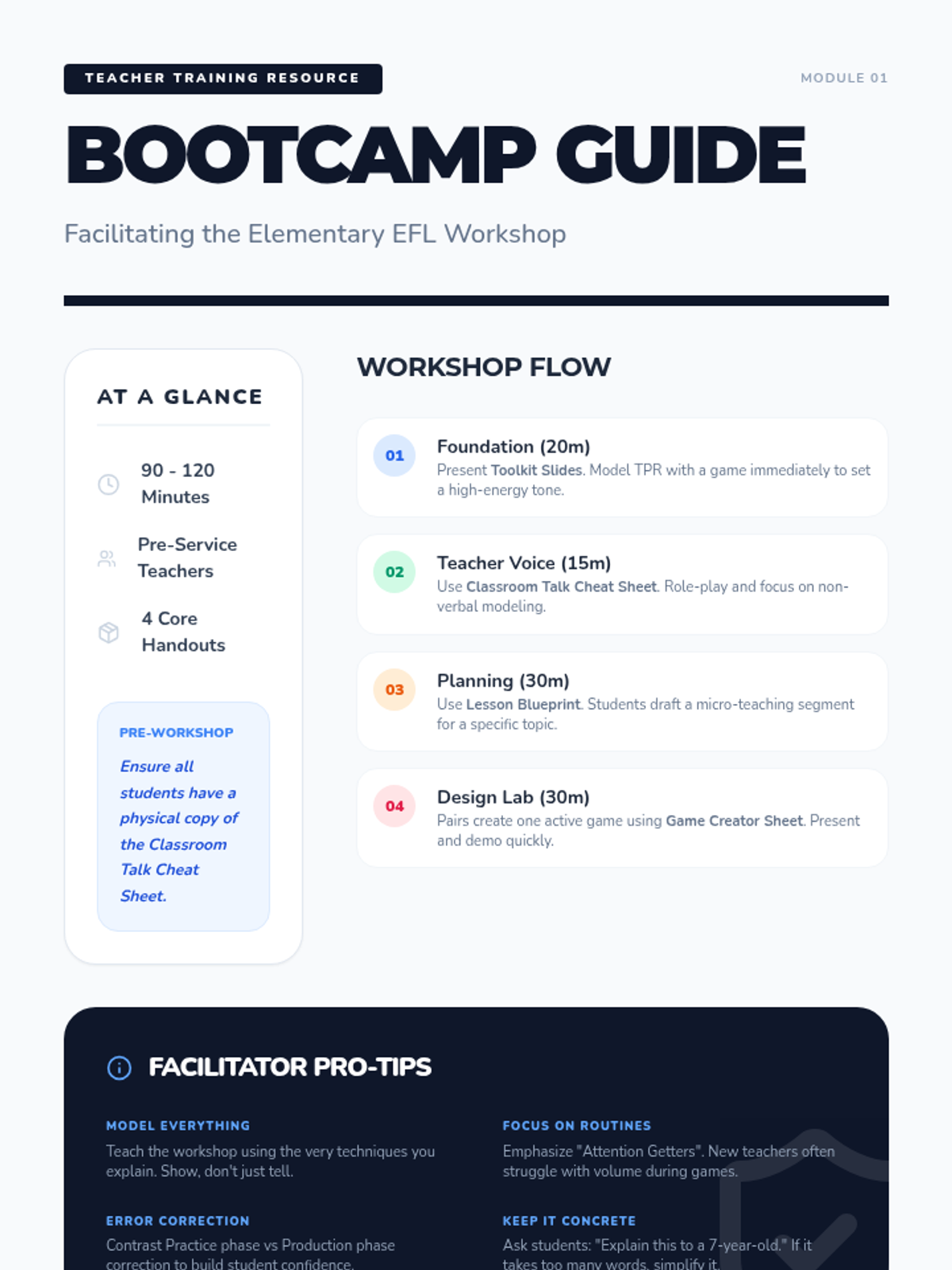
This lesson focuses on the core components of an elementary English classroom, including classroom management language, lesson structuring, and game design.
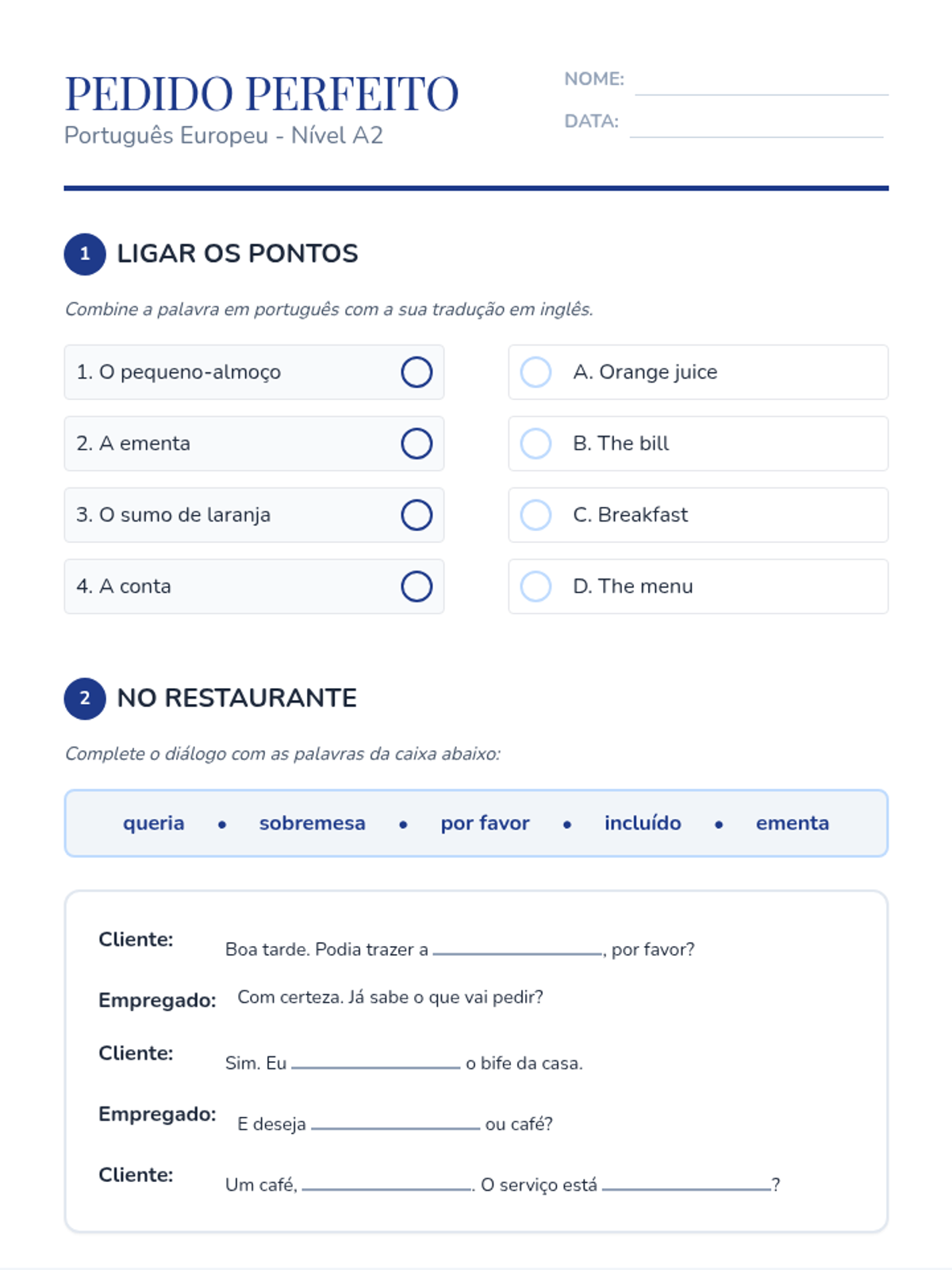
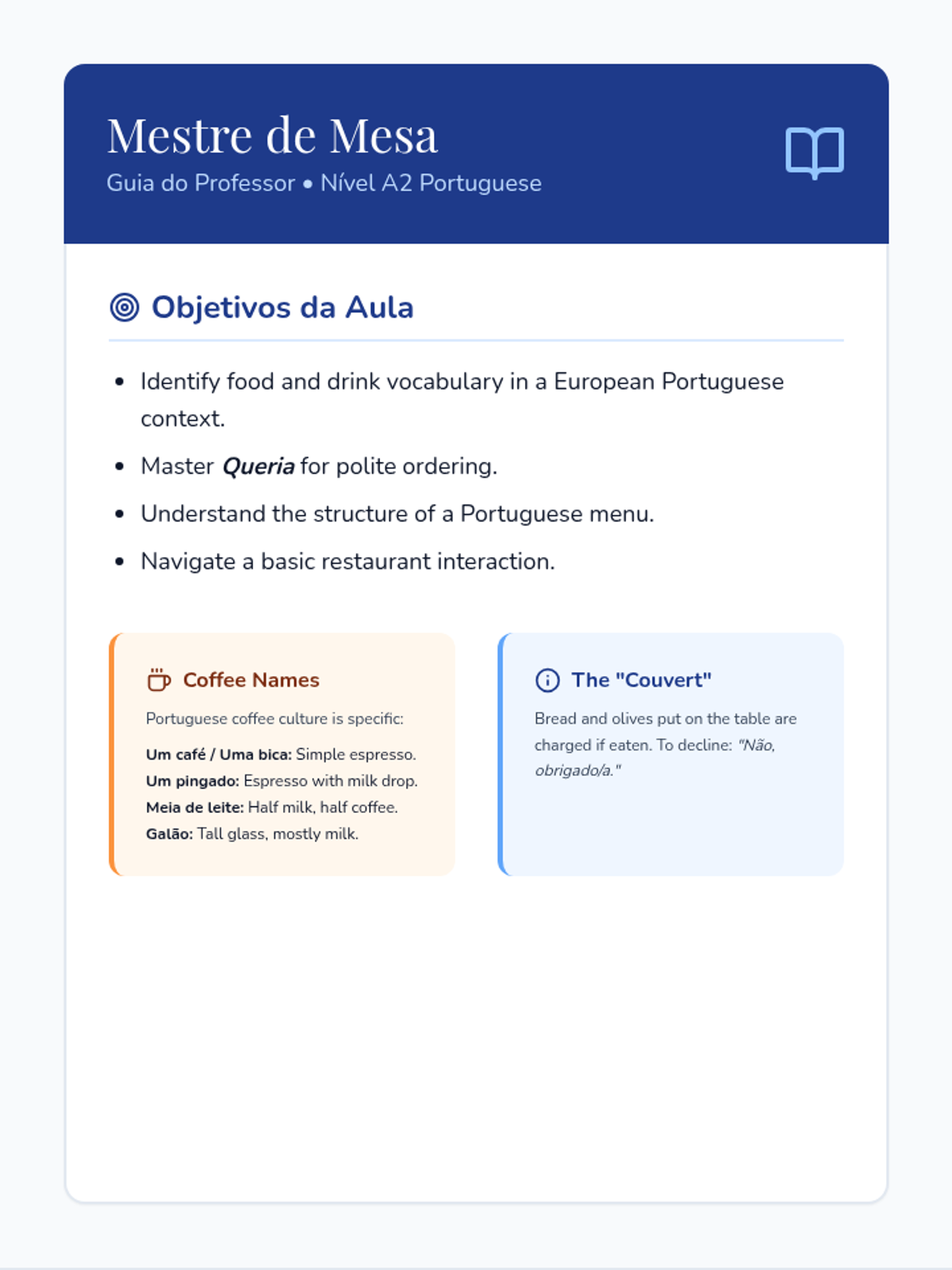
A comprehensive A2-level Portuguese lesson focused on food vocabulary, restaurant etiquette, and ordering phrases specifically for European Portuguese contexts. Students will practice polite requests, learn typical dishes, and engage in role-play scenarios.
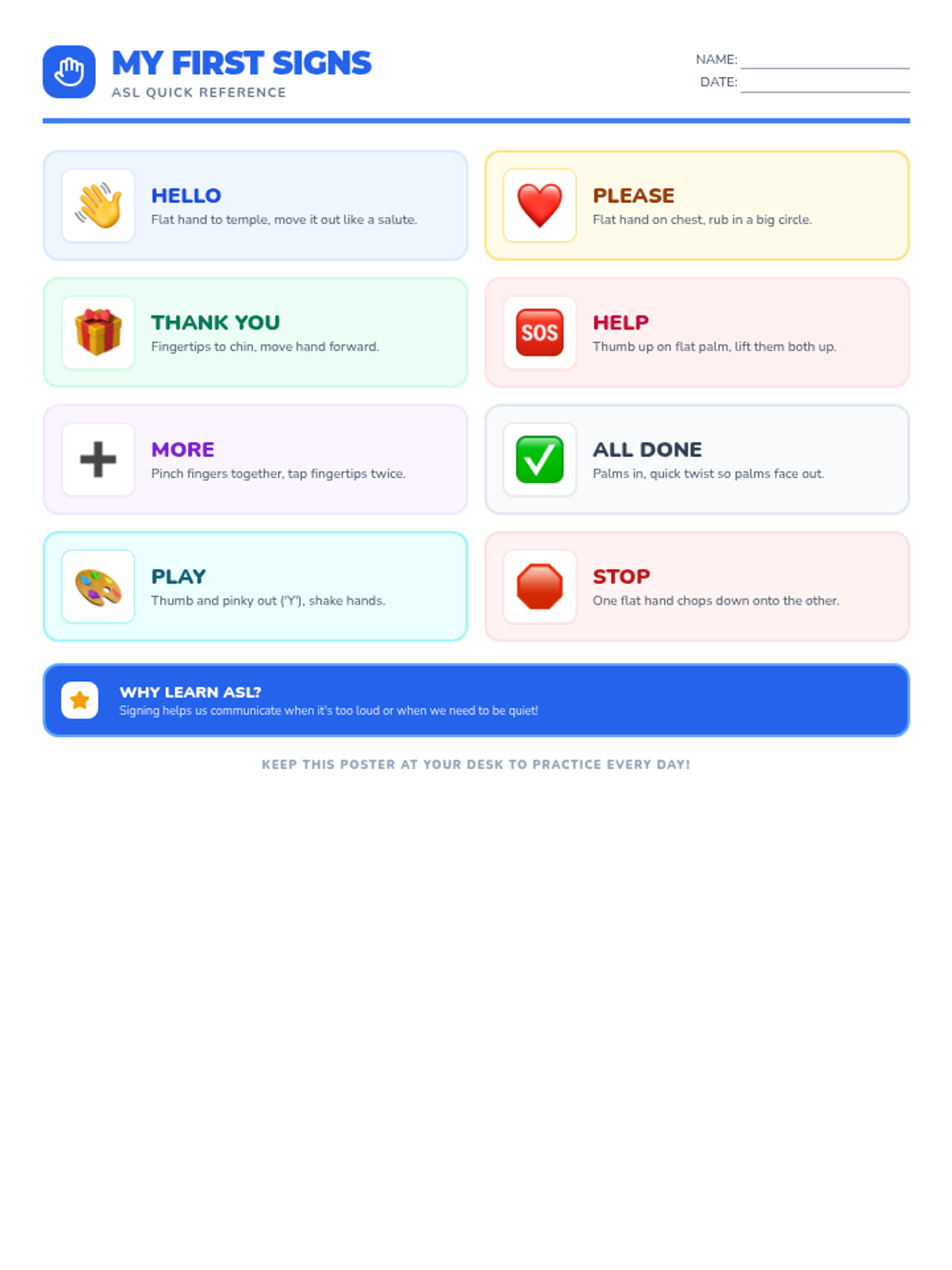
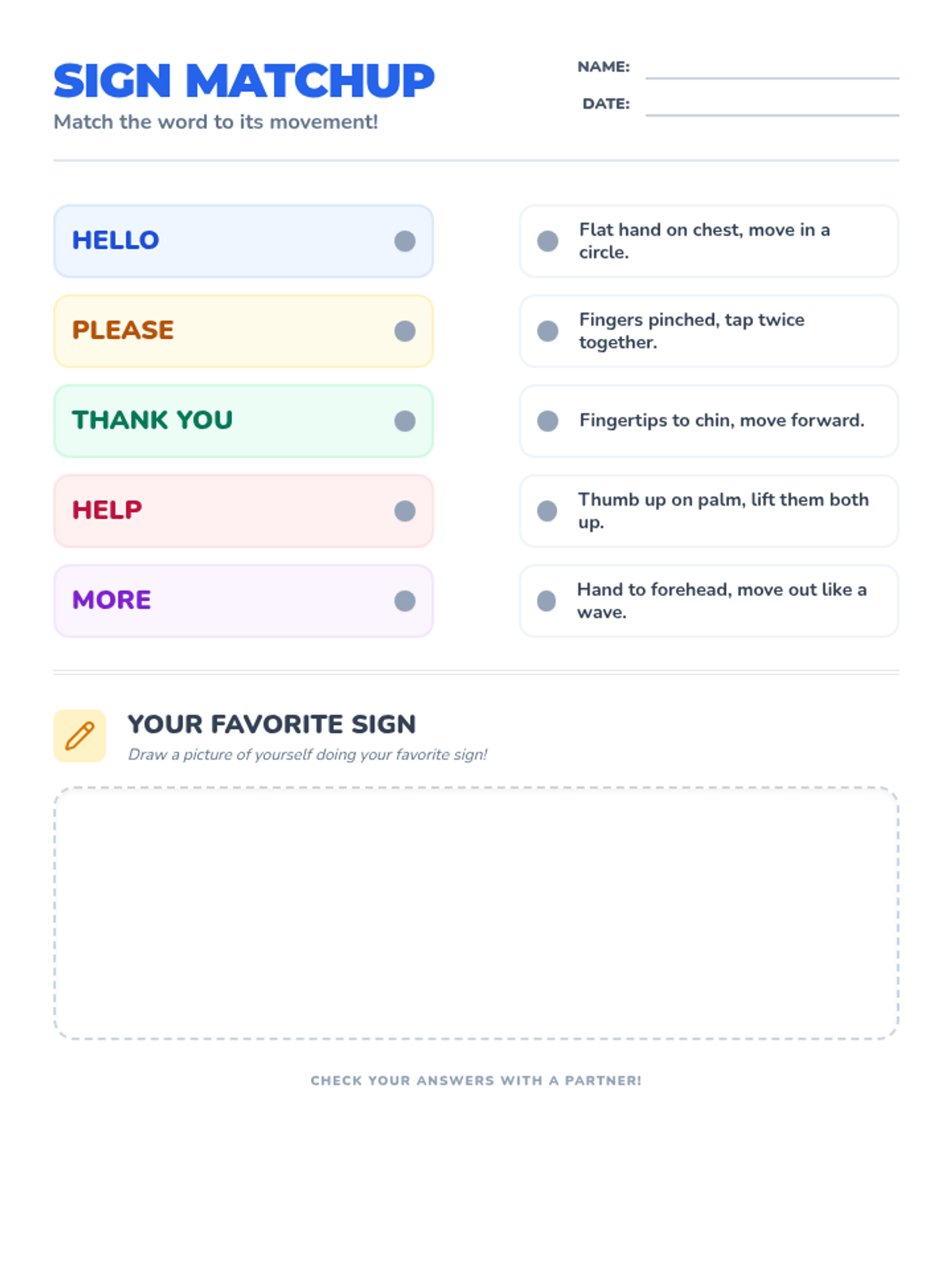
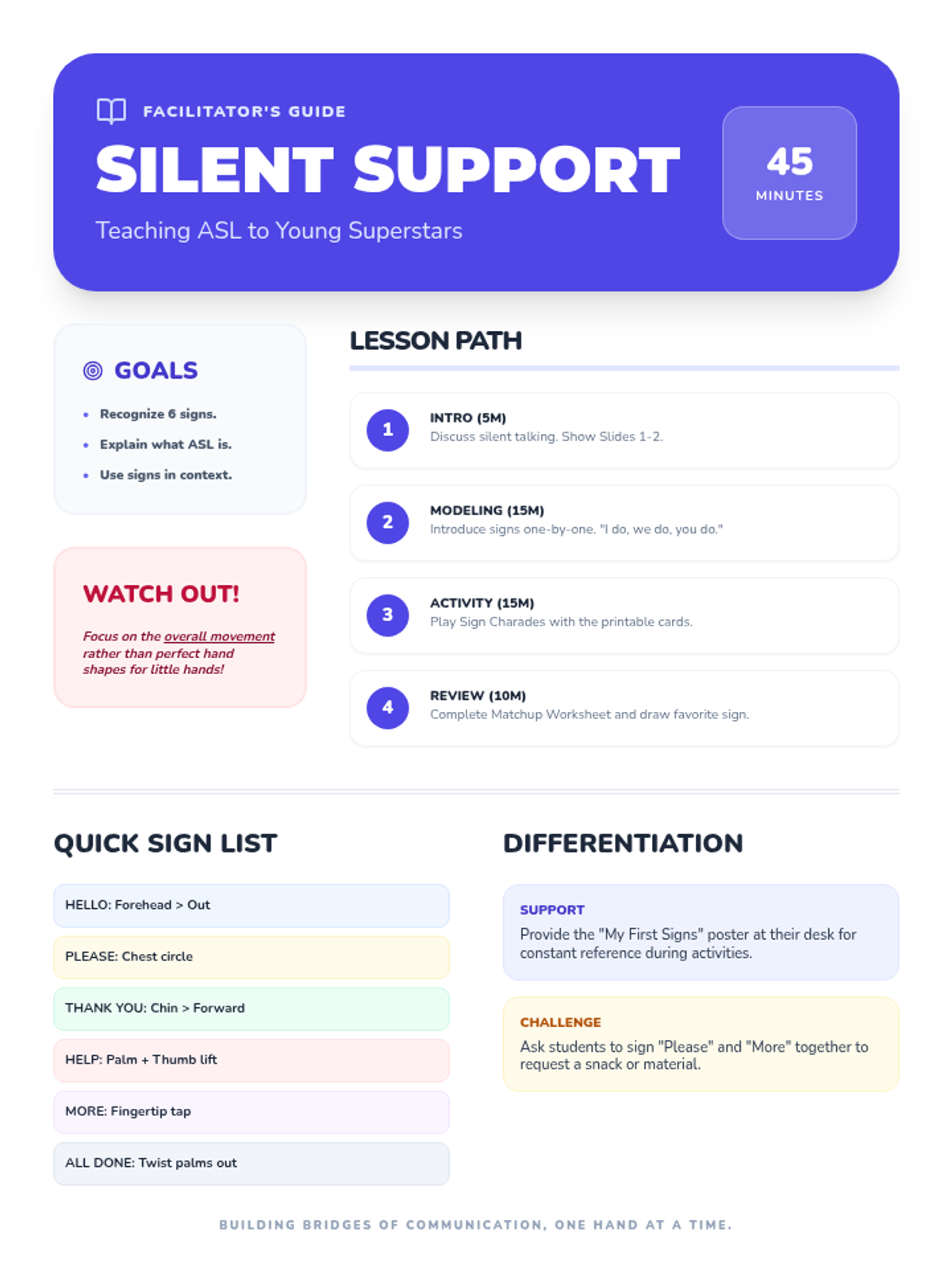
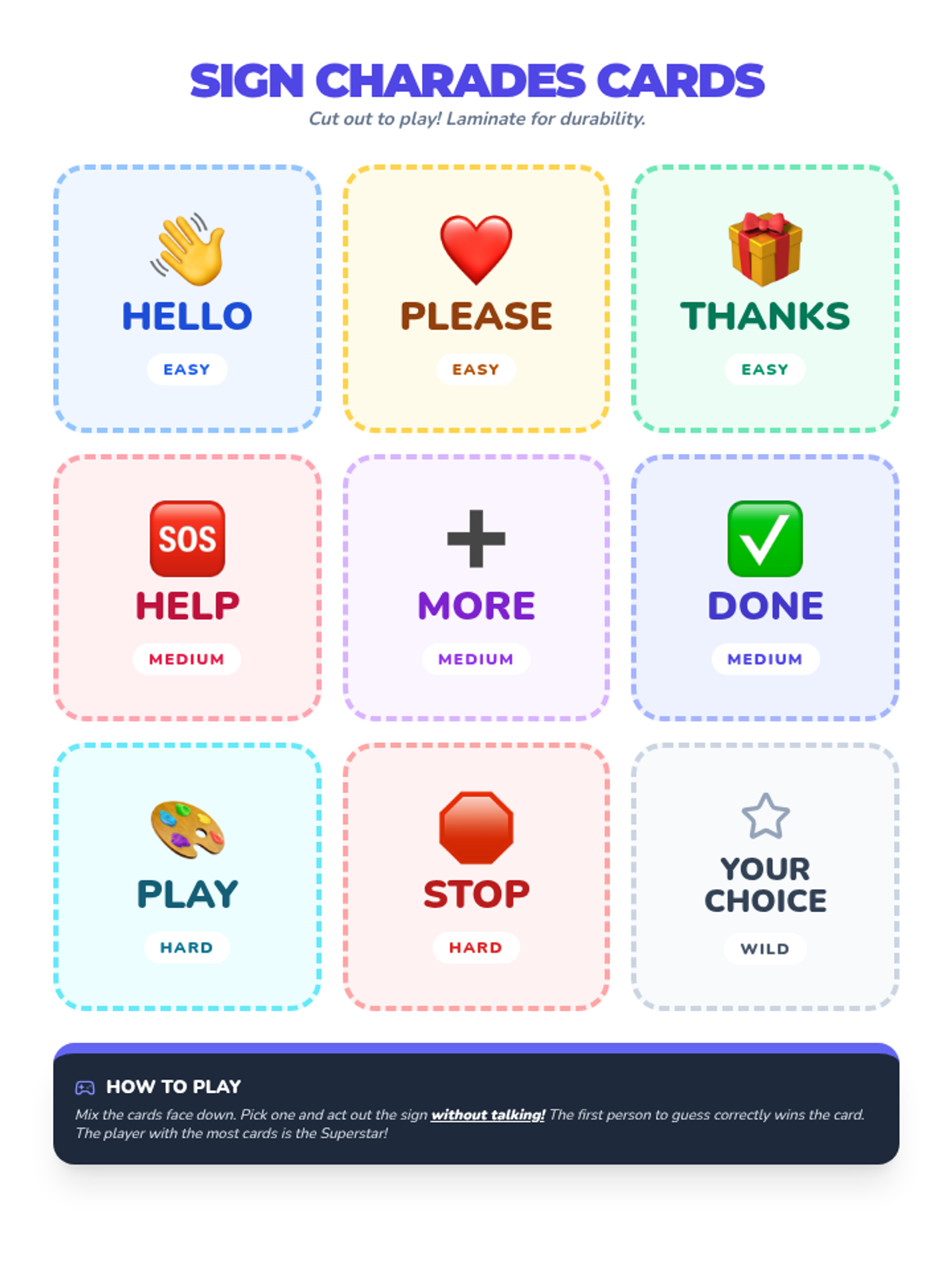
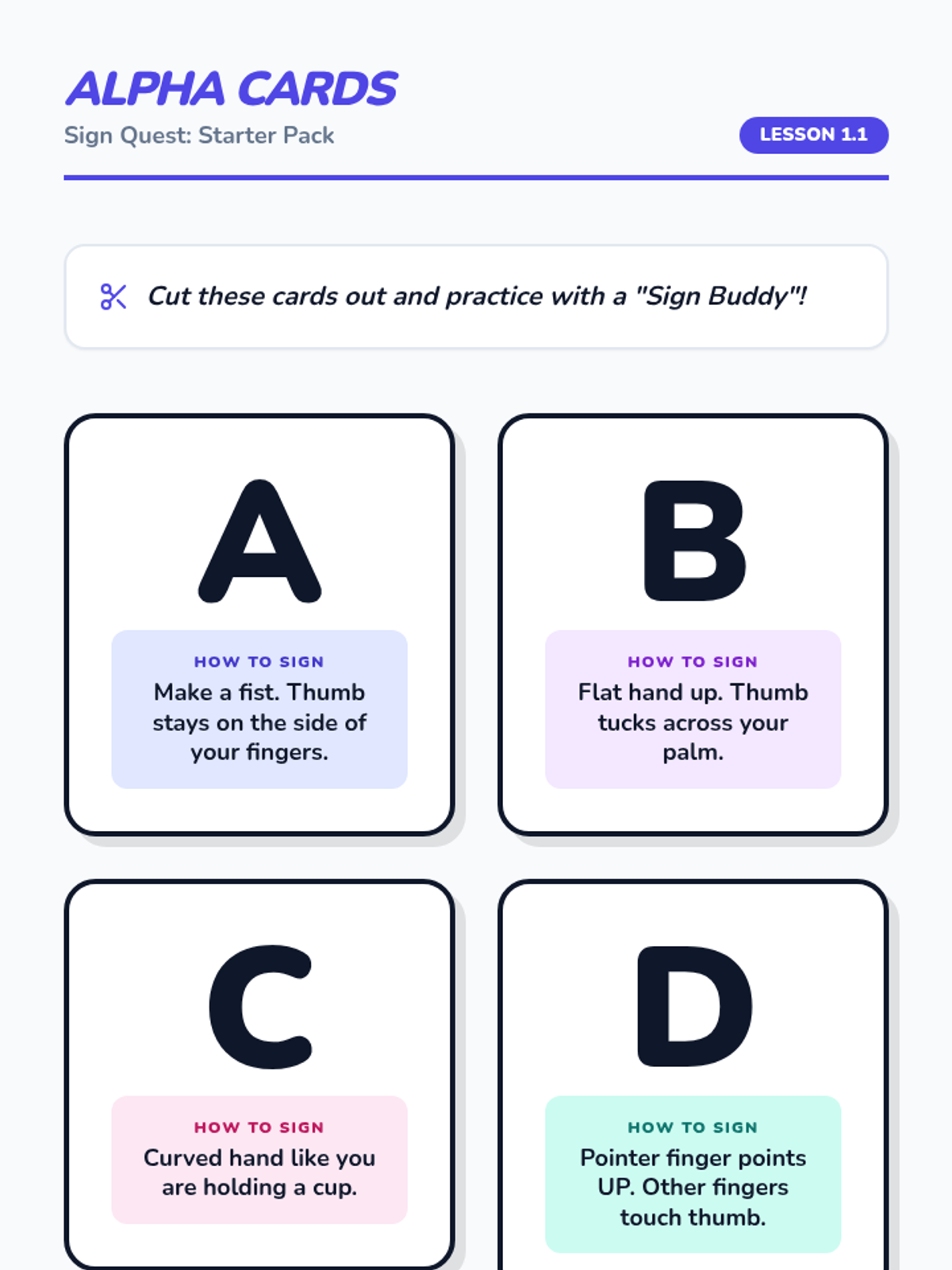
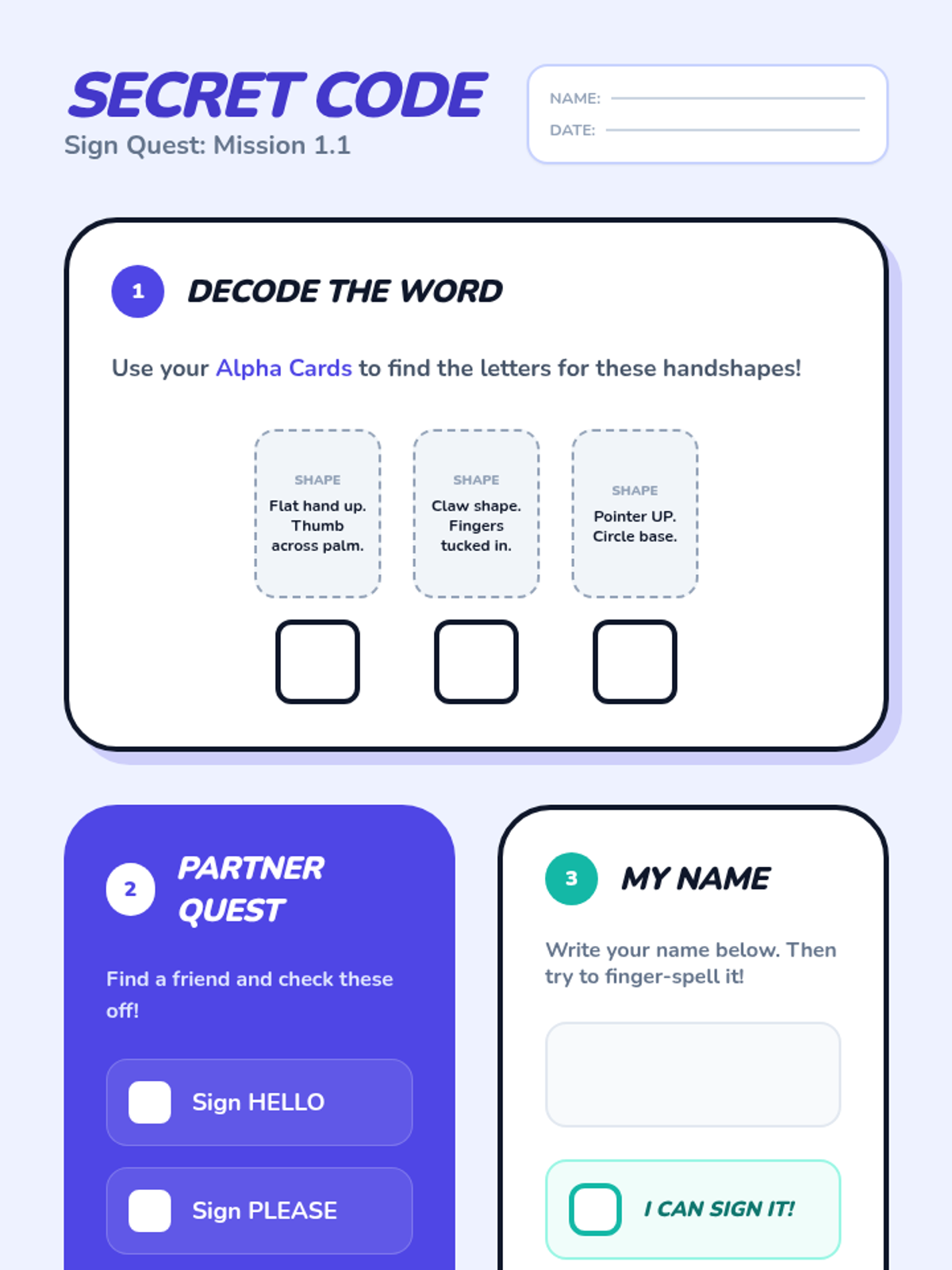
An introductory American Sign Language (ASL) lesson designed for young children, focusing on essential signs for communication and classroom interaction.
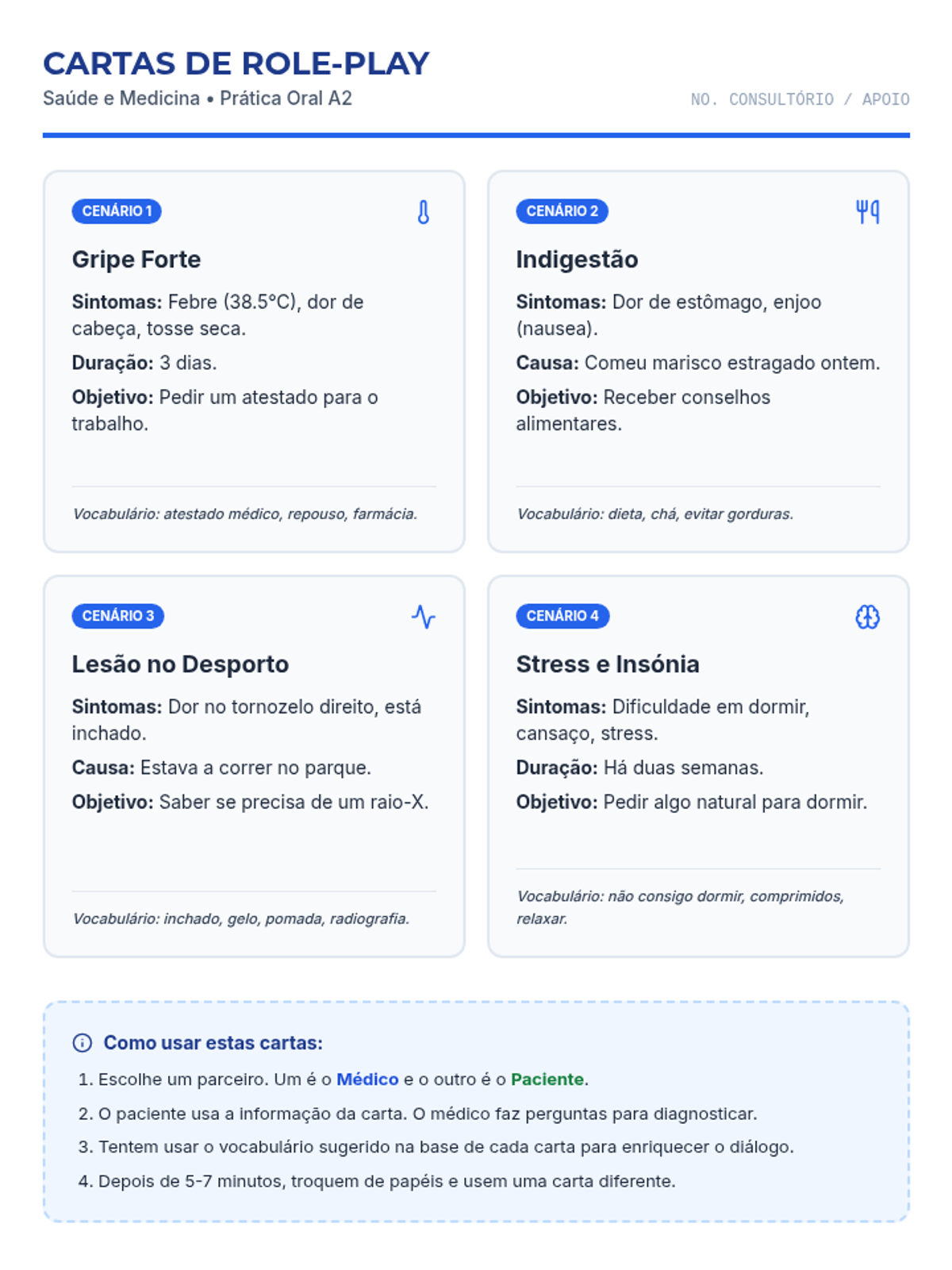
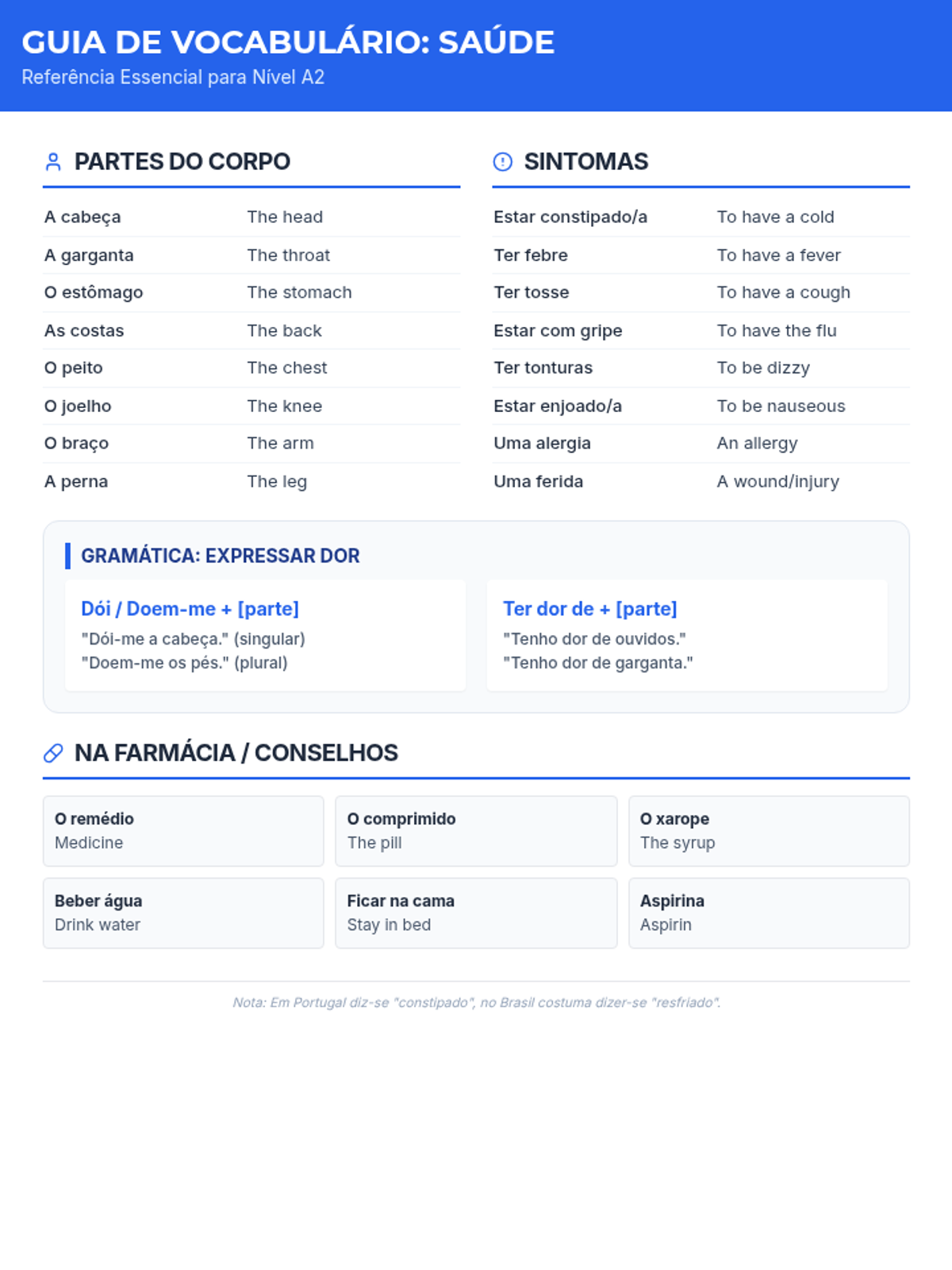
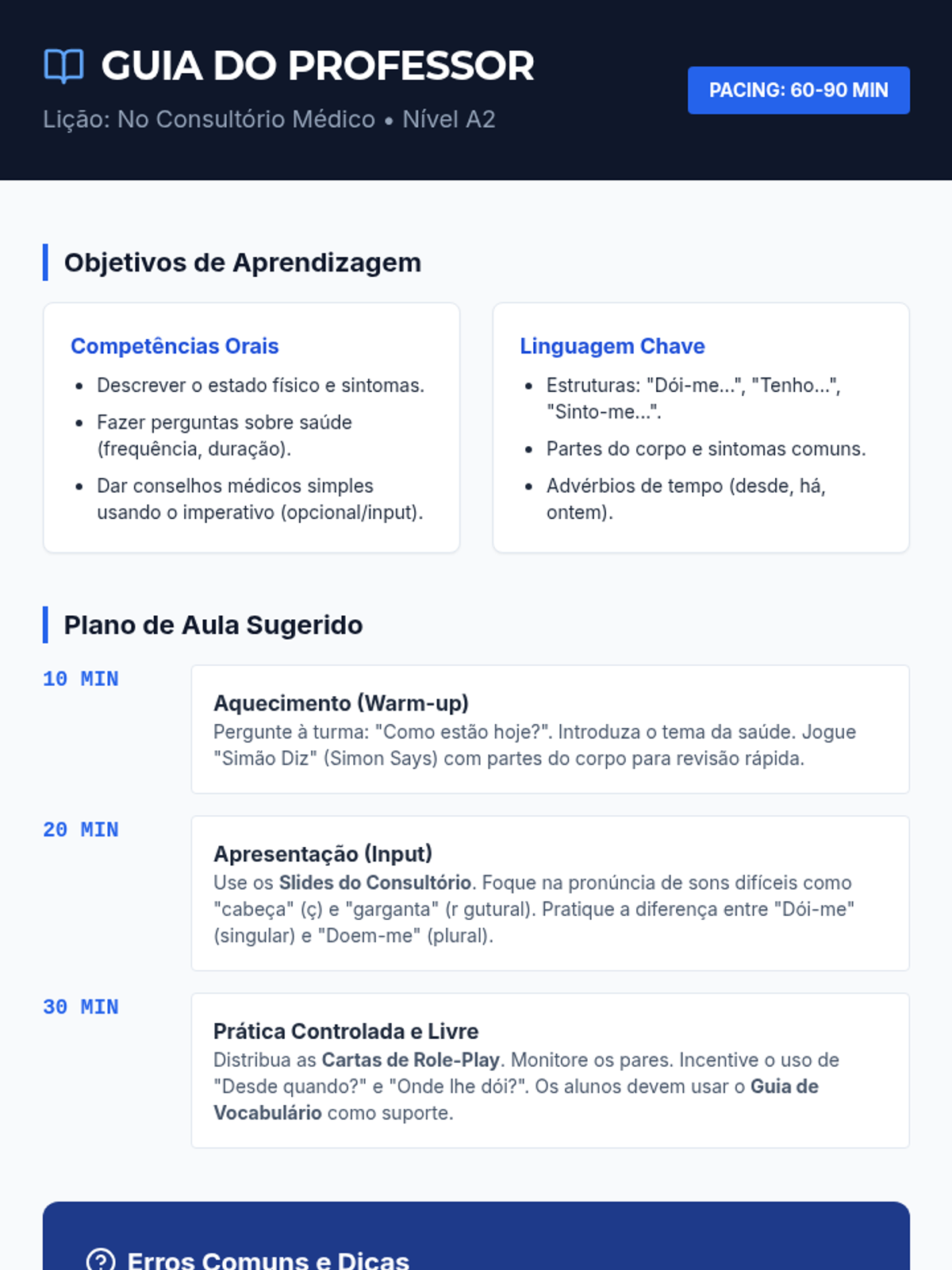
This lesson covers essential vocabulary for body parts, symptoms, and the structure of a typical doctor-patient conversation in Portuguese.
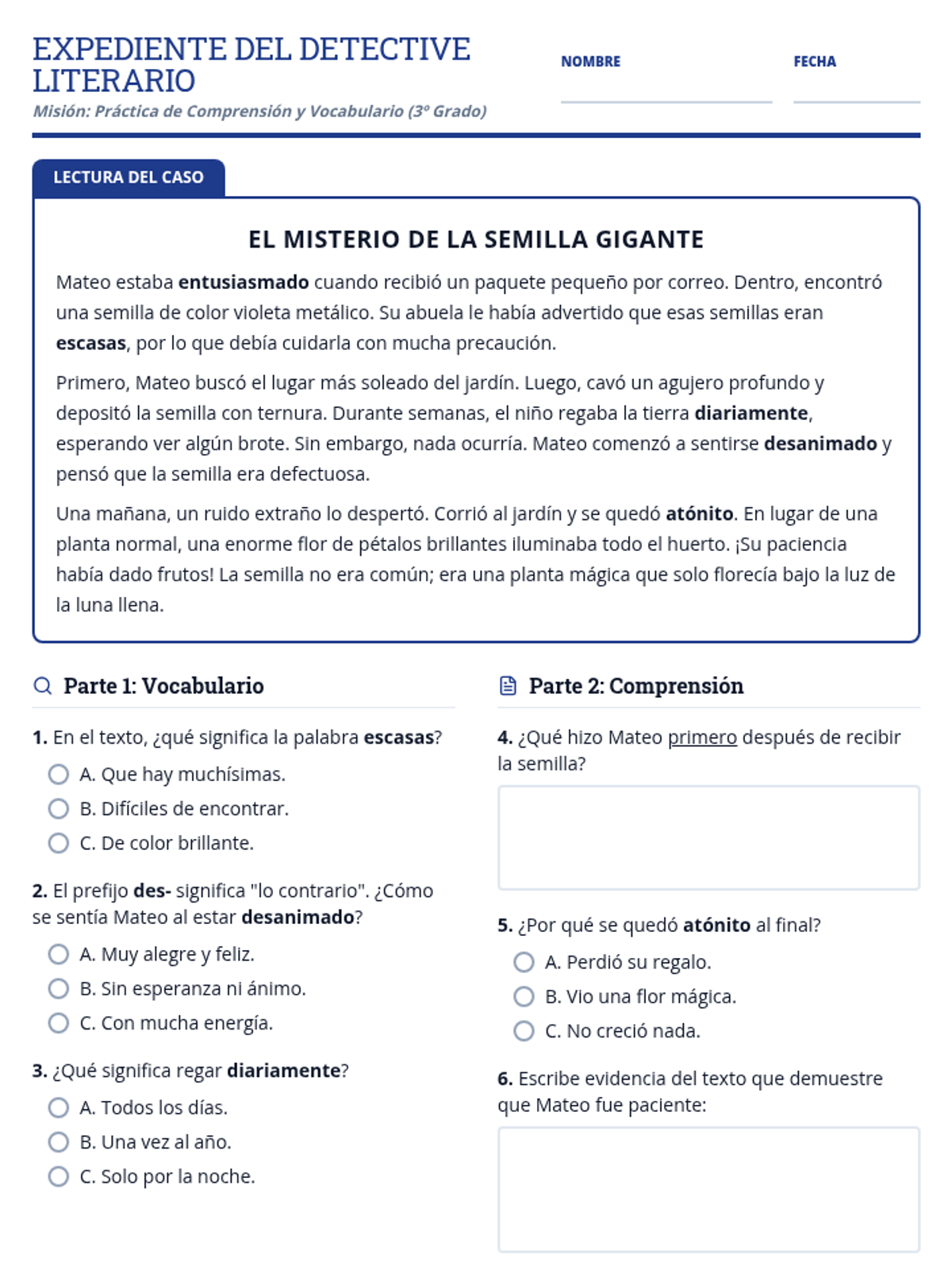
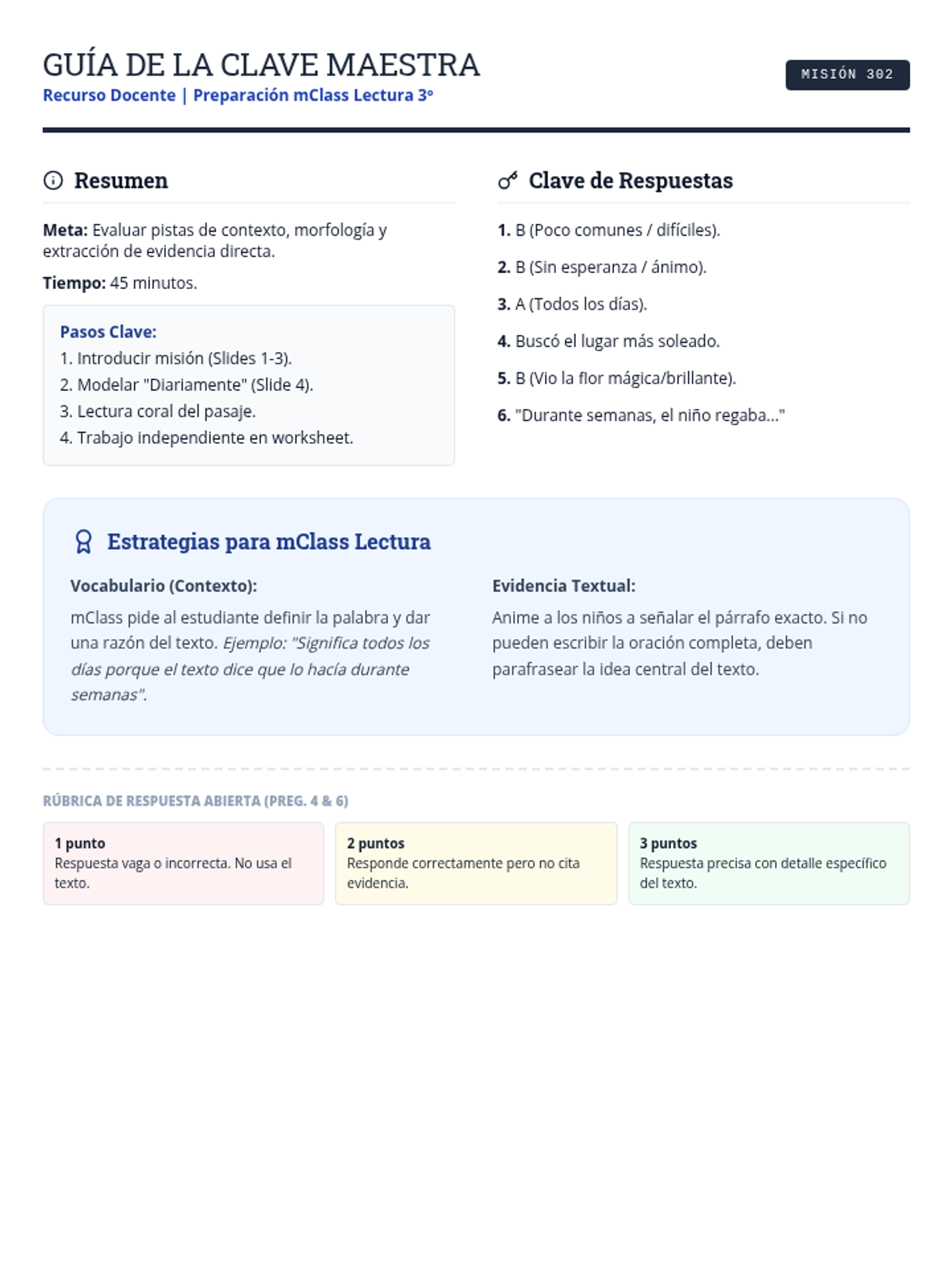
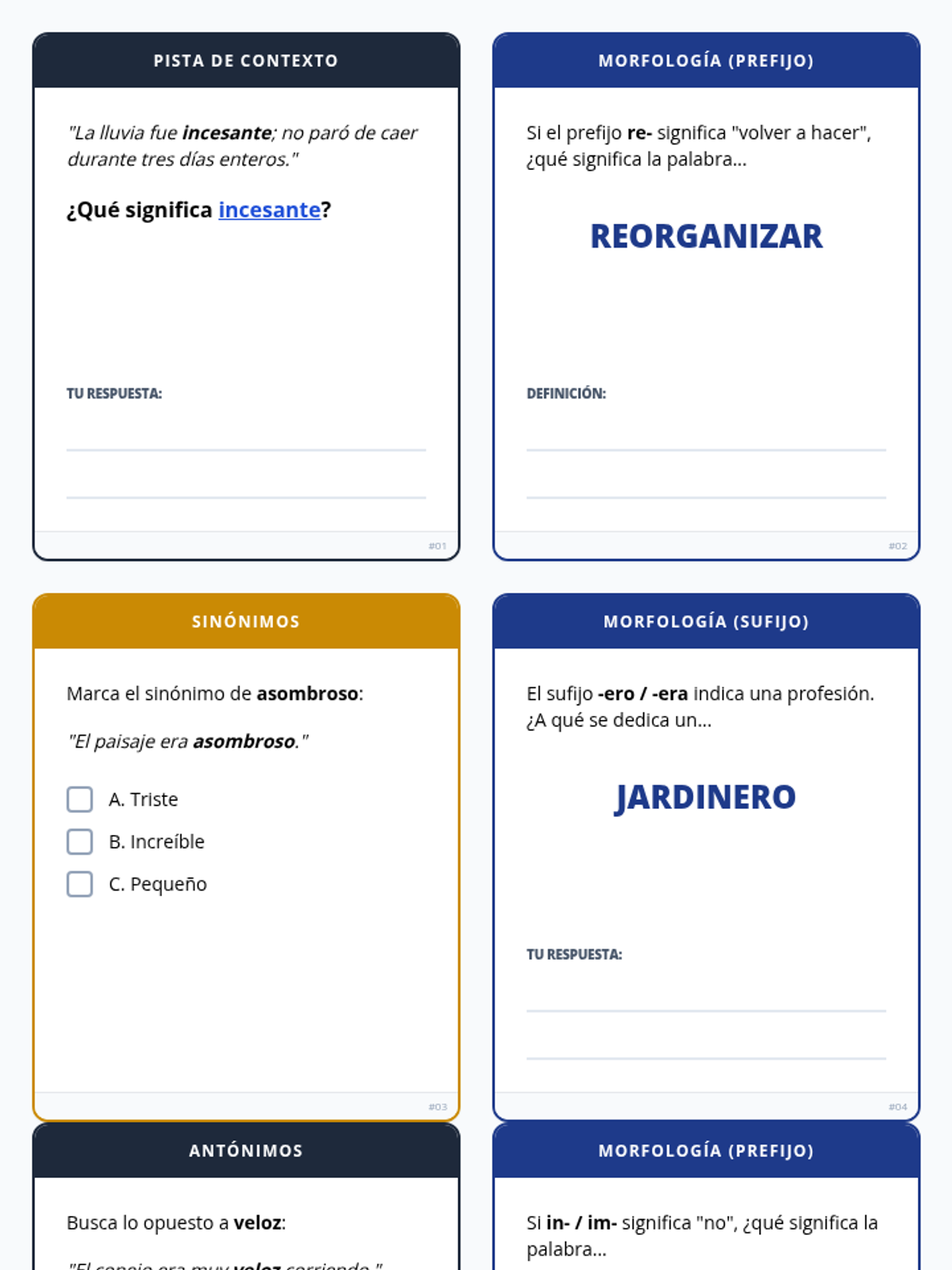
Una lección diseñada para preparar a estudiantes de tercer grado para las evaluaciones de mClass Lectura (Amplify), enfocándose en estrategias de pistas de contexto, morfología y extracción de evidencia textual. Incluye práctica de pasajes narrativos y ejercicios de vocabulario de alta frecuencia.
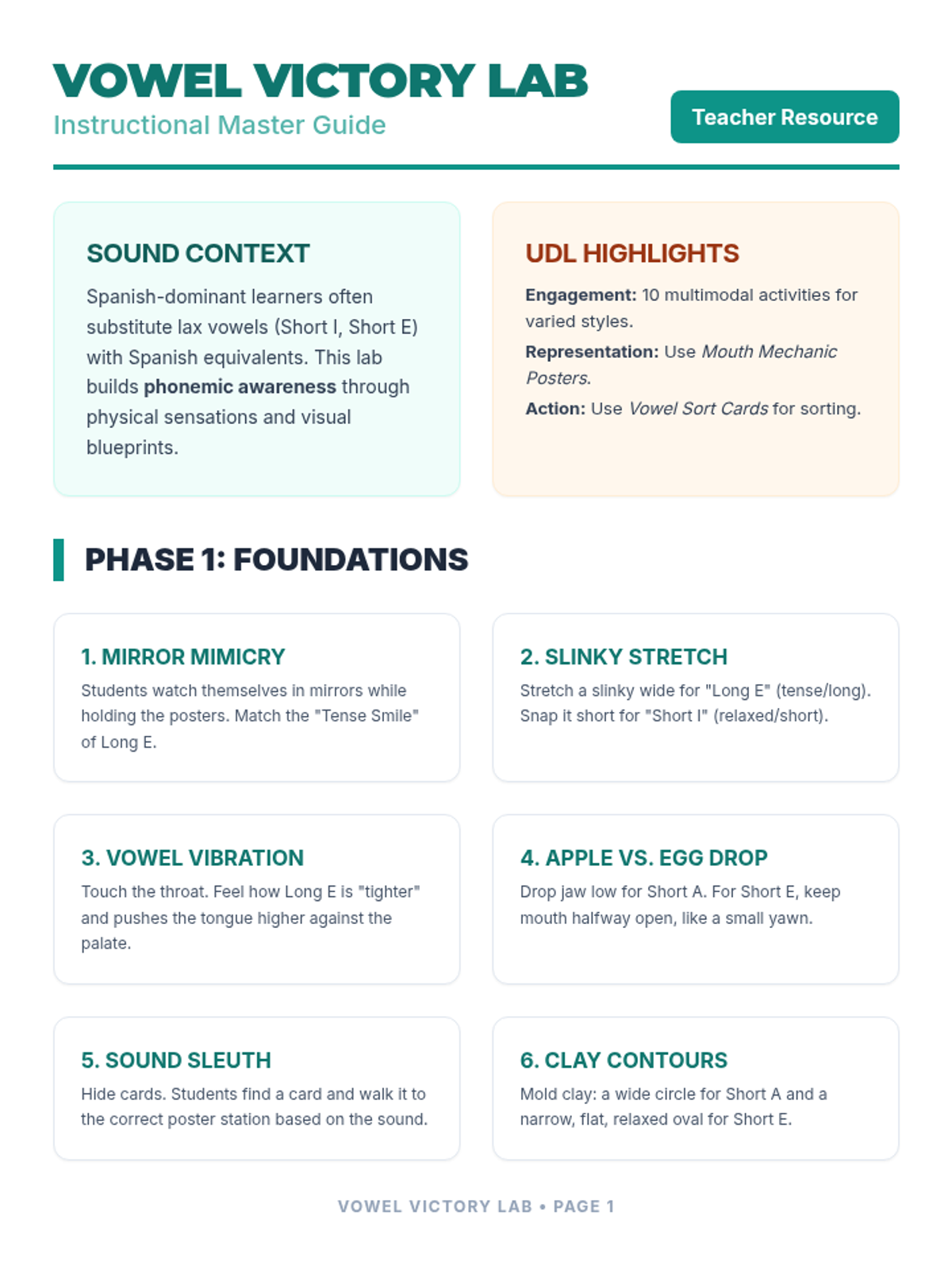
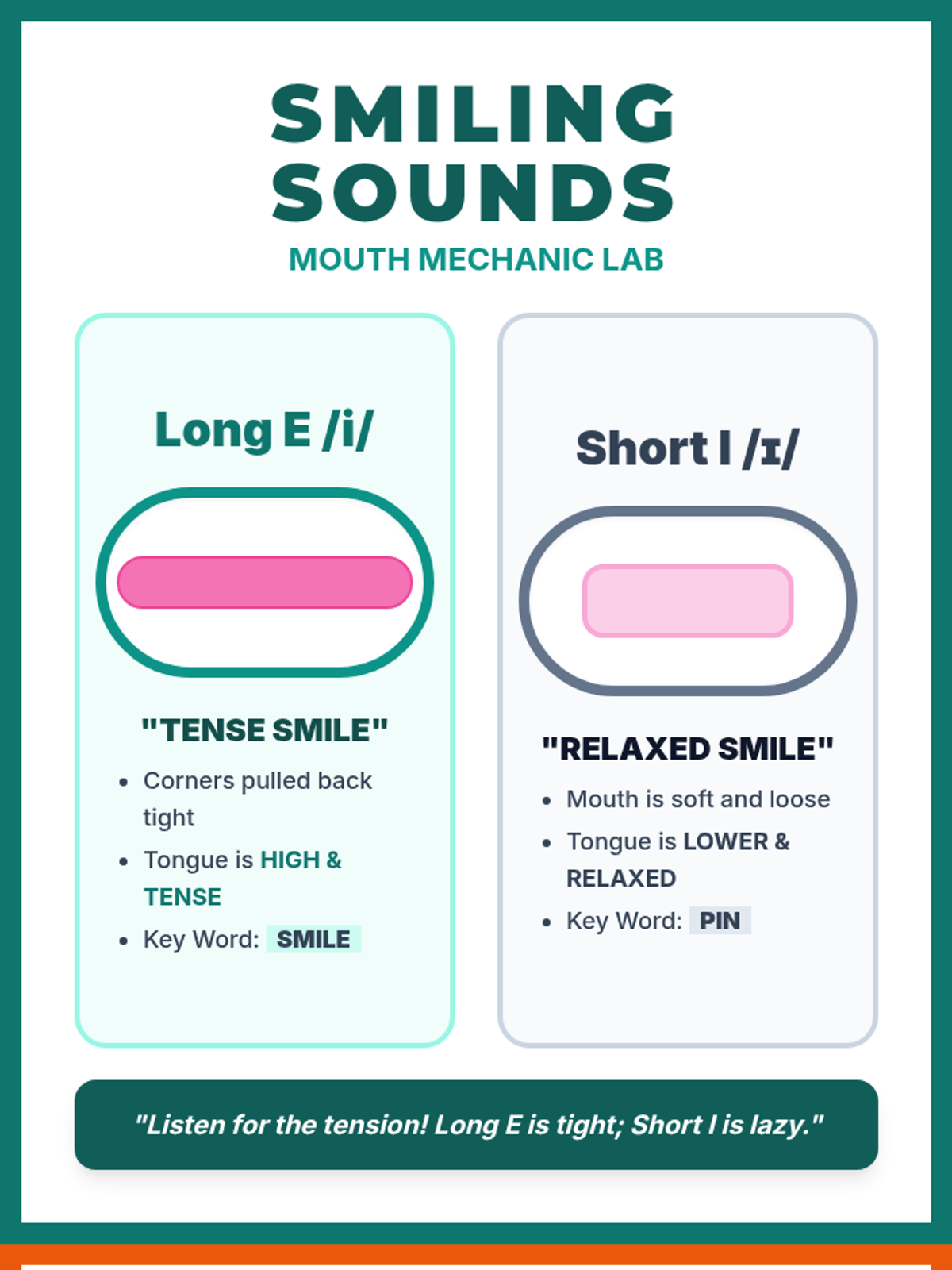
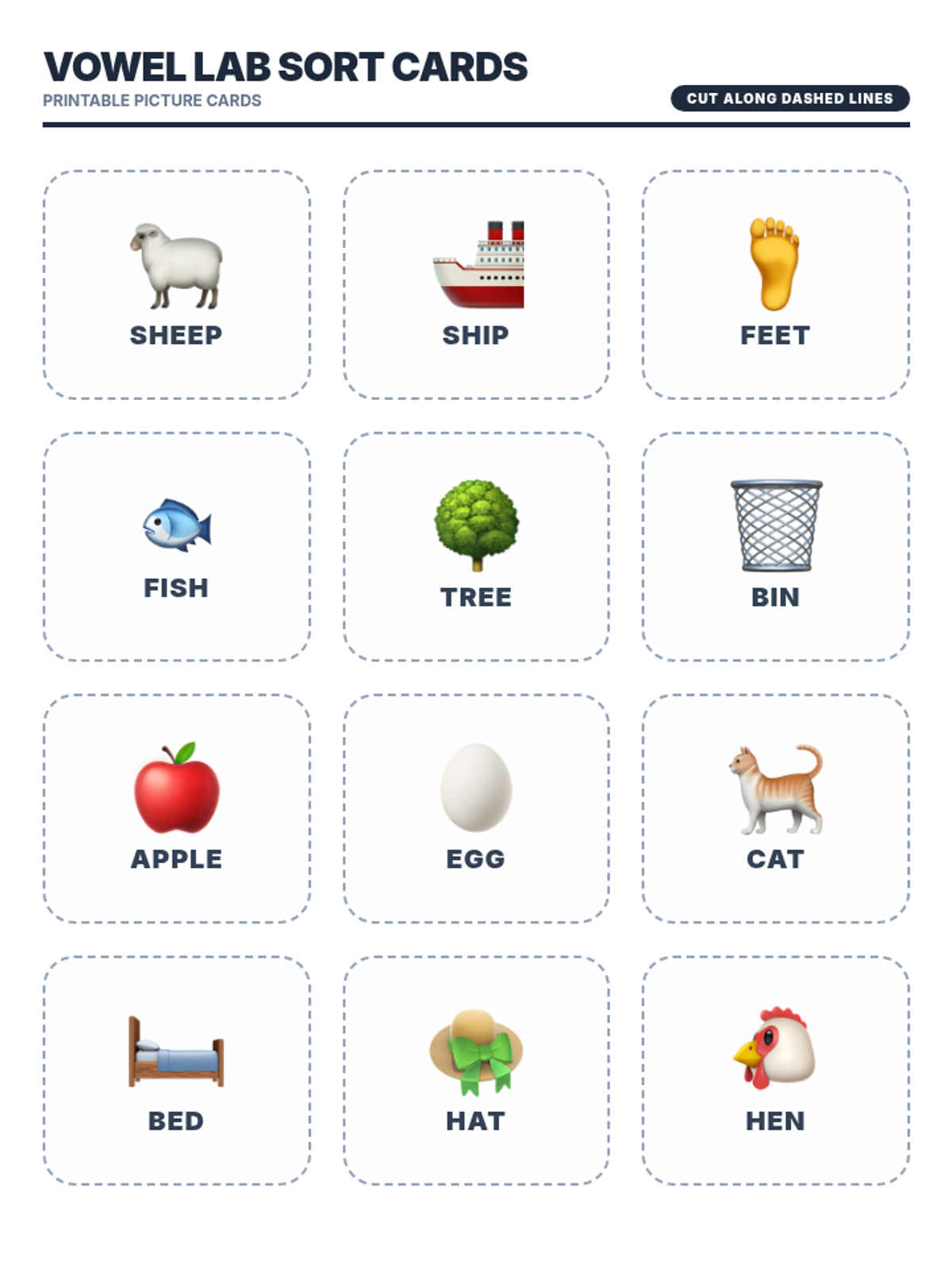
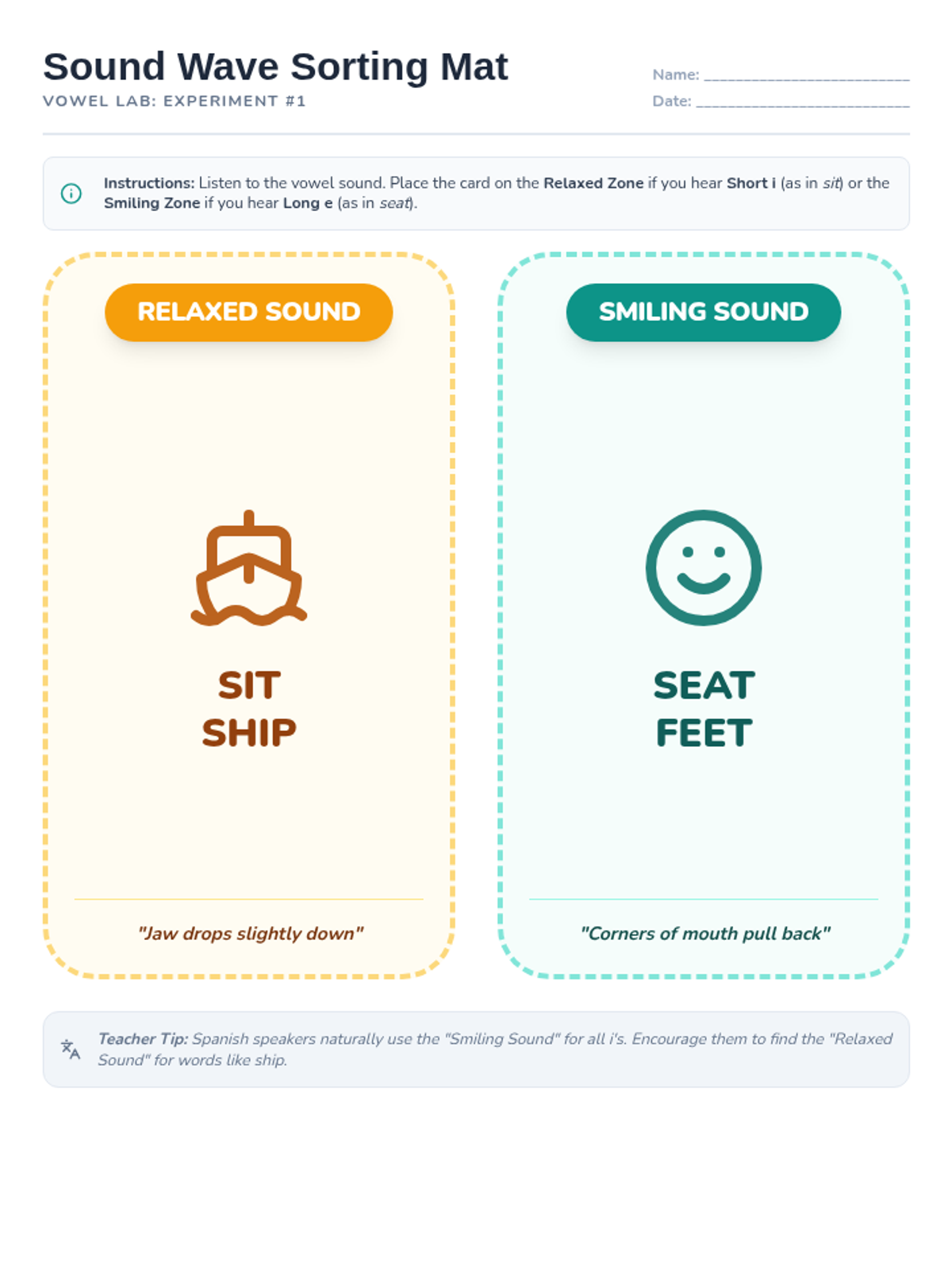
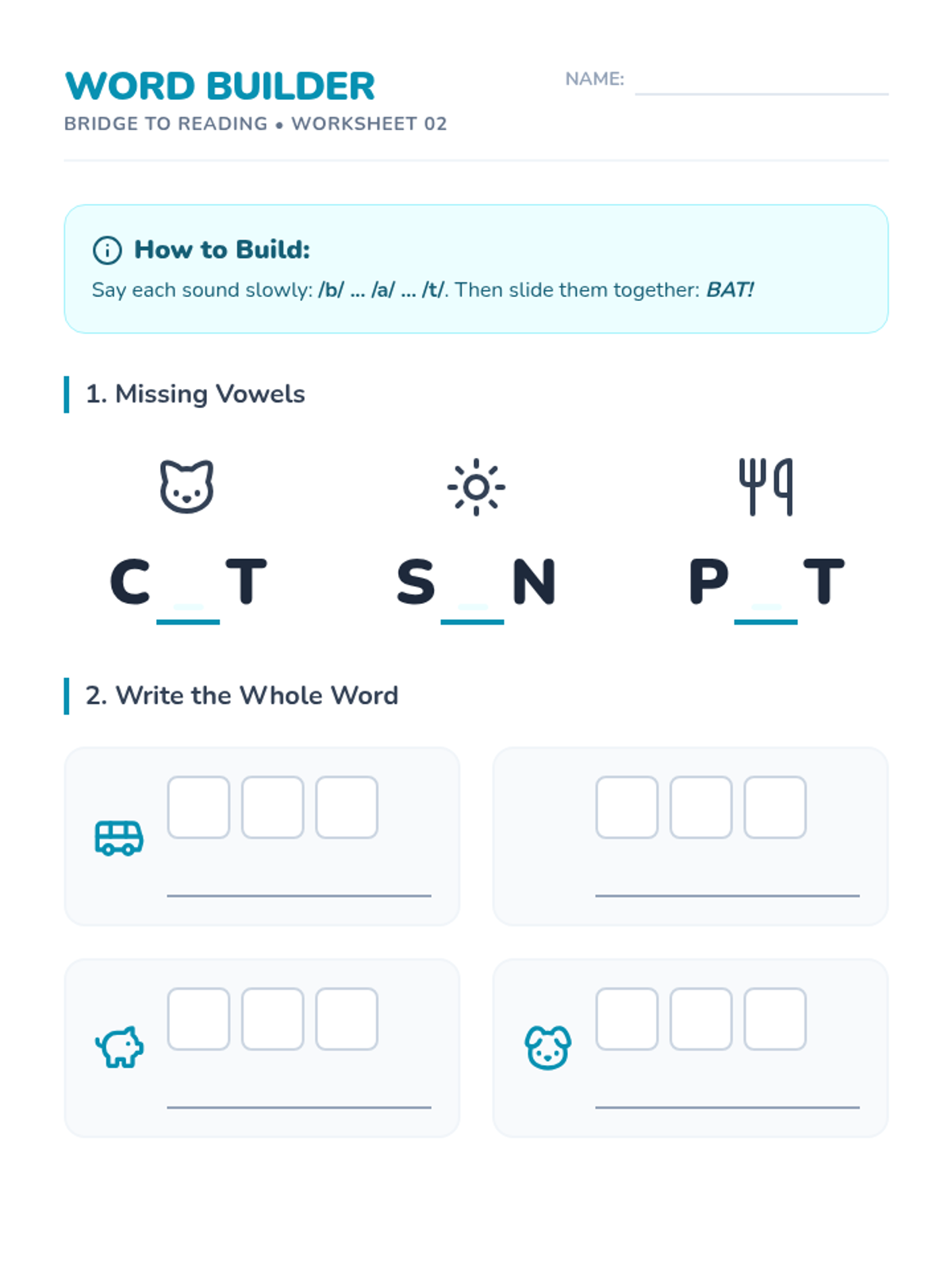
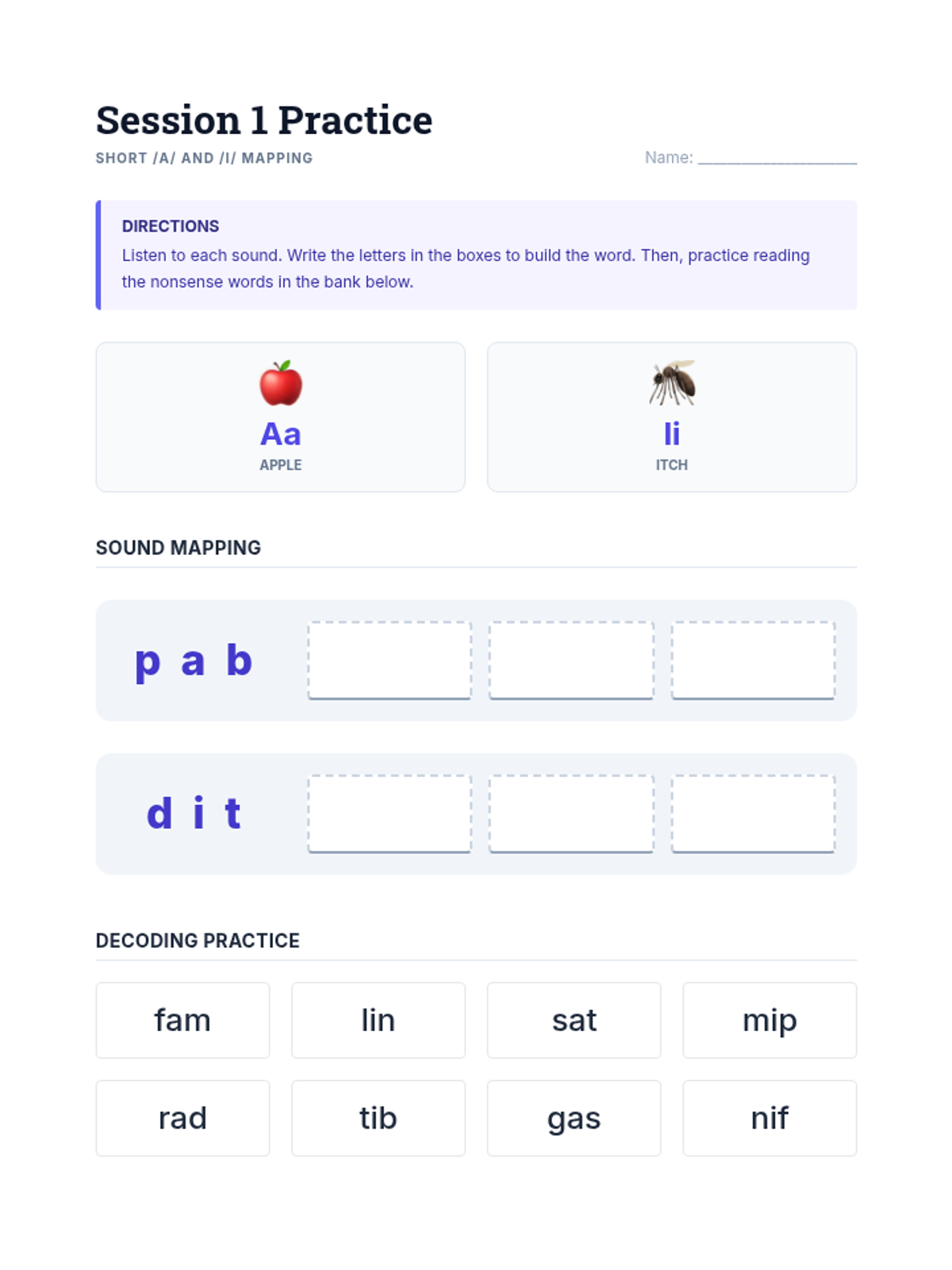
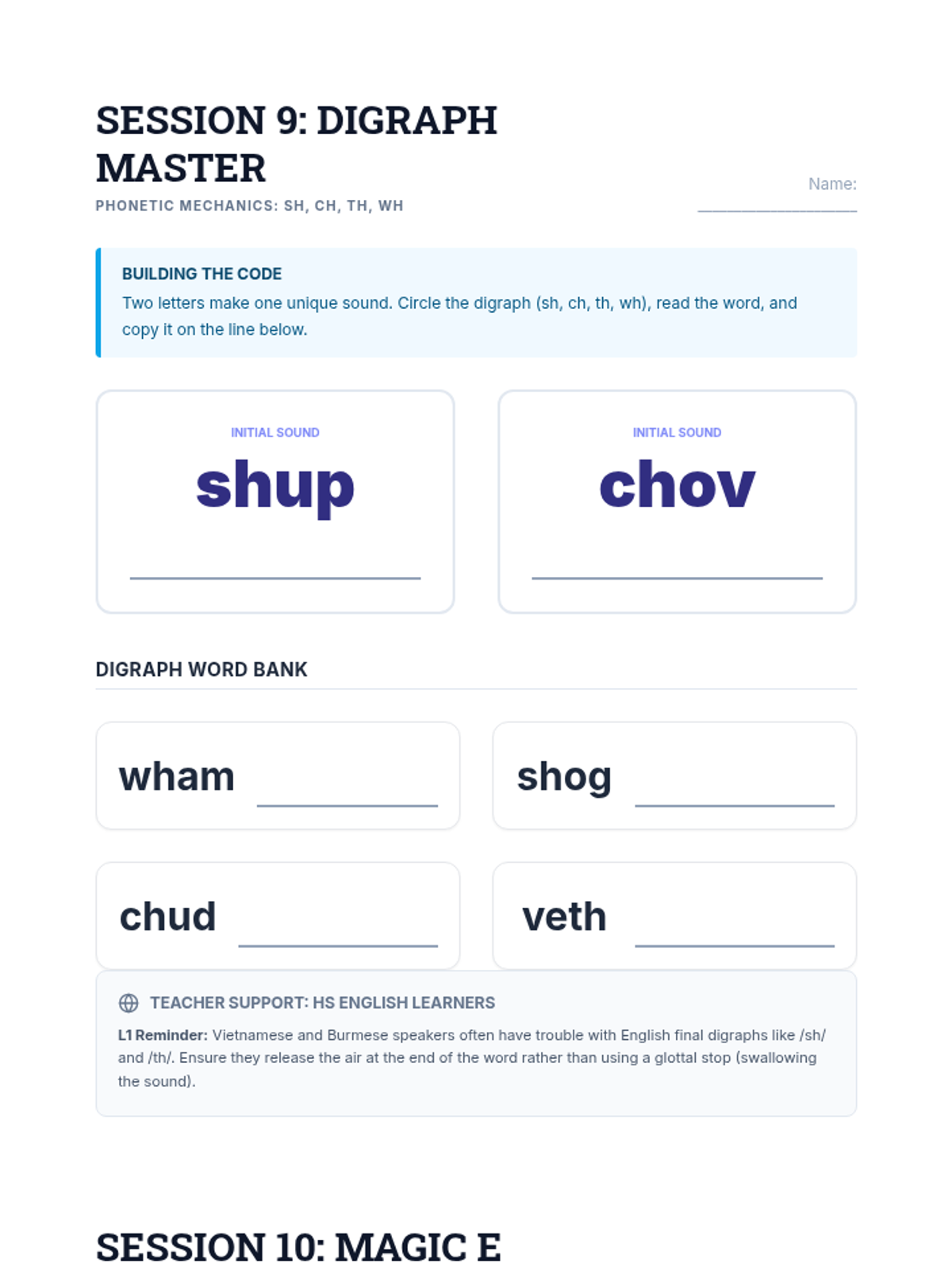
A comprehensive phonics lesson for bilingual students focusing on the specific vowel contrasts of Long E/Short I and Short A/Short E through multisensory, UDL-aligned activities.
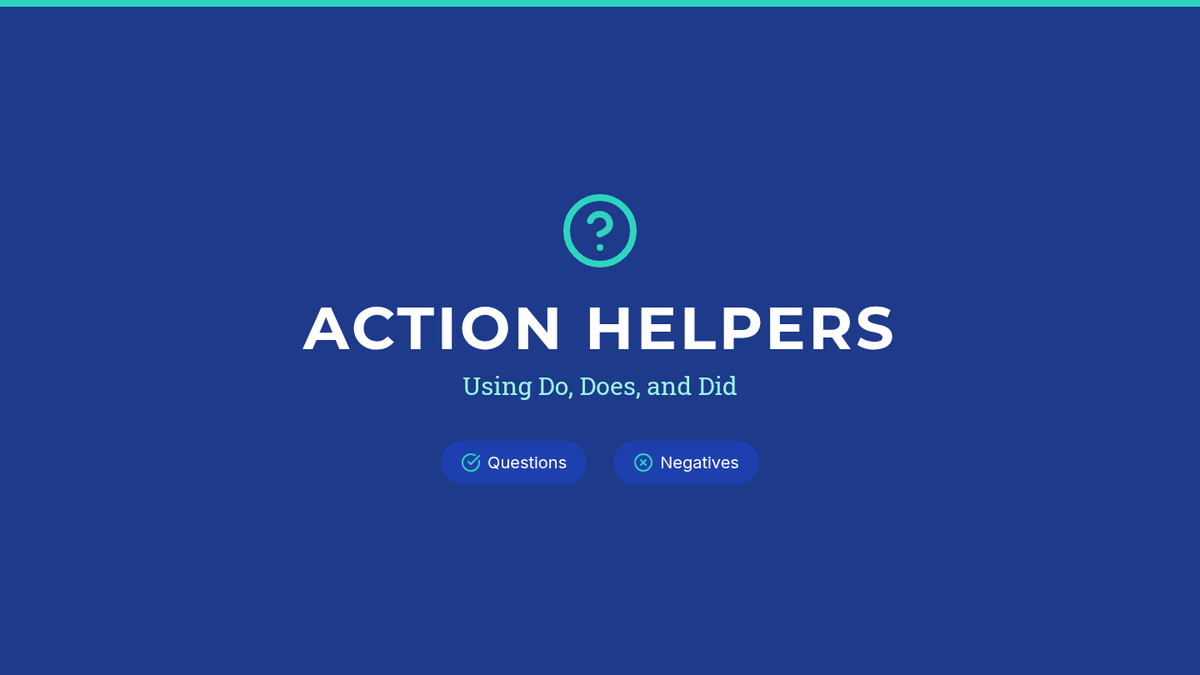
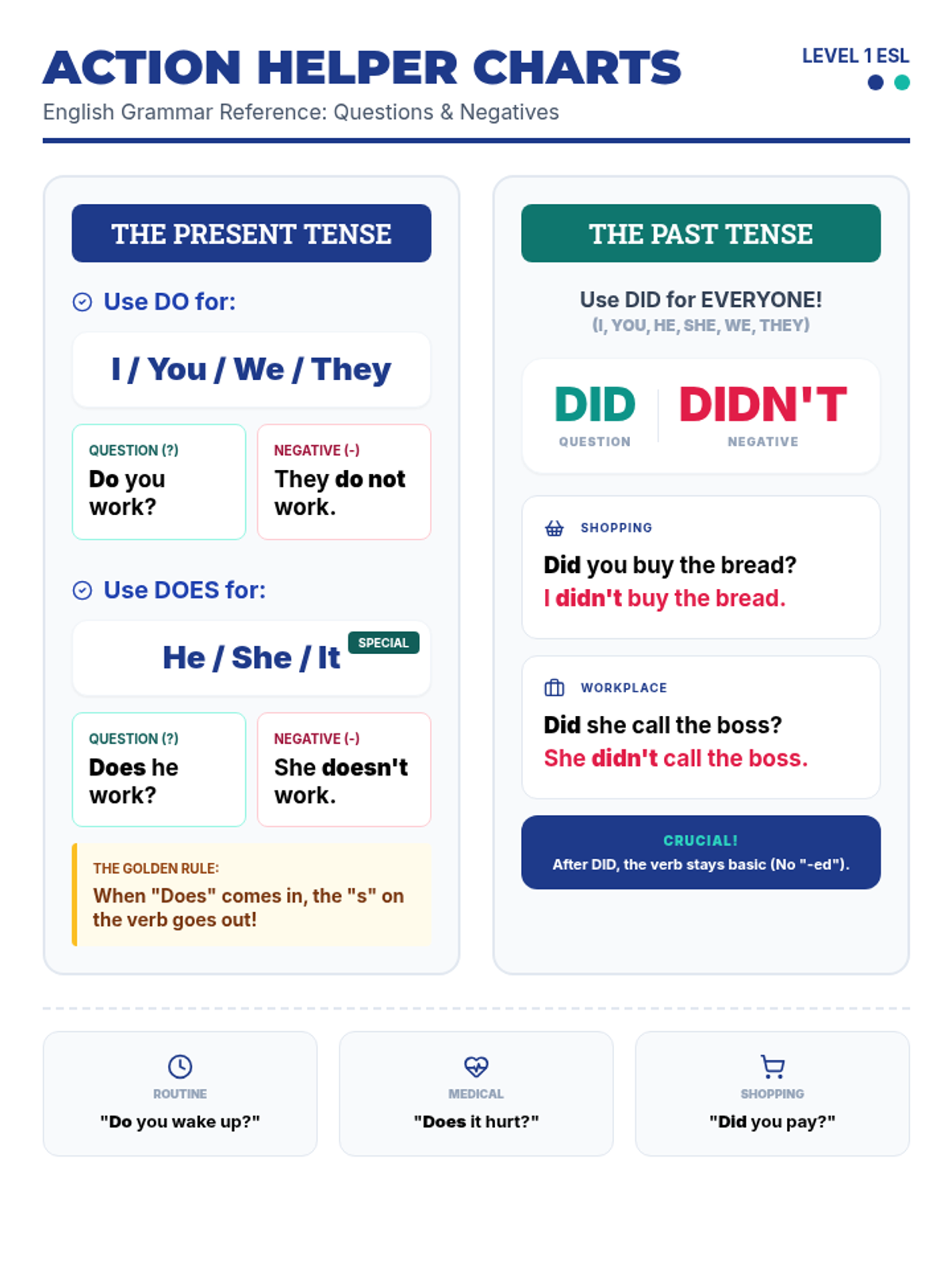
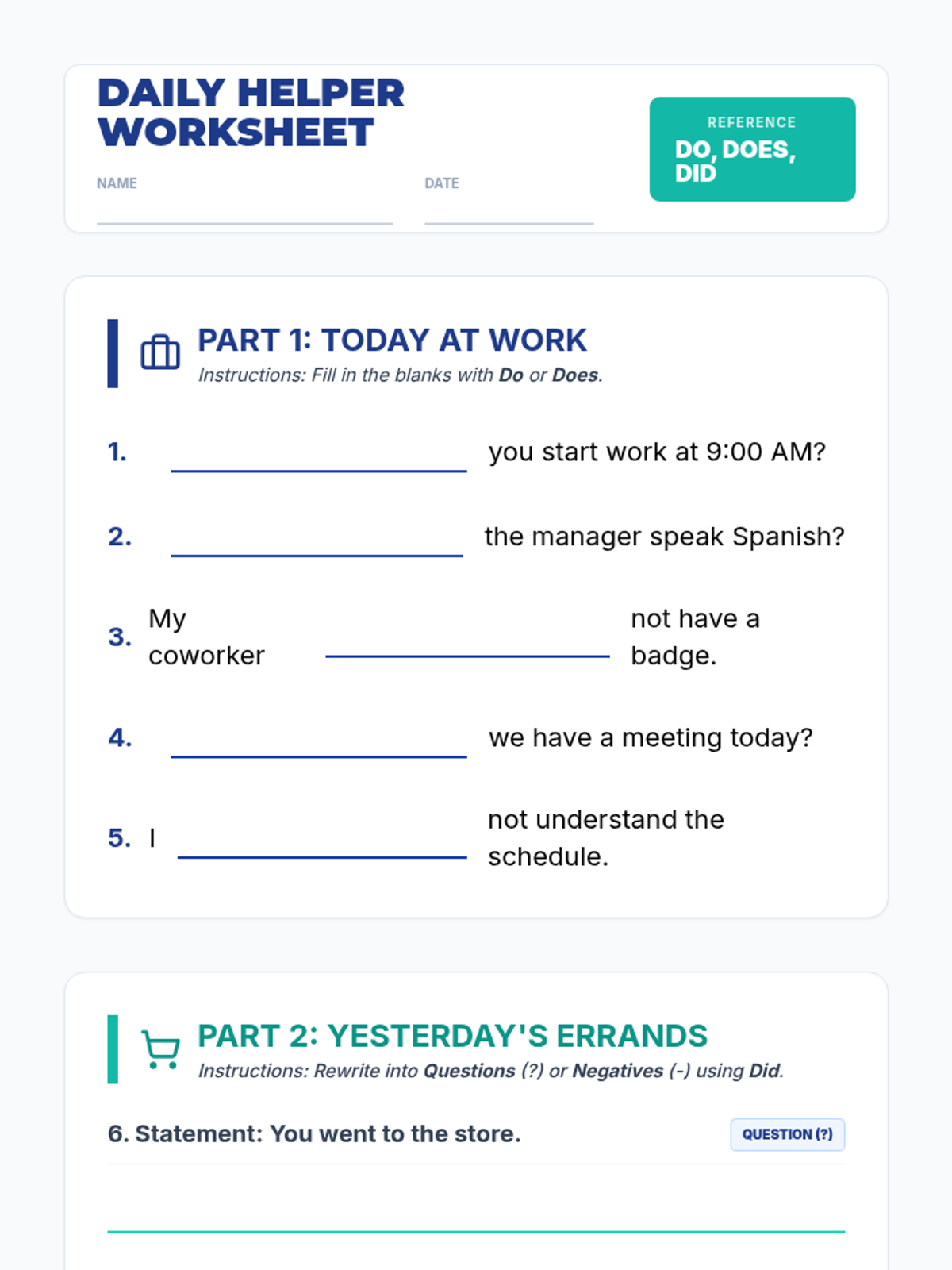
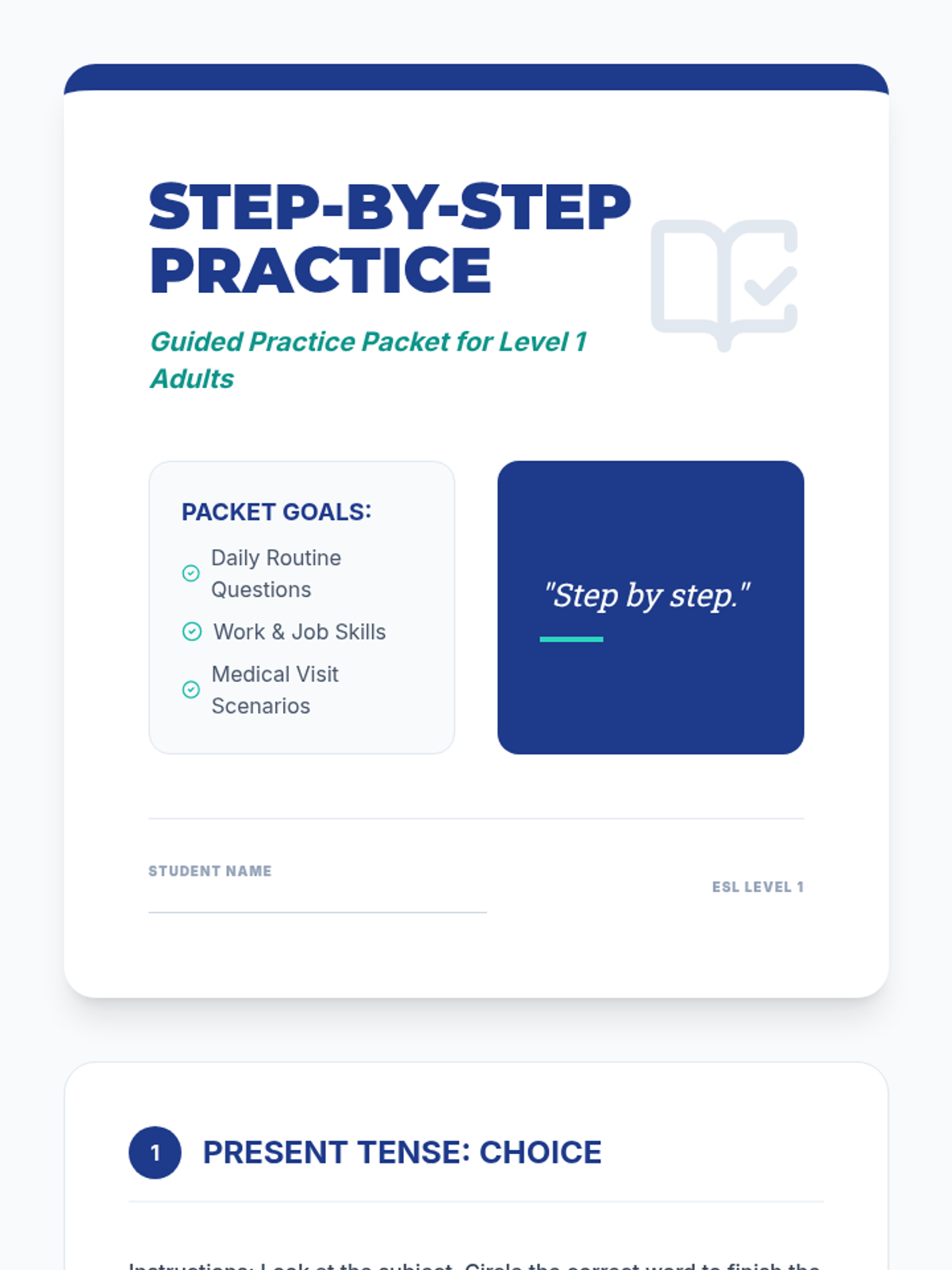
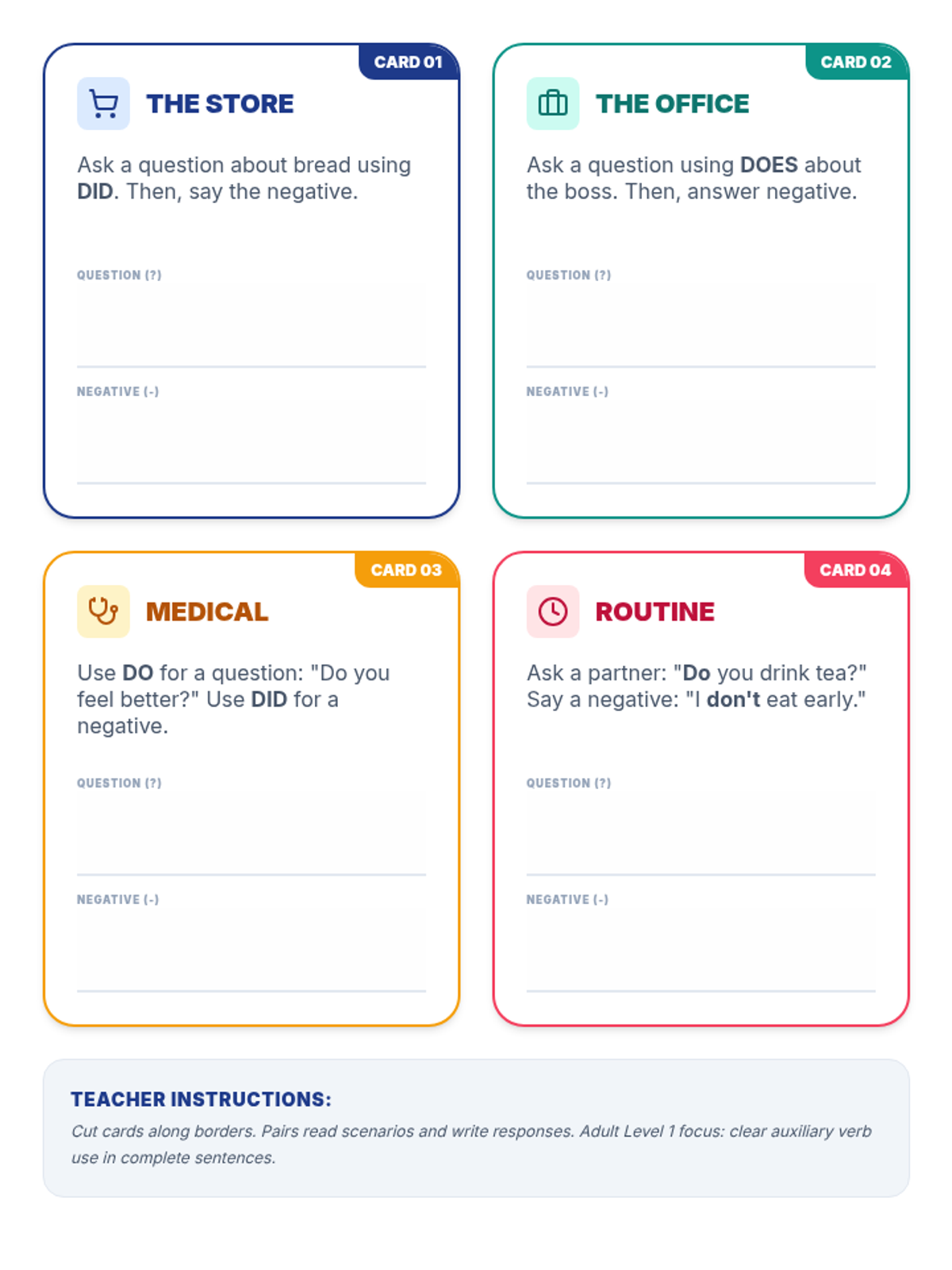
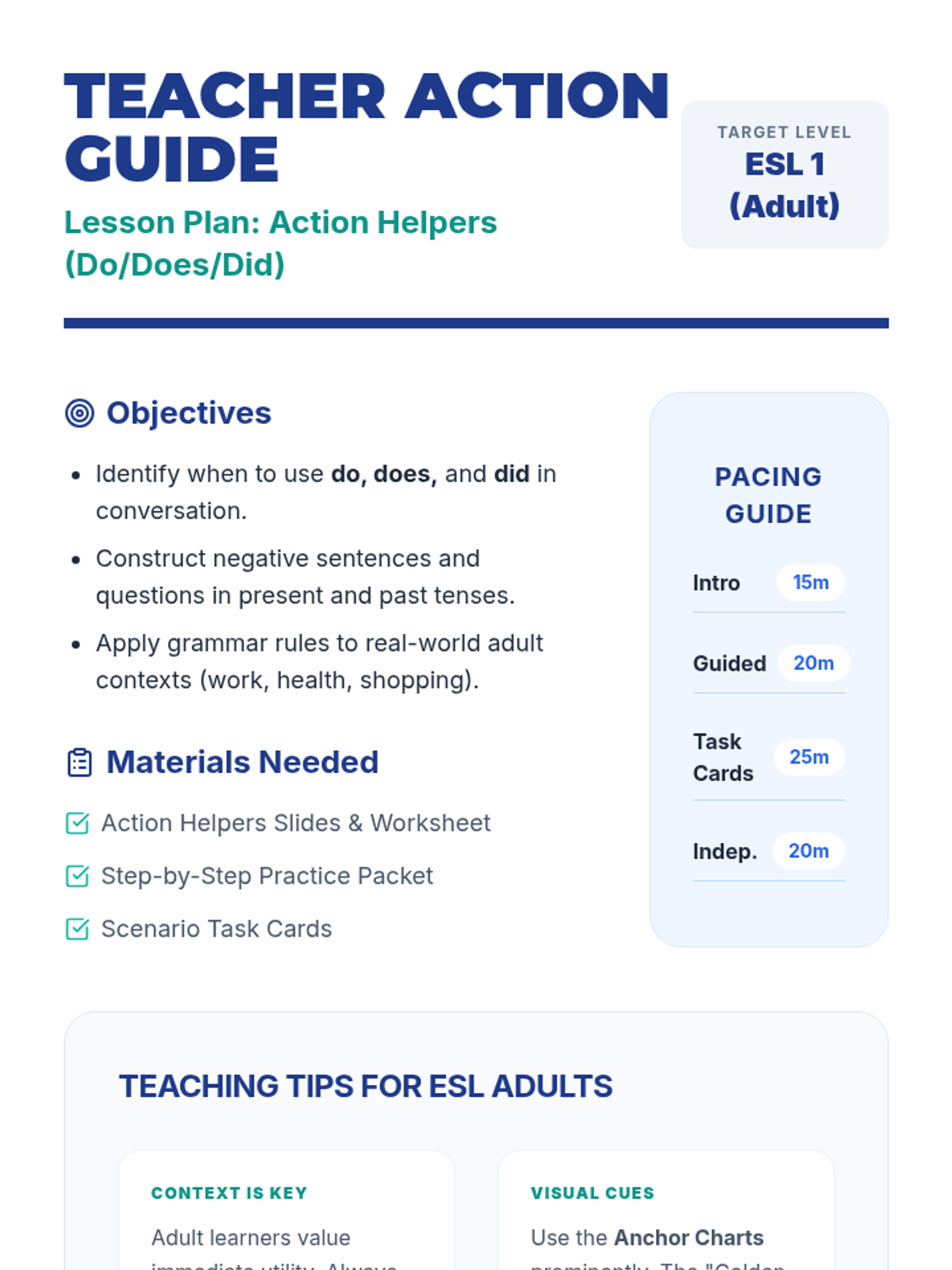
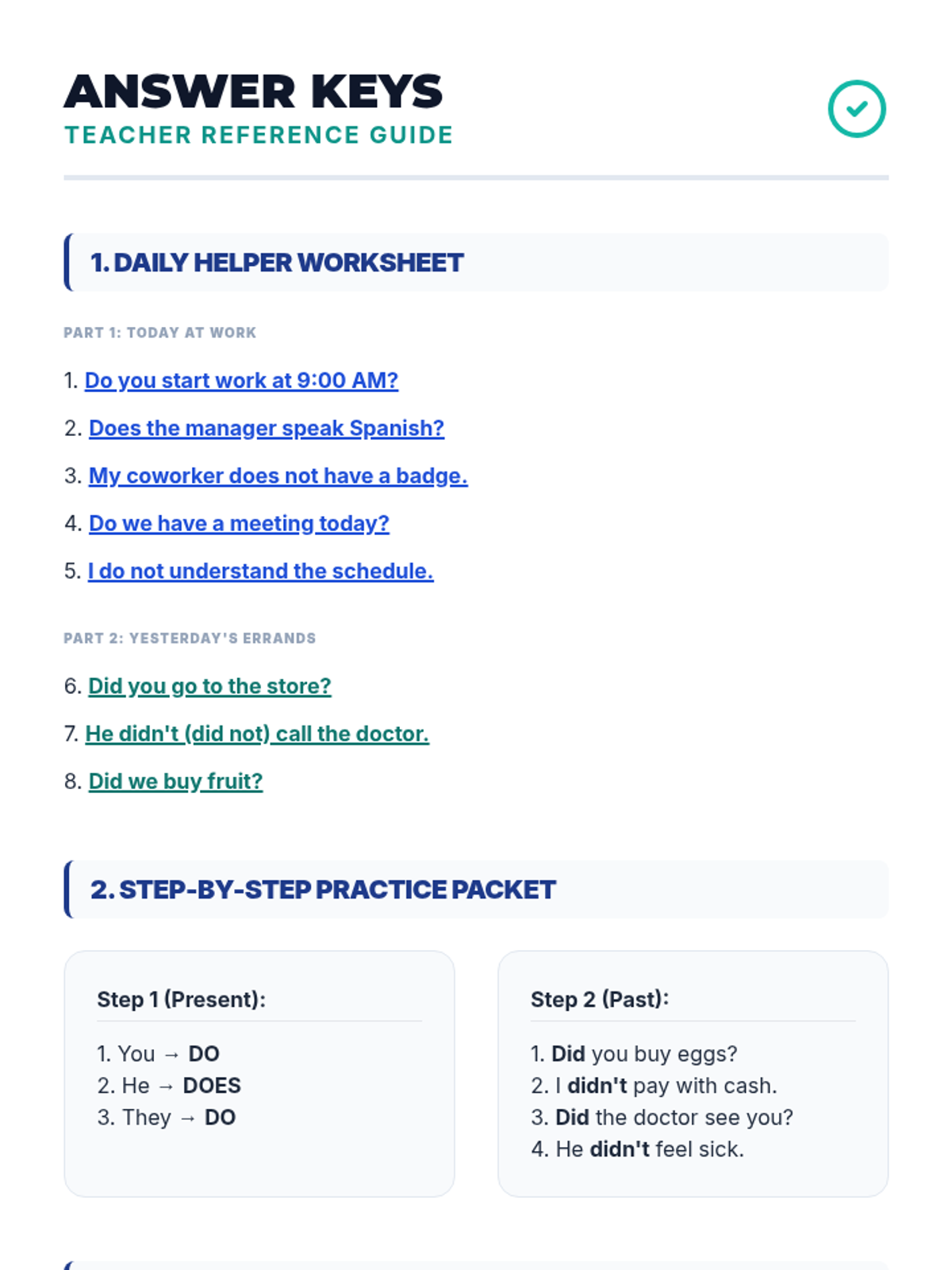
Mastering the use of 'do', 'does', and 'did' for asking questions and forming negative statements in practical adult scenarios.
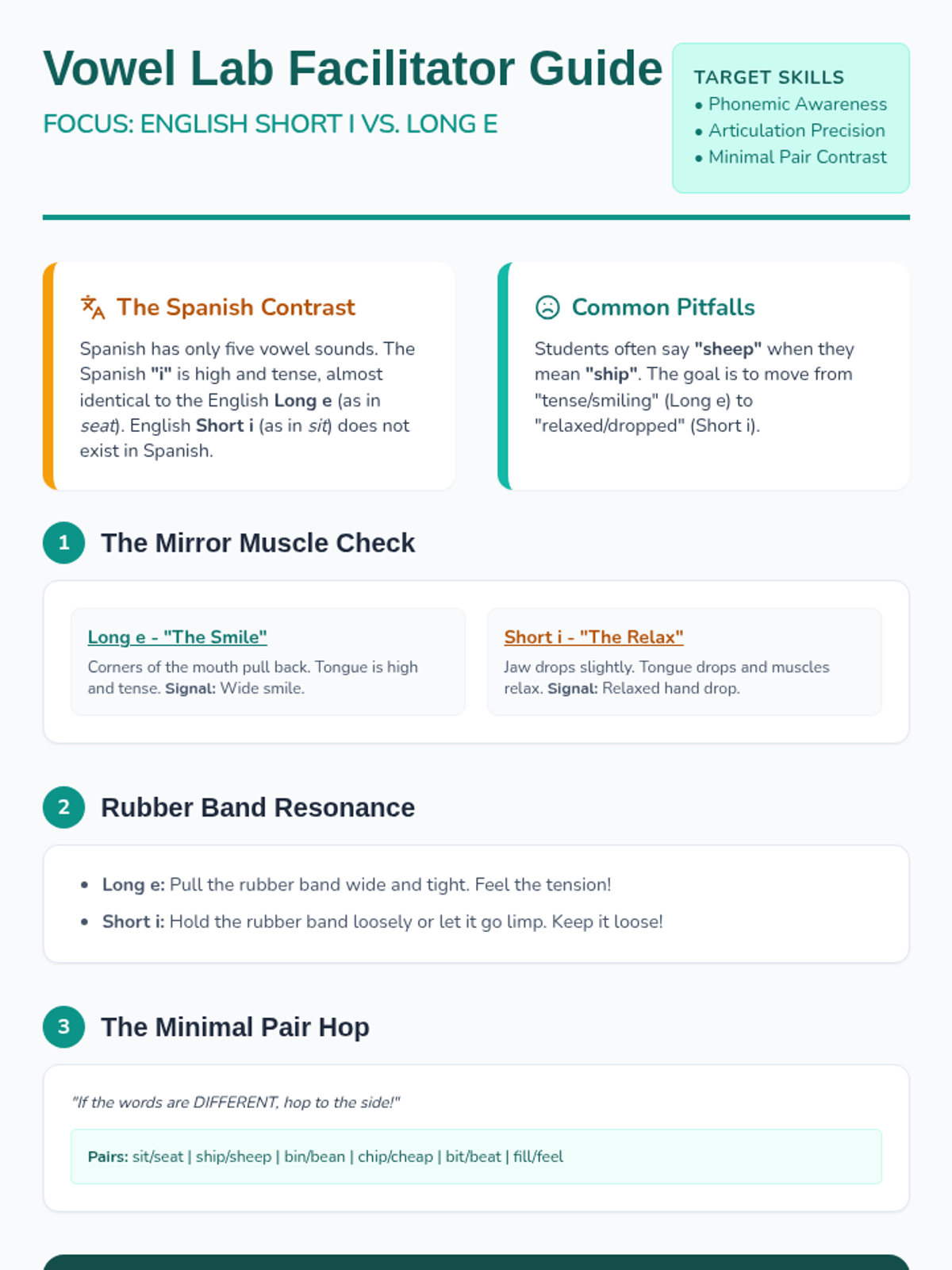
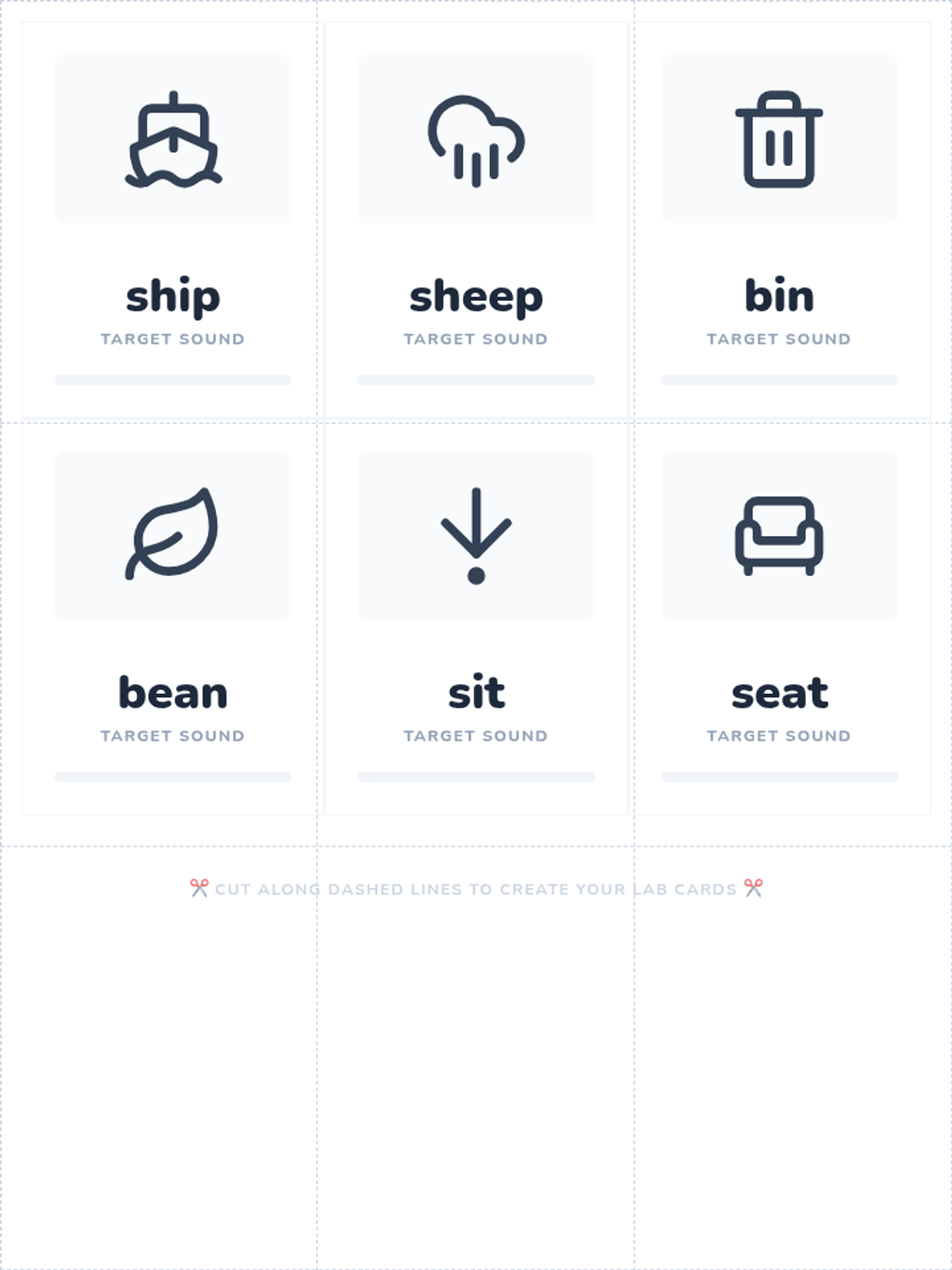
A multisensory lesson focusing on the phonetic distinction between the English short /ɪ/ and long /i/ sounds, specifically designed for students bridging from Spanish.
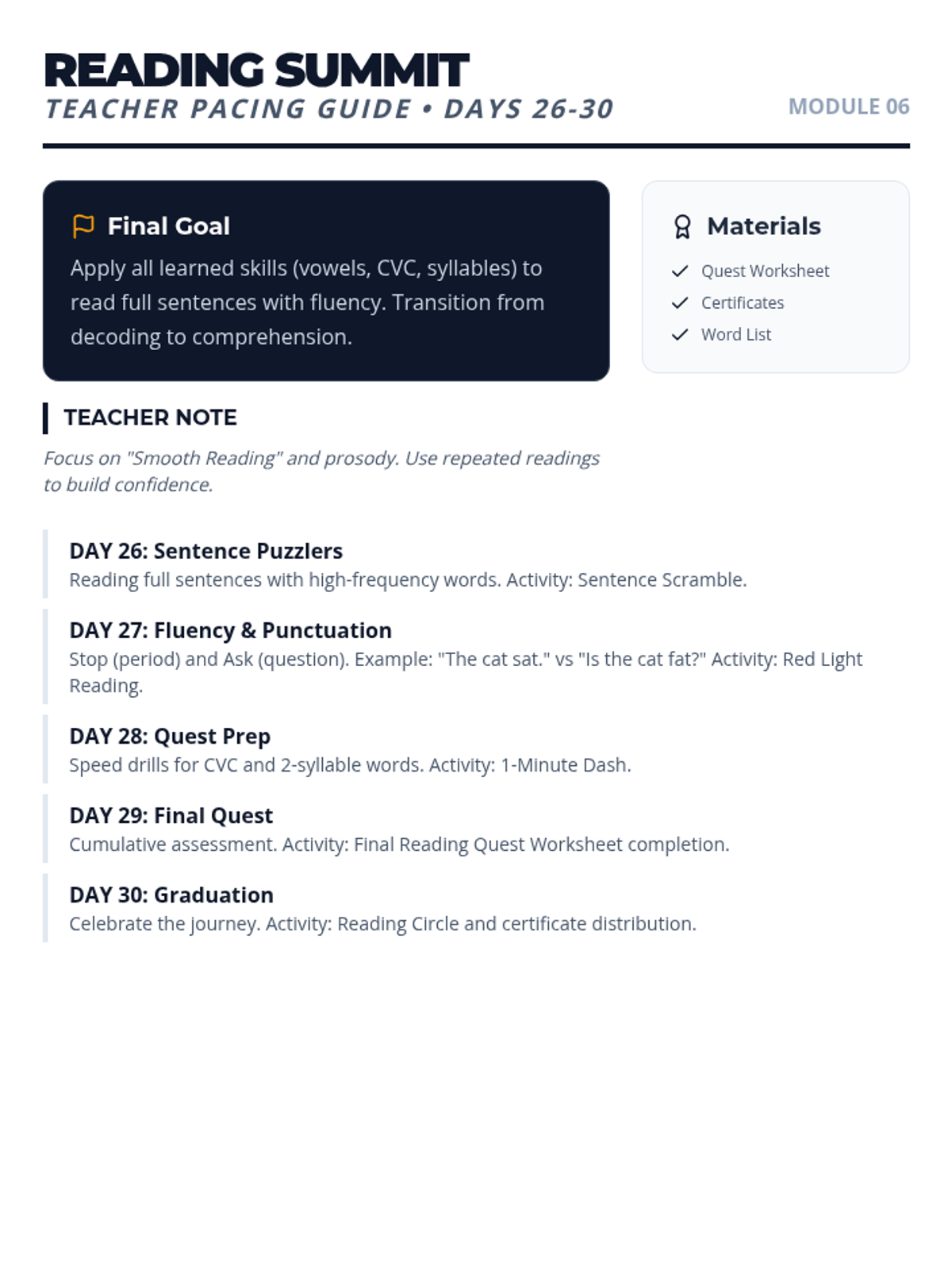
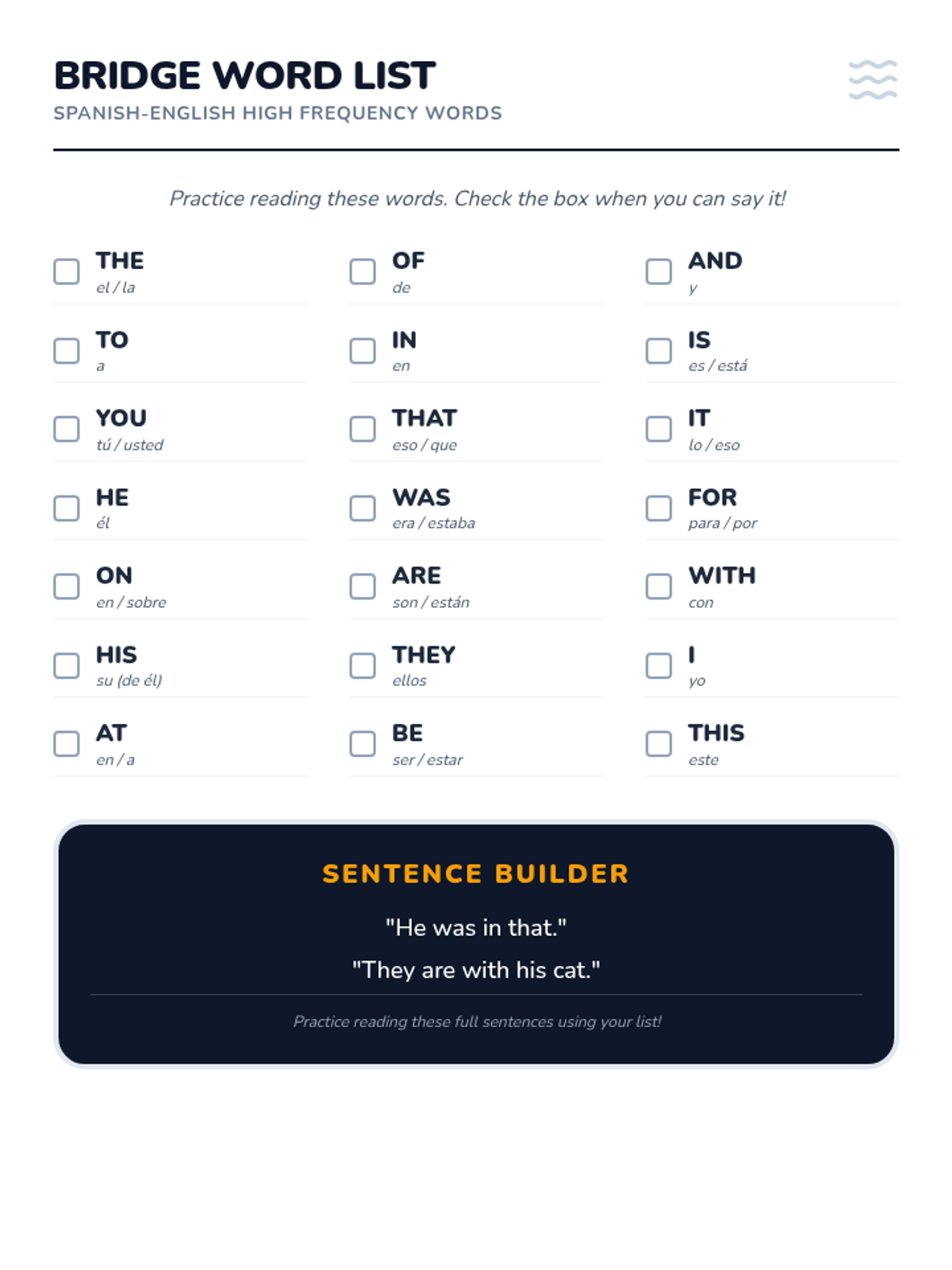
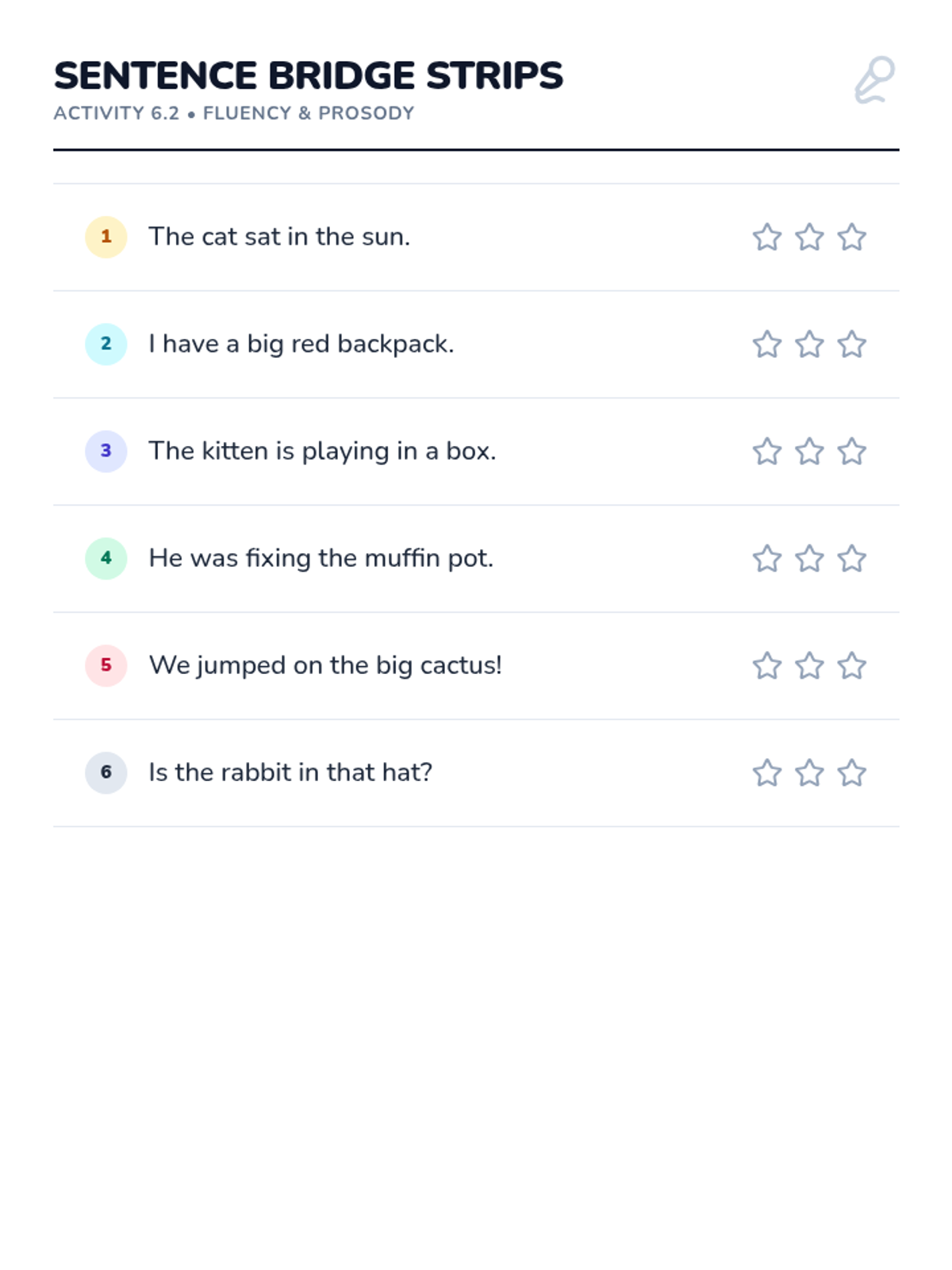
Consolidates all skills through fluency practice, sentence reading, and a final assessment of the 30-day journey. Days 26-30 of the 30-day plan.
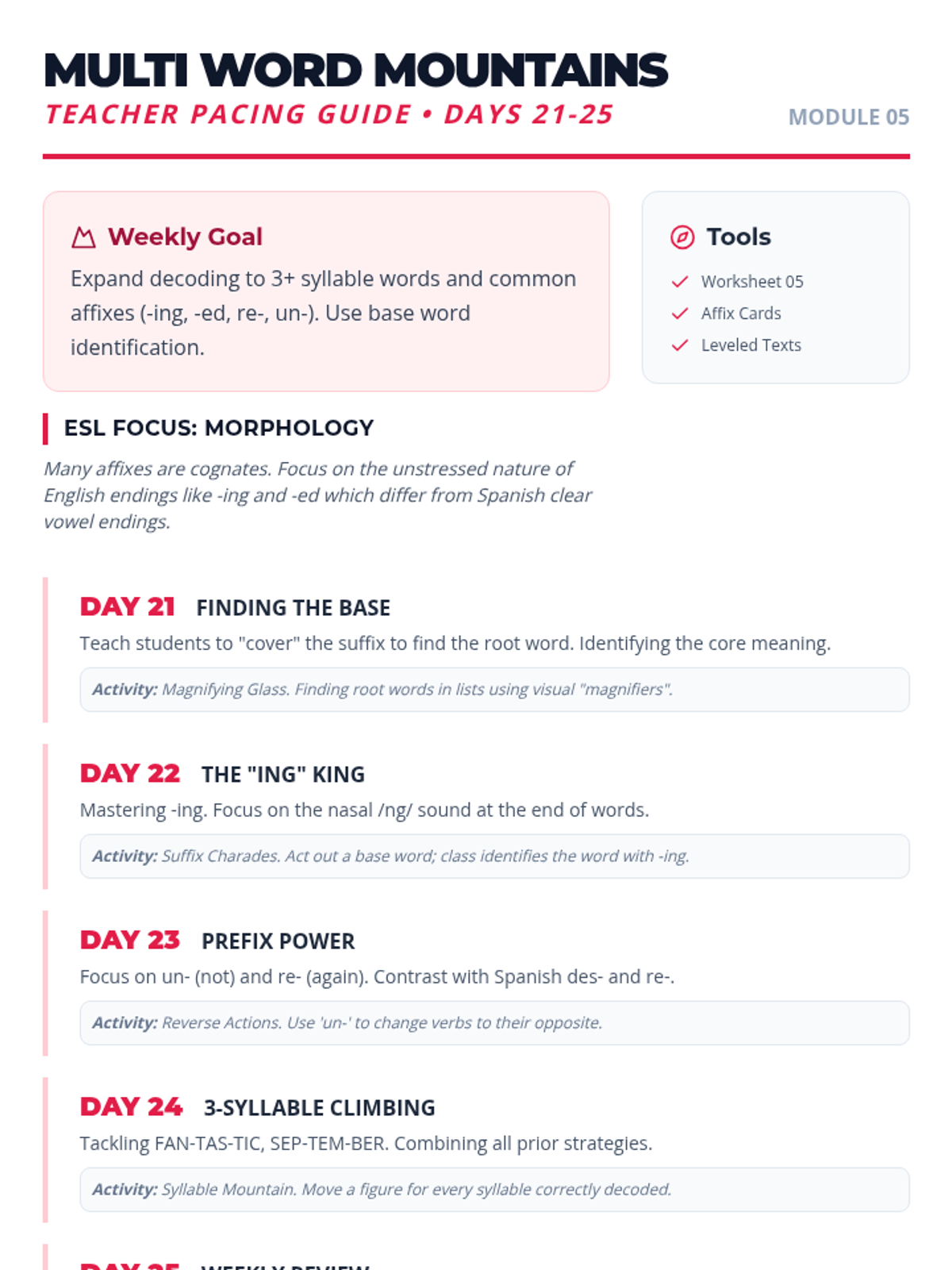
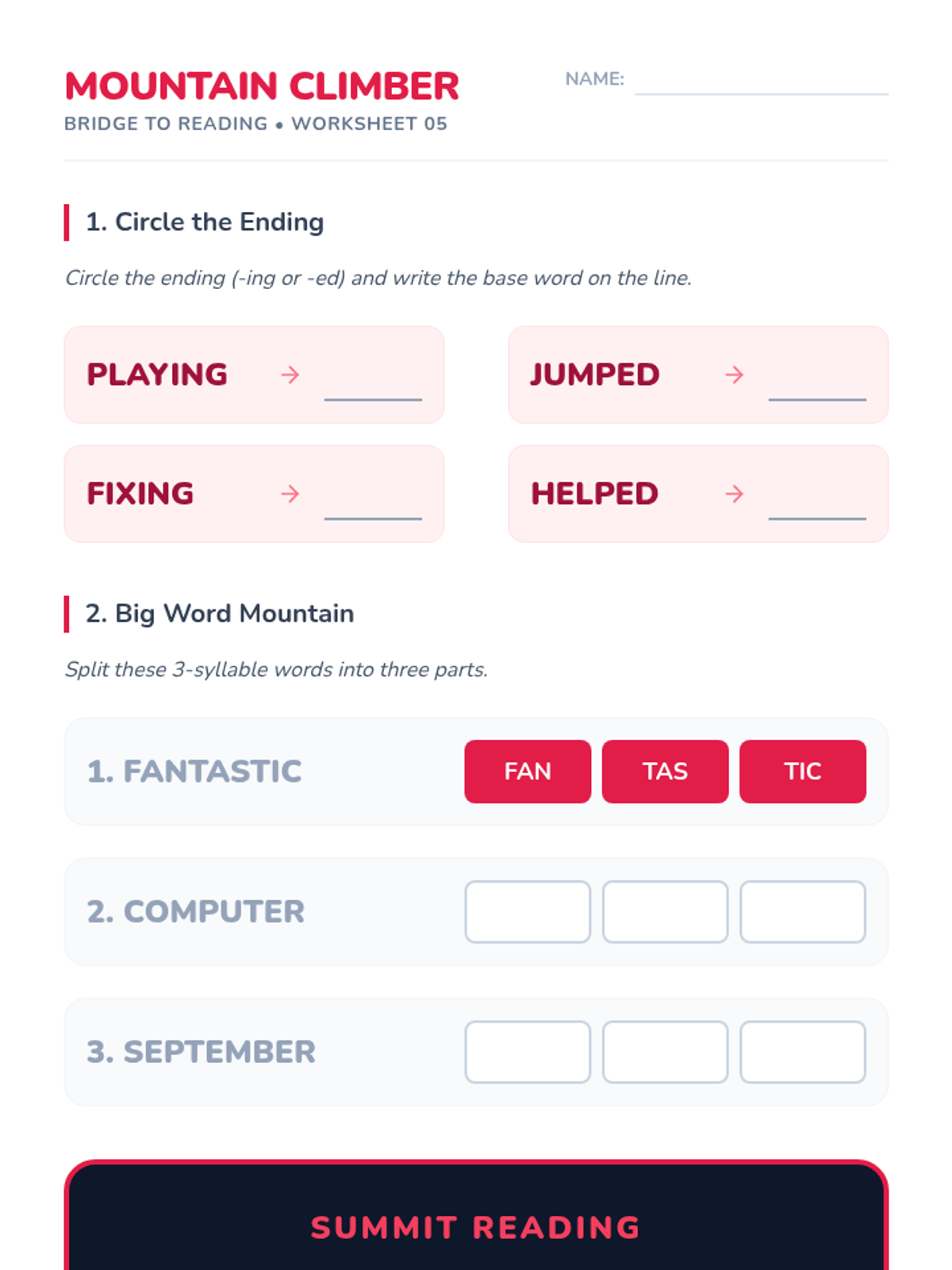
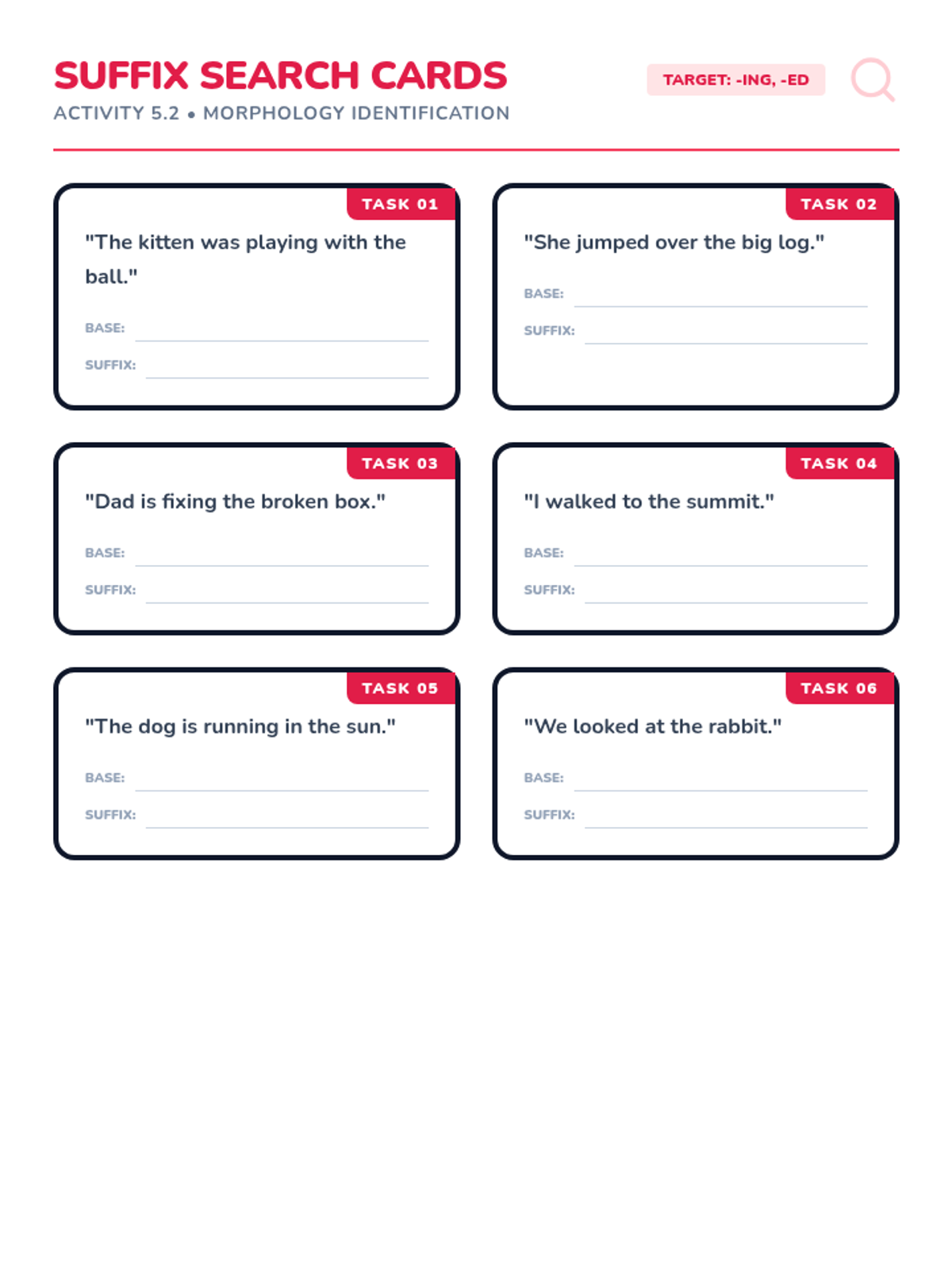
Focuses on more complex multisyllabic words, common prefixes, and suffixes to expand decoding capabilities. Days 21-25 of the 30-day plan.
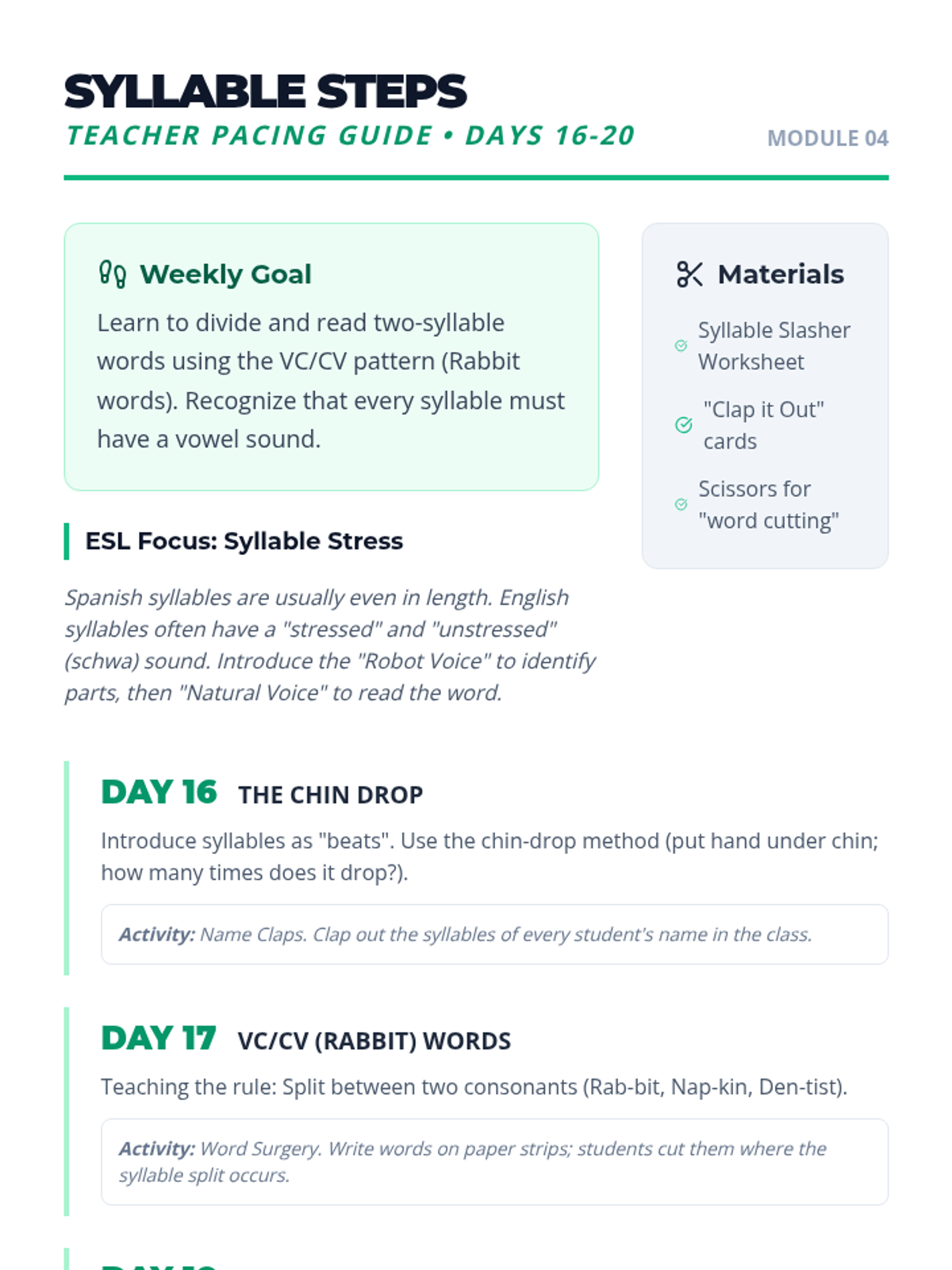
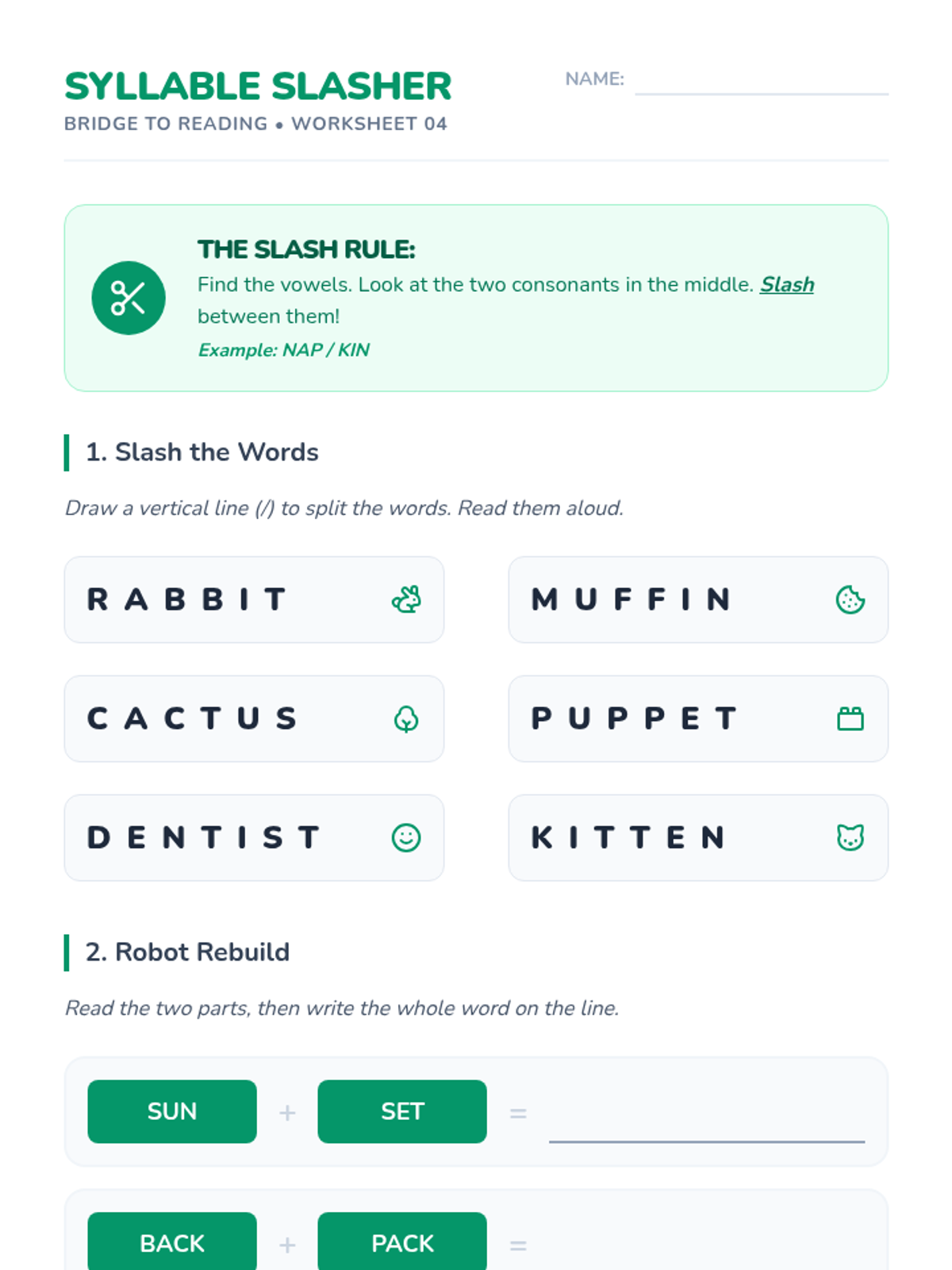
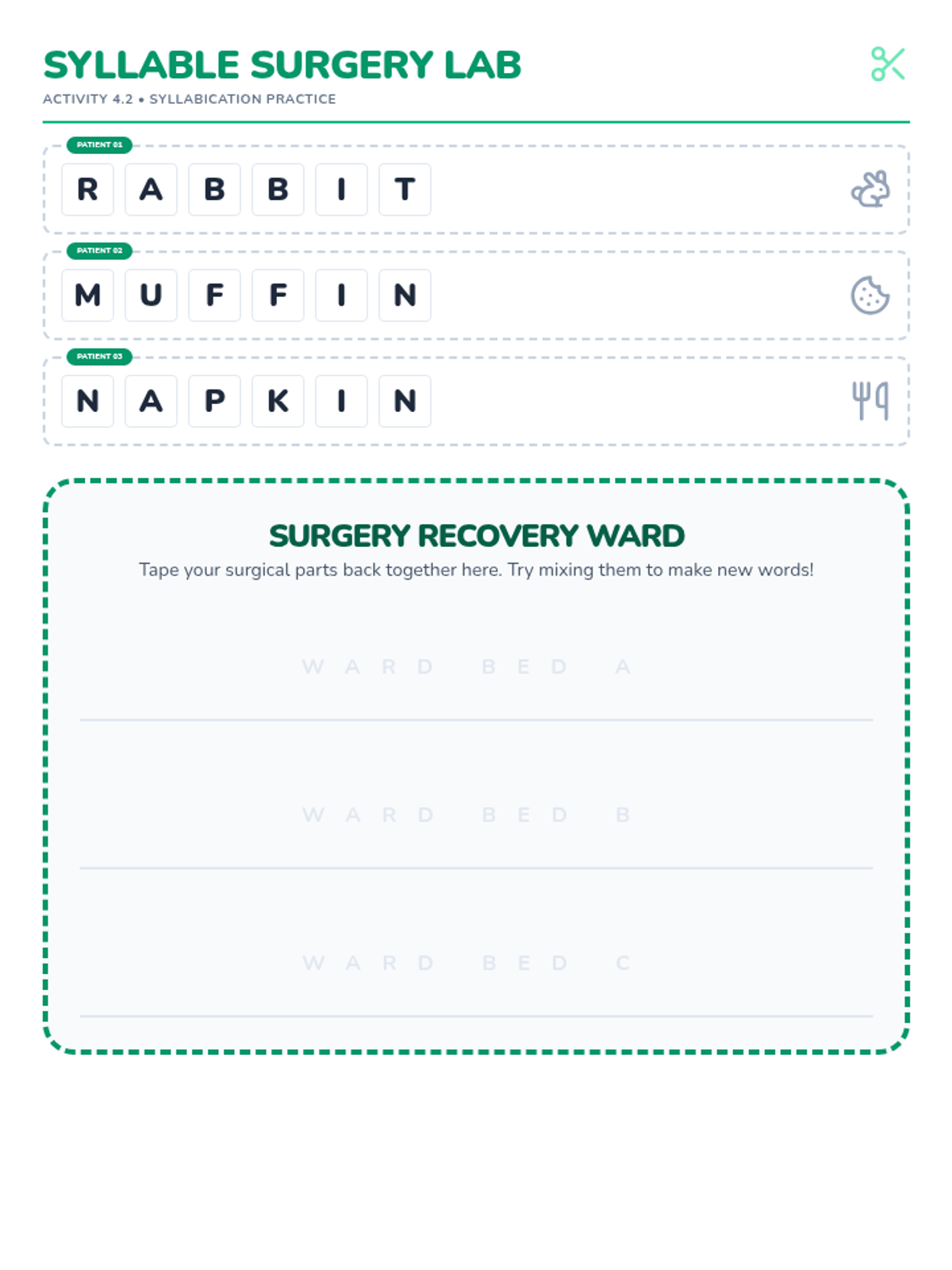
Introduces two-syllable words and basic syllabication rules (VC/CV), helping students tackle longer words. Days 16-20 of the 30-day plan.
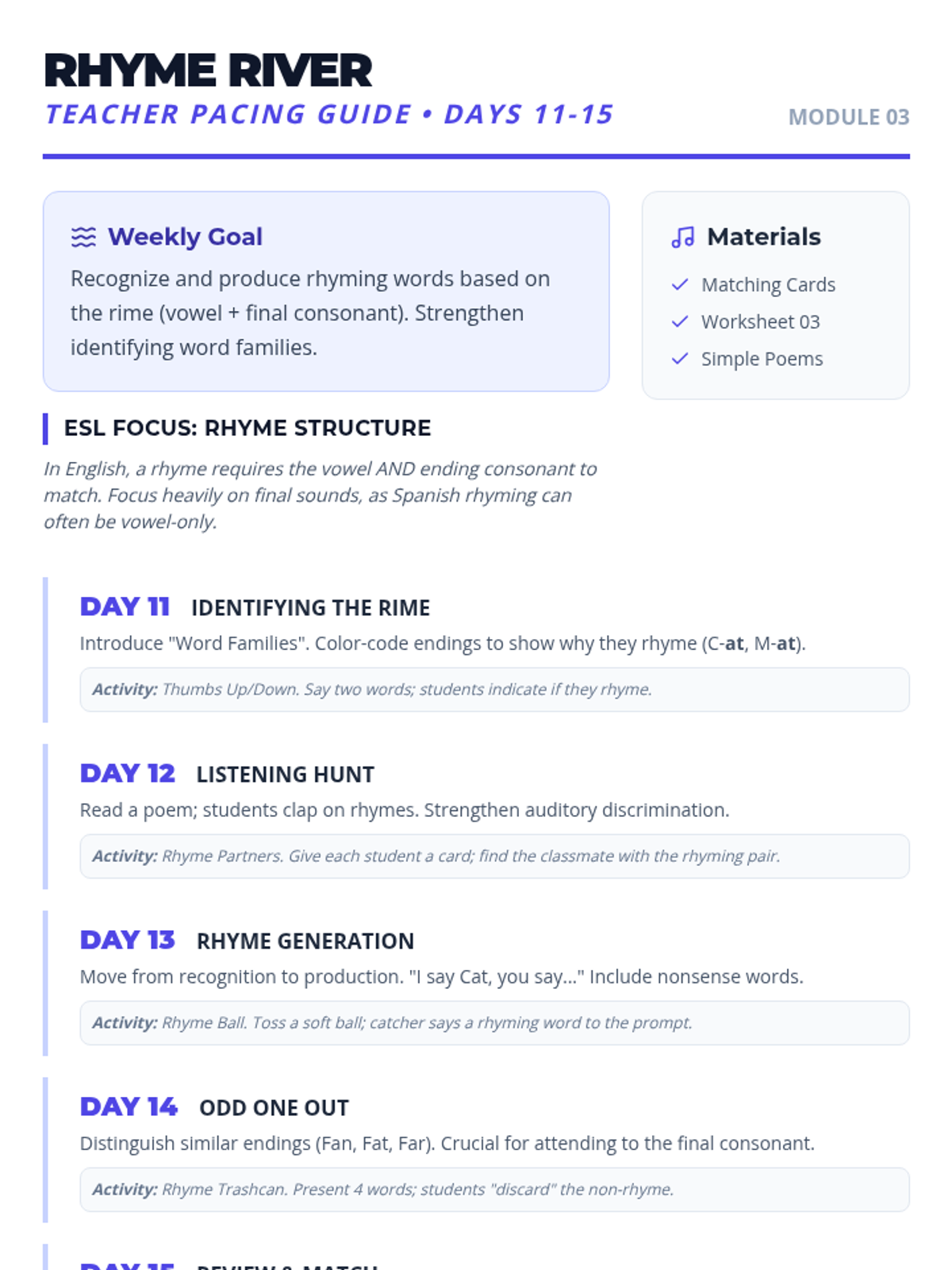
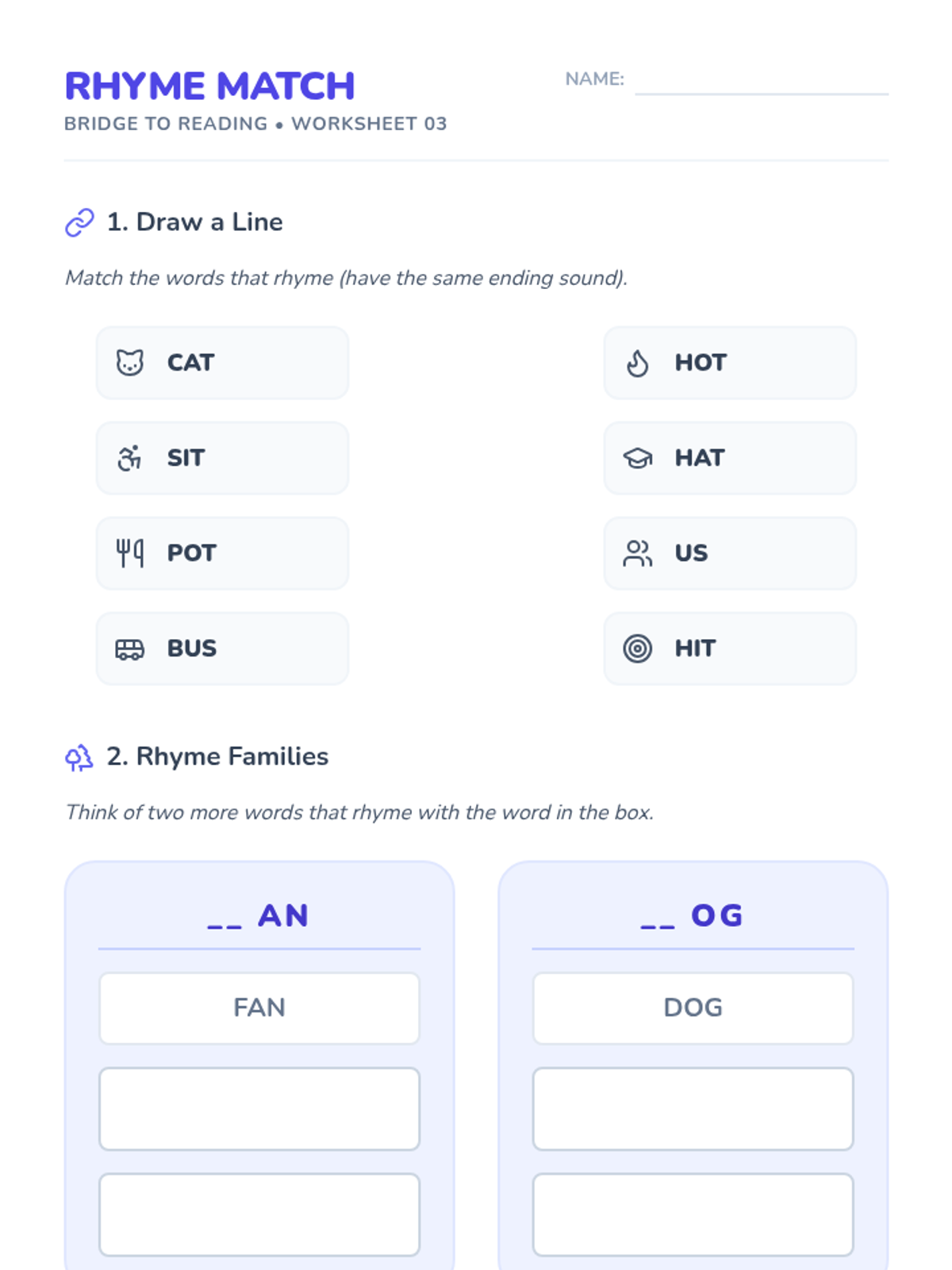
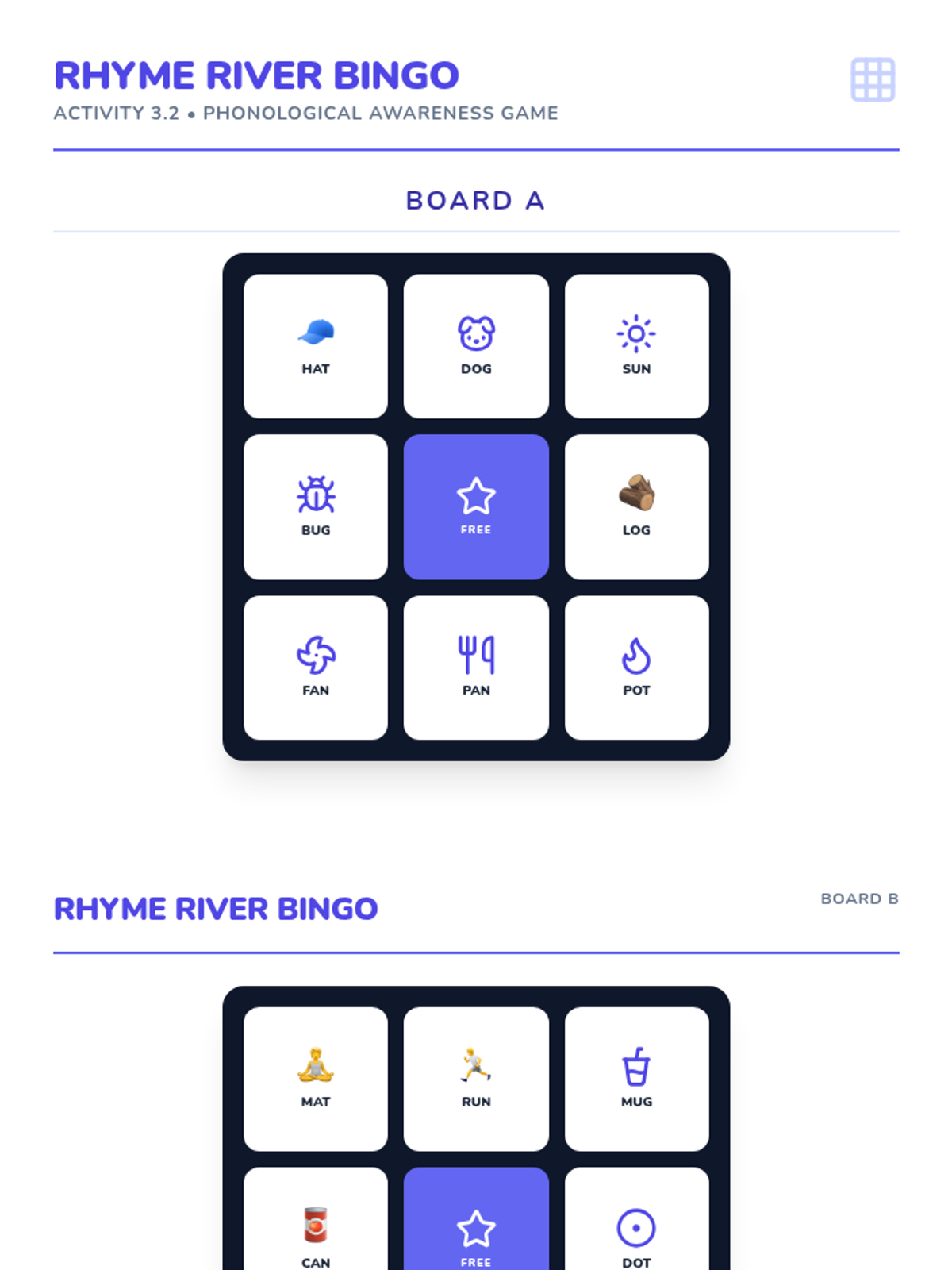
Explores phonological awareness through rhyming and word families, strengthening the connection between spelling patterns and sounds. Days 11-15 of the 30-day plan.
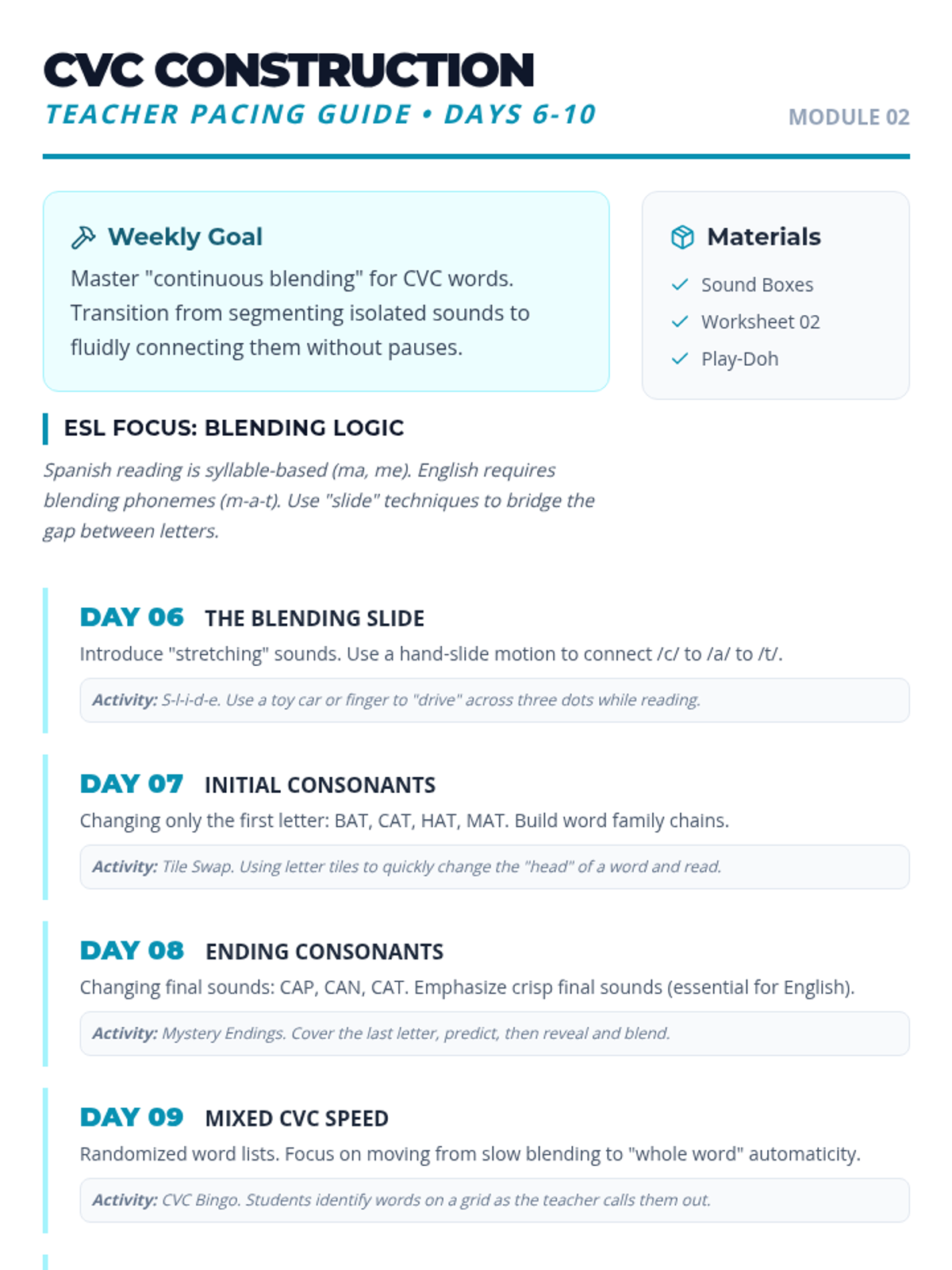
Introduces Consonant-Vowel-Consonant (CVC) blending and word families, transitioning students from isolated sounds to fluid reading. Days 6-10 of the 30-day plan.
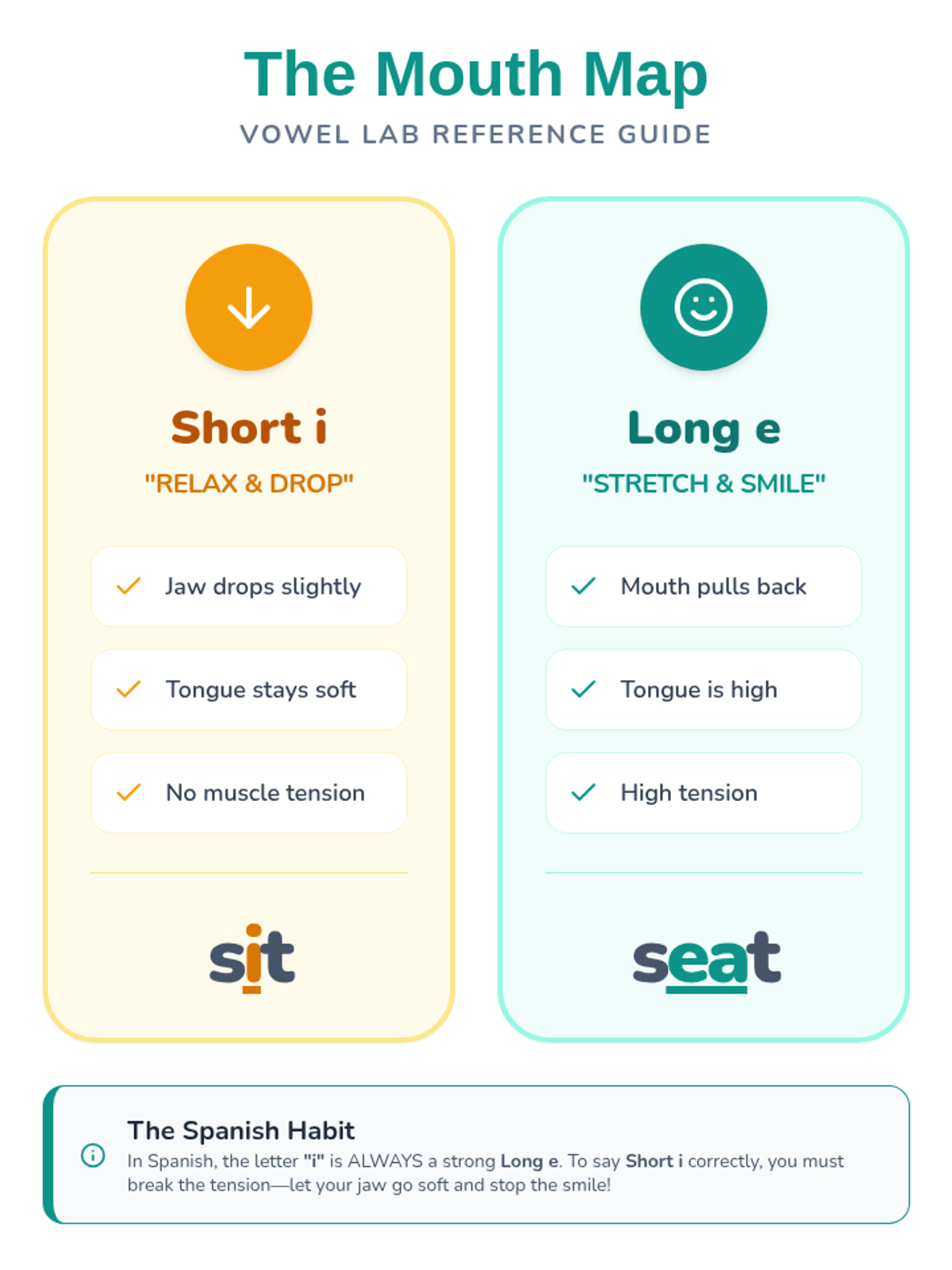
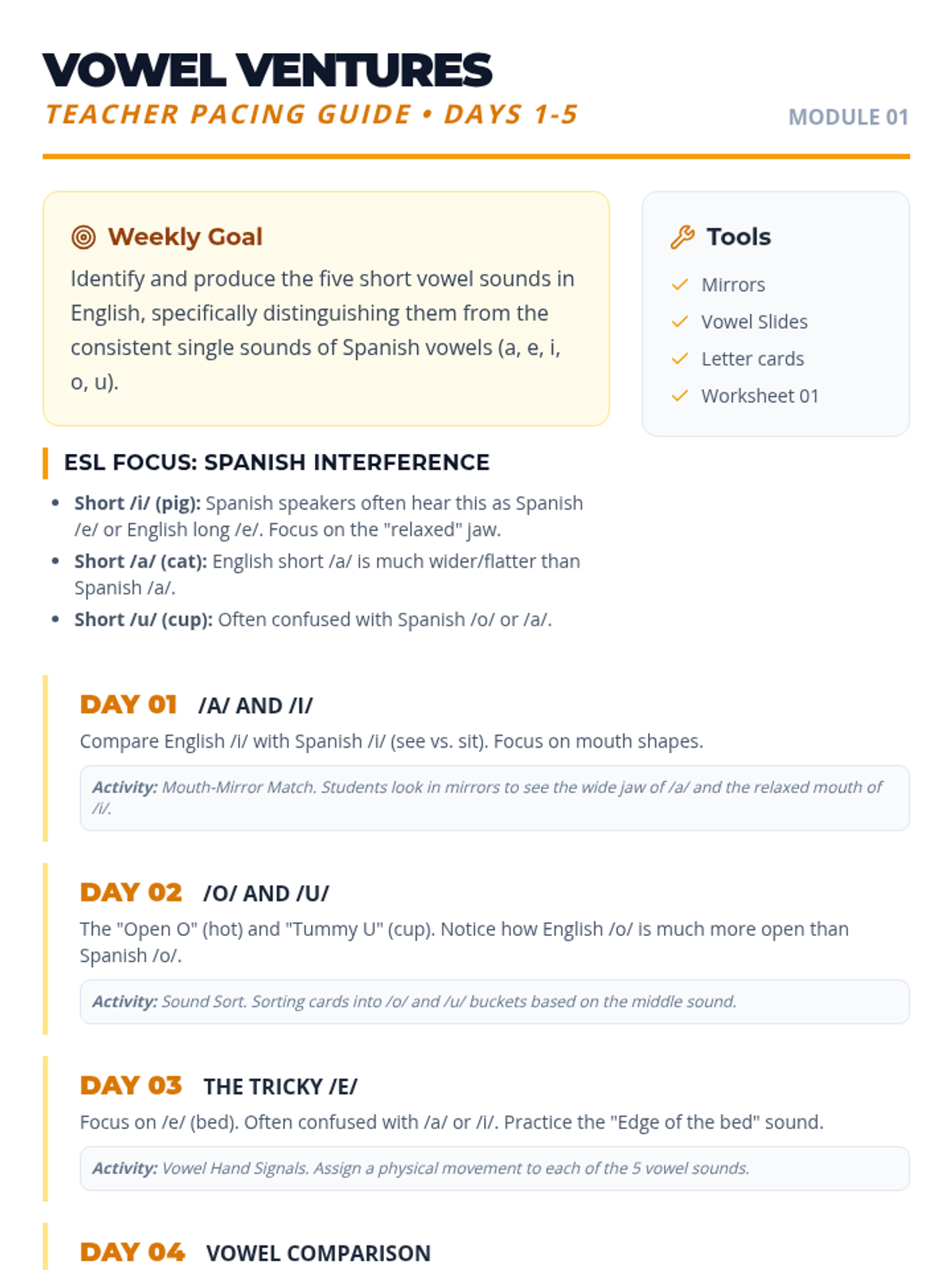
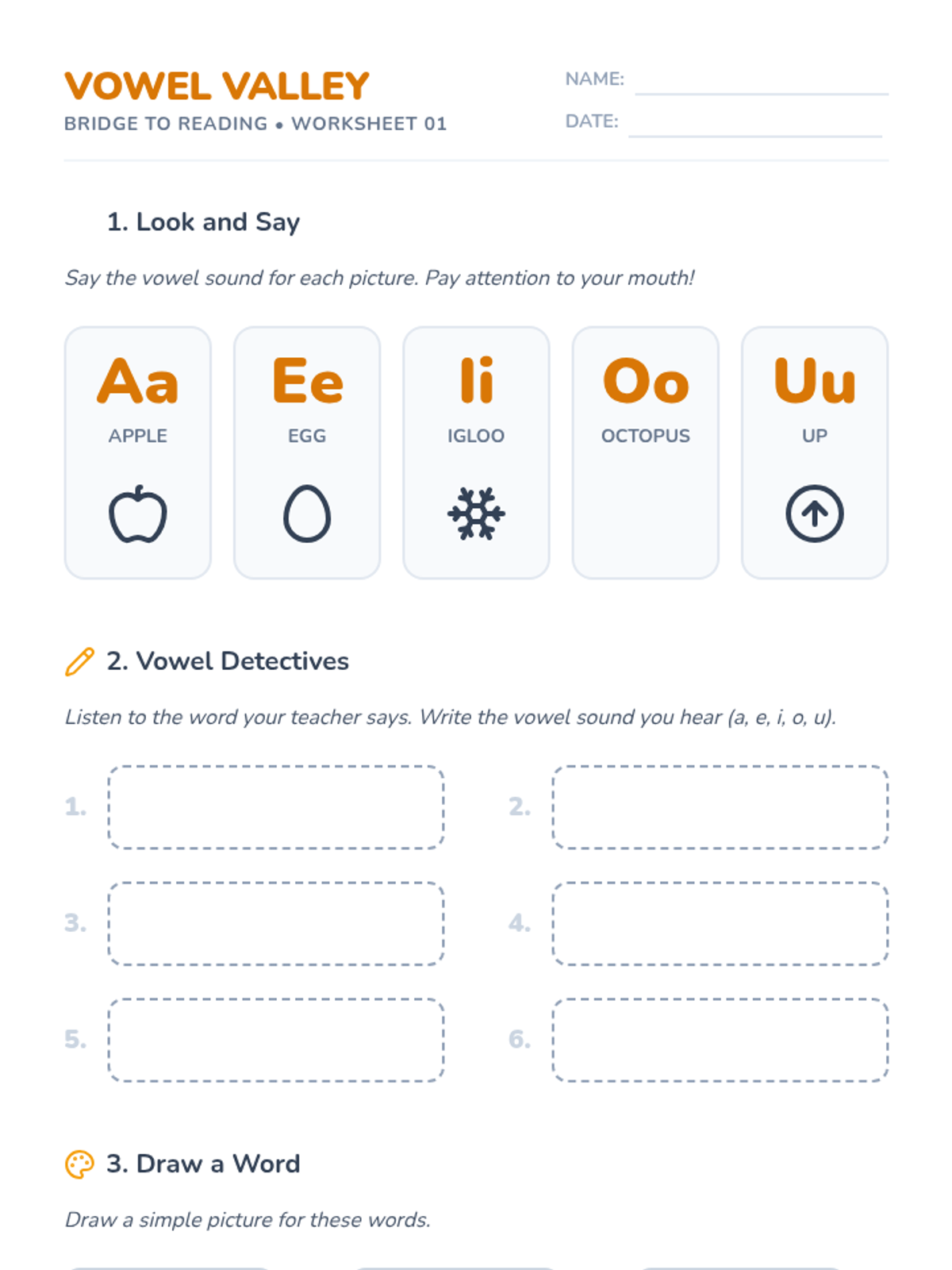
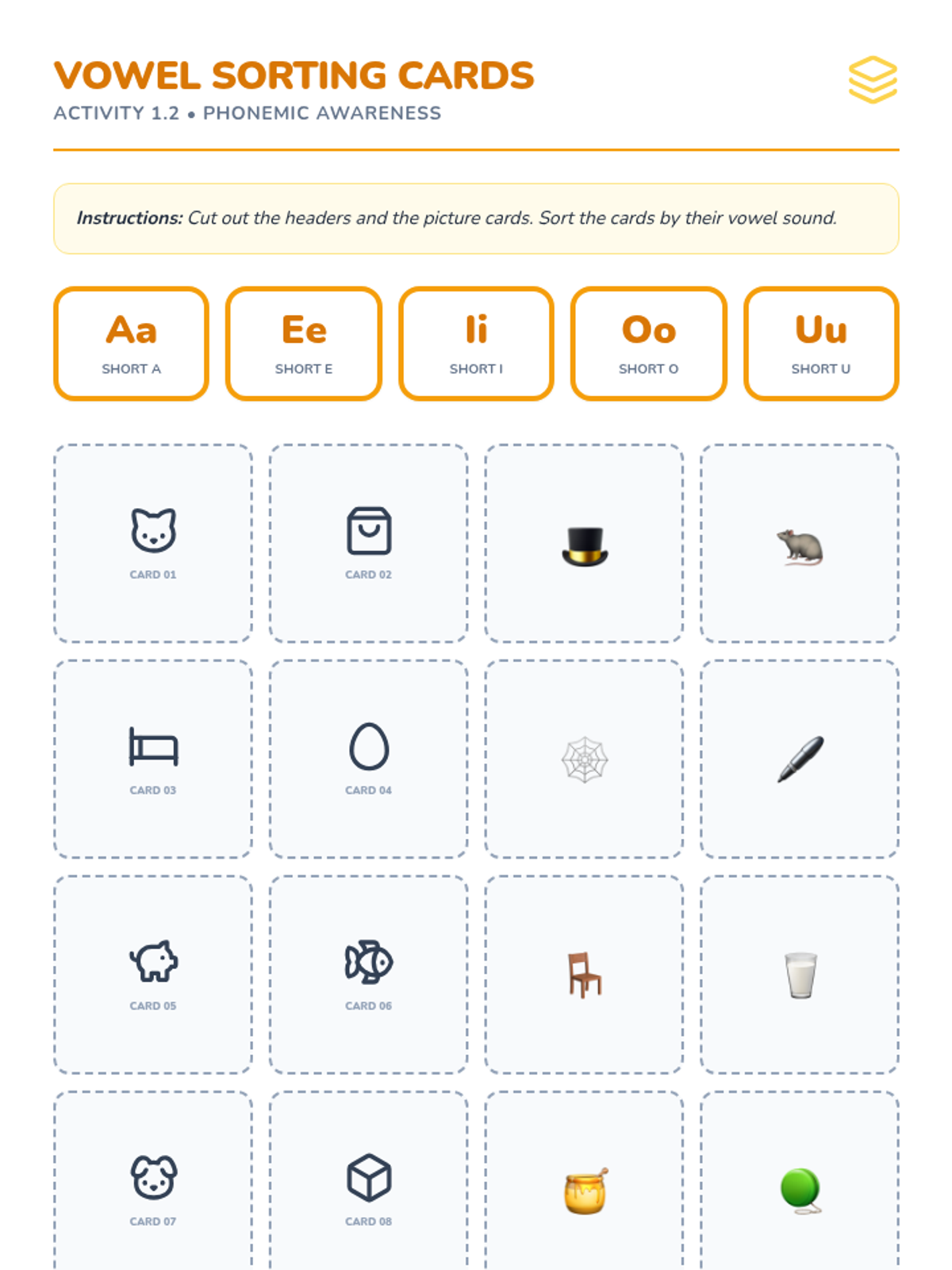
Focuses on the five short vowel sounds, contrasting them with Spanish vowel sounds to help students distinguish English phonemes. Days 1-5 of the 30-day plan.
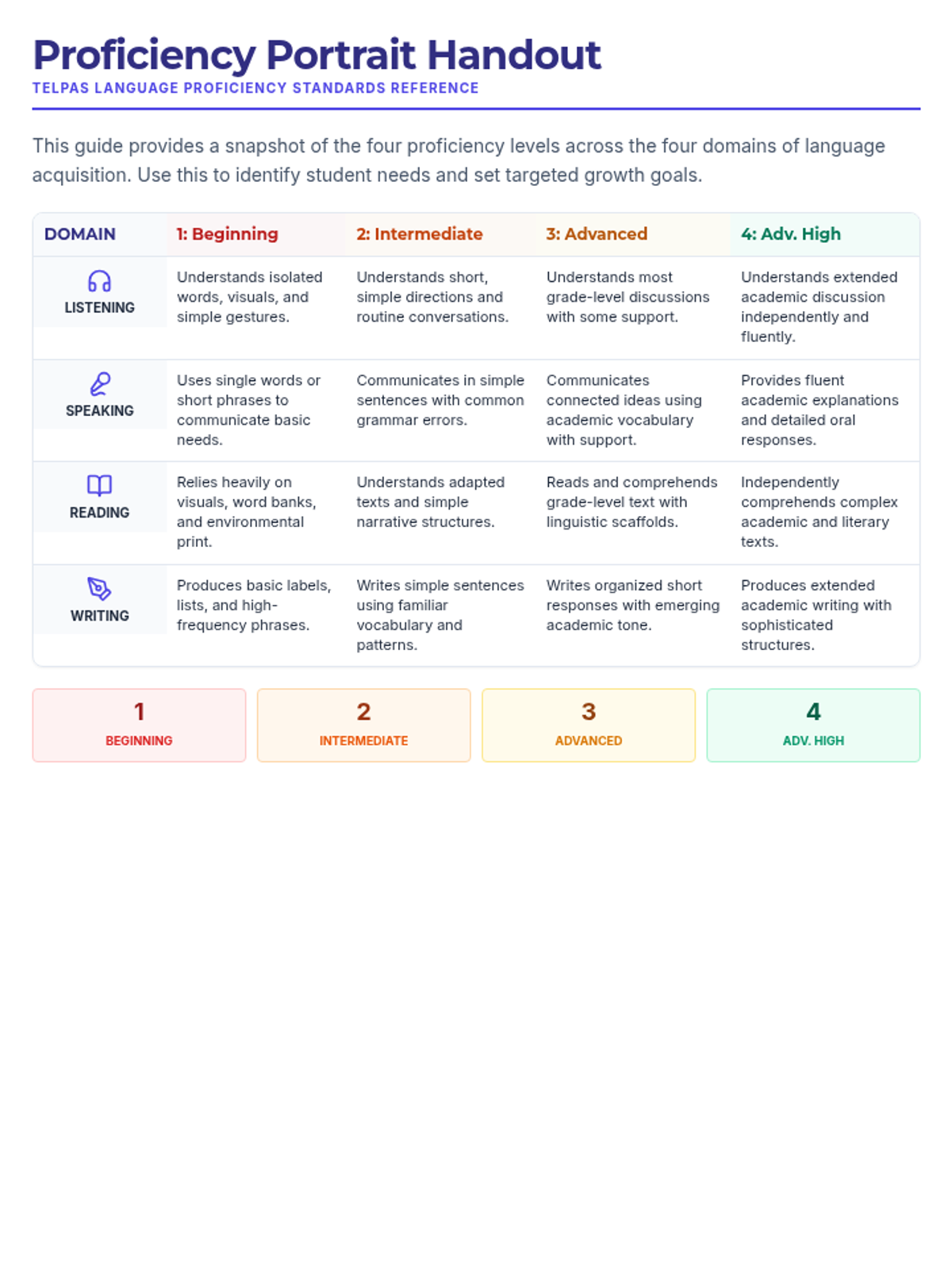
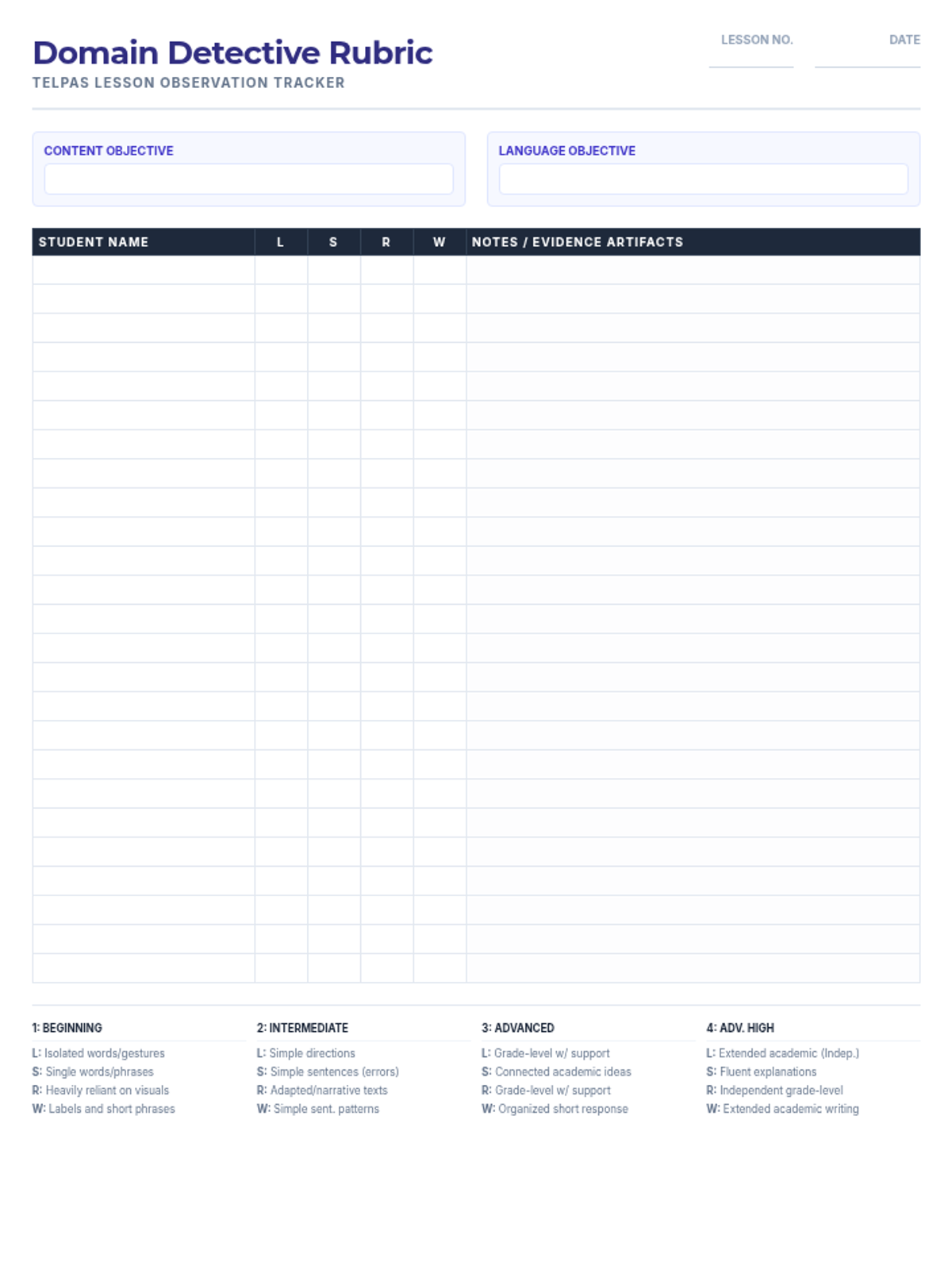
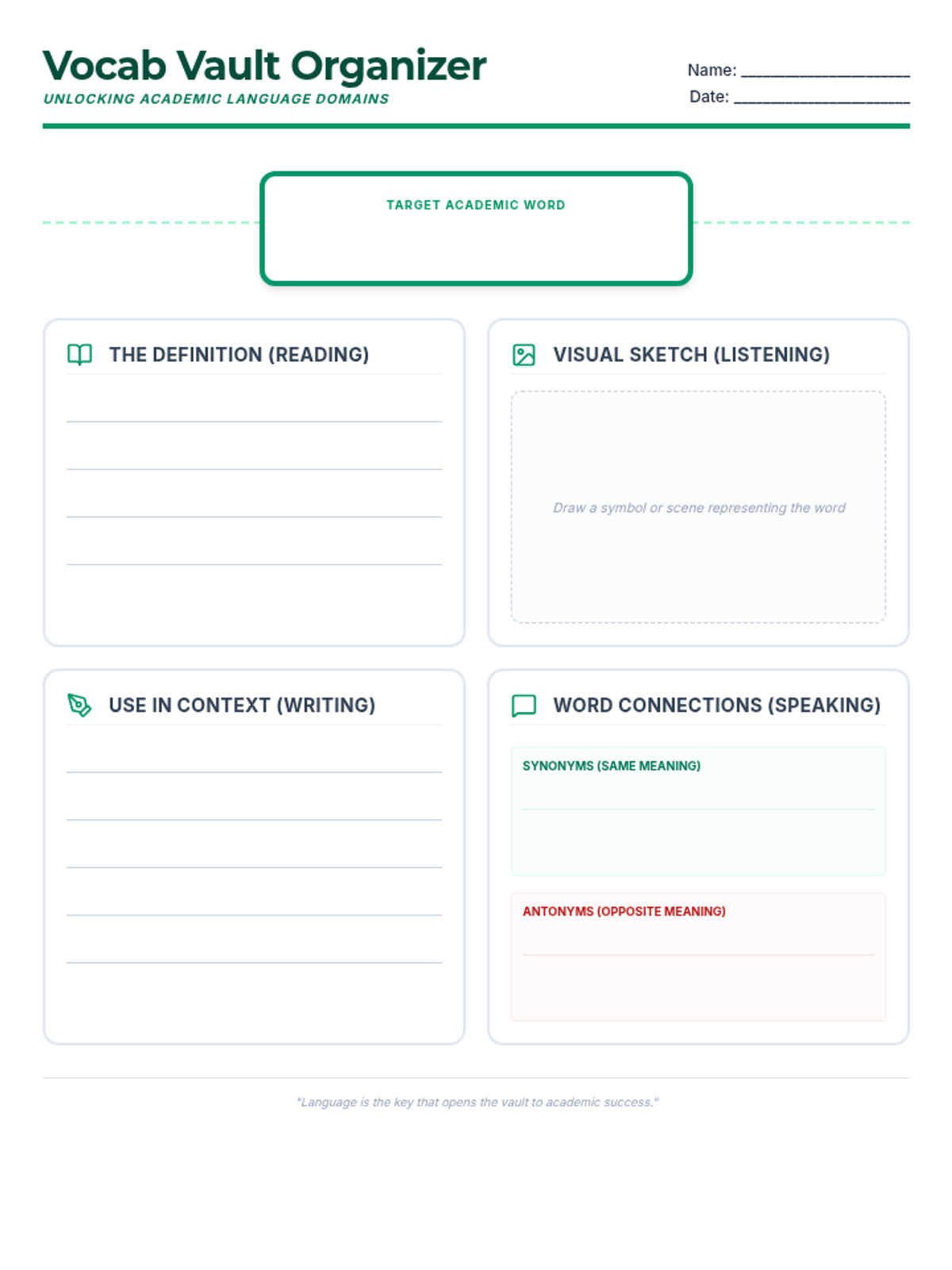
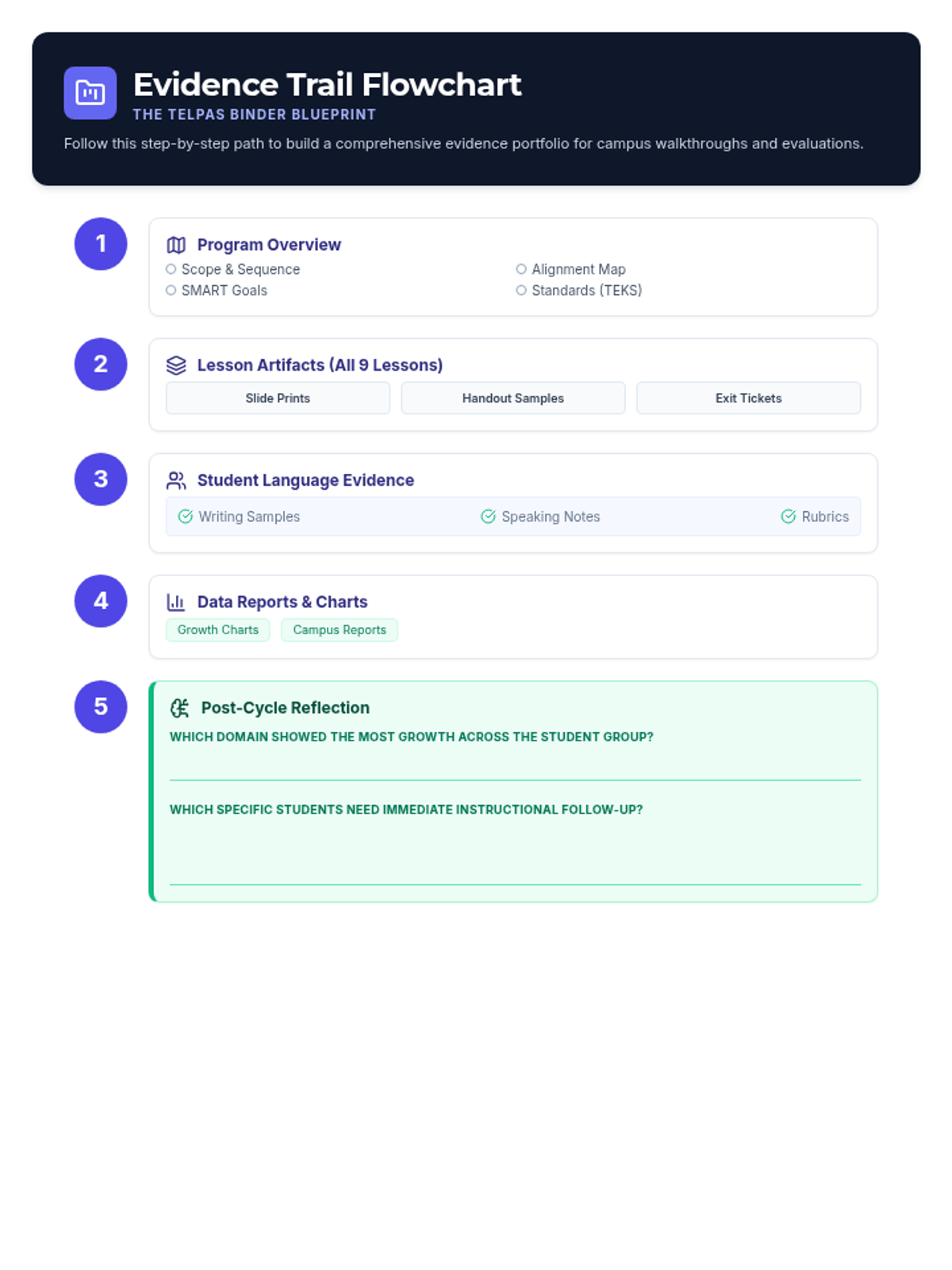
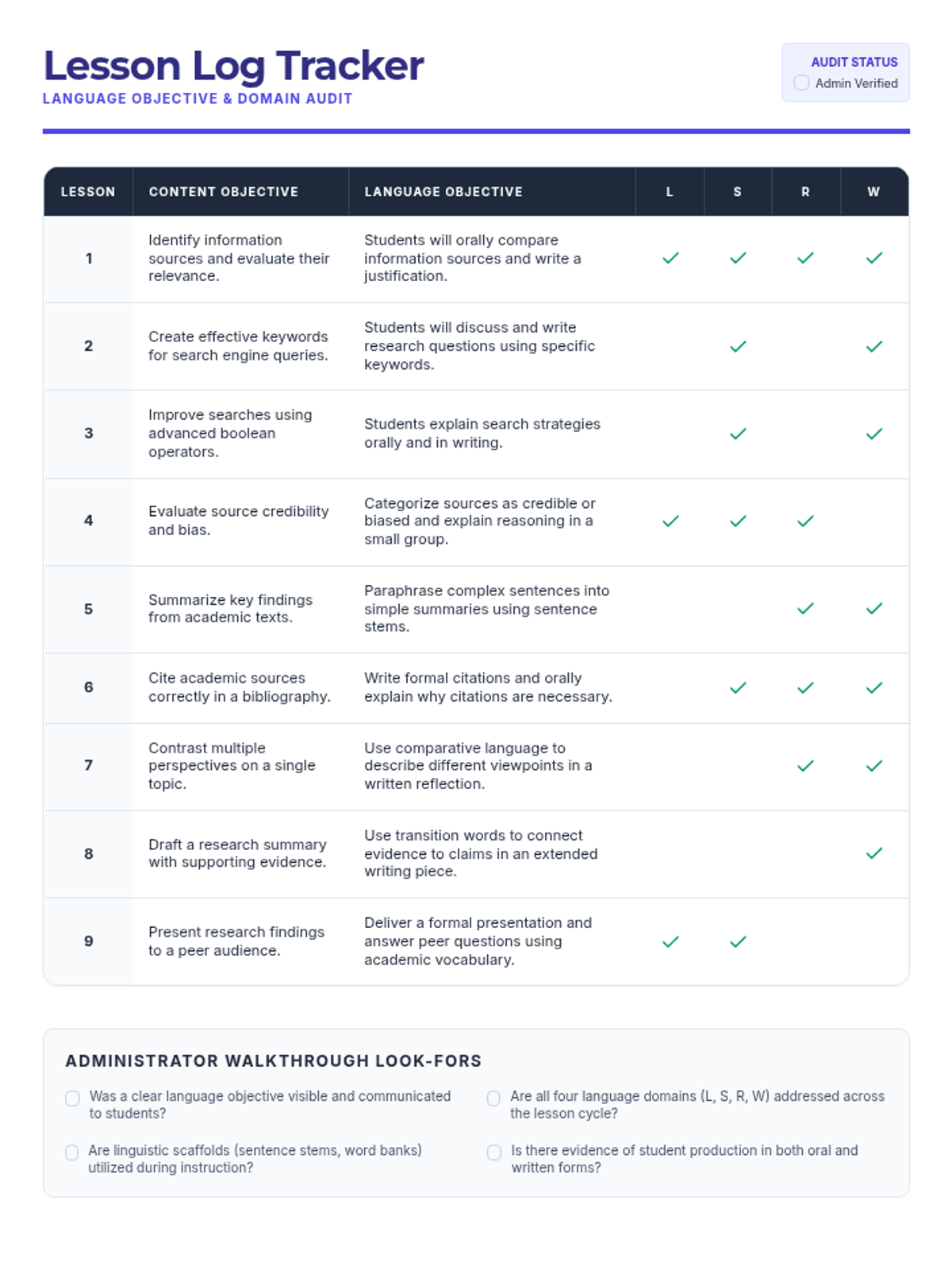
A comprehensive toolkit for teachers to track, document, and support student English language proficiency growth using TELPAS criteria across all four domains.
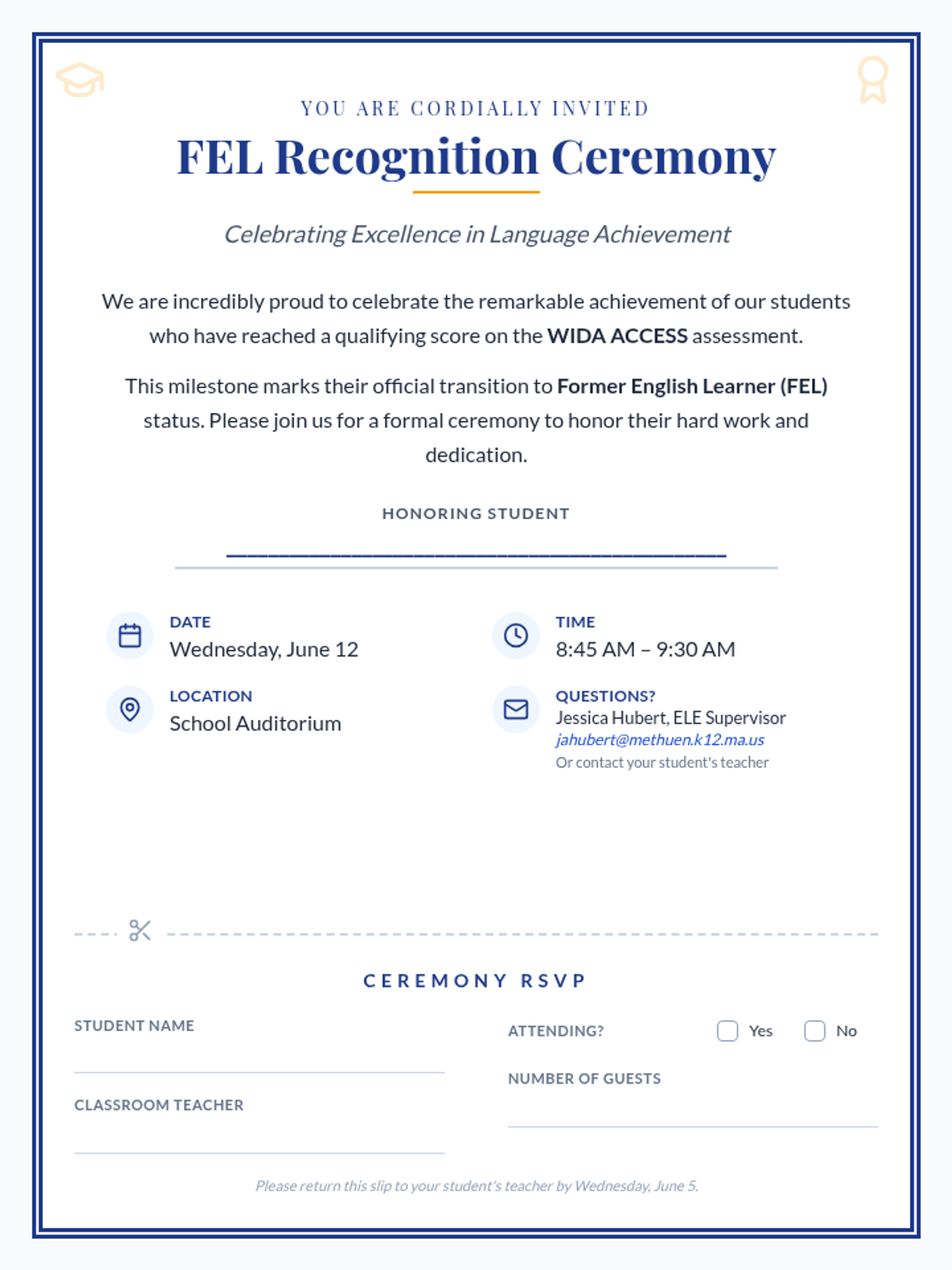
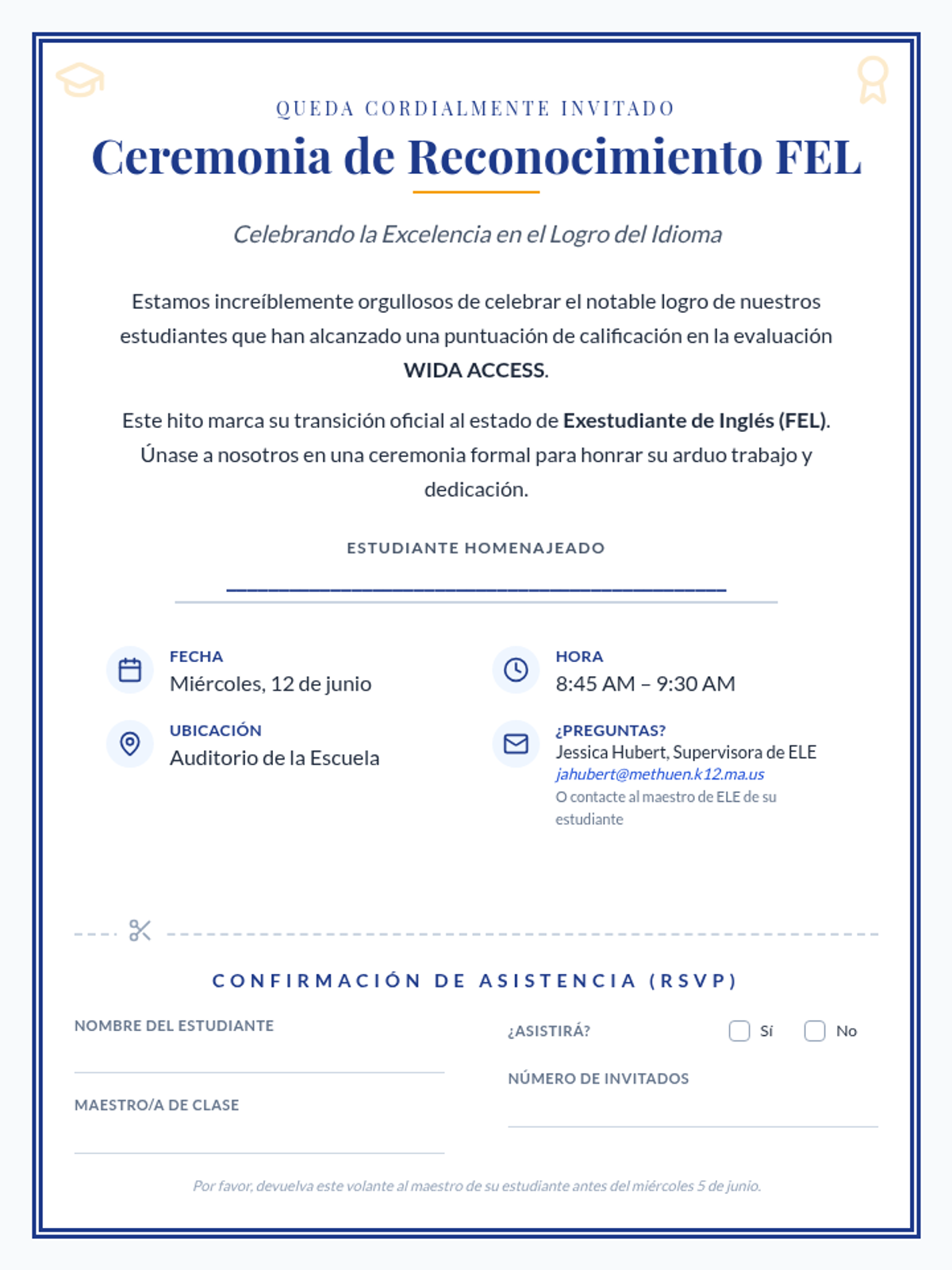
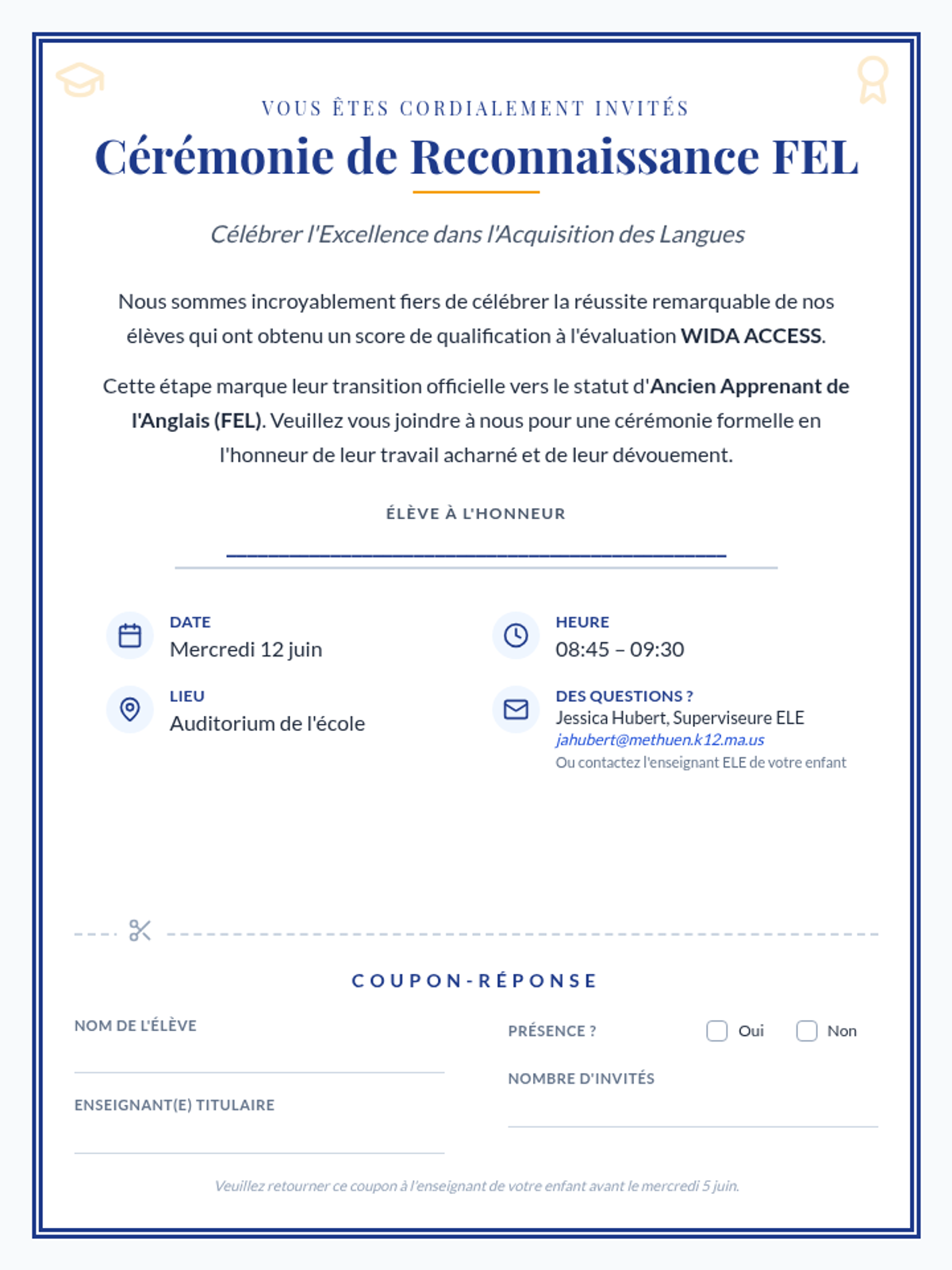
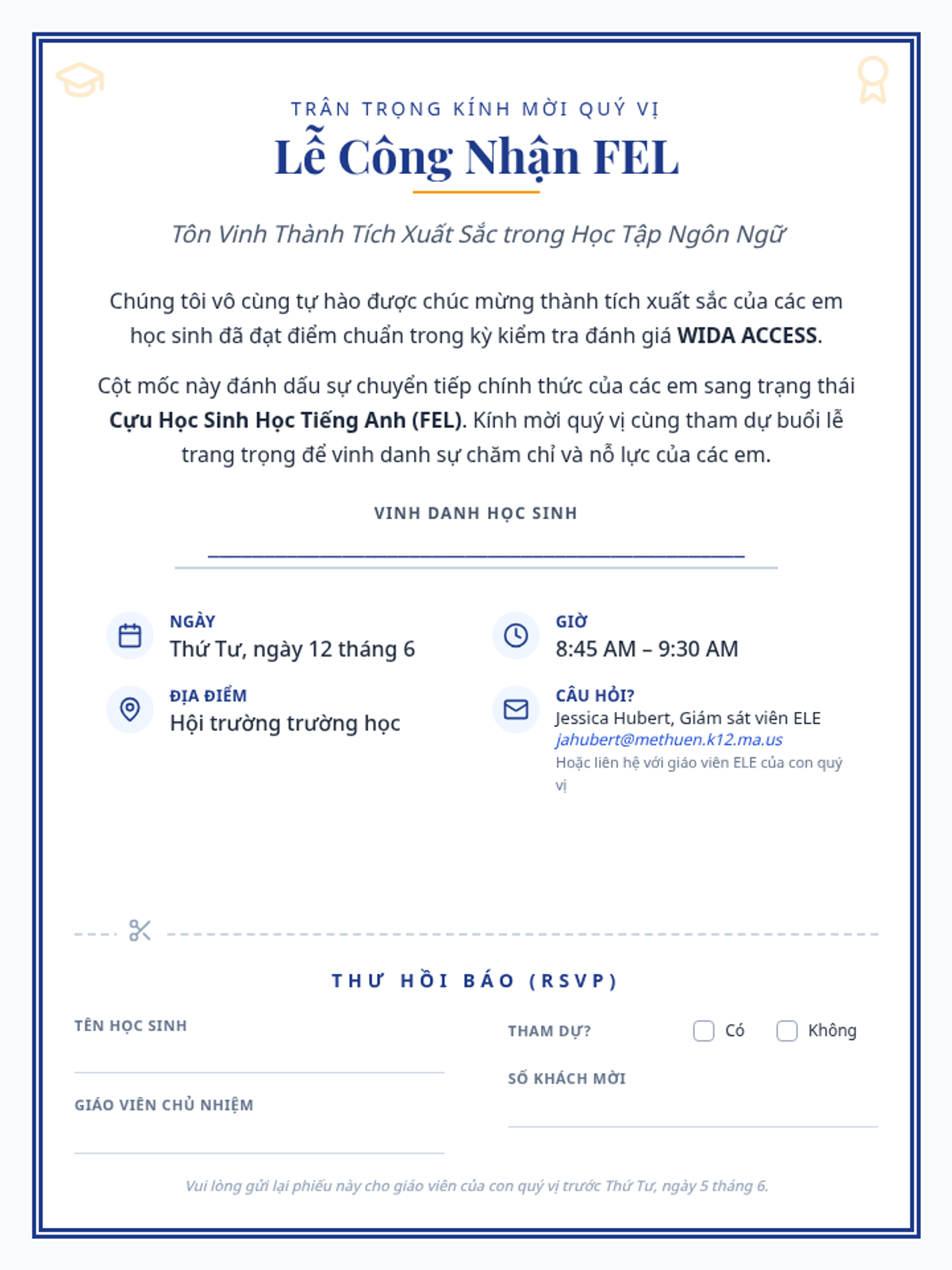
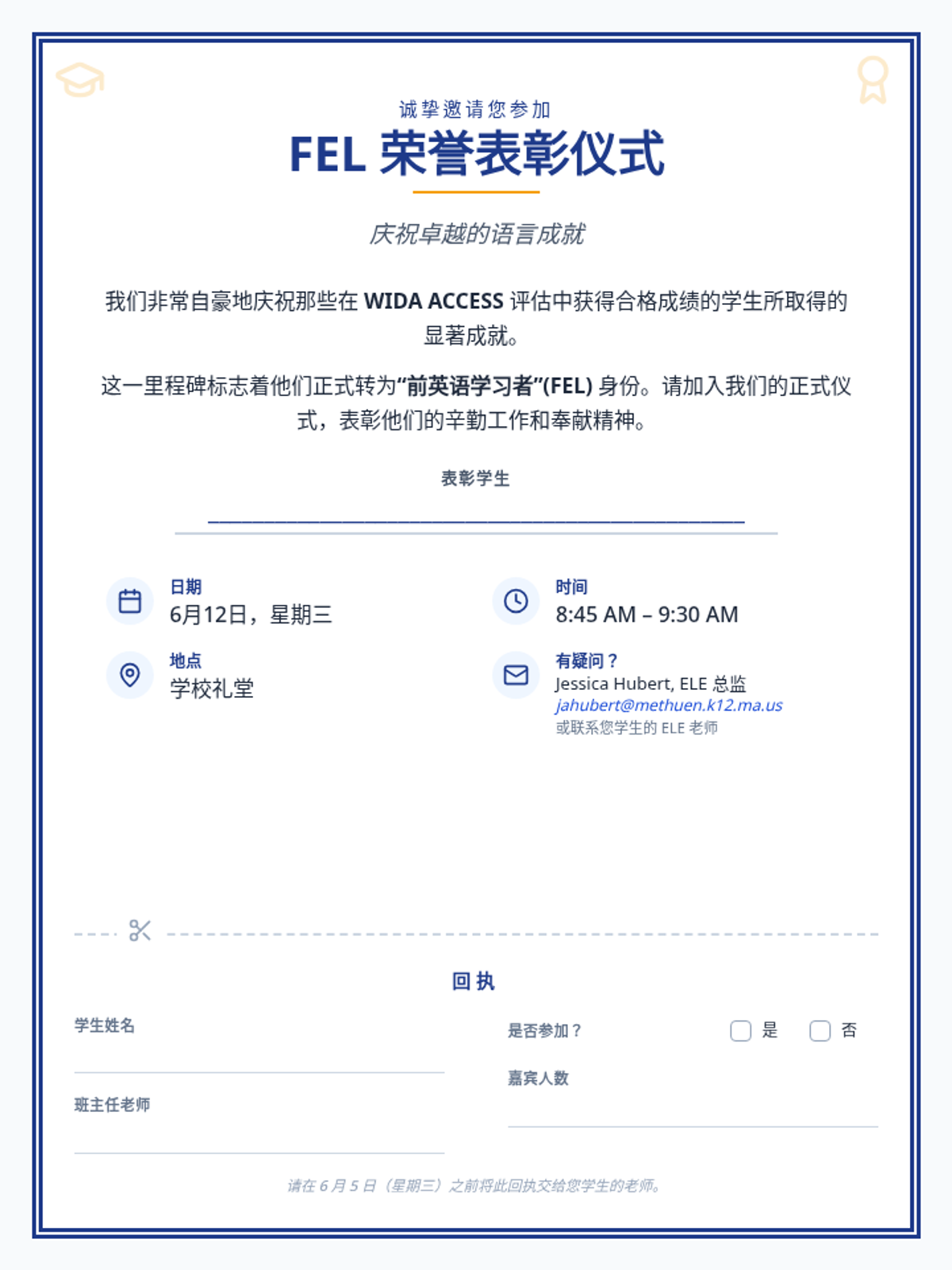
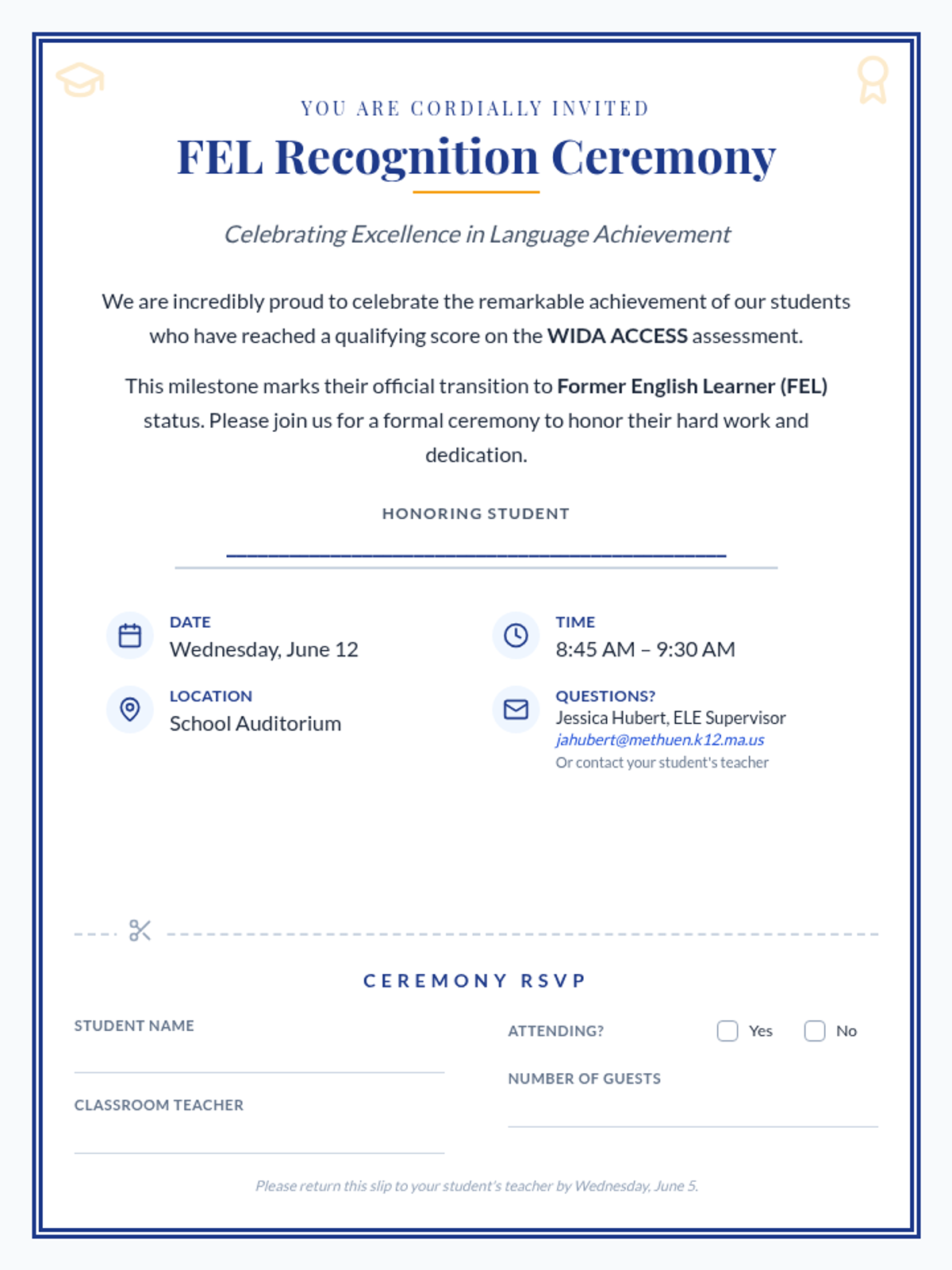
A collection of formal invitation flyers for the FEL Recognition Ceremony, provided in multiple languages to ensure all families can celebrate their student's transition from English Language Education services.
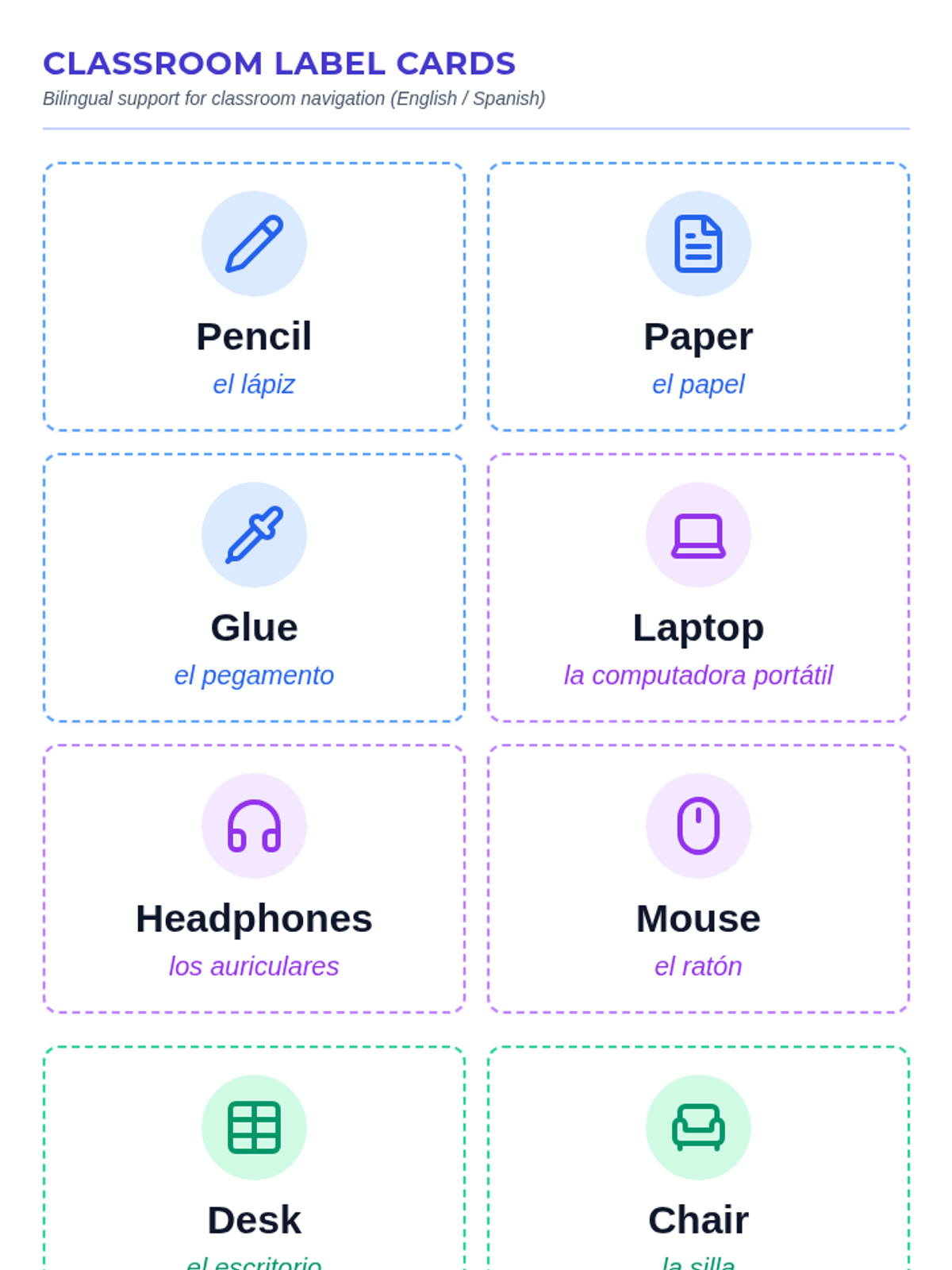
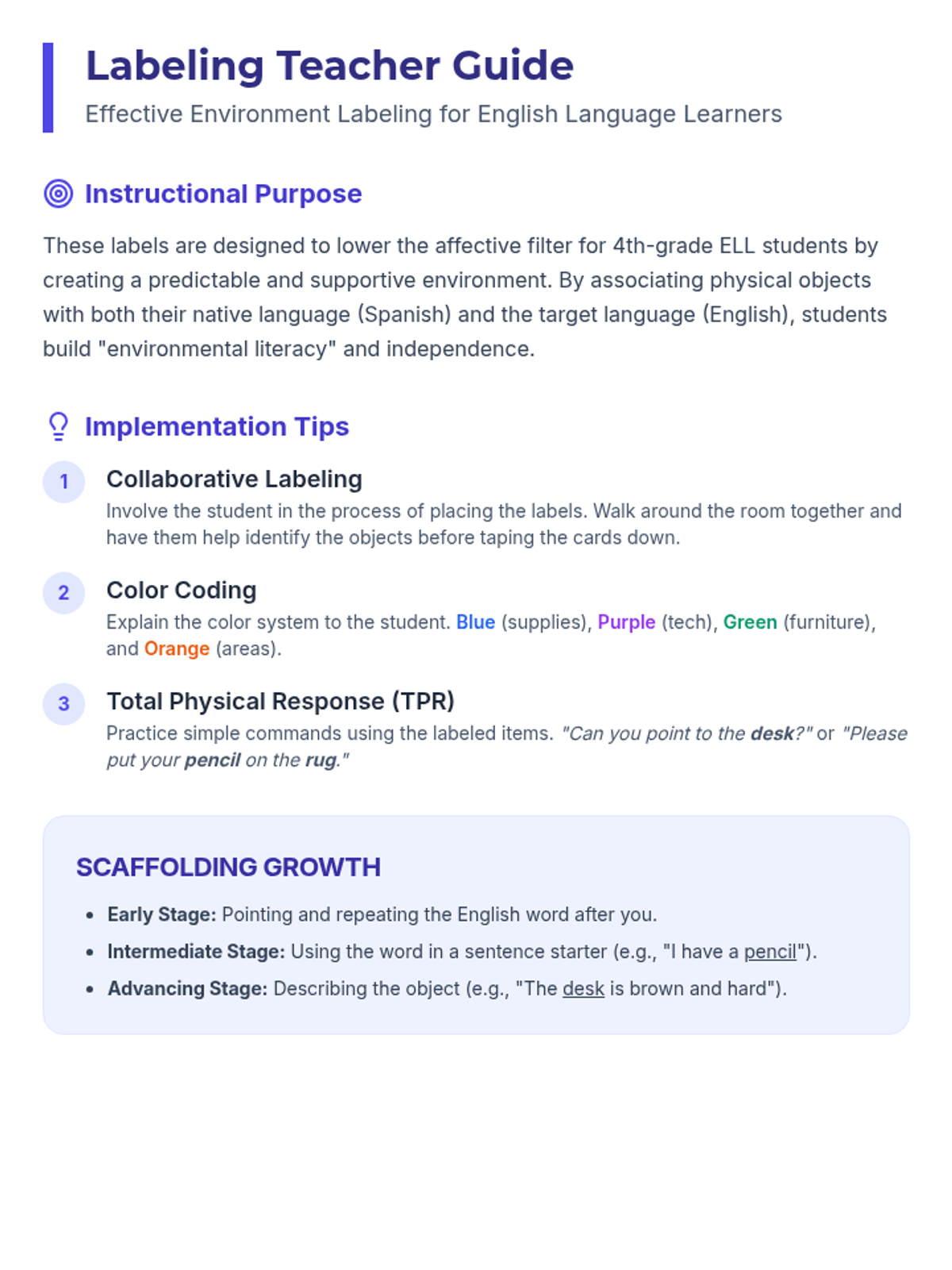
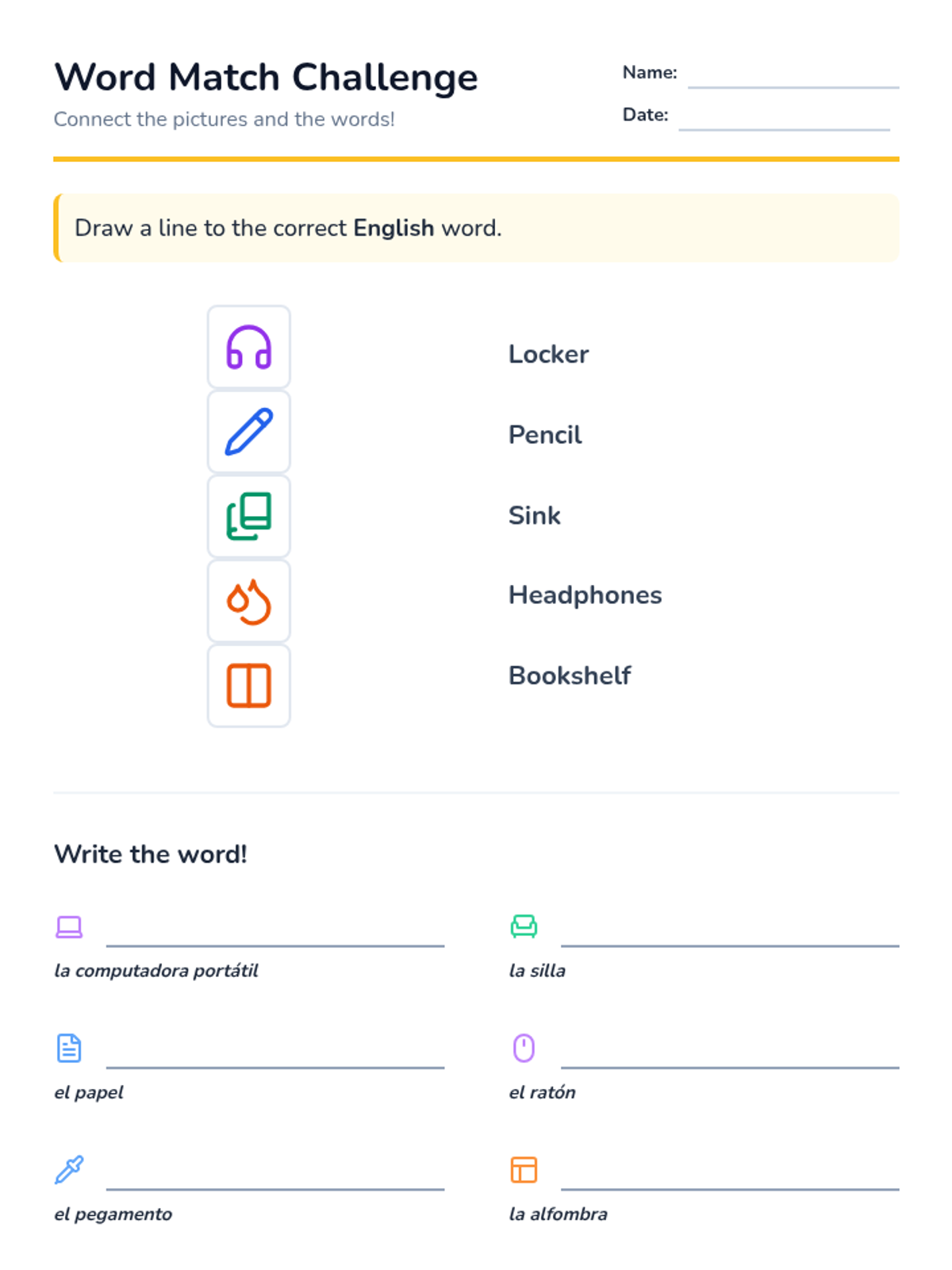
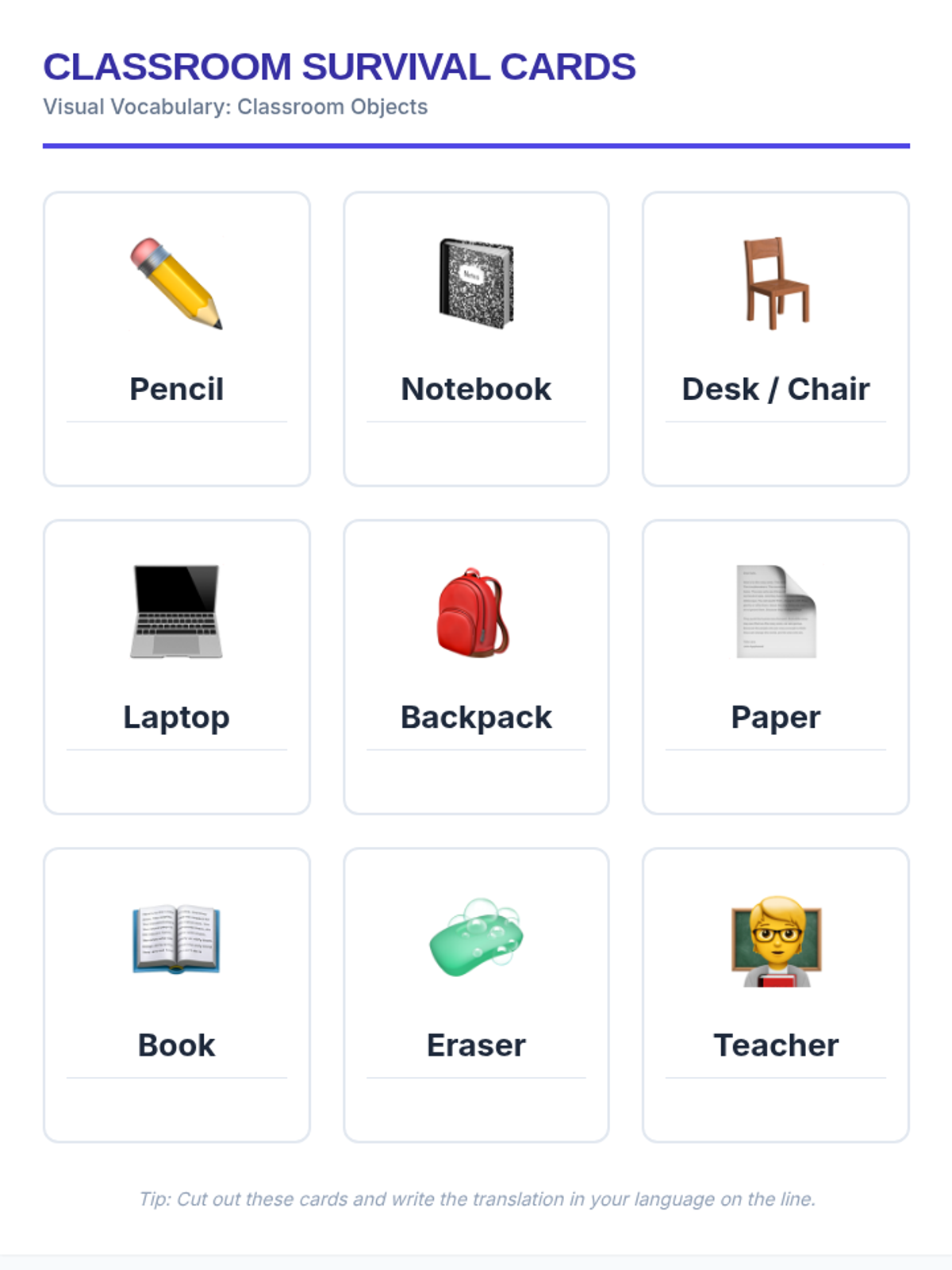
A lesson focused on identifying and labeling frequently used classroom items using bilingual cards to support language acquisition and environmental literacy.
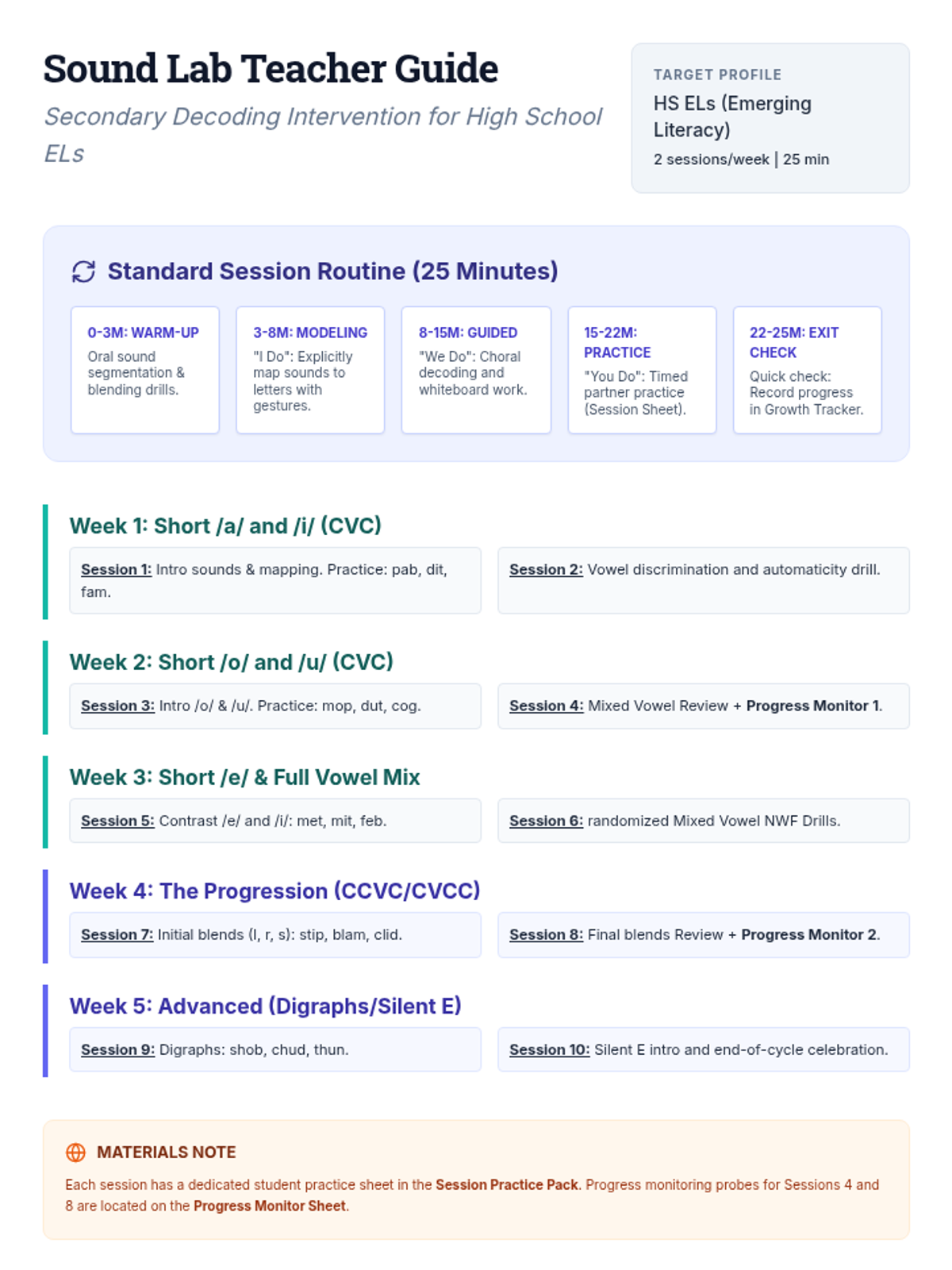
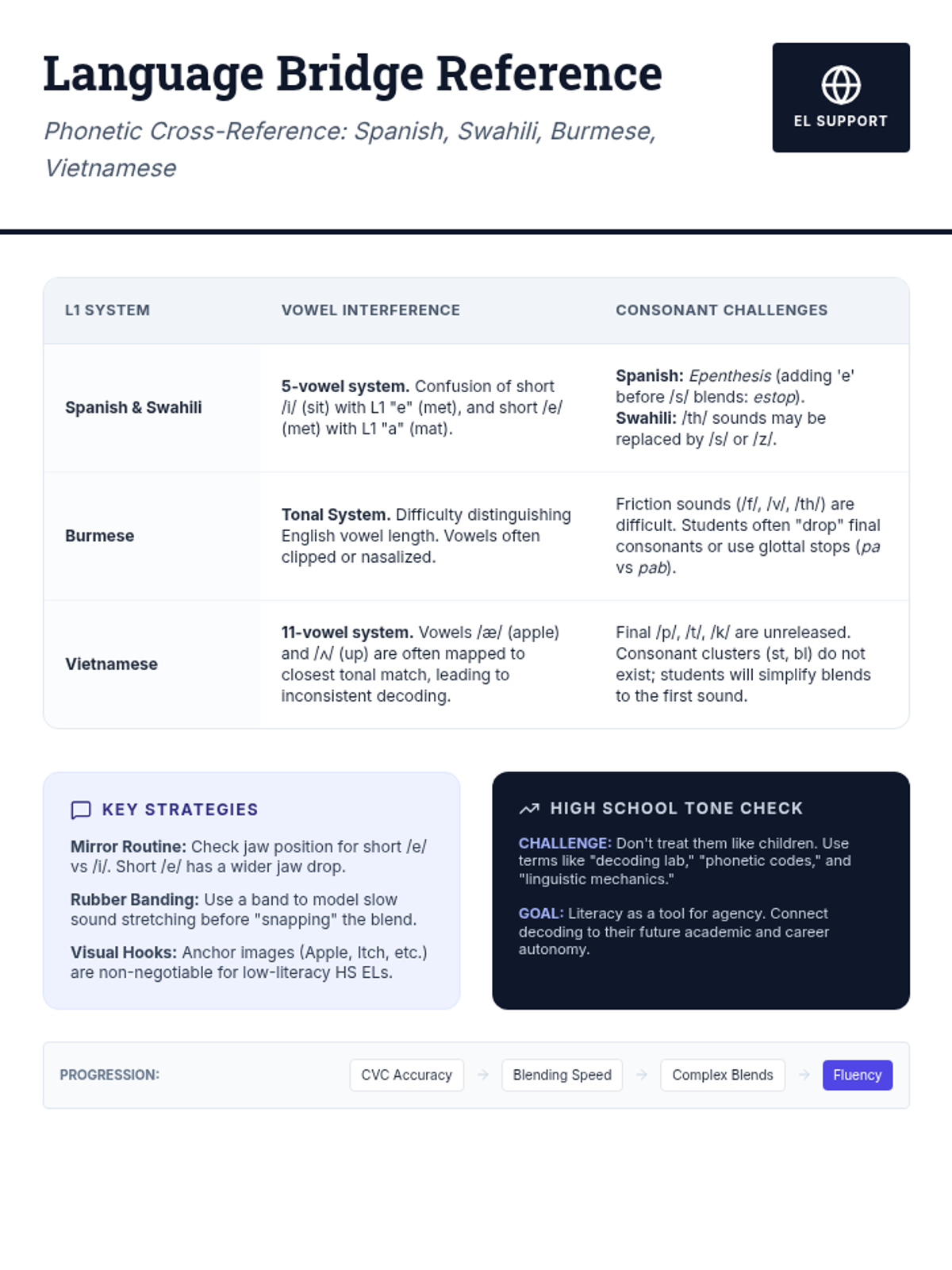
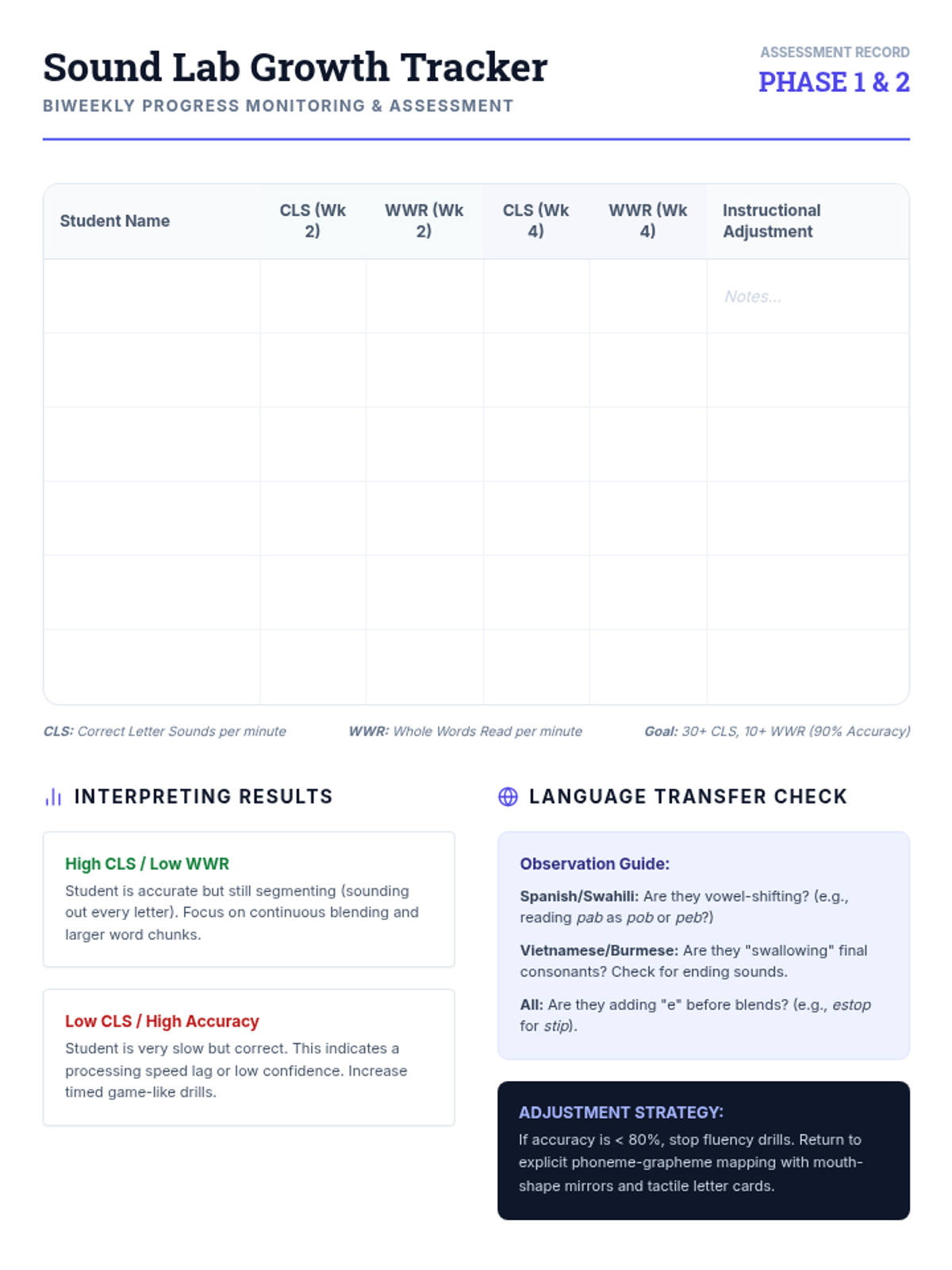
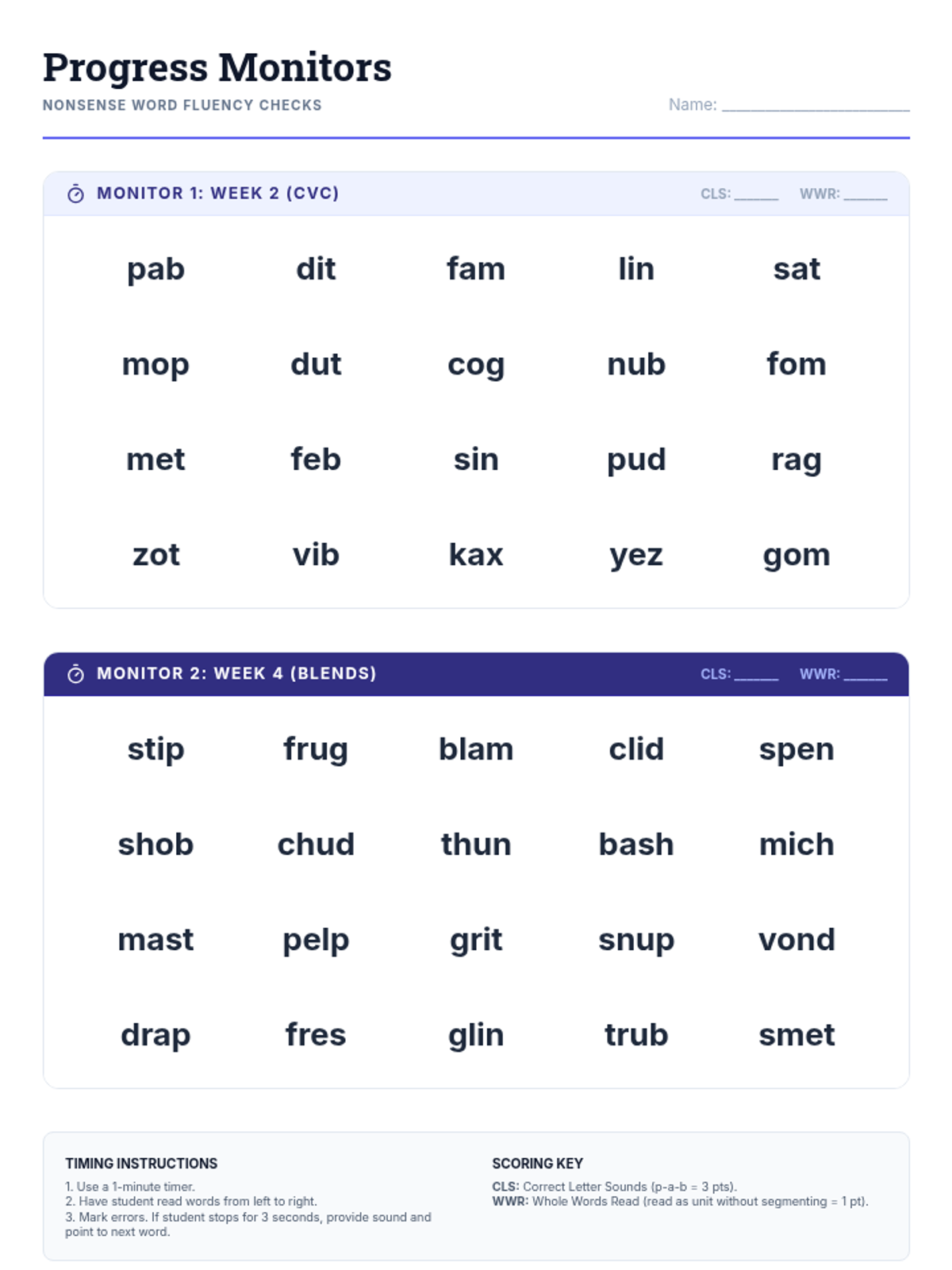
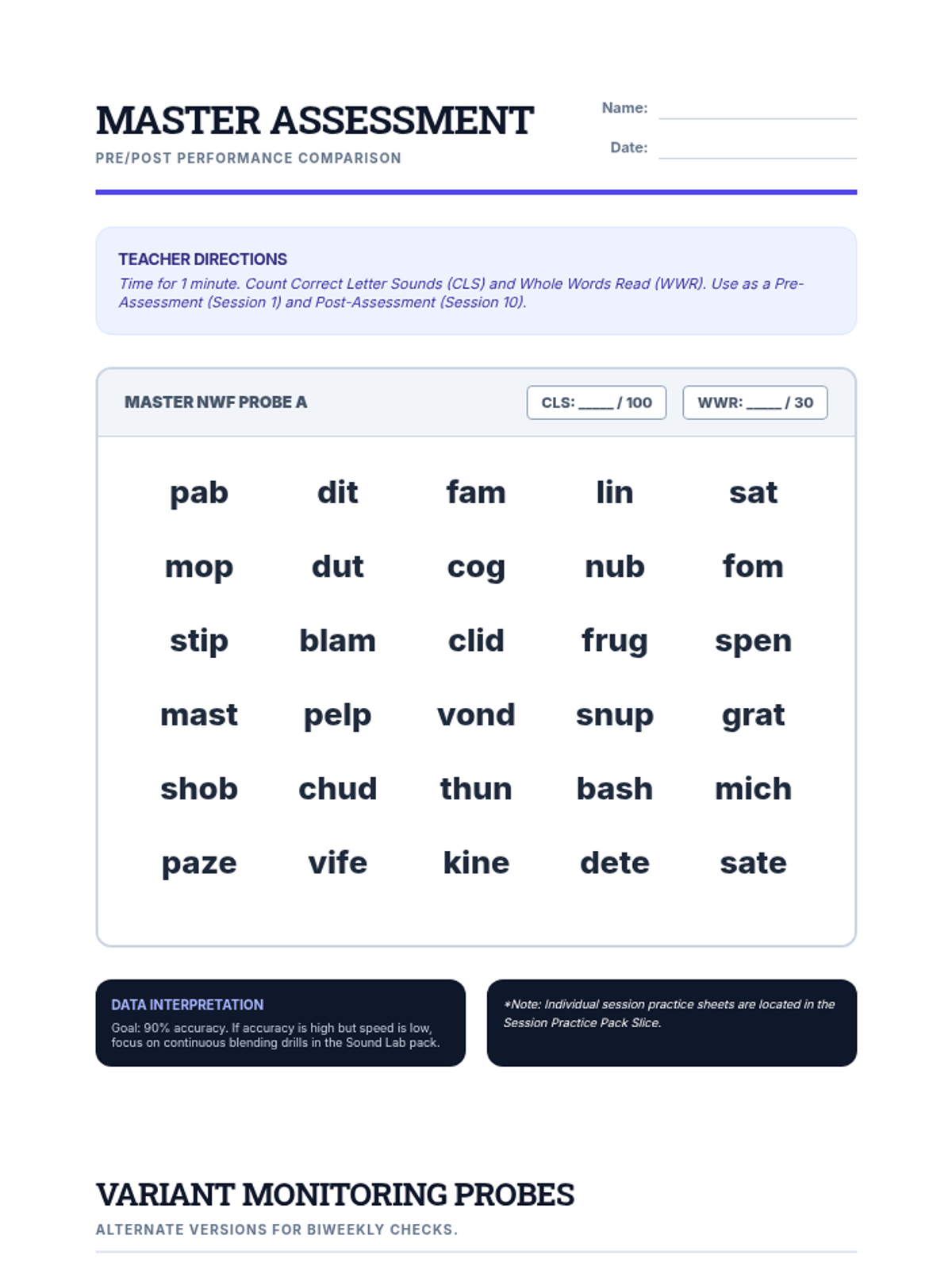
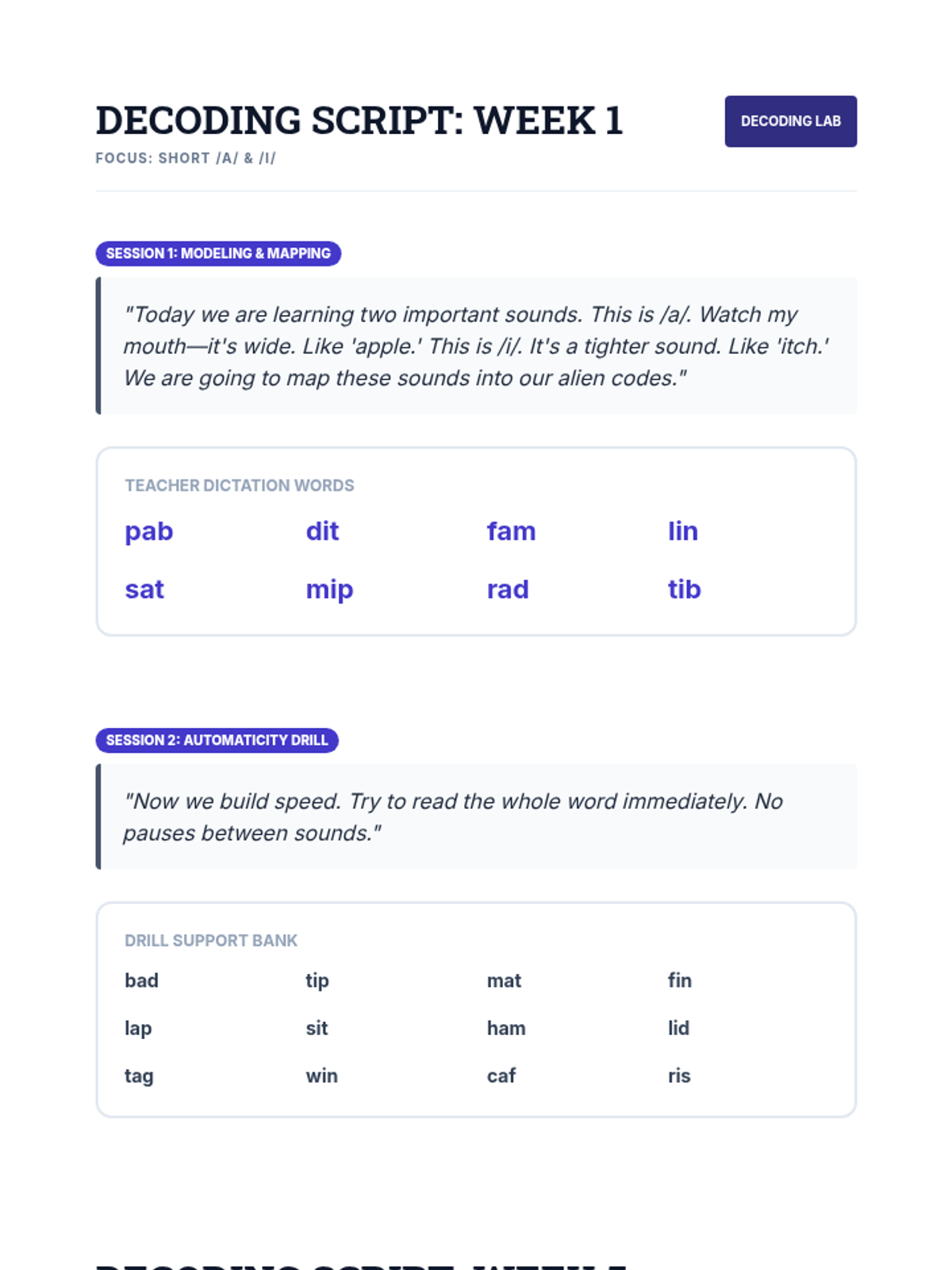
A comprehensive 5-week intervention for high school English Learners focusing on decoding through nonsense word fluency, specifically designed for students with limited or interrupted formal education.
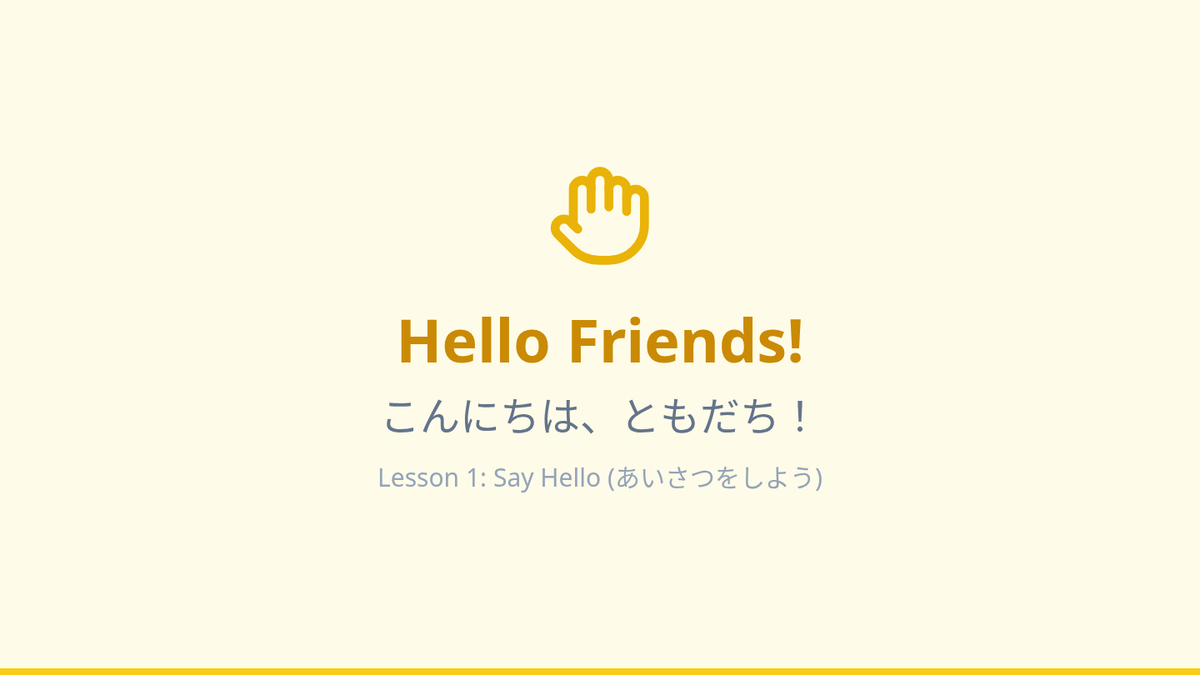
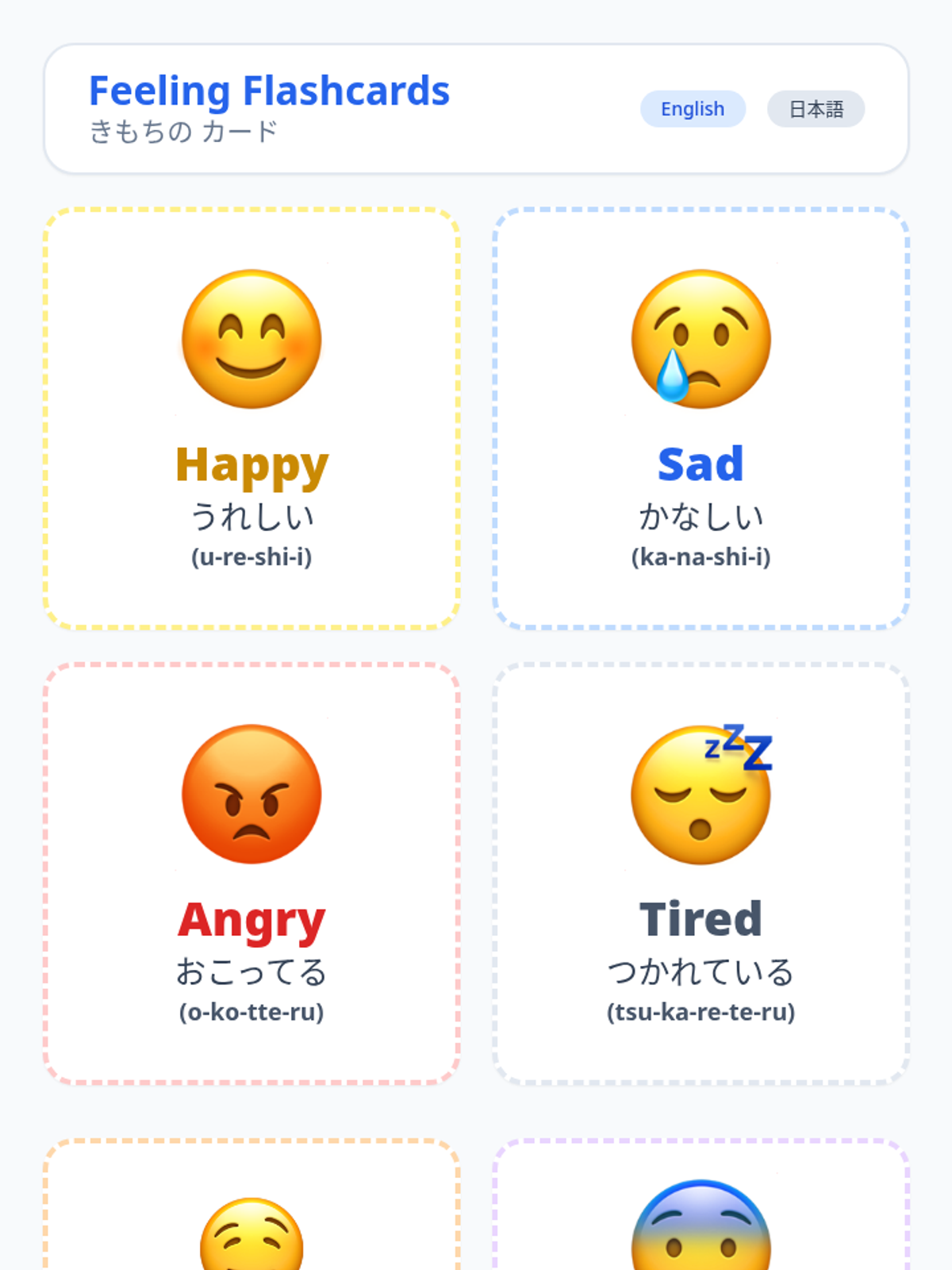
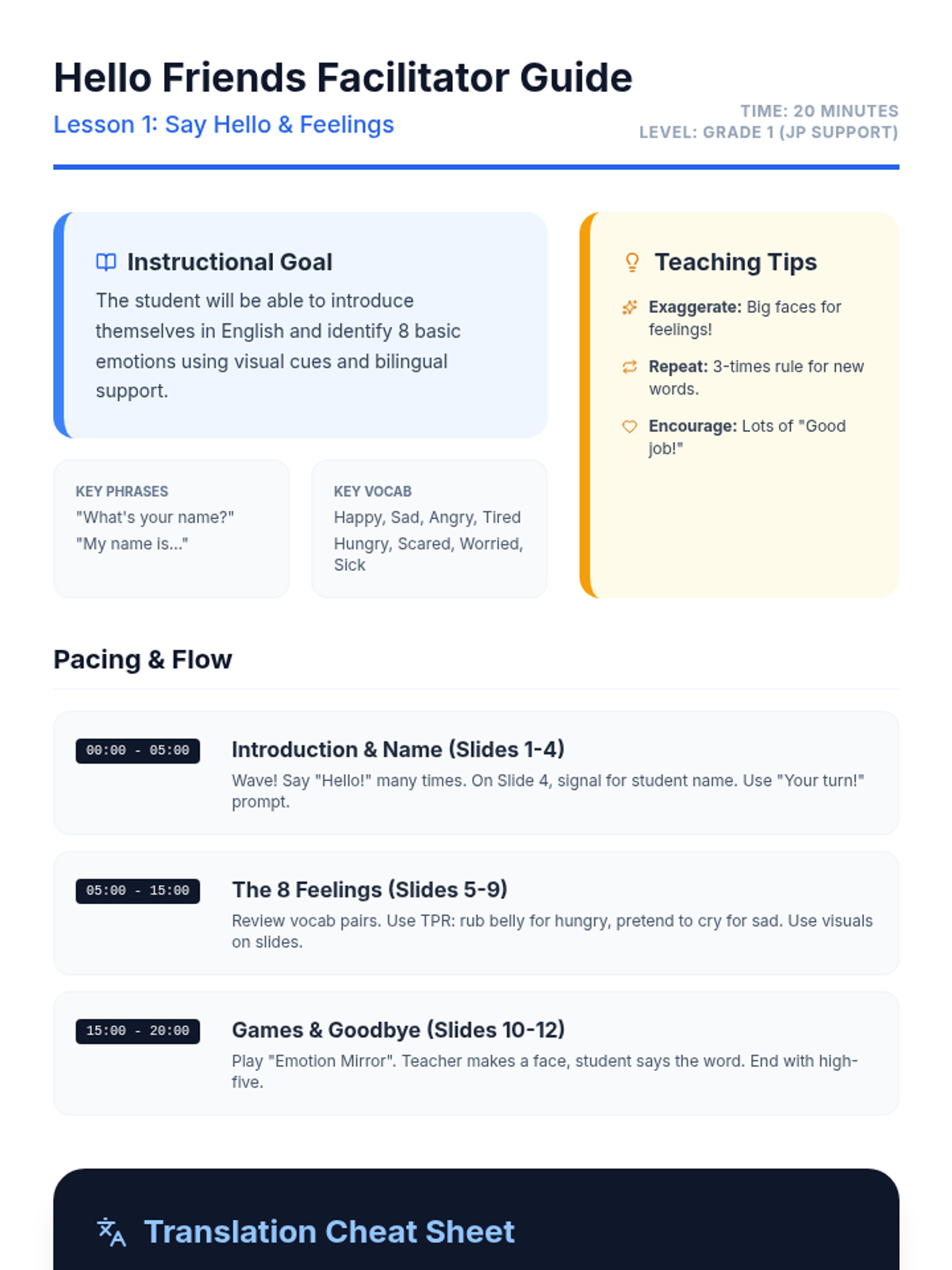
A beginner English lesson for Japanese-speaking grade 1 students focusing on greetings, introductions, and basic emotions. Includes bilingual slides, practice flashcards, and a facilitator guide.
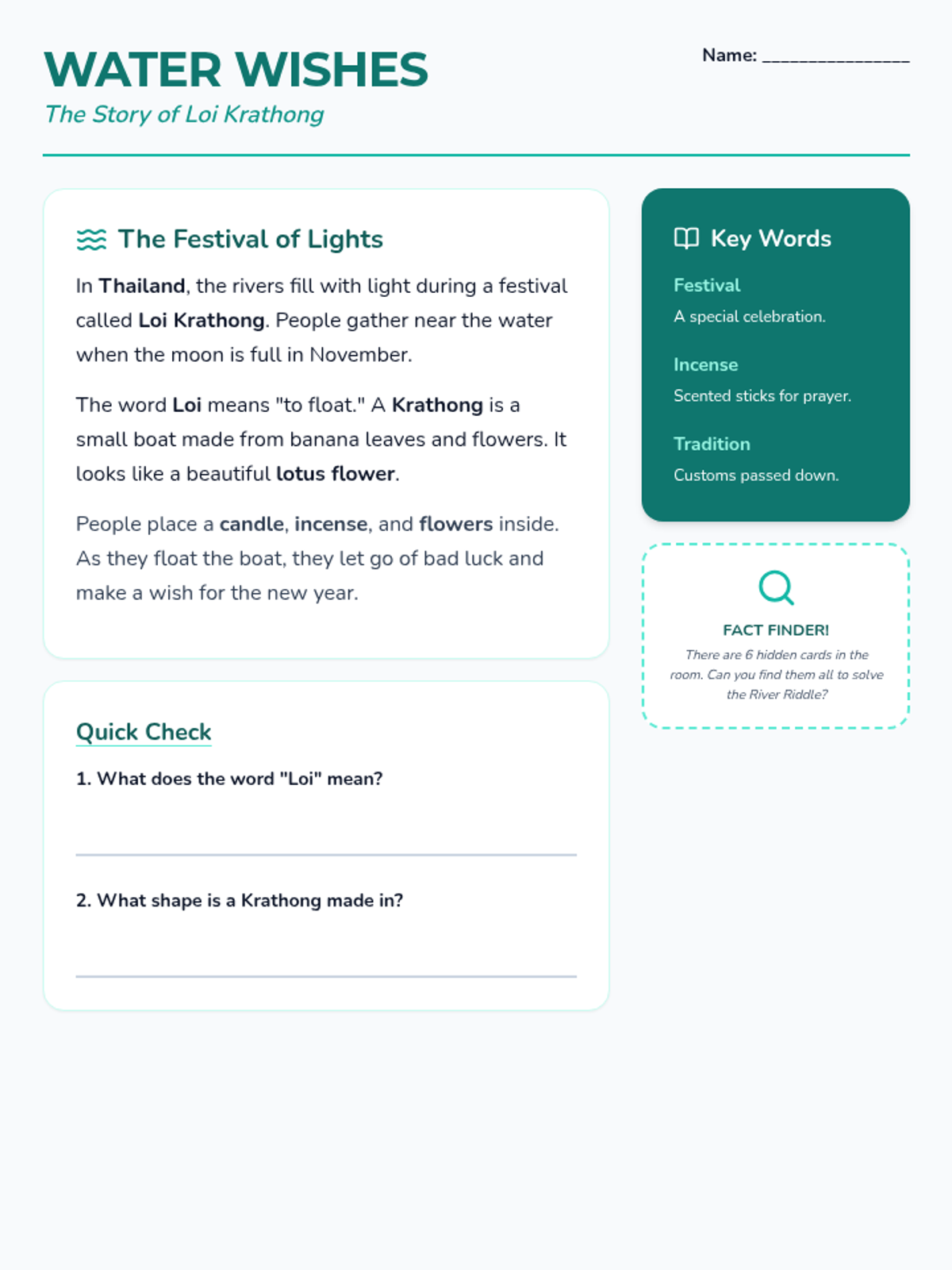
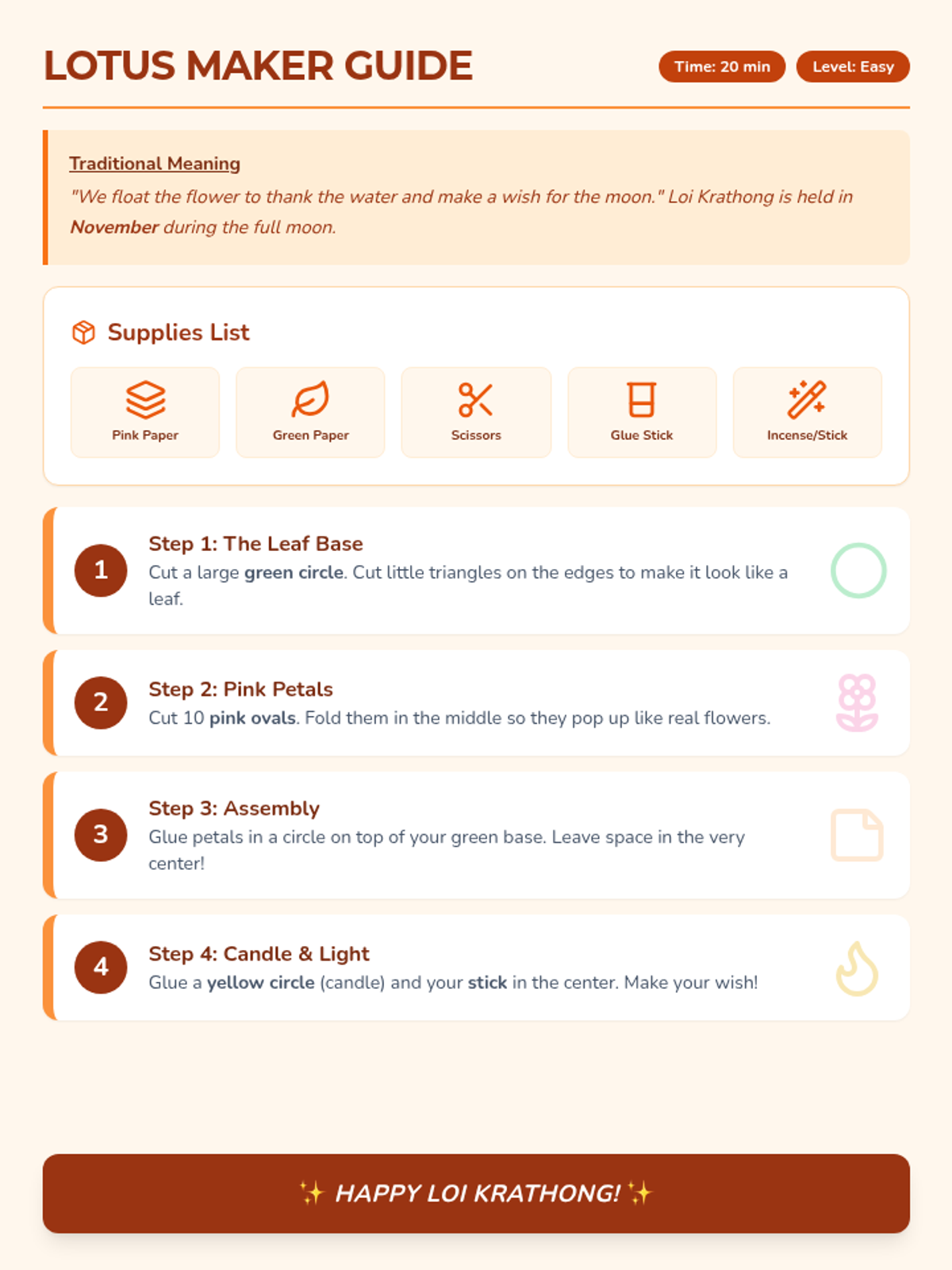
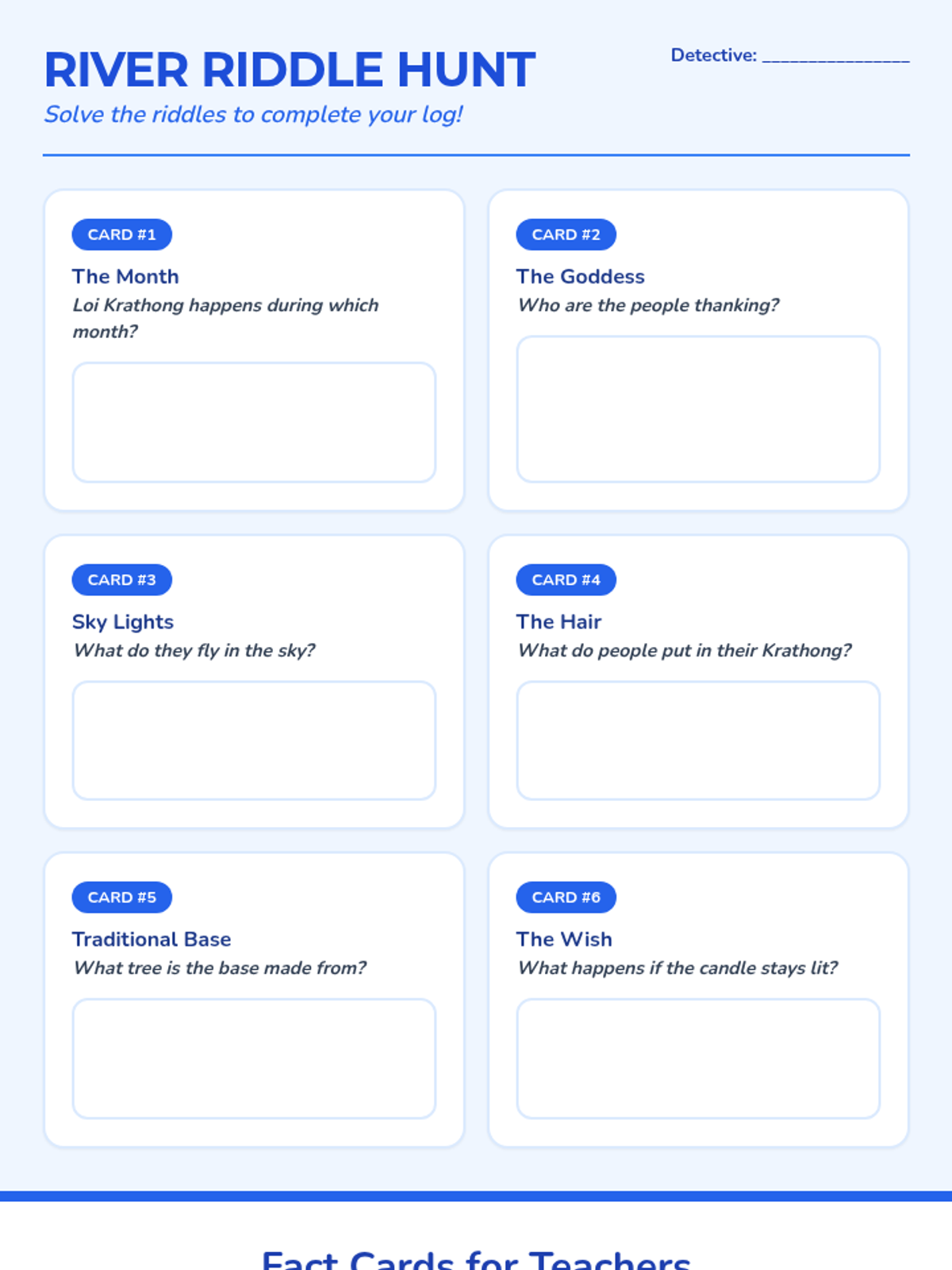
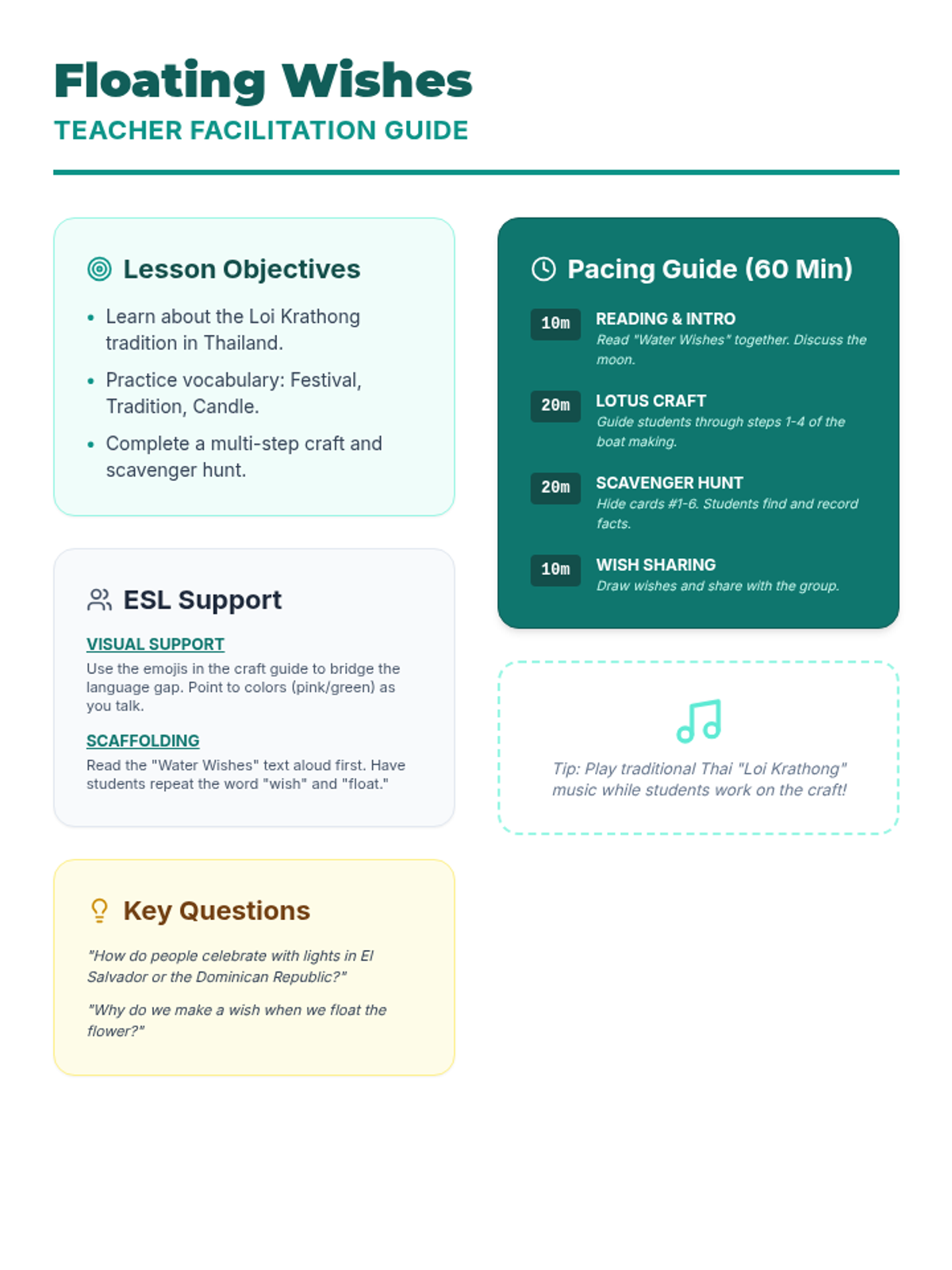
A vibrant lesson for 4th grade ESL students about the Thai festival of Loi Krathong, featuring a reading passage, a paper lotus craft, and an interactive scavenger hunt.
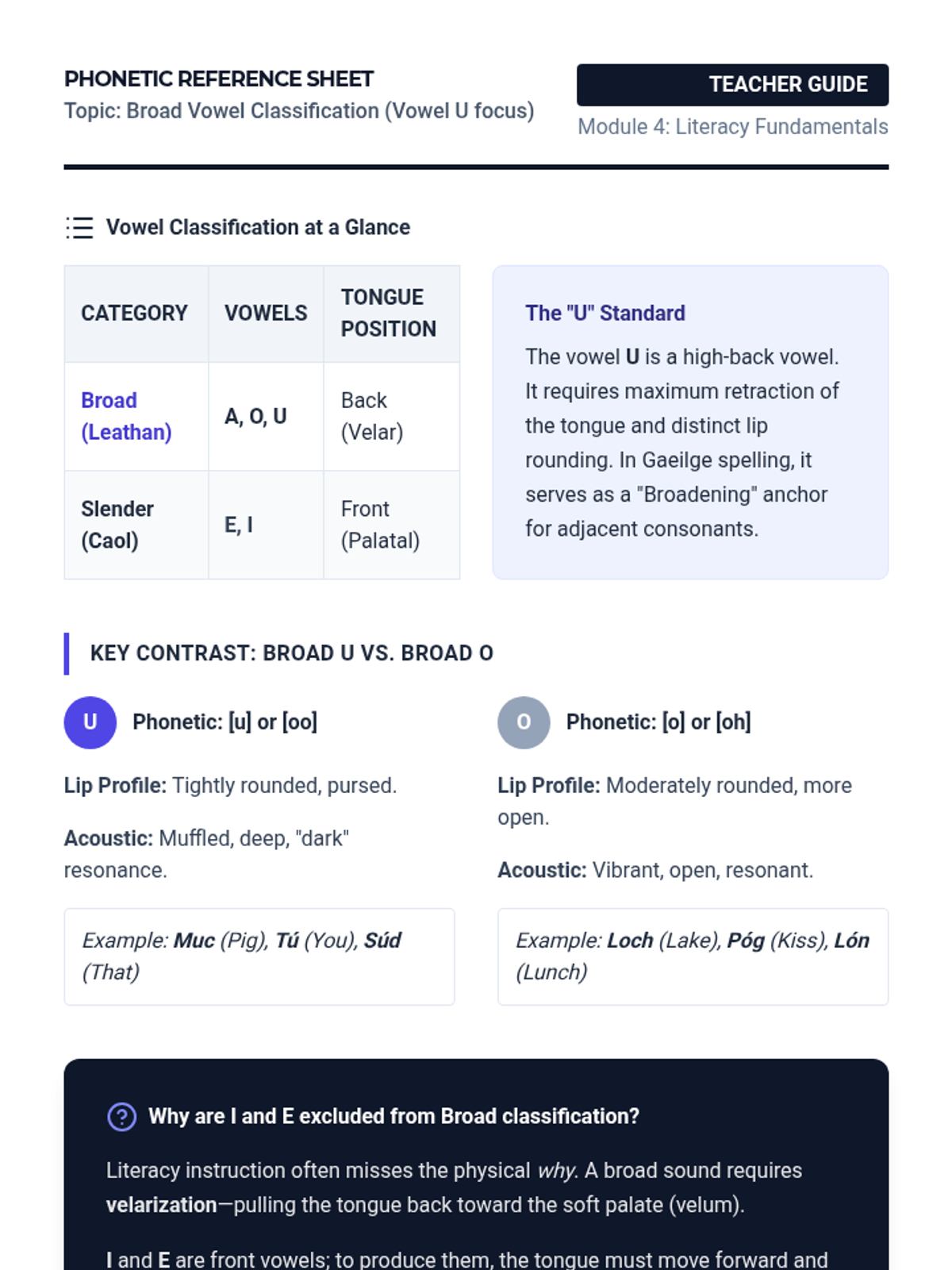
A professional development session for educators focusing on the phonetic properties and instructional strategies for teaching broad vowels, specifically focusing on the vowel 'U'.
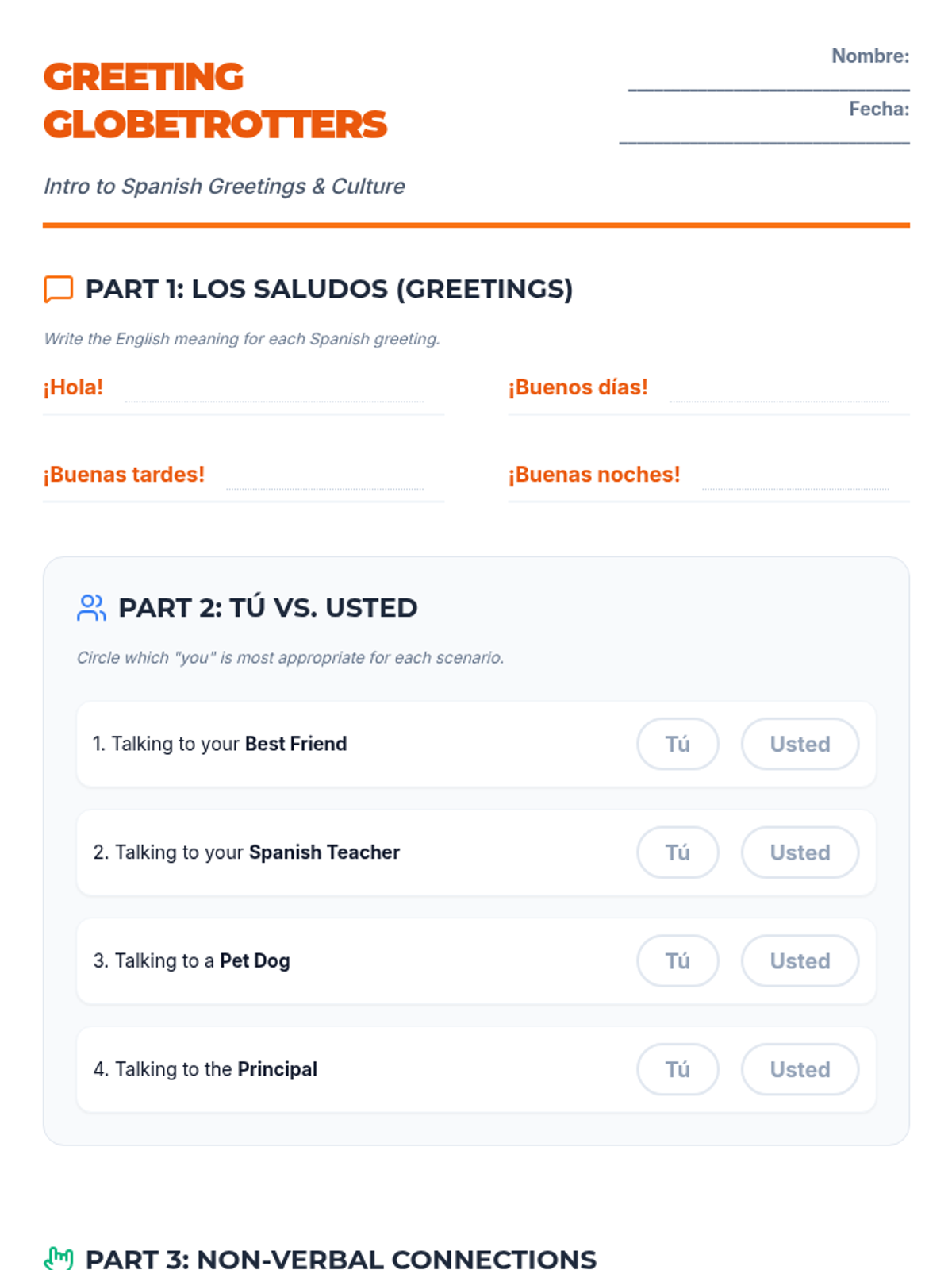
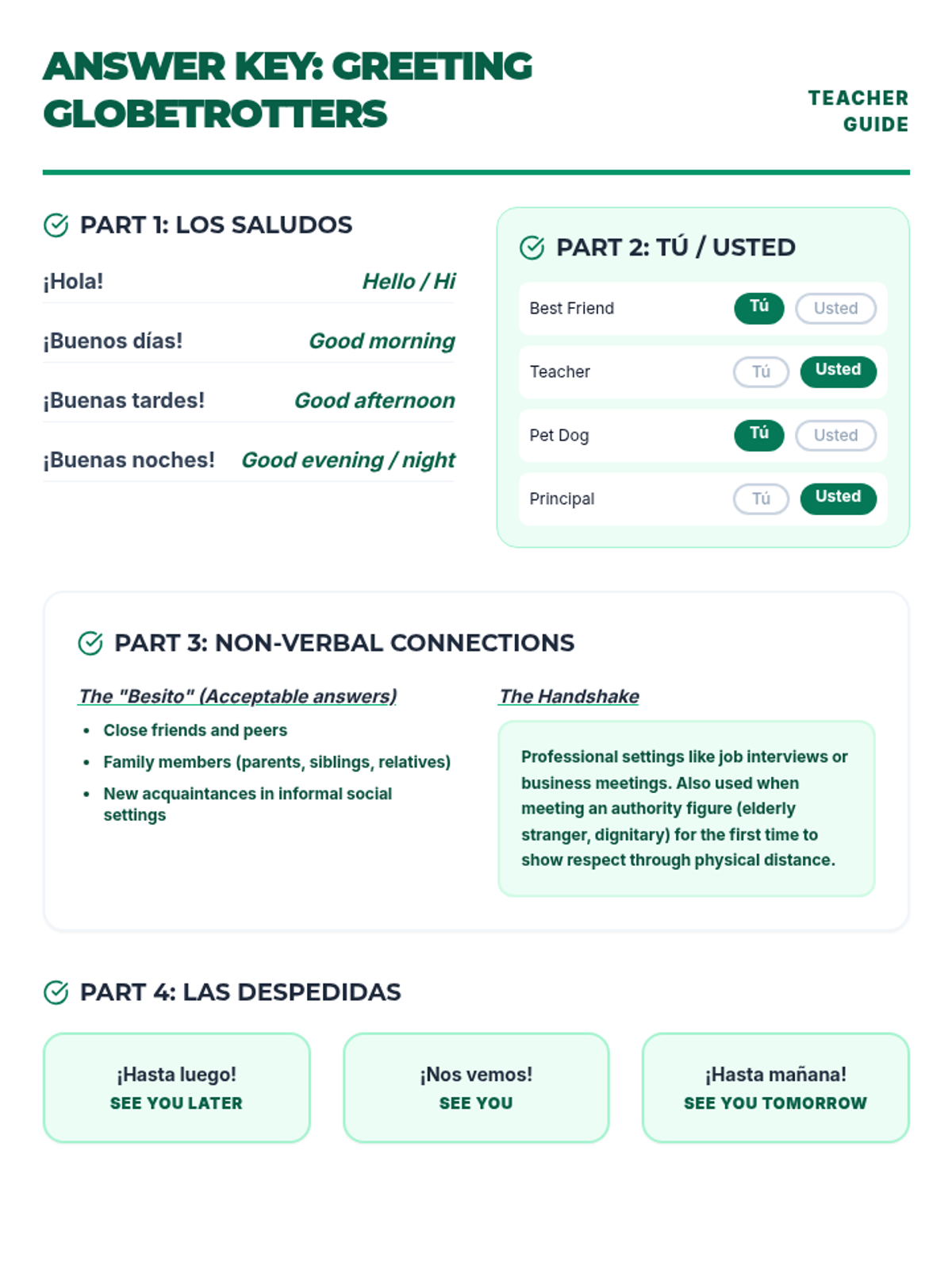
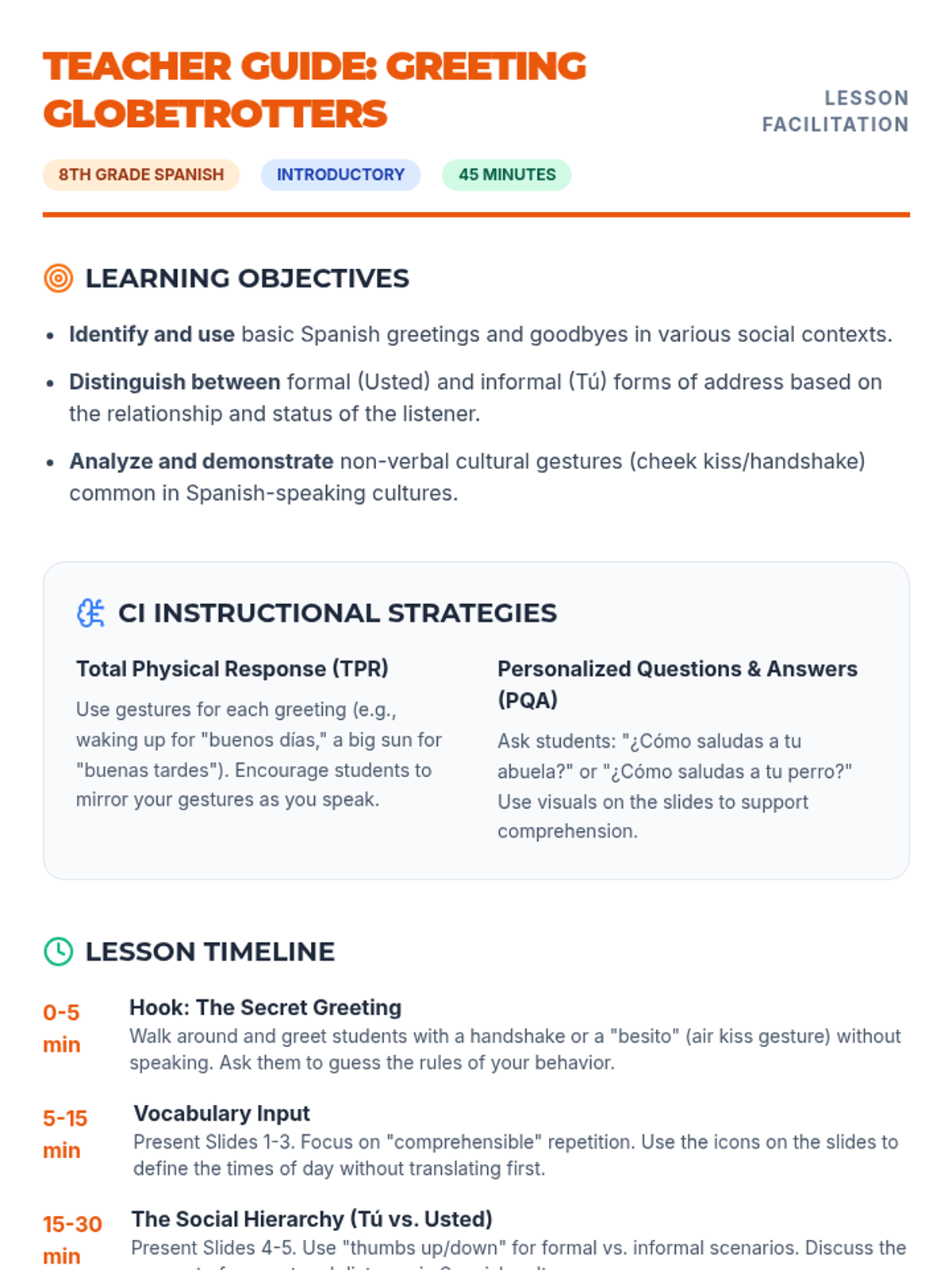
An introductory lesson for 8th grade Spanish beginners focused on greetings, goodbyes, and cultural gestures using Comprehensible Input (CI) strategies. Students will distinguish between formal and informal contexts and learn traditional non-verbal greetings like the 'besito'.
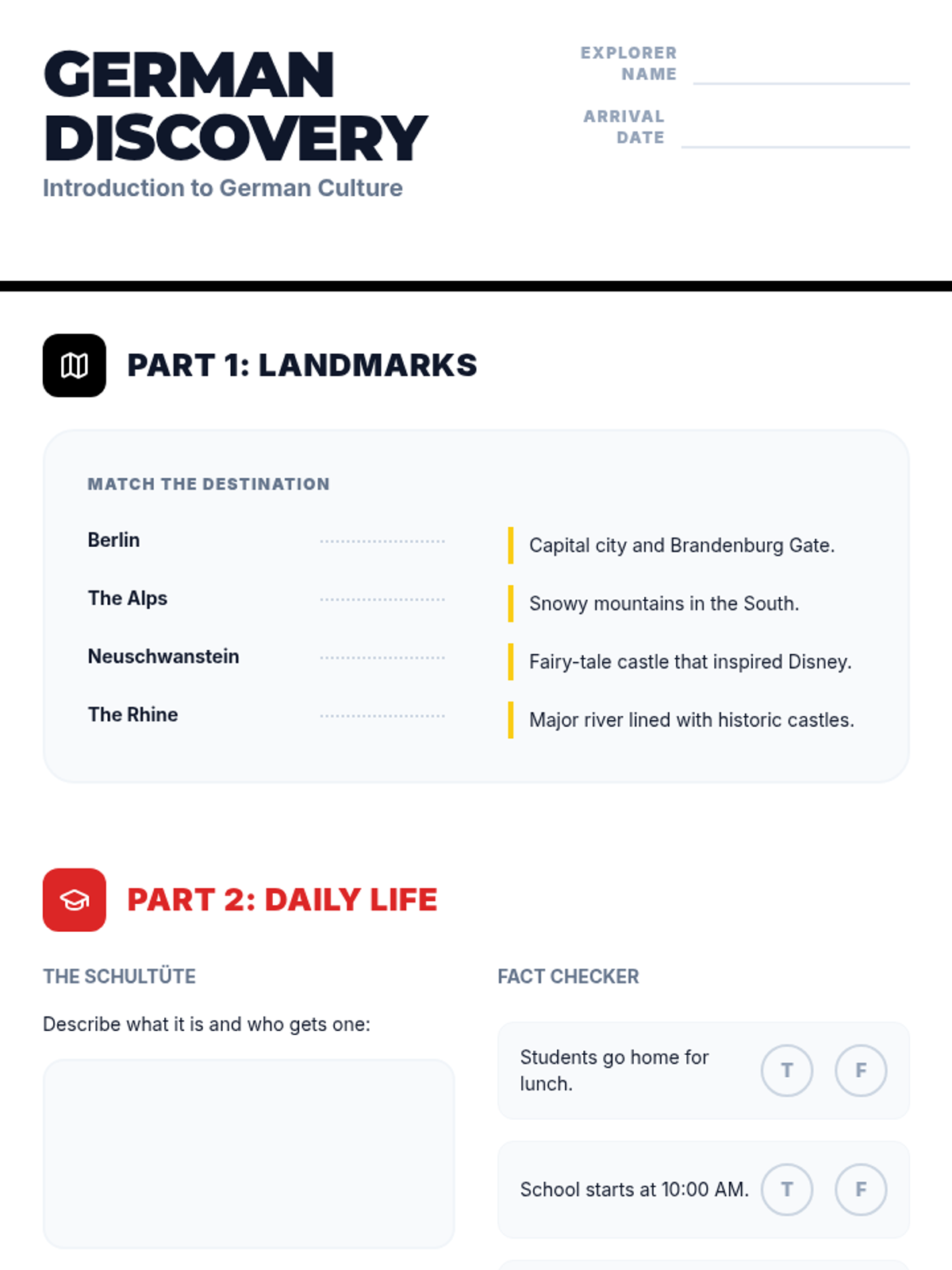
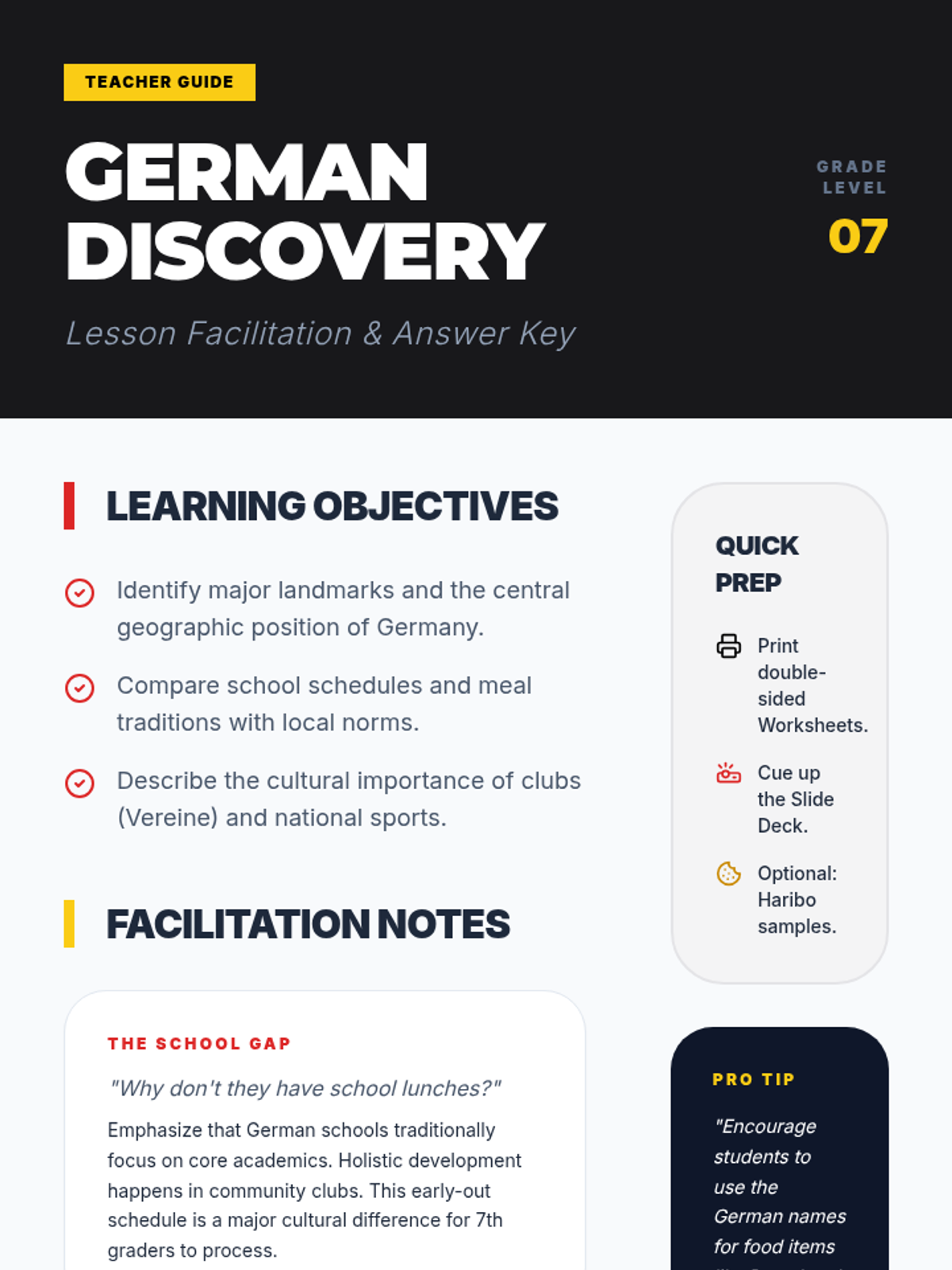
An introductory exploration of German culture for 7th graders, covering daily life, traditions, geography, and leisure activities. Students will compare their own lives with those of German teenagers.
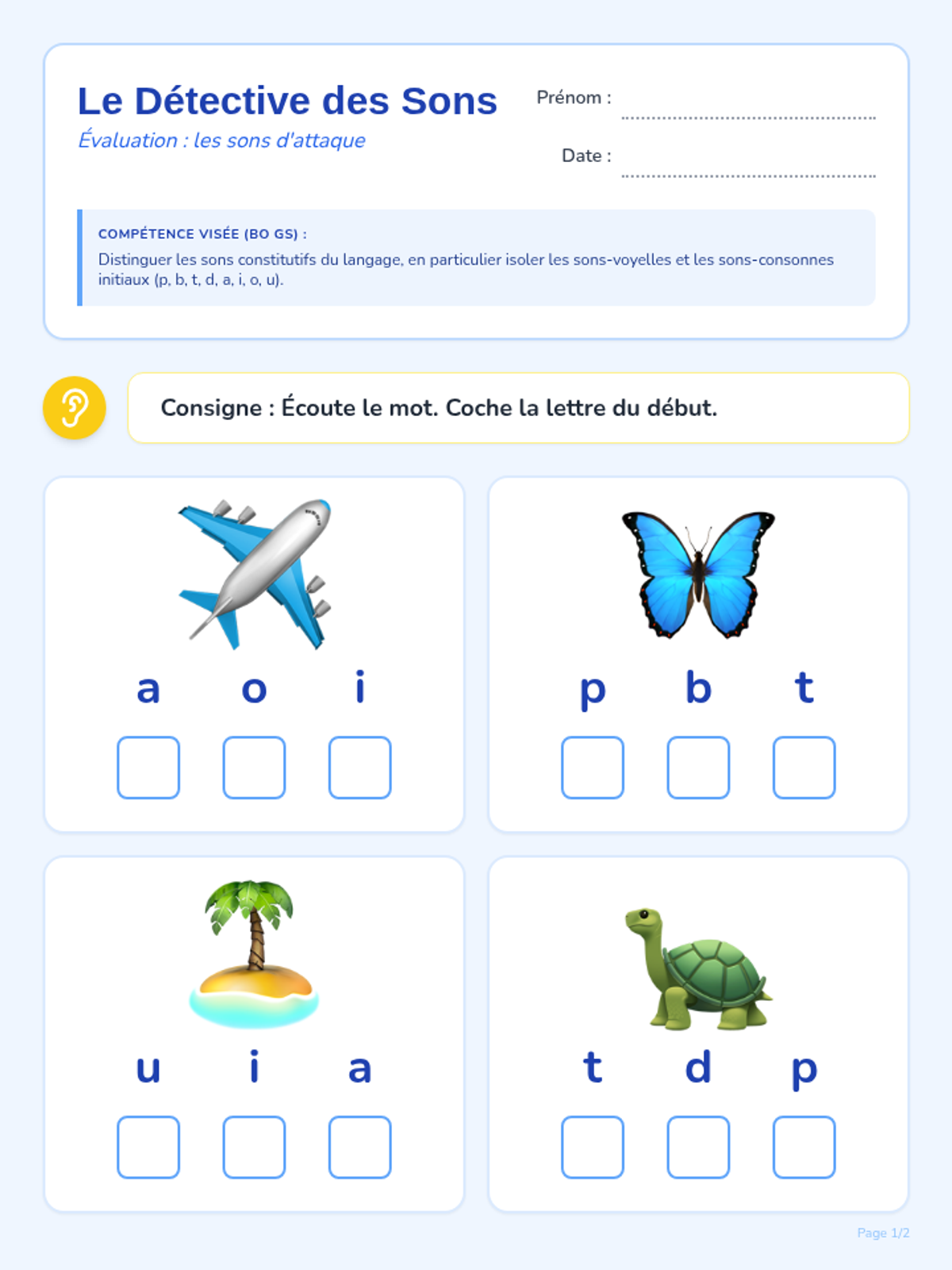
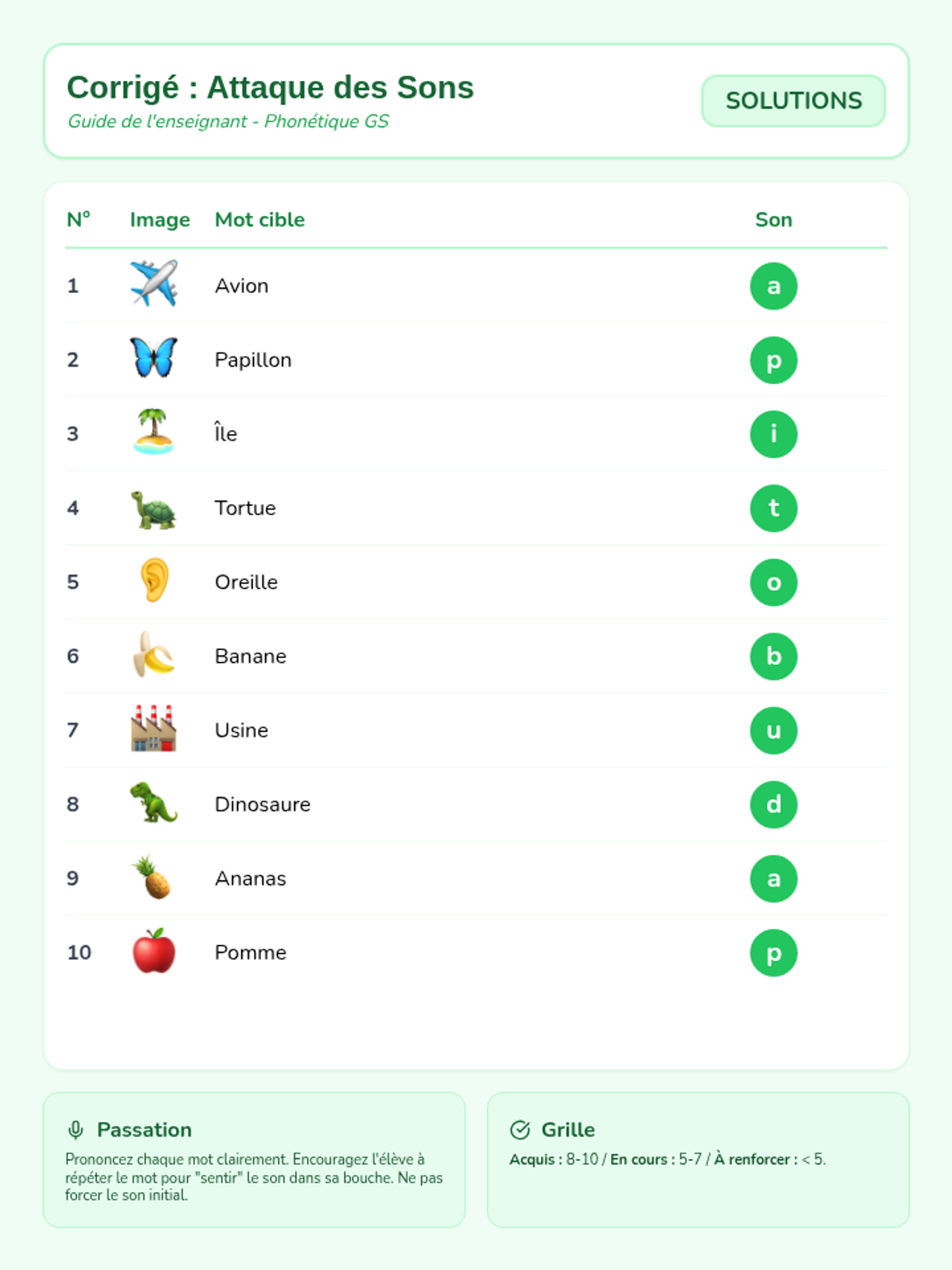
Une leçon courte pour évaluer la capacité des élèves de Grande Section à identifier le son d'attaque d'un mot, se concentrant sur les voyelles de base et les consonnes occlusives.
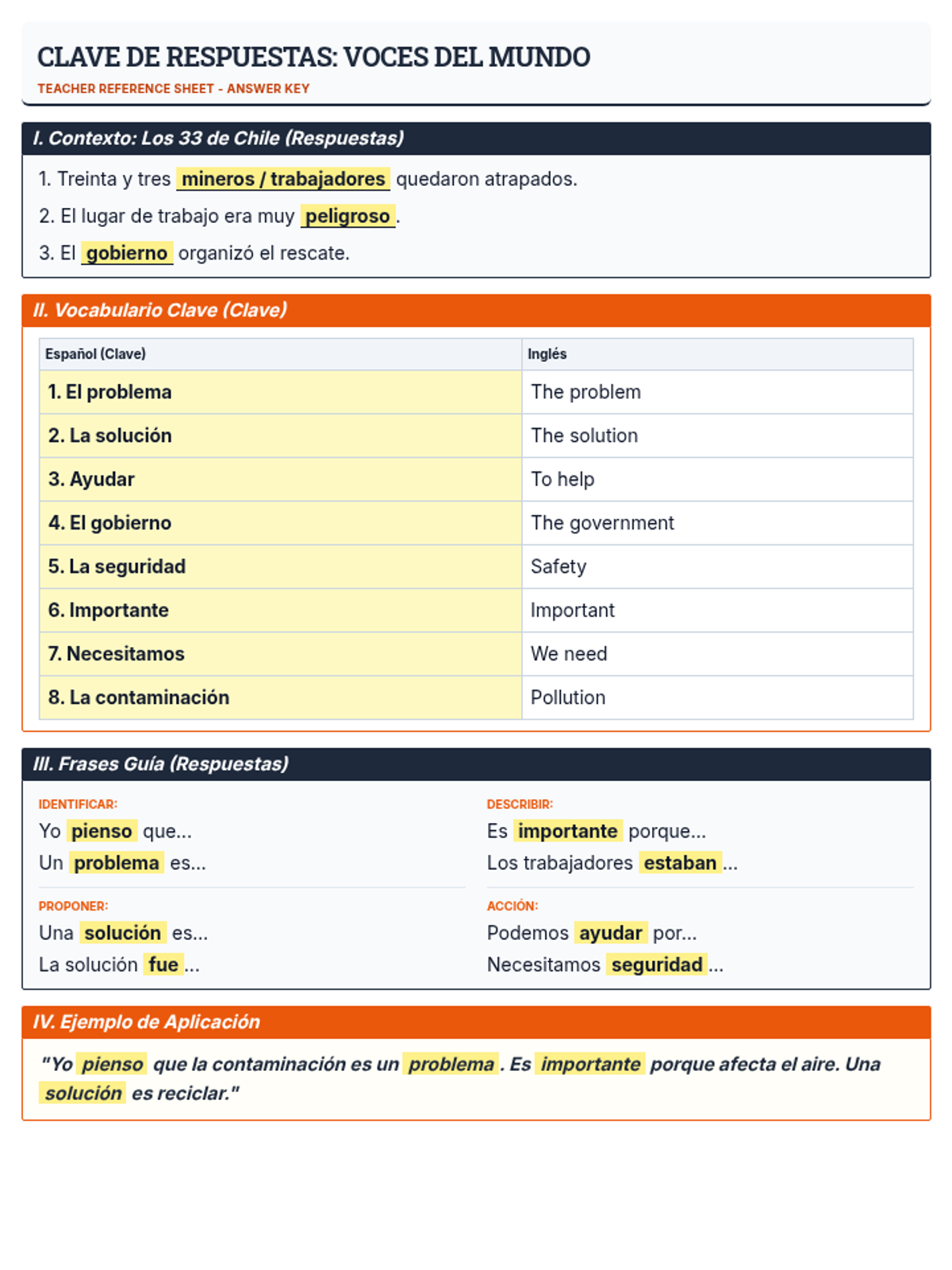
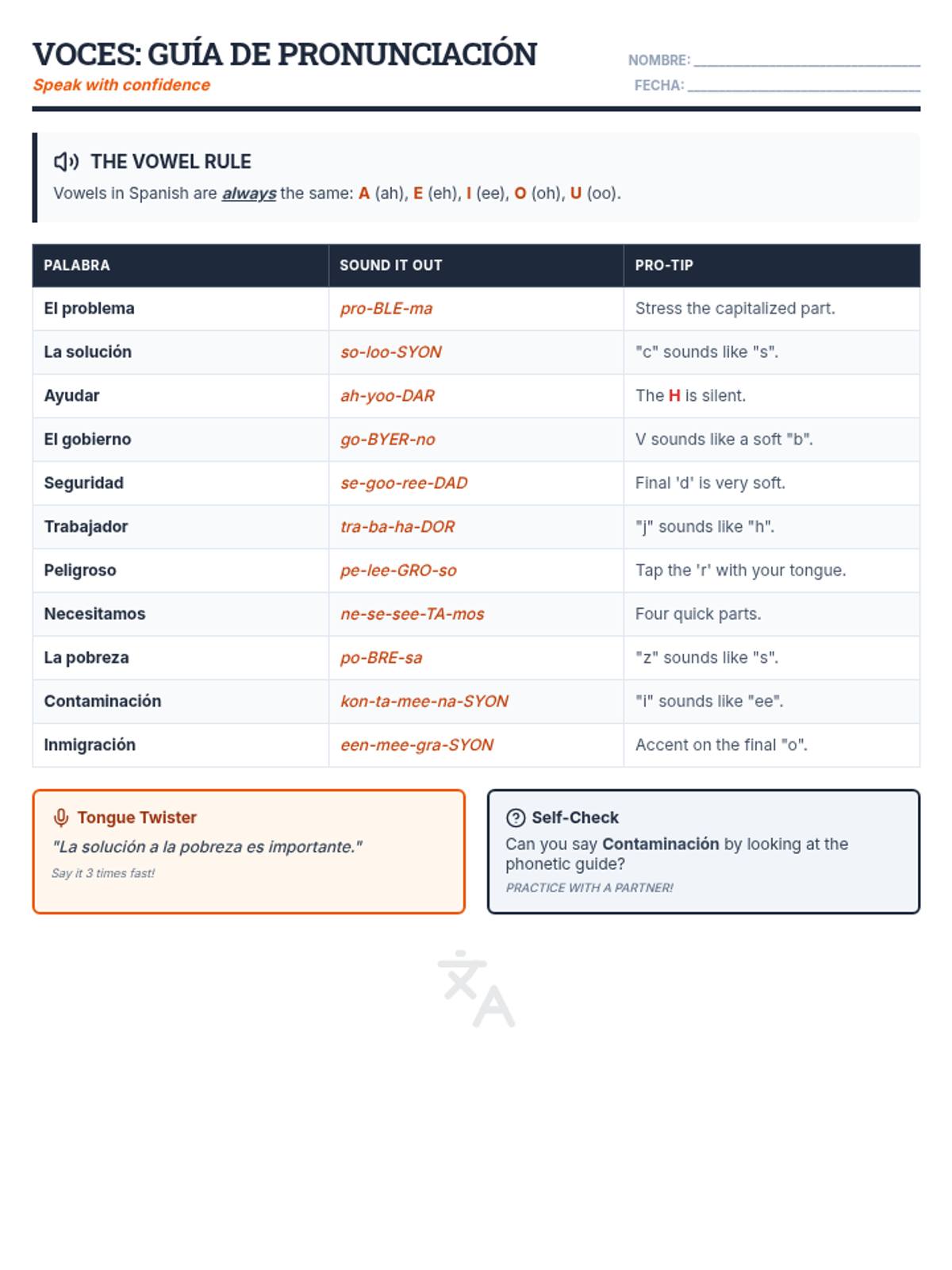
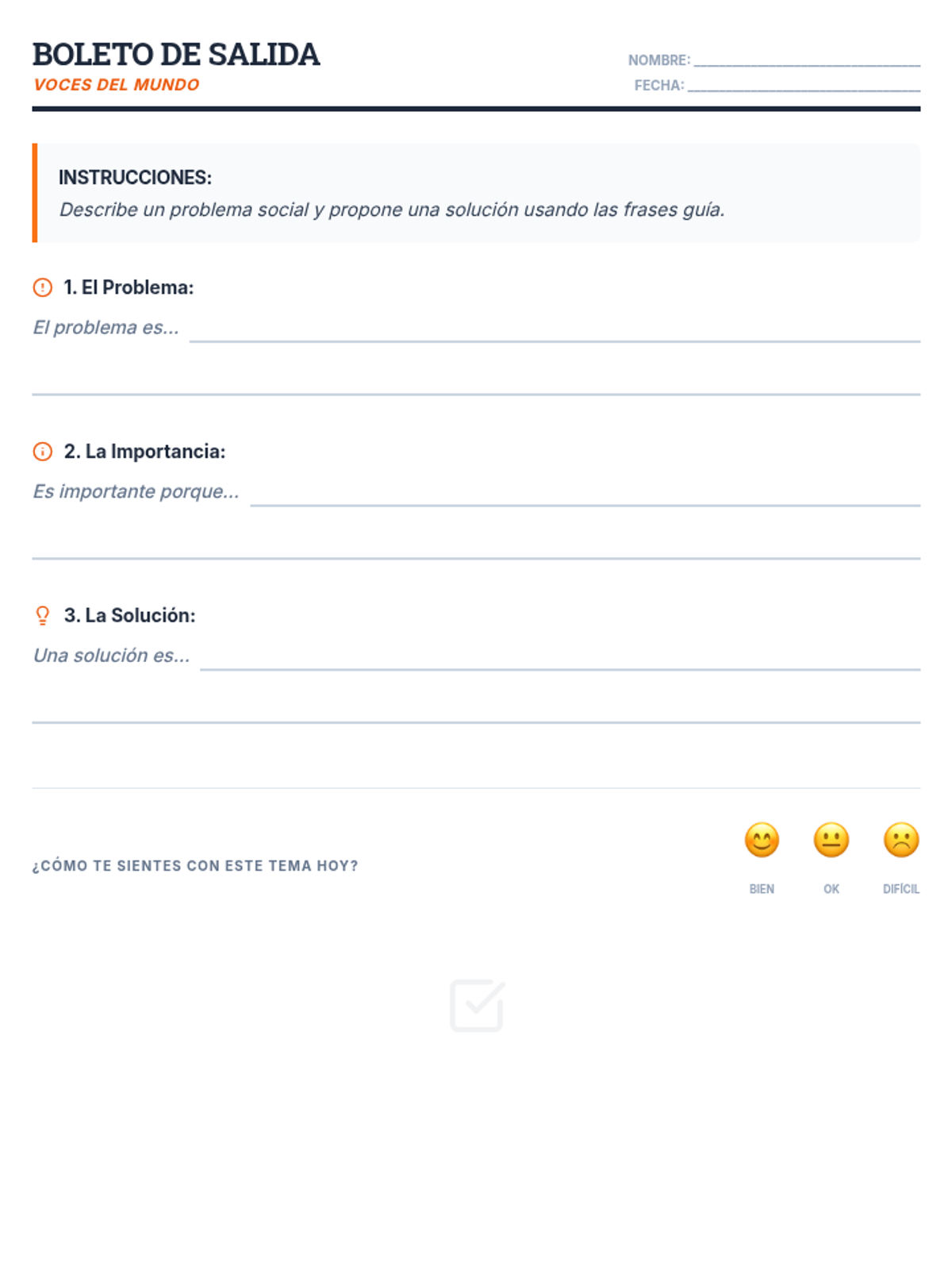
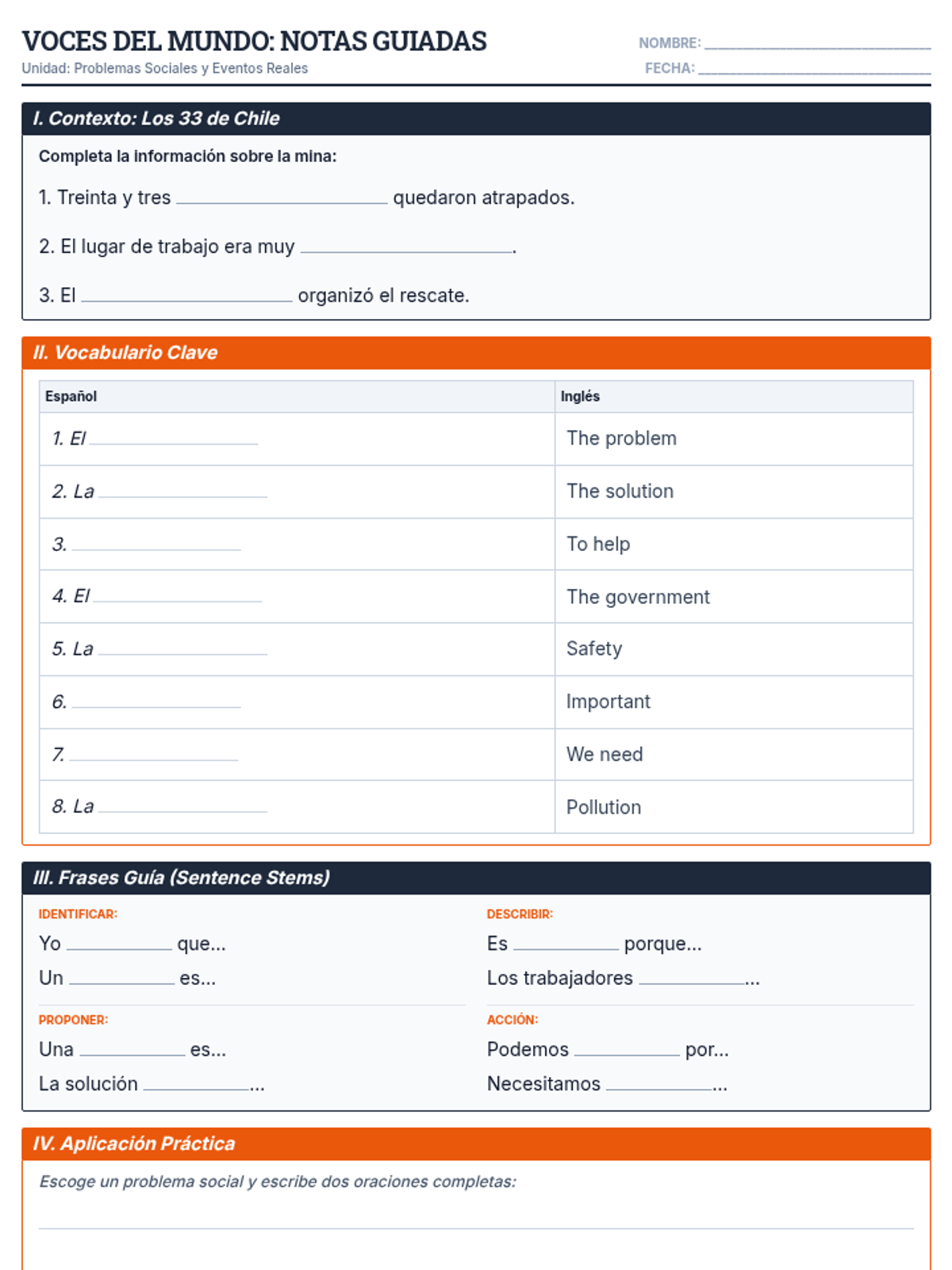
This lesson introduces students to social issues and real-world events through the context of the Chilean mine collapse, focusing on vocabulary acquisition and sentence stems for proposing solutions.
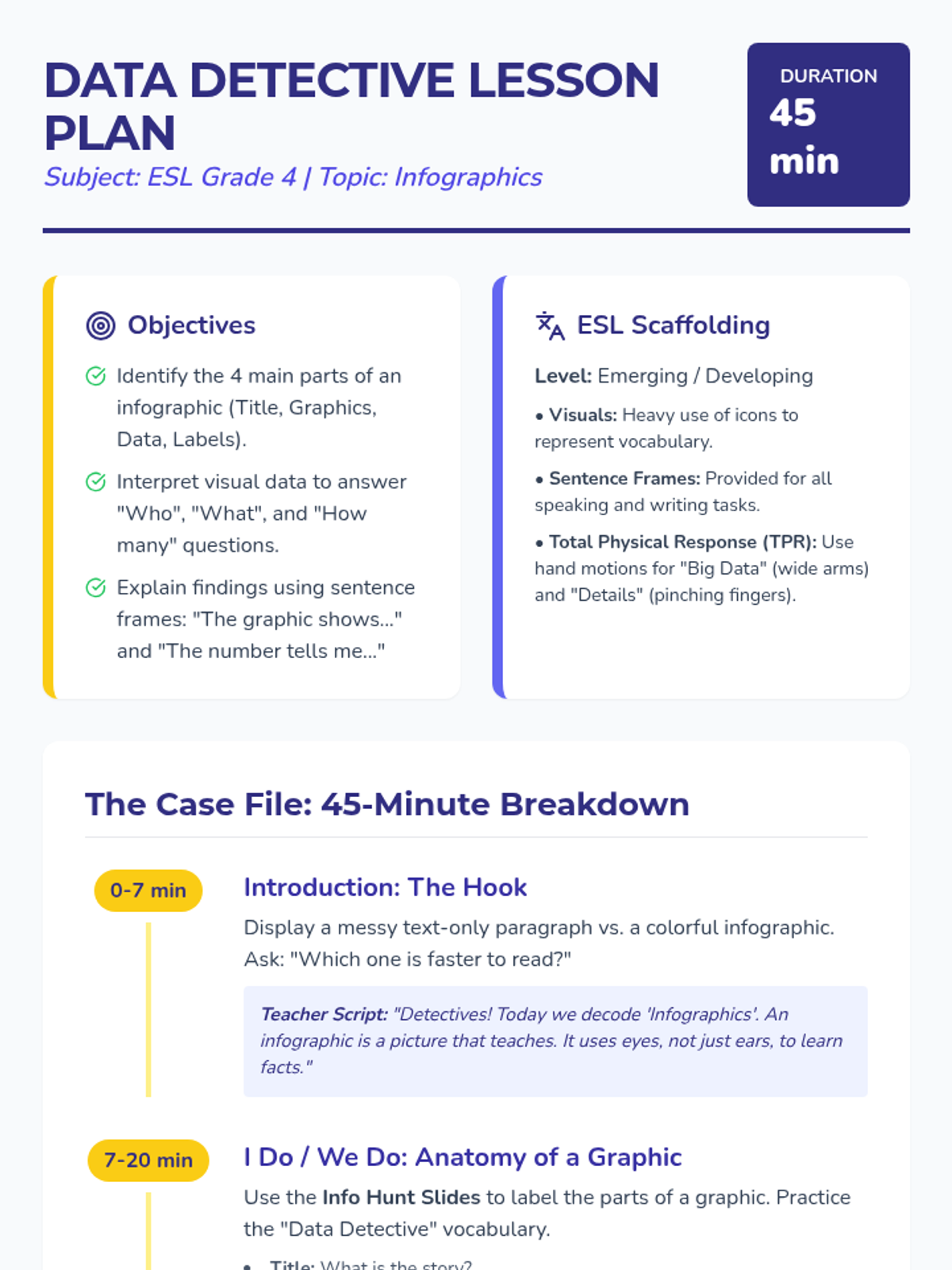
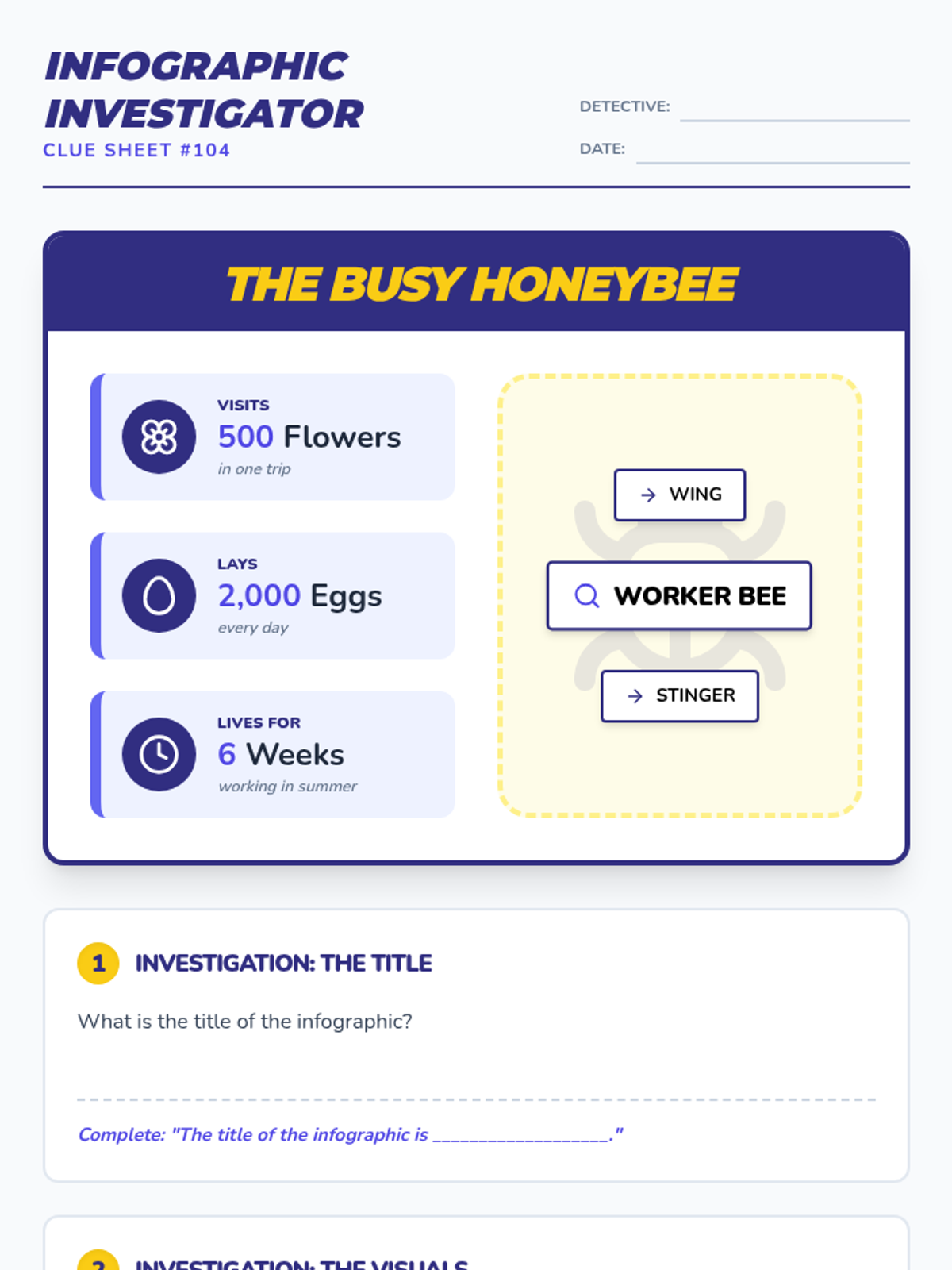
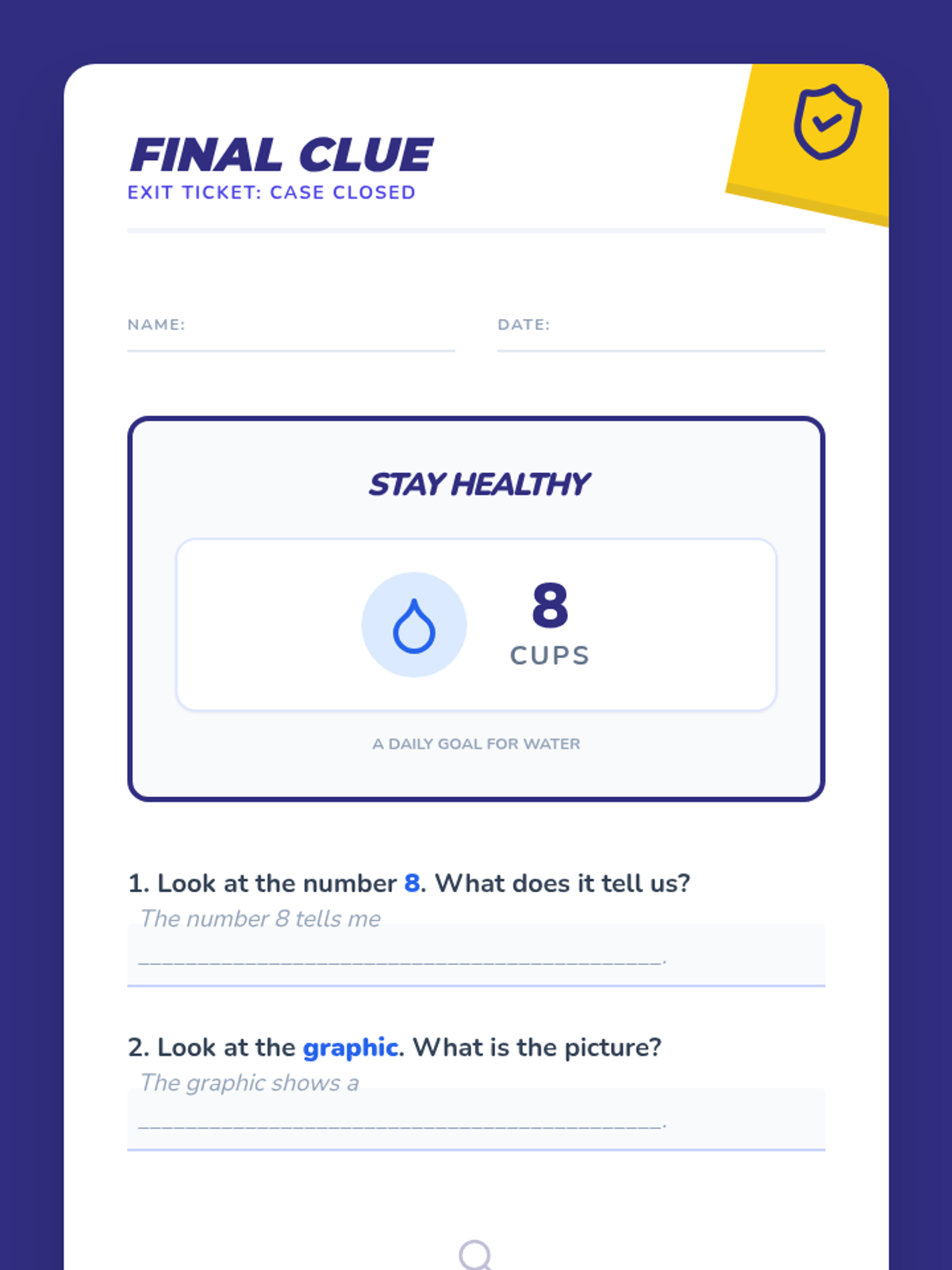
A 45-minute ESL lesson for Grade 4 (Emerging/Developing proficiency) focused on interpreting and explaining information from infographics. Students act as 'Data Detectives' to decode visual information.
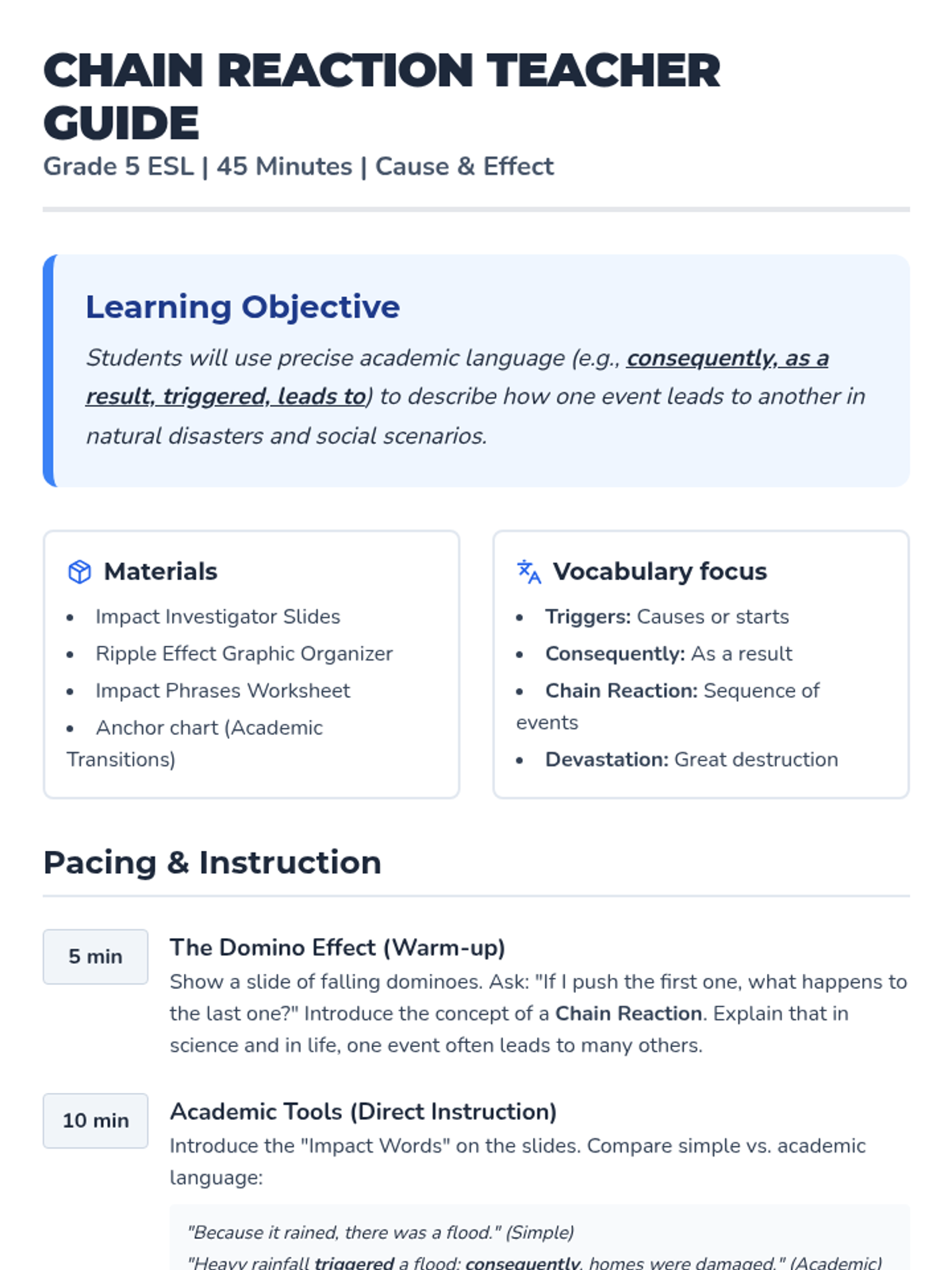
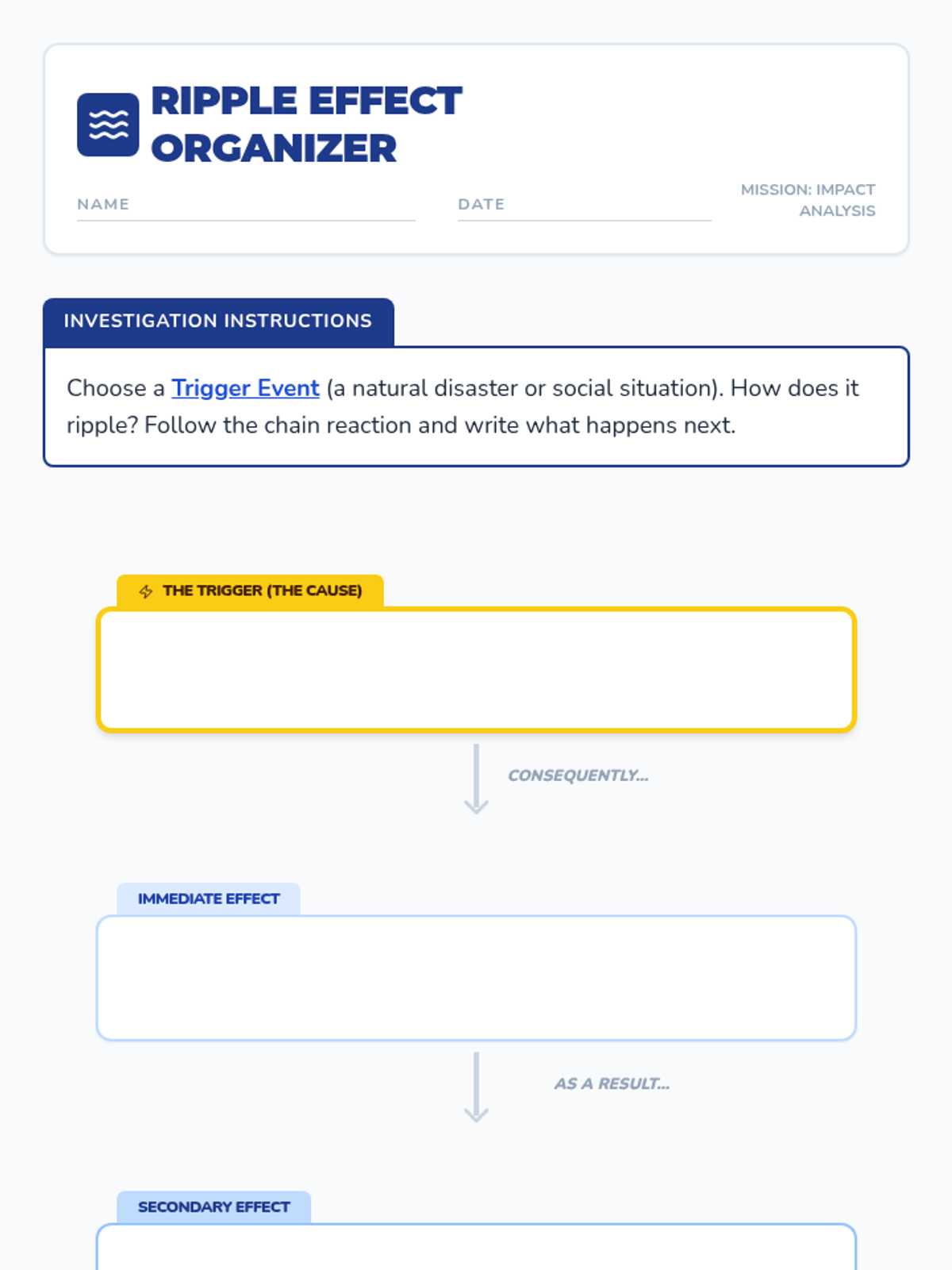
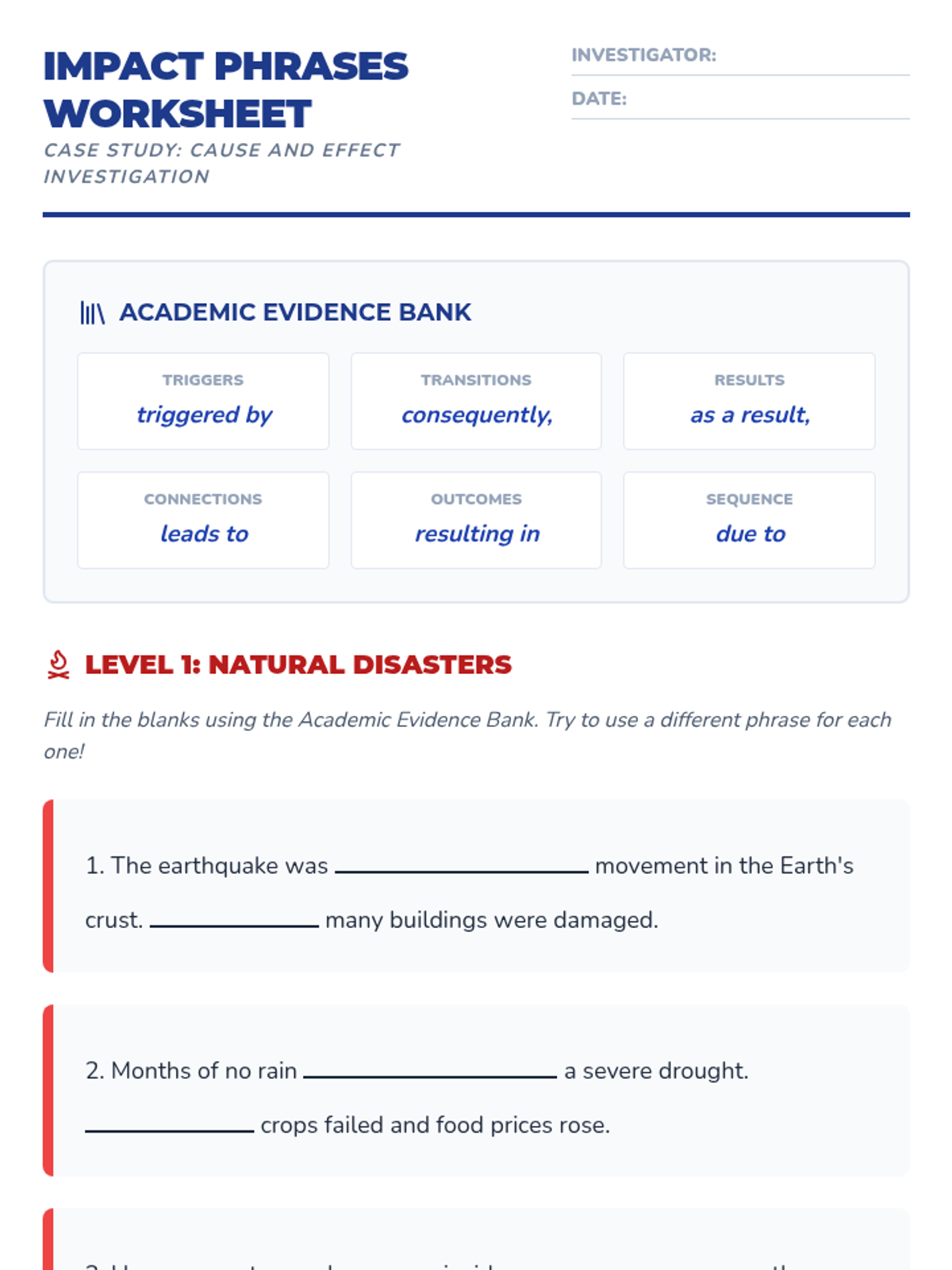
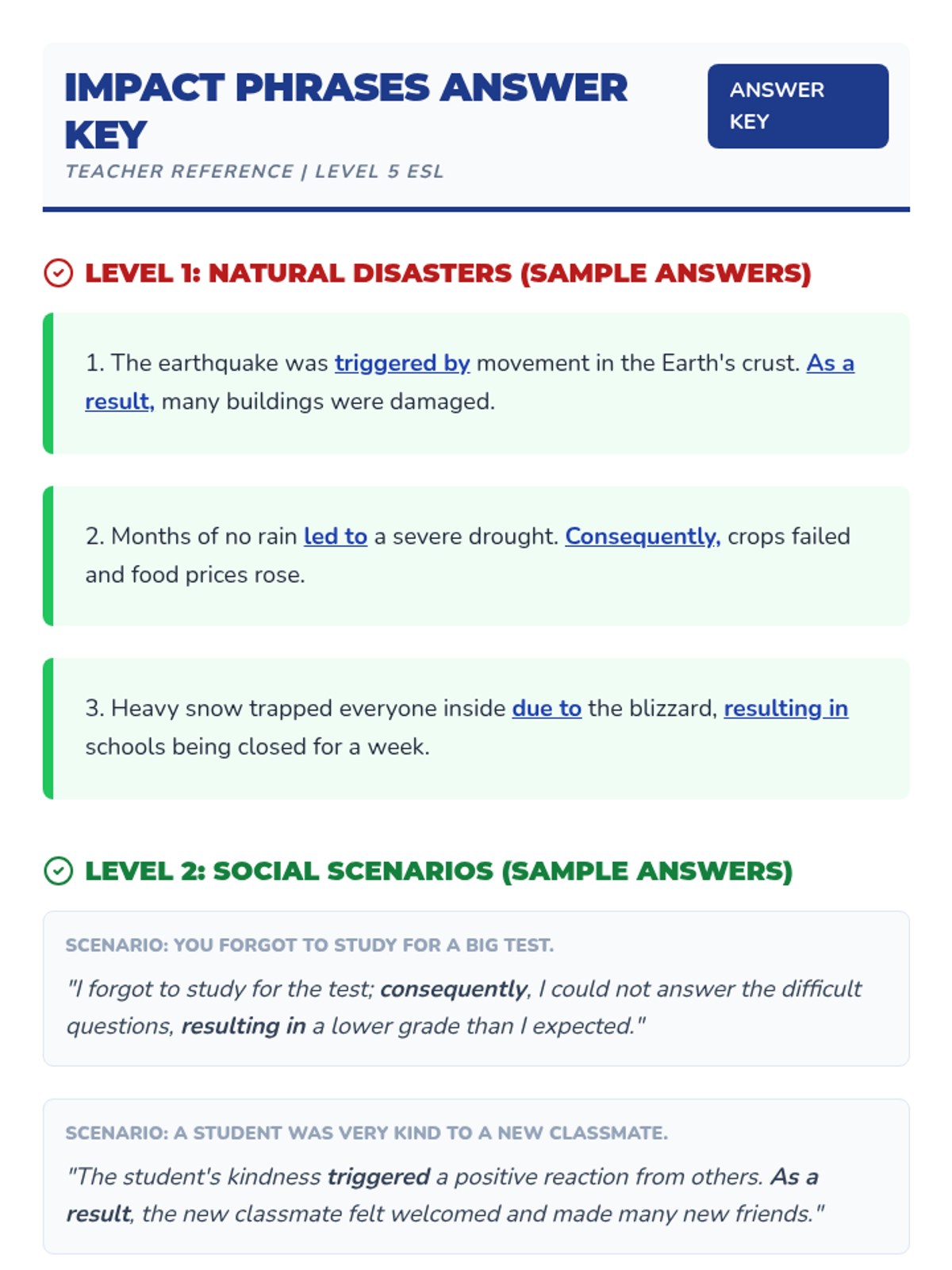
In this 45-minute Grade 5 ESL lesson, students will master precise academic language to describe cause-and-effect relationships. They will explore how natural disasters and social scenarios create chain reactions, using transitional phrases like 'consequently', 'as a result', and 'triggered by'.
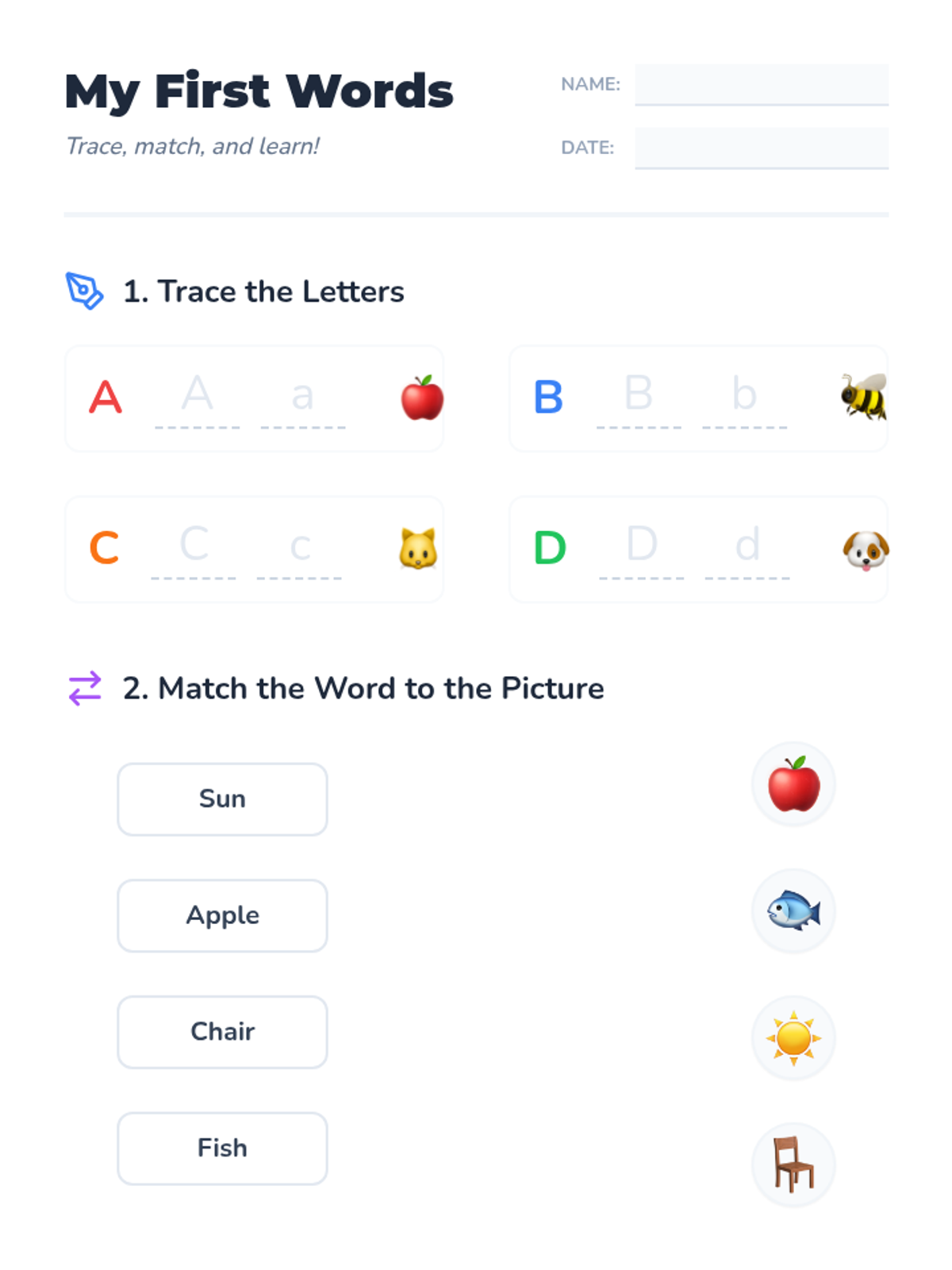
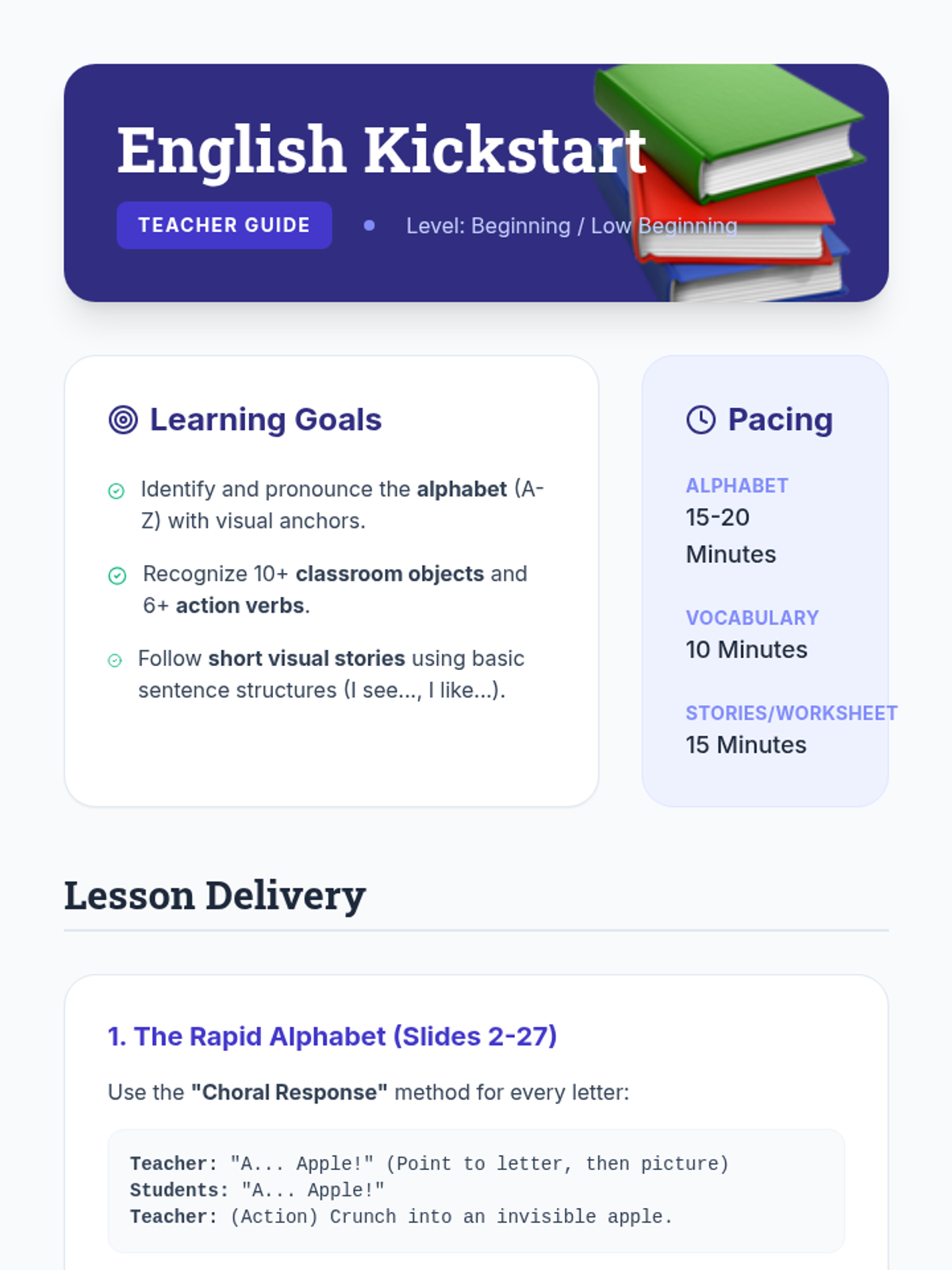
A comprehensive introductory English presentation for beginning learners, covering the alphabet, everyday objects, colors, shapes, actions, and basic stories.
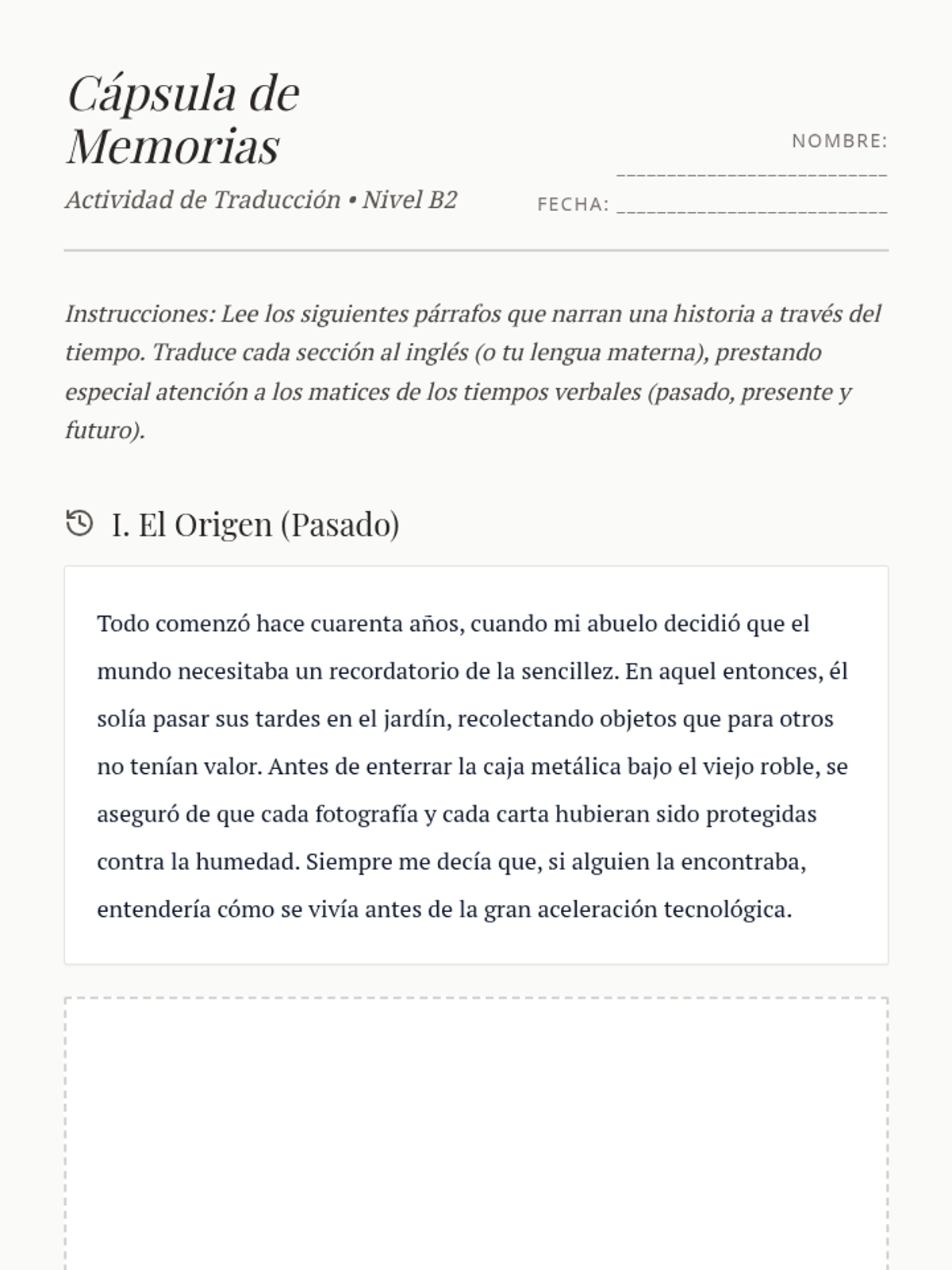
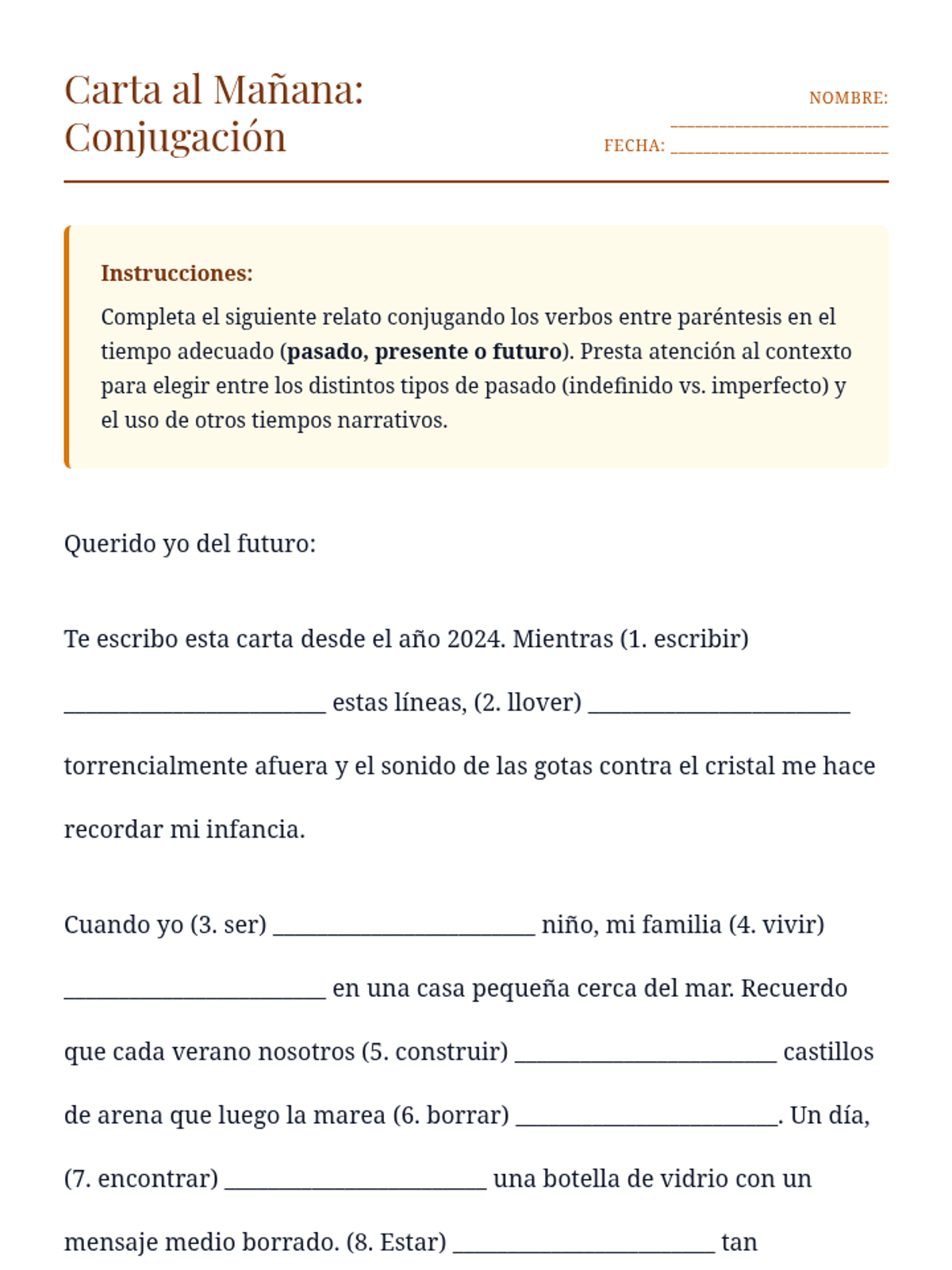
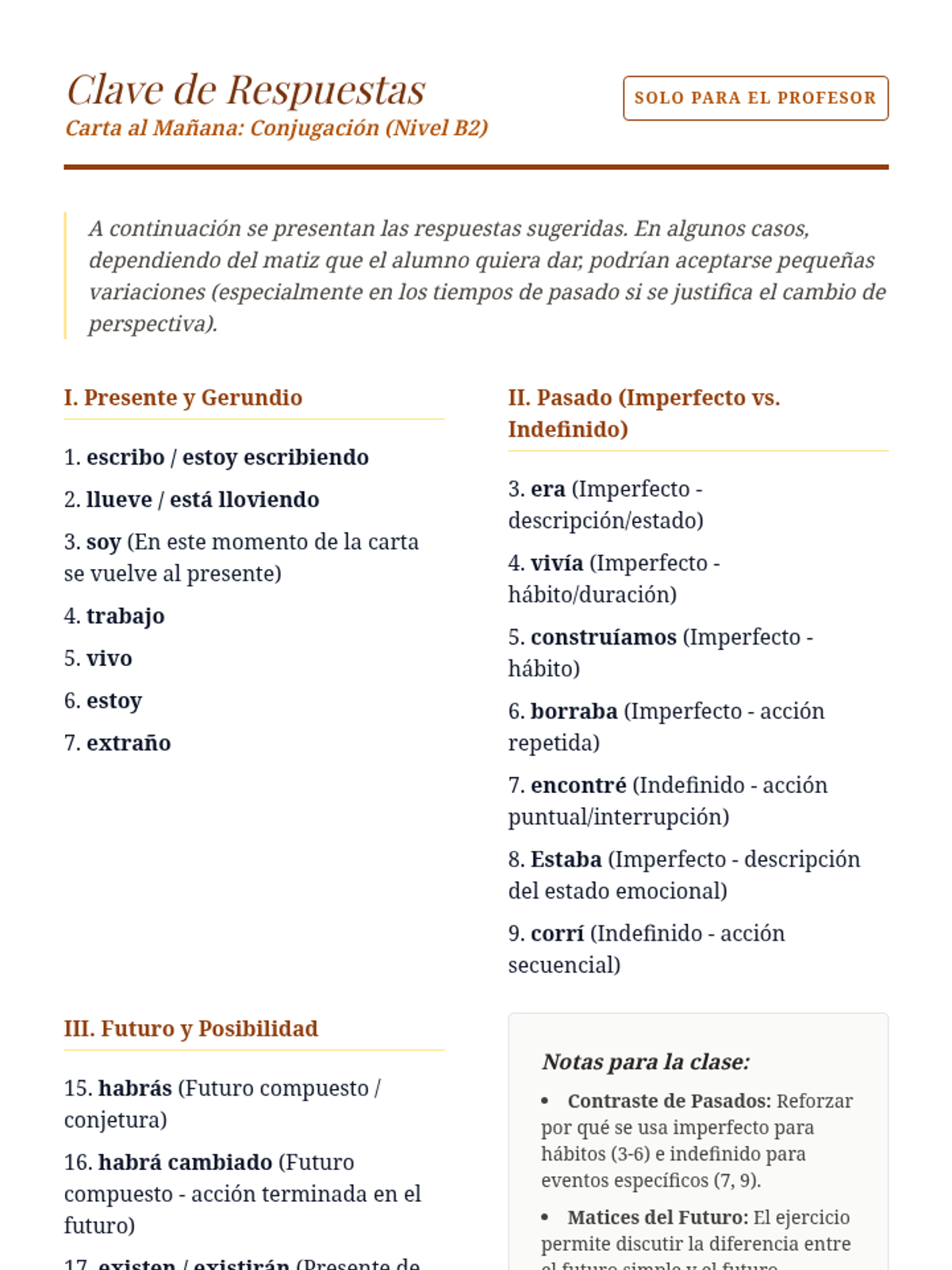
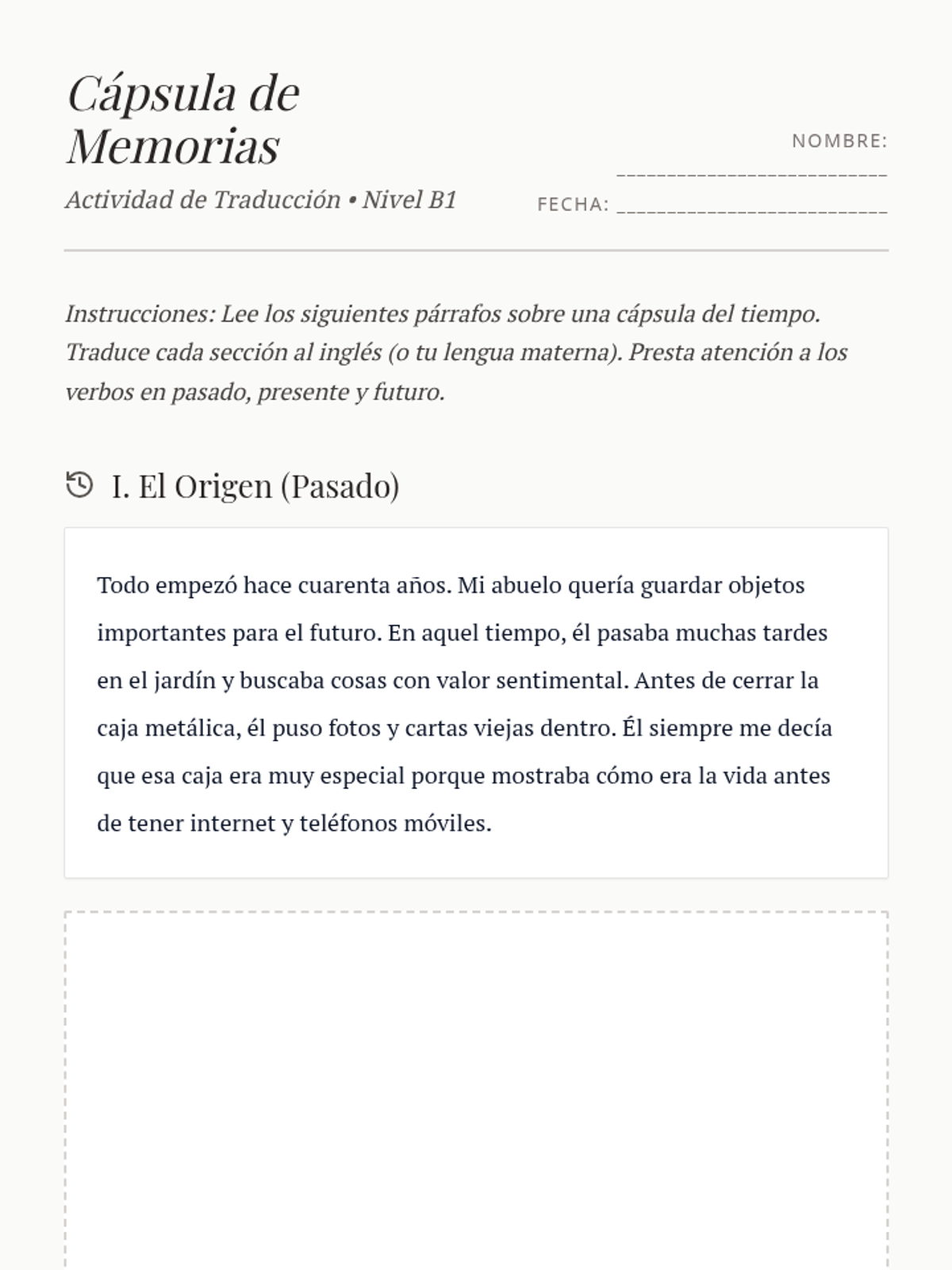
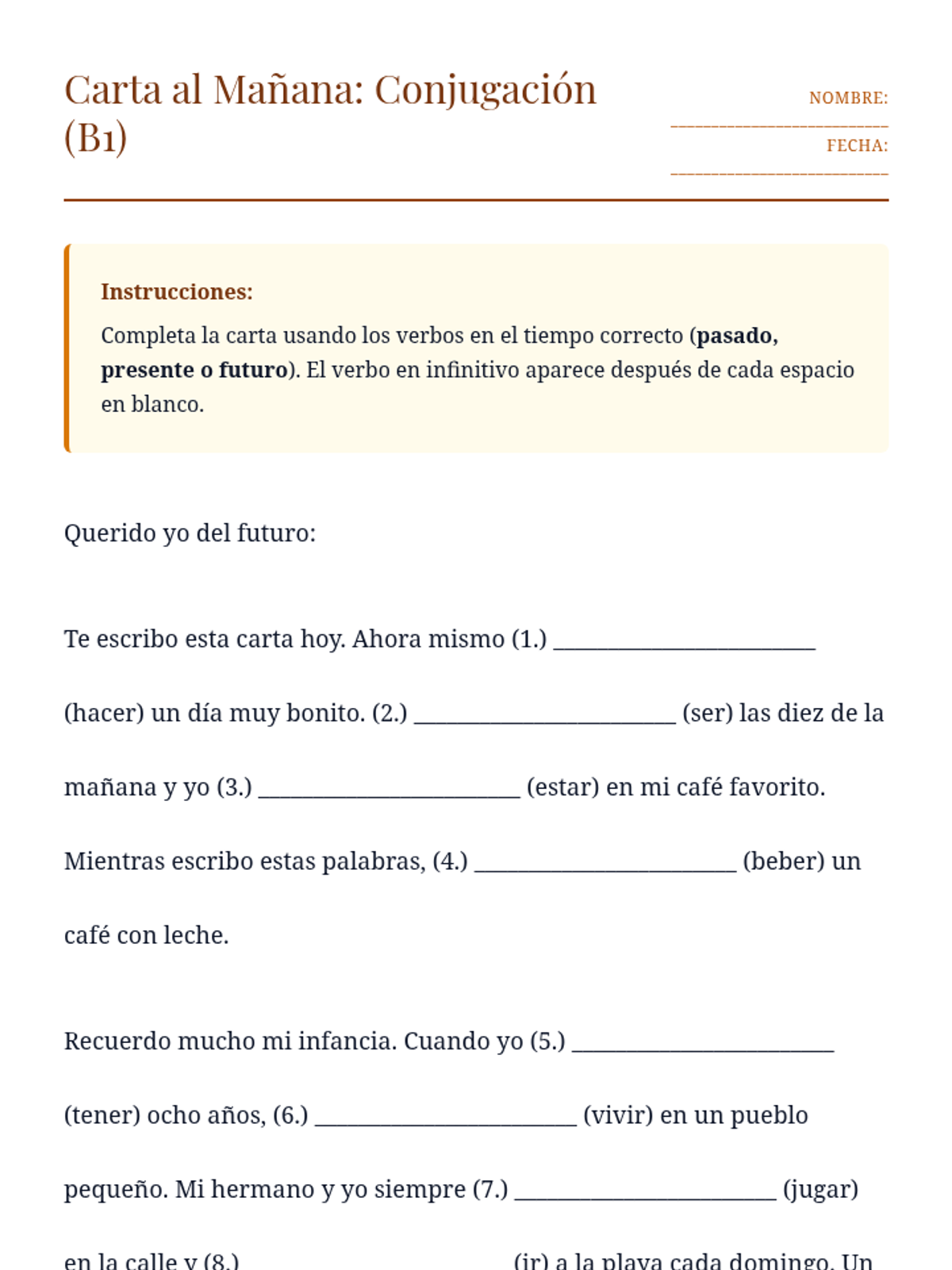
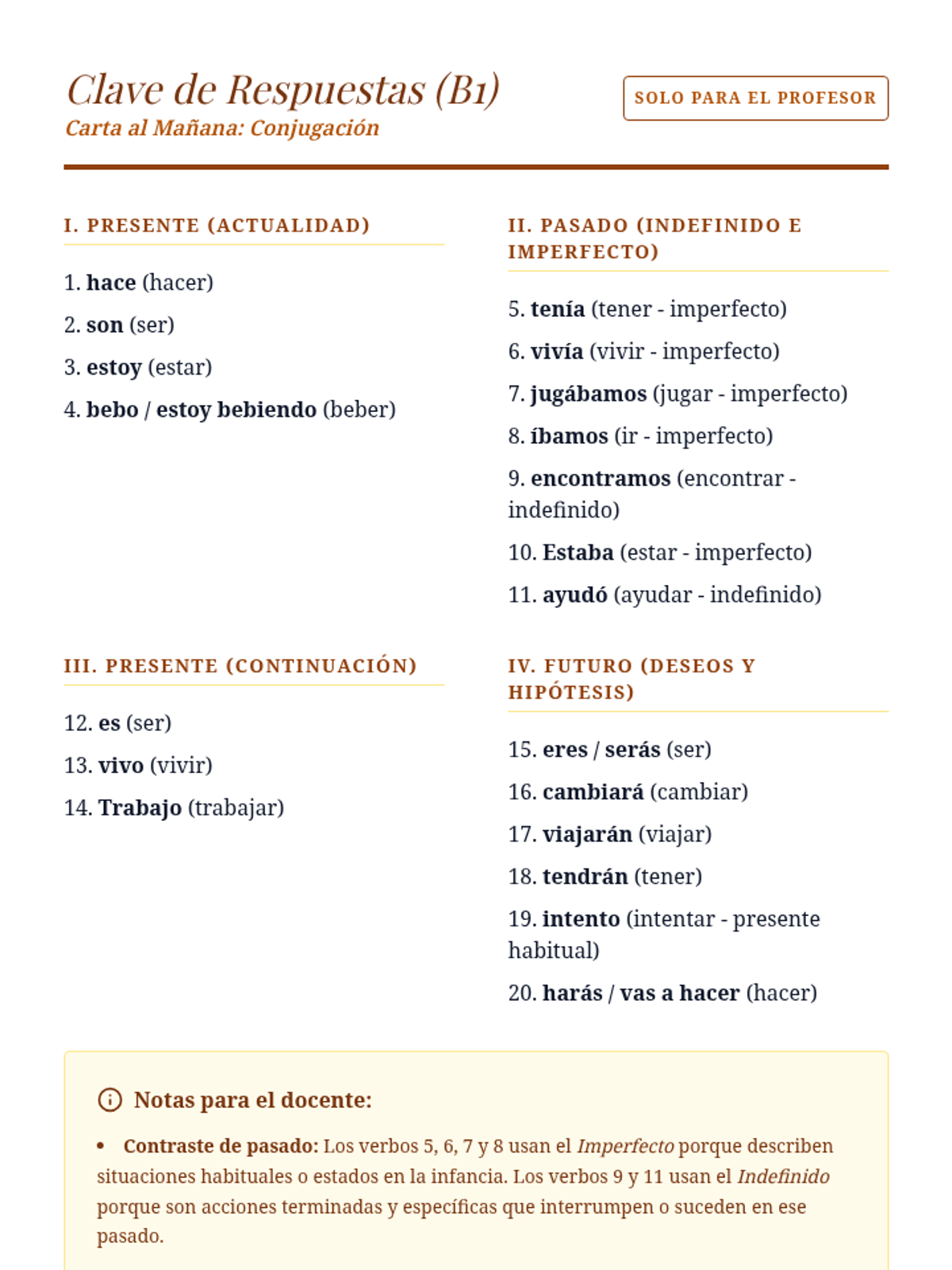
A B1-level Spanish lesson for adults focusing on narrative tenses. Students practice translating a multi-tense text and completing a verb-focused fill-in-the-blanks activity centered around the theme of time and personal history. Includes simplified vocabulary and clearer tense structures.
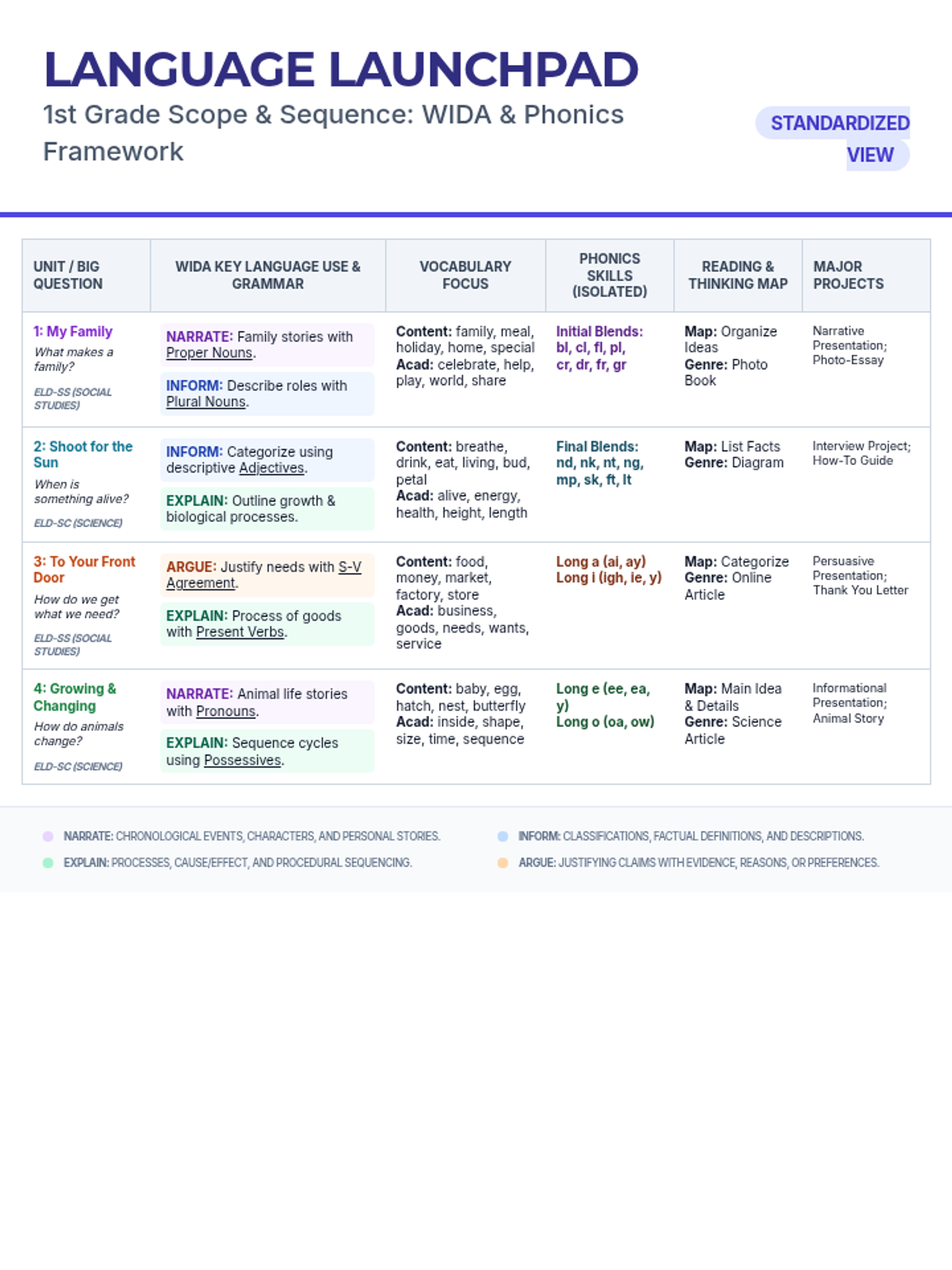
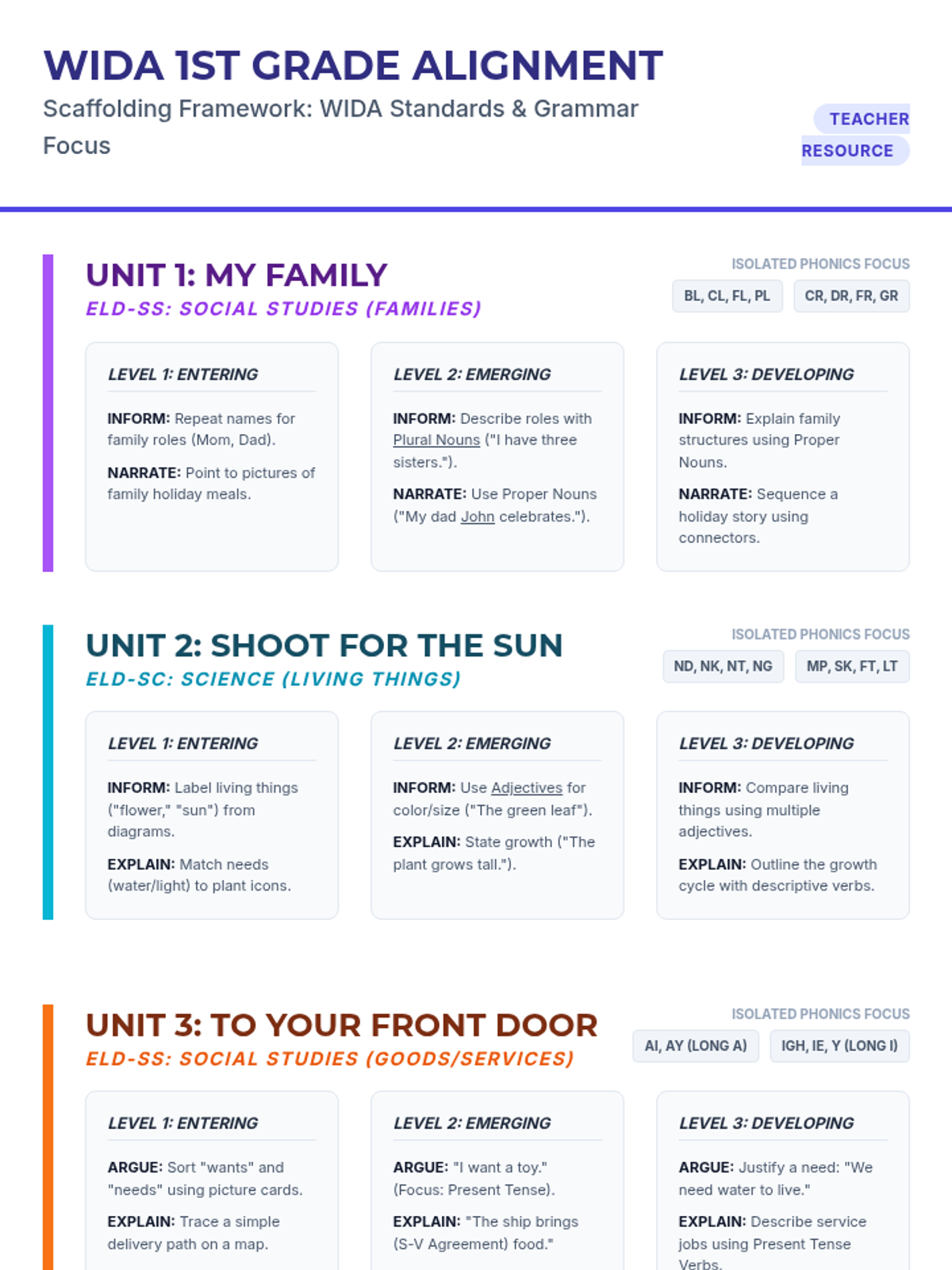
Studies the stages of growth in animals, using WIDA's Narrate (life stories) and Explain (scientific stages) functions.
Analyzes how communities access needs and wants, focusing on the WIDA functions of Argue (persuasive needs) and Explain (the journey of goods).
Investigates the characteristics of living things, utilizing WIDA's Inform function to define life and Explain function to describe biological processes.
Explores family structures, roles, and traditions while focusing on the WIDA functions of Narrate (family stories) and Inform (identifying family members).
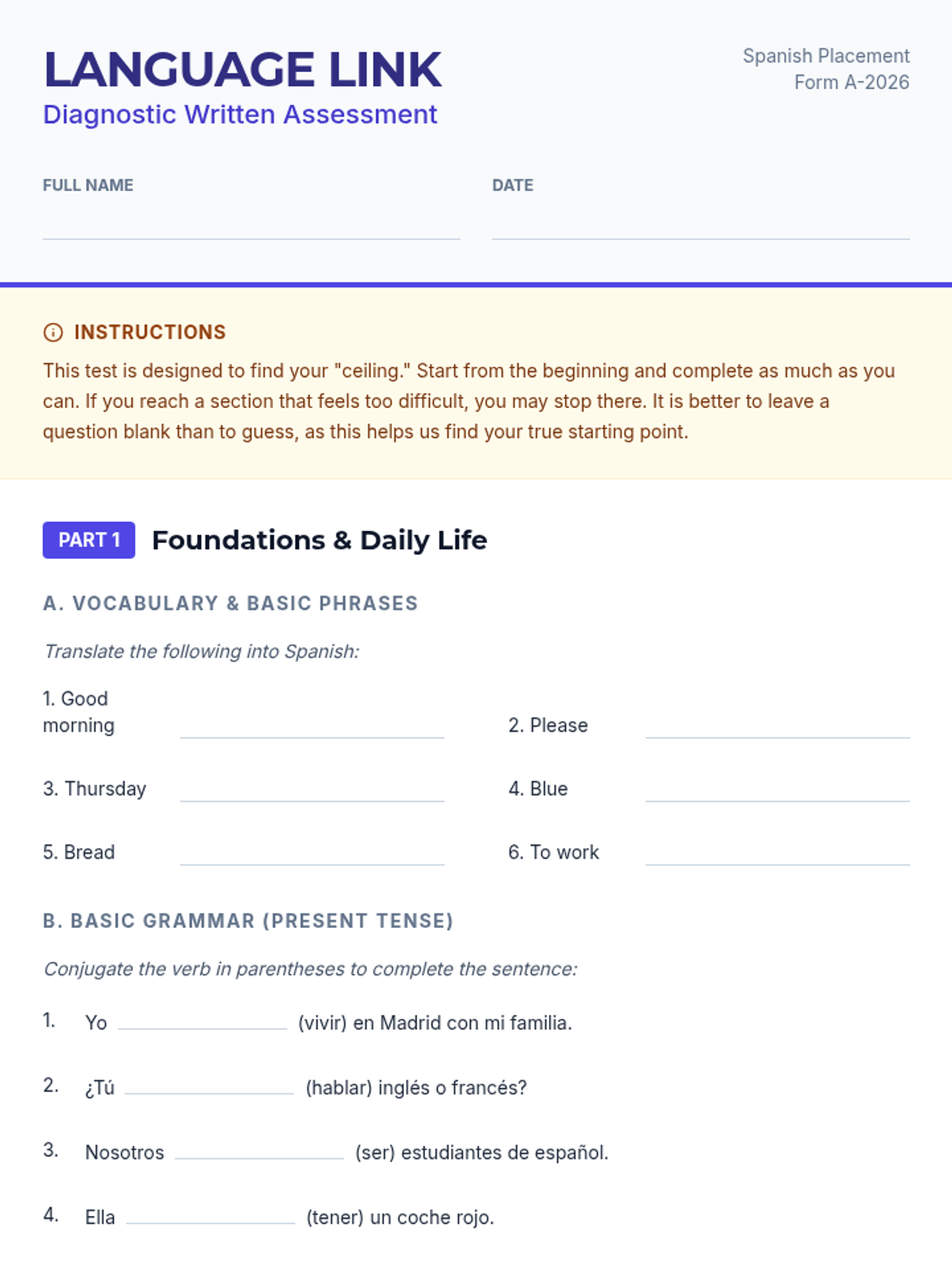
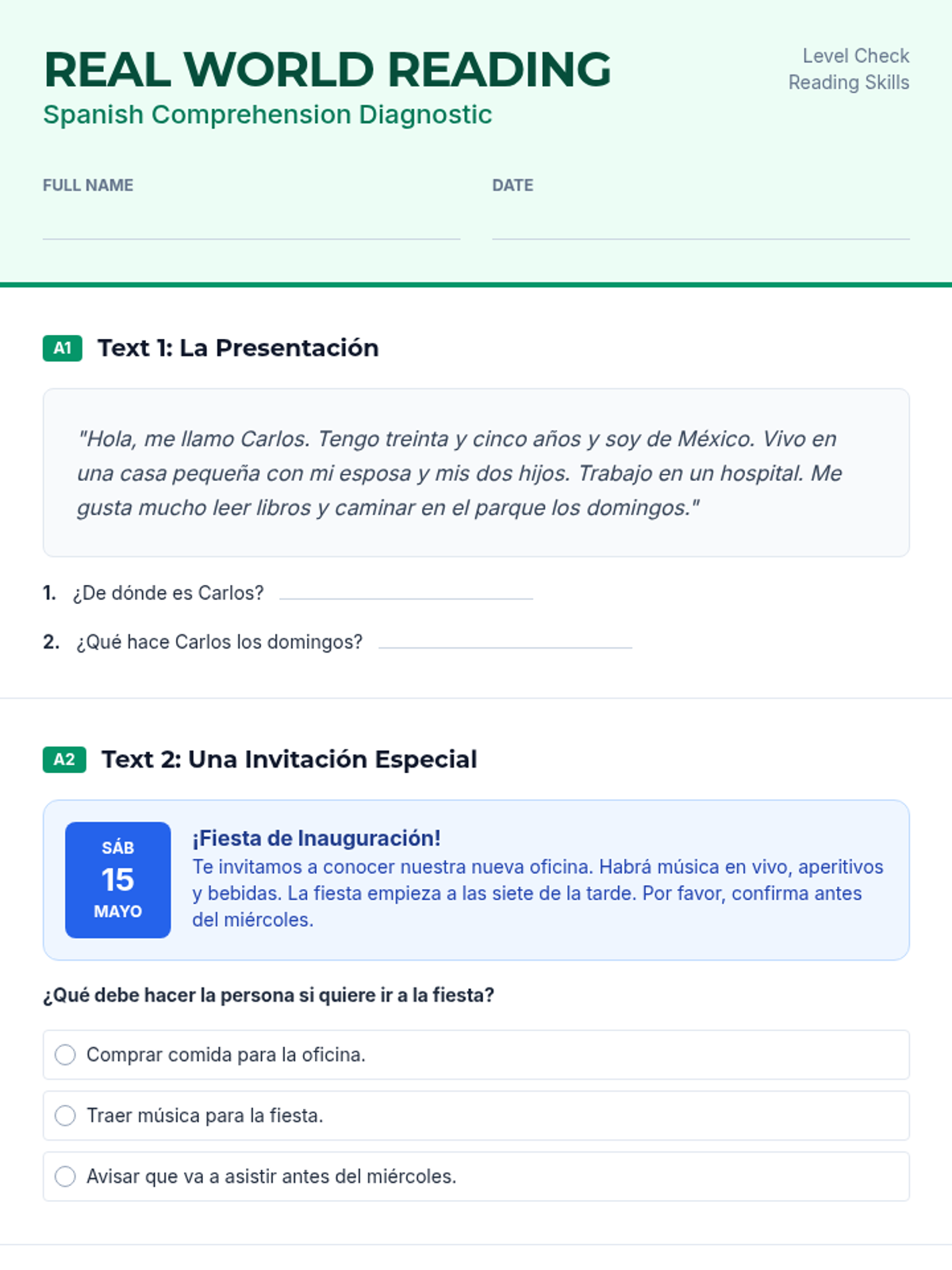
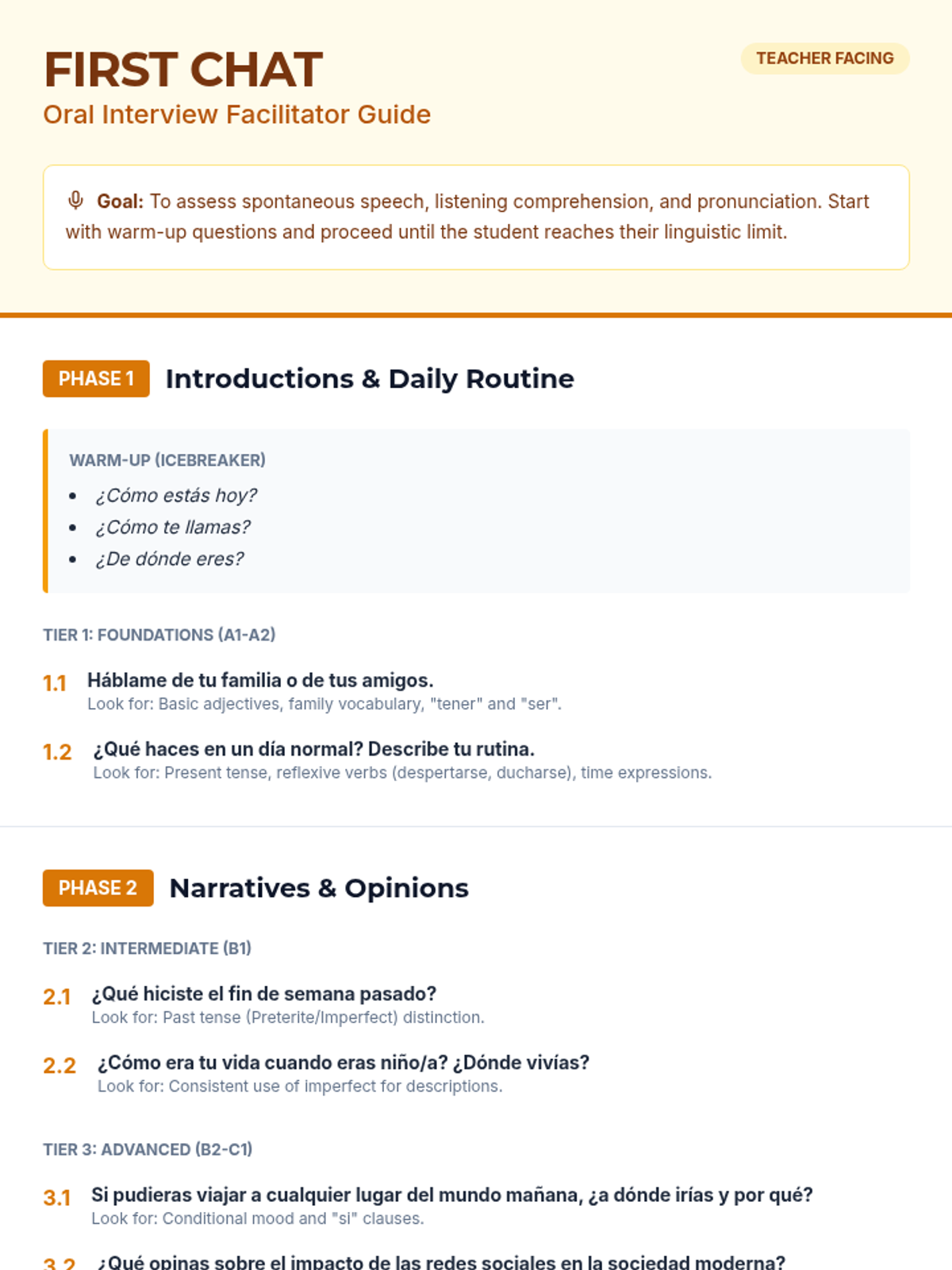
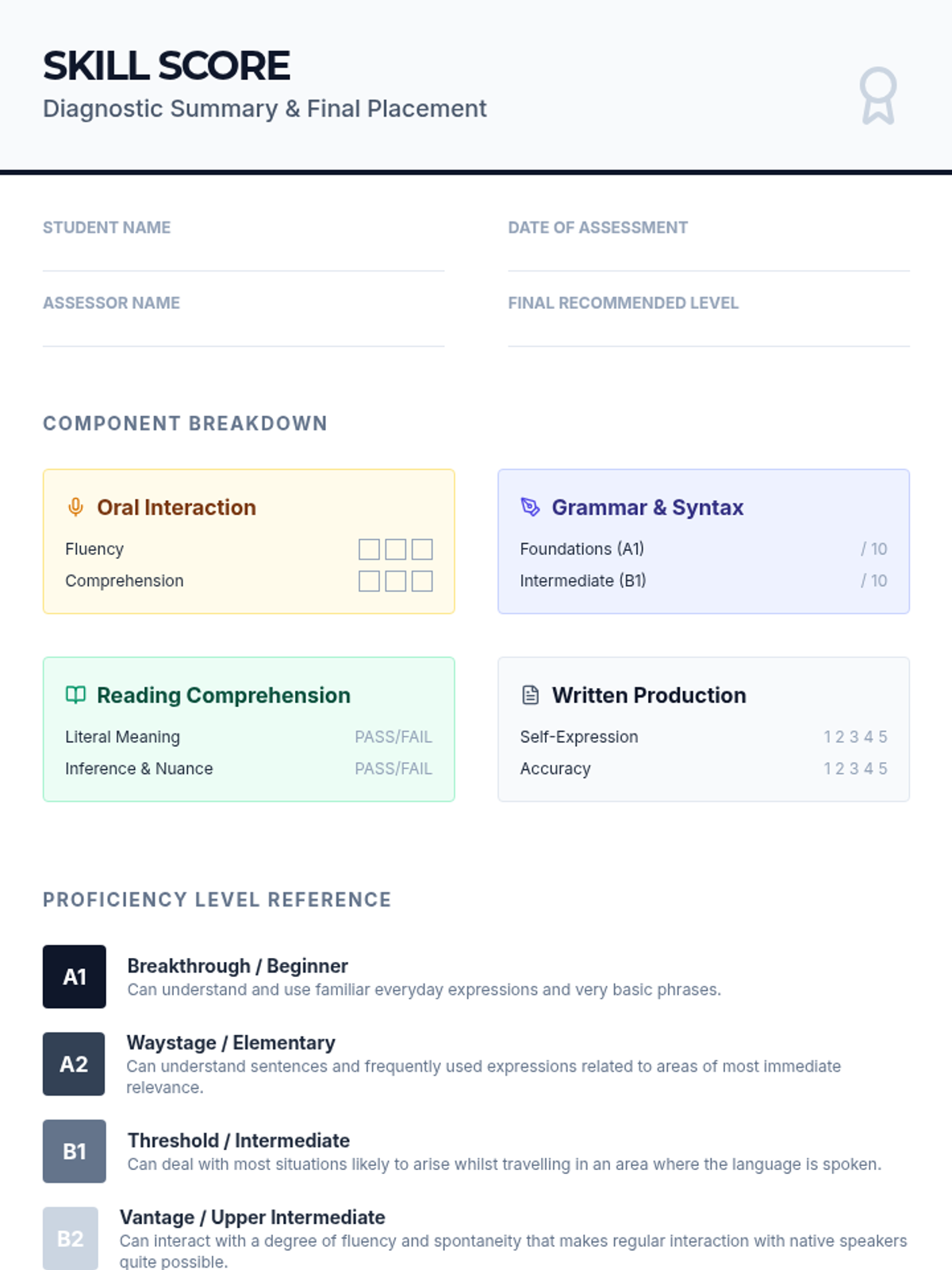
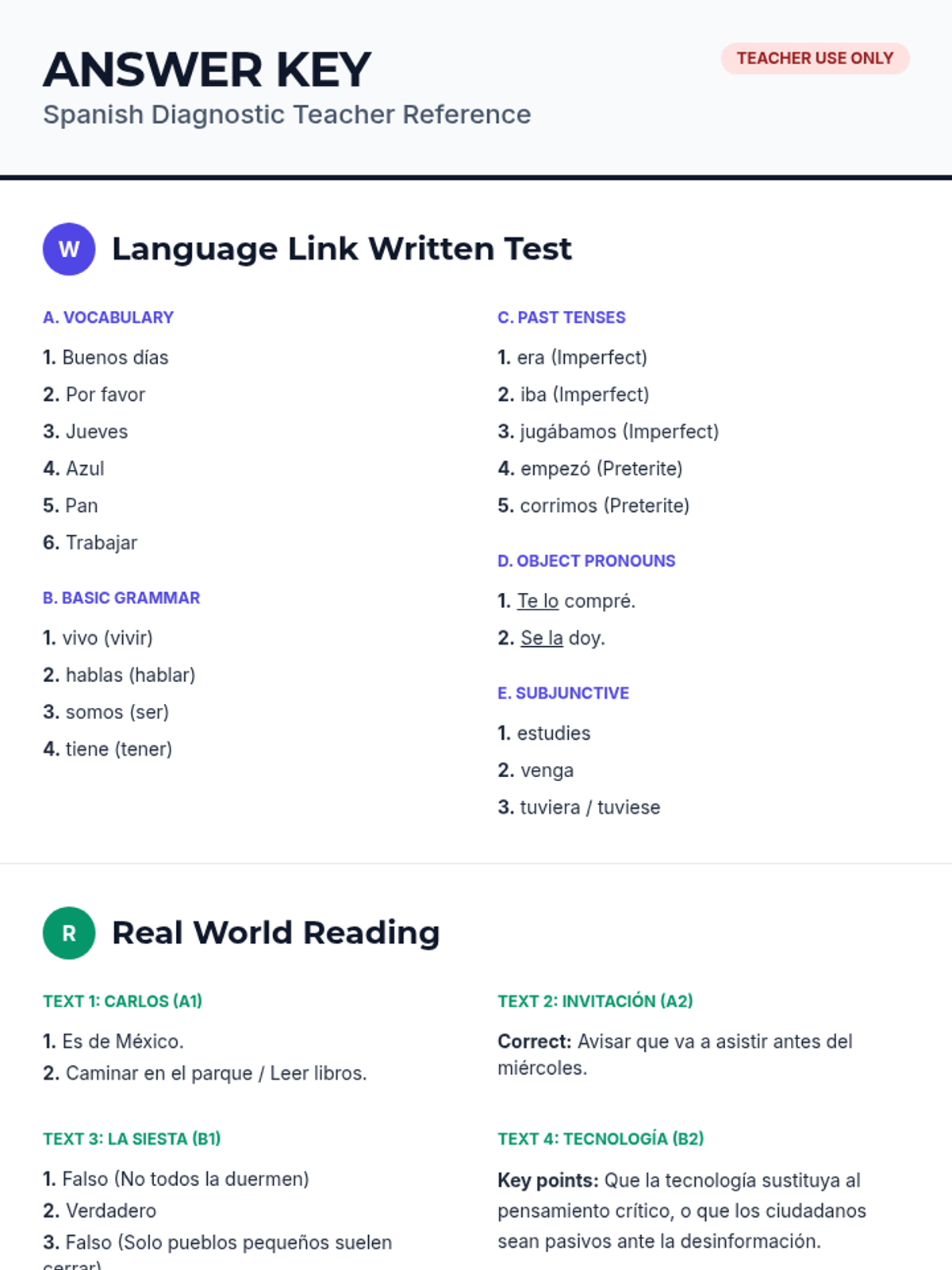
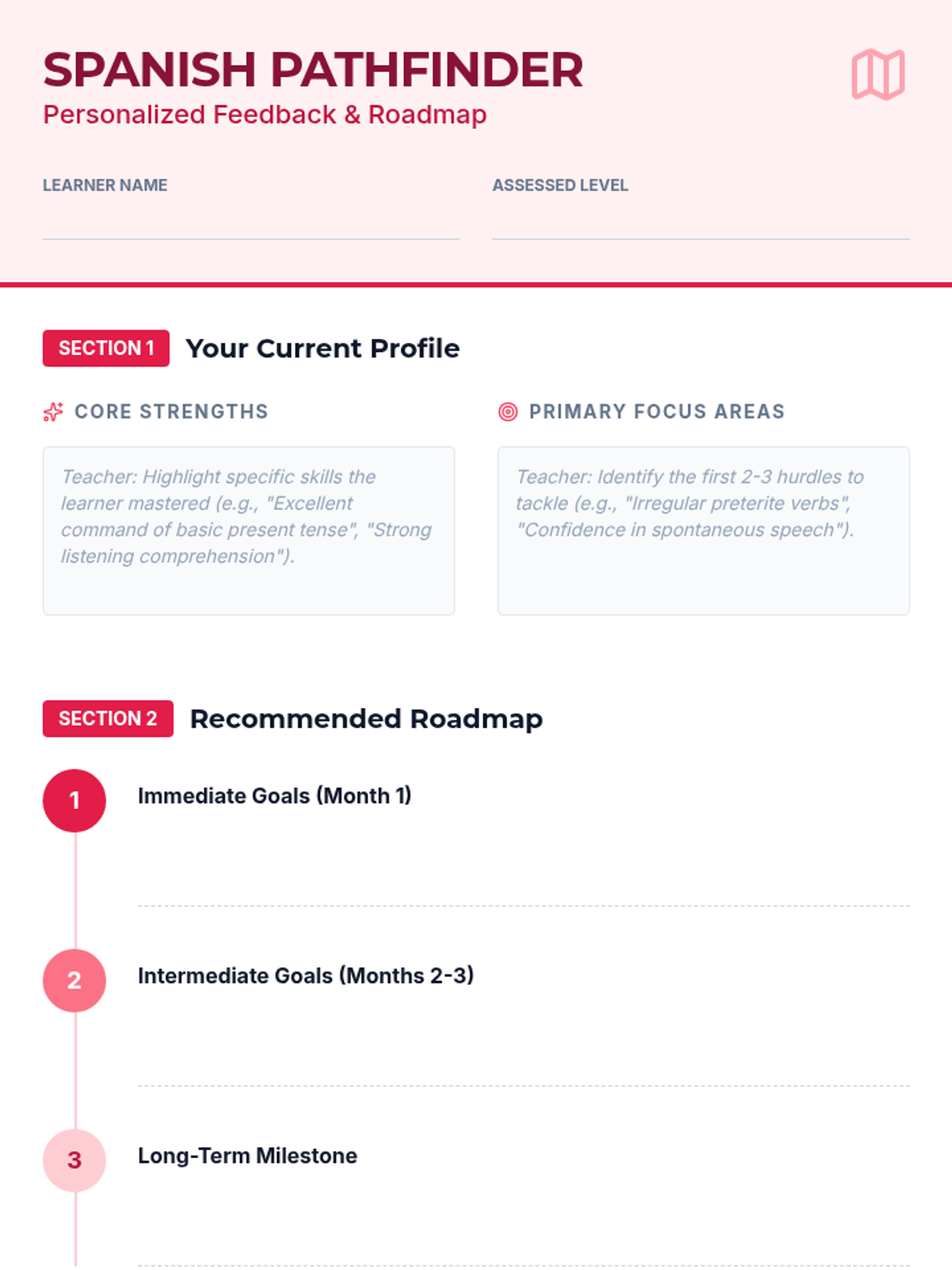
A comprehensive diagnostic assessment suite designed for adult learners to determine their current Spanish proficiency level across reading, writing, listening, and speaking. The materials move from foundational basics to advanced structures to provide a clear placement for the learner.
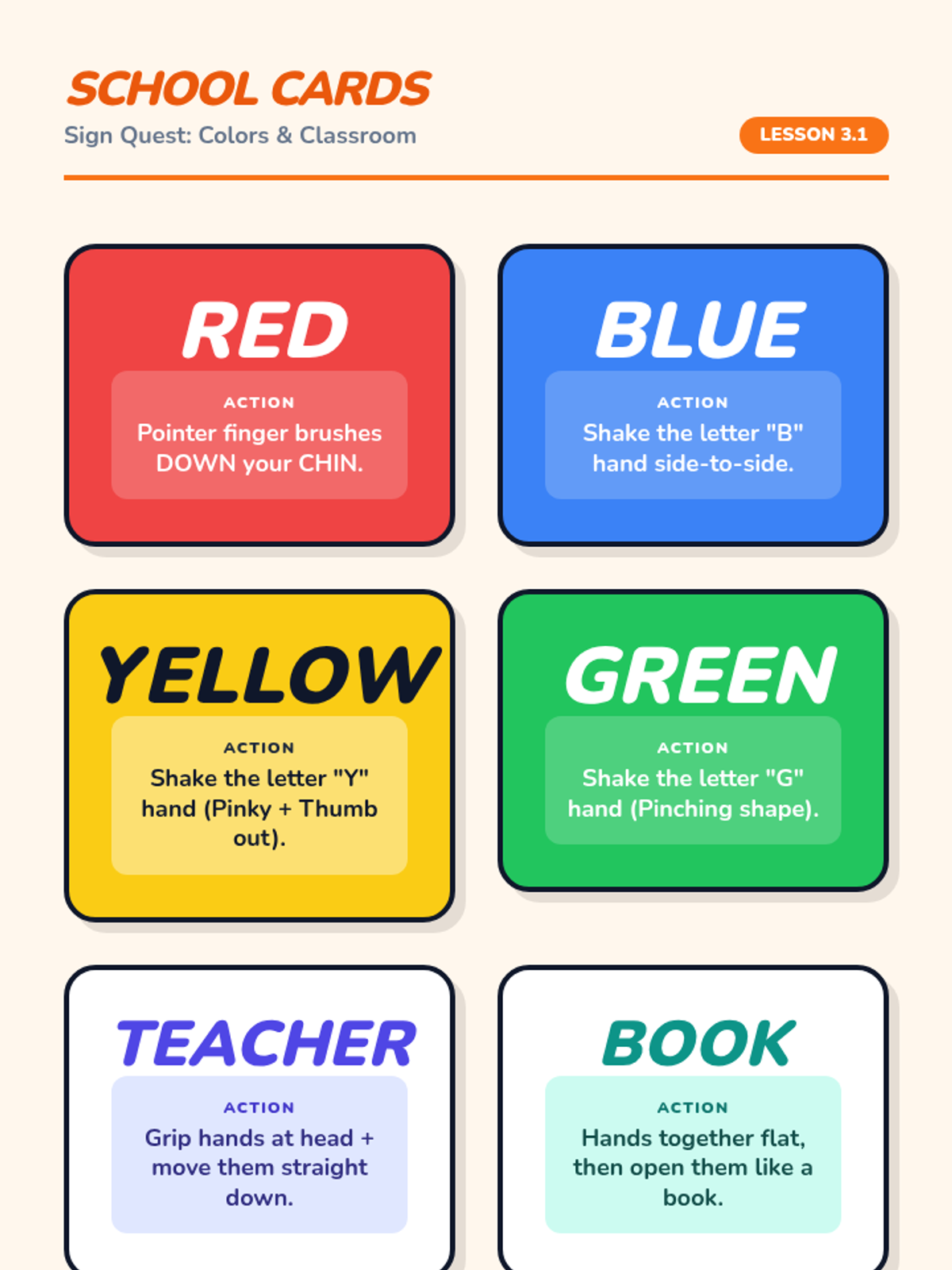
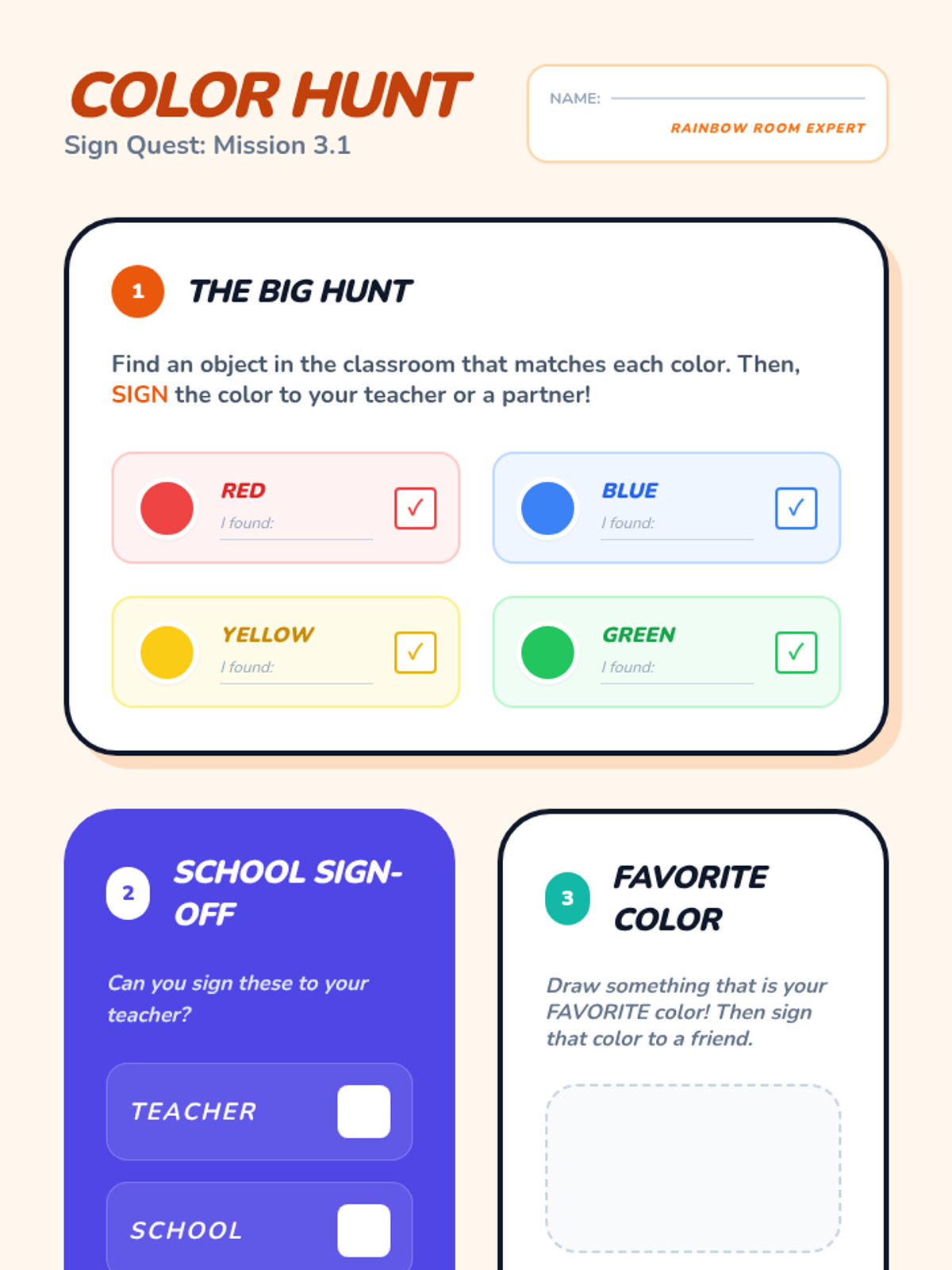
Learn the signs for common classroom objects and a vibrant spectrum of colors to describe the world around you.
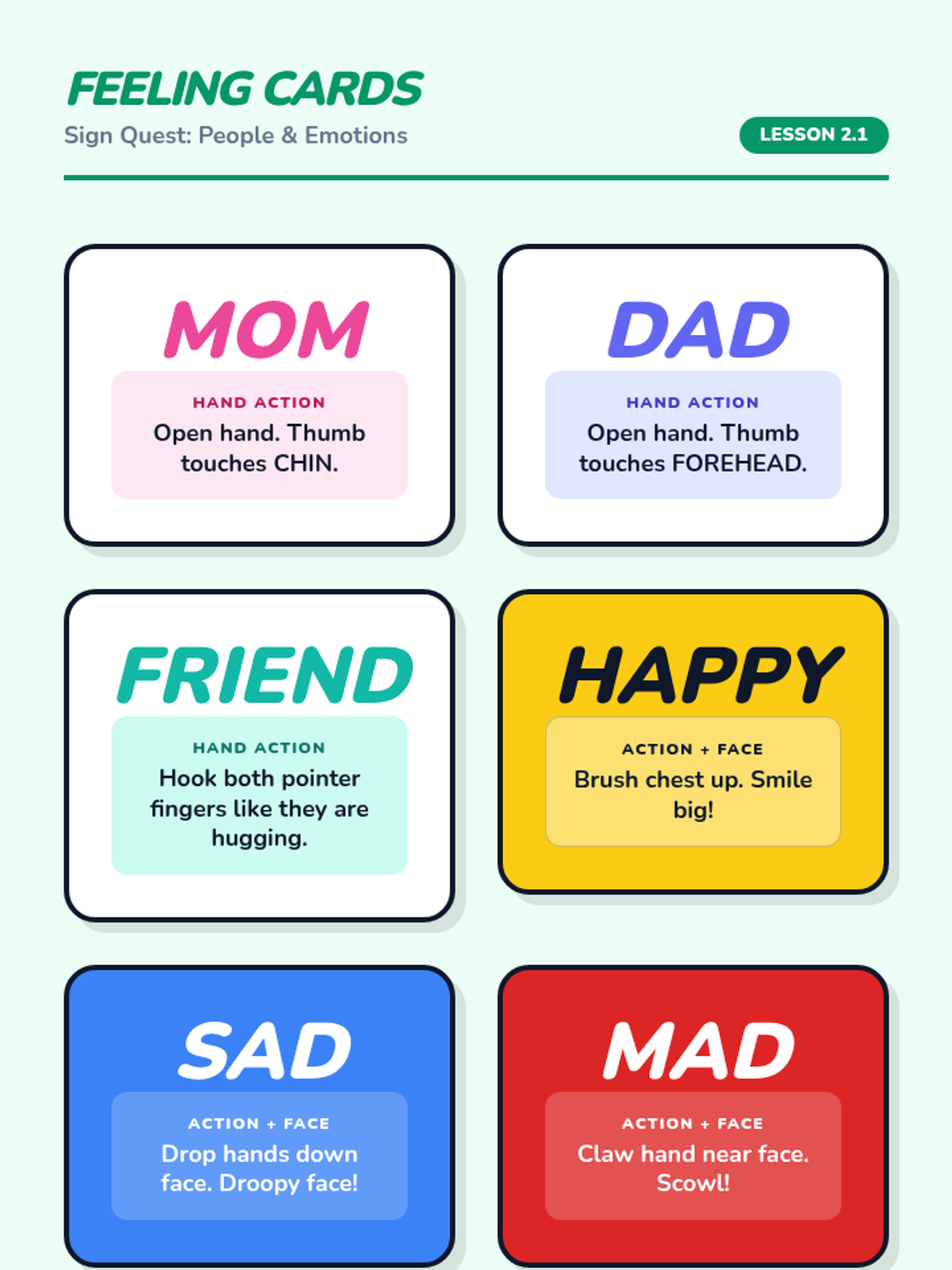
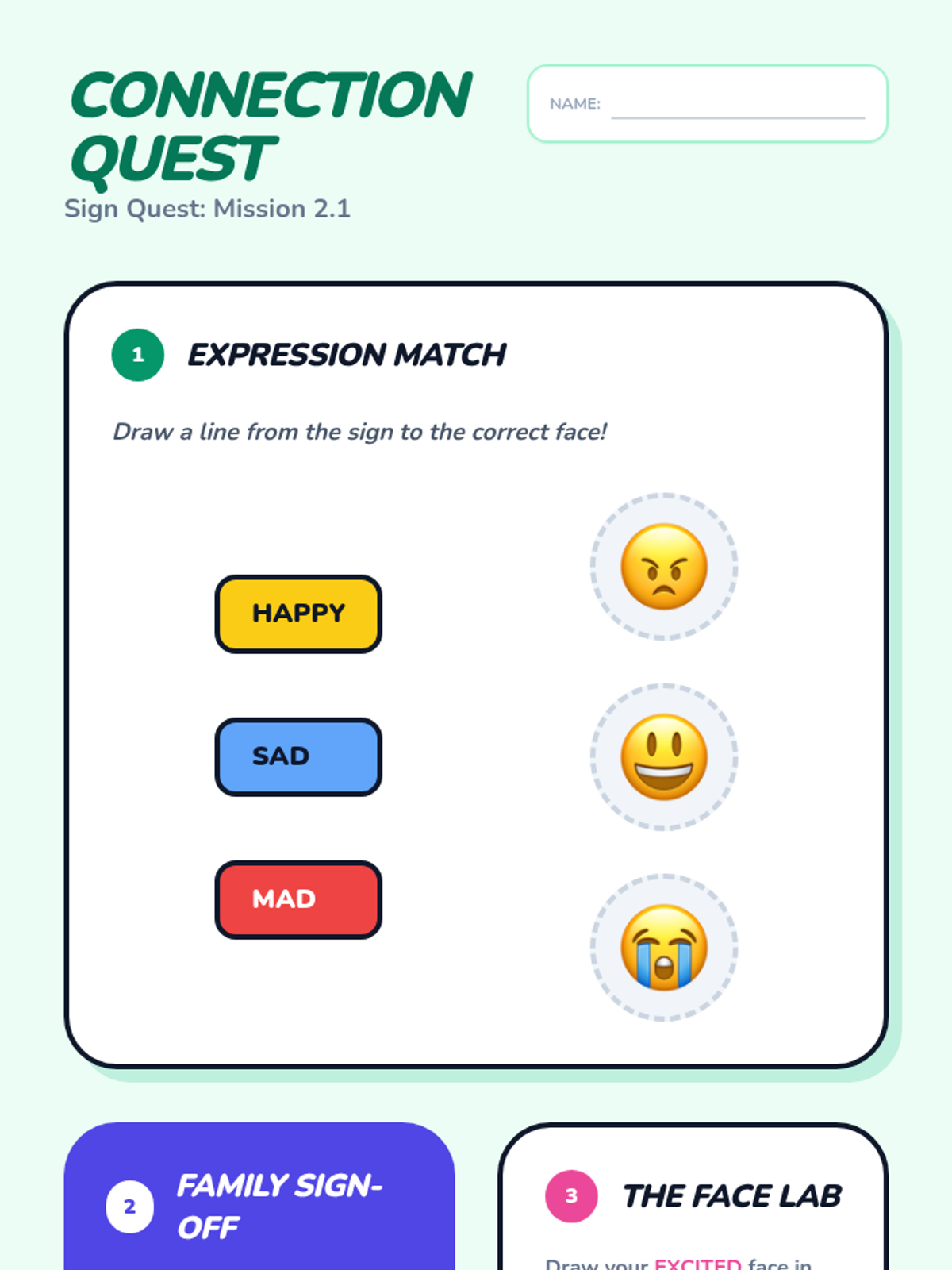
Explore signs for the people in our lives and learn how to use facial expressions to show feelings.
Jump into the basics of ASL with a focus on the manual alphabet and essential polite signs like hello, please, and thank you.
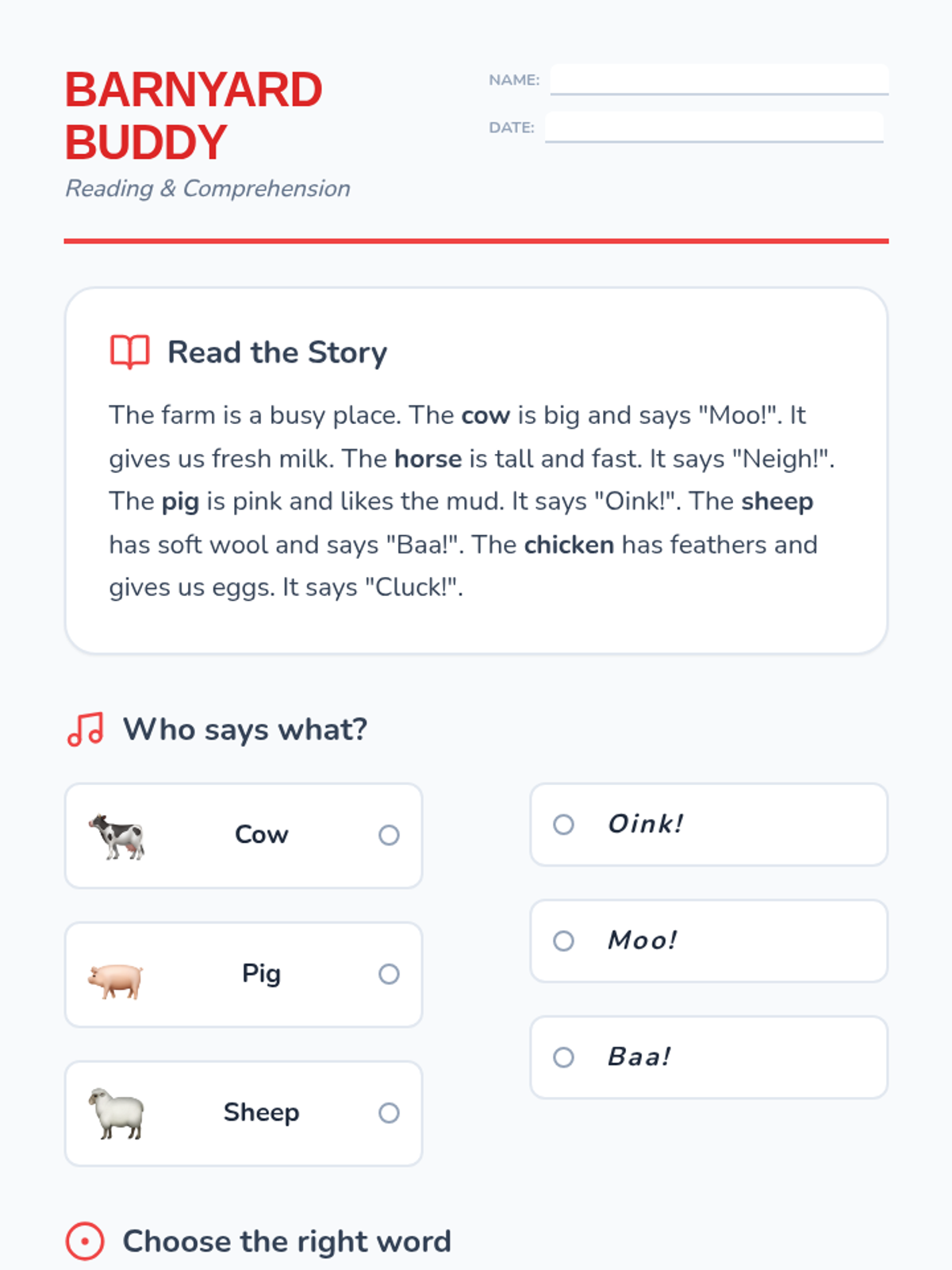
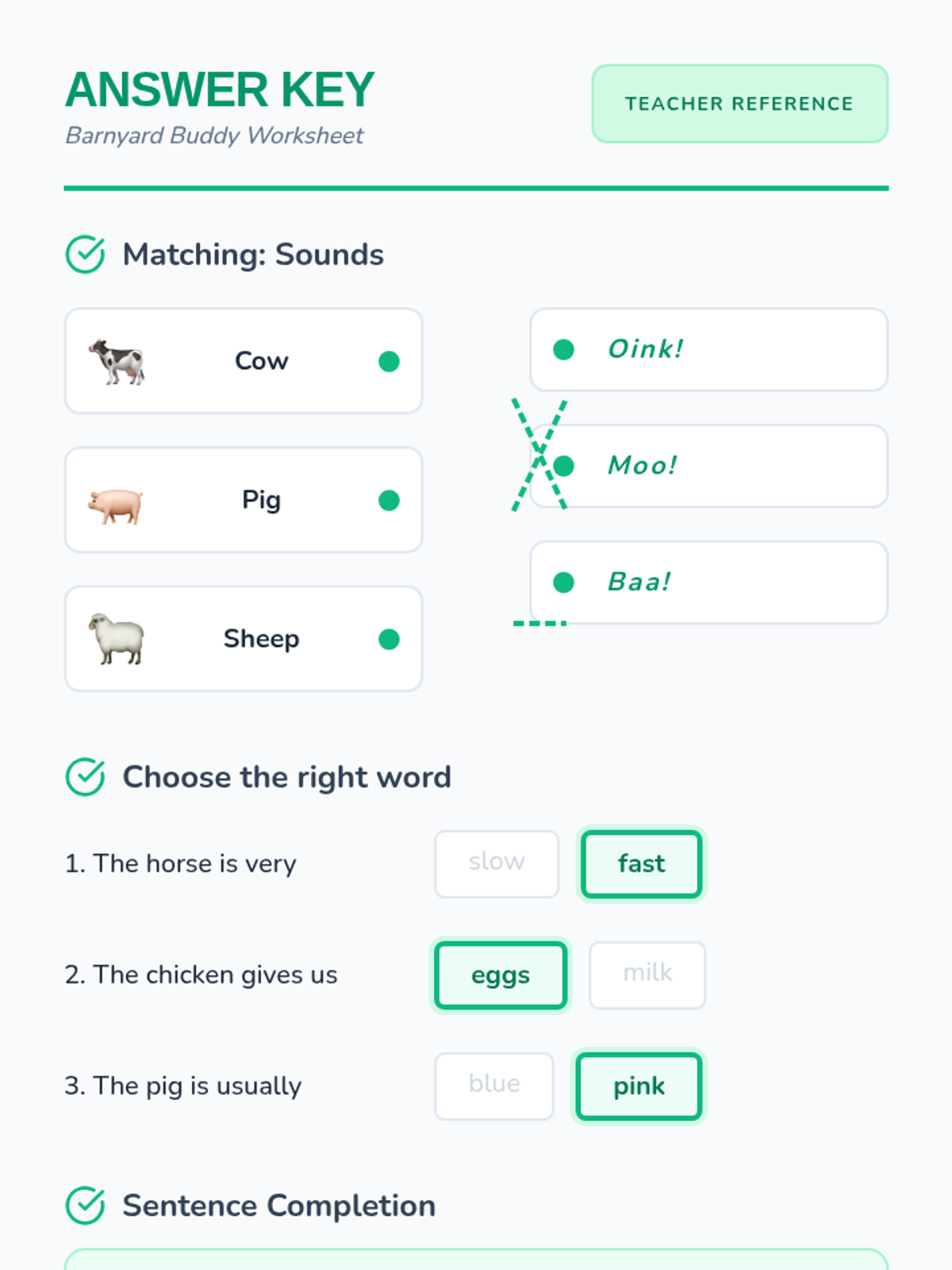
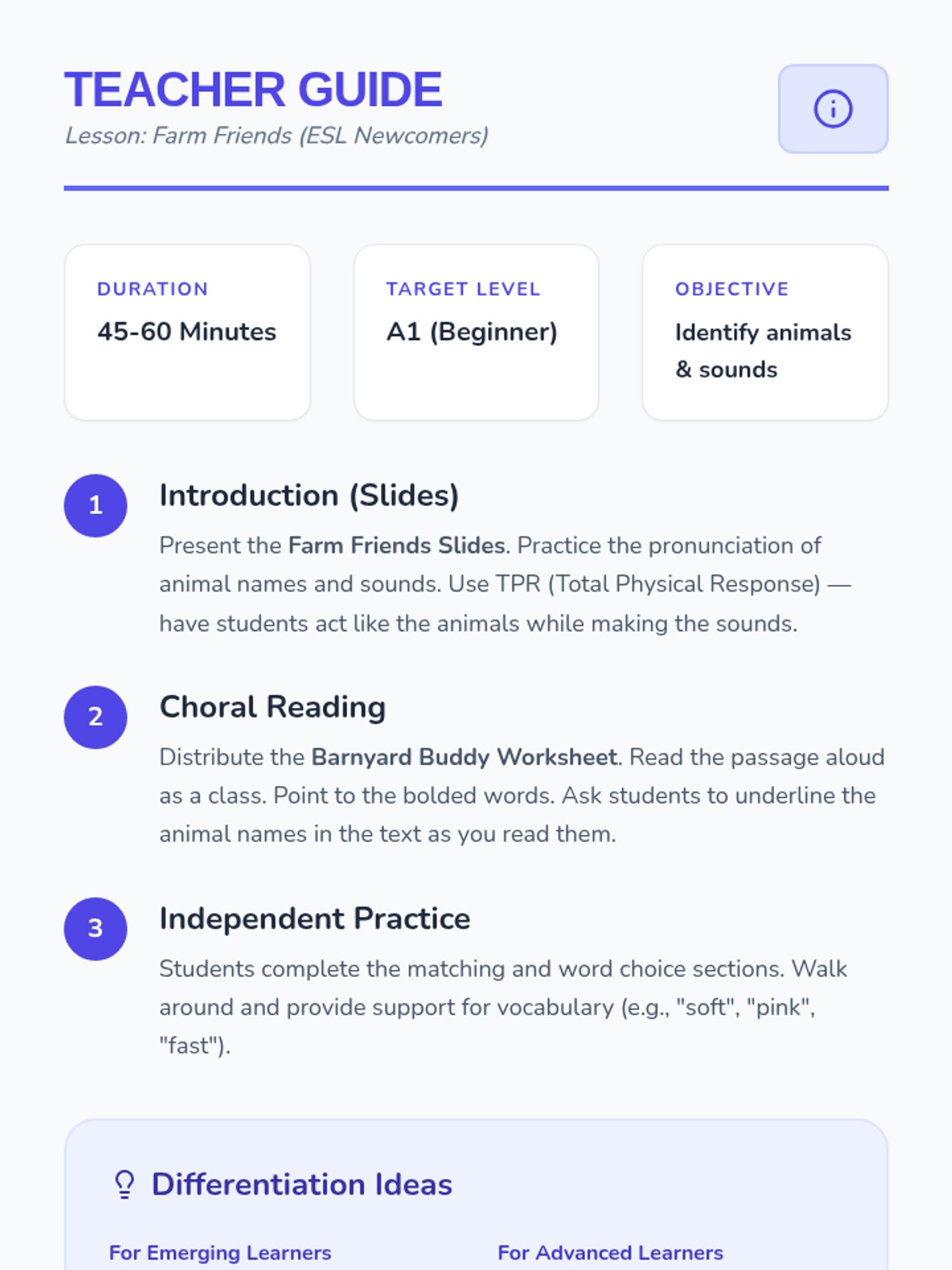
A beginner-friendly lesson introducing common farm animals, their sounds, and basic characteristics for ESL newcomers. Includes a visual slide deck, a reading comprehension worksheet, and an answer key.
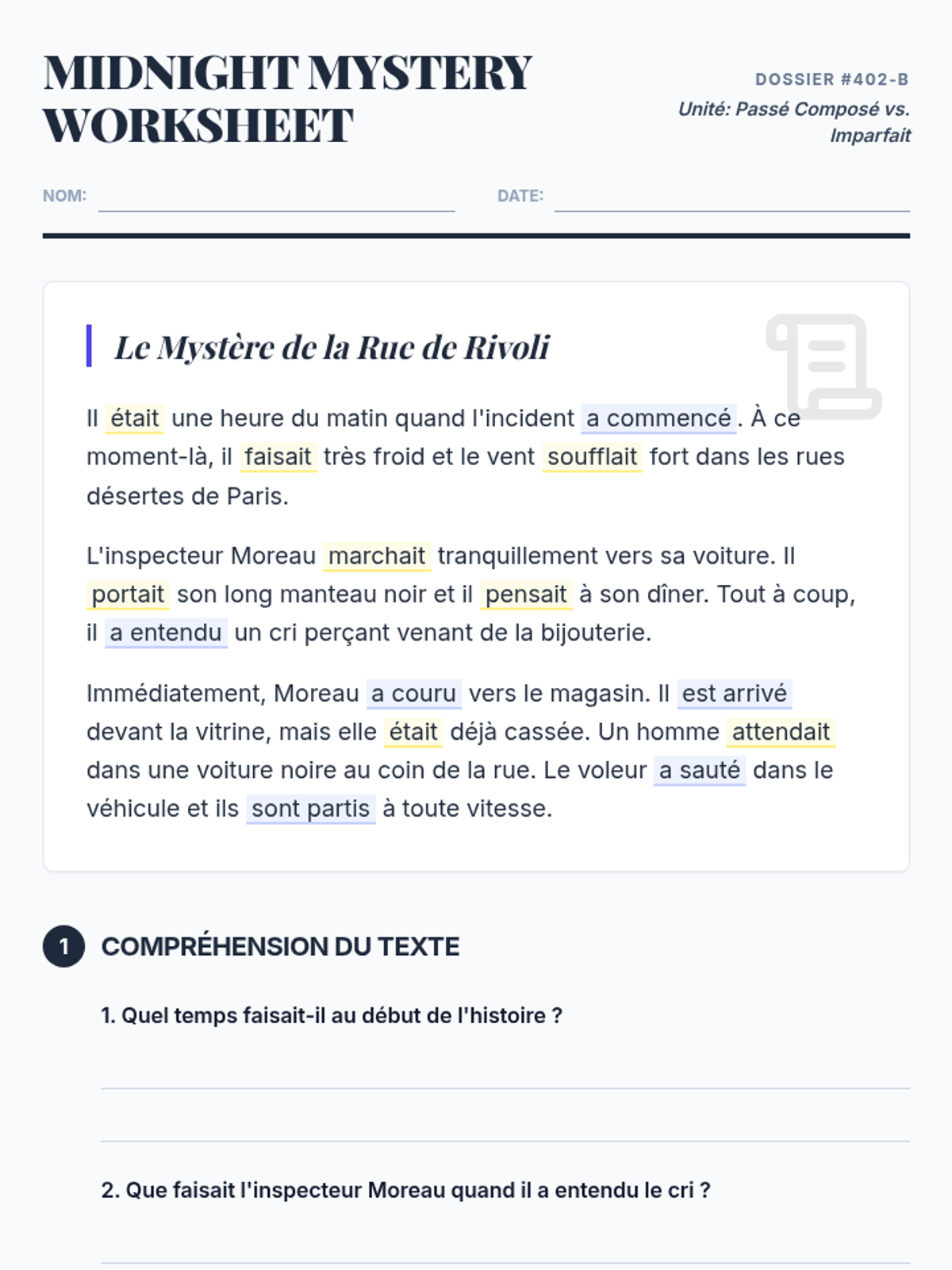
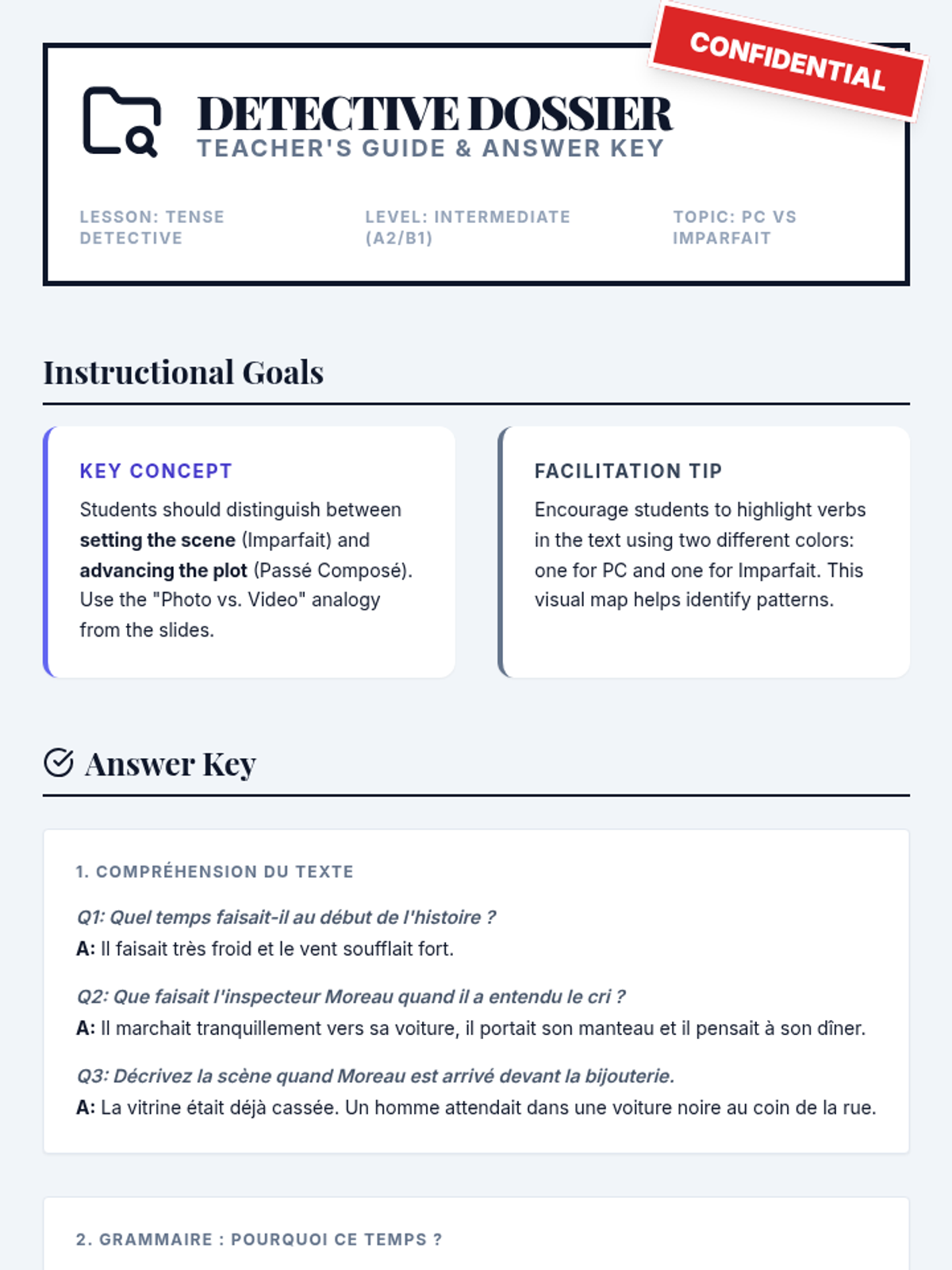
A French grammar lesson focused on distinguishing between the Passé Composé and Imparfait through a mystery narrative. Students learn to set the scene with descriptions (Imparfait) and identify completed actions (Passé Composé).
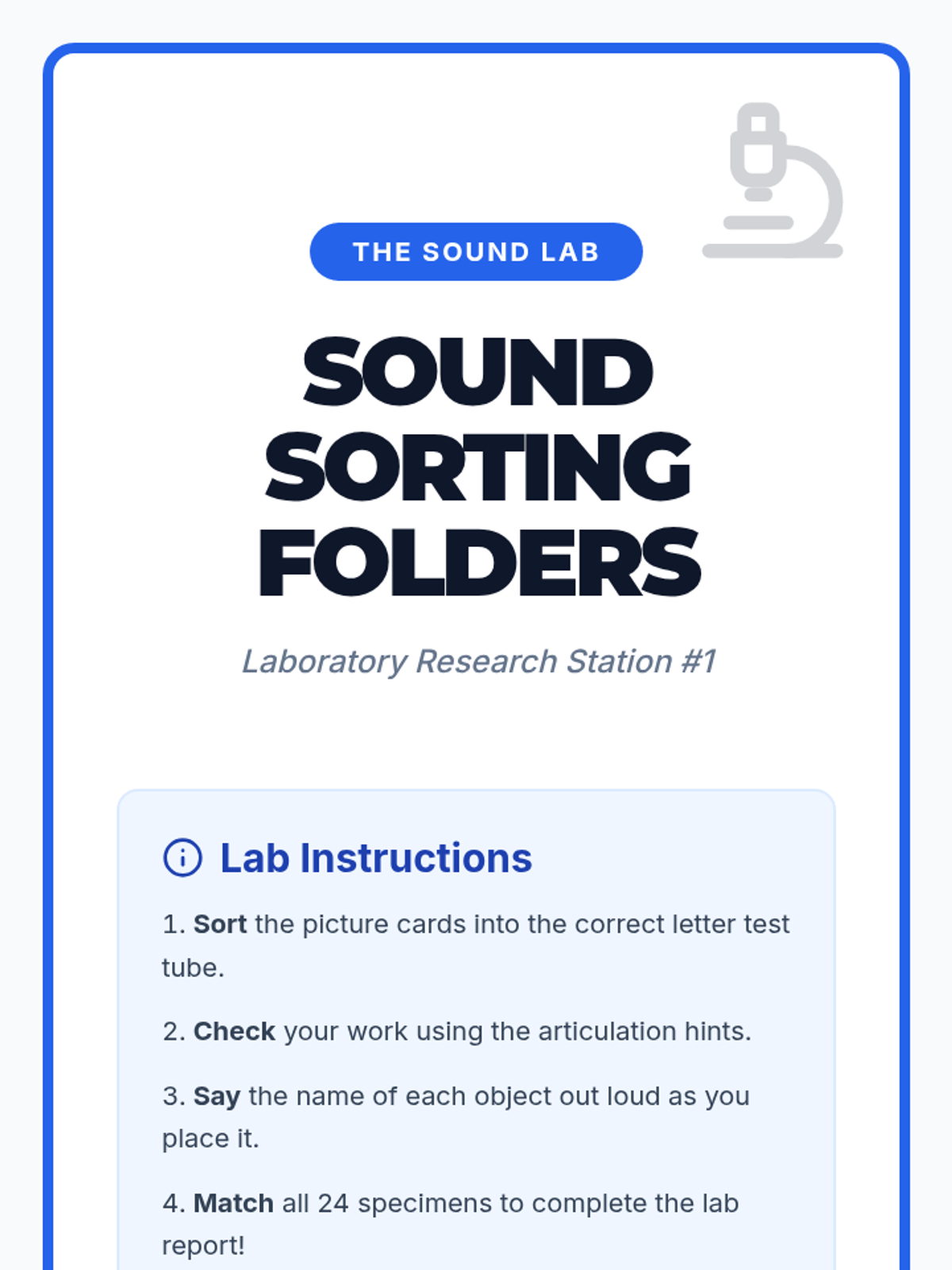
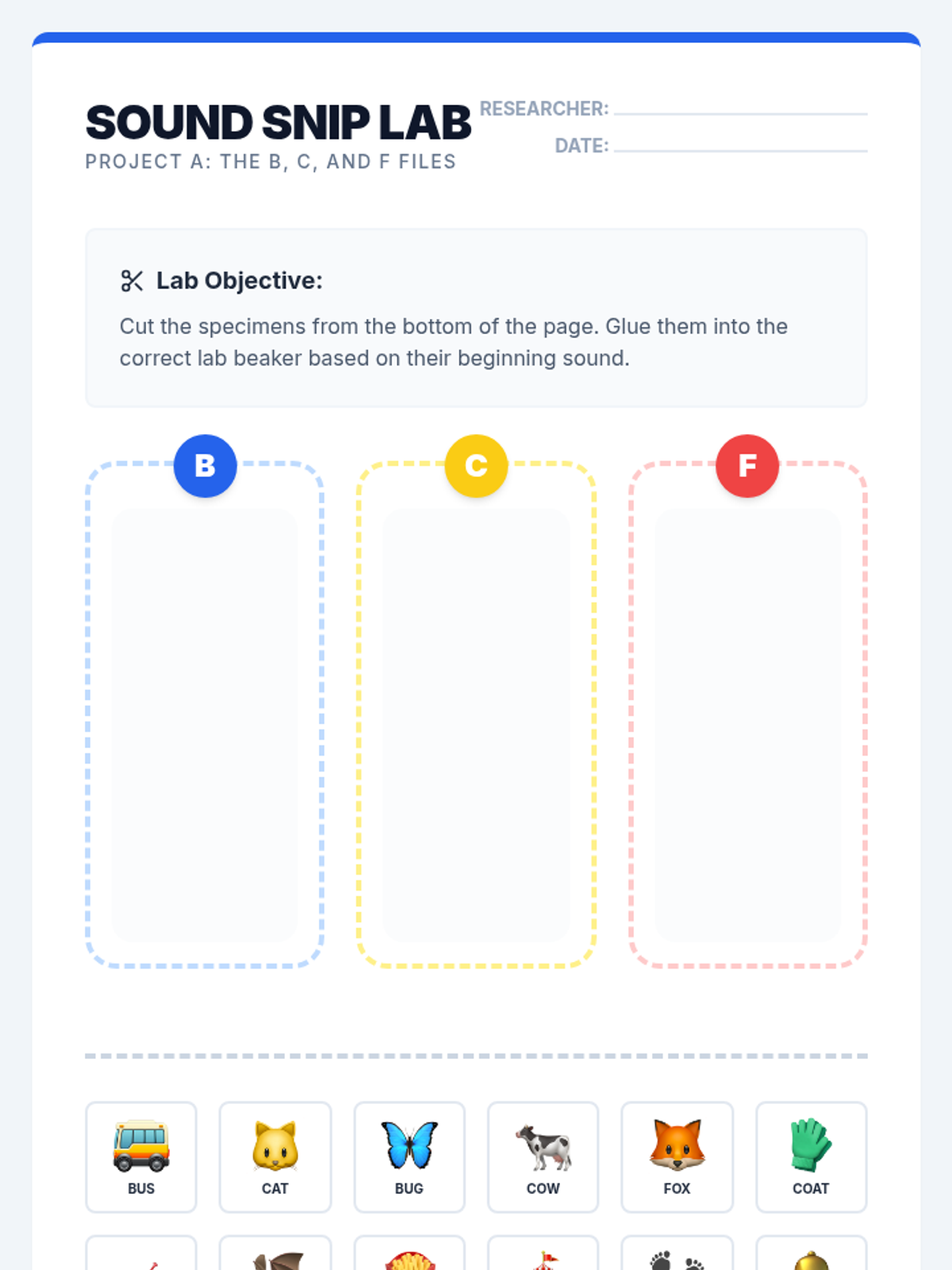
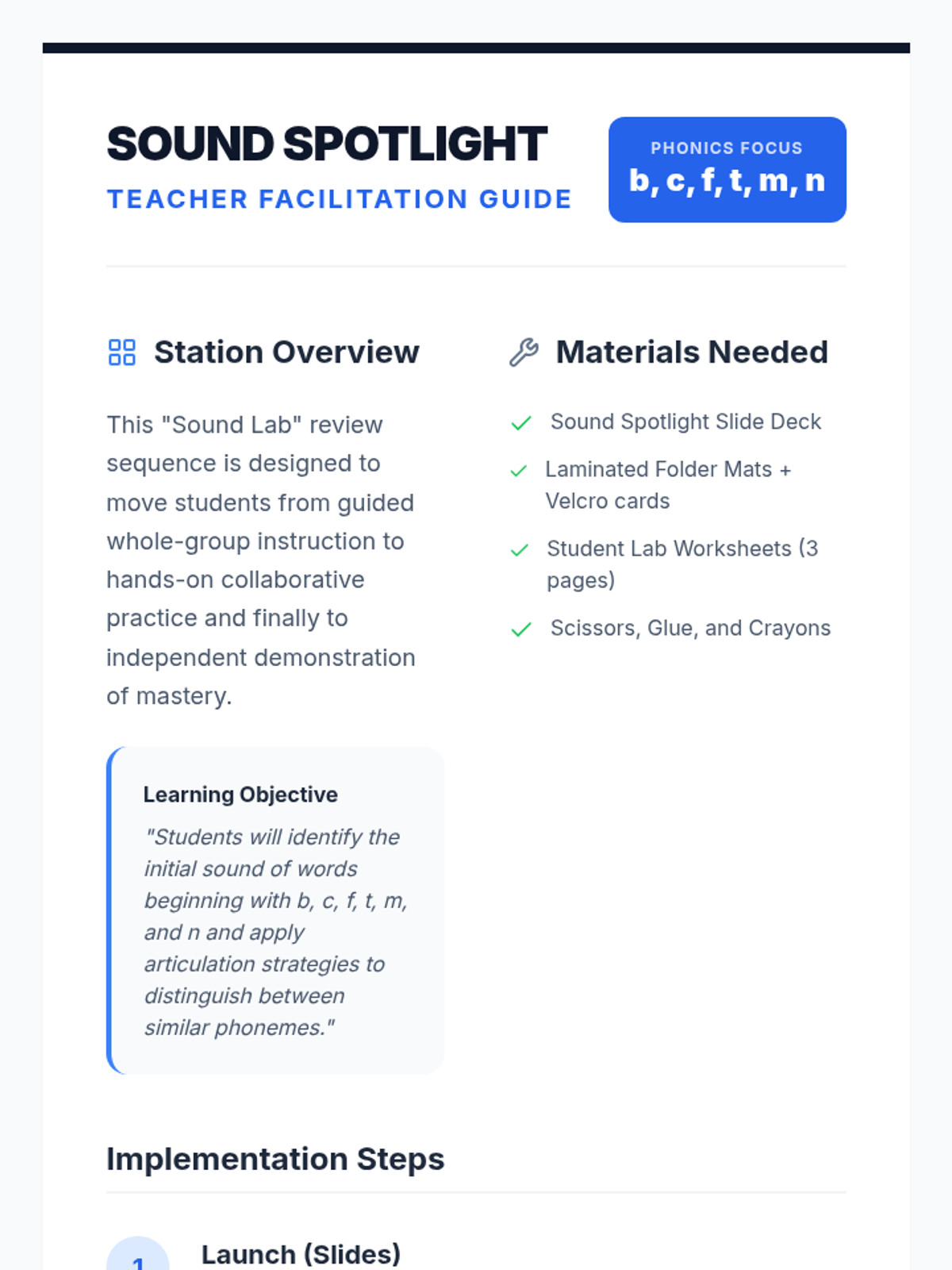
A comprehensive review of the beginning sounds for the letters b, c, f, t, m, and n using a 'Sound Lab' theme. Includes visual articulation supports and hands-on sorting activities.
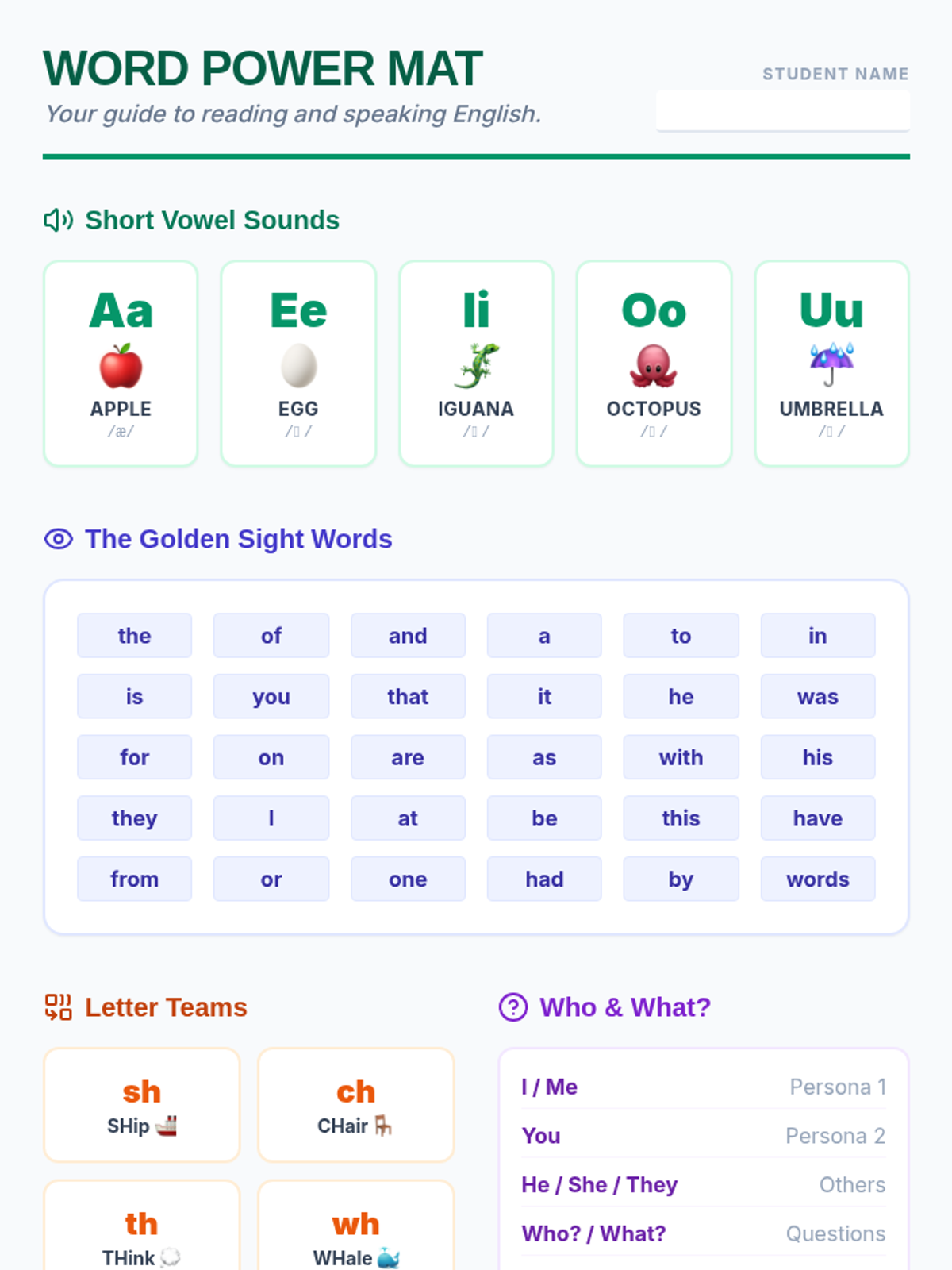
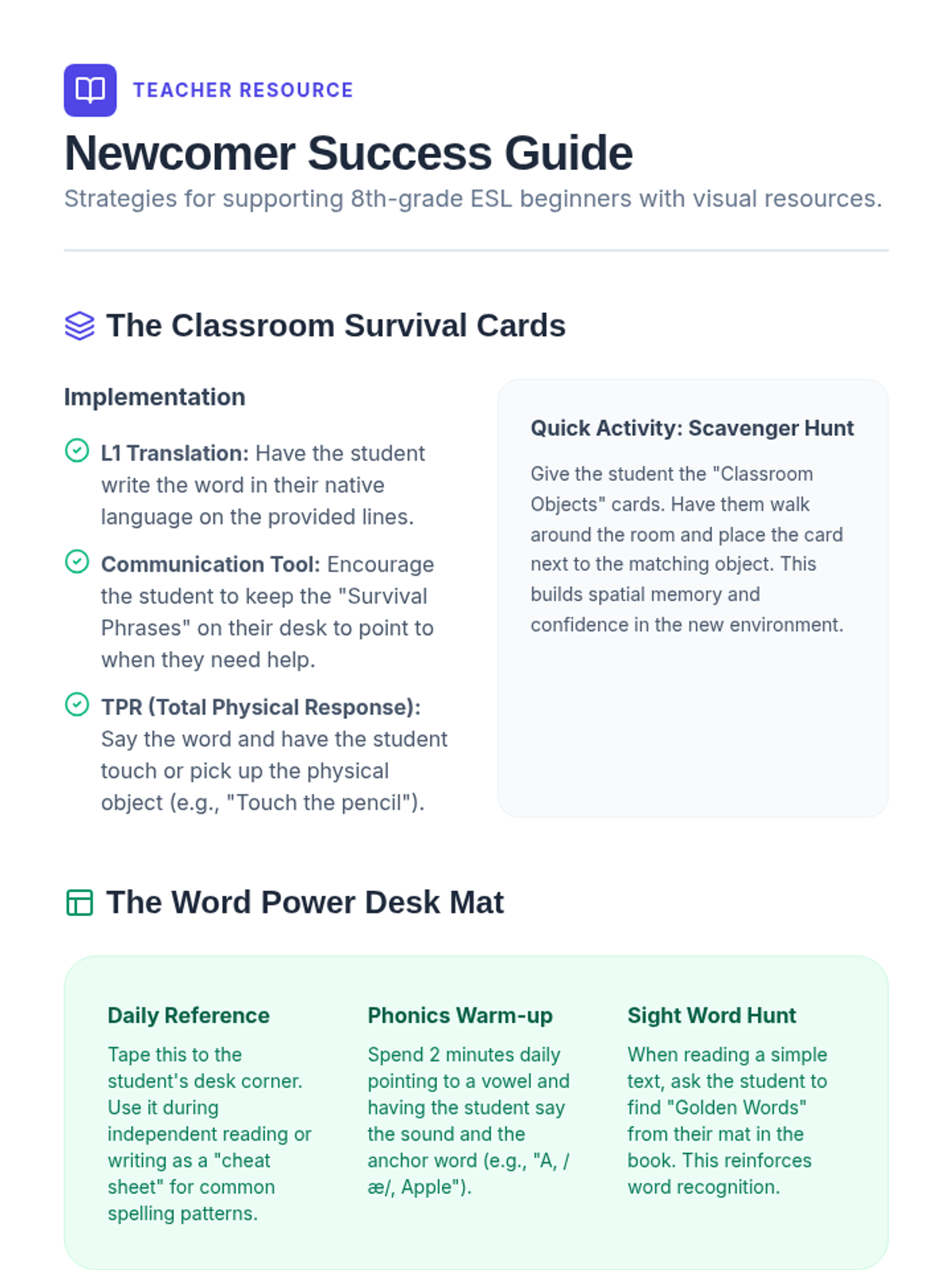
This lesson provides essential visual tools for 8th-grade ESL beginners, focusing on classroom navigation, common objects, and foundational phonics to build immediate confidence and communication skills.
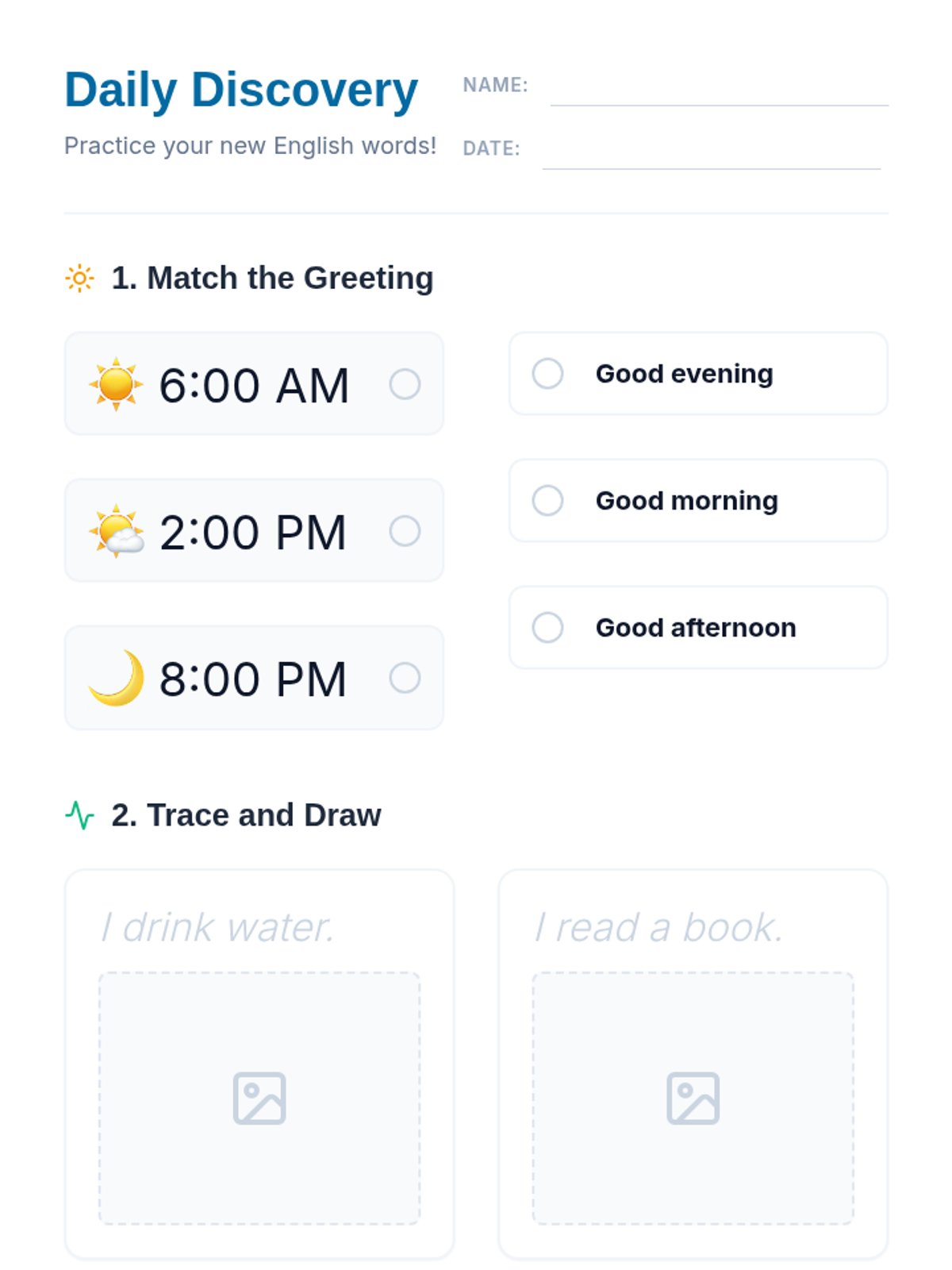
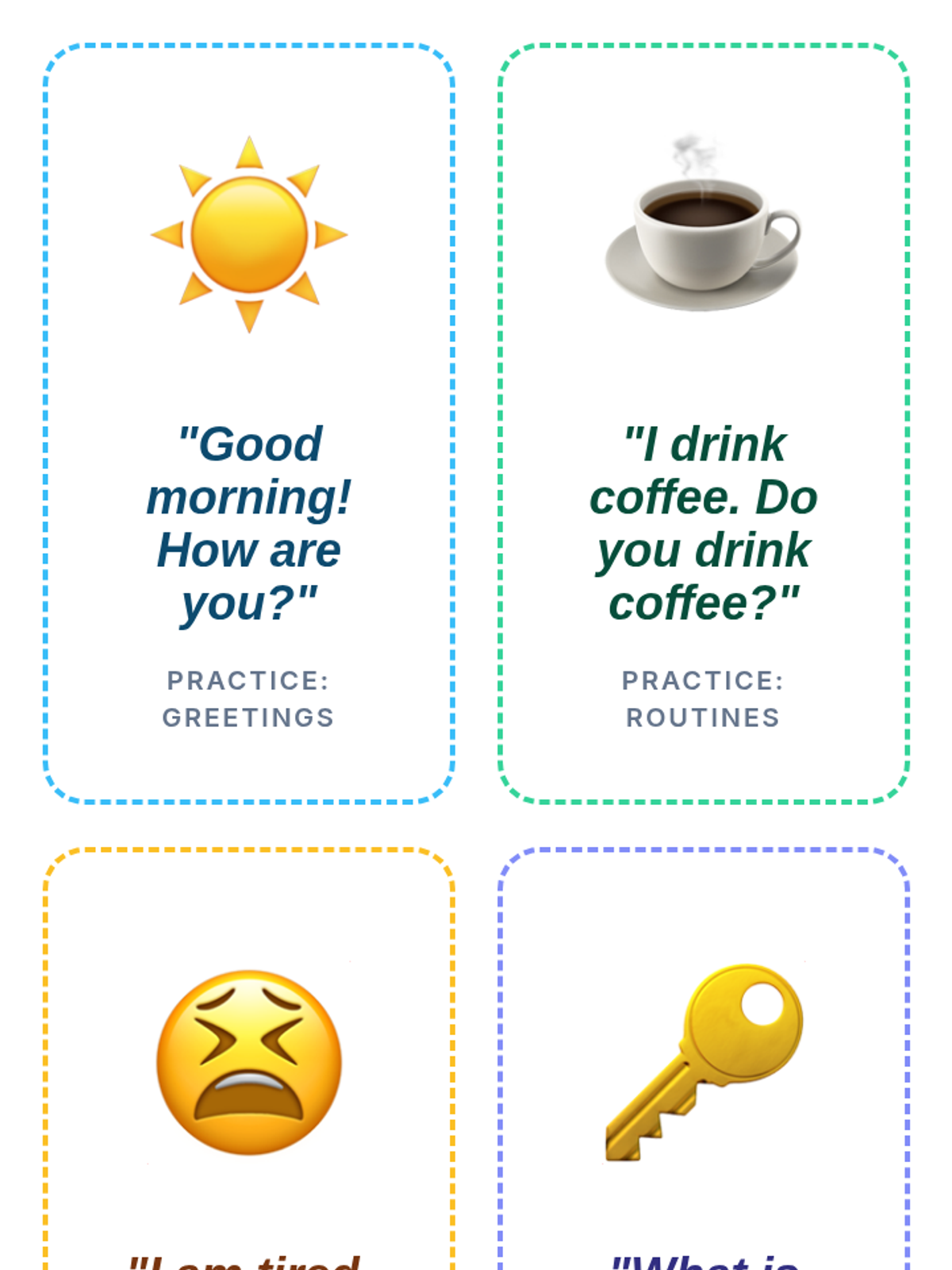
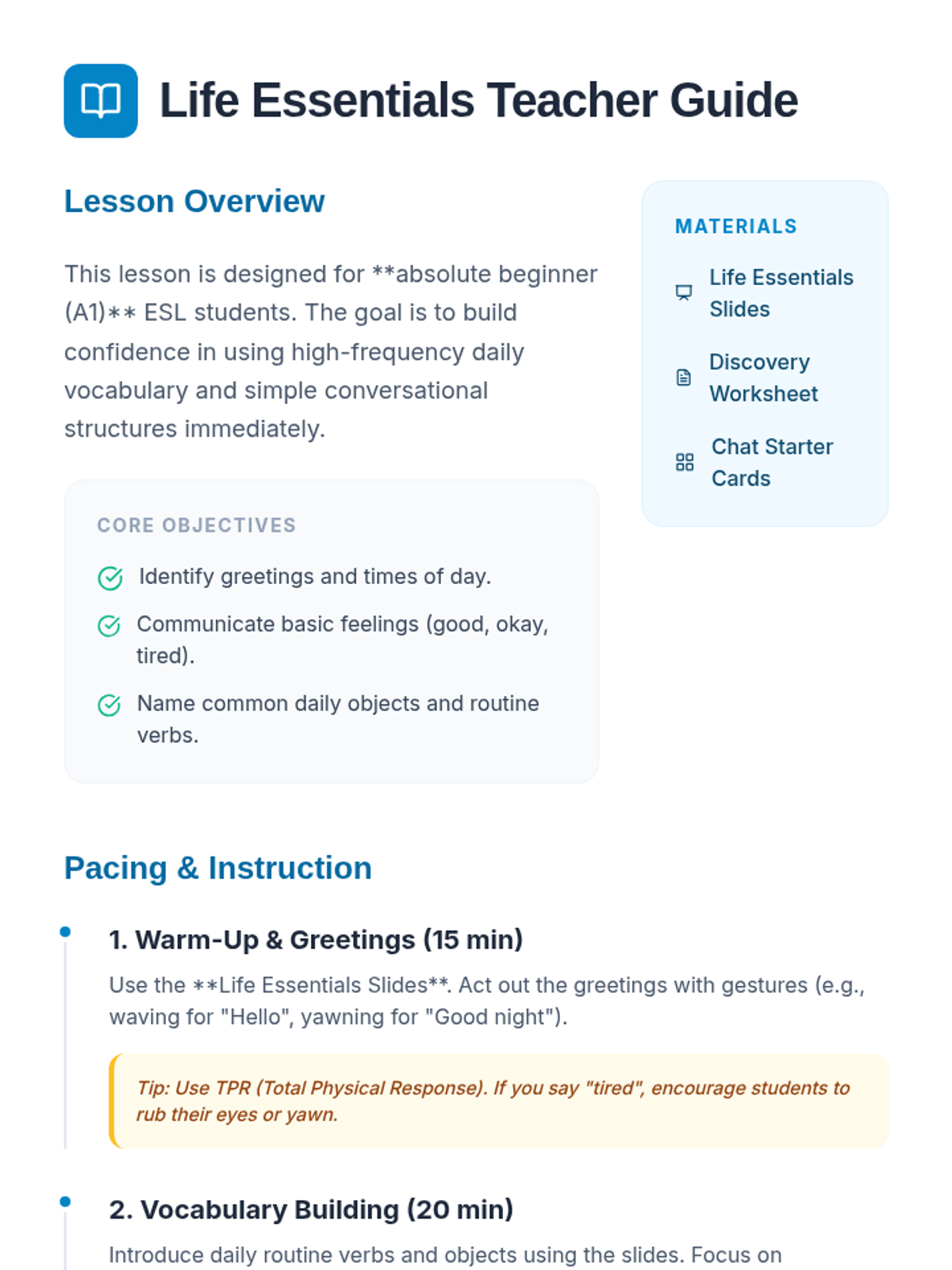
A foundational lesson for absolute beginner ESL students focusing on high-frequency vocabulary for daily life and basic conversational structures. Students will learn greetings, common objects, and simple "I am/I have" sentences.
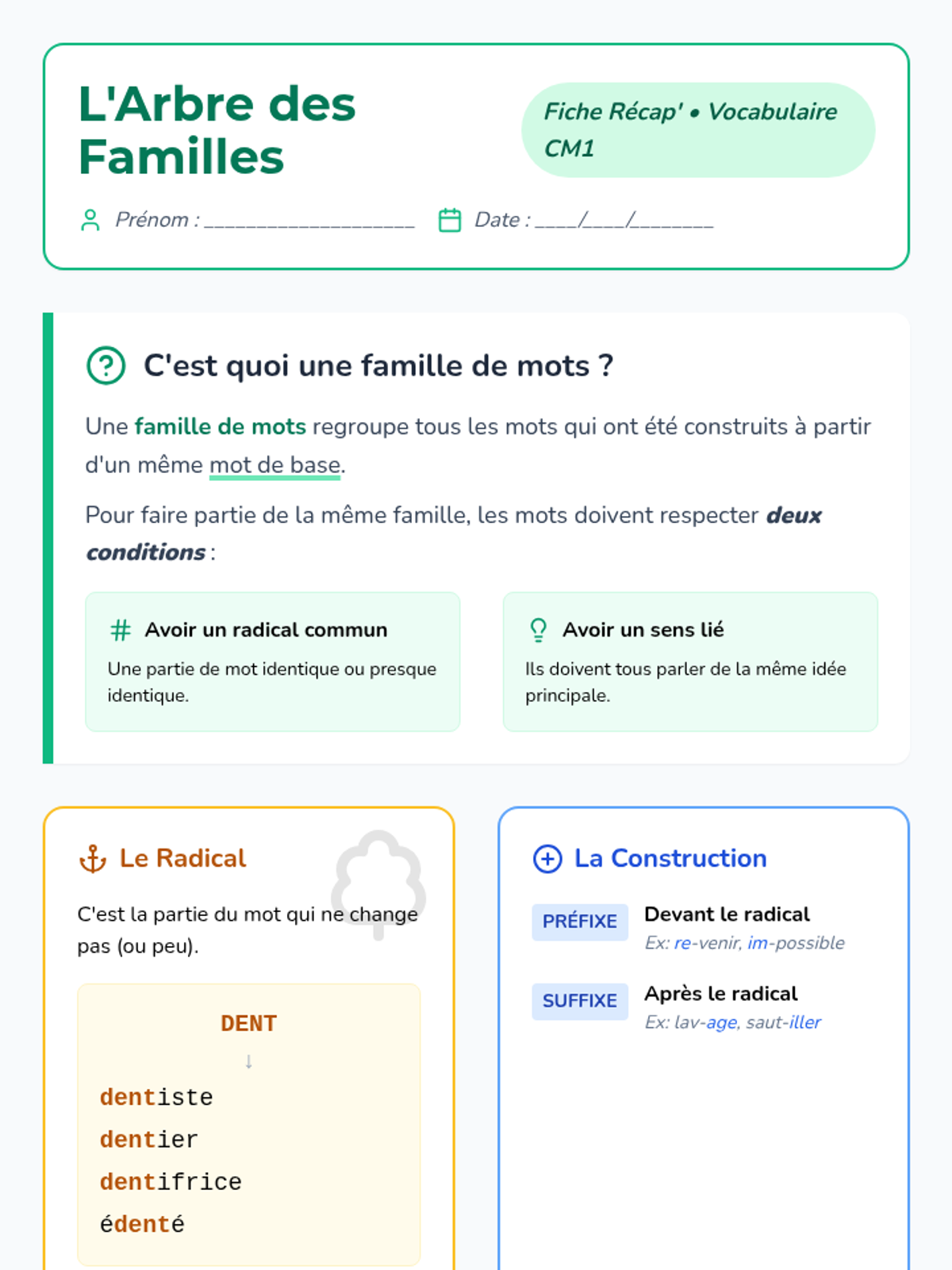
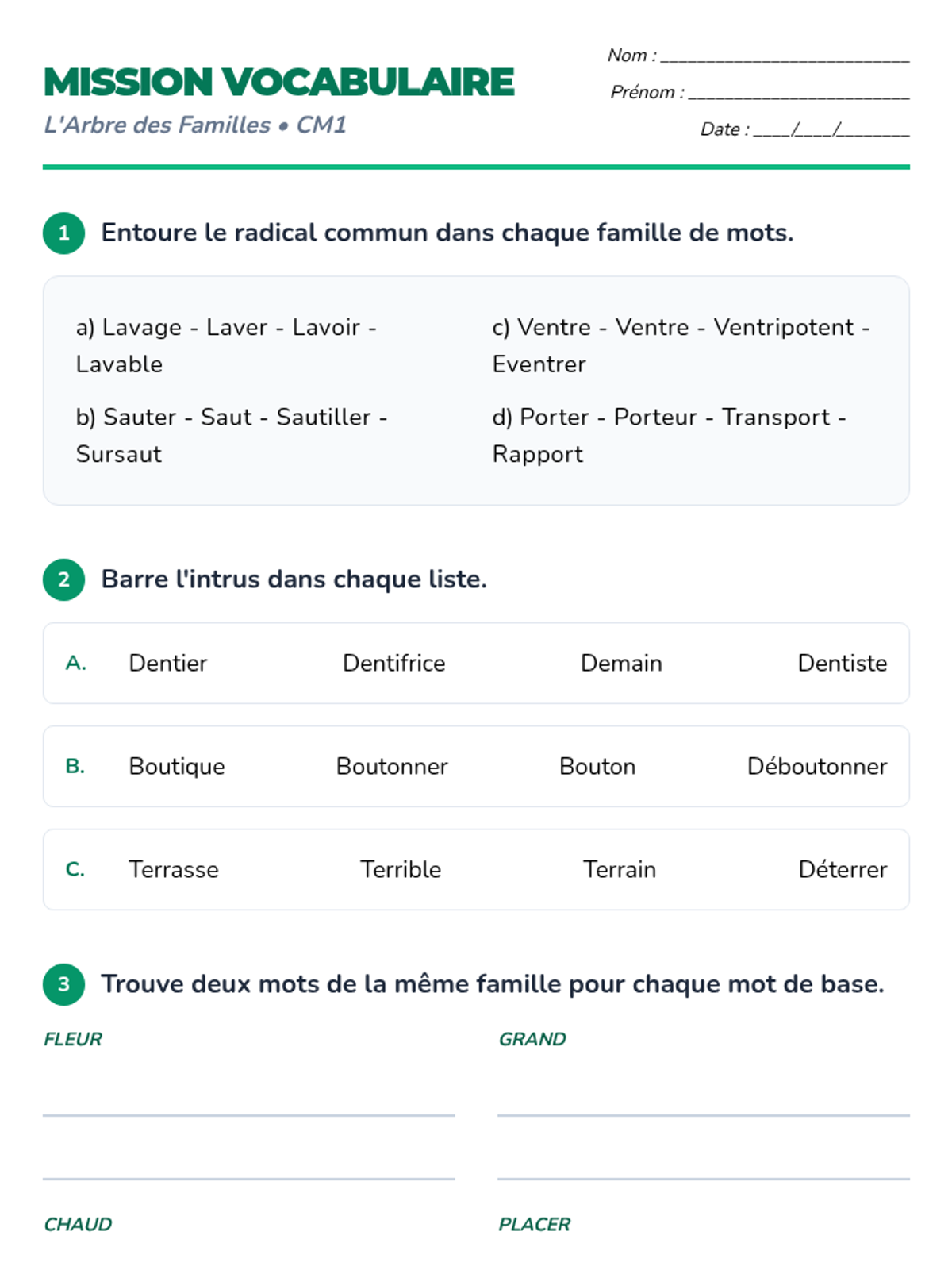
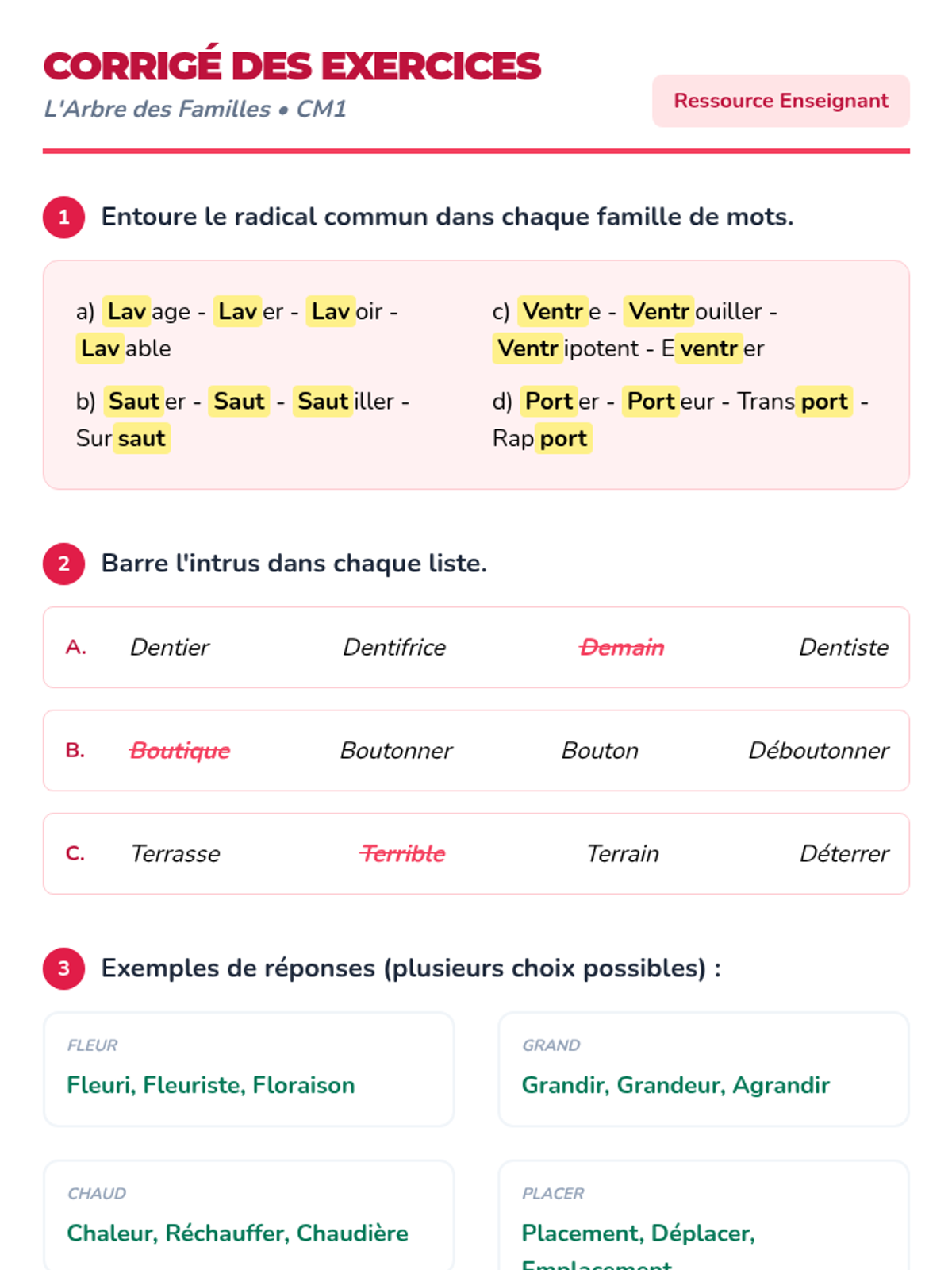
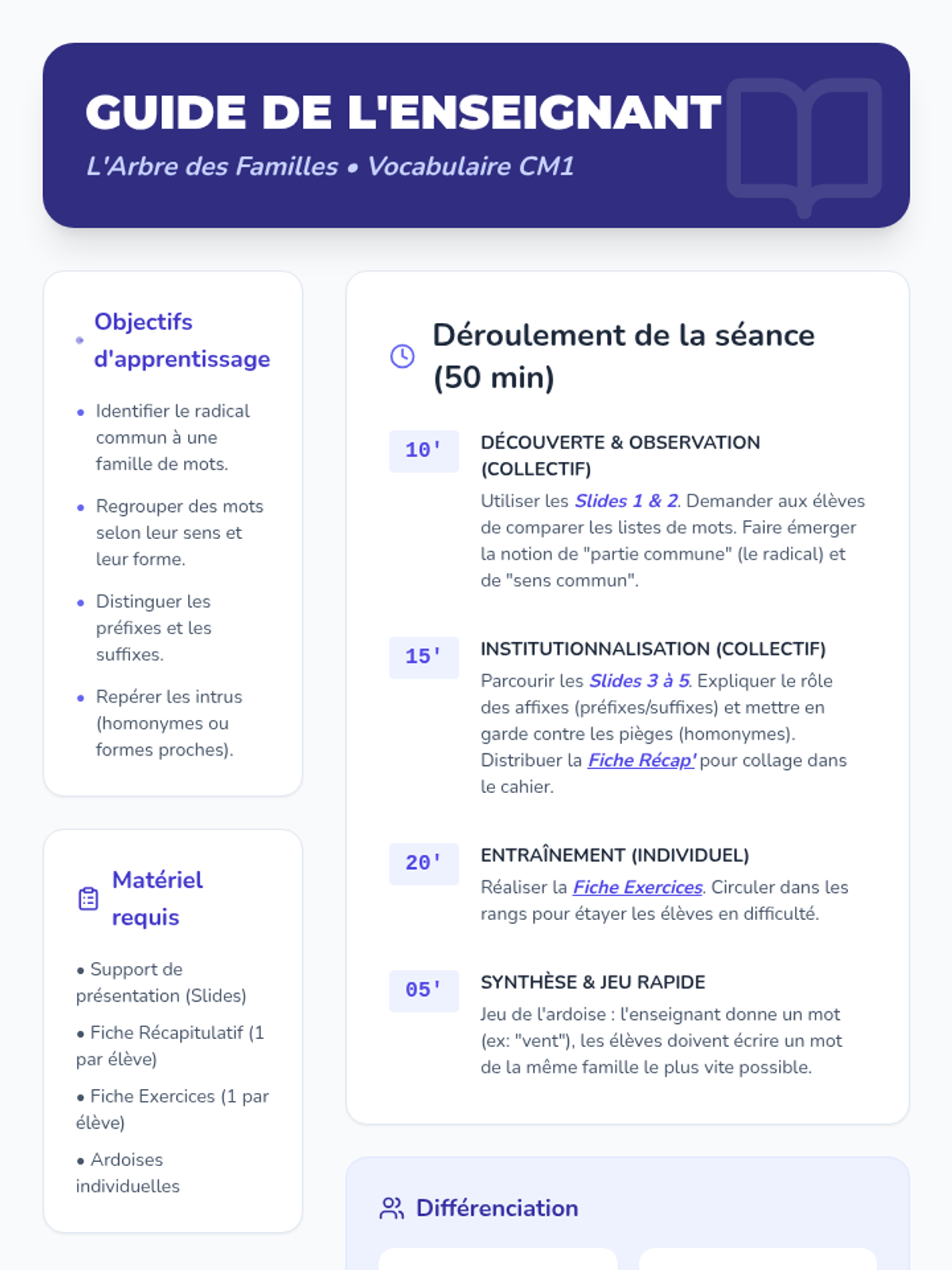
Une leçon complète pour comprendre et identifier les mots d'une même famille, avec une fiche mémo, des exercices et un support de présentation.
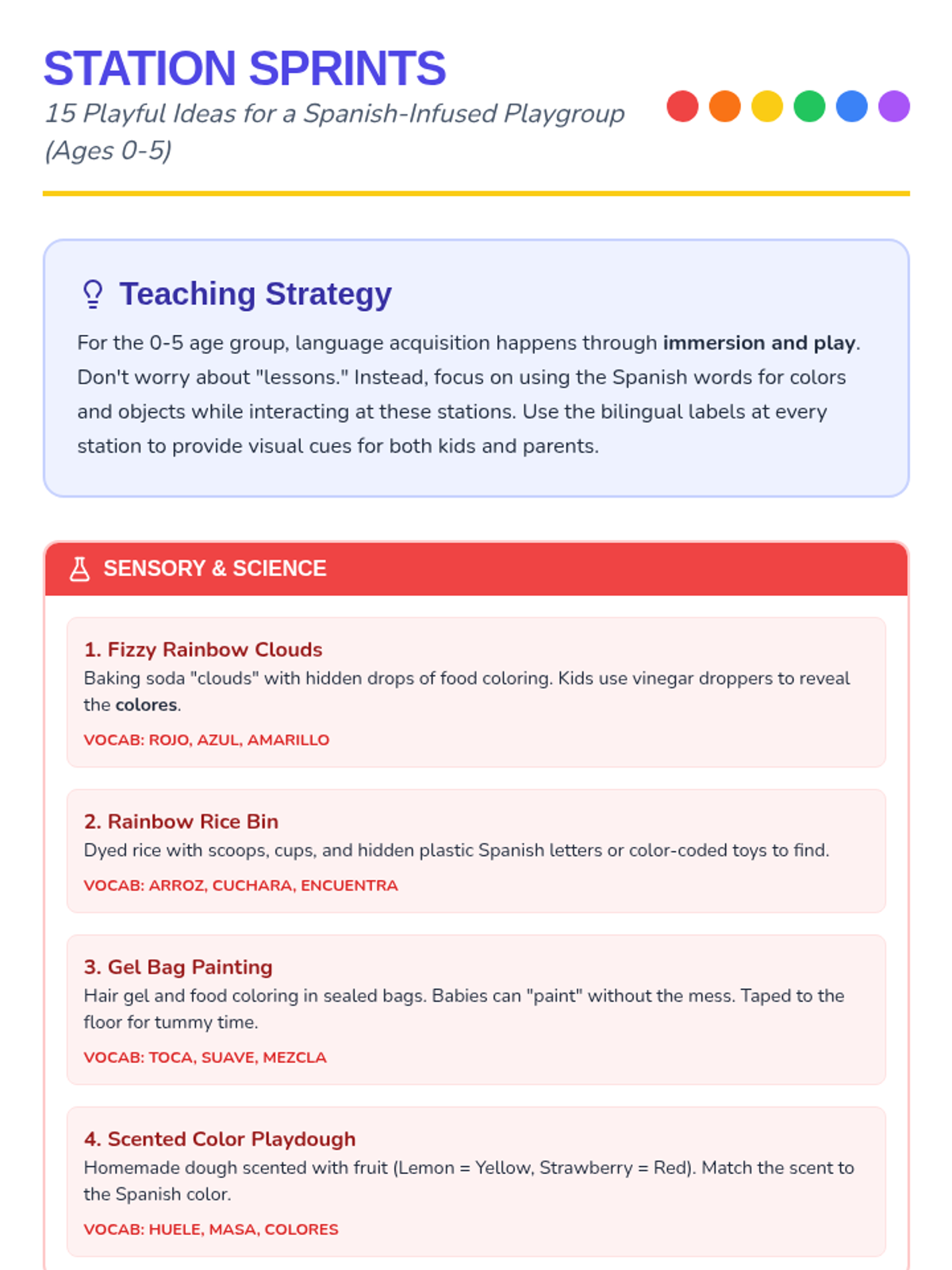
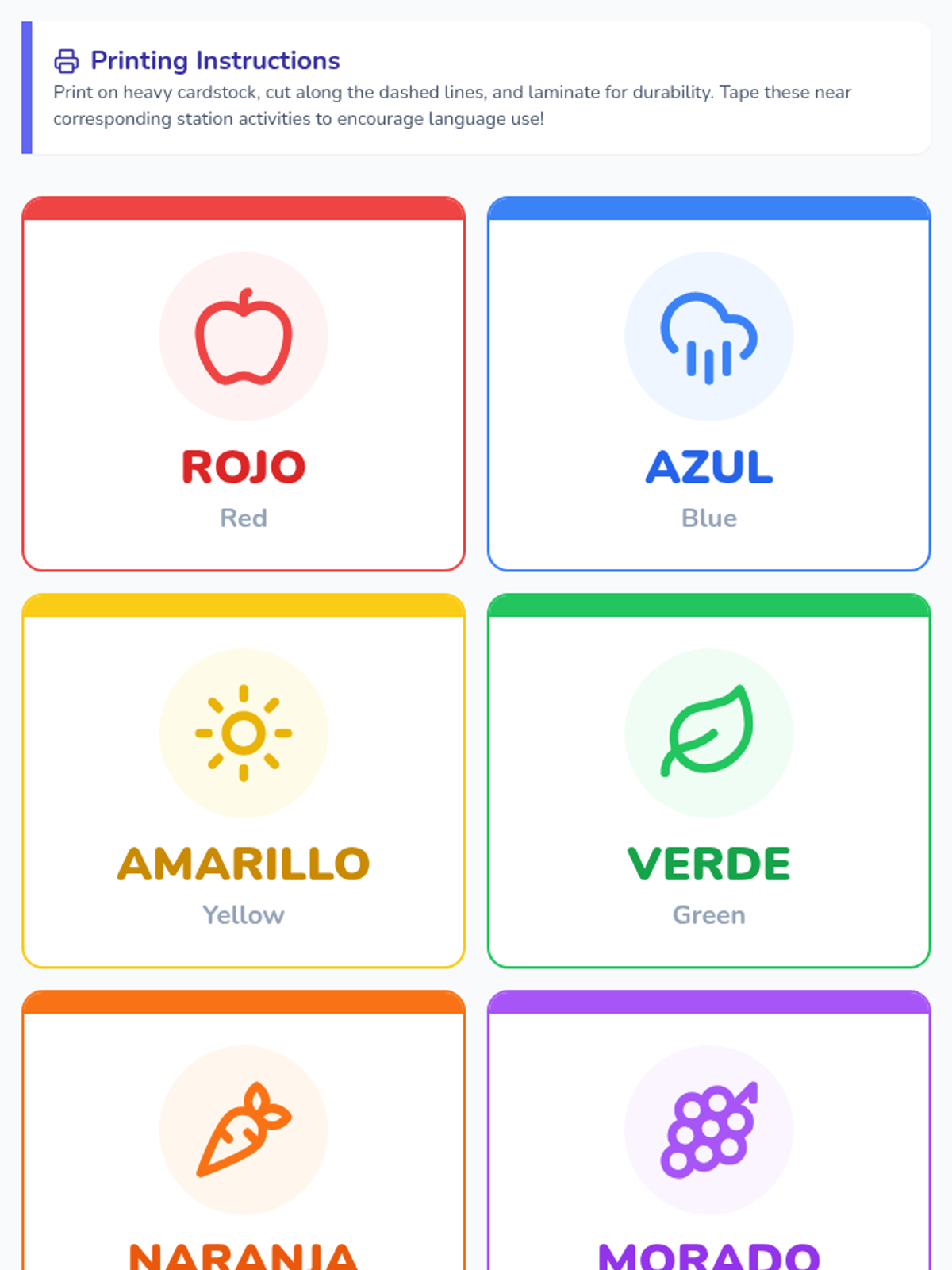
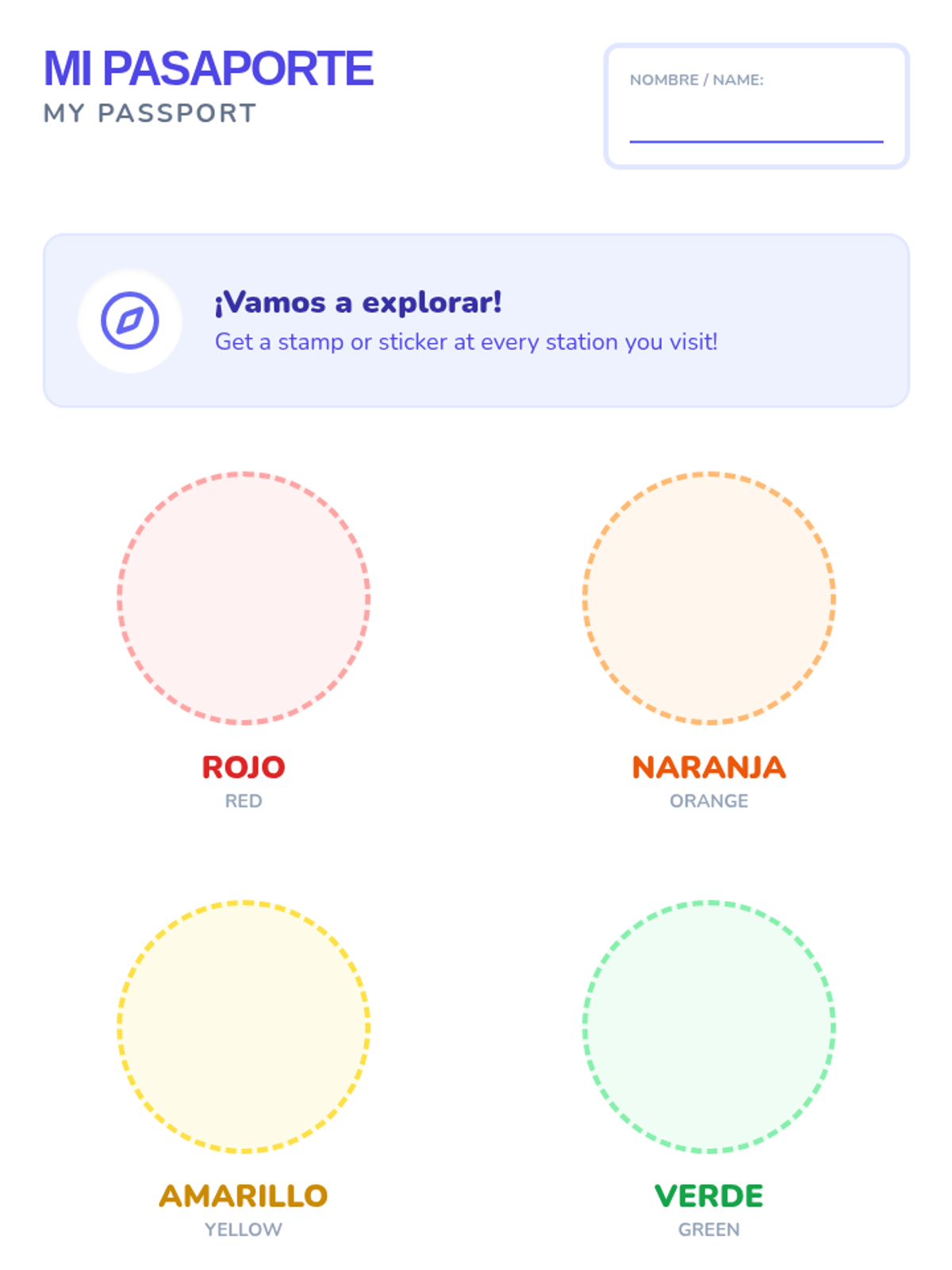
A vibrant introduction to Spanish for early learners (0-5) centered around a rainbow theme. This lesson plan provides 15 interactive play station ideas, a circle time presentation with songs and science, and bilingual support materials.
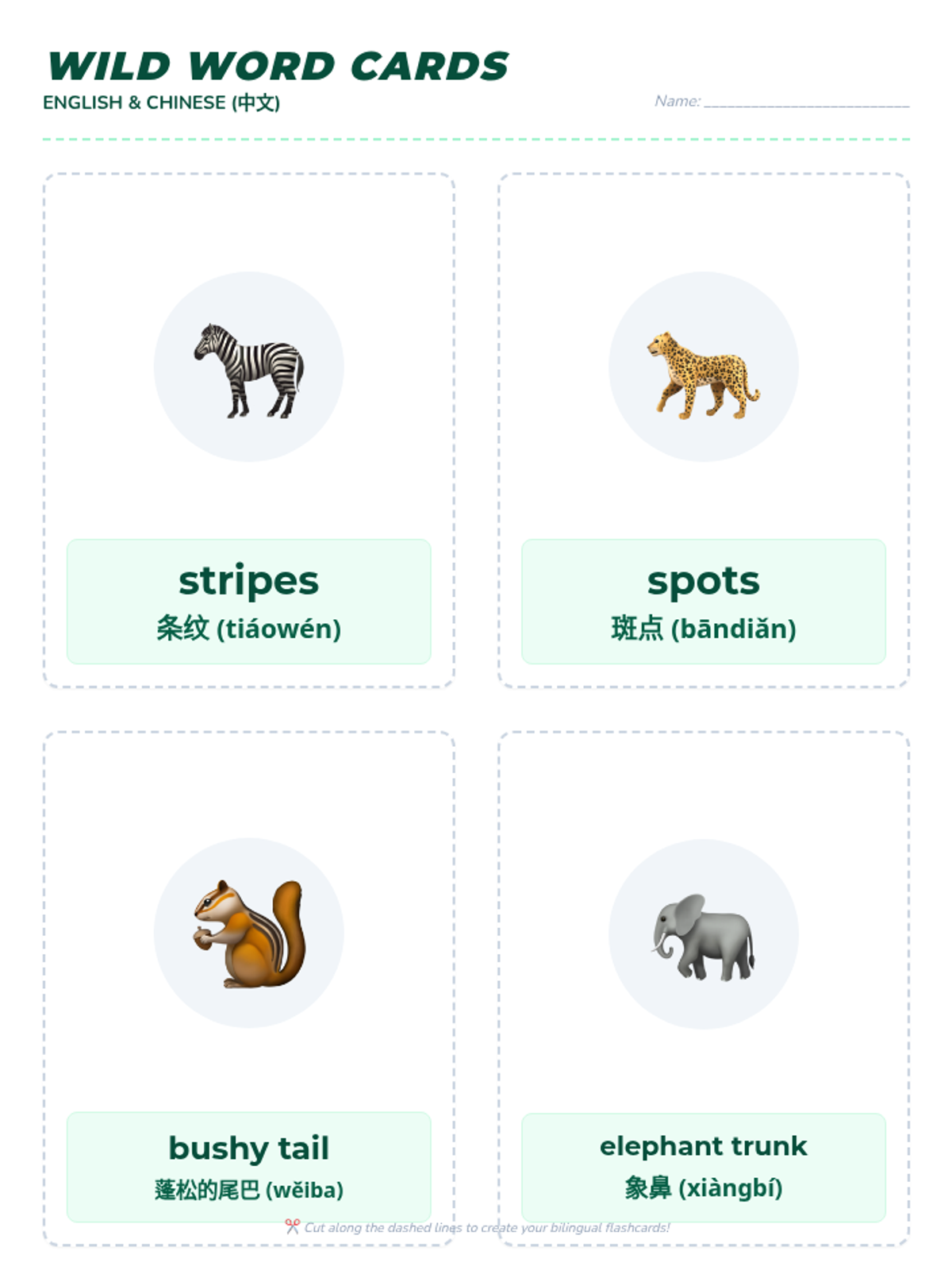
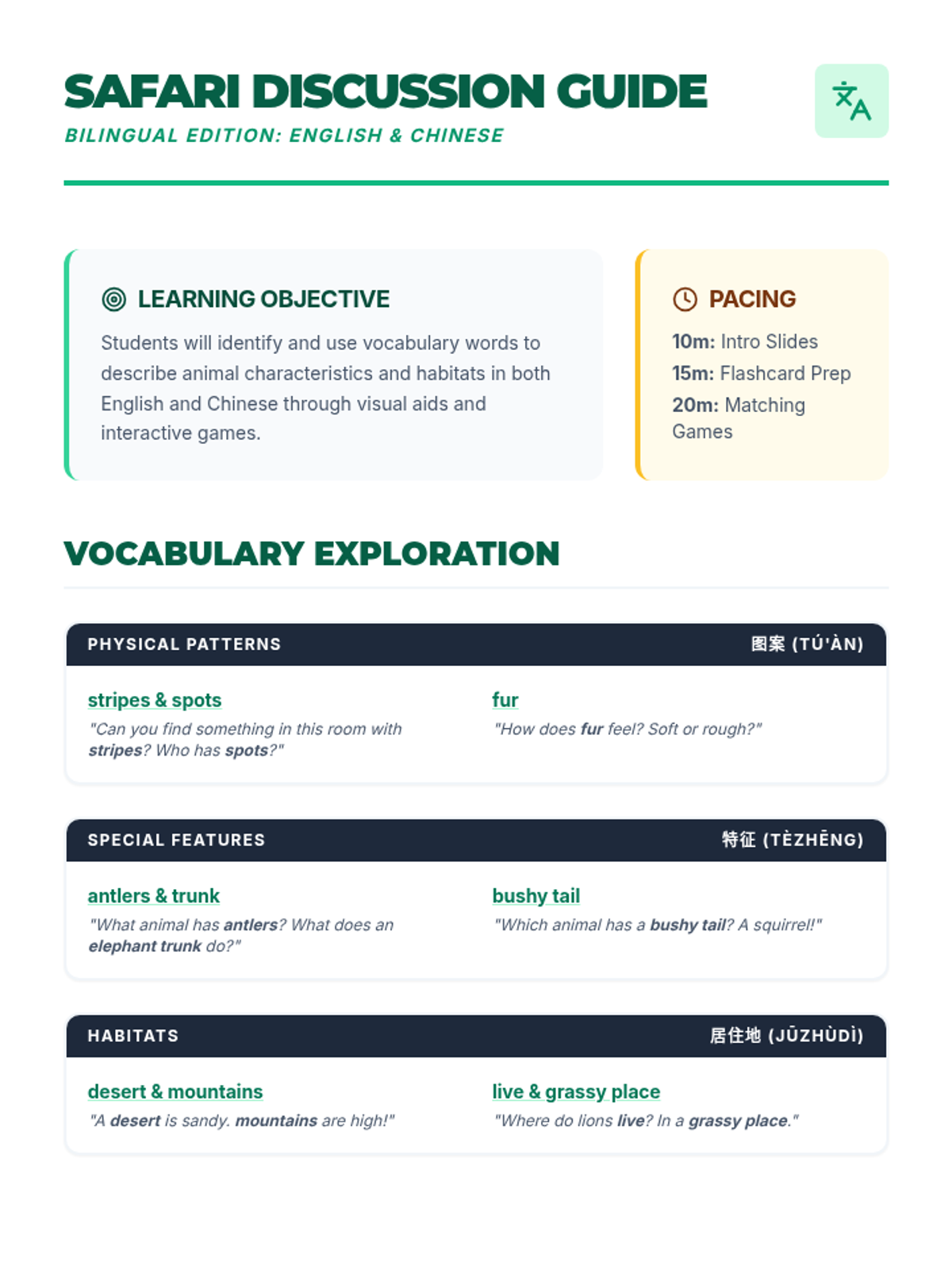
A lesson focused on animal characteristics and habitats, helping students build descriptive vocabulary.