An introductory American Sign Language (ASL) lesson designed for young children, focusing on essential signs for communication and classroom interaction.
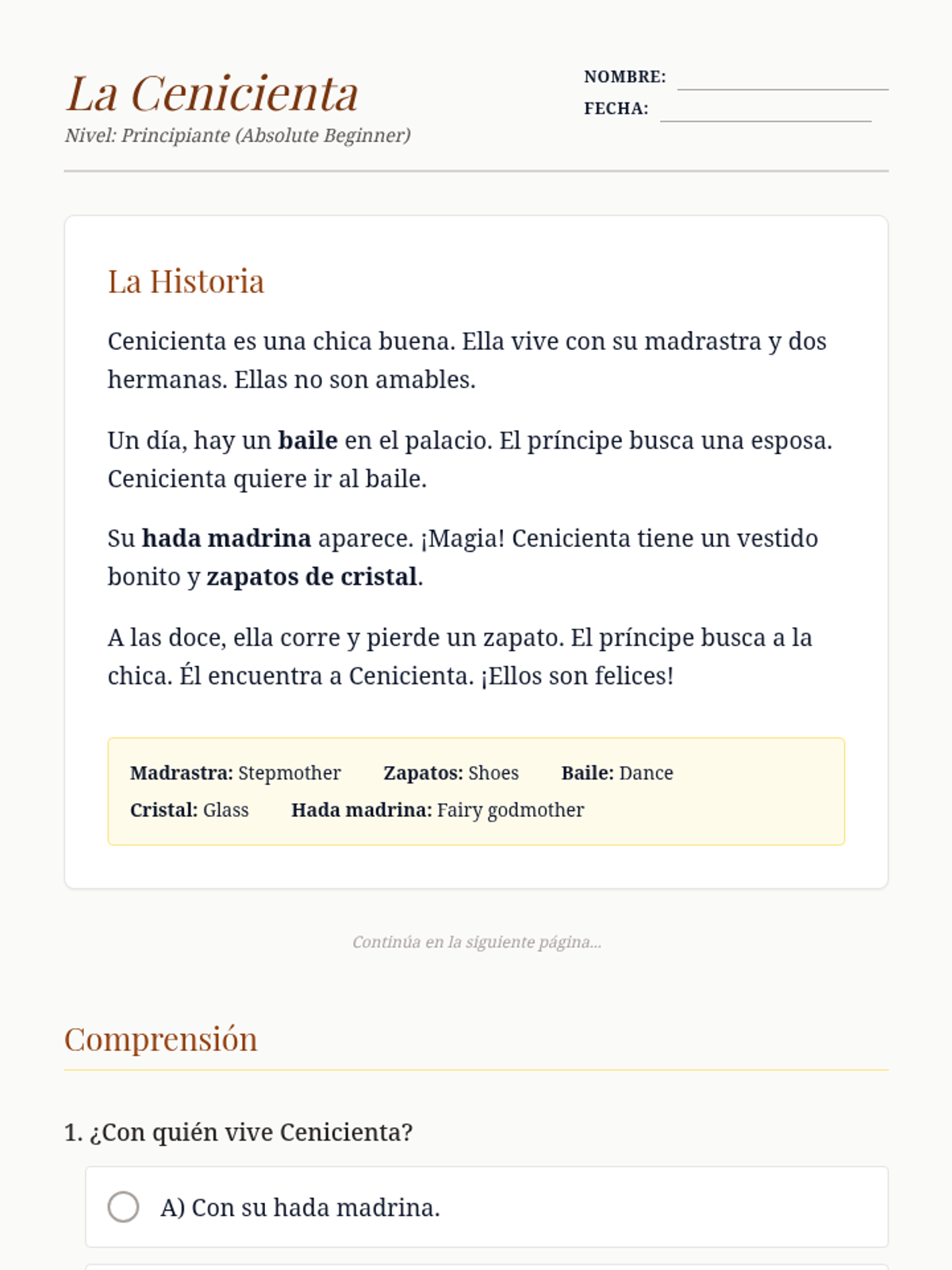
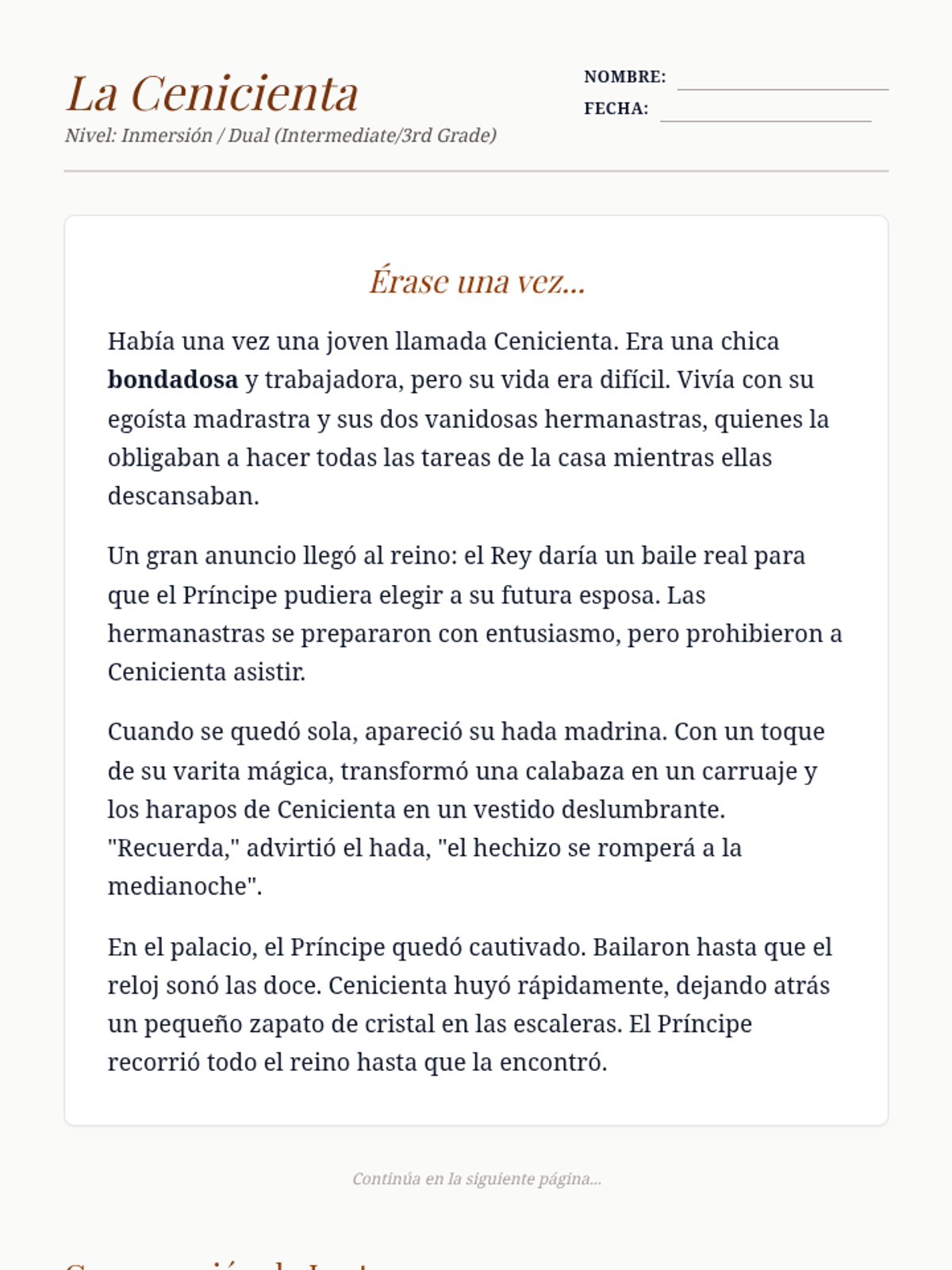
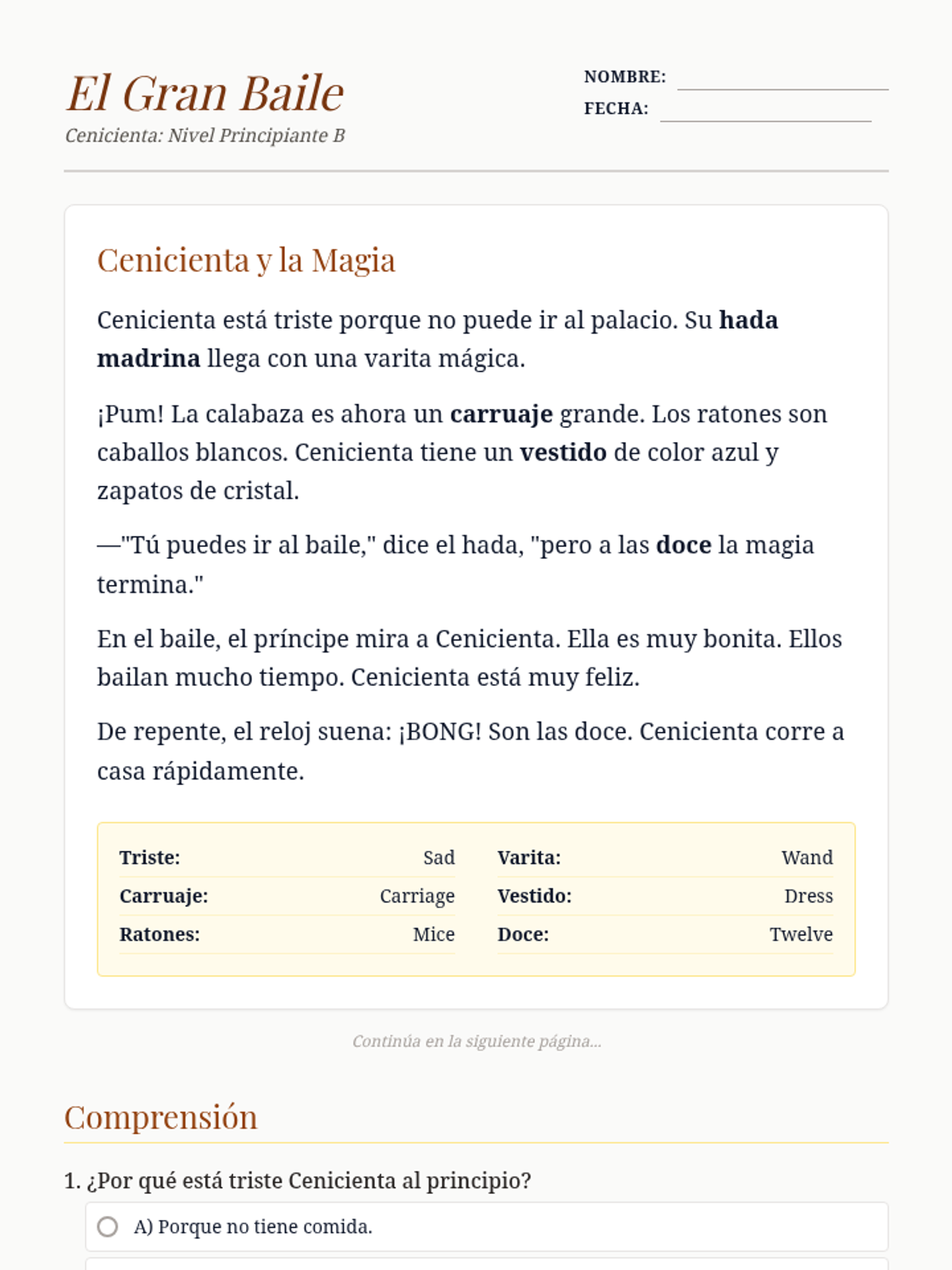
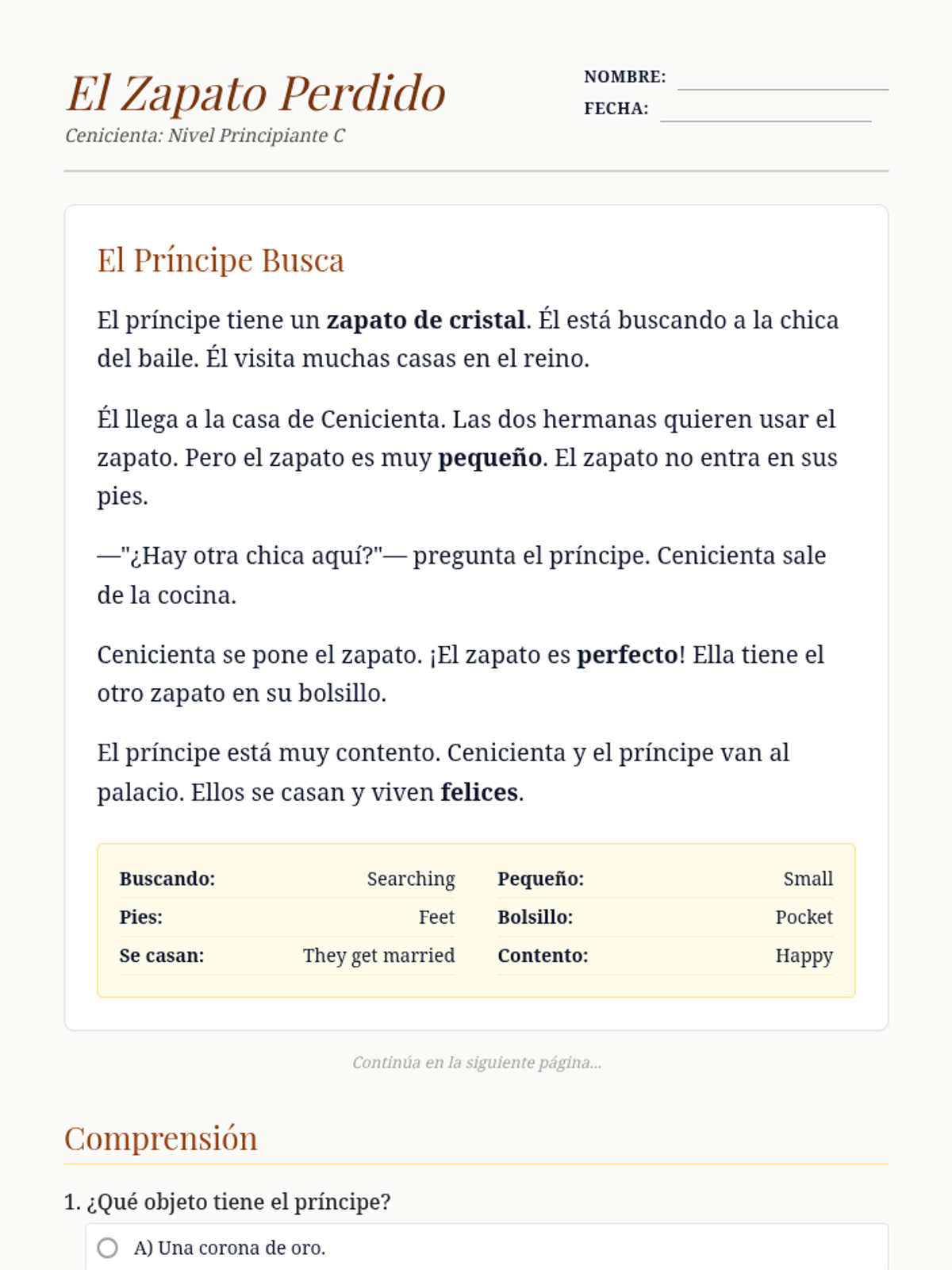
A collection of reading comprehension worksheets for third-grade Spanish learners based on the classic tale of Cinderella, tailored for both absolute beginners and dual-language students.
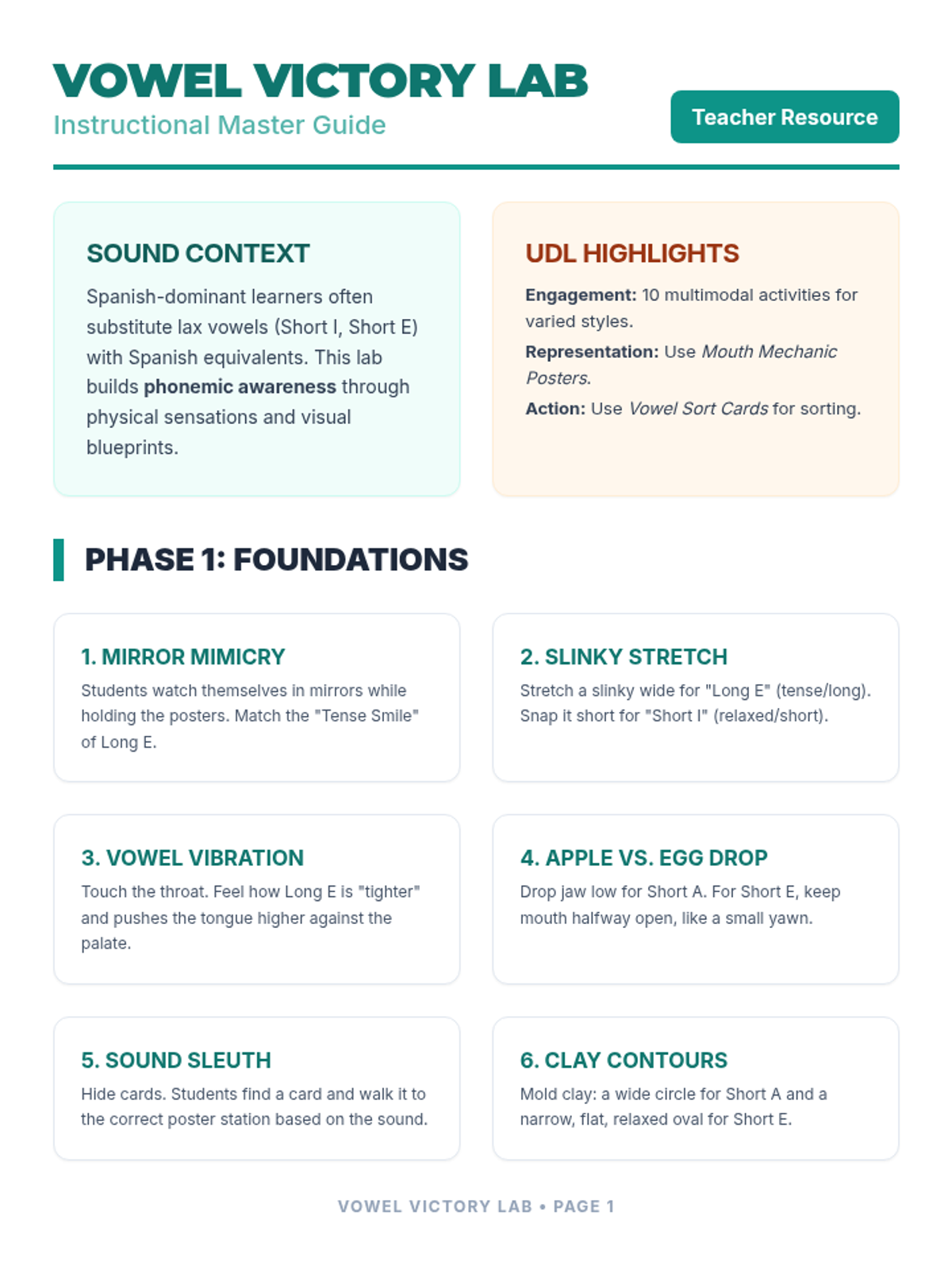
A comprehensive phonics lesson for bilingual students focusing on the specific vowel contrasts of Long E/Short I and Short A/Short E through multisensory, UDL-aligned activities.
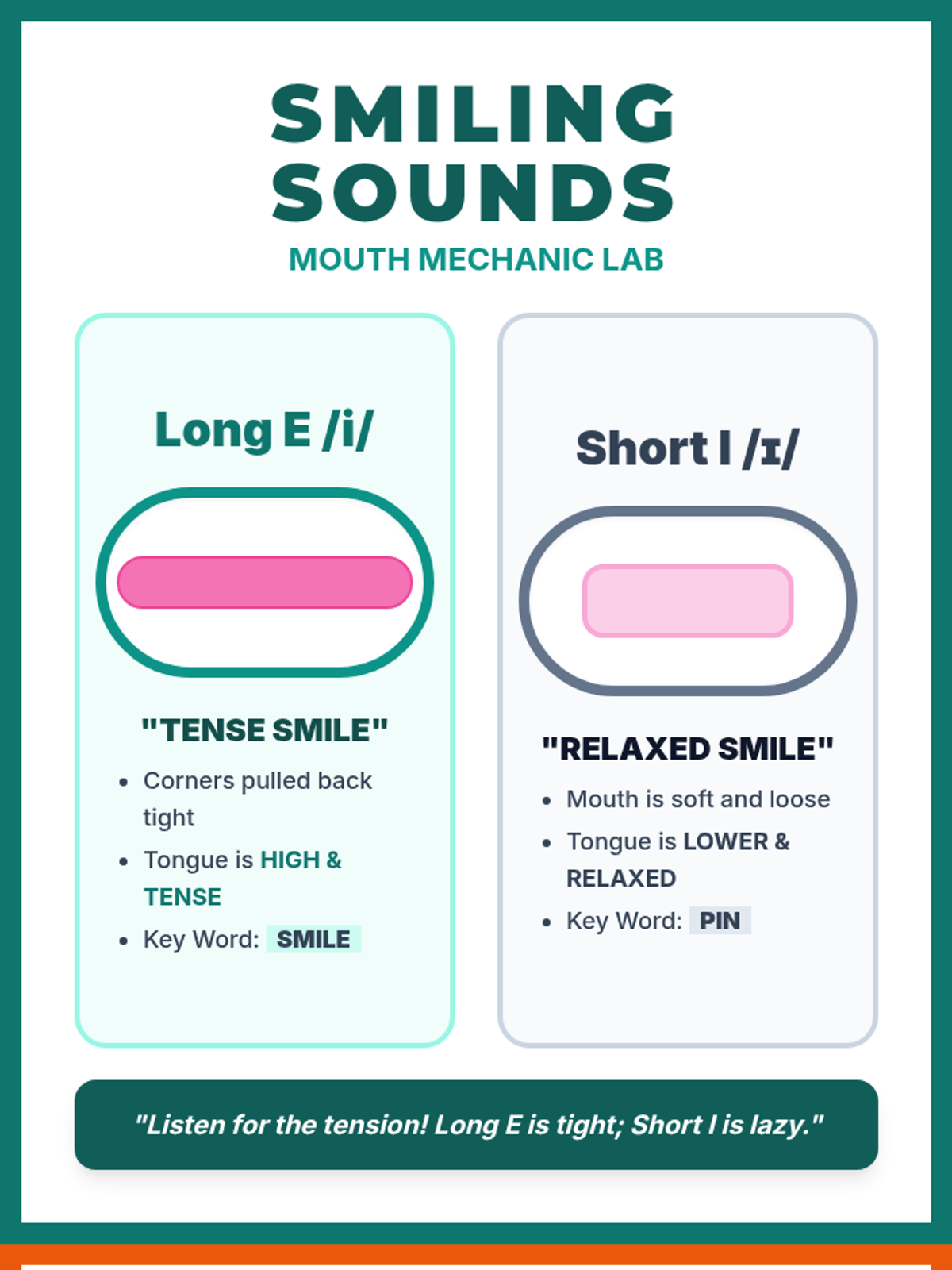
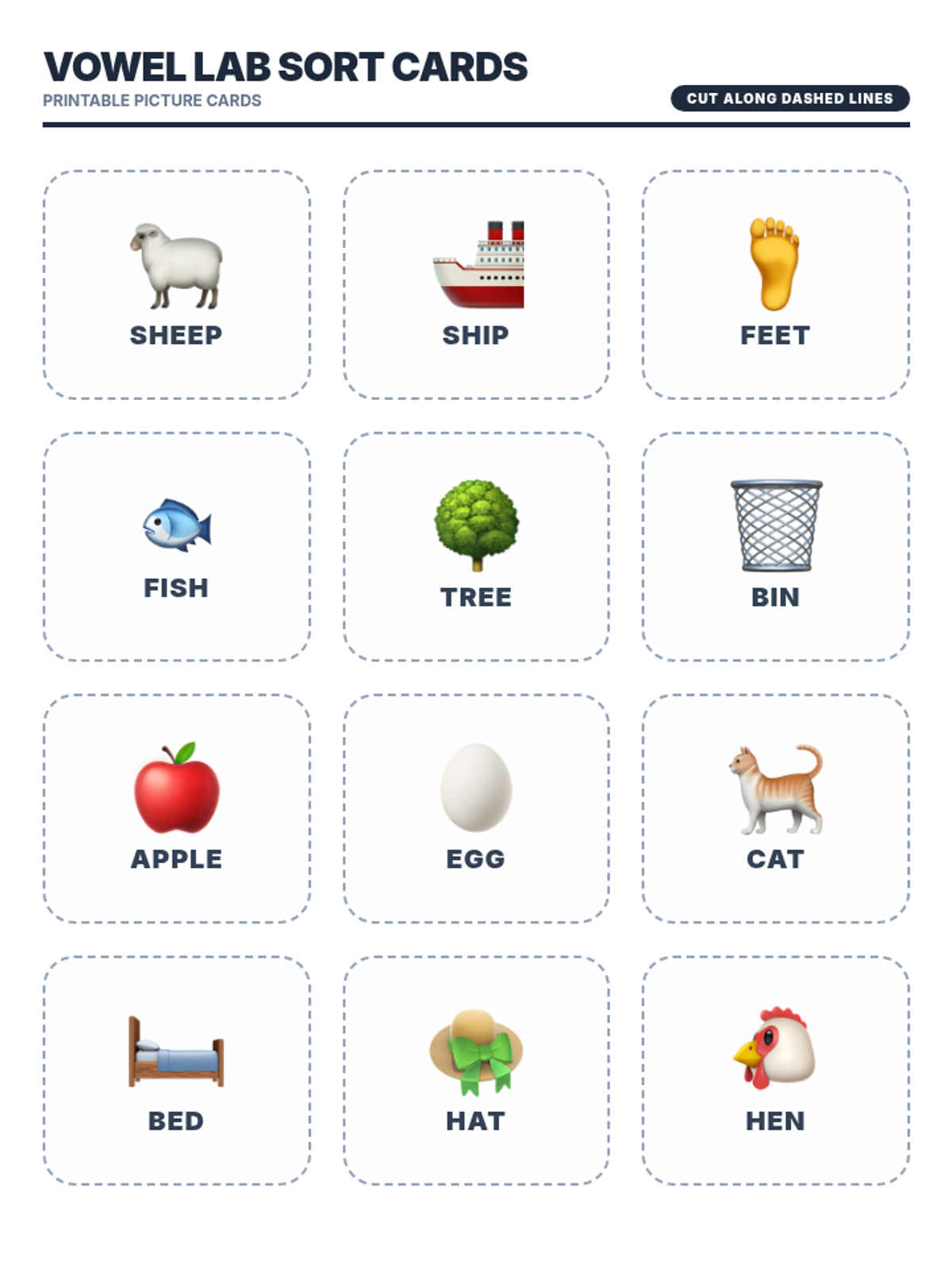
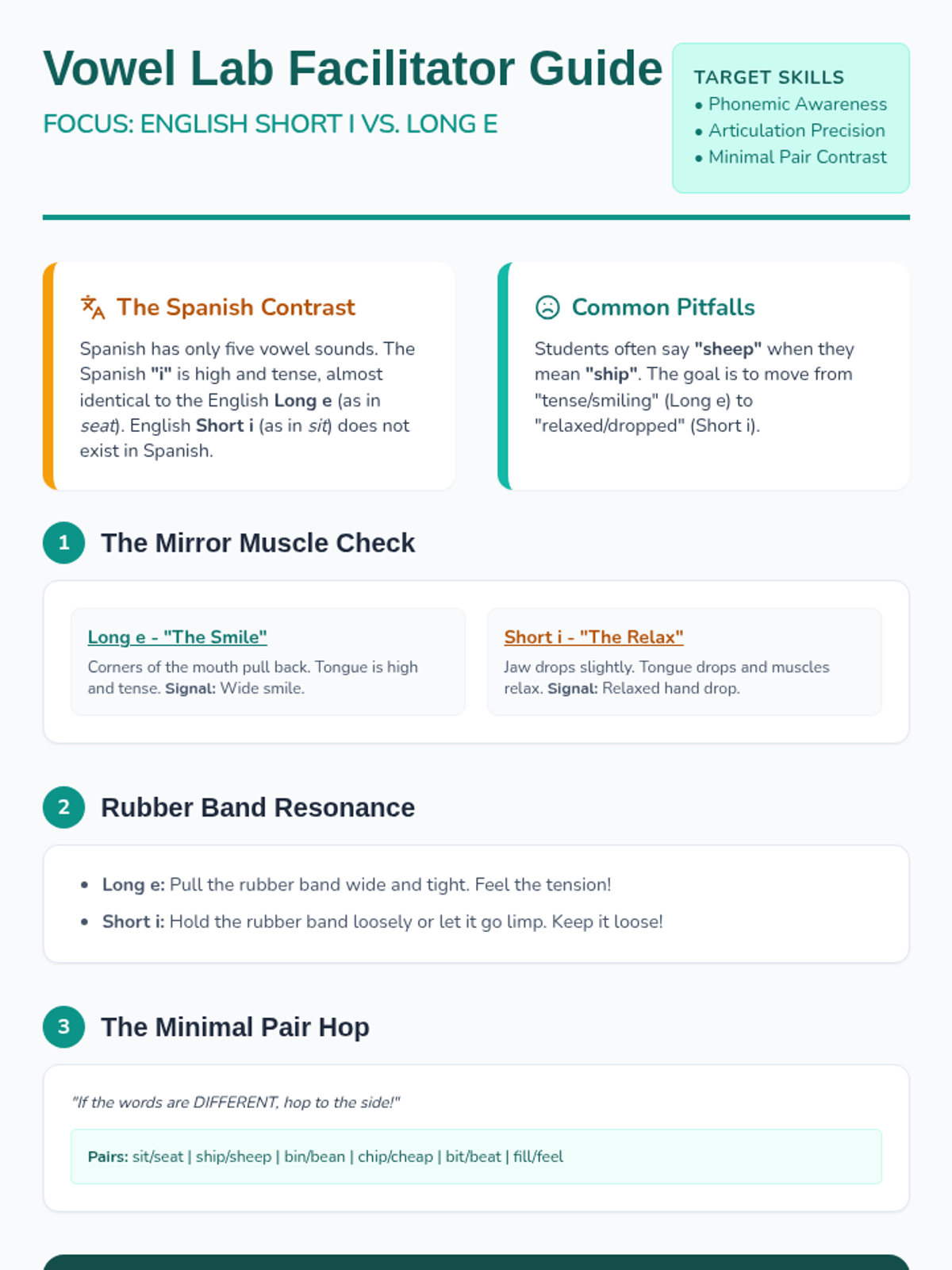
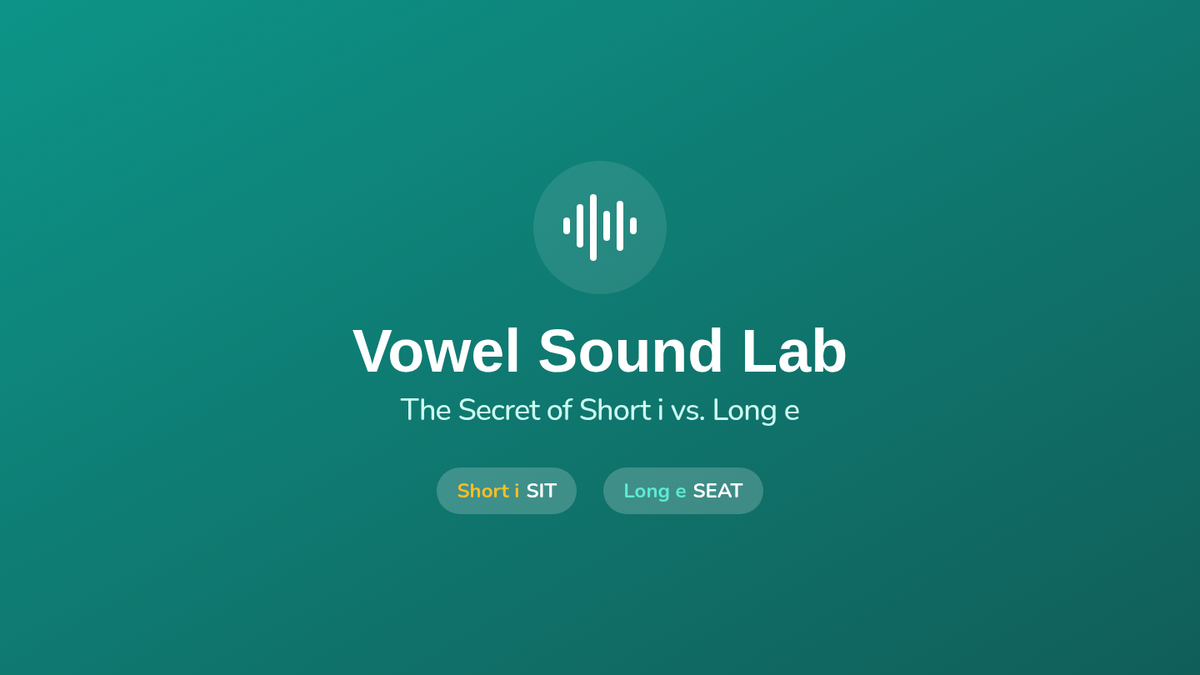
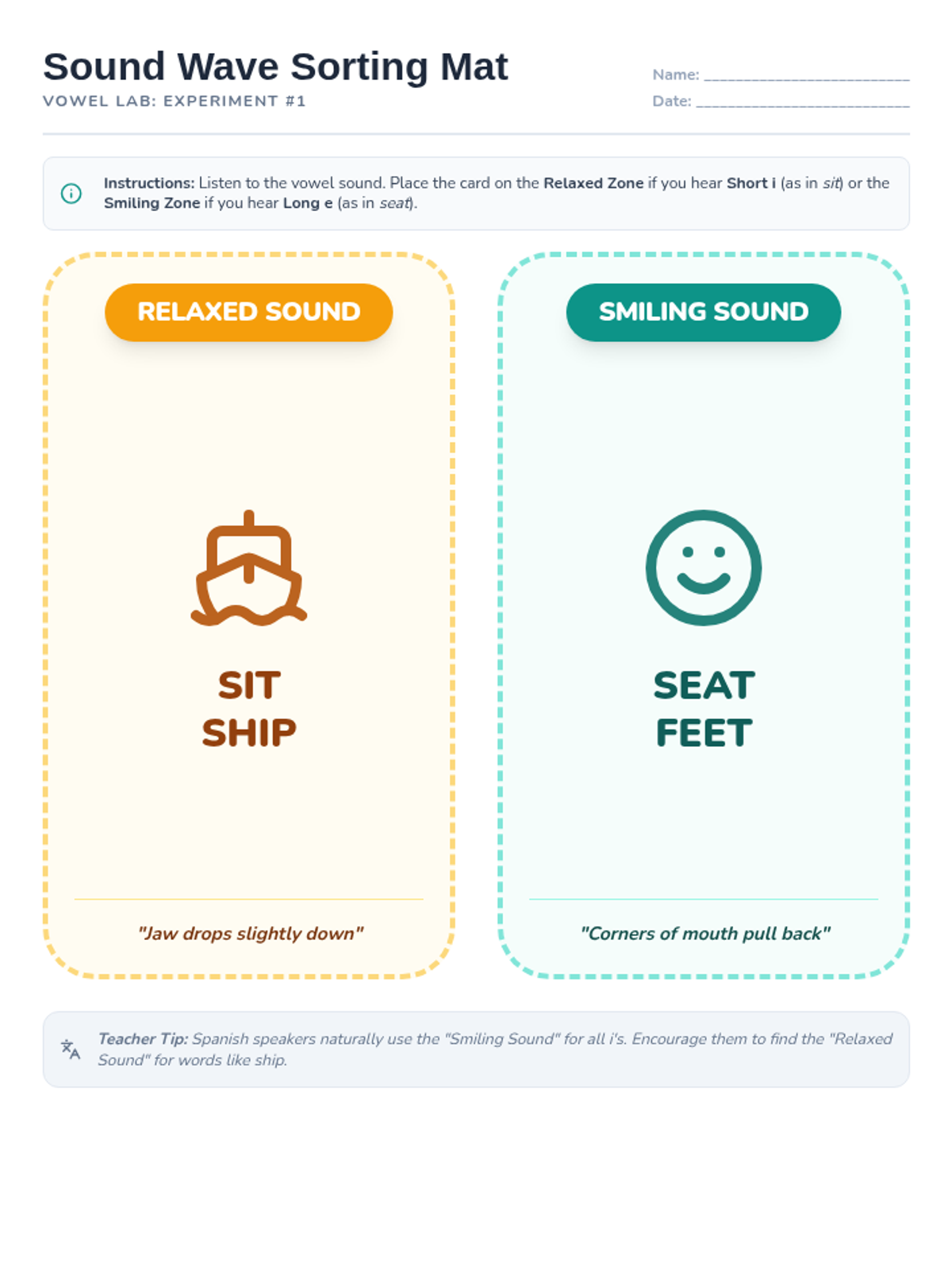
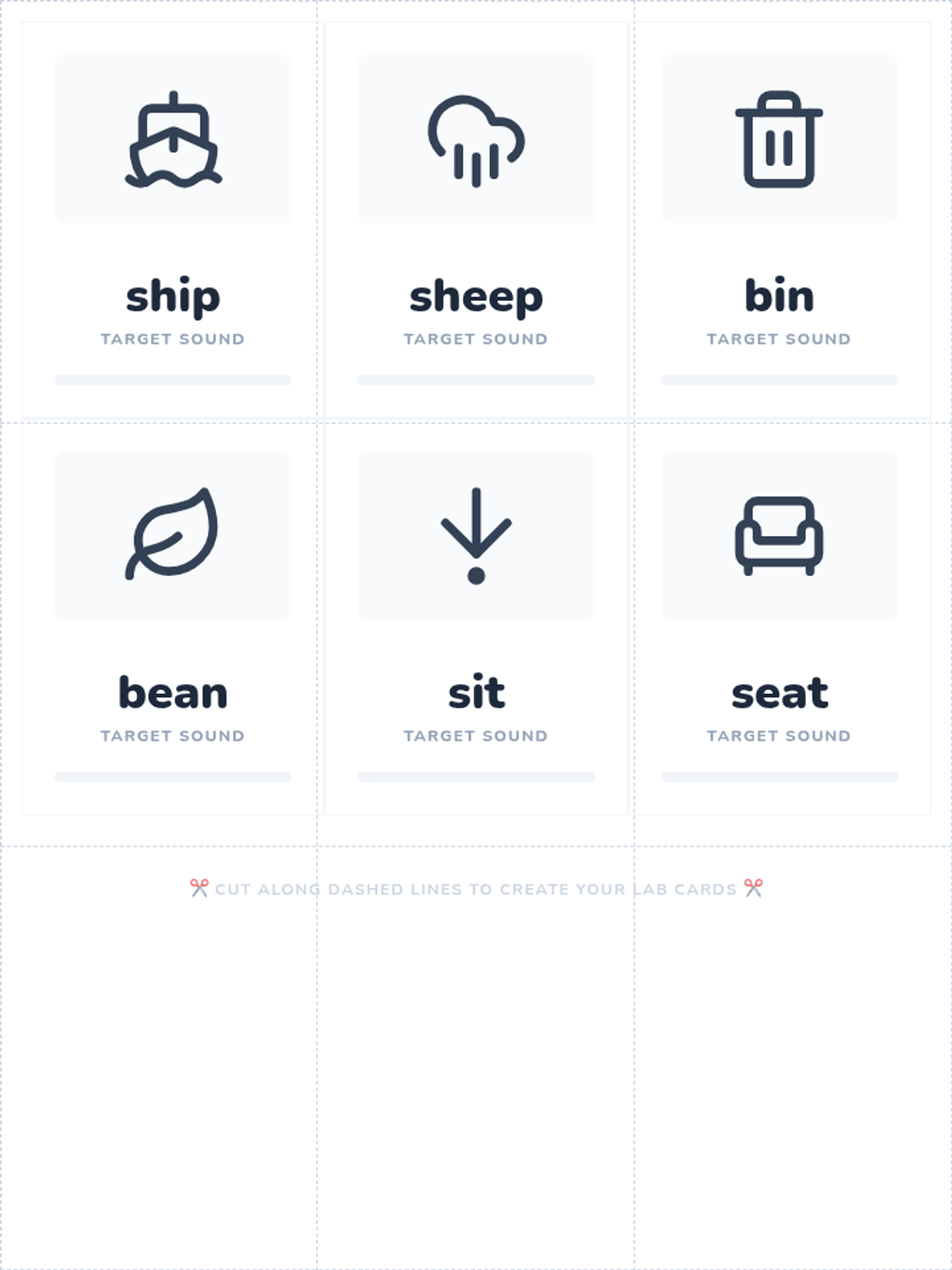
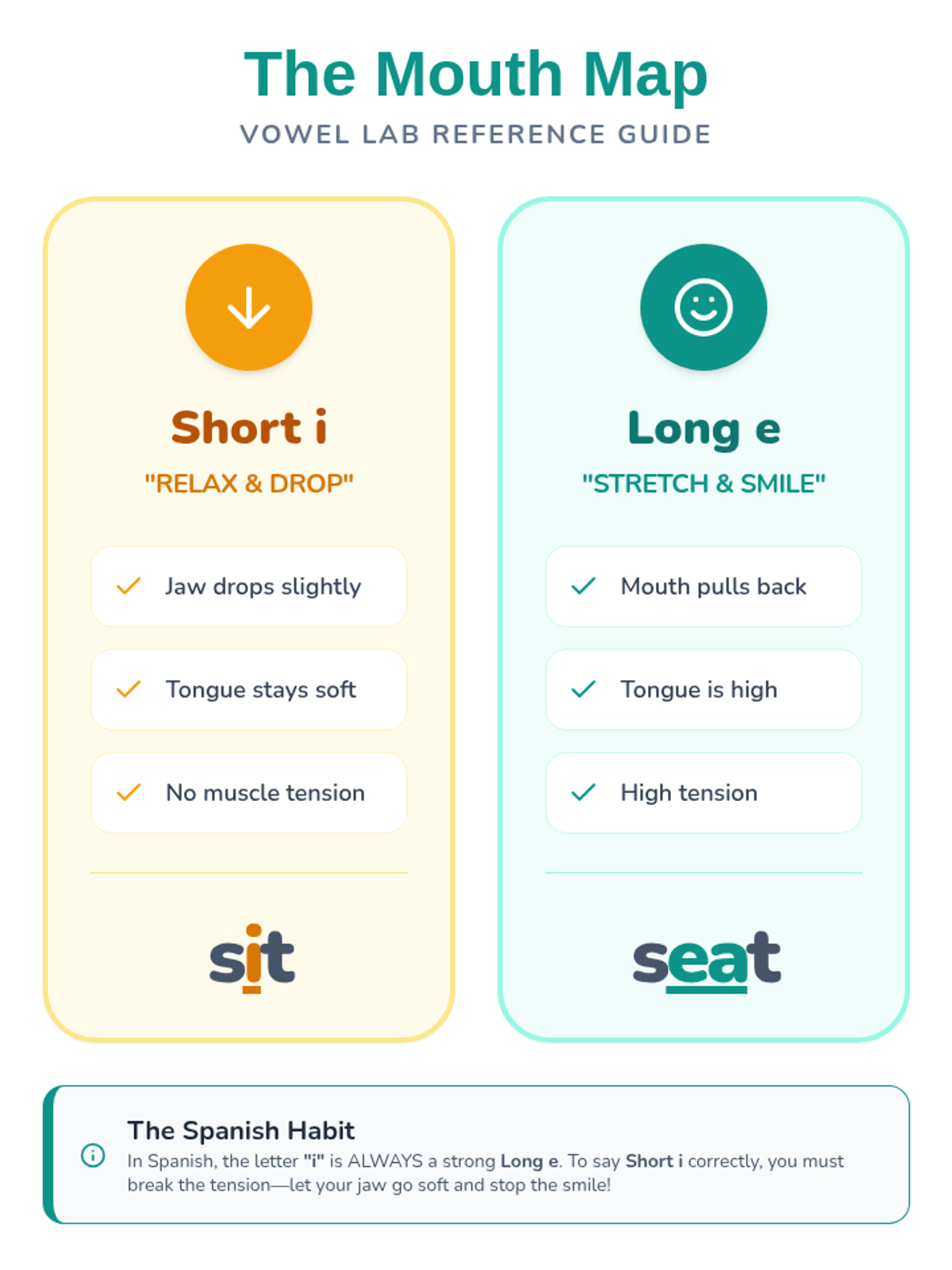
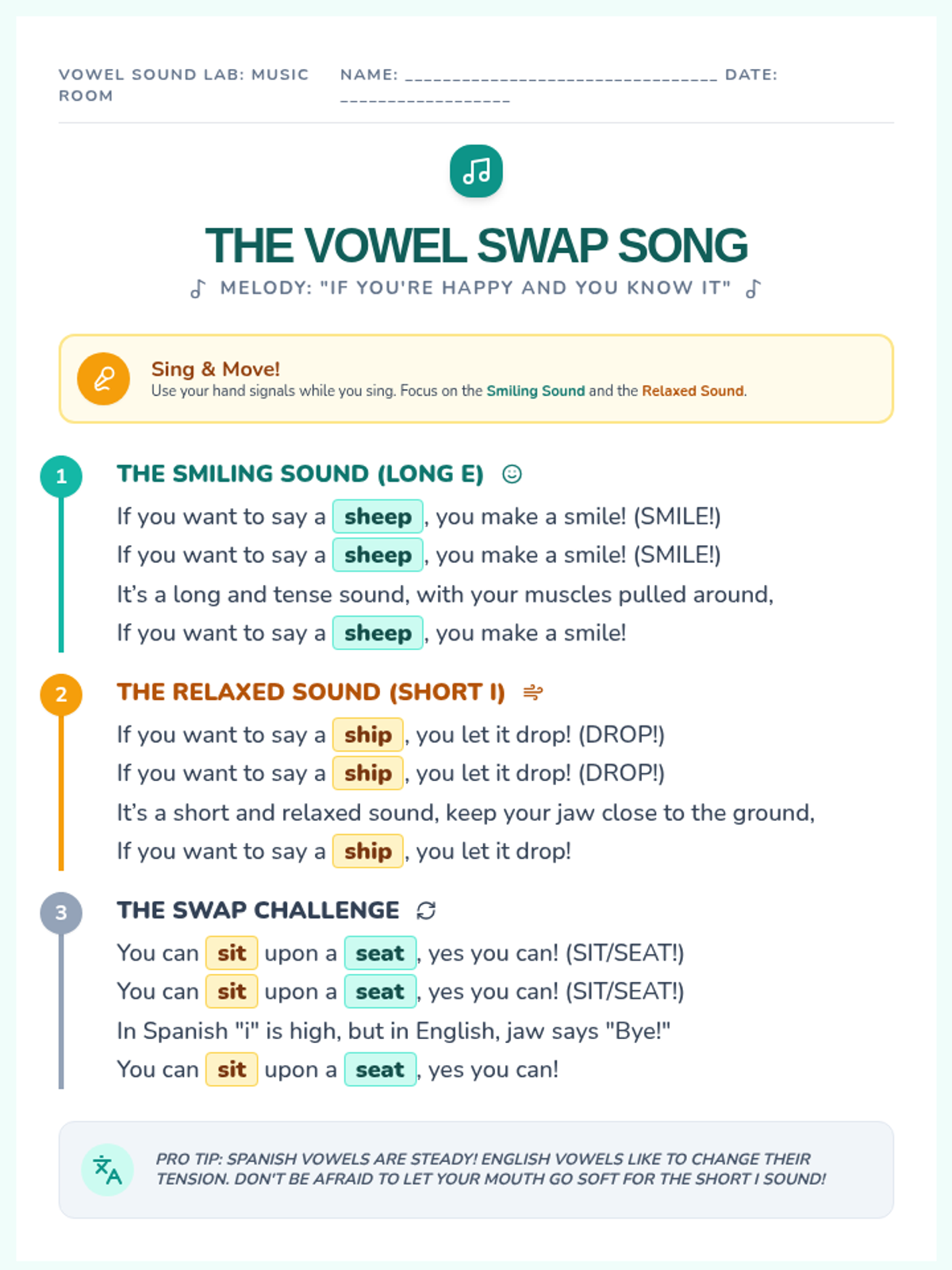
A multisensory lesson focusing on the phonetic distinction between the English short /ɪ/ and long /i/ sounds, specifically designed for students bridging from Spanish.
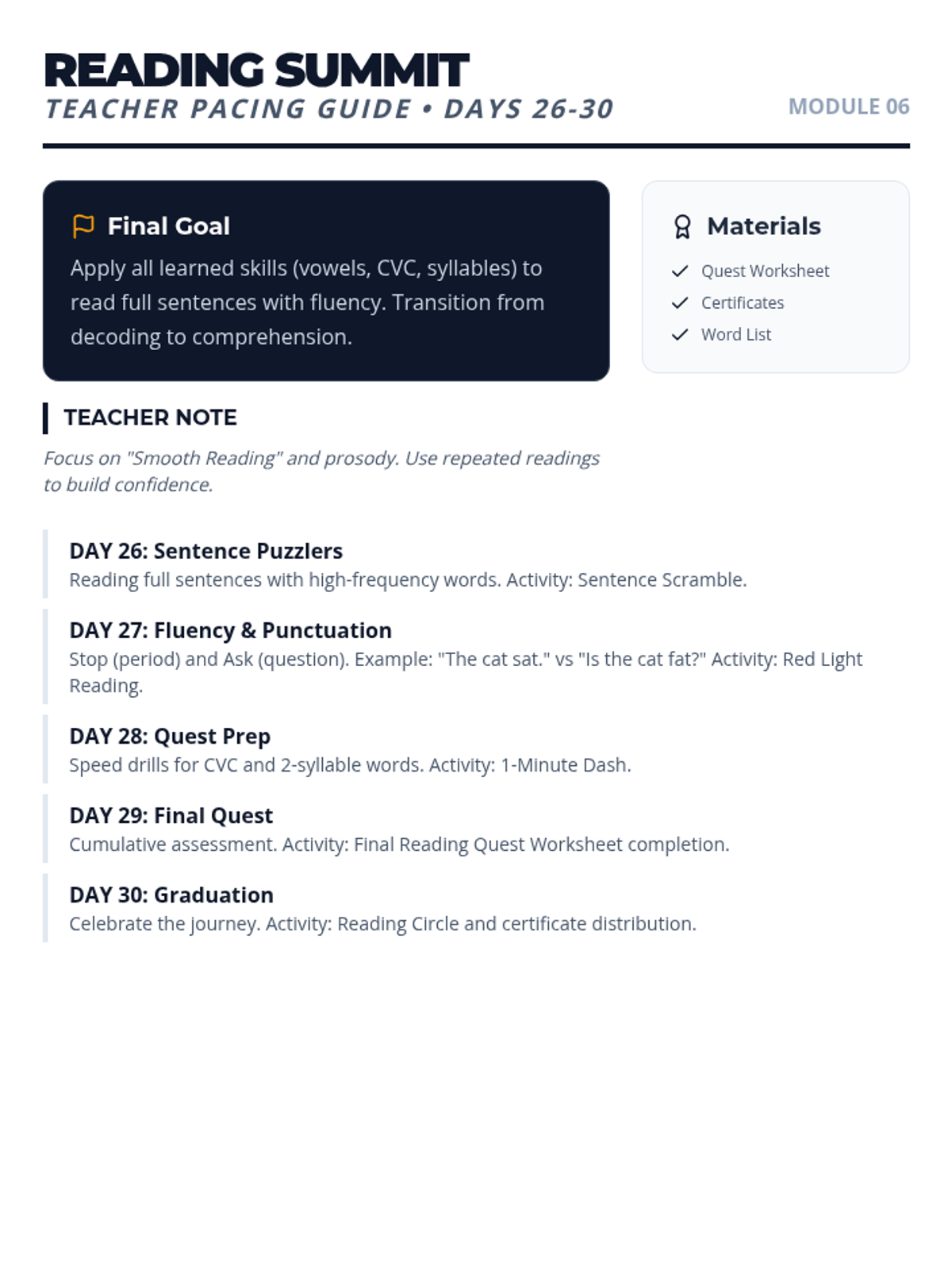
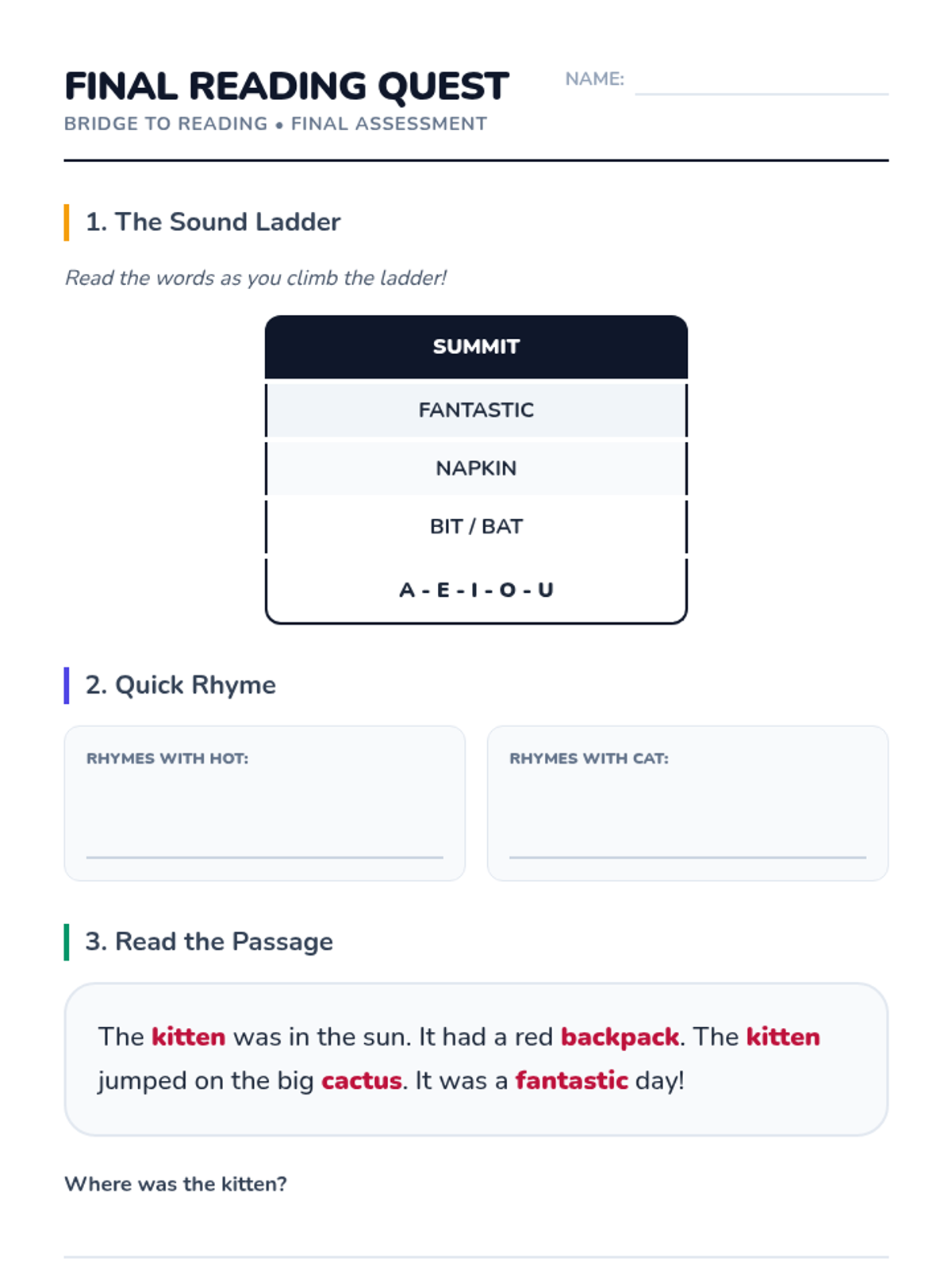
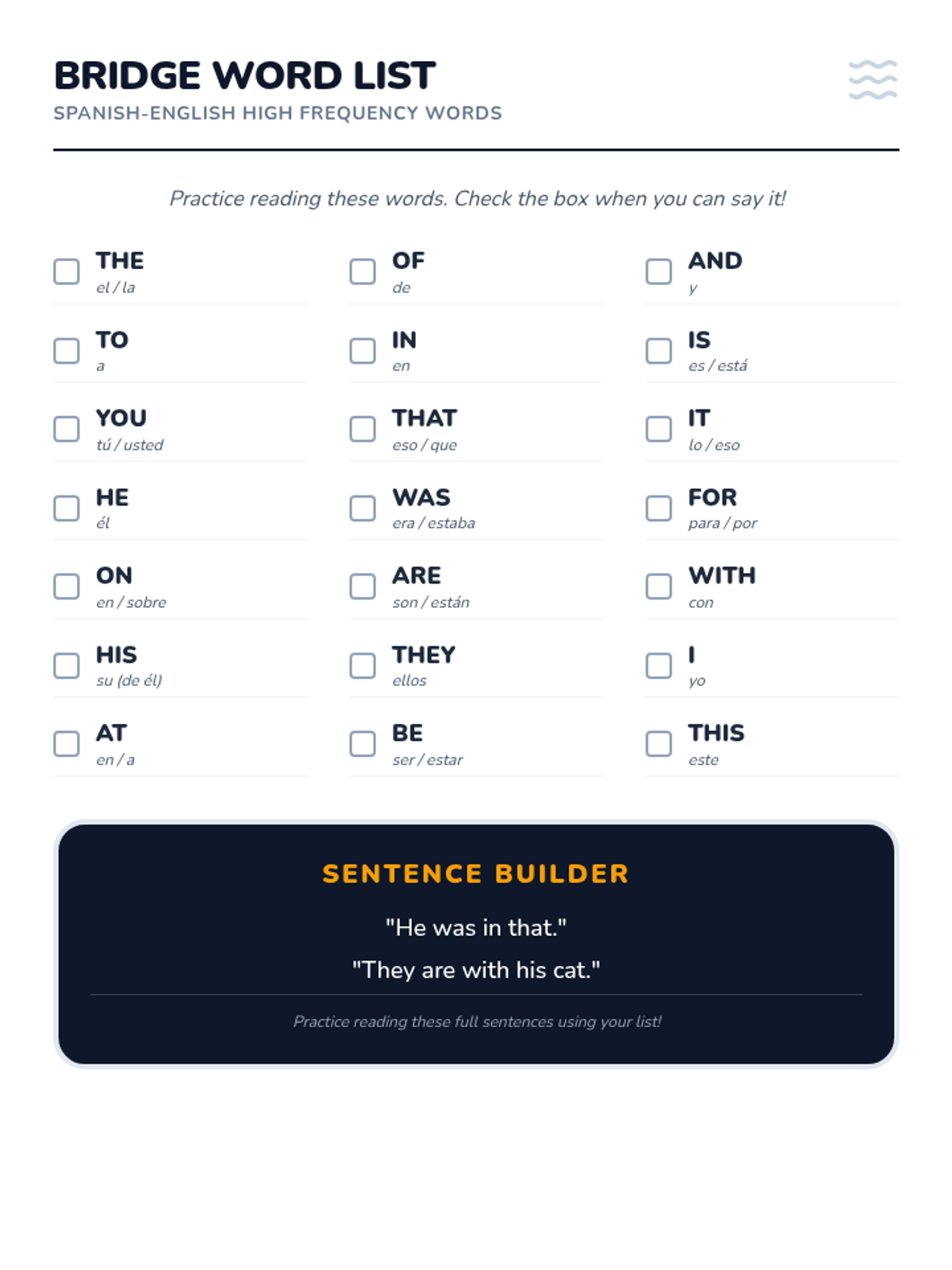
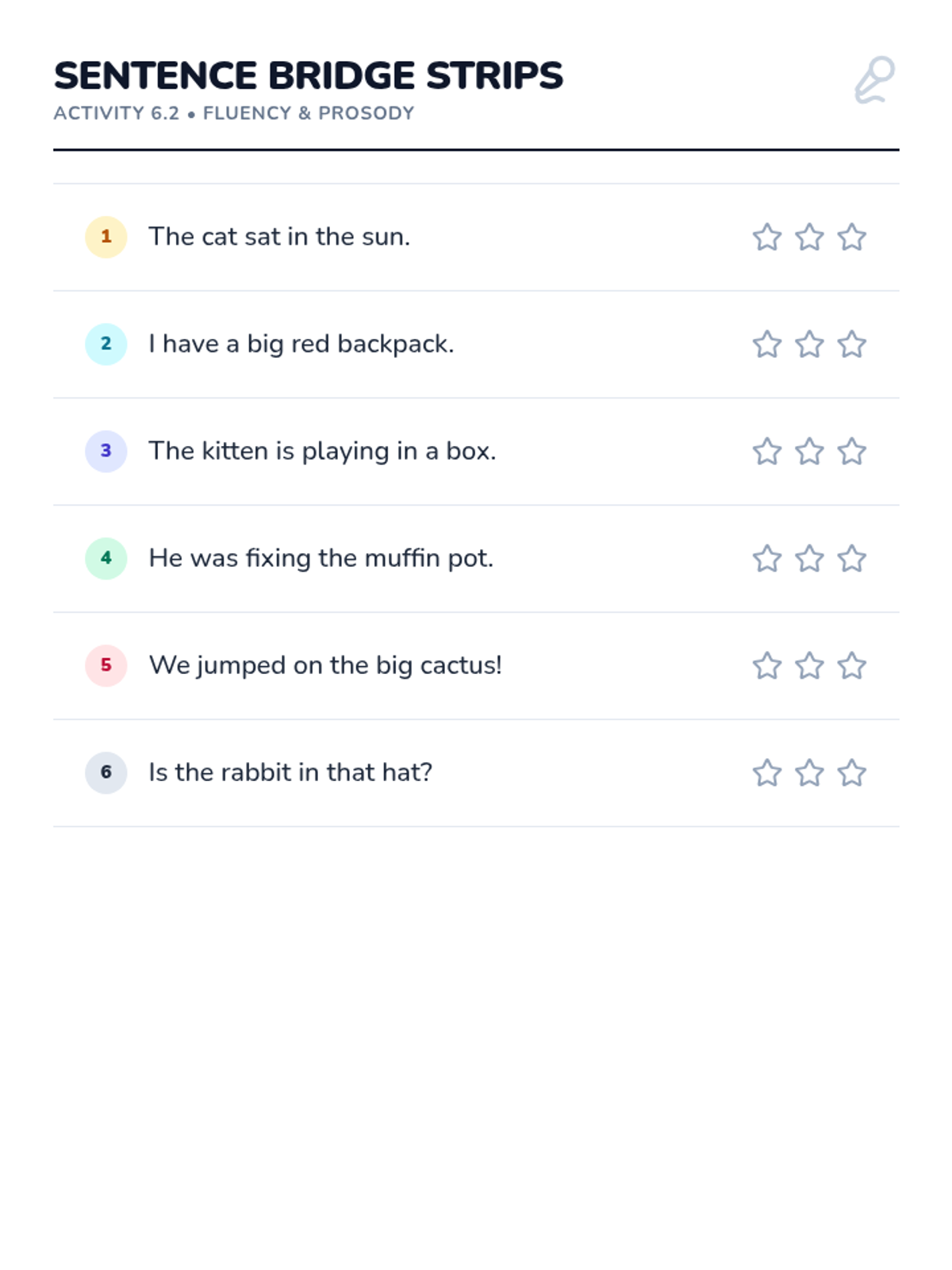
Consolidates all skills through fluency practice, sentence reading, and a final assessment of the 30-day journey. Days 26-30 of the 30-day plan.
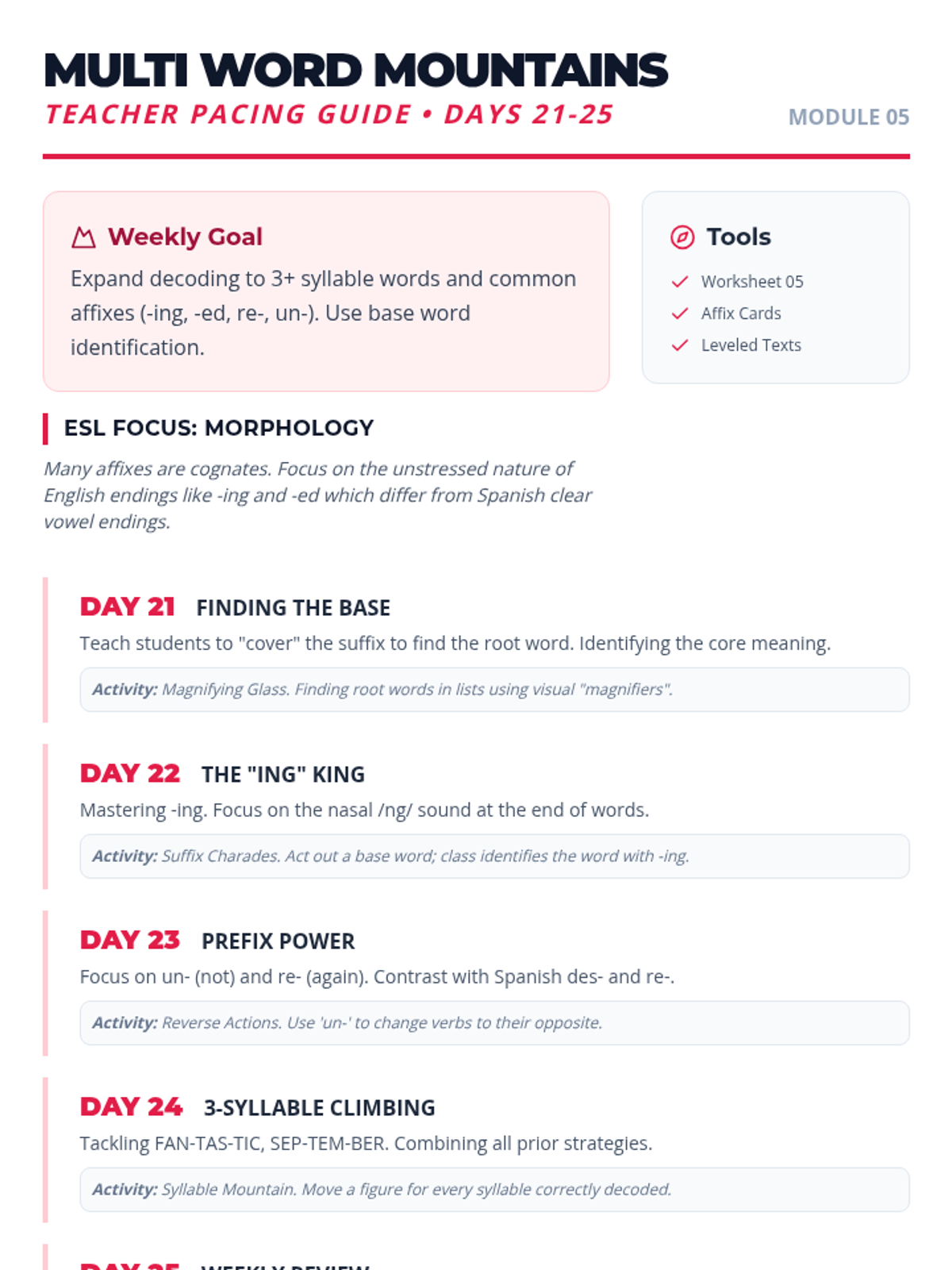
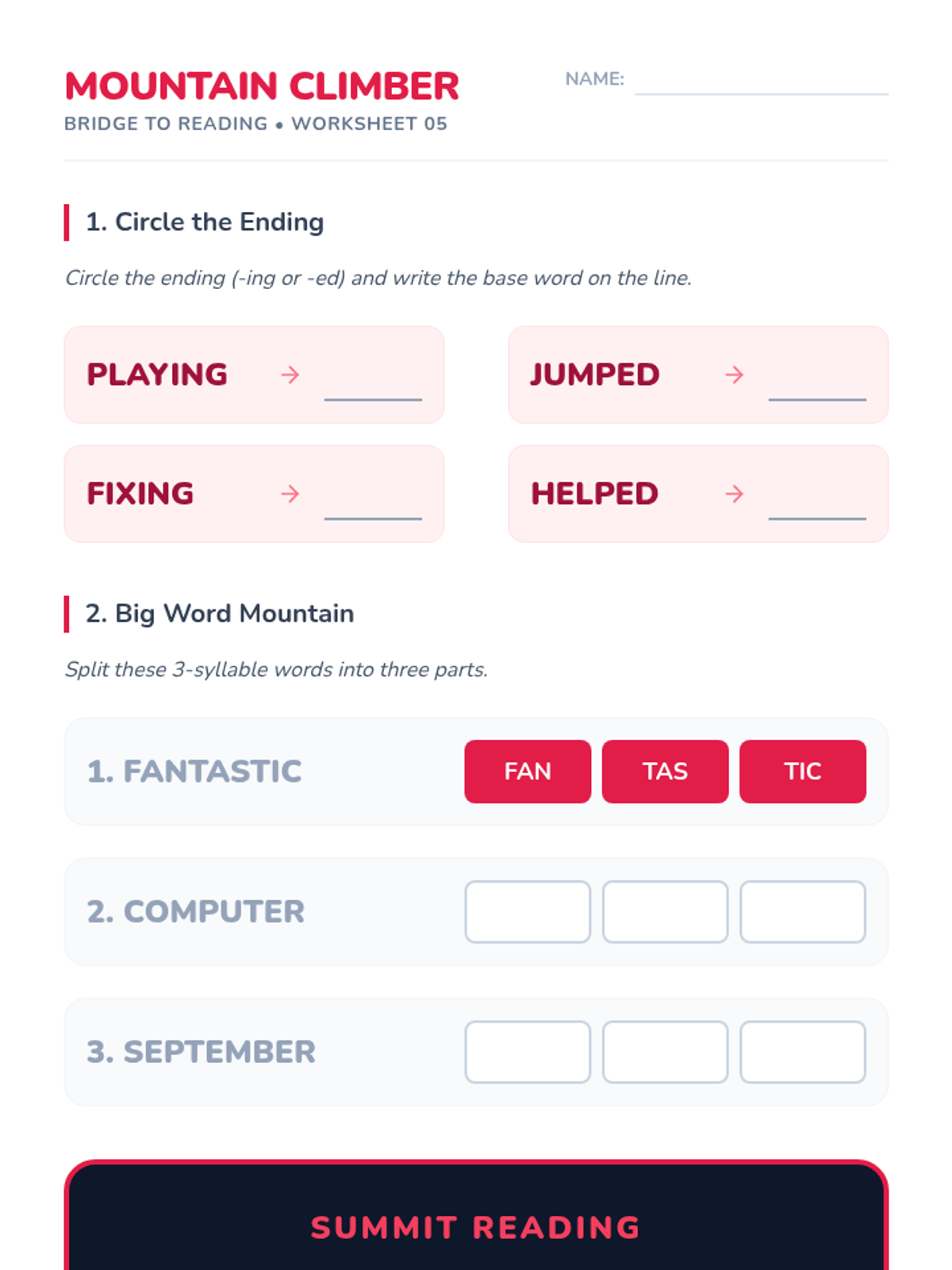
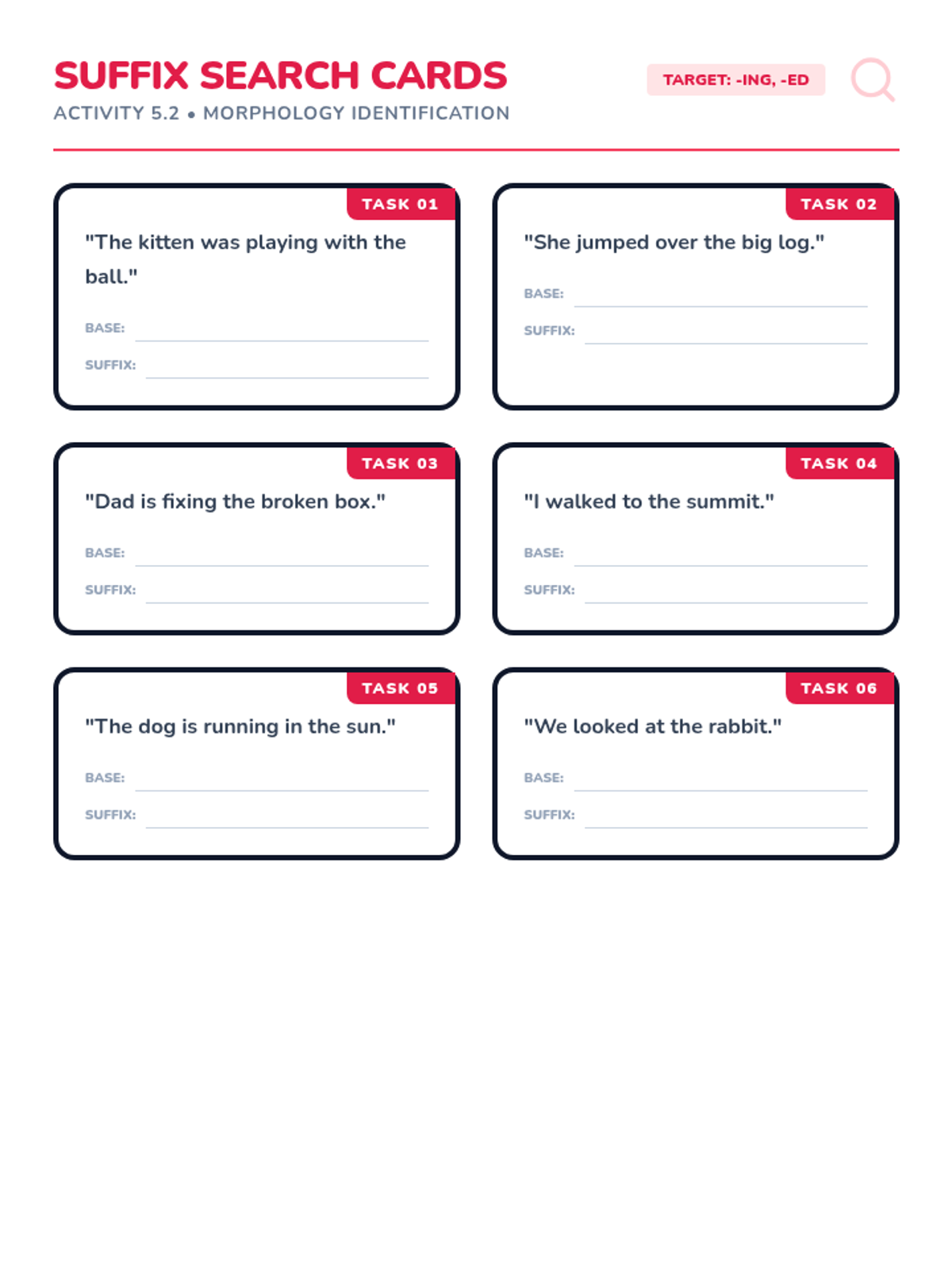
Focuses on more complex multisyllabic words, common prefixes, and suffixes to expand decoding capabilities. Days 21-25 of the 30-day plan.
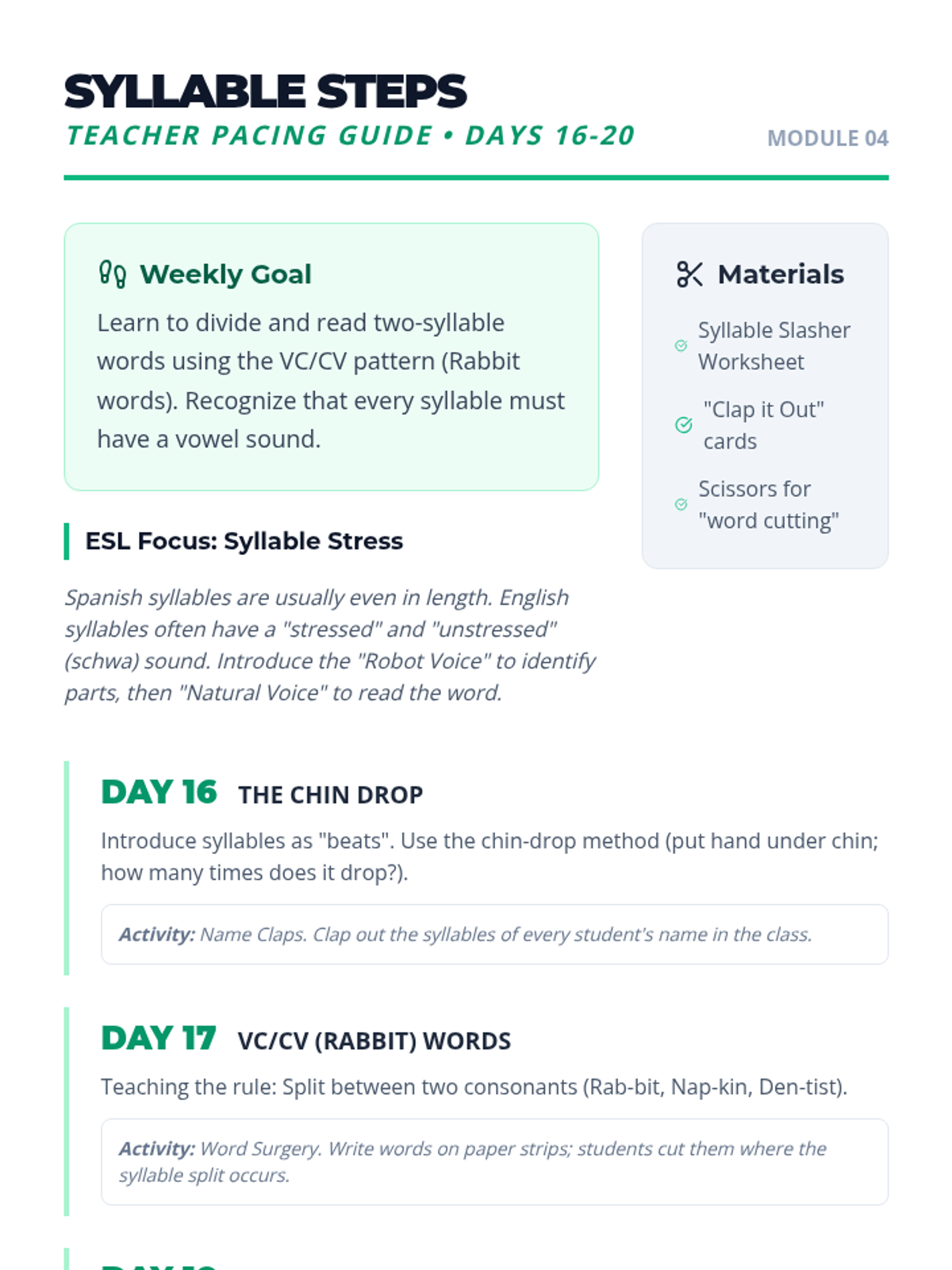
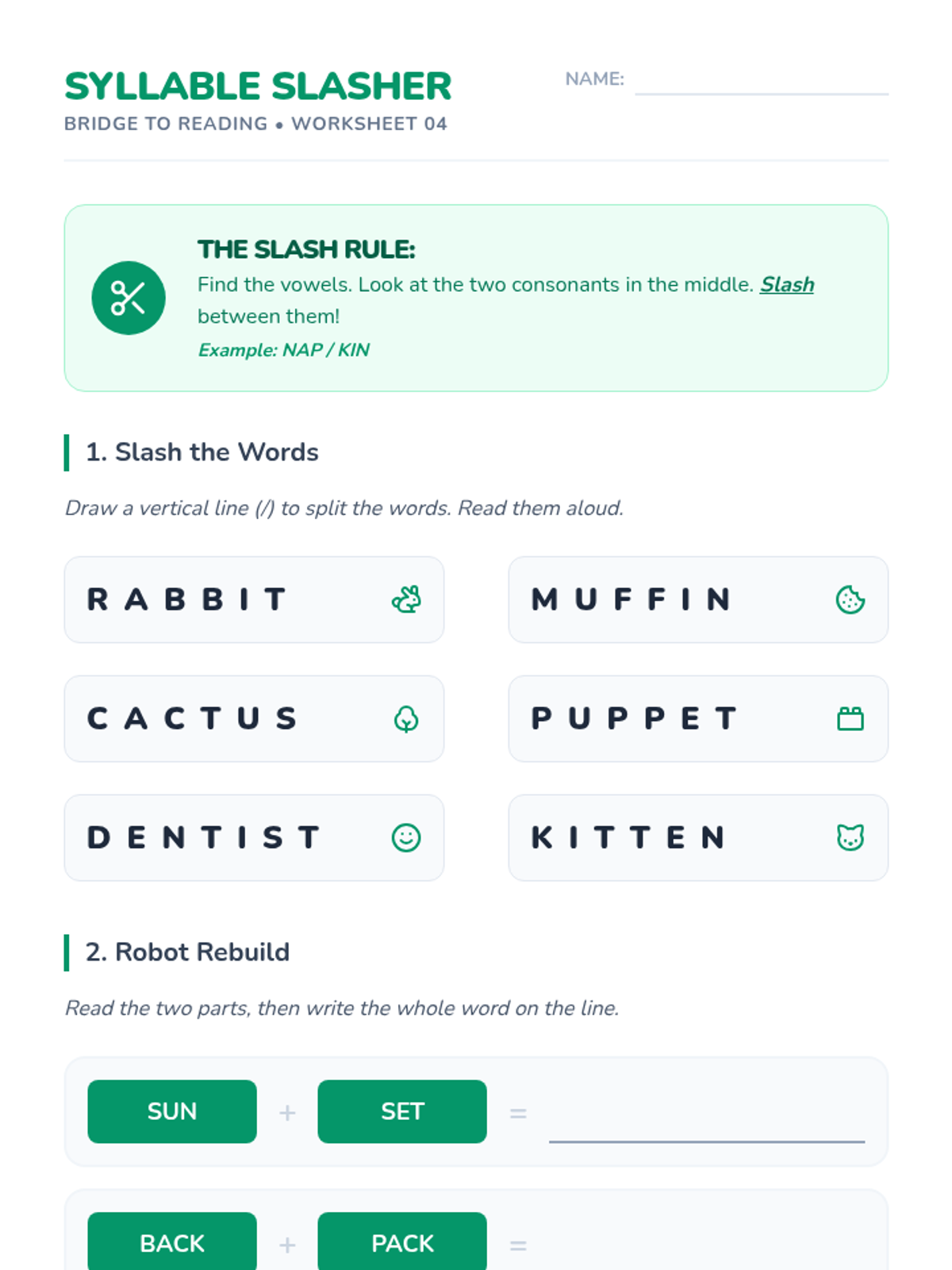
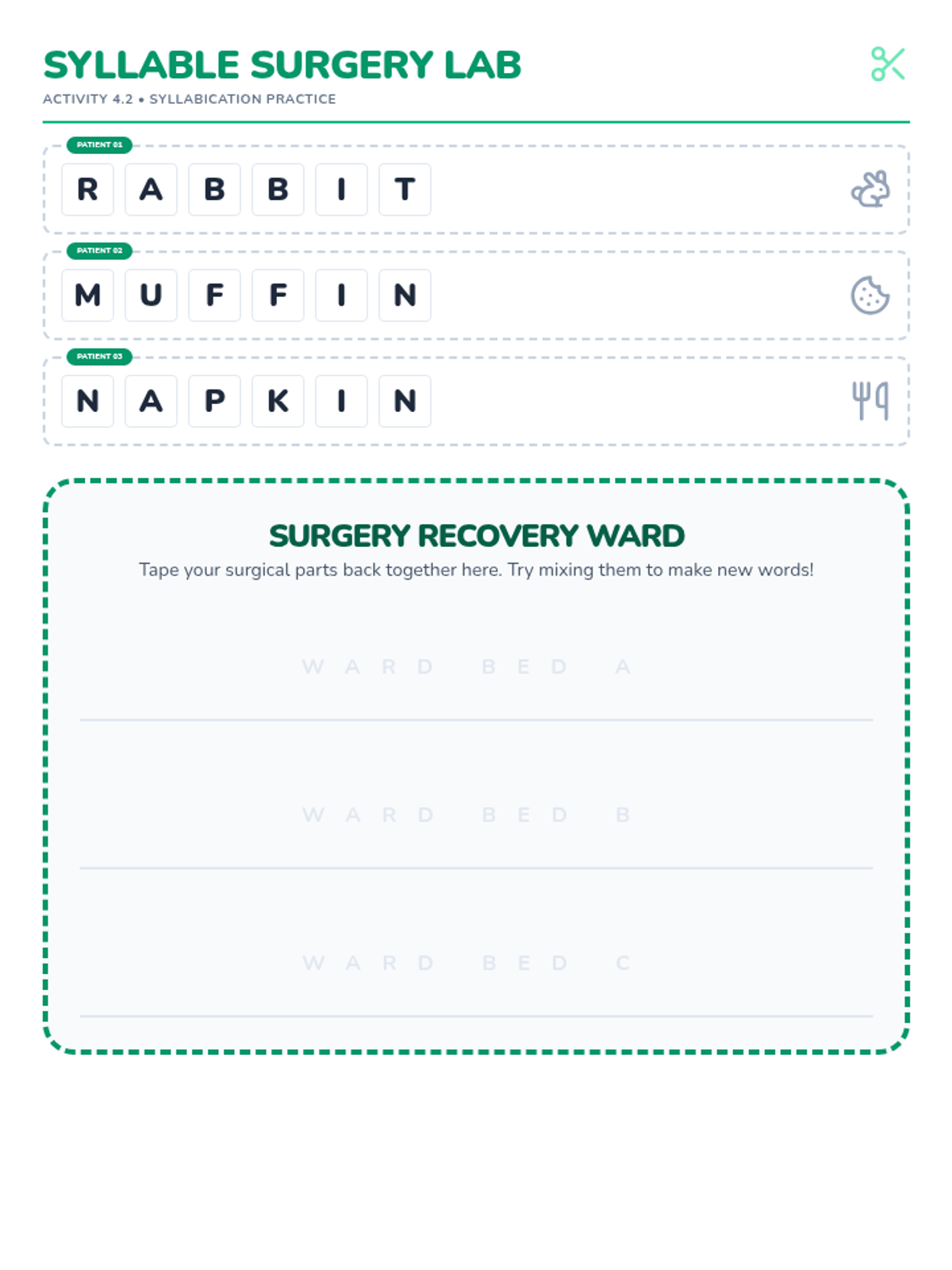
Introduces two-syllable words and basic syllabication rules (VC/CV), helping students tackle longer words. Days 16-20 of the 30-day plan.
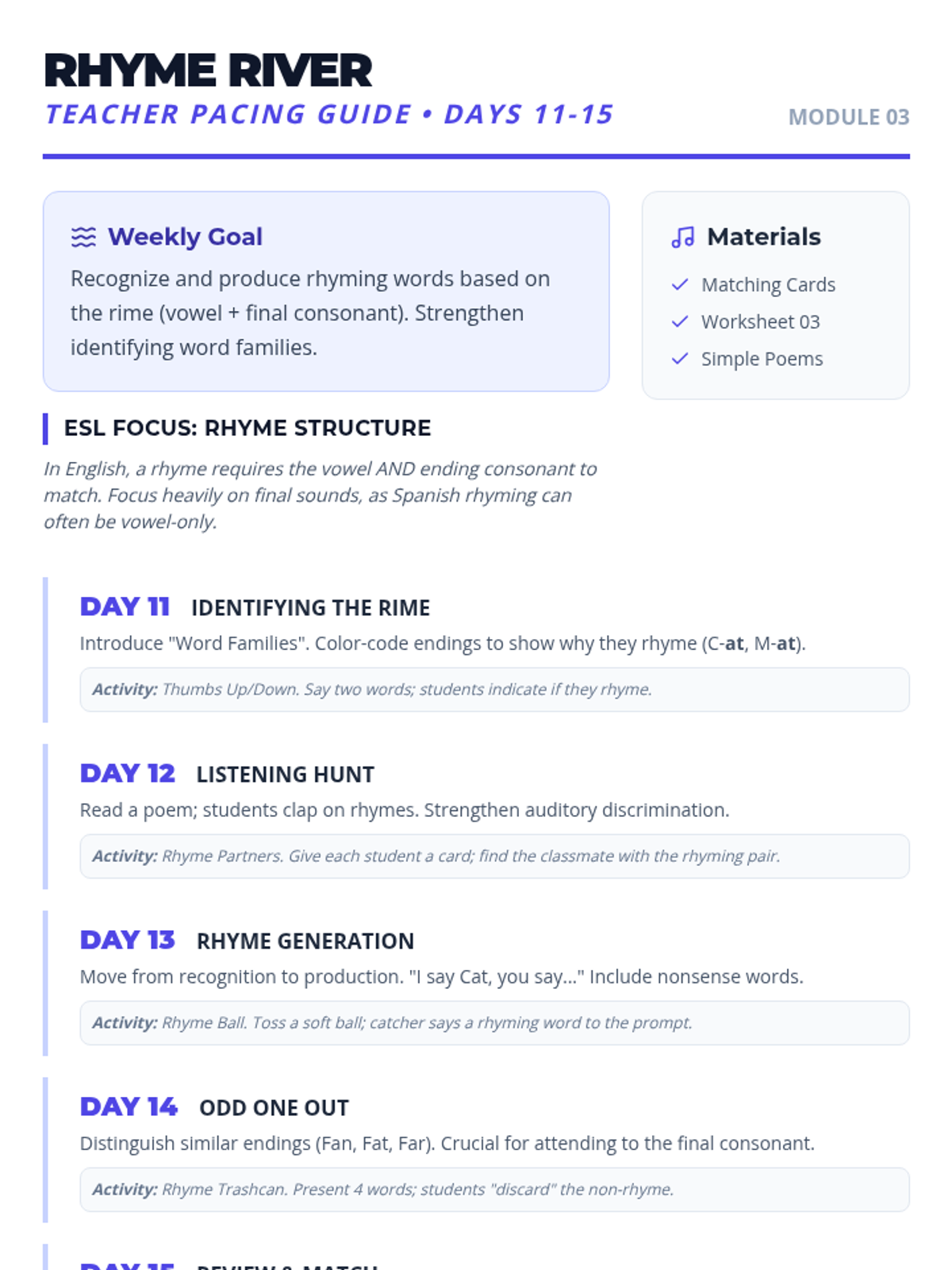
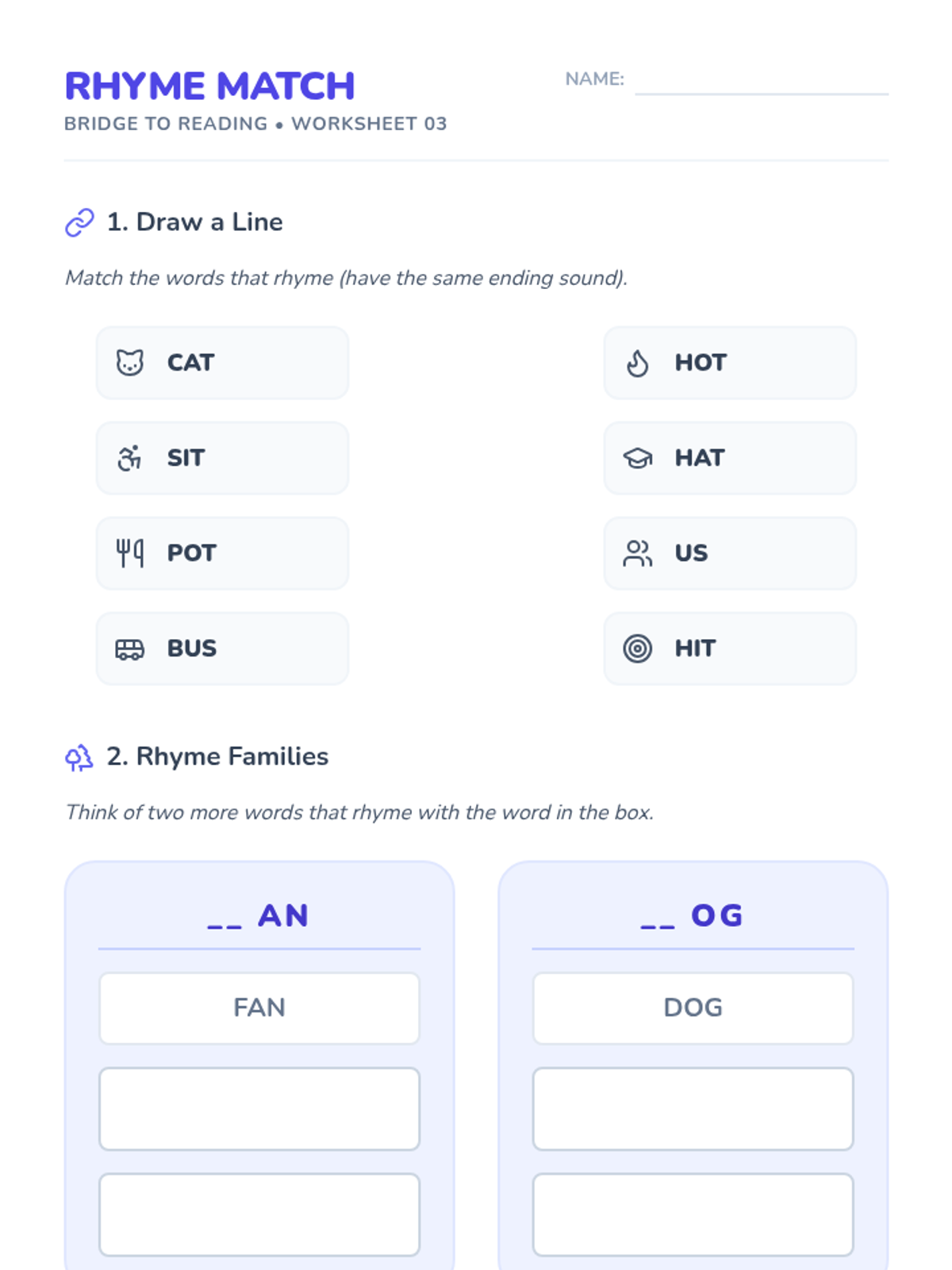
Explores phonological awareness through rhyming and word families, strengthening the connection between spelling patterns and sounds. Days 11-15 of the 30-day plan.
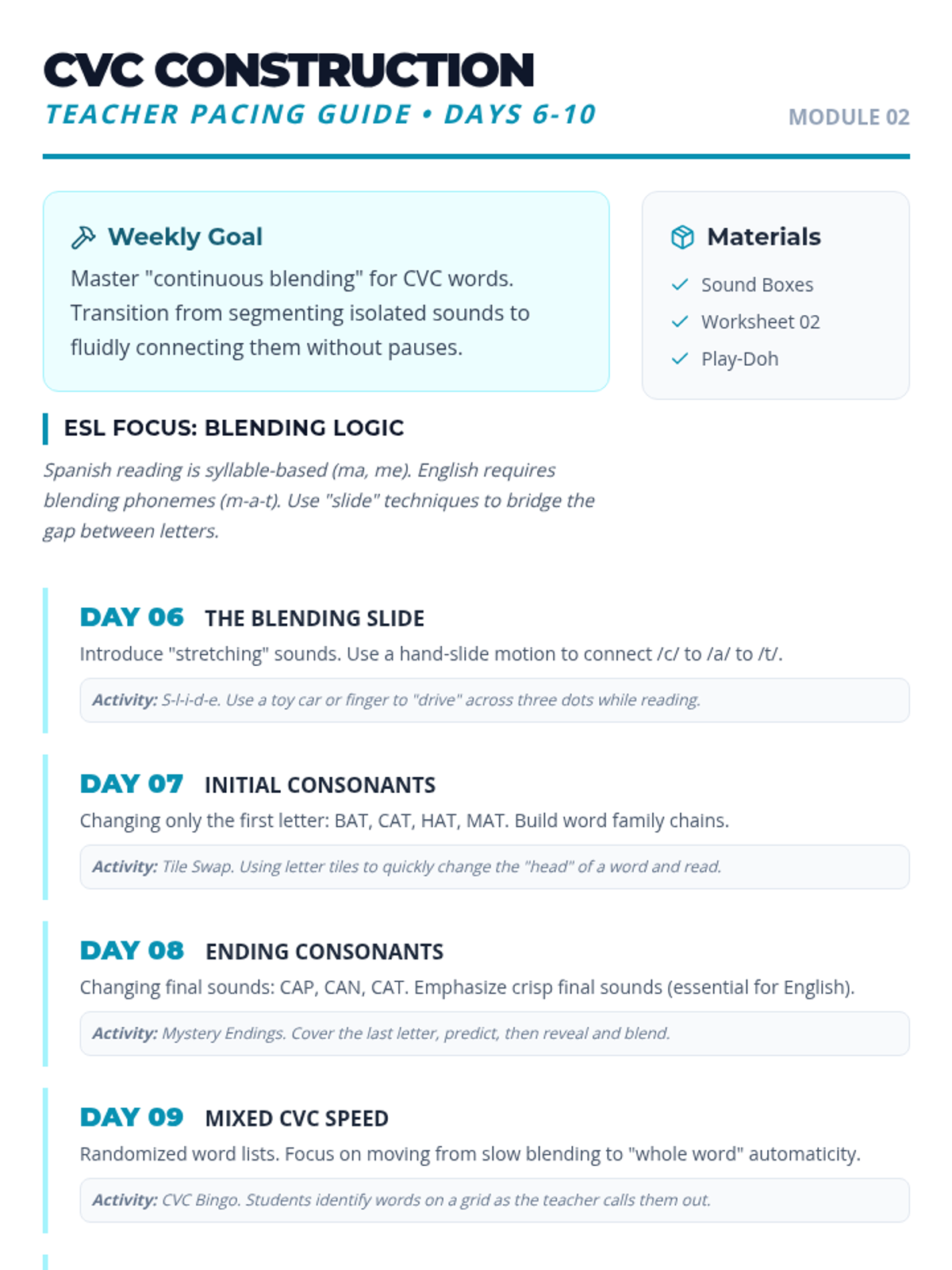
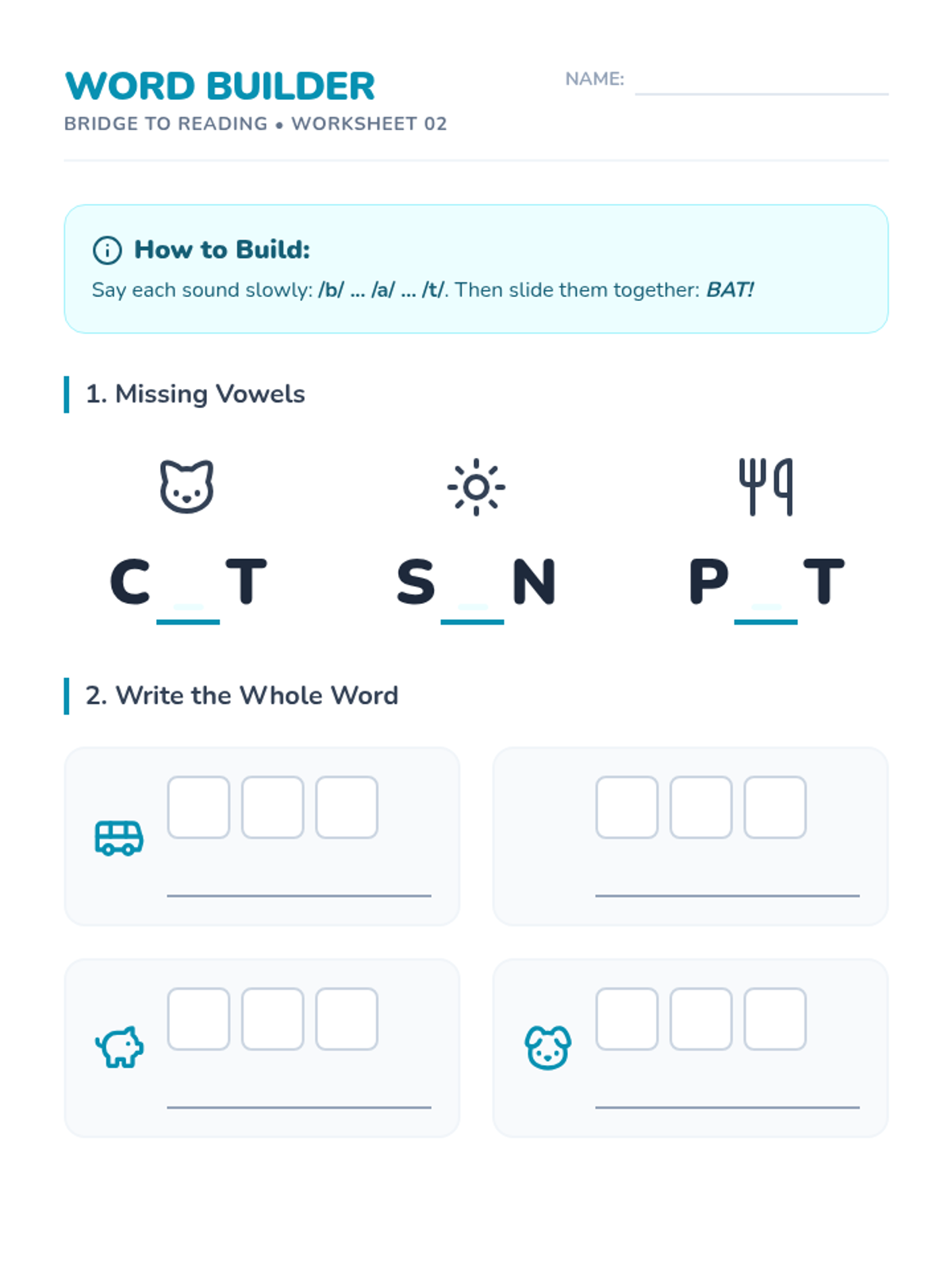
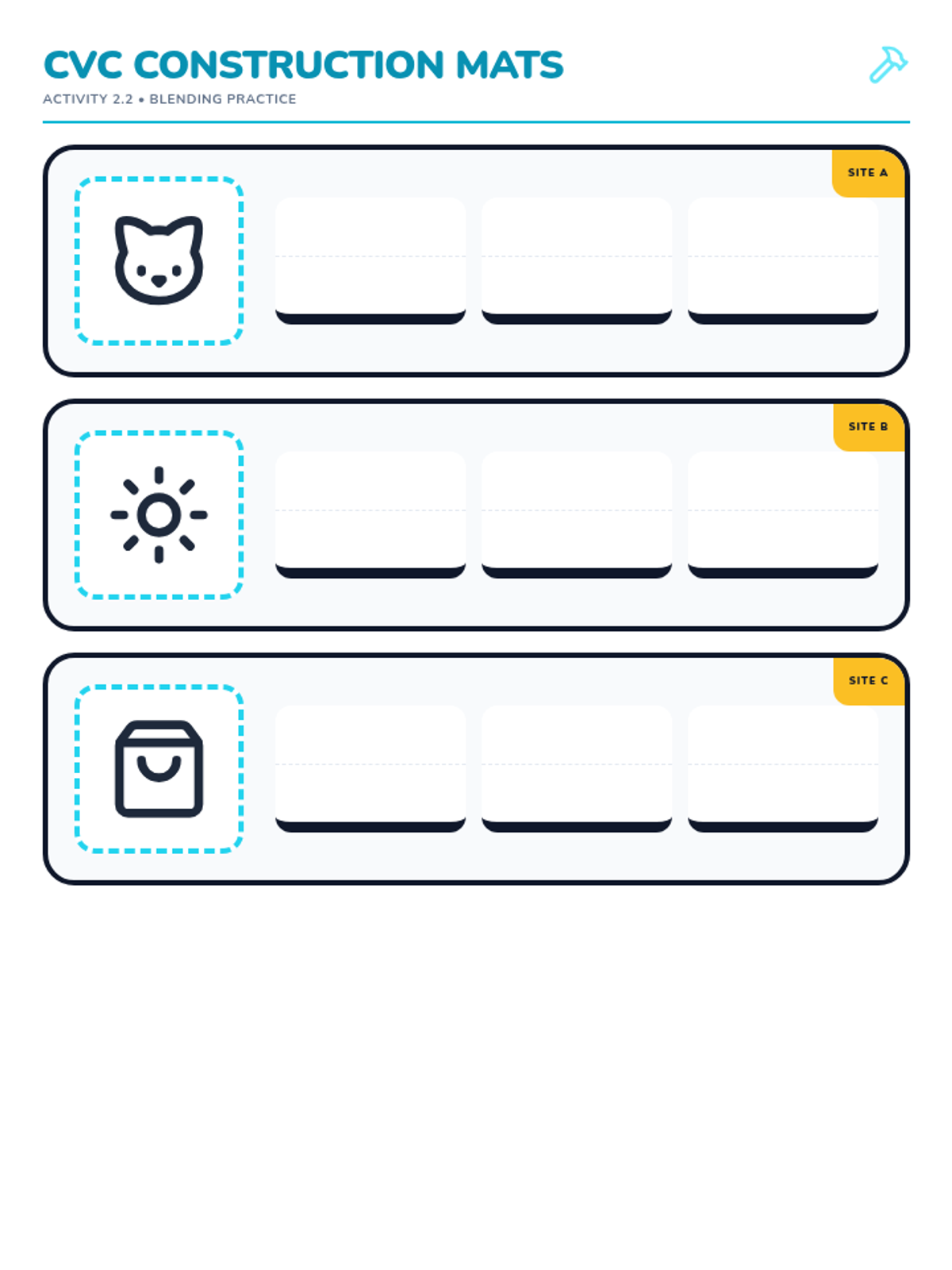
Introduces Consonant-Vowel-Consonant (CVC) blending and word families, transitioning students from isolated sounds to fluid reading. Days 6-10 of the 30-day plan.
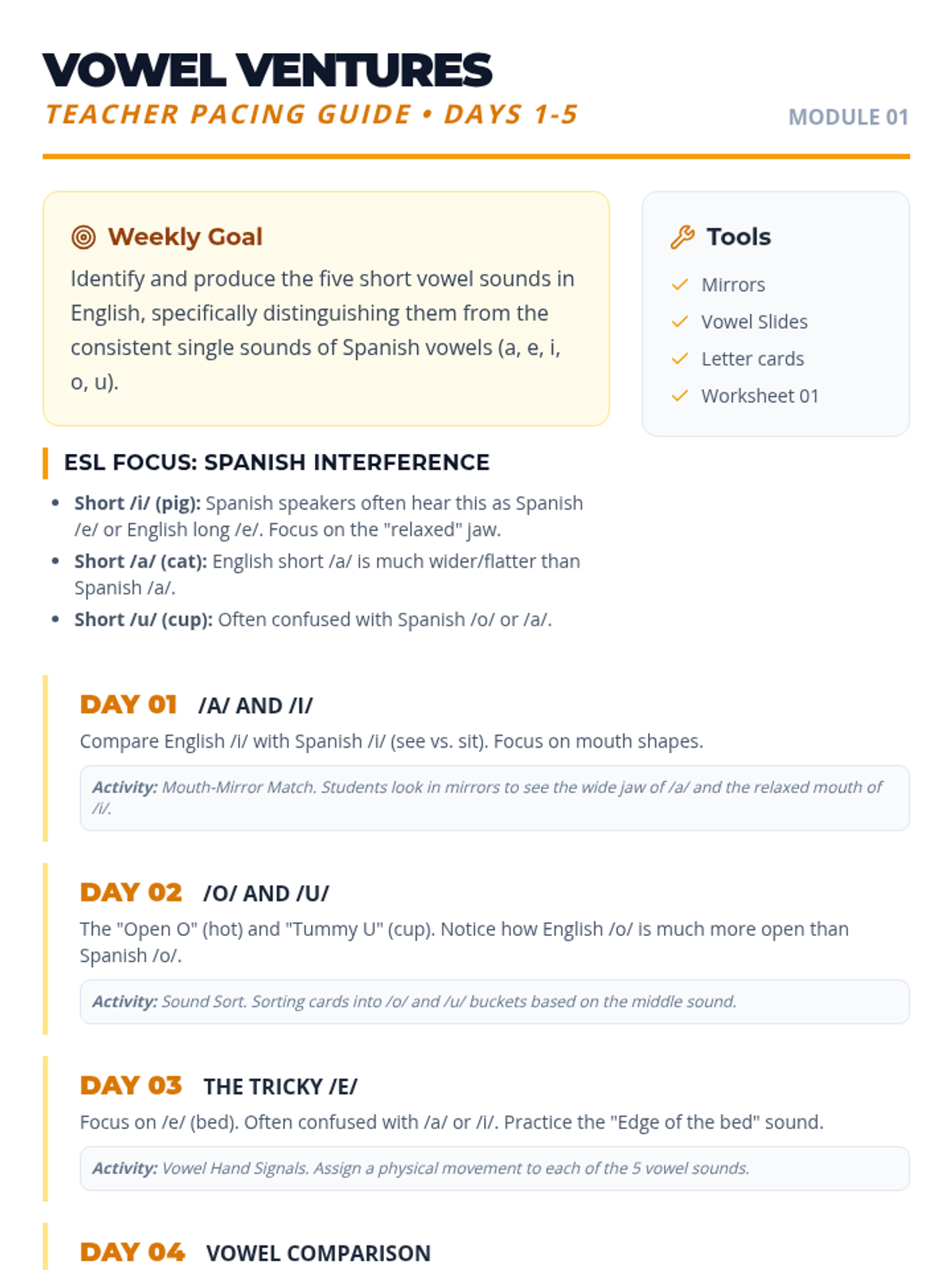
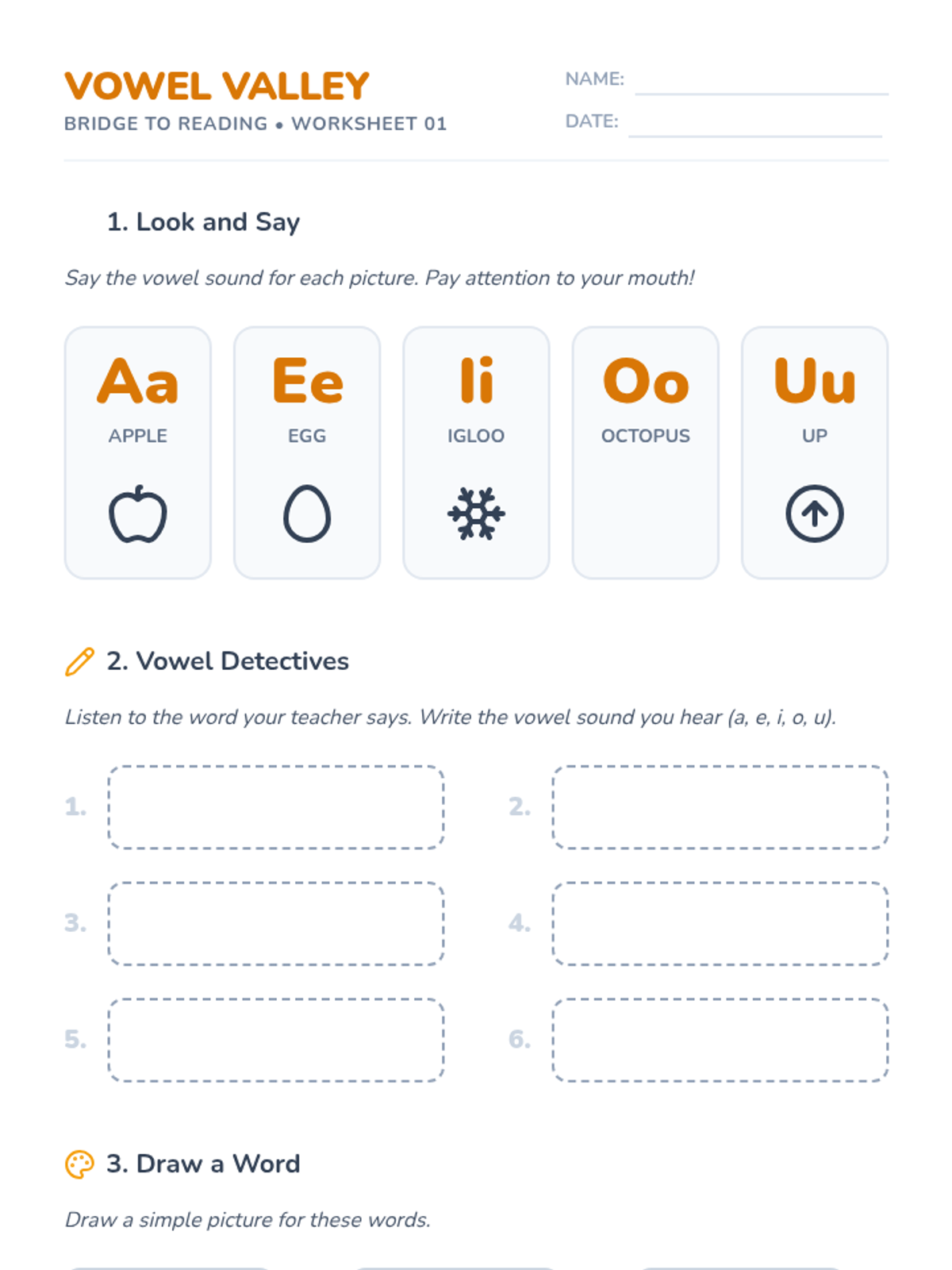
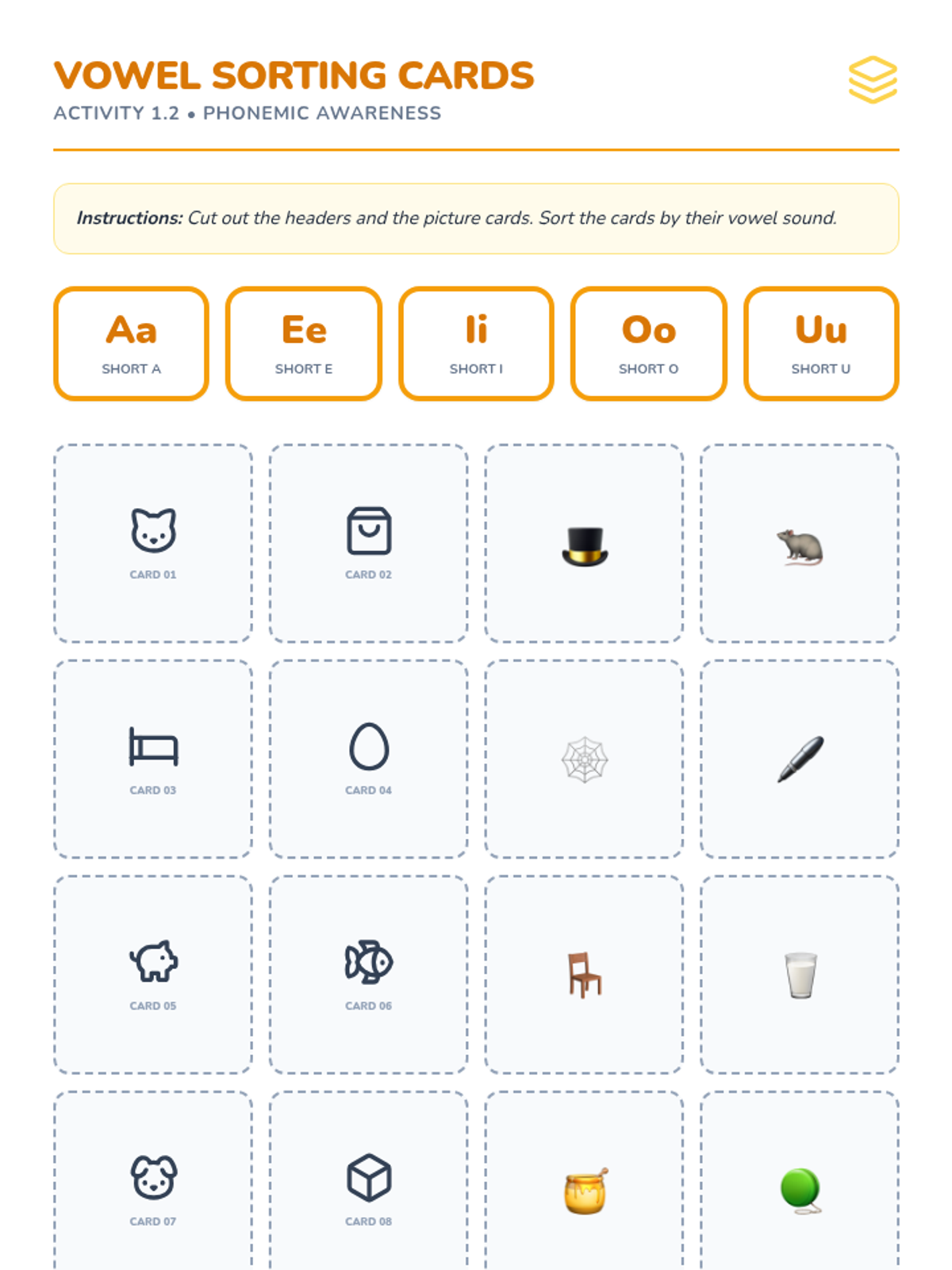
Focuses on the five short vowel sounds, contrasting them with Spanish vowel sounds to help students distinguish English phonemes. Days 1-5 of the 30-day plan.
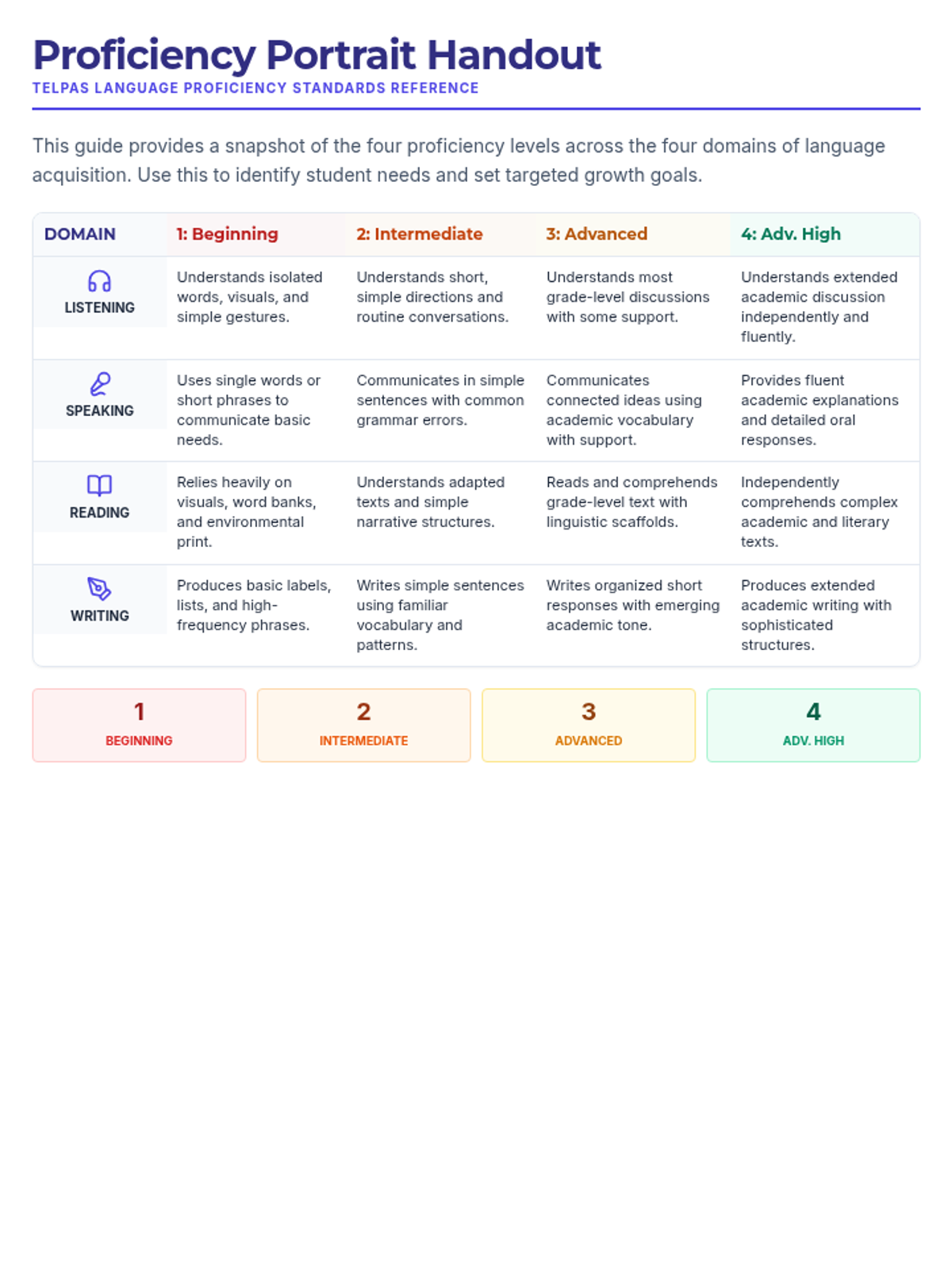
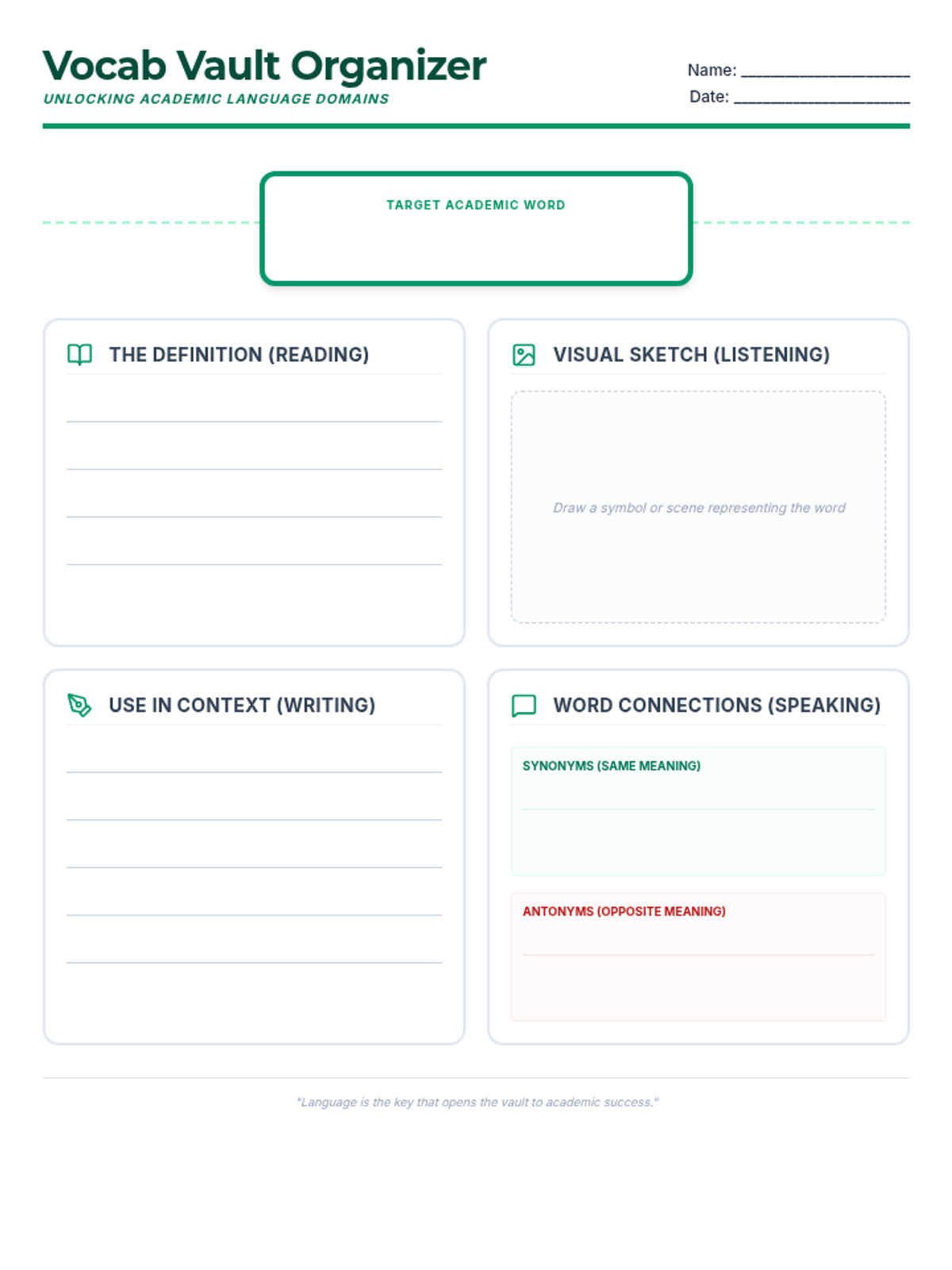
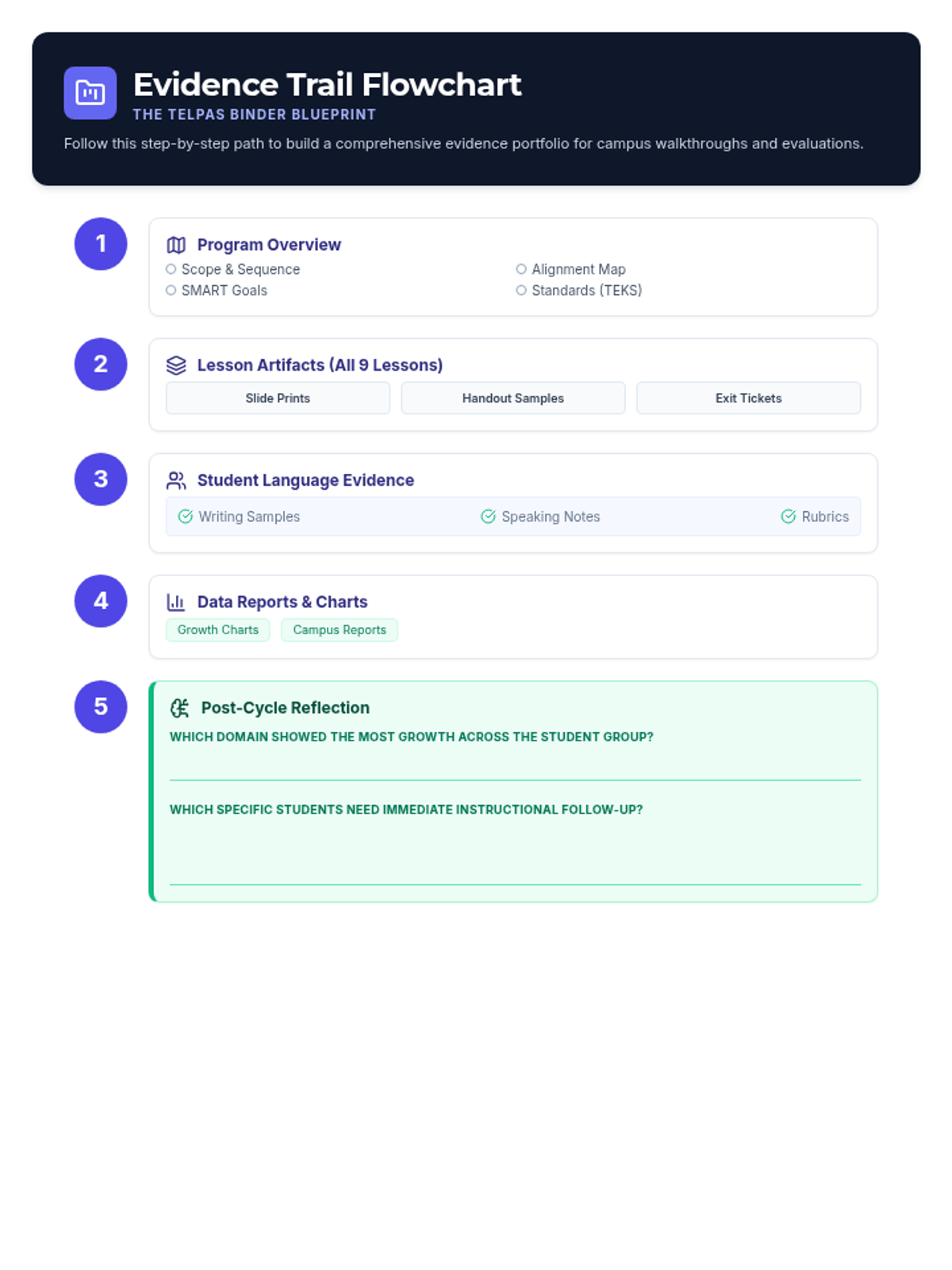
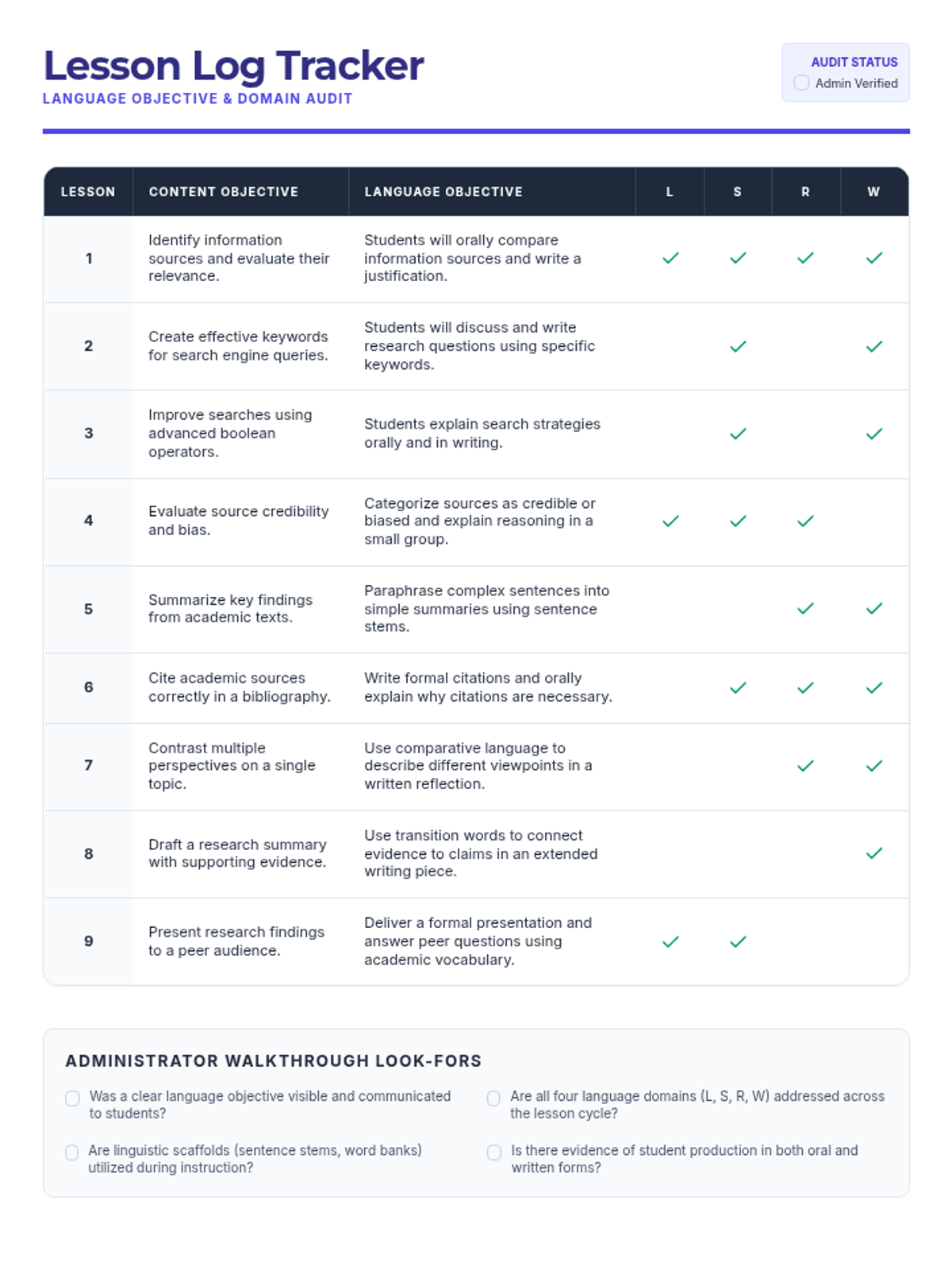
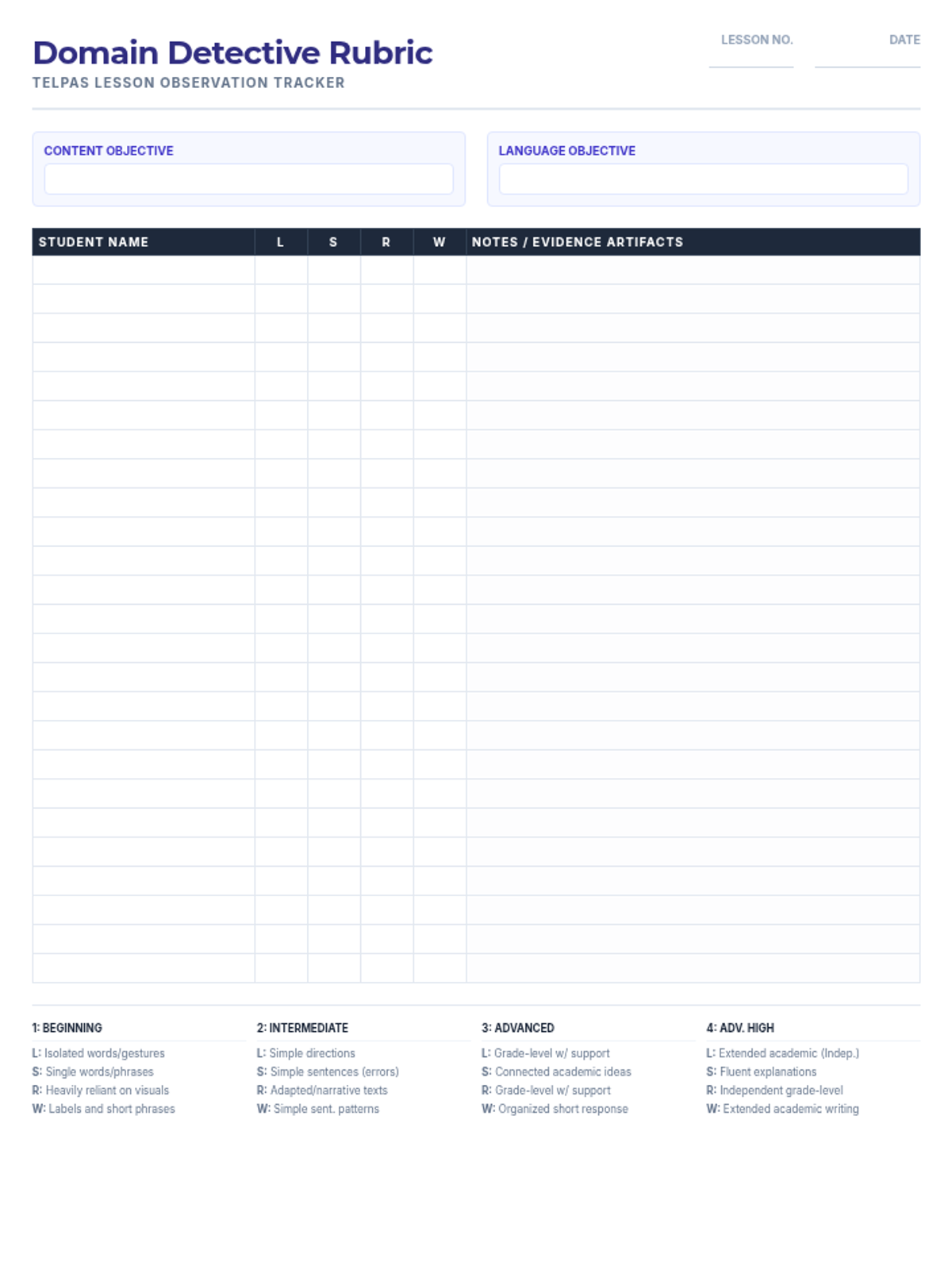
A comprehensive toolkit for teachers to track, document, and support student English language proficiency growth using TELPAS criteria across all four domains.
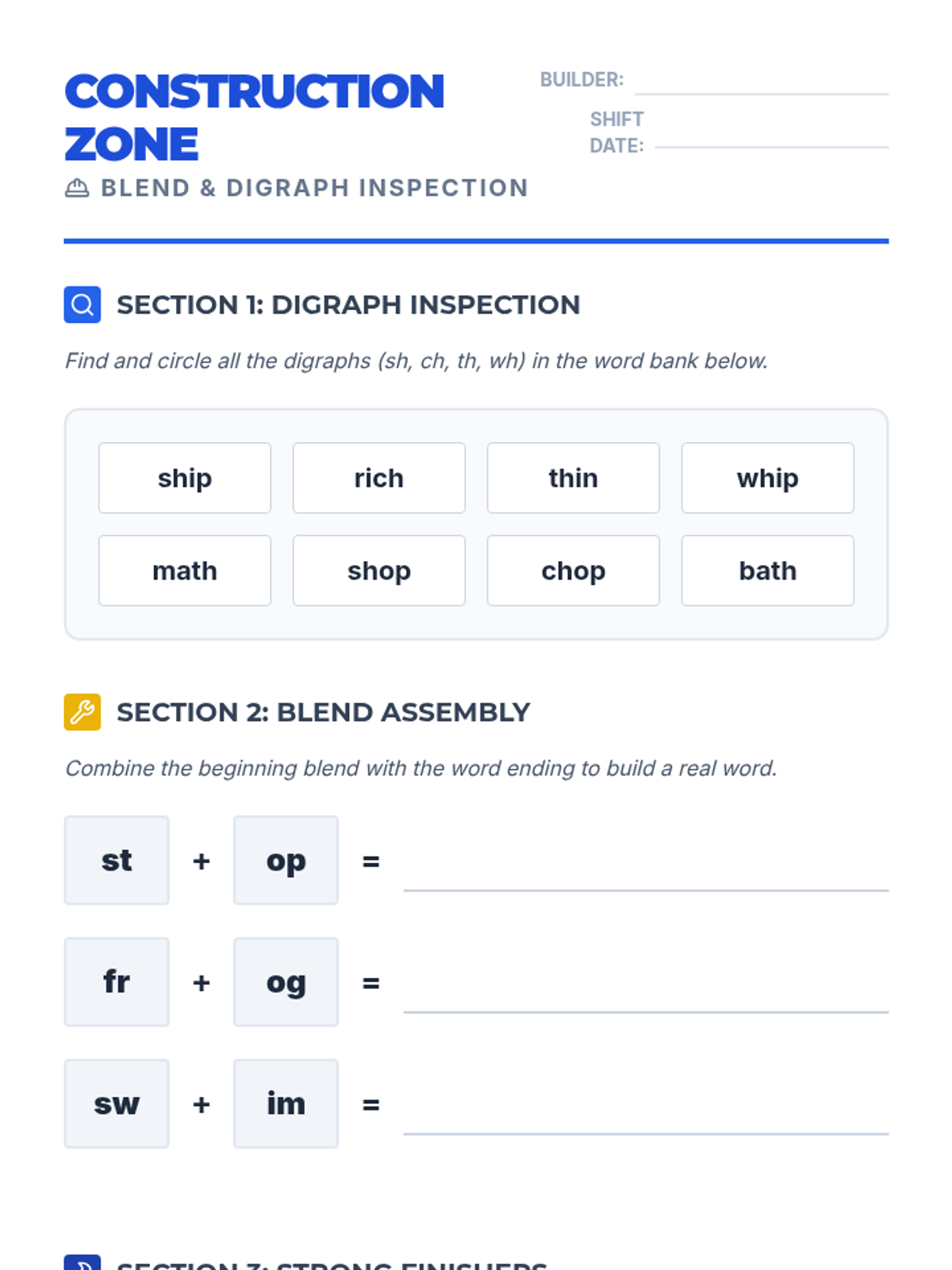
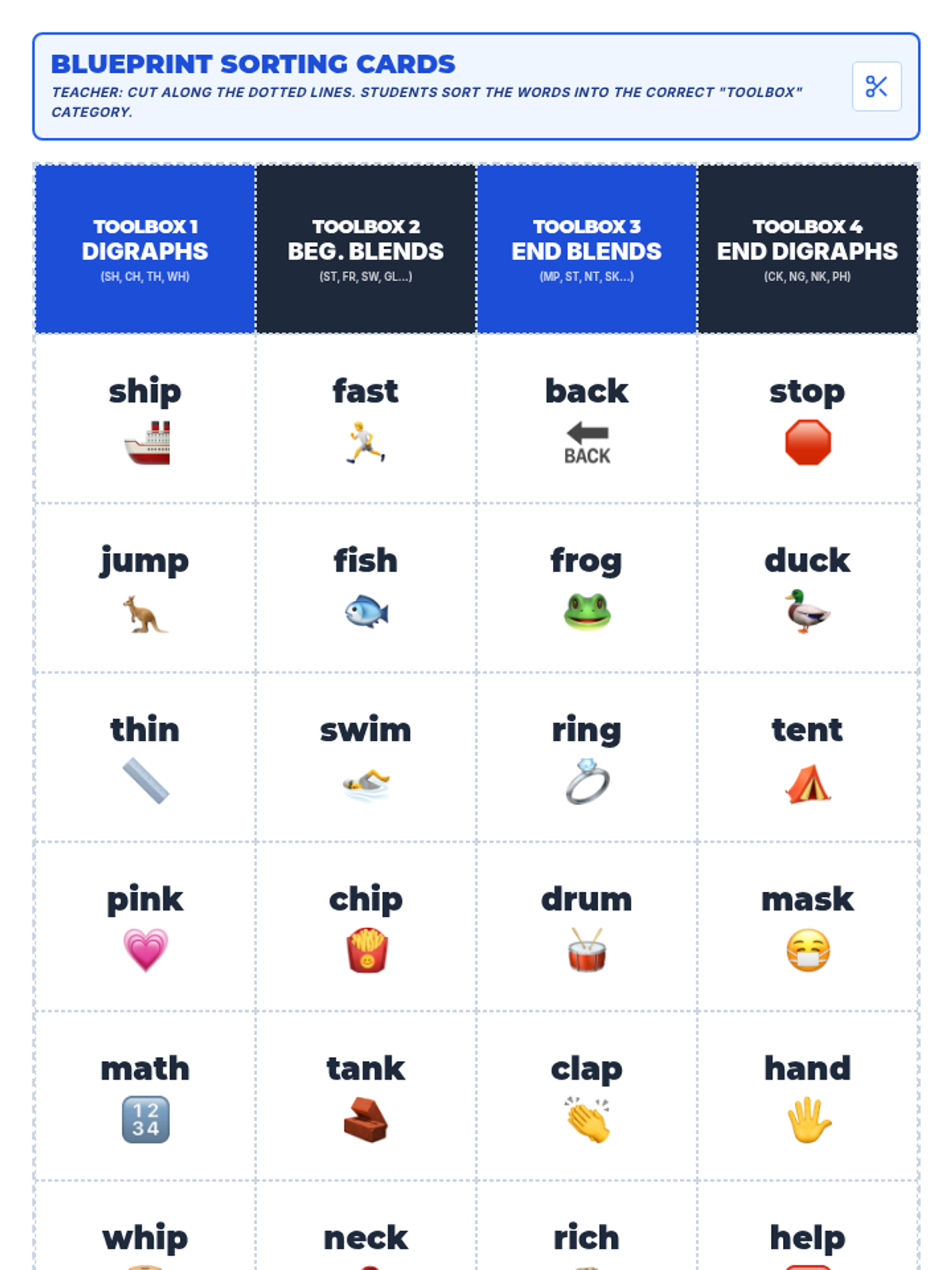
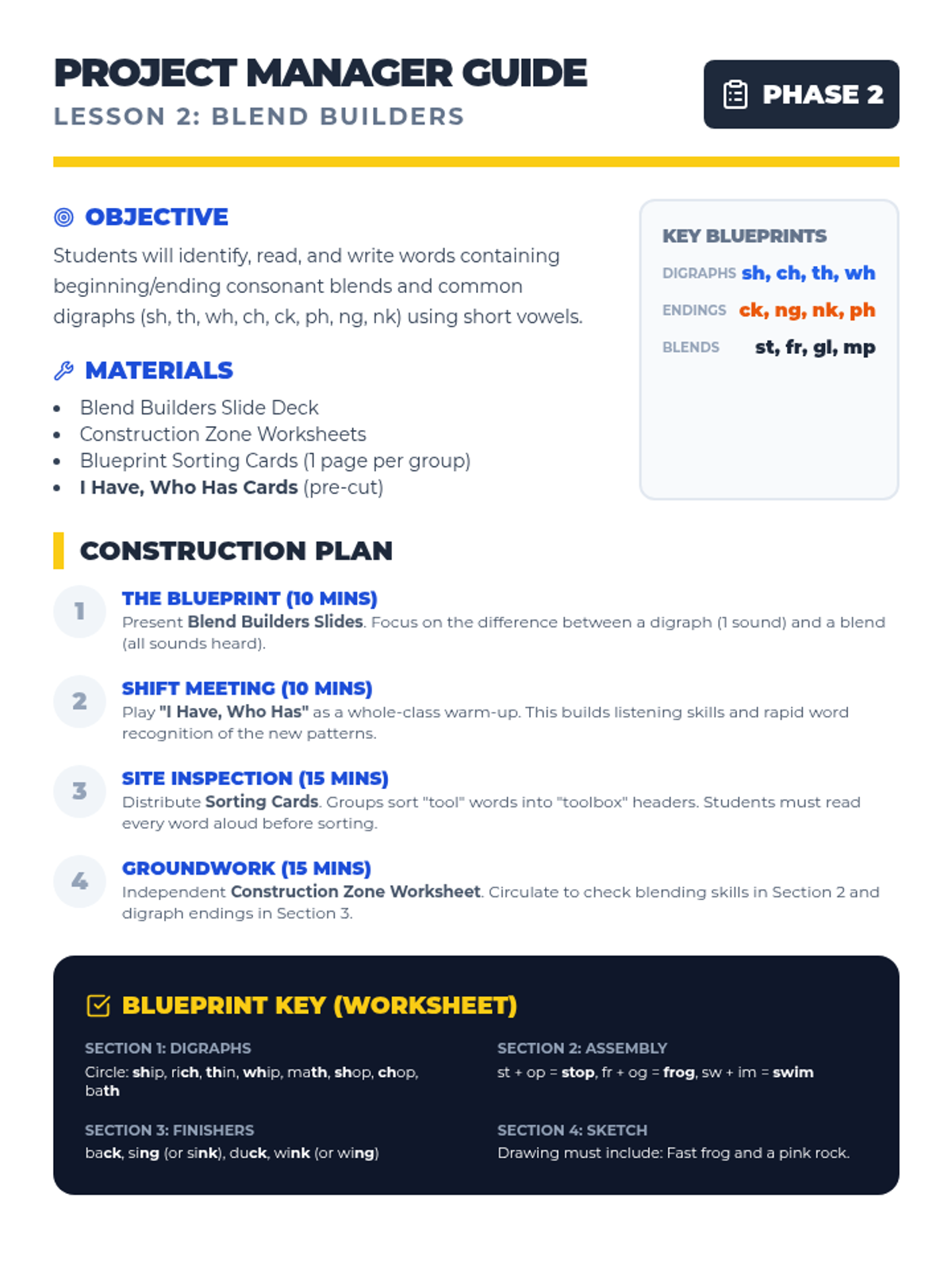
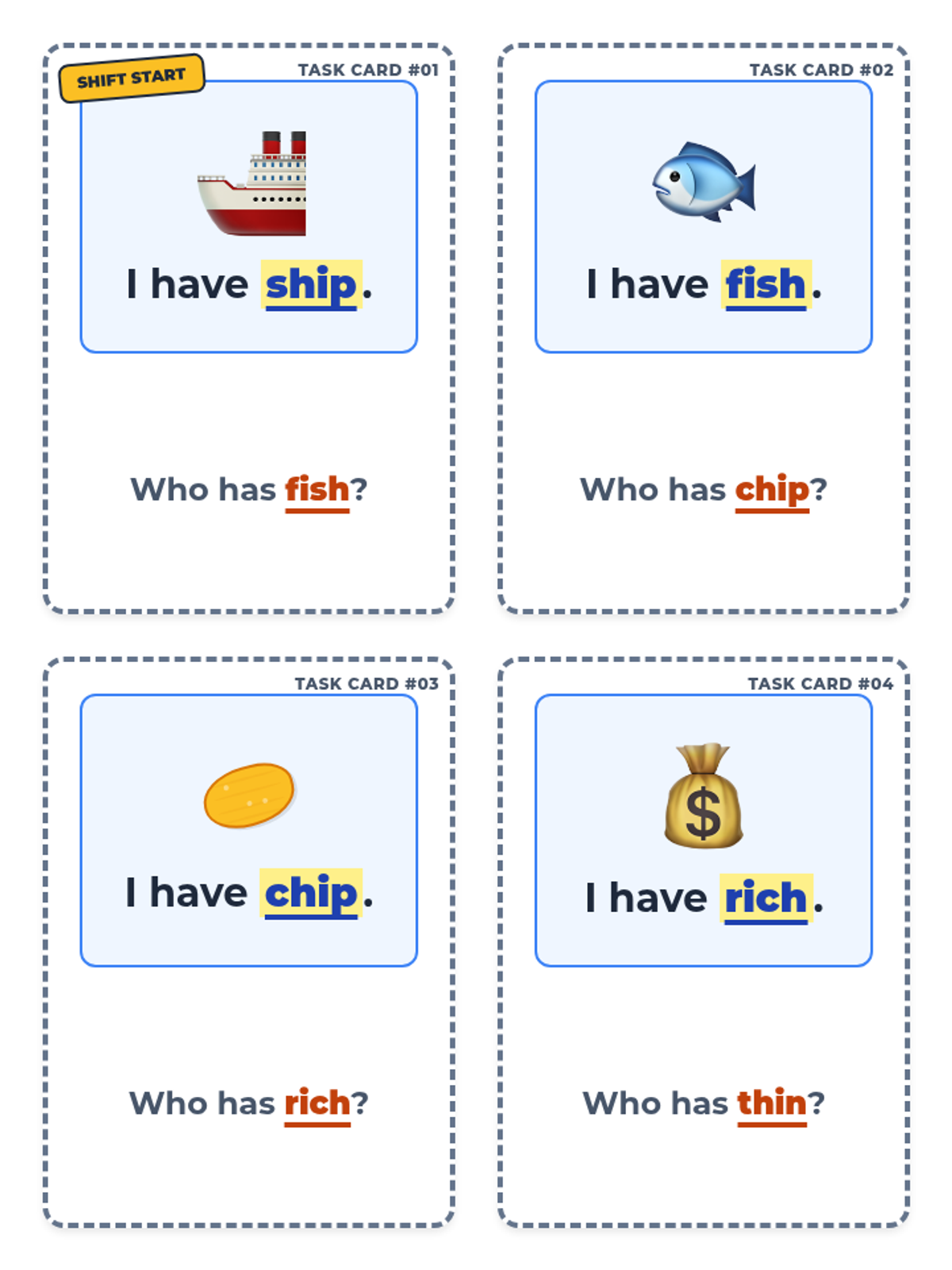
A focused lesson on beginning and ending consonant blends and common digraphs (sh, th, wh, ch, ck, ph, ng, nk) using short vowel words. Students "construct" words in a workshop-themed environment.
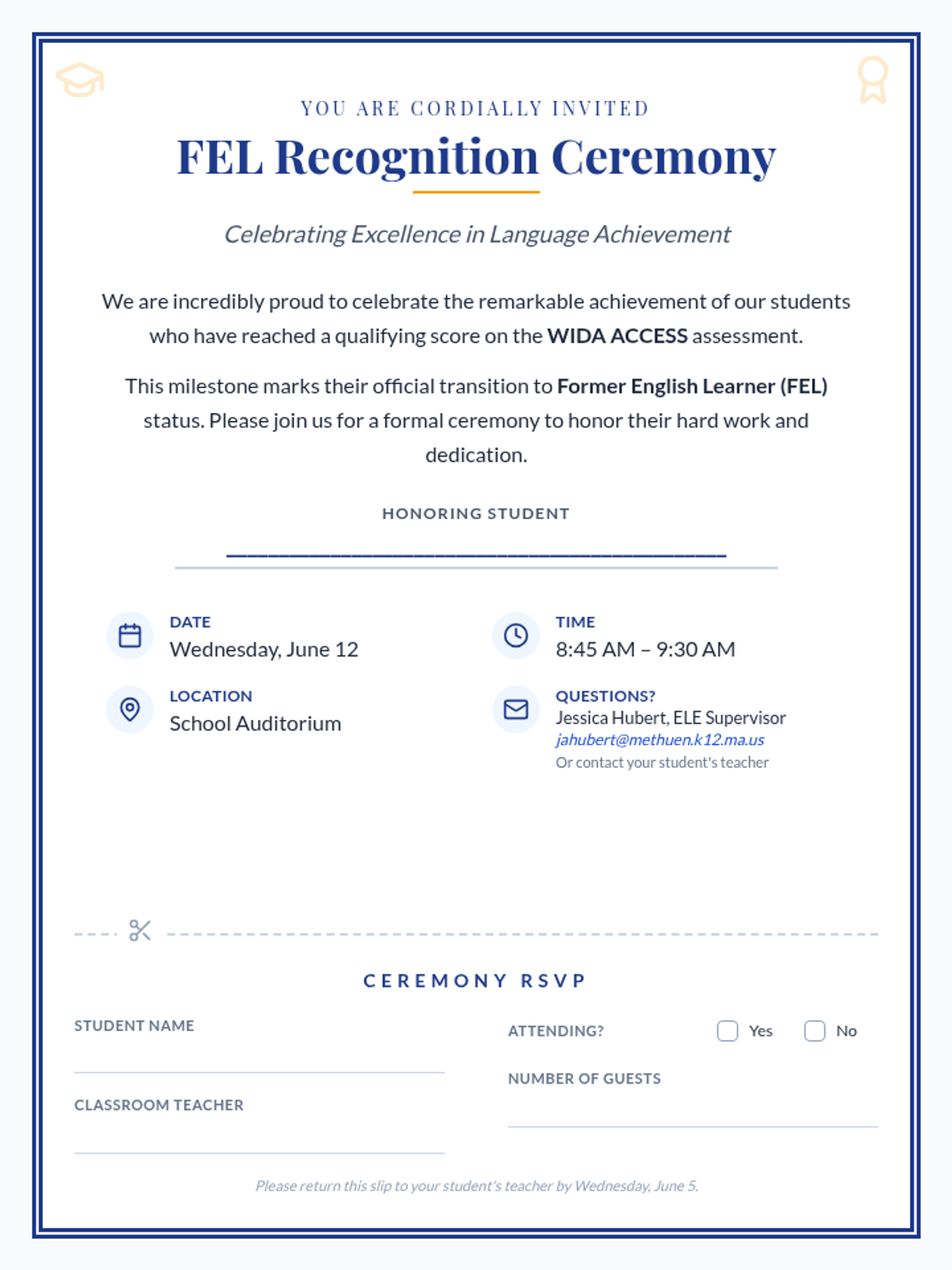
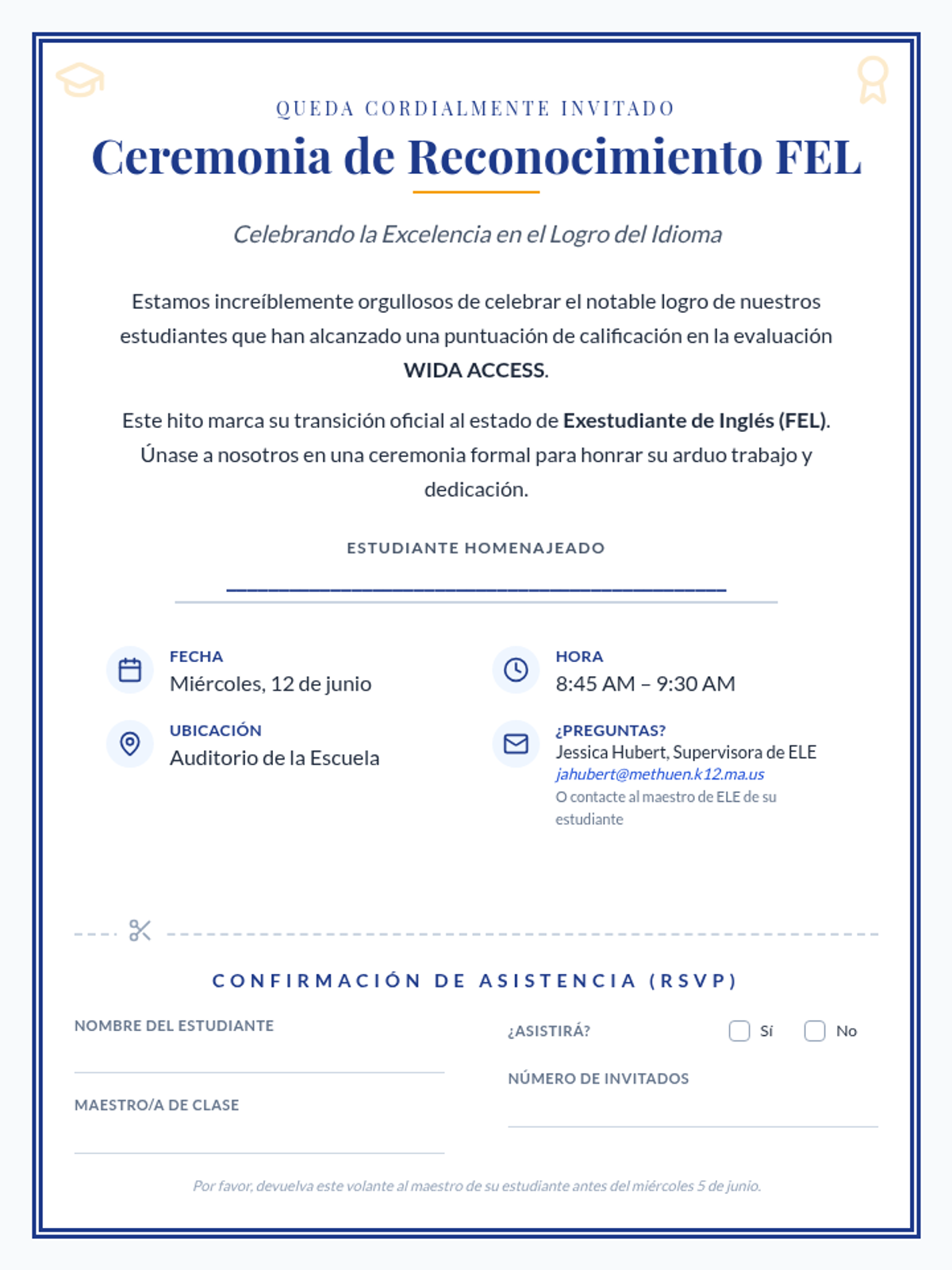
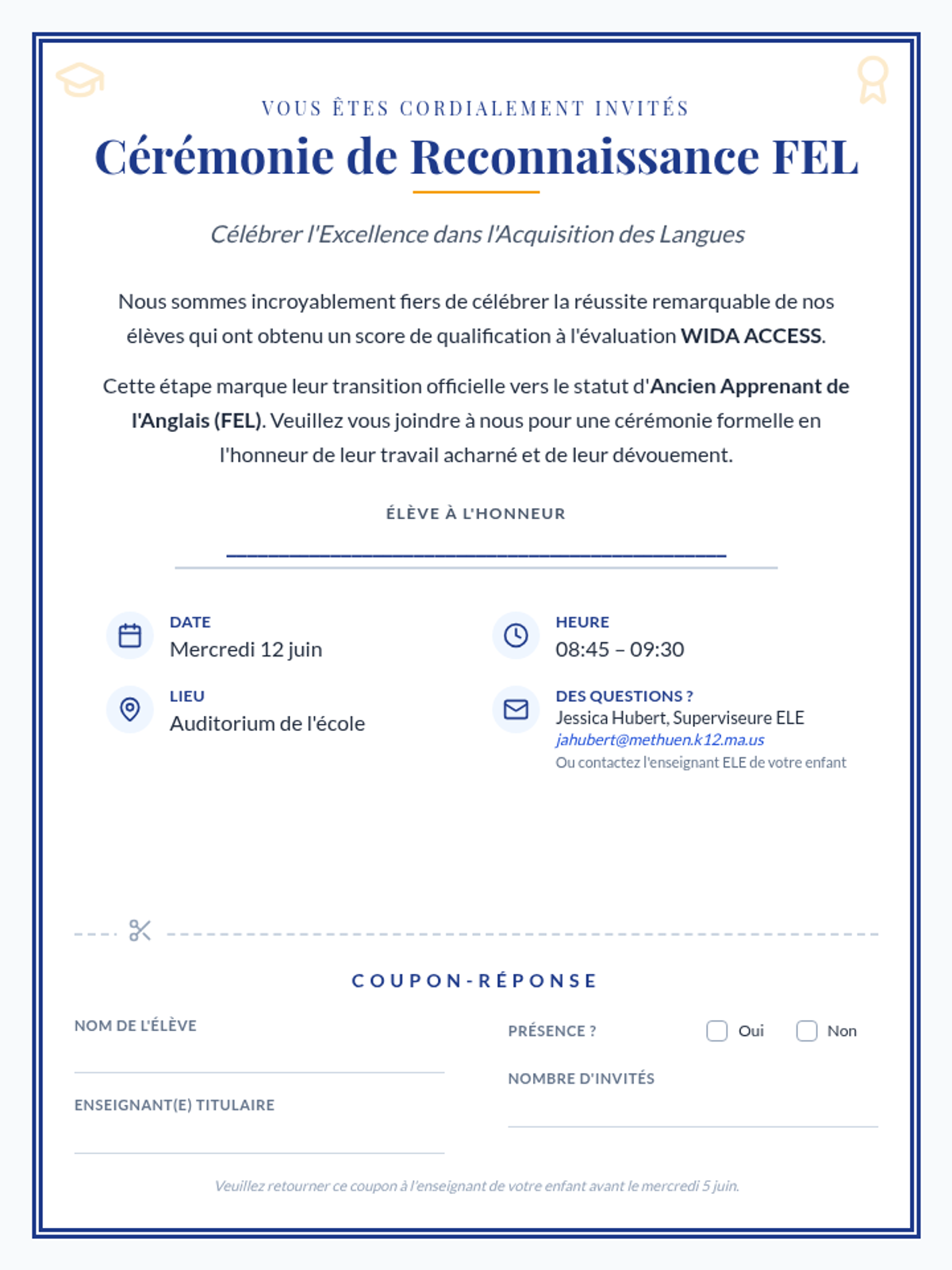
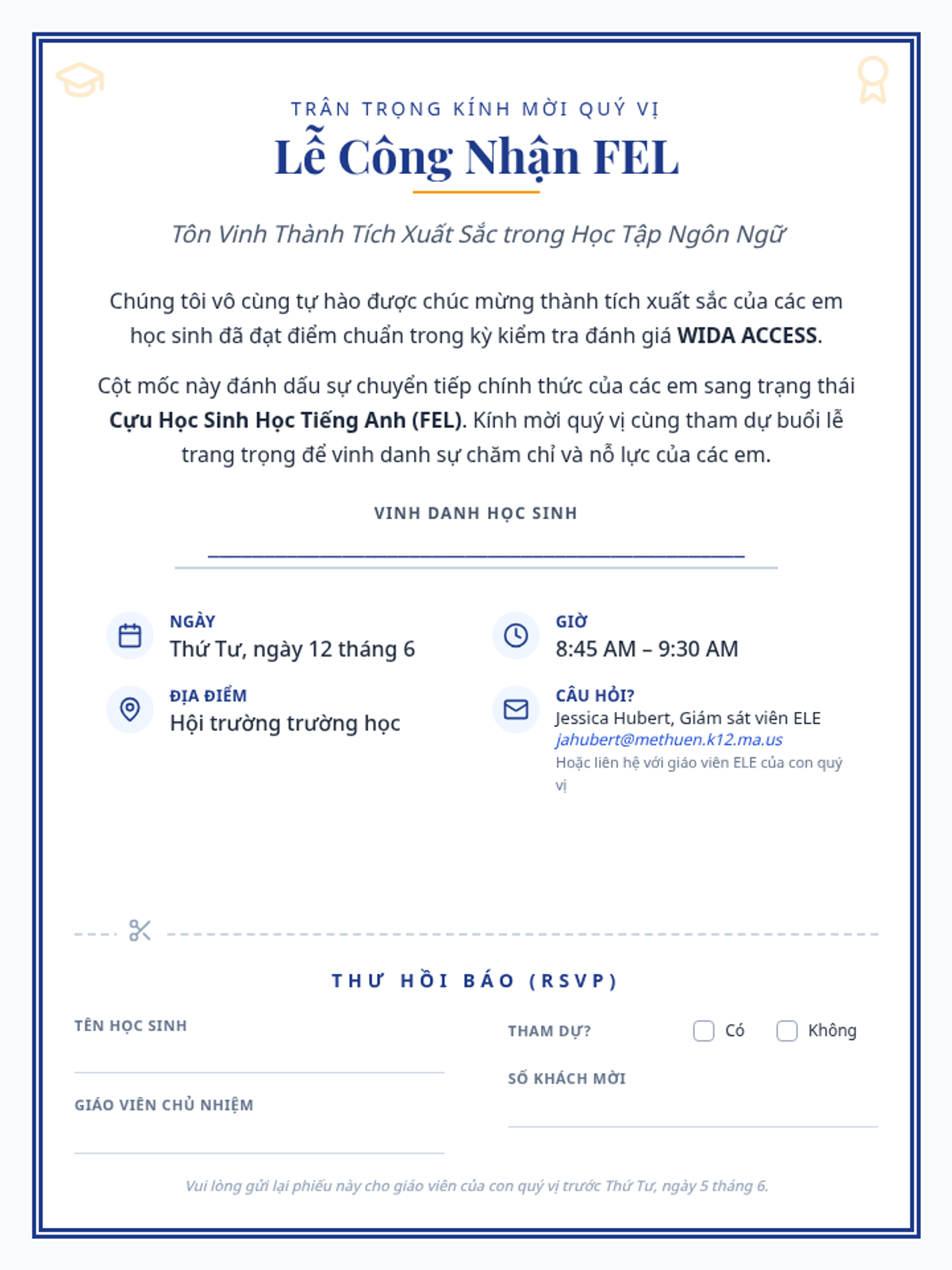
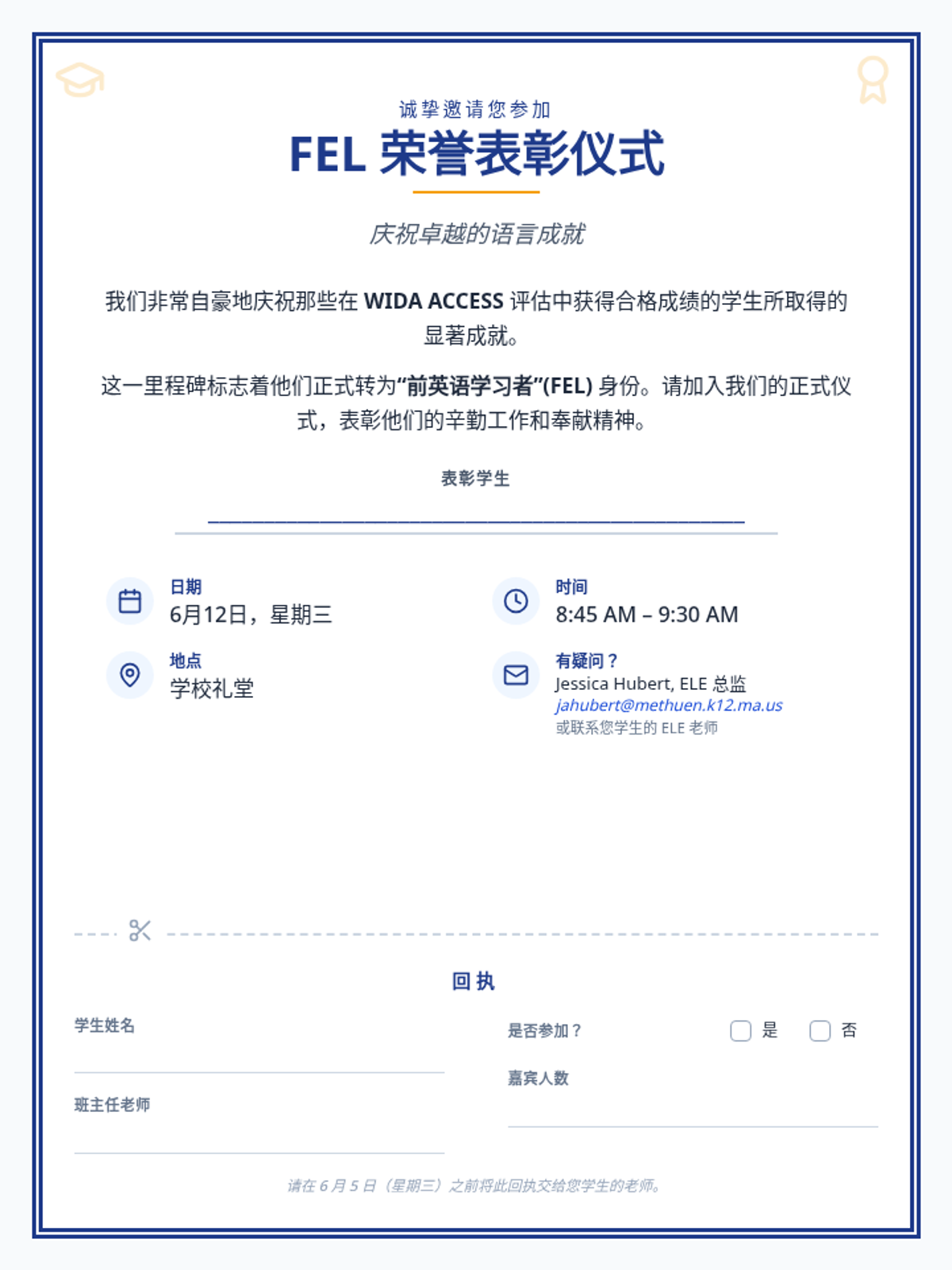
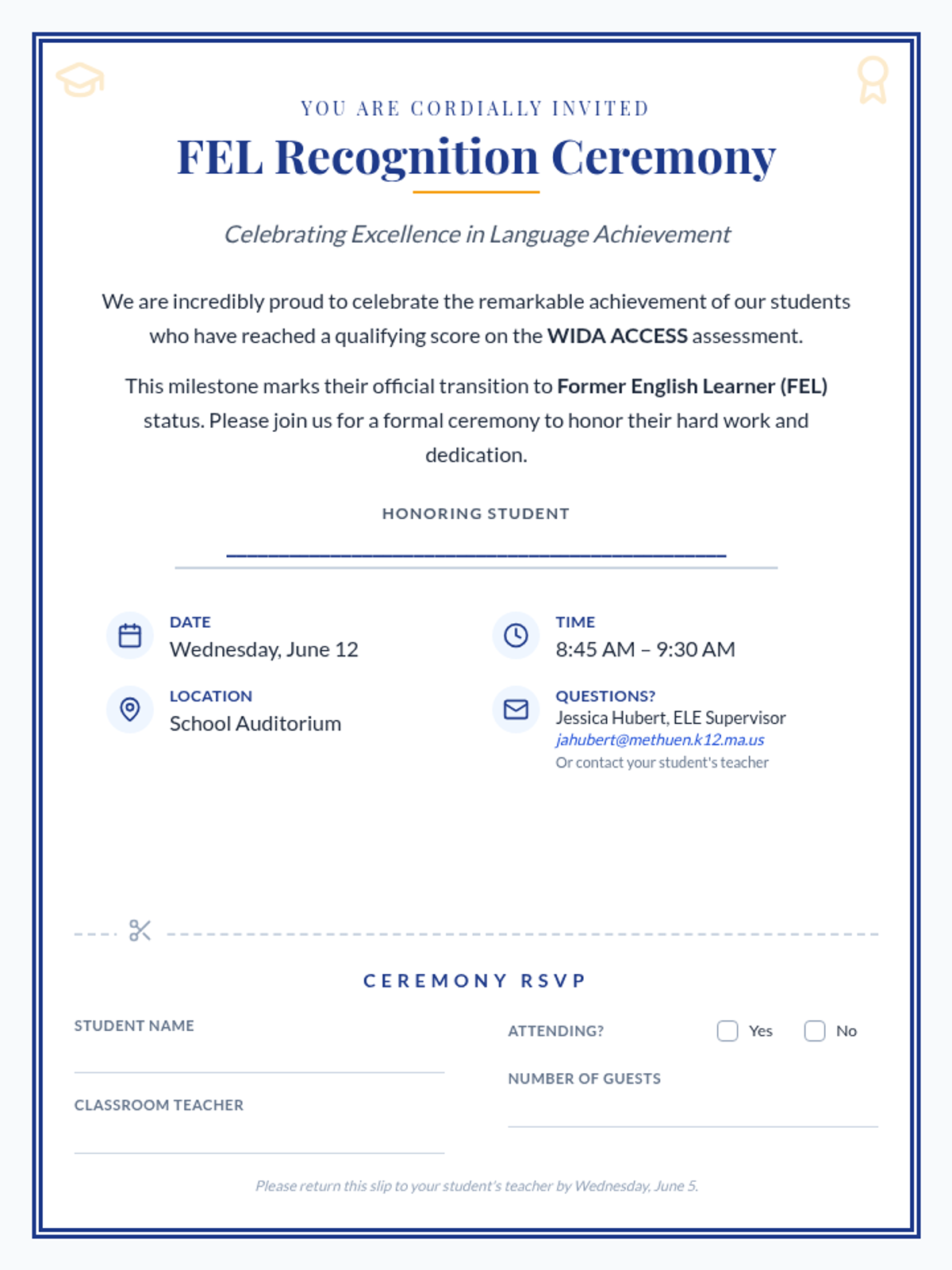
A collection of formal invitation flyers for the FEL Recognition Ceremony, provided in multiple languages to ensure all families can celebrate their student's transition from English Language Education services.
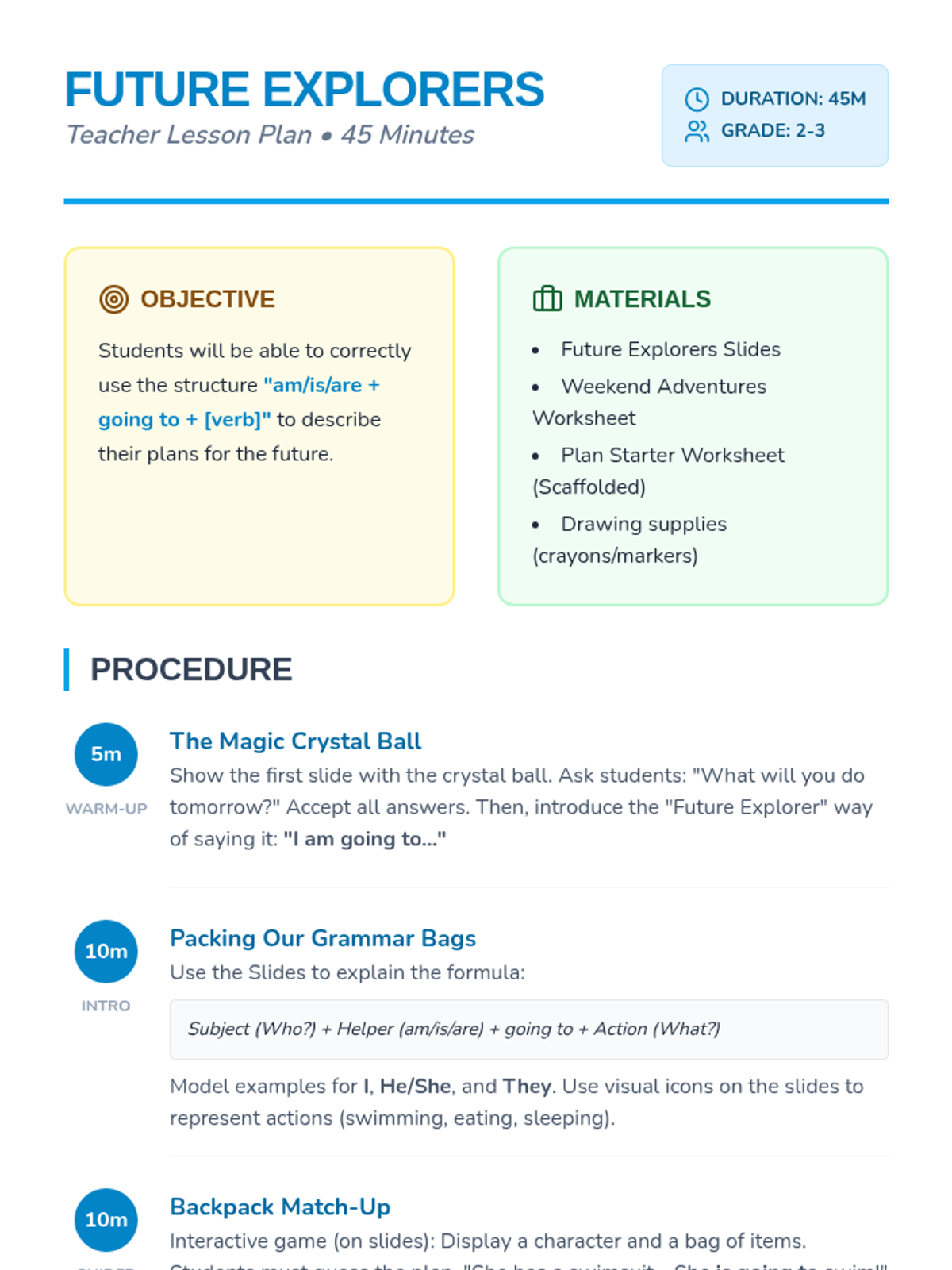
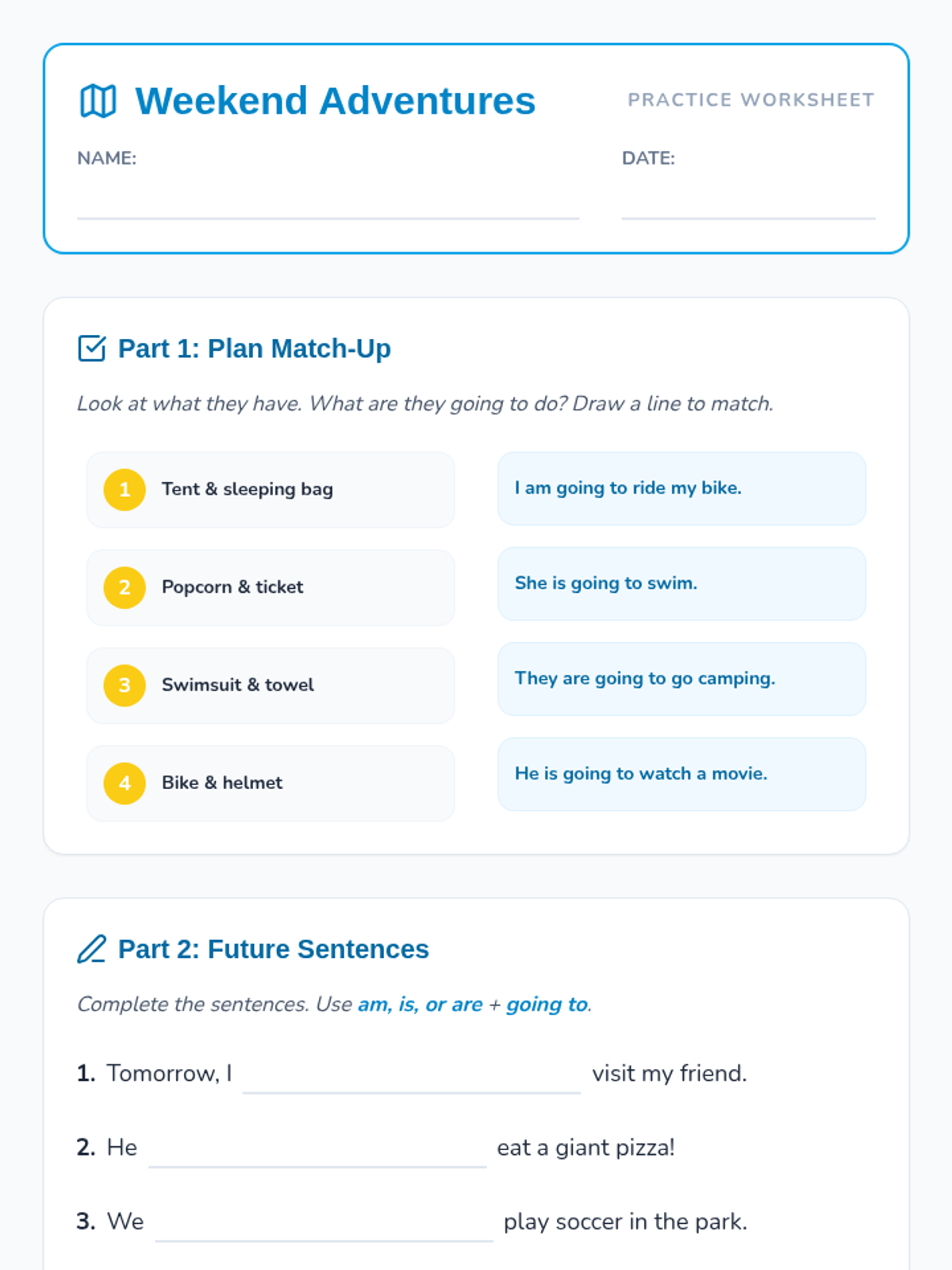
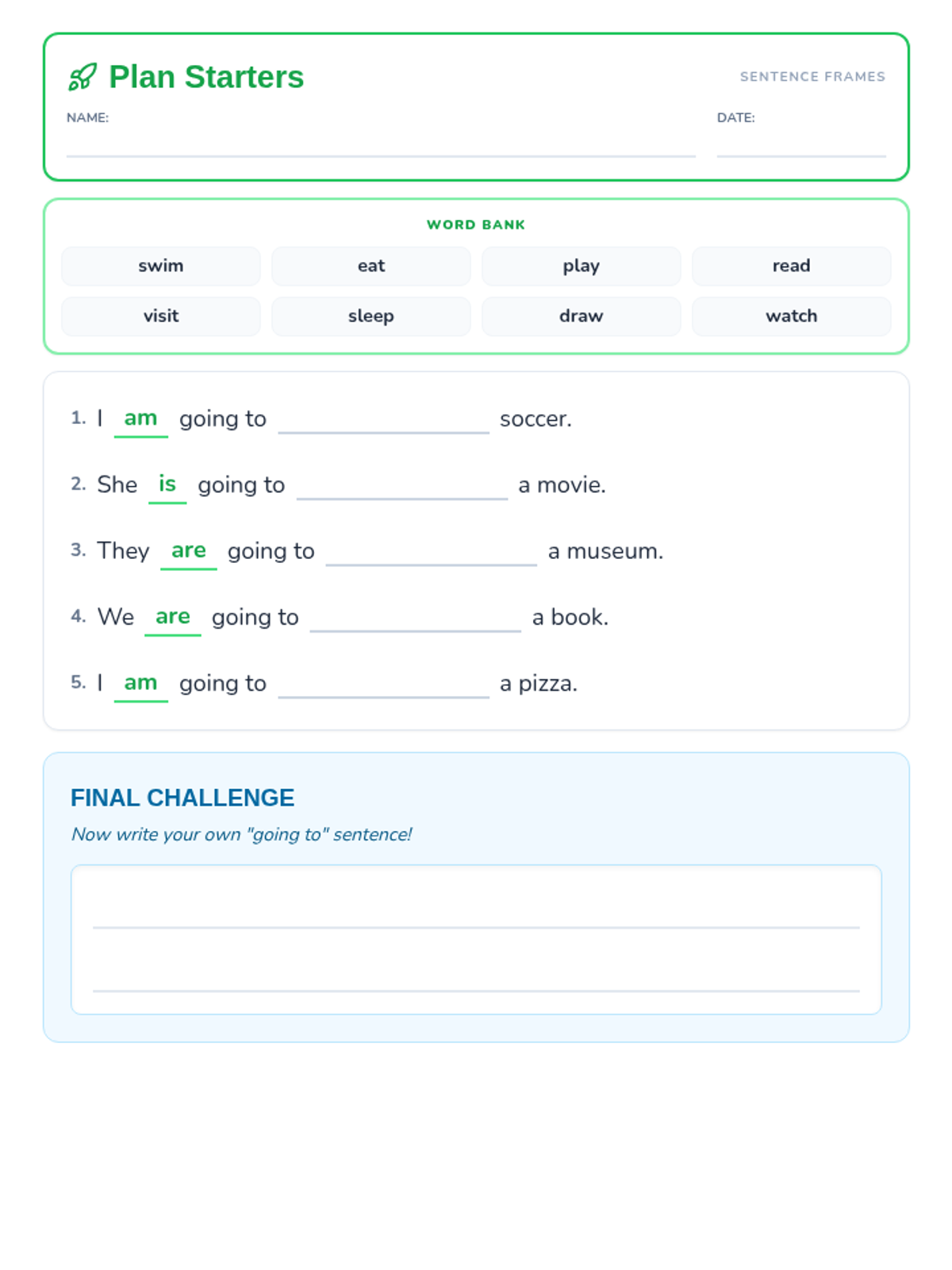
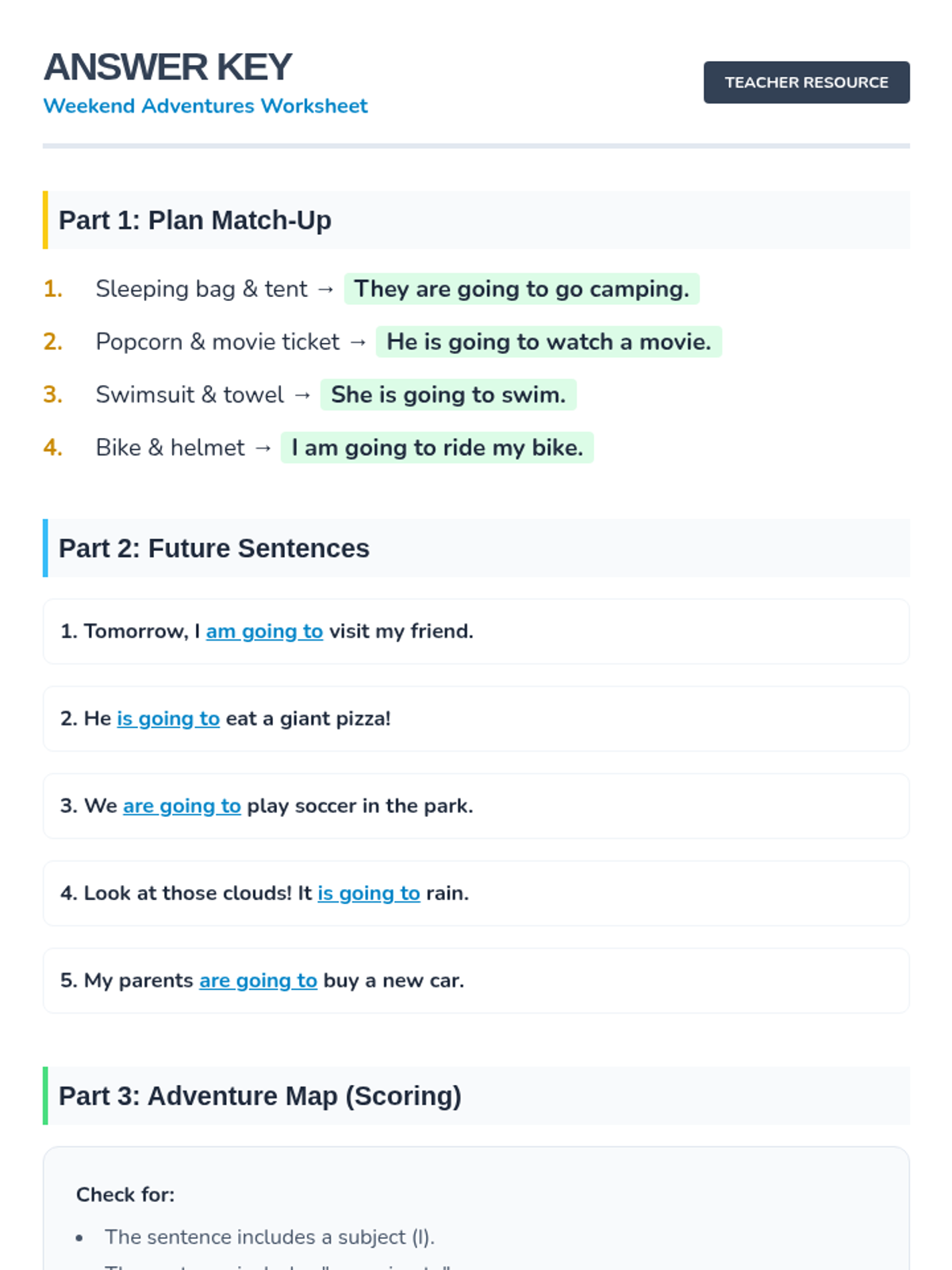
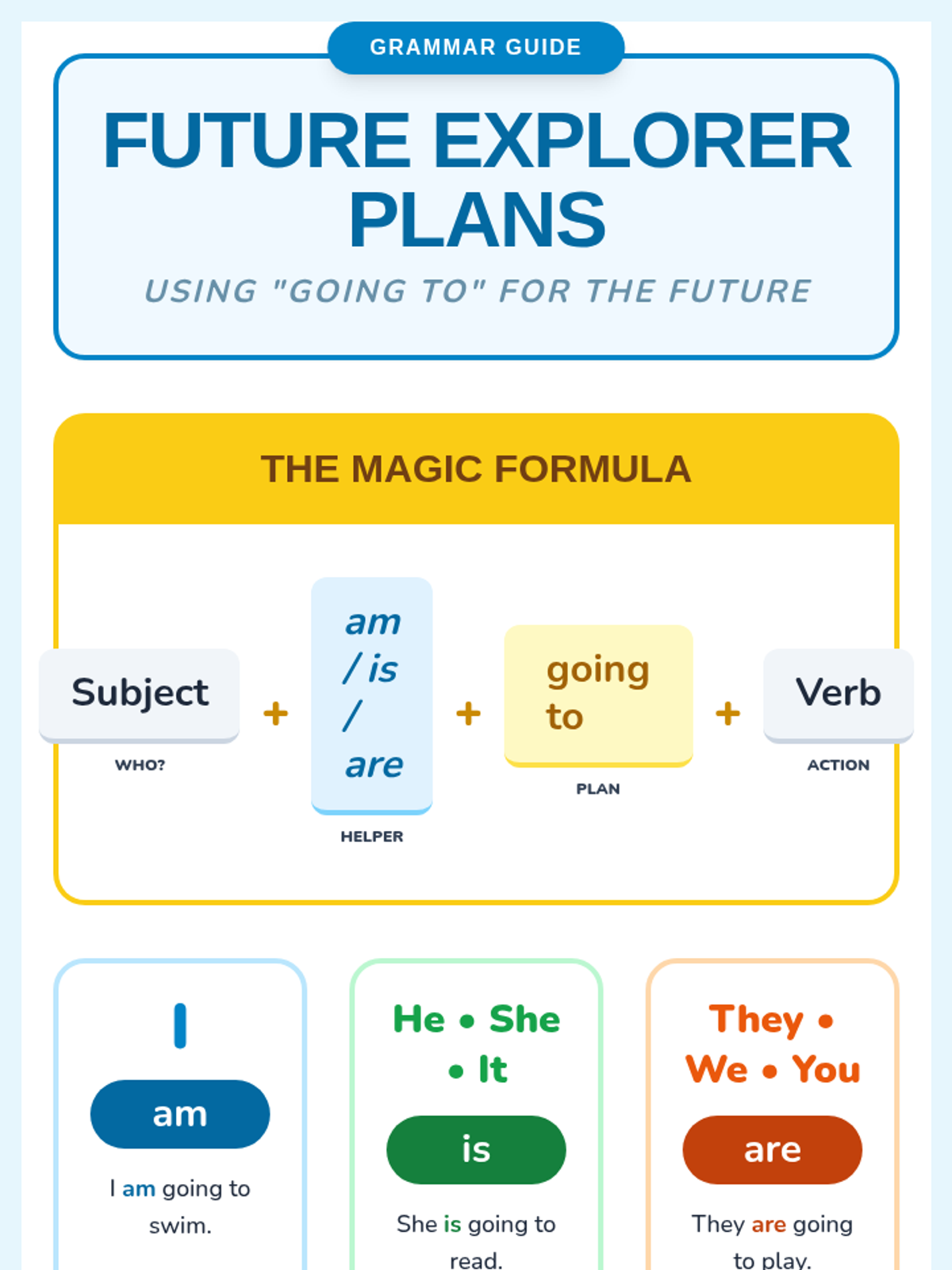
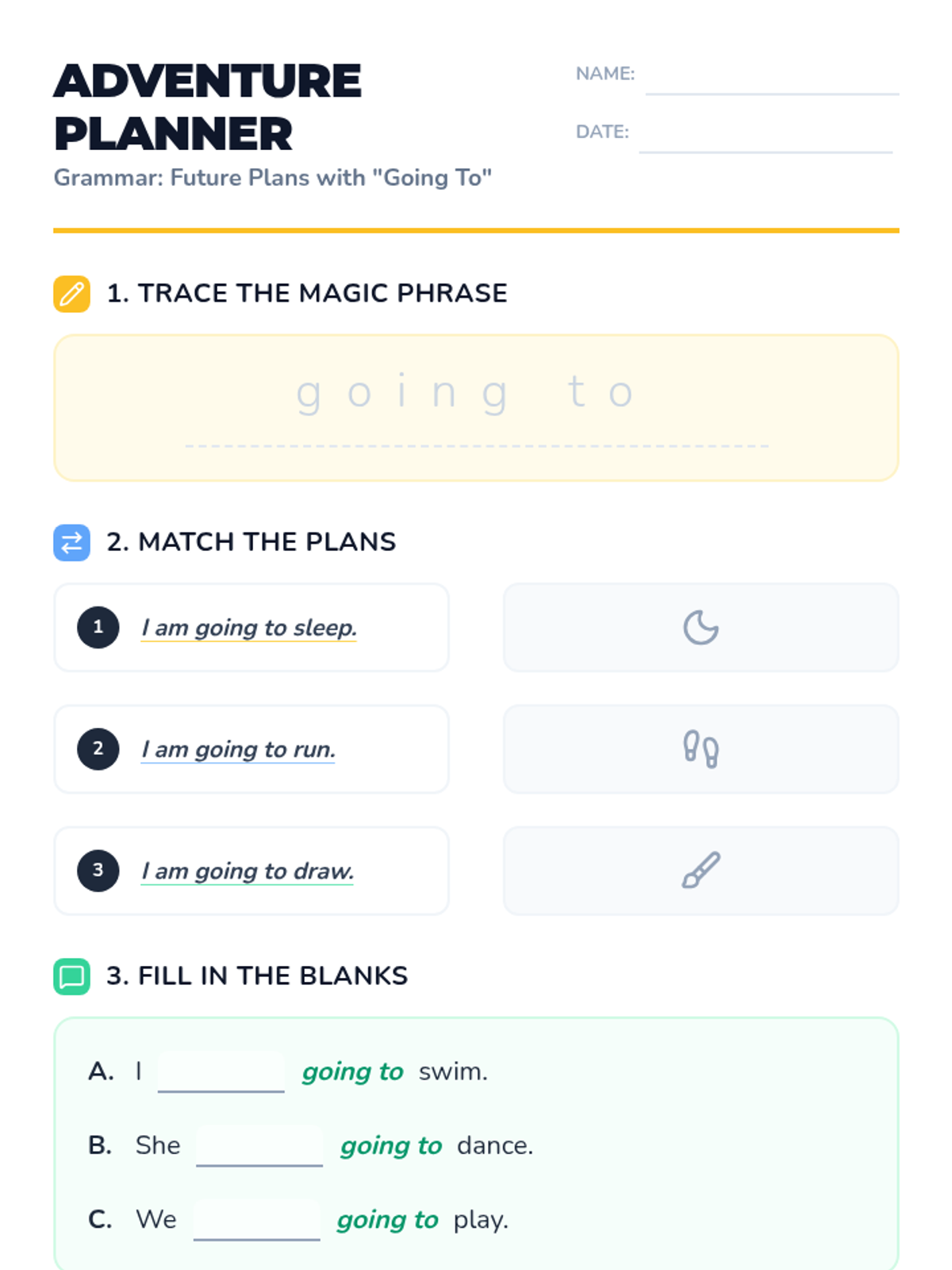
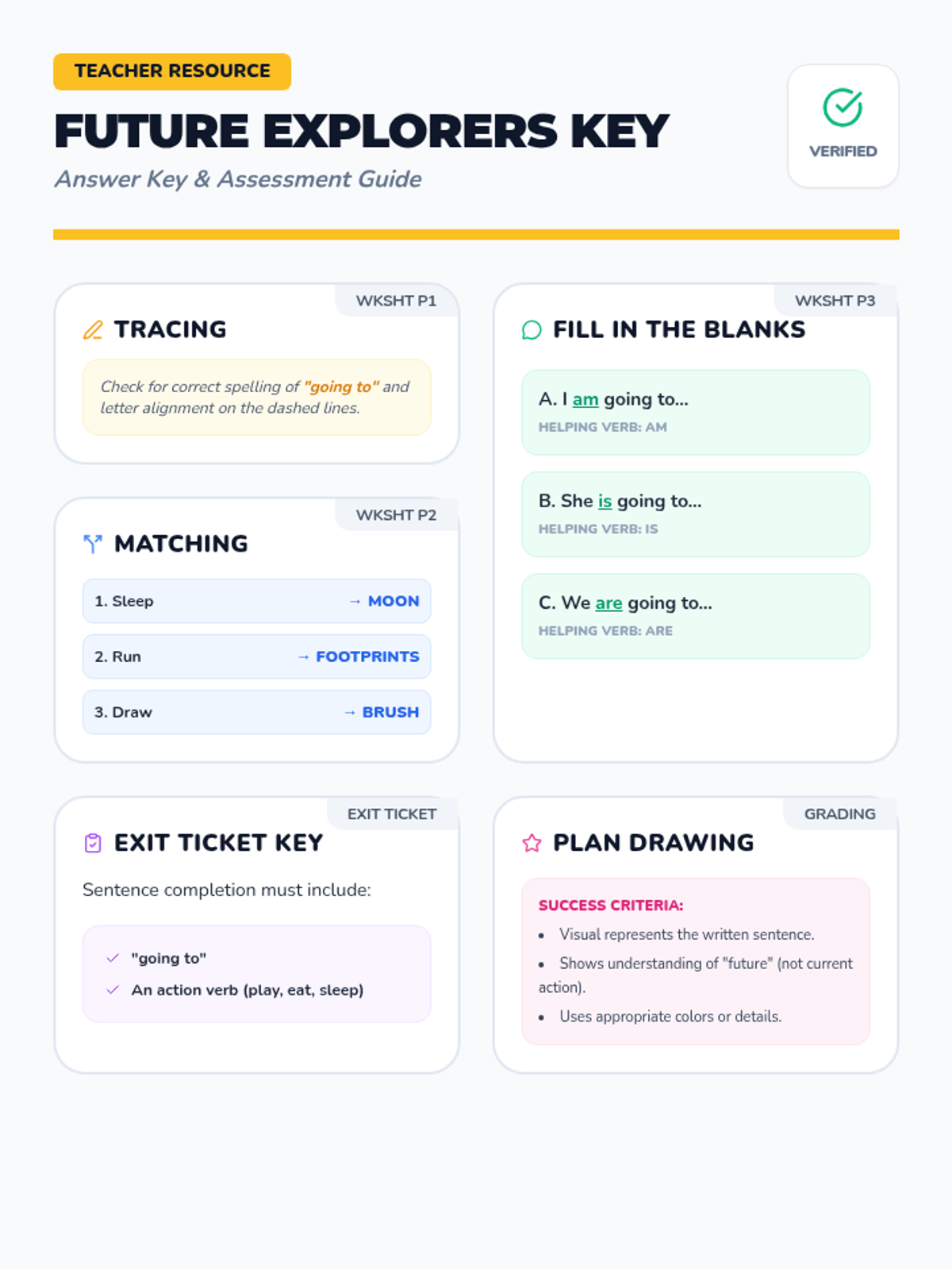
A comprehensive 45-minute lesson for 2nd and 3rd graders to master the use of 'going to' for expressing future plans through adventure-themed activities.
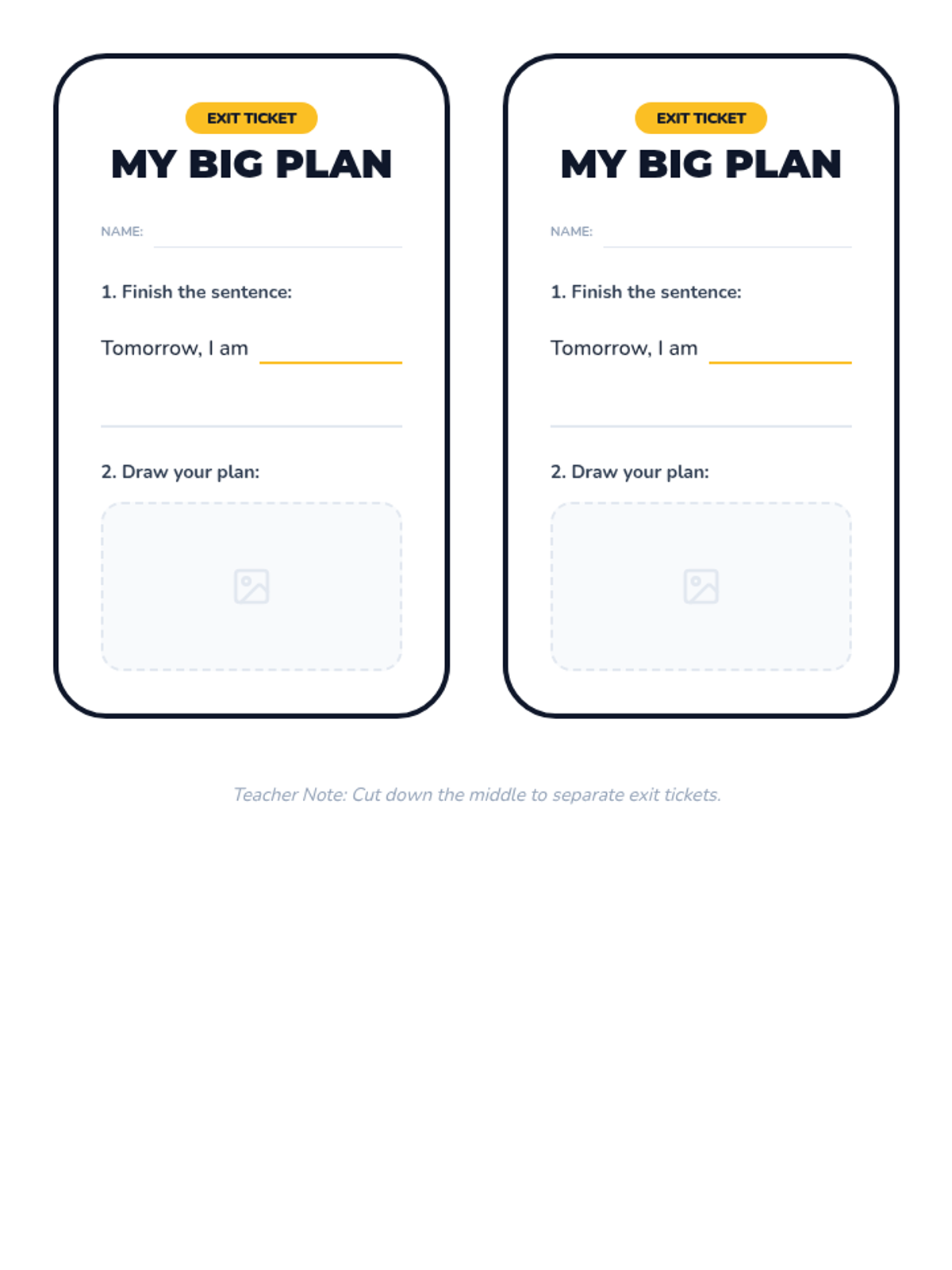
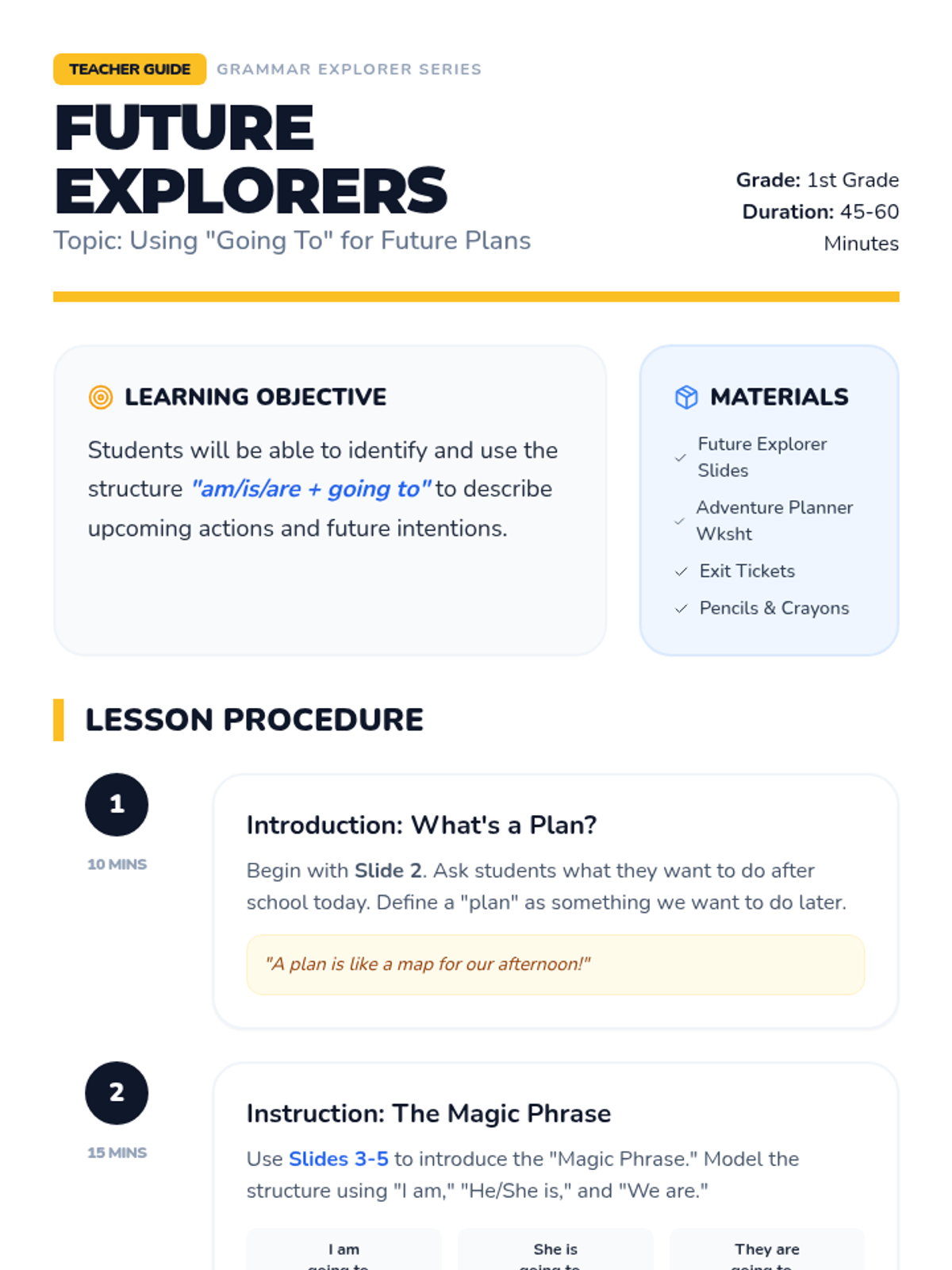
A foundational grammar lesson for young learners focusing on the structure 'am/is/are + going to' to describe upcoming plans and intentions through visual storytelling and guided practice.
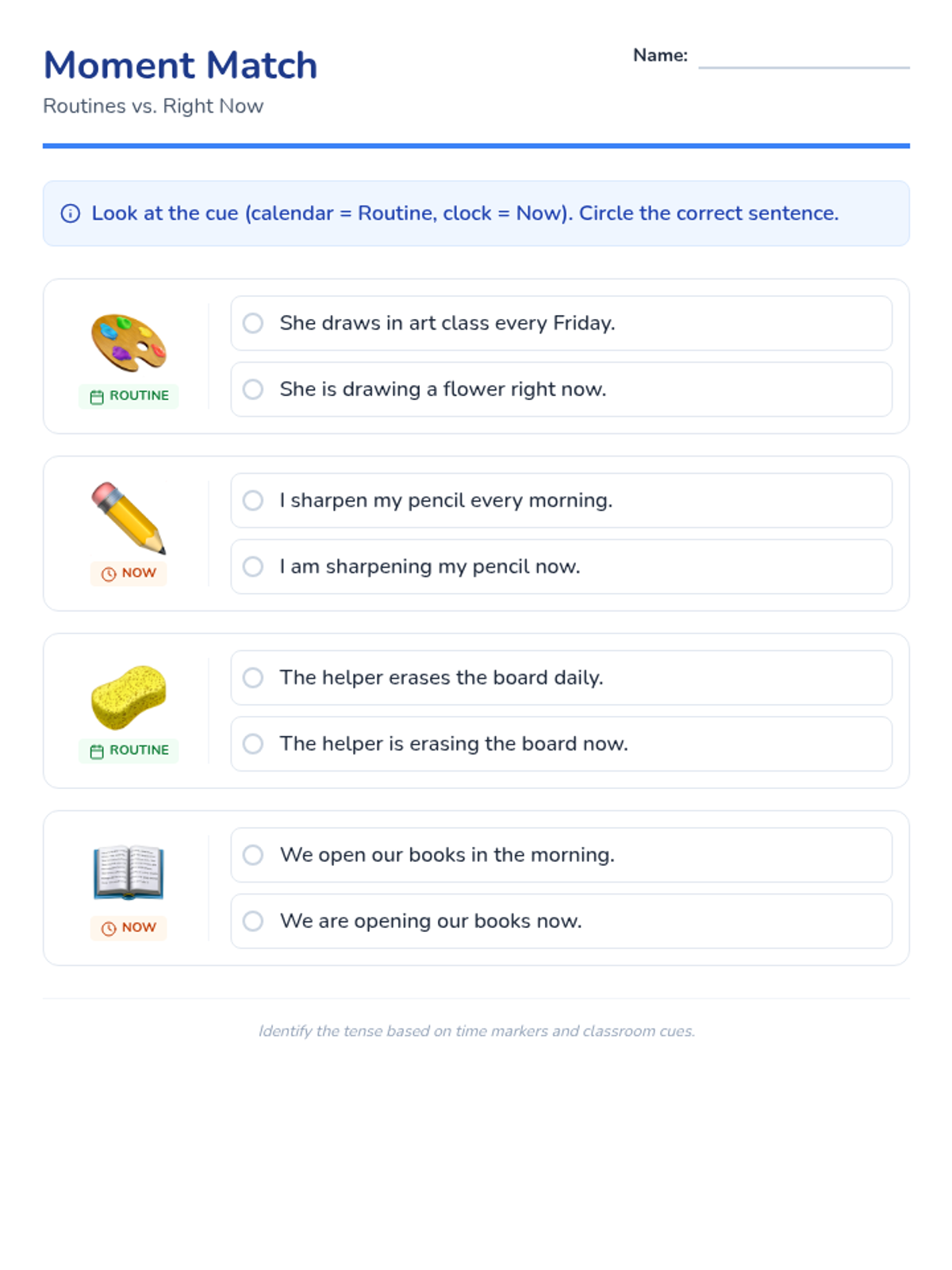
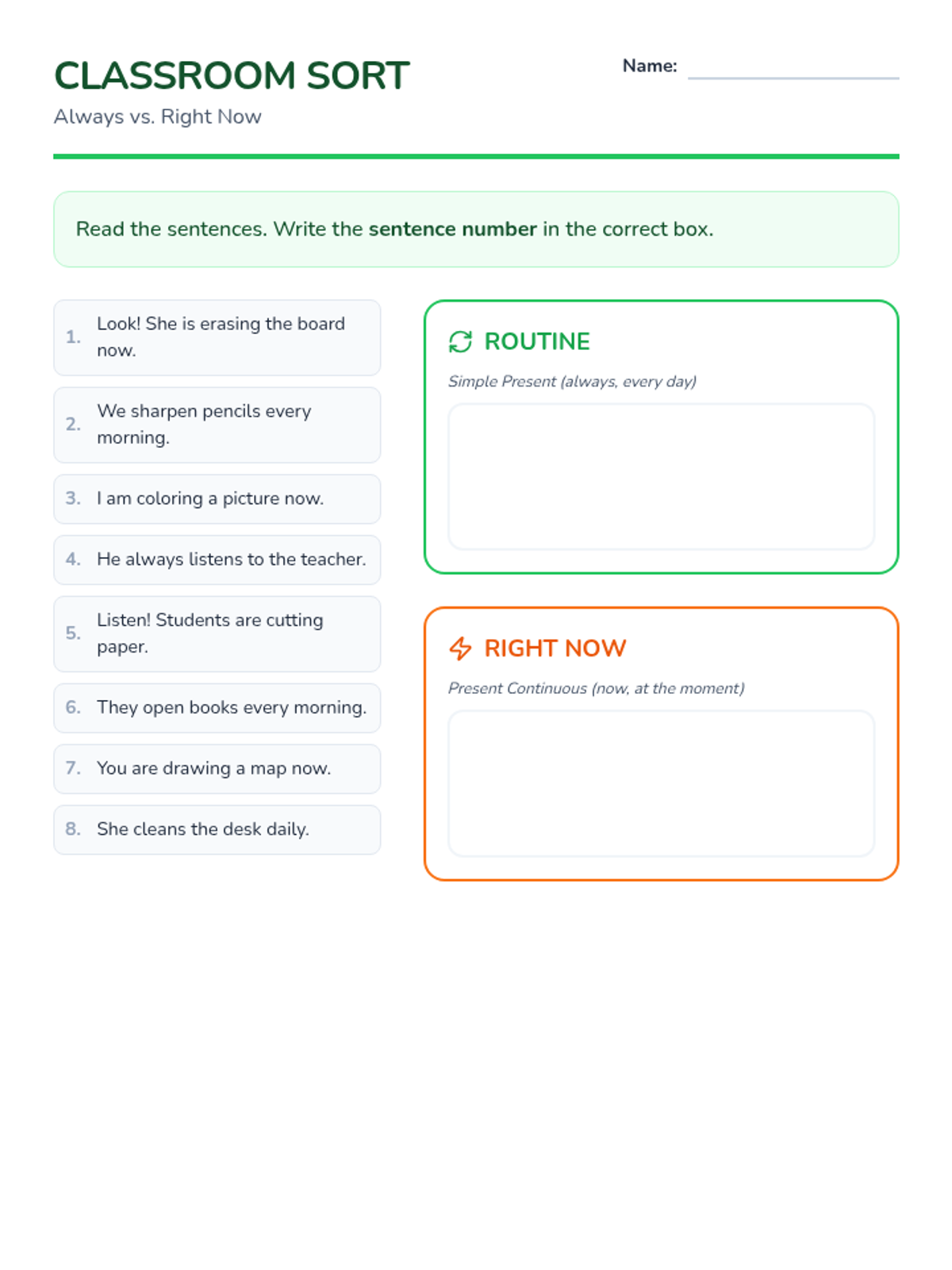
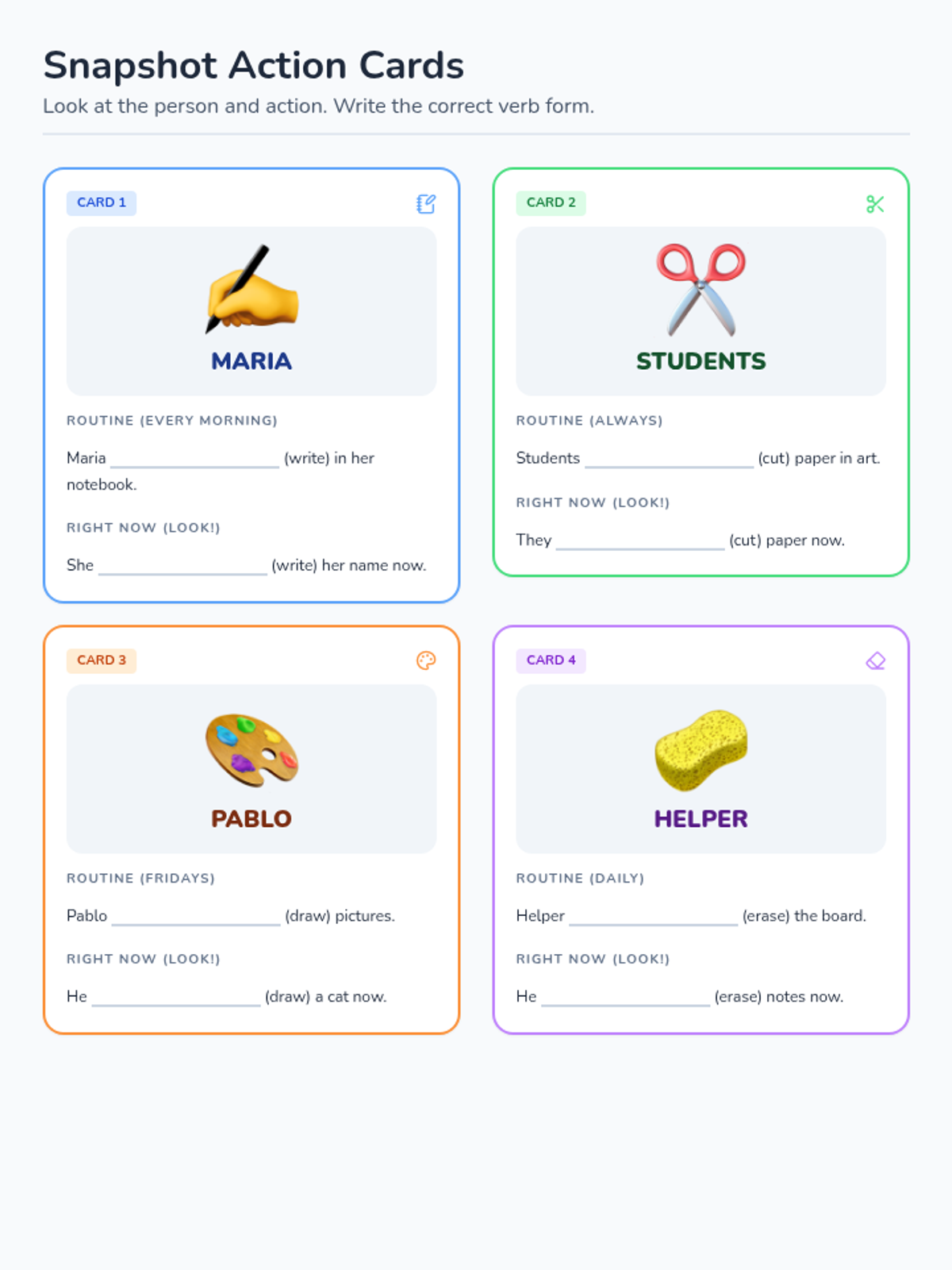
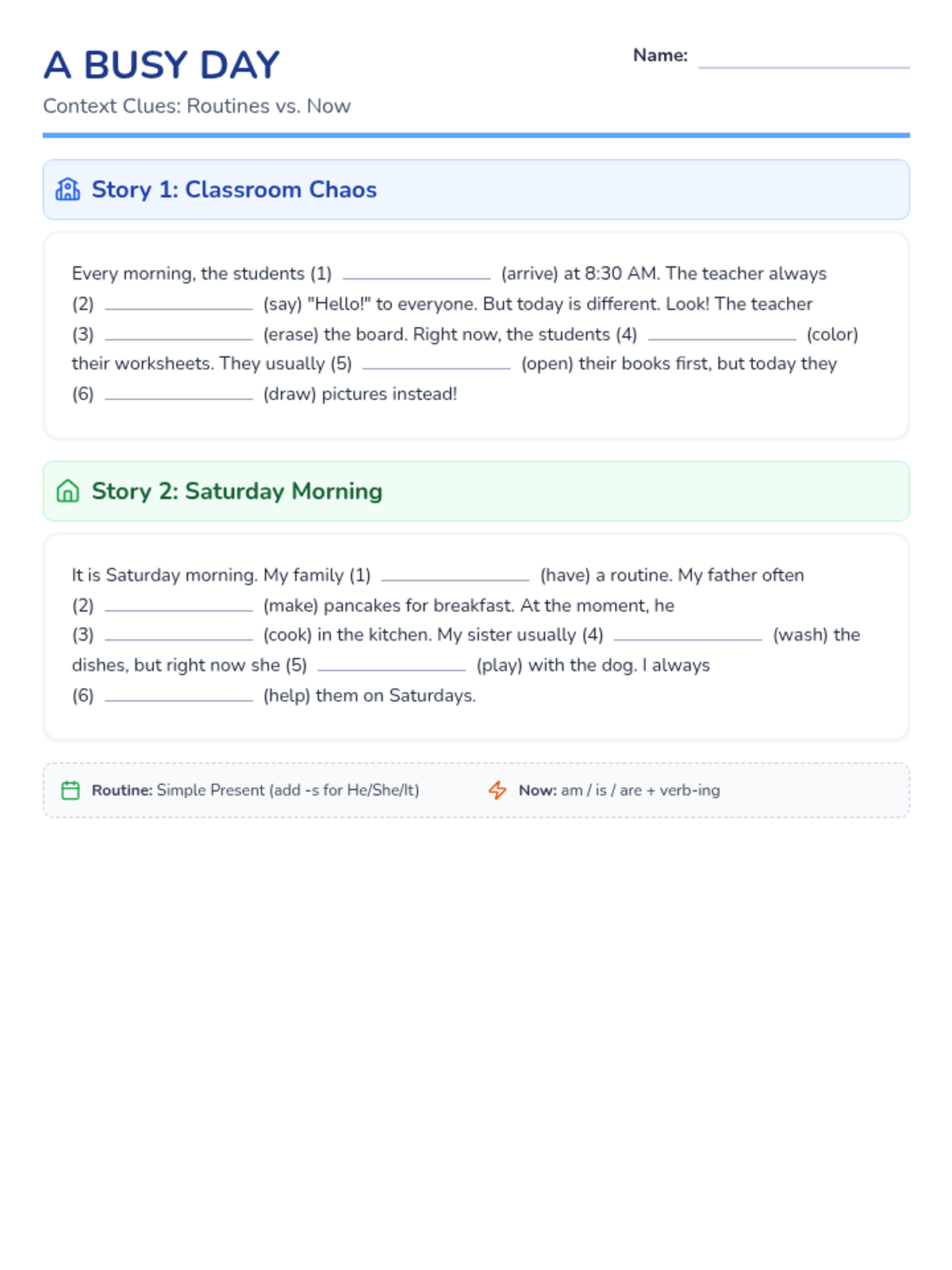
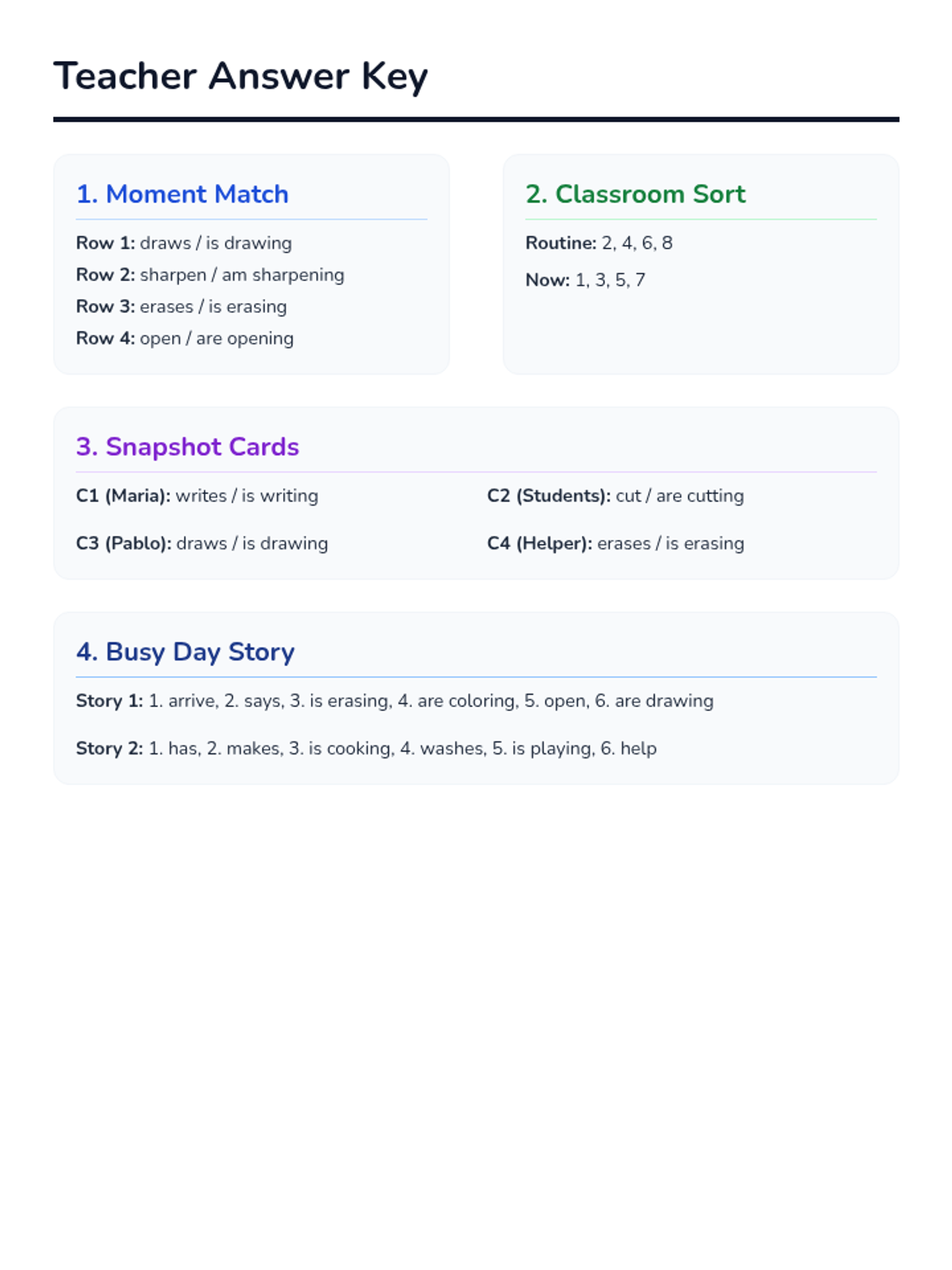
A beginner-friendly introduction to the differences between Simple Present and Present Continuous, focusing on routines and immediate actions.
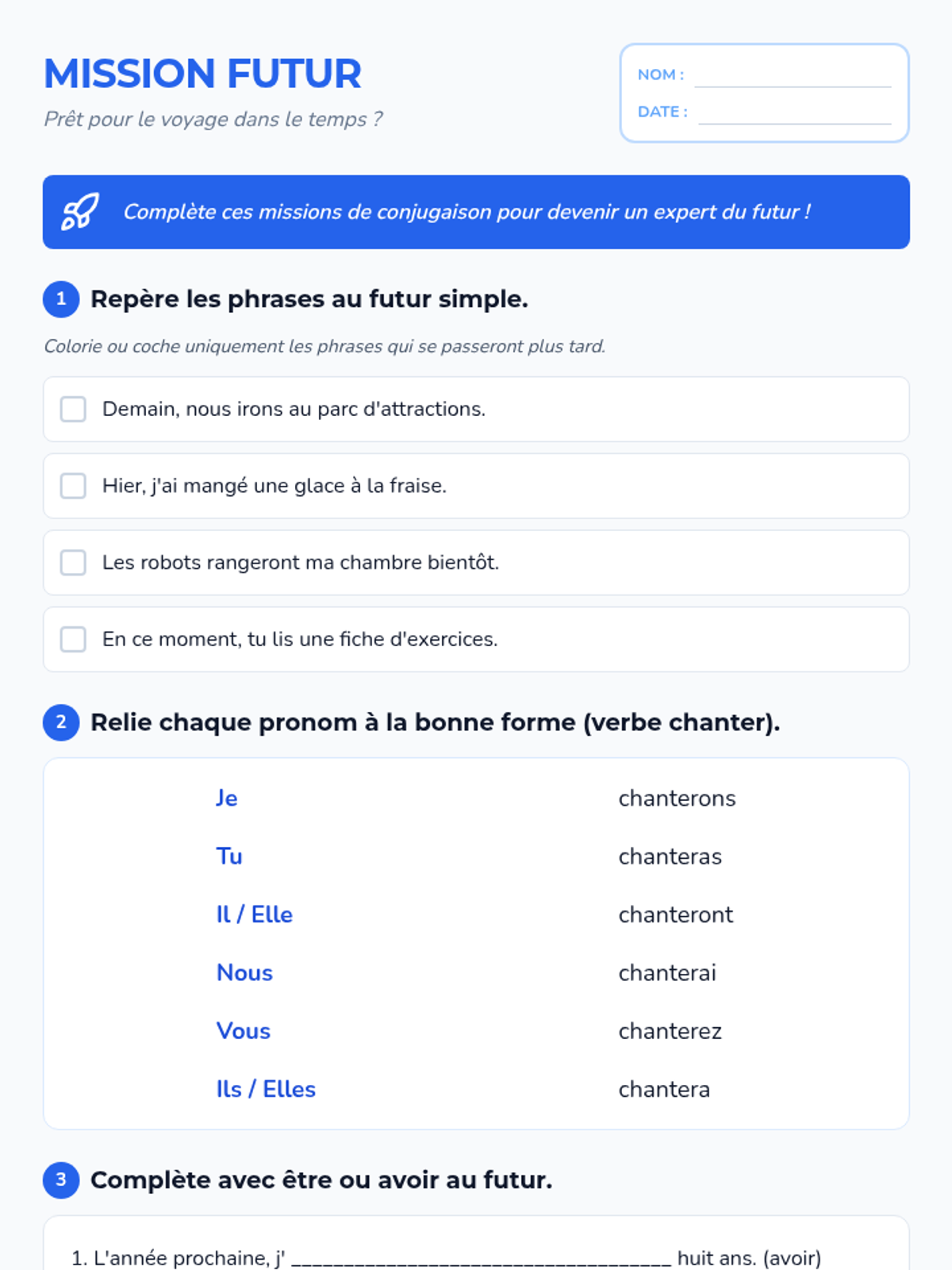
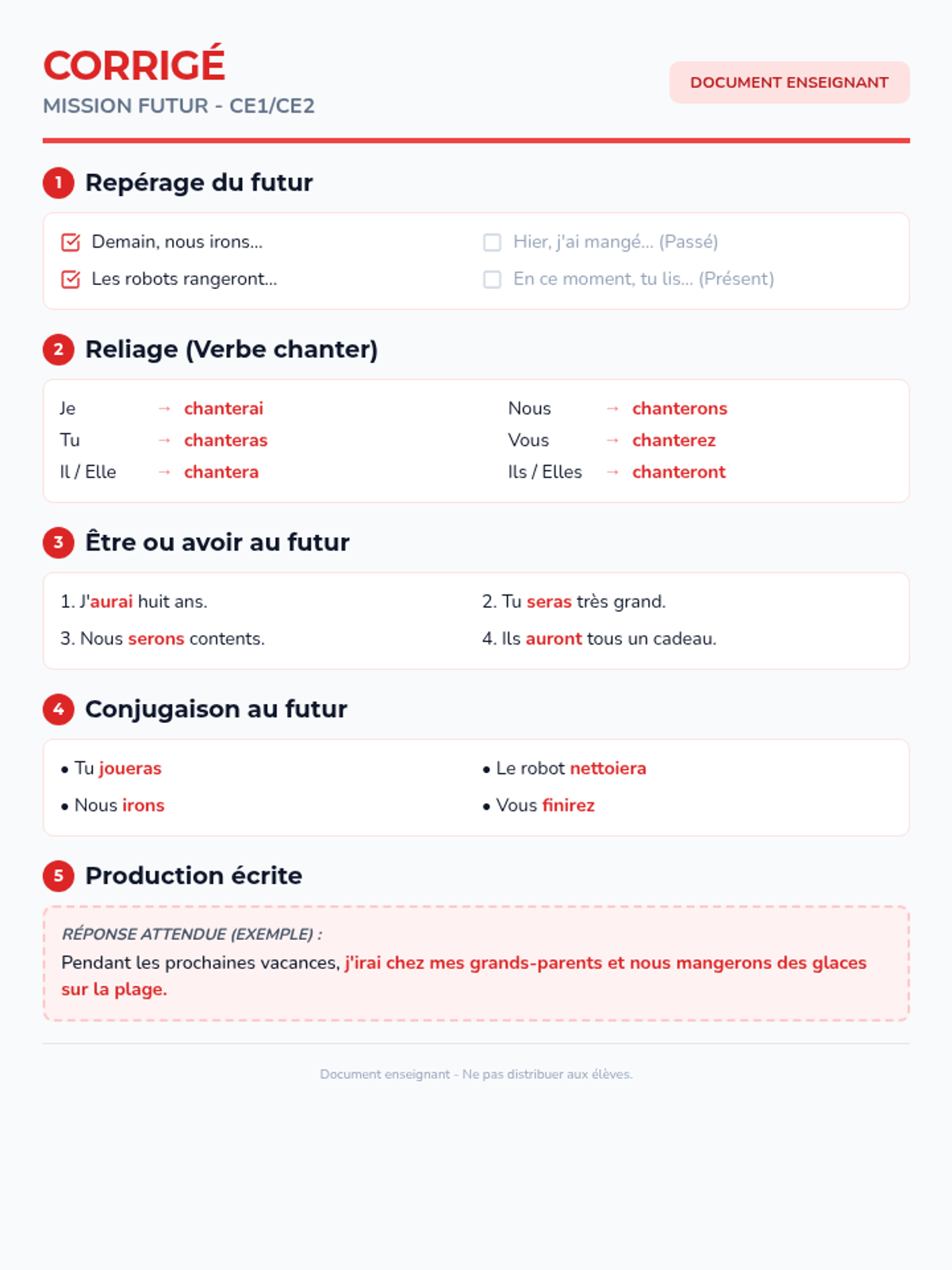
Une leçon sur la conjugaison au futur simple pour les élèves de CE1 et CE2, axée sur les verbes en -er, être et avoir, ainsi que les verbes fréquents.
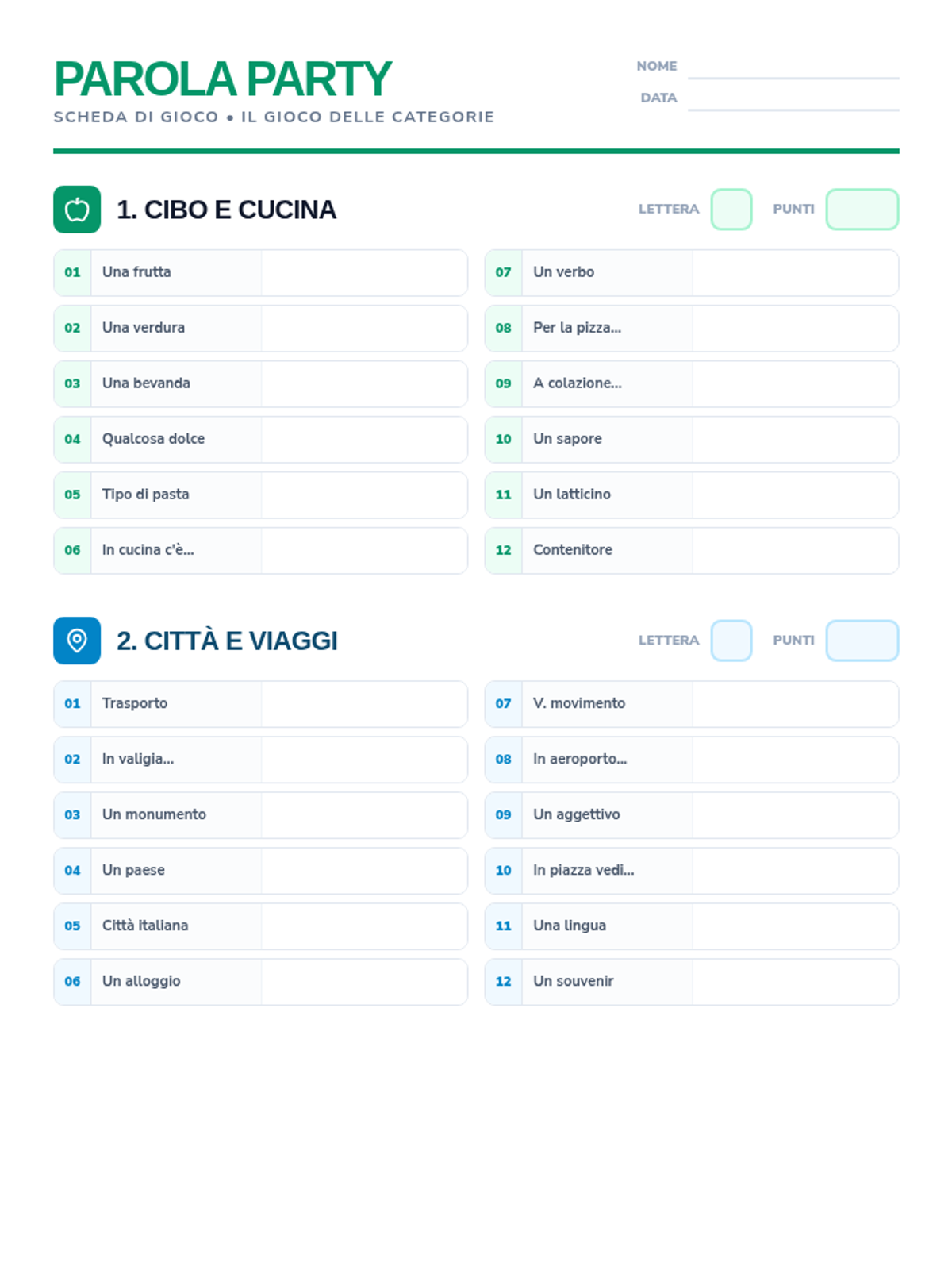
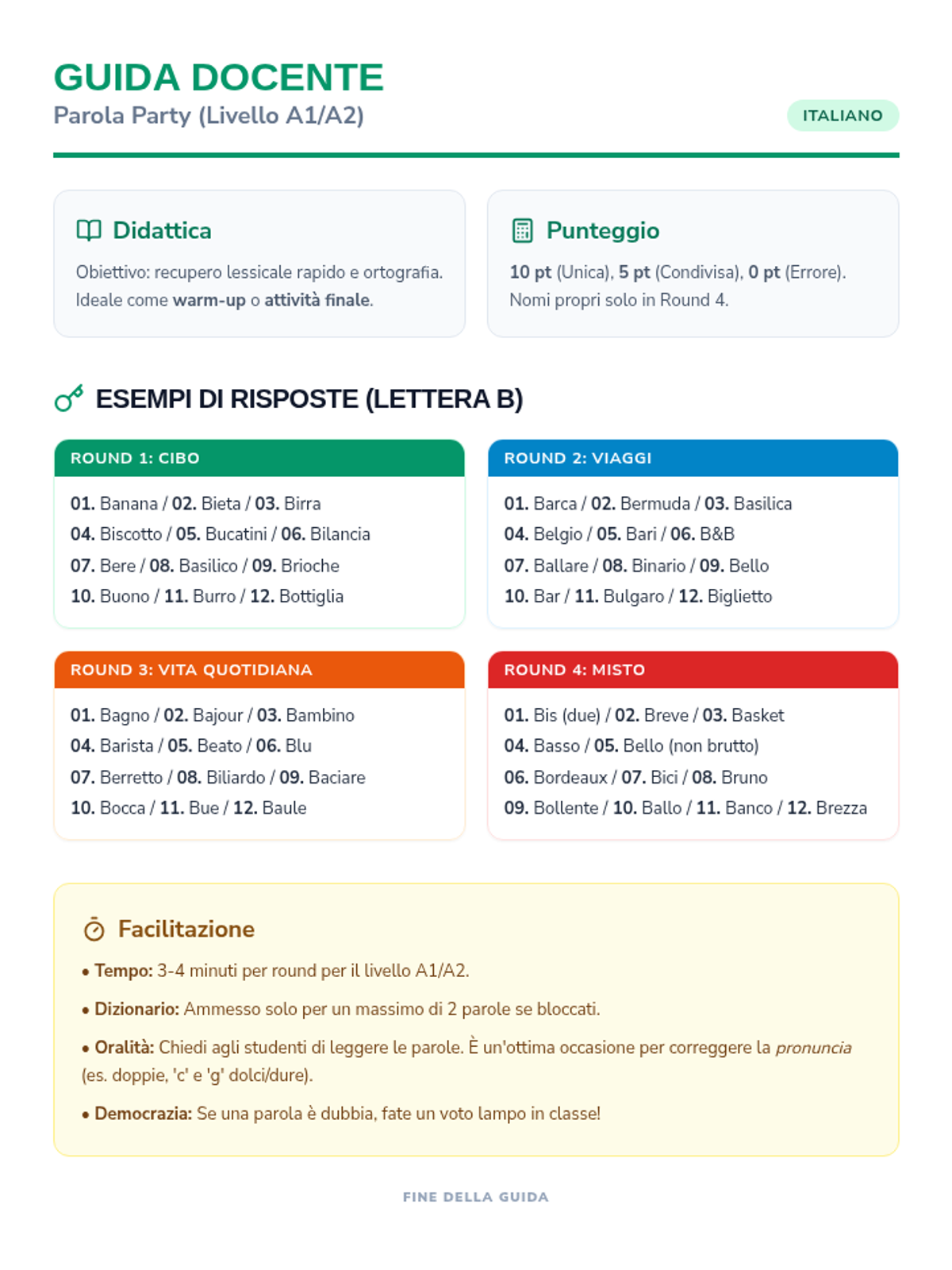
A fast-paced Italian vocabulary game for A1/A2 students covering food, travel, daily life, and general topics. Includes a presentation for class gameplay, printable game boards, and a teacher facilitation guide.
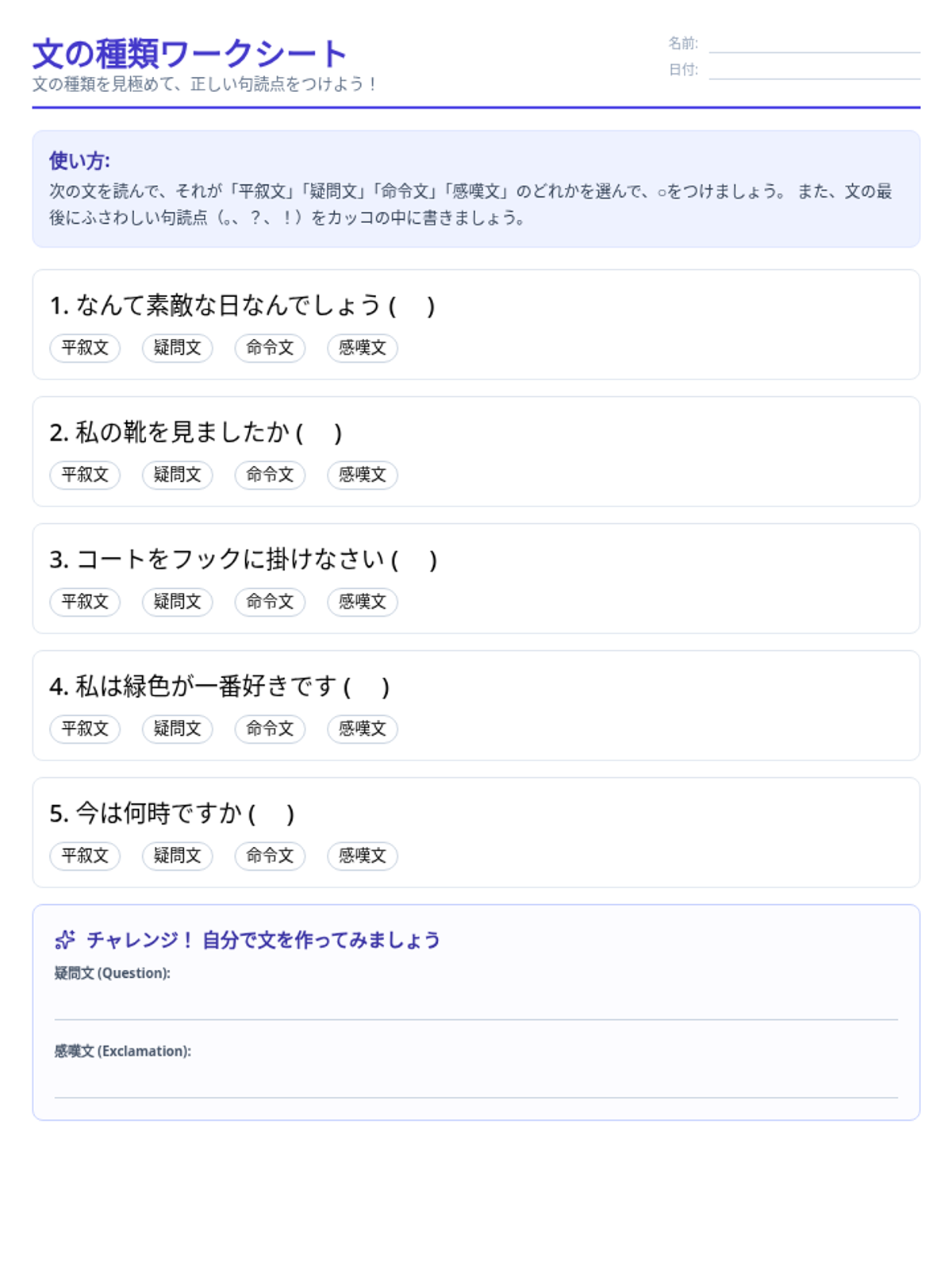
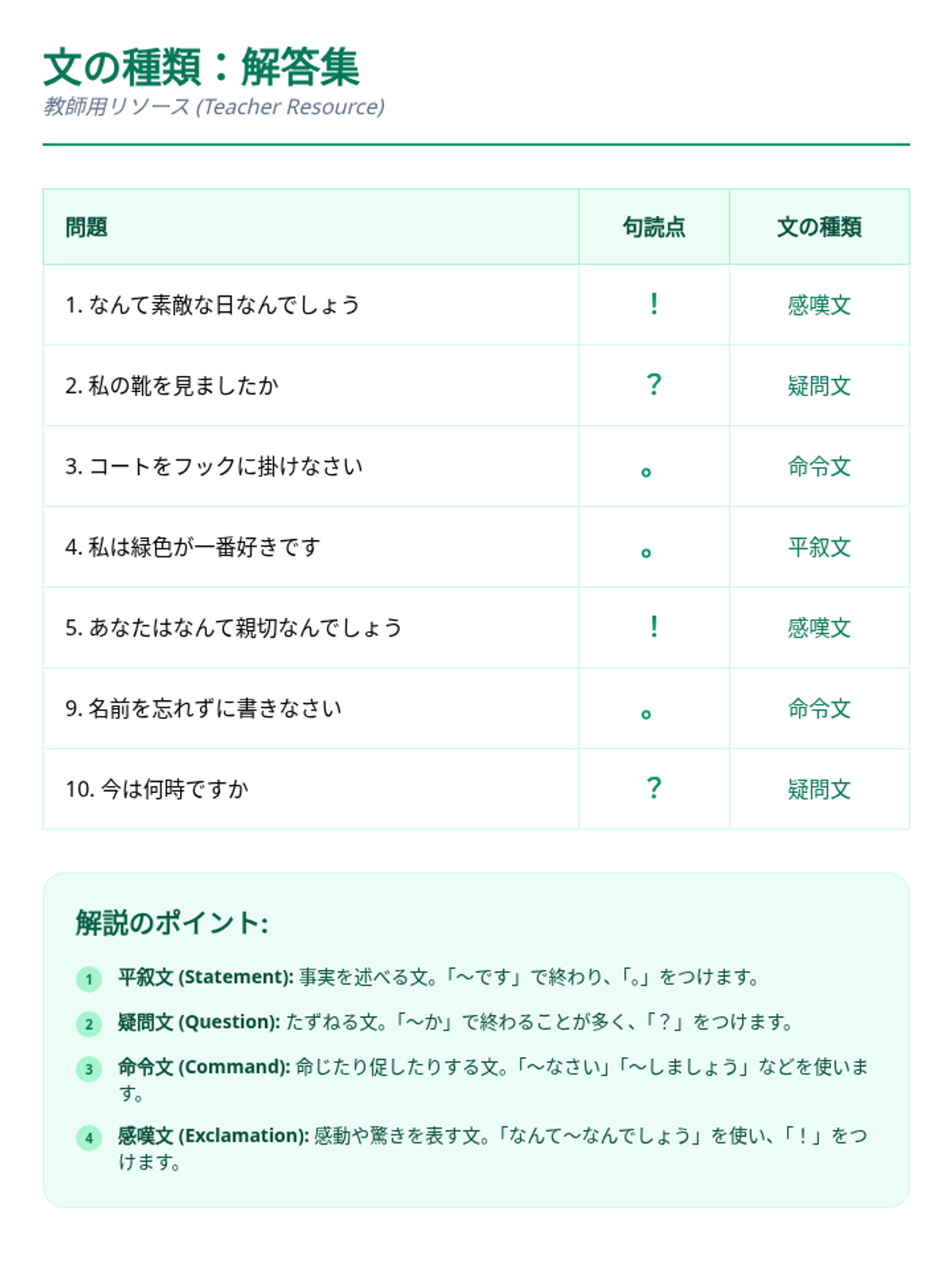
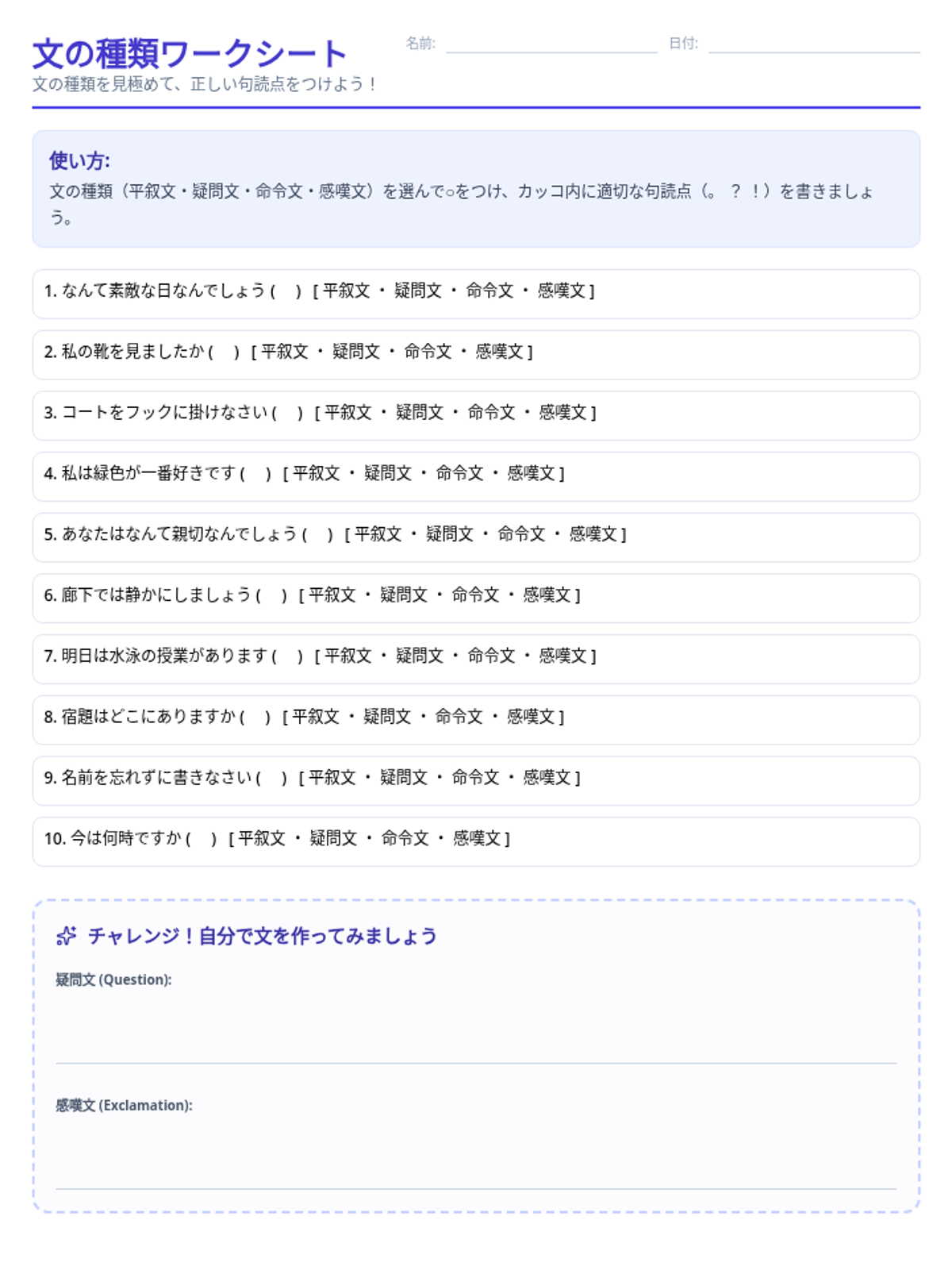
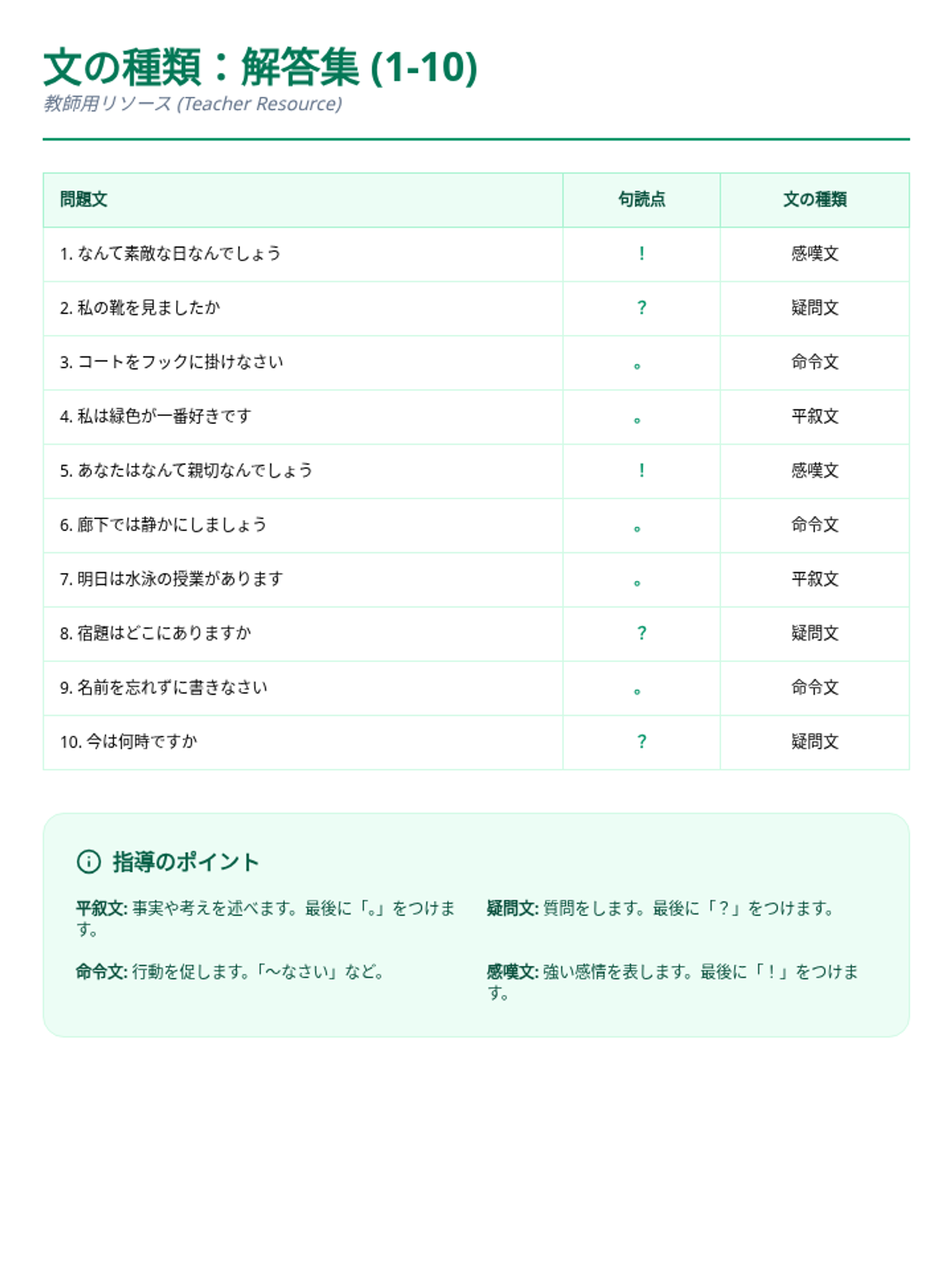
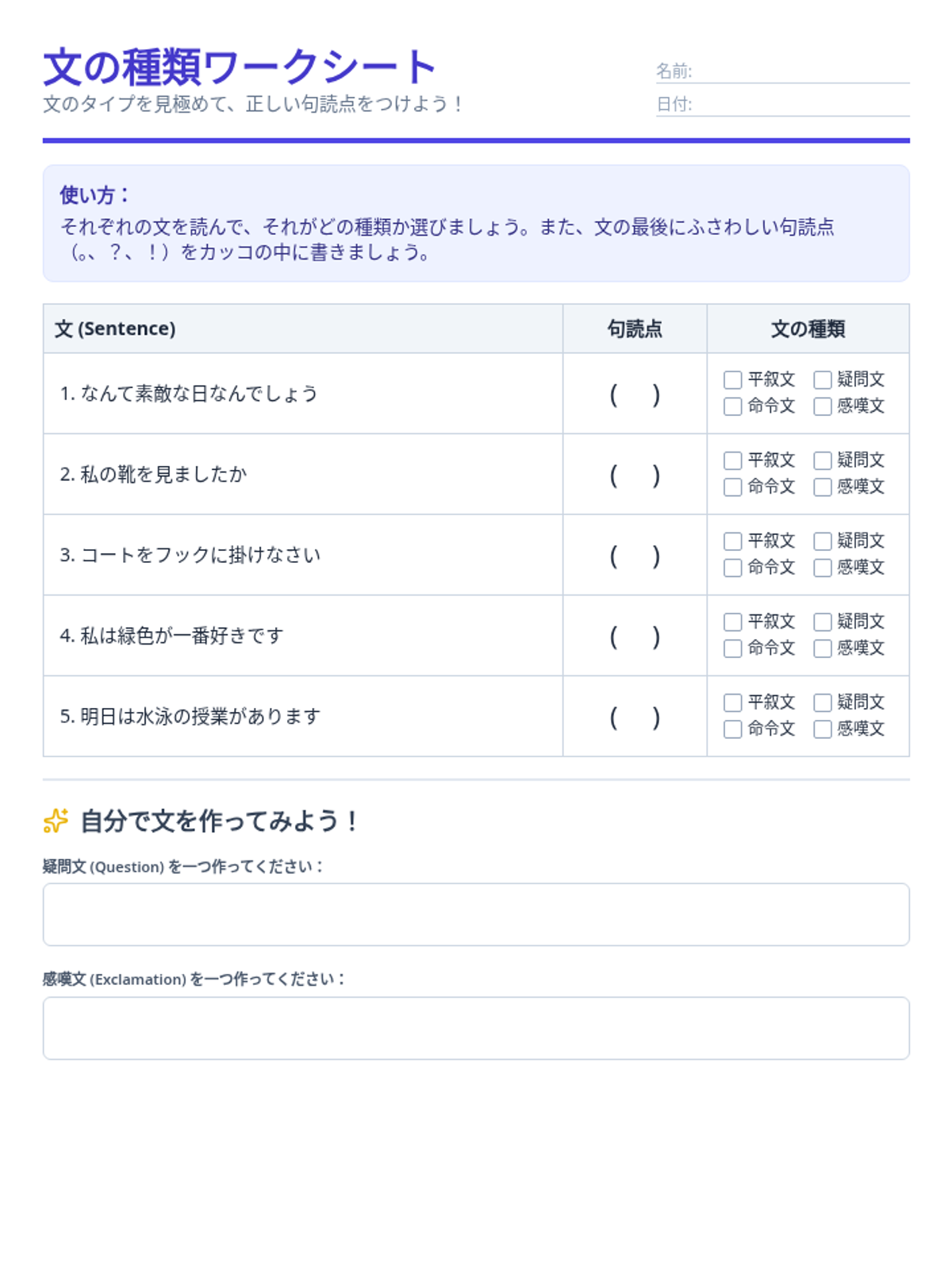
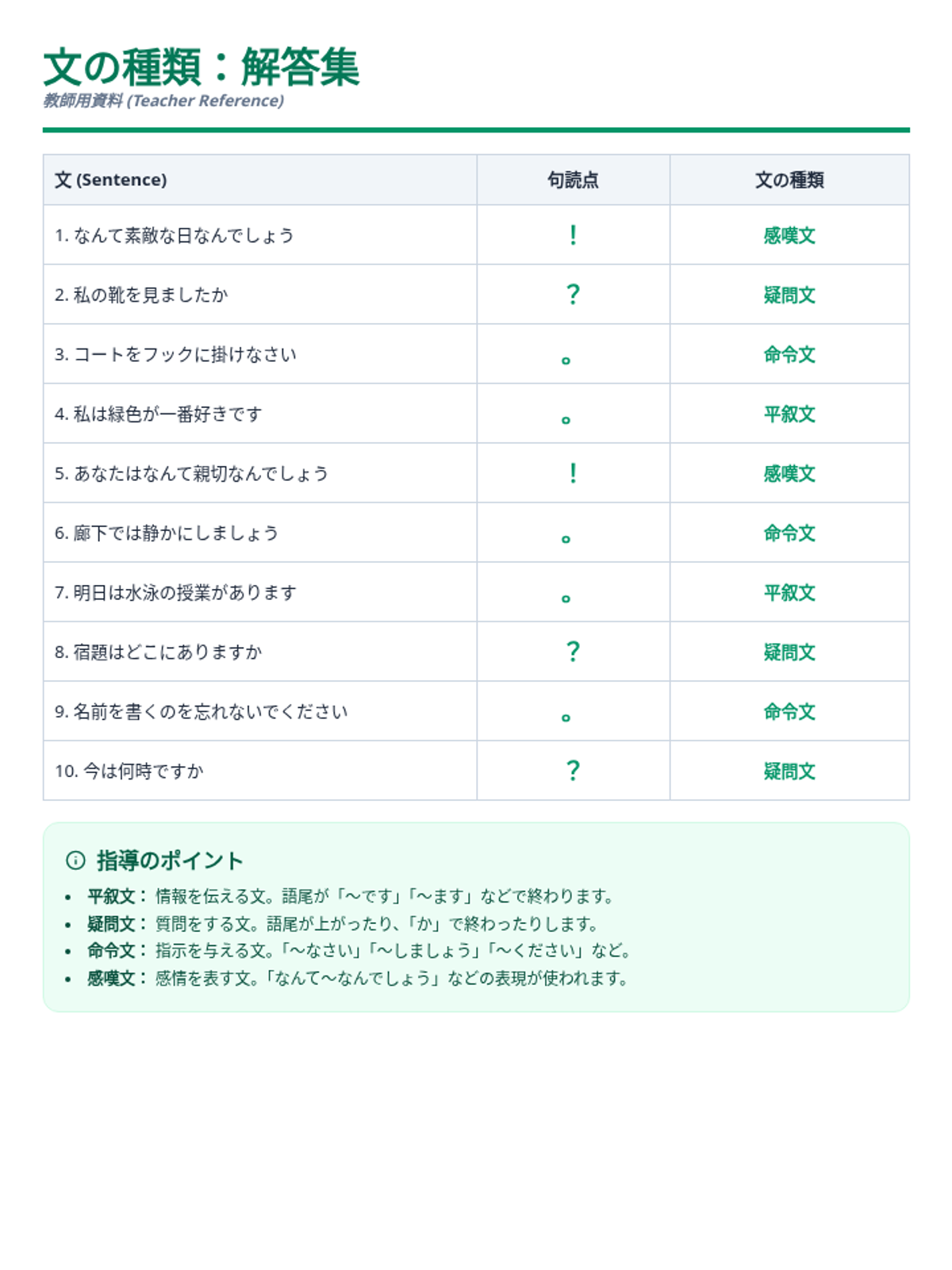
A lesson focused on identifying and using different types of sentences in Japanese: statements, questions, commands, and exclamations. Students will learn the appropriate punctuation for each.
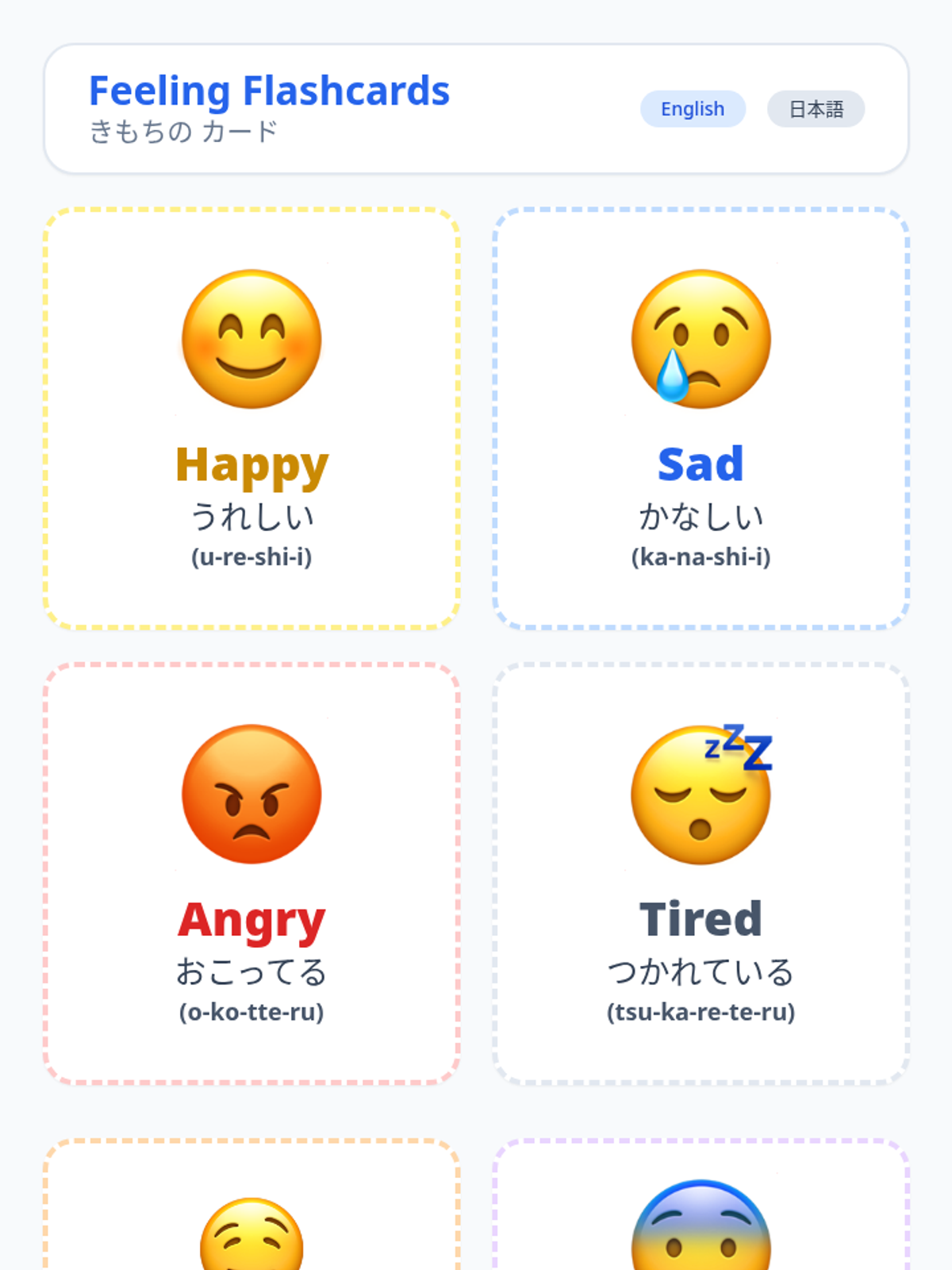
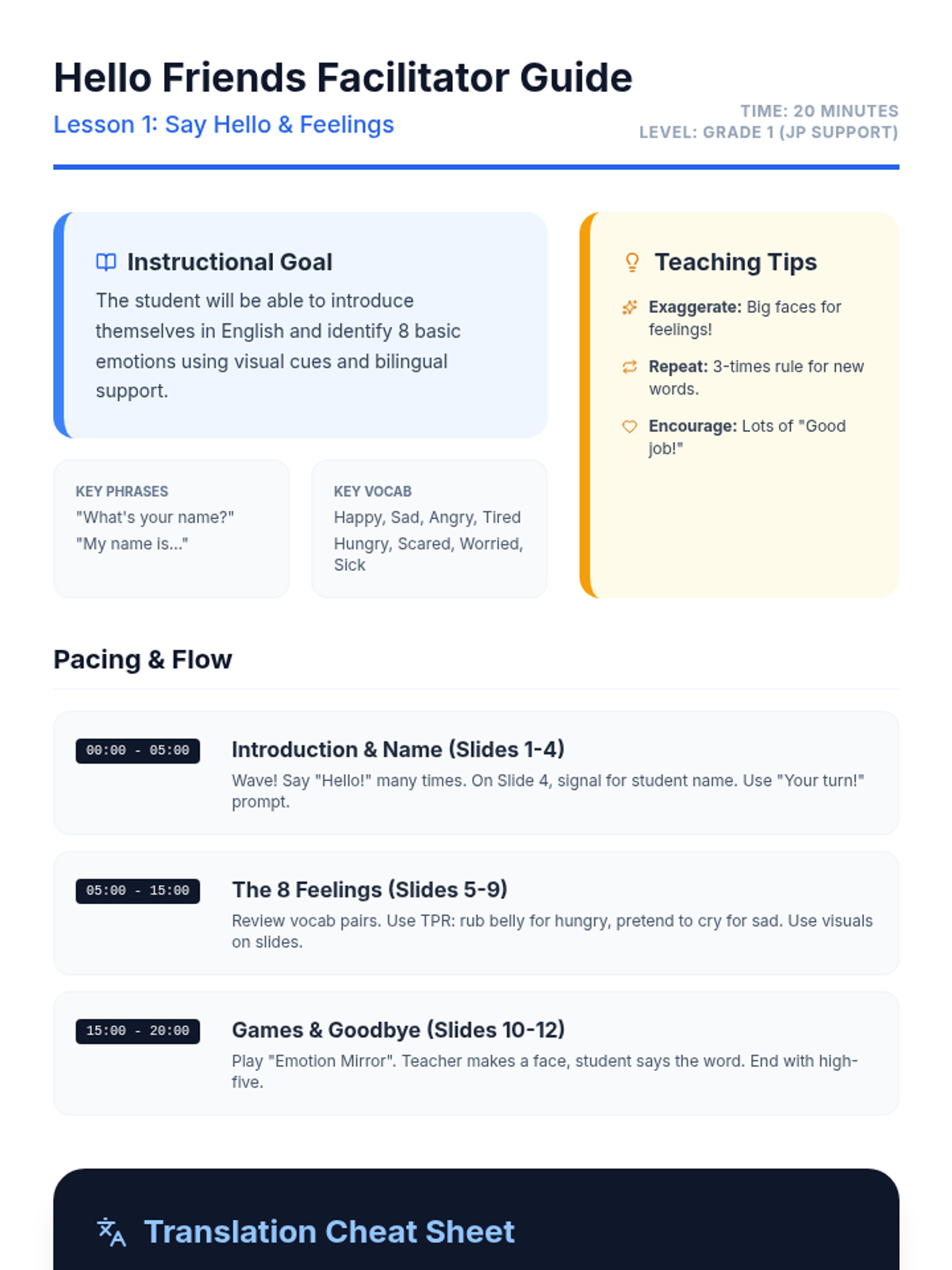
A beginner English lesson for Japanese-speaking grade 1 students focusing on greetings, introductions, and basic emotions. Includes bilingual slides, practice flashcards, and a facilitator guide.
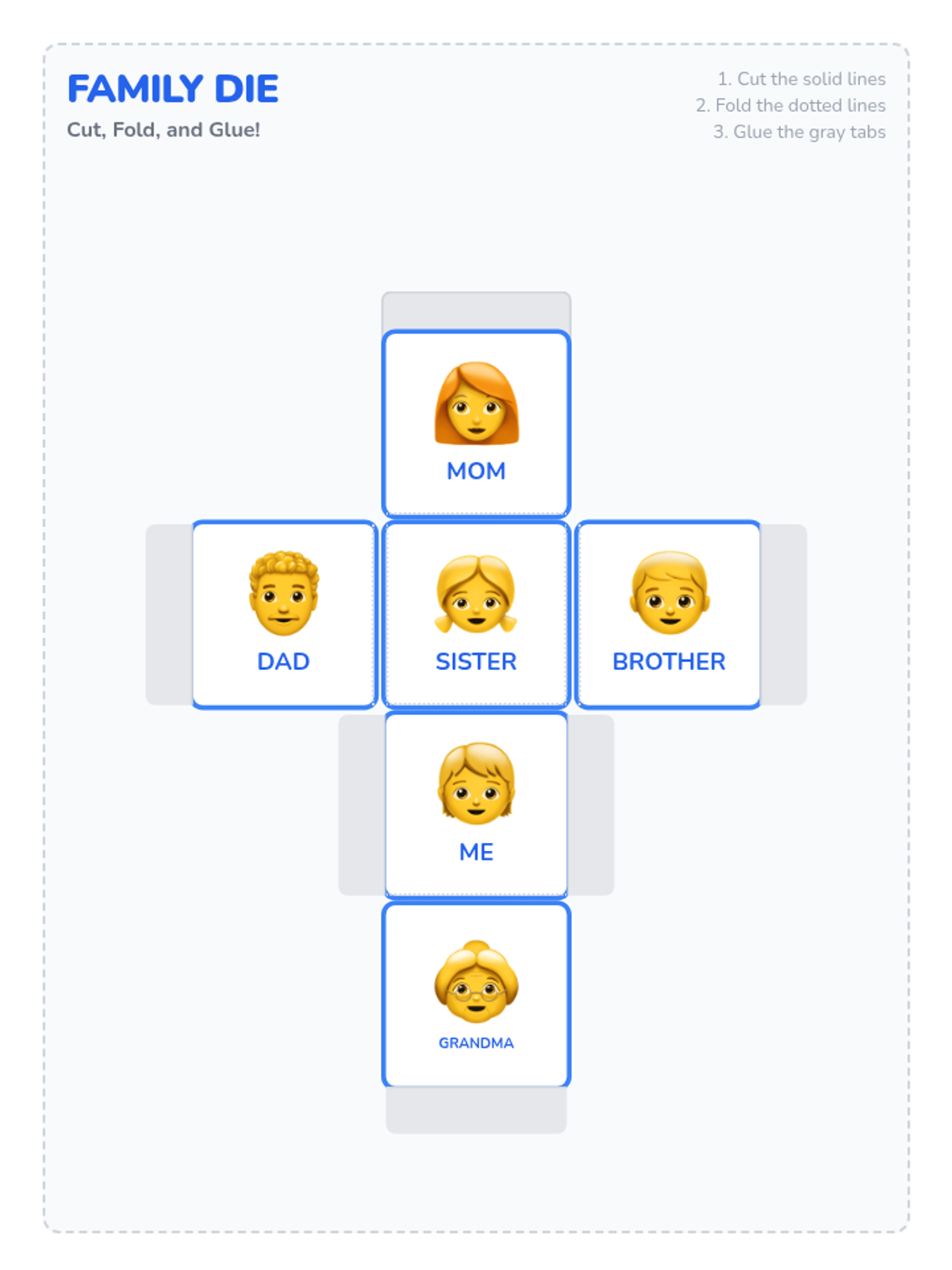
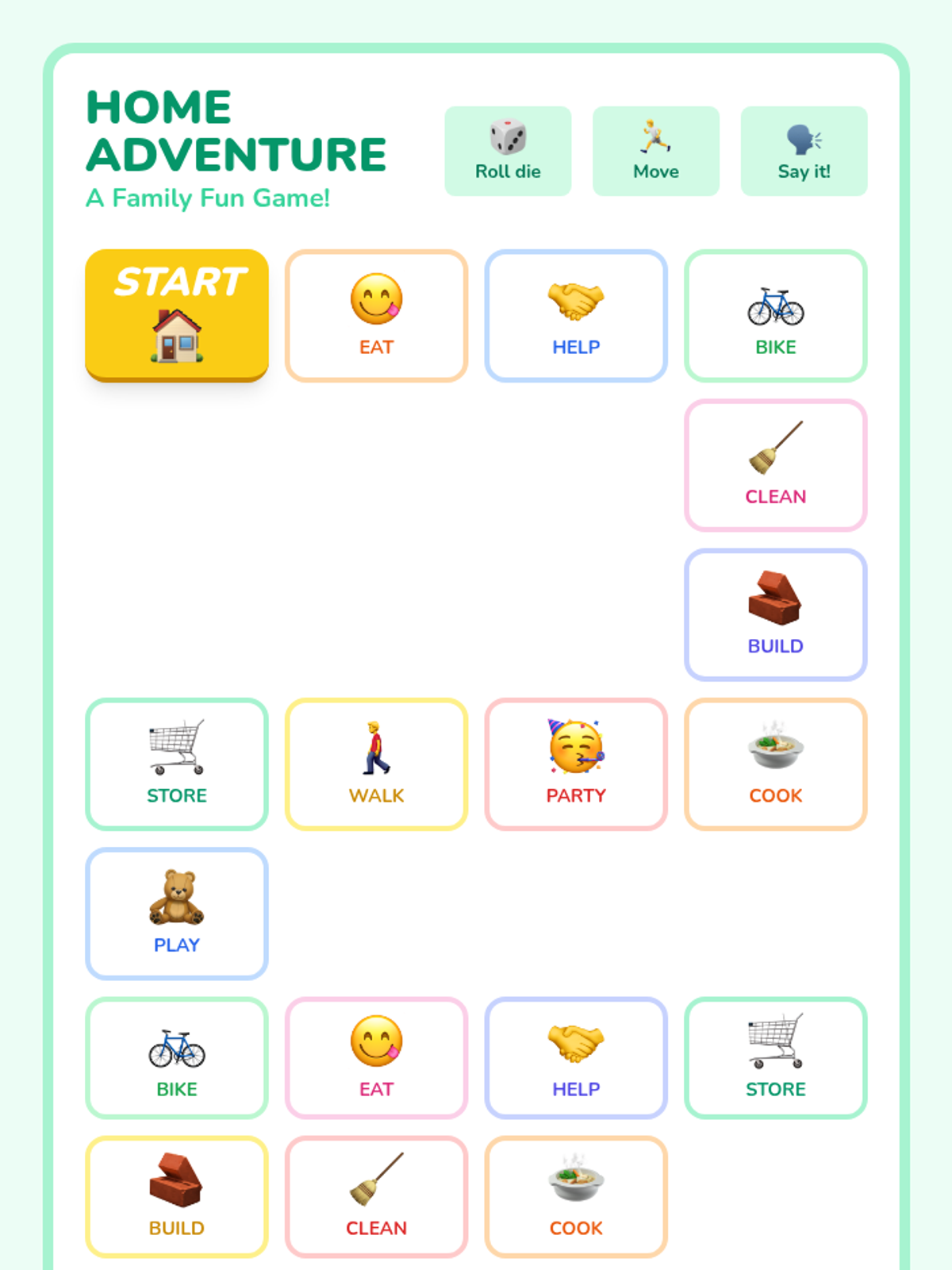
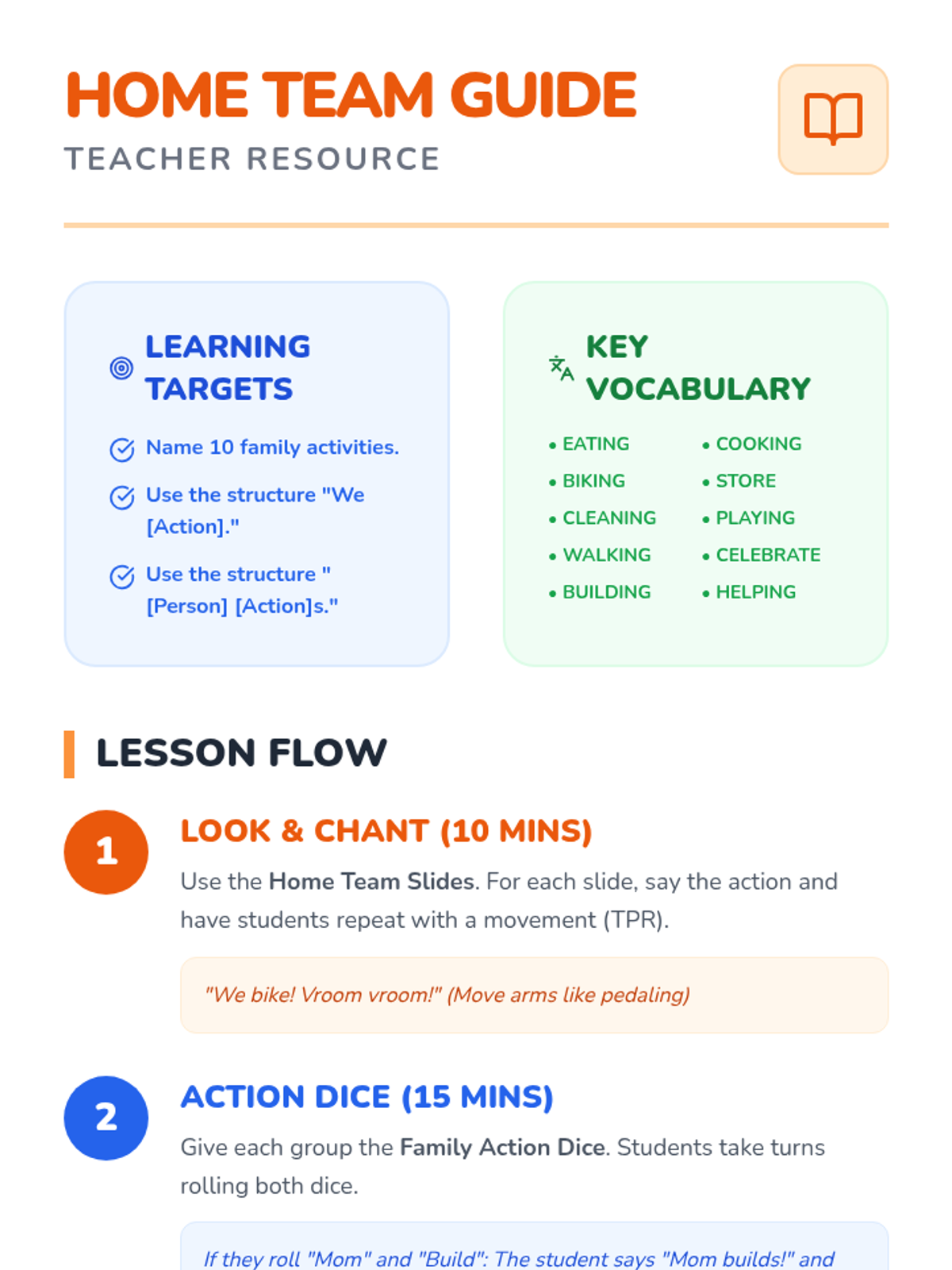
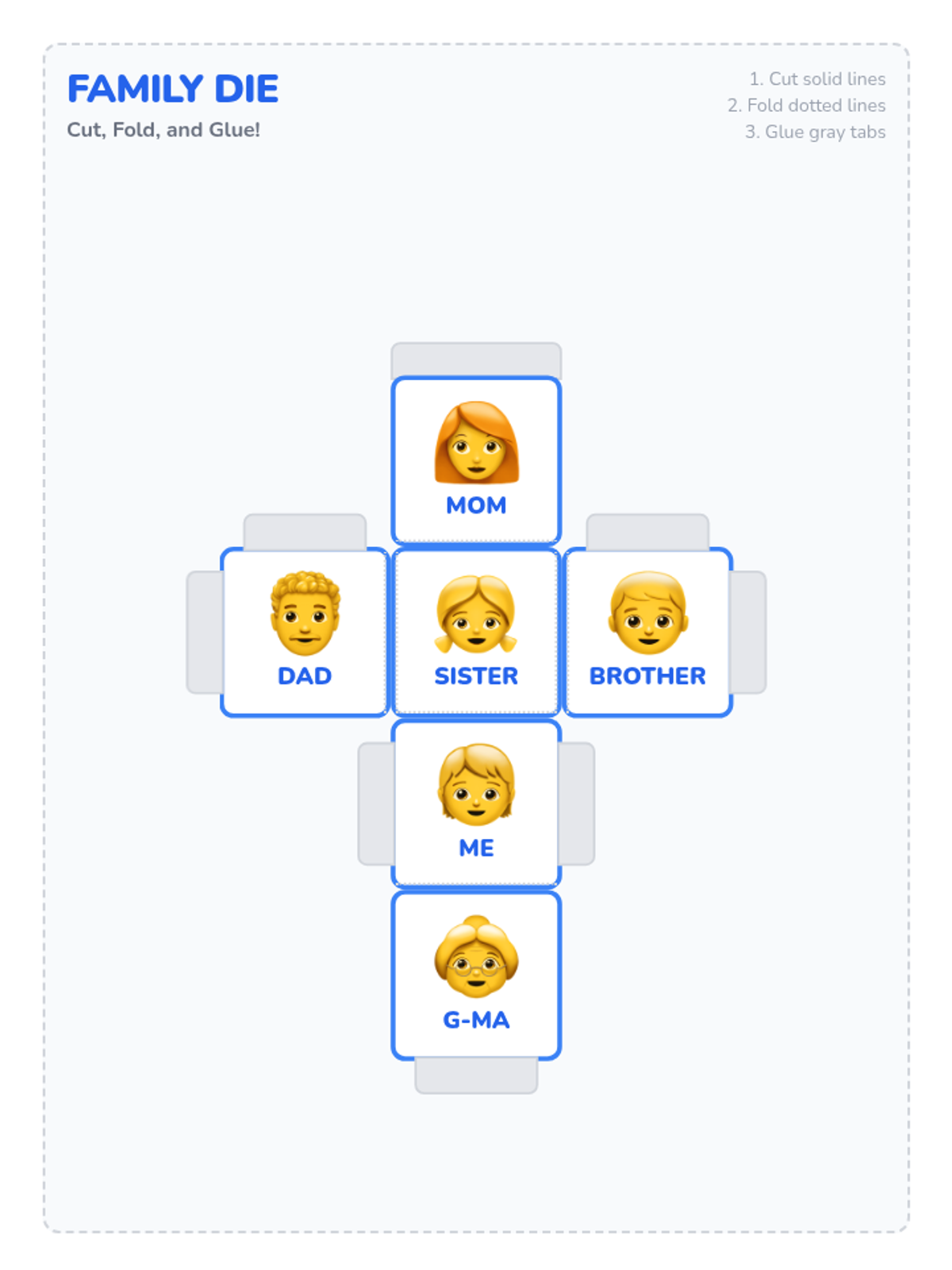
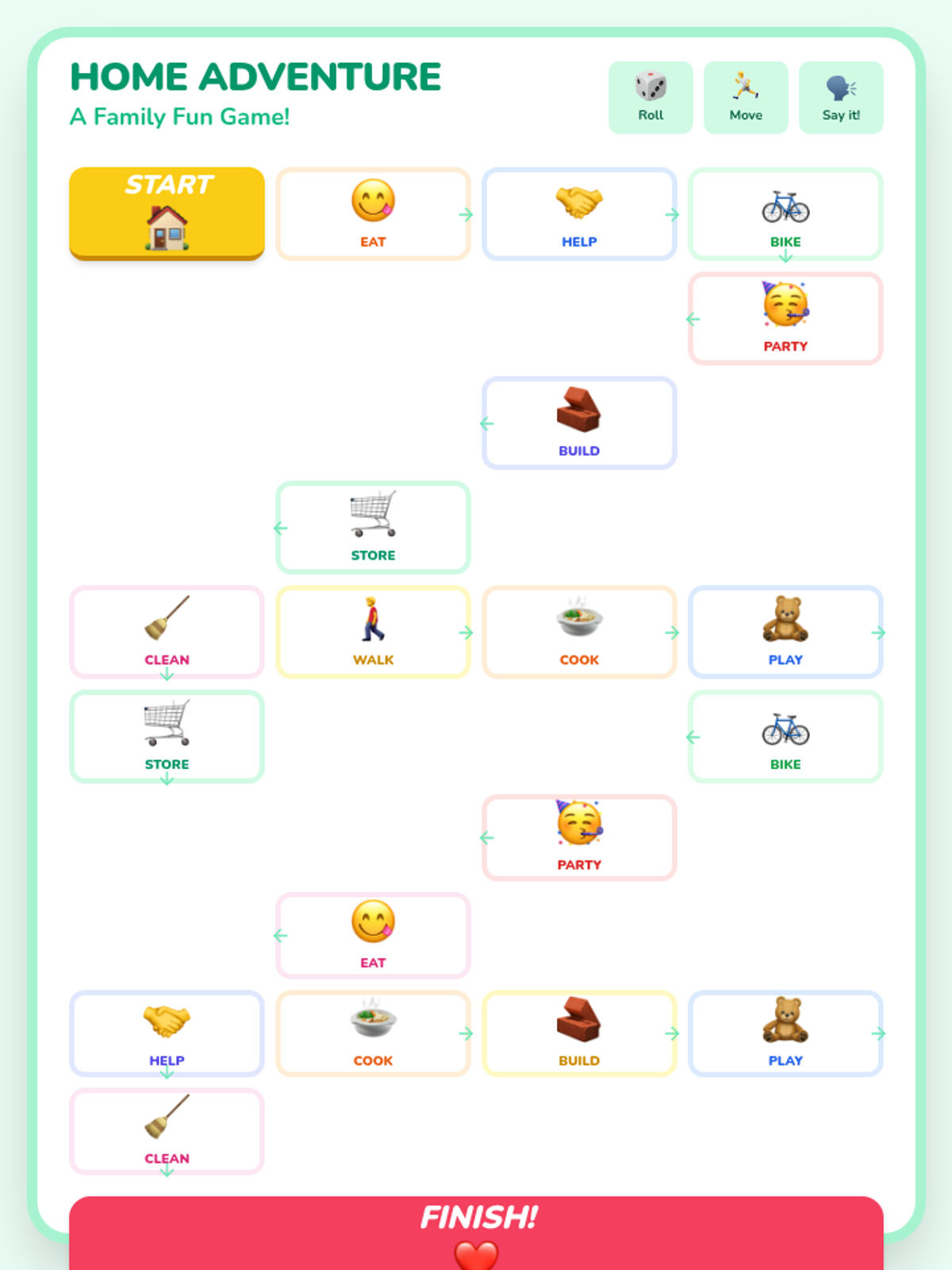
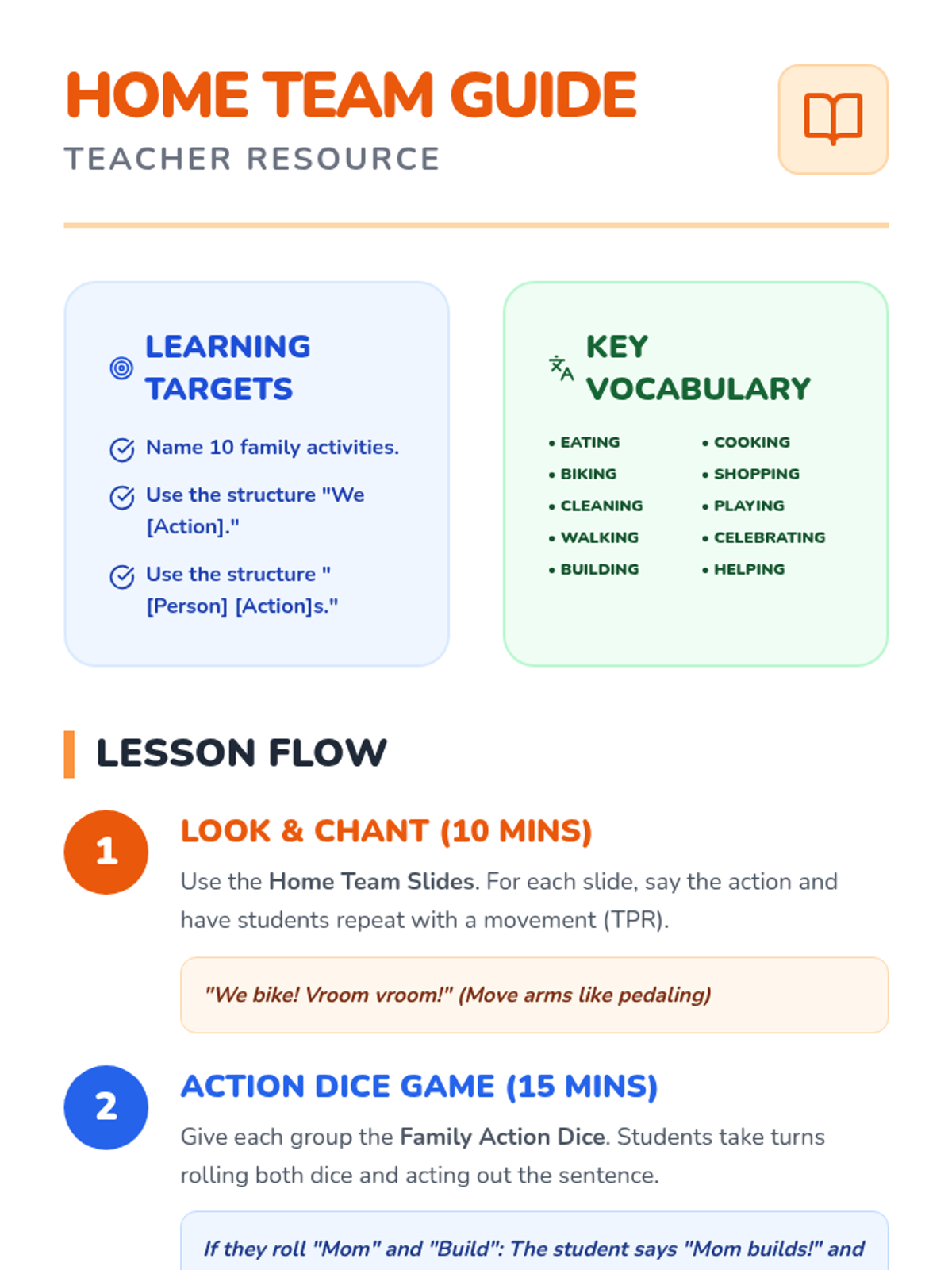
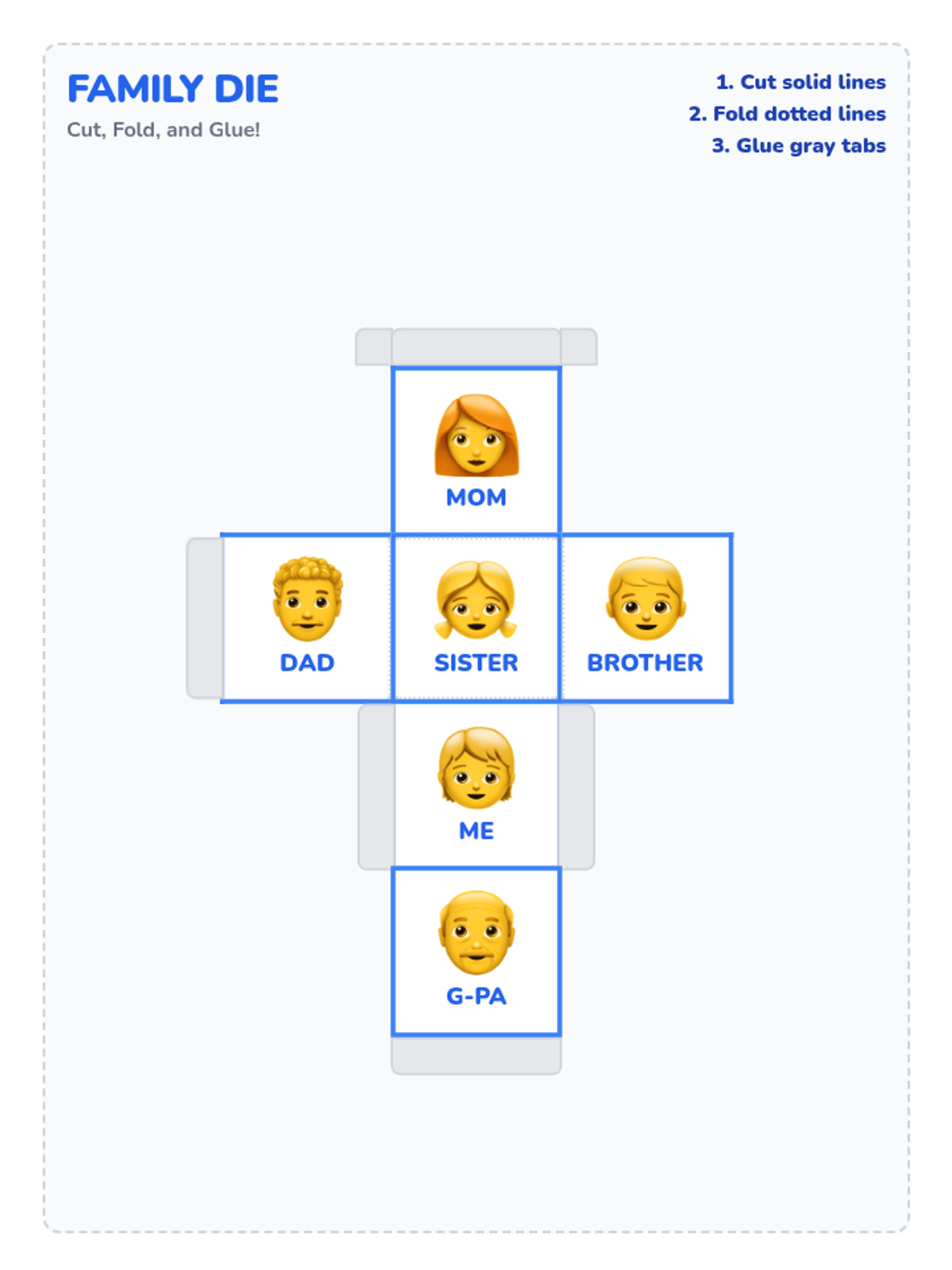
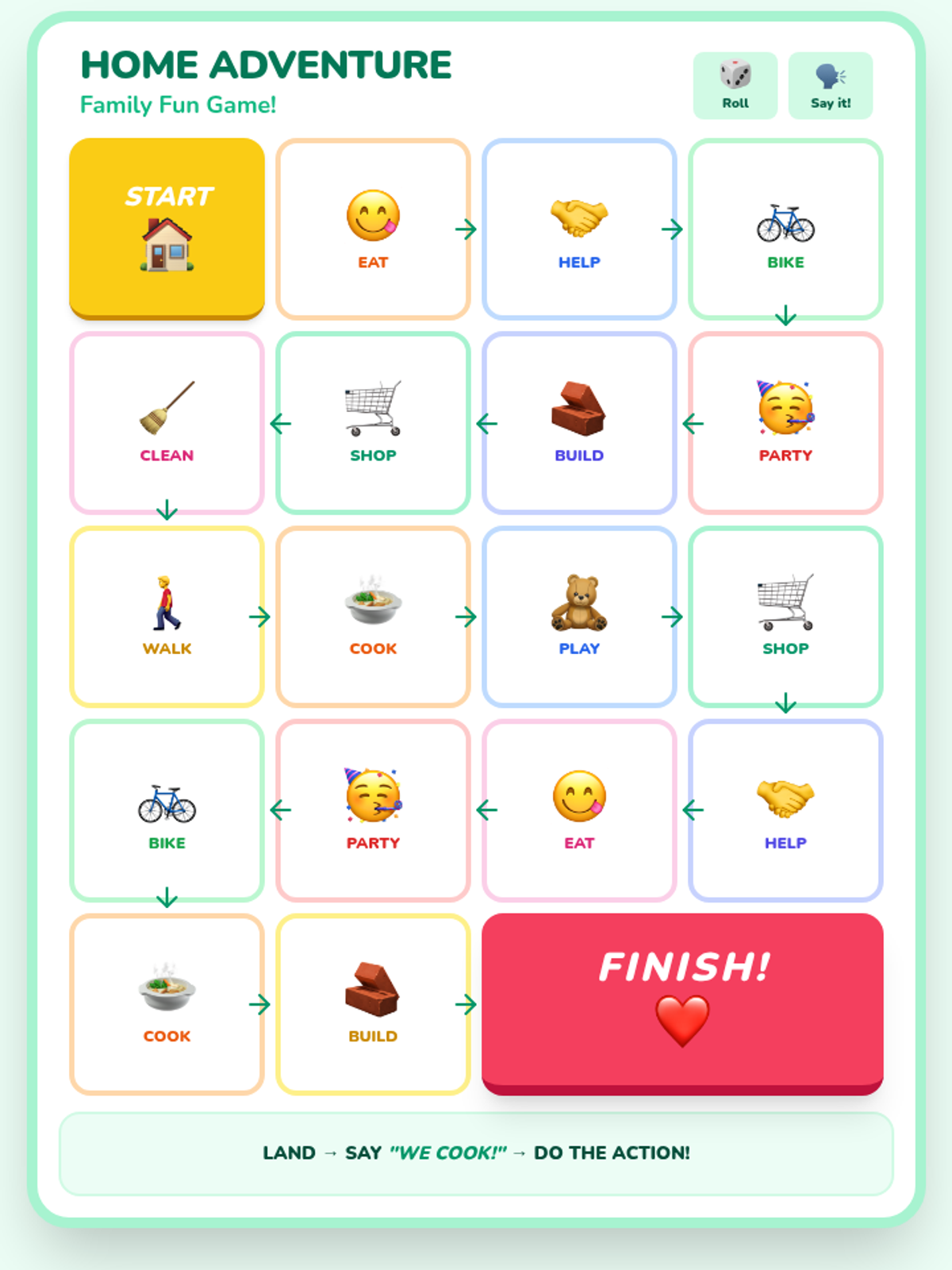
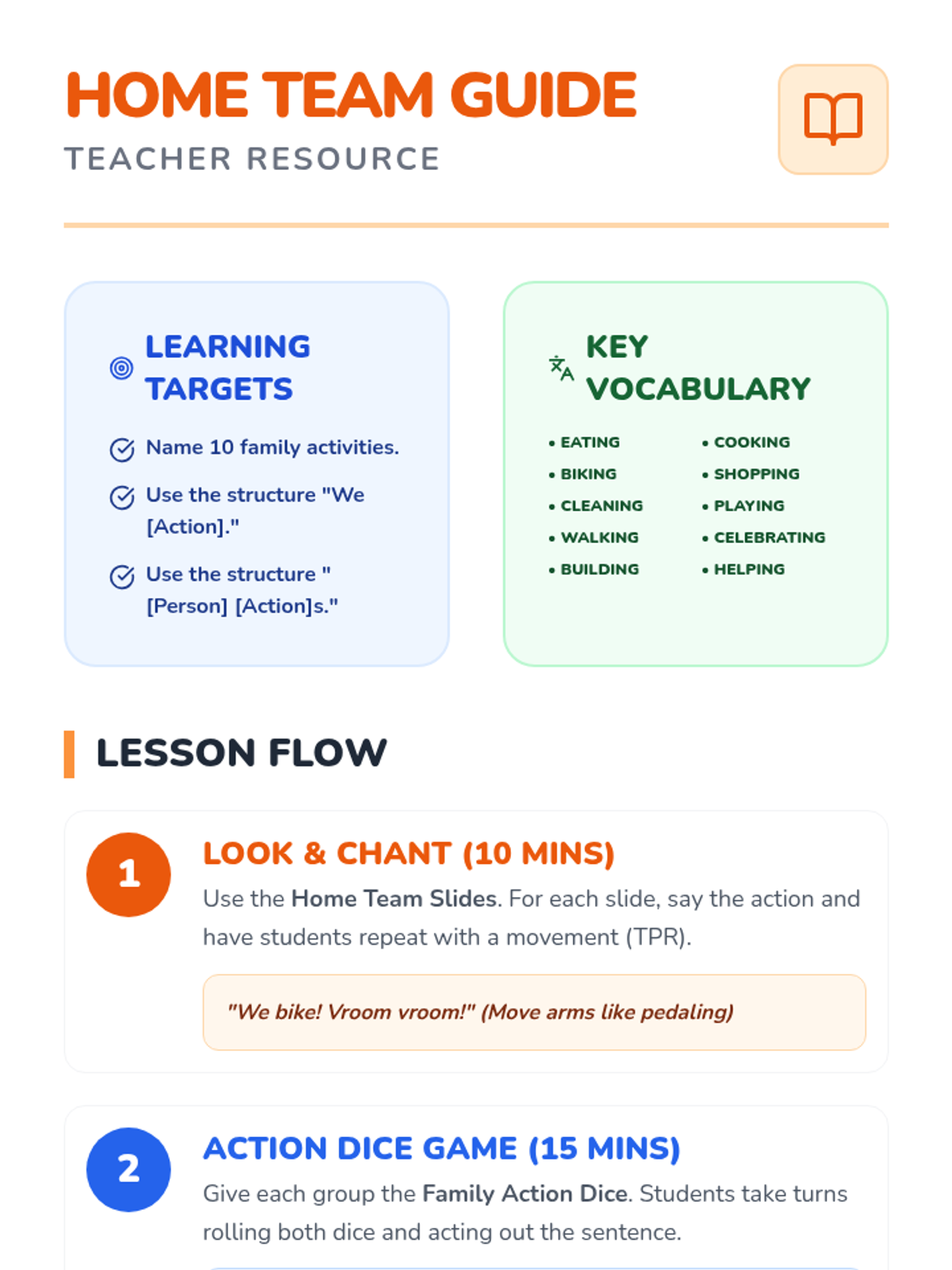
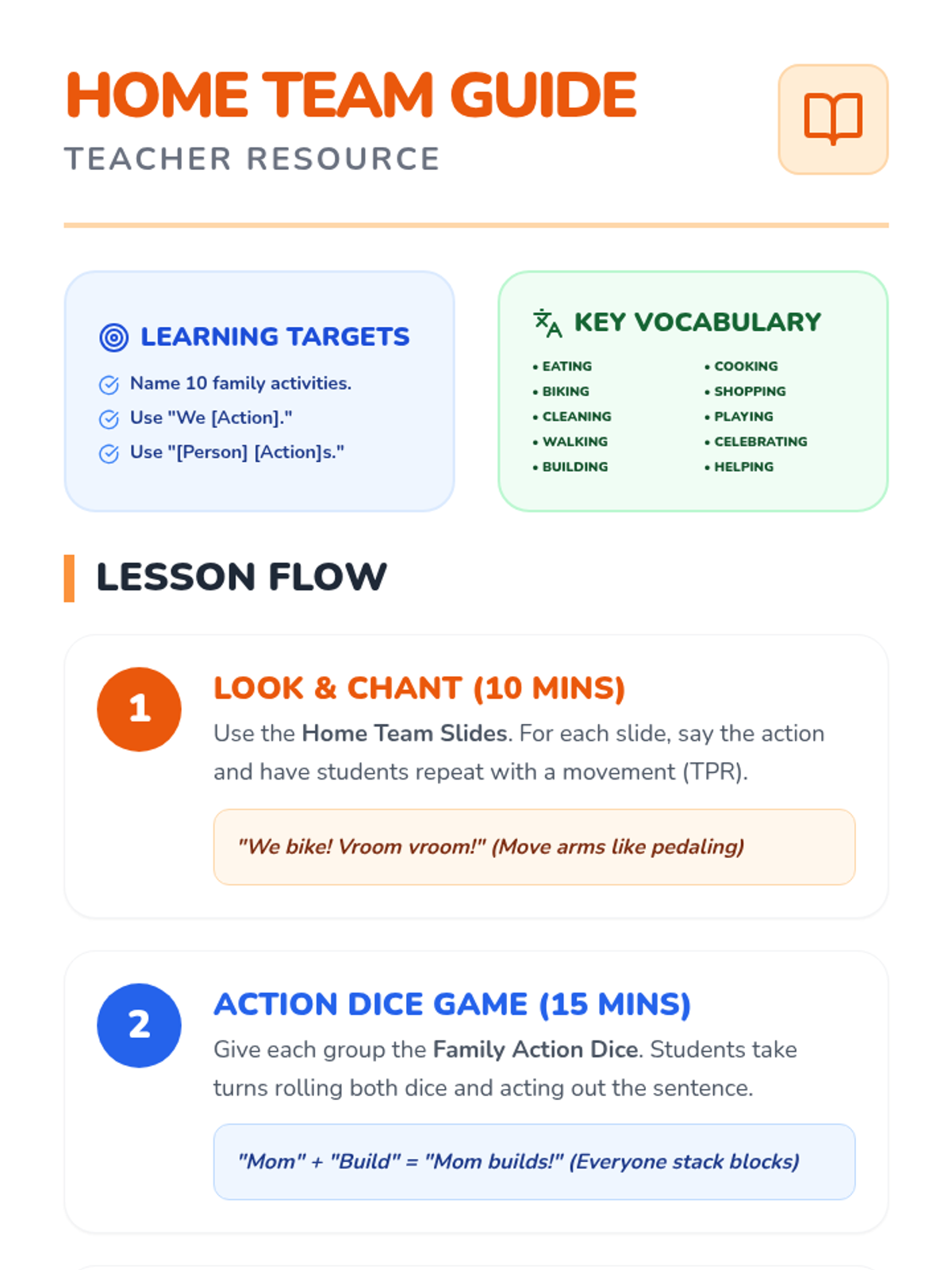
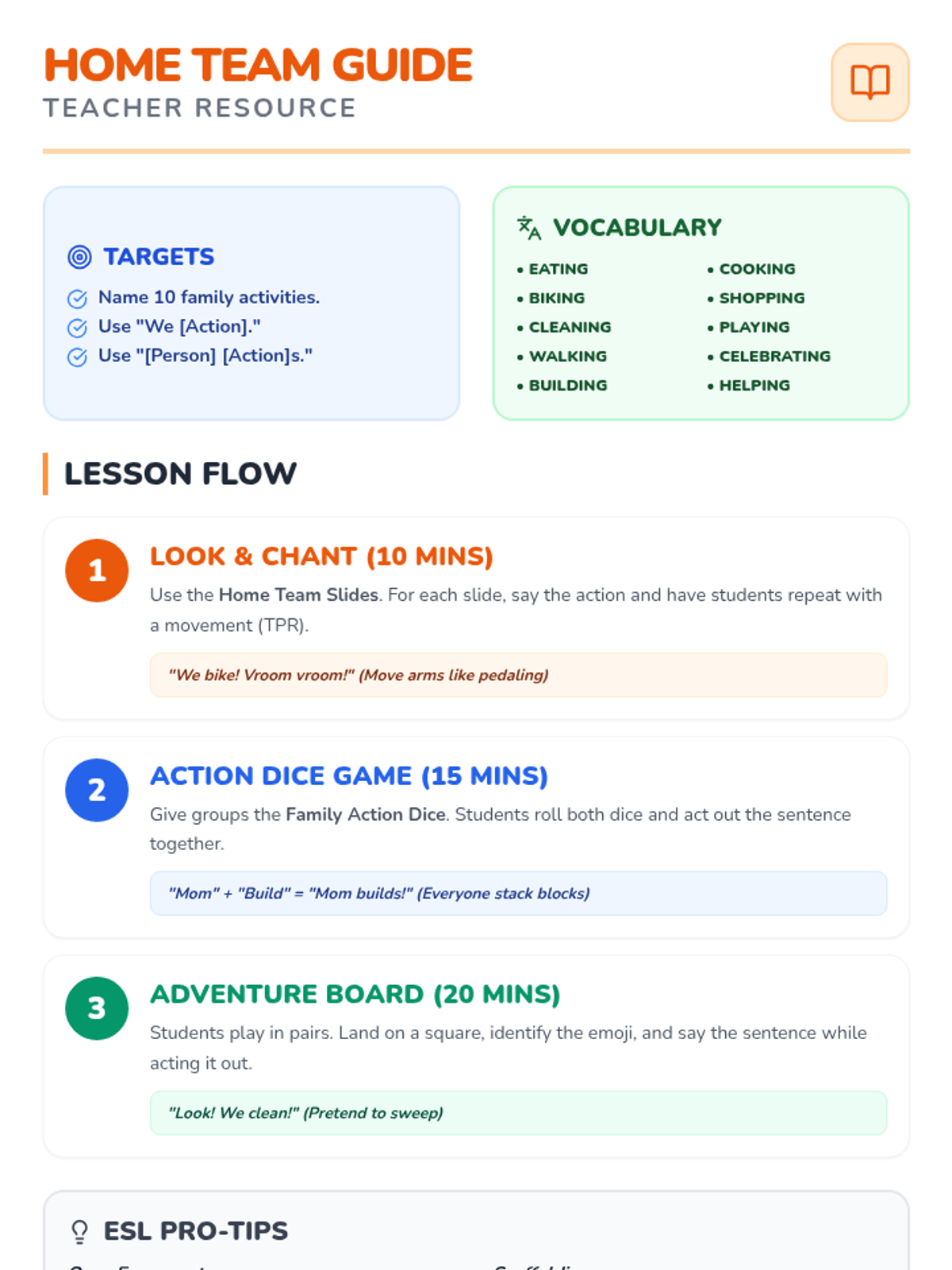
A high-energy, visual-heavy lesson for ESL kindergarteners to learn and practice family activity vocabulary through movement, games, and play. Students will use Total Physical Response (TPR) and collaborative games to internalize key verbs.
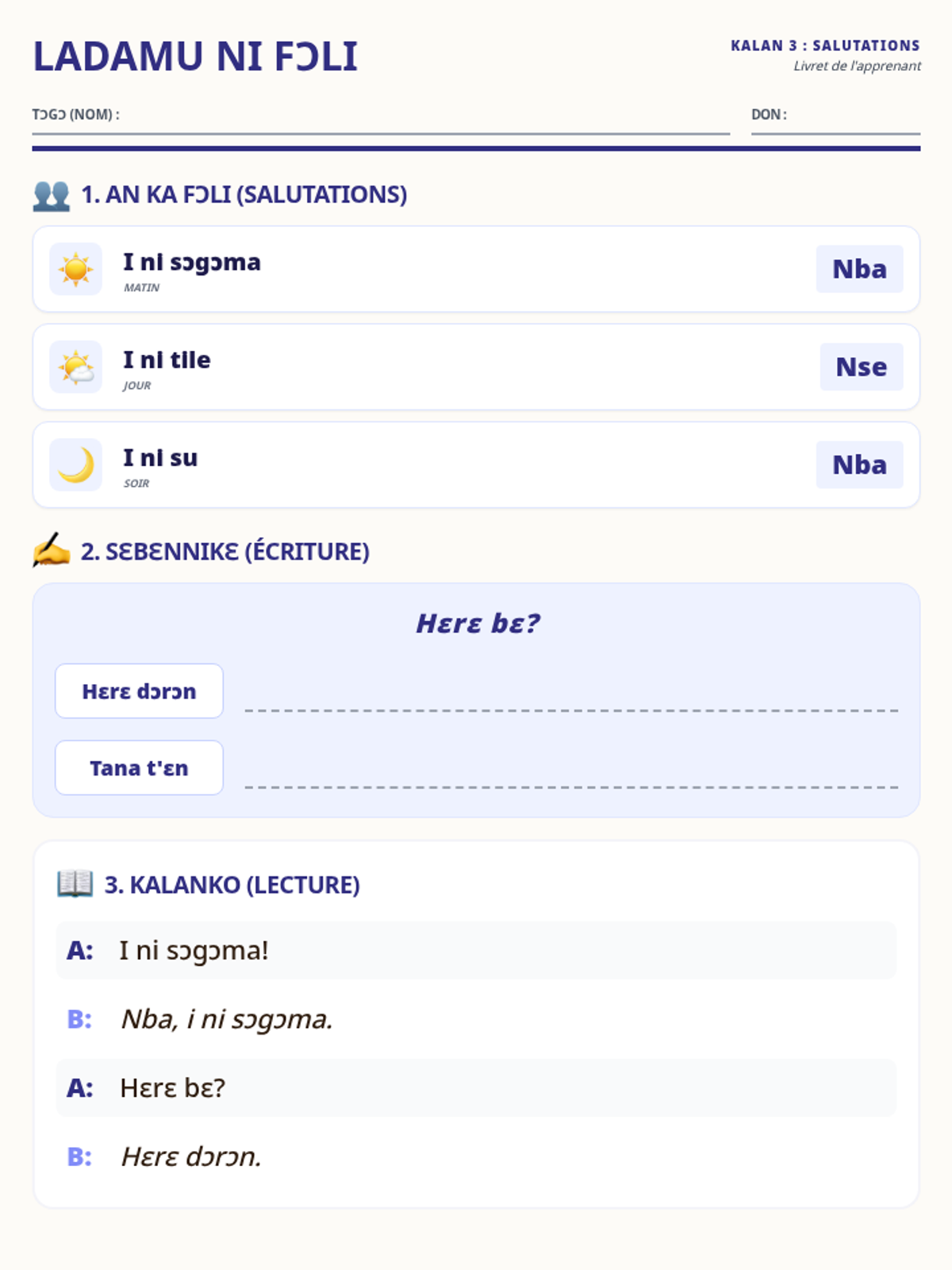
Introduction aux salutations de base et aux règles de politesse en milieu bamanan, combinant lecture et expression orale.
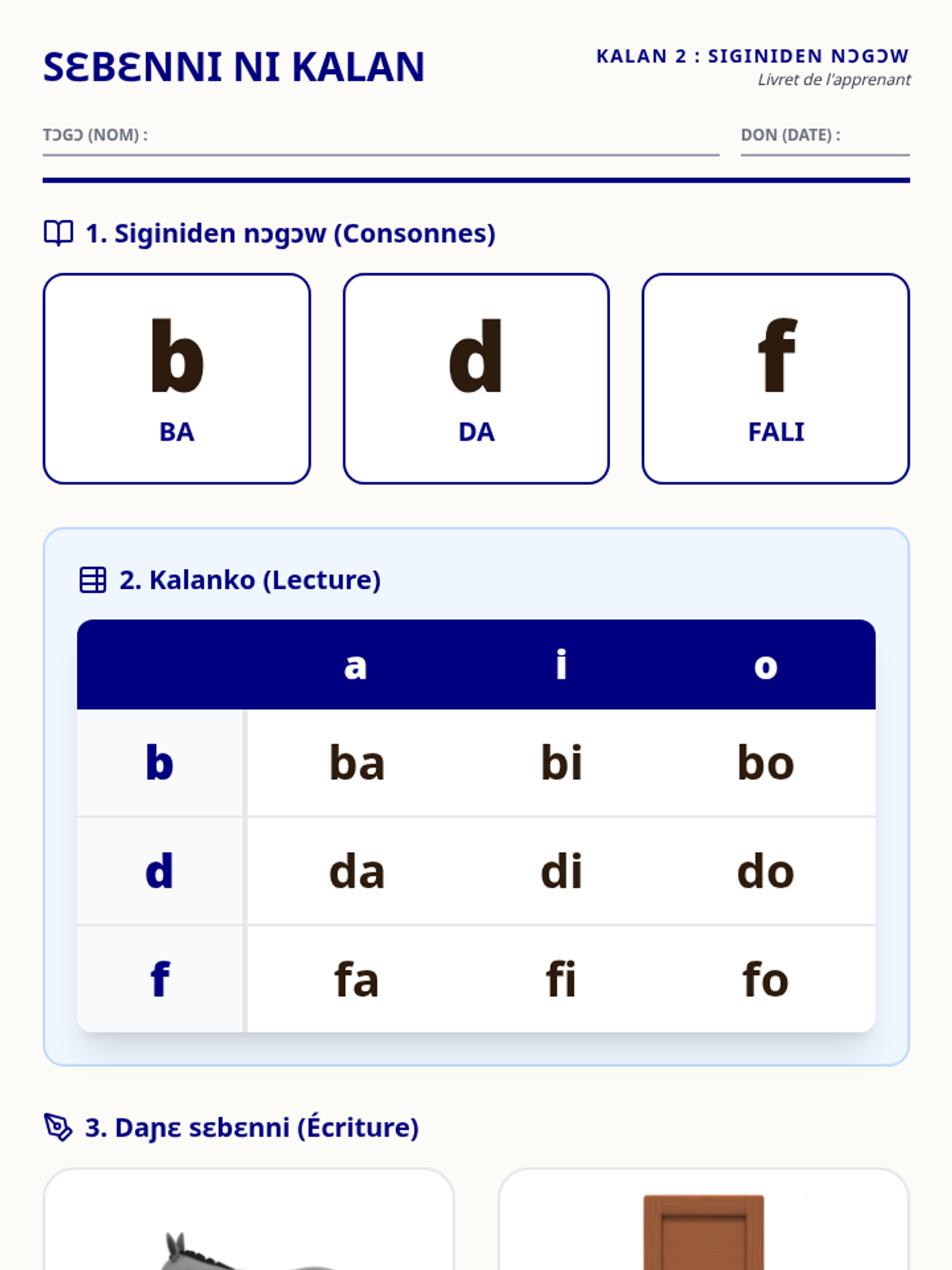
Apprentissage des premières consonnes et formation des syllabes simples pour commencer à lire des mots de deux lettres.
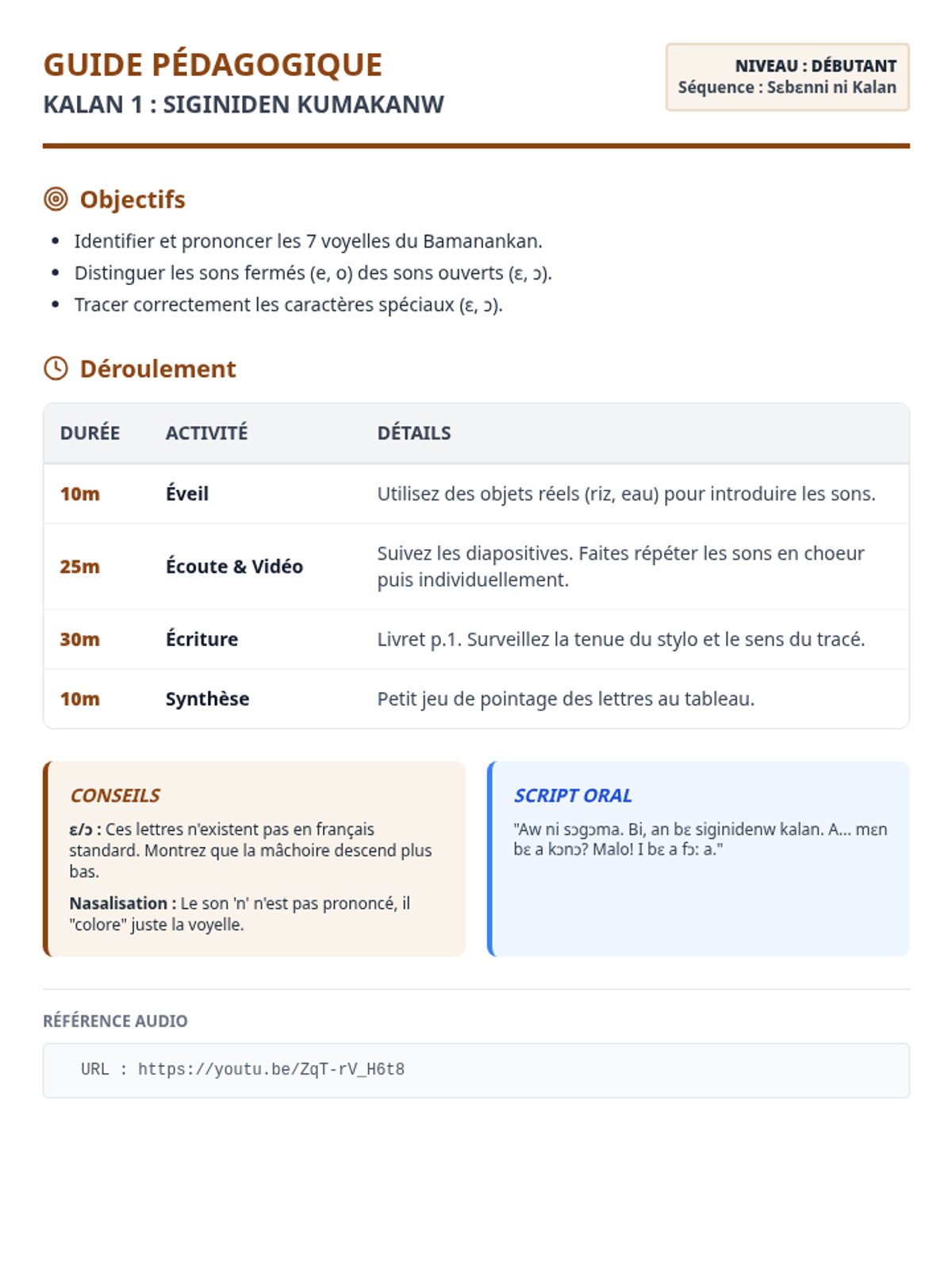
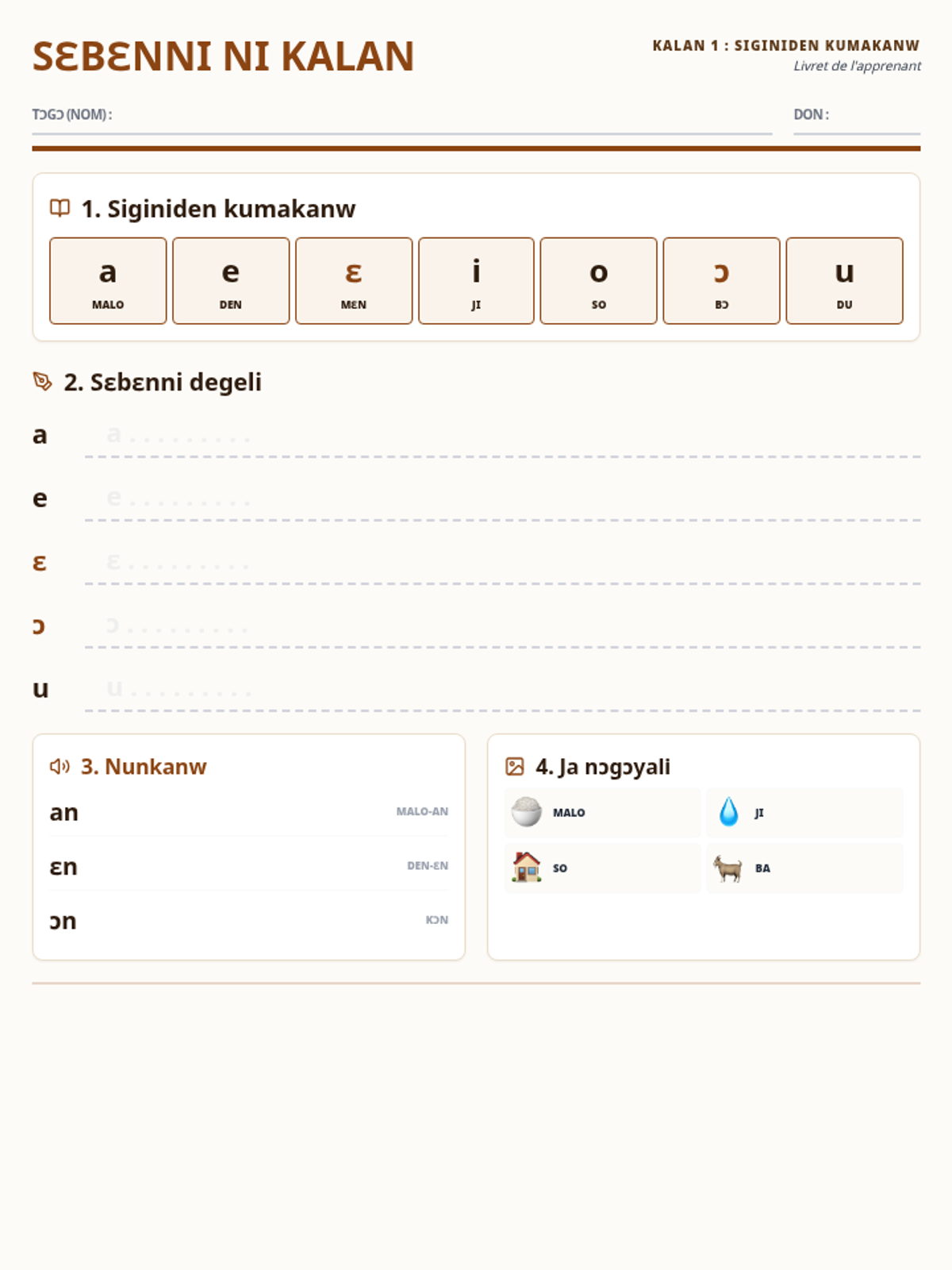
Introduction aux voyelles du Bamanankan (a, e, ɛ, i, o, ɔ, u) et à la nasalisation, avec des exercices de tracé et de reconnaissance auditive.
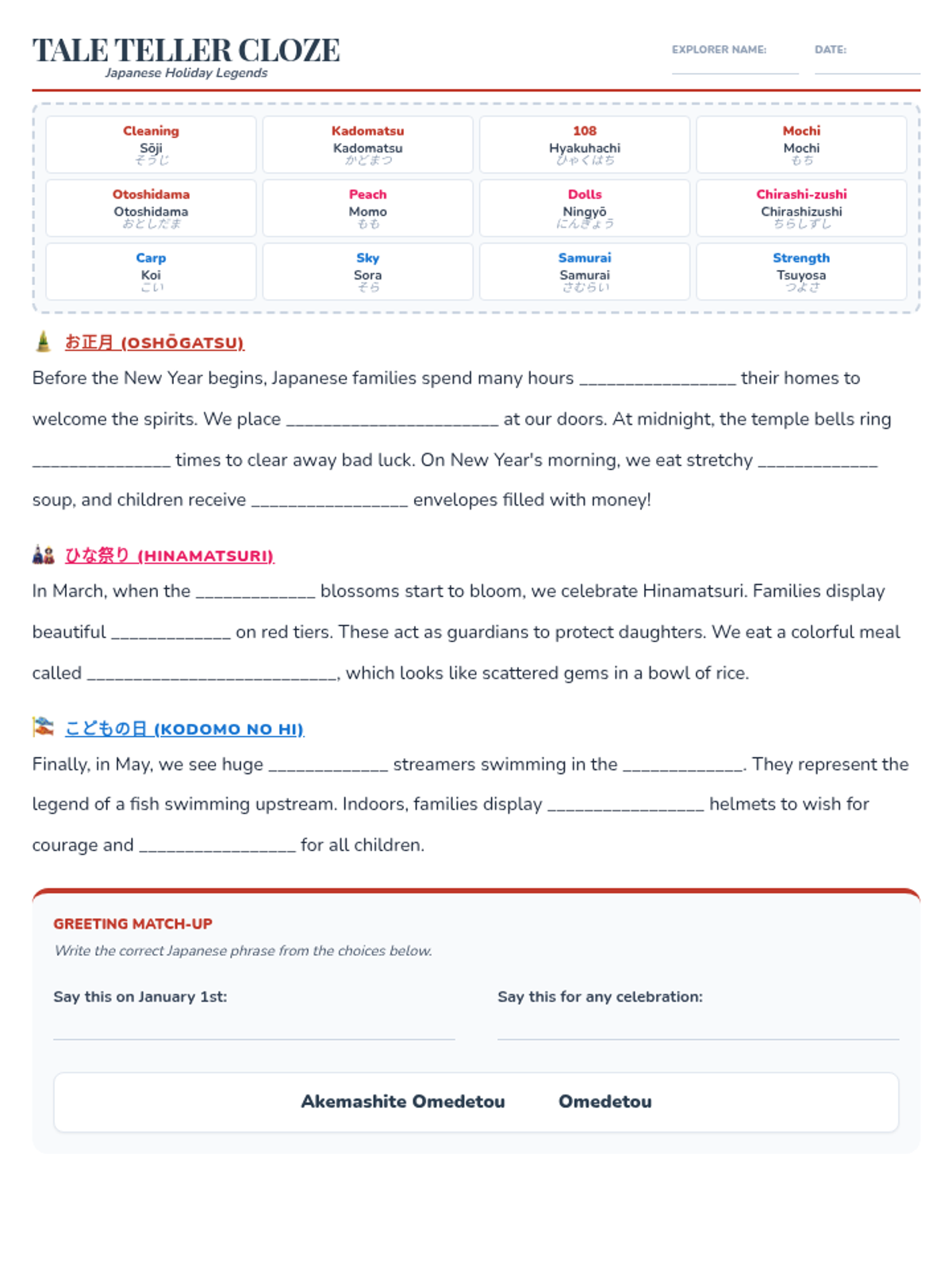
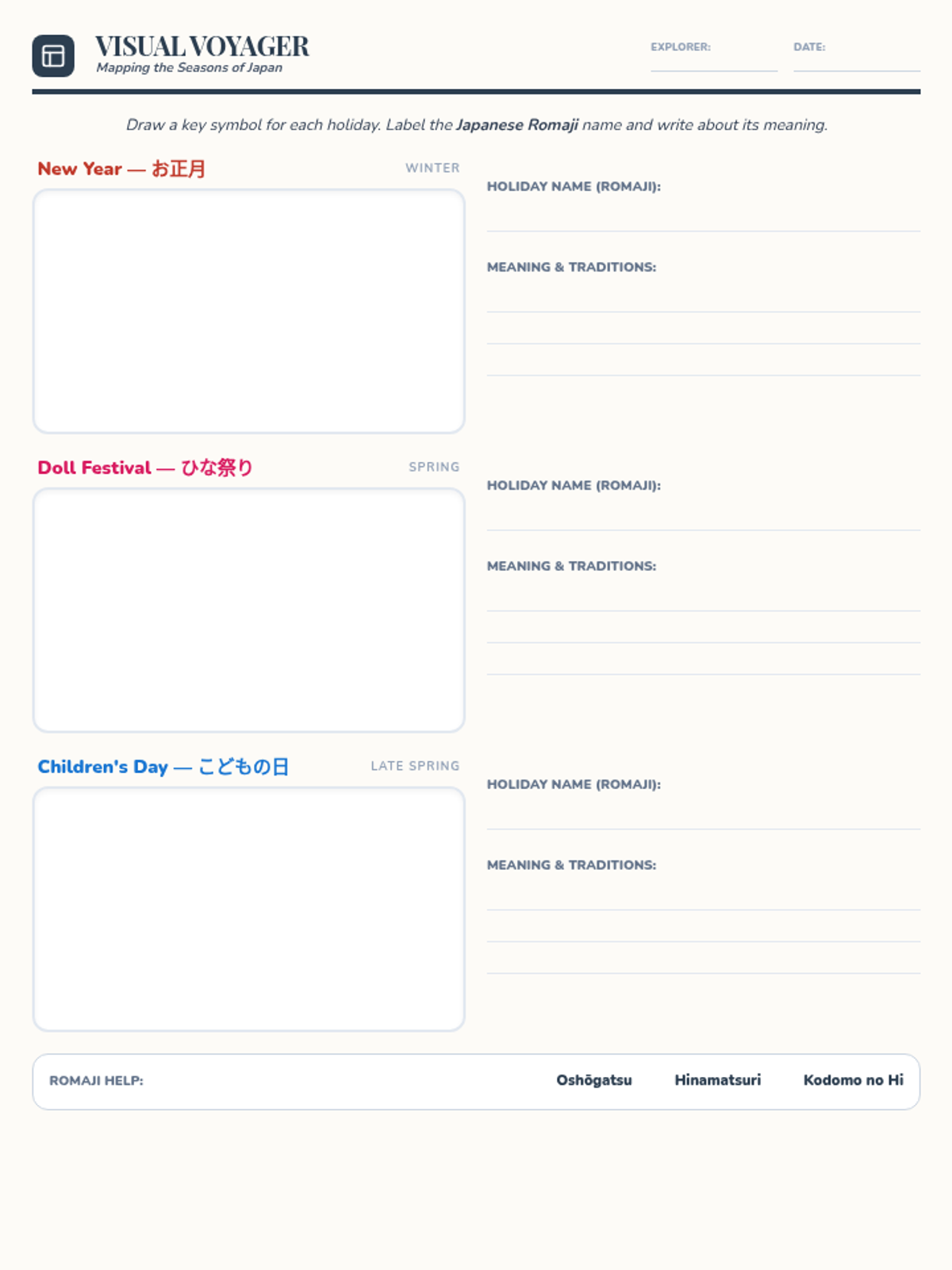
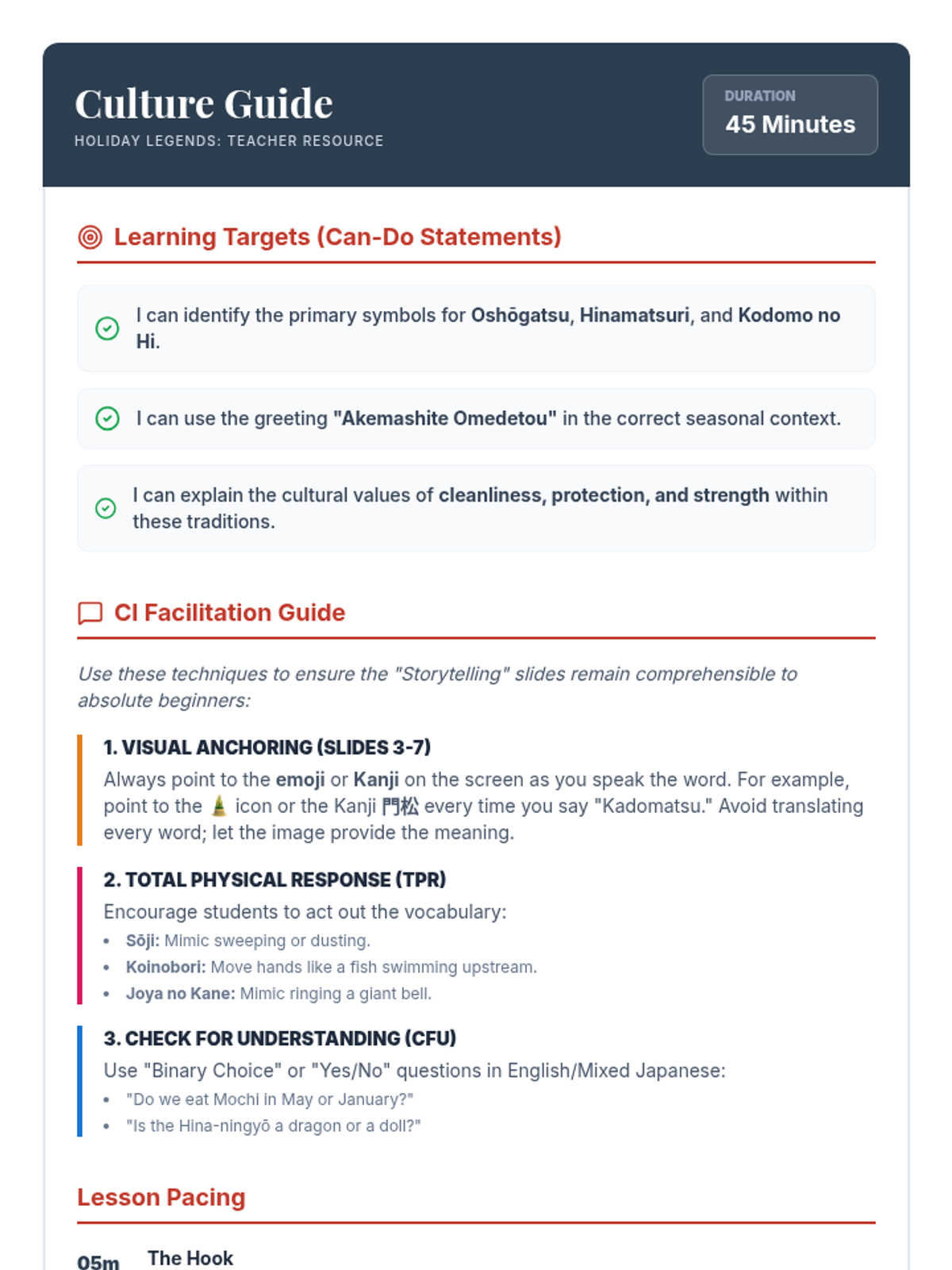
A 45-minute exploratory Japanese lesson using storytelling and Comprehensible Input to introduce Oshogatsu, Hinamatsuri, and Kodomo no Hi. Students will engage with the cultural significance and specific traditions of each holiday through narrative and visual representation.
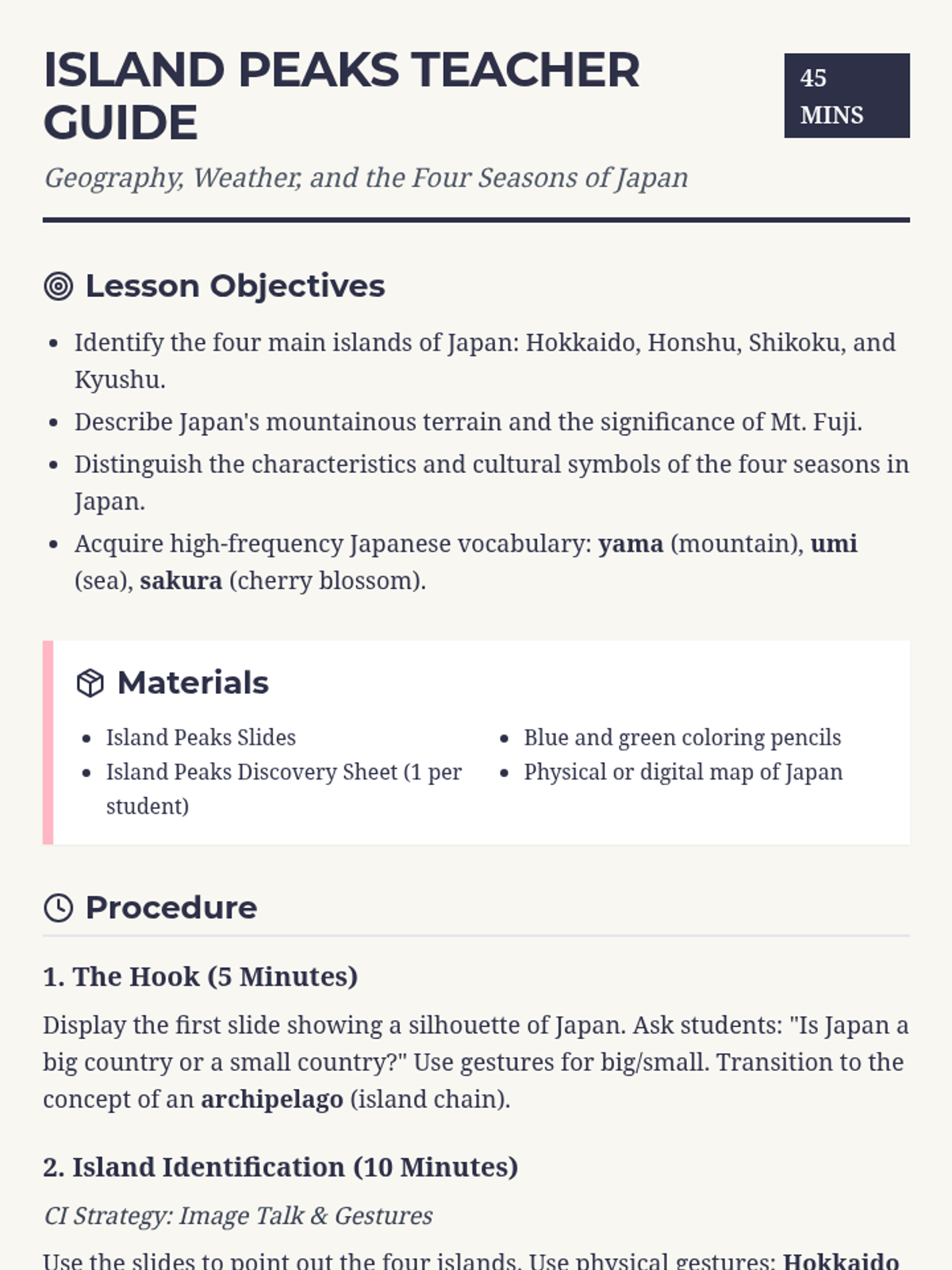
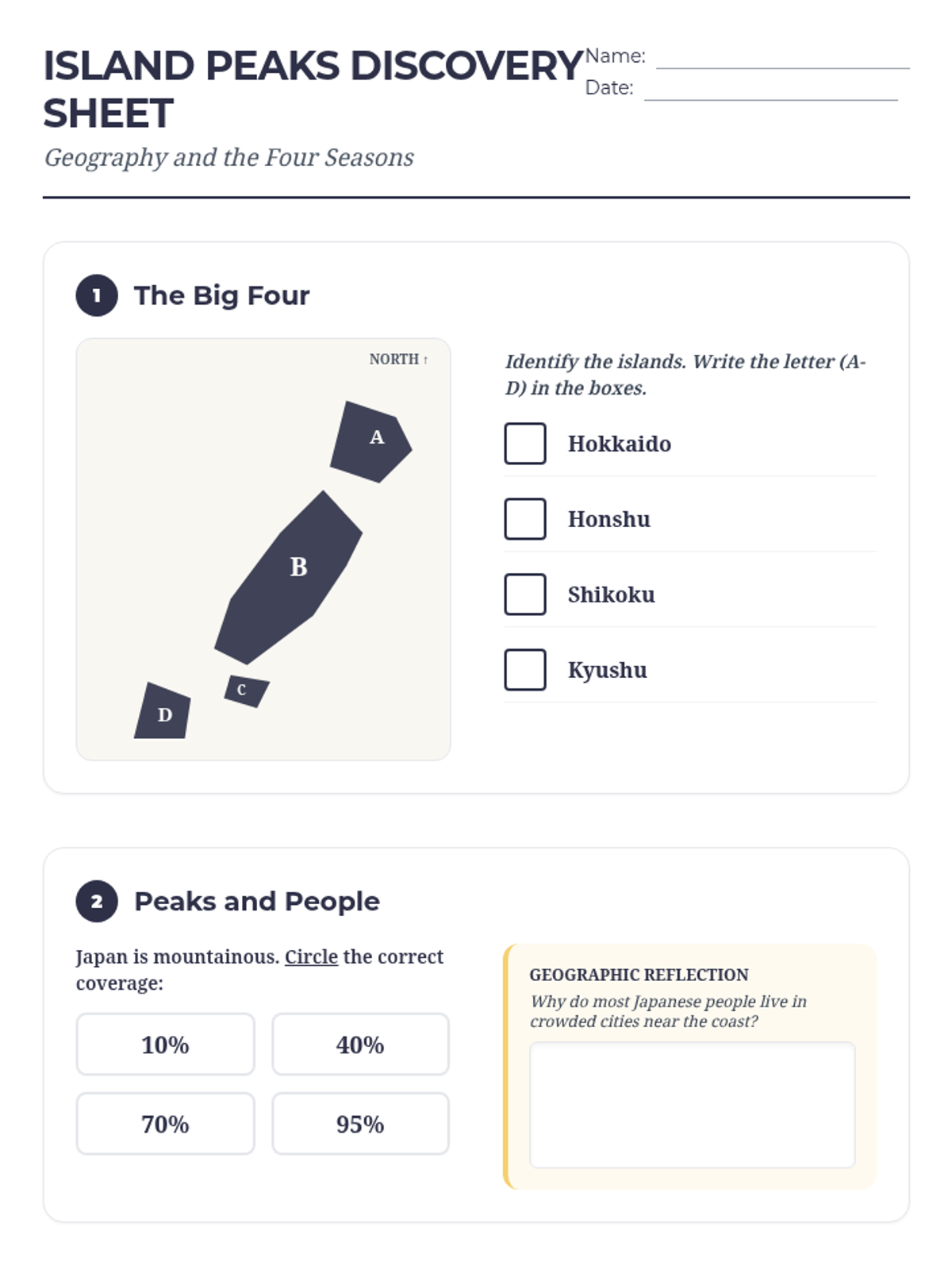
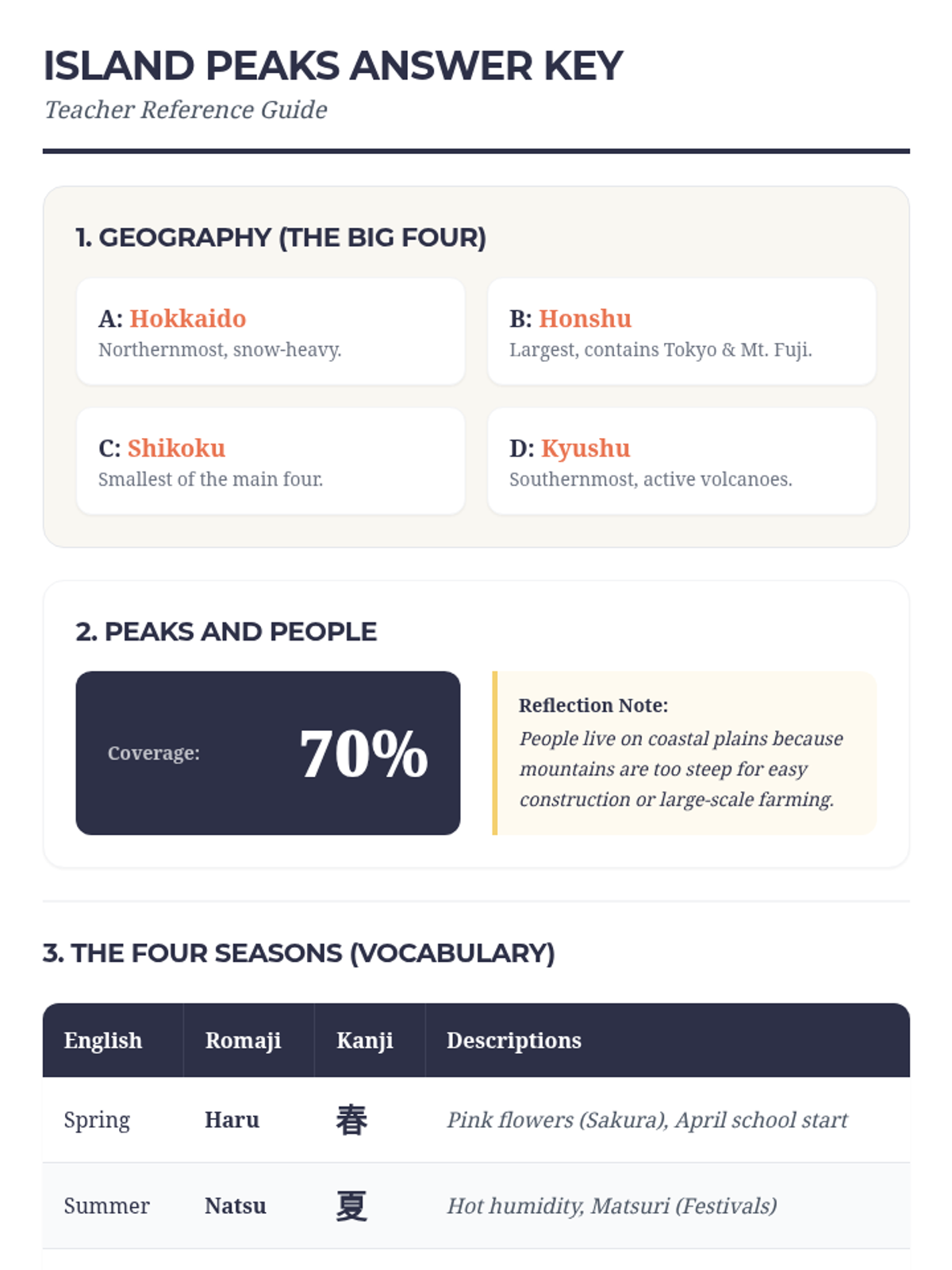
An introductory lesson exploring Japan's unique geography, diverse weather patterns, and iconic four seasons using comprehensible input strategies. Students will identify the four main islands, major landmarks like Mt. Fuji, and cultural seasonal shifts.
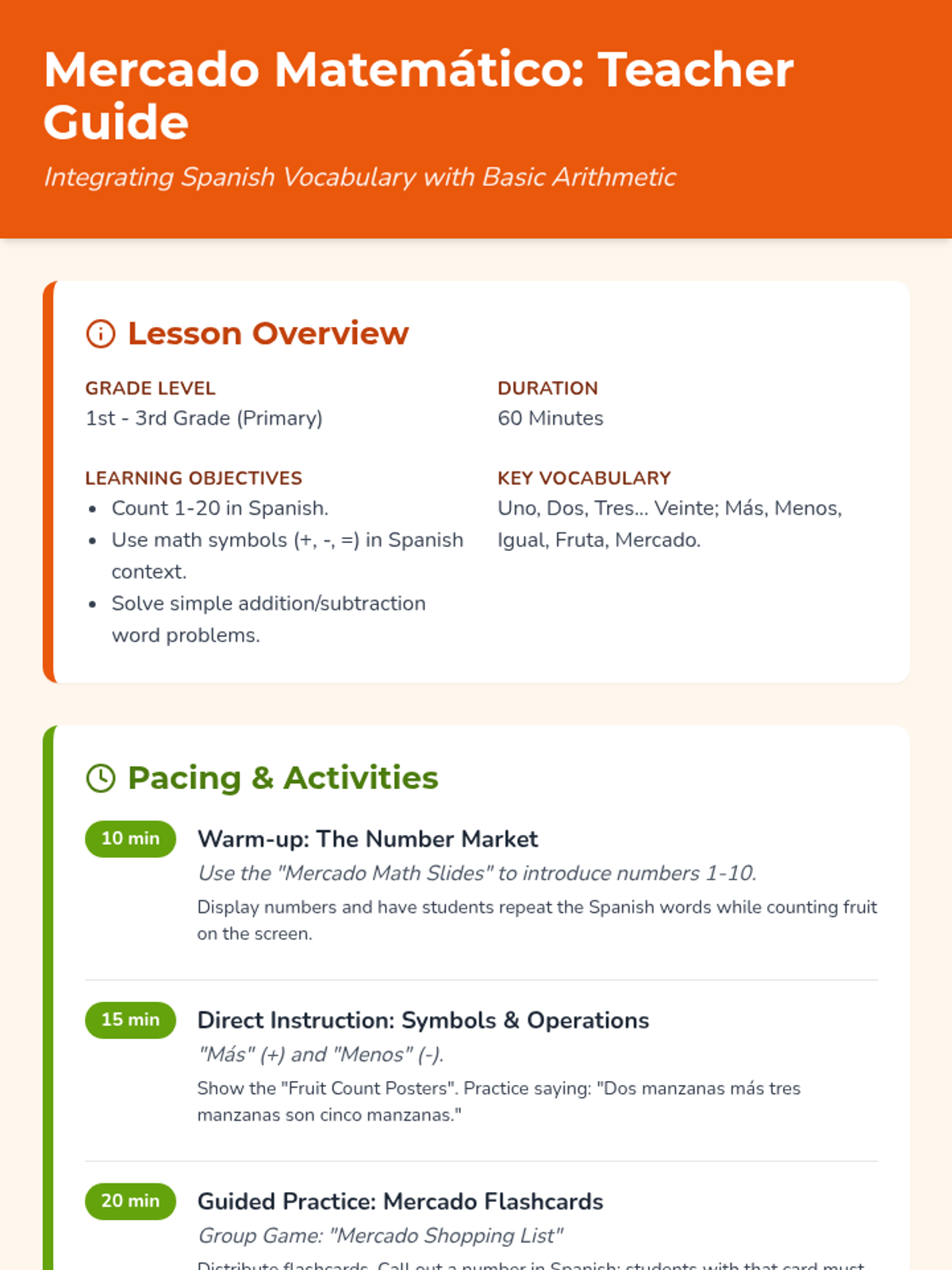
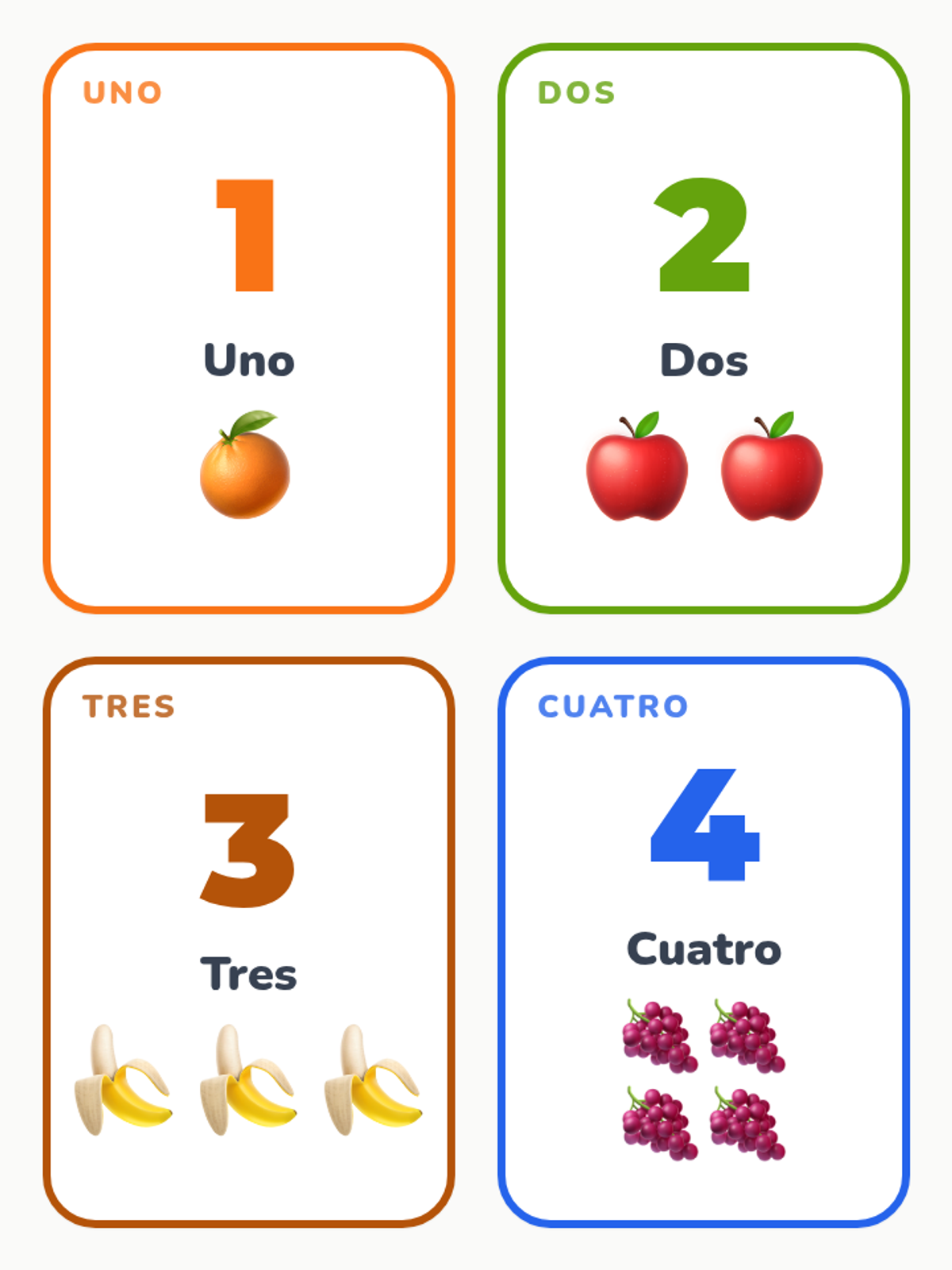
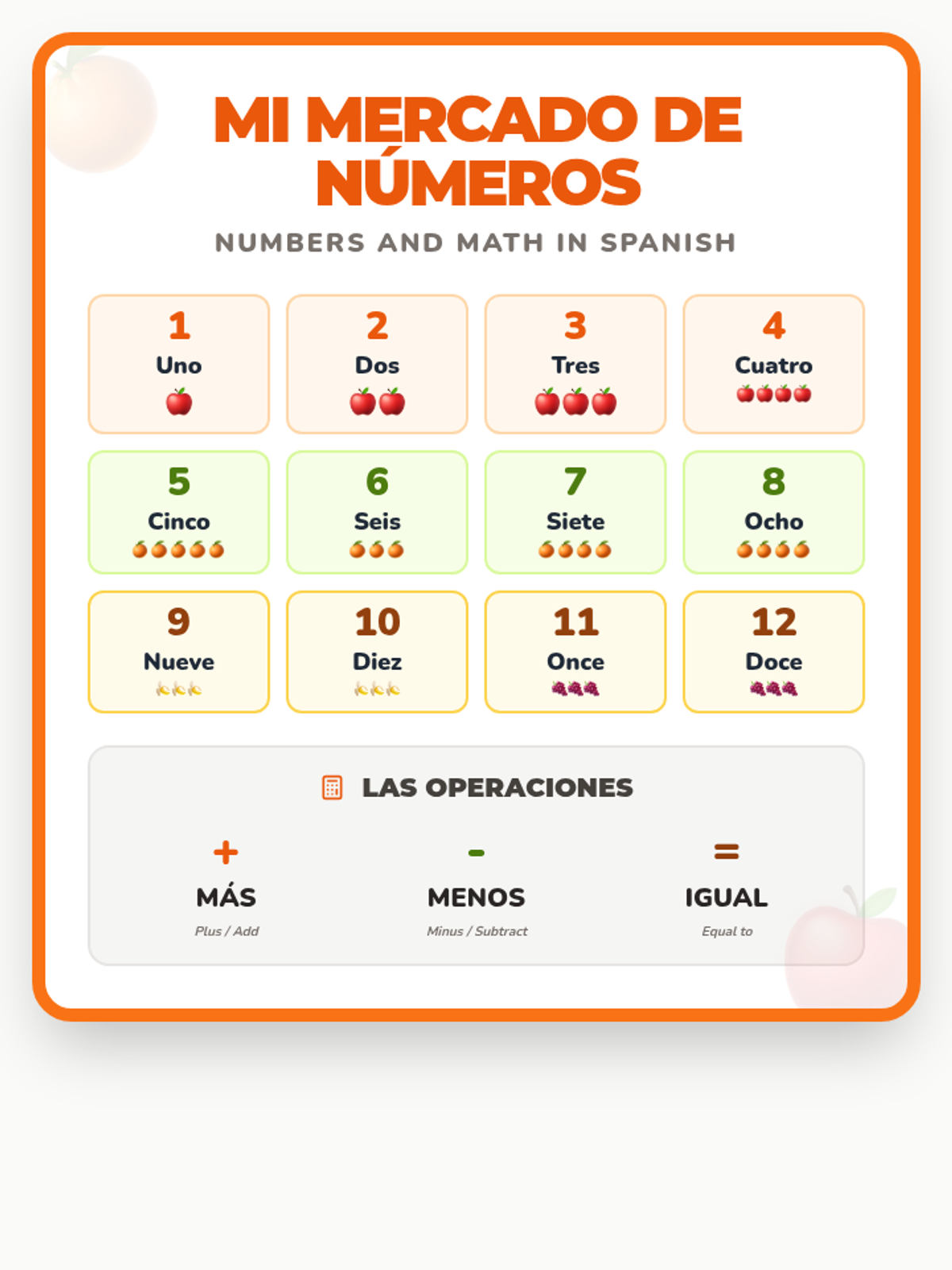
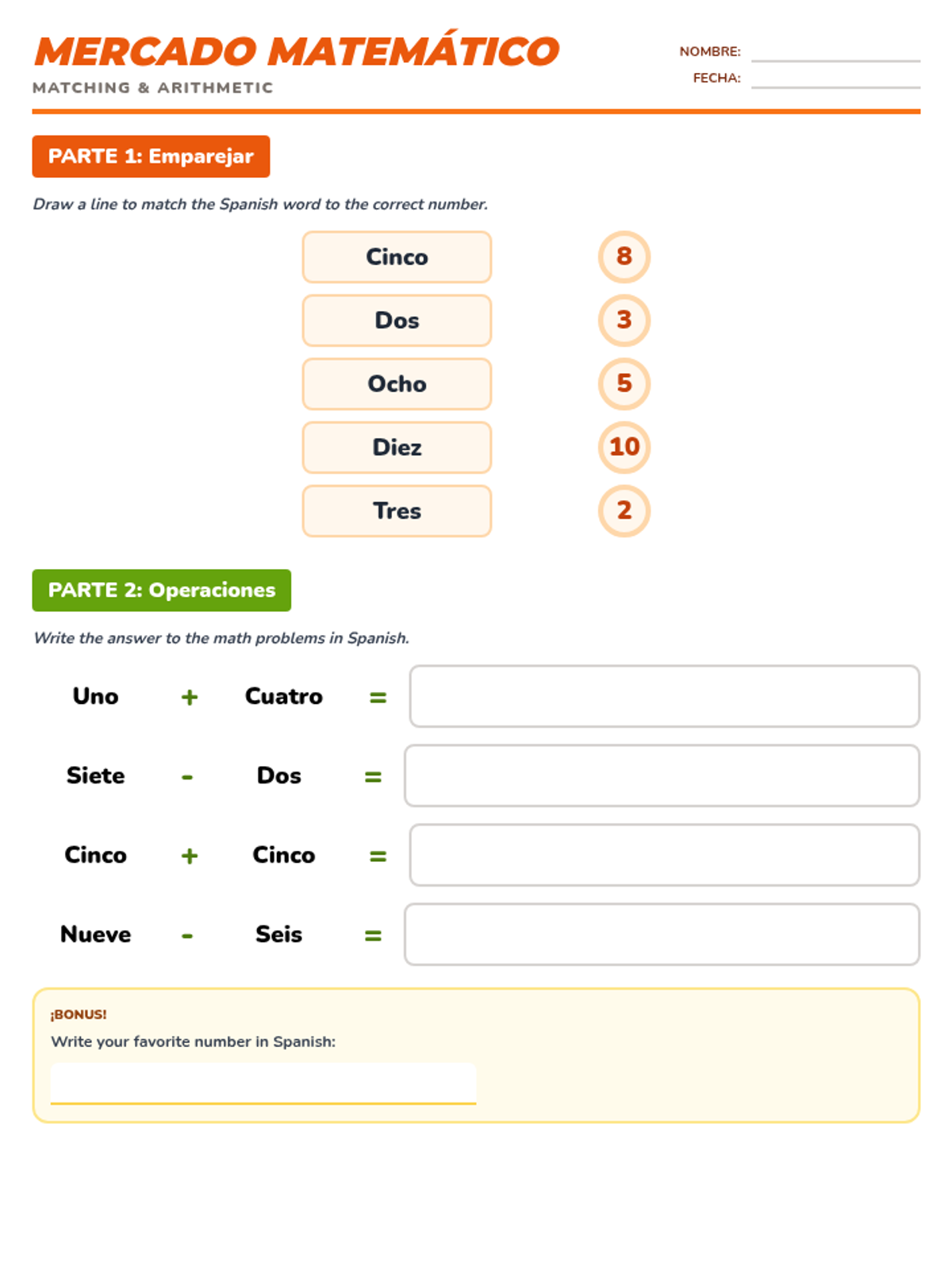
A vibrant lesson integrating Spanish number vocabulary with basic addition and subtraction through a marketplace theme. Students will learn to identify numbers and solve simple math problems using Spanish terminology.
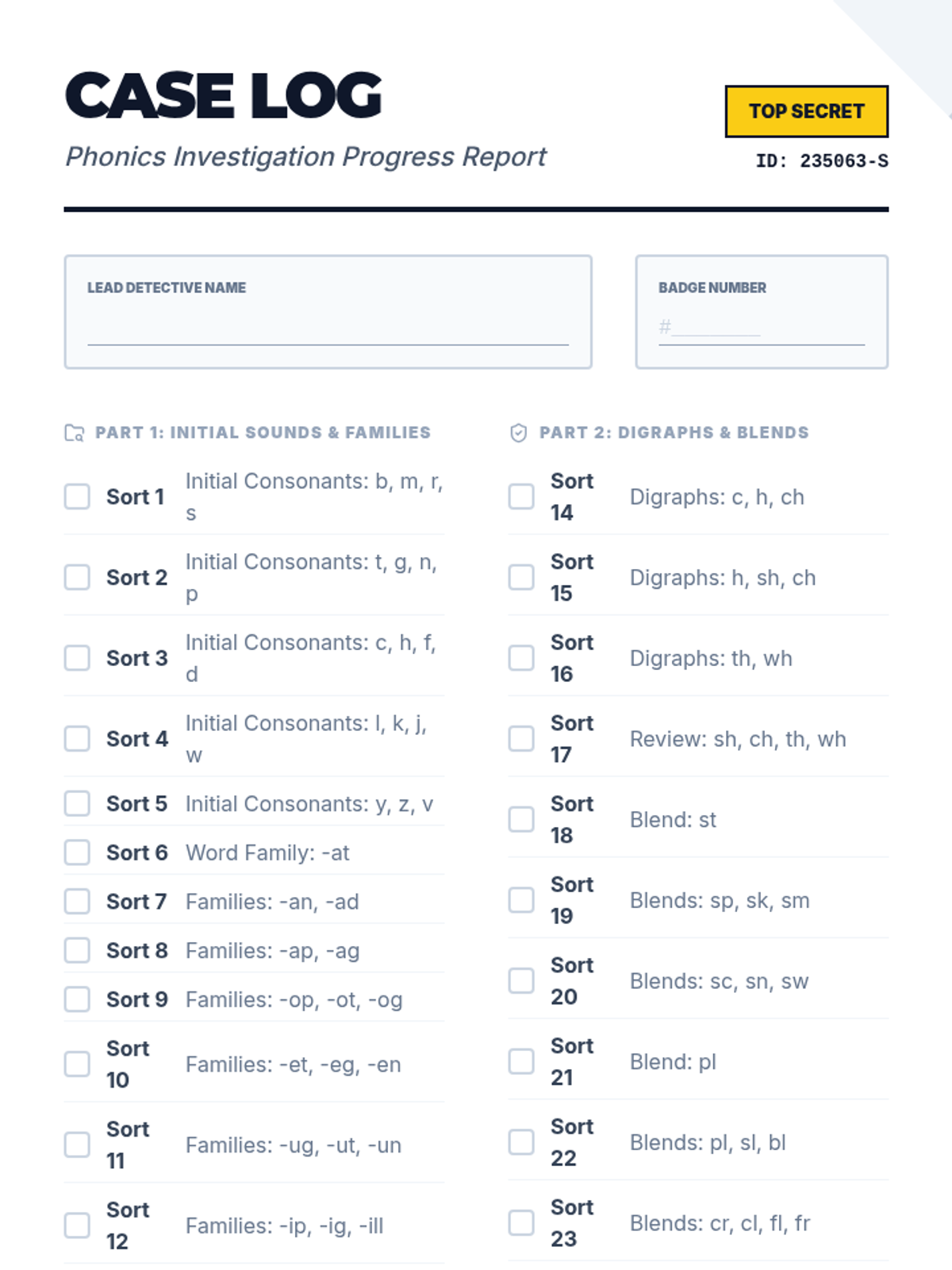
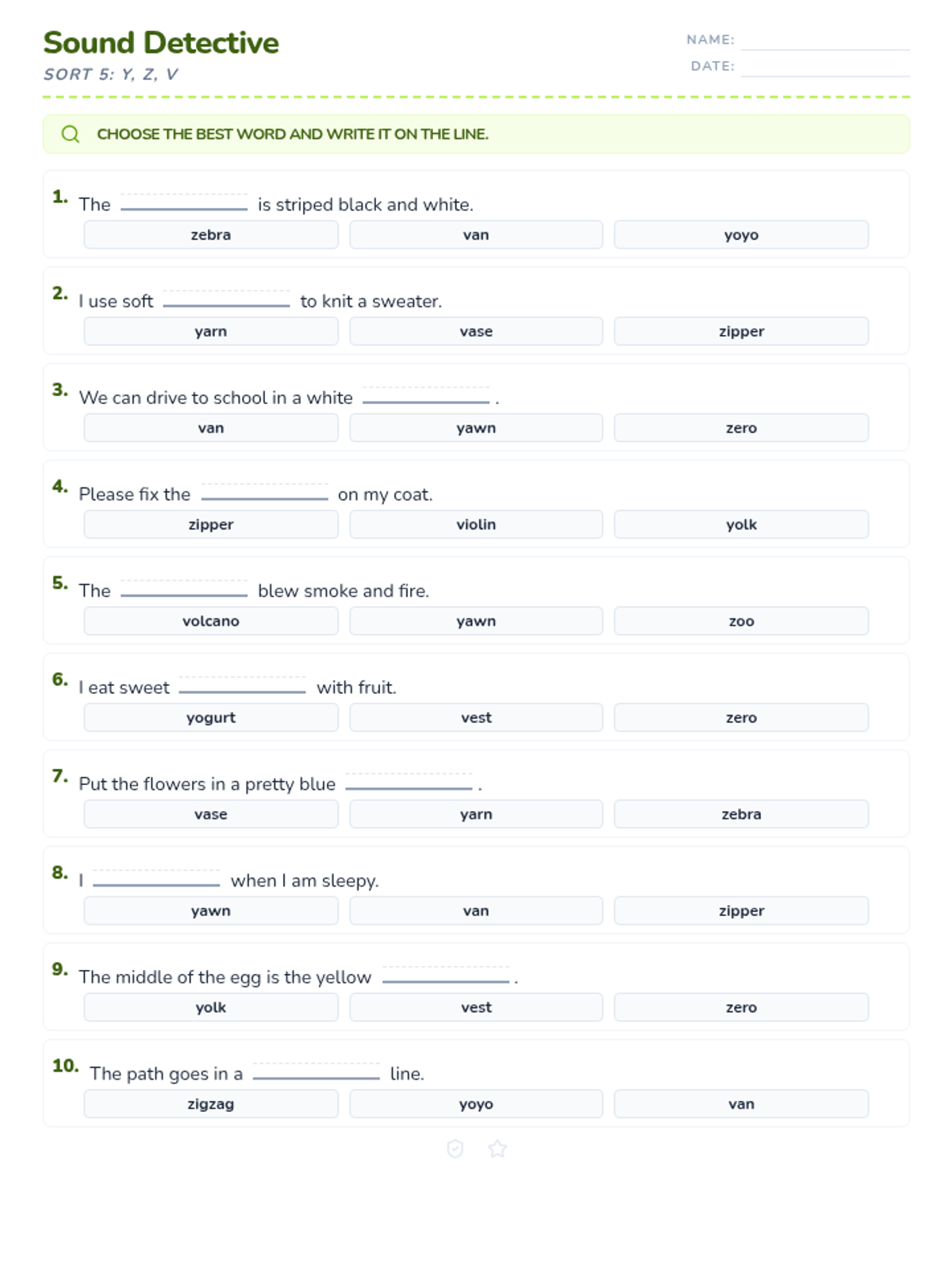
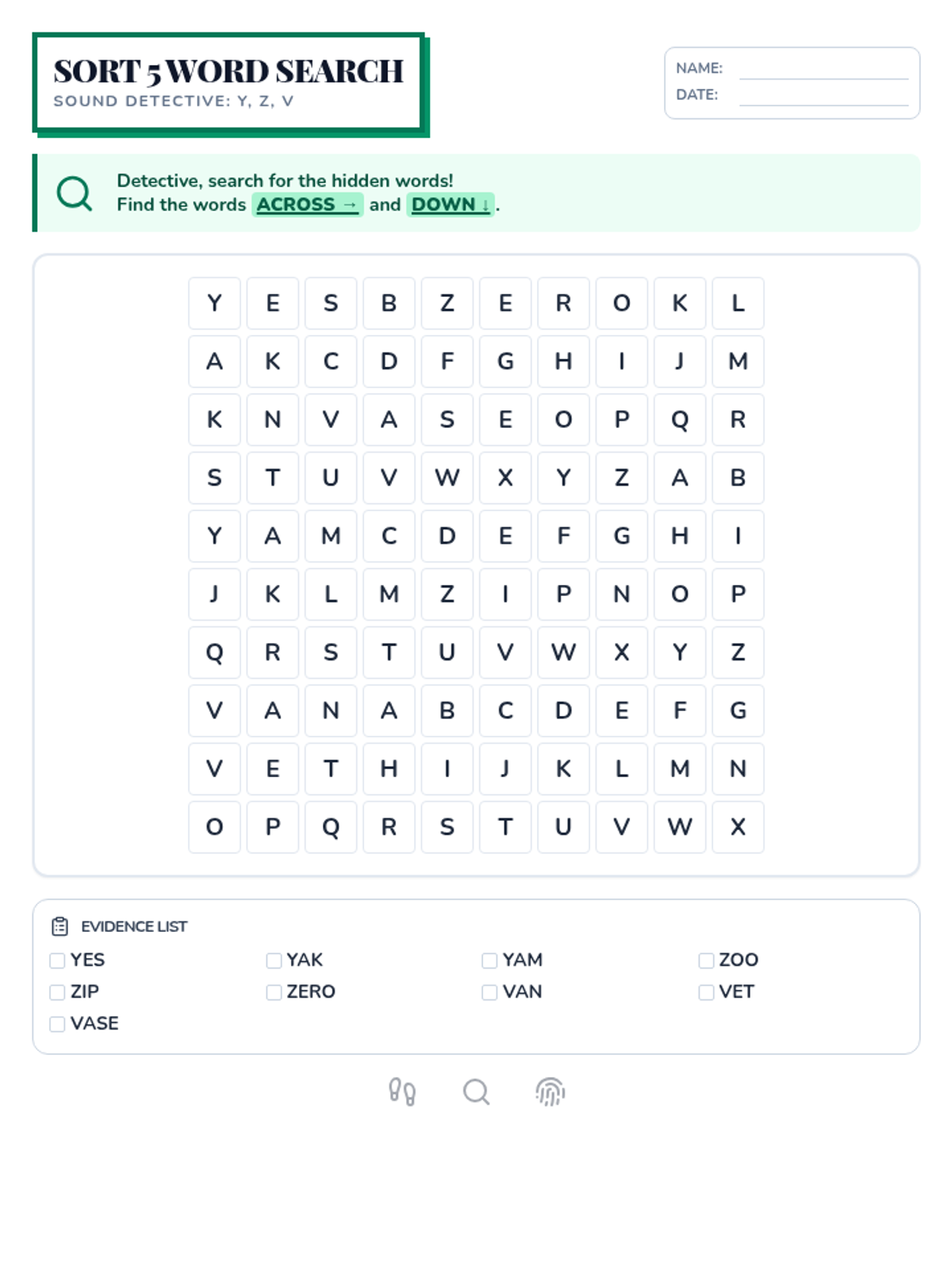
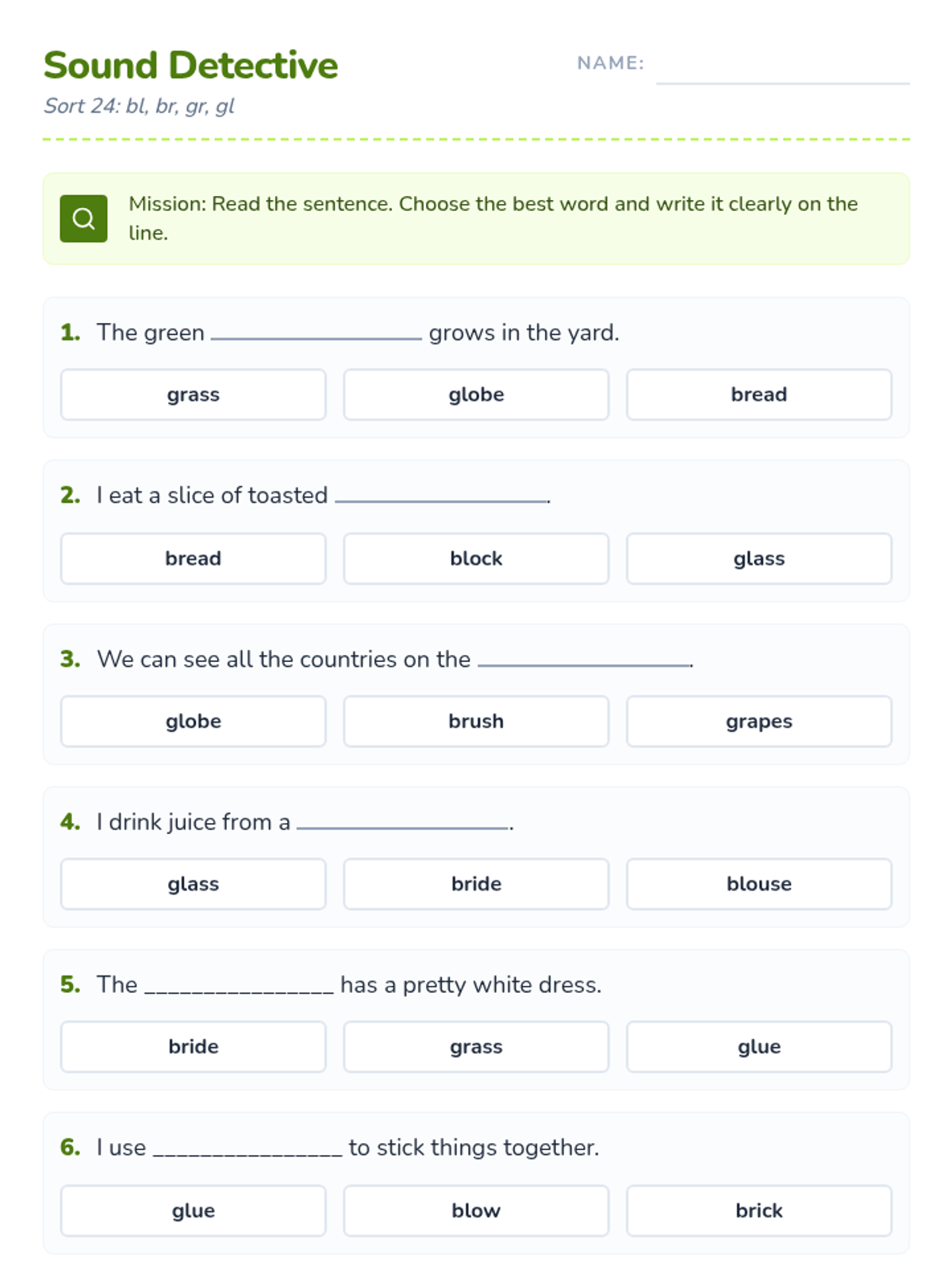
The final challenge of the workbook, synthesizing all phonetic knowledge for comprehensive word mastery.
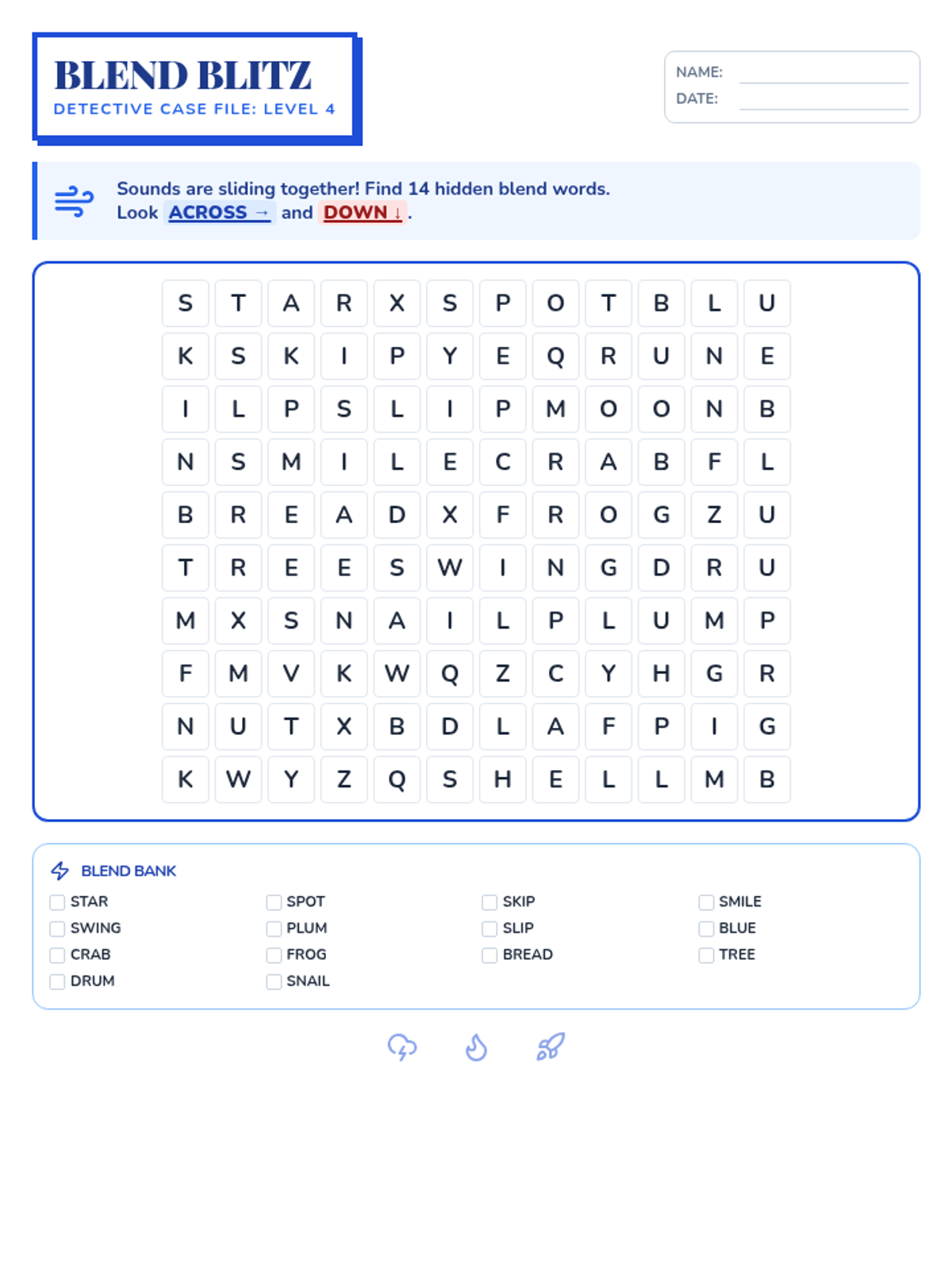
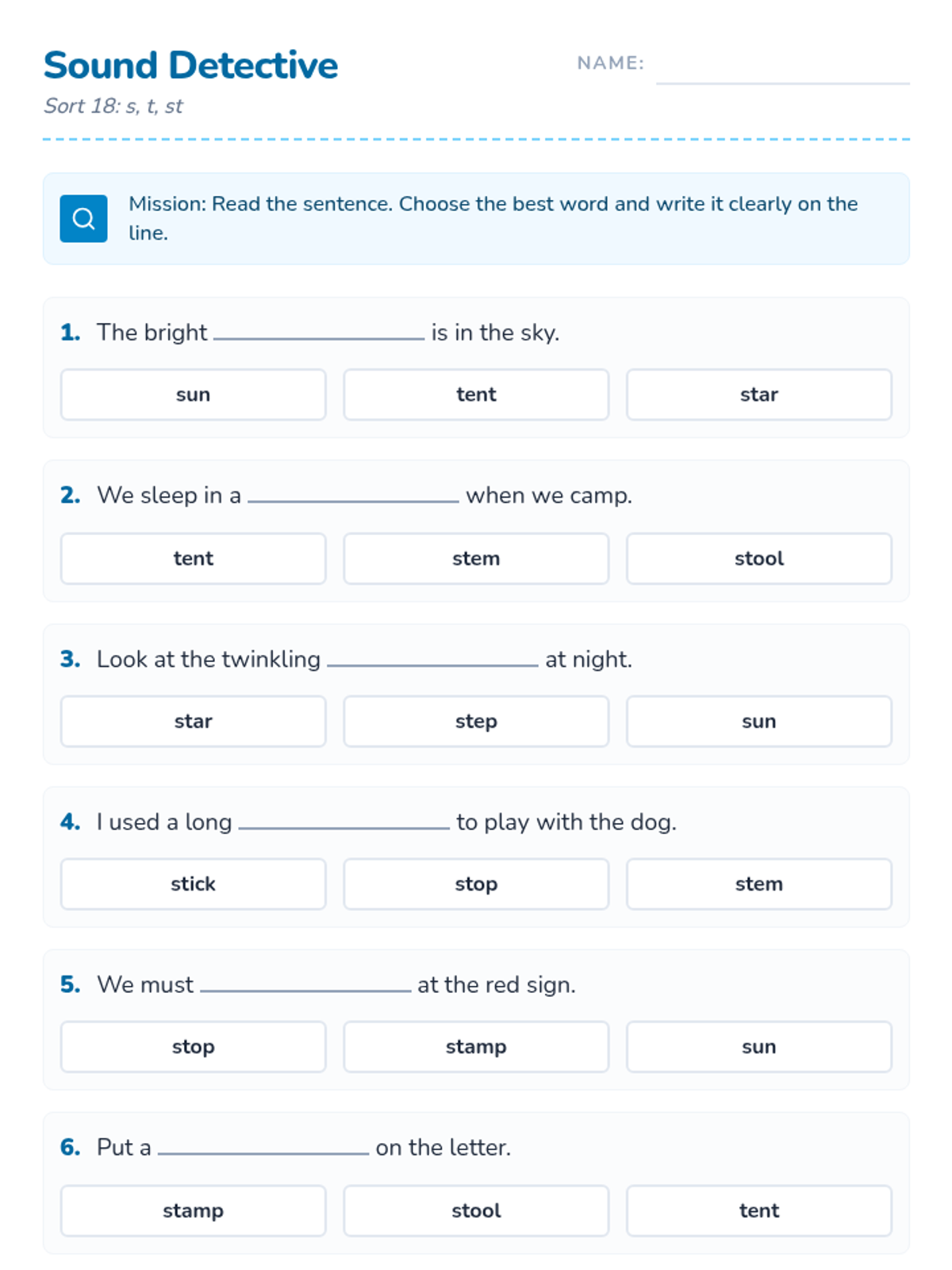
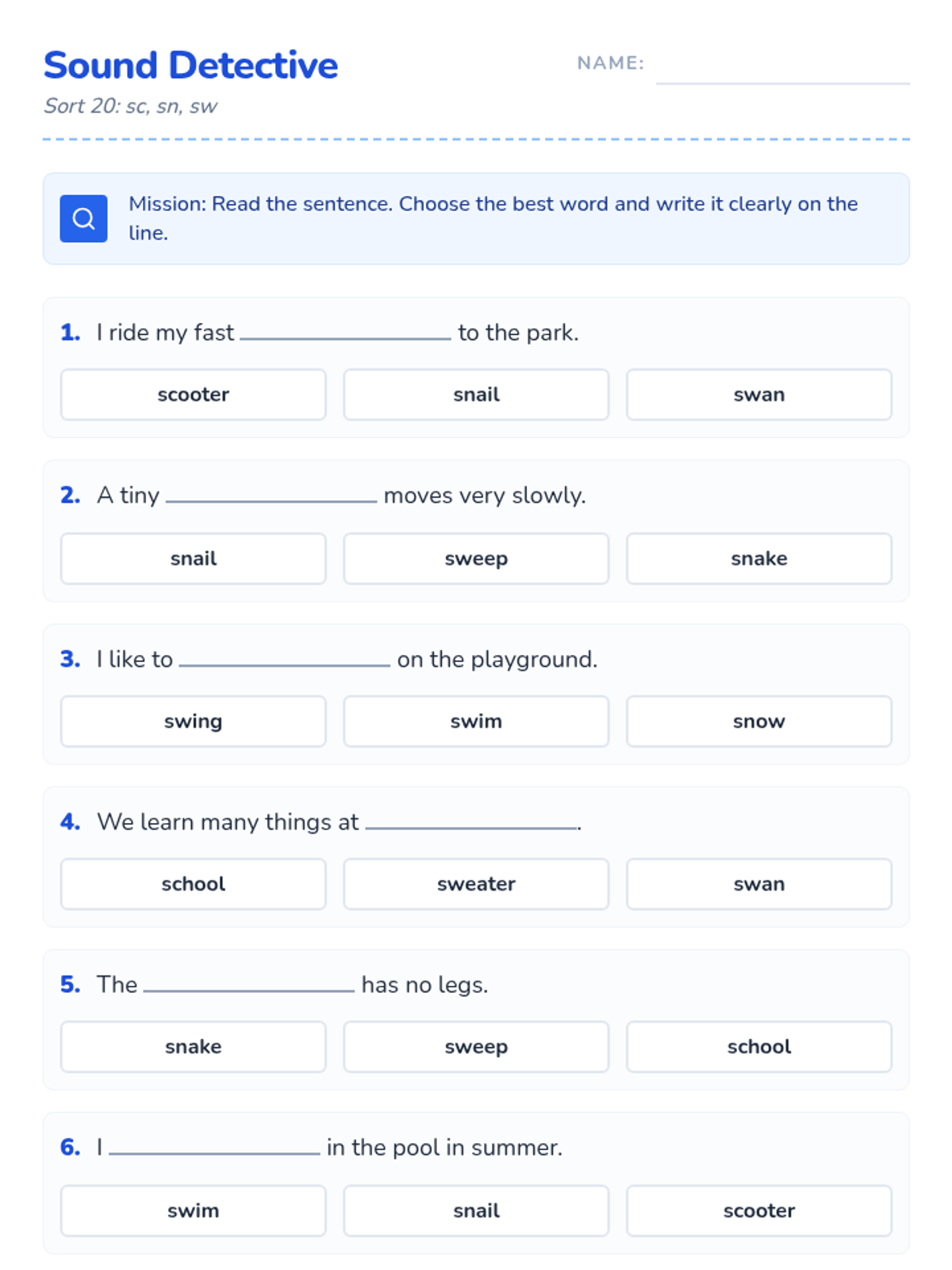
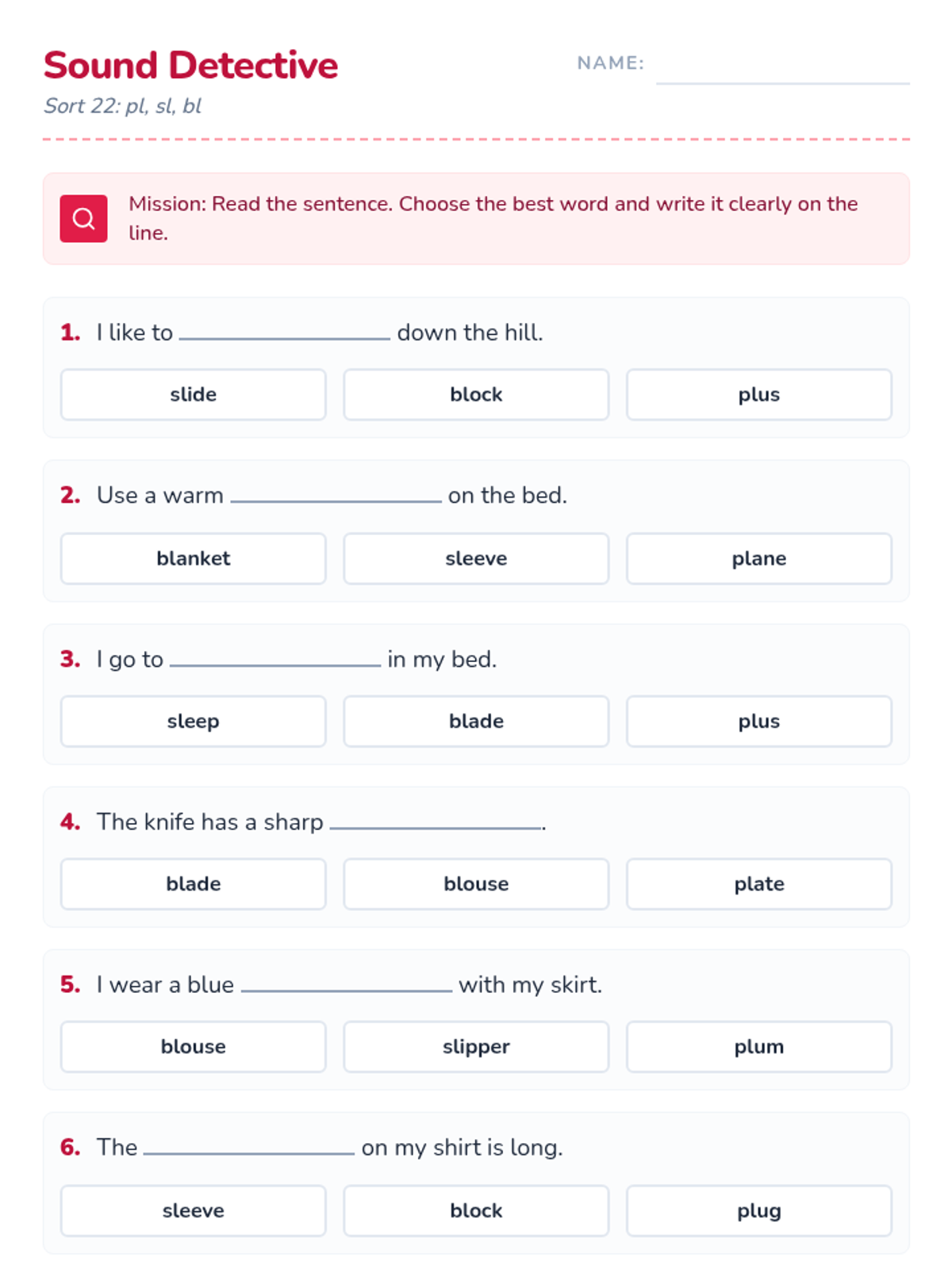
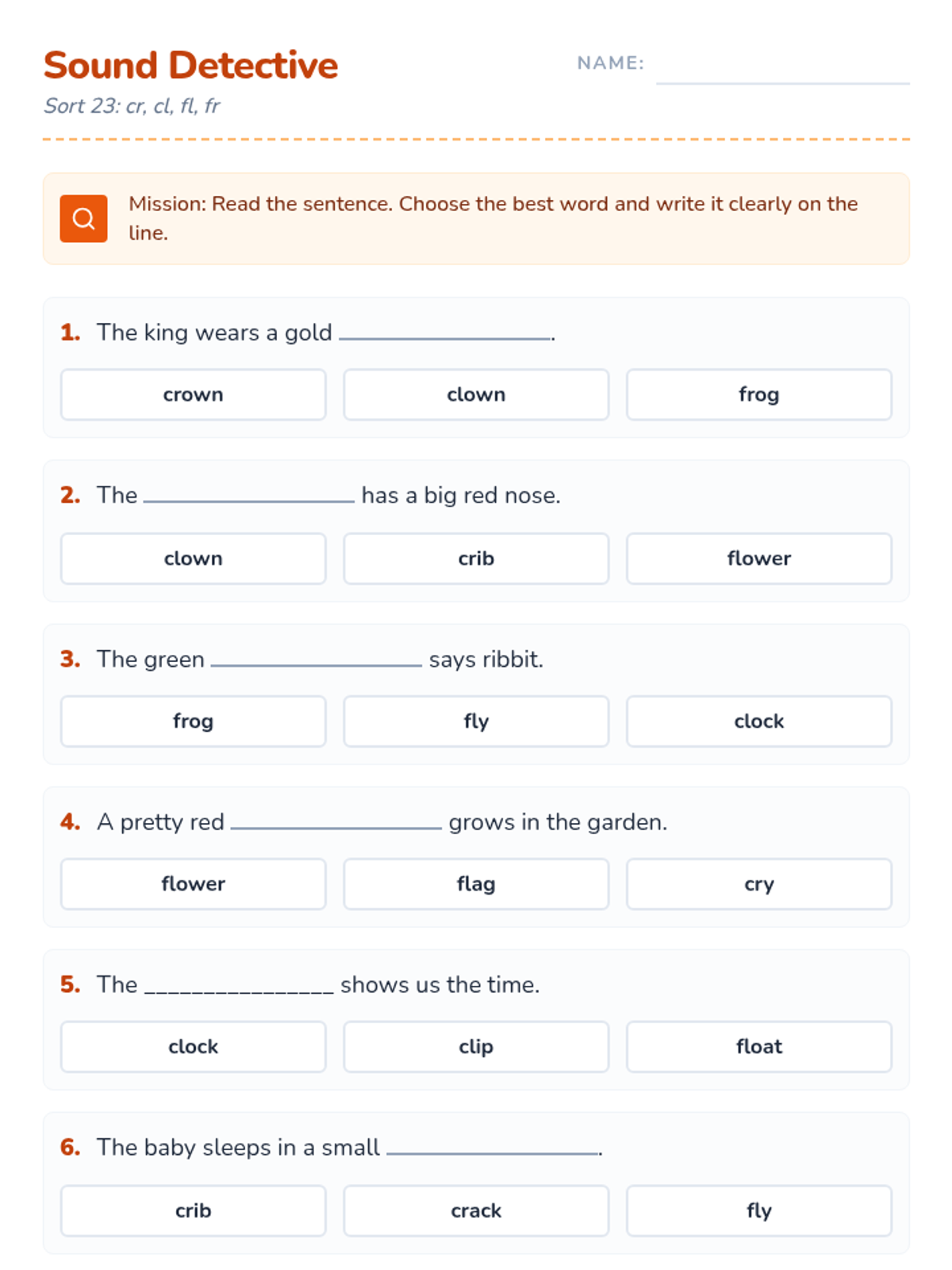
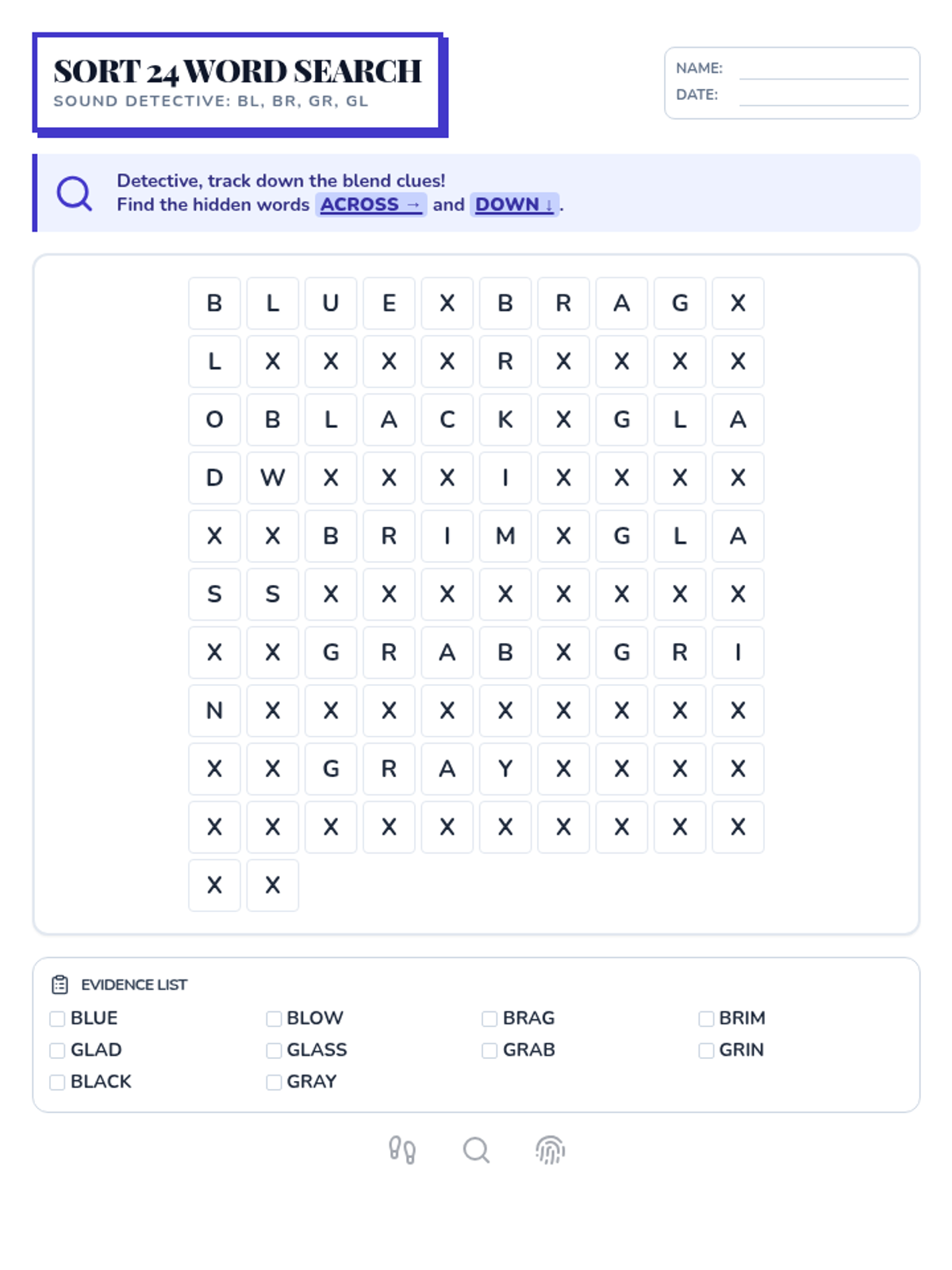
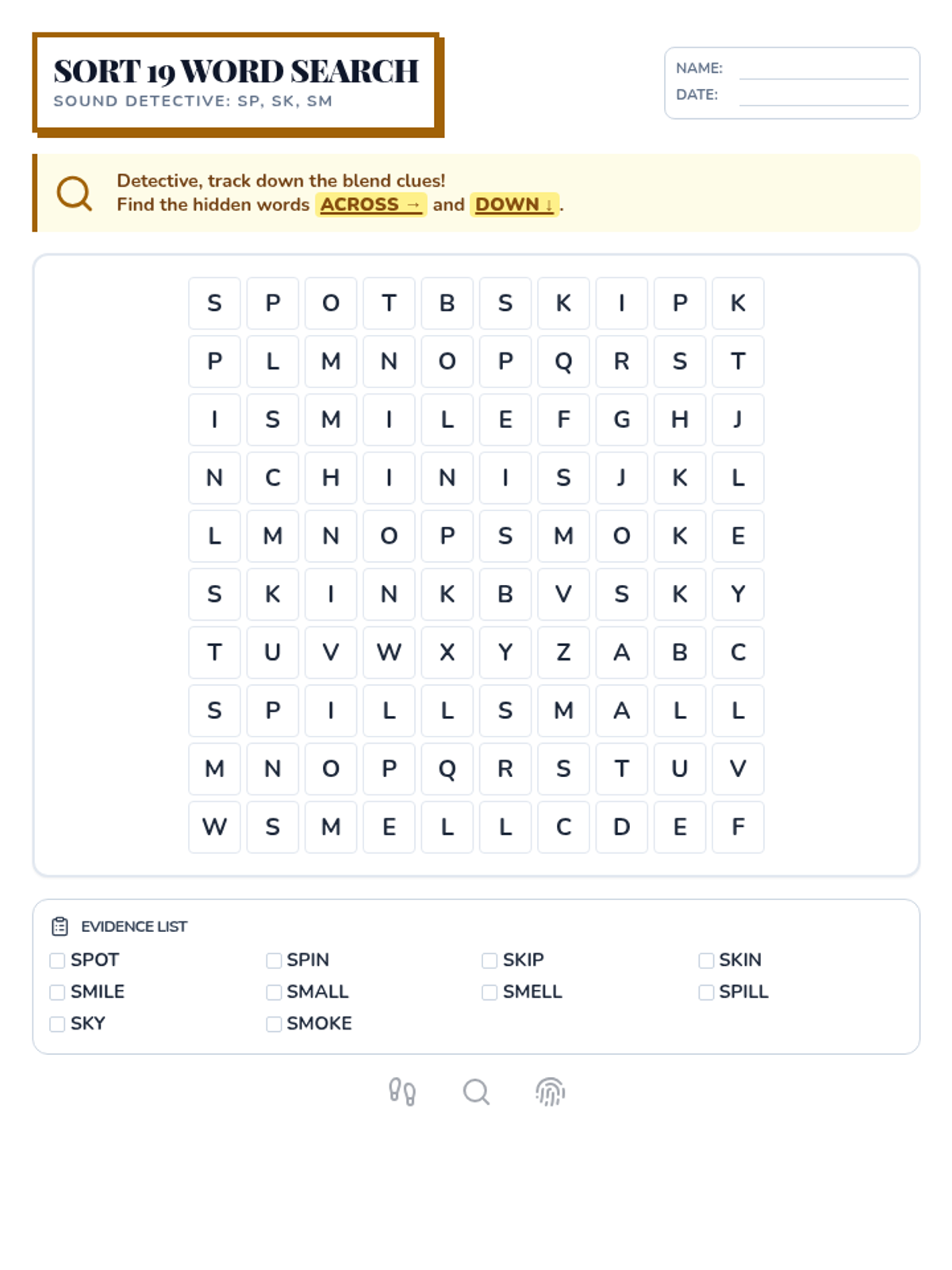
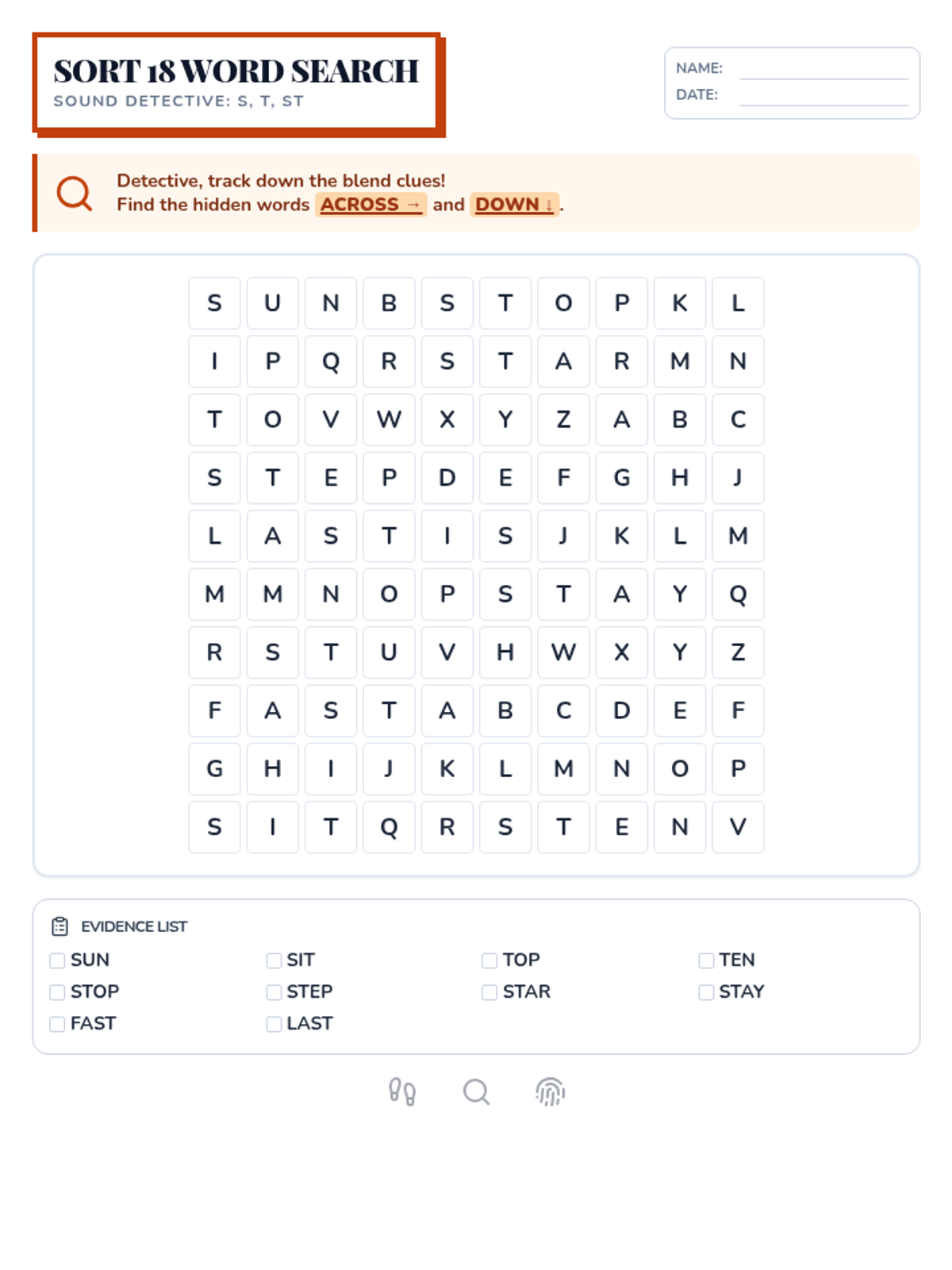
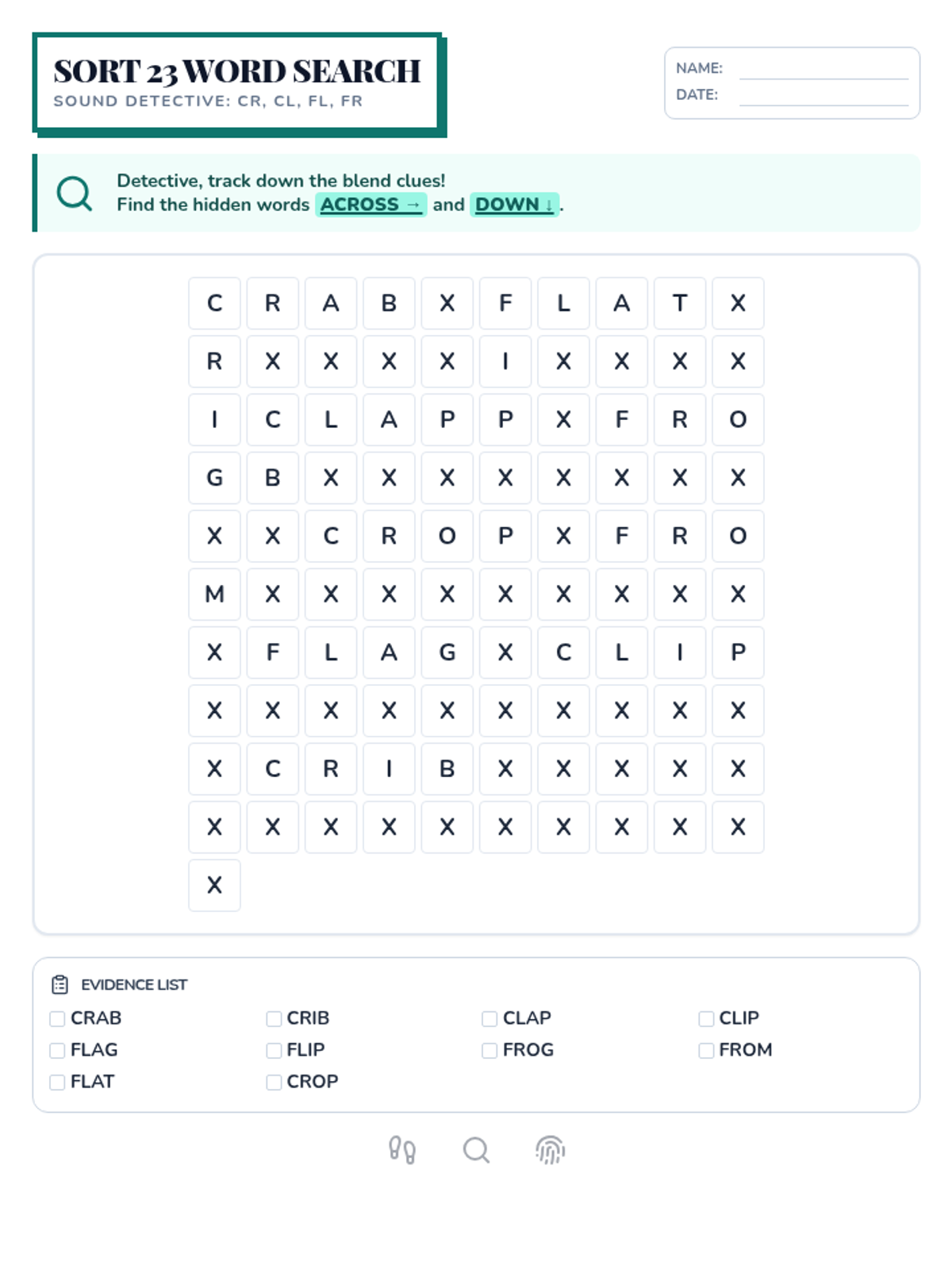
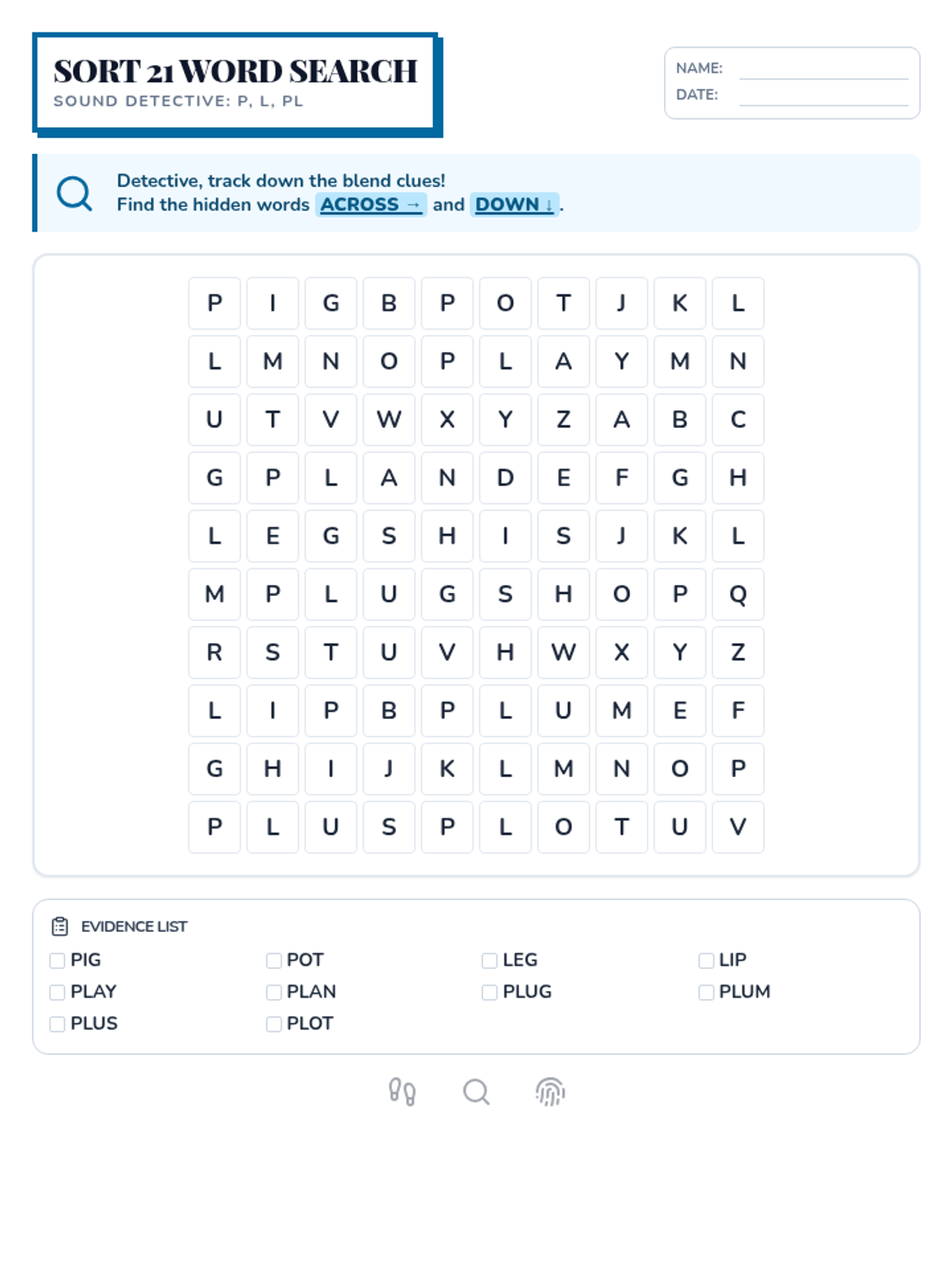
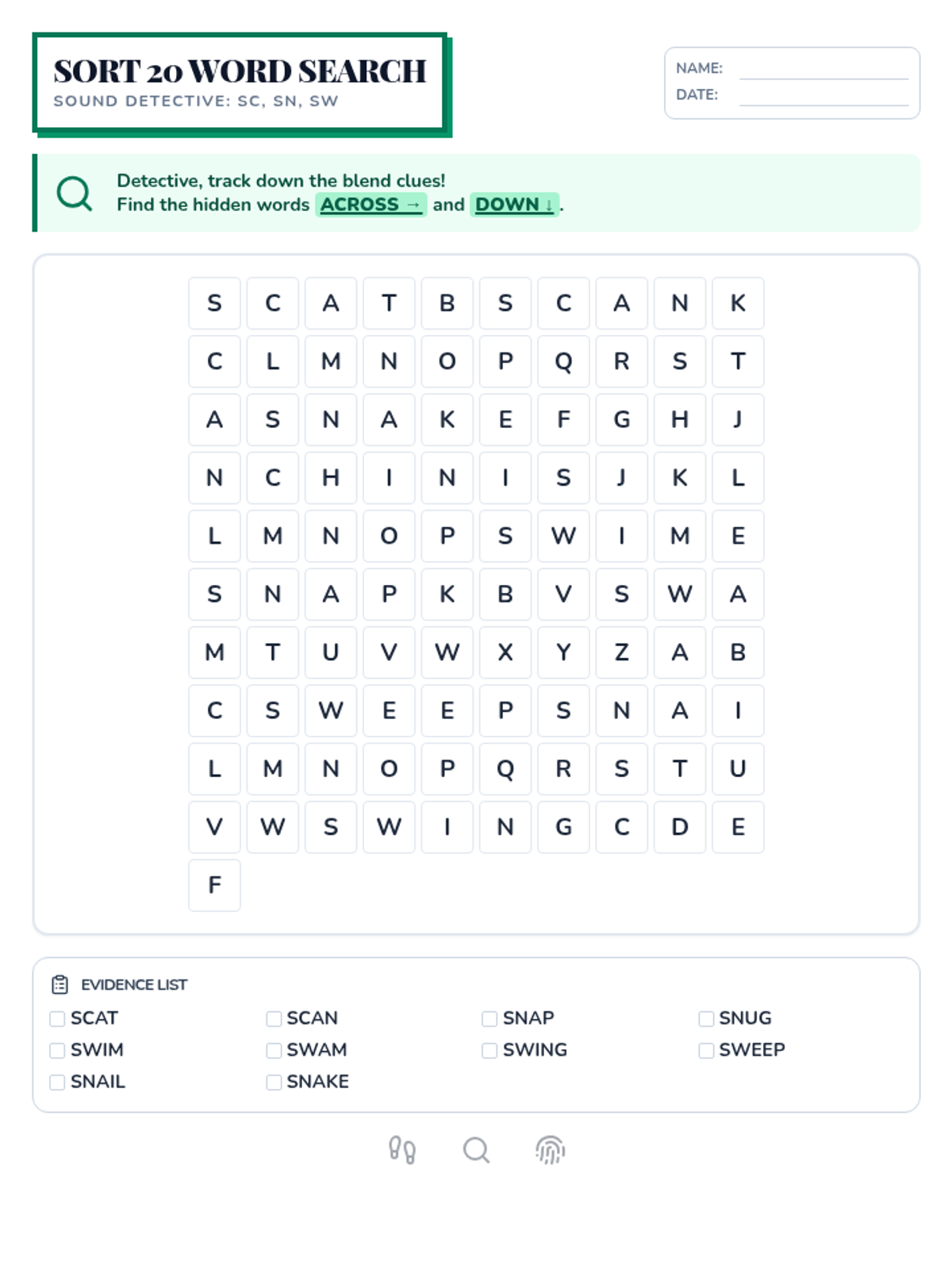
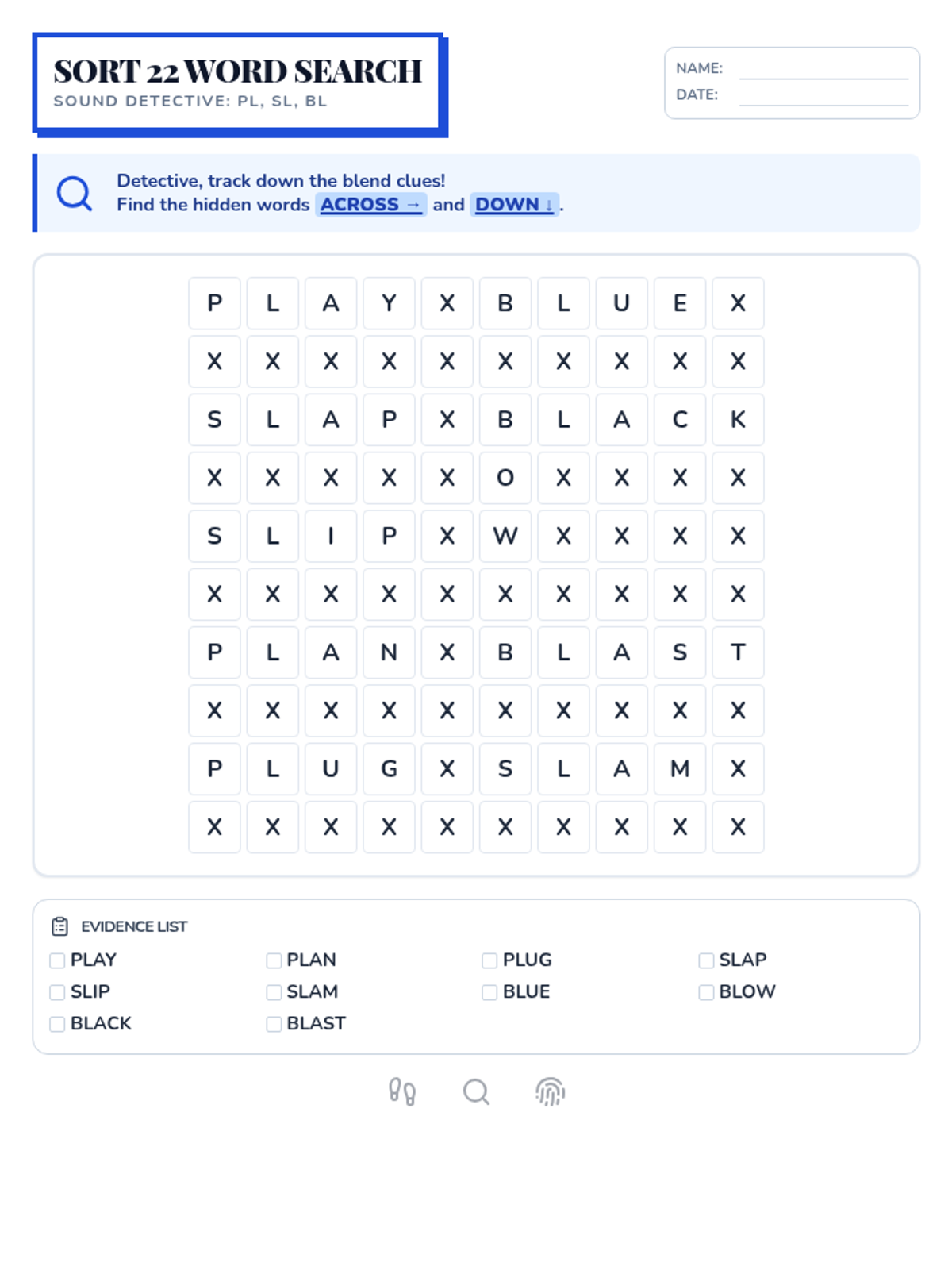
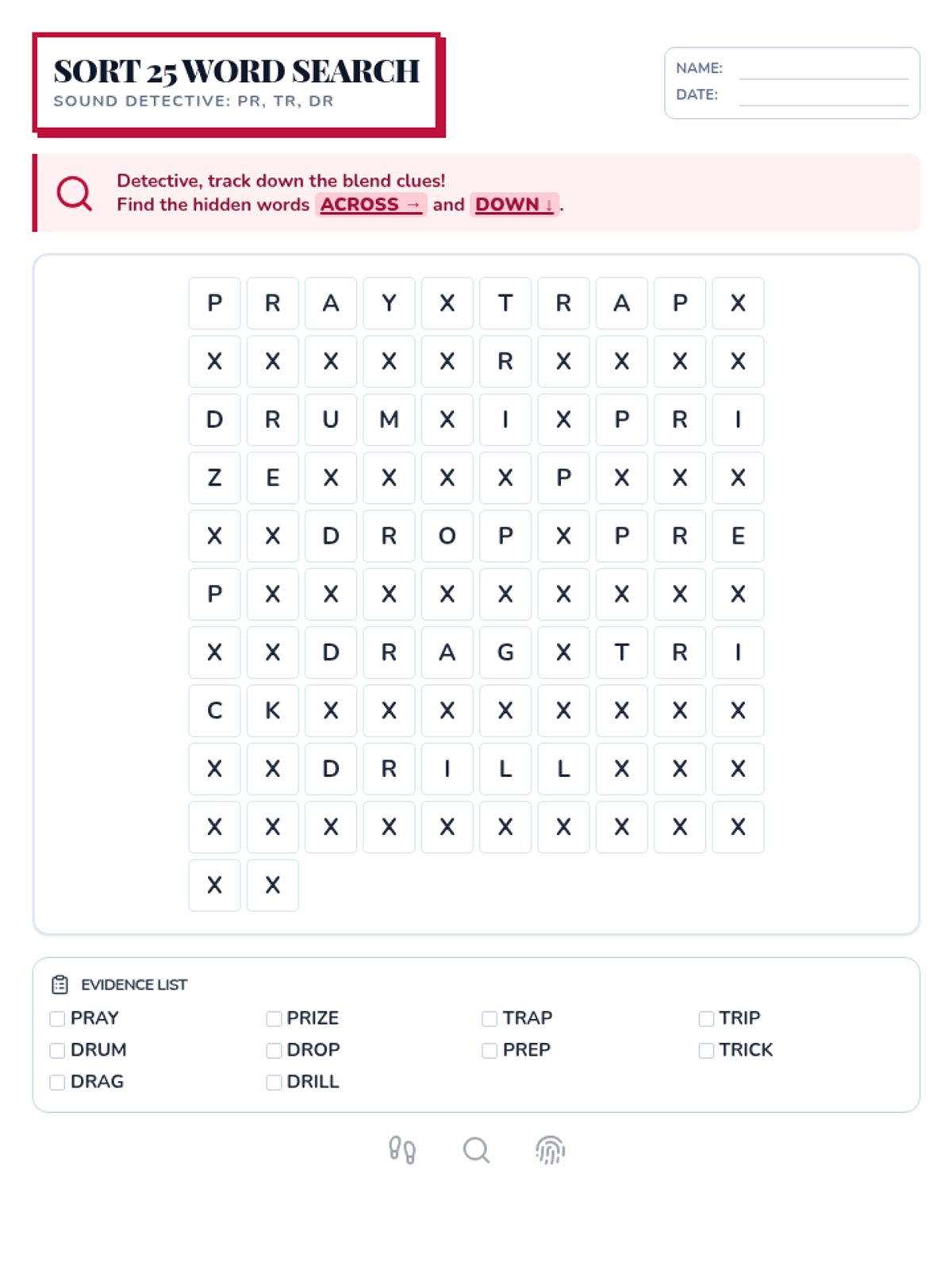
Mastering complex clusters where two sounds slide together, focusing on s-blends, l-blends, and r-blends.
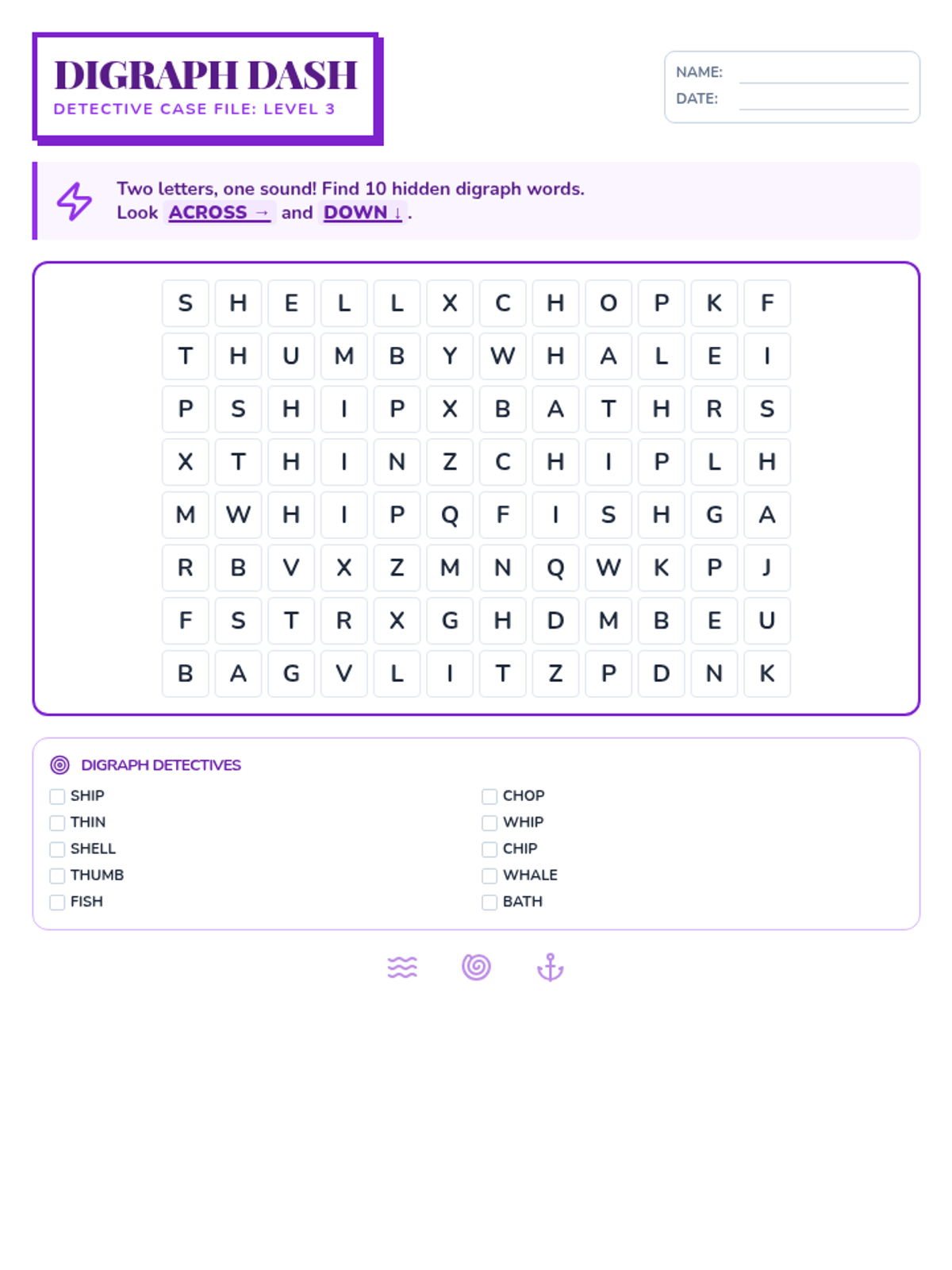
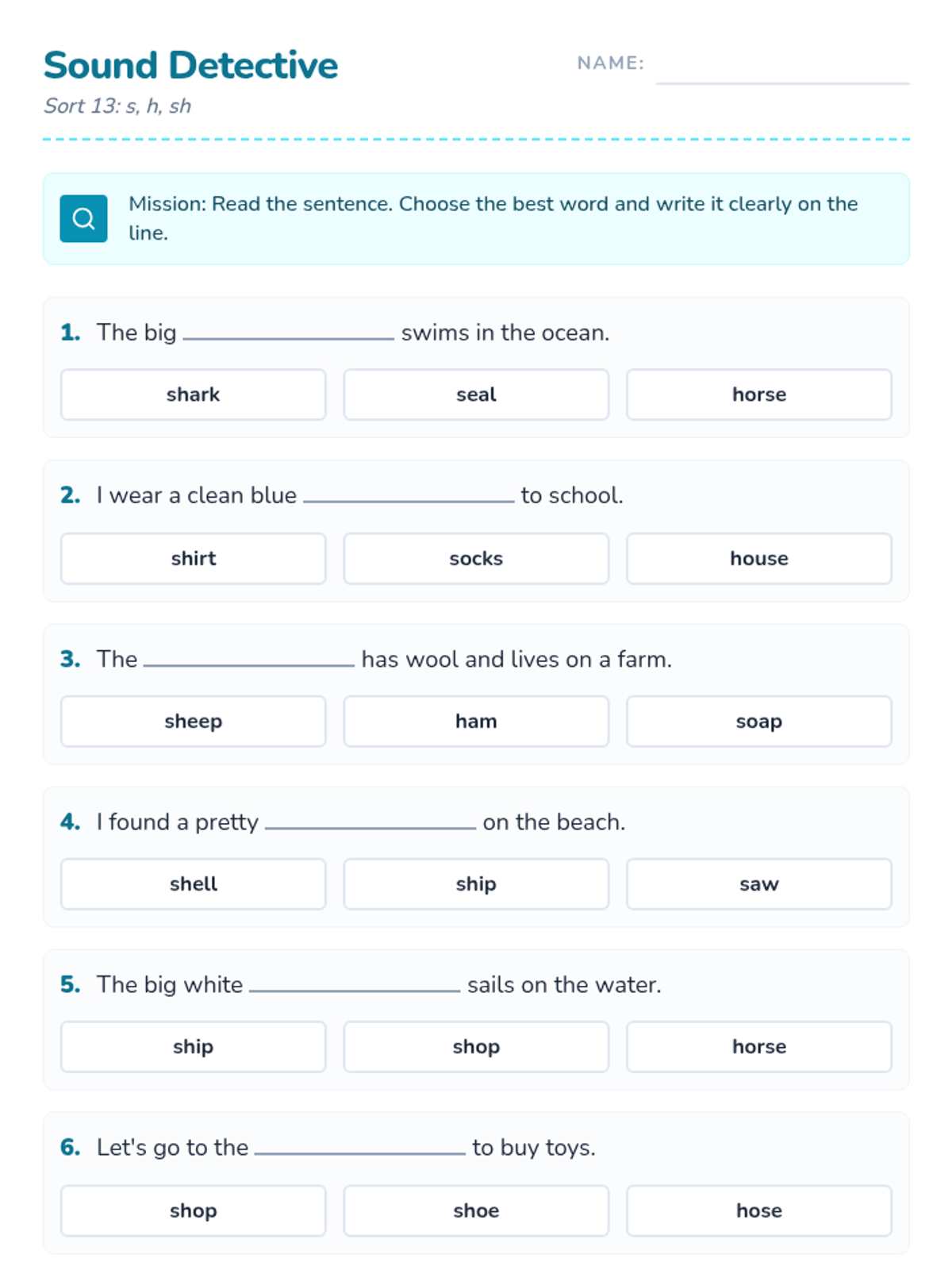
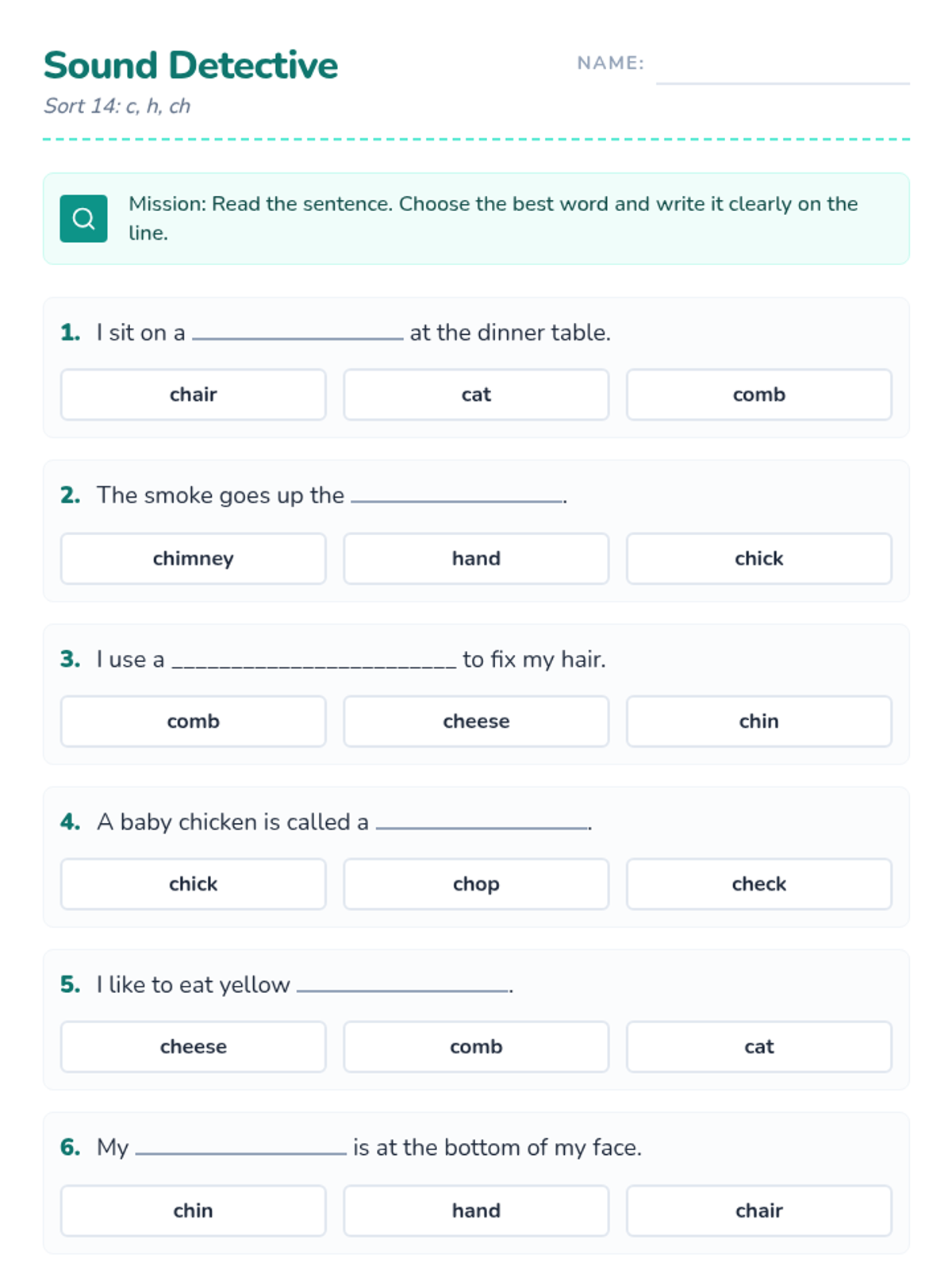
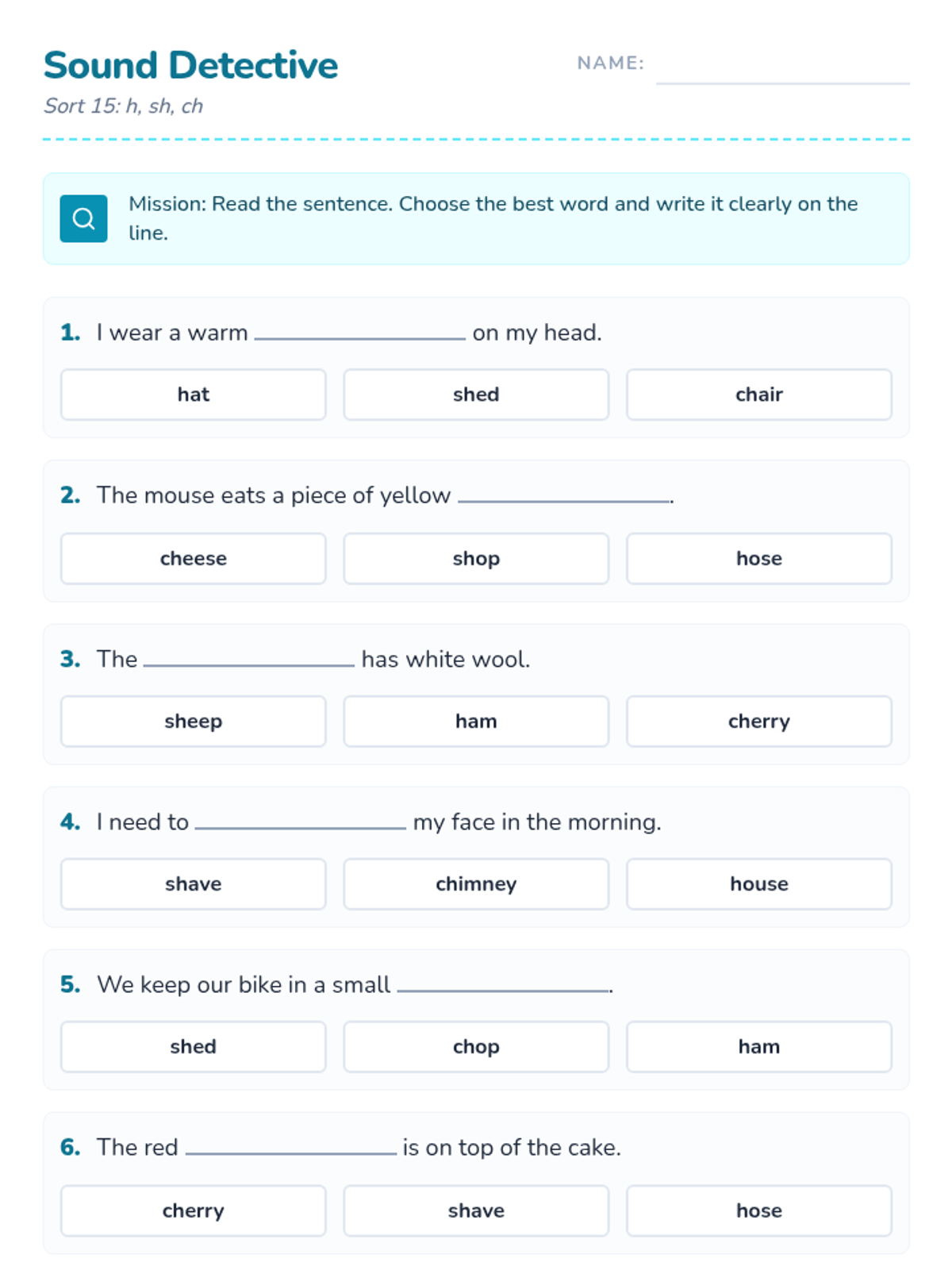
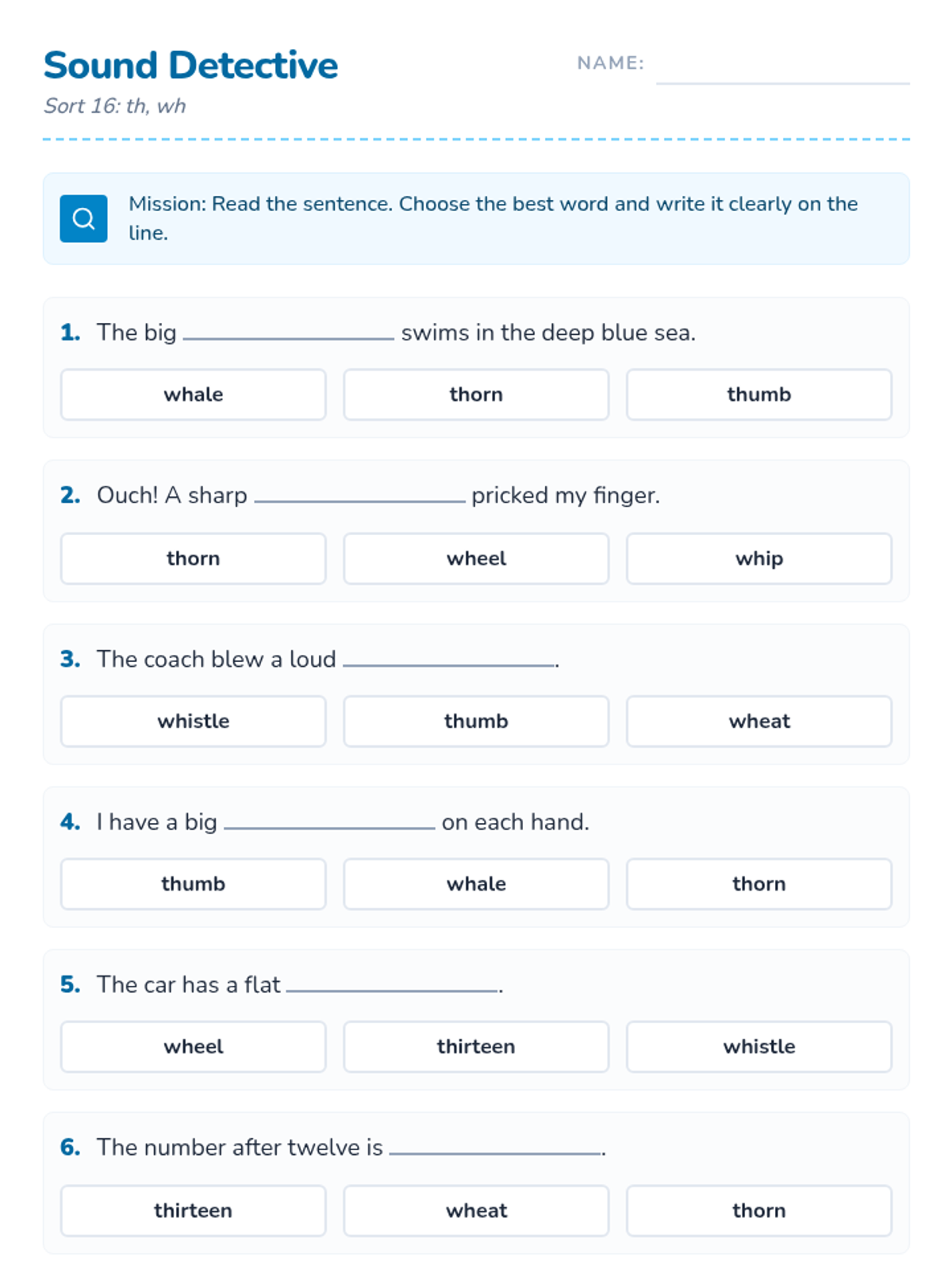
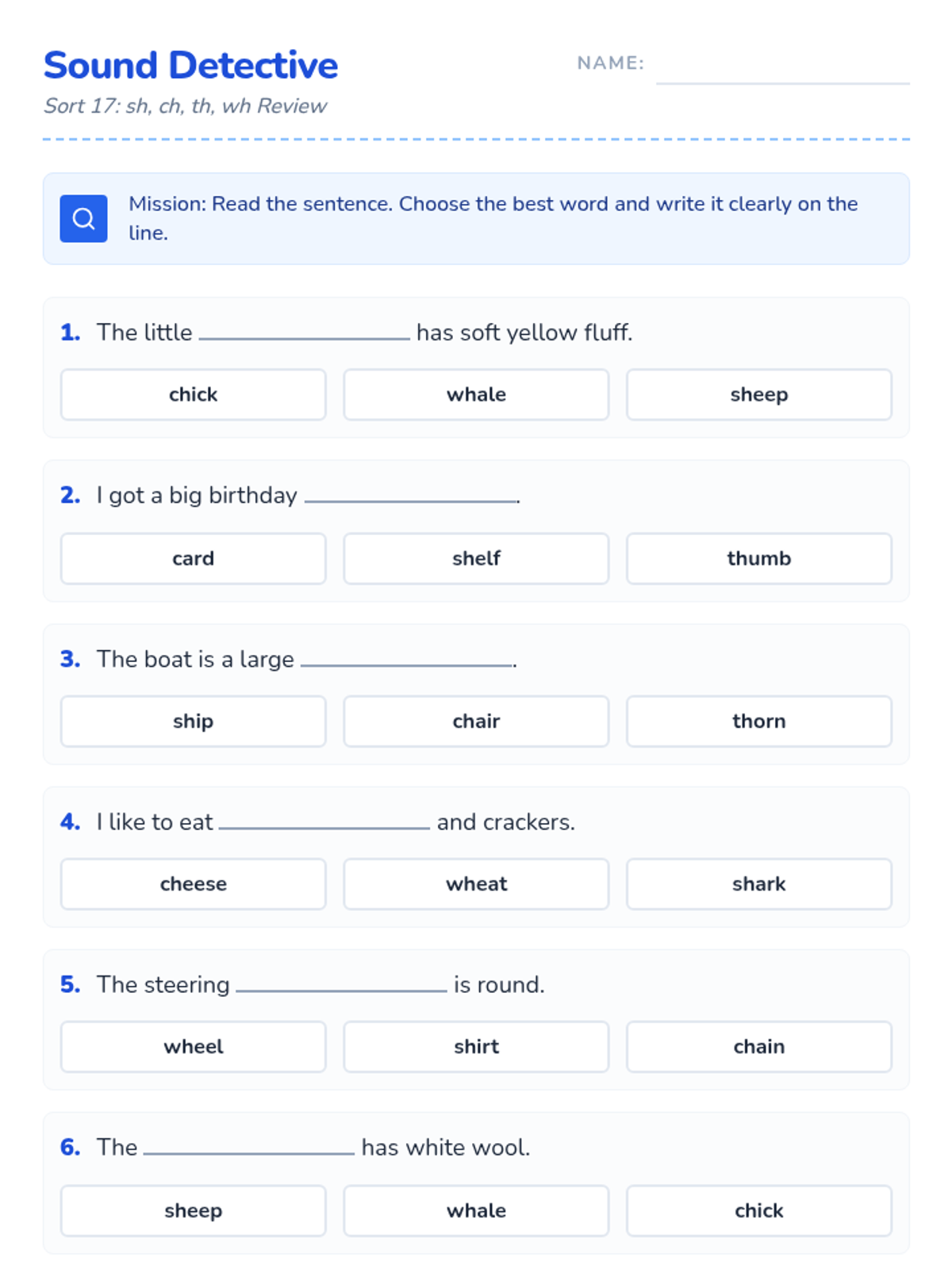
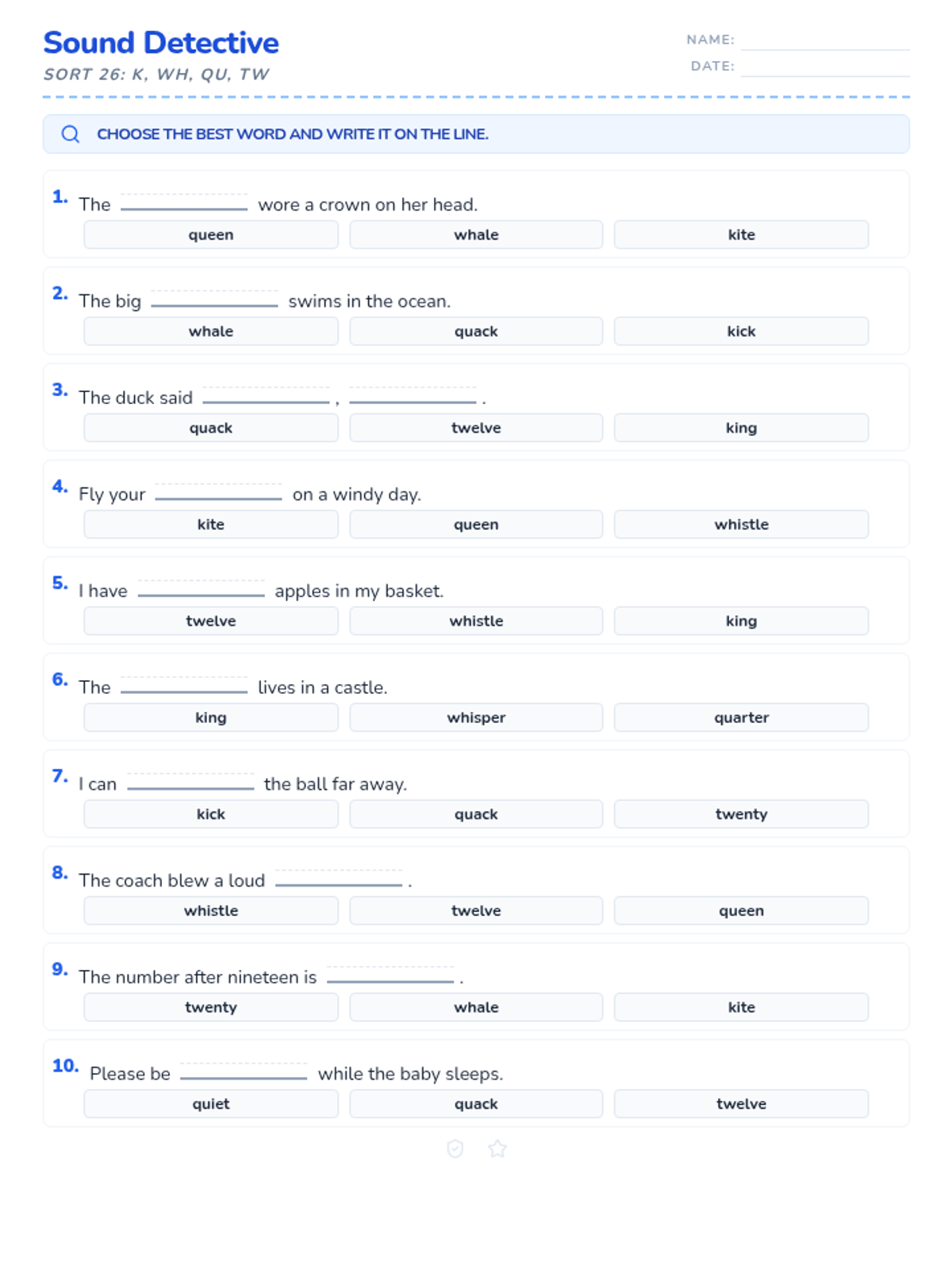
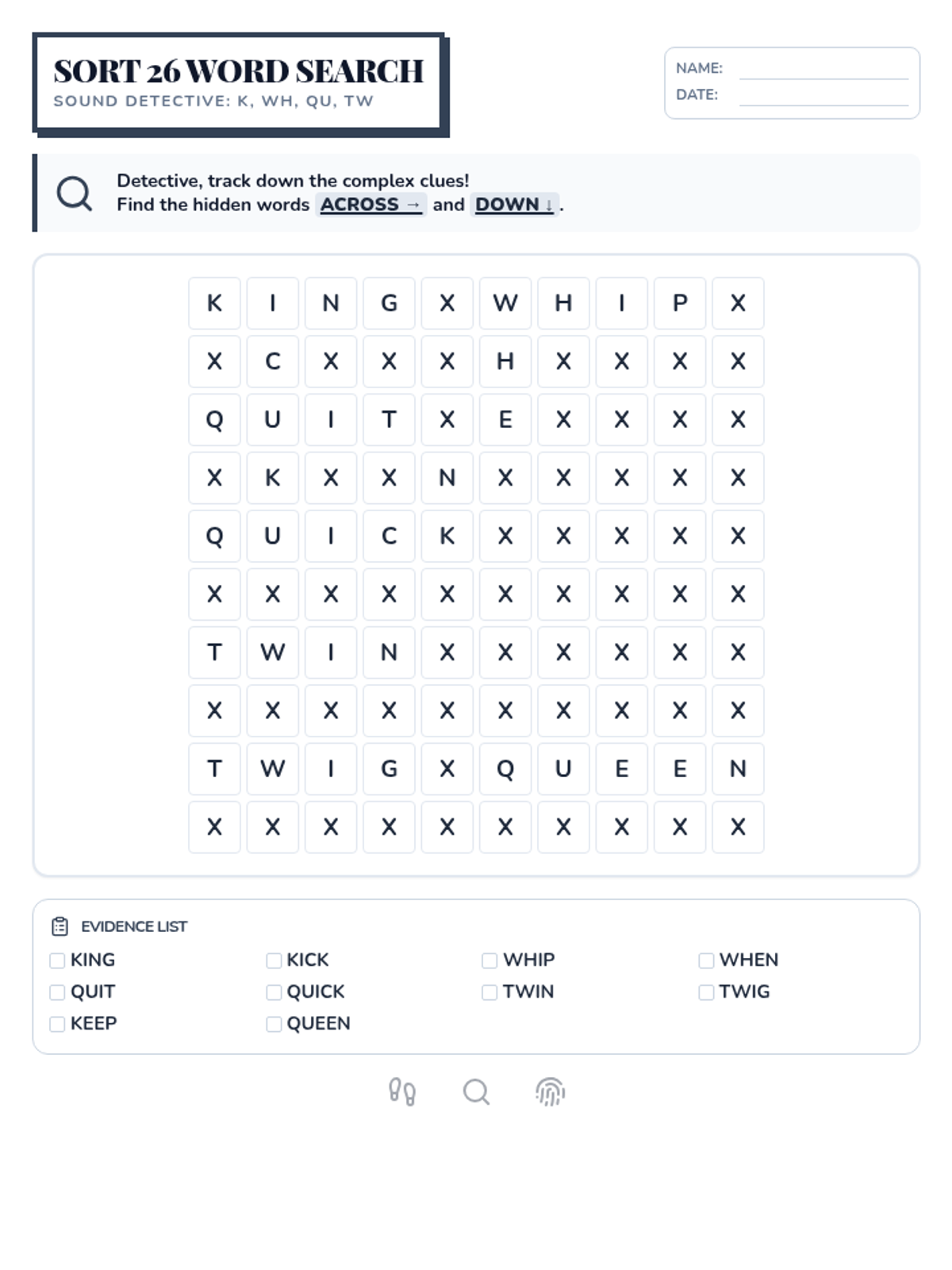
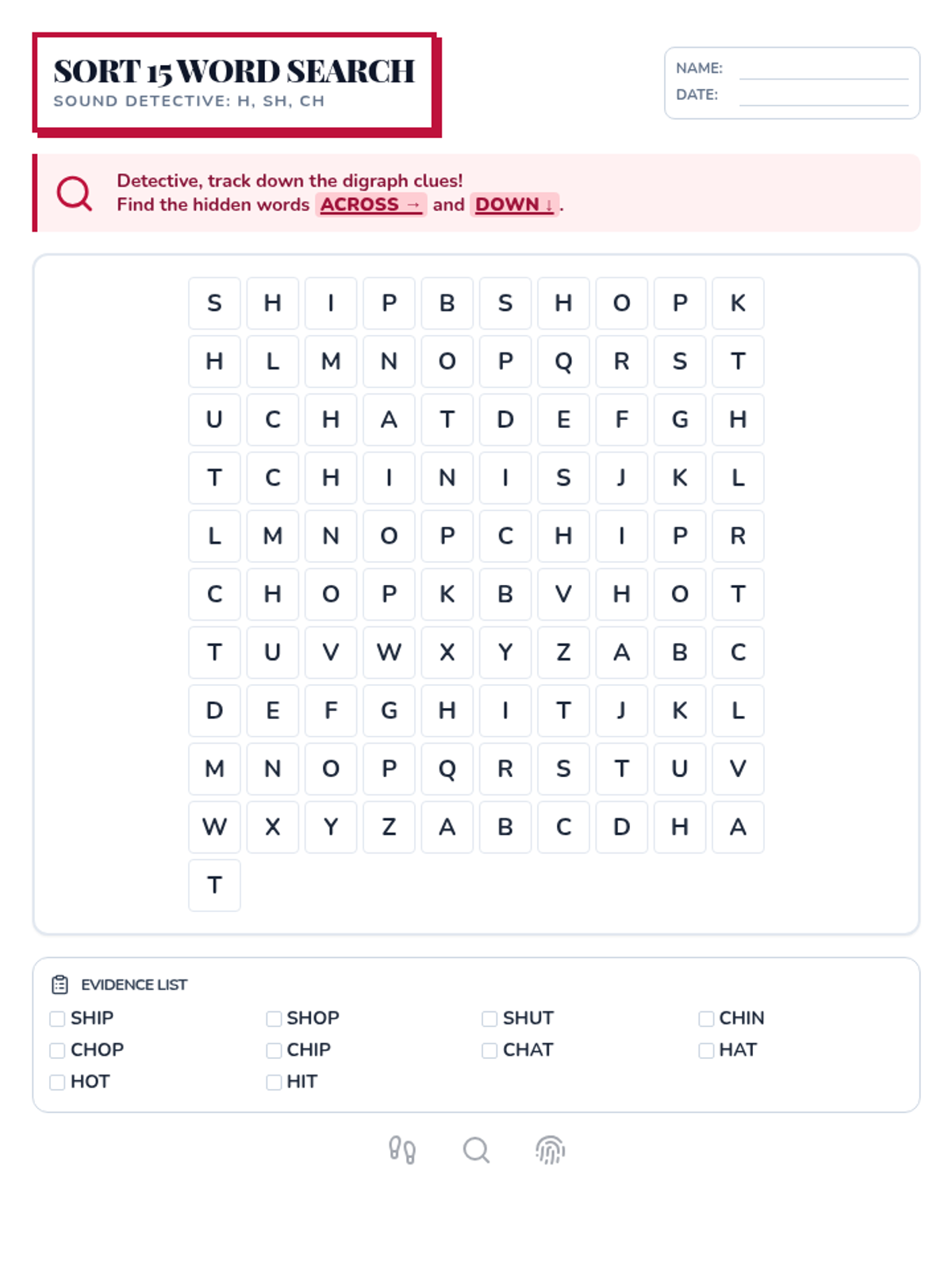
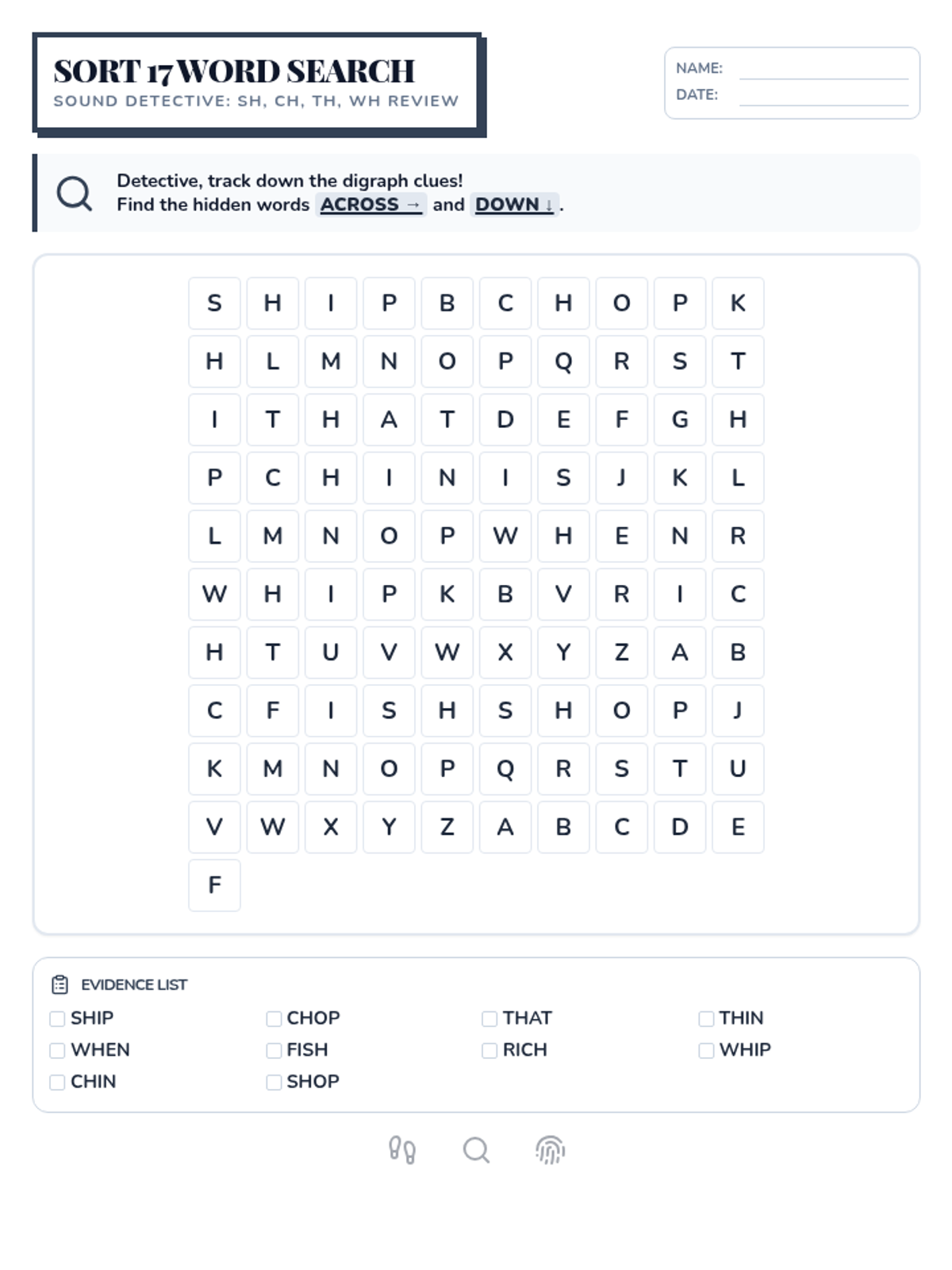
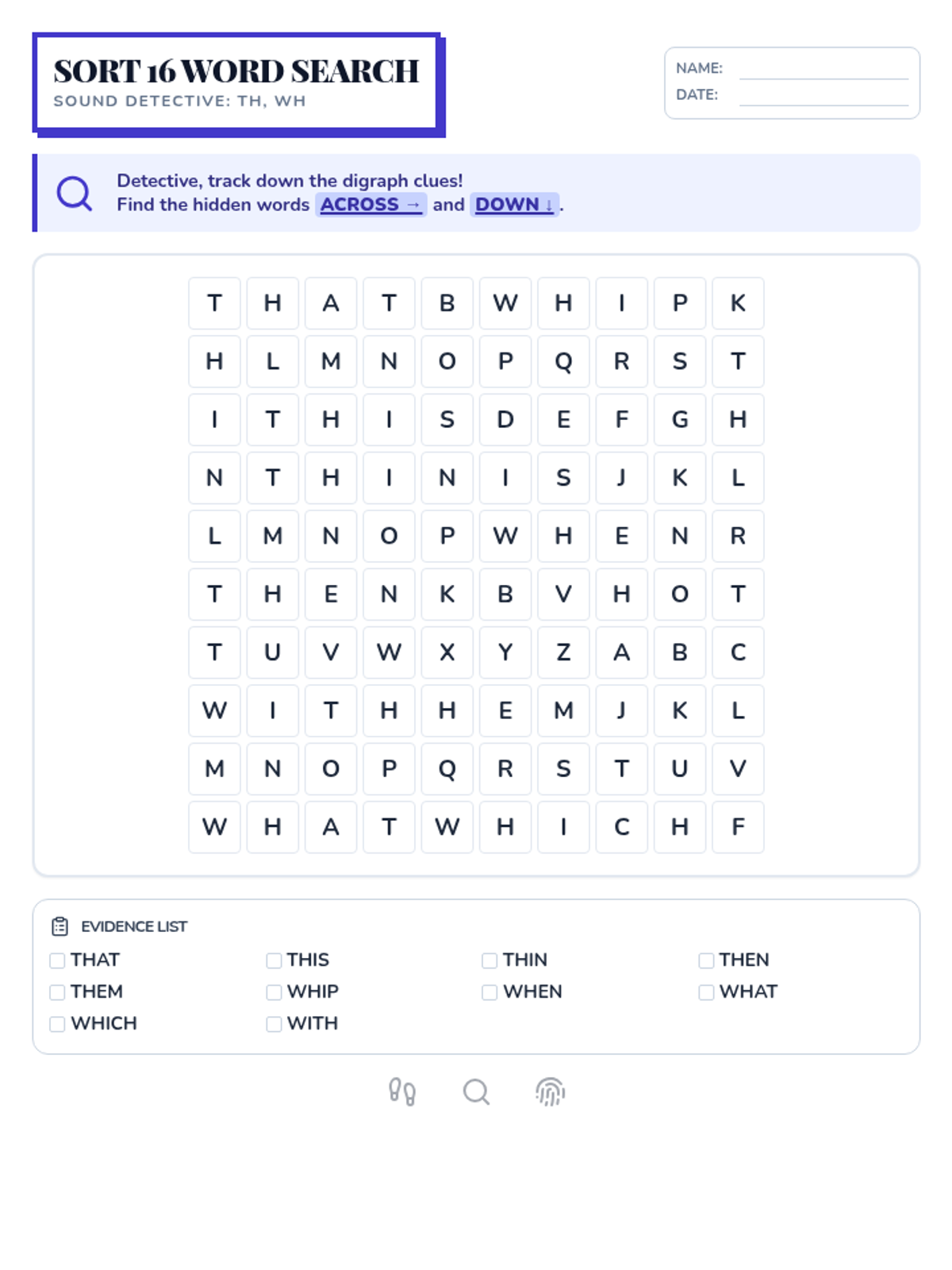
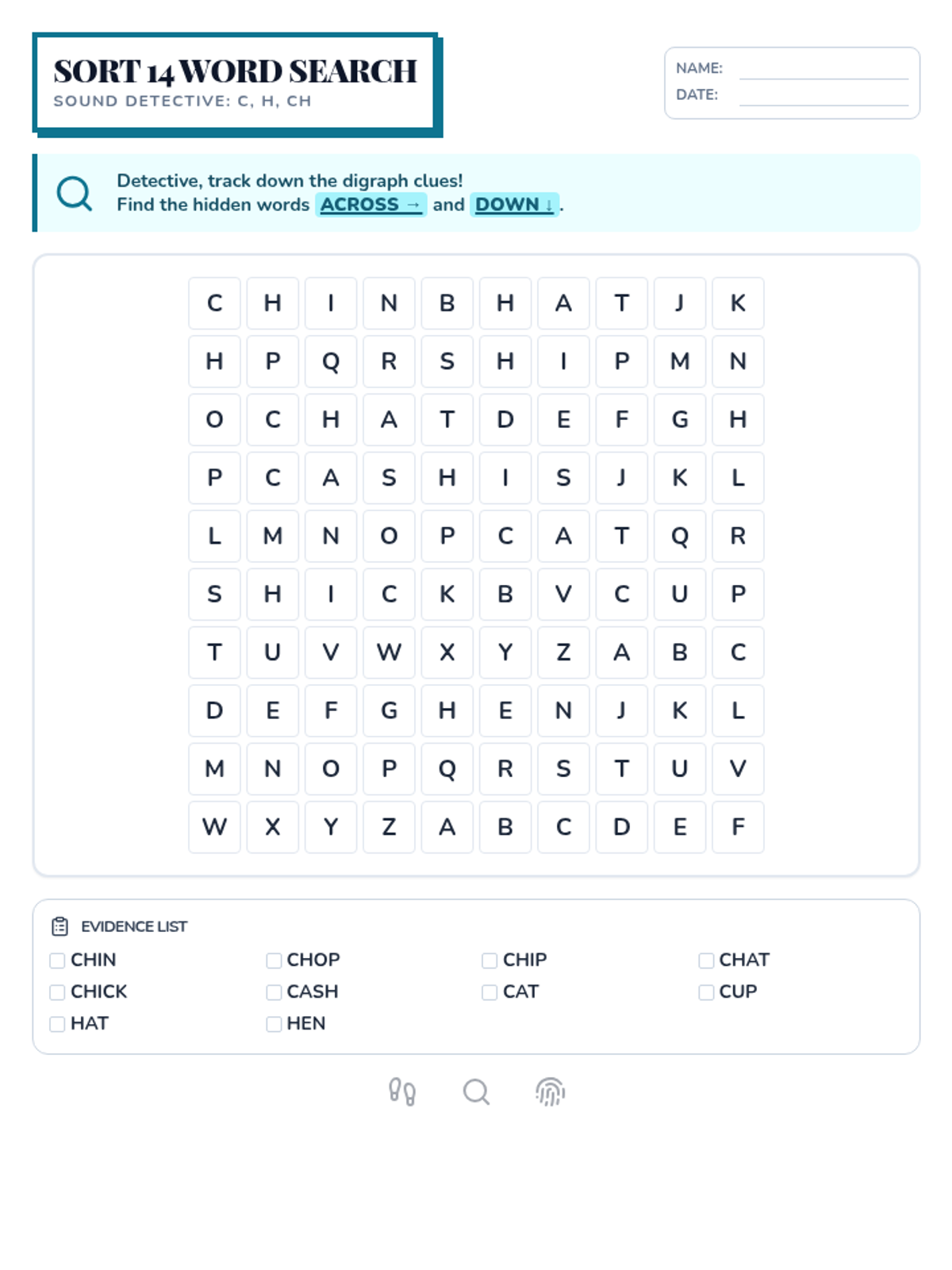
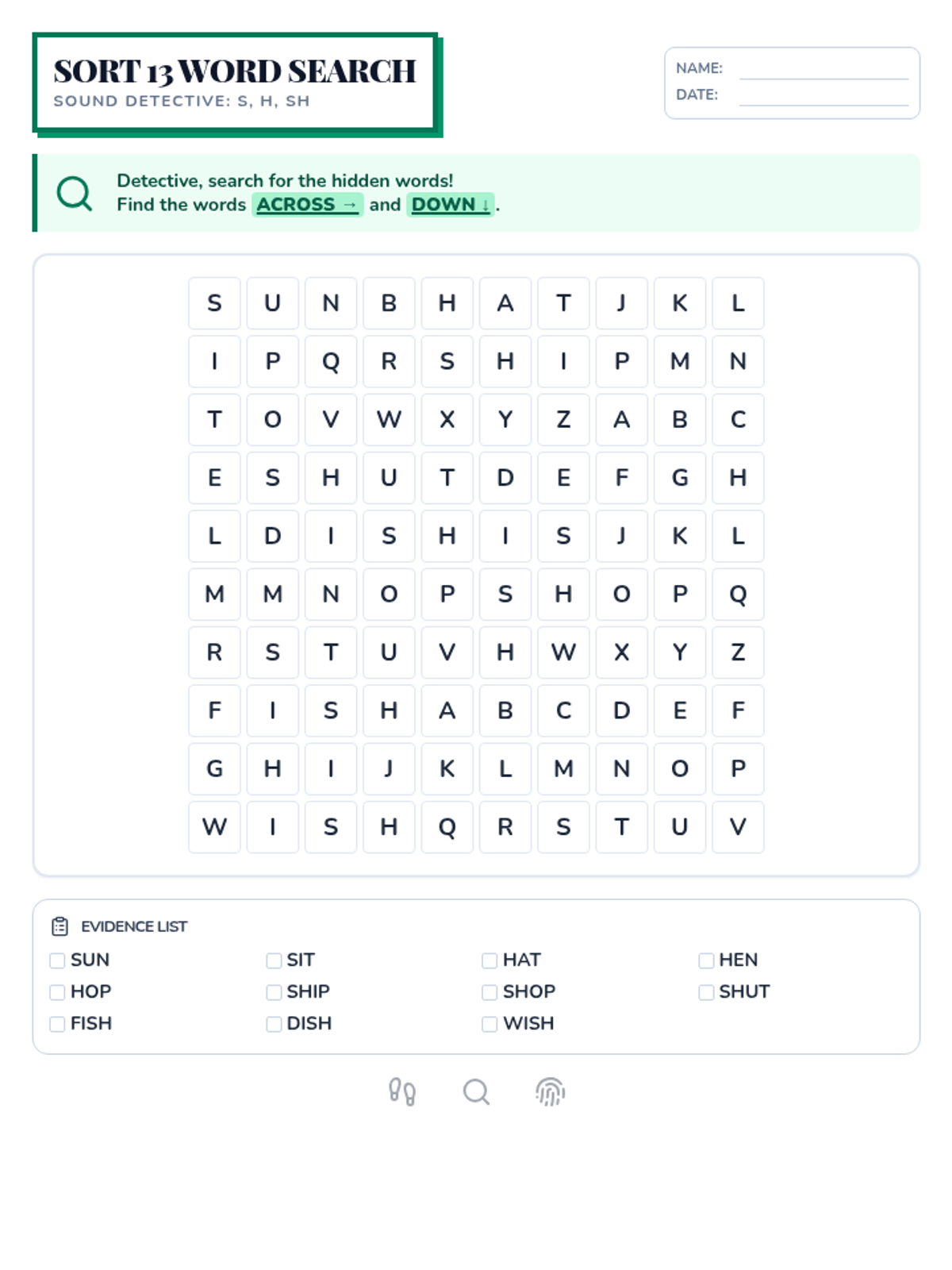
Investigations into special two-letter combinations that create unique single sounds, featuring sh, ch, th, and wh.
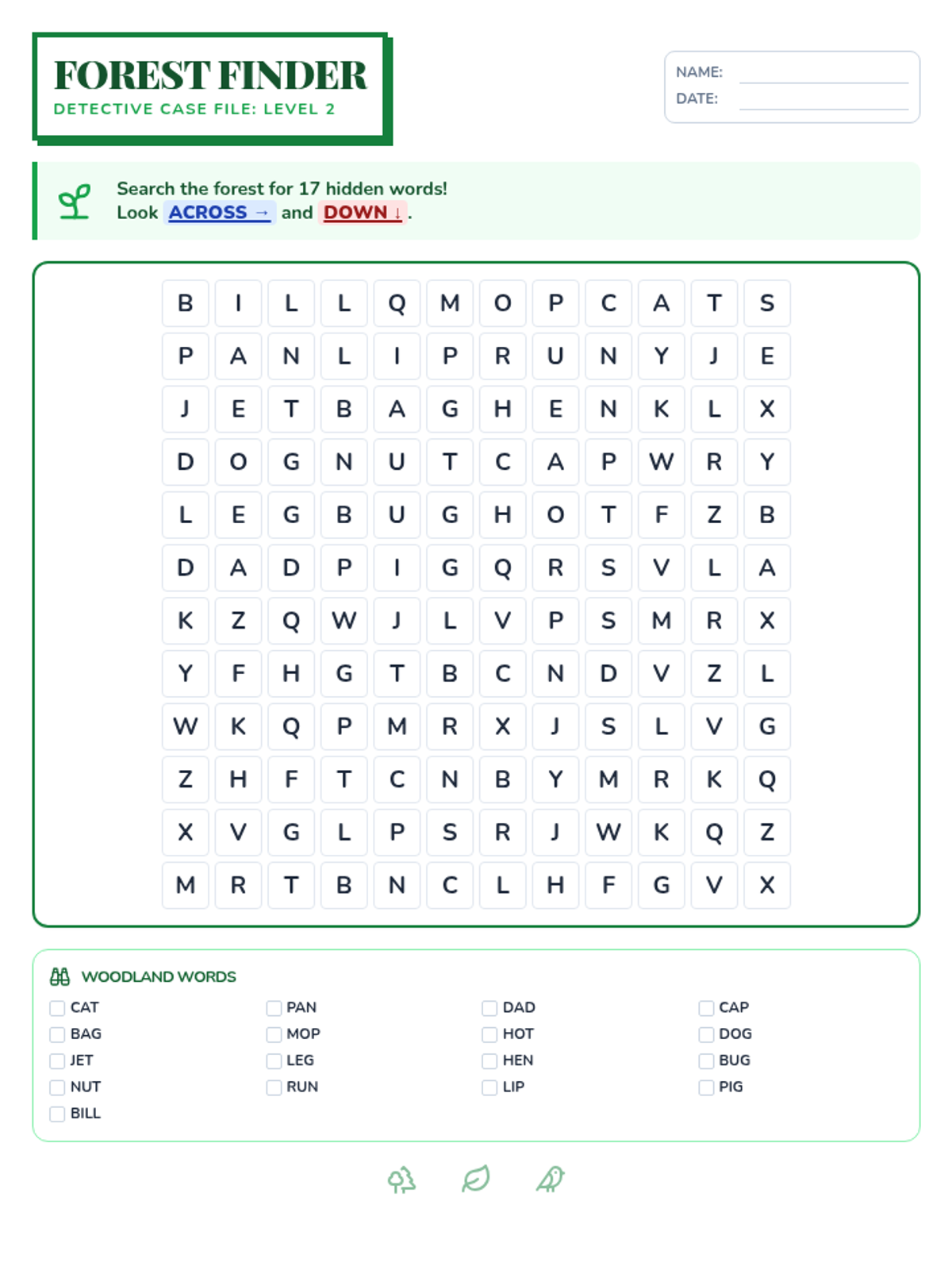
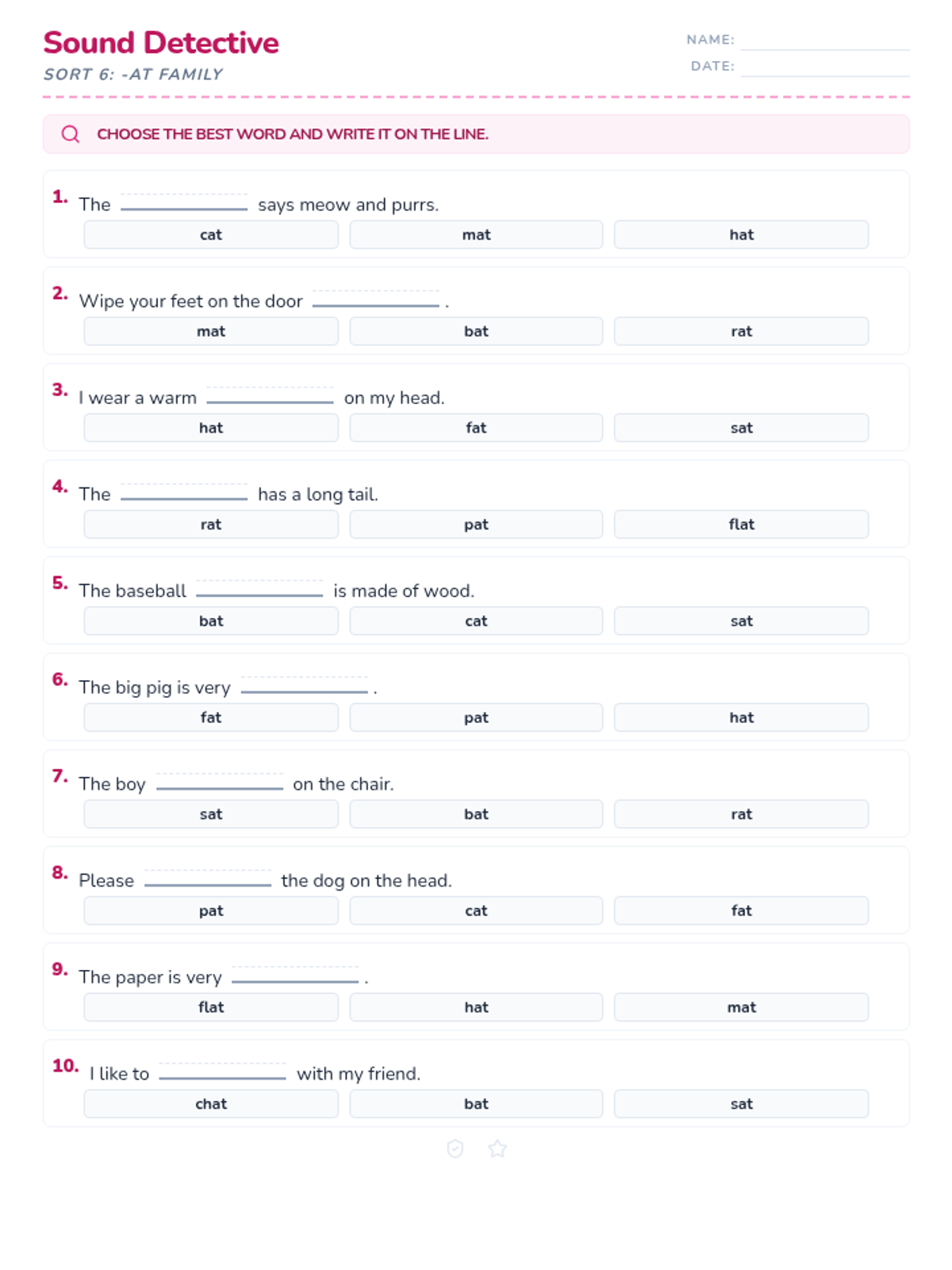
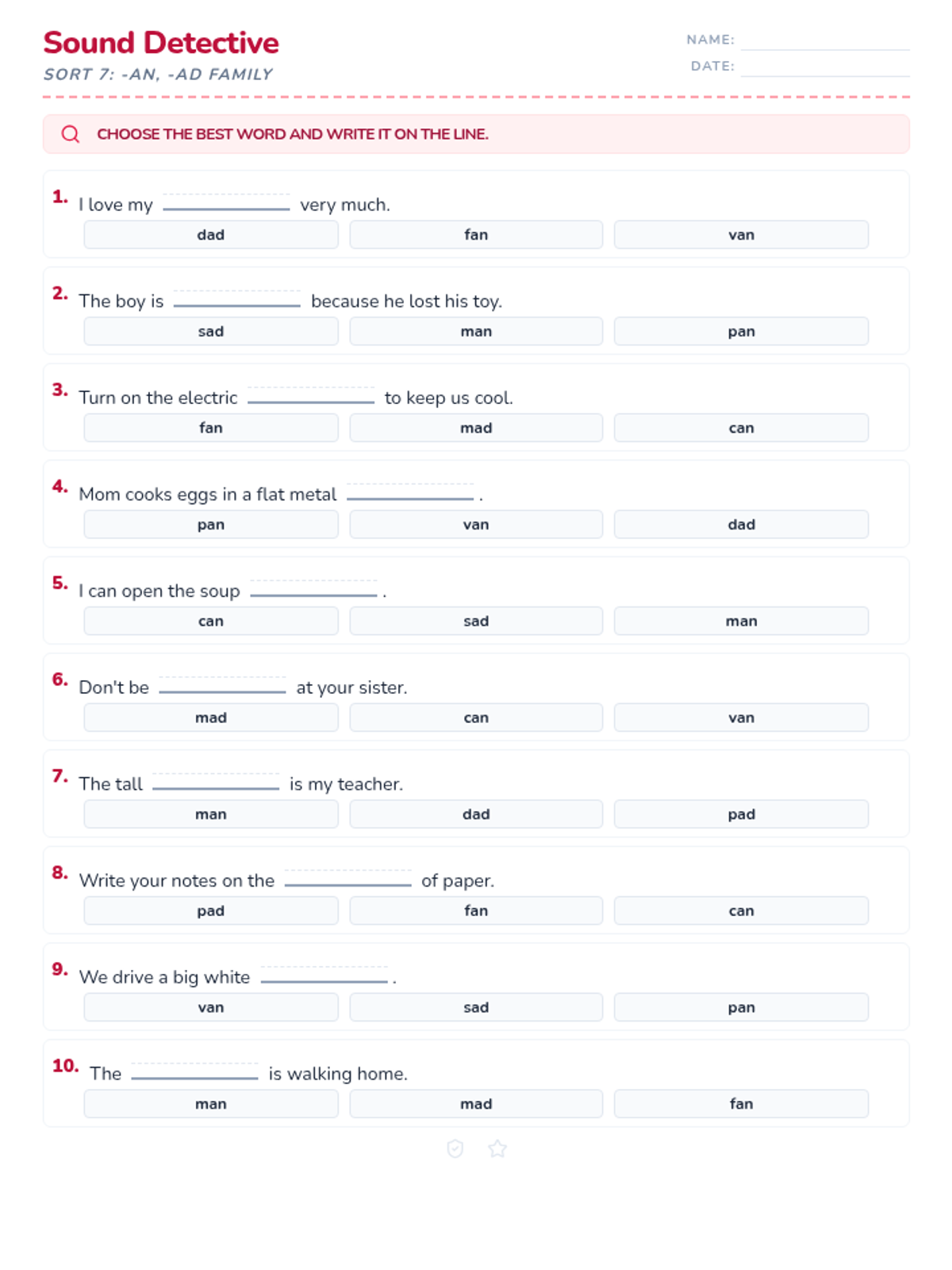
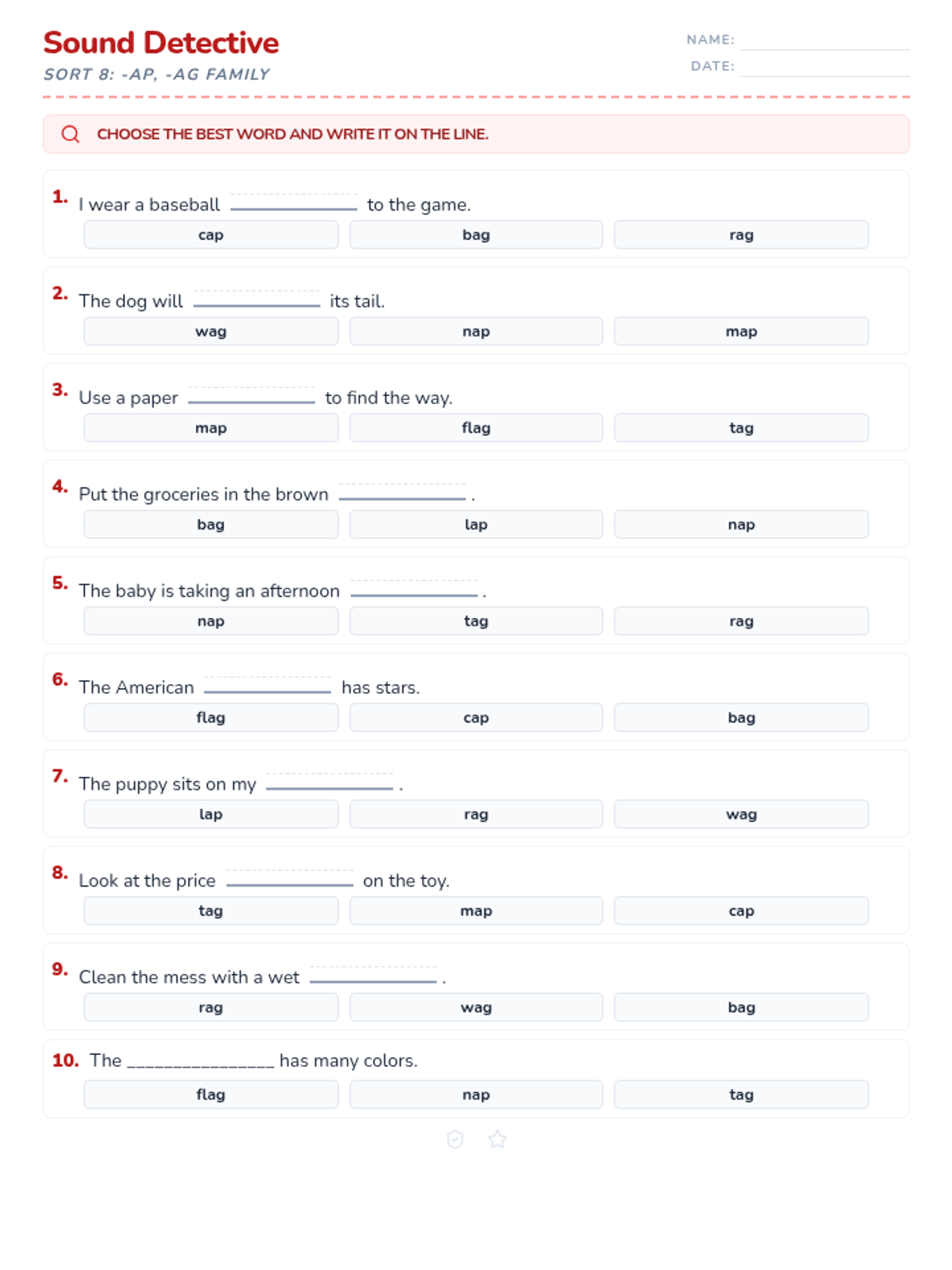
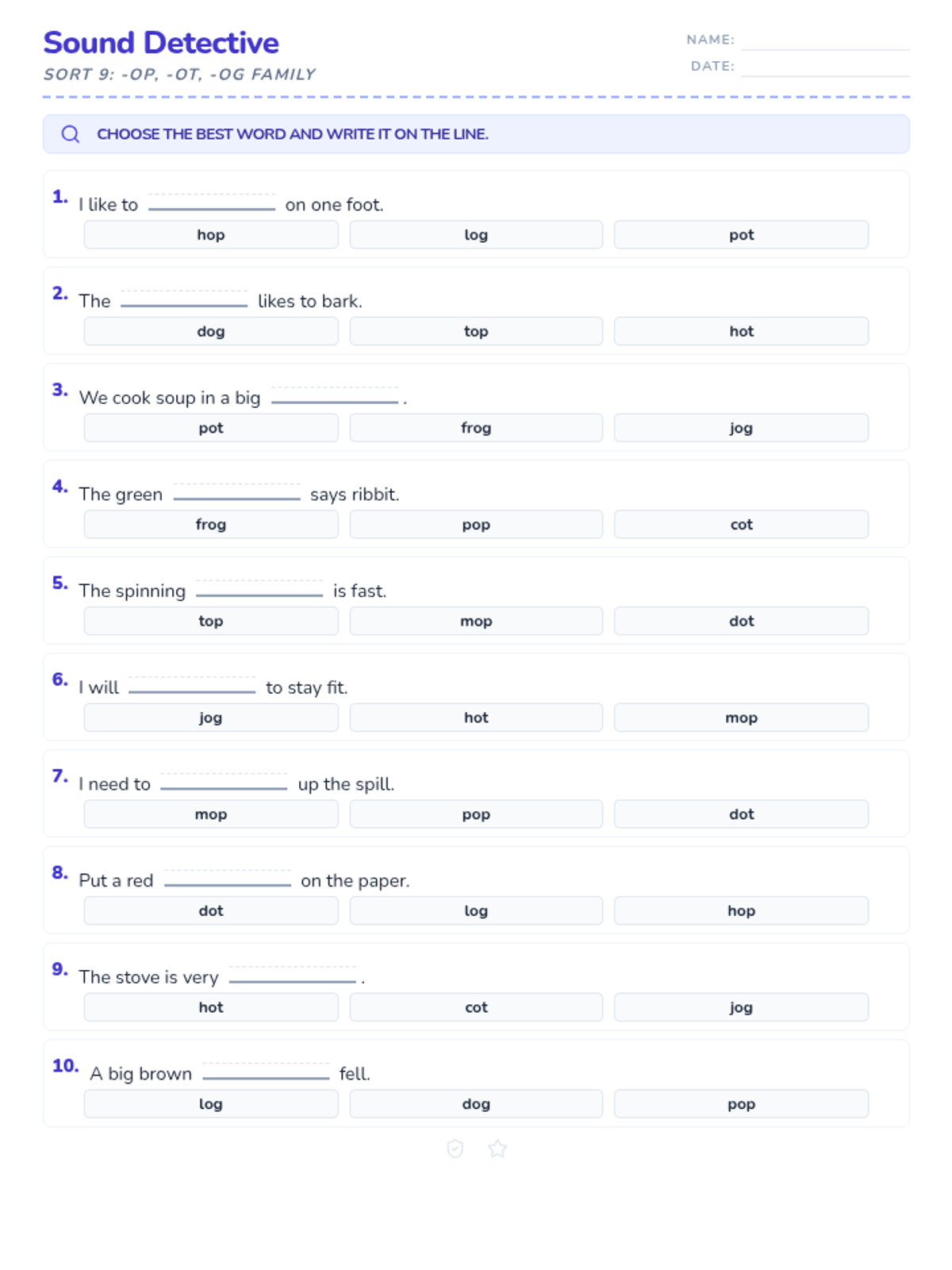
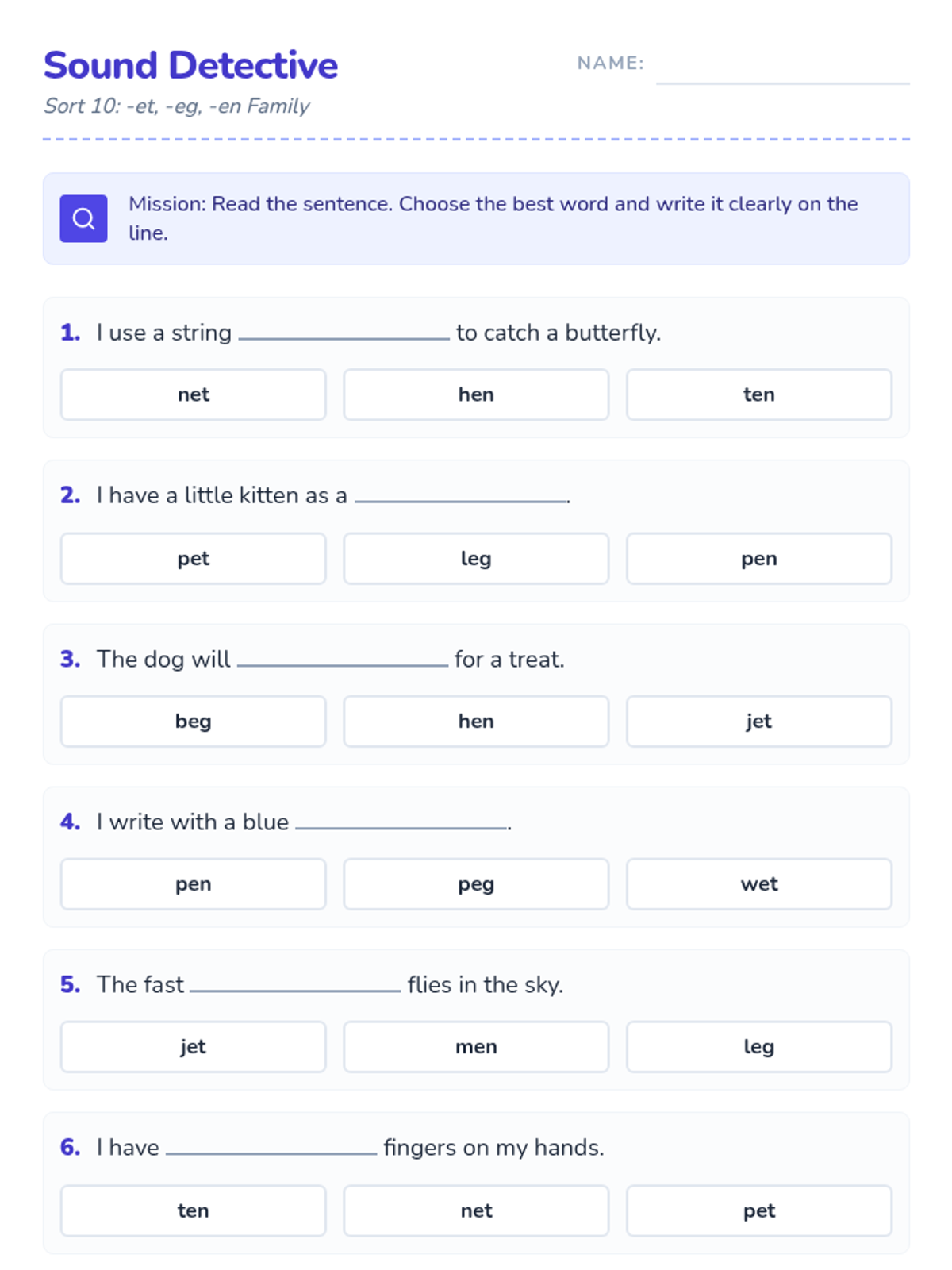
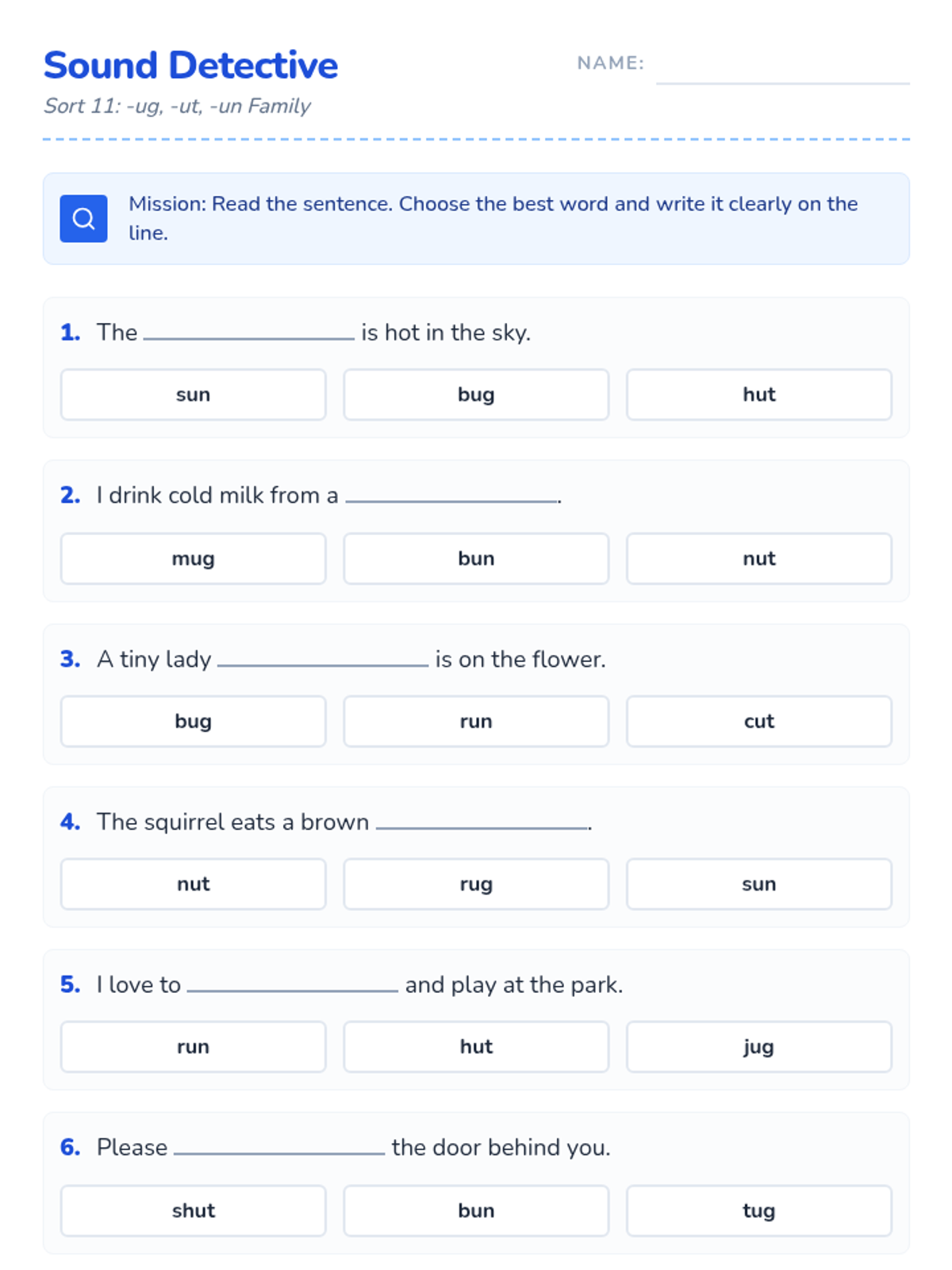
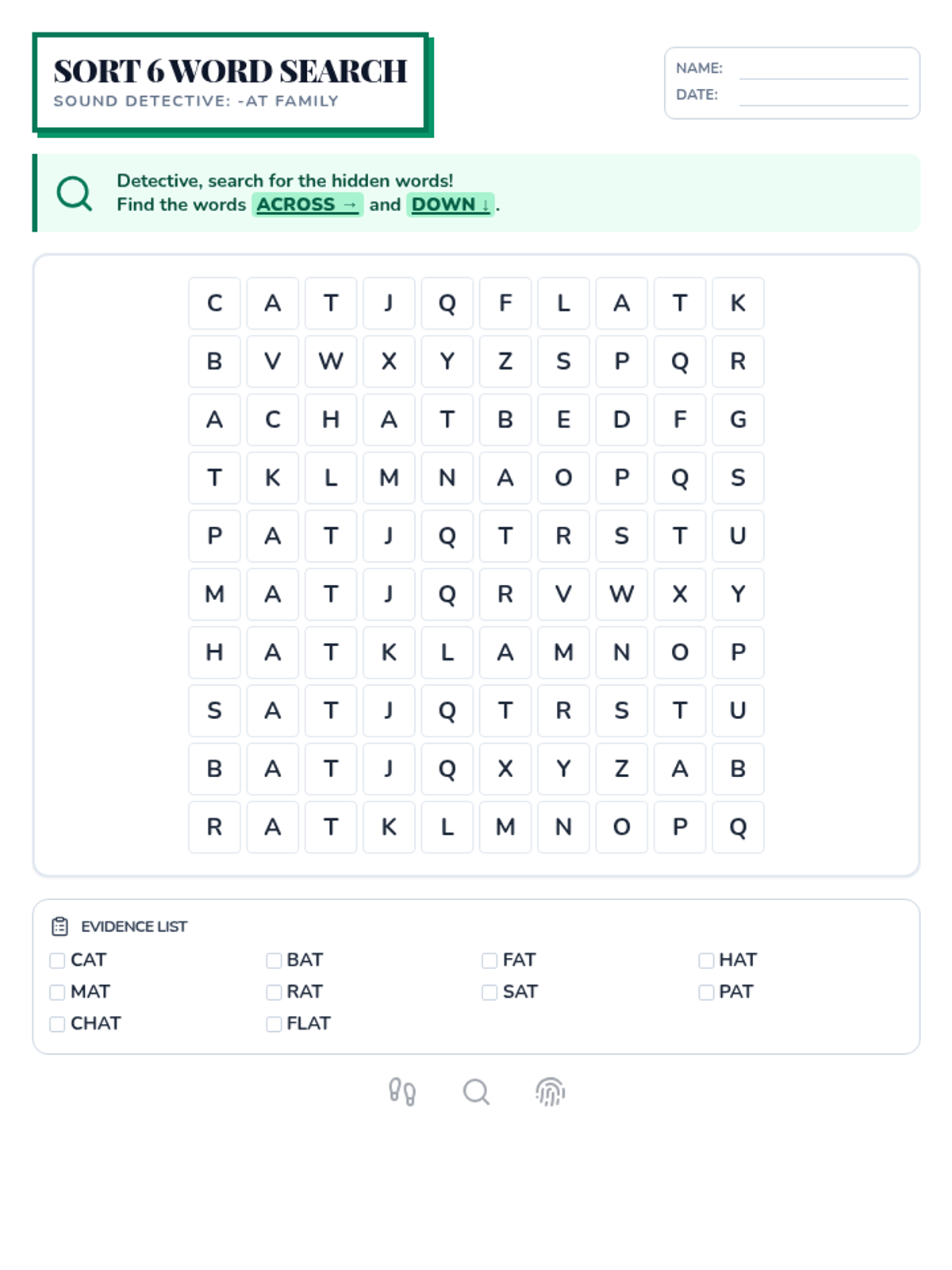
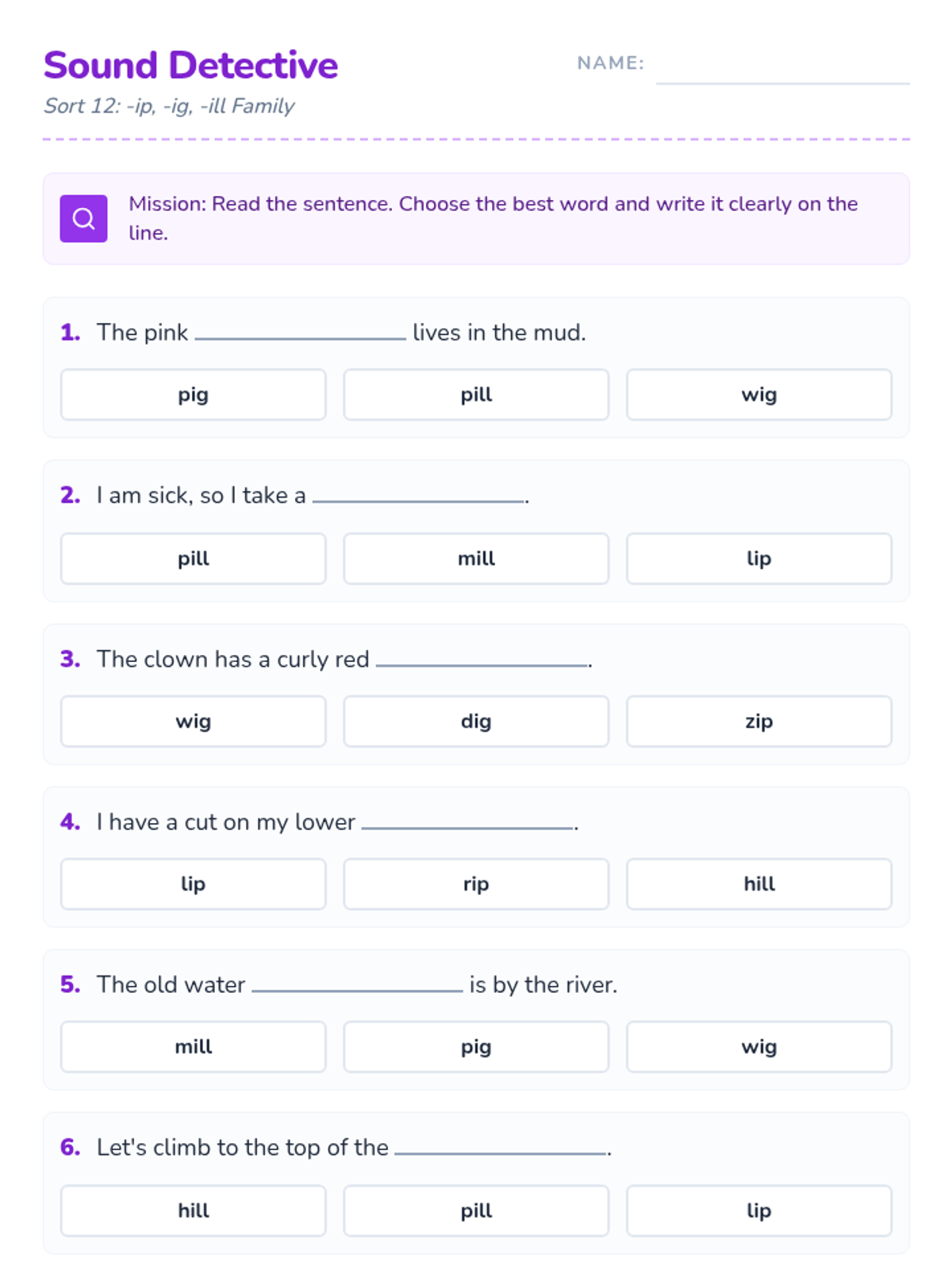
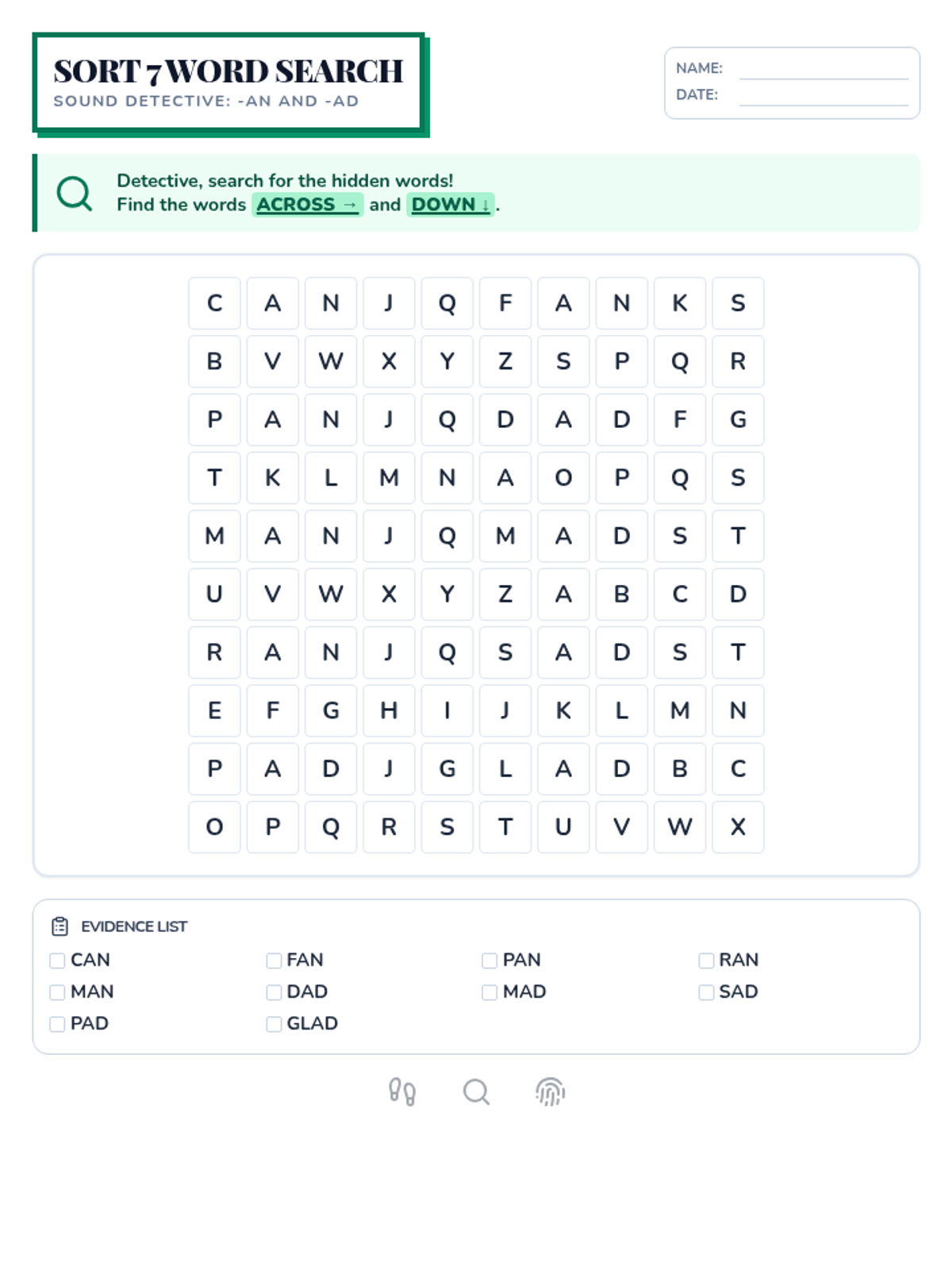
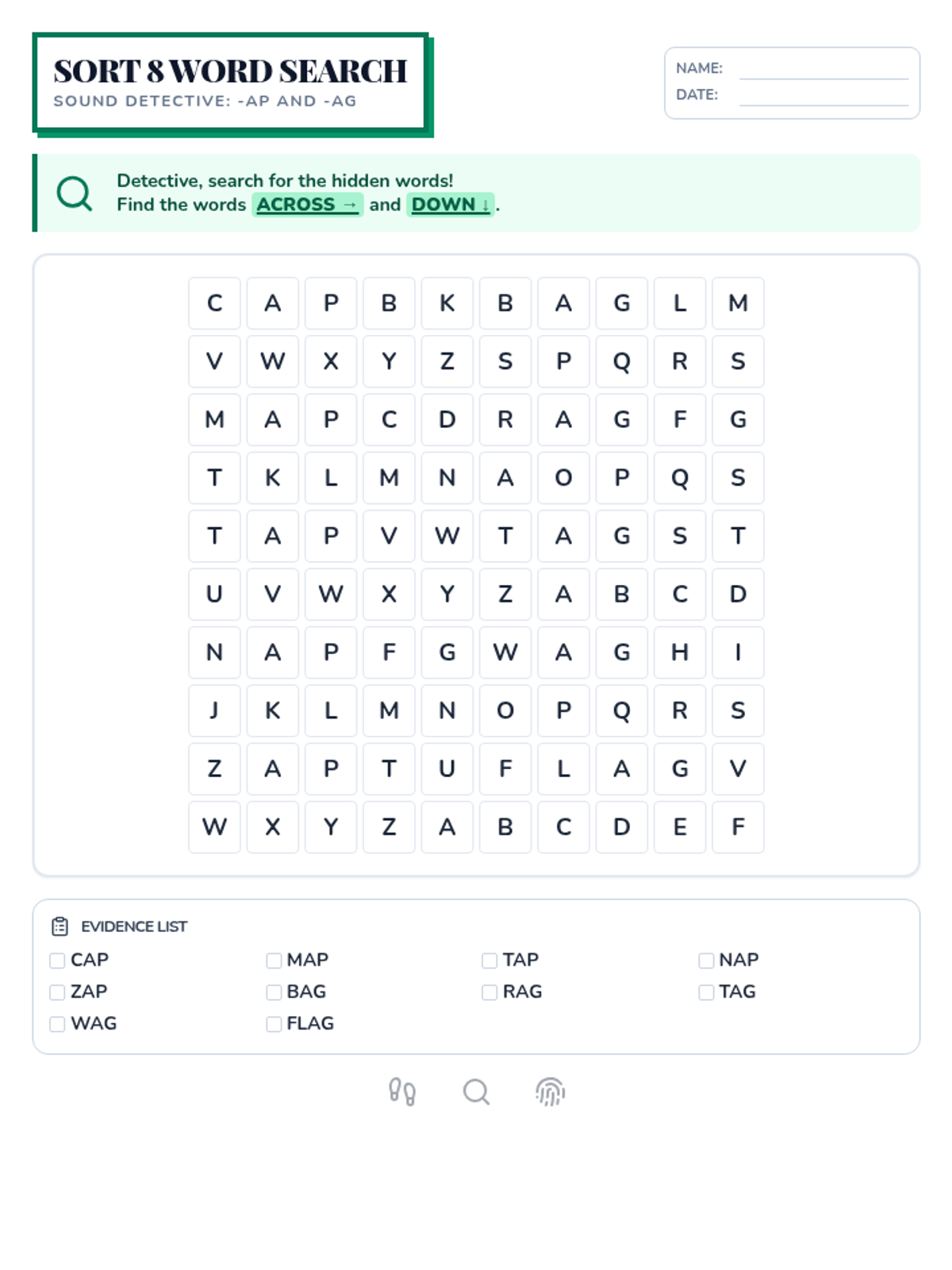
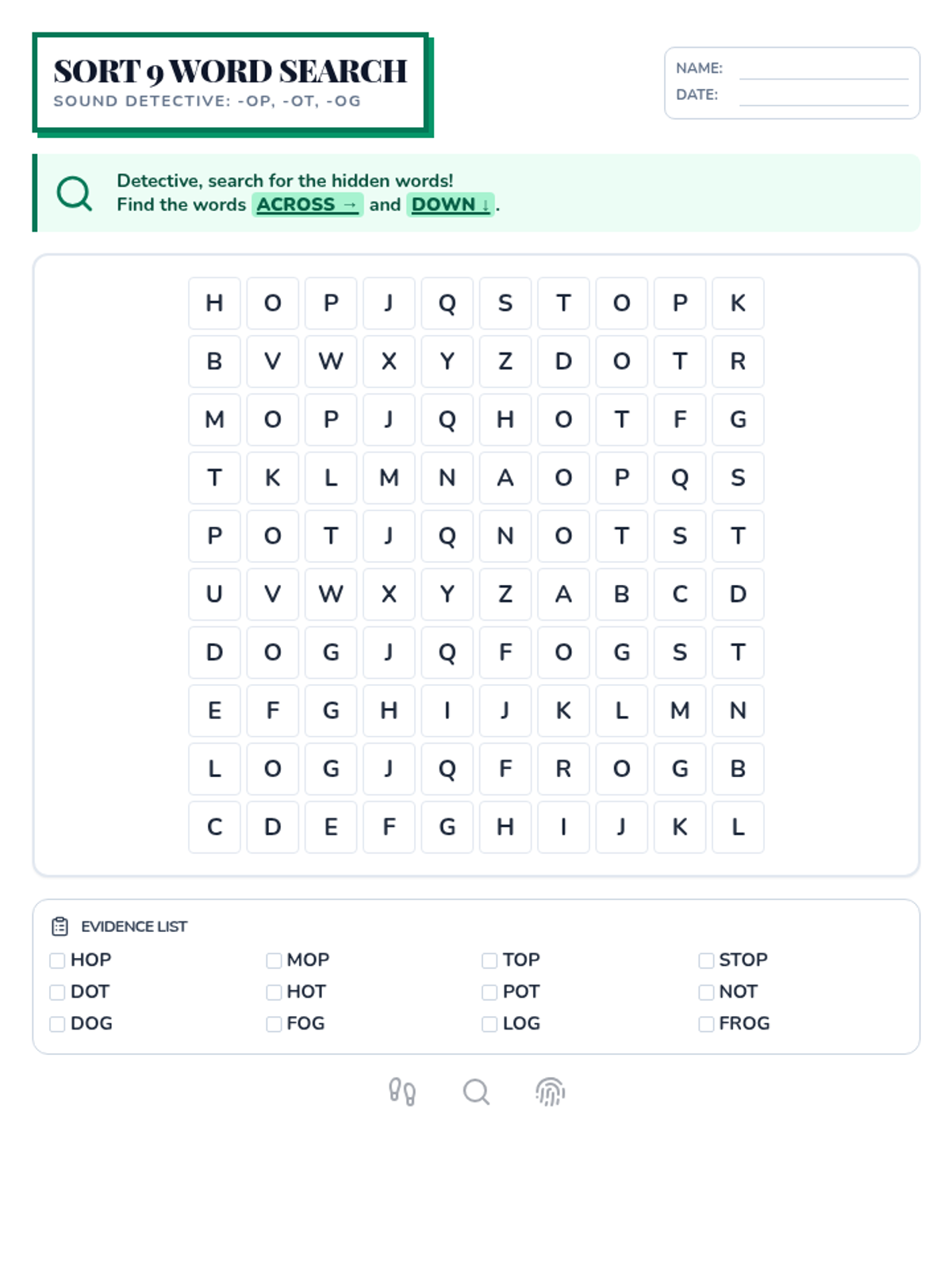
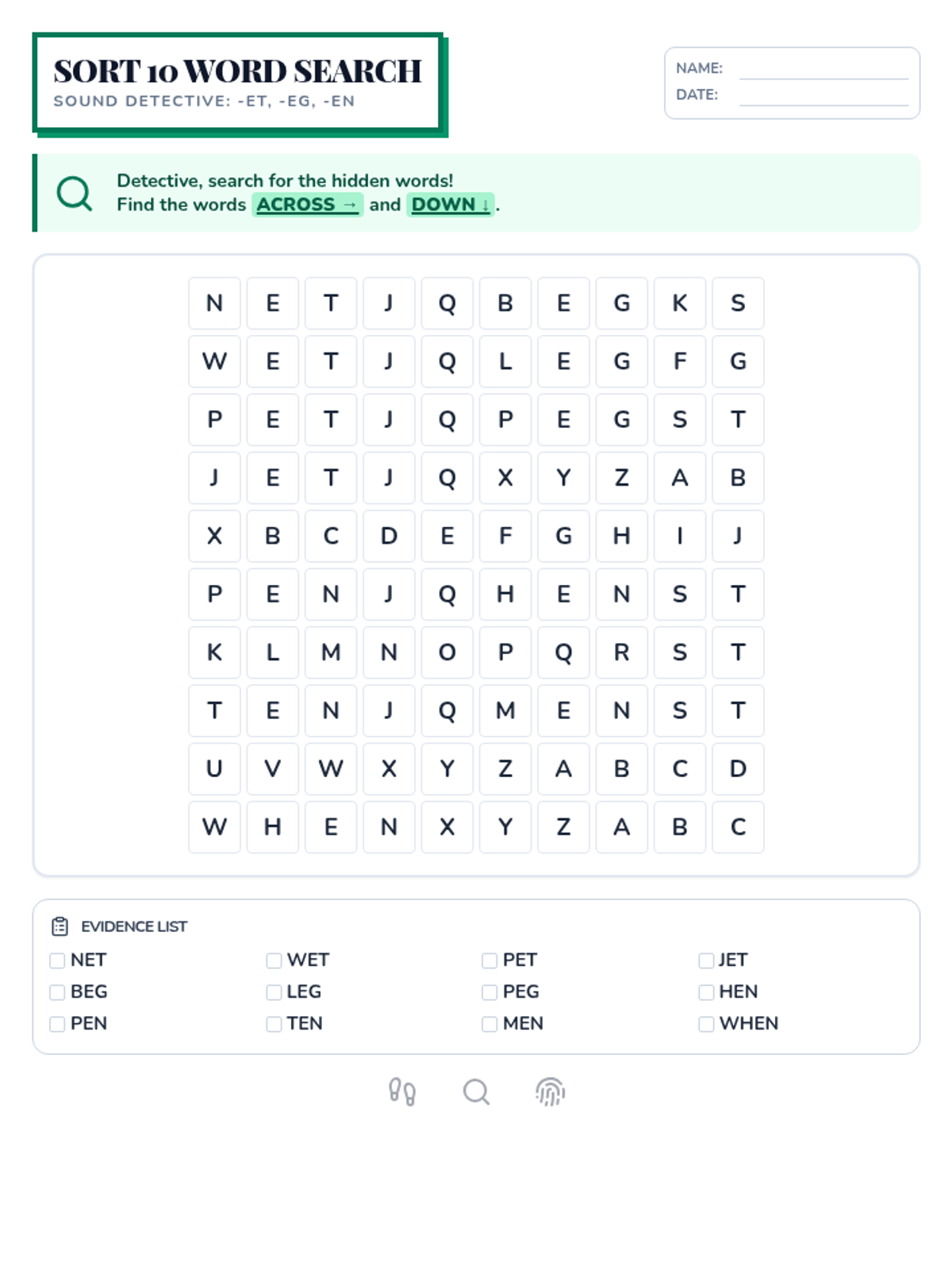
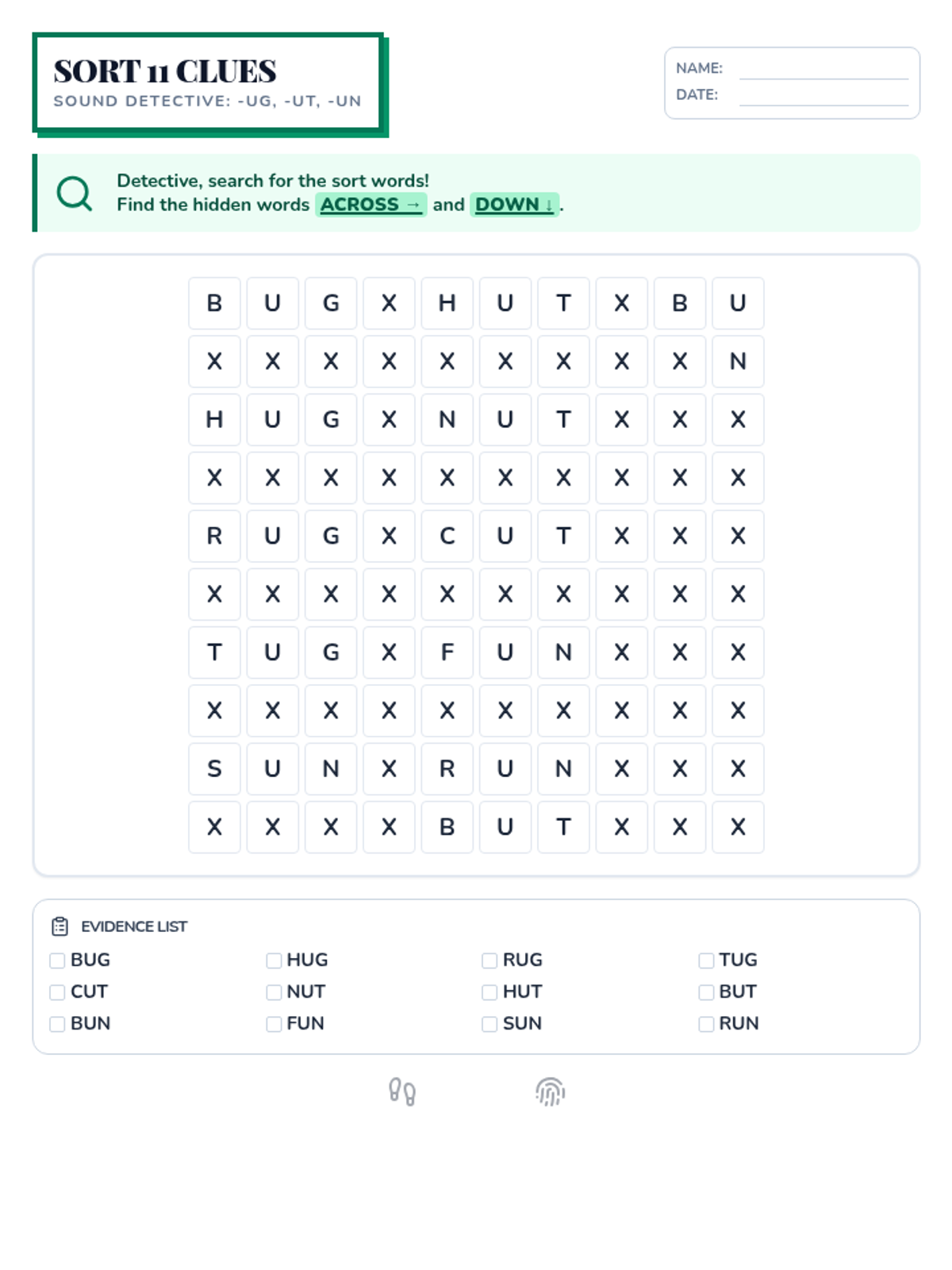
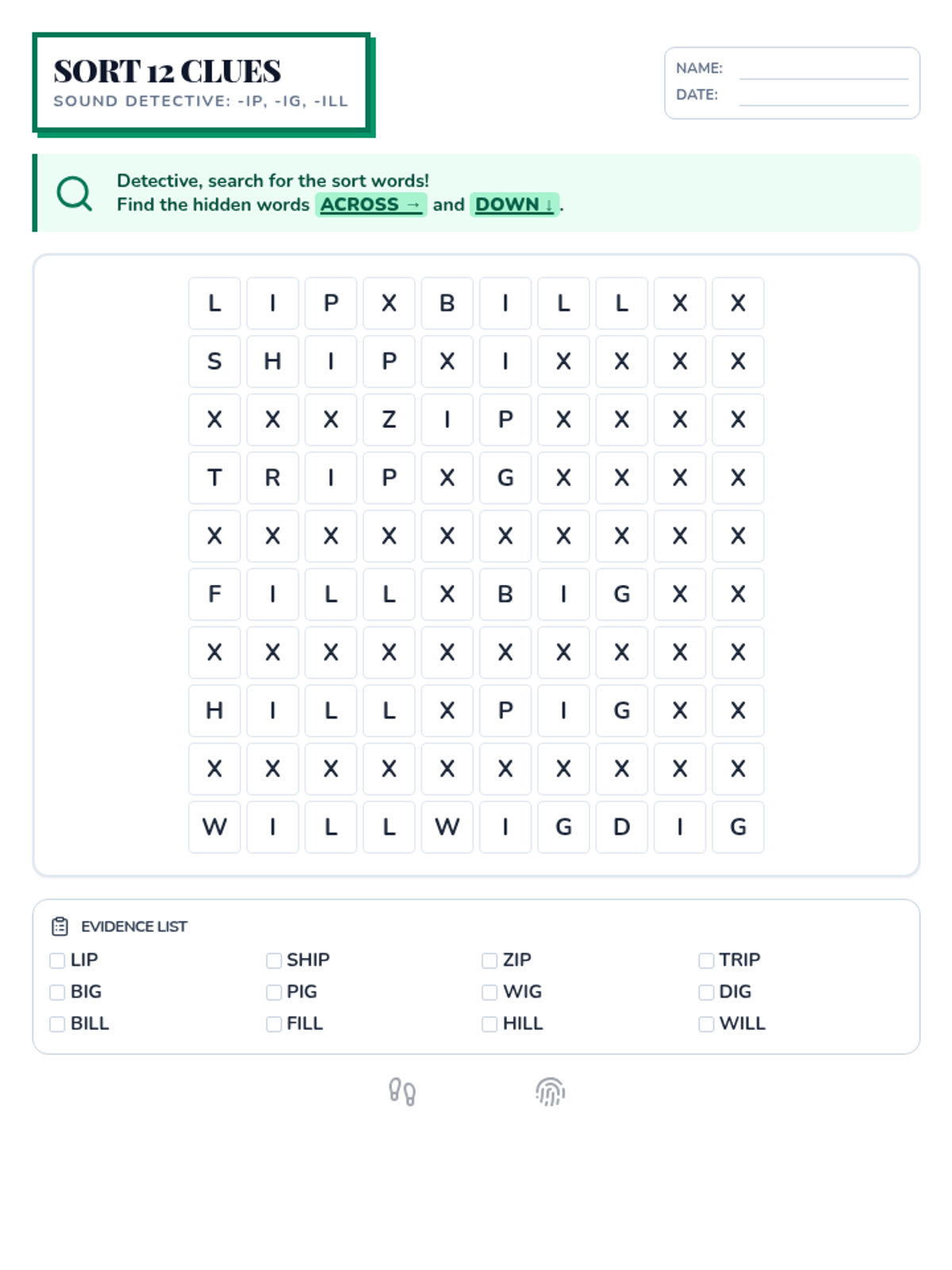
Detecting patterns in word endings, students explore common word families to build rhyme and reading fluency.
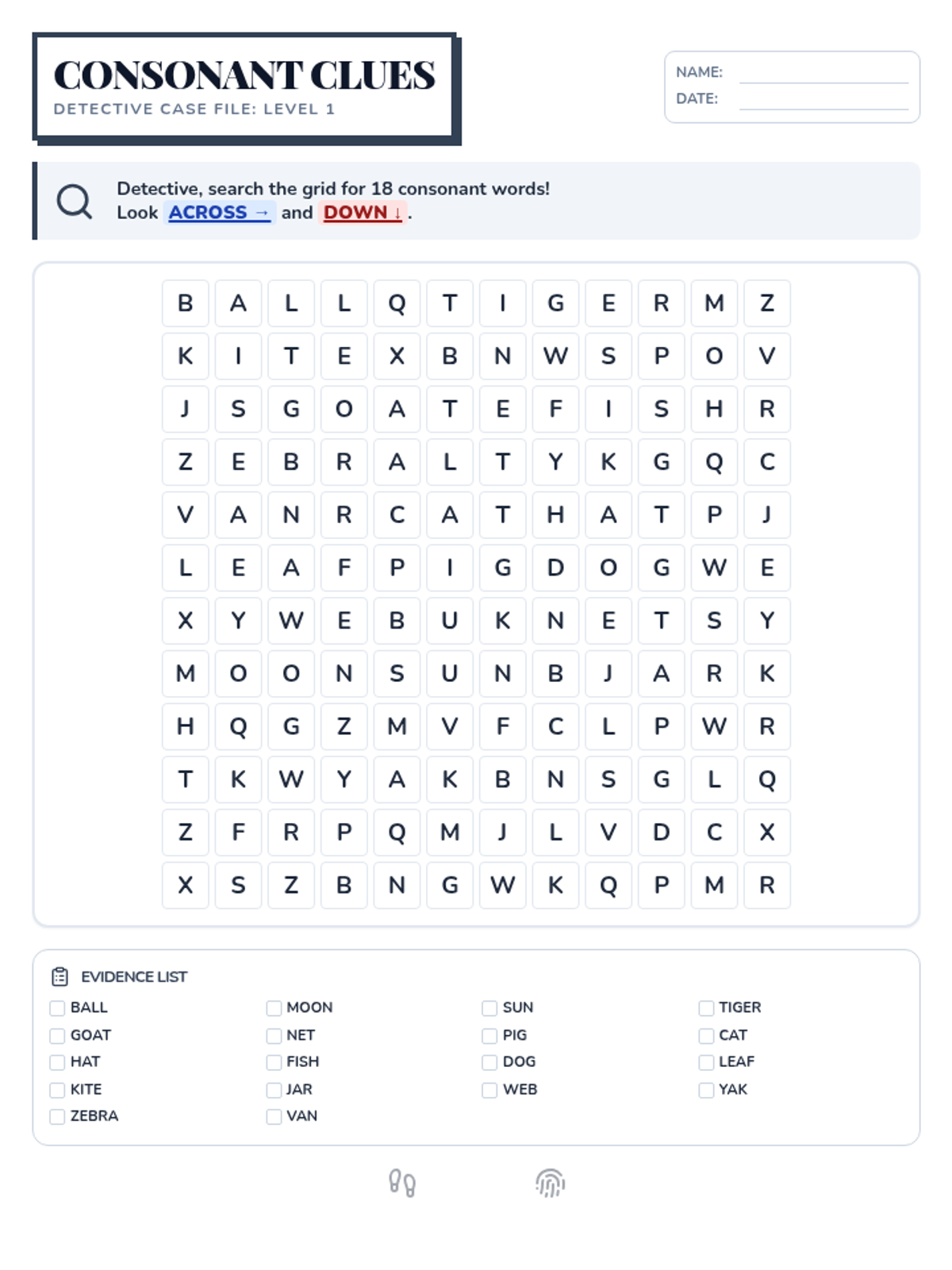
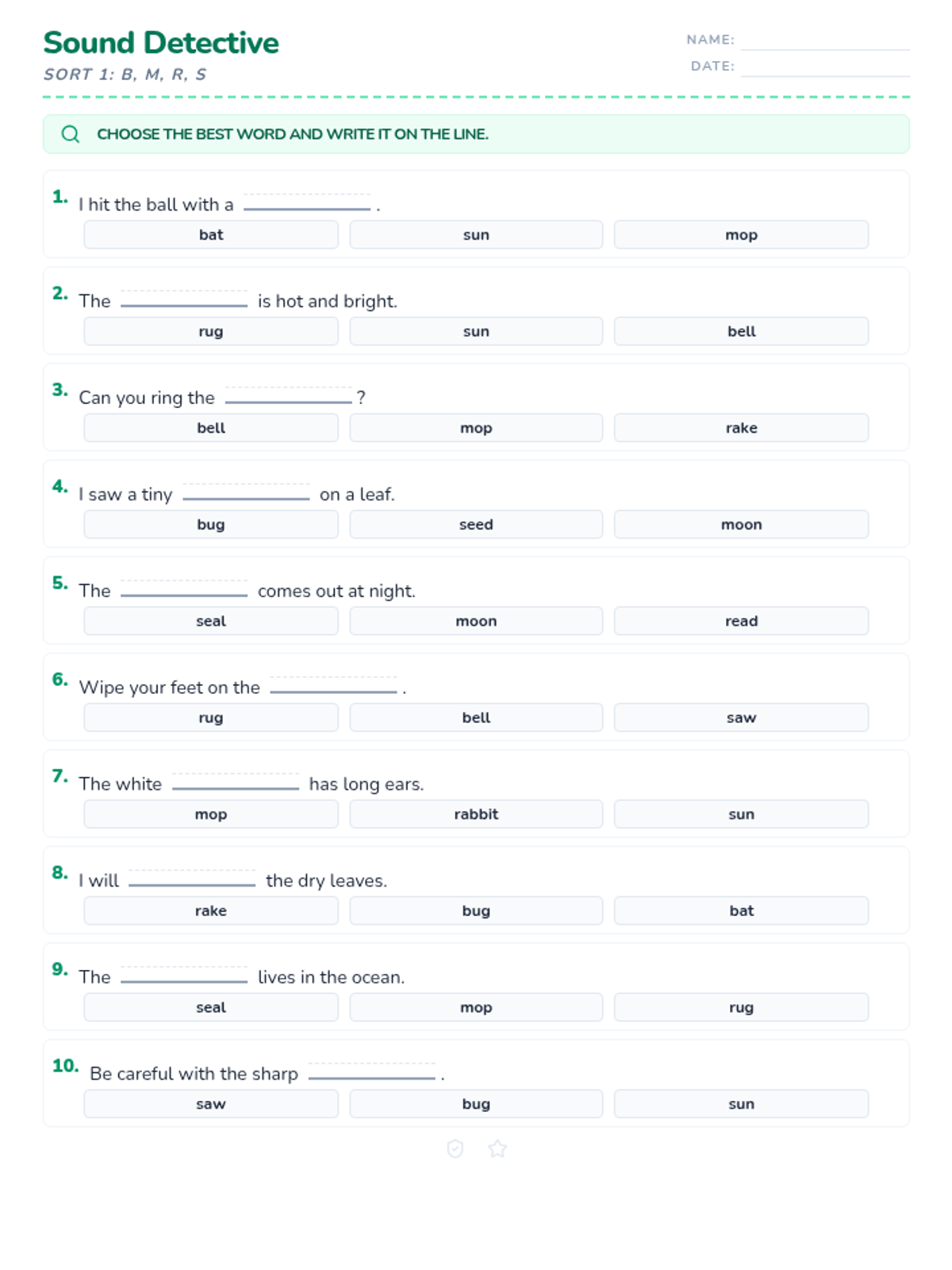
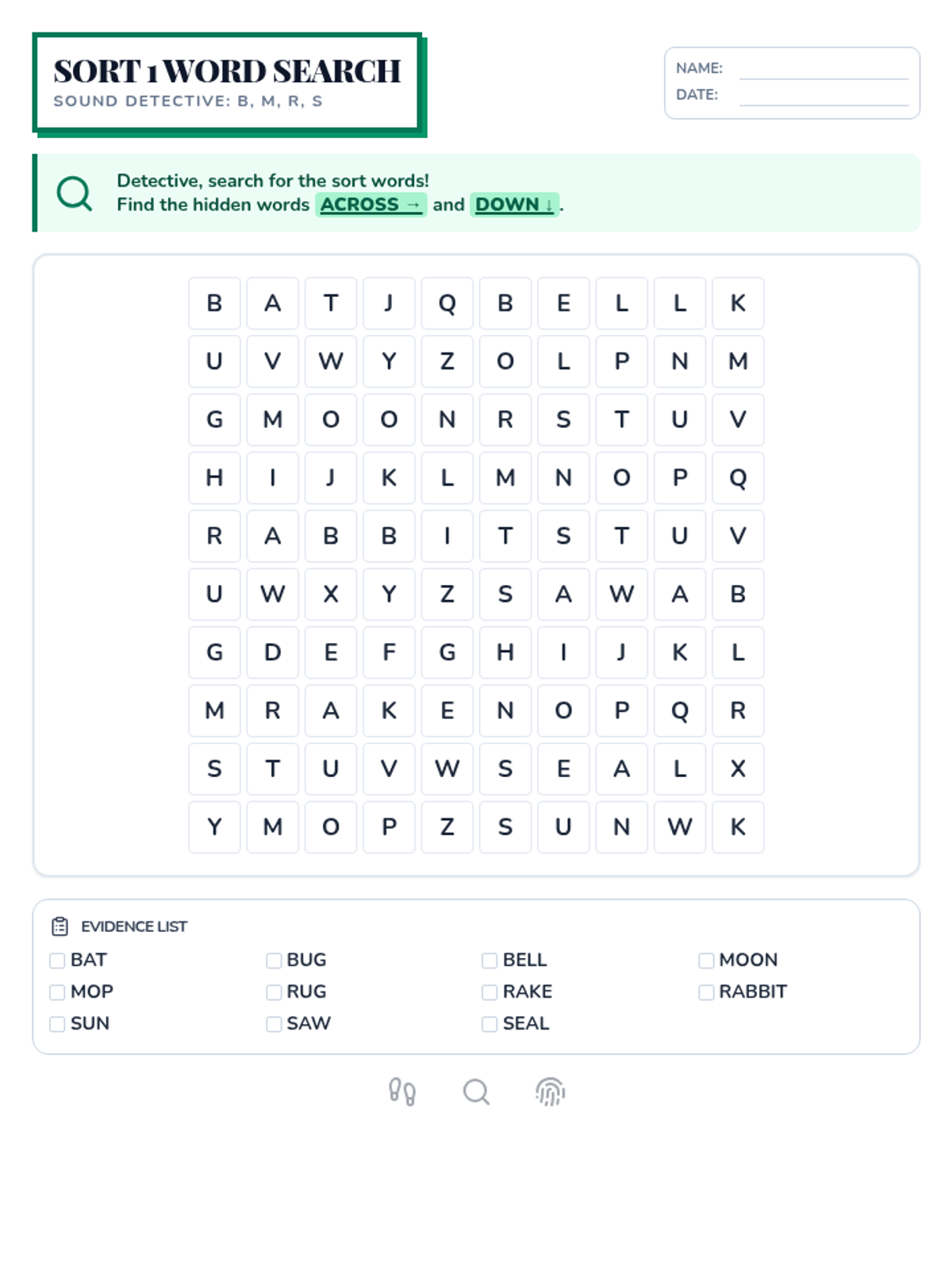
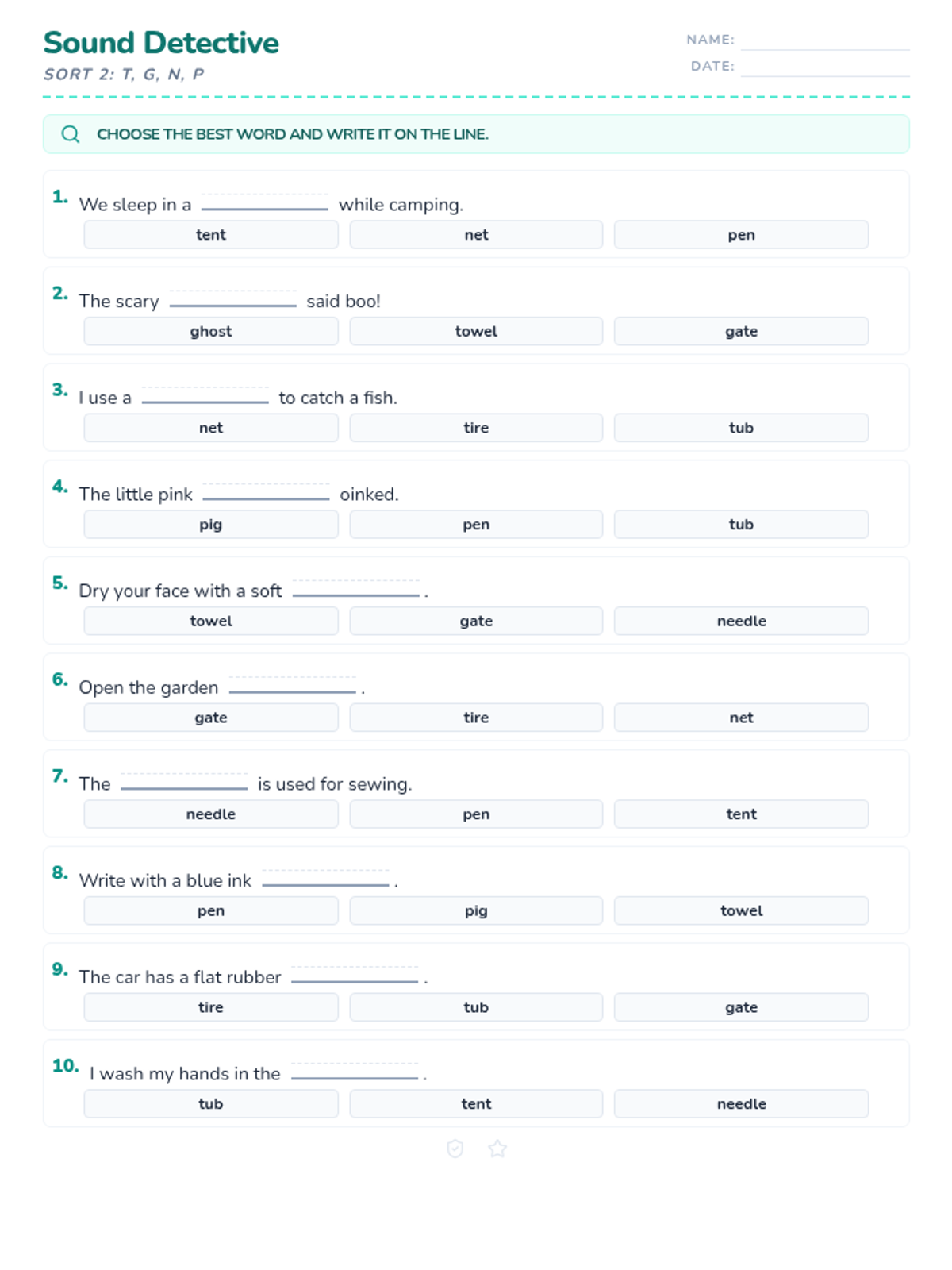
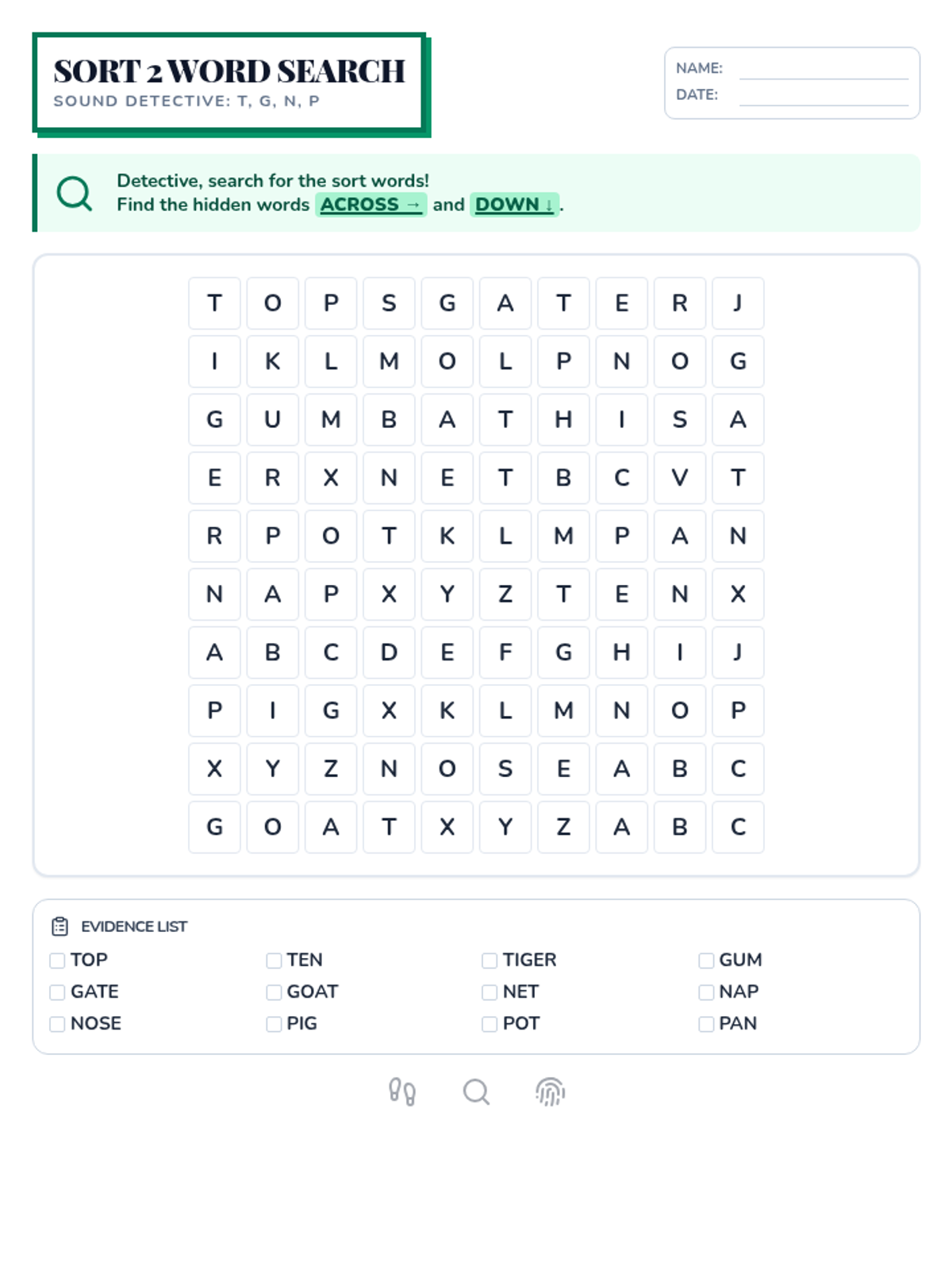
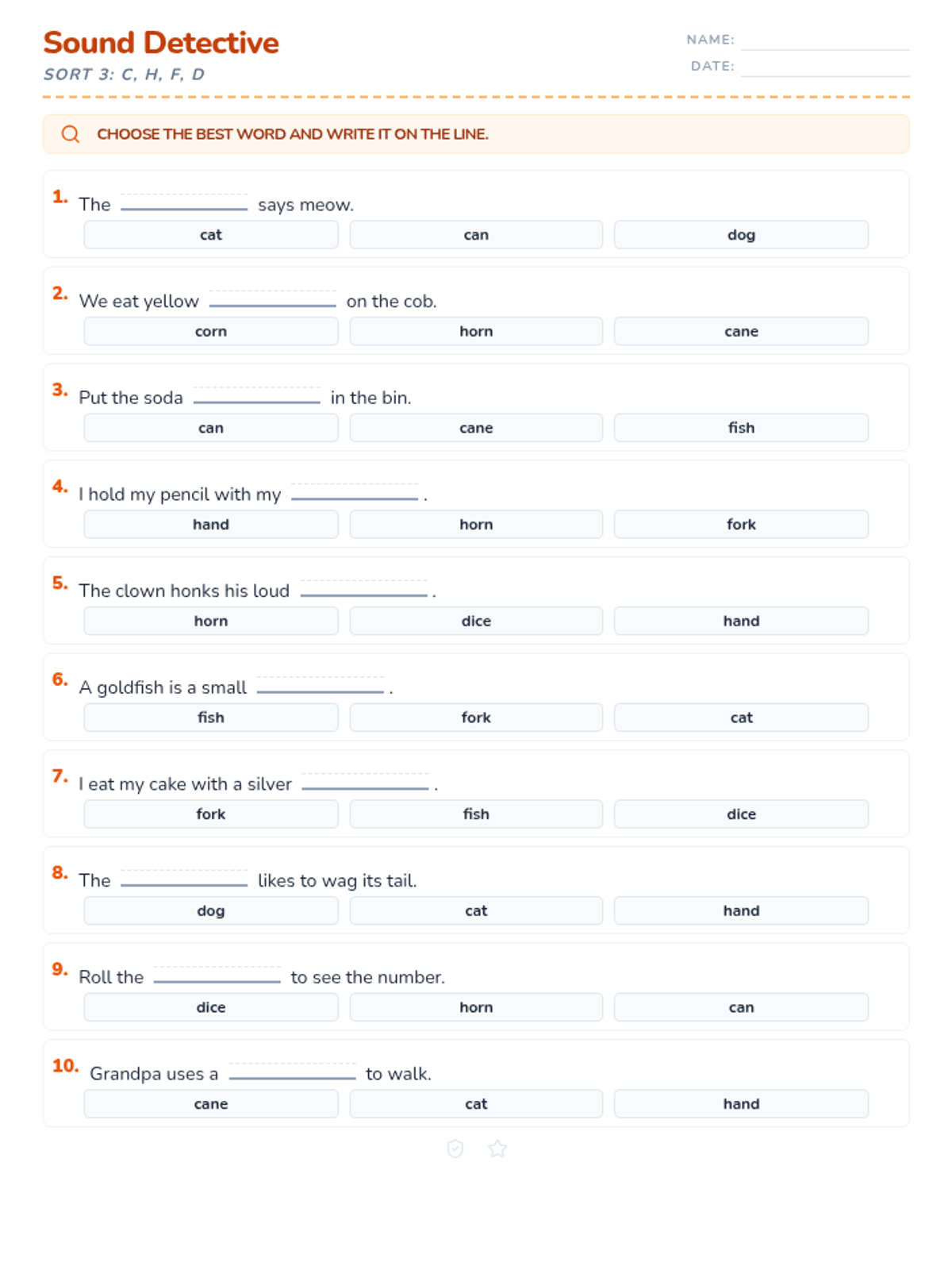
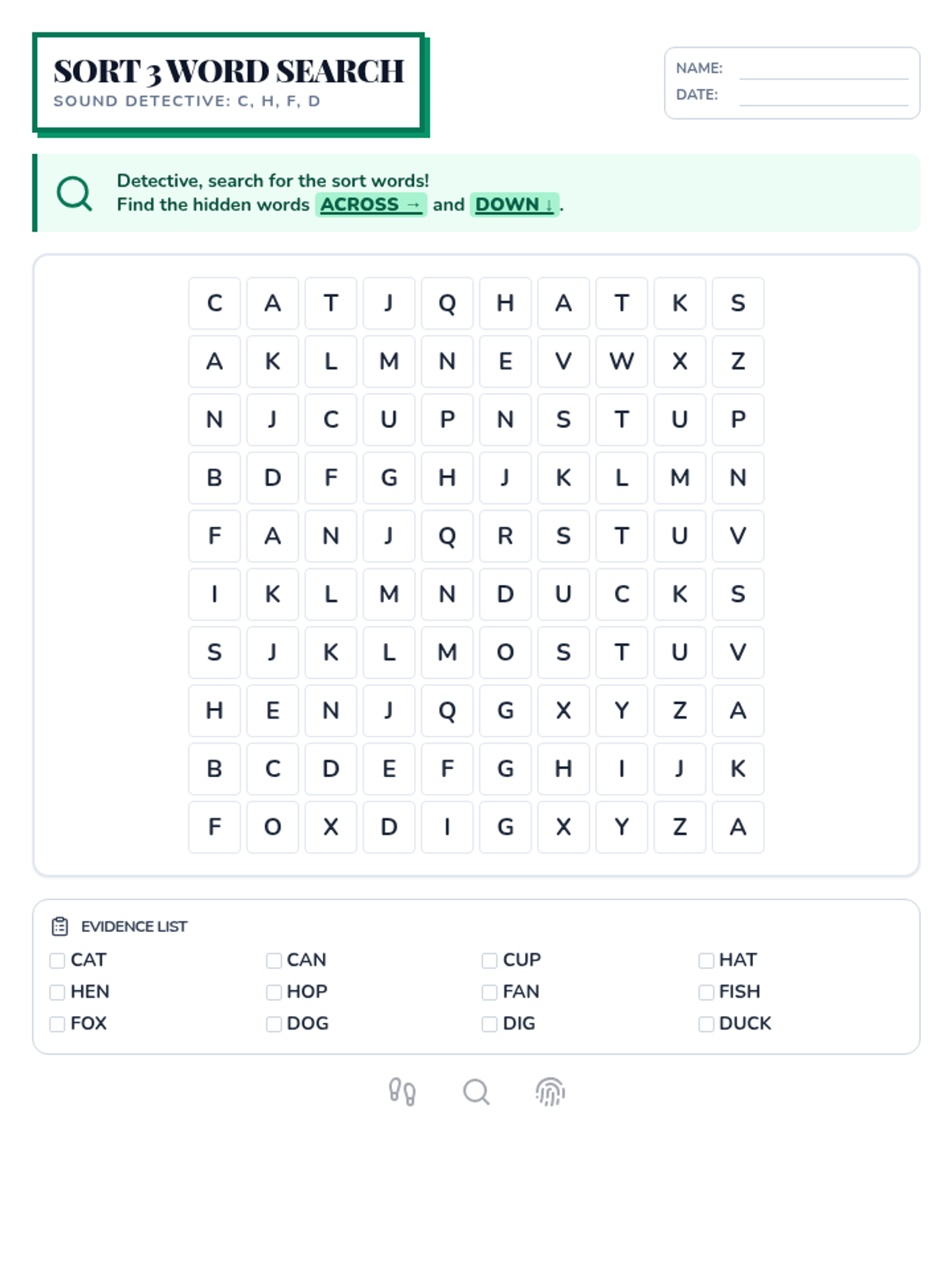
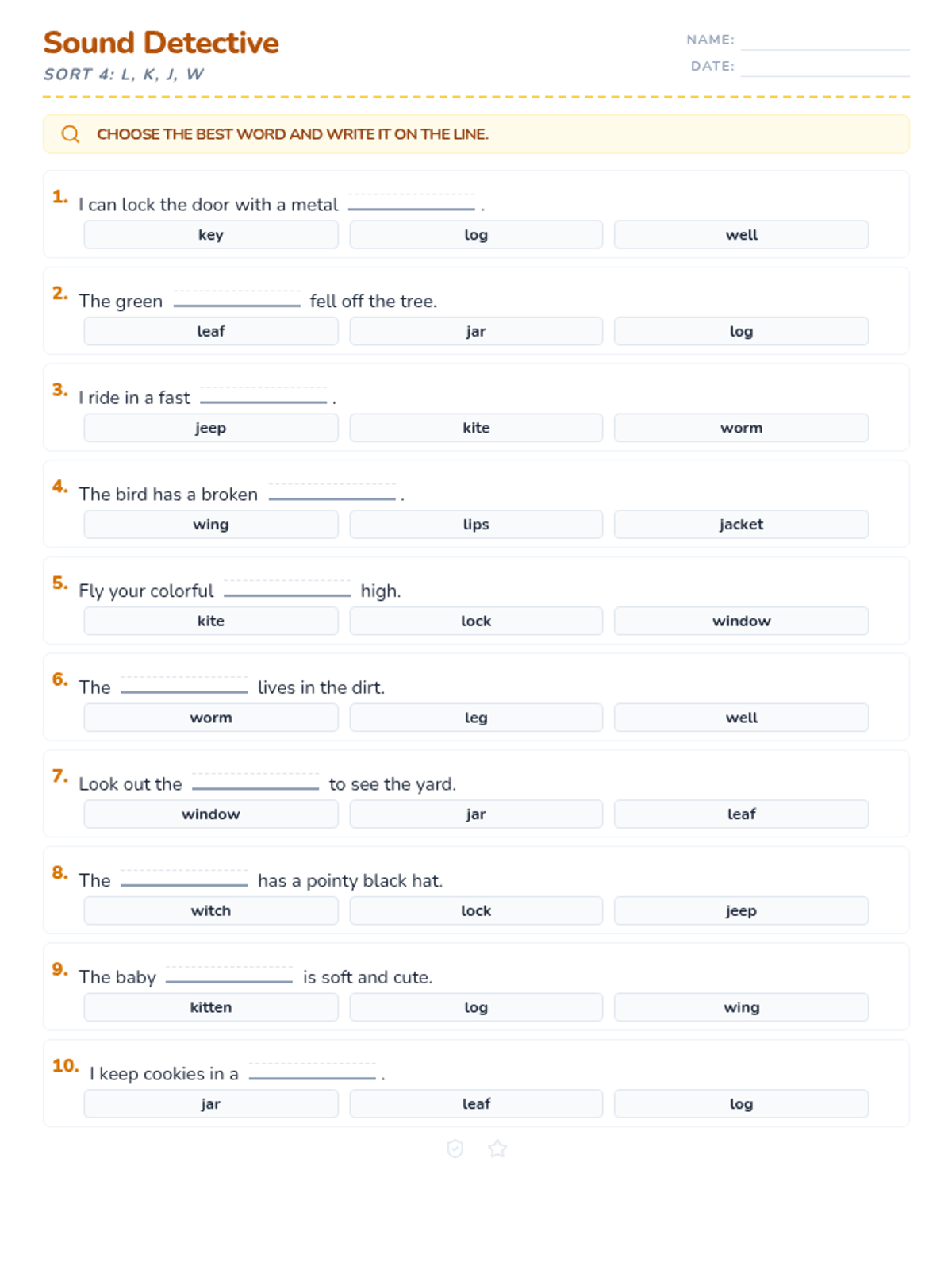
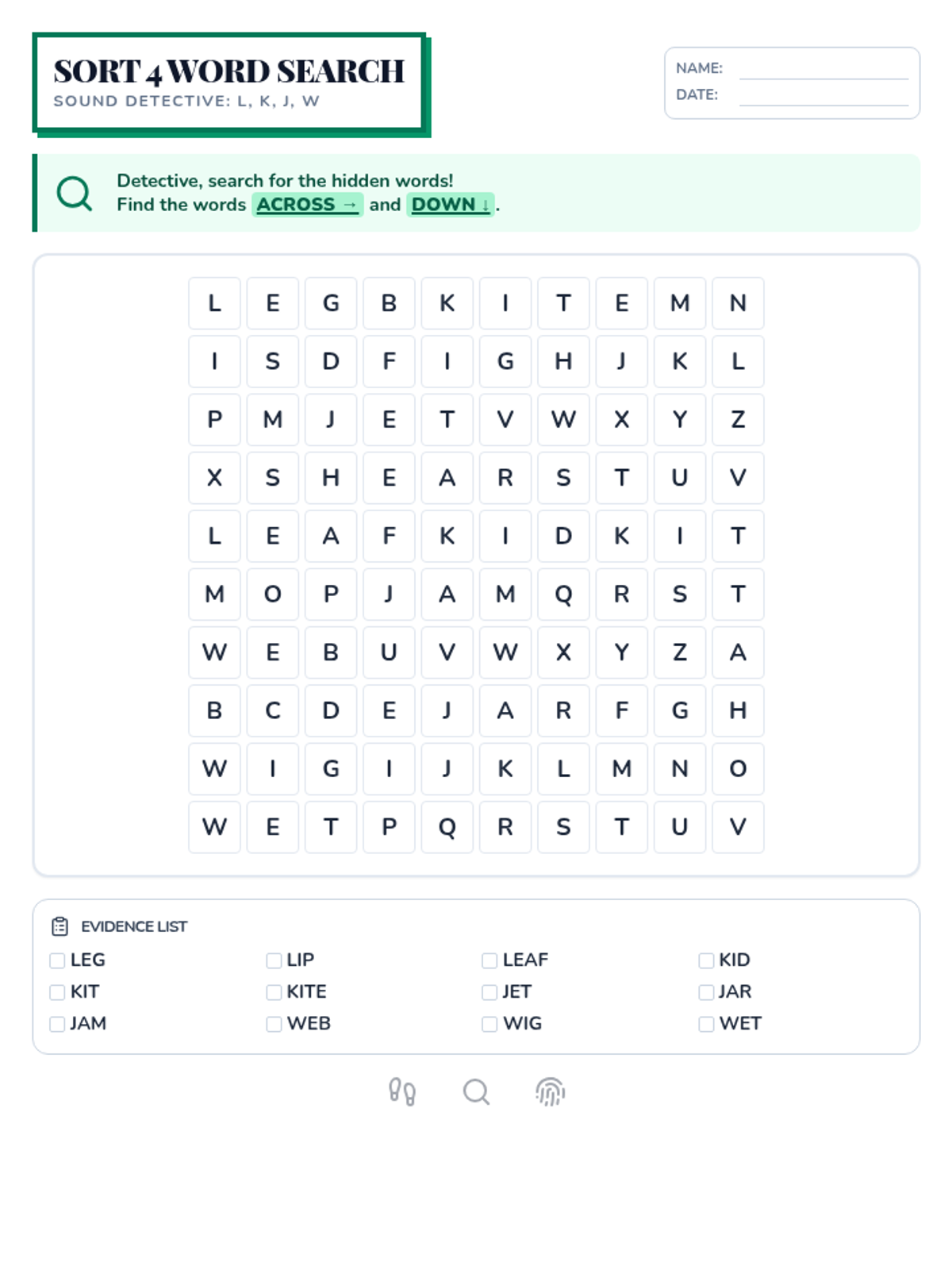
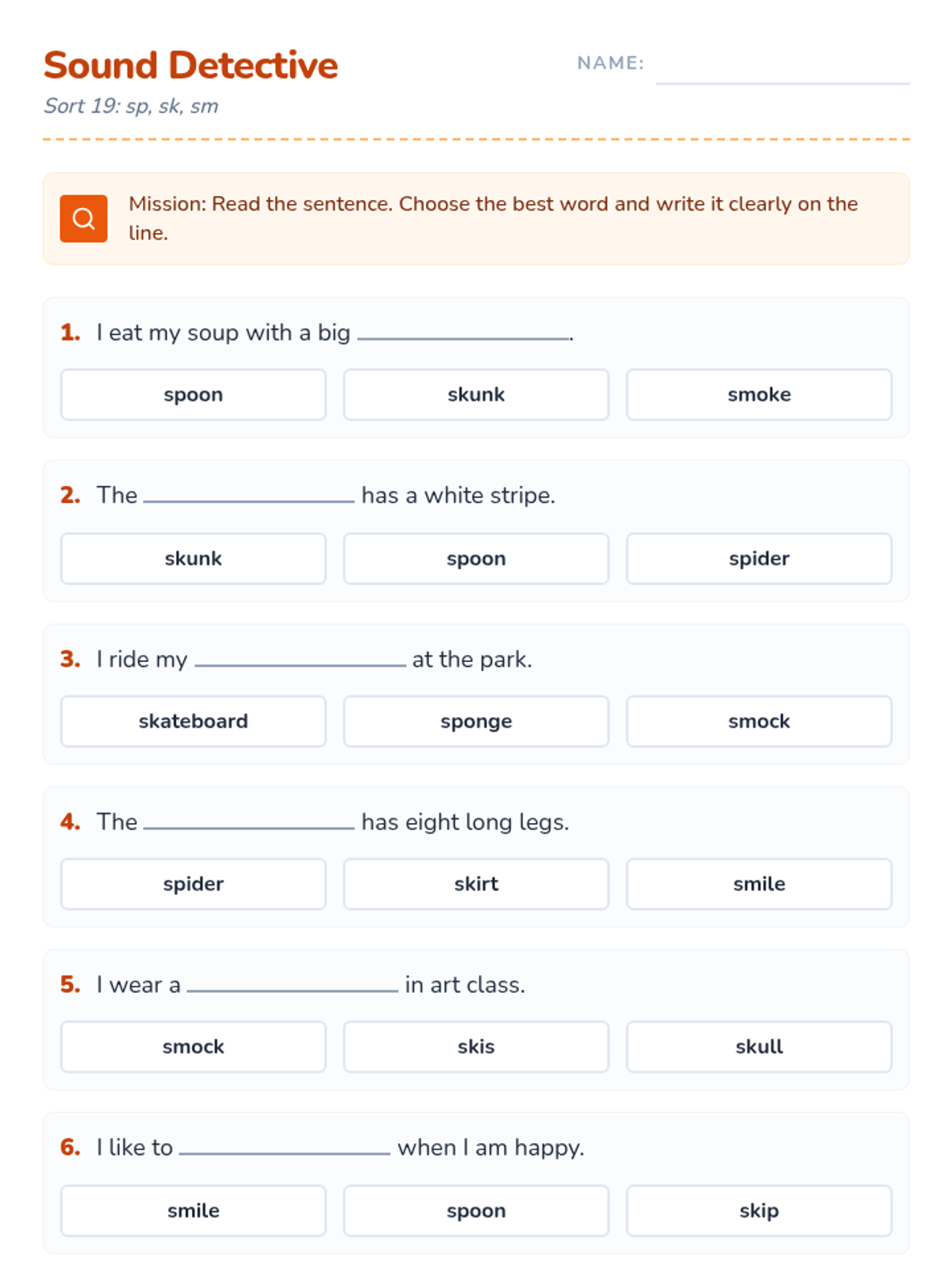
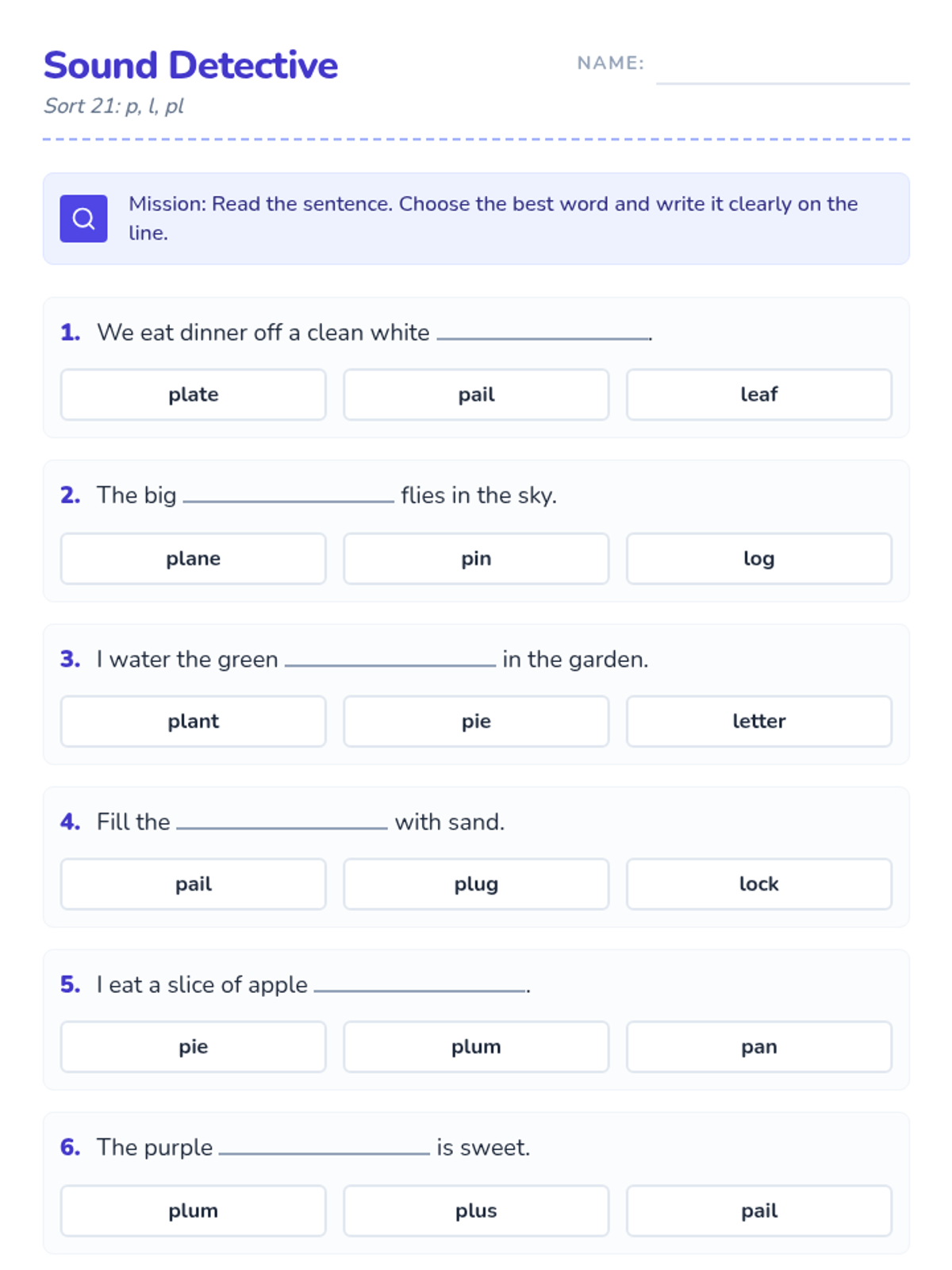
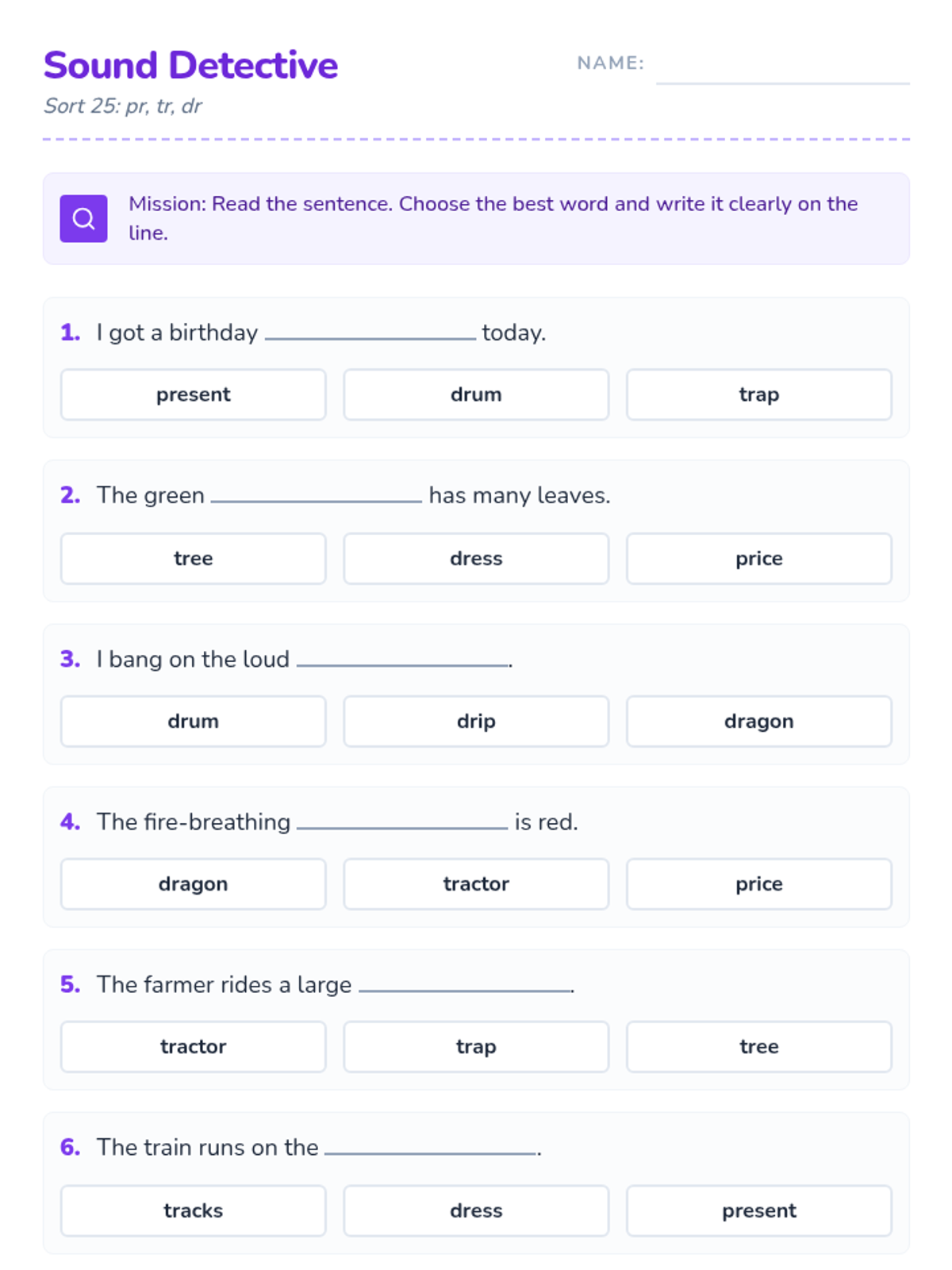
The first stage of the Sound Detective journey, focusing on the discovery of initial consonant sounds through interactive sentence puzzles.
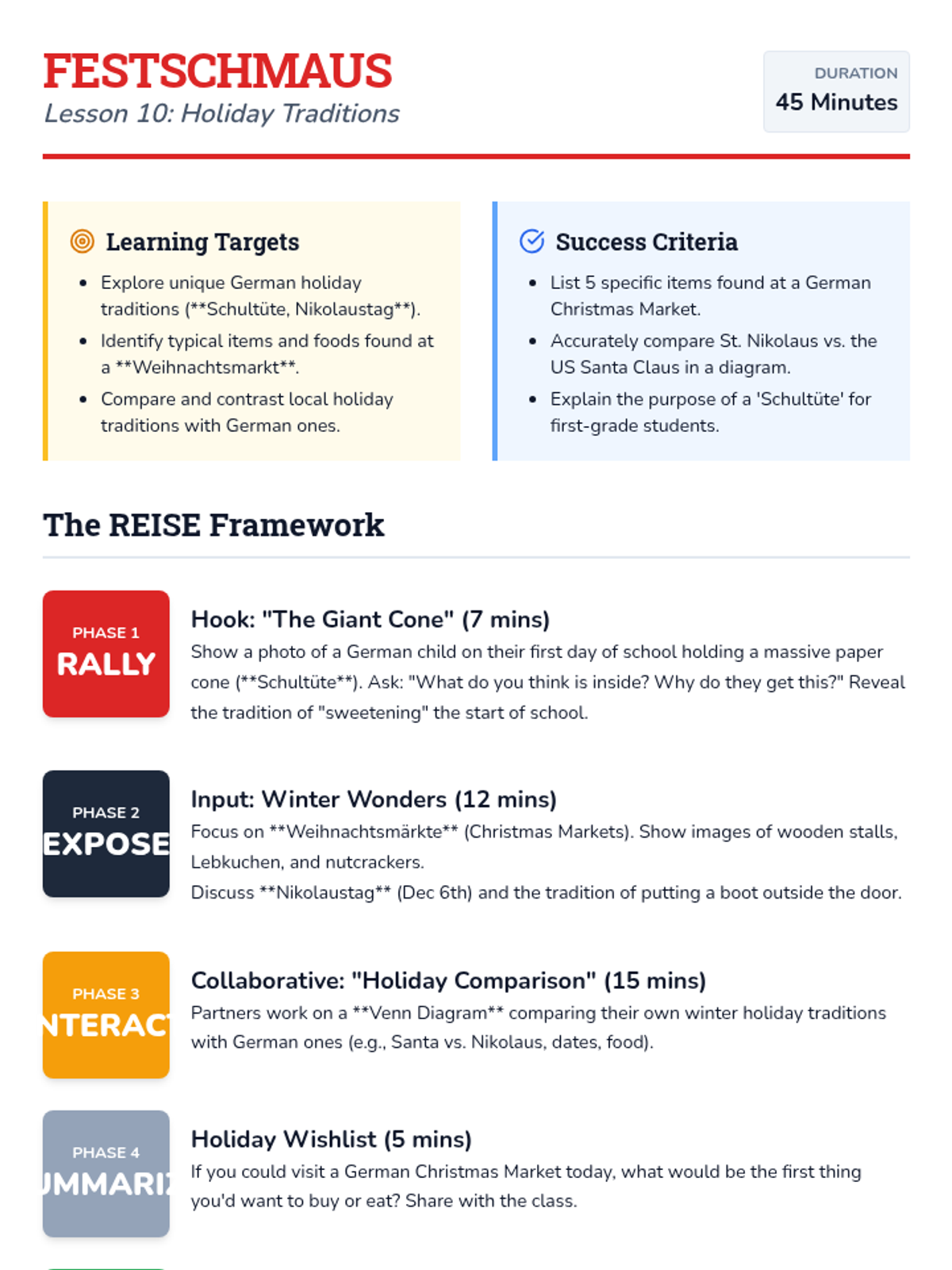
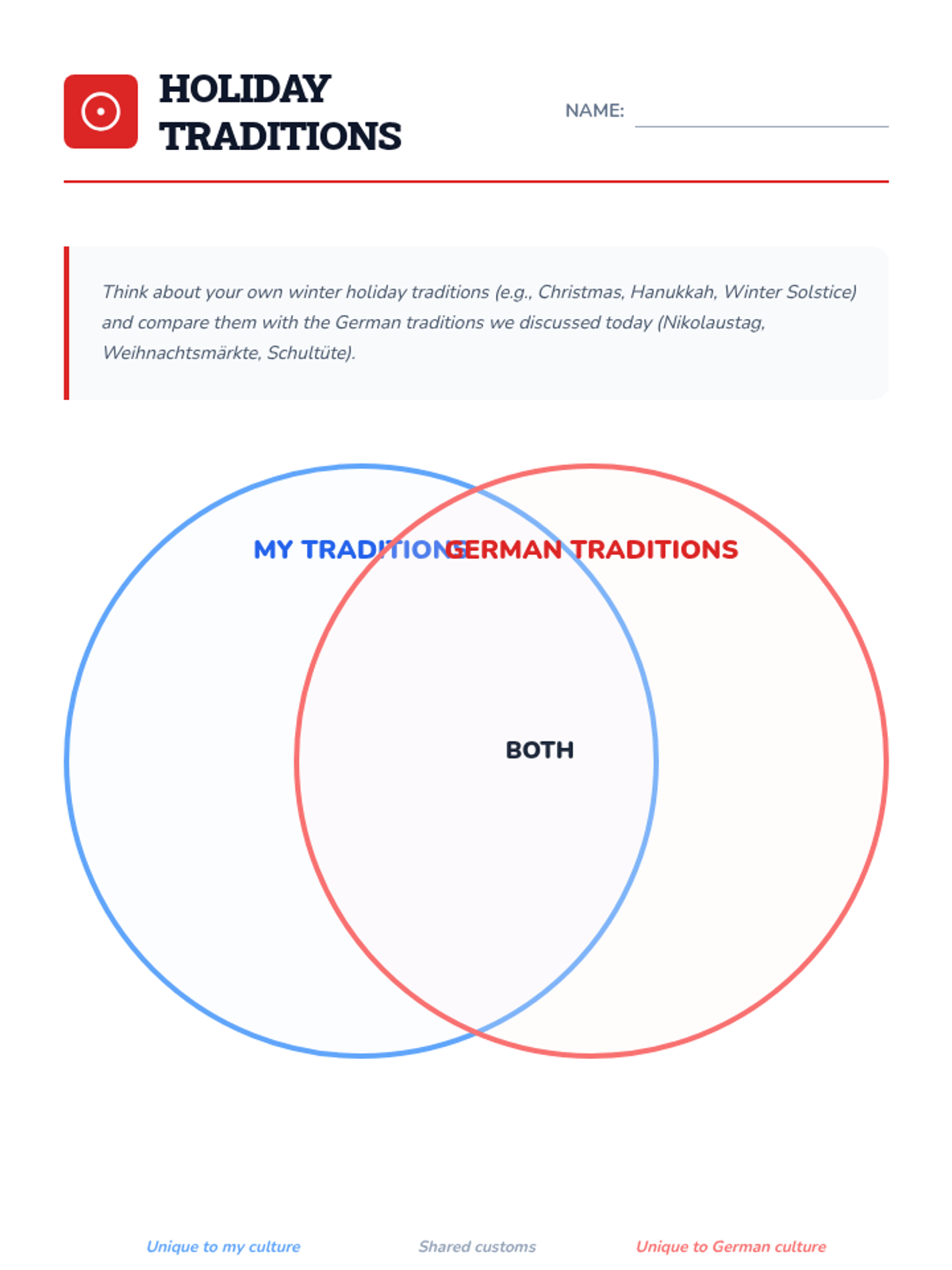
A festive conclusion focusing on German holiday traditions, including 'Schultüte' and 'Weihnachtsmärkte'. Students compare local and German celebrations using Venn diagrams.
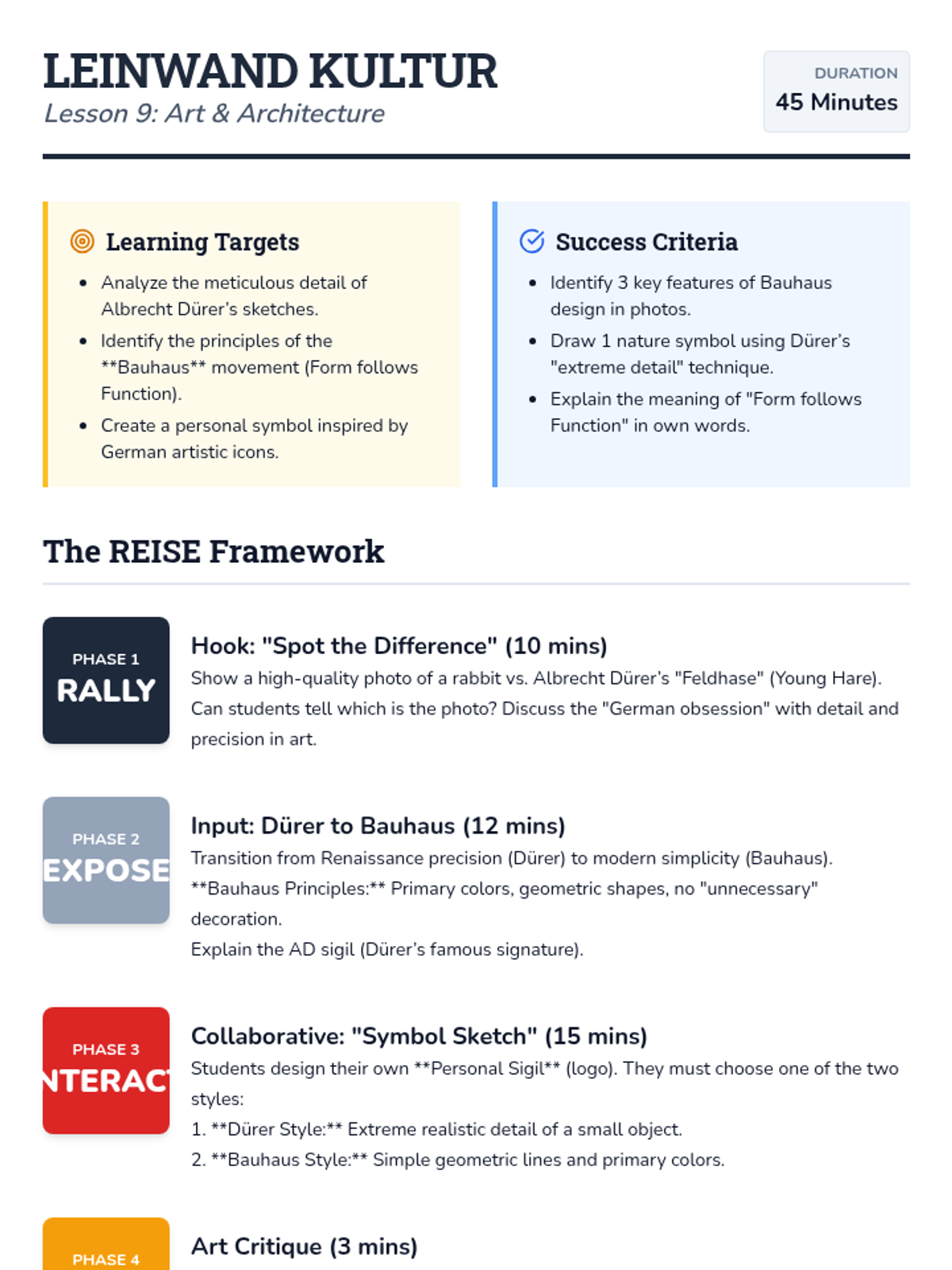
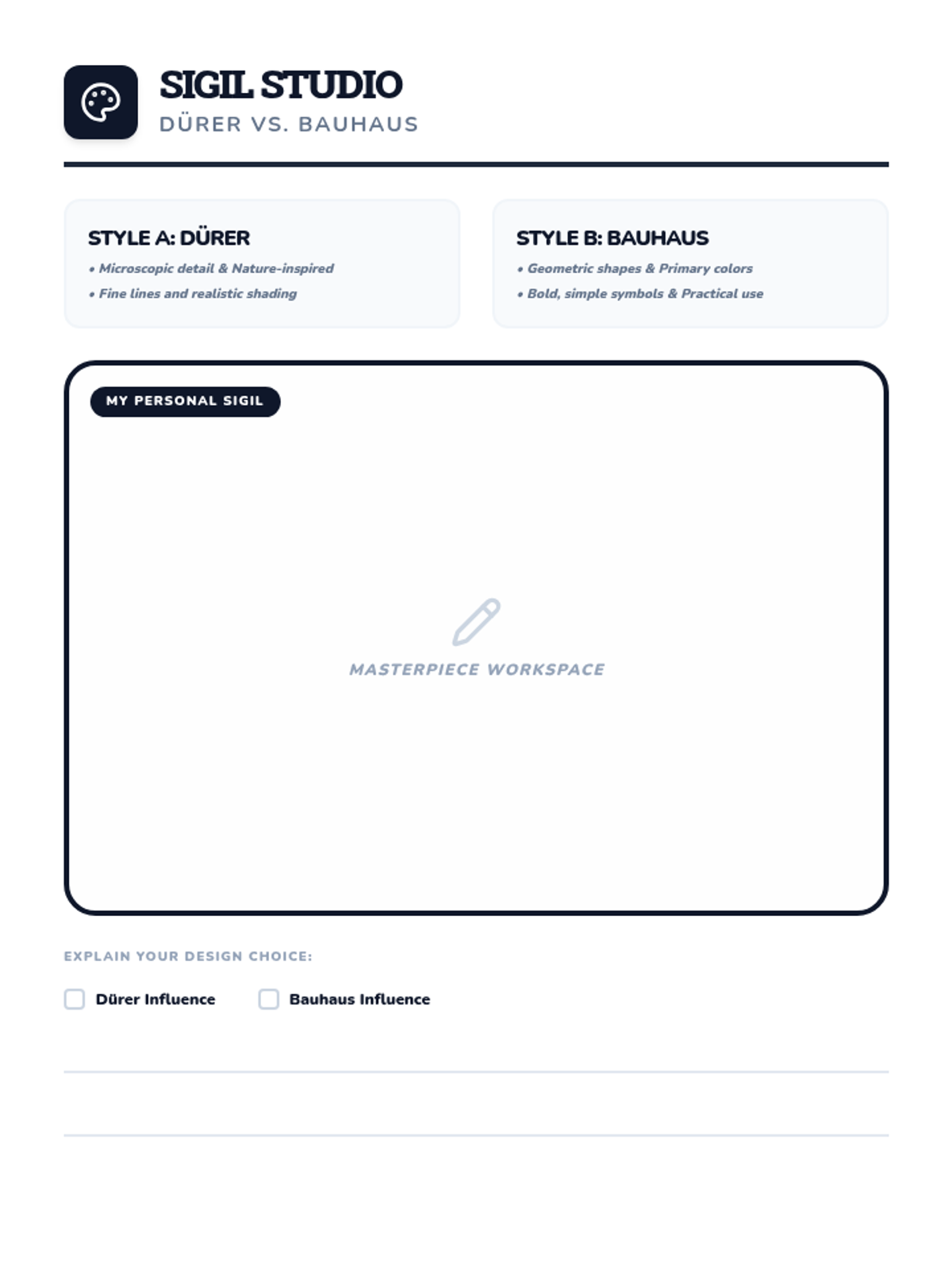
Analyzing the meticulous detail of Albrecht Dürer and the modernism of the Bauhaus movement. Students create their own symbols inspired by these German artistic icons.
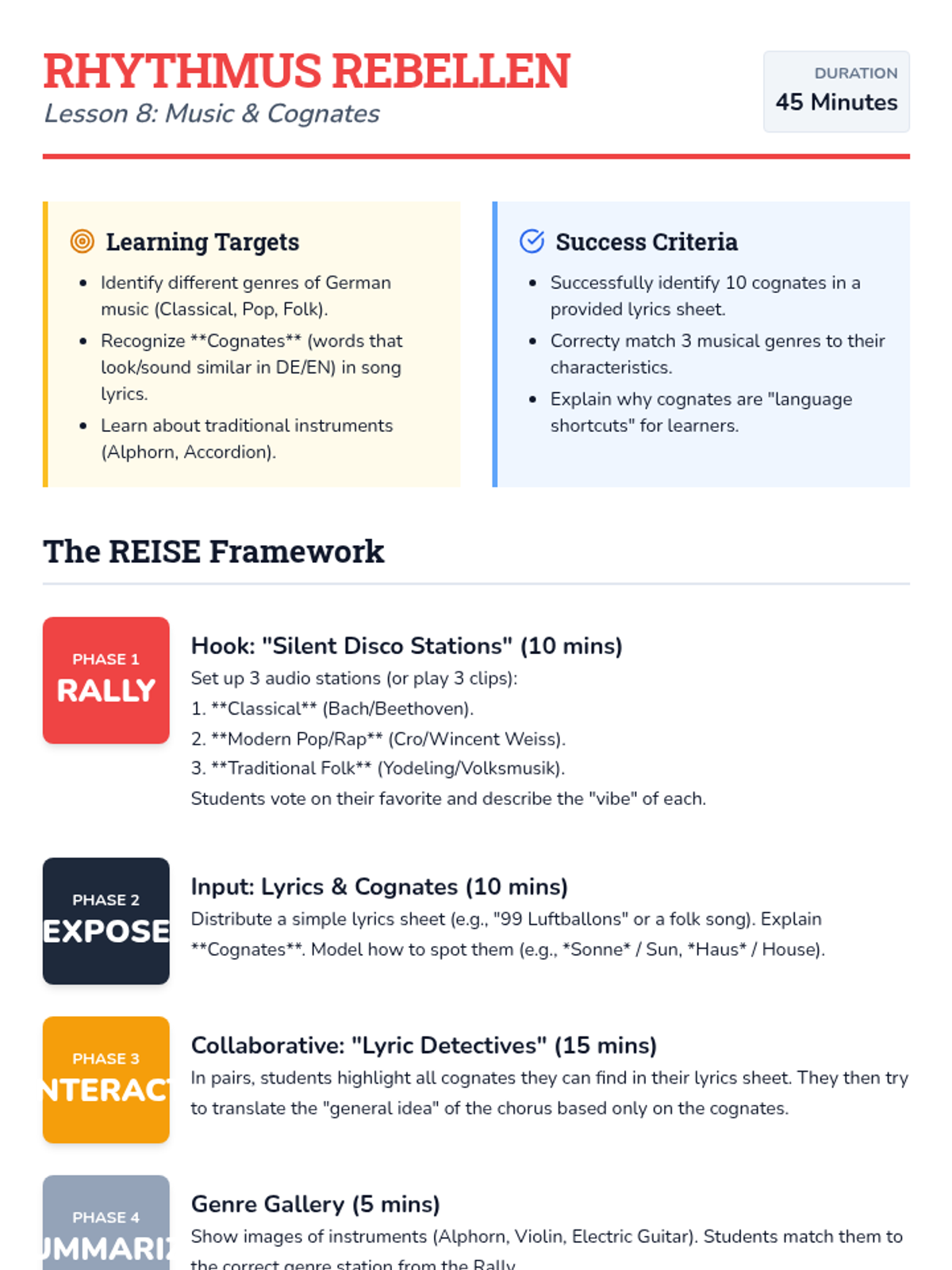
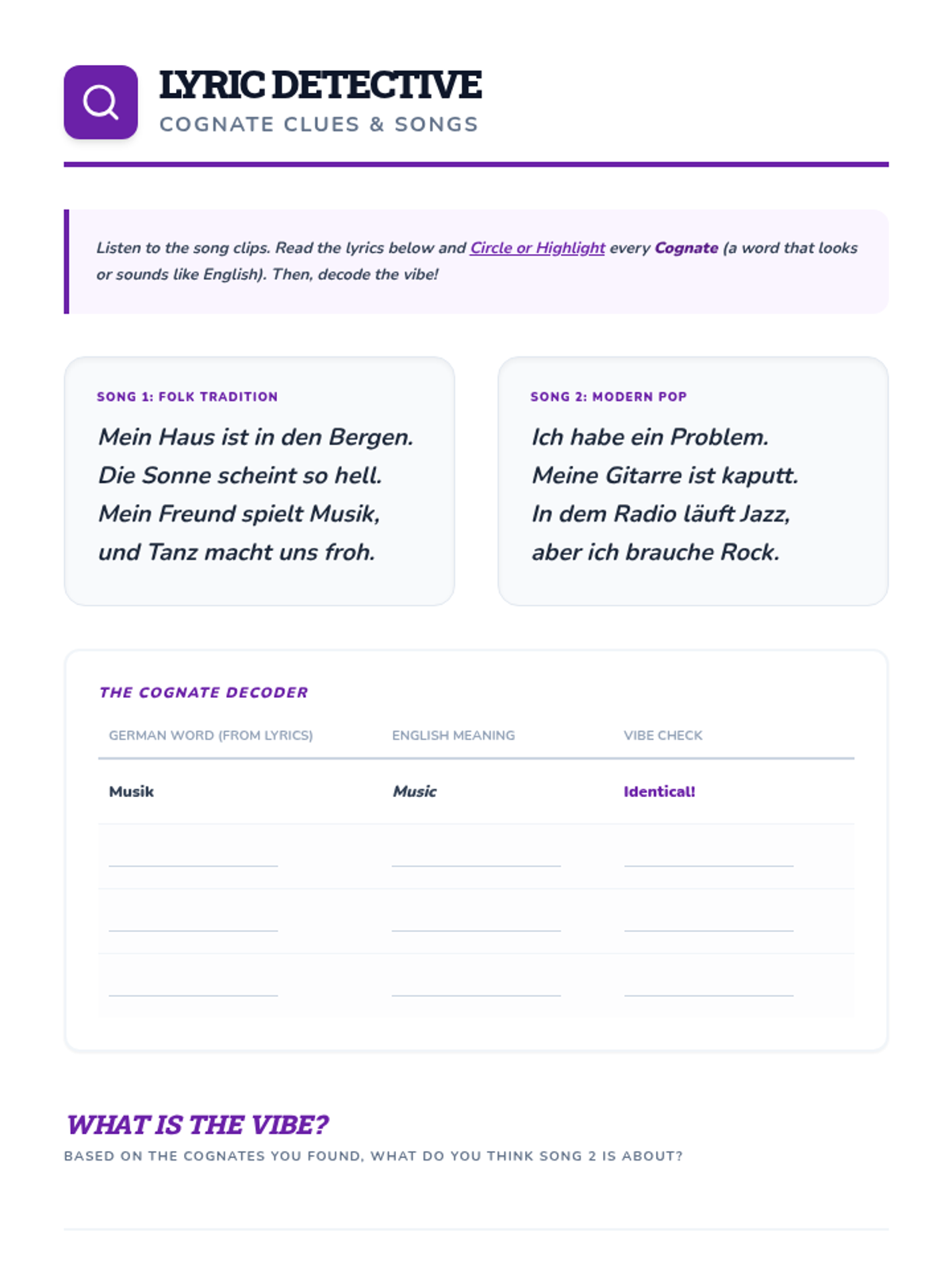
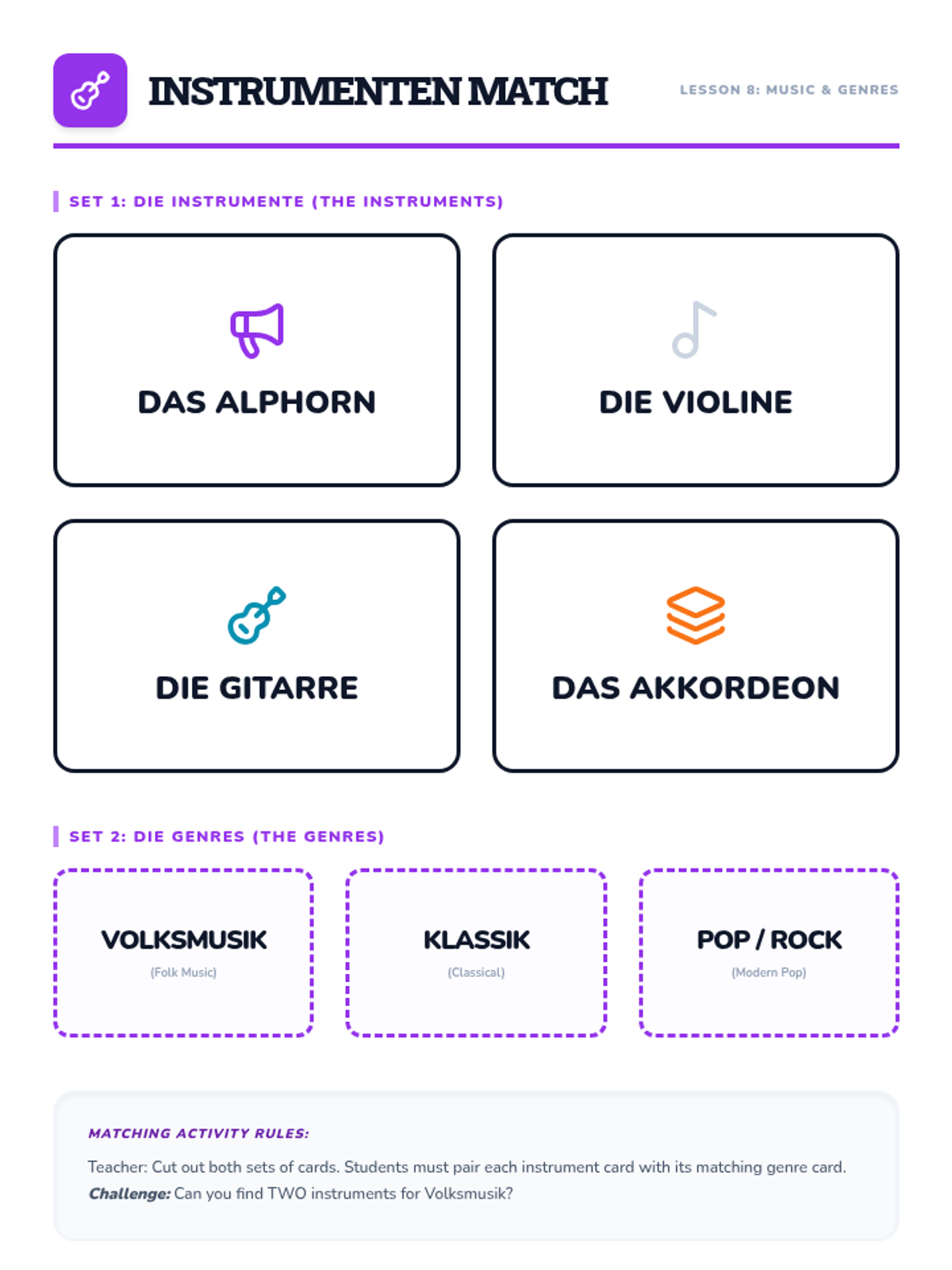
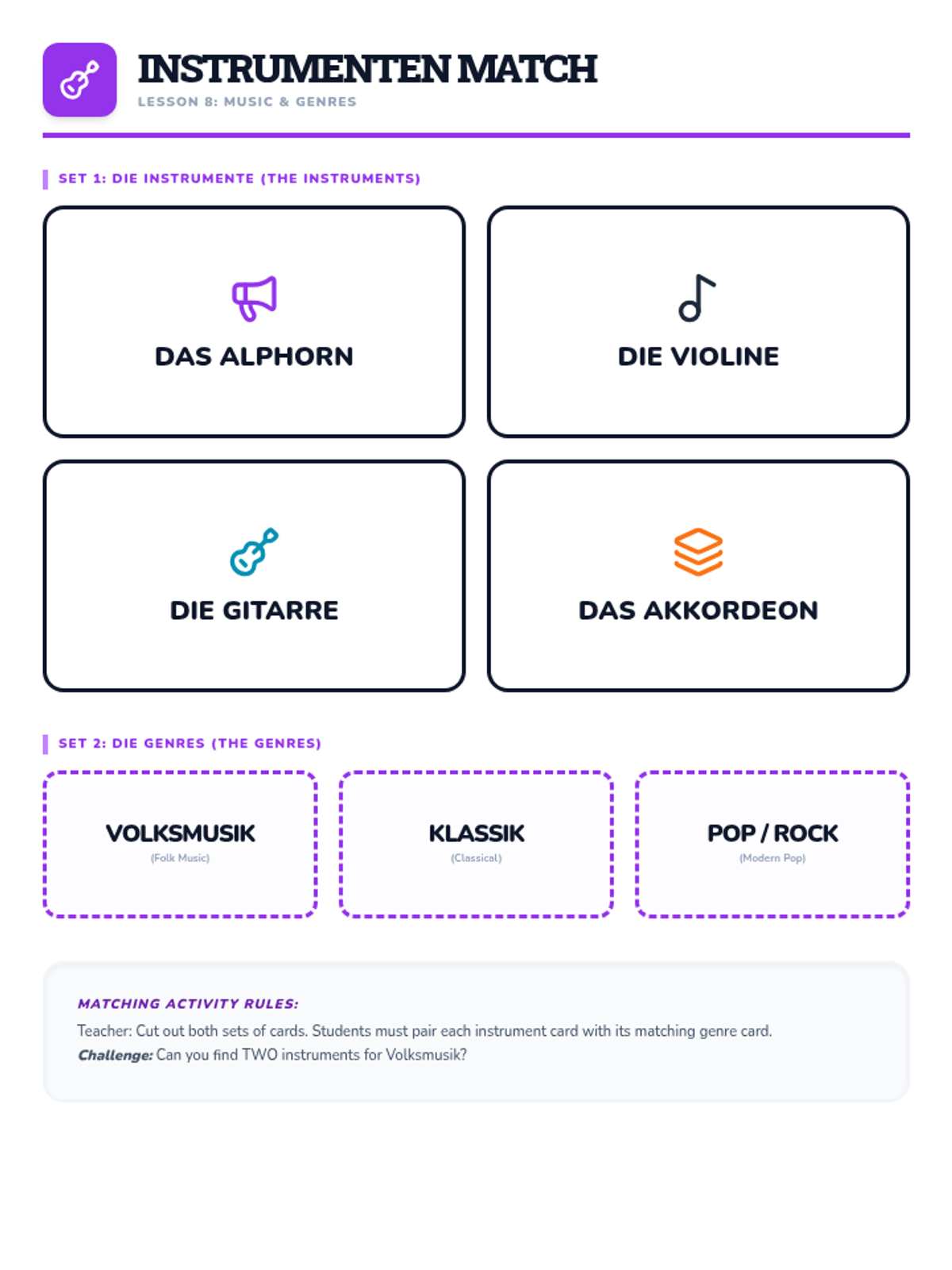
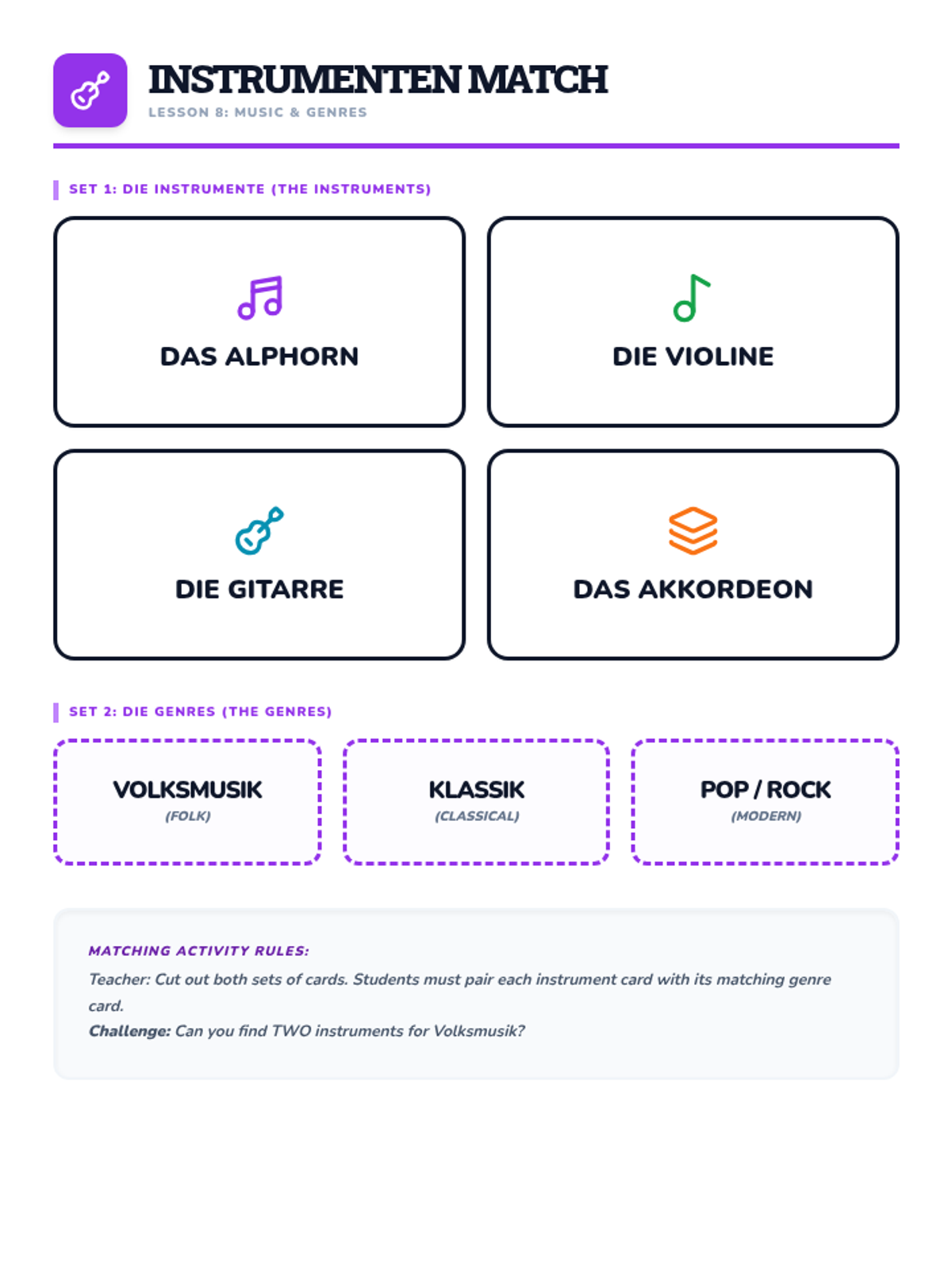
An exploration of German music from classical roots to modern pop and folk. Students analyze lyrics for cognates and identify traditional instruments.
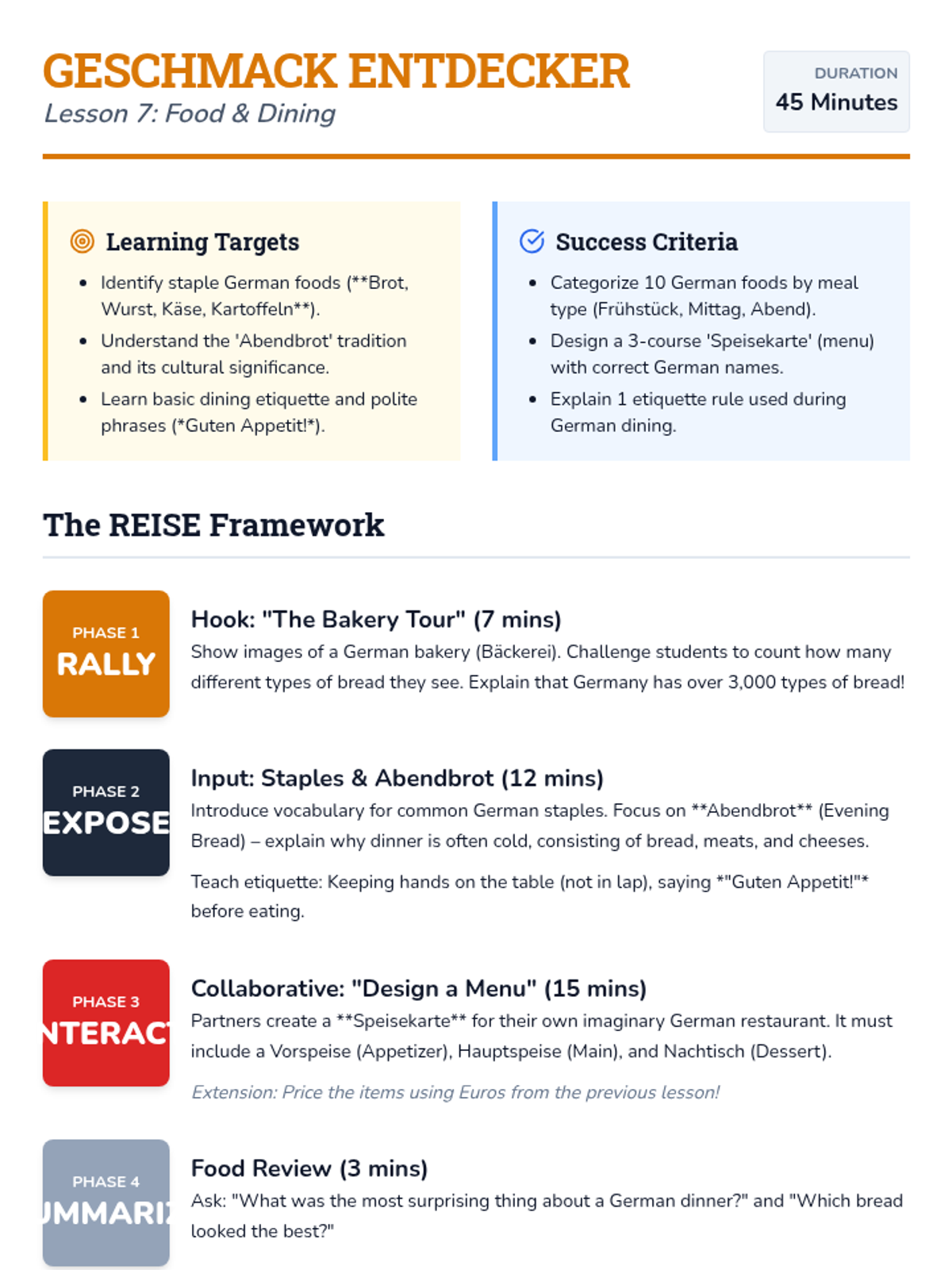
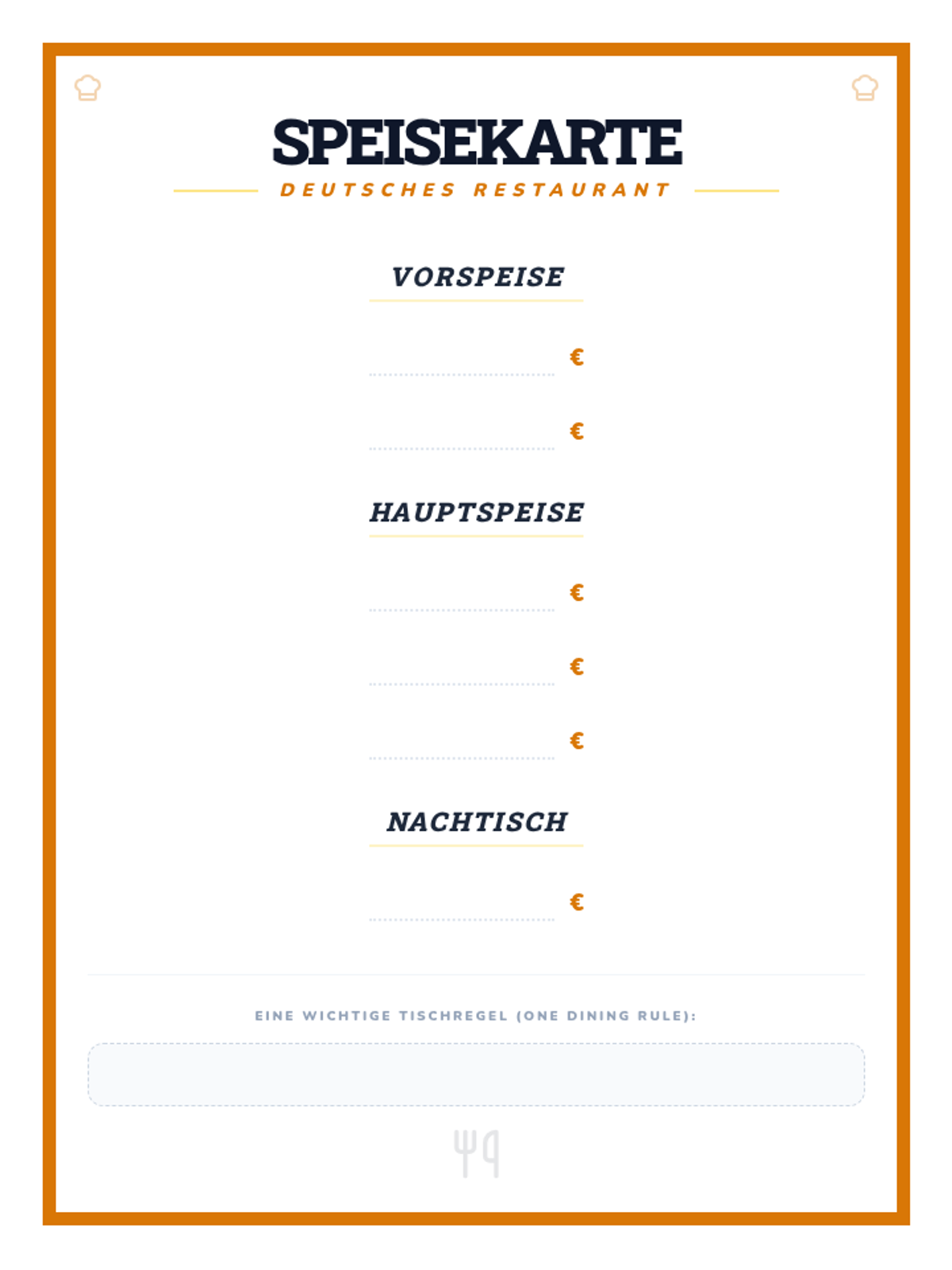
A culinary tour of German staples like bread and sausage. Students explore the 'Abendbrot' tradition and design their own German menu (Speisekarte).
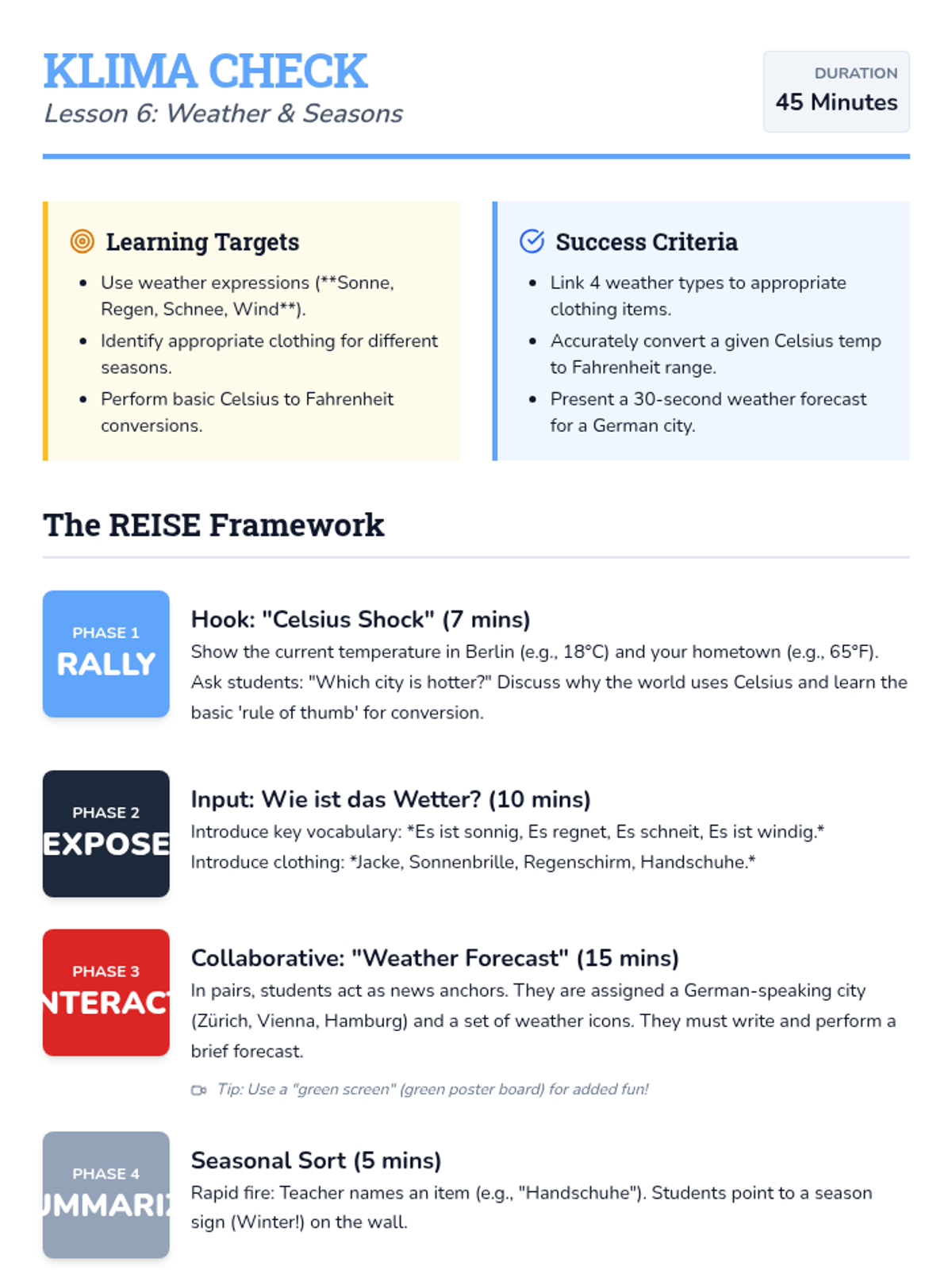
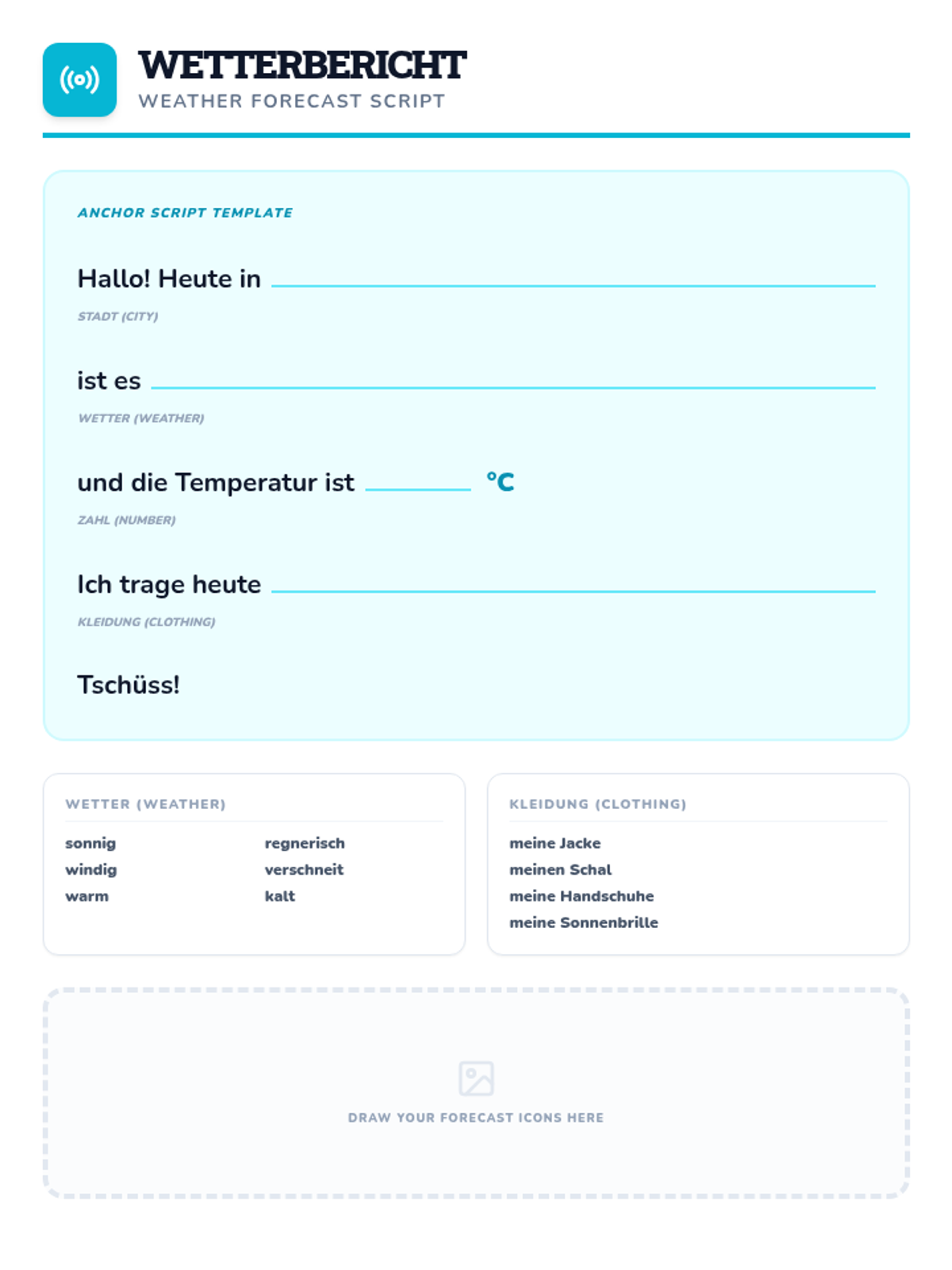
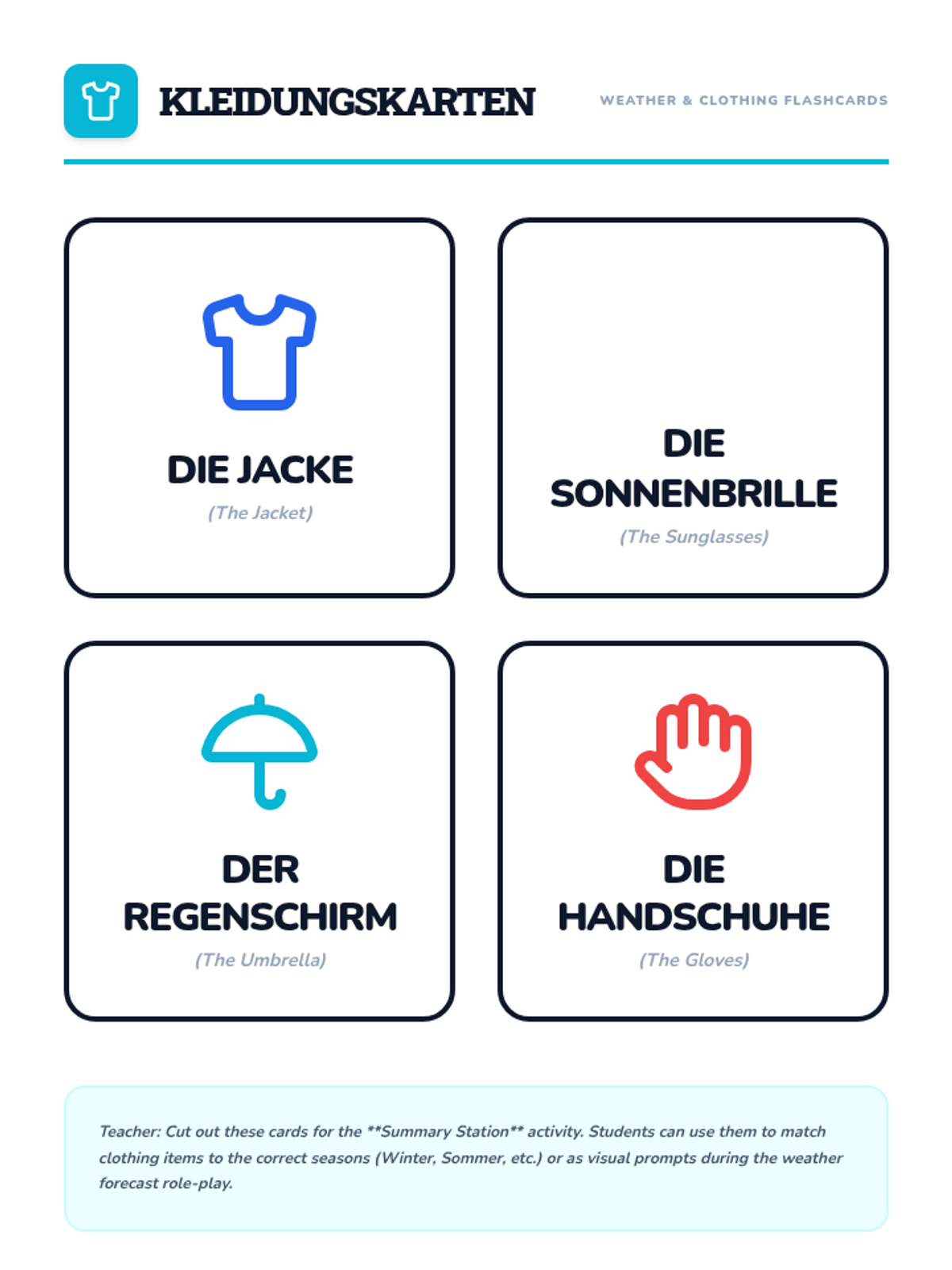
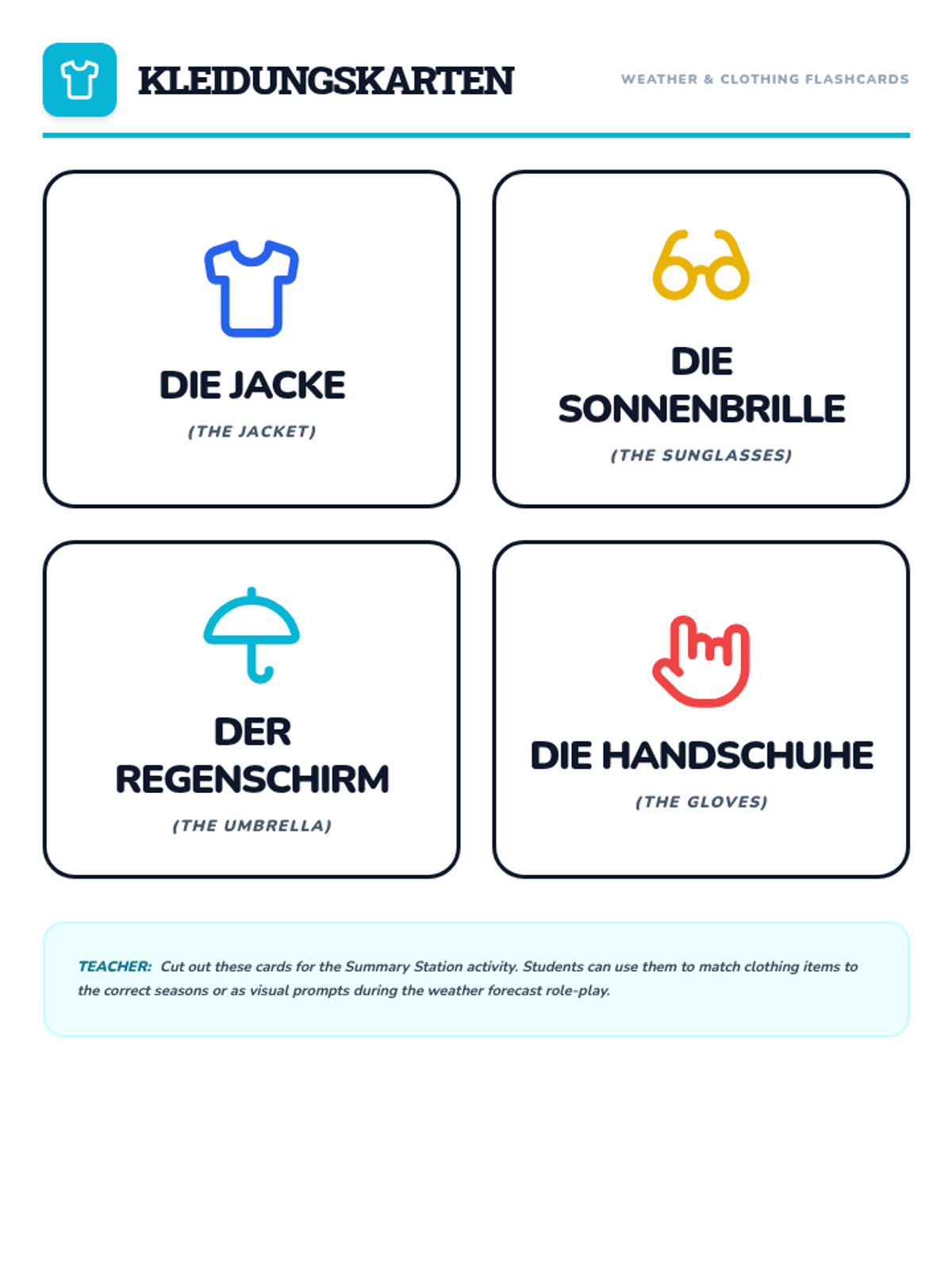
Weather expressions and seasonal clothing. Students convert Celsius to Fahrenheit and present a weather forecast for various German-speaking cities.
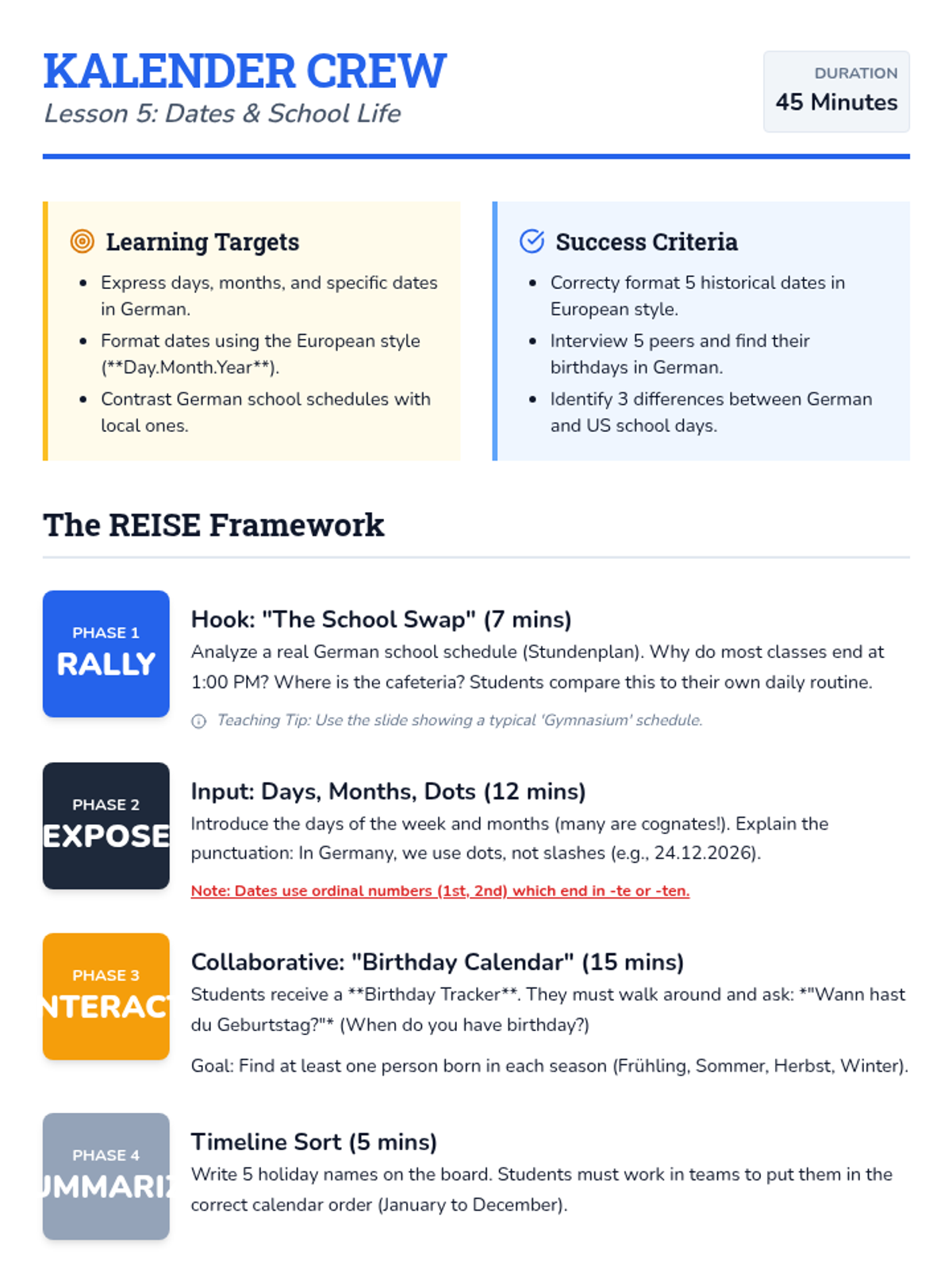
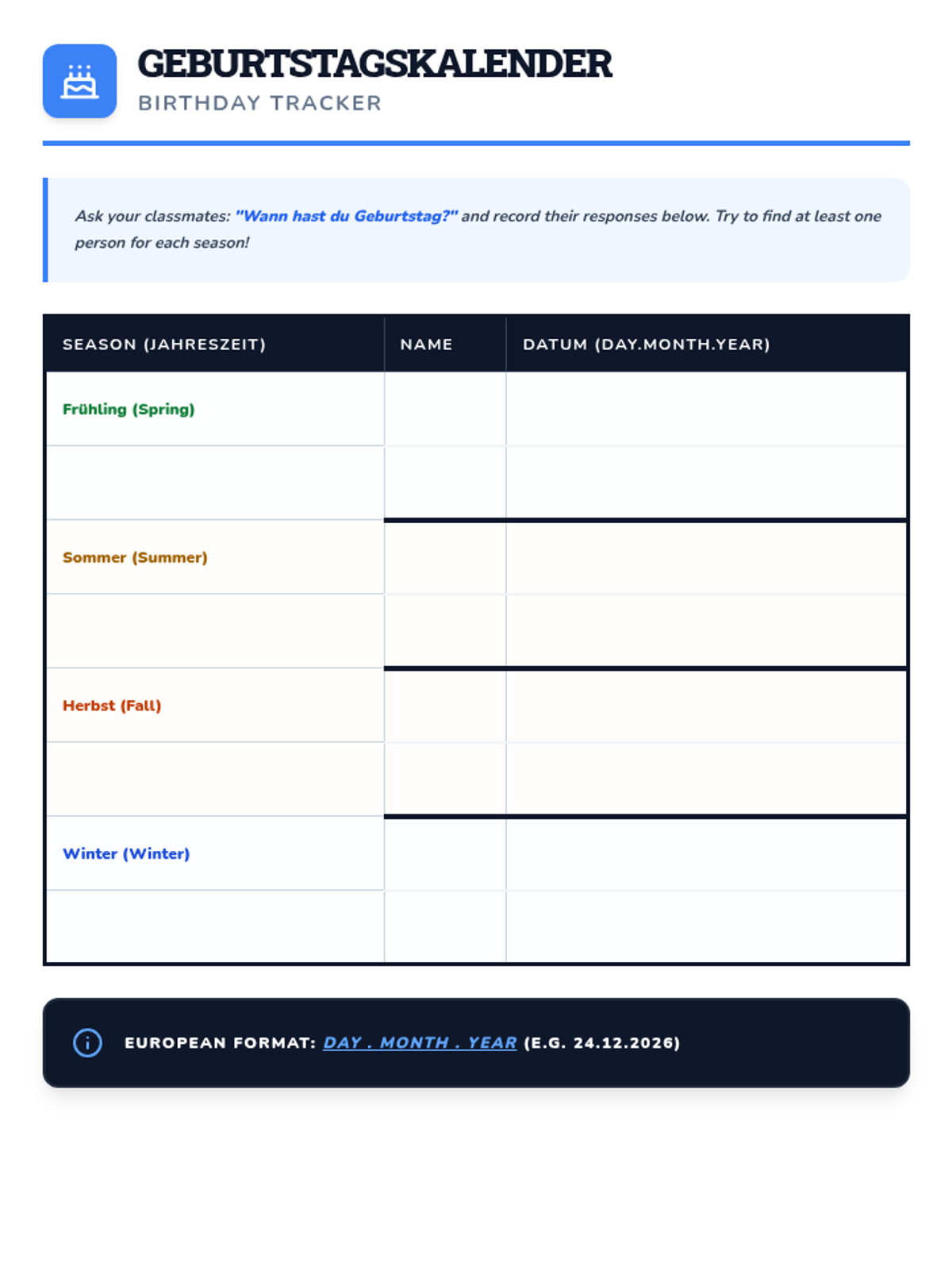
Exploring the German calendar and school system. Students learn date formatting (Day.Month.Year) and compare their school schedules with a typical German 'Halbtagsschule'.
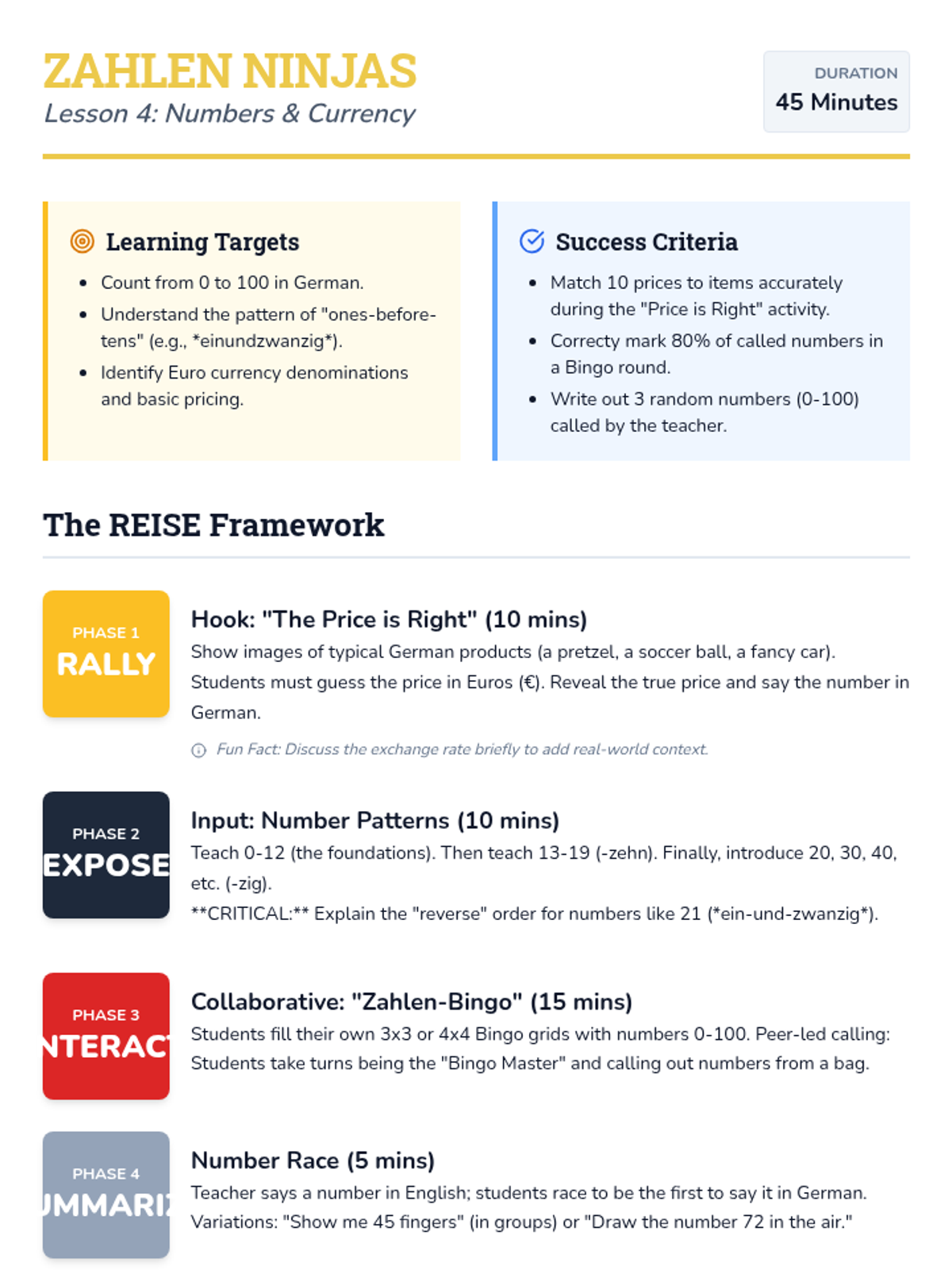
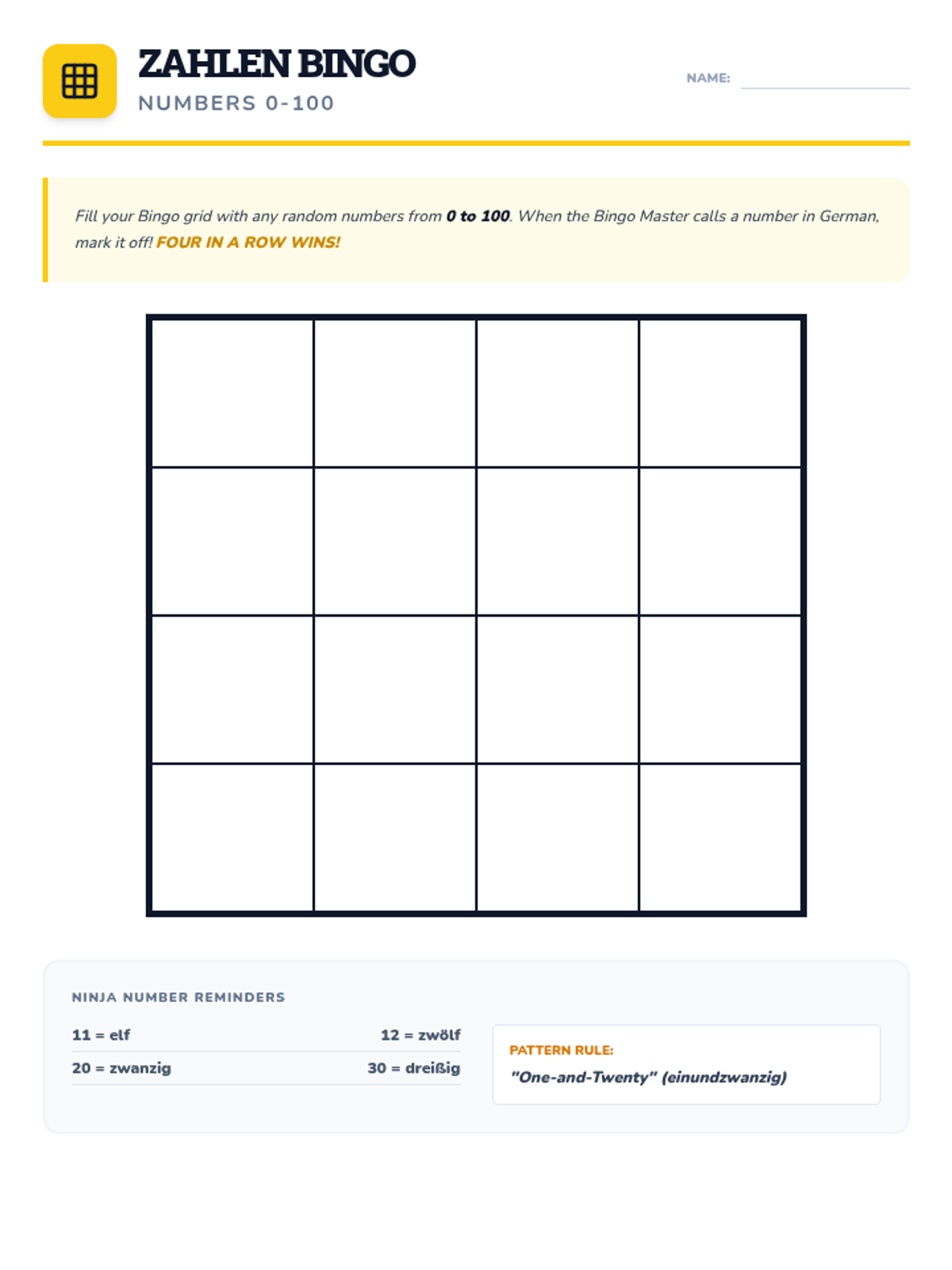
Students master counting up to 100 and explore the Euro currency. They participate in a German-themed 'Price is Right' and peer-led Bingo rounds.
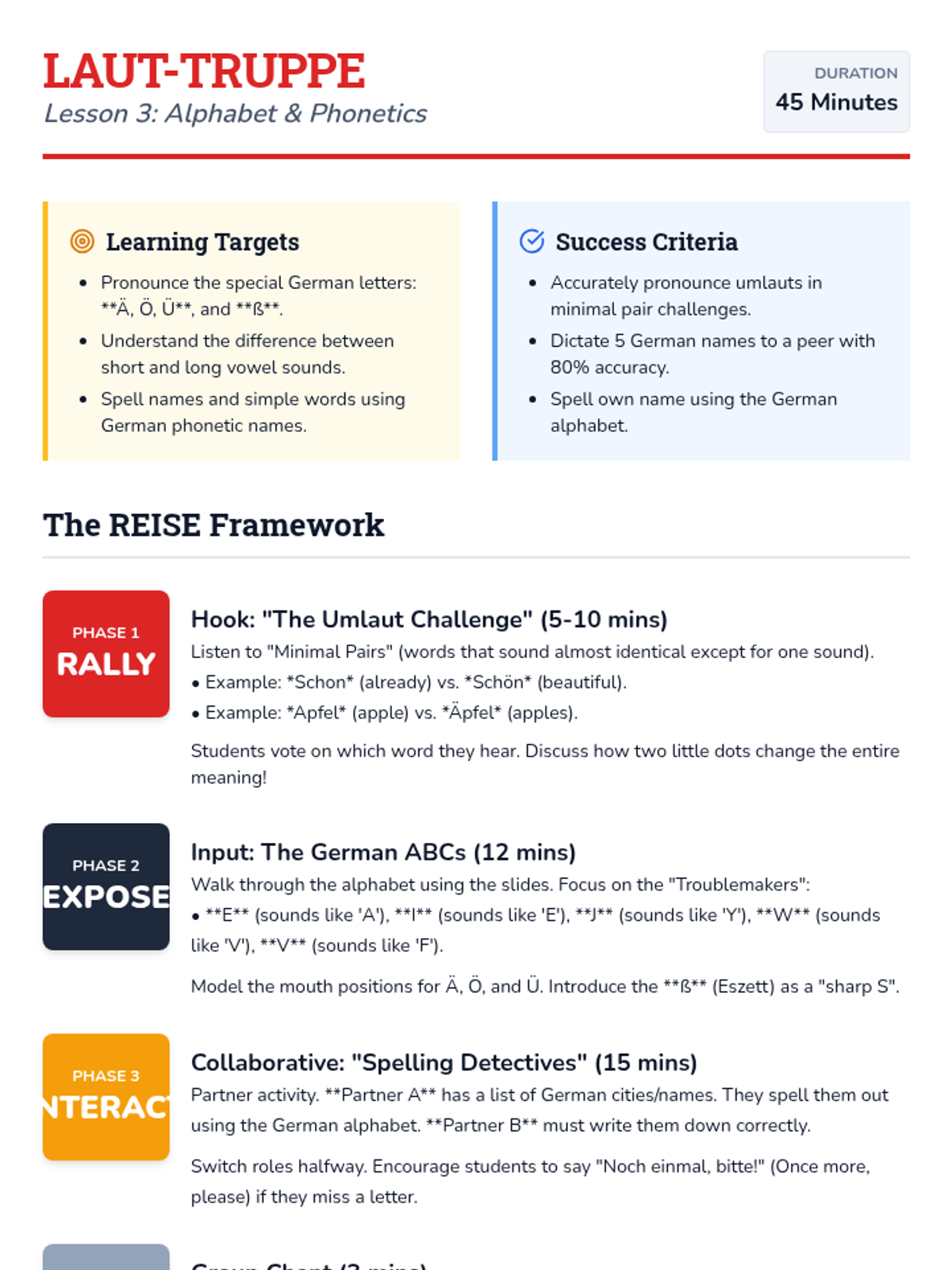
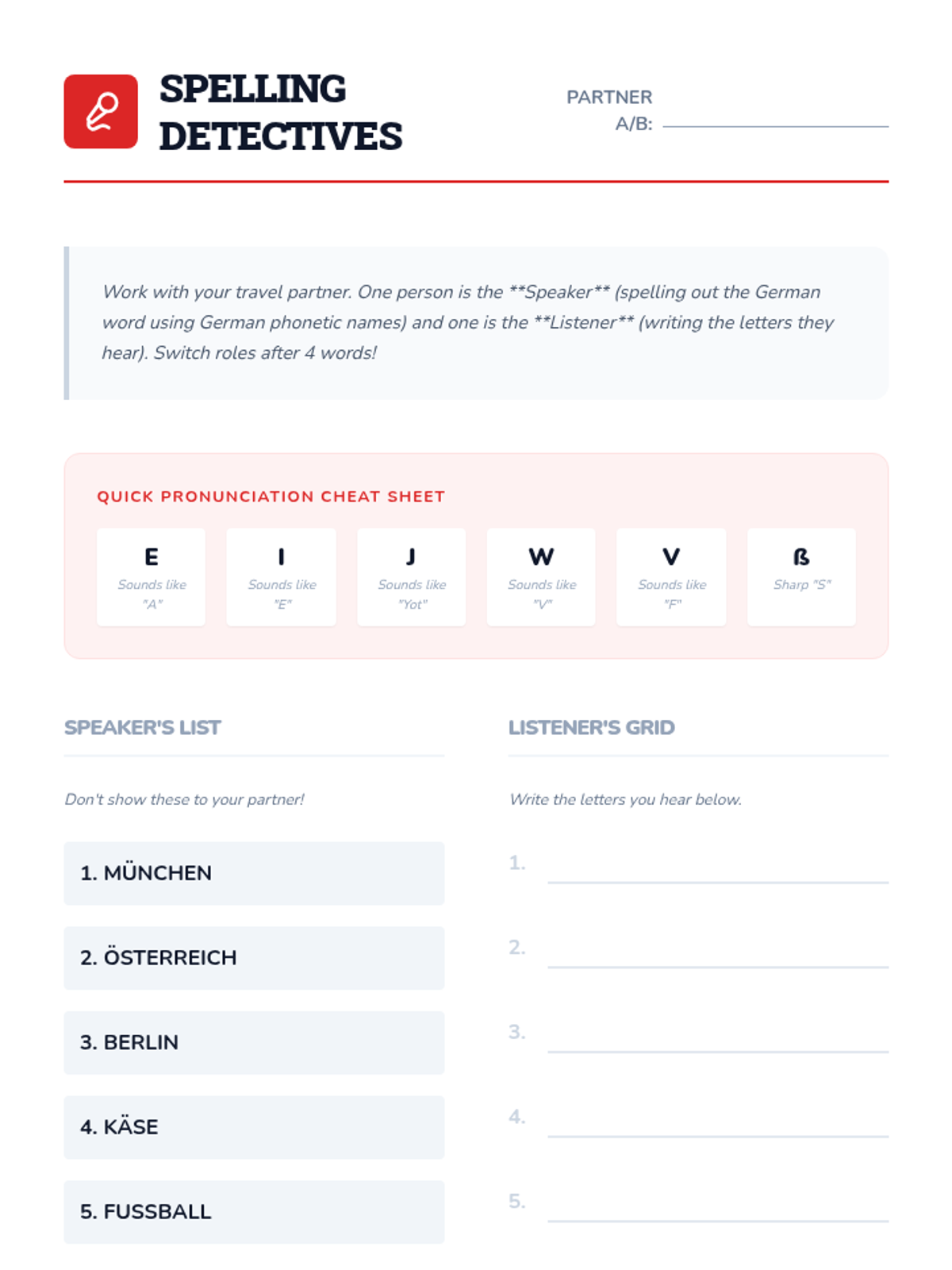
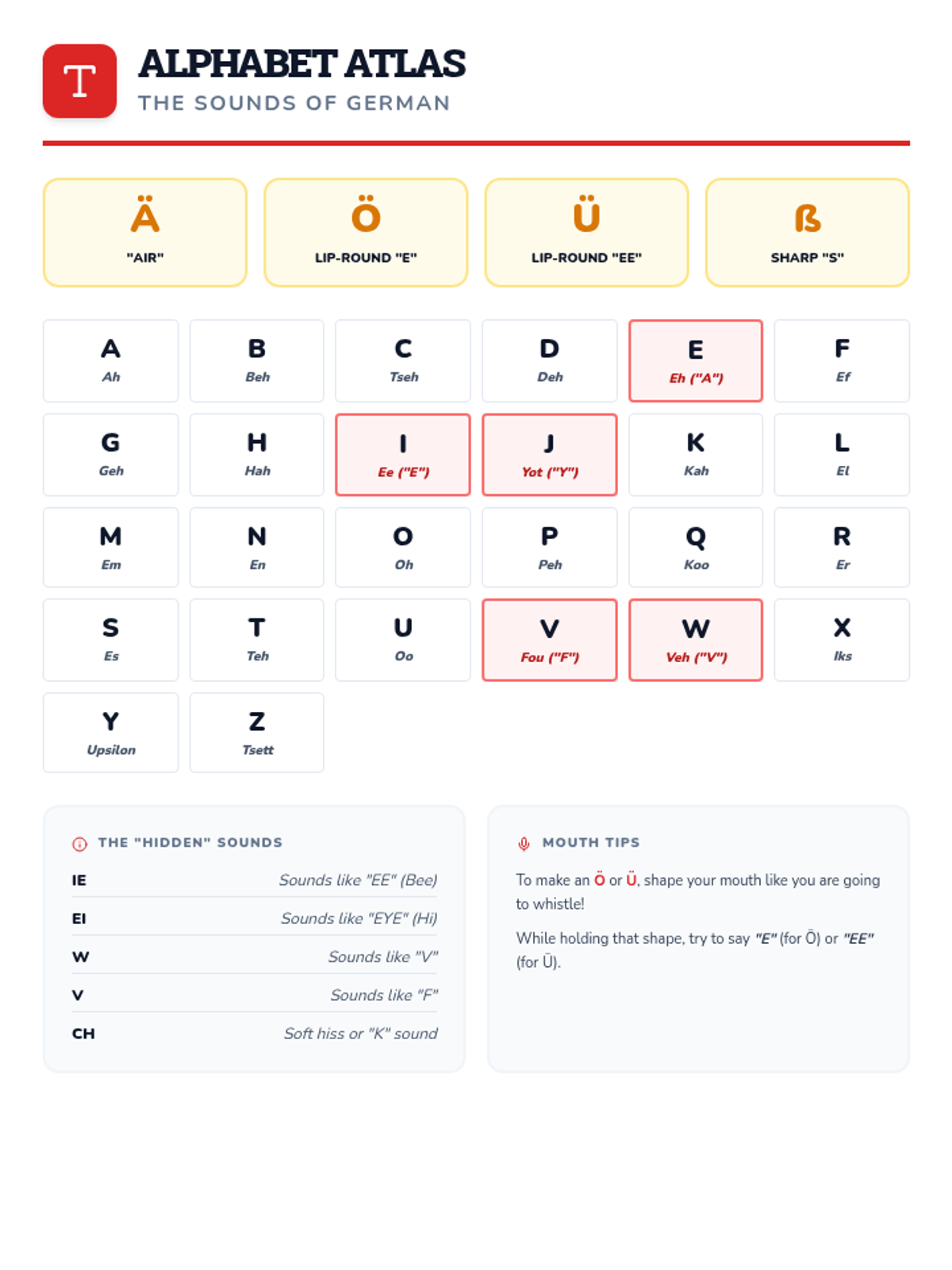
A phonetics-focused lesson covering the German alphabet, with special attention to the unique letters Ä, Ö, Ü, and ß. Students practice spelling names and identifying phonetic sounds.
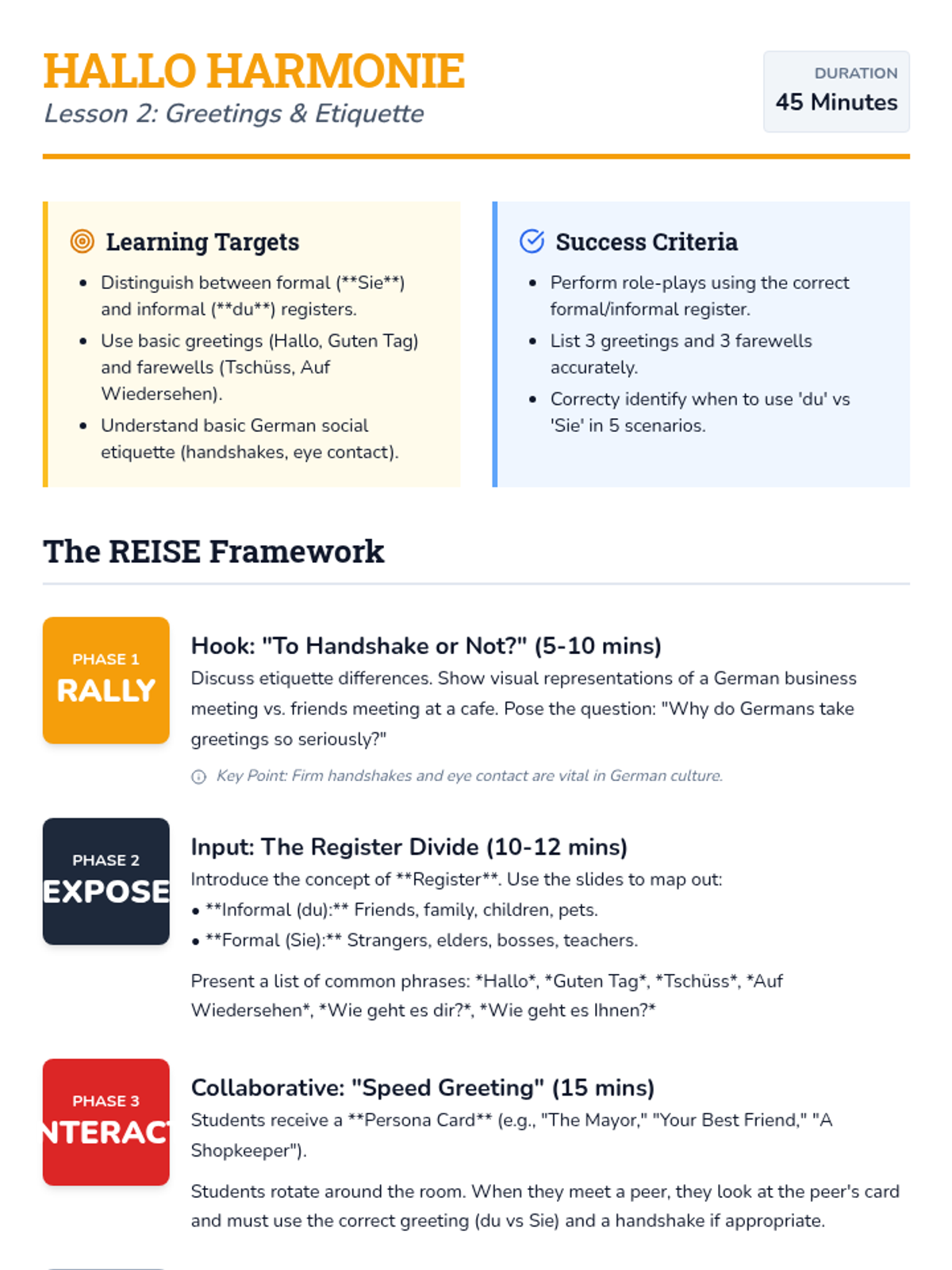
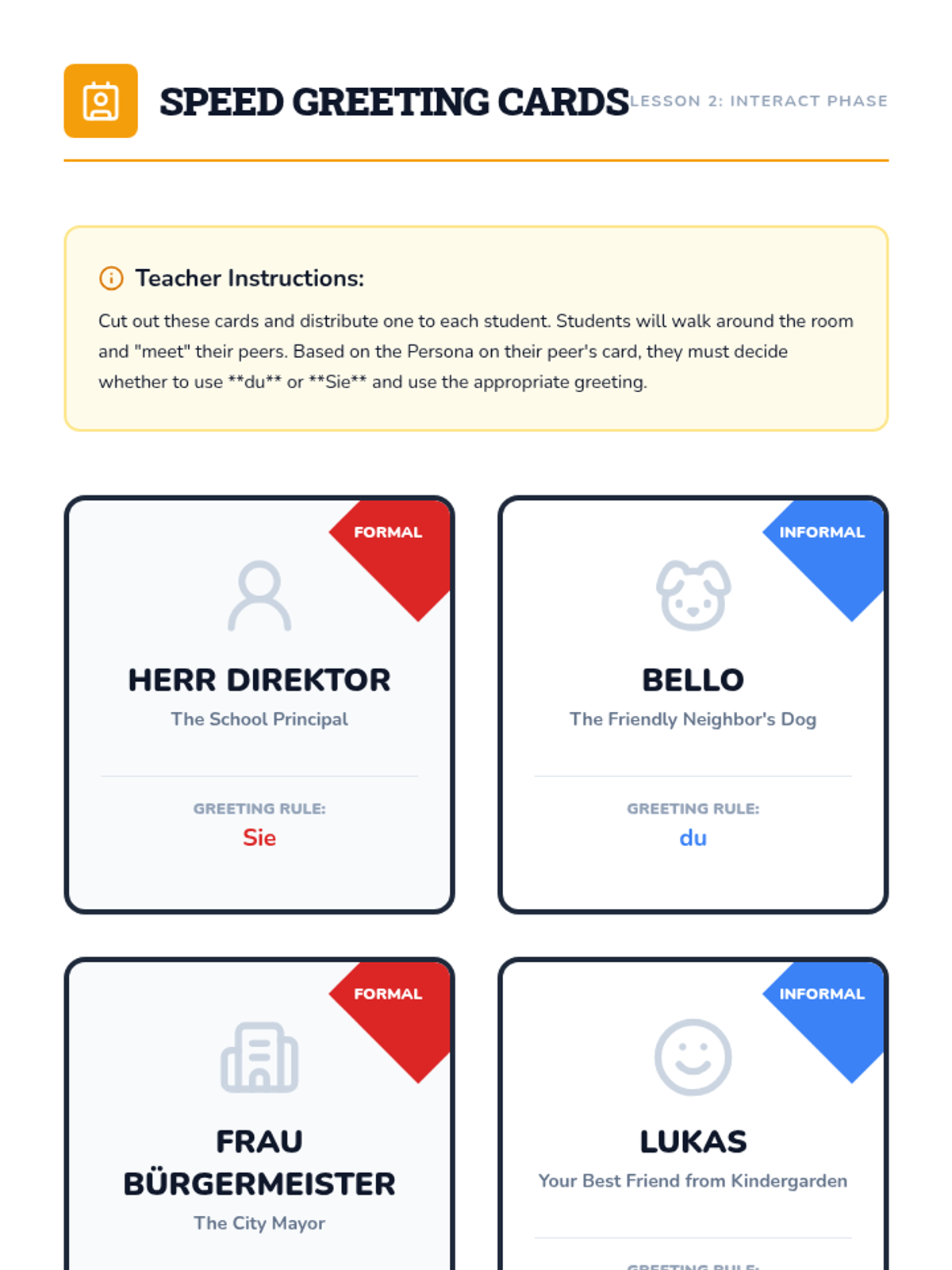
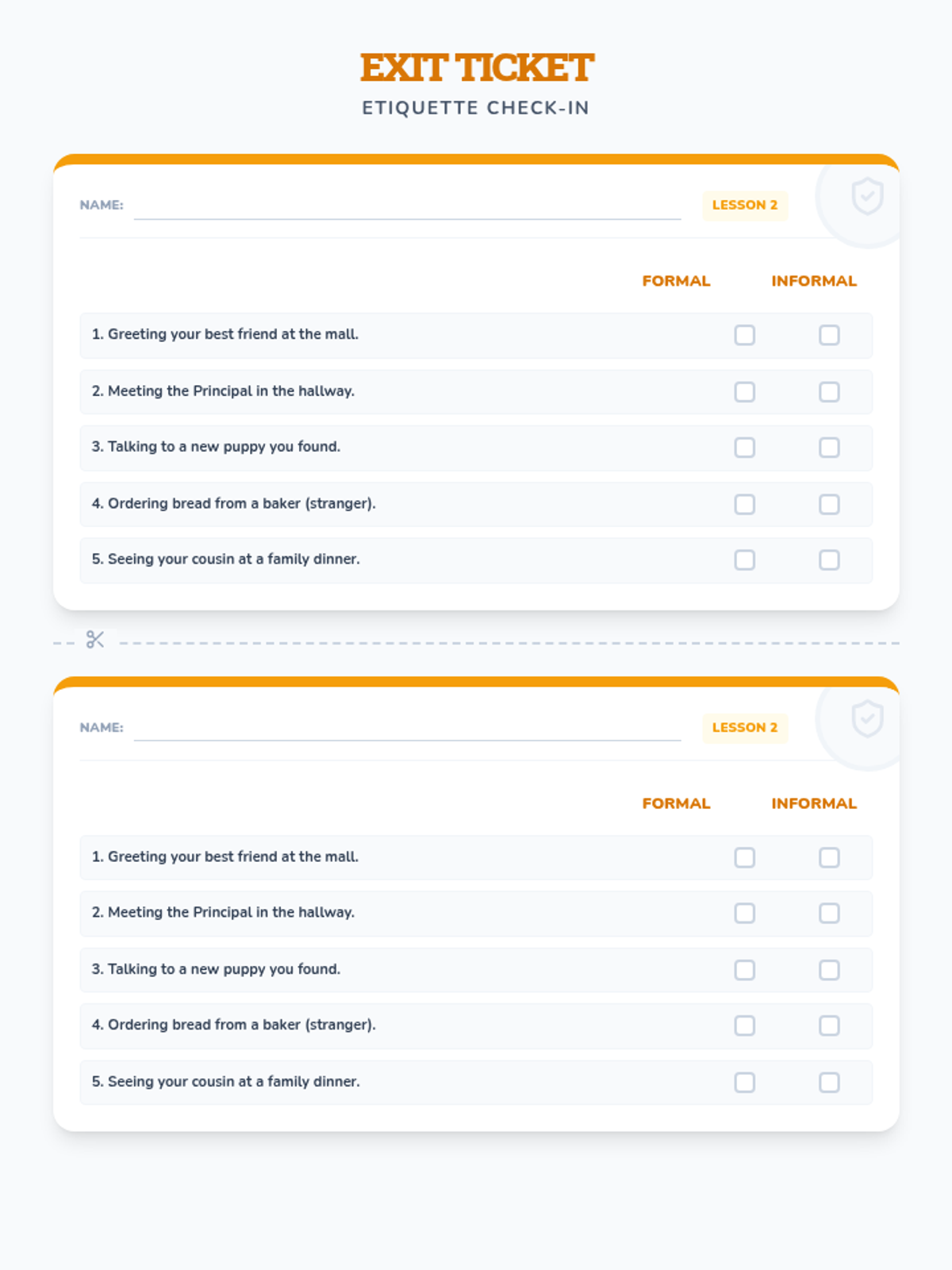
Students learn the nuances of German social interaction, specifically the distinction between the formal 'Sie' and informal 'du'. Activities include role-playing greetings with different personae.
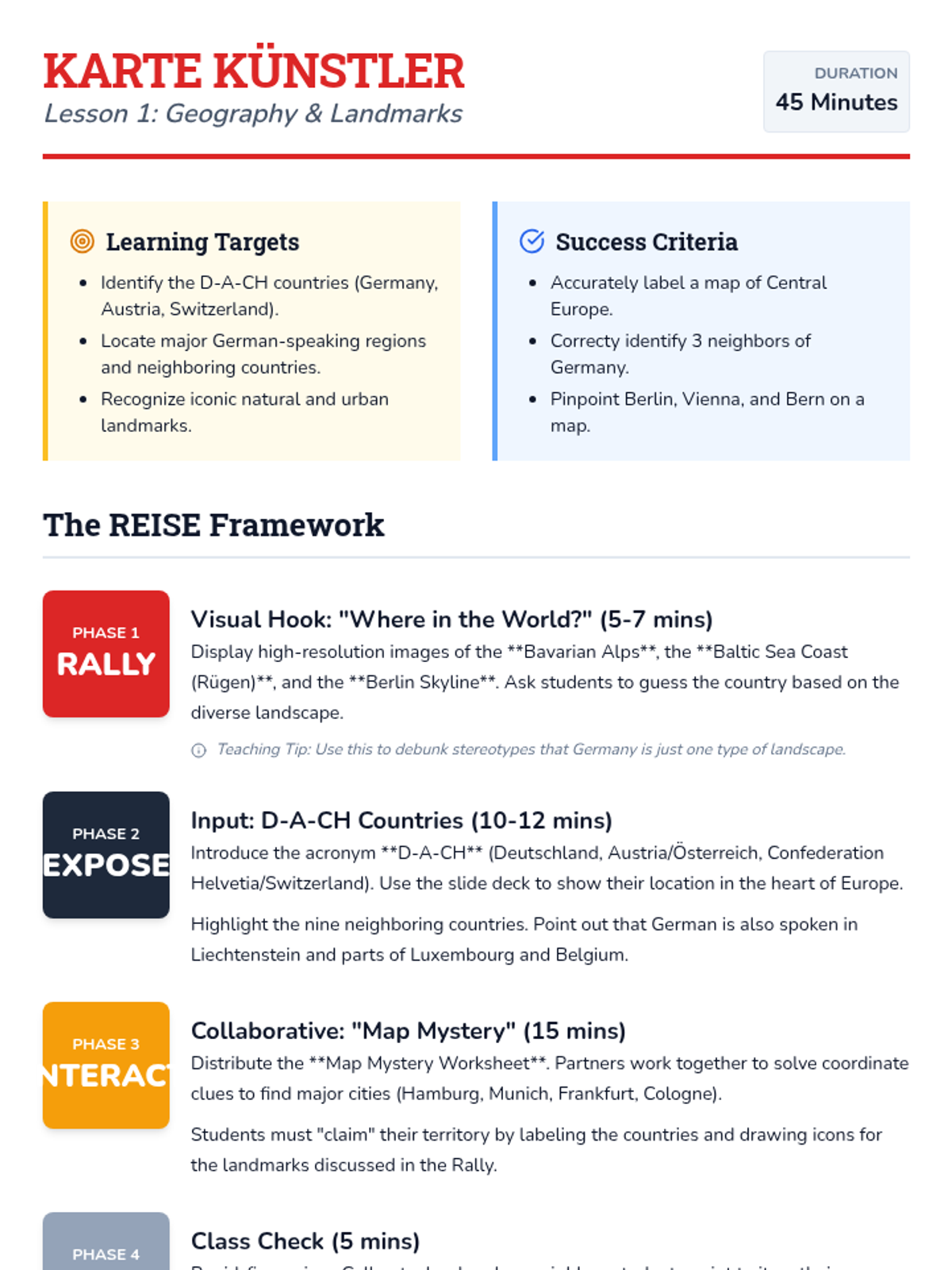
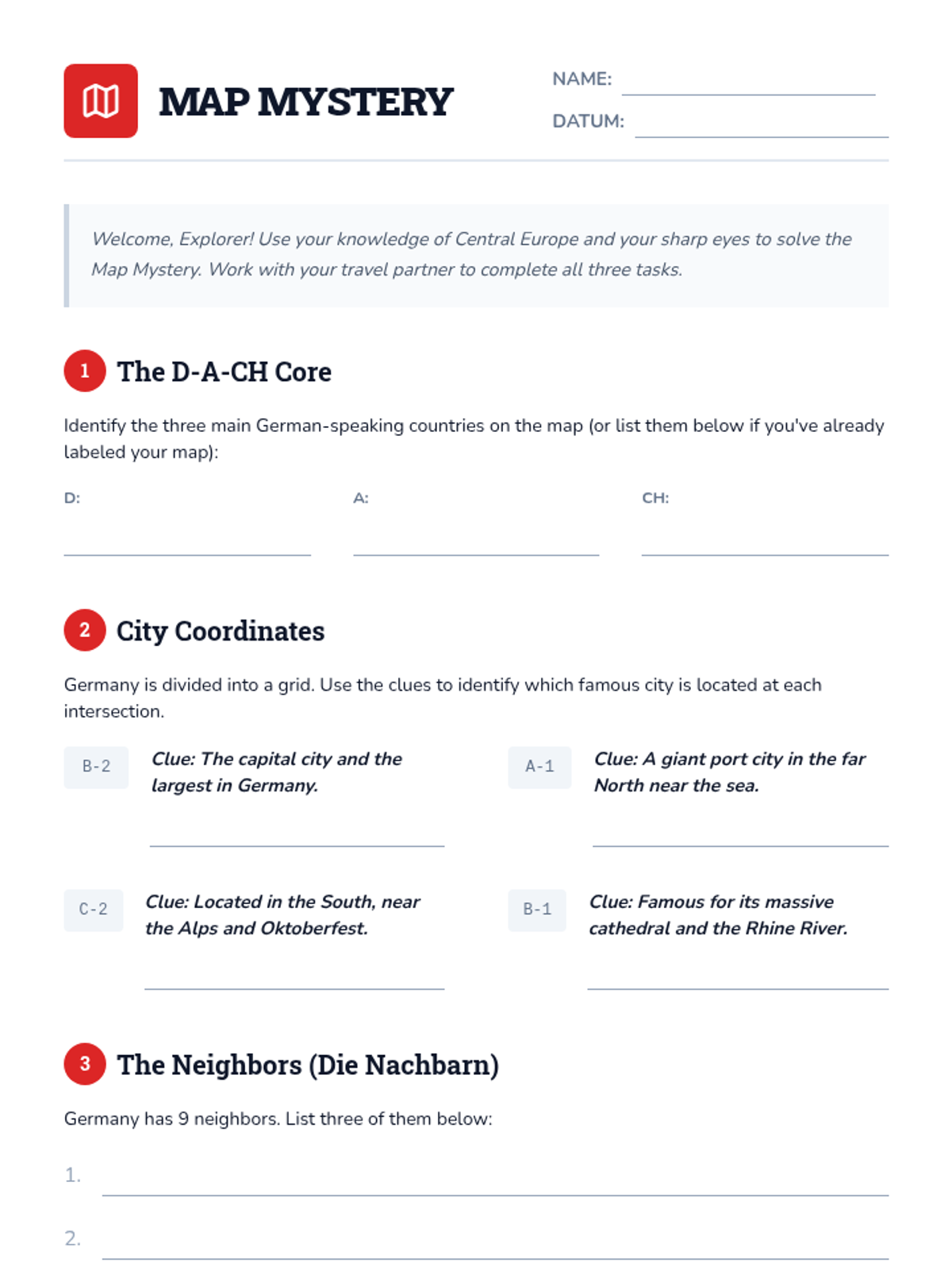
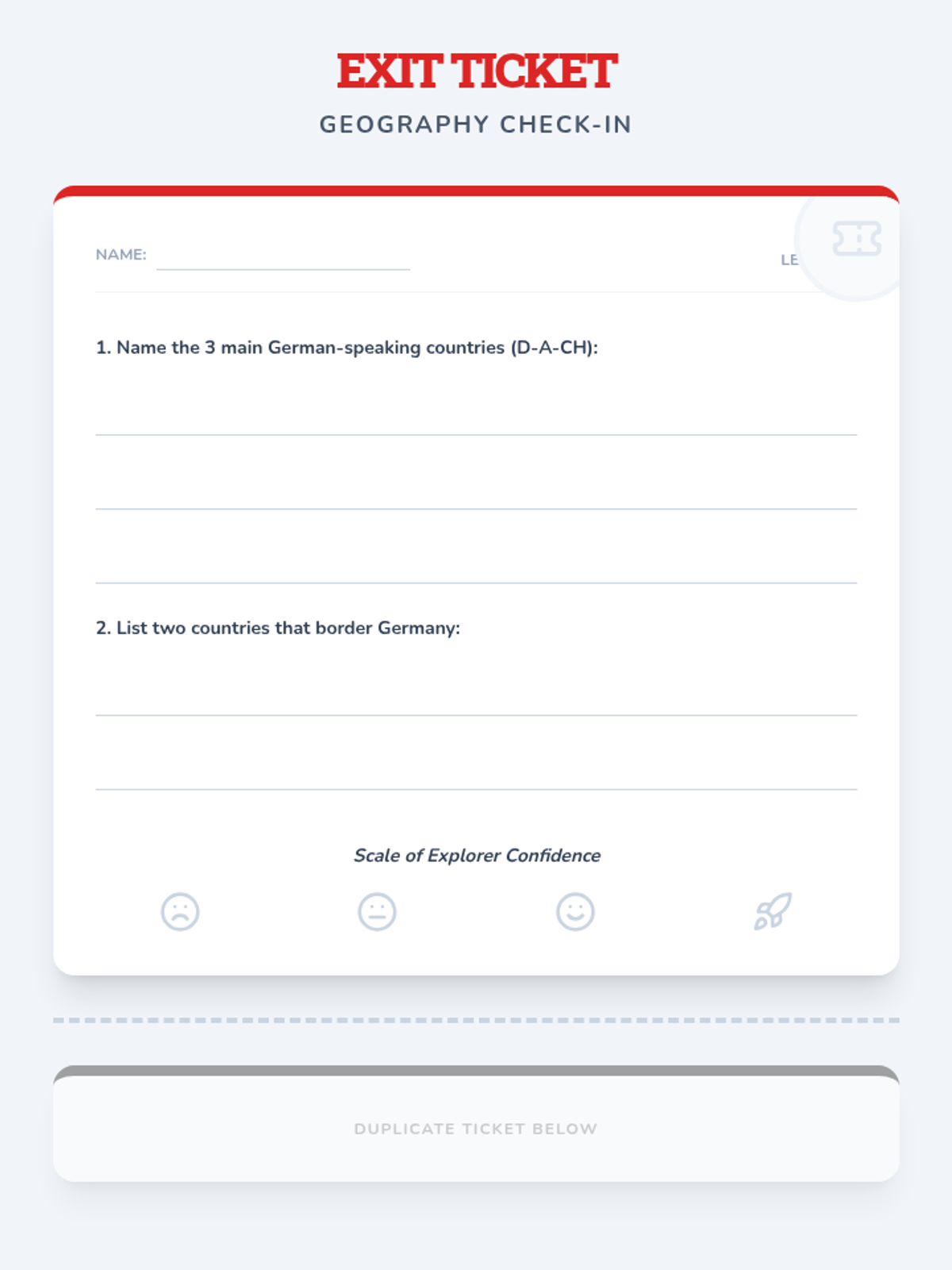
Students explore the geography of Central Europe, focusing on the D-A-CH countries (Germany, Austria, Switzerland) and major landmarks. Activities include a visual hook of the Alps and Baltic coast and a coordinate-based map mystery.
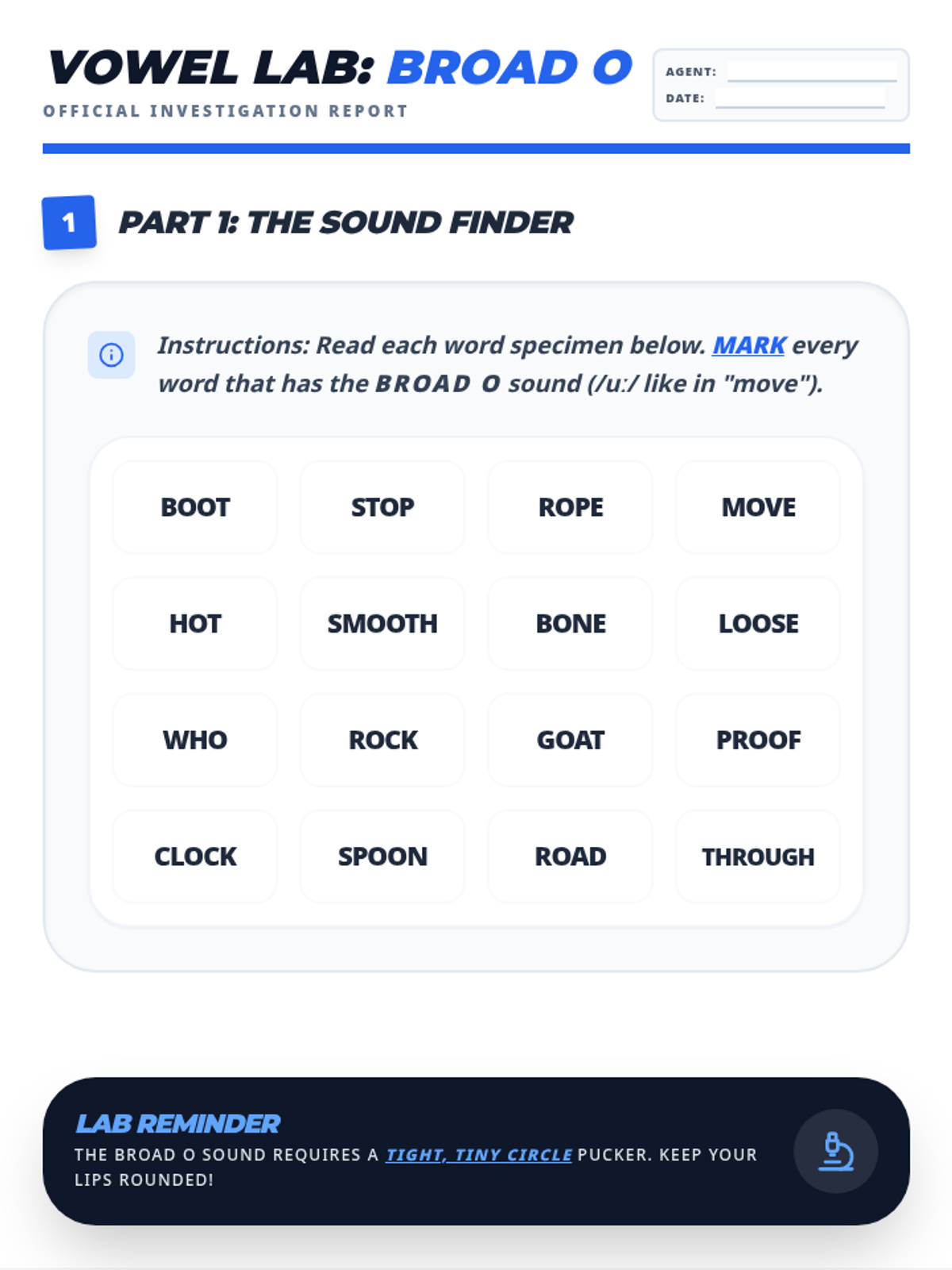
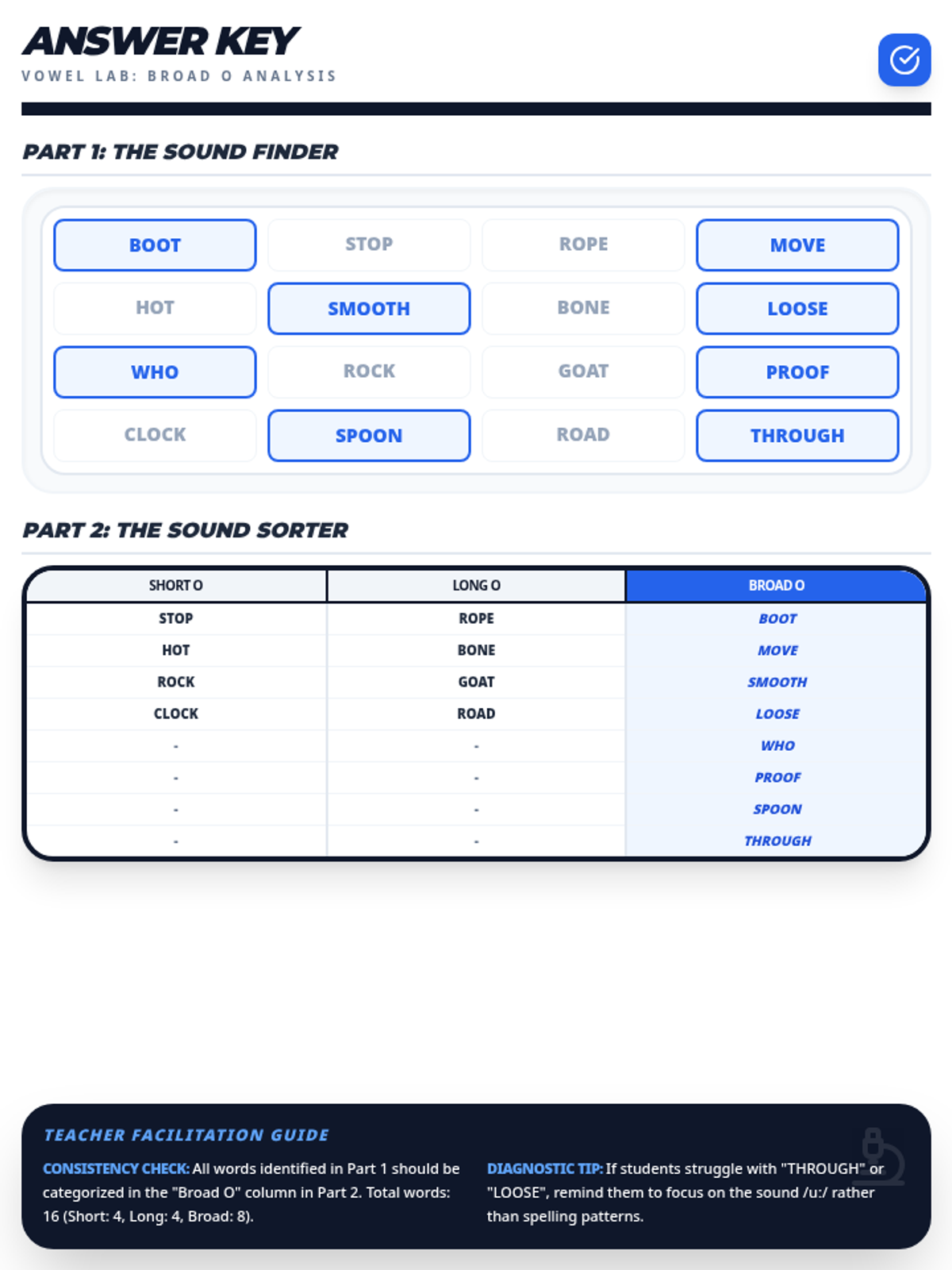
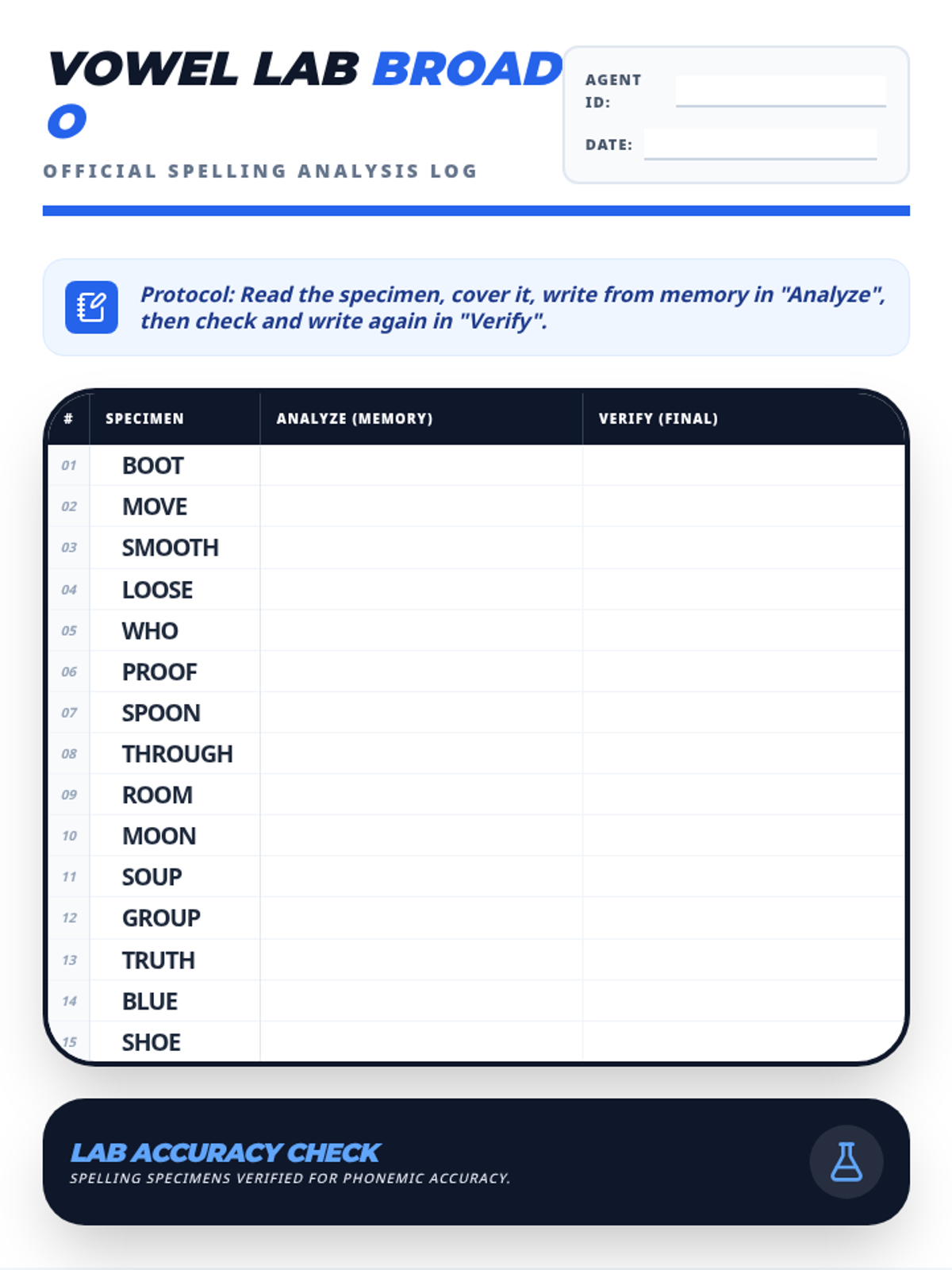
A lesson focusing on the pronunciation, mouth mechanics, and identification of the broad vowel sound O (/uː/), including comparisons with short and long O sounds.
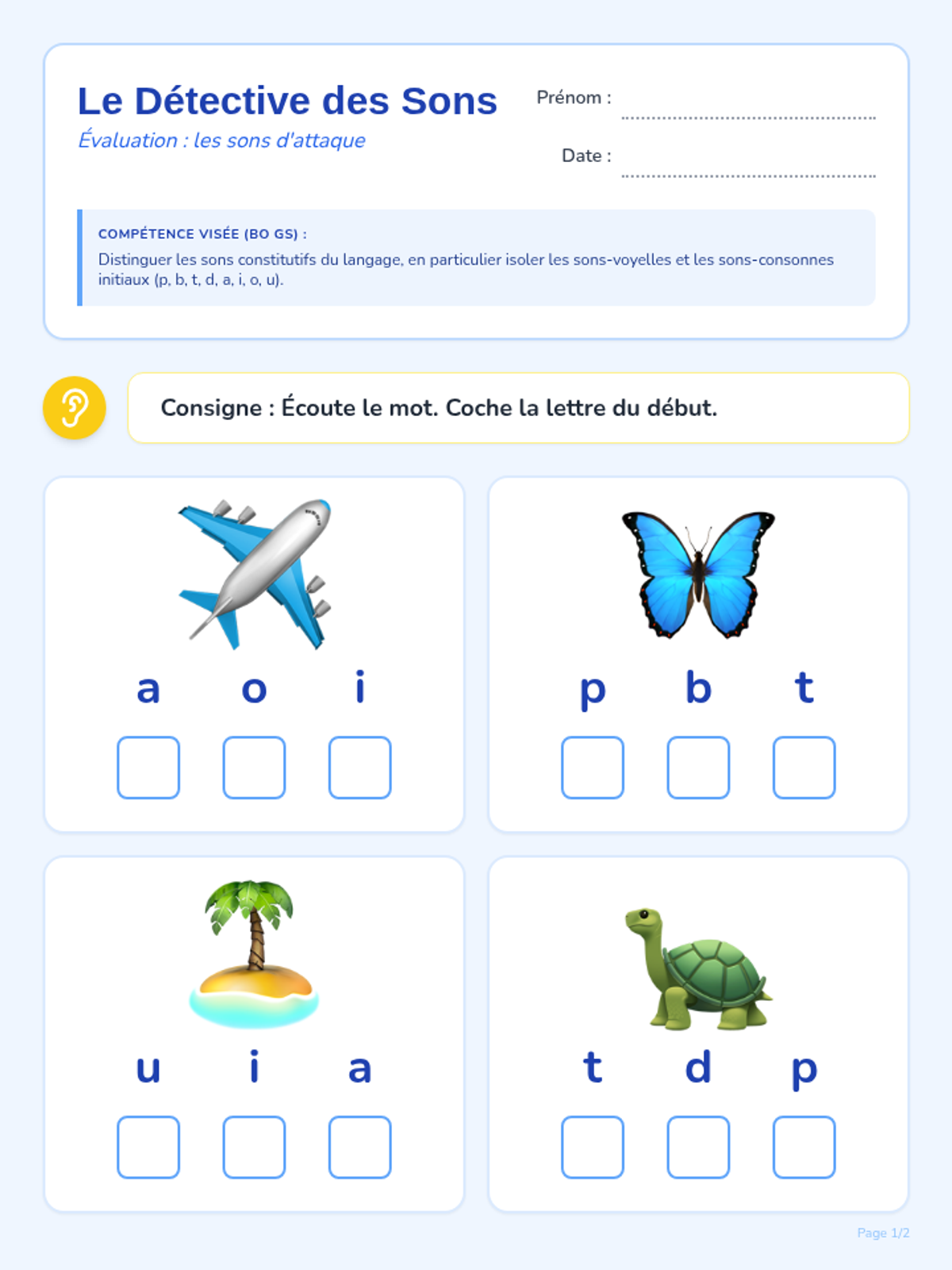
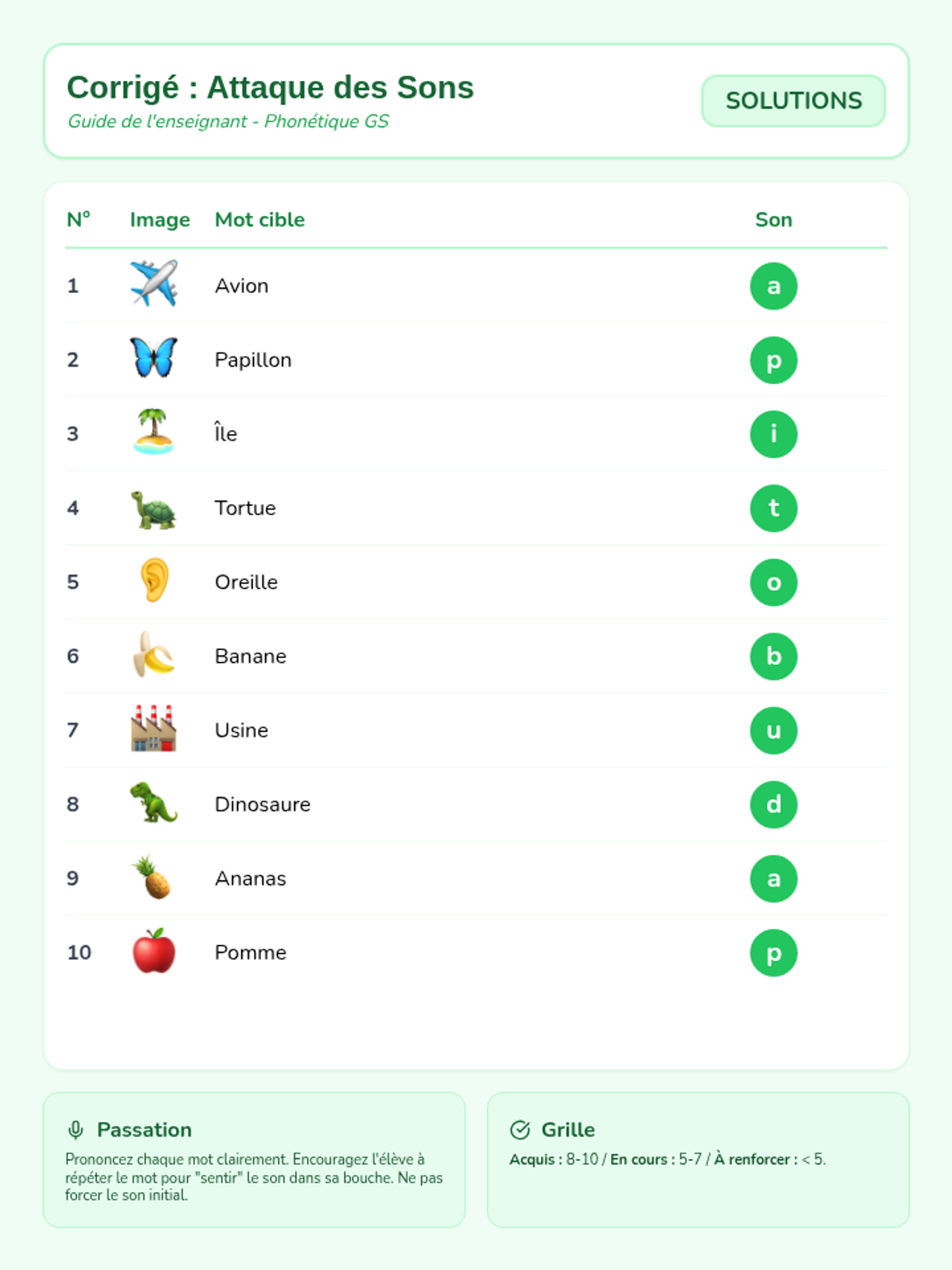
Une leçon courte pour évaluer la capacité des élèves de Grande Section à identifier le son d'attaque d'un mot, se concentrant sur les voyelles de base et les consonnes occlusives.
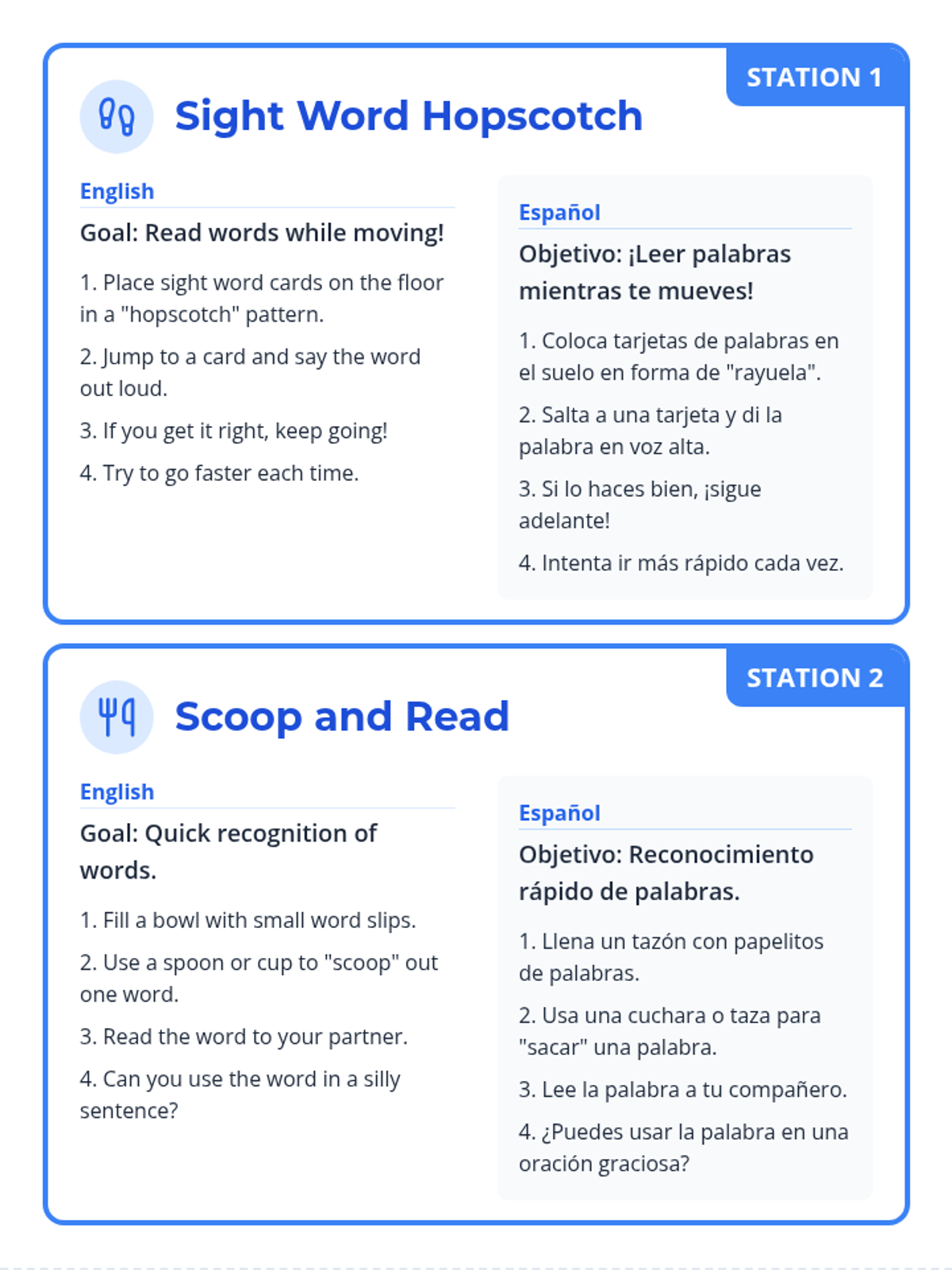
A collection of bilingual resources for a community literacy event, including station instructions, a student passport, and take-home family activities to support reading skills in English and Spanish.
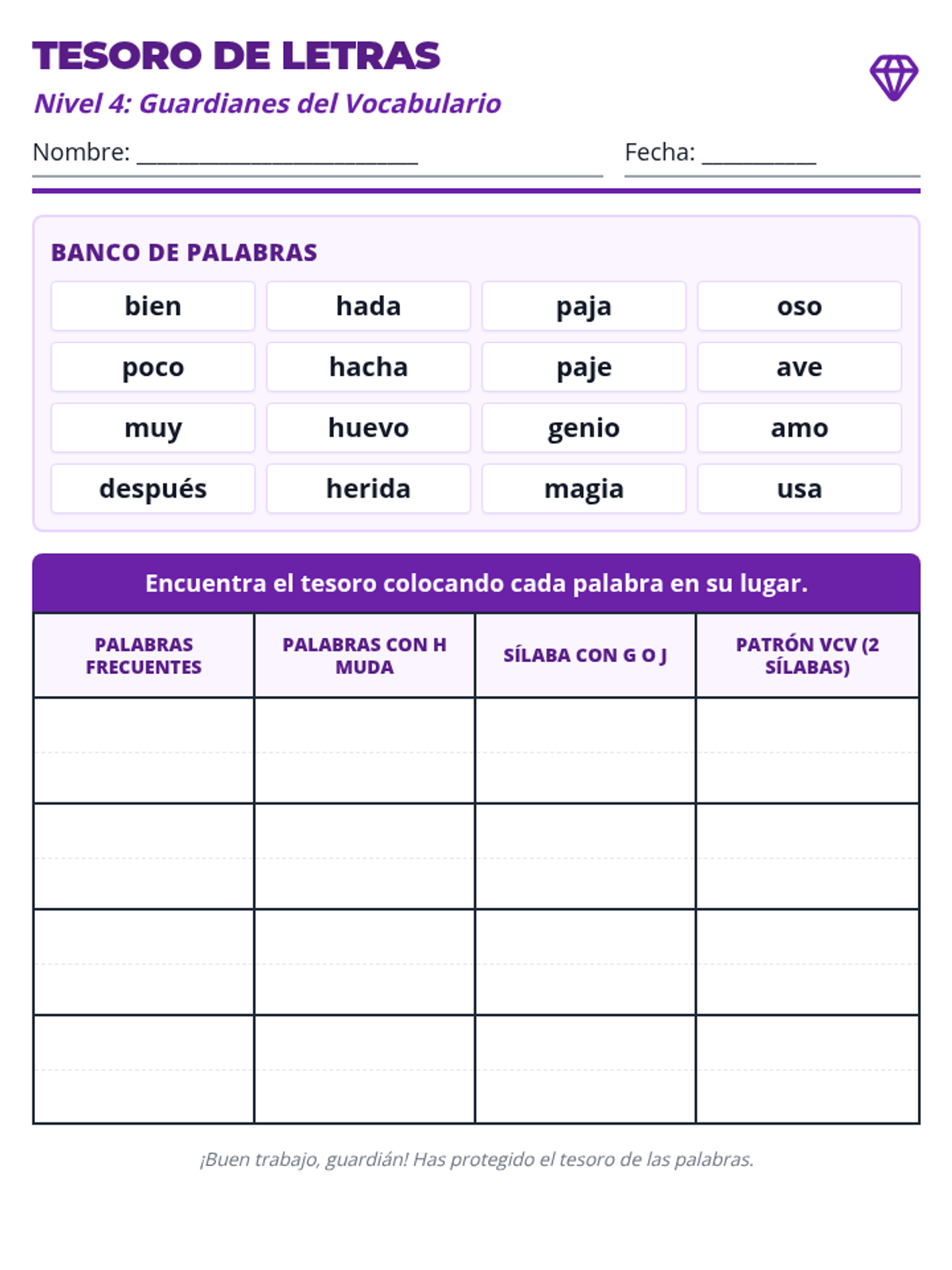
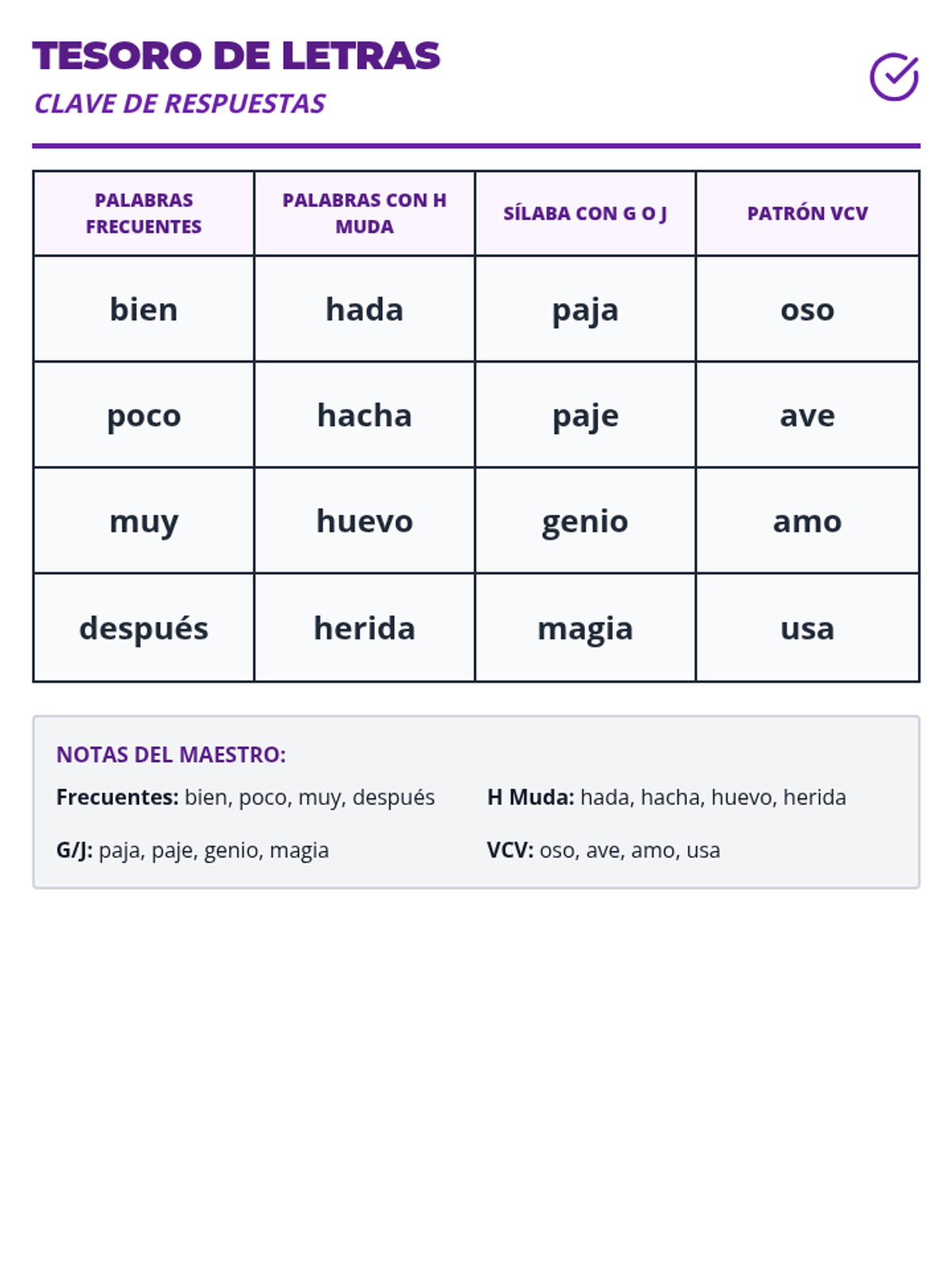
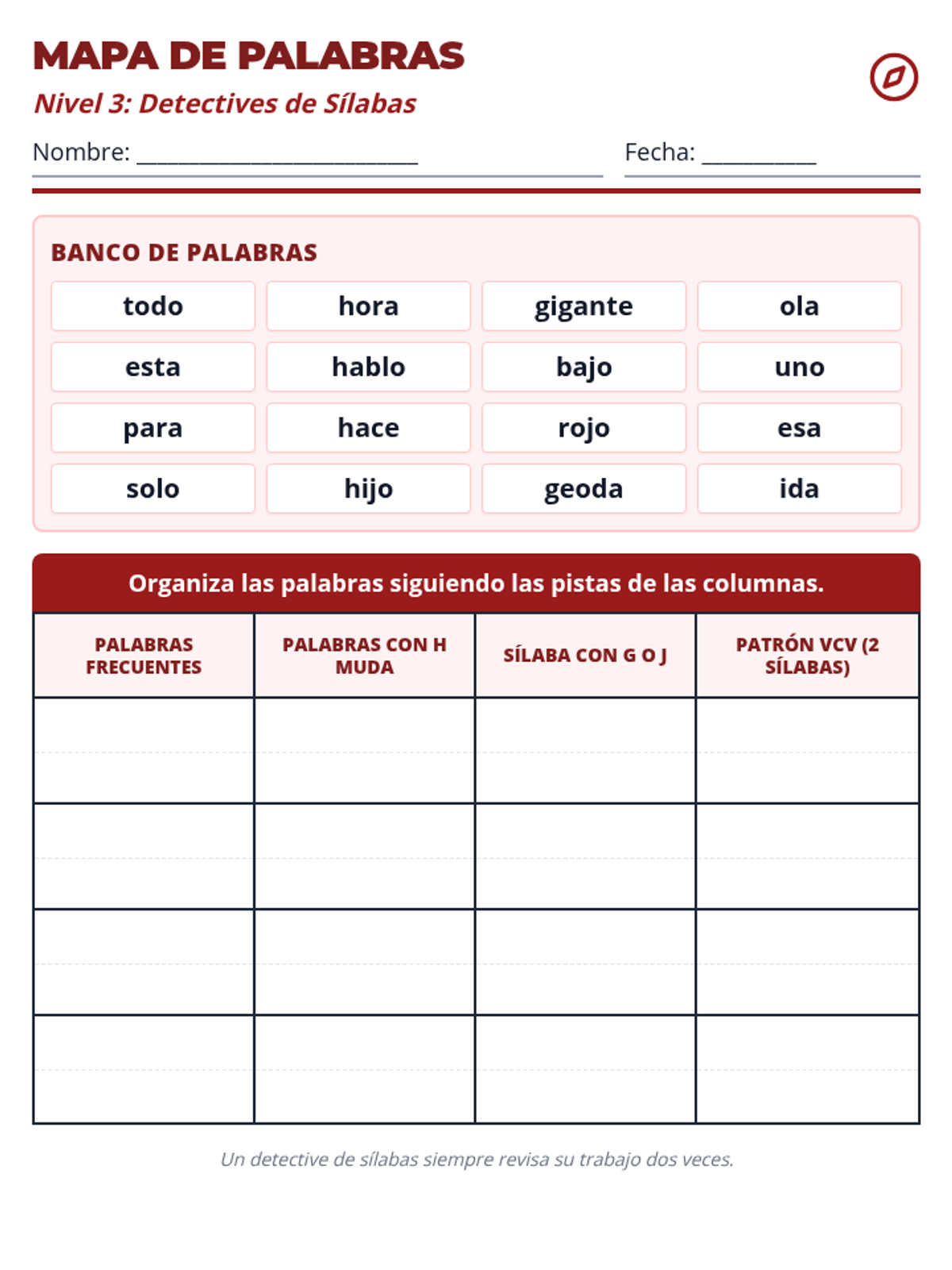
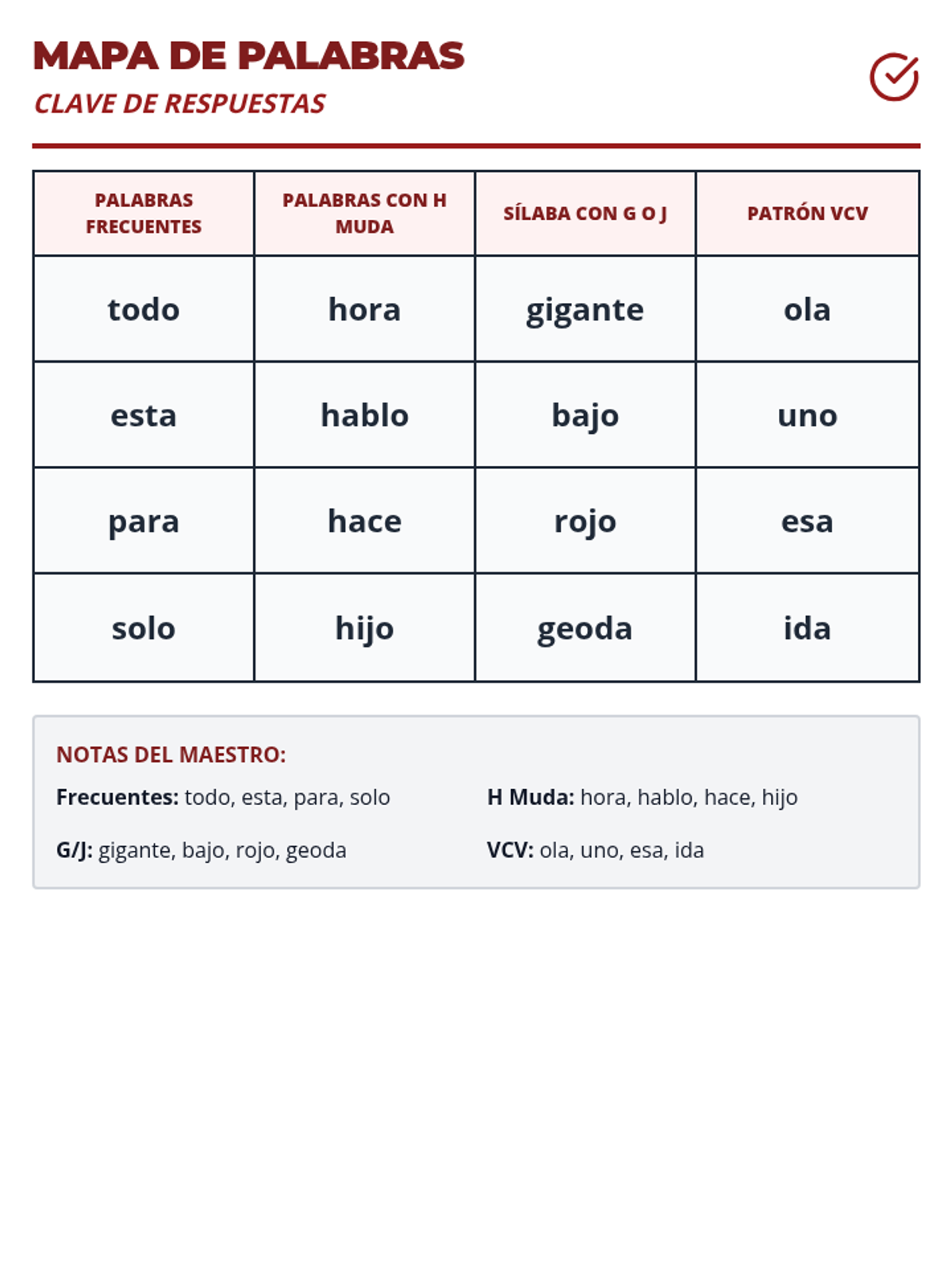
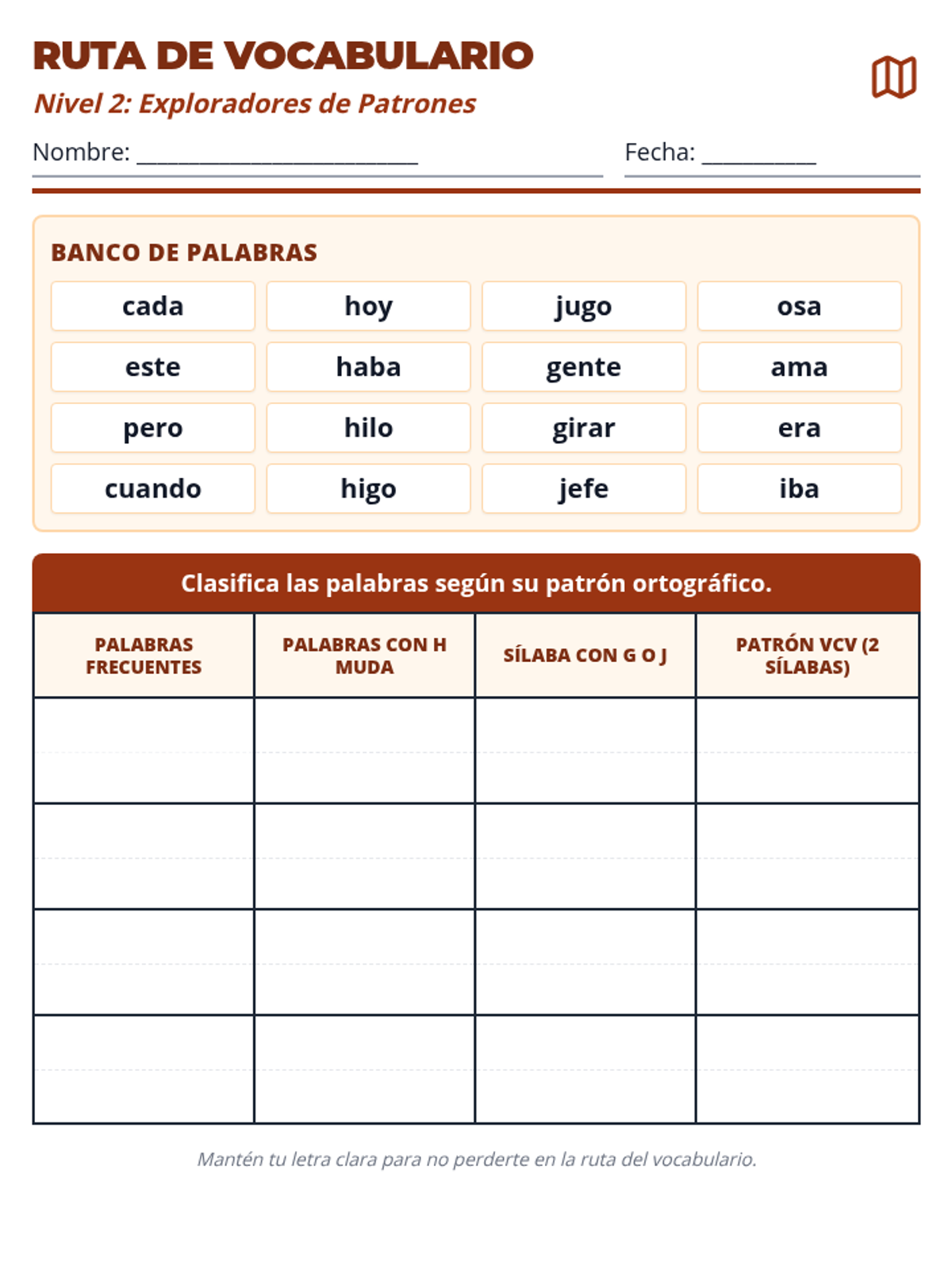
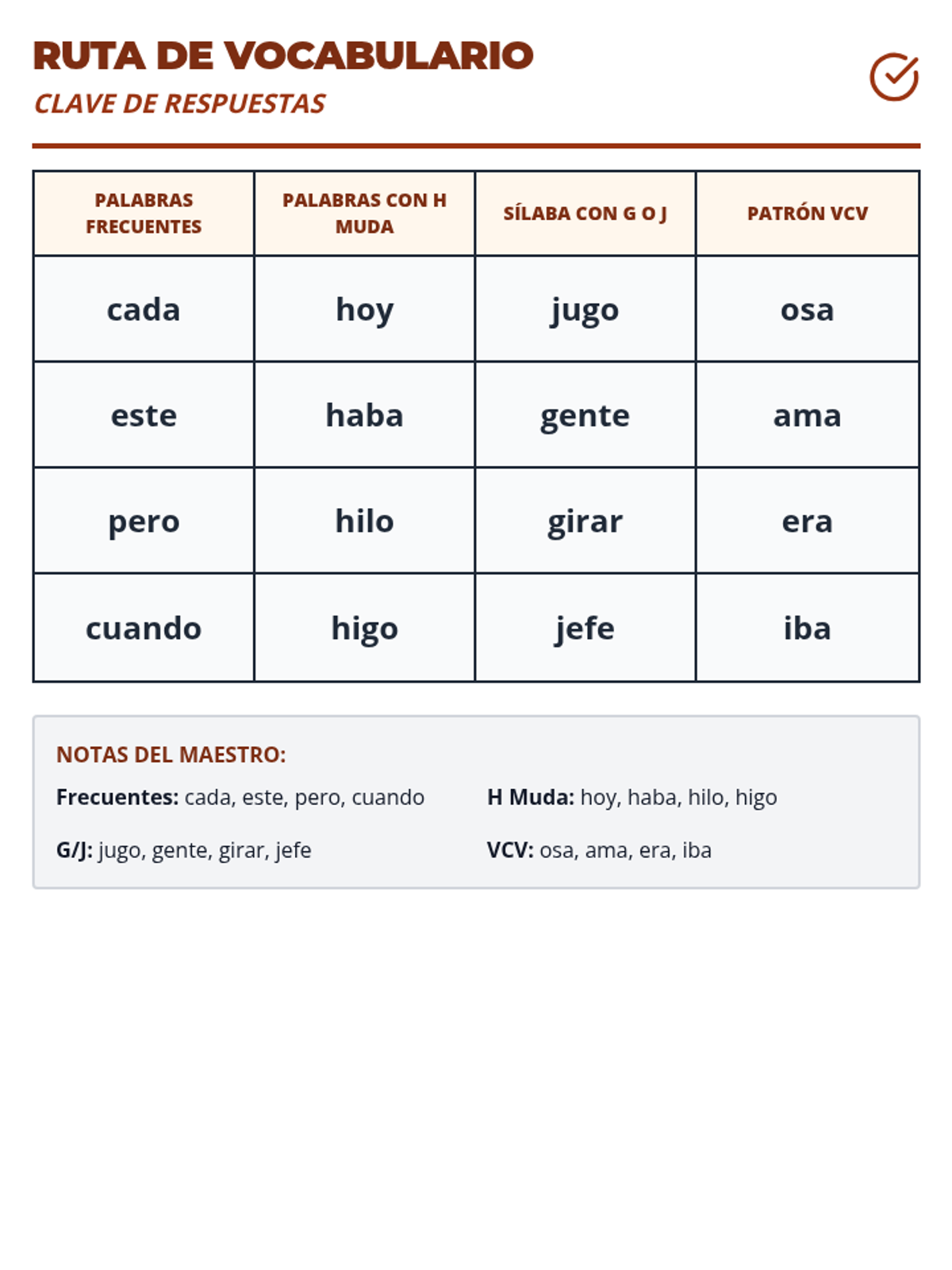
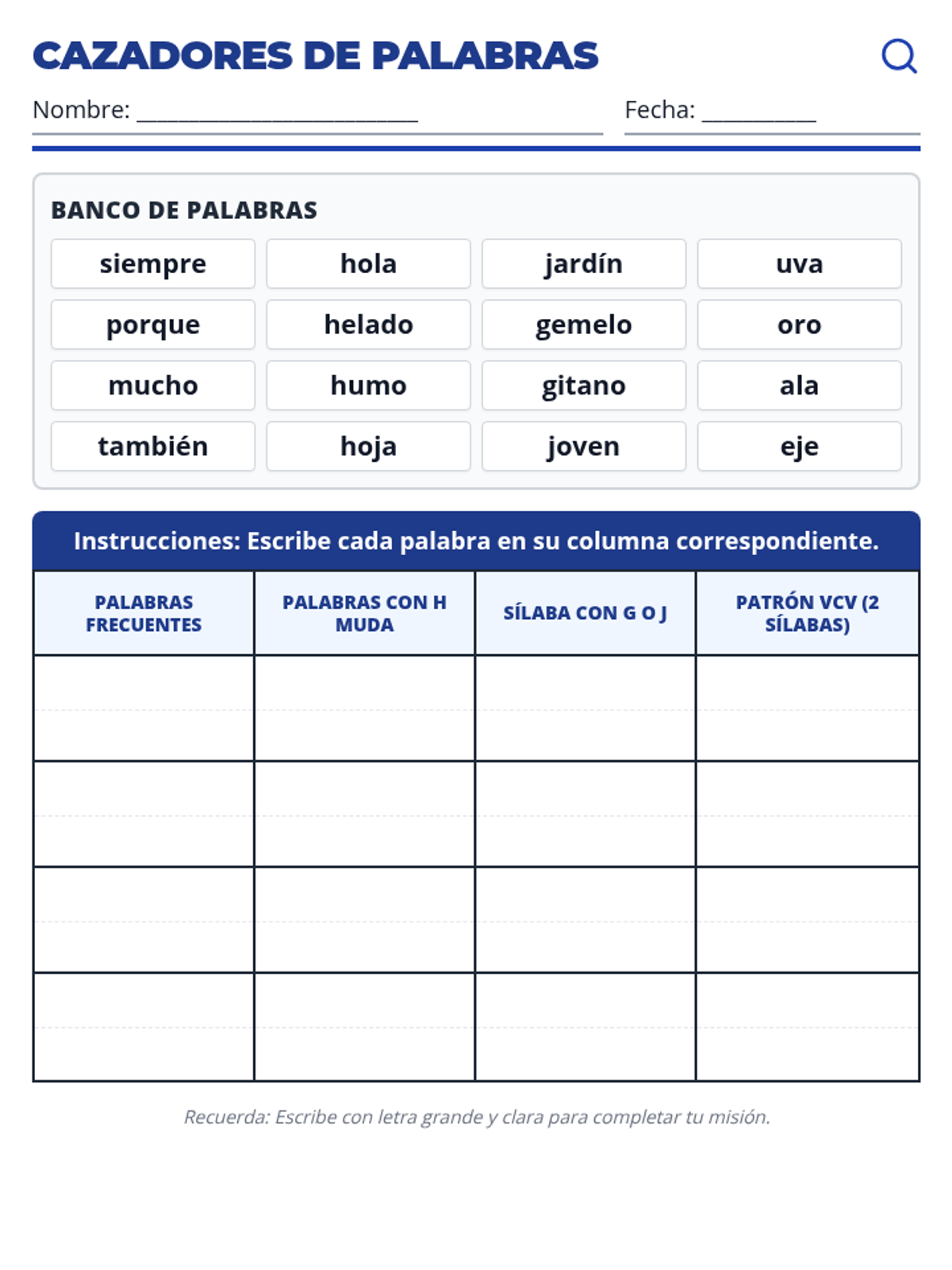
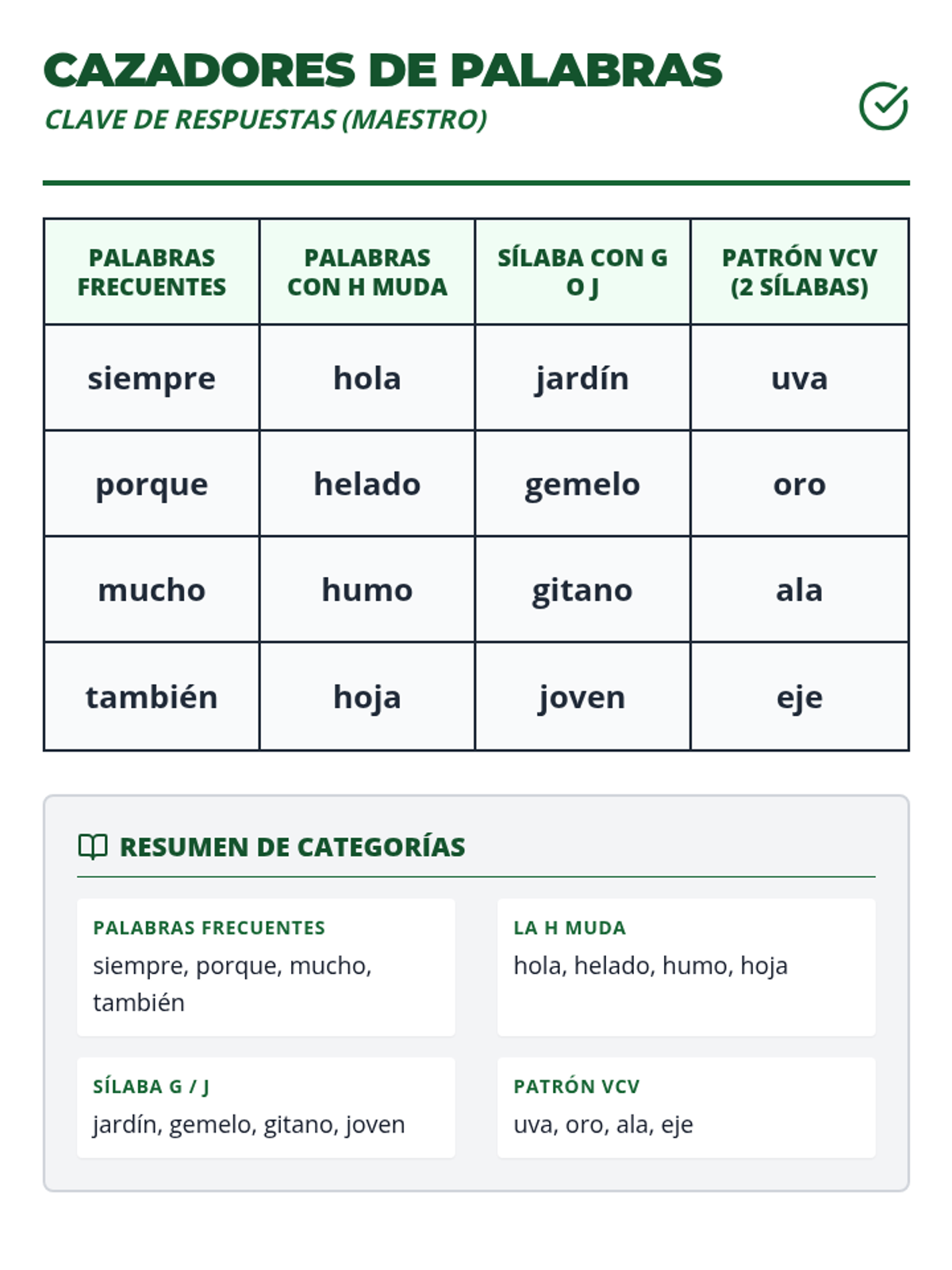
The fourth set of word sorting activities focusing on high-frequency words, silent H, G/J, and VCV patterns.
The third set of word sorting activities focusing on high-frequency words, silent H, G/J, and VCV patterns.
The second set of word sorting activities focusing on high-frequency words, silent H, G/J, and VCV patterns.
A lesson focused on recognizing and sorting common Spanish word patterns, including high-frequency words, silent H, G/J sounds, and VCV syllable structures.
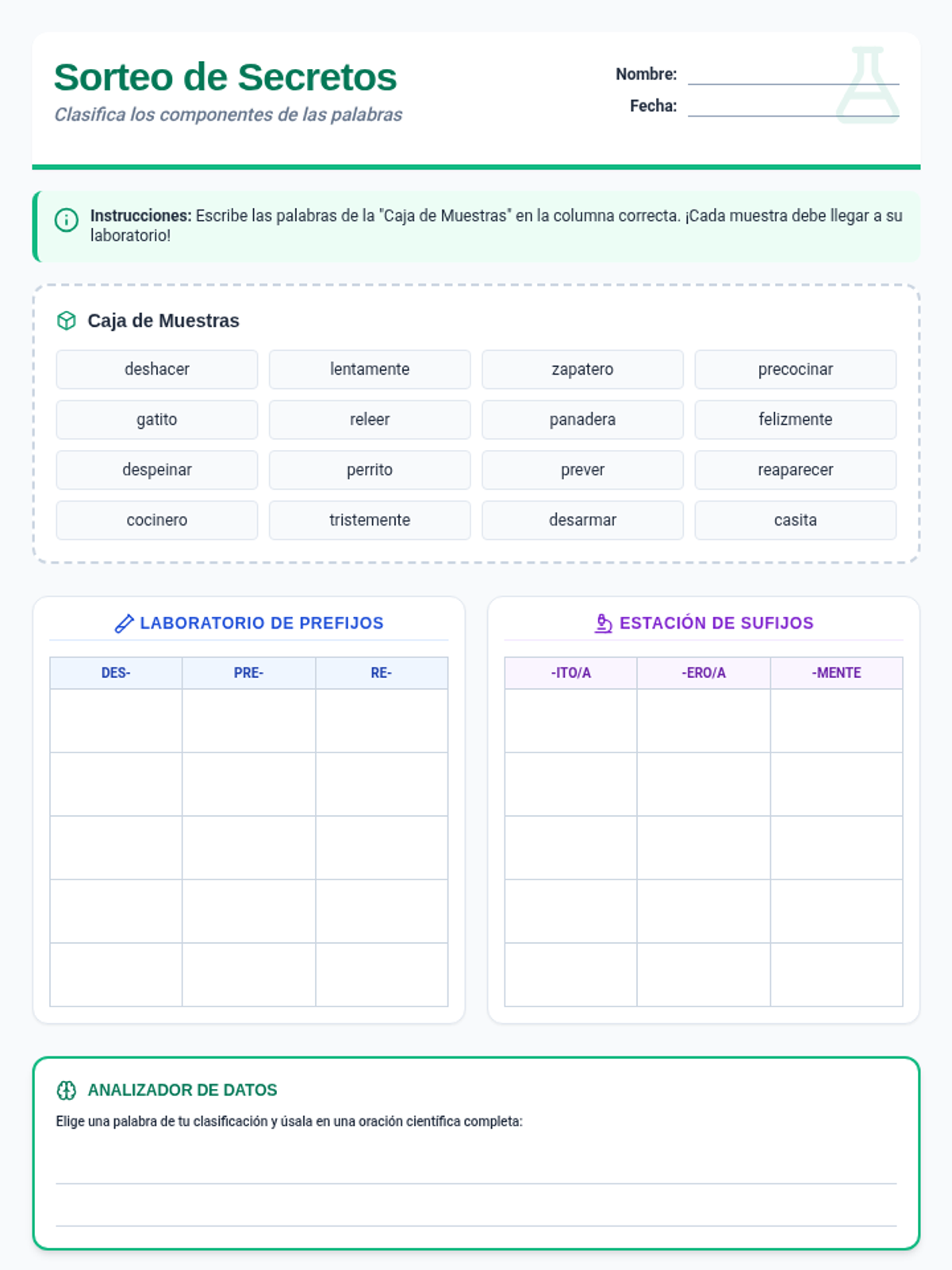
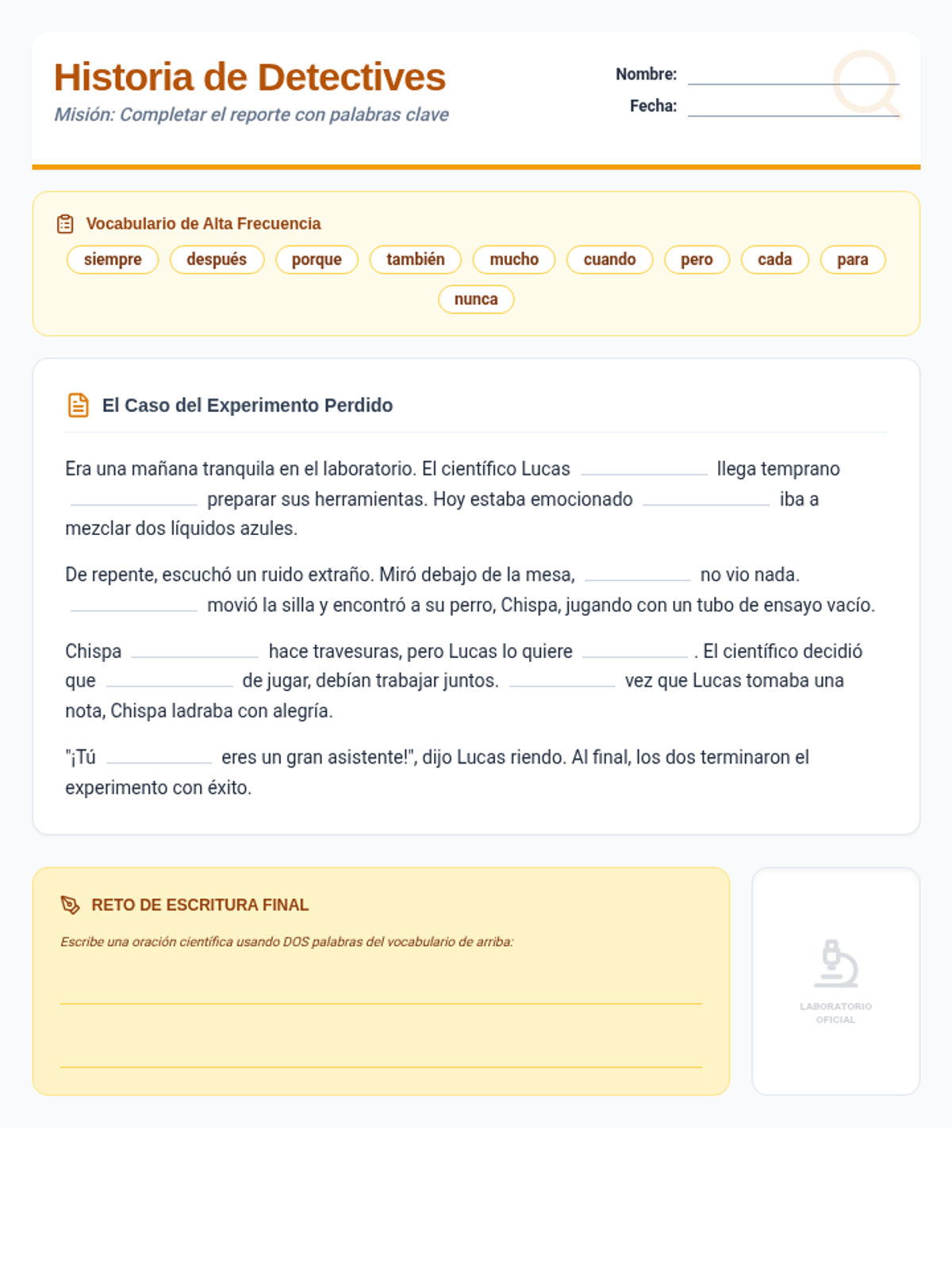
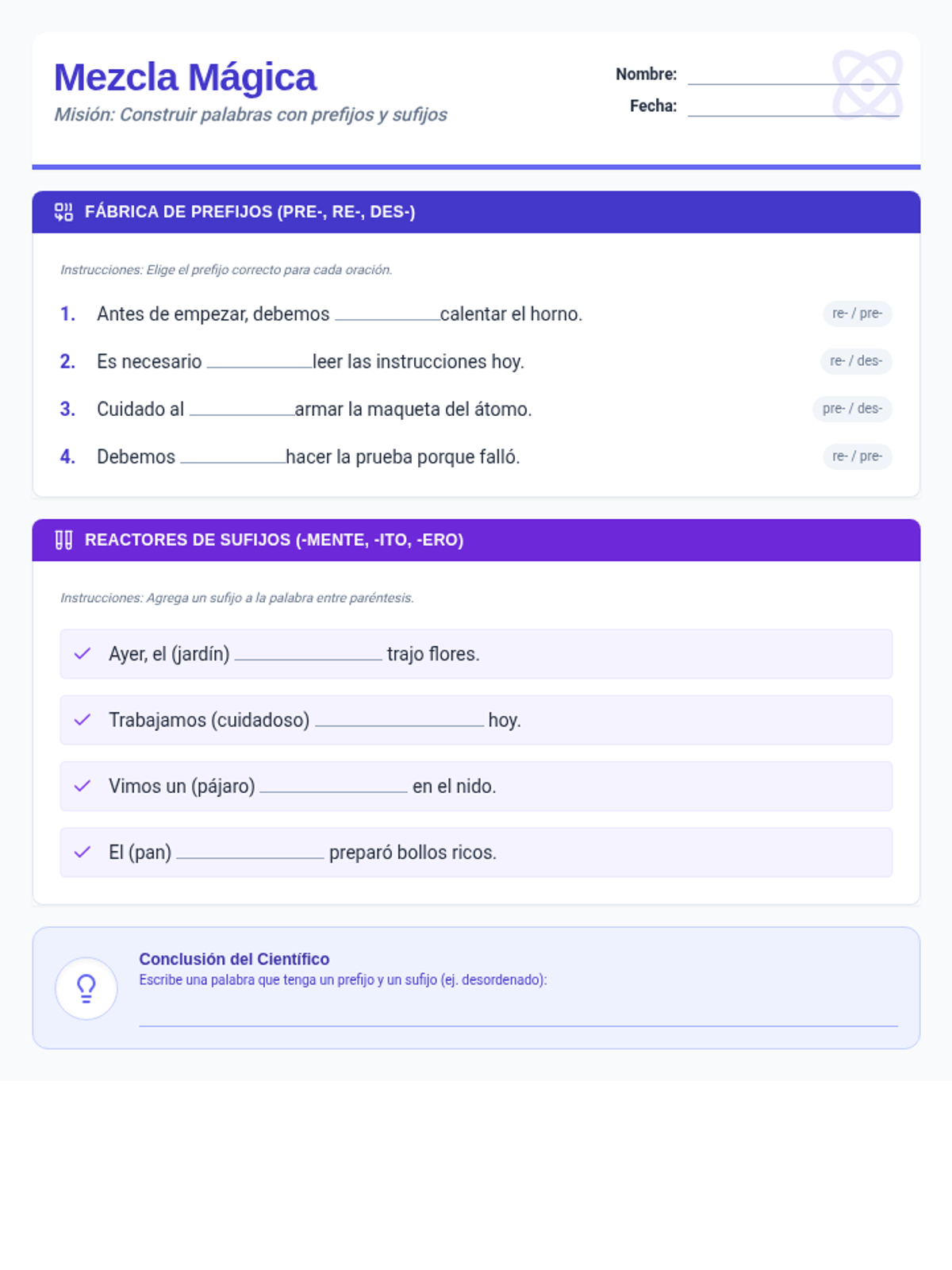
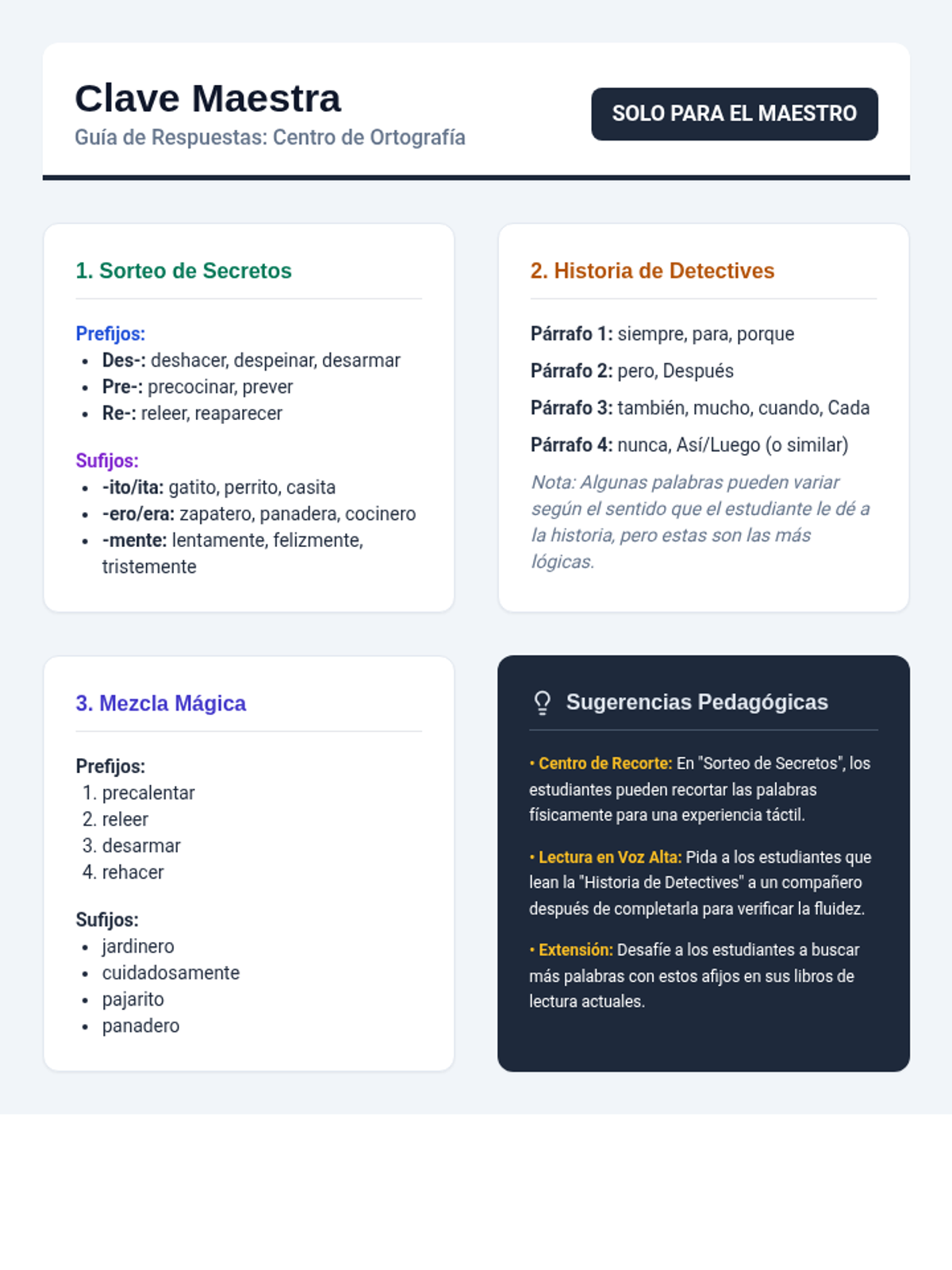
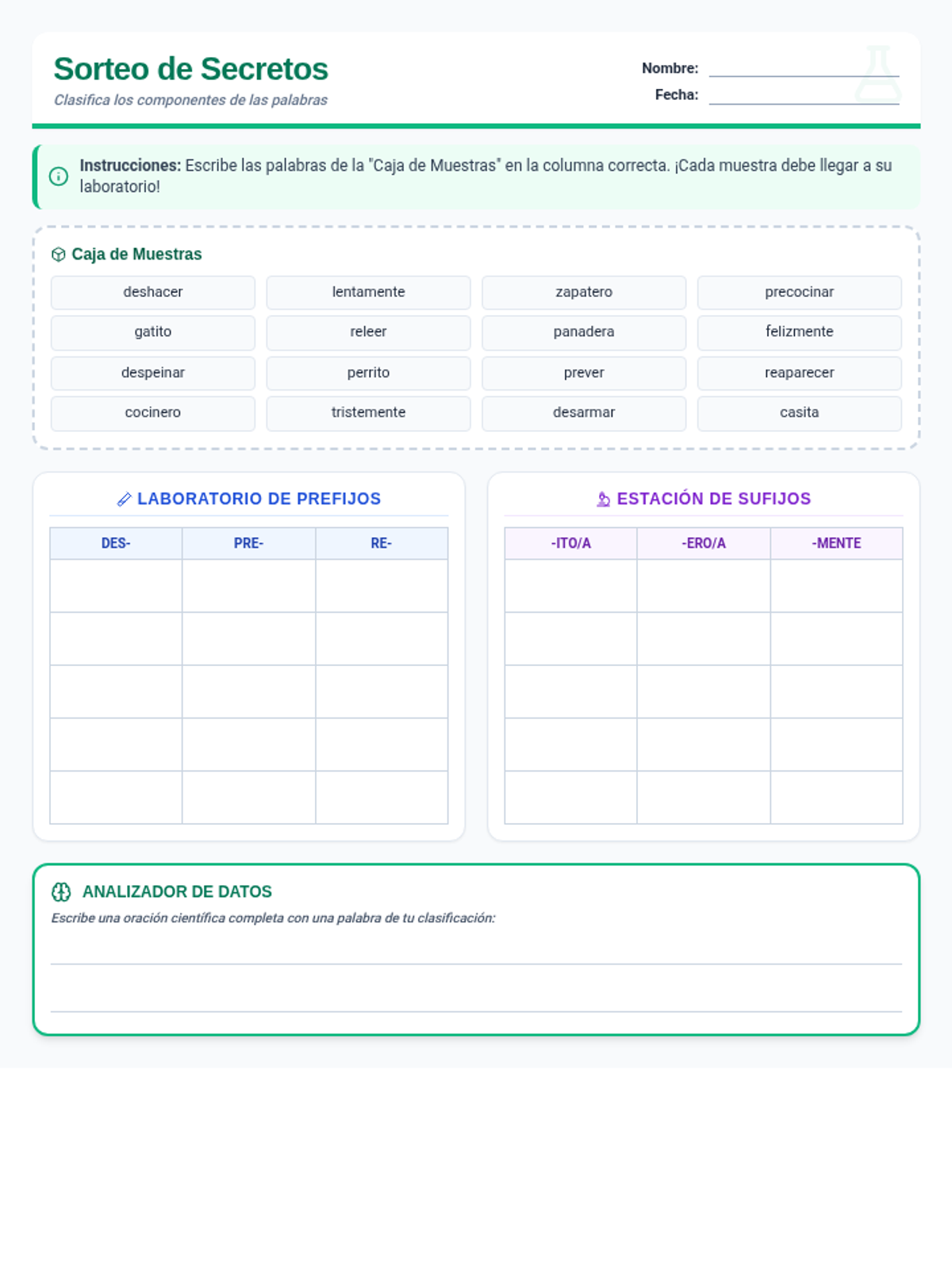
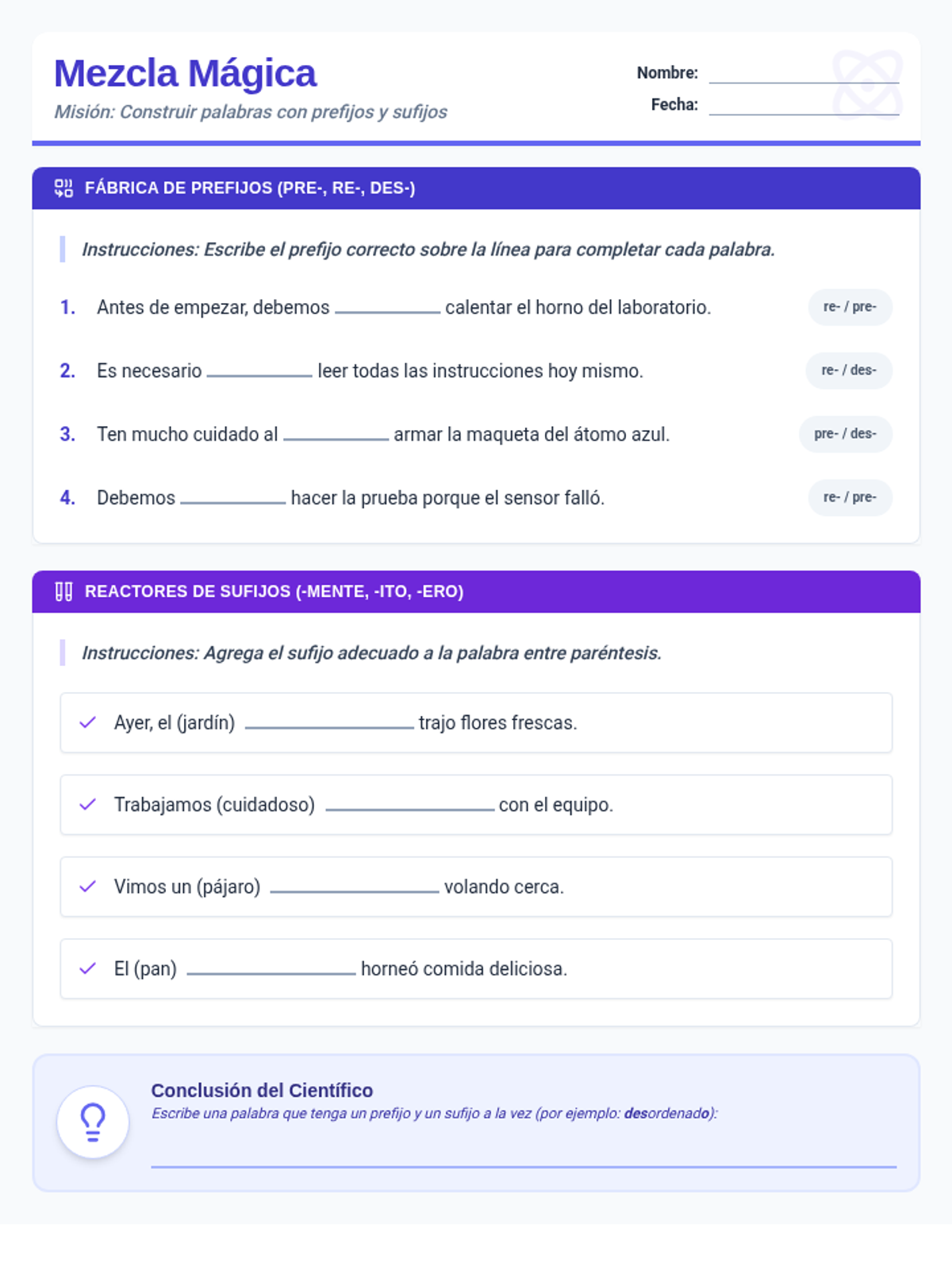
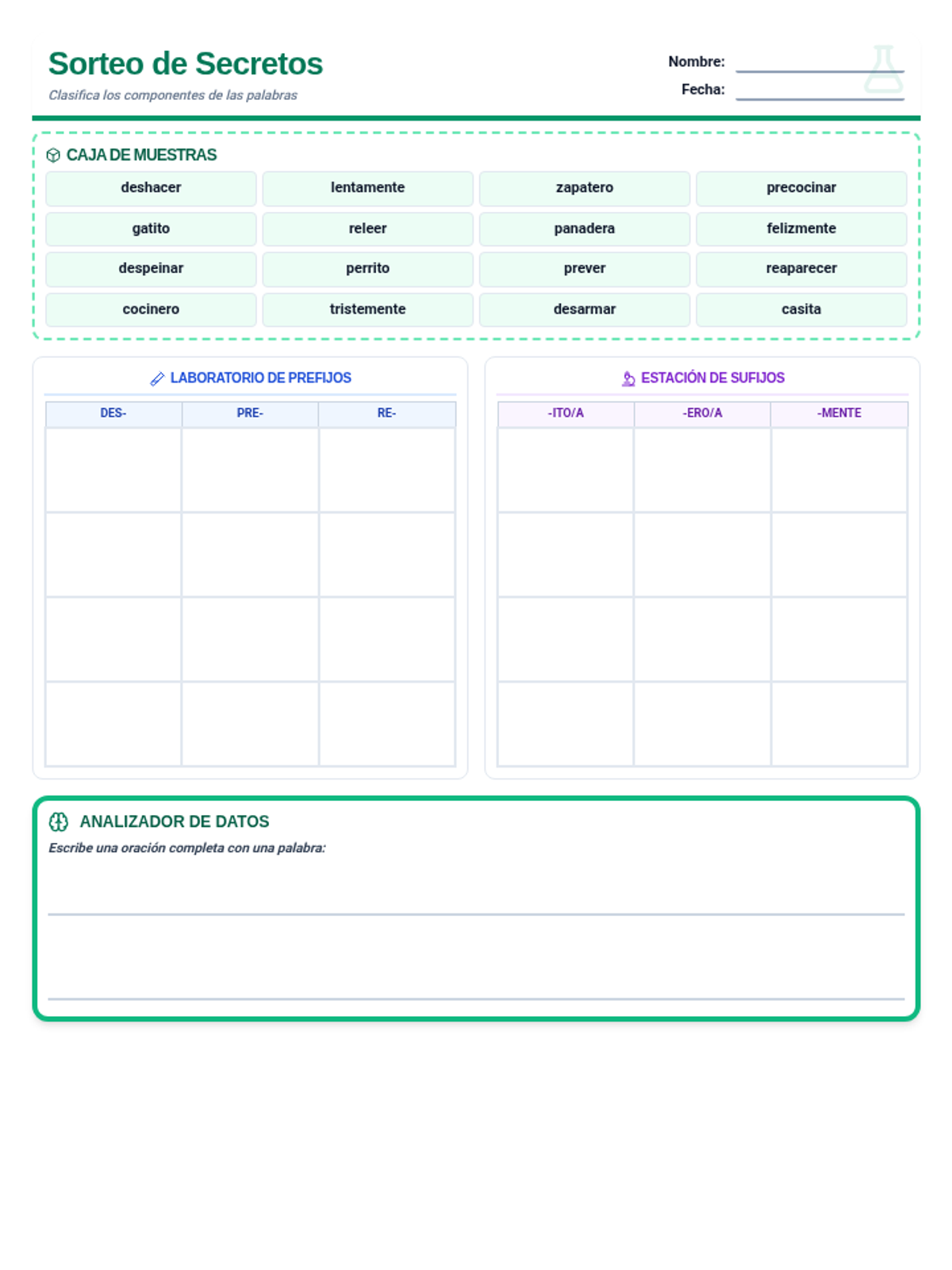
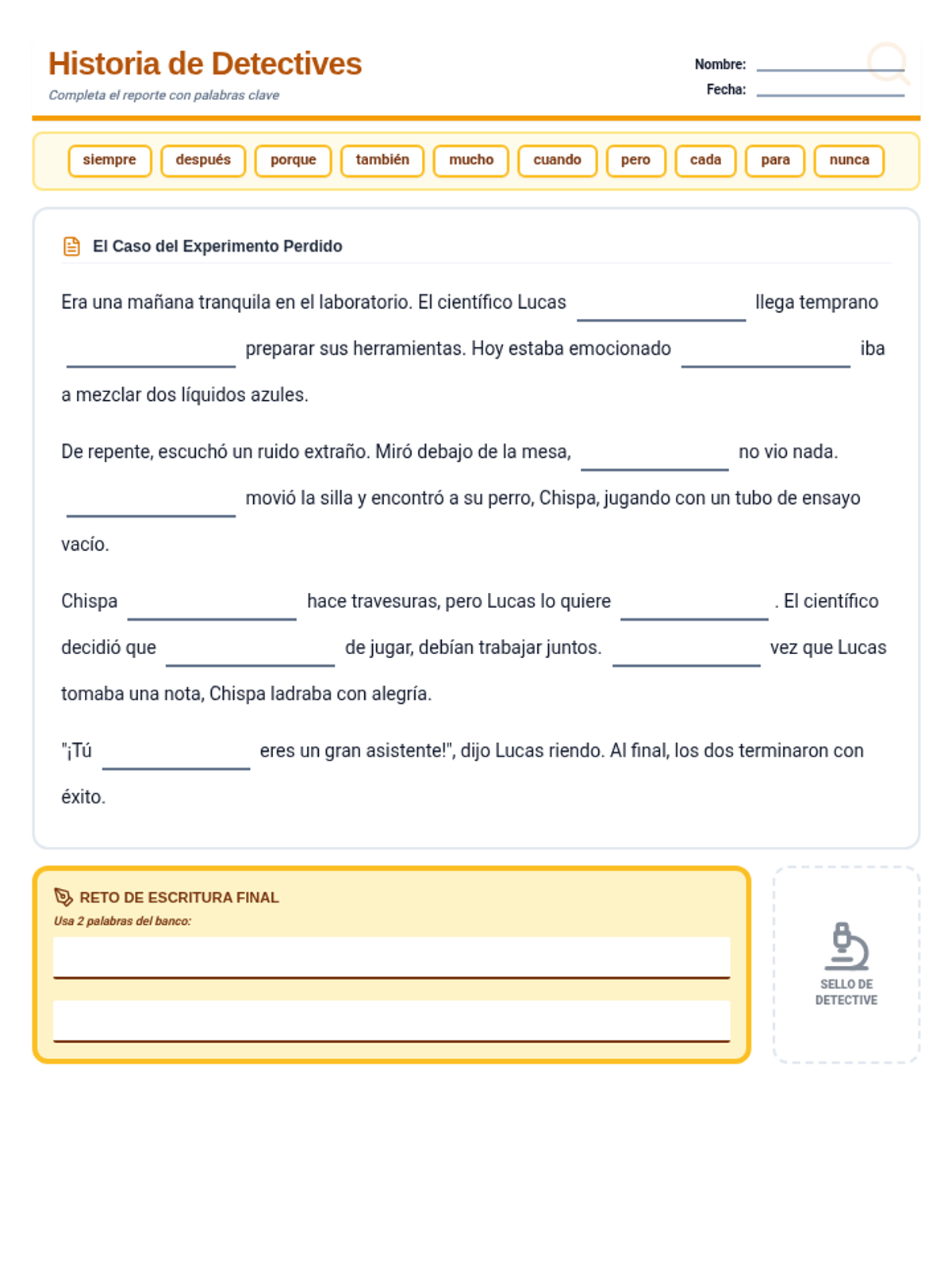
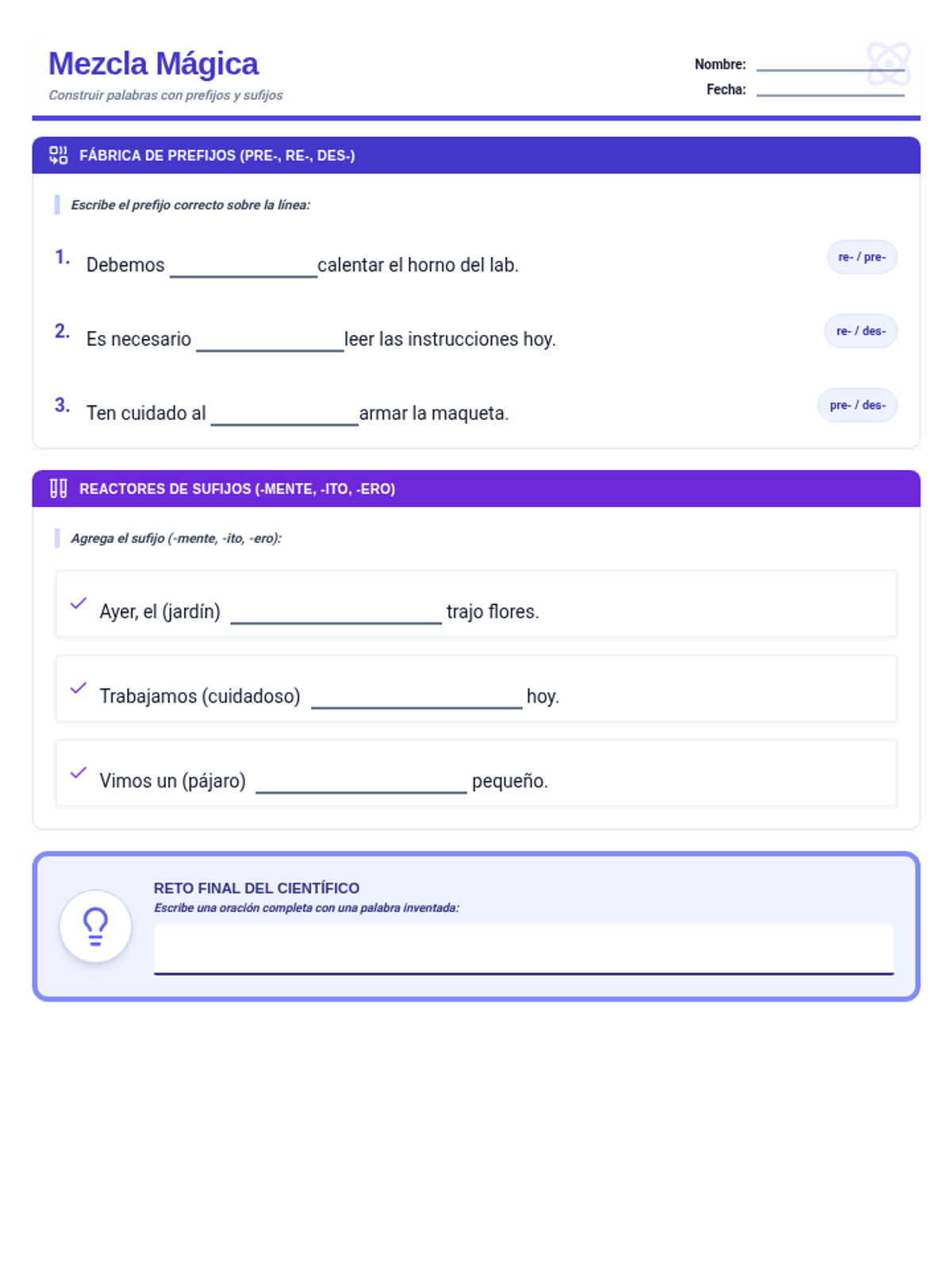
Una serie de actividades interactivas para centros de aprendizaje enfocadas en el dominio de prefijos, sufijos y palabras de alta frecuencia en español.