A beginner English lesson for Japanese-speaking grade 1 students focusing on greetings, introductions, and basic emotions. Includes bilingual slides, practice flashcards, and a facilitator guide.
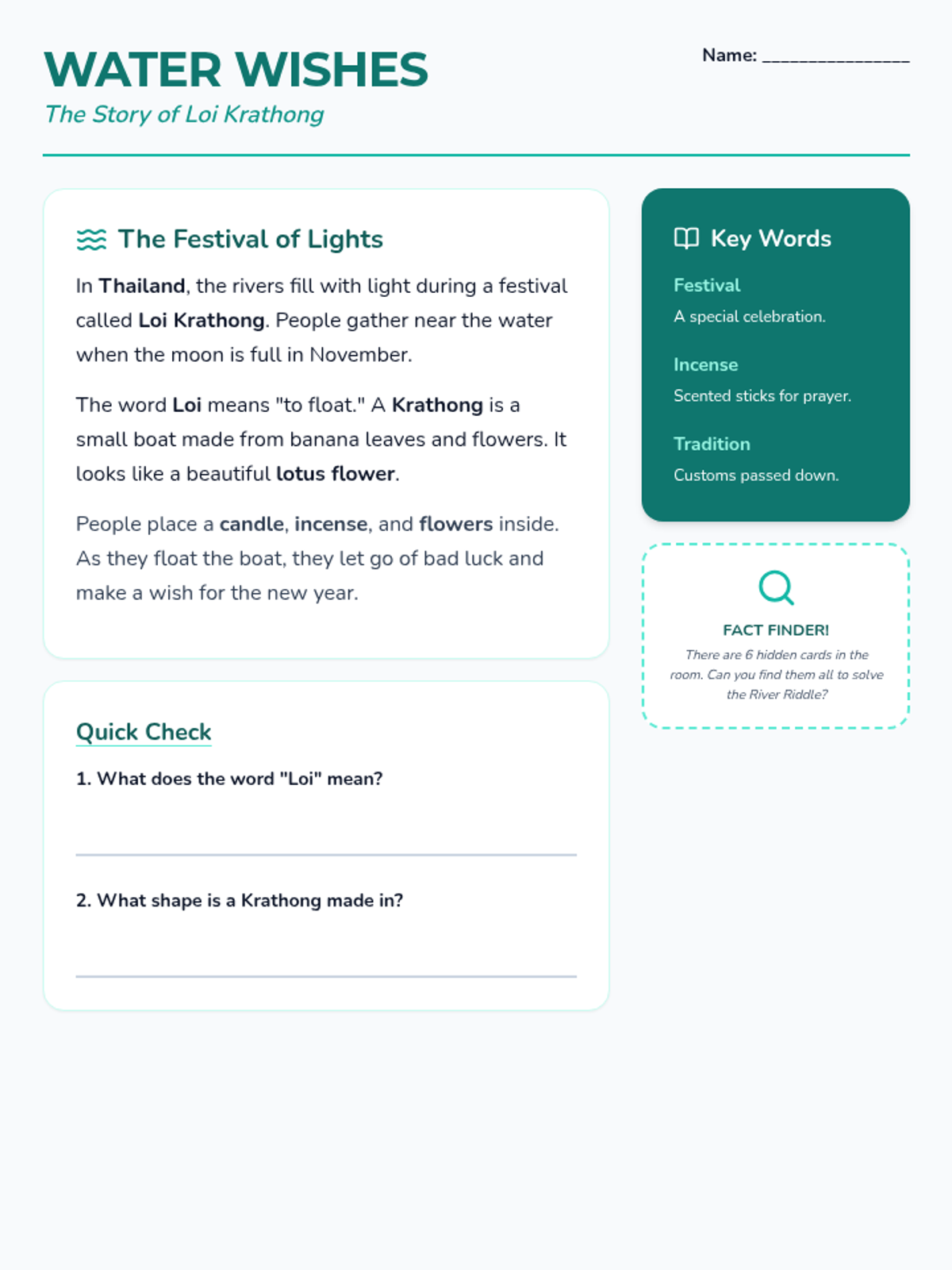
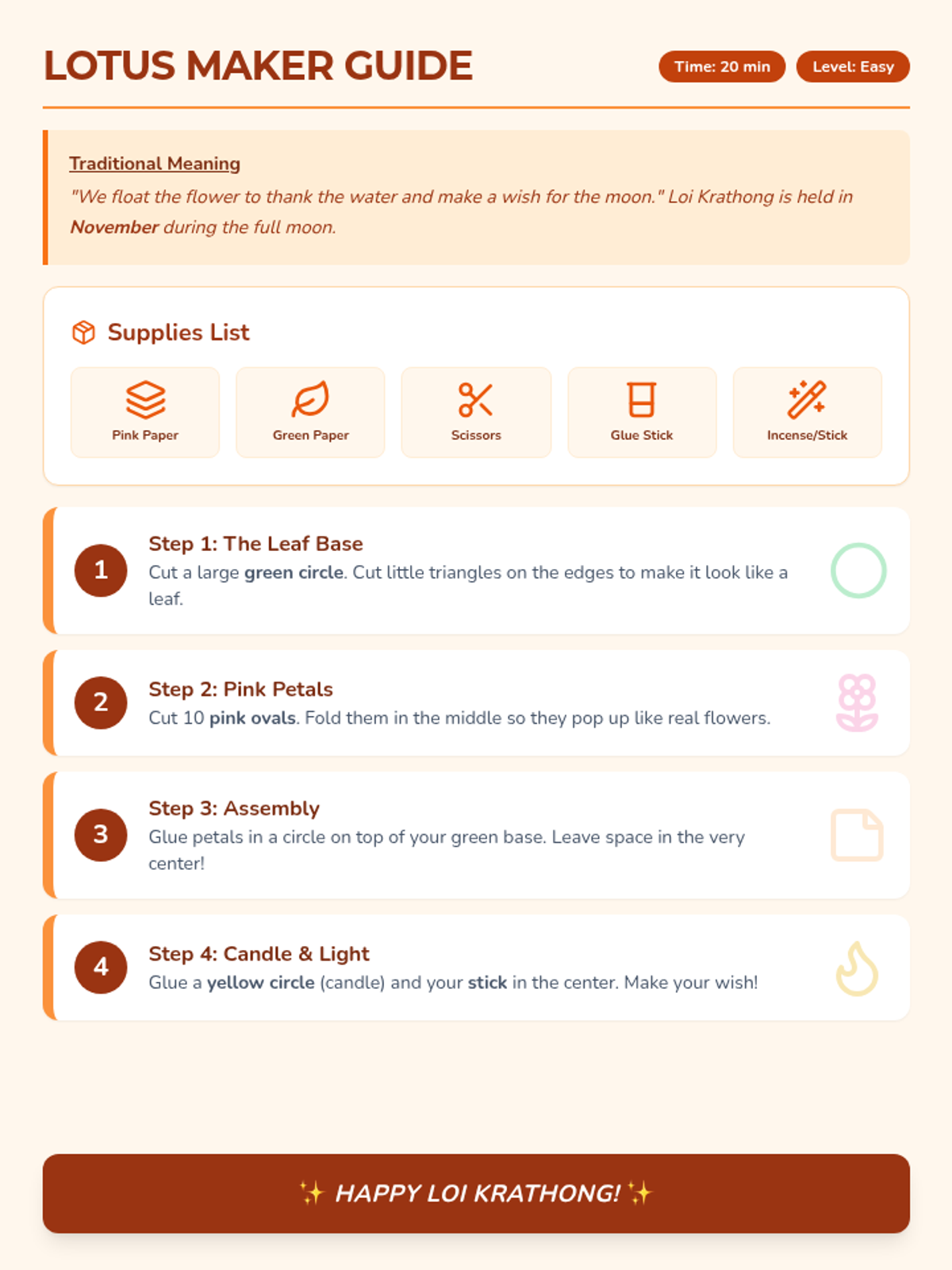
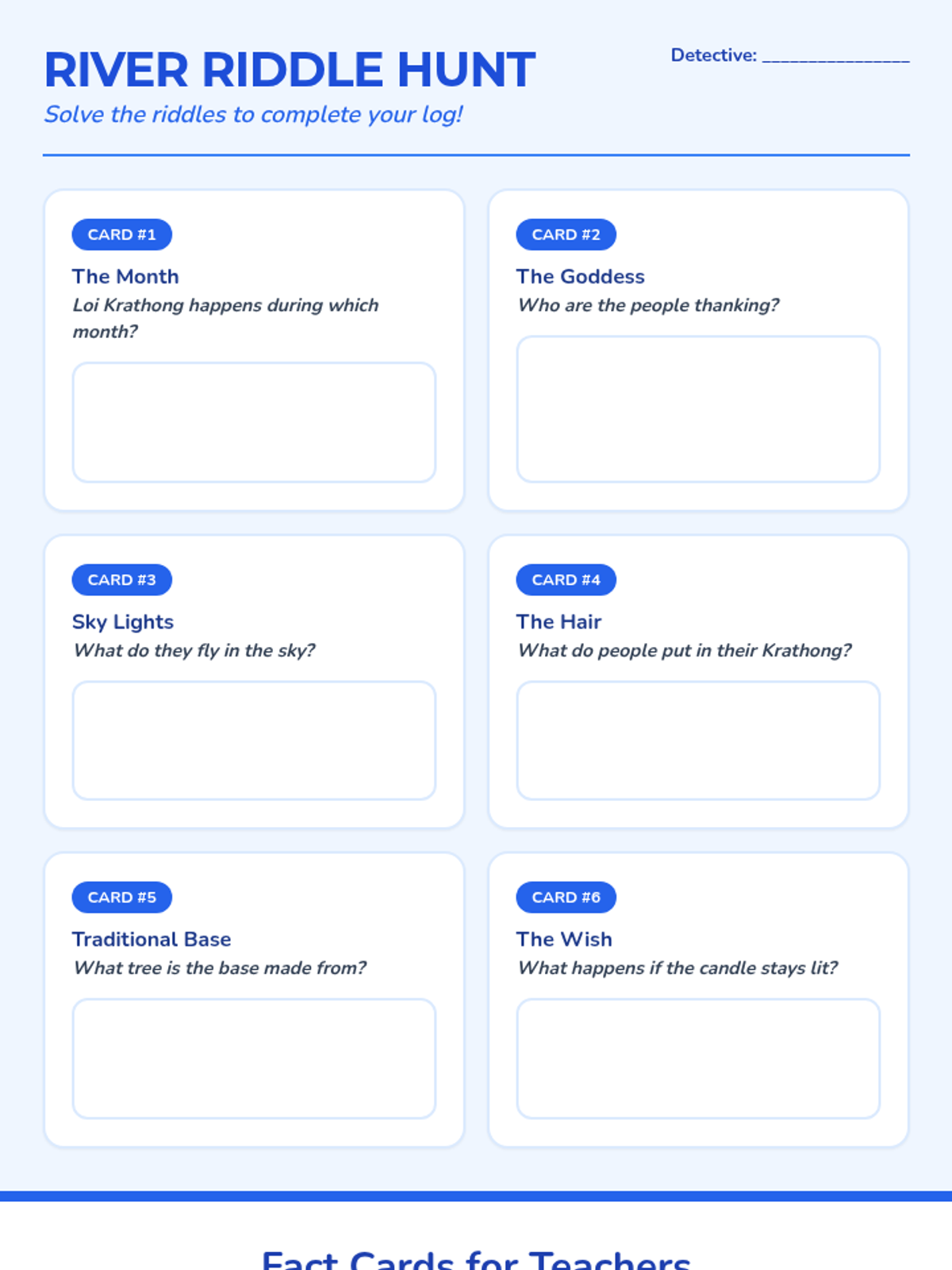
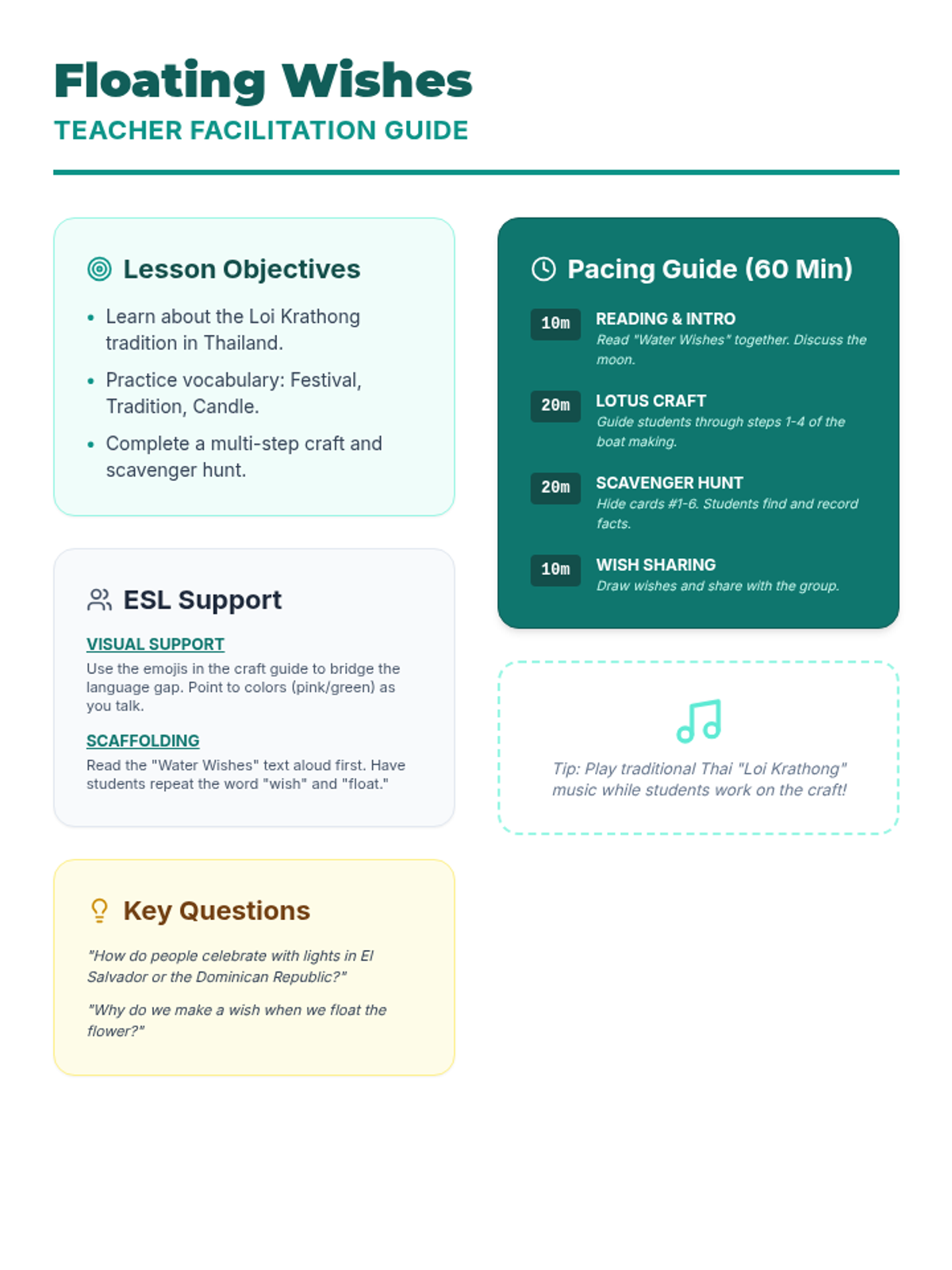
A vibrant lesson for 4th grade ESL students about the Thai festival of Loi Krathong, featuring a reading passage, a paper lotus craft, and an interactive scavenger hunt.
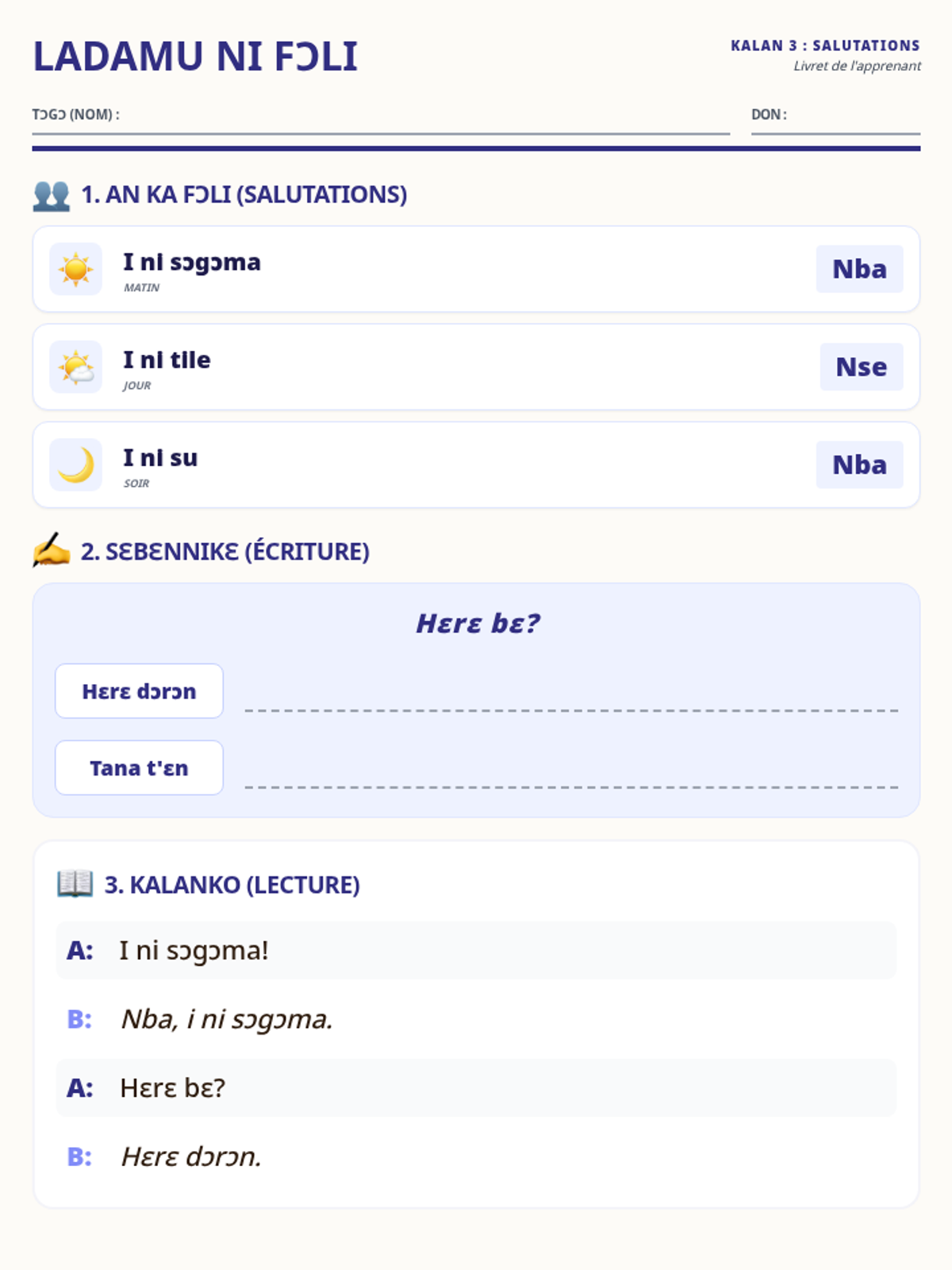
Introduction aux salutations de base et aux règles de politesse en milieu bamanan, combinant lecture et expression orale.
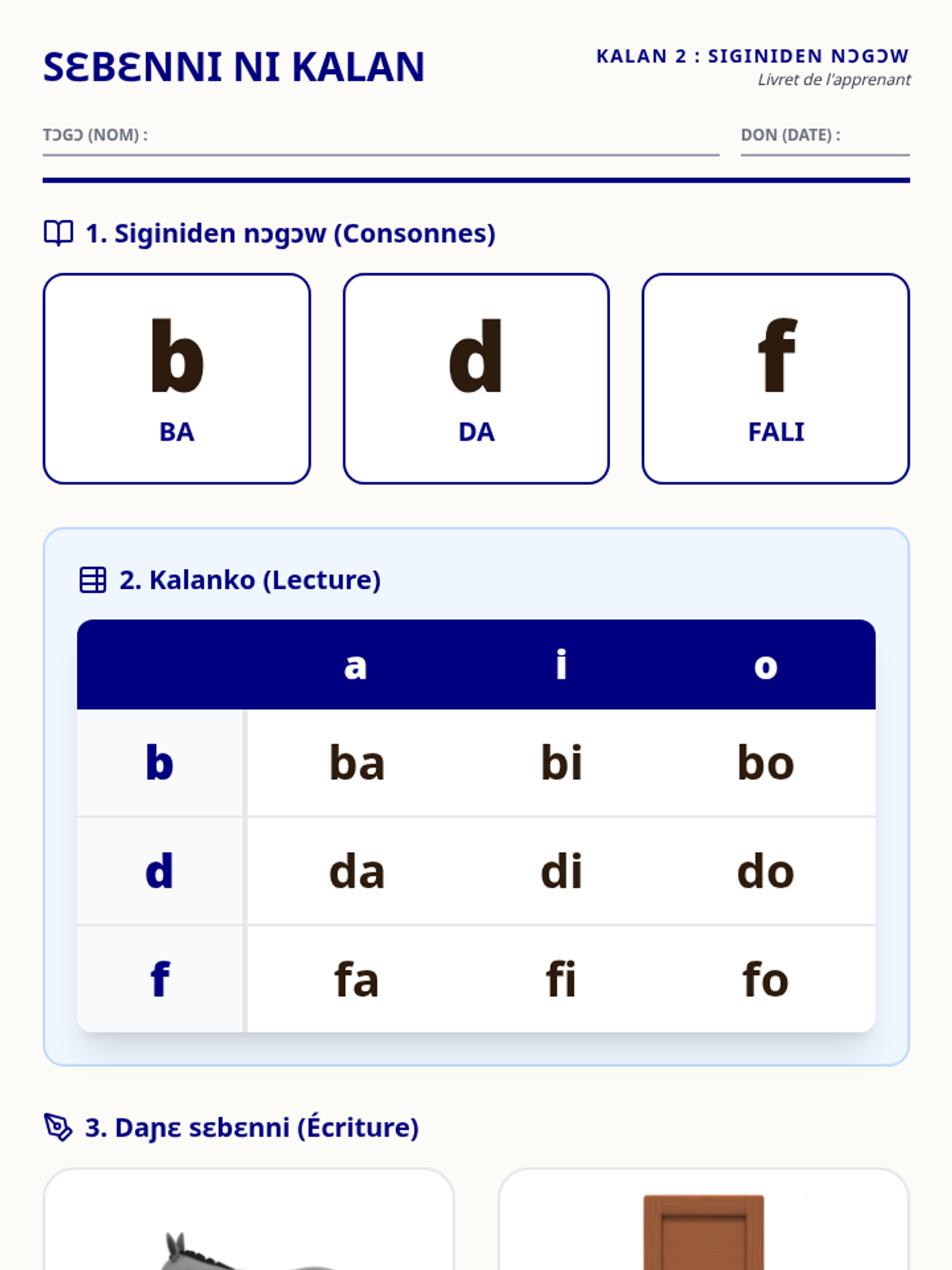
Apprentissage des premières consonnes et formation des syllabes simples pour commencer à lire des mots de deux lettres.
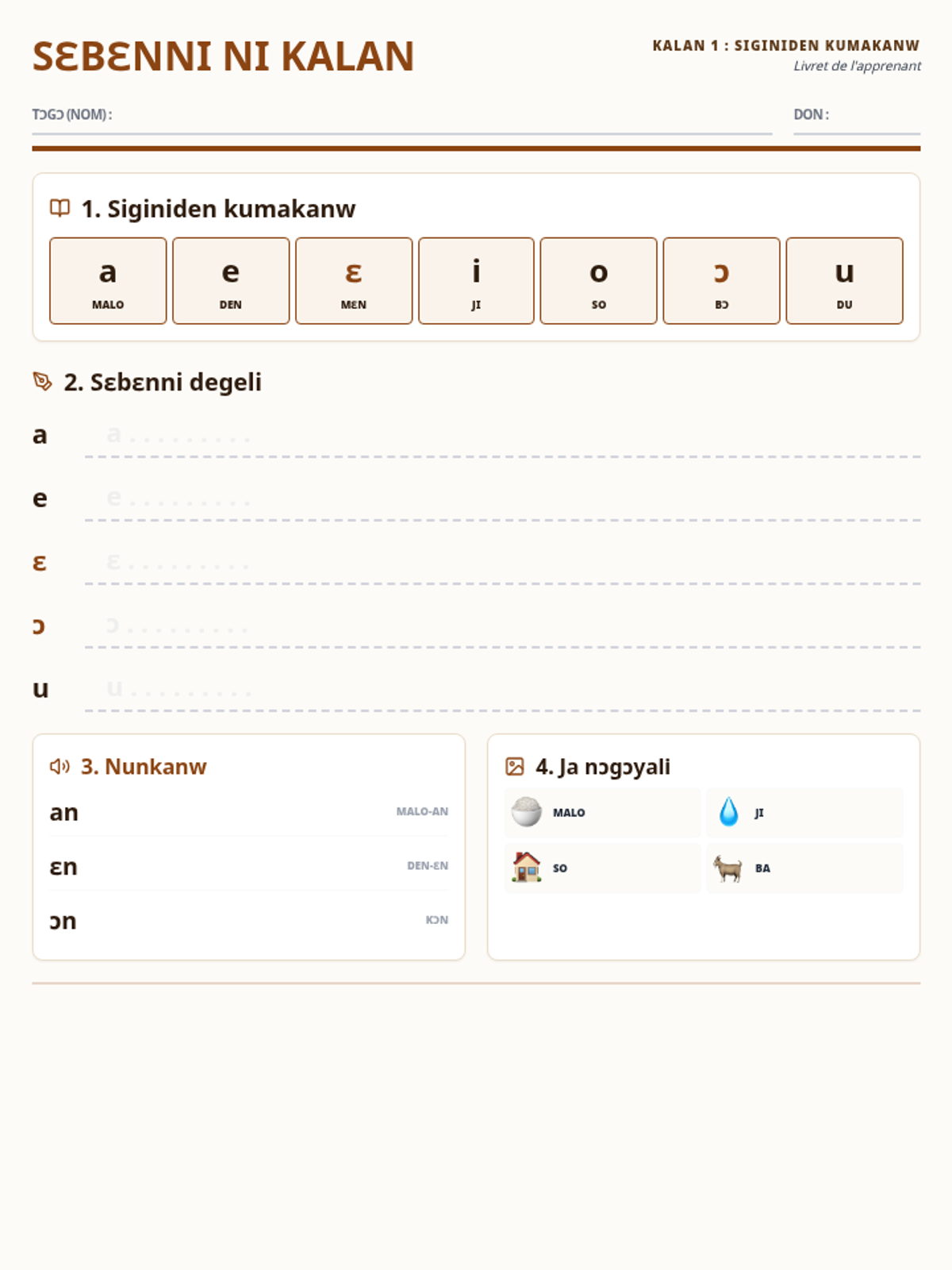
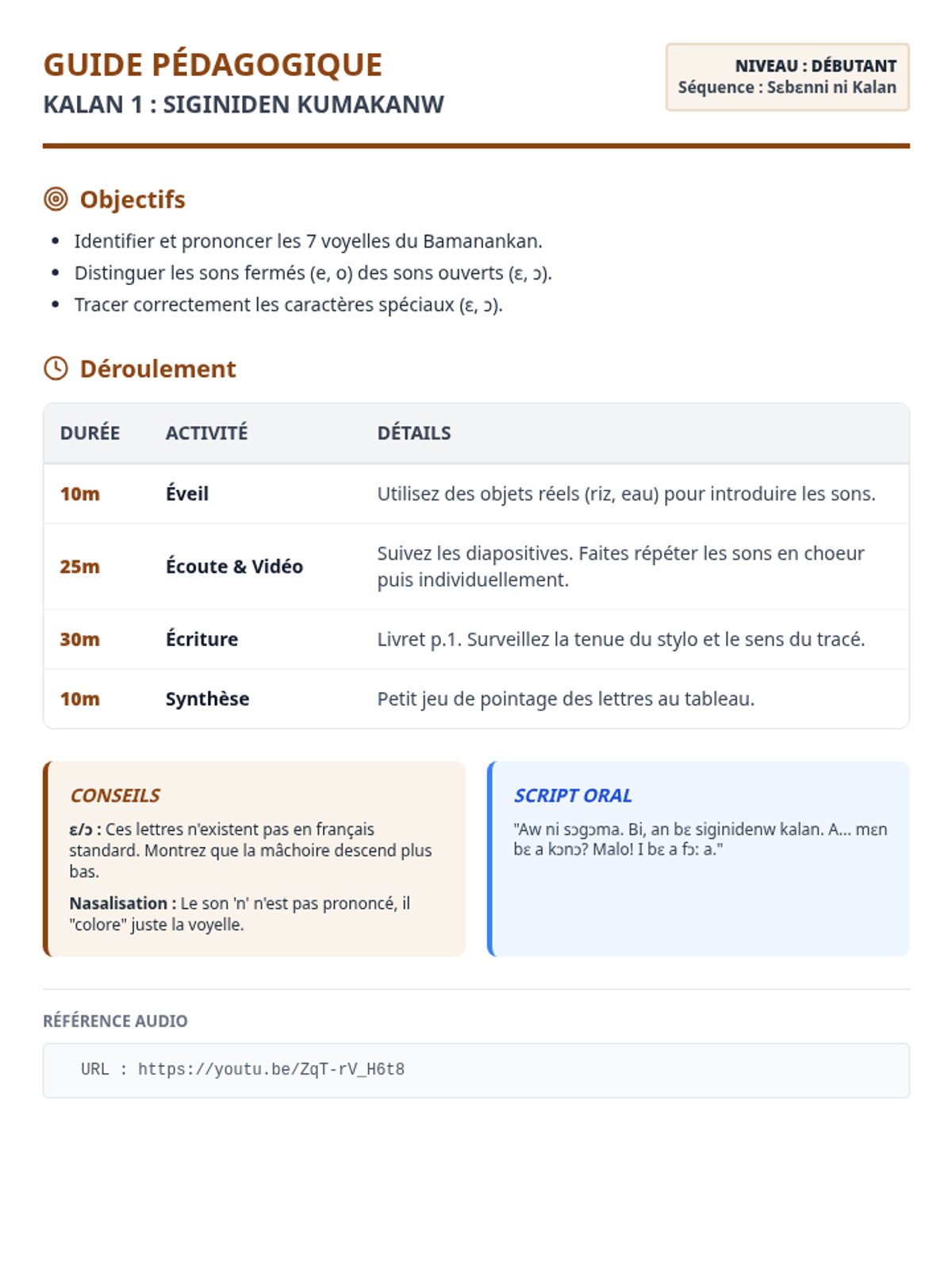
Introduction aux voyelles du Bamanankan (a, e, ɛ, i, o, ɔ, u) et à la nasalisation, avec des exercices de tracé et de reconnaissance auditive.

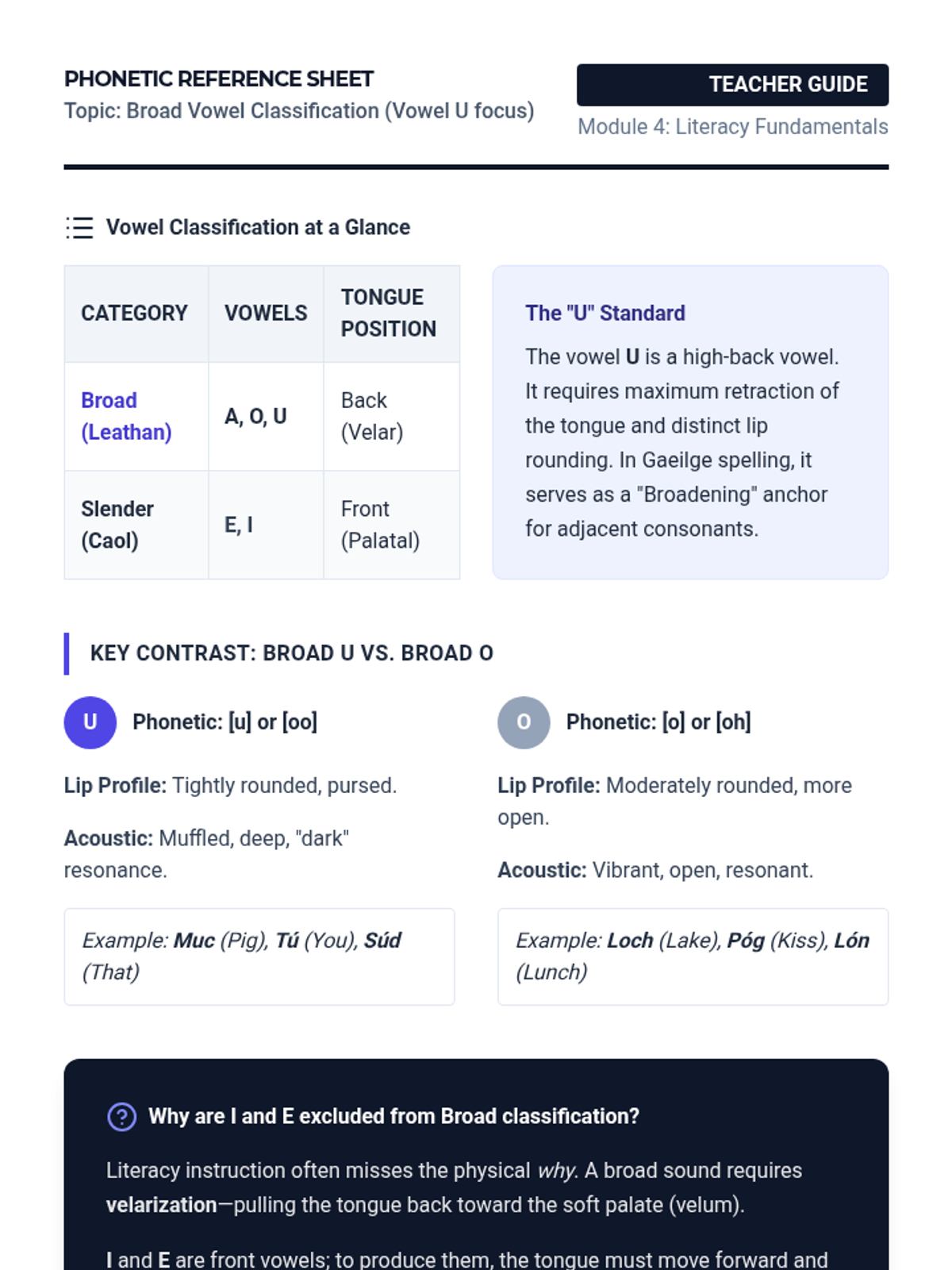
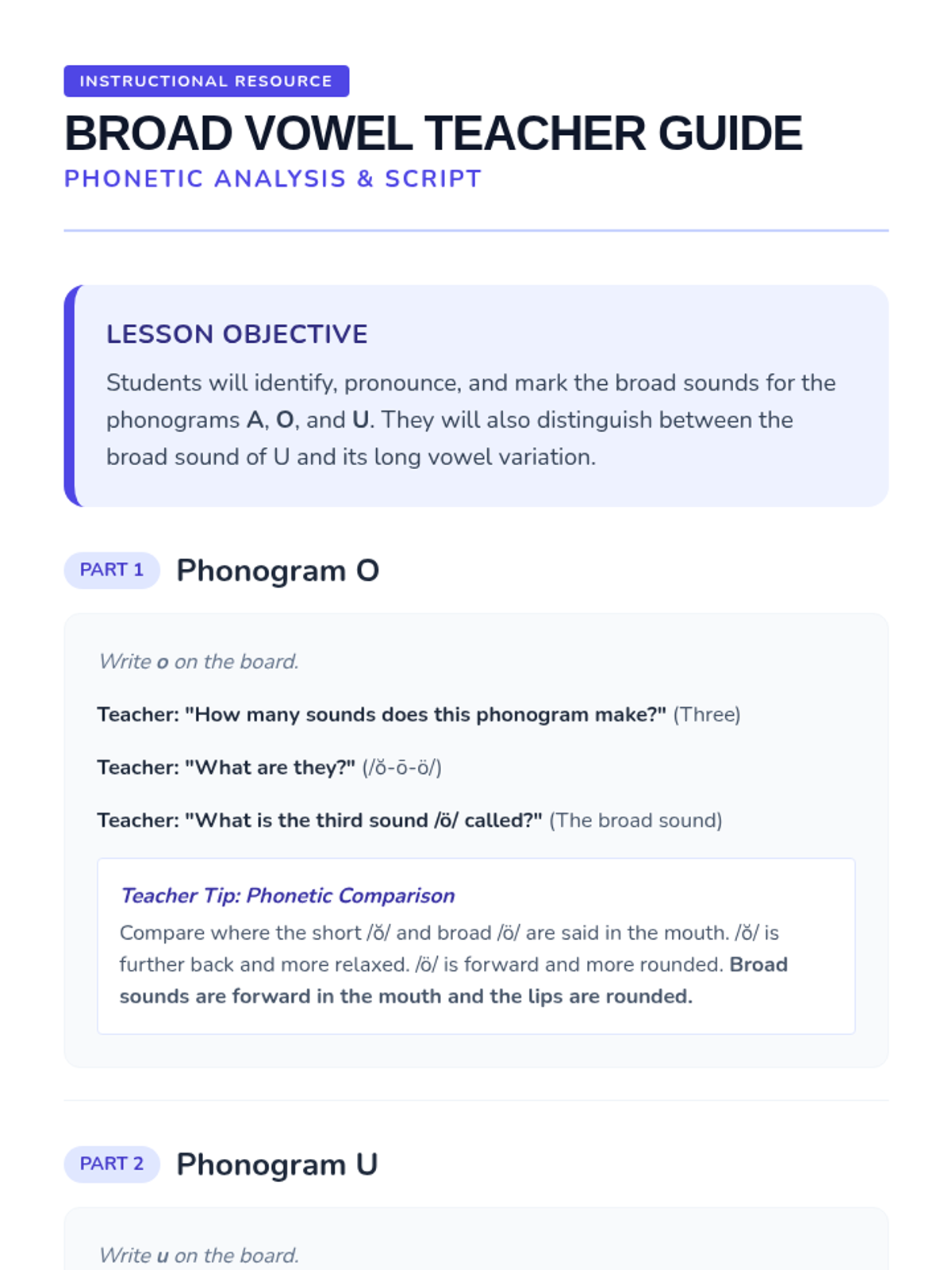
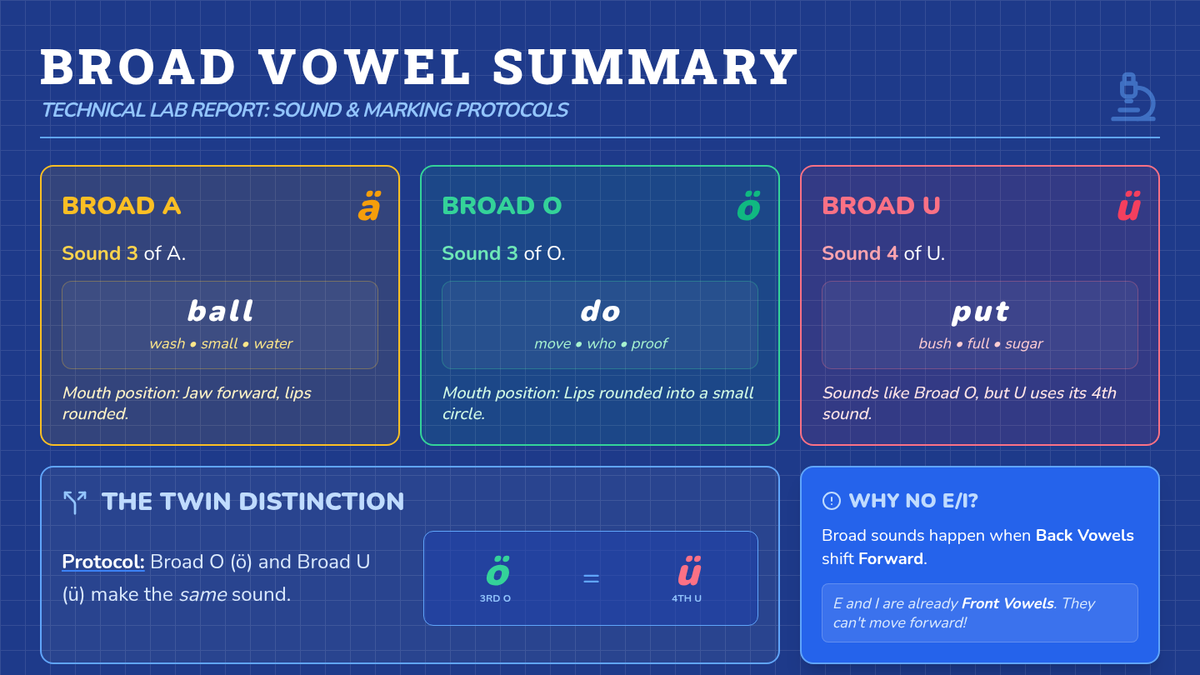
A professional development session for educators focusing on the phonetic properties and instructional strategies for teaching broad vowels, specifically focusing on the vowel 'U'.
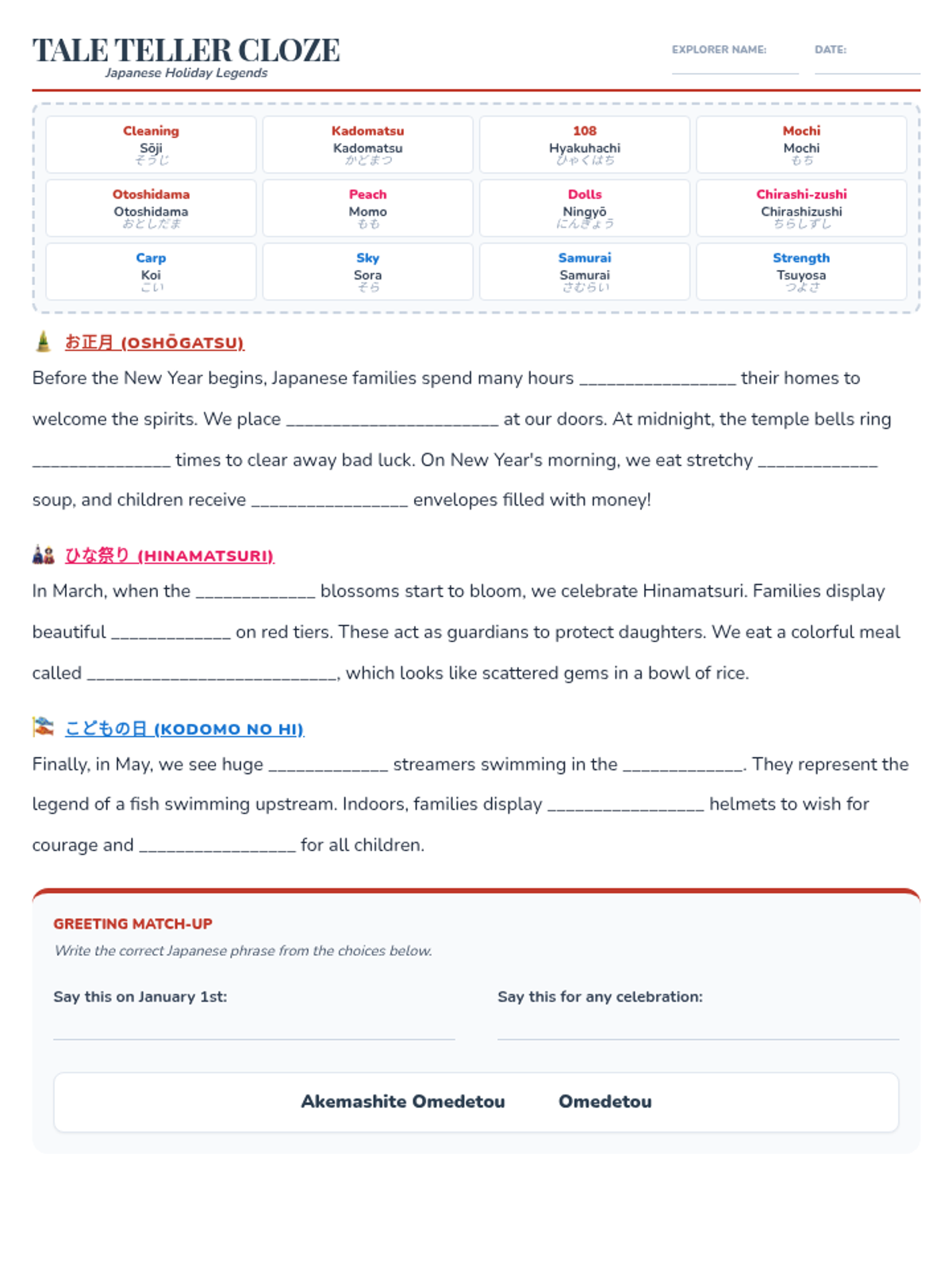
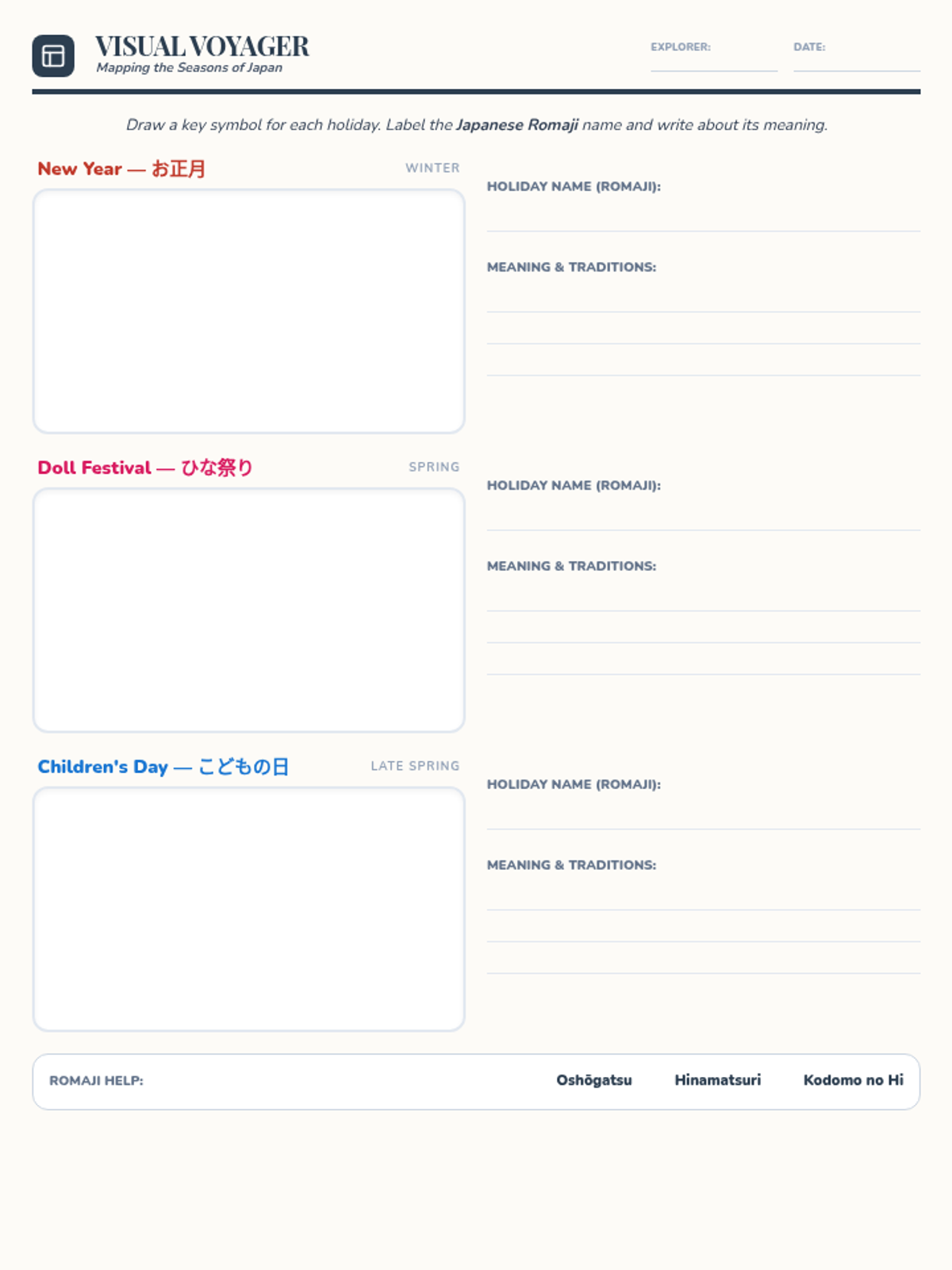
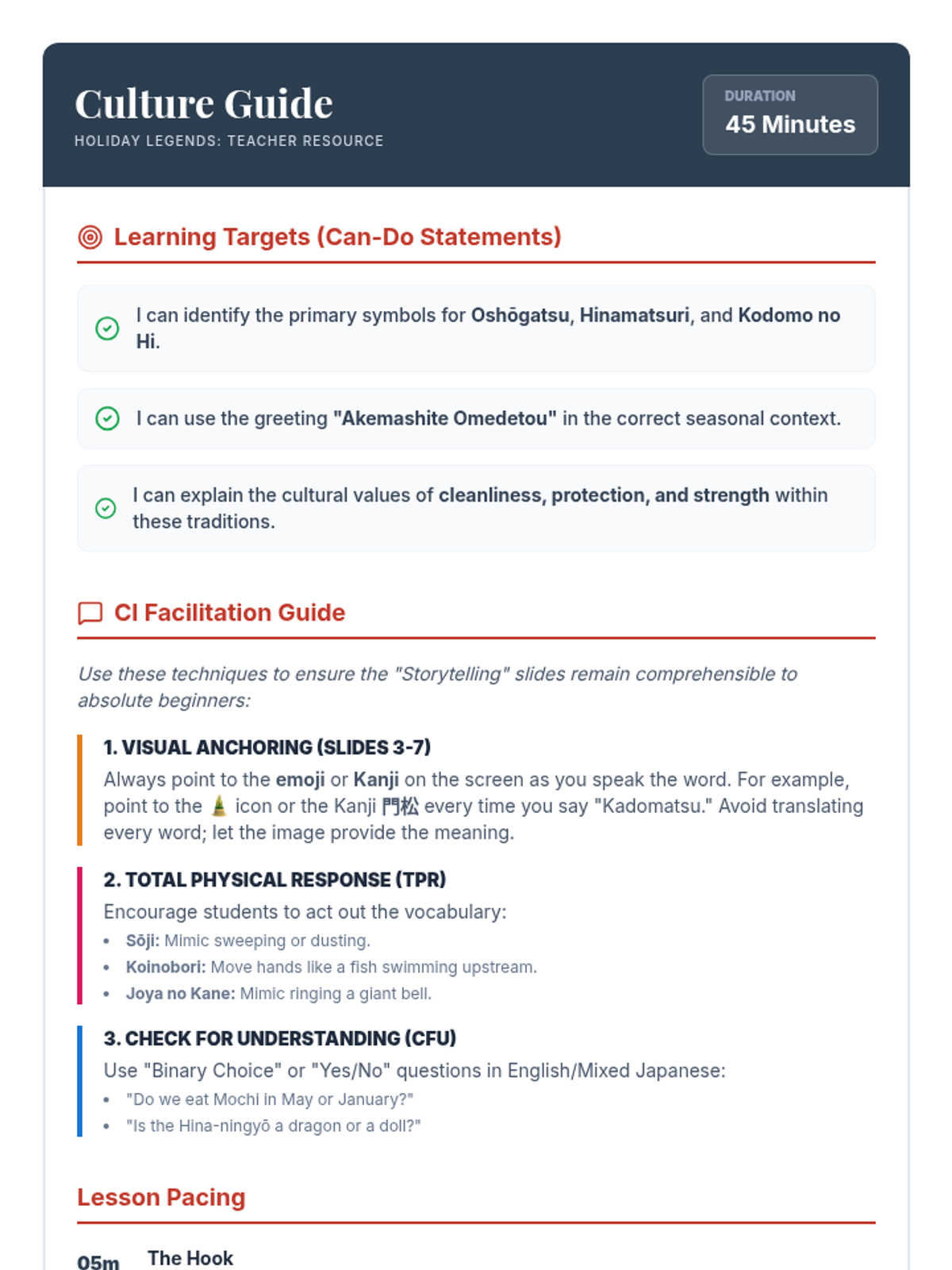
A 45-minute exploratory Japanese lesson using storytelling and Comprehensible Input to introduce Oshogatsu, Hinamatsuri, and Kodomo no Hi. Students will engage with the cultural significance and specific traditions of each holiday through narrative and visual representation.
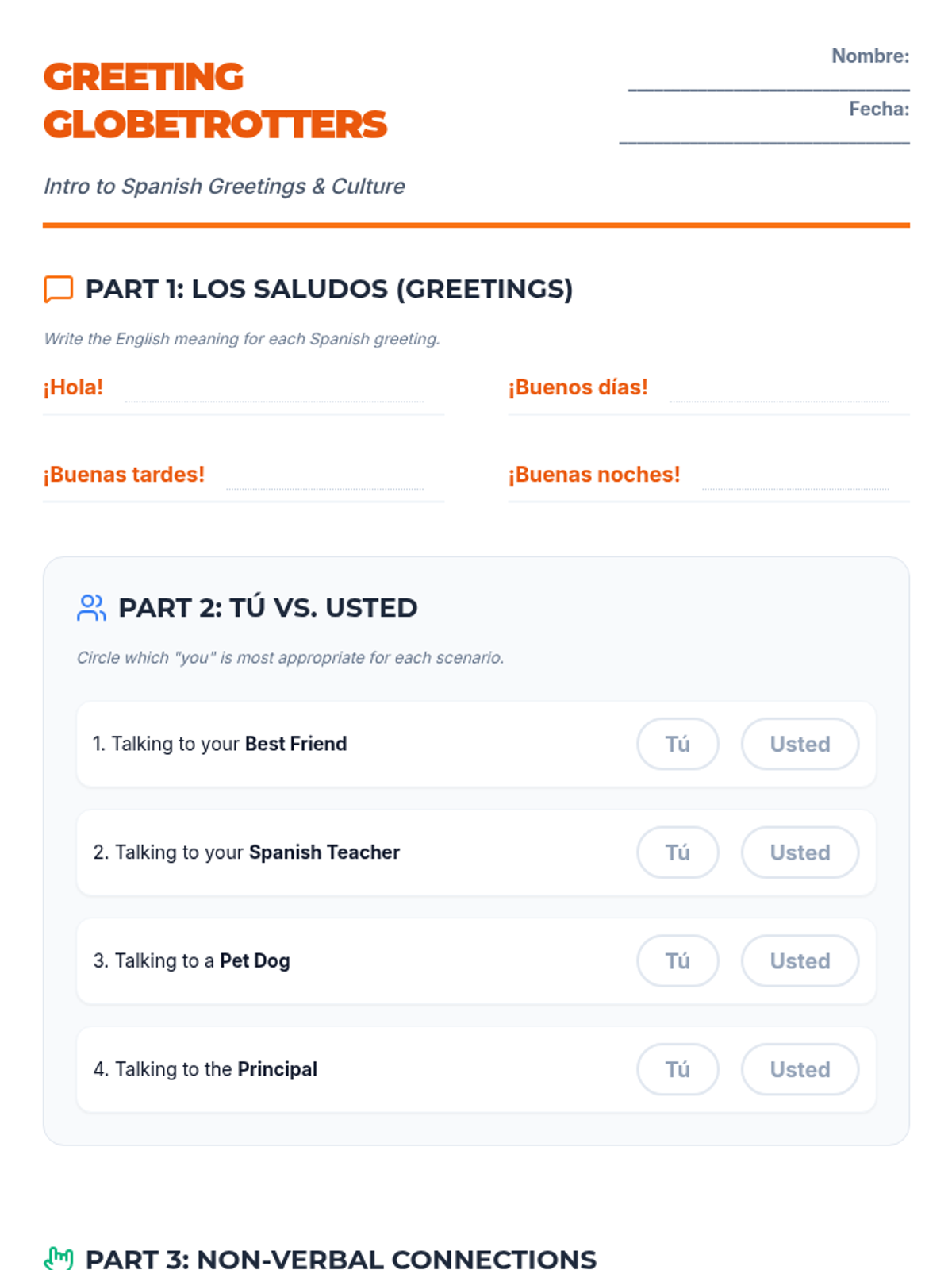
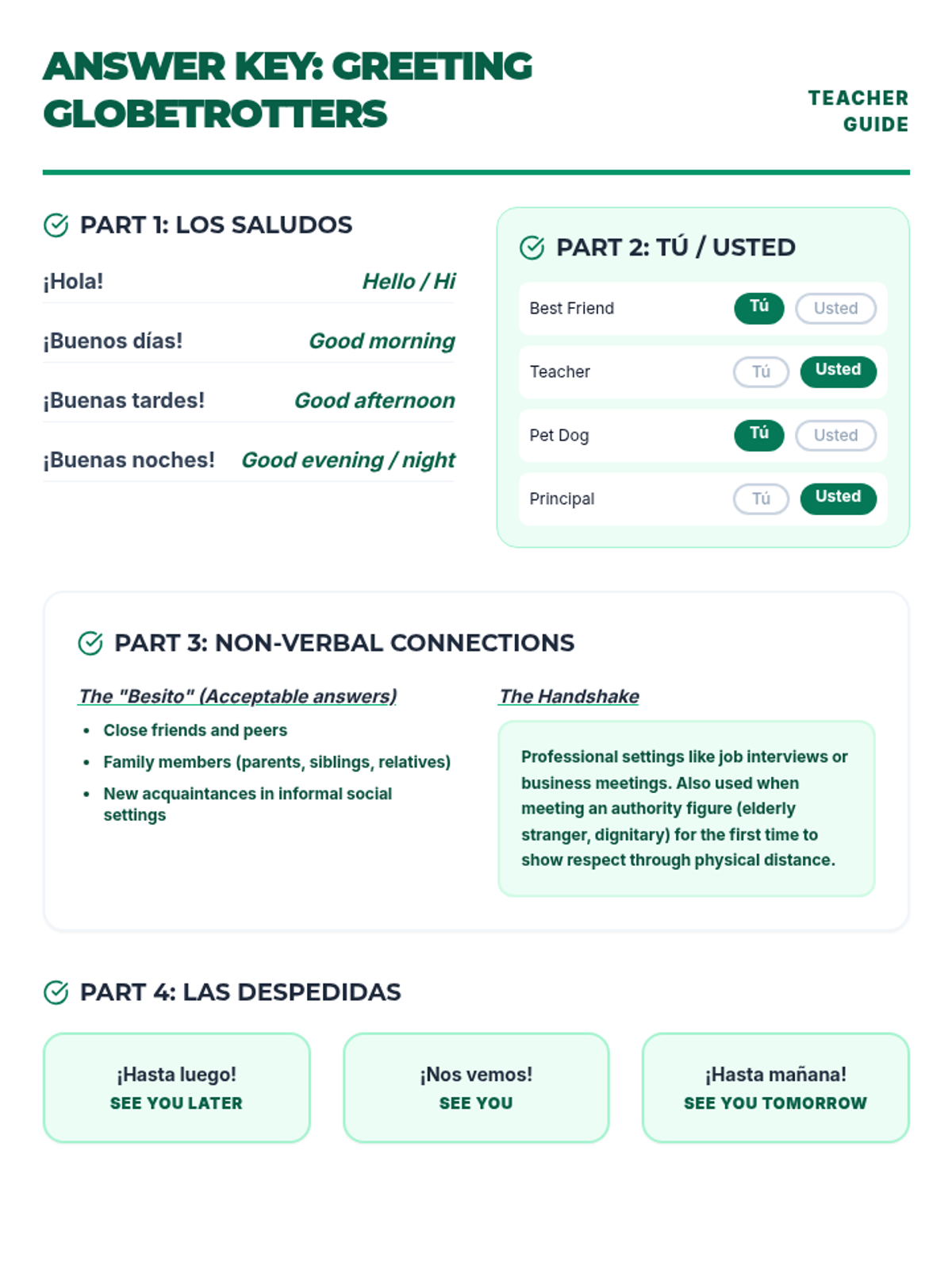
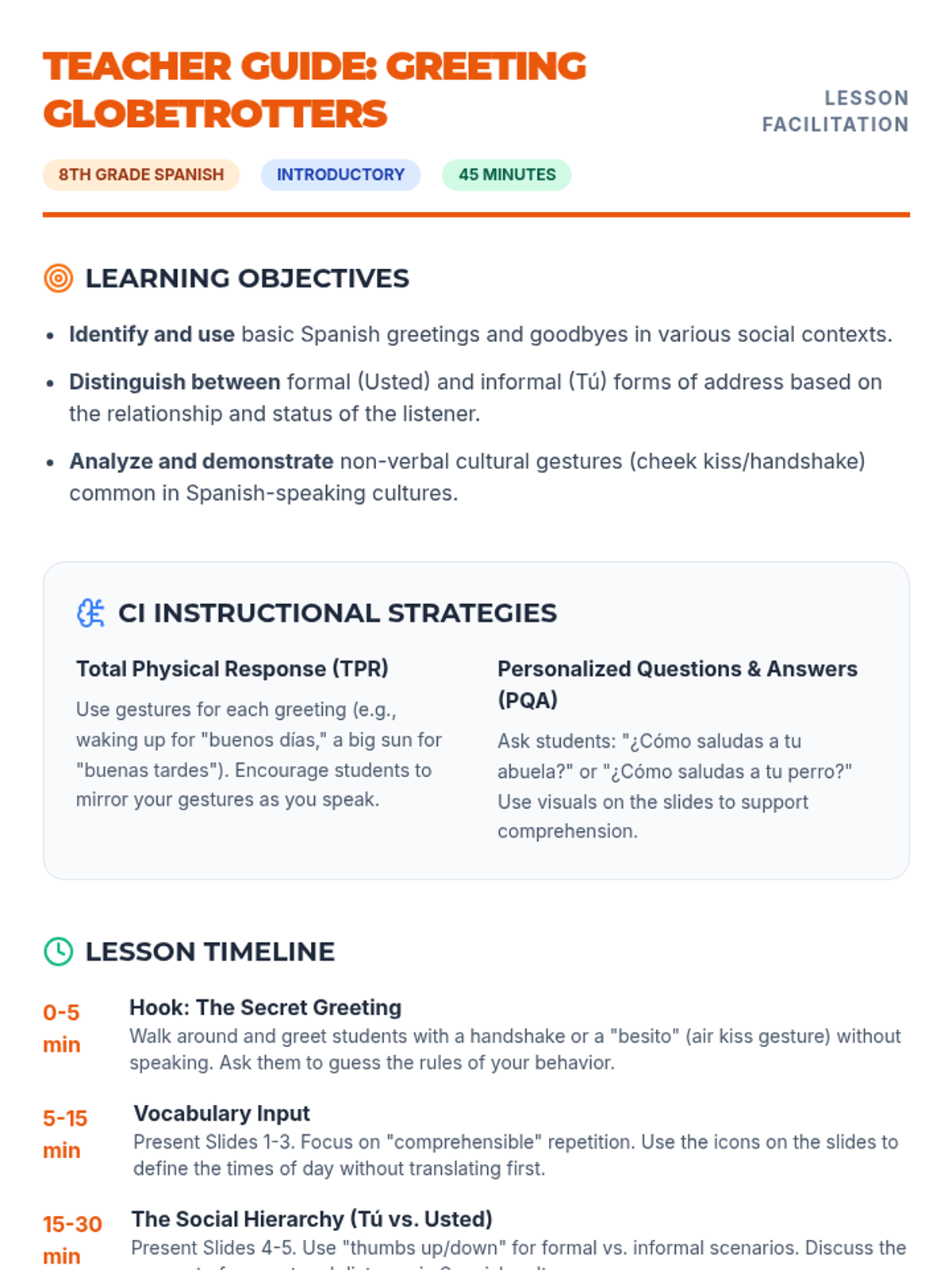
An introductory lesson for 8th grade Spanish beginners focused on greetings, goodbyes, and cultural gestures using Comprehensible Input (CI) strategies. Students will distinguish between formal and informal contexts and learn traditional non-verbal greetings like the 'besito'.
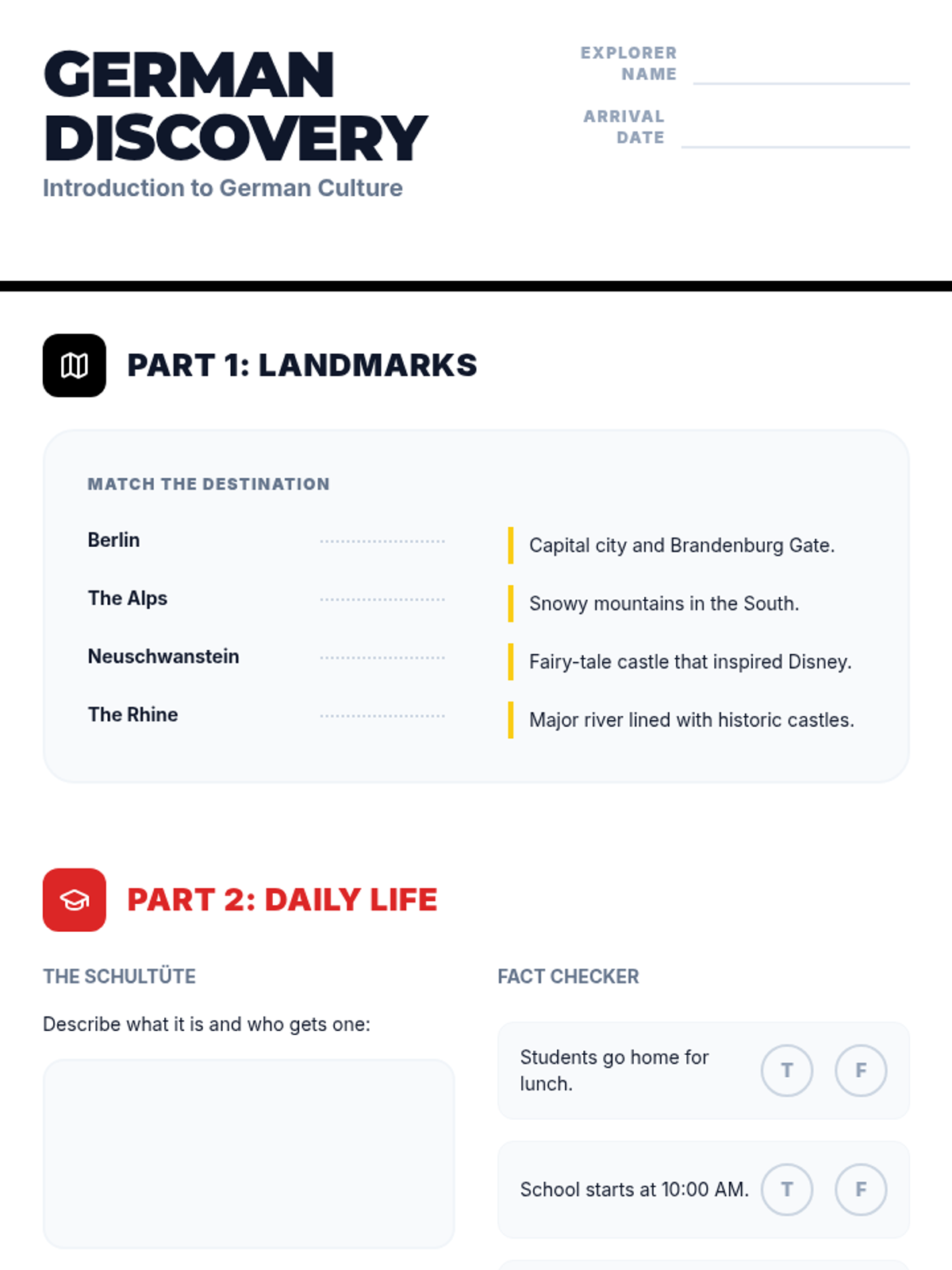
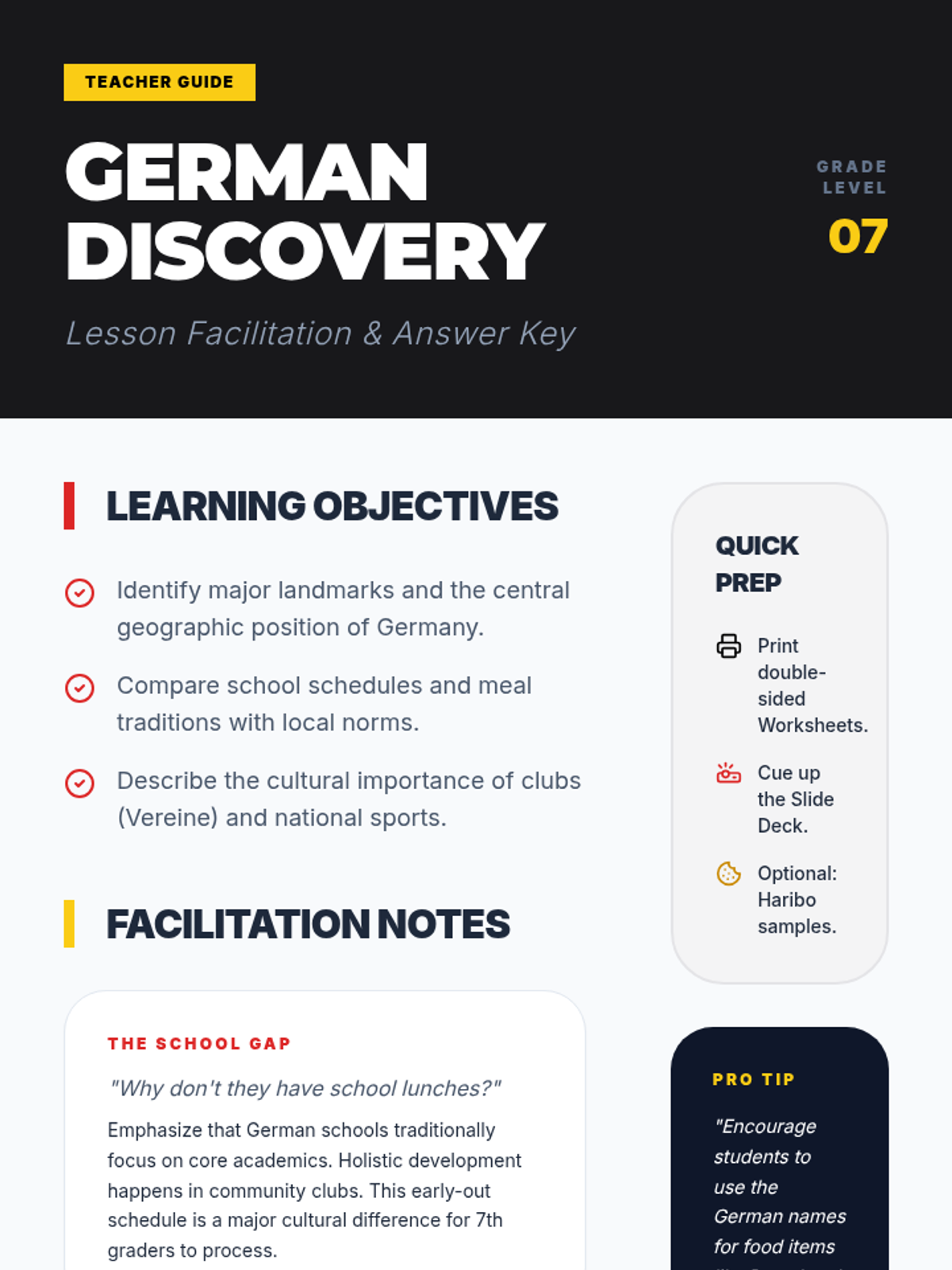
An introductory exploration of German culture for 7th graders, covering daily life, traditions, geography, and leisure activities. Students will compare their own lives with those of German teenagers.
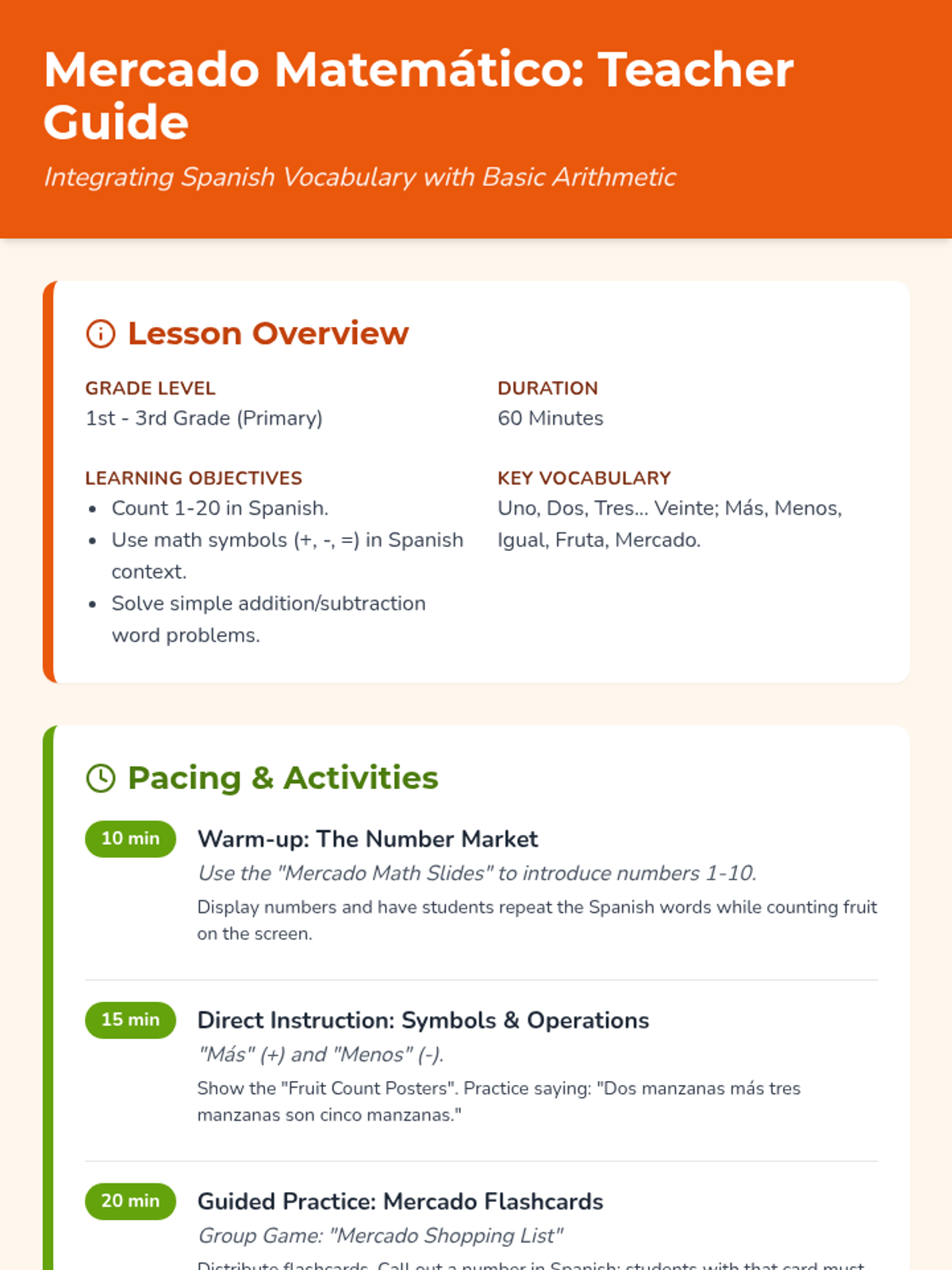
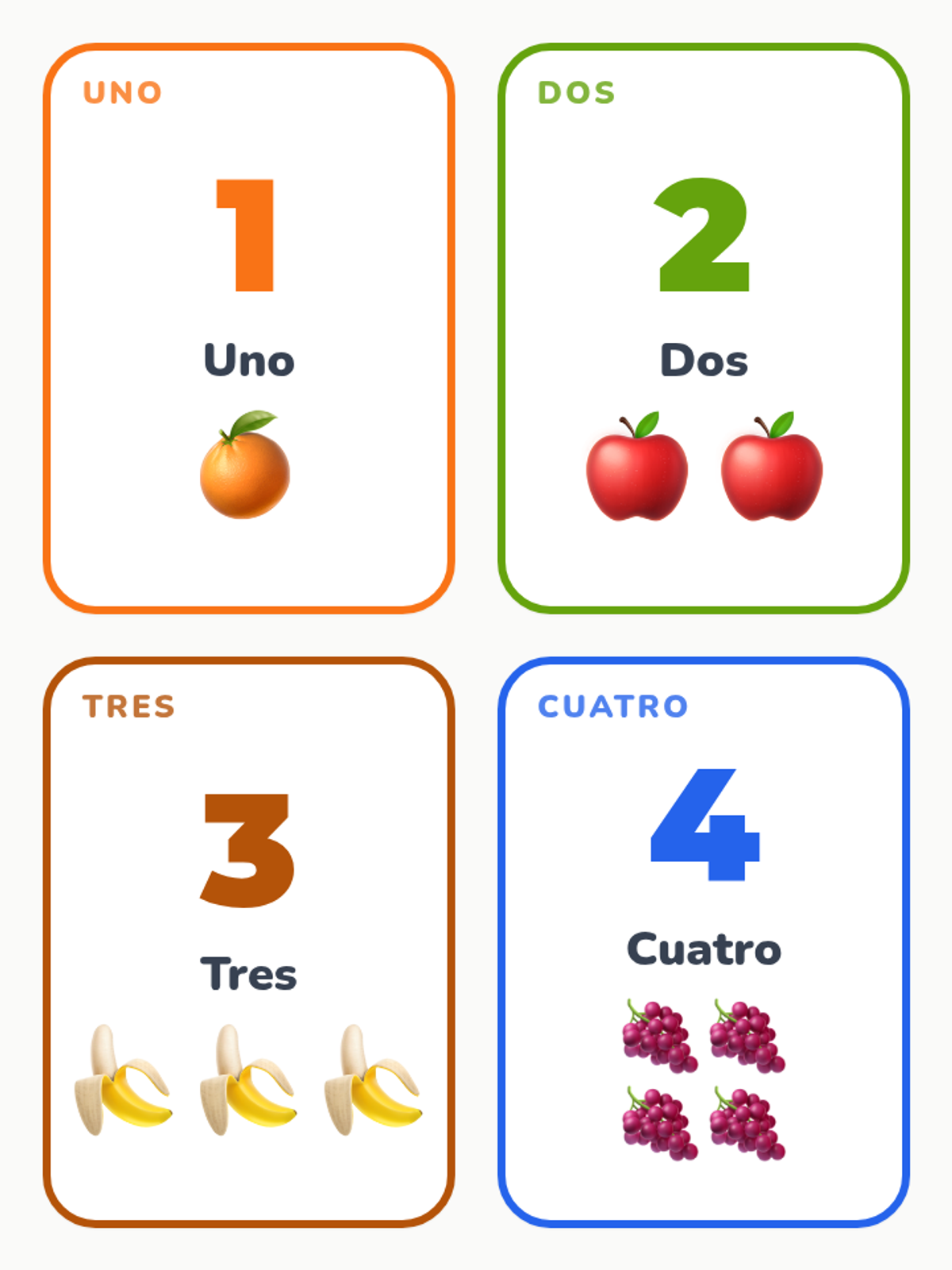
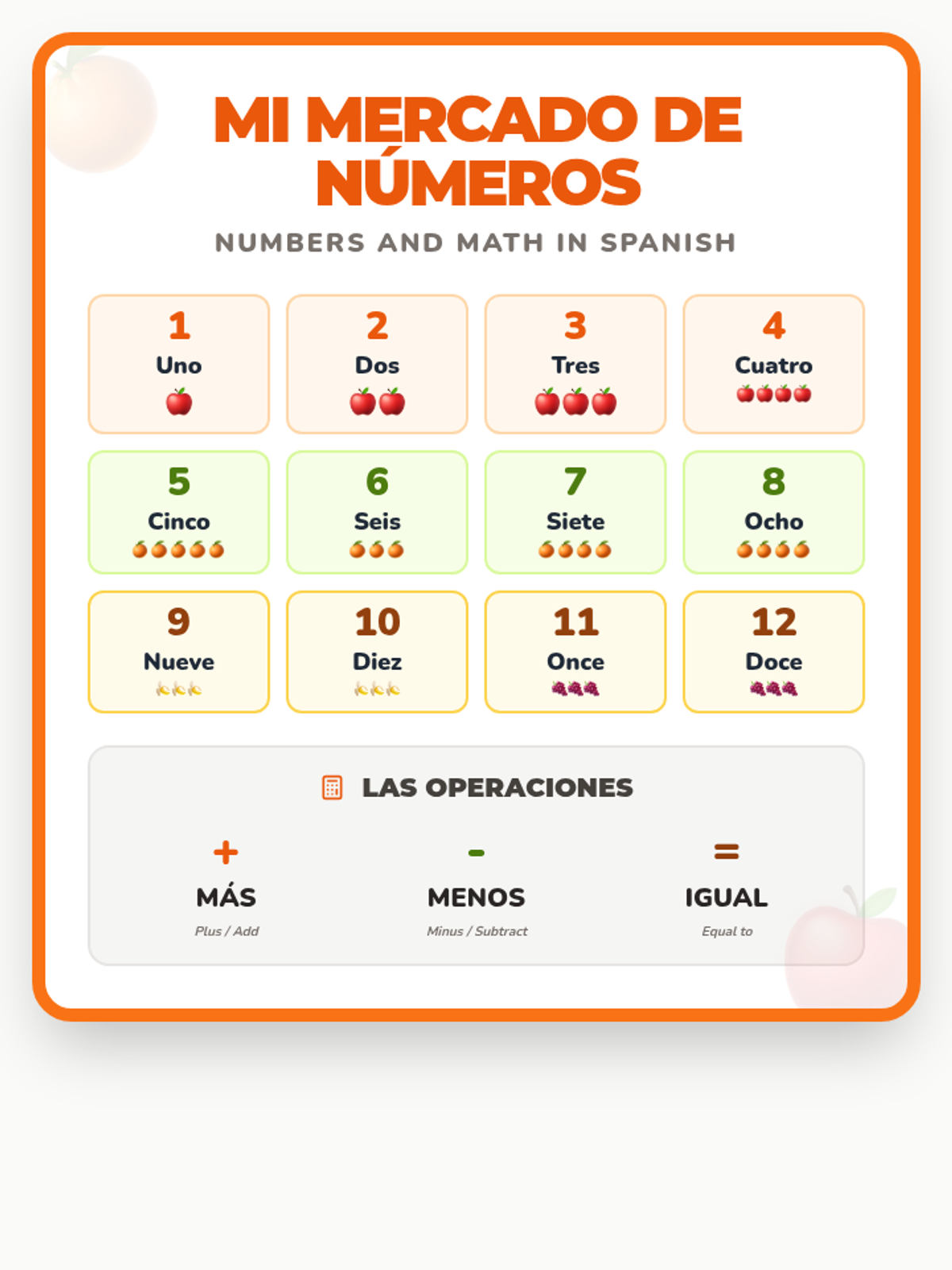
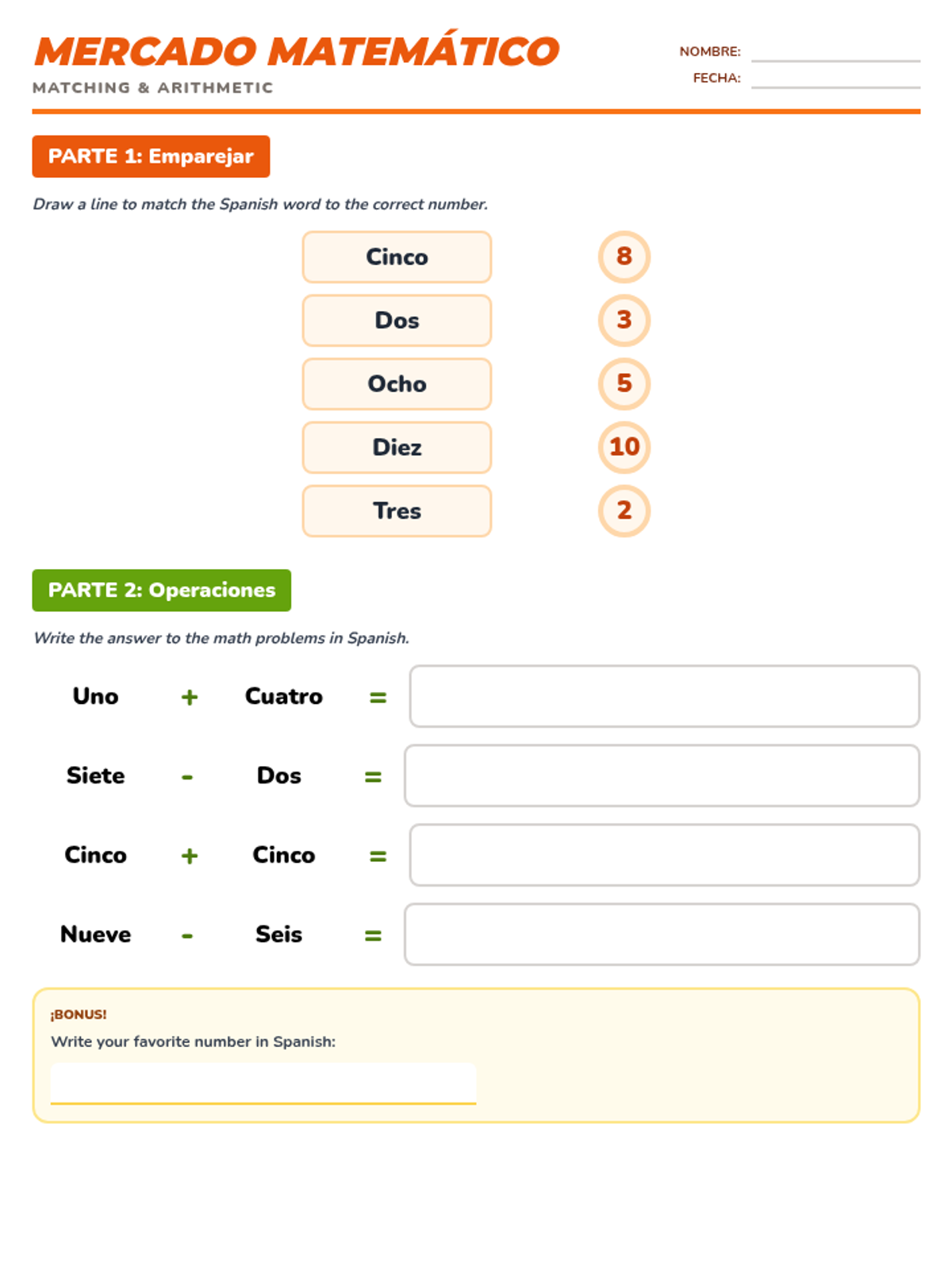
A vibrant lesson integrating Spanish number vocabulary with basic addition and subtraction through a marketplace theme. Students will learn to identify numbers and solve simple math problems using Spanish terminology.
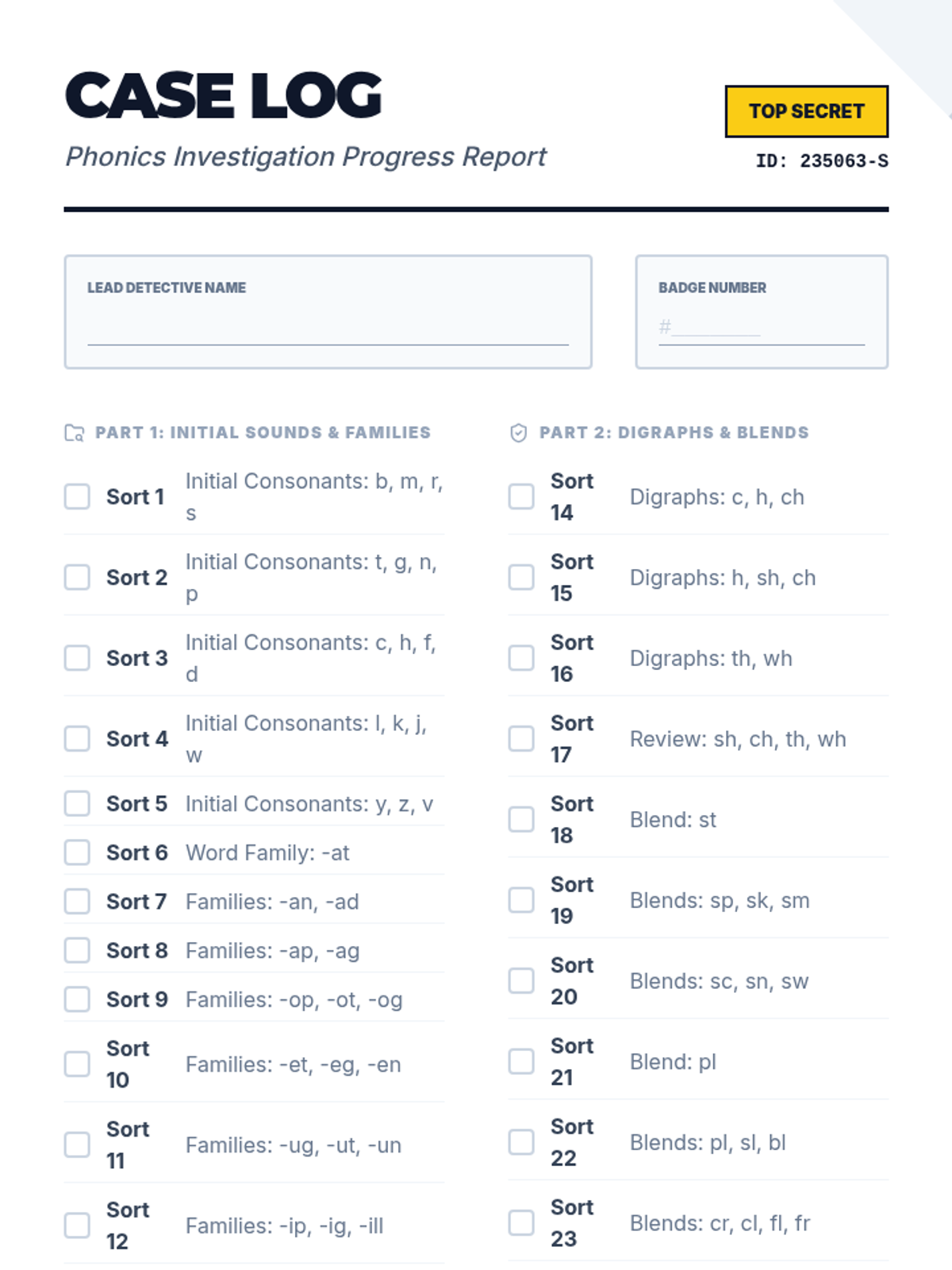
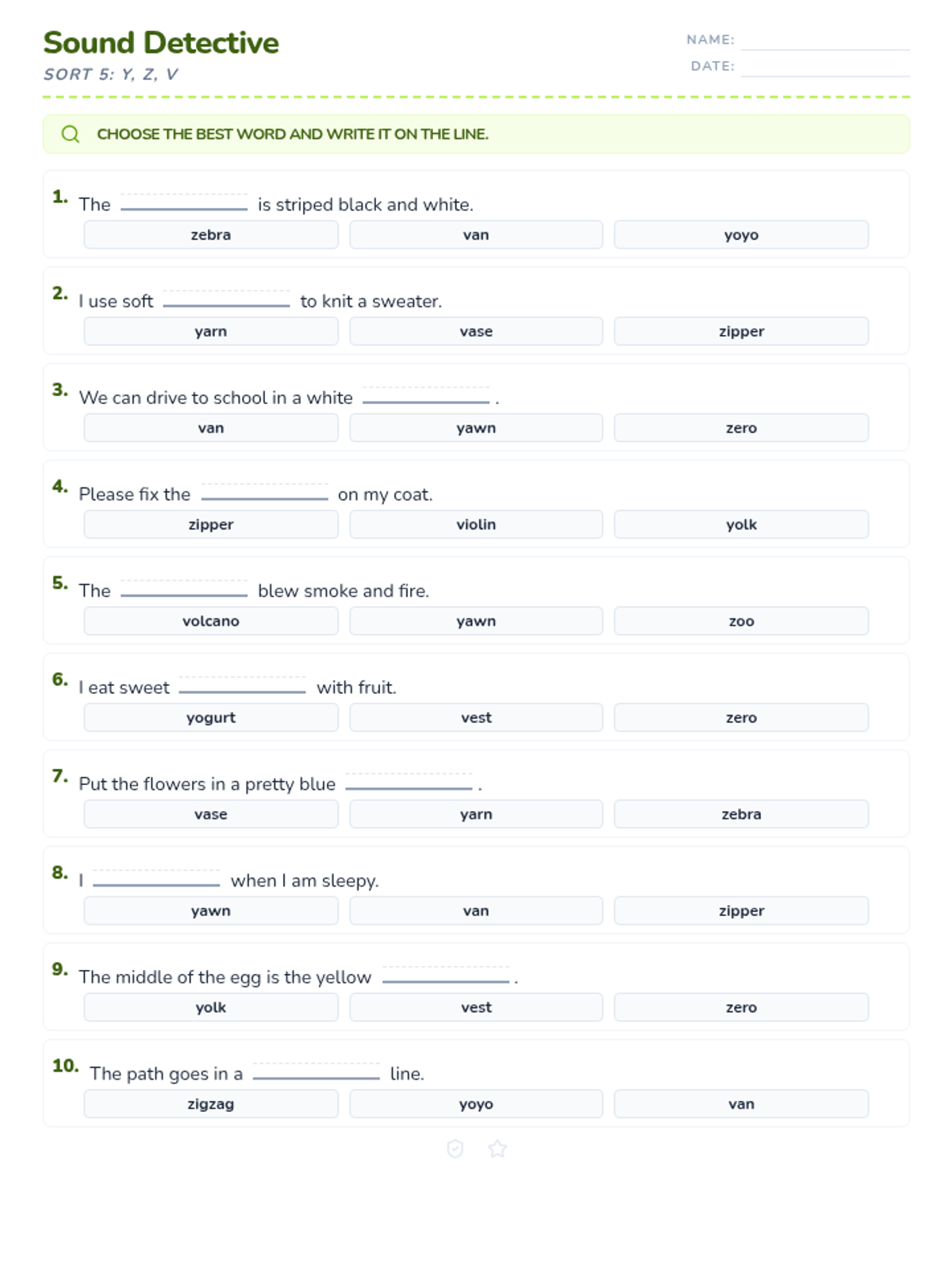
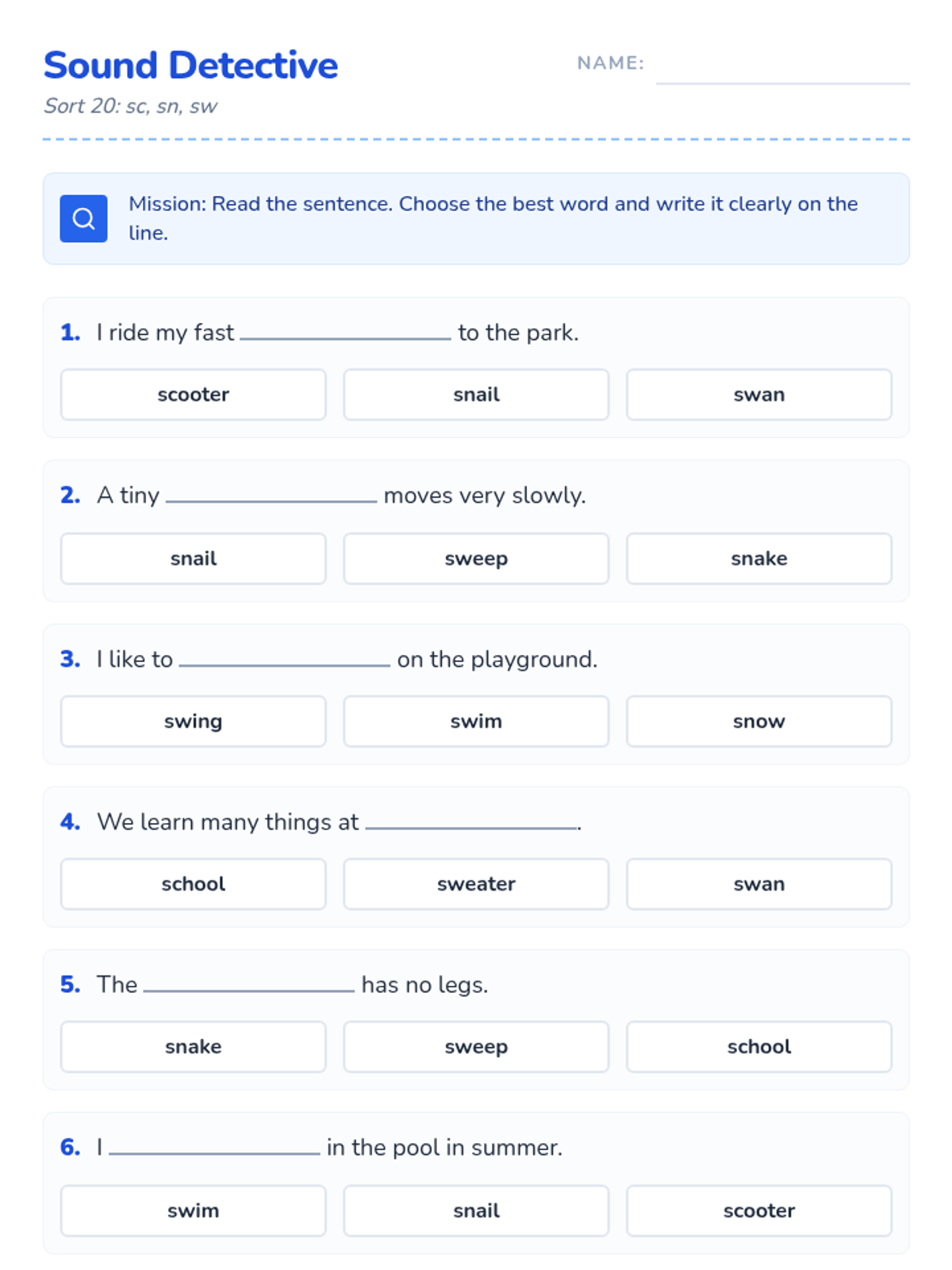
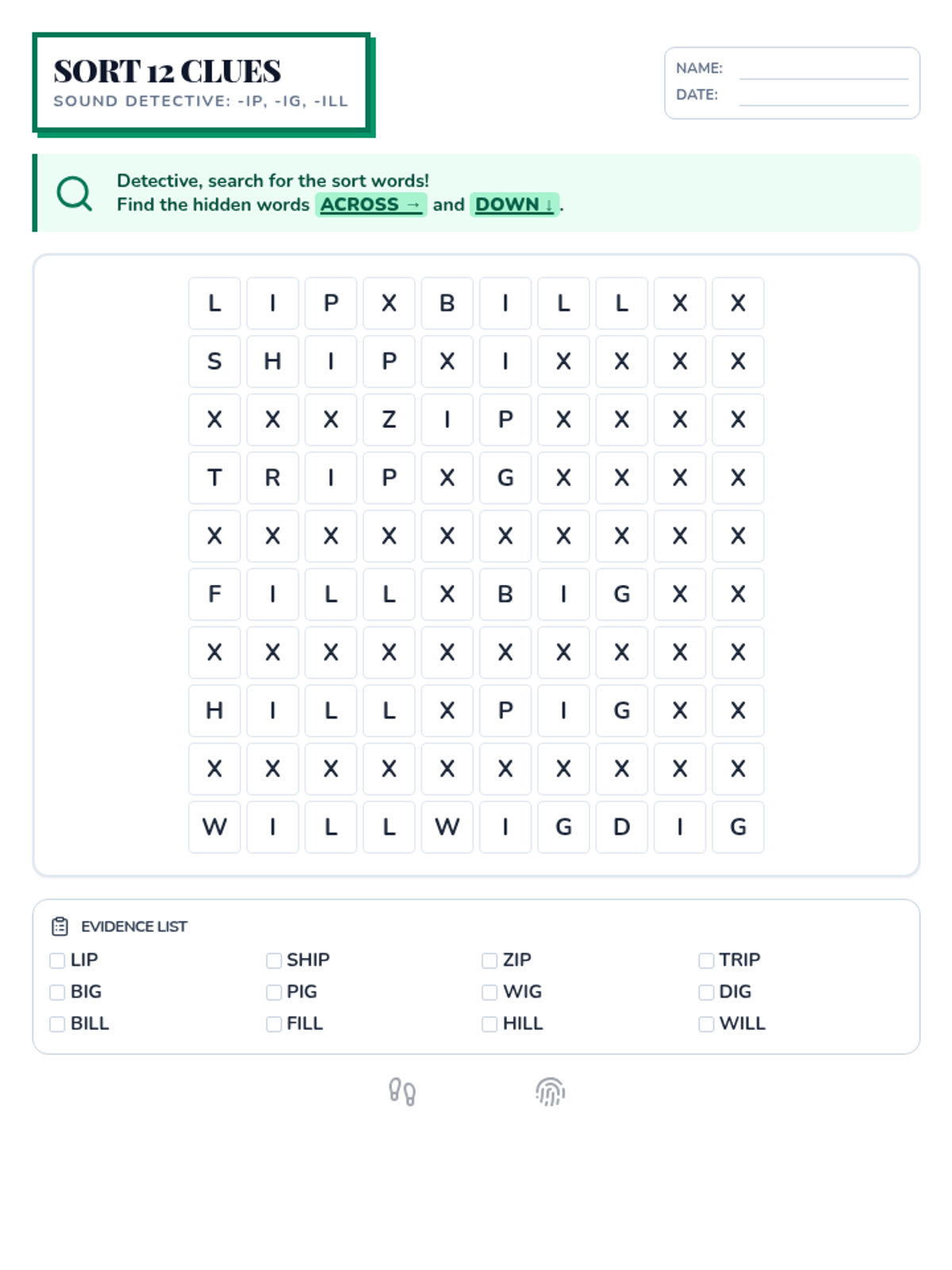
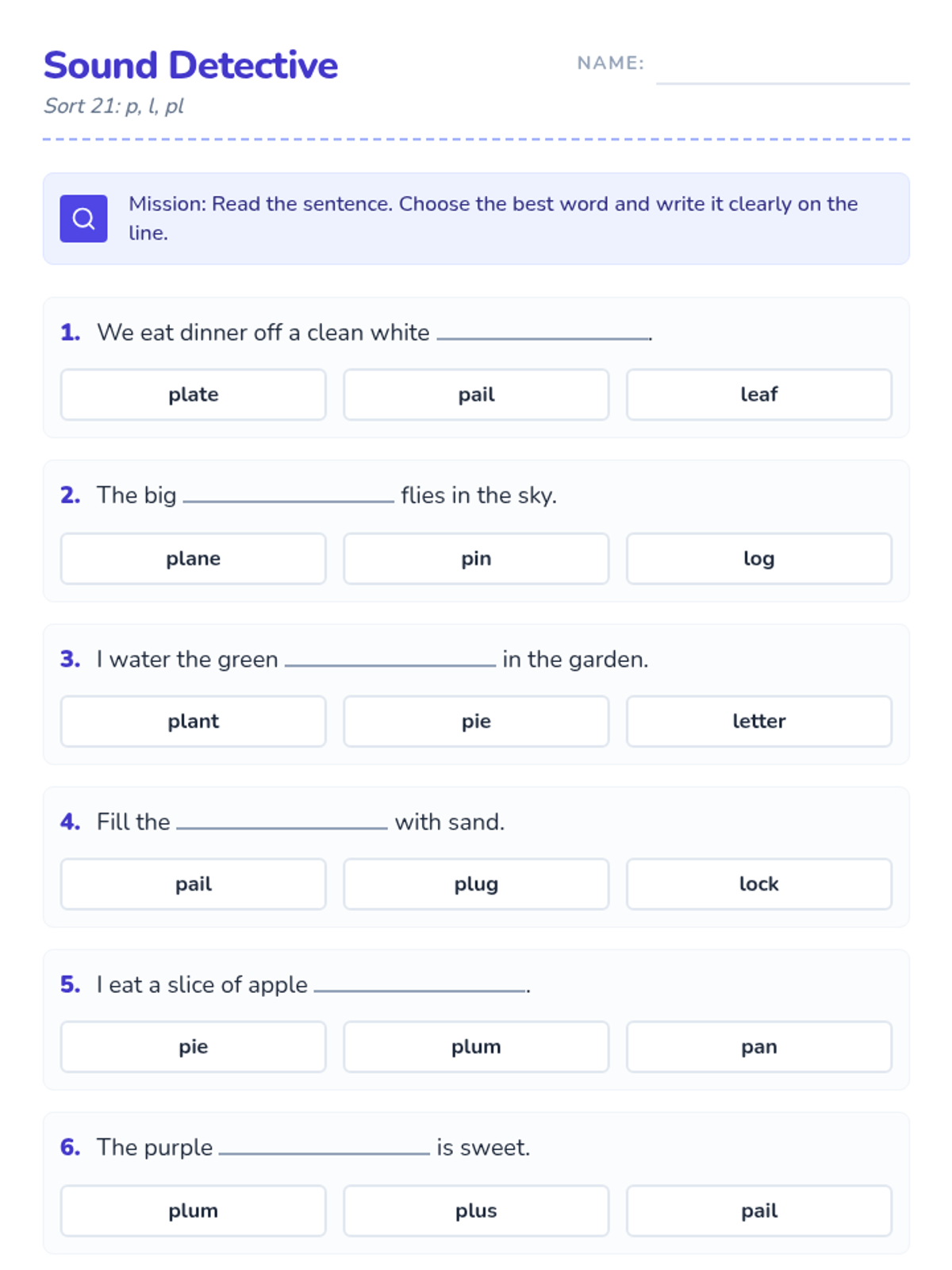
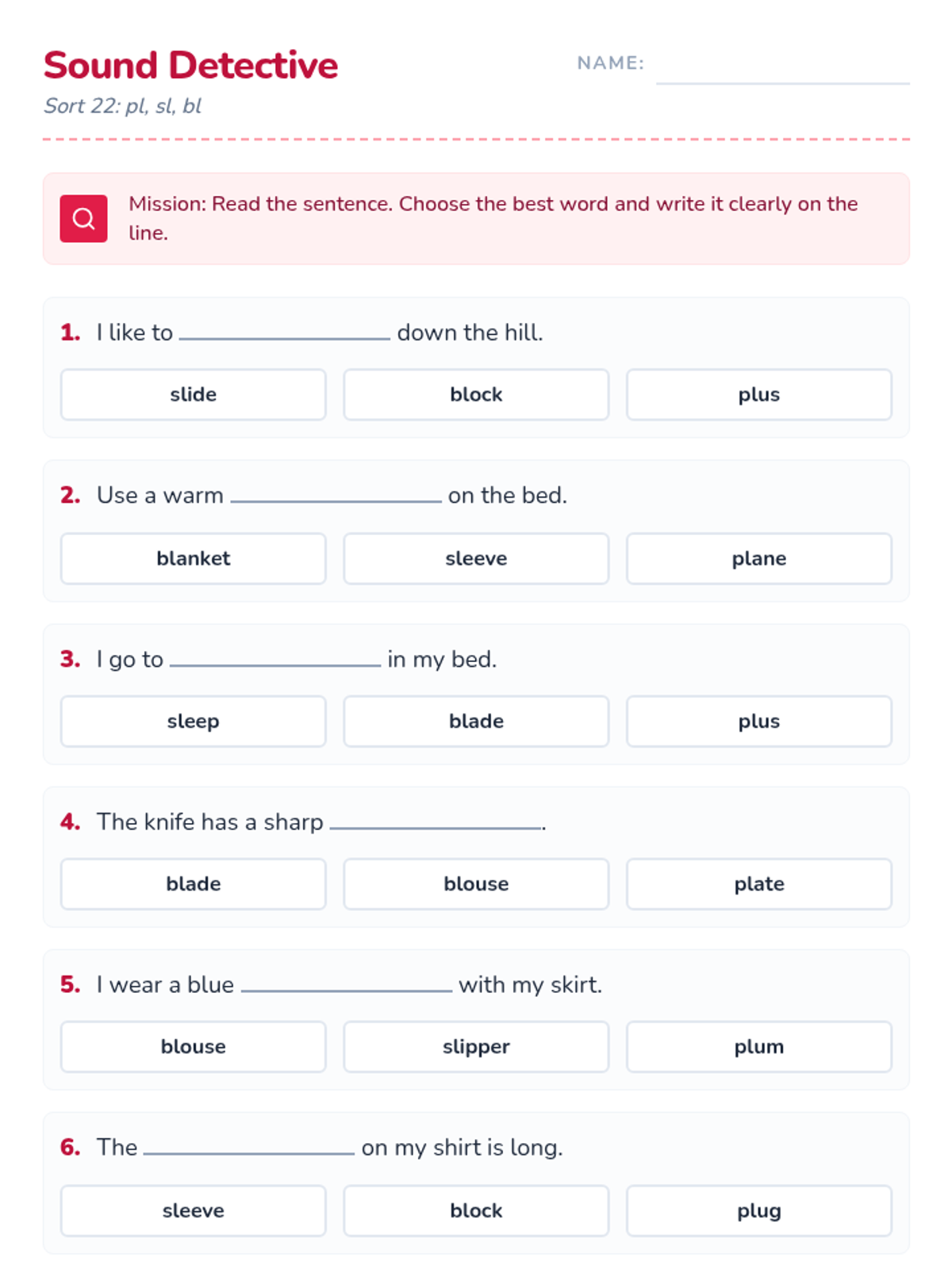
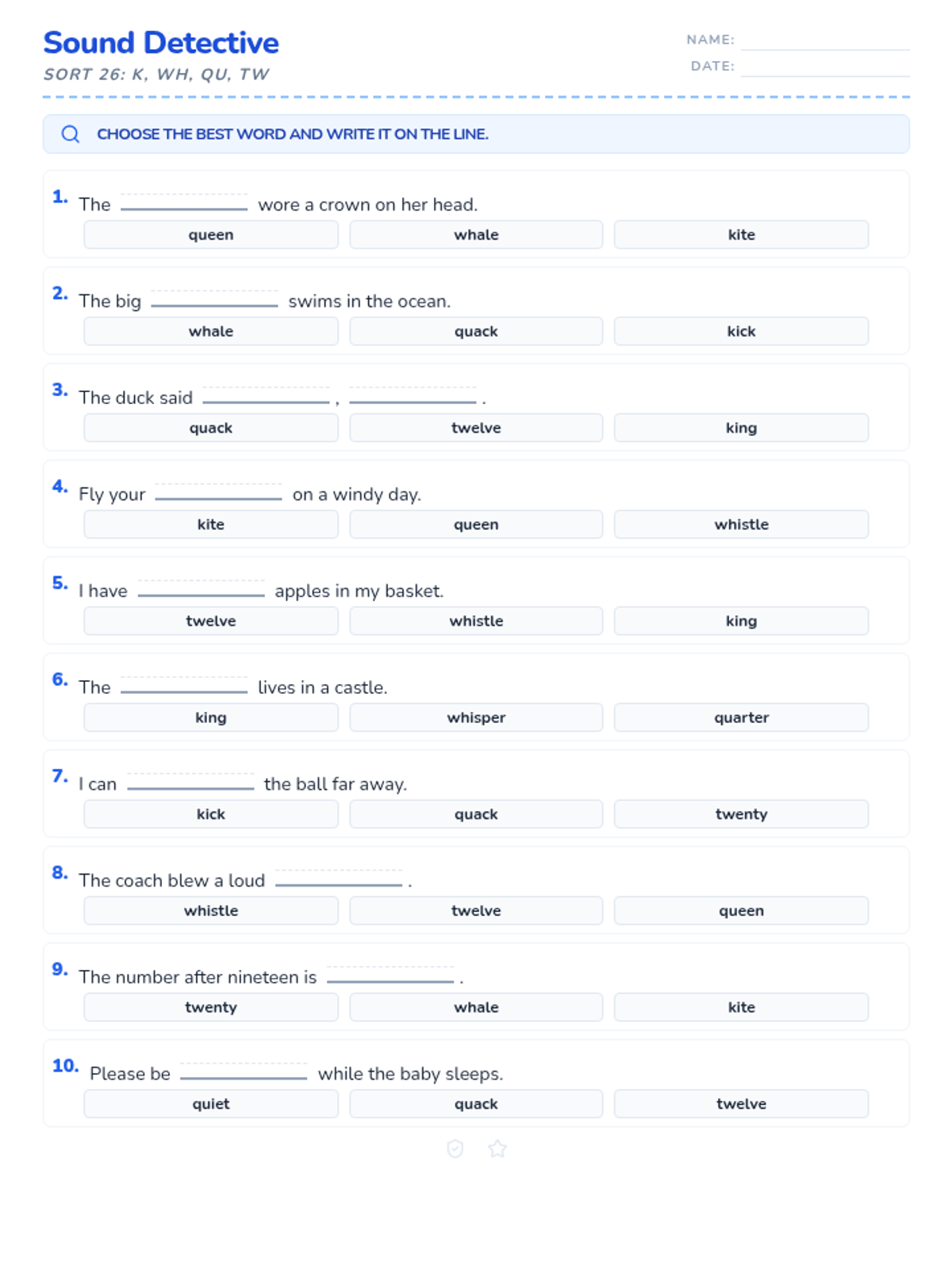
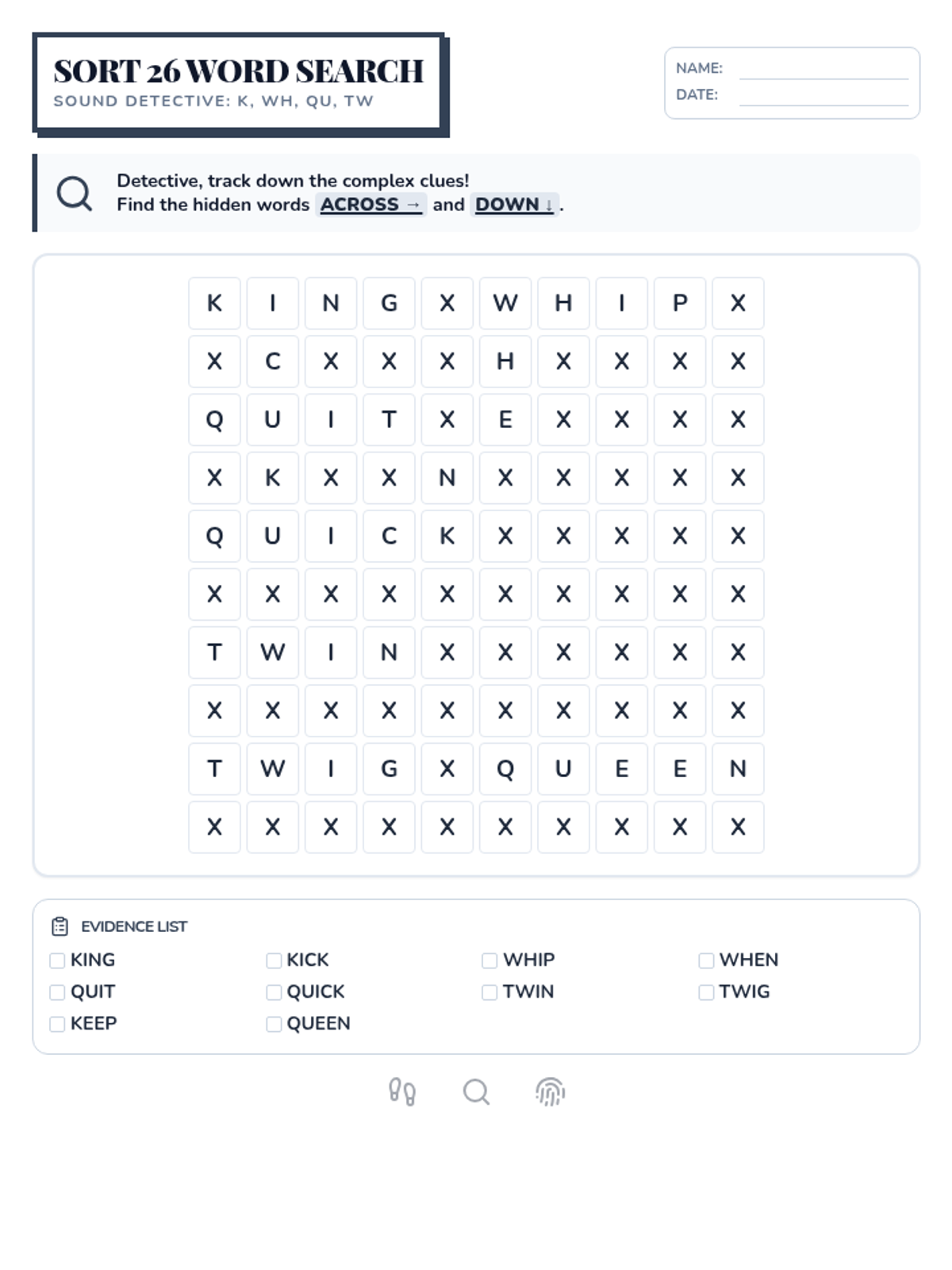
The final challenge of the workbook, synthesizing all phonetic knowledge for comprehensive word mastery.
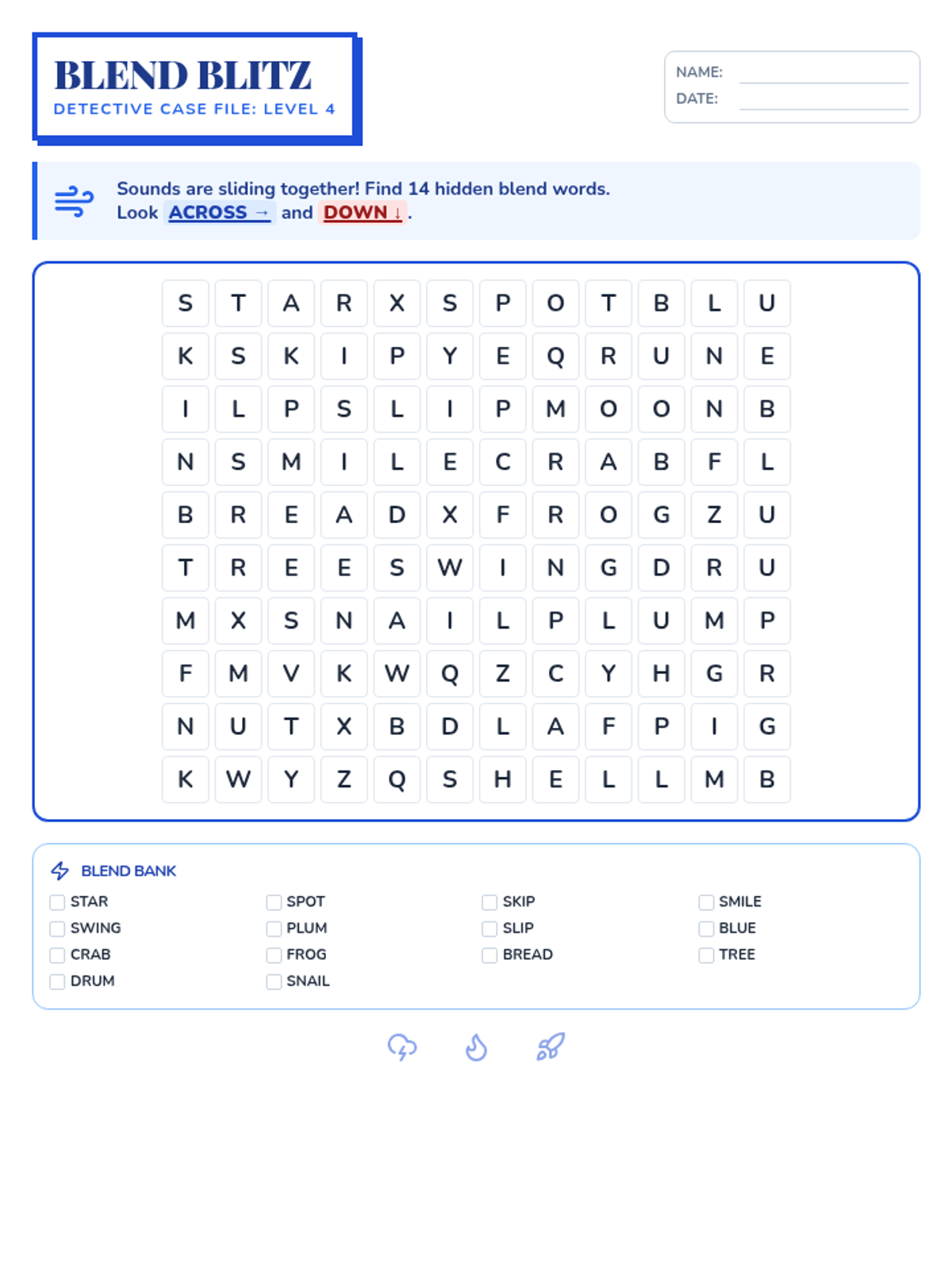
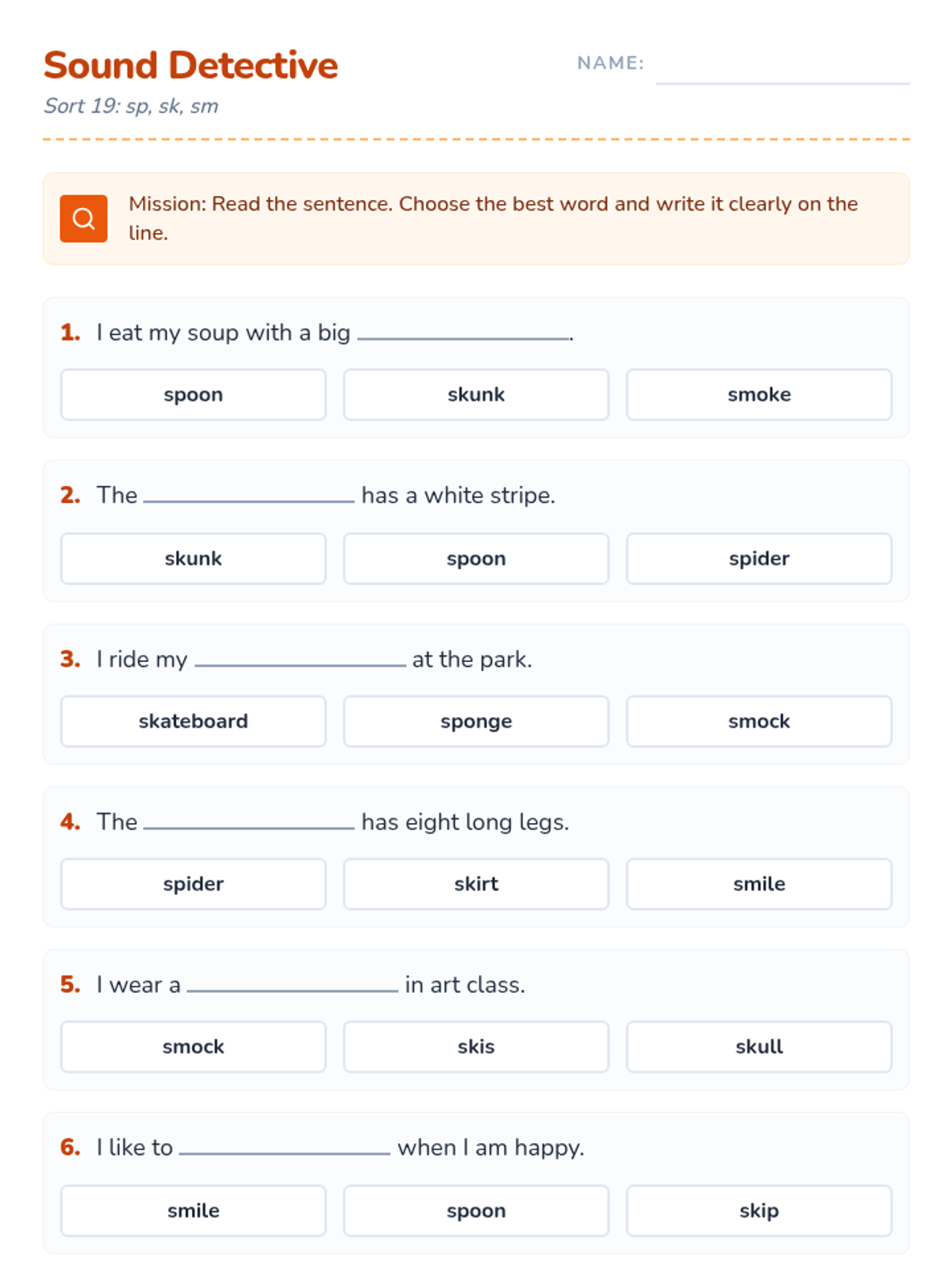
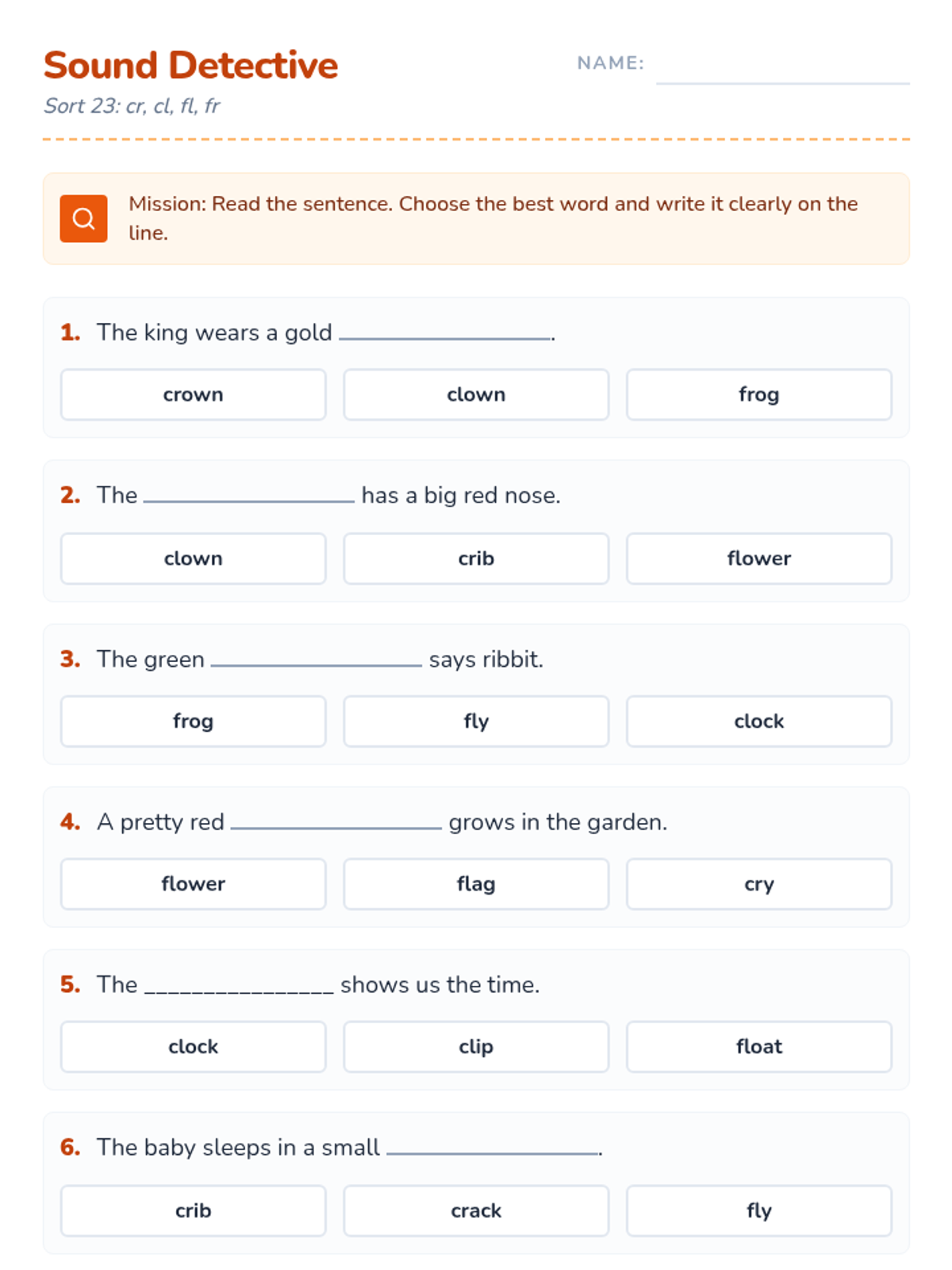
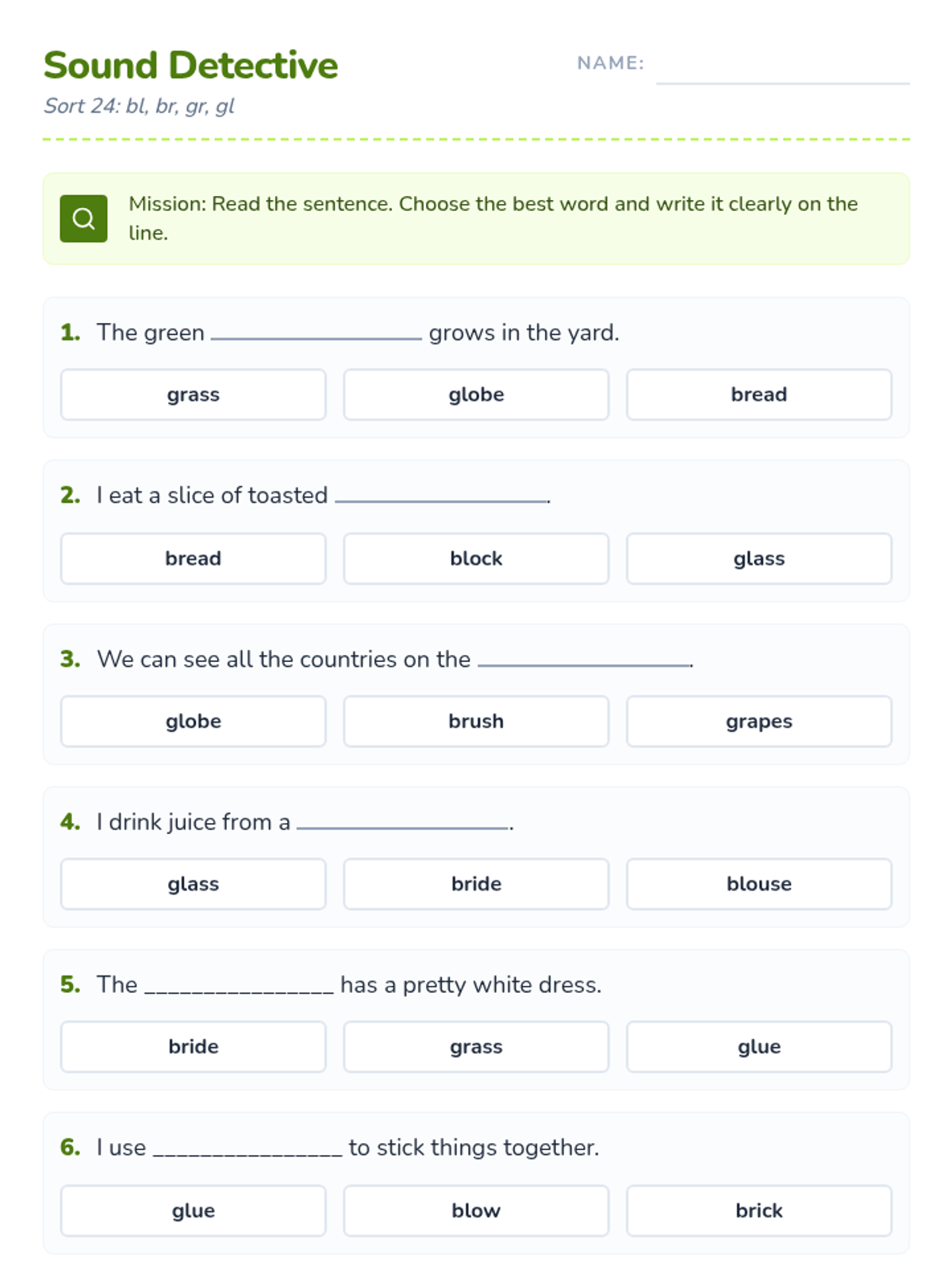
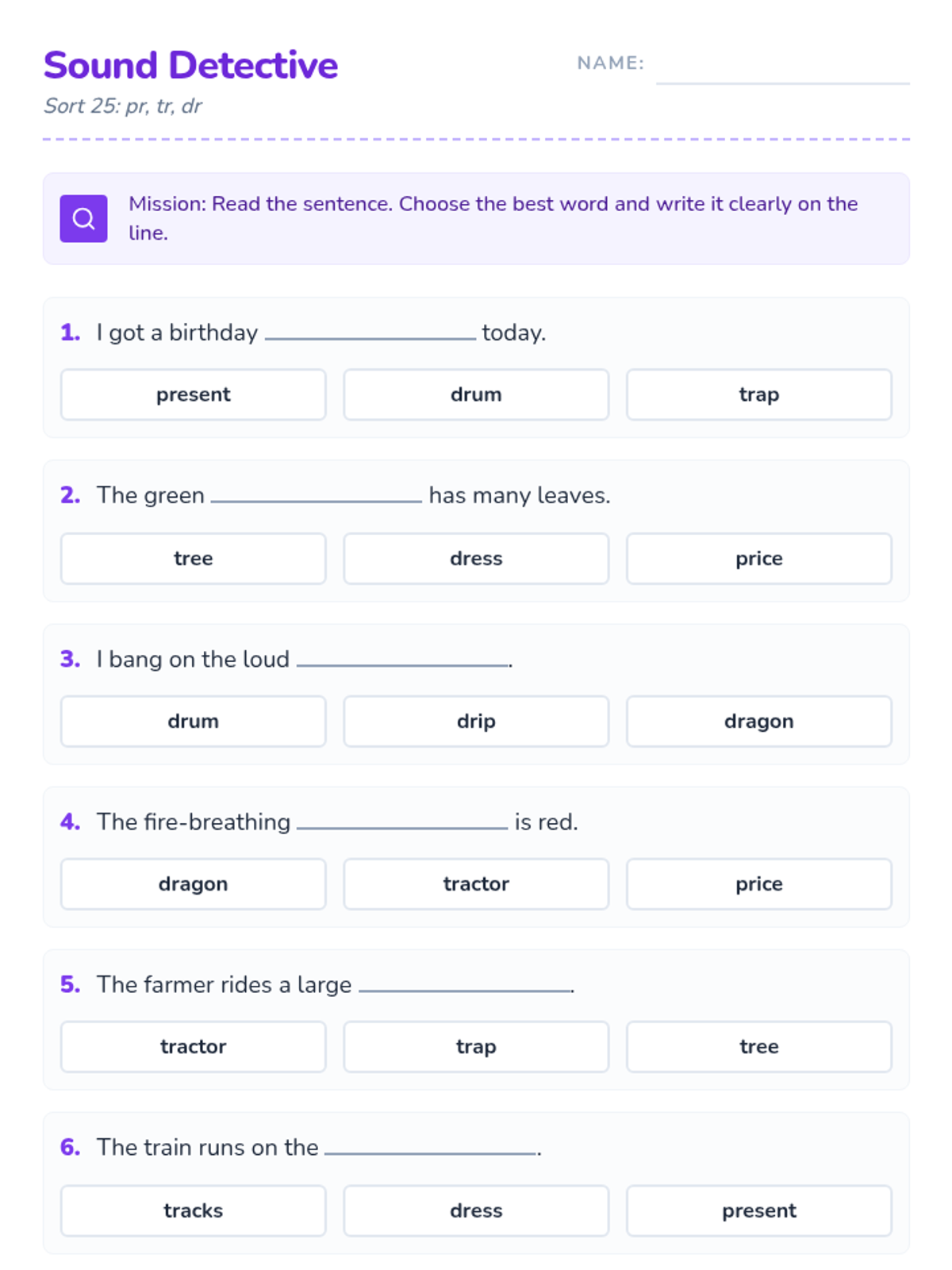
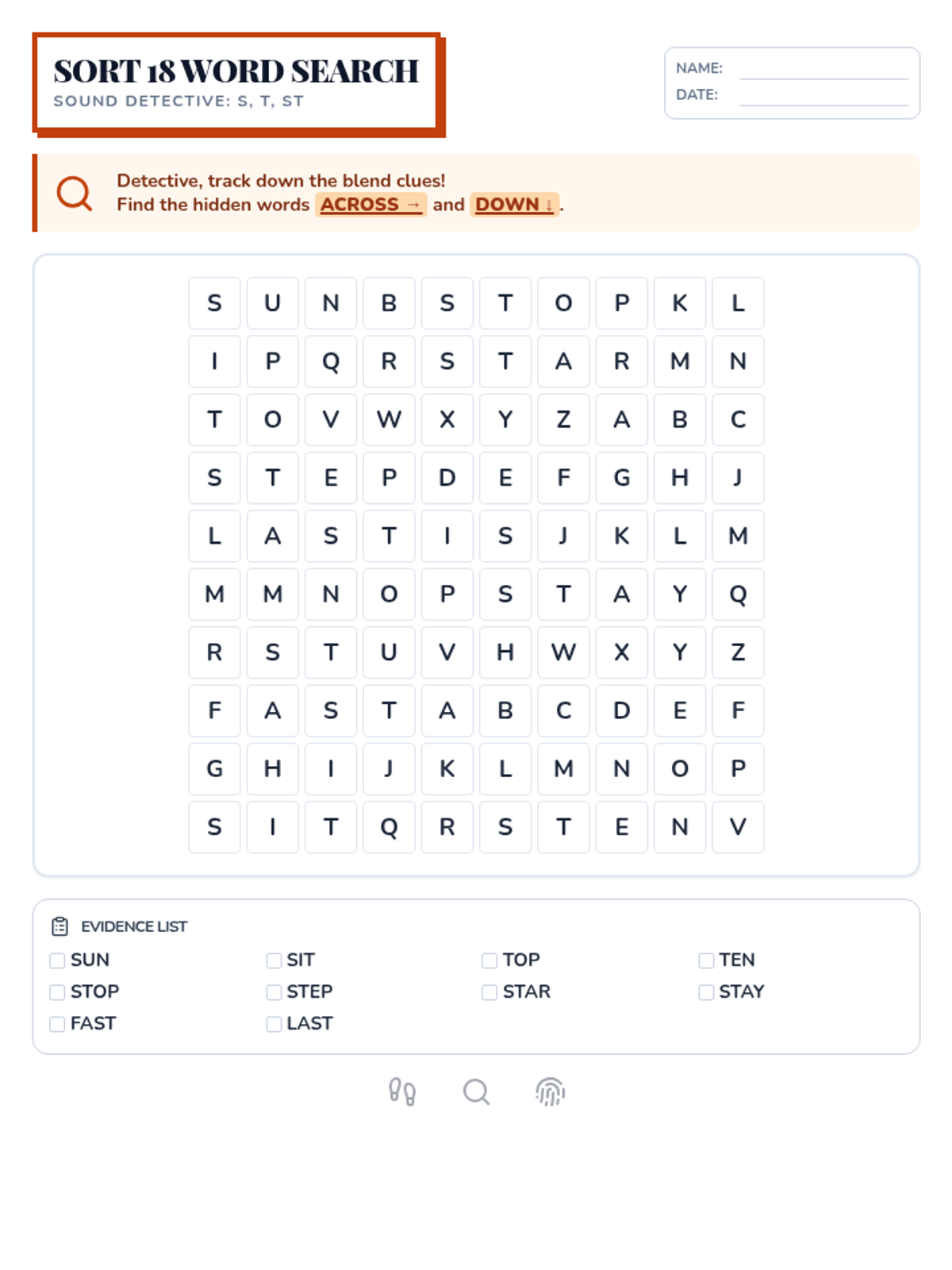
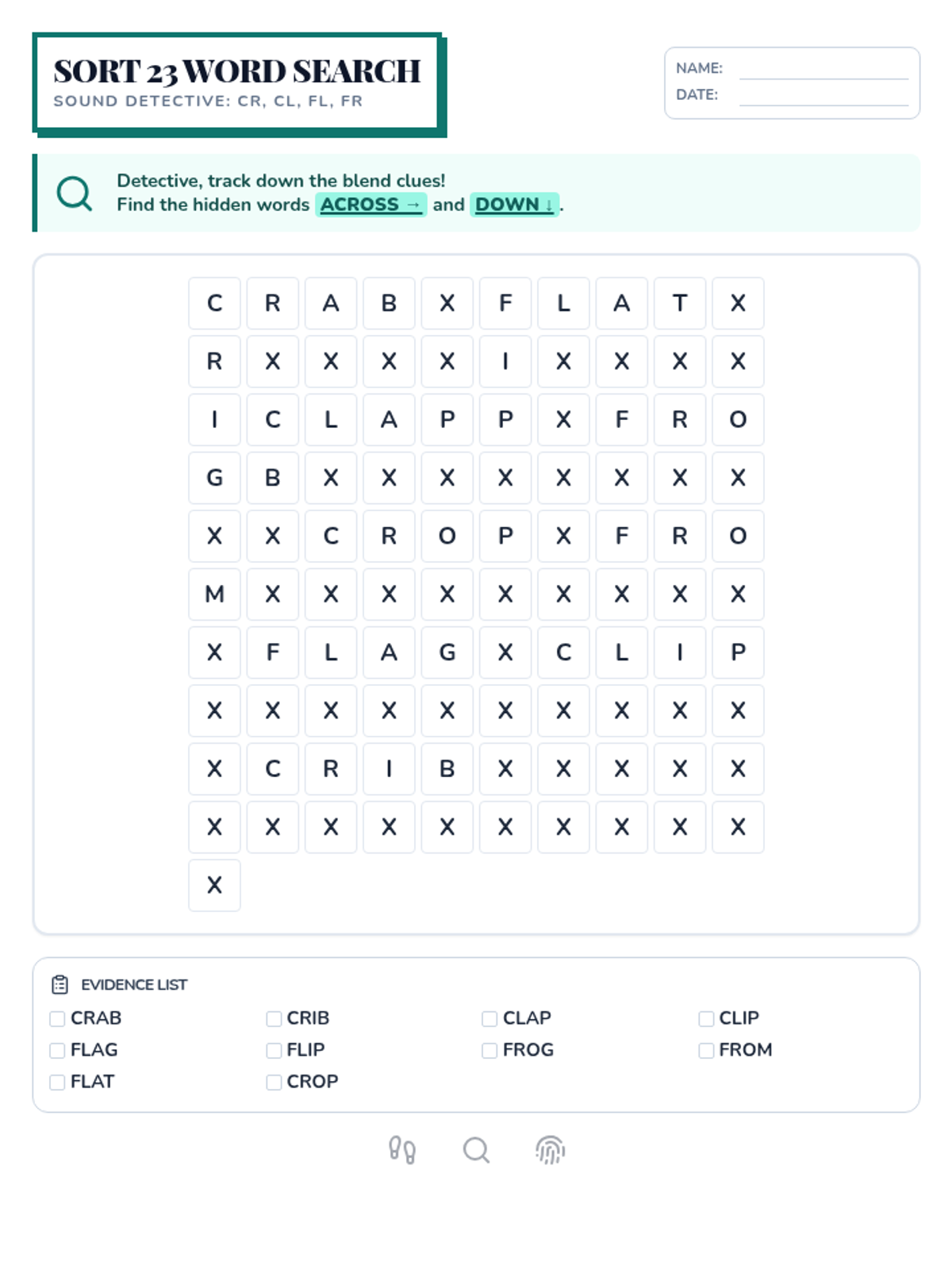
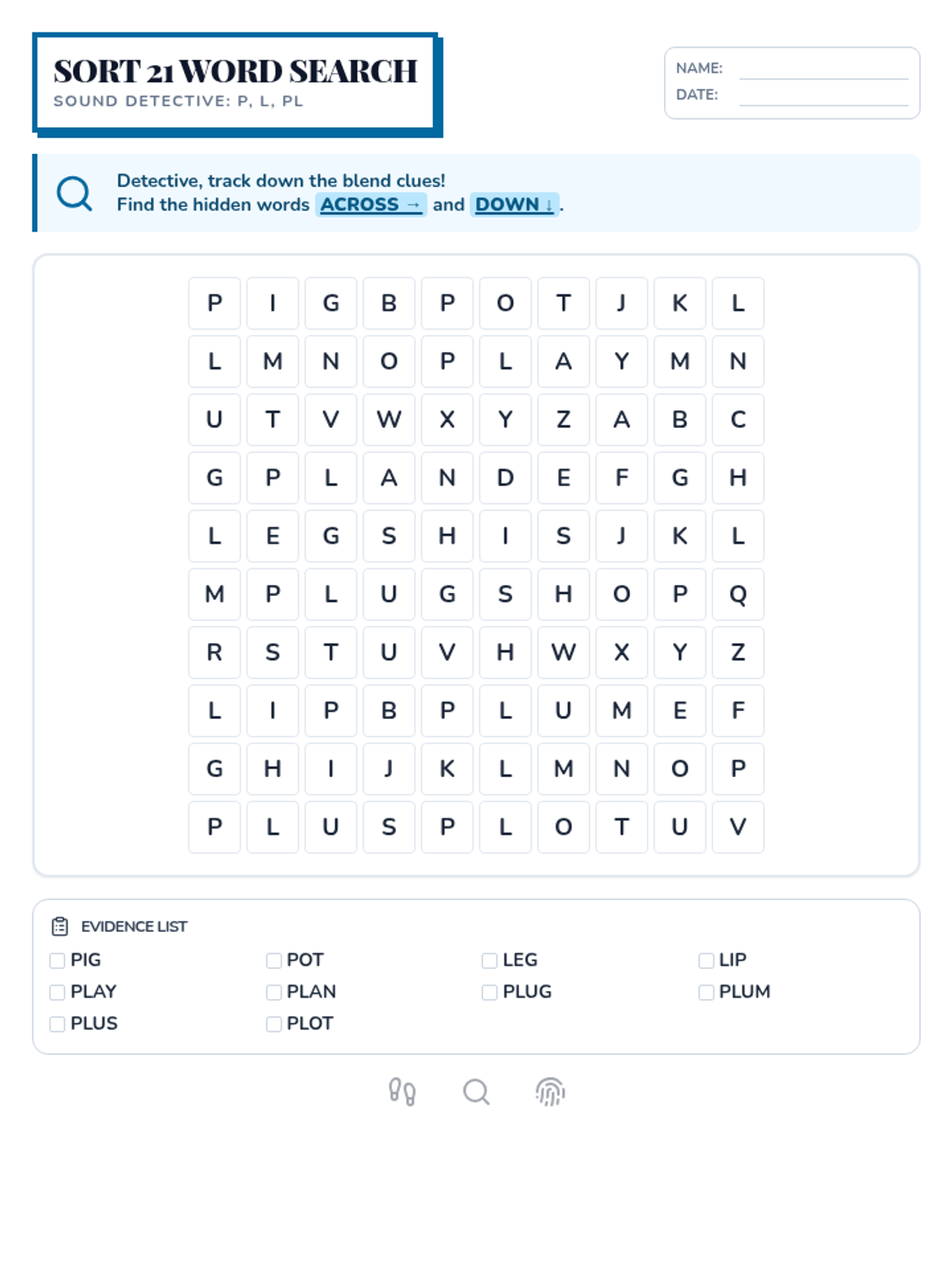
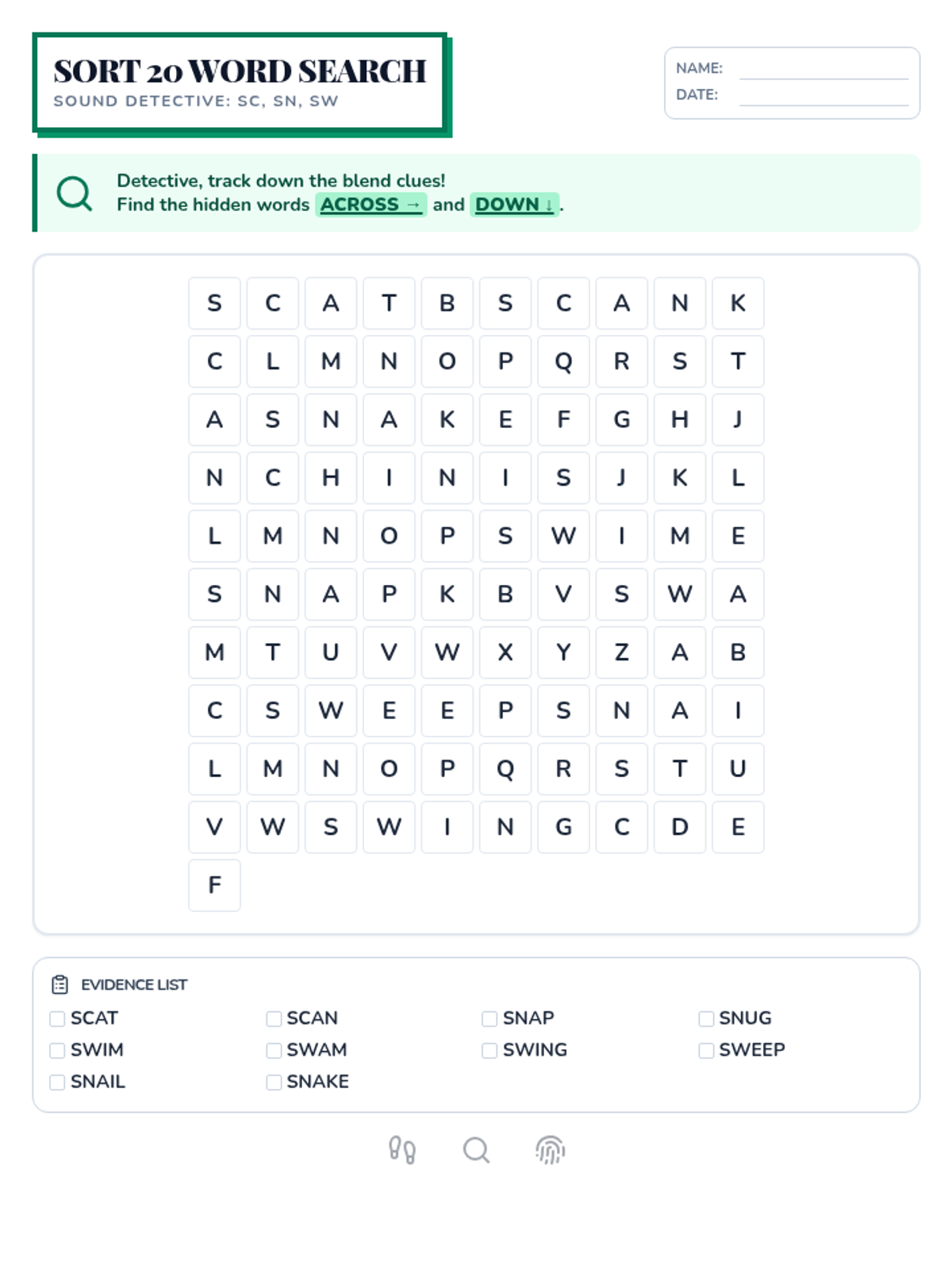
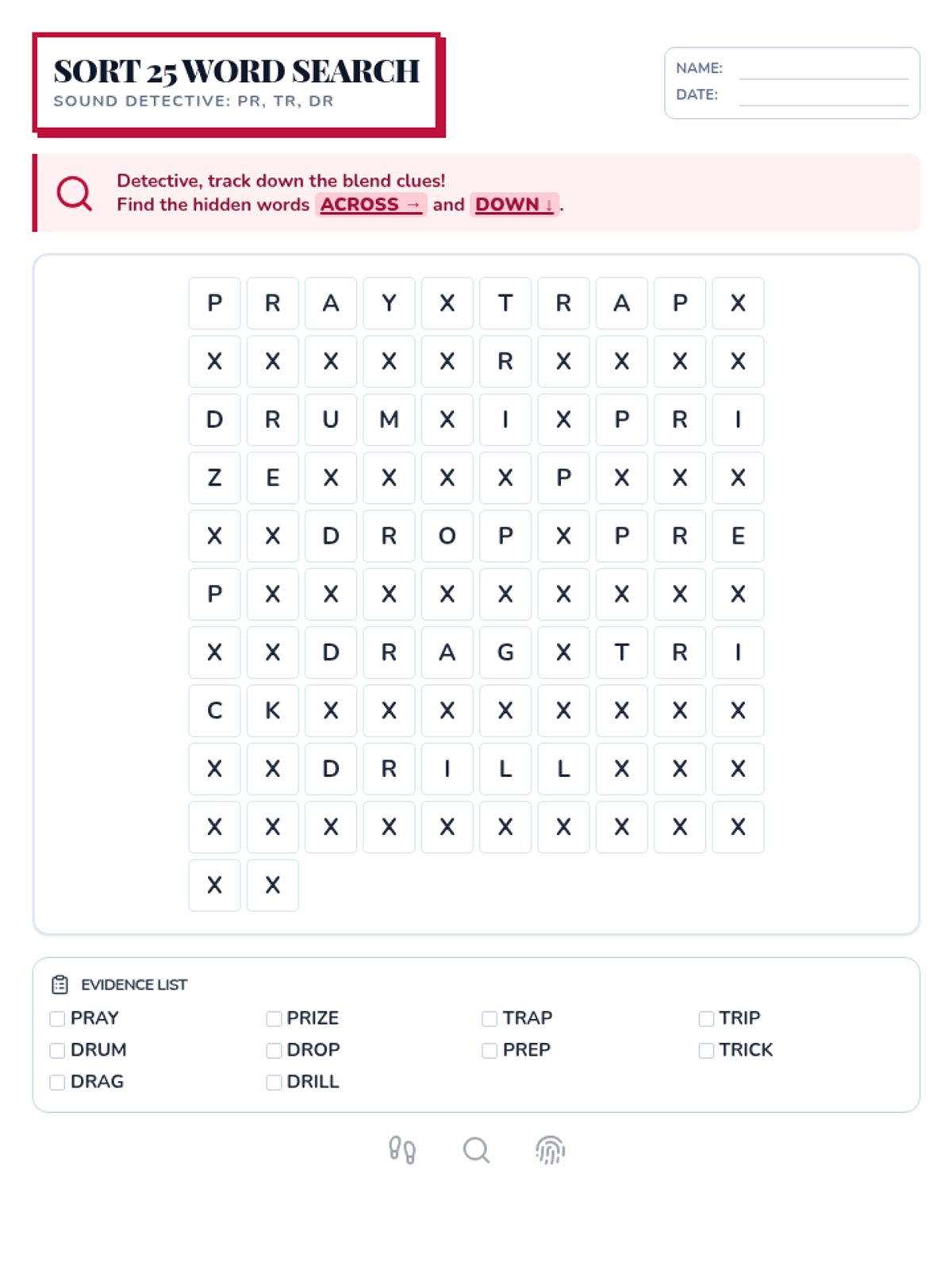
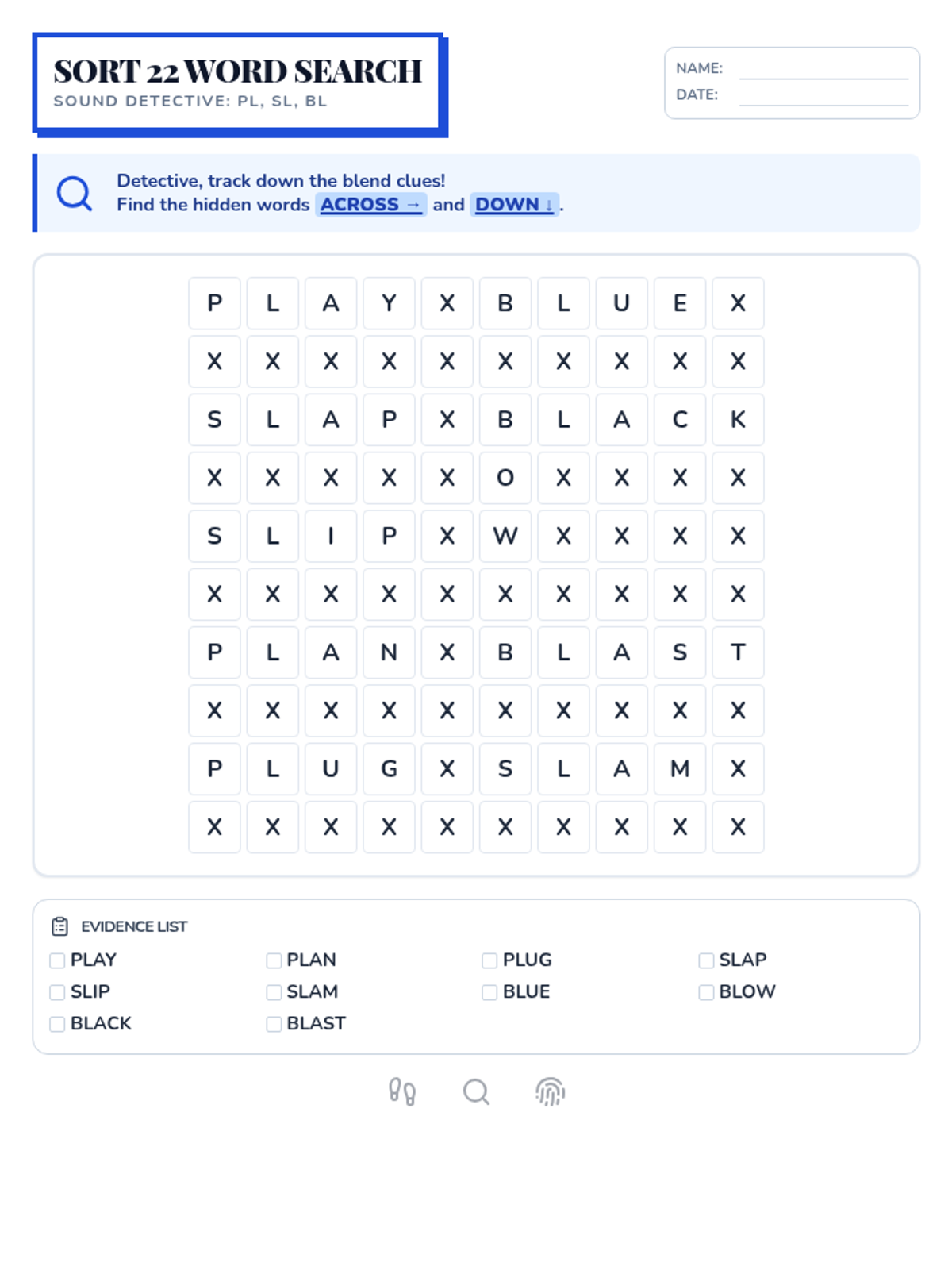
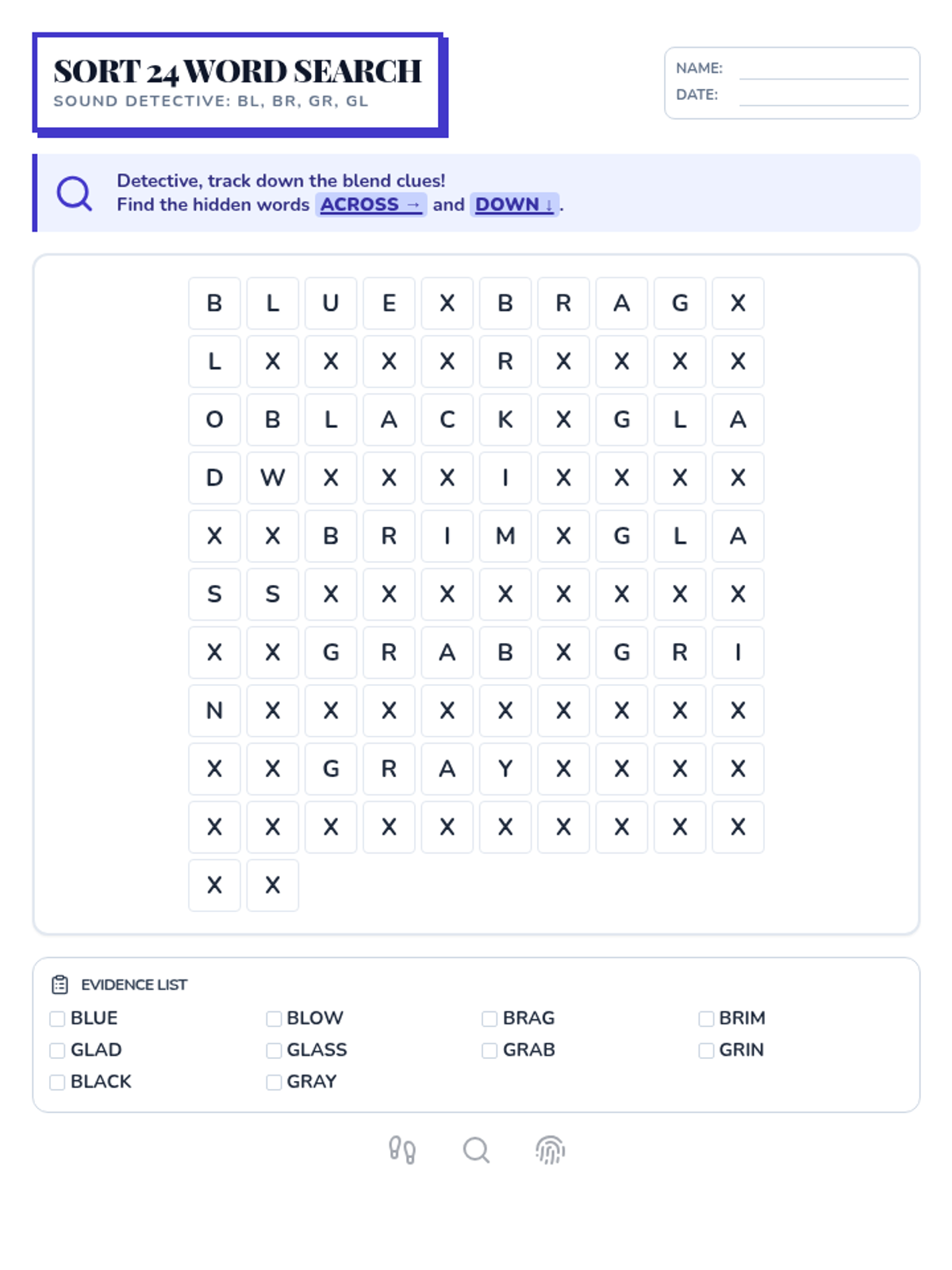
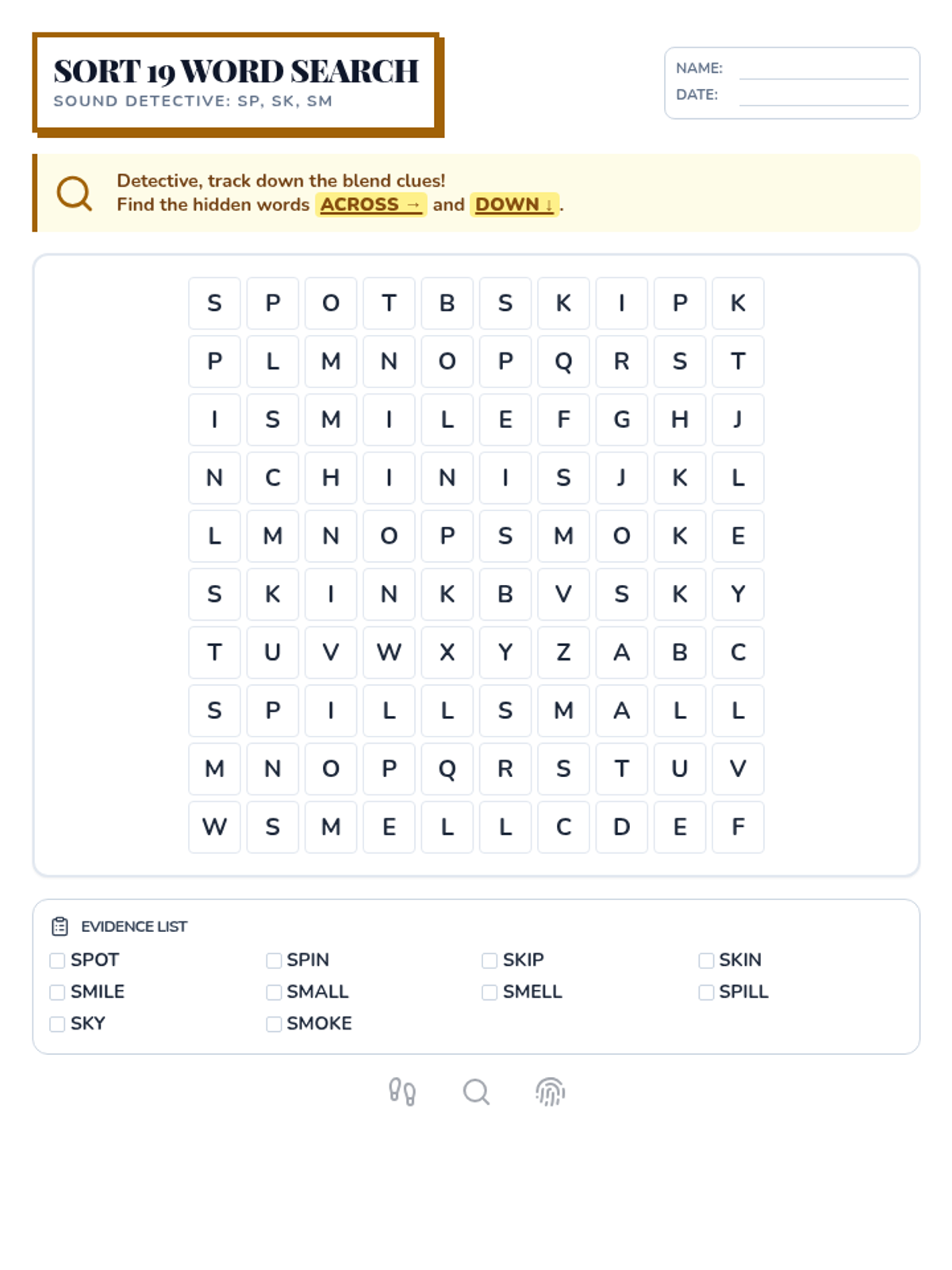
Mastering complex clusters where two sounds slide together, focusing on s-blends, l-blends, and r-blends.
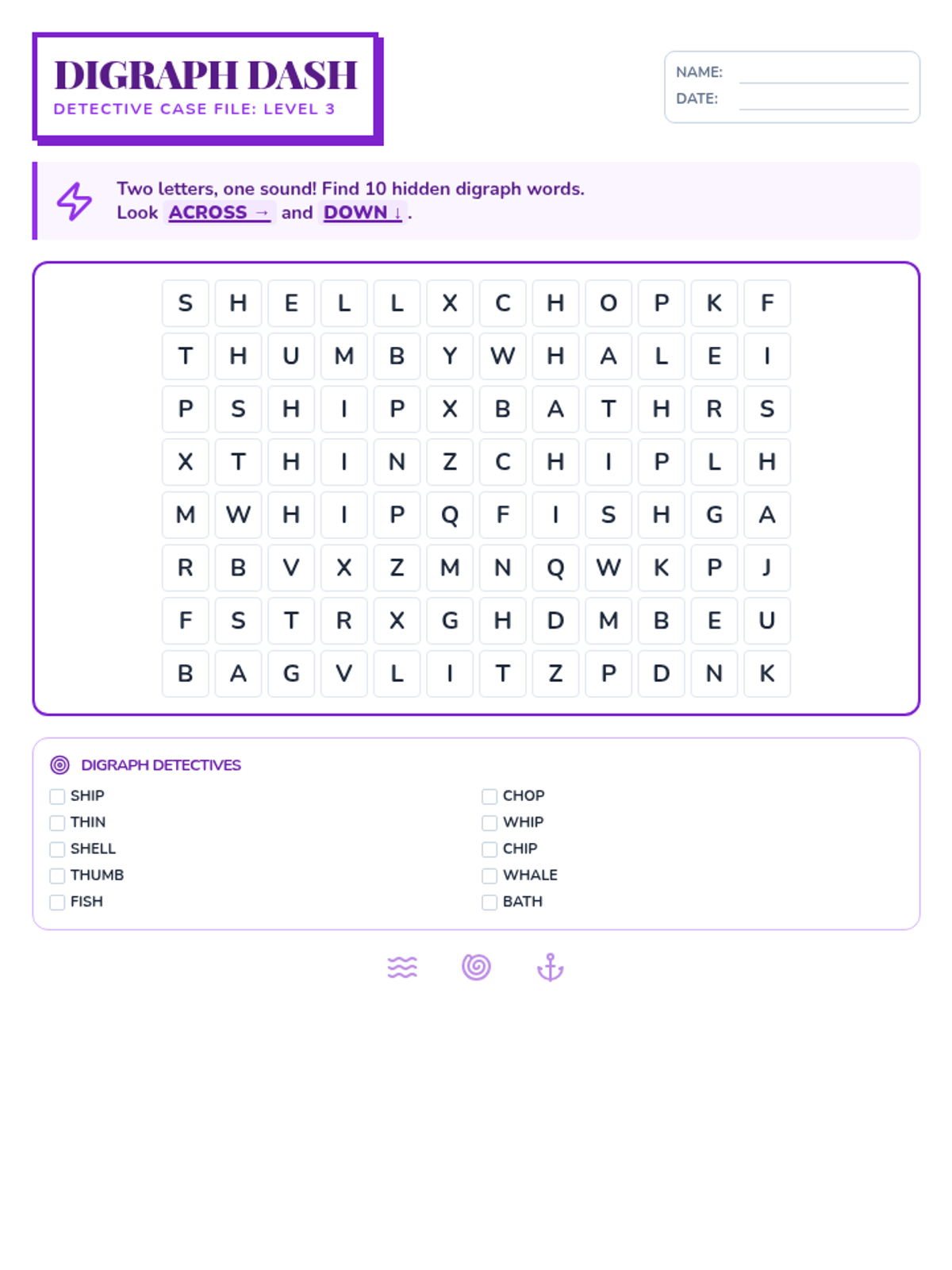
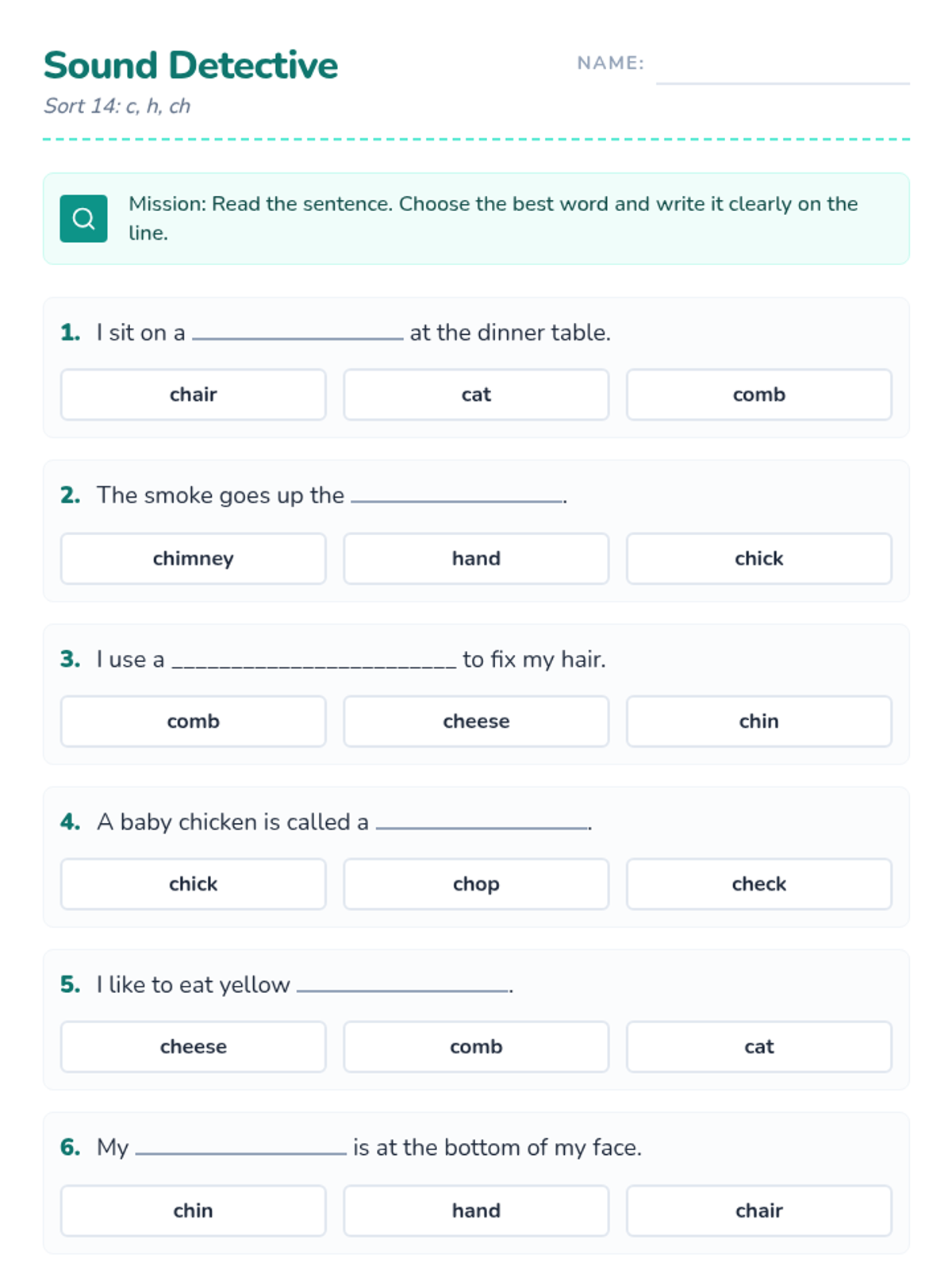
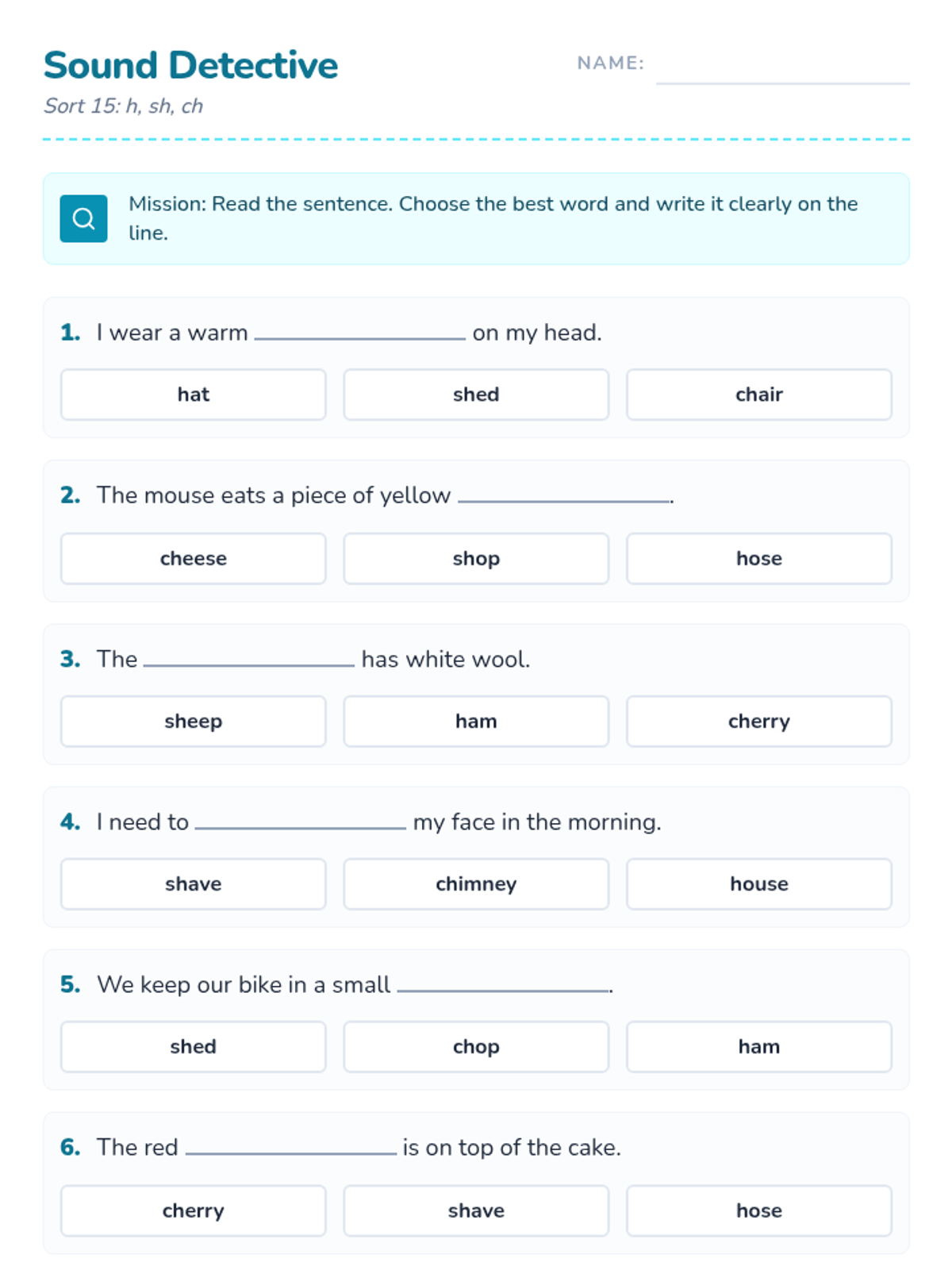
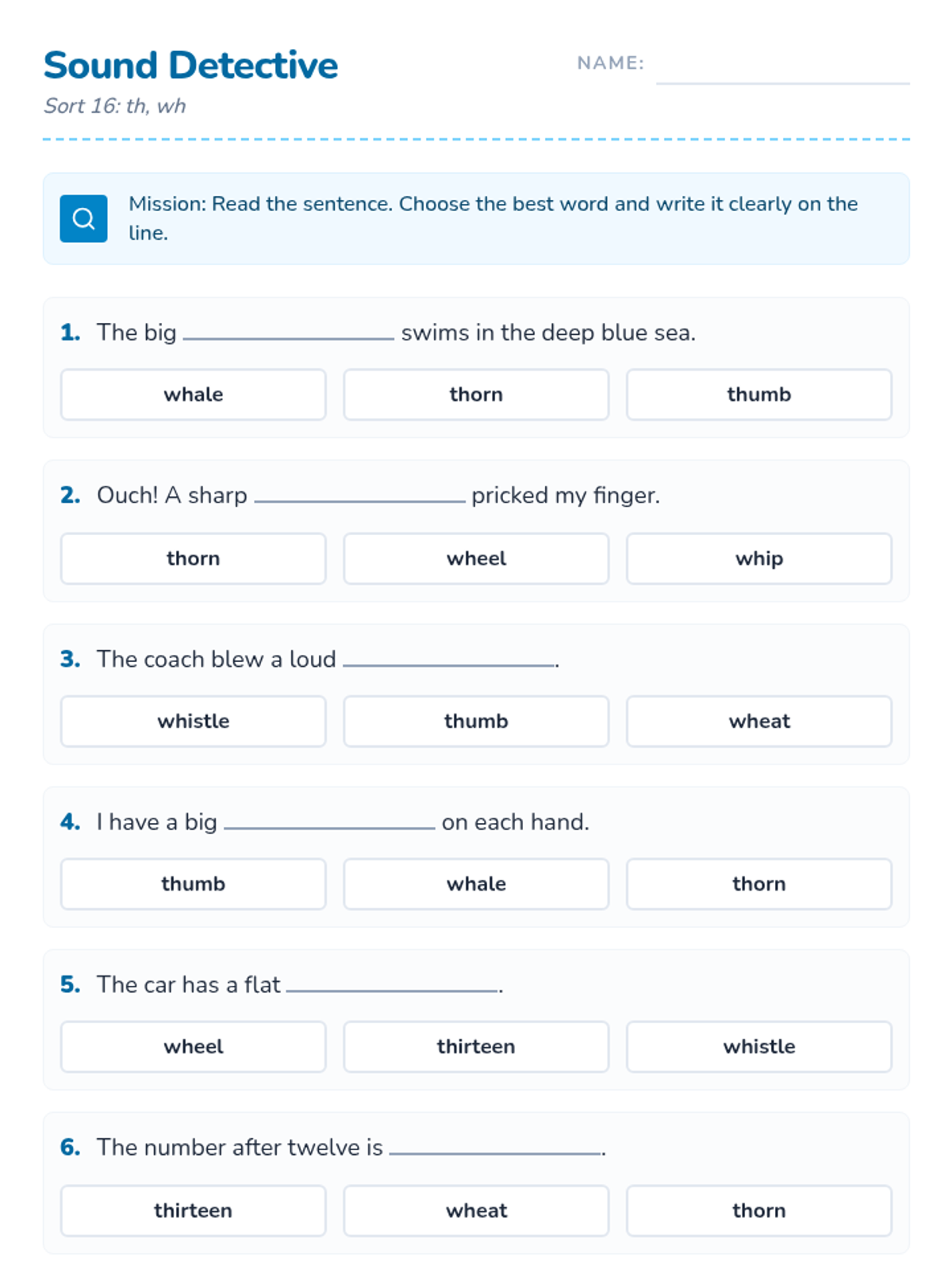
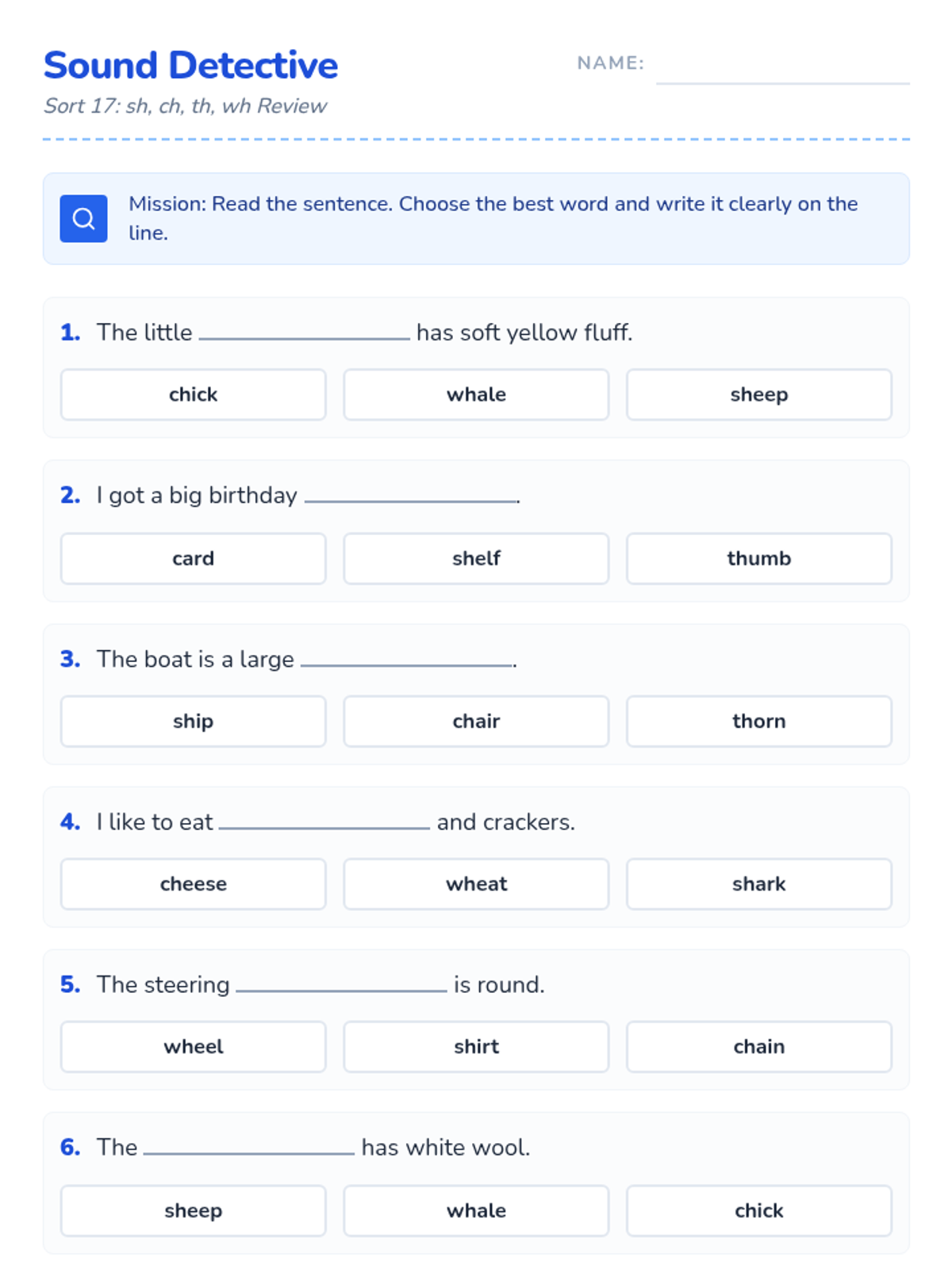
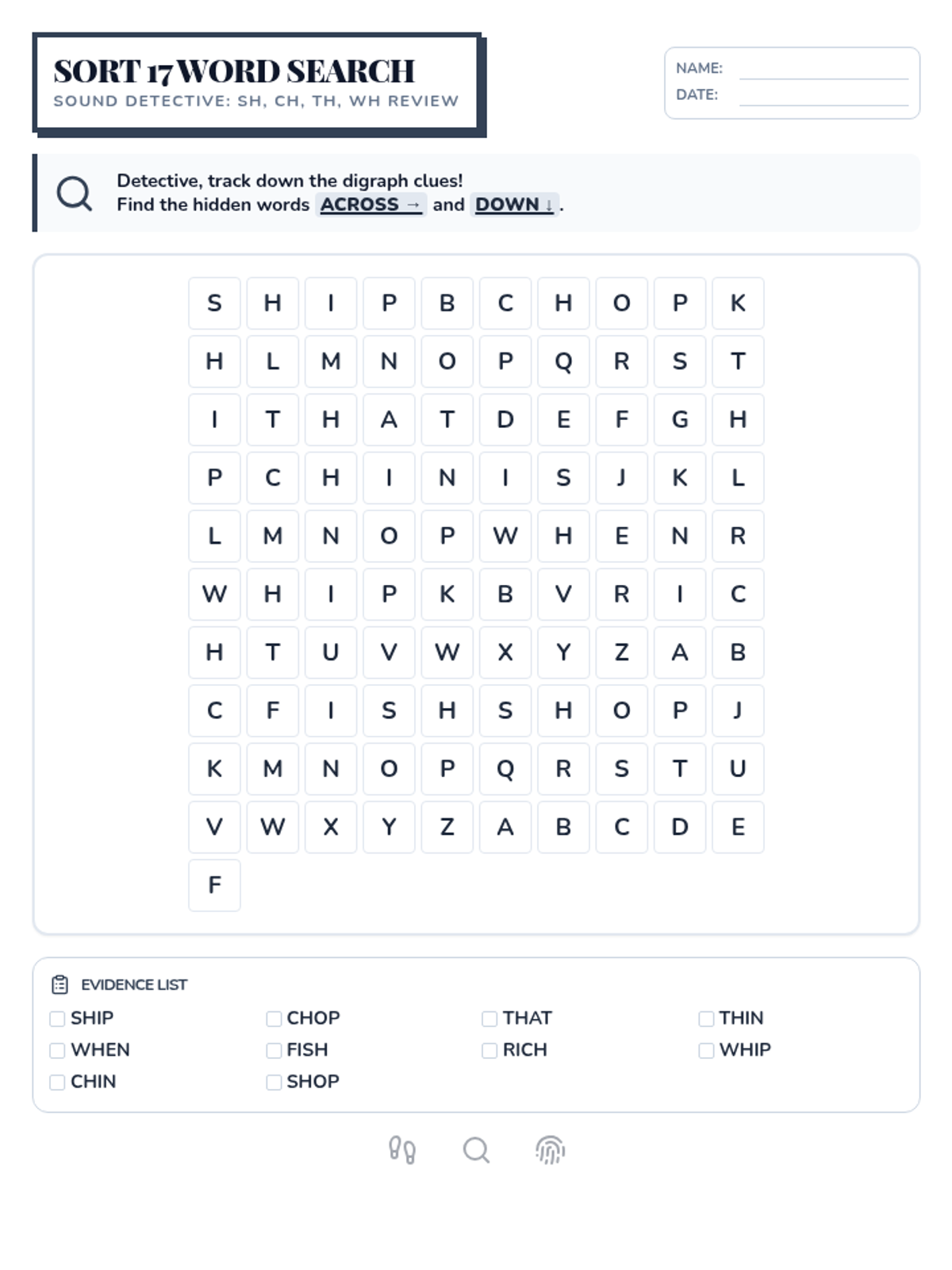
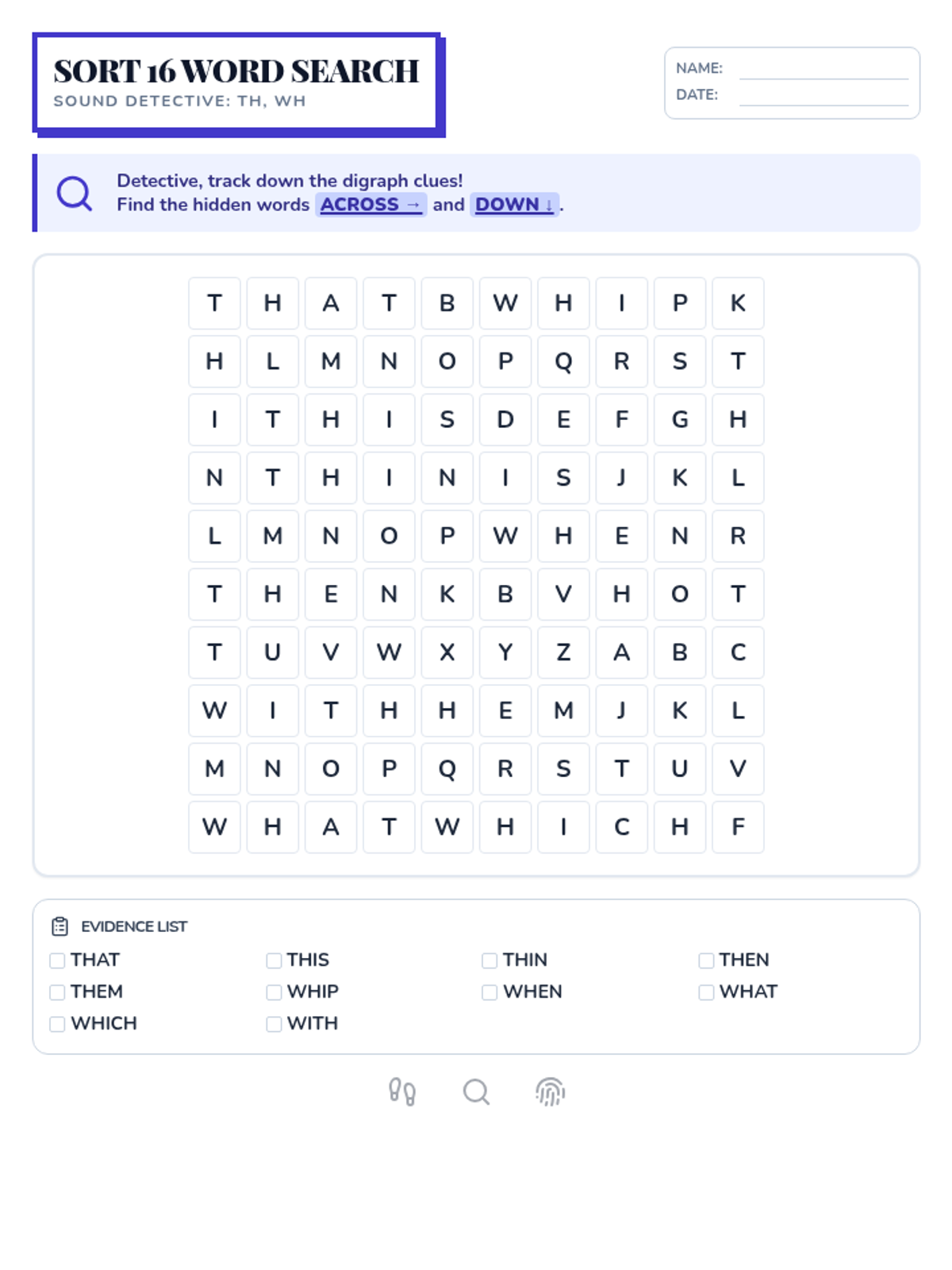
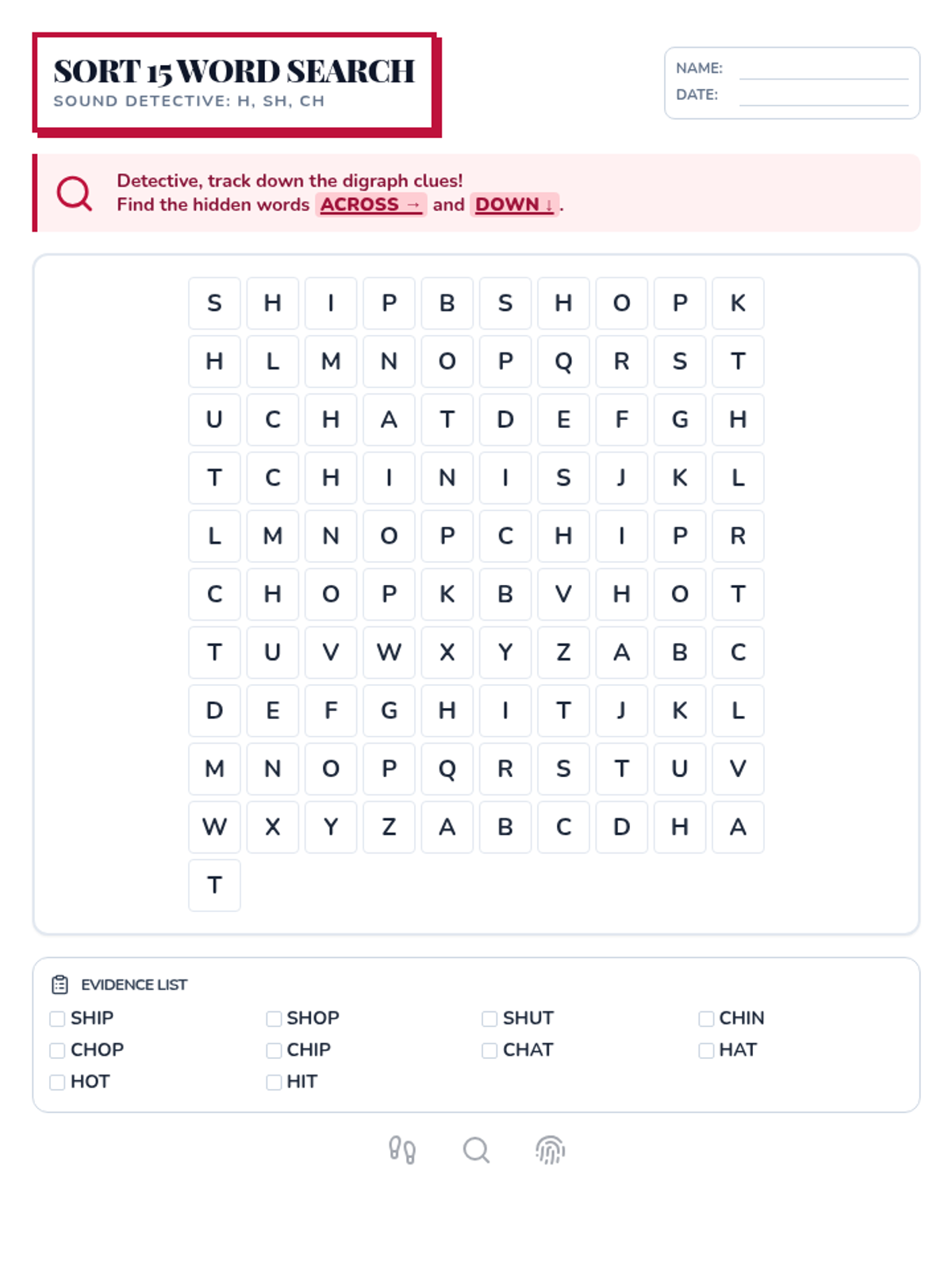
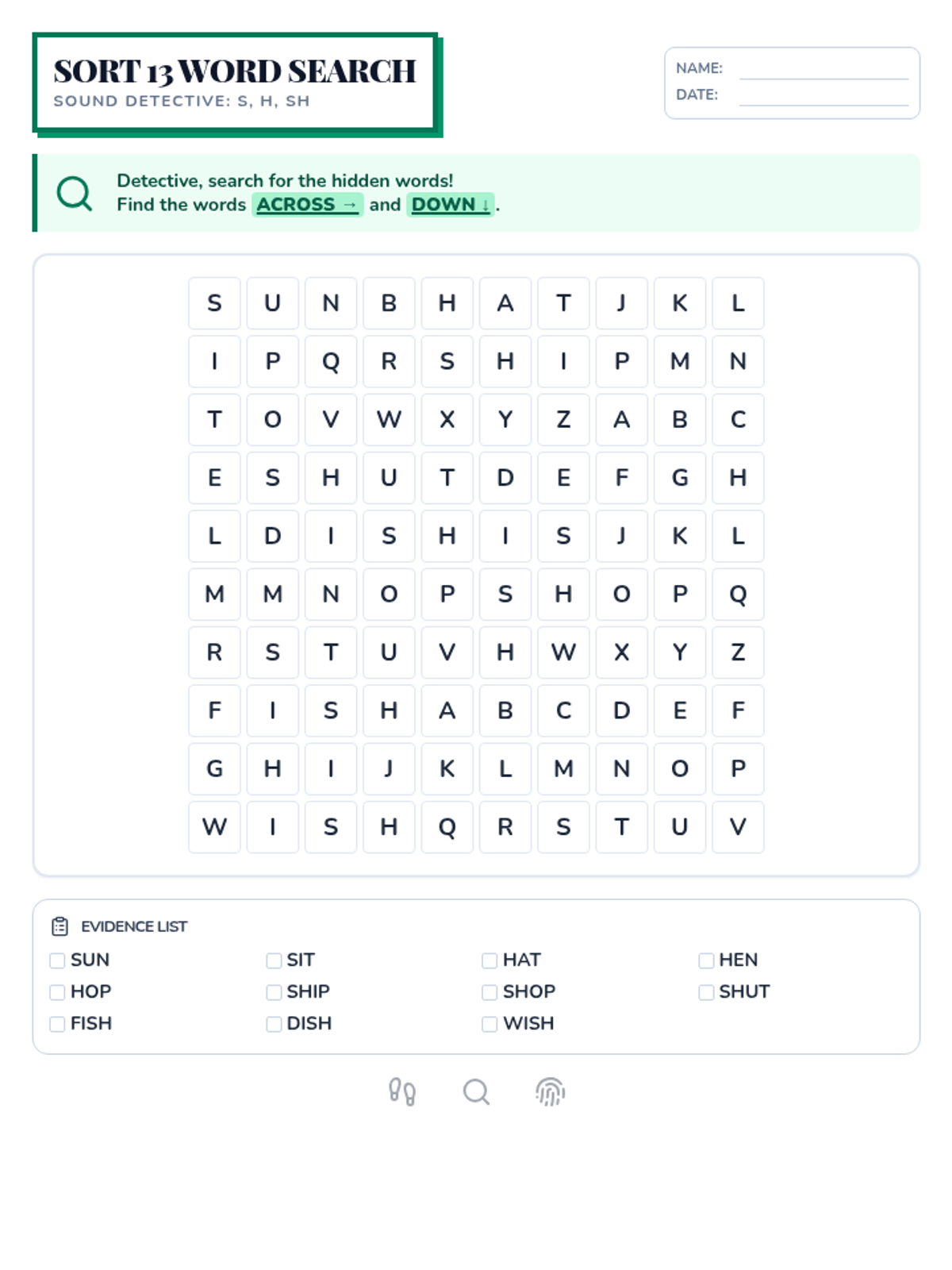
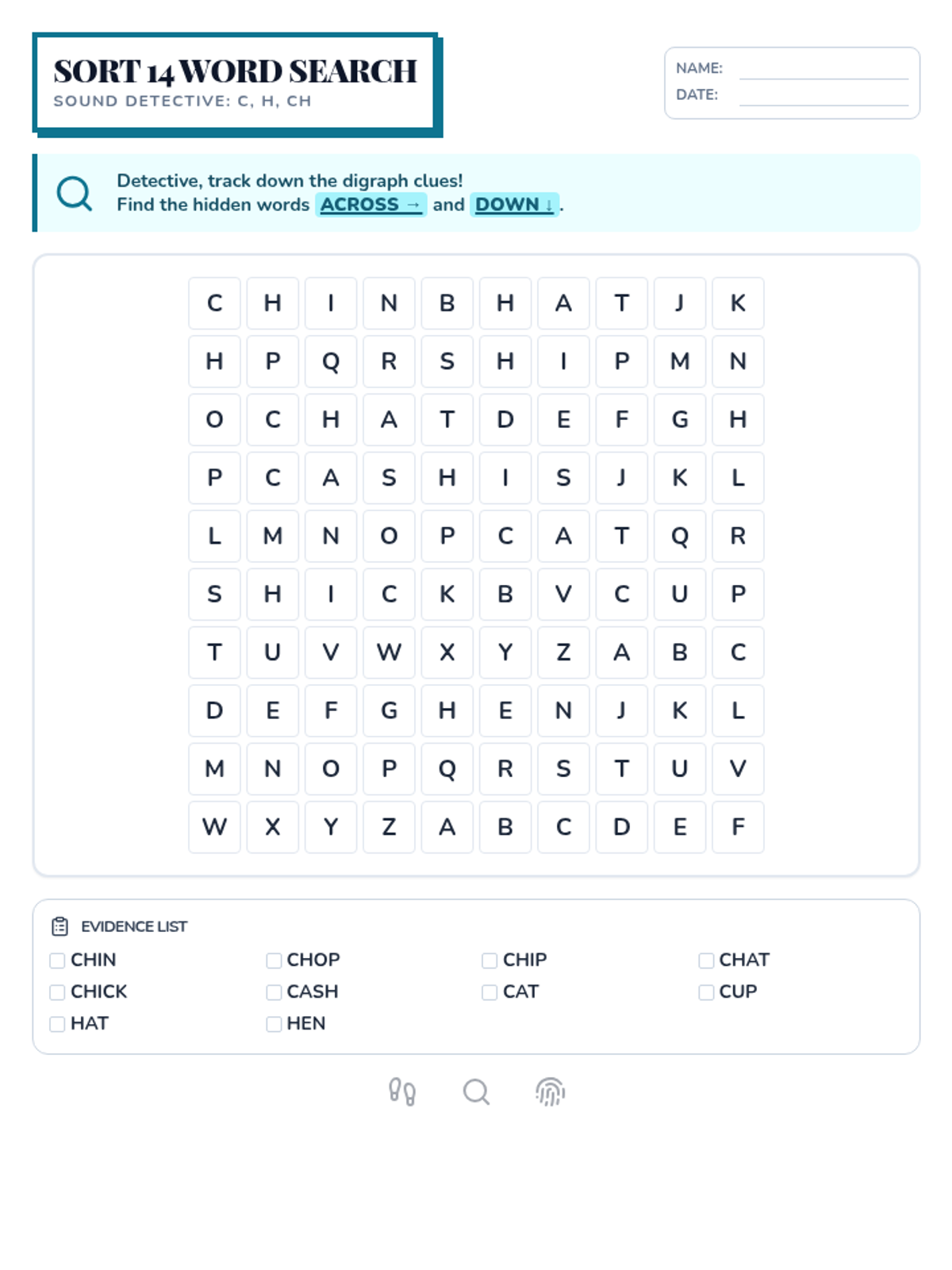
Investigations into special two-letter combinations that create unique single sounds, featuring sh, ch, th, and wh.
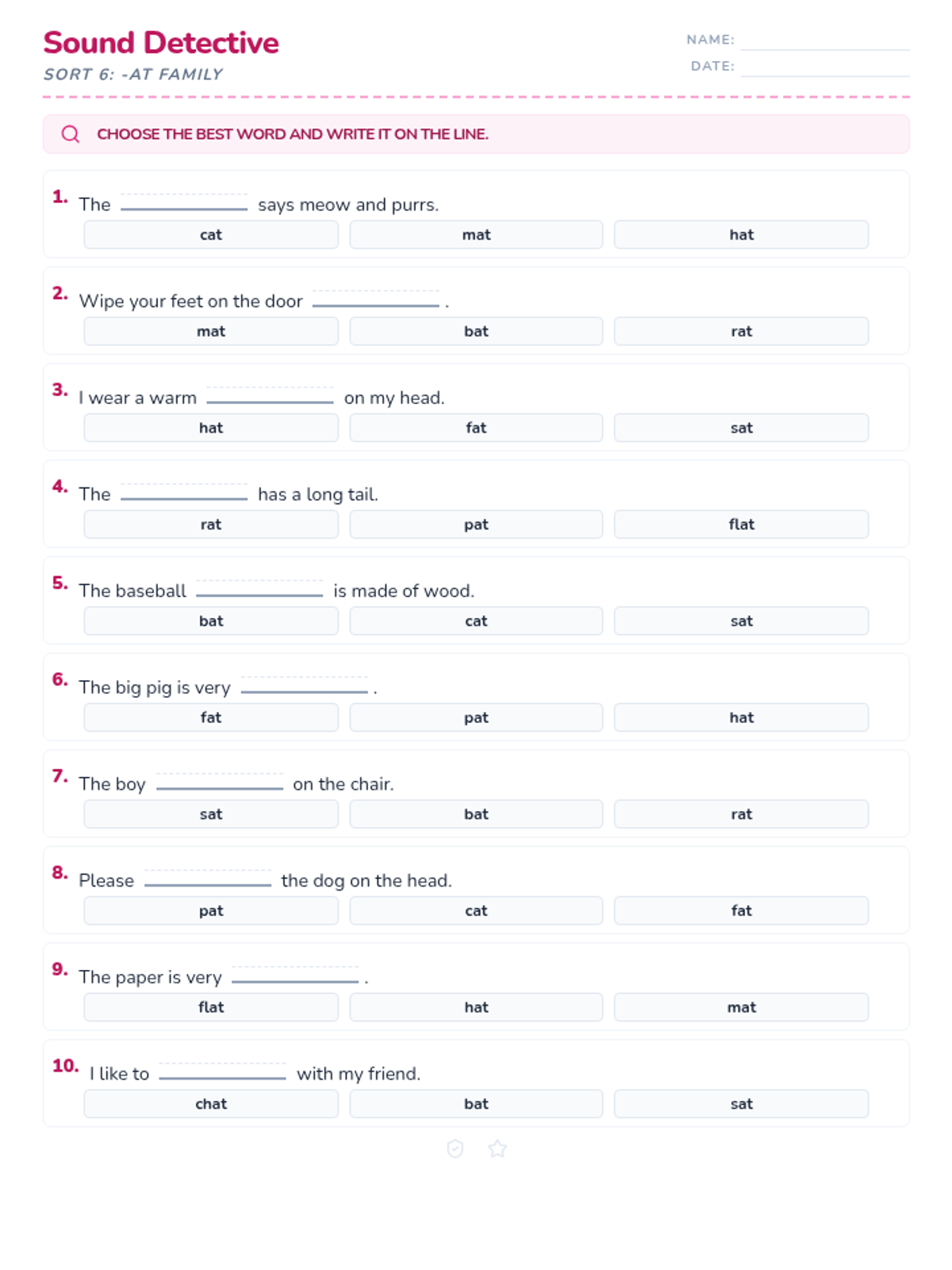
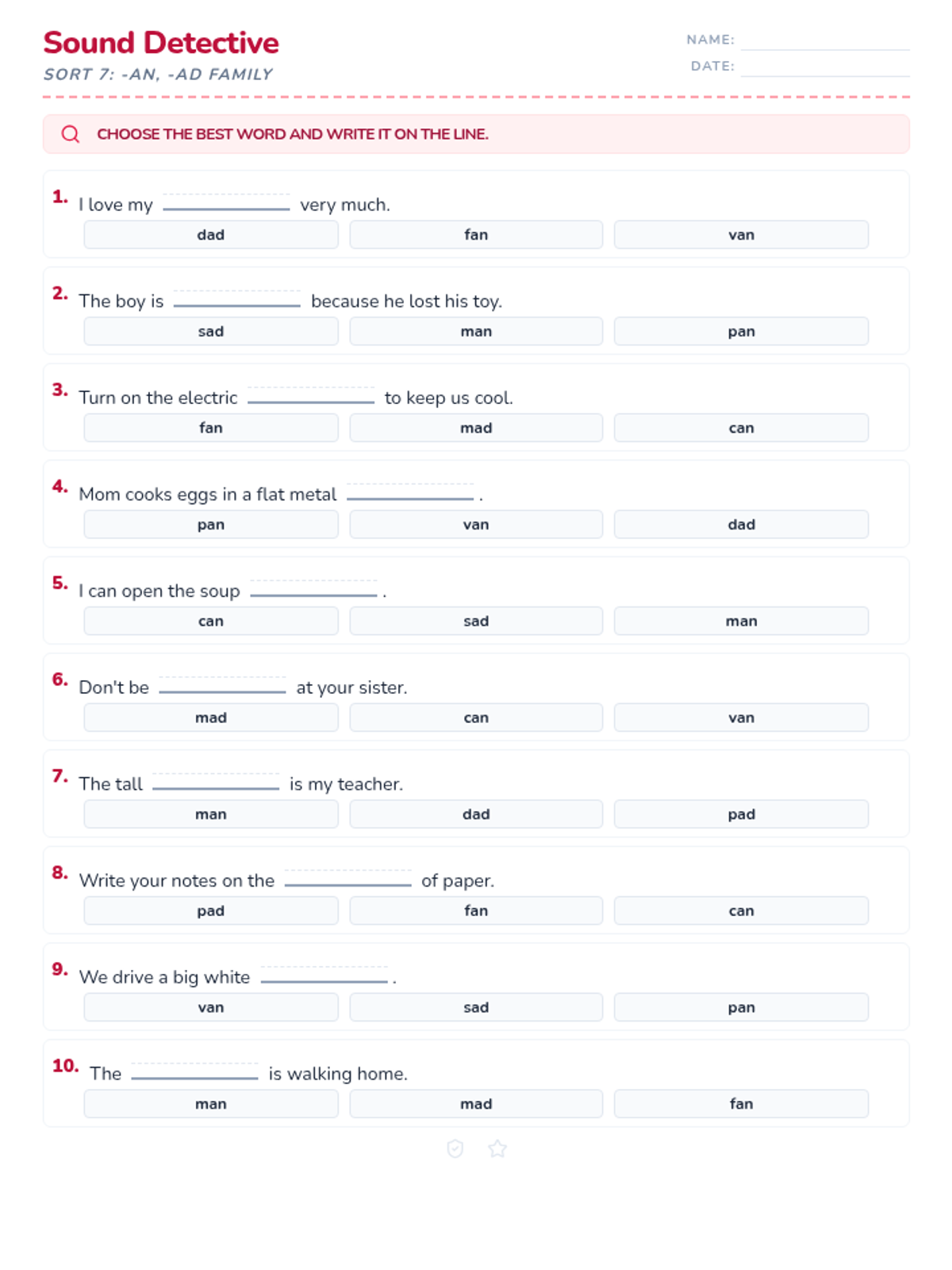
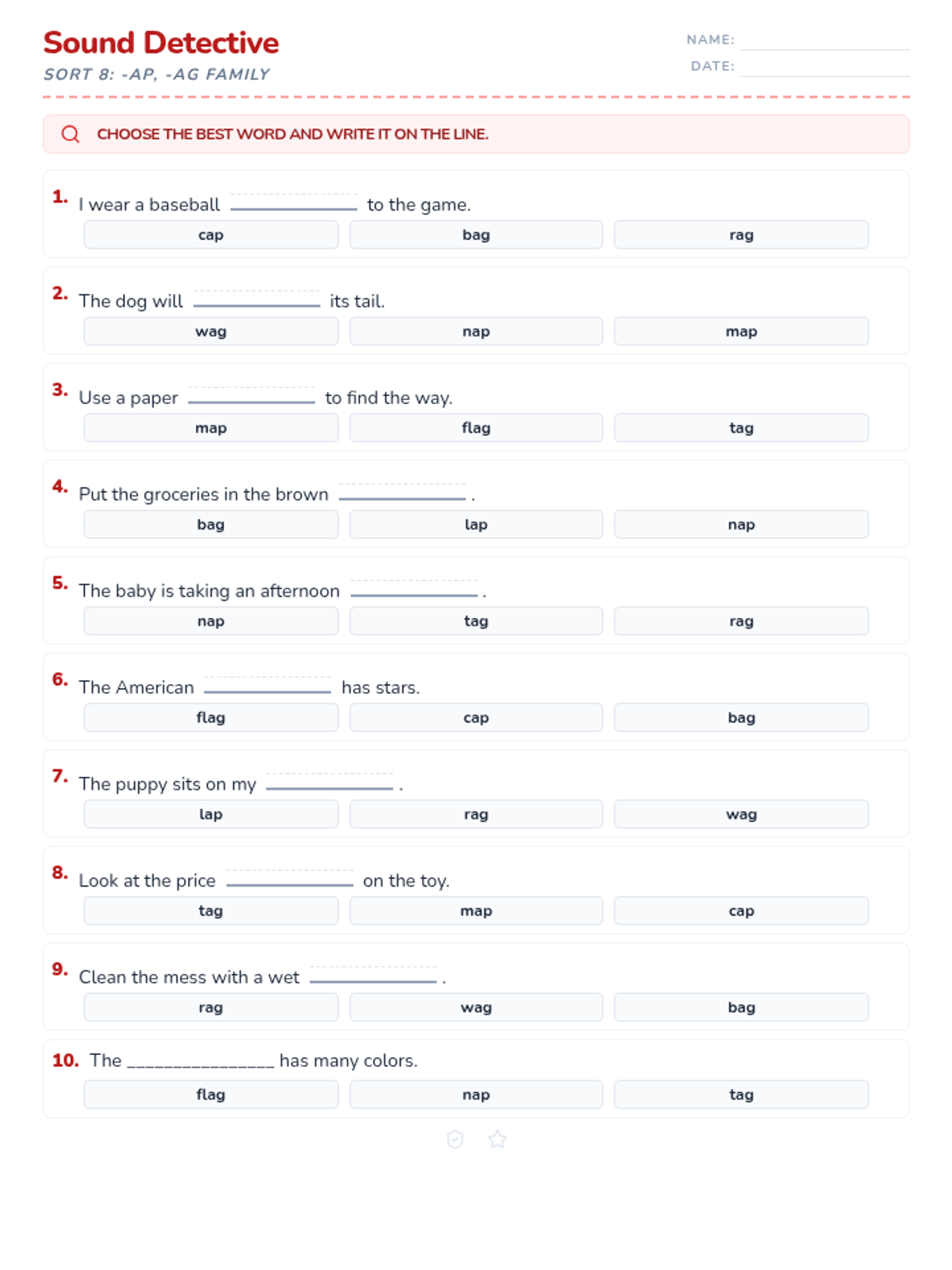
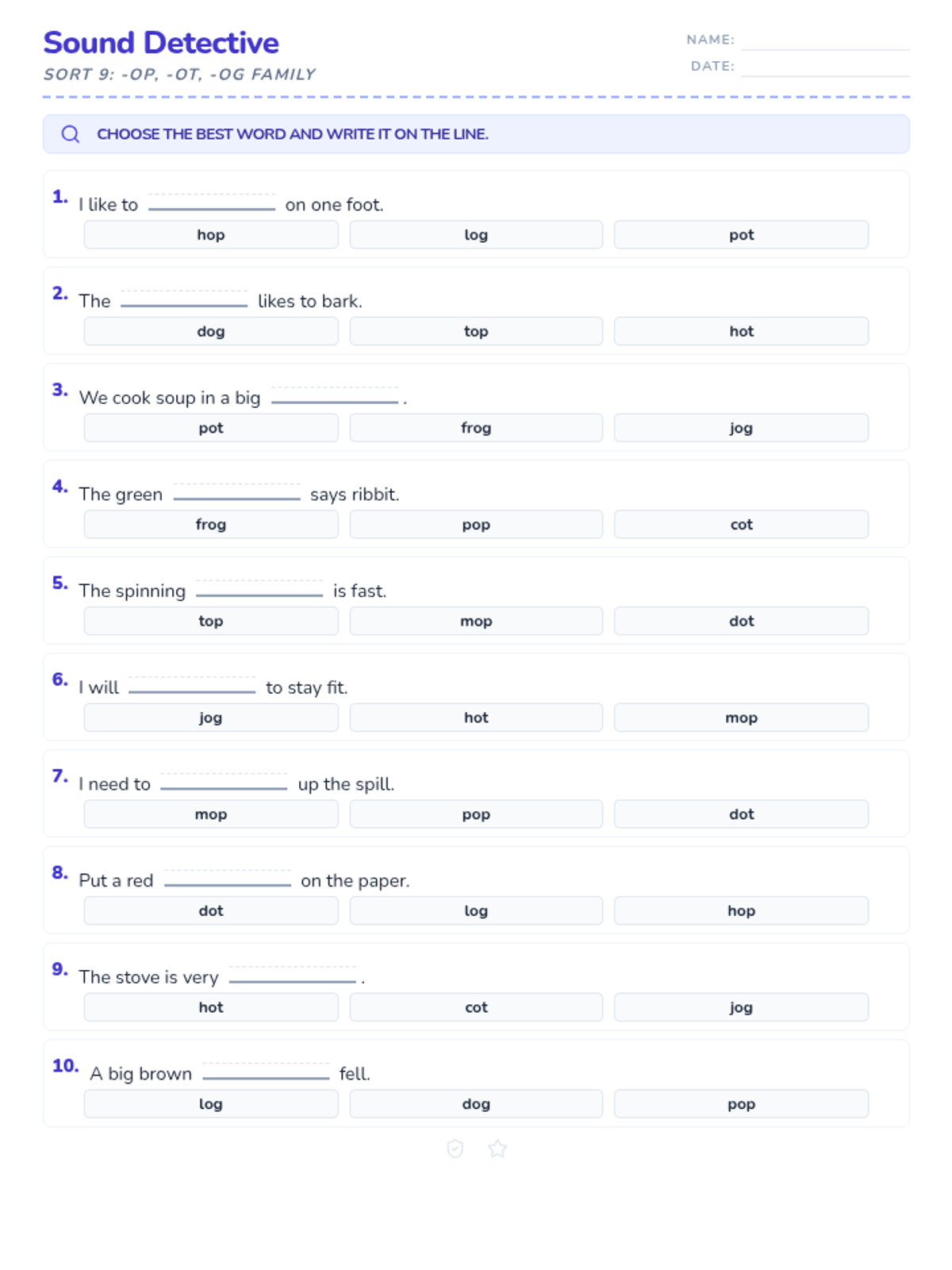
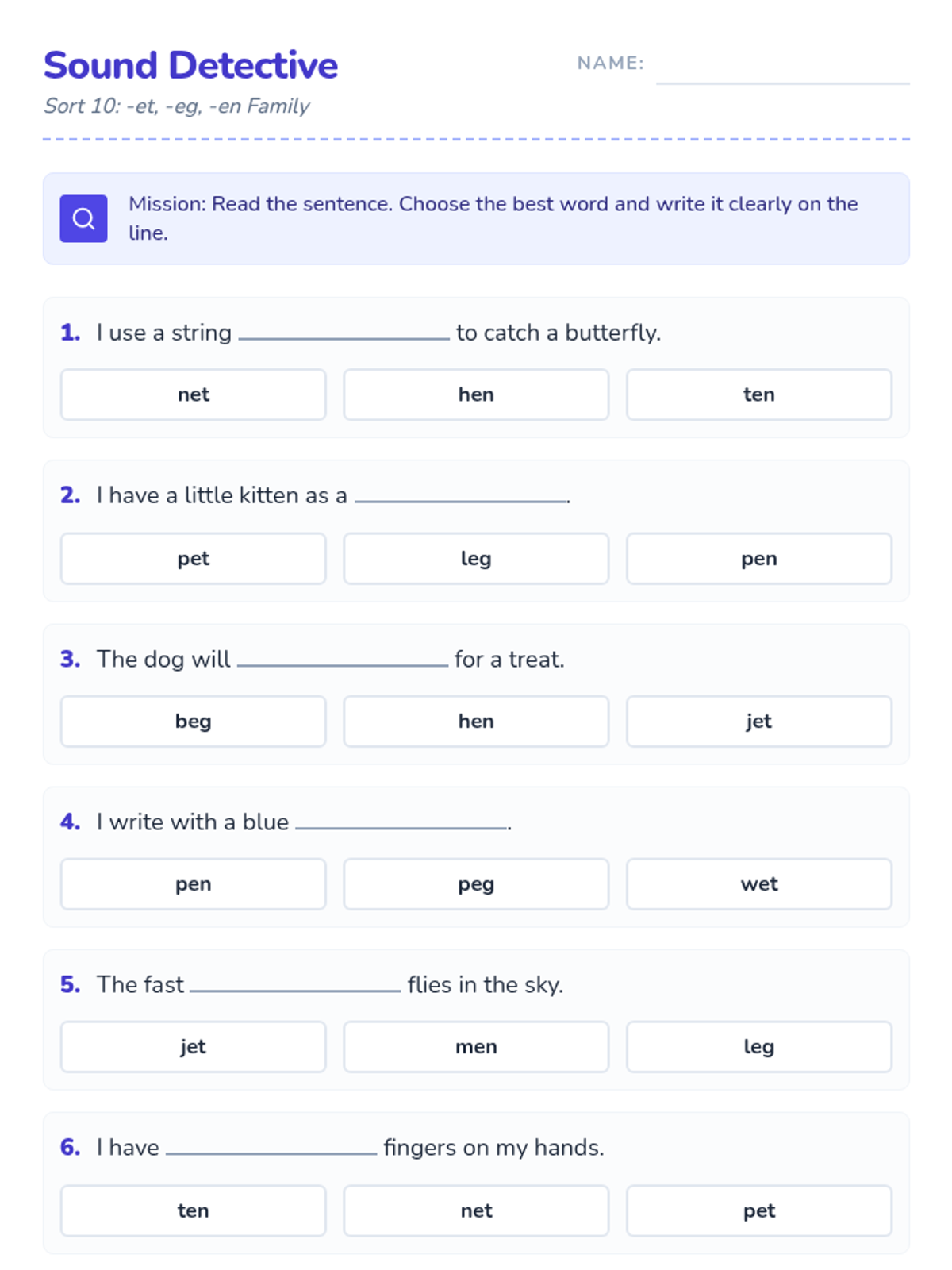
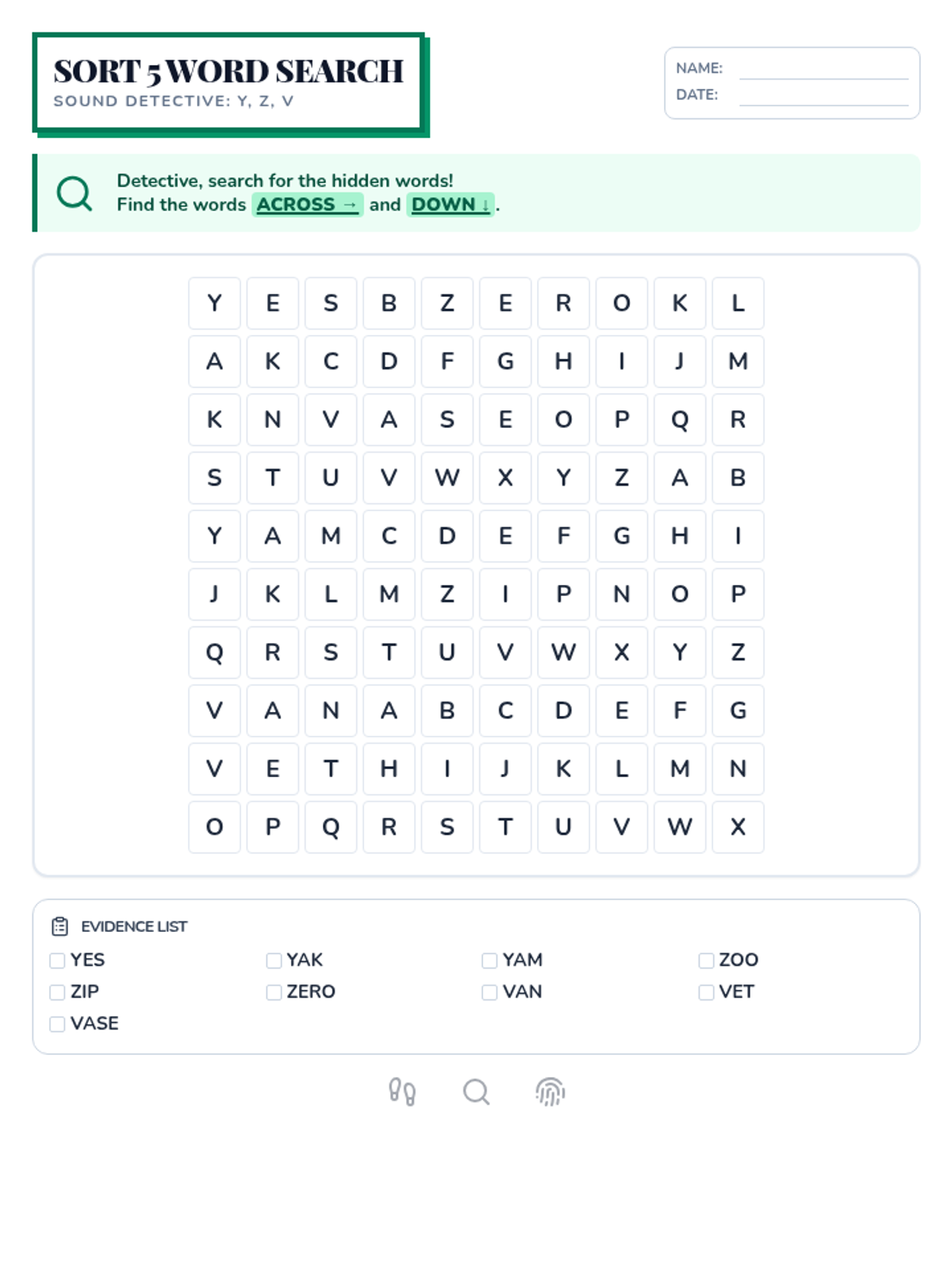
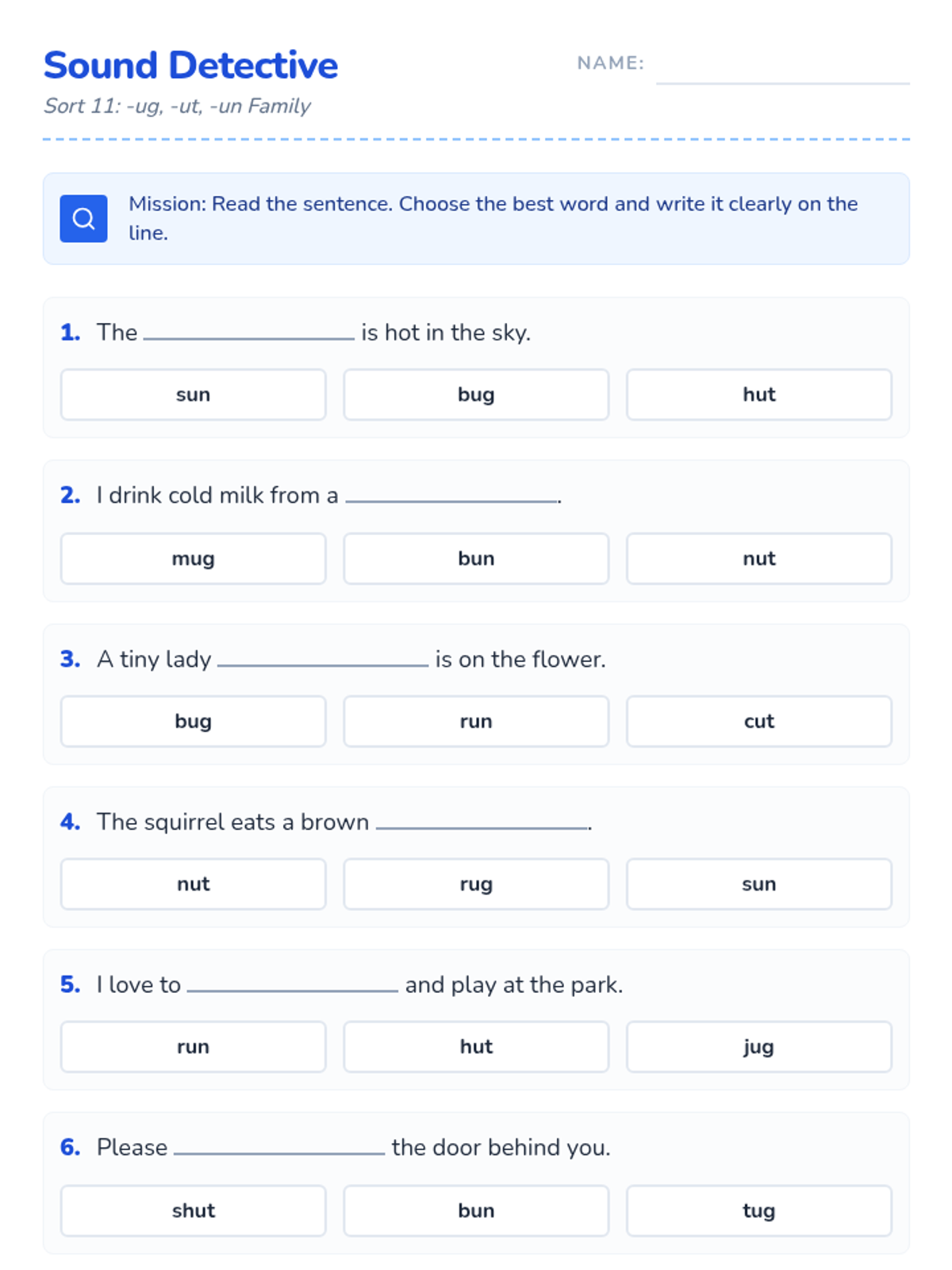
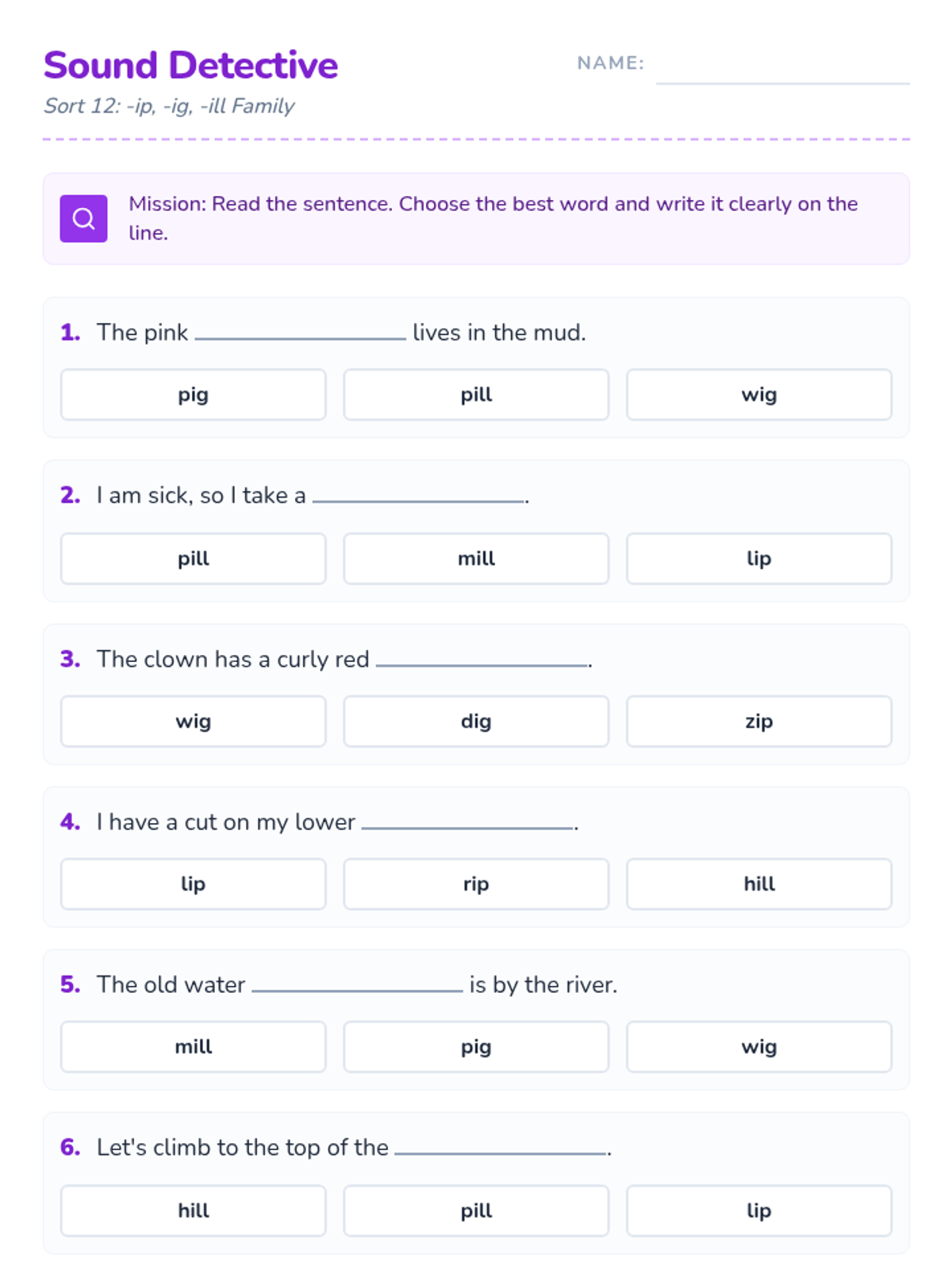
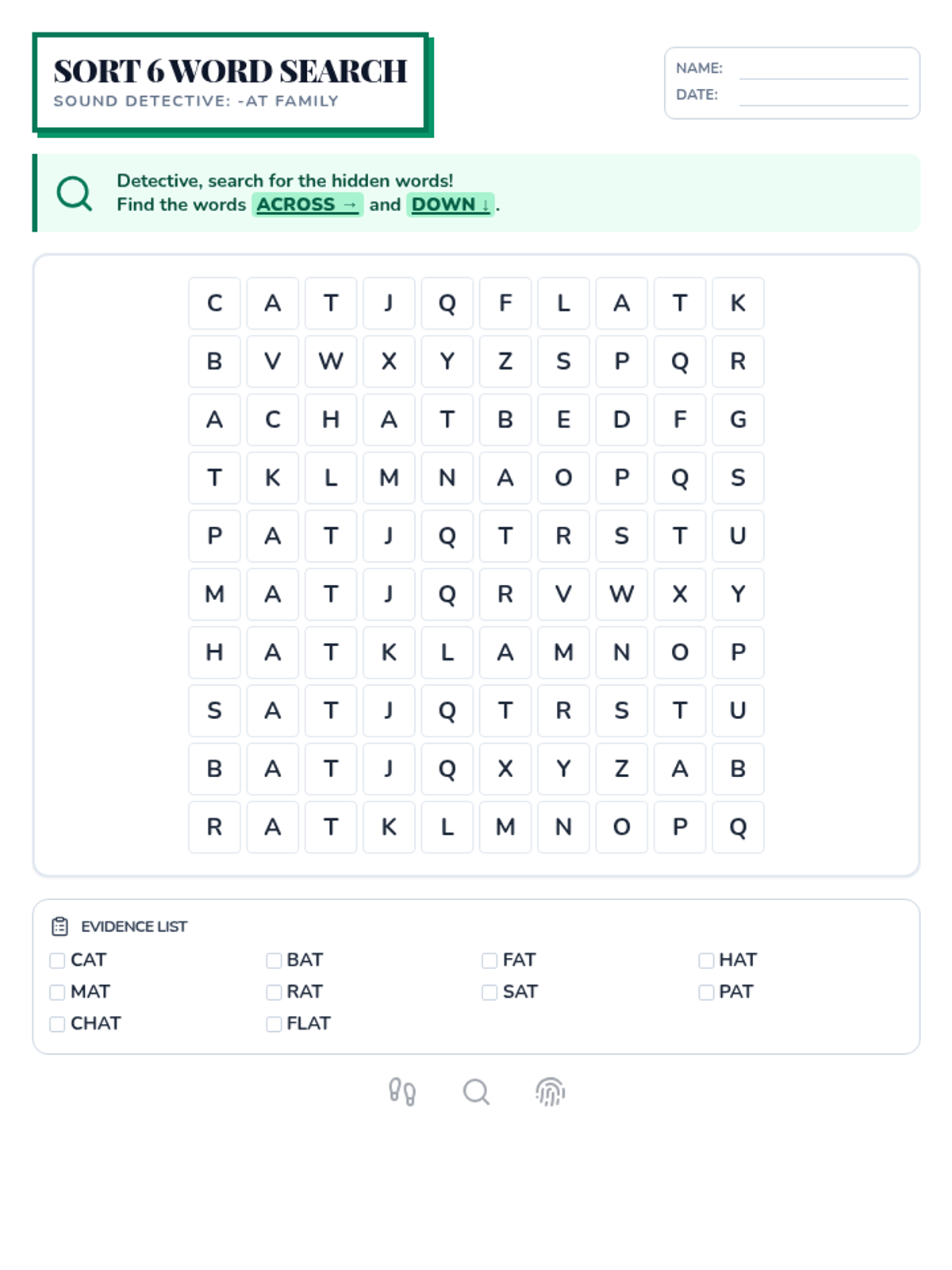
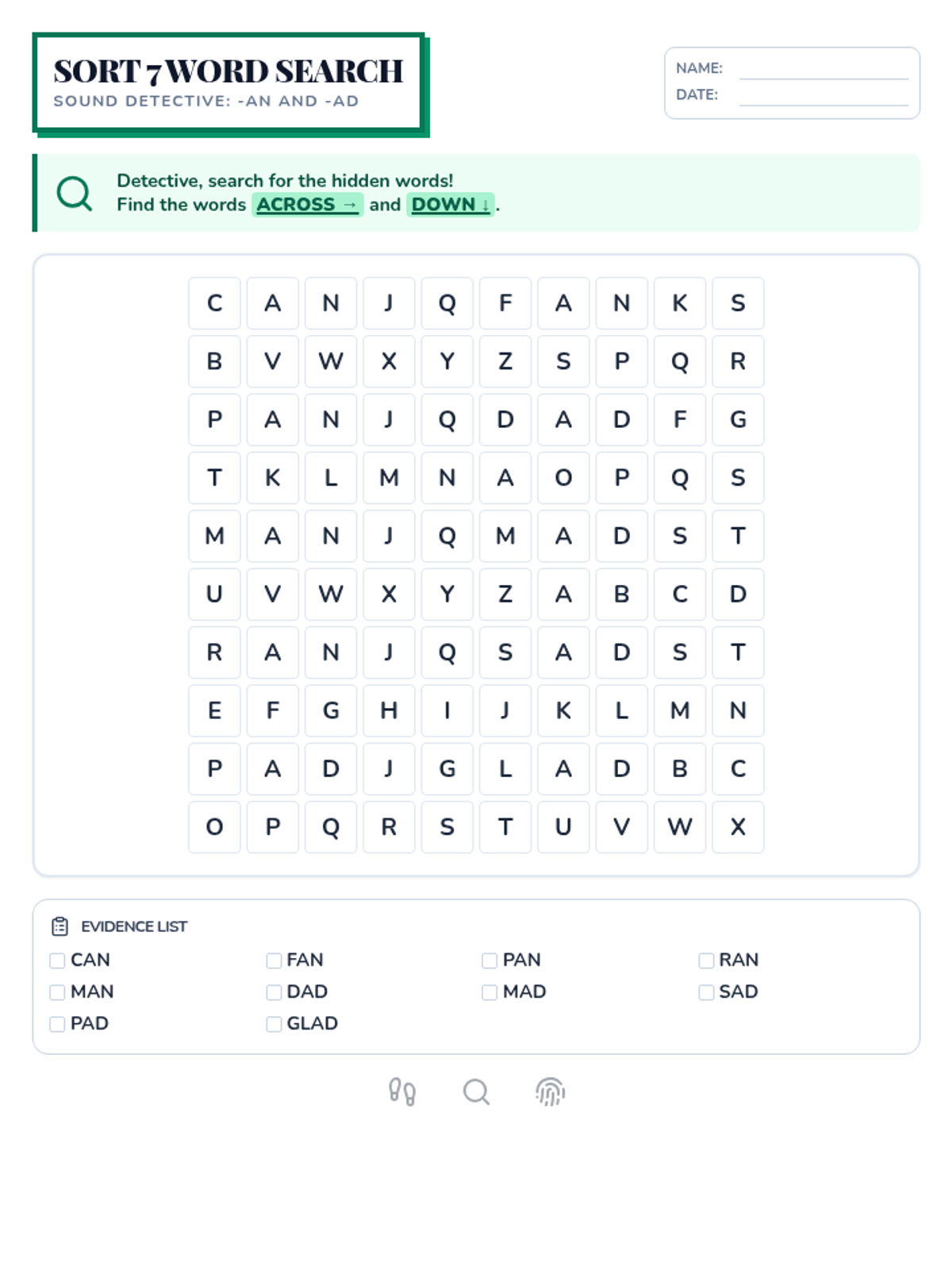
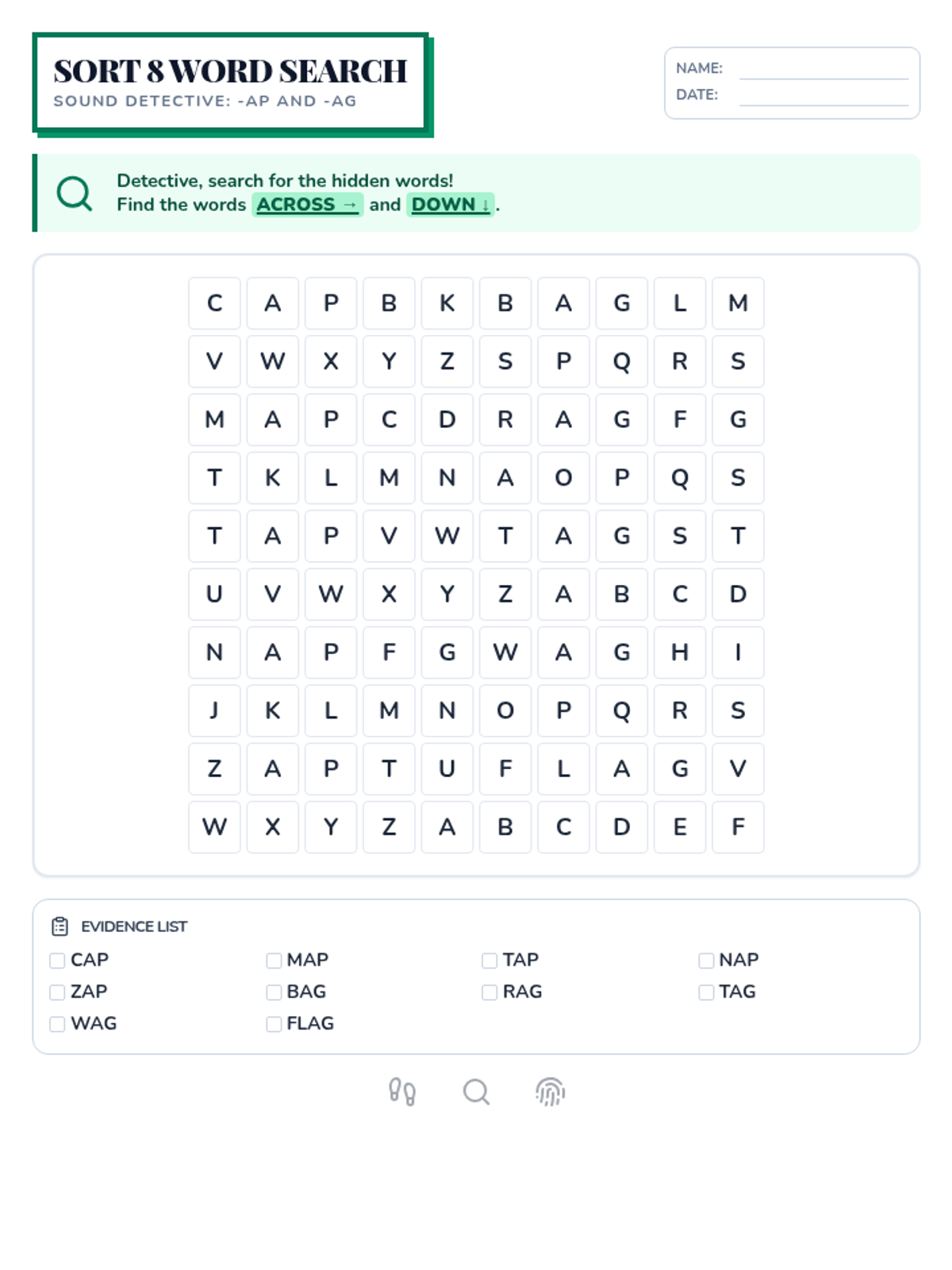
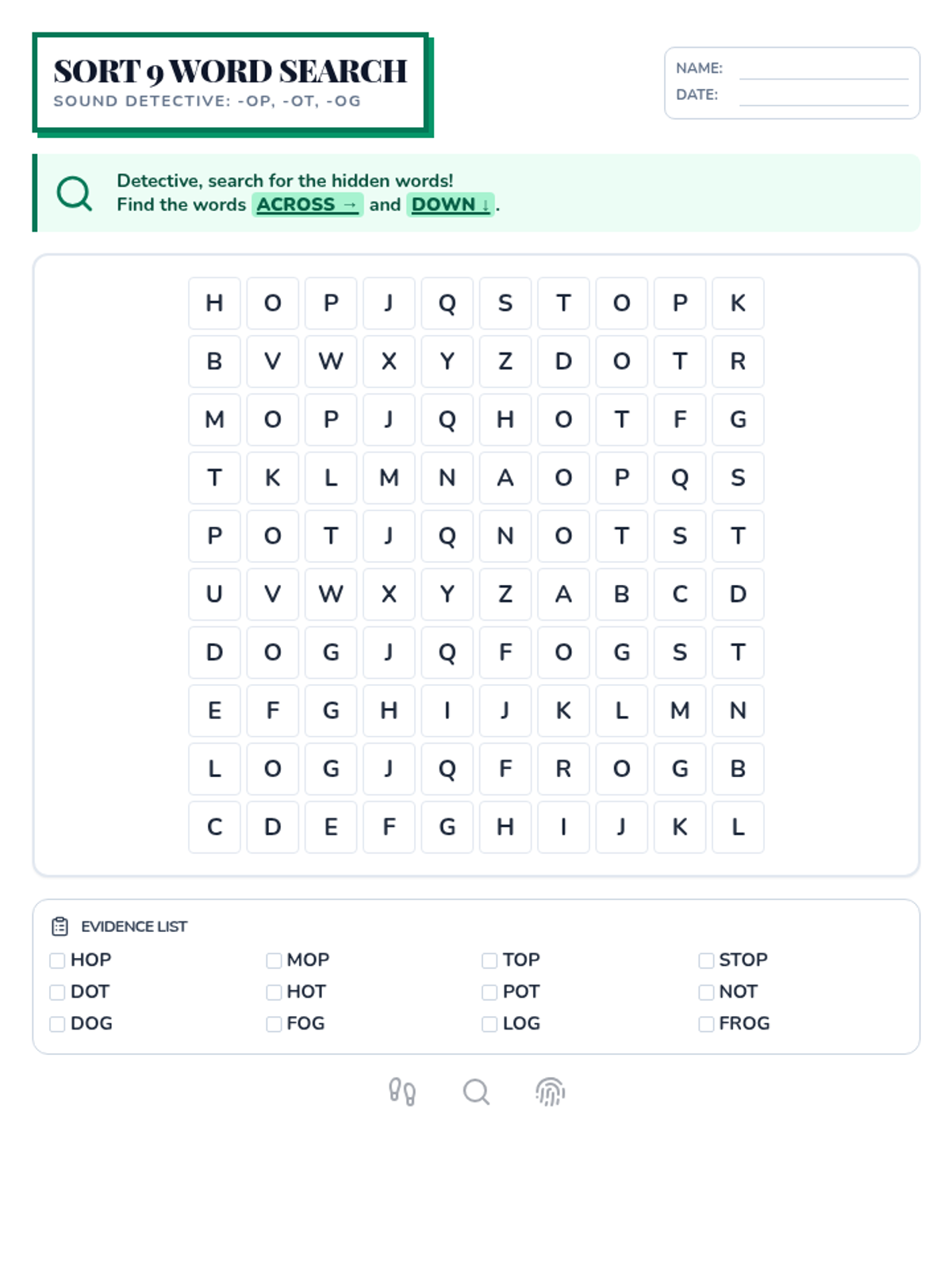
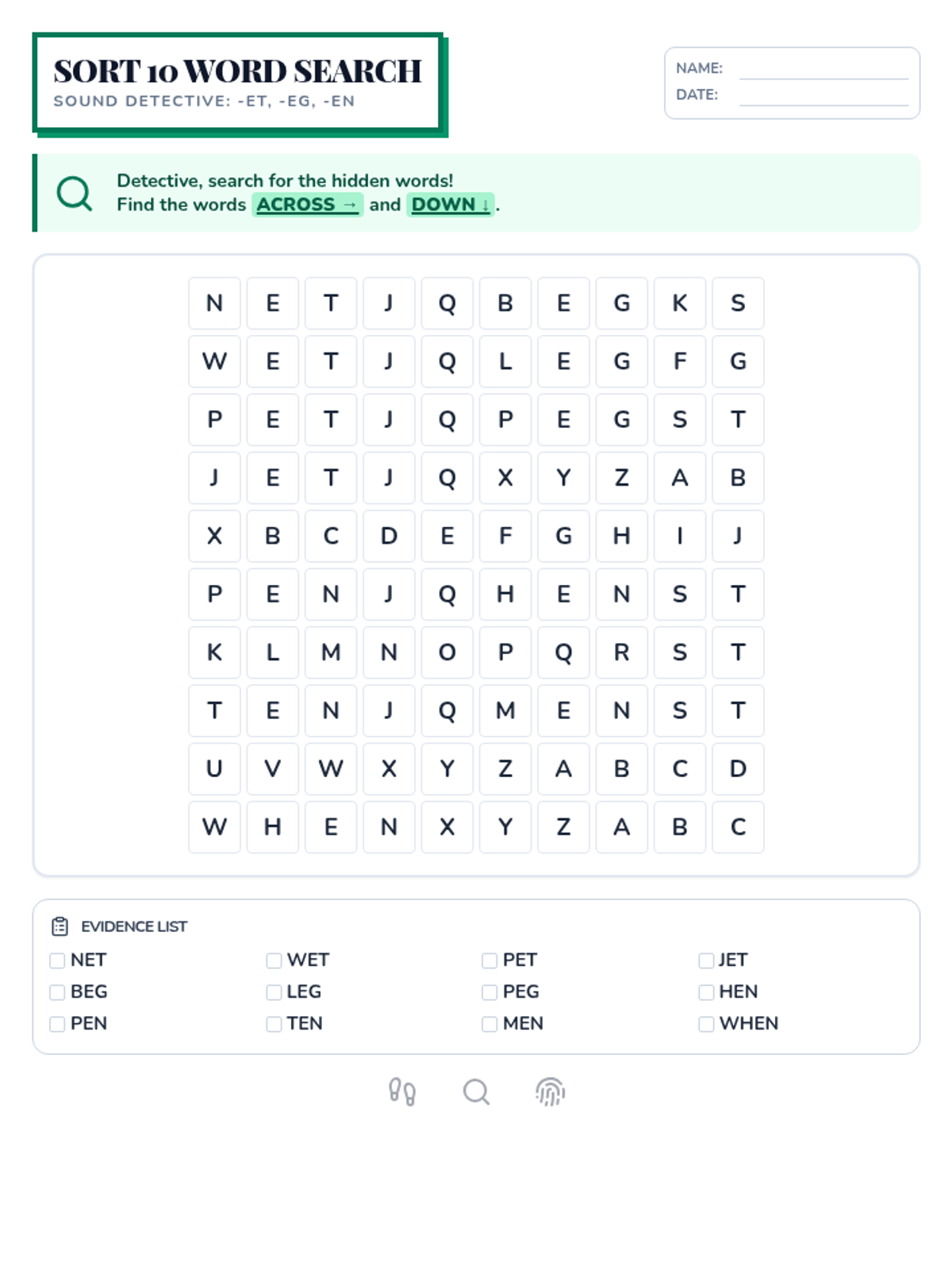
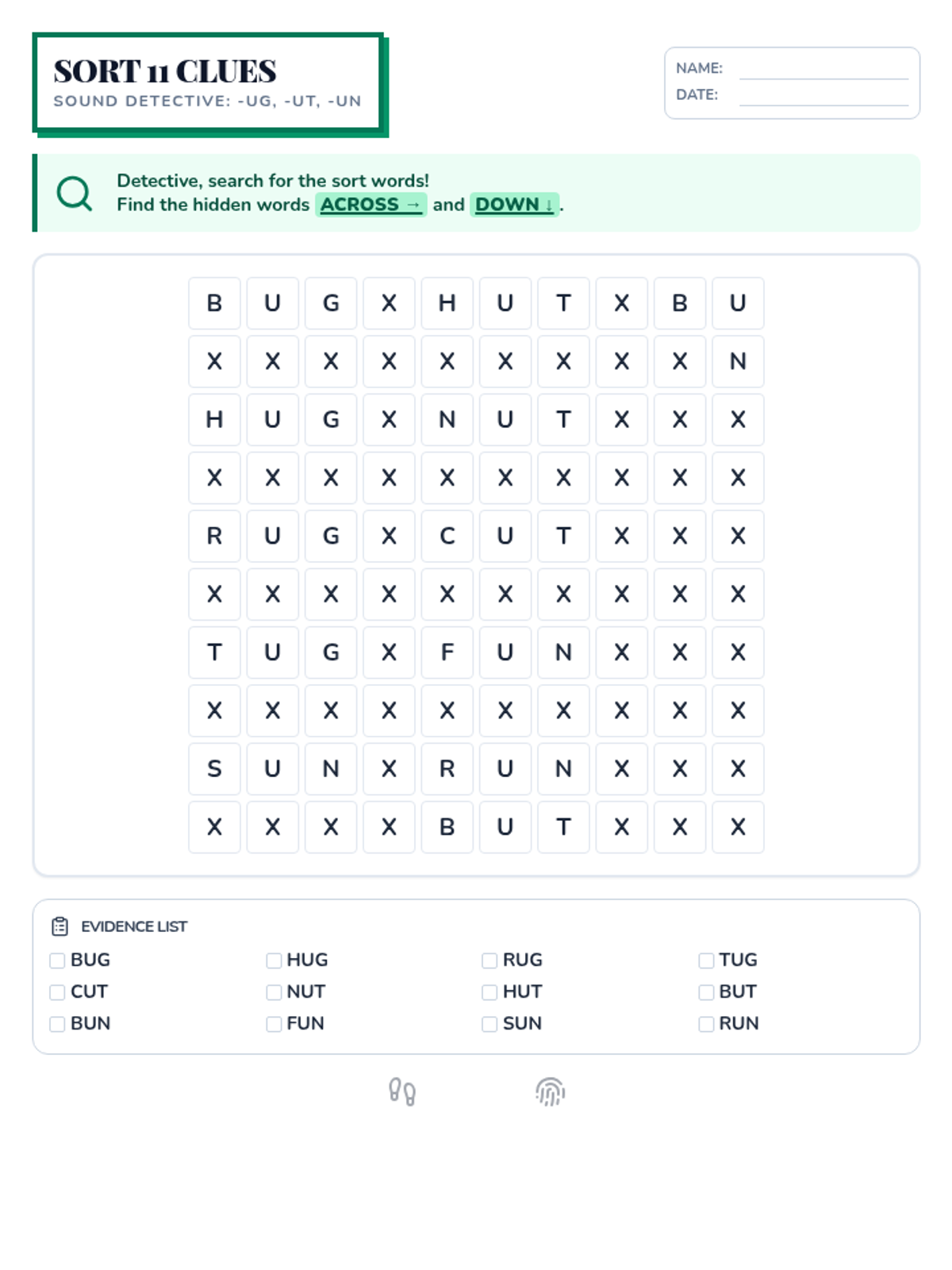
Detecting patterns in word endings, students explore common word families to build rhyme and reading fluency.
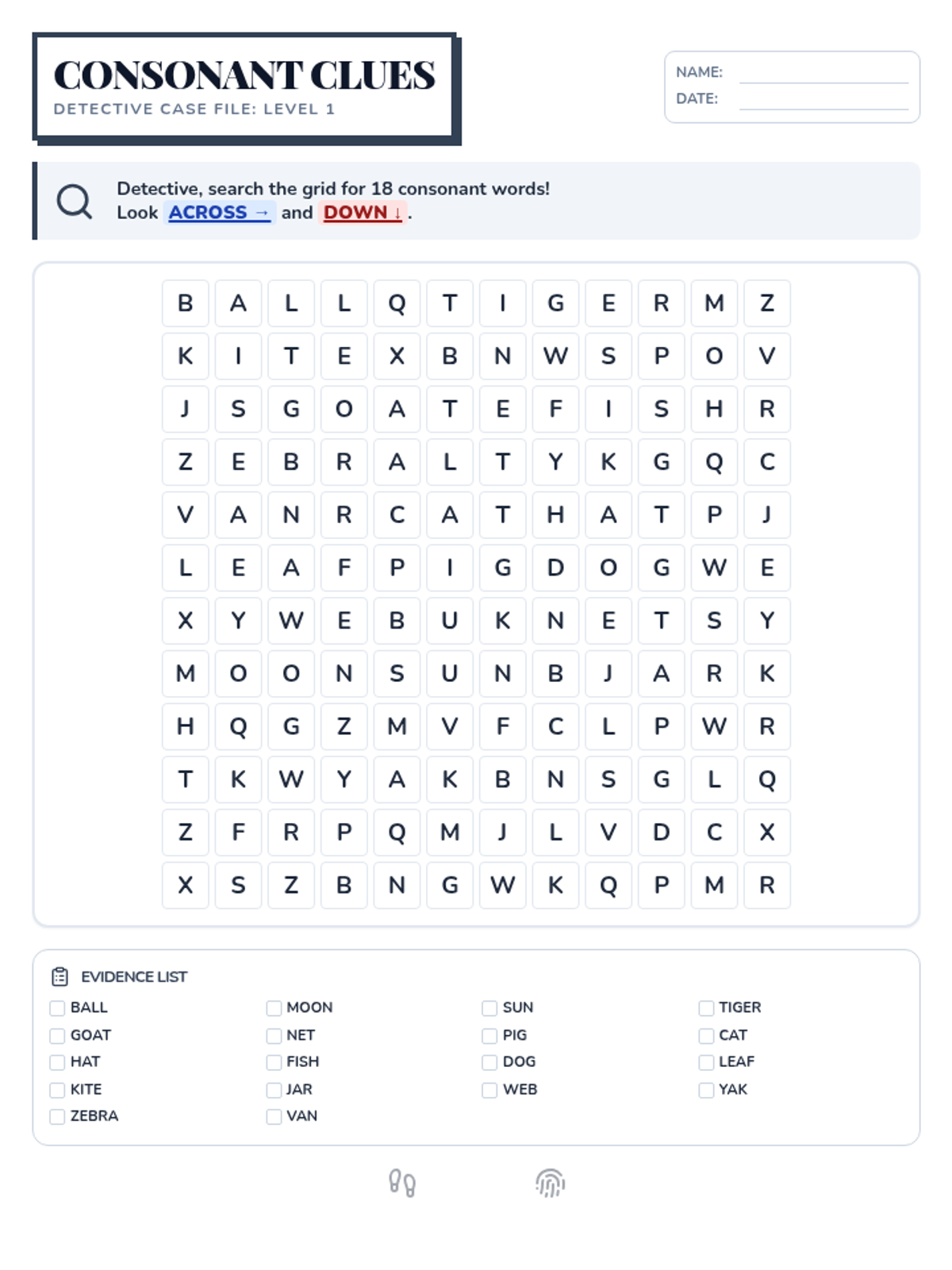
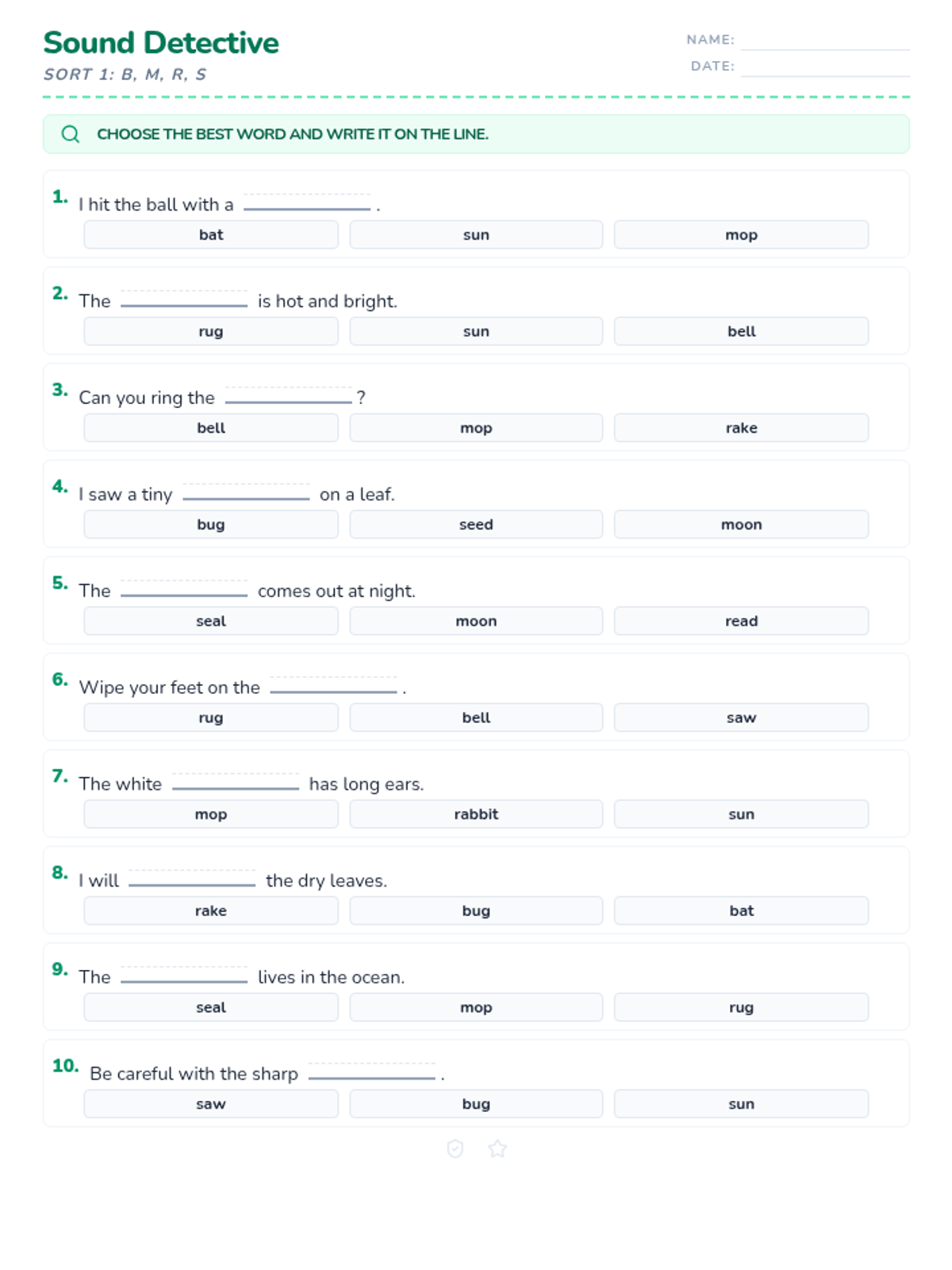
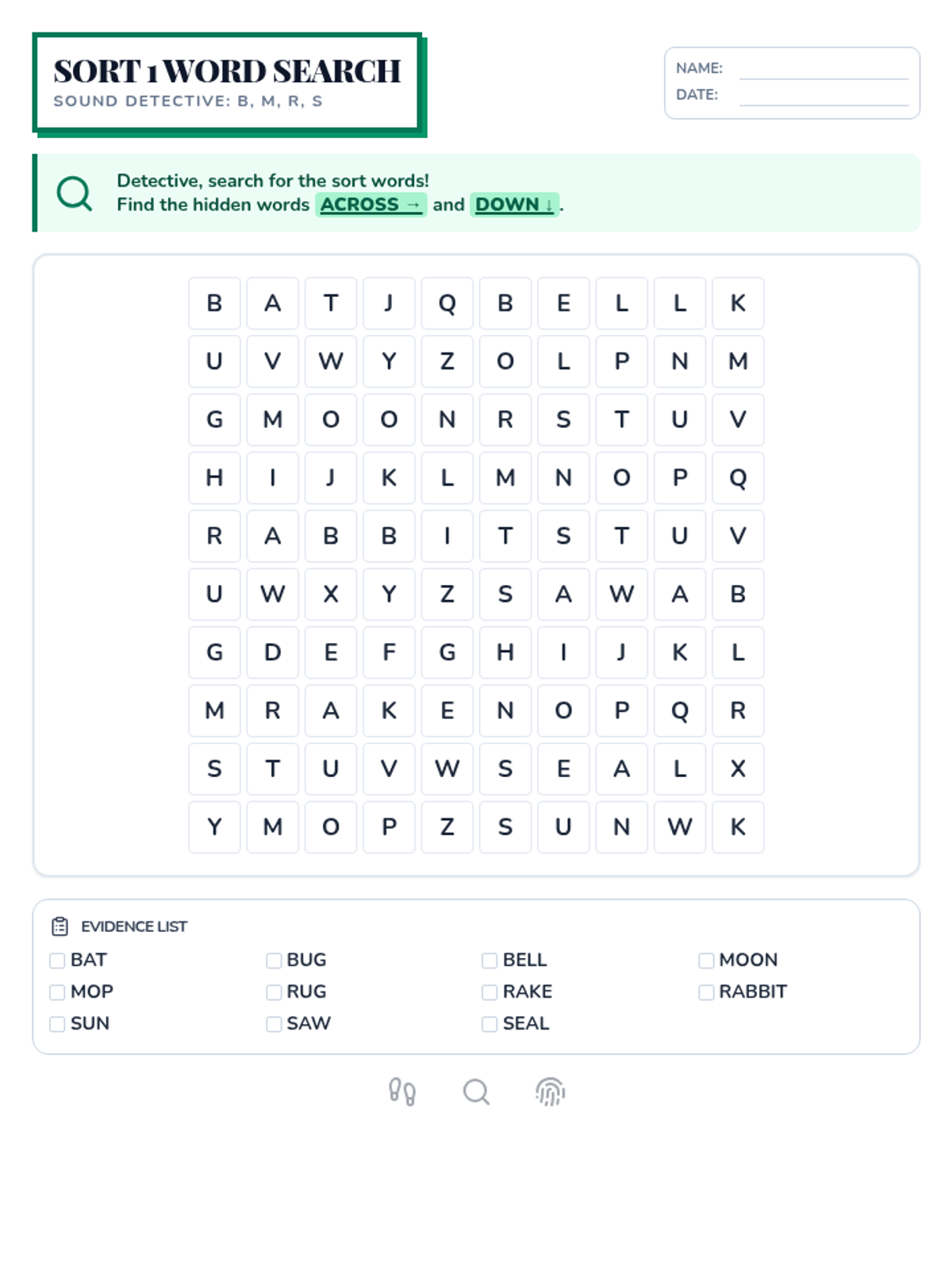
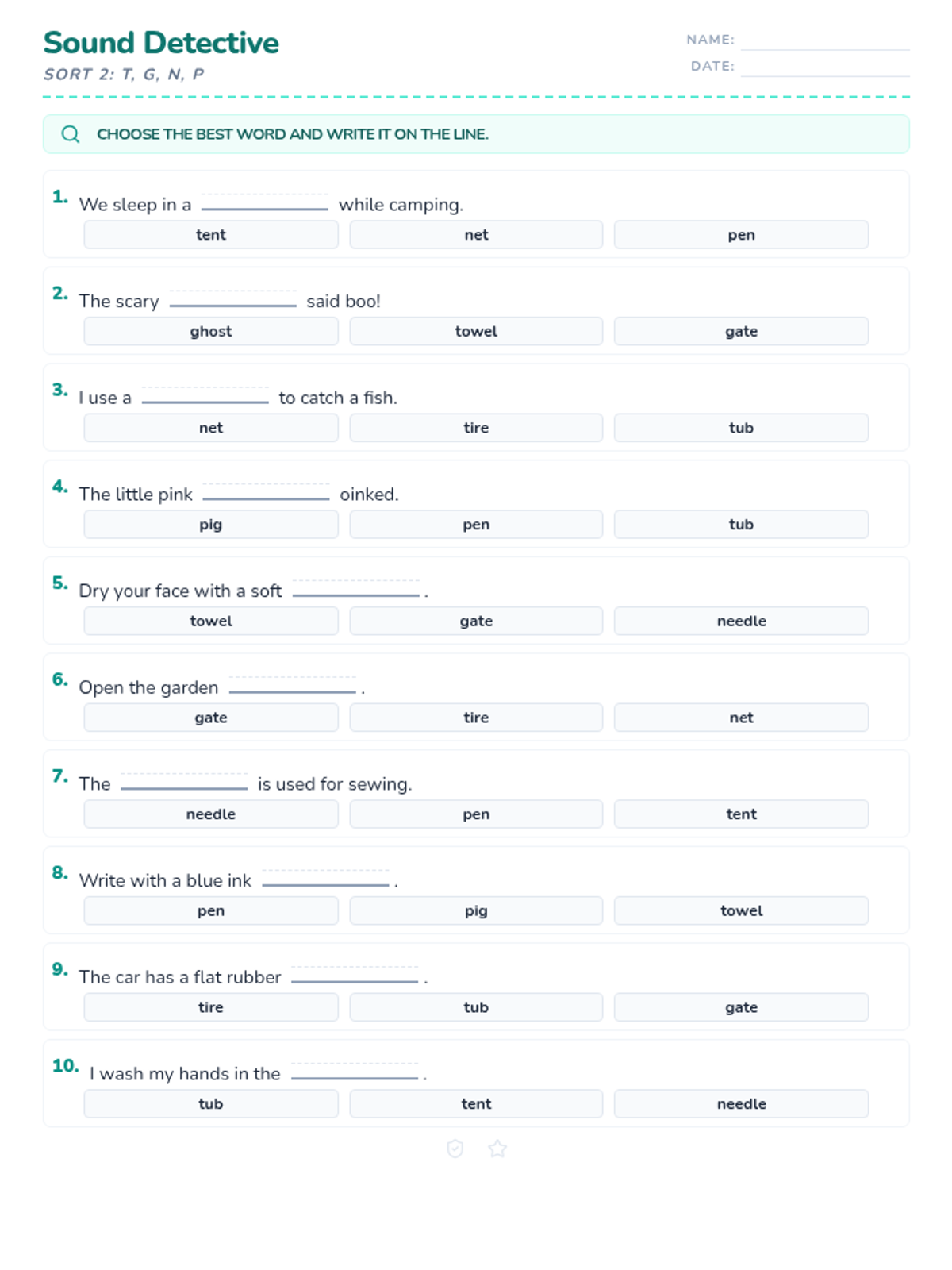
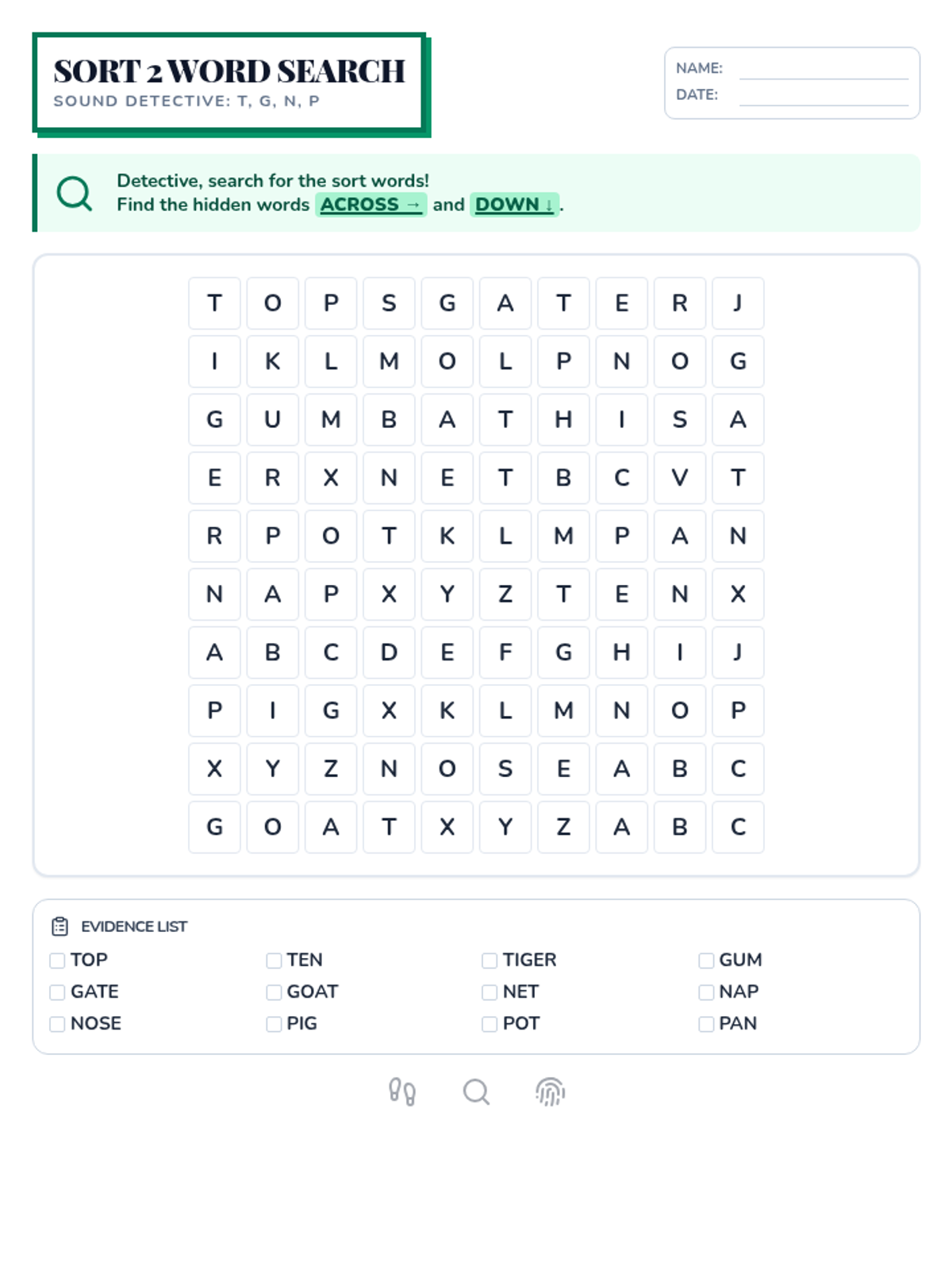
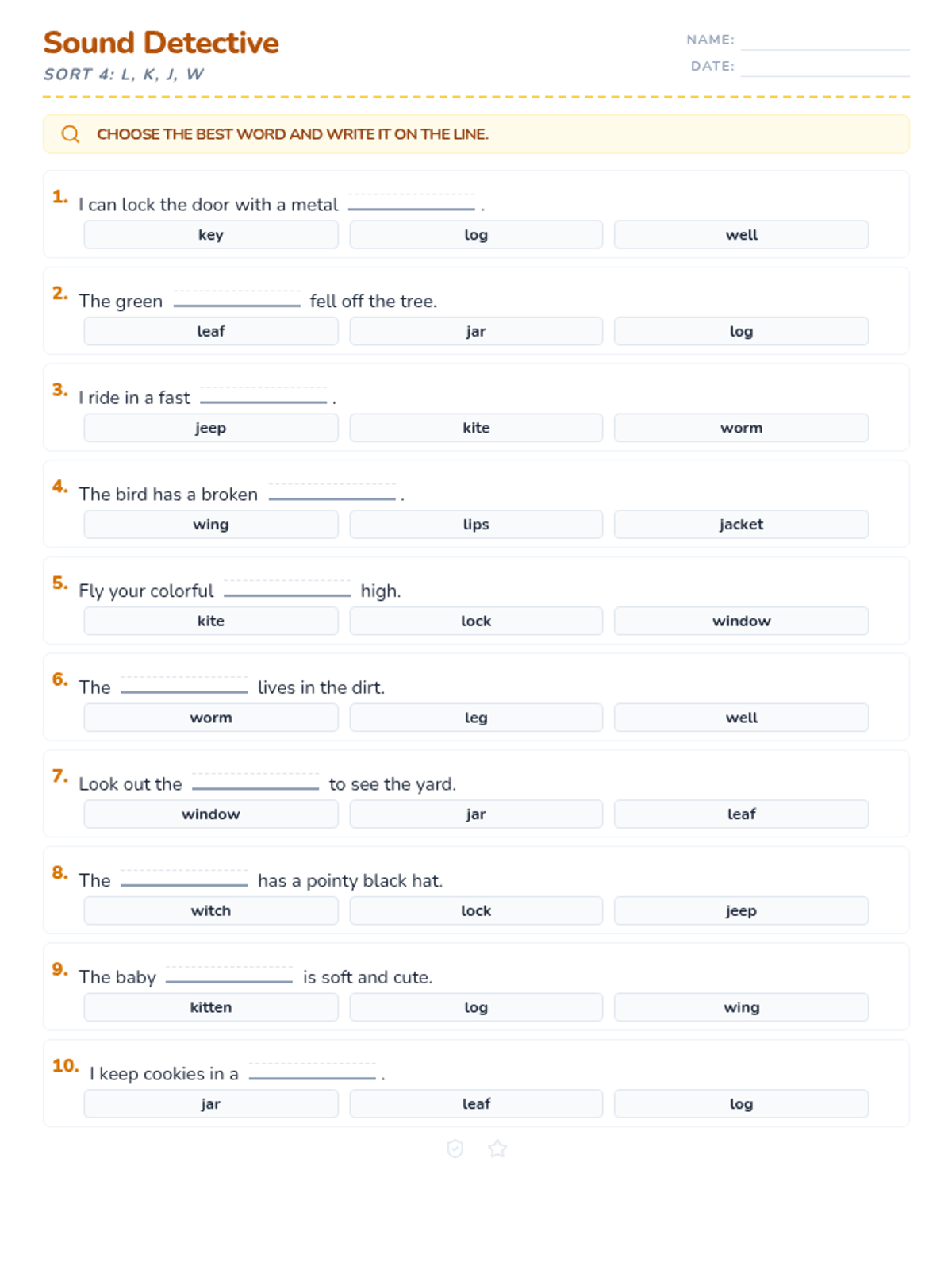
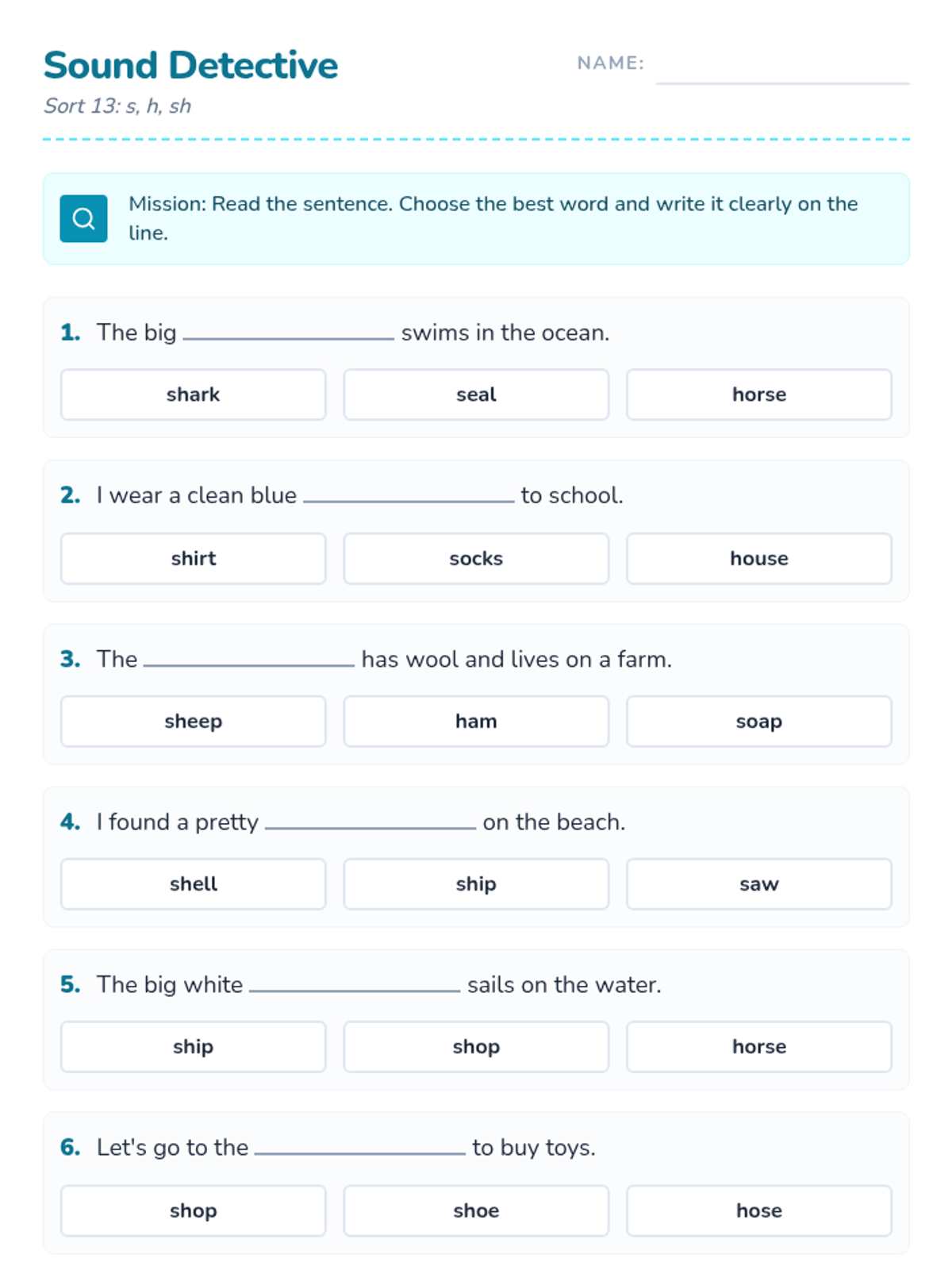
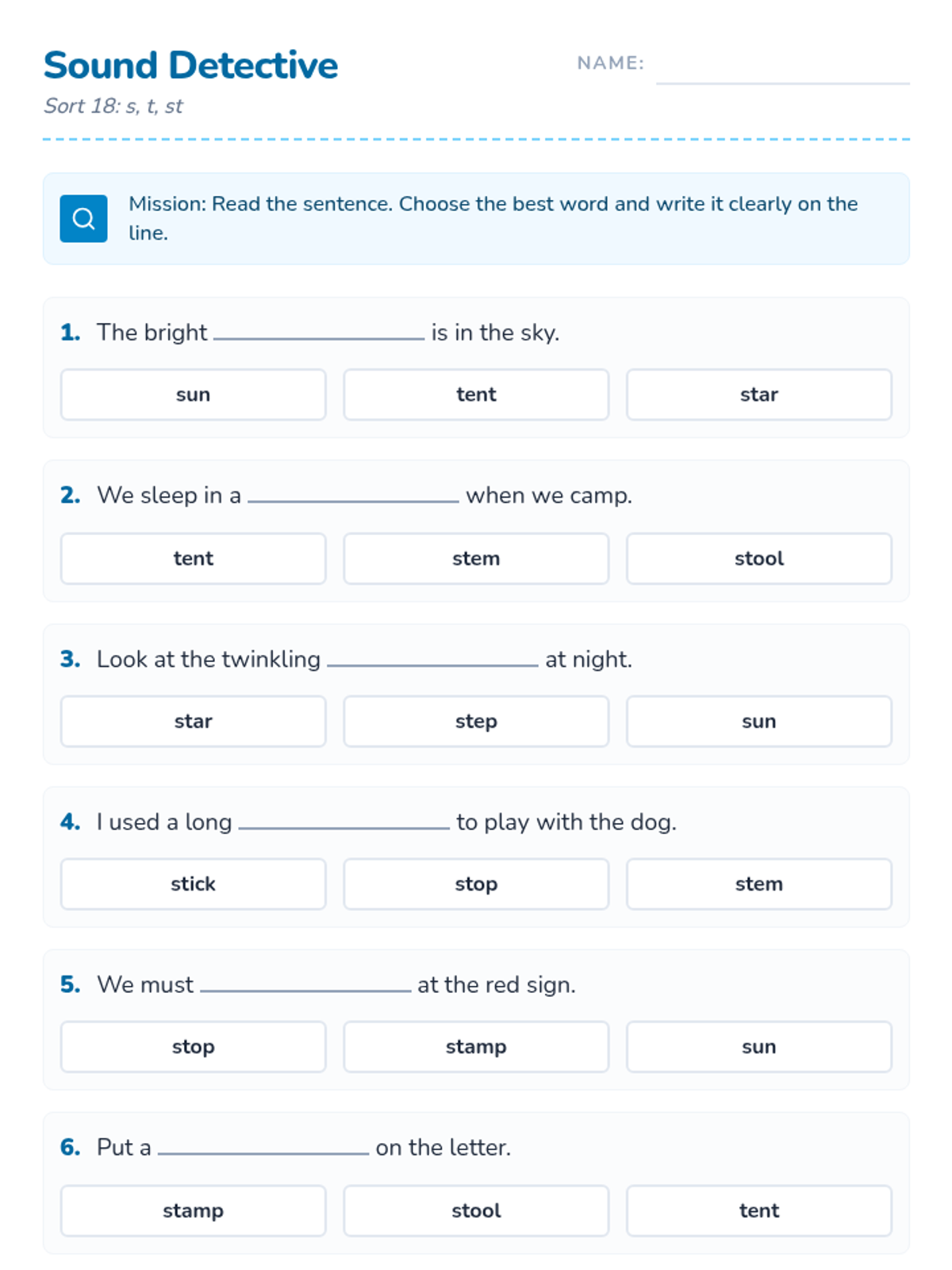
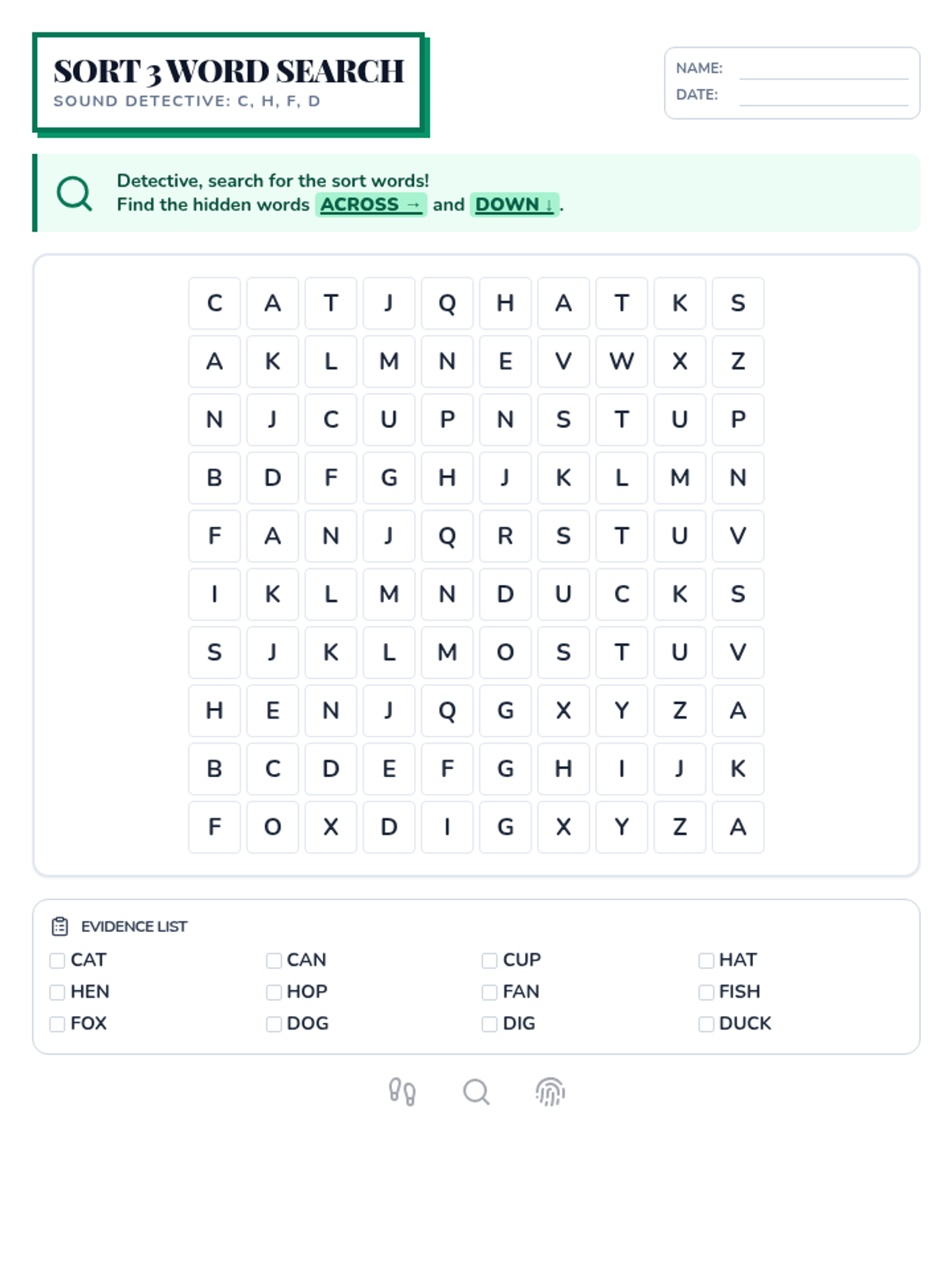
The first stage of the Sound Detective journey, focusing on the discovery of initial consonant sounds through interactive sentence puzzles.
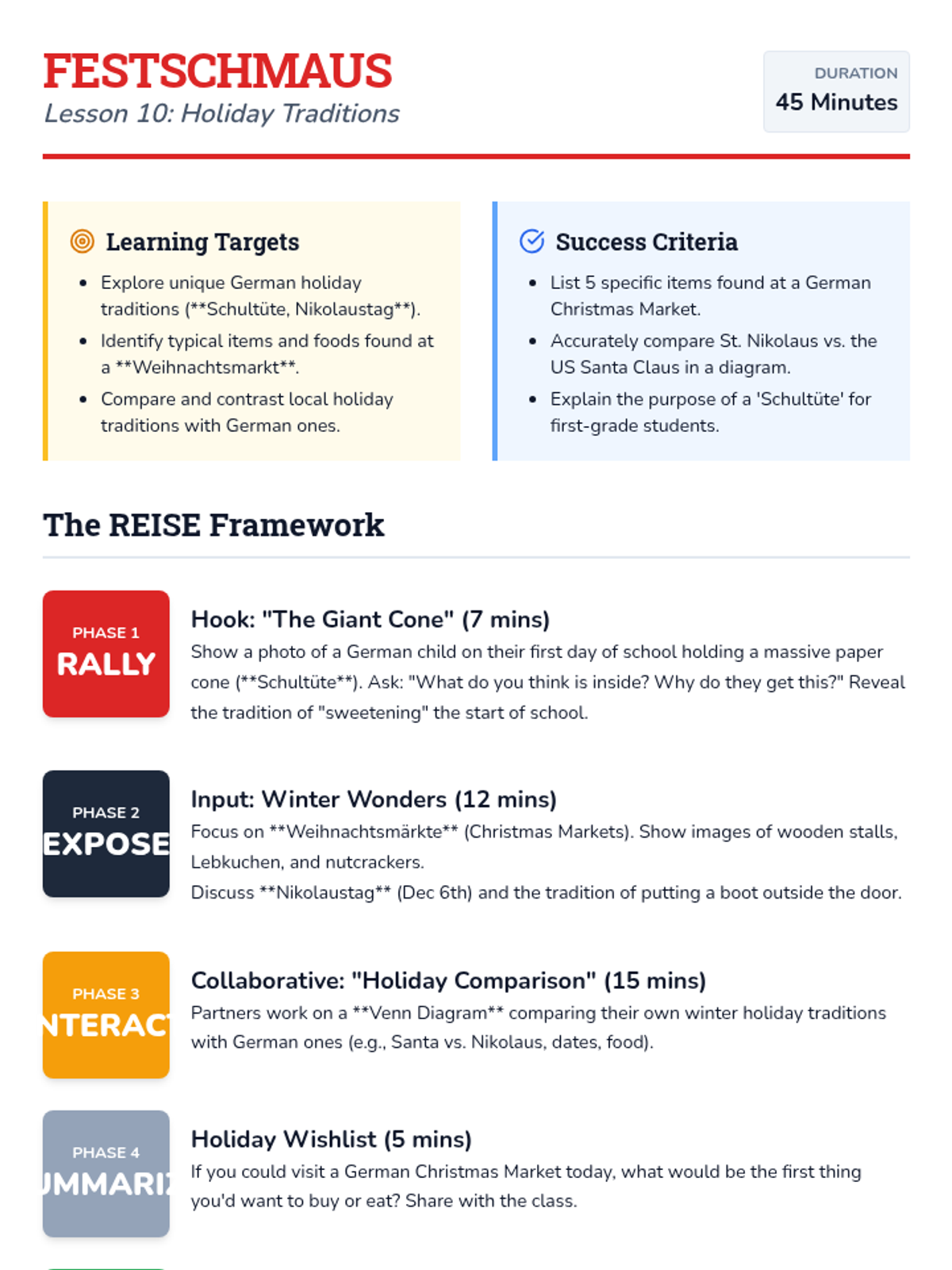
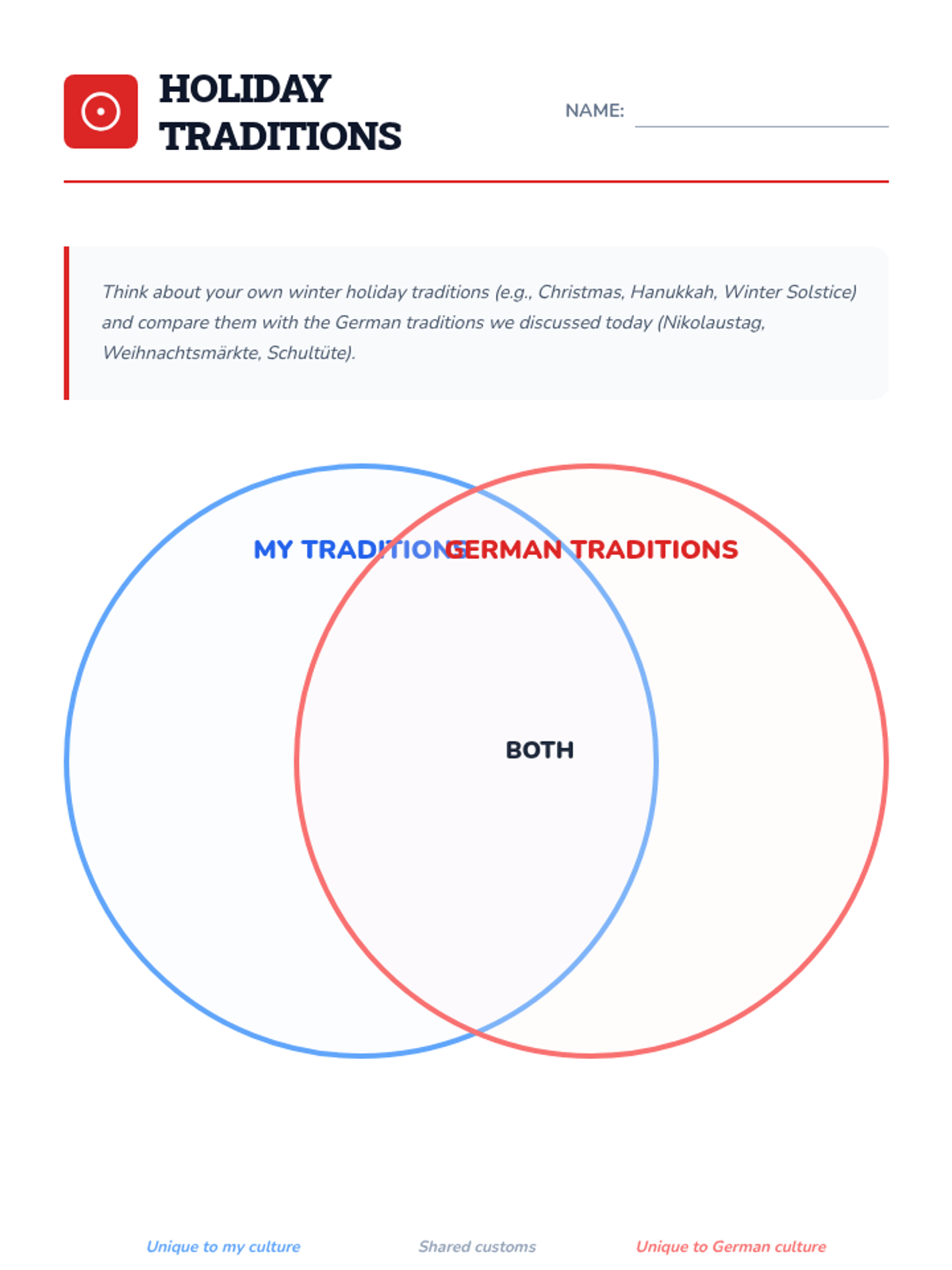
A festive conclusion focusing on German holiday traditions, including 'Schultüte' and 'Weihnachtsmärkte'. Students compare local and German celebrations using Venn diagrams.
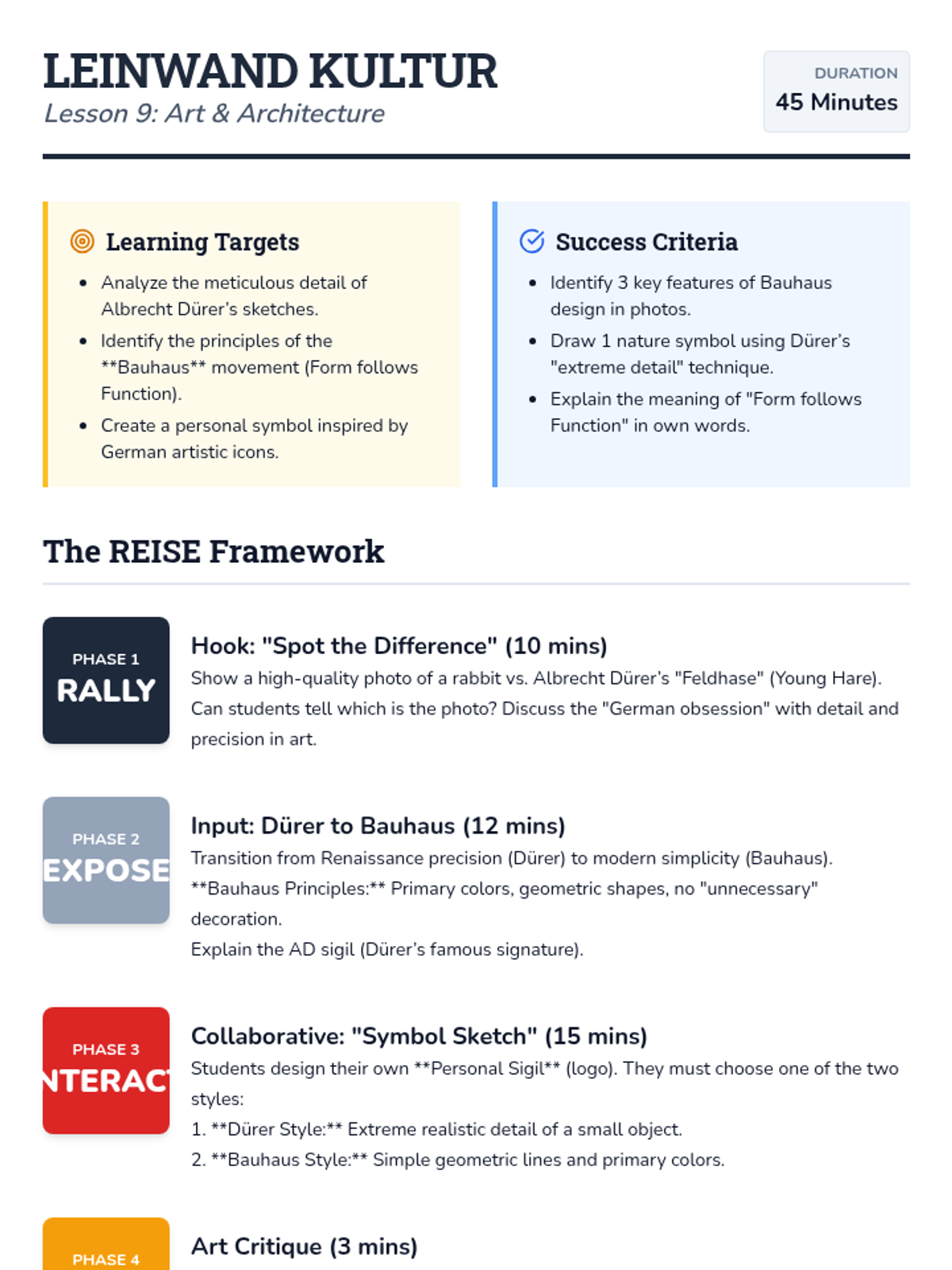
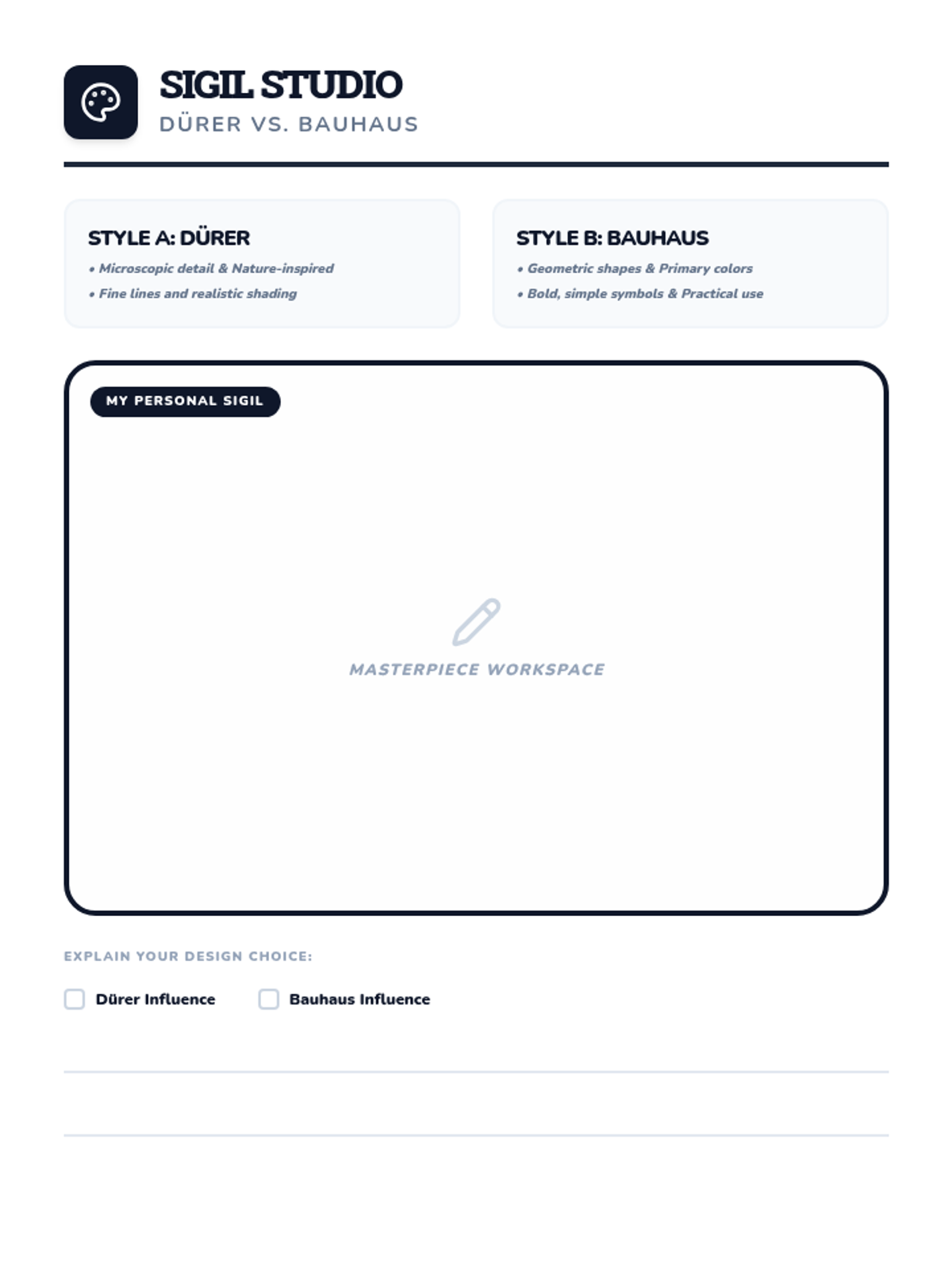
Analyzing the meticulous detail of Albrecht Dürer and the modernism of the Bauhaus movement. Students create their own symbols inspired by these German artistic icons.
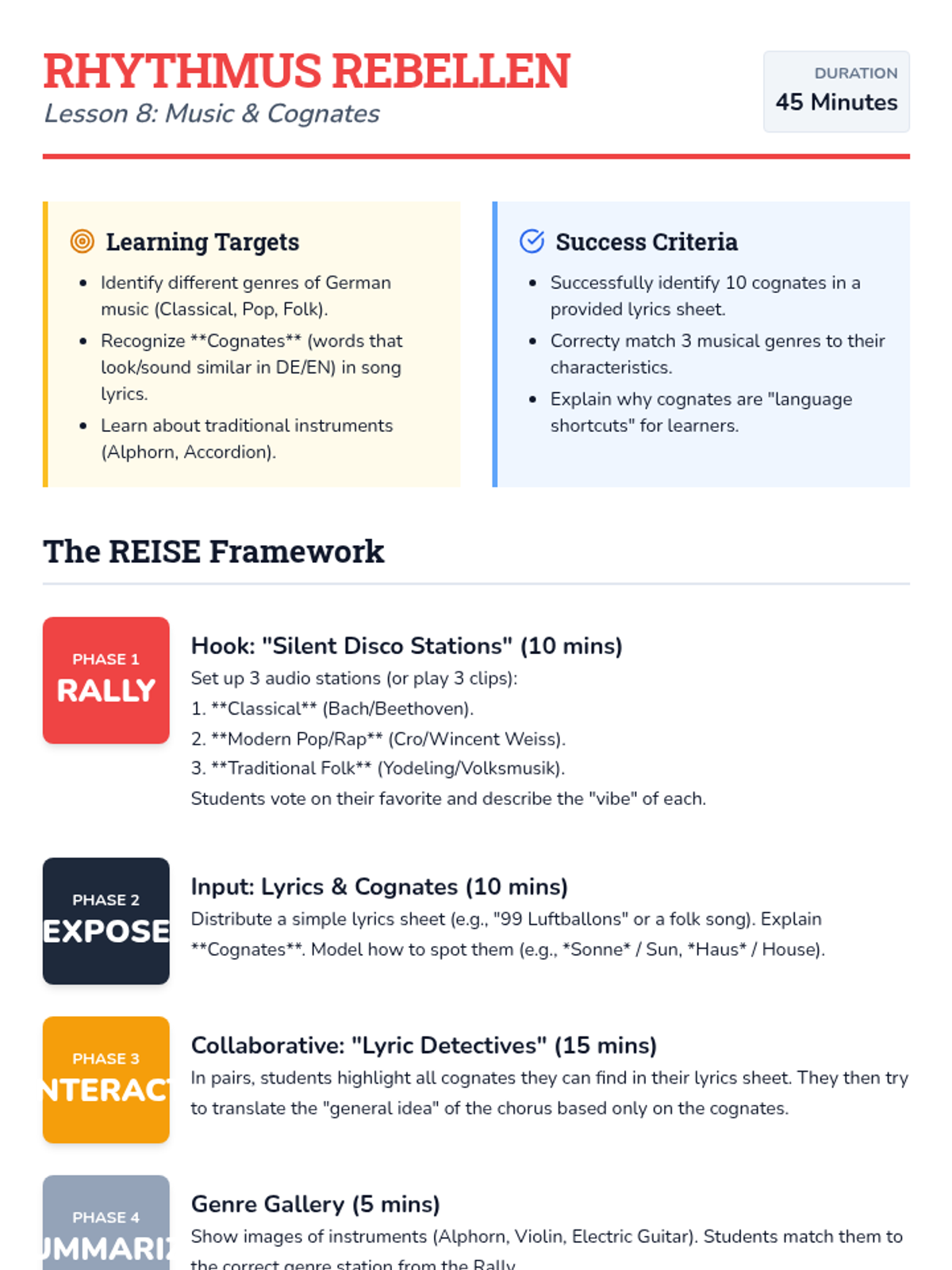
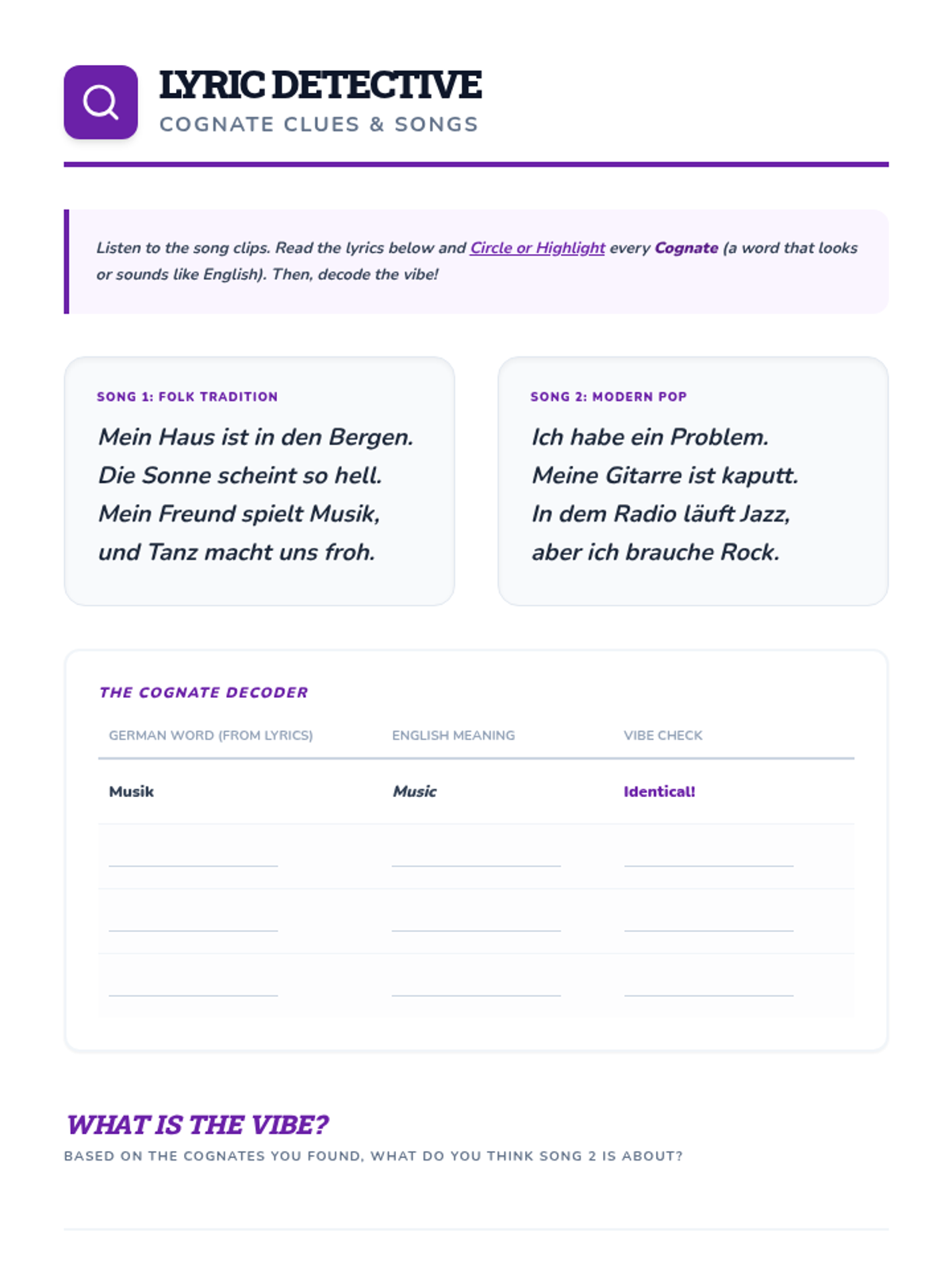
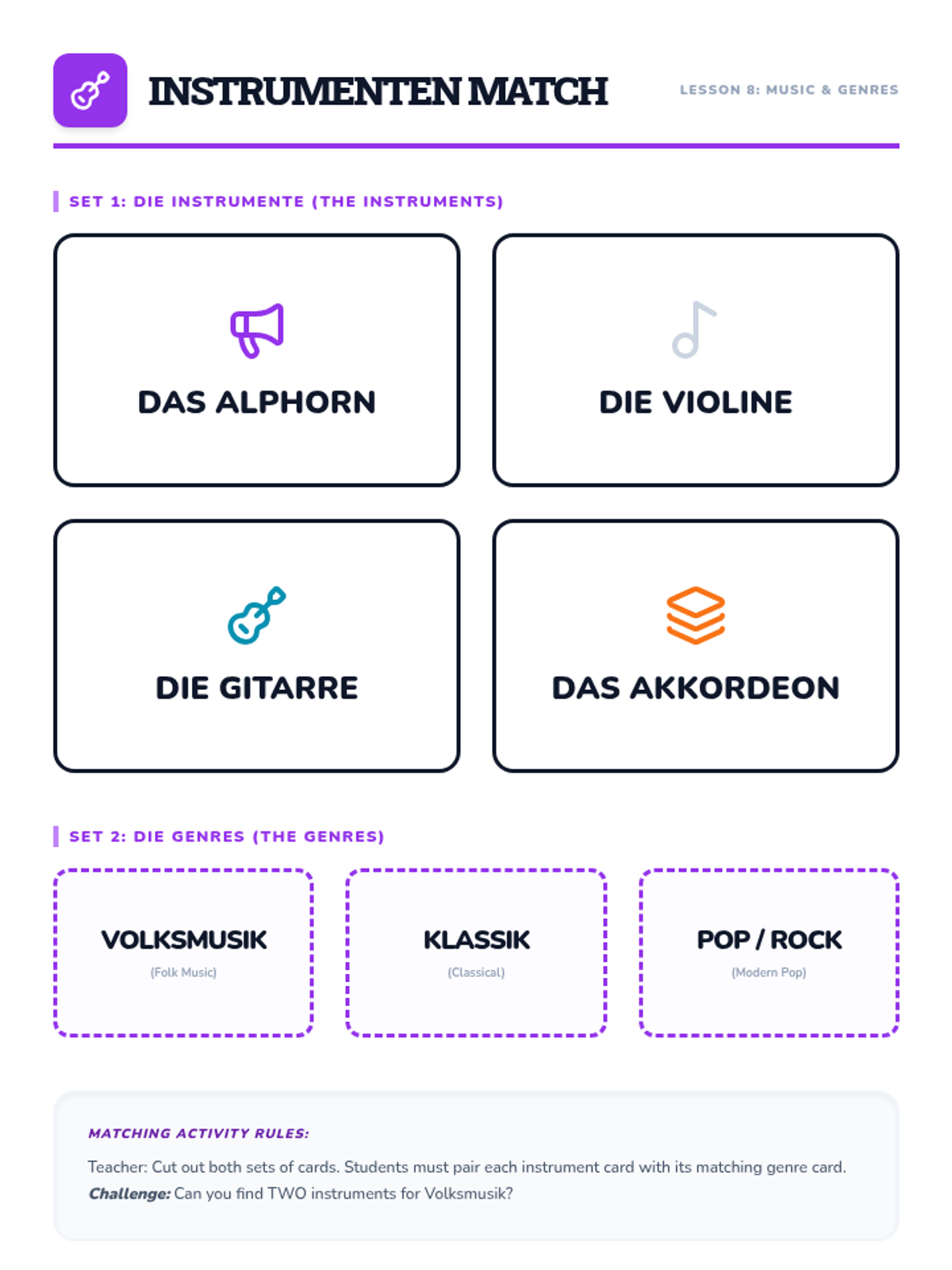
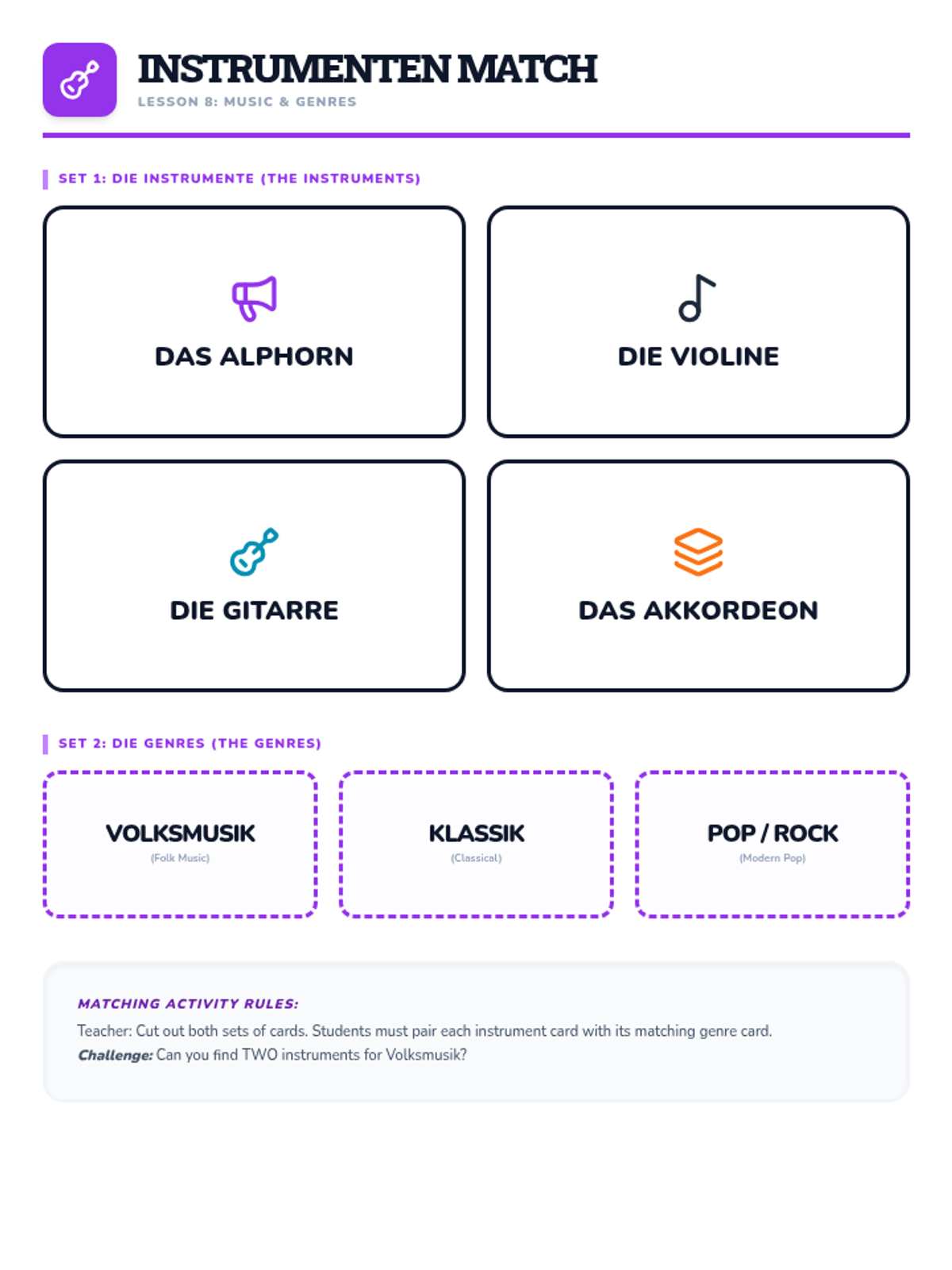
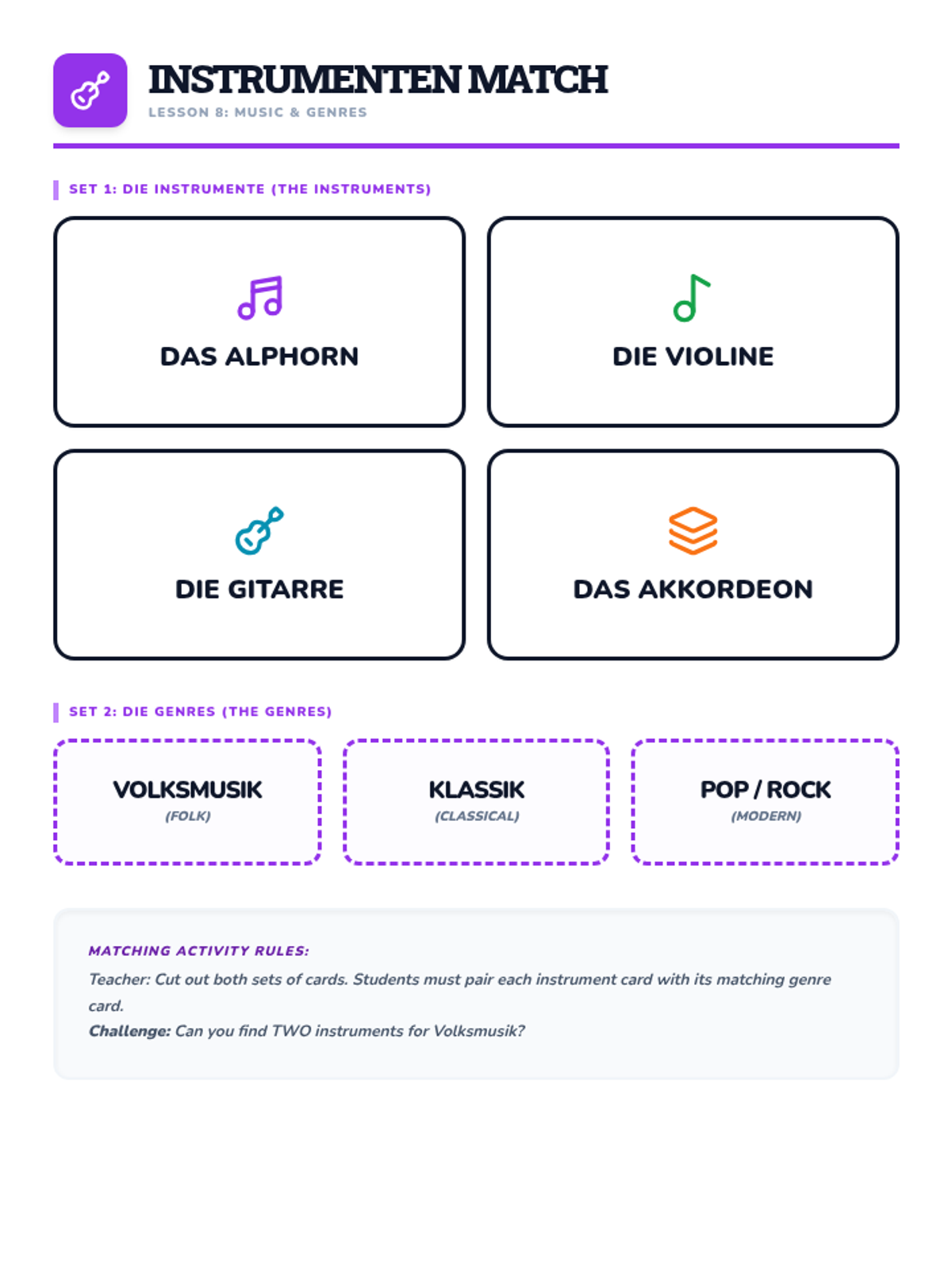
An exploration of German music from classical roots to modern pop and folk. Students analyze lyrics for cognates and identify traditional instruments.
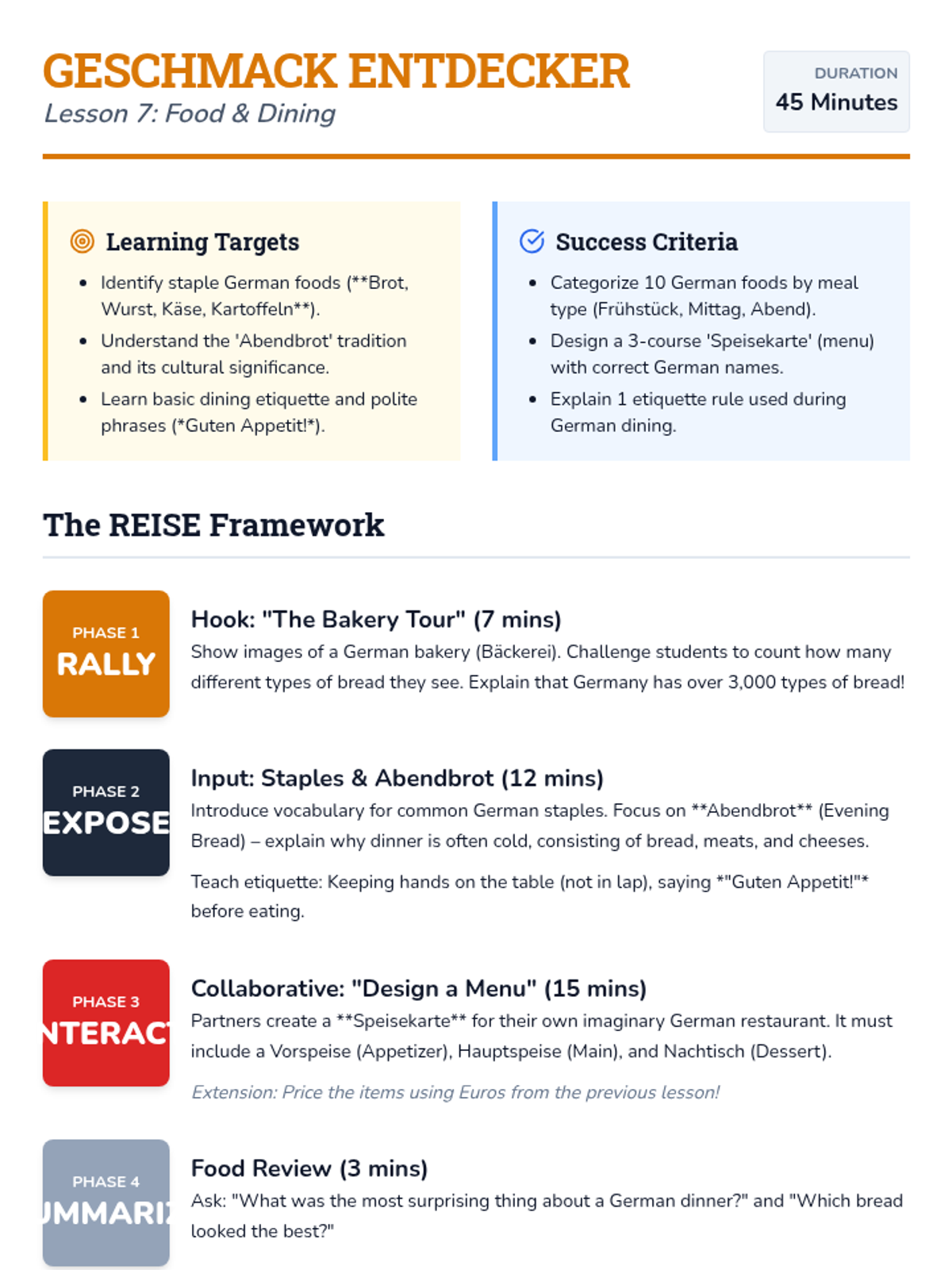
A culinary tour of German staples like bread and sausage. Students explore the 'Abendbrot' tradition and design their own German menu (Speisekarte).
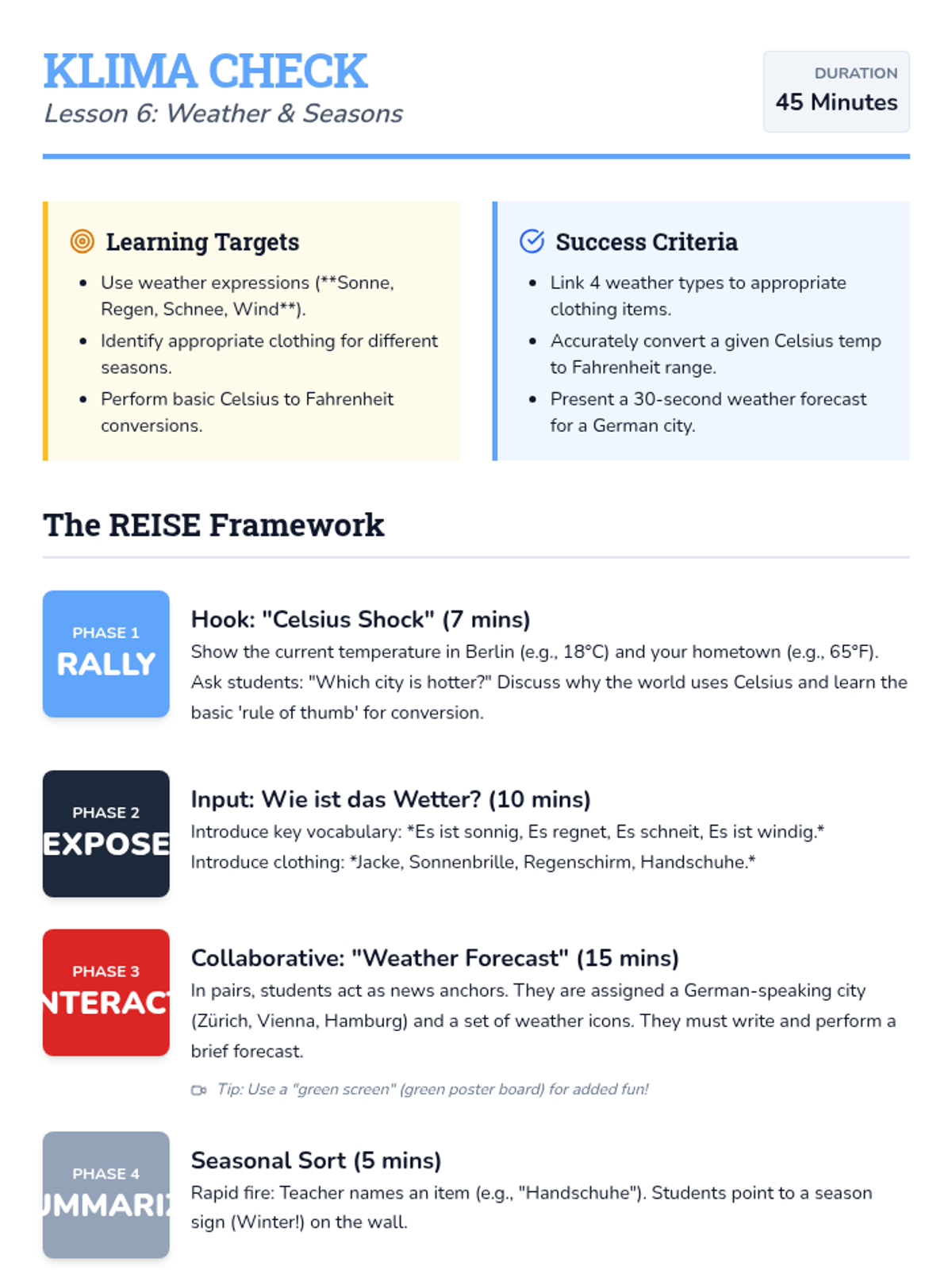
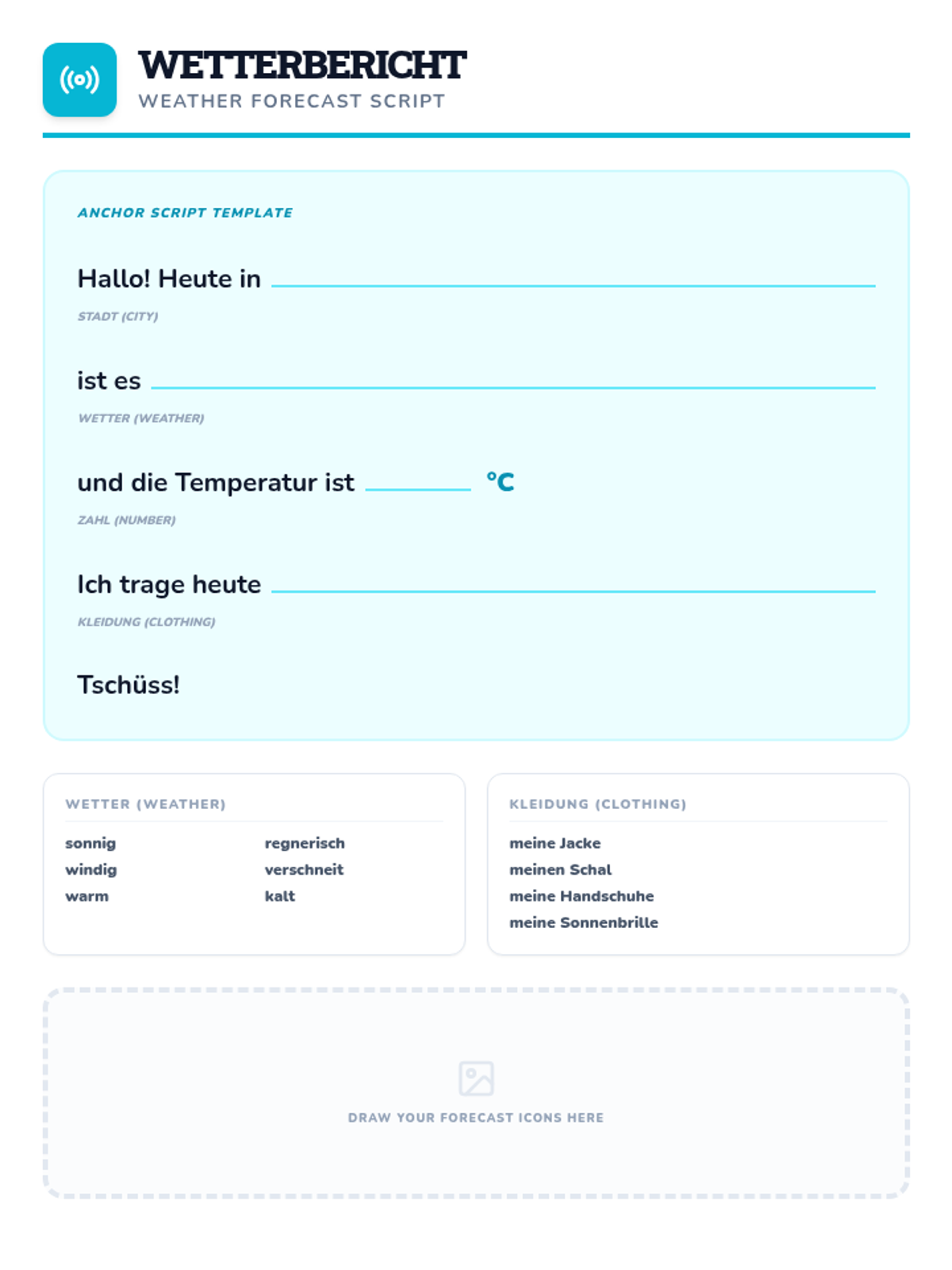
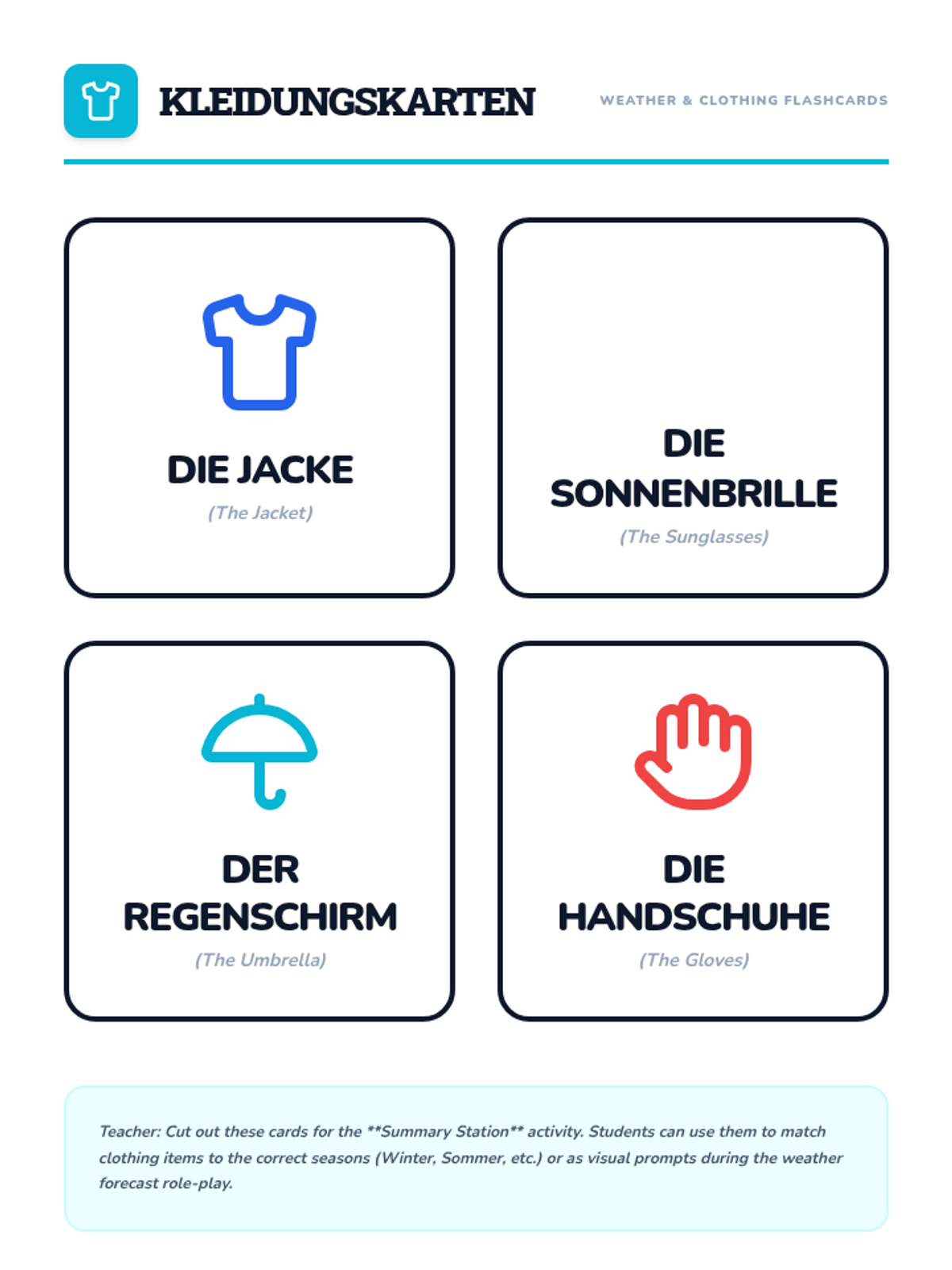
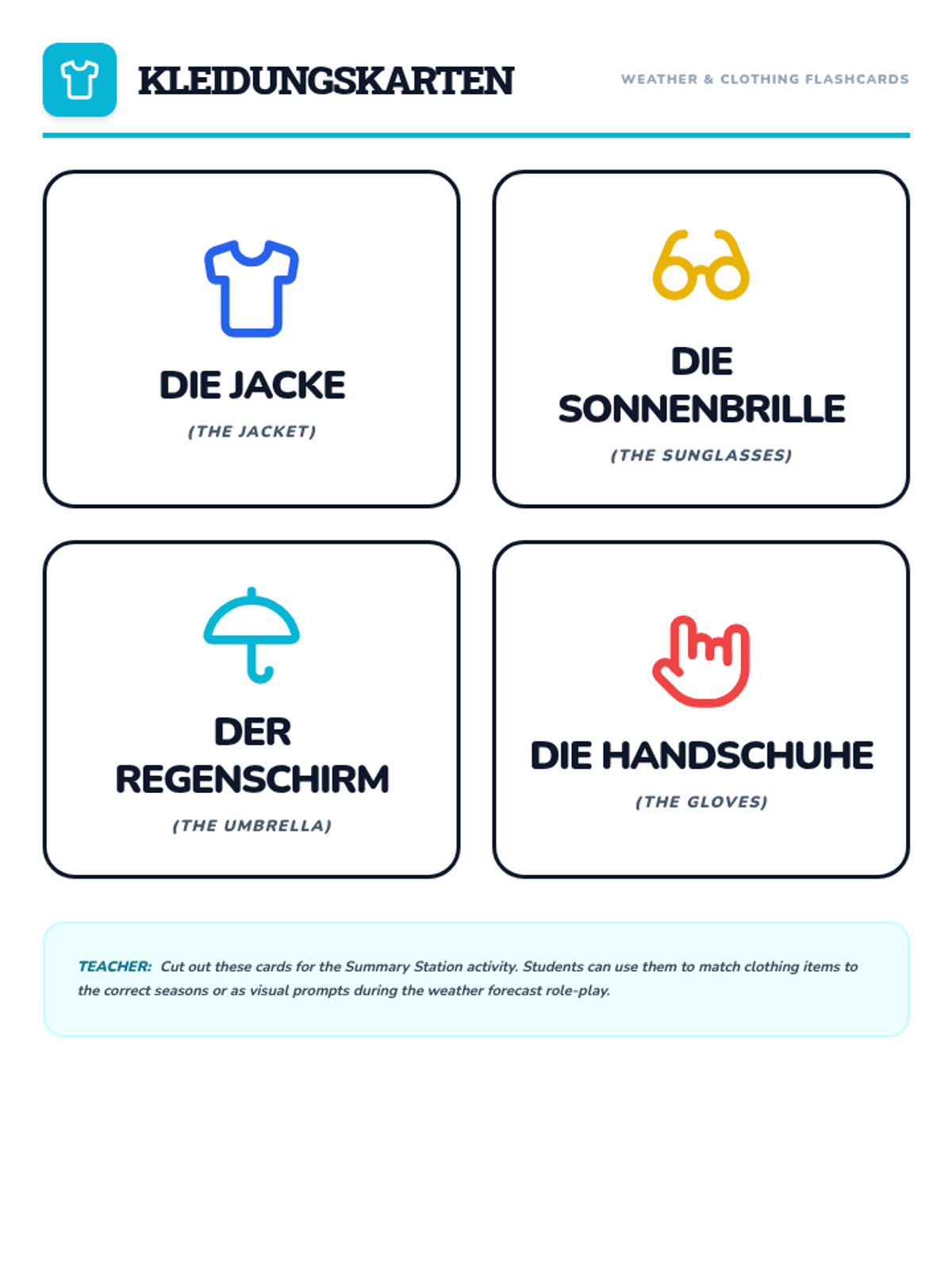
Weather expressions and seasonal clothing. Students convert Celsius to Fahrenheit and present a weather forecast for various German-speaking cities.
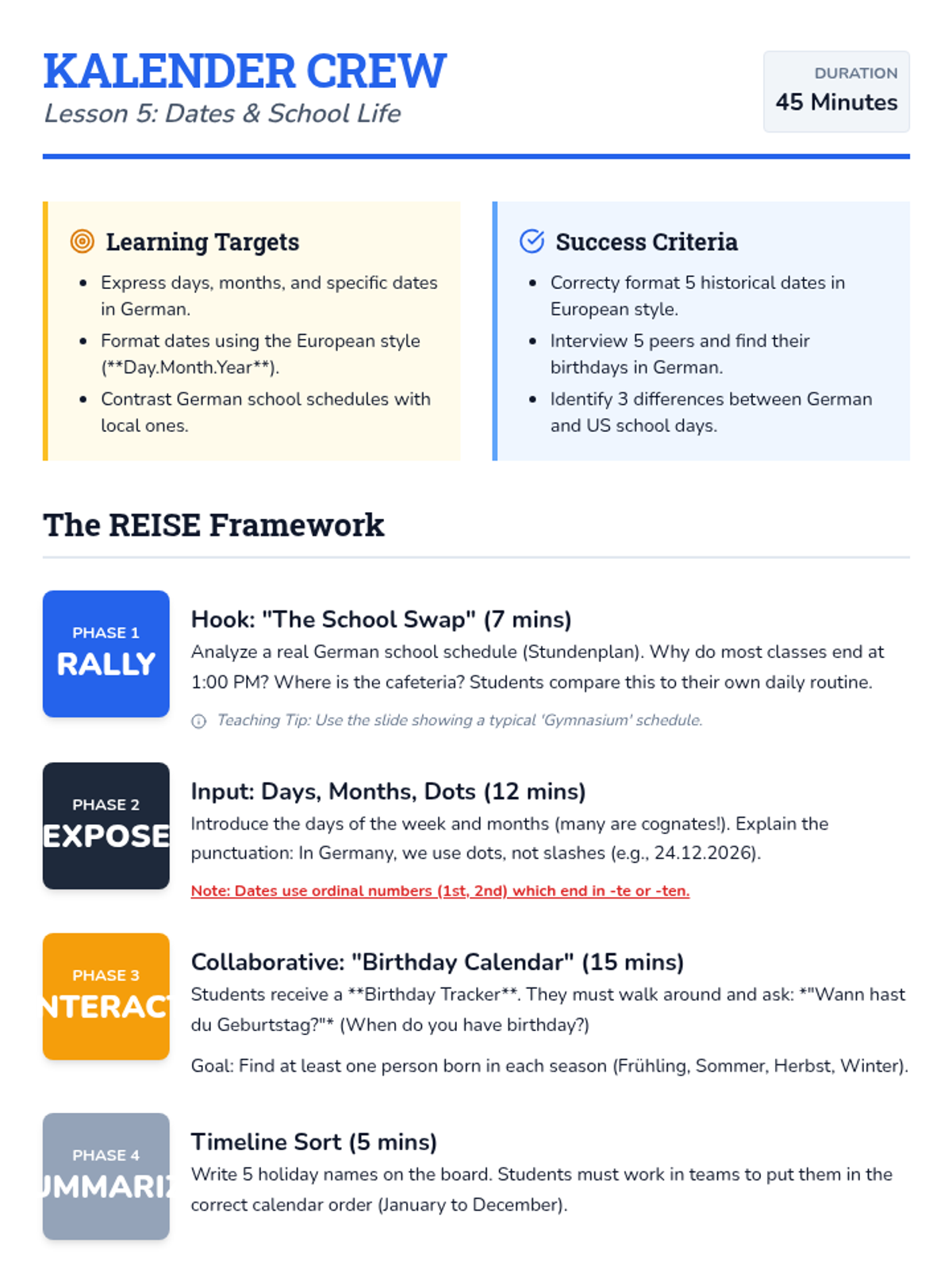
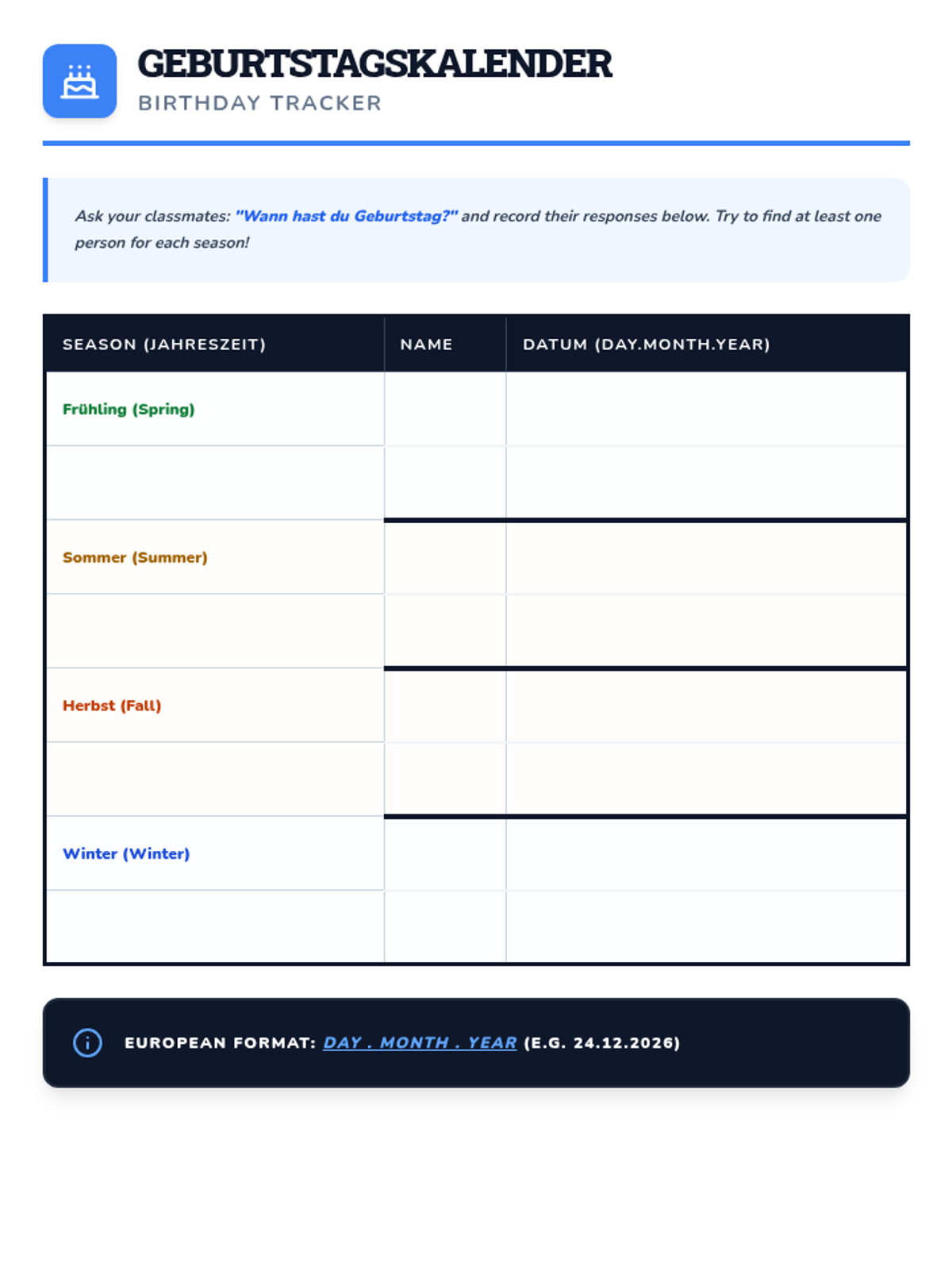
Exploring the German calendar and school system. Students learn date formatting (Day.Month.Year) and compare their school schedules with a typical German 'Halbtagsschule'.
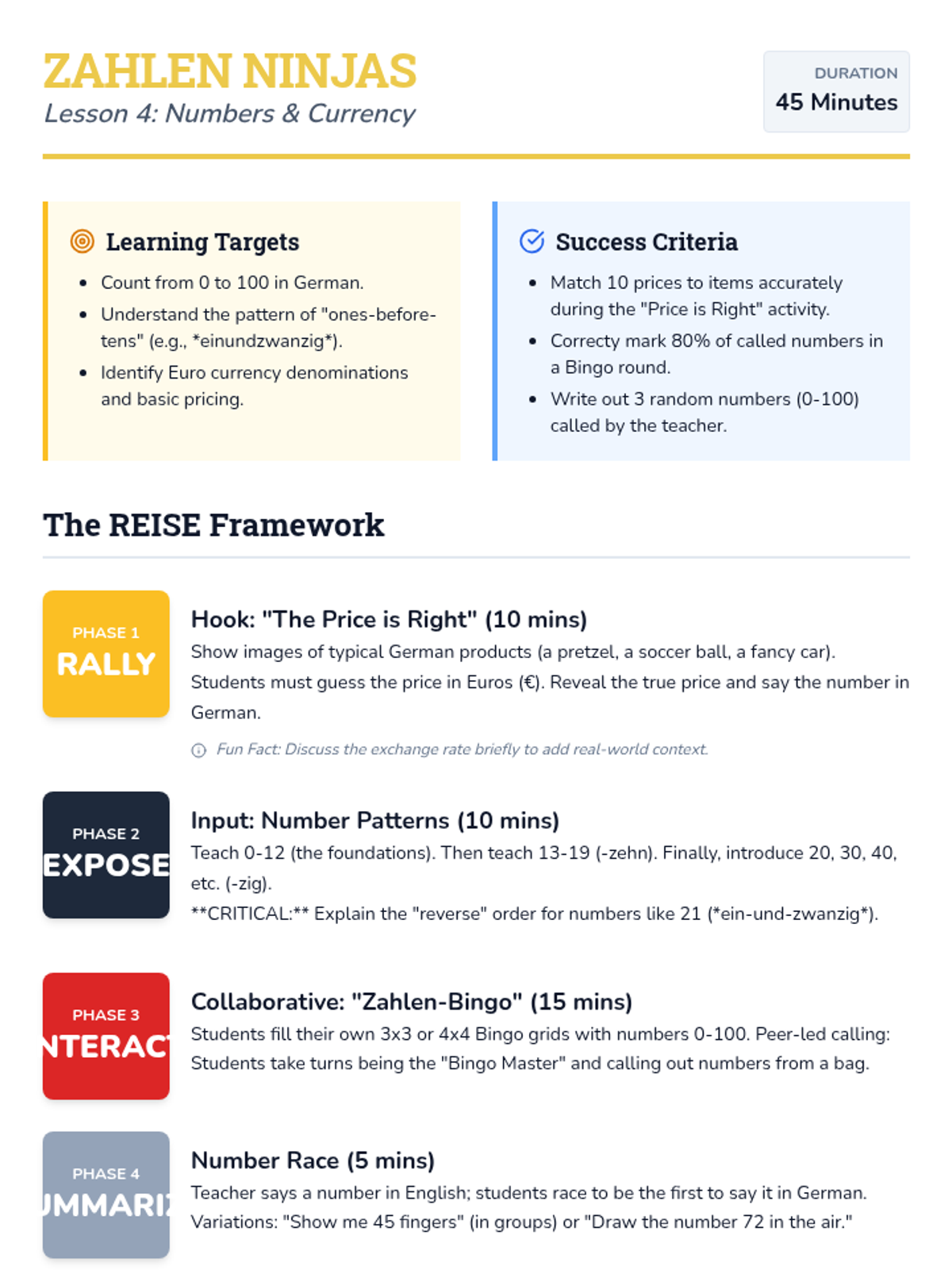
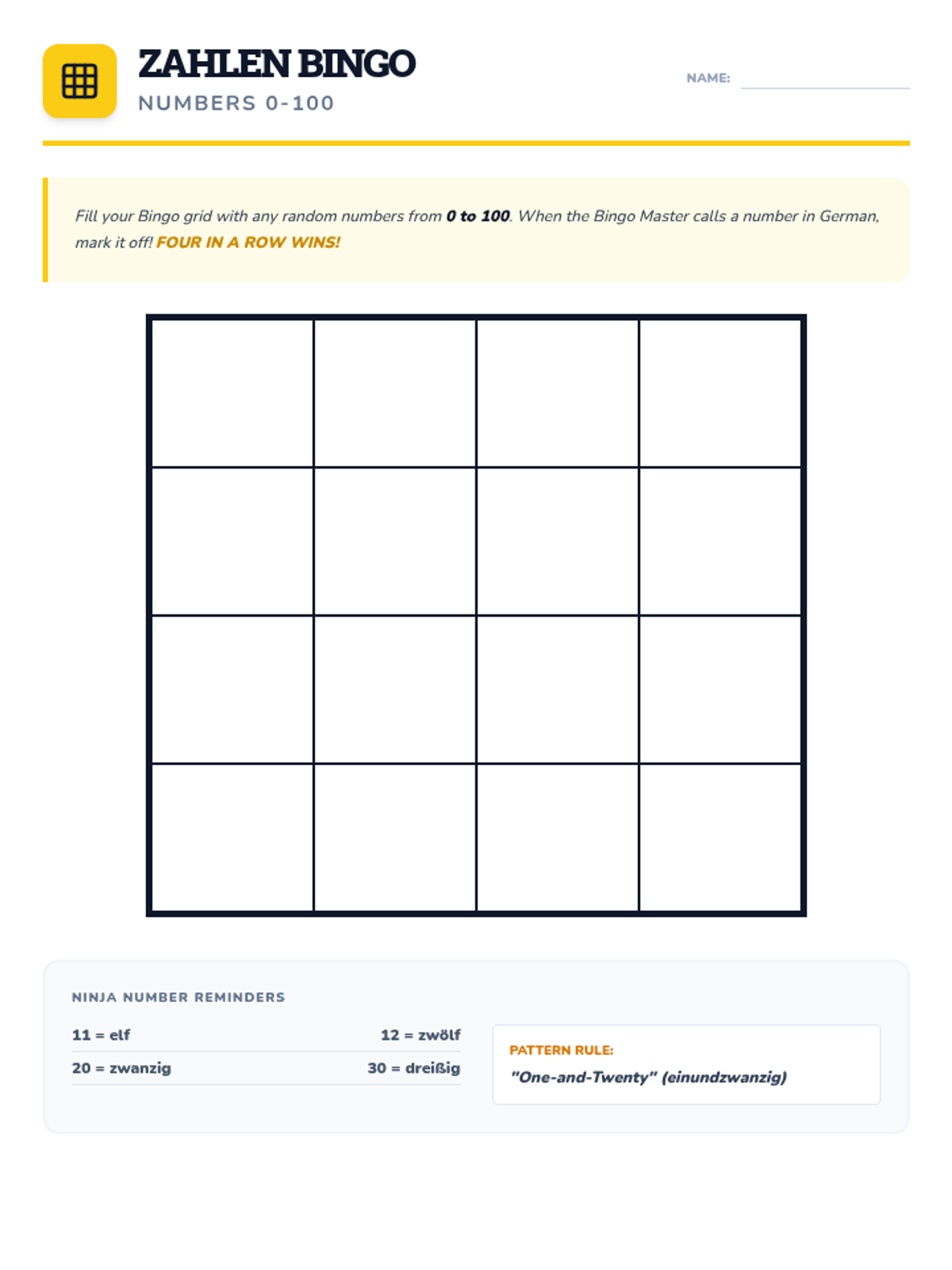
Students master counting up to 100 and explore the Euro currency. They participate in a German-themed 'Price is Right' and peer-led Bingo rounds.
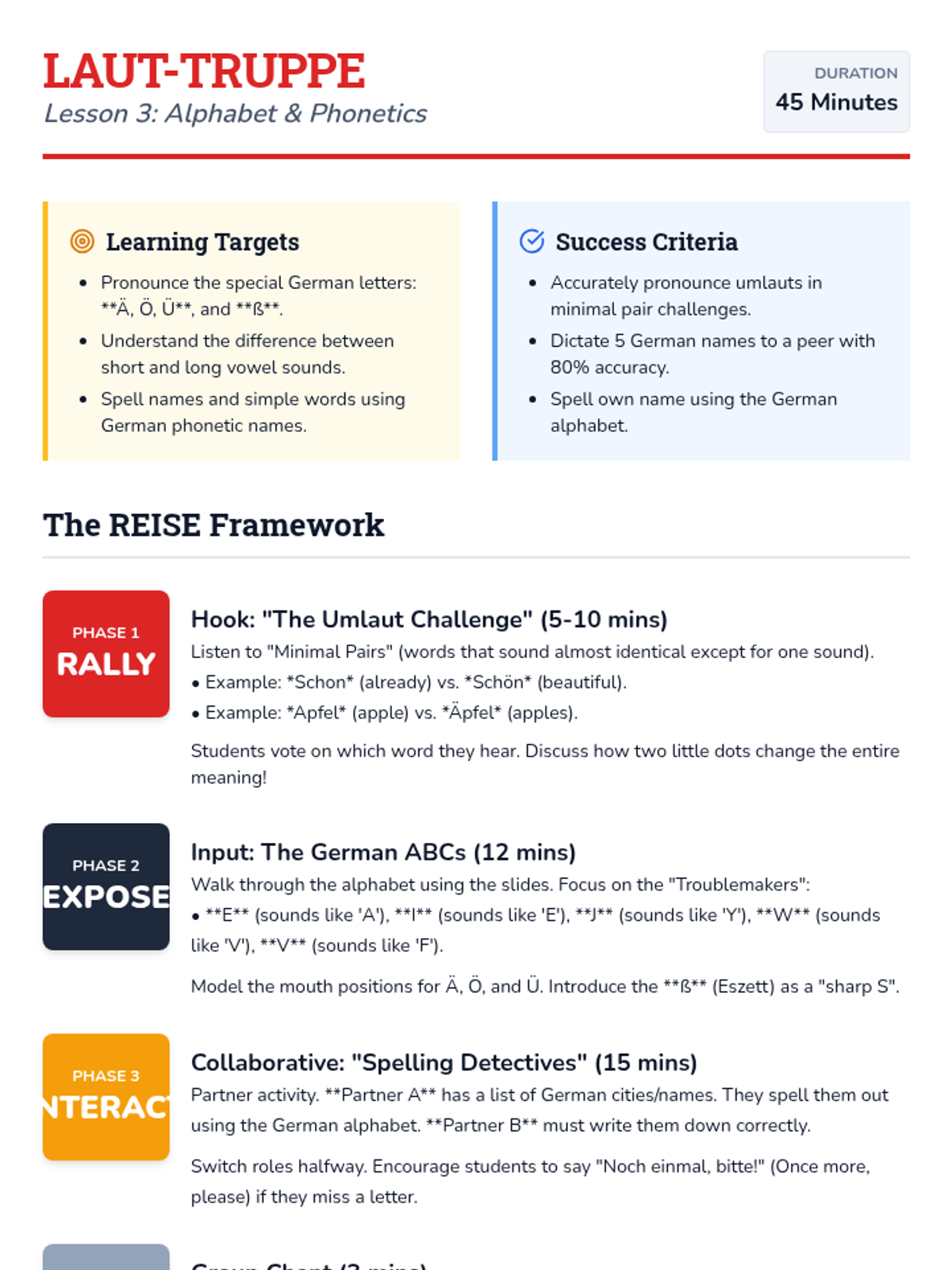
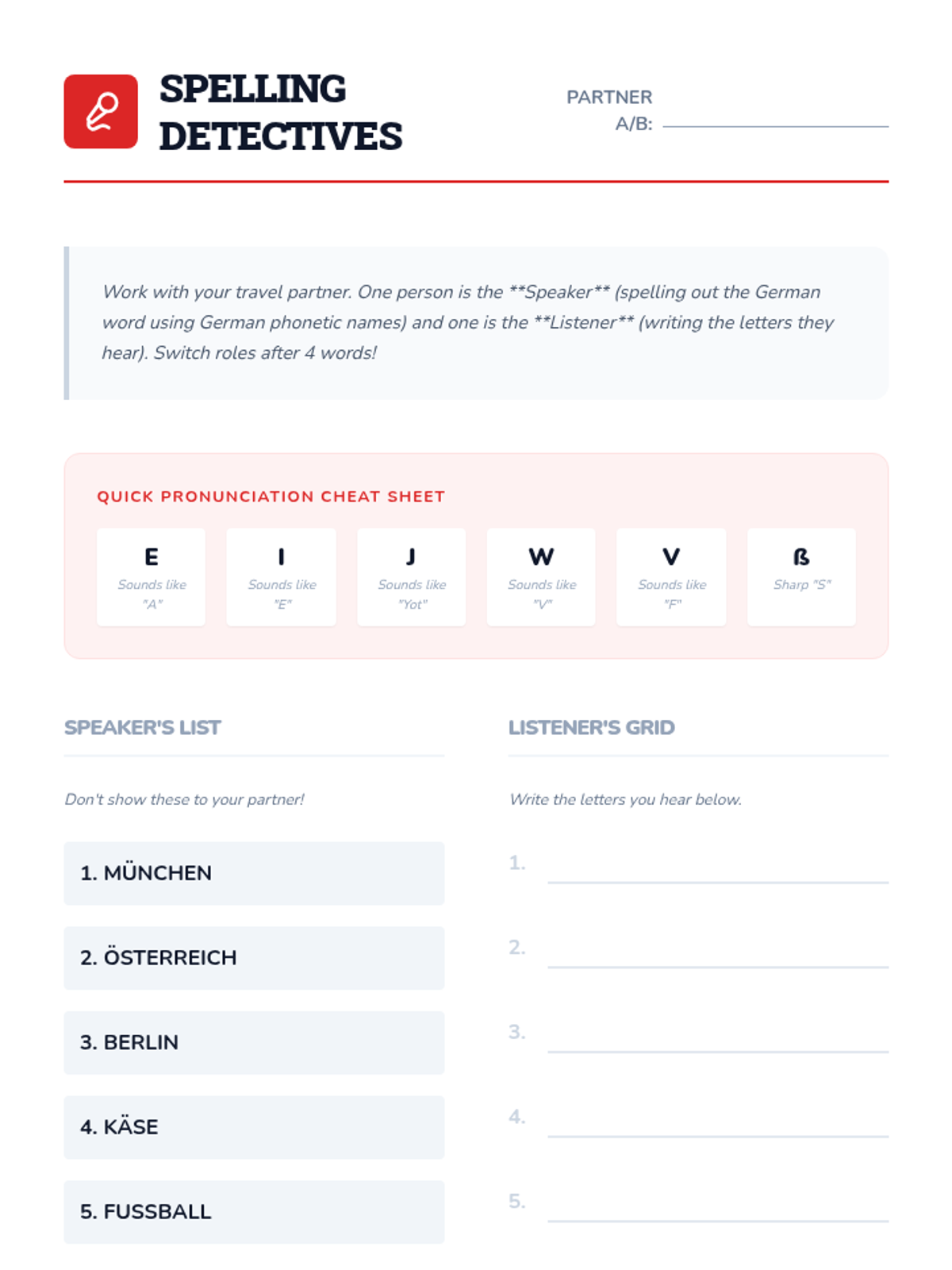
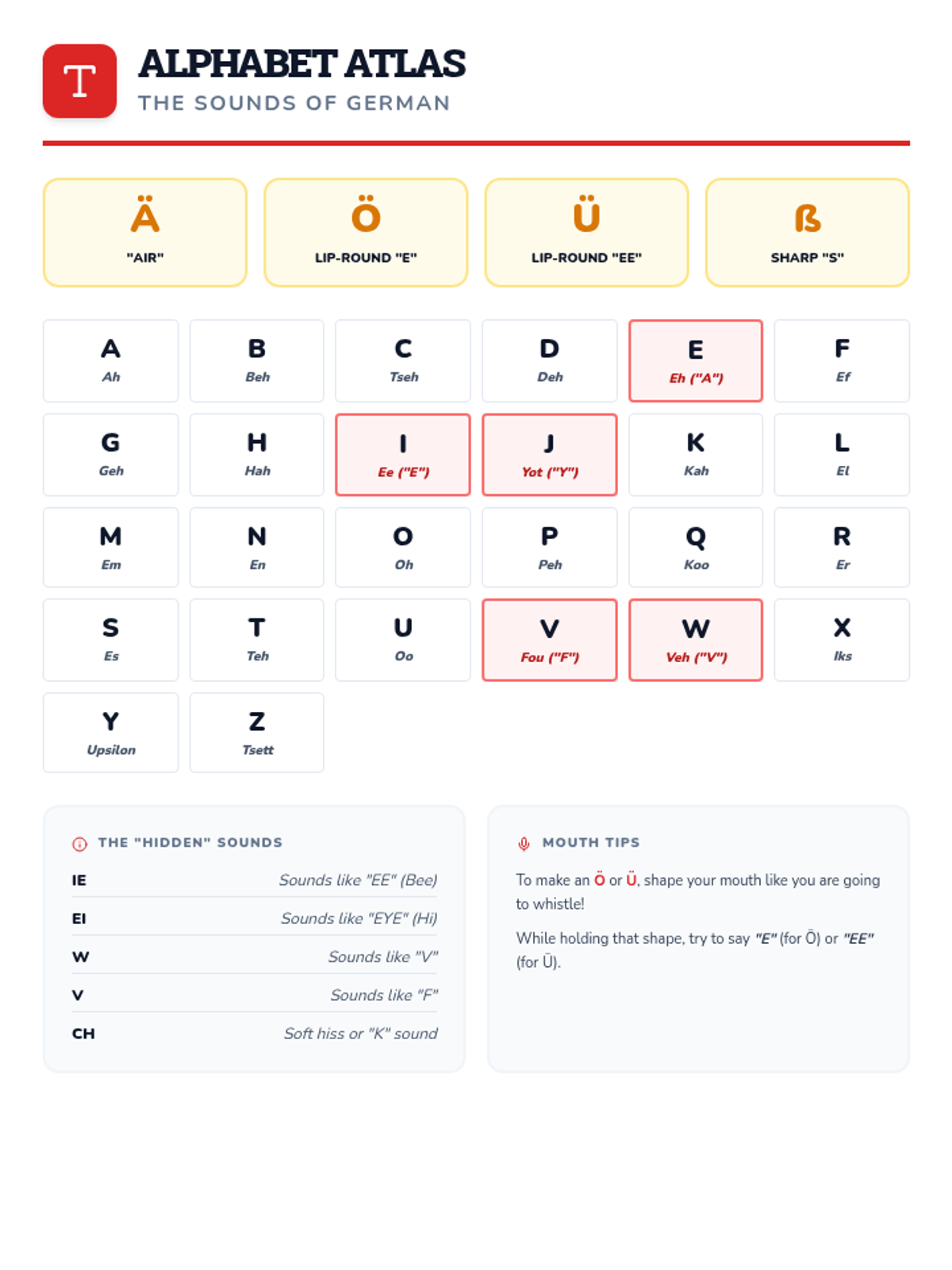
A phonetics-focused lesson covering the German alphabet, with special attention to the unique letters Ä, Ö, Ü, and ß. Students practice spelling names and identifying phonetic sounds.
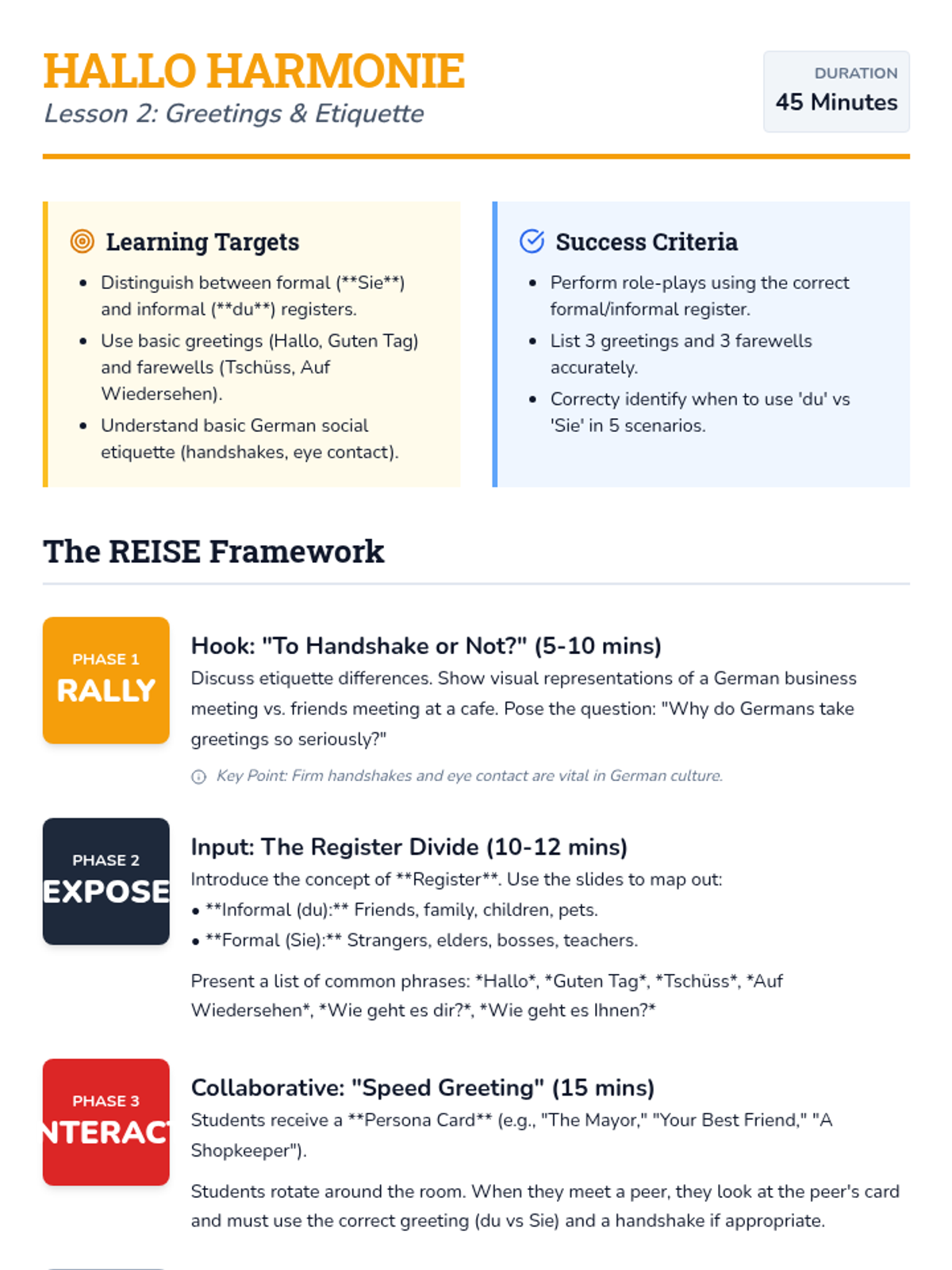
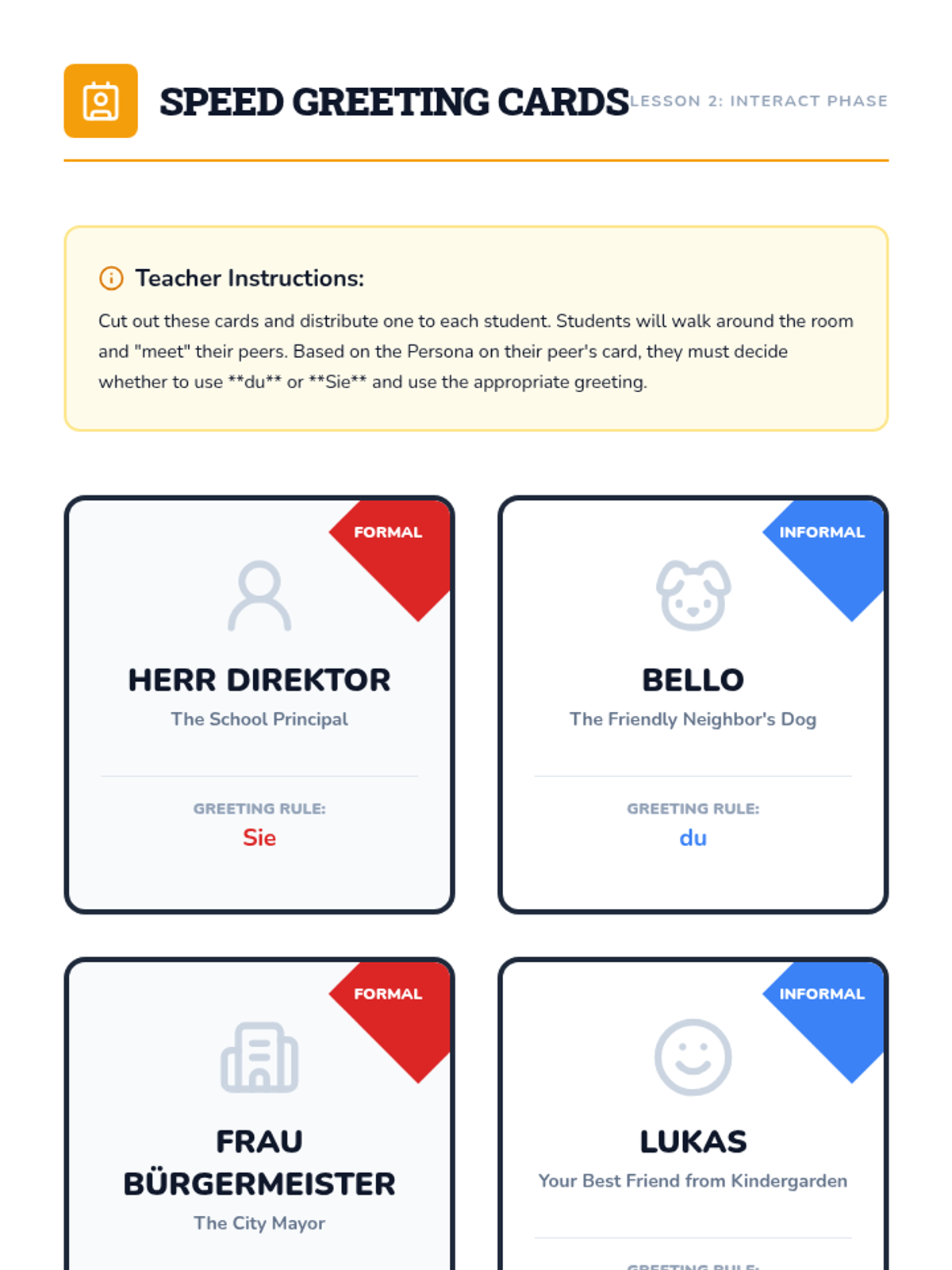
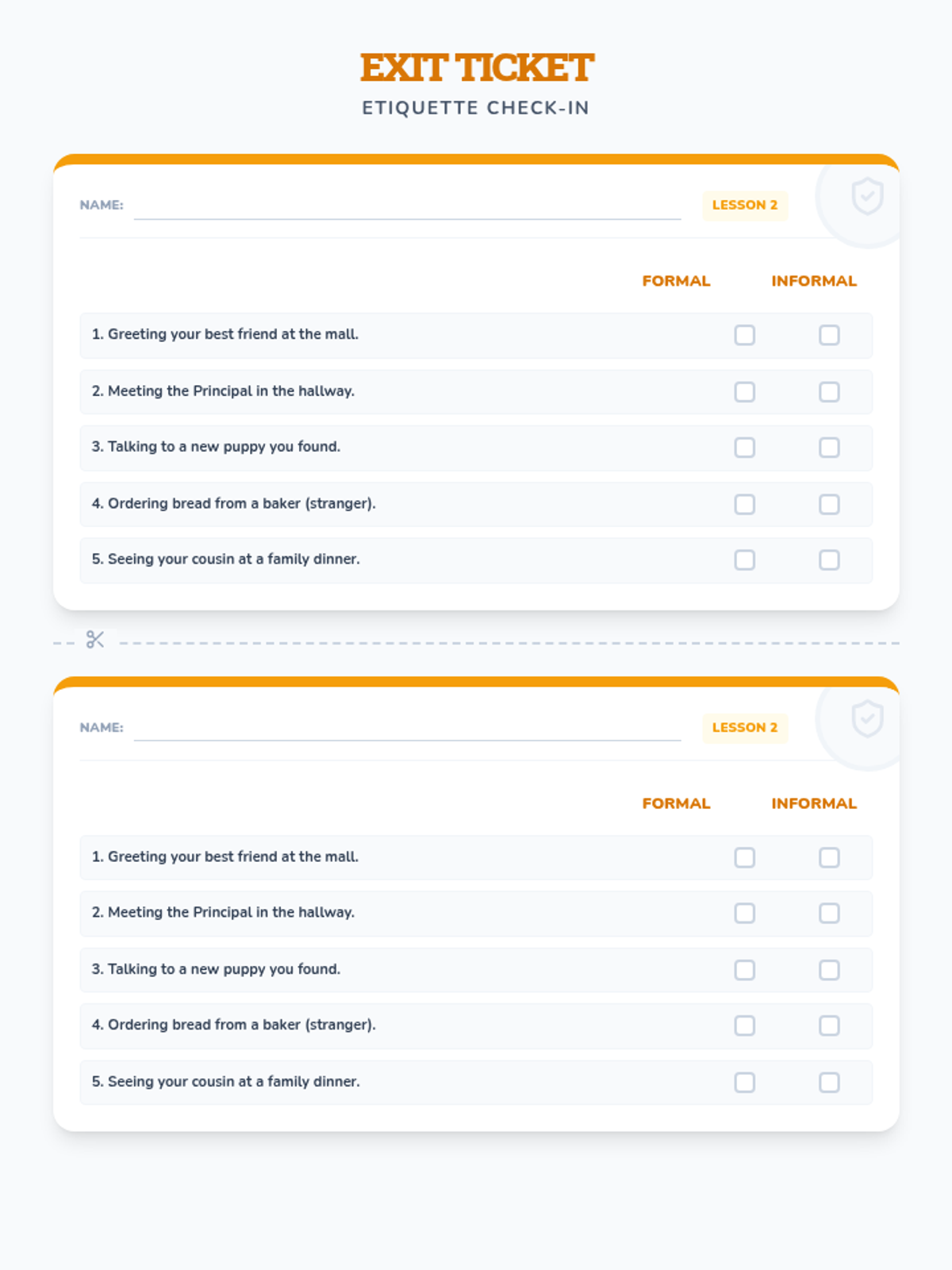
Students learn the nuances of German social interaction, specifically the distinction between the formal 'Sie' and informal 'du'. Activities include role-playing greetings with different personae.
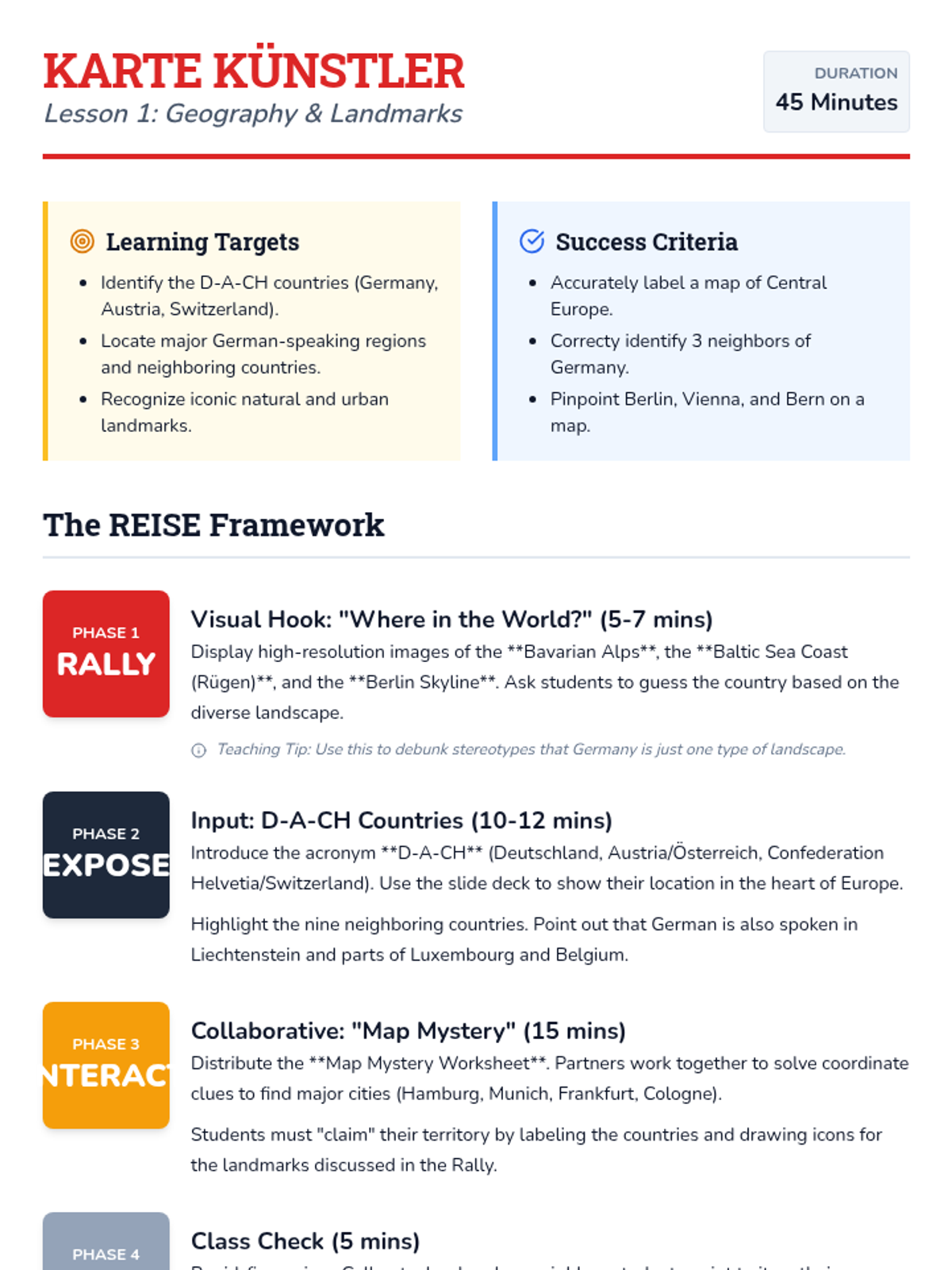
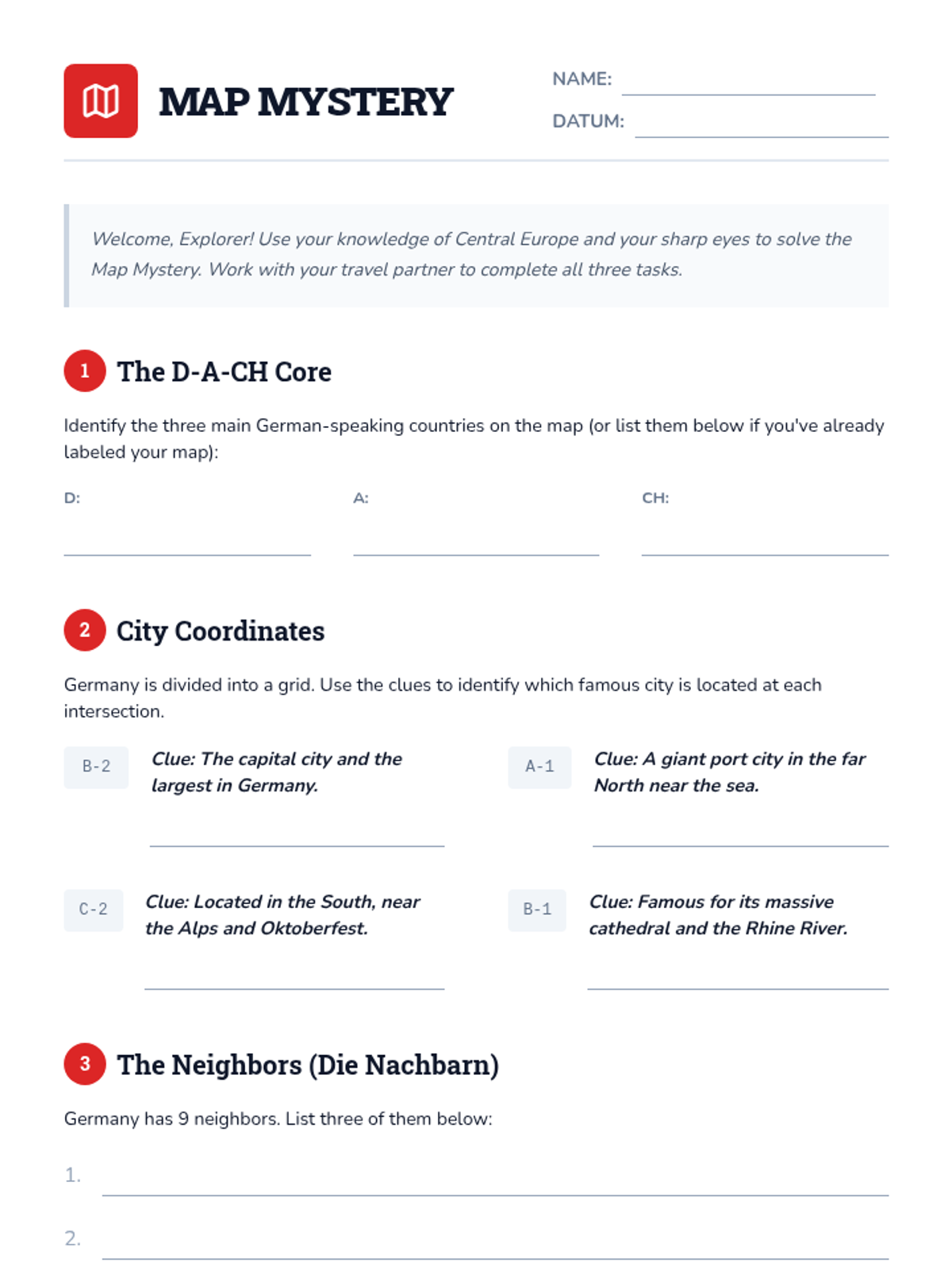
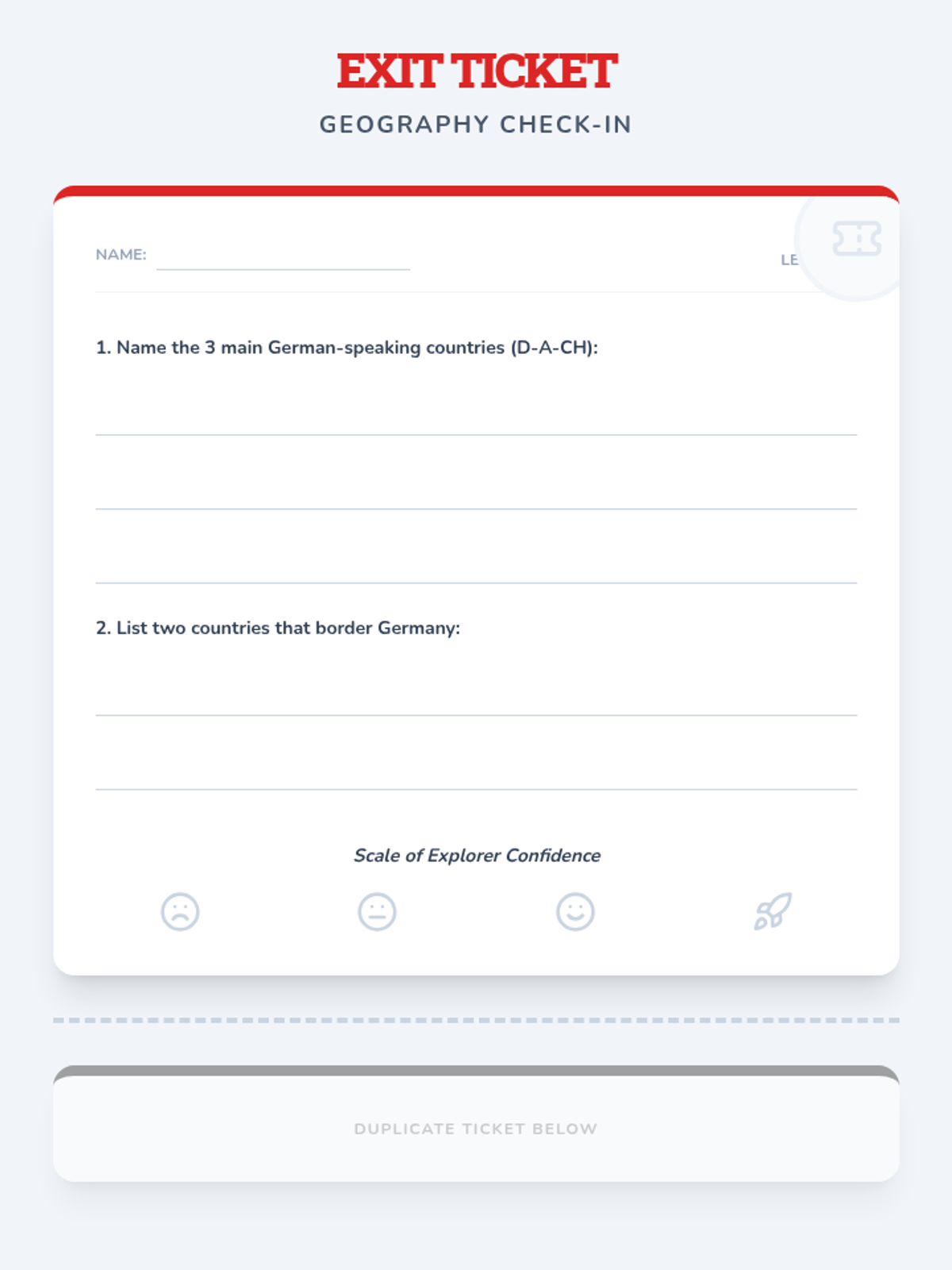
Students explore the geography of Central Europe, focusing on the D-A-CH countries (Germany, Austria, Switzerland) and major landmarks. Activities include a visual hook of the Alps and Baltic coast and a coordinate-based map mystery.
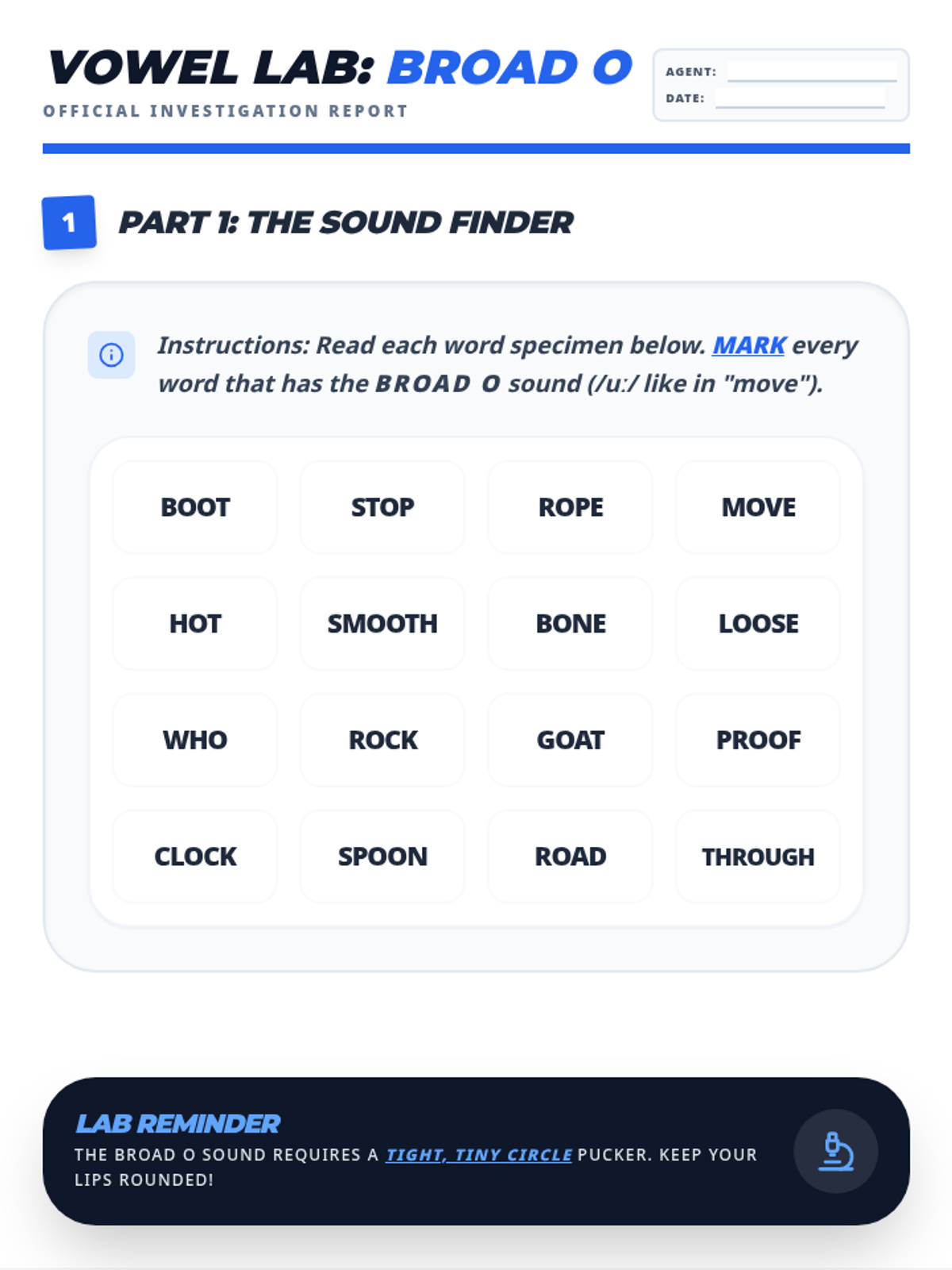
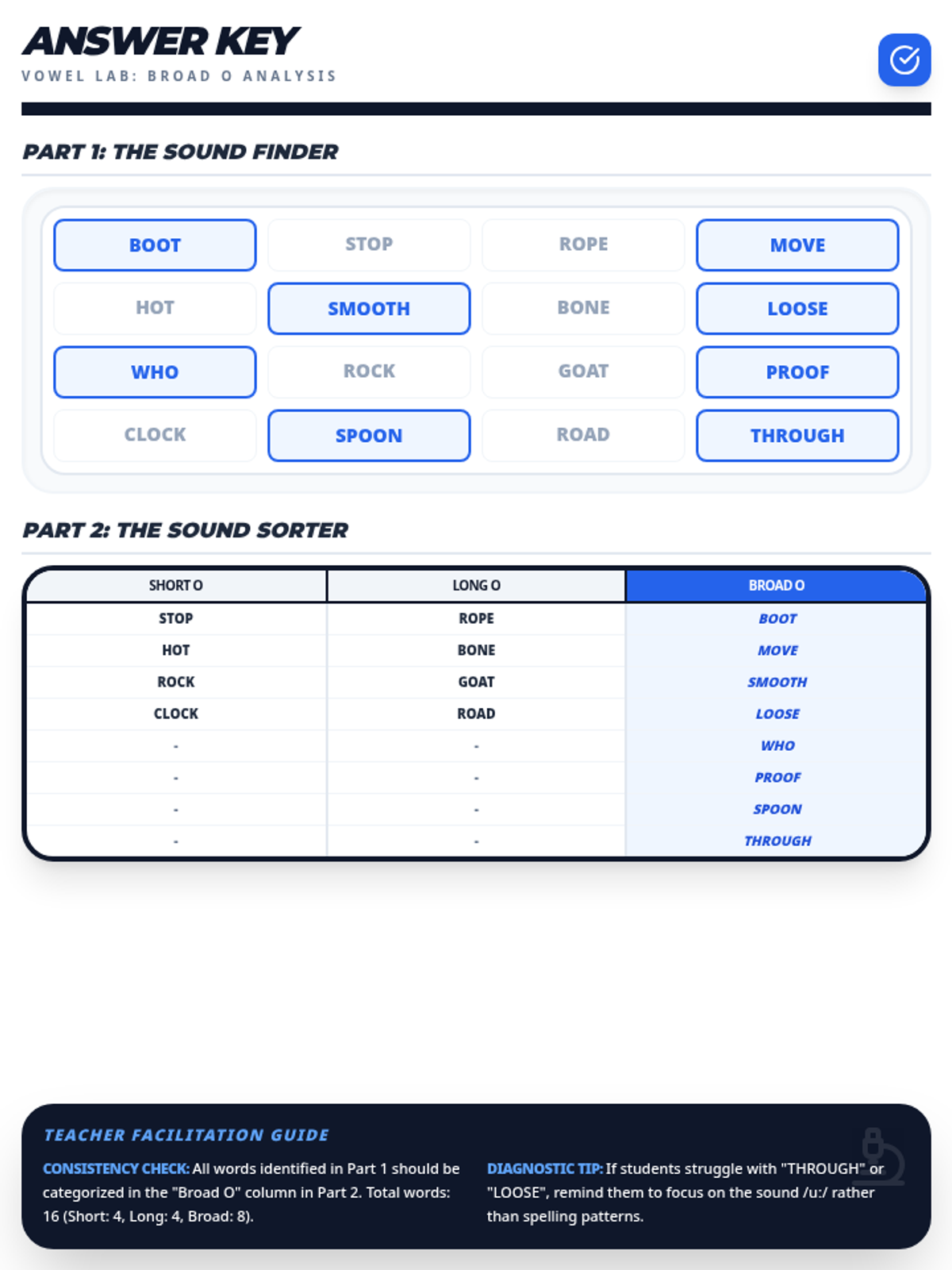
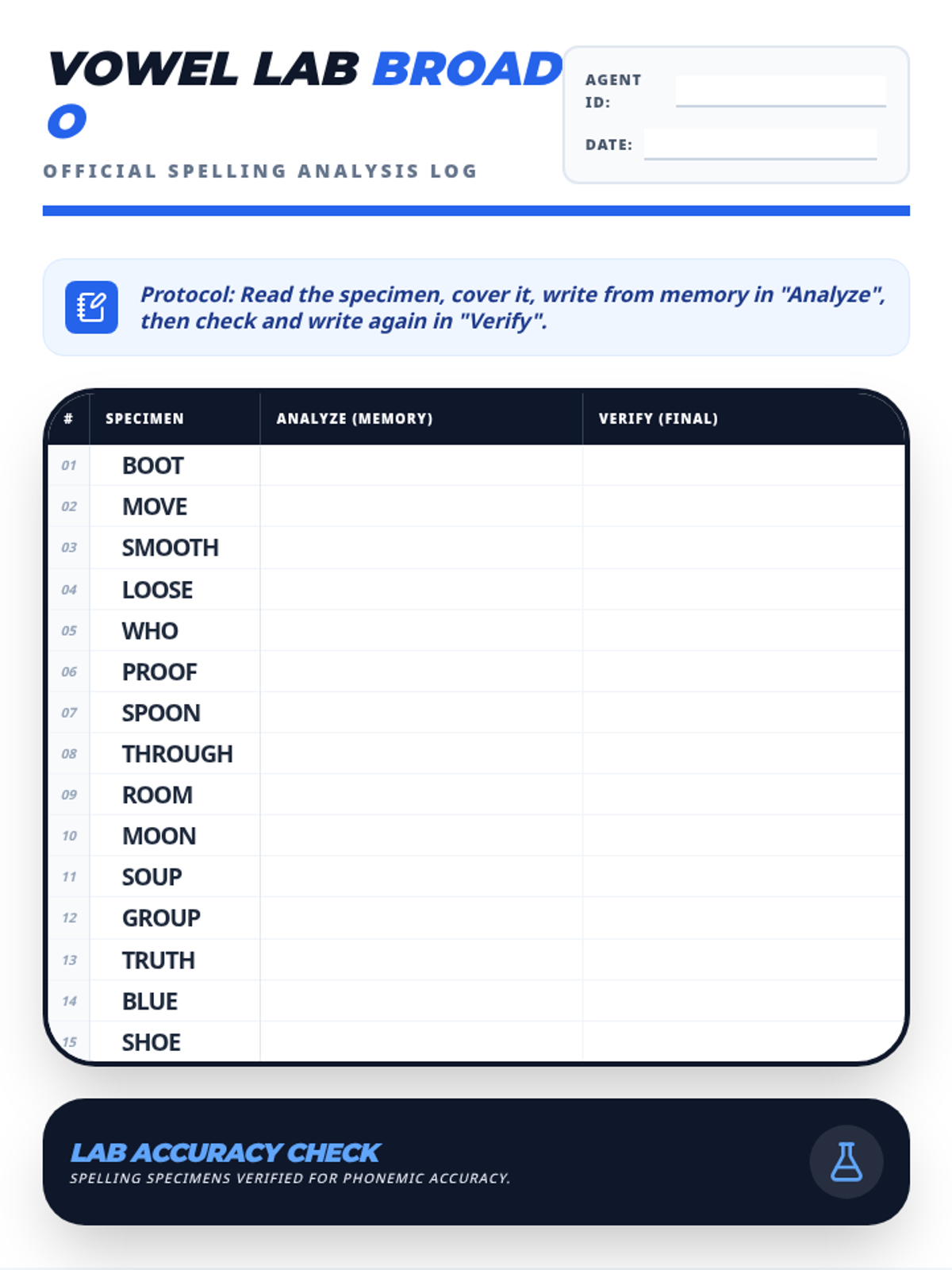
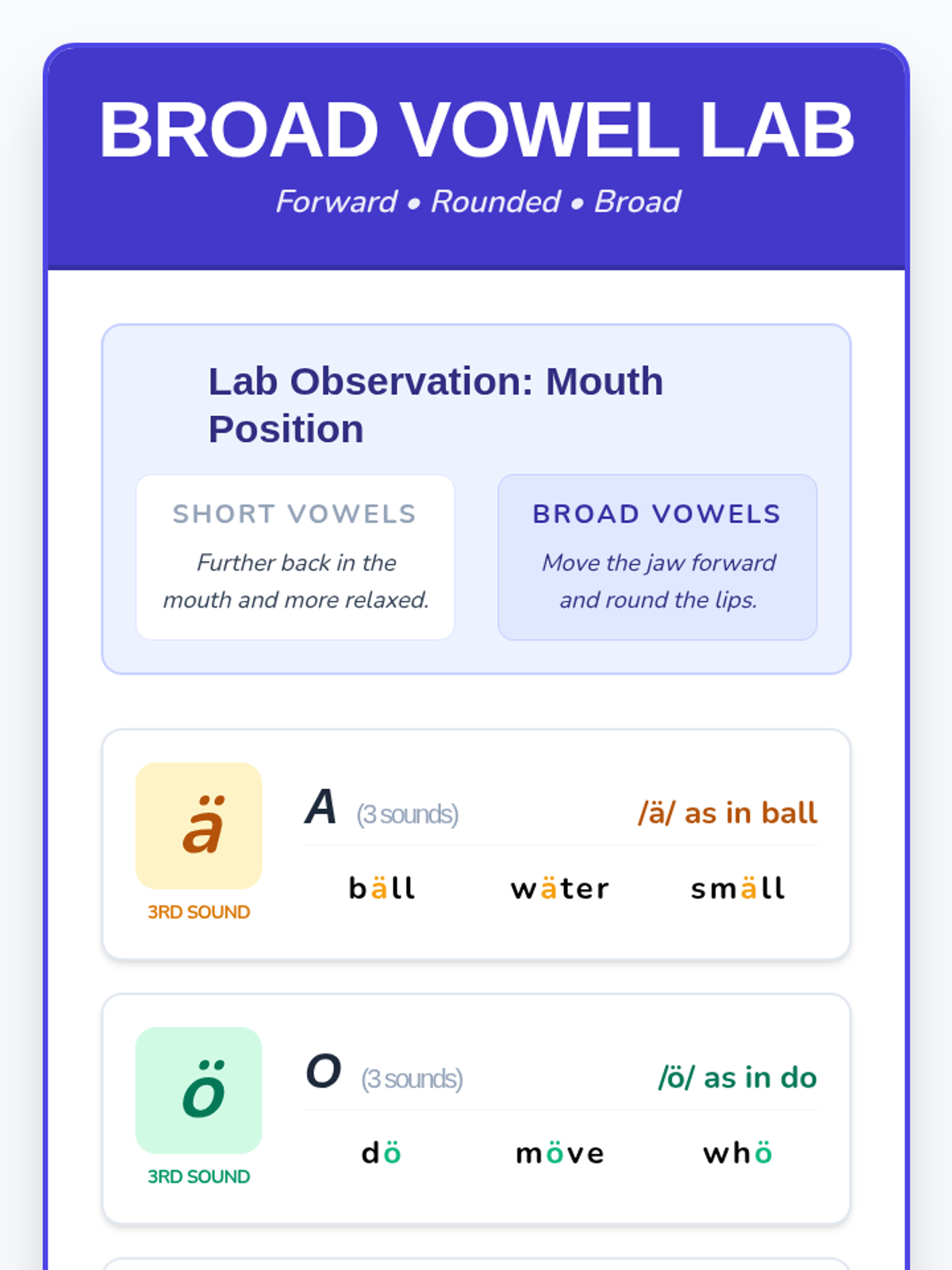
A lesson focusing on the pronunciation, mouth mechanics, and identification of the broad vowel sound O (/uː/), including comparisons with short and long O sounds.
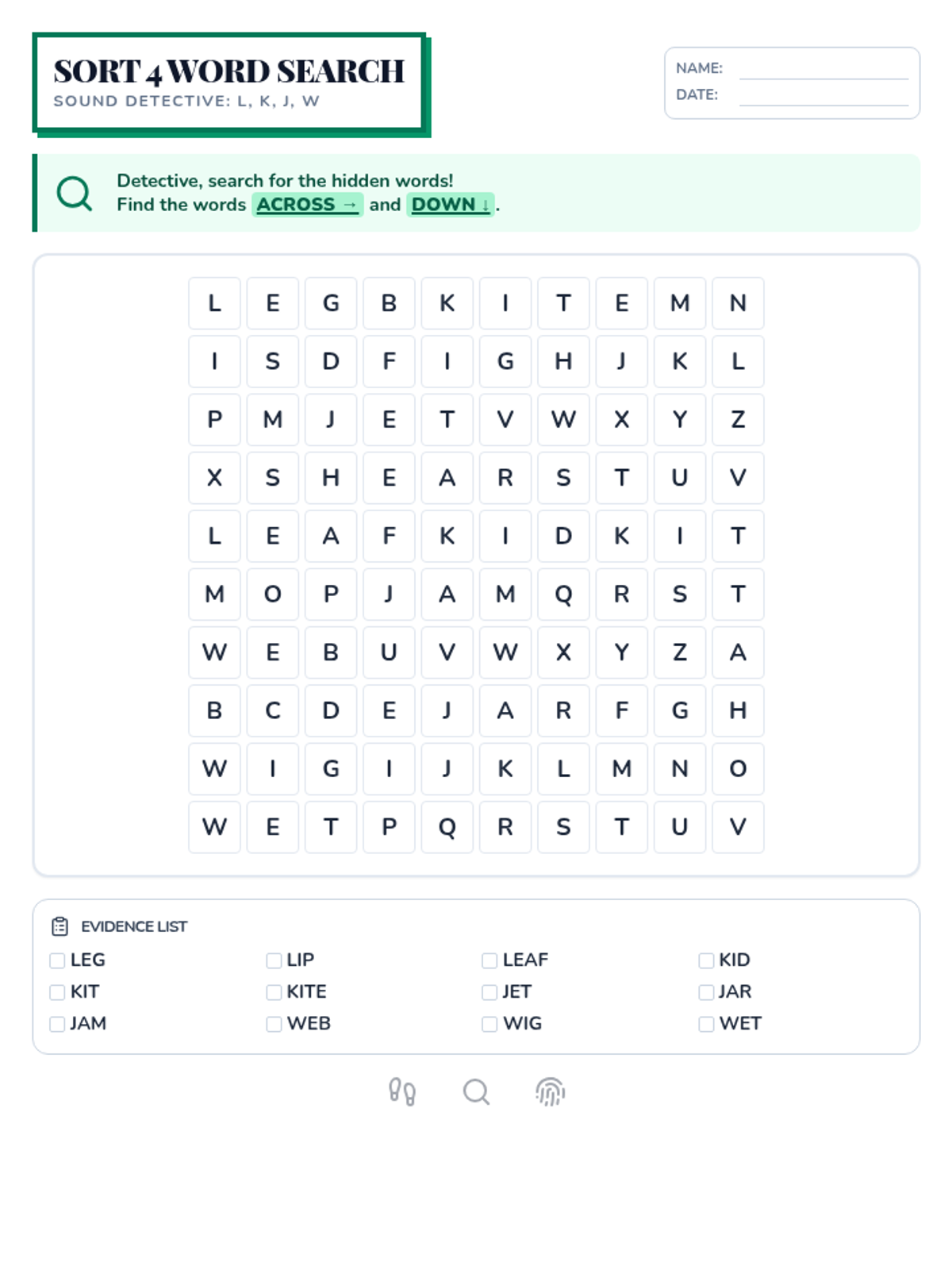
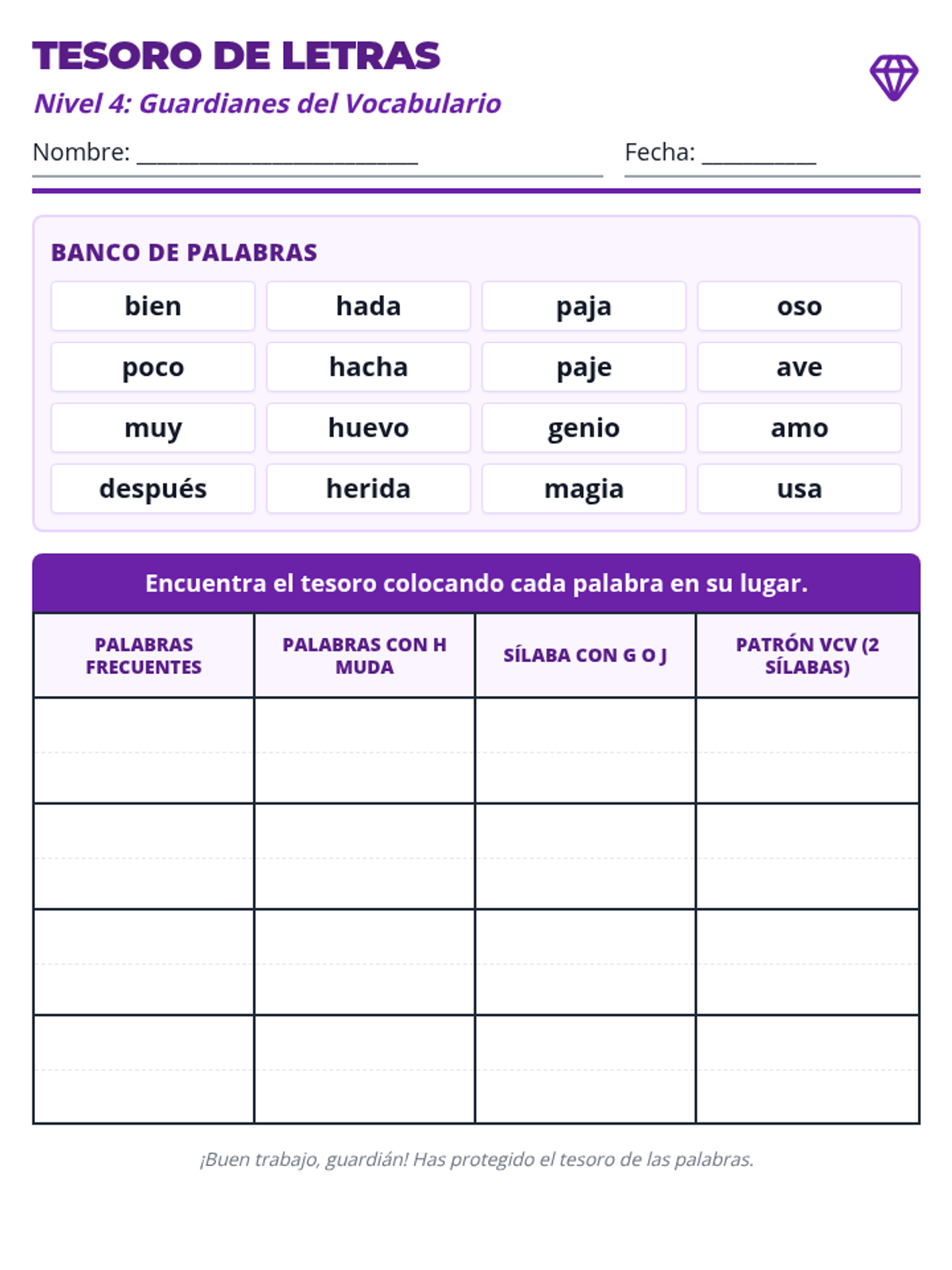
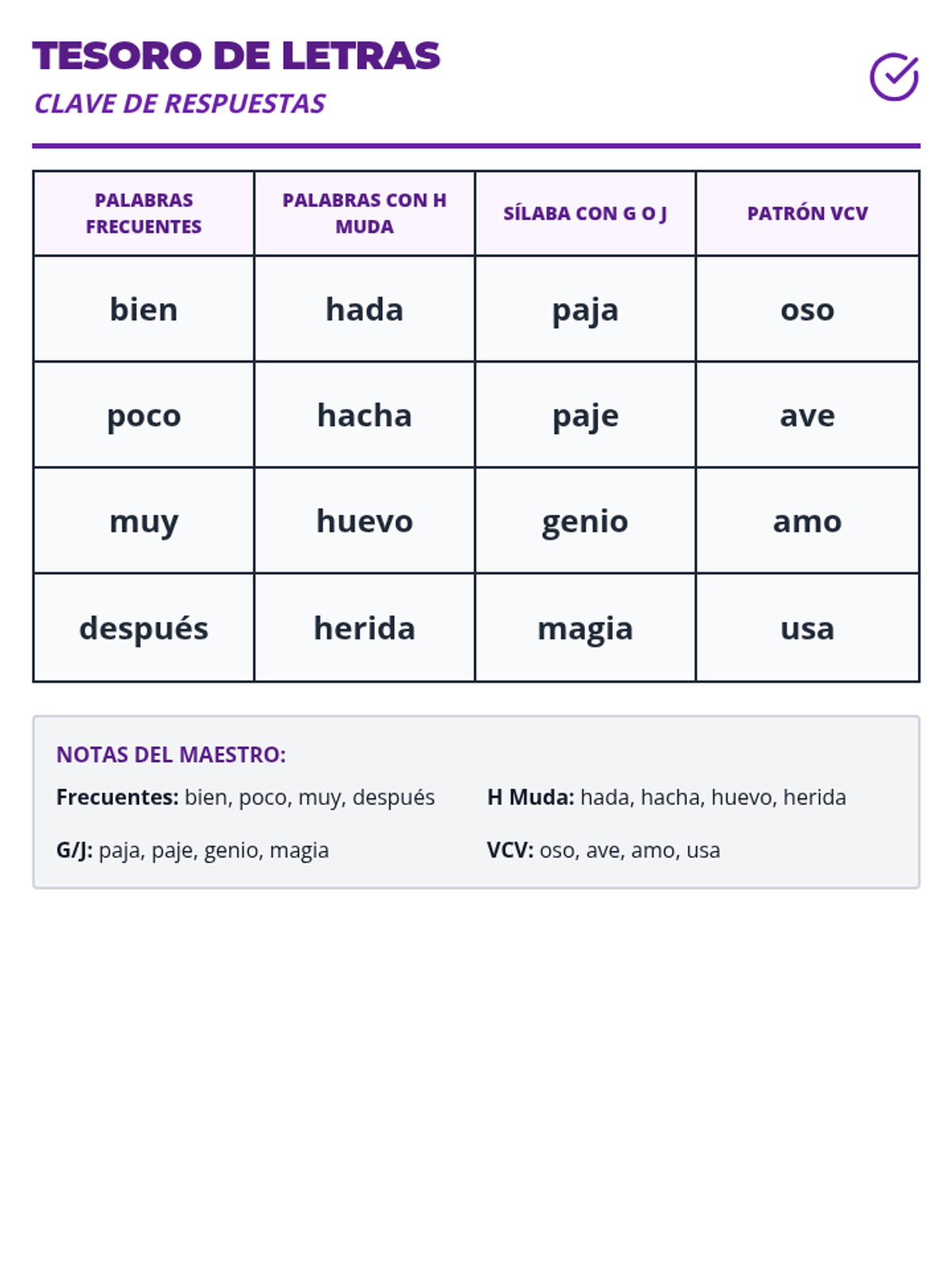
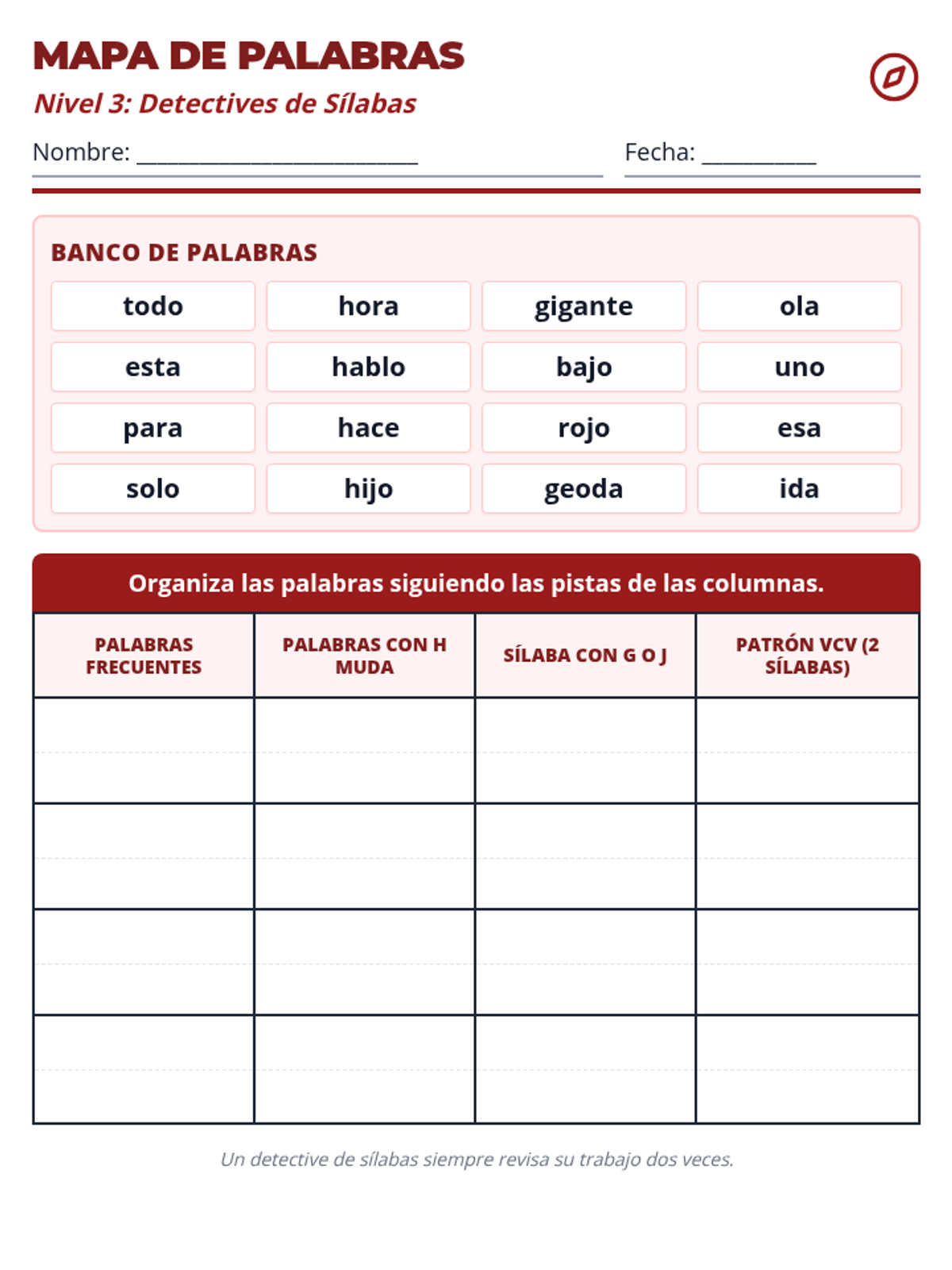
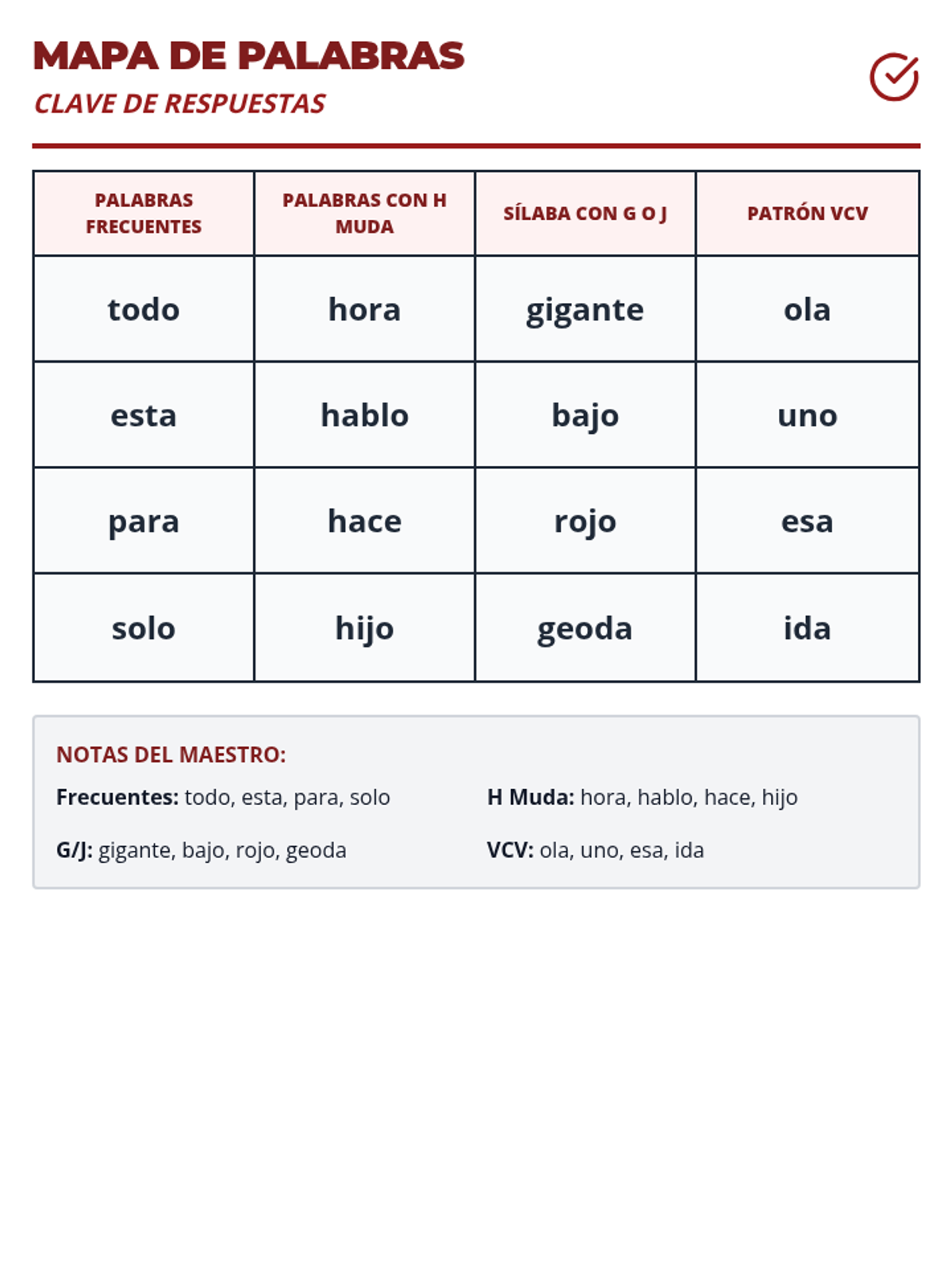
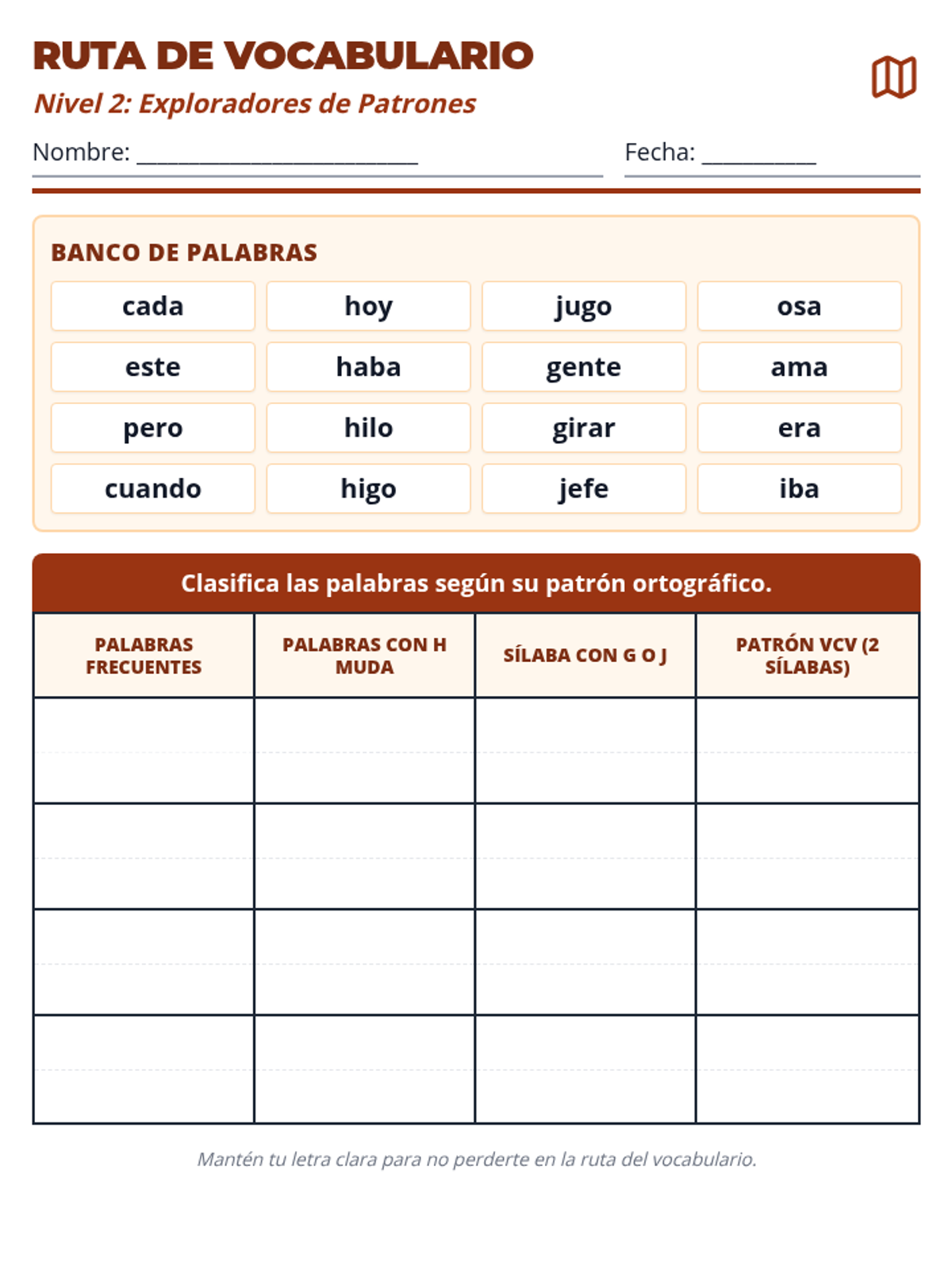
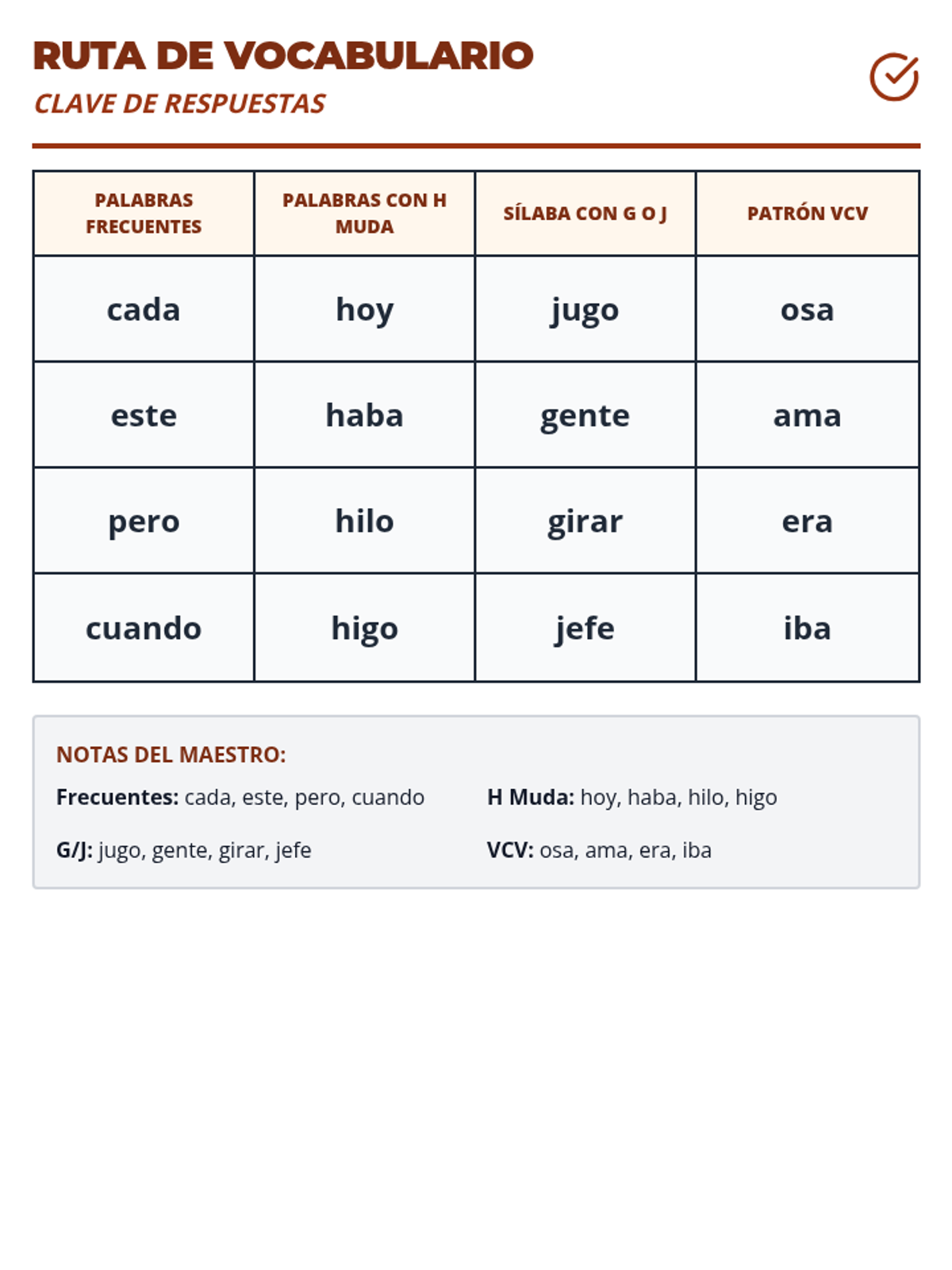
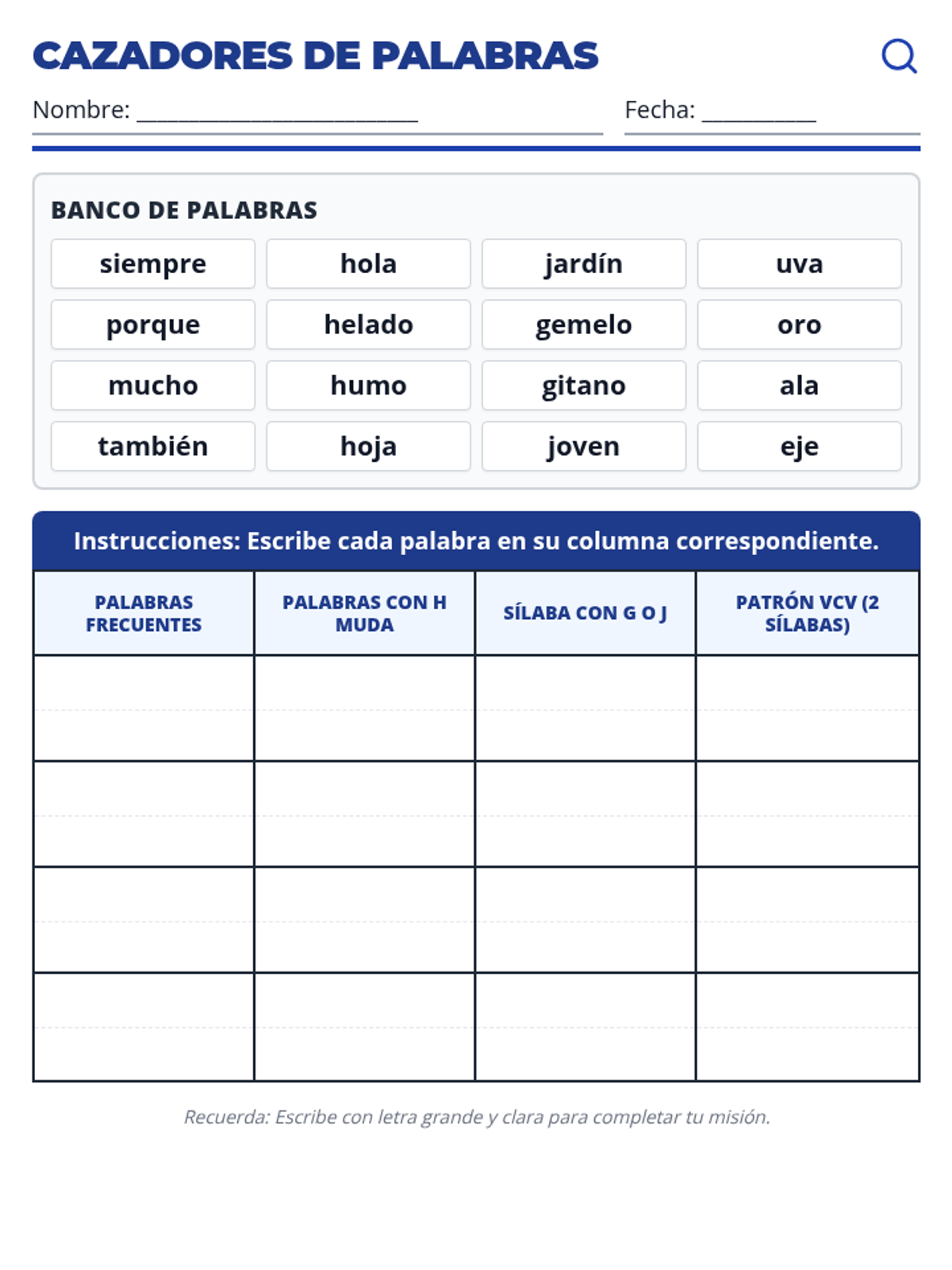
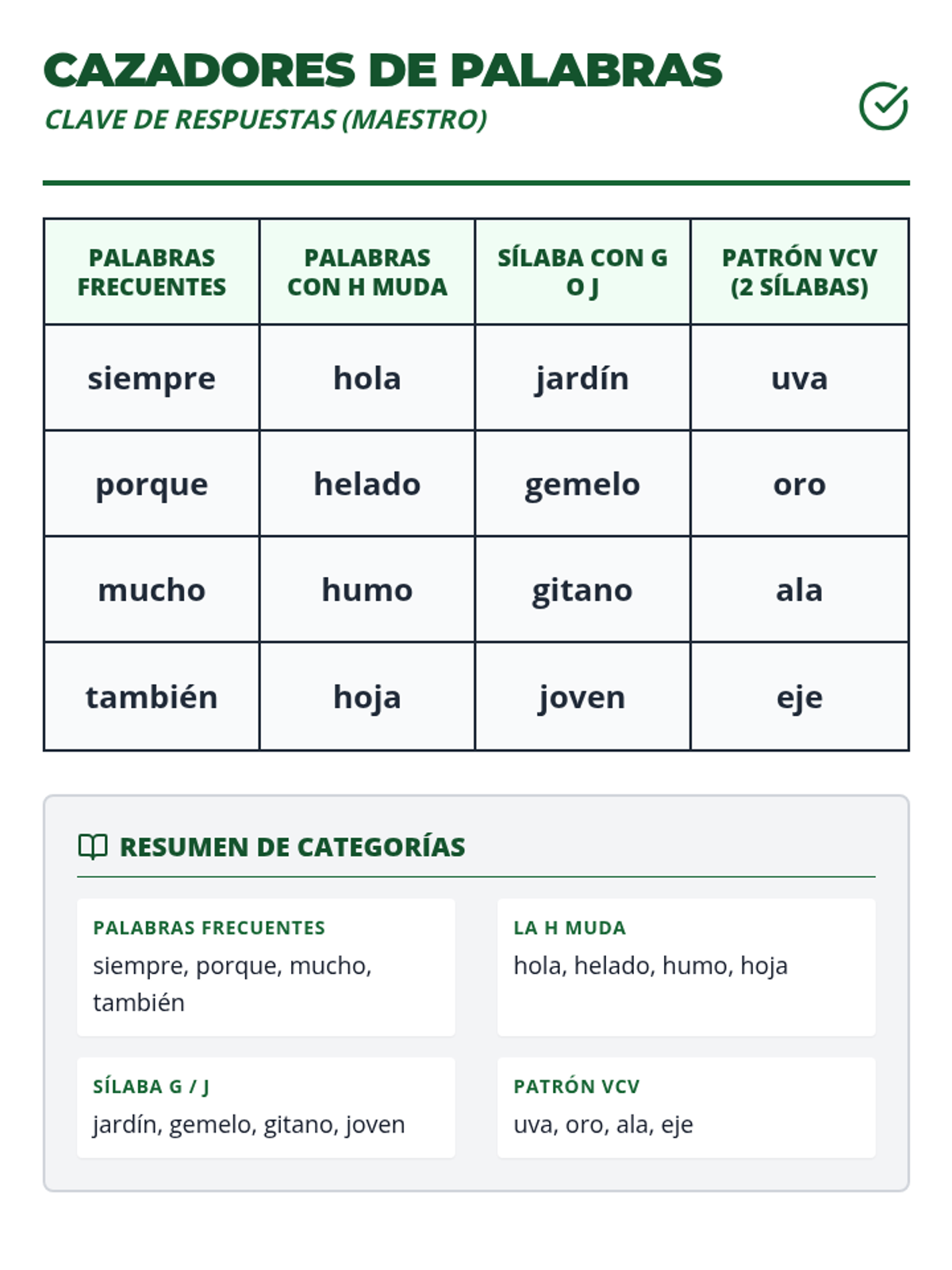
The fourth set of word sorting activities focusing on high-frequency words, silent H, G/J, and VCV patterns.
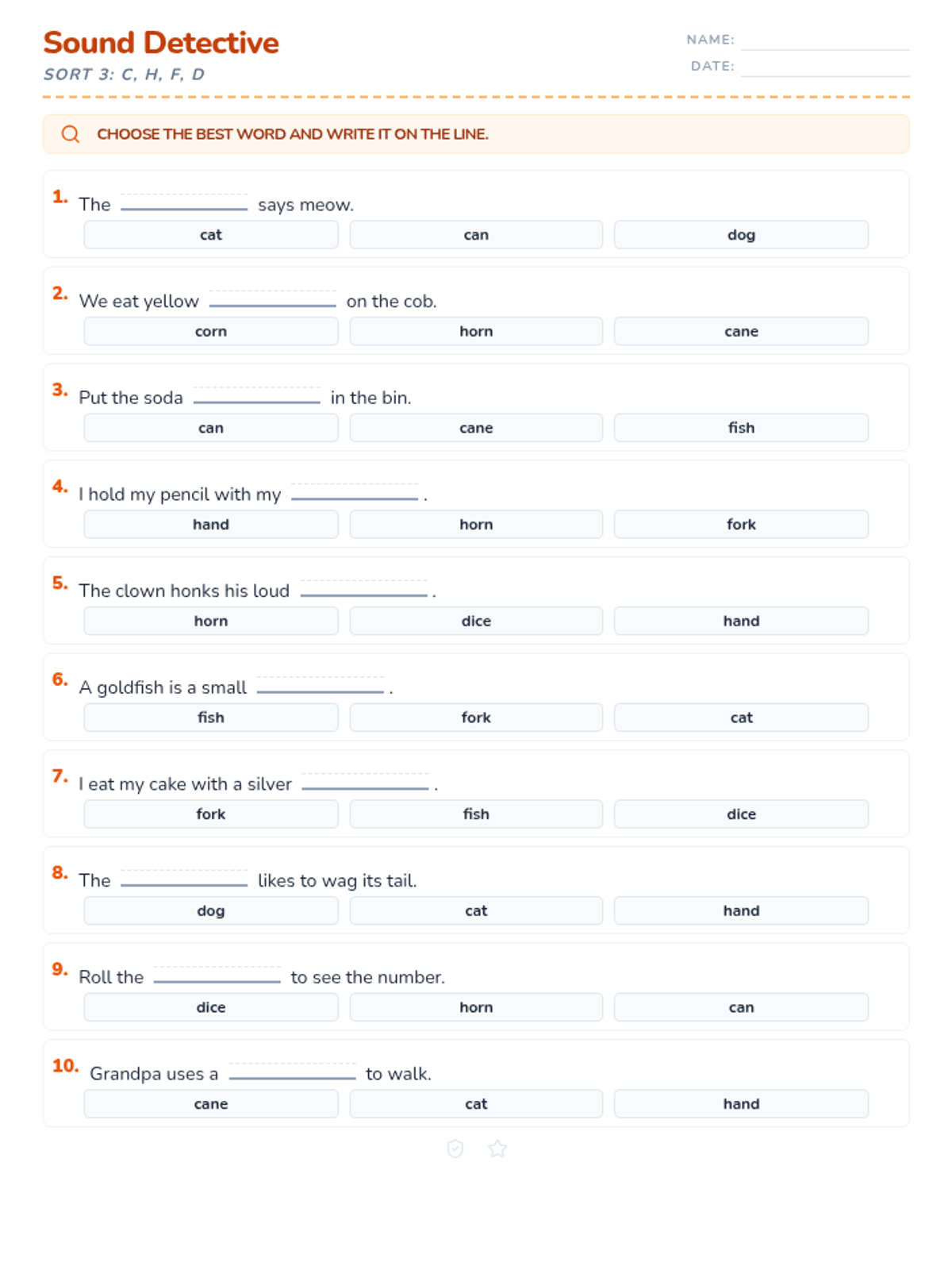
The third set of word sorting activities focusing on high-frequency words, silent H, G/J, and VCV patterns.
The second set of word sorting activities focusing on high-frequency words, silent H, G/J, and VCV patterns.
A lesson focused on recognizing and sorting common Spanish word patterns, including high-frequency words, silent H, G/J sounds, and VCV syllable structures.
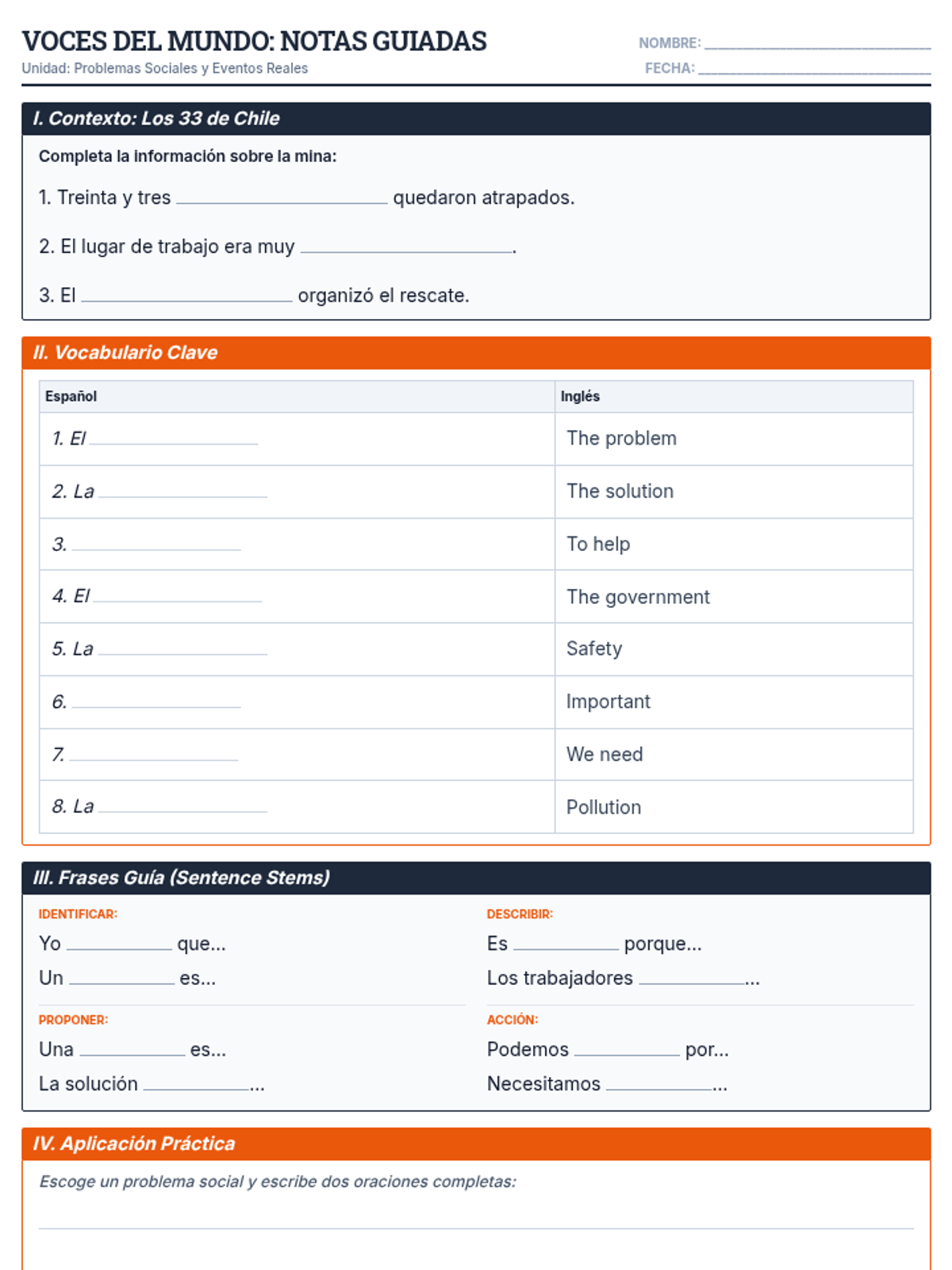
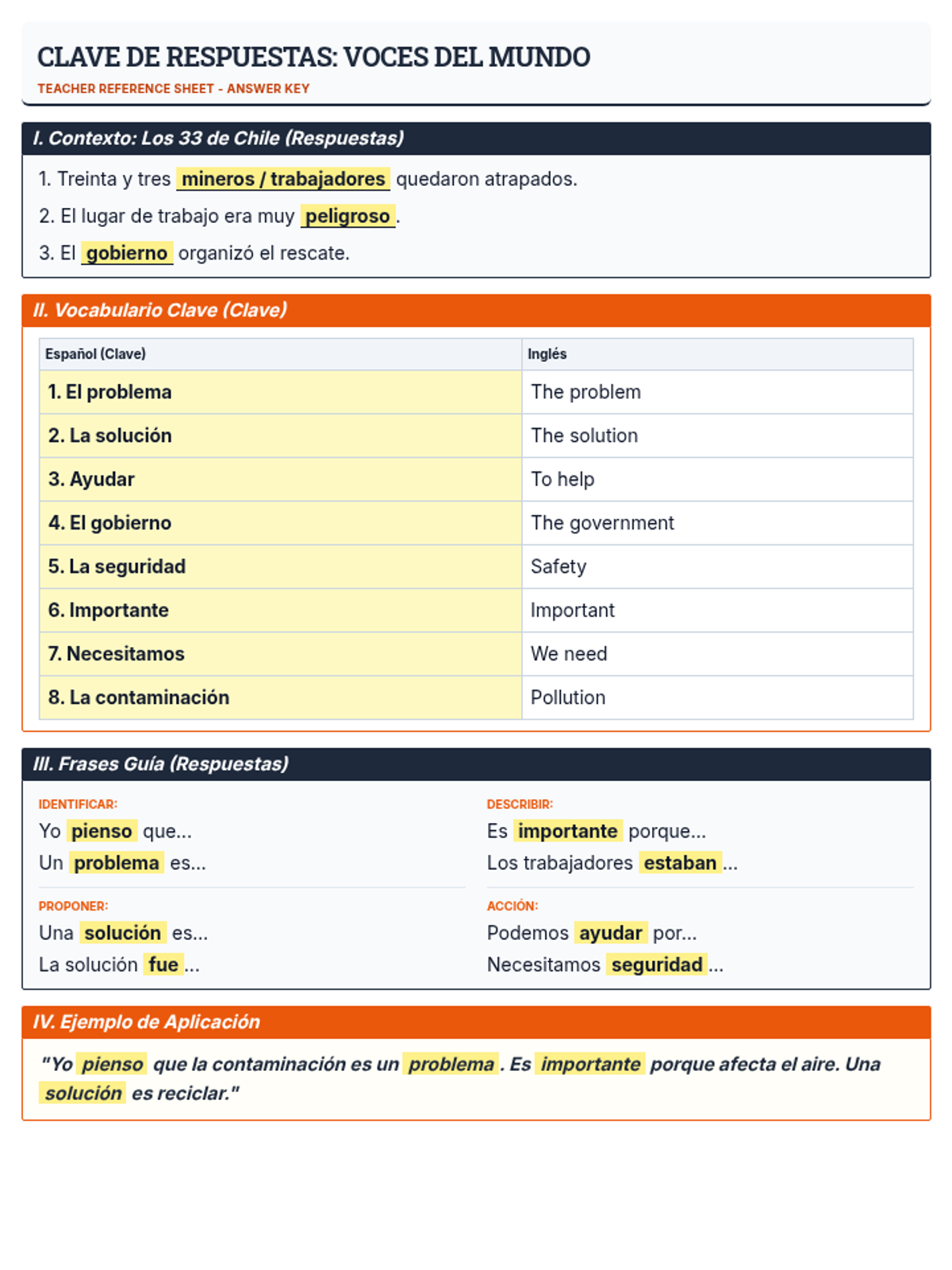
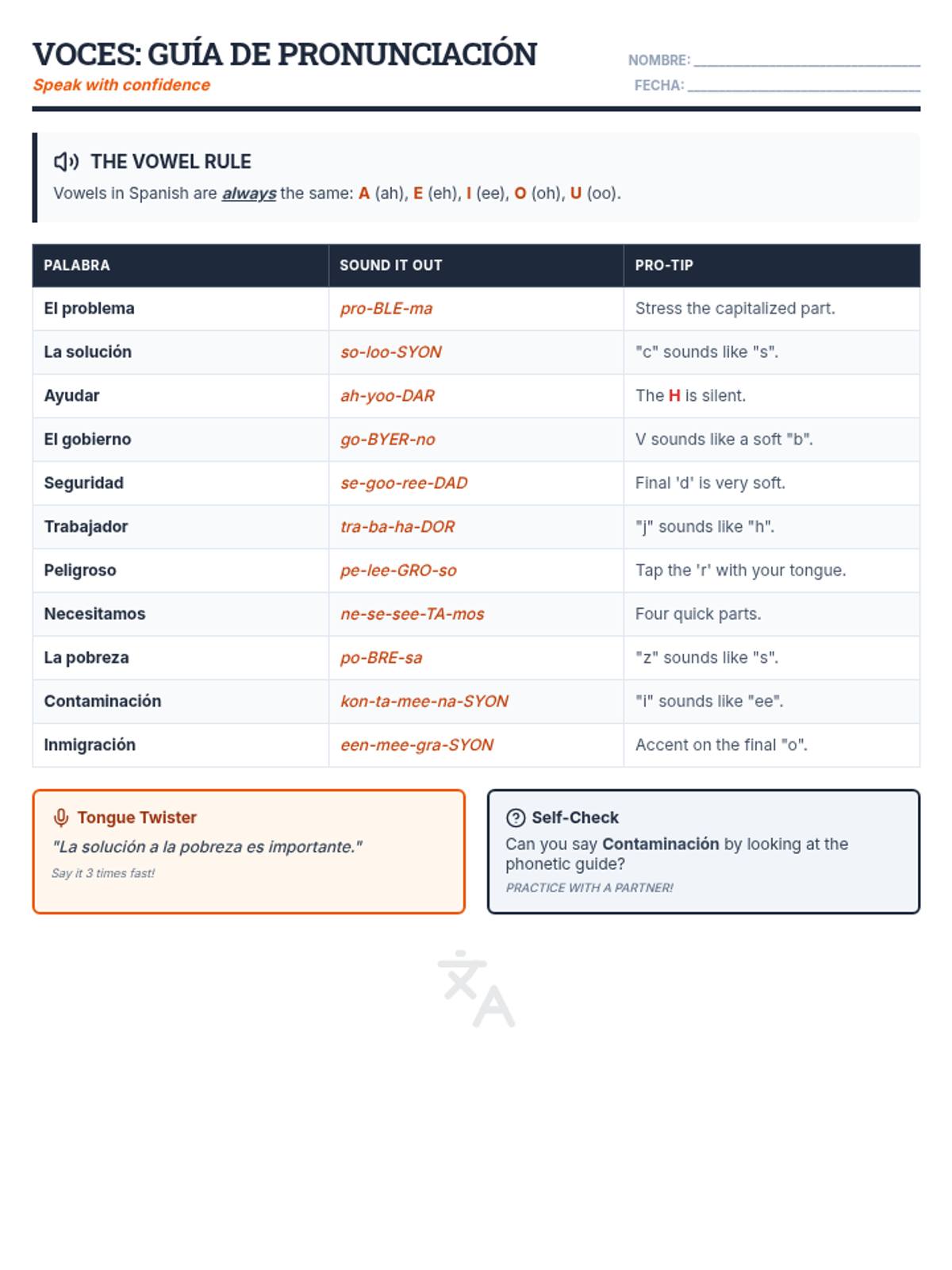
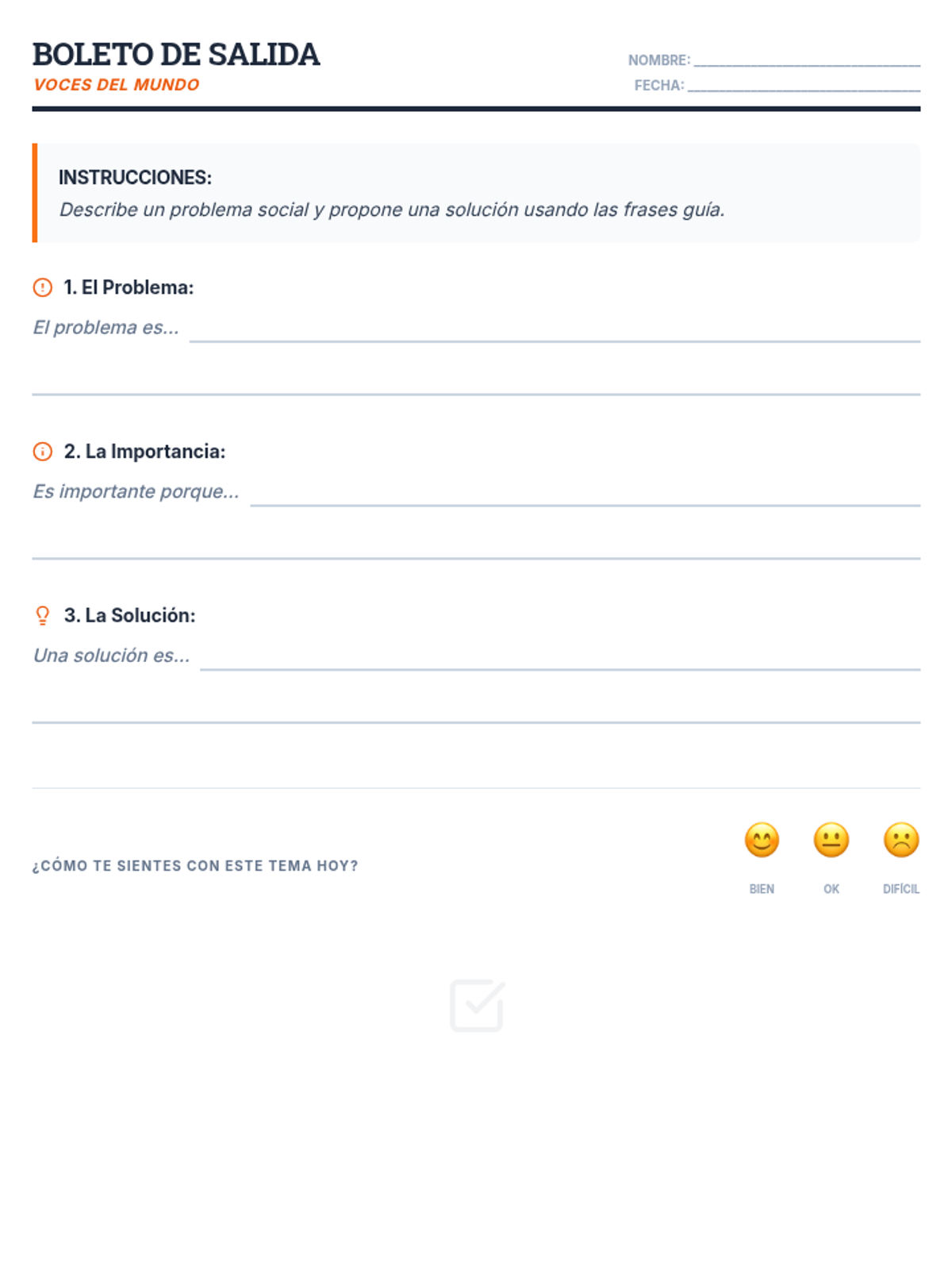
This lesson introduces students to social issues and real-world events through the context of the Chilean mine collapse, focusing on vocabulary acquisition and sentence stems for proposing solutions.
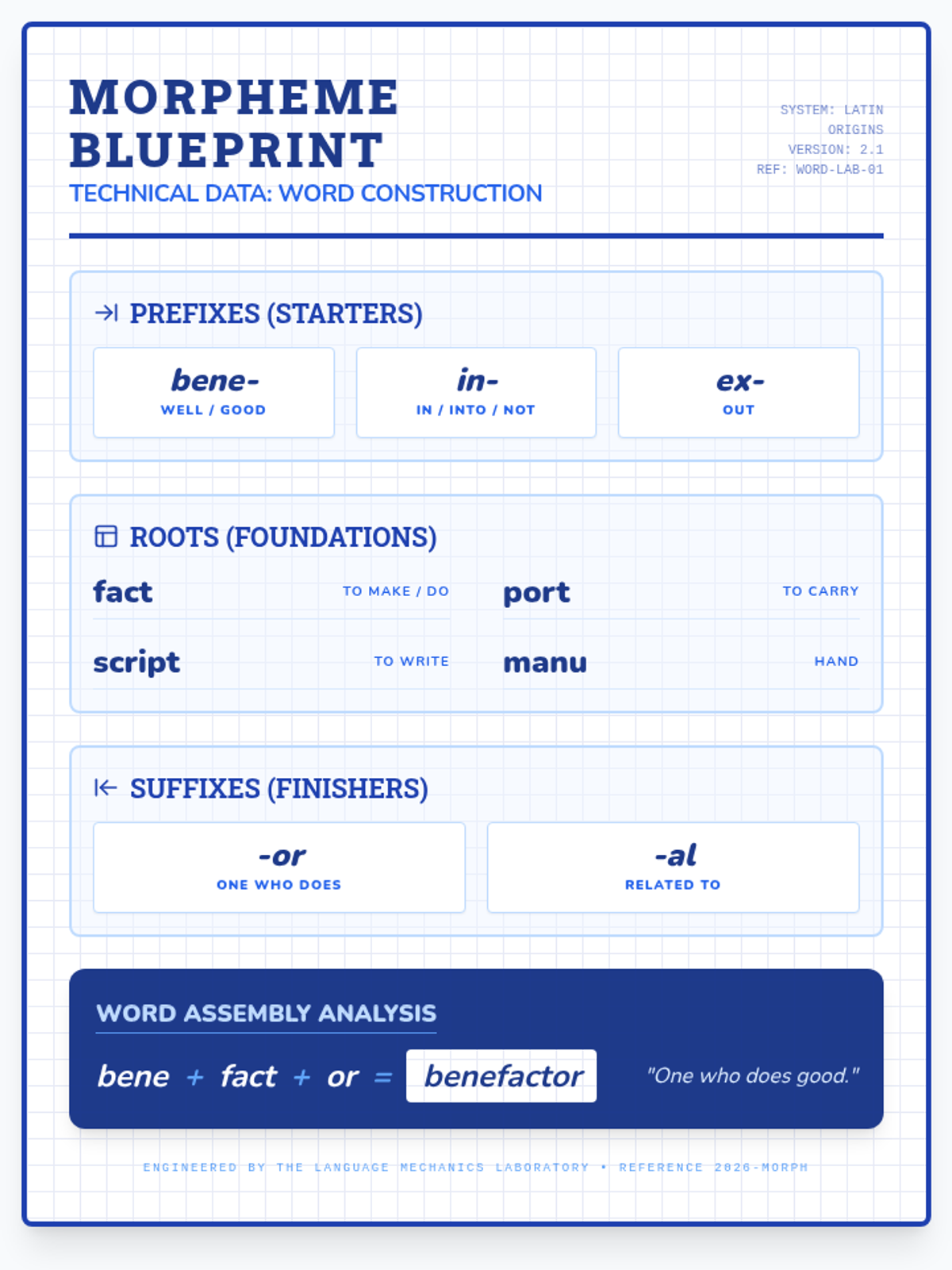
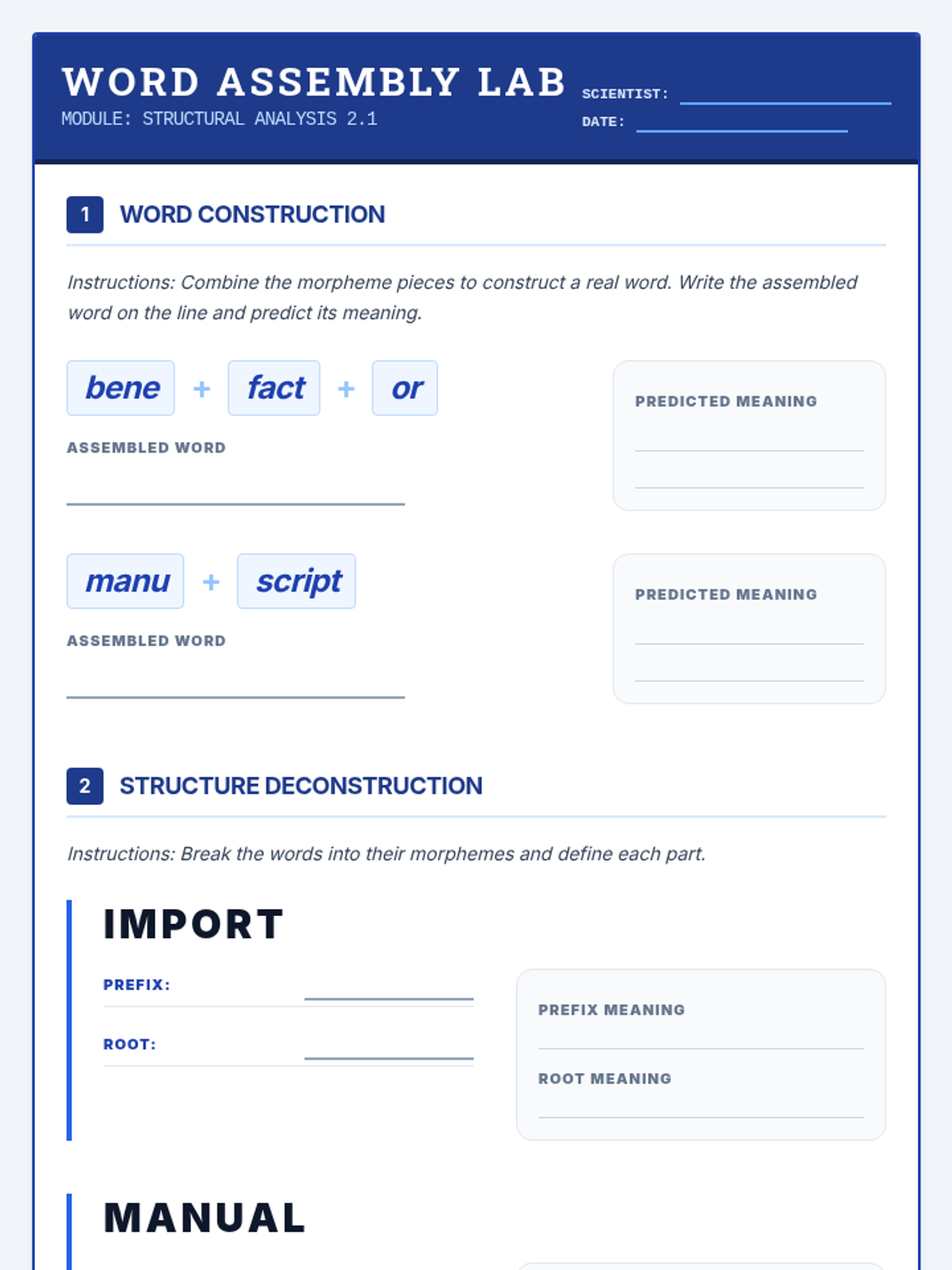
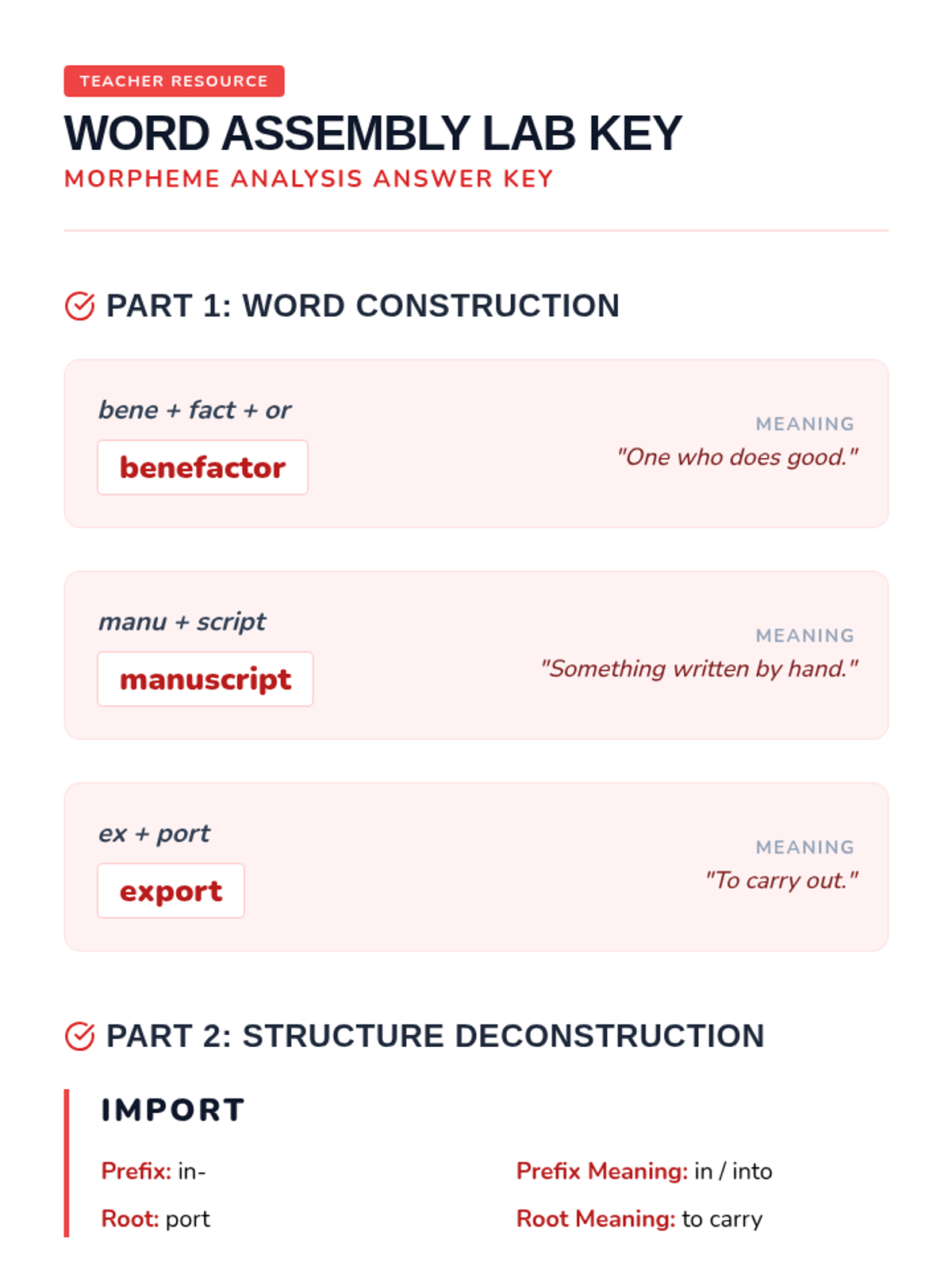
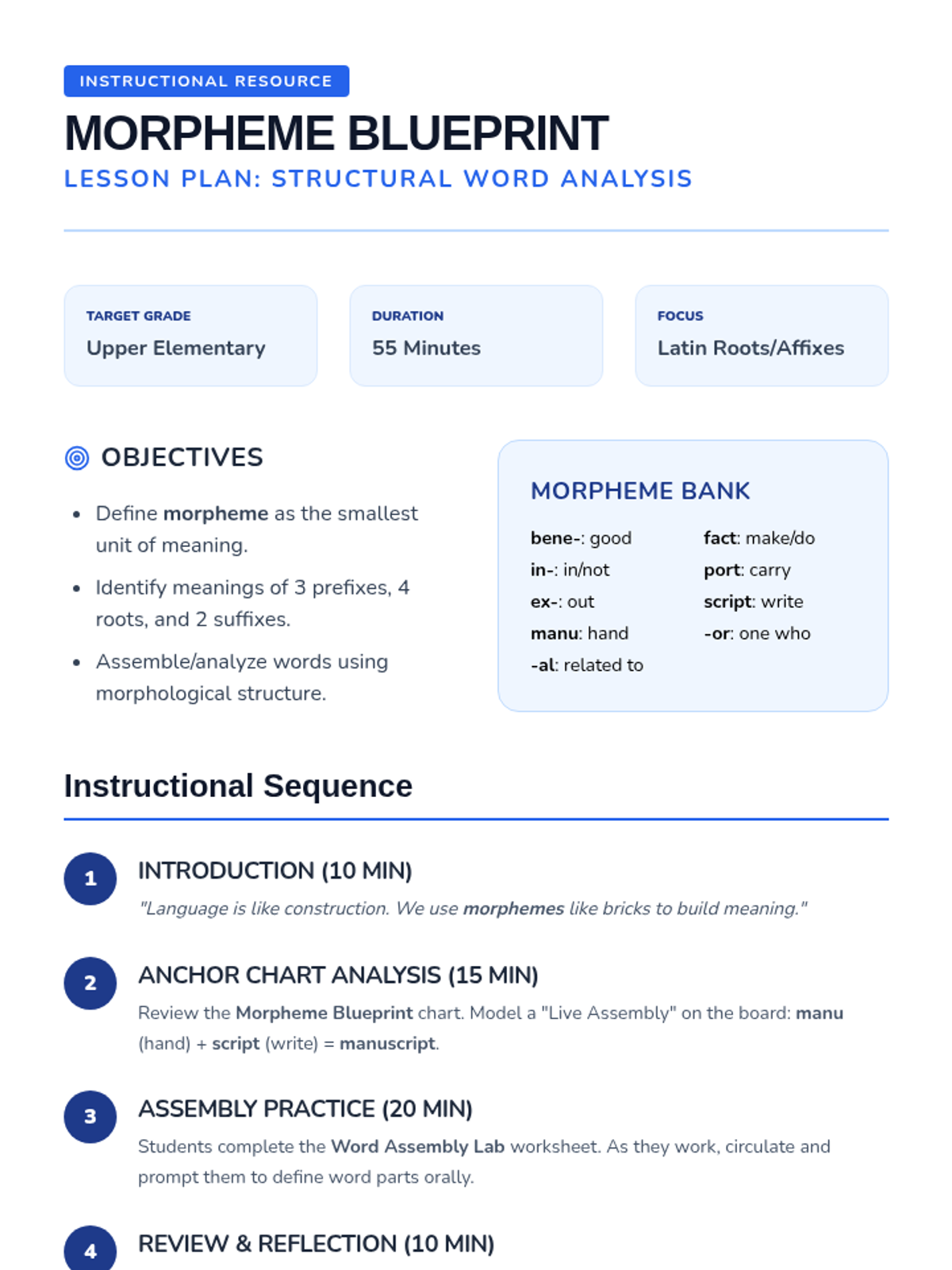
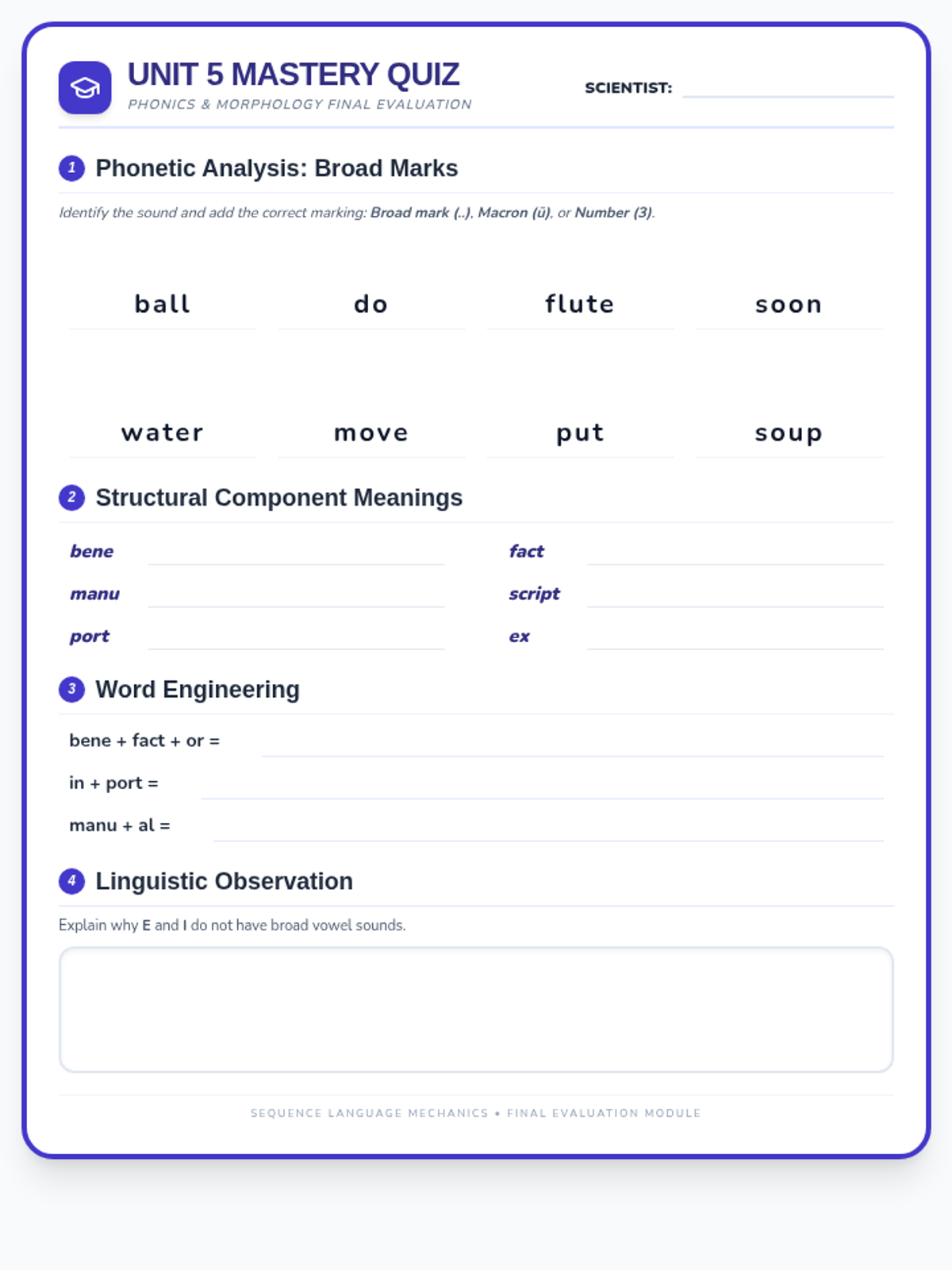
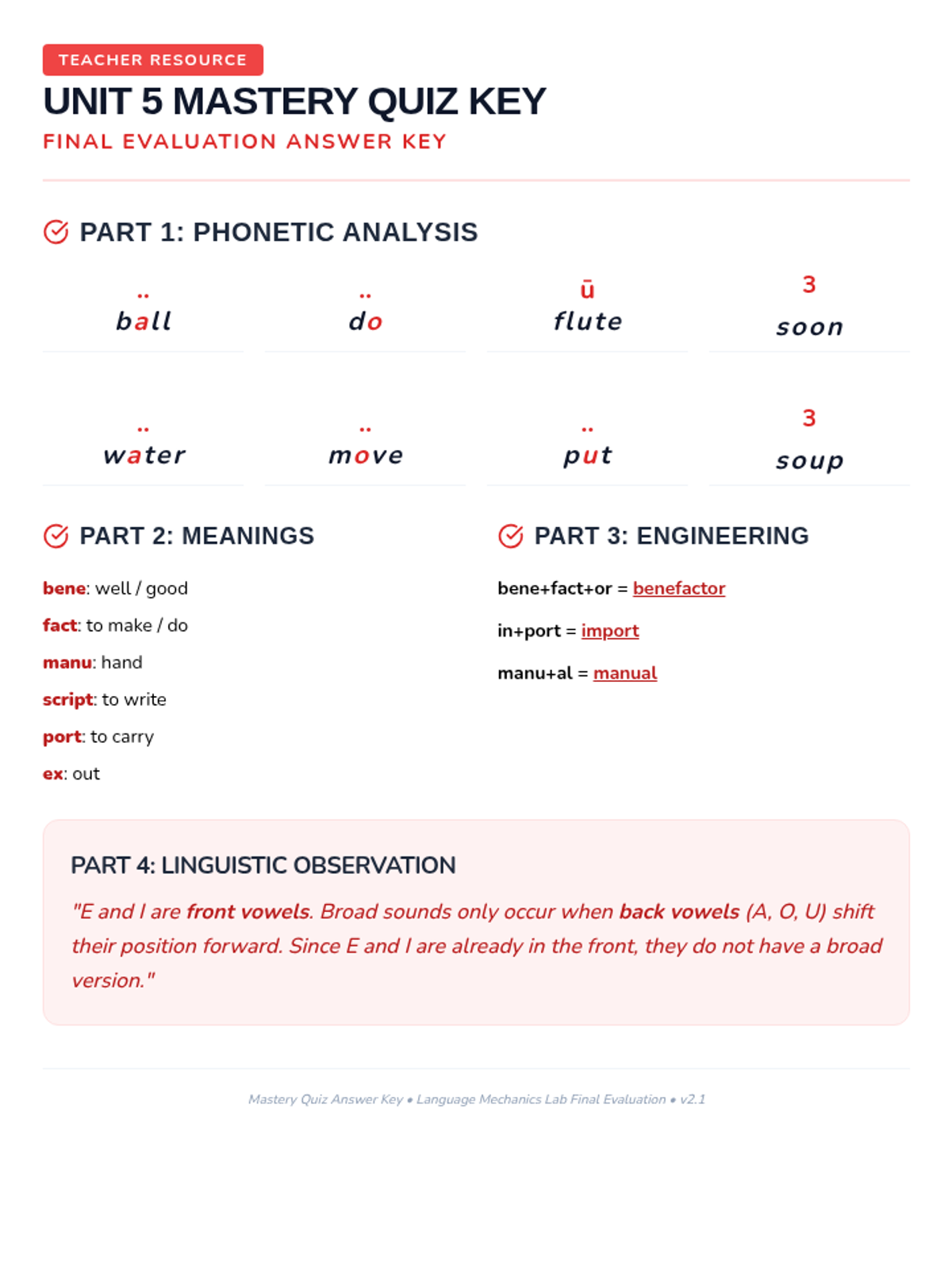
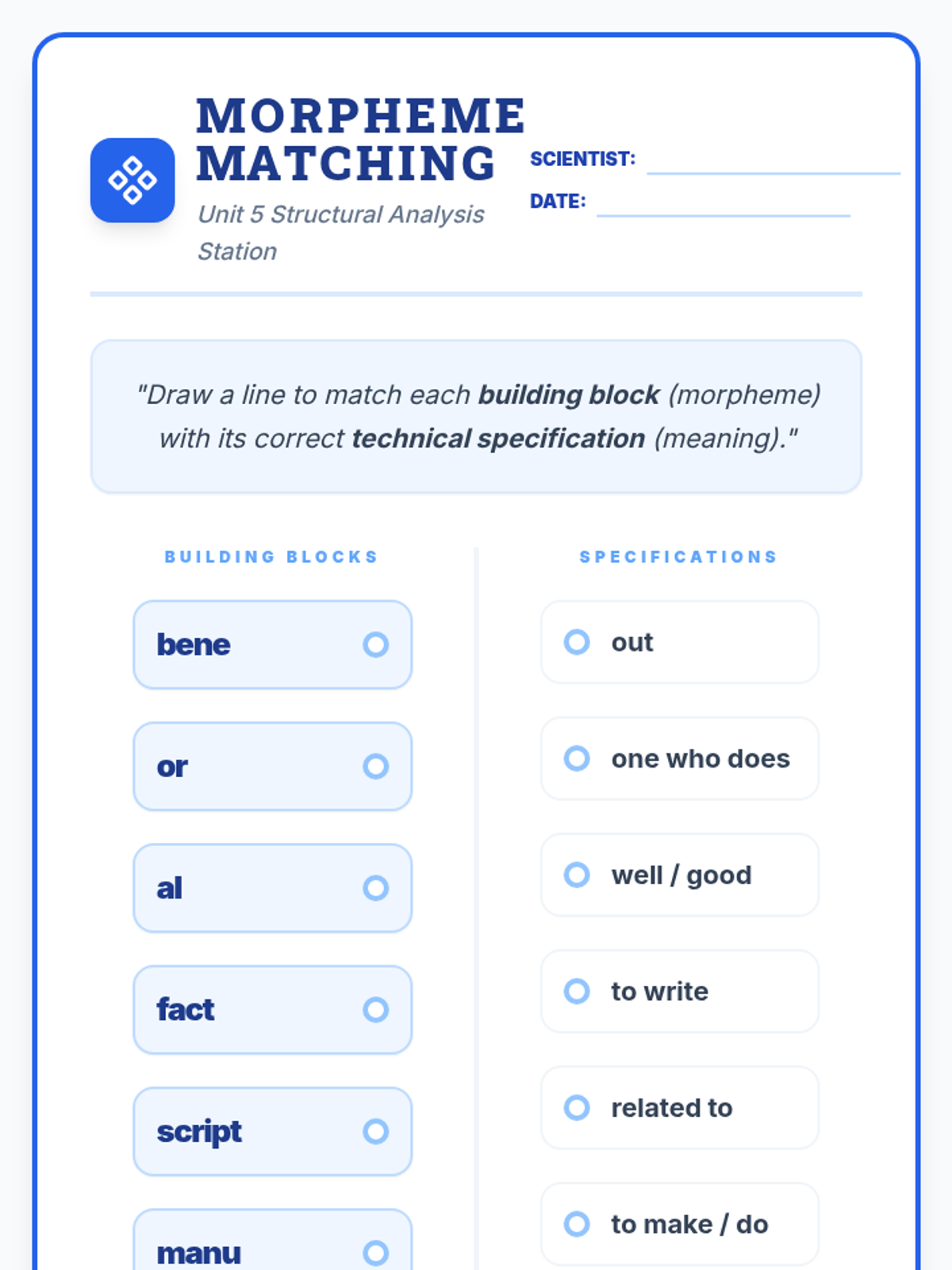
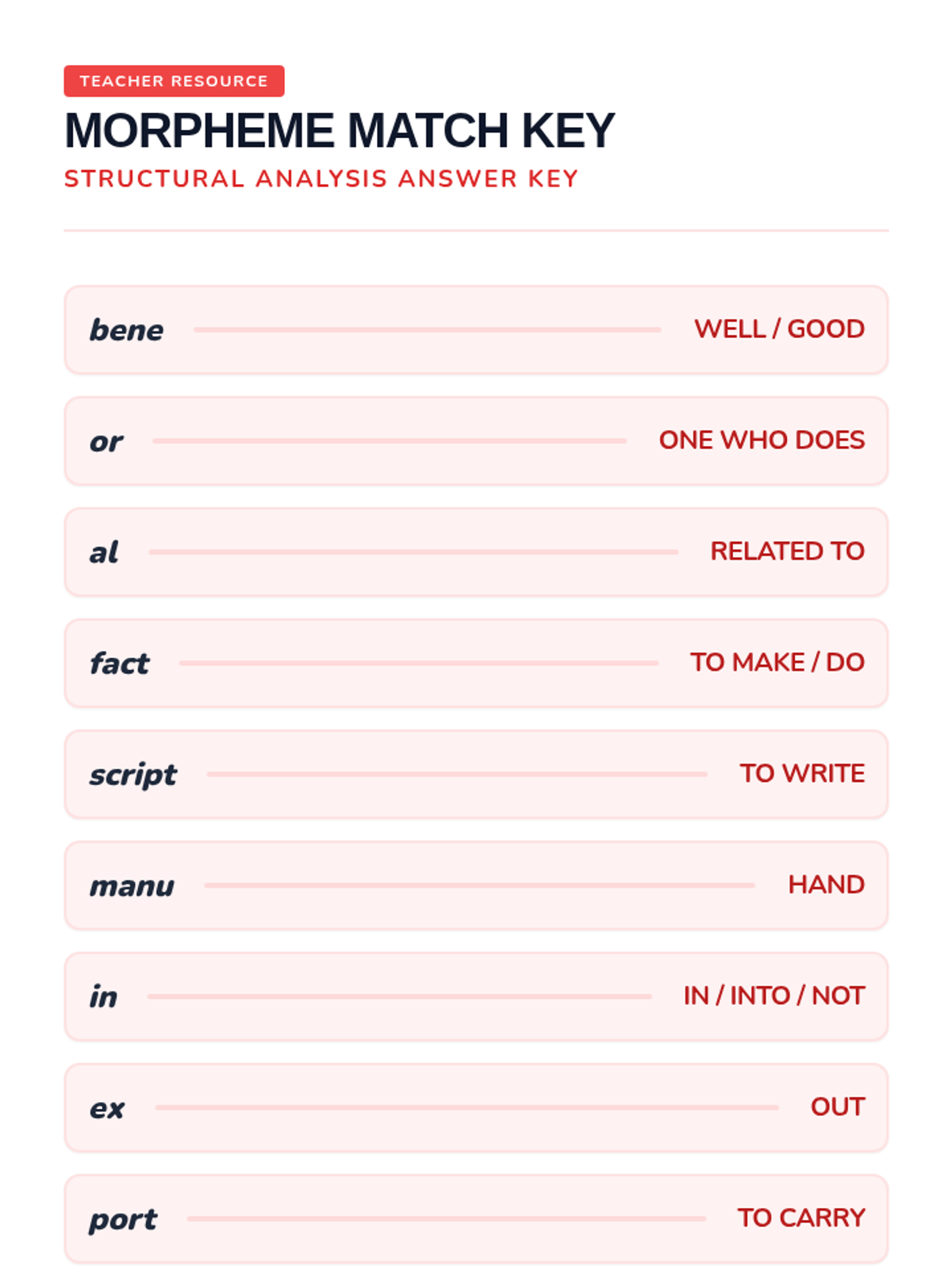
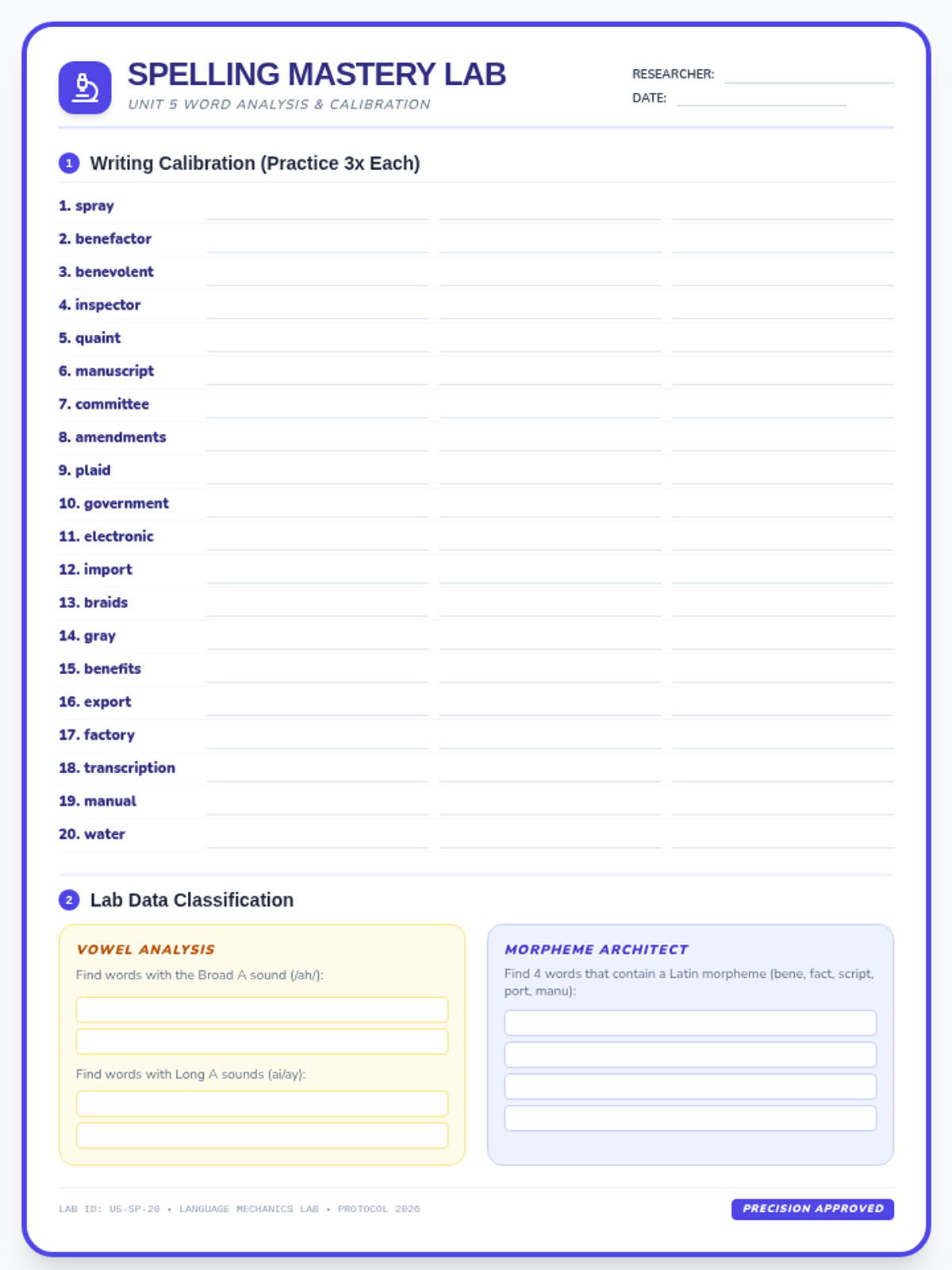
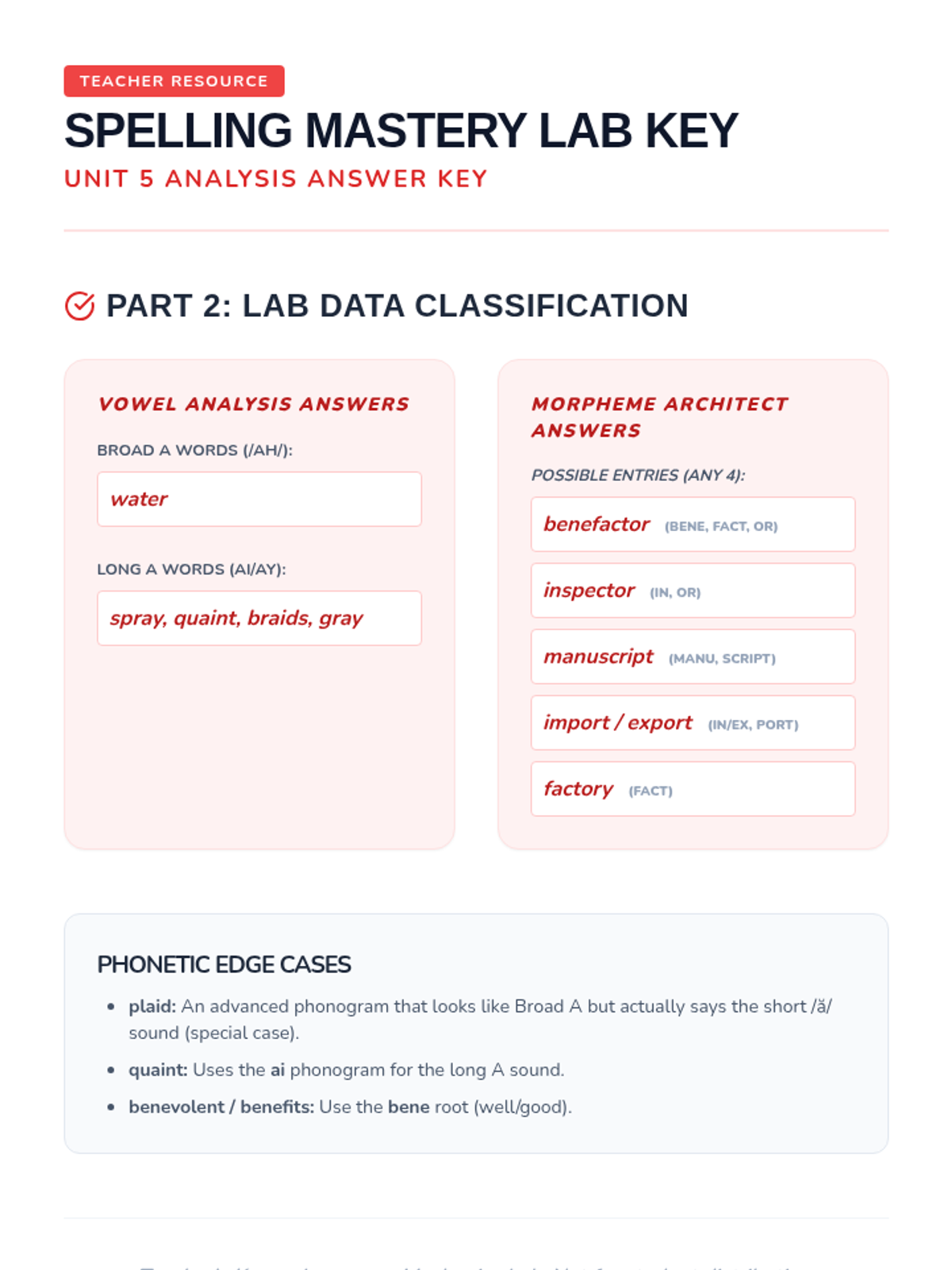
A lesson on analyzing and constructing words using Latin roots and affixes. Students investigate morphemes like bene, fact, script, manu, port, and common affixes to decode complex vocabulary and understand word origins.
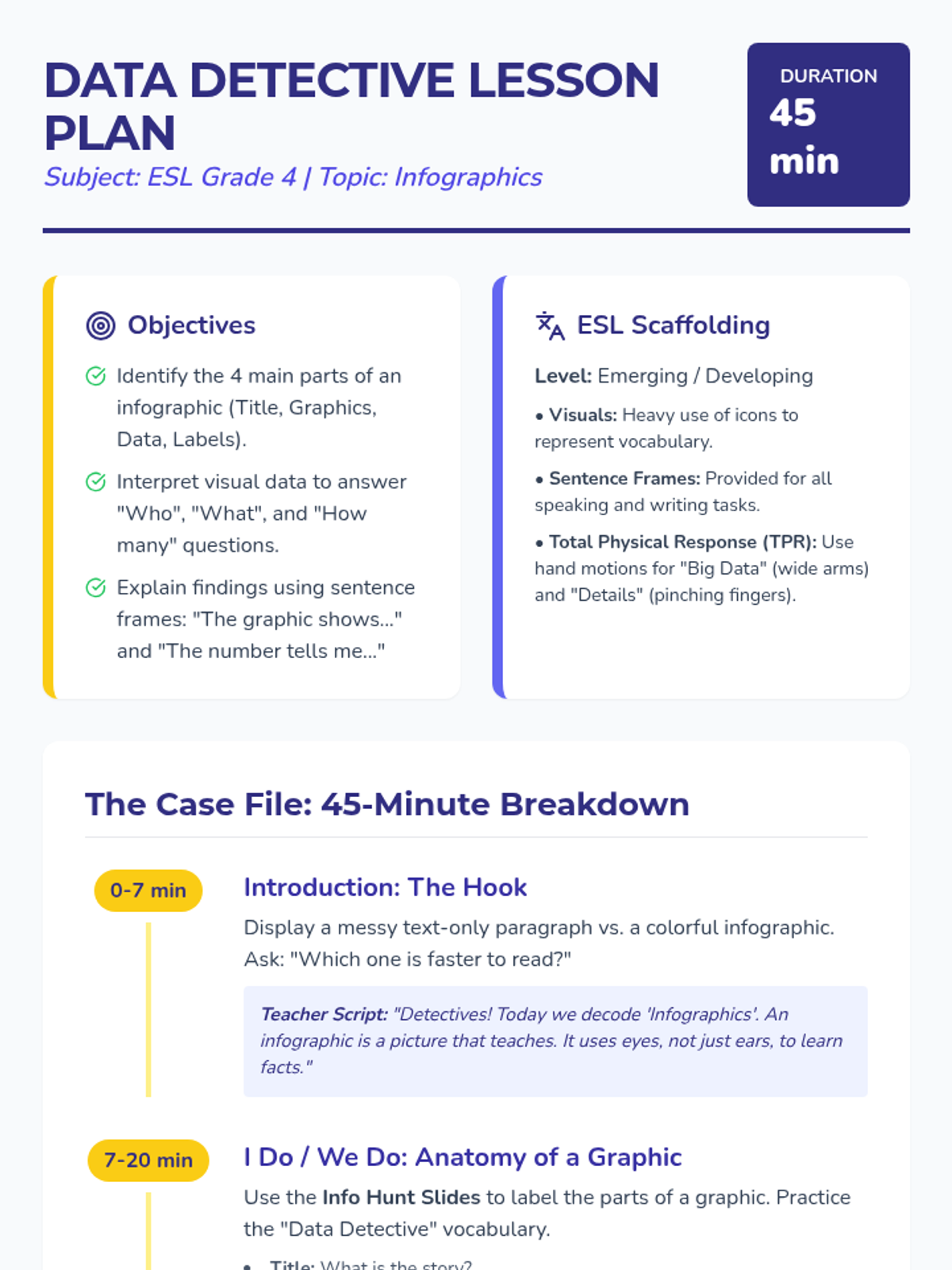
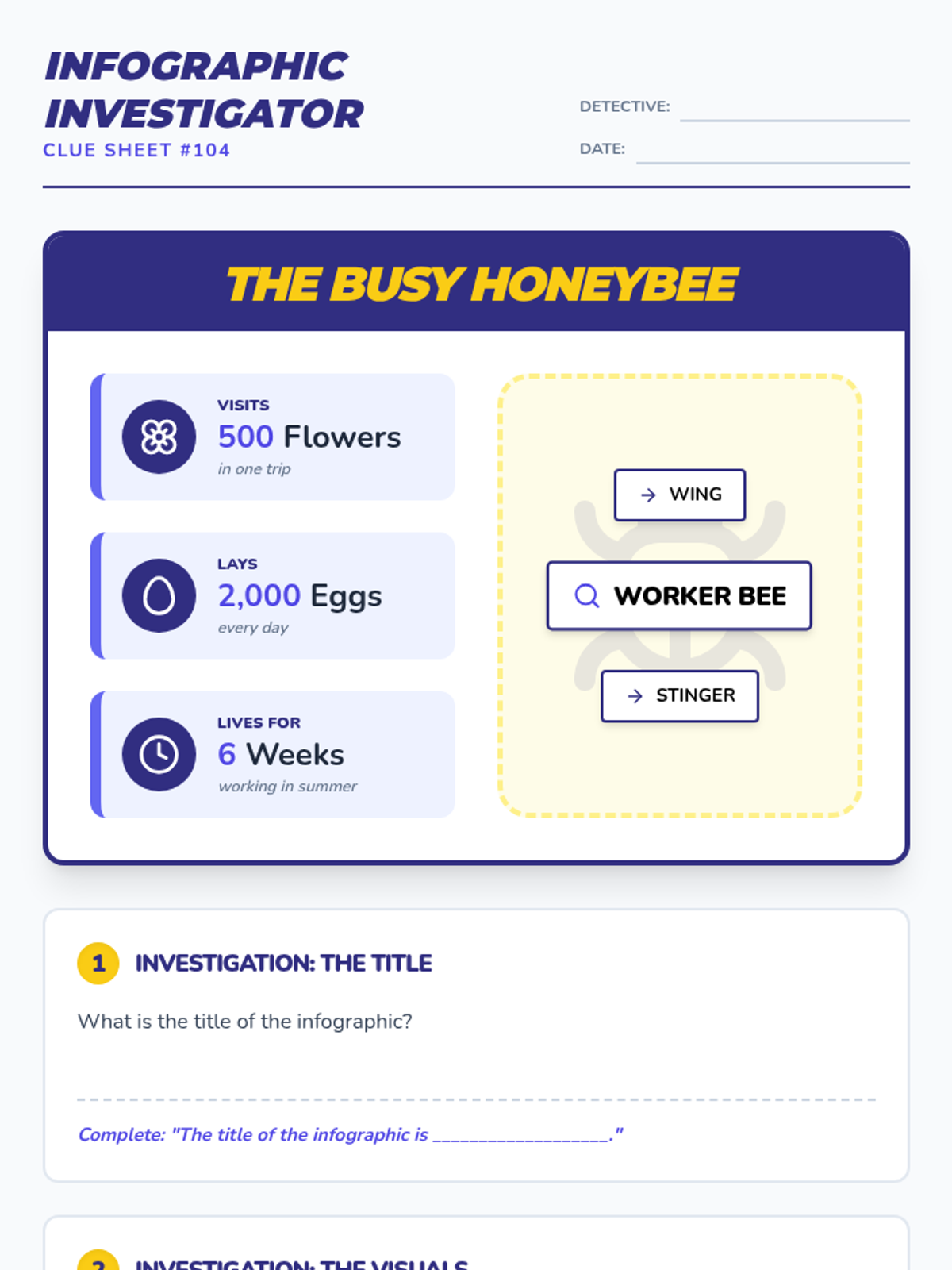
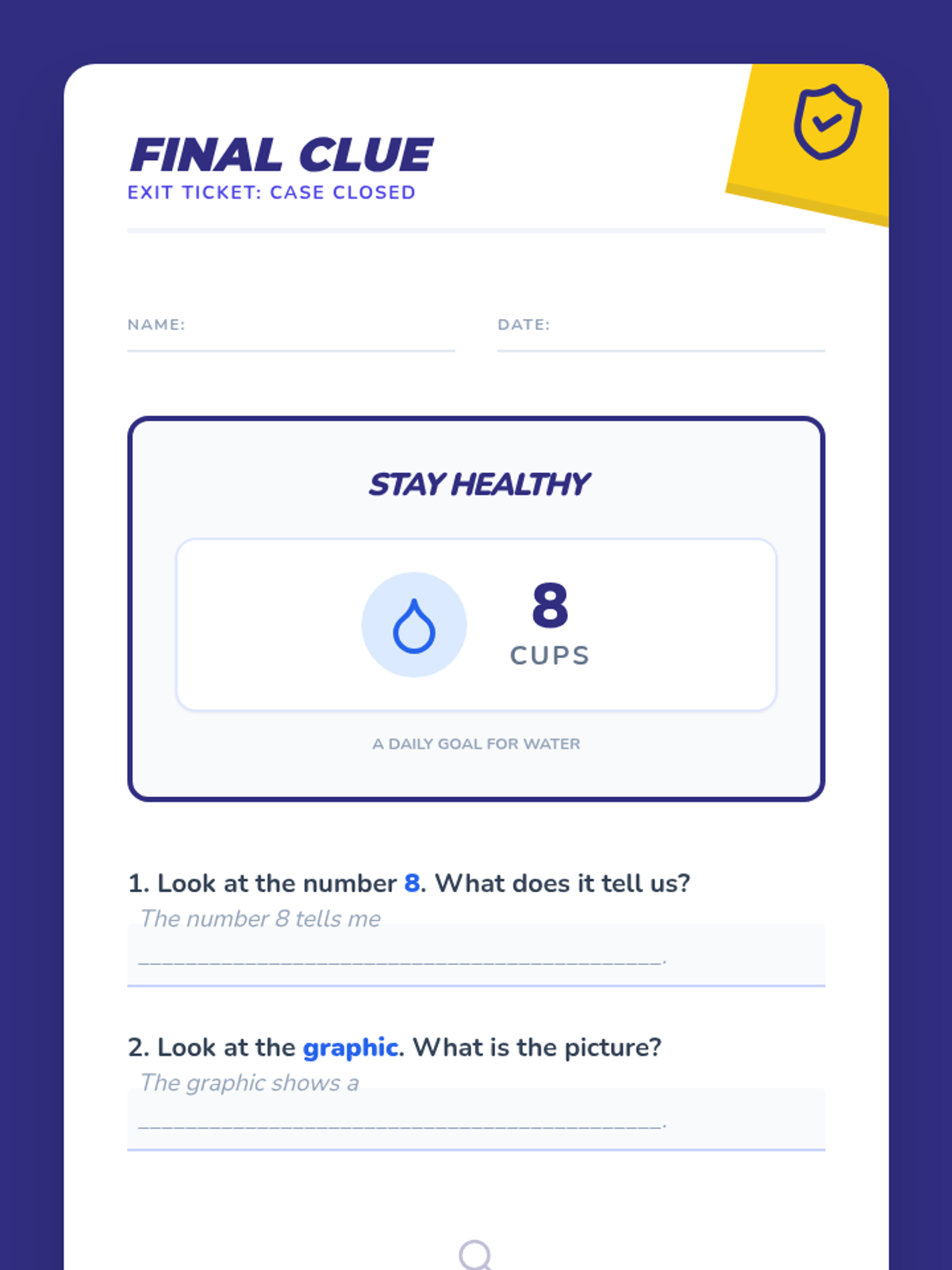
A 45-minute ESL lesson for Grade 4 (Emerging/Developing proficiency) focused on interpreting and explaining information from infographics. Students act as 'Data Detectives' to decode visual information.
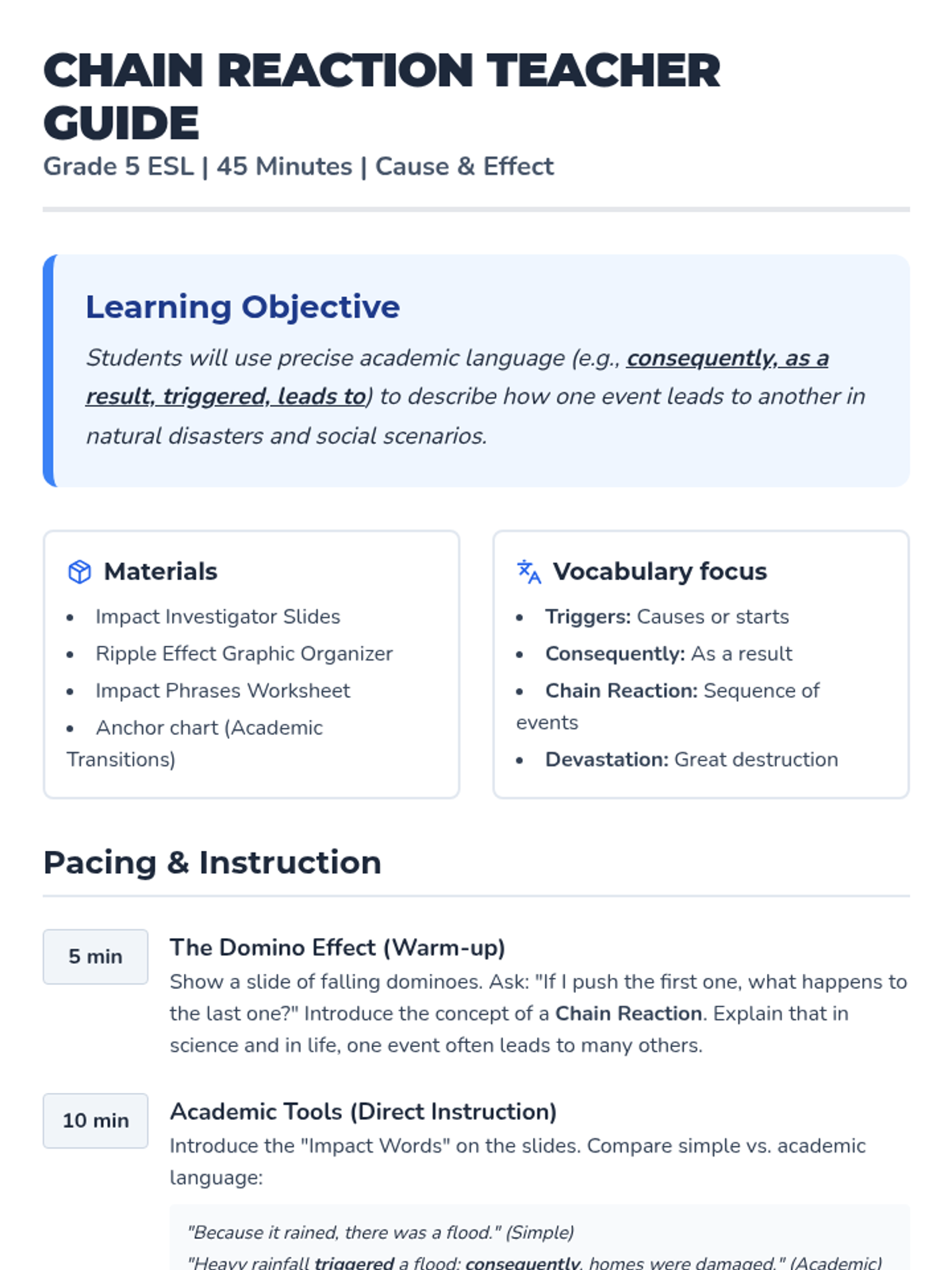
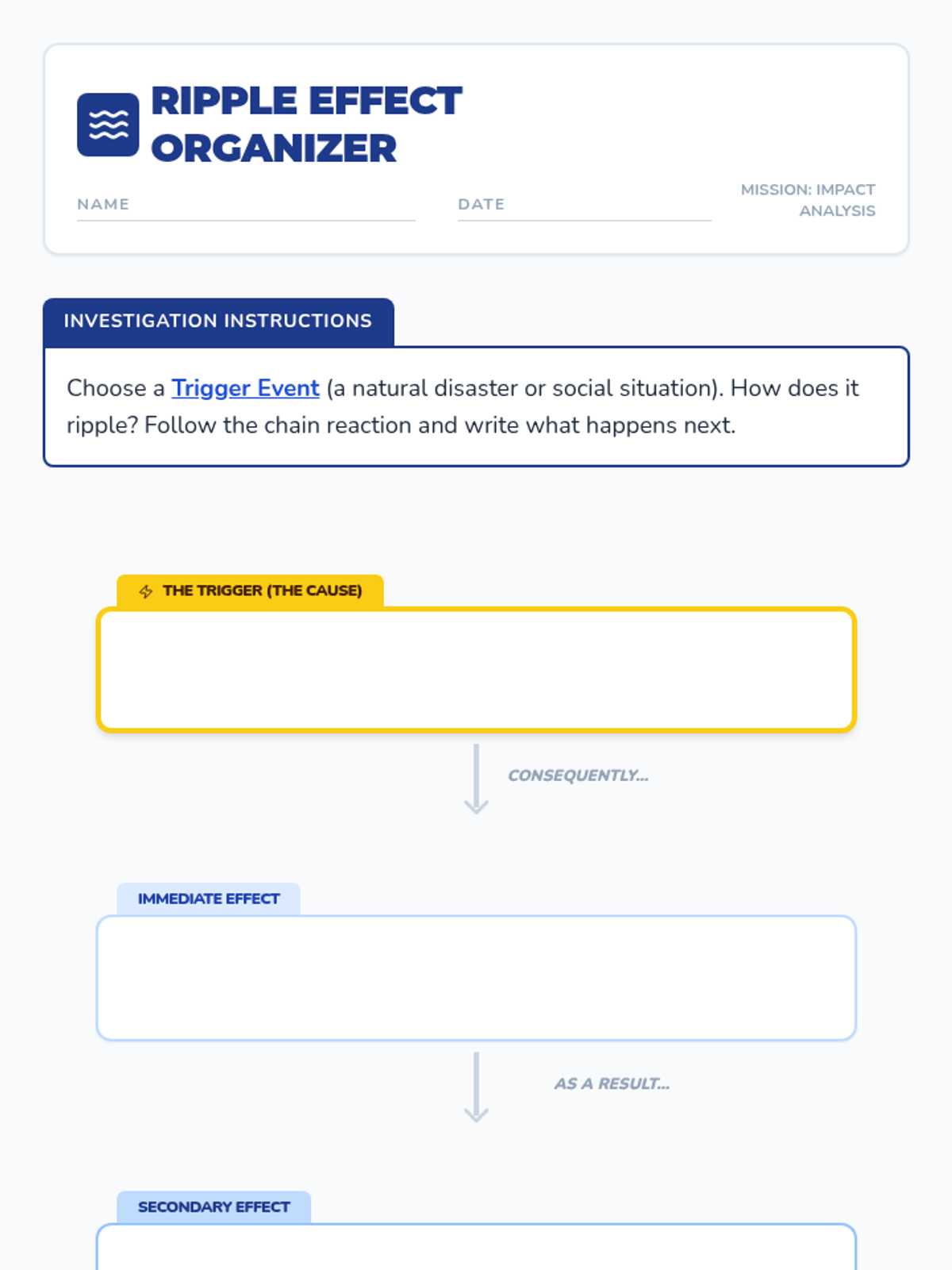
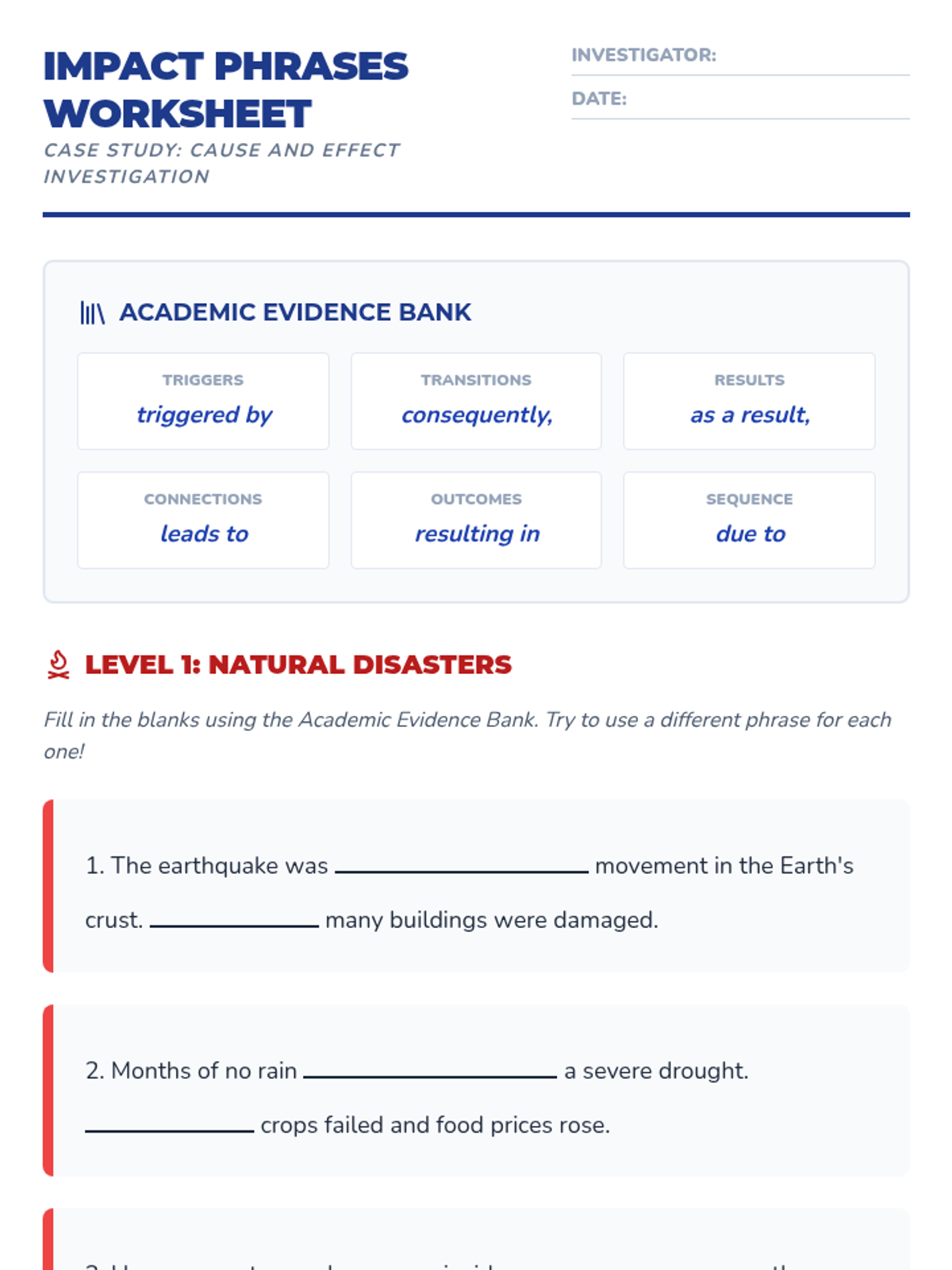
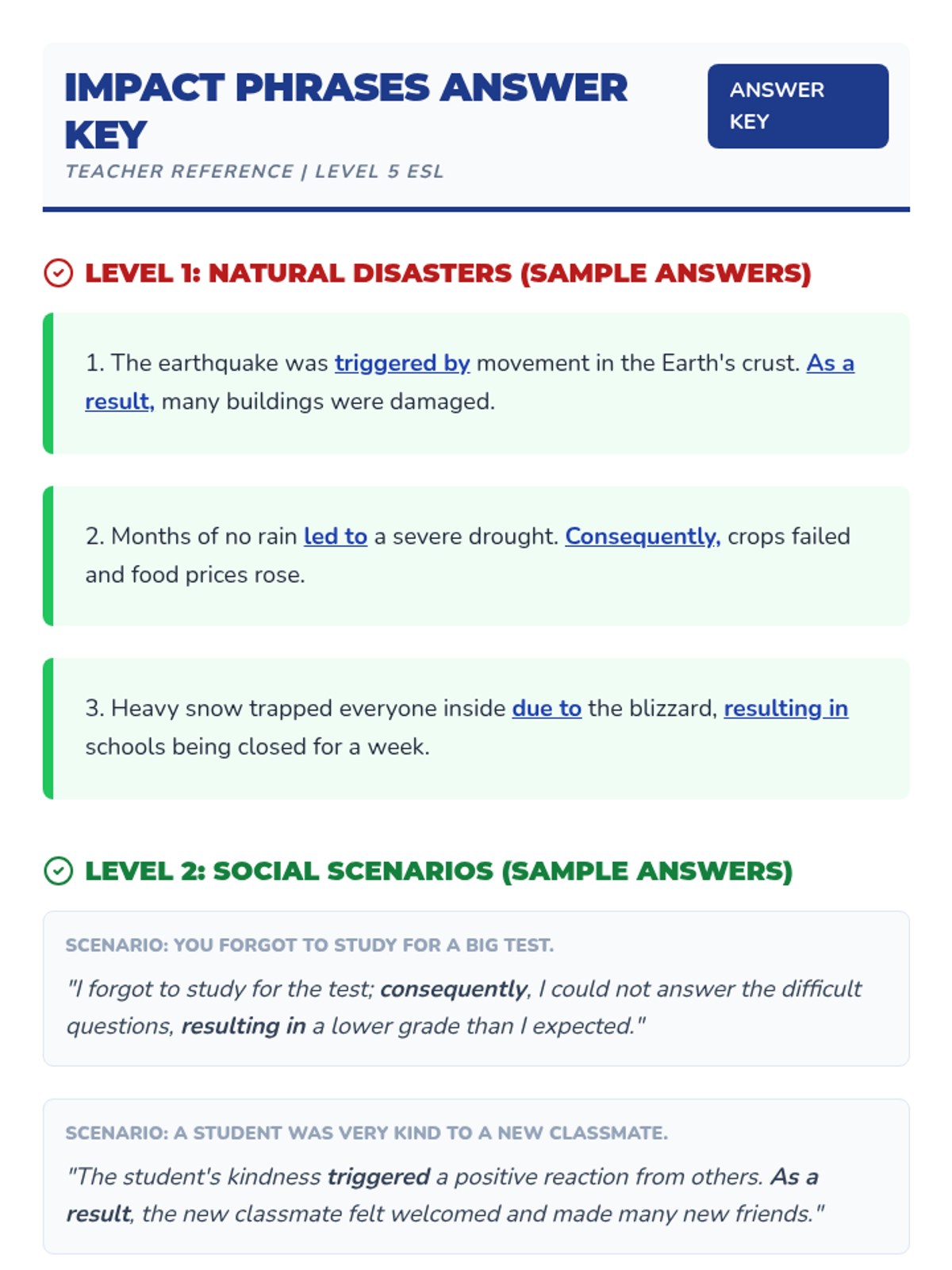
In this 45-minute Grade 5 ESL lesson, students will master precise academic language to describe cause-and-effect relationships. They will explore how natural disasters and social scenarios create chain reactions, using transitional phrases like 'consequently', 'as a result', and 'triggered by'.
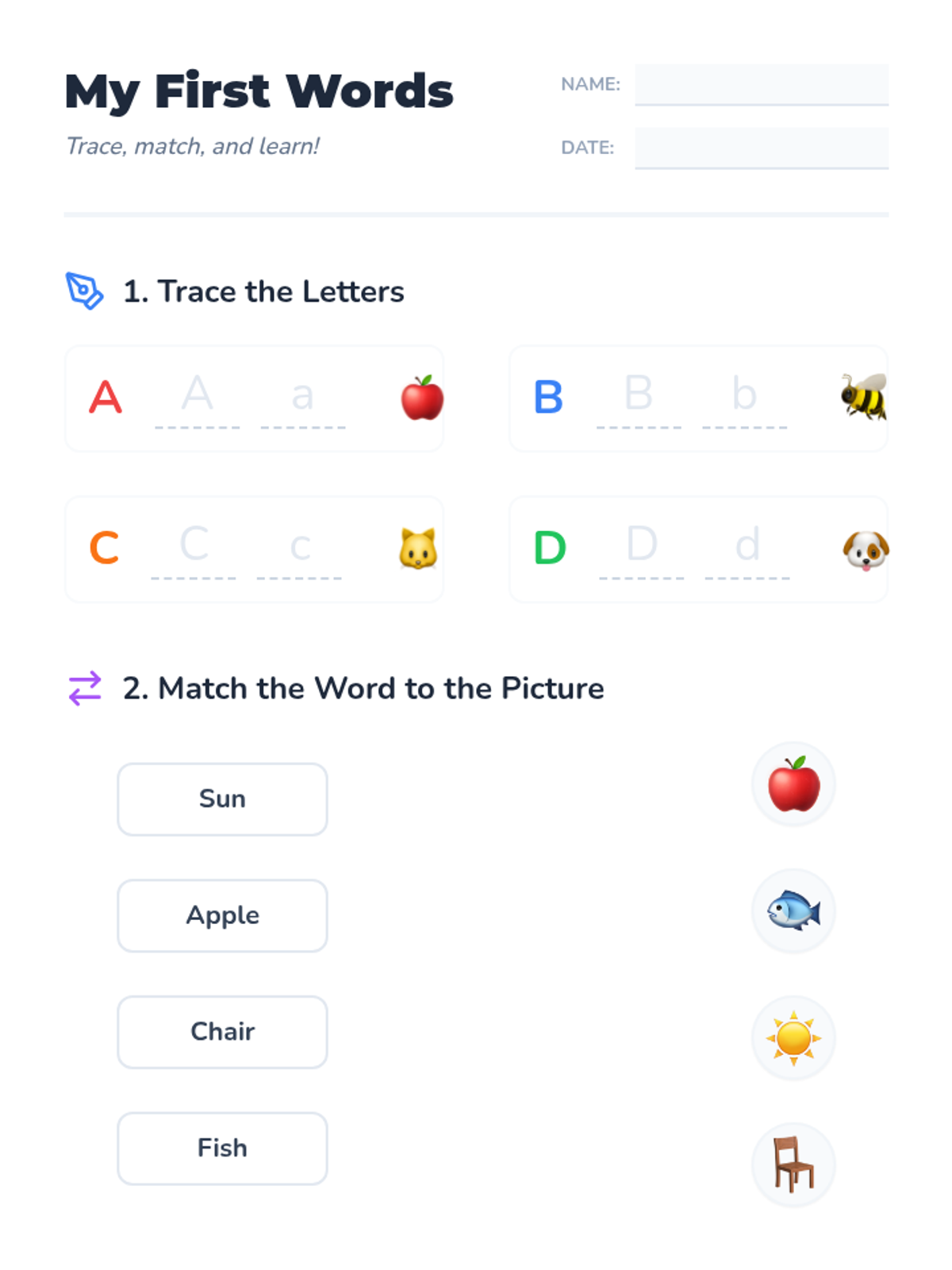
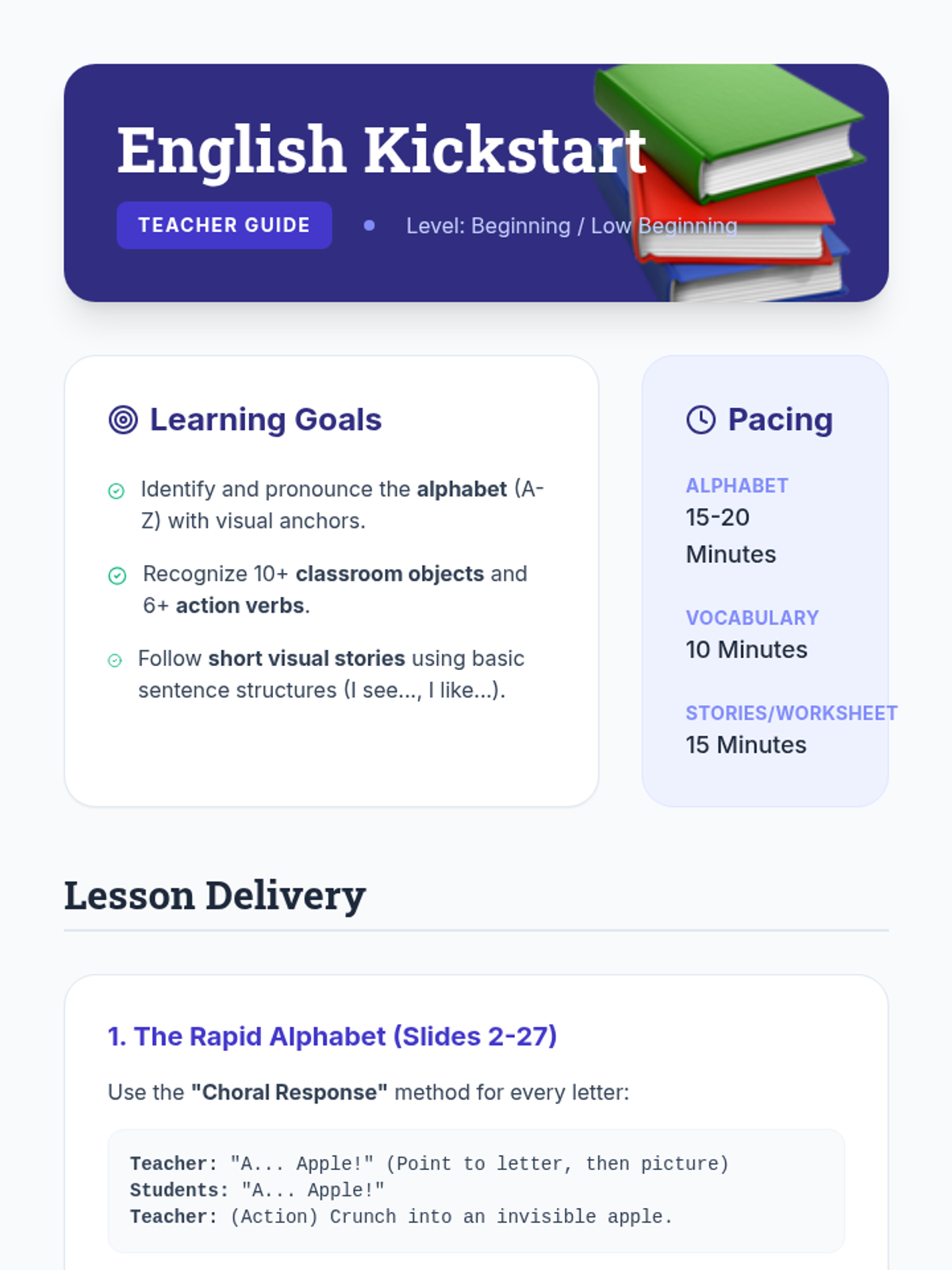
A comprehensive introductory English presentation for beginning learners, covering the alphabet, everyday objects, colors, shapes, actions, and basic stories.
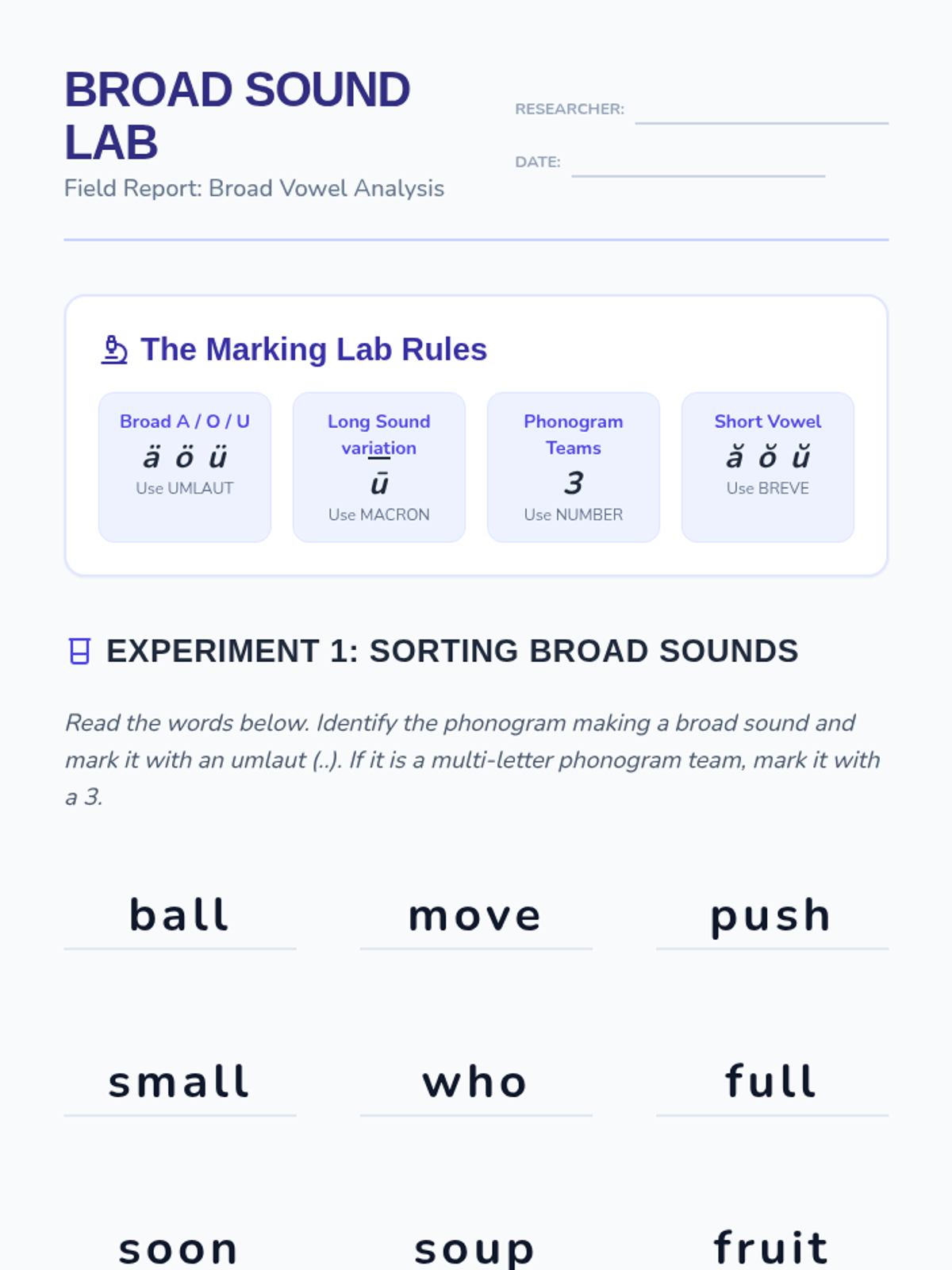
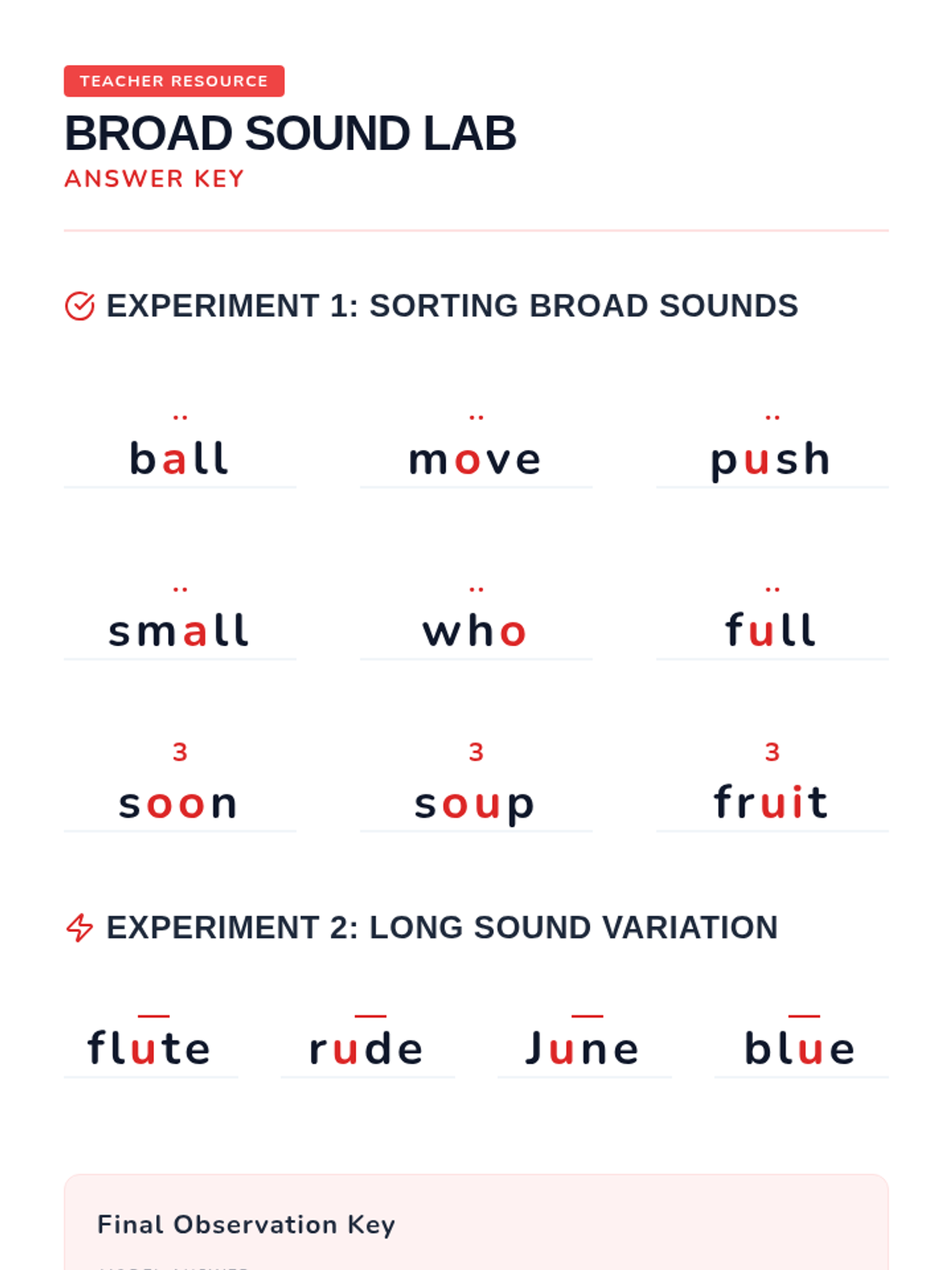
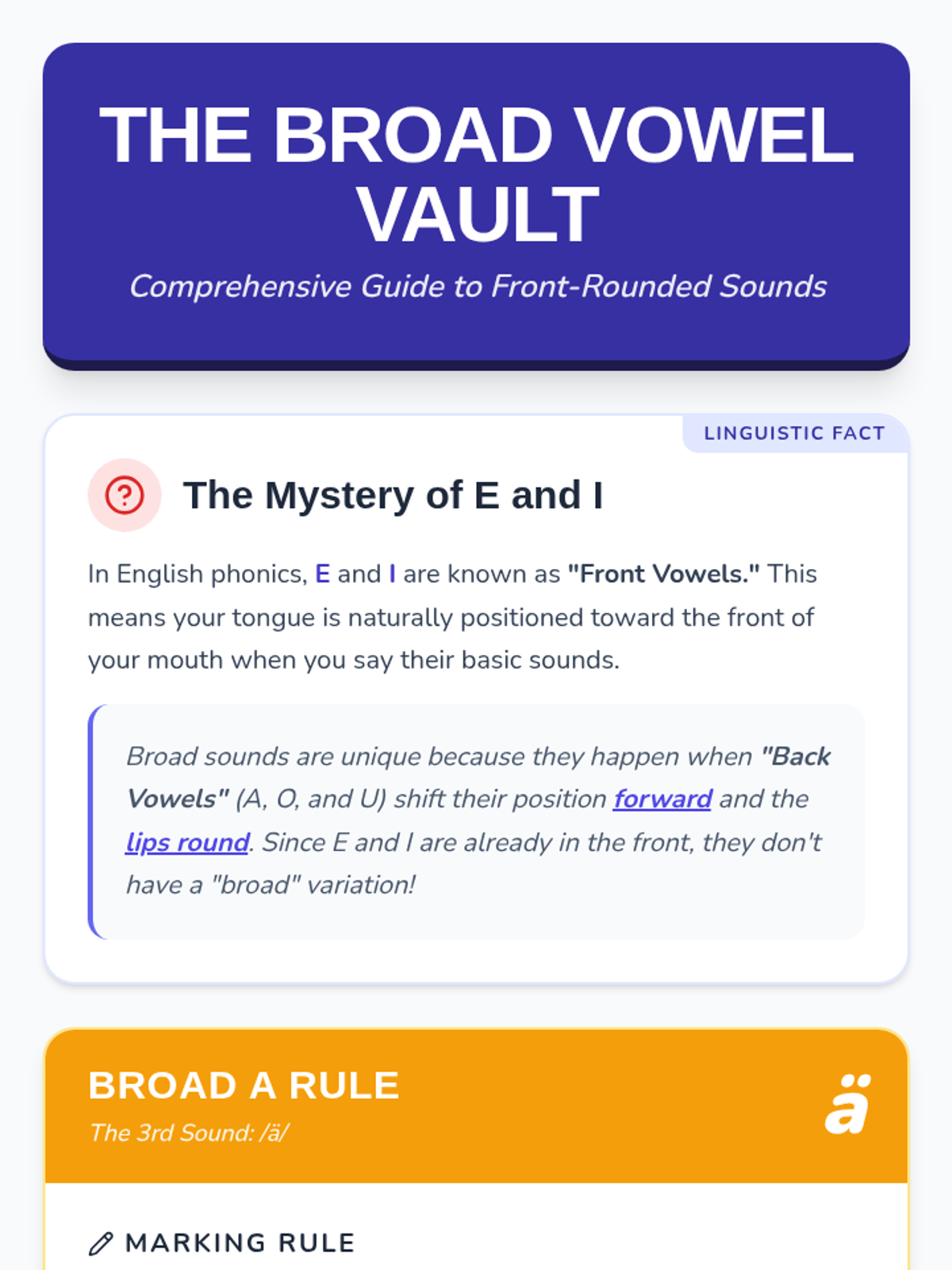
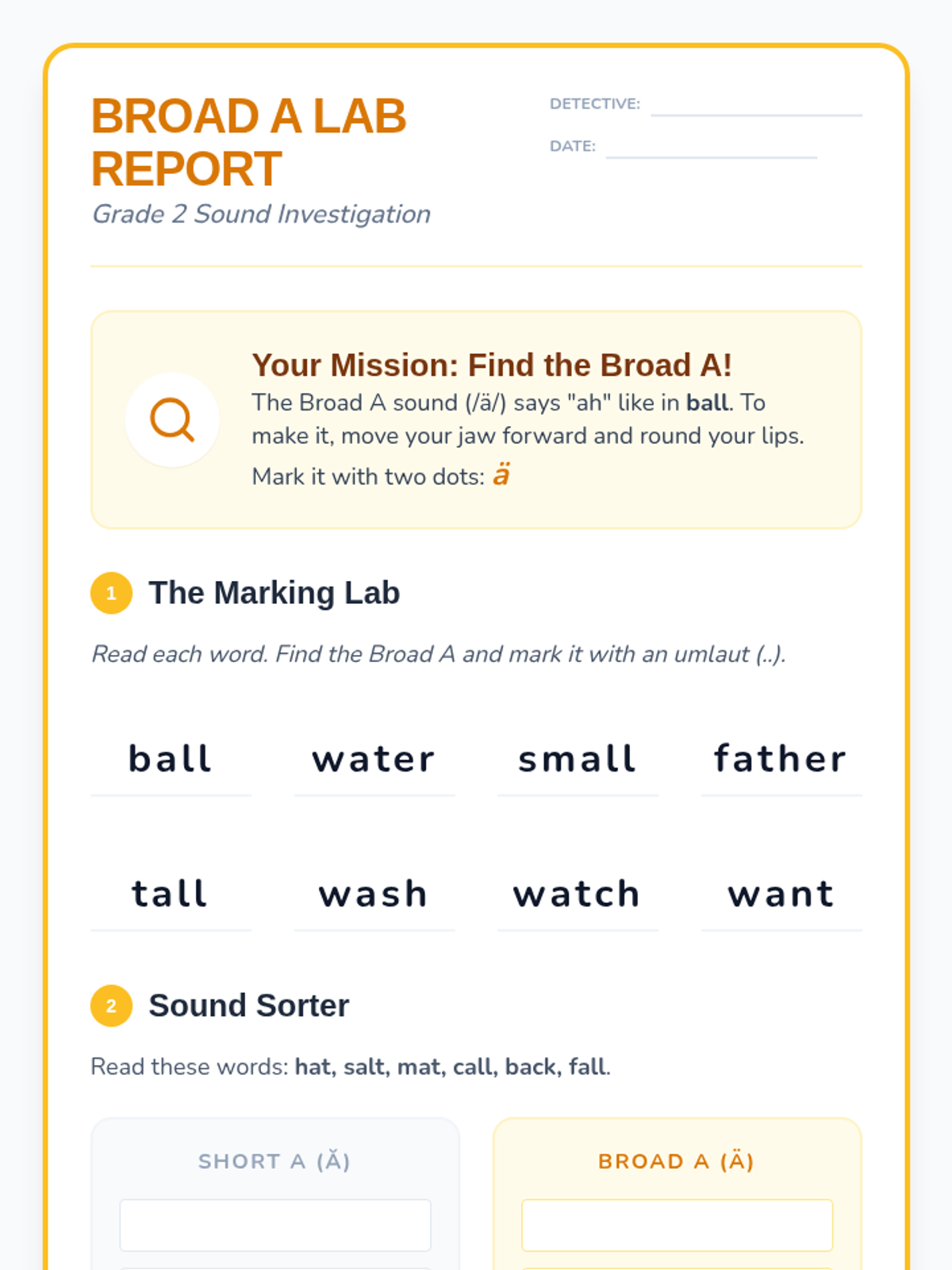
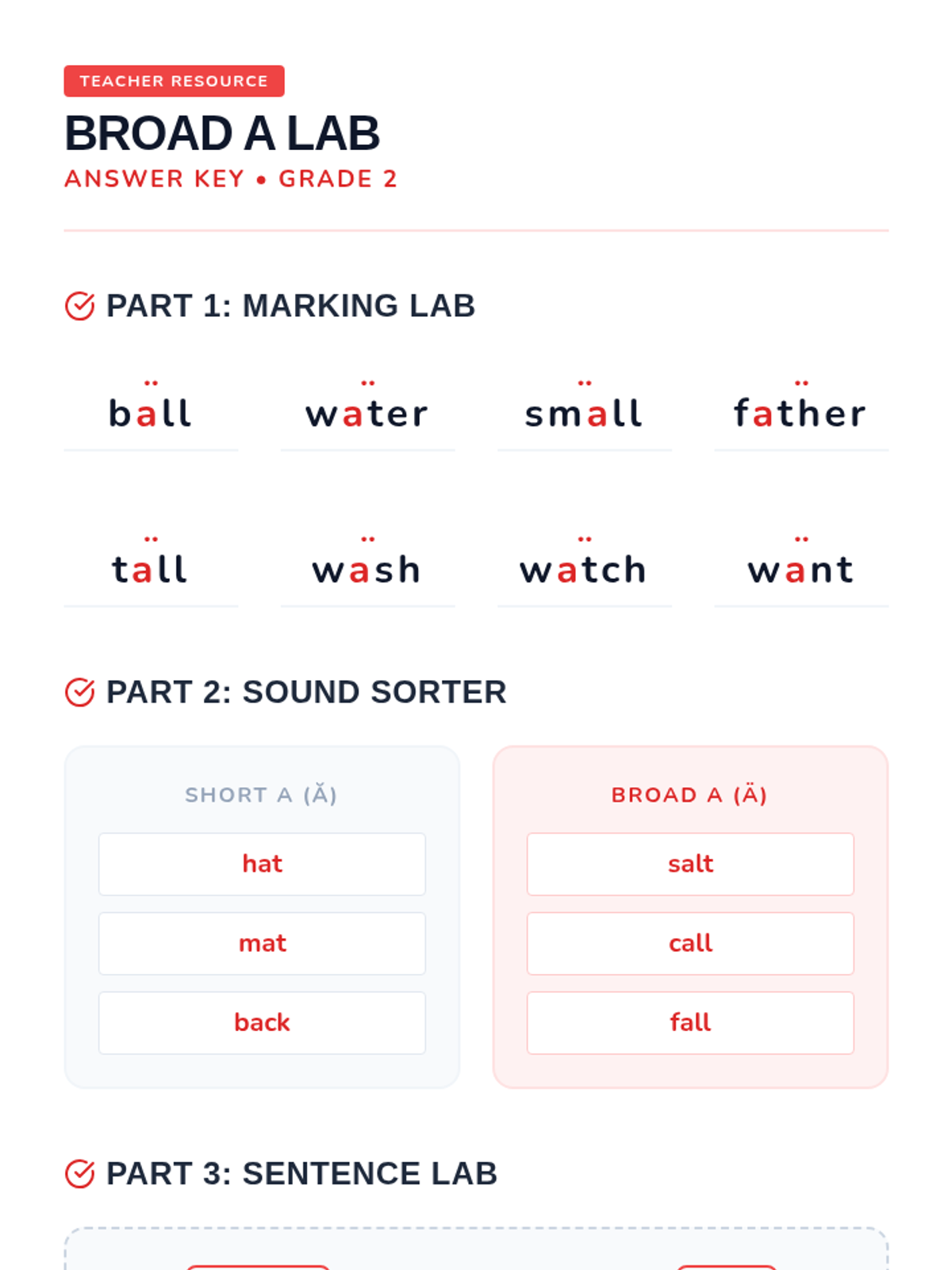
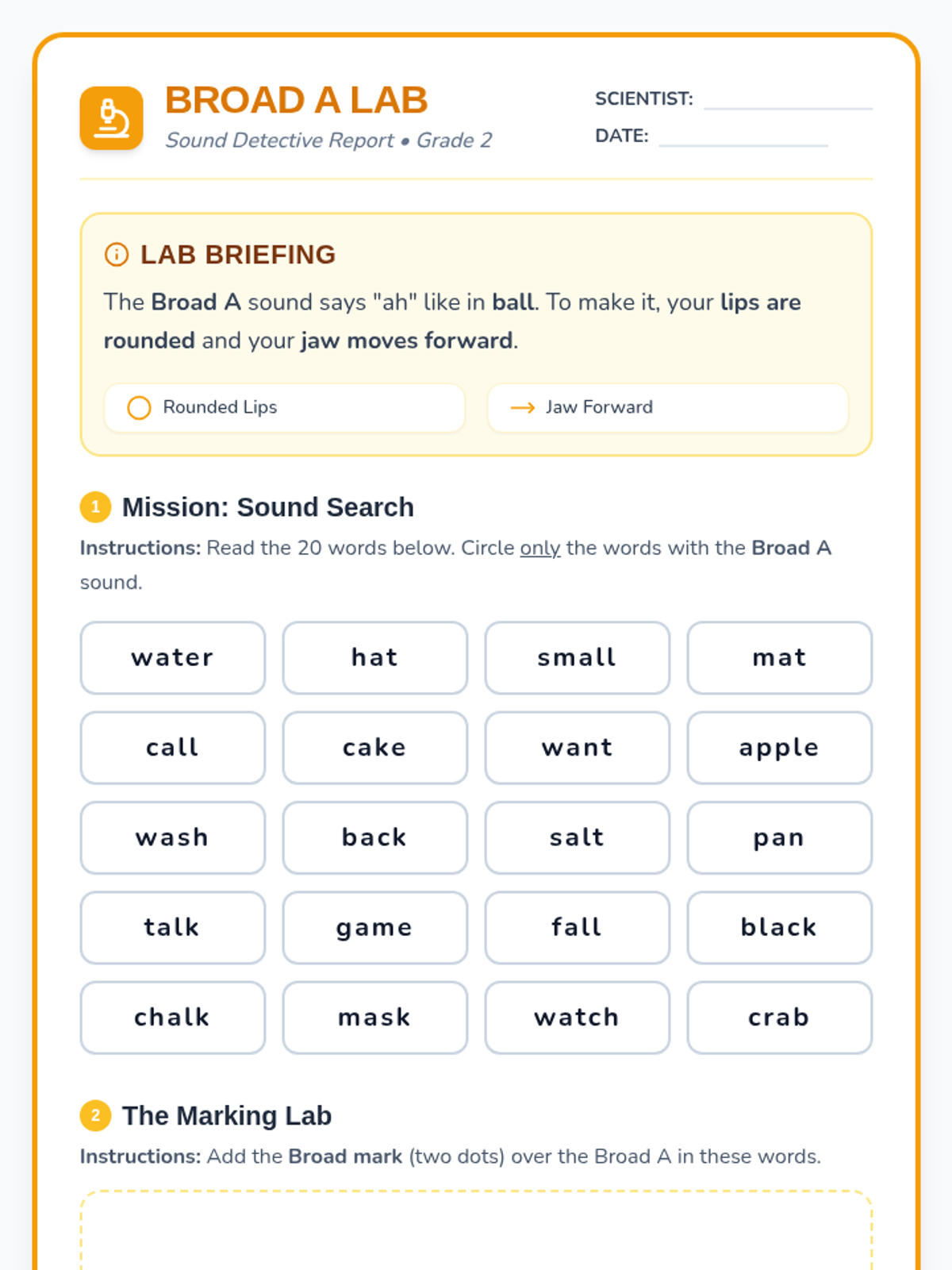
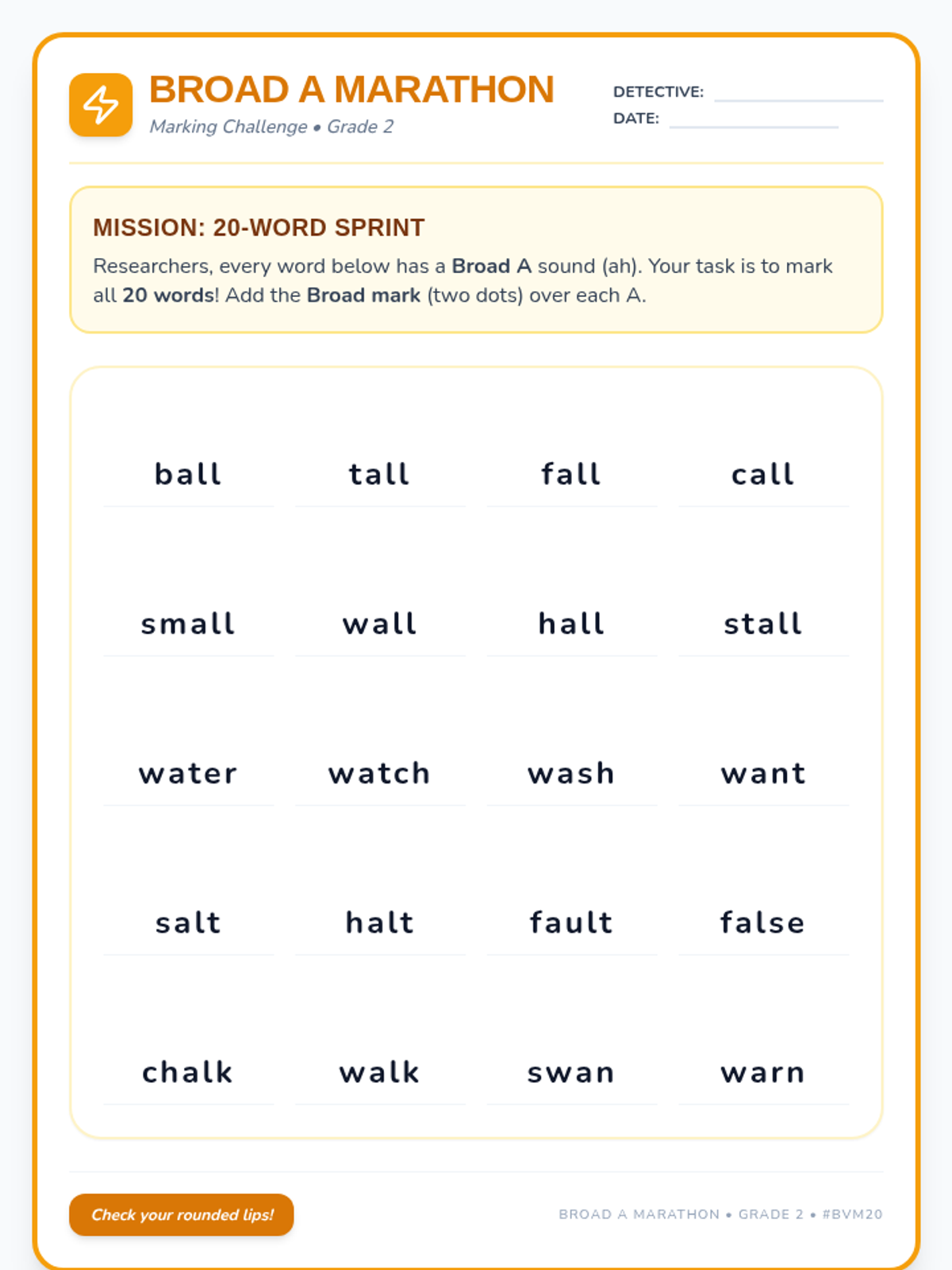
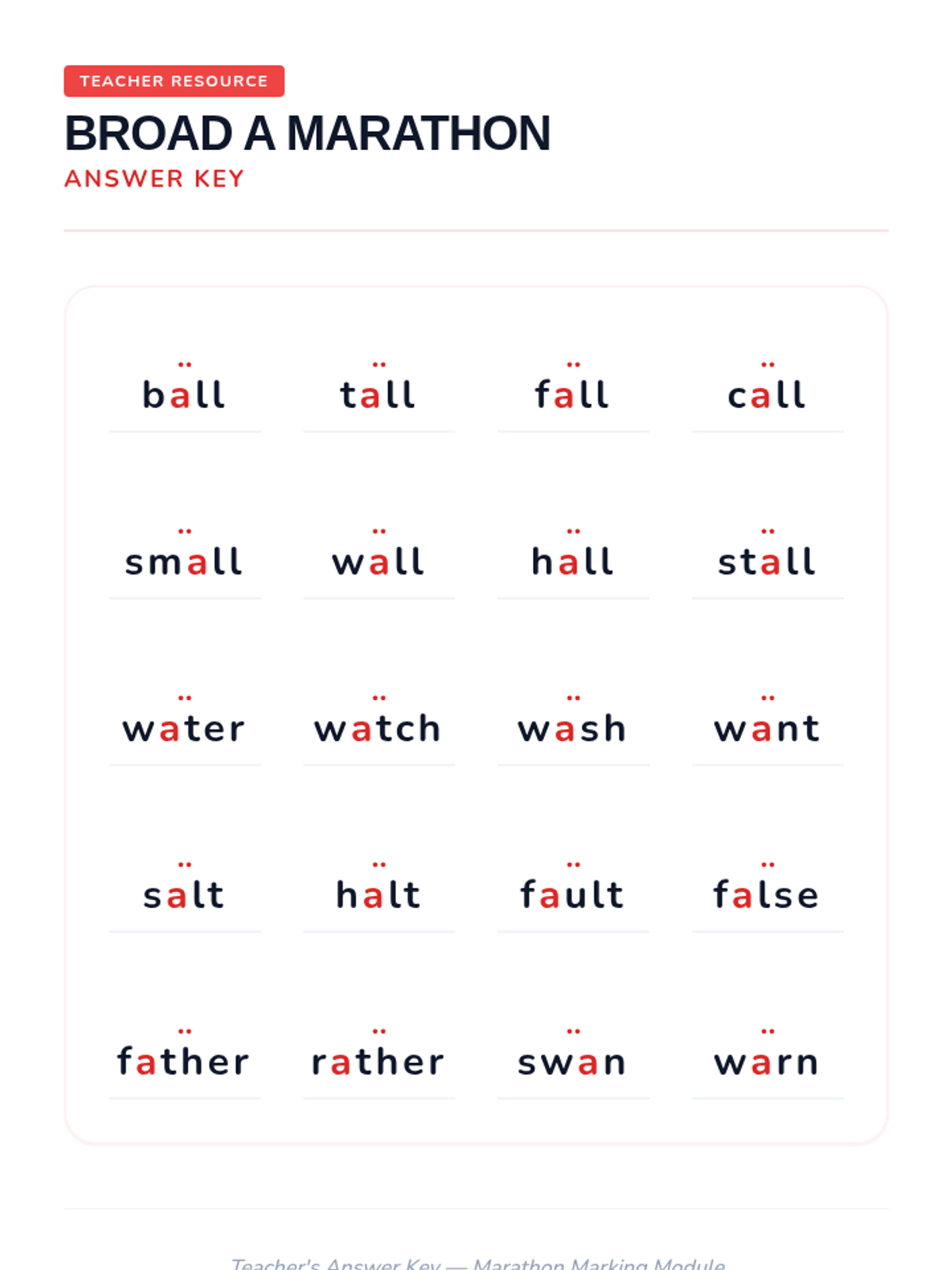
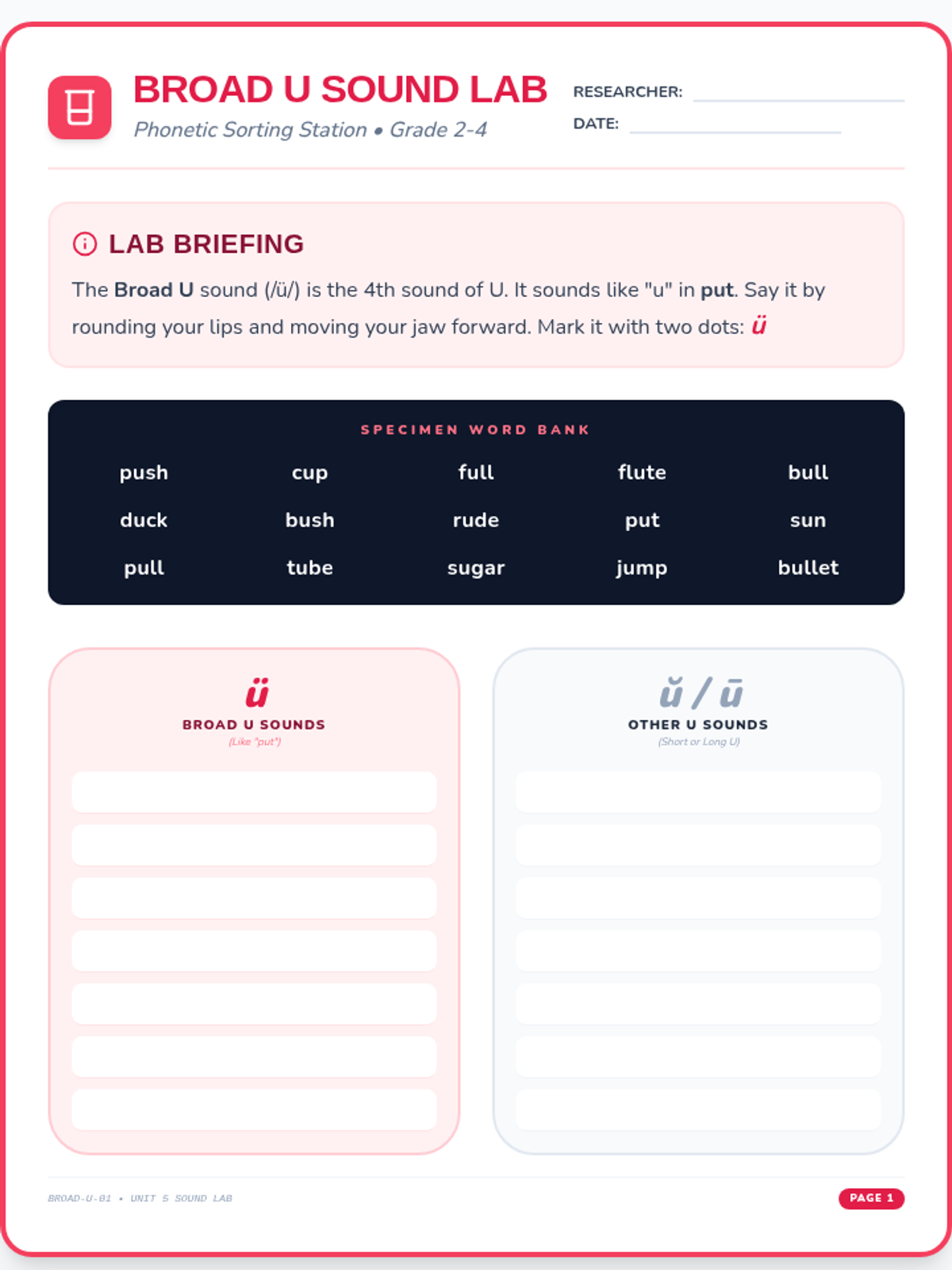
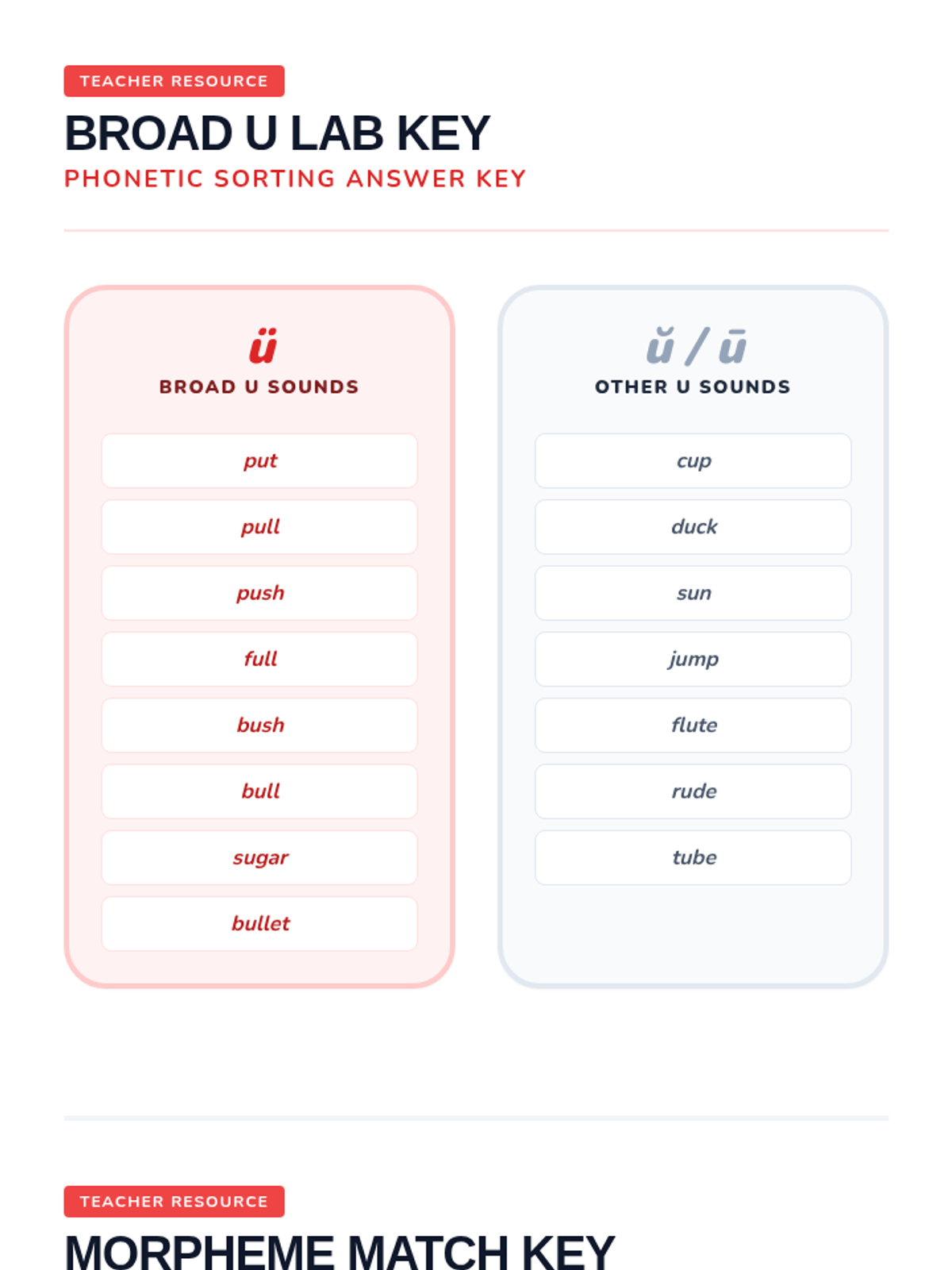
A comprehensive lesson on identifying and marking broad vowel sounds for A, O, and U. Students learn the phonetic differences between short and broad sounds and master the marking conventions for single-letter vowels and multi-letter phonograms.
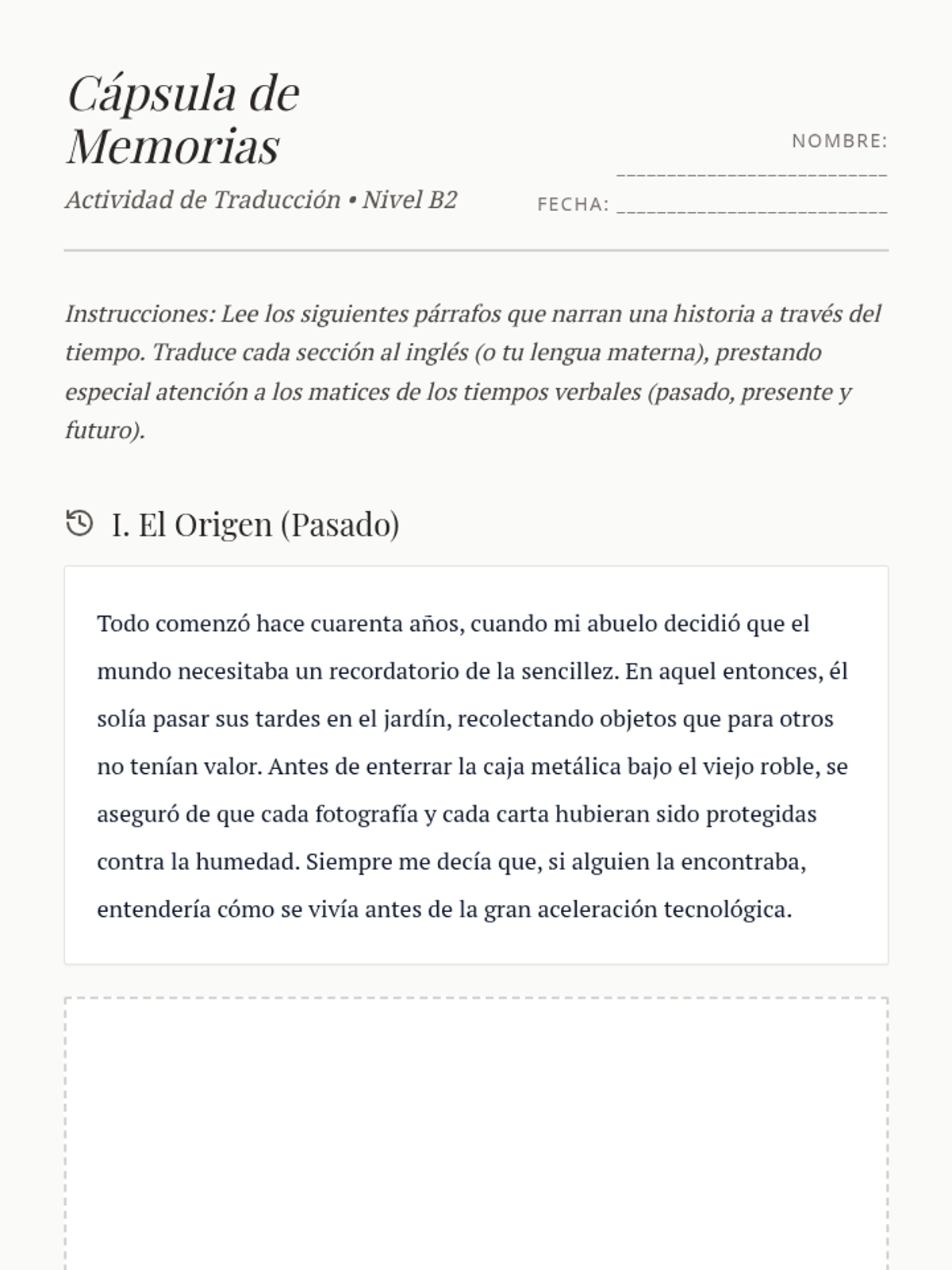
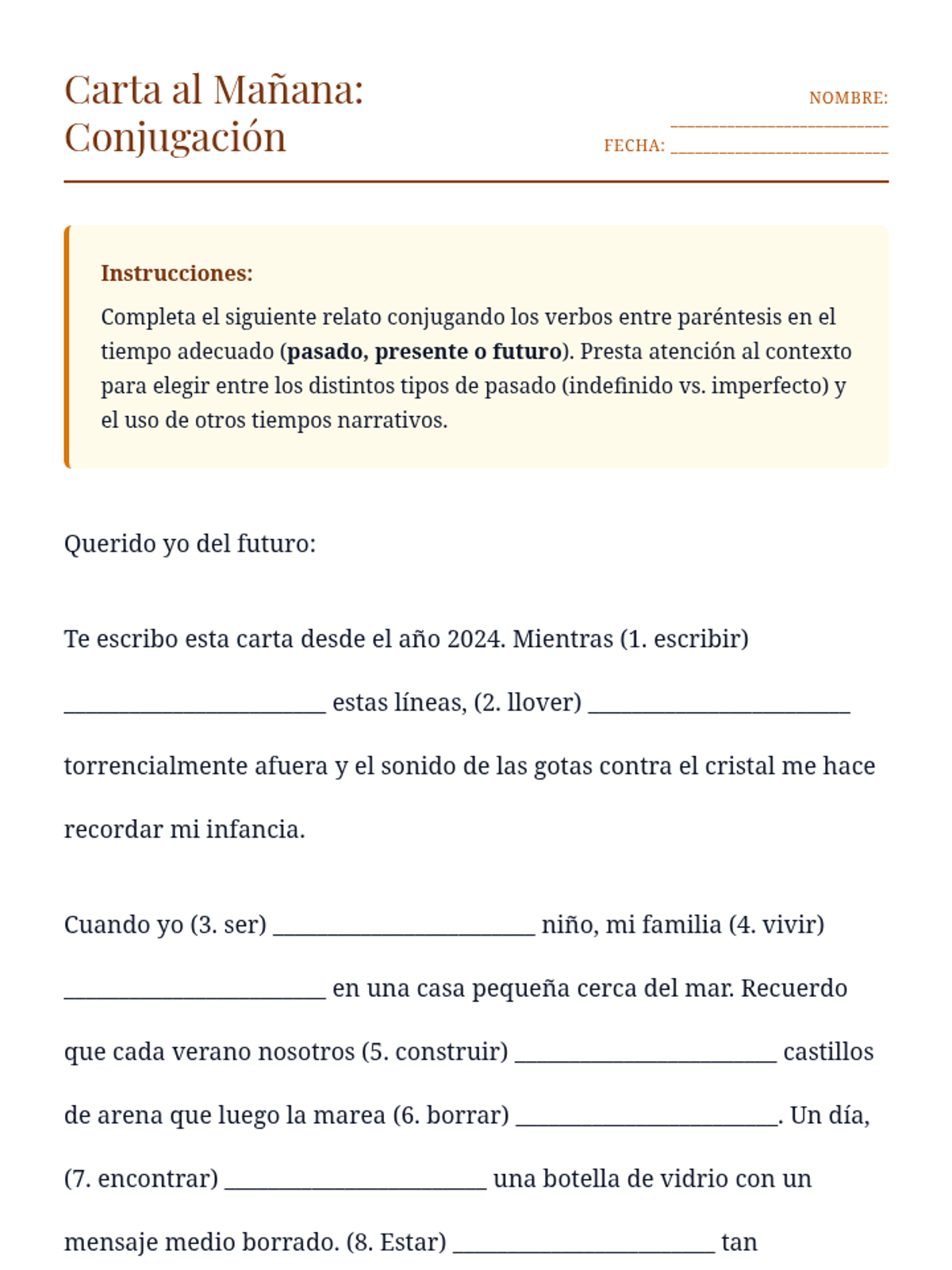
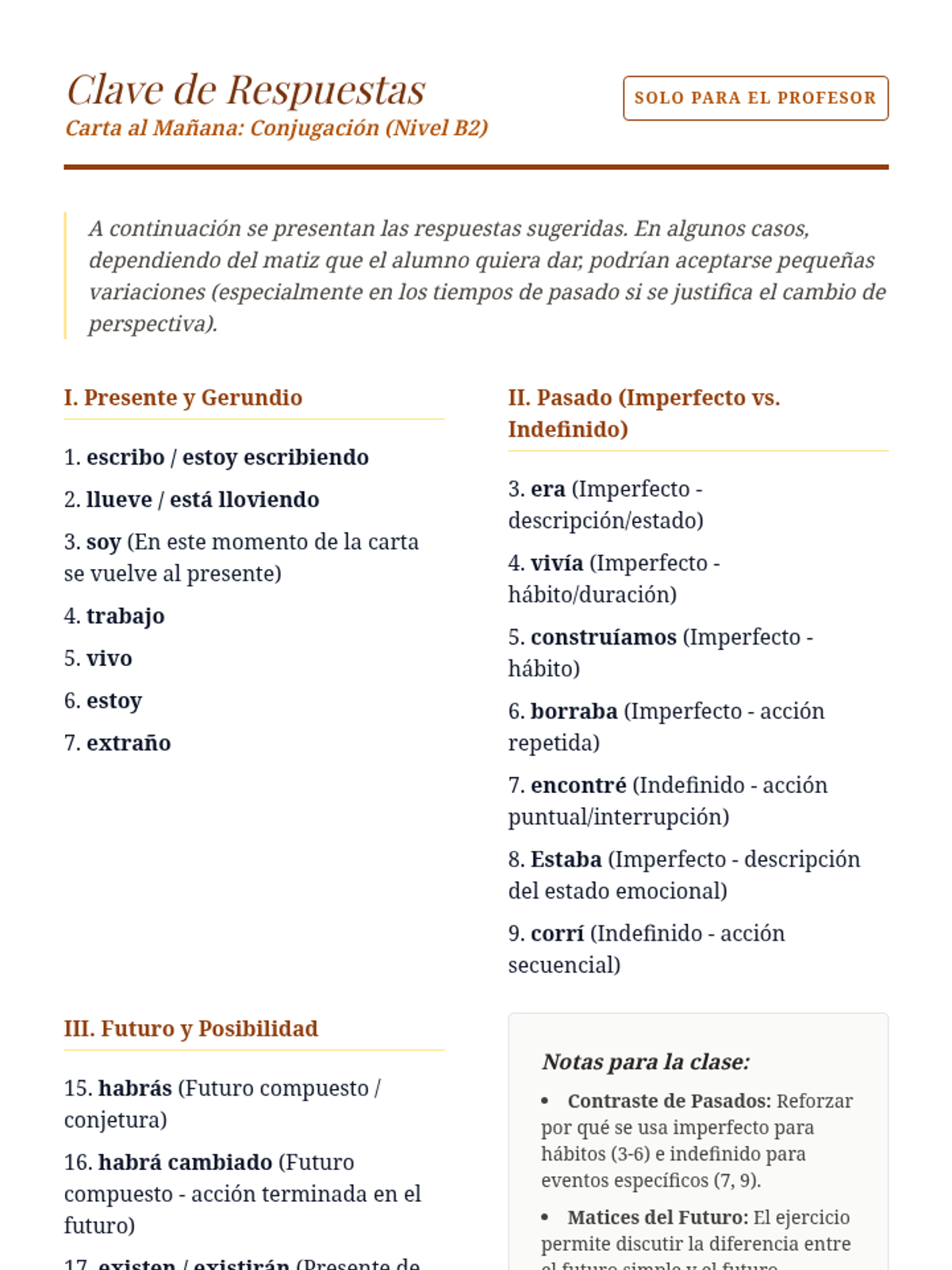
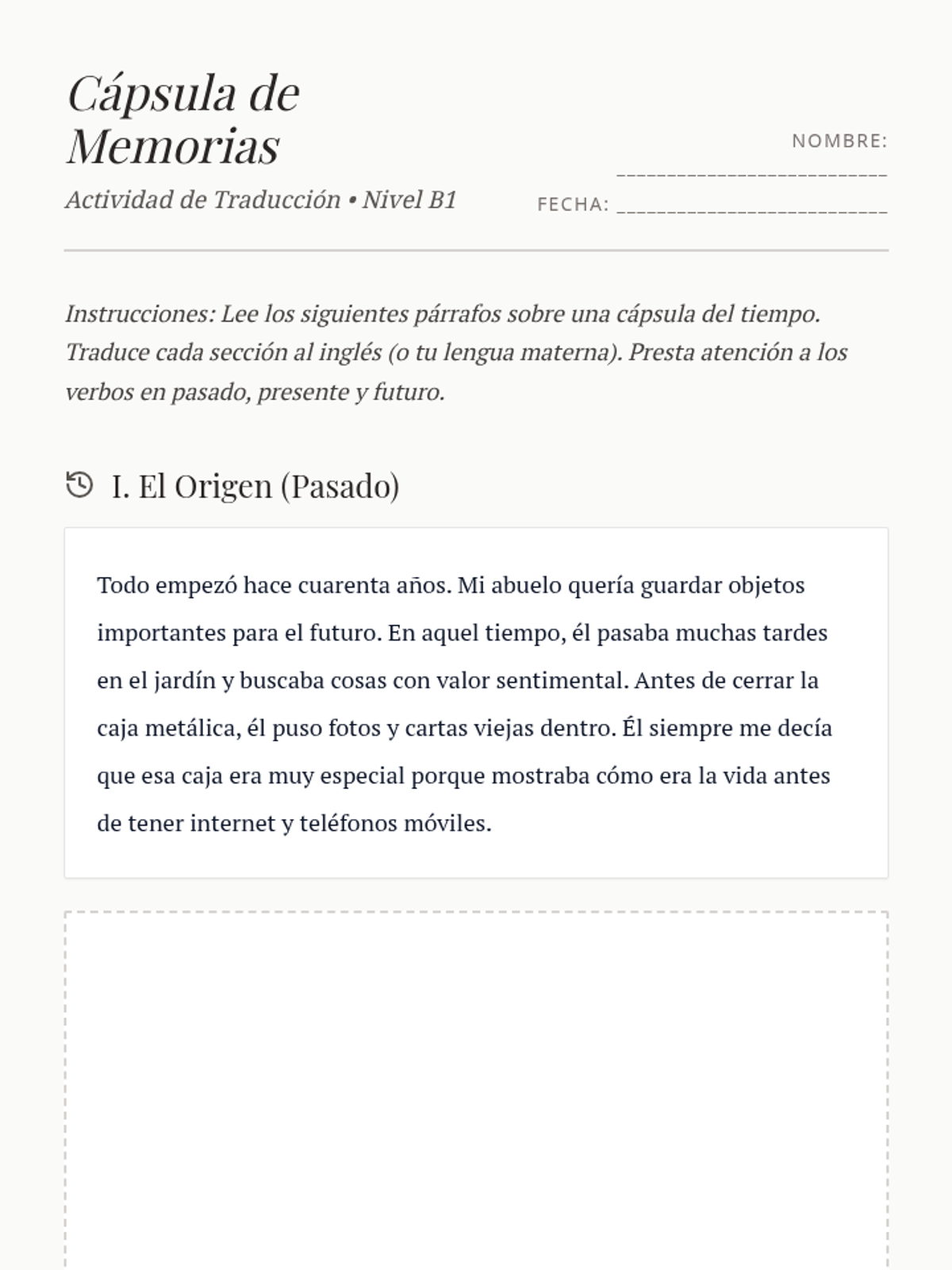
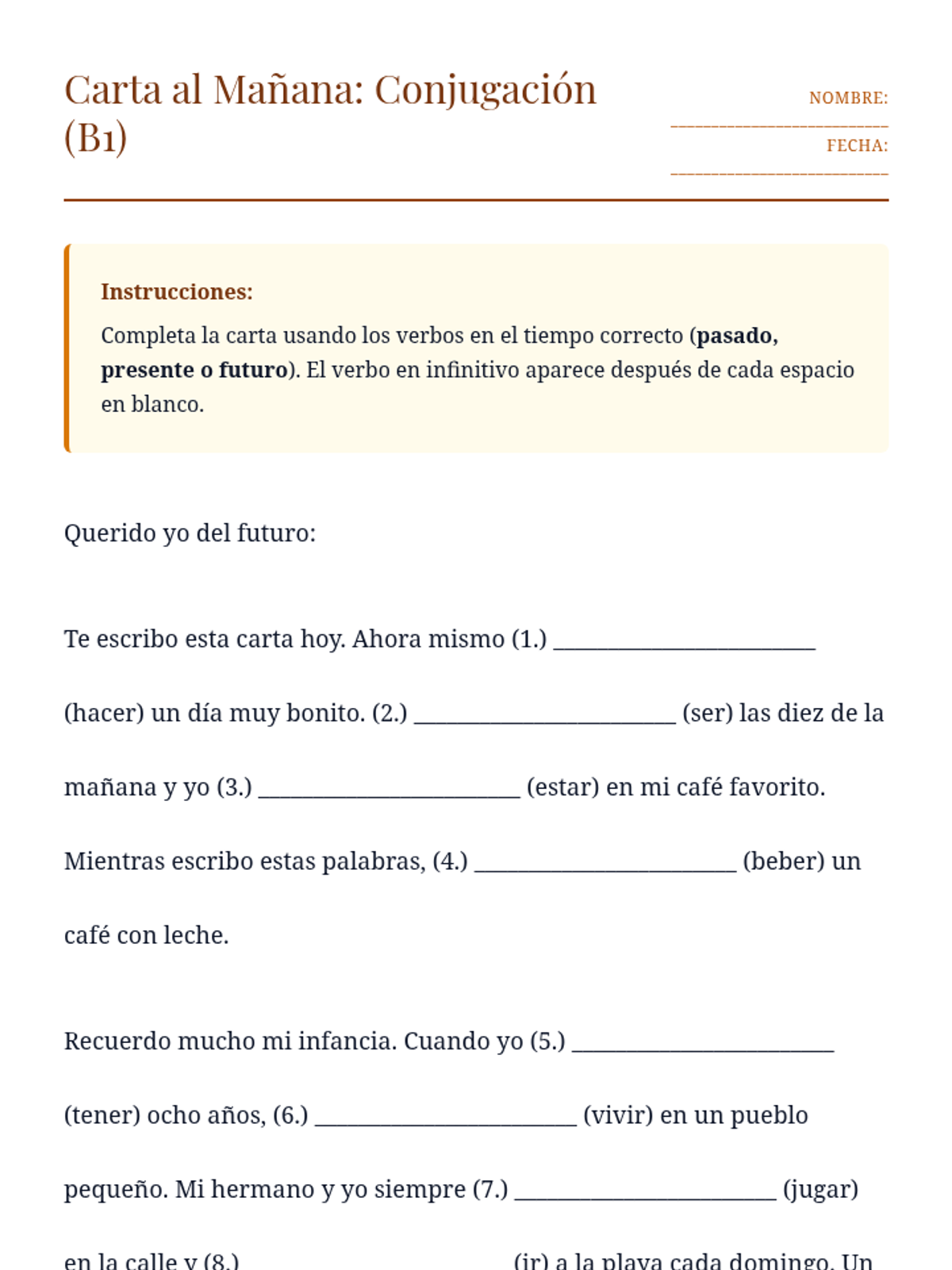
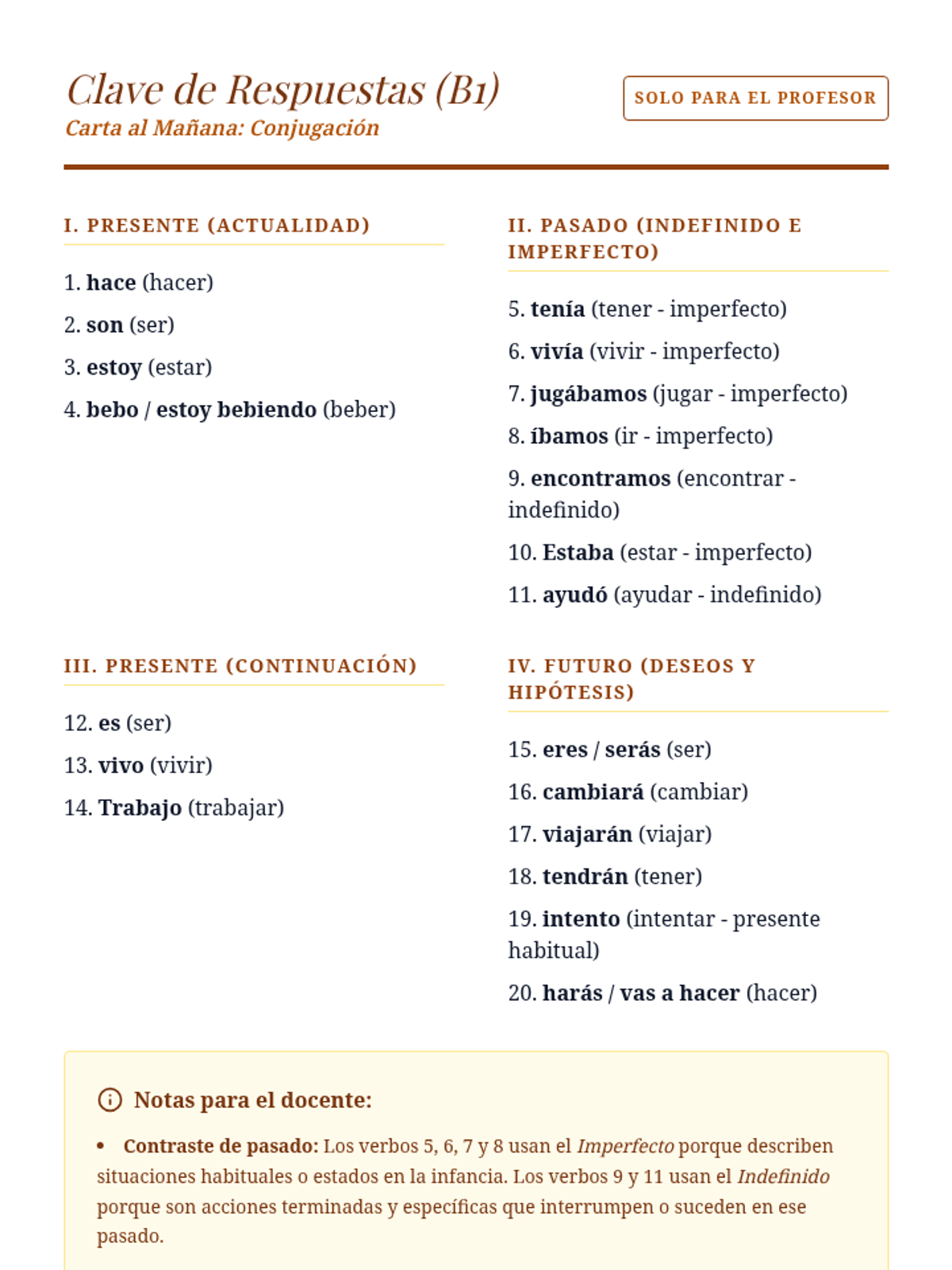
A B1-level Spanish lesson for adults focusing on narrative tenses. Students practice translating a multi-tense text and completing a verb-focused fill-in-the-blanks activity centered around the theme of time and personal history. Includes simplified vocabulary and clearer tense structures.
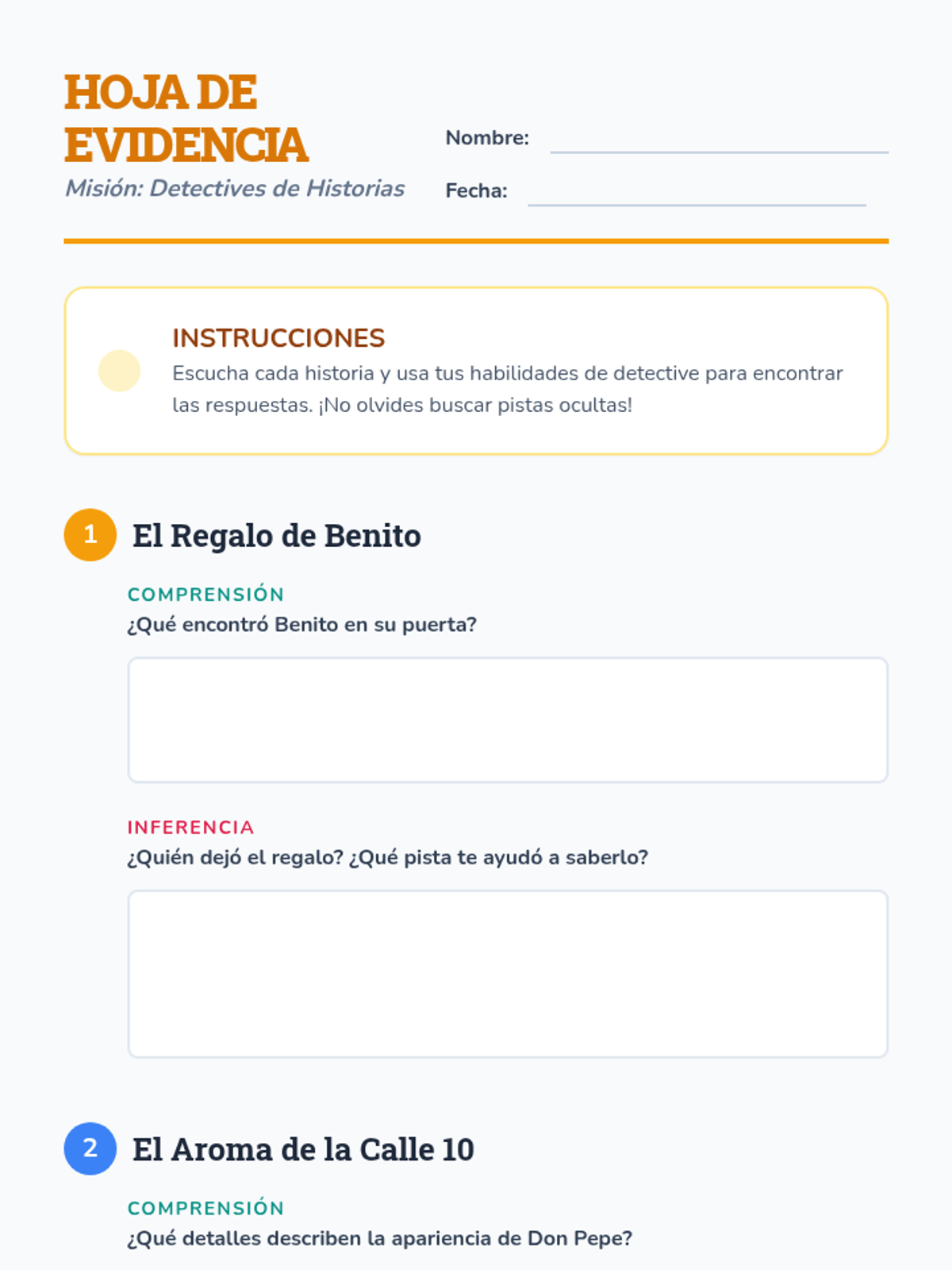
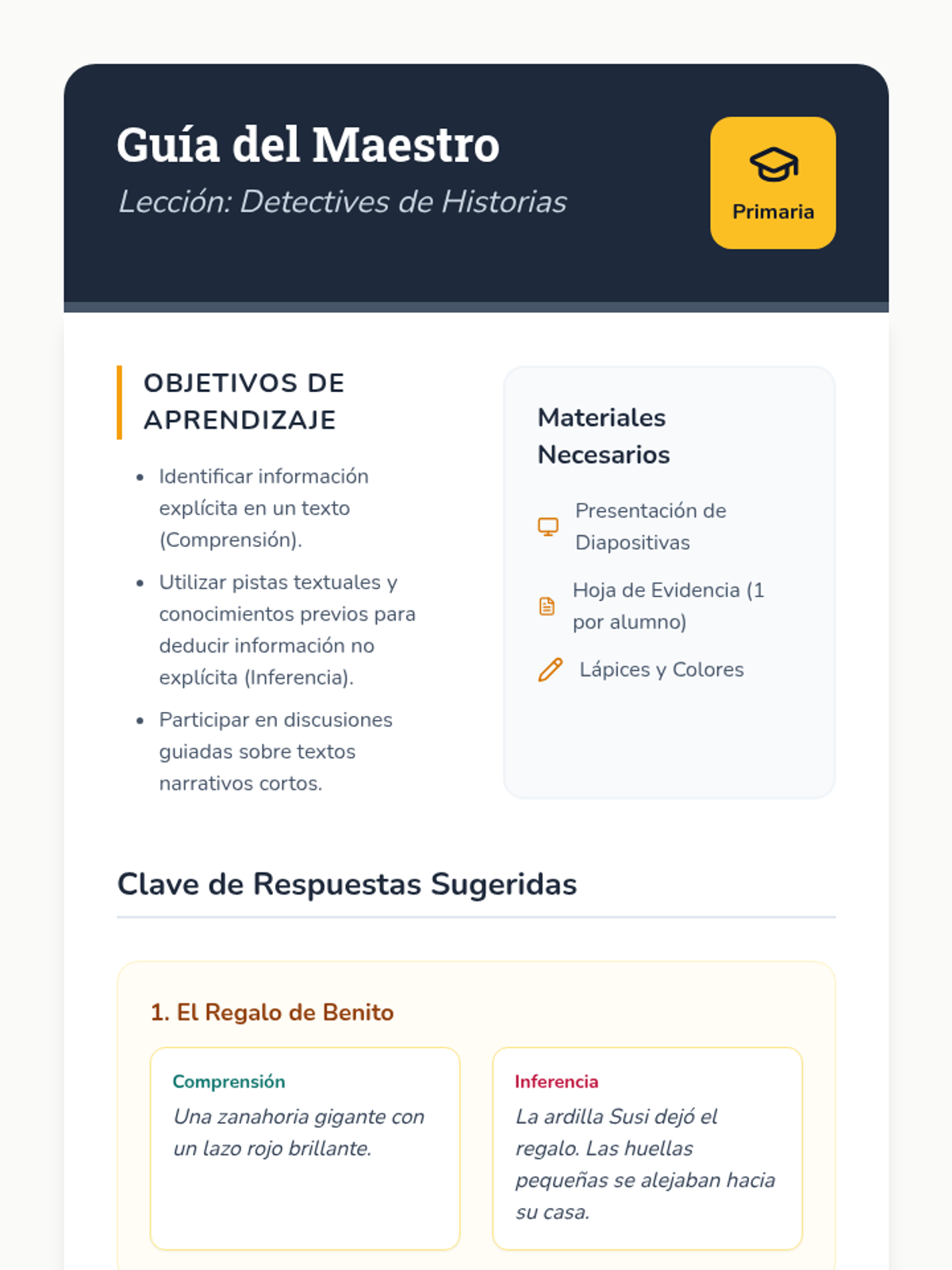
Una lección interactiva diseñada para enseñar a los estudiantes a comprender textos y realizar inferencias a través de tres cuentos cortos y encantadores. Incluye una mini-lección sobre las habilidades de pensamiento crítico necesarias para ser un detective de historias.
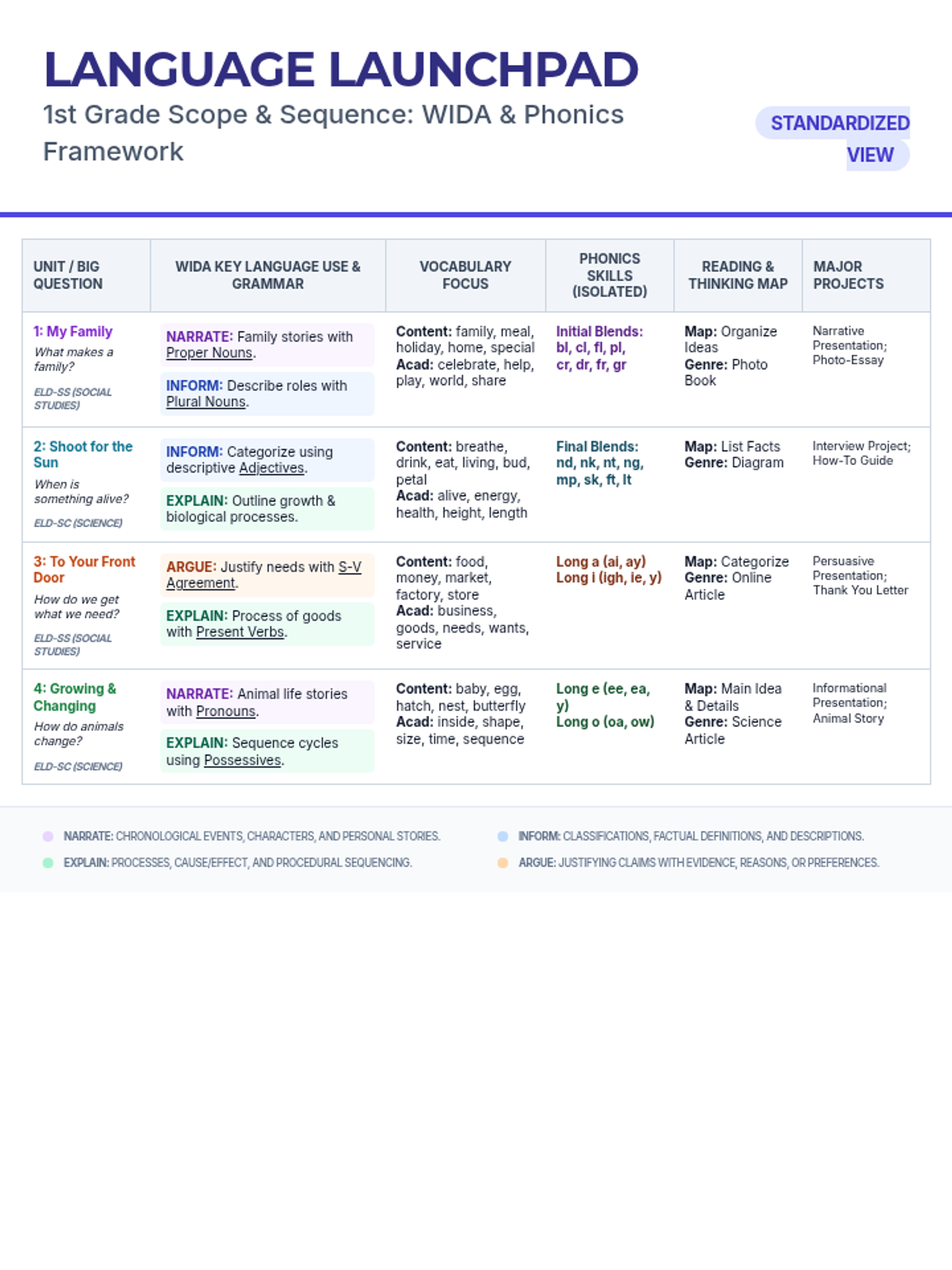
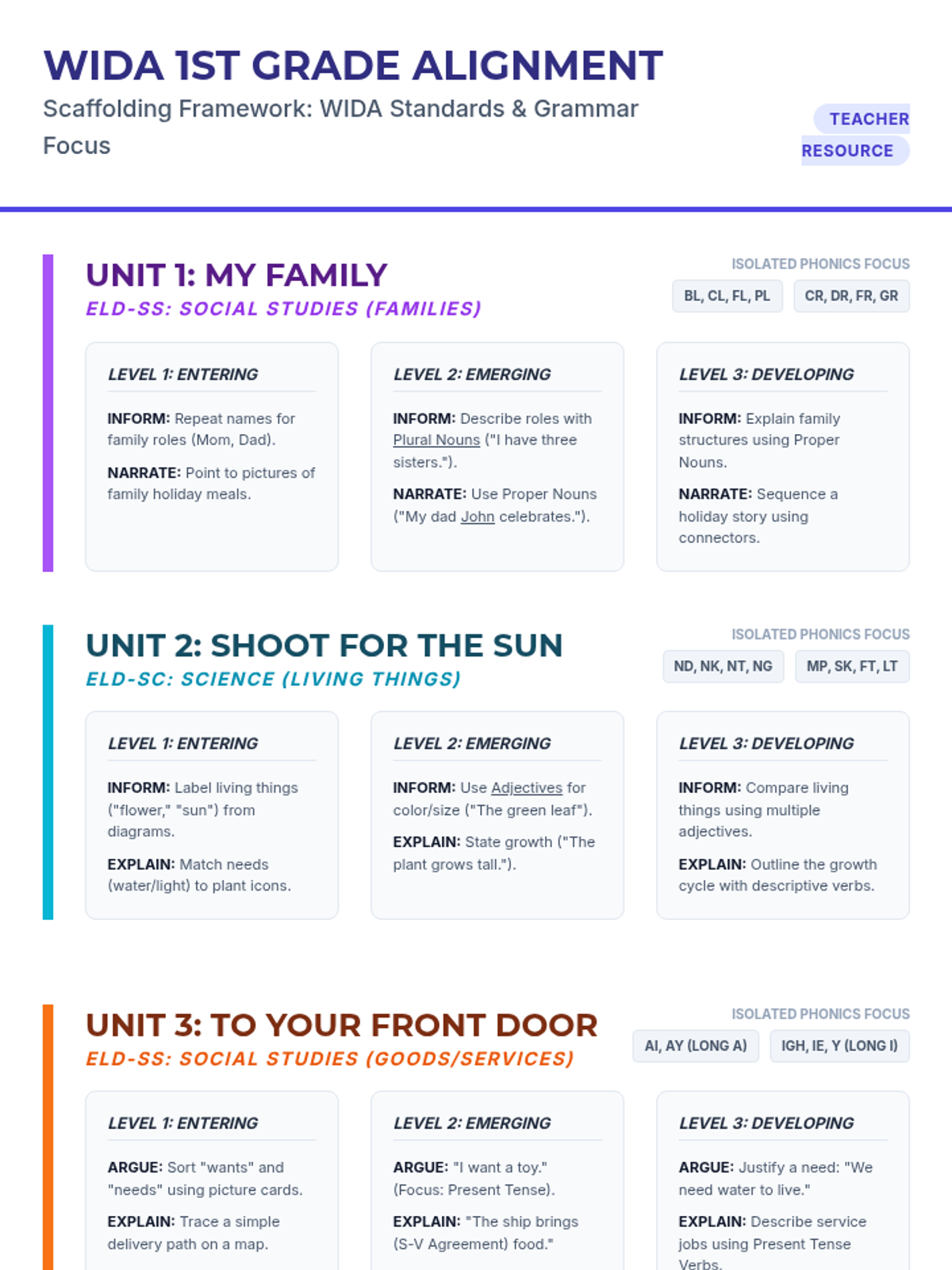
Studies the stages of growth in animals, using WIDA's Narrate (life stories) and Explain (scientific stages) functions.
Analyzes how communities access needs and wants, focusing on the WIDA functions of Argue (persuasive needs) and Explain (the journey of goods).
Investigates the characteristics of living things, utilizing WIDA's Inform function to define life and Explain function to describe biological processes.
Explores family structures, roles, and traditions while focusing on the WIDA functions of Narrate (family stories) and Inform (identifying family members).
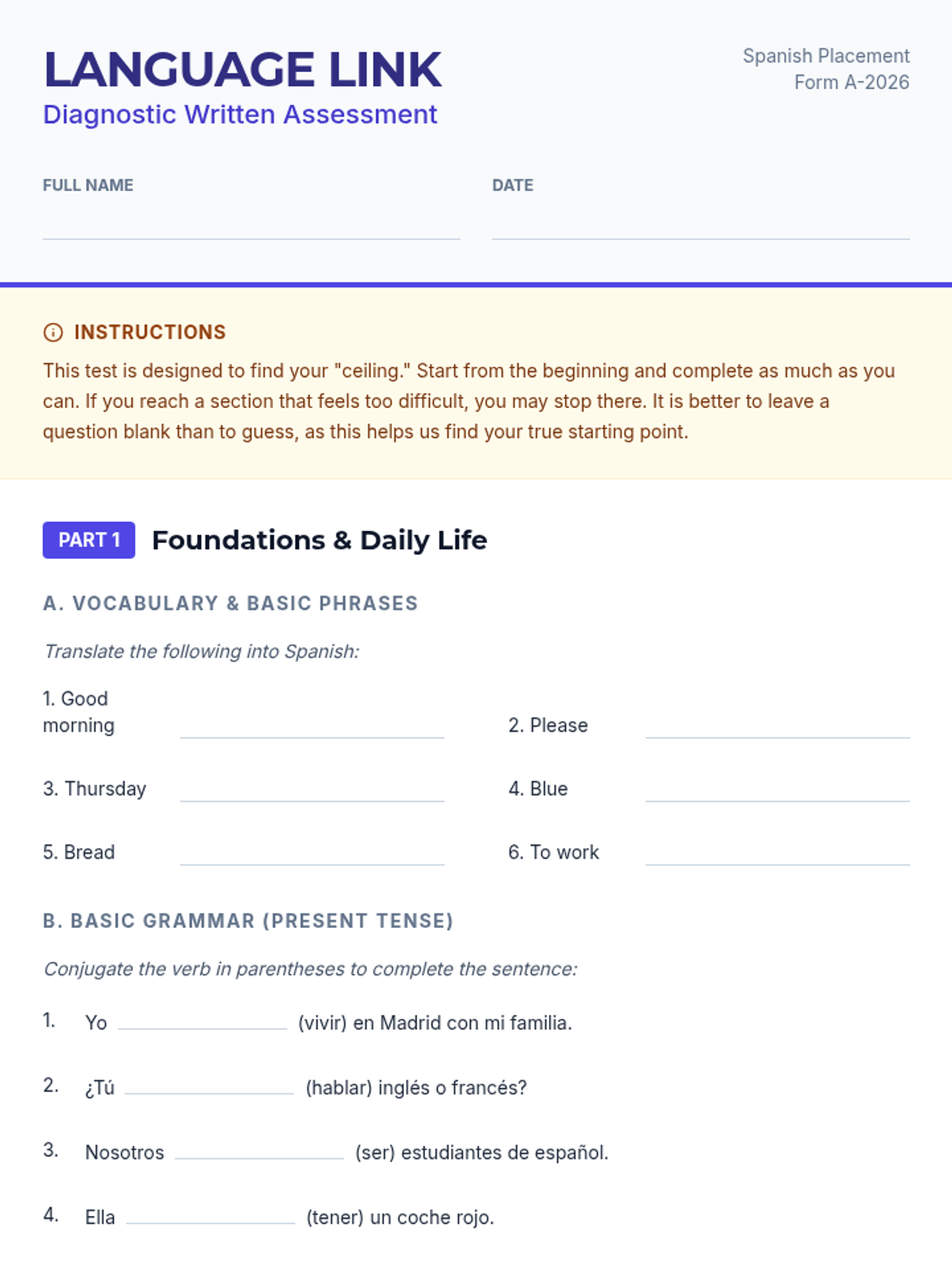
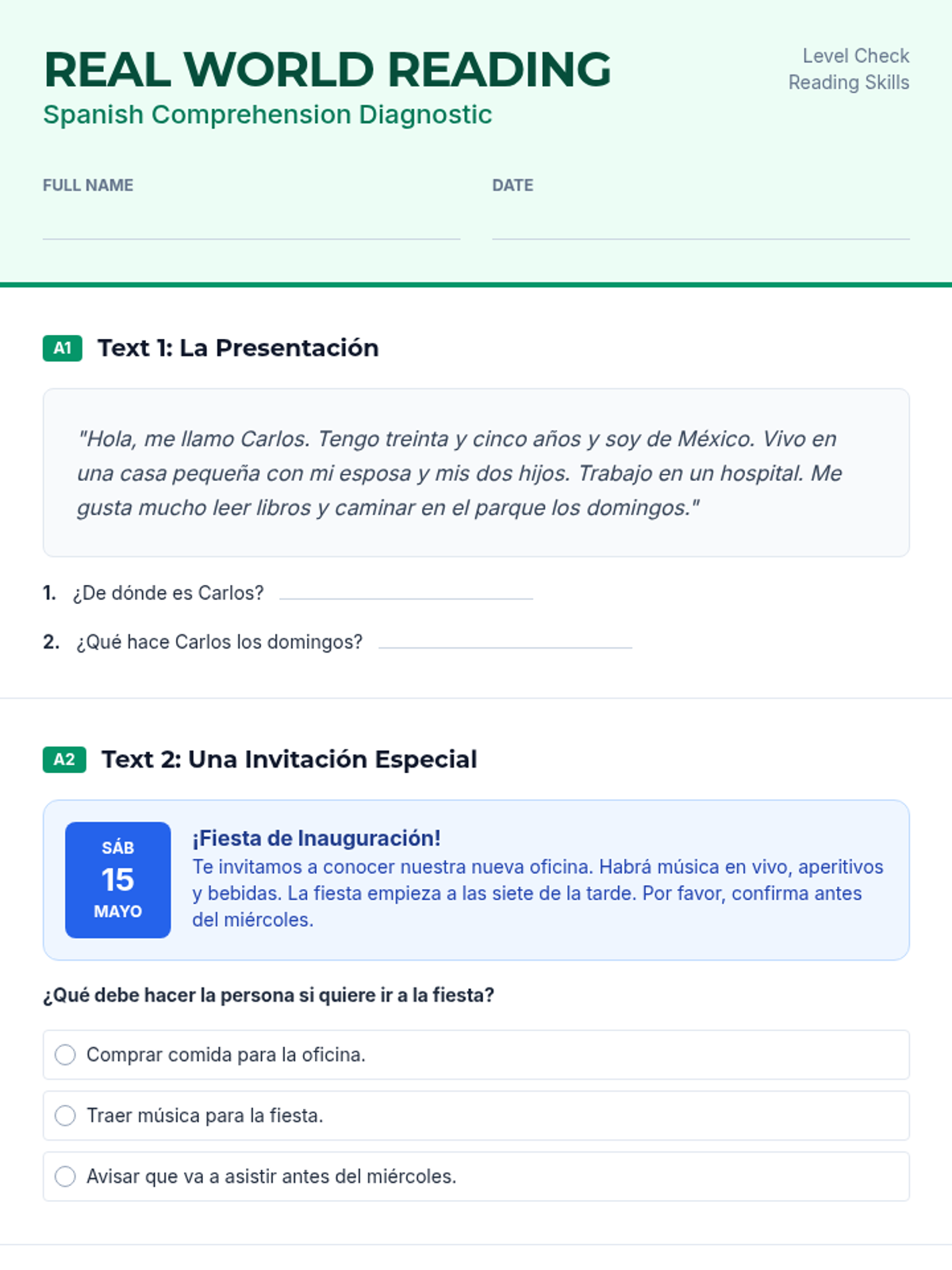
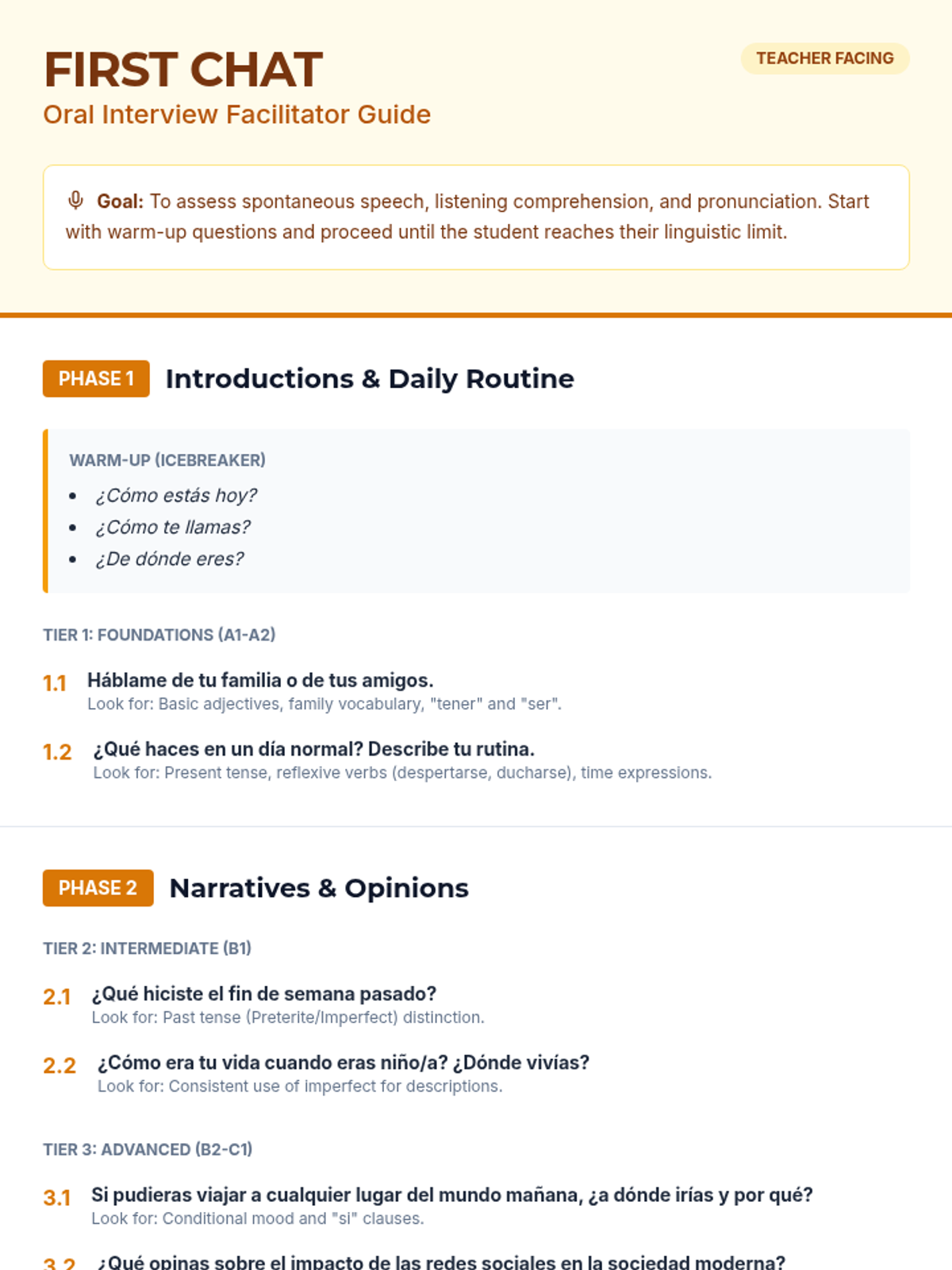
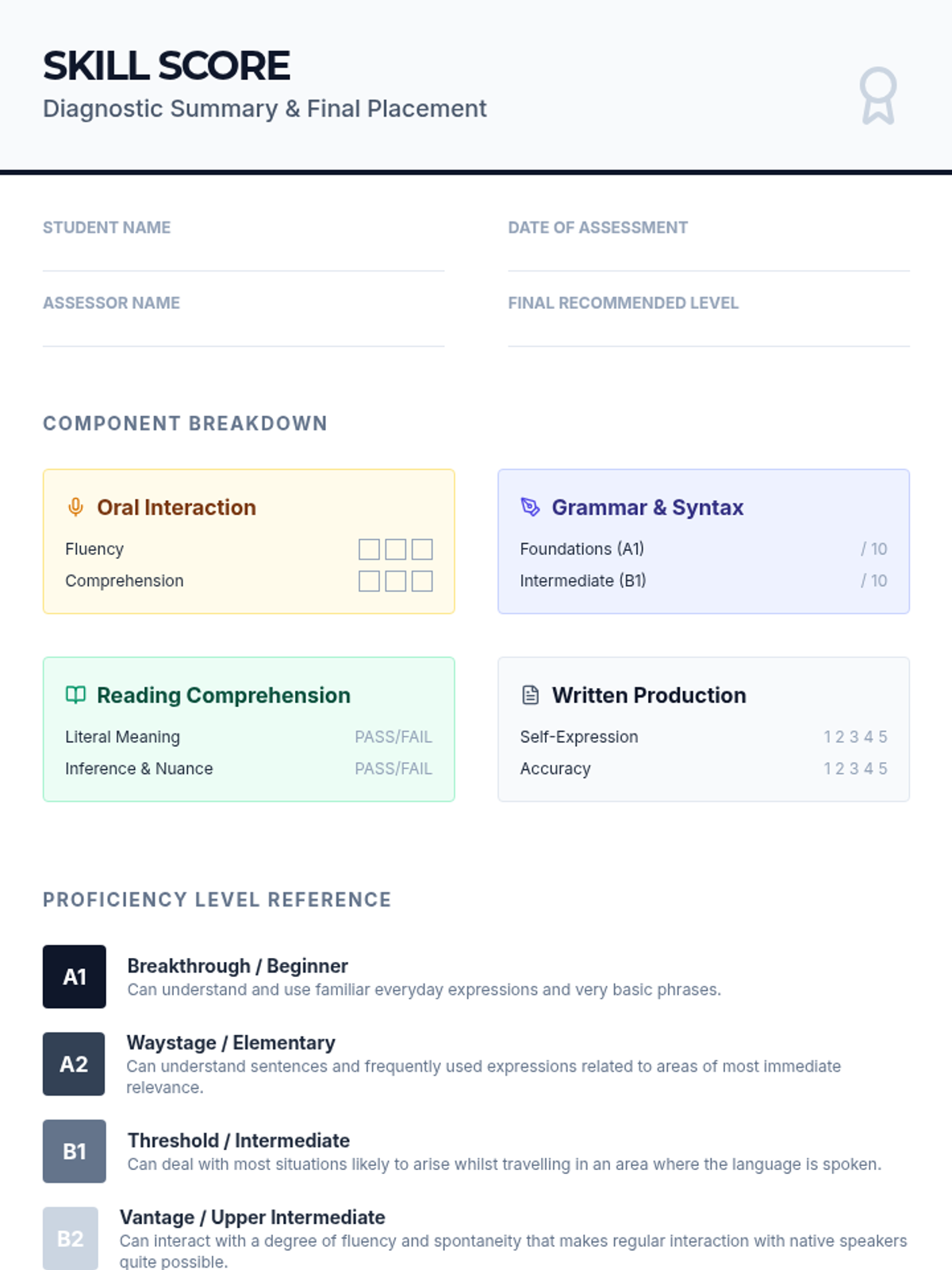
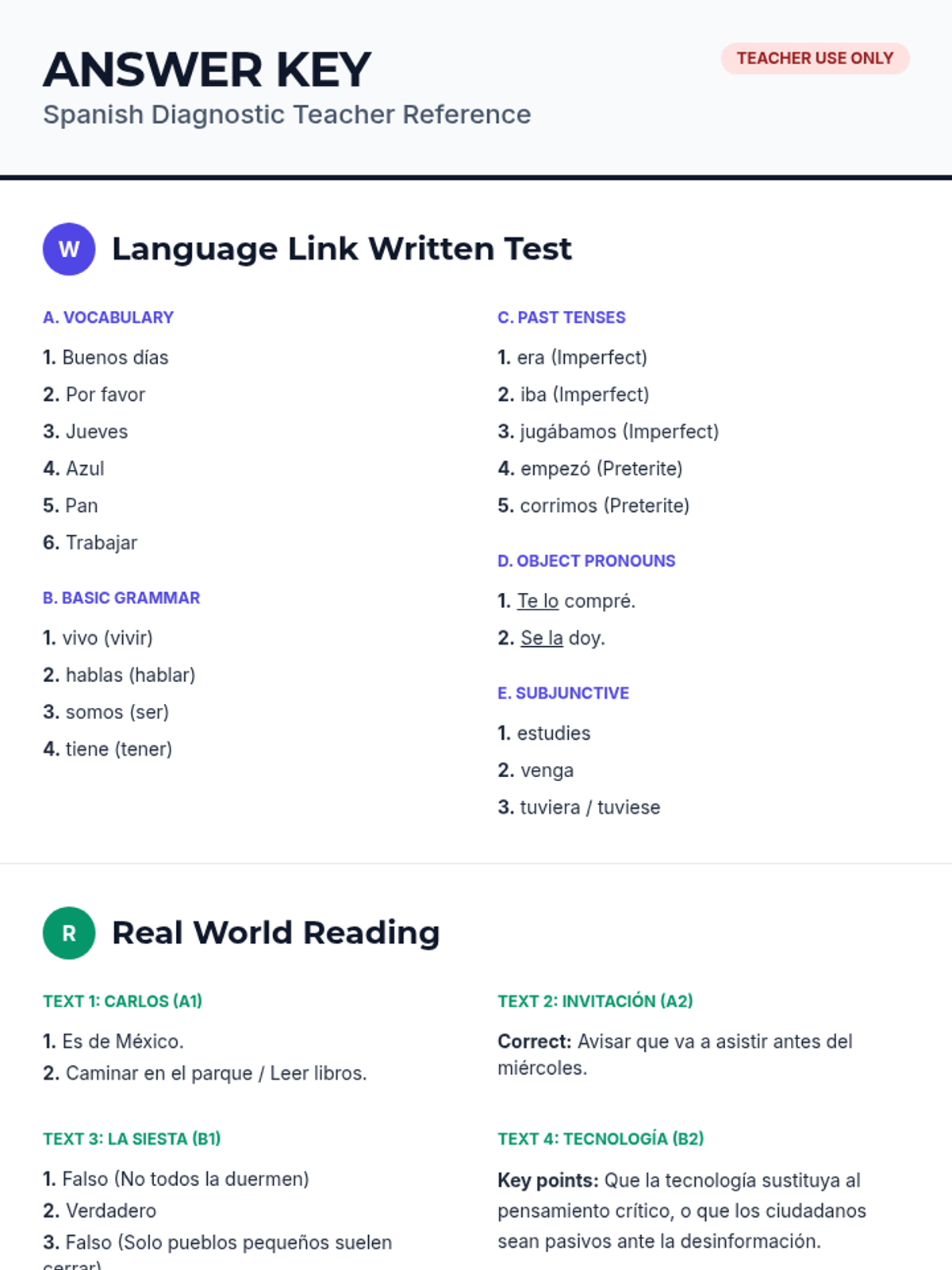
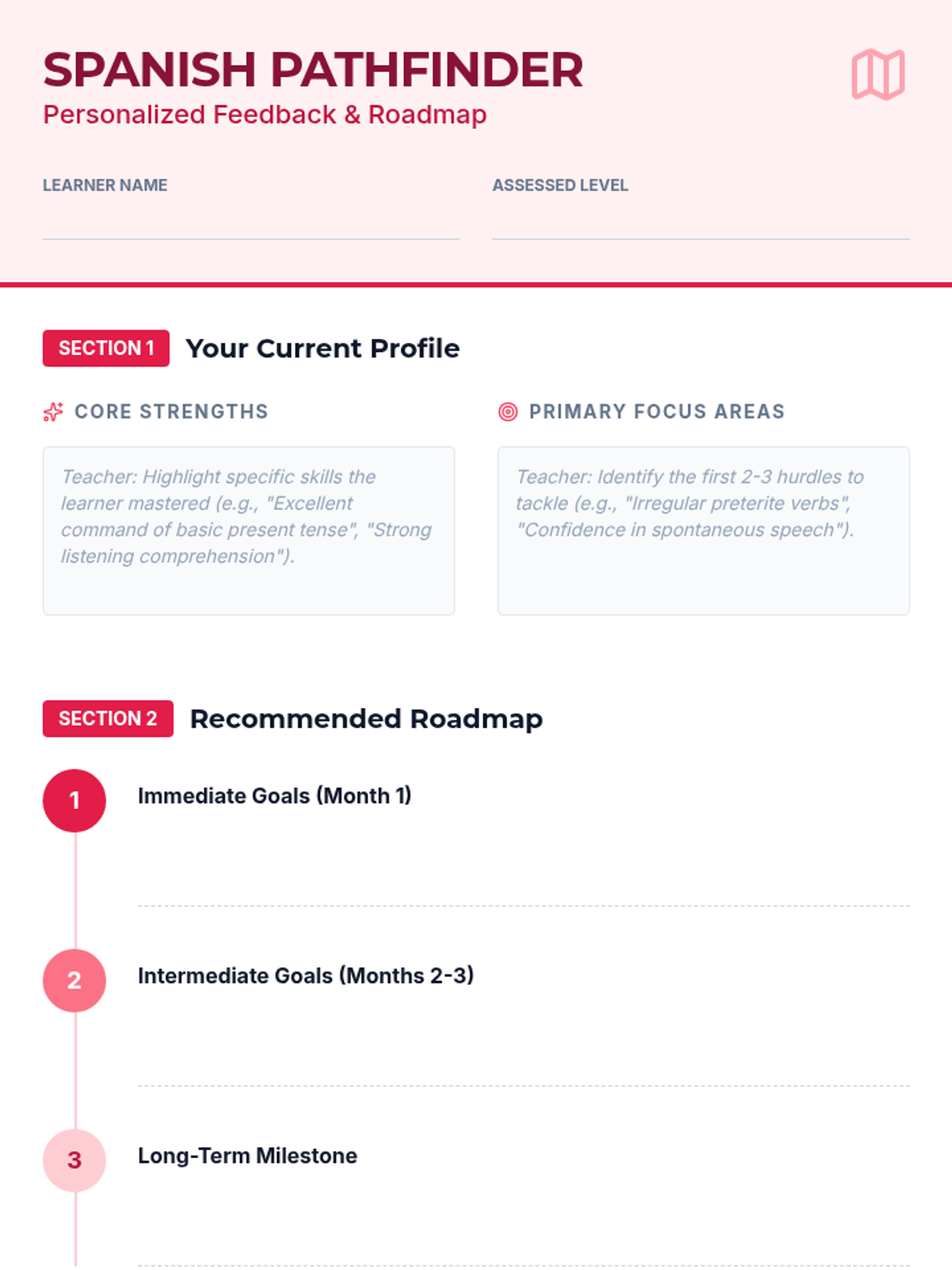
A comprehensive diagnostic assessment suite designed for adult learners to determine their current Spanish proficiency level across reading, writing, listening, and speaking. The materials move from foundational basics to advanced structures to provide a clear placement for the learner.
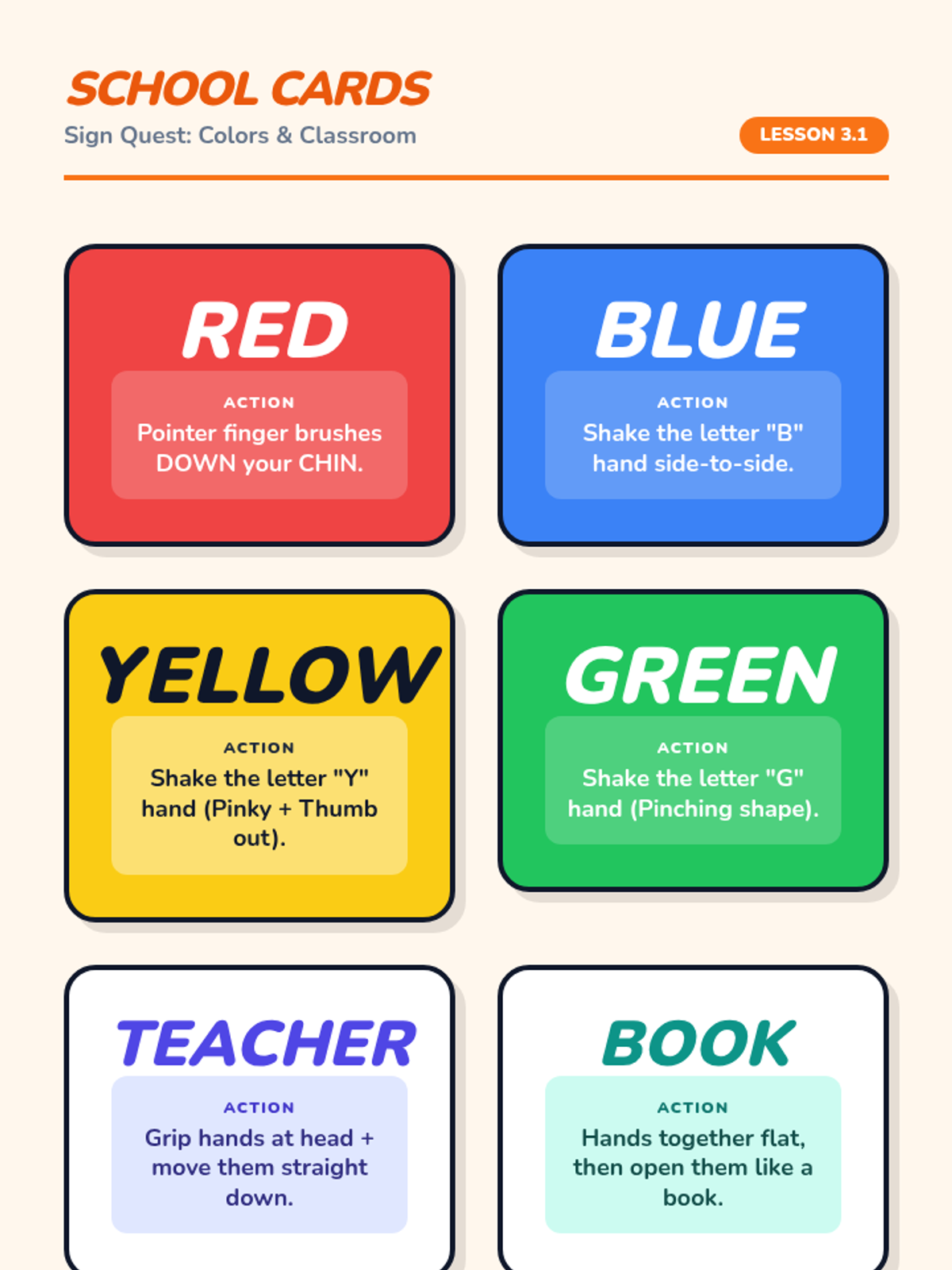
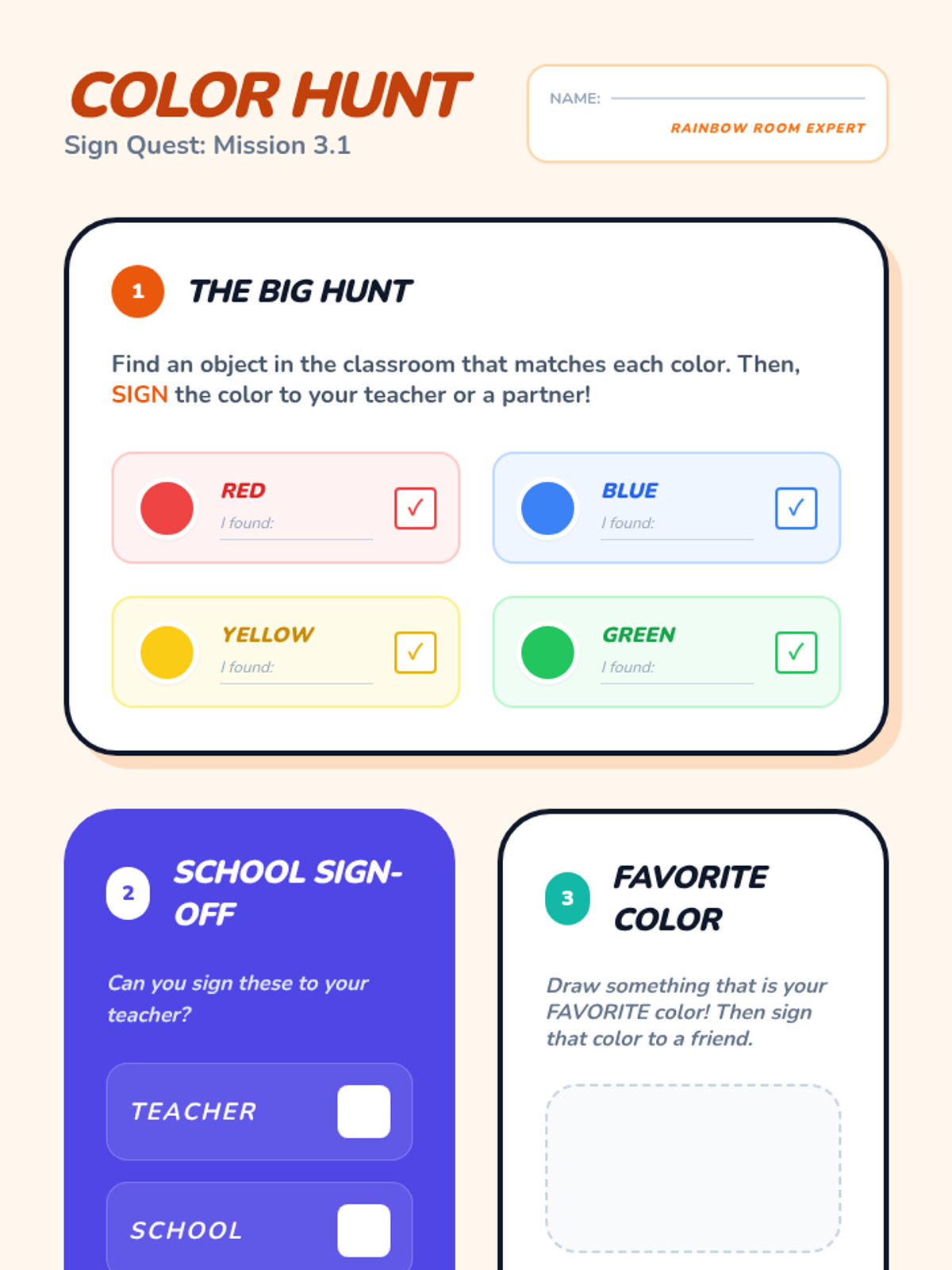
Learn the signs for common classroom objects and a vibrant spectrum of colors to describe the world around you.
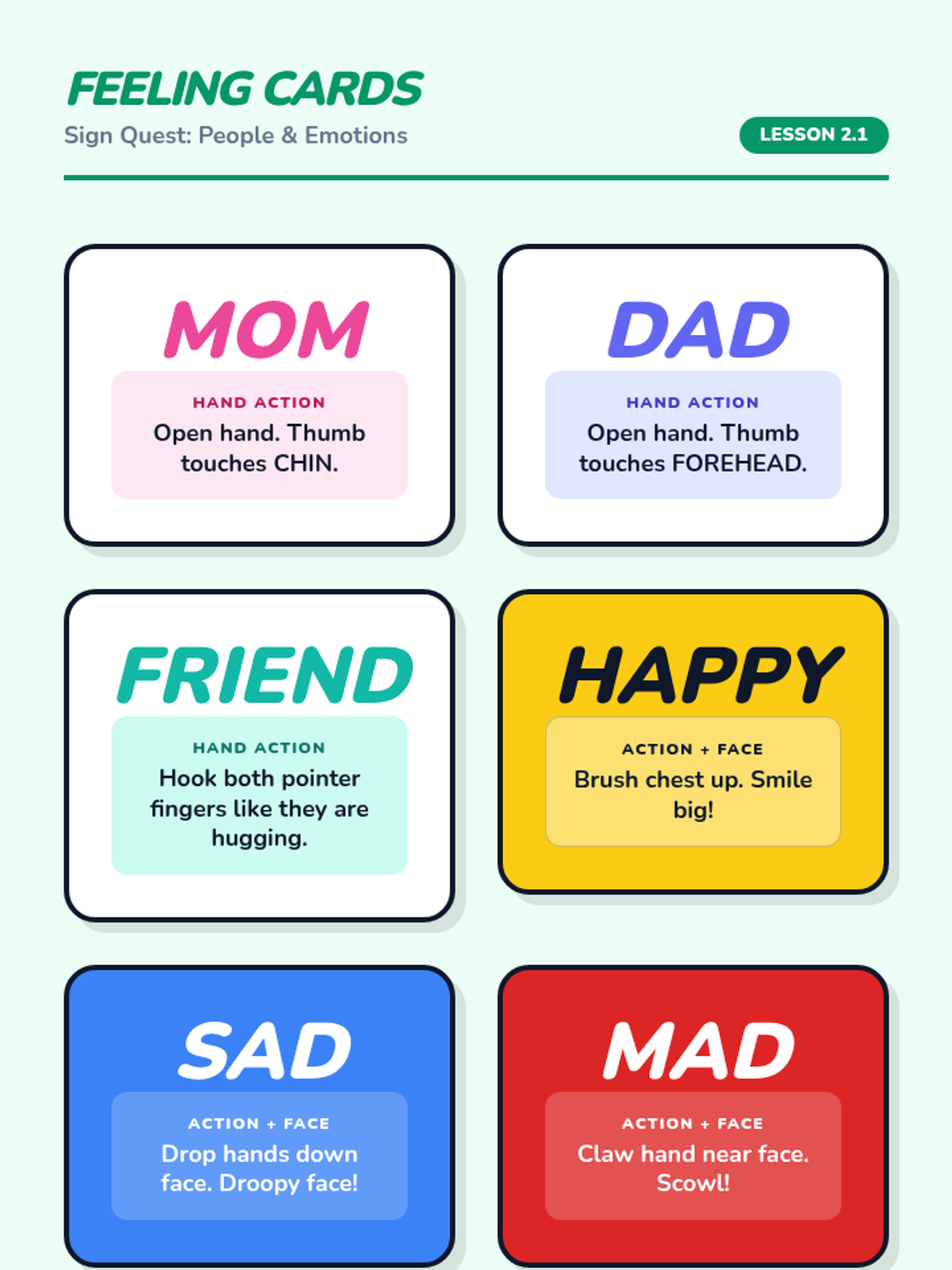
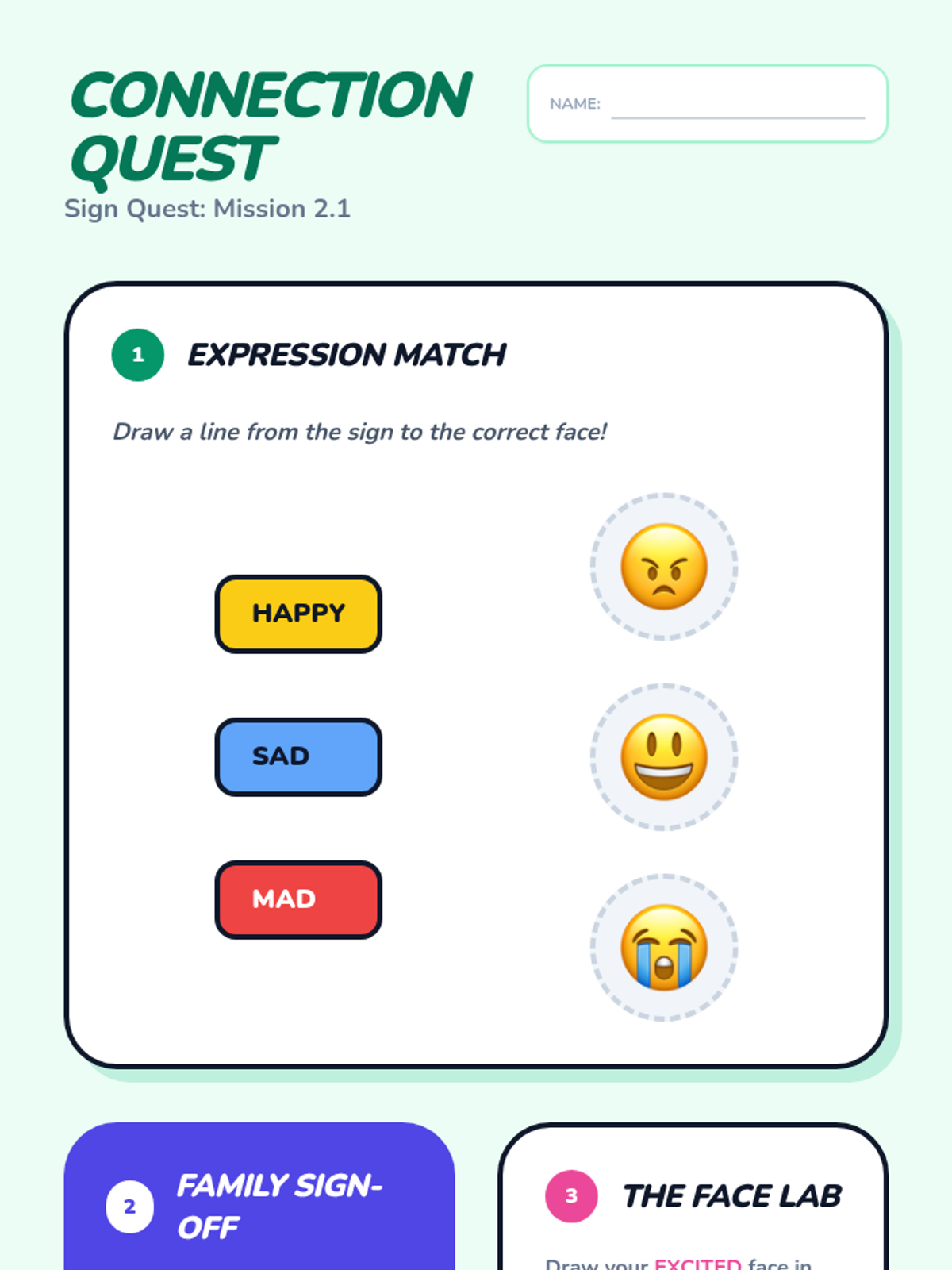
Explore signs for the people in our lives and learn how to use facial expressions to show feelings.
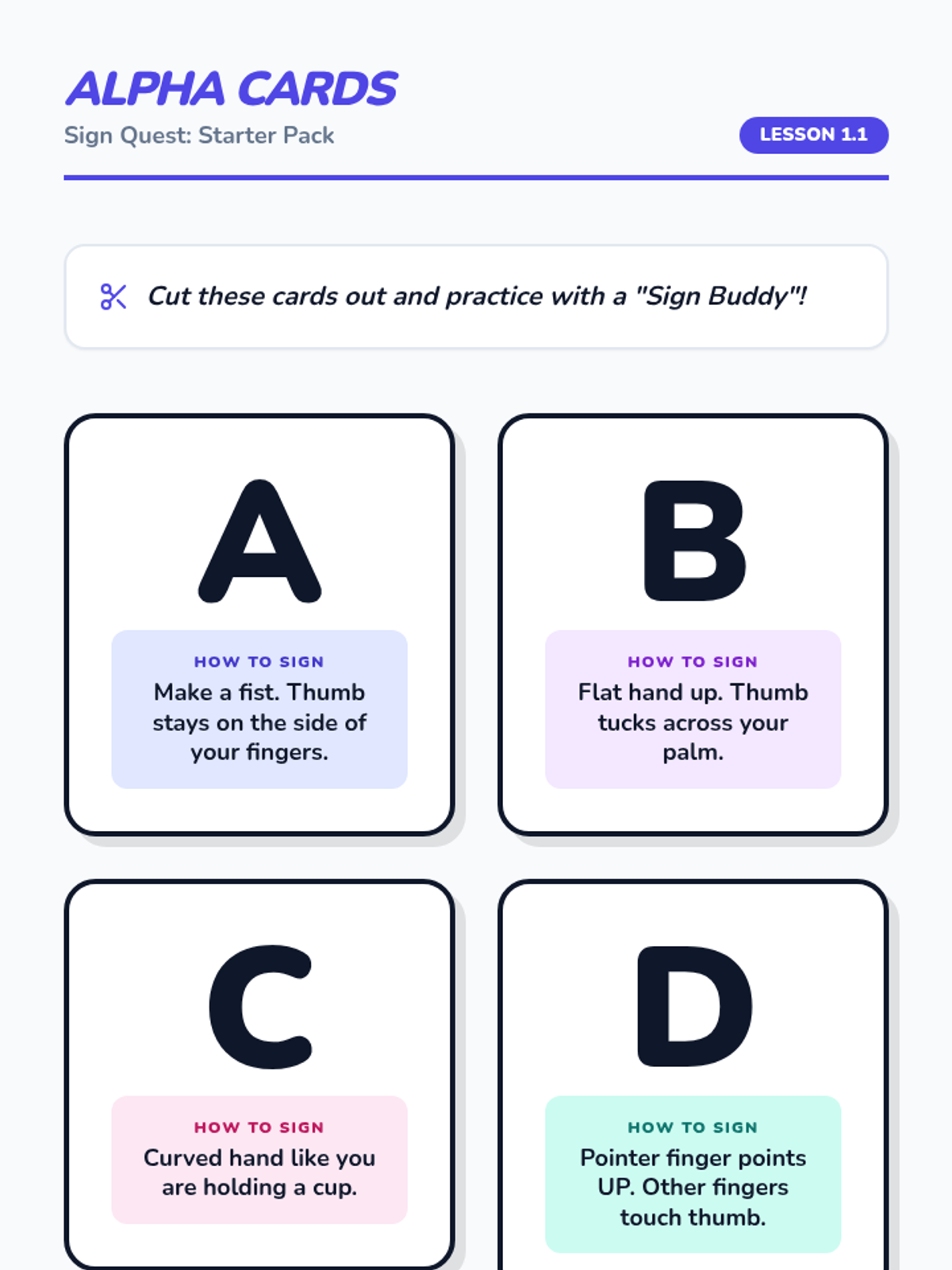
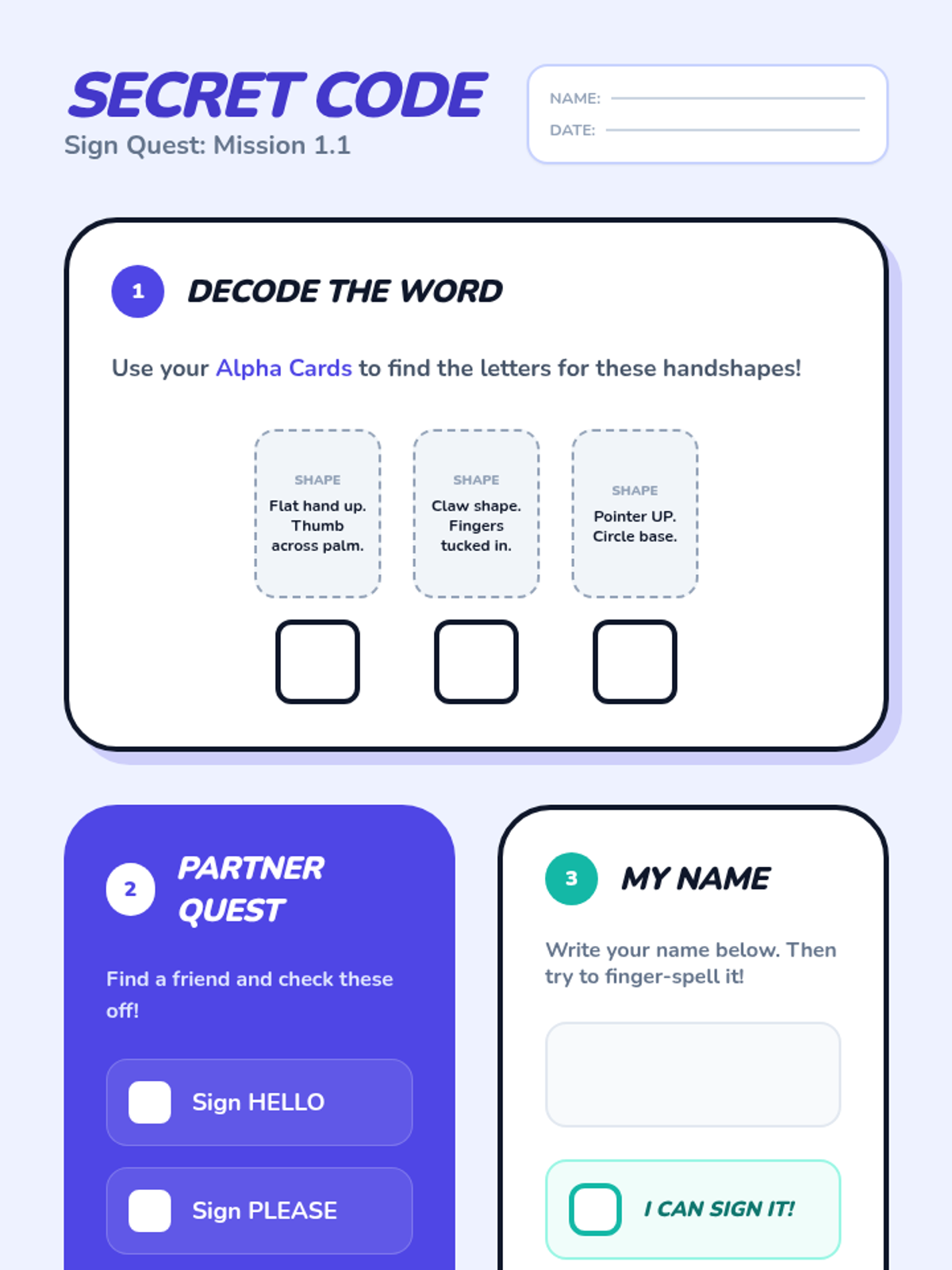
Jump into the basics of ASL with a focus on the manual alphabet and essential polite signs like hello, please, and thank you.
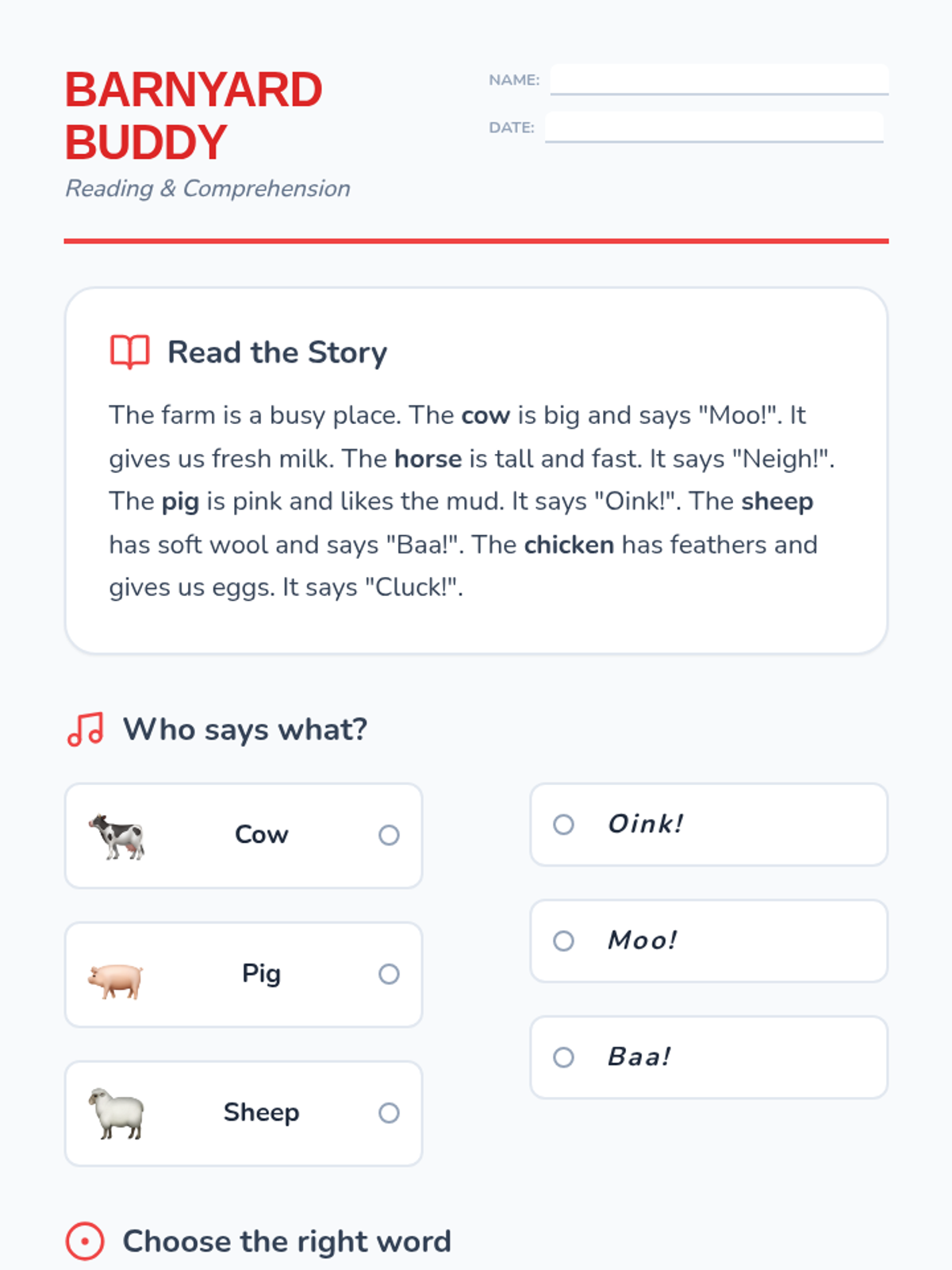
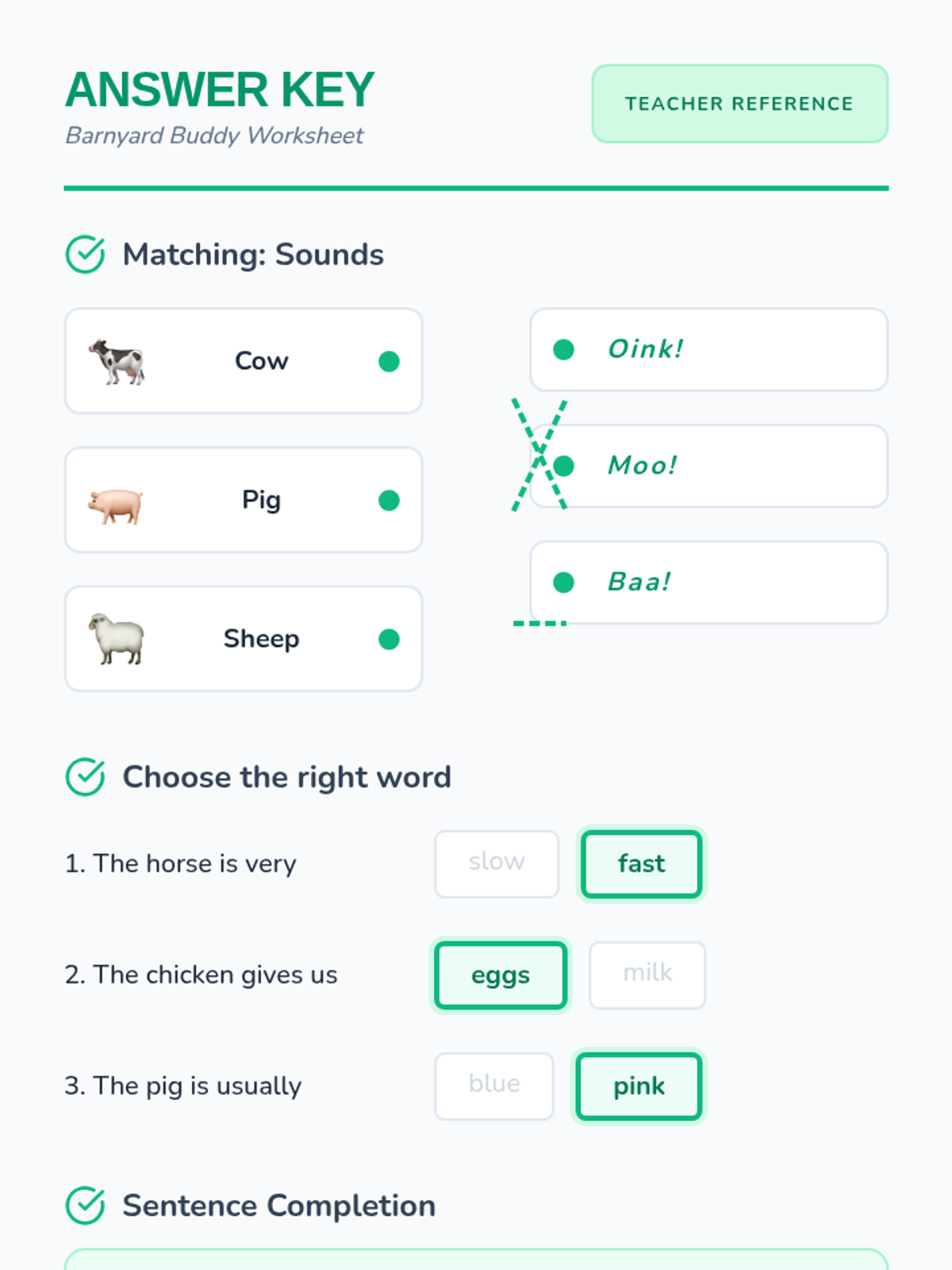
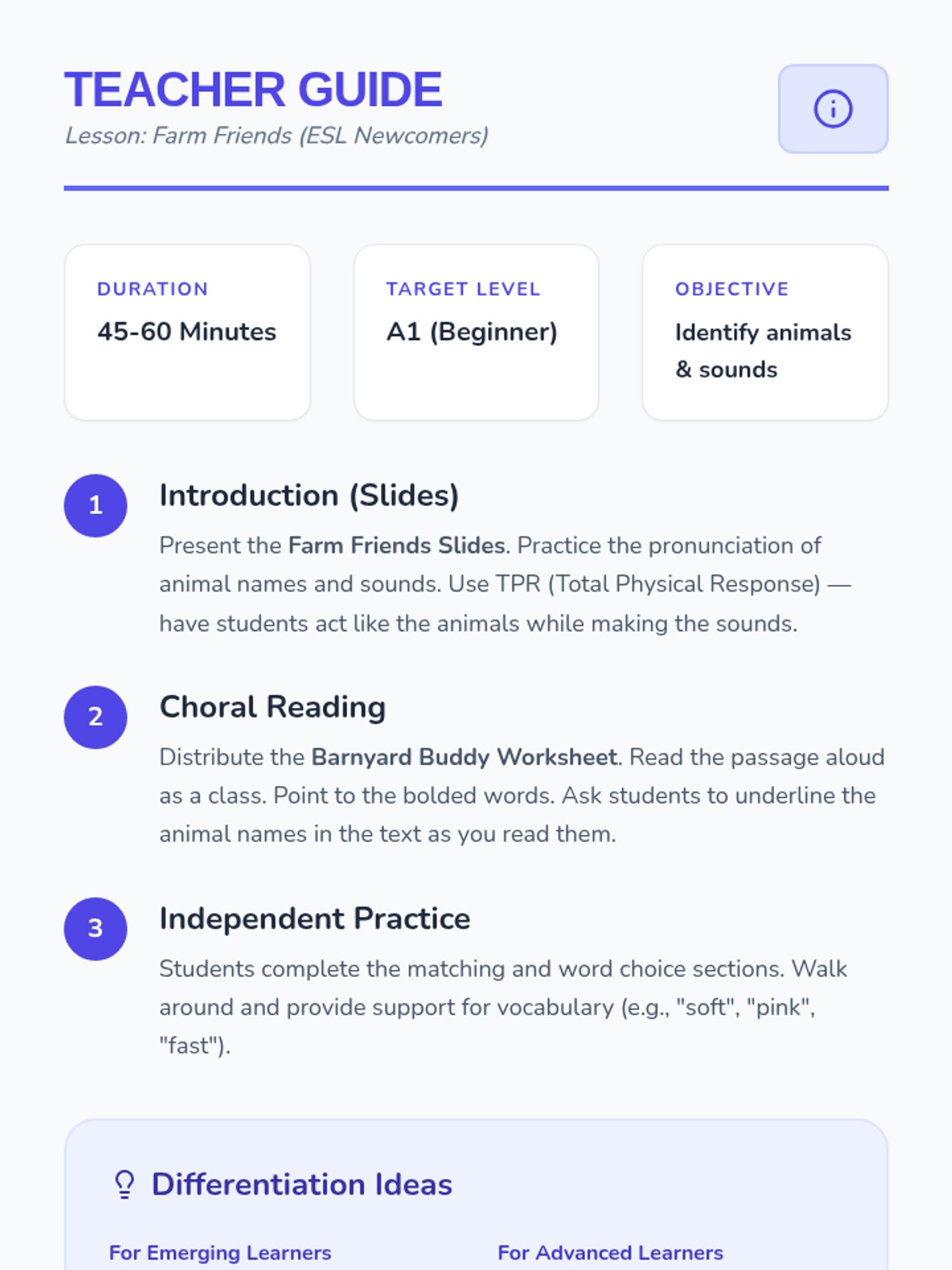
A beginner-friendly lesson introducing common farm animals, their sounds, and basic characteristics for ESL newcomers. Includes a visual slide deck, a reading comprehension worksheet, and an answer key.
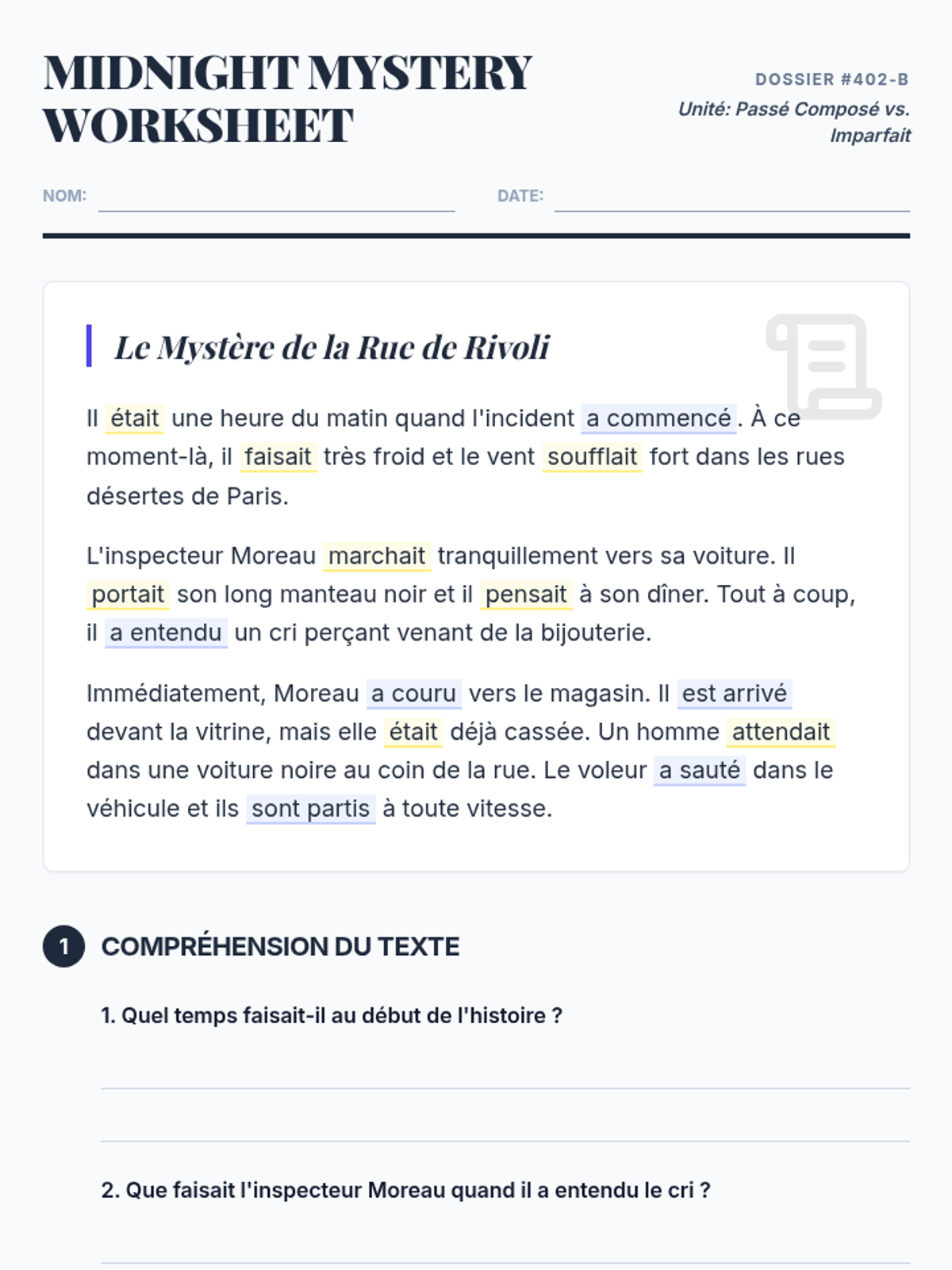
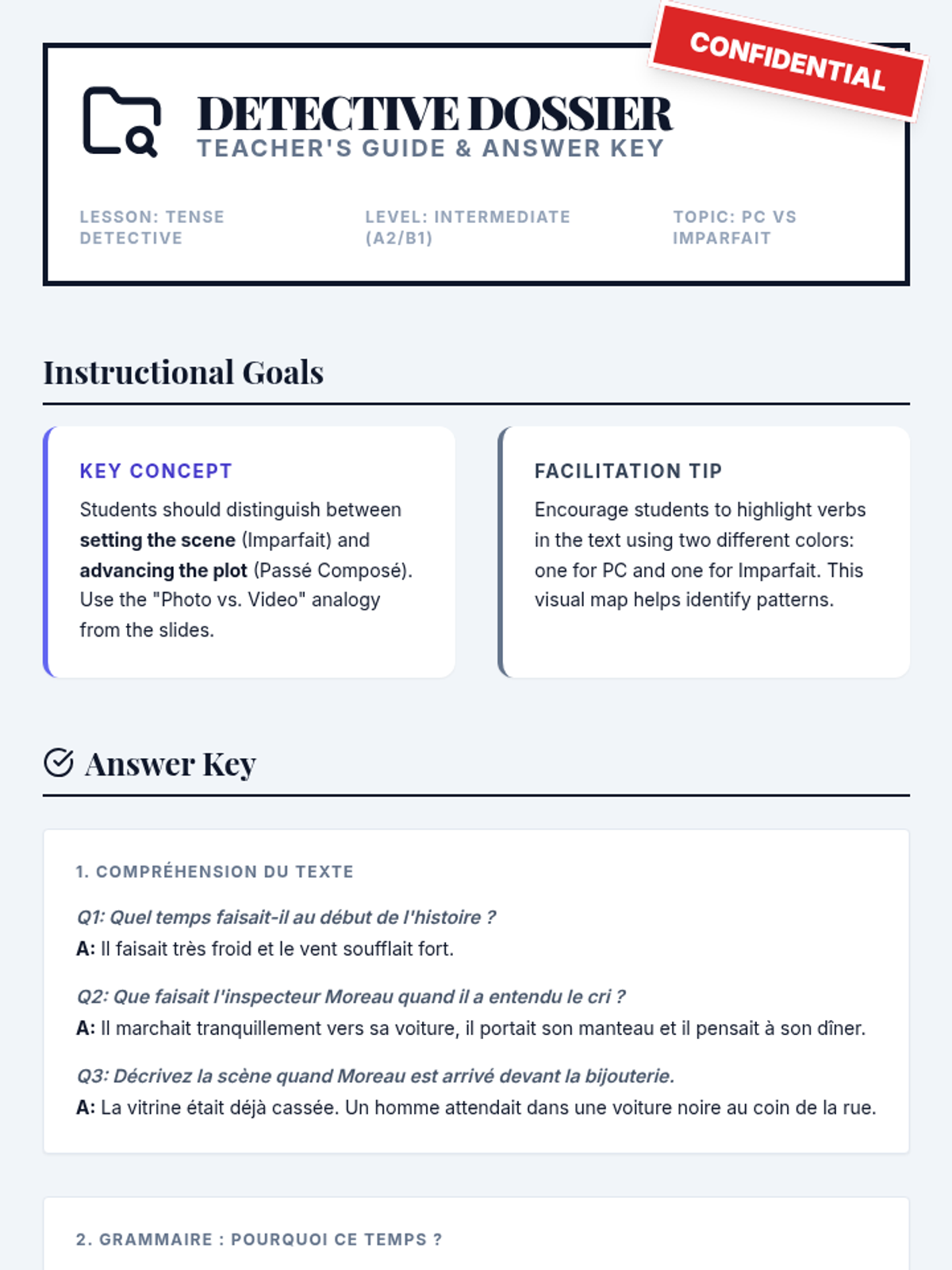
A French grammar lesson focused on distinguishing between the Passé Composé and Imparfait through a mystery narrative. Students learn to set the scene with descriptions (Imparfait) and identify completed actions (Passé Composé).
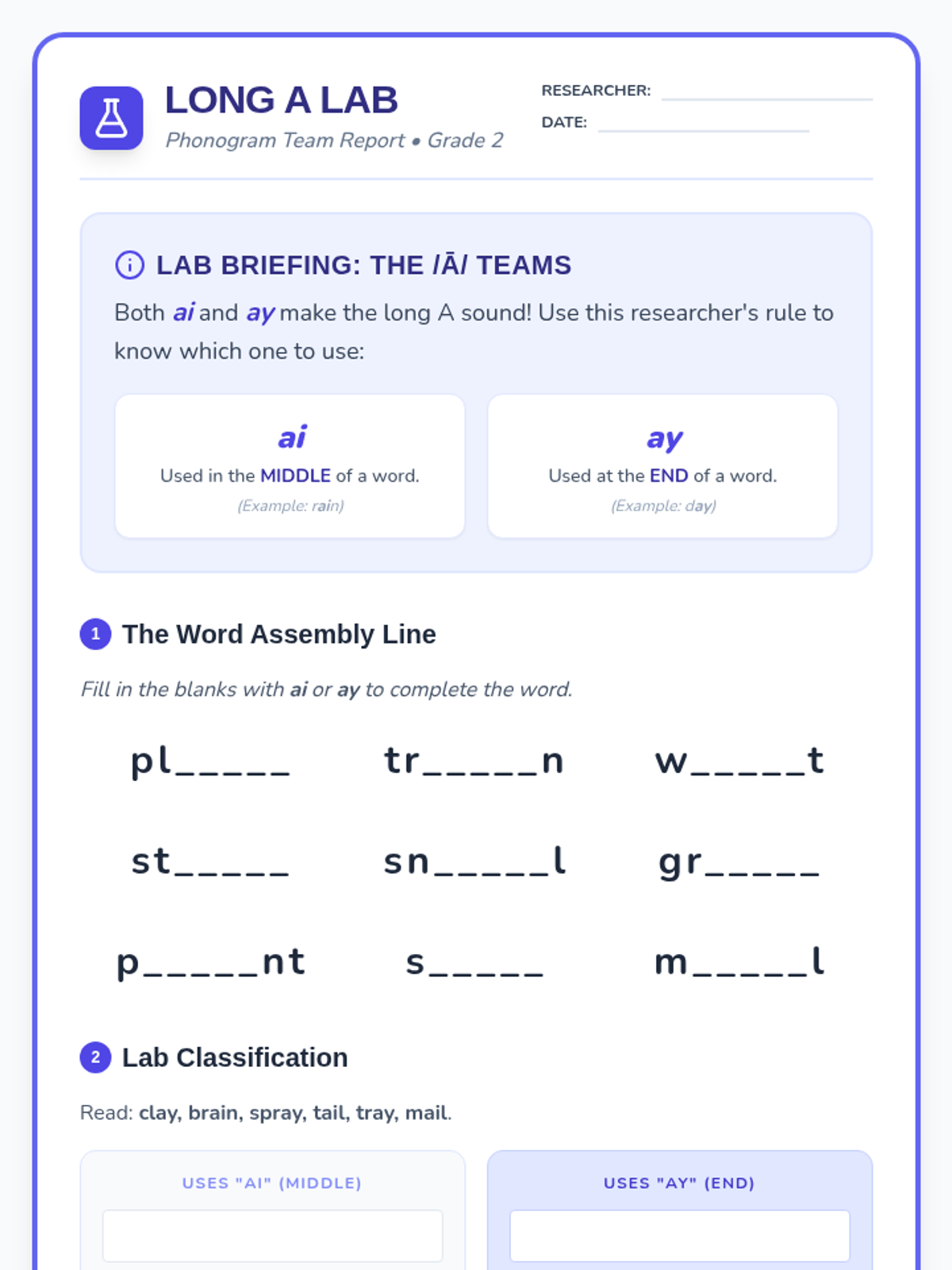
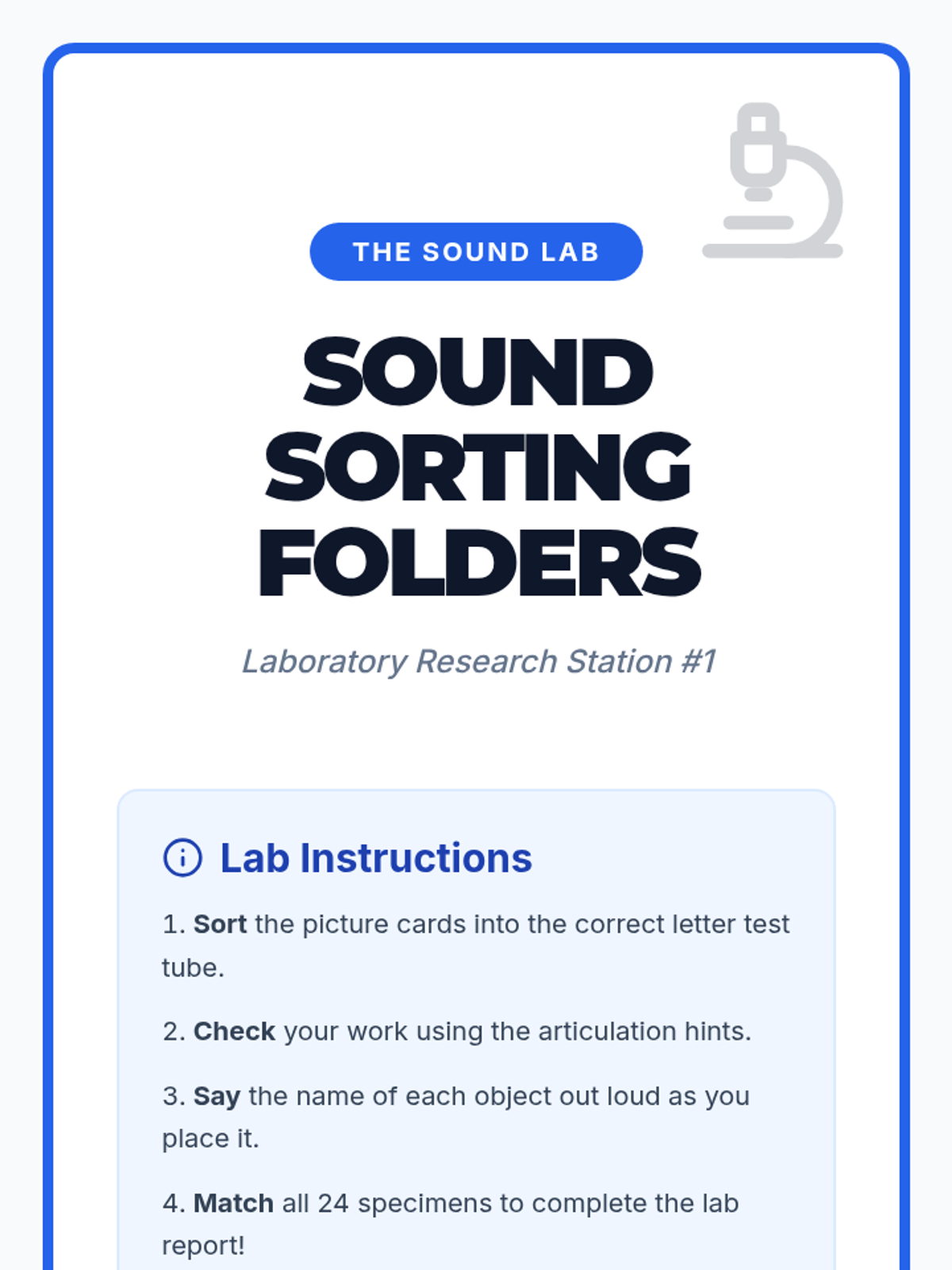
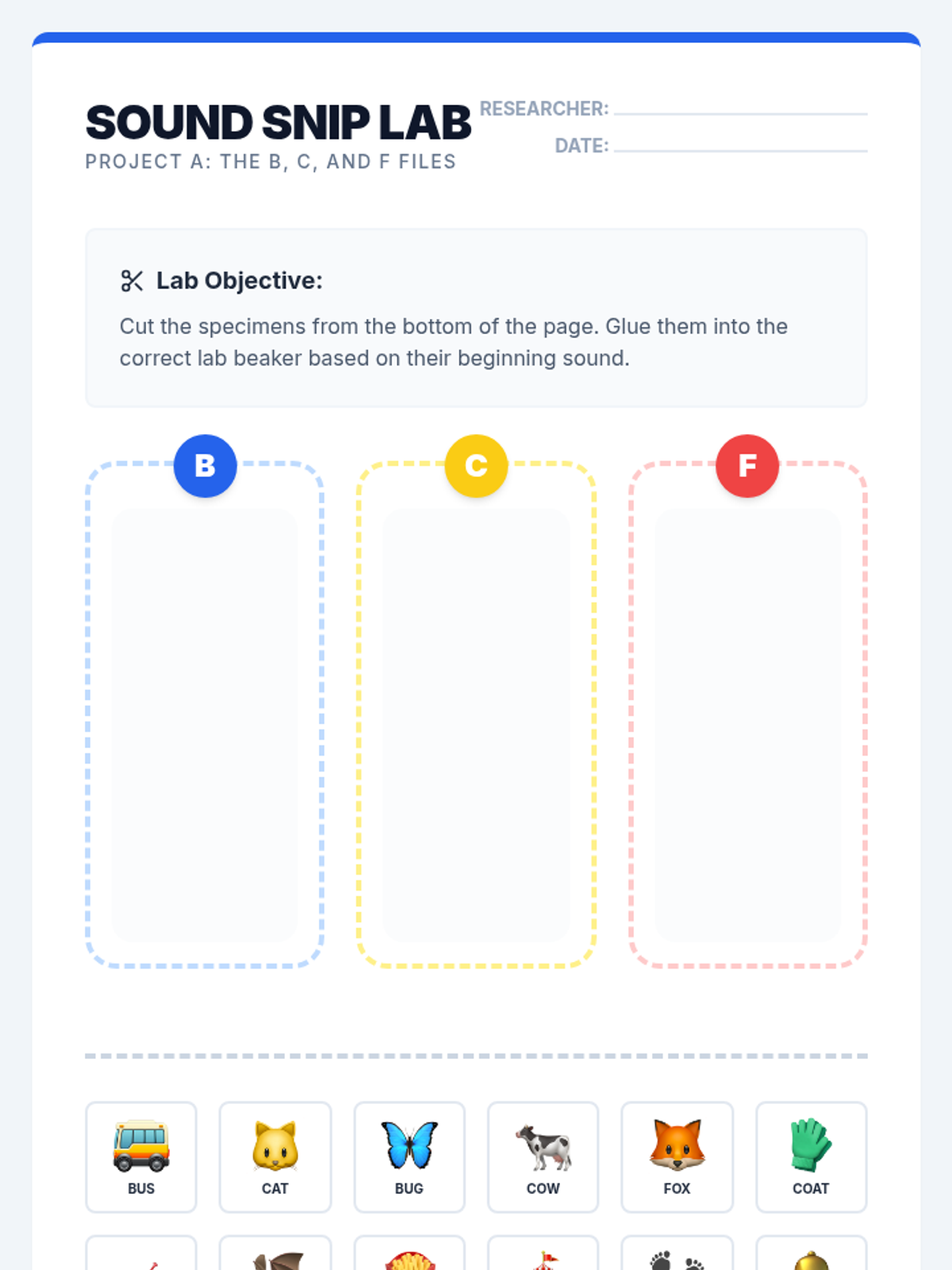
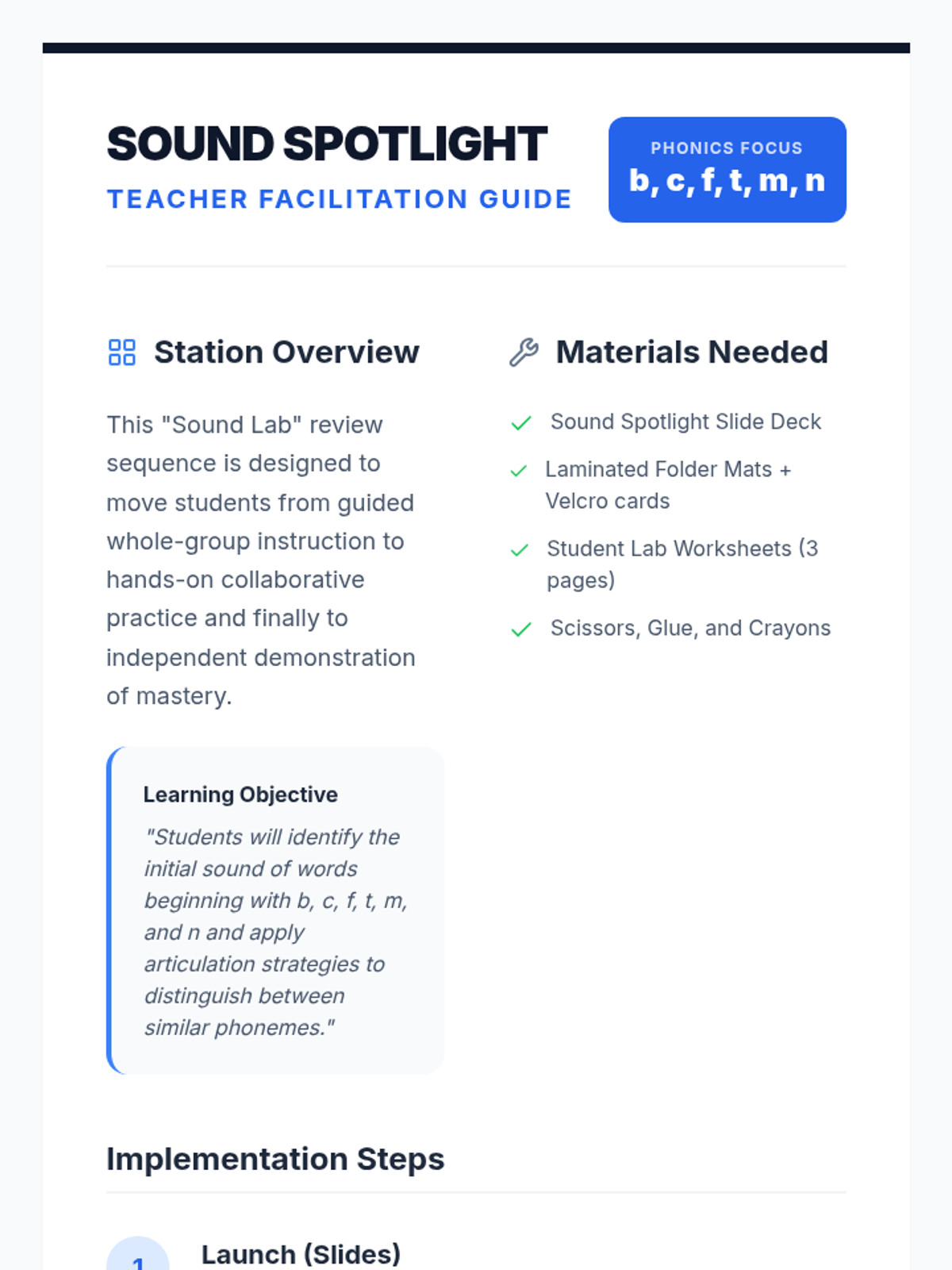
A comprehensive review of the beginning sounds for the letters b, c, f, t, m, and n using a 'Sound Lab' theme. Includes visual articulation supports and hands-on sorting activities.
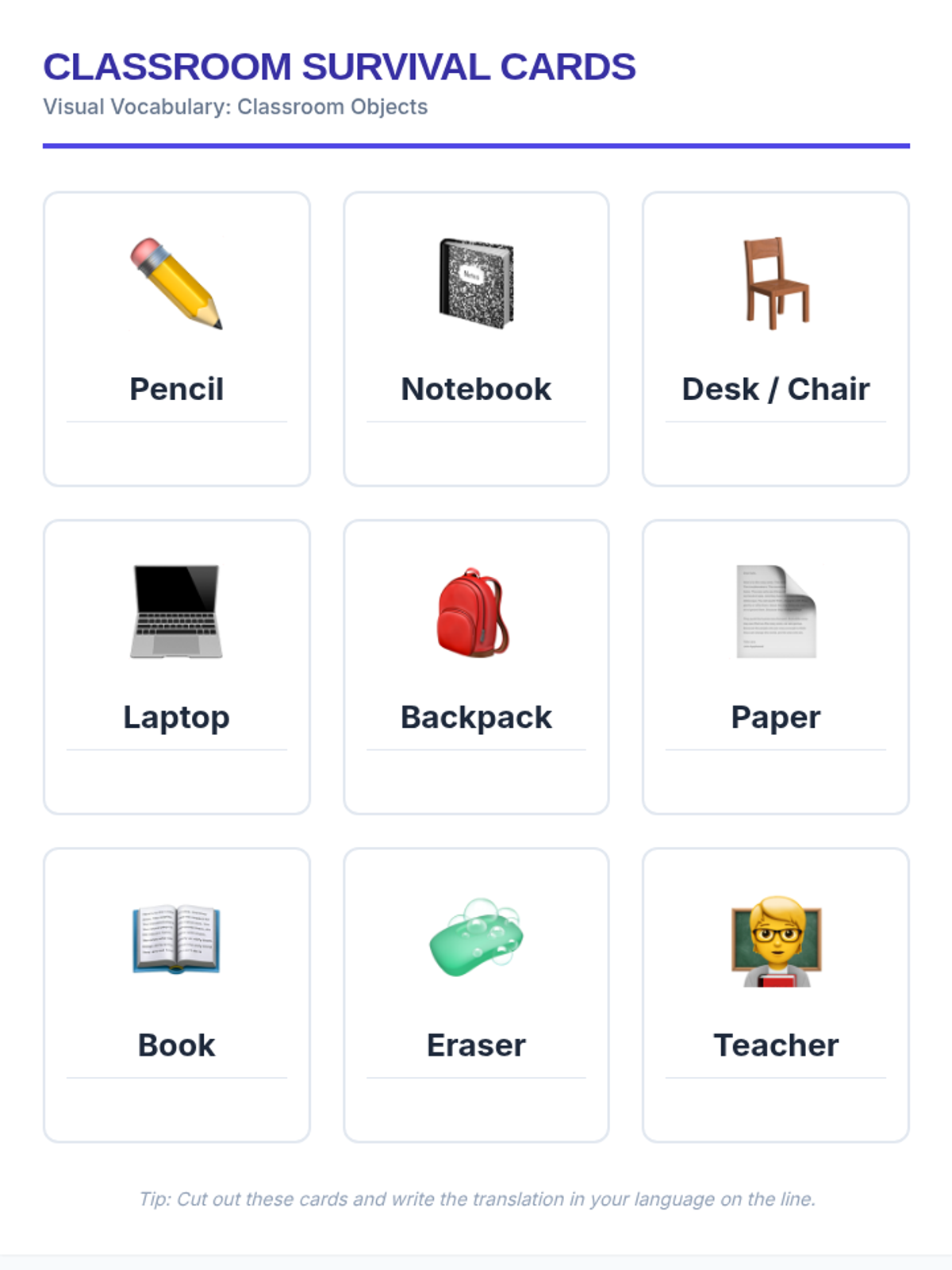
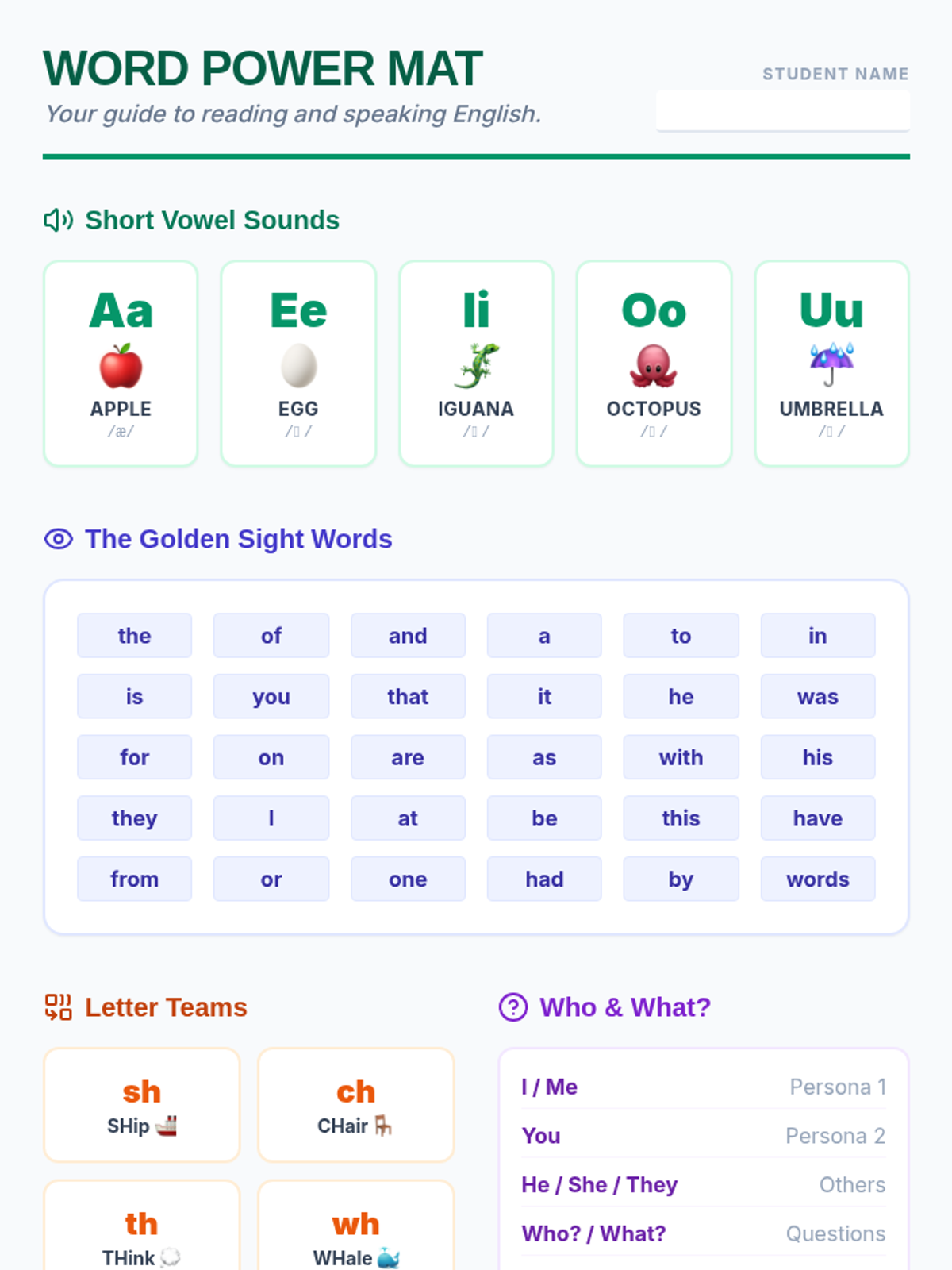
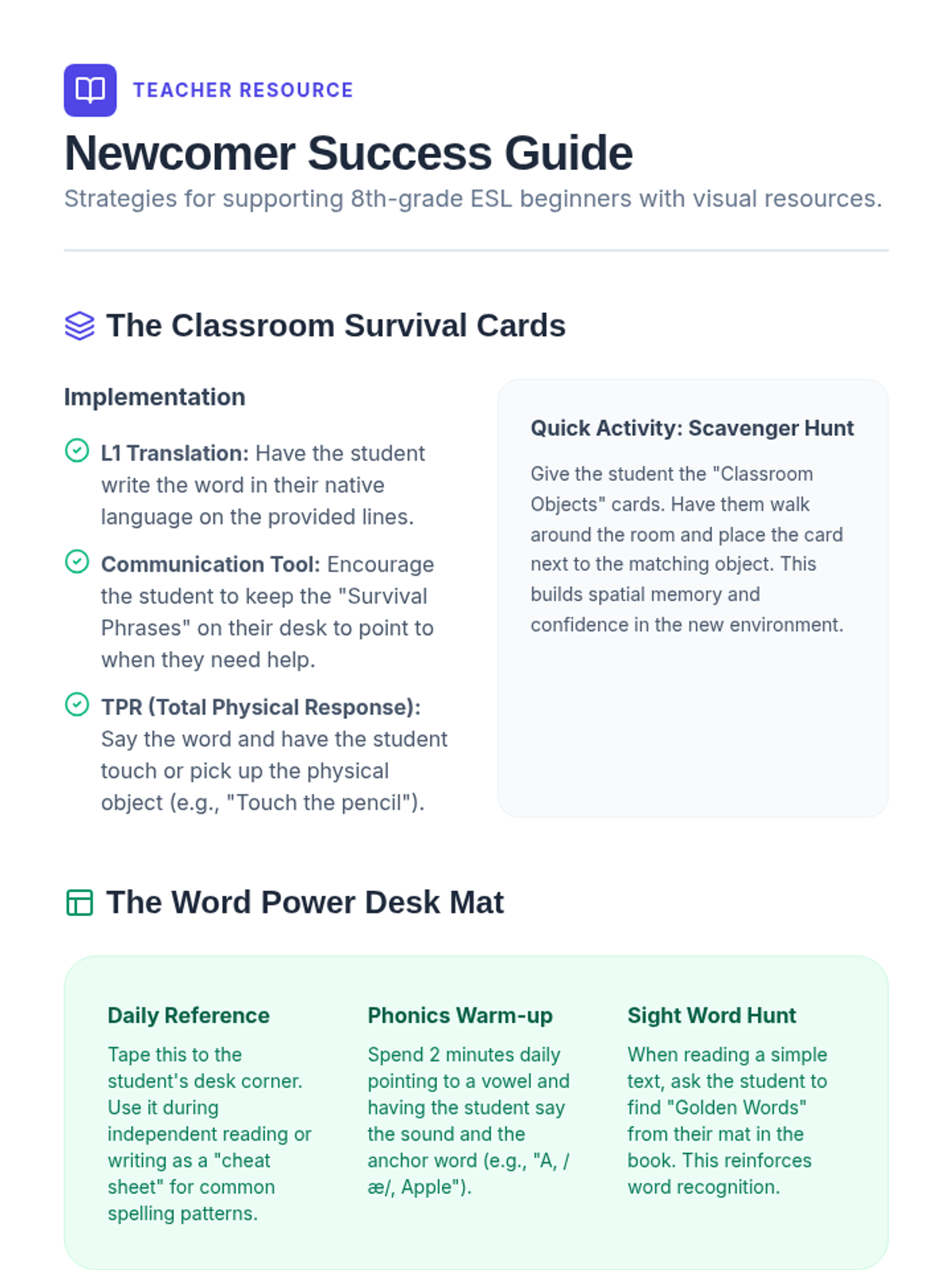
This lesson provides essential visual tools for 8th-grade ESL beginners, focusing on classroom navigation, common objects, and foundational phonics to build immediate confidence and communication skills.
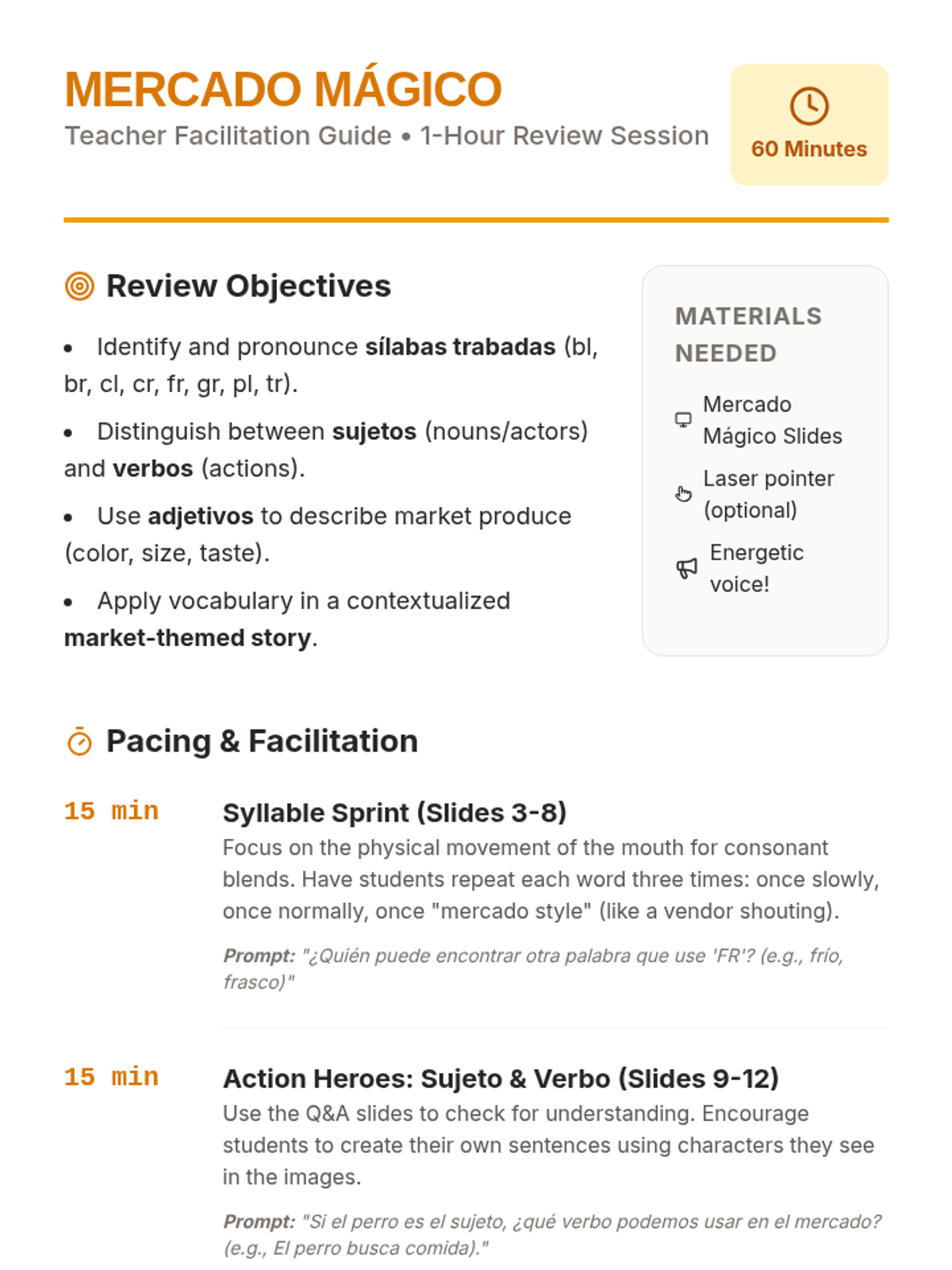
A comprehensive one-hour Spanish review session focusing on tricky syllables, basic grammar (subject, verb, adjectives), and market-themed vocabulary through interactive slides.