An introductory exploration of German culture for 7th graders, covering daily life, traditions, geography, and leisure activities. Students will compare their own lives with those of German teenagers.
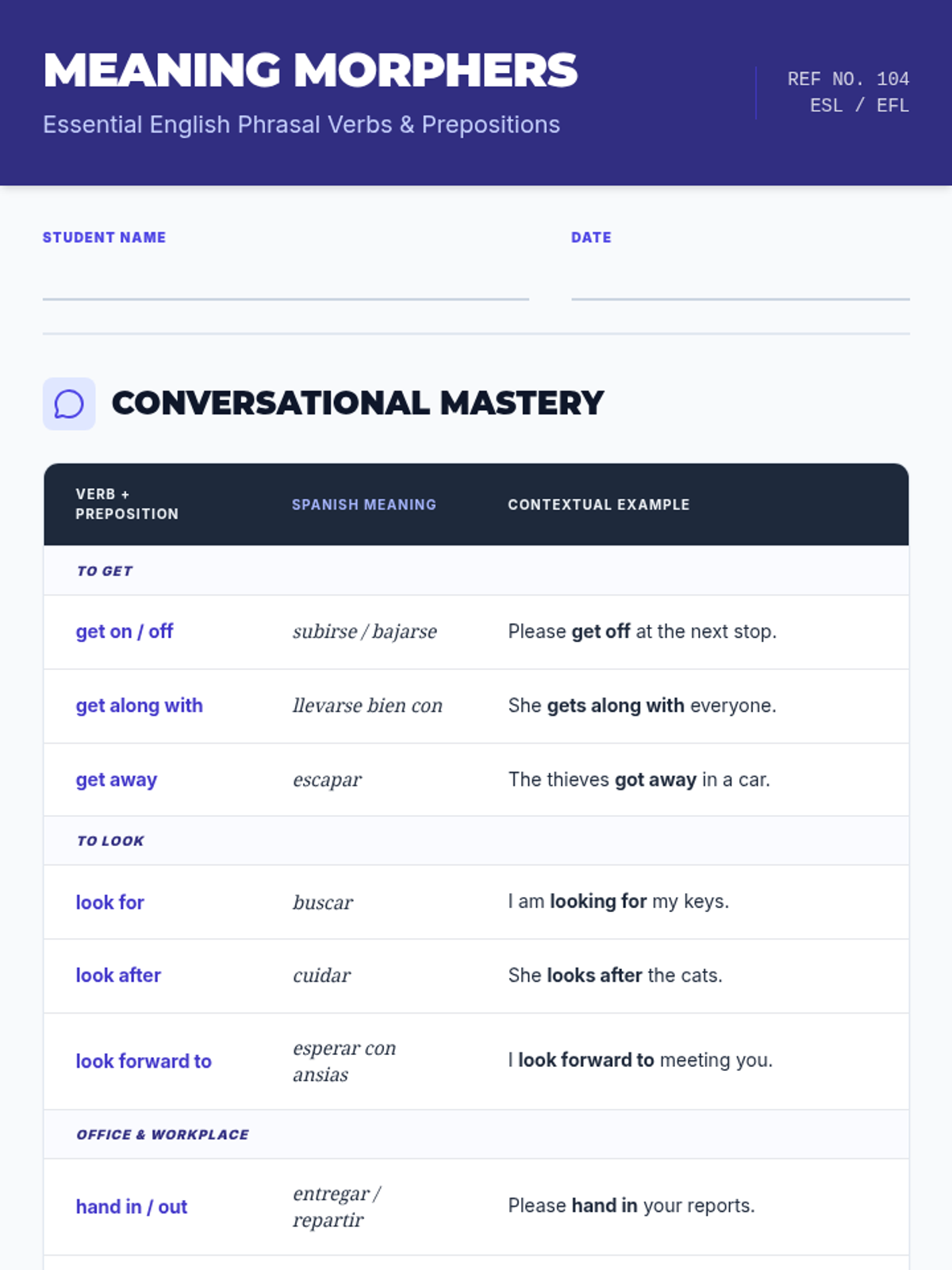
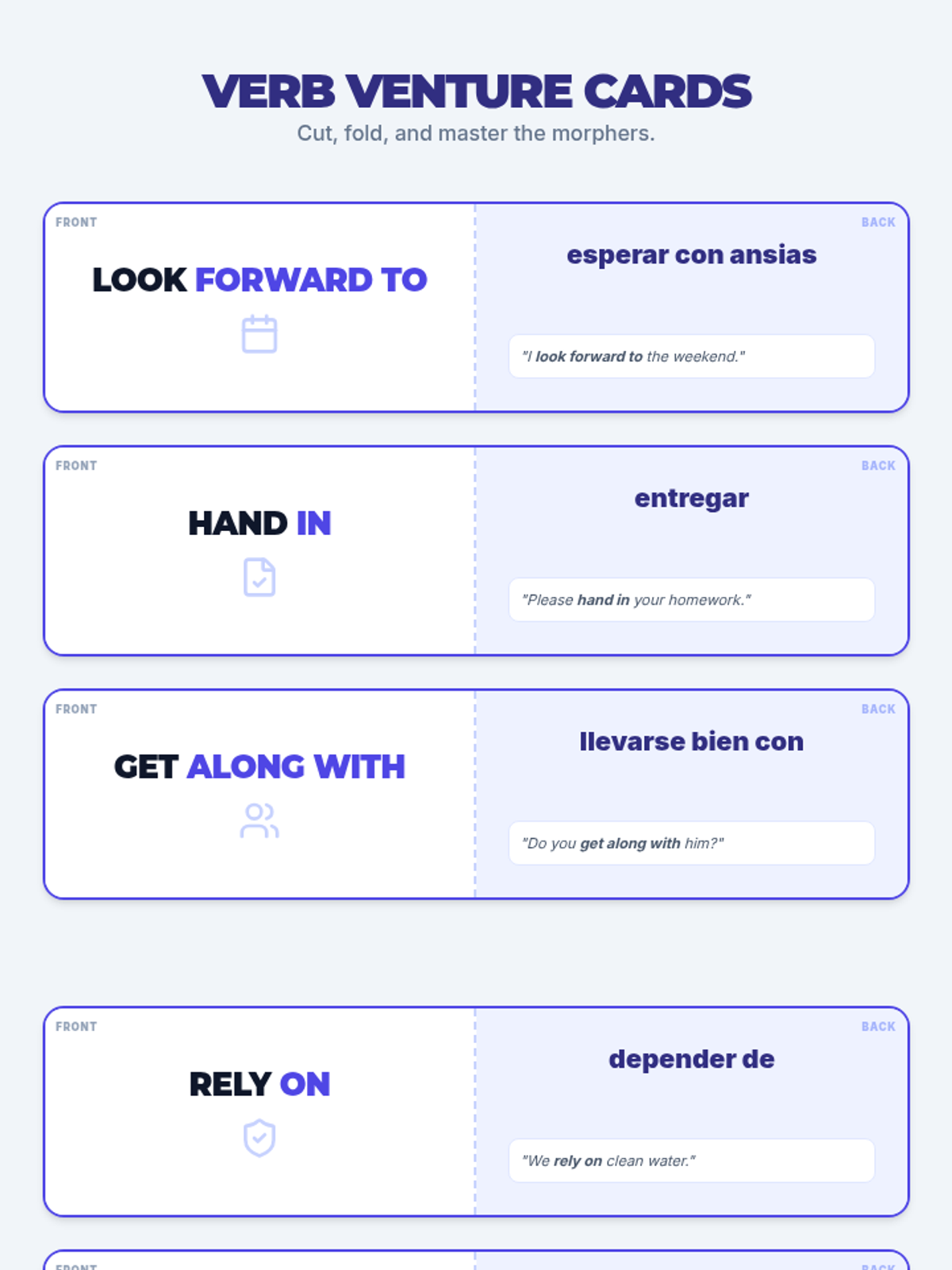
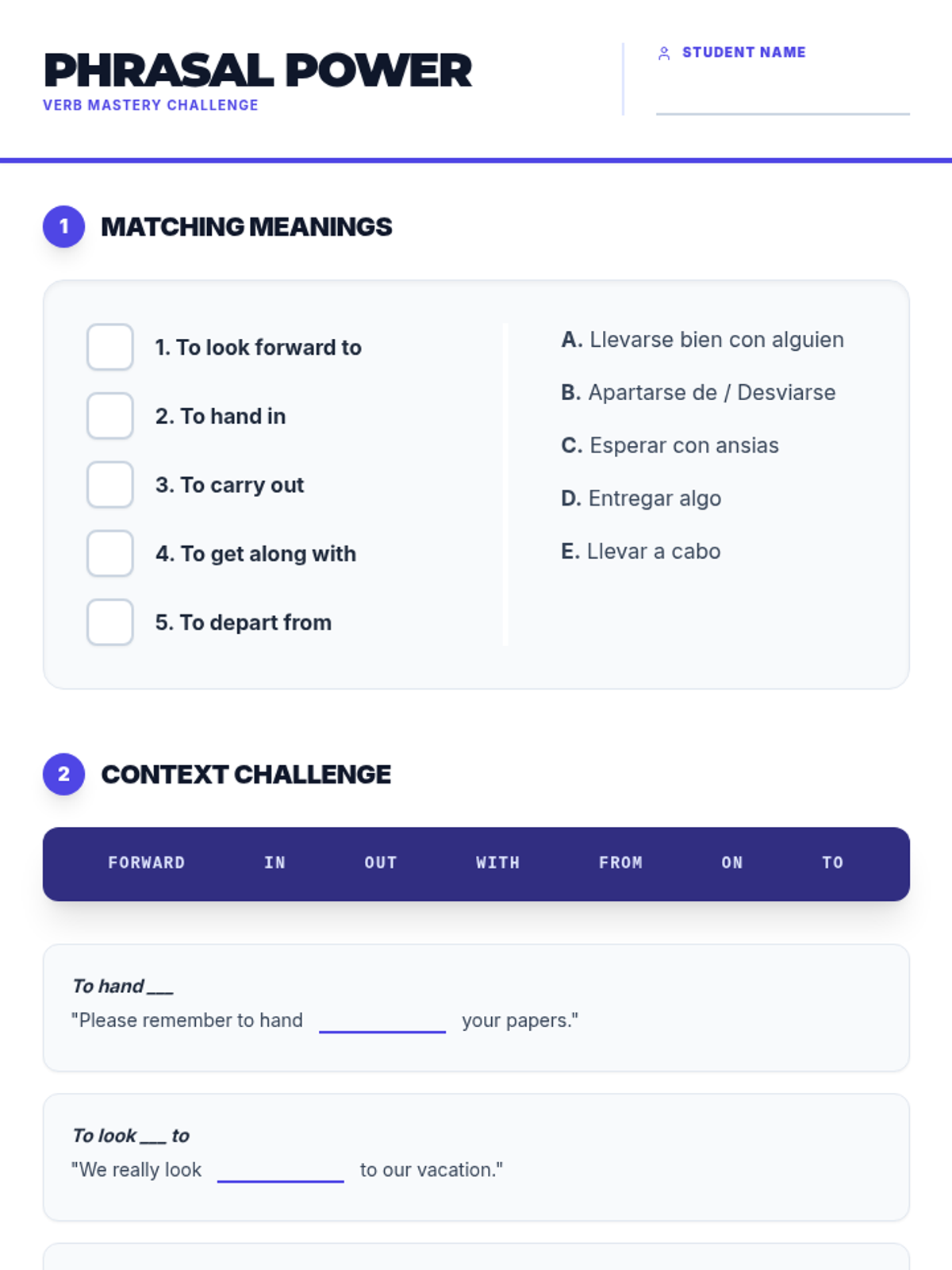
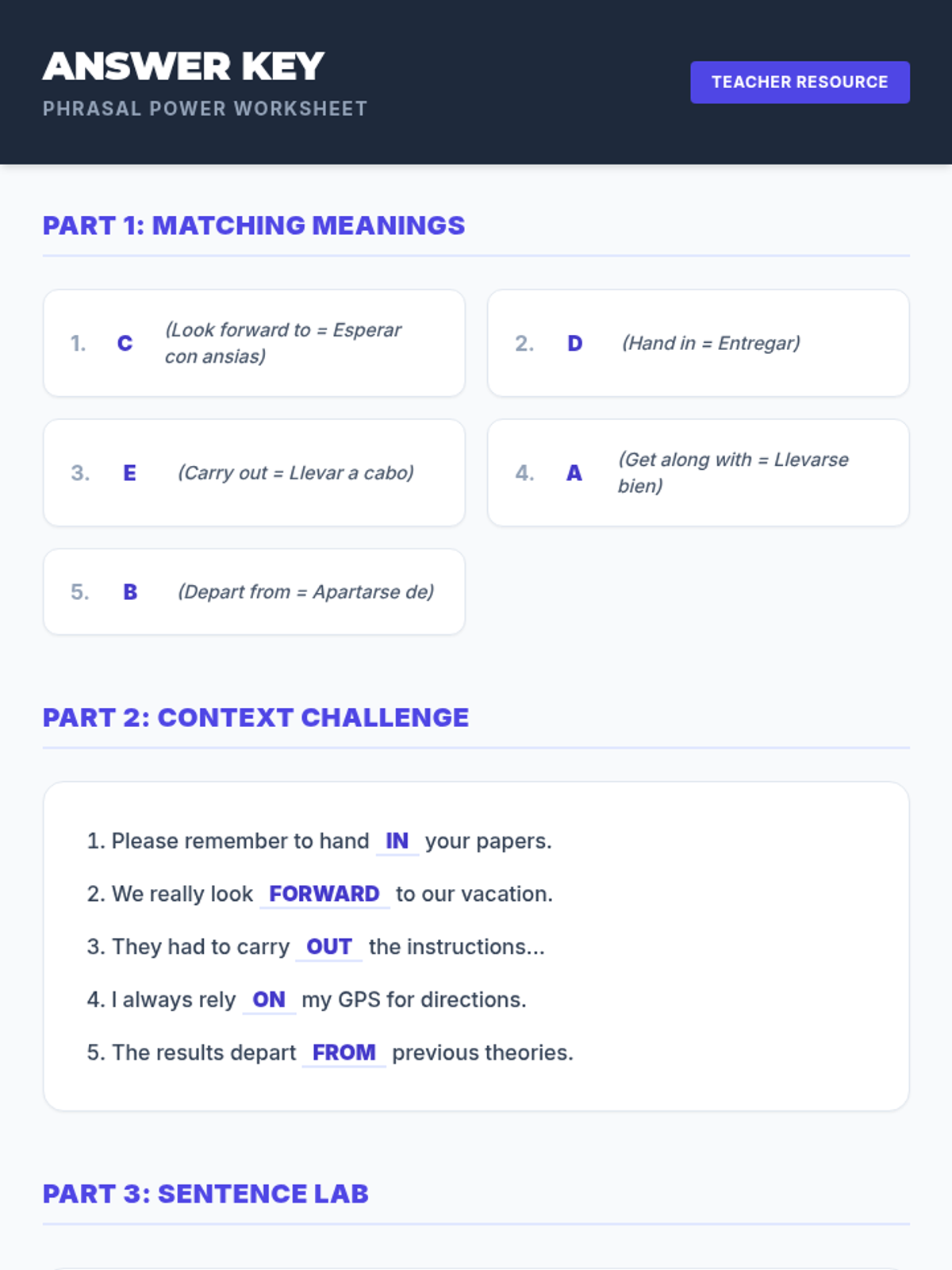
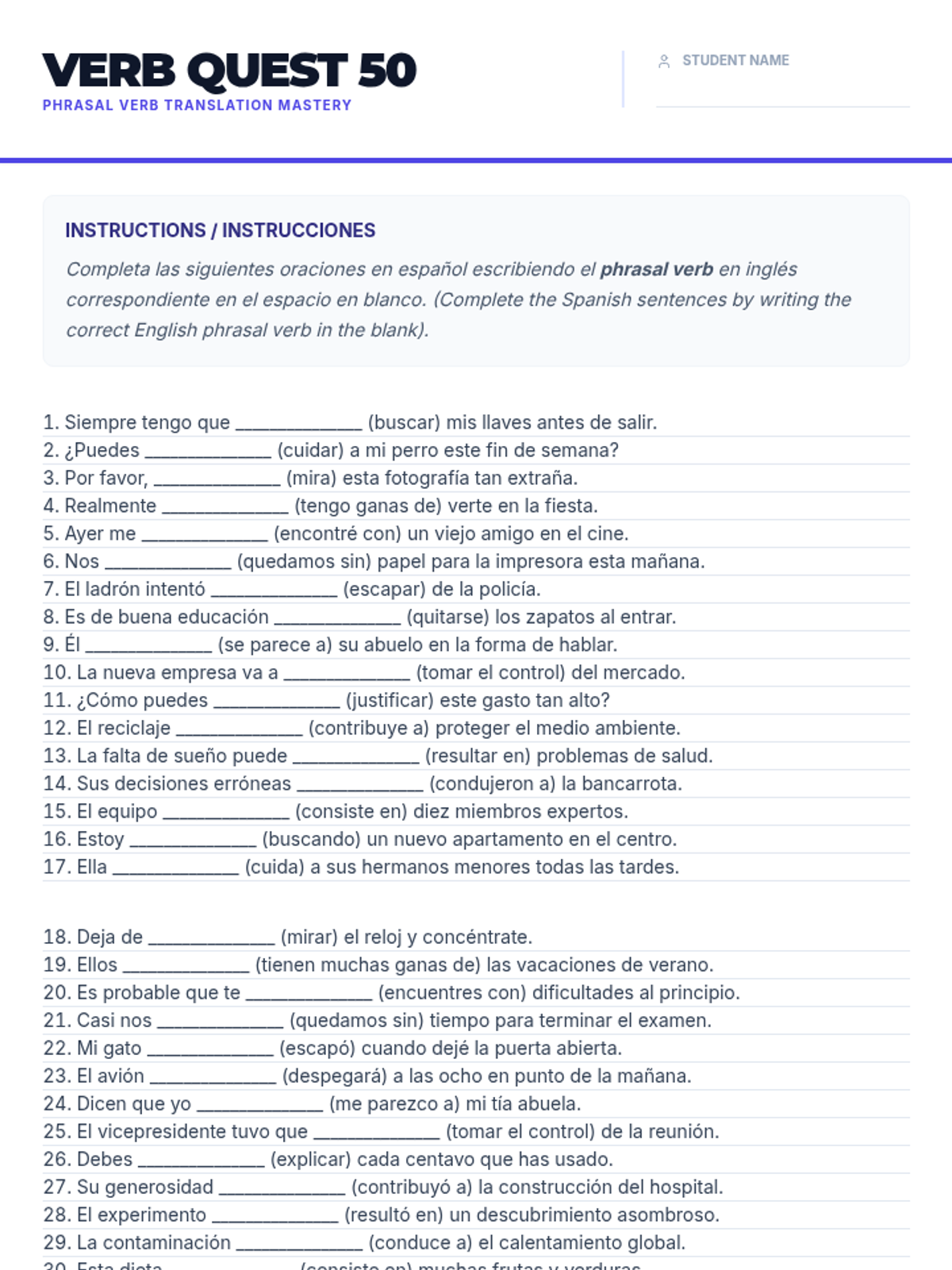
A comprehensive guide to English phrasal verbs, covering both everyday conversational use and formal academic contexts, with translations in Spanish.
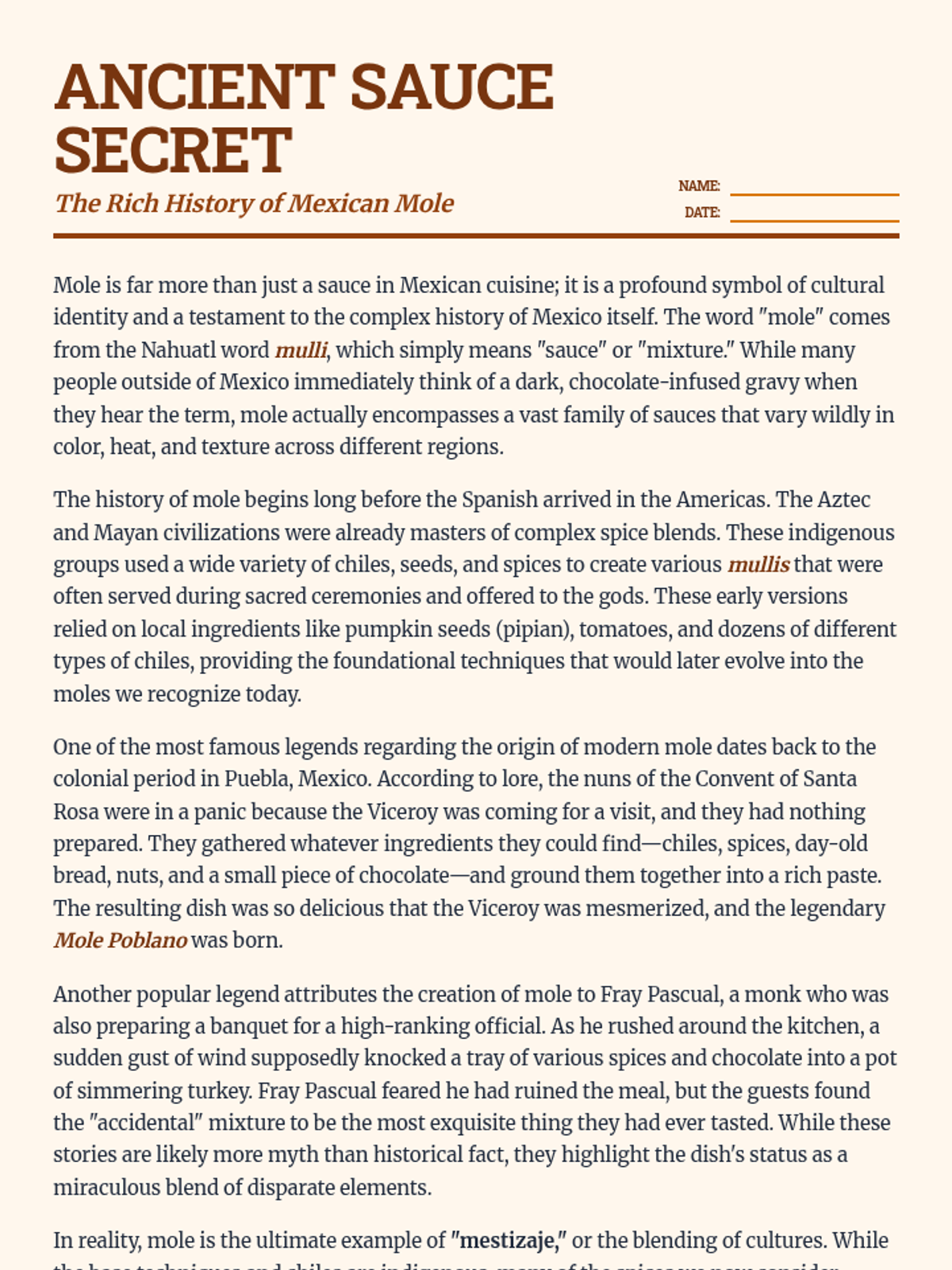
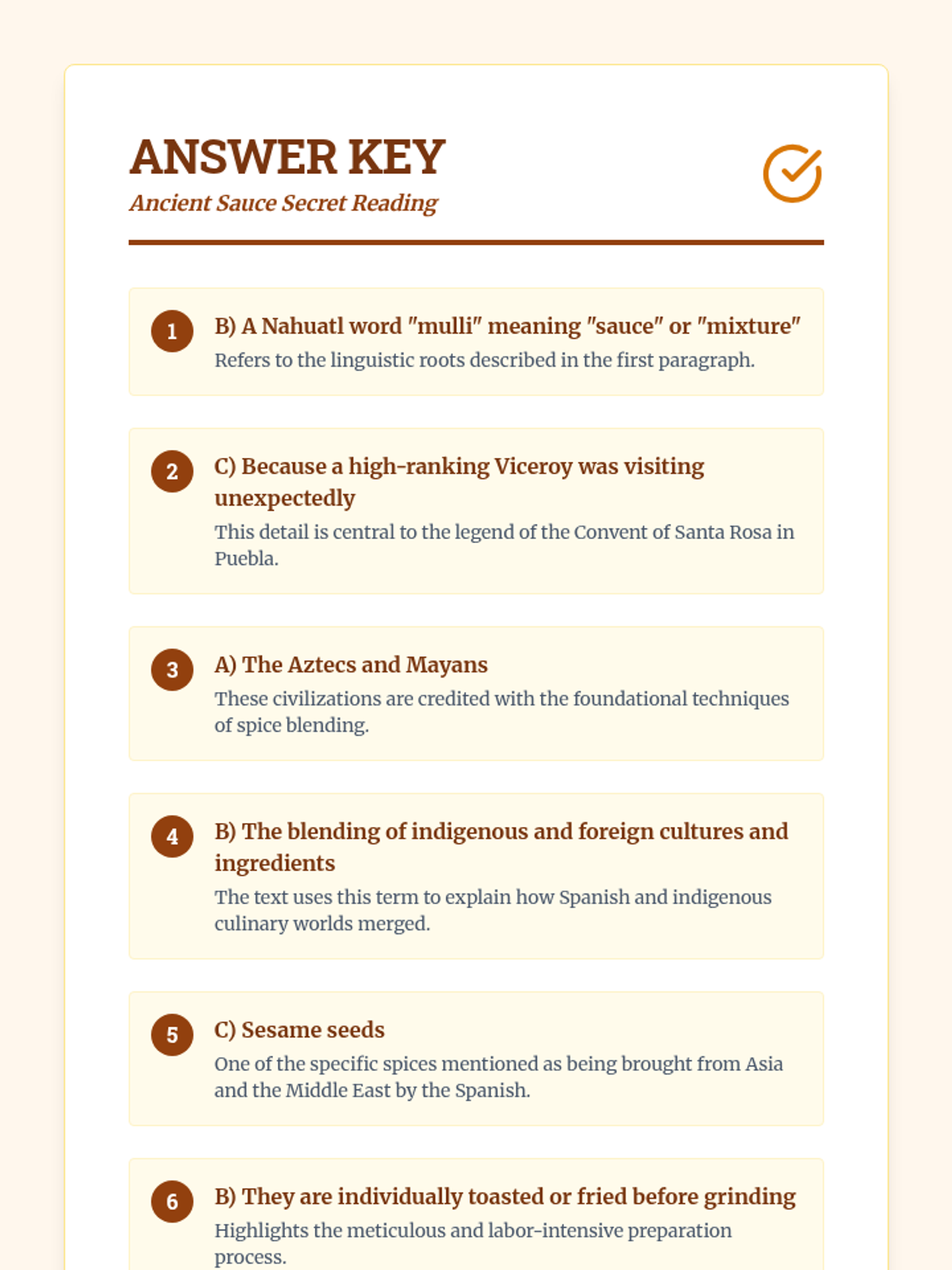
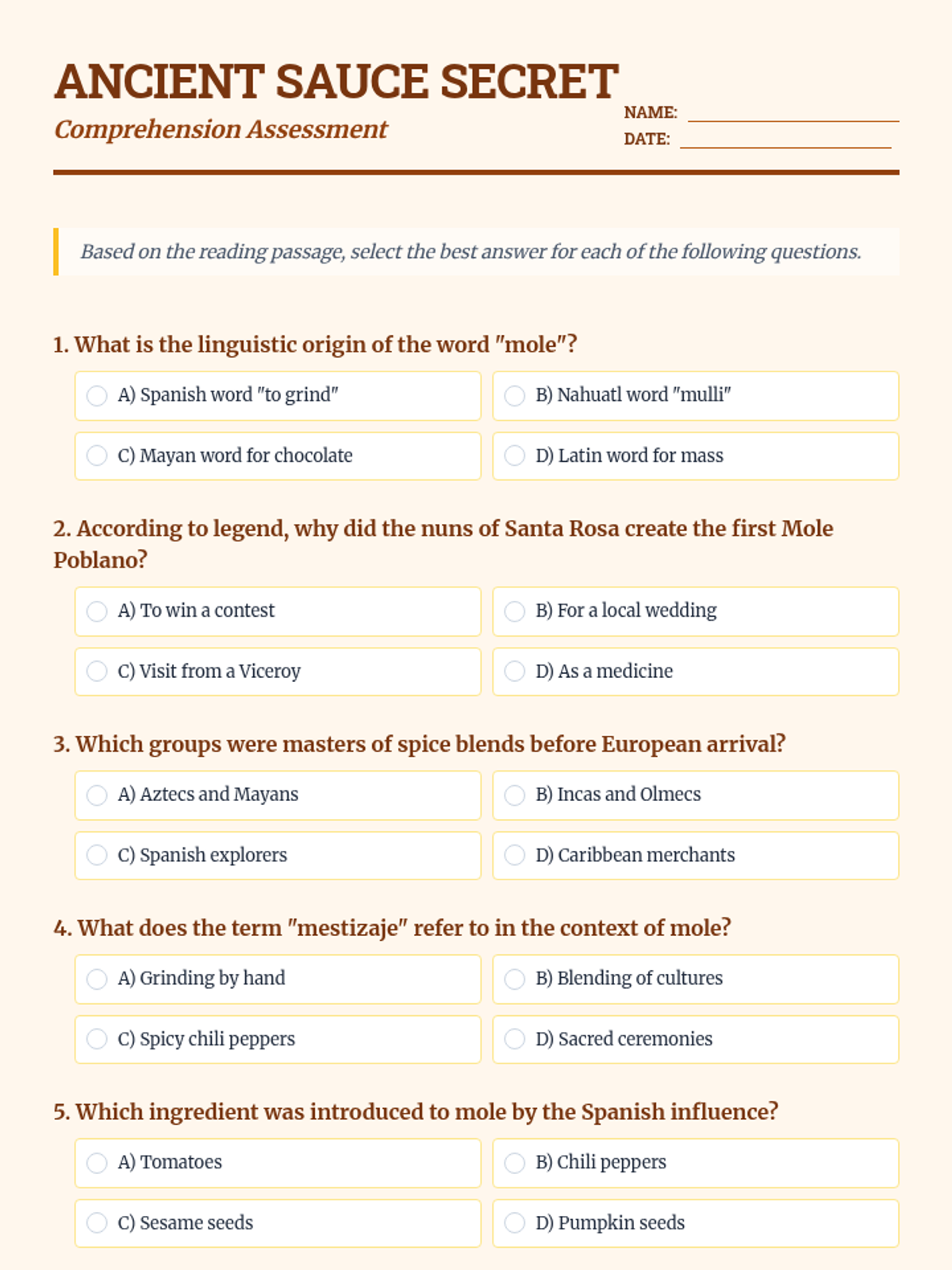
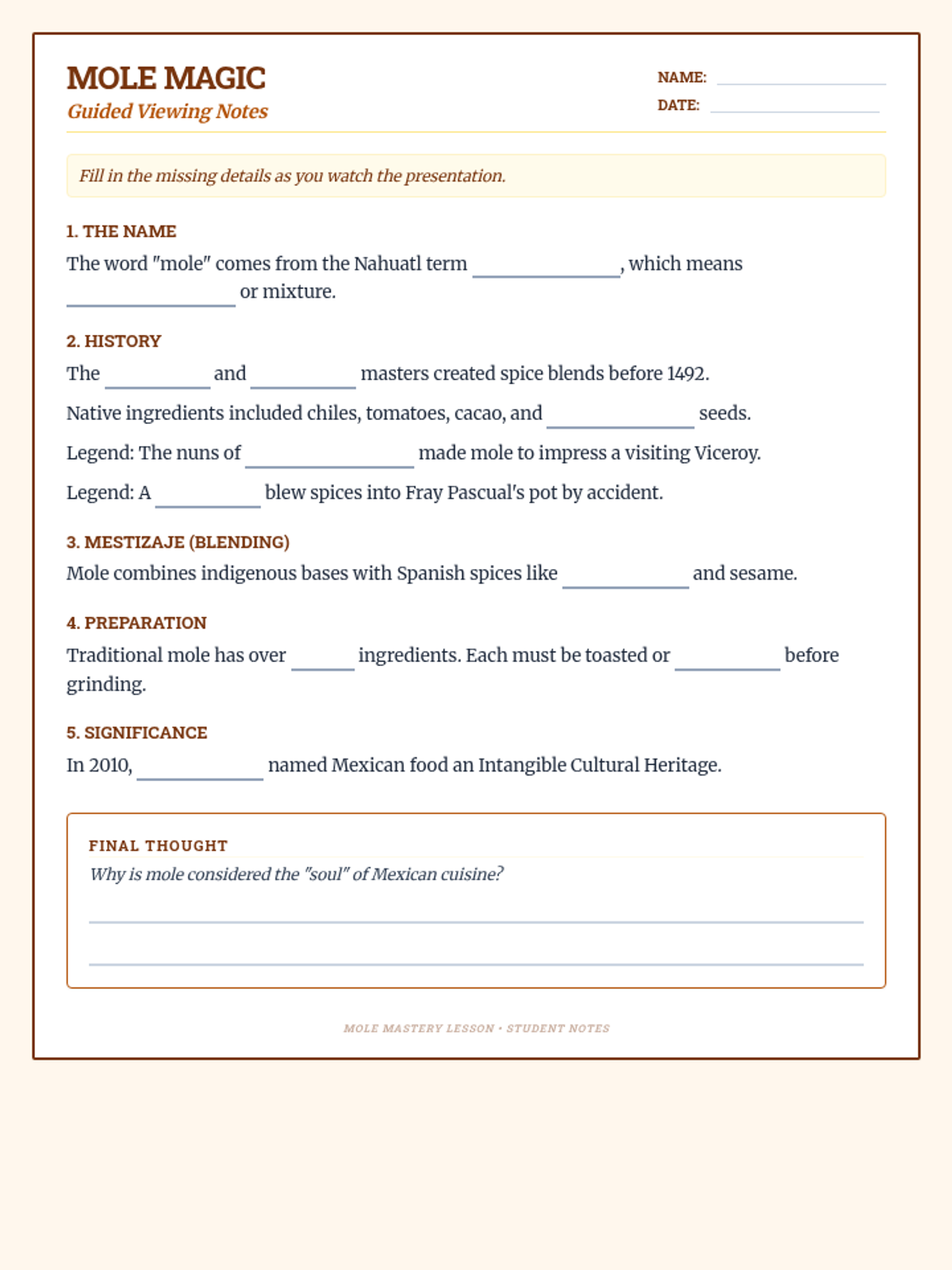
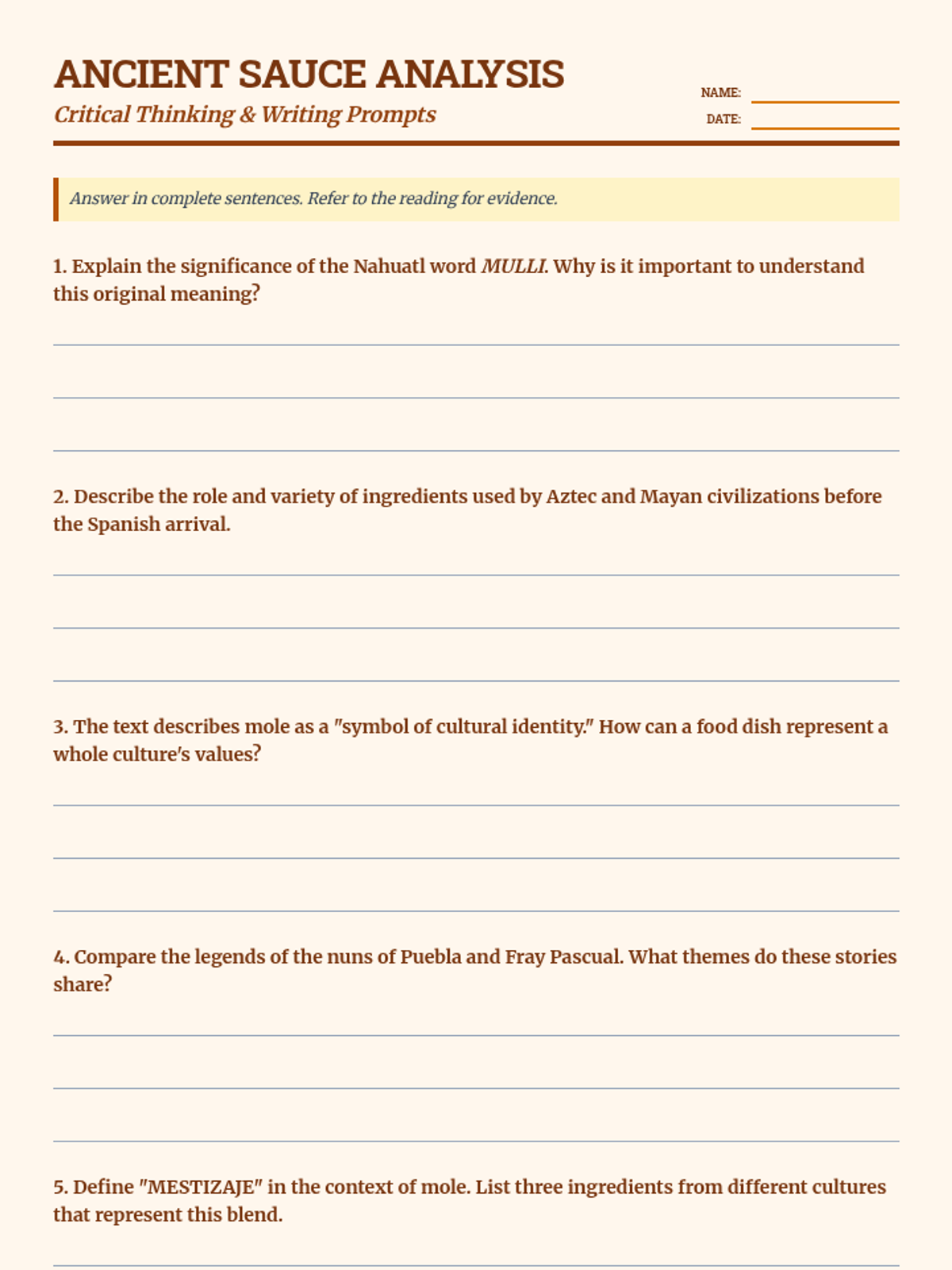
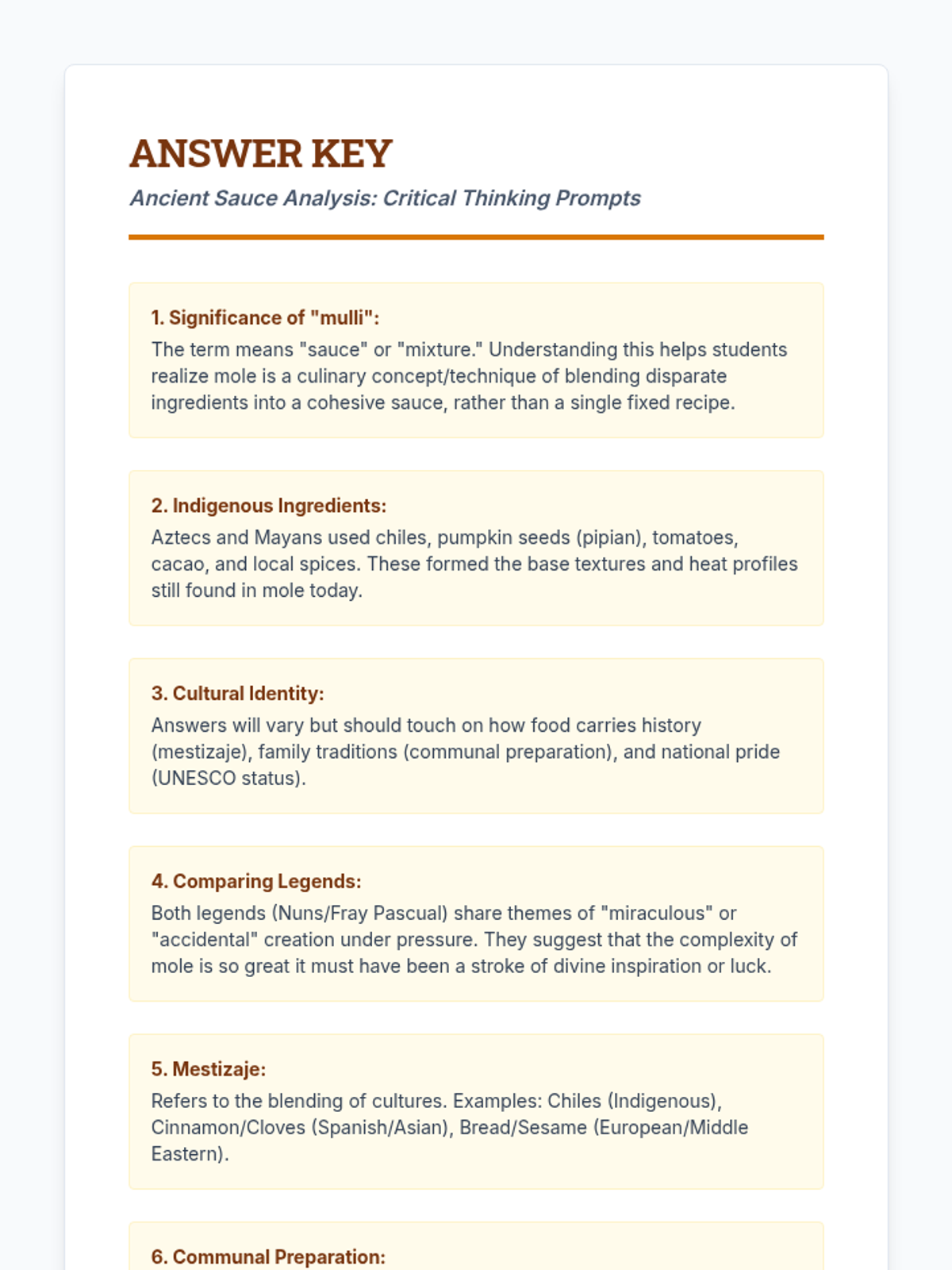
Explore the origins, legends, and cultural significance of Mexican mole. This lesson covers the indigenous roots of 'mulli', the colonial legends of Puebla, and the modern recognition of mole as a global cultural heritage through a reading passage and assessment.
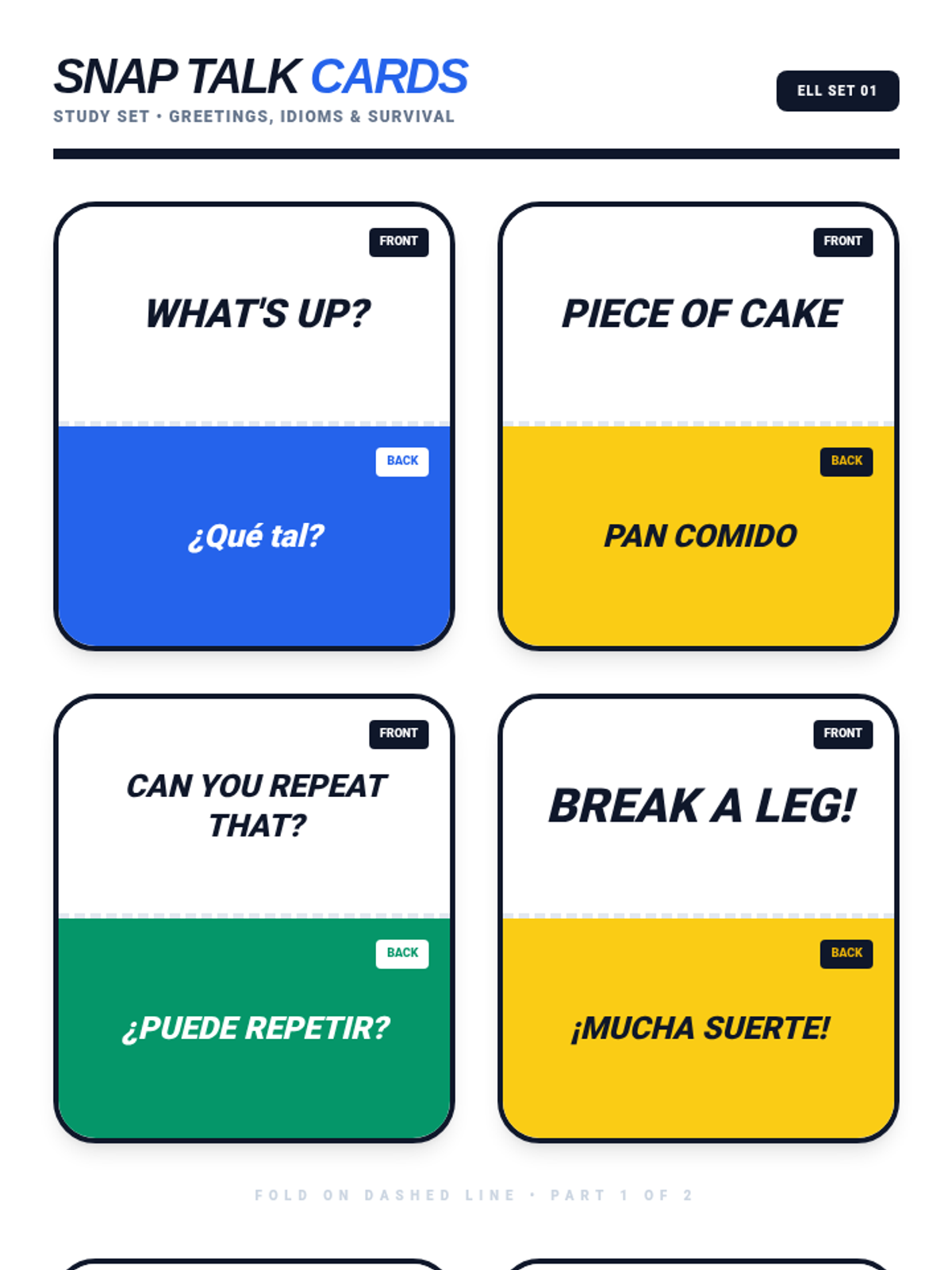
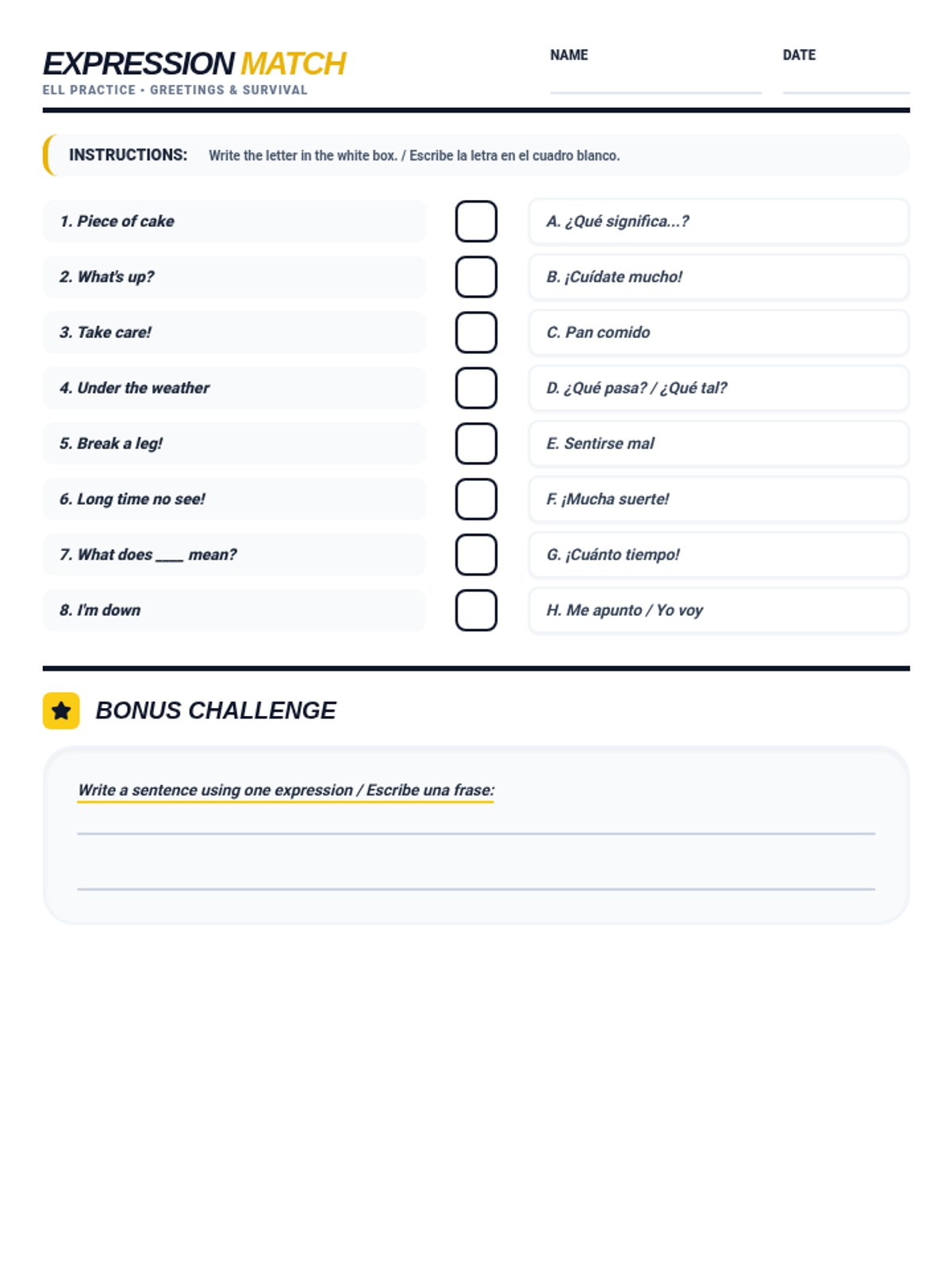
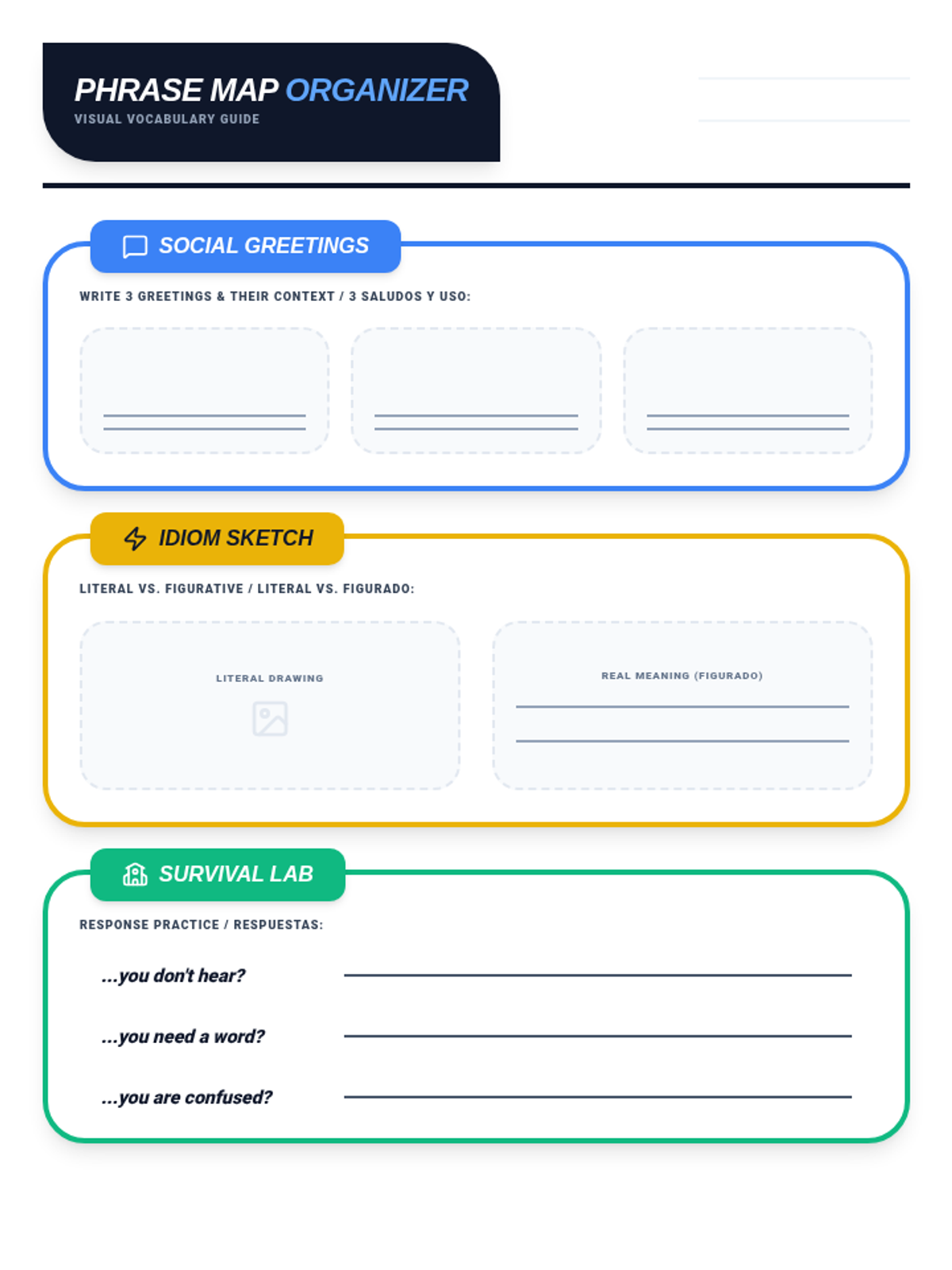
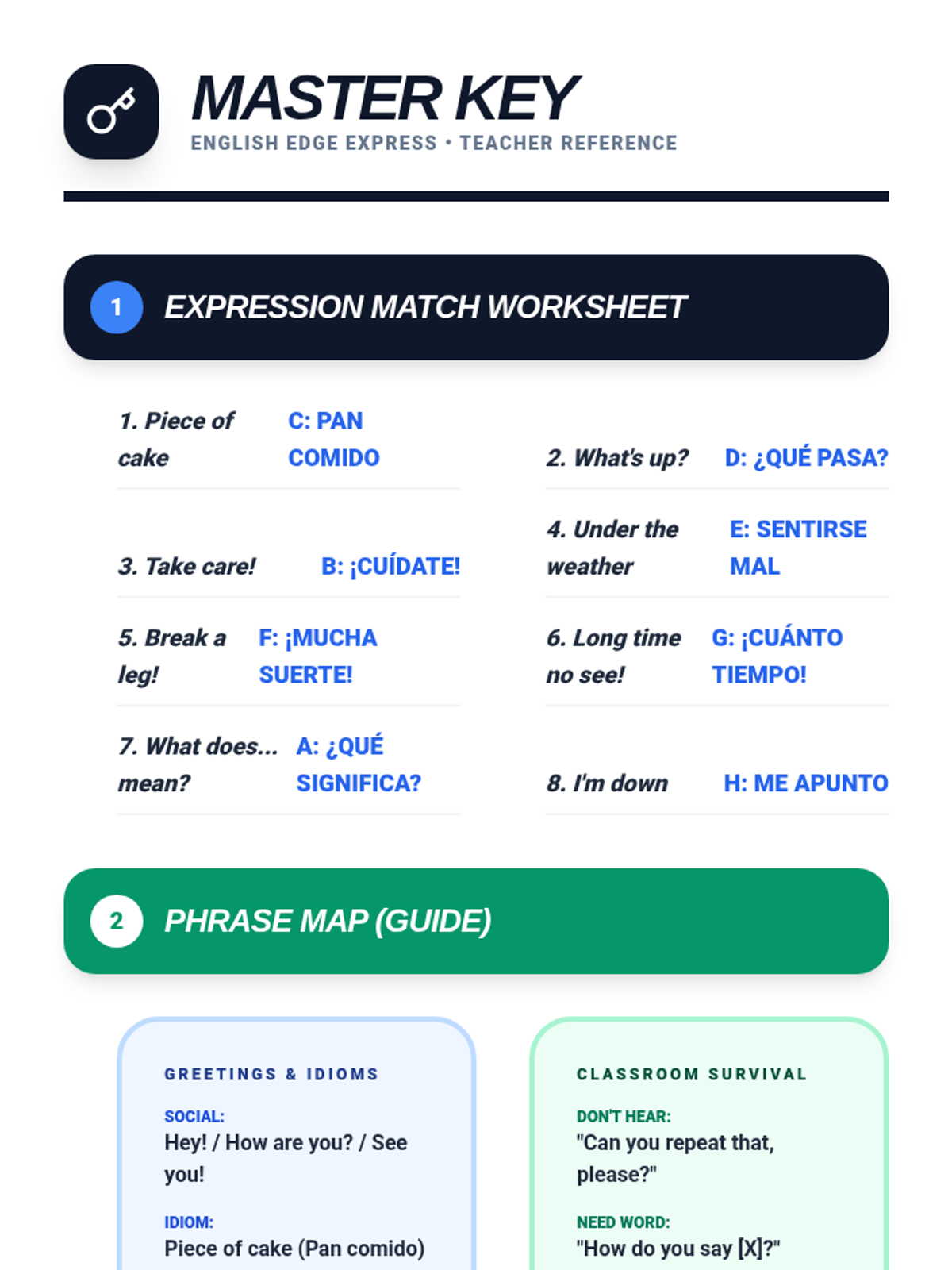
A comprehensive lesson for Spanish-speaking students to master common English greetings, idiomatic expressions, and essential classroom phrases. Includes visual aids, practice activities, and reference materials.
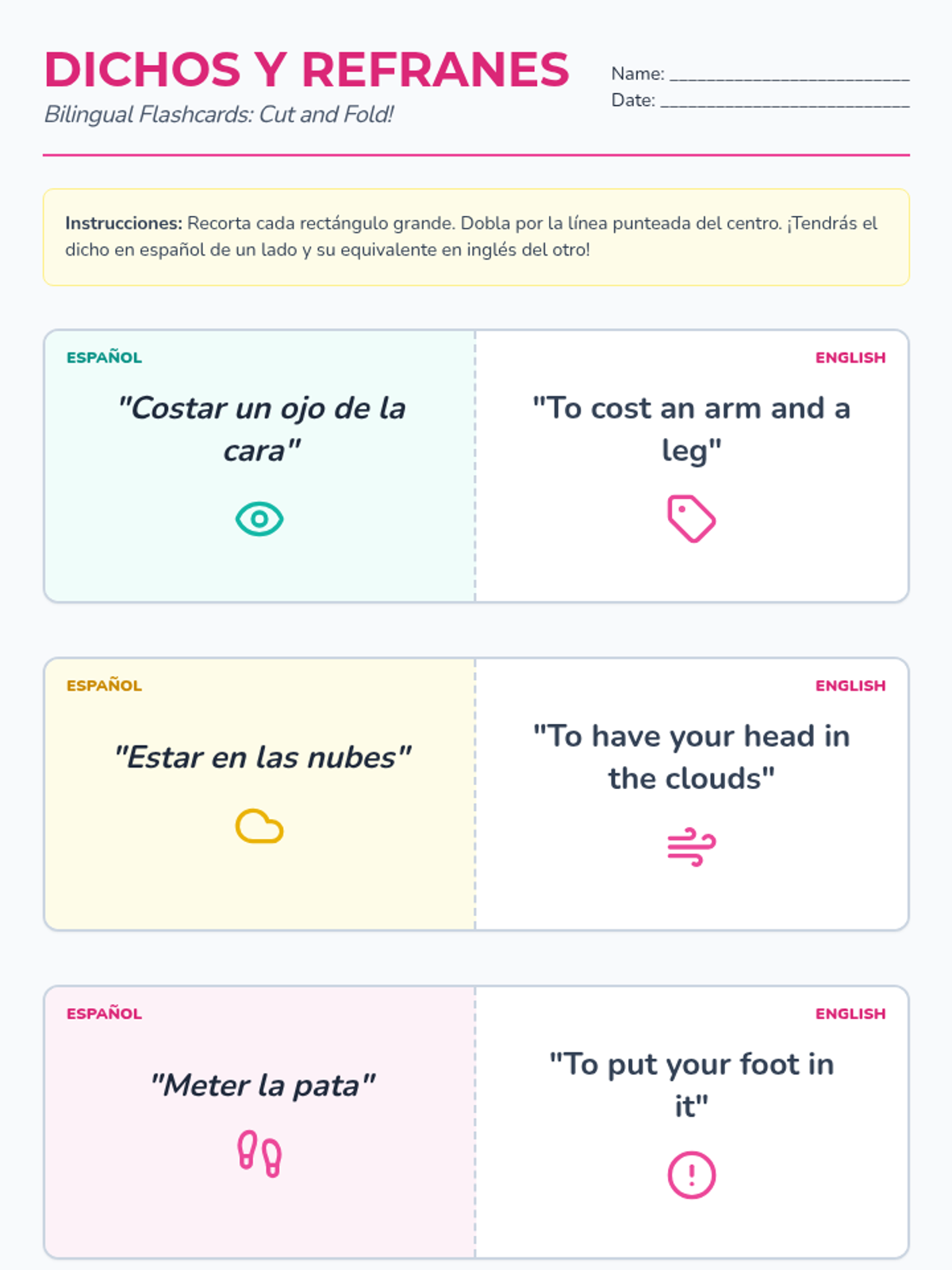
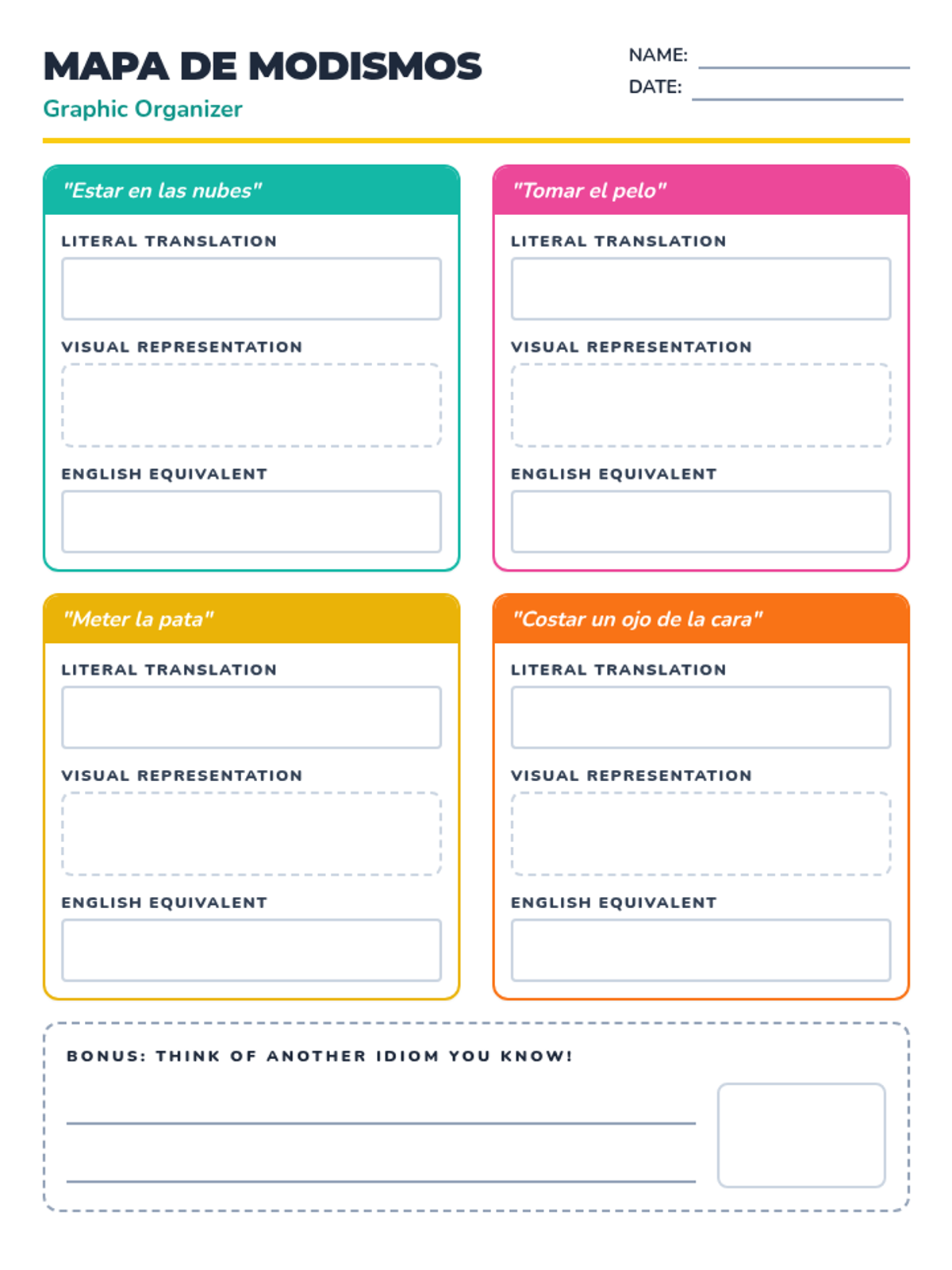
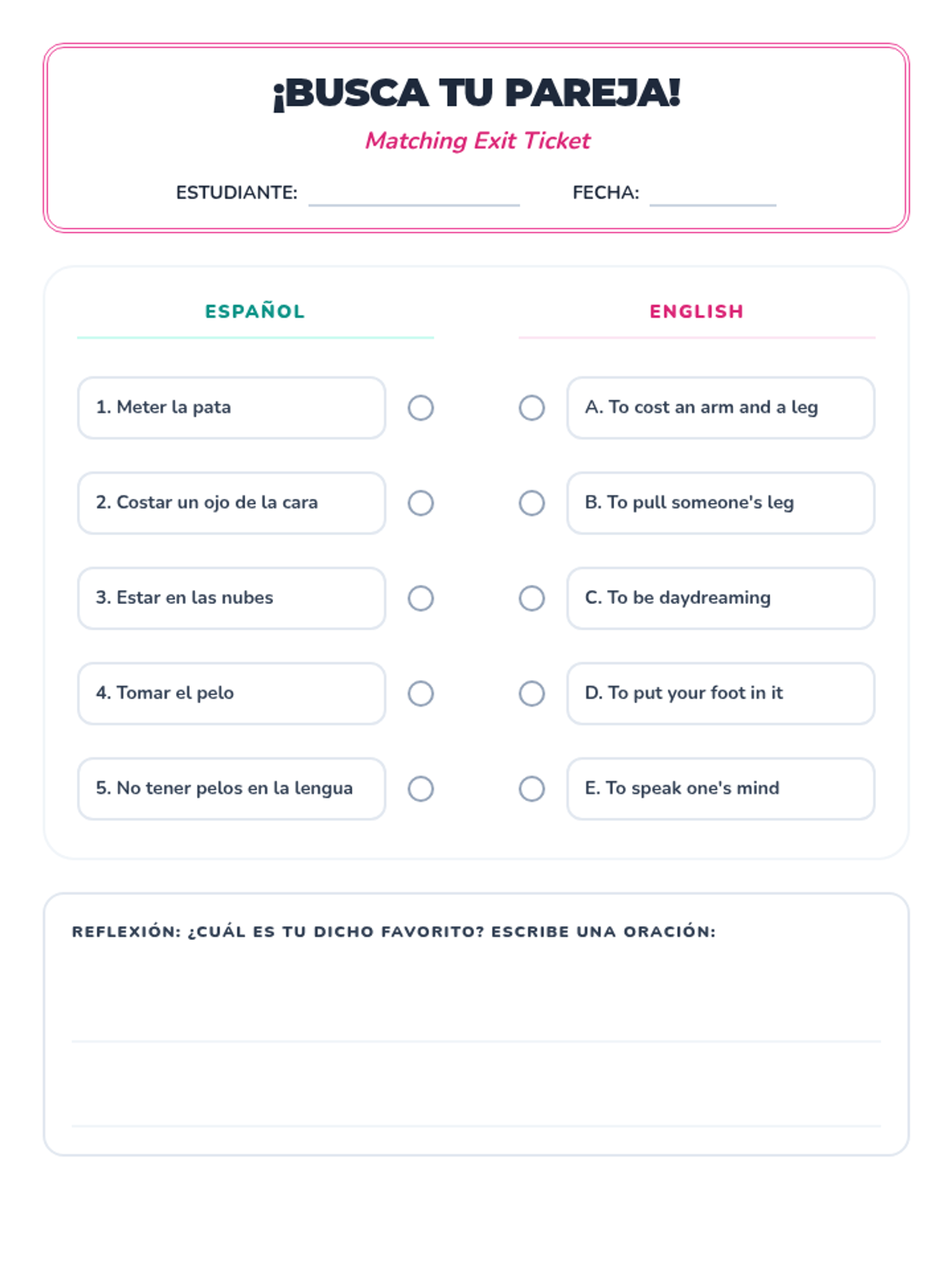
Una lección vibrante sobre modismos y expresiones comunes en español y sus equivalentes en inglés, explorando significados literales y figurados.
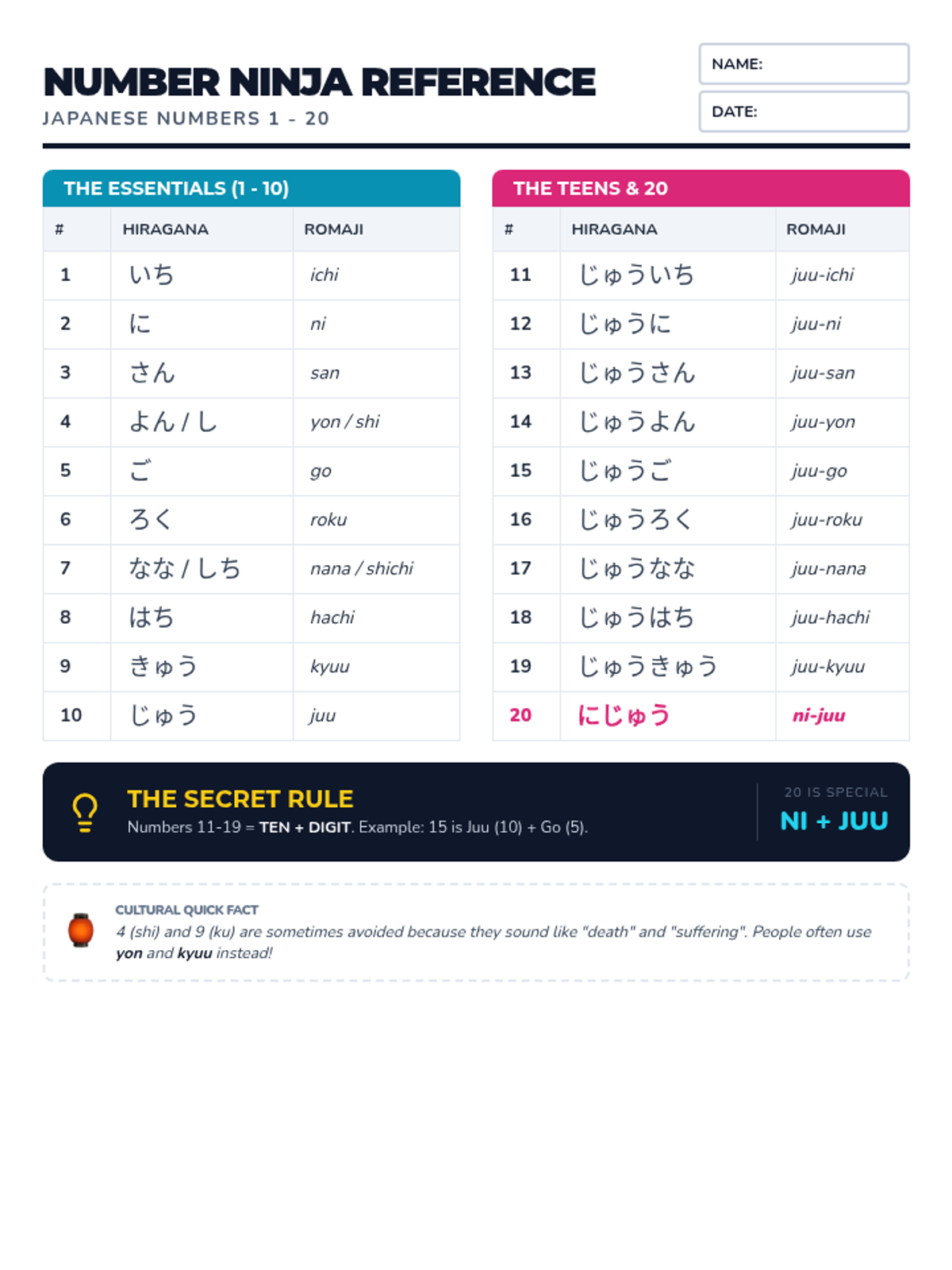
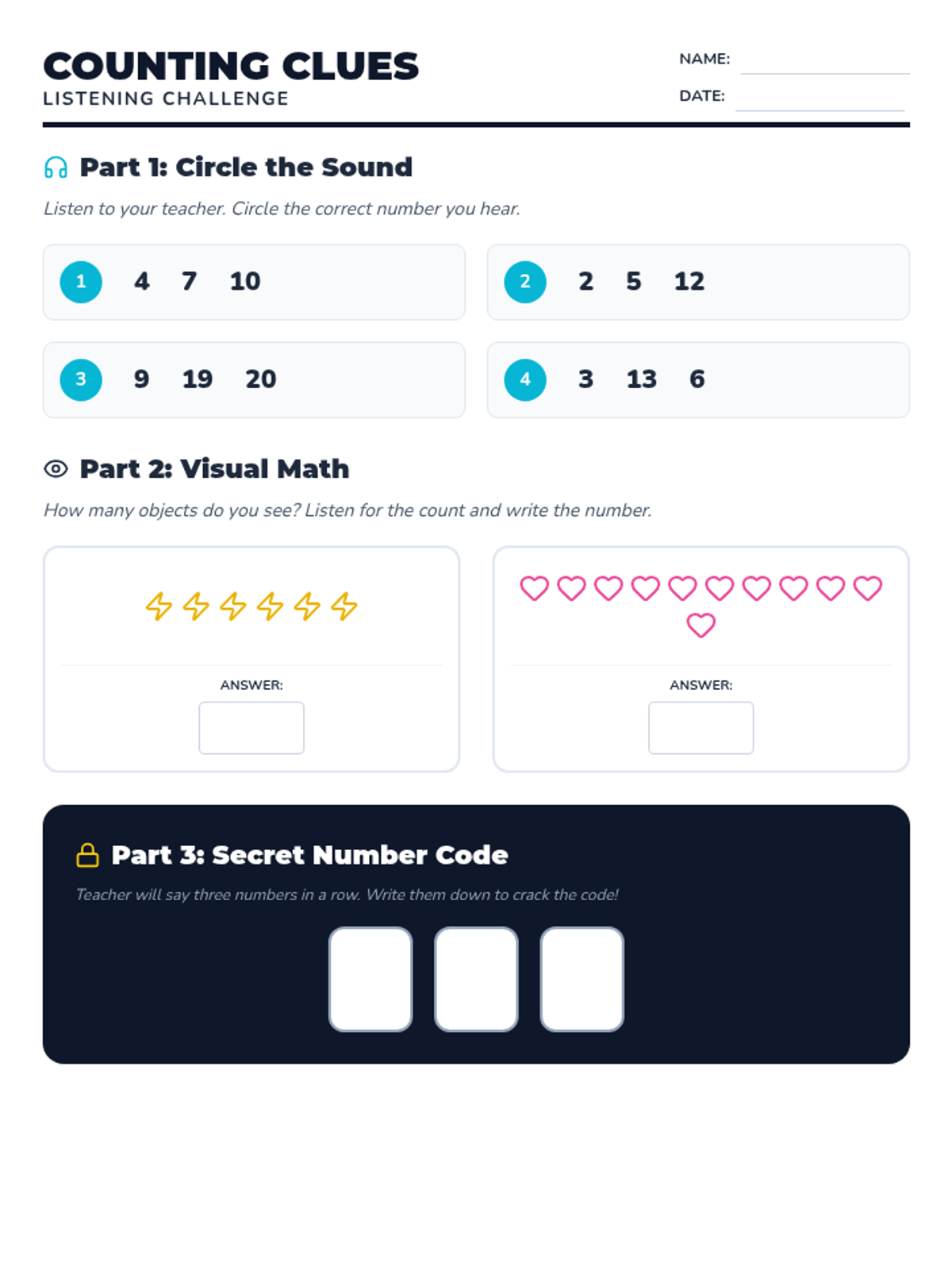
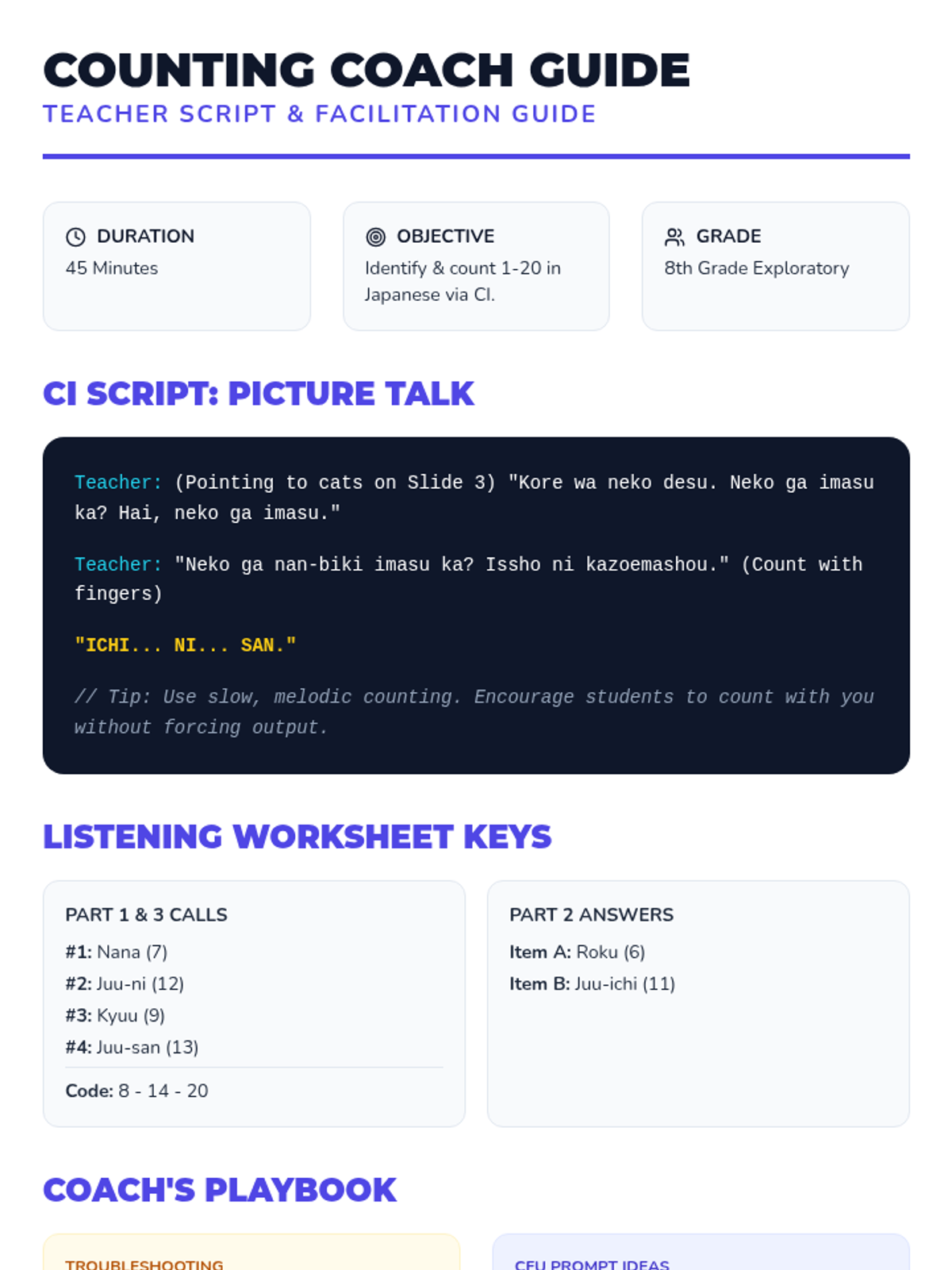
An introductory lesson on Japanese numbers 1-20 using Picture Talk and visual aids to build immediate comprehension through counting familiar objects.
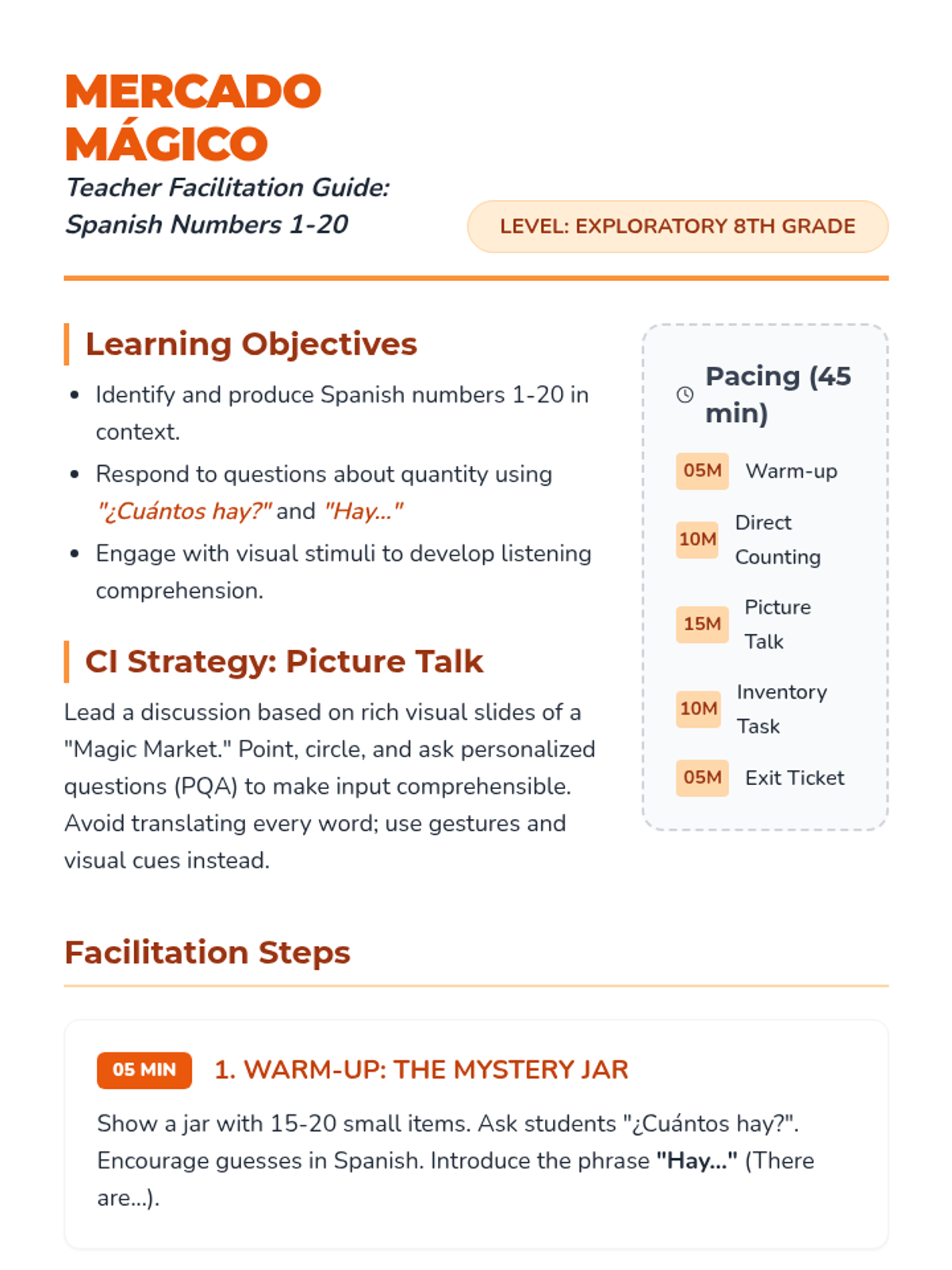
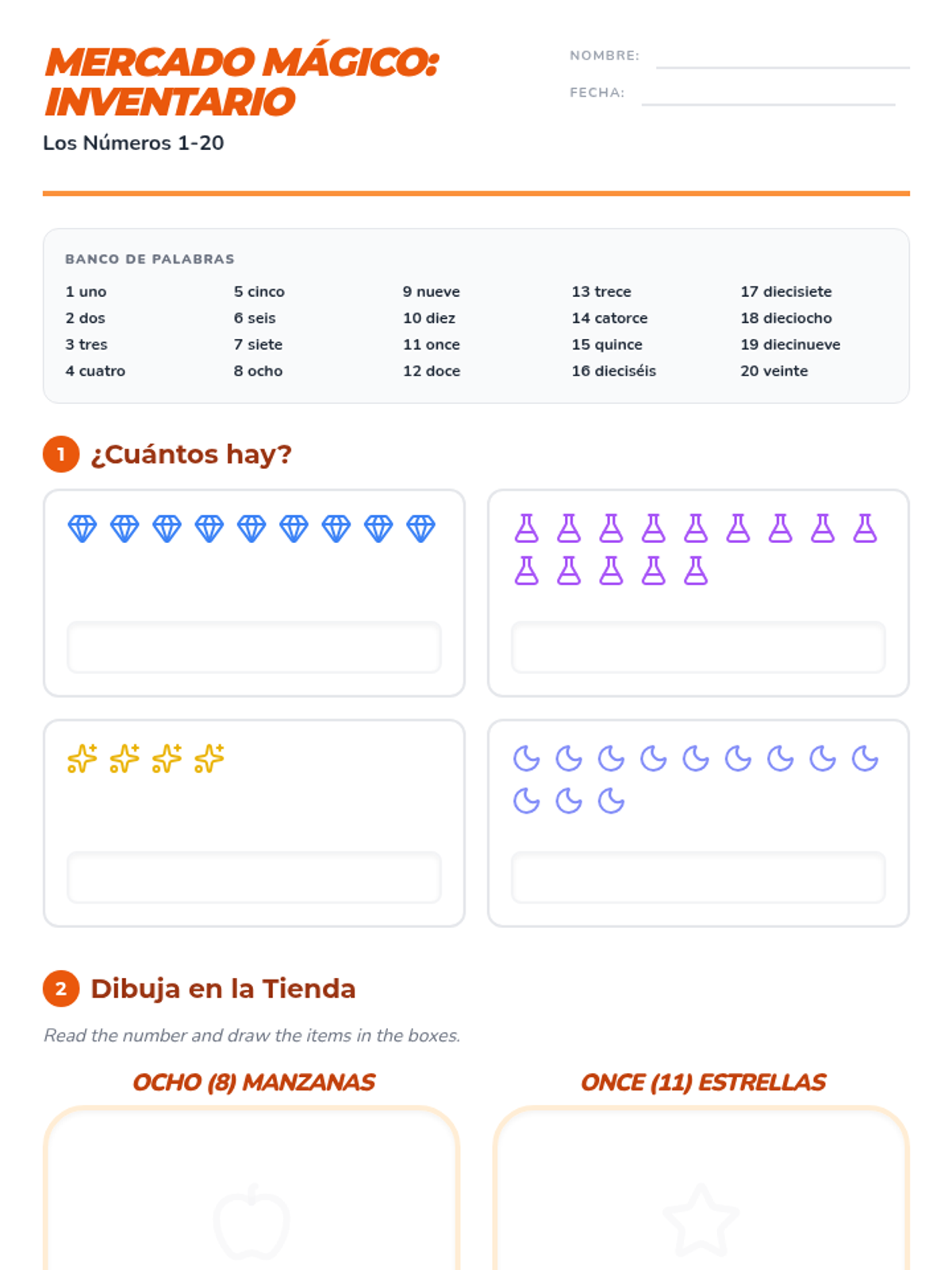
An introductory lesson on Spanish numbers 1-20 using the Picture Talk strategy within a 'Magic Market' theme. Students will count magical items, interact with visual prompts, and complete a market inventory worksheet.
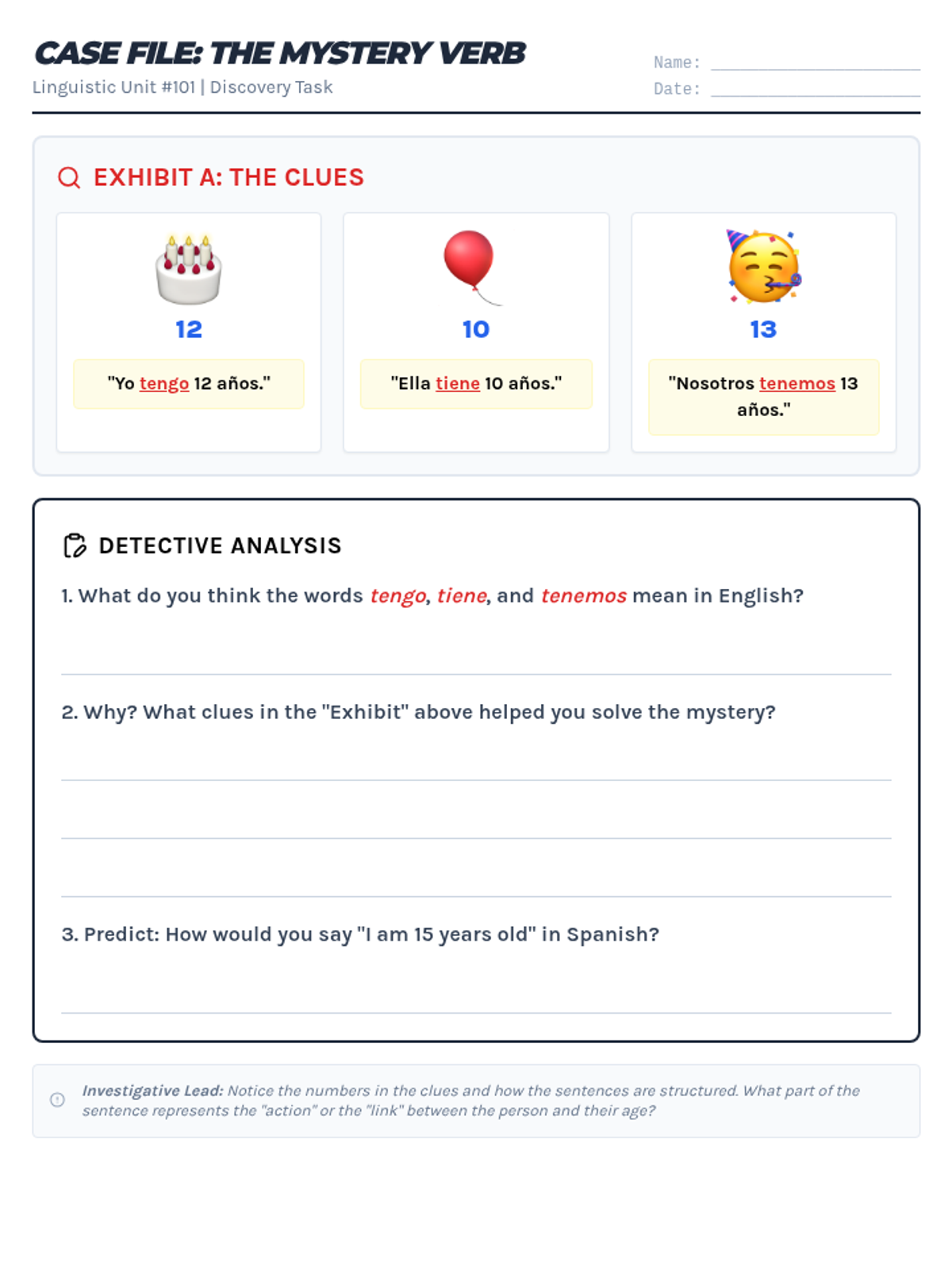
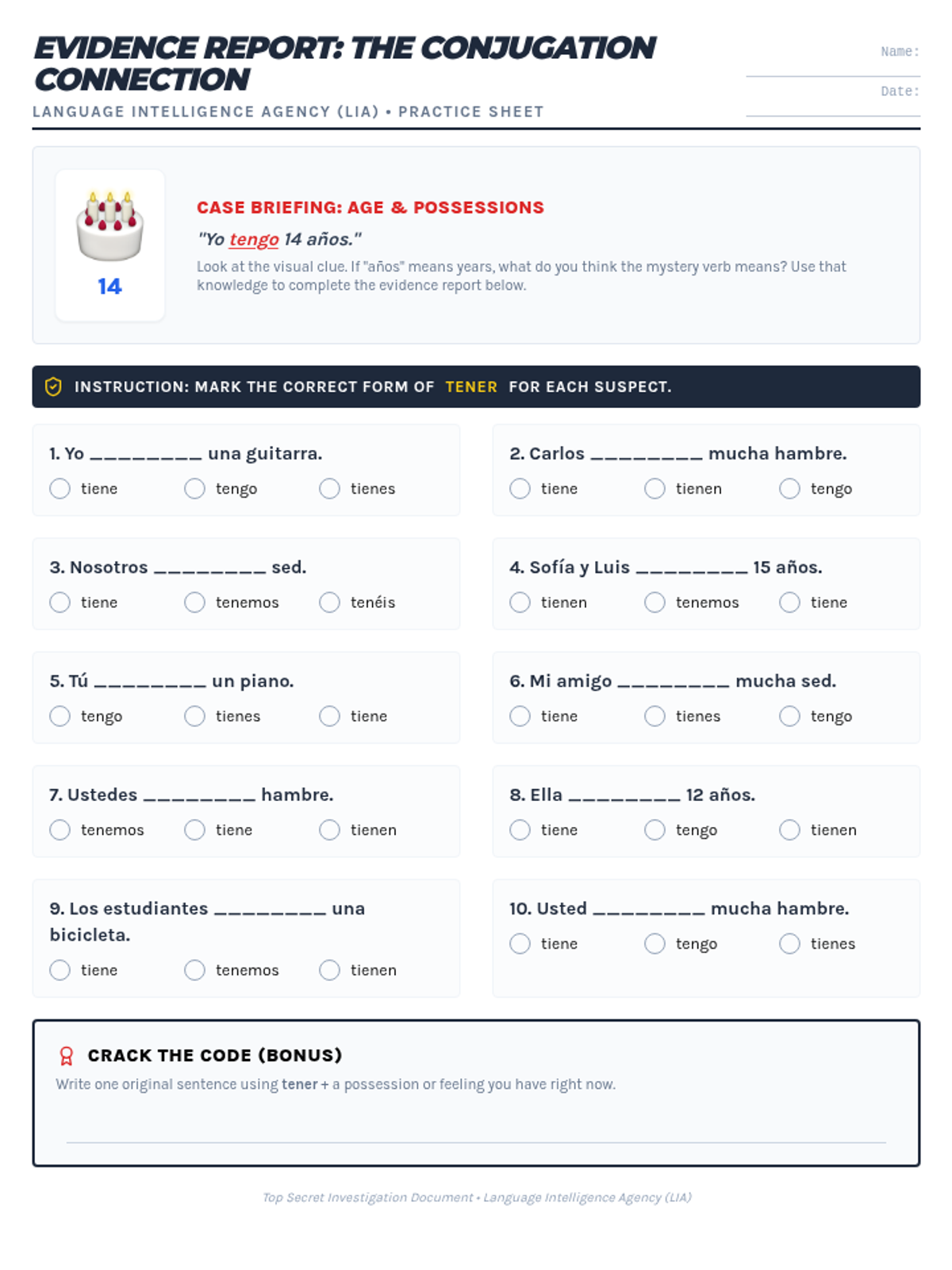
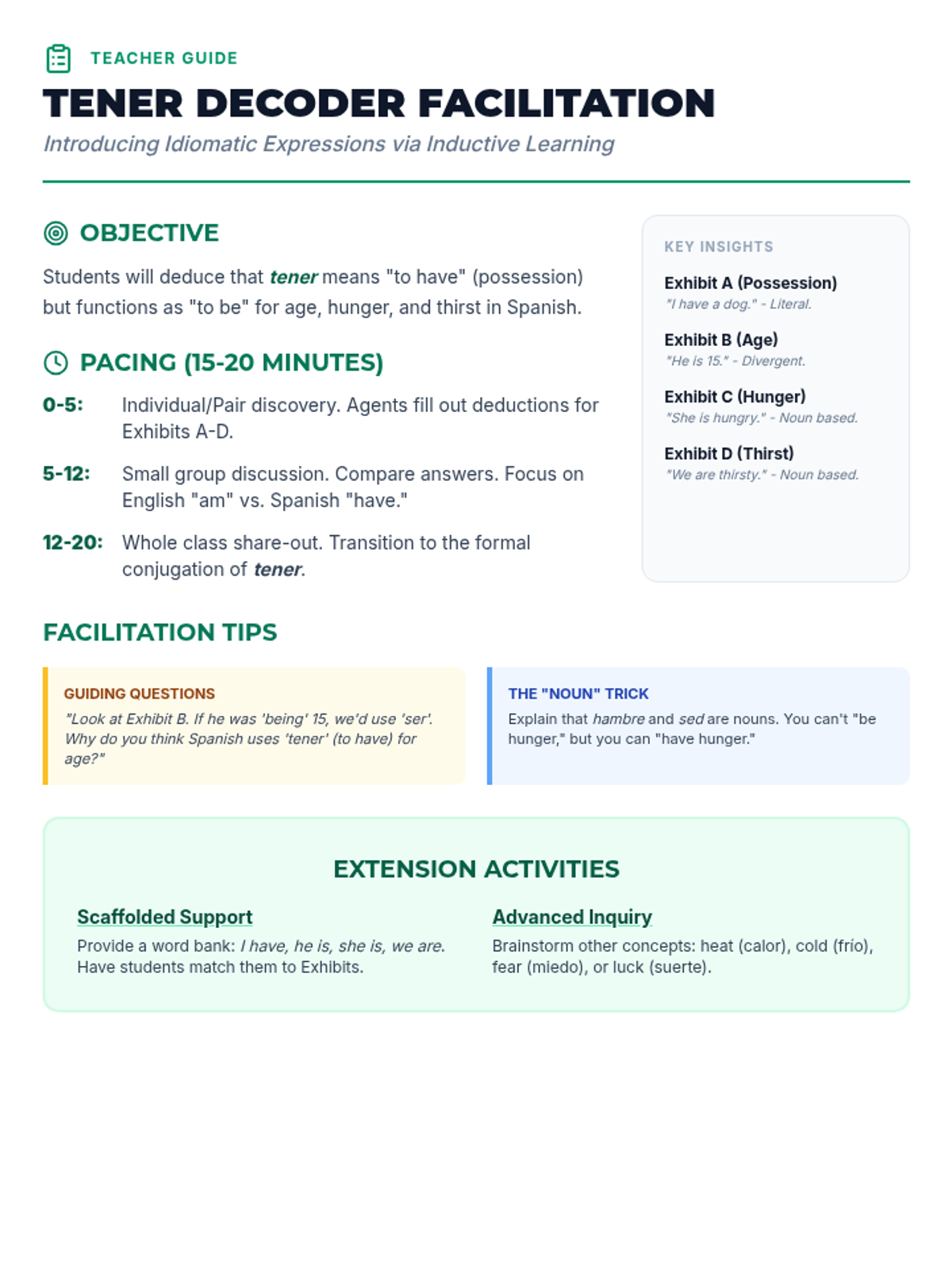
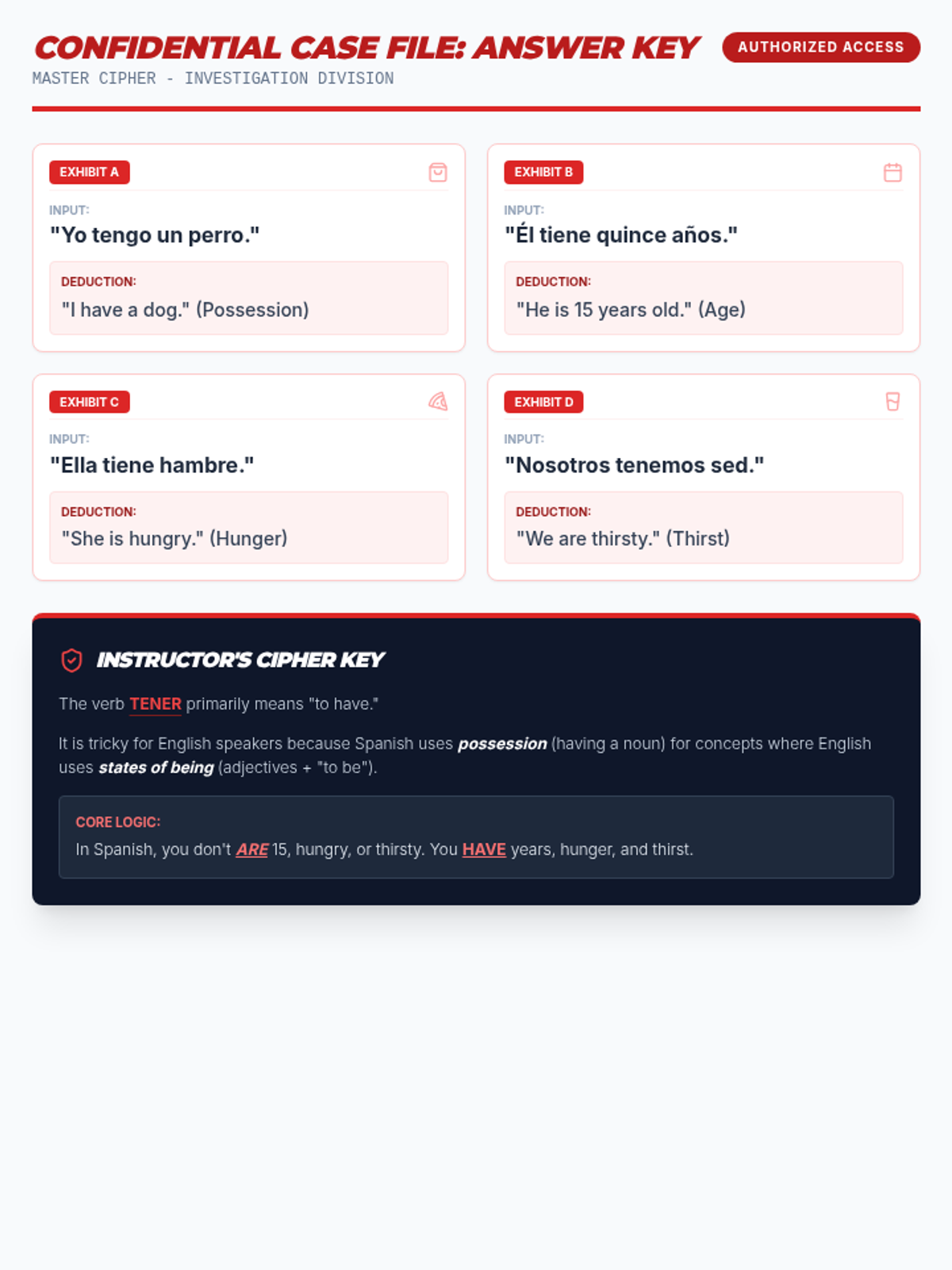
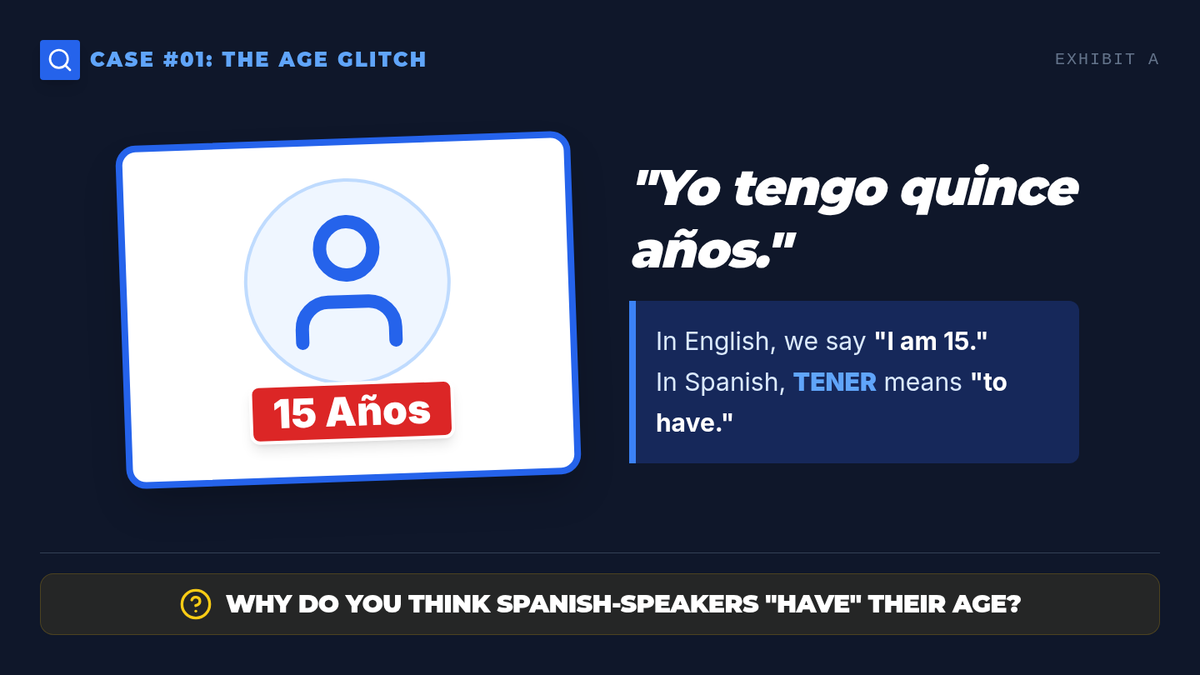
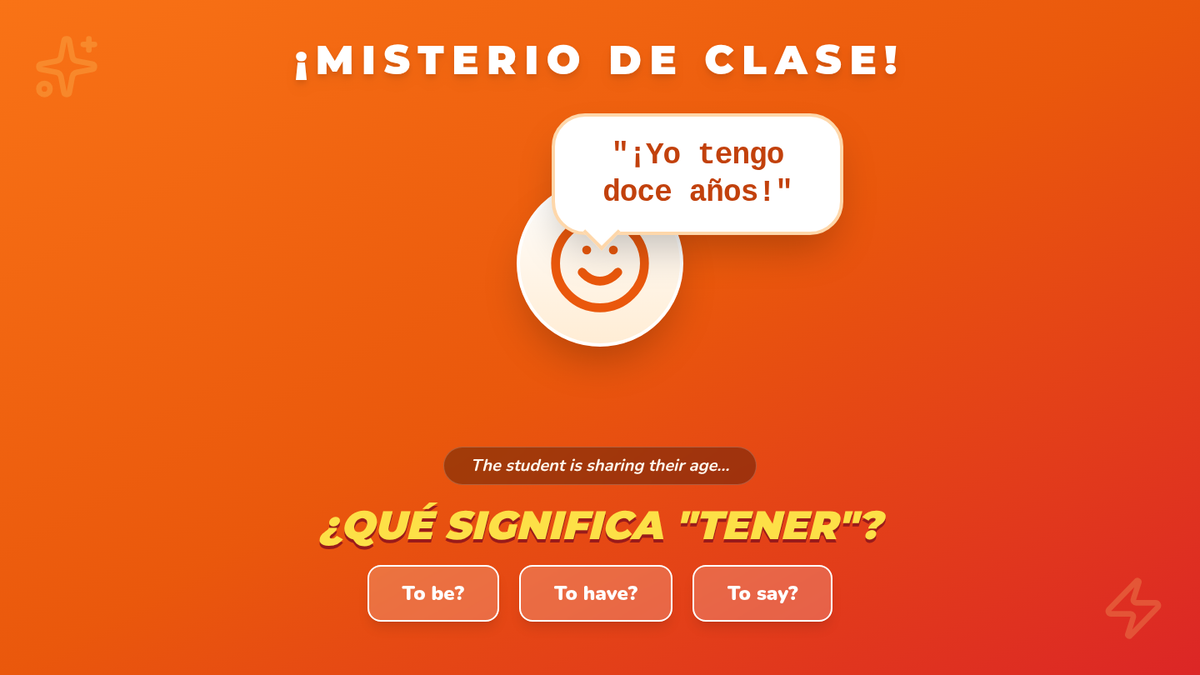
Students act as language detectives to uncover the meaning and patterns of the verb 'tener' in Spanish, focusing on age, physical states, and possessions.
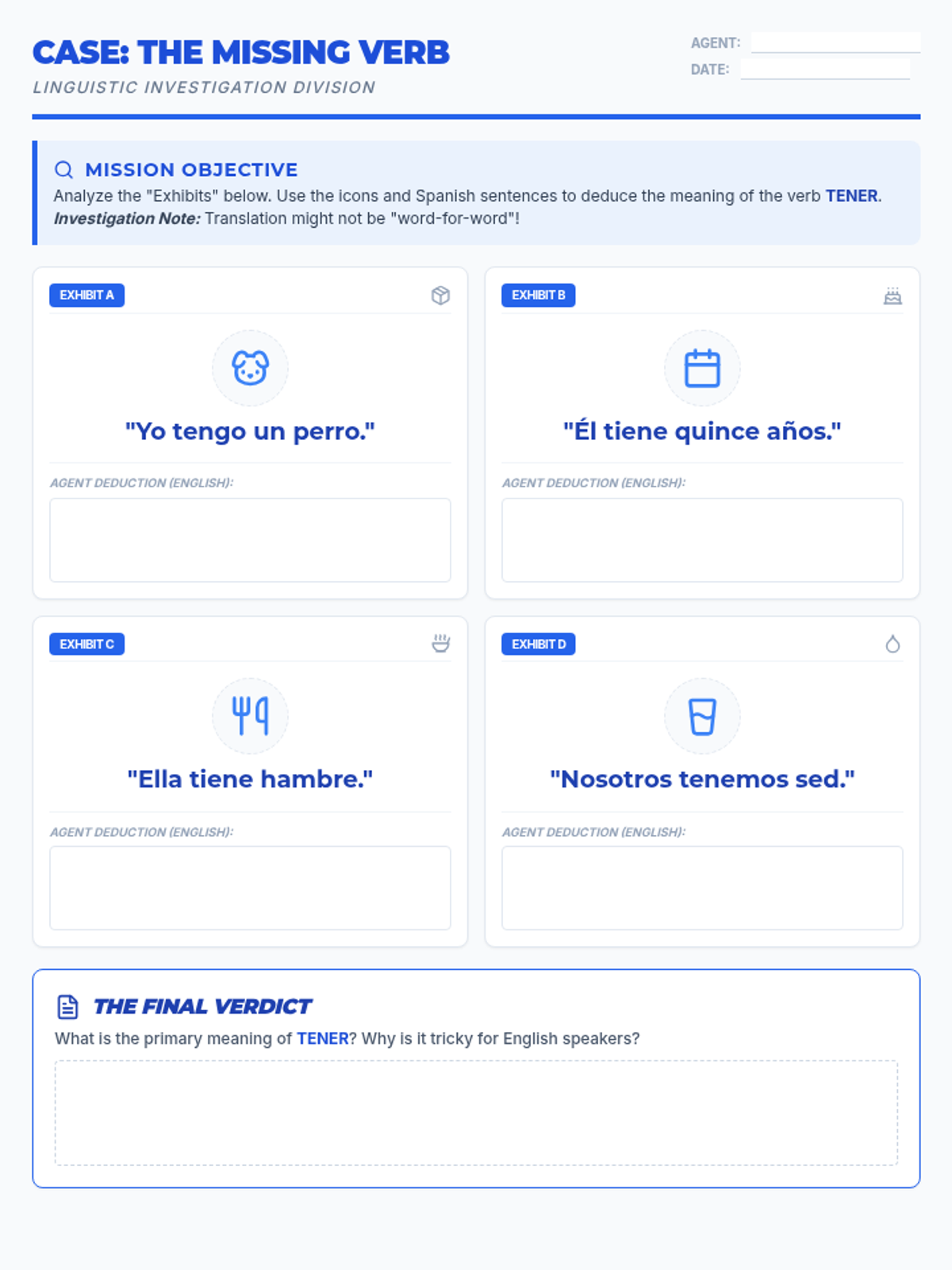
An introductory lesson where students use visual clues and context sentences to deduce the various meanings of the Spanish verb 'tener', covering possession, age, hunger, and thirst.
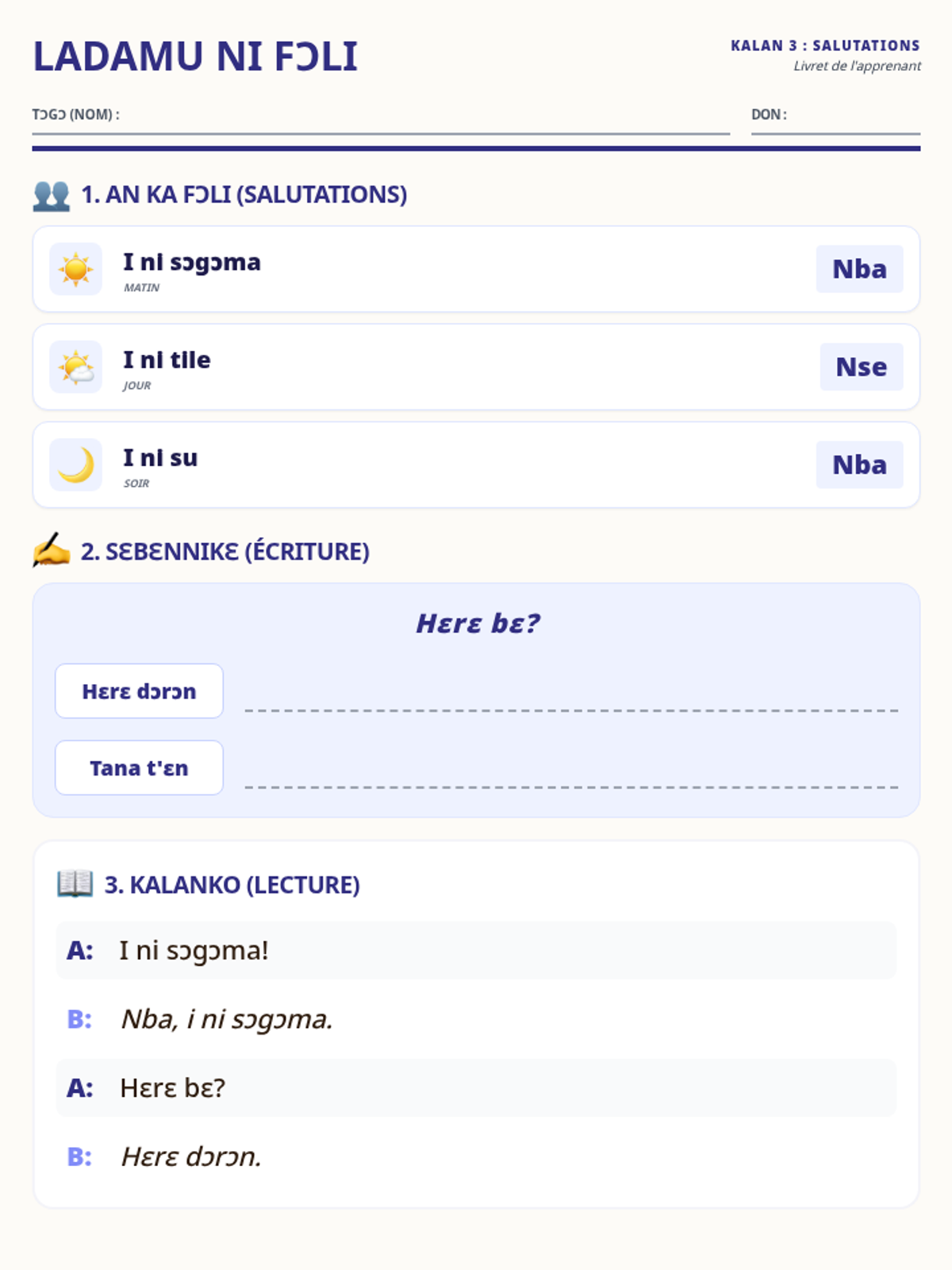
Introduction aux salutations de base et aux règles de politesse en milieu bamanan, combinant lecture et expression orale.
Apprentissage des premières consonnes et formation des syllabes simples pour commencer à lire des mots de deux lettres.
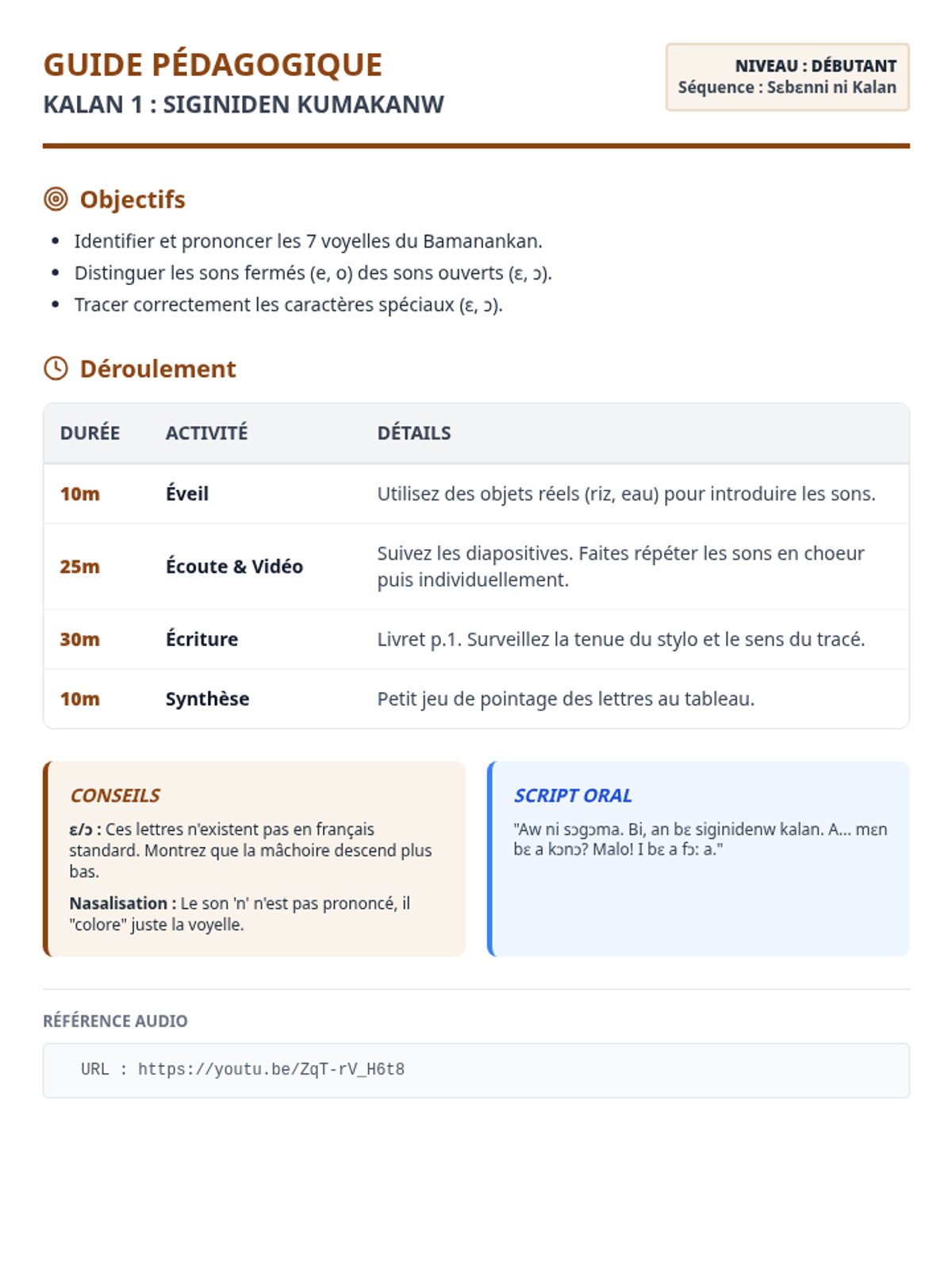
Introduction aux voyelles du Bamanankan (a, e, ɛ, i, o, ɔ, u) et à la nasalisation, avec des exercices de tracé et de reconnaissance auditive.
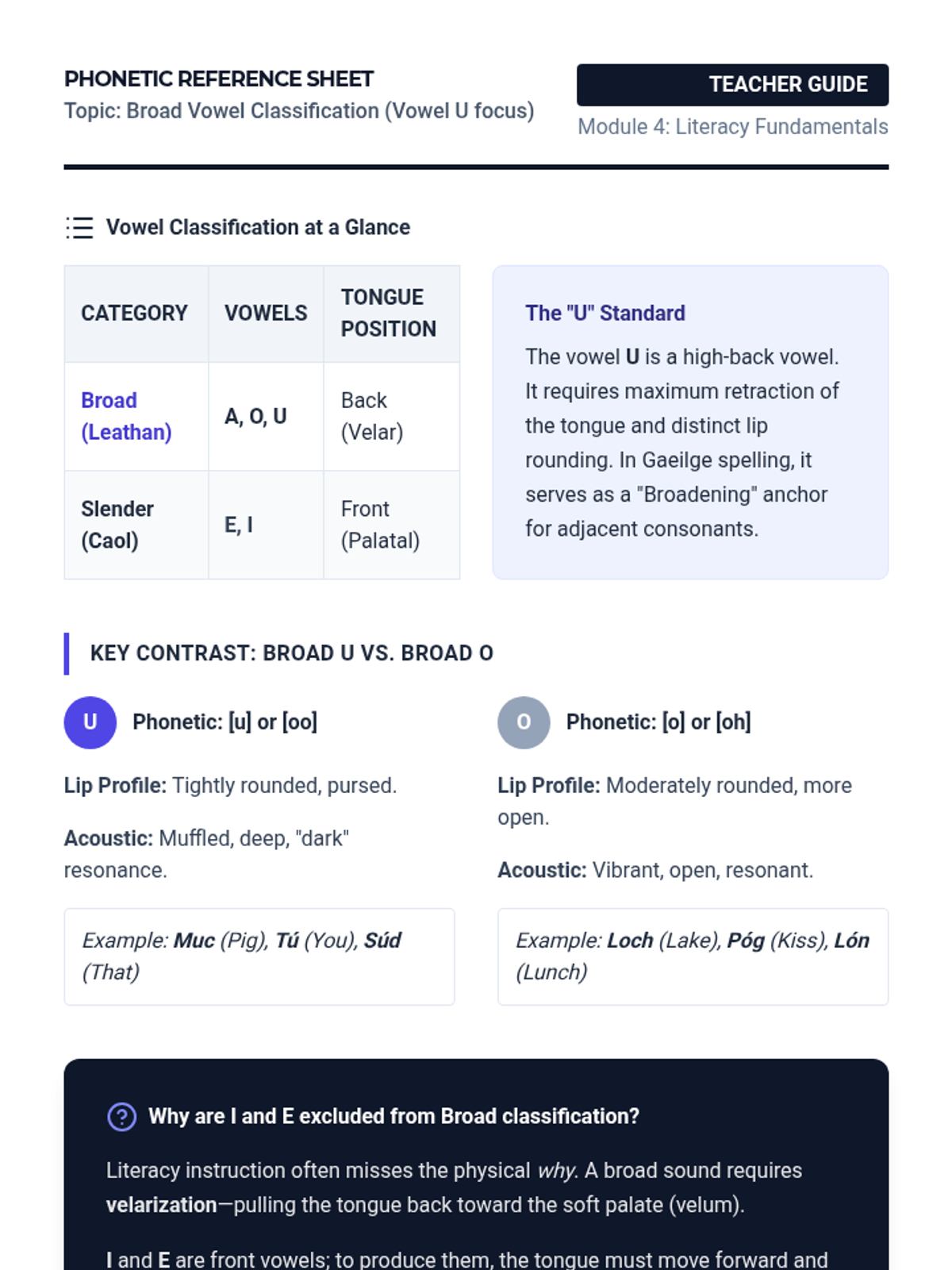
A professional development session for educators focusing on the phonetic properties and instructional strategies for teaching broad vowels, specifically focusing on the vowel 'U'.
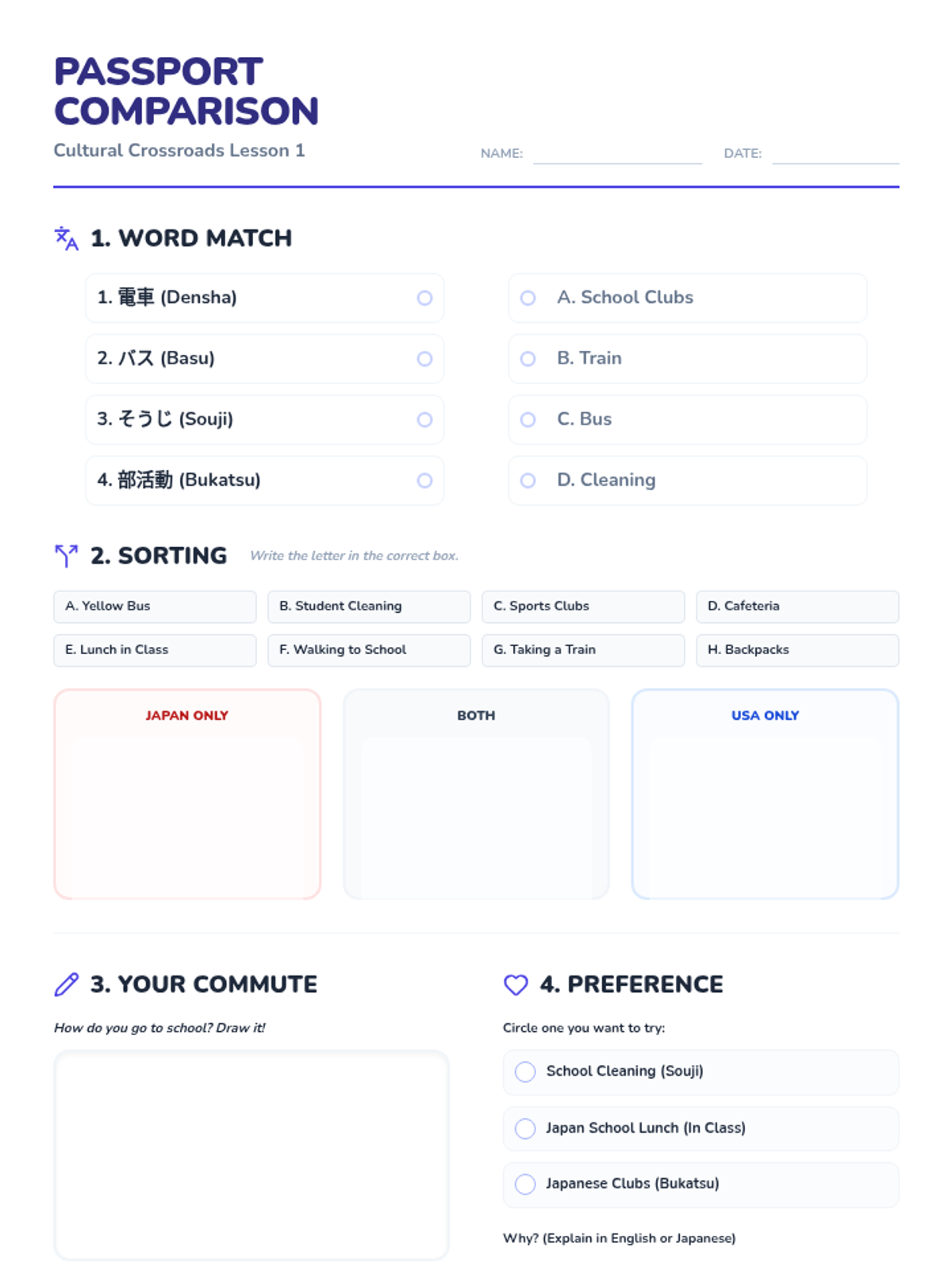
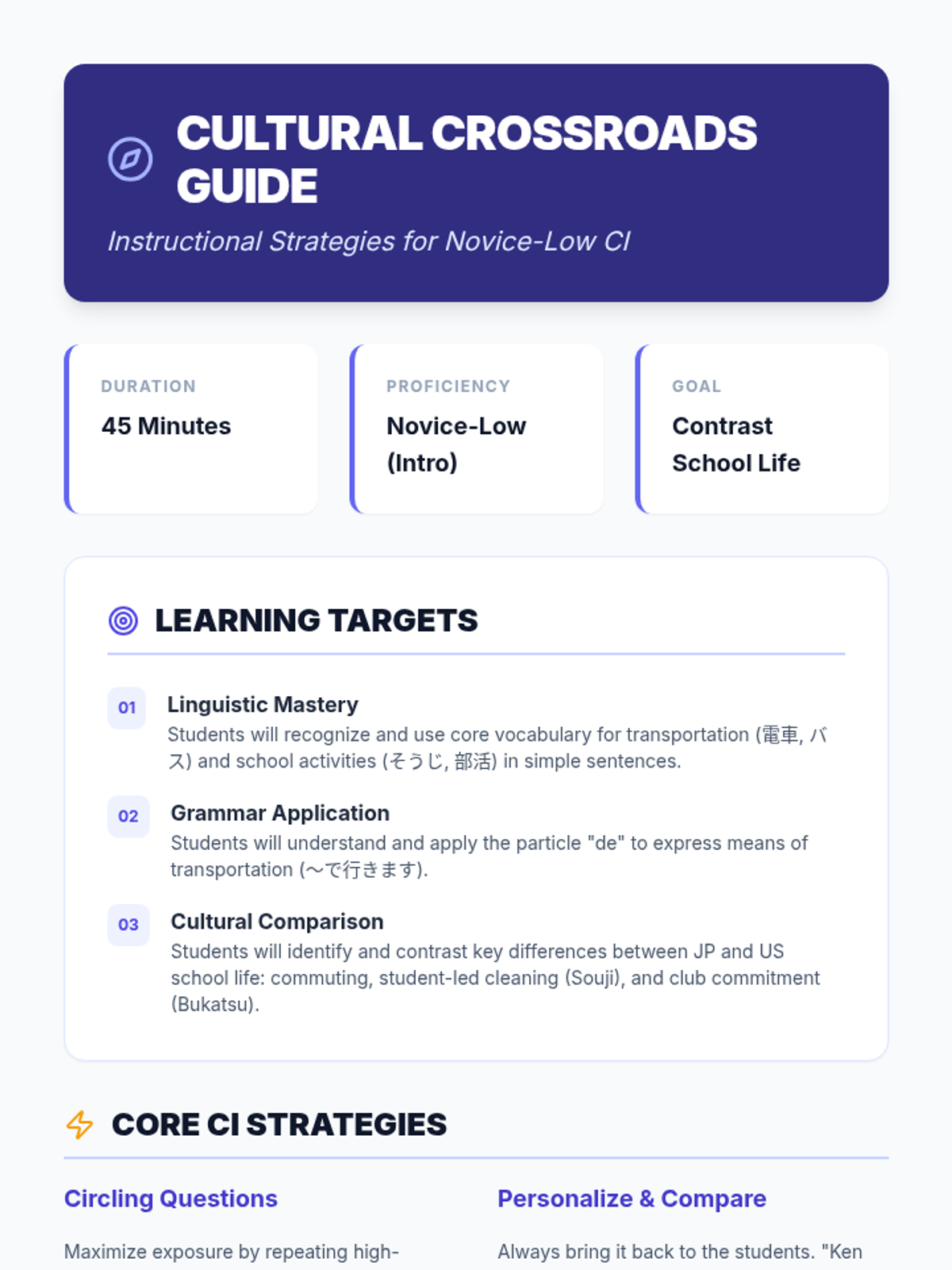
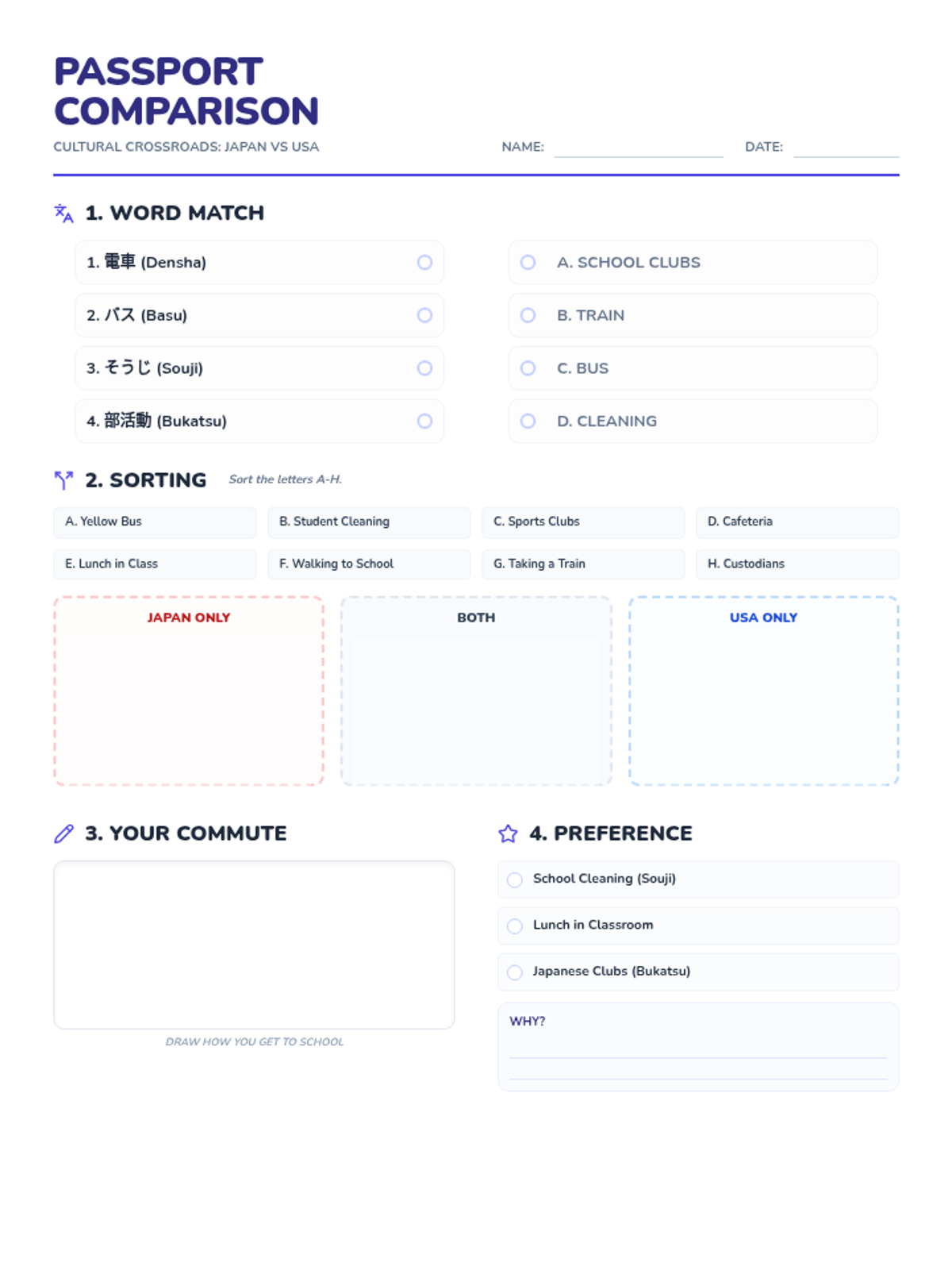
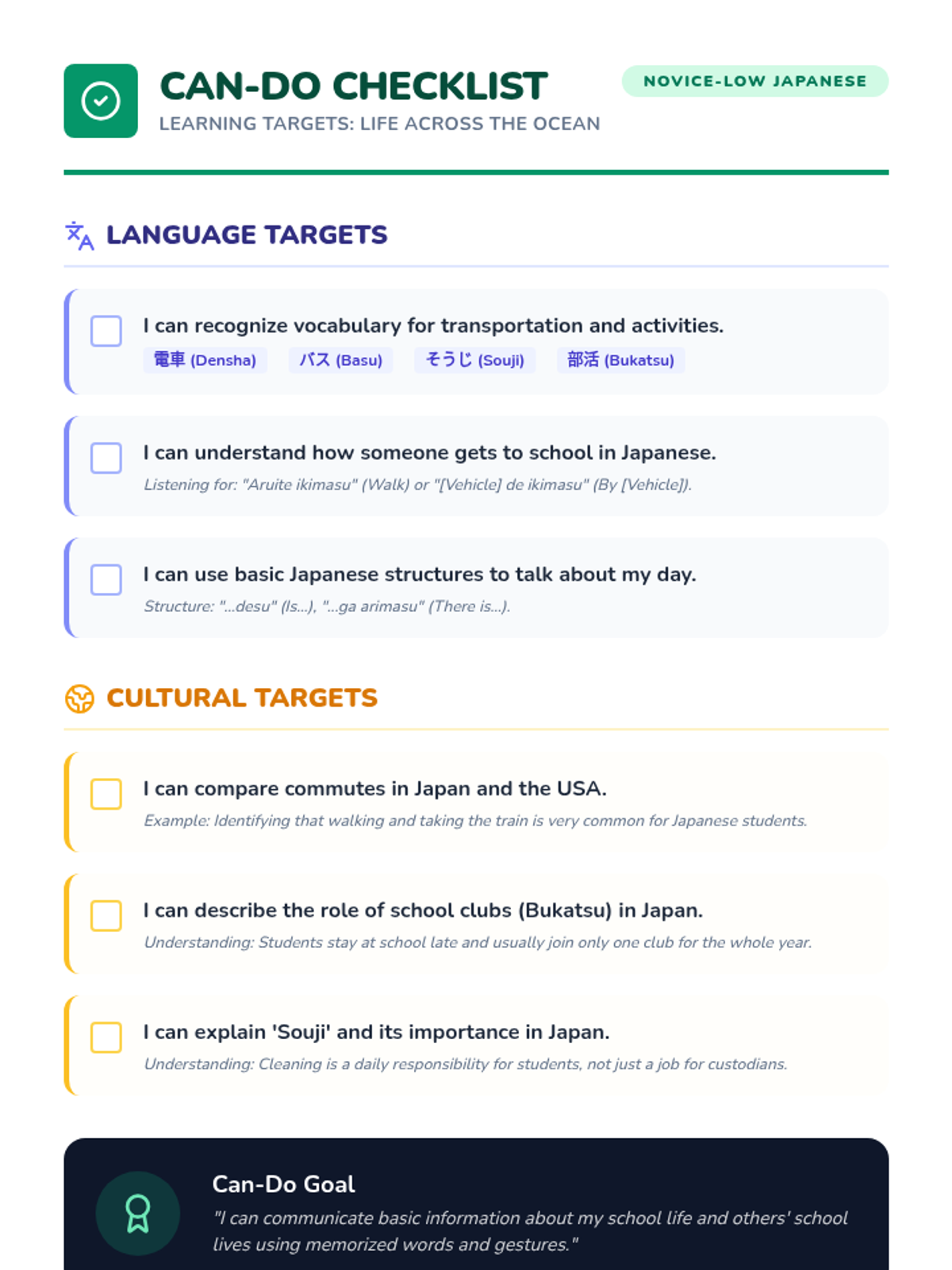
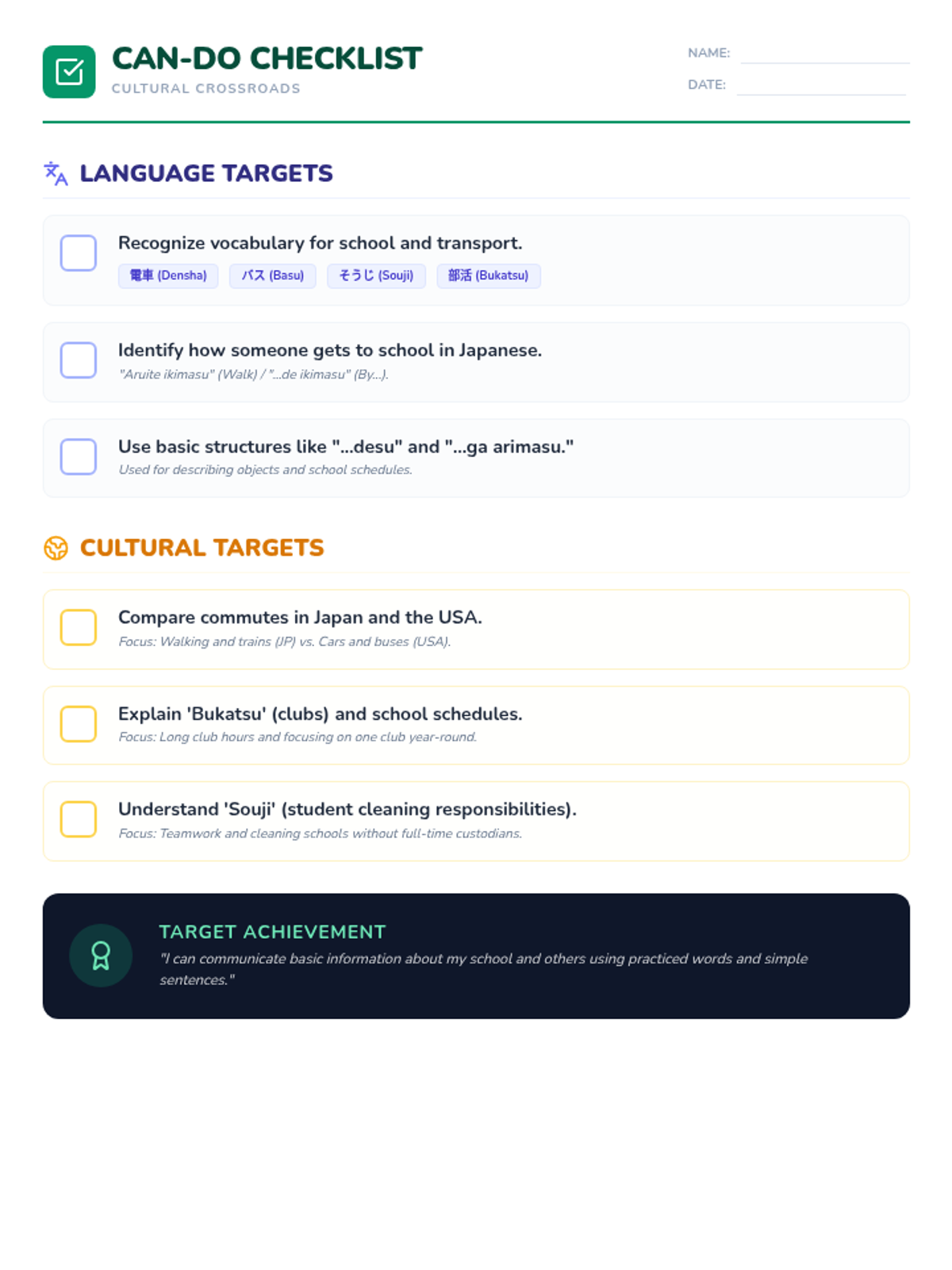
A 45-minute introductory lesson comparing Japanese and American middle school life, focusing on commuting, schedules, and school clubs using CI techniques.
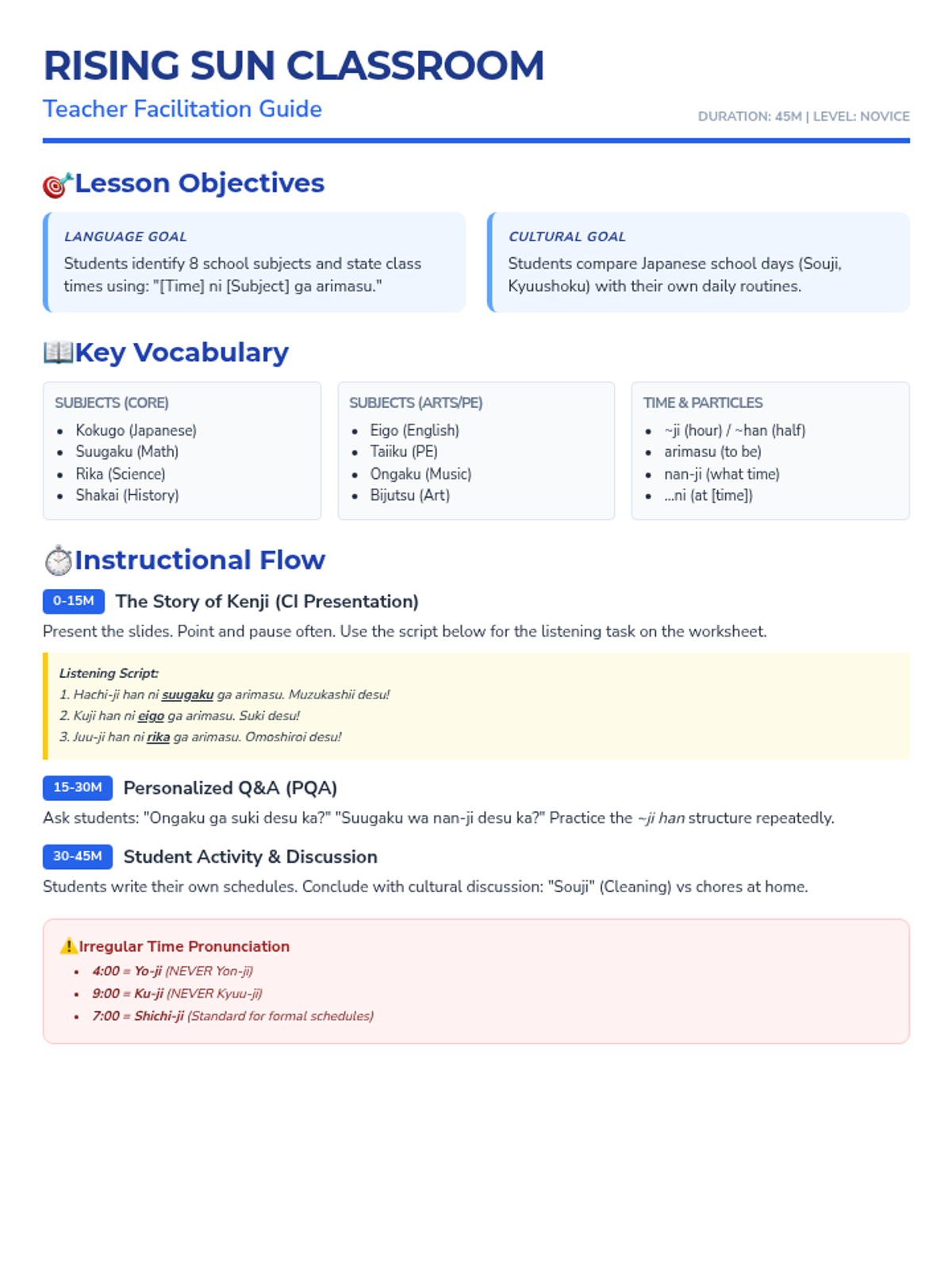
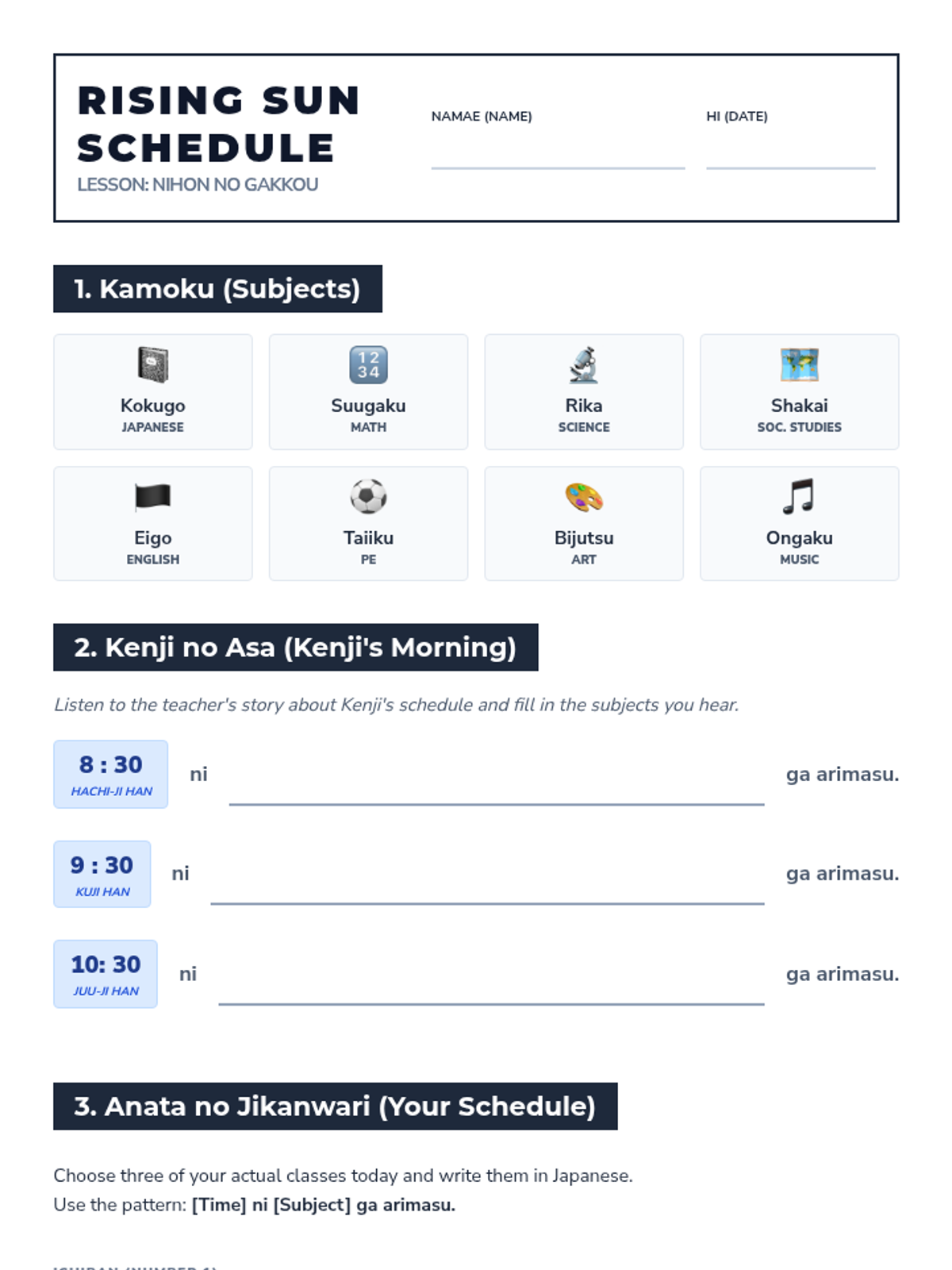
A 45-minute introductory lesson focusing on Japanese school subjects and time-telling using Comprehensible Input. Students compare their daily routines with a typical Japanese middle school student's schedule.
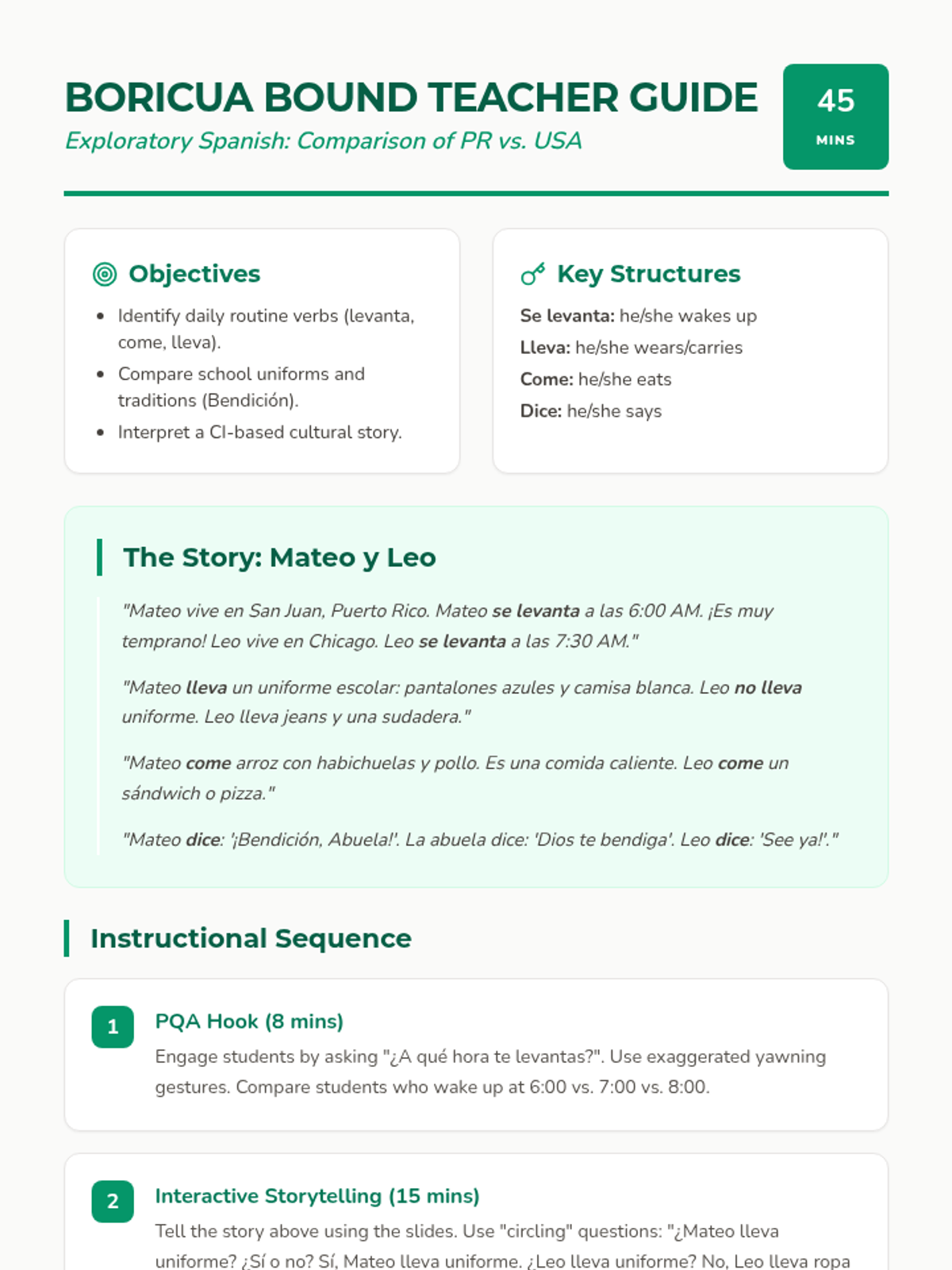
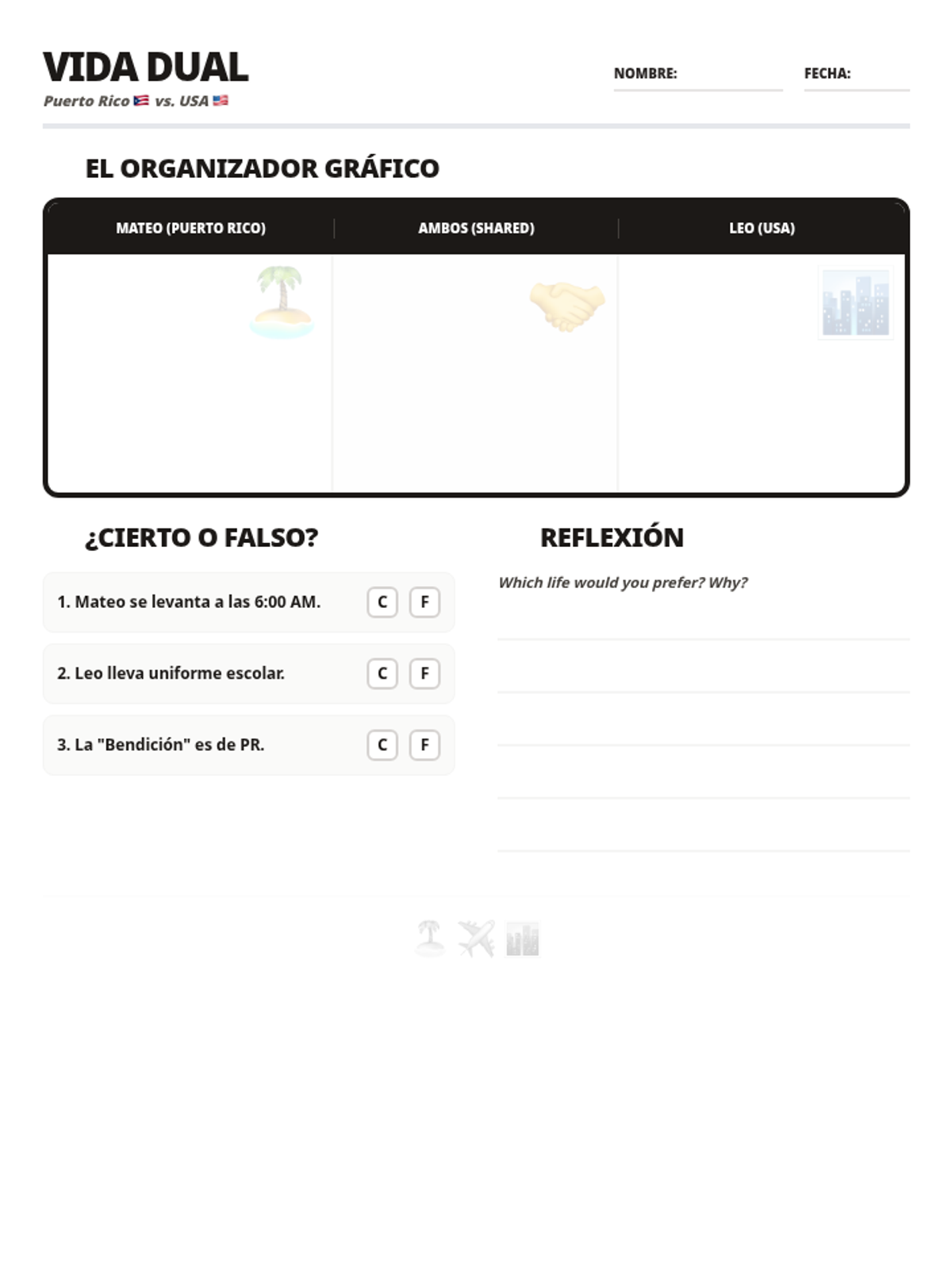
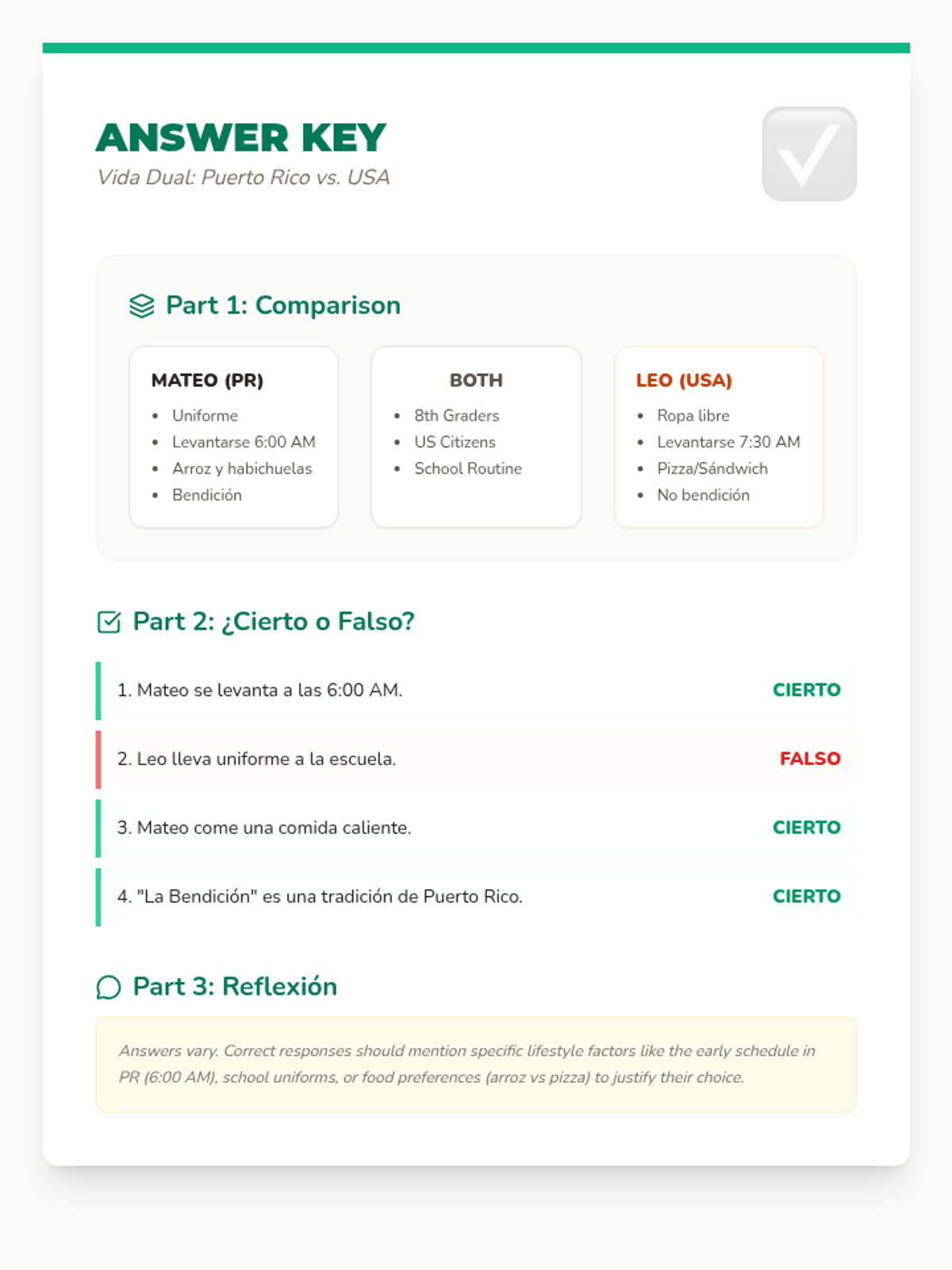
A 45-minute introductory Spanish lesson comparing the daily lives of 8th graders in Puerto Rico and the United States using Comprehensible Input strategies like TPRS and PQA.
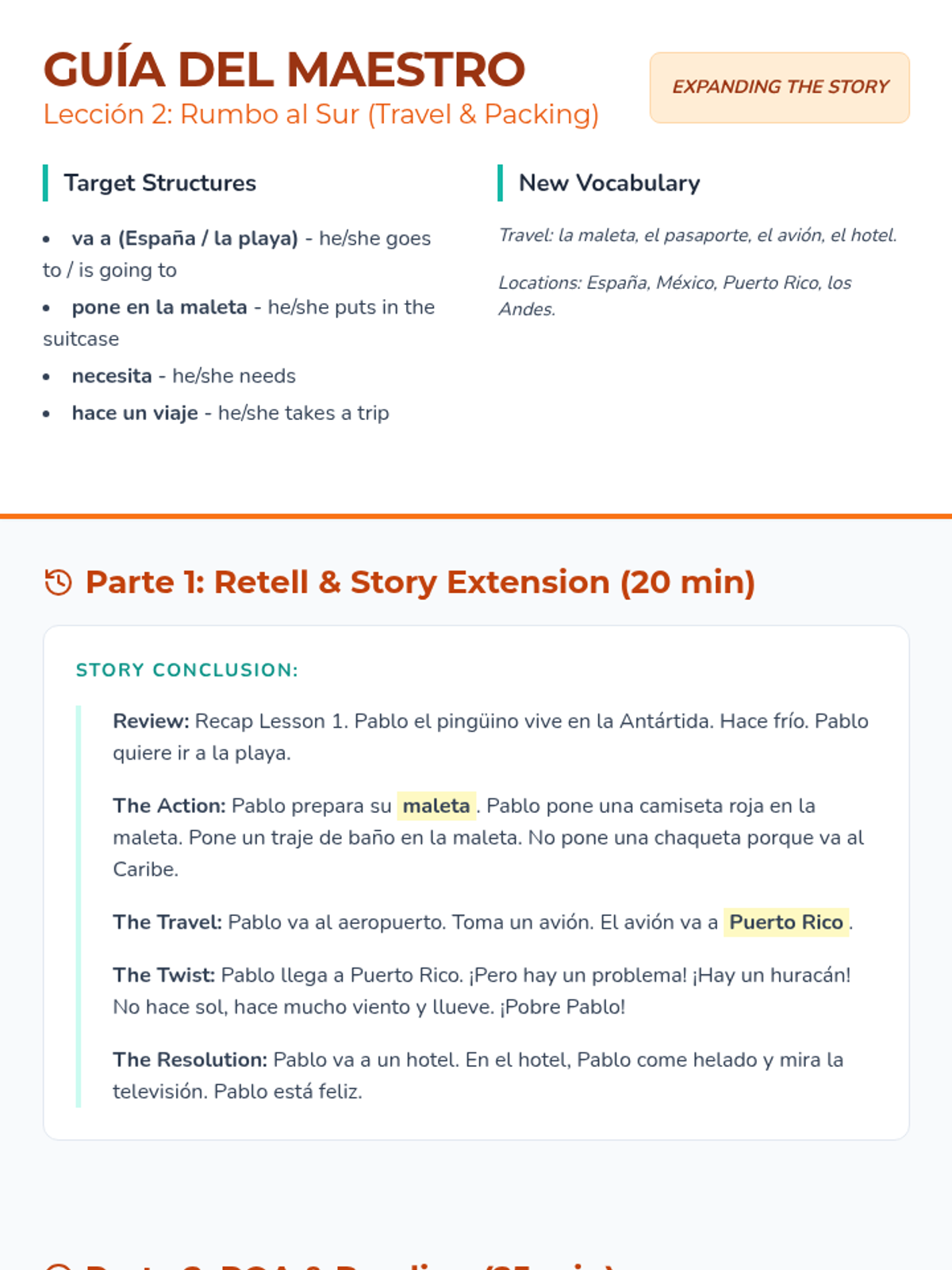
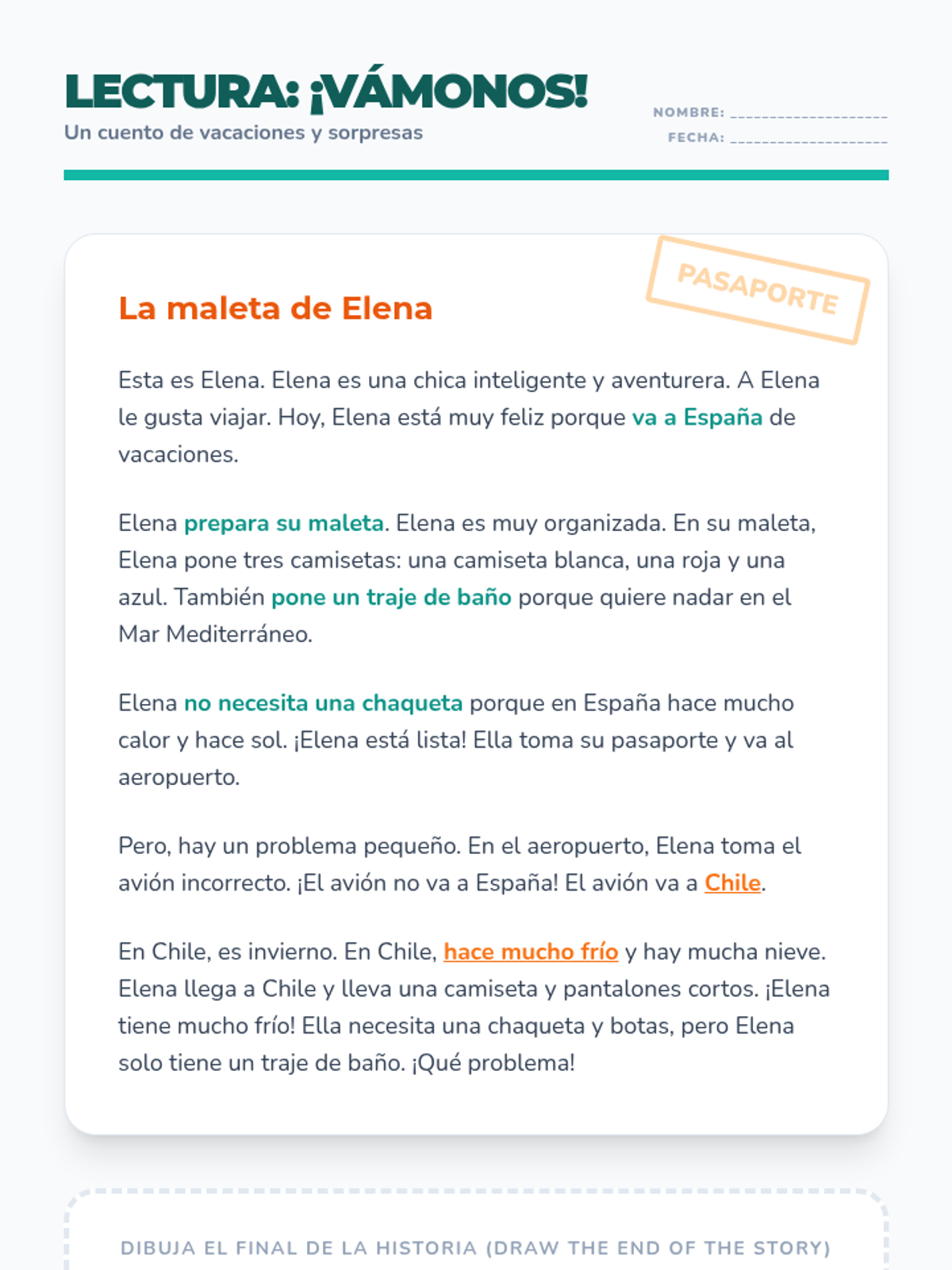
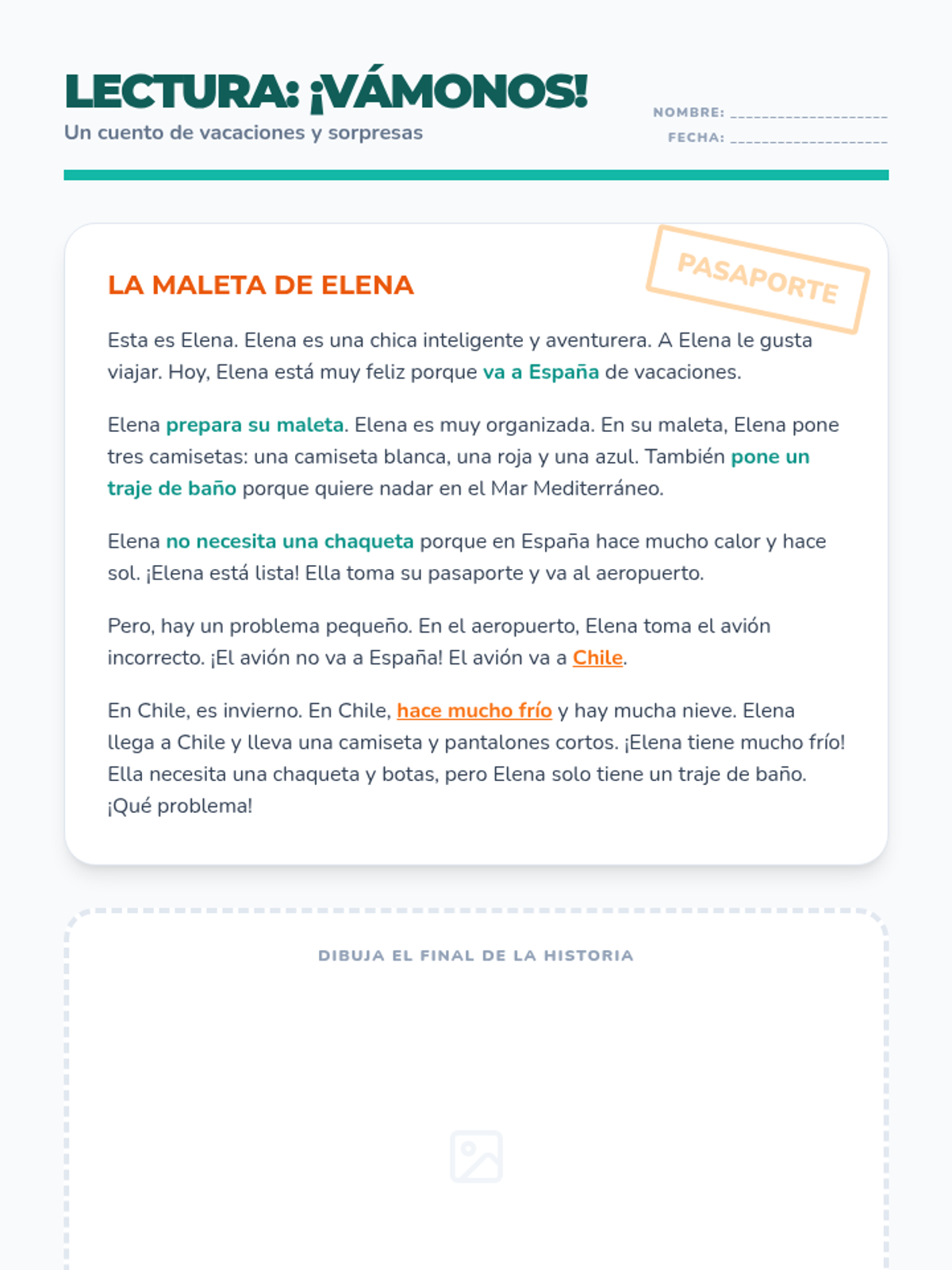
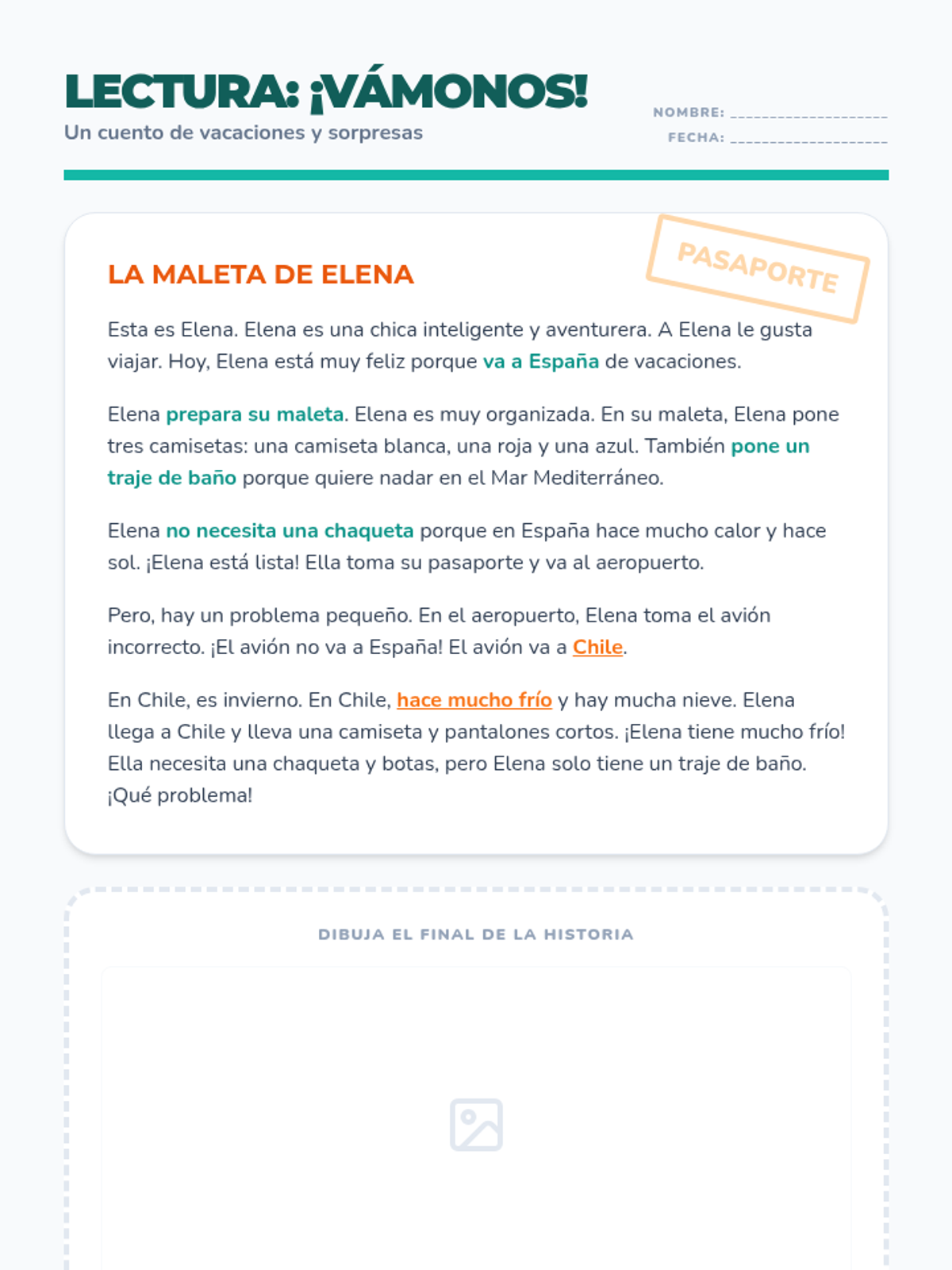
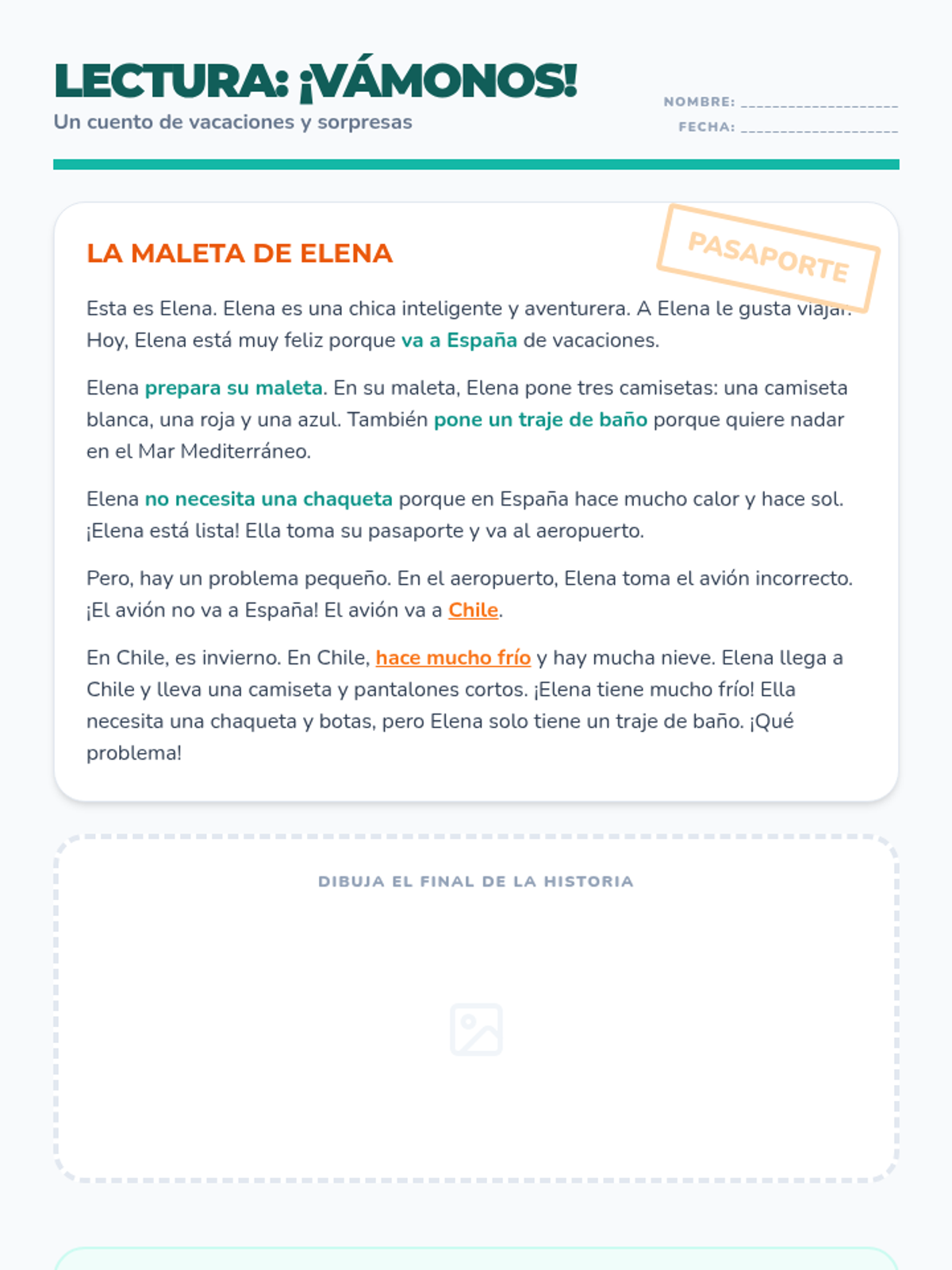
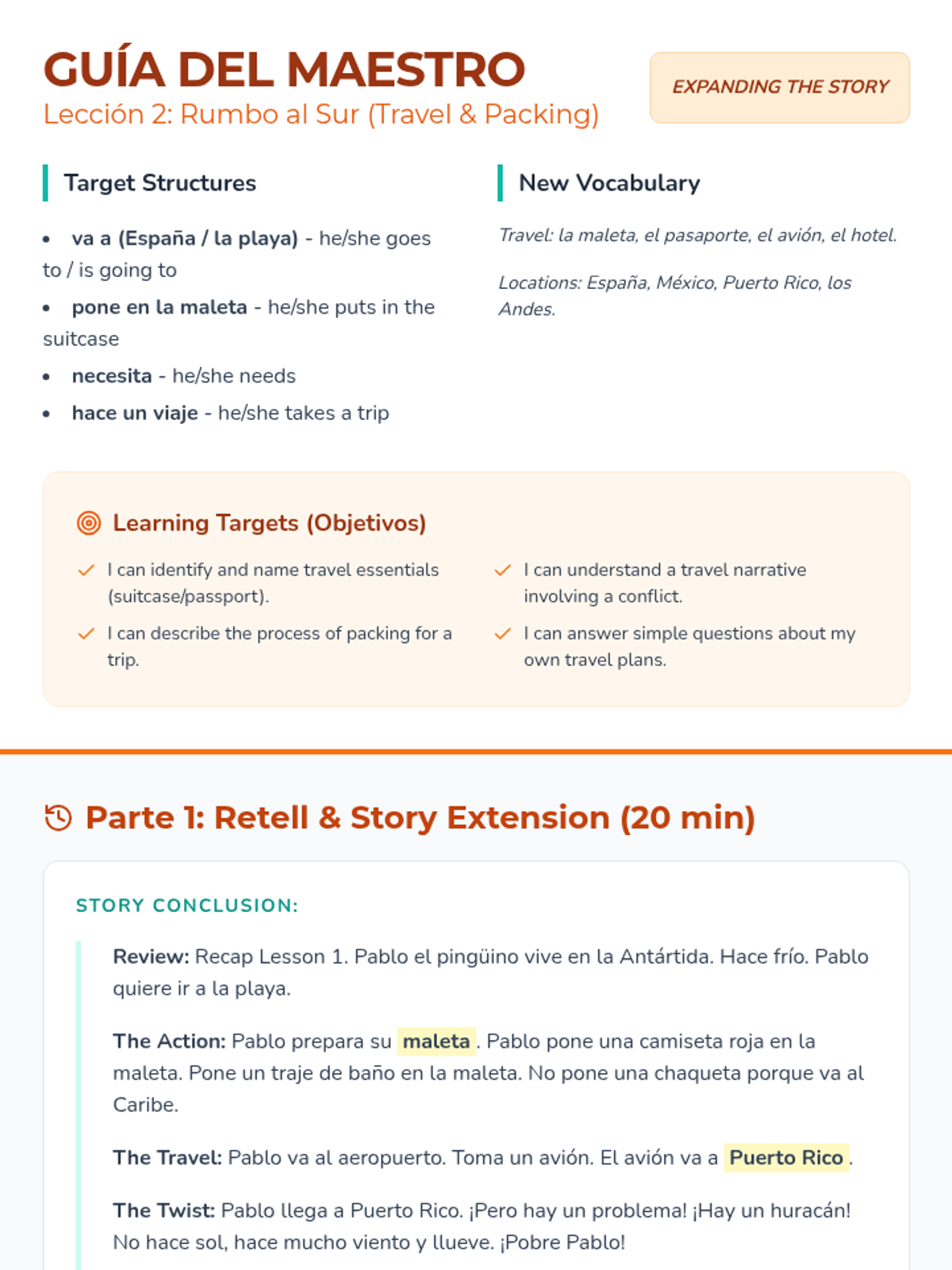
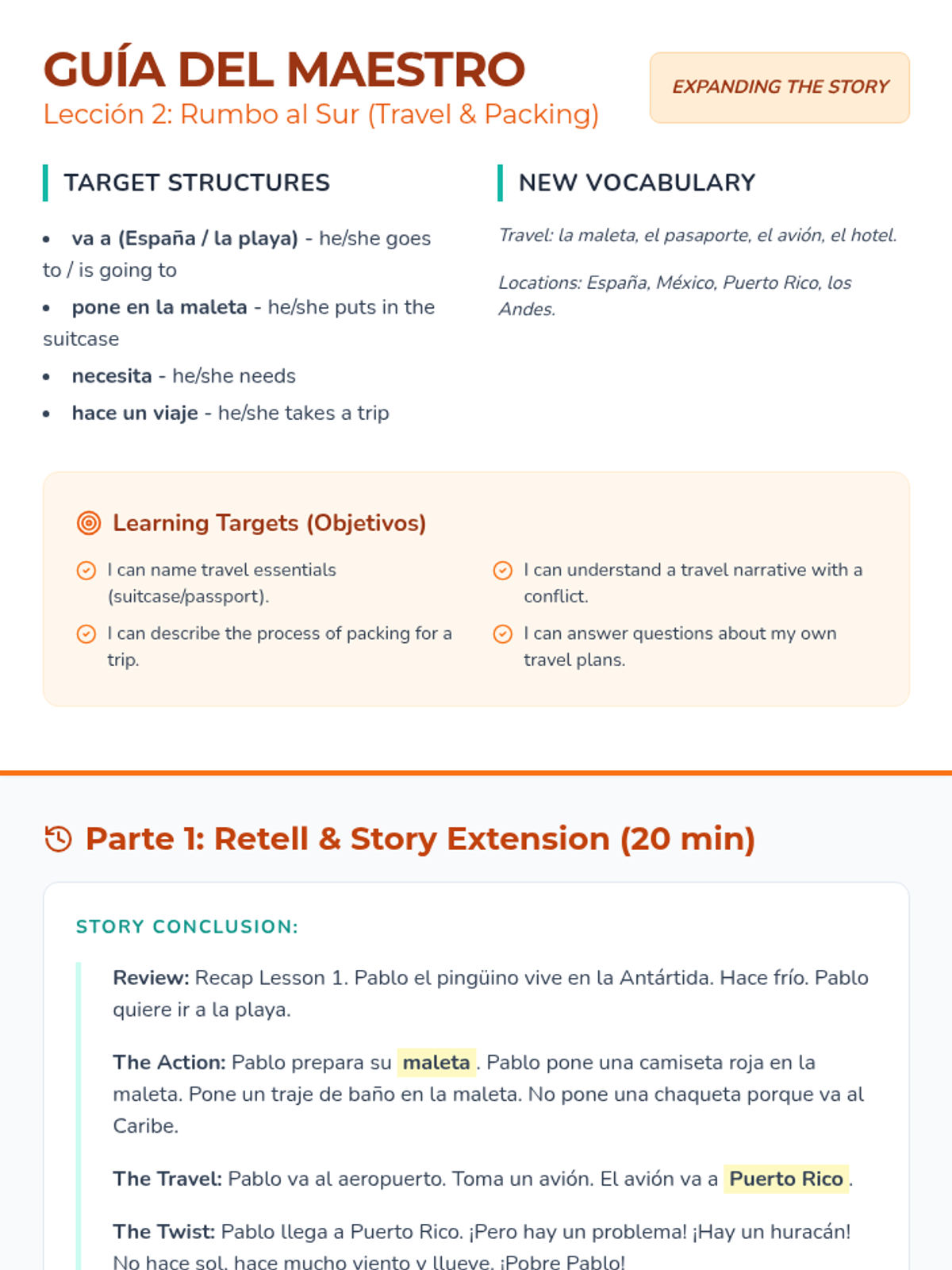
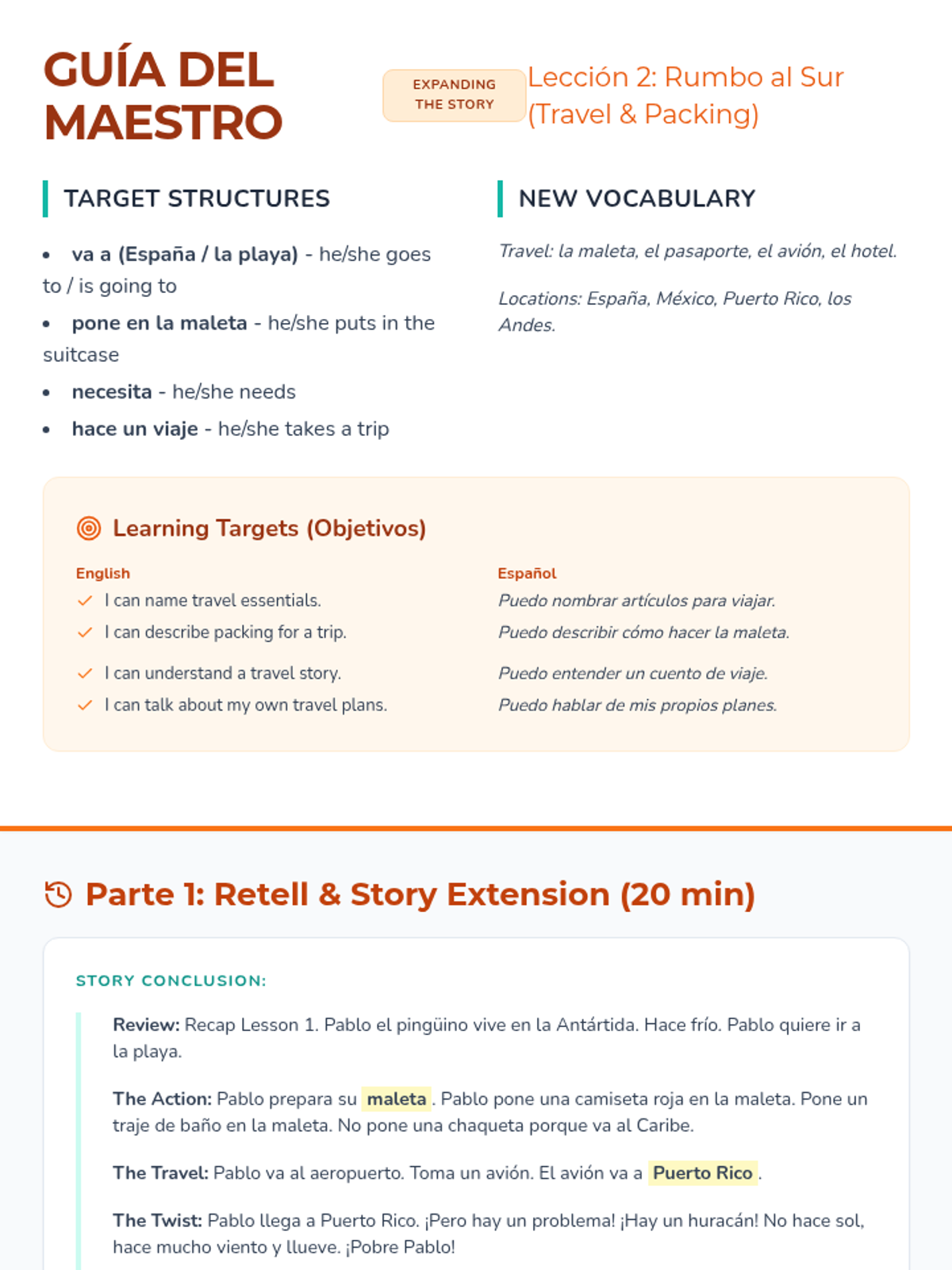
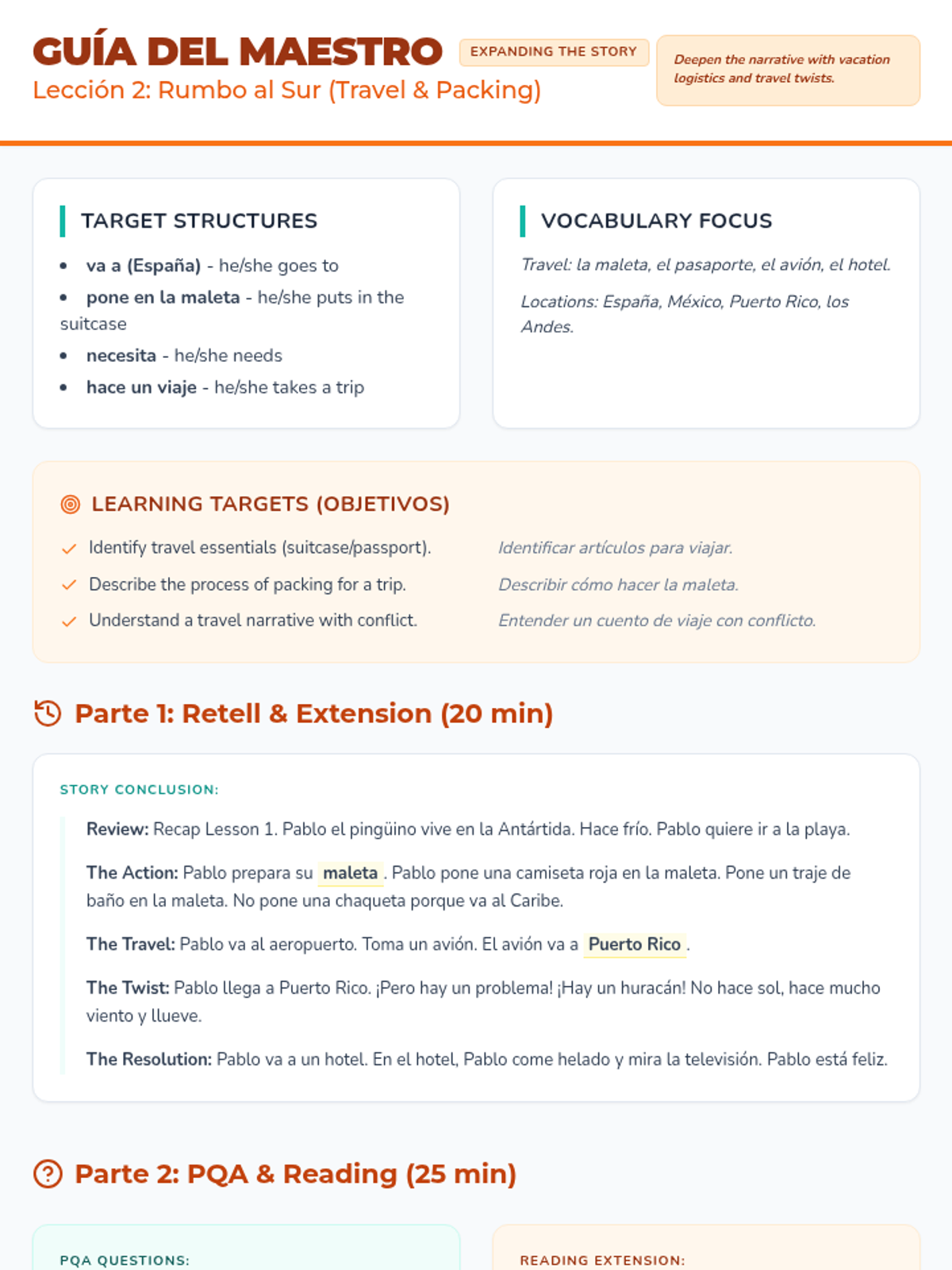
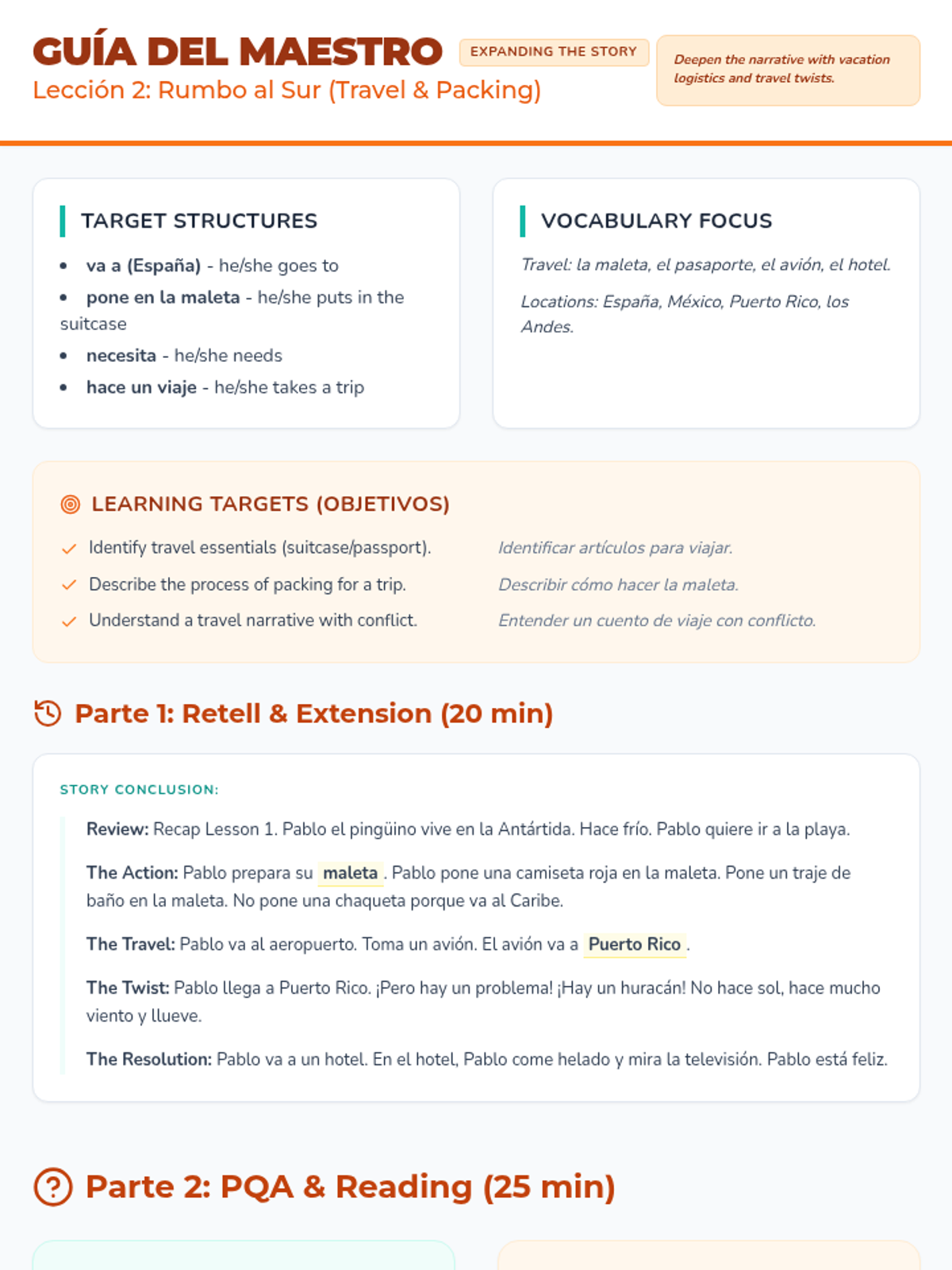
Focuses on vacation preparation, travel activities, and clothing needs for specific destinations. Students continue the TPRS narrative by packing for a trip and reading a comprehensible story about a travel mishap.
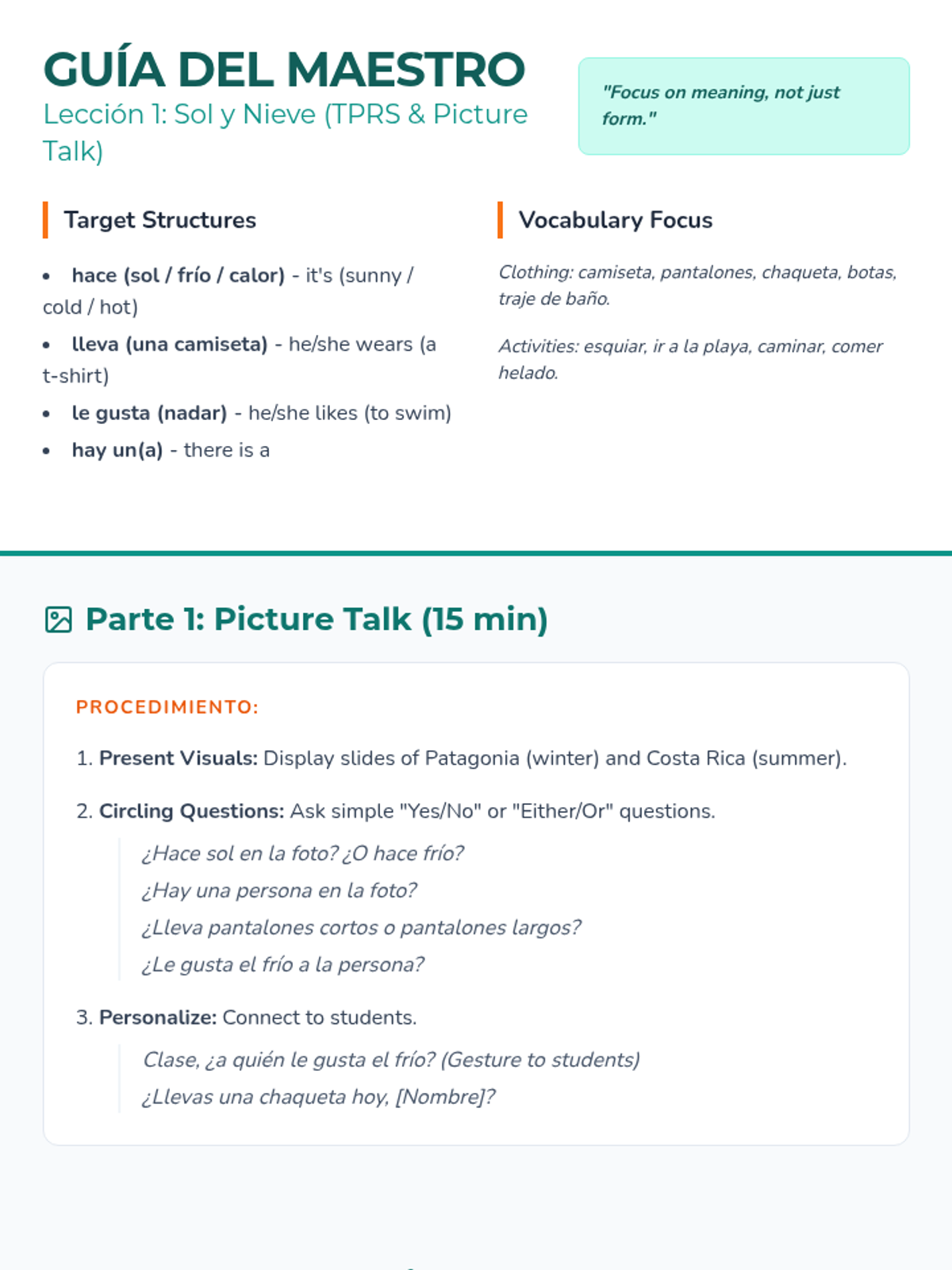
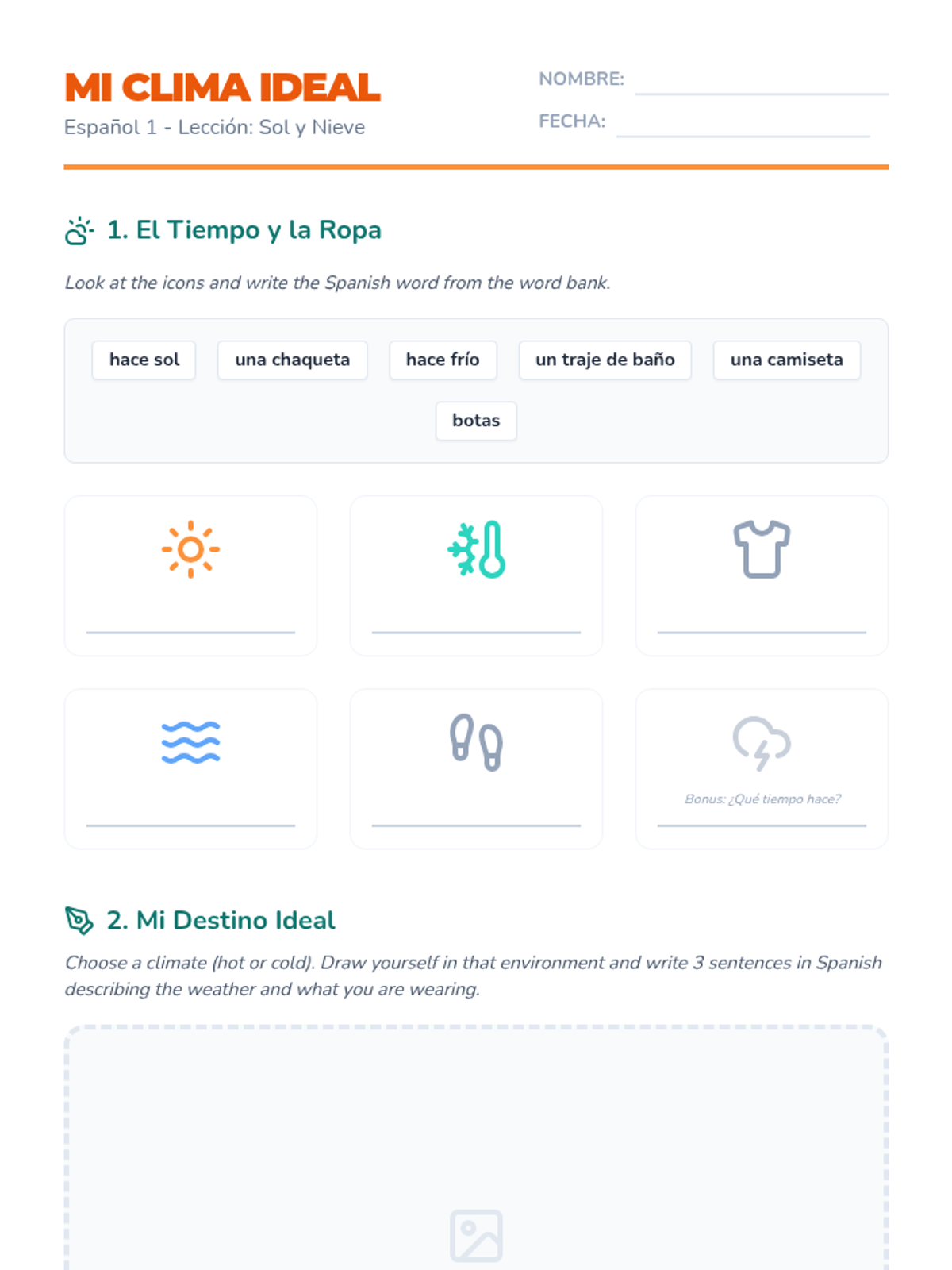
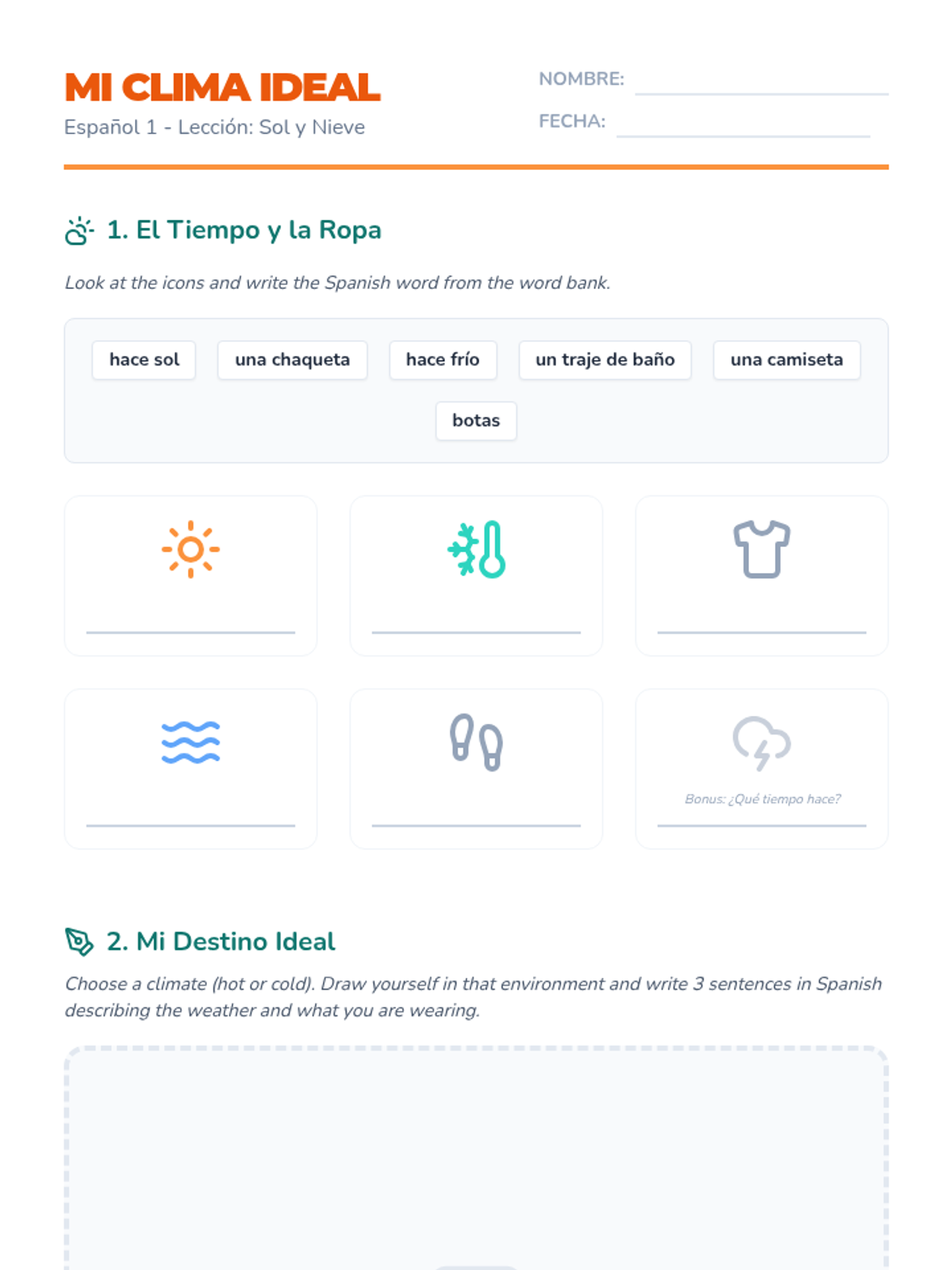
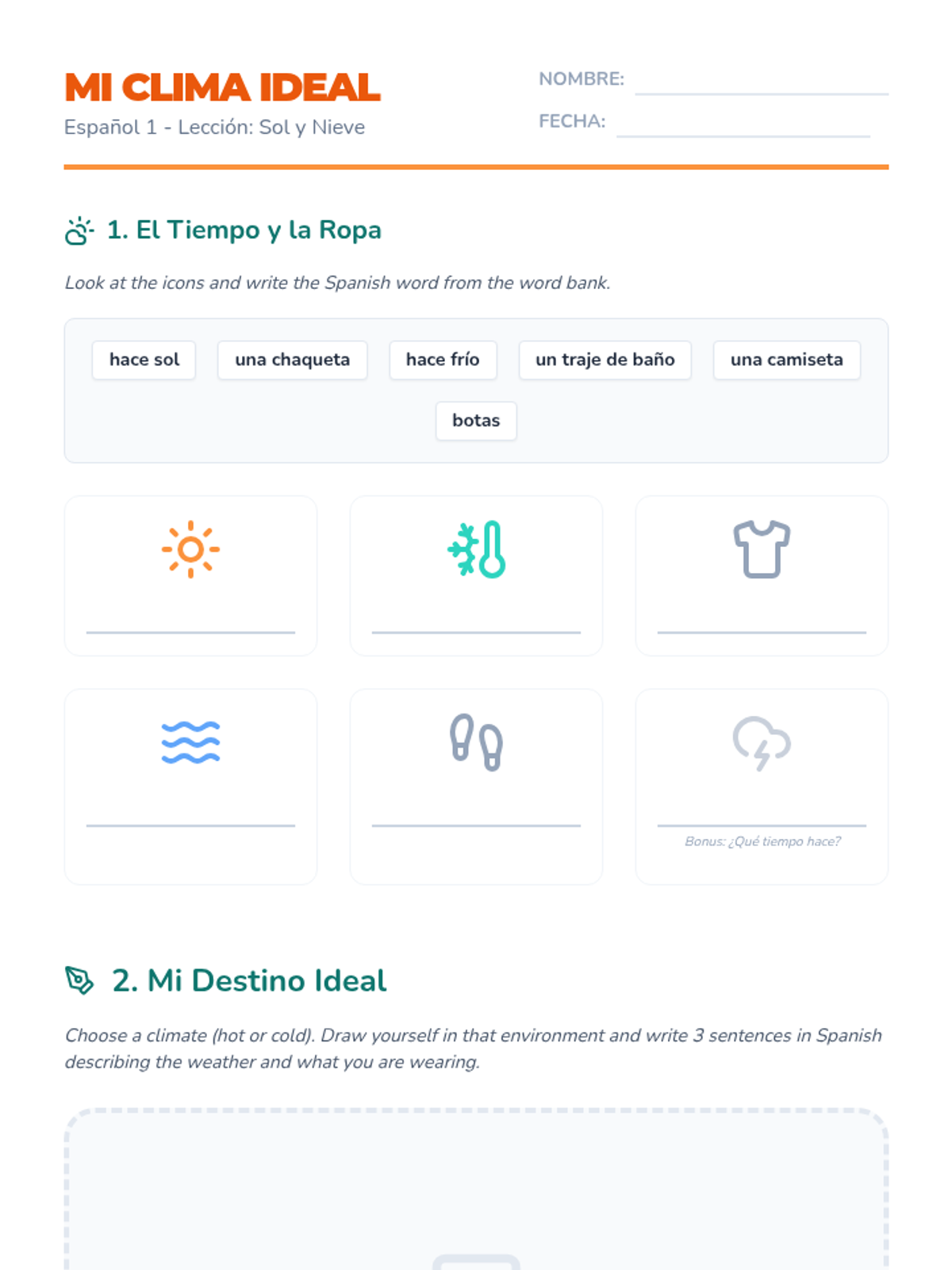
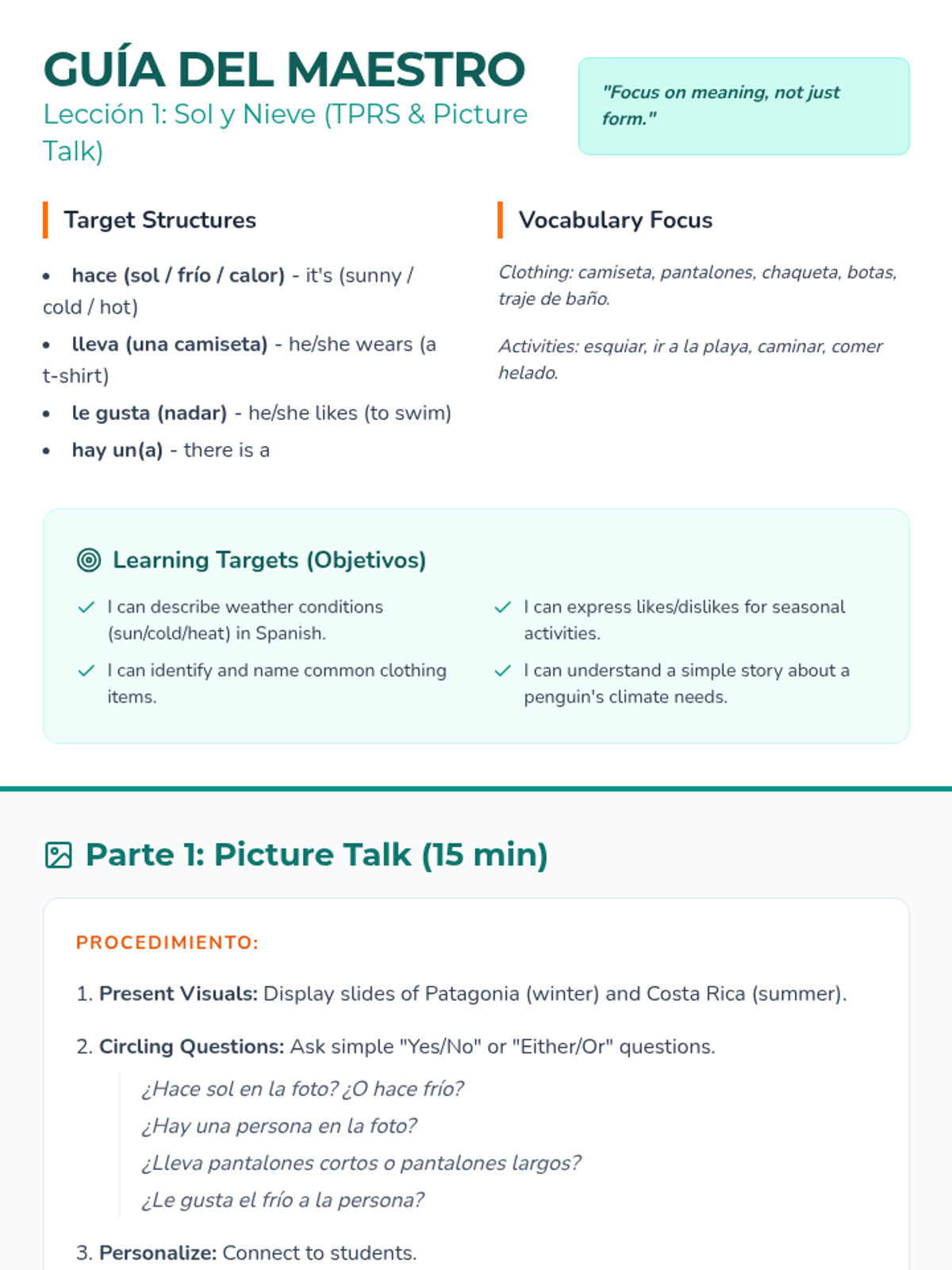
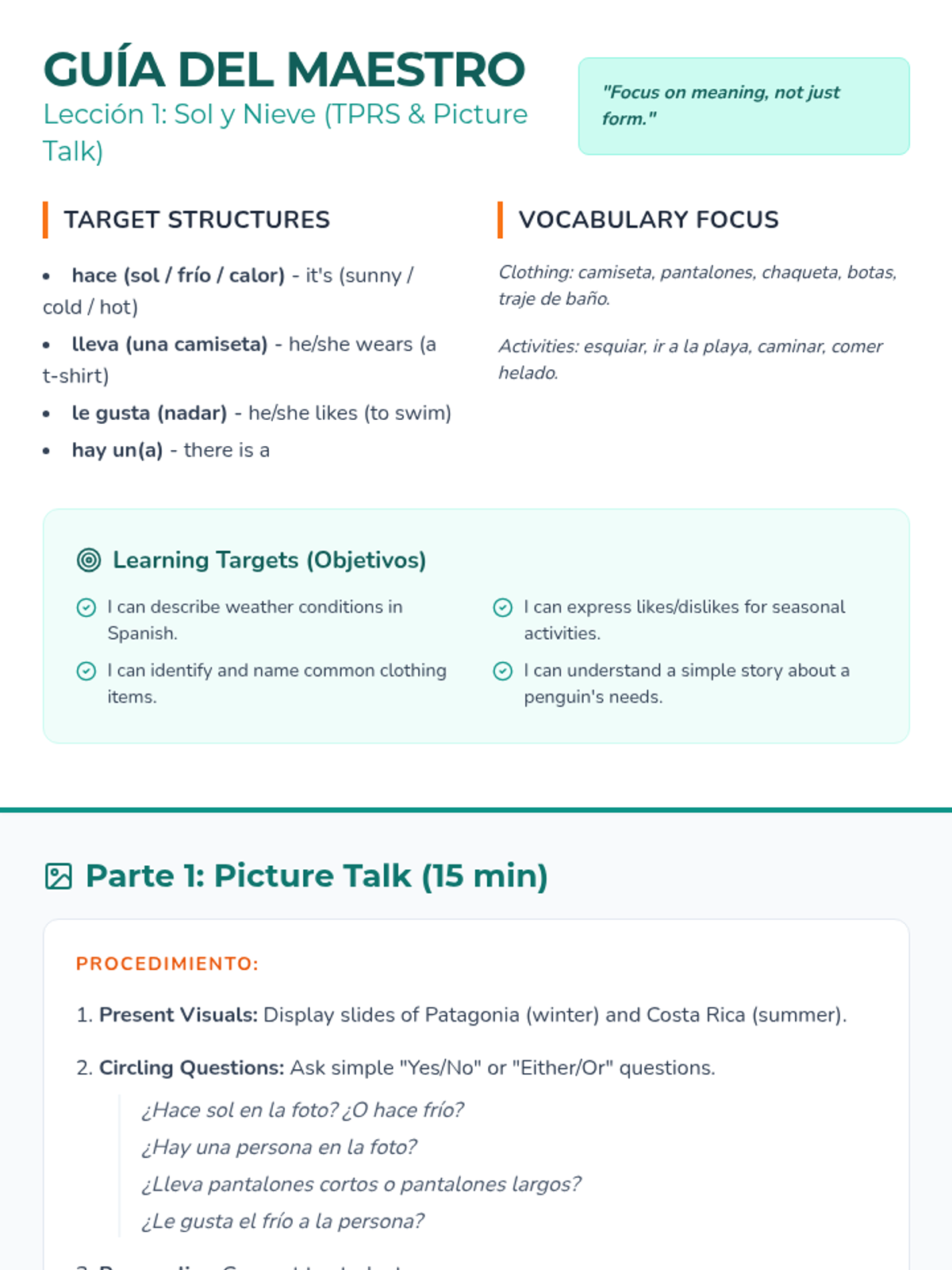
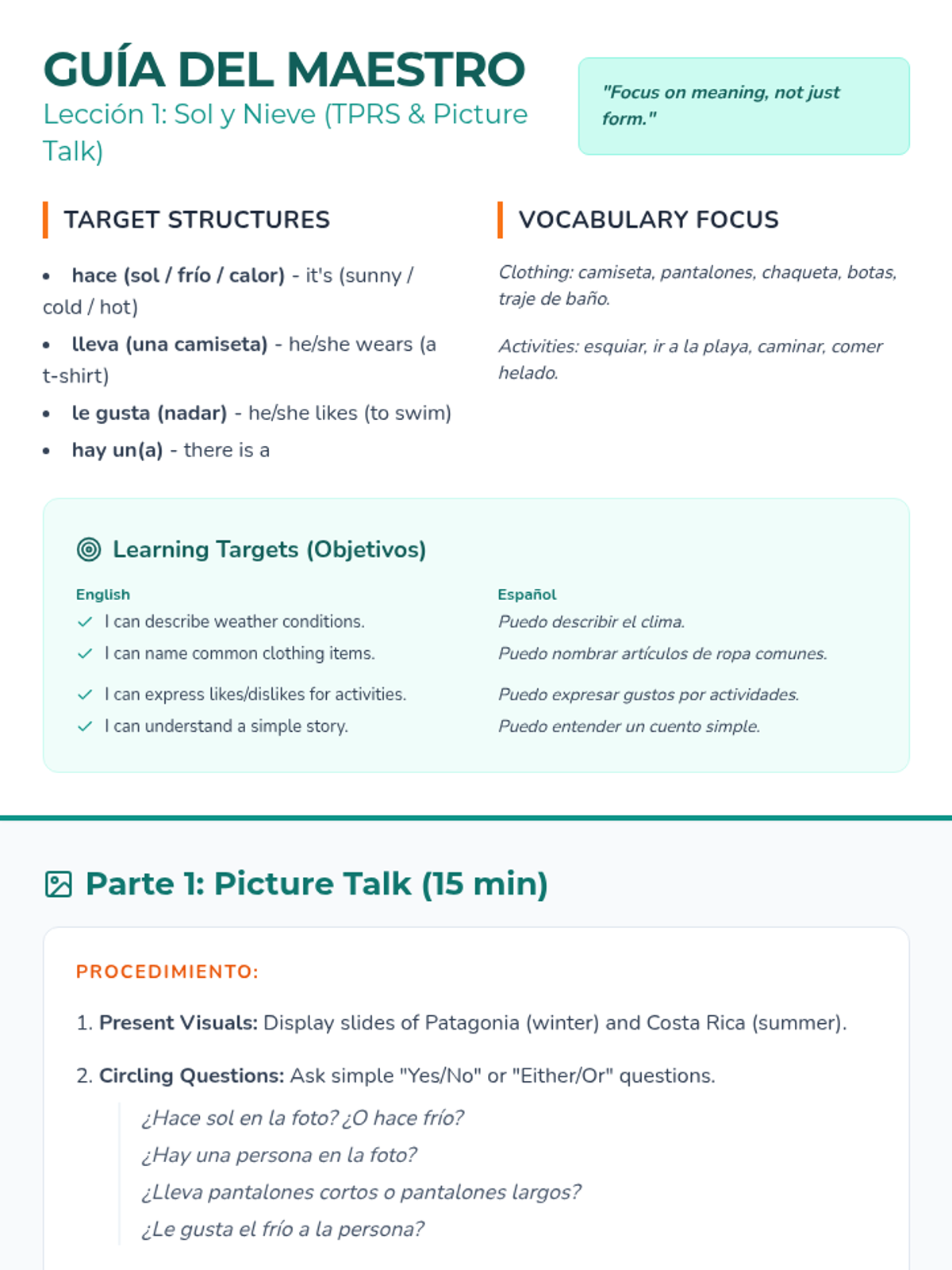
Introduces seasonal weather, basic clothing items, and hobbies using Picture Talk with cultural images from Spanish-speaking countries. Students engage in TPRS storytelling to practice describing what people wear and do in different climates.
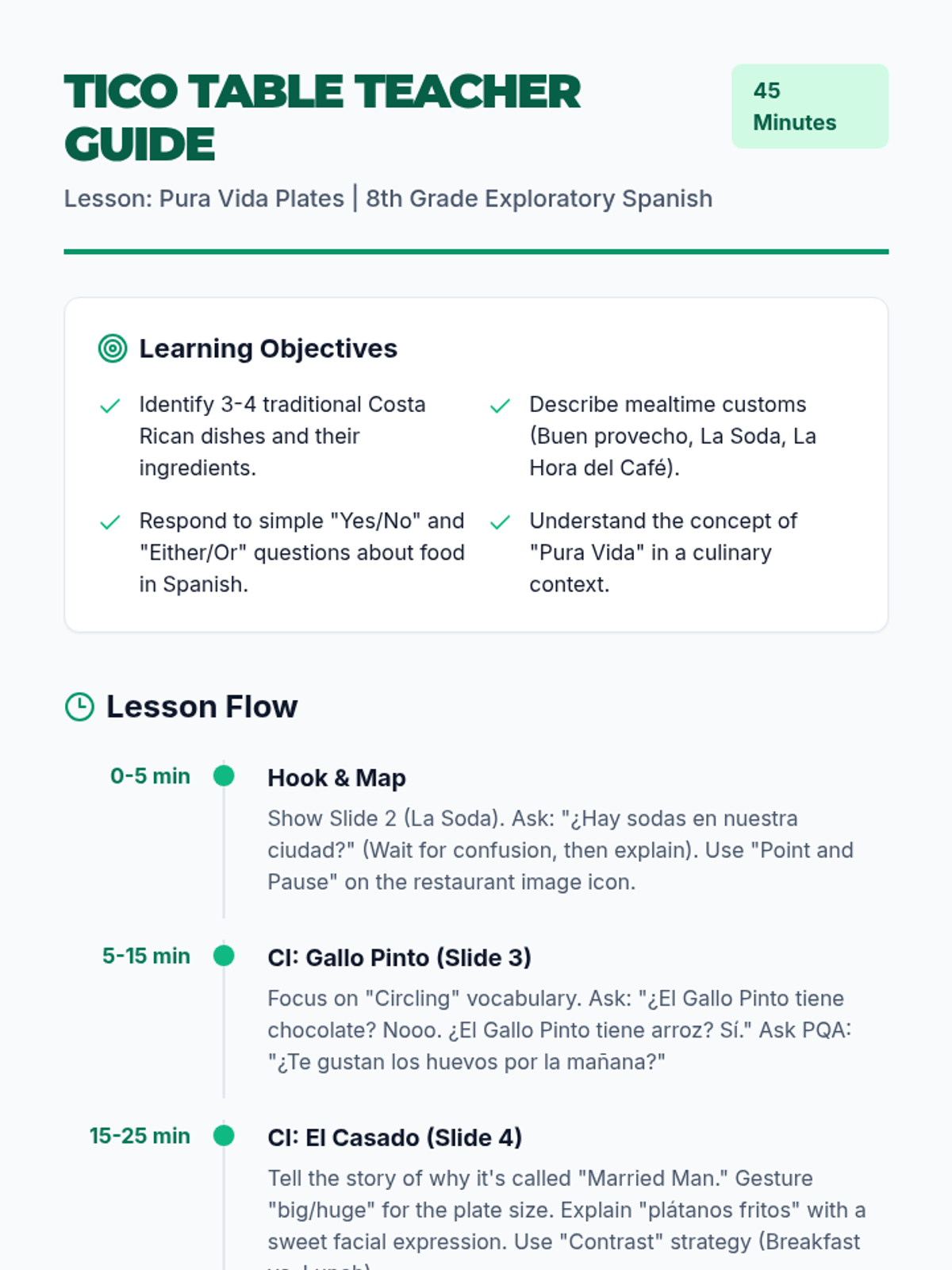
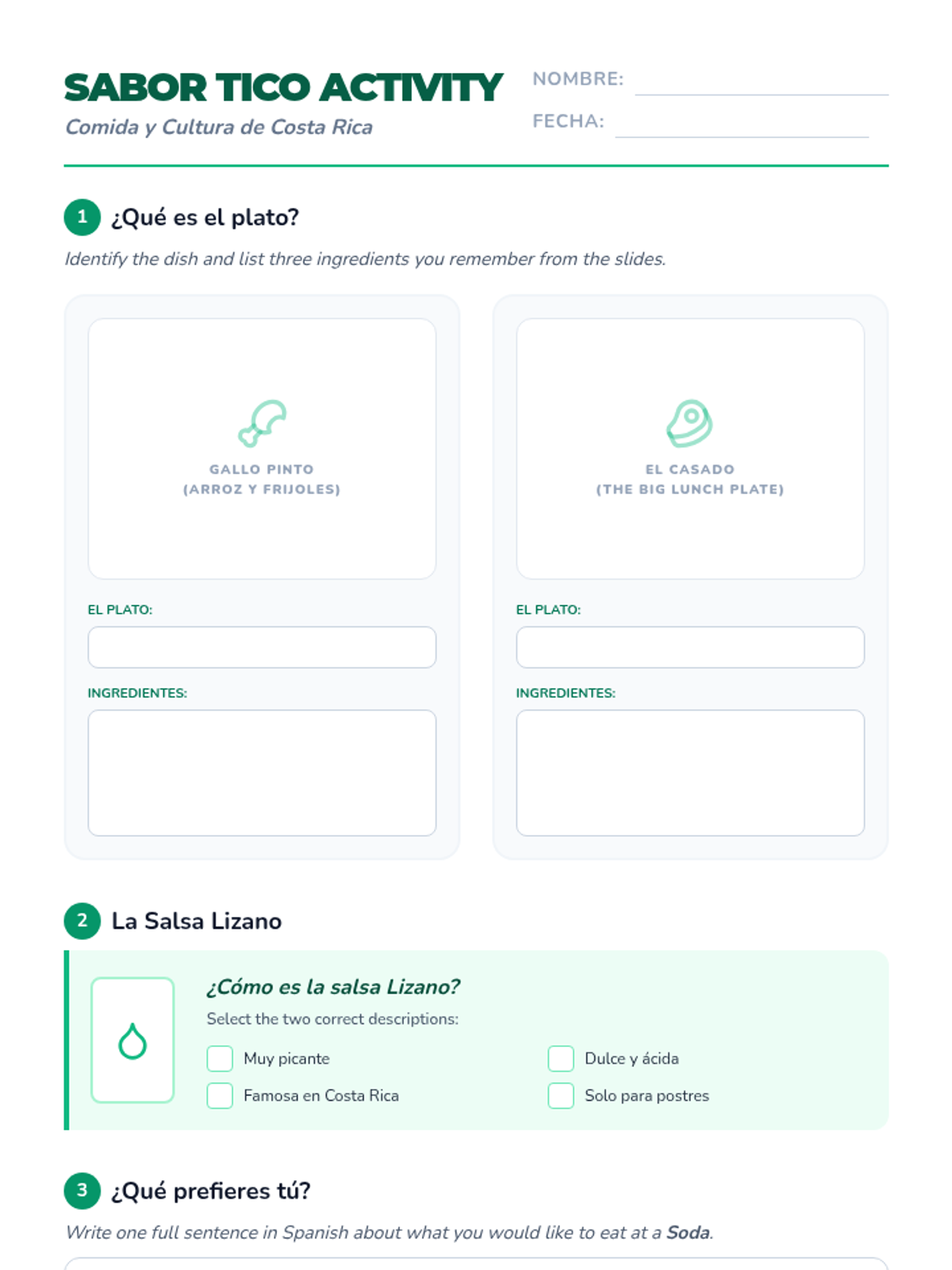
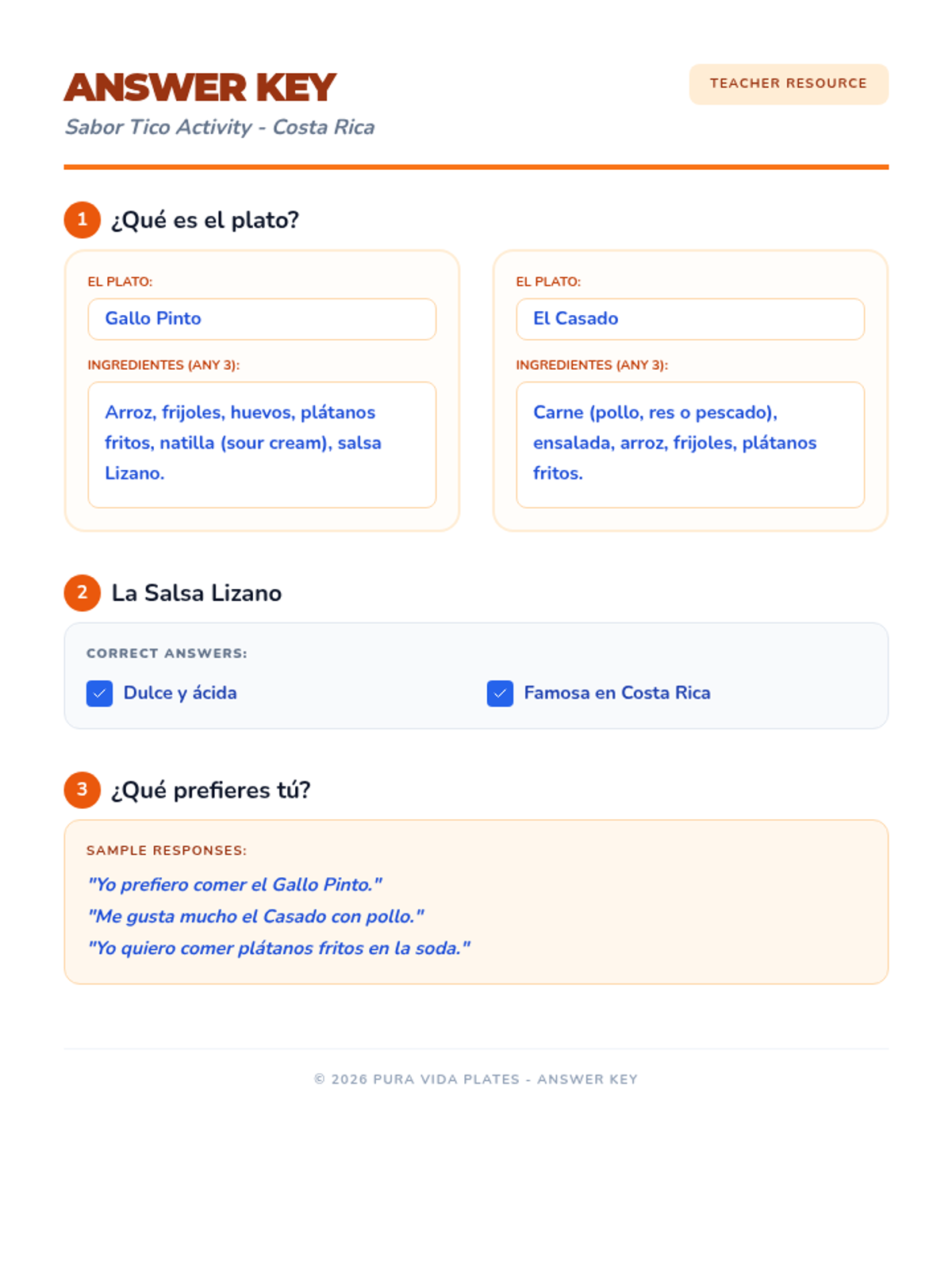
A 45-minute introductory lesson on Costa Rican food culture and mealtime customs using Comprehensible Input strategies. Students will explore traditional dishes like Gallo Pinto and Casado through visual storytelling and picture-based activities.
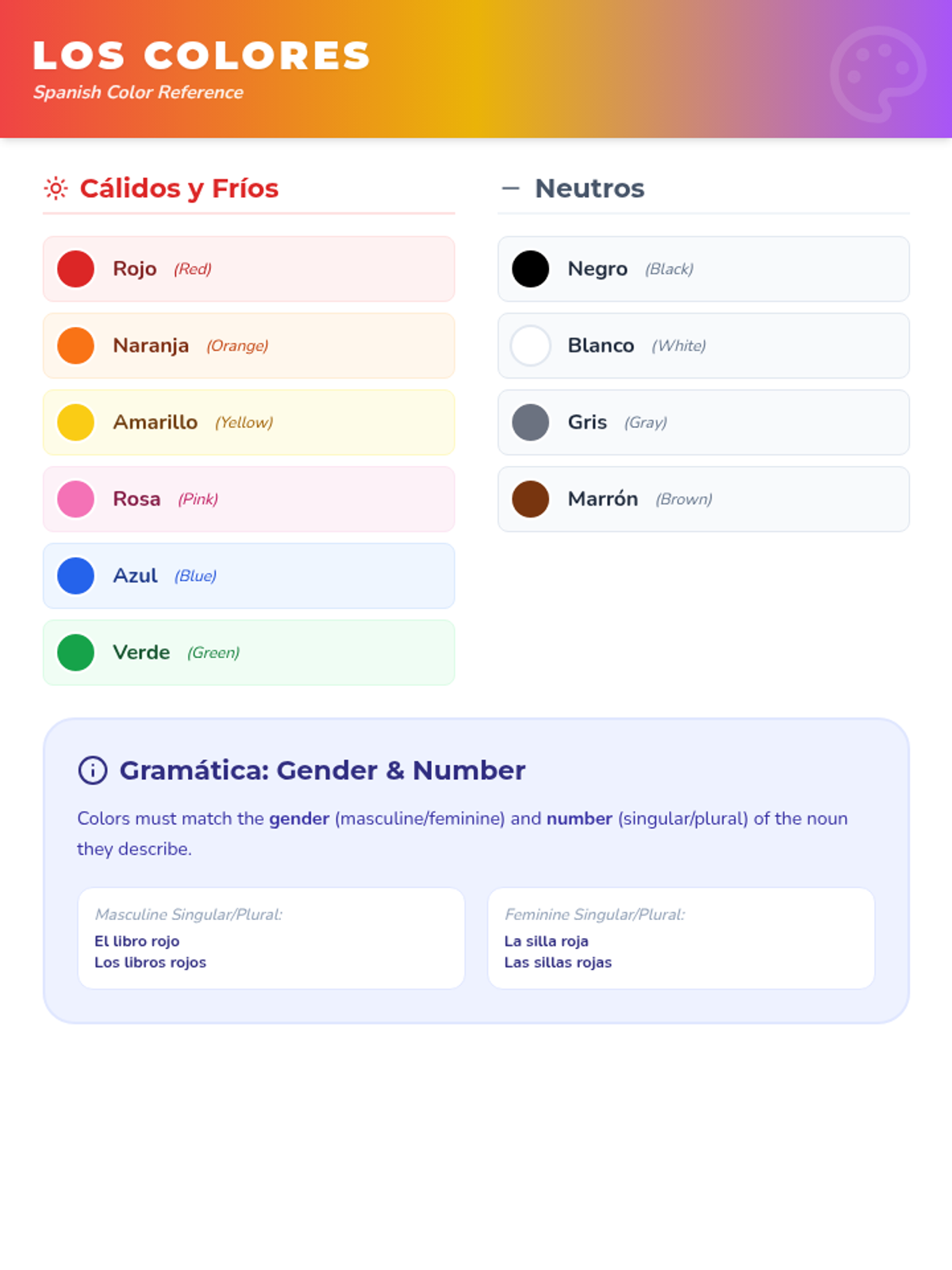
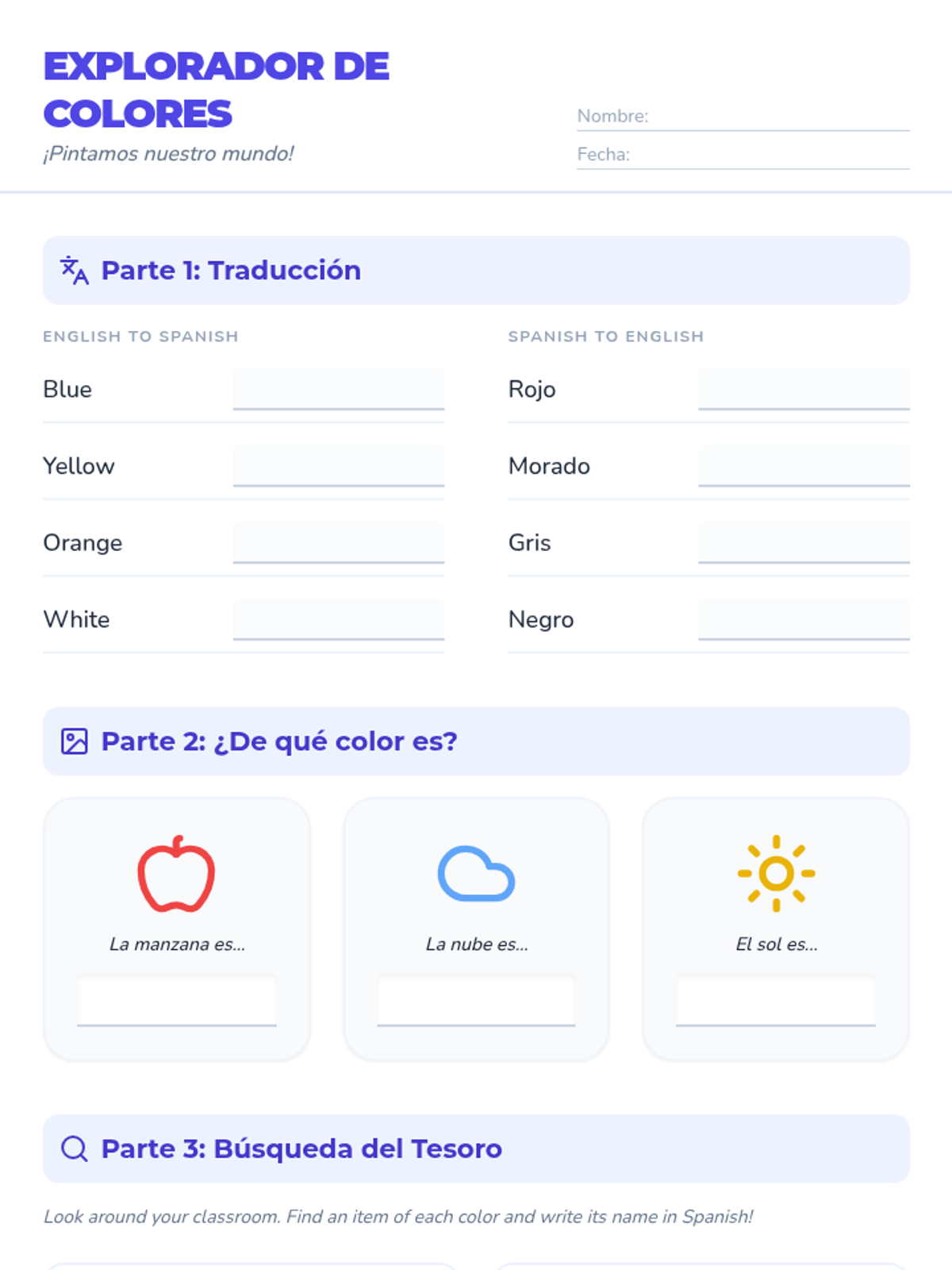
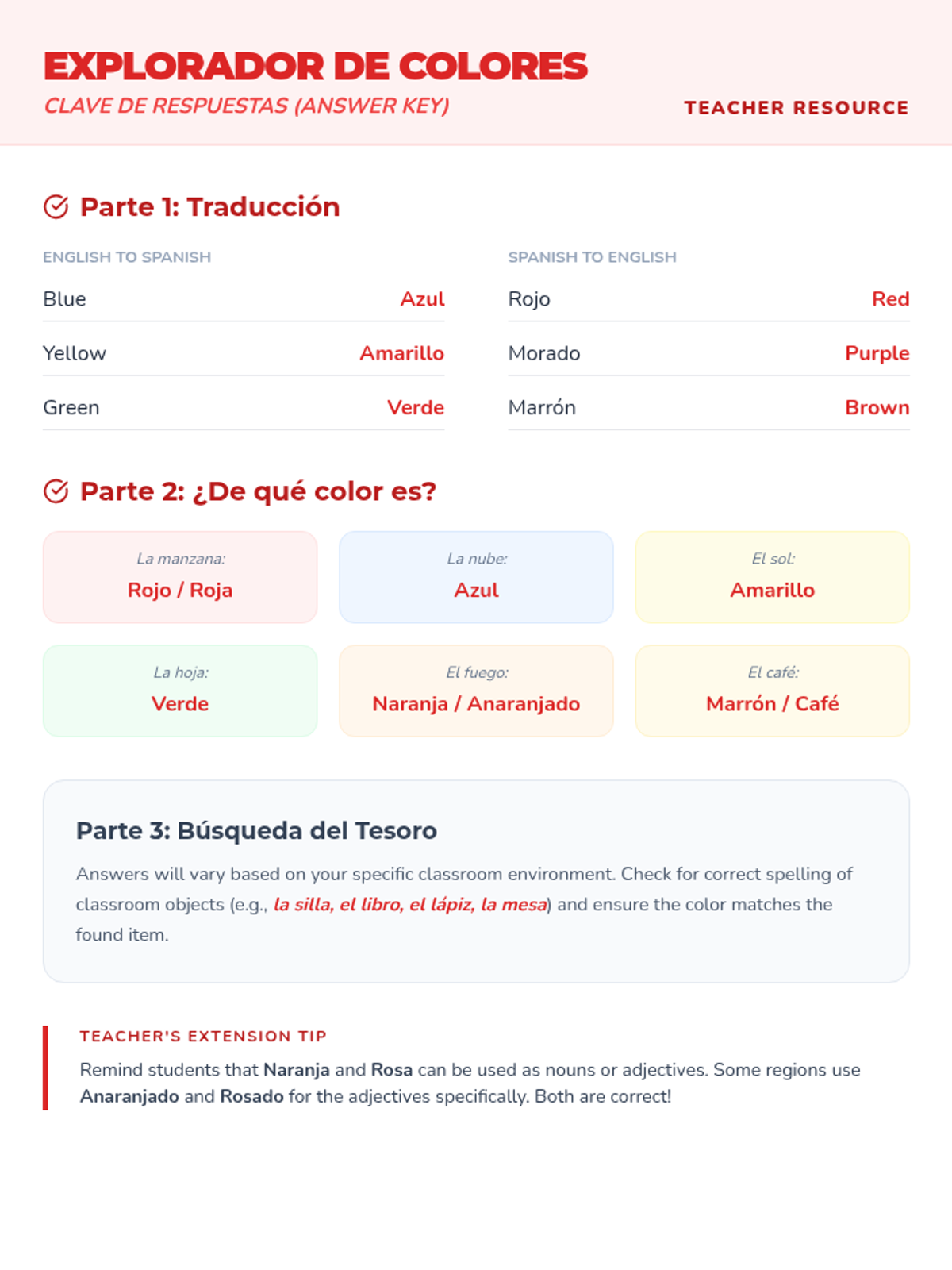
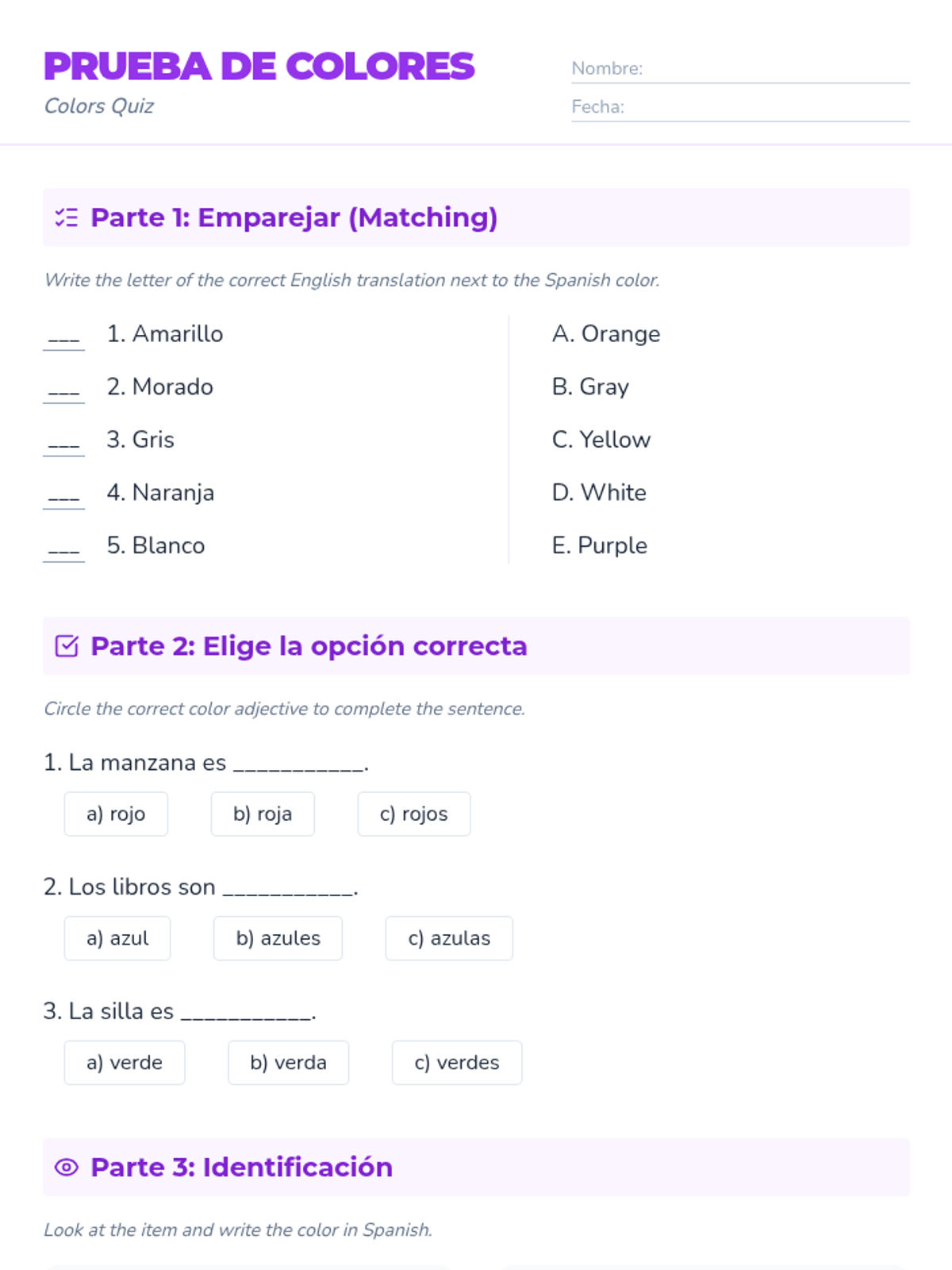
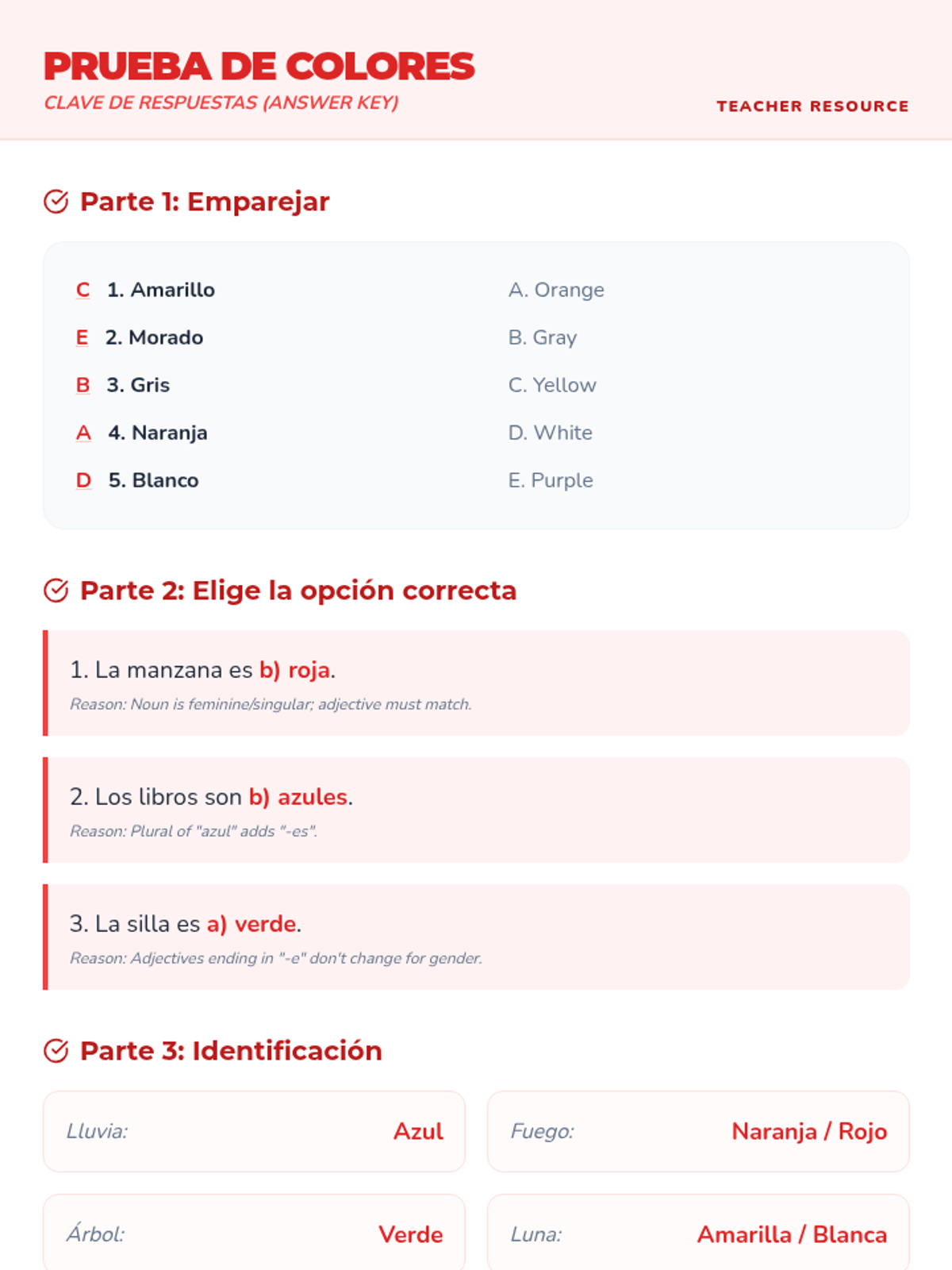
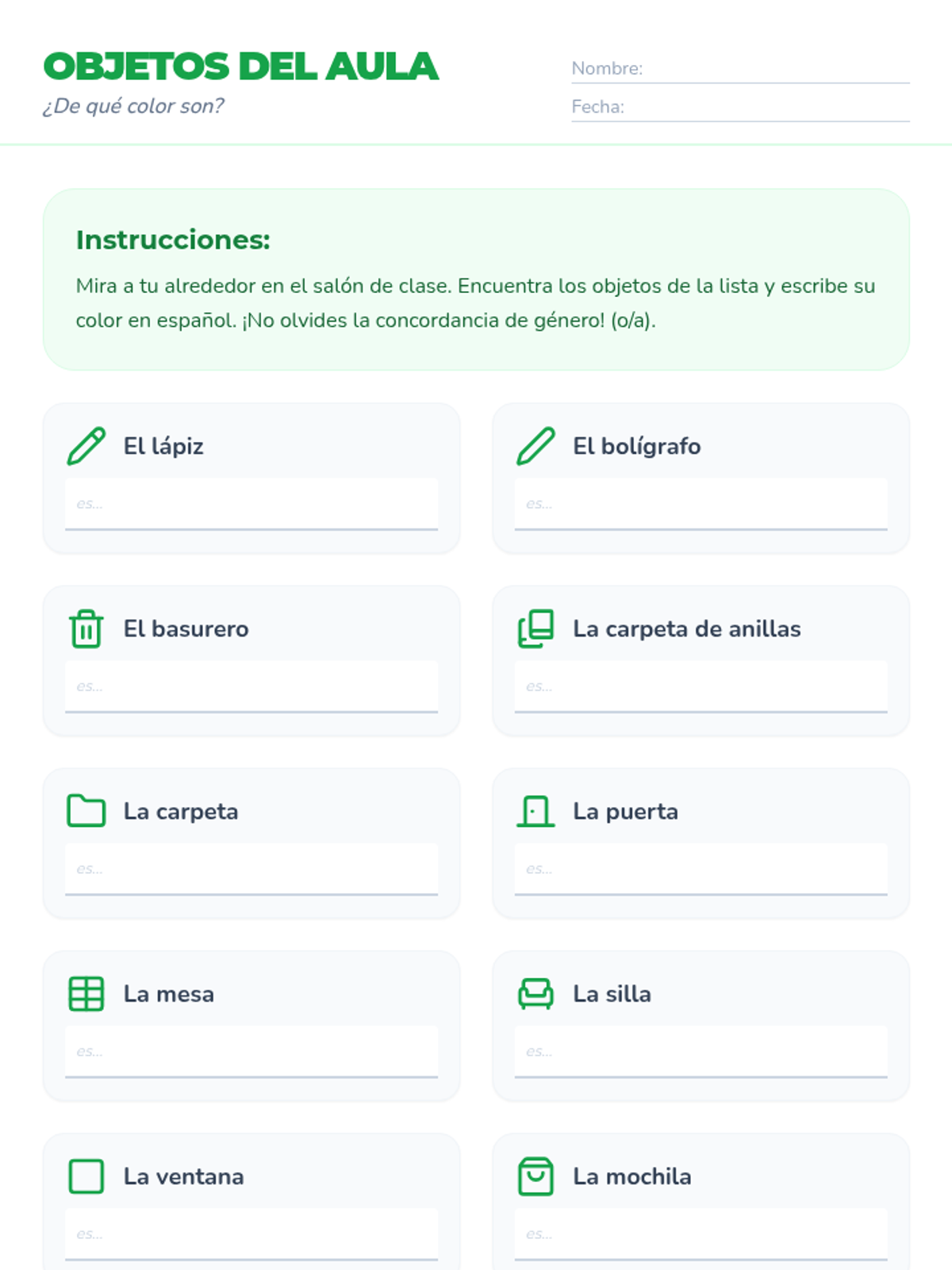
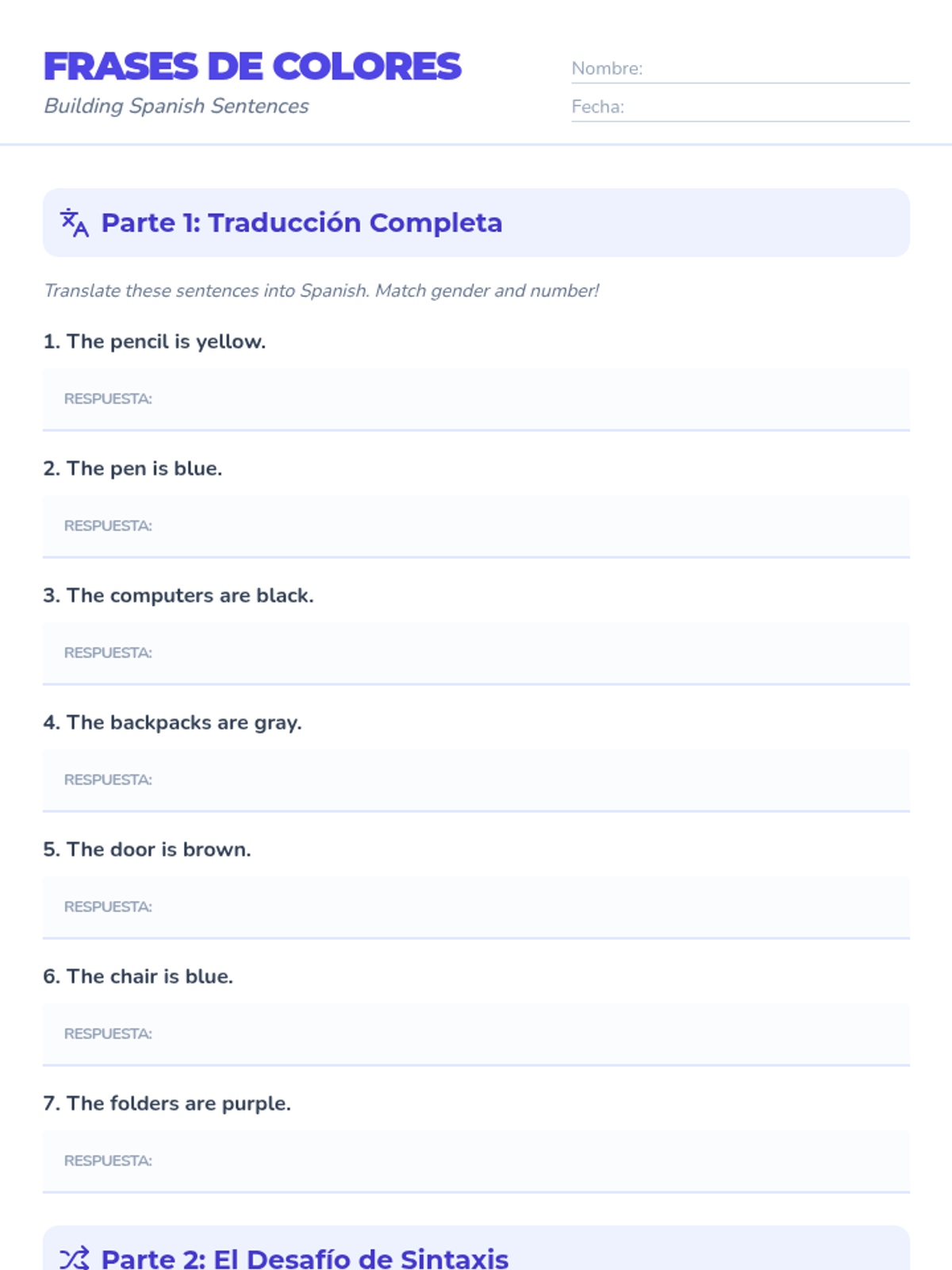
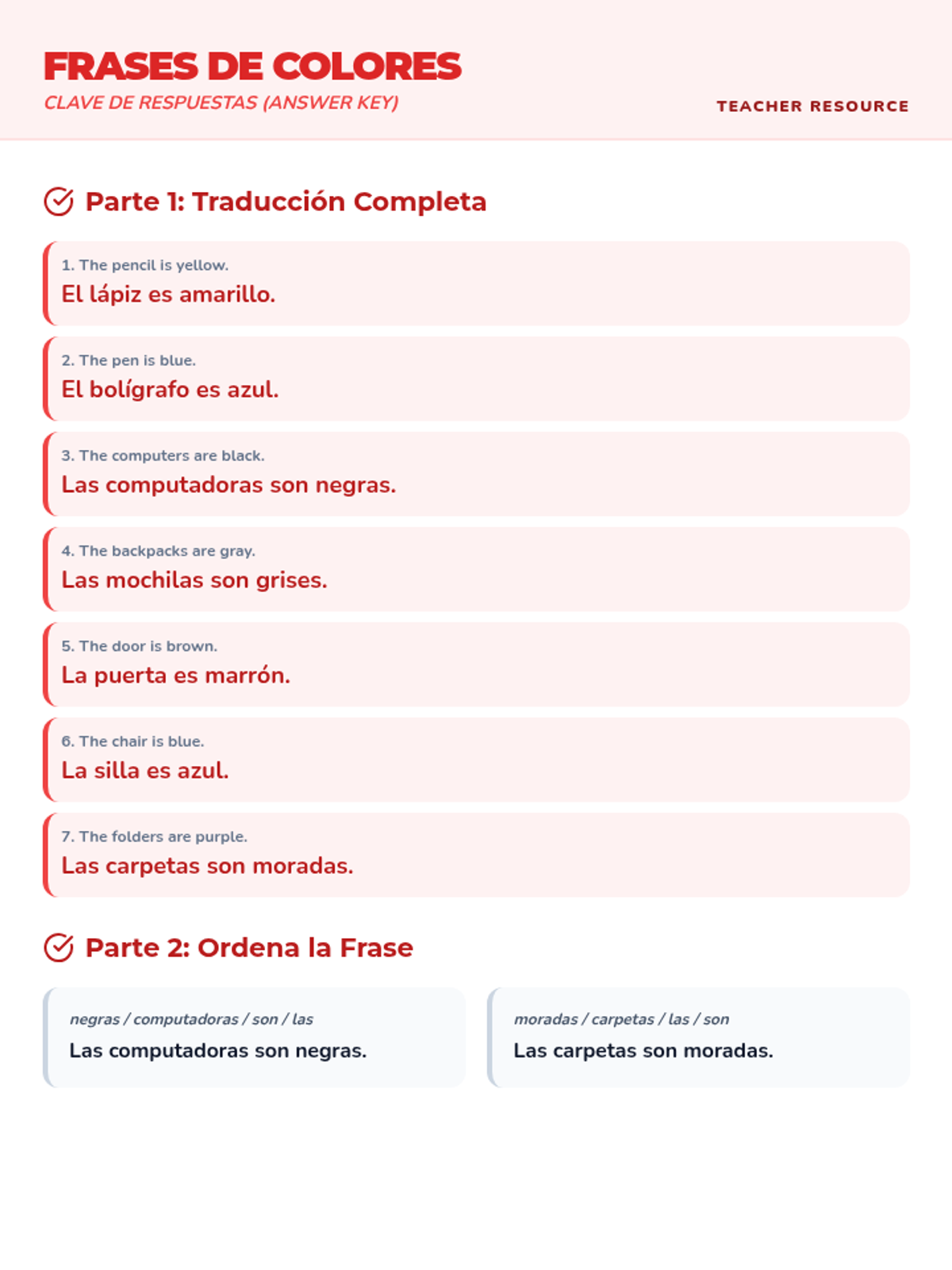
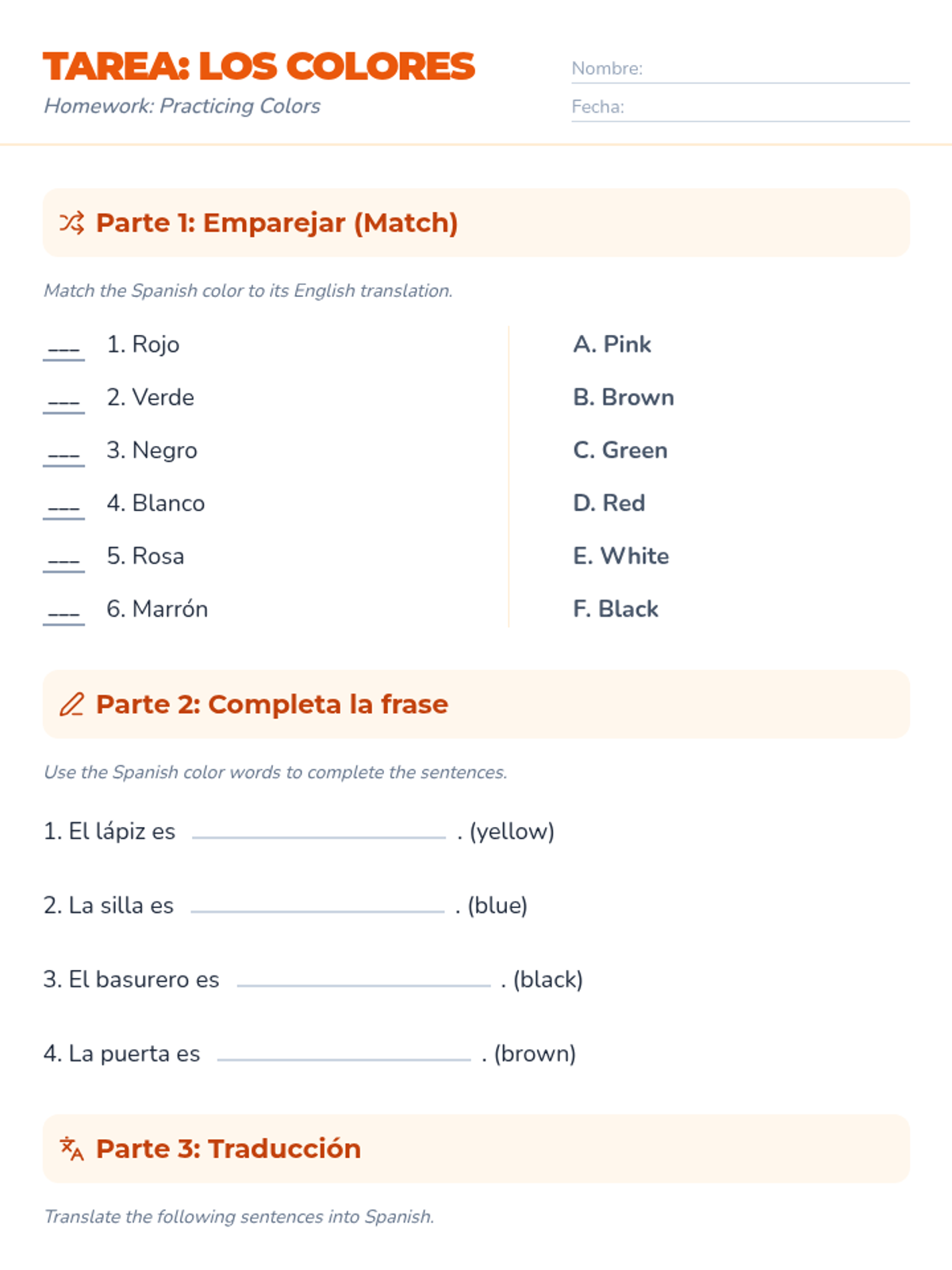
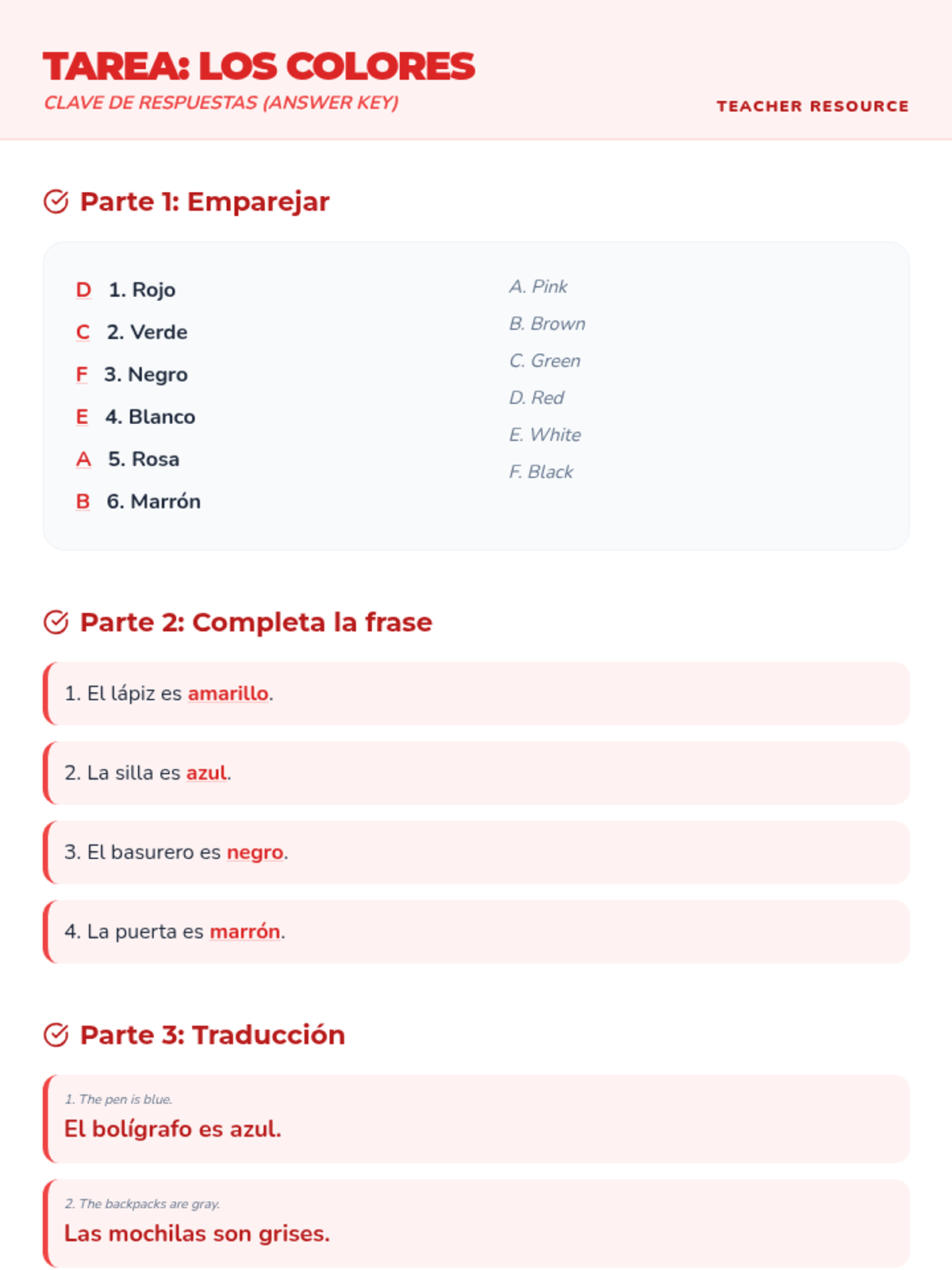
A colorful lesson introducing basic Spanish colors through visual aids, translation practice, and interactive classroom observation activities.
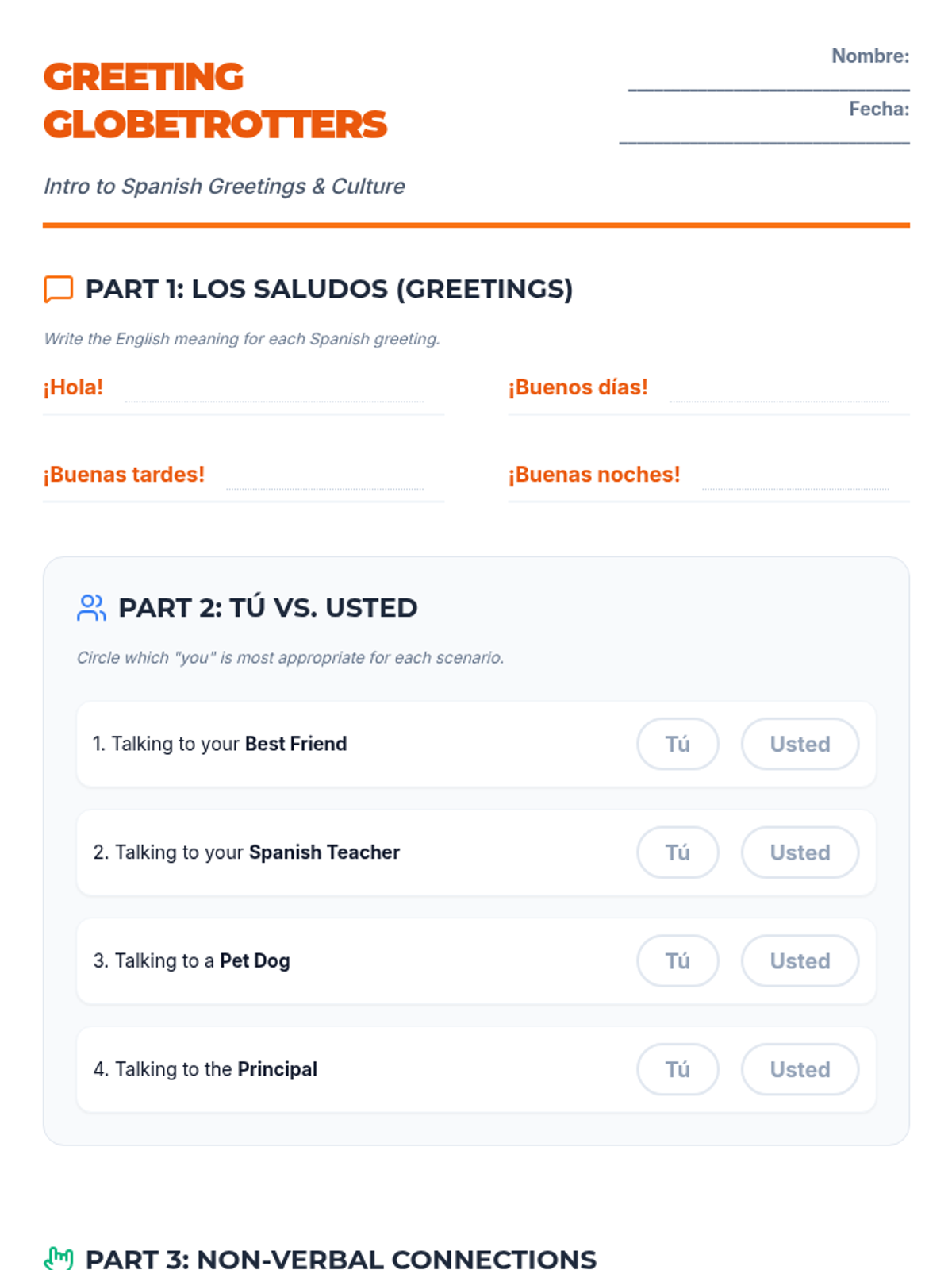
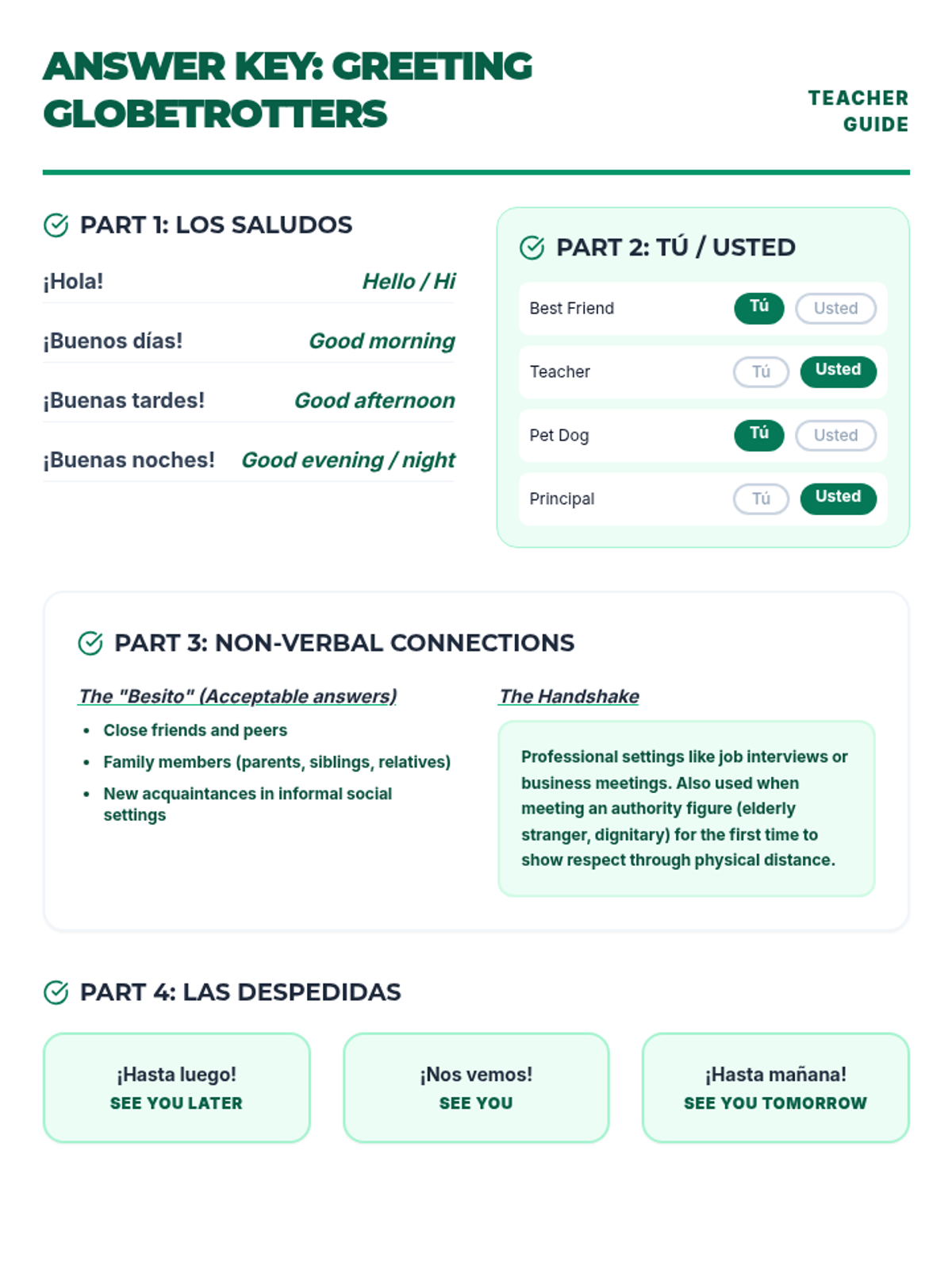
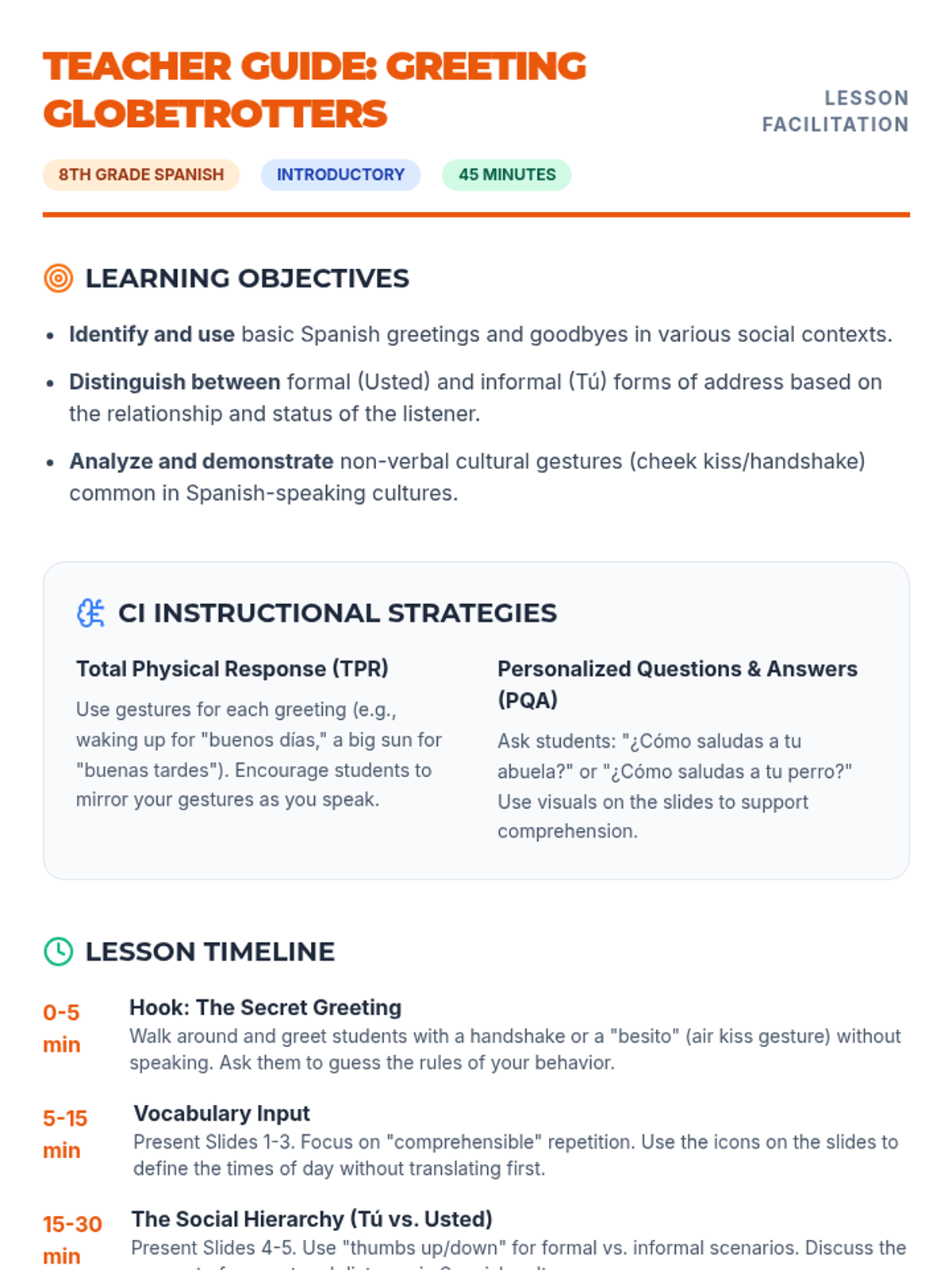
An introductory lesson for 8th grade Spanish beginners focused on greetings, goodbyes, and cultural gestures using Comprehensible Input (CI) strategies. Students will distinguish between formal and informal contexts and learn traditional non-verbal greetings like the 'besito'.
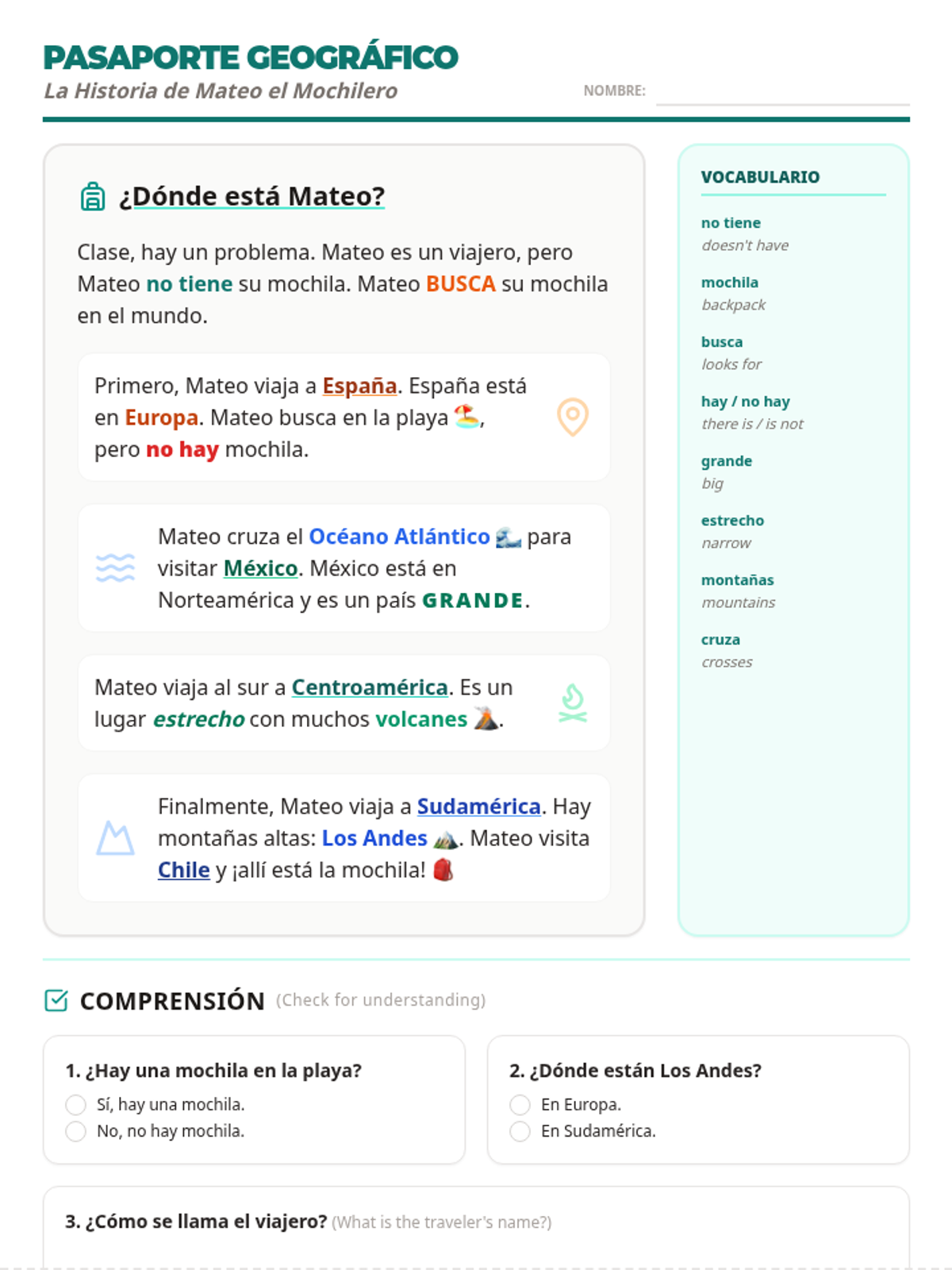
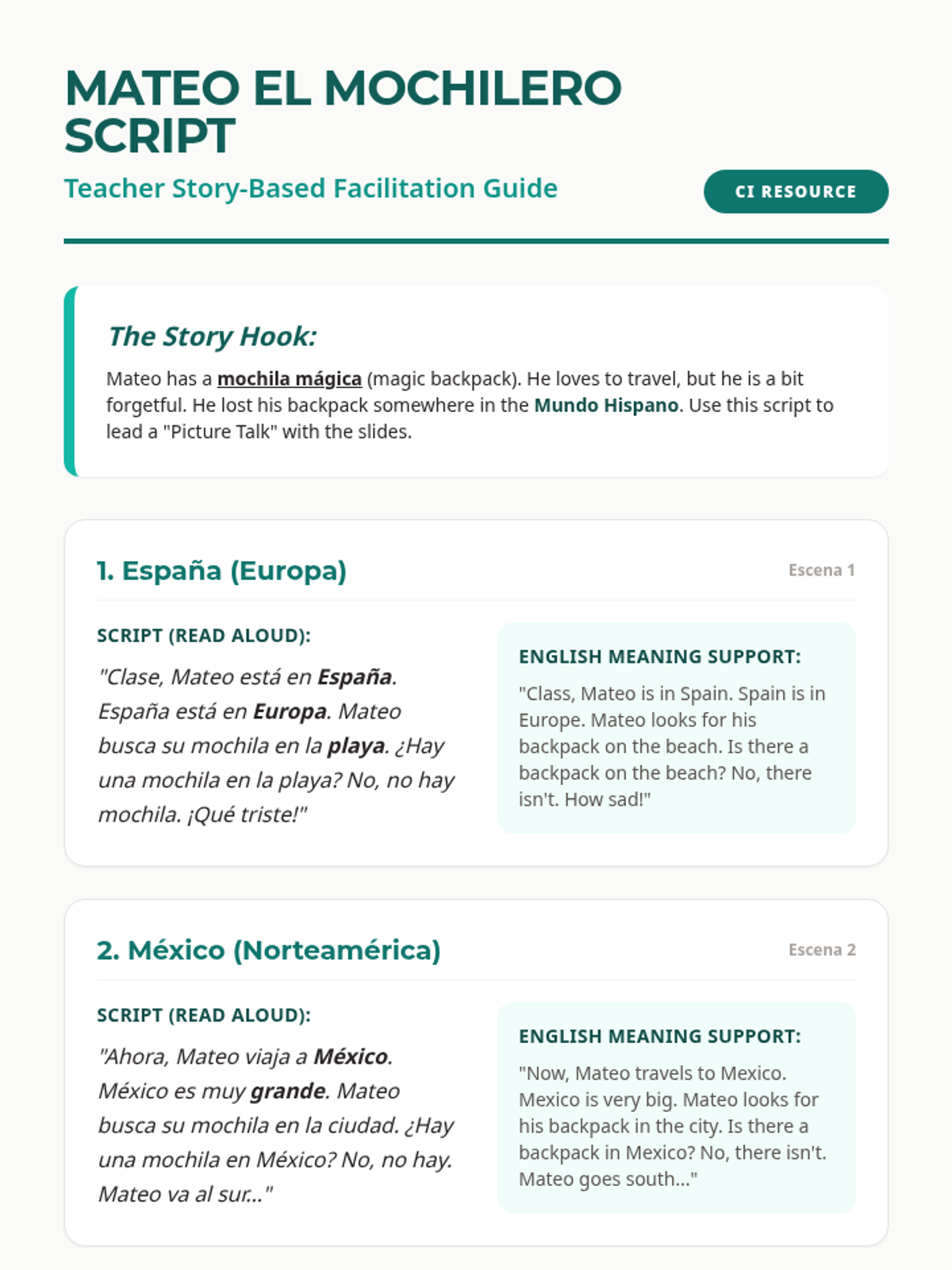
An introductory geography lesson for 8th-grade Spanish learners using Comprehensible Input to explore Spanish-speaking regions in Europe, North America, Central America, and South America.
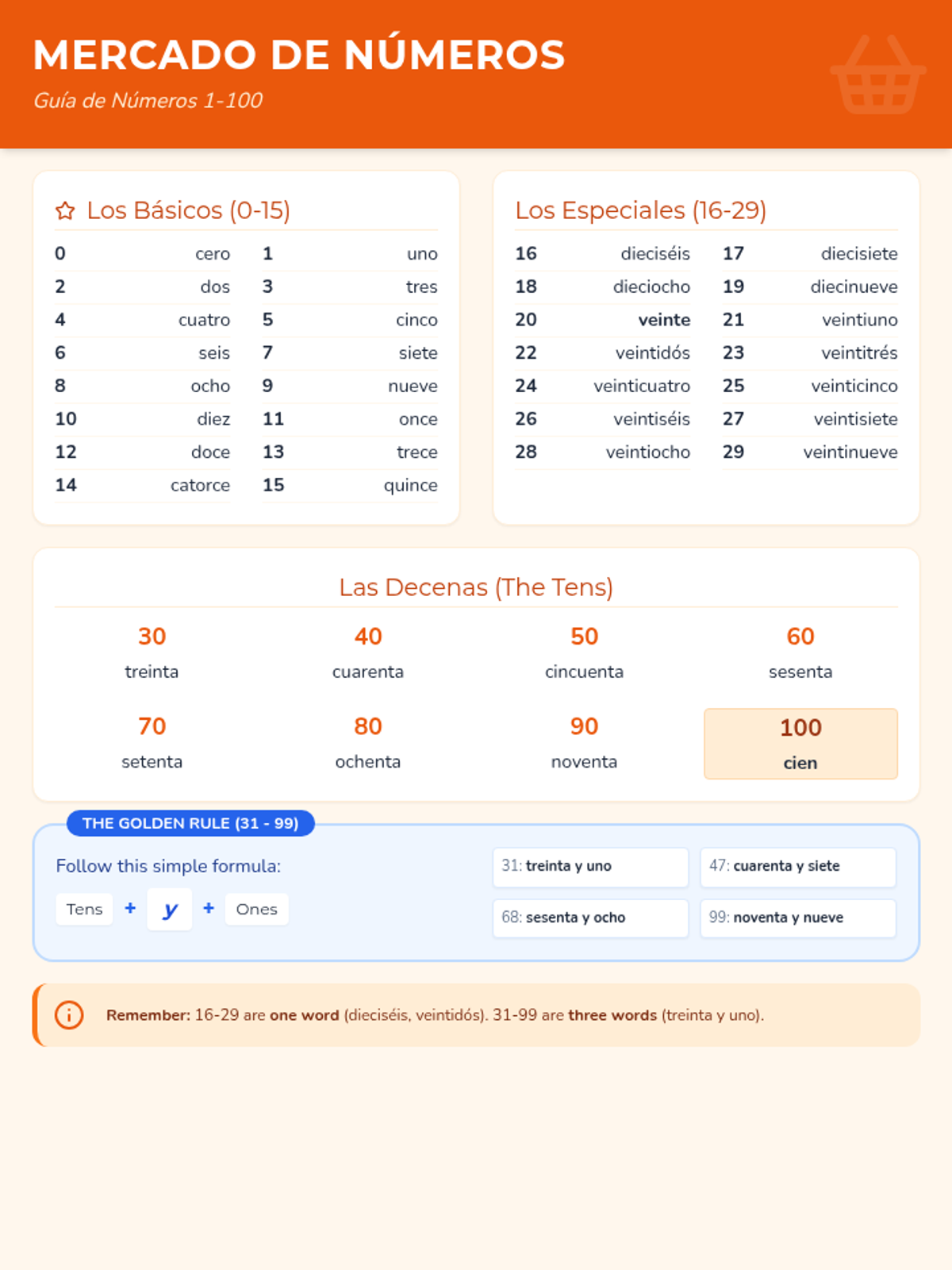
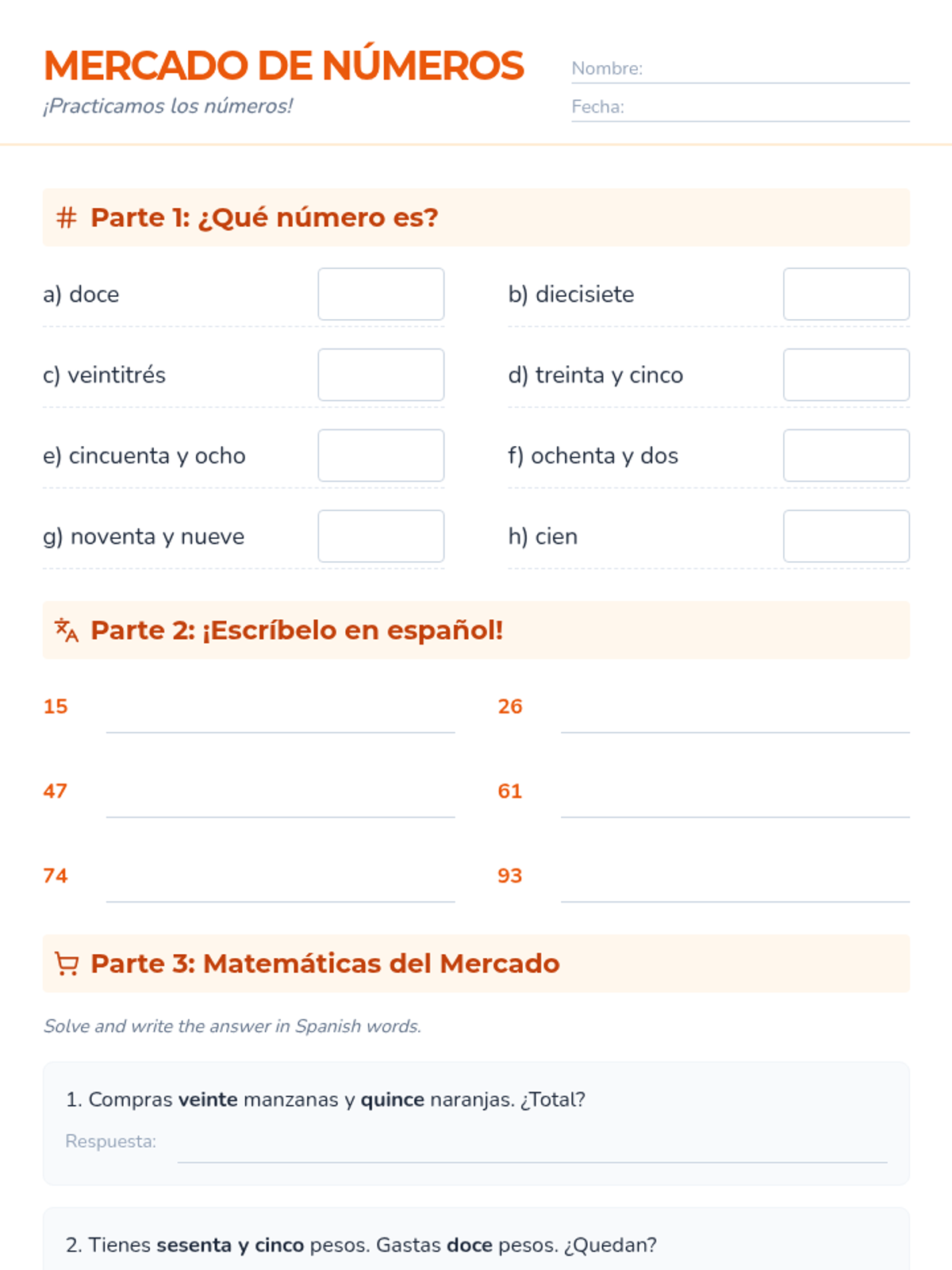
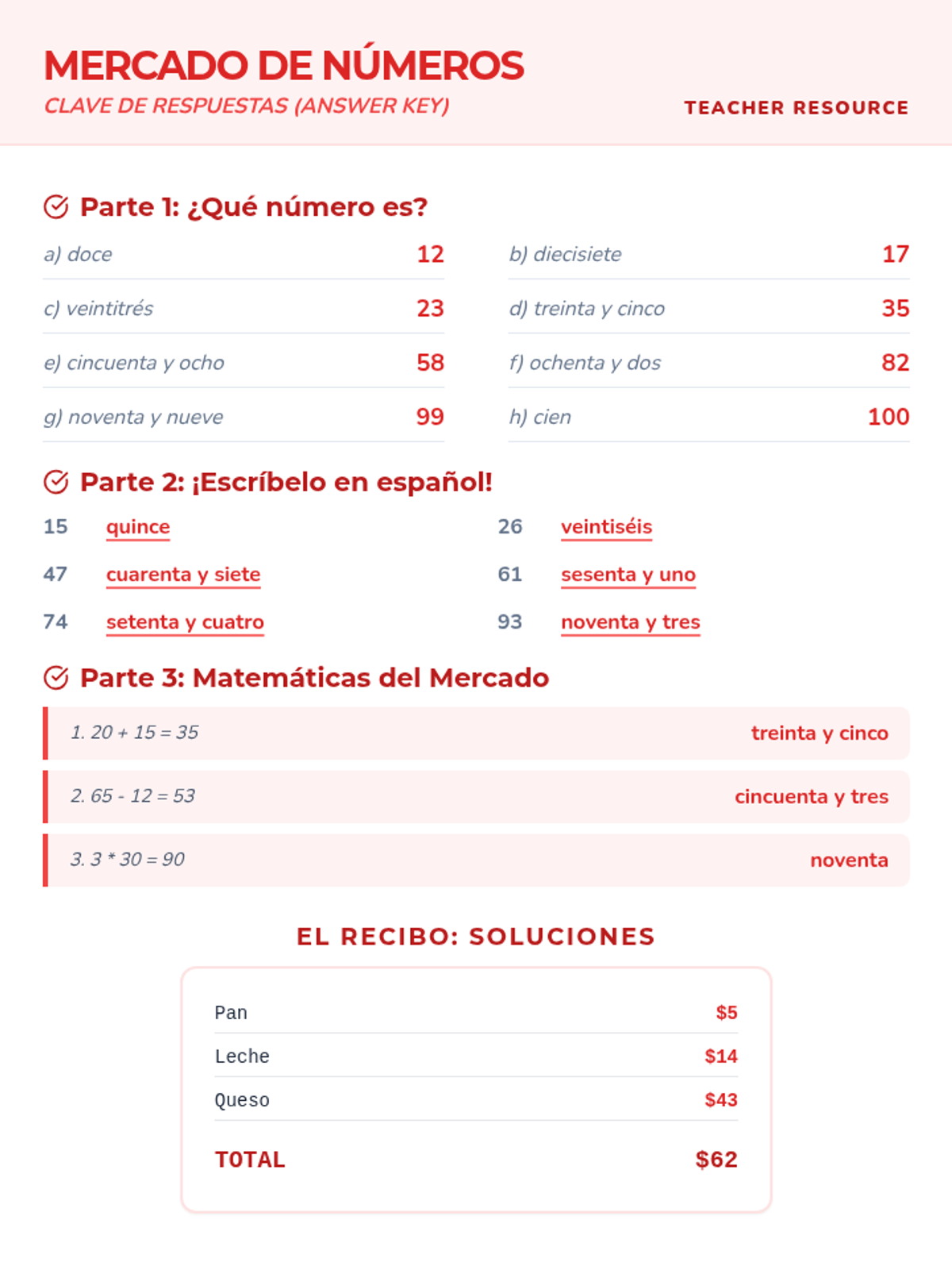
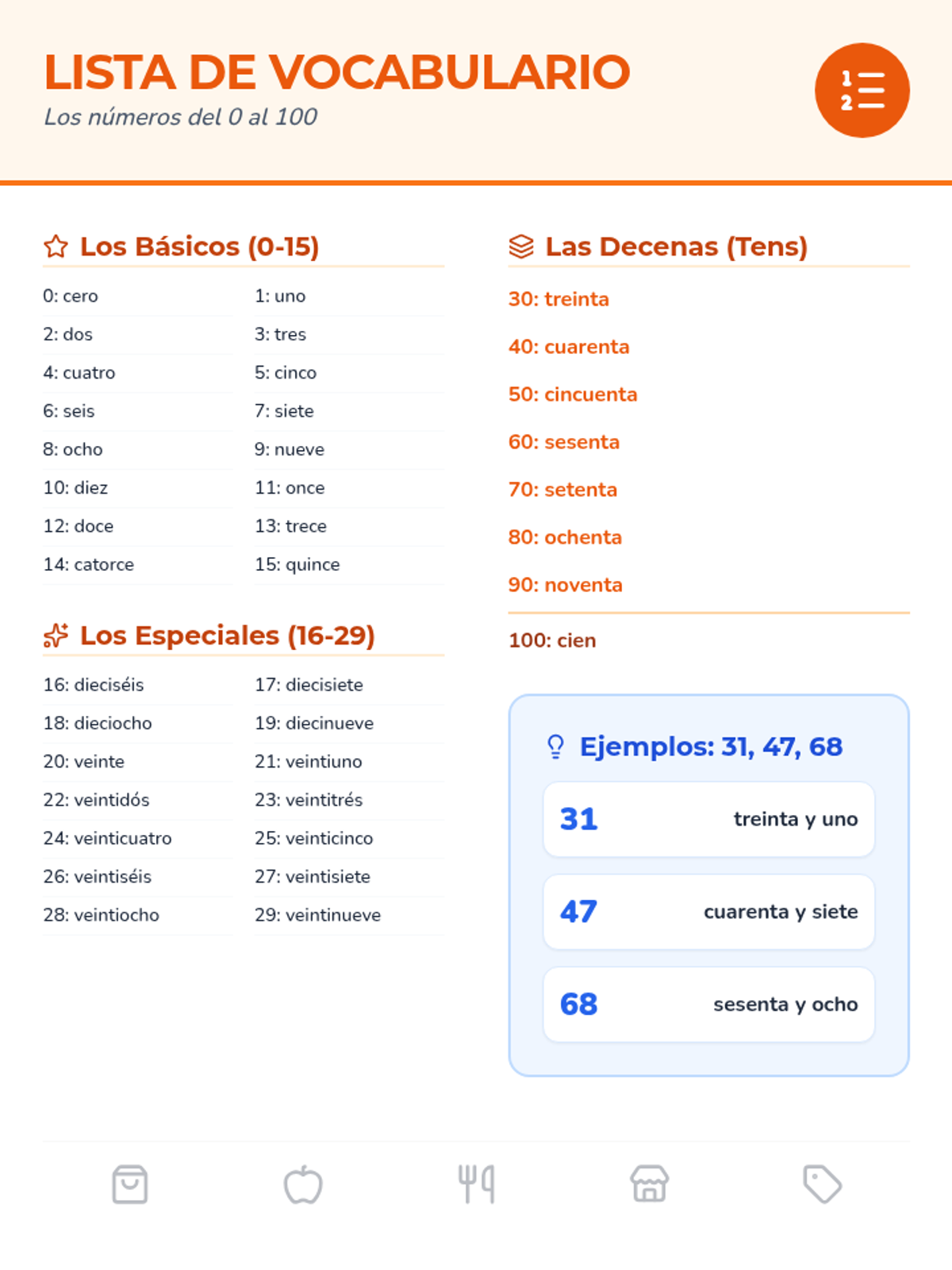
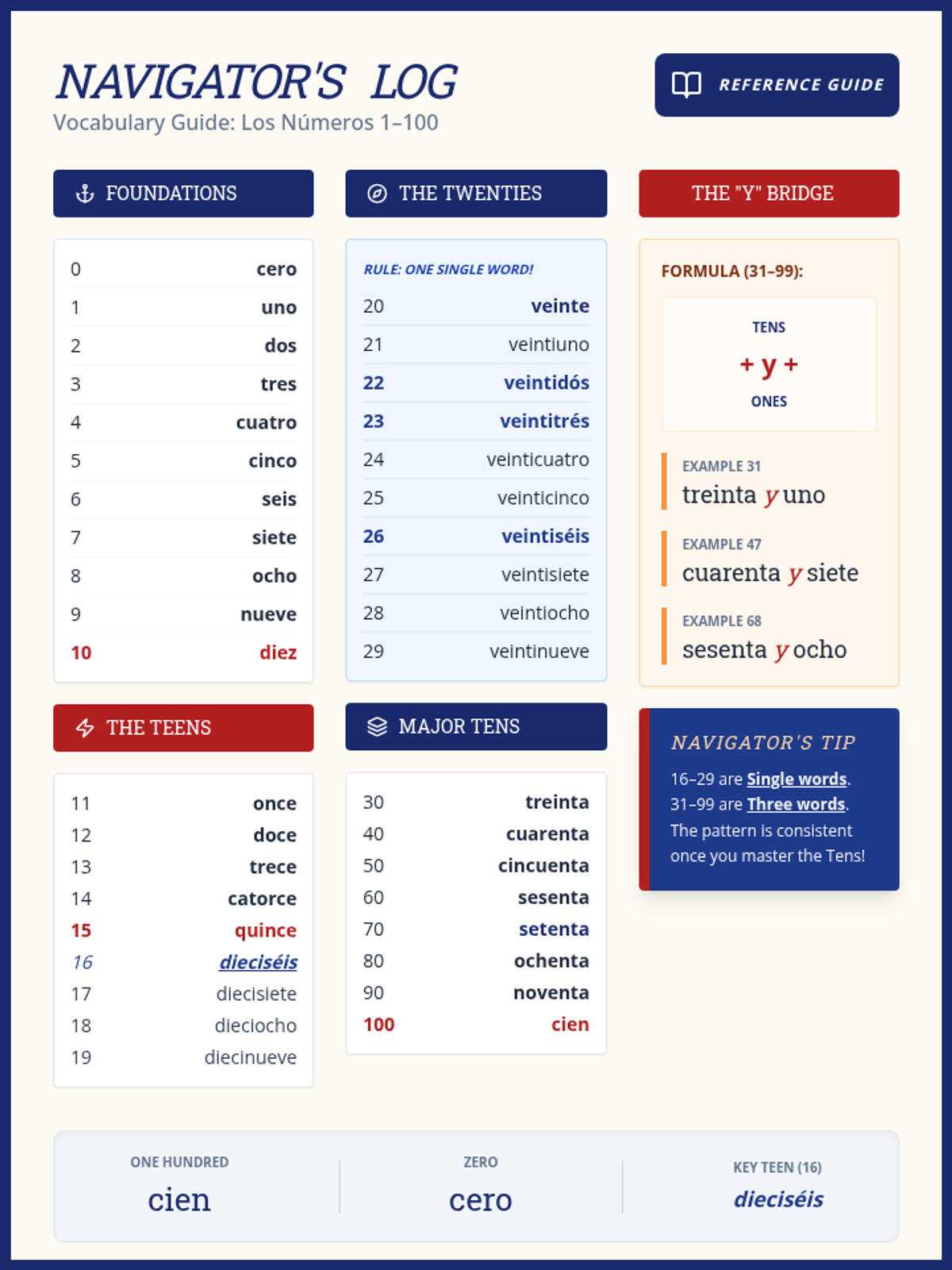
A lesson focused on mastering Spanish numbers from 1 to 100 through reference and practical application in a market-themed context.
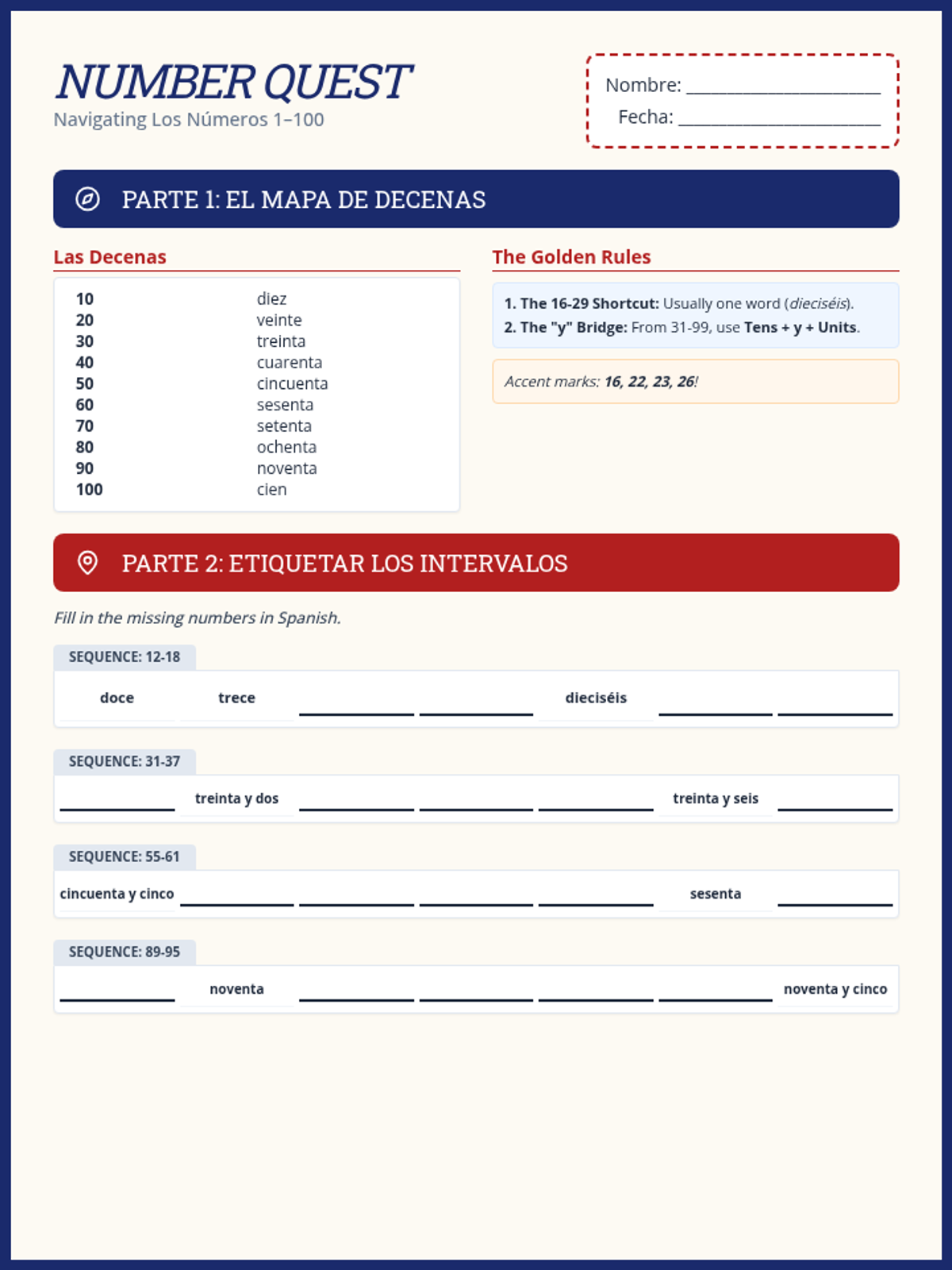
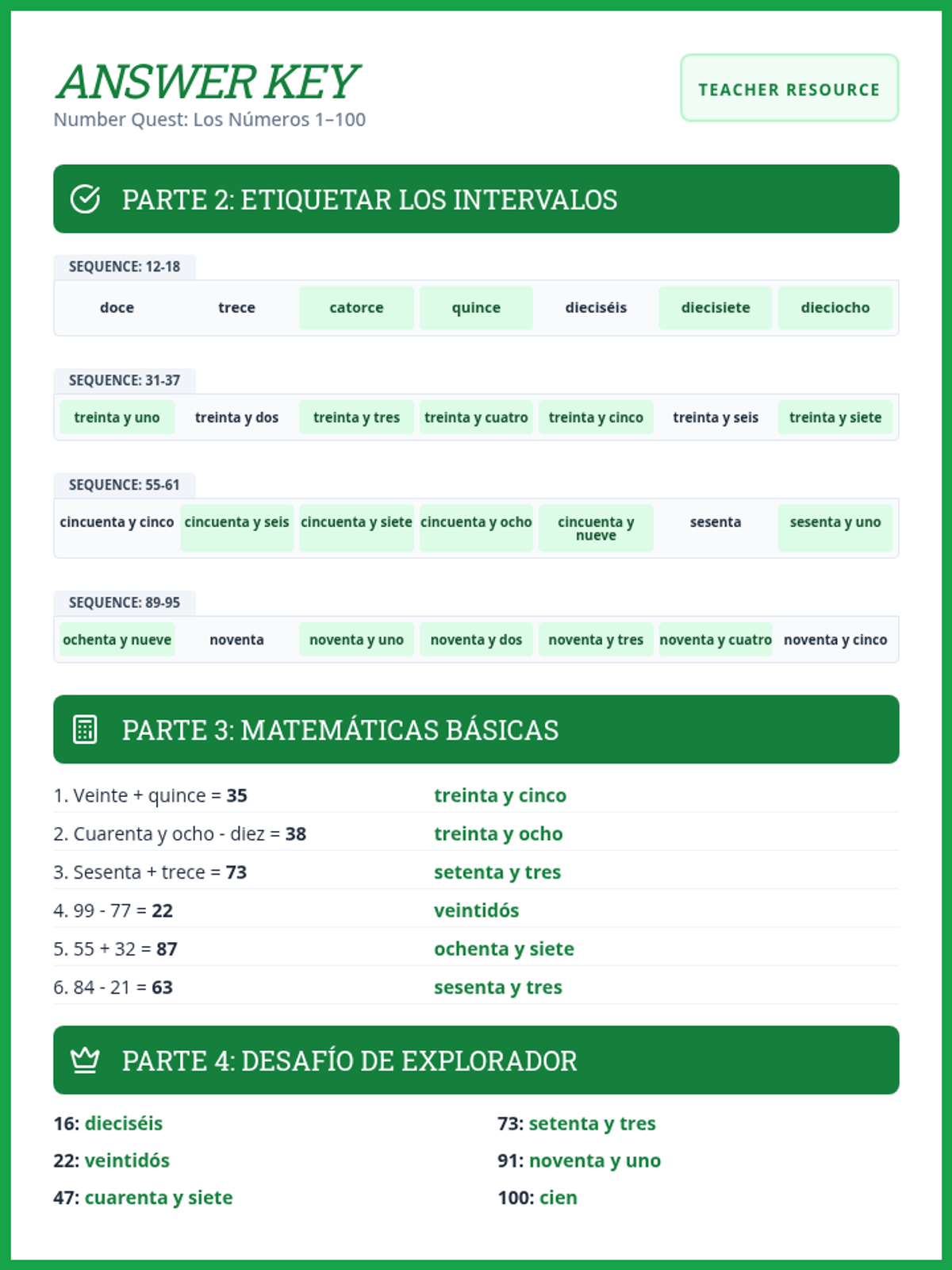
A lesson focused on mastering Spanish numbers 1-100 through pattern recognition, labeling, and basic arithmetic. Students will learn the unique forms of 1-30 and the consistent 'y' pattern for 31-99.
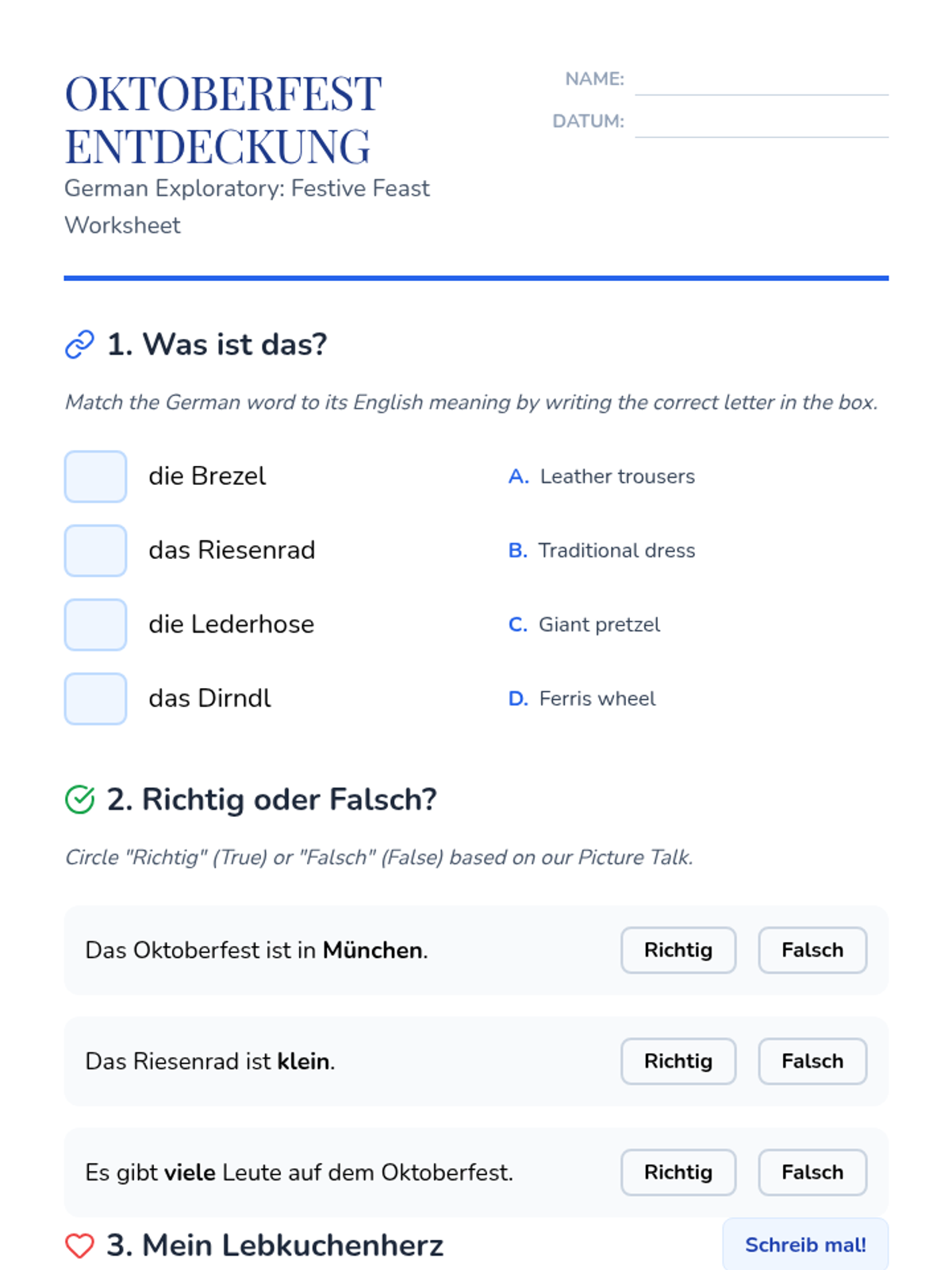
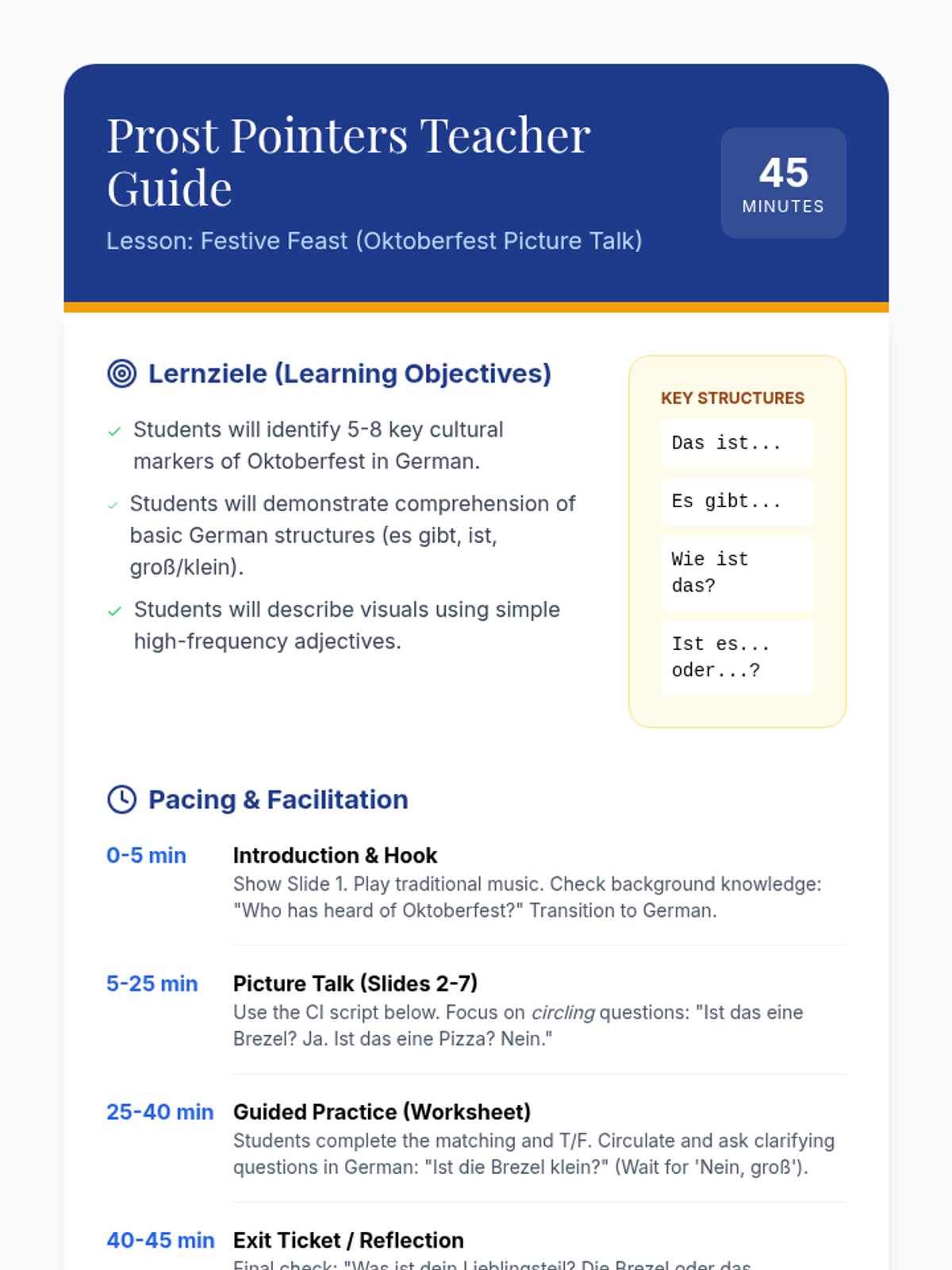
An introductory German lesson focused on Oktoberfest using Comprehensible Input (CI) strategies. Students will explore Bavarian culture, clothing, and food through a Picture Talk and interactive activities.
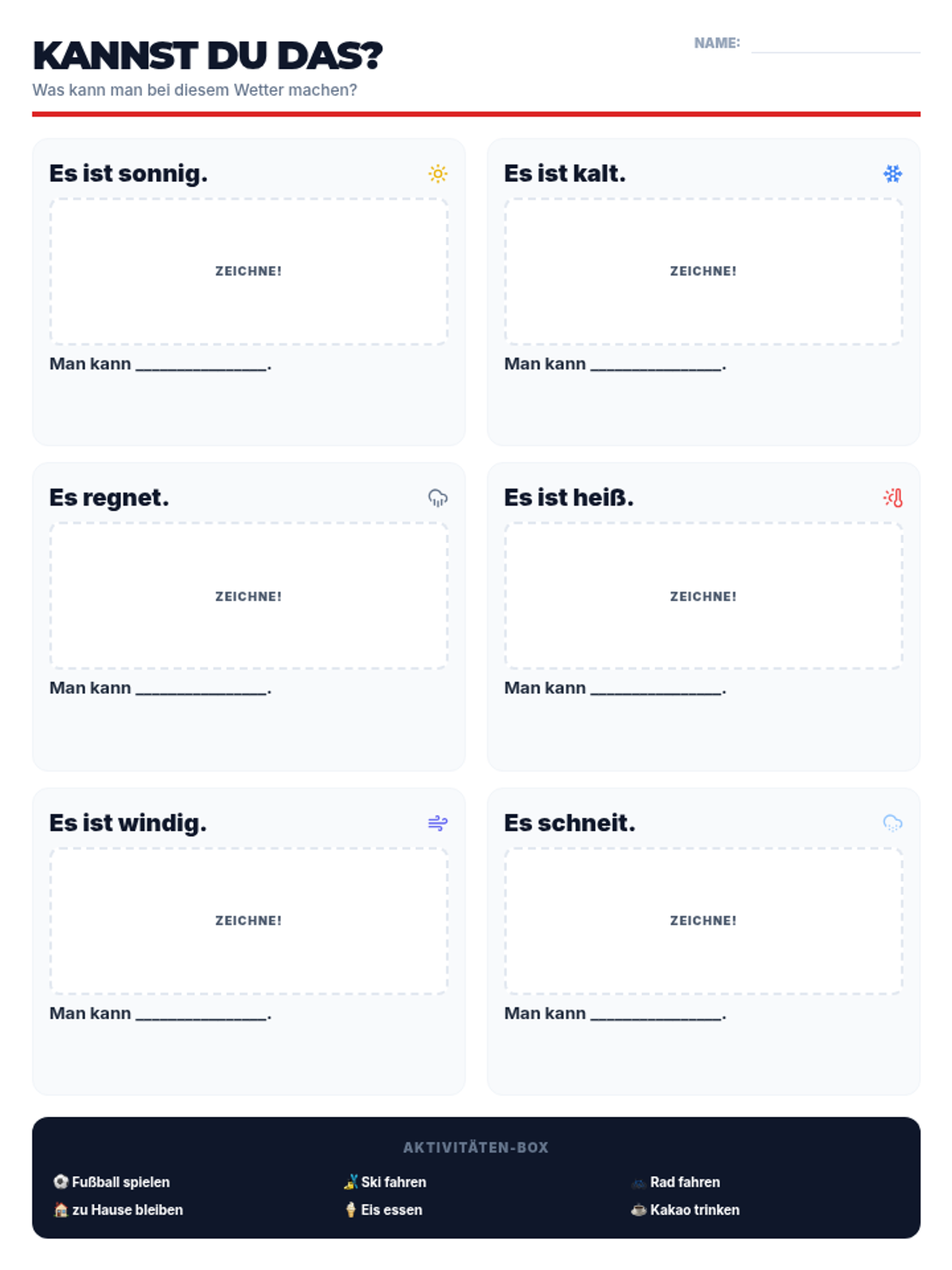
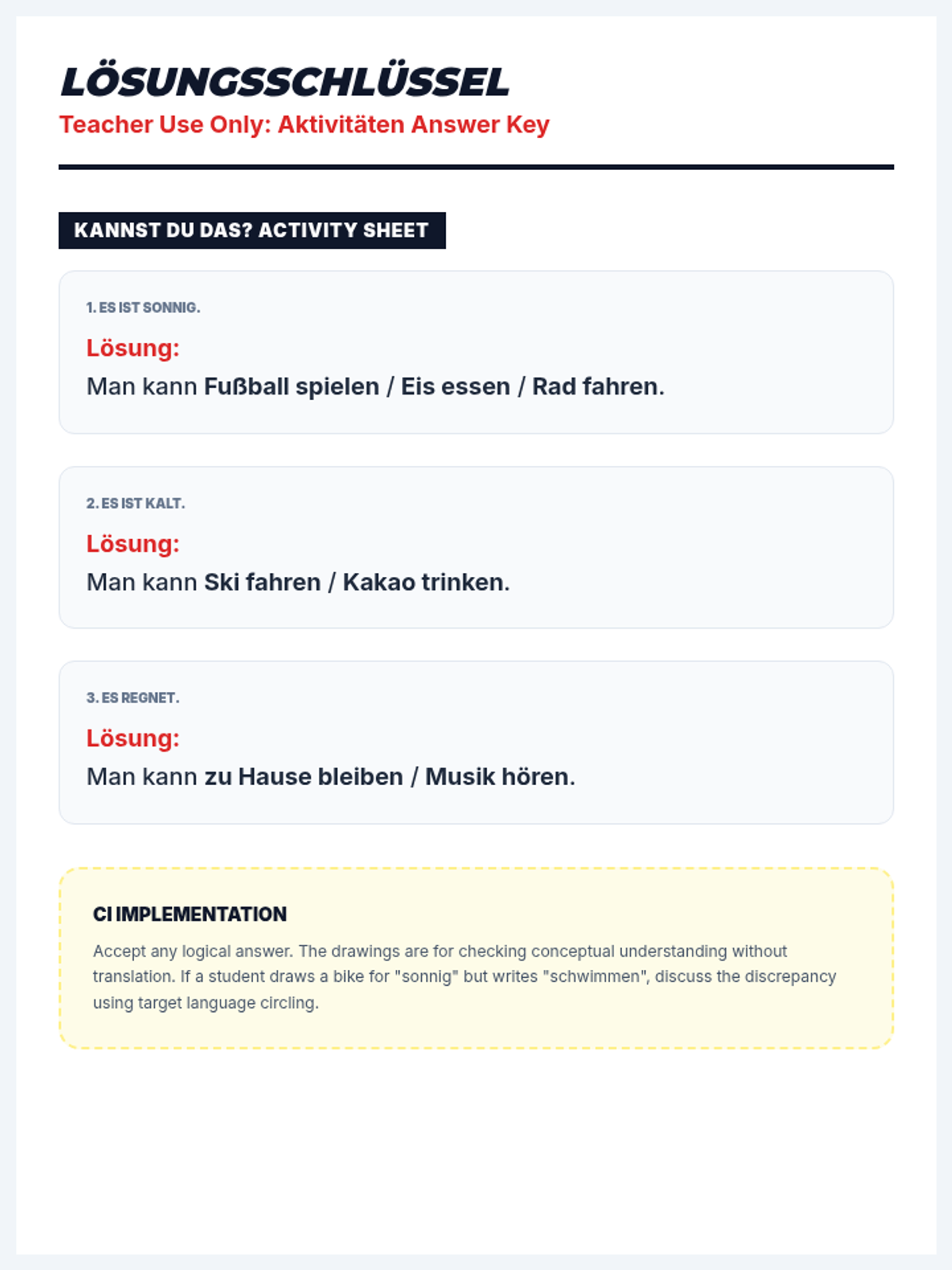
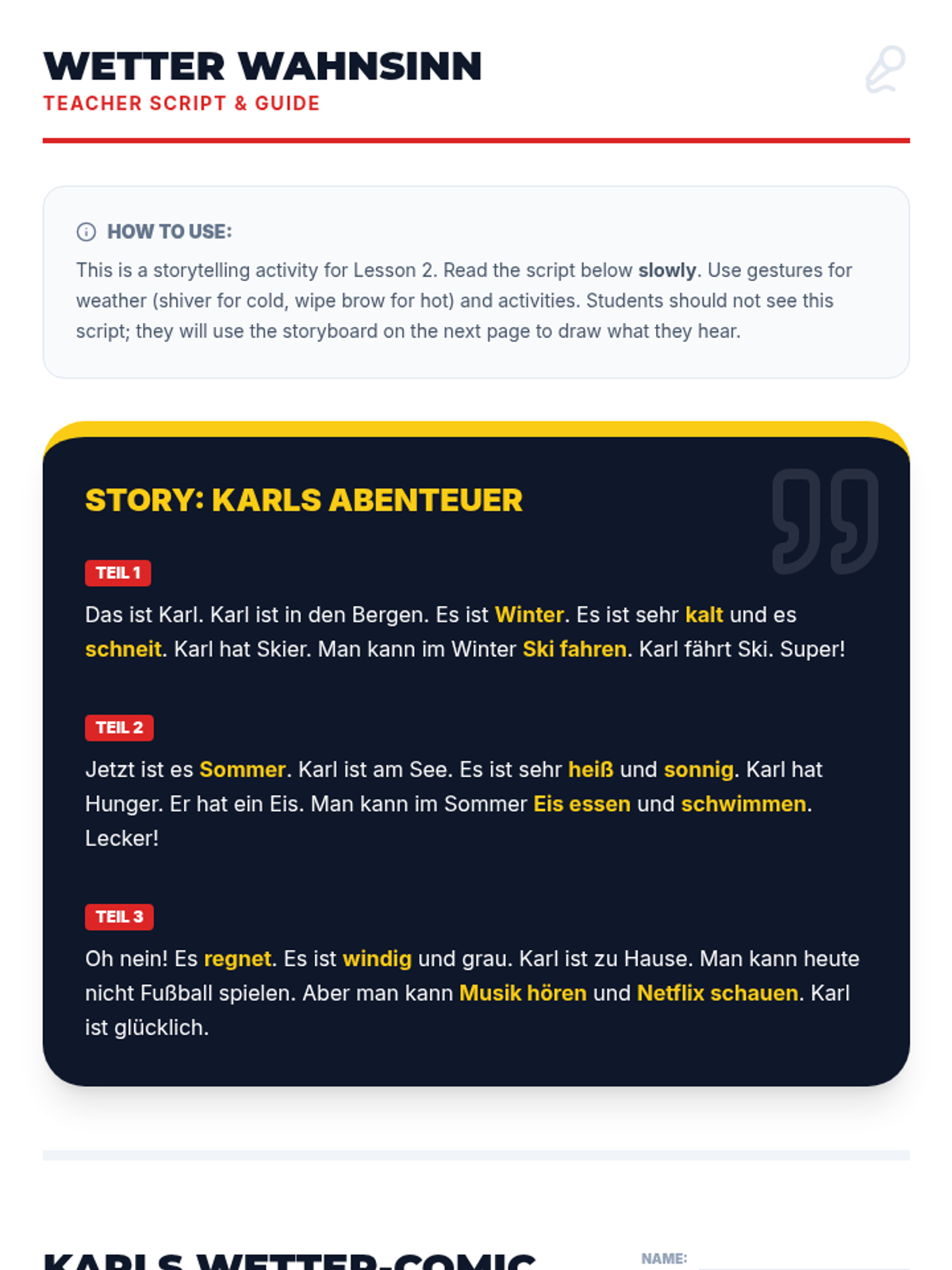
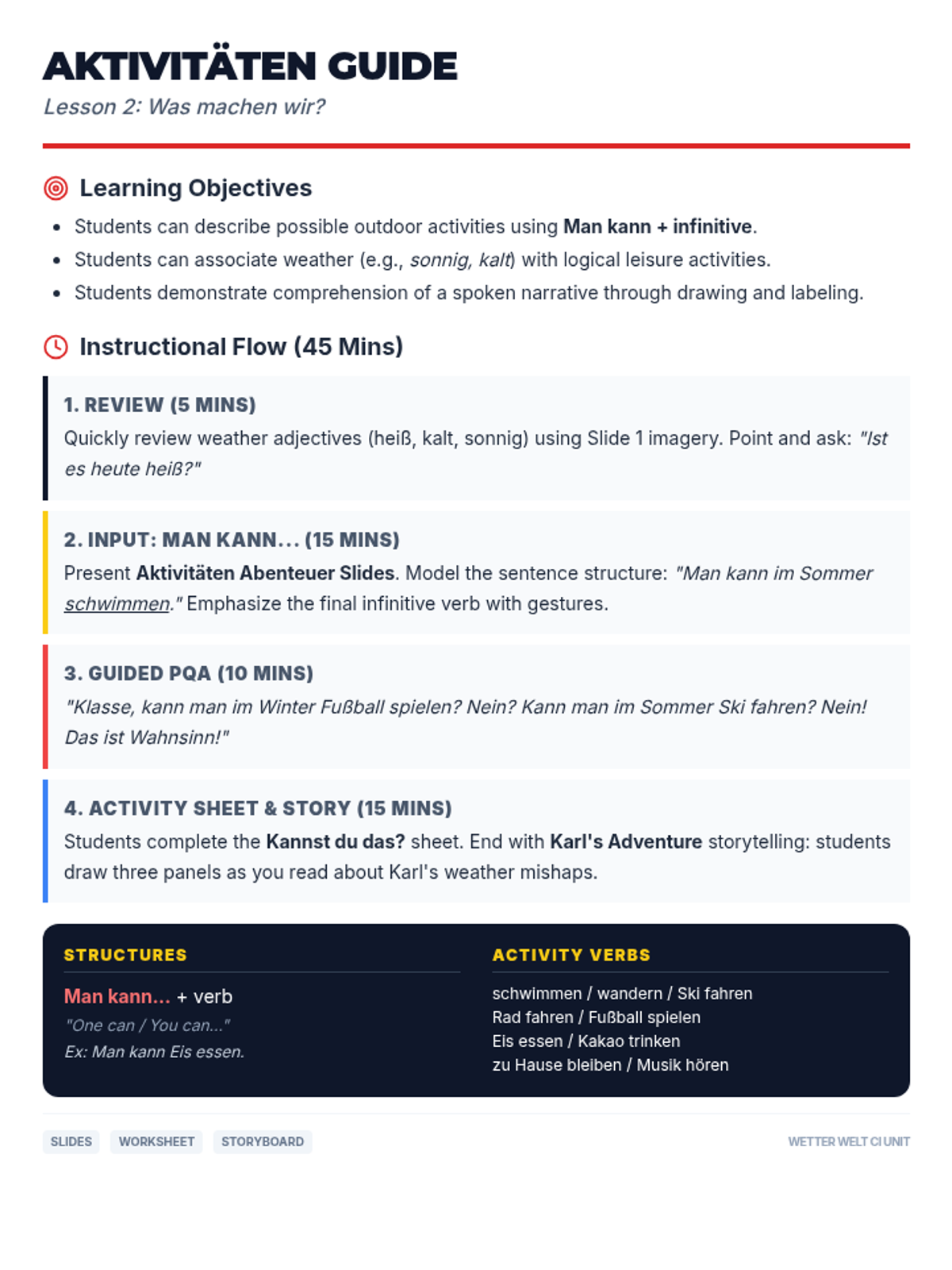
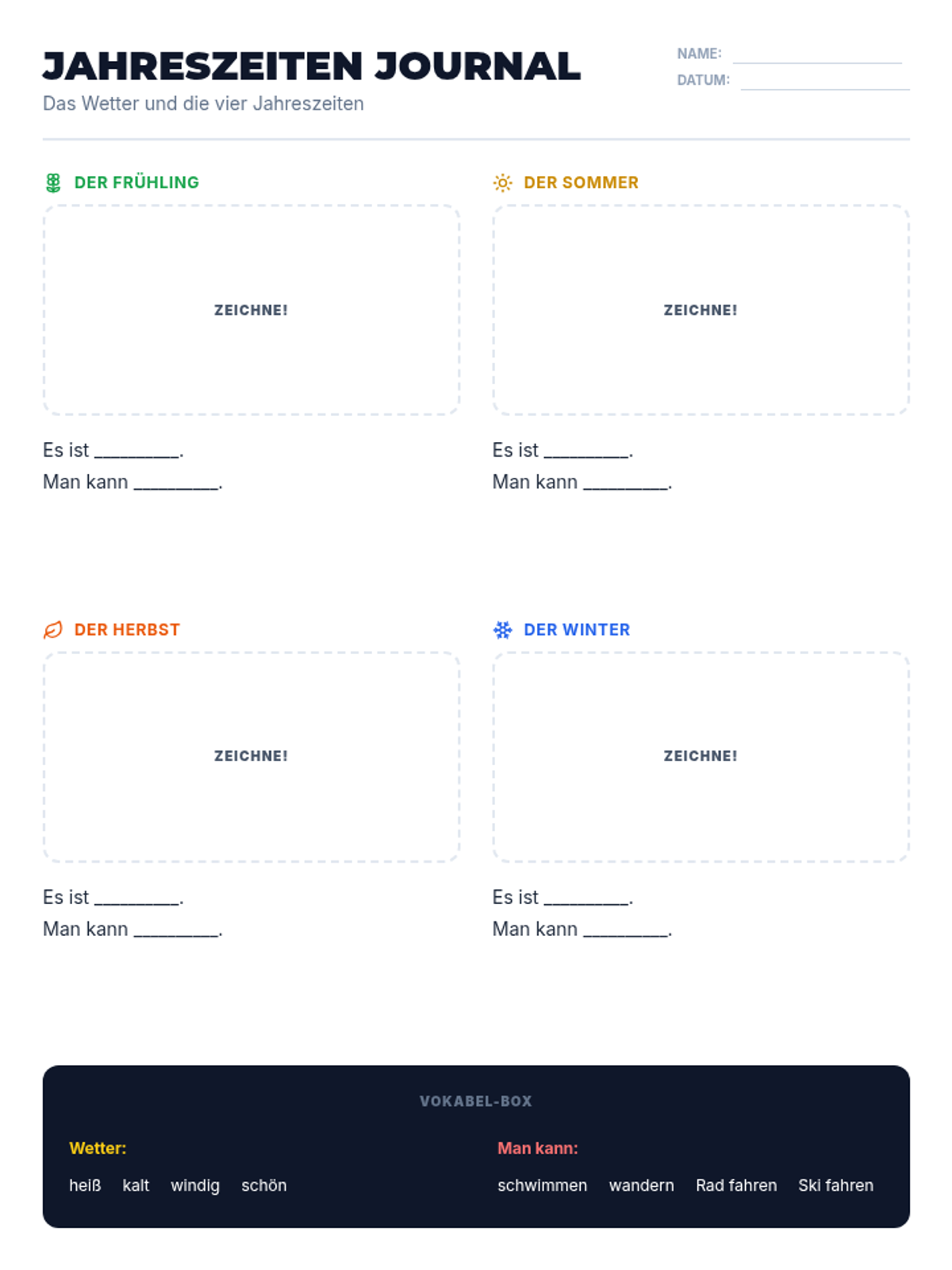
Building on weather knowledge to discuss outdoor activities using 'Man kann' + infinitive. Students will connect specific weather conditions to possible leisure activities in Germany.
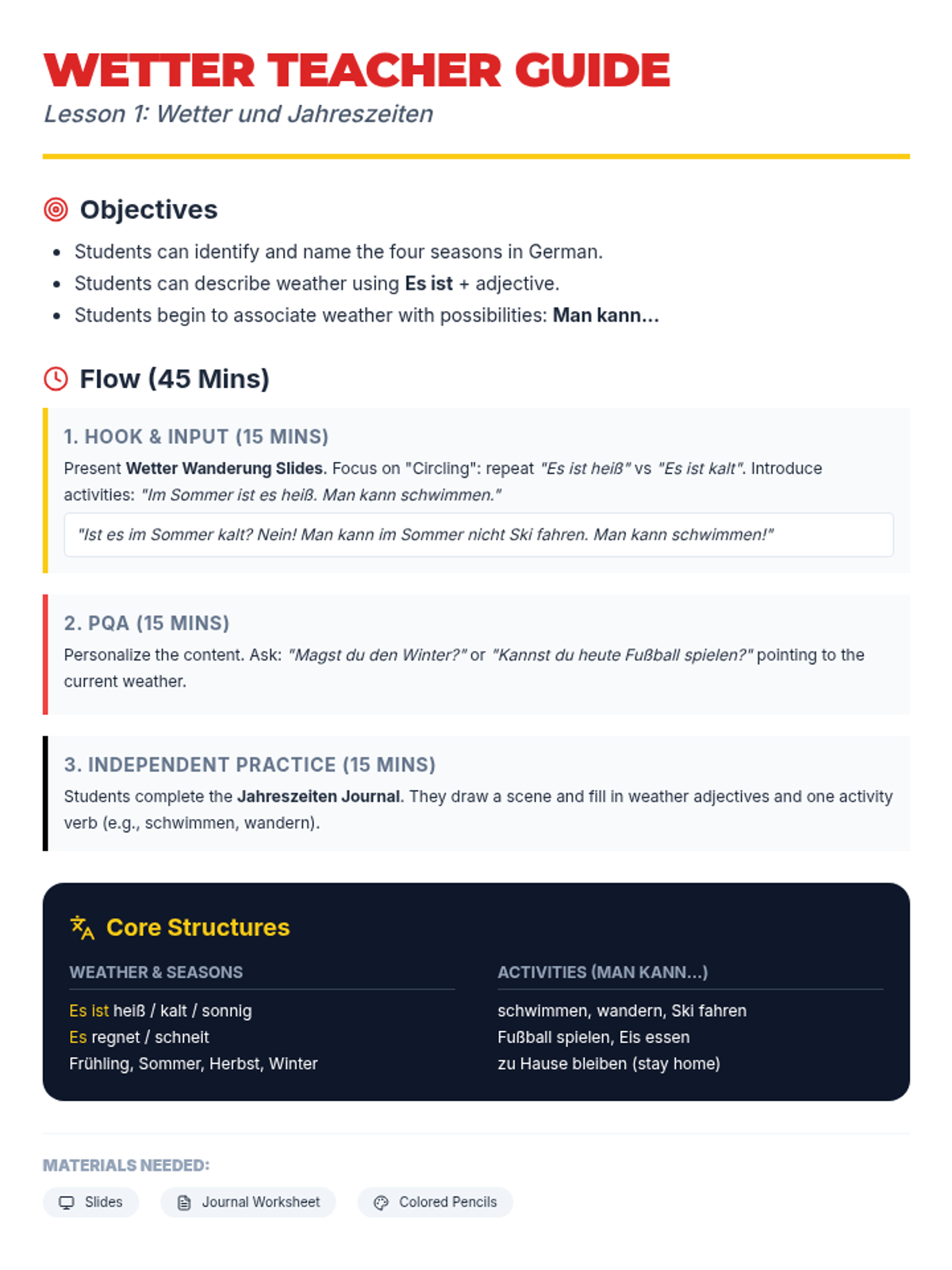
Introduction to weather vocabulary and seasons in Germany using high-frequency structures. Students will practice 'Es ist...' with weather adjectives through visual storytelling and repetition.
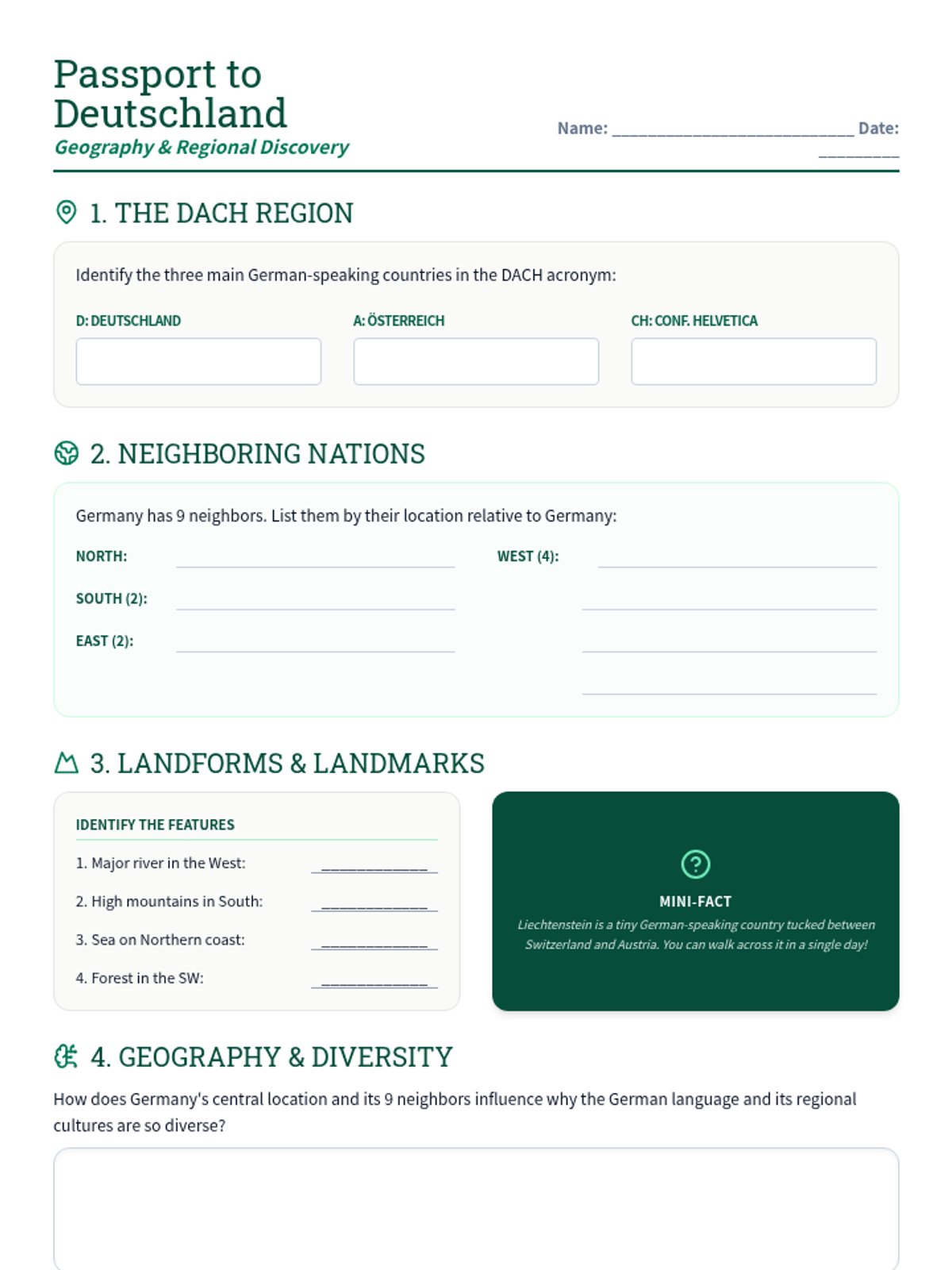
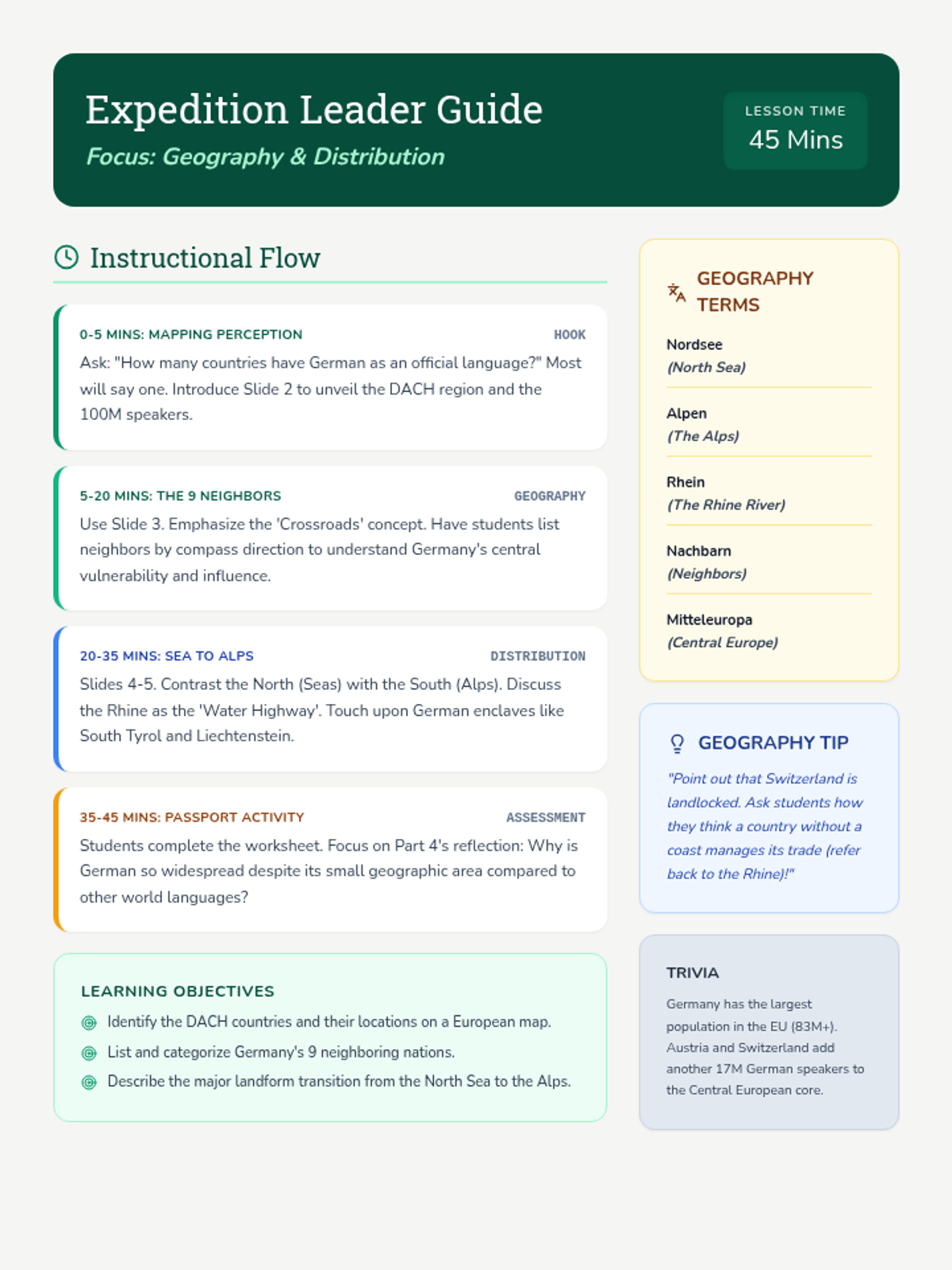
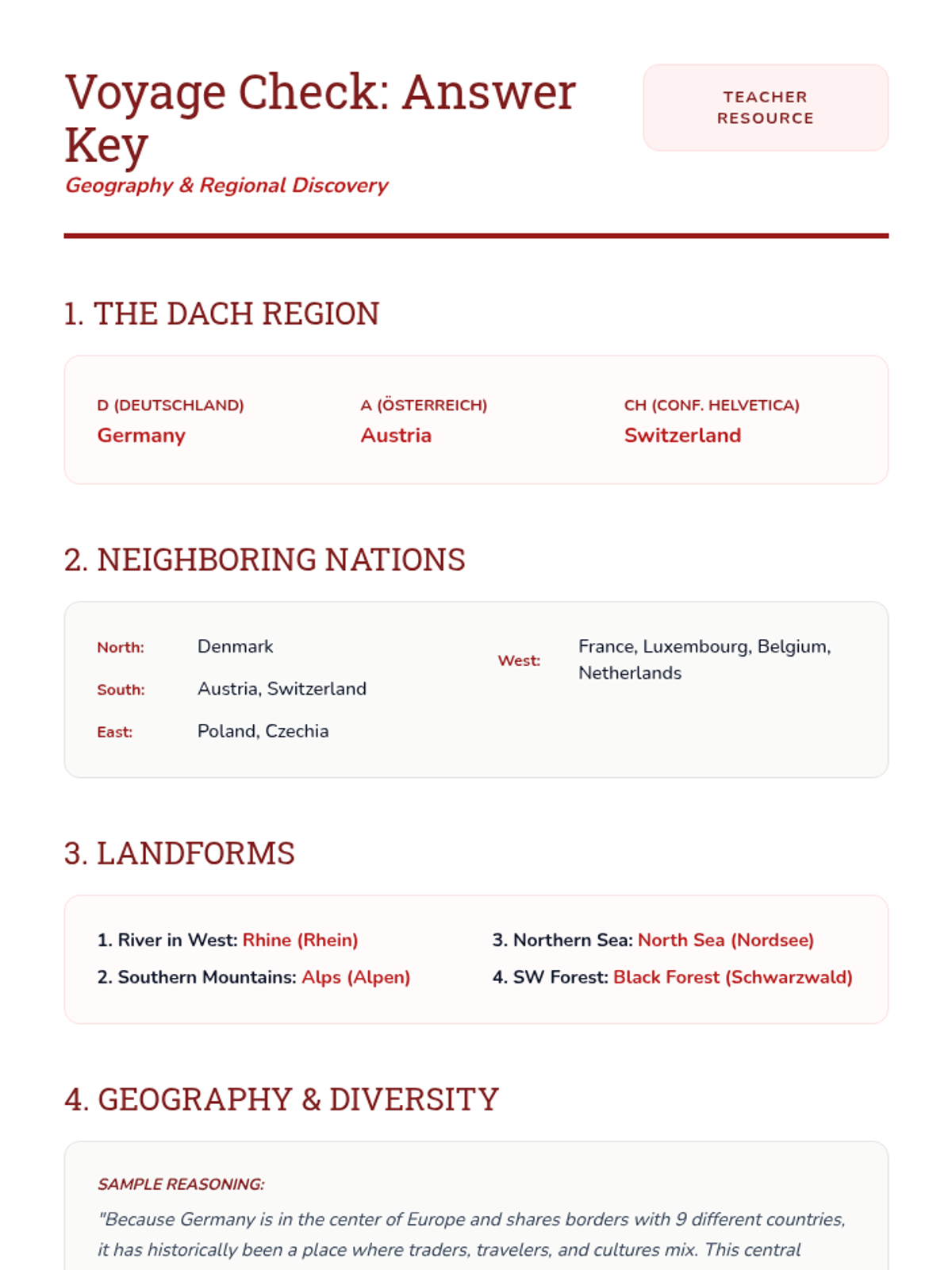
An introductory 45-minute lesson exploring the geography of German-speaking regions and the vibrant cultural traditions that define them. Students will map the DACH region and discover festivals like Oktoberfest and Karneval.
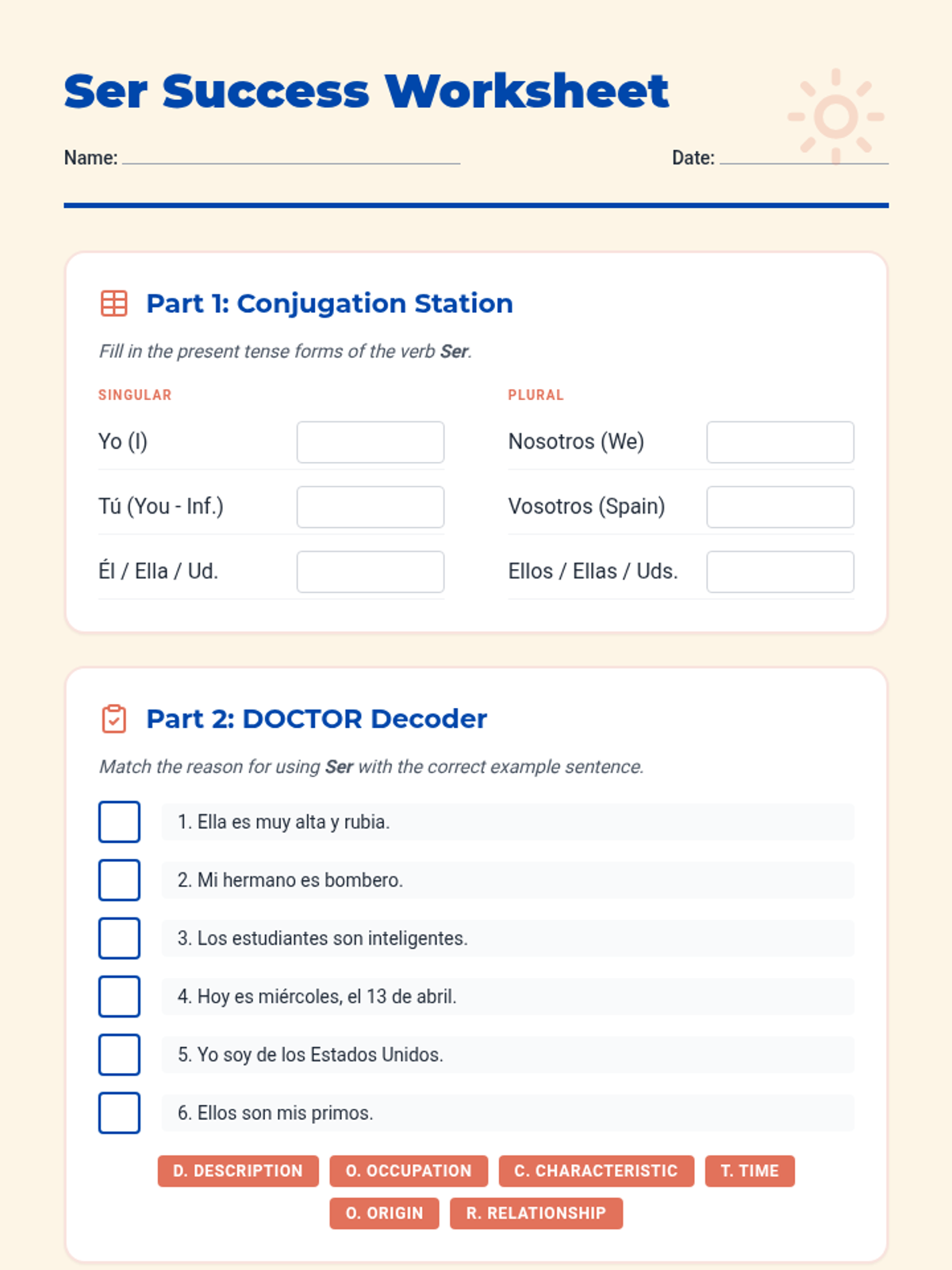
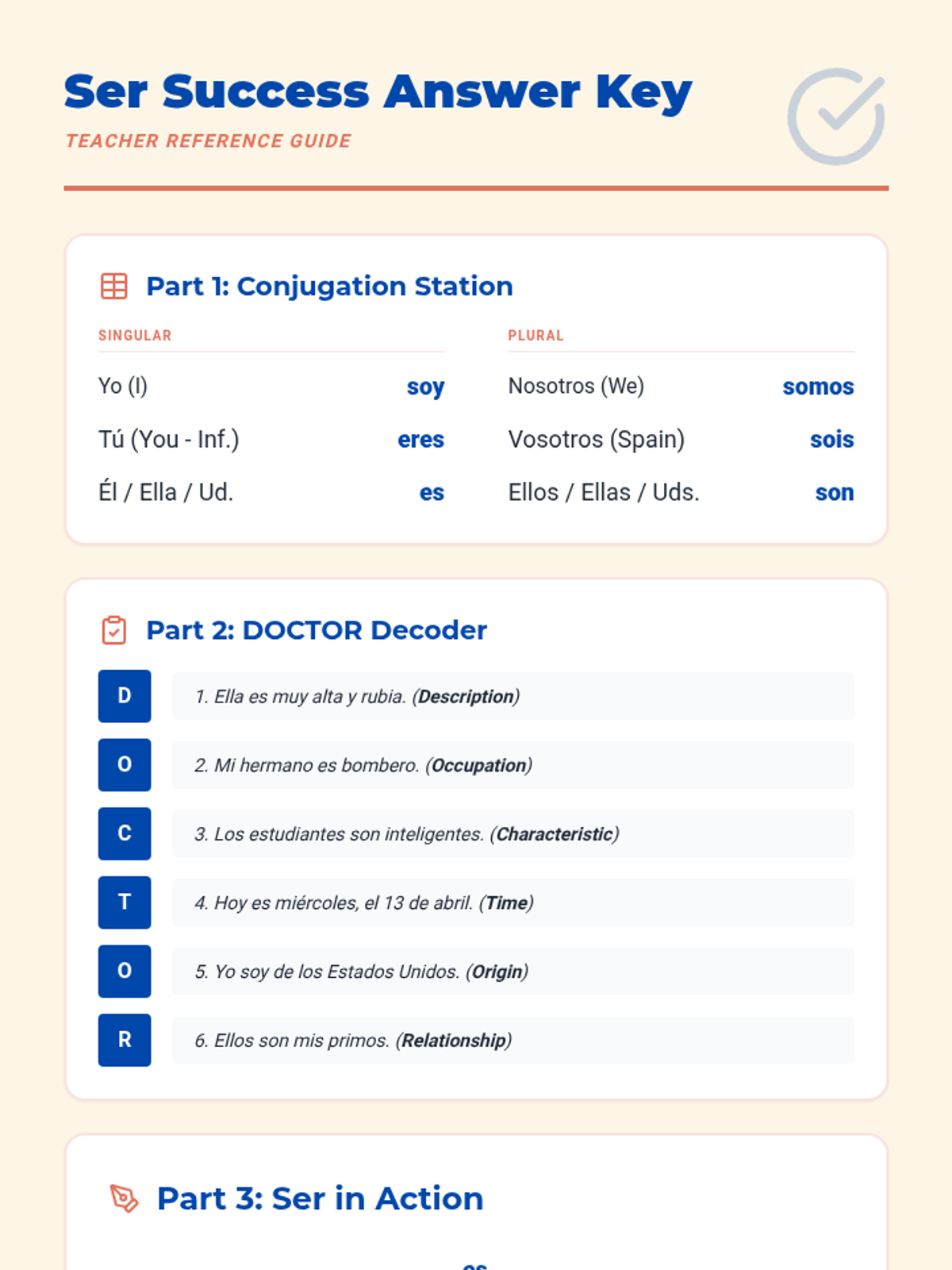
A comprehensive introduction to the Spanish verb 'ser', covering present tense conjugations, the DOCTOR acronym for usage, and practical application exercises.
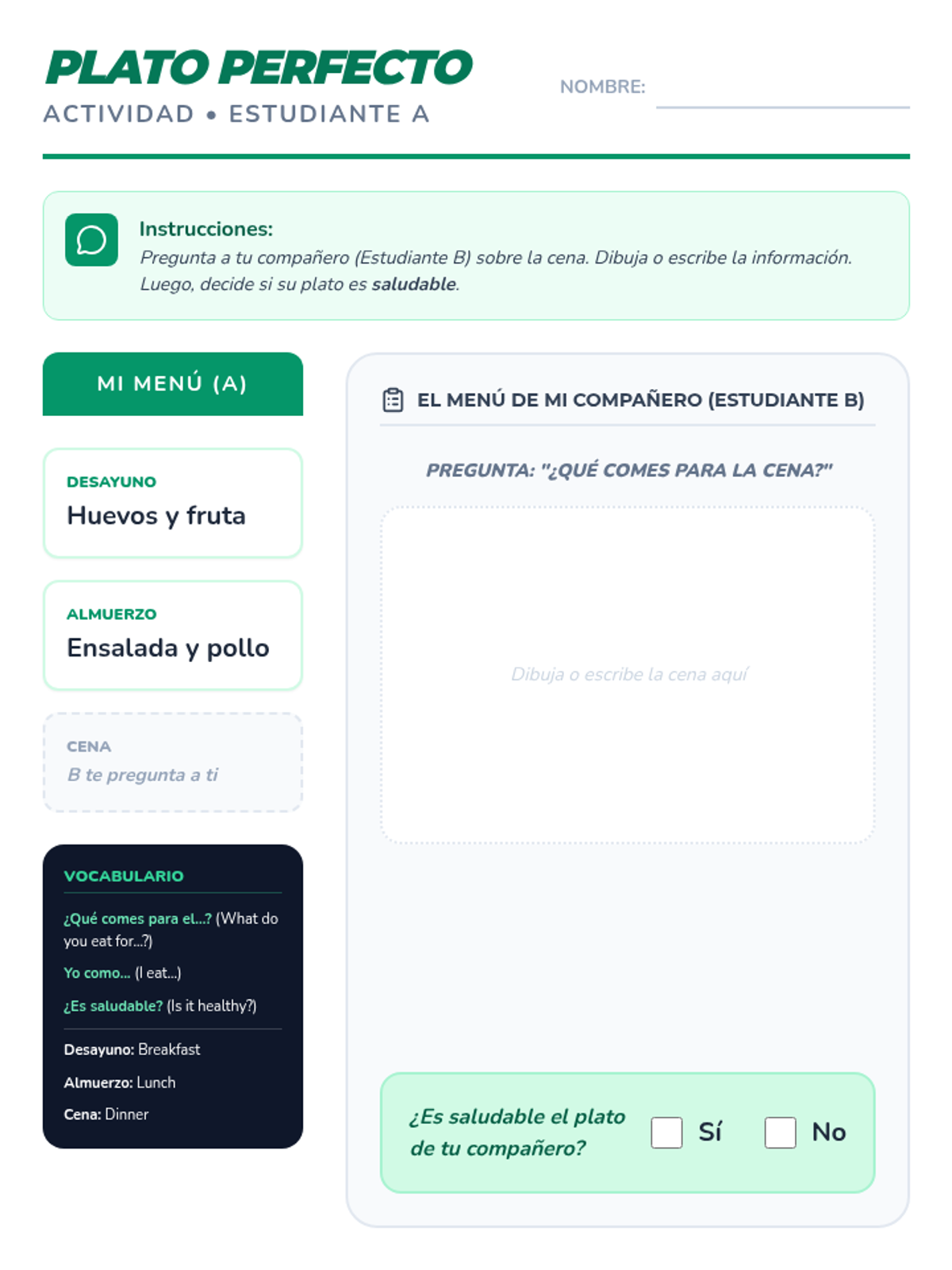
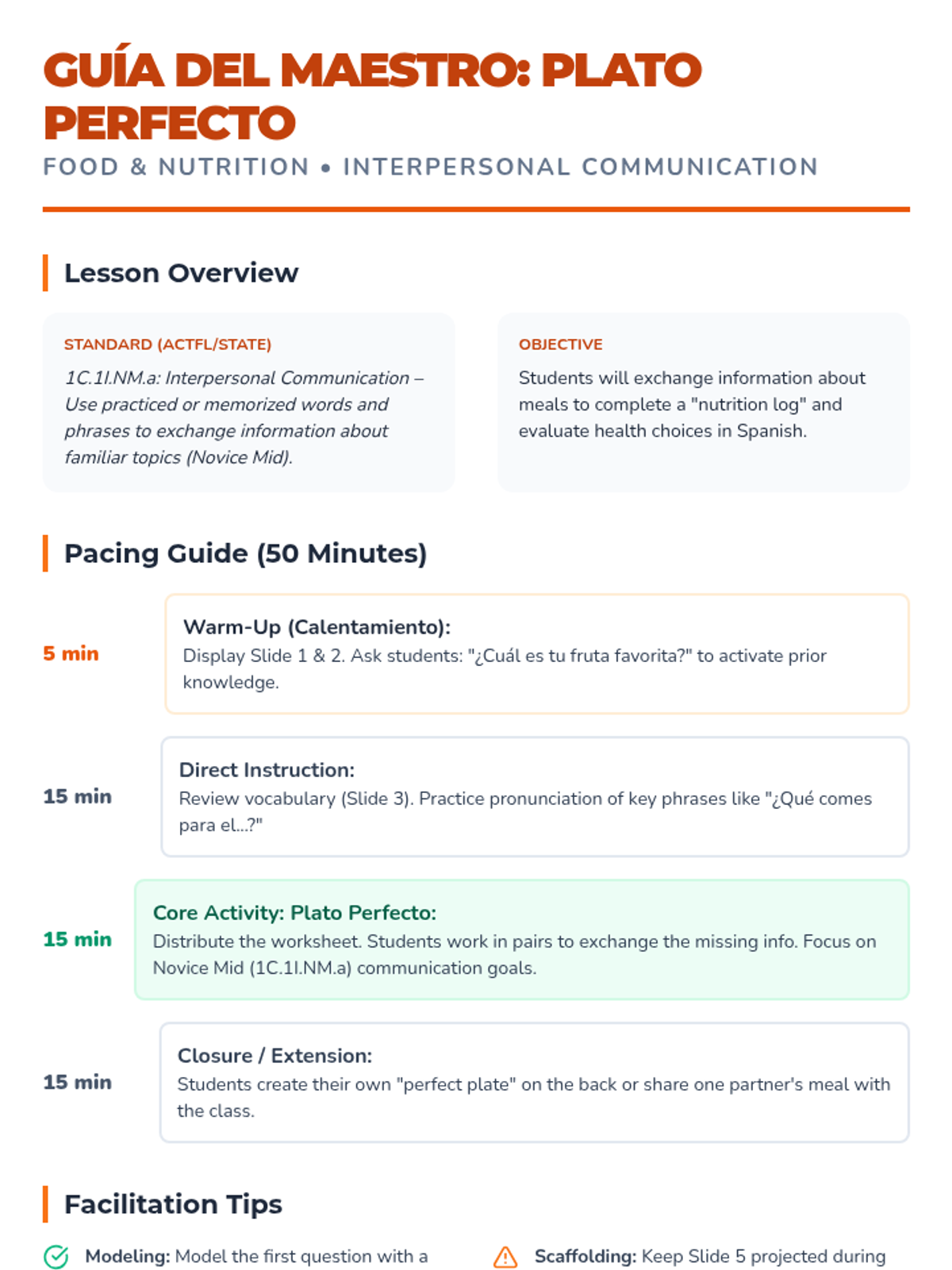
A focused Spanish 1 lesson on food and nutrition, centered around a partner speaking activity where students exchange information about healthy daily meals.
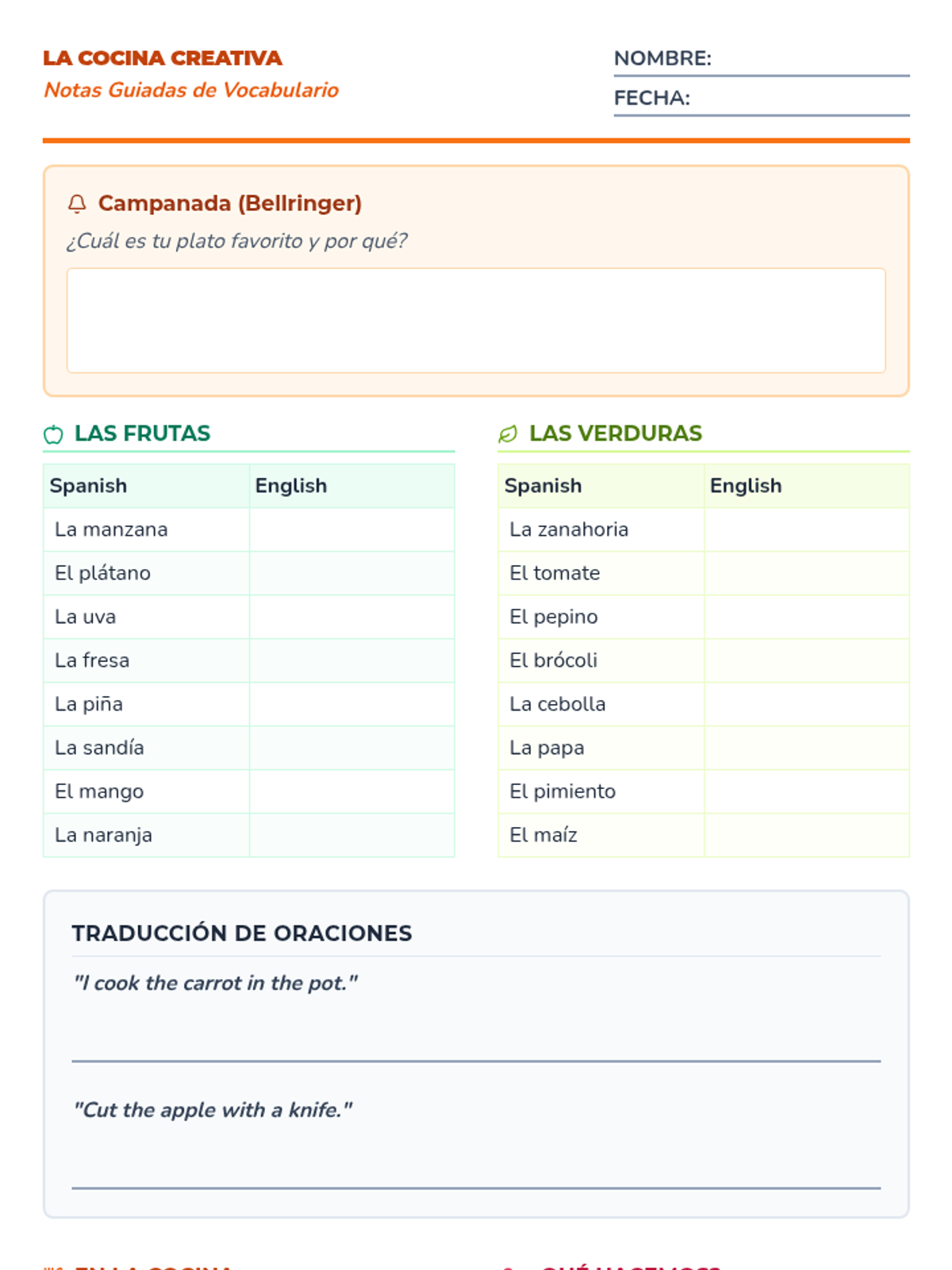
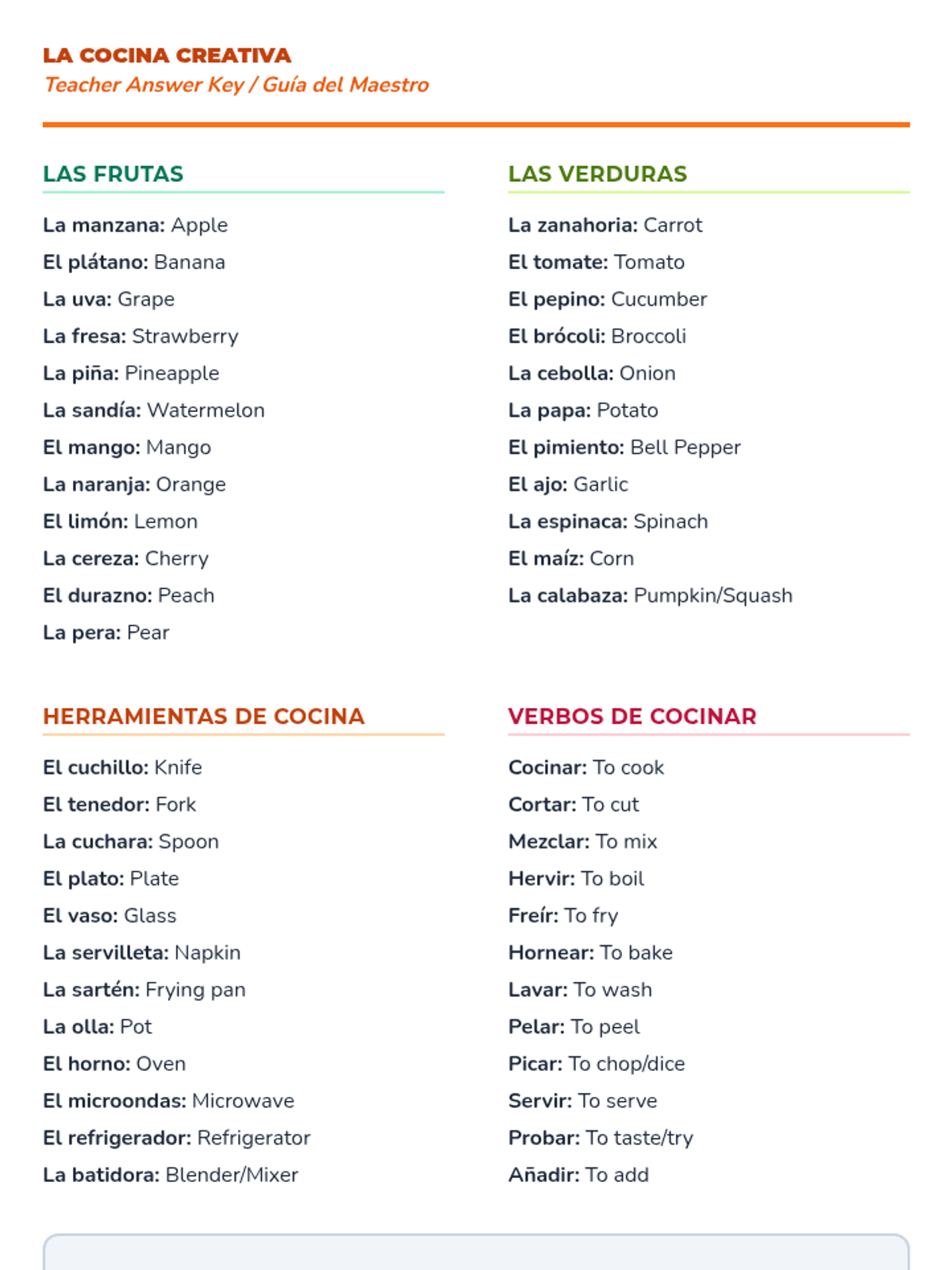
A comprehensive lesson on Spanish food vocabulary focusing on fruits, vegetables, kitchen tools, and cooking verbs. Students will learn through a visual presentation and interactive guided notes.
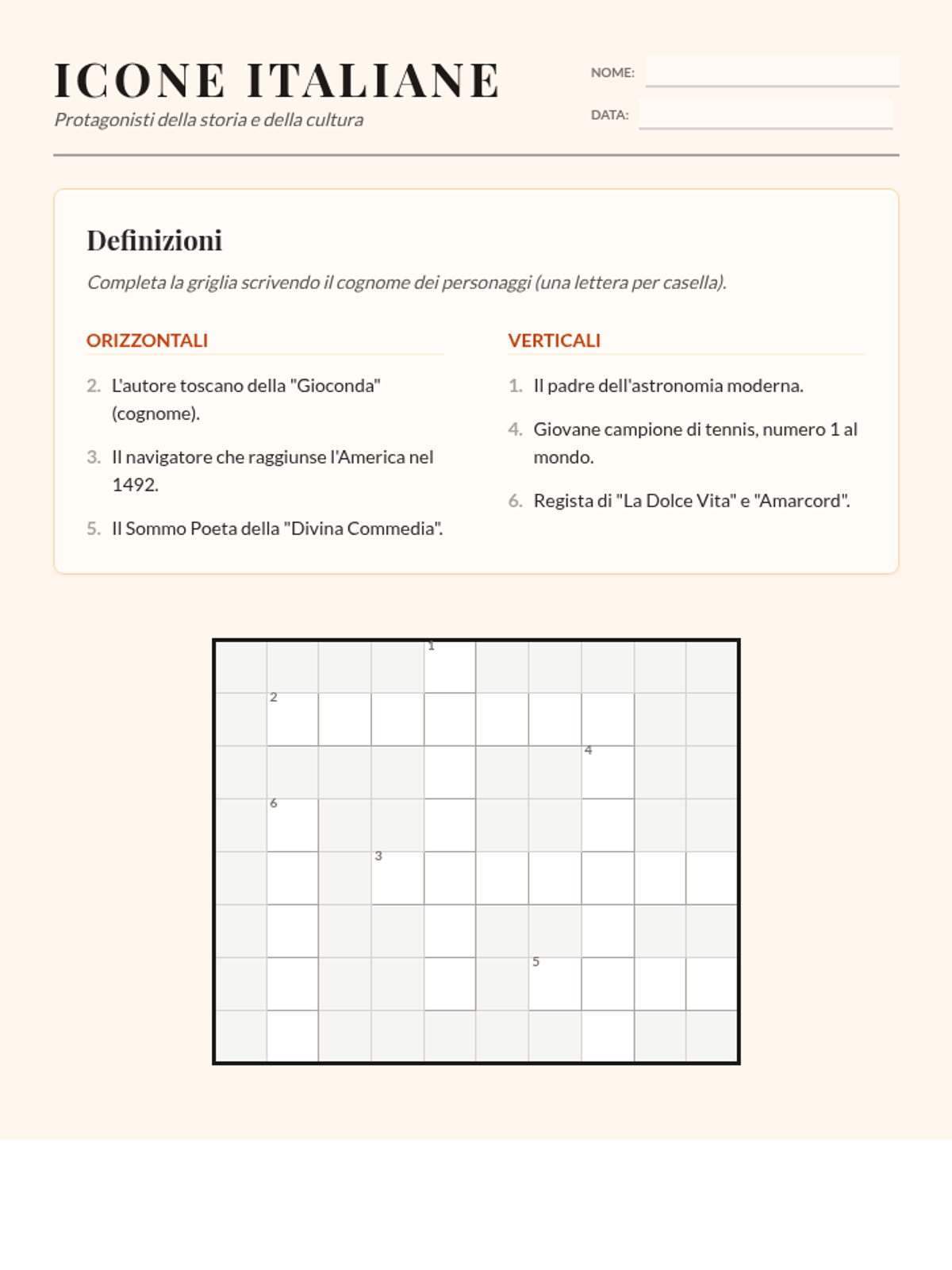
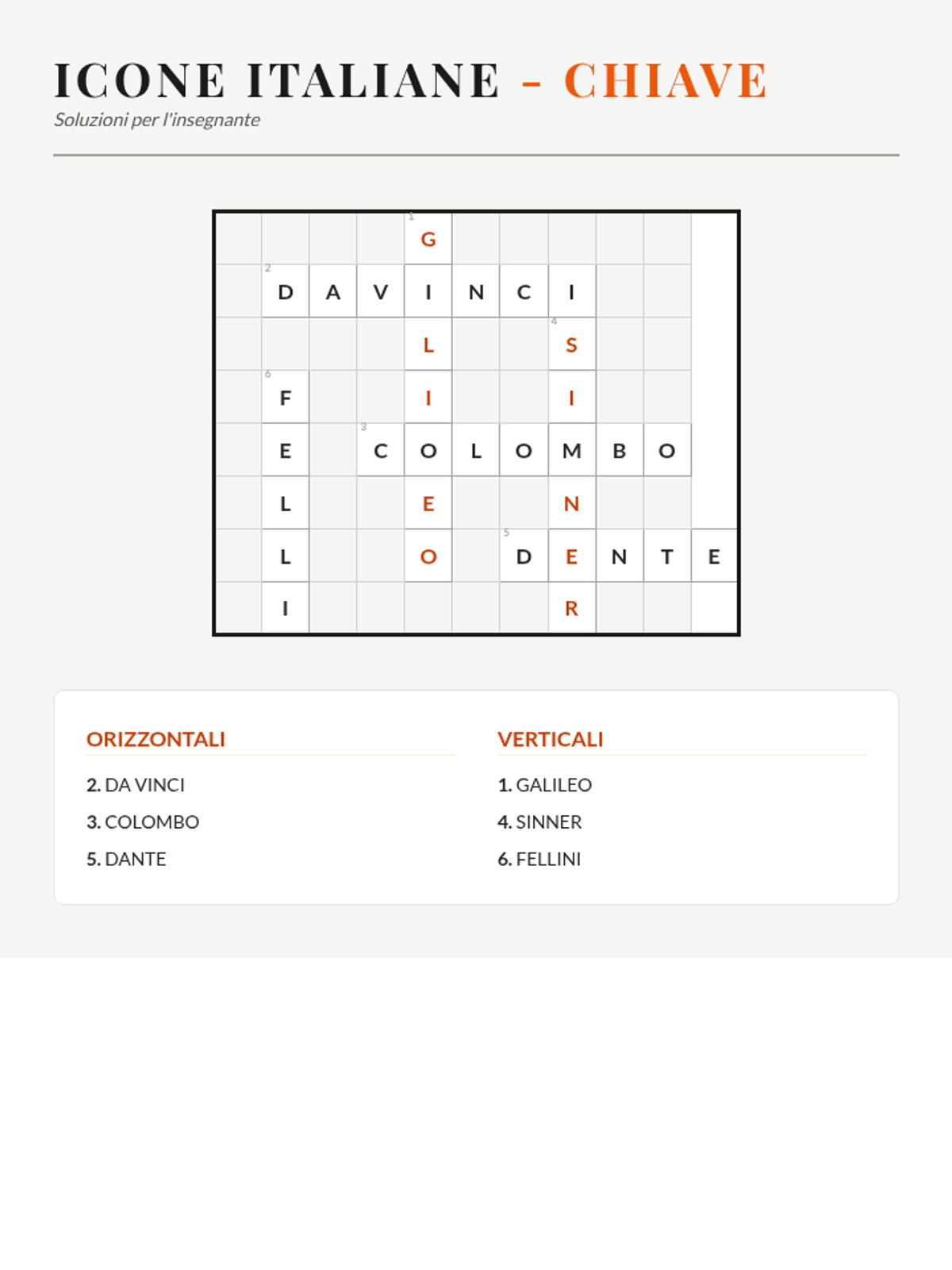
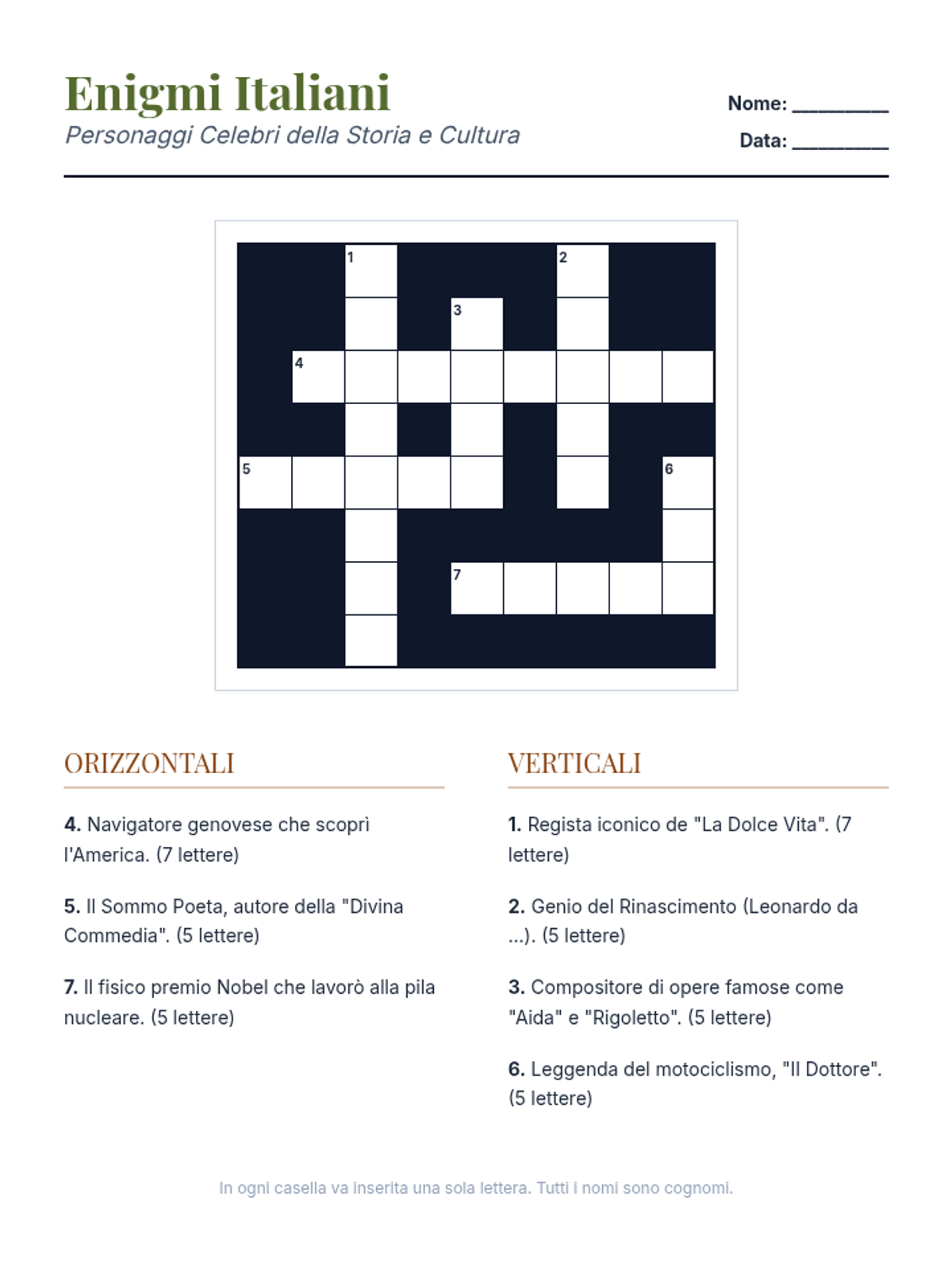
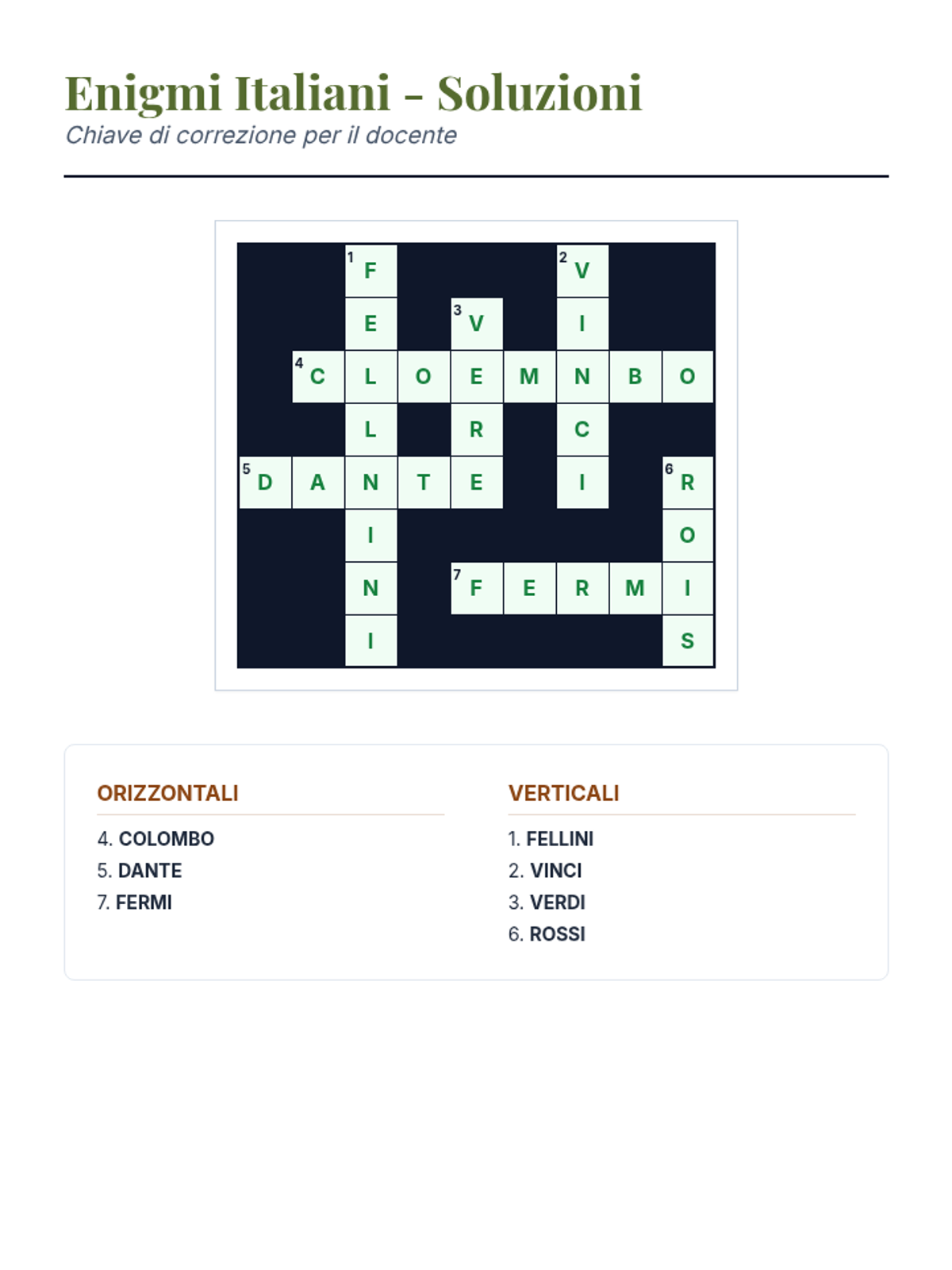
A lesson focusing on famous Italian figures from history to modern day, enhancing vocabulary and cultural knowledge through a crossword puzzle.
A lesson focused on famous Italian figures from history, art, science, and modern culture, designed for intermediate learners to practice vocabulary and cultural knowledge.
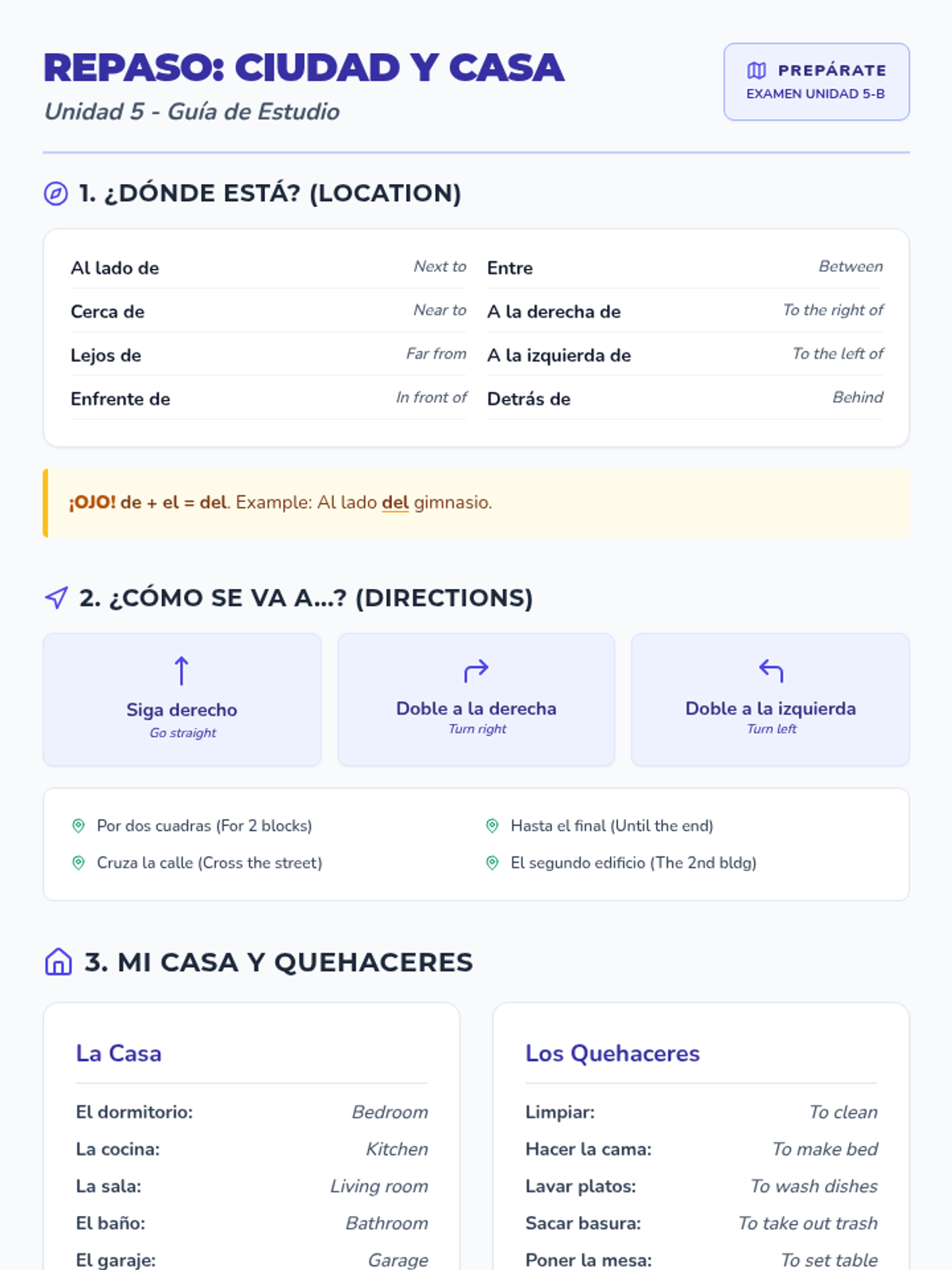
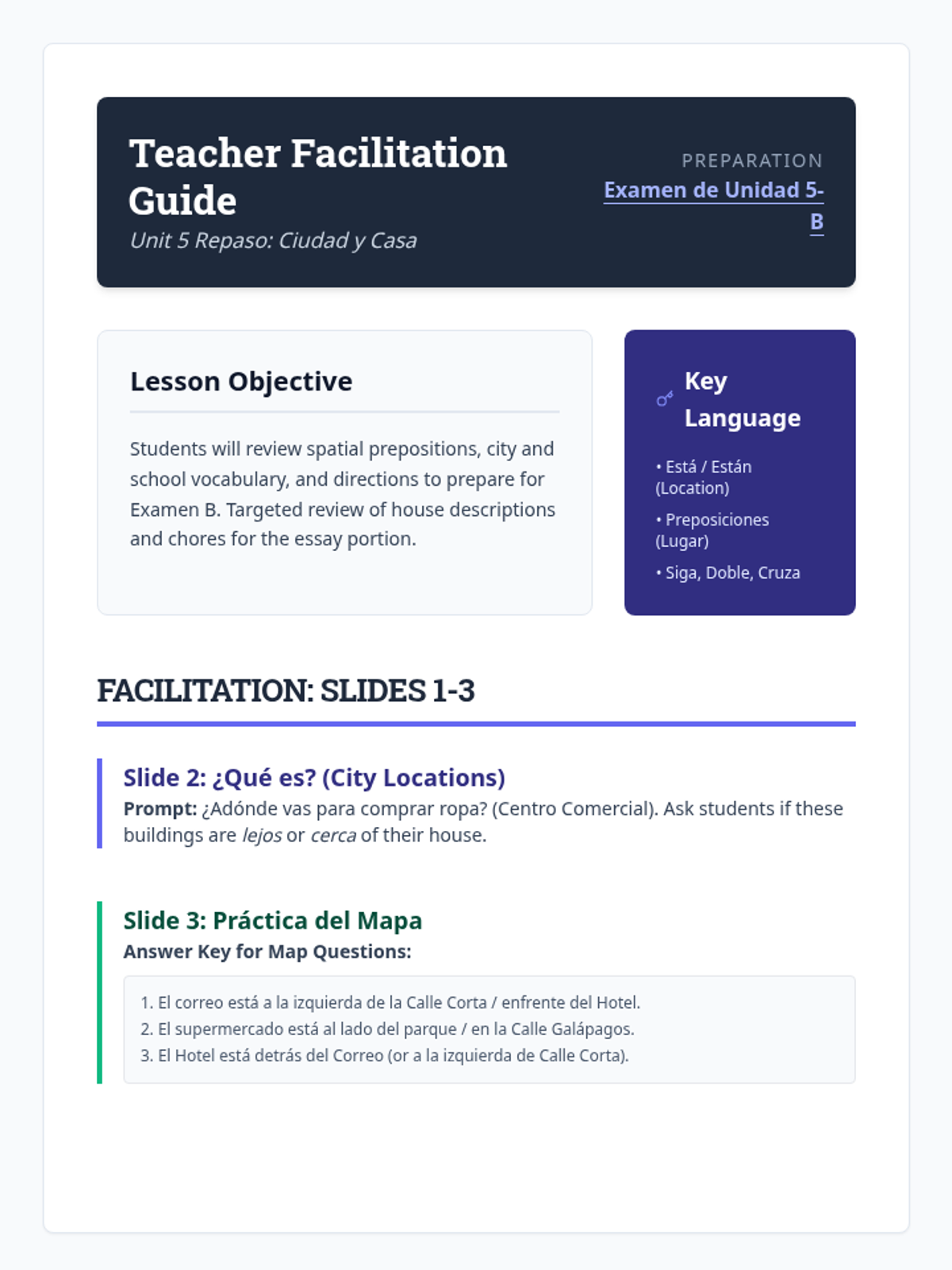
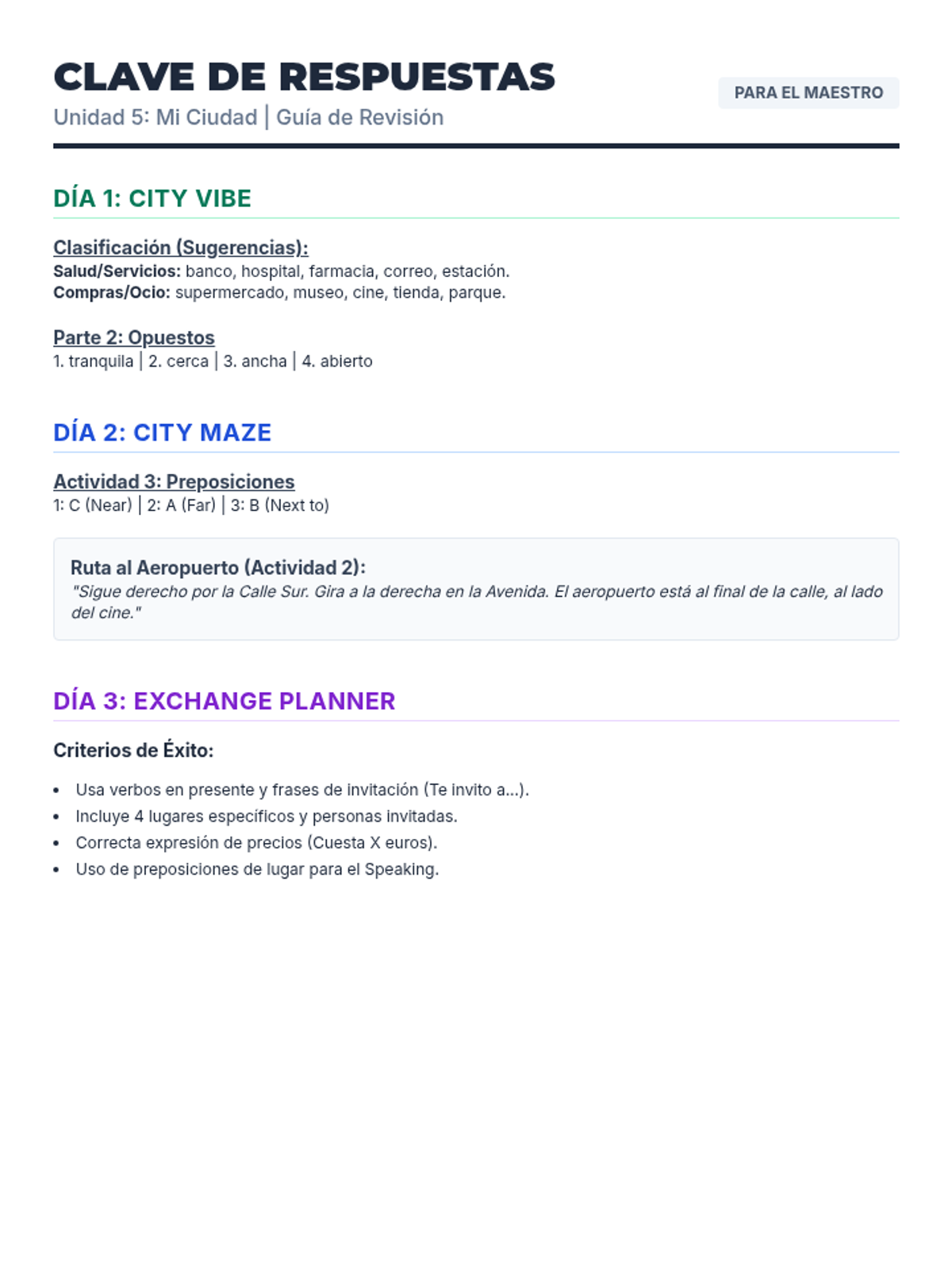
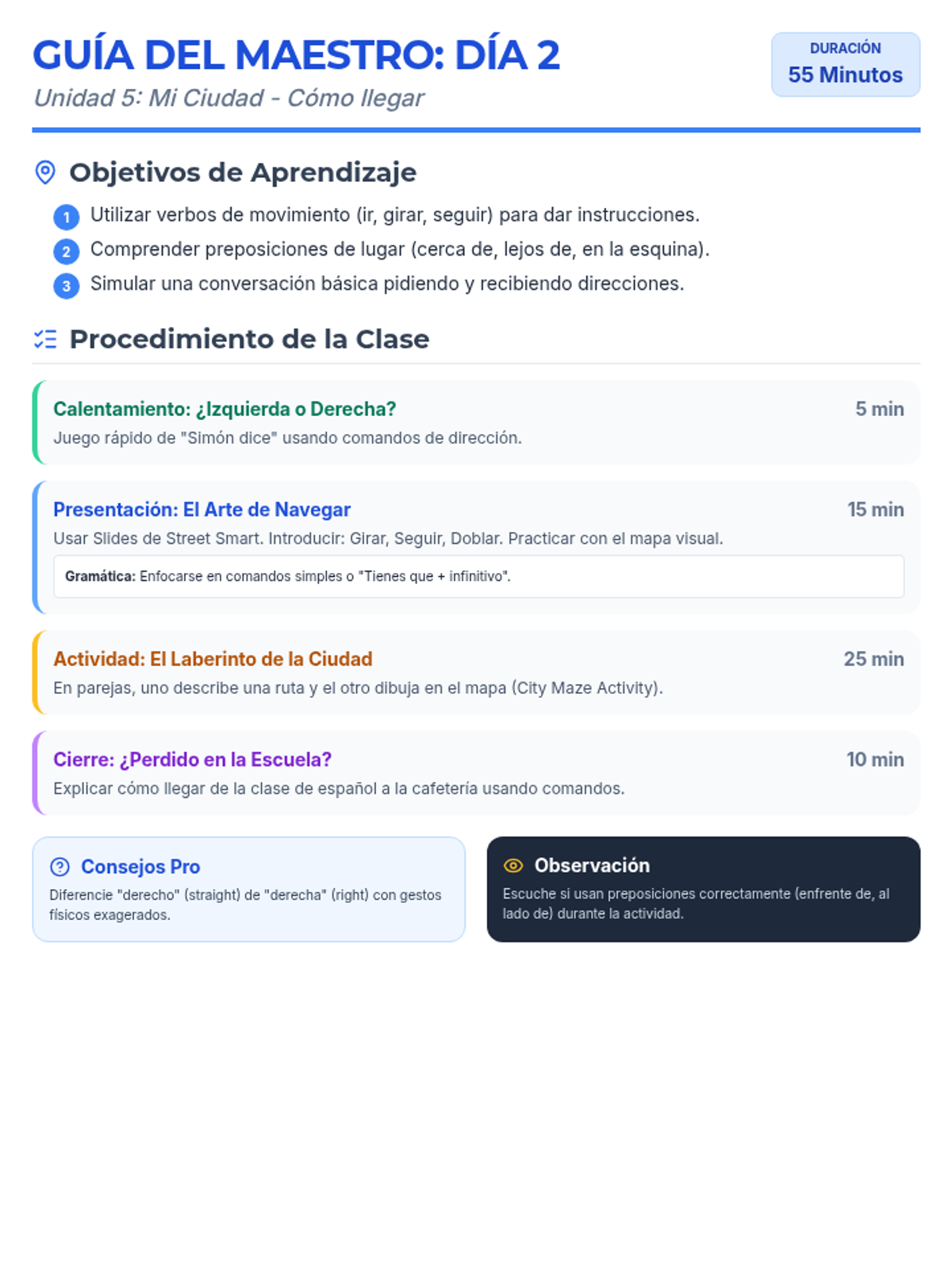
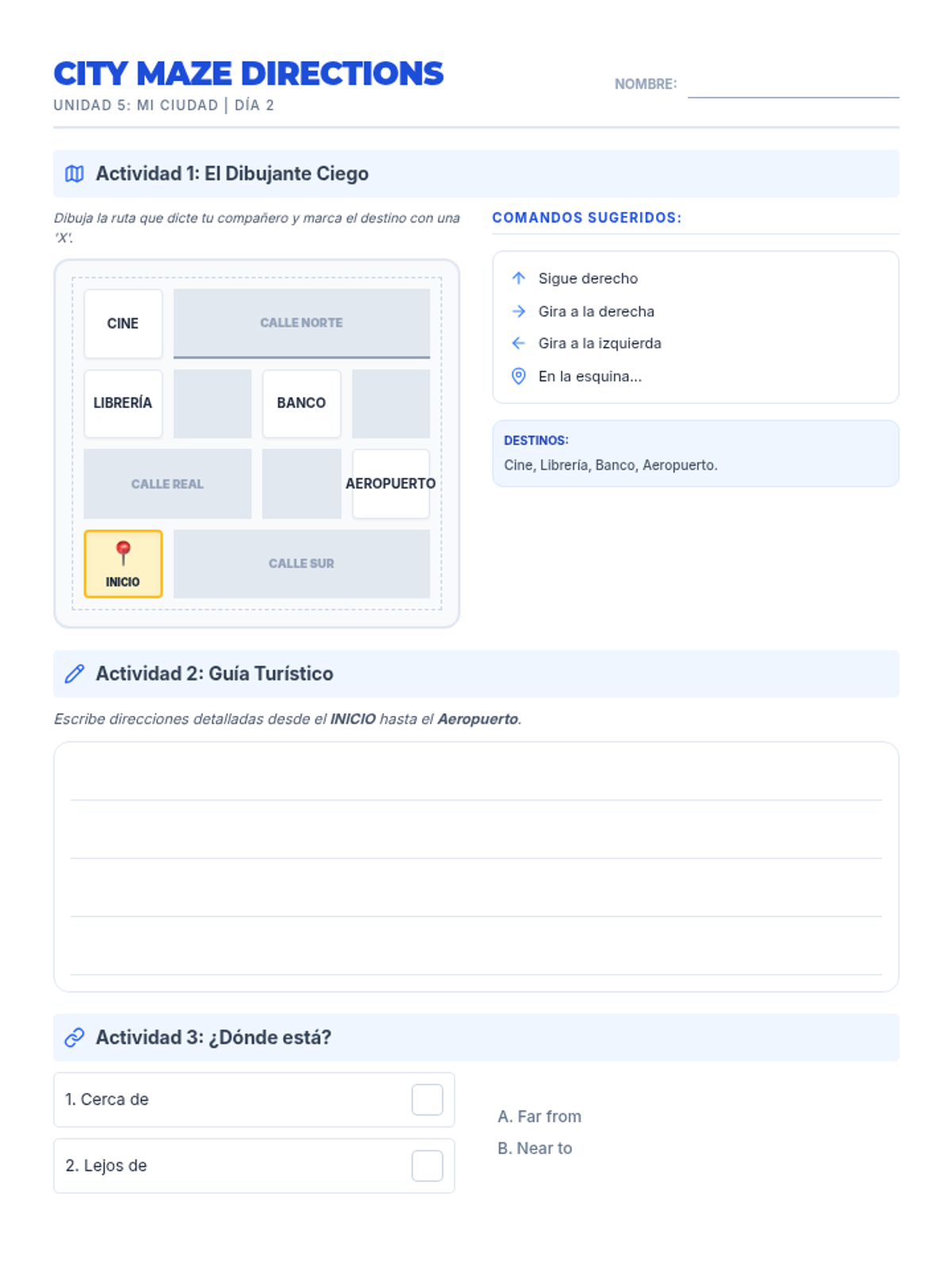
A comprehensive Spanish review lesson focusing on city locations, giving directions, school layout, and house descriptions to prepare students for the Unit 5 exam.
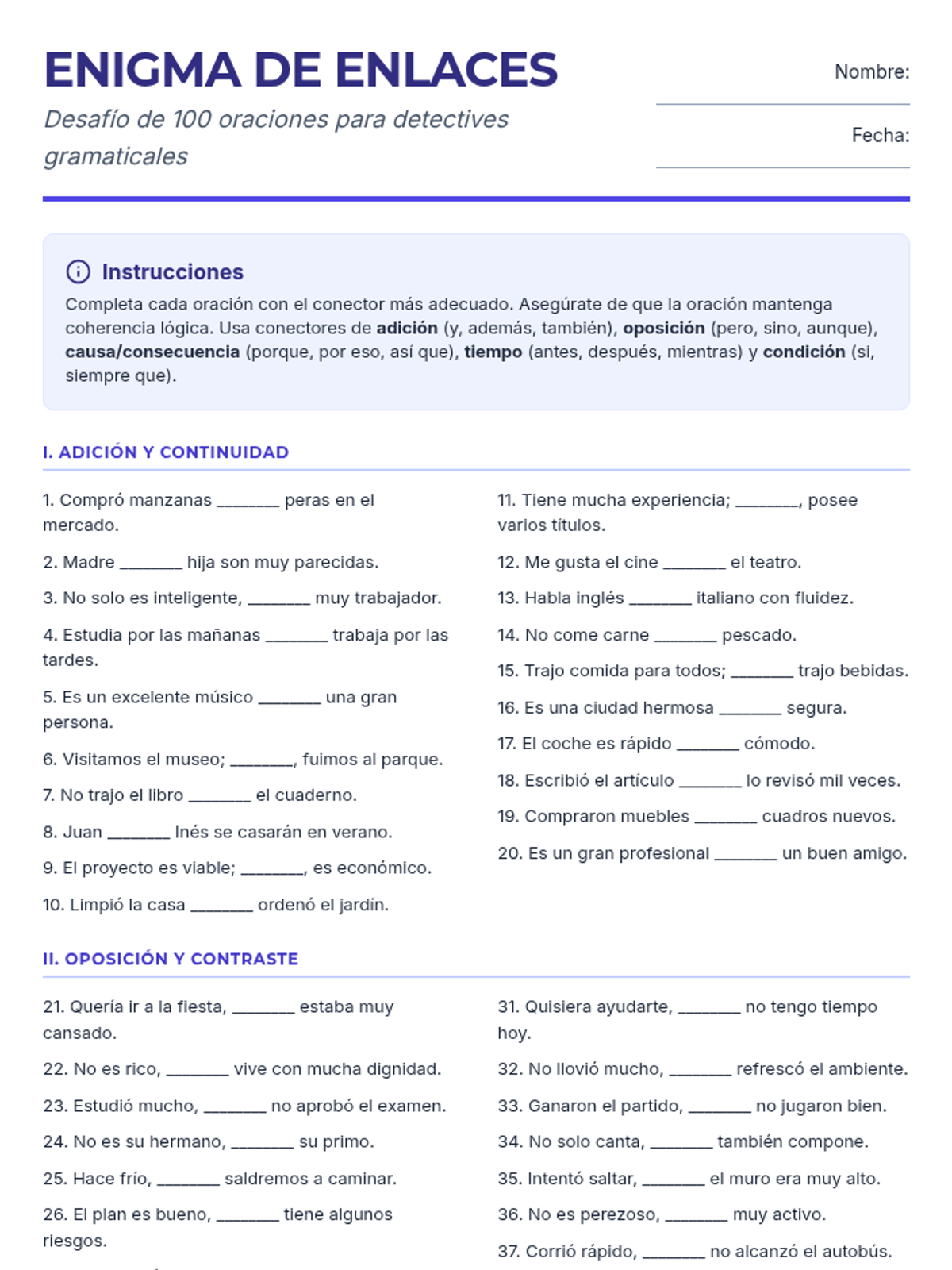
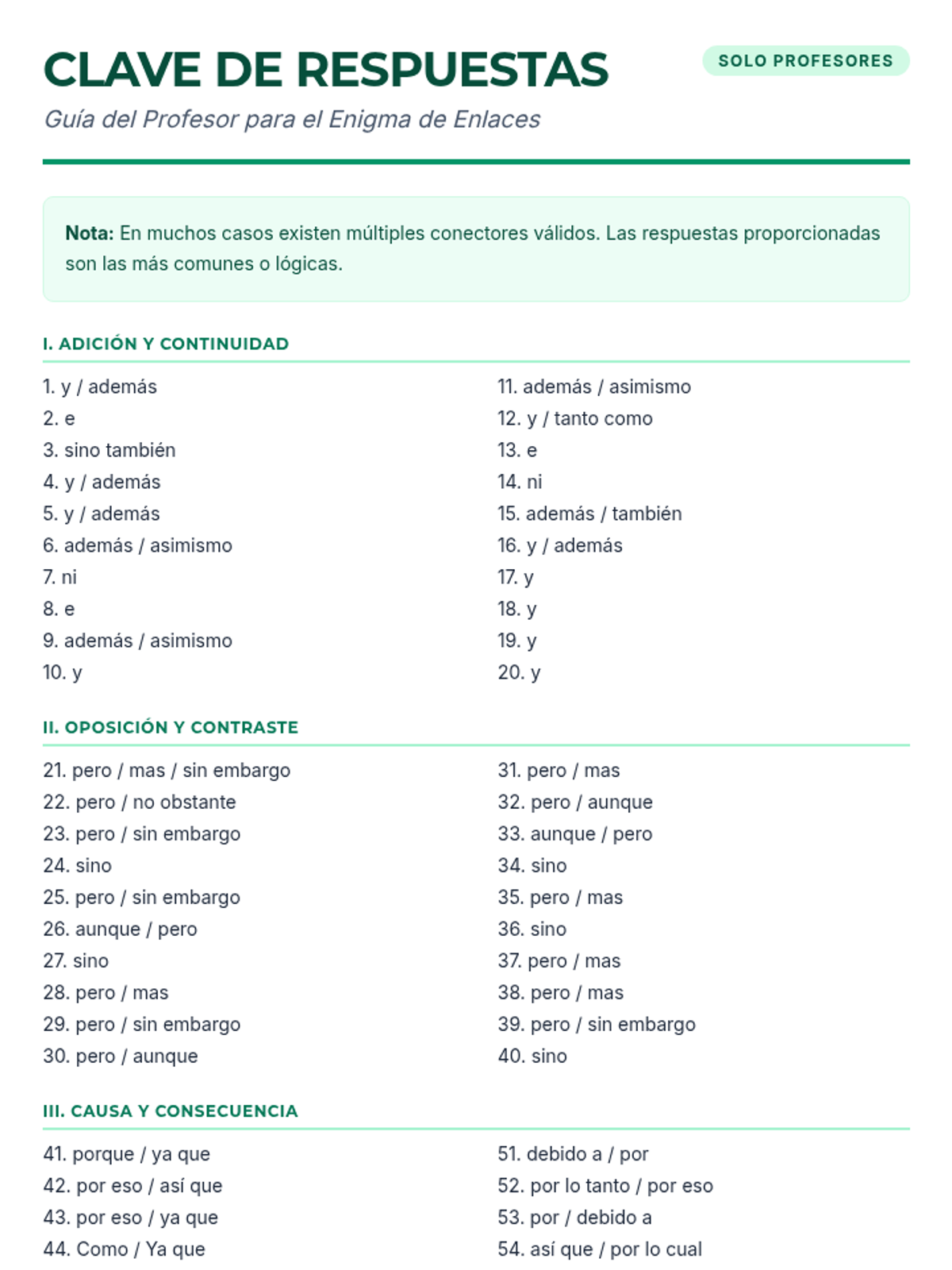
Una lección completa para dominar el uso de conectores gramaticales en español a través de la práctica intensiva y el análisis de contexto.
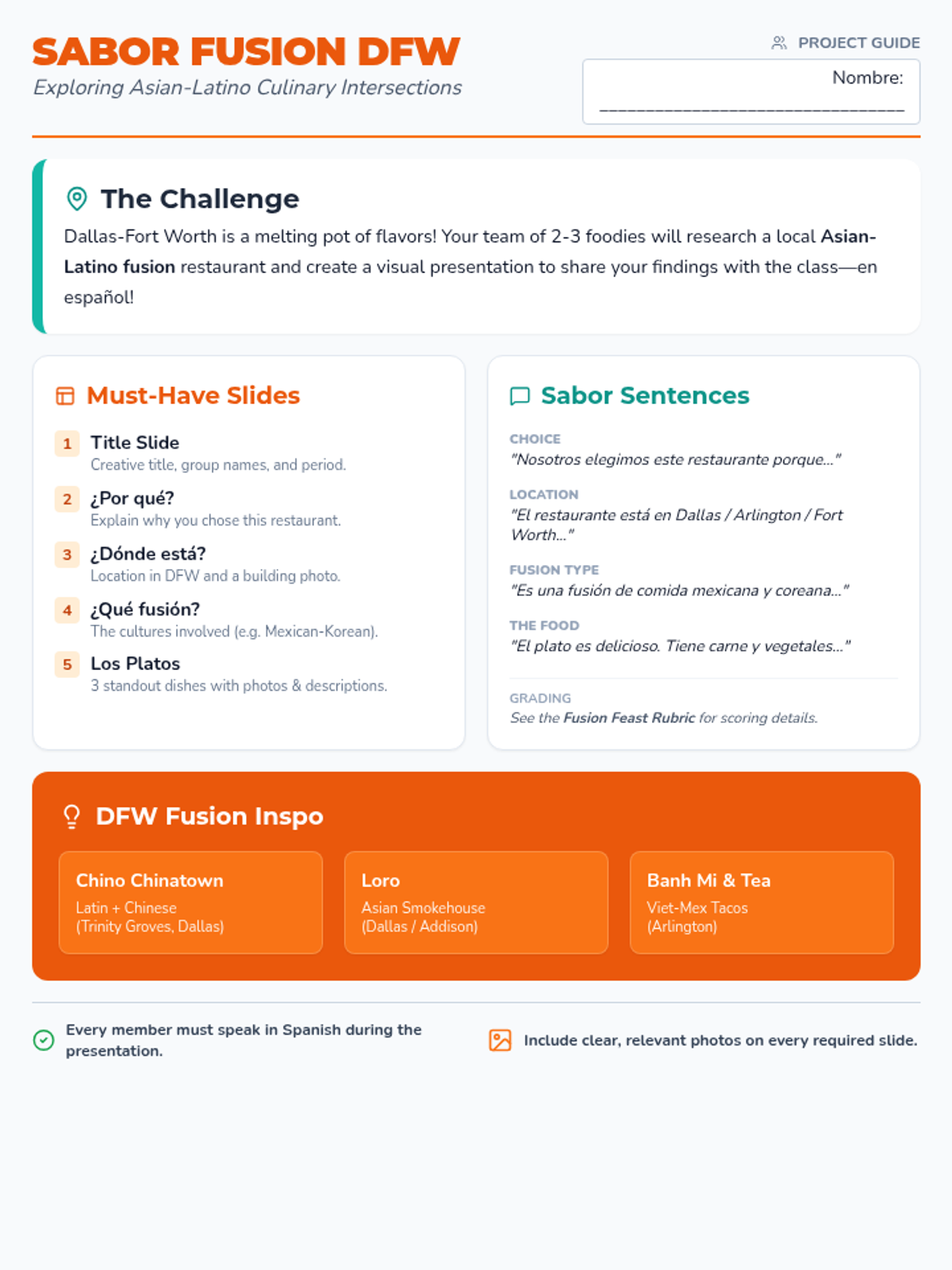
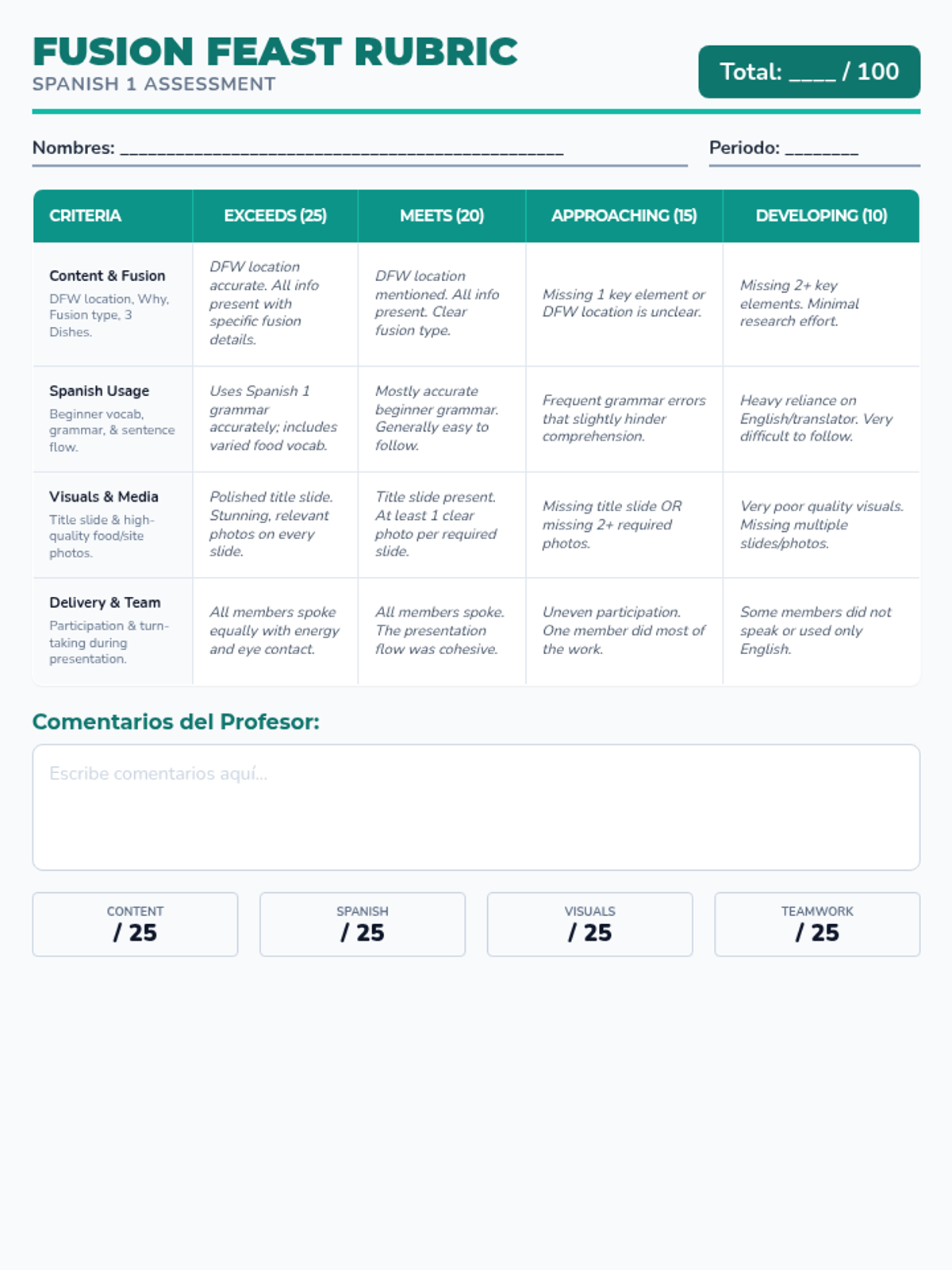
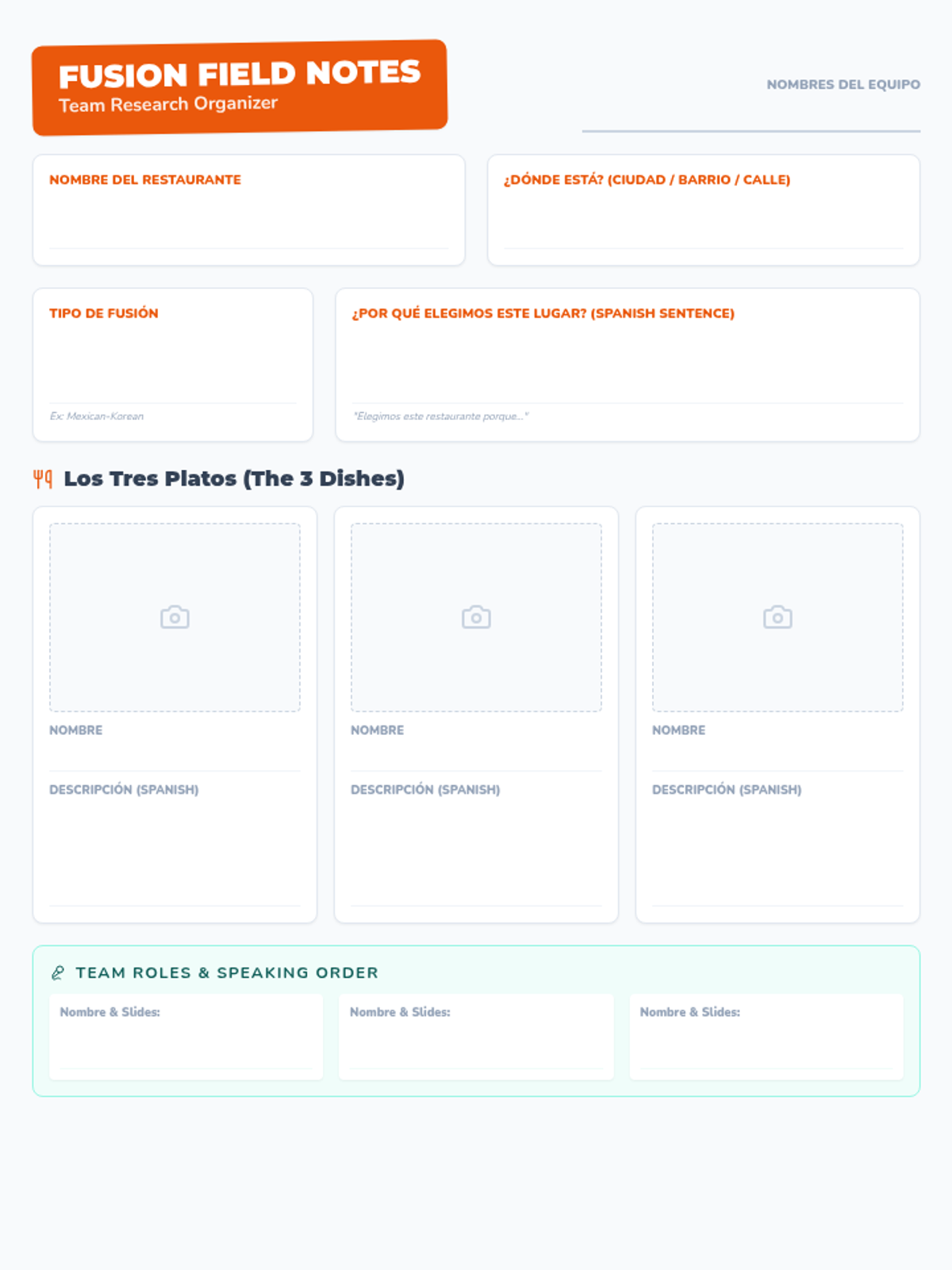
A beginner Spanish project where students research and present on Asian-Latino fusion restaurants in the Dallas-Fort Worth area, focusing on cultural intersection and culinary vocabulary.
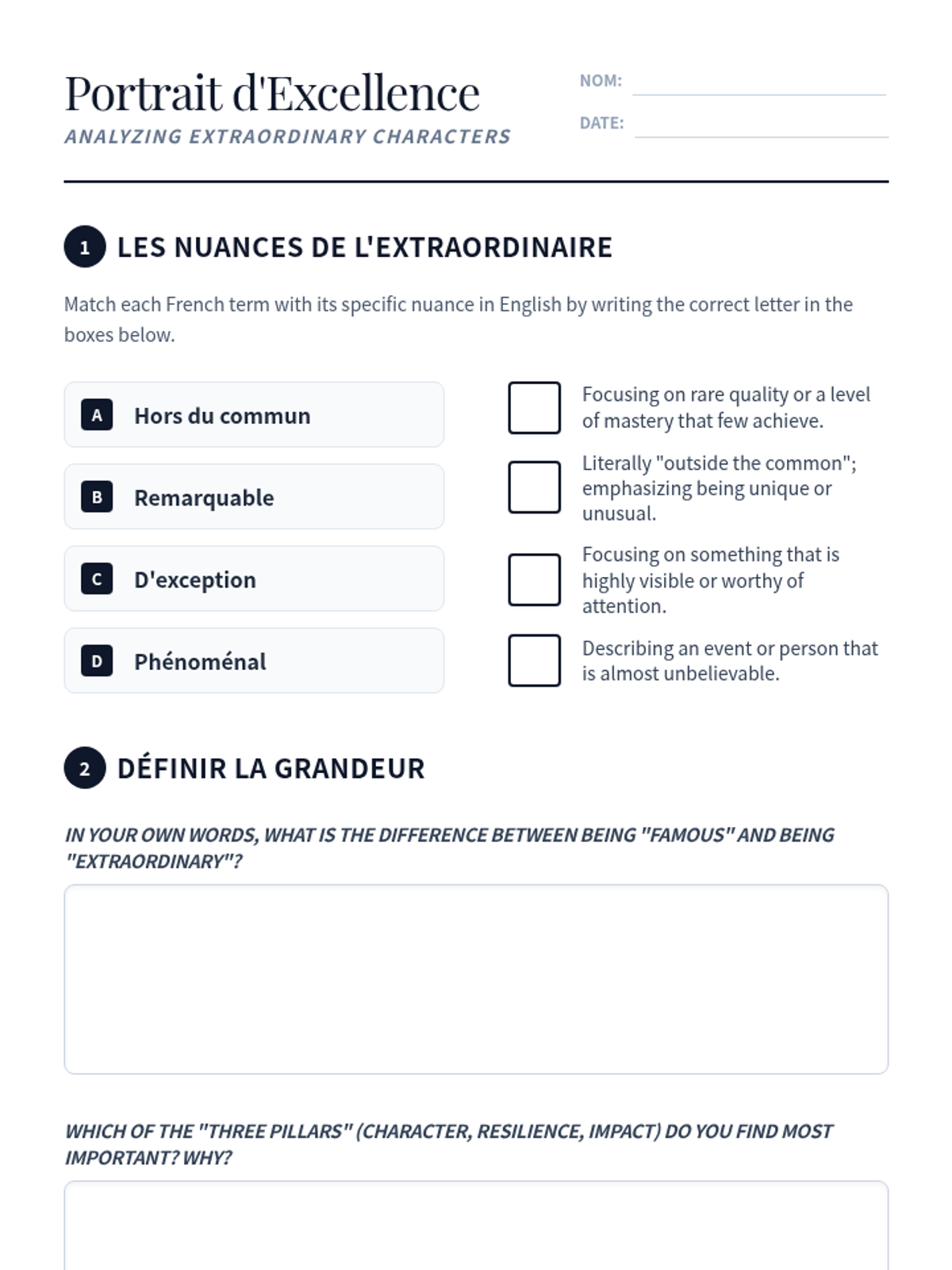
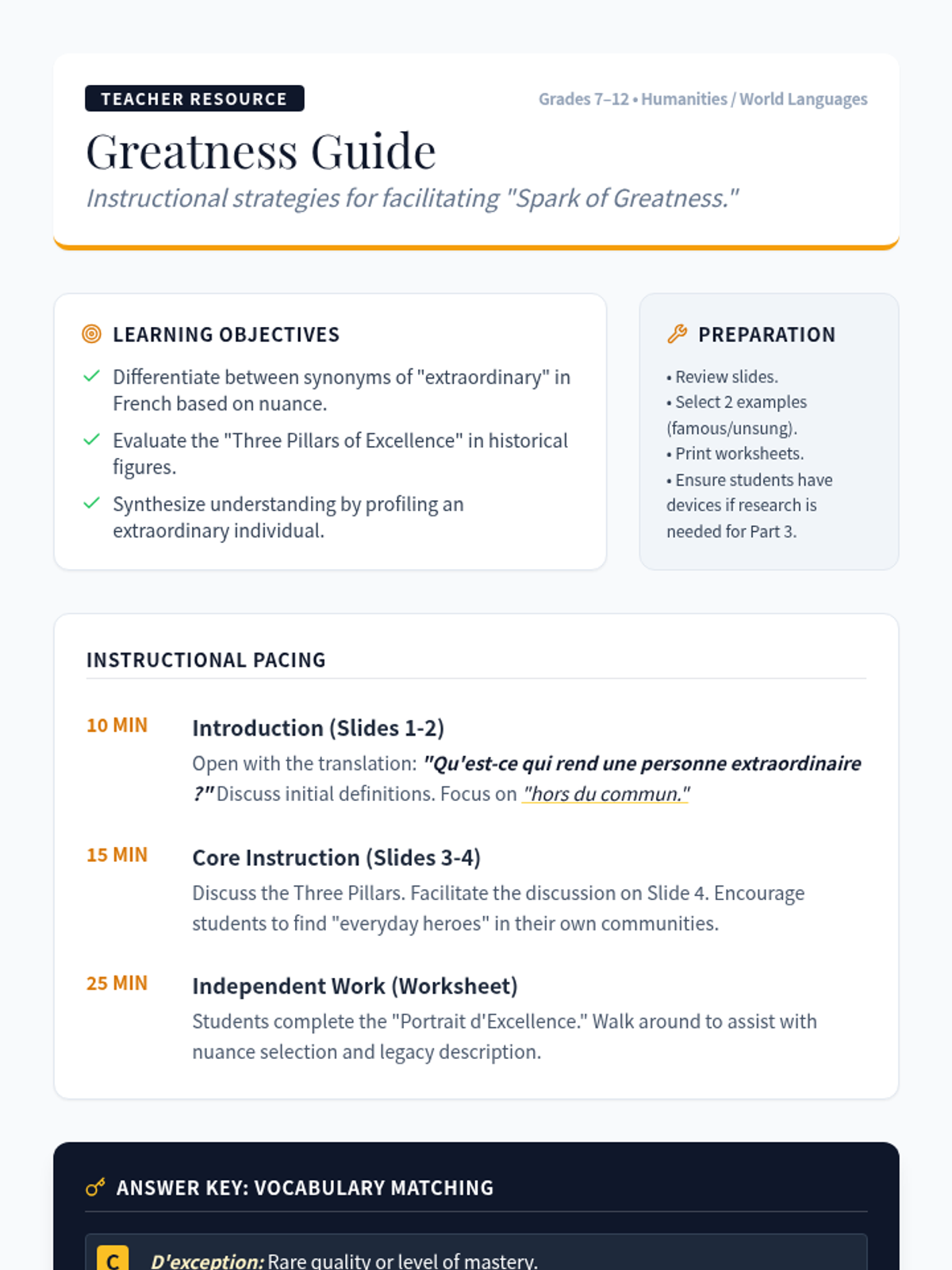
A lesson exploring the qualities that define an extraordinary person, focusing on character traits, resilience, and impact. Students will learn the nuances of the French word 'extraordinaire' and its synonyms while reflecting on historical and personal figures of excellence.
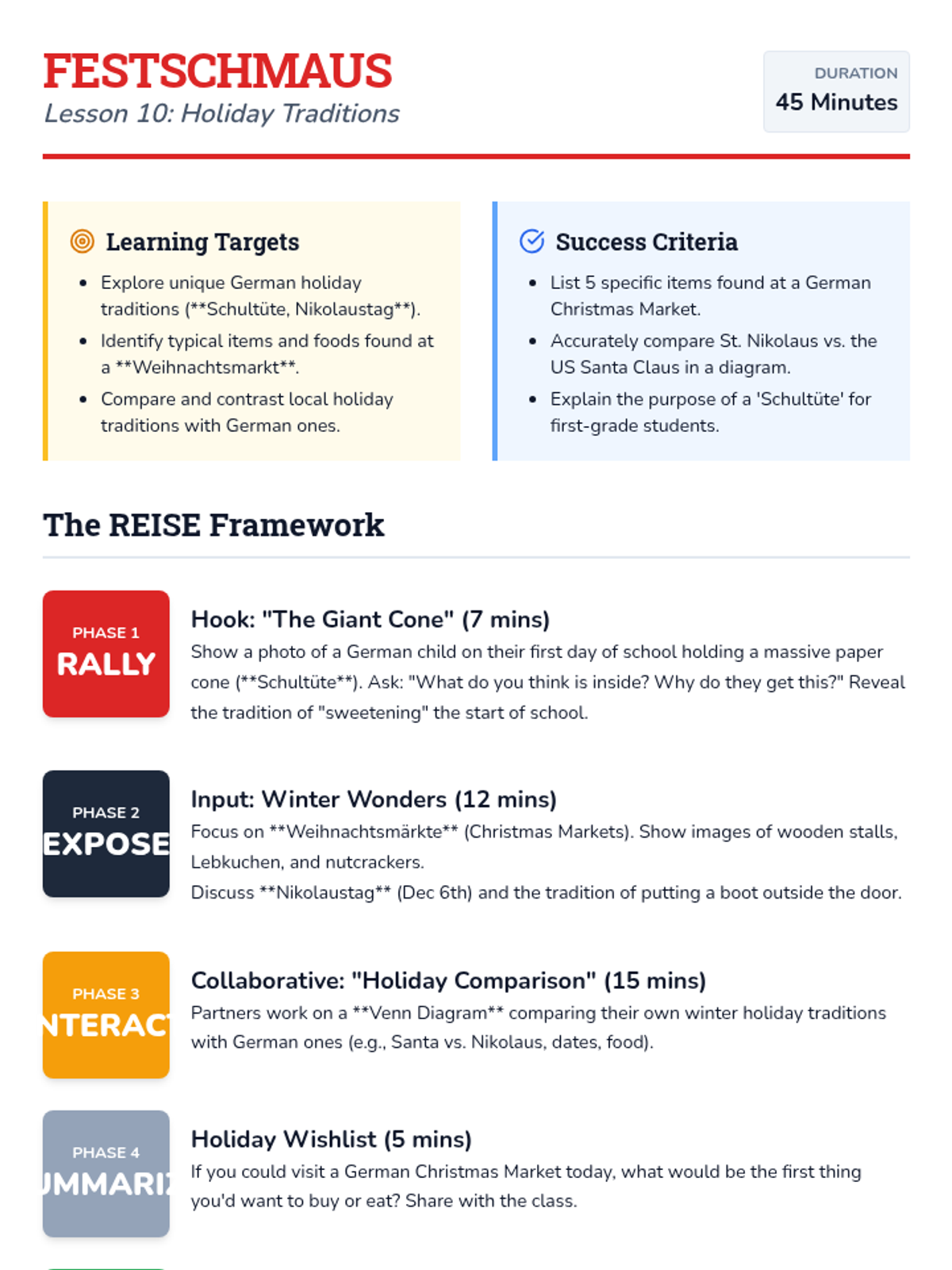
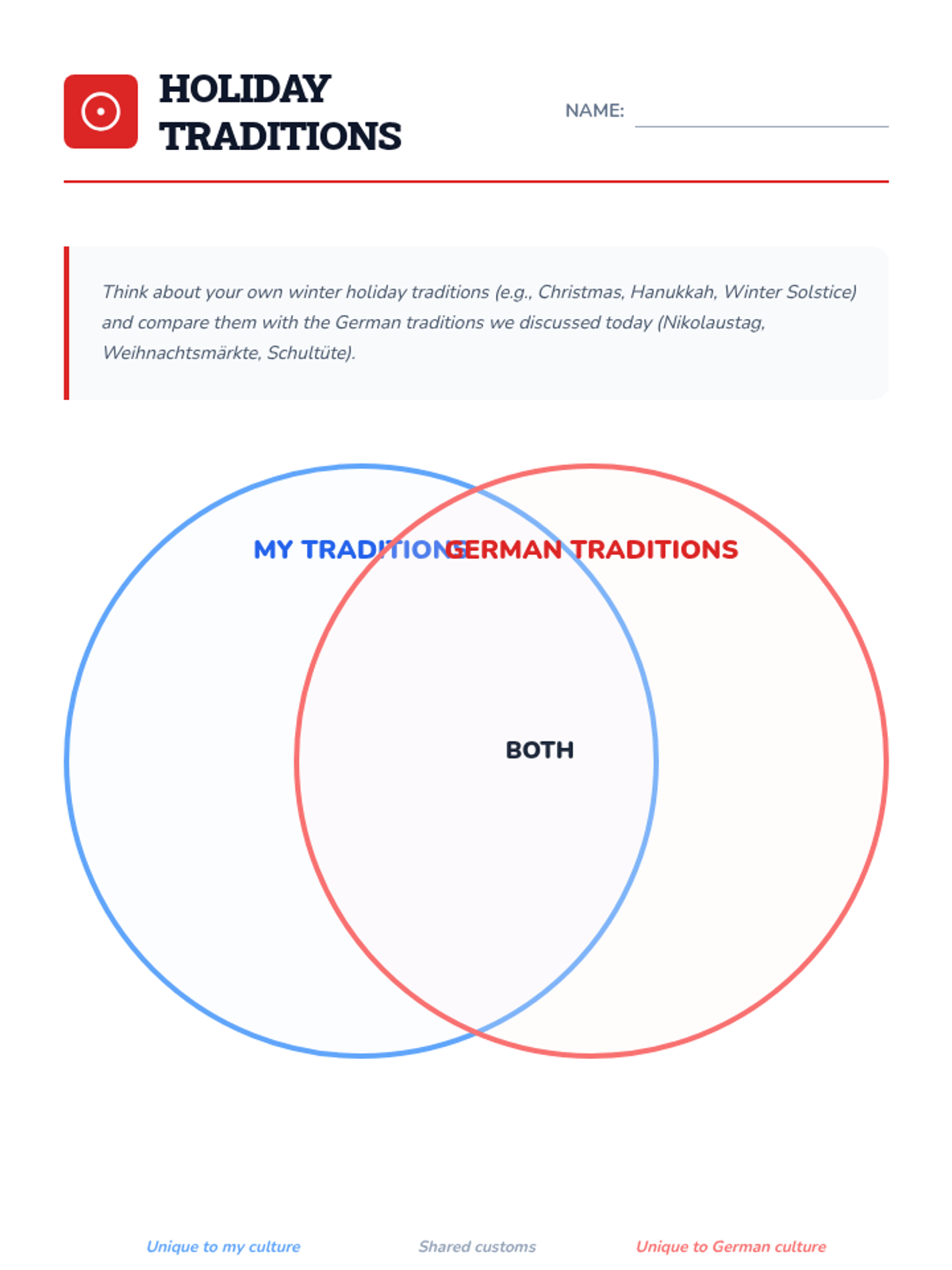
A festive conclusion focusing on German holiday traditions, including 'Schultüte' and 'Weihnachtsmärkte'. Students compare local and German celebrations using Venn diagrams.
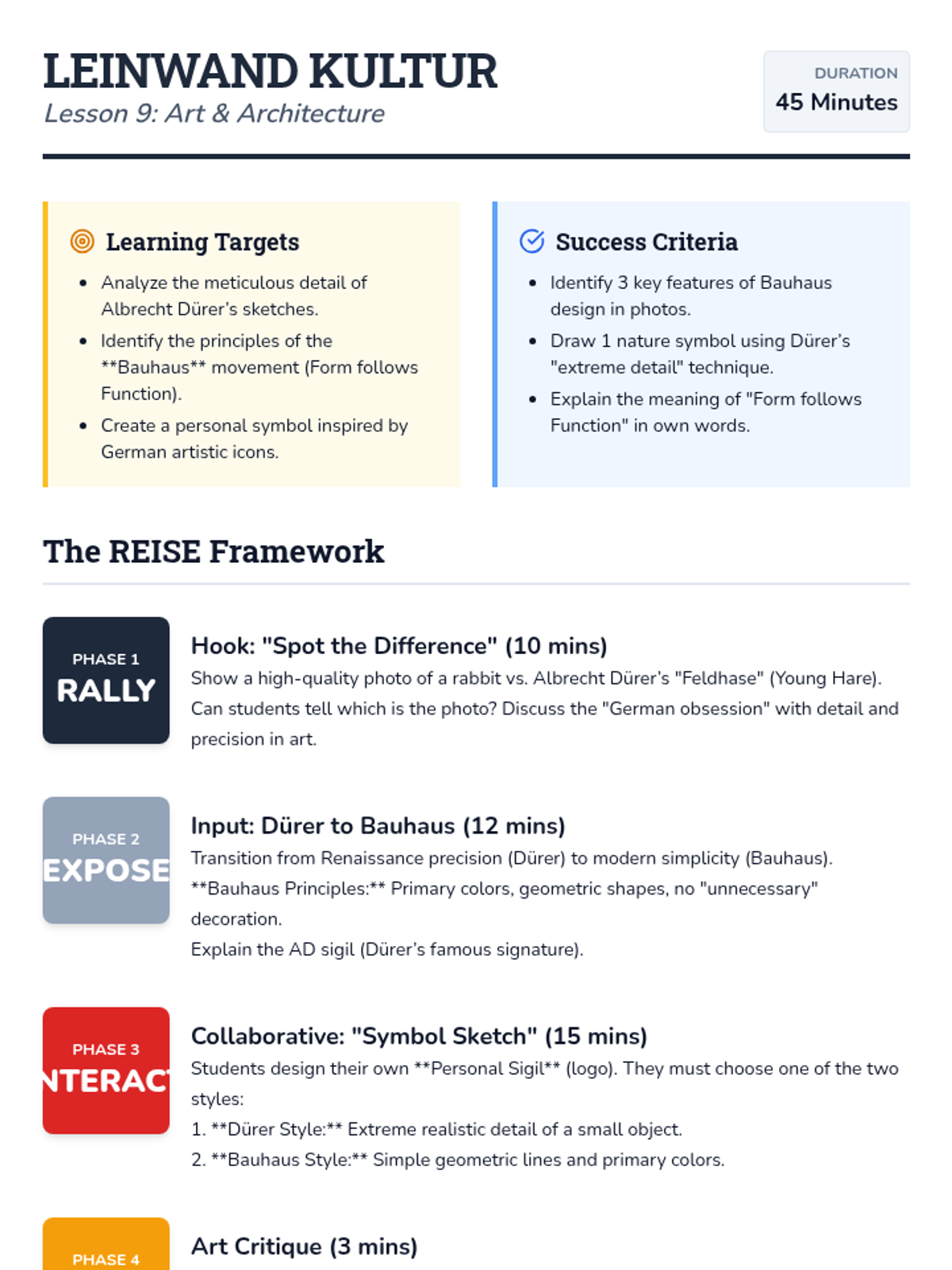
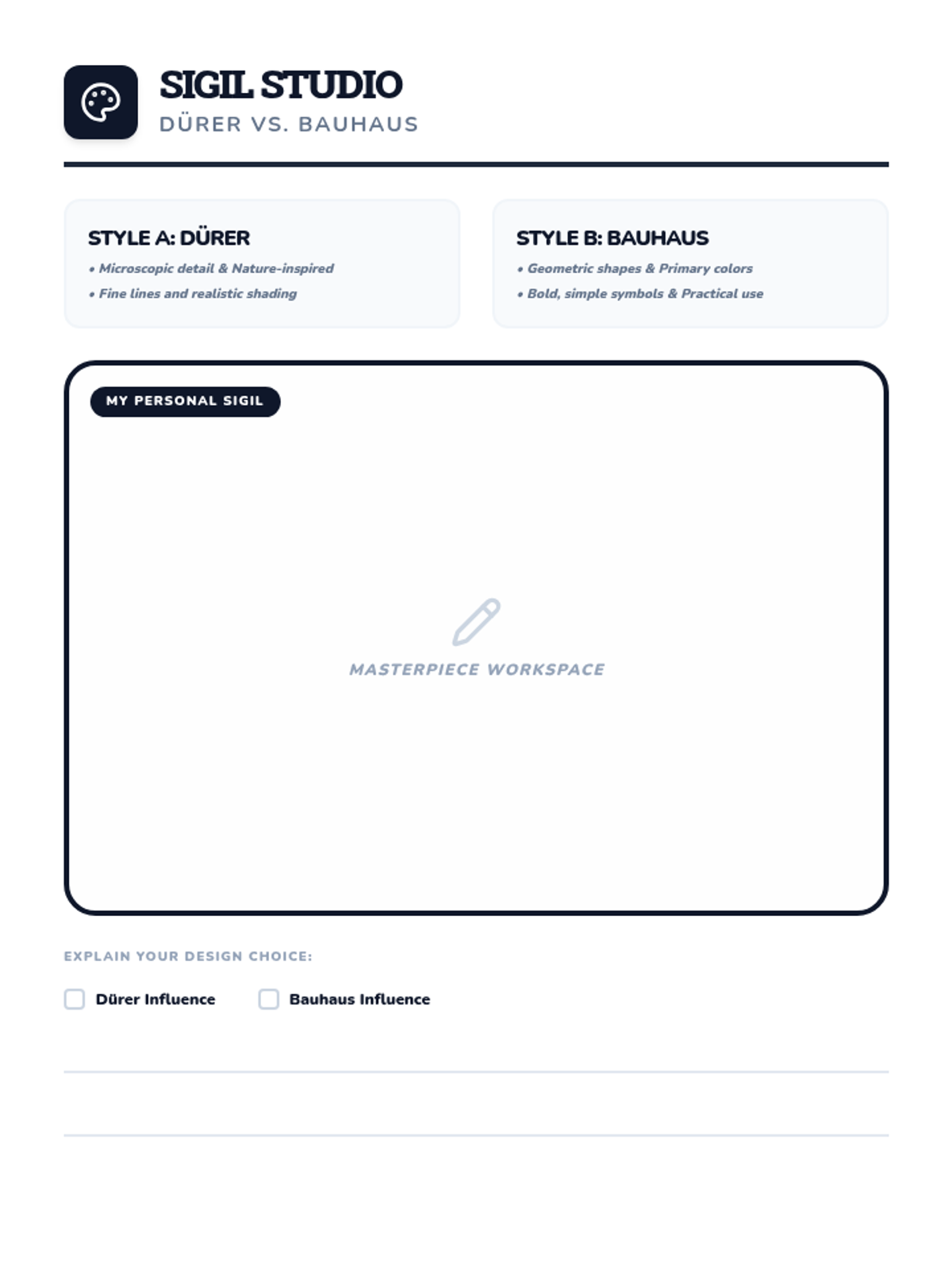
Analyzing the meticulous detail of Albrecht Dürer and the modernism of the Bauhaus movement. Students create their own symbols inspired by these German artistic icons.
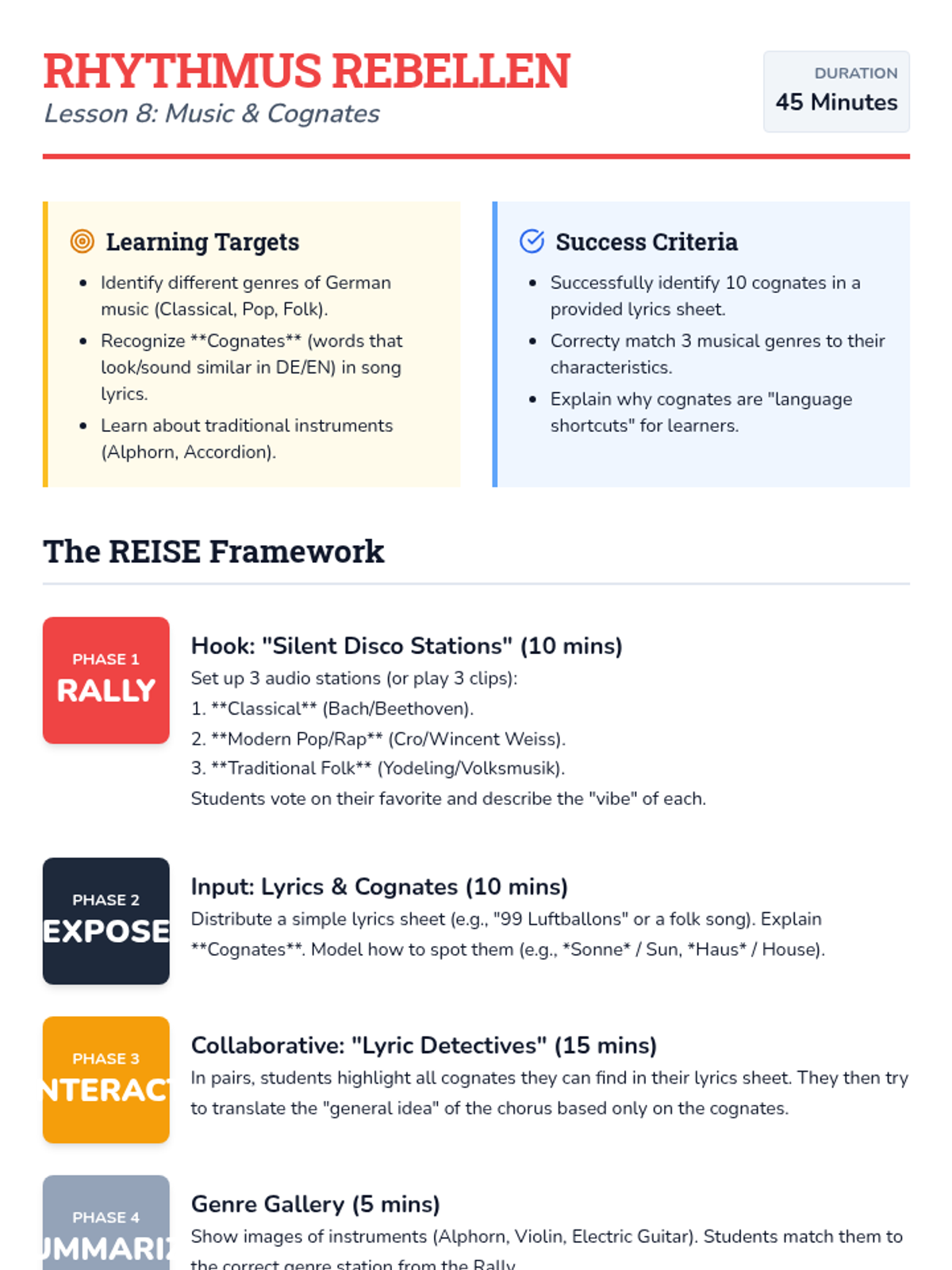
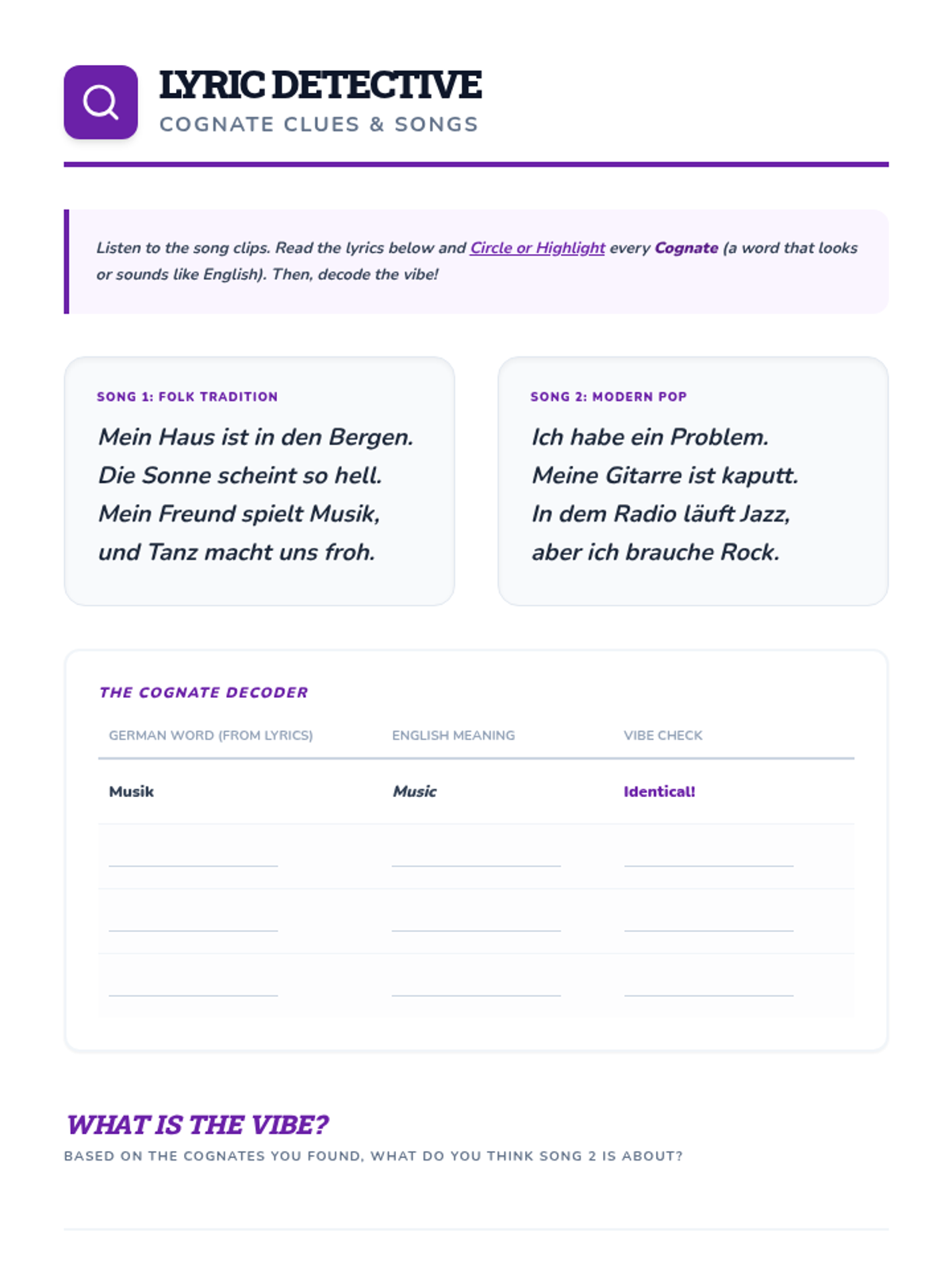
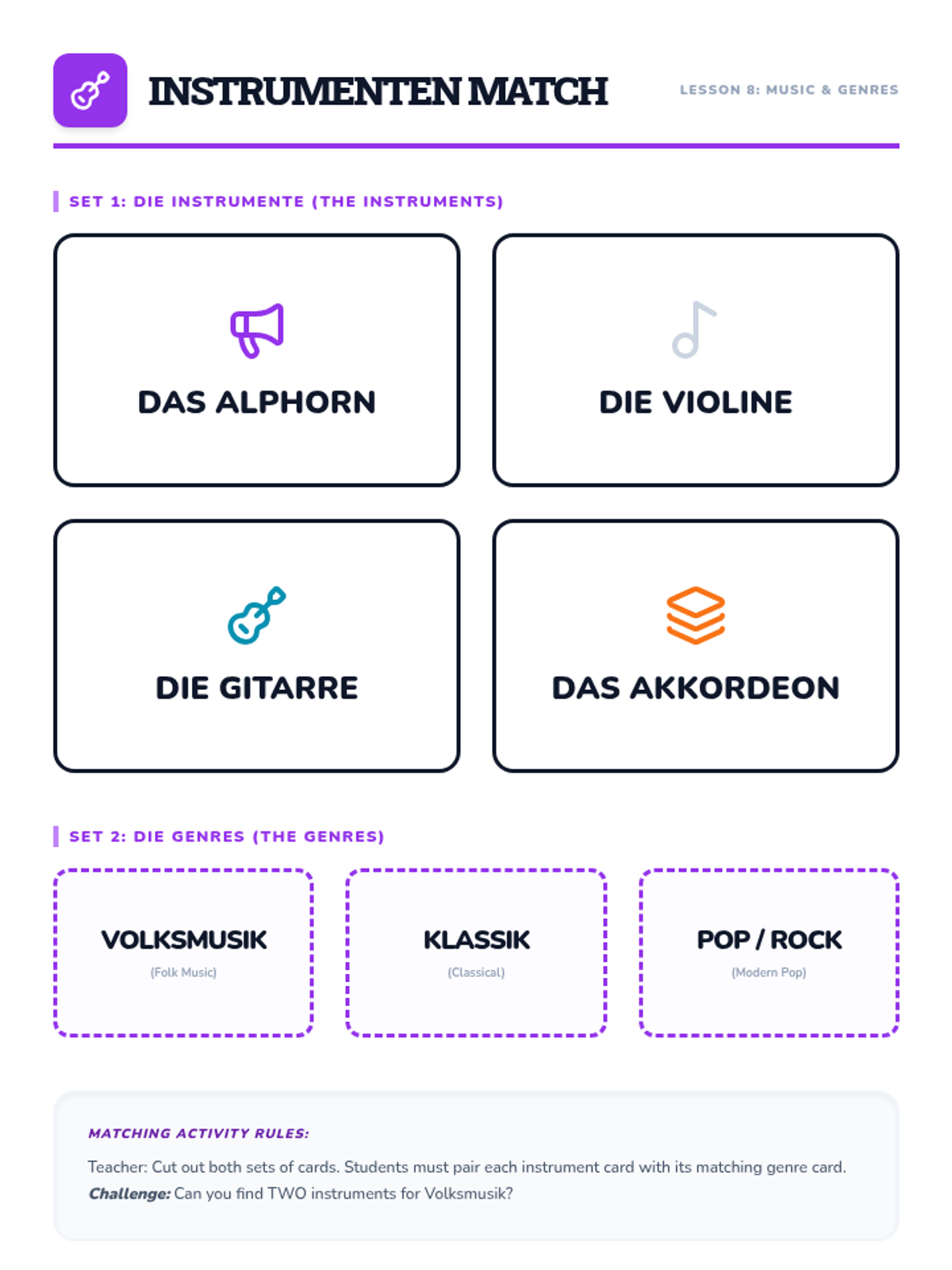
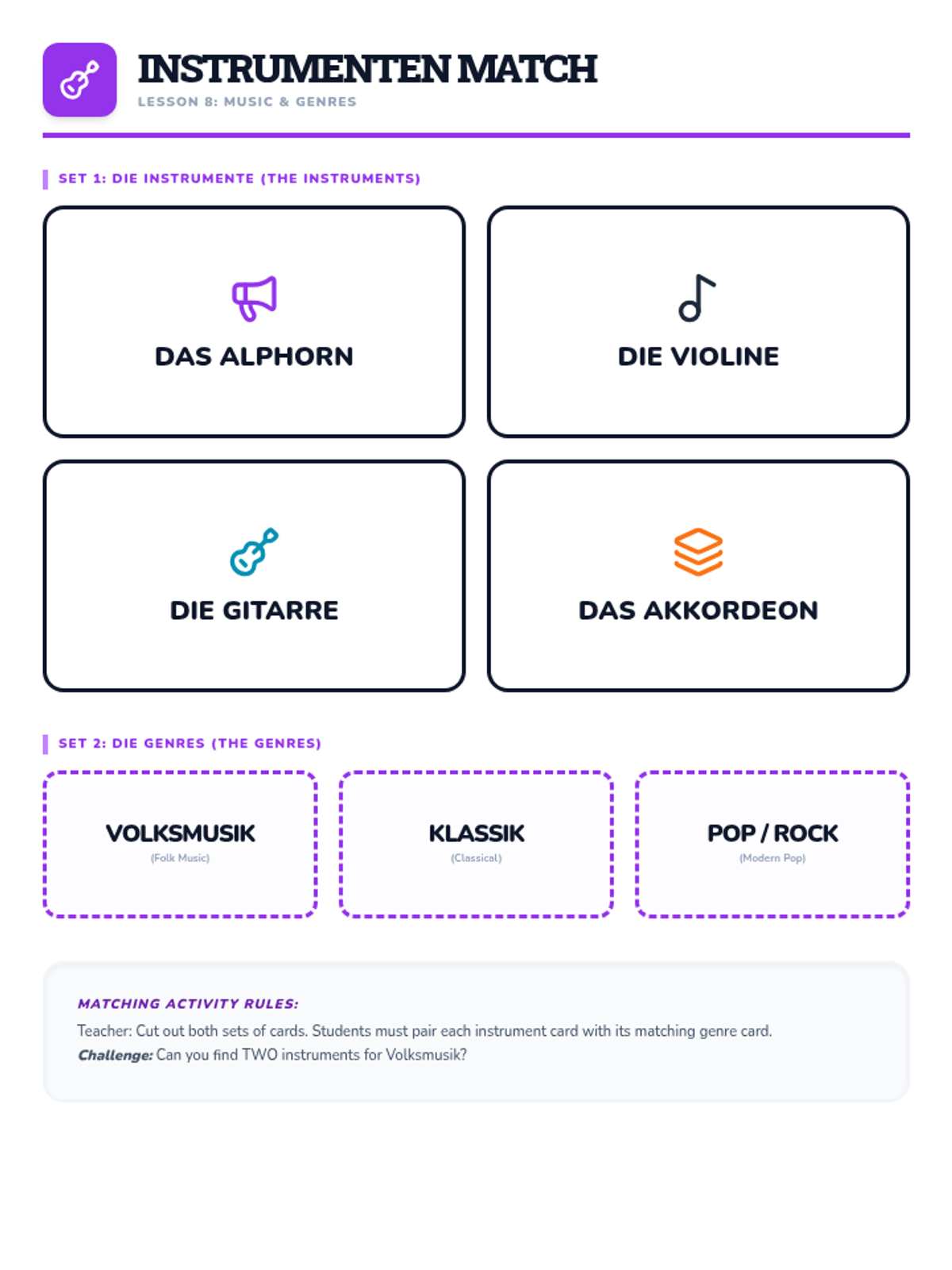
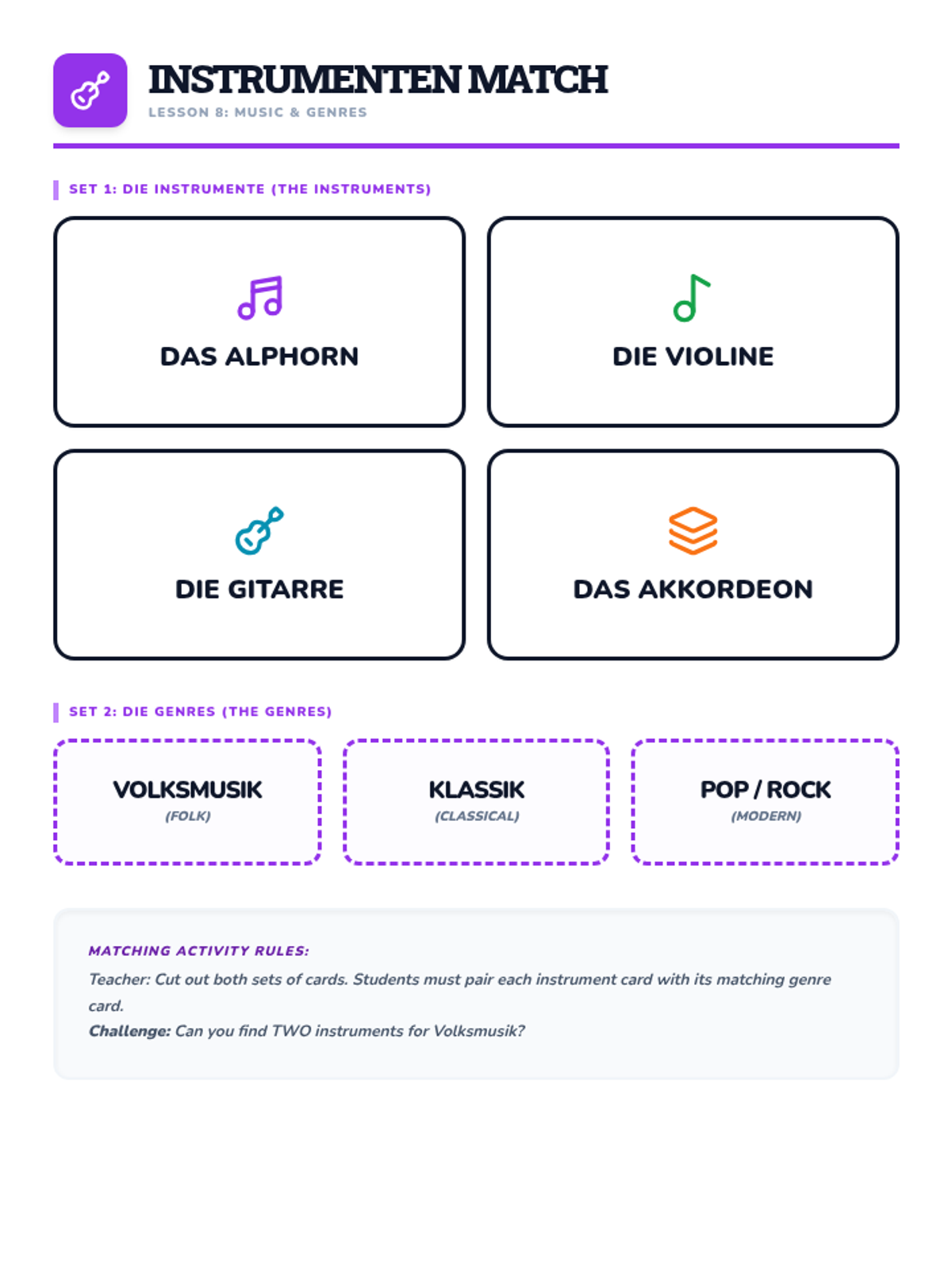
An exploration of German music from classical roots to modern pop and folk. Students analyze lyrics for cognates and identify traditional instruments.
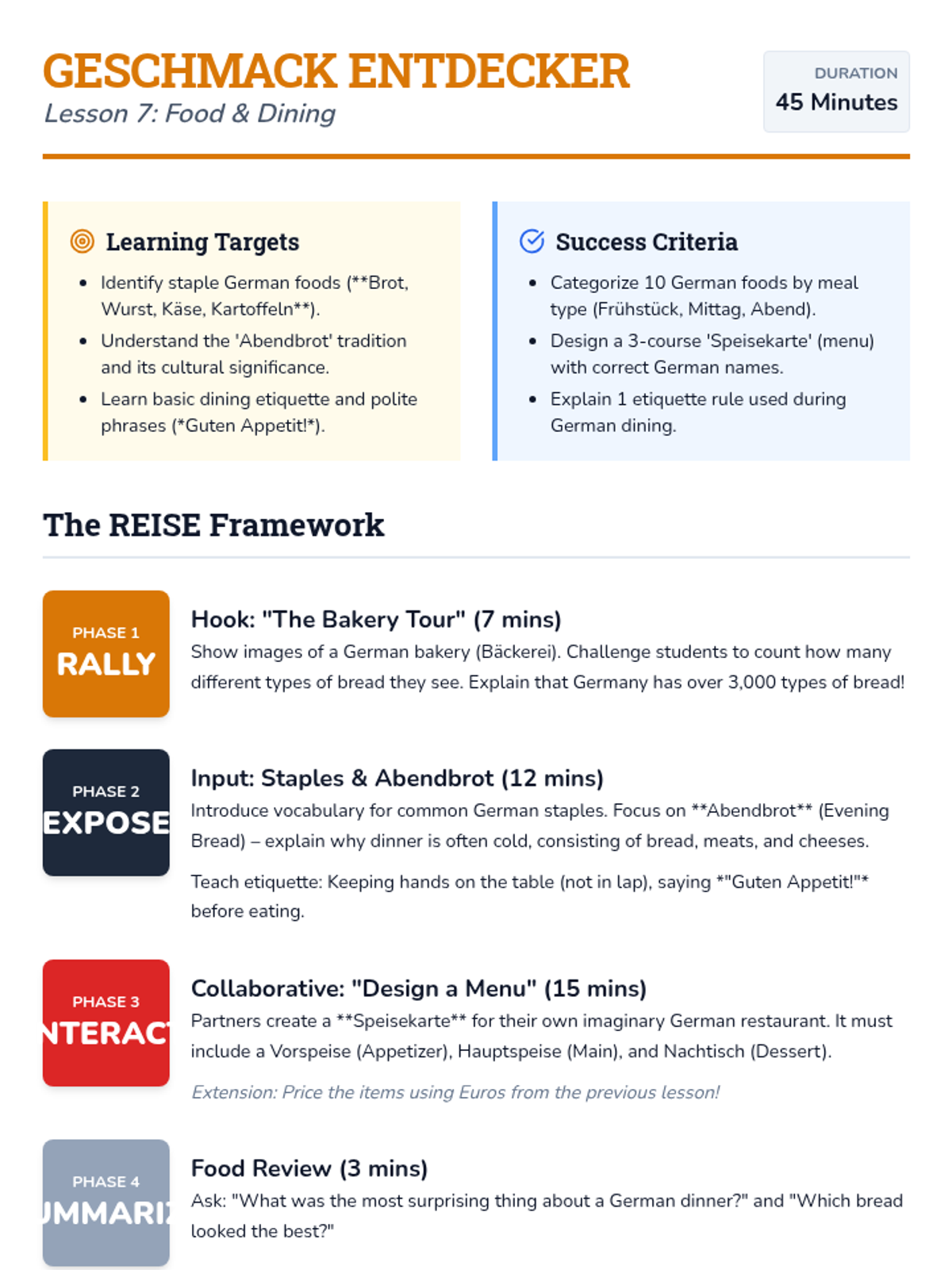
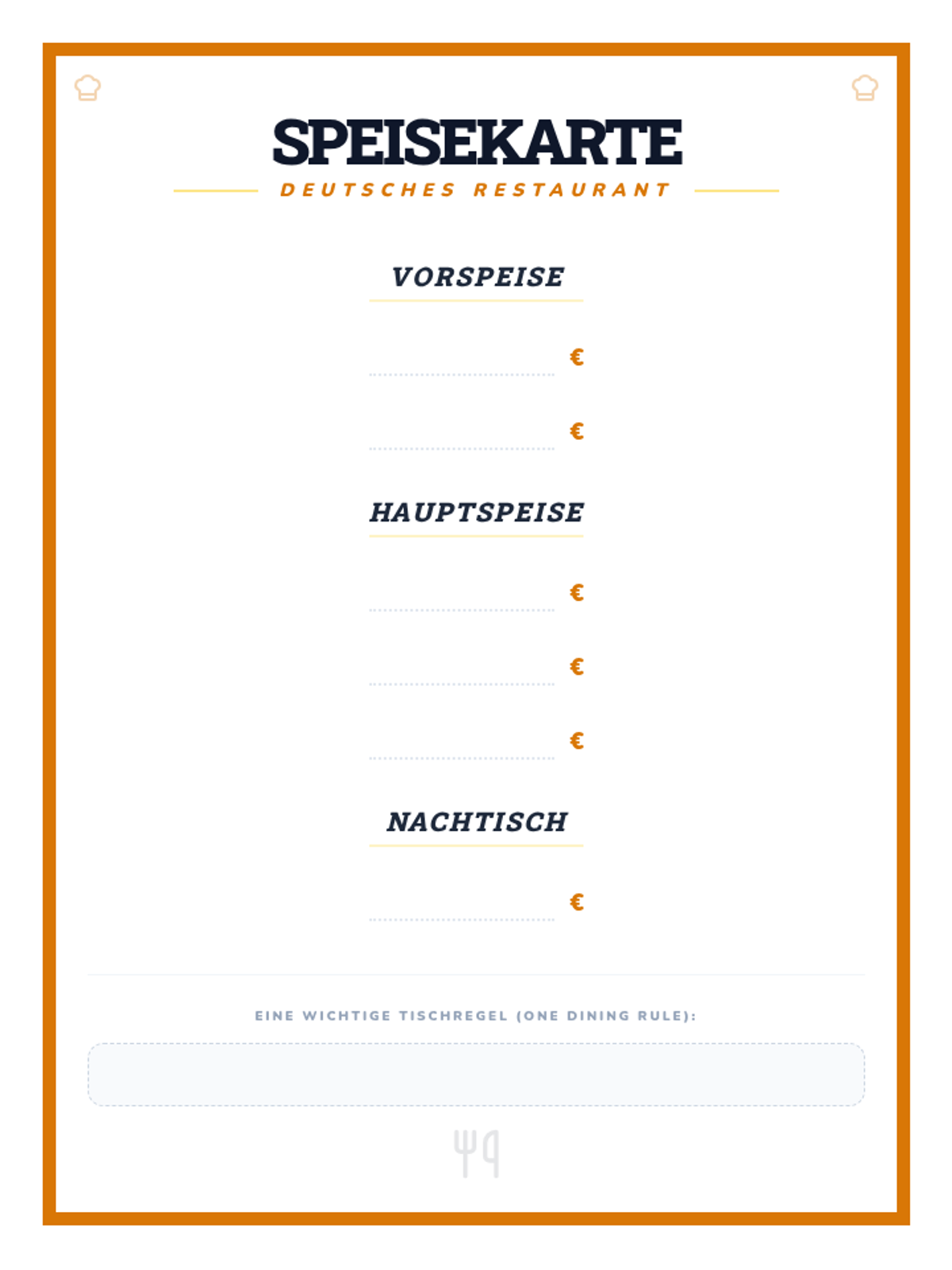
A culinary tour of German staples like bread and sausage. Students explore the 'Abendbrot' tradition and design their own German menu (Speisekarte).
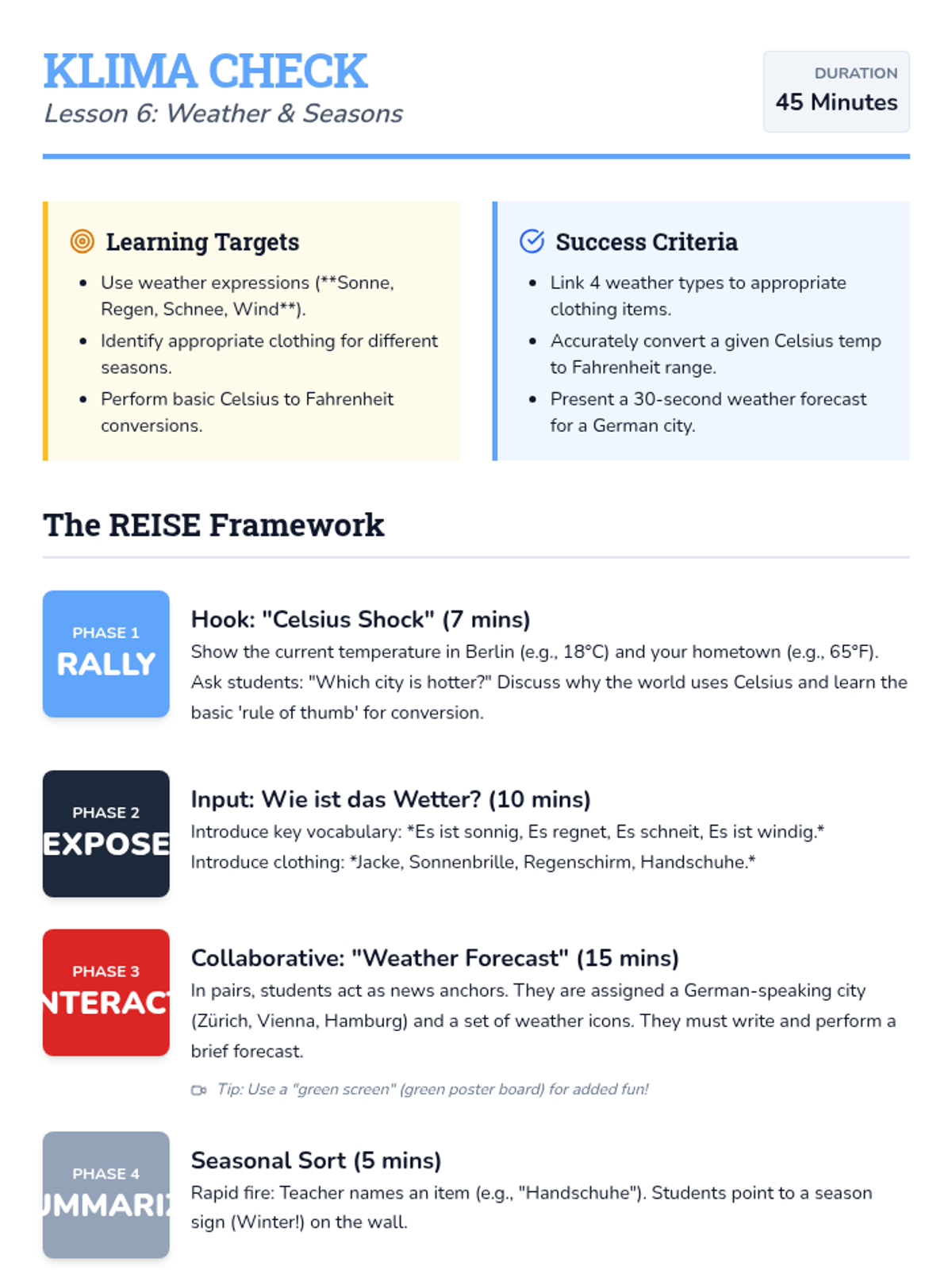
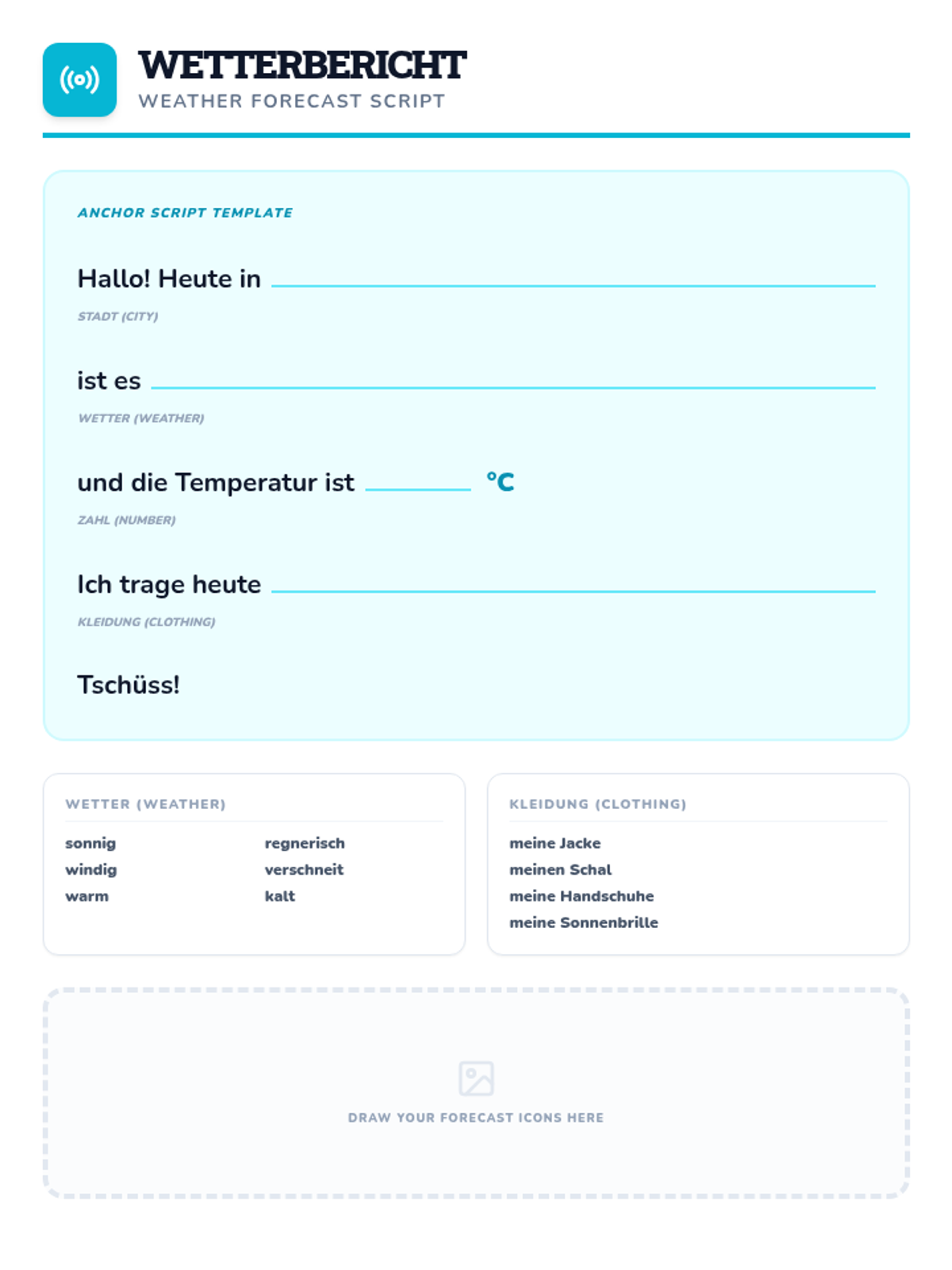
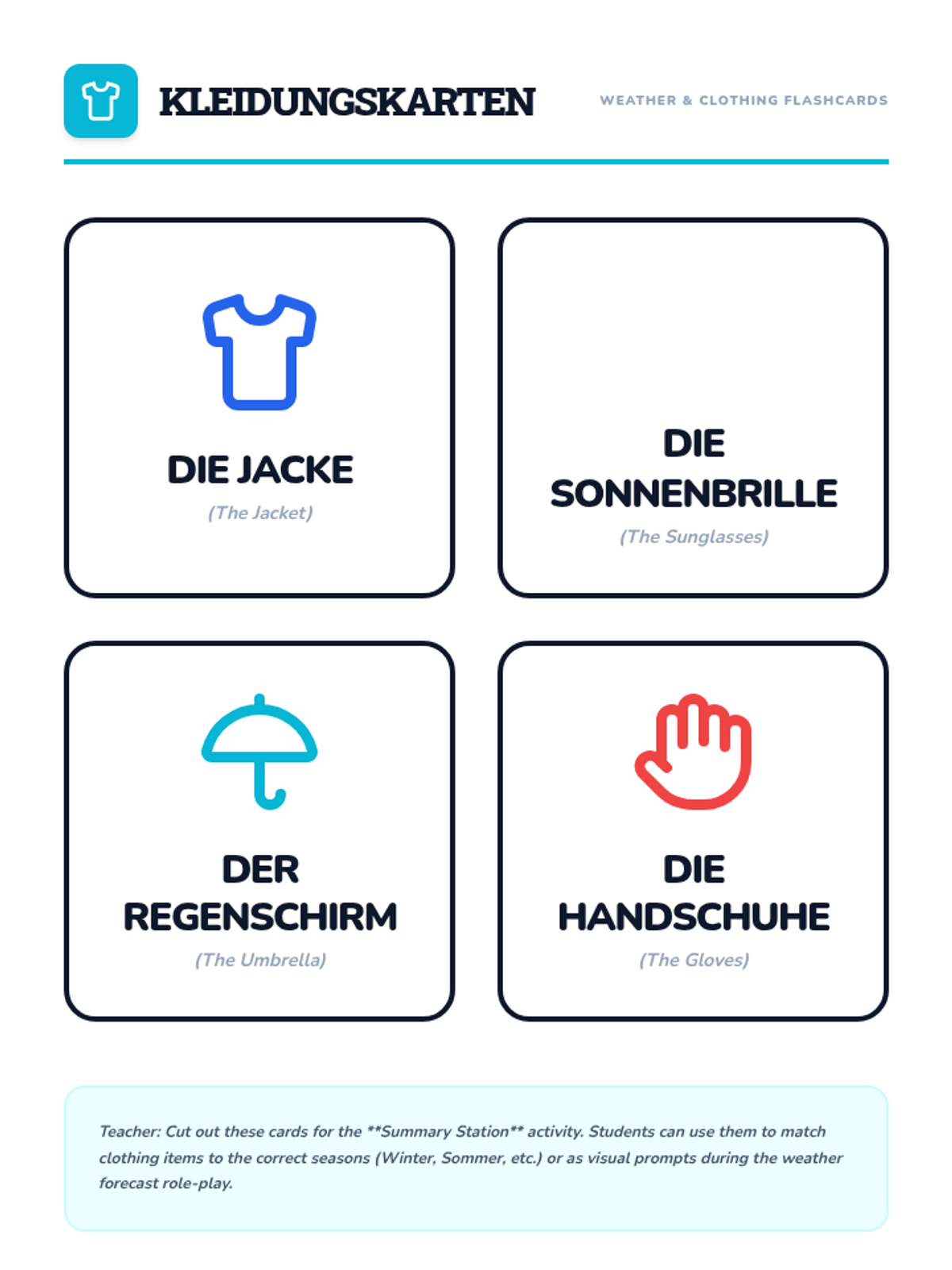
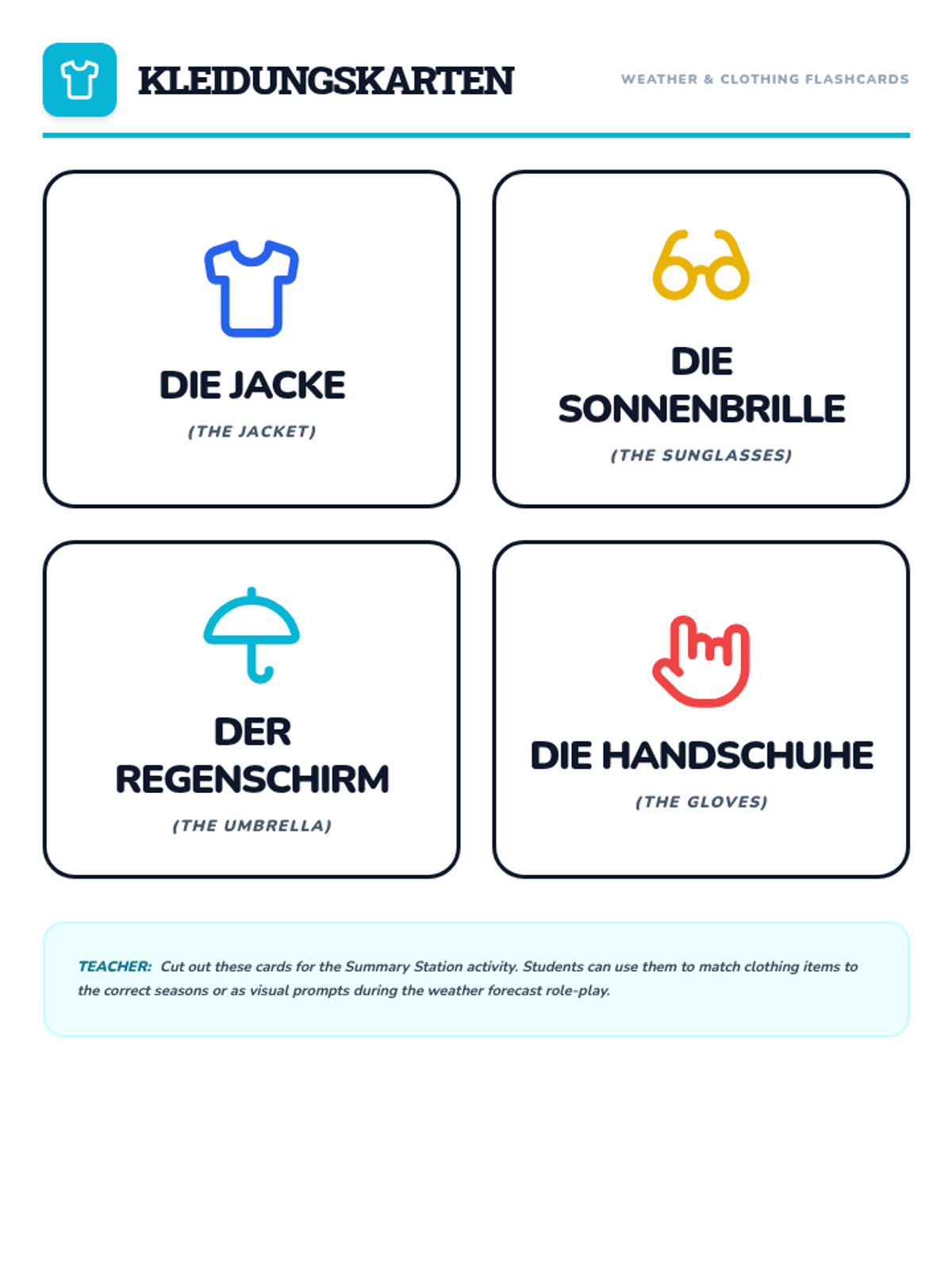
Weather expressions and seasonal clothing. Students convert Celsius to Fahrenheit and present a weather forecast for various German-speaking cities.
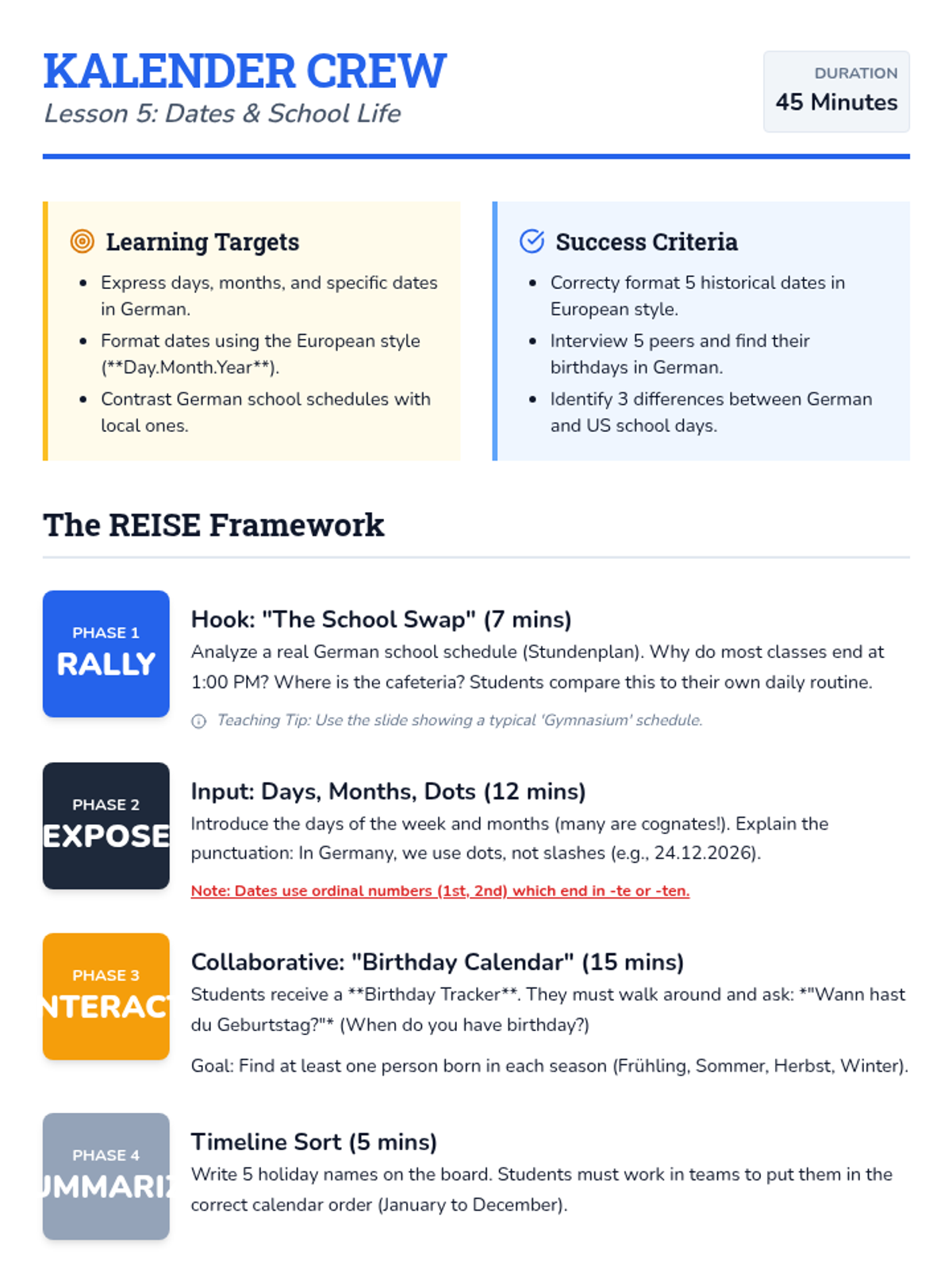
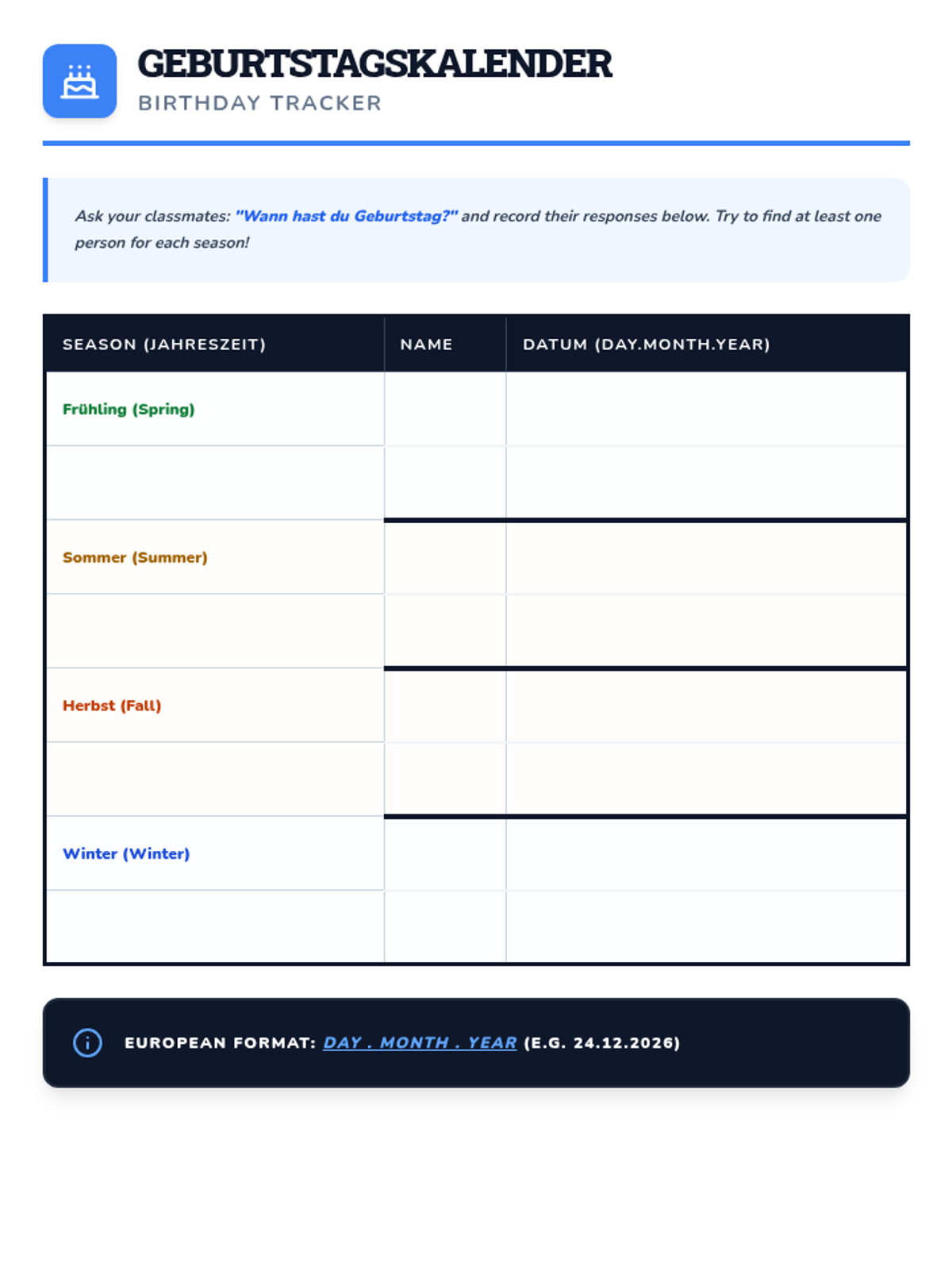
Exploring the German calendar and school system. Students learn date formatting (Day.Month.Year) and compare their school schedules with a typical German 'Halbtagsschule'.
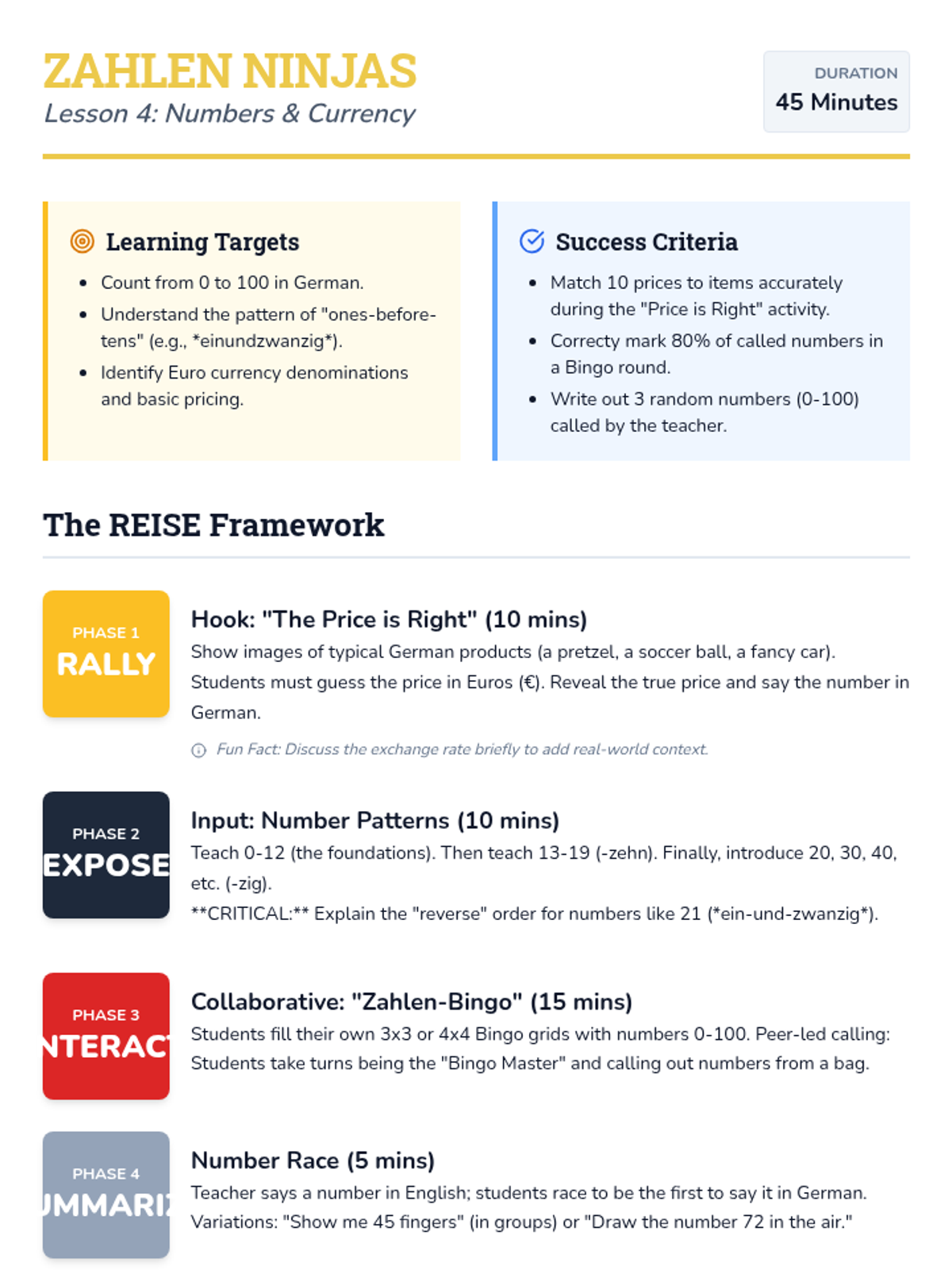
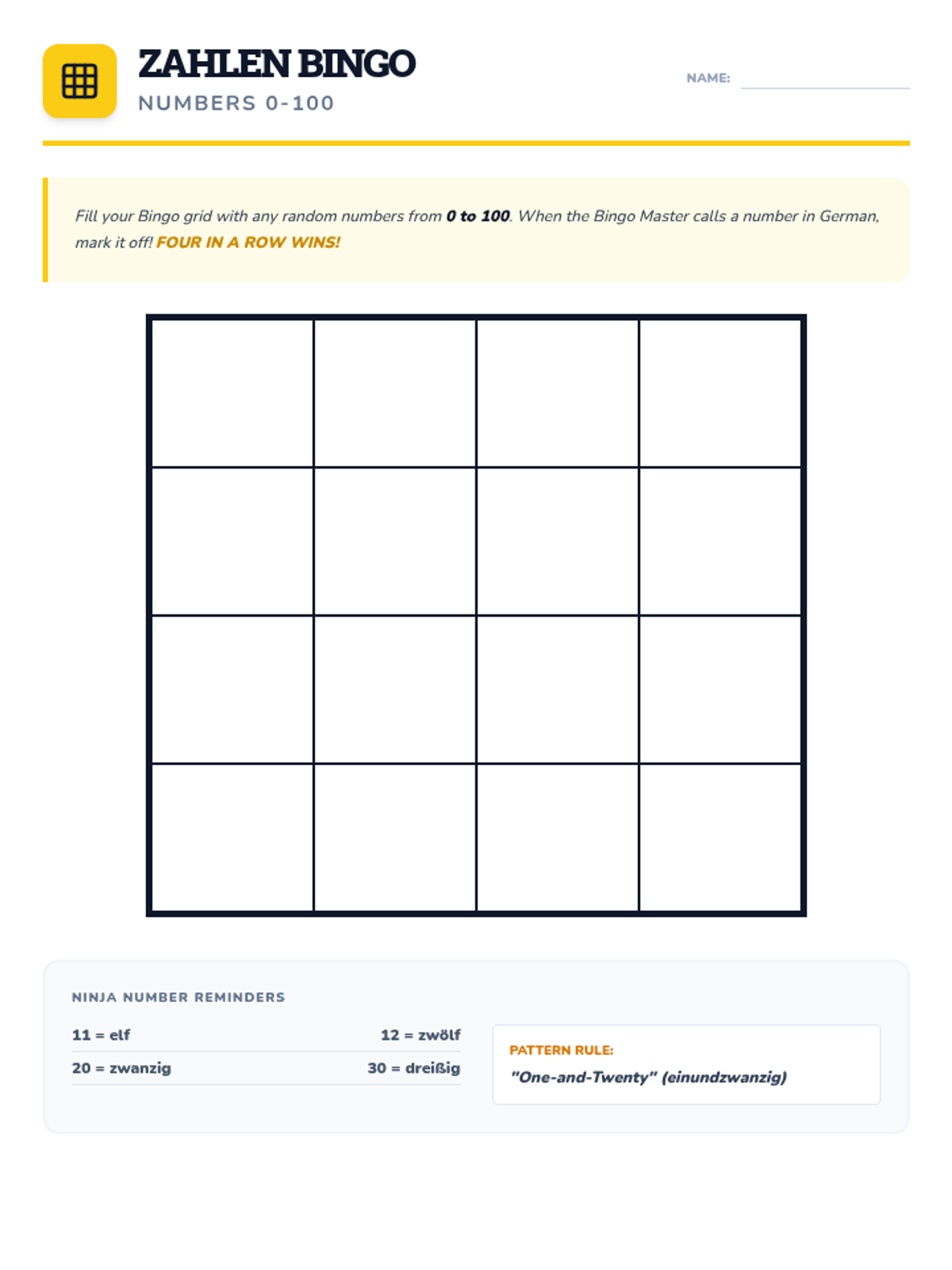
Students master counting up to 100 and explore the Euro currency. They participate in a German-themed 'Price is Right' and peer-led Bingo rounds.
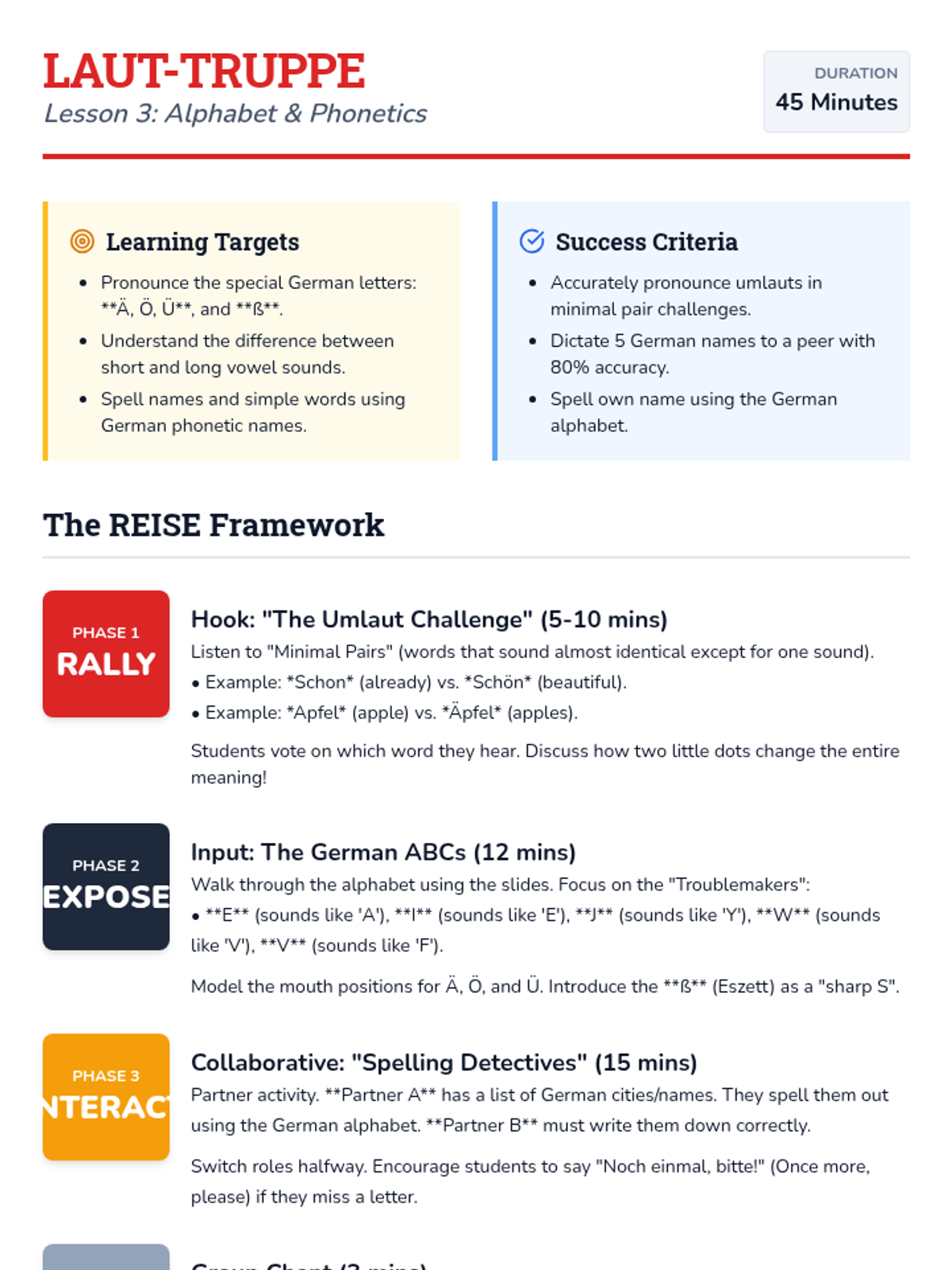
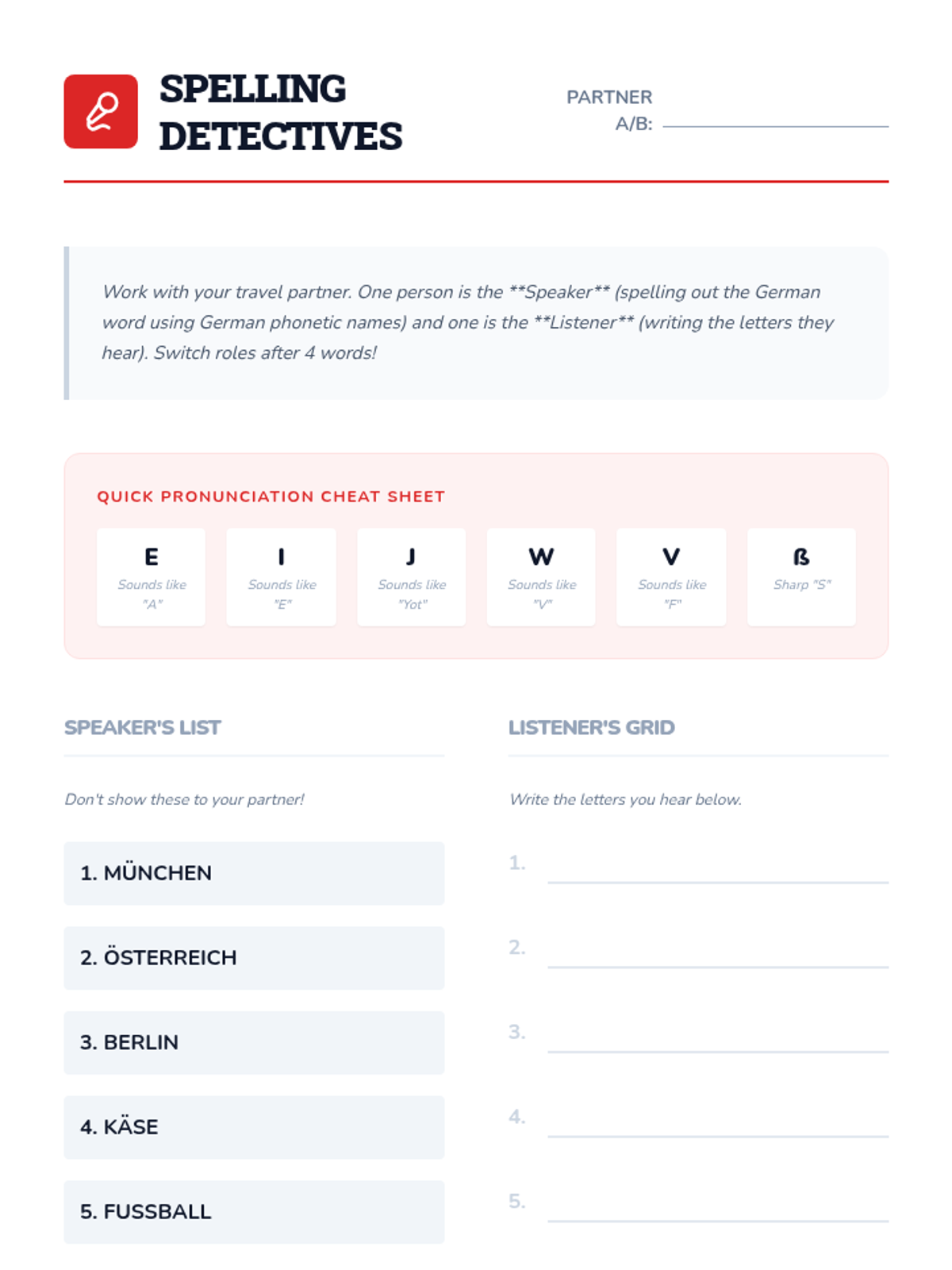
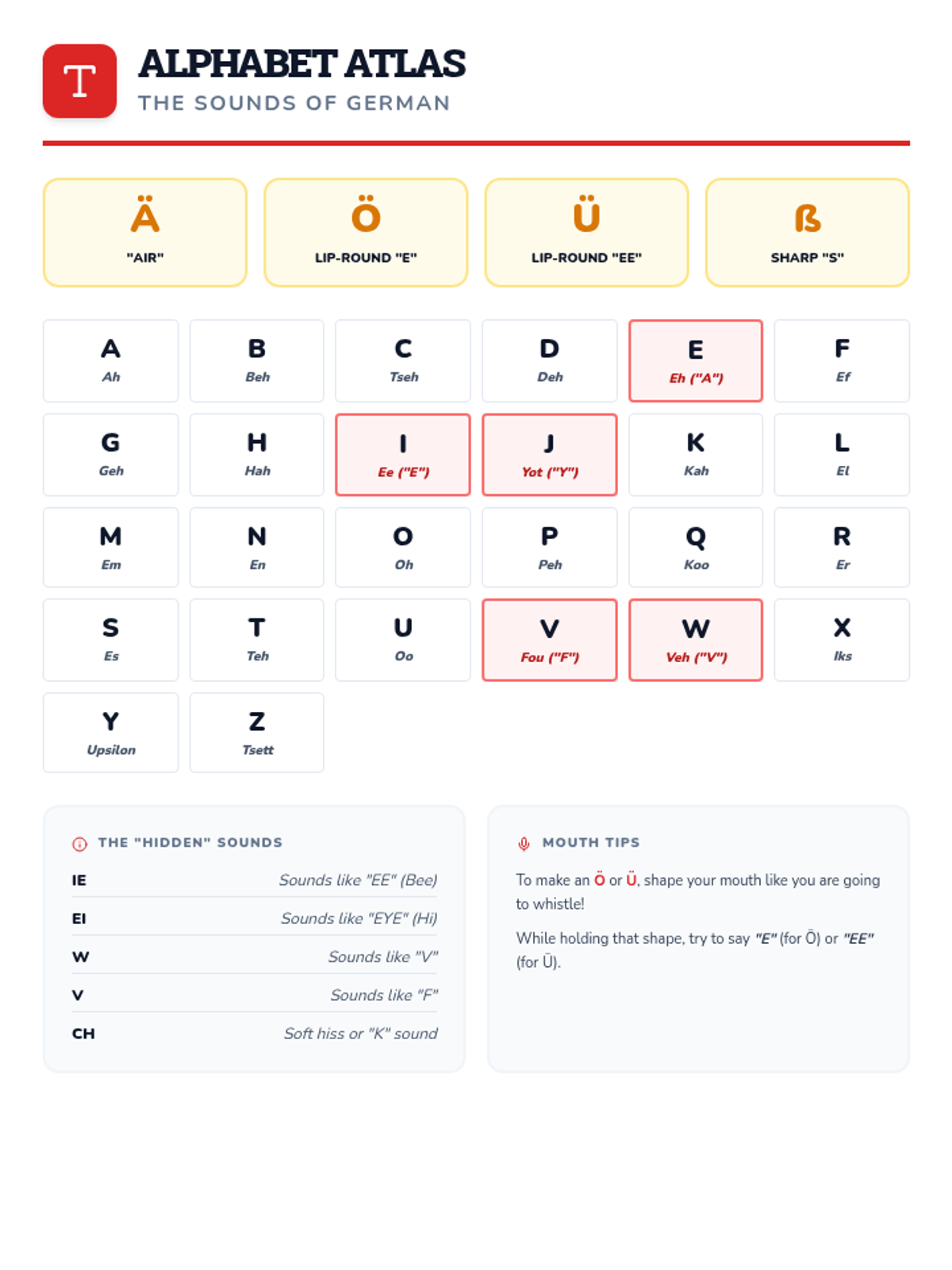
A phonetics-focused lesson covering the German alphabet, with special attention to the unique letters Ä, Ö, Ü, and ß. Students practice spelling names and identifying phonetic sounds.
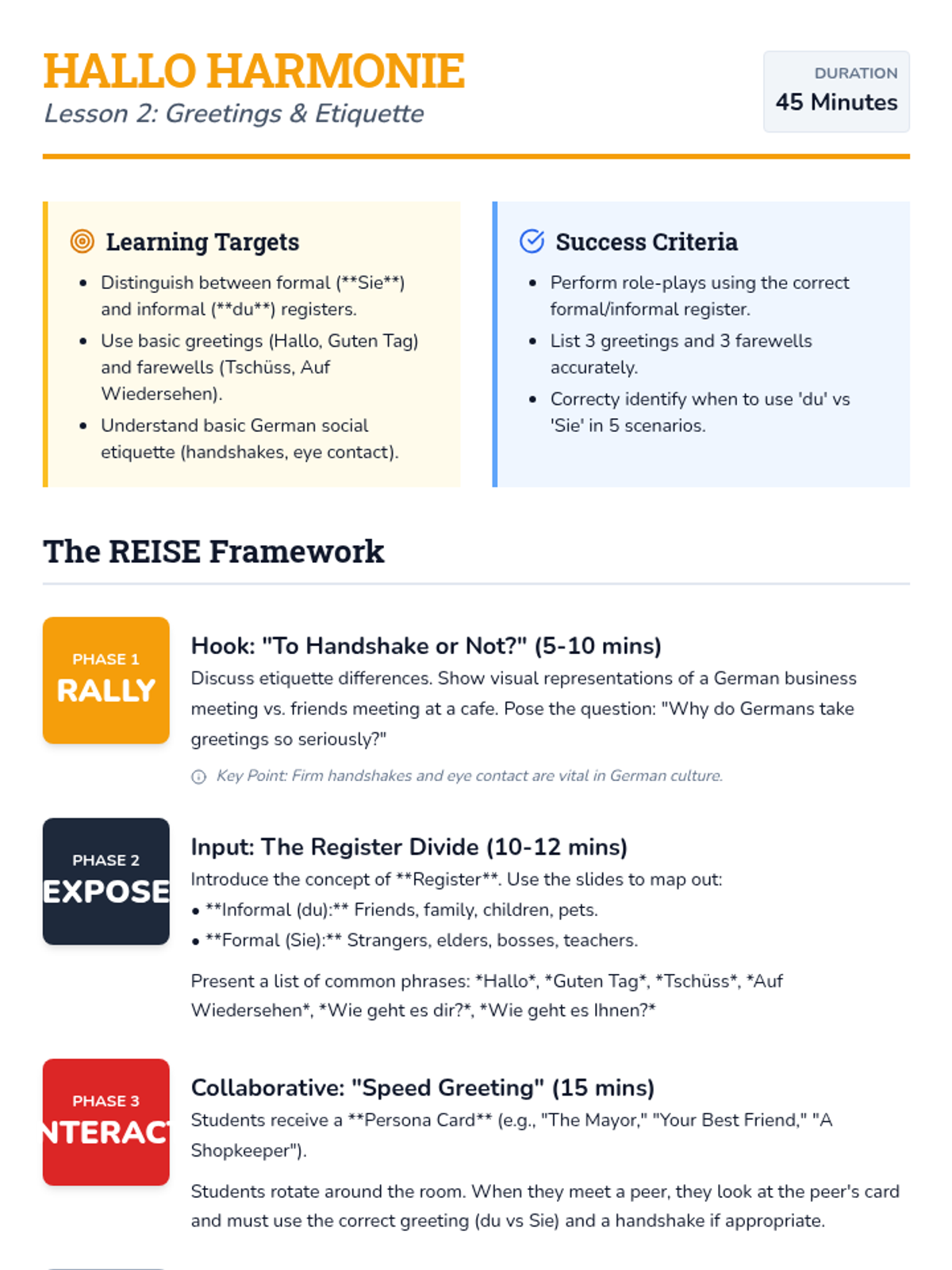
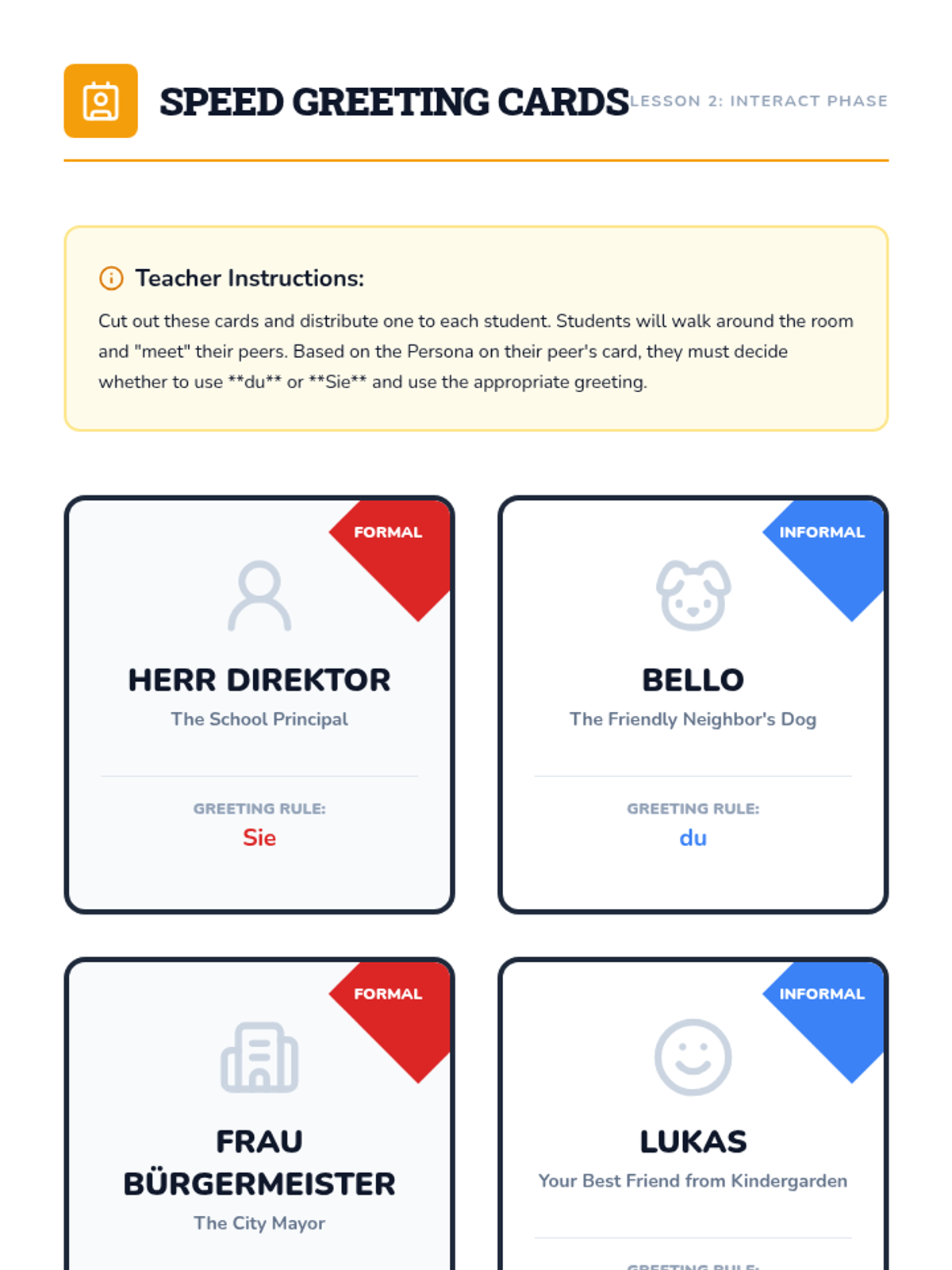
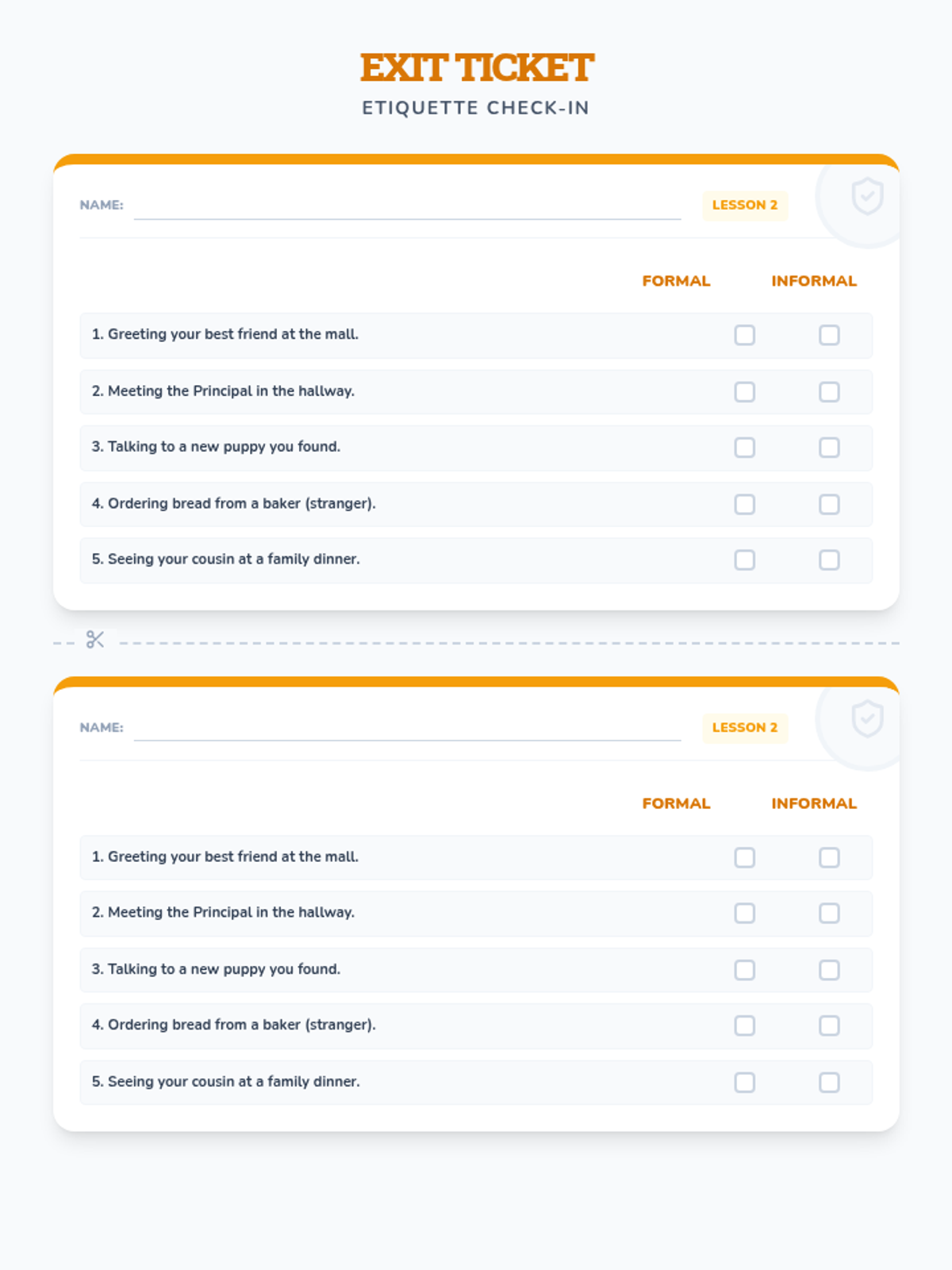
Students learn the nuances of German social interaction, specifically the distinction between the formal 'Sie' and informal 'du'. Activities include role-playing greetings with different personae.
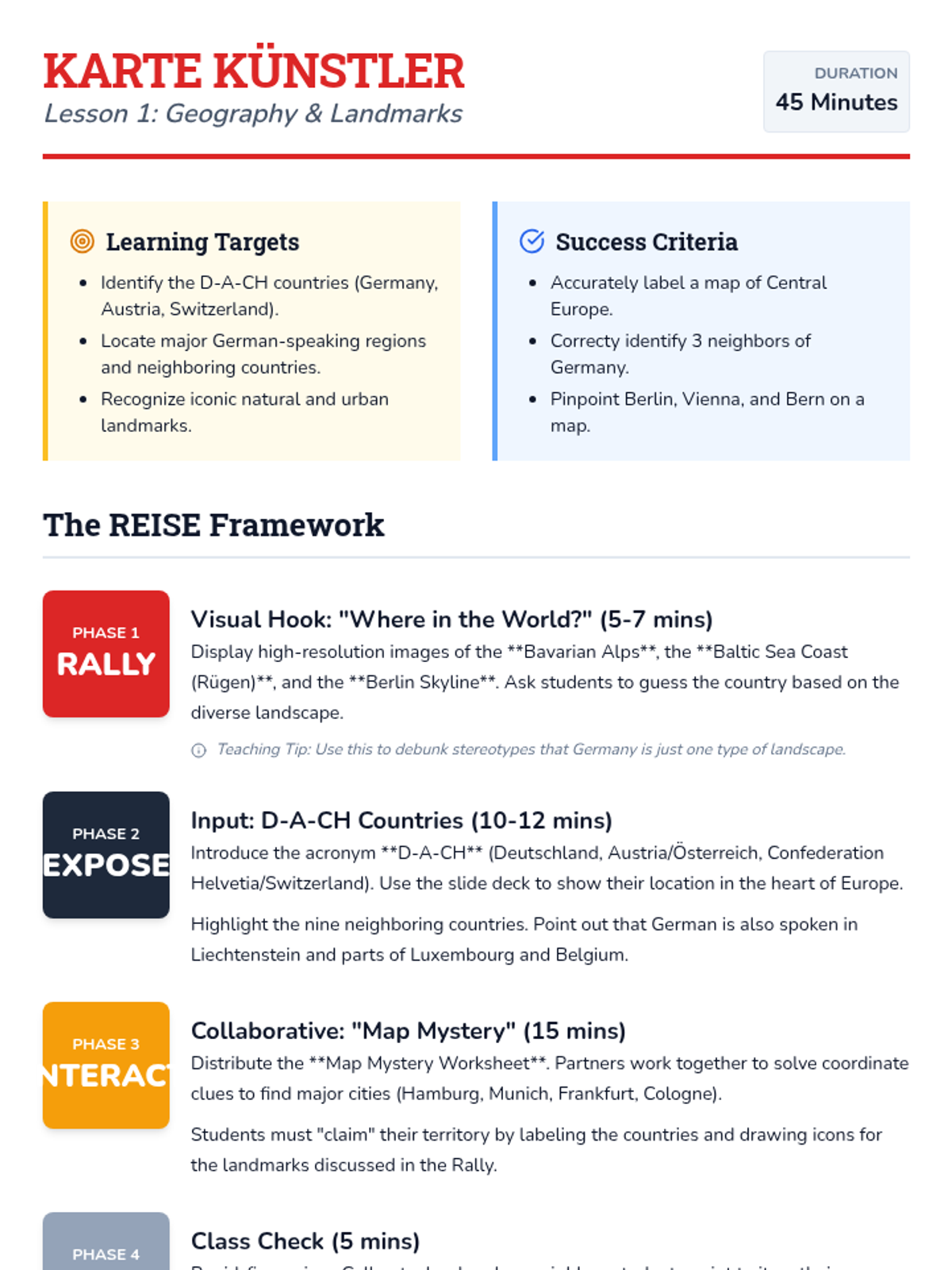
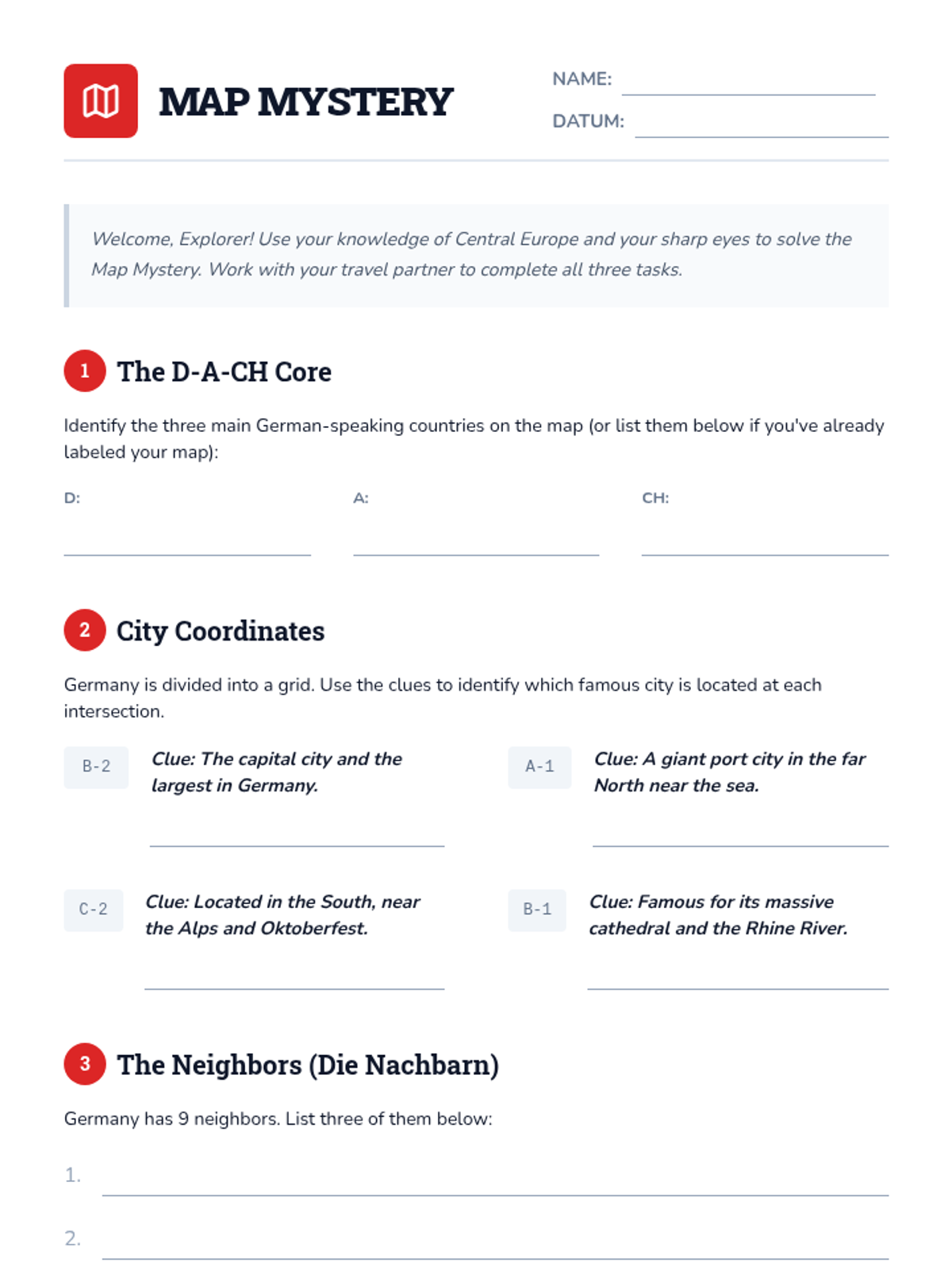
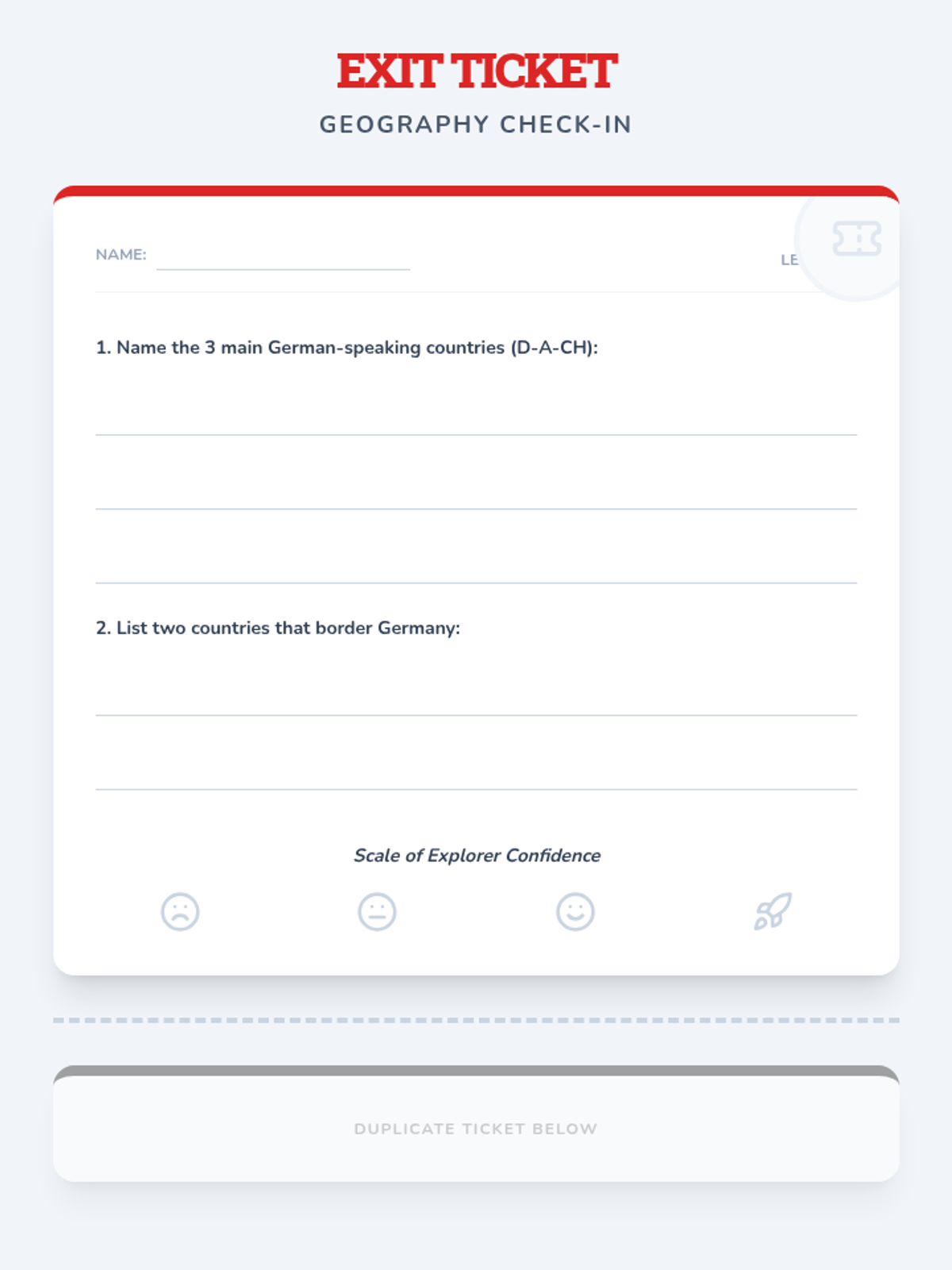
Students explore the geography of Central Europe, focusing on the D-A-CH countries (Germany, Austria, Switzerland) and major landmarks. Activities include a visual hook of the Alps and Baltic coast and a coordinate-based map mystery.
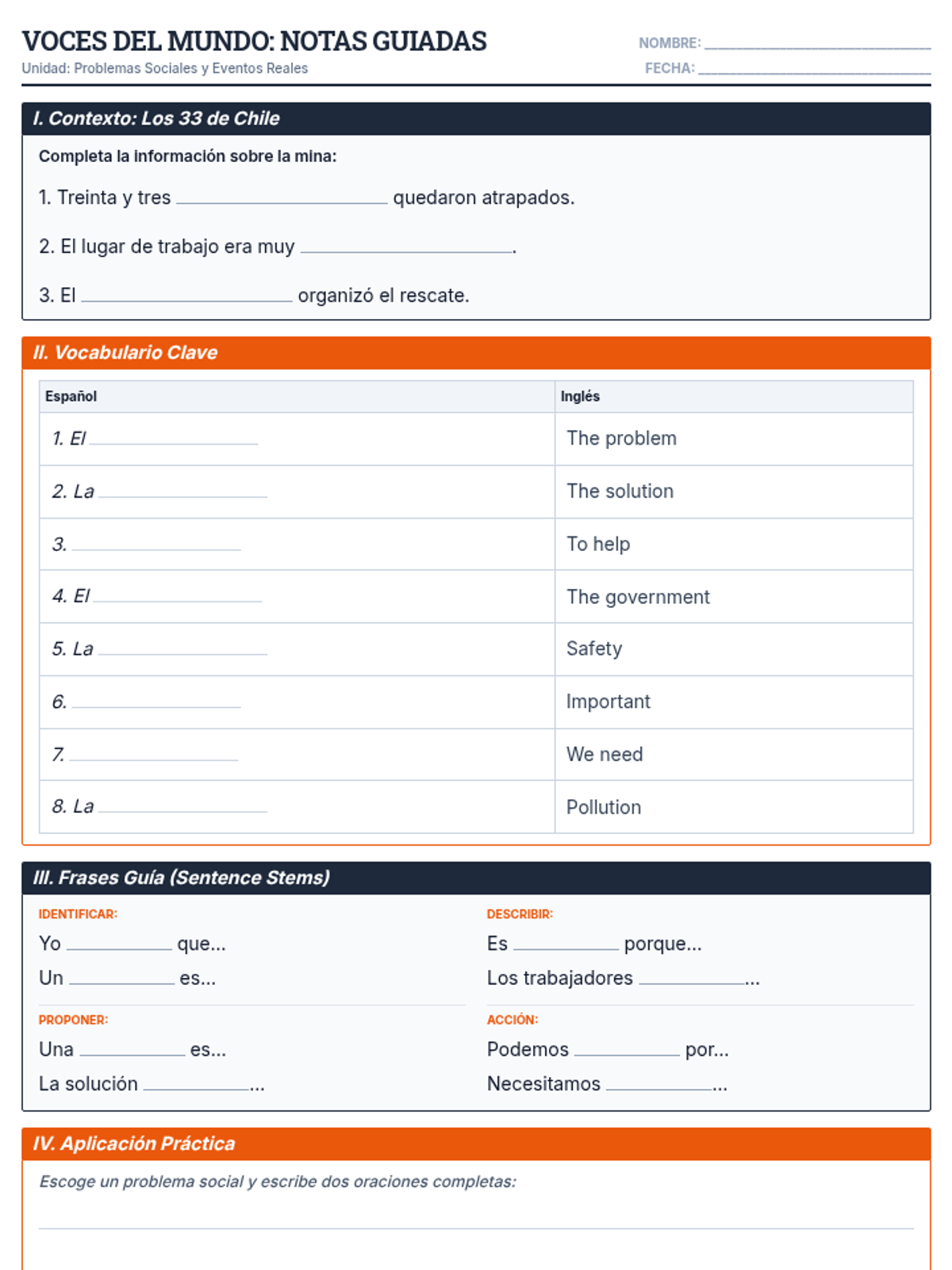
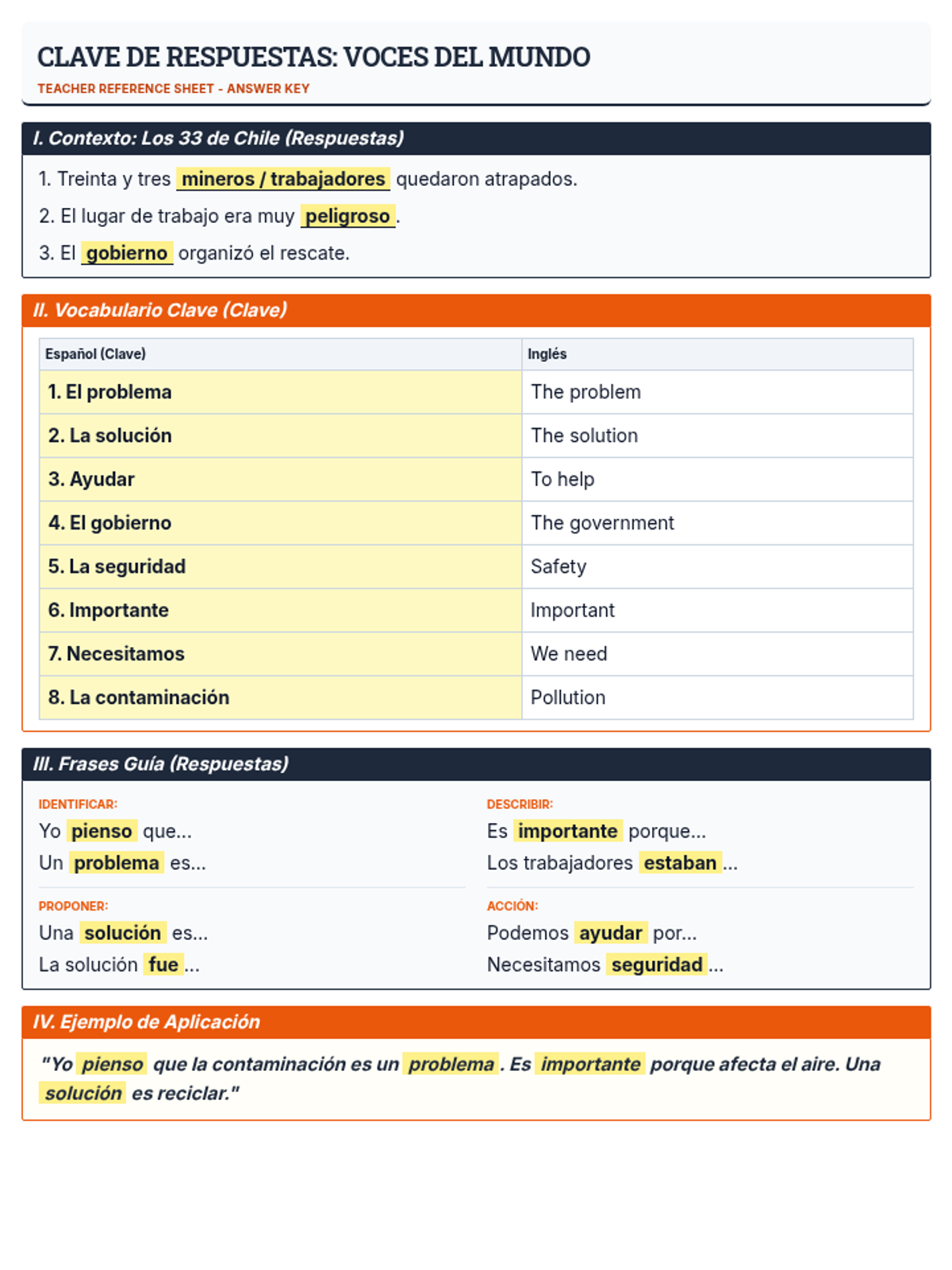
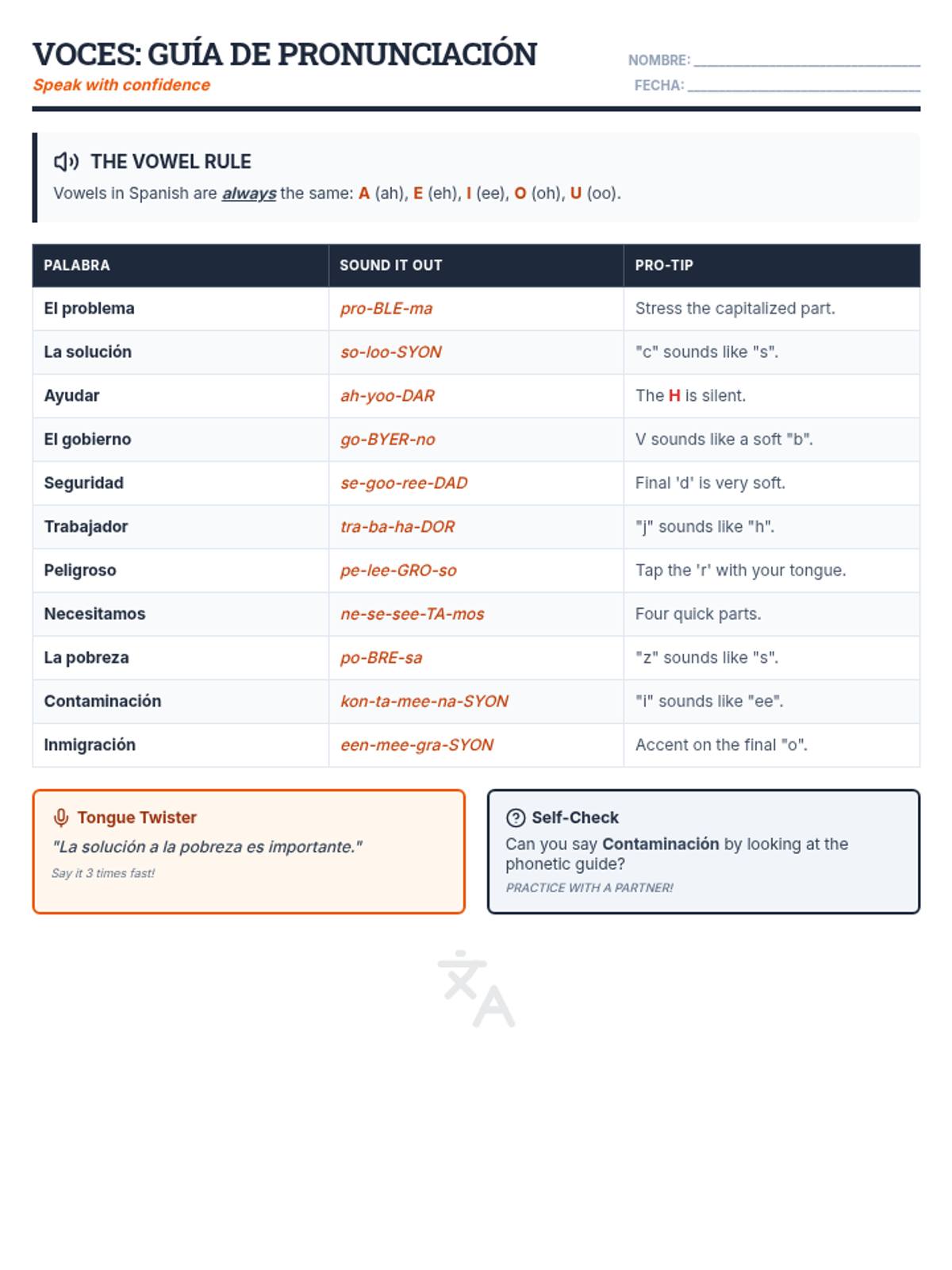
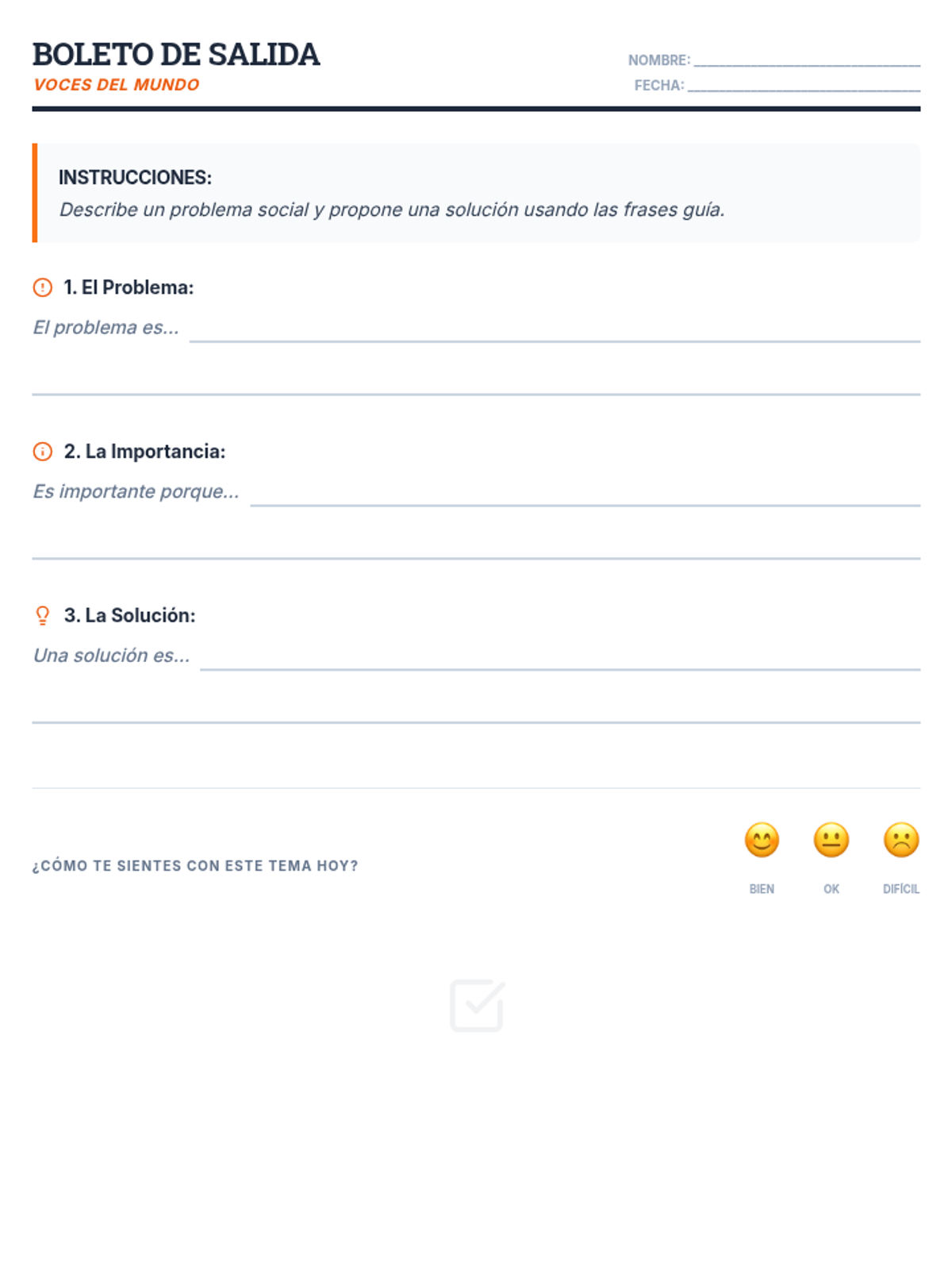
This lesson introduces students to social issues and real-world events through the context of the Chilean mine collapse, focusing on vocabulary acquisition and sentence stems for proposing solutions.
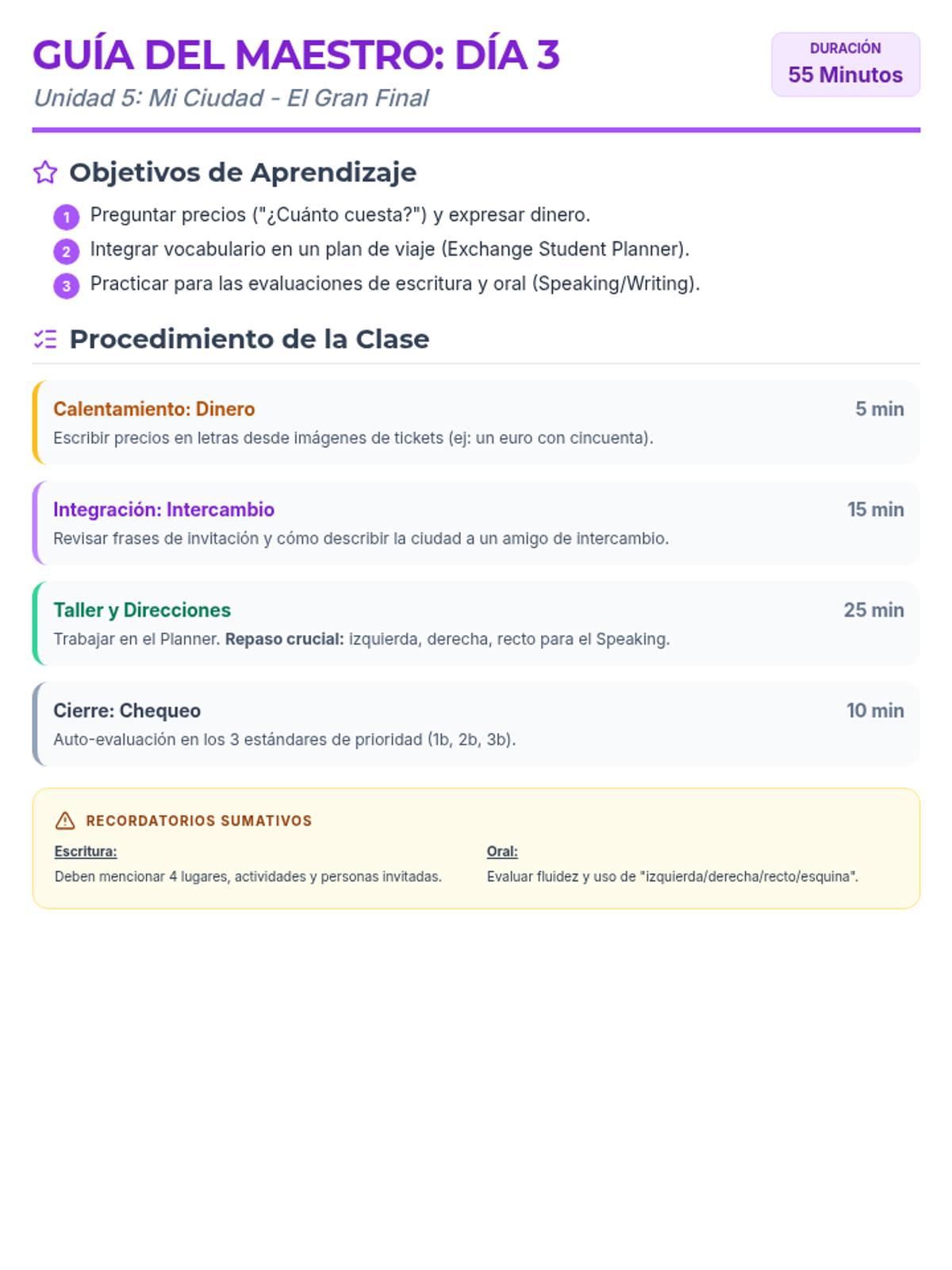
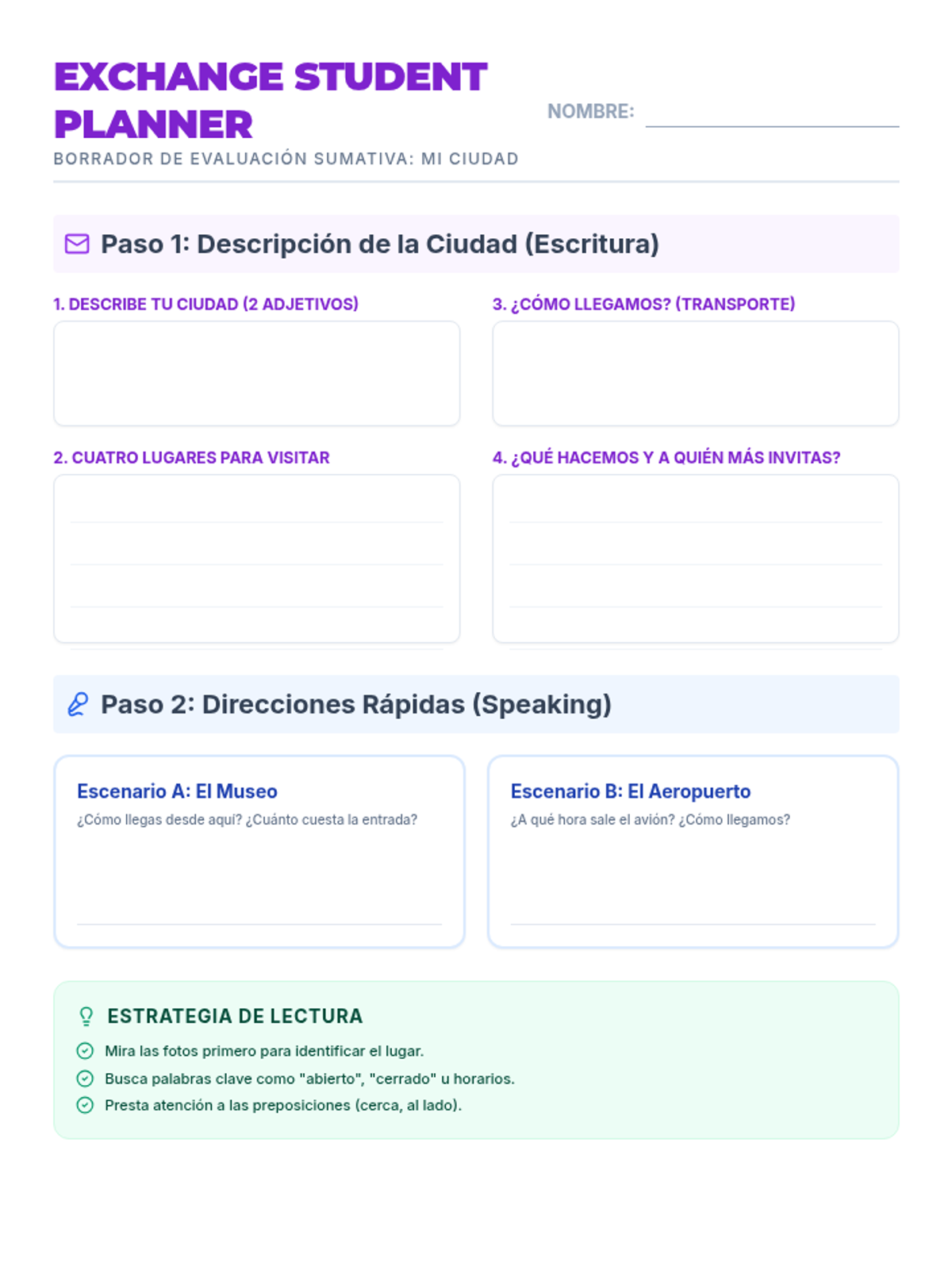
Day 3 integrates all concepts including costs, travel planning, and structured practice for the writing and speaking summative assessments.
Day 2 focuses on verbs of motion, prepositions of place, and the practical application of giving and receiving directions.
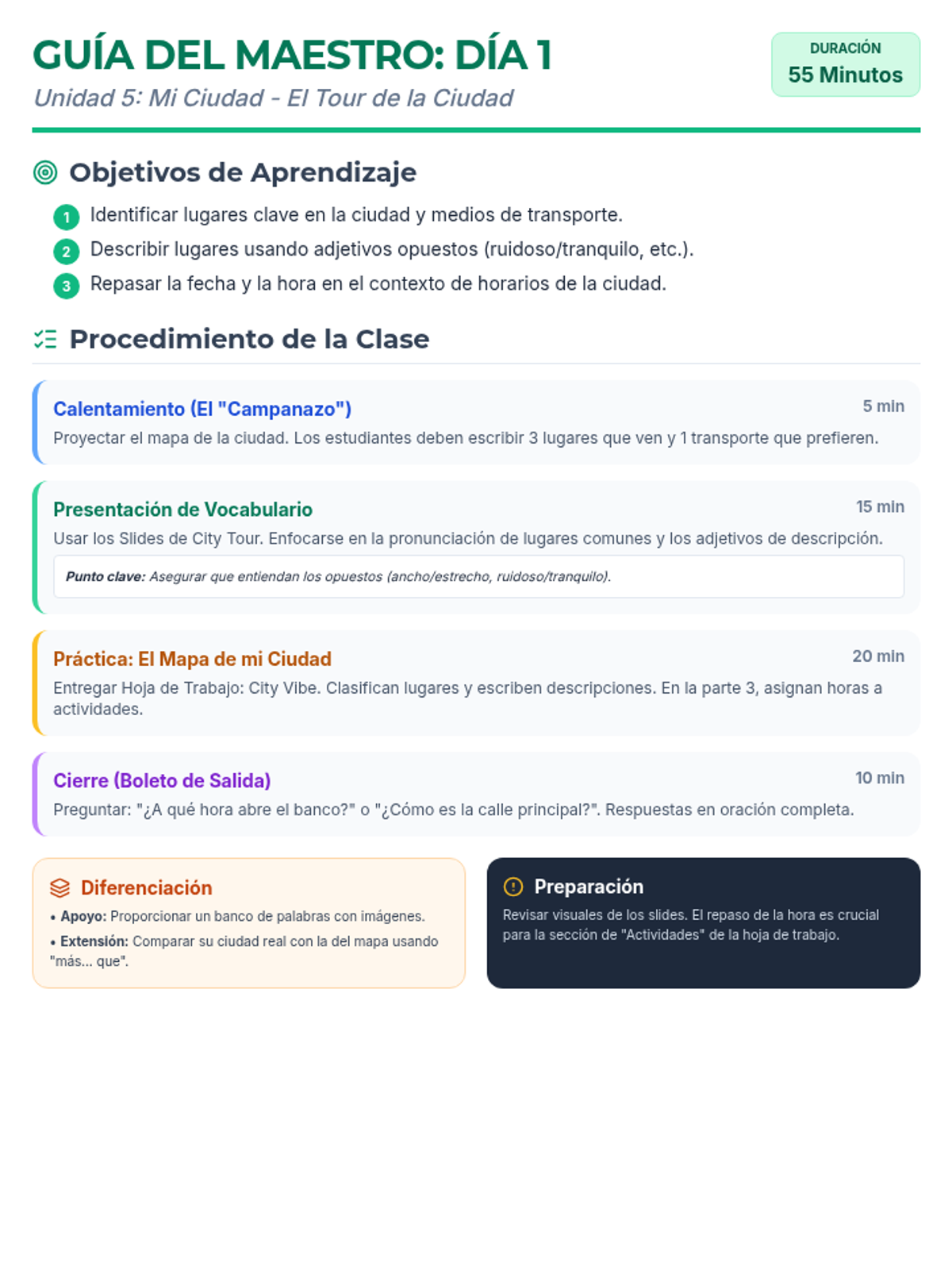
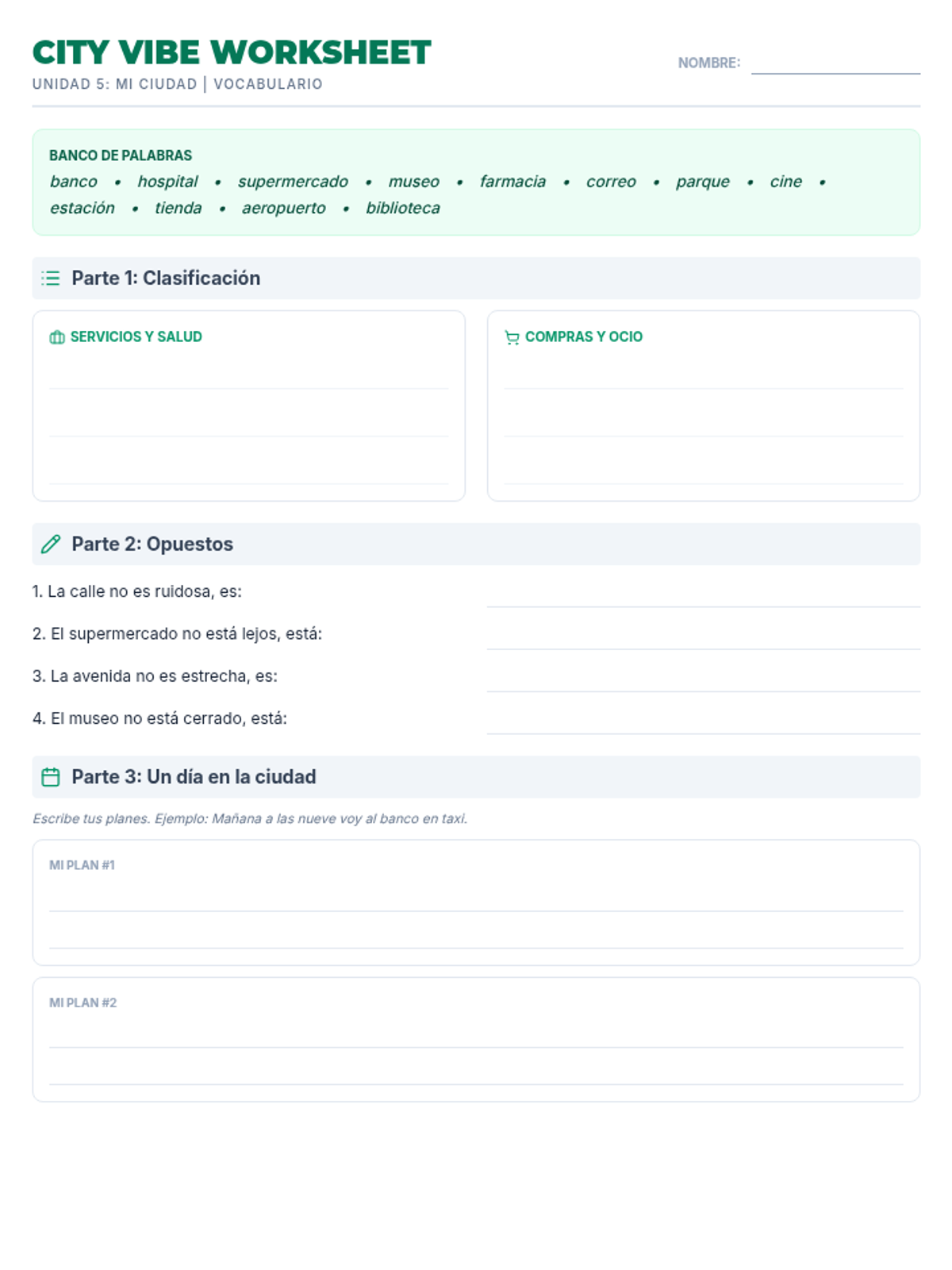
Day 1 focuses on identifying city locations, using descriptive adjectives, and reviewing date and time for planning city visits.