Students synthesize multiple pieces of evidence from a text to form a cohesive conclusion using a structured pyramid approach.
A comprehensive 4th-grade ESL project-based sequence on academic integrity and citation standards. Students transition from understanding the ethics of intellectual property to mastering the technical skills of citing books and websites, culminating in a mini-research project.
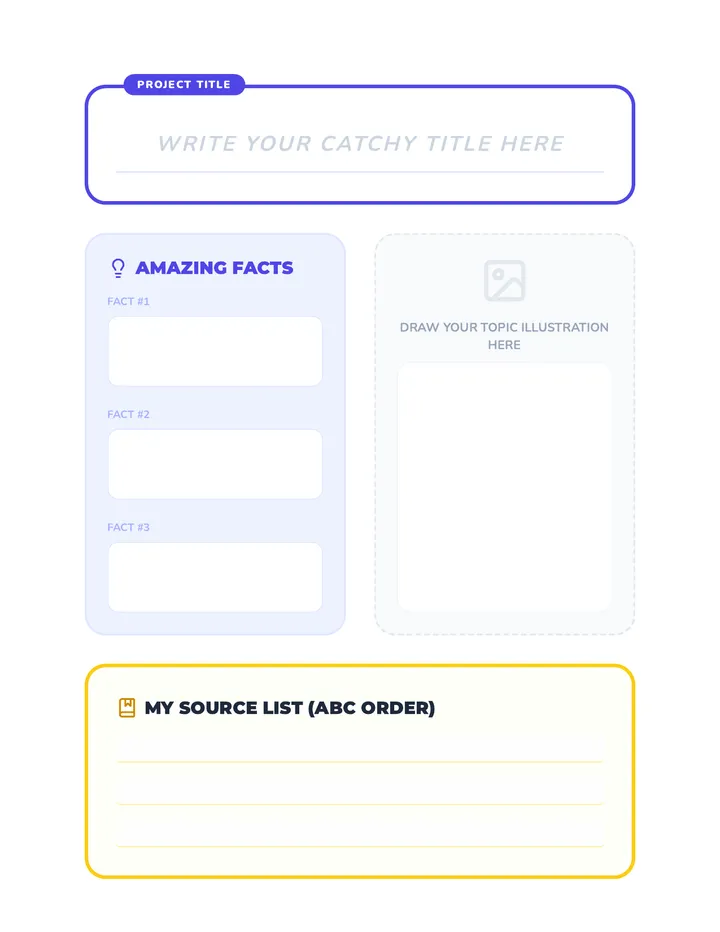
Students create a mini-research poster on a topic of their choice. They apply their knowledge by including three facts and a correctly formatted, alphabetized bibliography with at least three sources. The lesson includes a gallery walk for peer feedback.
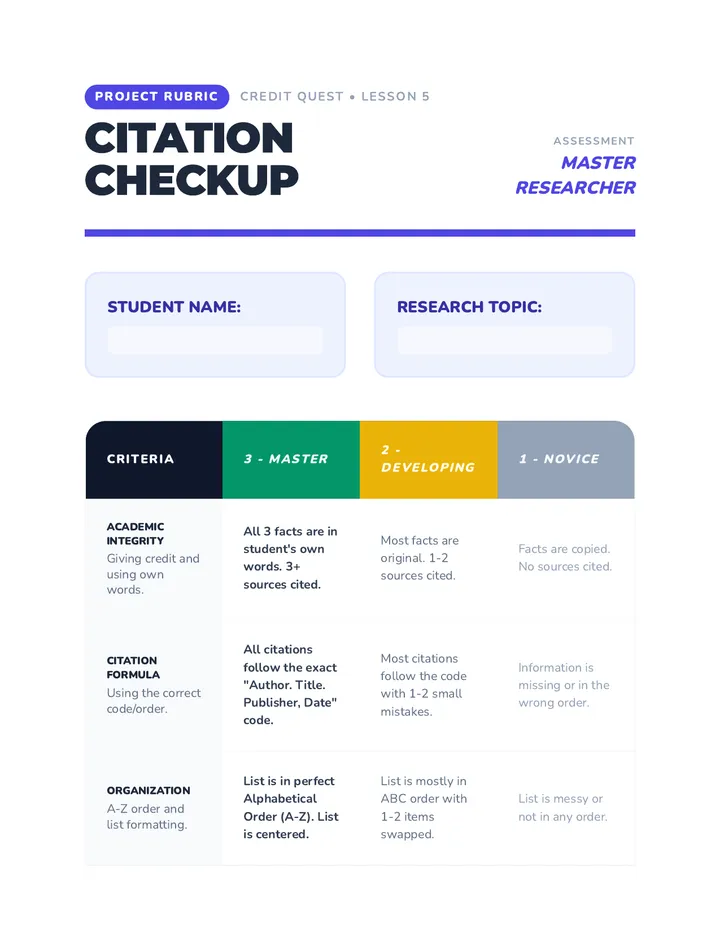
Final project rubric for Lesson 5. Evaluates academic integrity, citation formula accuracy, alphabetical organization, and punctuation. Includes sections for teacher feedback.
A comprehensive workshop-style sequence for 4th Grade ESL students to master academic research skills. Students progress from navigating text features to note-taking, paraphrasing, summarizing, and ultimately synthesizing information from multiple sources while avoiding plagiarism.
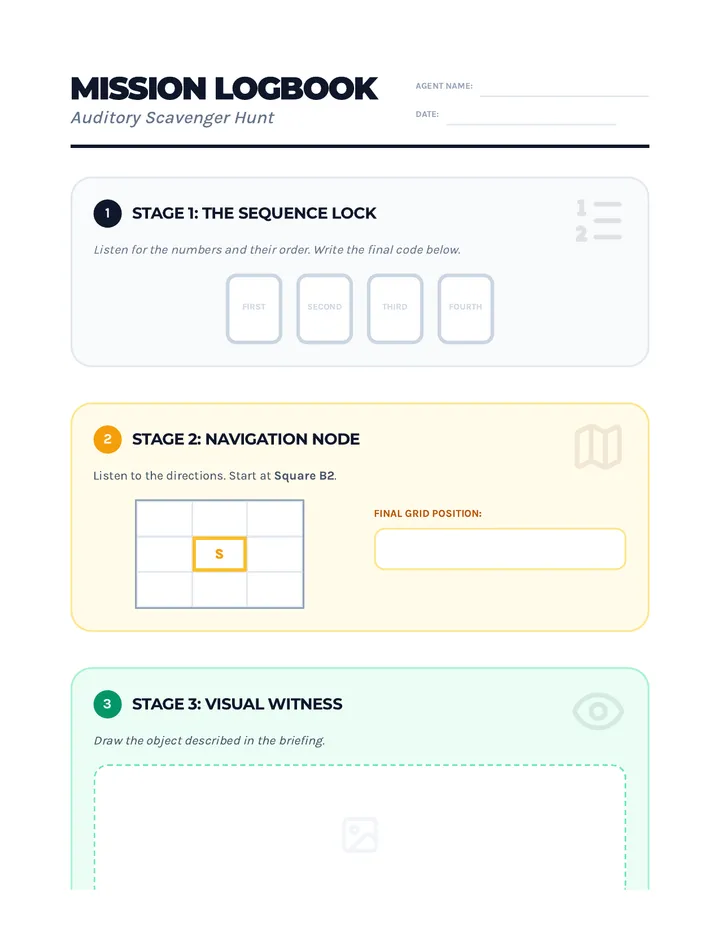
In this culminating activity, students solve a series of puzzles where the clues are delivered via audio recordings. Success depends on synthesizing sequence markers, spatial details, and specific vocabulary.
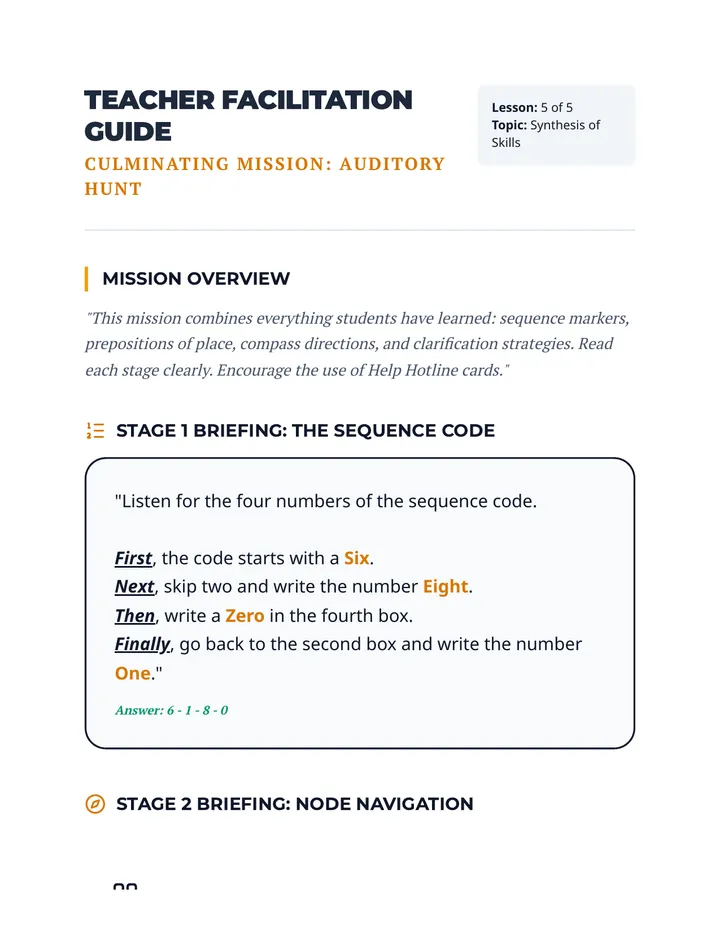
A comprehensive teacher resource containing all scripts for the listening activities, answer keys, and pedagogical tips for the Signal Seekers unit.
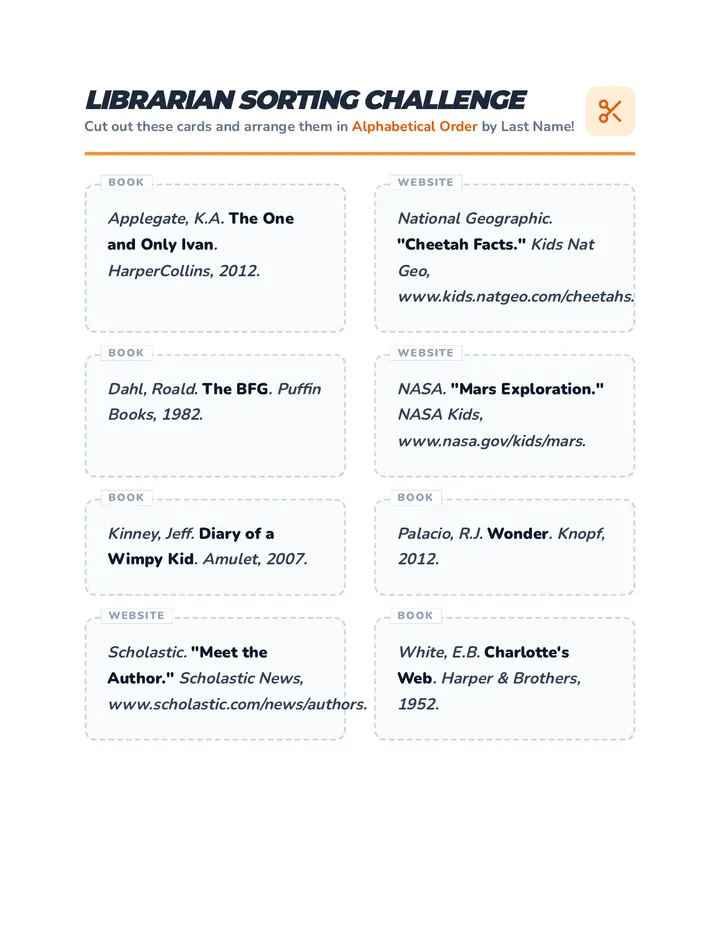
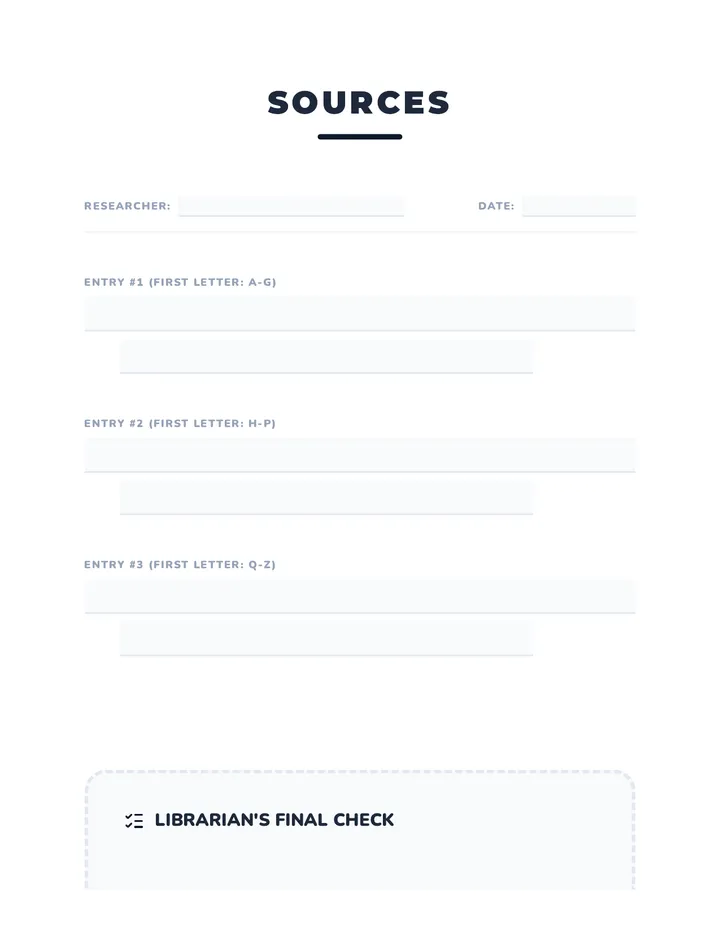
Students learn how to organize individual citations into a list, emphasizing alphabetical order. They practice formatting a simple bibliography page using citations generated in previous lessons. This prepares them for the final structural requirement of research papers.
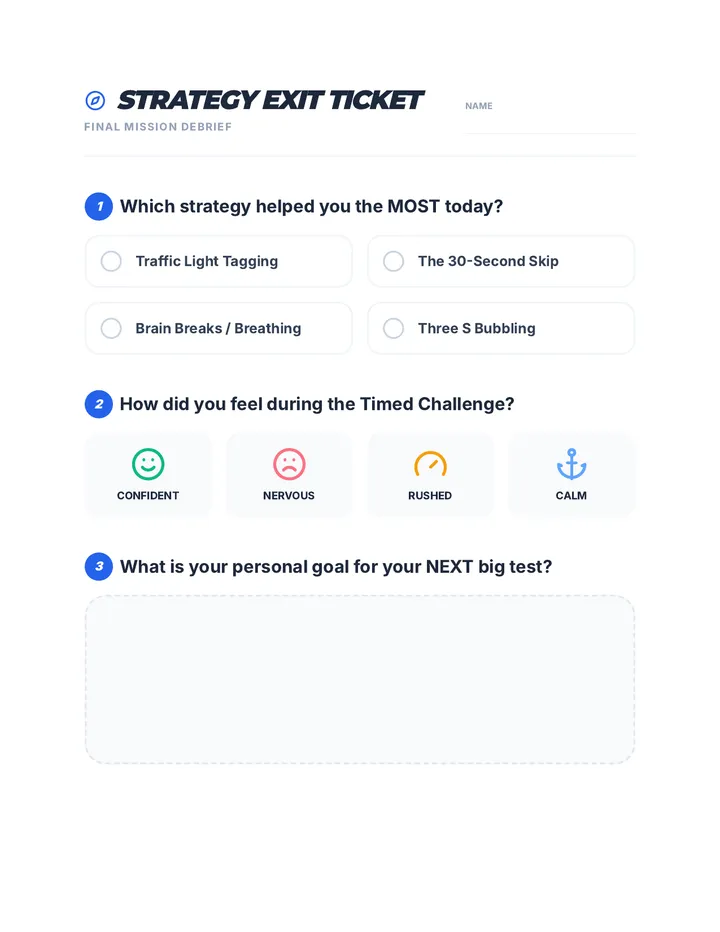
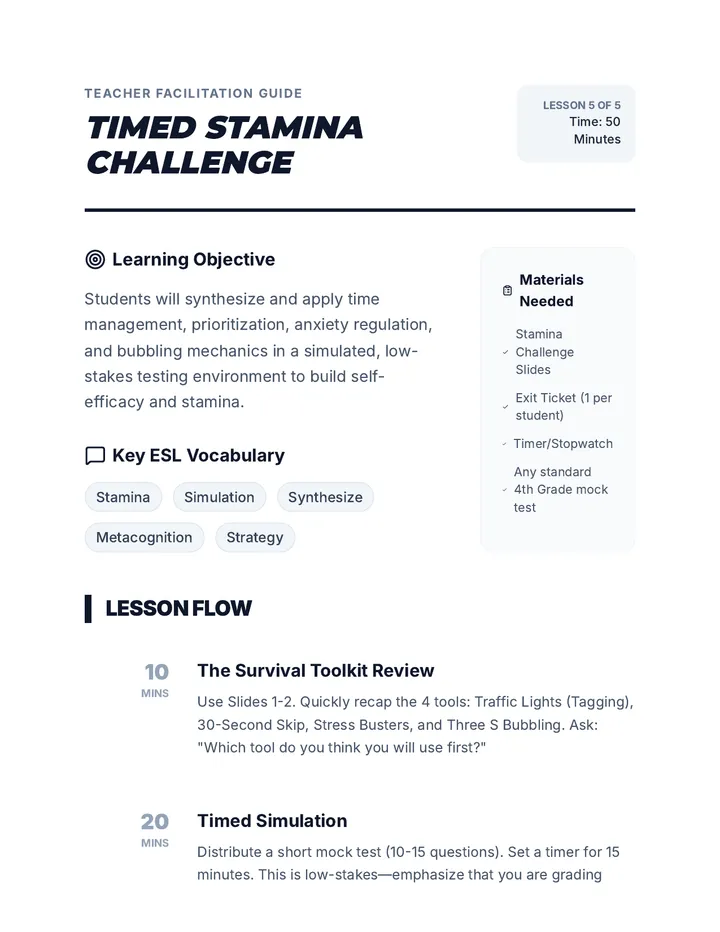
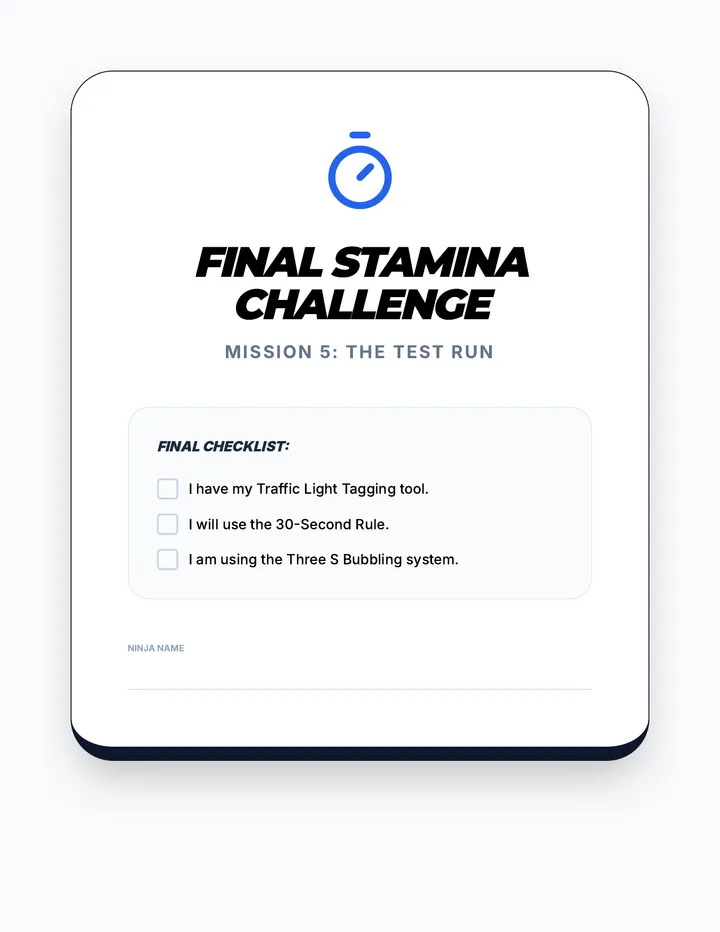
Students engage in a timed simulation that combines pacing, skipping, and anxiety management strategies. Afterwards, they debrief on which strategies helped them feel calm and finish on time.