Students research caffeine toxicity, overdose symptoms, and emergency responses to understand the potential dangers of high-dose stimulant consumption.
No materials in this lesson yet.
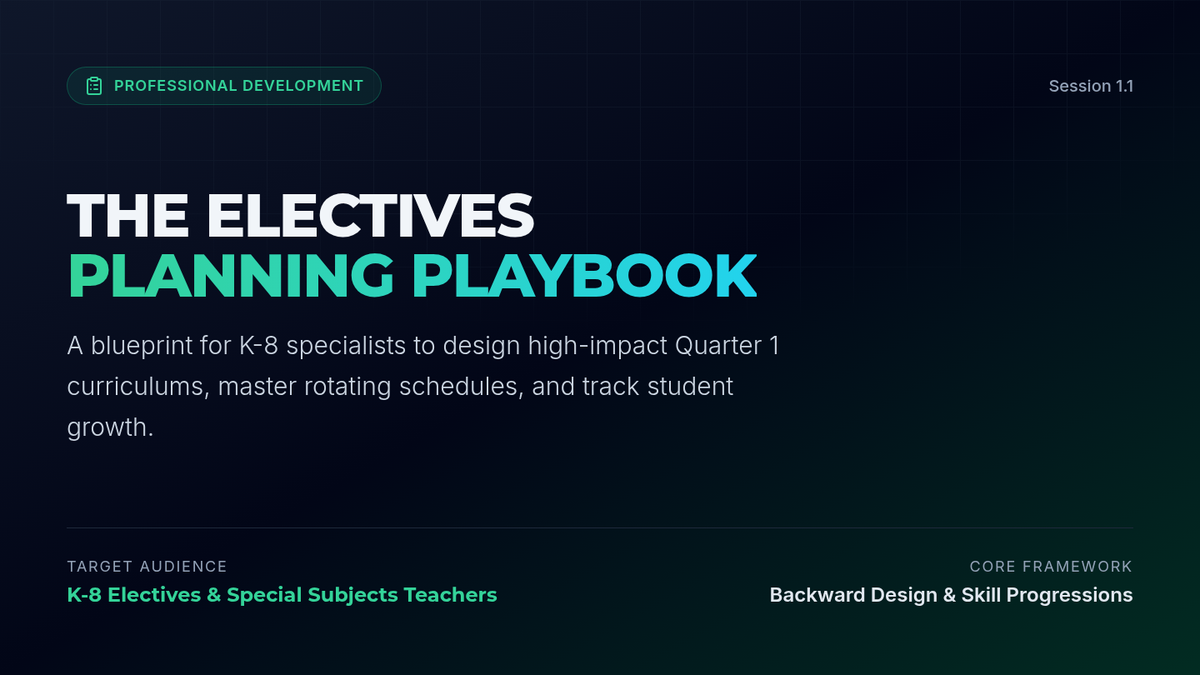
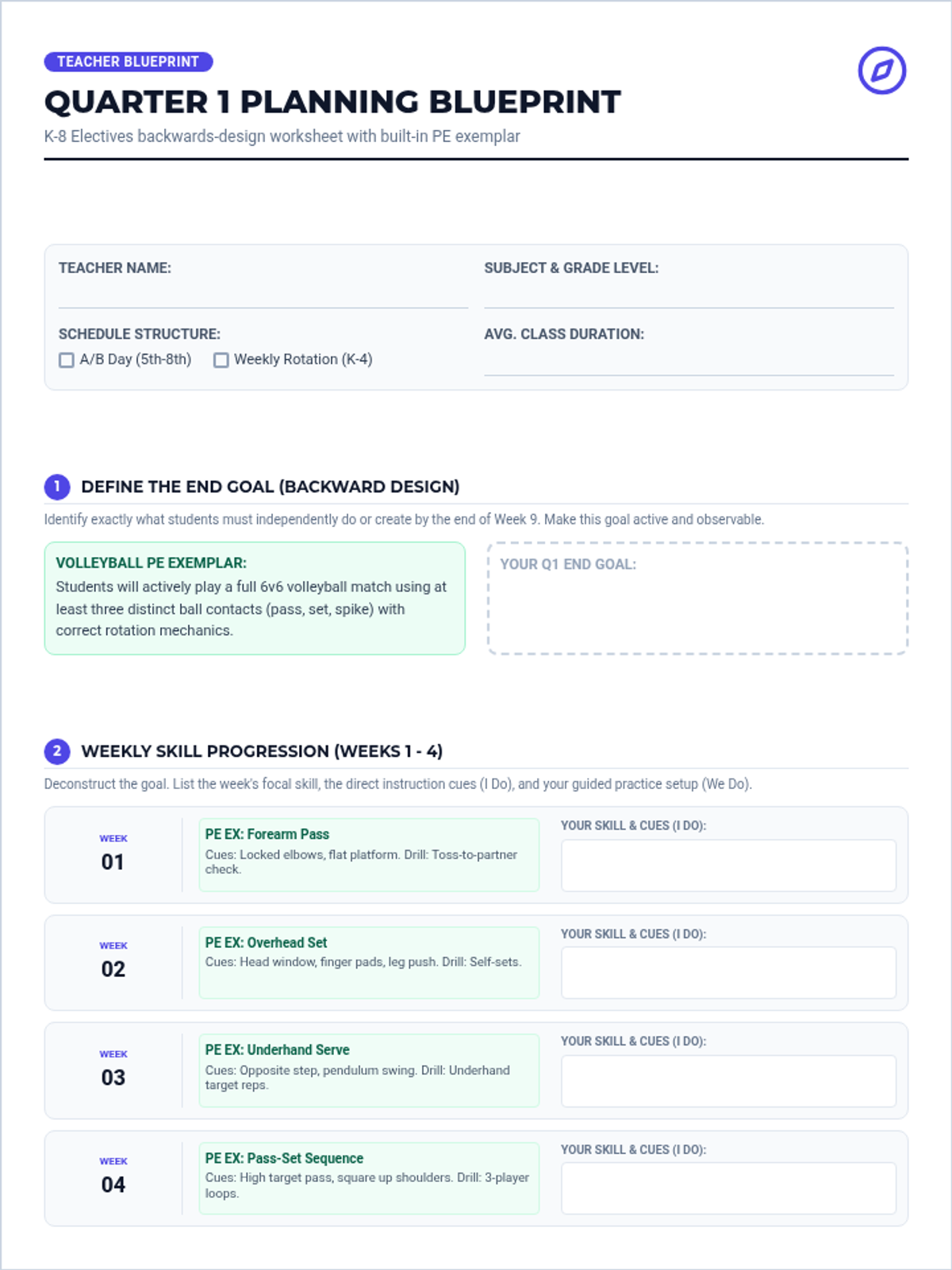
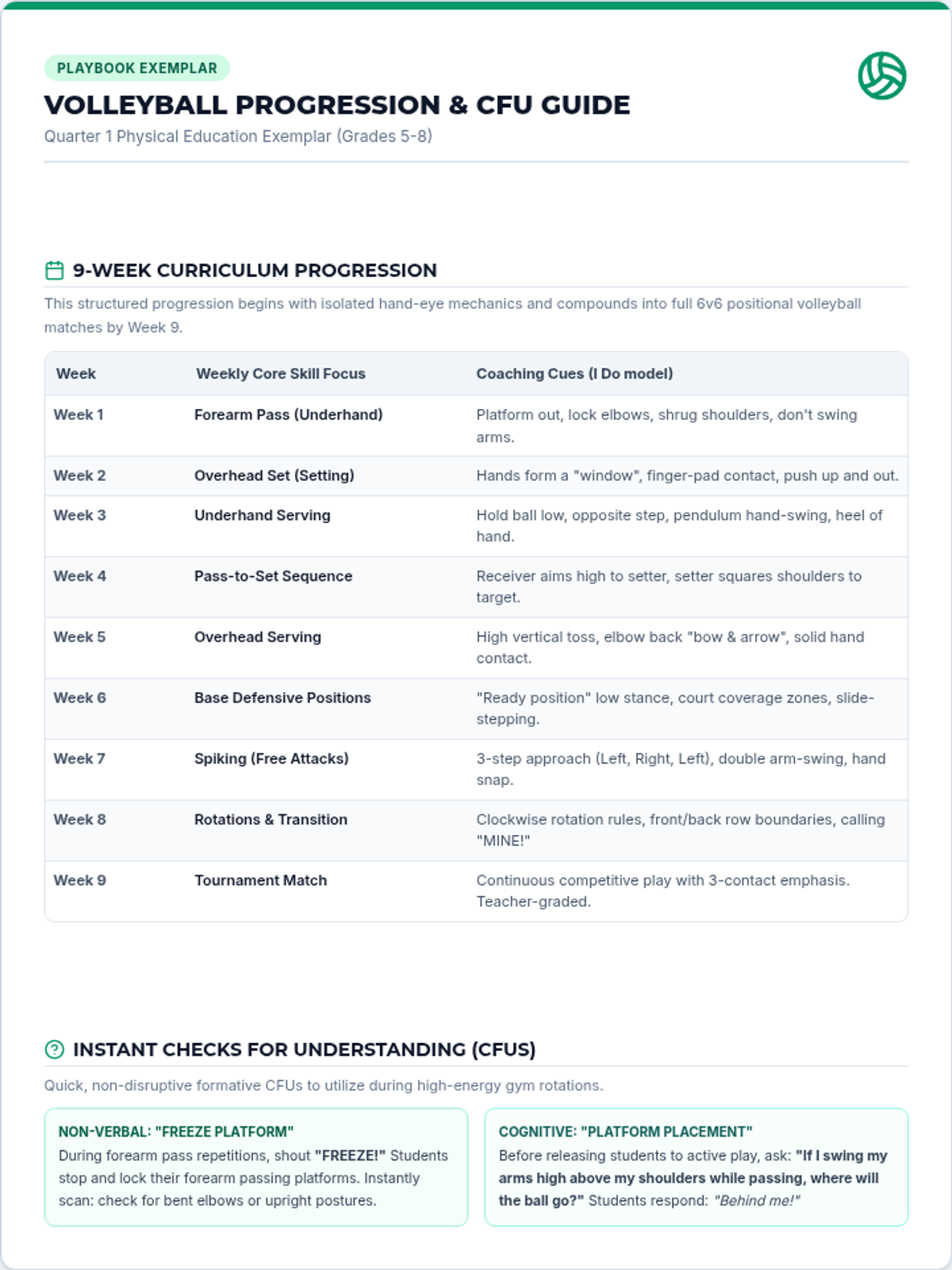
A professional development session and toolset for K-8 Electives teachers. It covers backward design, splitting schedules for A/B days and weekly rotations, mapping weekly skill progressions using the 'I Do, We Do, You Do' model, and creating checks for understanding and proficiency rubrics.
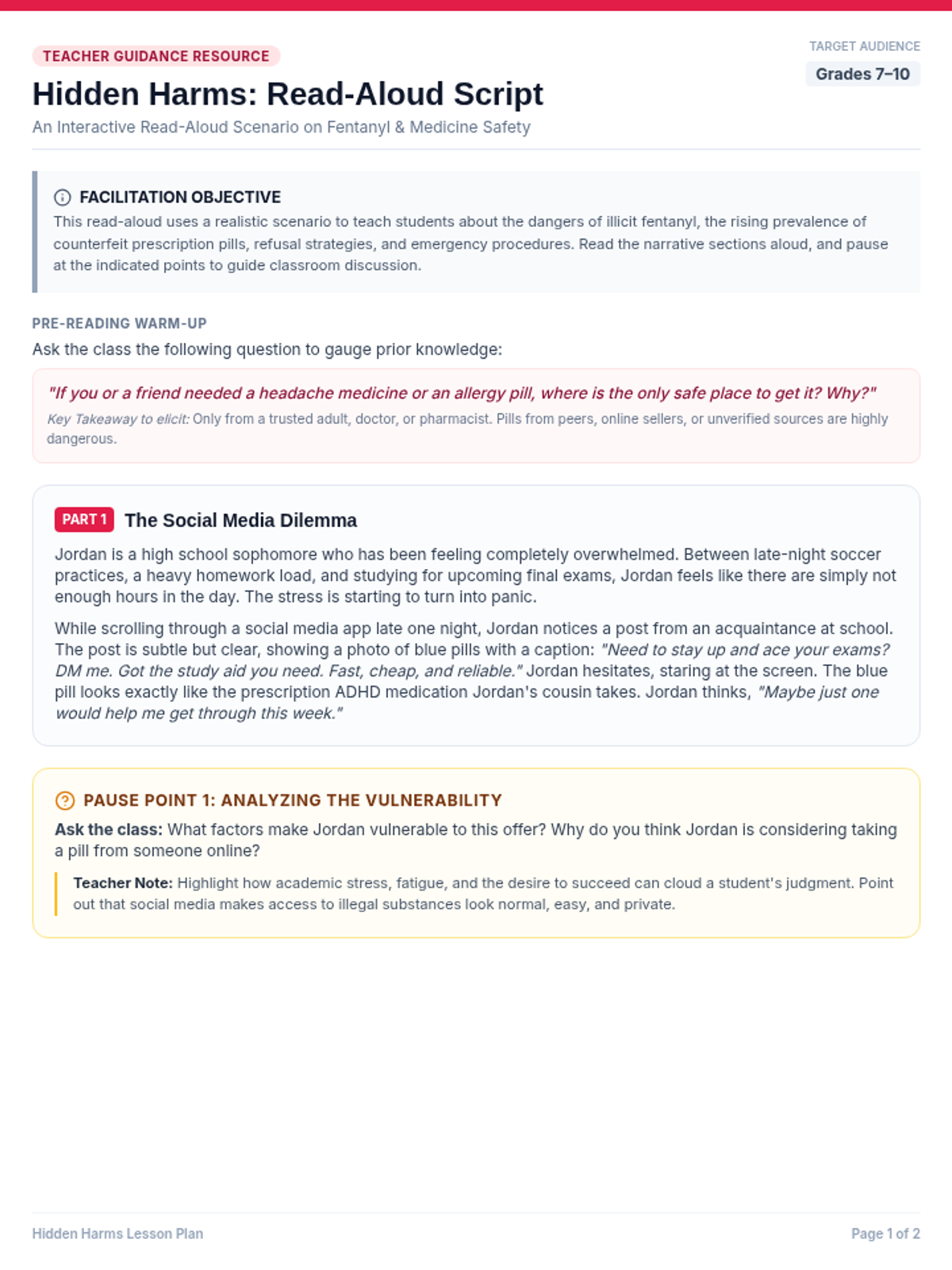
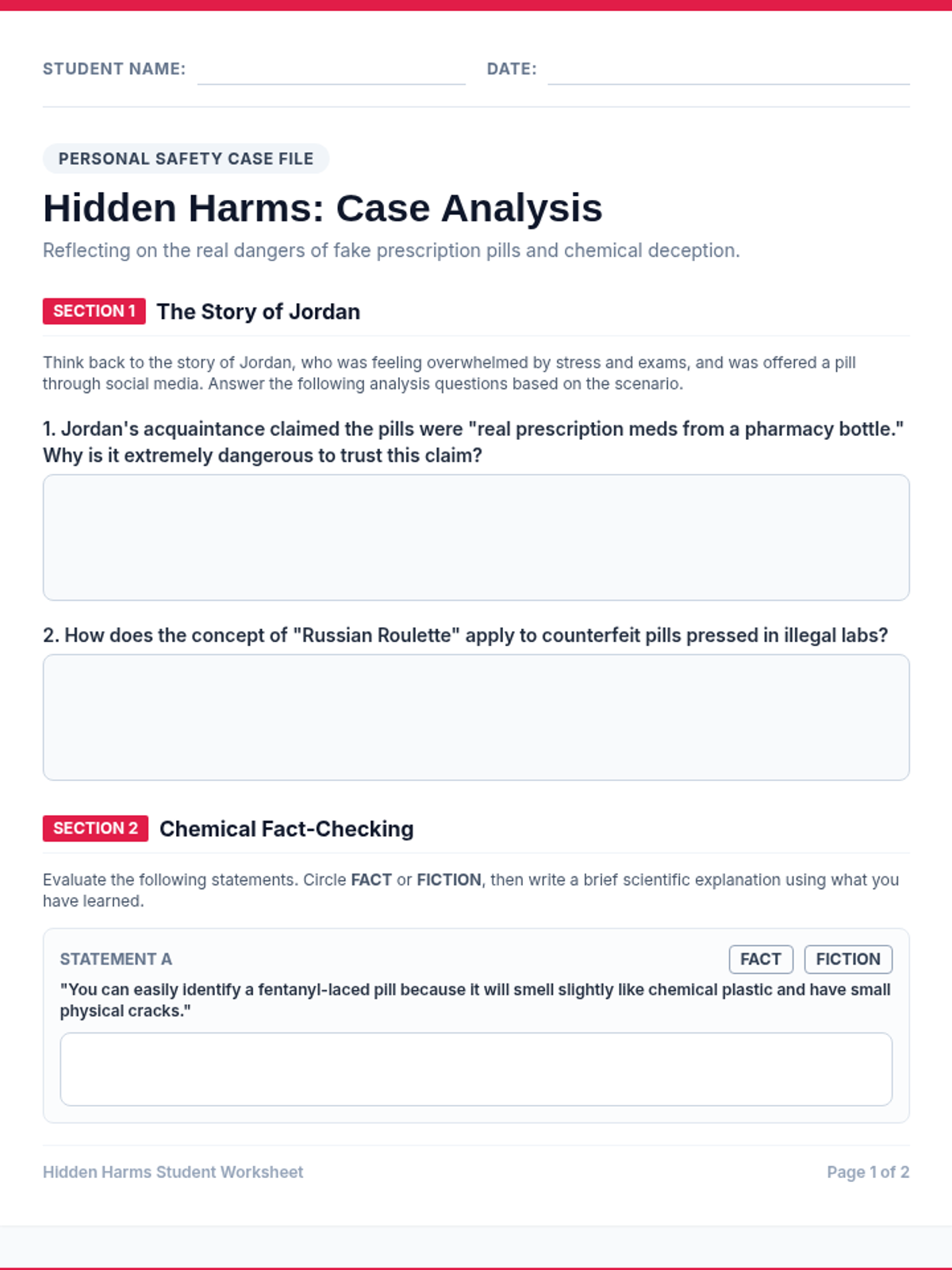
A critical drug education and safety lesson designed for middle or high school students, focusing on the dangers of illicit fentanyl, how fake prescription pills are manufactured to look identical to real medicine, refusal strategies, and emergency safety protocols. This lesson uses an interactive read-aloud scenario to engage students in critical thinking and real-world decision-making.
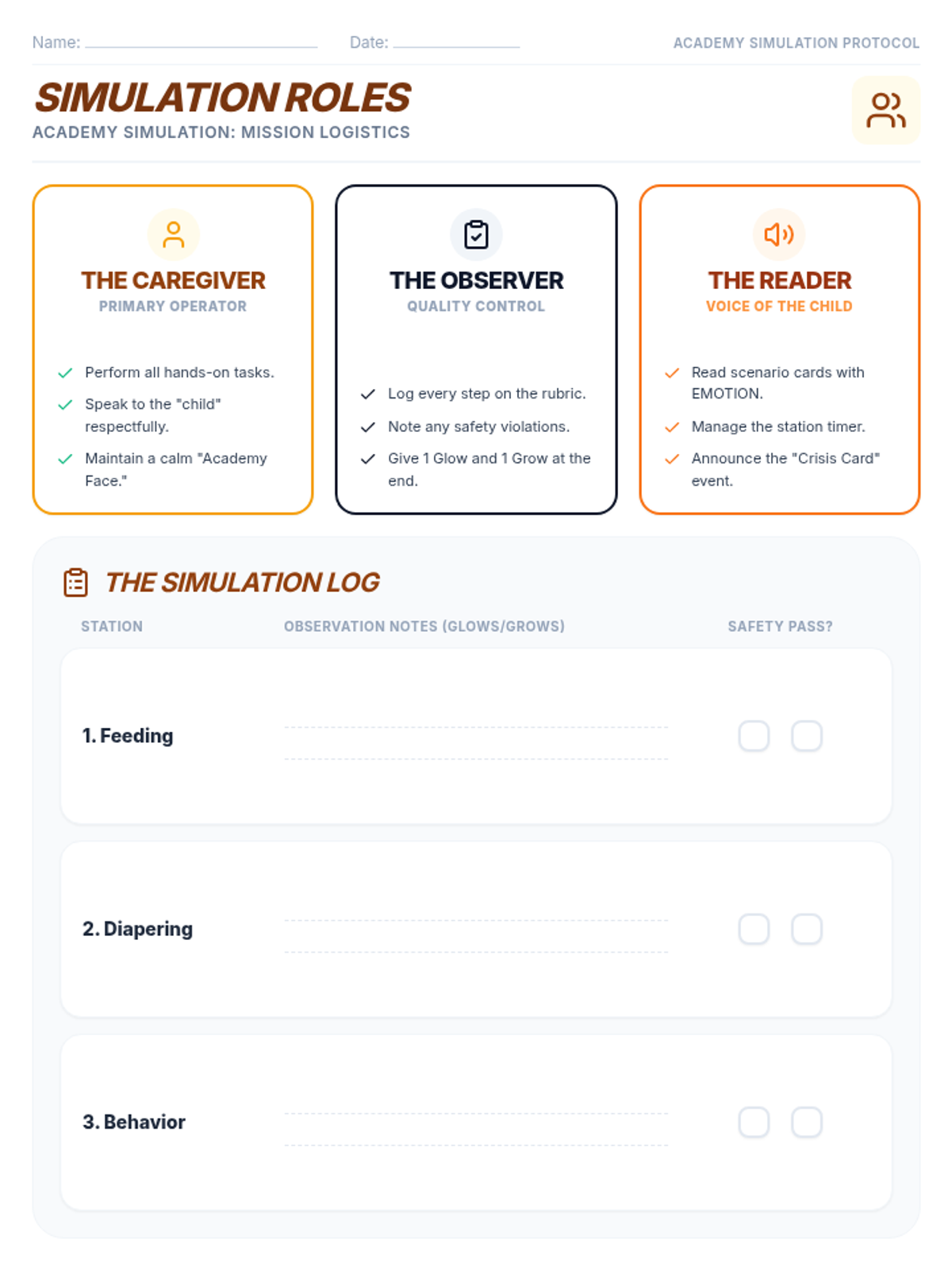
This lesson focuses on Academy Simulation Mission Logistics, including simulation roles (Caregiver, Observer, and Reader) and the simulation log for documenting observations across different stations.
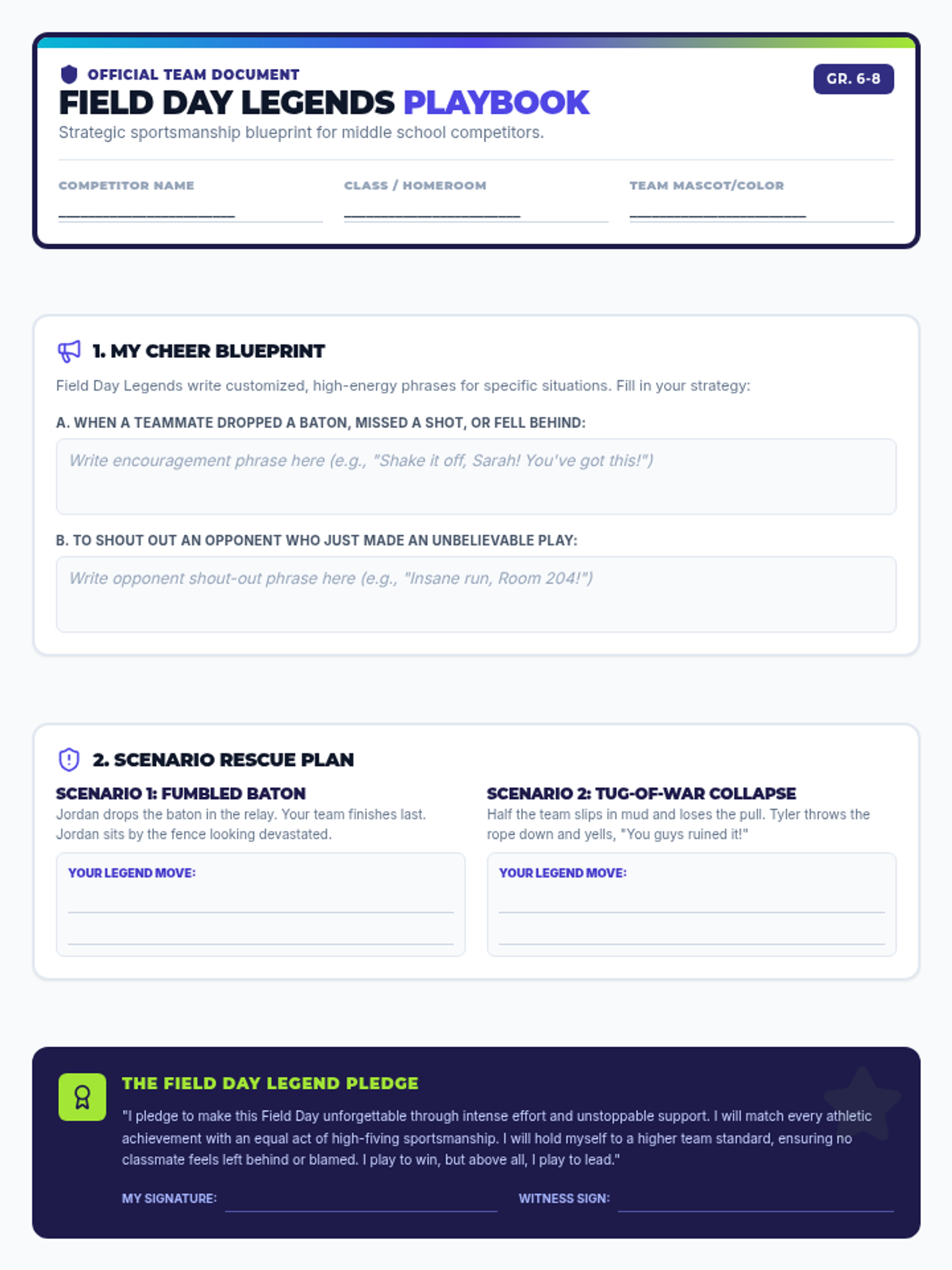
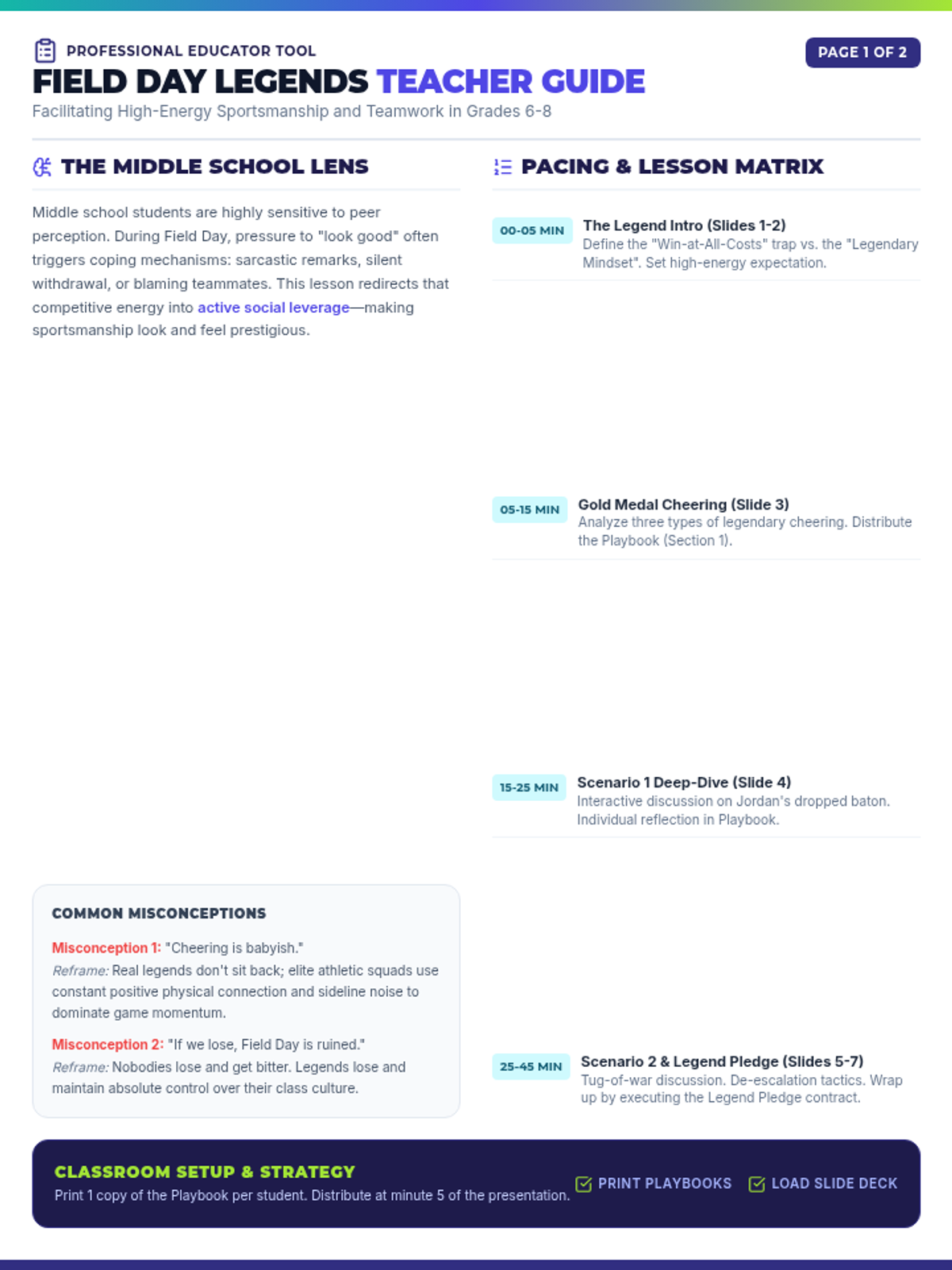
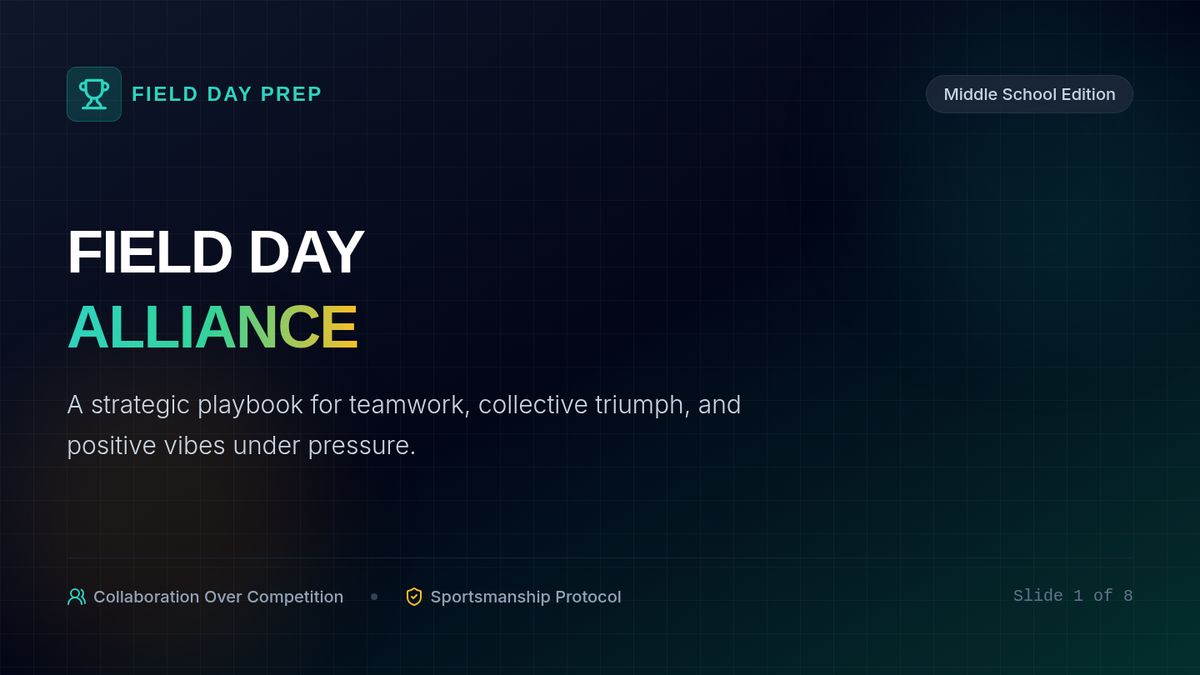
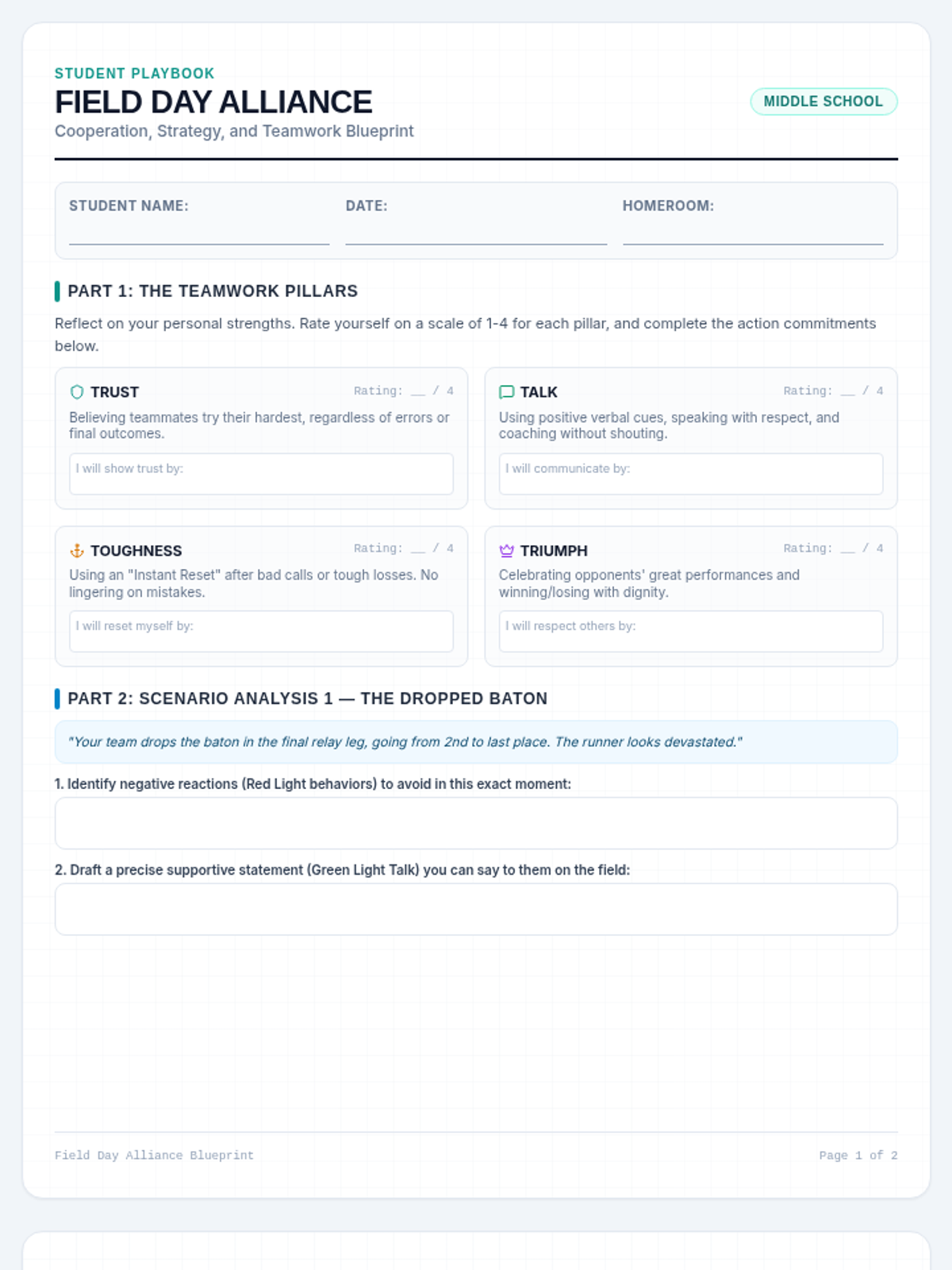
A high-energy sportsmanship lesson designed for middle schoolers preparing for Field Day. Focuses on peer encouragement, constructive teamwork, and handling setbacks through interactive scenario discussions.
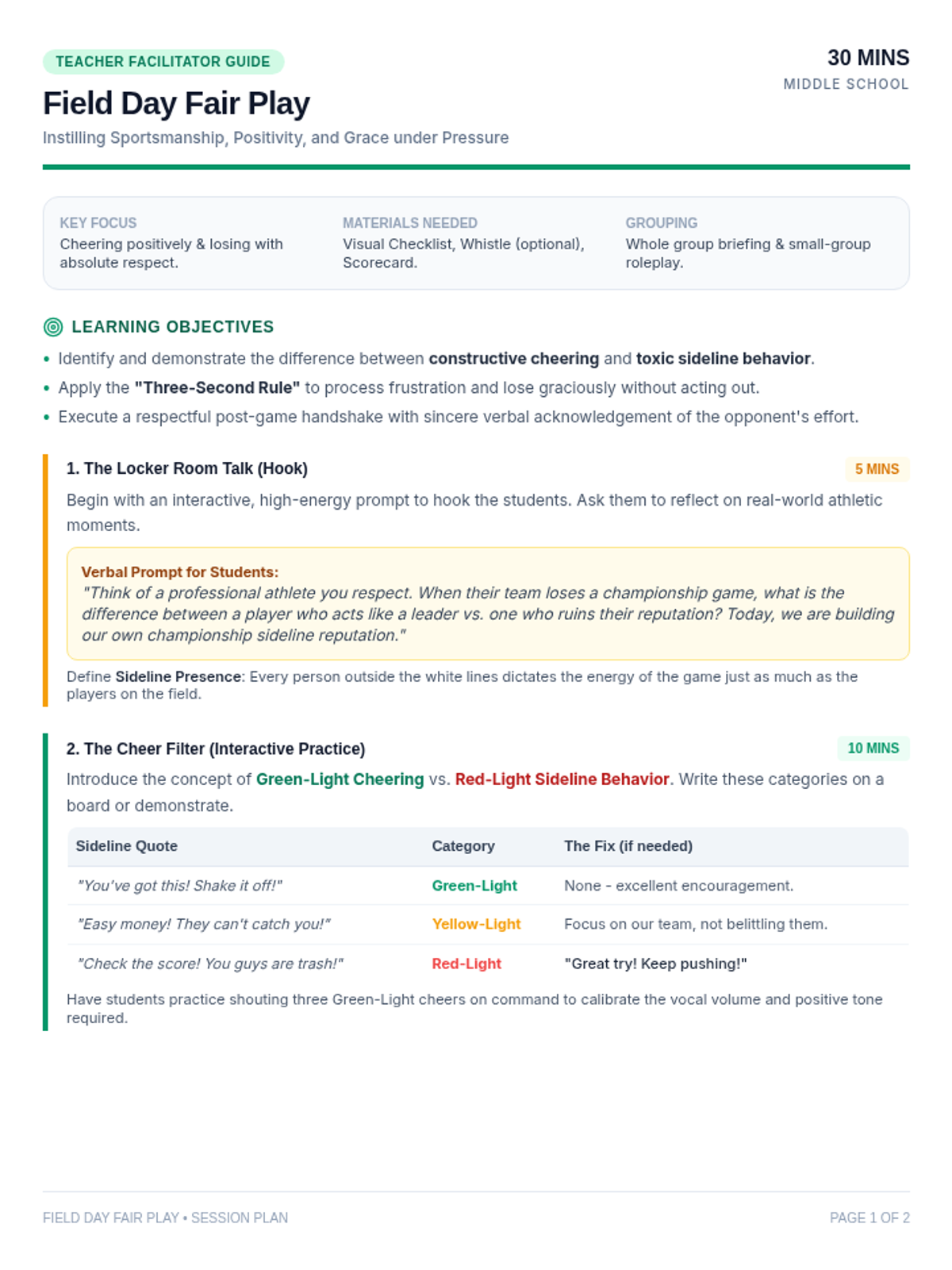
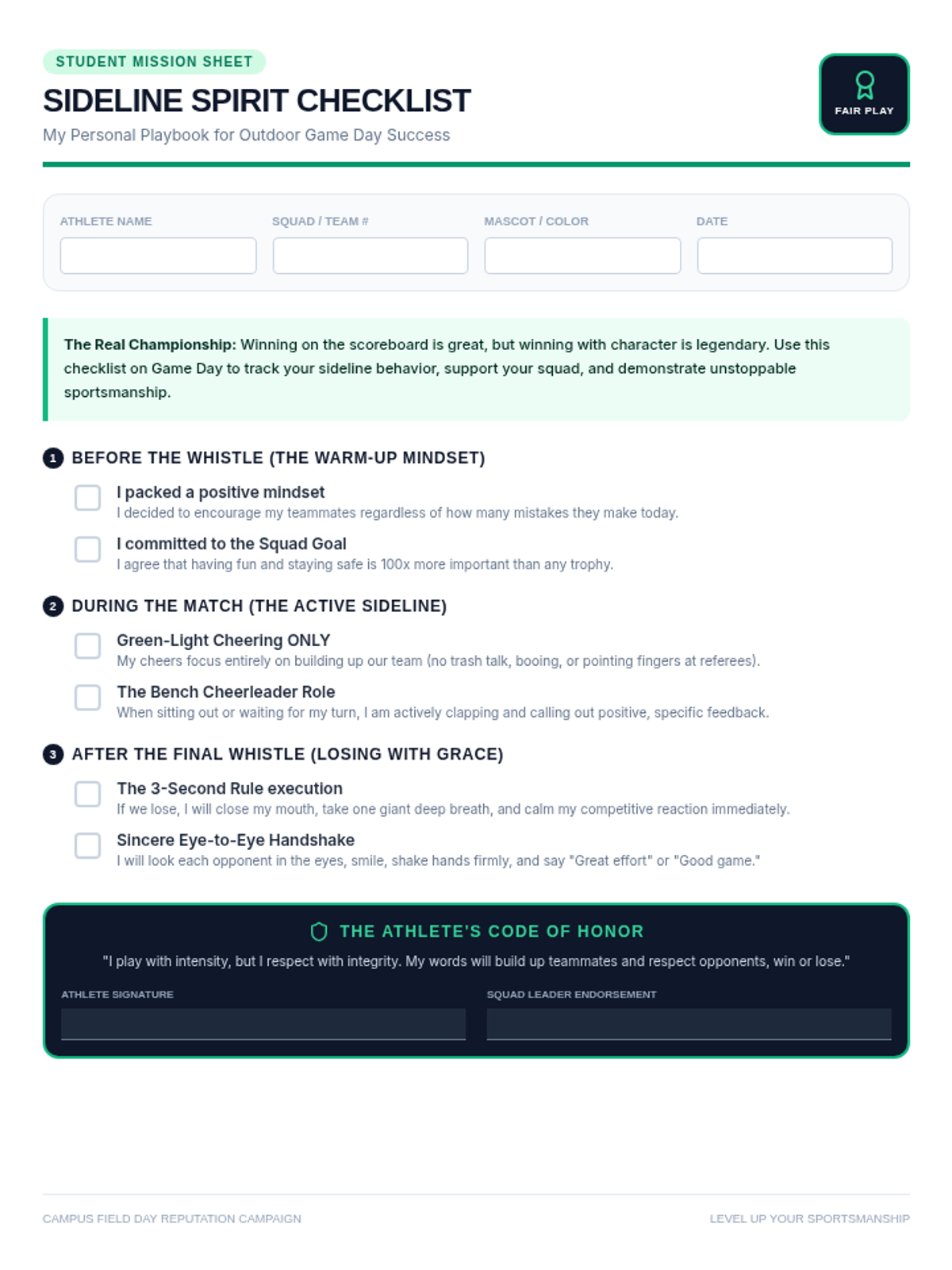
A 30-minute lesson designed to prepare middle school students for outdoor game day, focusing on sportsmanship, cheering, and losing graciously. Includes structured roleplays, clear sideline expectations, and a student-facing visual checklist.
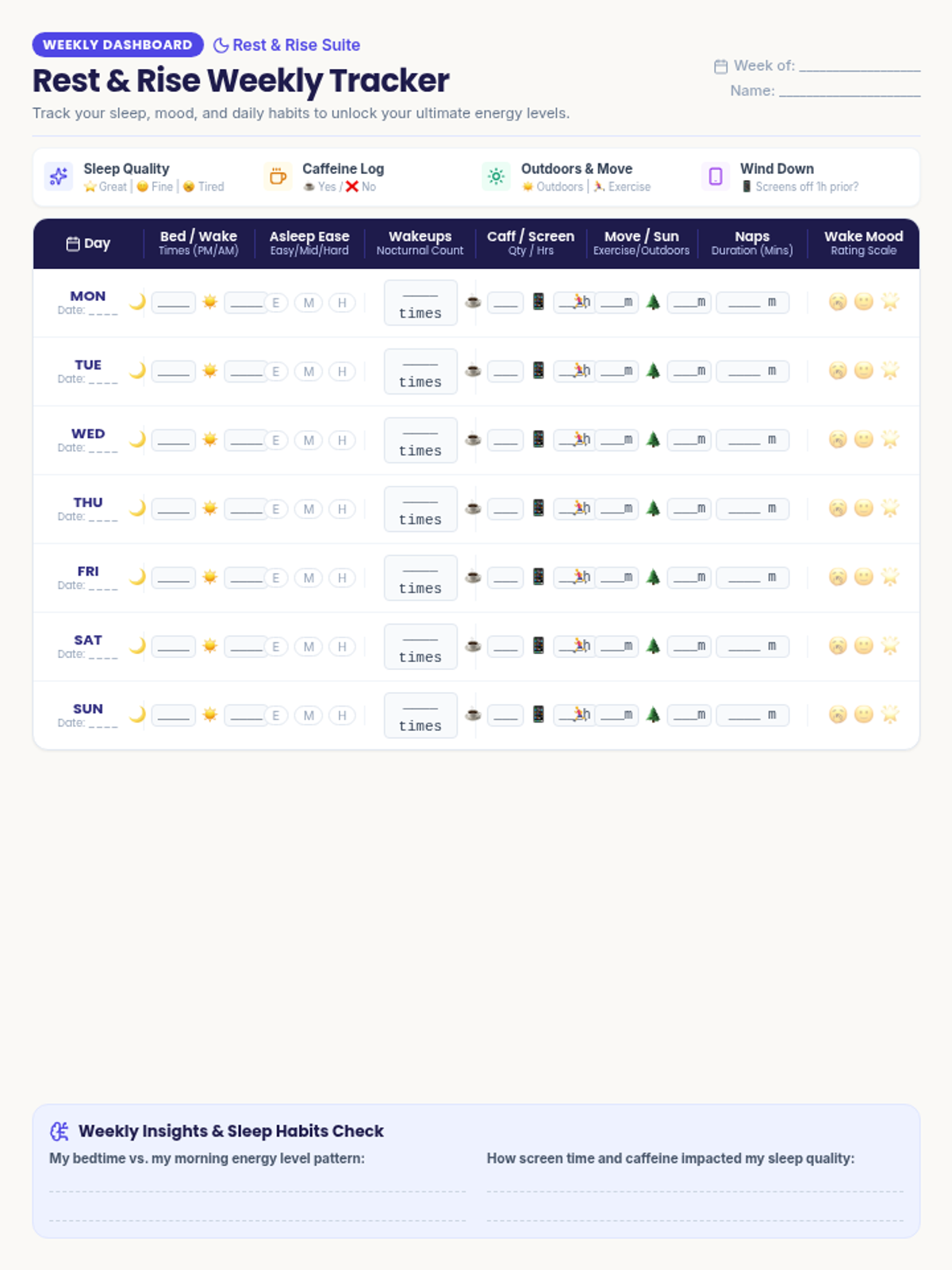
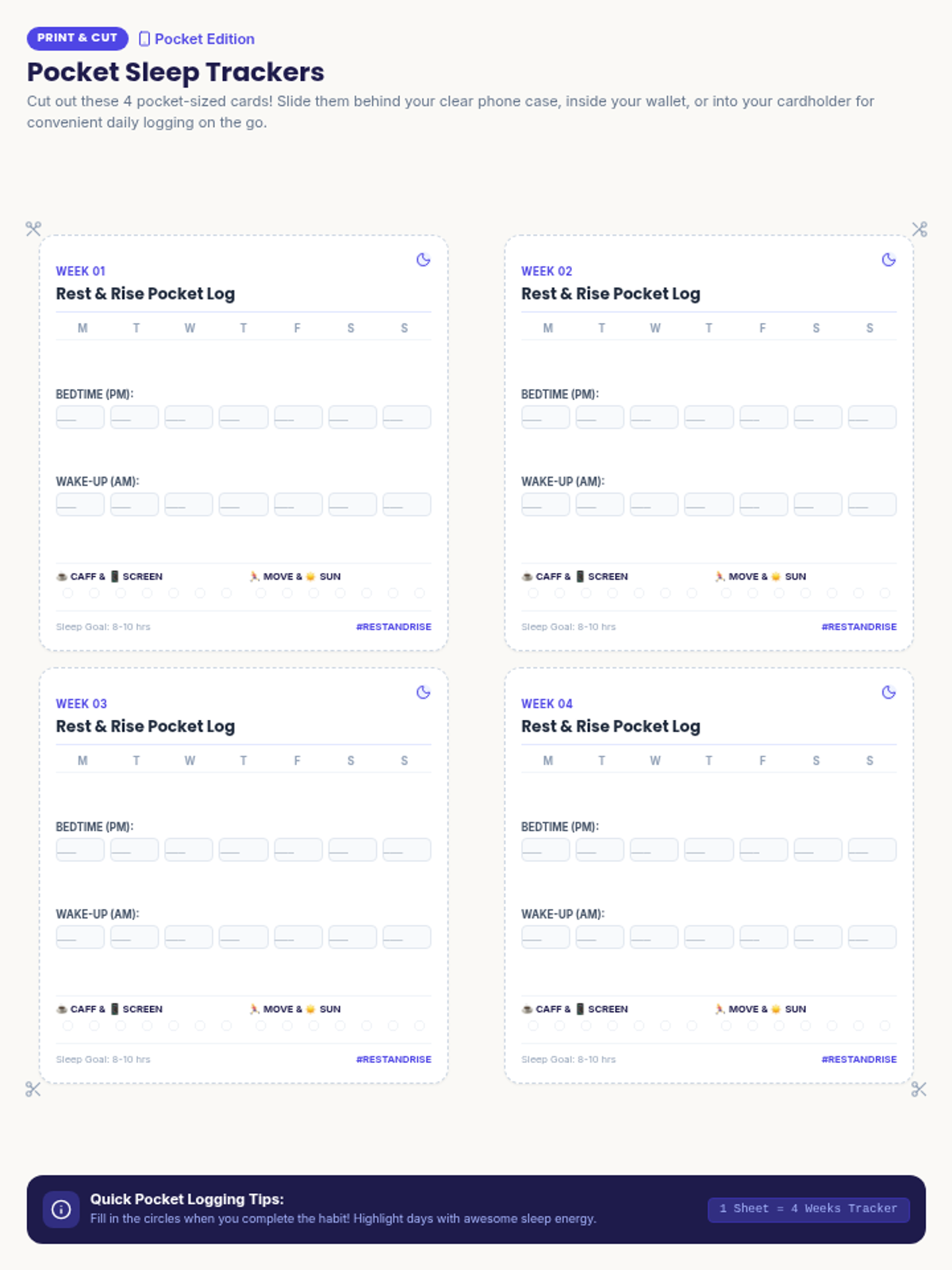
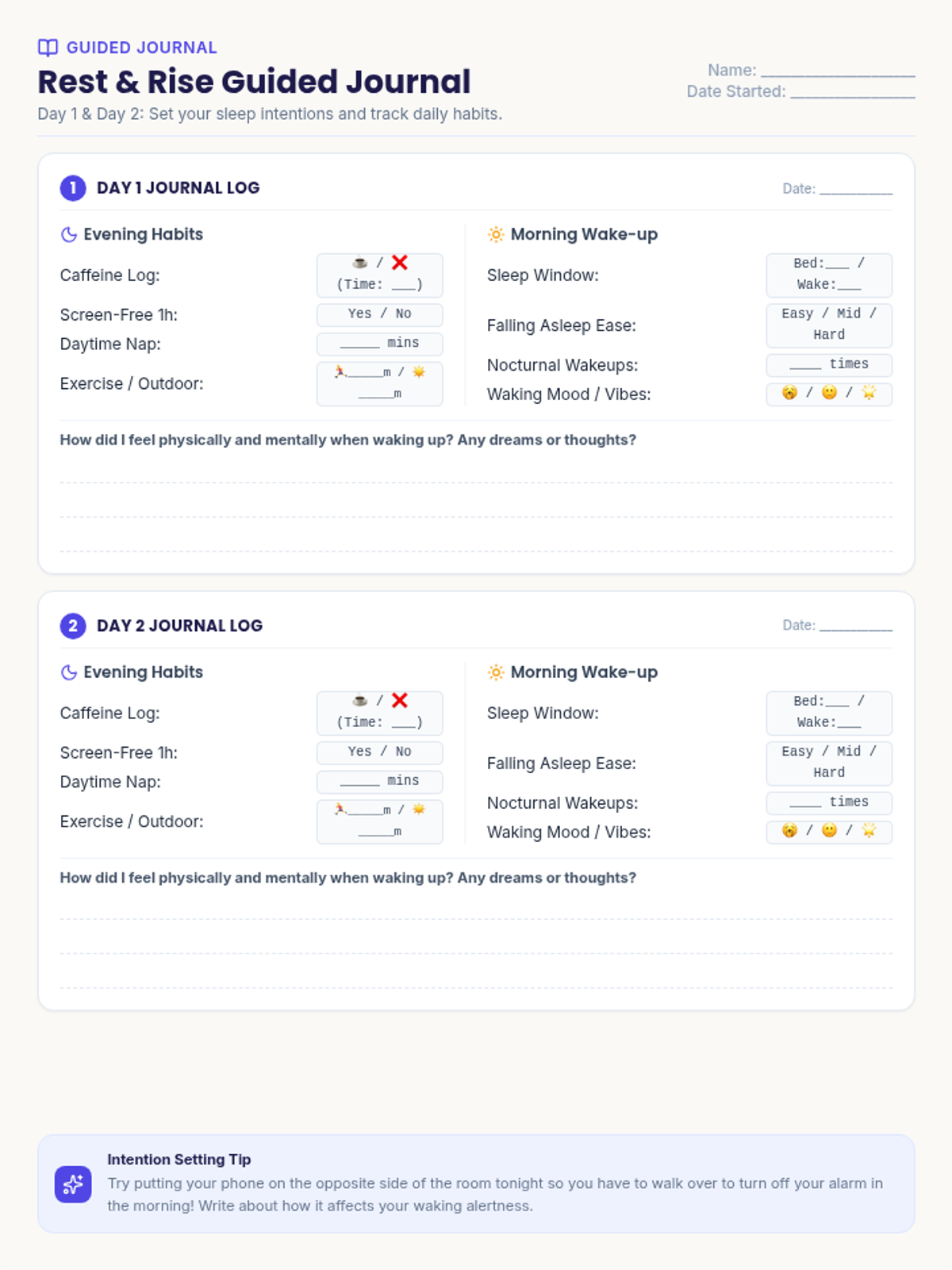
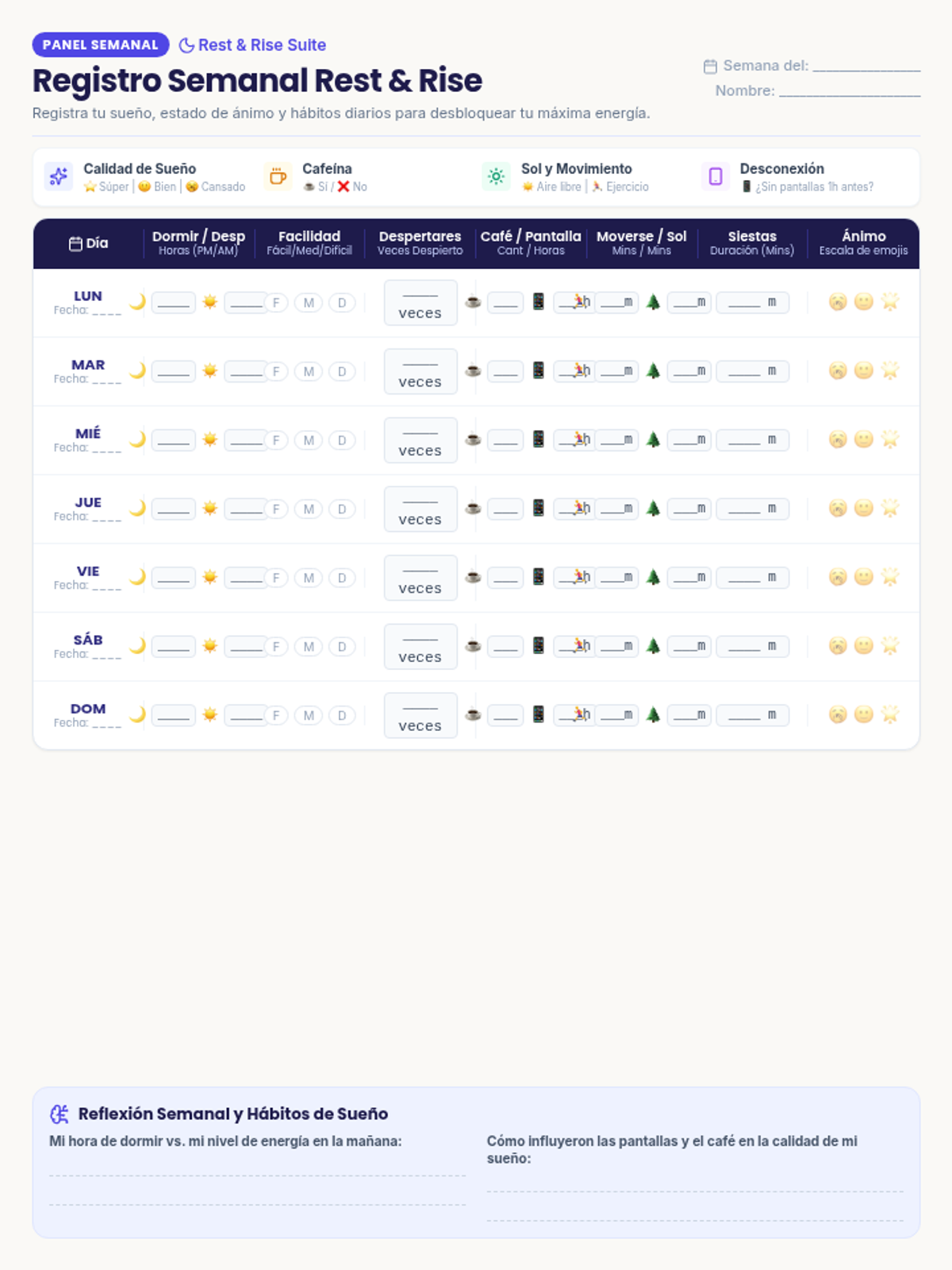
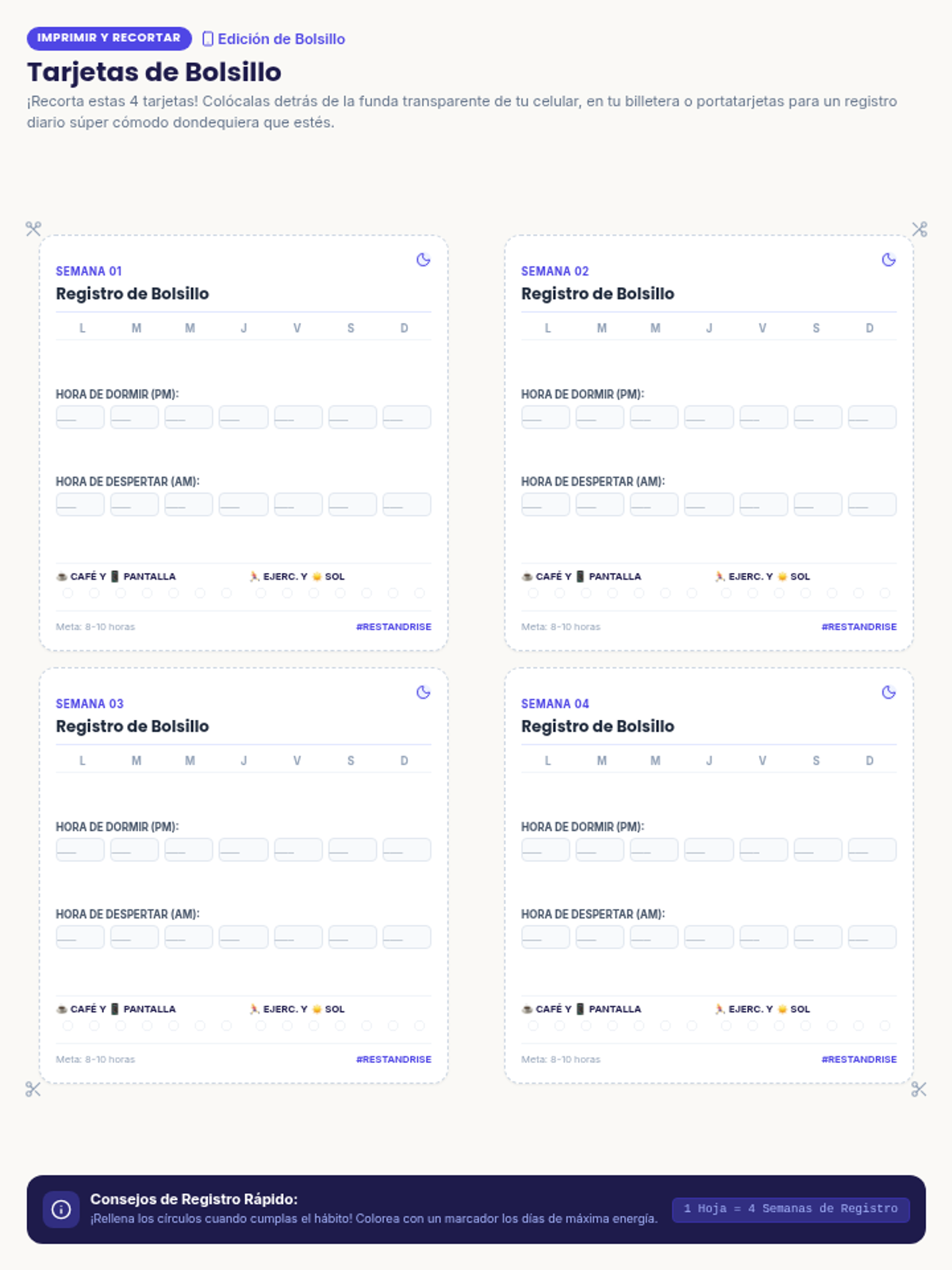
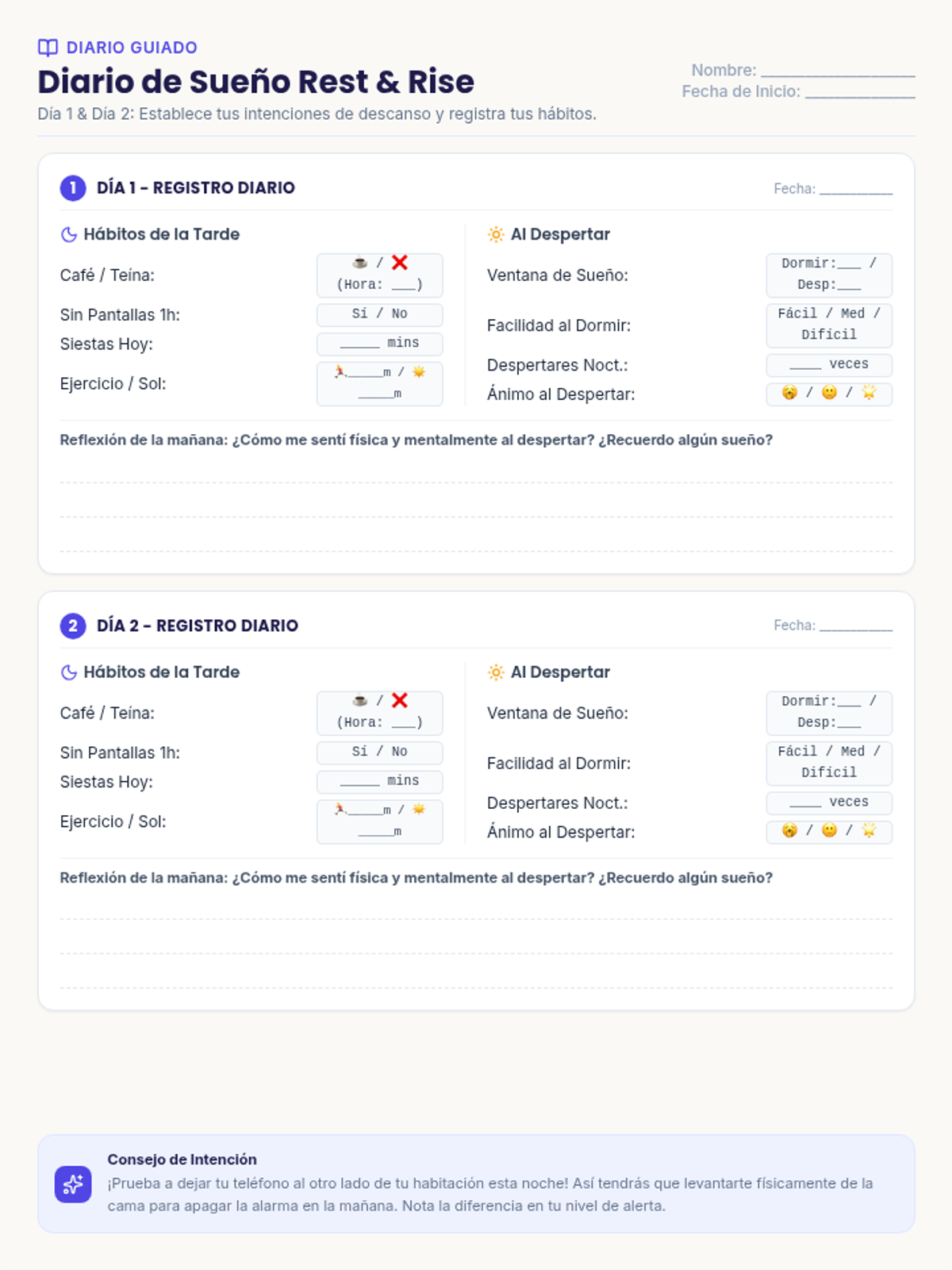
A teen-focused sleep and mood tracking suite that combines physical tracking with mindfulness. Includes a 1-Page Weekly Tracker, Pocket-Sized Mini Trackers for phone cases/wallets, and a 7-Day Guided Daily Journal with deep reflection prompts. Helps teens identify connections between screen time, caffeine, physical activity, and sleep quality.
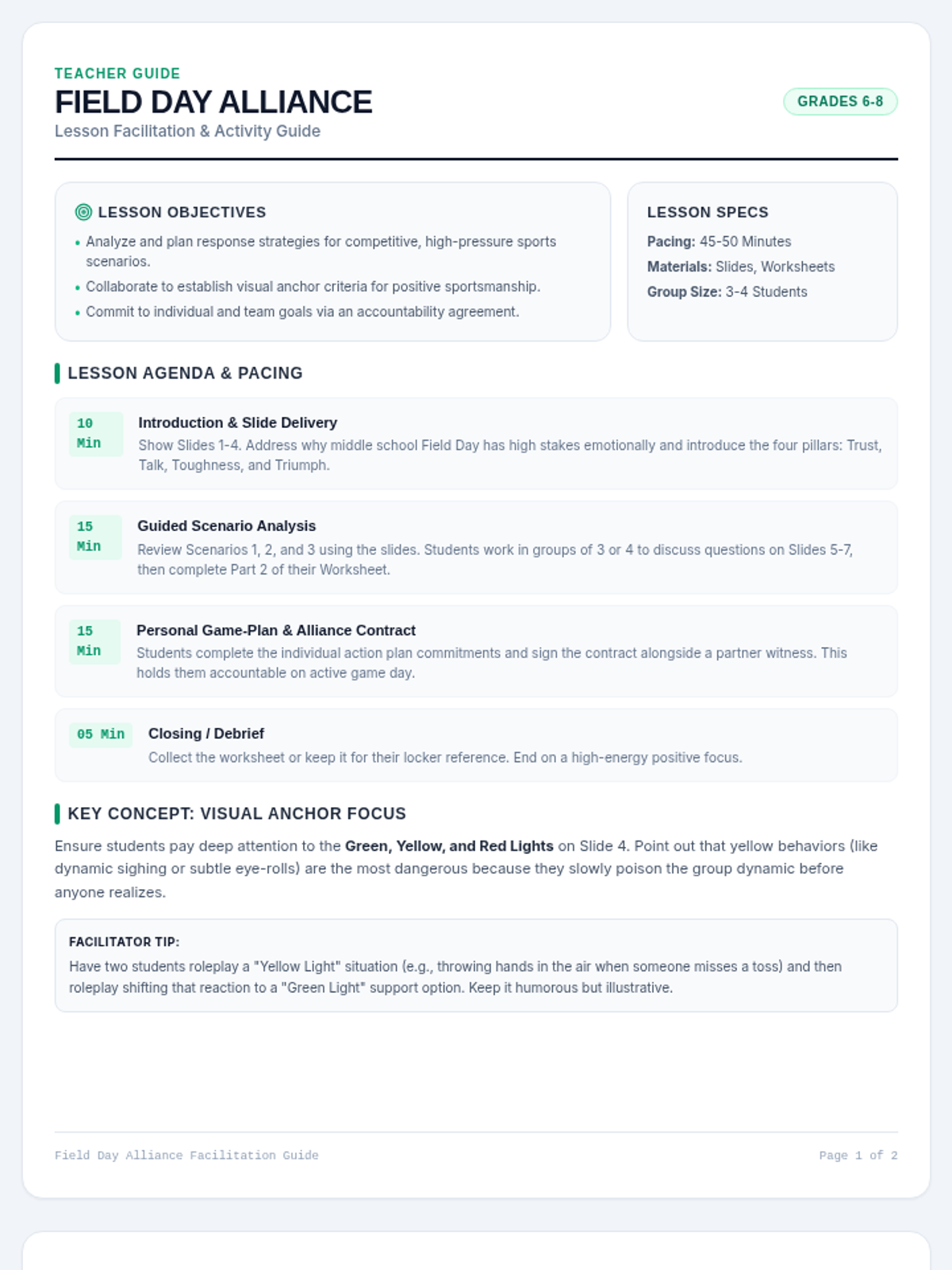
A middle school lesson focusing on teamwork, sportsmanship, and positive behaviors during Field Day, utilizing visual anchor charts, scenario-based worksheets, and collaborative discussions.
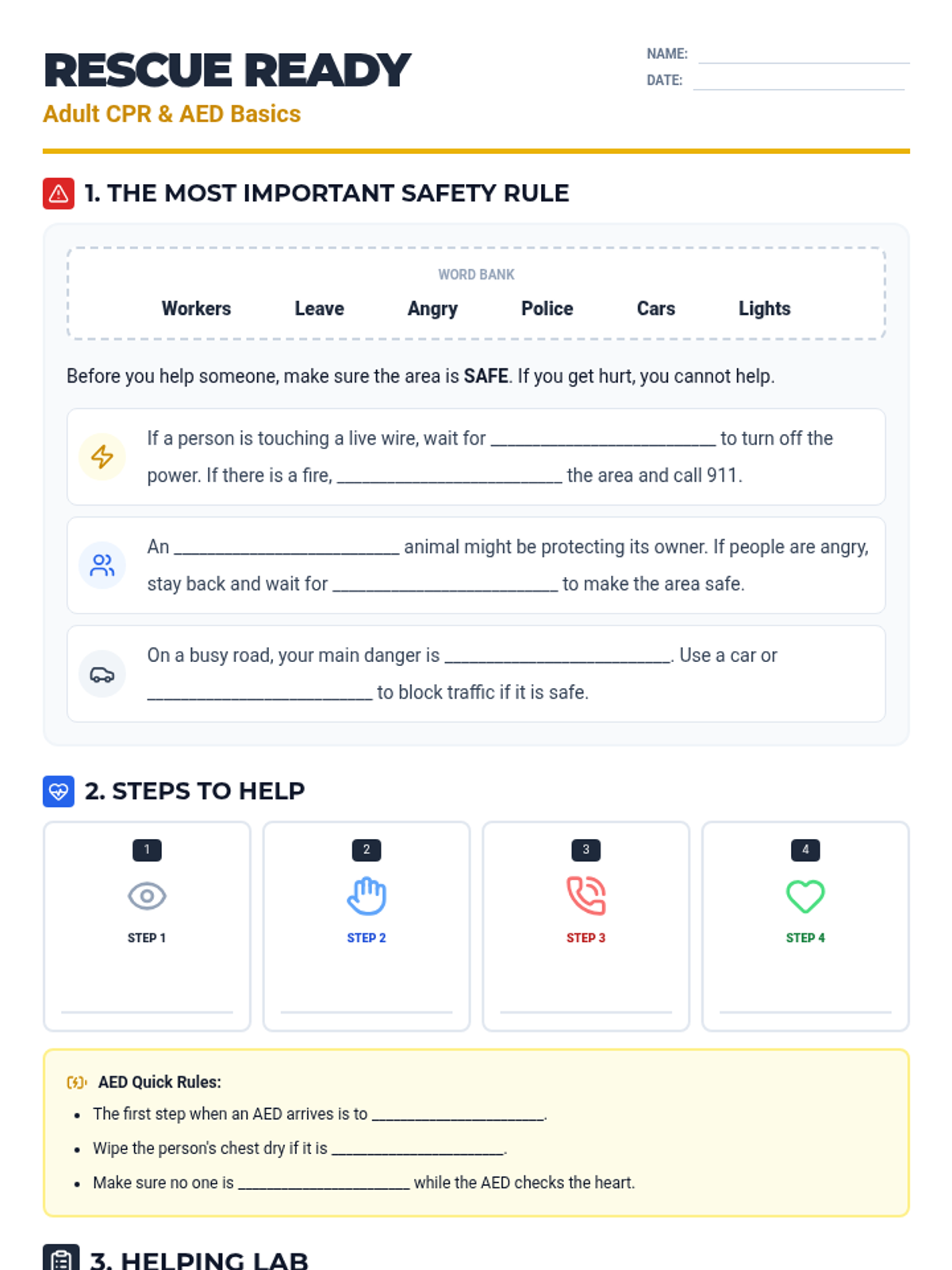
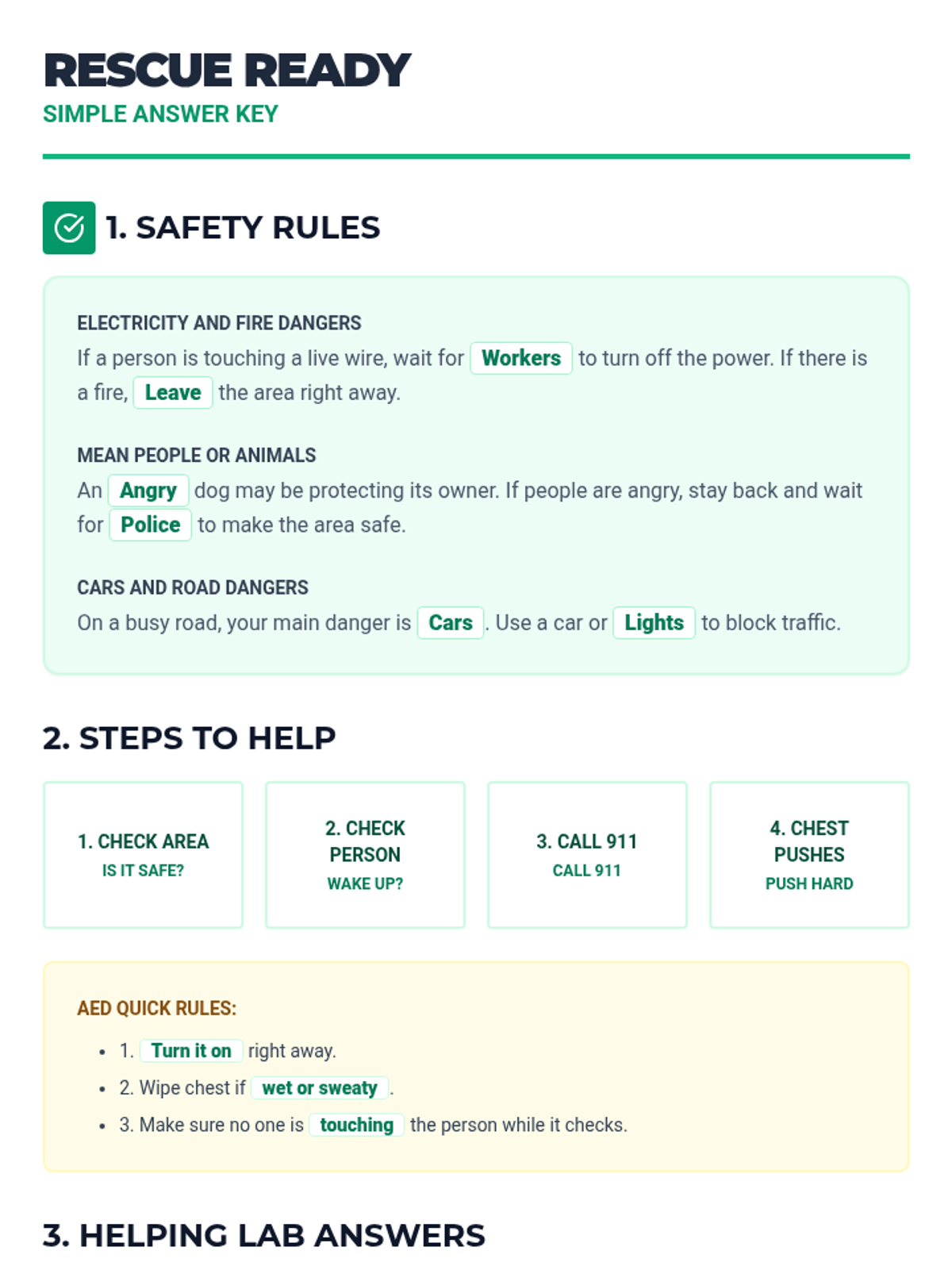
A comprehensive lesson on adult CPR and AED usage, with a specific focus on identifying and managing environmental hazards before rendering aid.
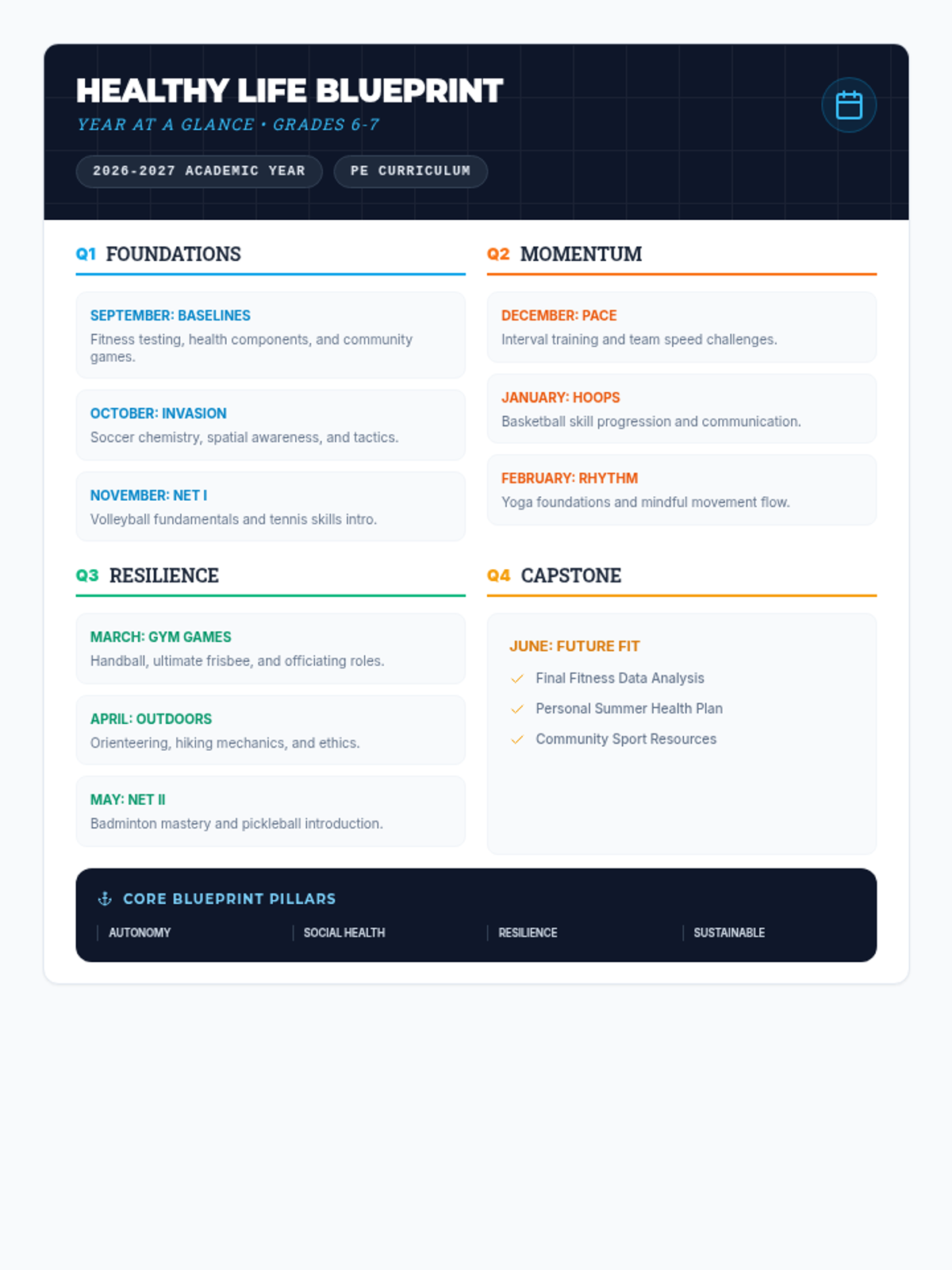
The capstone unit where students revisit fitness testing, analyze their growth over the year, and create a personalized 'Lifelong Health Plan' for the summer and beyond.
Focusing on non-traditional PE activities like orienteering, hiking techniques, and lawn games. This unit emphasizes the mental health benefits of being outdoors and finding joy in movement outside the gym.
A creative unit incorporating dance, yoga, and gymnastics. Students improve coordination, flexibility, and mindfulness while exploring different ways their bodies can move through space.
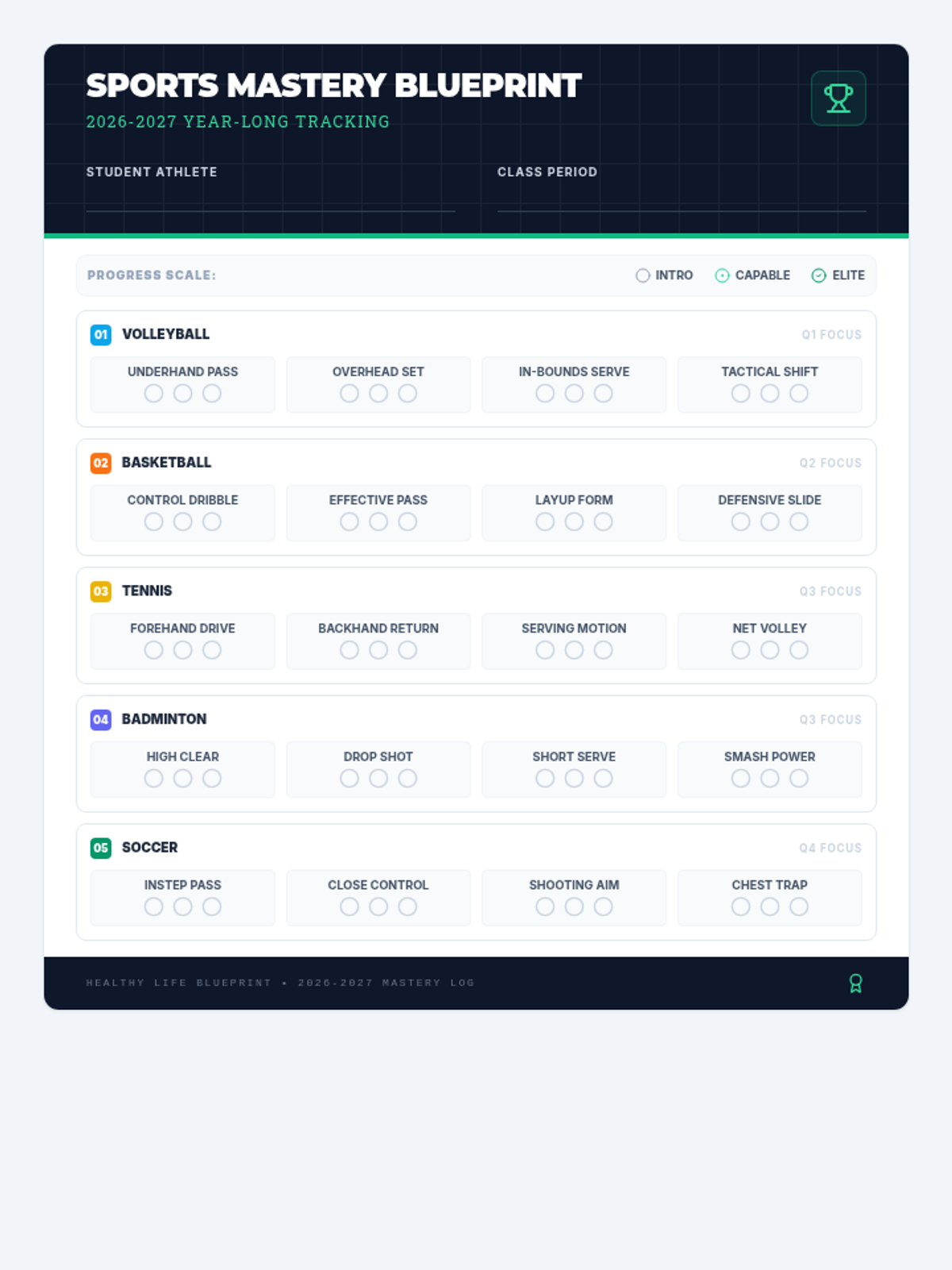
This unit focuses on individual sports like badminton, tennis, and track and field. Students develop personal mastery, perseverance, and an understanding of how individual pursuits contribute to lifelong activity.
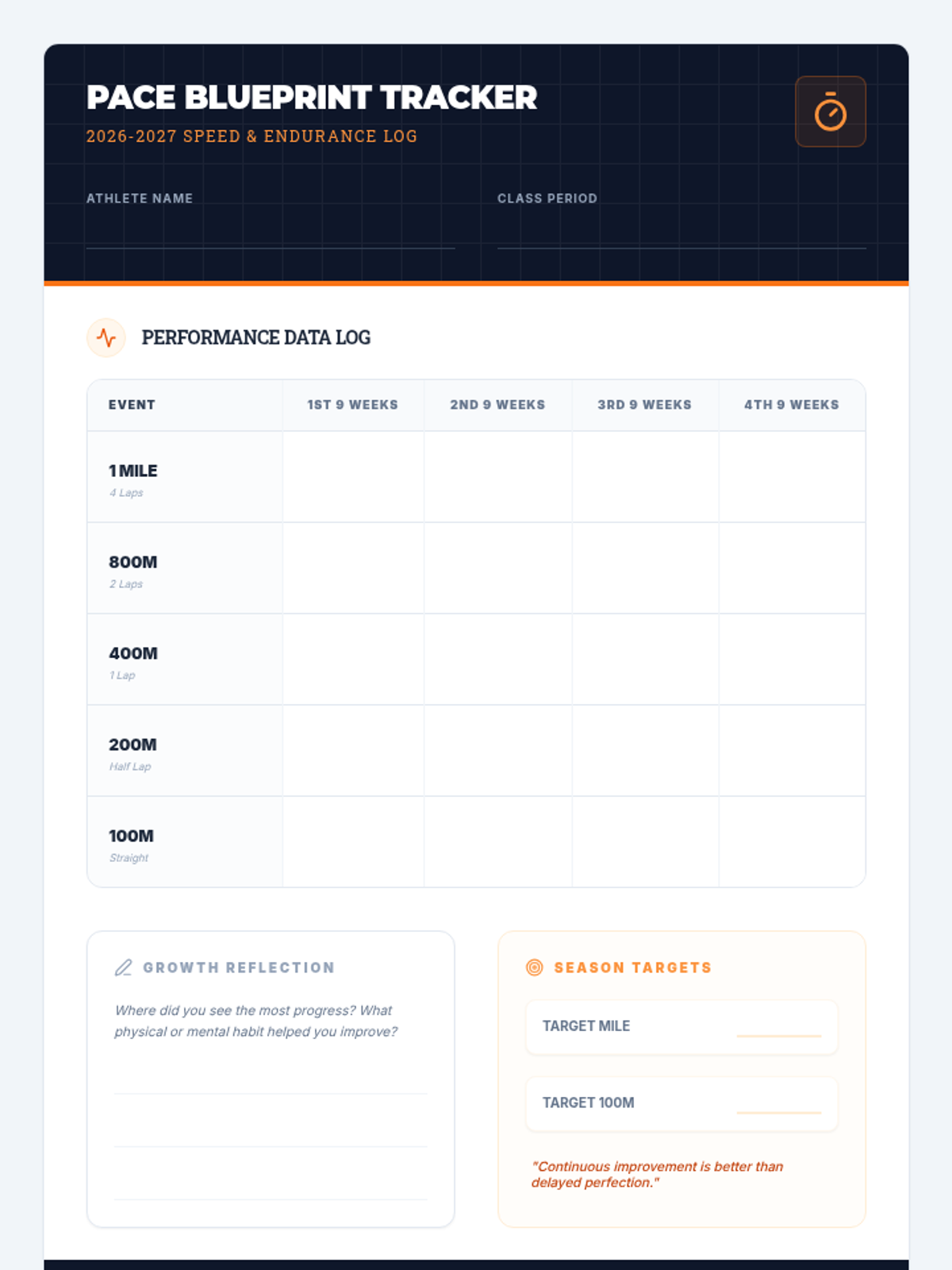
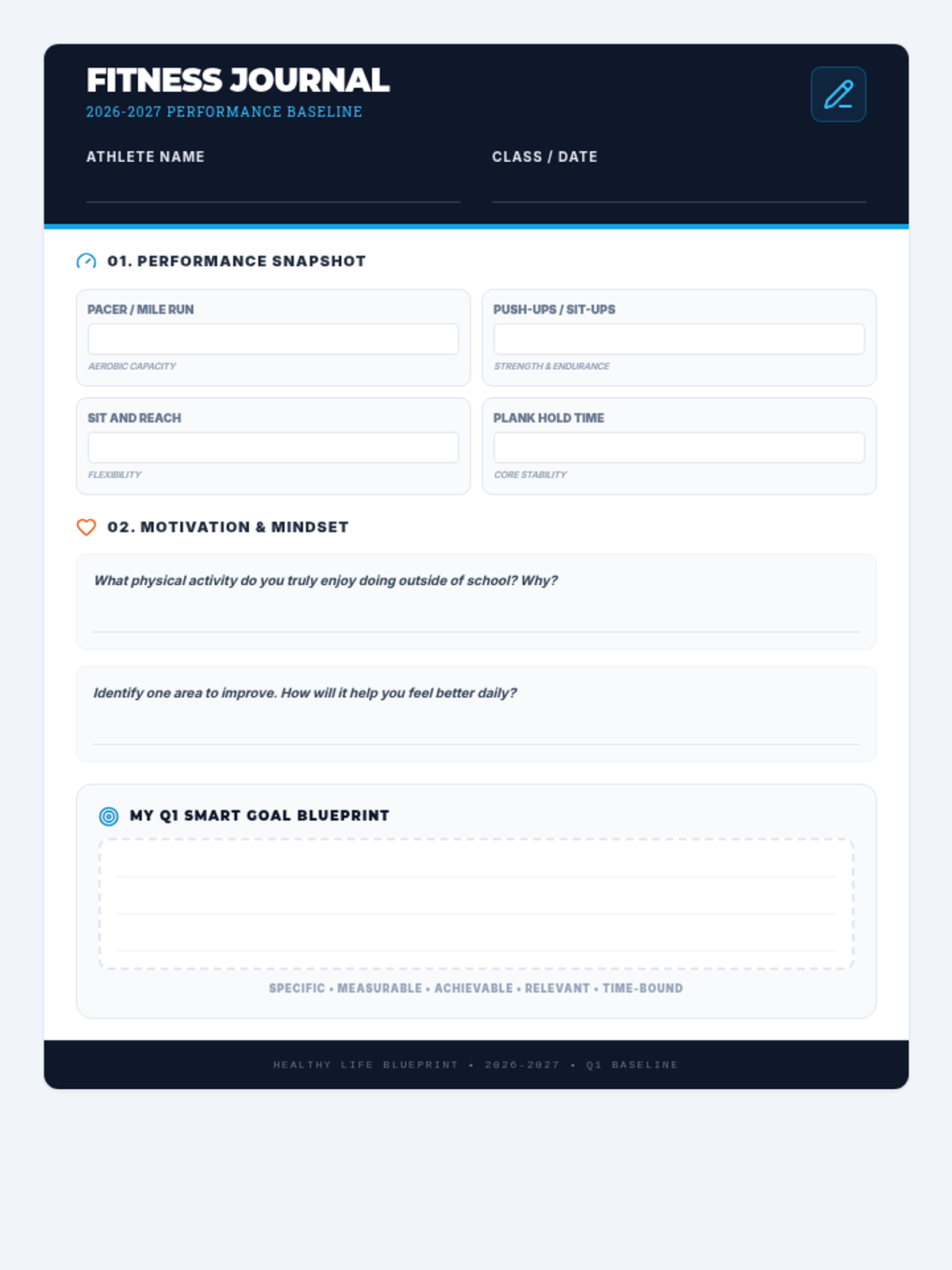
A foundational unit focused on assessing current fitness levels, understanding health components, and setting personalized goals for the year. Students learn the 'why' behind lifelong fitness through hands-on testing and data collection.
Students explore team-based sports with a focus on communication, strategy, and social-emotional health. Activities include basketball, soccer, and ultimate frisbee, emphasizing participation over elite performance.
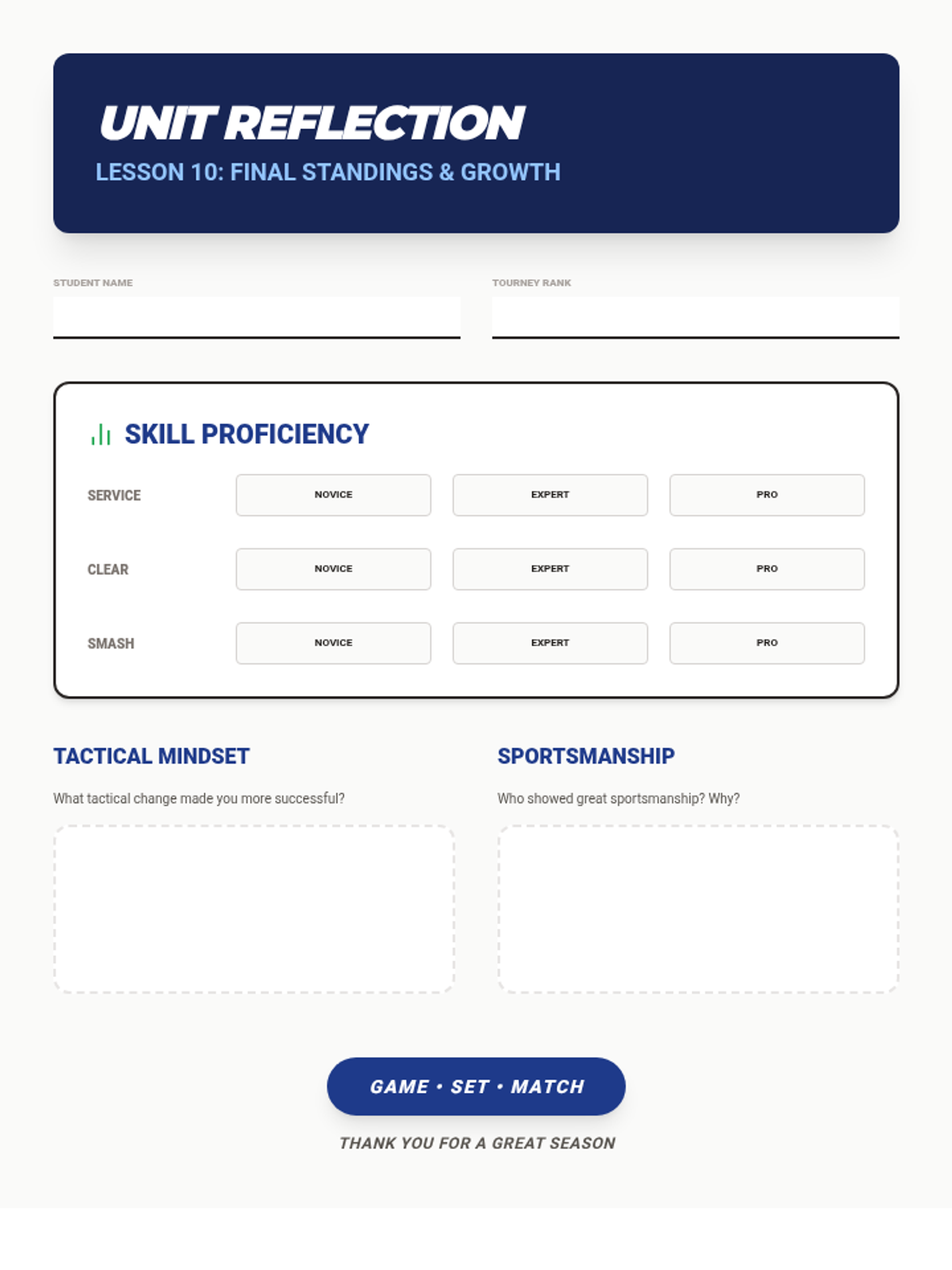
Concluding the tournament with finals, award ceremony, and a personal reflection on growth.
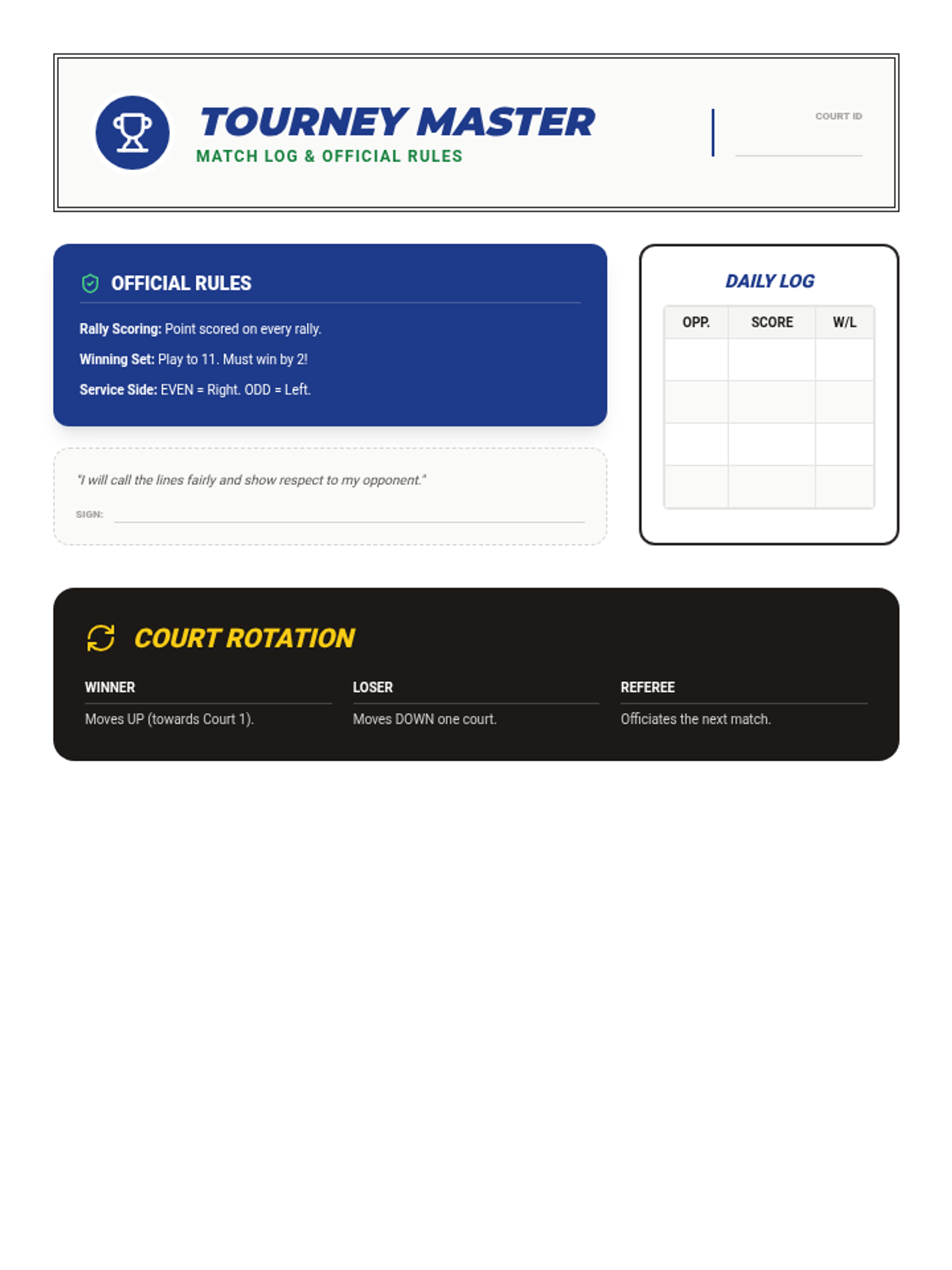
Initiating the unit-ending tournament with round-robin pool play and scorekeeping.
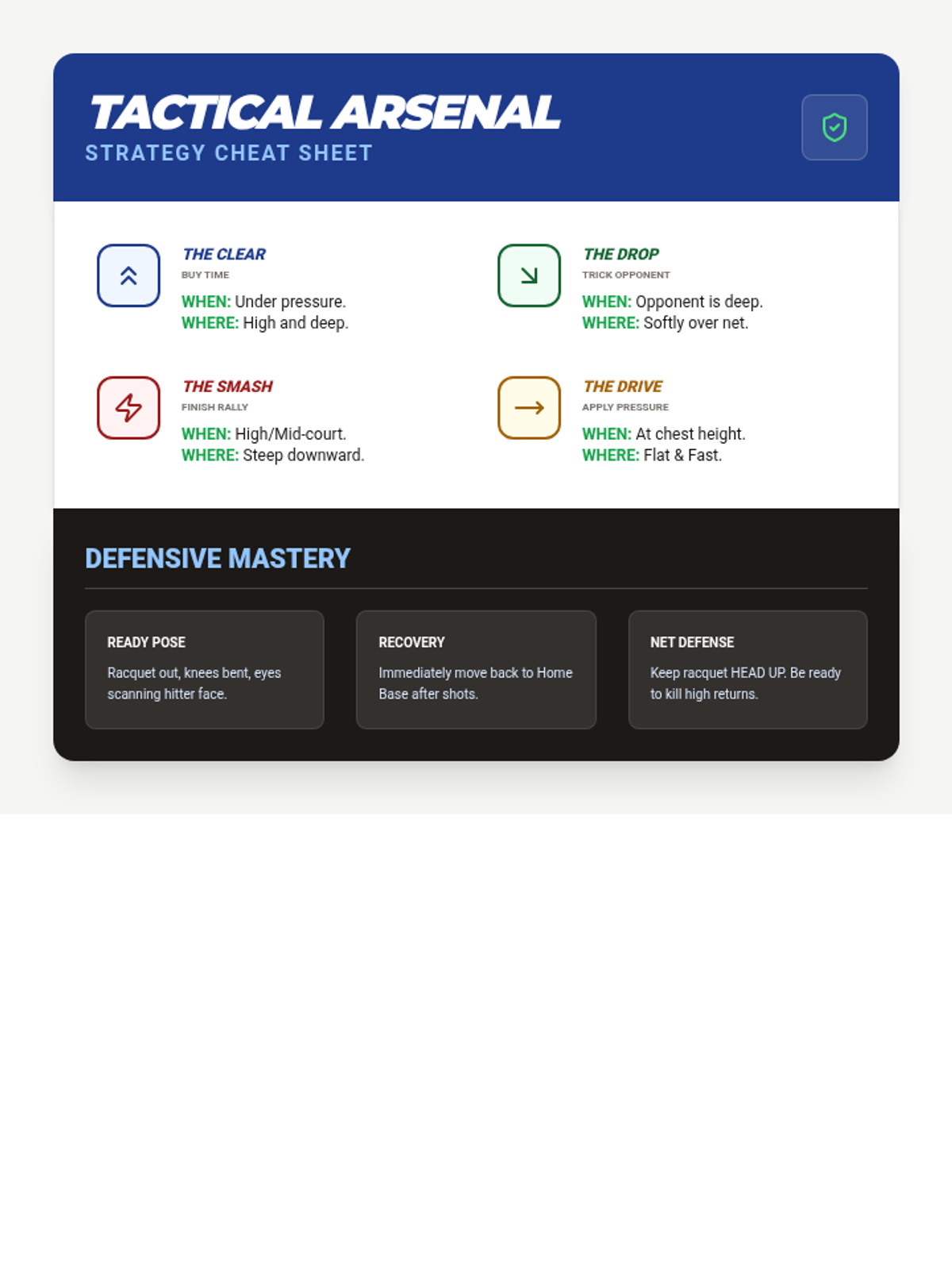
Advanced rally tactics, including defensive positioning and transition from defense to offense.
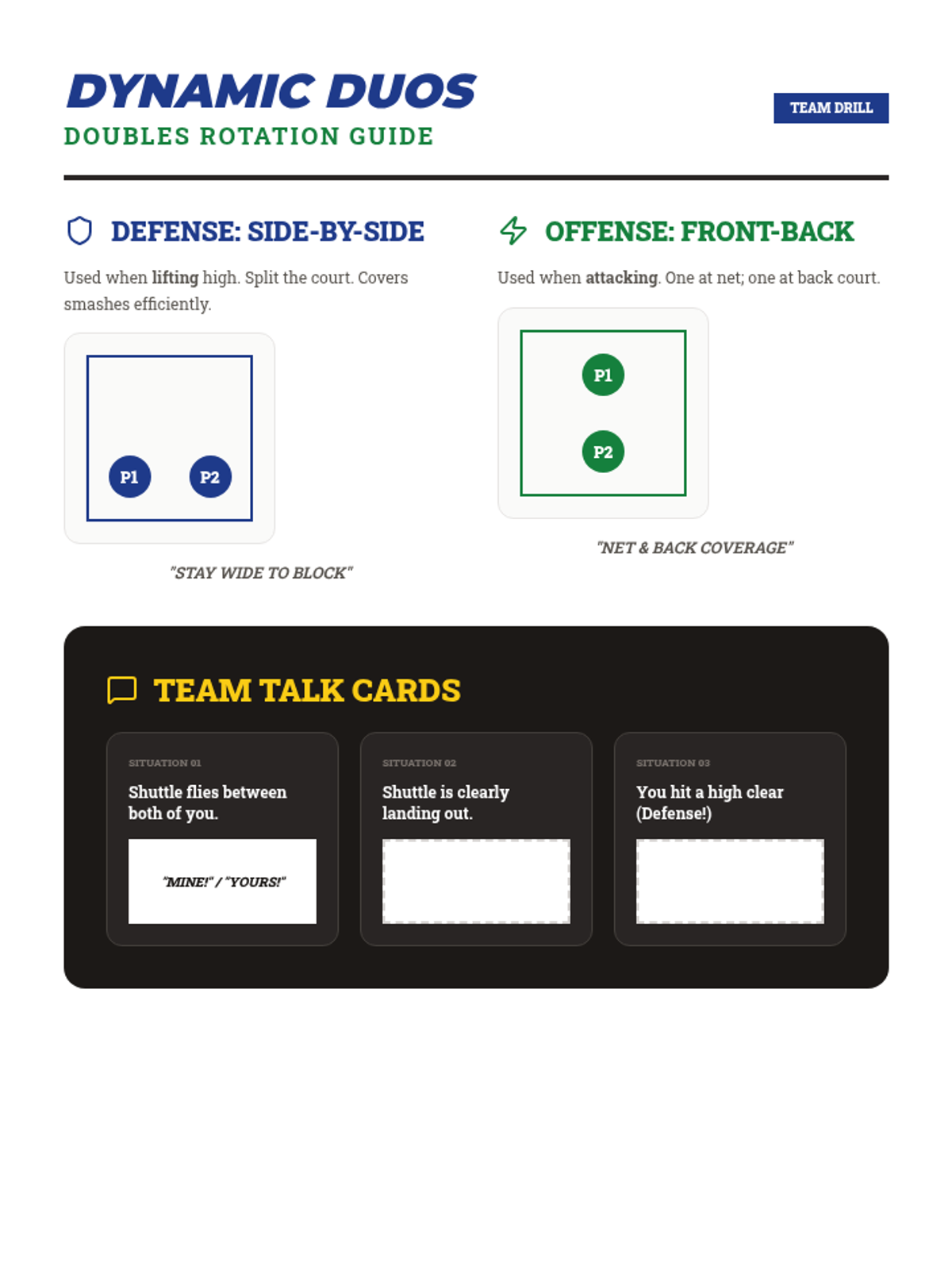
Learning the front-back and side-to-side rotations essential for successful doubles play.
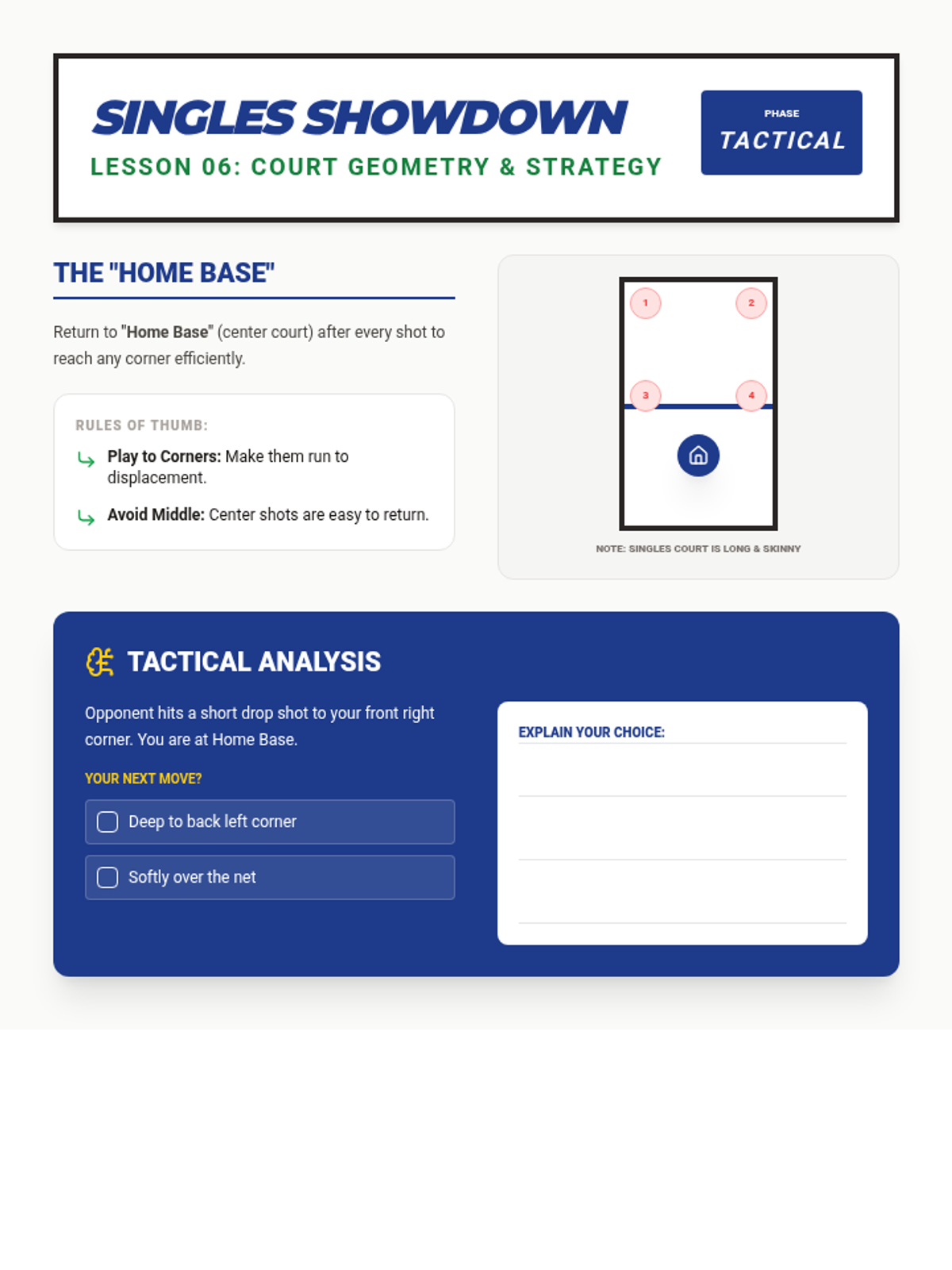
Applying shot selection to singles play, focusing on court coverage and finding open space.