A culminating project where students synthesize their learning by creating a 'truth-in-advertising' campaign that depicts the actual consequences of alcohol use.
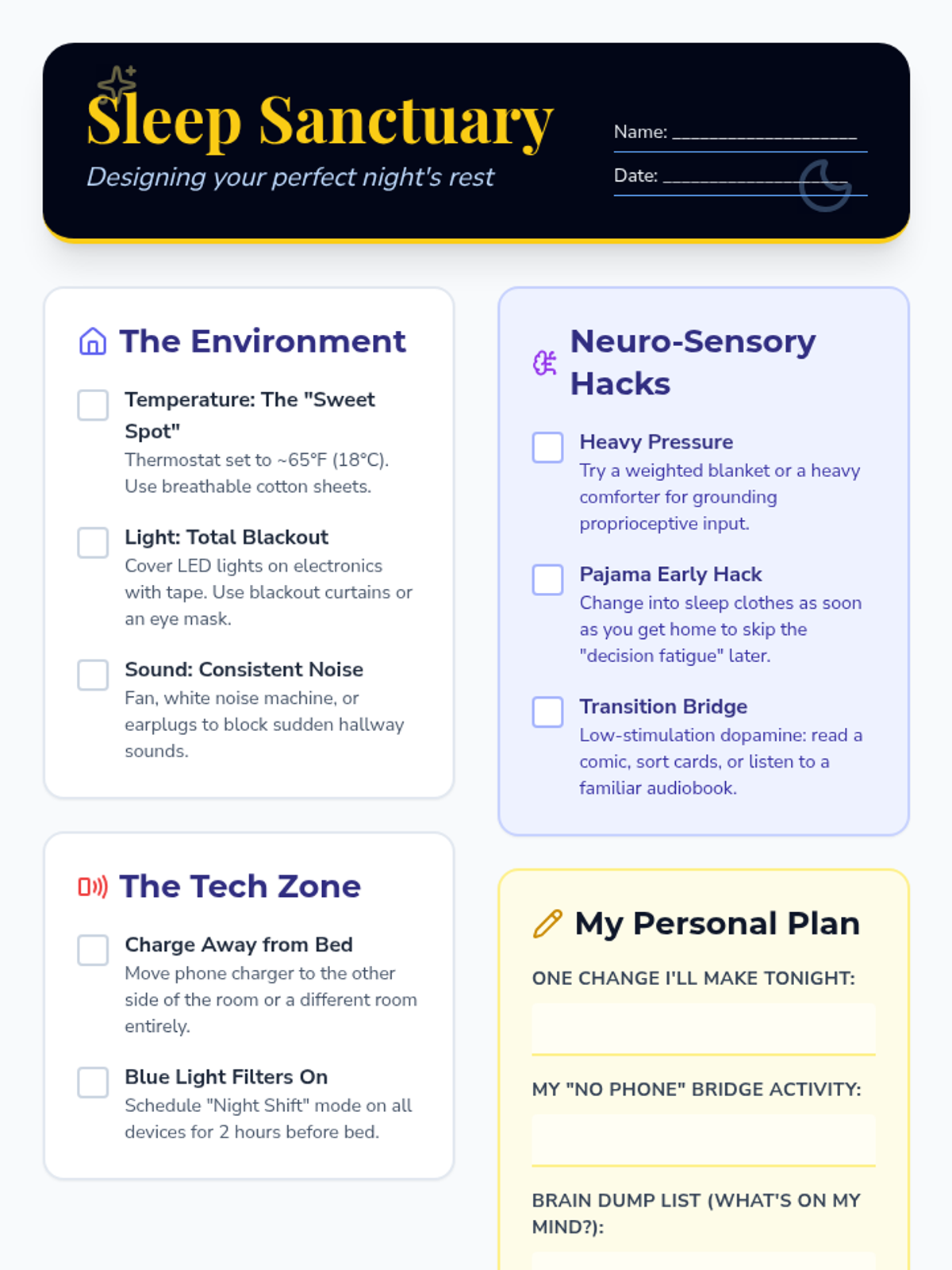
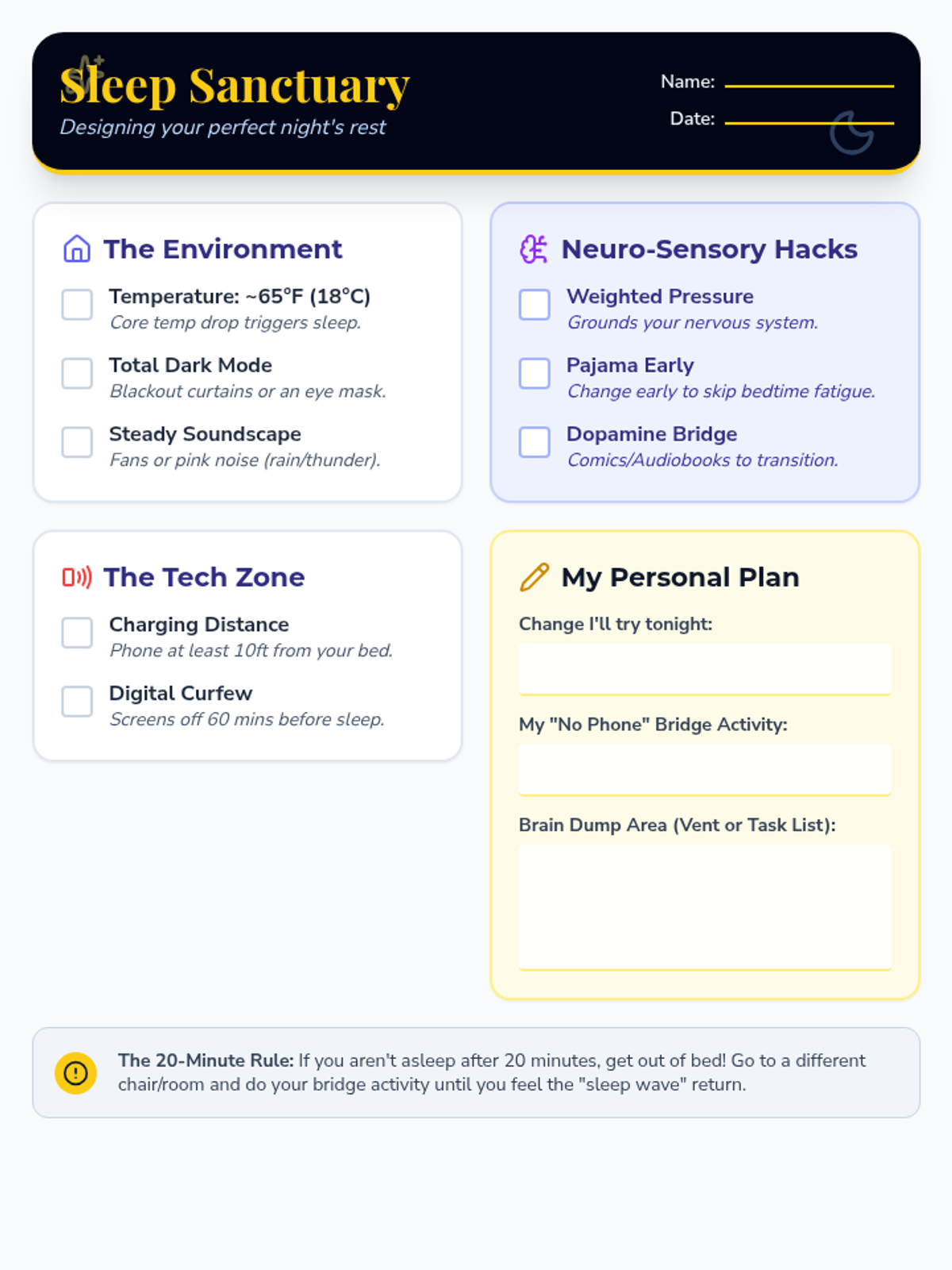
A lesson designed for high schoolers to understand the physiological and cognitive importance of sleep, along with practical sleep hygiene strategies.
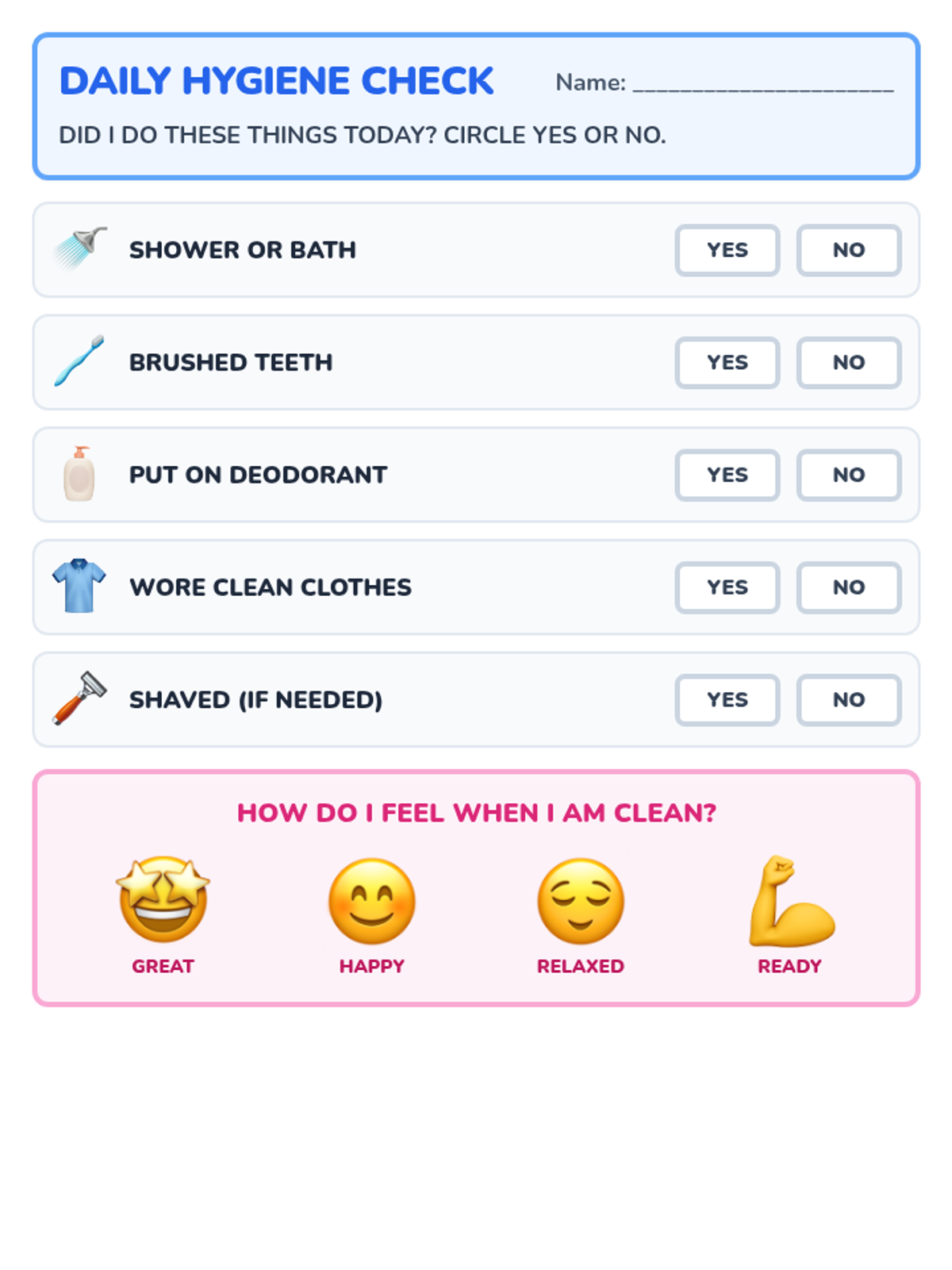
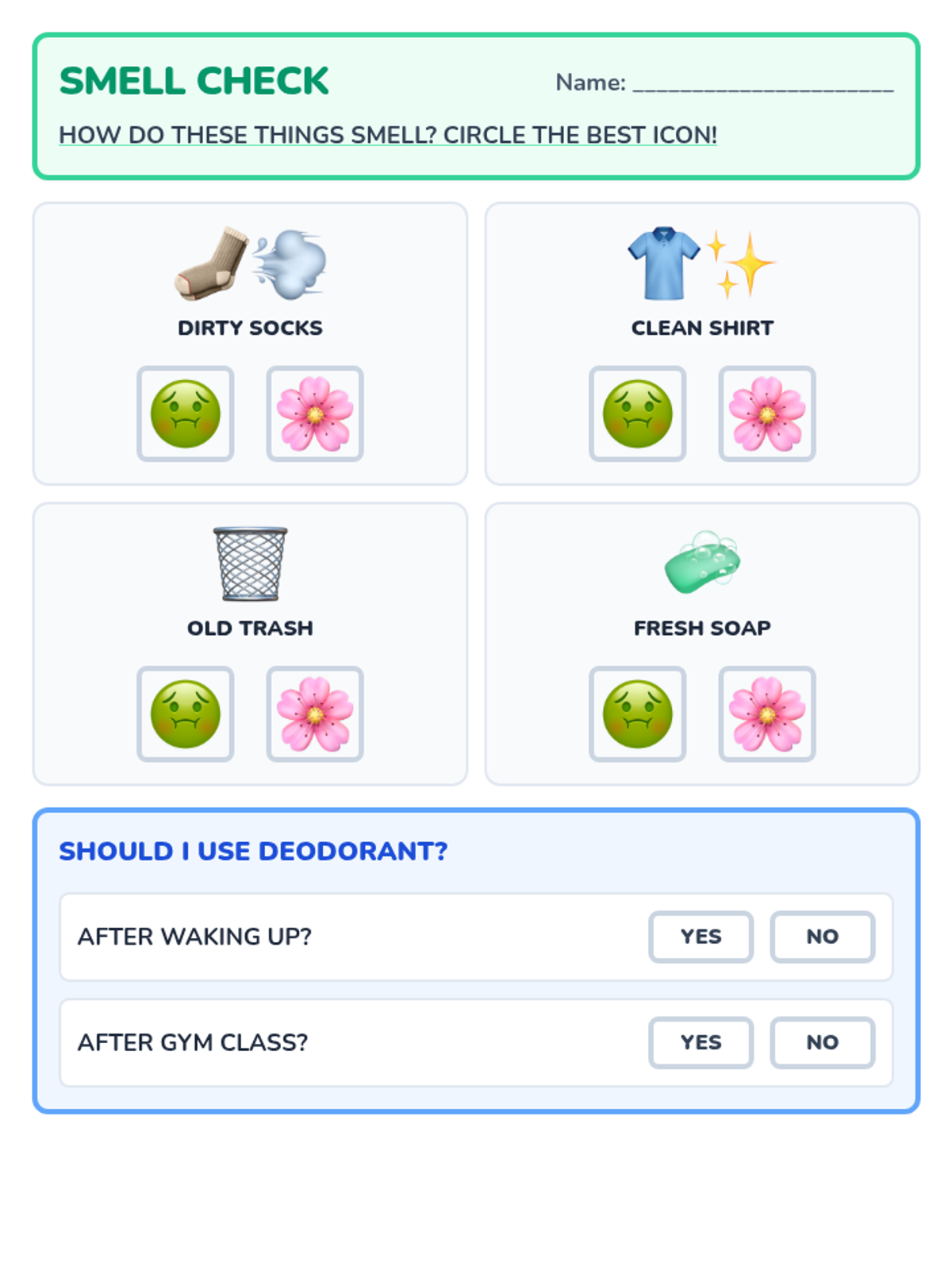
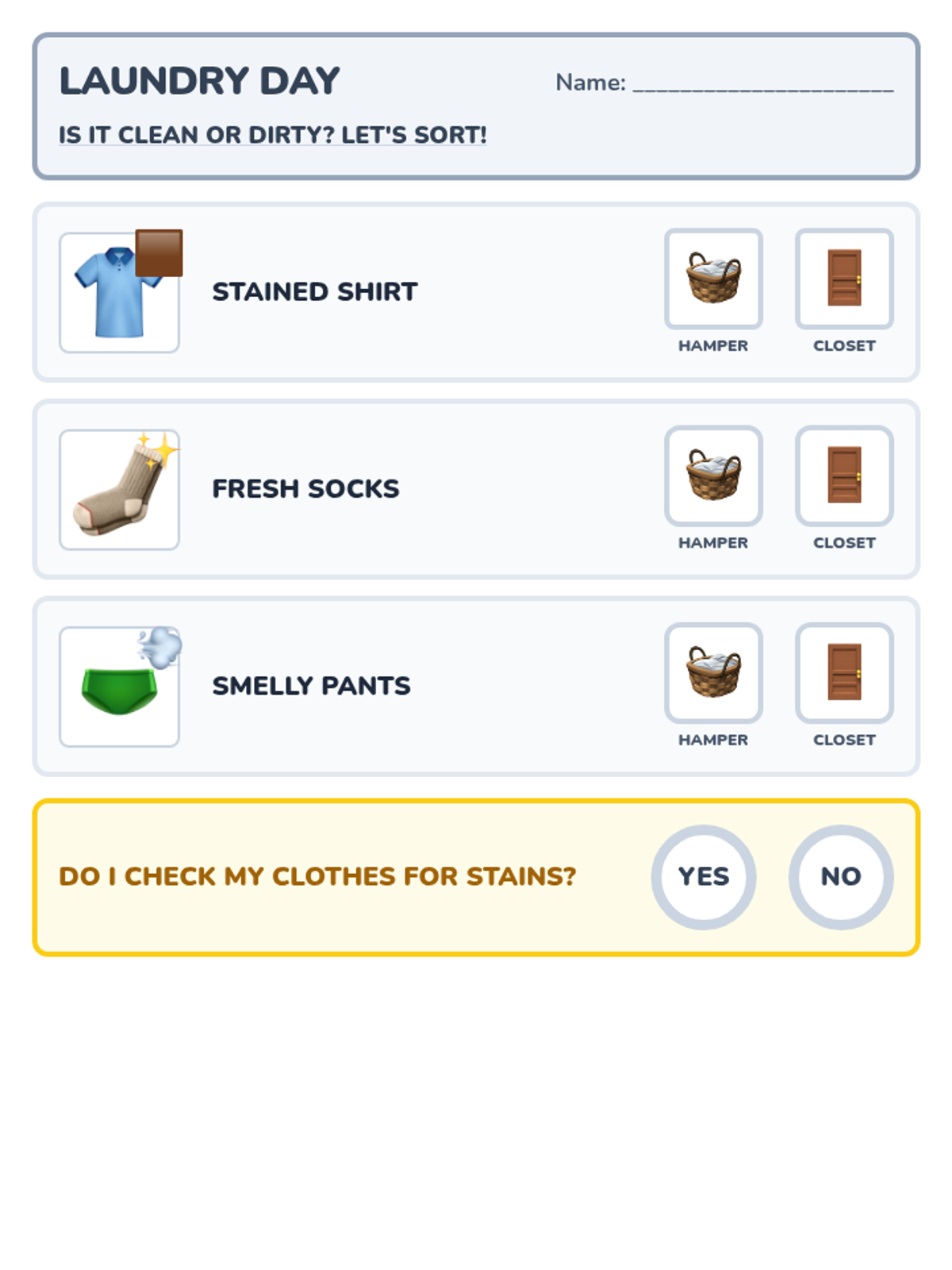
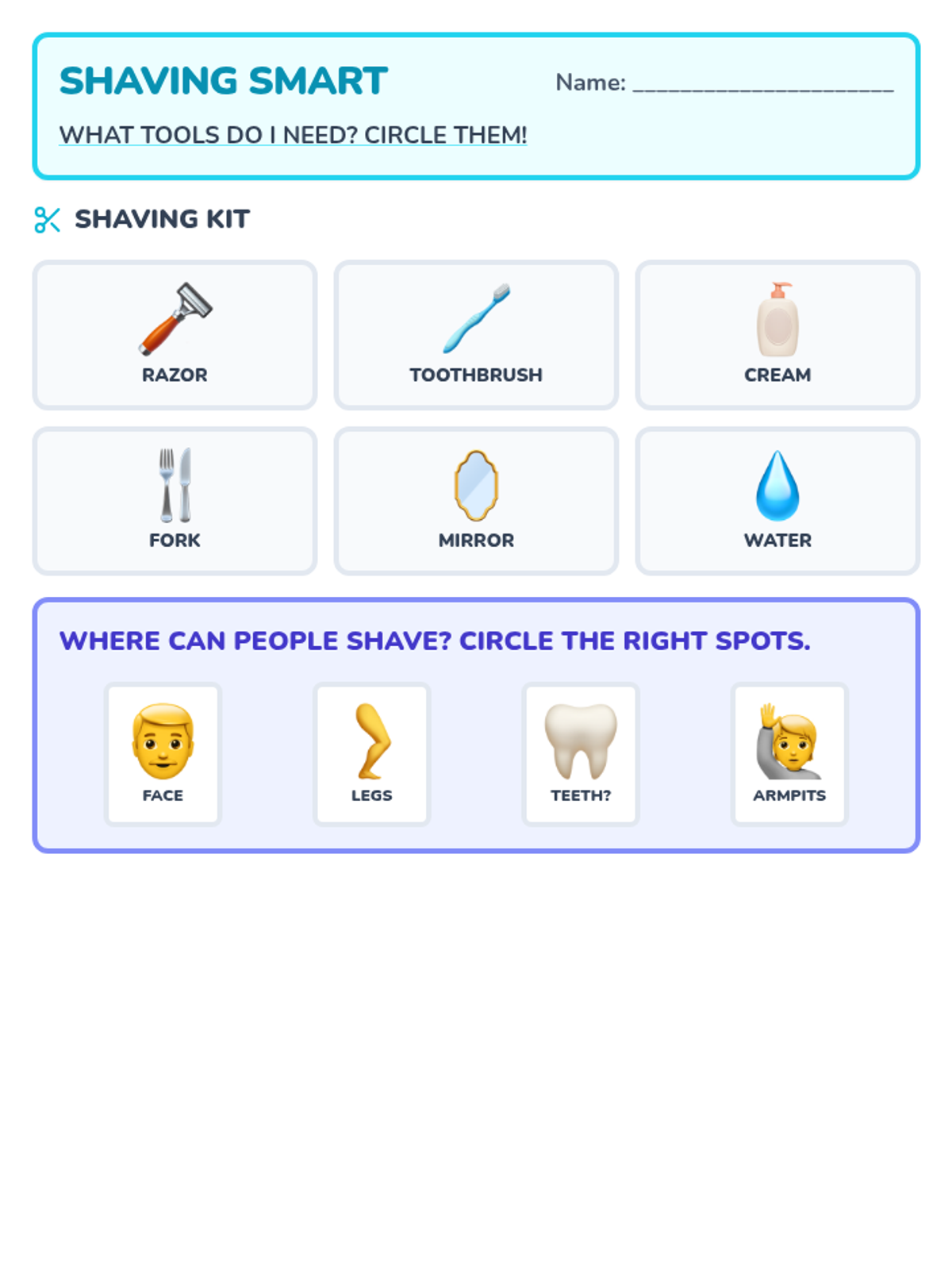
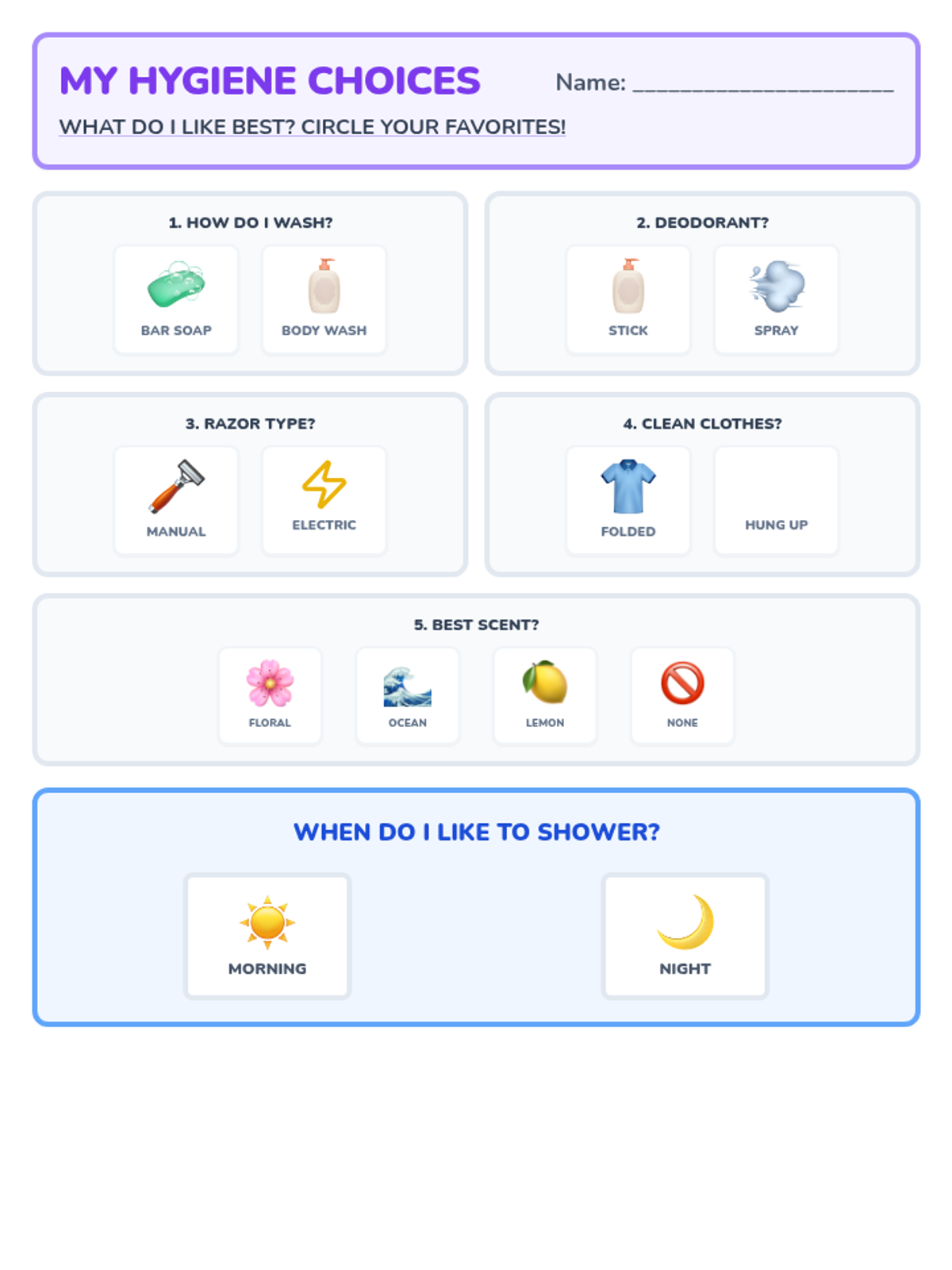
A comprehensive hygiene and personal care unit designed for high school life skills students, focusing on daily routines, odor management, laundry, and shaving with high-visual, low-writing activities.
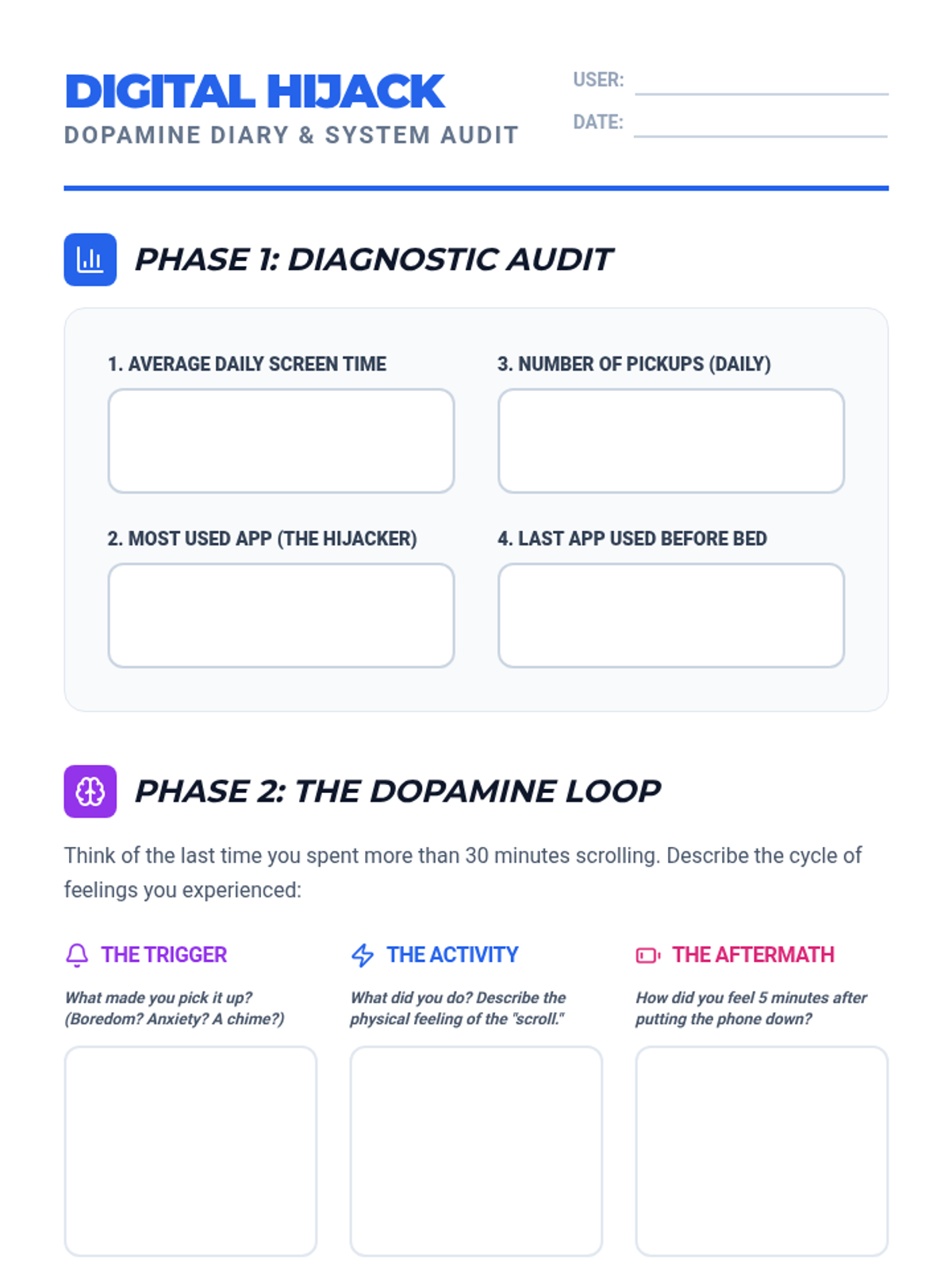
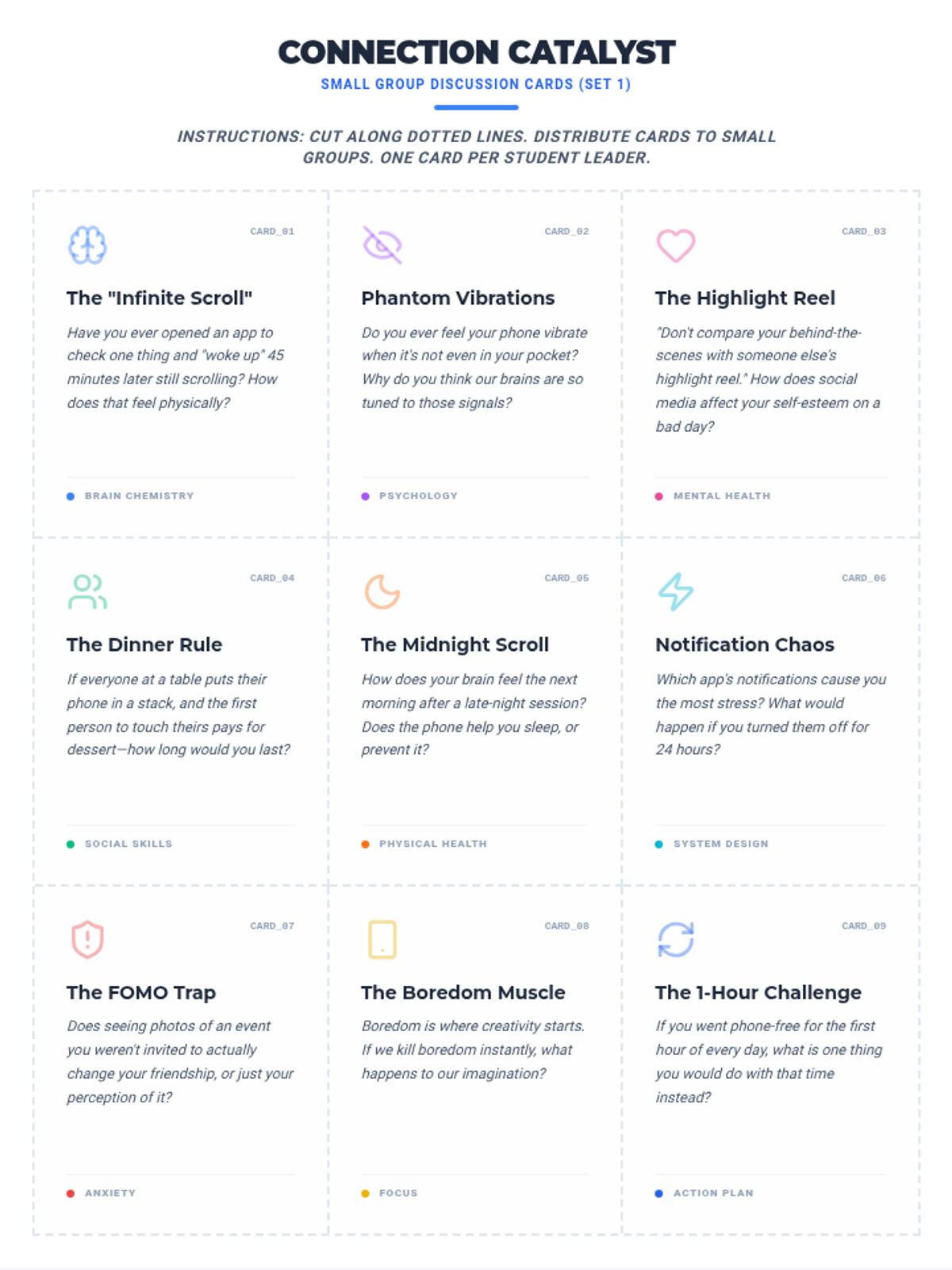
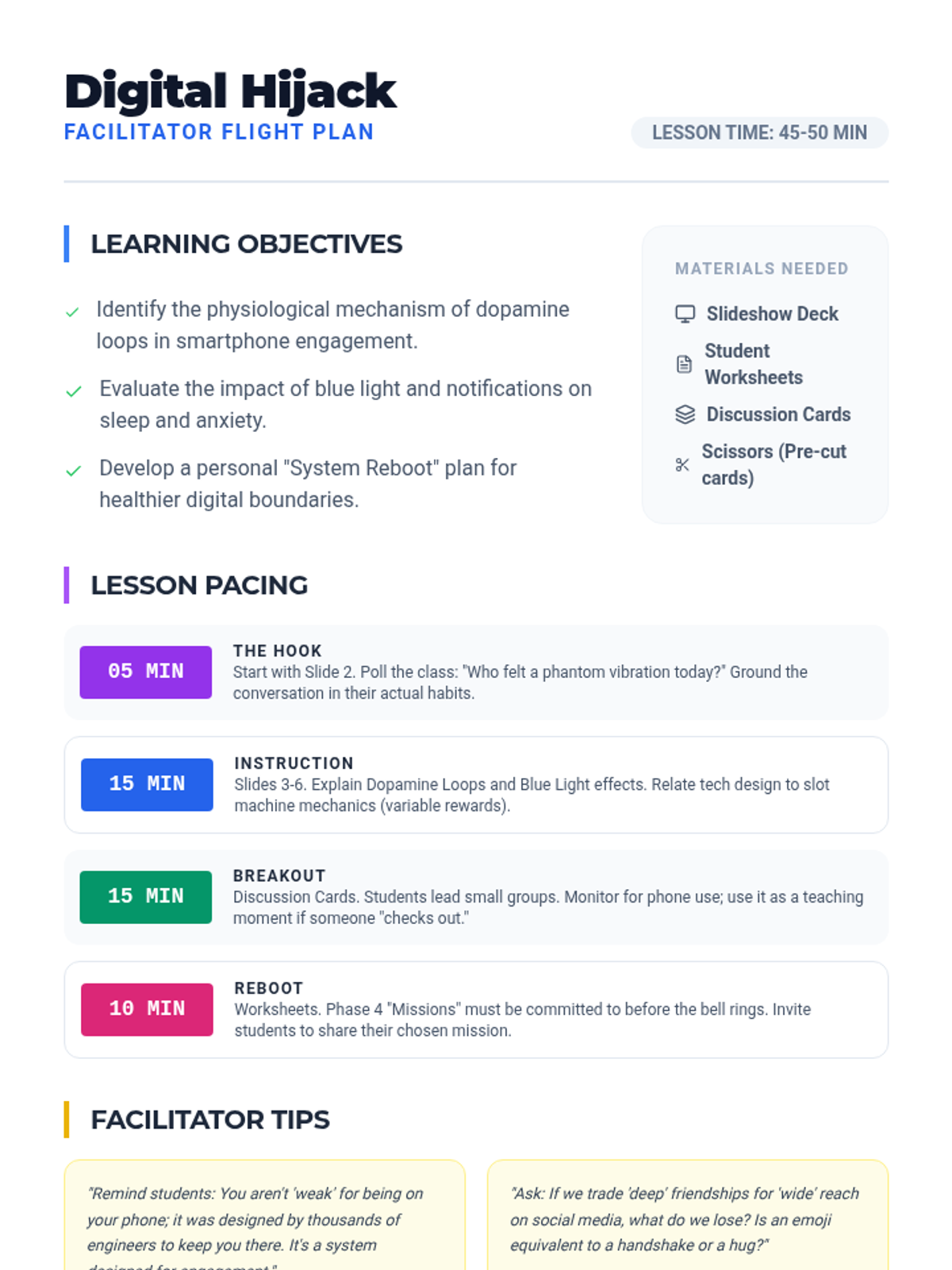
A comprehensive lesson for teenagers exploring the physiological and psychological impacts of smartphone addiction, covering dopamine loops, sleep disruption, anxiety, and social isolation.
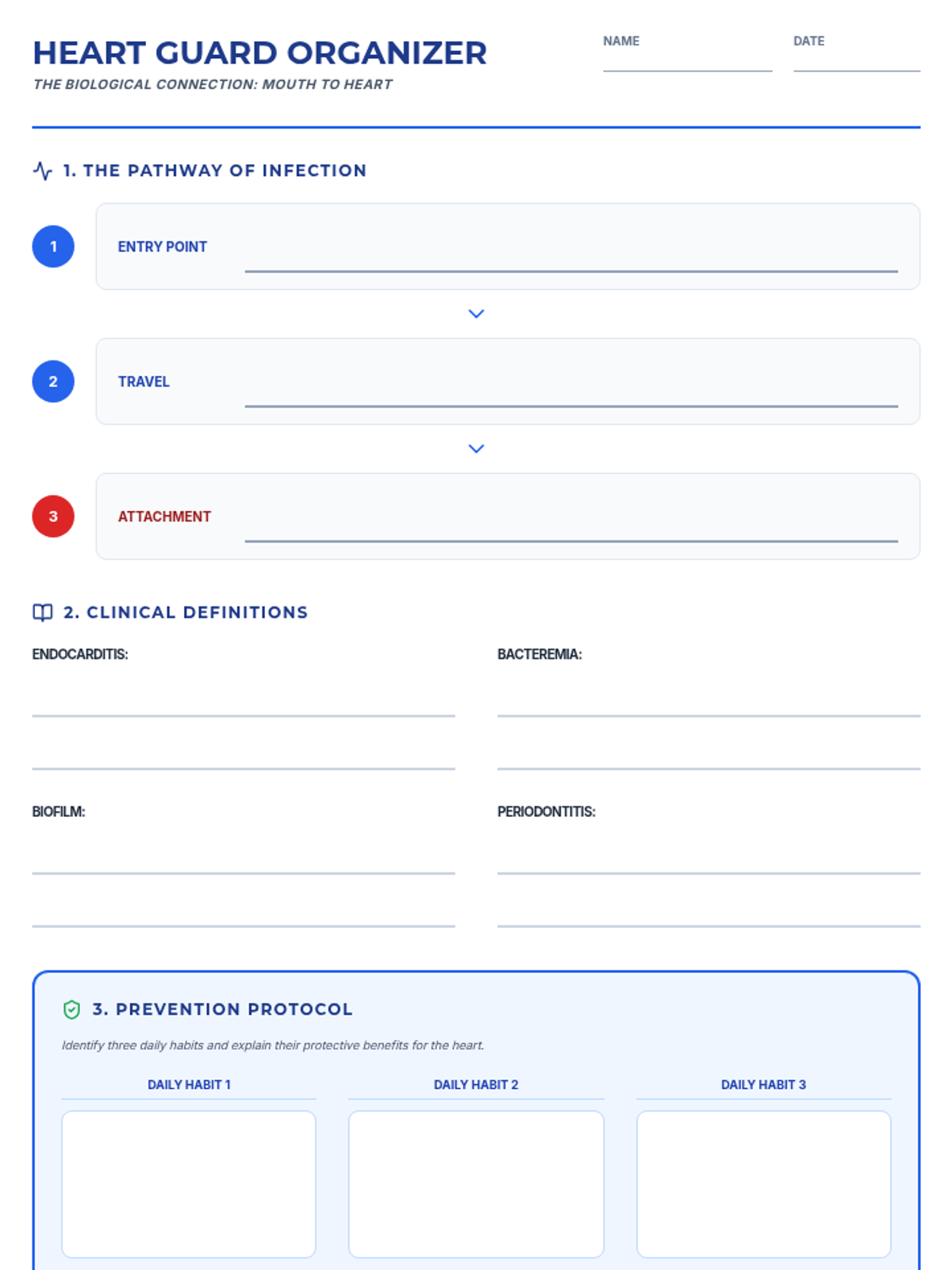
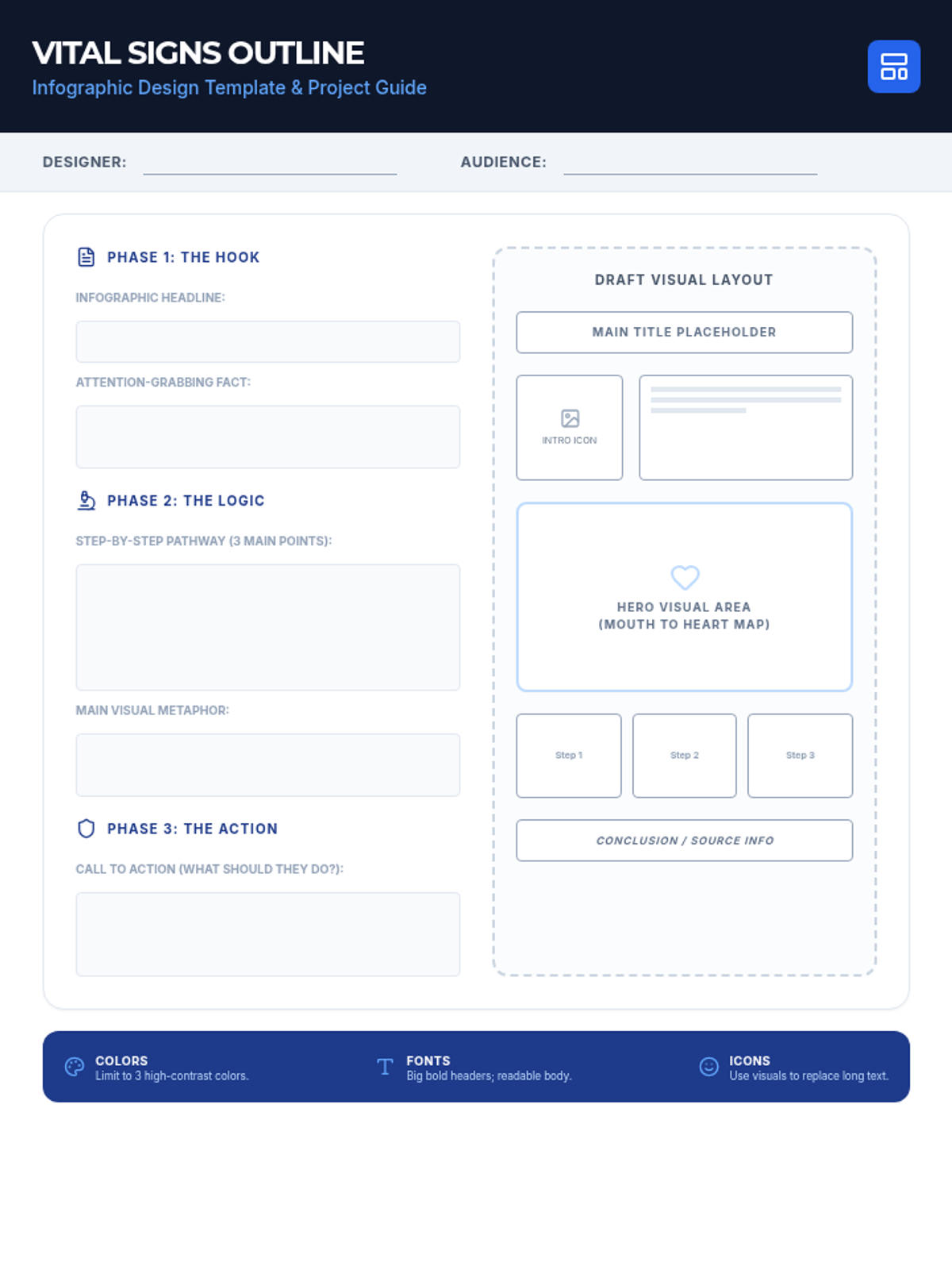
A health-focused lesson exploring the critical biological link between oral hygiene and infective endocarditis, emphasizing how daily habits protect heart health.
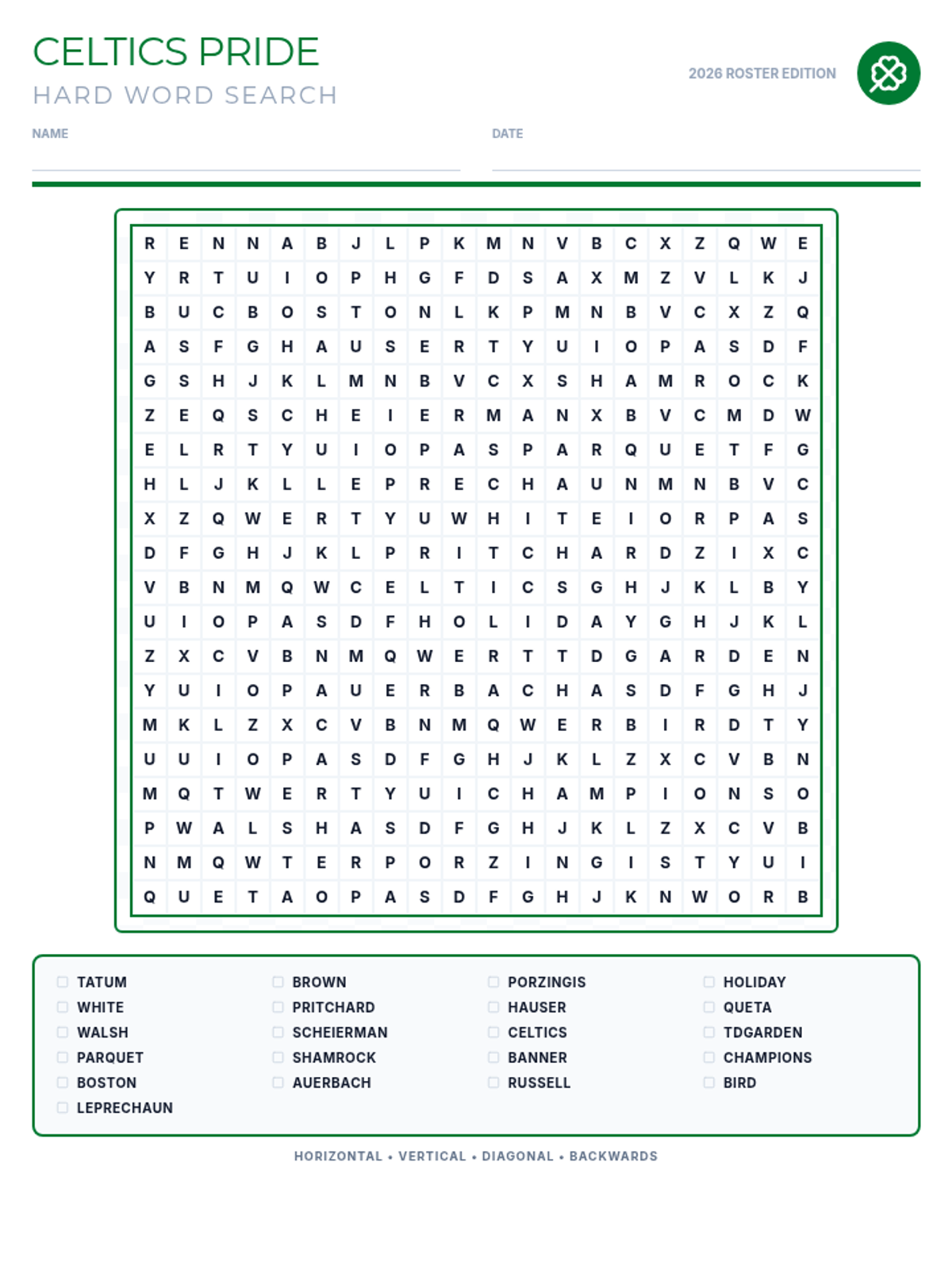
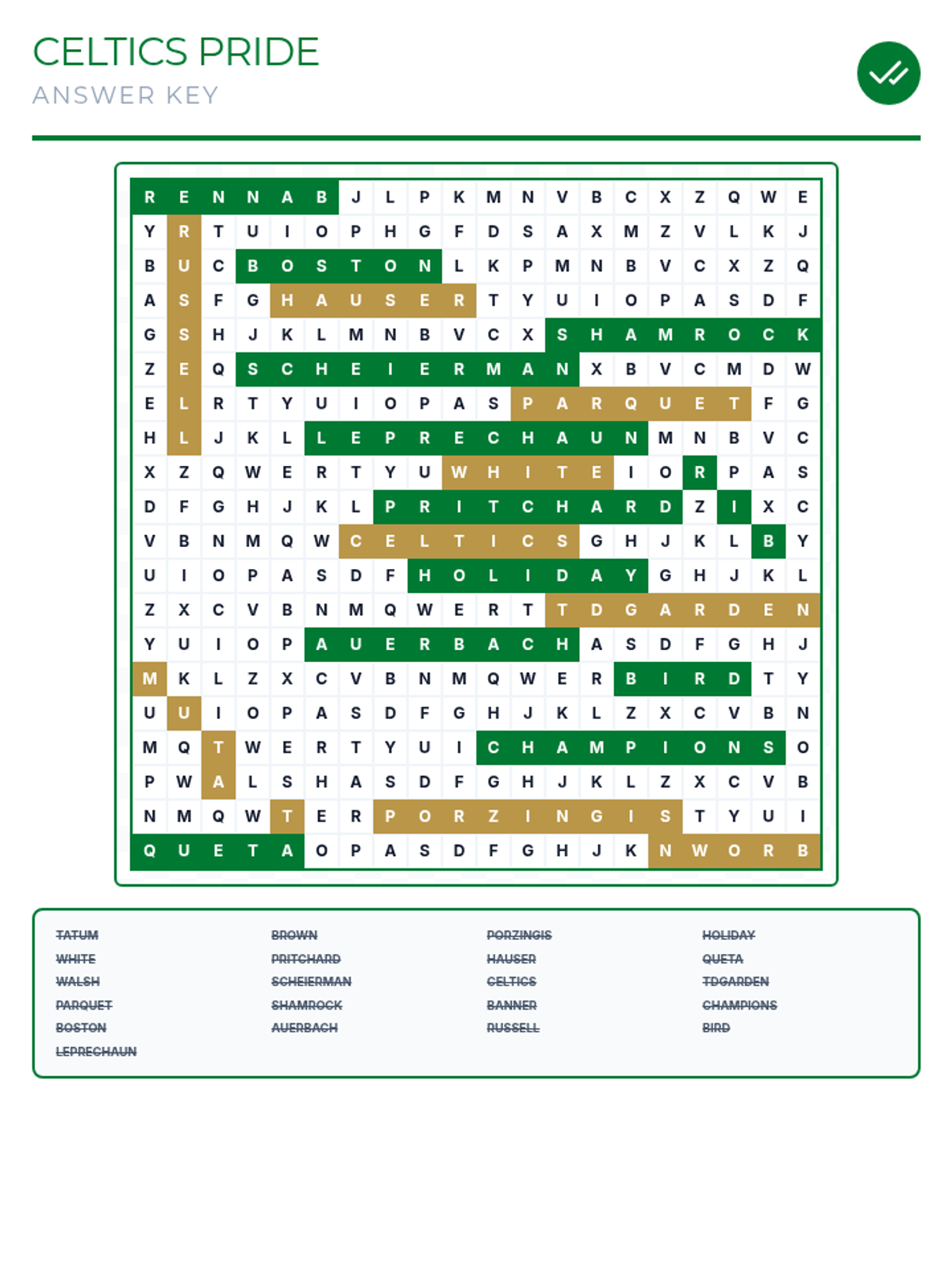
A challenging word search activity focused on the Boston Celtics, featuring 2026 roster players and franchise terminology.
A challenging vocabulary activity focused on the Boston Bruins hockey team, including current roster players and essential hockey terminology. Students will identify key figures and concepts while navigating a complex grid.
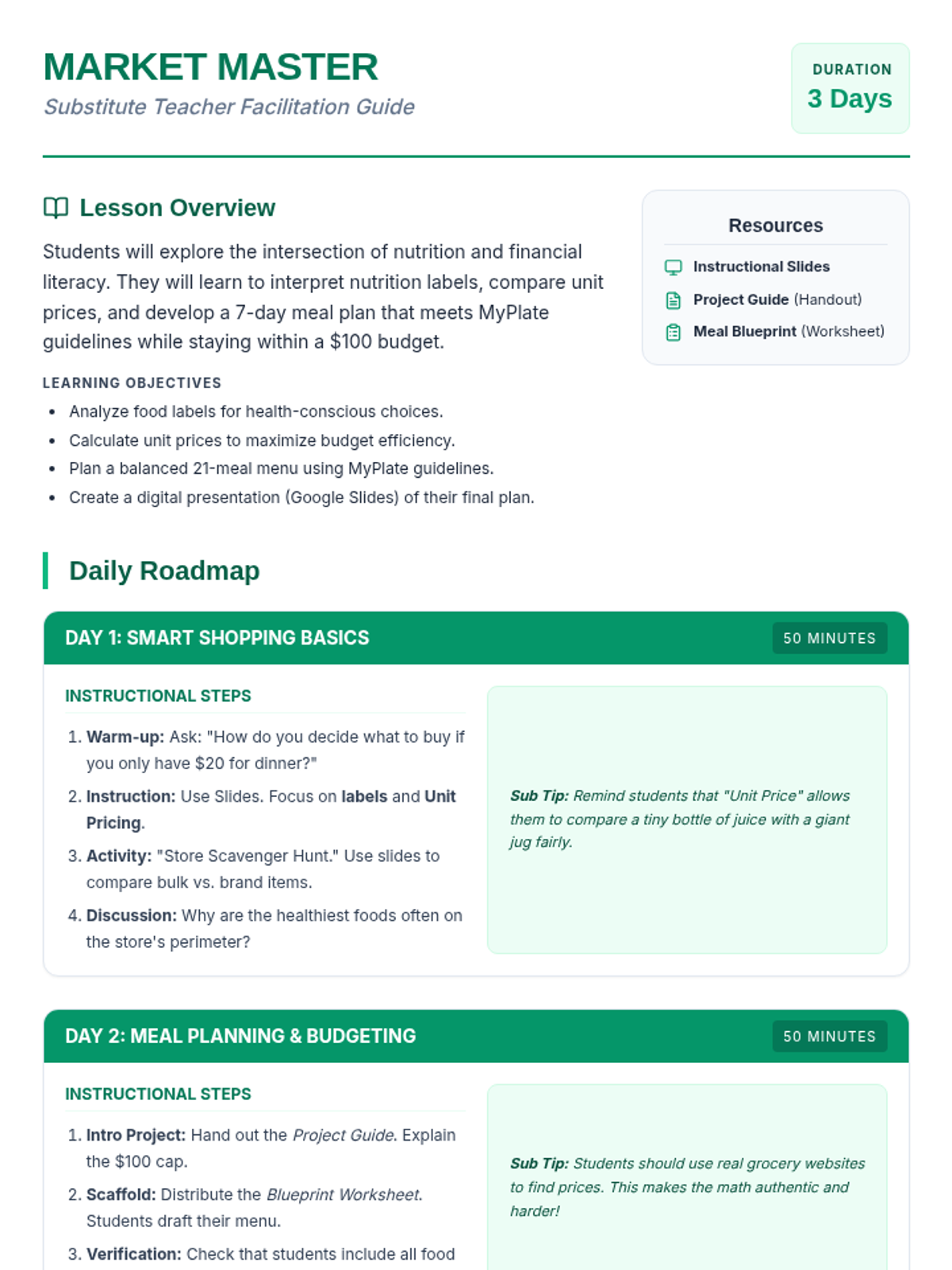
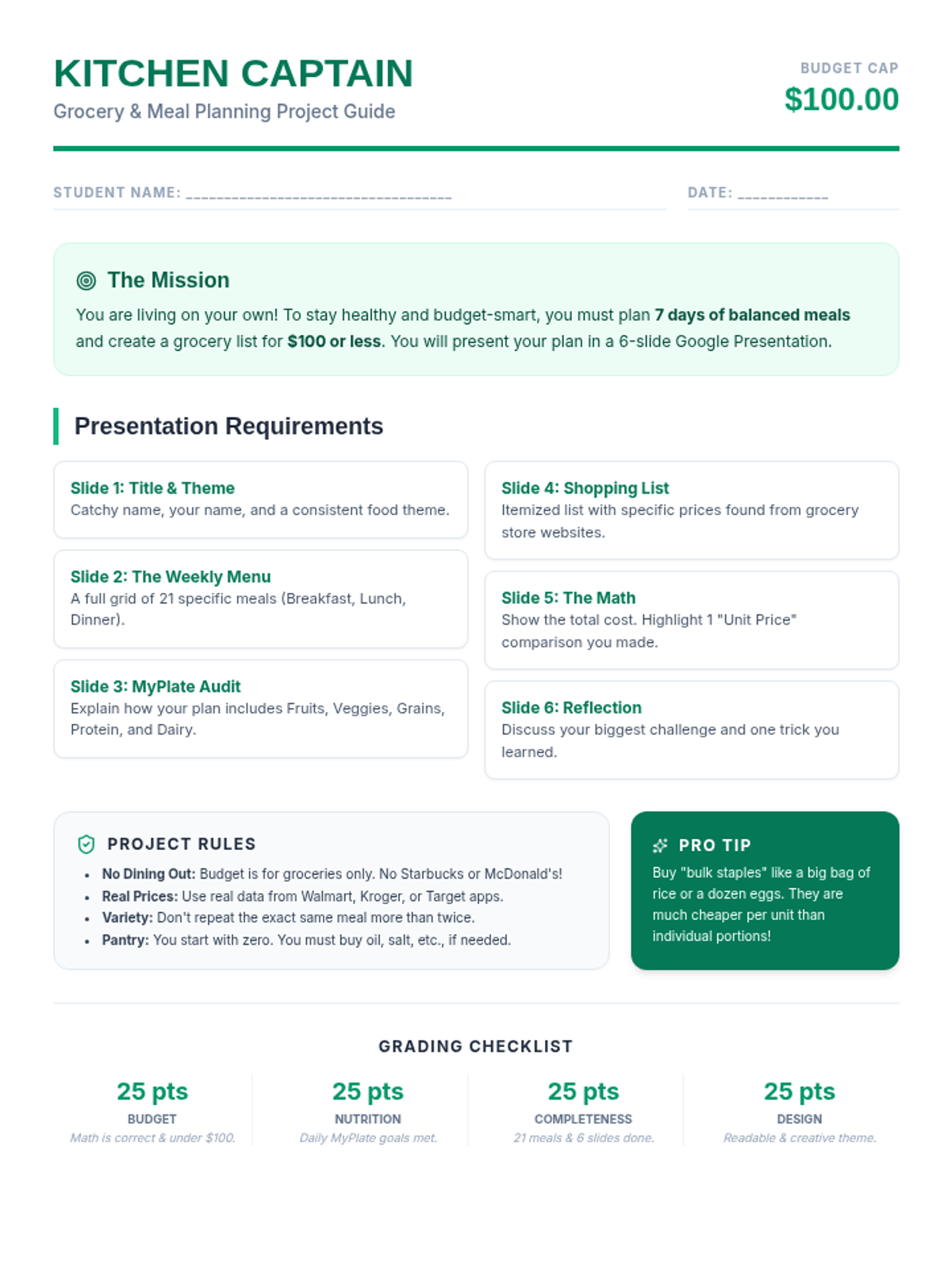
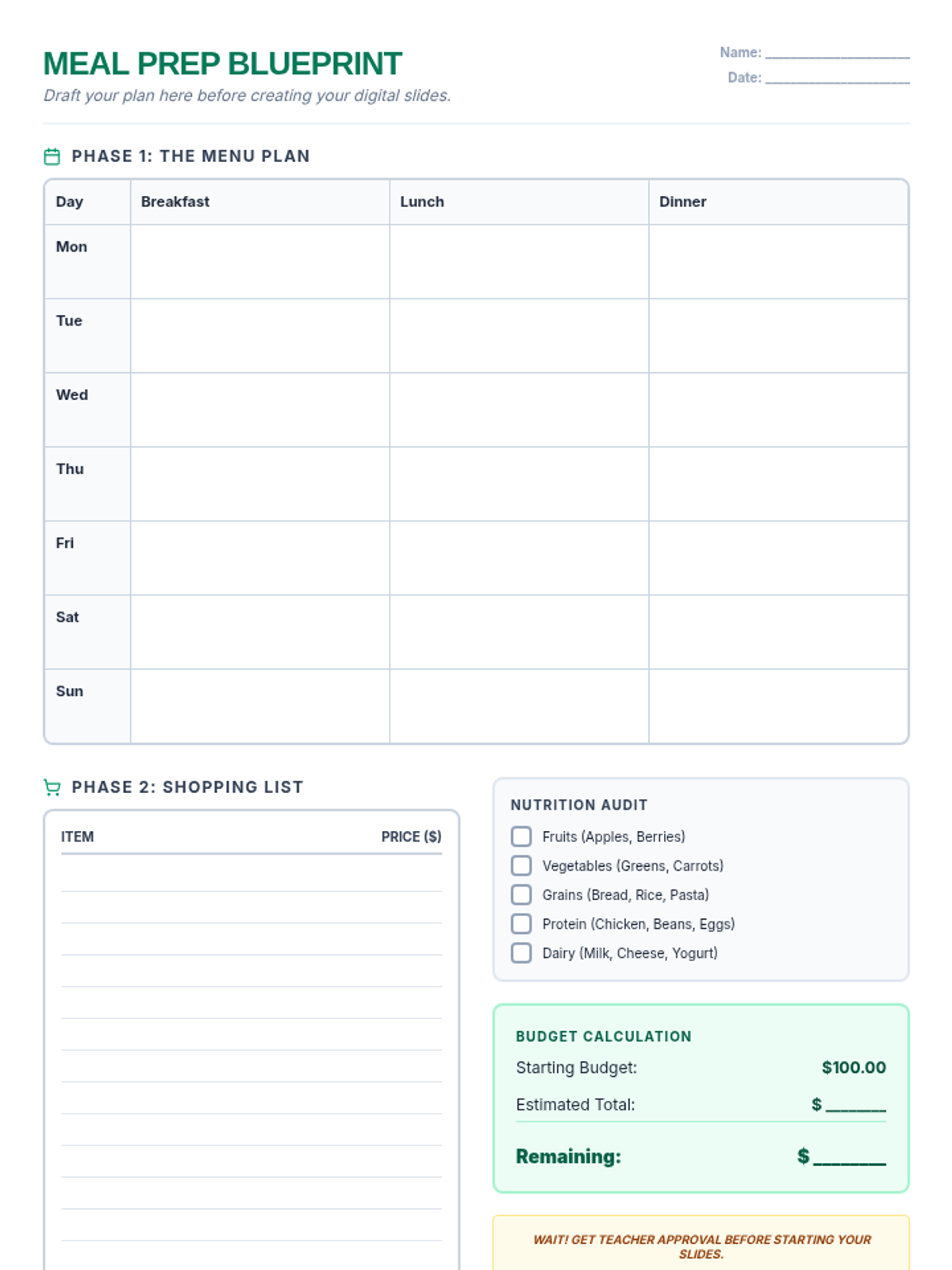
A comprehensive 3-day health lesson teaching students how to balance nutritional needs with a budget through meal planning and smart grocery shopping.
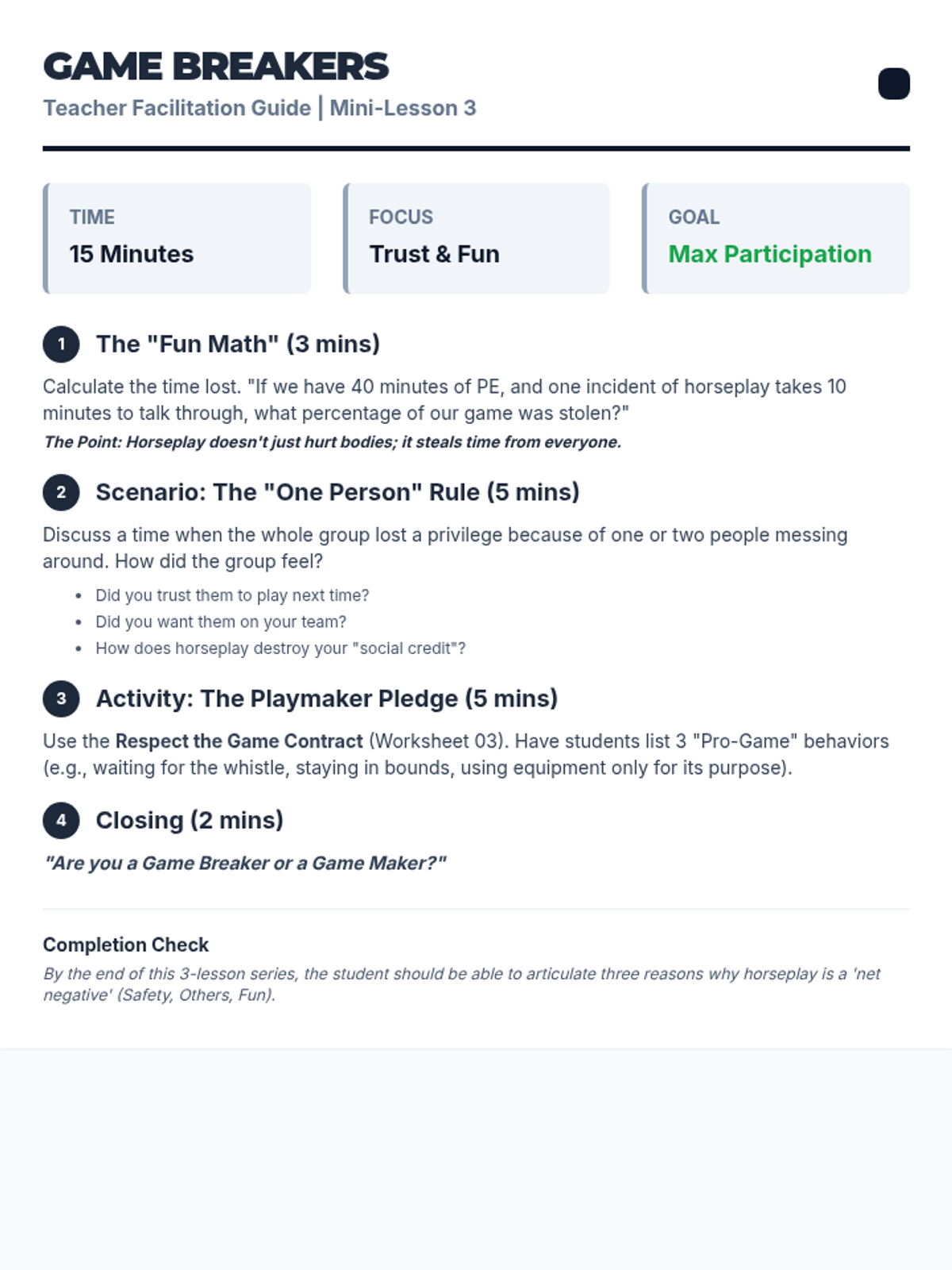
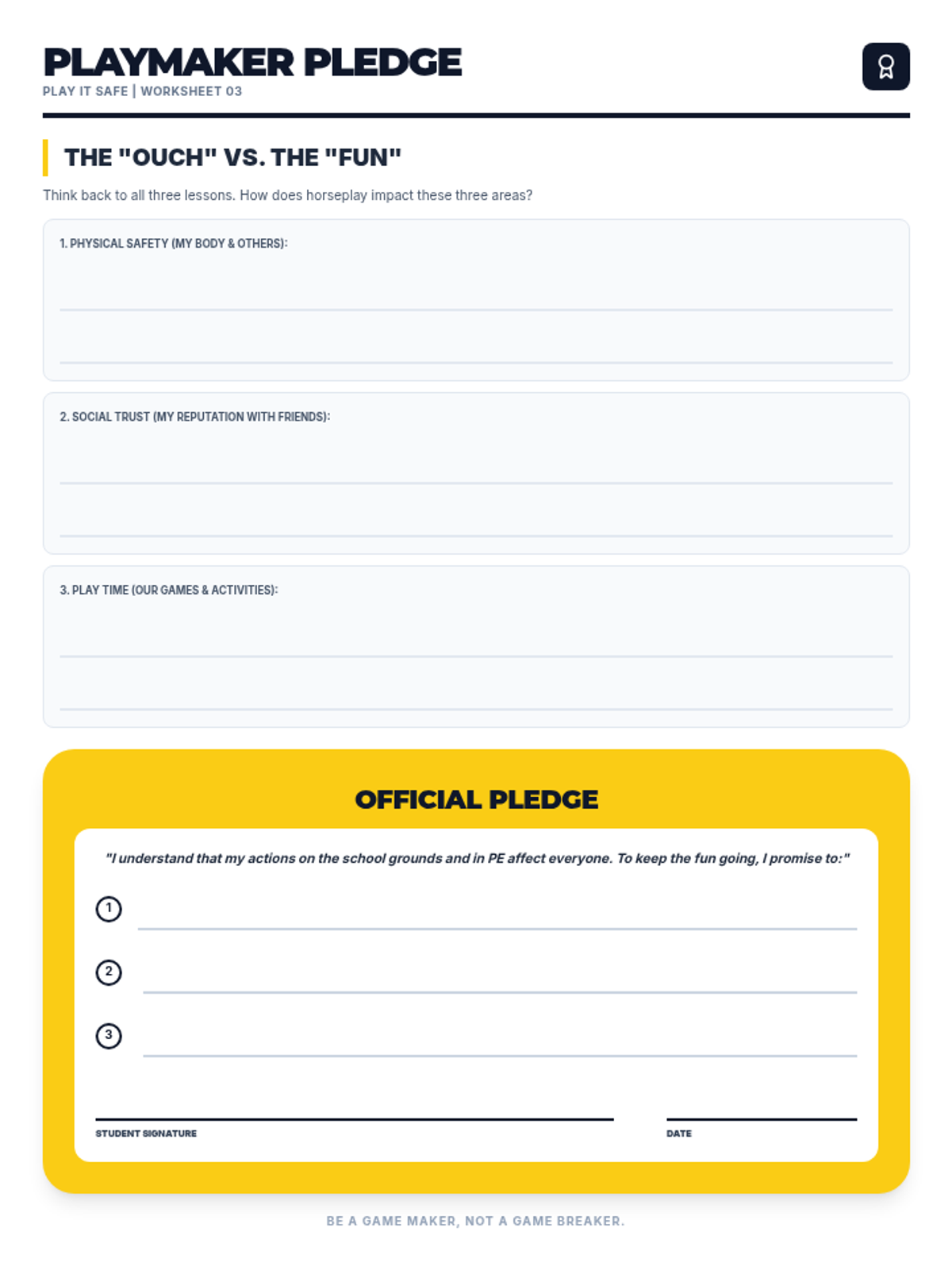
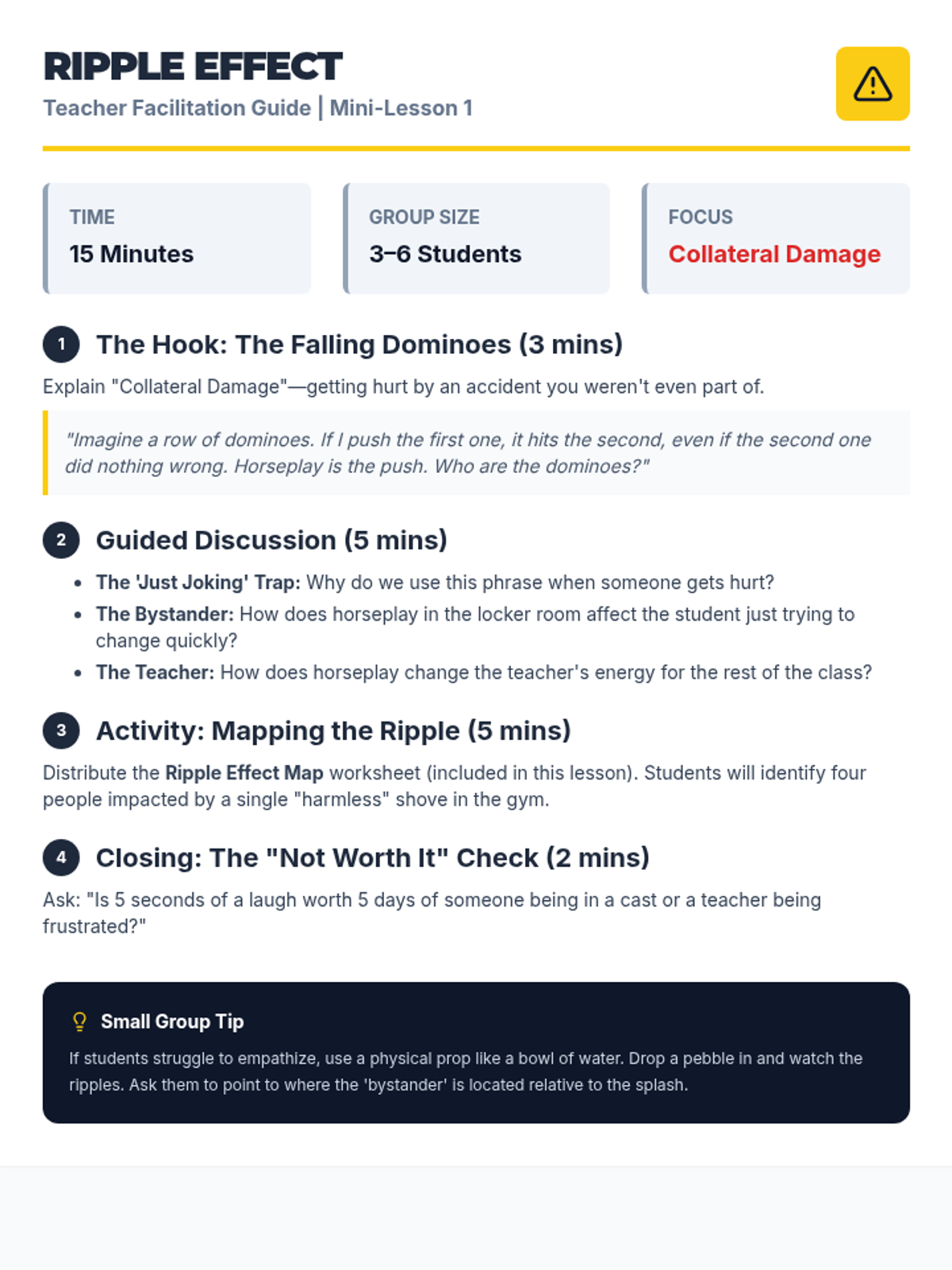
Examines how horseplay disrupts the flow of games and learning, leading to lost privileges and broken trust within a group.
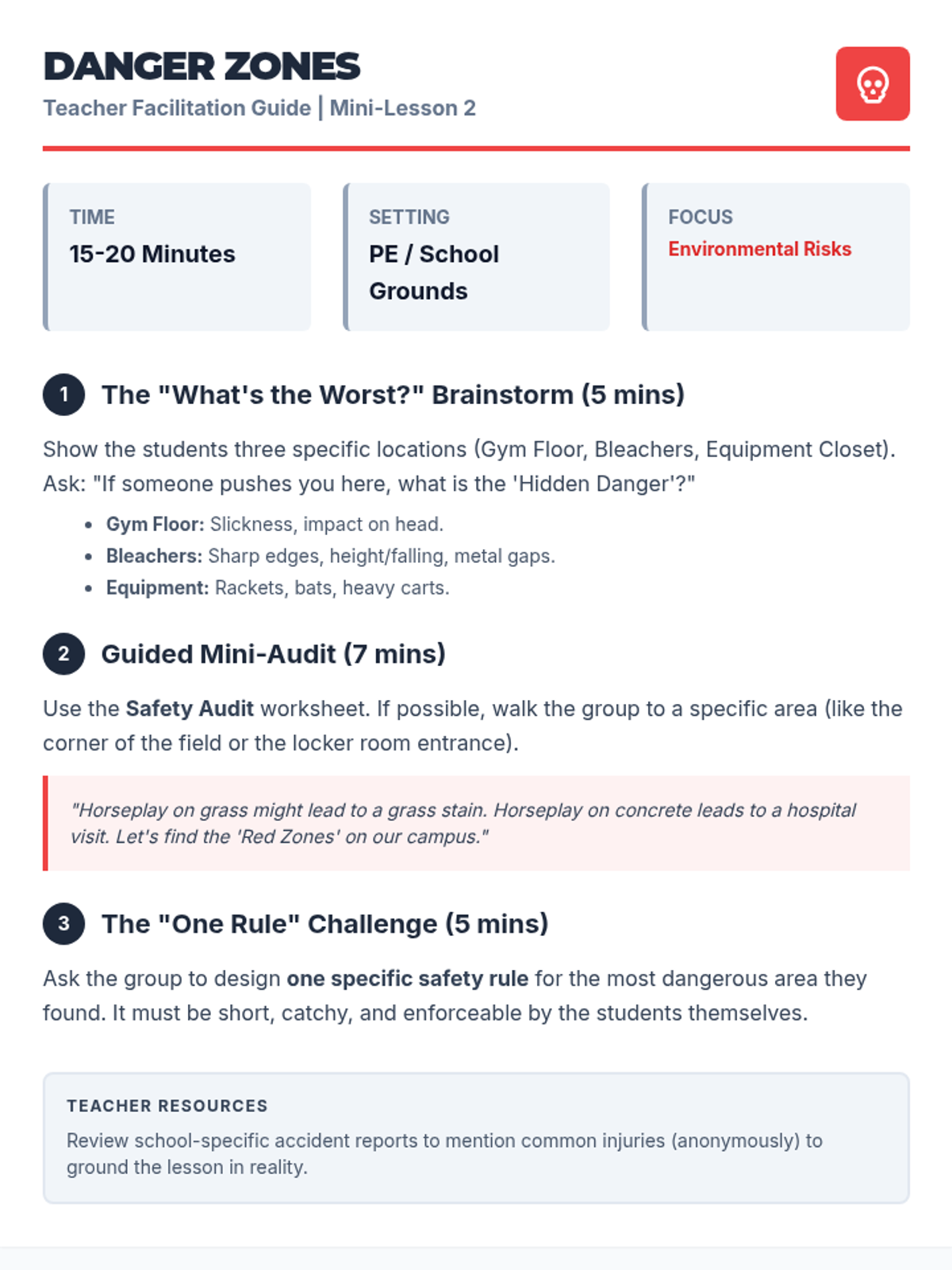
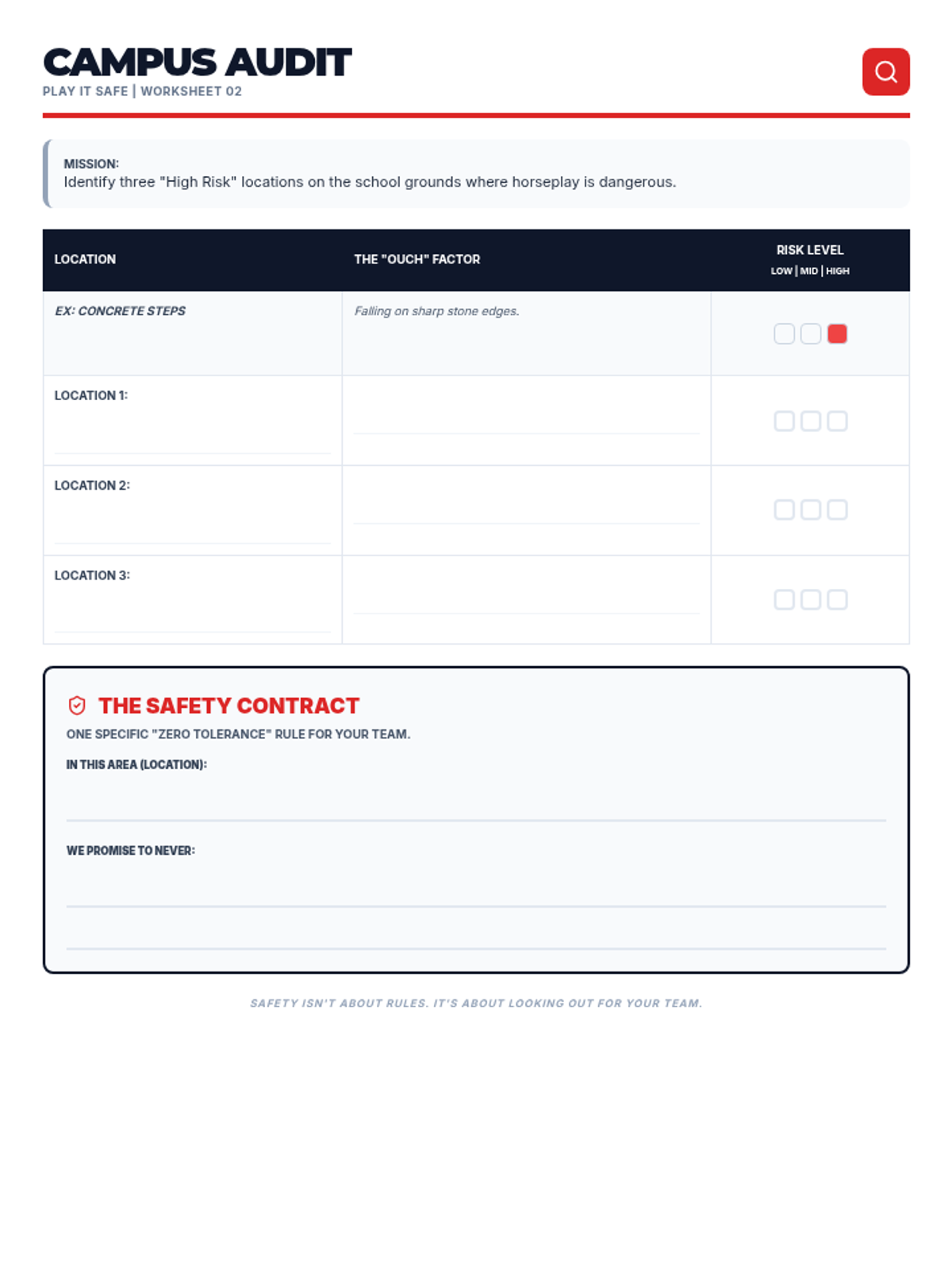
Identifies high-risk areas in PE and school grounds where hard surfaces and equipment turn horseplay into serious danger.
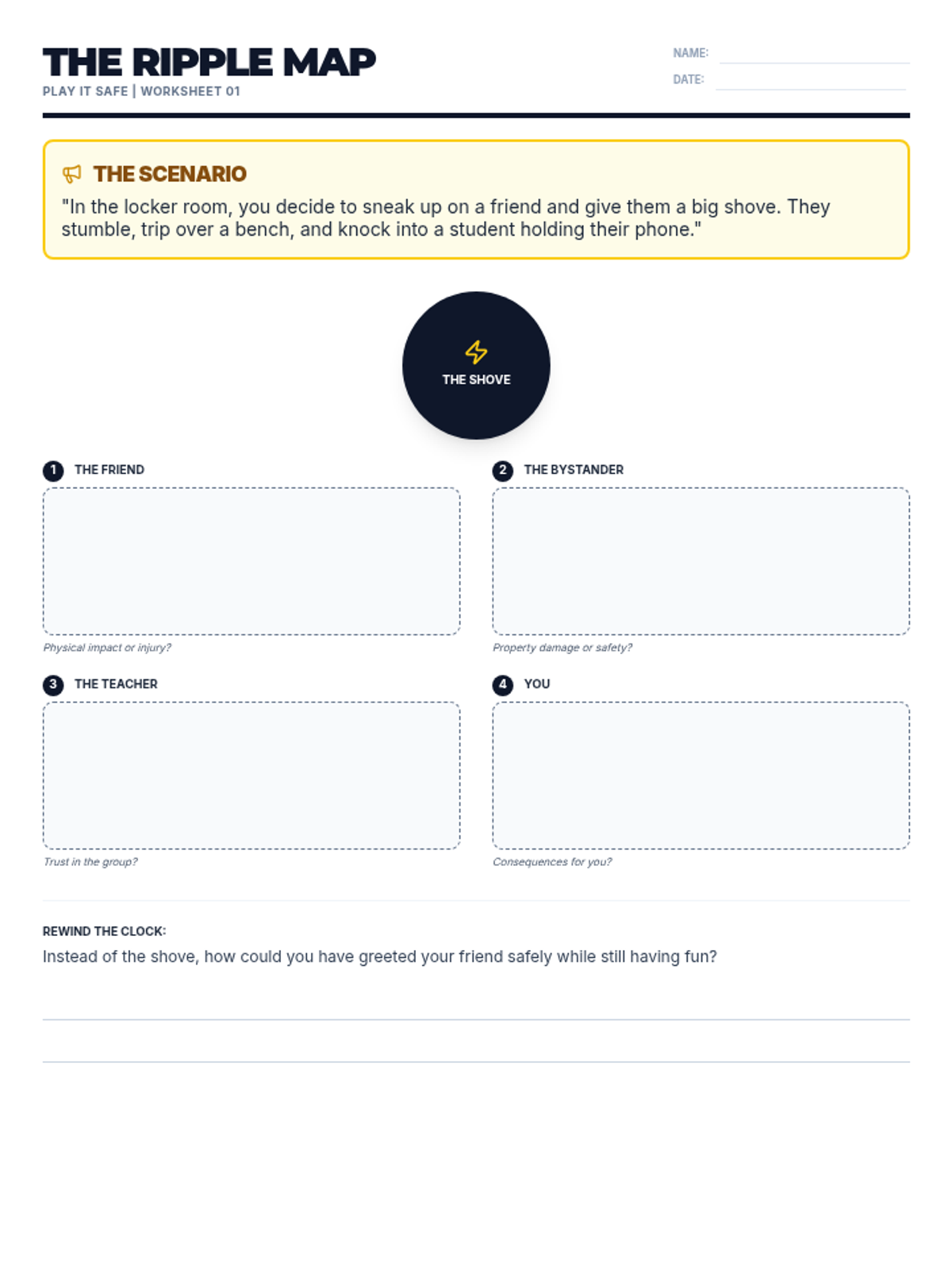
Explores the indirect consequences of horseplay, focusing on how 'harmless' actions can lead to unexpected injuries for bystanders and friends.
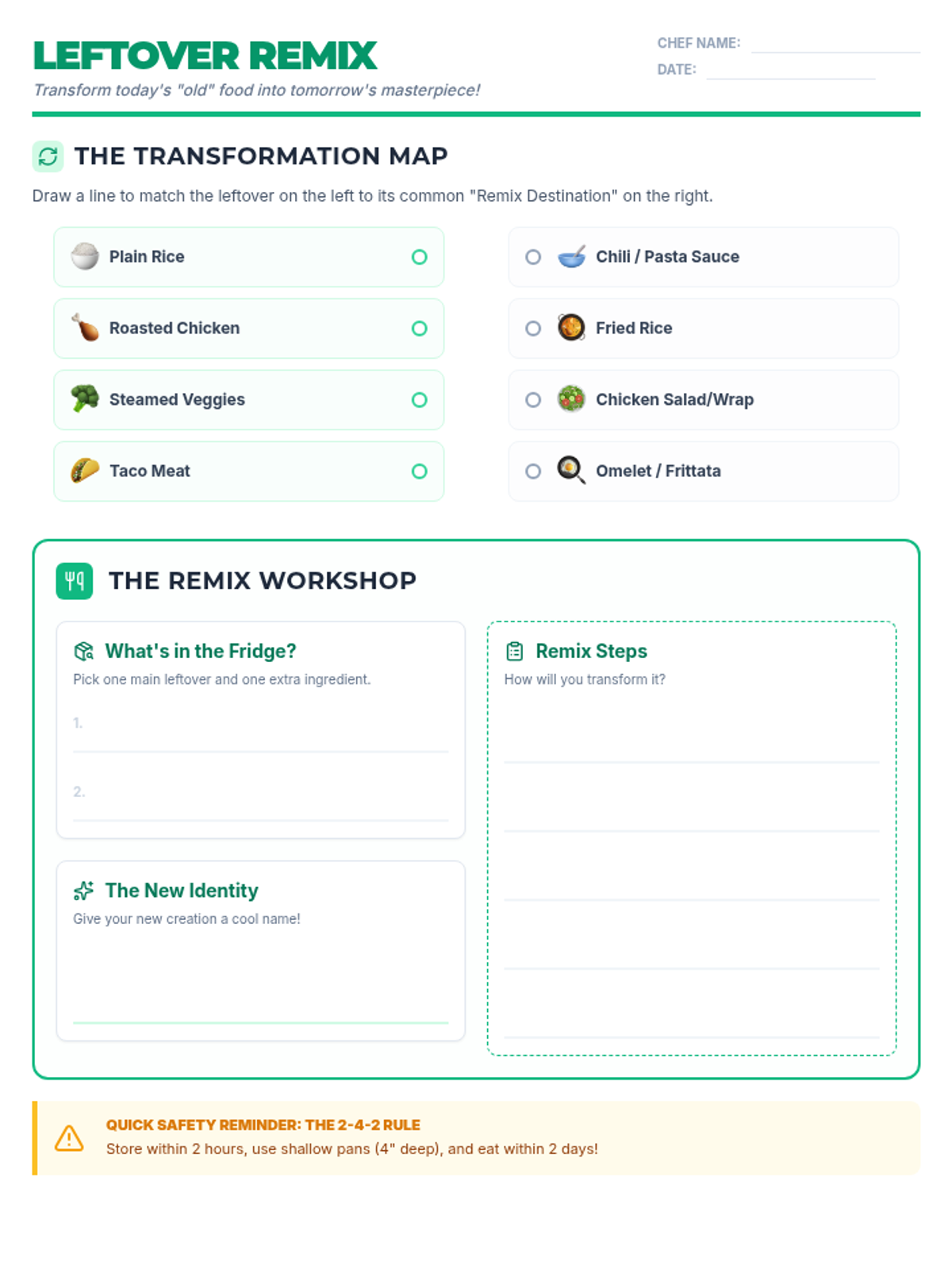
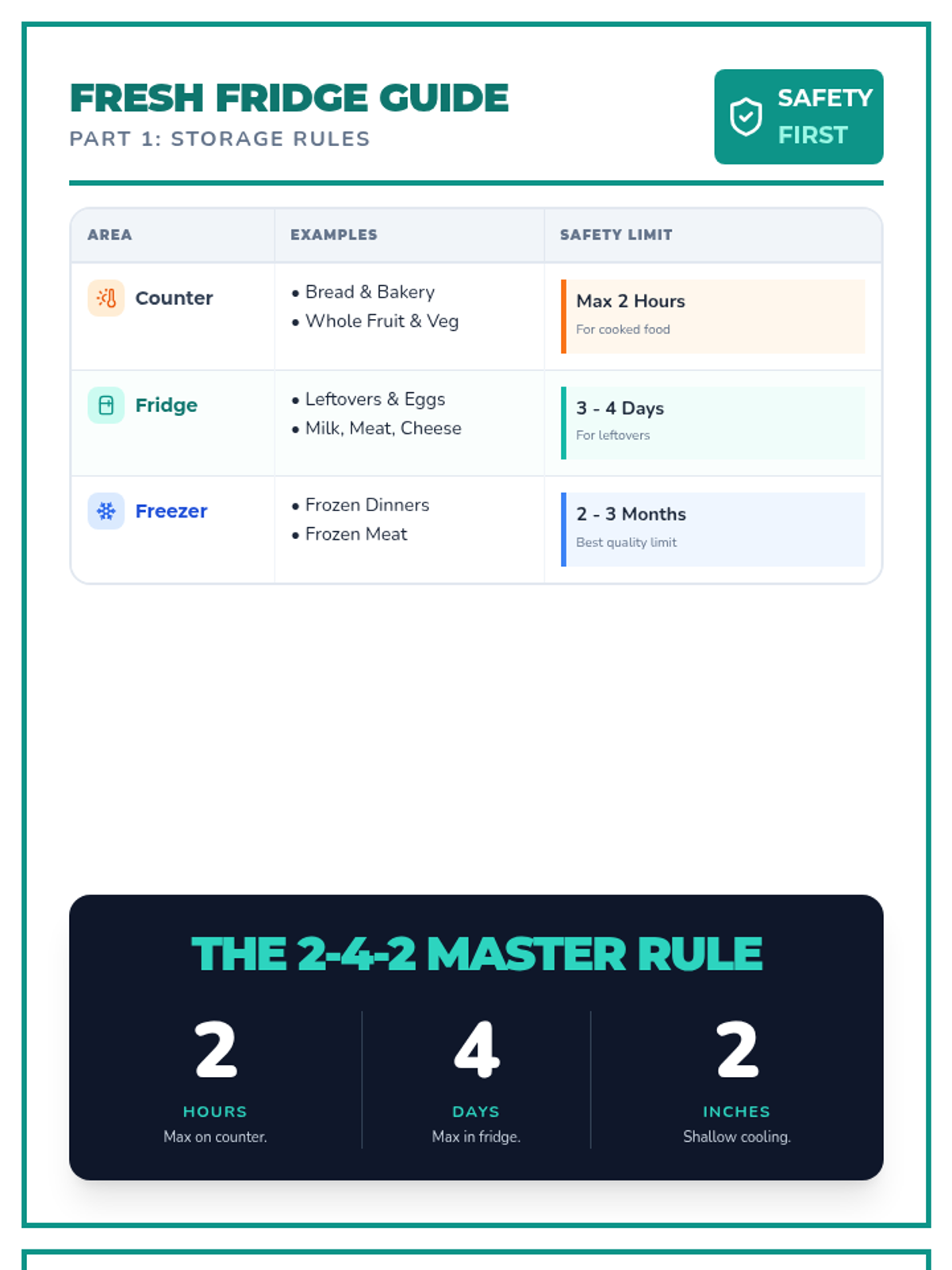
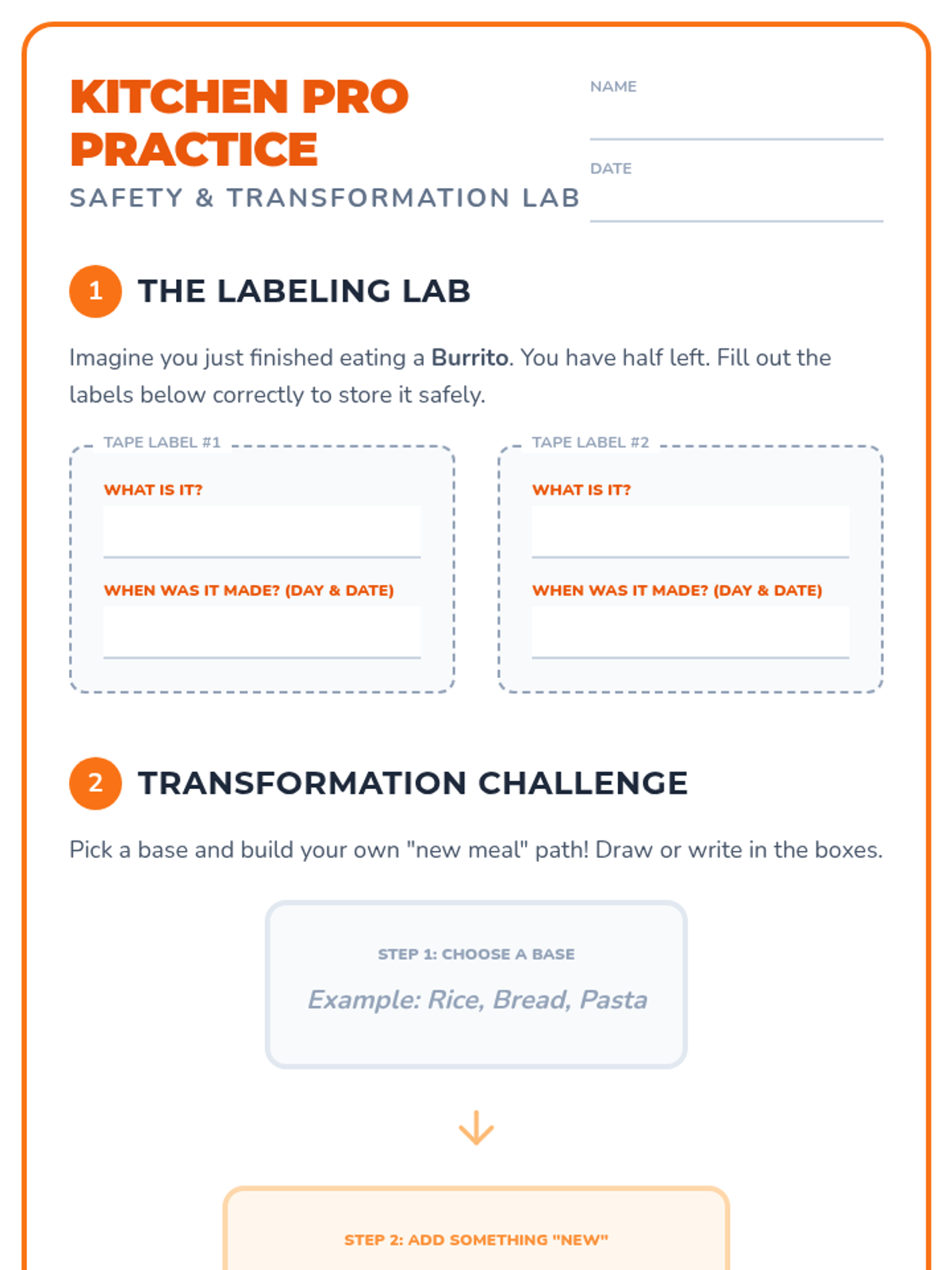
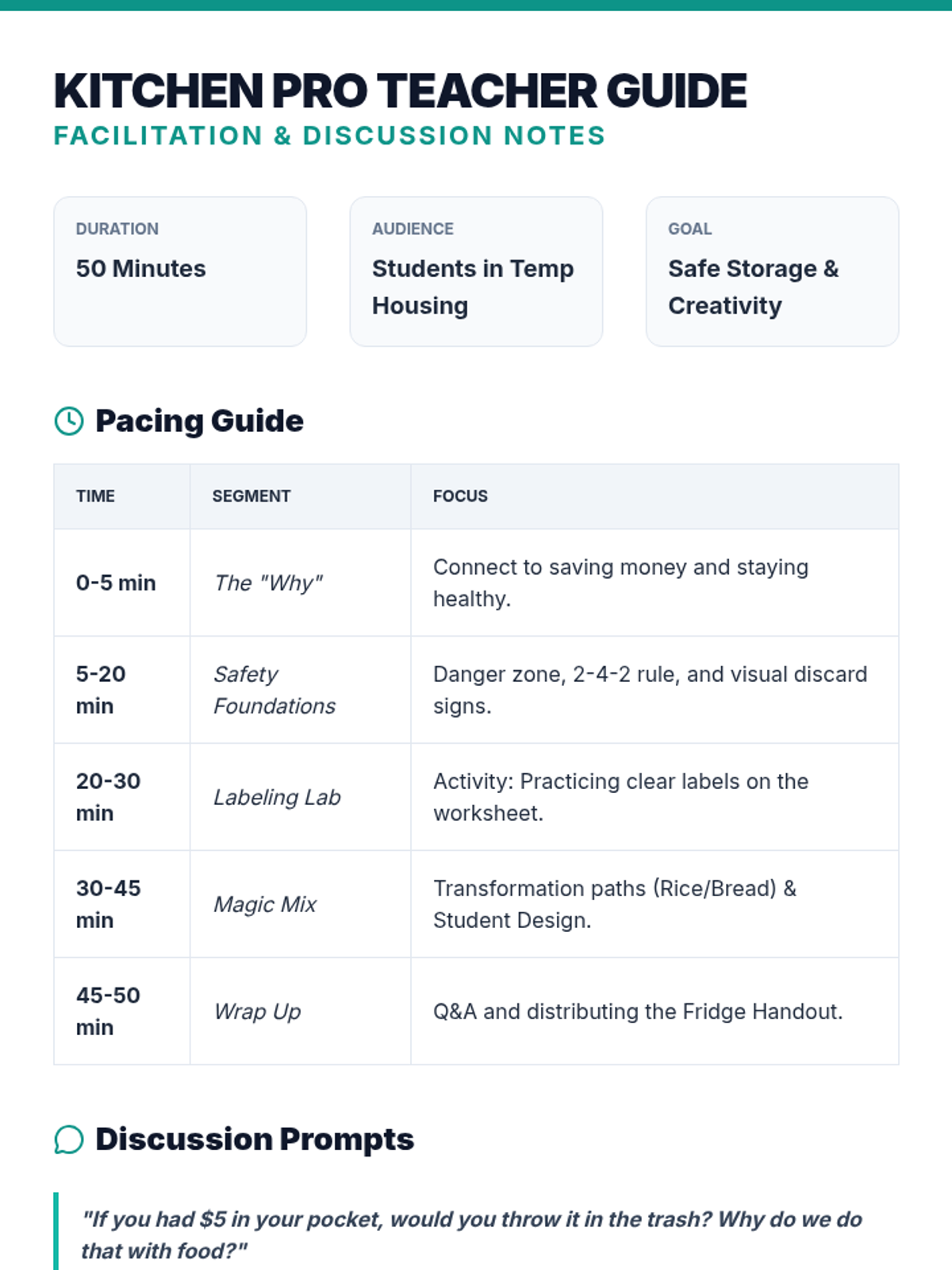
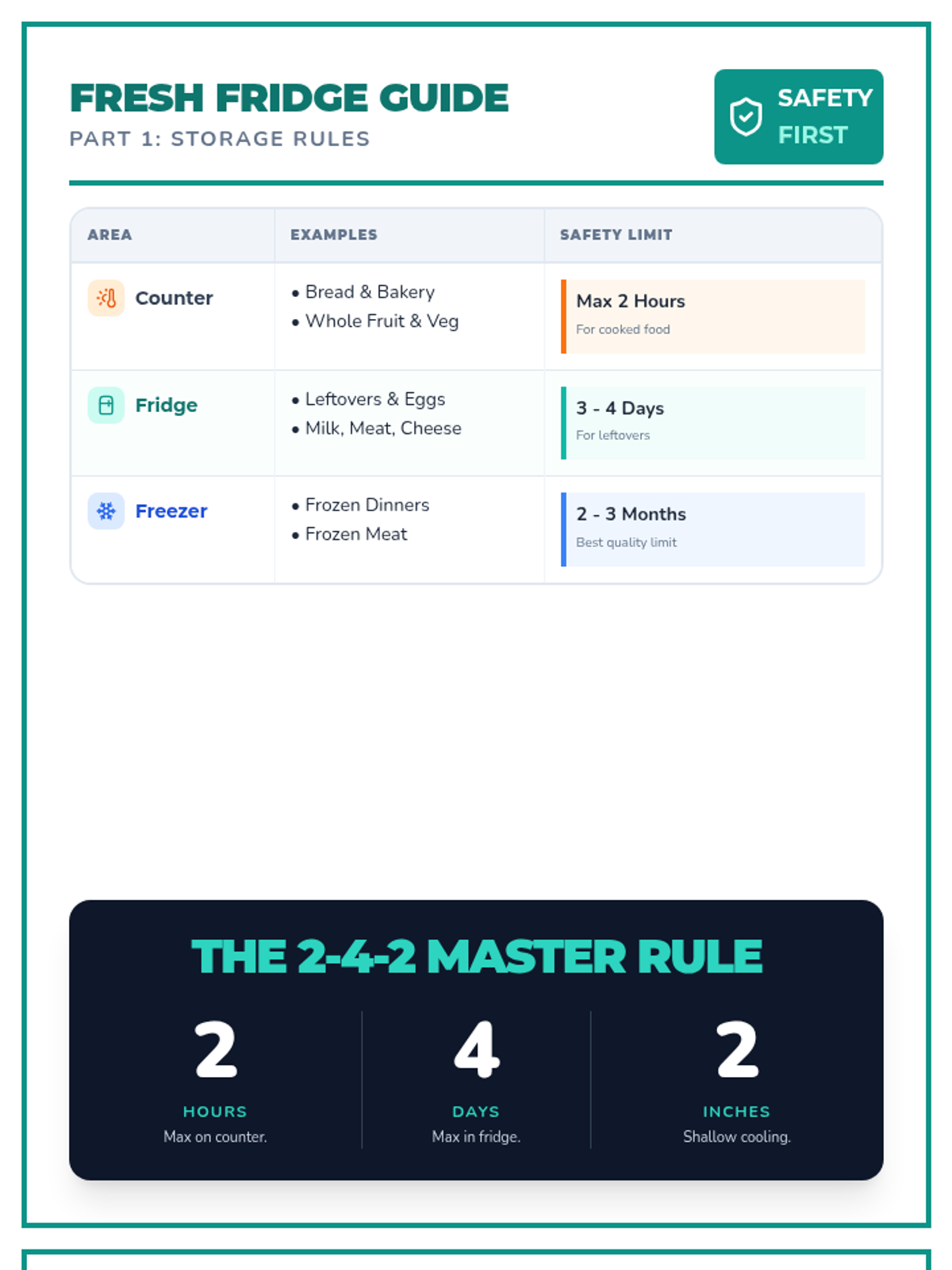
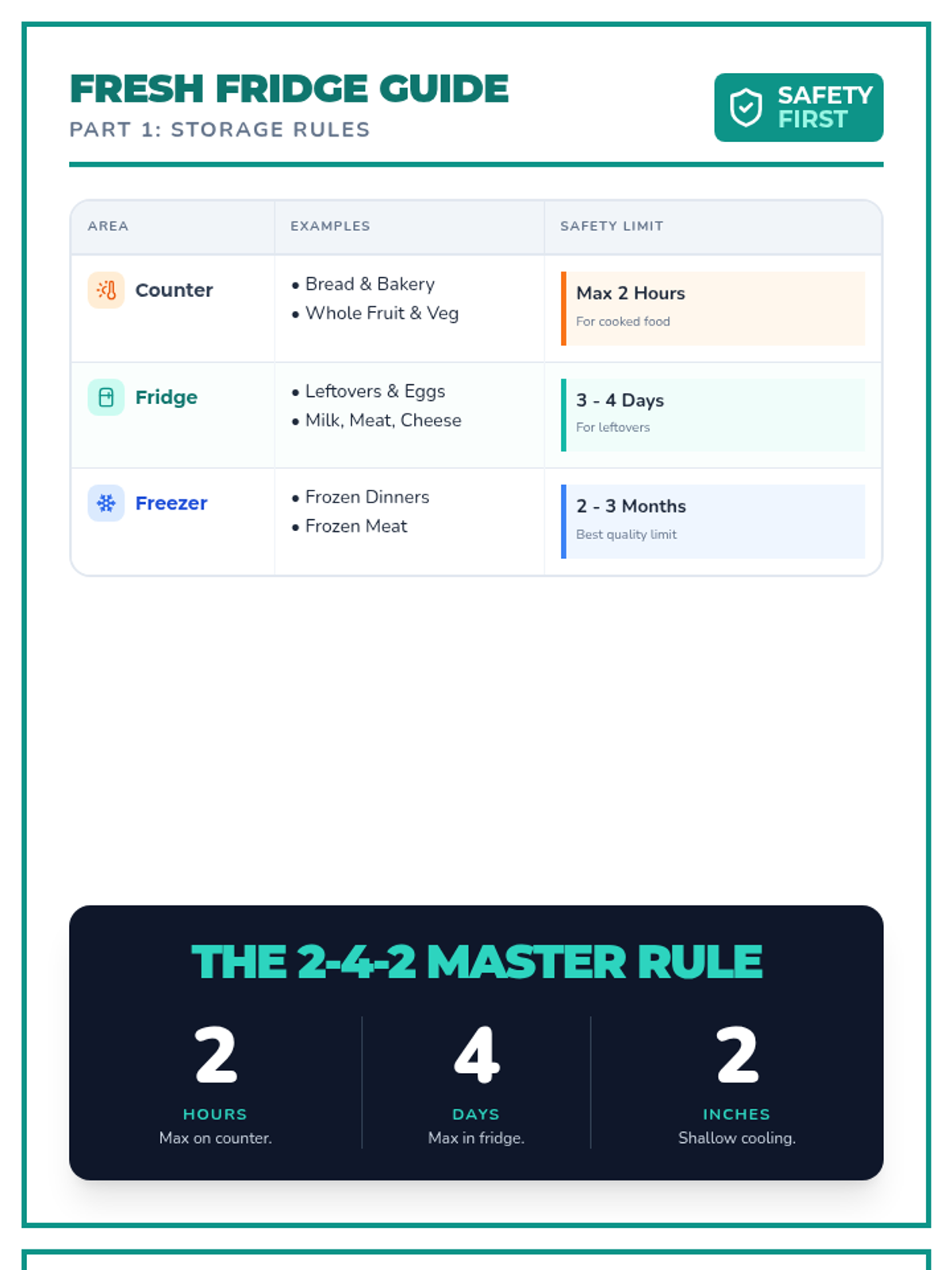
A 50-minute instructional session for students in temporary housing, focusing on safe food storage and creative leftover use through visual guides and sequence flowcharts.
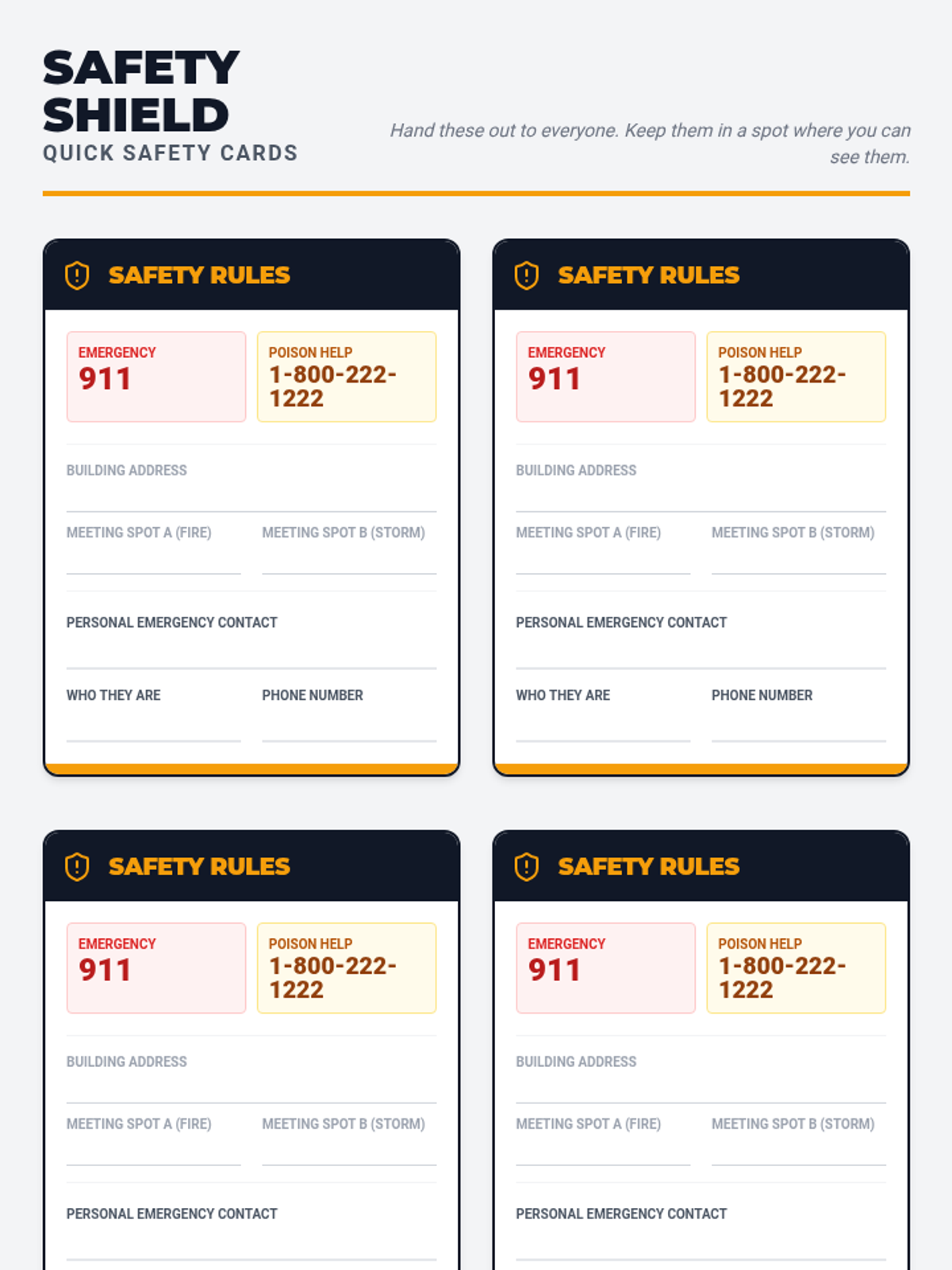
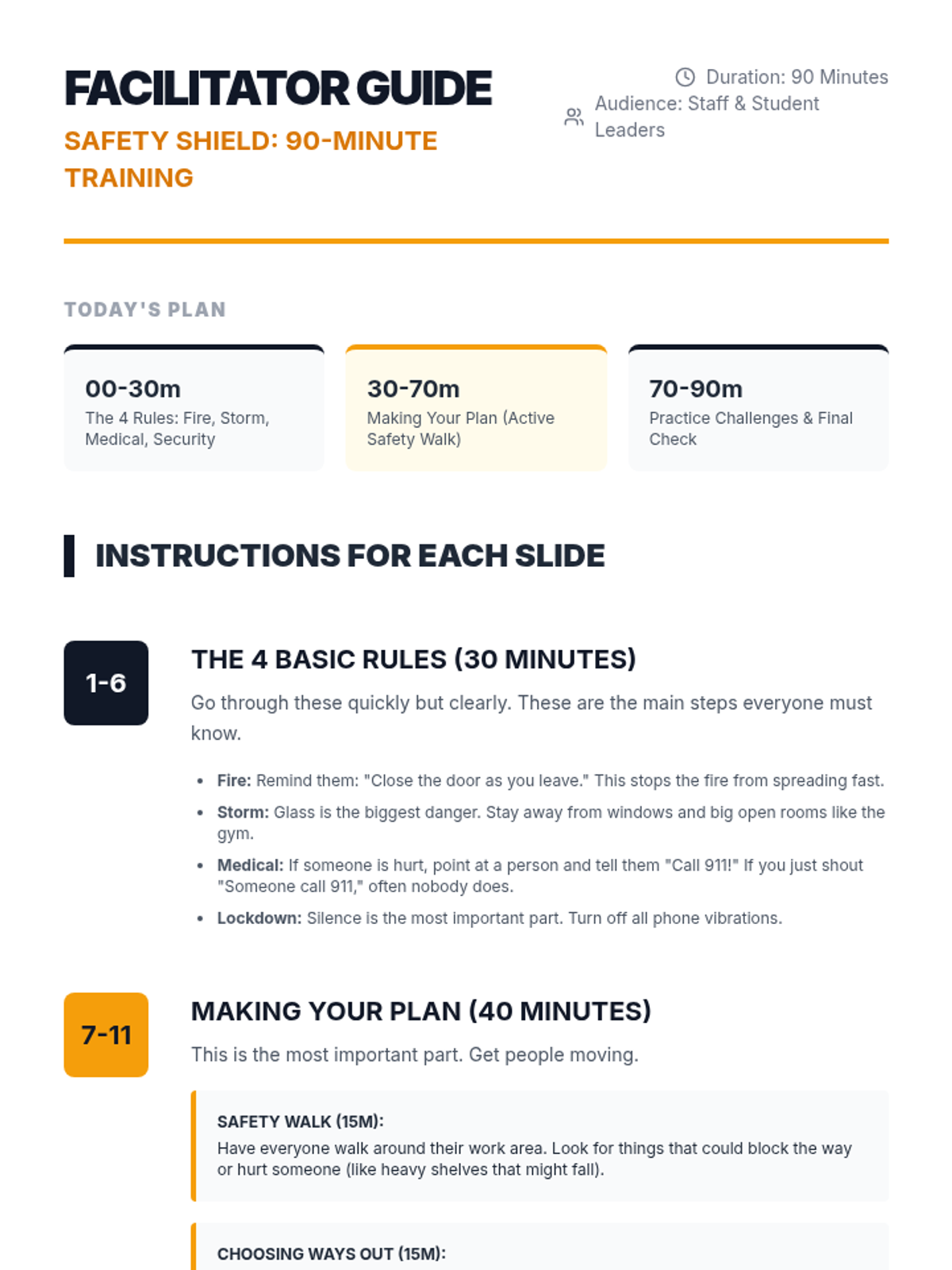
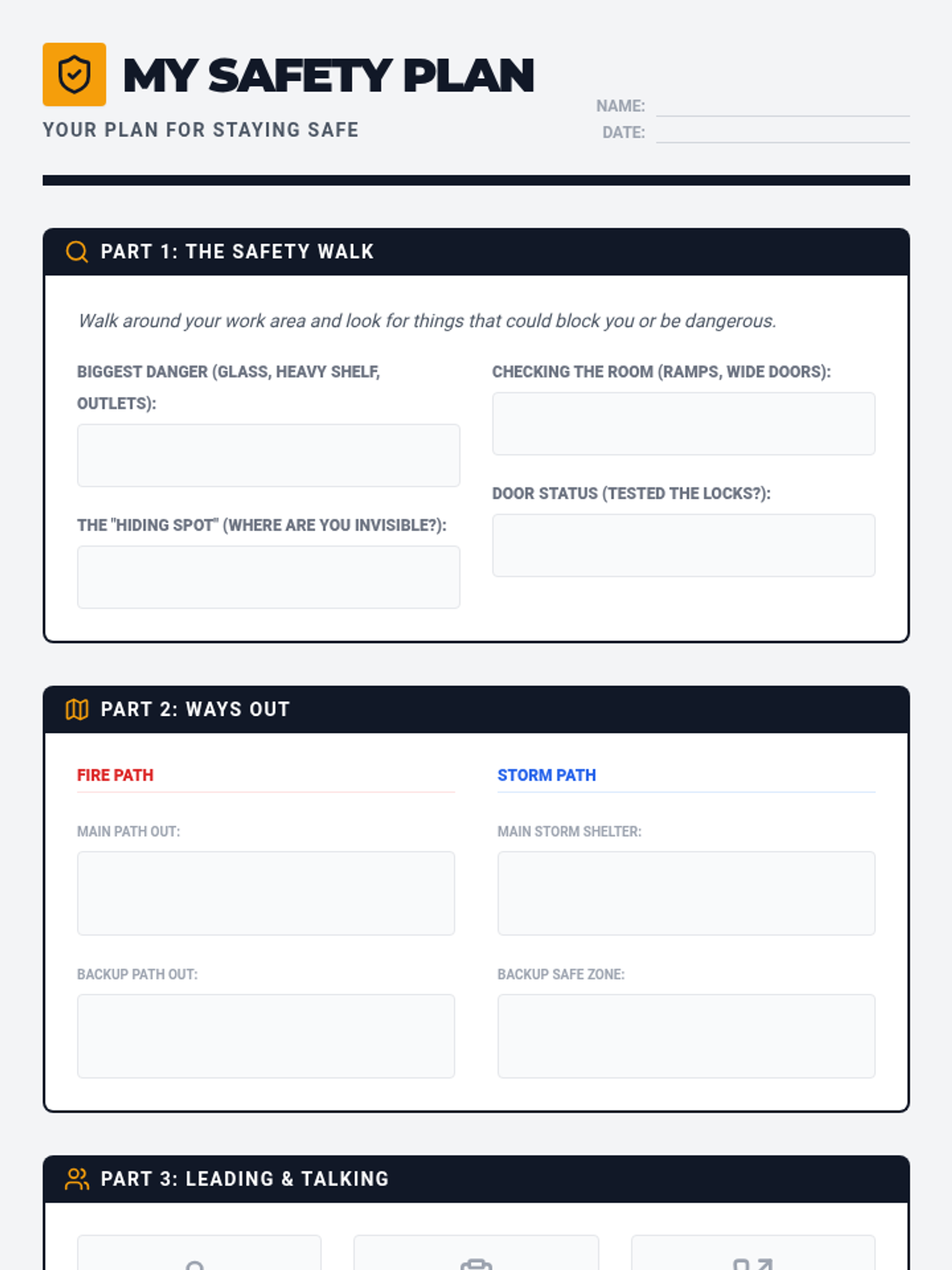
A comprehensive safety training module covering fire, weather, medical, and lockdown procedures to ensure preparedness in any emergency situation.
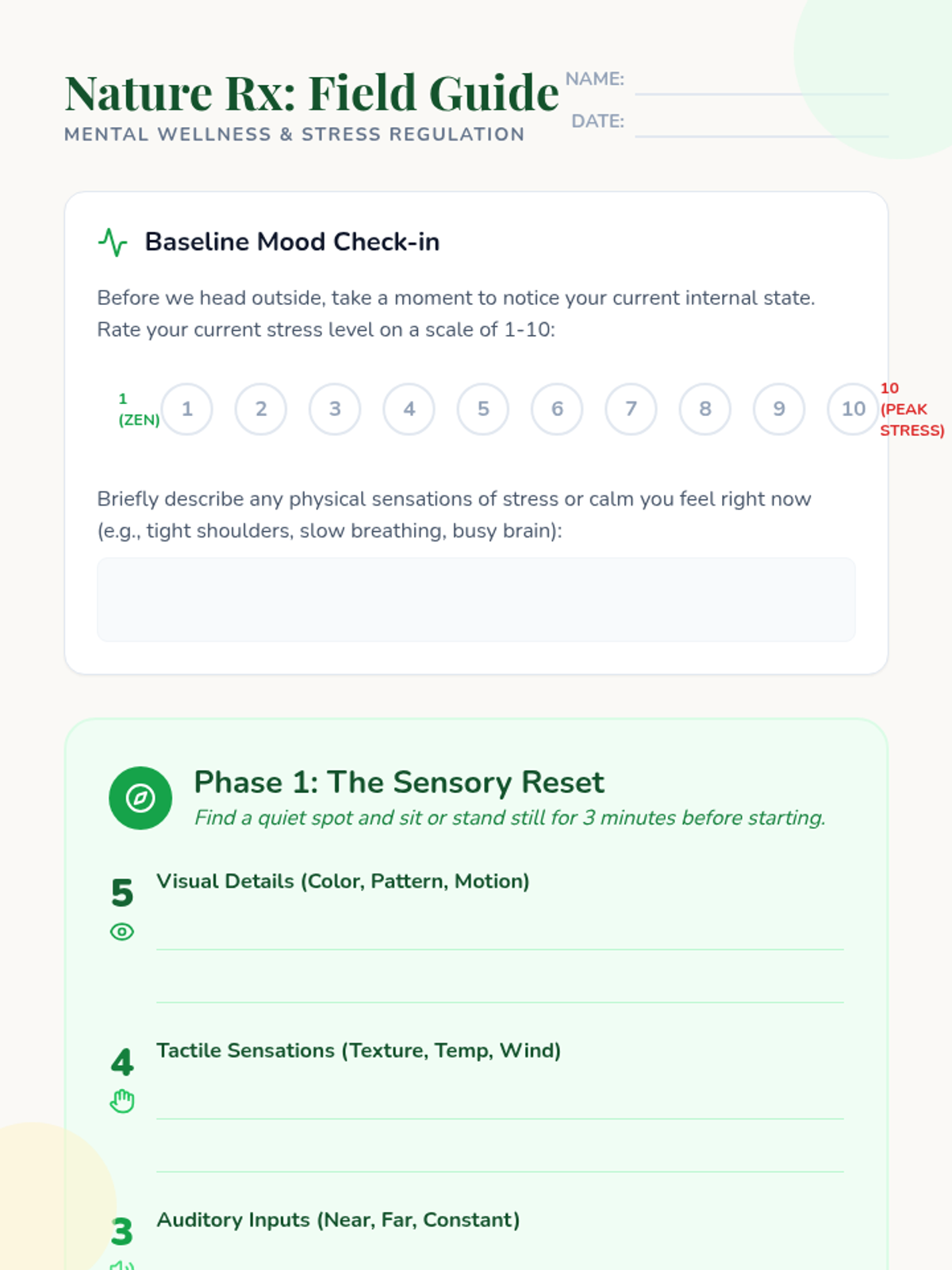
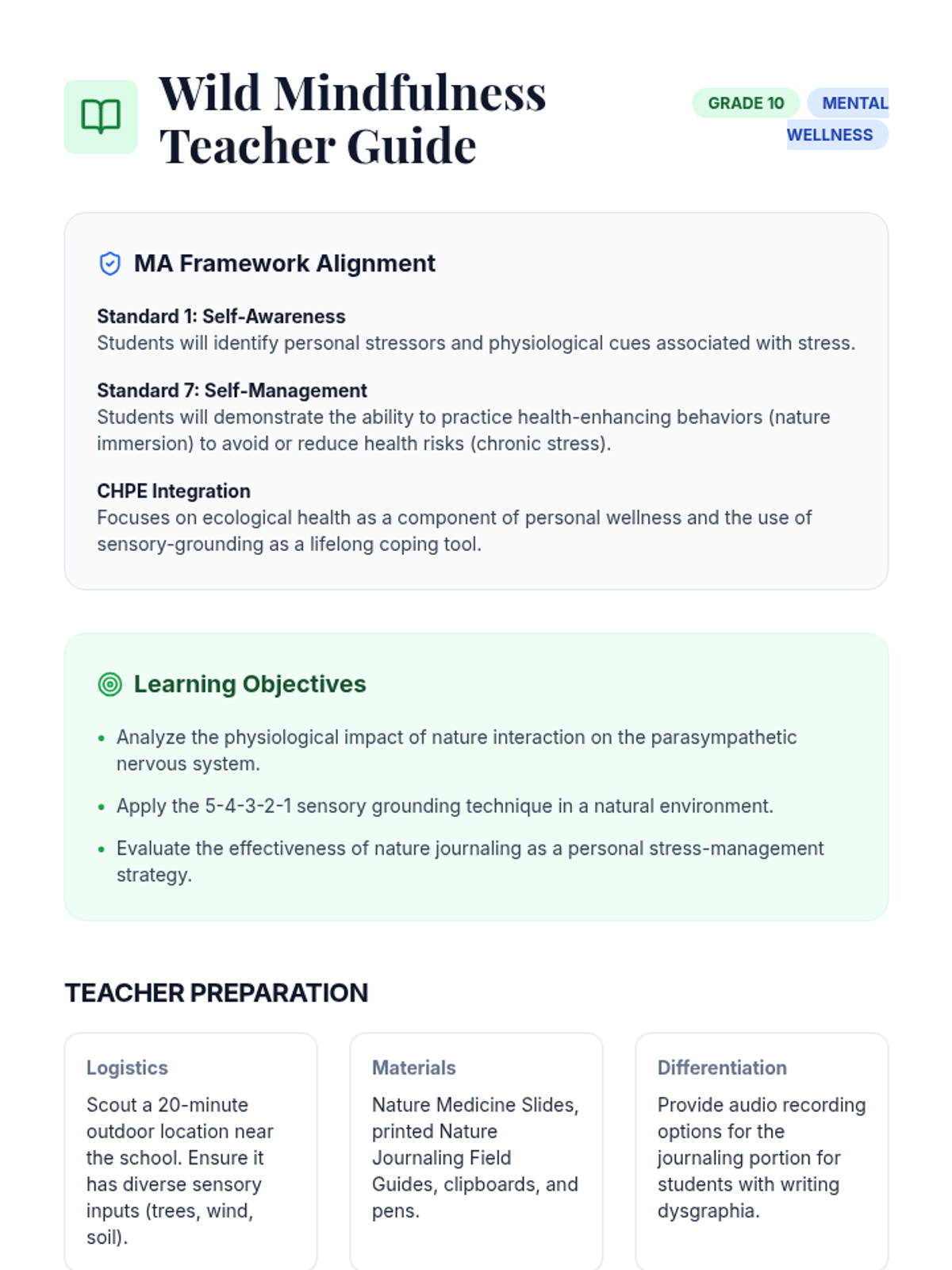
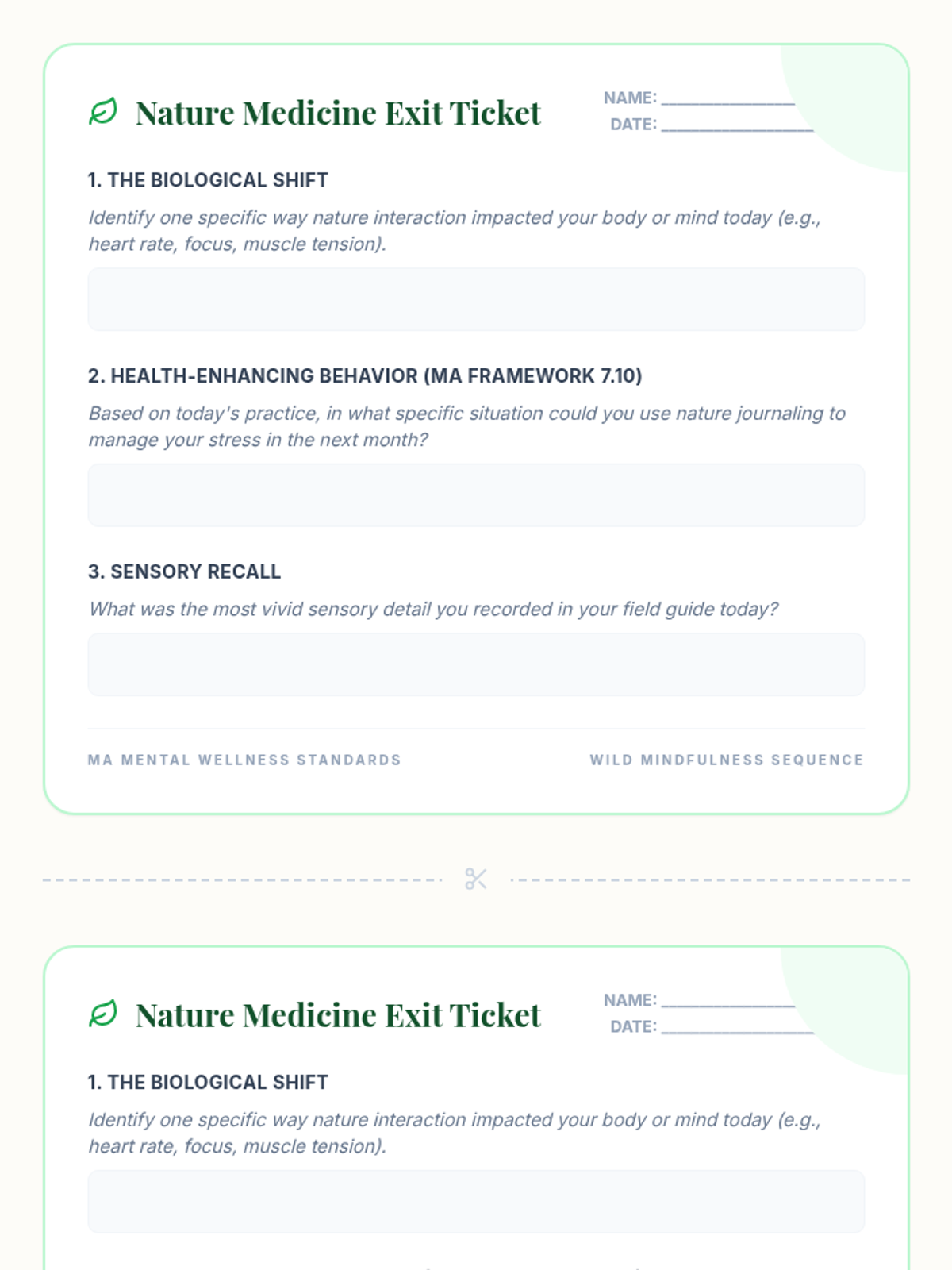
A lesson exploring the mental health benefits of nature journaling, focusing on stress reduction and self-awareness as part of the Massachusetts Grade 10 Mental Wellness standards. Students will practice sensory-based journaling and analyze its physiological and psychological effects.
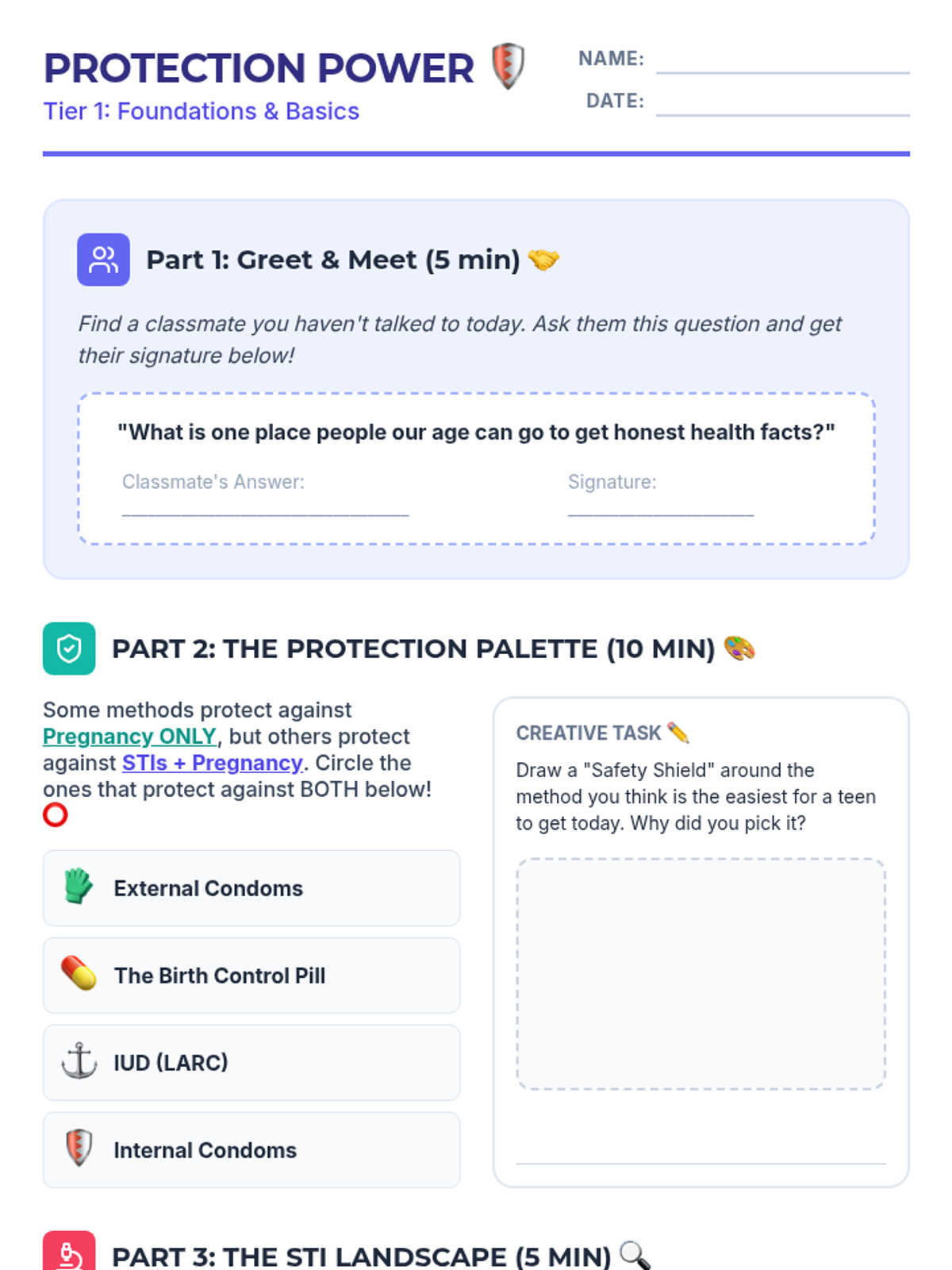
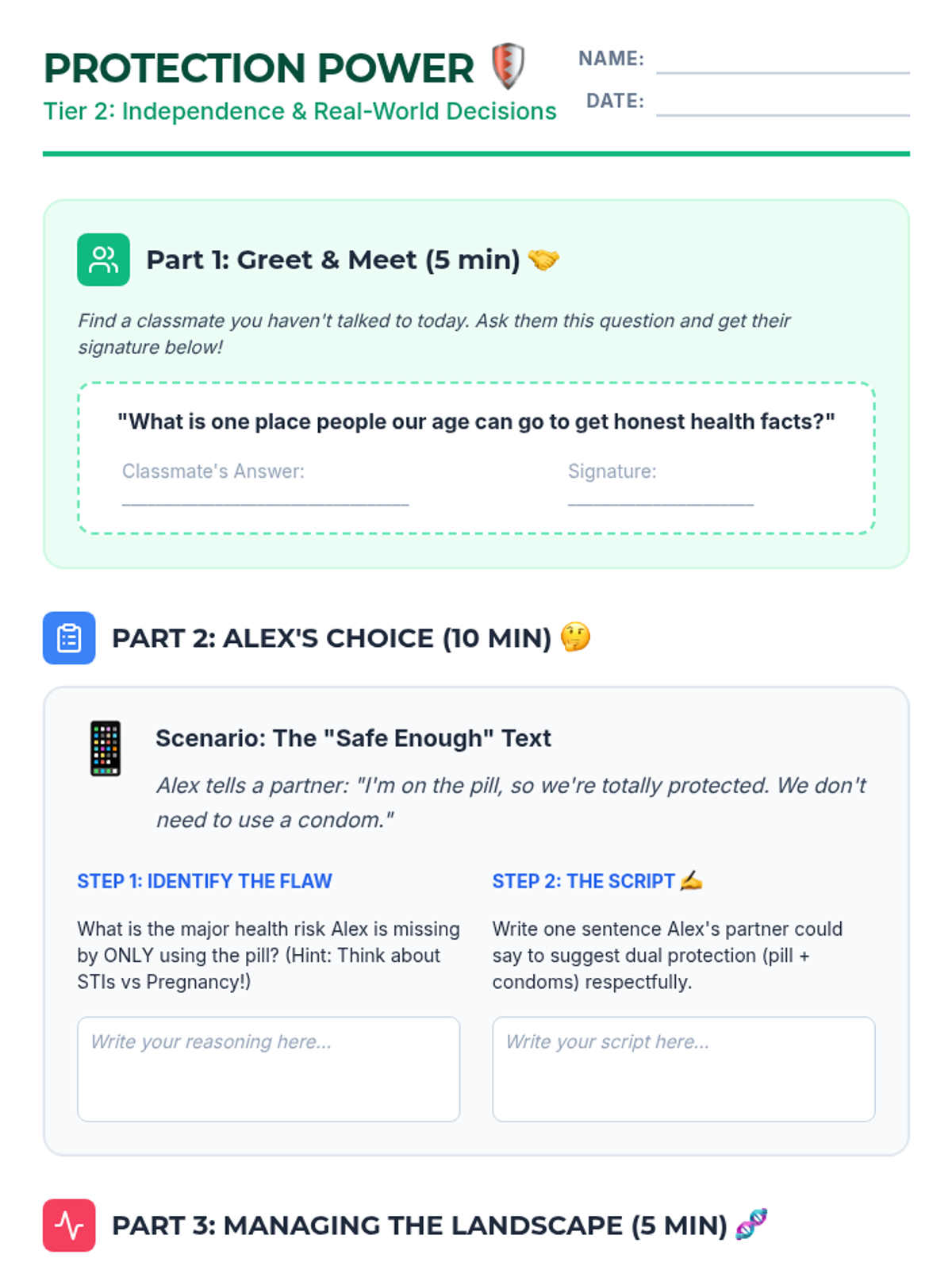
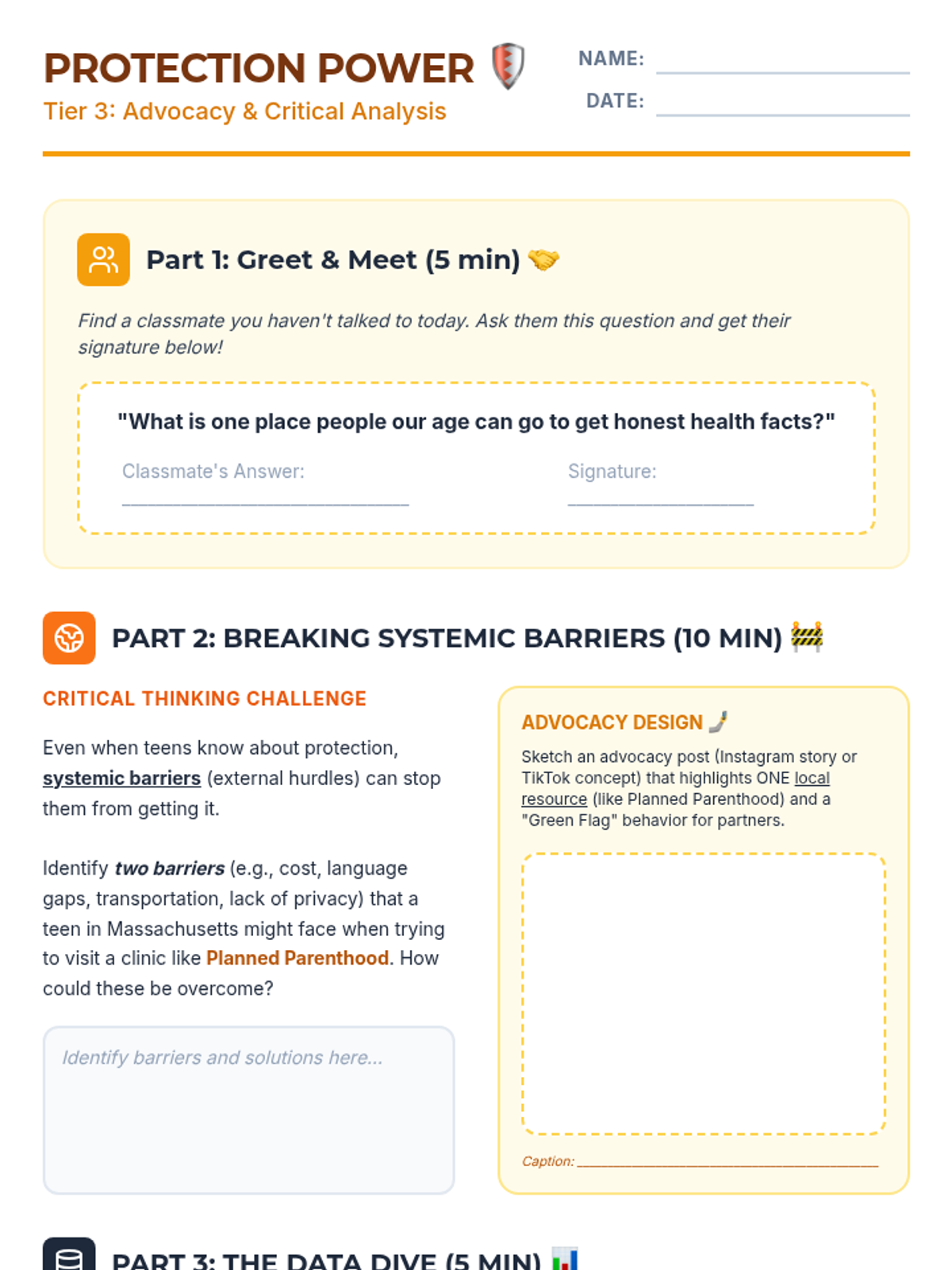
A three-tiered lesson on contraception and sexual health focused on decision-making, STI prevention, and communication skills, aligned with Massachusetts health standards.
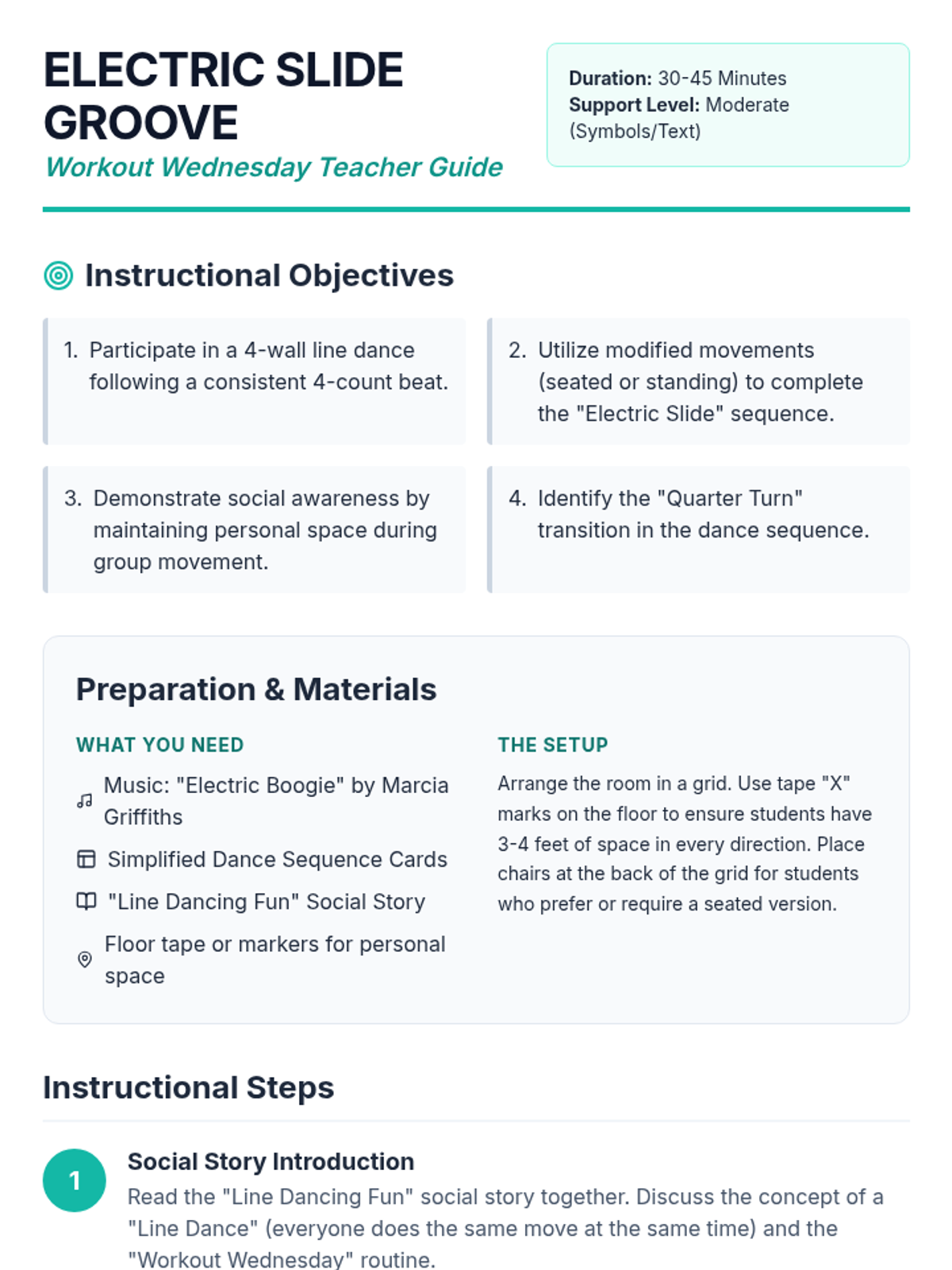
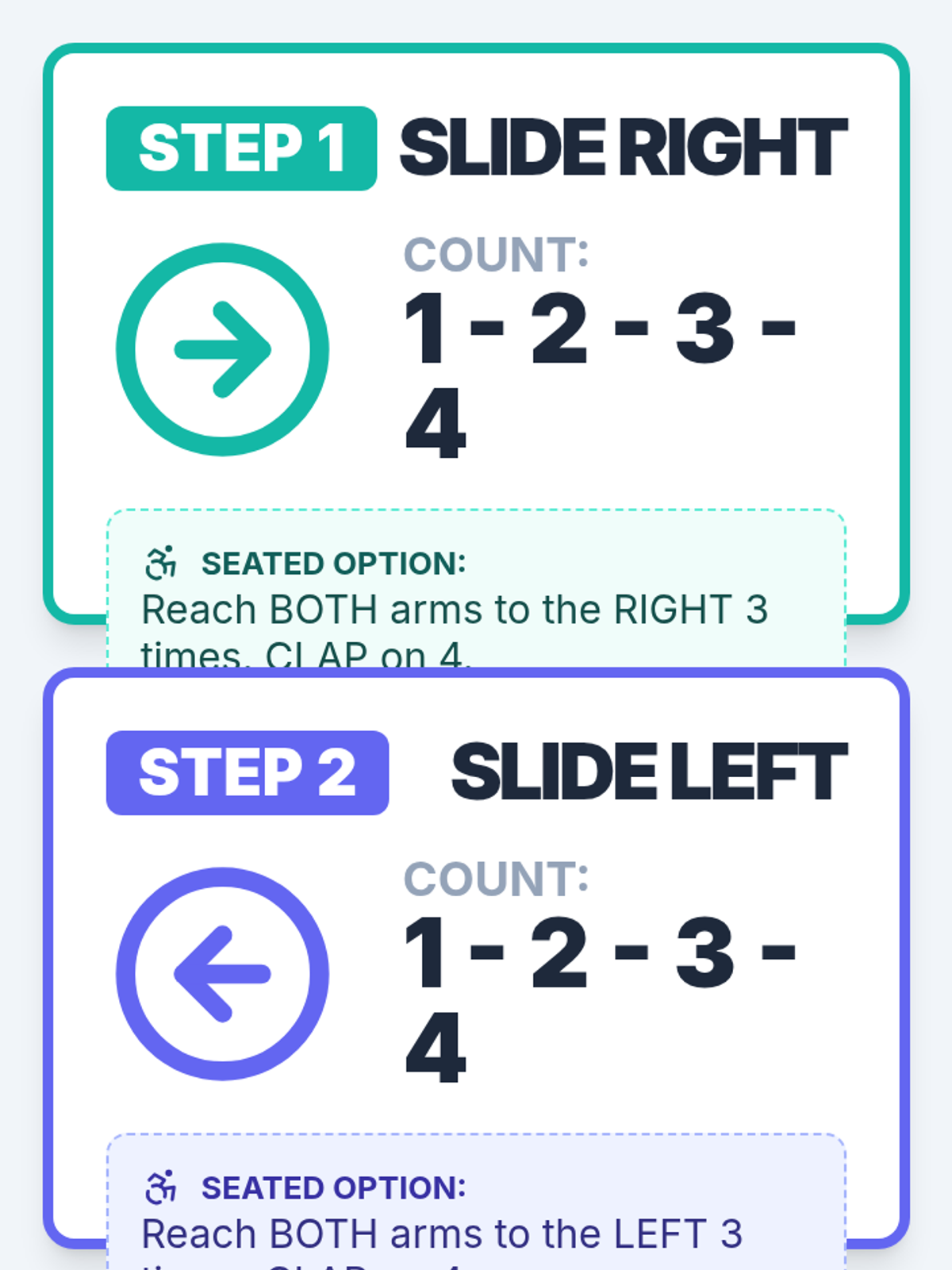
A guided introduction to the Electric Slide, featuring simplified steps and modifications for students with limited mobility or wheelchair users.
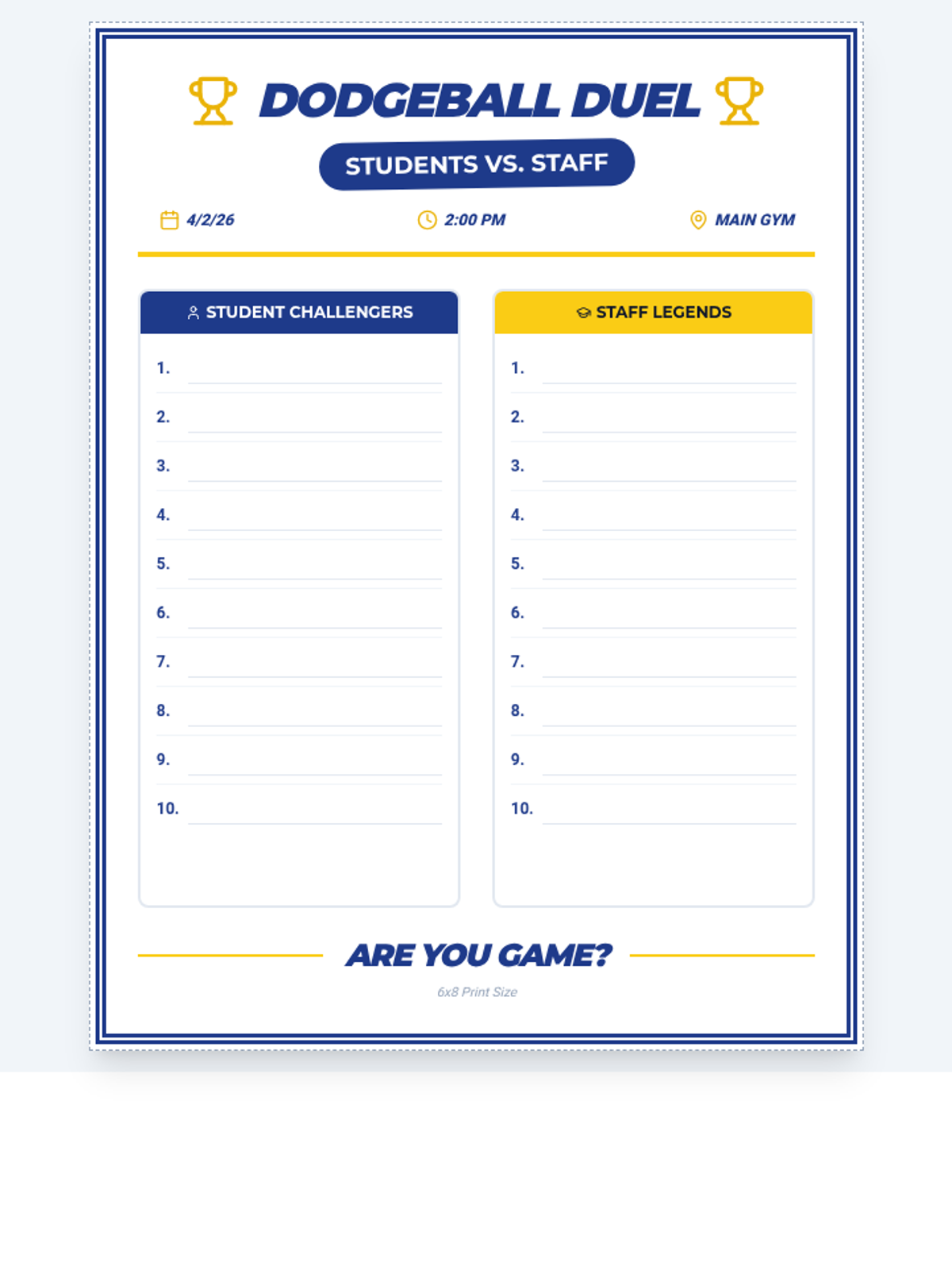
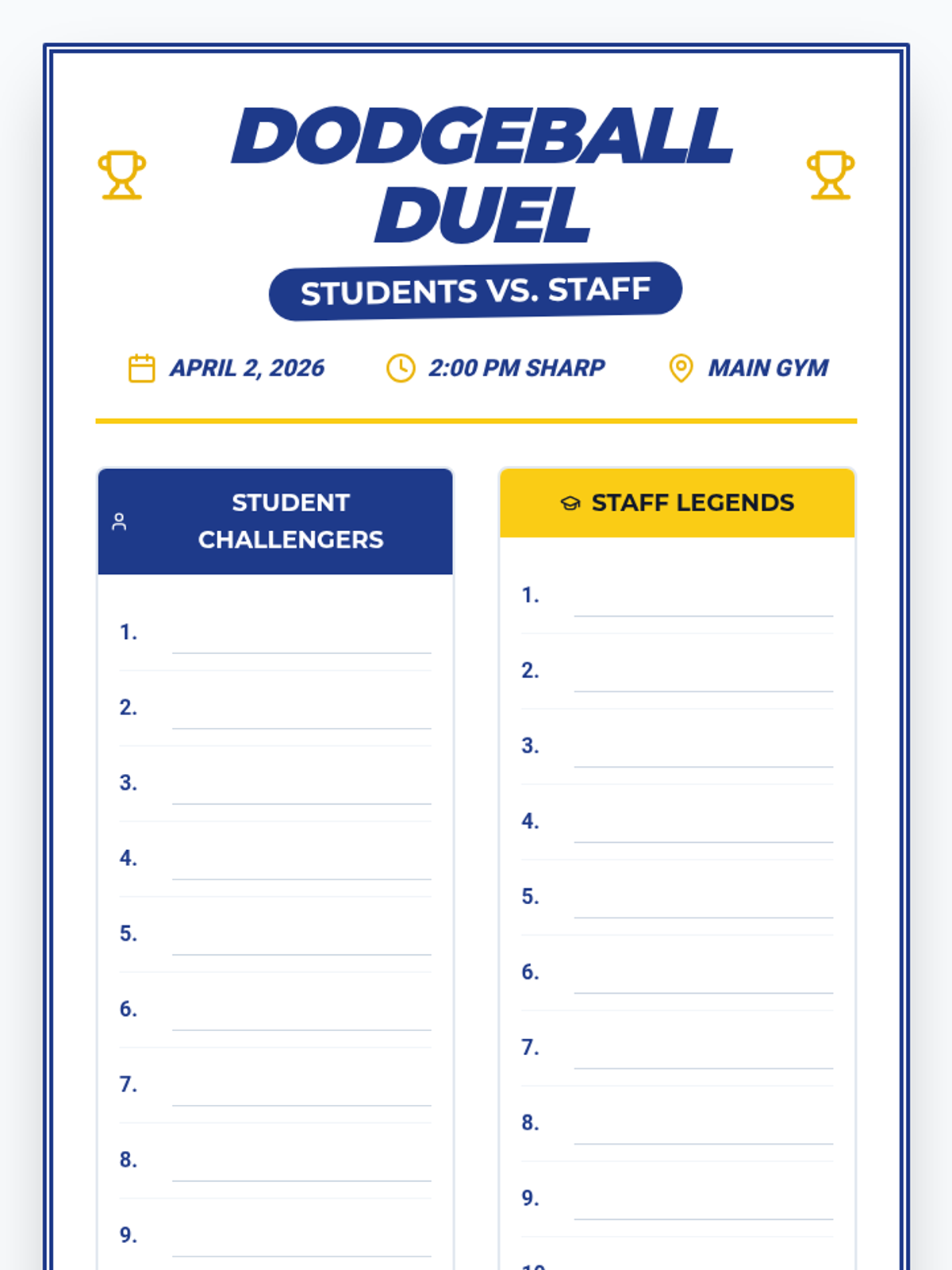
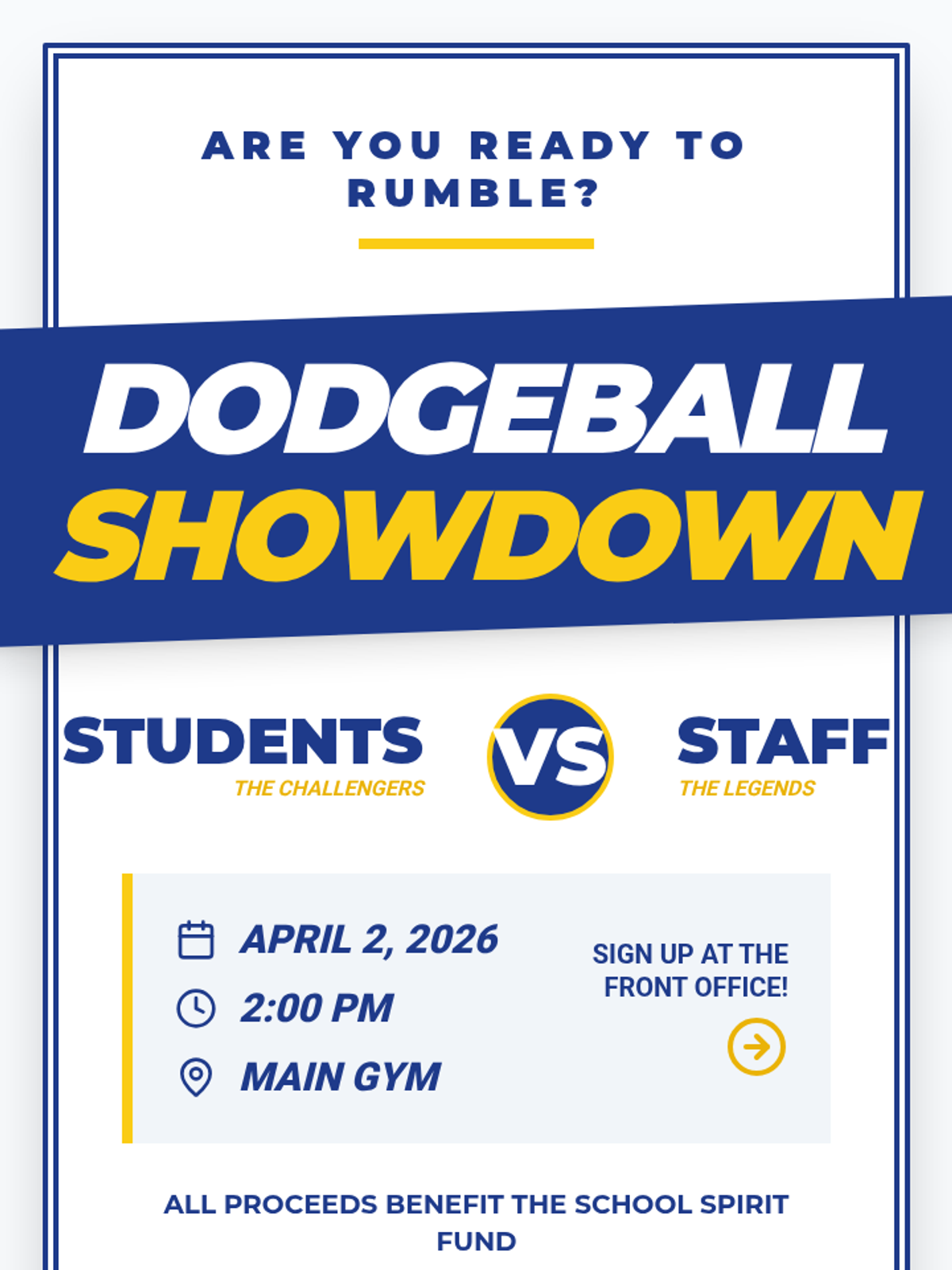
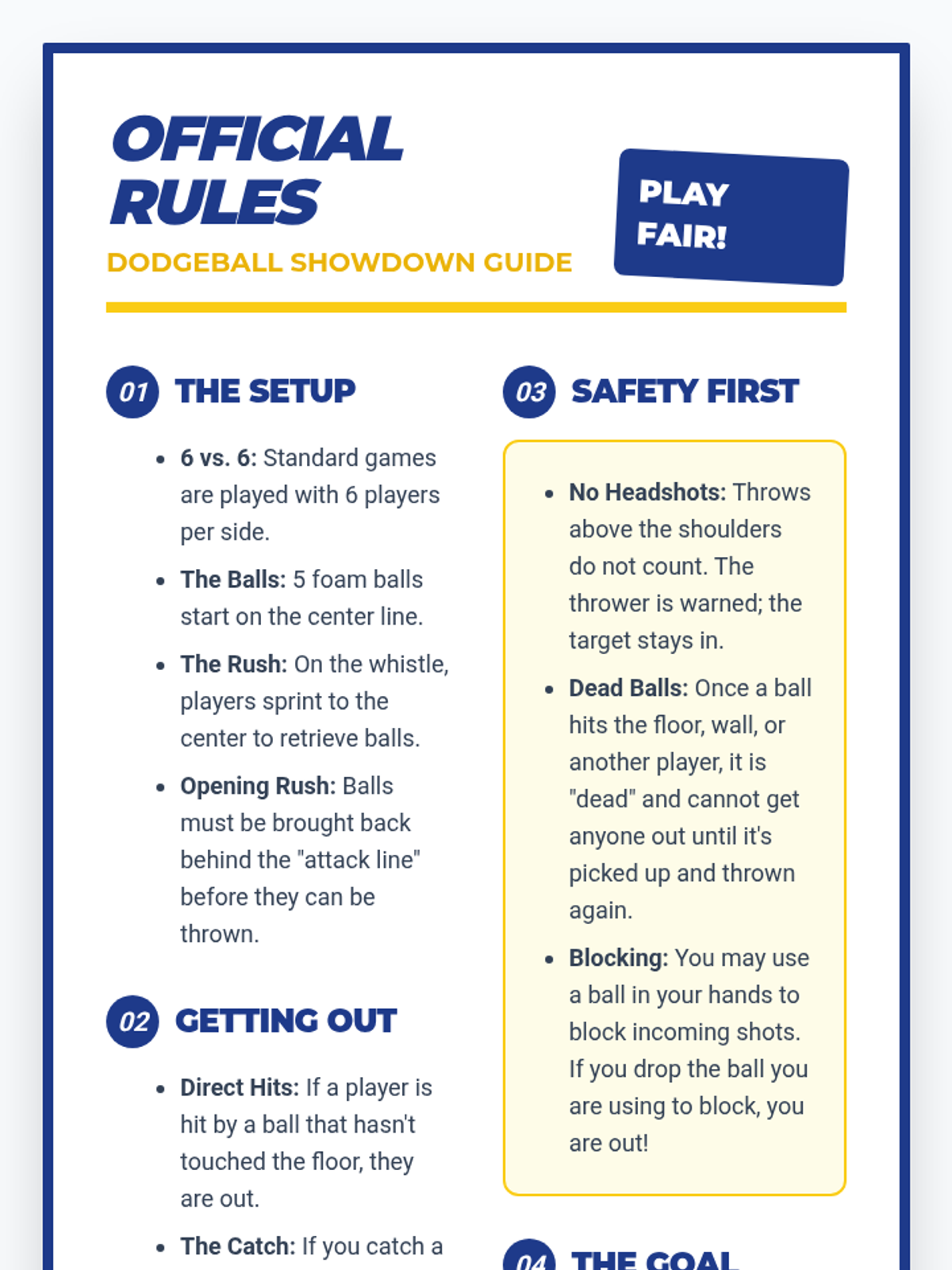
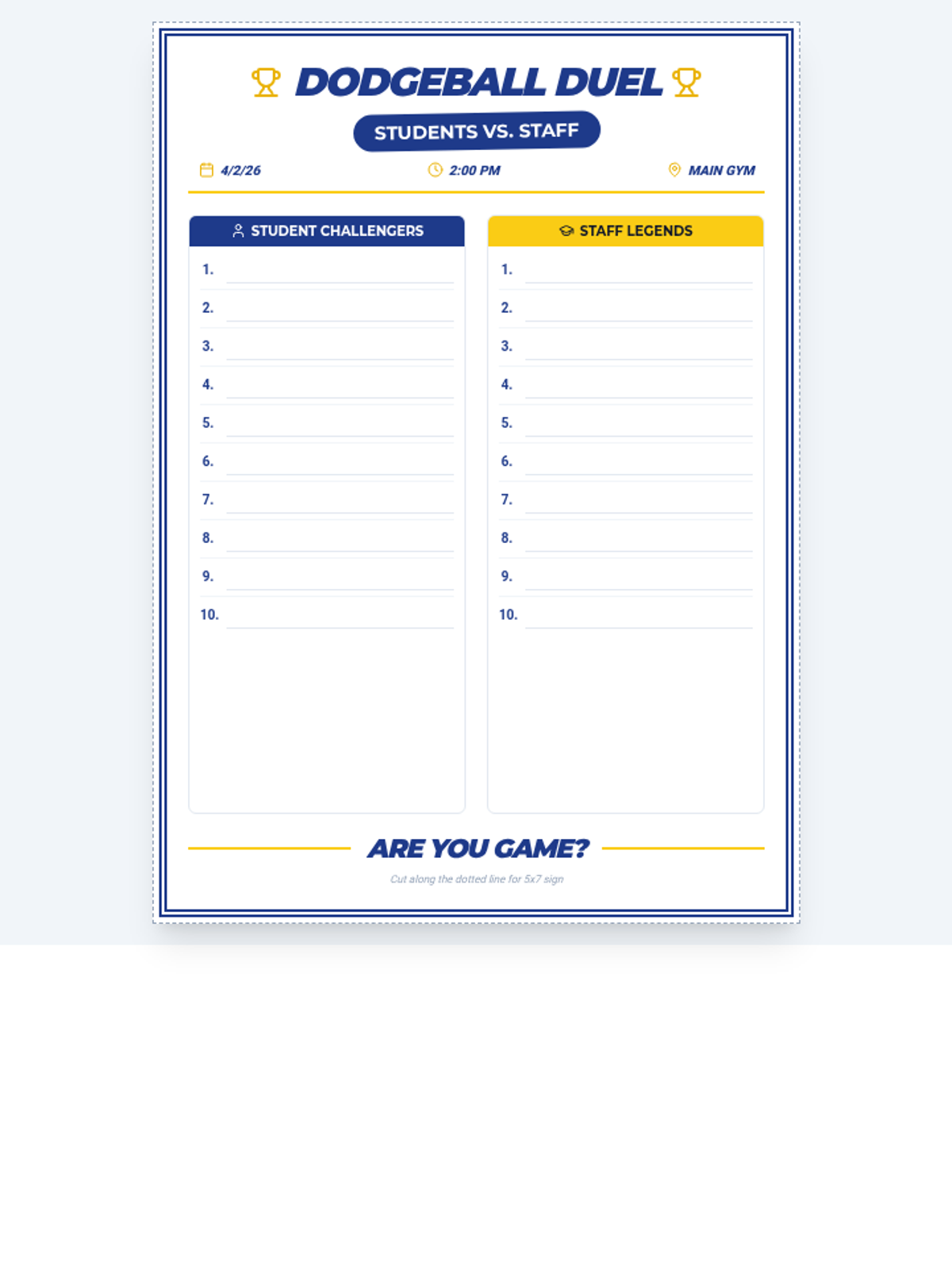
A collection of resources for organizing and promoting the annual Students vs. Staff dodgeball event, fostering school spirit and healthy competition.
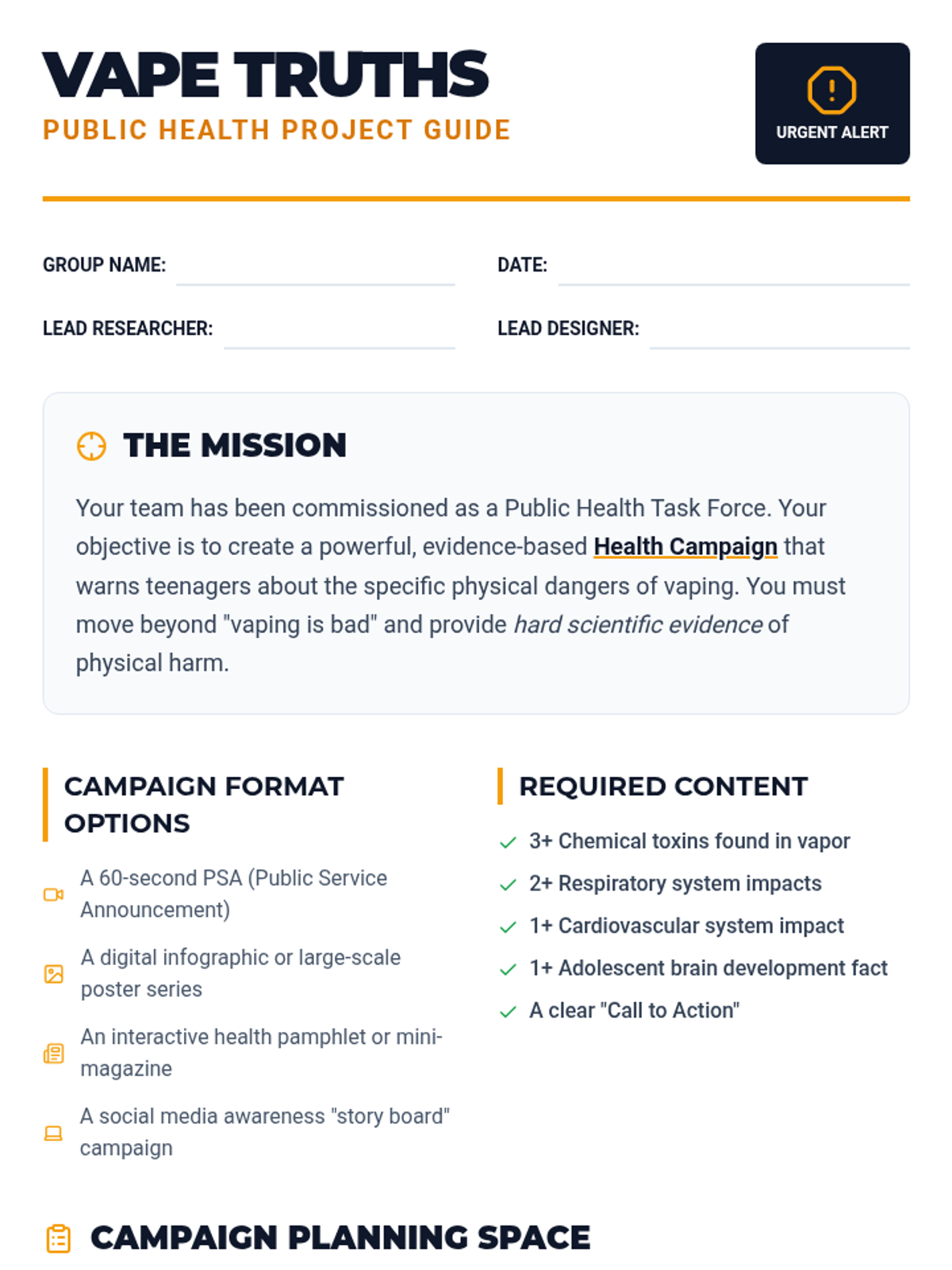
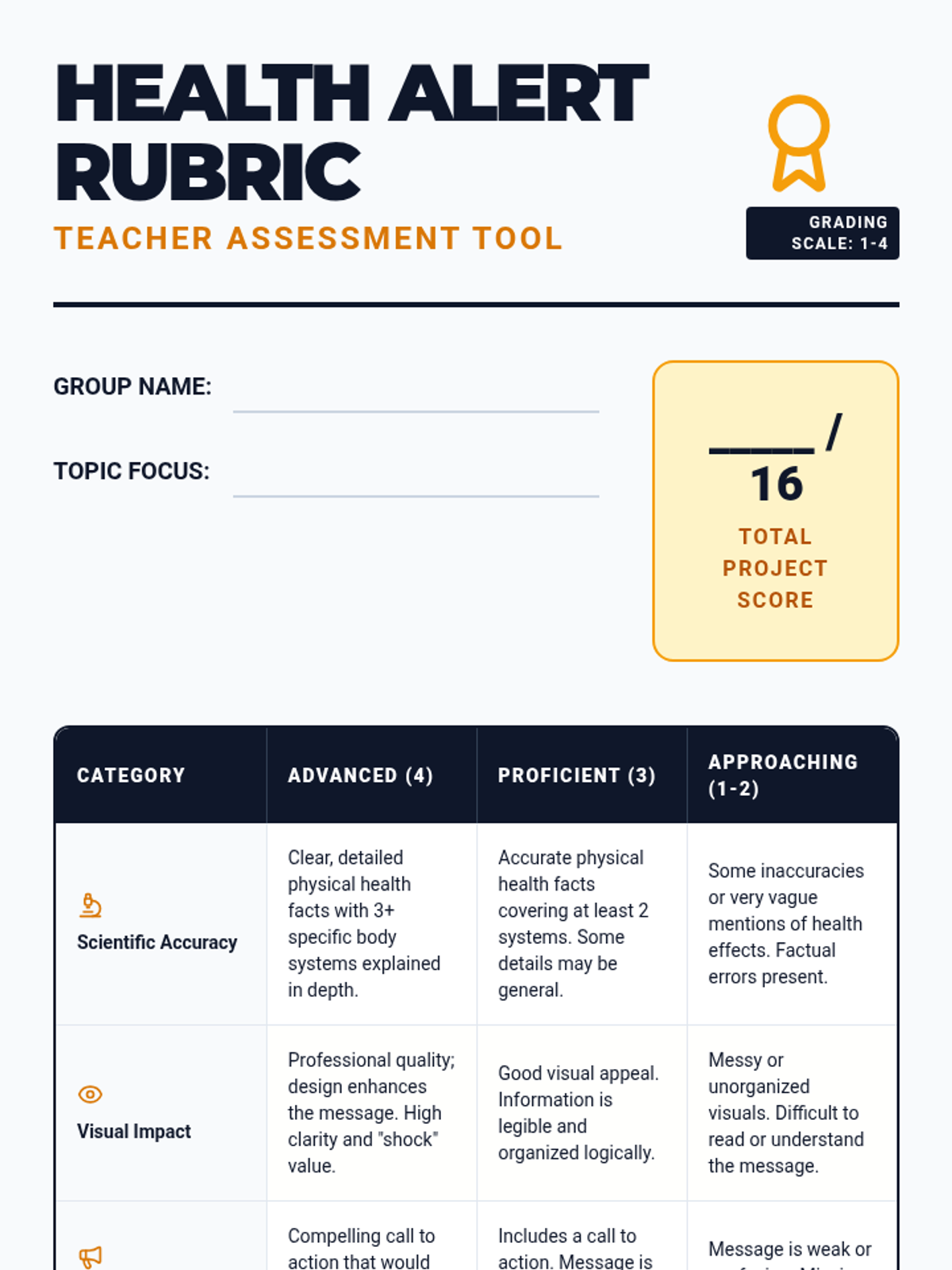
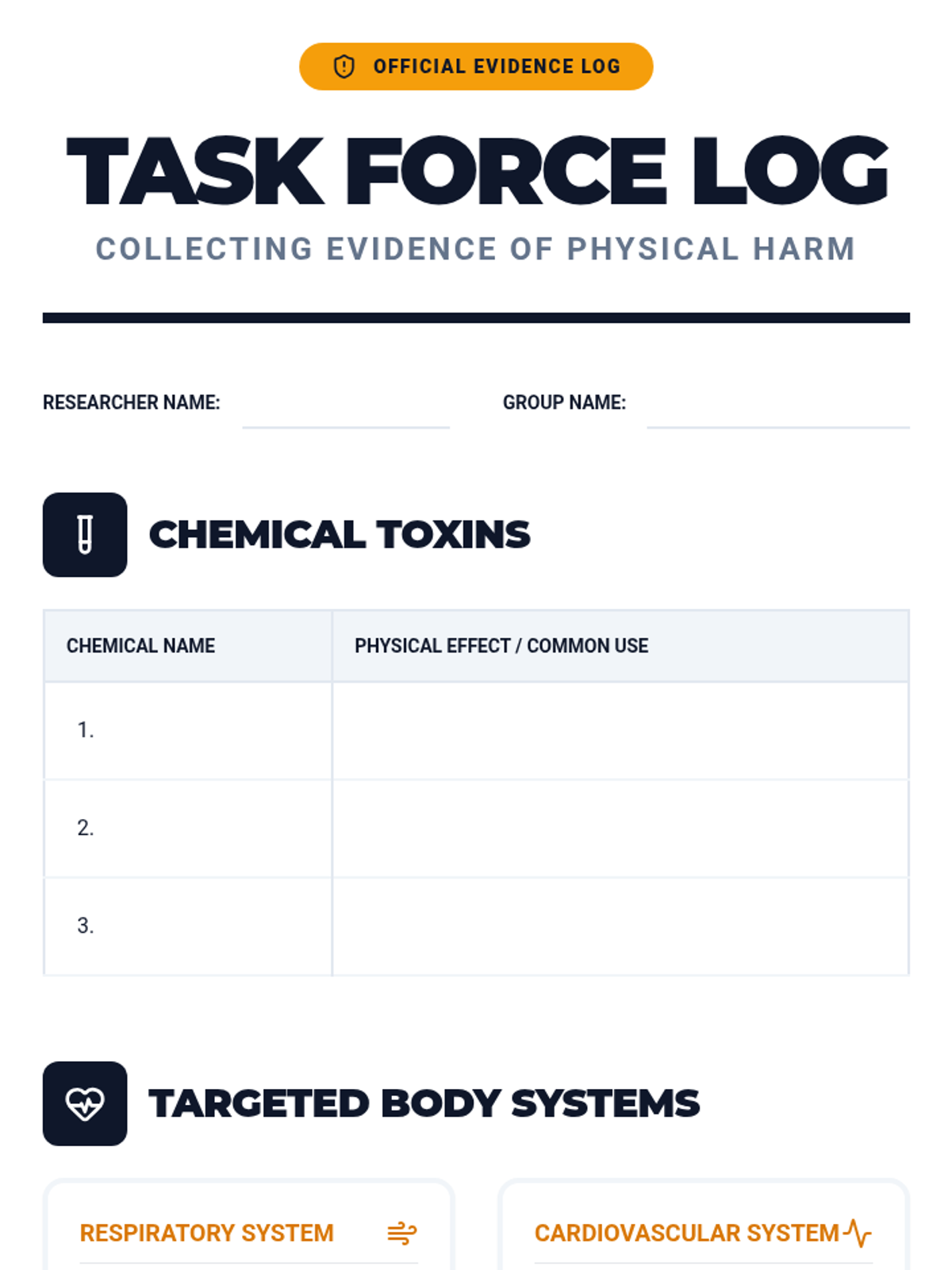
This lesson investigates the specific physical health consequences of vaping on the human body. Students collaborate to research respiratory, cardiovascular, and neurological impacts, culminating in a group-led public health awareness campaign.
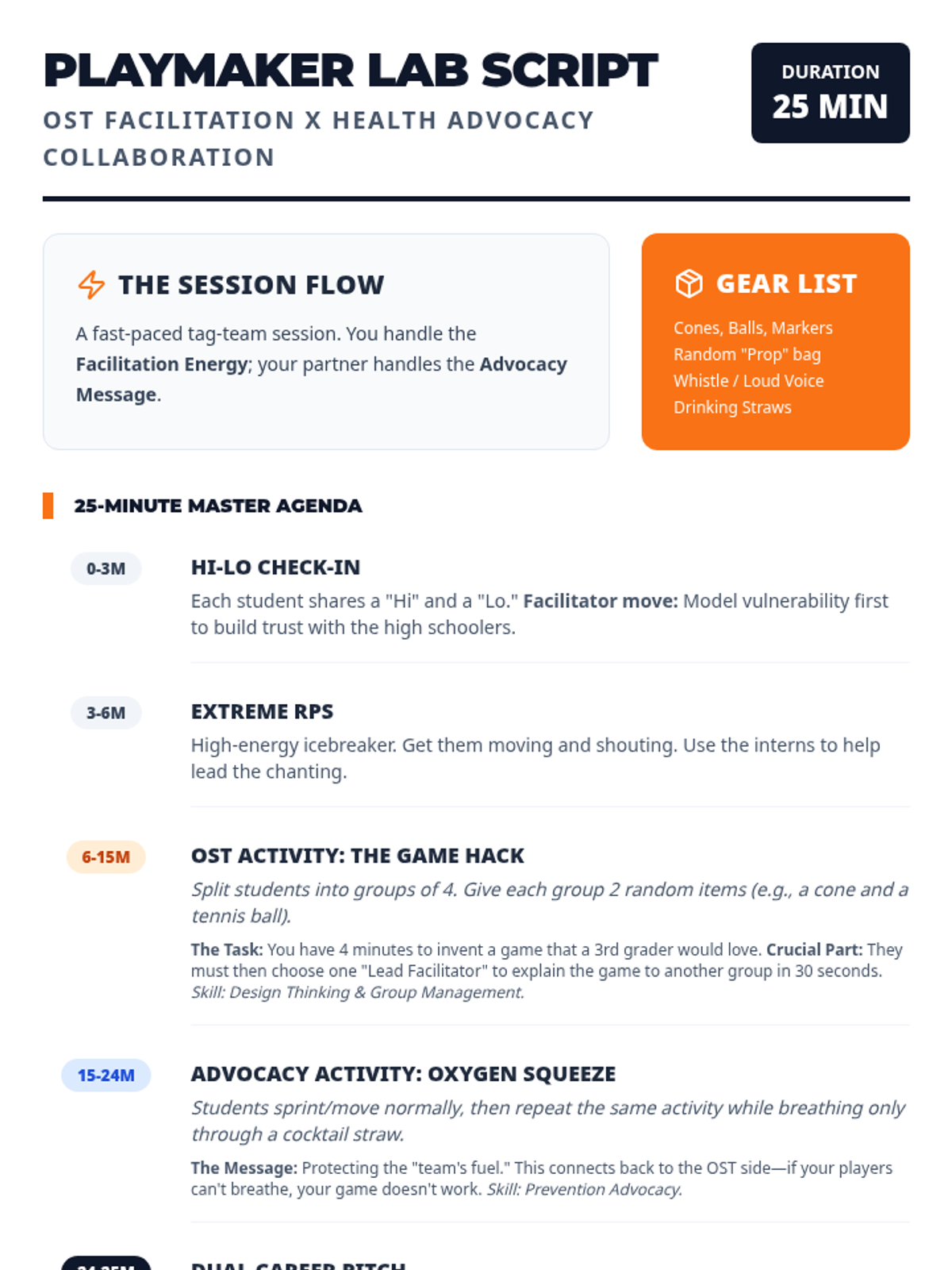
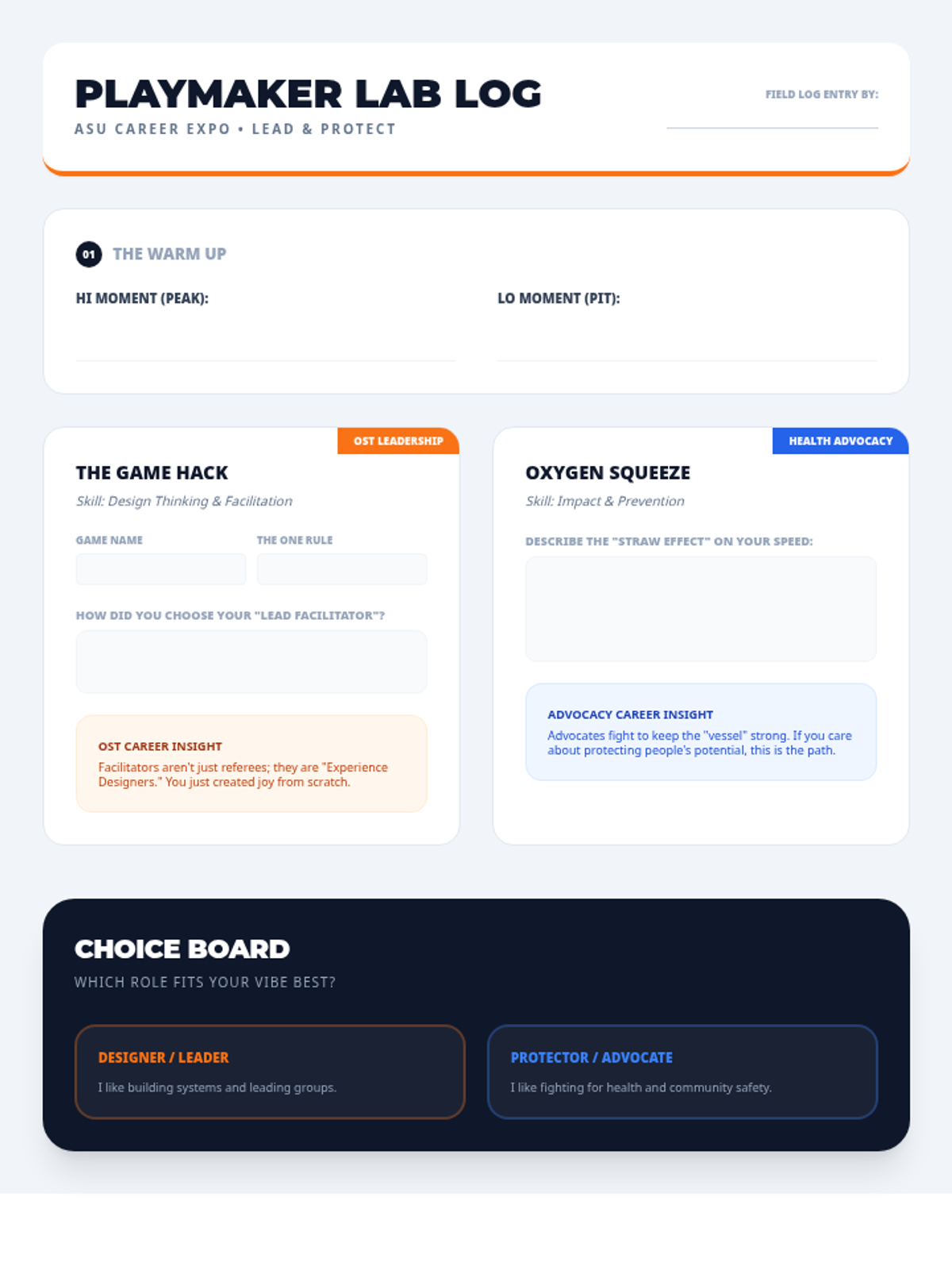
A fast-paced, 25-minute experiential session where students explore careers in out-of-school-time (OST) and health advocacy. In collaboration with an anti-vaping professional, students learn how to use play and game design to promote healthy choices and lead community-wide change.
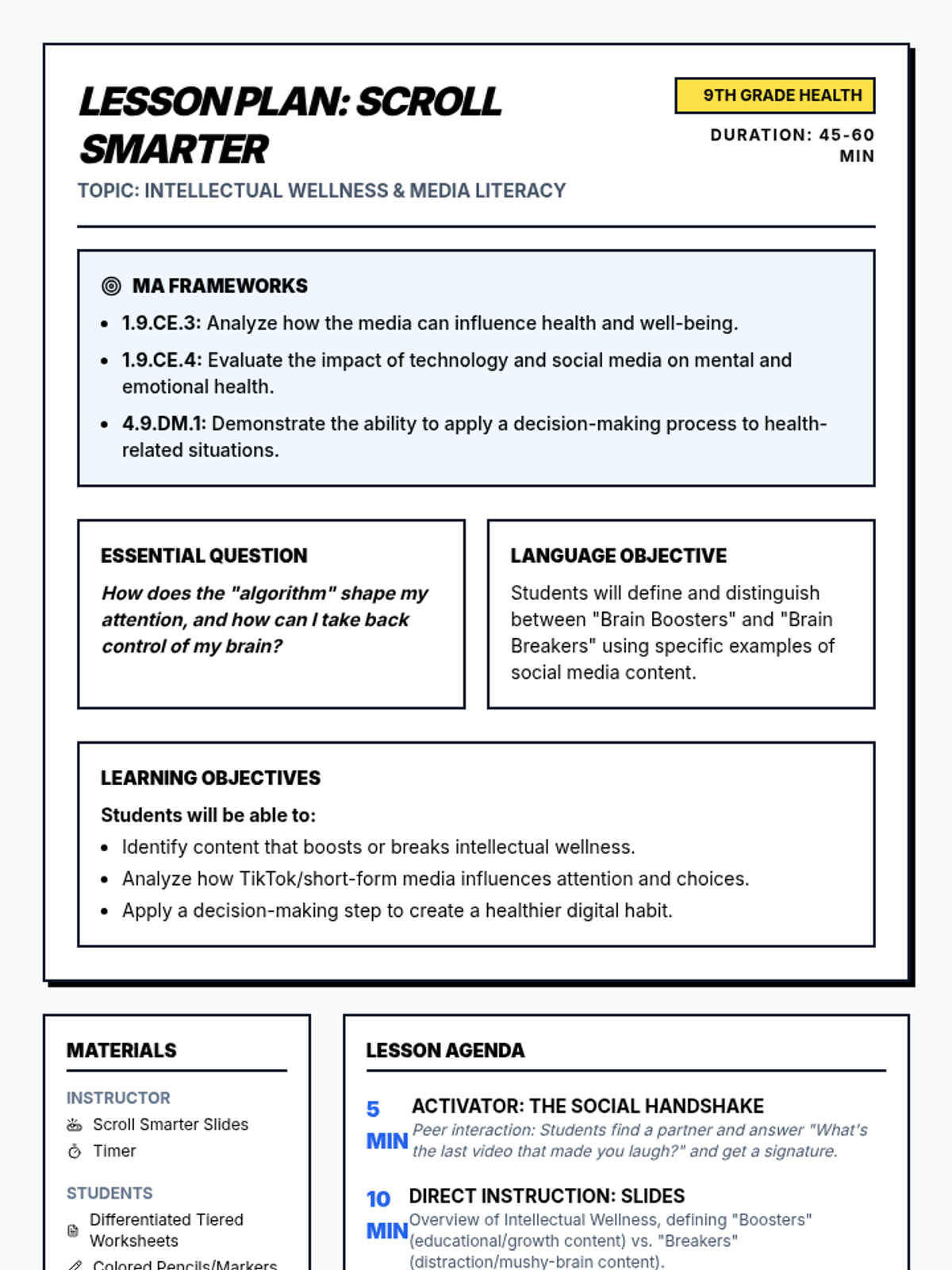
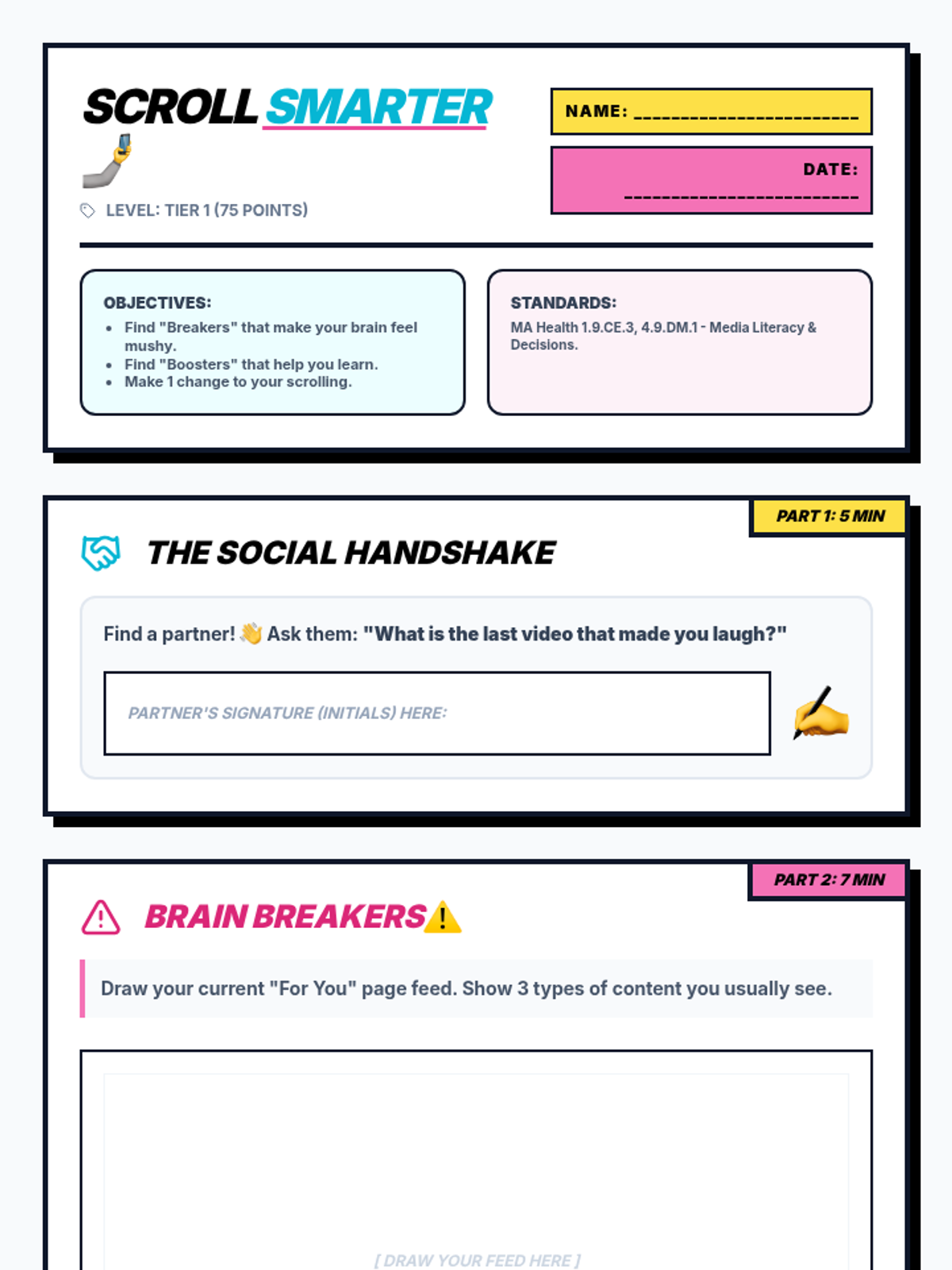
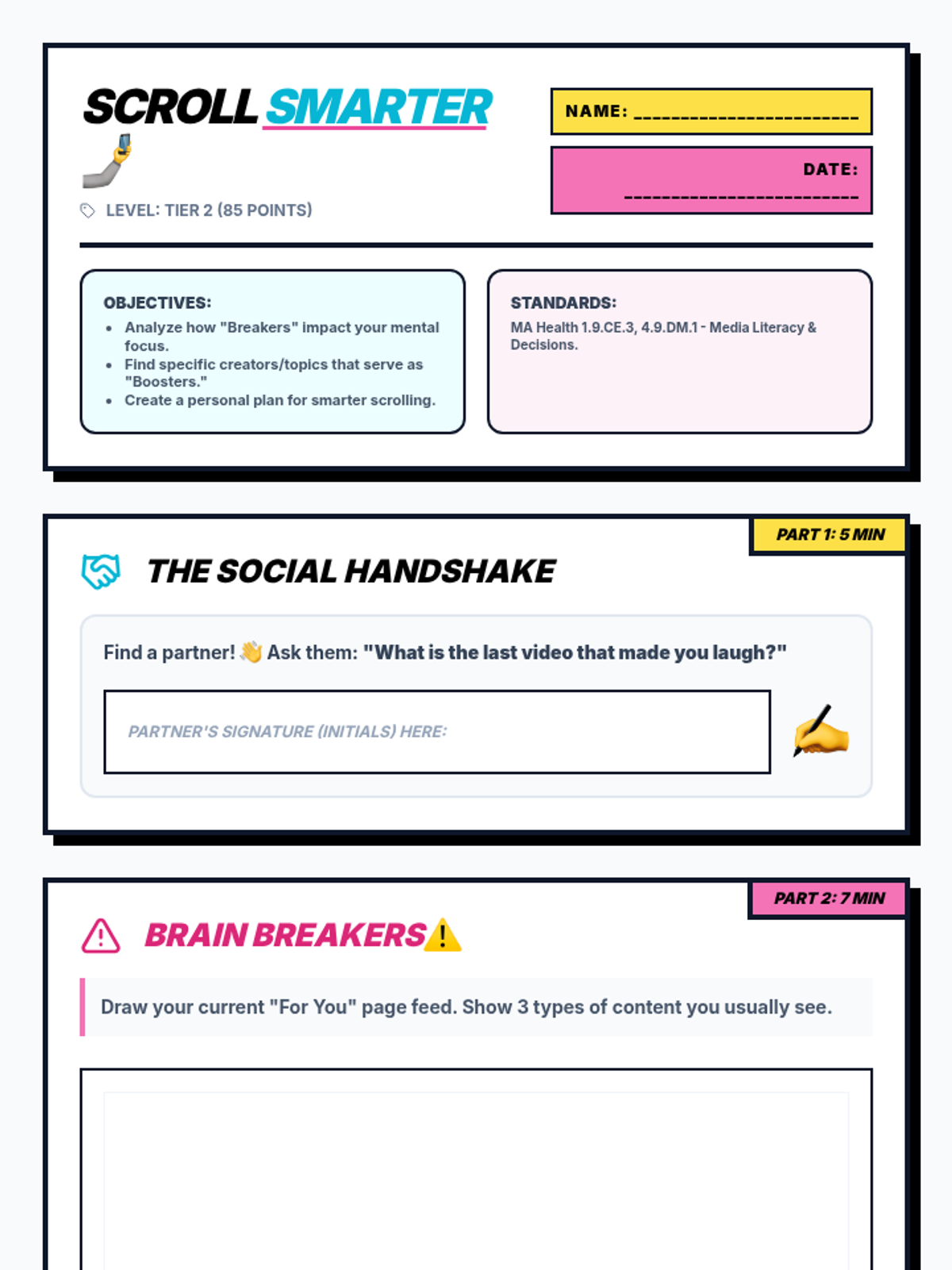
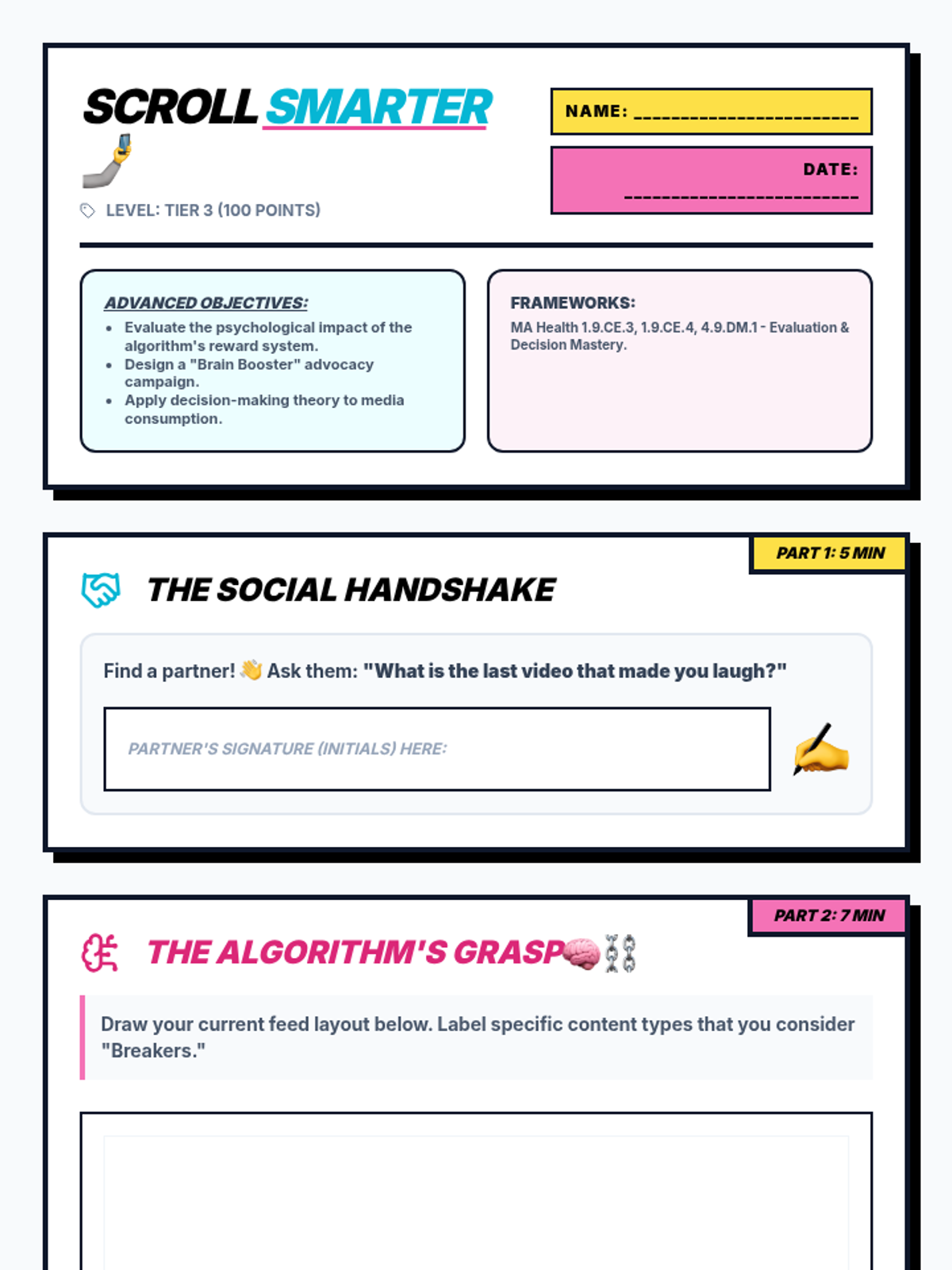
A 9th-grade health lesson focused on media literacy and intellectual wellness, specifically looking at how TikTok and short-form video content can 'boost' or 'break' brain health. Students will analyze their own scrolling habits, interact with peers to share strategies, and commit to one healthy media change.
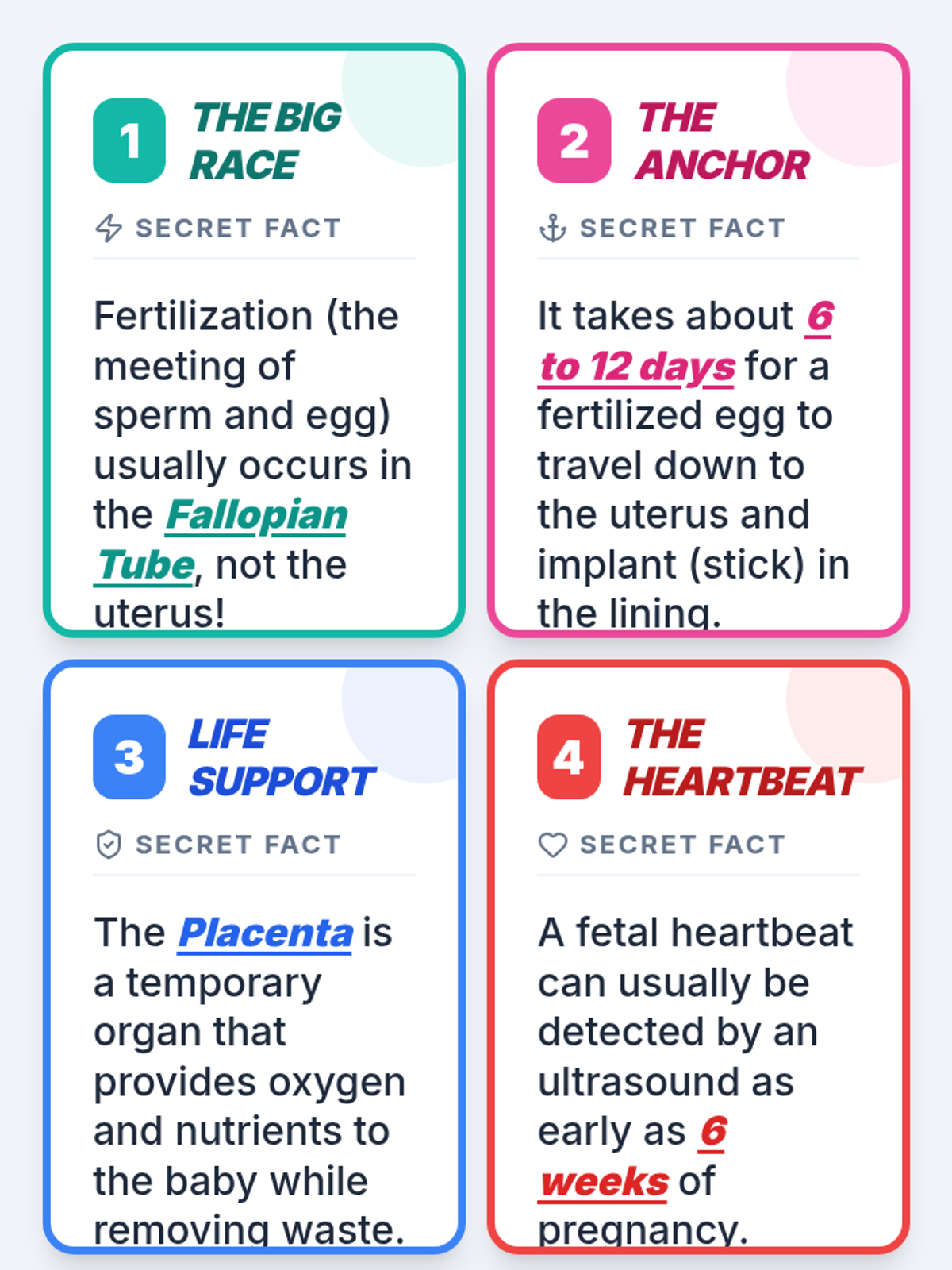
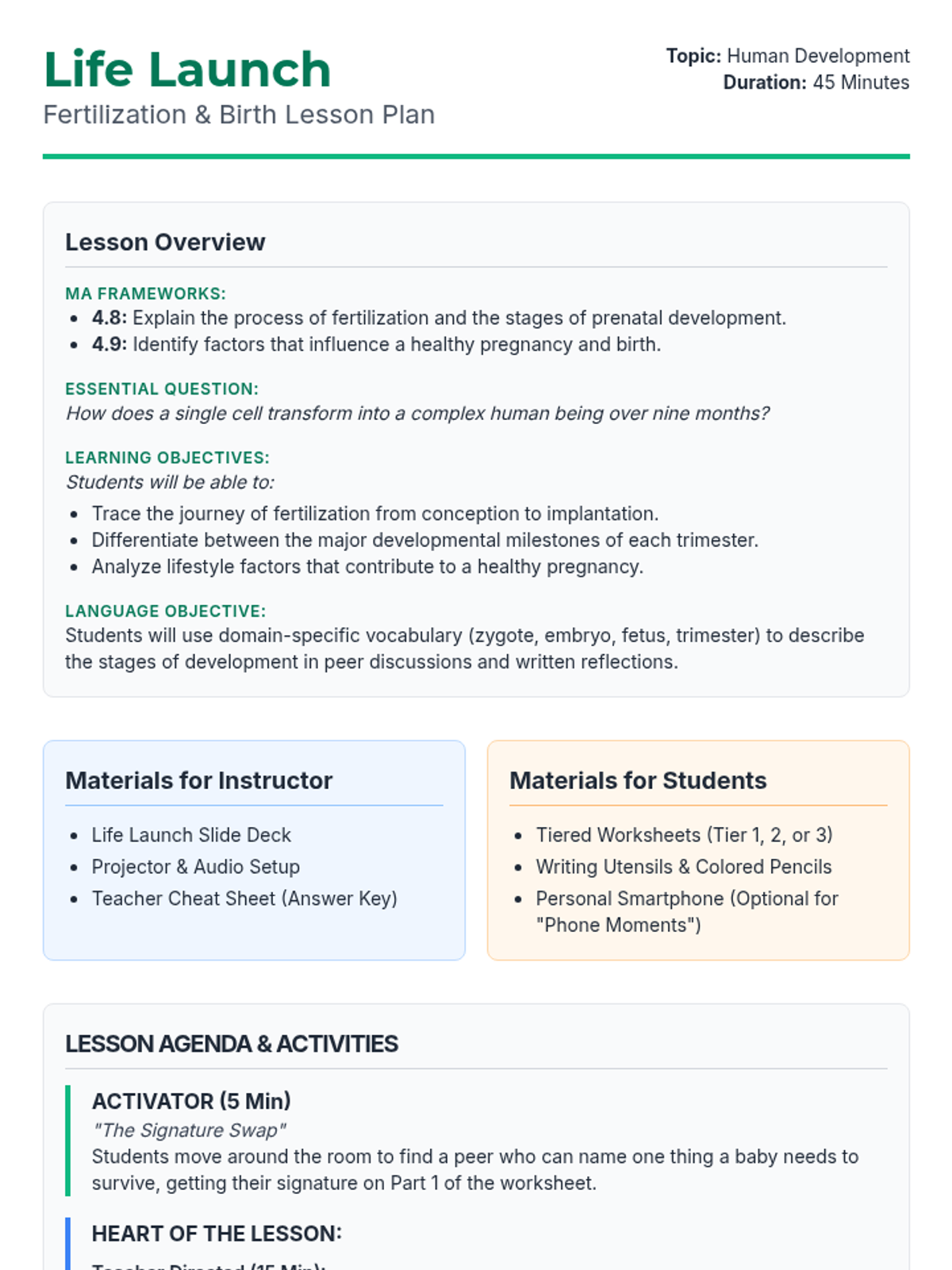
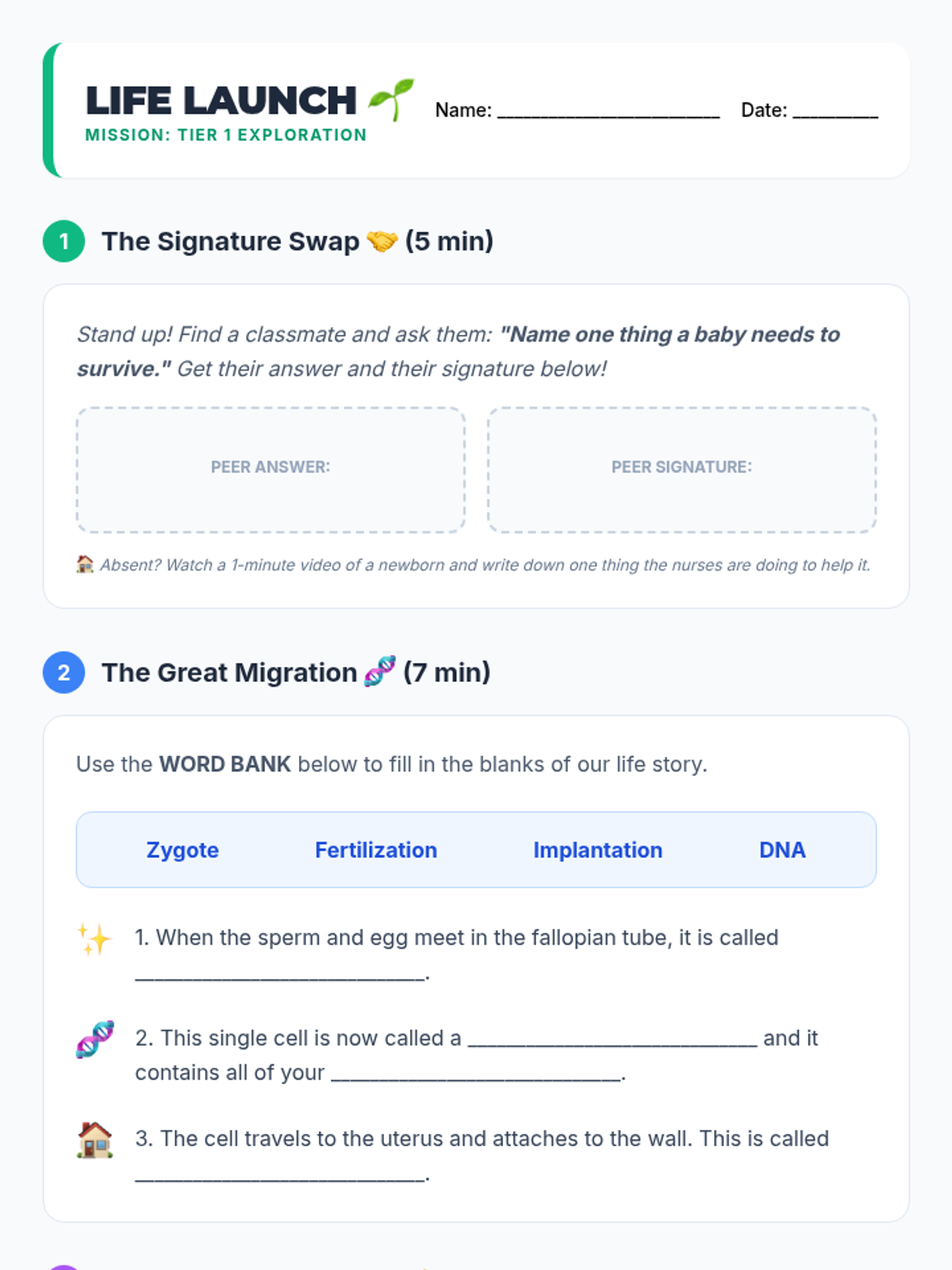
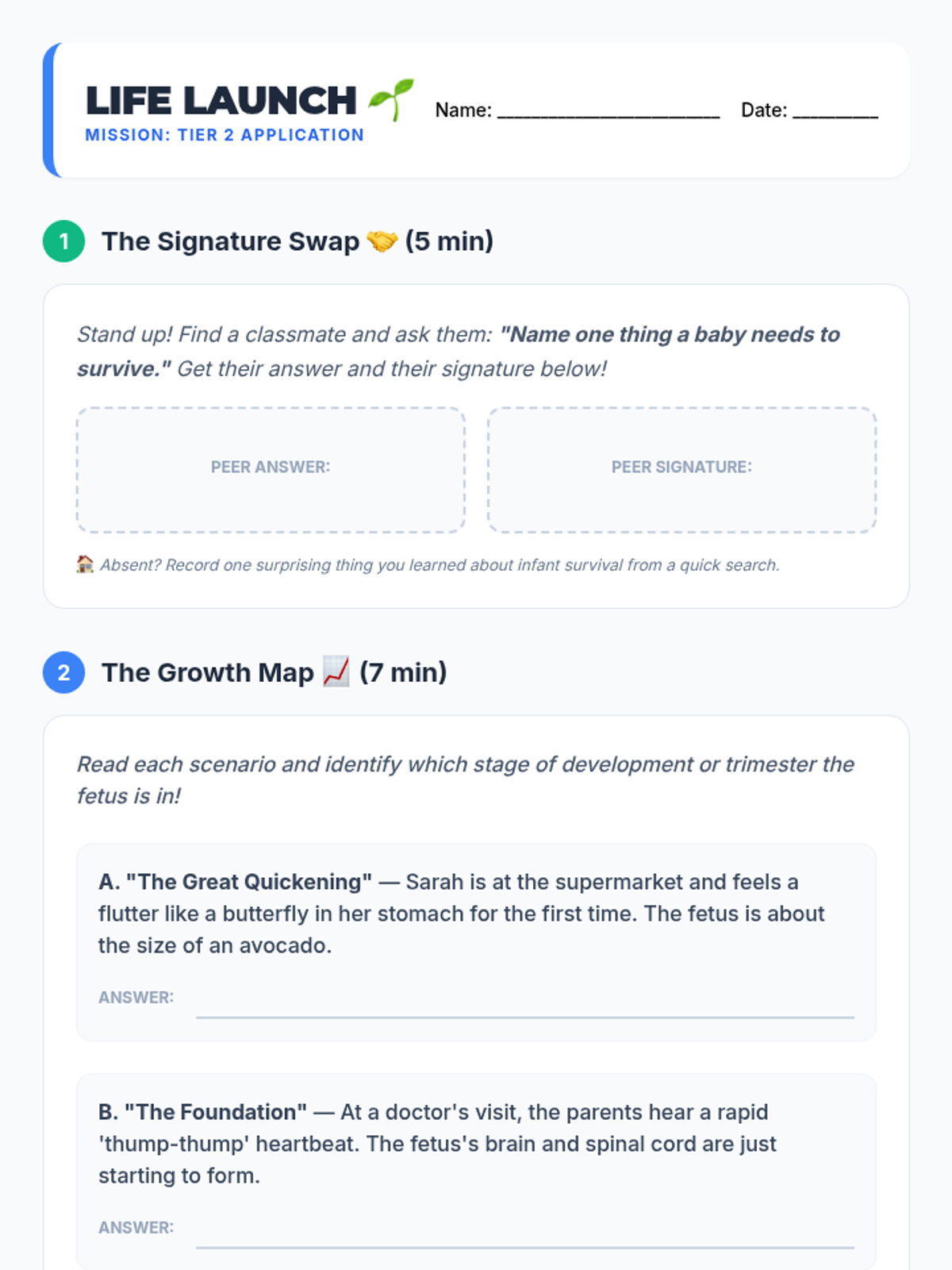
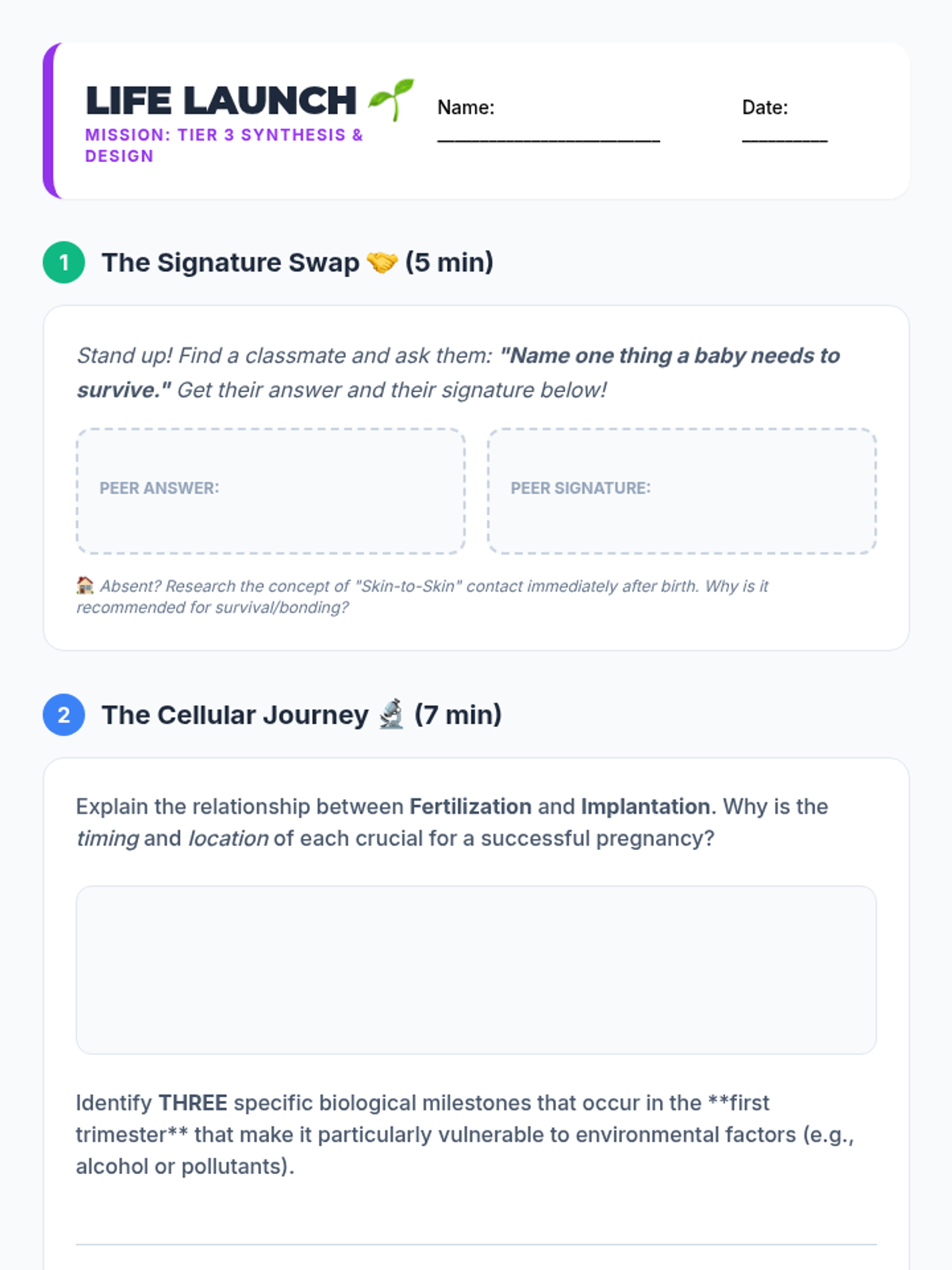
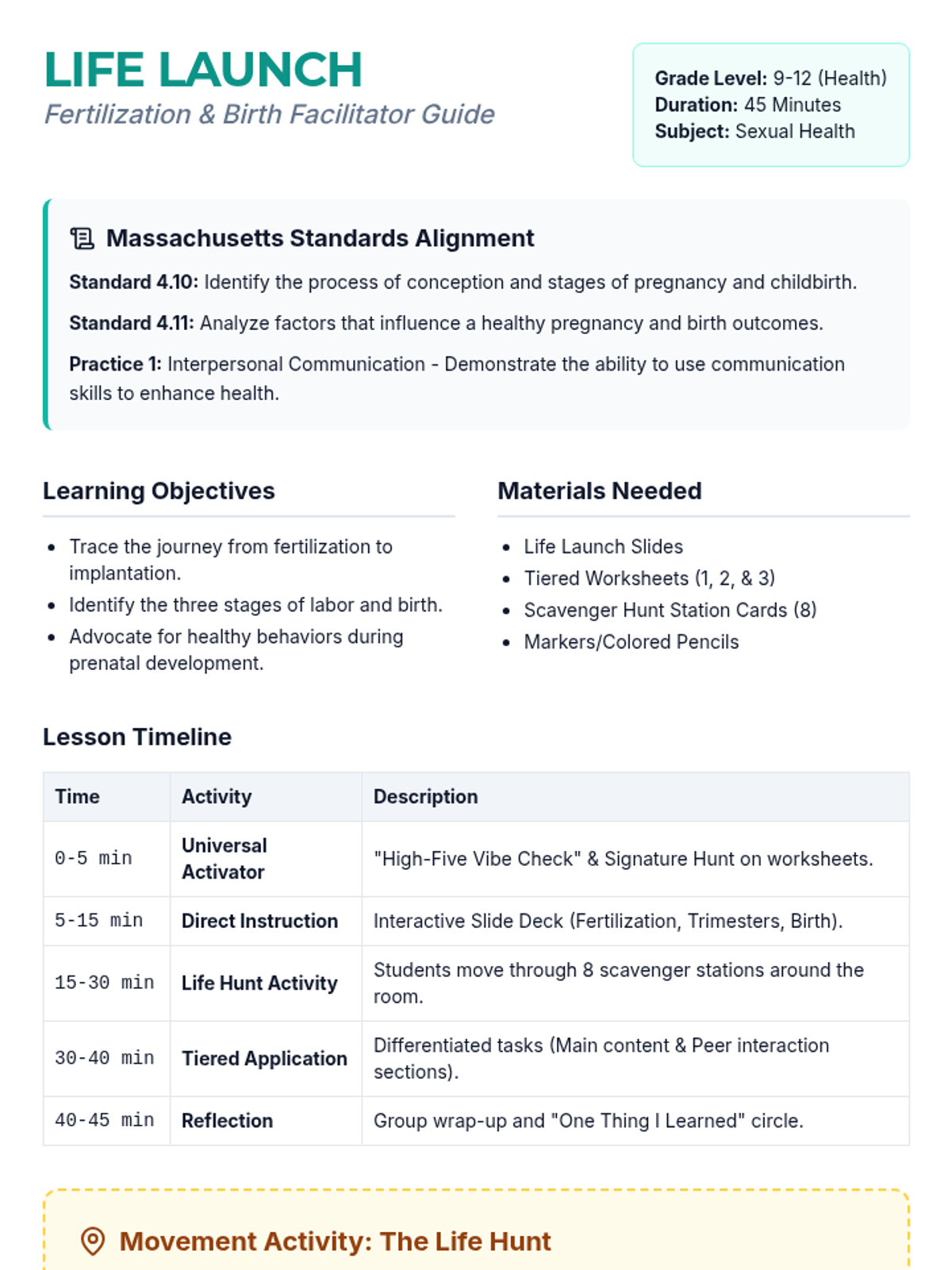
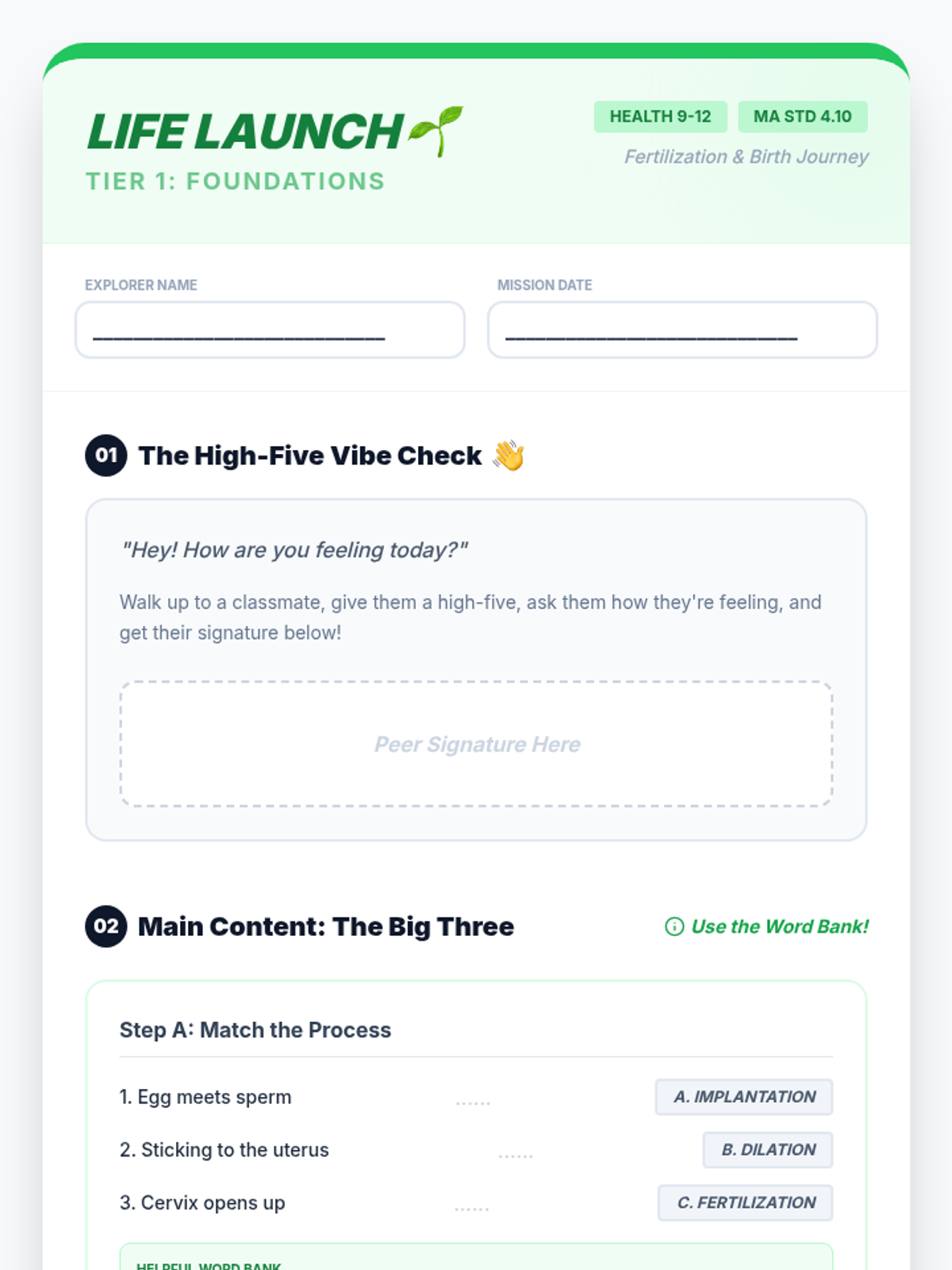
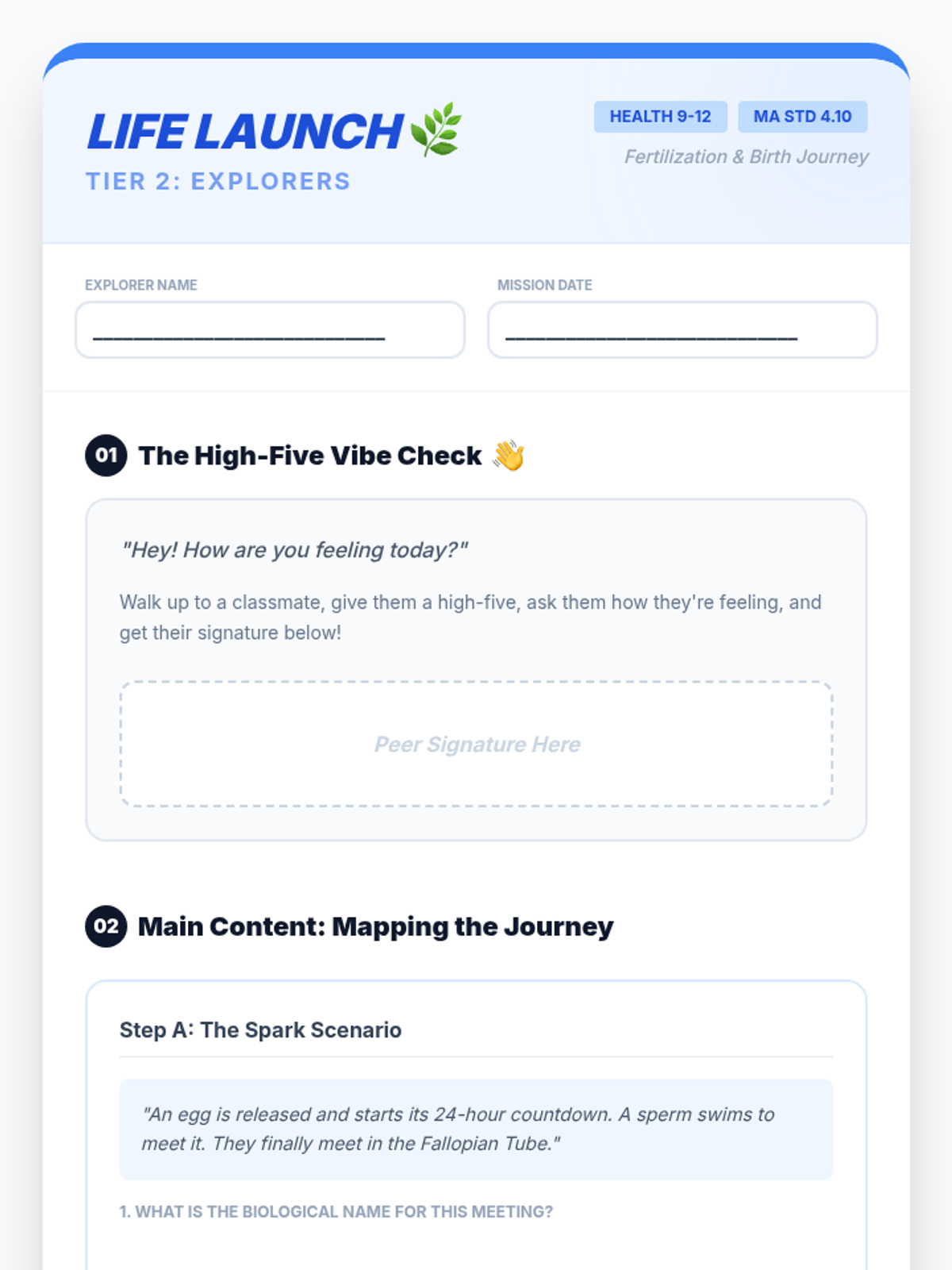
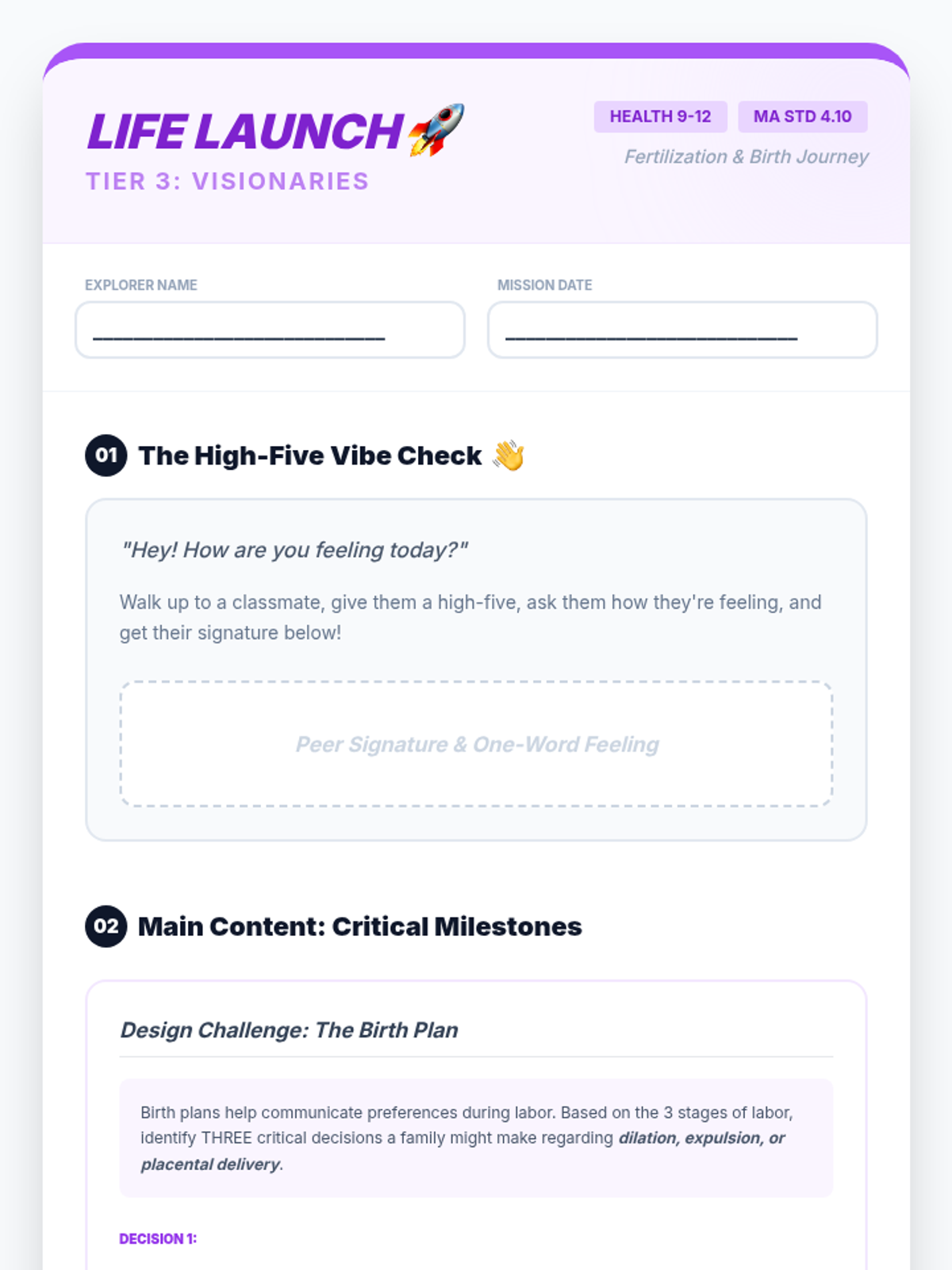
A comprehensive health education lesson covering fertilization, prenatal development stages, and the birth process for high school students. Includes tiered activities to support diverse learners while maintaining high engagement and AI-resistance.
Examines gender identity, sexual orientation, and their relationship to health equity and personal wellness.
Explores the physical, neurological, and emotional transitions of late adolescence, focusing on risk reduction and health promotion.
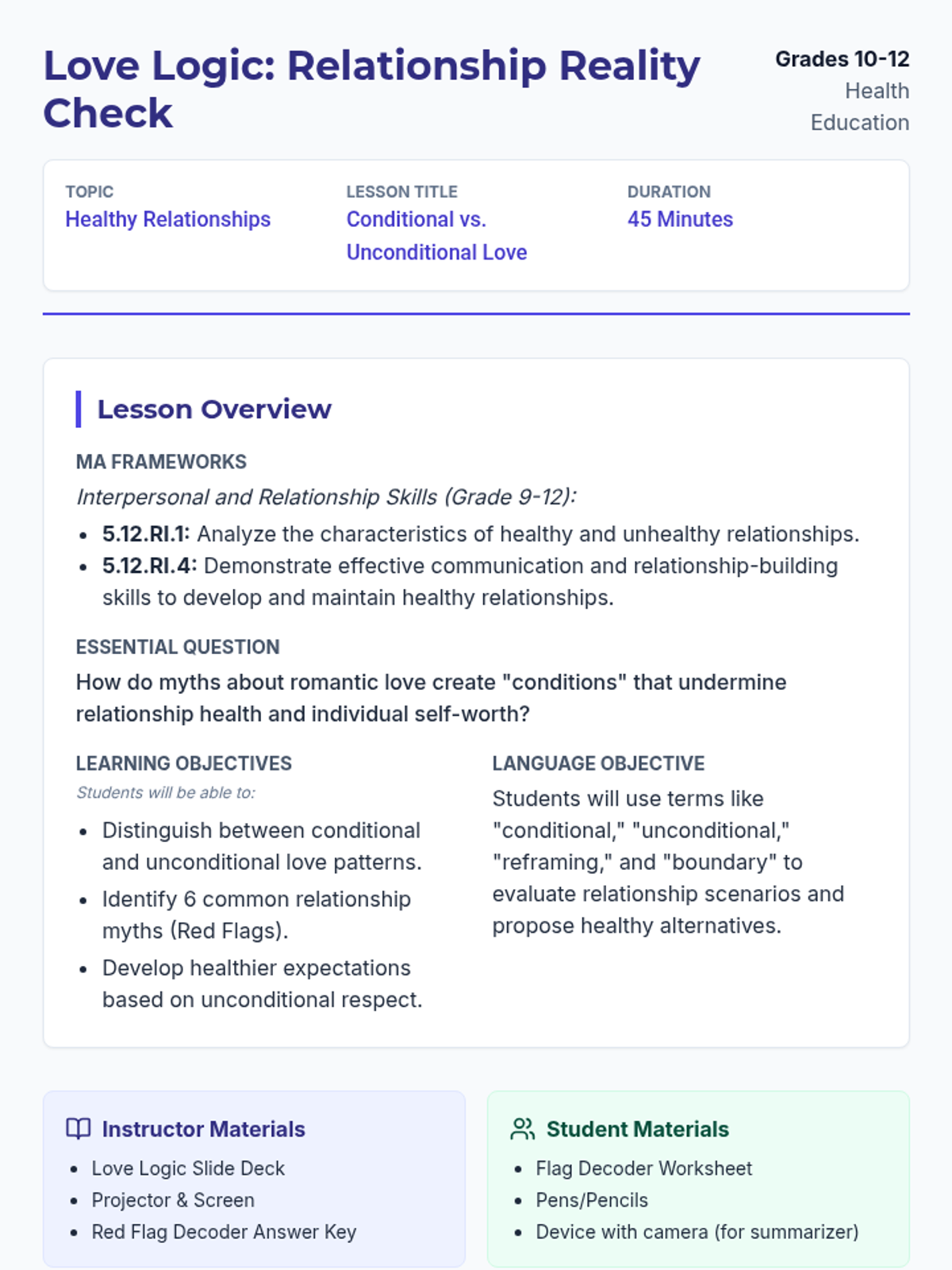
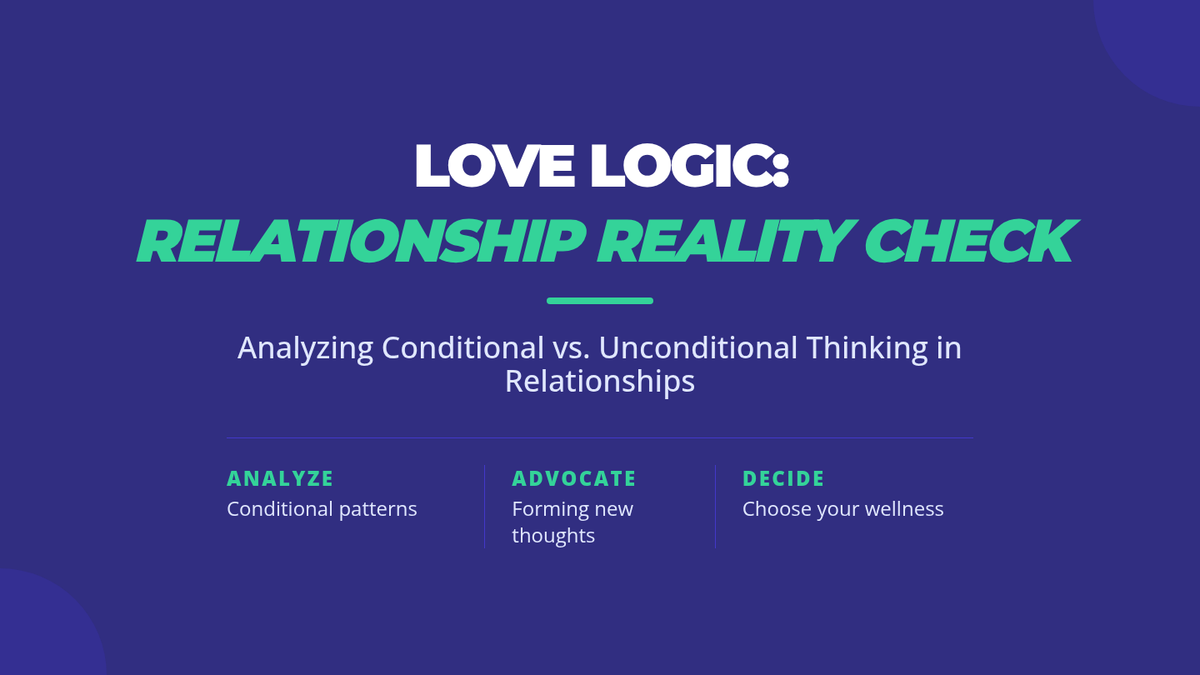
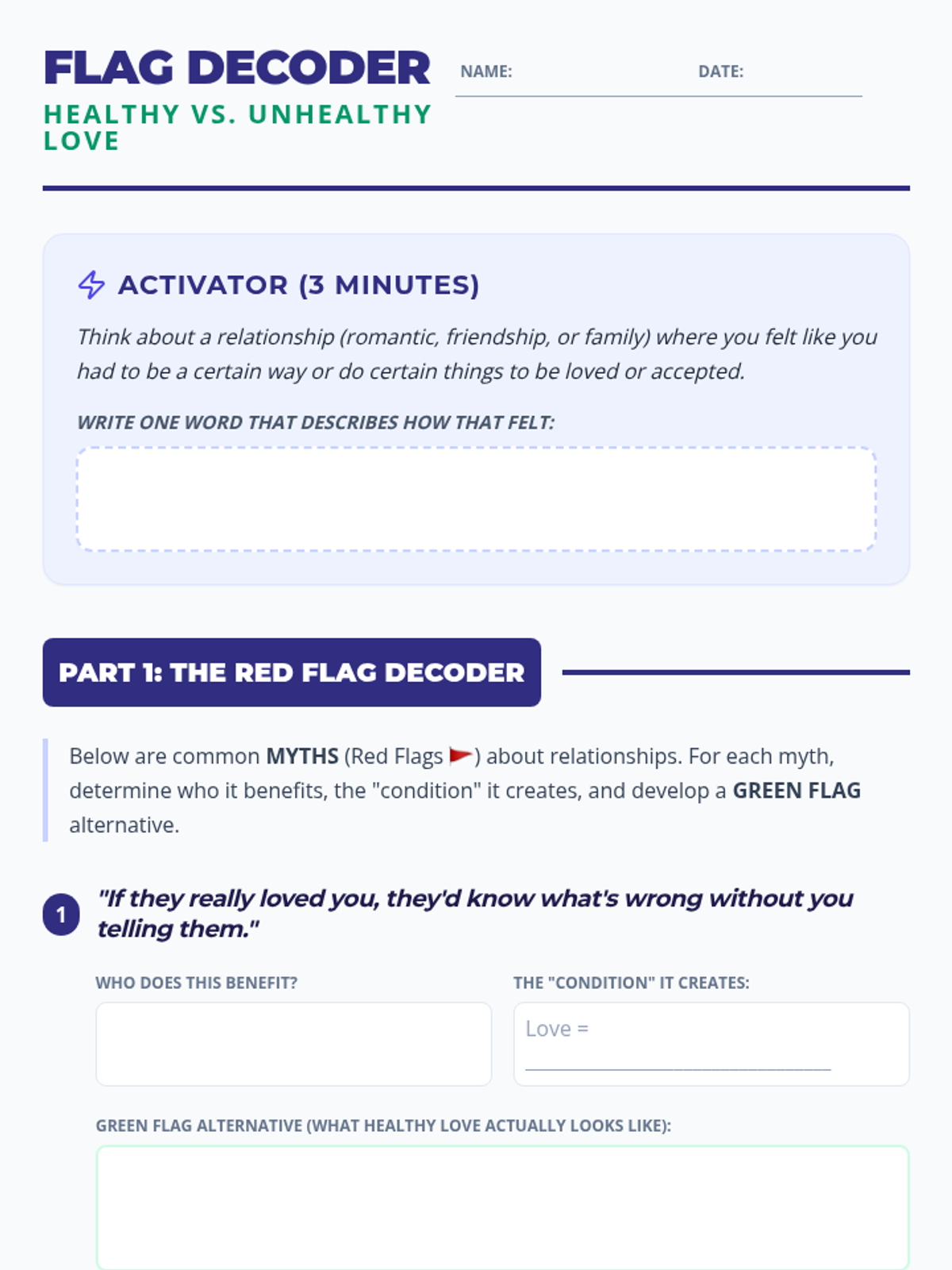
A 45-minute high school health lesson exploring the differences between conditional and unconditional love, identifying relationship myths, and practicing reframing unhealthy thoughts into healthy expectations.
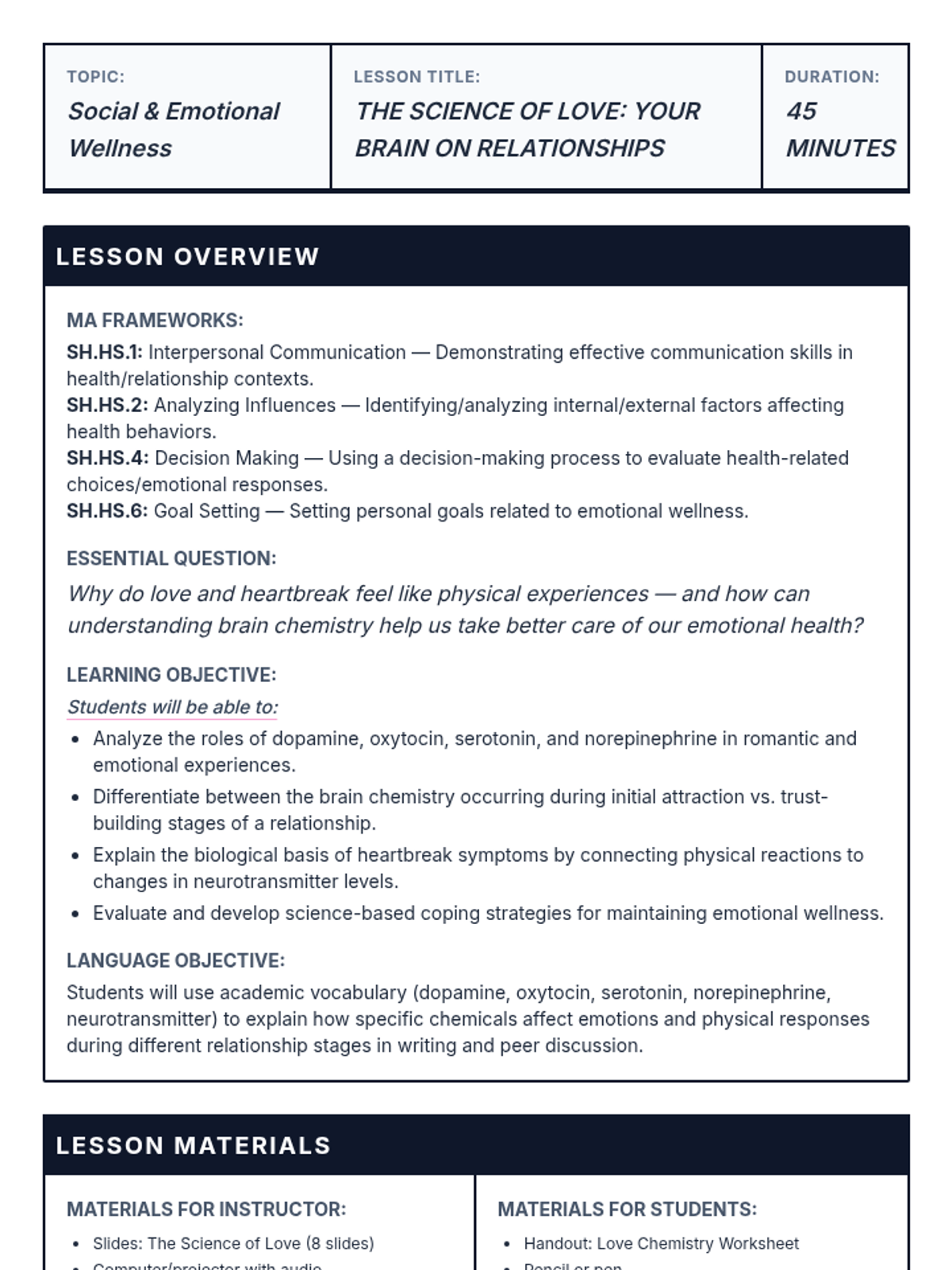
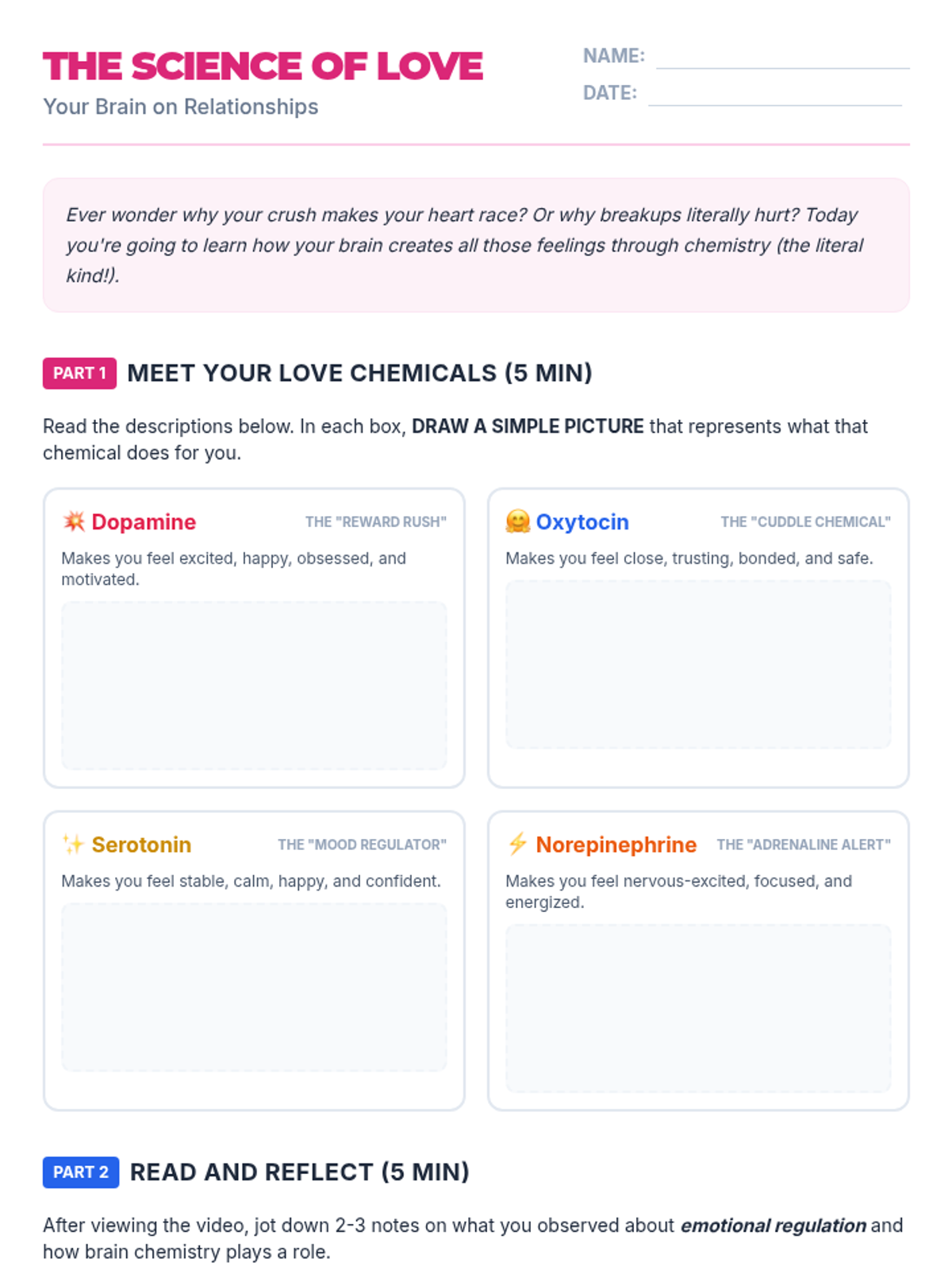
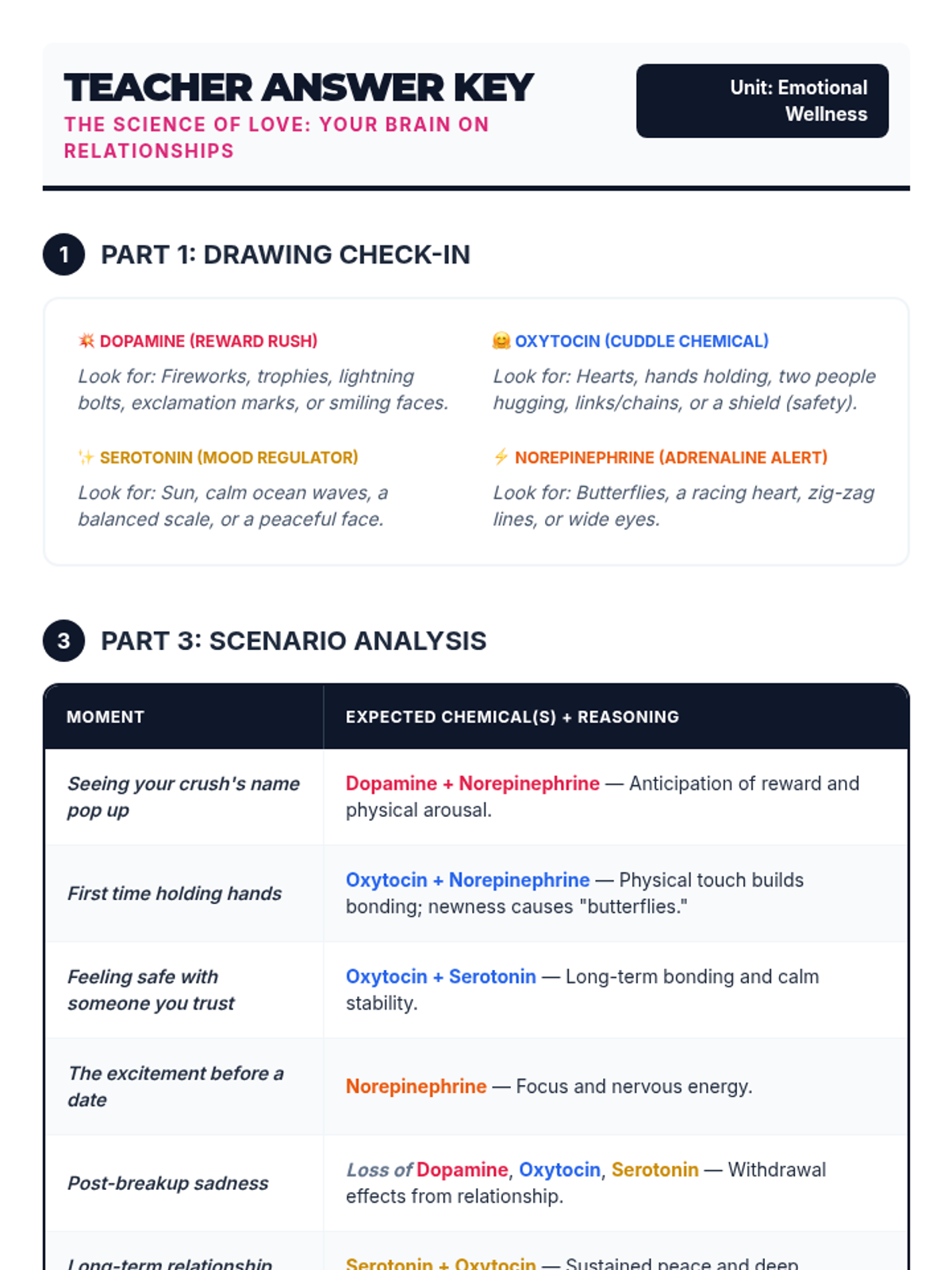
A 45-minute health and science lesson exploring the neurochemistry of romantic attraction, long-term bonding, and heartbreak. Students learn about dopamine, oxytocin, serotonin, and norepinephrine and apply this knowledge to create science-based coping strategies for emotional wellness.
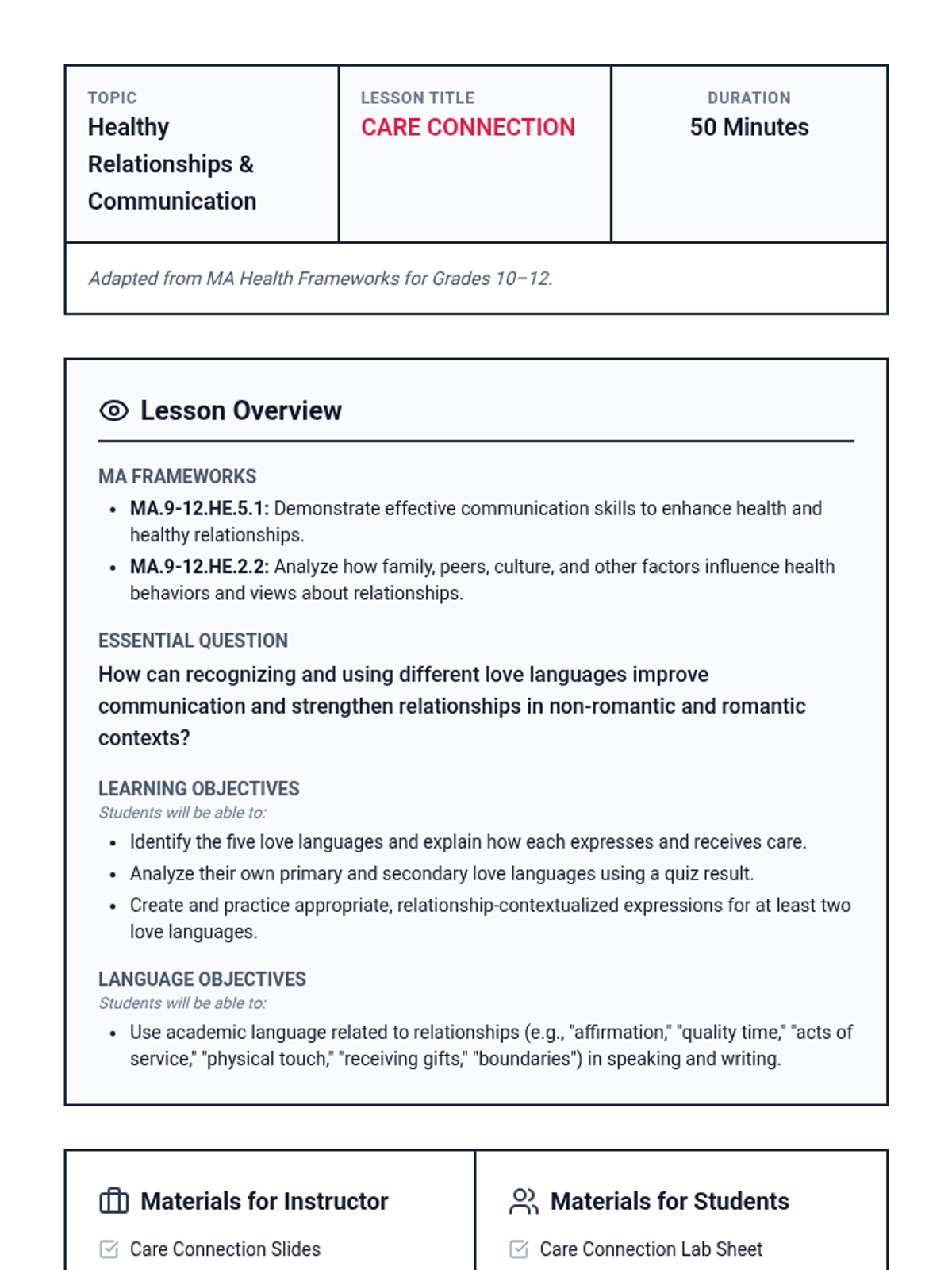
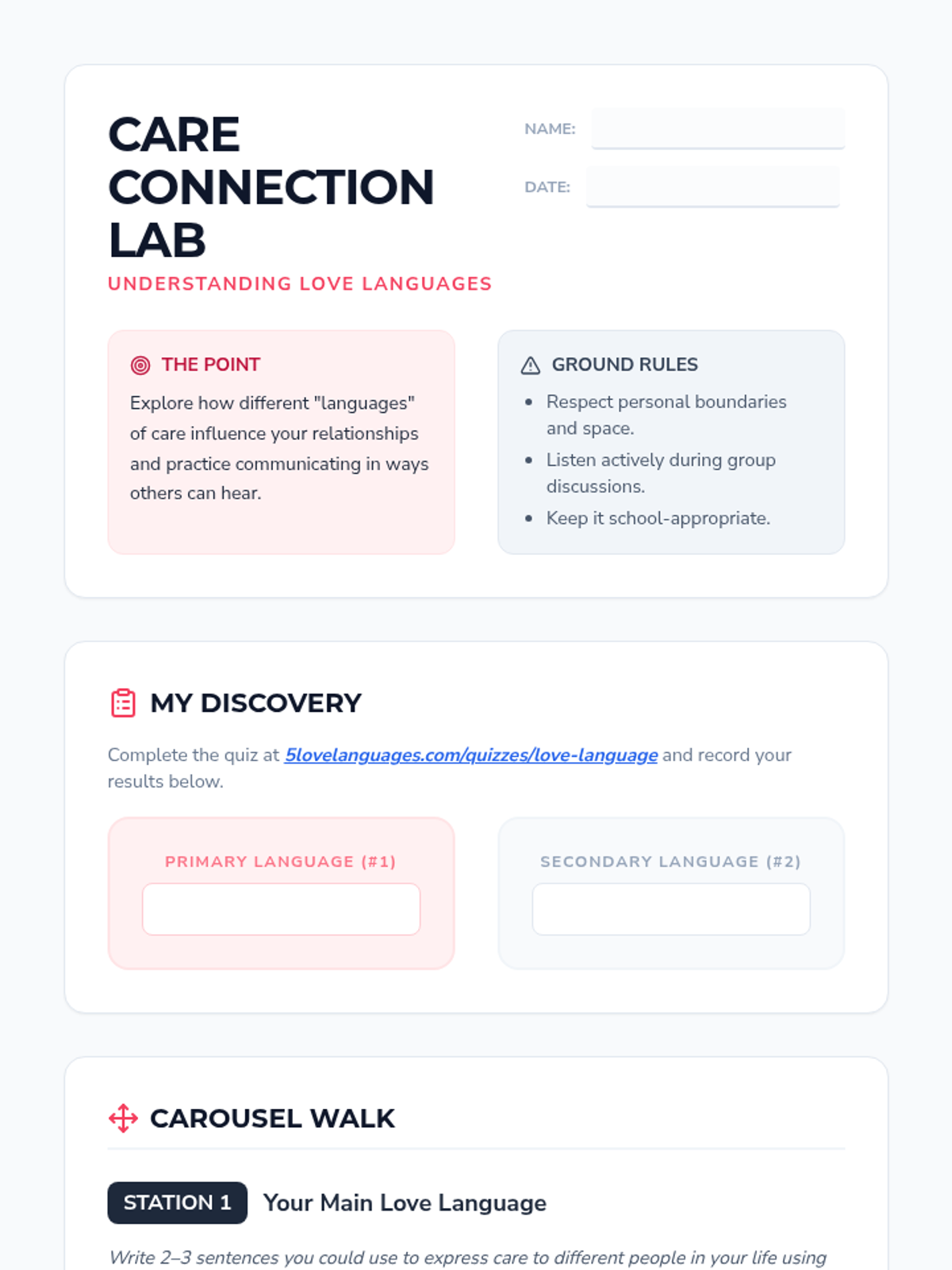
A lesson exploring the five love languages to improve communication and strengthen relationships across various contexts (friends, family, and romantic). Students will identify their own languages, practice context-appropriate expressions, and discuss strategies for navigating differing communication styles.
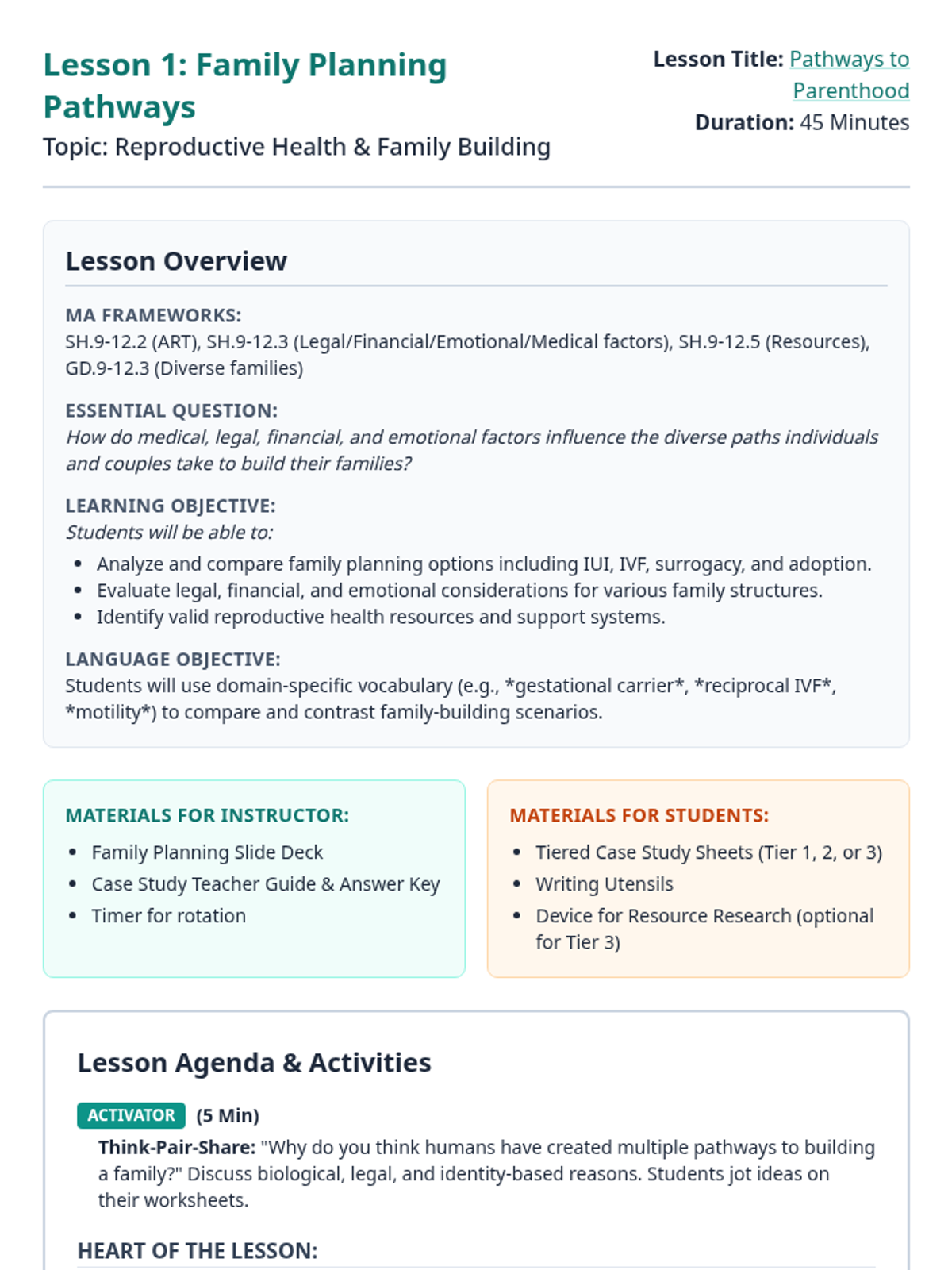
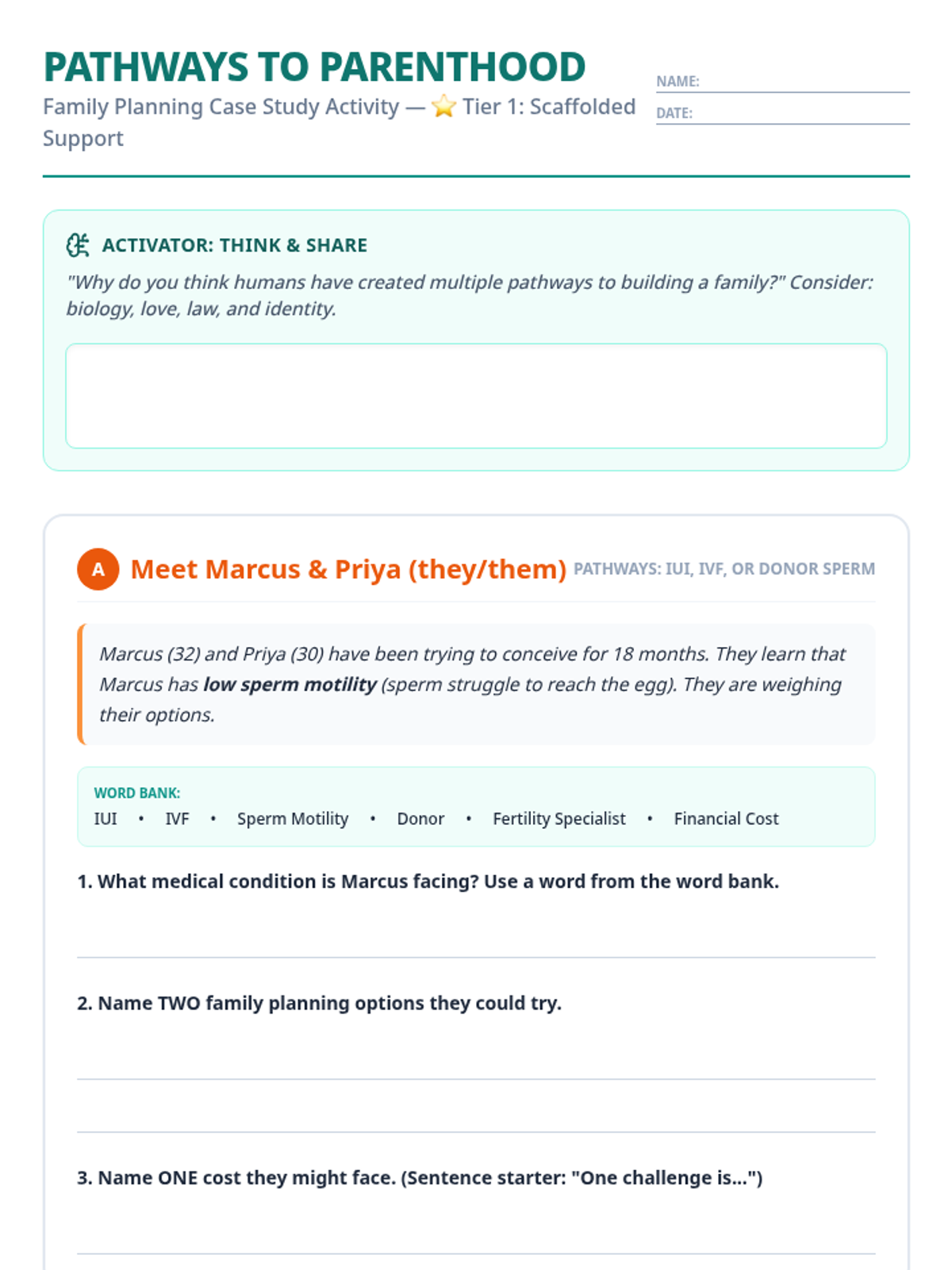
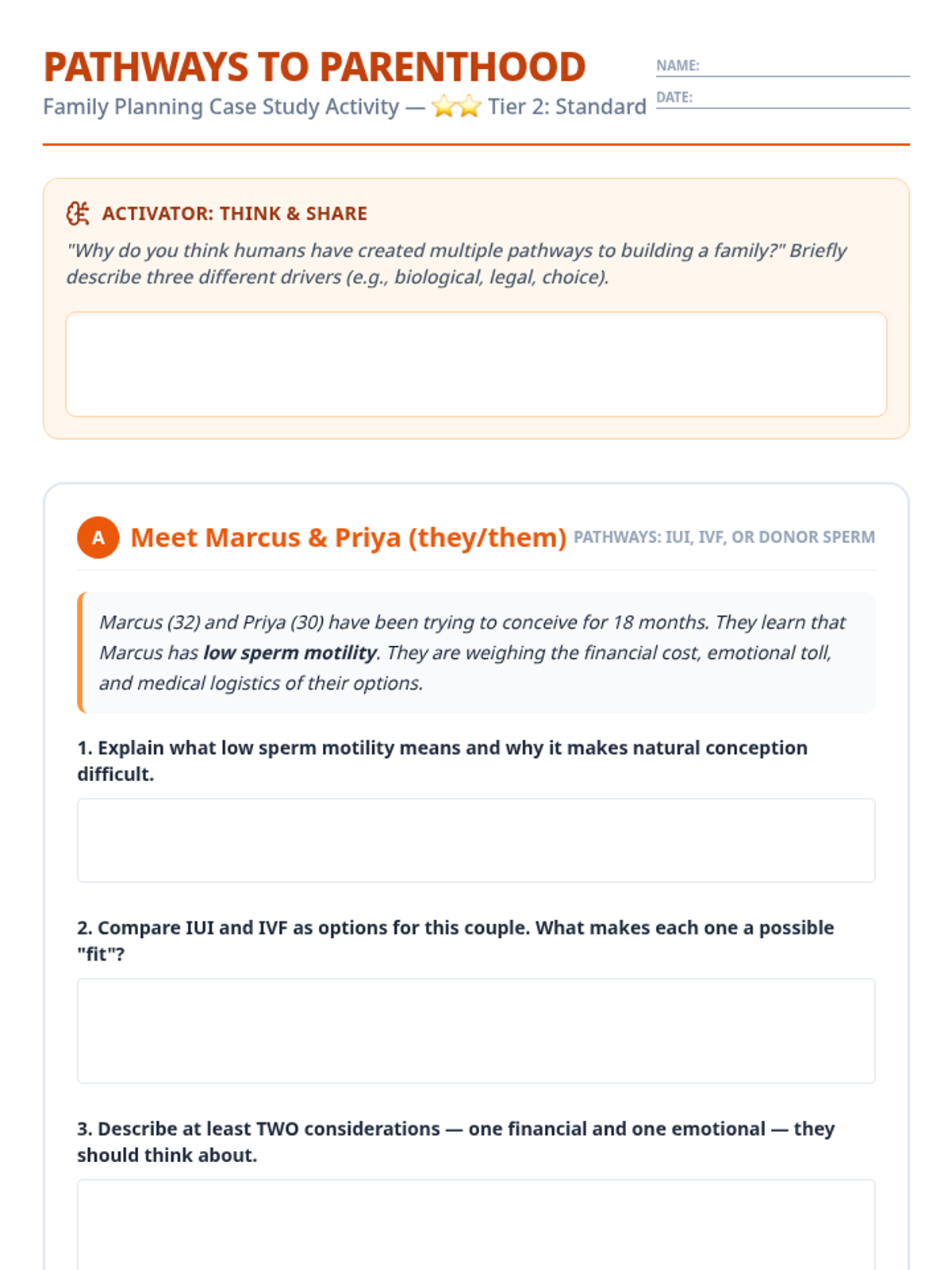
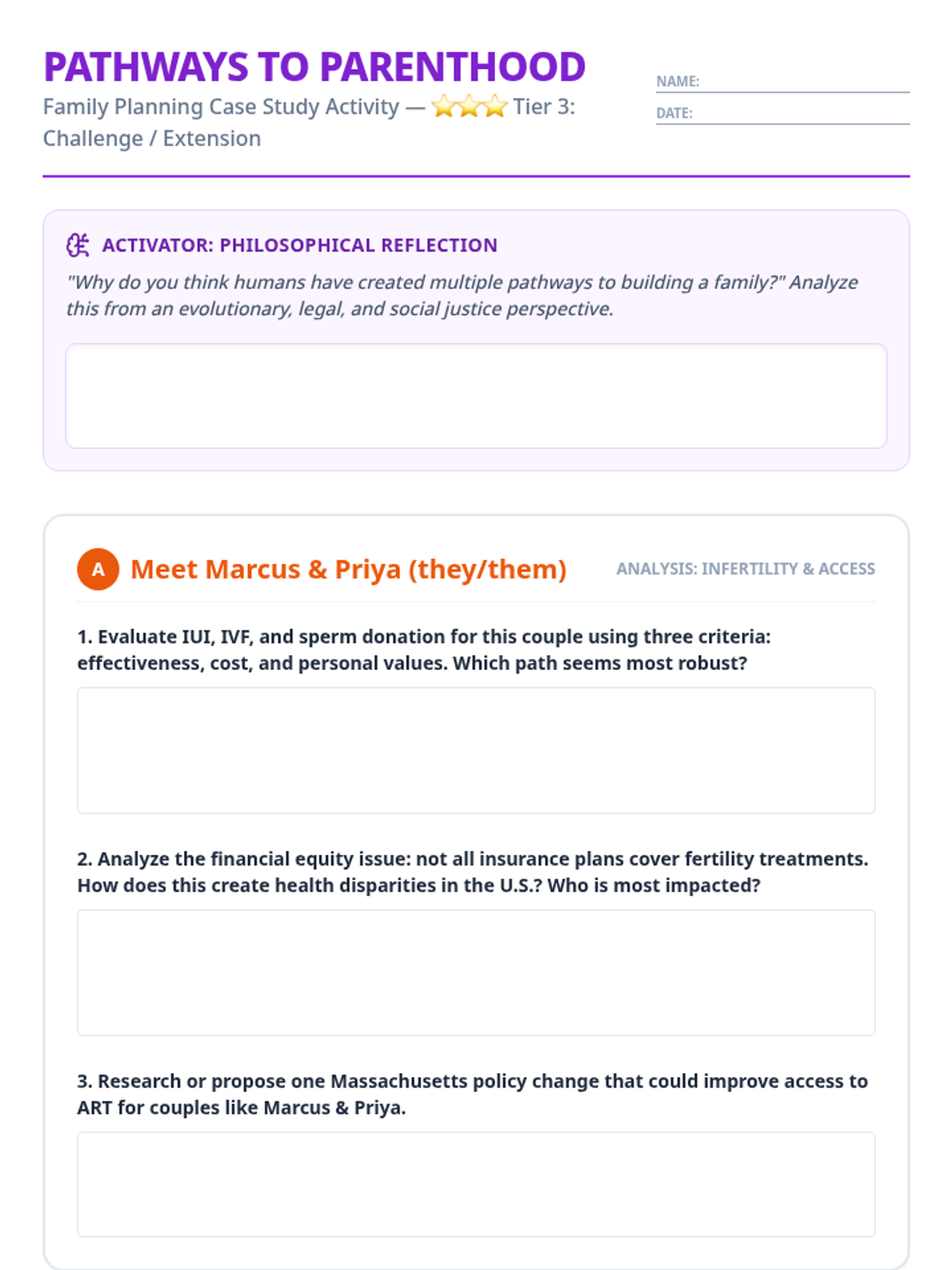
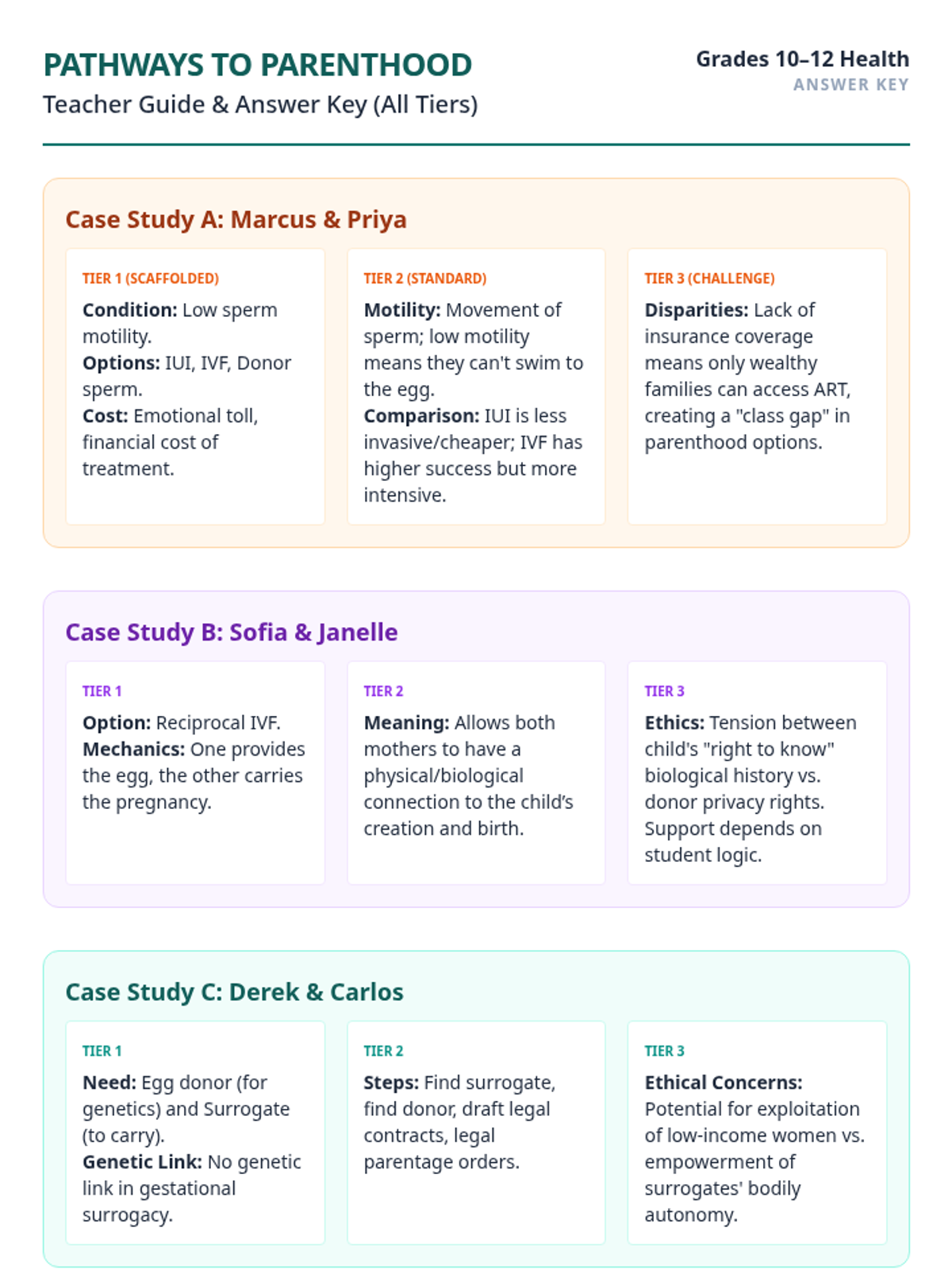
A 45-minute health education lesson for grades 10-12 focused on the legal, financial, medical, and emotional aspects of family planning and assisted reproductive technologies. Students explore diverse paths to parenthood through tiered case studies and collaborative discussion.
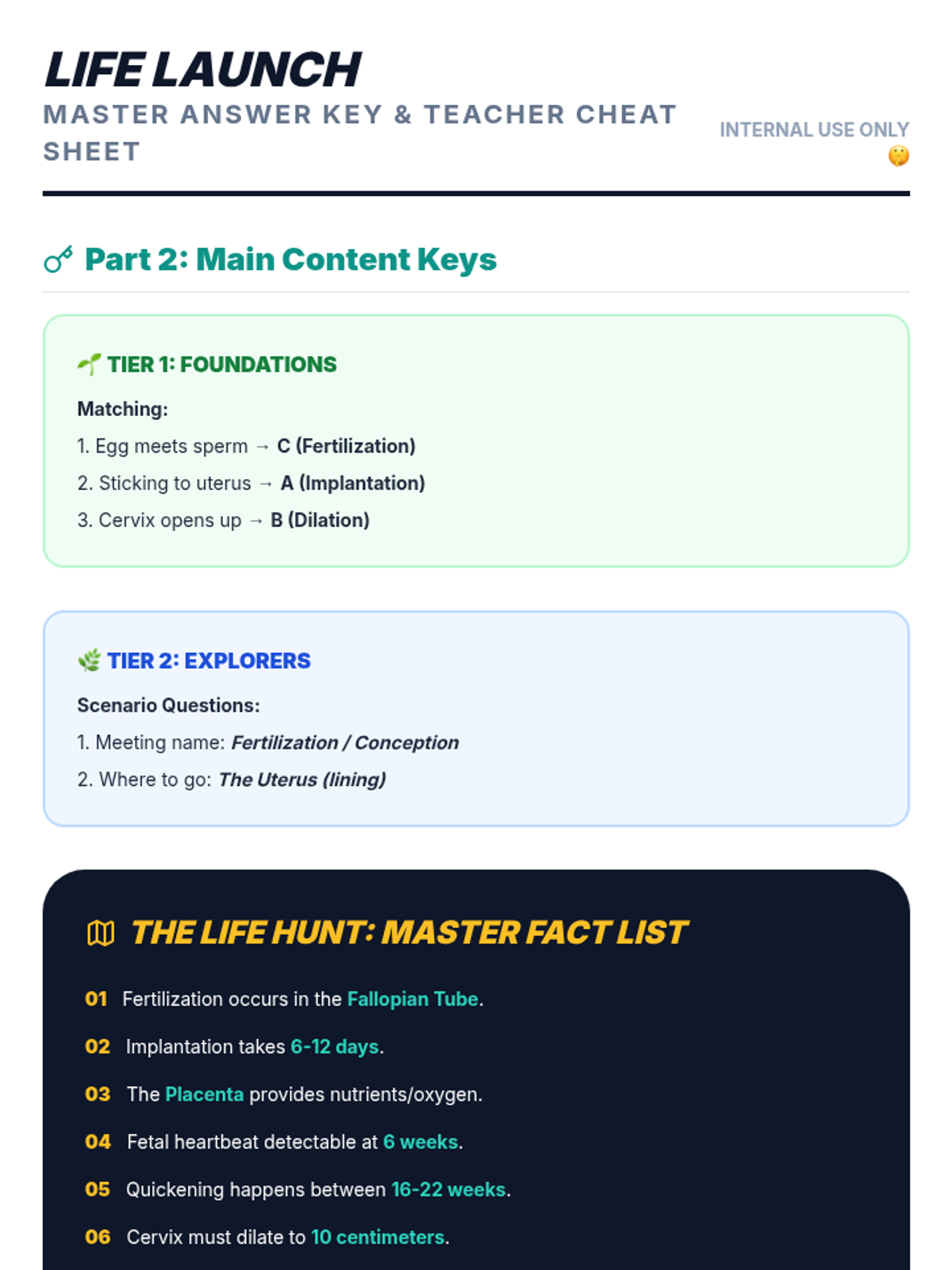
A comprehensive 45-minute lesson on fertilization and birth designed for 9th-grade students, featuring a movement-based scavenger hunt and tiered instructional materials aligned with Massachusetts Health Education standards.
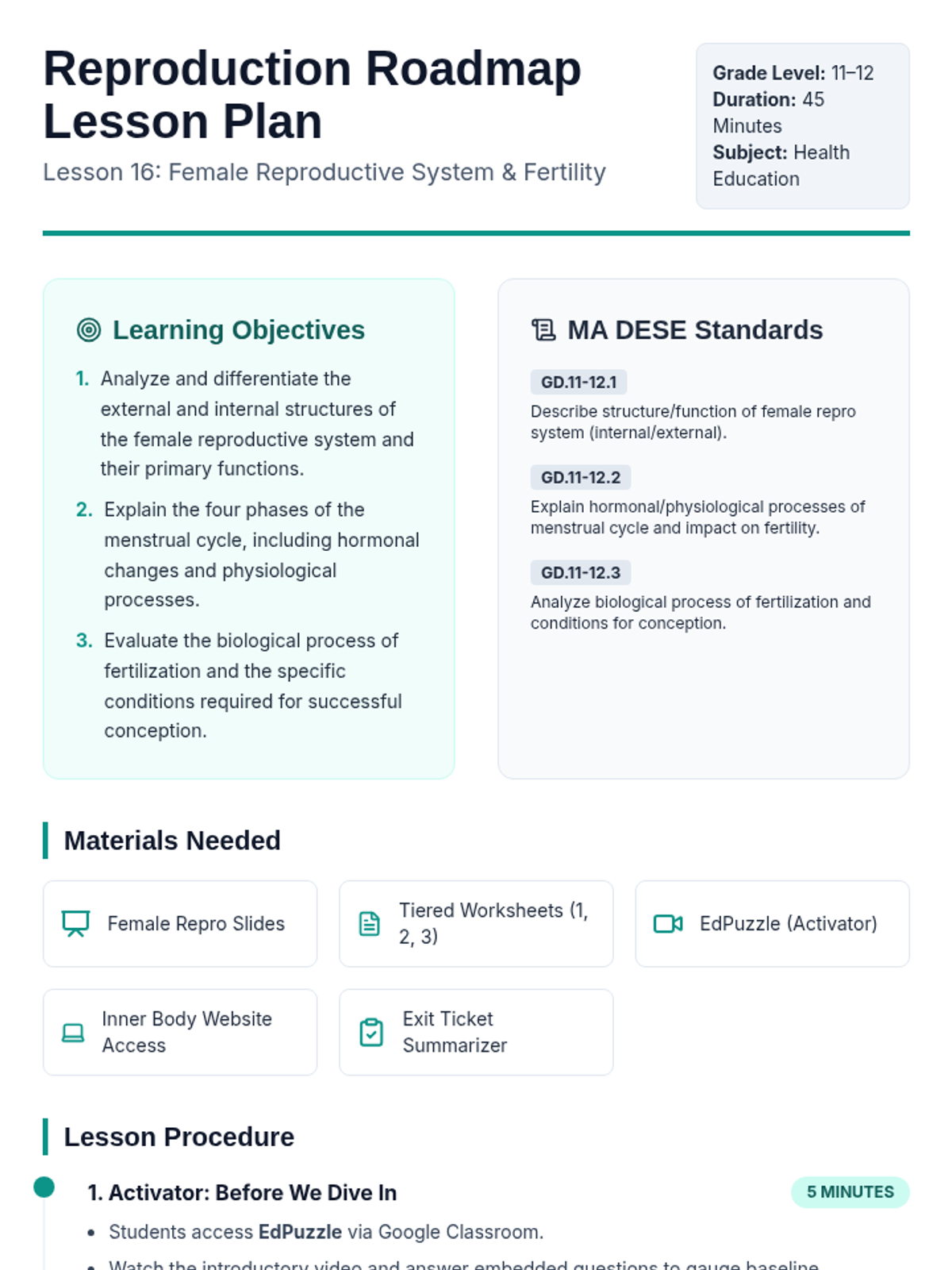
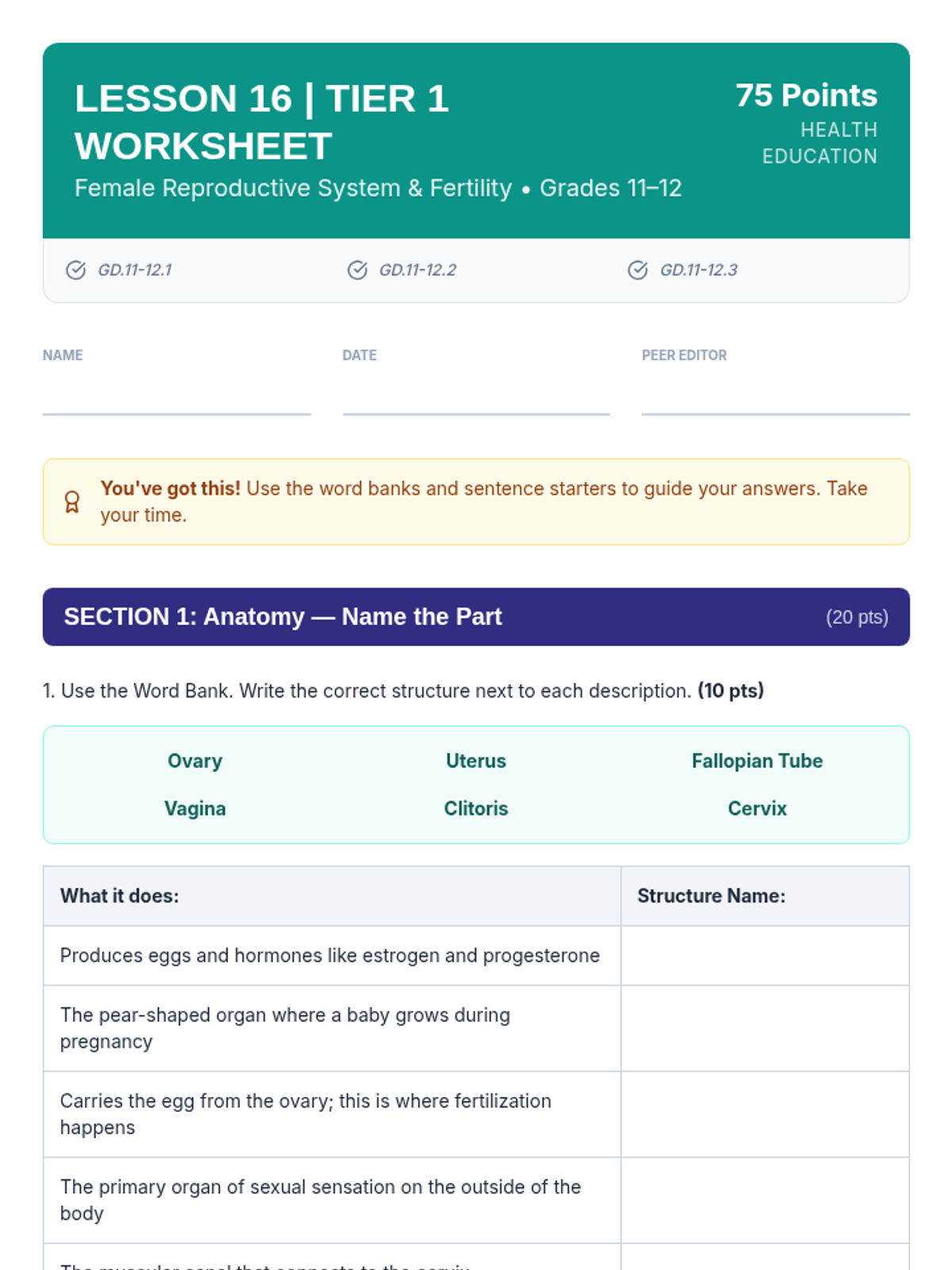
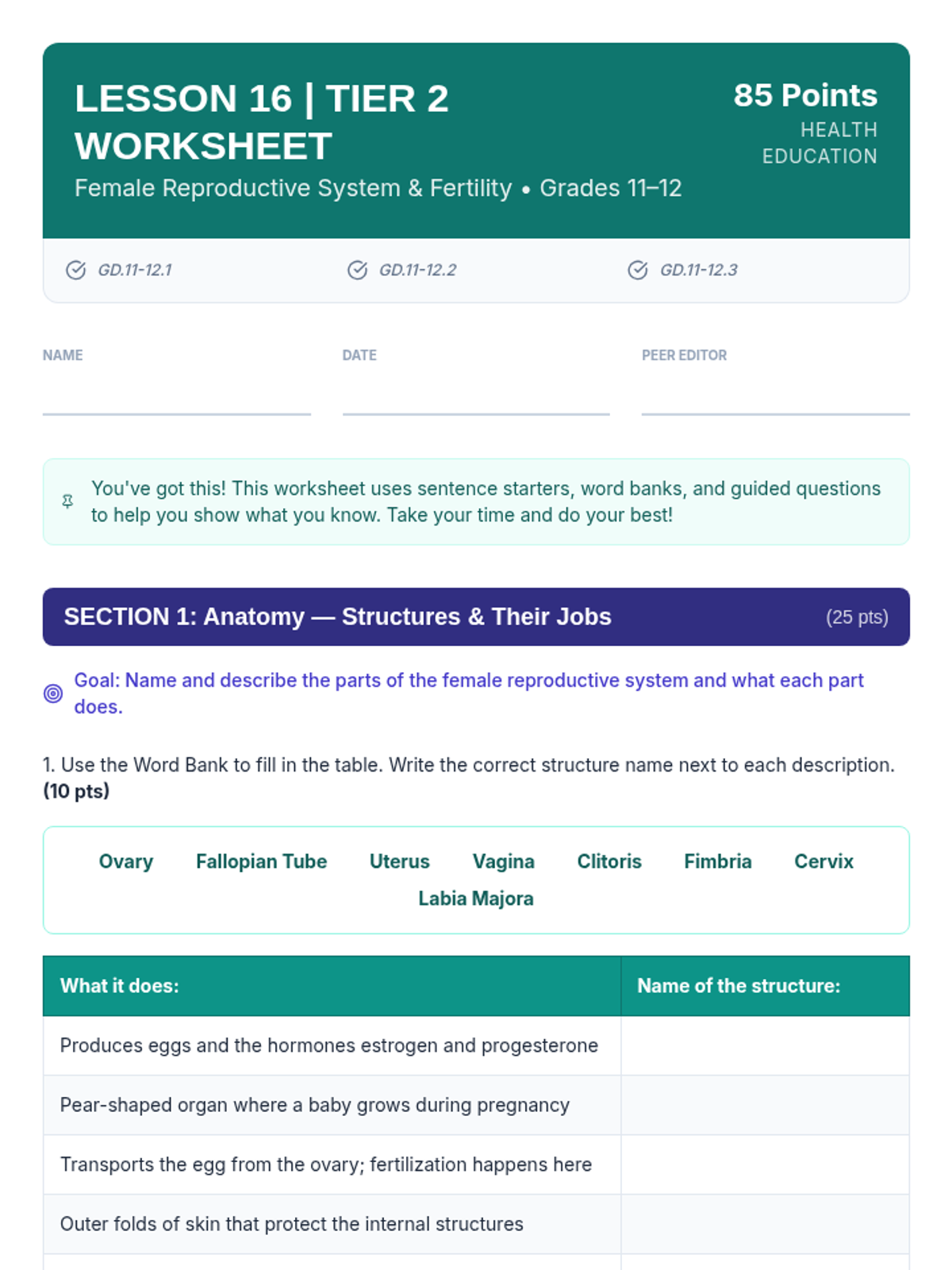
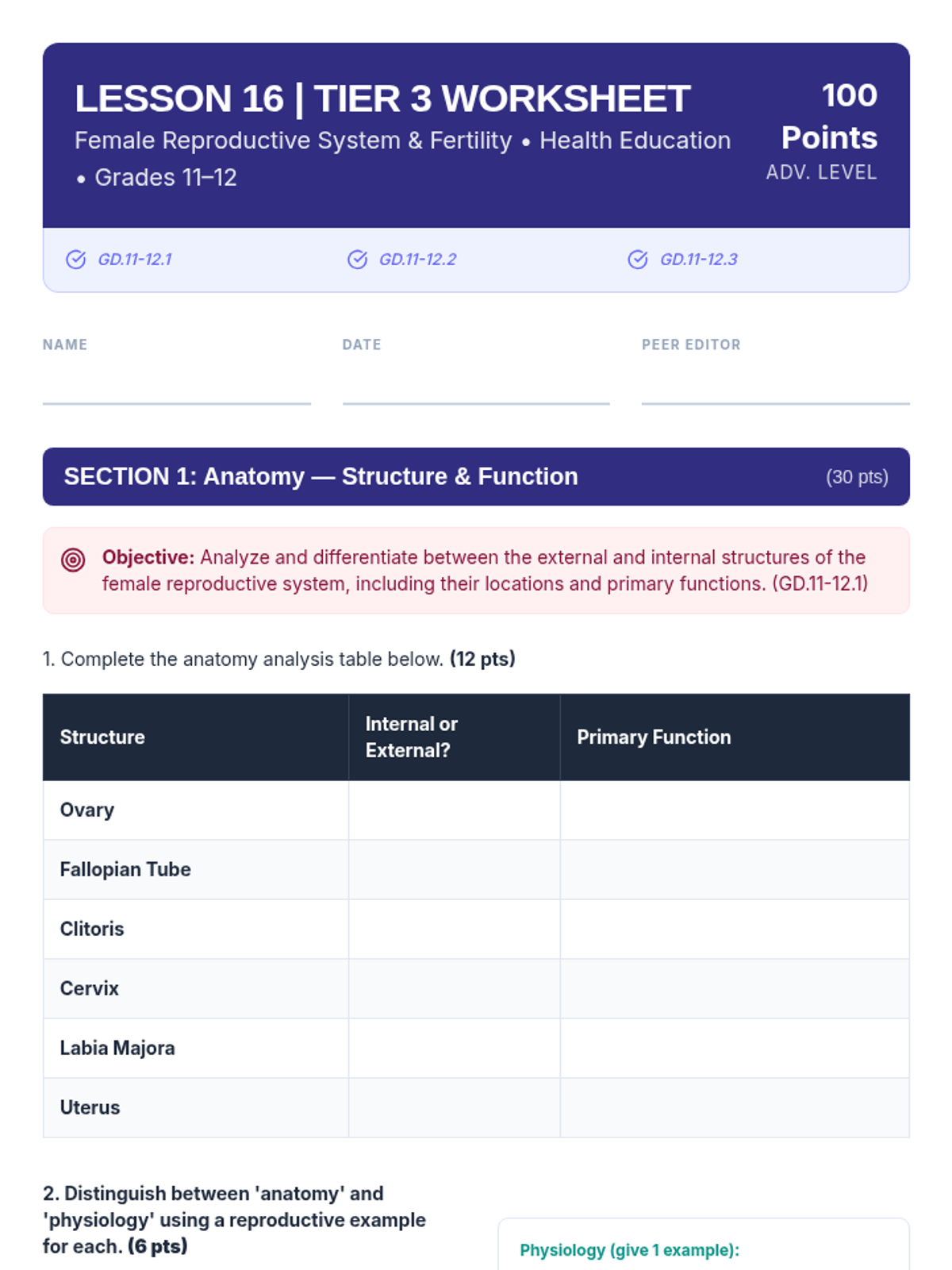
A comprehensive lesson on the female reproductive system, covering anatomy, the menstrual cycle, and the process of fertilization for grades 9-12. Students will identify structures, explain hormonal changes, and analyze the conditions necessary for conception.
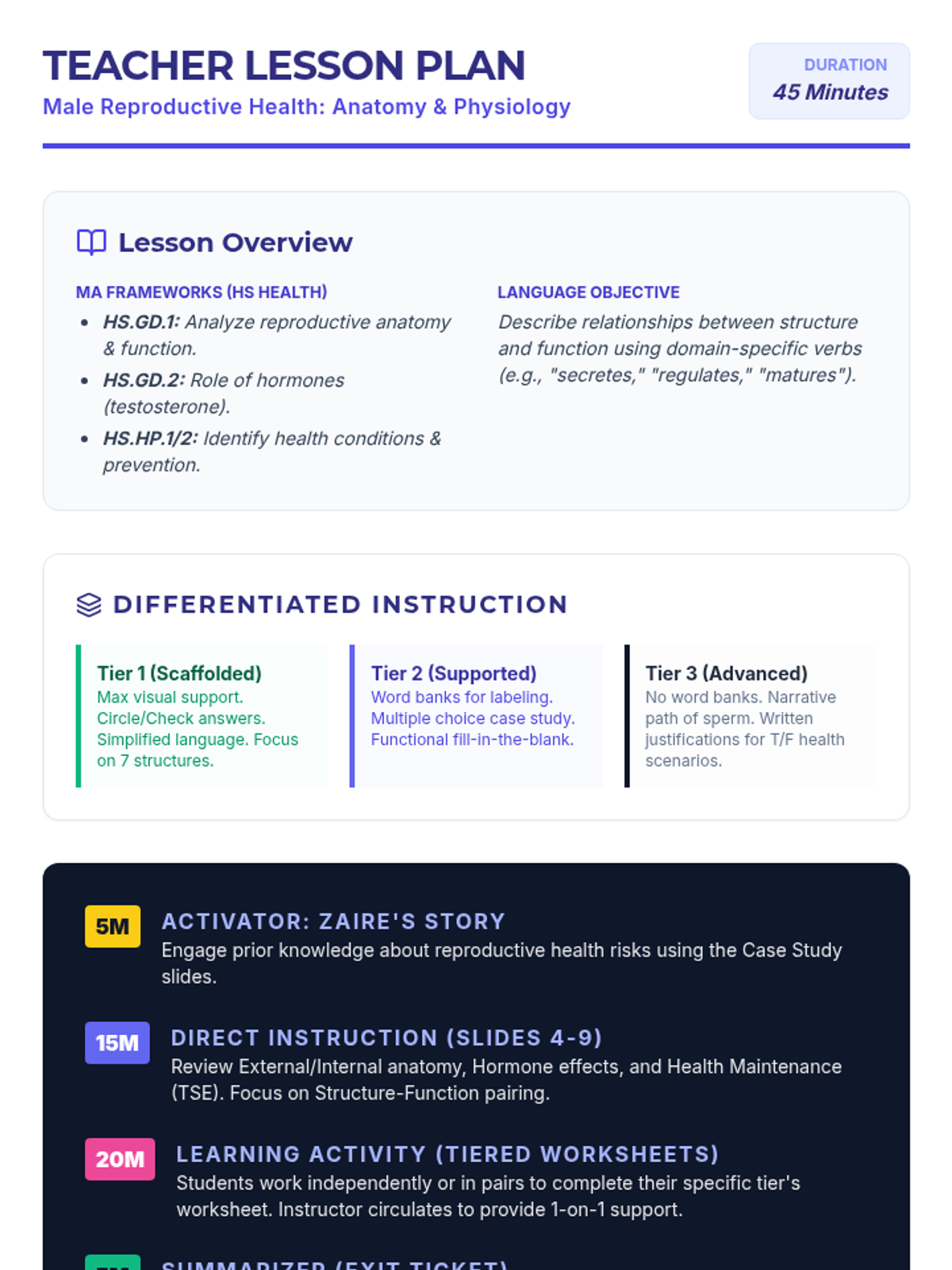
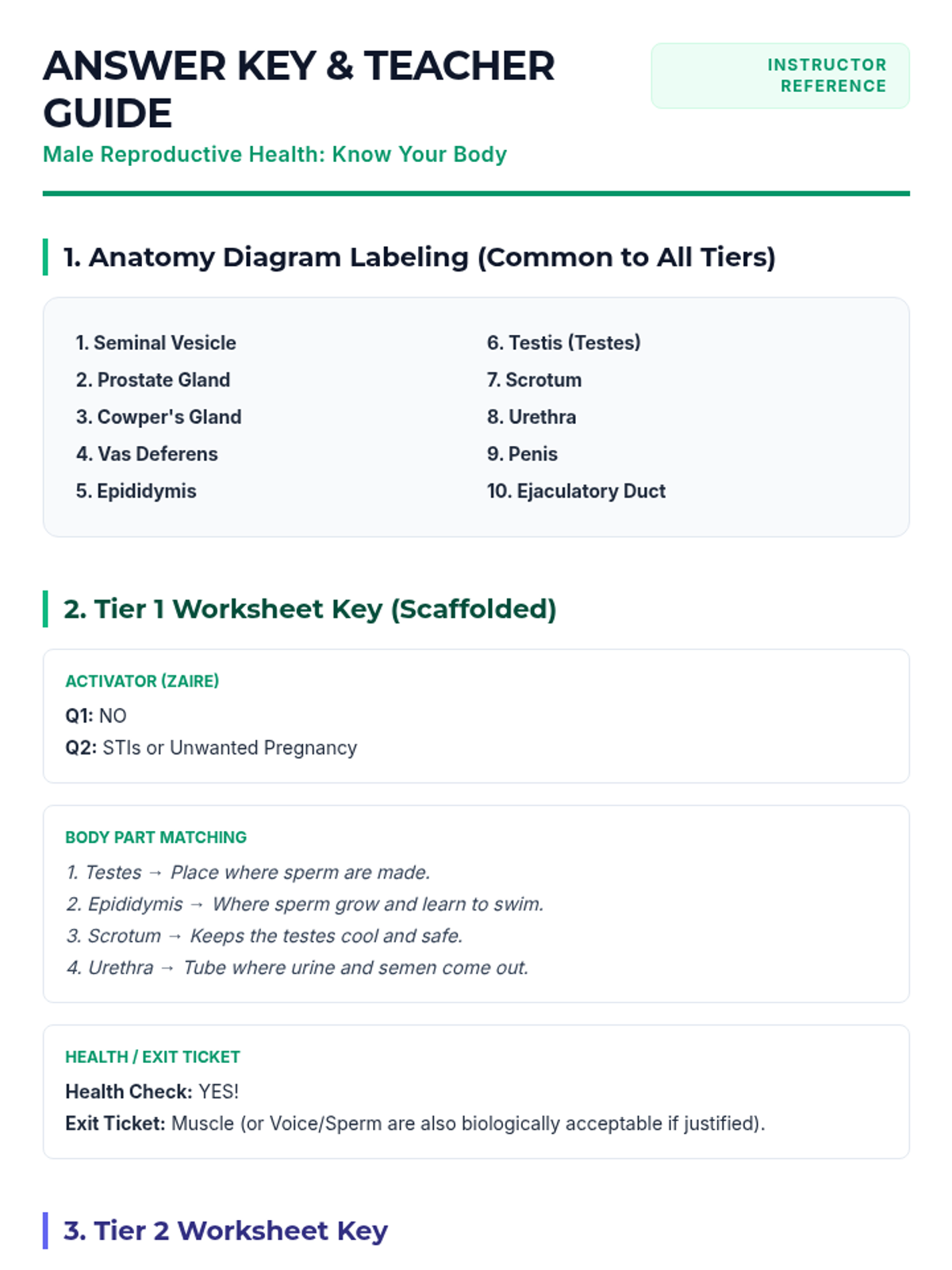
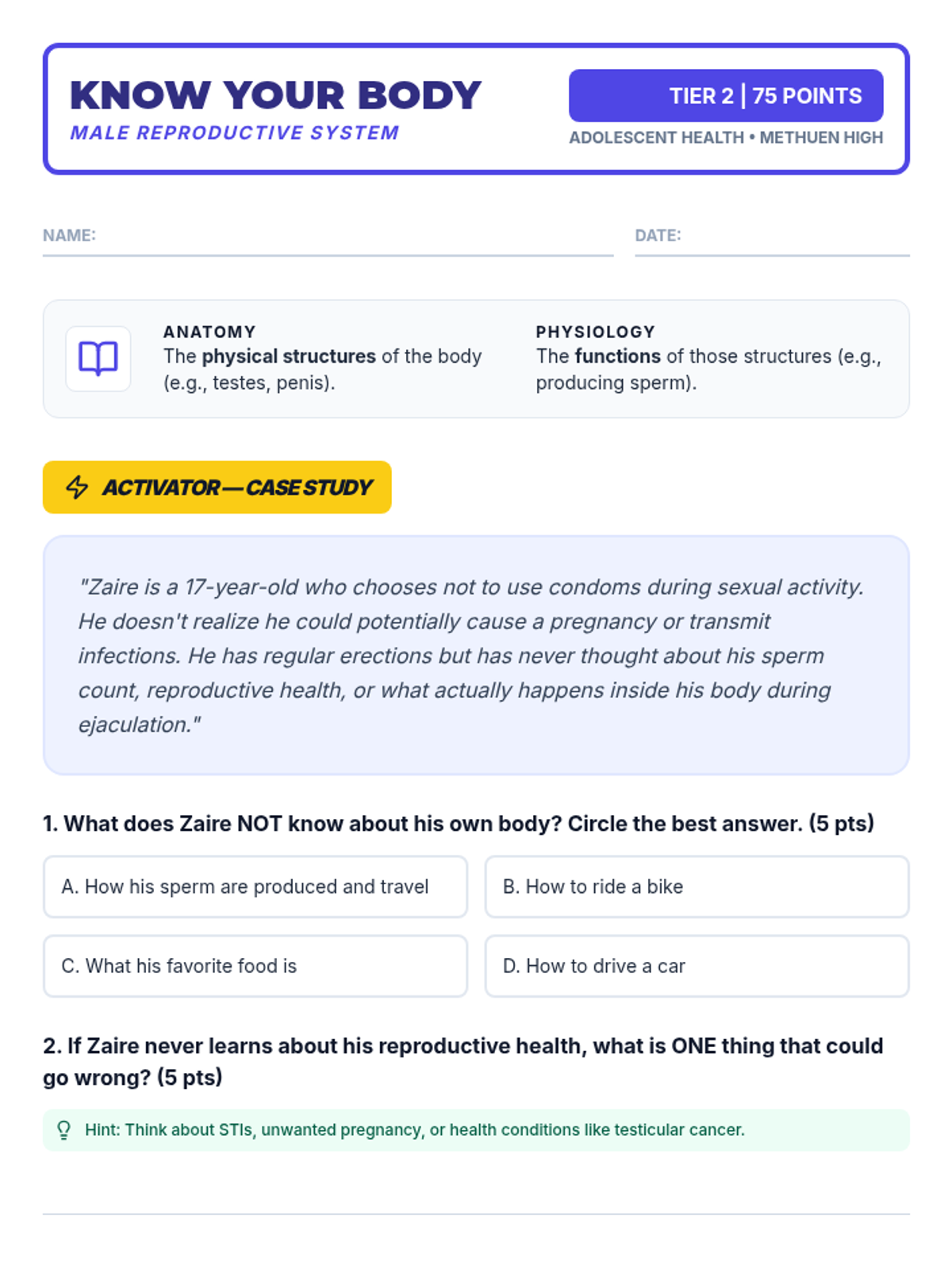
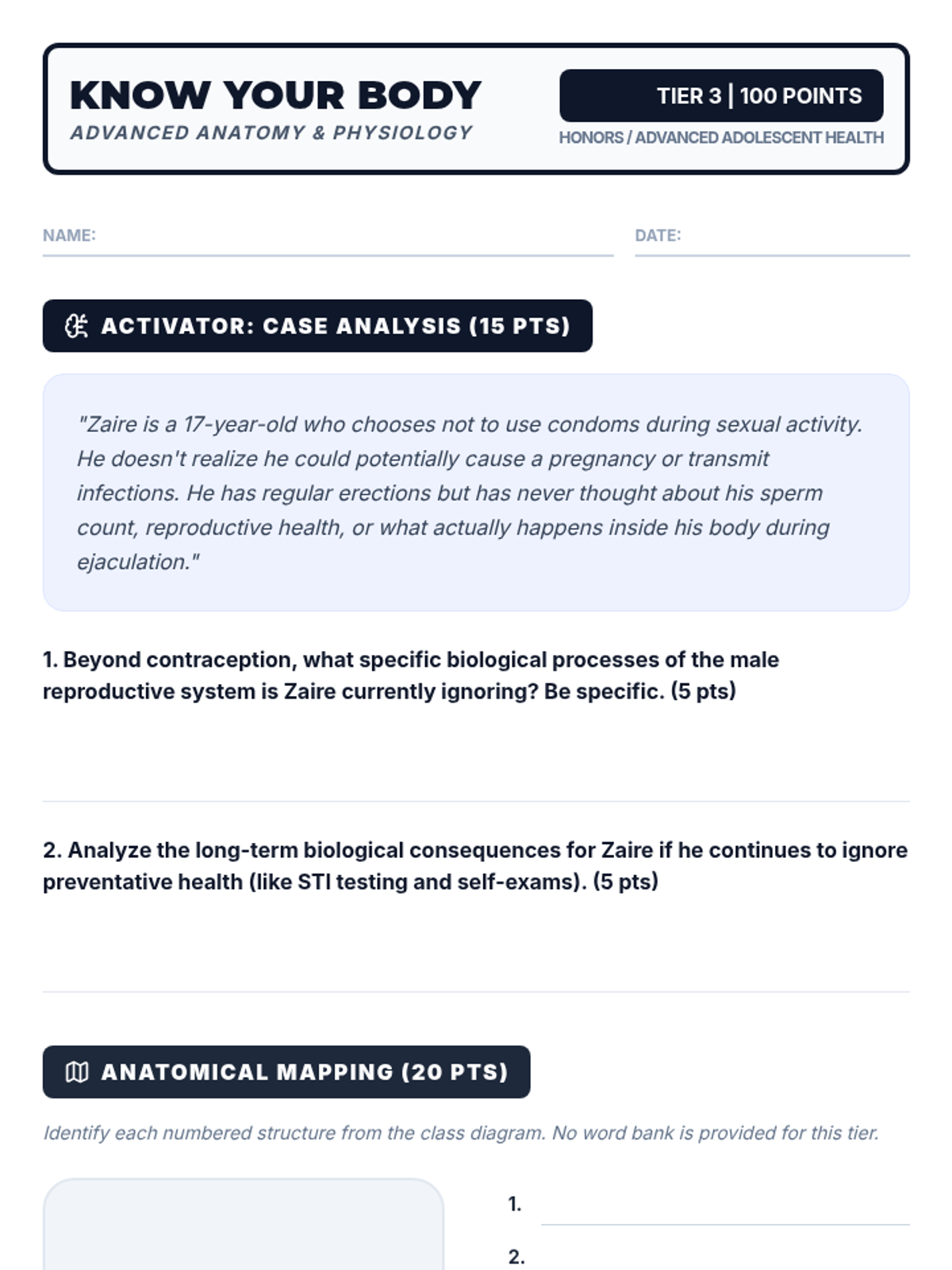
A comprehensive lesson on the male reproductive system focusing on anatomy, physiology, and health maintenance for high school students, featuring tiered instruction and clear learning objectives aligned with Massachusetts standards.
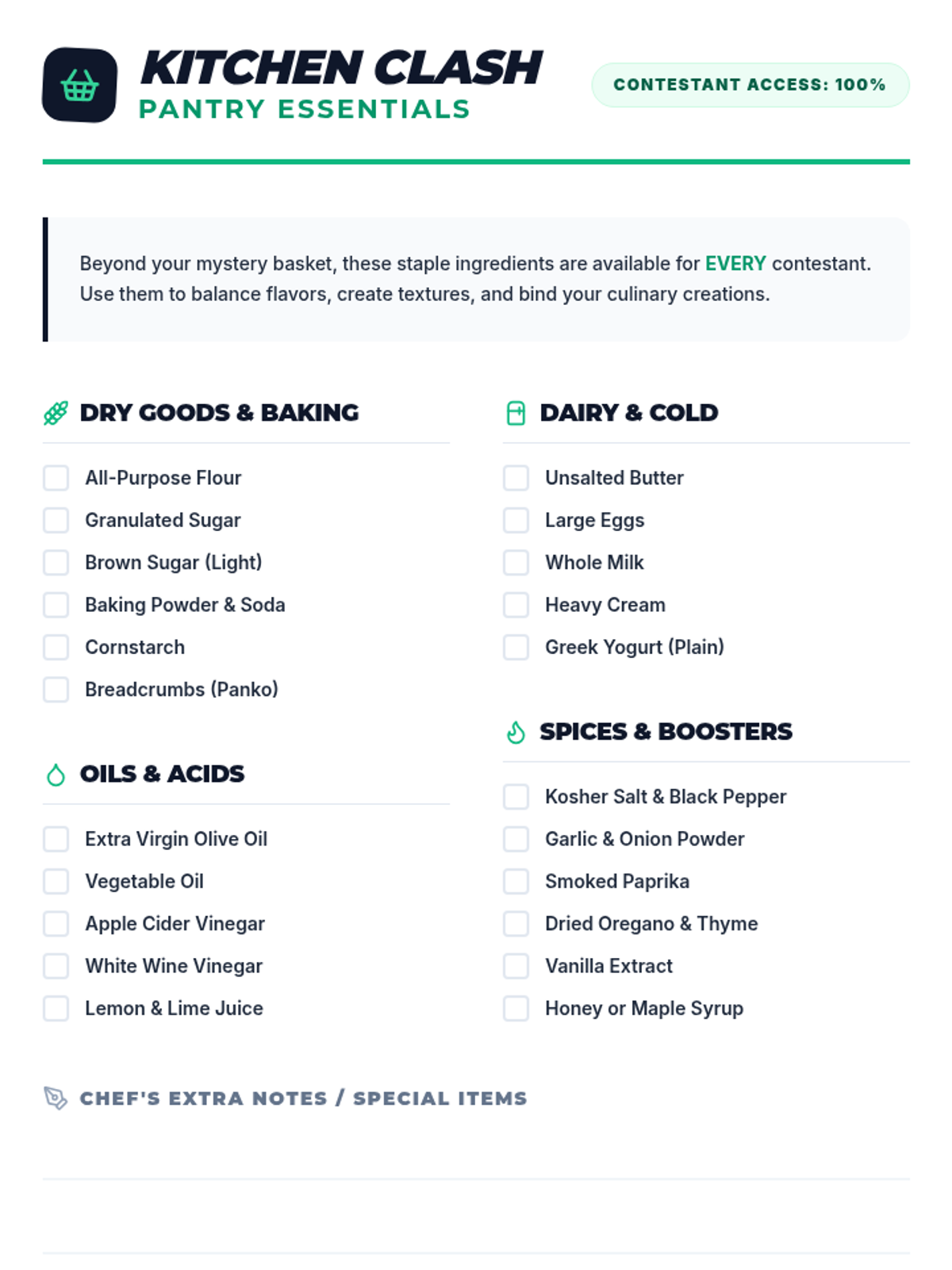
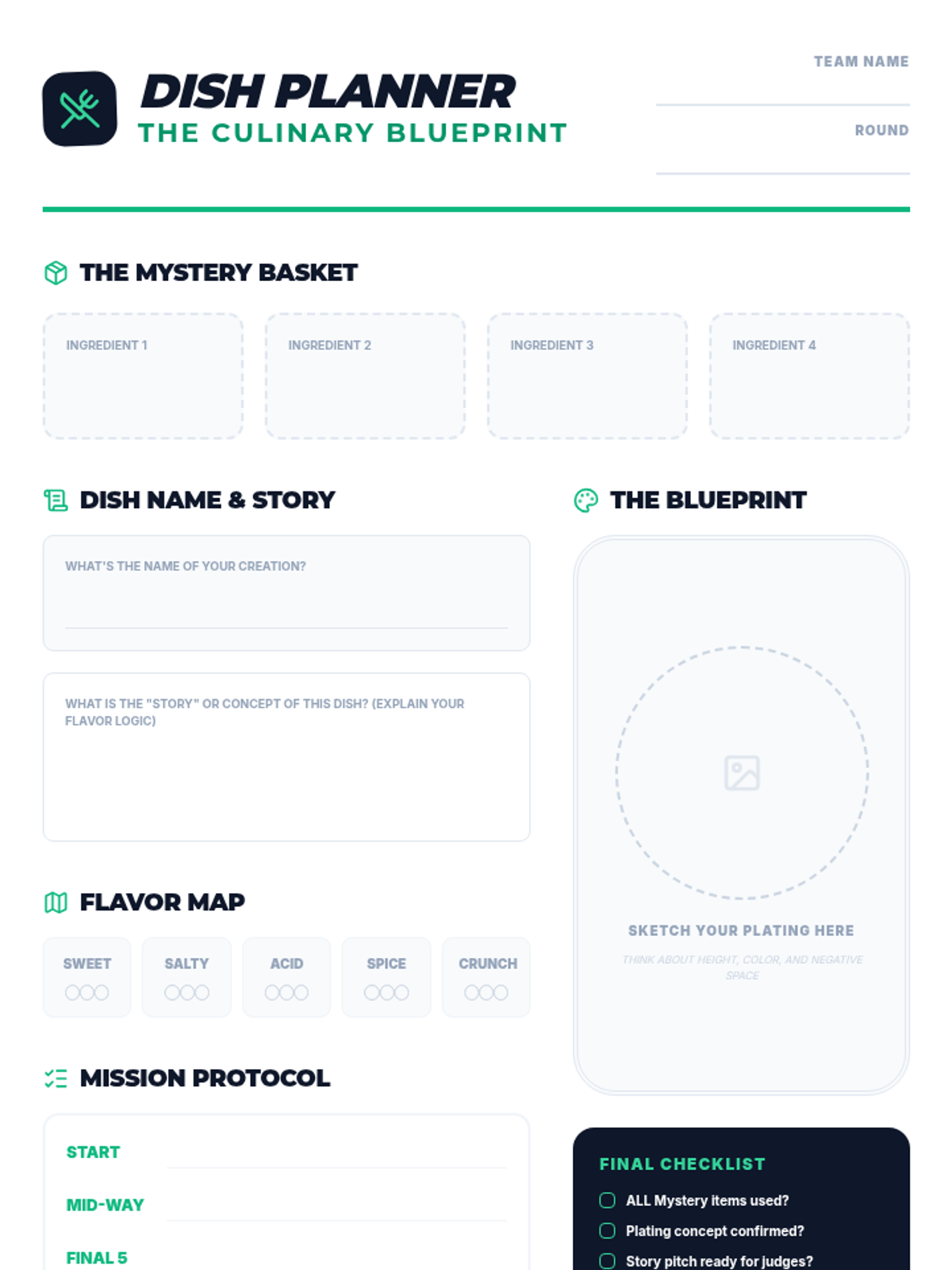
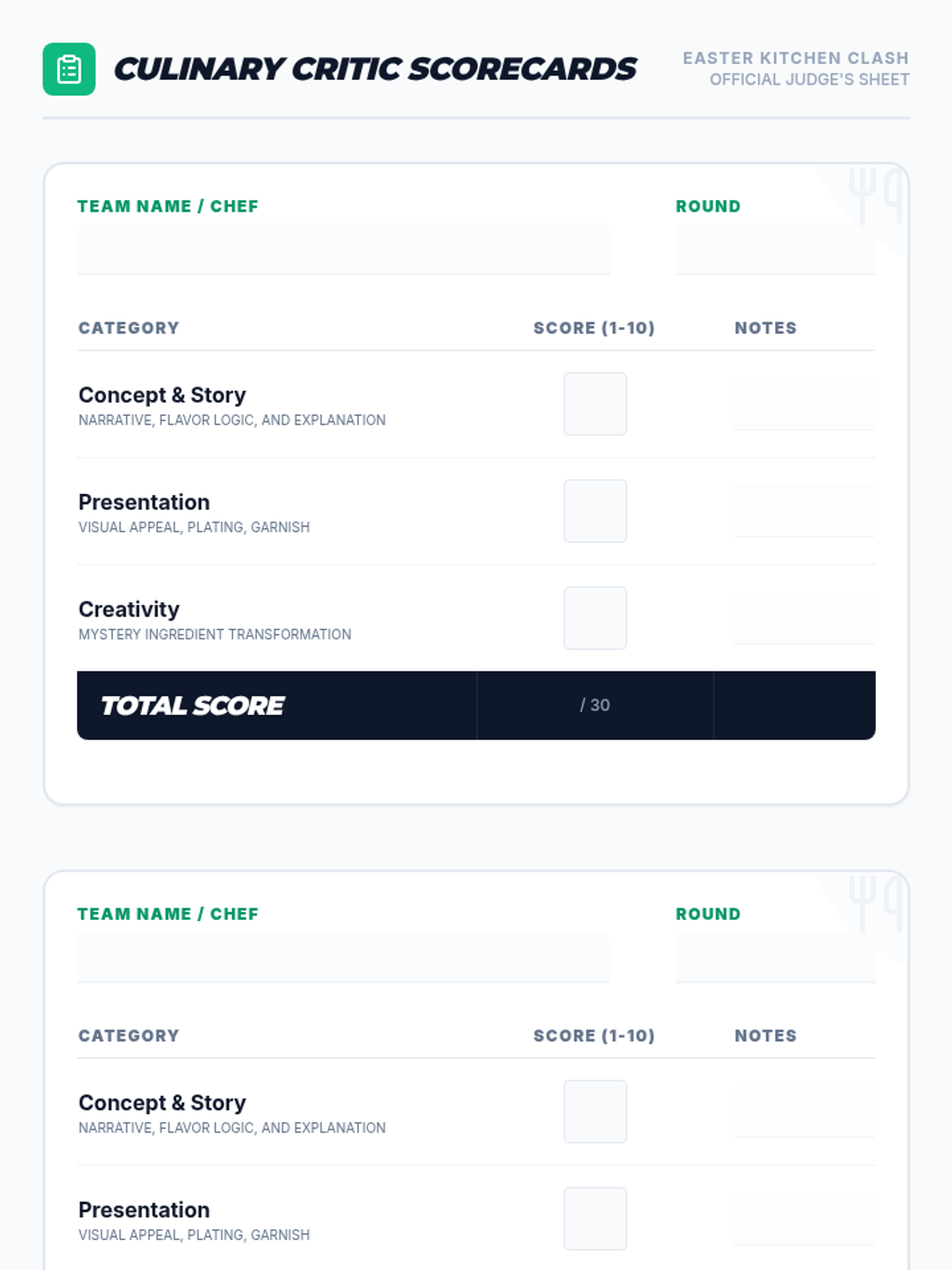
A high-energy culinary challenge where students use mystery Easter-themed ingredients to create unique dishes, focusing on creativity, flavor, and presentation.
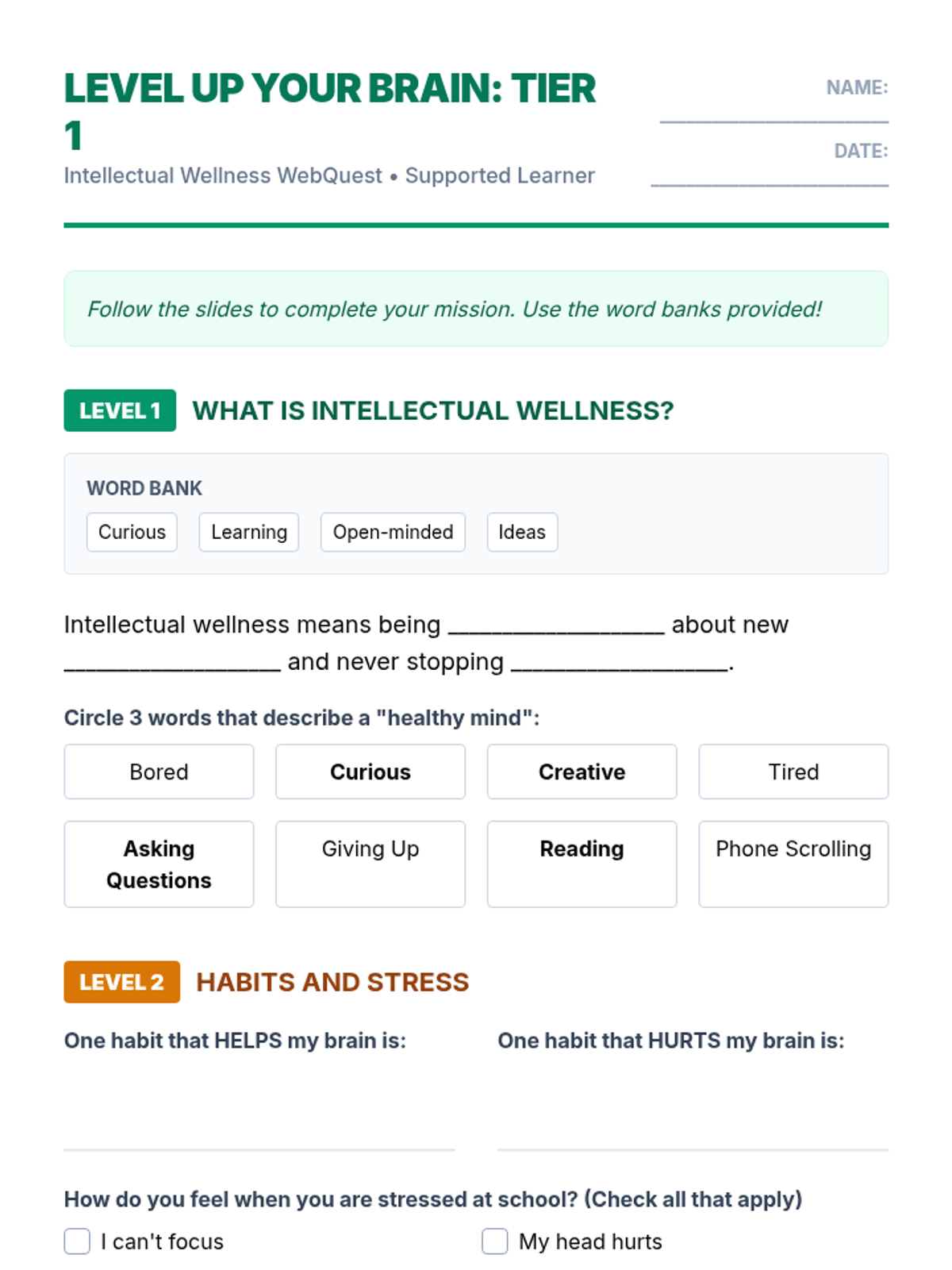
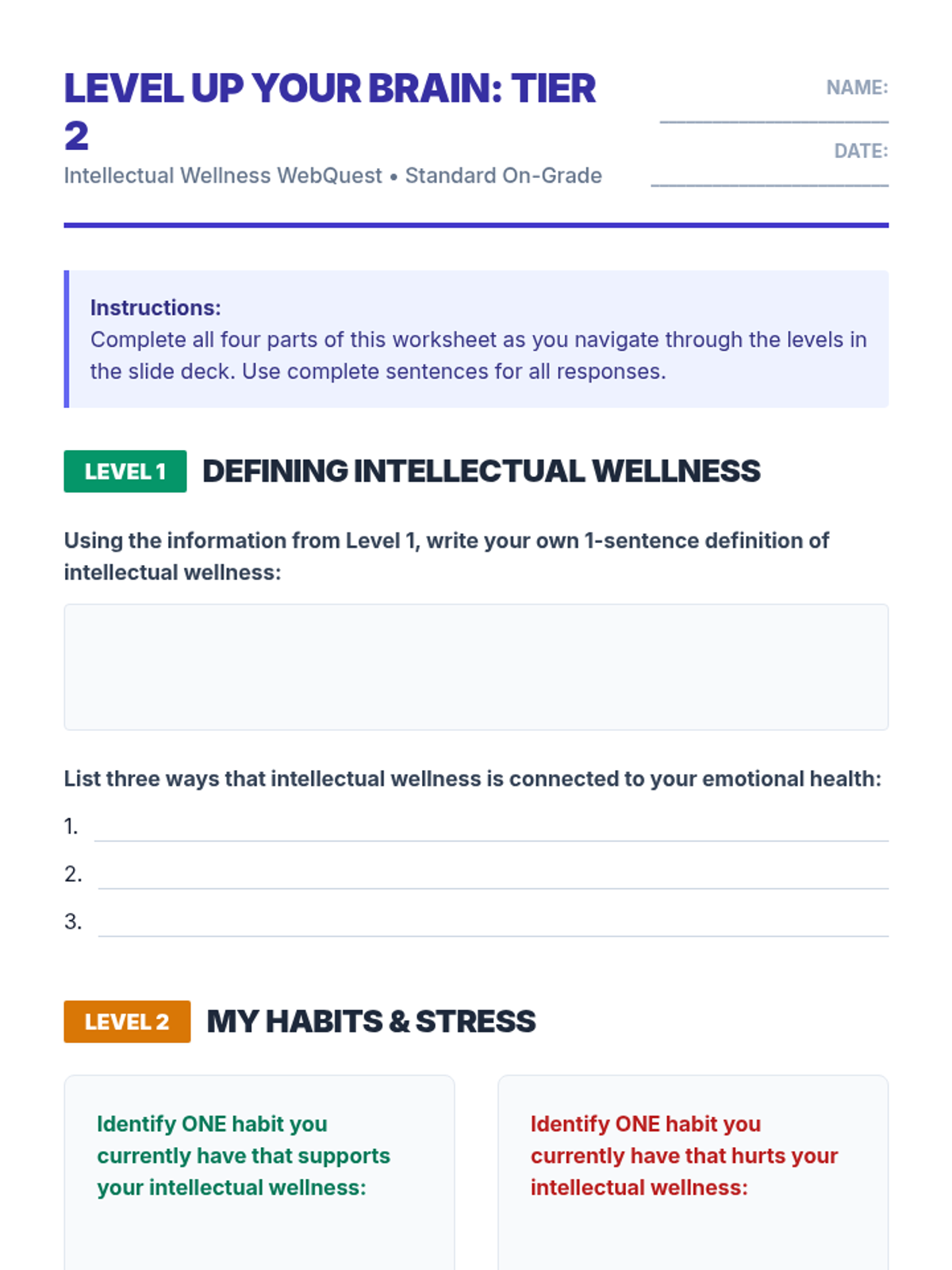
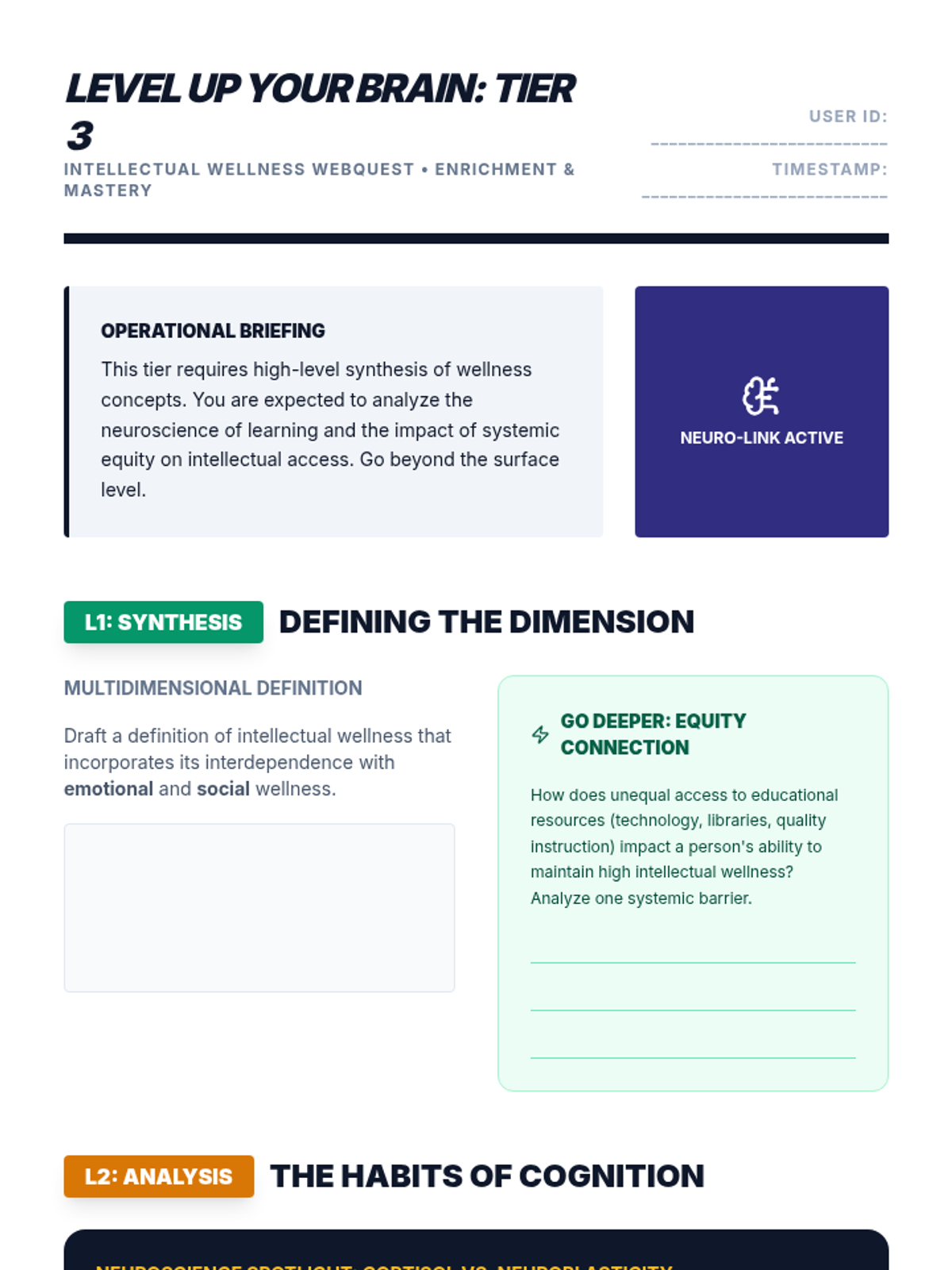
An interactive webquest where students 'level up' their intellectual wellness through four challenge levels, focusing on mindset, habits, and goal-setting. Includes differentiated worksheets to support varied learning needs.
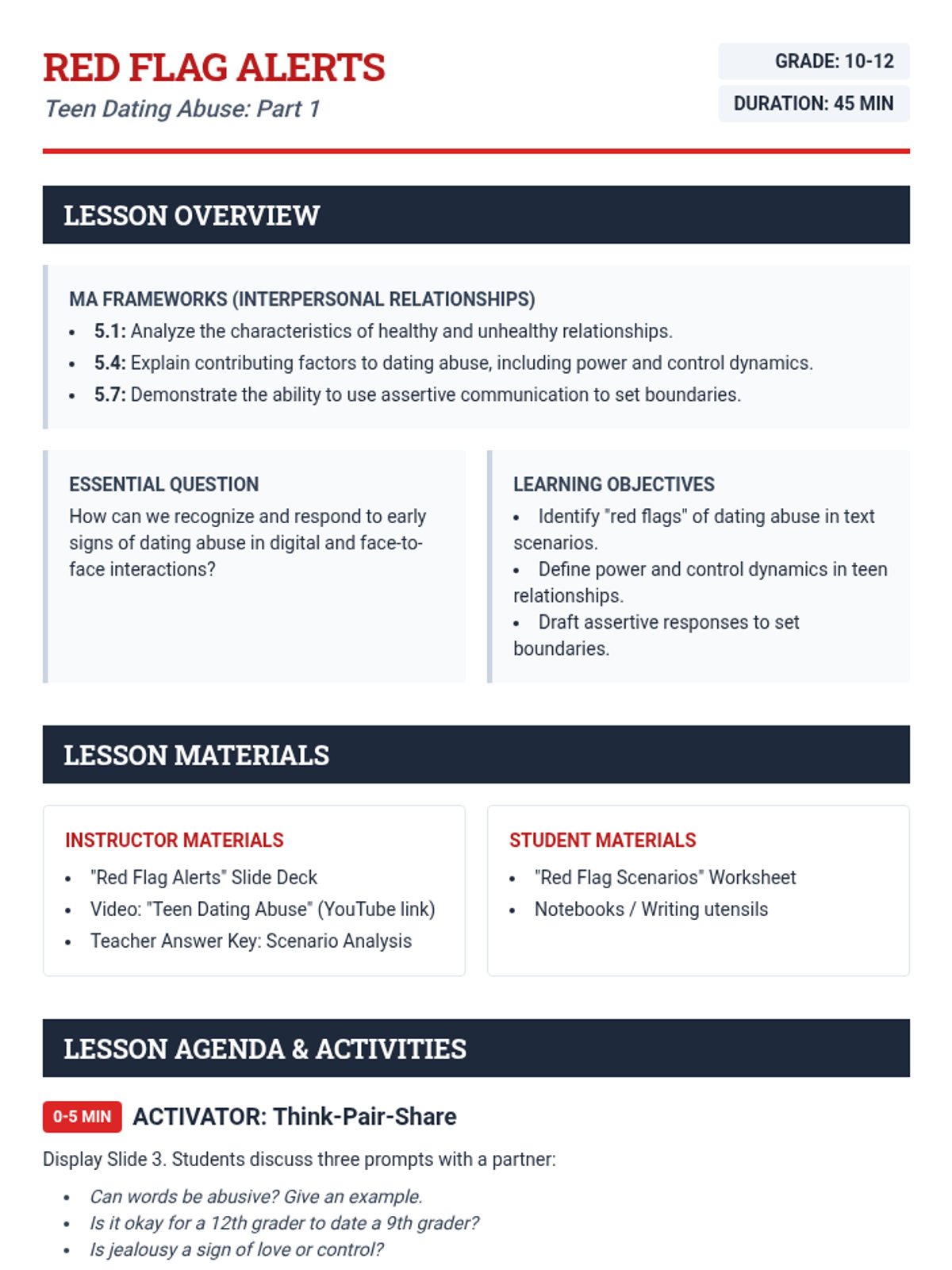
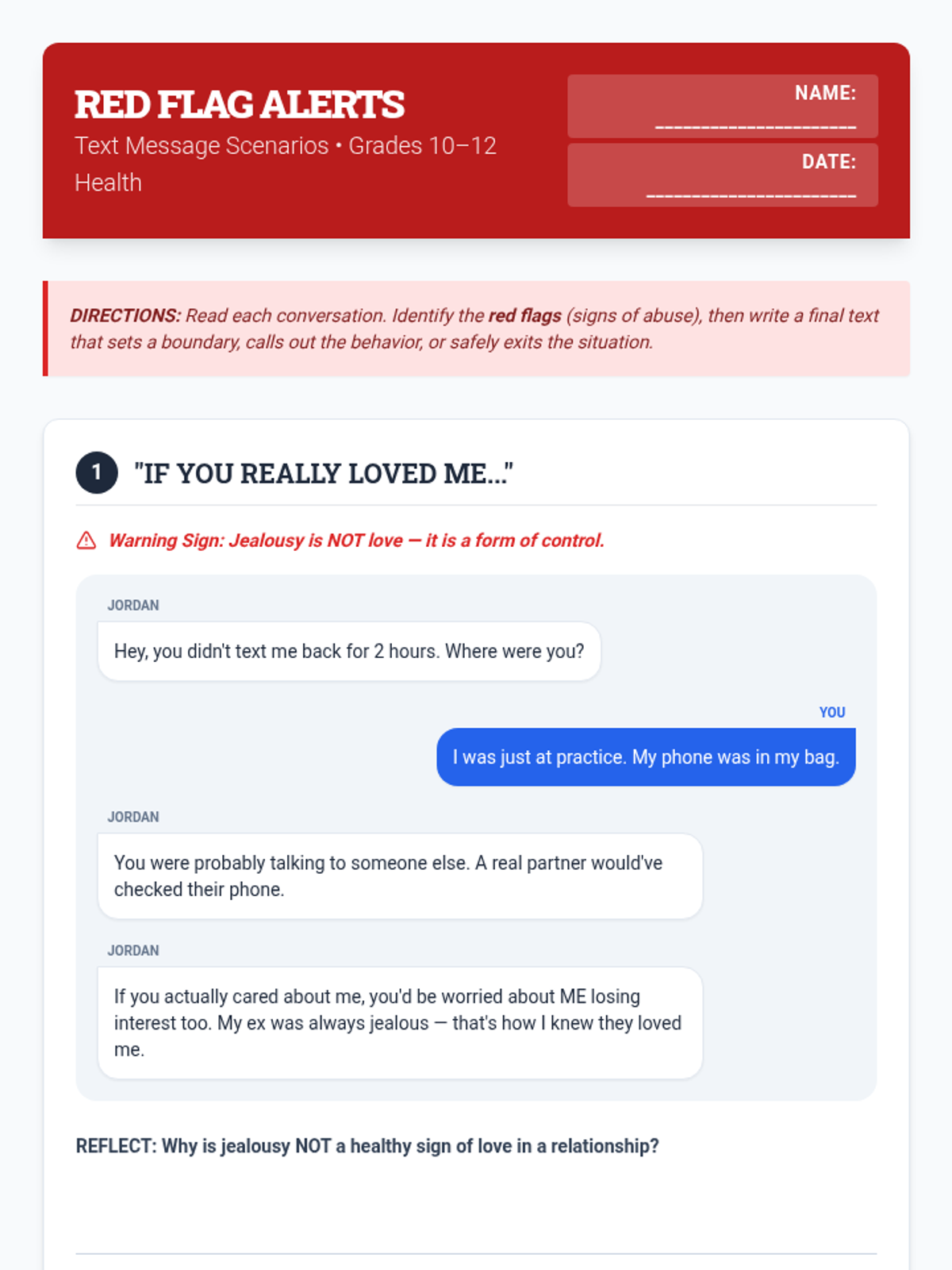
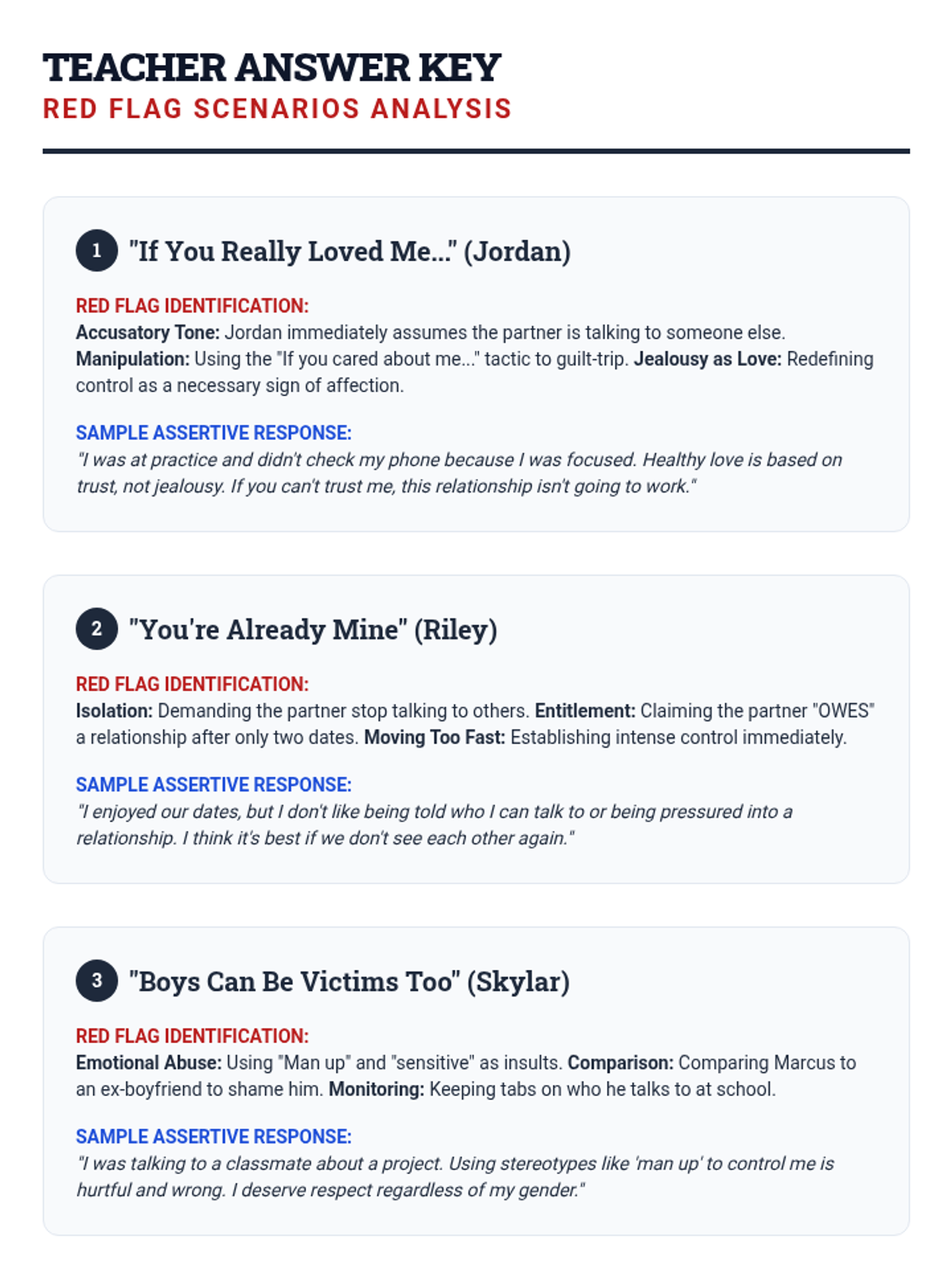
A comprehensive 45-minute lesson for high school health education focused on recognizing red flags in dating relationships through text message scenarios and assertive communication.
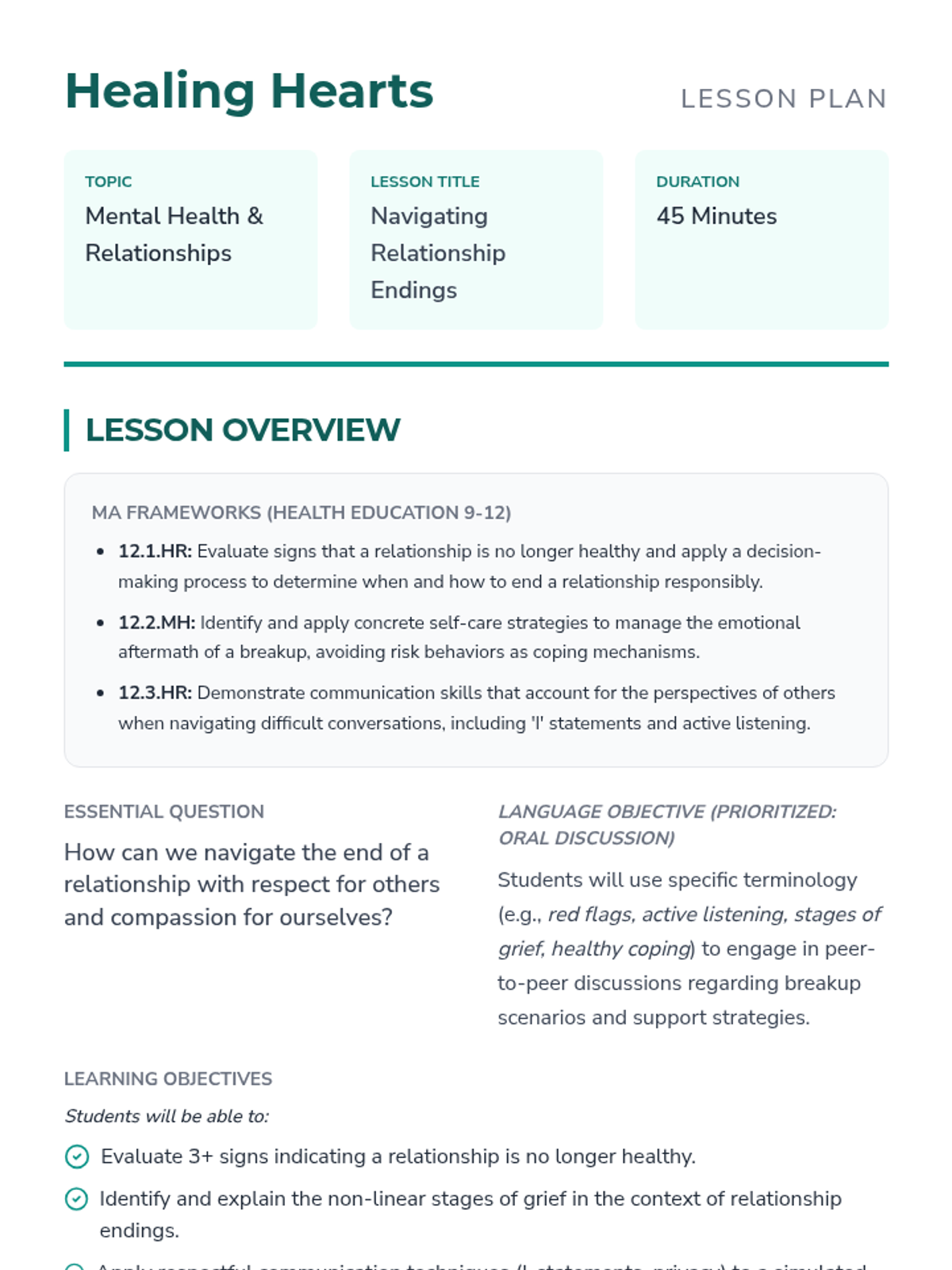
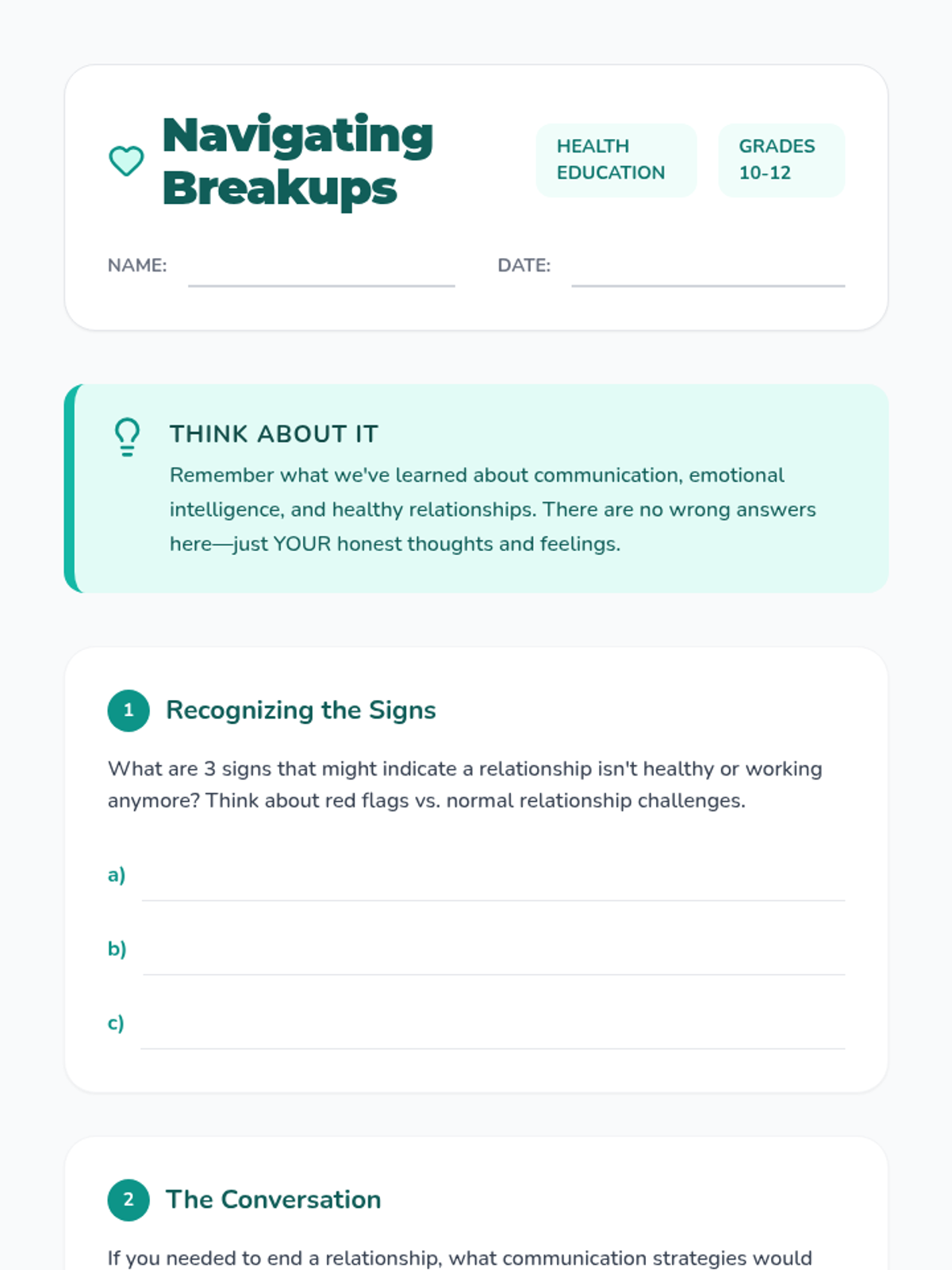
A comprehensive health education lesson for grades 10-12 focused on navigating the emotional complexities of breakups, understanding the grief process, and practicing respectful communication and self-care.
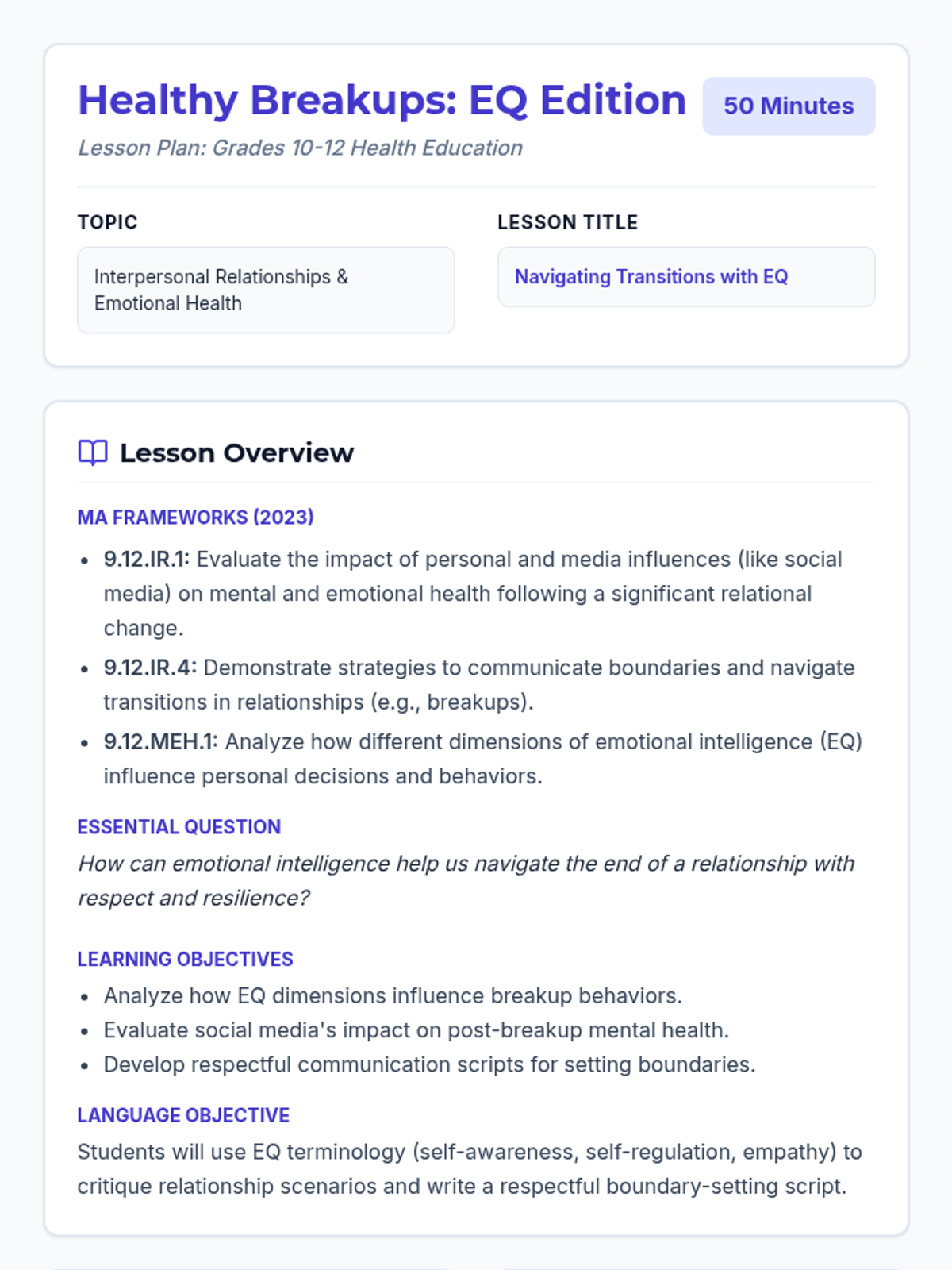
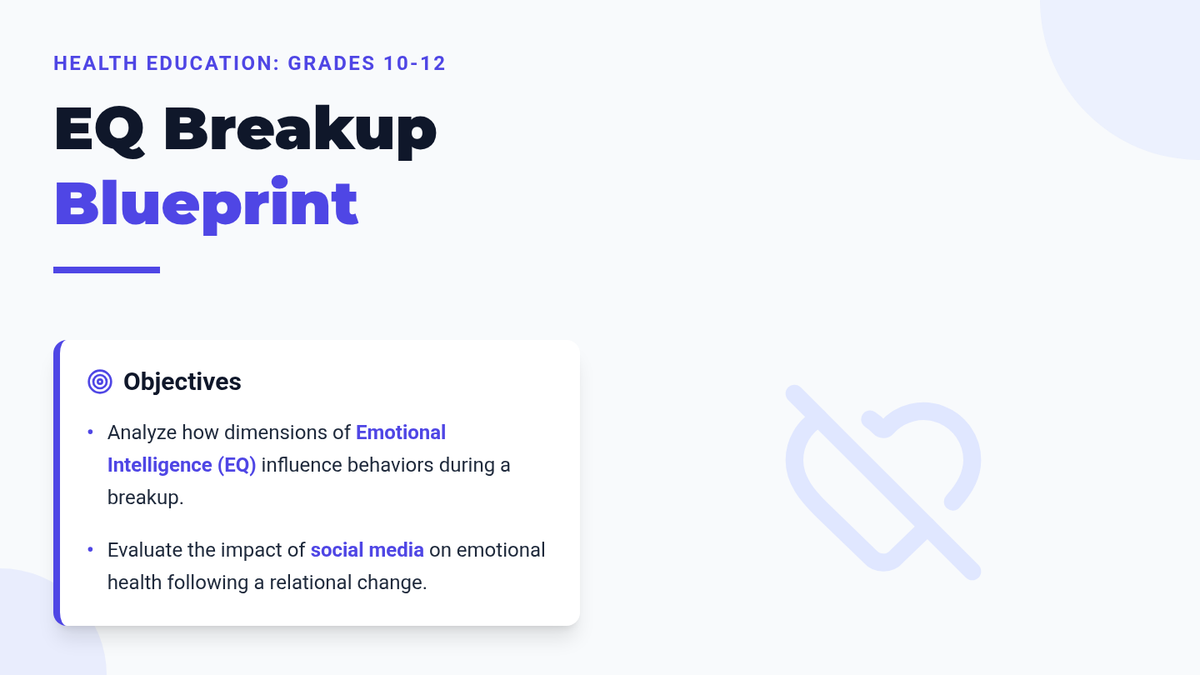
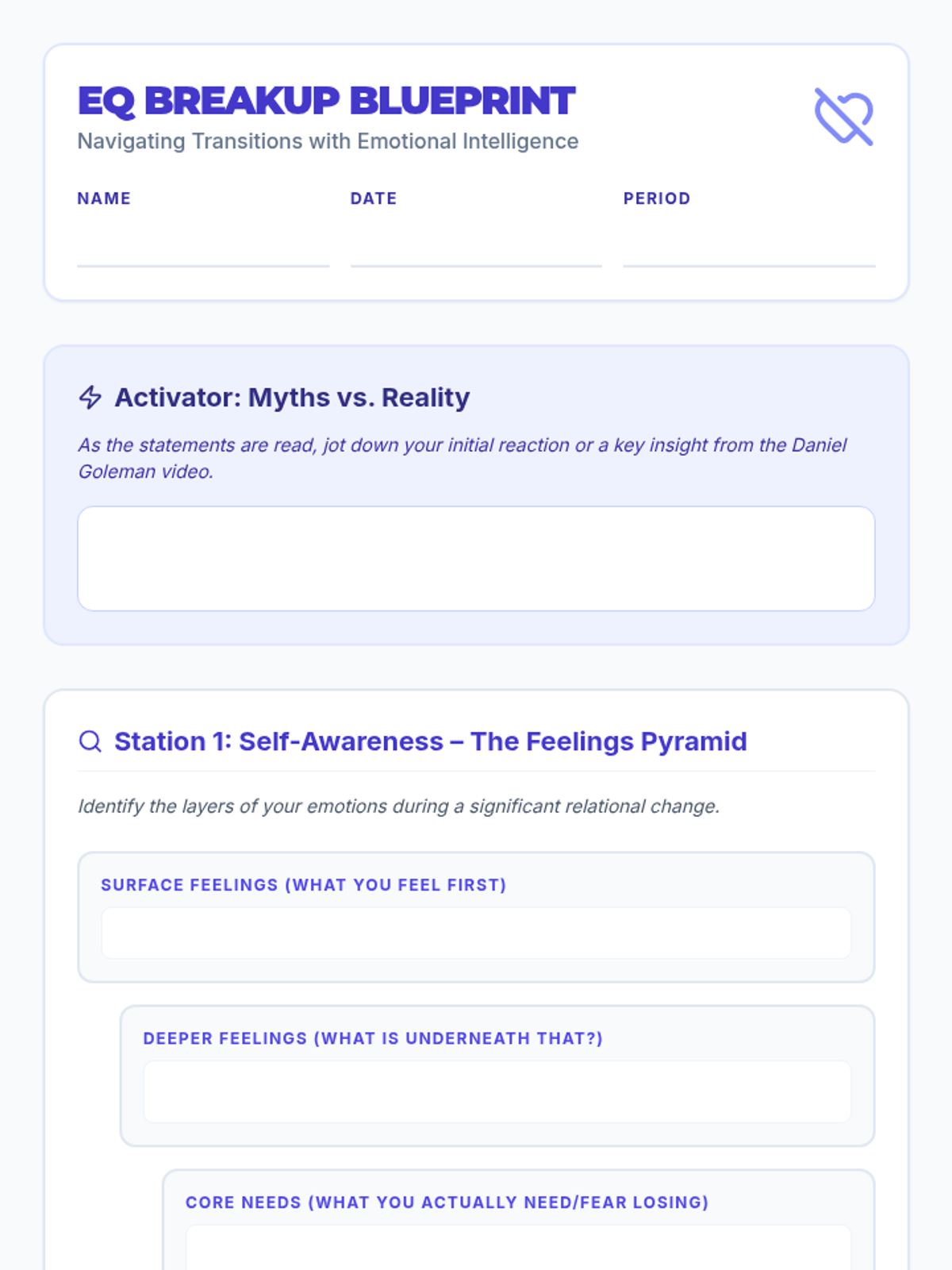
A comprehensive 50-minute health lesson for grades 10-12 focused on using emotional intelligence (EQ) to navigate relationship breakups and set healthy boundaries. Students analyze EQ dimensions, practice respectful communication, and evaluate the impact of social media on emotional recovery.
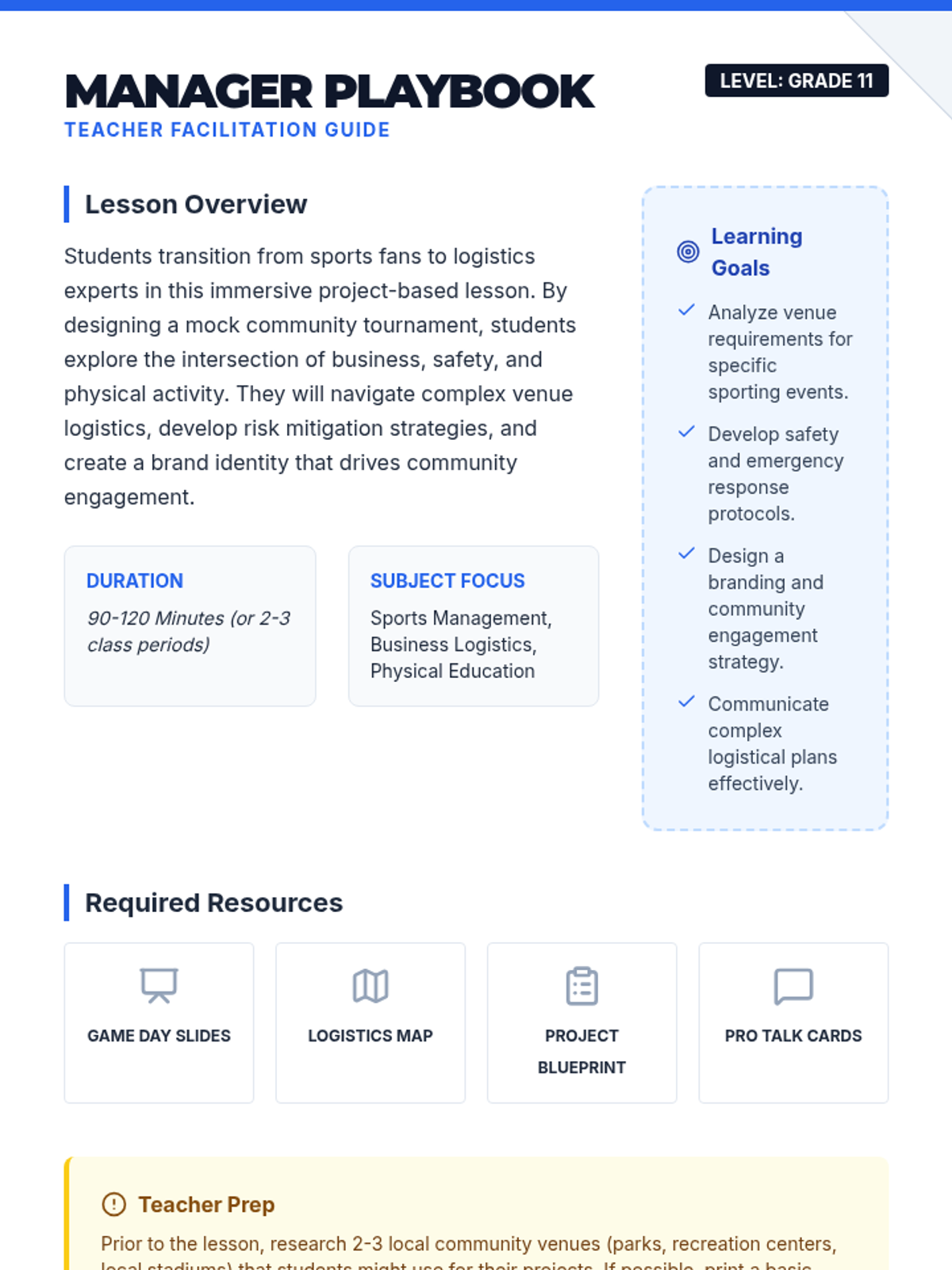
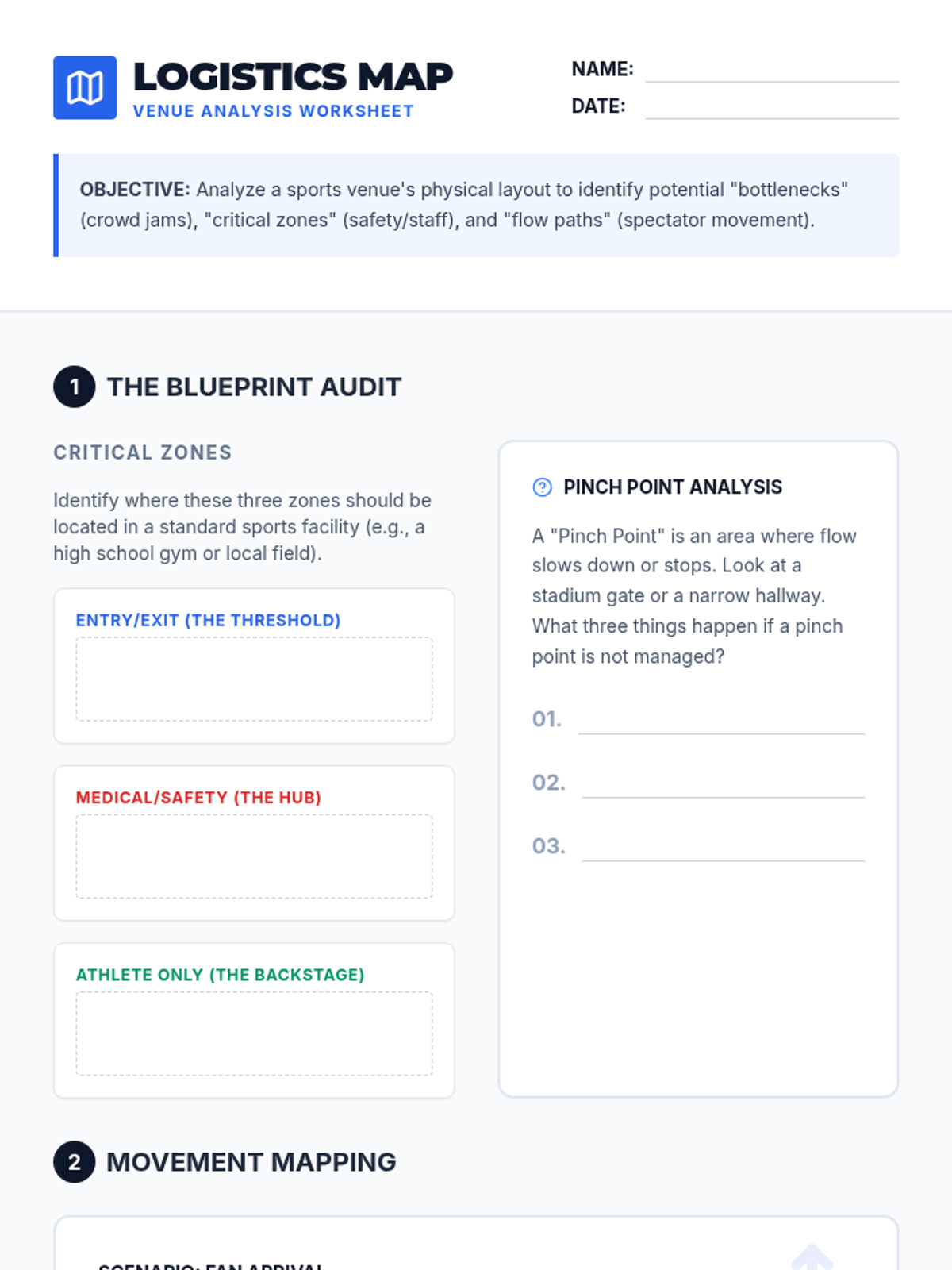
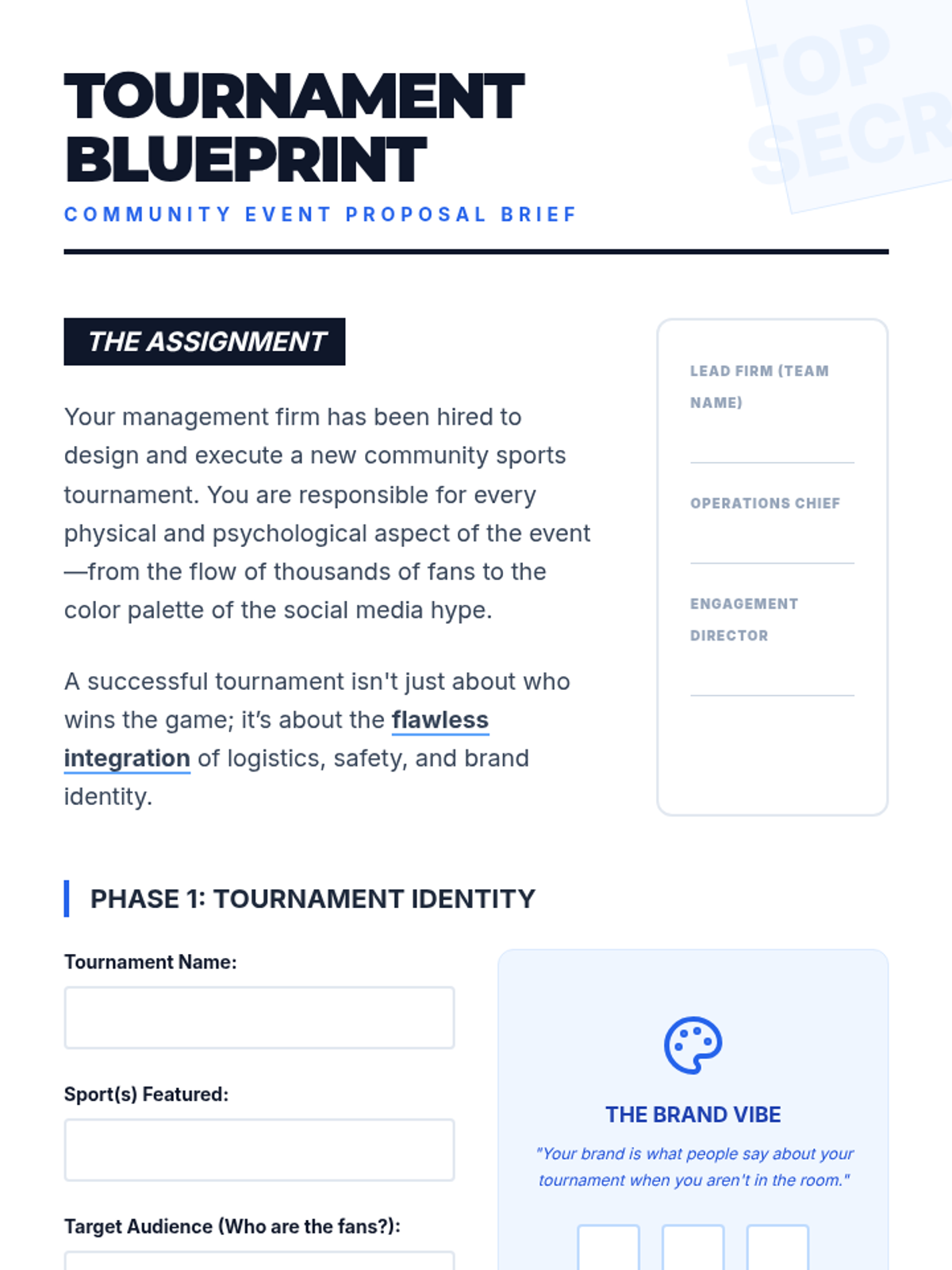
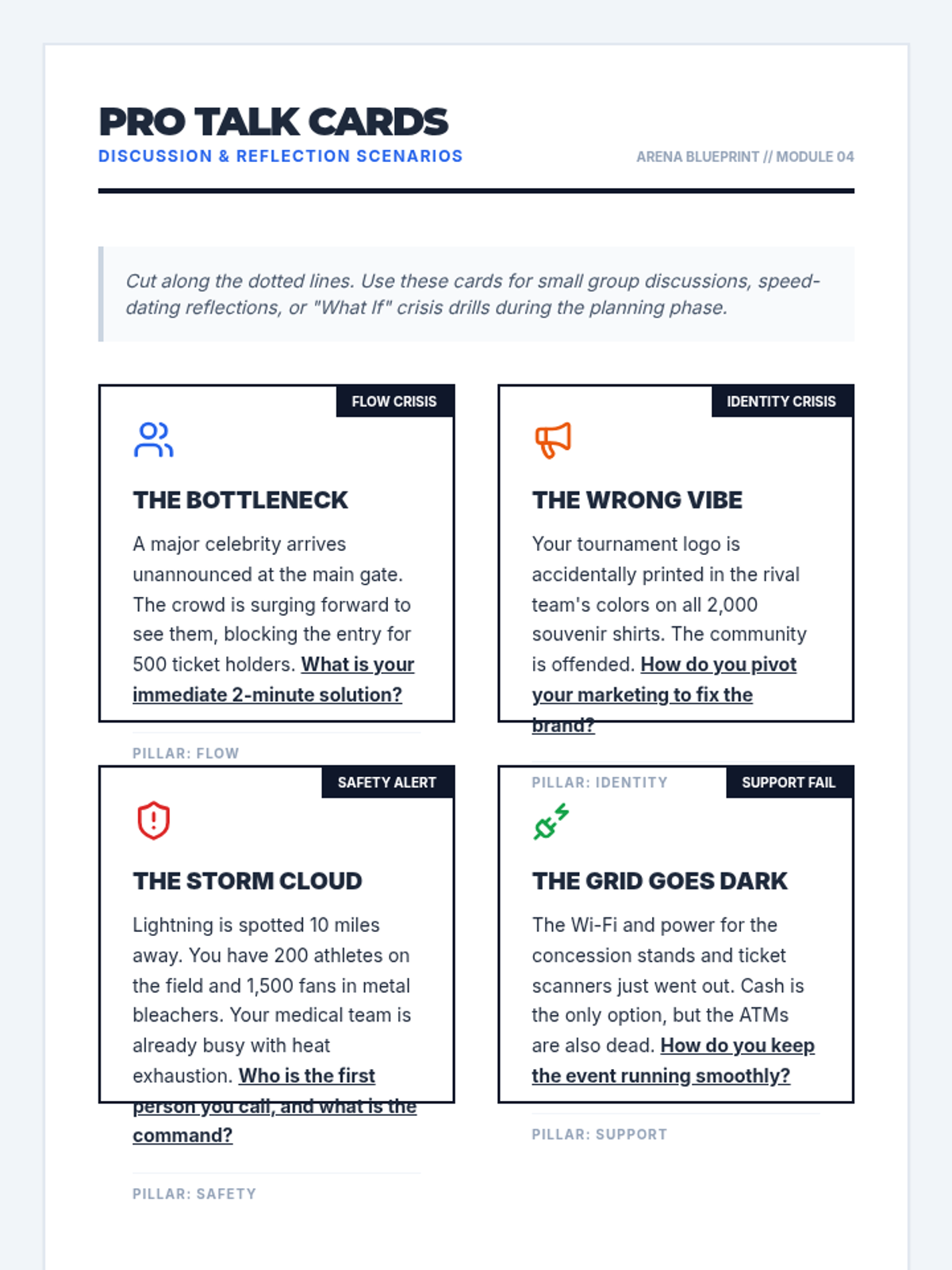
A project-based lesson where 11th-grade students step into the roles of sports managers to design a community tournament from the ground up. Students master venue logistics, safety protocols, and branding strategies through hands-on planning and professional-level documentation.
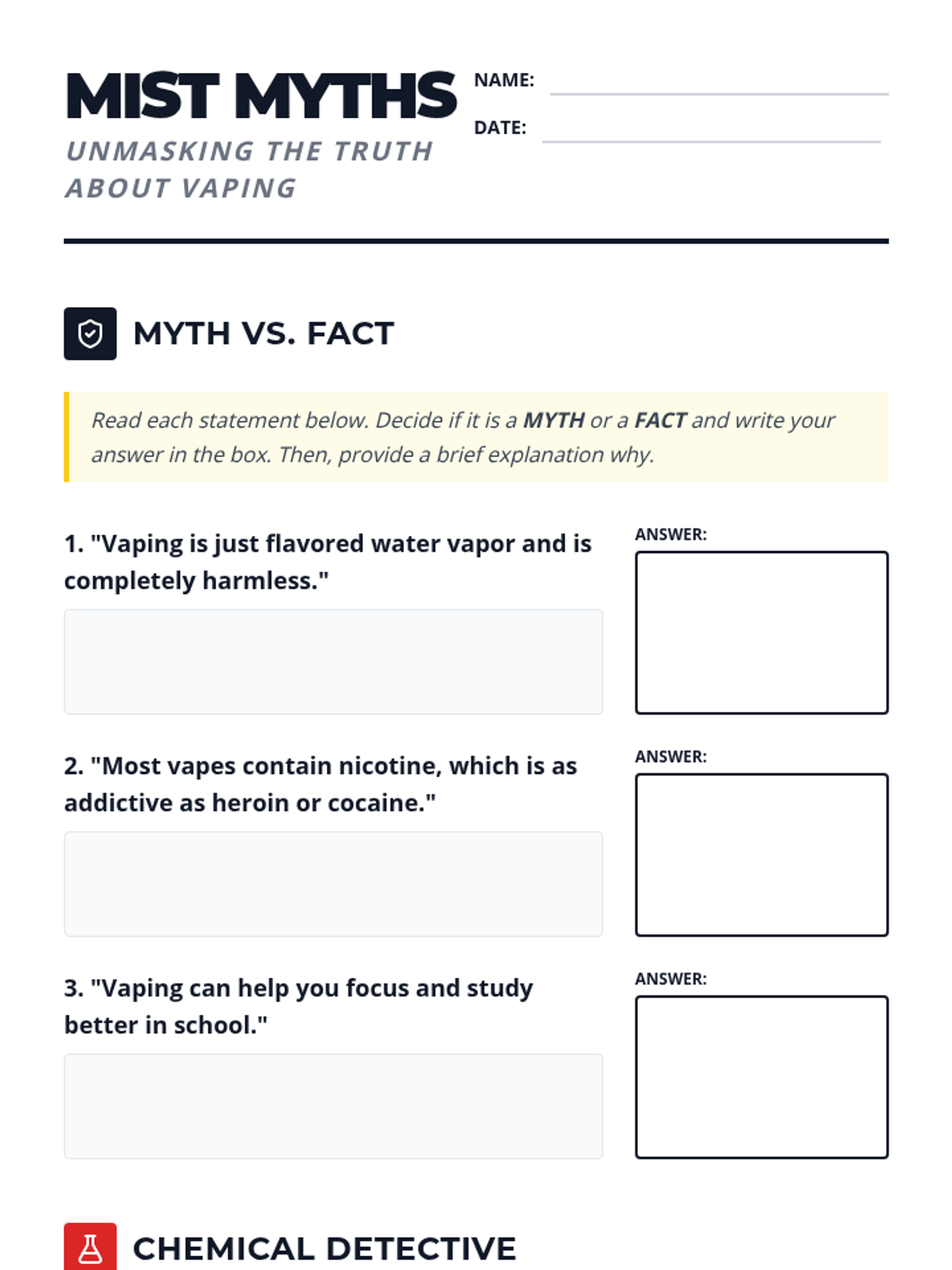
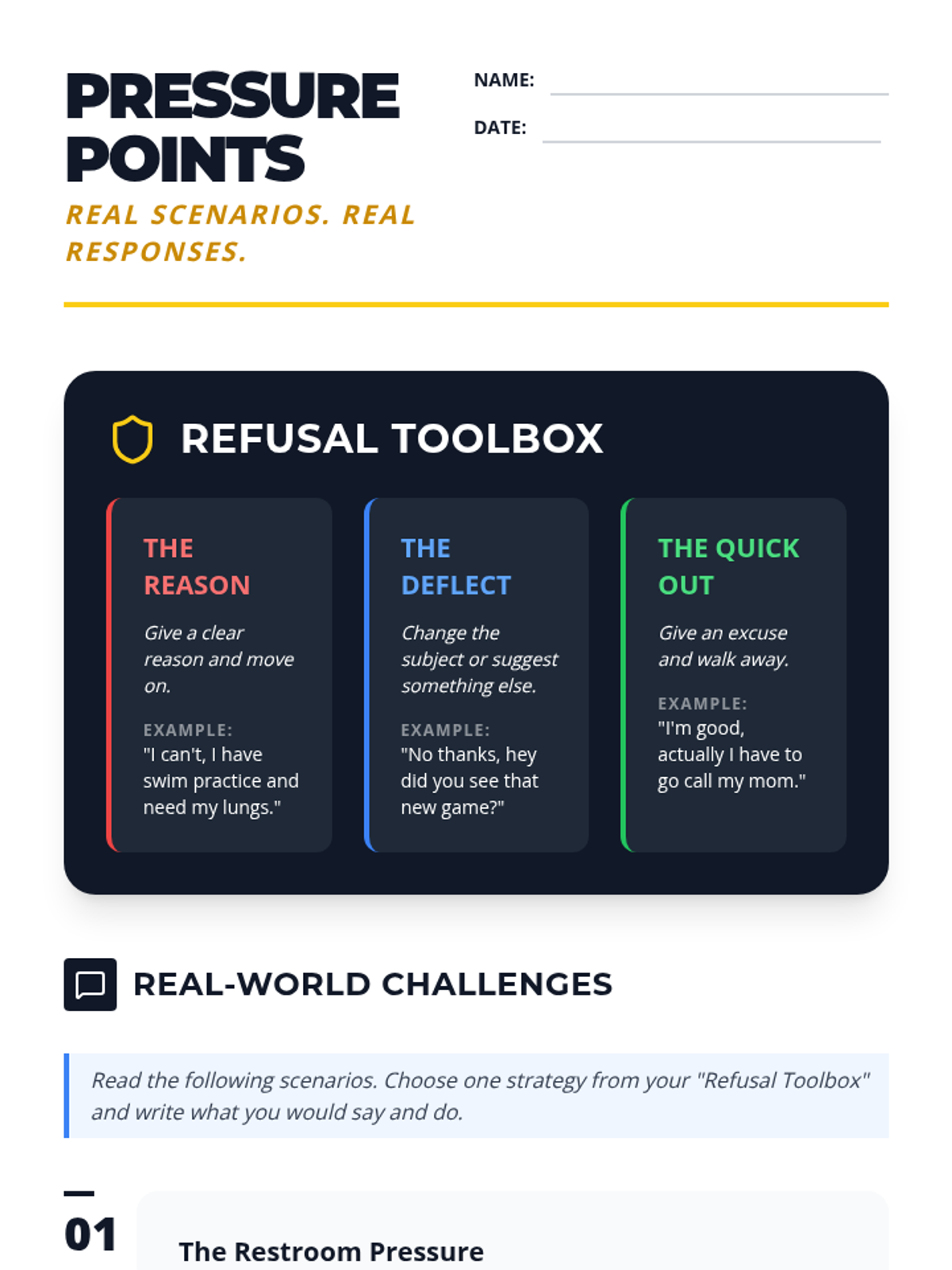
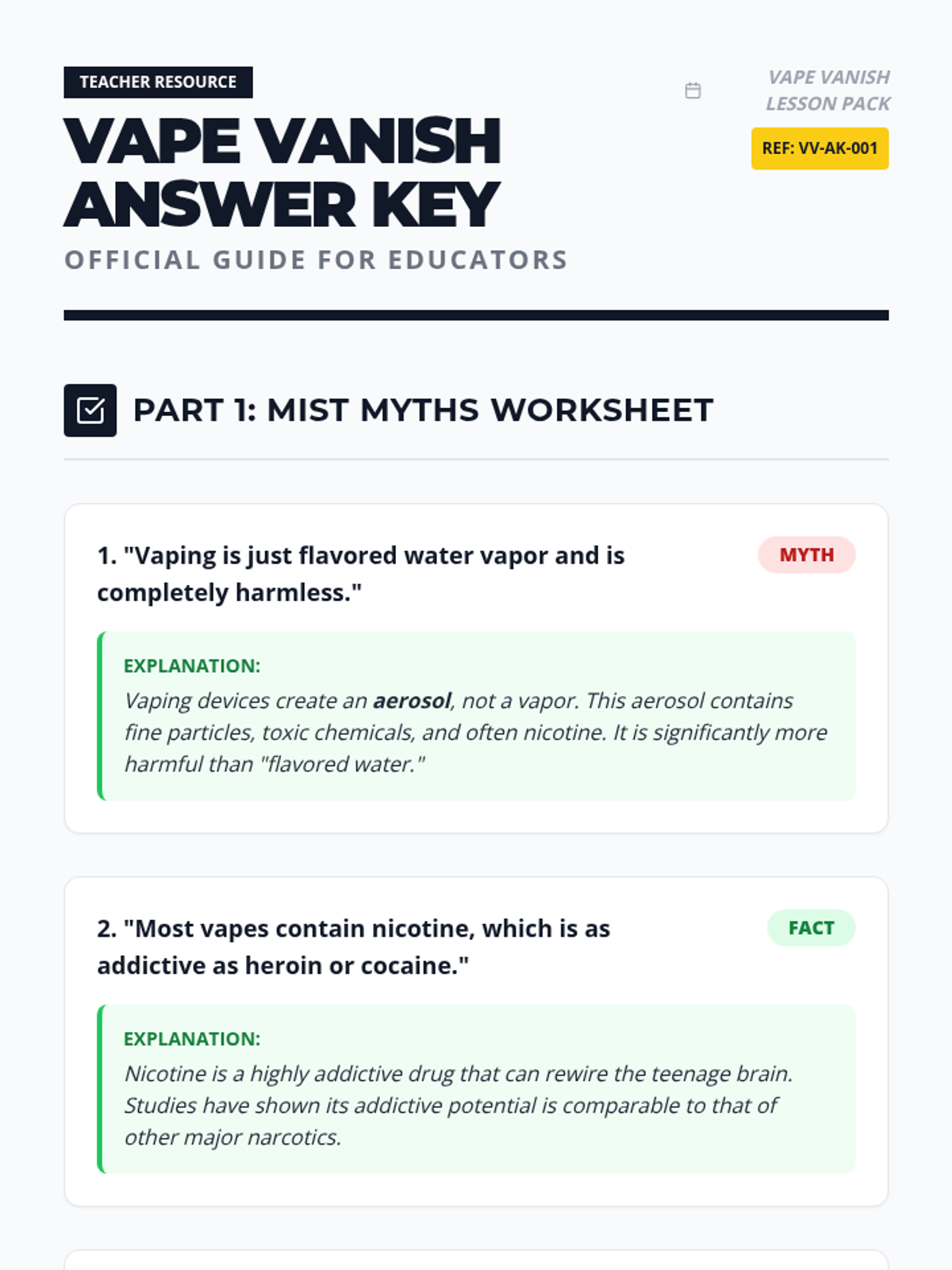
A comprehensive lesson exploring the health risks of vaping, debunking common myths, and practicing refusal skills through real-world scenarios.
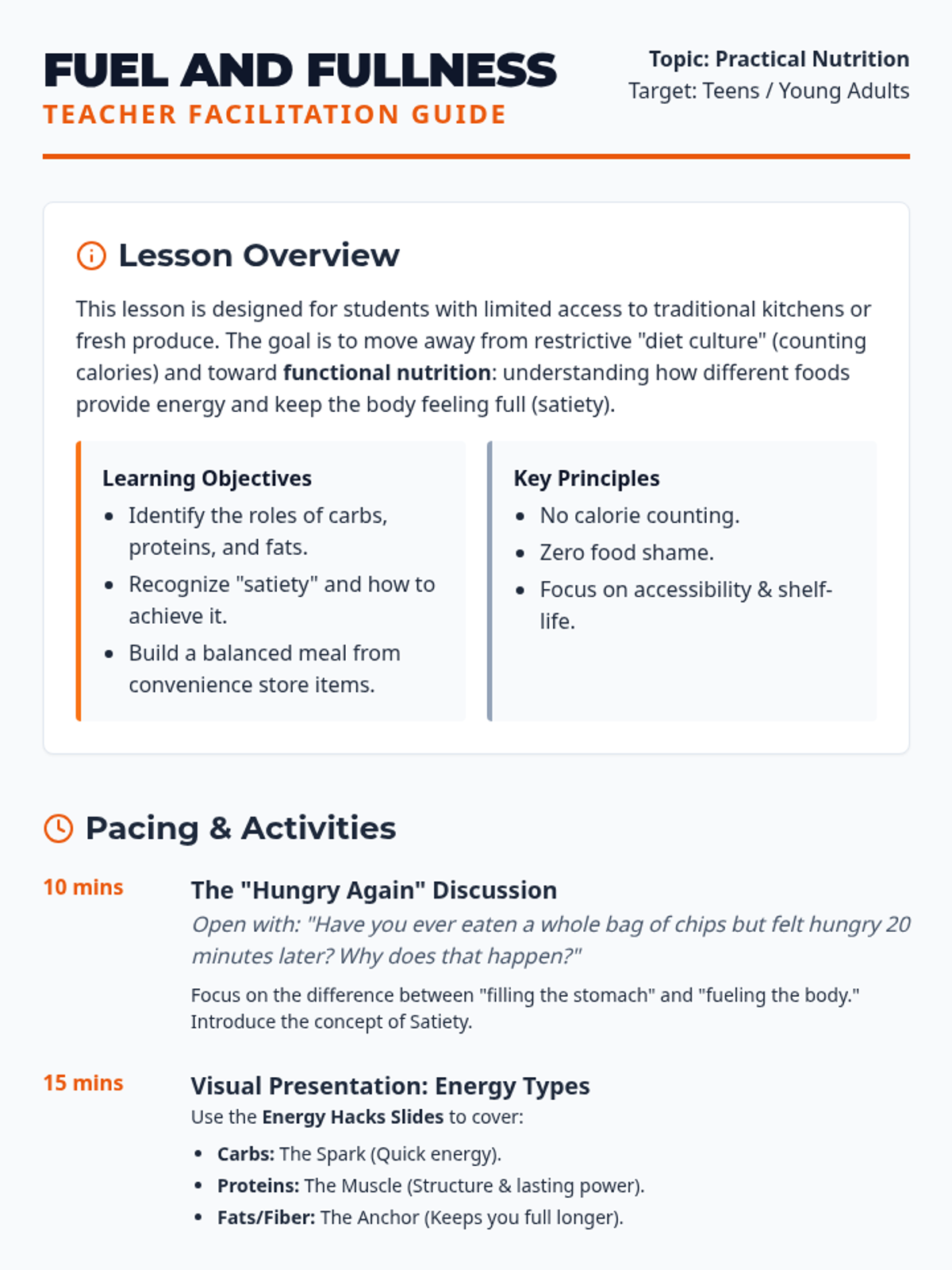
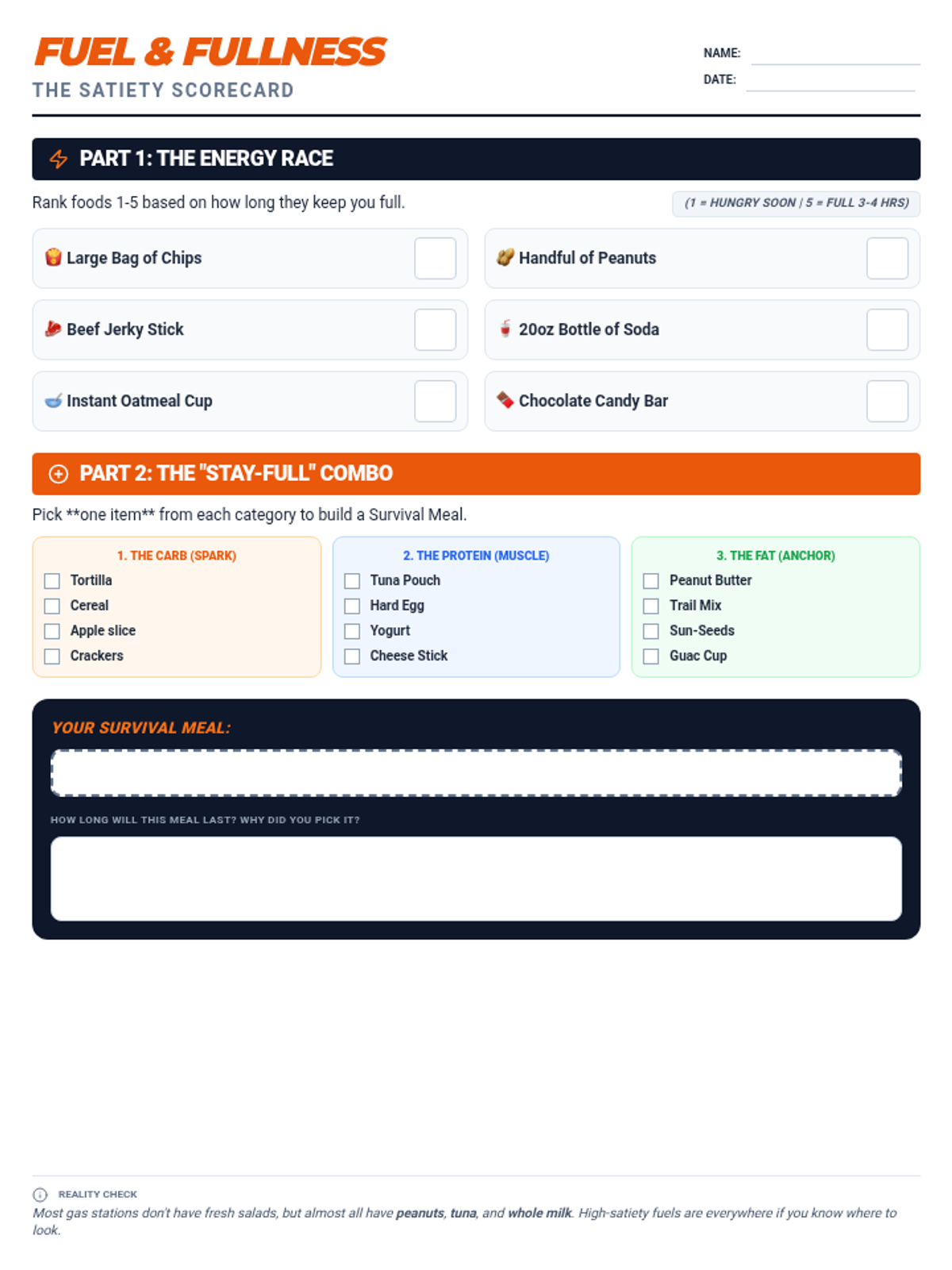
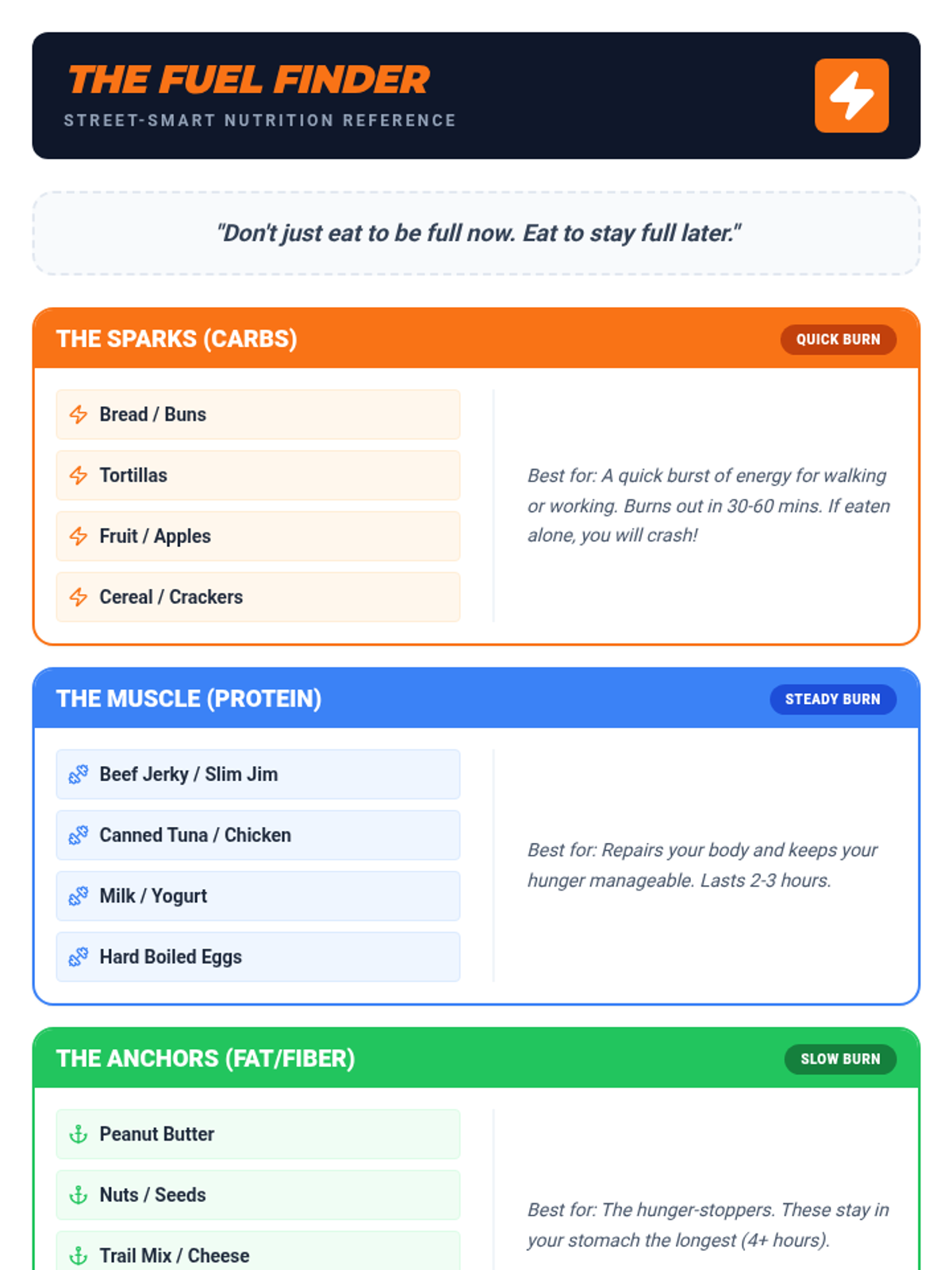
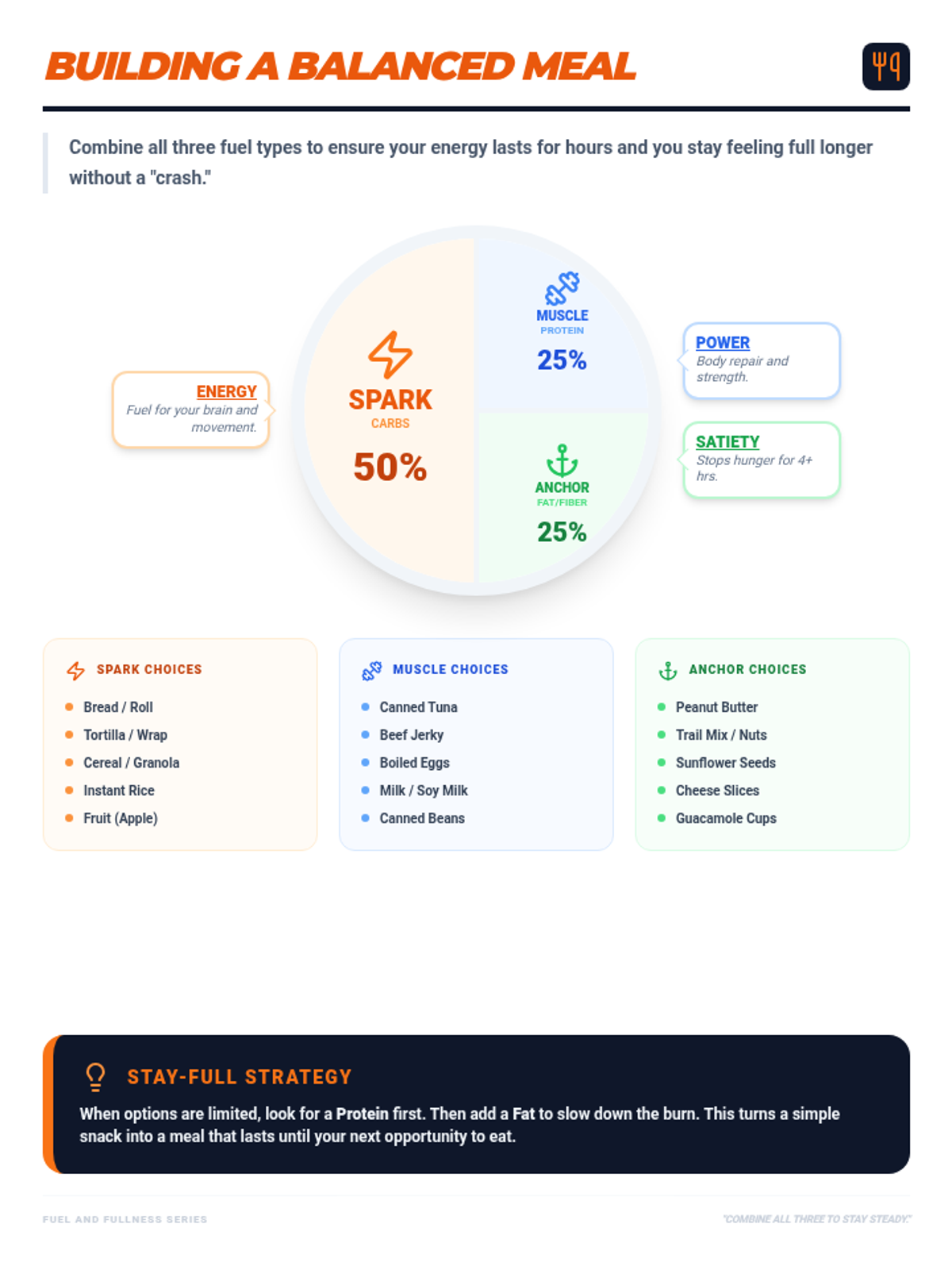
A practical nutrition lesson for teenagers facing housing instability, focusing on maximizing energy and satiety using accessible, shelf-stable foods without the use of calorie counting.
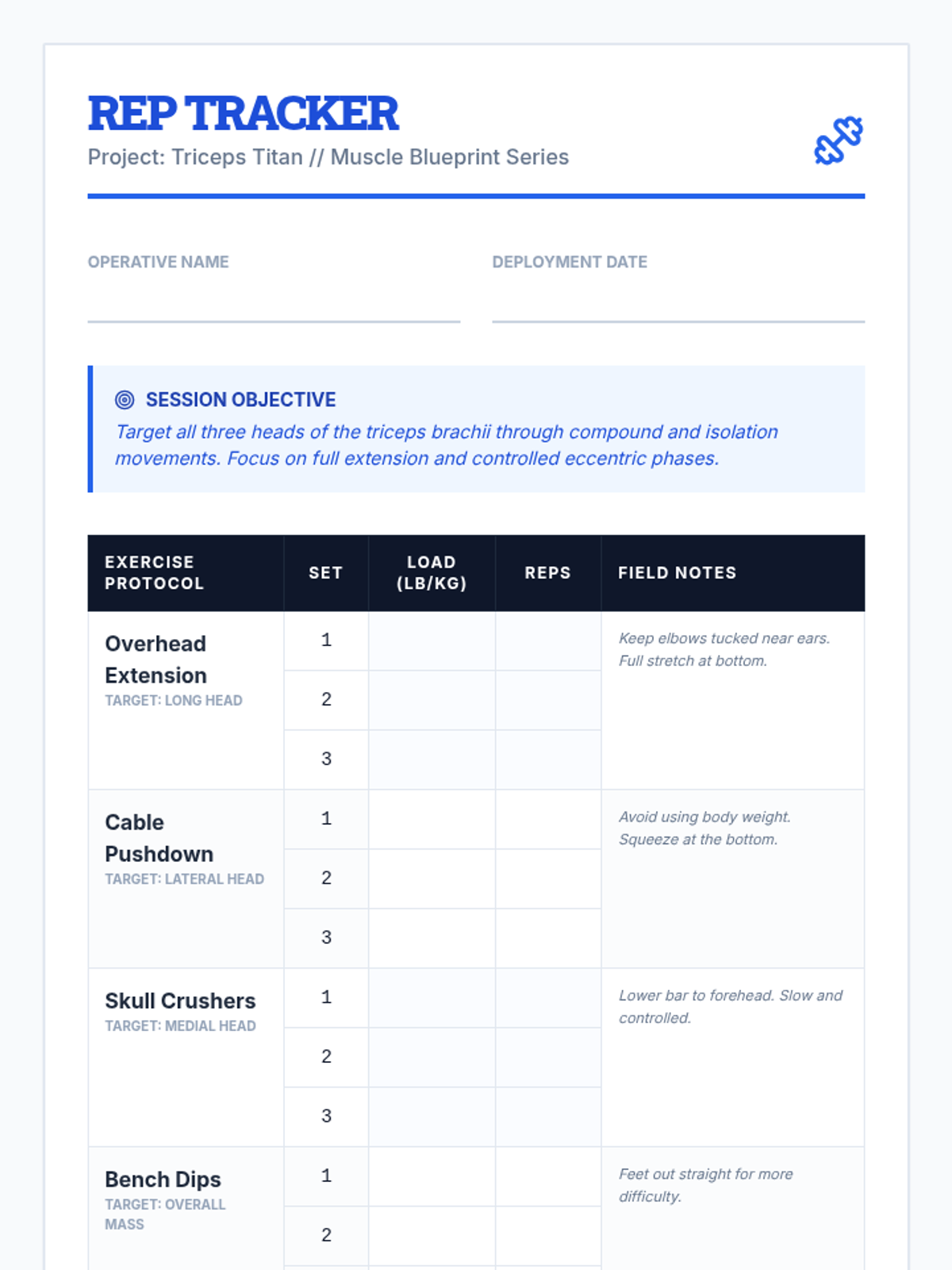
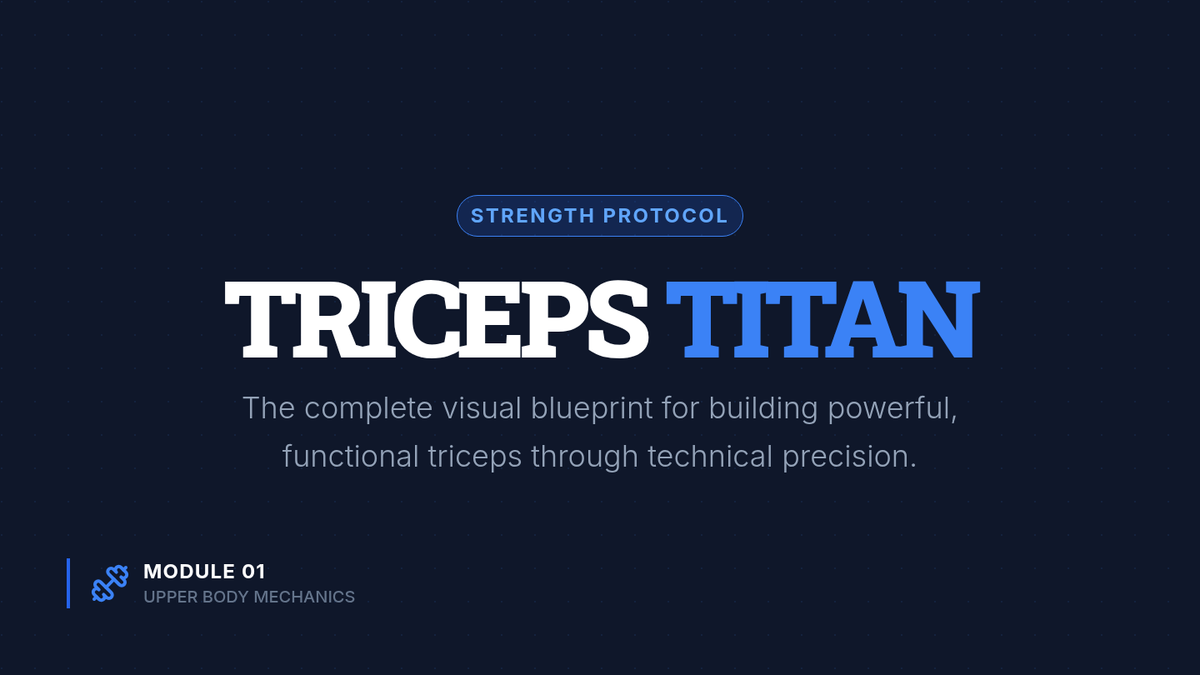
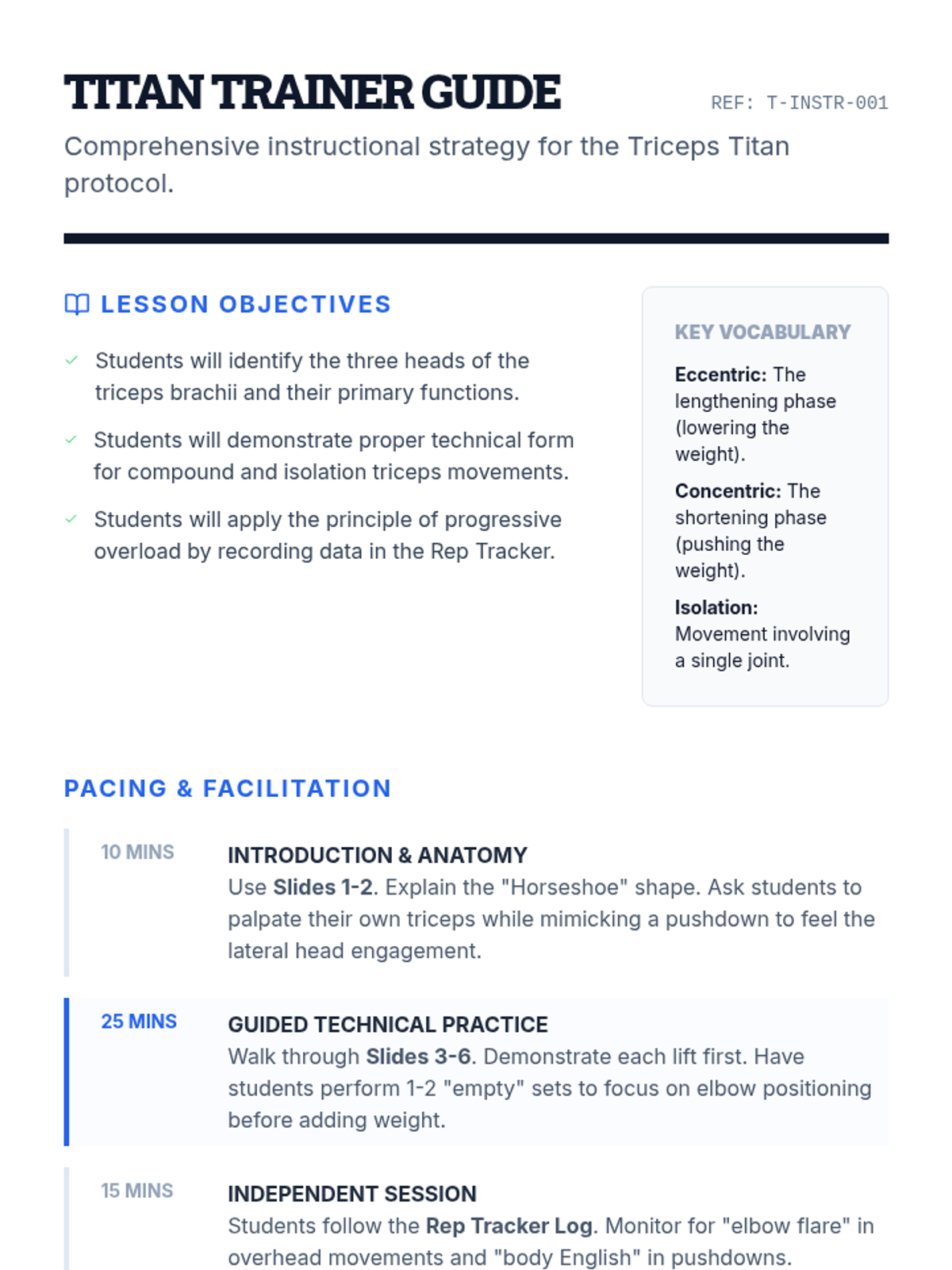
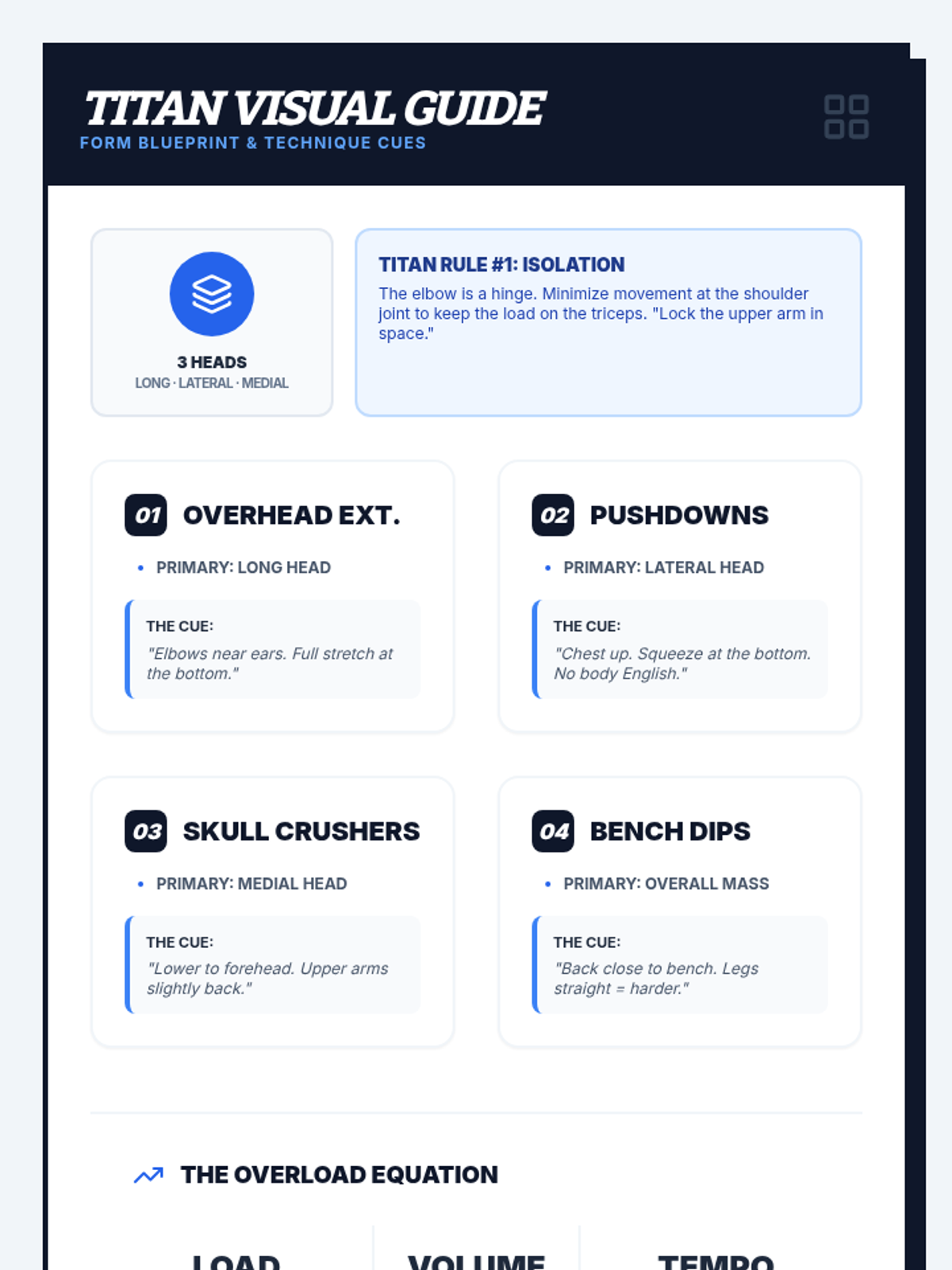
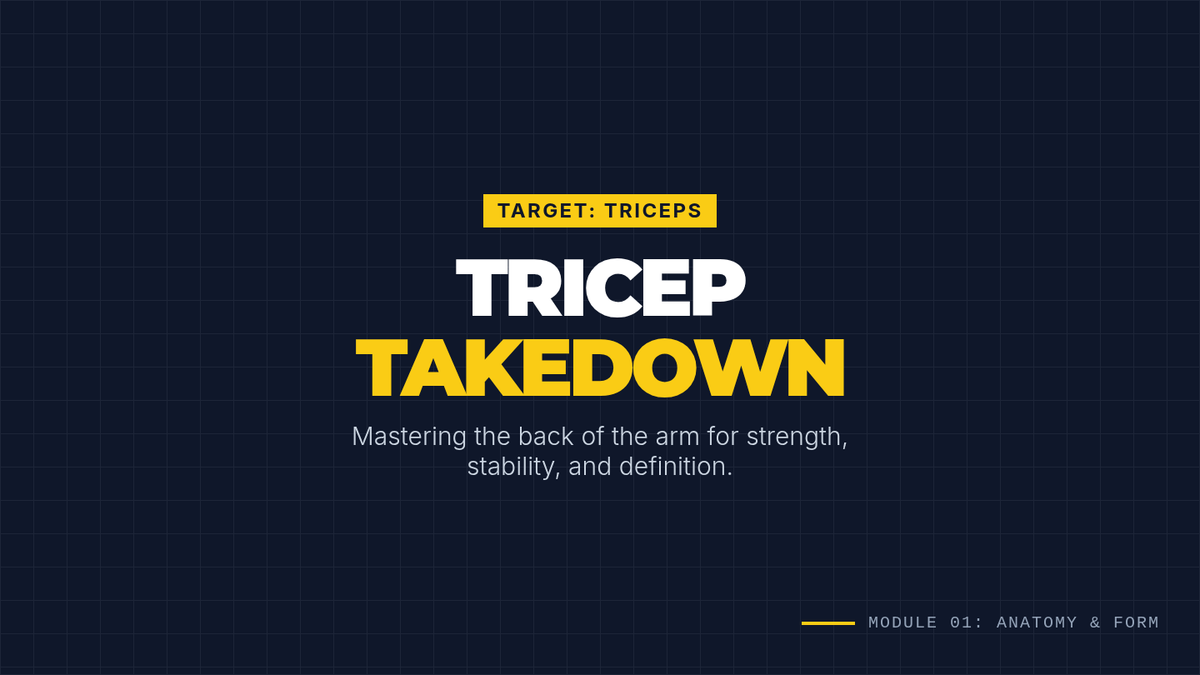
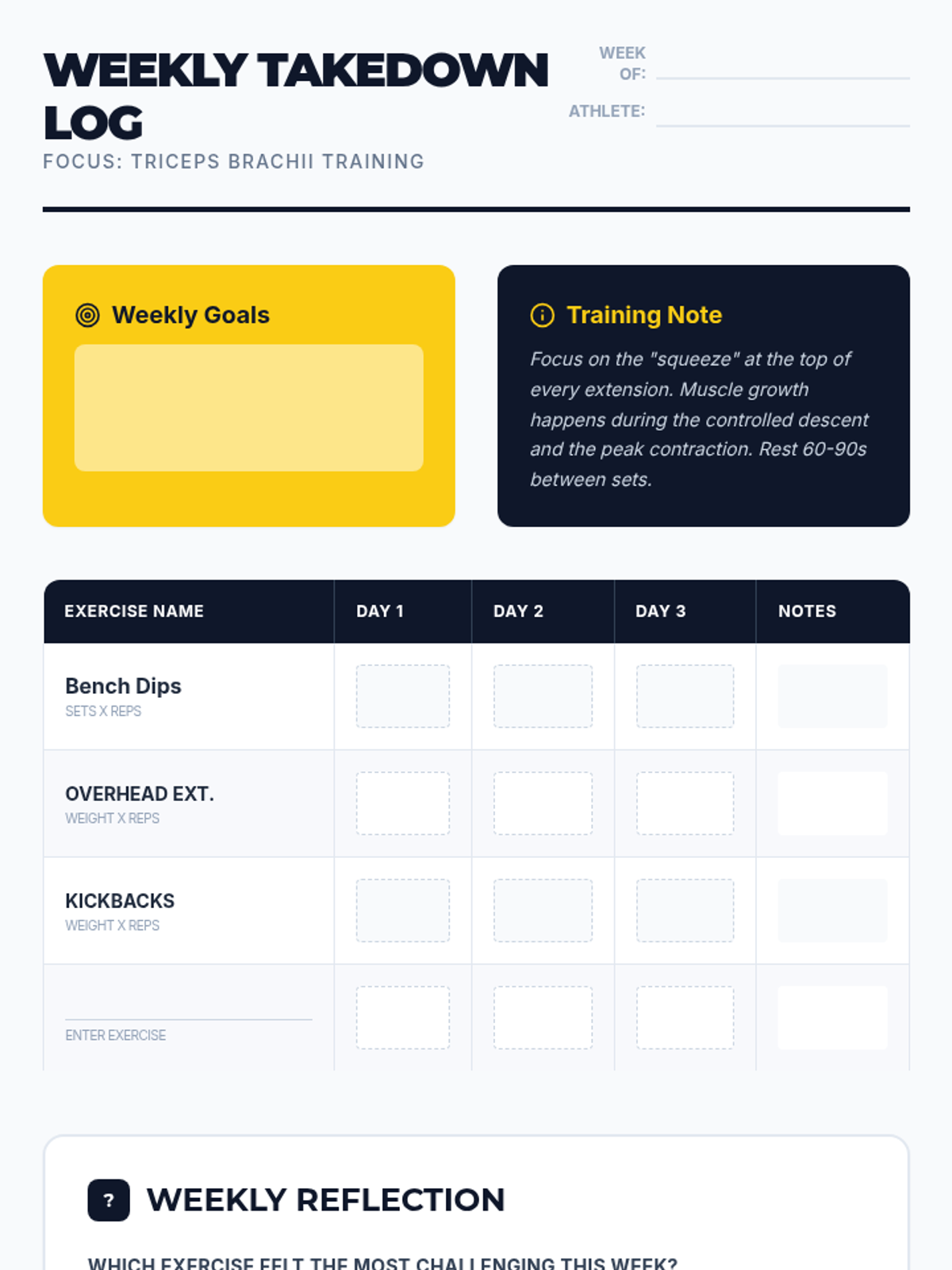
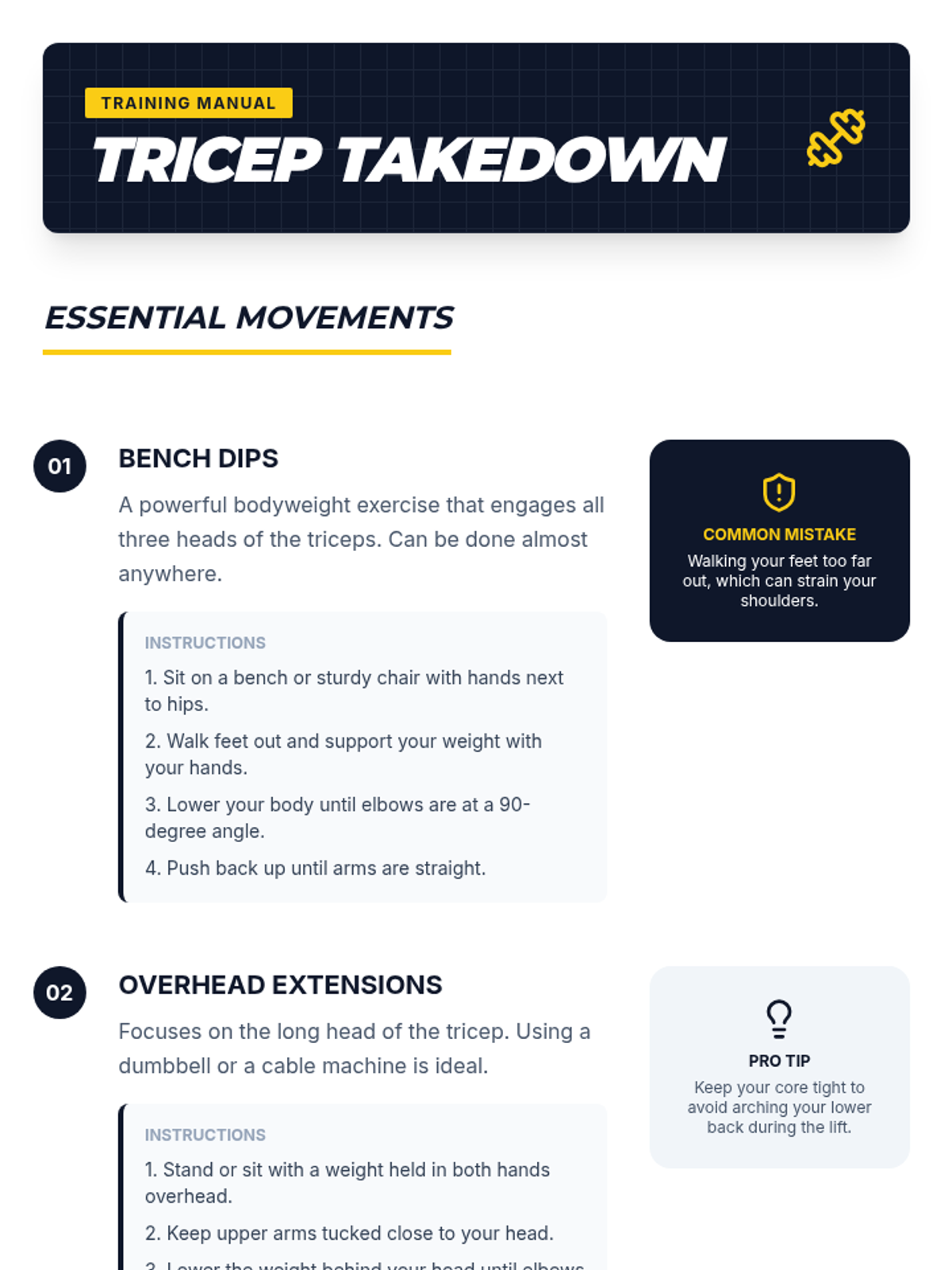
A comprehensive guide and tracking system for building stronger triceps, featuring visual exercise instructions and a progress log.
A focused fitness program designed to strengthen and tone the triceps (the back of the arms) through targeted exercises and progress tracking.
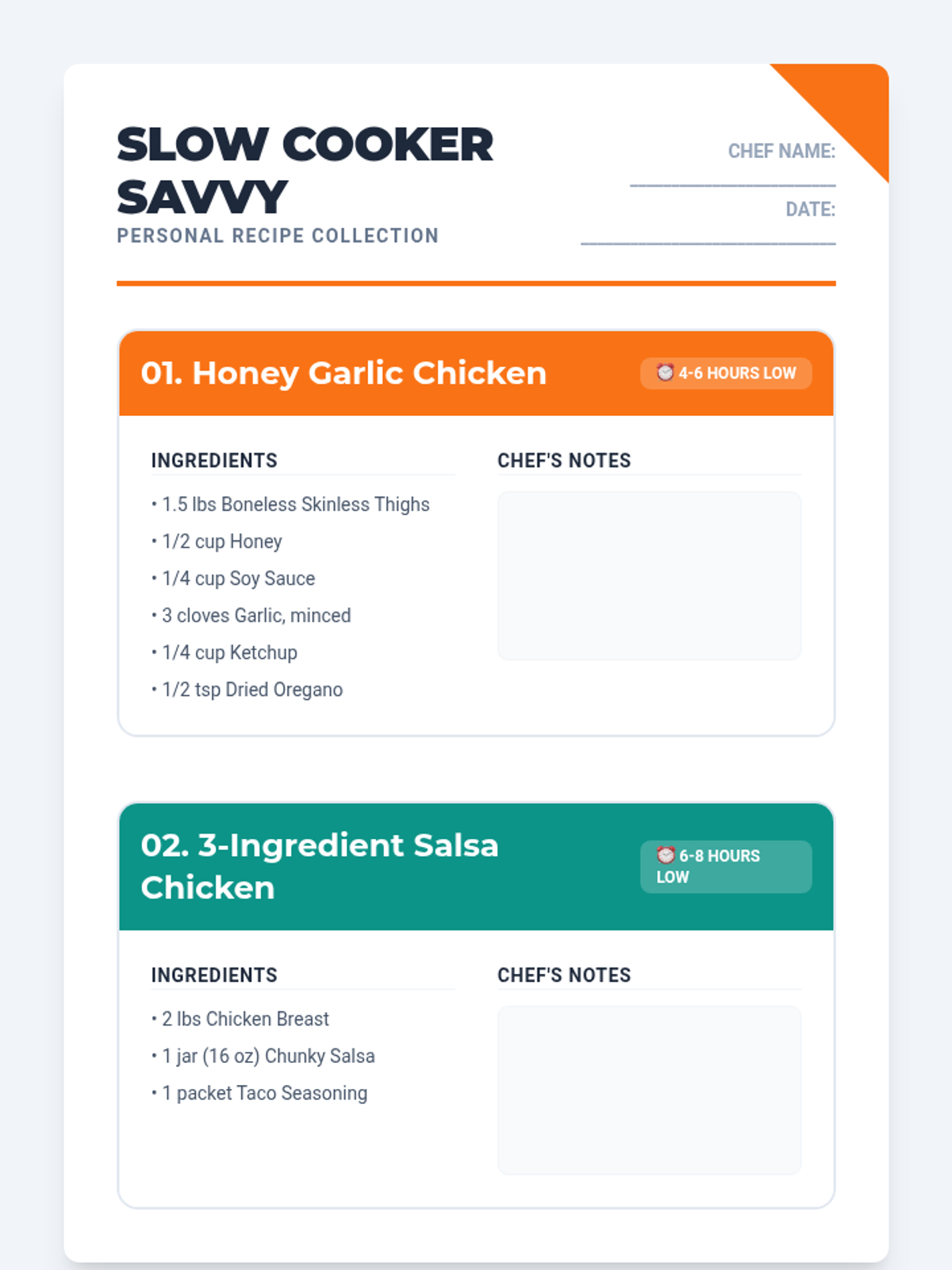
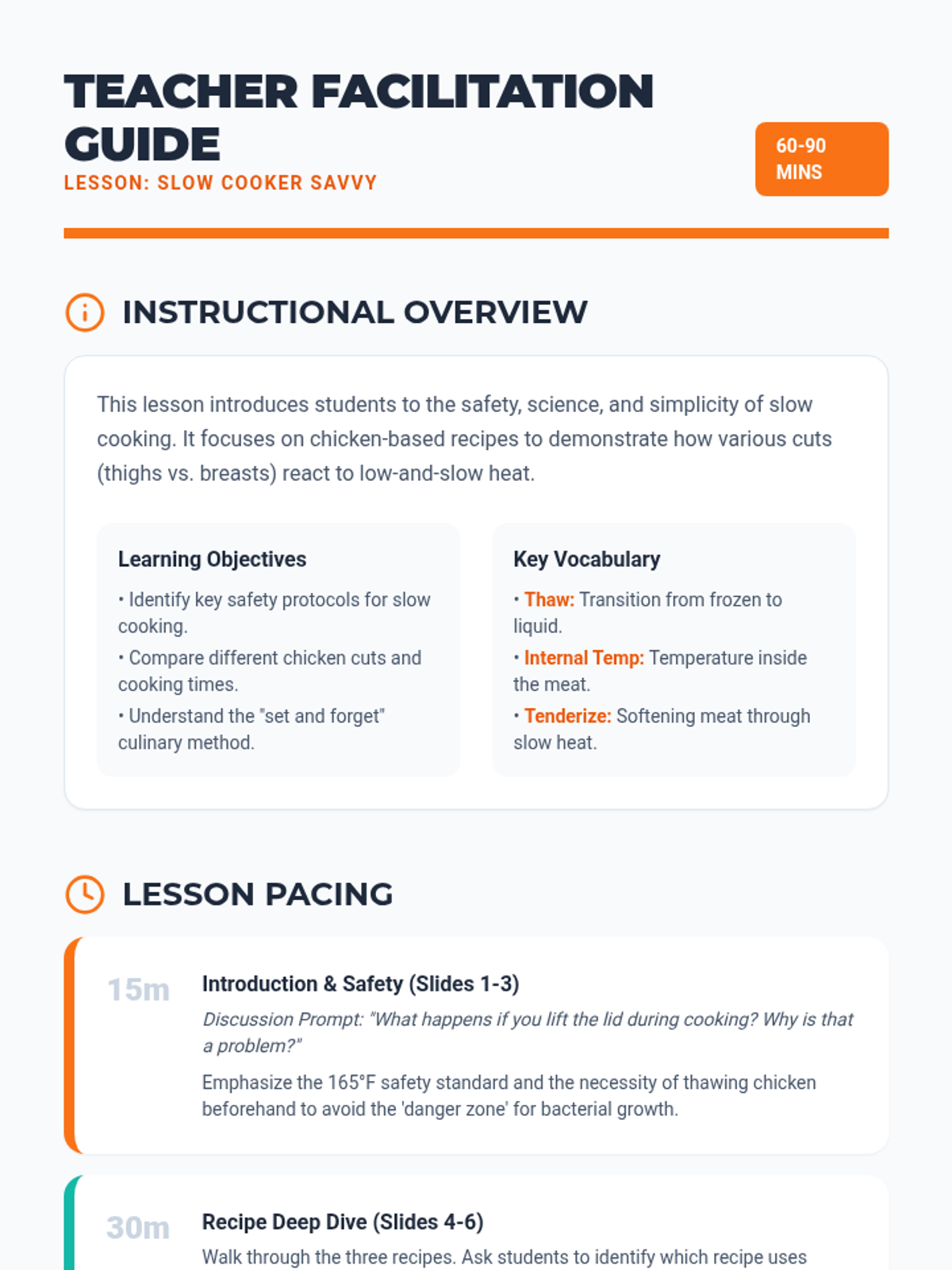
This lesson introduces students to the art of slow cooking, focusing on three easy and nutritious chicken recipes. It covers kitchen safety, ingredient preparation, and the benefits of low-and-slow heat.
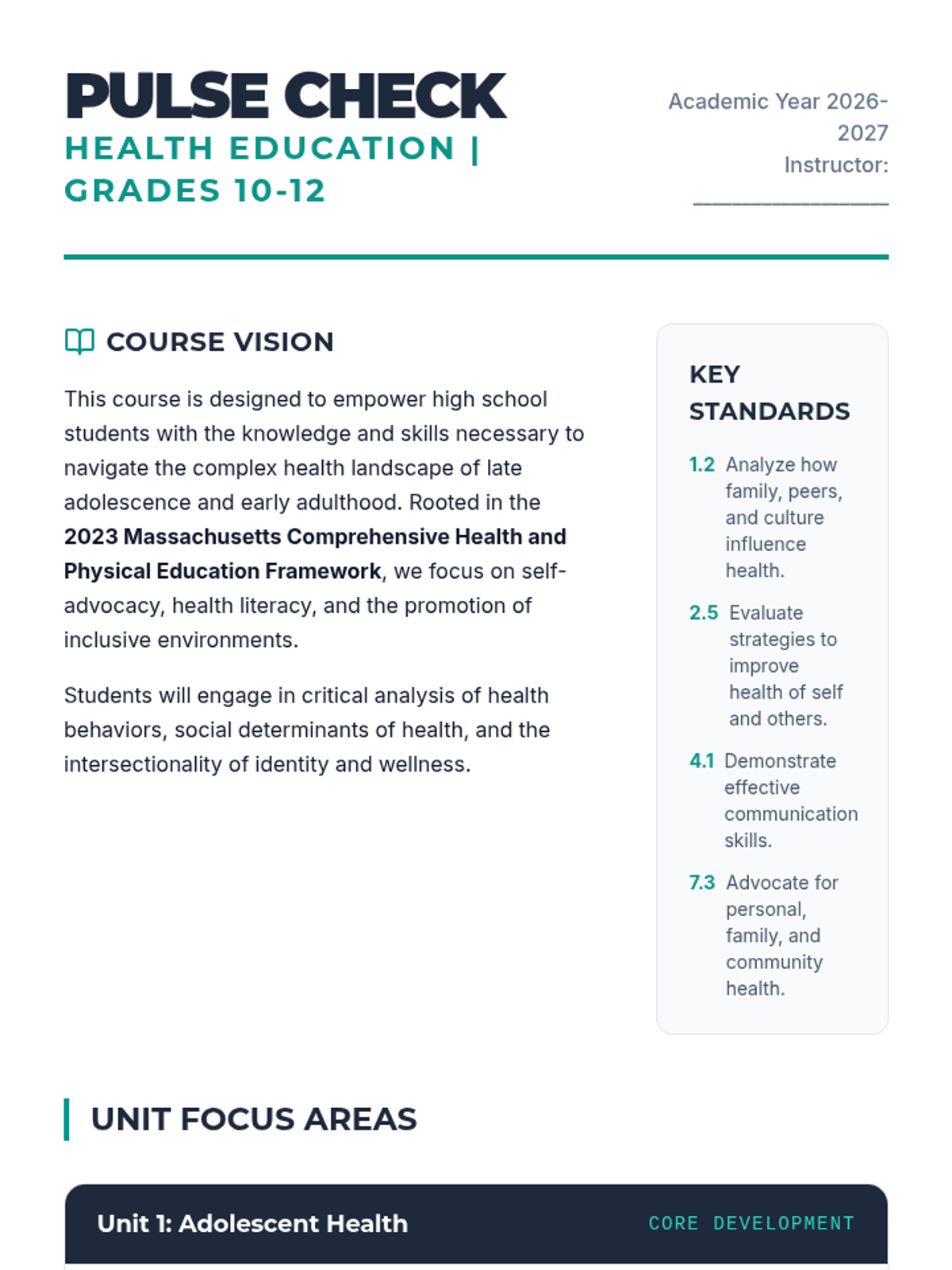
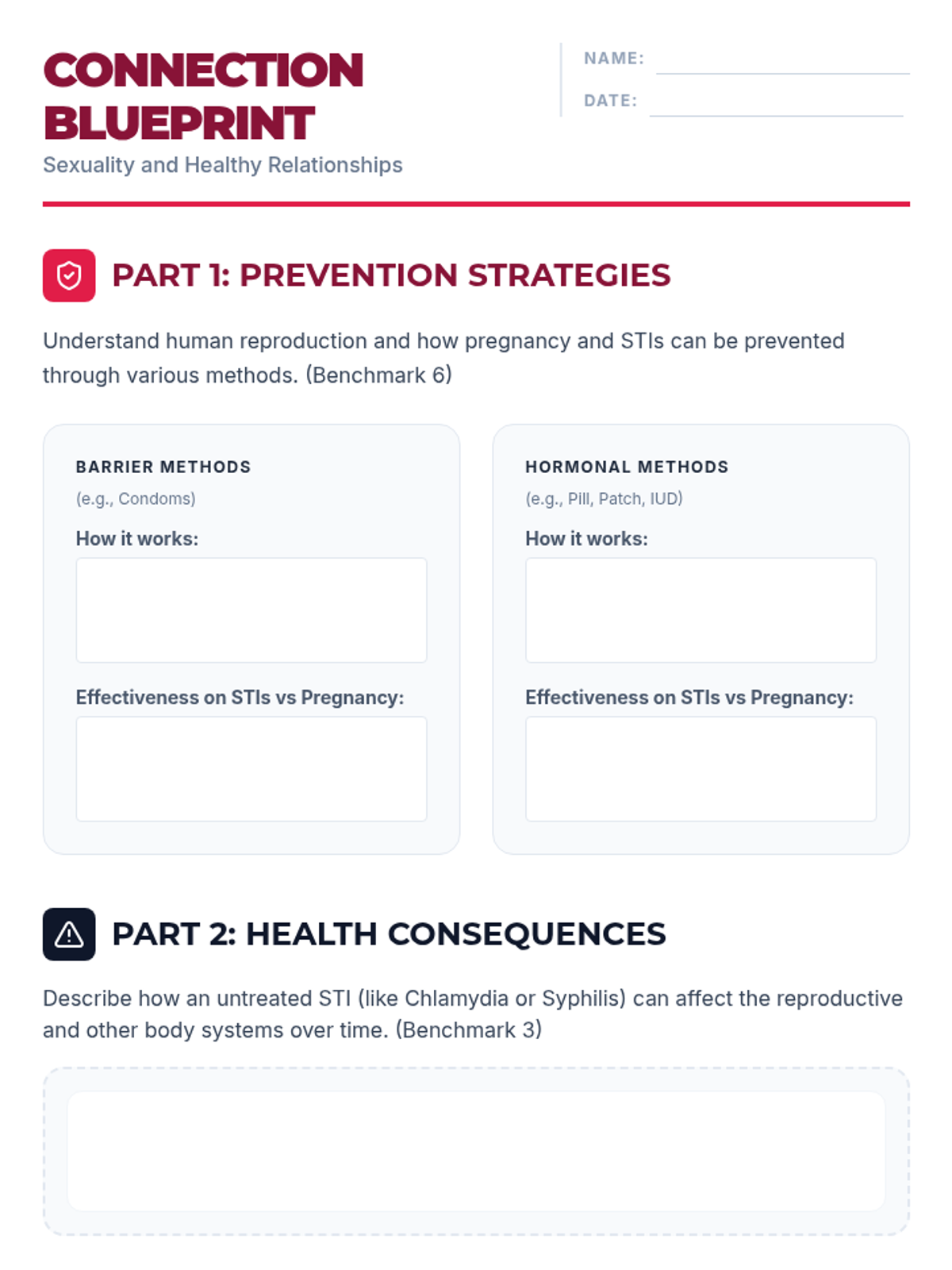
Covers human reproduction, pregnancy prevention, and STI awareness. Students analyze healthy boundaries, consent, and how early behaviors impact adult health outcomes.
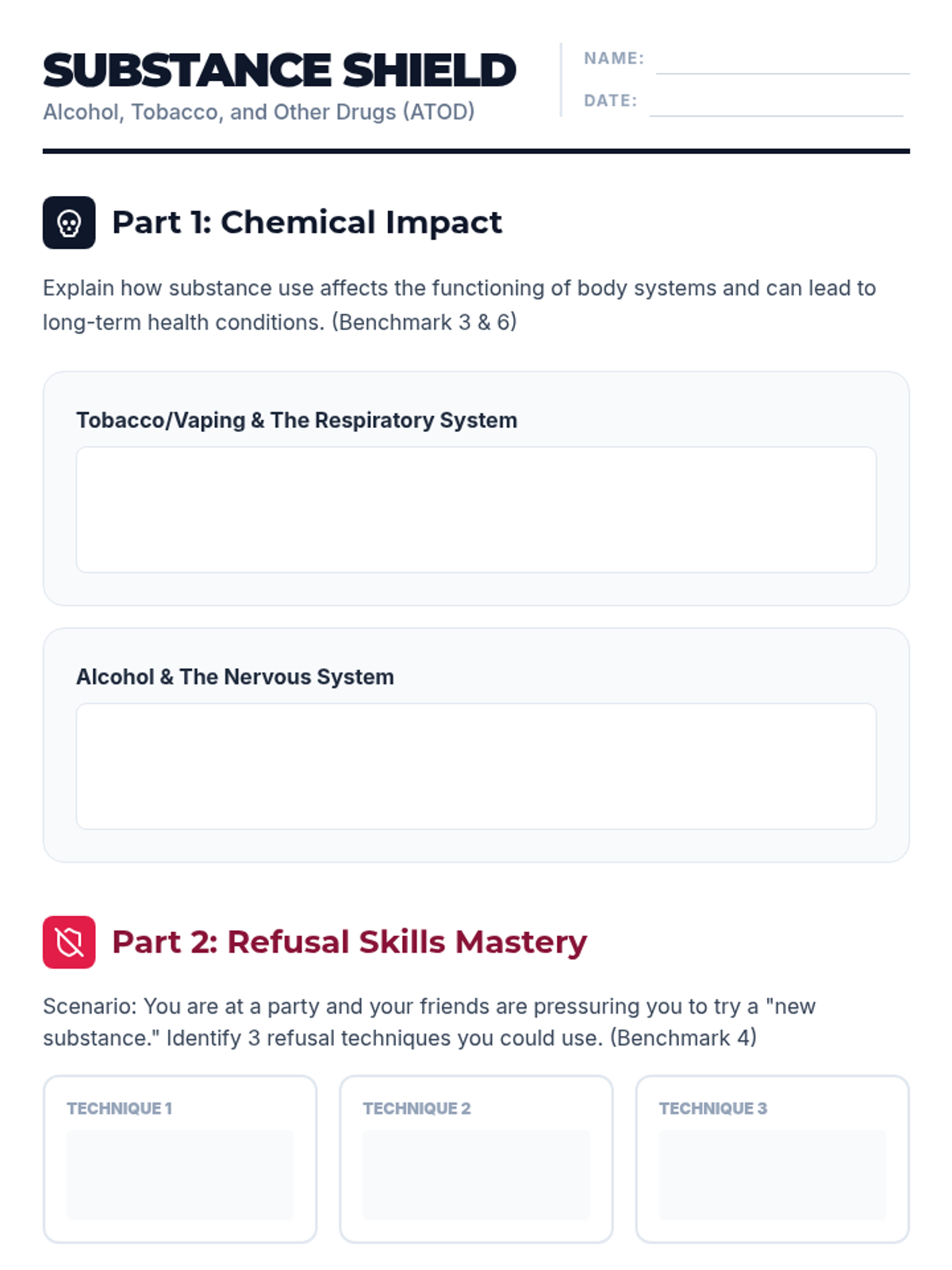
Examines the impact of alcohol, tobacco, and other drugs on the body and social health. Students develop refusal skills and analyze how public regulations and personal choices influence risk behaviors.