A multi-stage adventure course combining physical obstacles and logic puzzles where teams must pause, plan, and execute together.
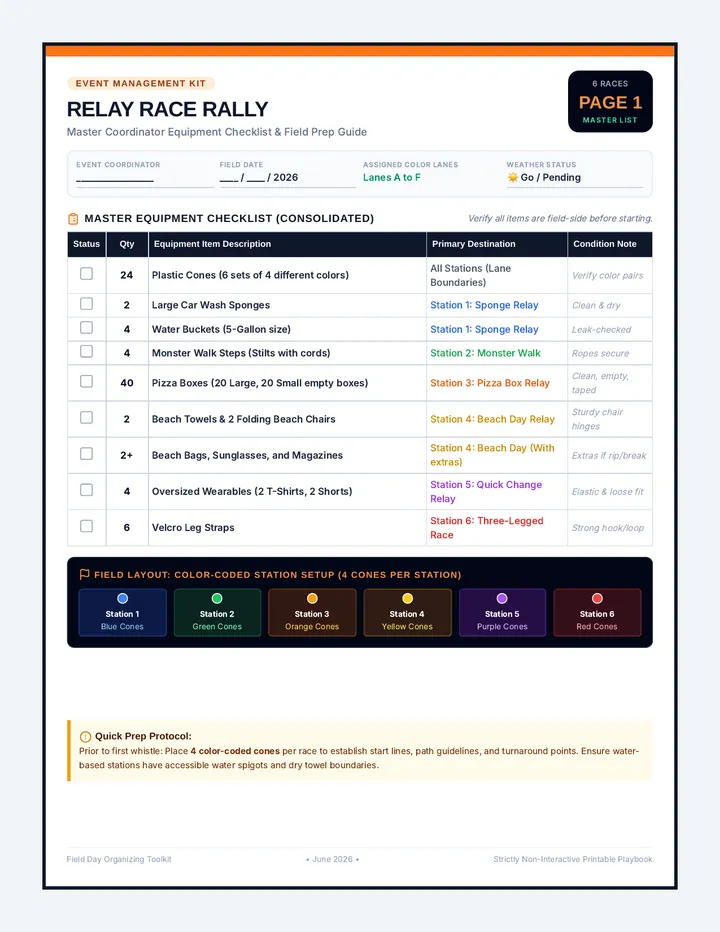
A comprehensive coordination and volunteer guide for organizing six classic Field Day relay races. This resource provides parent volunteers with clear setup diagrams, simplified rules, and a master clipboard inventory to ensure a smooth, high-energy event.
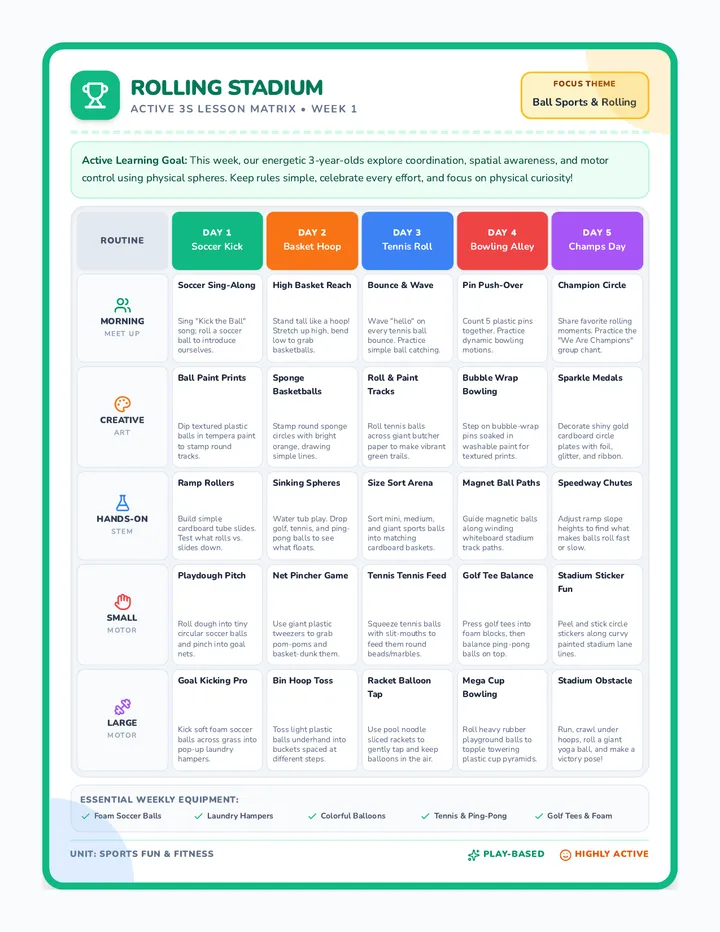
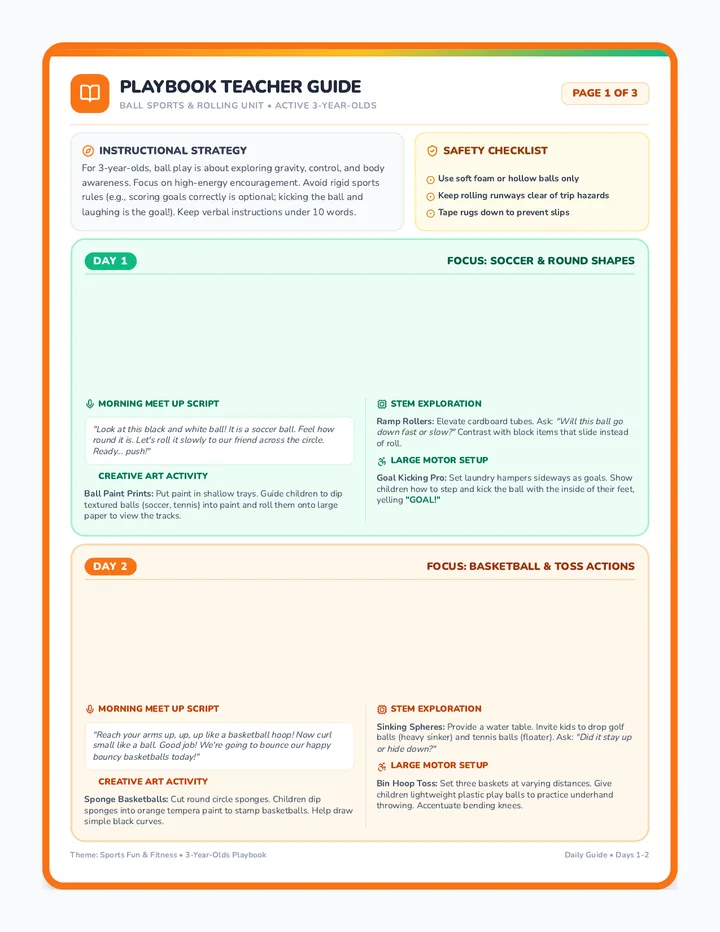
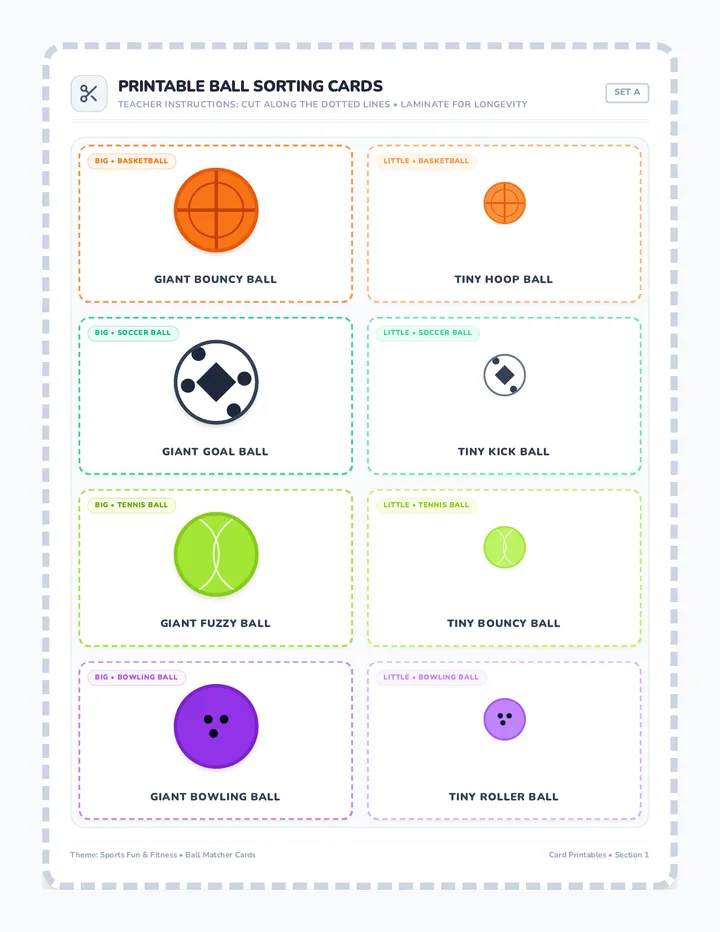
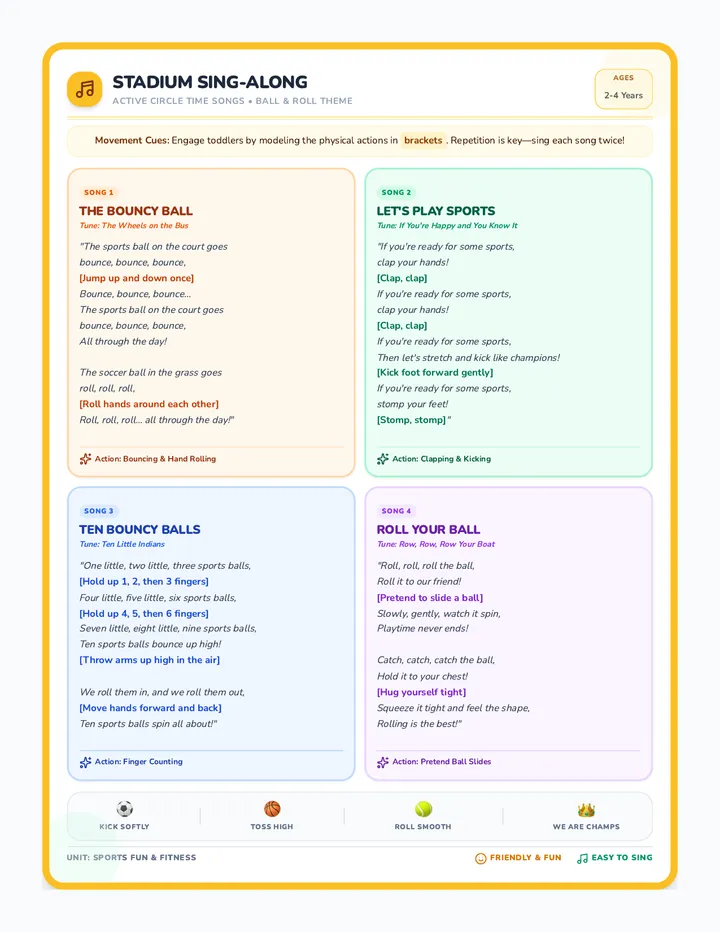
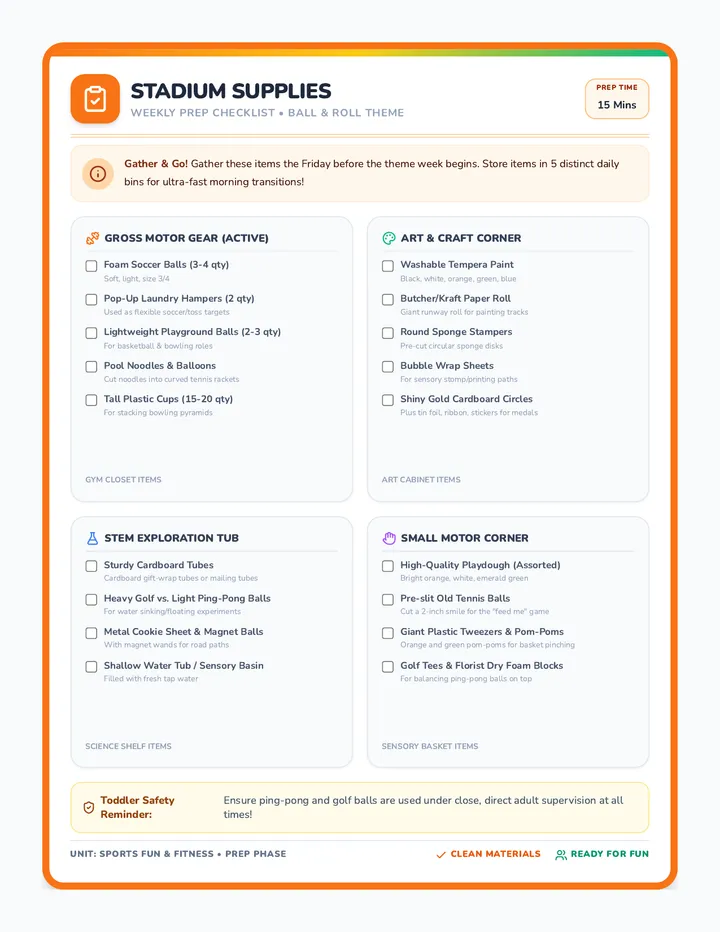
A 5-day active curriculum unit for 3-year-olds themed around Ball Sports & Rolling. Includes a weekly planning matrix, a detailed teacher guide with daily scripts, and printable classroom materials for sorting, patterning, and movement games.
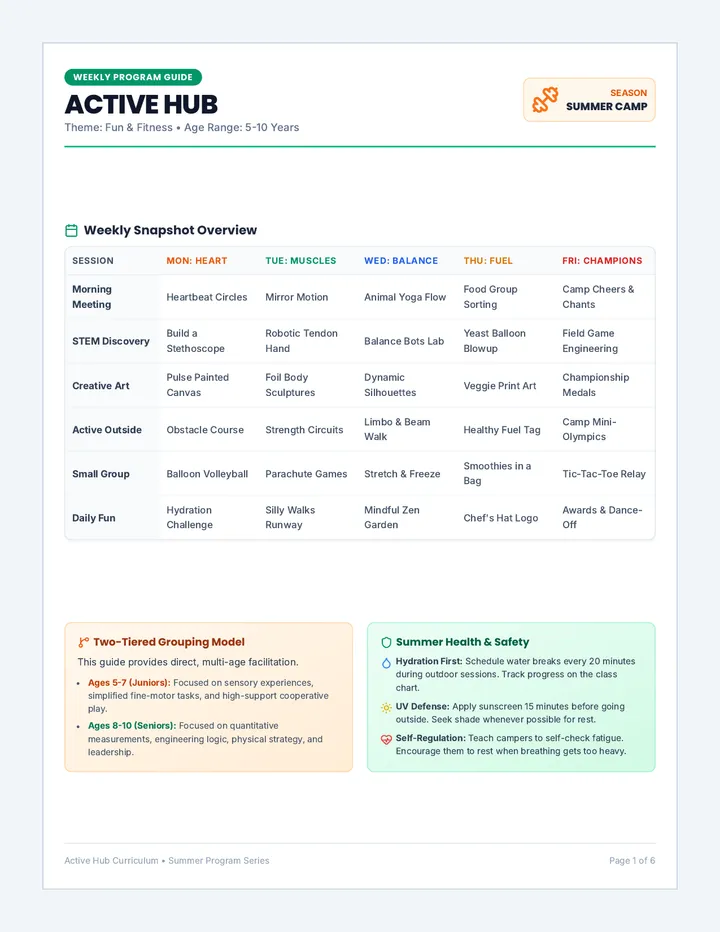
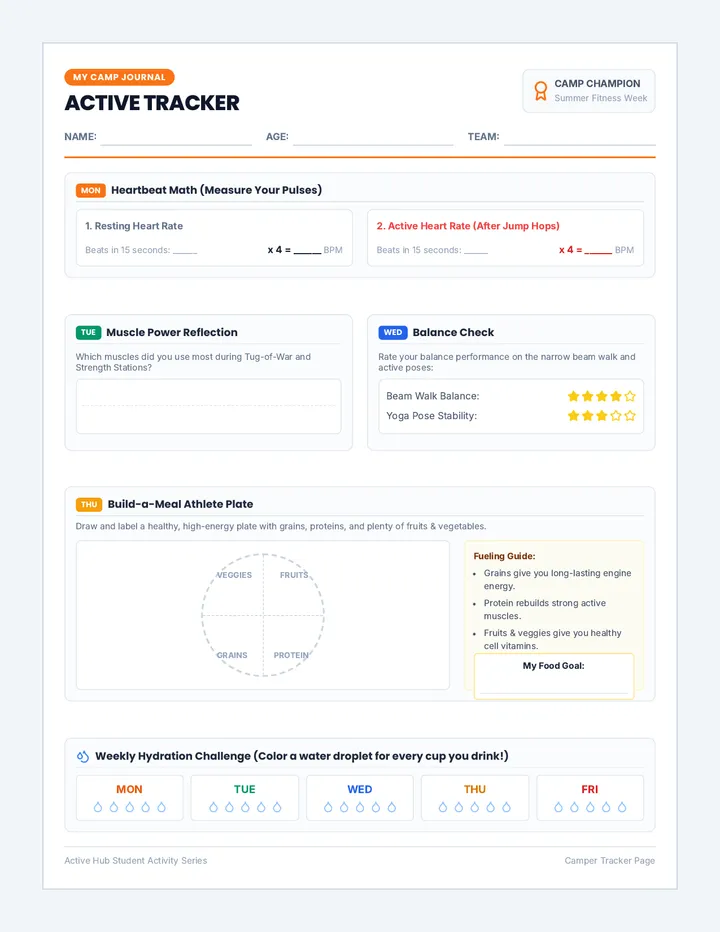
A weekly lesson plan focused on physical activity, health, nutrition, and cooperative team play designed for summer school-age campers.
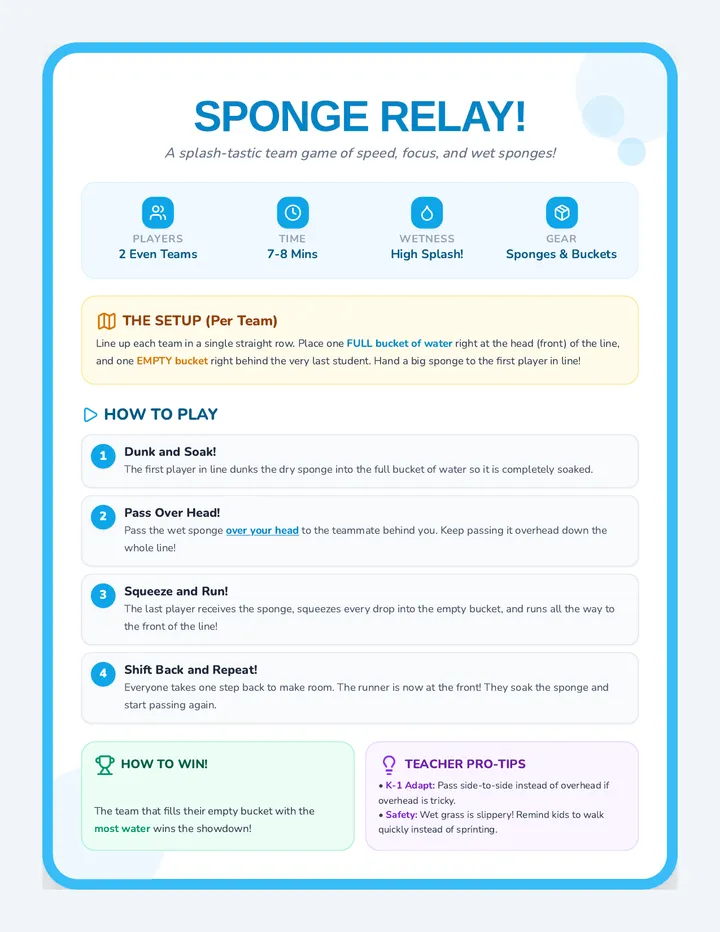
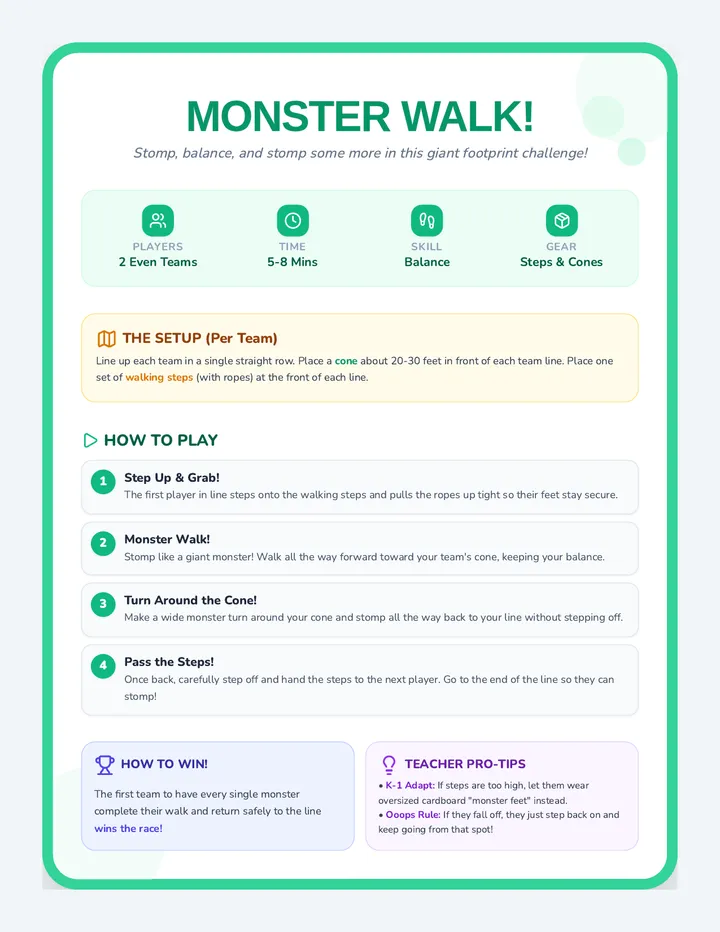
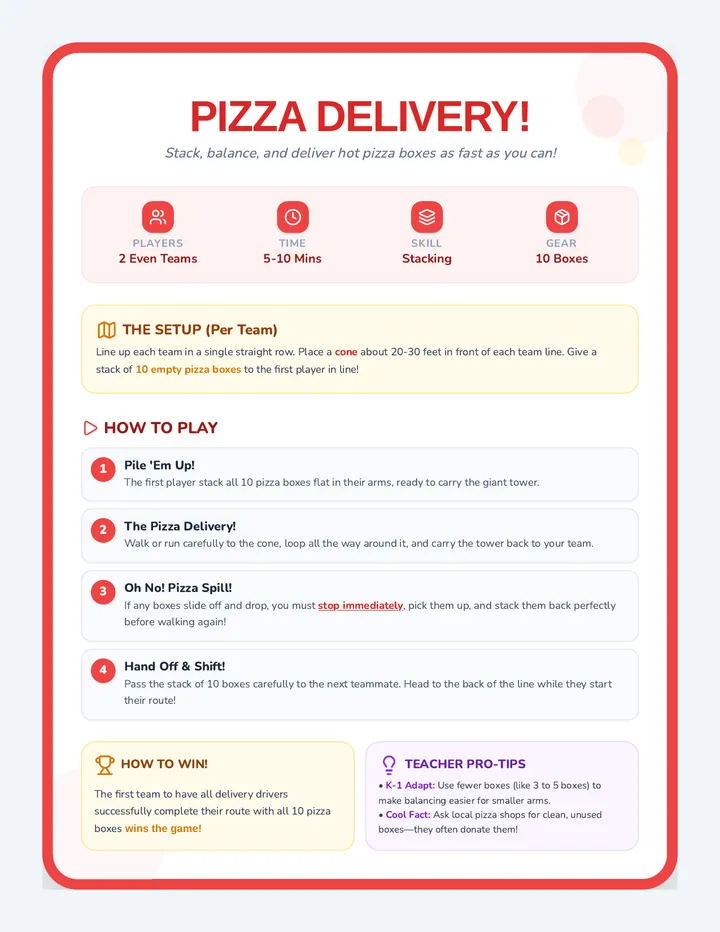
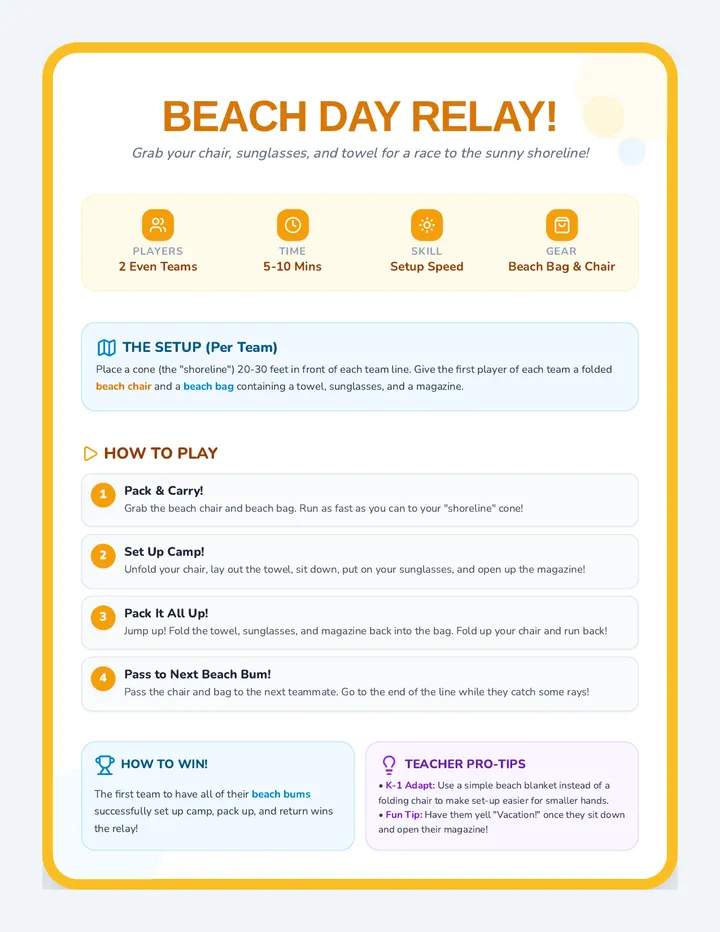
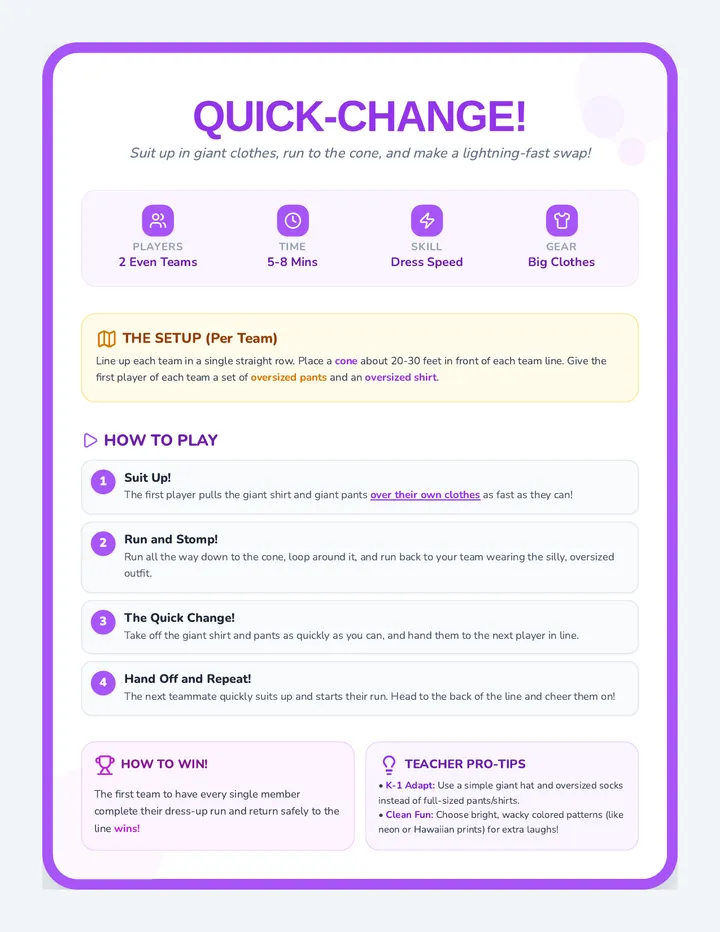
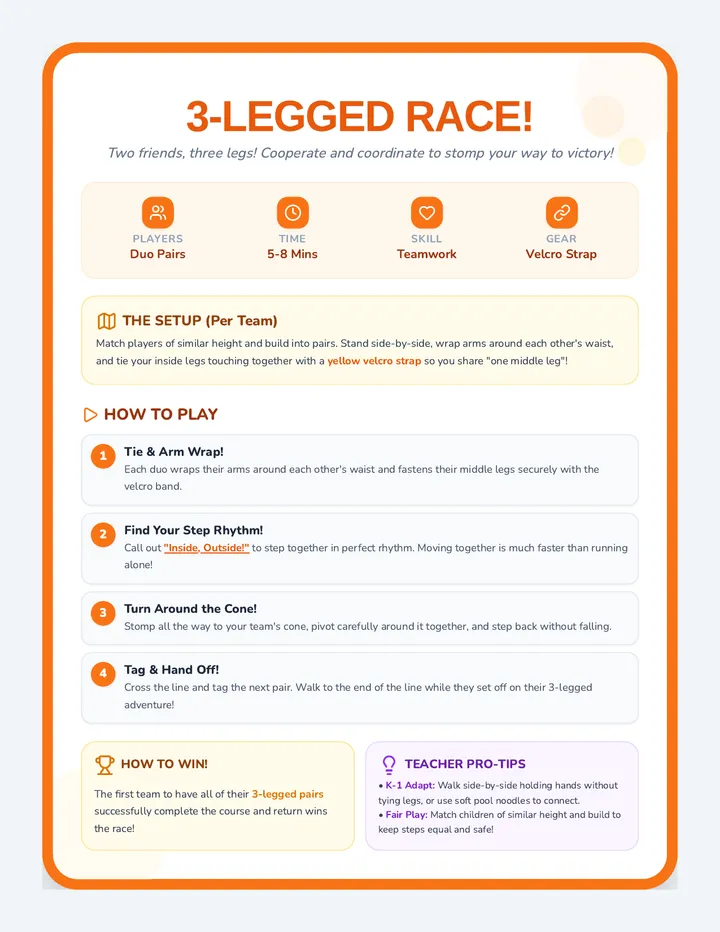
A collection of energetic, active relay races designed for physical education classes, field days, and outdoor school events.
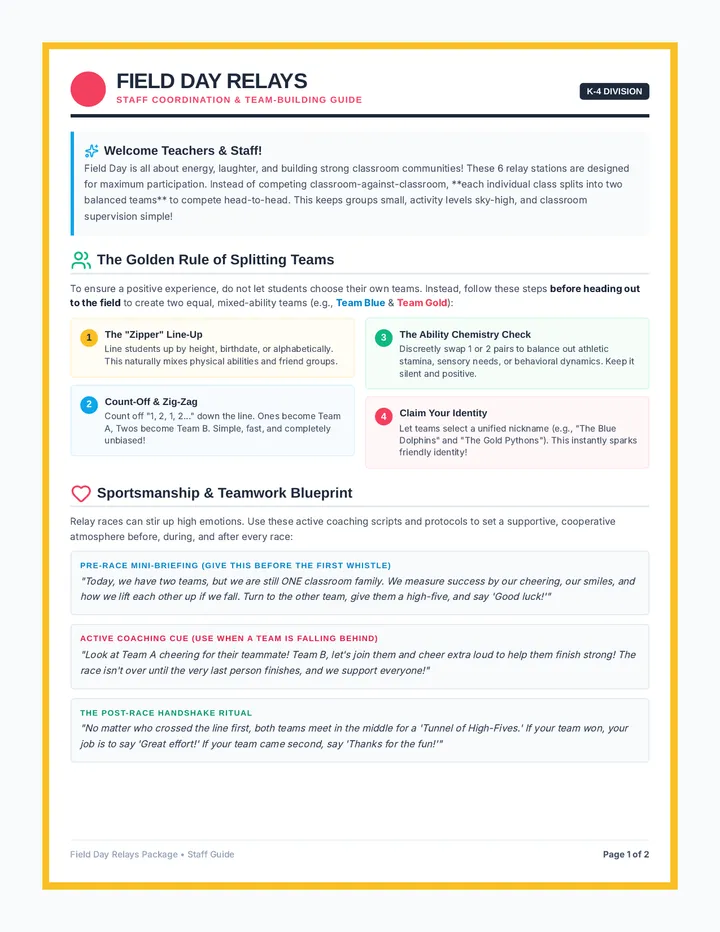
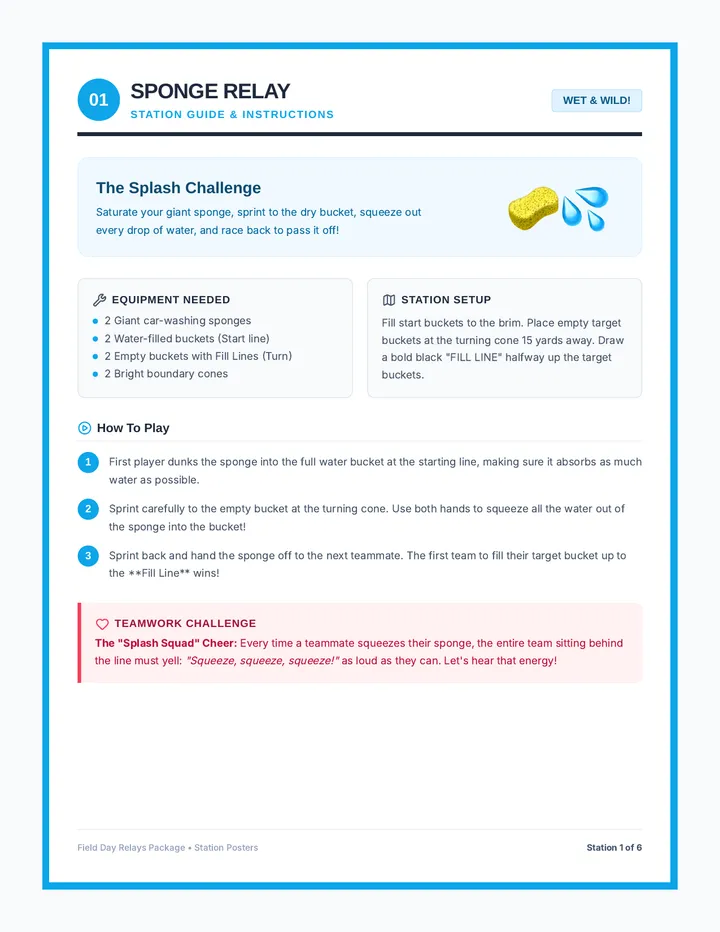
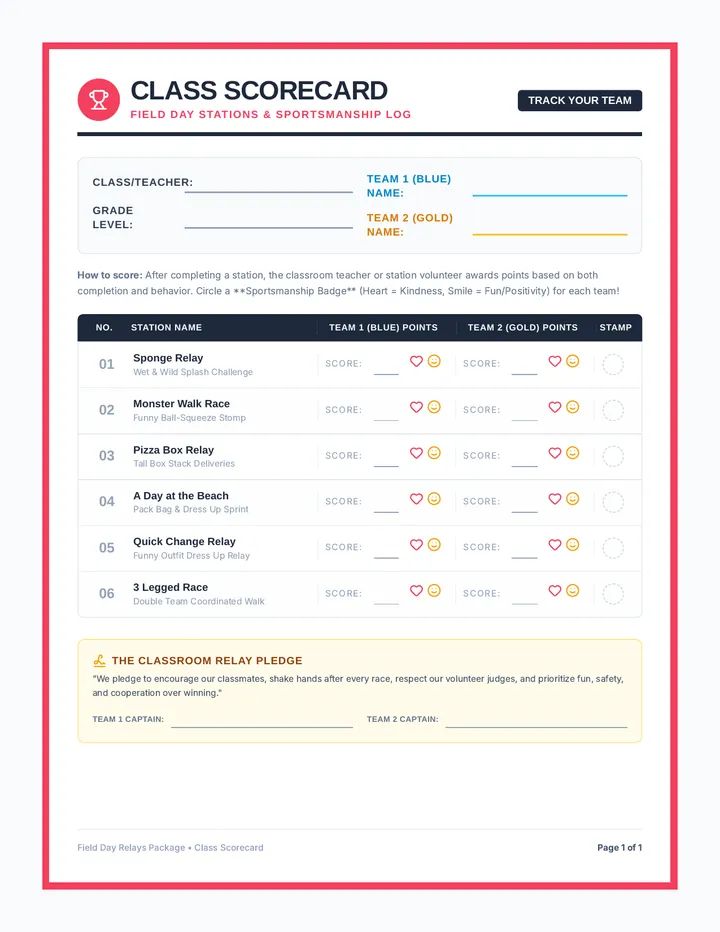
A complete package of field day relay resources including a staff guide, kid-friendly station posters, and a team scorecard, designed to facilitate a smooth, positive, and high-energy experience for K-4 classes.
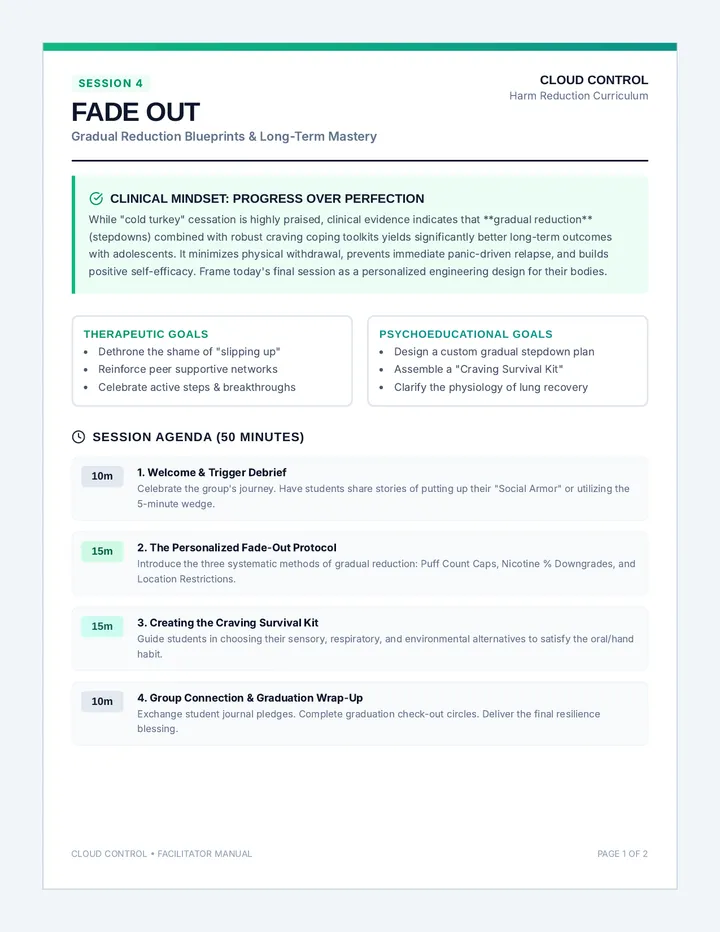
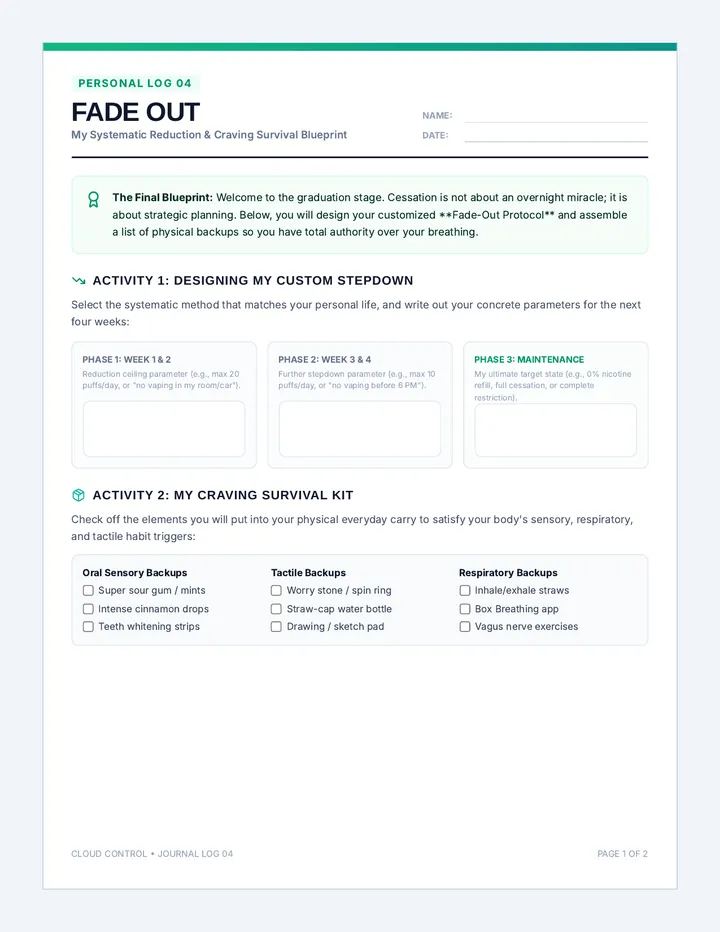
Session 4 equips students with personalized, gradual-reduction plans, craving-management toolkits, and peer support systems for sustained progress.
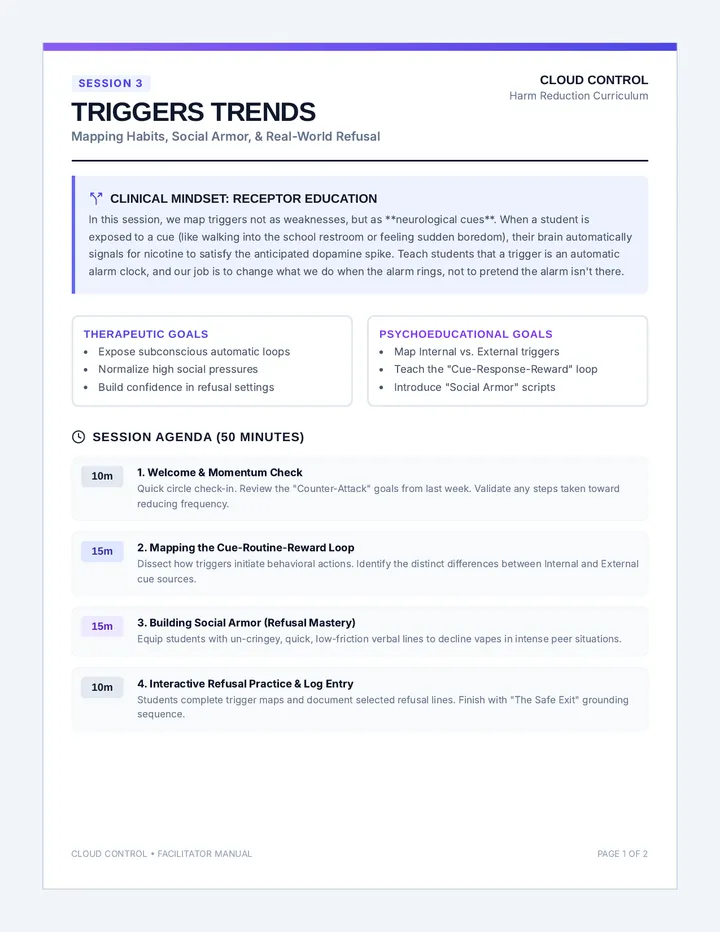
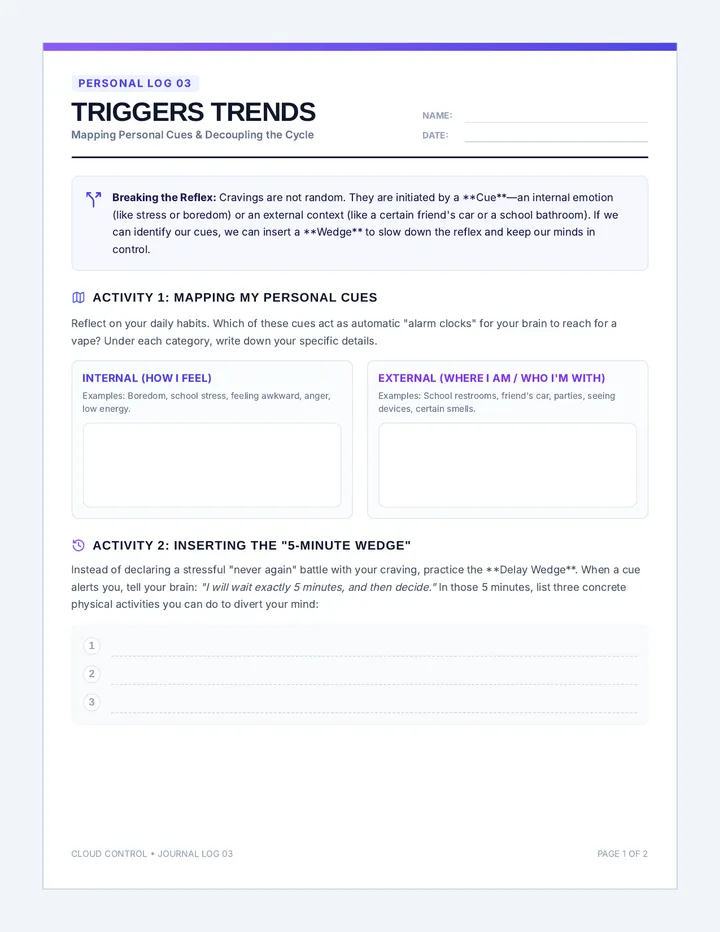
Session 3 focuses on identifying situational and emotional triggers, navigating social pressure, and practicing refusal skills in real-world scenarios.
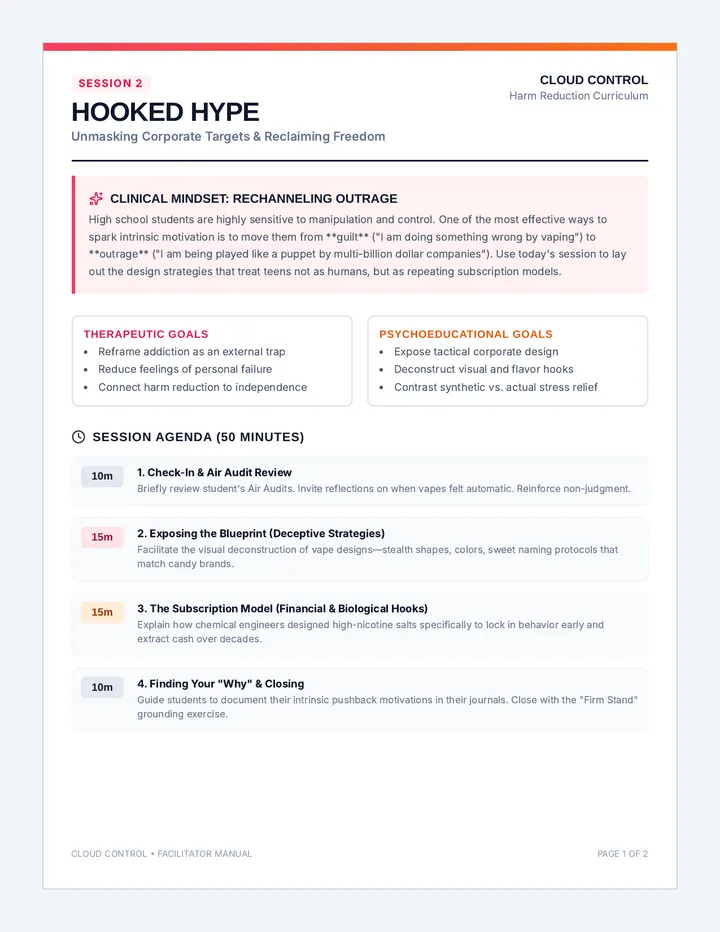
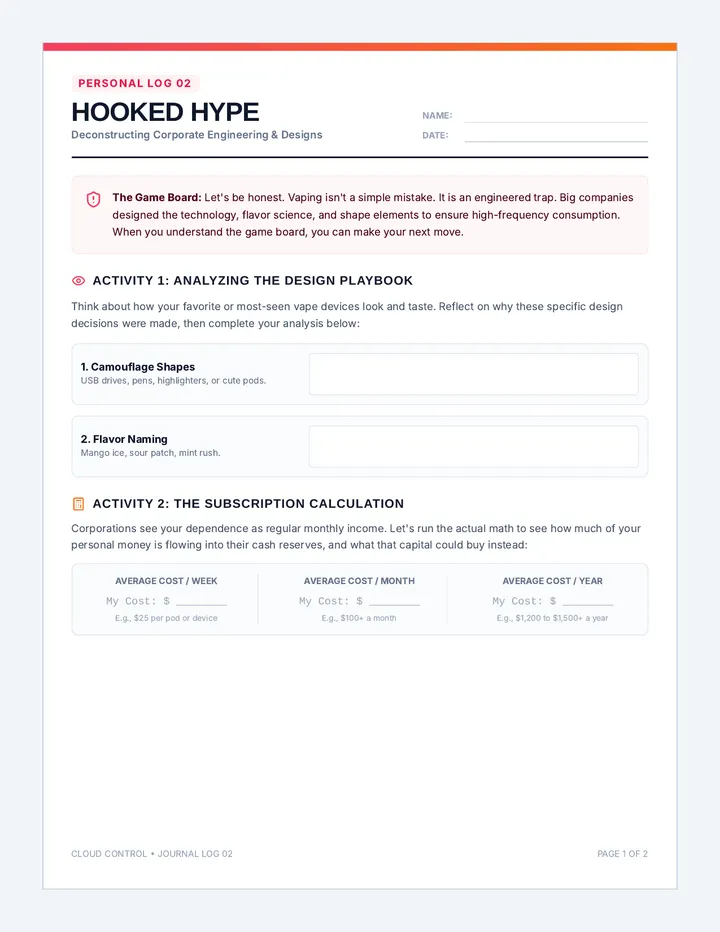
Session 2 exposes the targeted marketing tactics used by e-cigarette corporations and helps students identify their own intrinsic motivators to reclaim control.
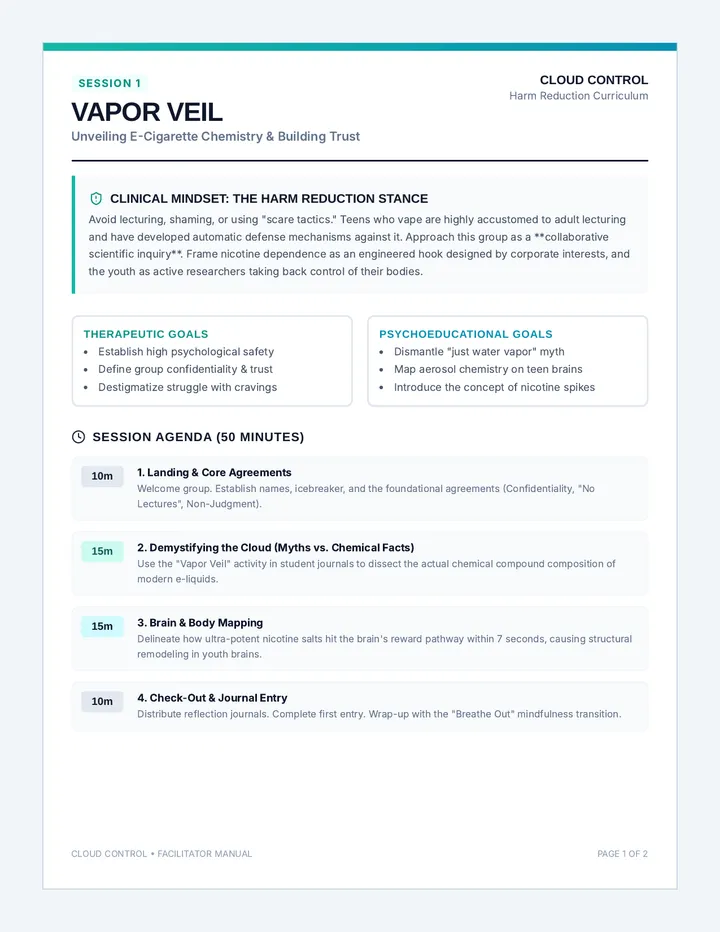
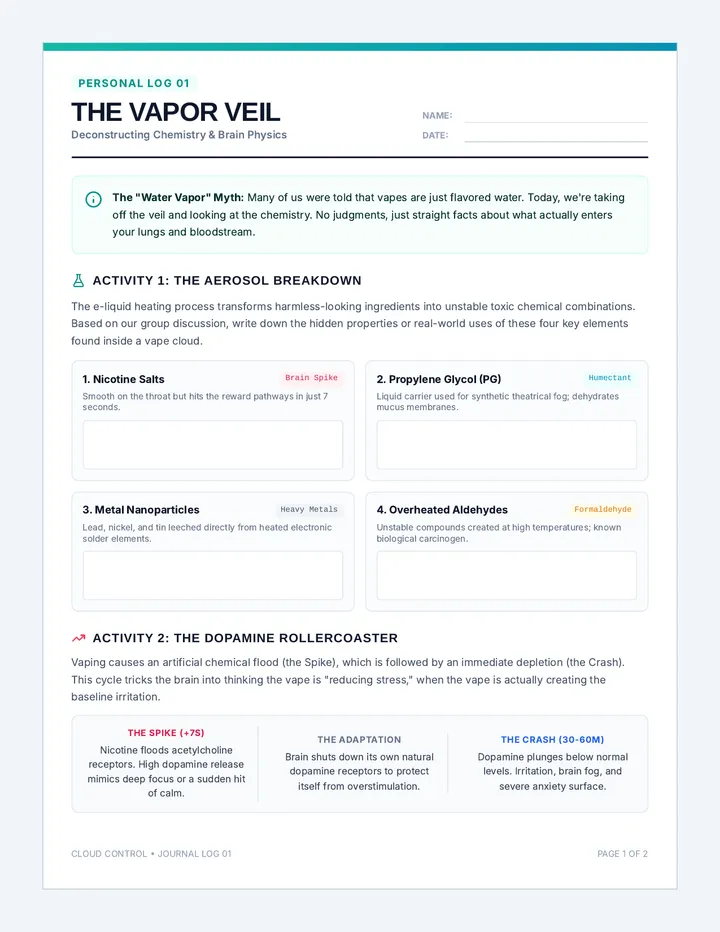
Session 1 introduces the group, establishes trust, and dismantles misconceptions around vape chemistry and its physical impact on the teen brain and body.
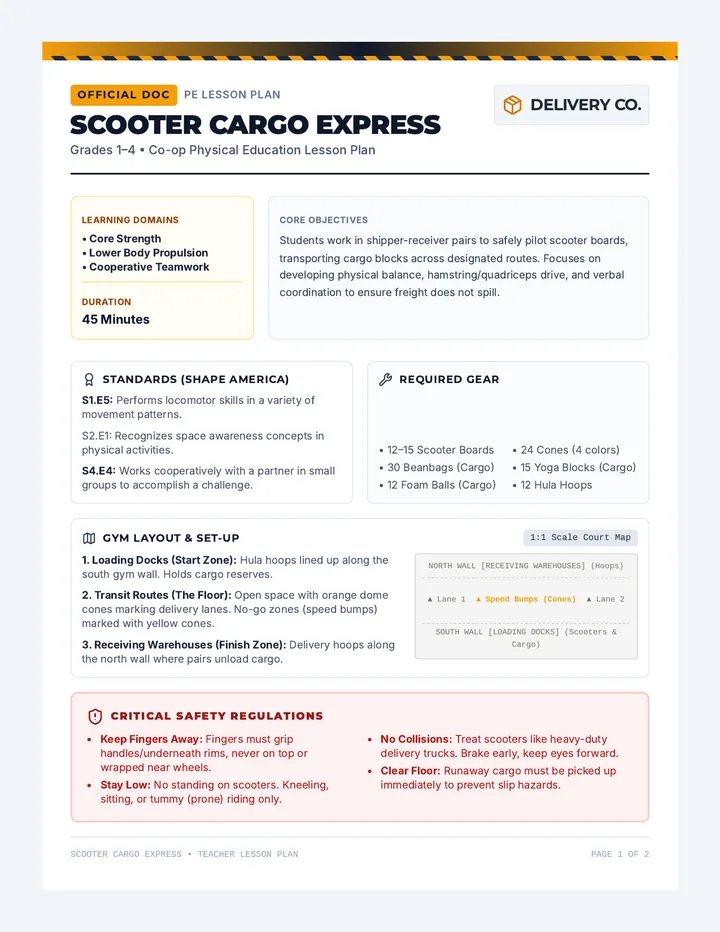
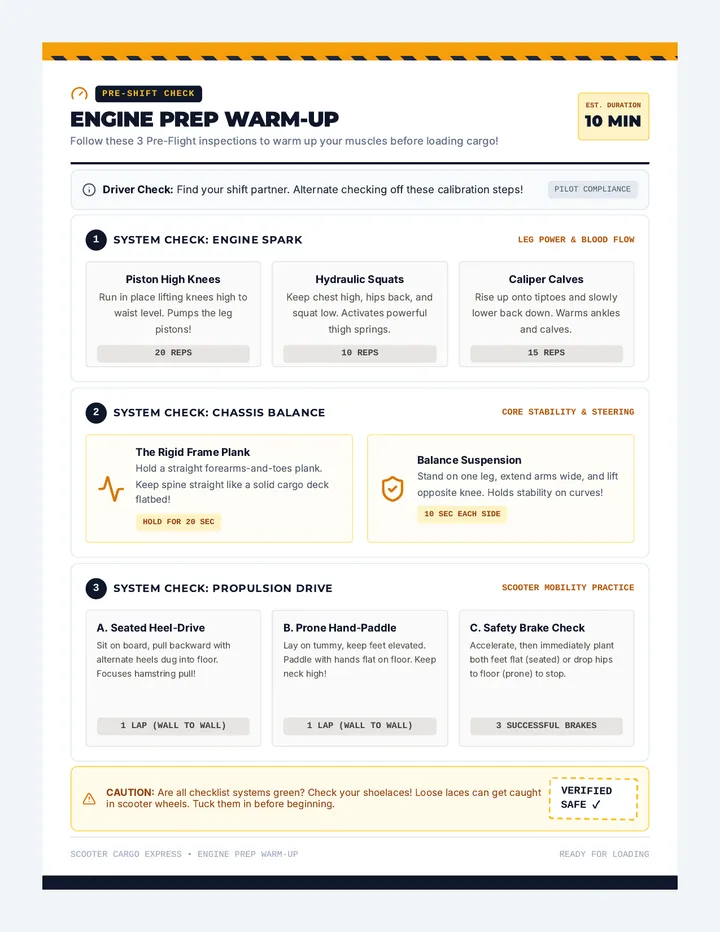
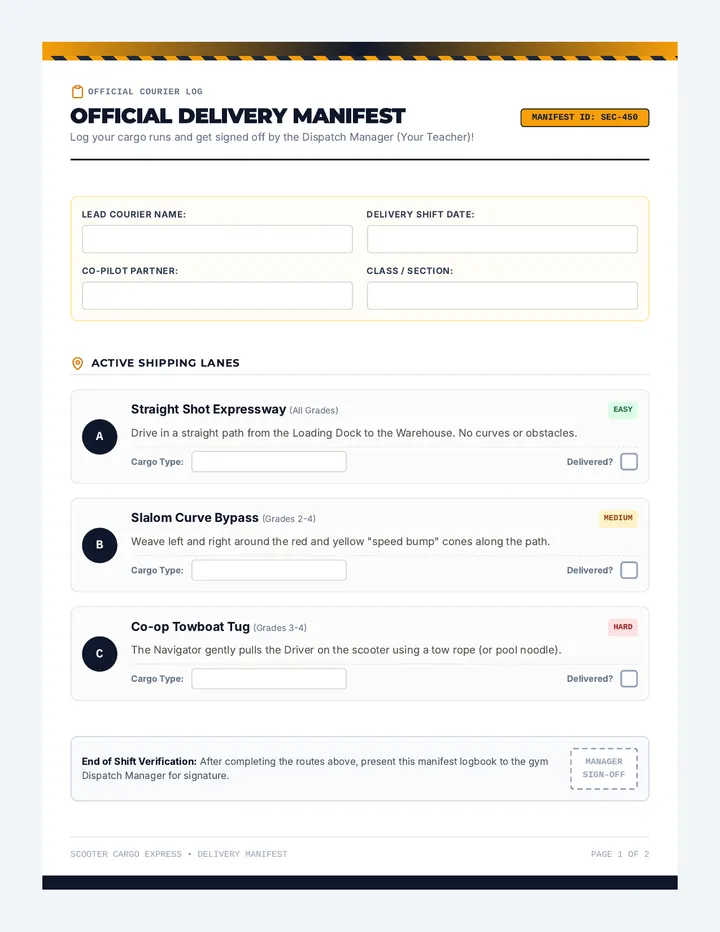
A physical education lesson where students work in pairs to transport 'cargo' safely across the gym floor on scooter boards. Focuses on core strength, lower body propulsion, safety rules, and cooperative communication for grades 1-4.
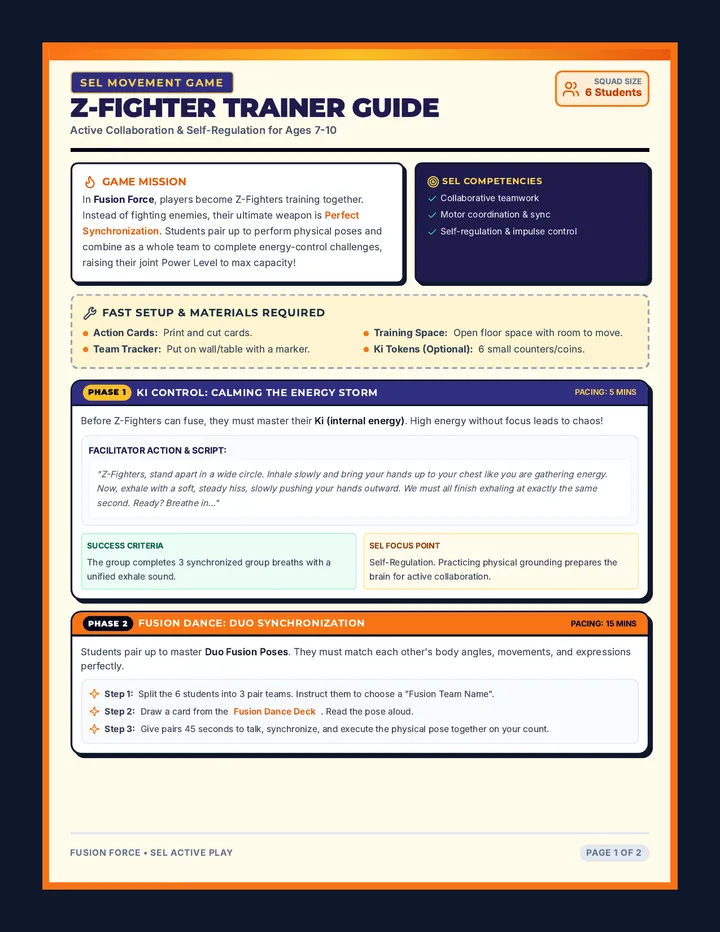
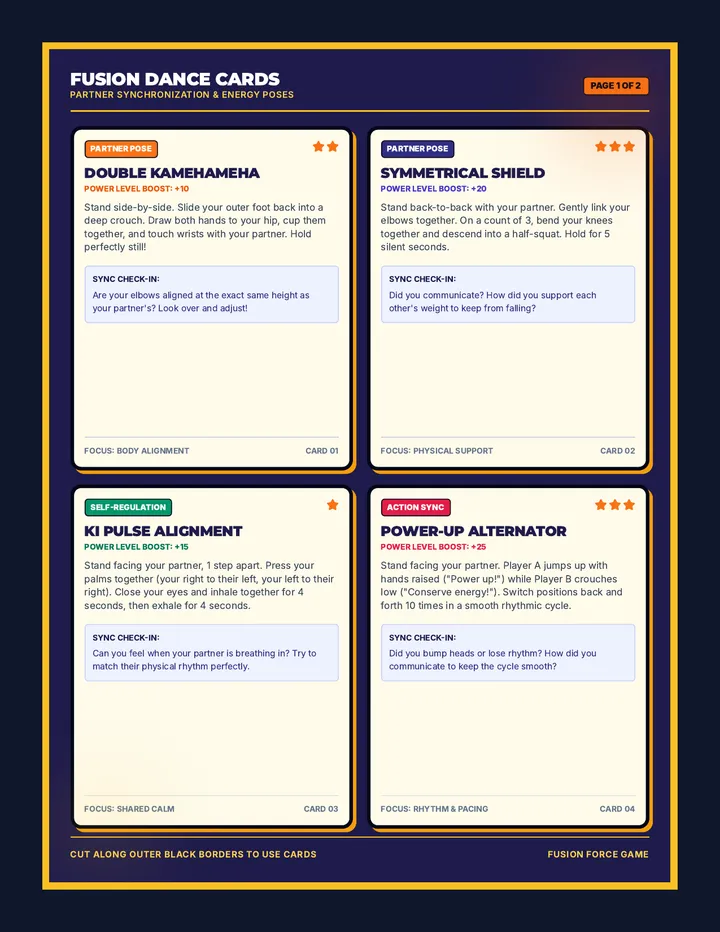
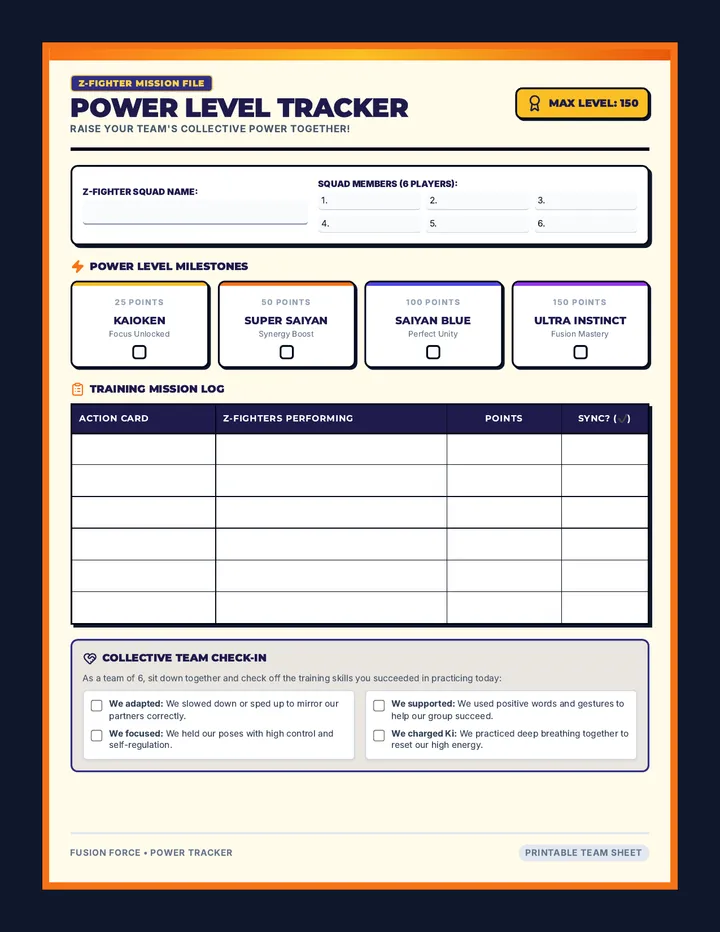
A Dragon Ball Z-themed active movement game focusing on collaboration, teamwork, and self-regulation. Students form pairs and teams to perform energy-control poses, master the Fusion Dance, and complete physical challenges together to build their collective Power Level.
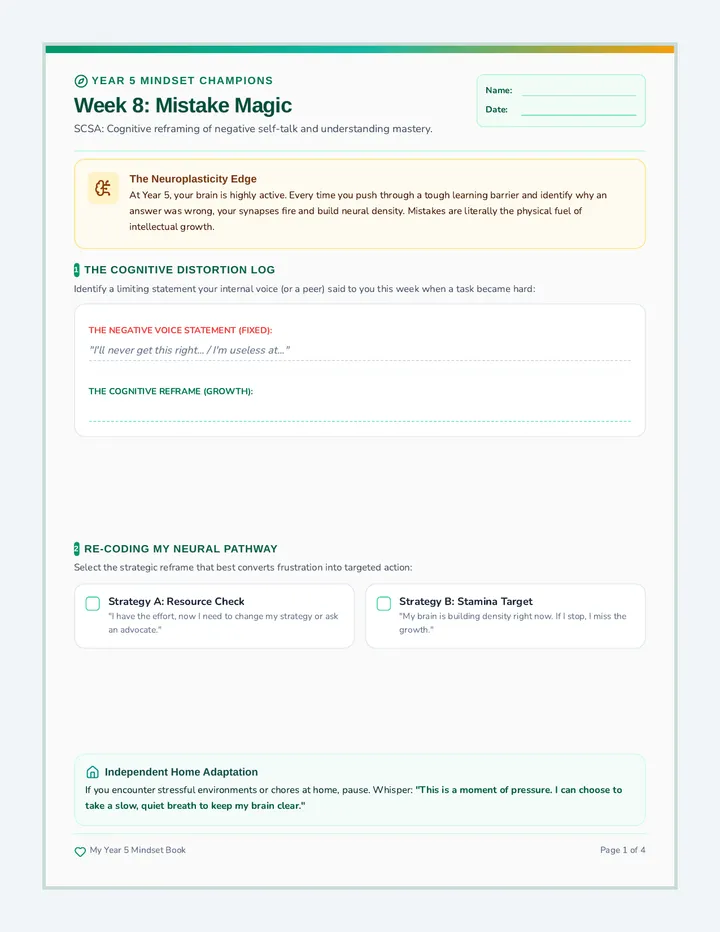
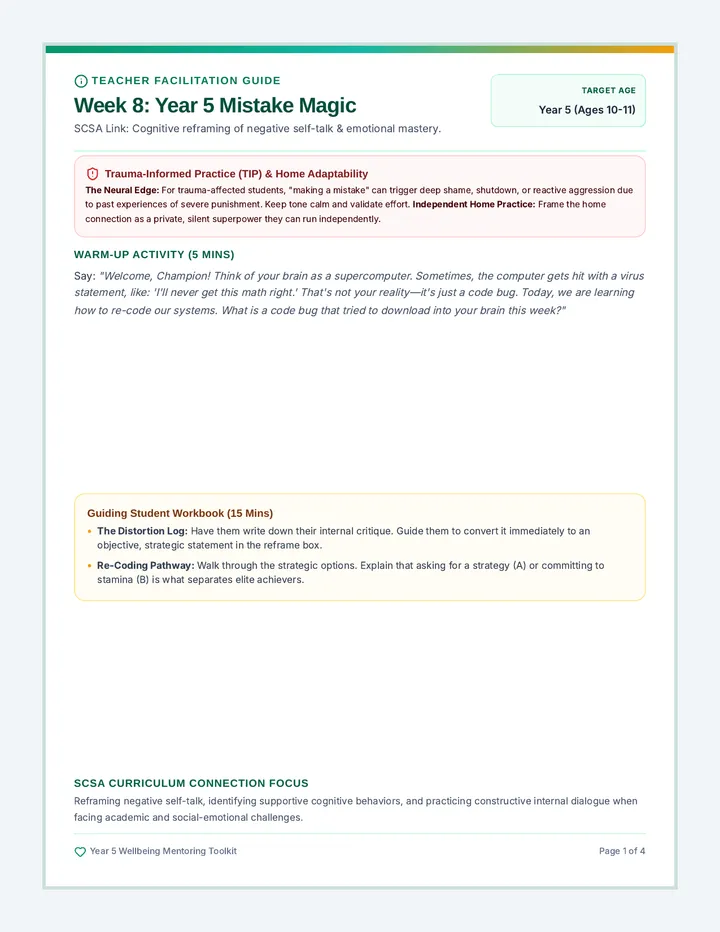
Year 5 specific 4-week check-in set. Formatted to SCSA Year 5 Health syllabus, focusing on cognitive reframing of negative self-talk, identifying supportive external coping resources, and goal-setting.
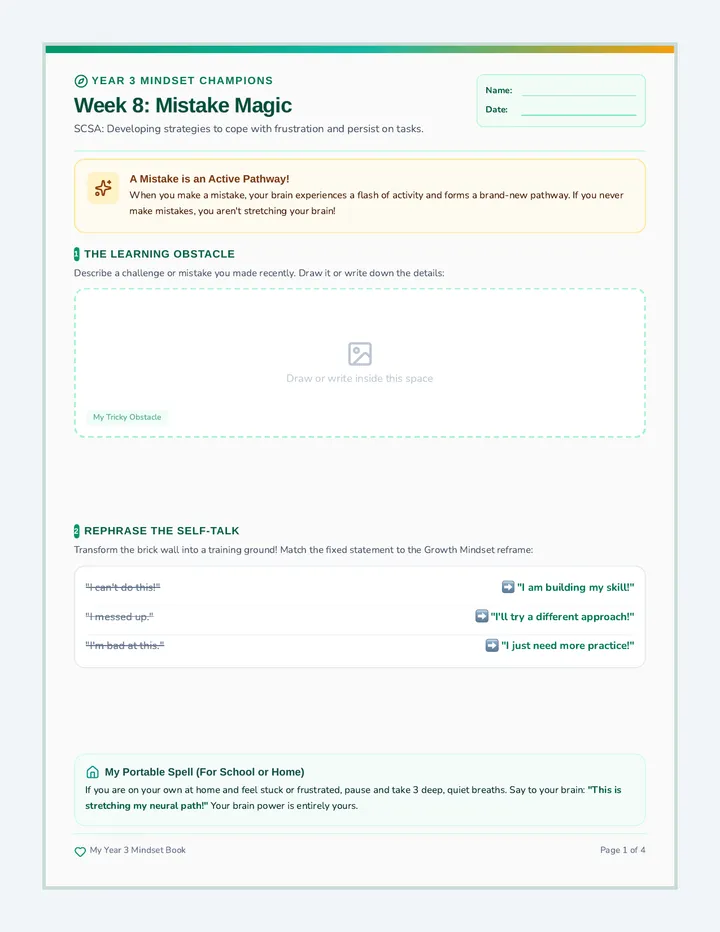
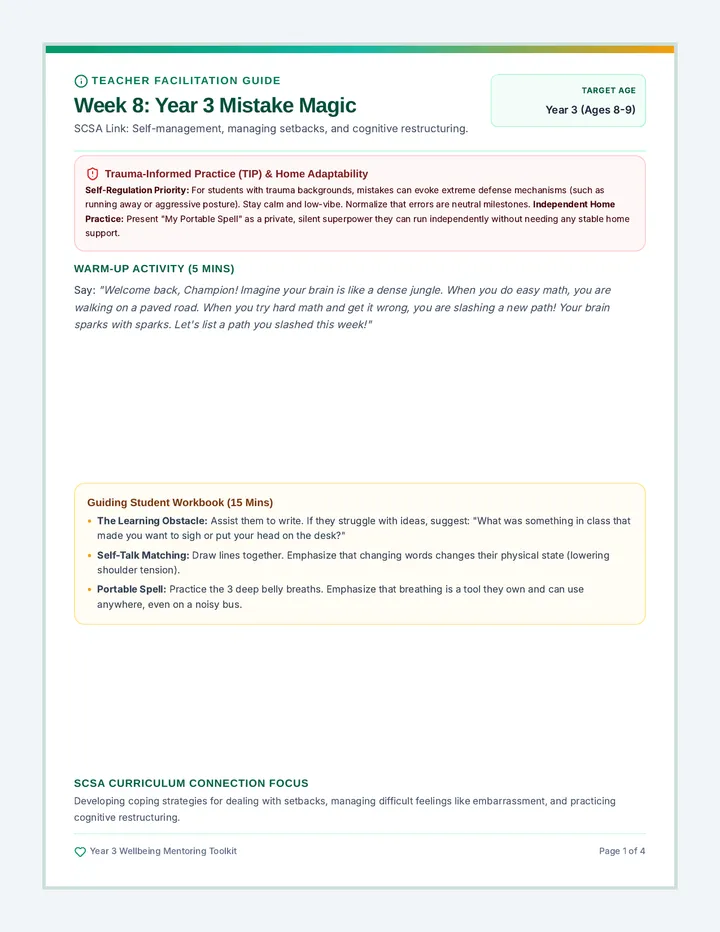
Year 3 specific 4-week check-in set. Formatted to SCSA Year 3 Health syllabus, focusing on identifying personal strengths, talking to safe helpers, and managing emerging school worries.