A comprehensive introduction to normative ethics for 11th-grade students, covering utilitarianism, deontology, and virtue ethics. Students move from intuitive moral judgments to structured philosophical reasoning using primary text concepts.
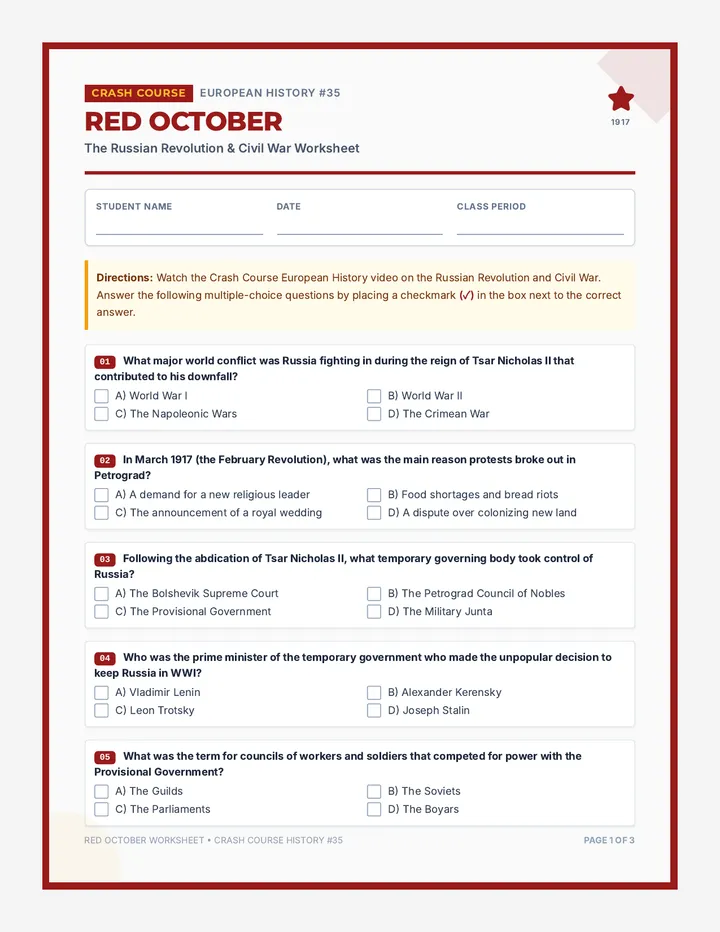
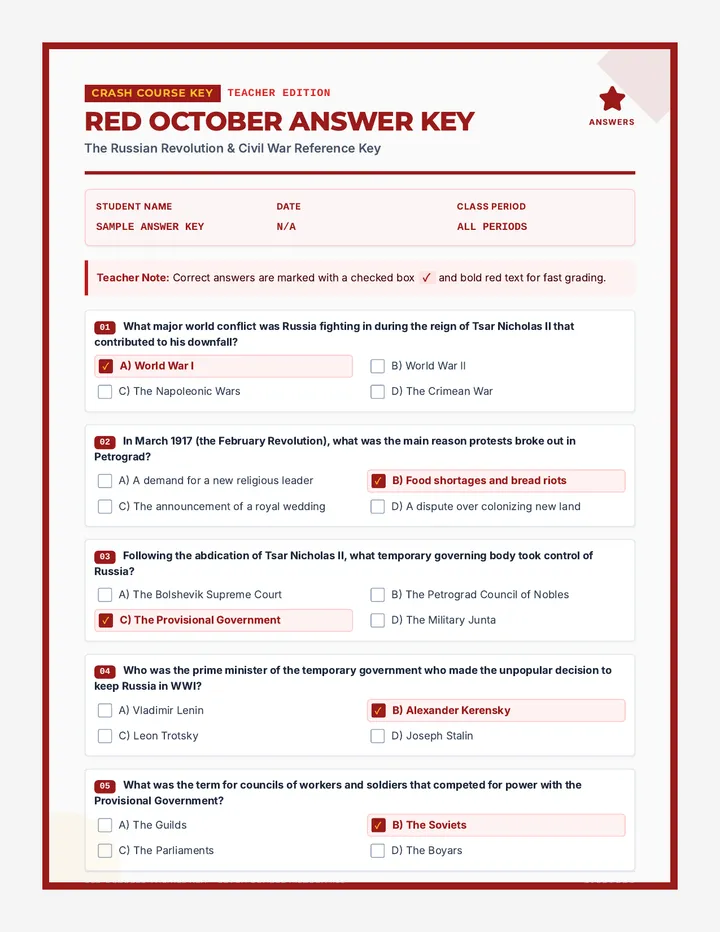
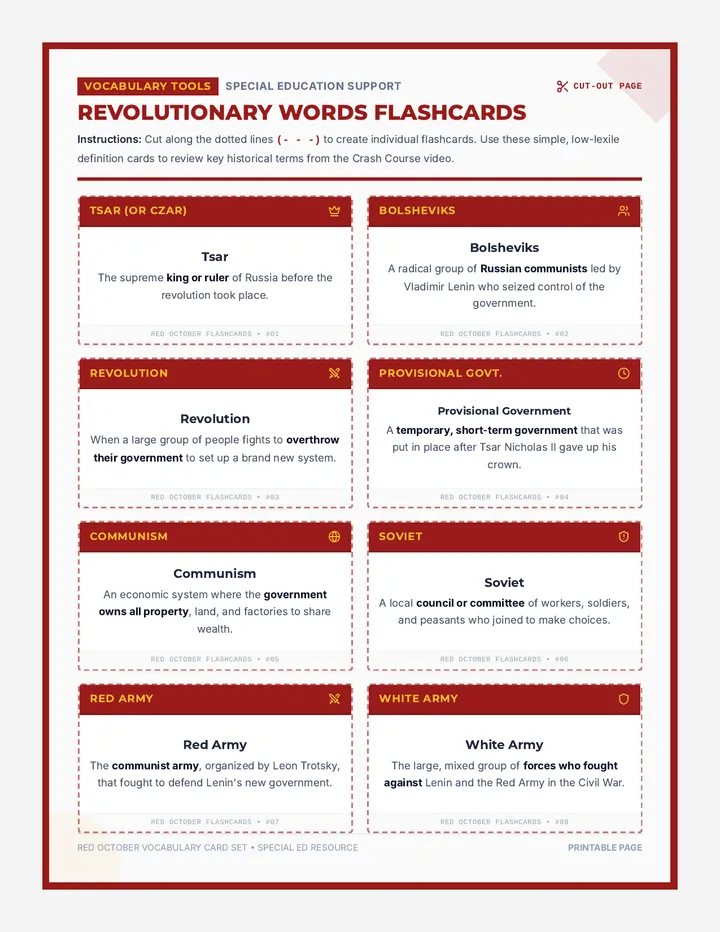
A comprehensive history sequence focusing on 20th-century communist revolutions in Russia and China. This sequence uses Crash Course videos, detailed worksheets, complete answer keys, and accessible vocabulary flashcards to explore the collapse of old empires and the rise of communist states.
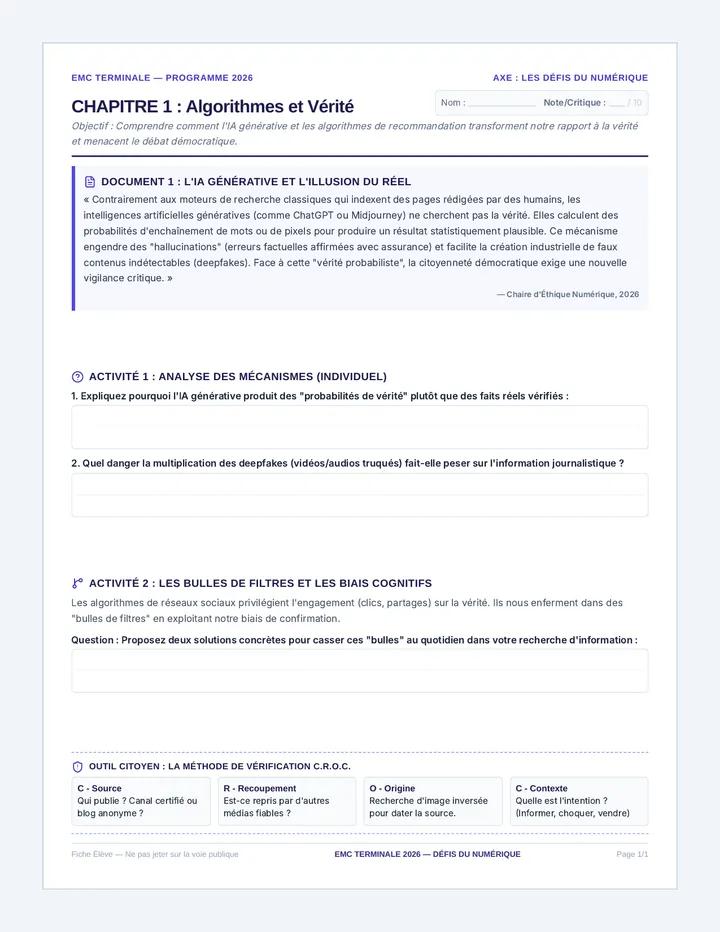
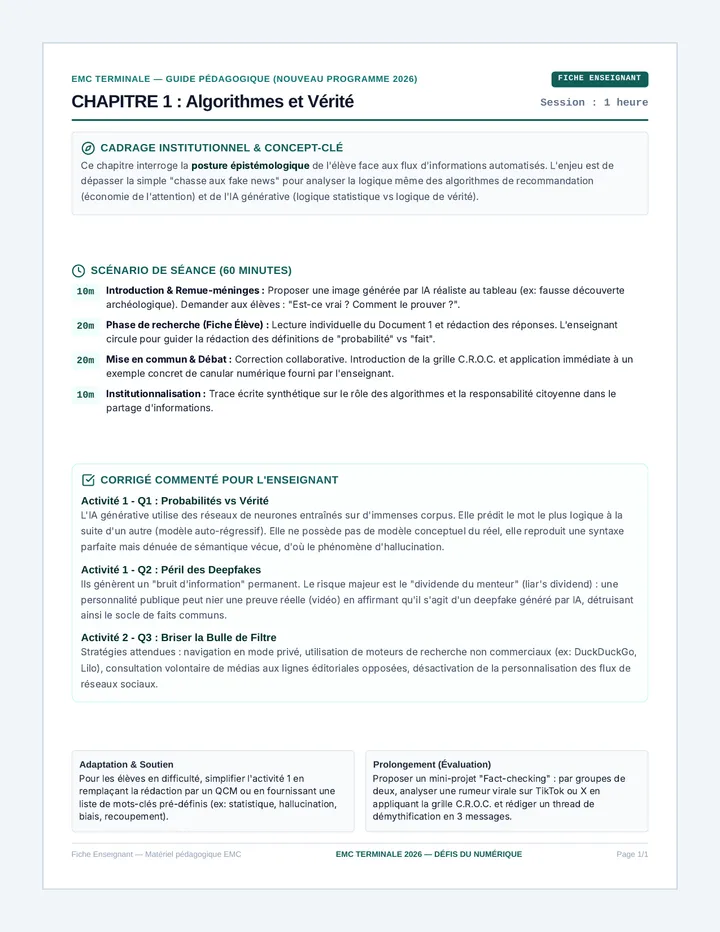
Une séquence complète d'activités clés en main d'Éducation Morale et Civique (EMC) pour la classe de Terminale, conforme au nouveau programme 2026. Elle se concentre sur les défis du numérique : intelligence artificielle, désinformation, espace public numérique et souveraineté technologique.
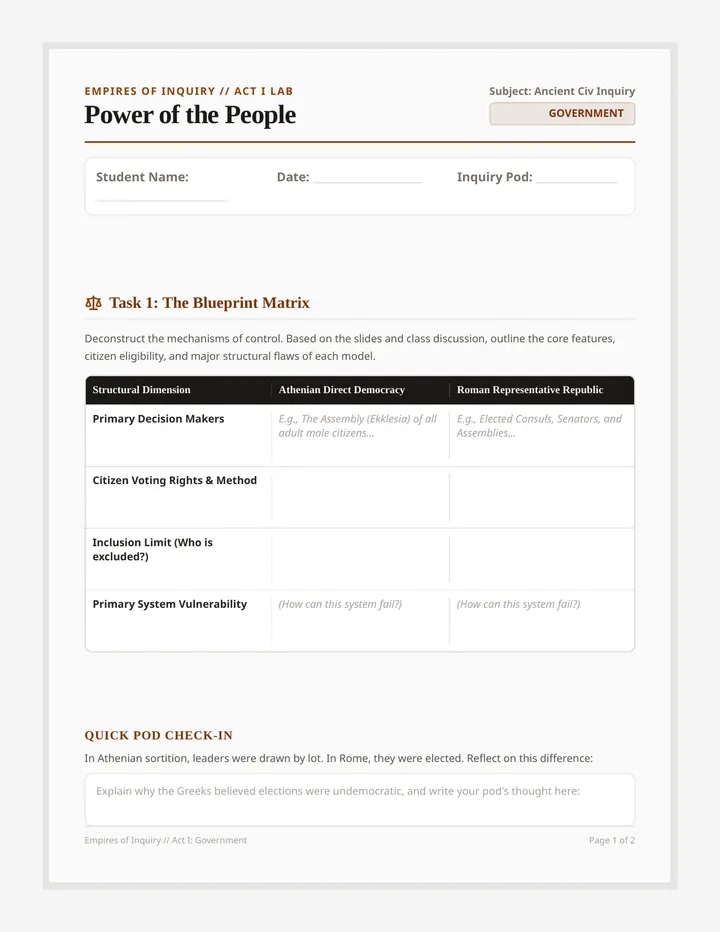
An inquiry-driven social studies sequence investigating Ancient Greece and Rome across four core pillars: government, philosophy, trade, and engineering. Students engage with primary sources, architectural achievements, and ethical dilemmas to construct arguments about classical legacies.
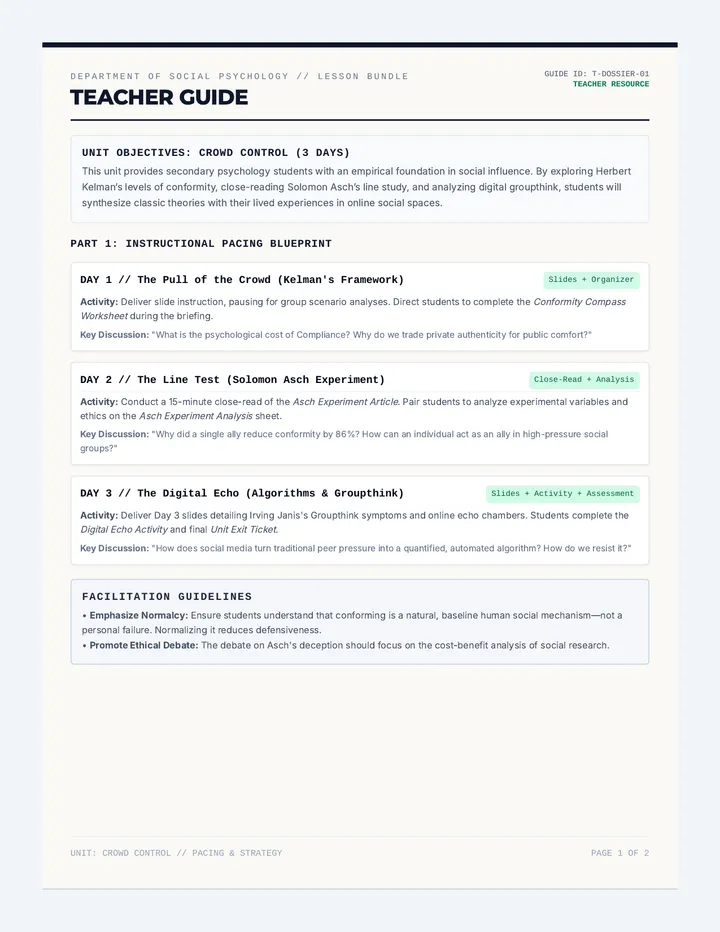
A three-day social psychology sequence exploring conformity, groupthink, and social influence. Students analyze foundational experiments, compare compliance versus internalization, and dissect modern digital peer pressure and media dynamics.
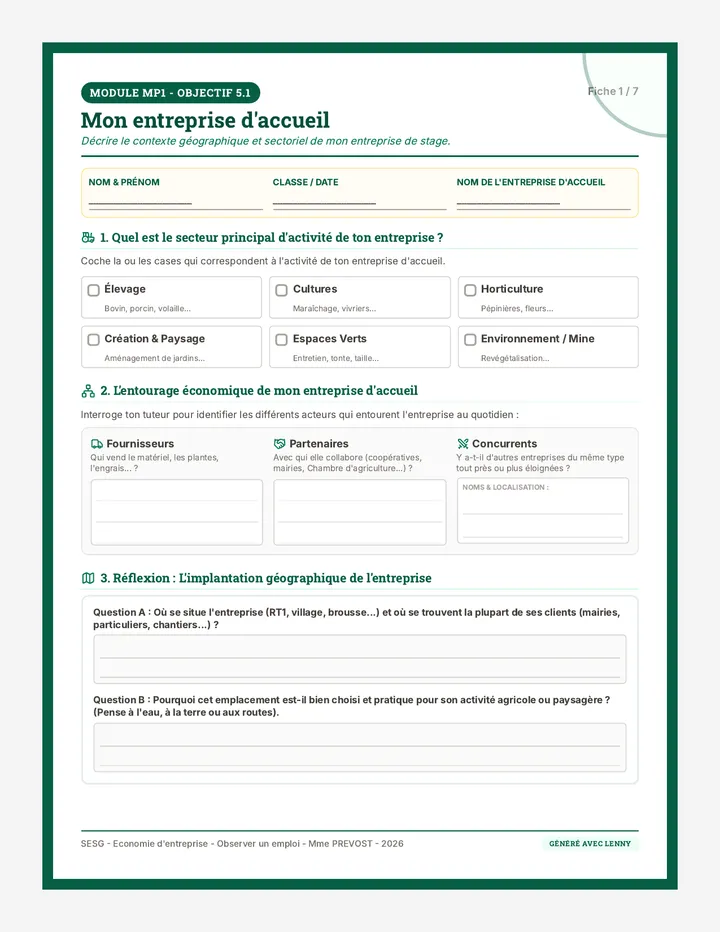
Séquence d'accompagnement pédagogique pour les élèves de CAP Agricole en Nouvelle-Calédonie, visant à acquérir les compétences de l'Objectif 5 du module MP1 (Insertion du salarié dans l'entreprise) pour leur rapport de stage (PFMP).
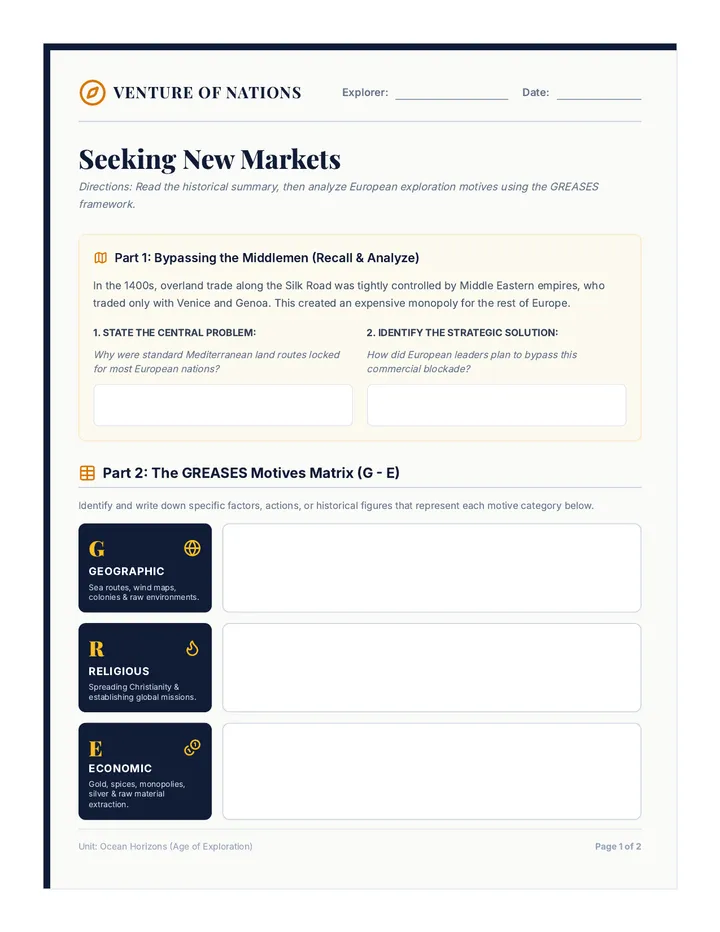
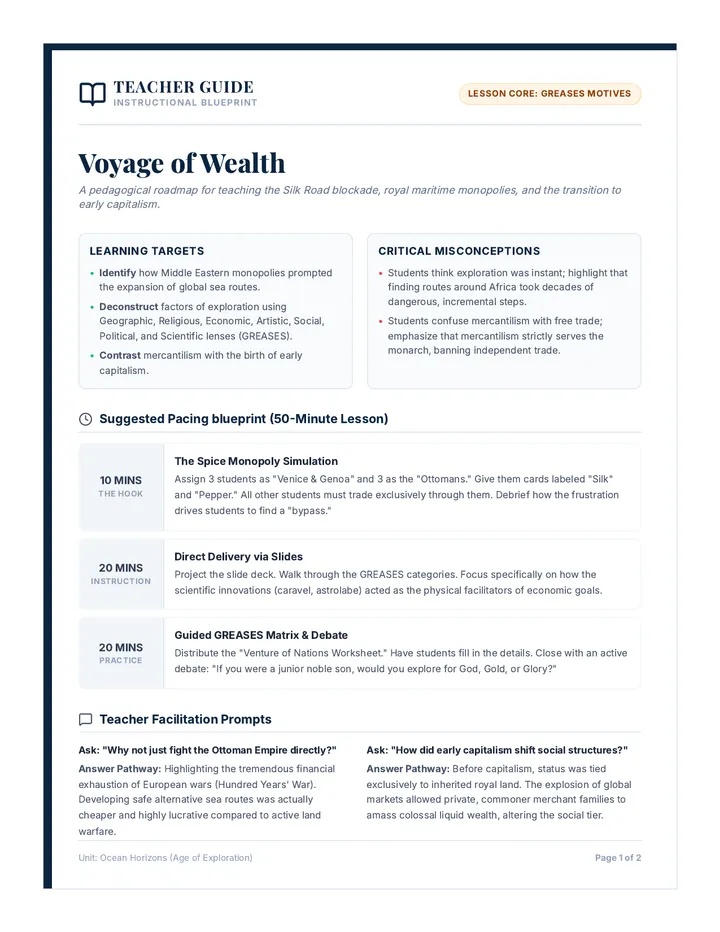
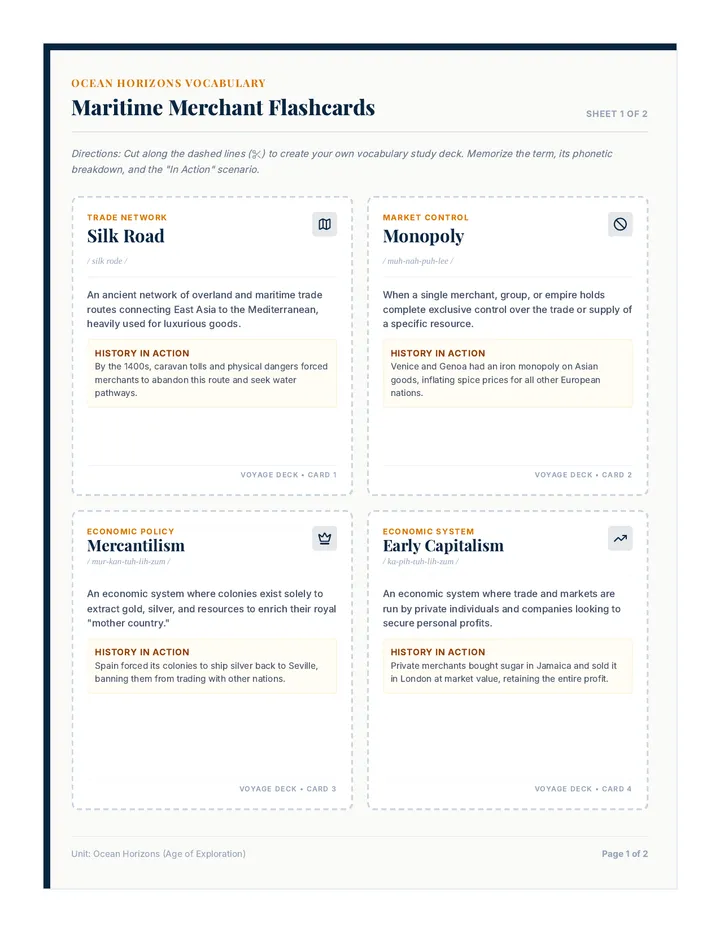
A comprehensive historical unit tracking the Age of Exploration, maritime trade routes, and the shift from mercantilism to early capitalism.
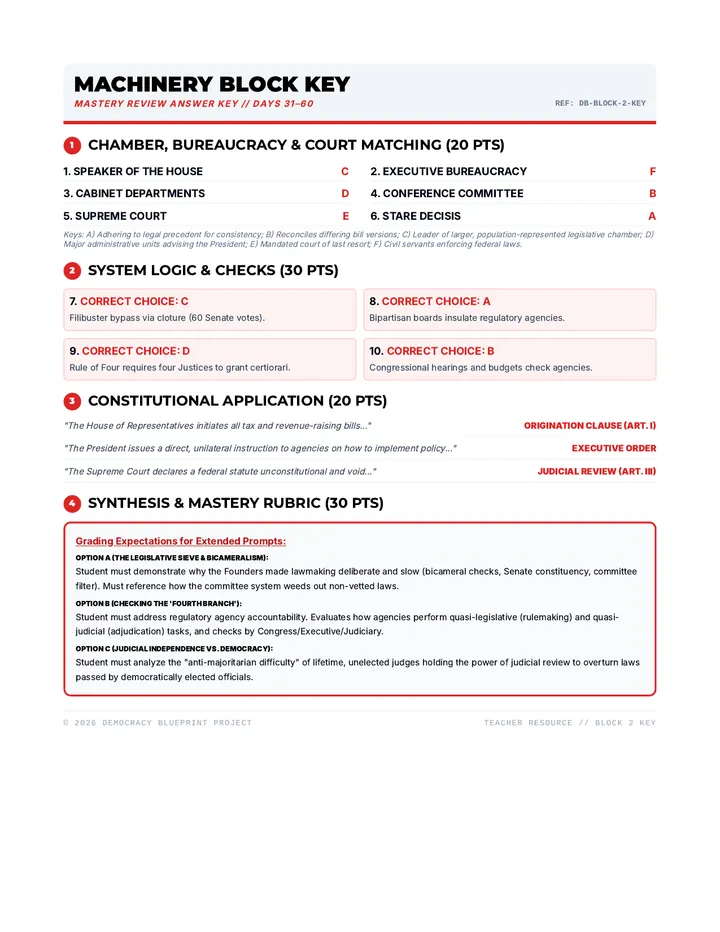
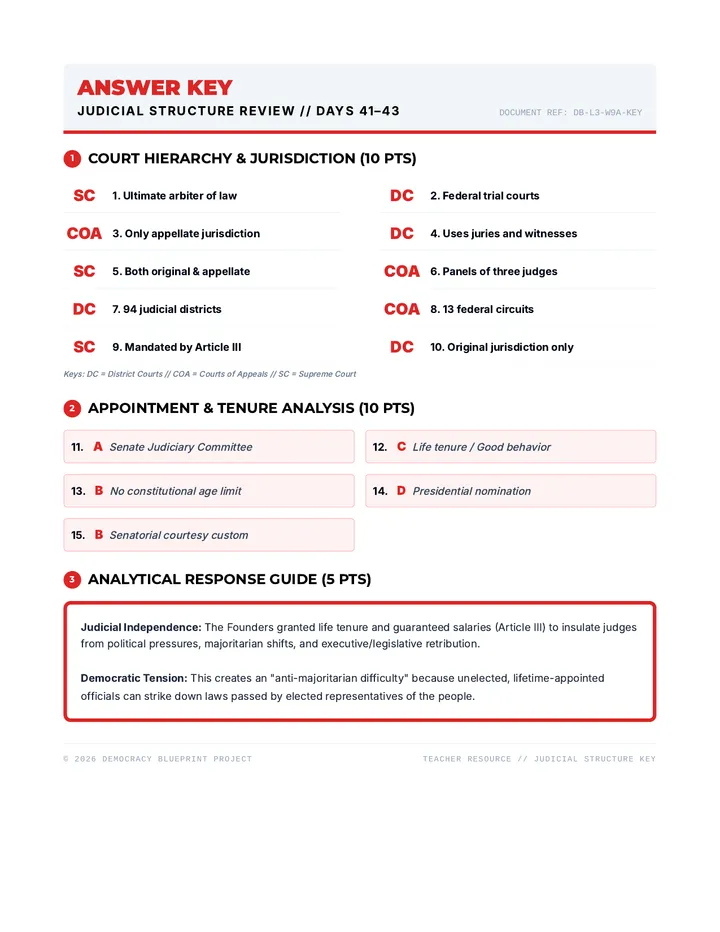
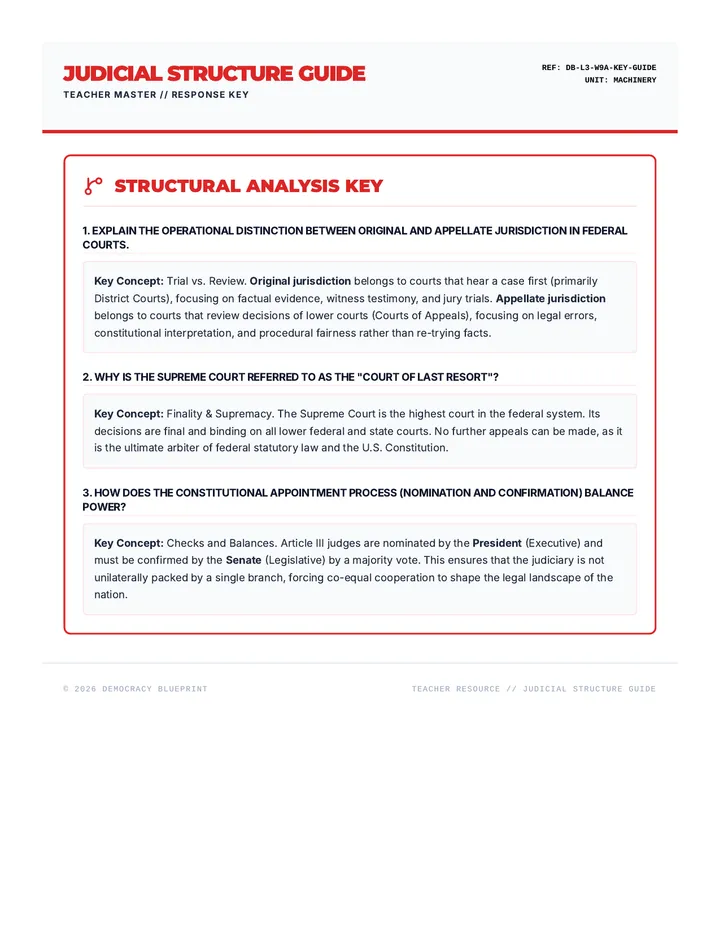
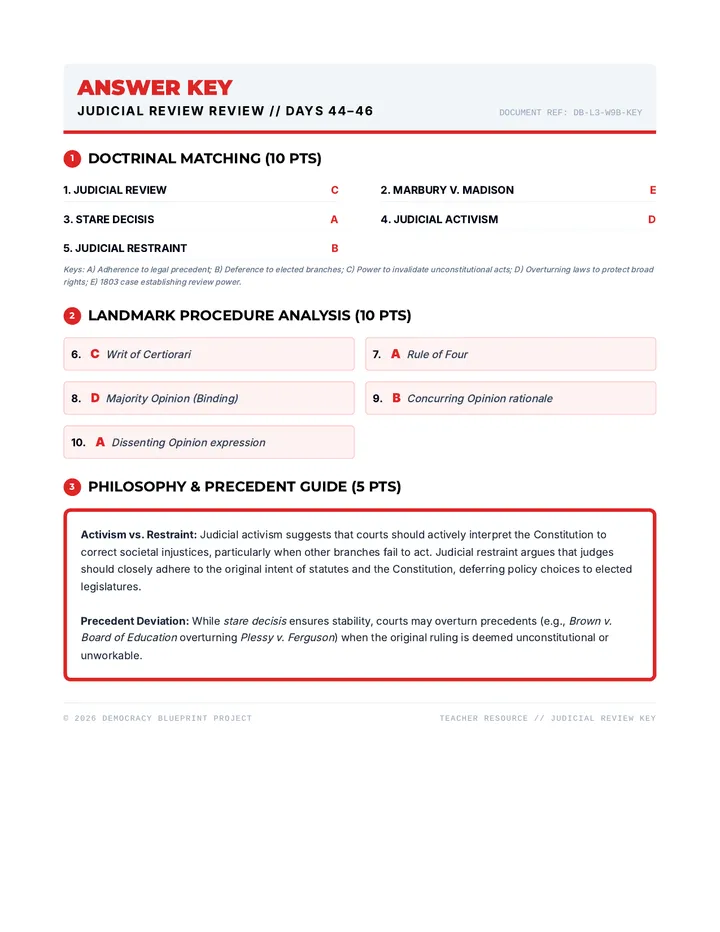
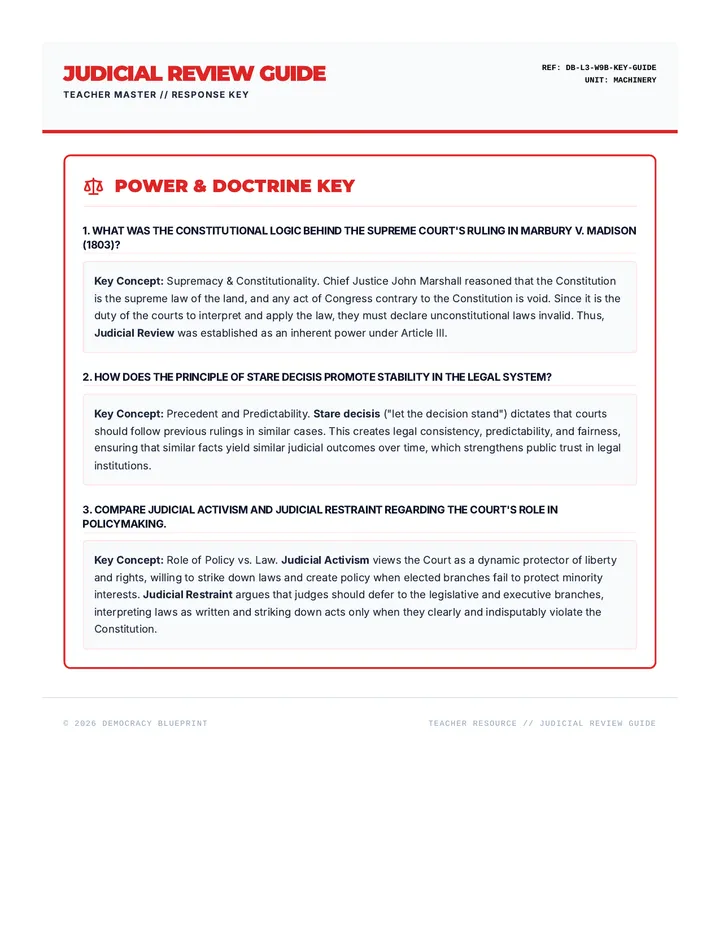
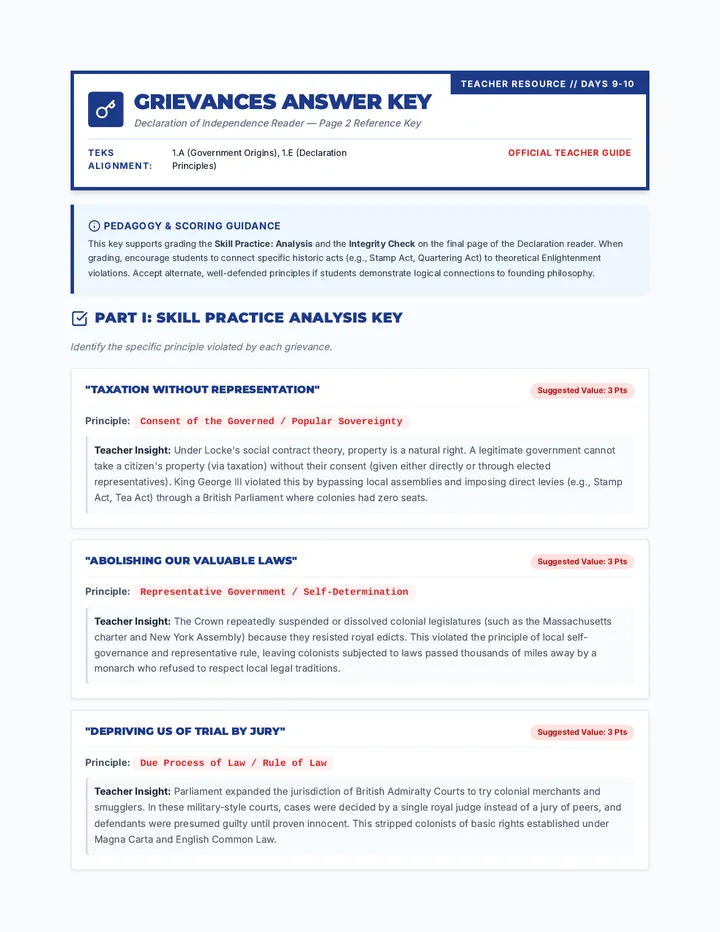
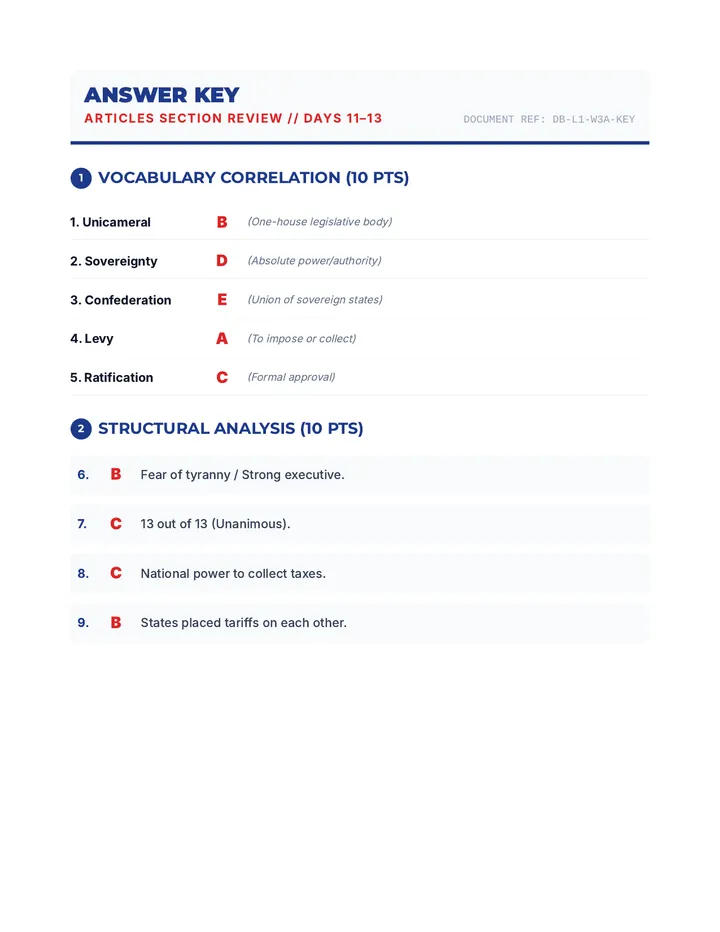
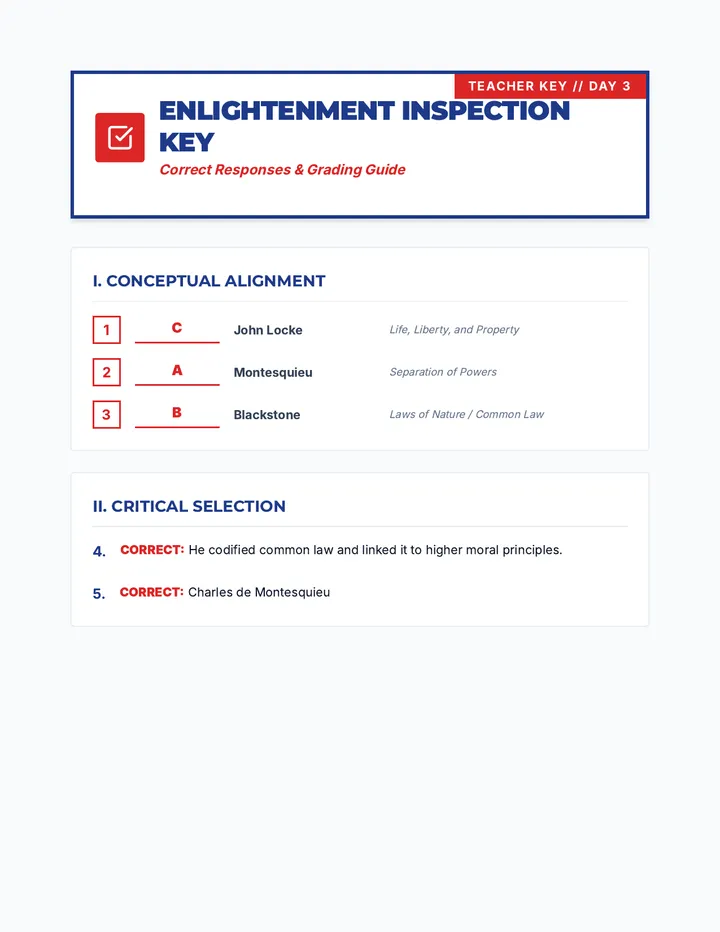
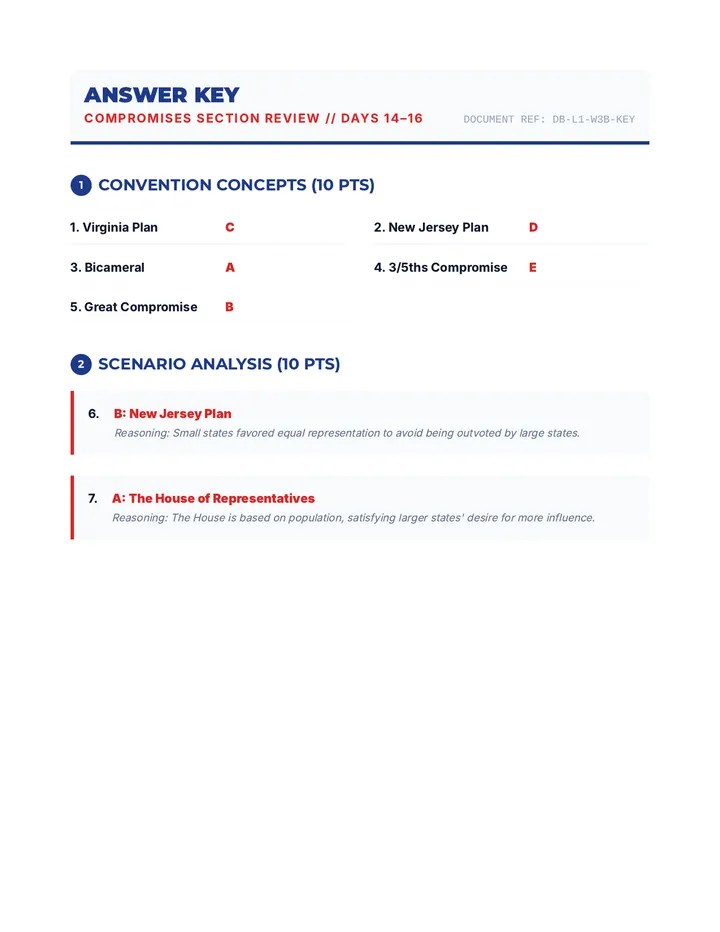
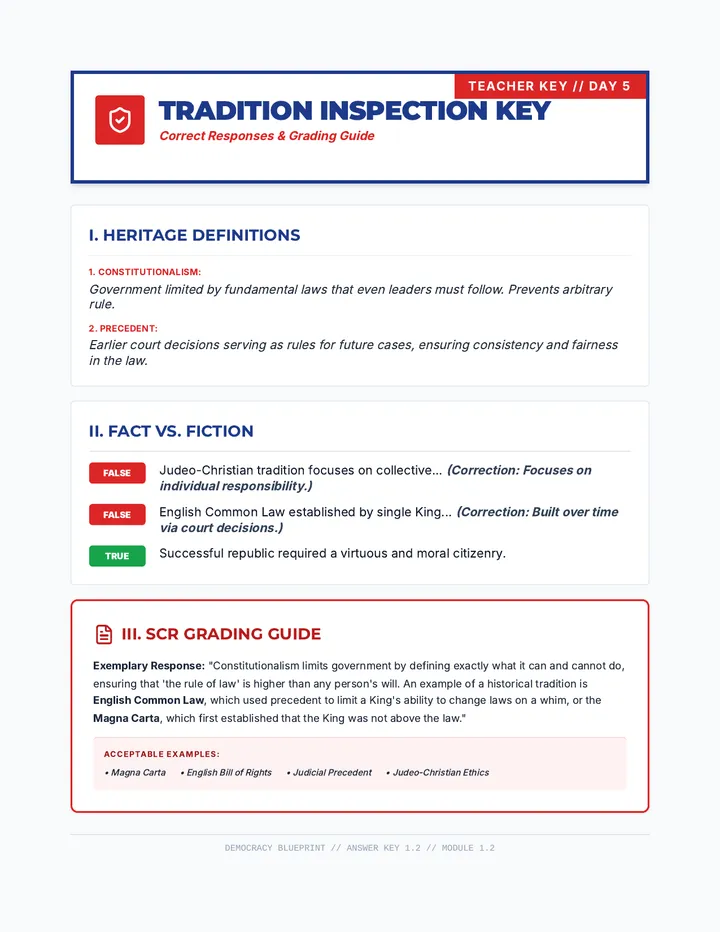
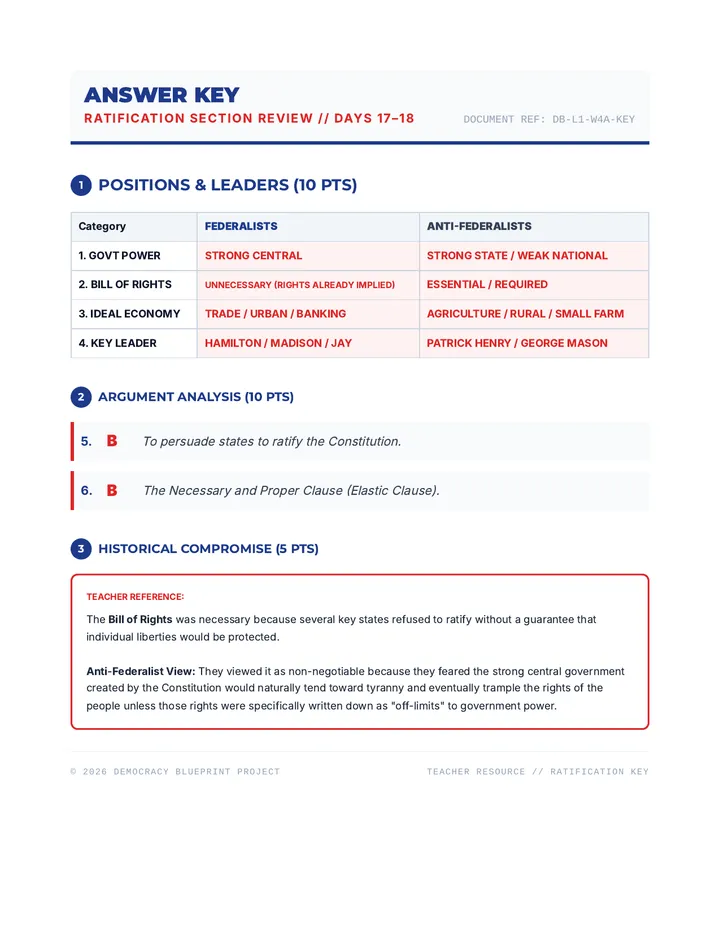
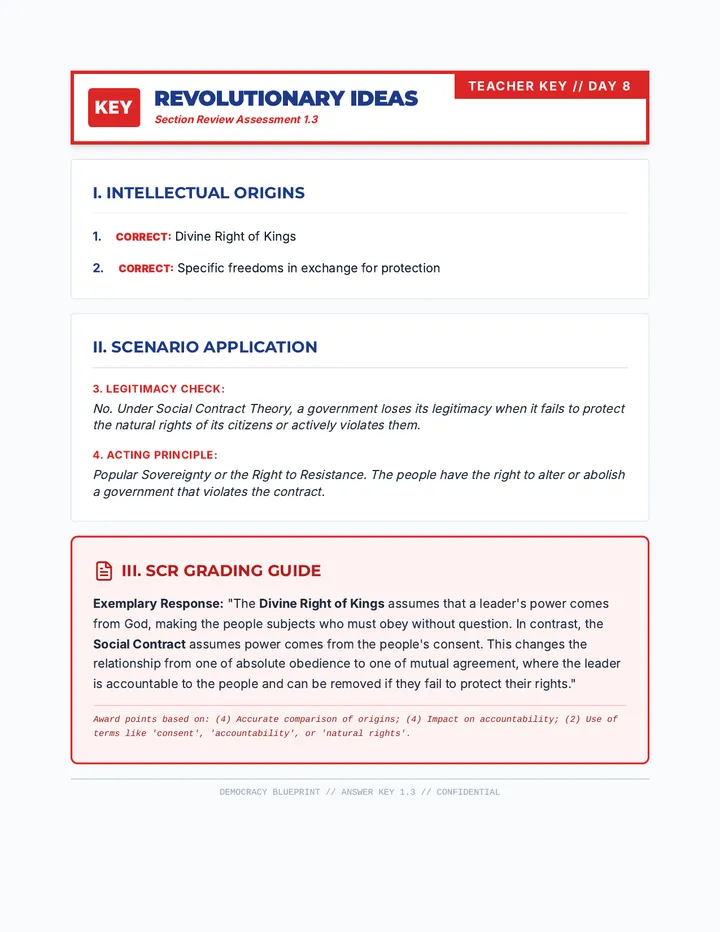
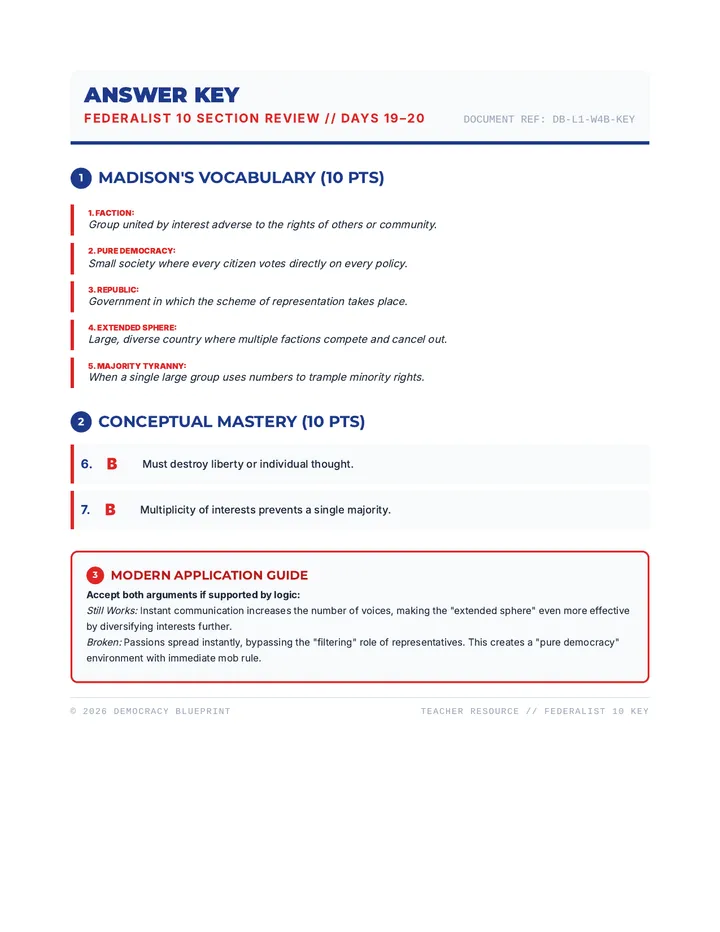
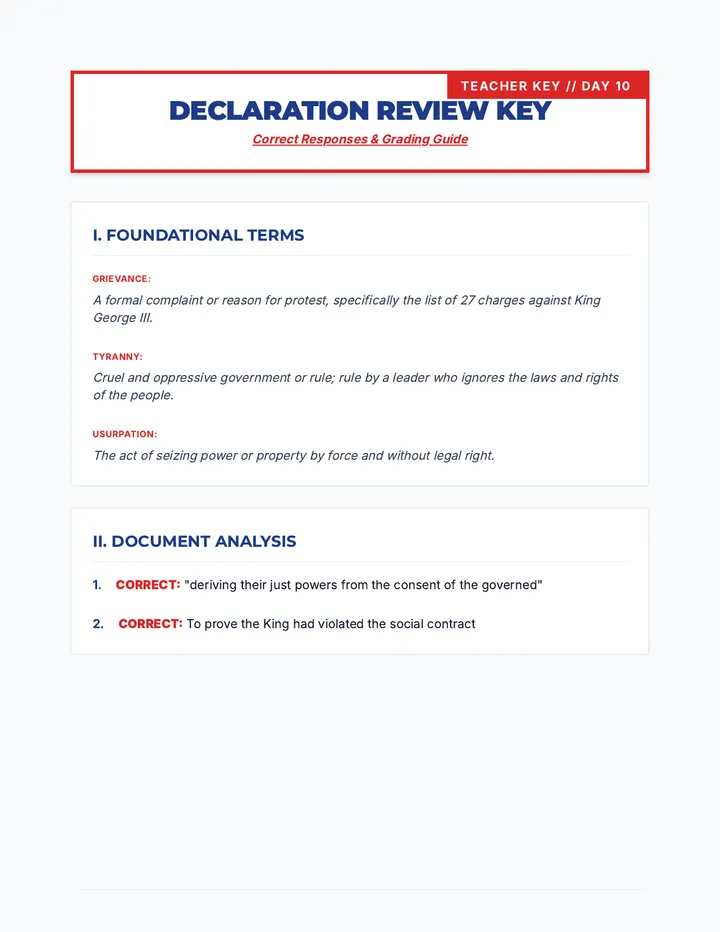
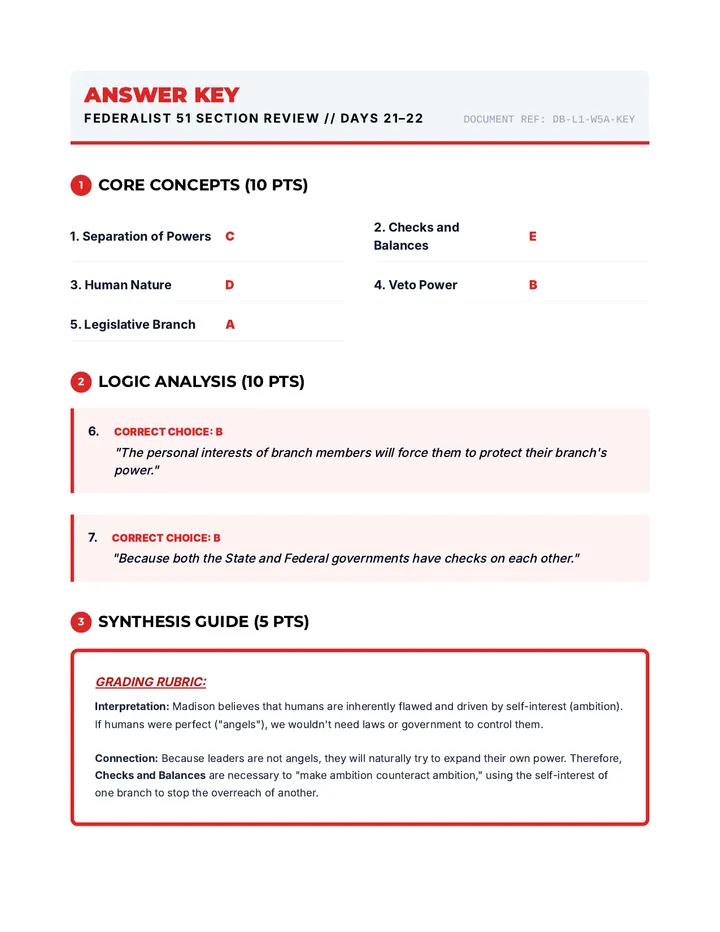
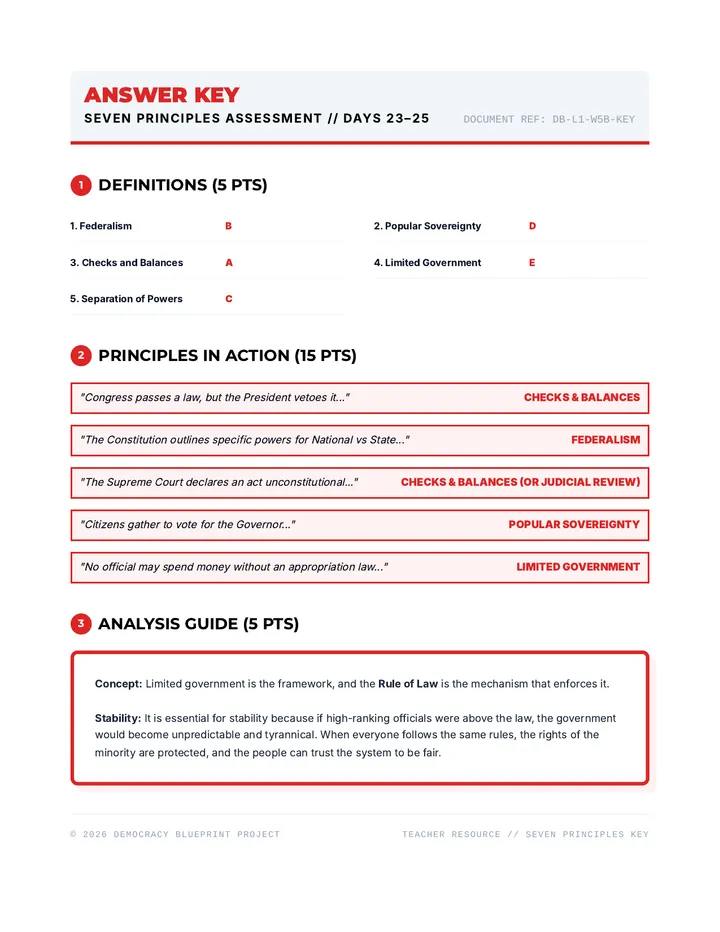
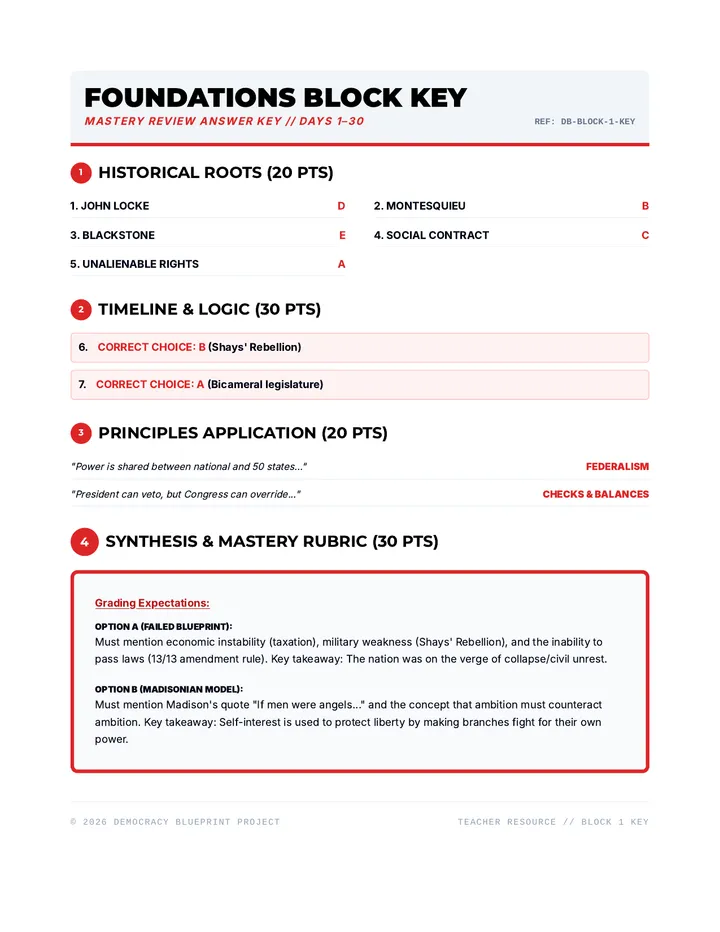
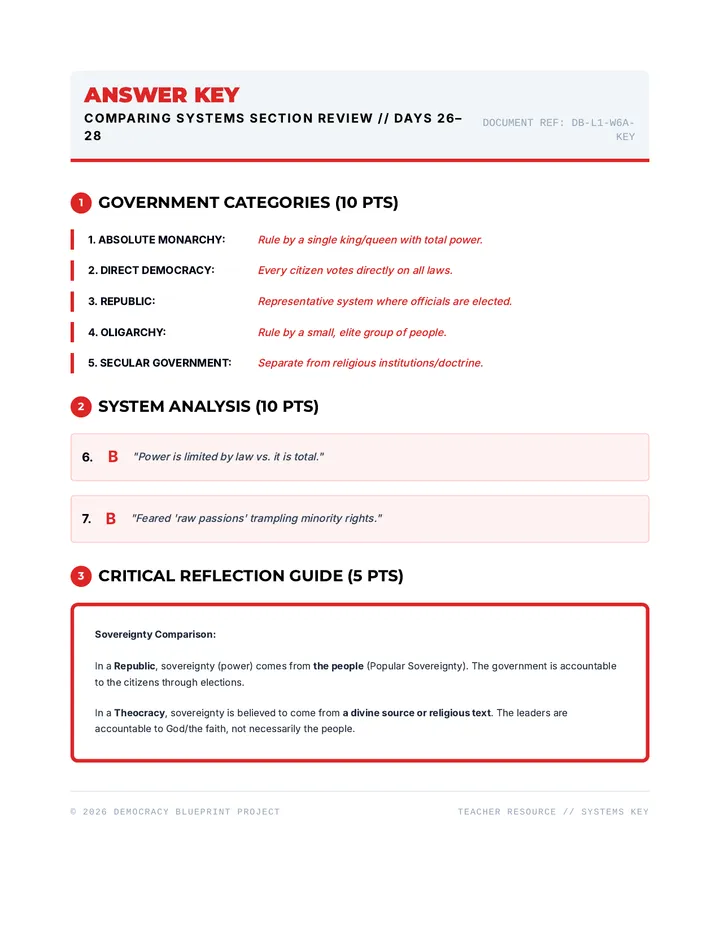
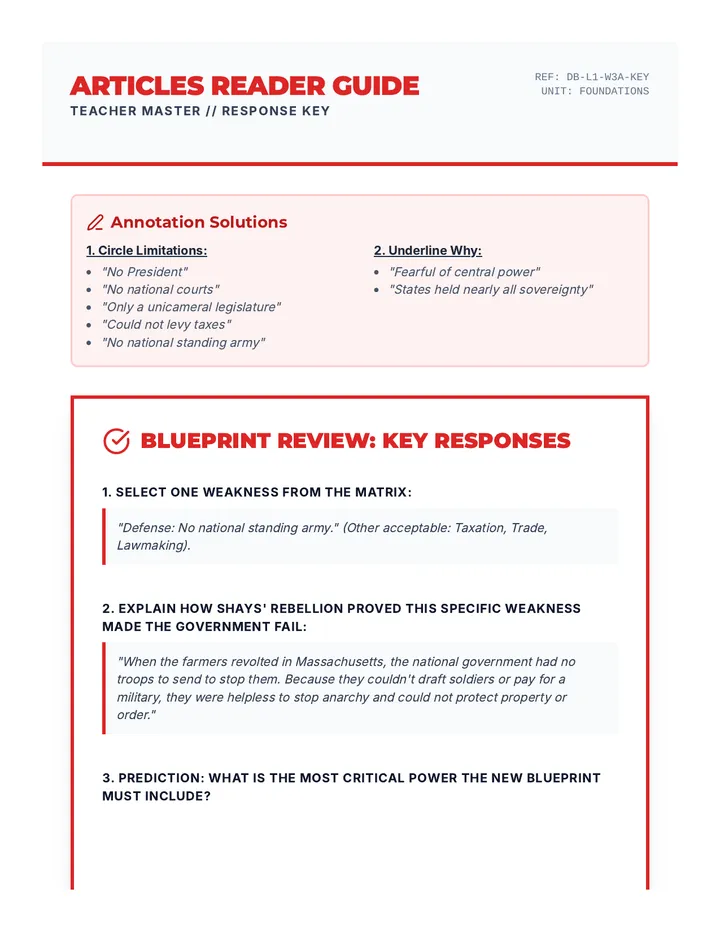
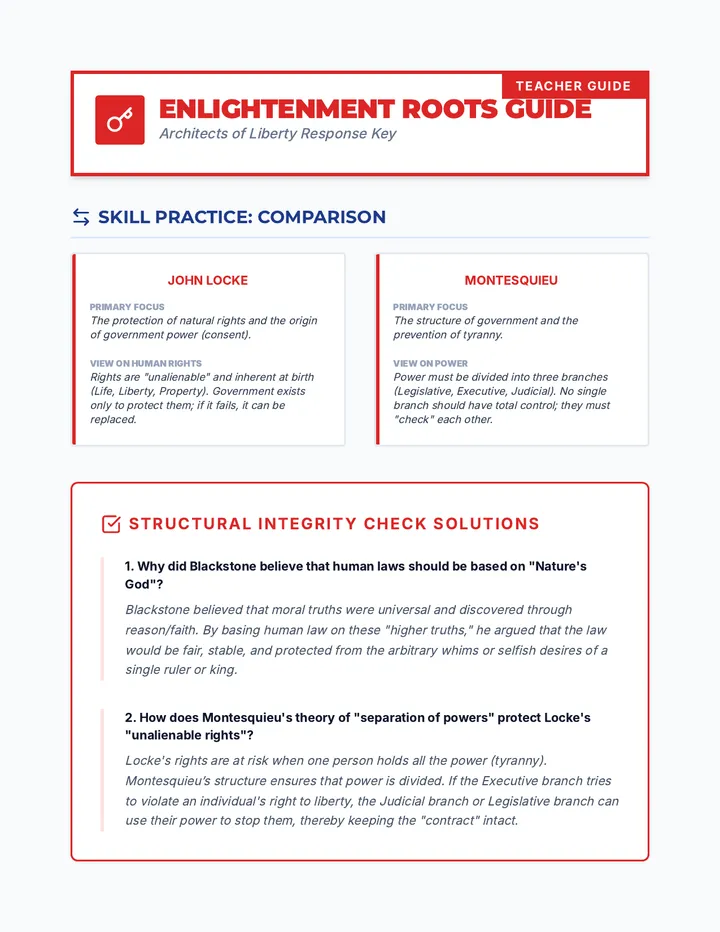
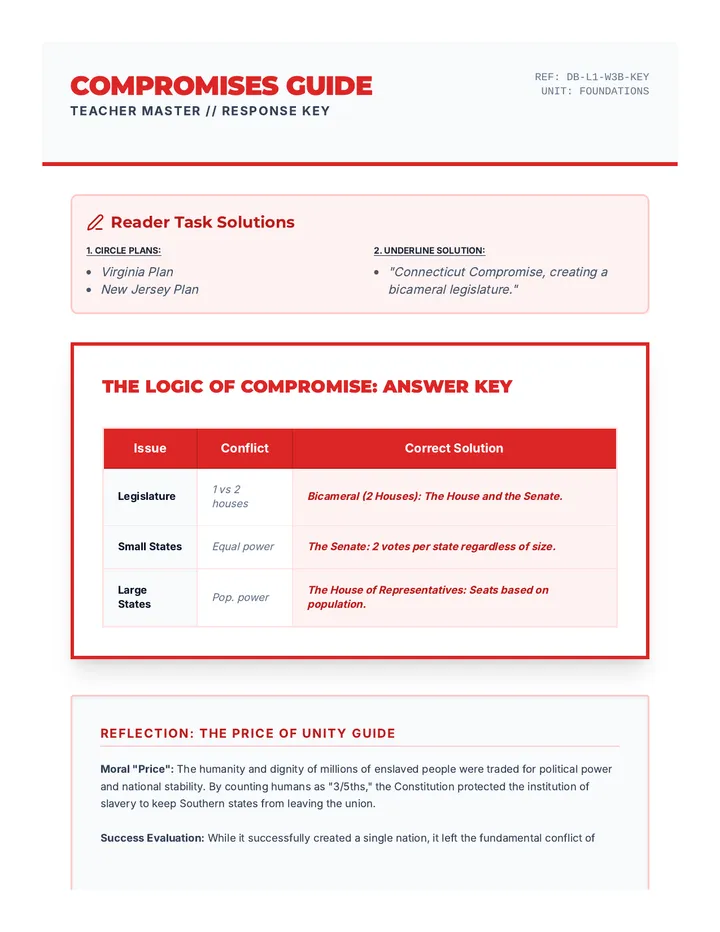
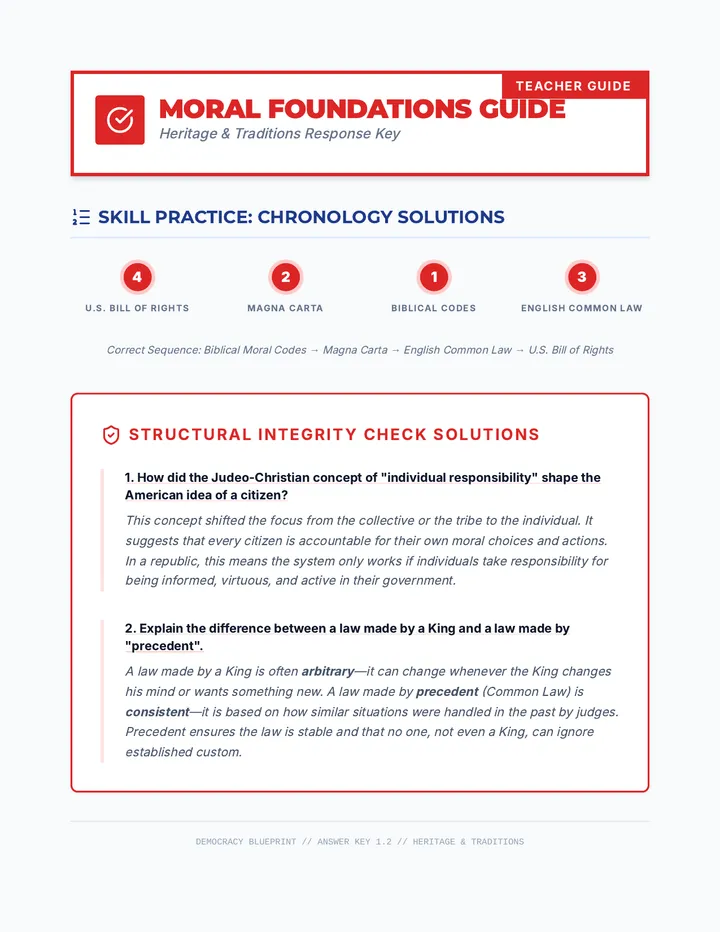
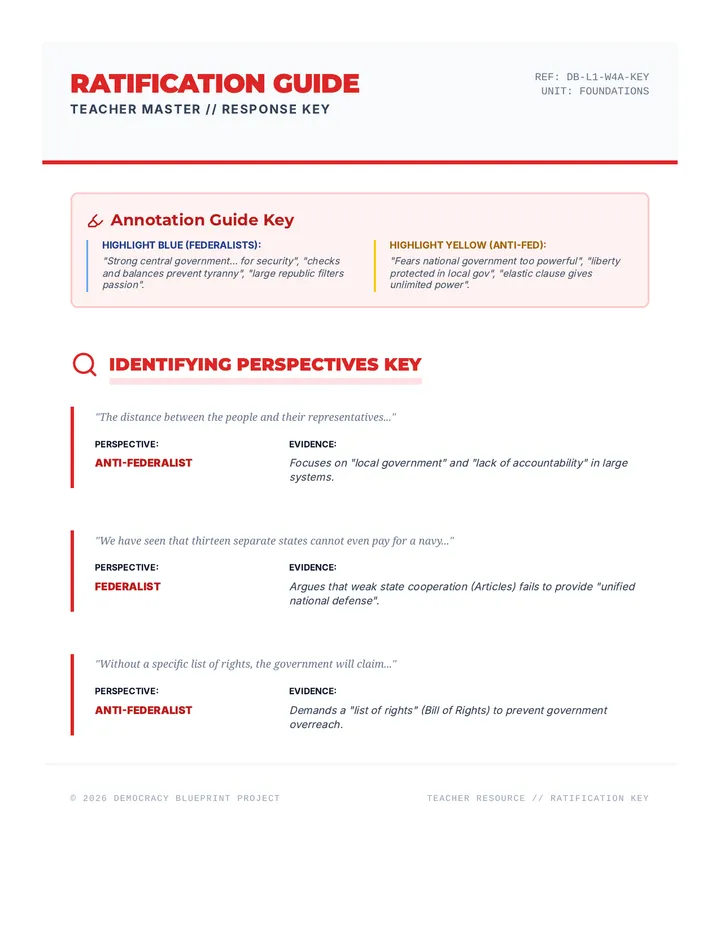
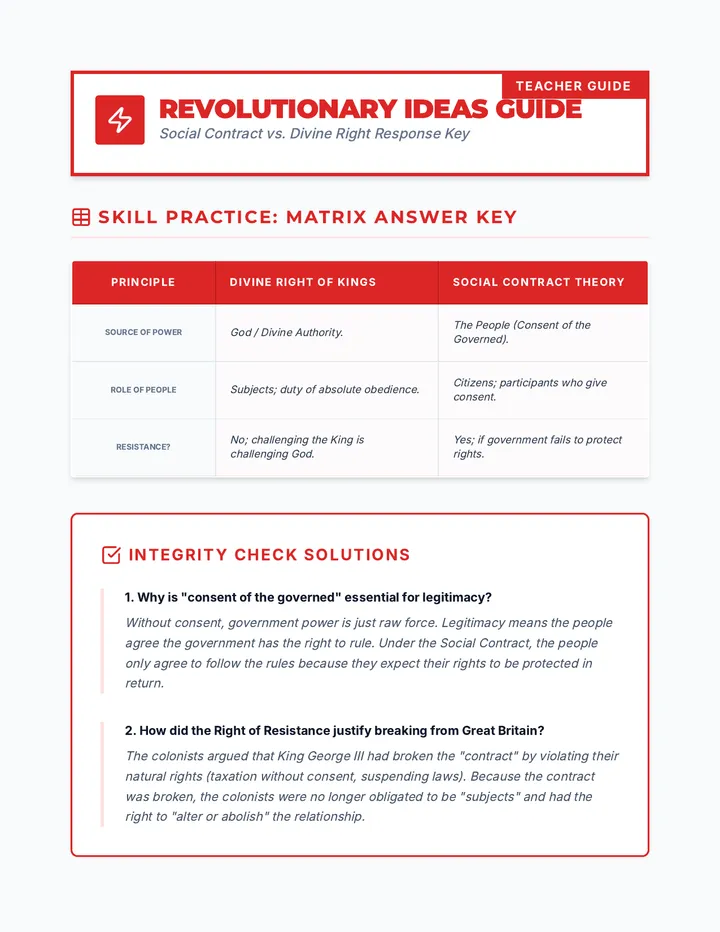
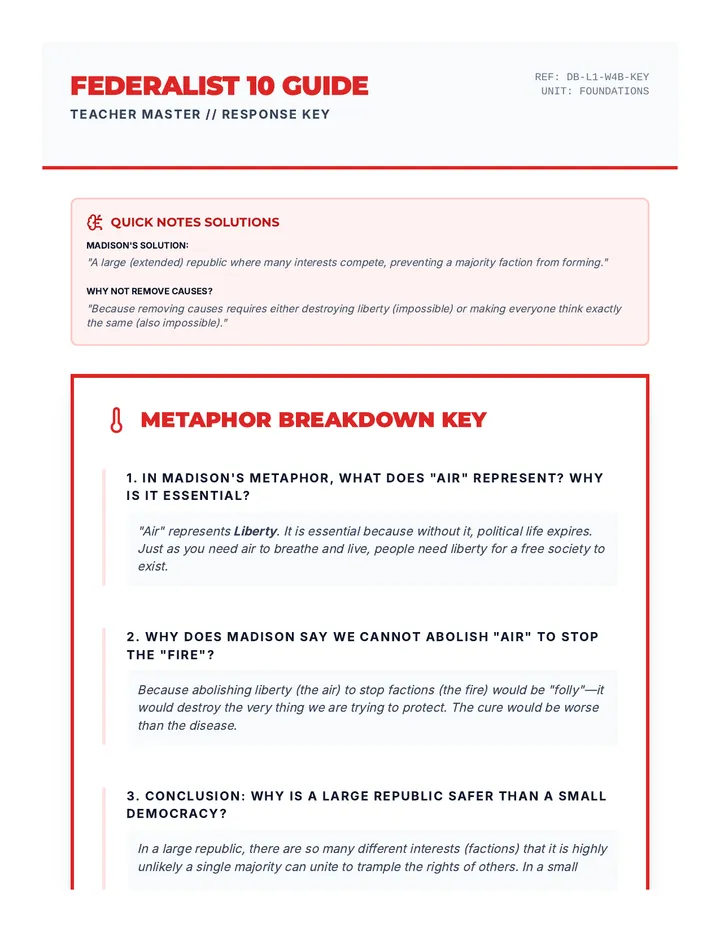
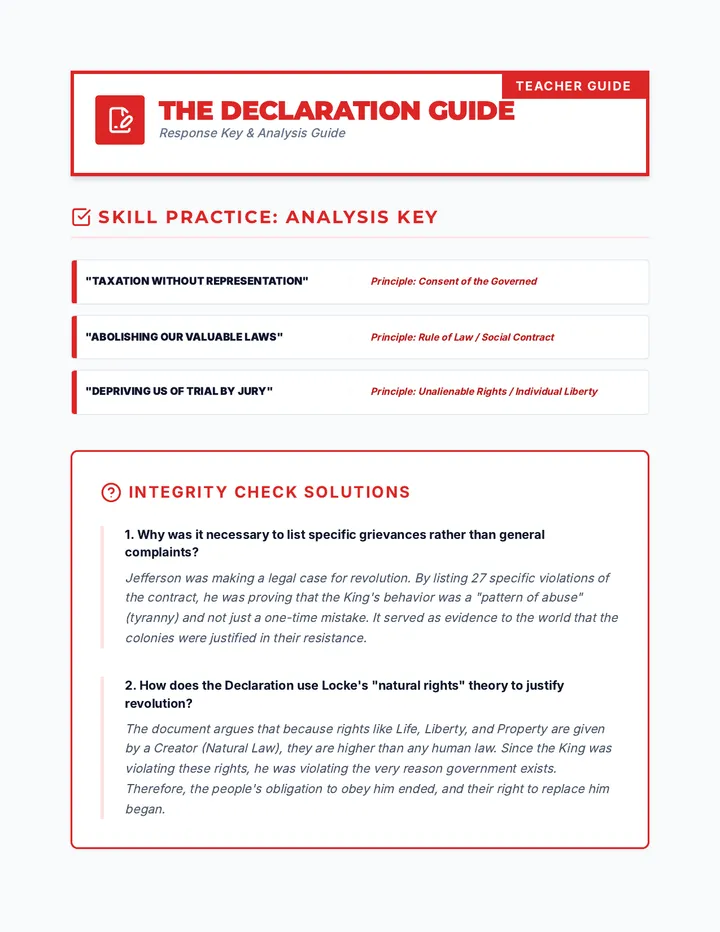
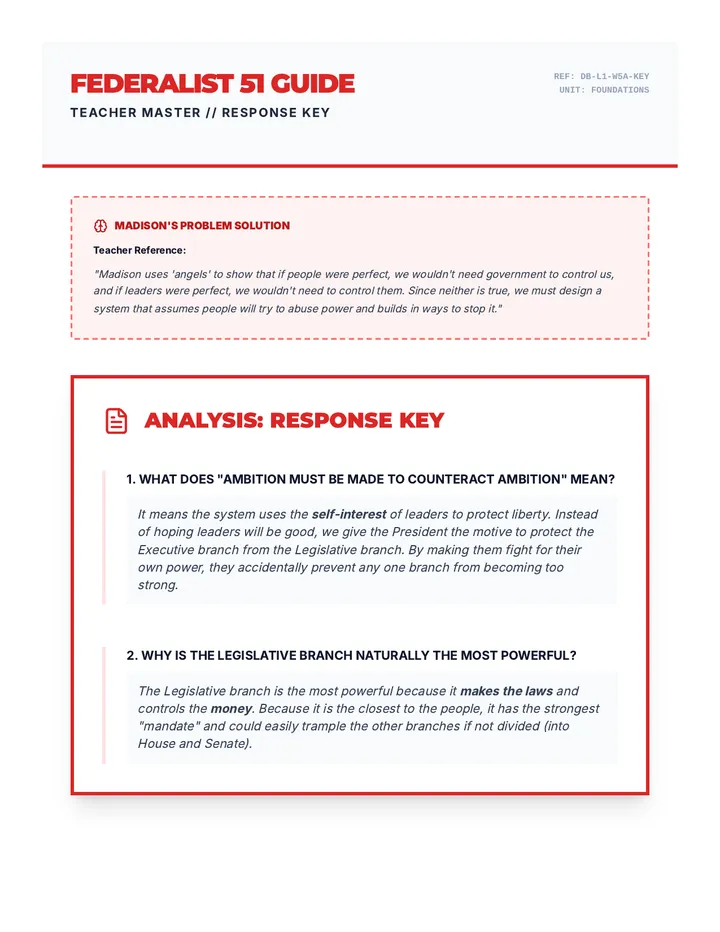
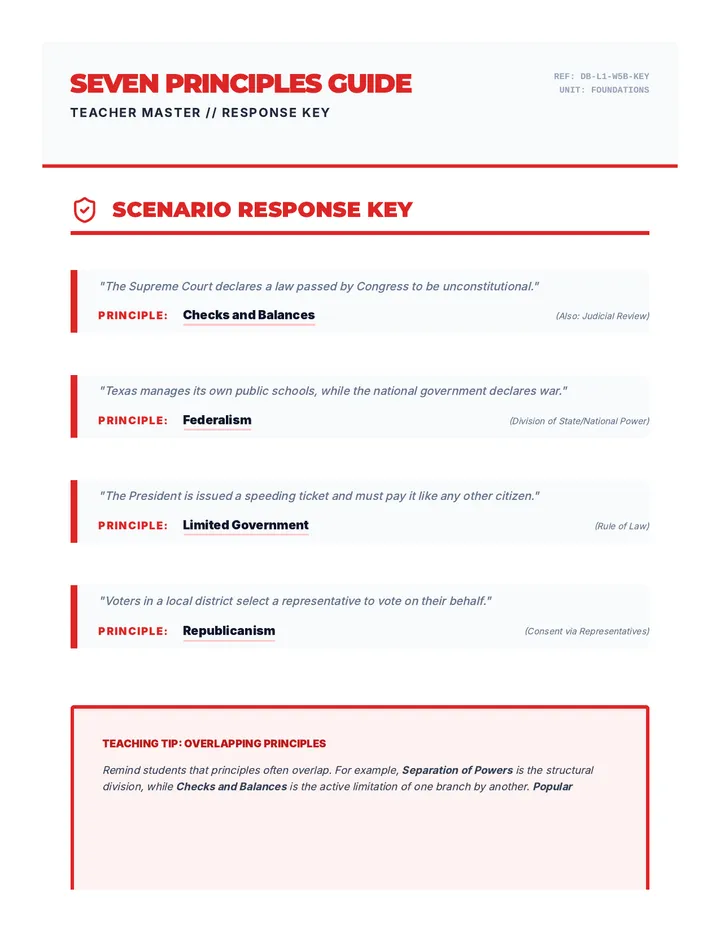
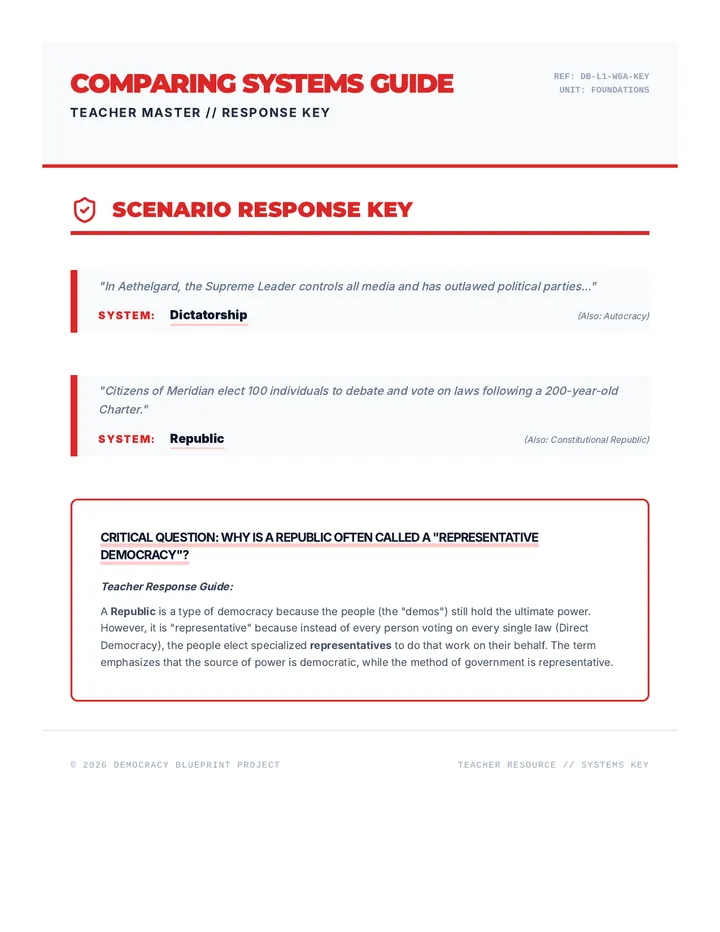
A comprehensive 90-day independent study program for high school government, covering everything from philosophical foundations to modern policy and civic participation.
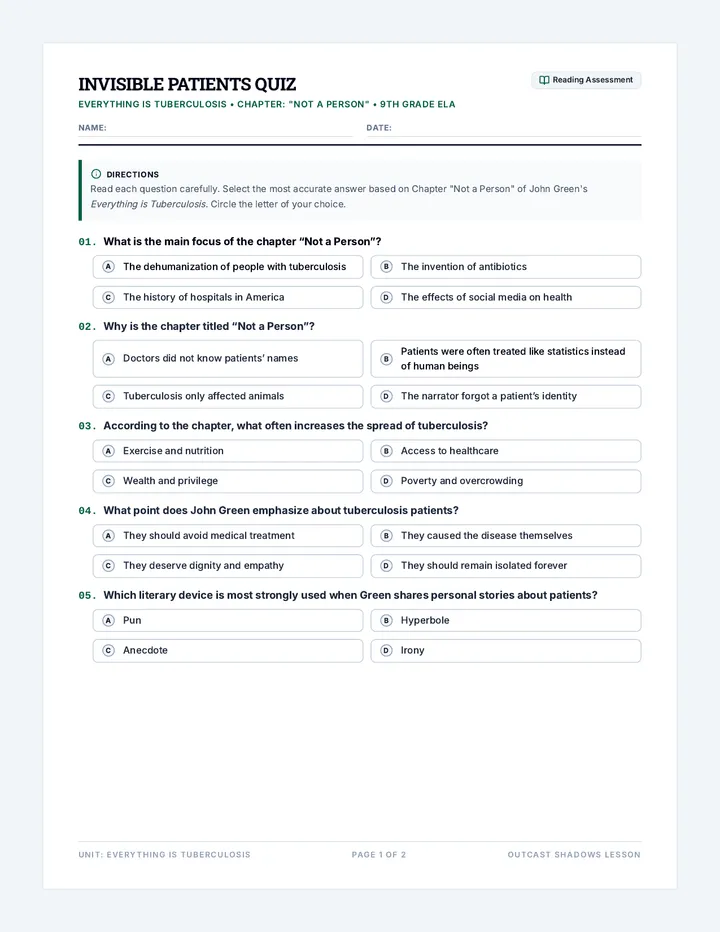
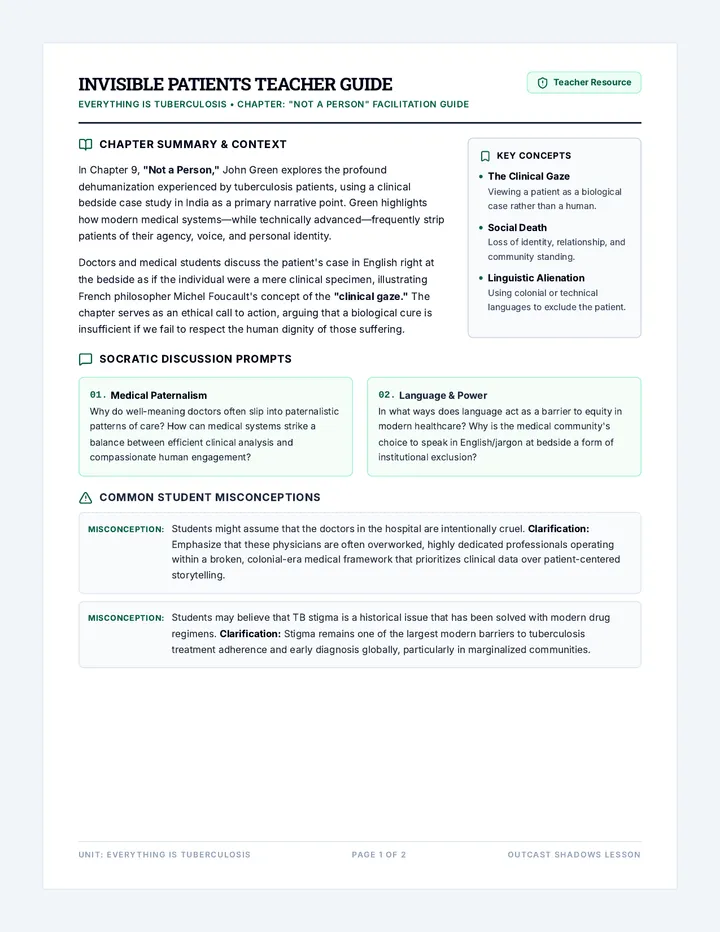
A rigorous high school unit exploring John Green's 'Everything is Tuberculosis', examining historical plague narratives, the biological science of the bacillus, medical ethics, global health policy, and the human side of patient advocacy.
This sequence provides a high-impact, one-day intensive exploration of the Renaissance Humanist revolution. Students trace the journey of classical knowledge from the ancient world through the Islamic world to Italy, define the core pillars of Humanism, and evaluate its lasting legacy on modern education and individuality.
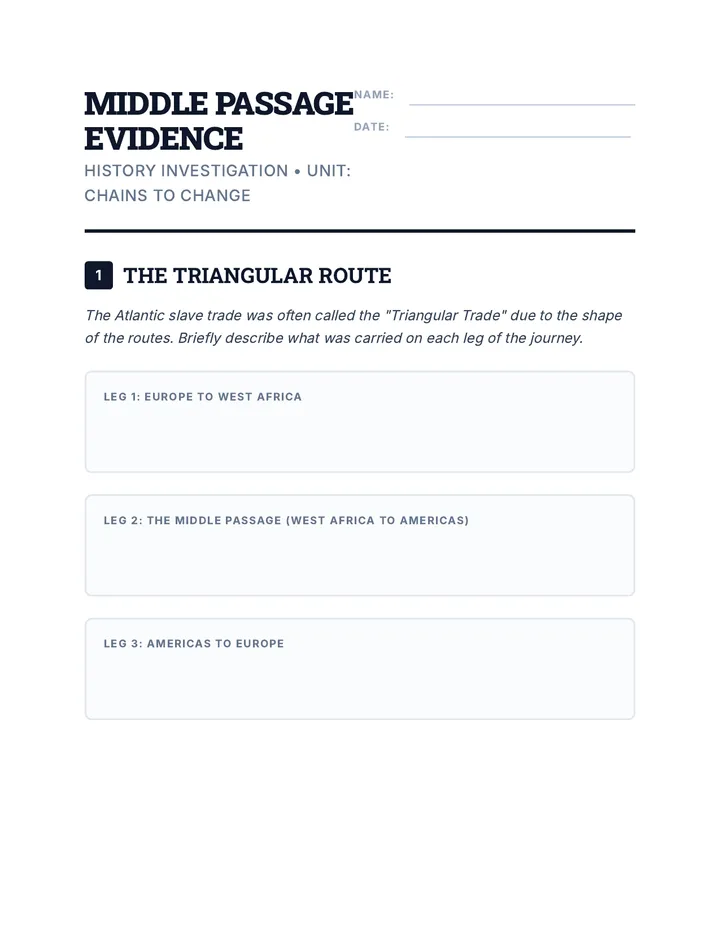
A comprehensive study of the Atlantic slave trade, the plantation economy, forms of resistance, and the eventual path to emancipation.
A comprehensive multi-day review sequence for psychology units on emotion, motivation, memory, and forgetting, featuring structured study aids, interactive challenges, and practice assessments.
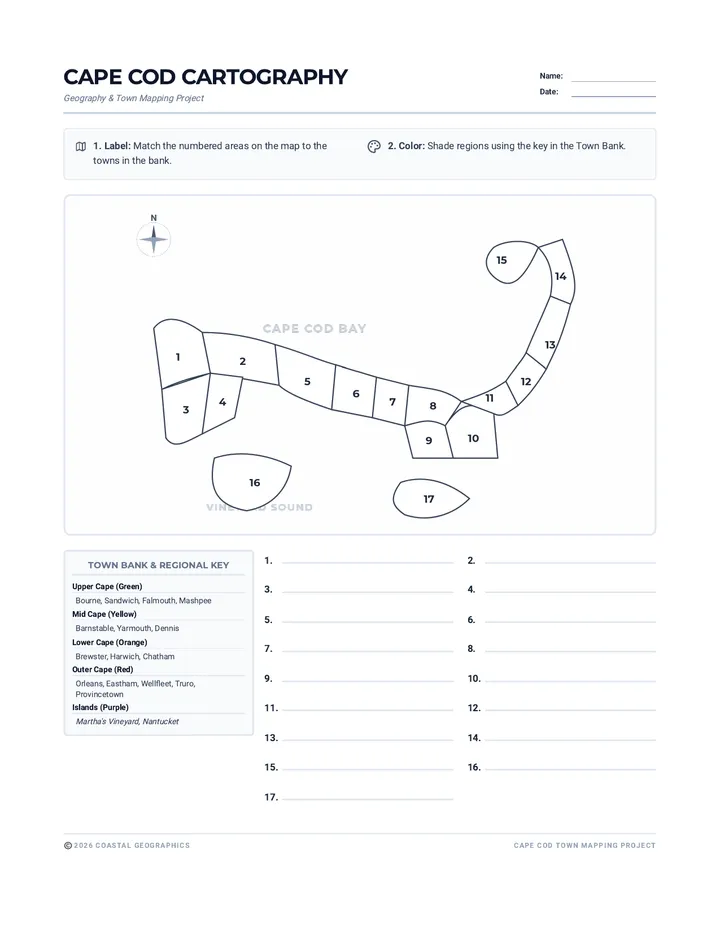
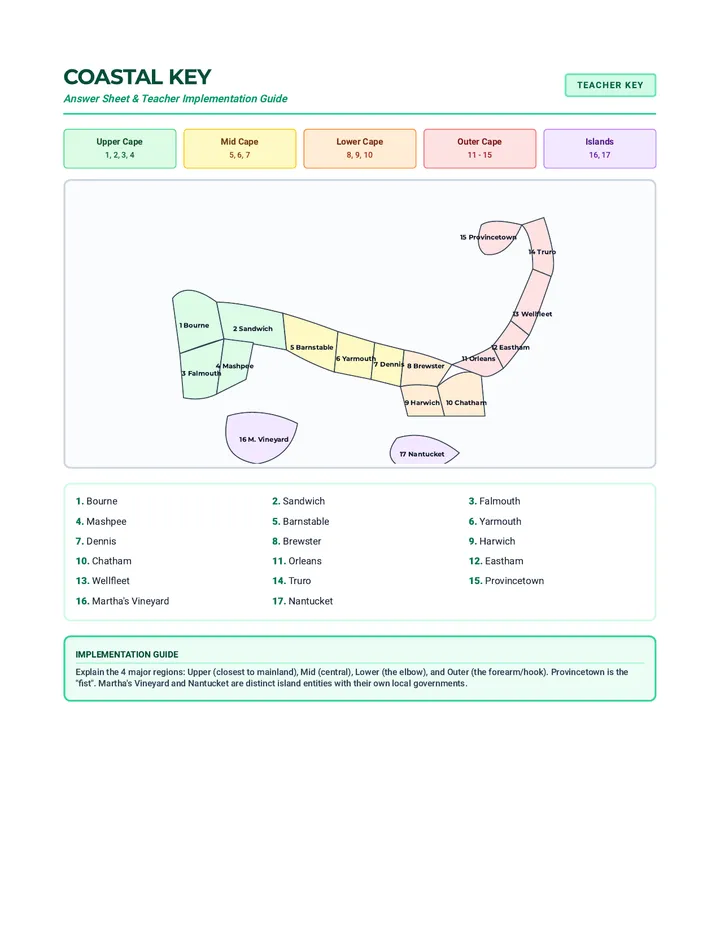
A series of materials focused on Massachusetts coastal geography and cartography.
A fast-paced, one-week introductory unit on core economic principles including scarcity, factors of production, and economic systems, designed for 70-minute high school blocks.
A project-based learning unit where students curate historical 'one-pagers' to synthesize key eras of US history, available in both English and Spanish.
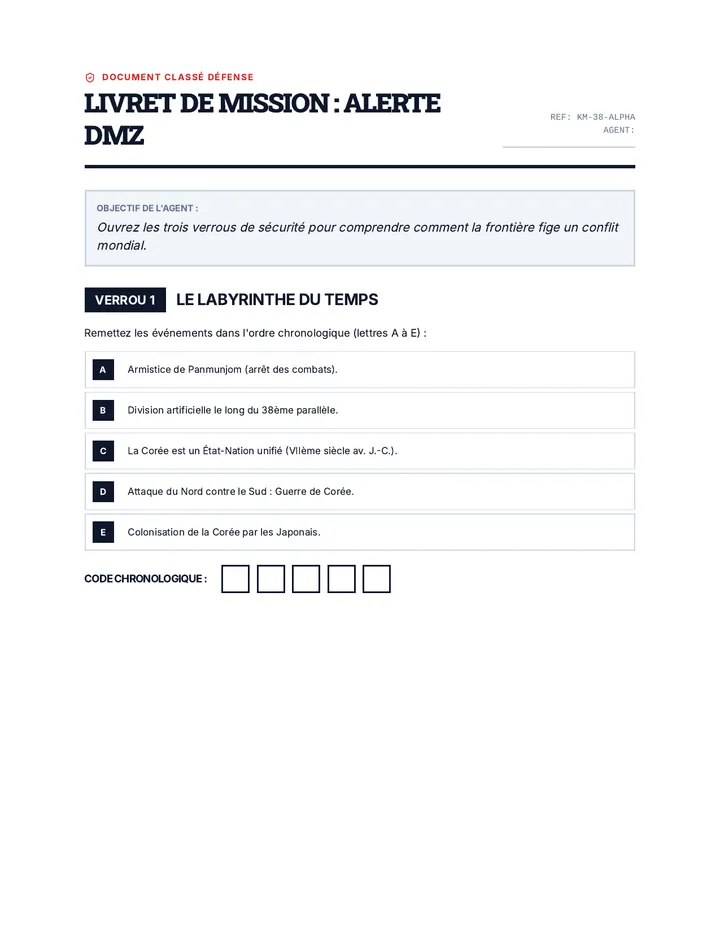
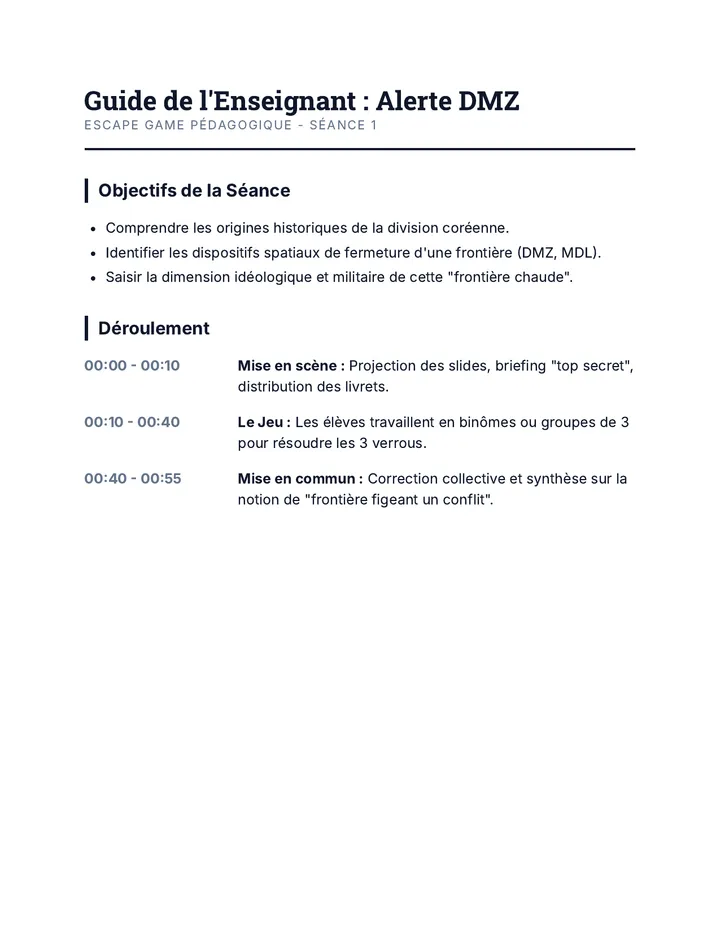
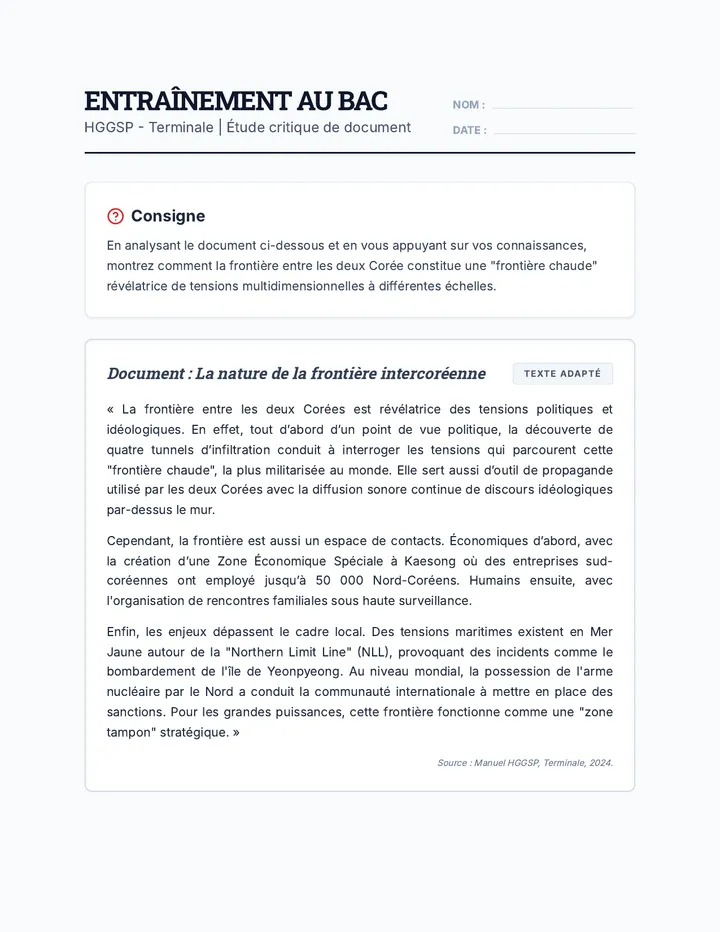
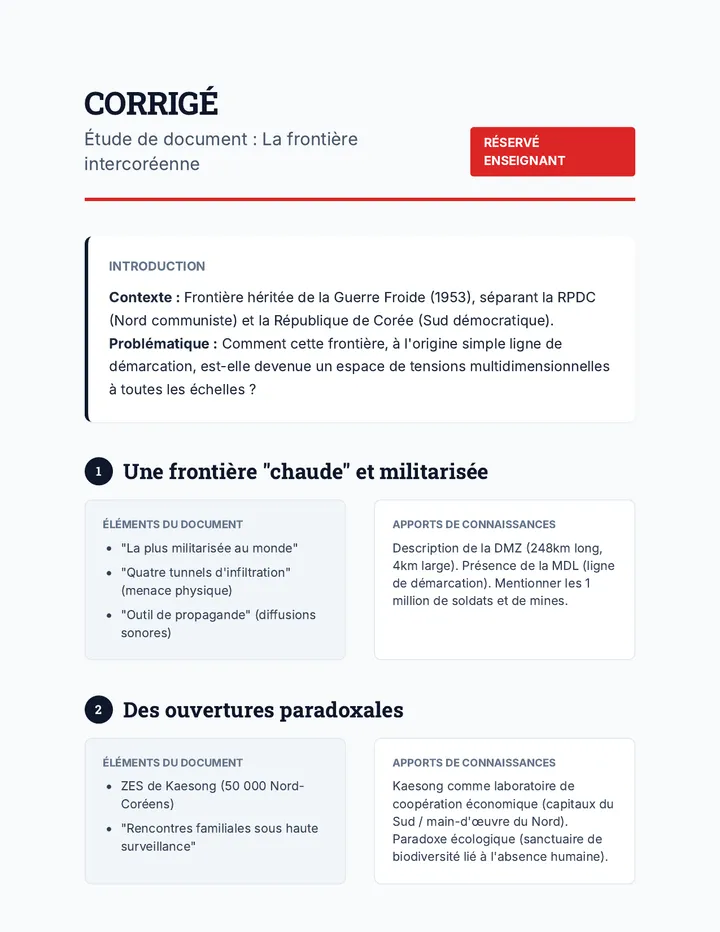
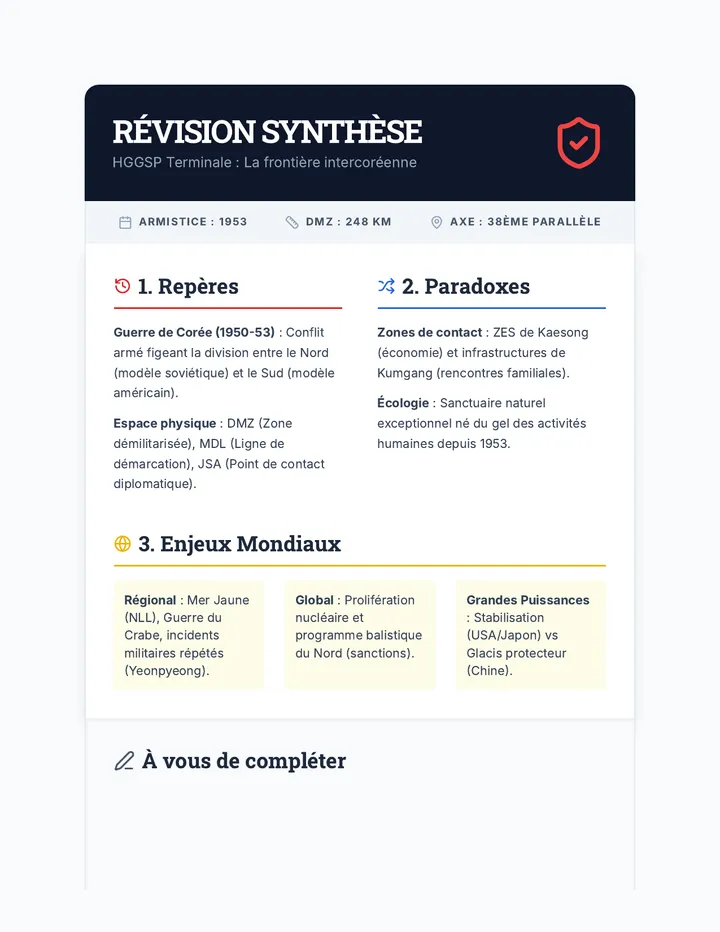
Une séquence pédagogique sur la frontière coréenne composée d'un escape game immersif et d'une étude de cas sous forme d'enquête géopolitique. Les élèves explorent la DMZ, ses enjeux historiques, militaires et internationaux.
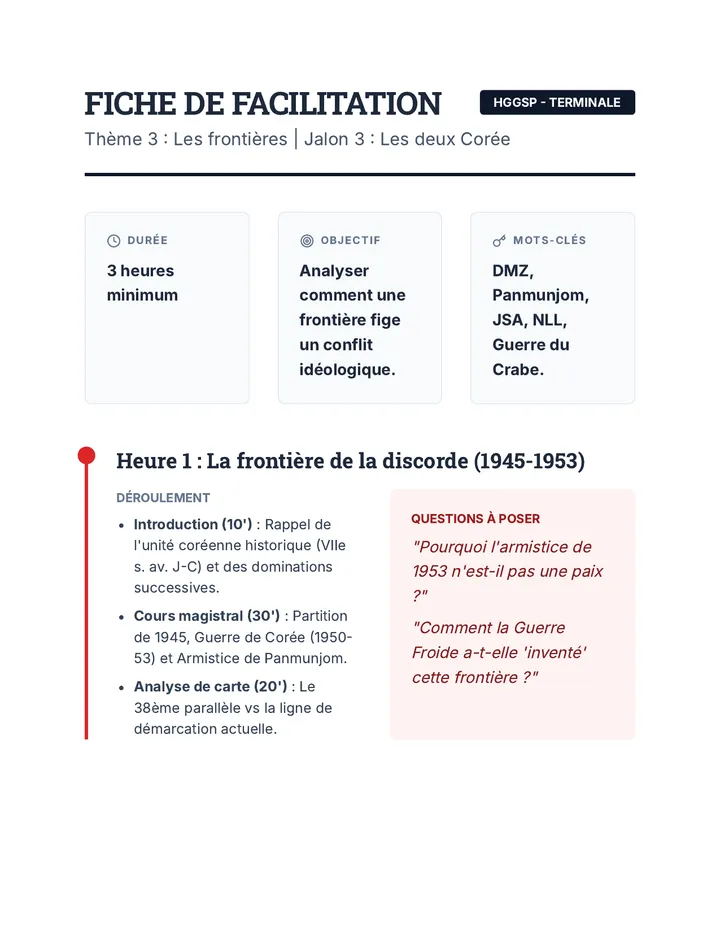
Cette séquence pédagogique explore la frontière intercoréenne comme laboratoire des tensions géopolitiques mondiales. Elle couvre l'histoire de la partition, la militarisation extrême de la zone et les enjeux contemporains à l'échelle régionale et internationale.
A comprehensive look at economic systems, competition, and the role of government in regulating markets using the cell phone industry as a primary case study.
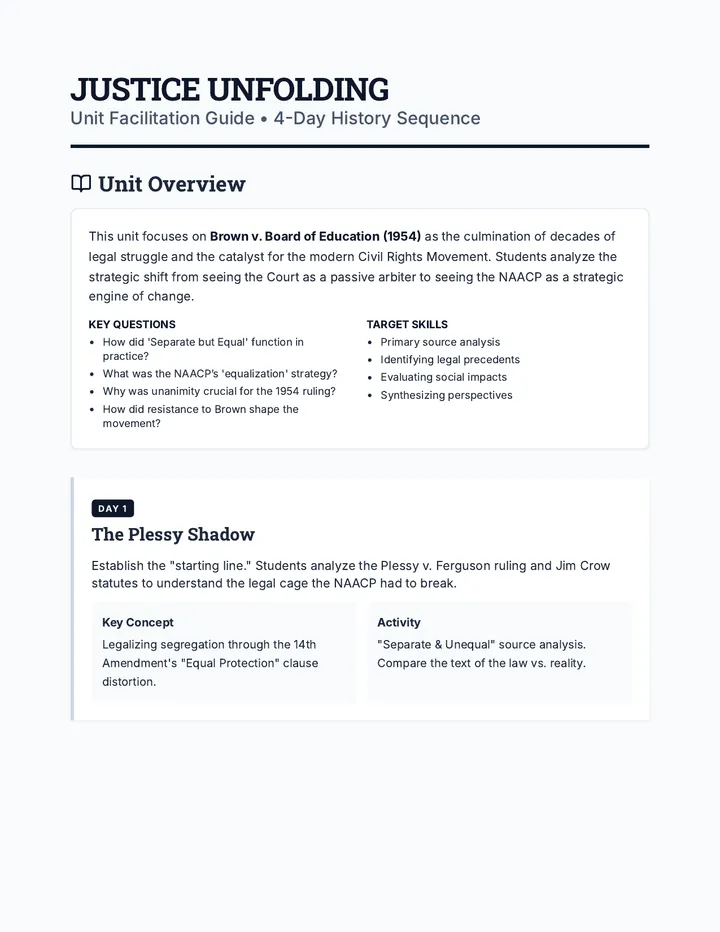
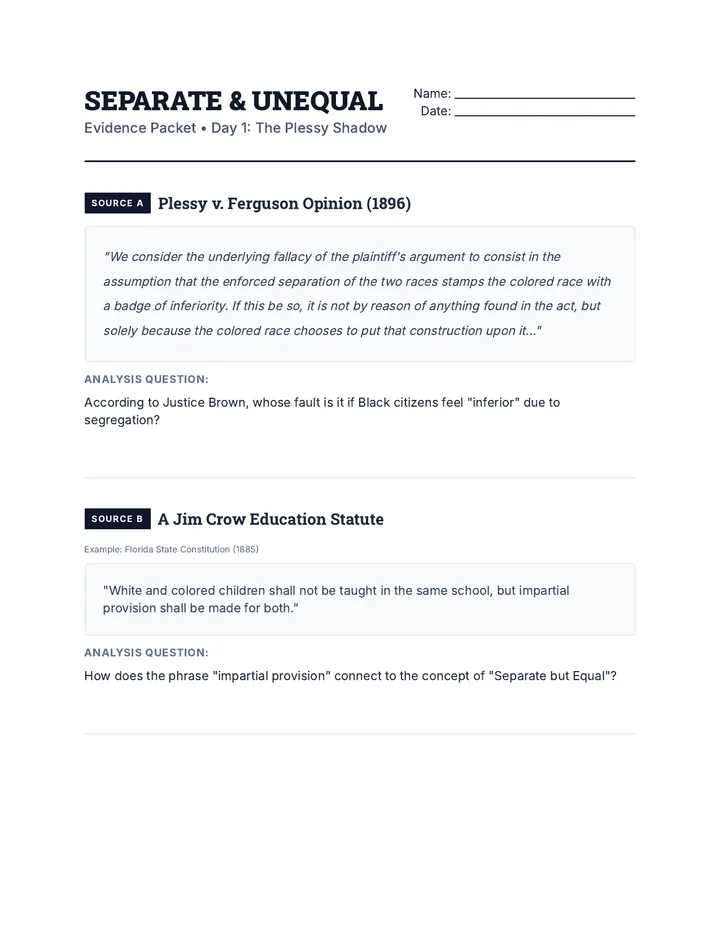
A four-day high school history unit exploring the origins, legal battle, and immediate aftermath of the landmark Brown v. Board of Education decision. Students analyze primary sources and the strategic shifts that sparked the modern Civil Rights Movement.
A critical exploration of the Seminole Wars and the unique alliance between Indigenous people and self-liberated Black individuals, framed through Howard Zinn's 'history from below' perspective.
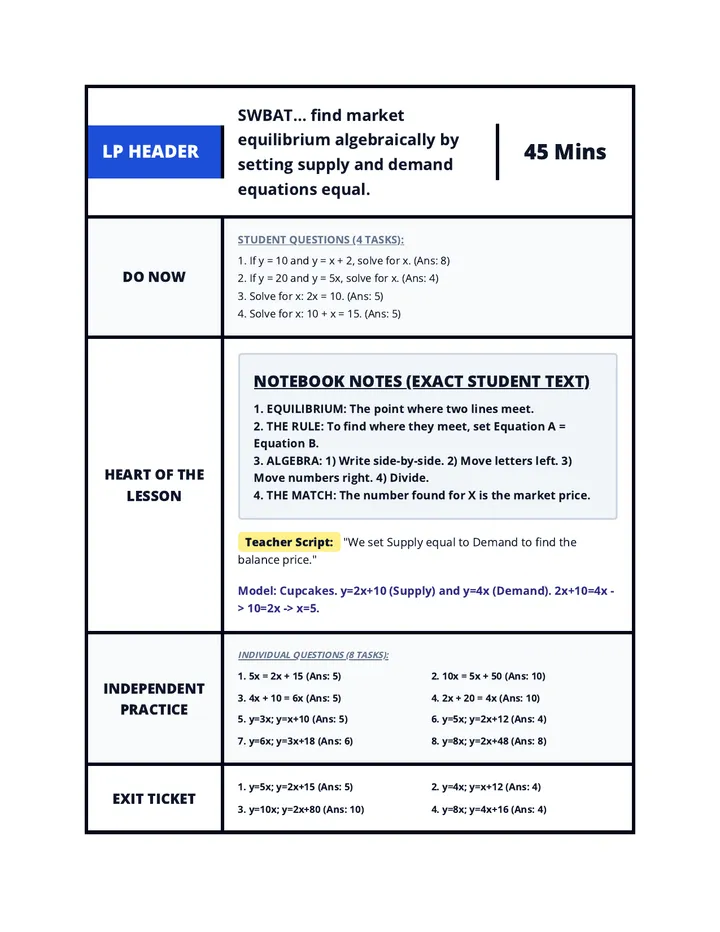
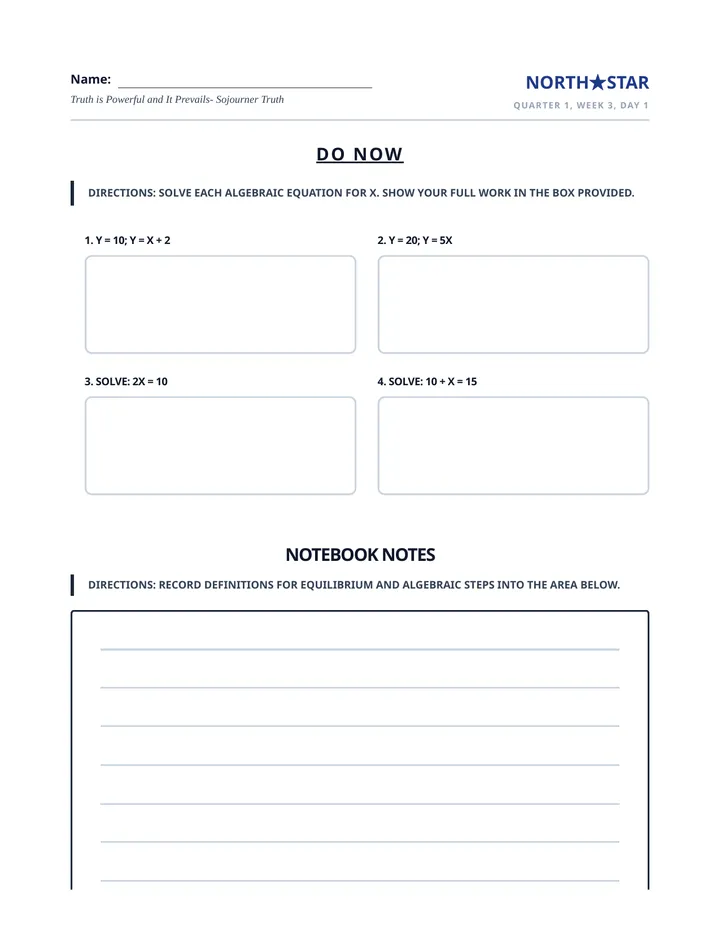
A 4-lesson economics sequence for Special Education students. Lessons progress from solving for market equilibrium algebraically, to using data tables, to graphing intersections, and finally interpreting the real-world meaning of surplus, shortage, and the 'sweet spot'.
A comprehensive 2-block day unit covering the major milestones of the Cold War, from the Berlin Airlift to the fall of the Berlin Wall, culminating in a Document-Based Question (DBQ) essay. Students analyze primary and secondary sources through a 'Classified Dossier' lens.
A bundle of essential resources for middle and high school, covering cellular biology and American history.
A focused exploration of medieval social and economic structures, specifically contrasting the political hierarchy of feudalism with the agricultural economy of manorialism.
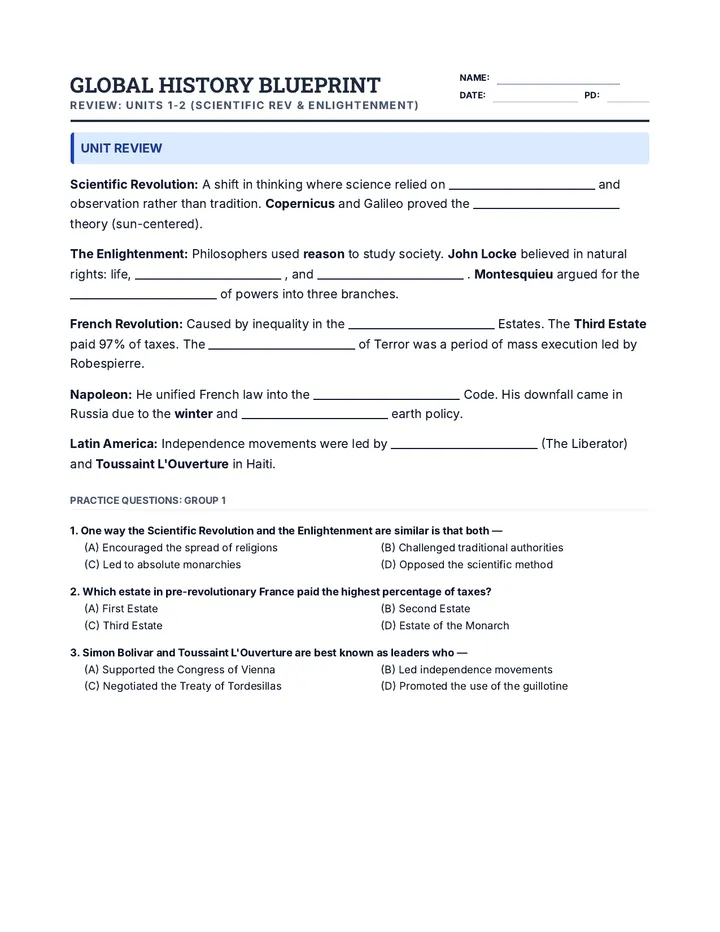
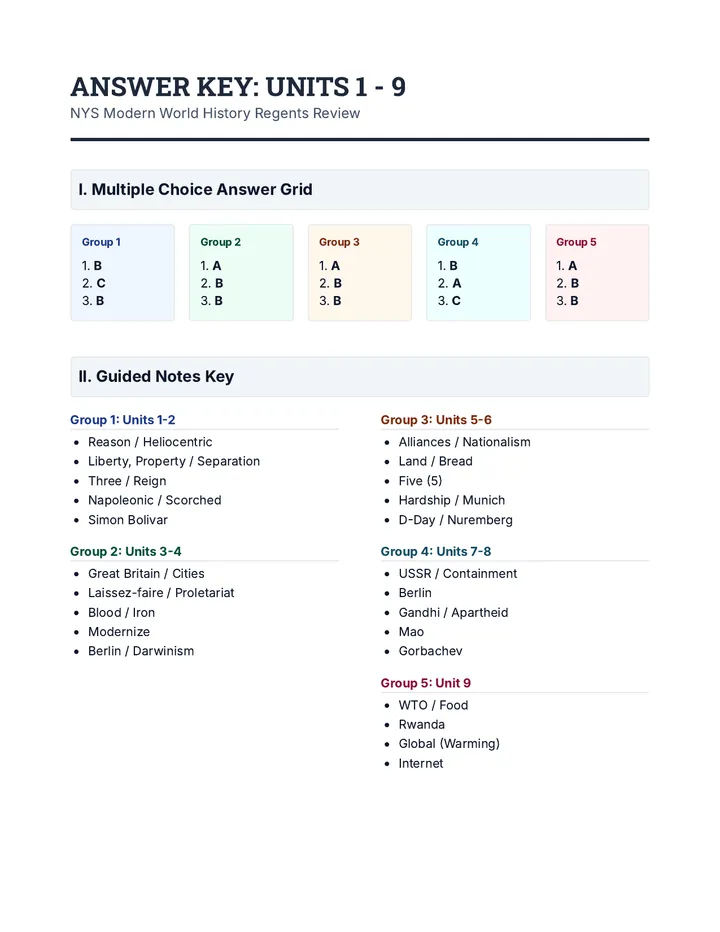
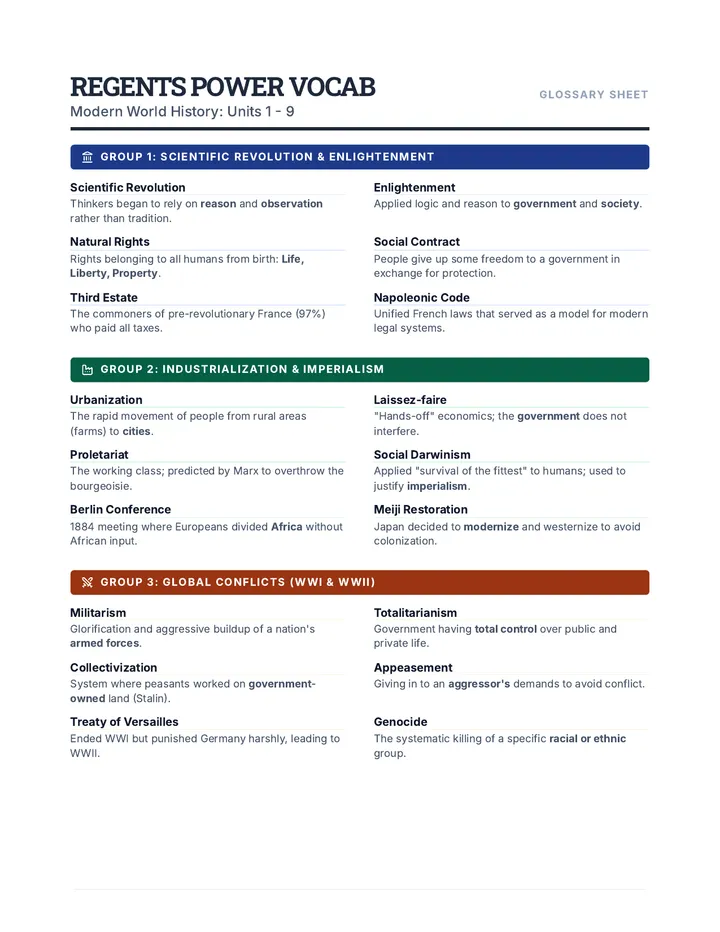
A comprehensive review series covering the New York State Modern World History Regents curriculum, focusing on Units 1 through 9.
An intensive review series for the Modern World History NYS Regents exam, structured as high-speed 30-minute 'blueprint' sessions focusing on key units and test-taking strategies.
A comprehensive assessment sequence covering the pivotal moments of 20th-century US history, from the build-up to World War II through the height of the Cold War and the diverse Civil Rights movements.
A comprehensive one-week unit on the Legislative Branch tailored for Pennsylvania high school students. The unit covers the structure of the US Congress and the PA General Assembly, the law-making process, and the influence of interest groups, culminating in a simple, independent legislative proposal project.
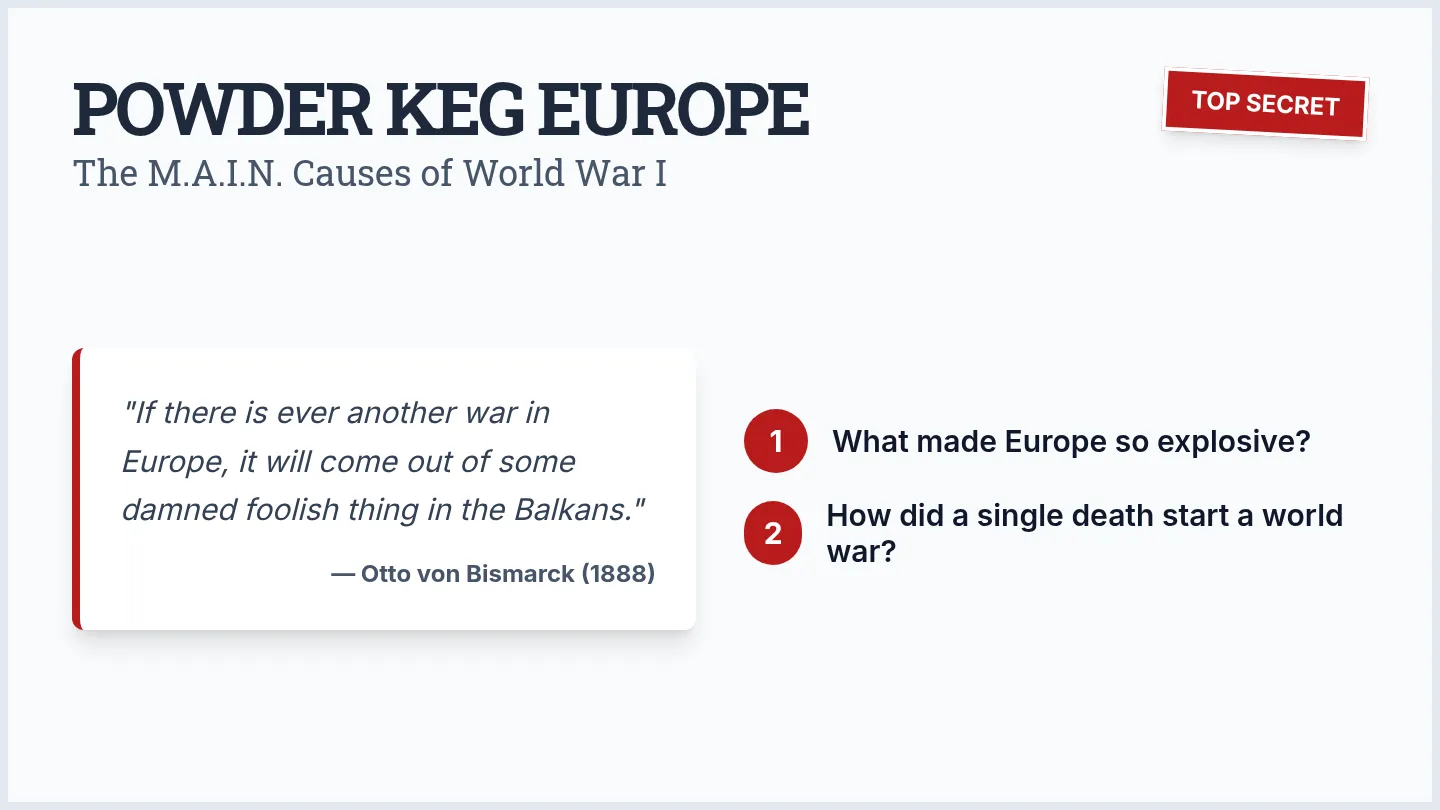
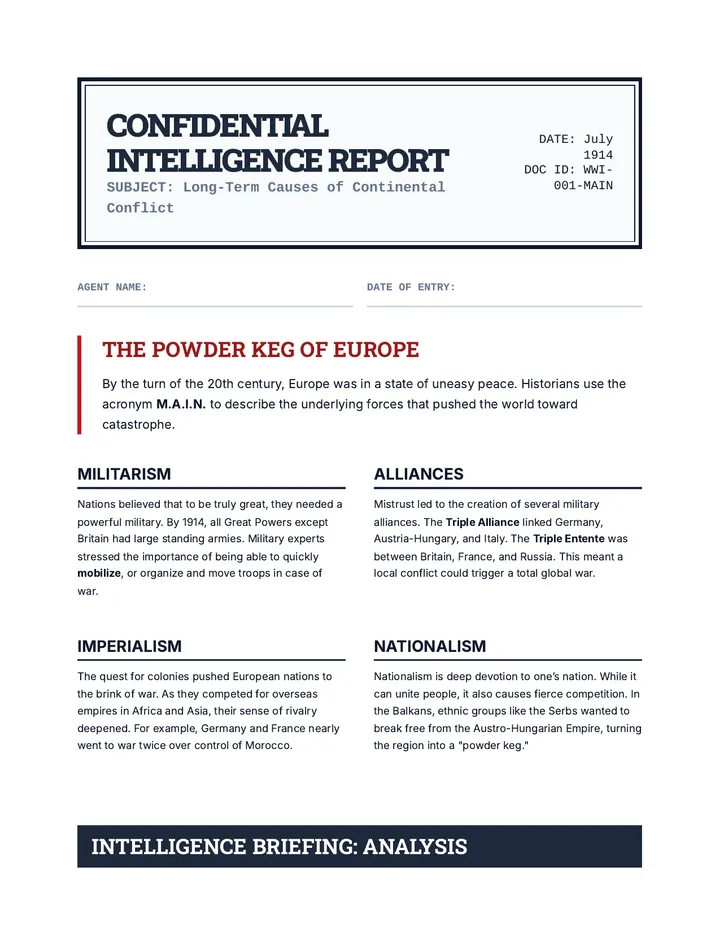
A 4-day unit exploring the long-term M.A.I.N. causes of World War I, the immediate spark of the conflict, the power of propaganda, and the diplomatic shifts that brought the United States into the war.
A global geography unit focusing on the identification and analysis of the Earth's diverse landscapes. Students will master map-reading skills including elevation, contour lines, and global physical regions to understand how geography shapes our world.
A comprehensive study of the American Civil War's most pivotal military engagements through collaborative jigsaw reading and primary source analysis.
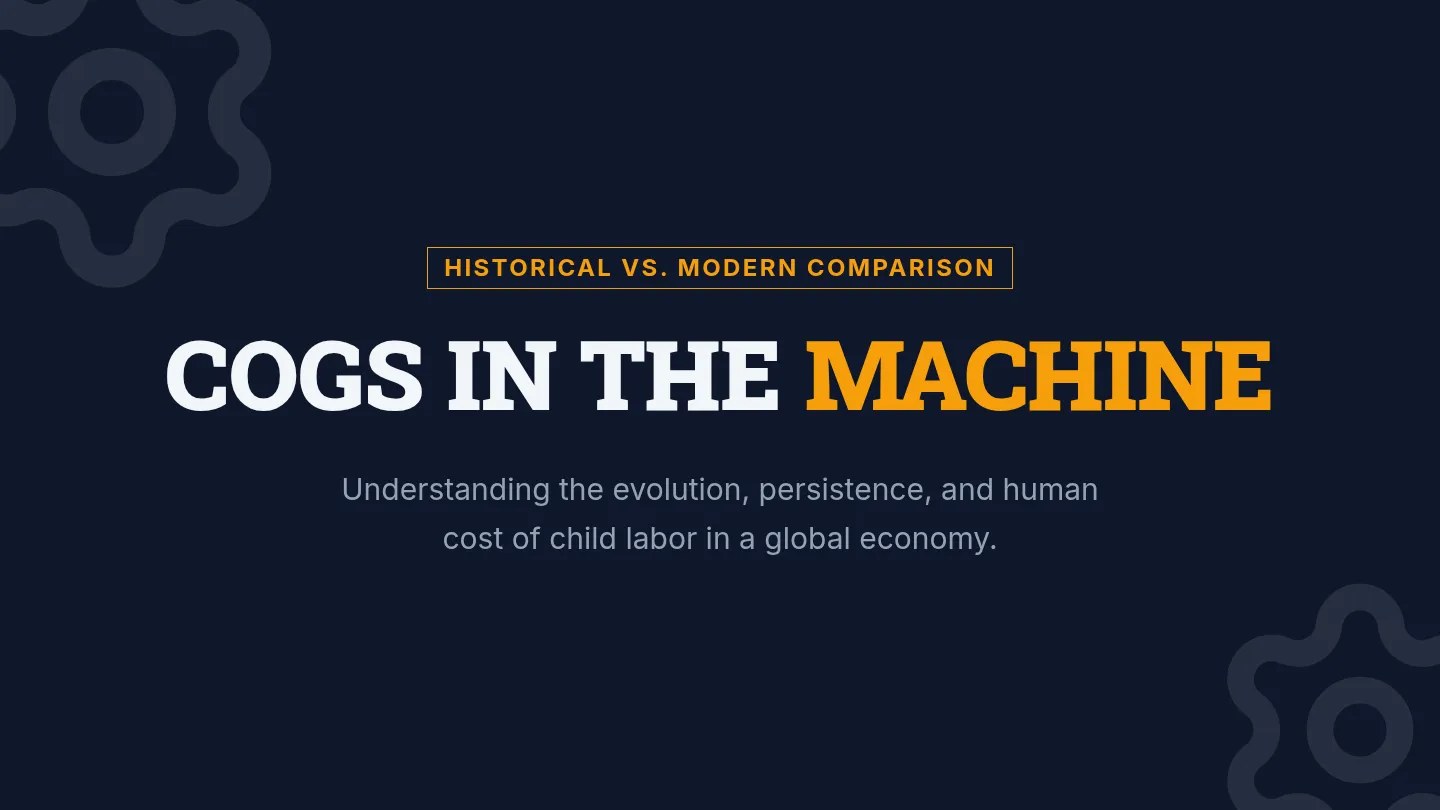
A deep dive into the history and contemporary reality of child labor, comparing the Industrial Revolution to modern global supply chains. Students analyze primary-source-inspired fiction and modern reporting to understand systemic drivers and ethical implications.