A fast-paced, one-week introductory unit on core economic principles including scarcity, factors of production, and economic systems, designed for 70-minute high school blocks.
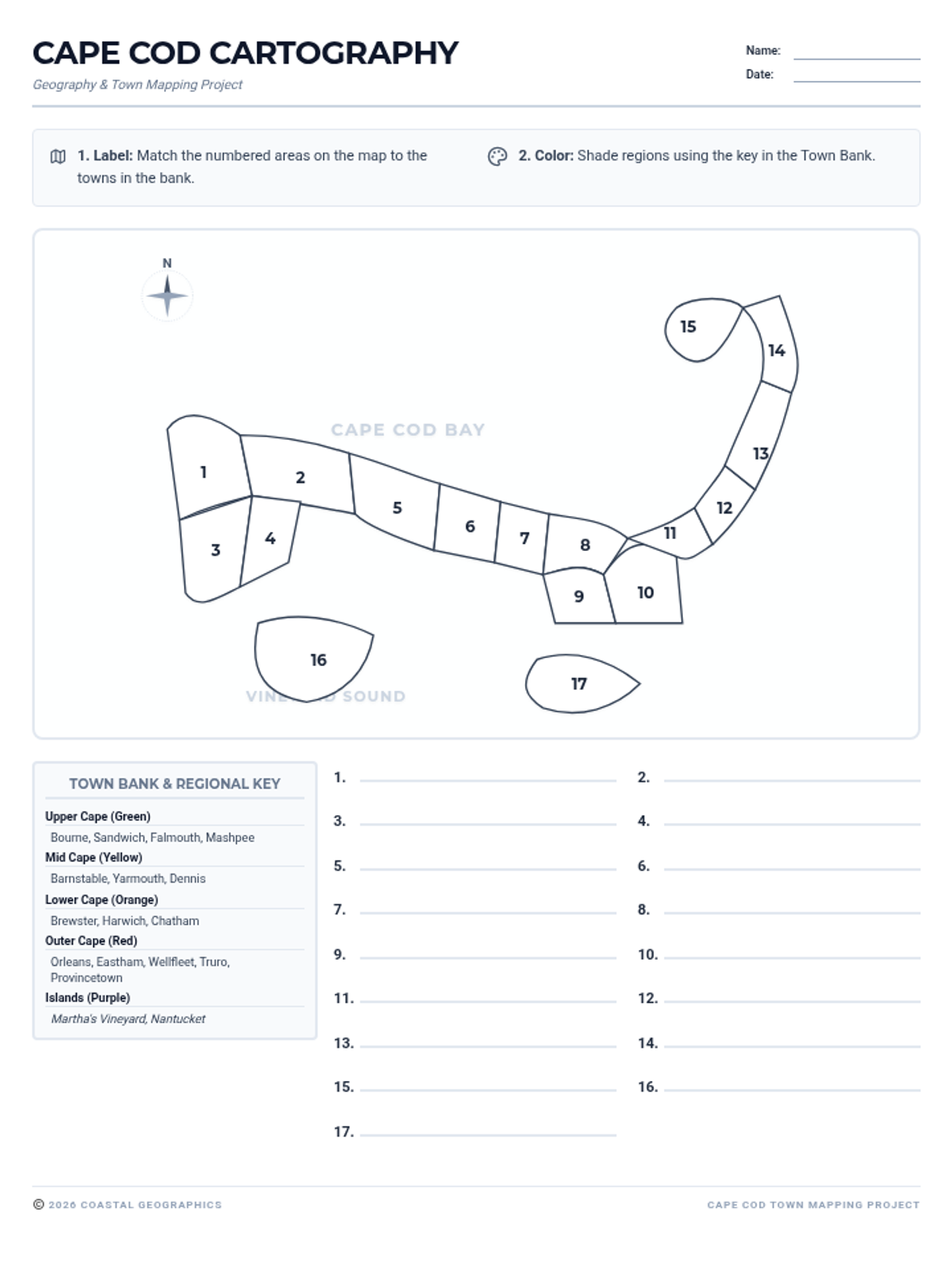
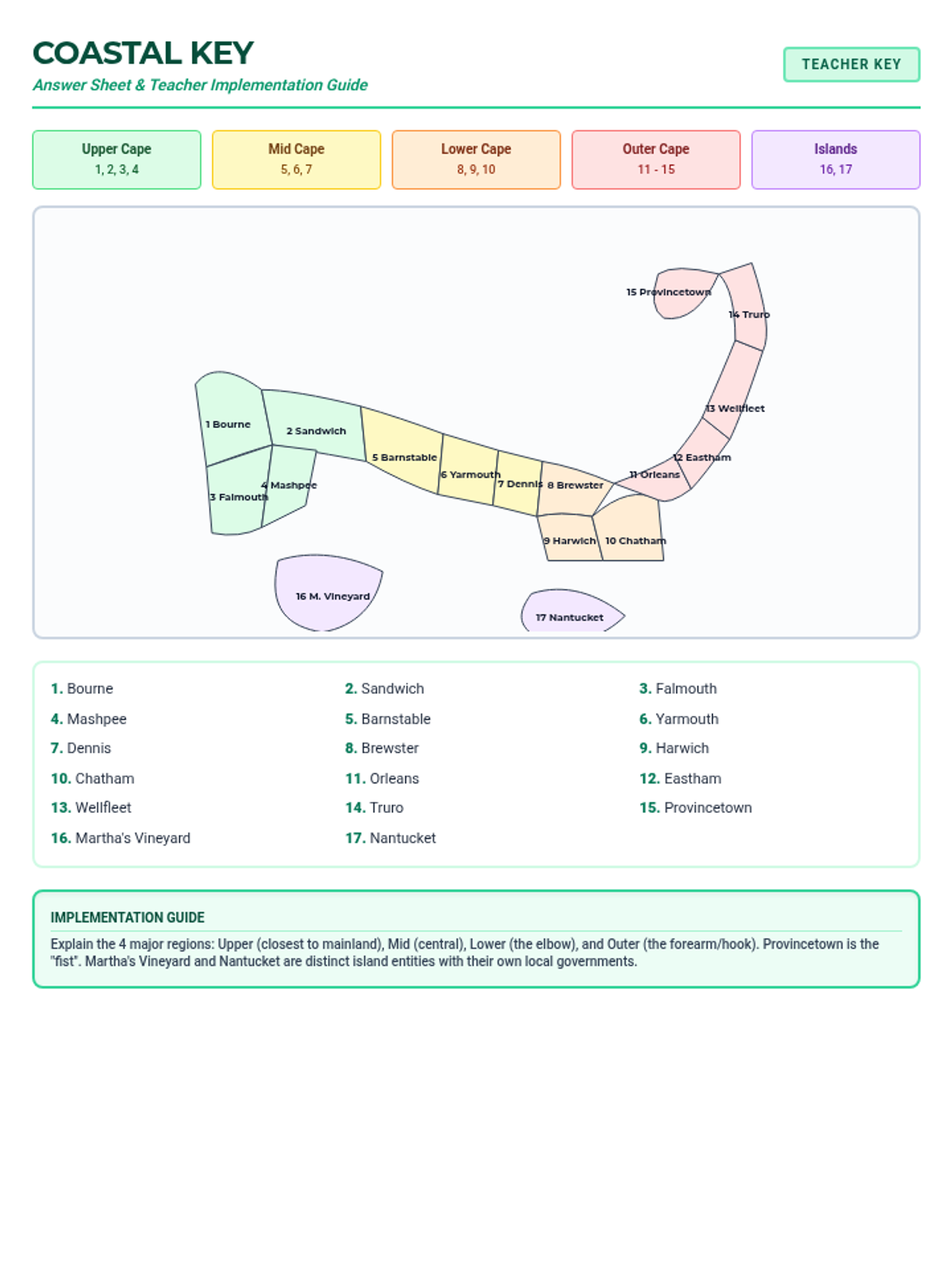
A series of materials focused on Massachusetts coastal geography and cartography.
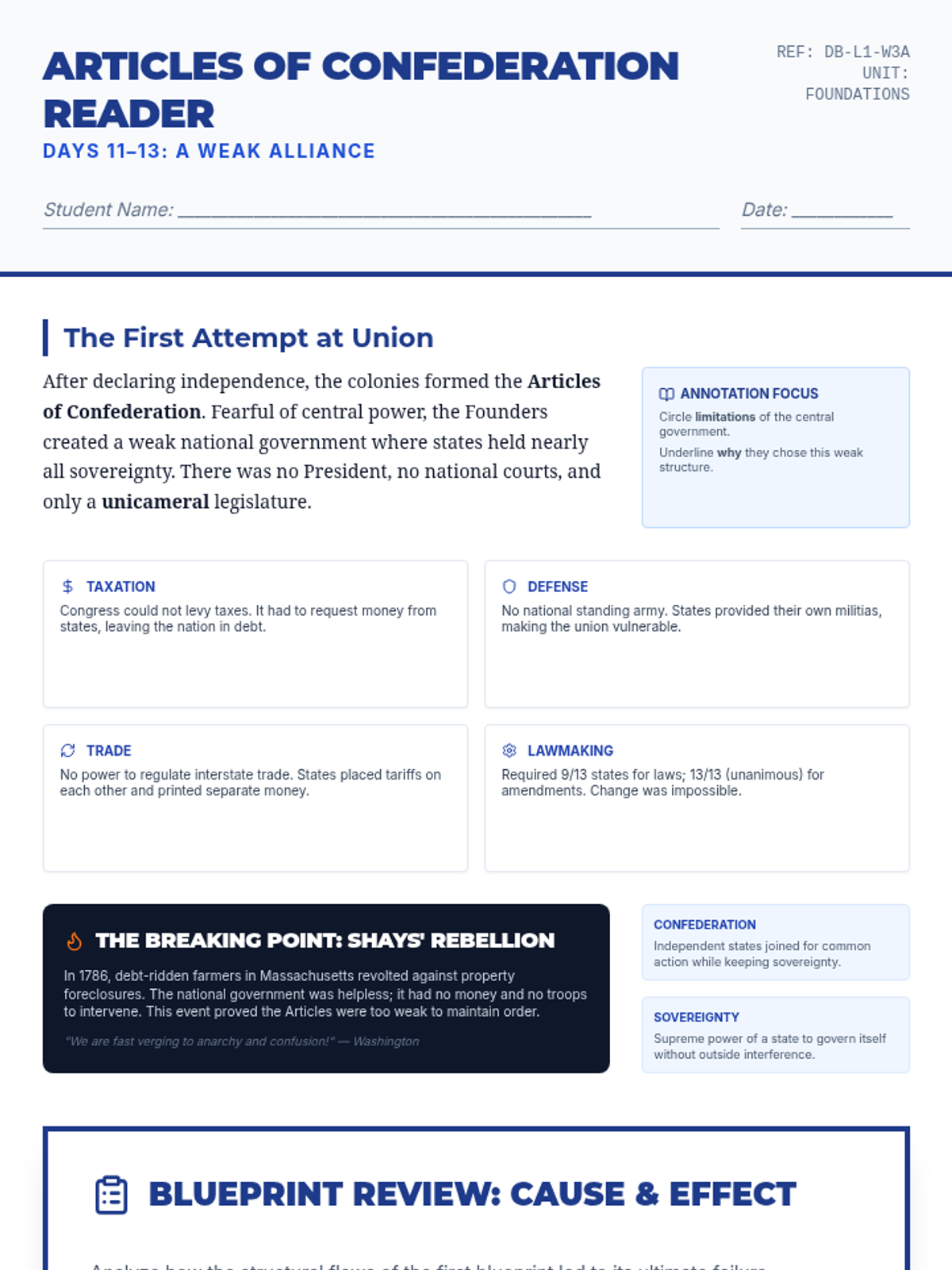
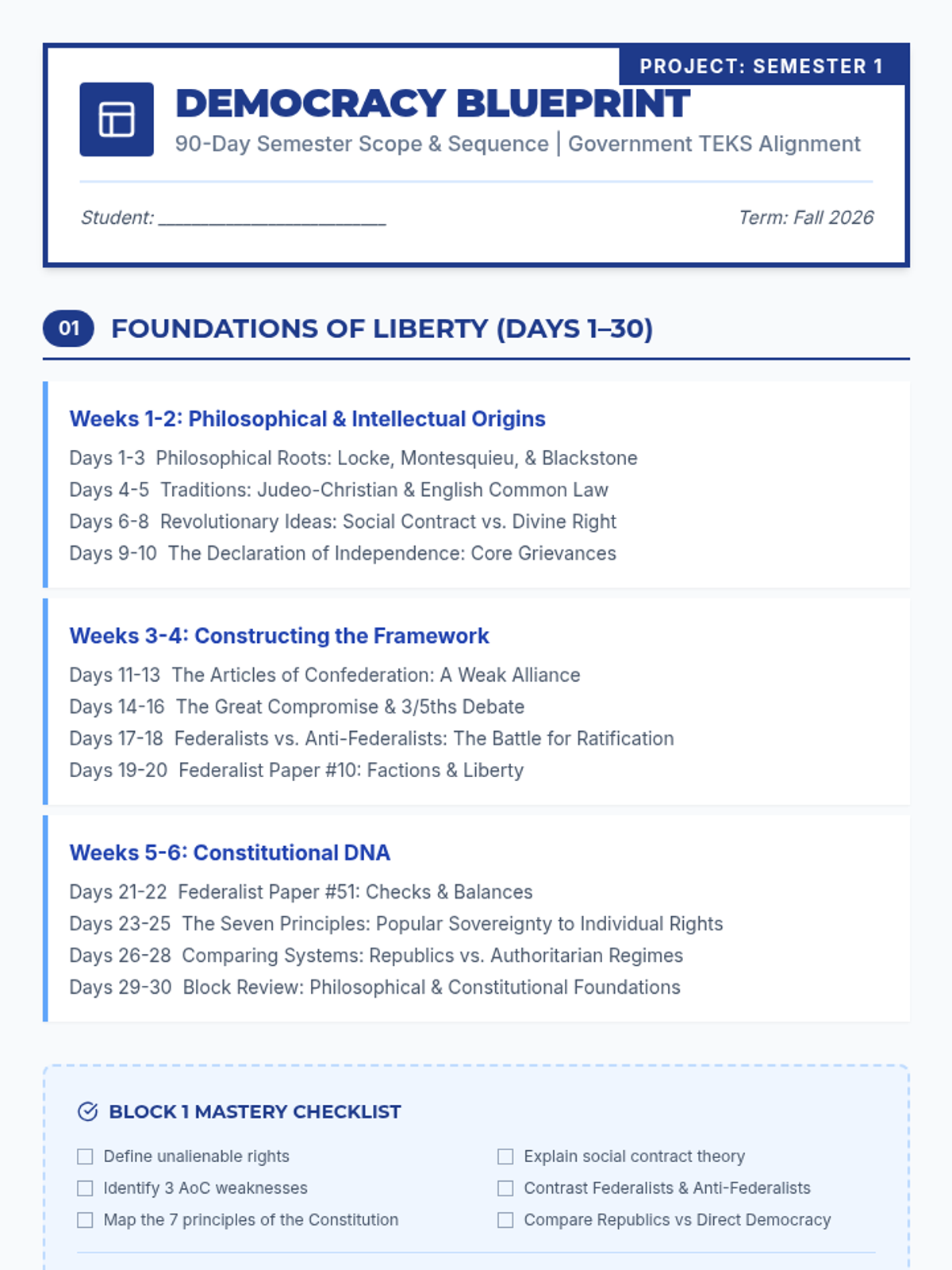
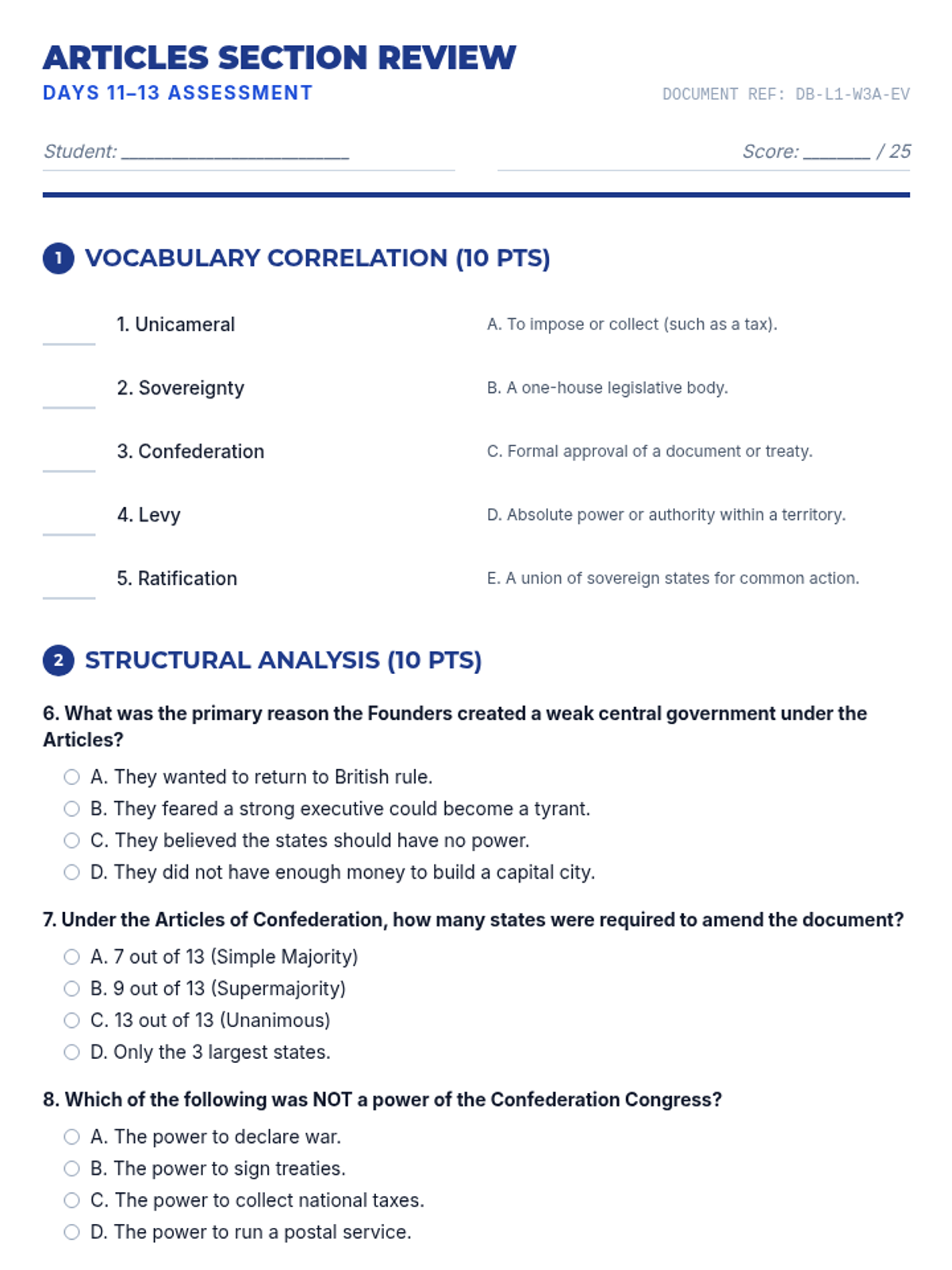
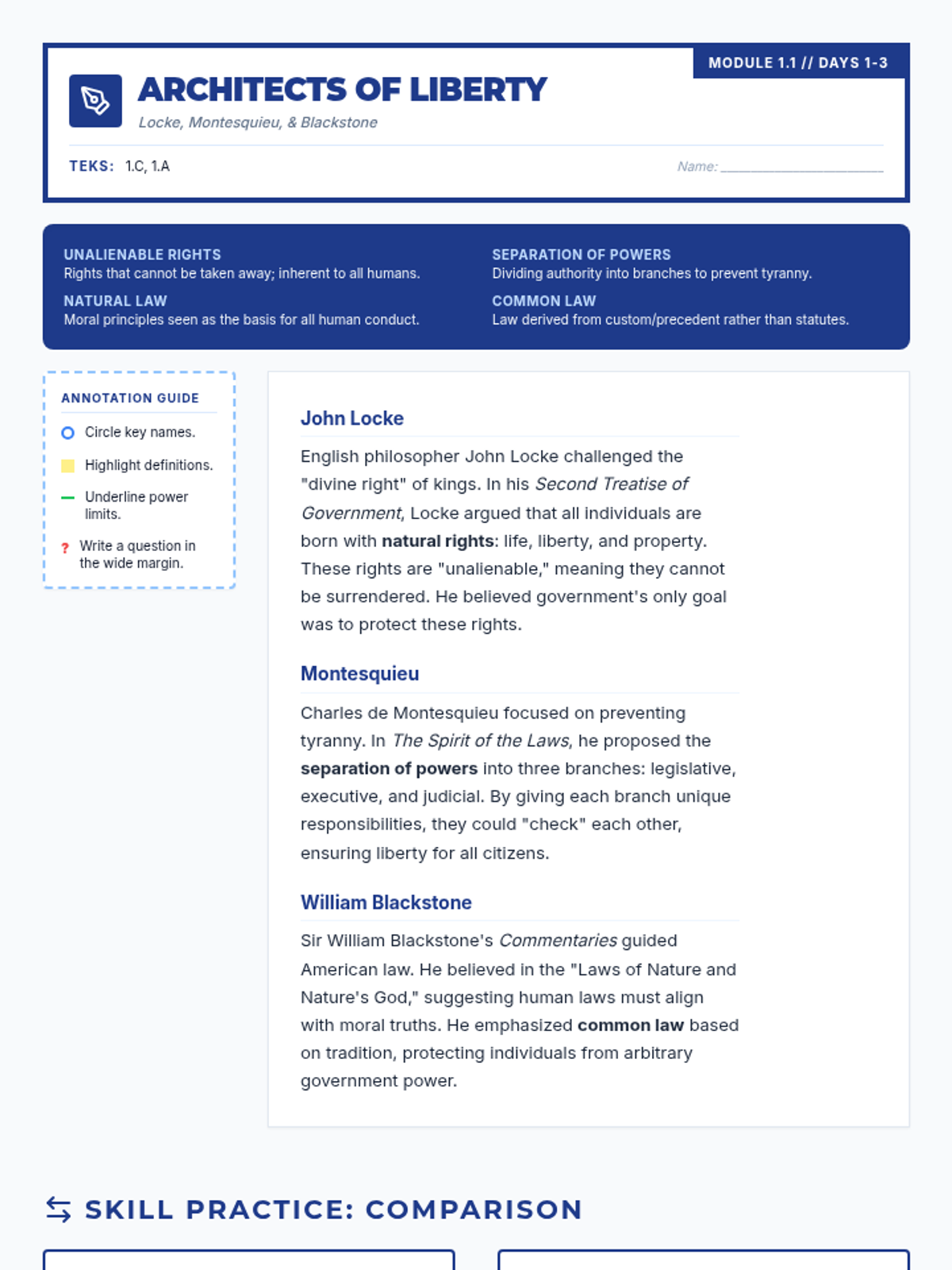
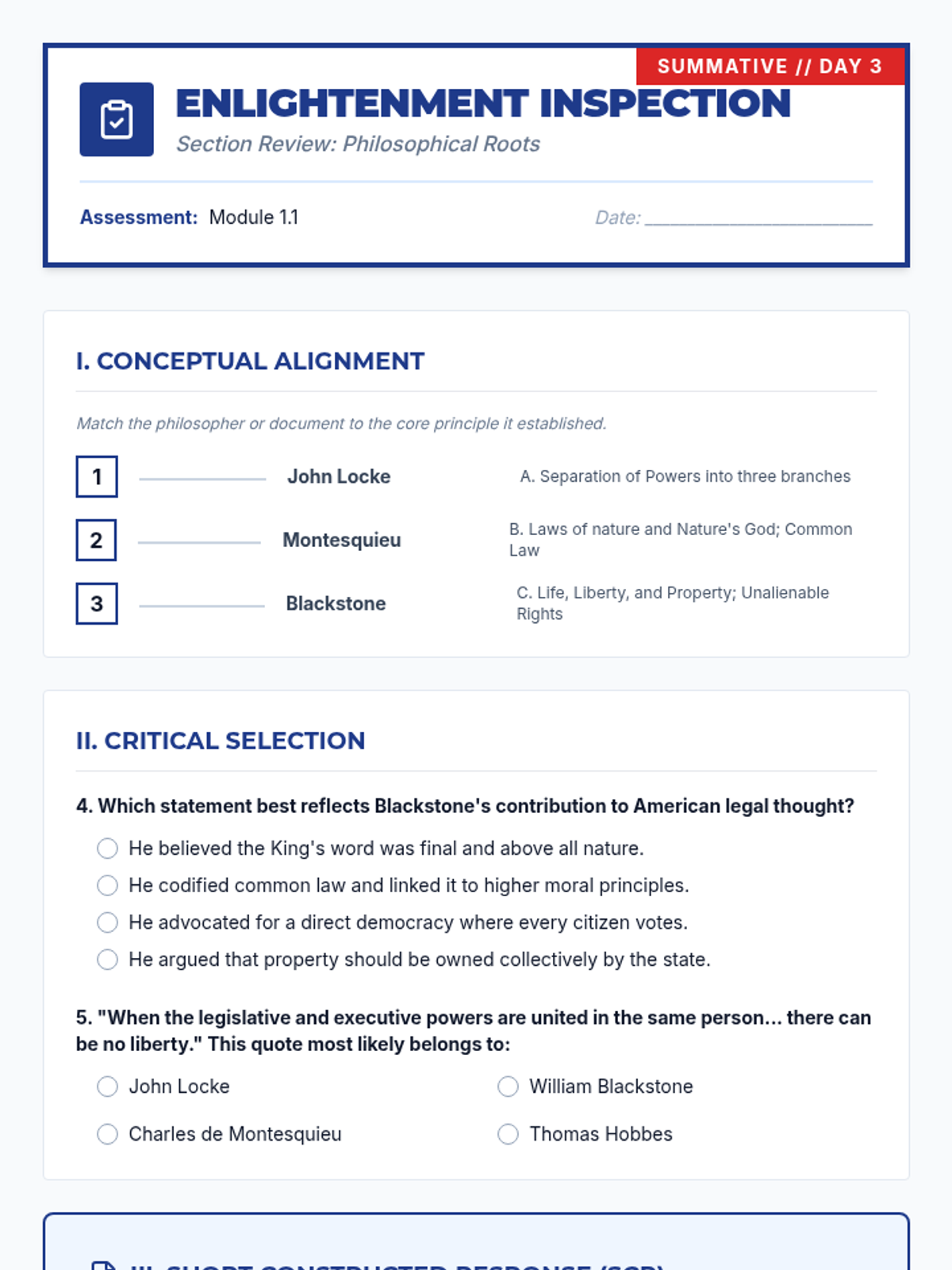
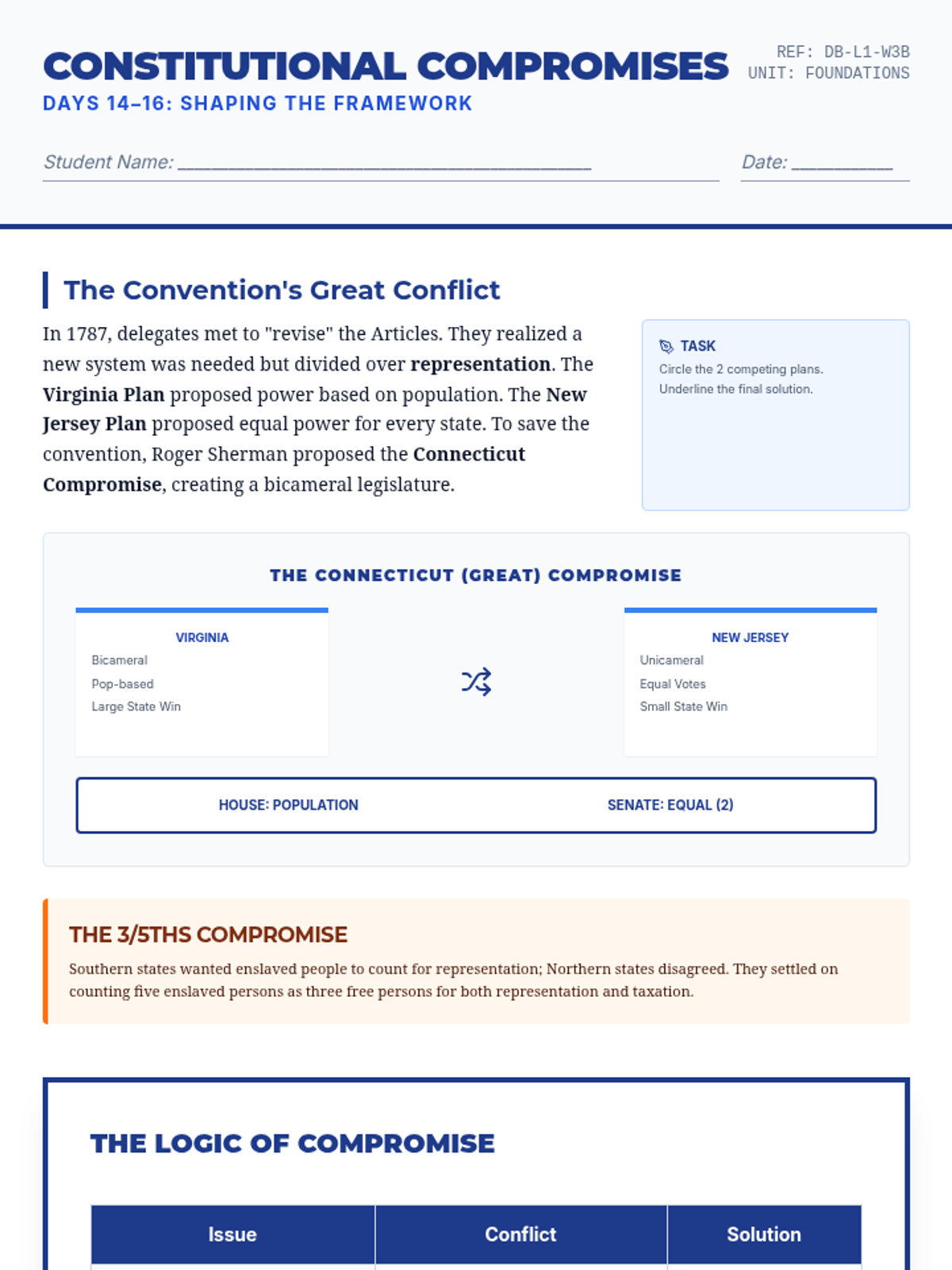
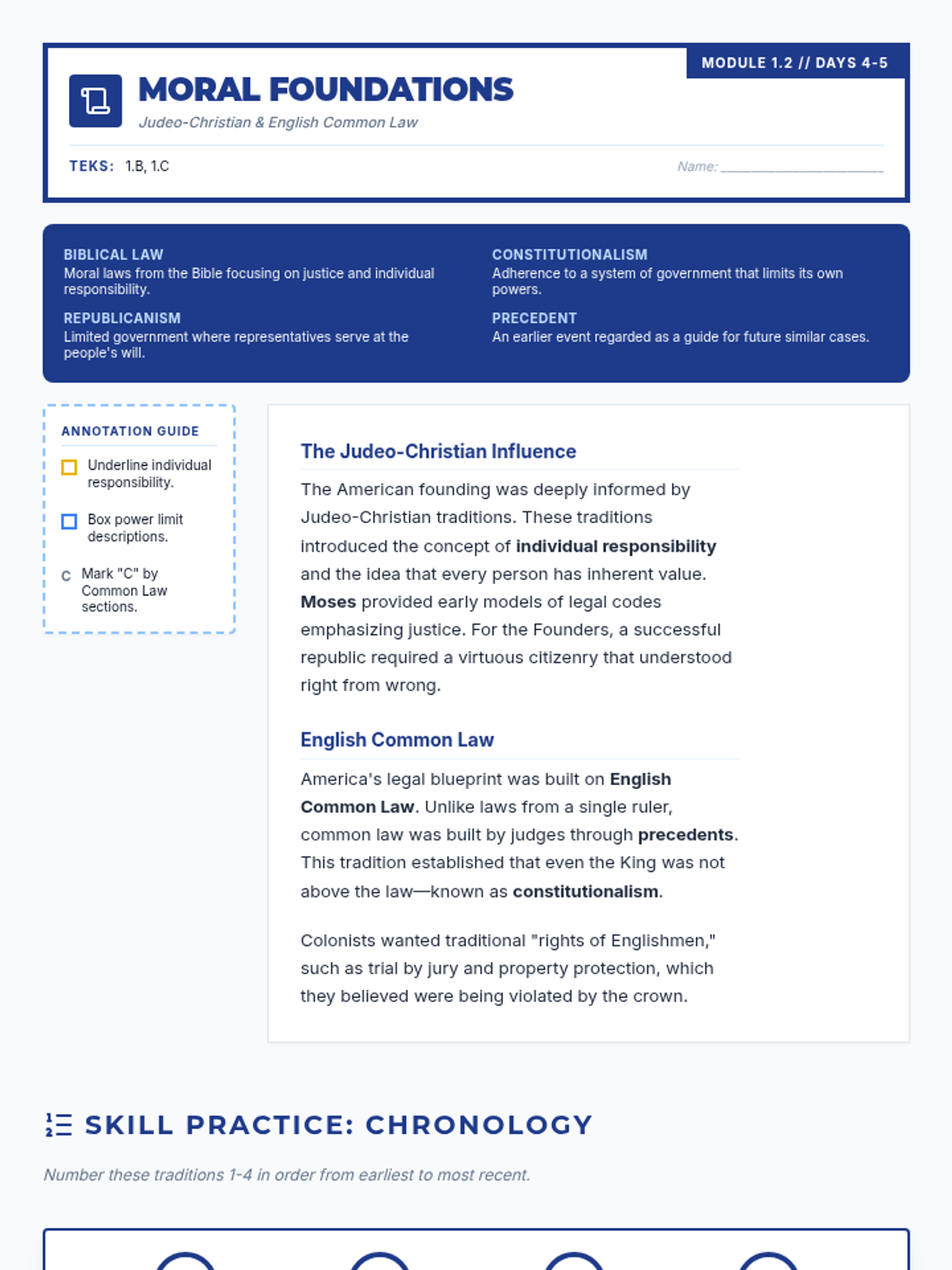
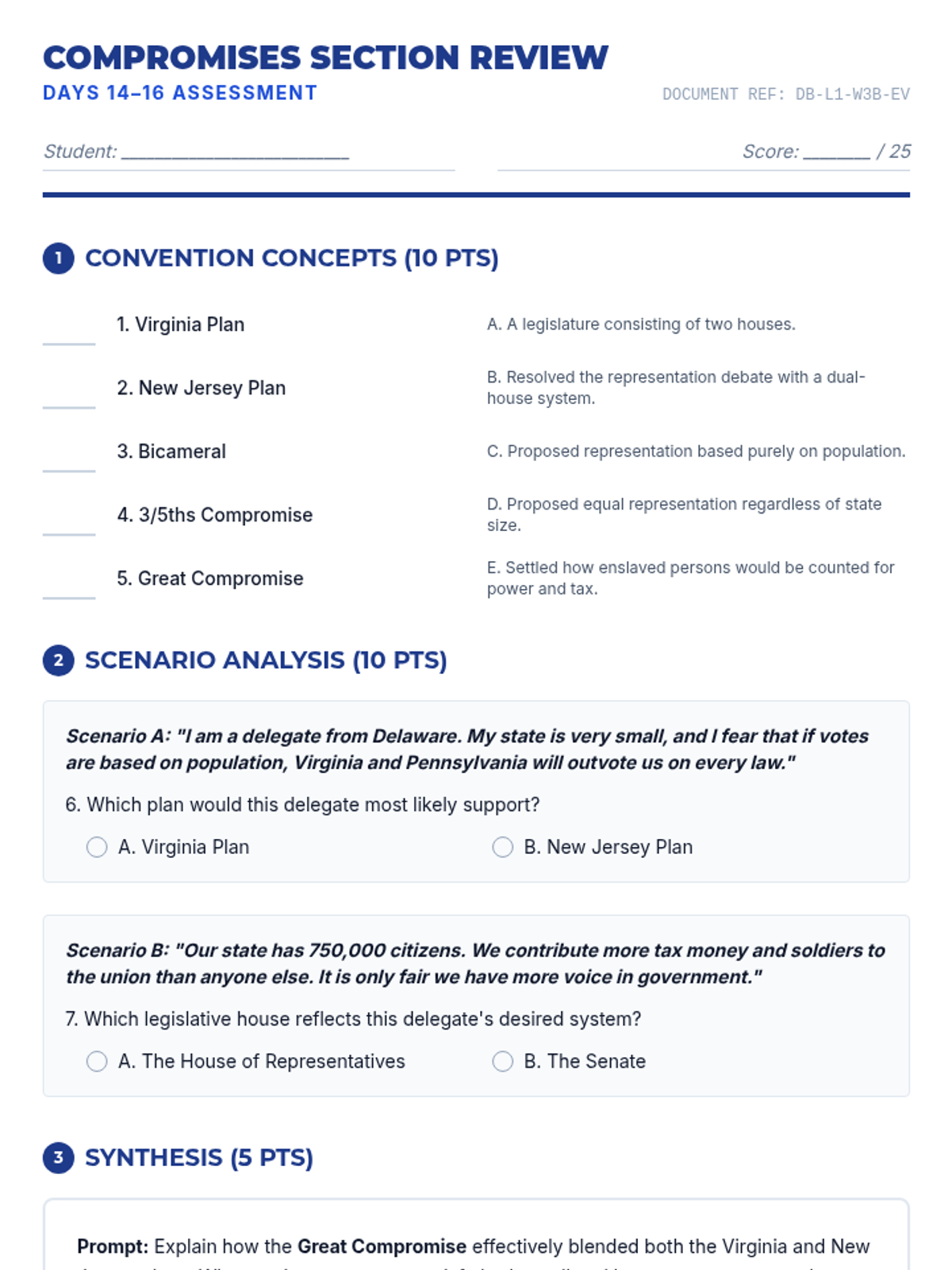
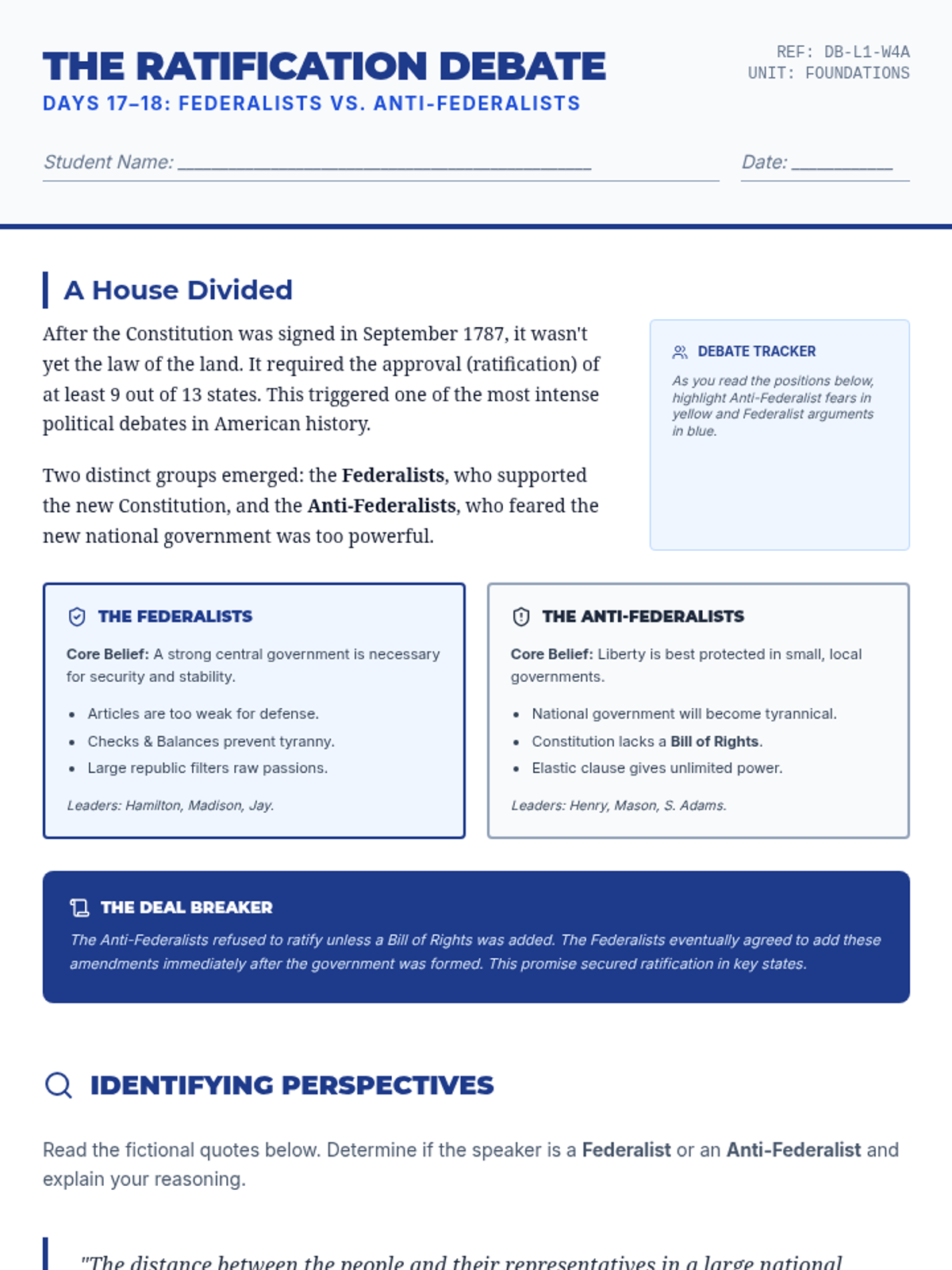
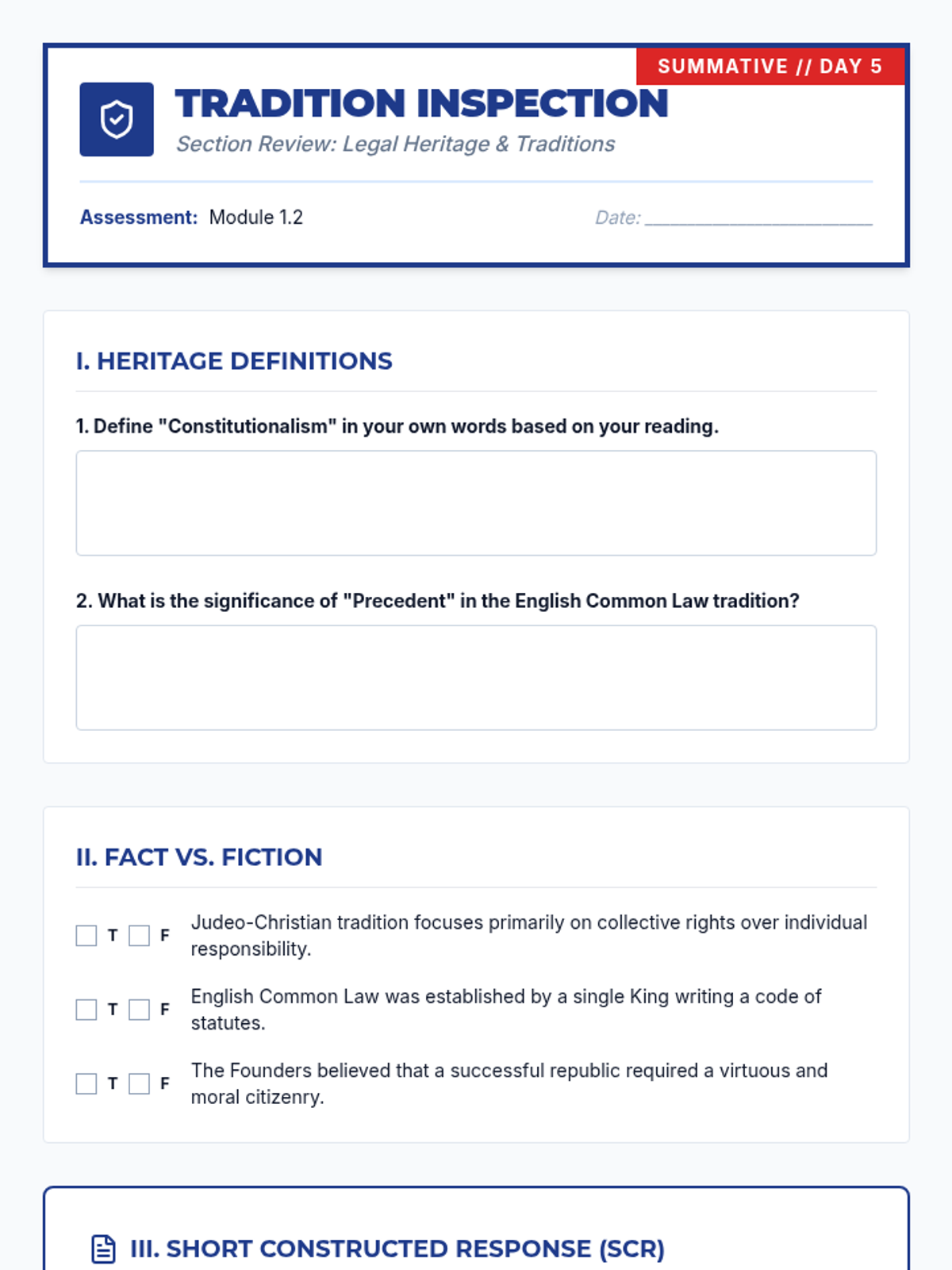
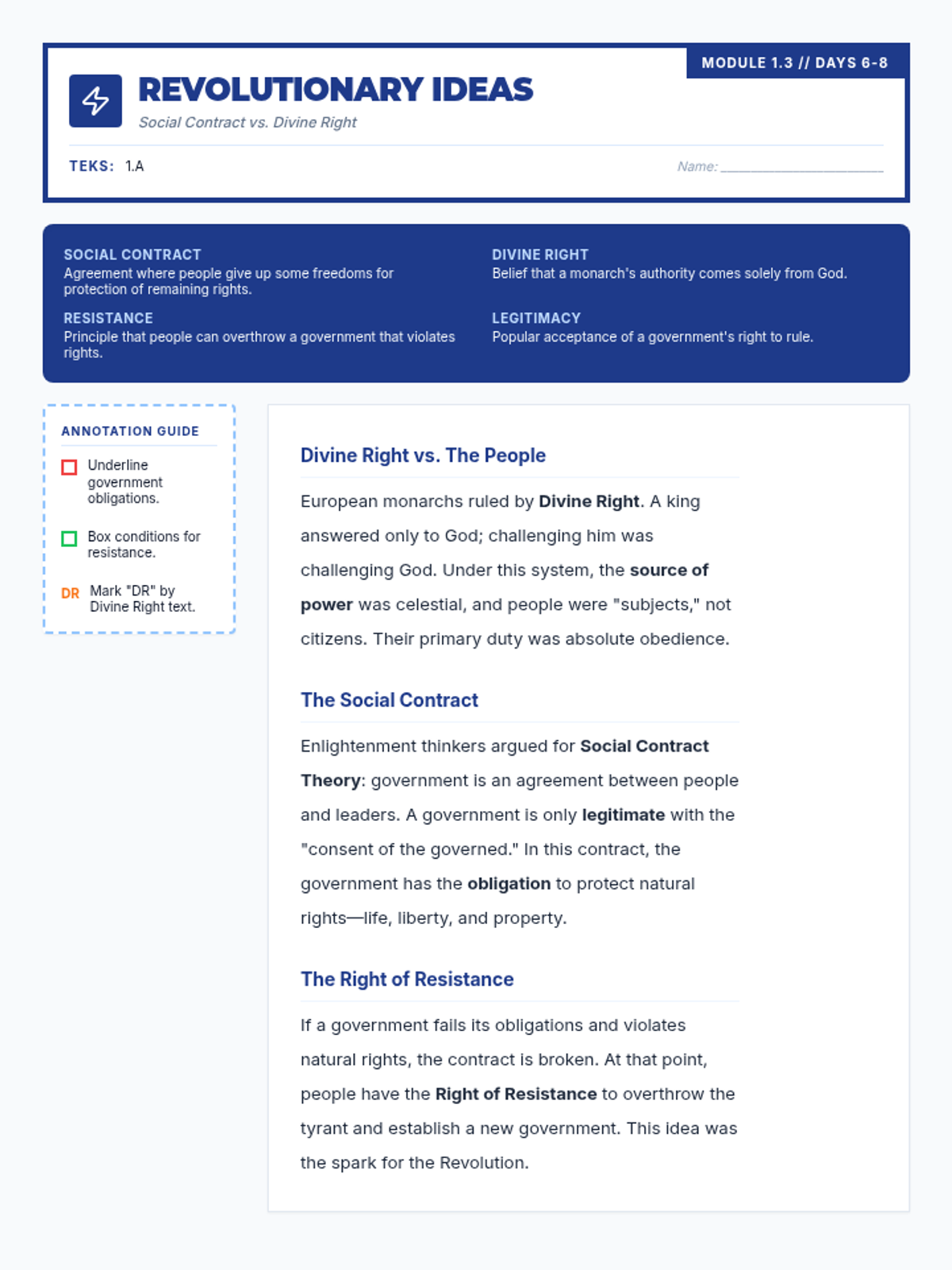
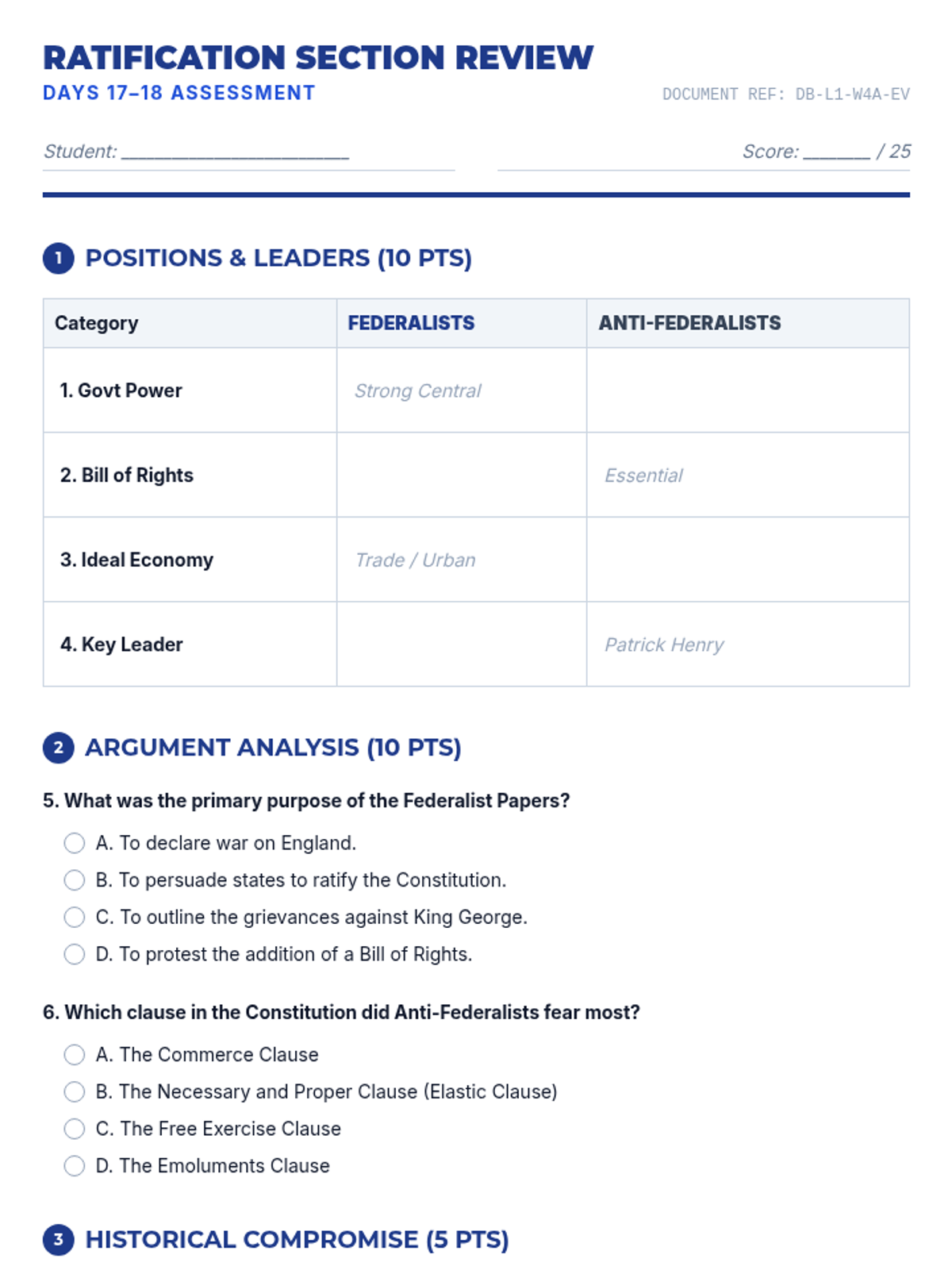
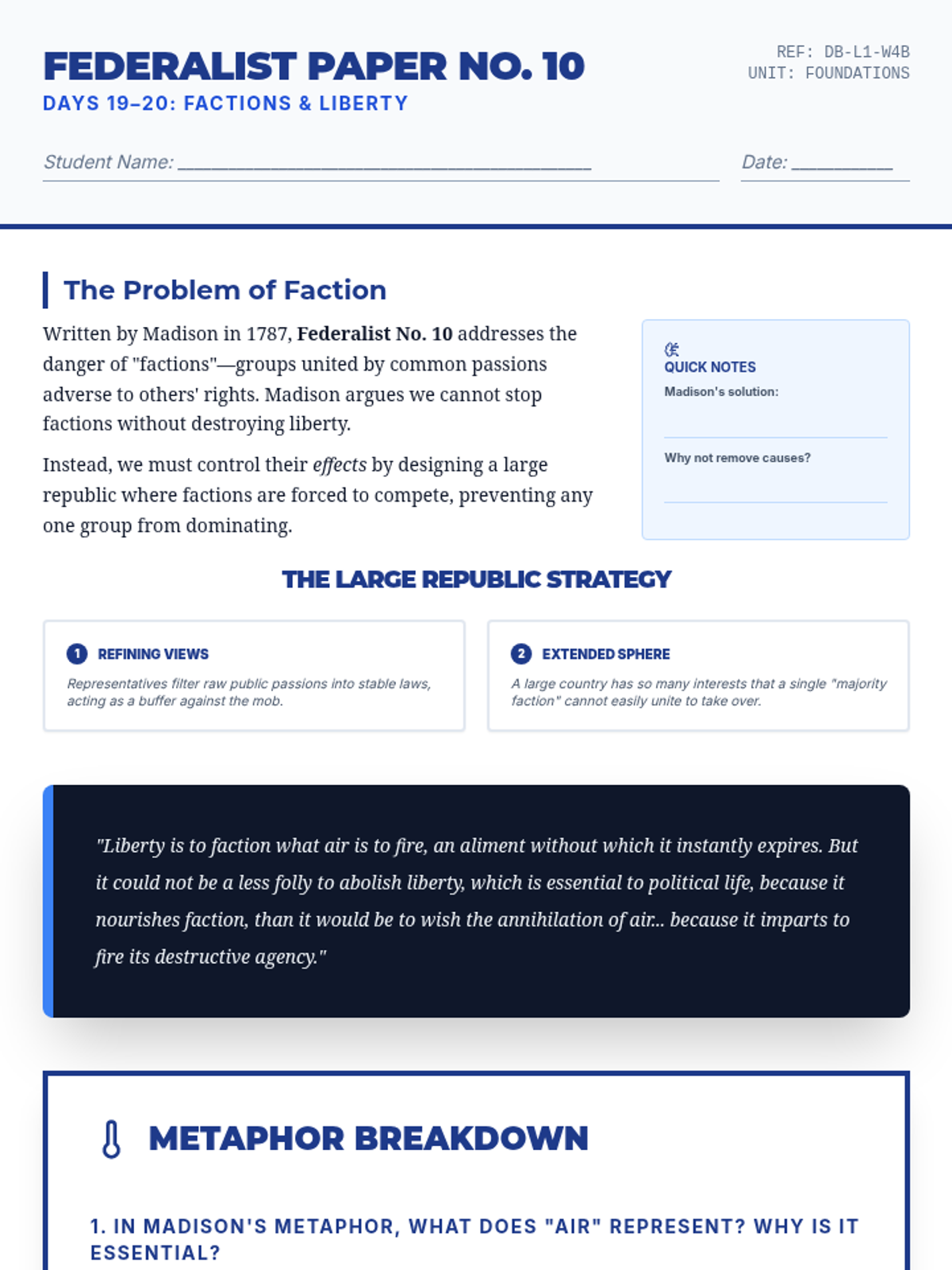
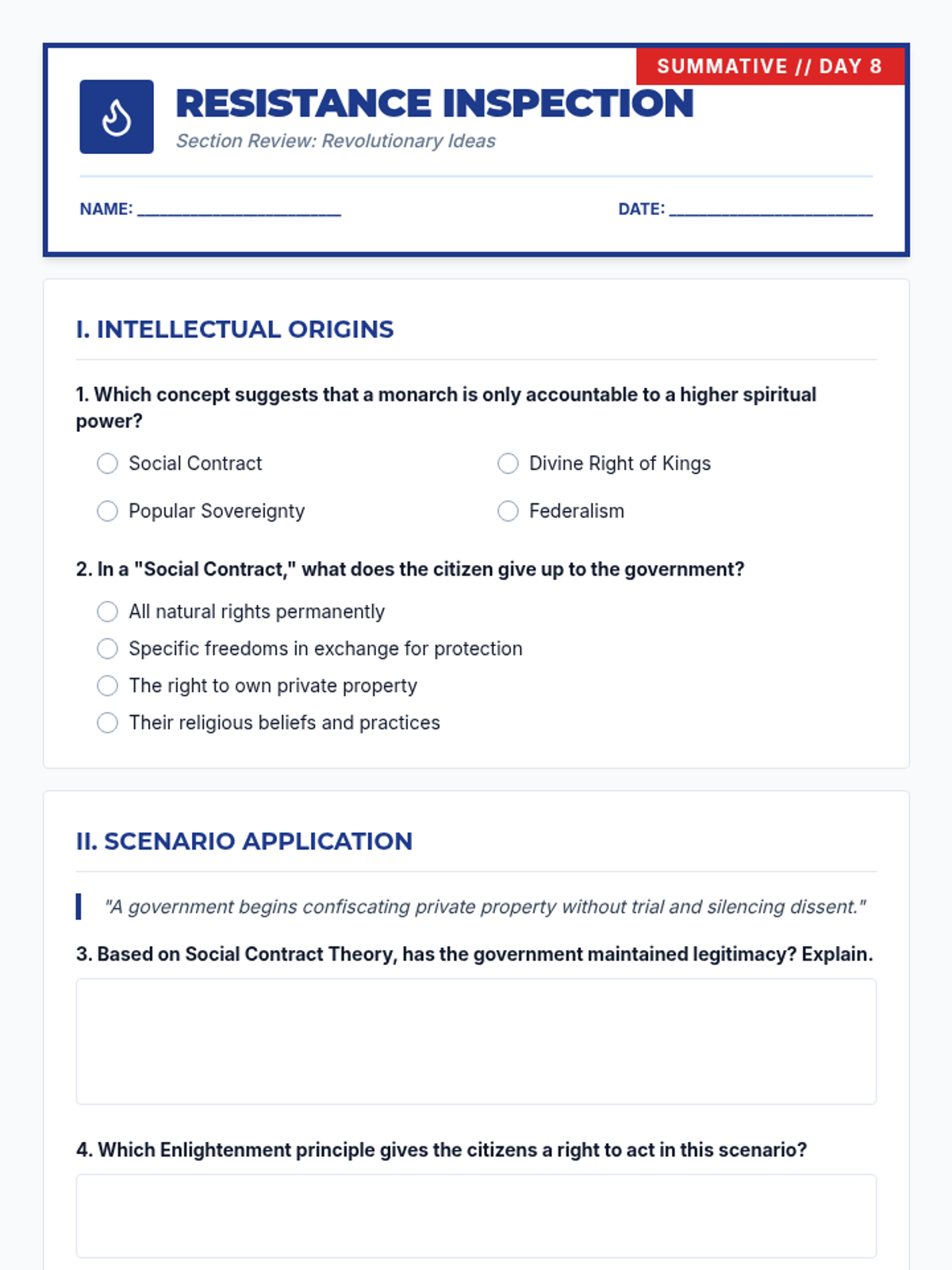
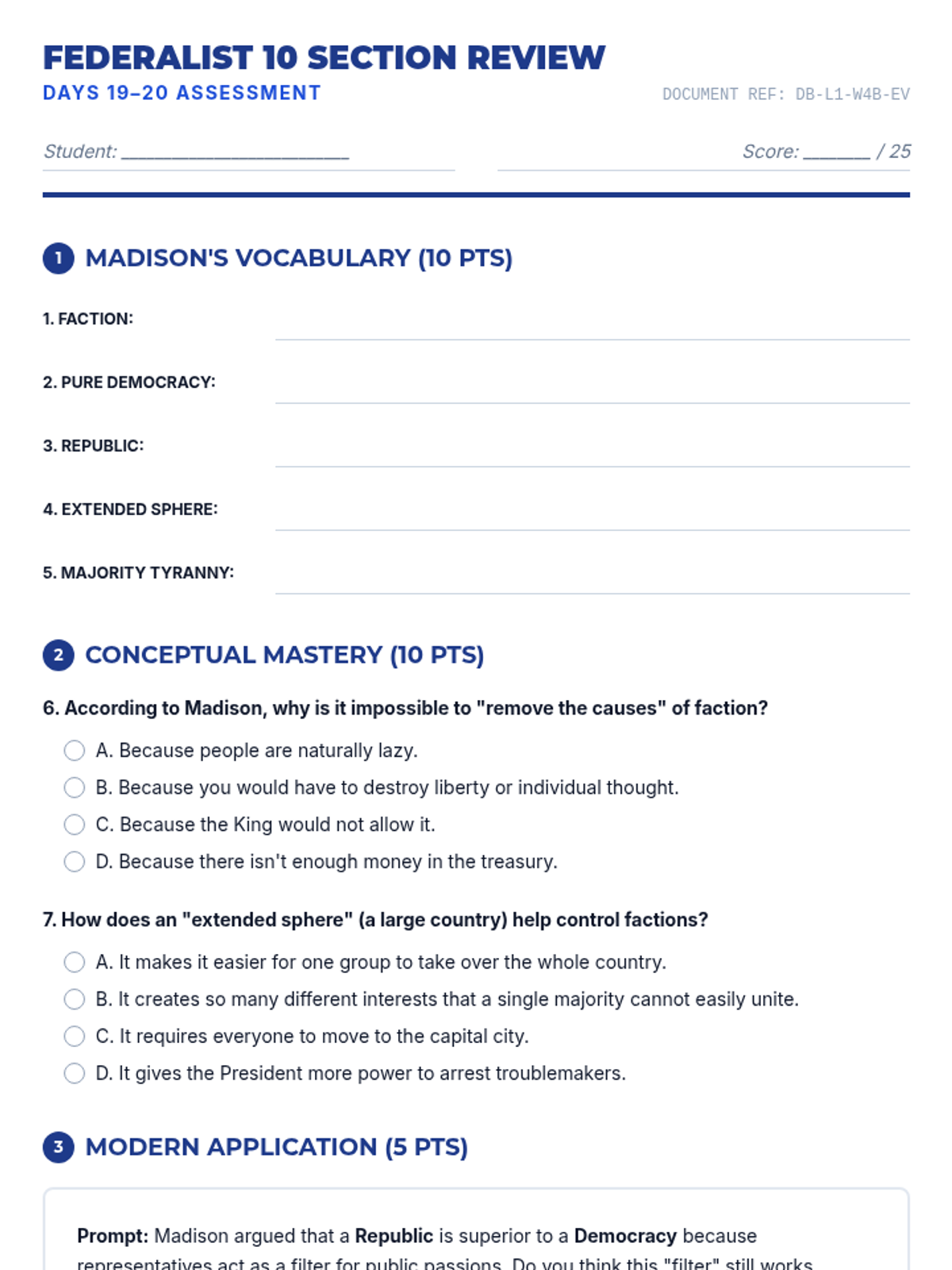
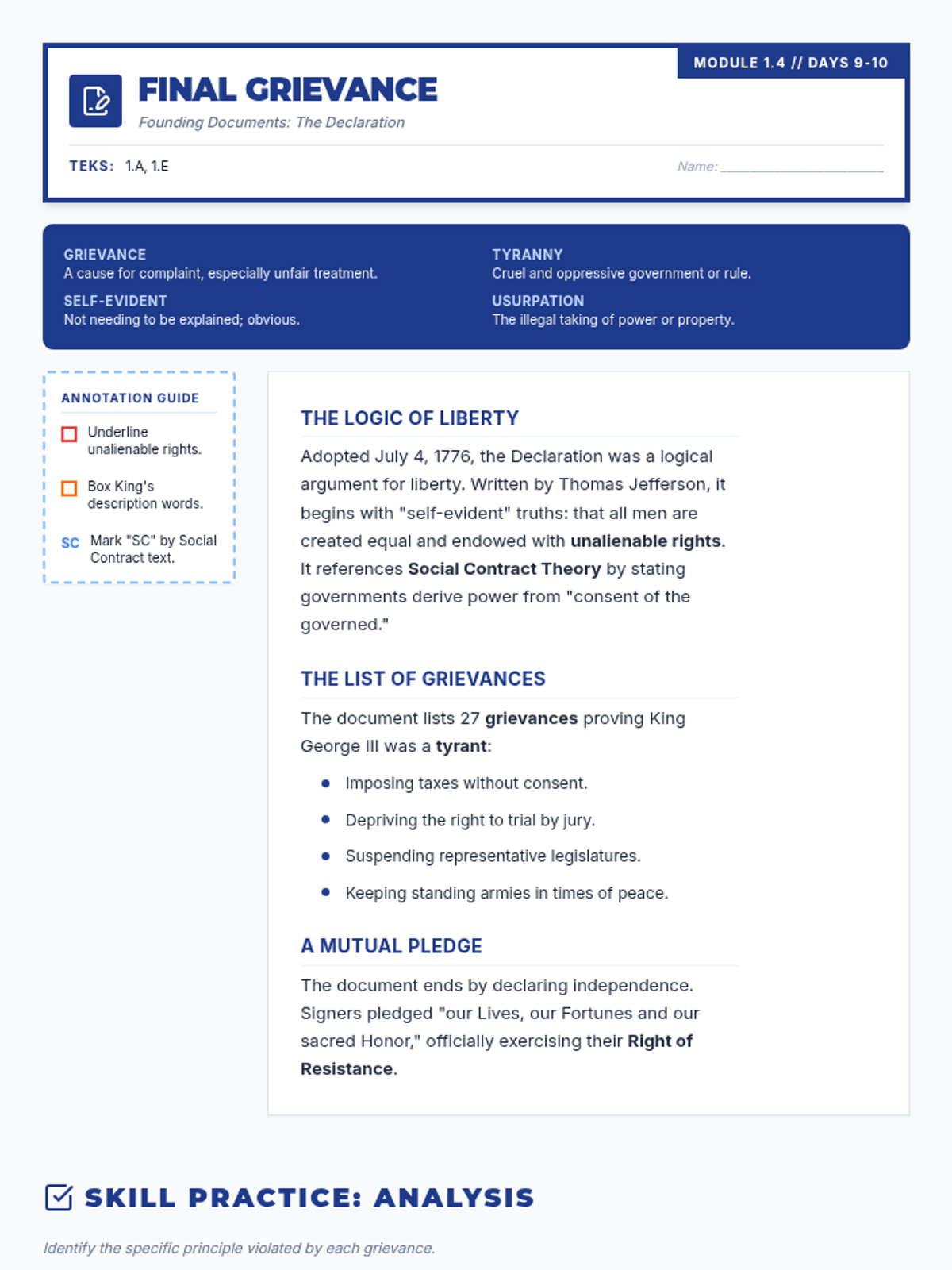
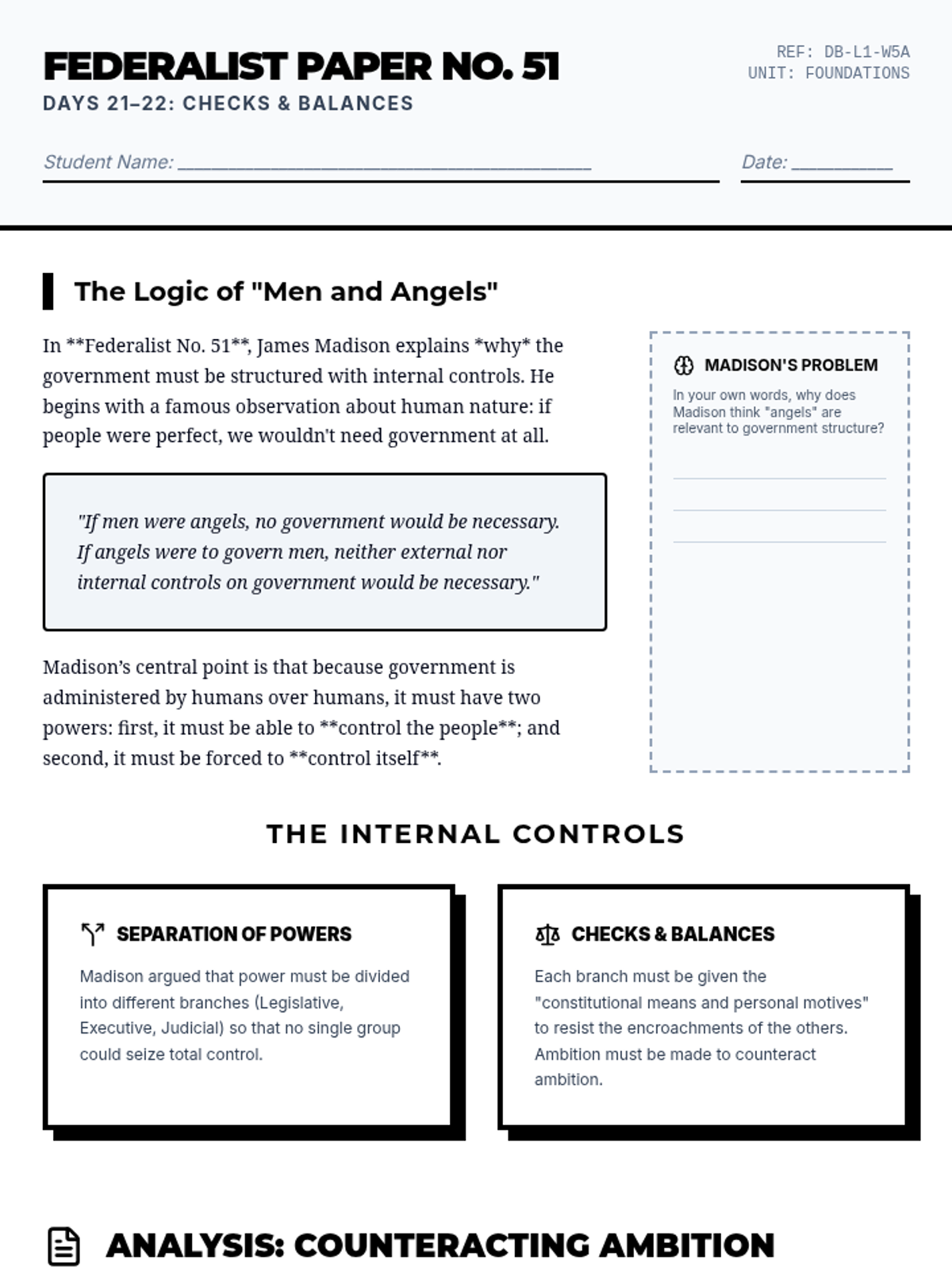
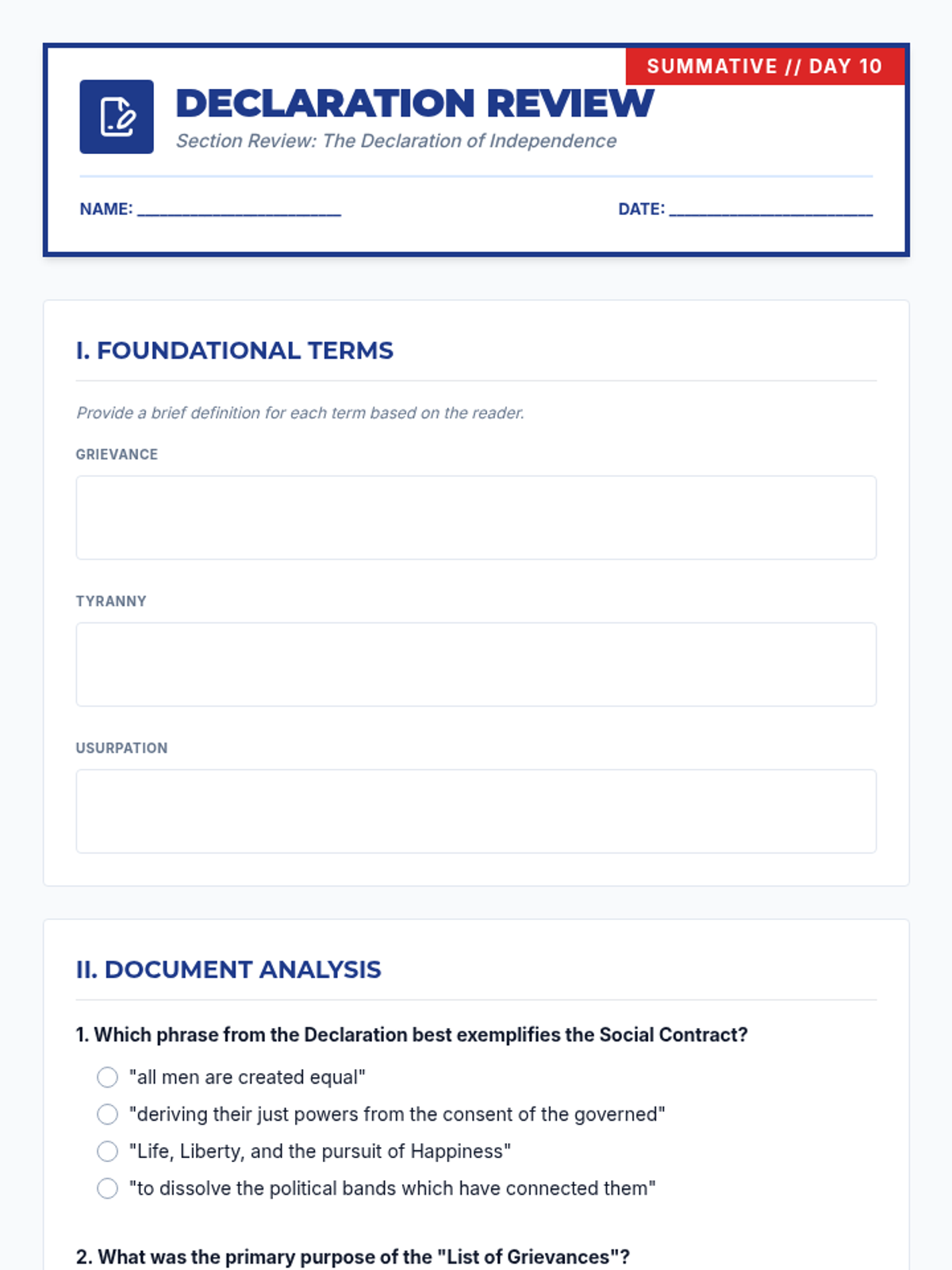
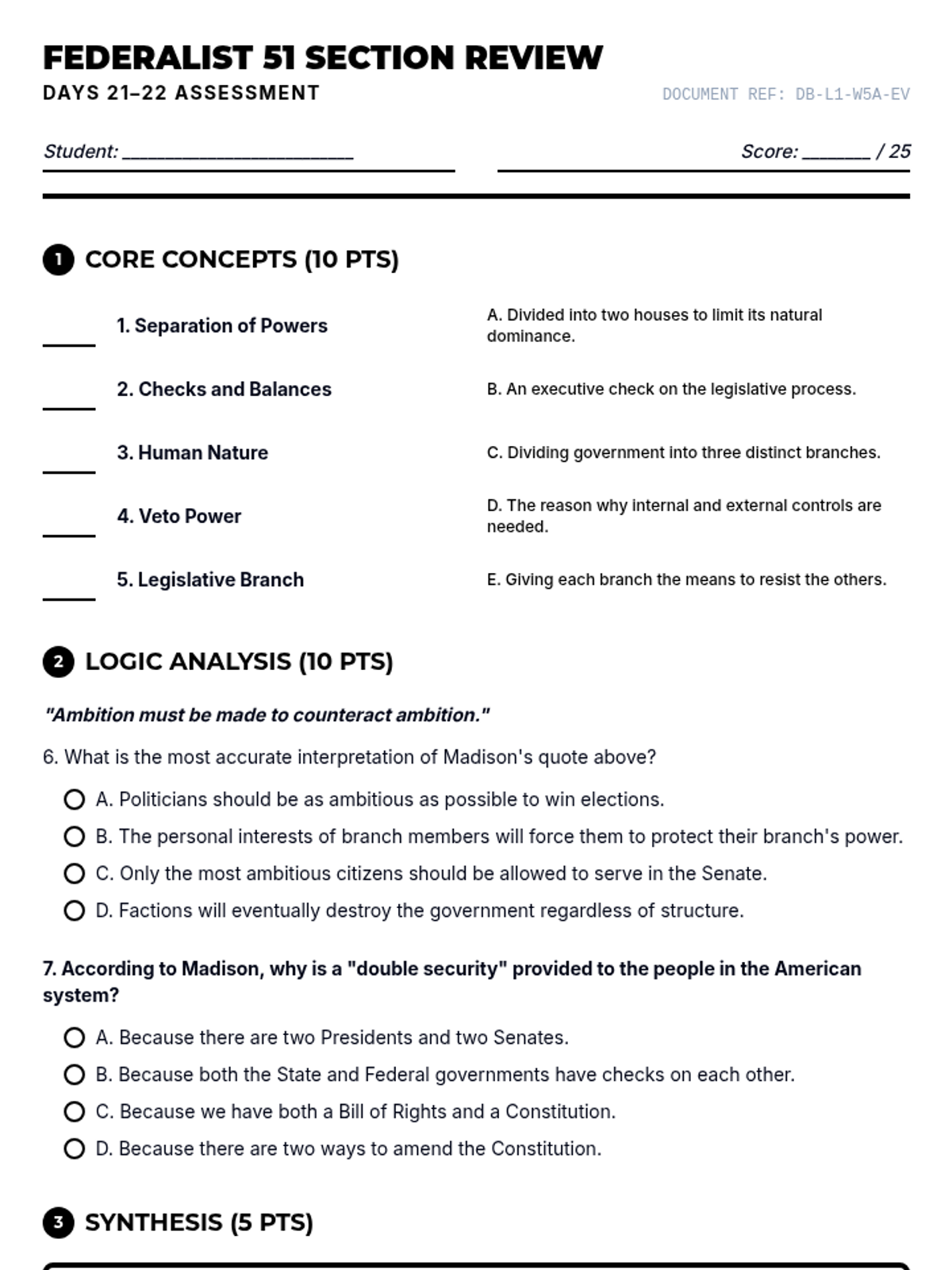
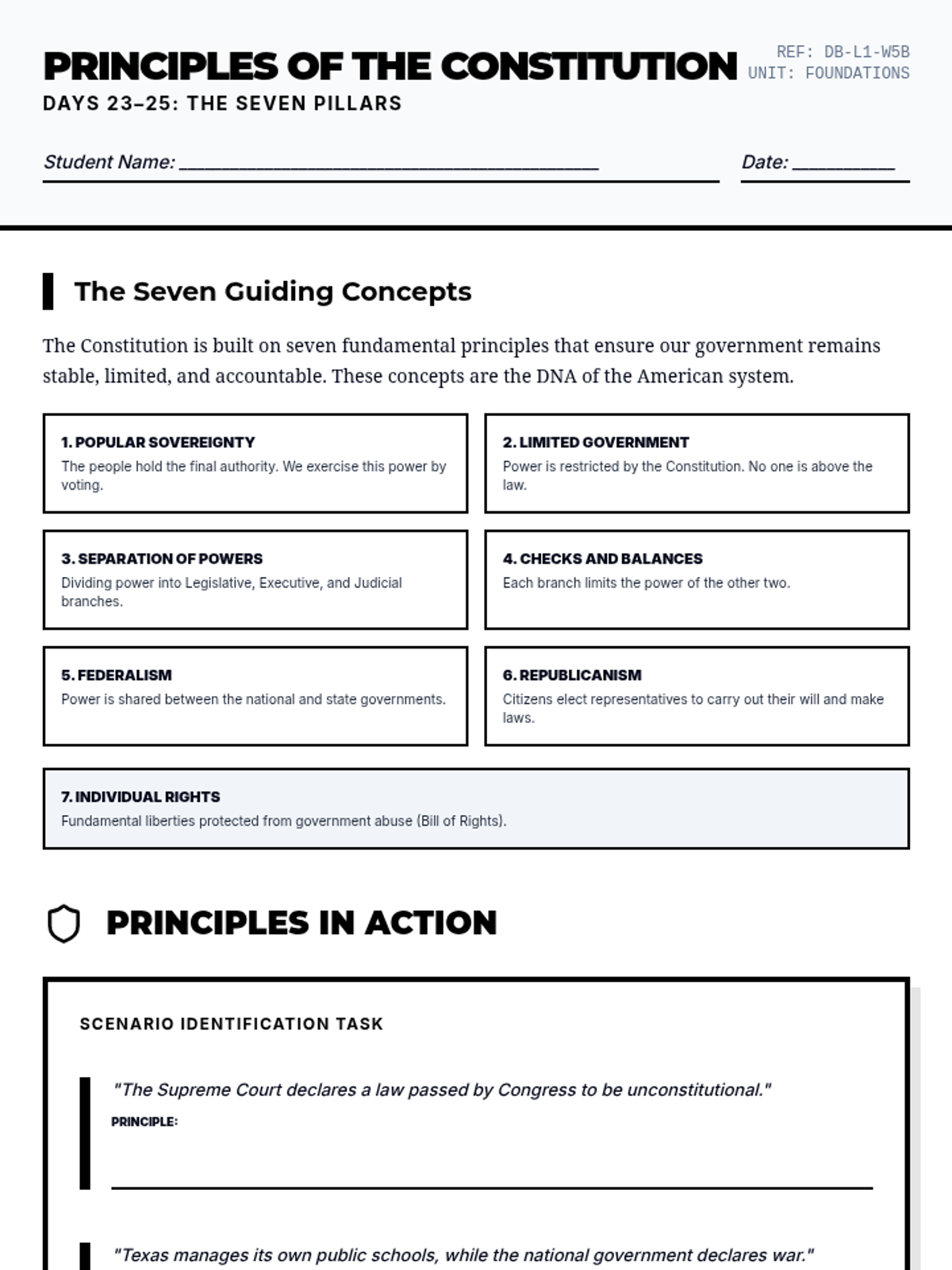
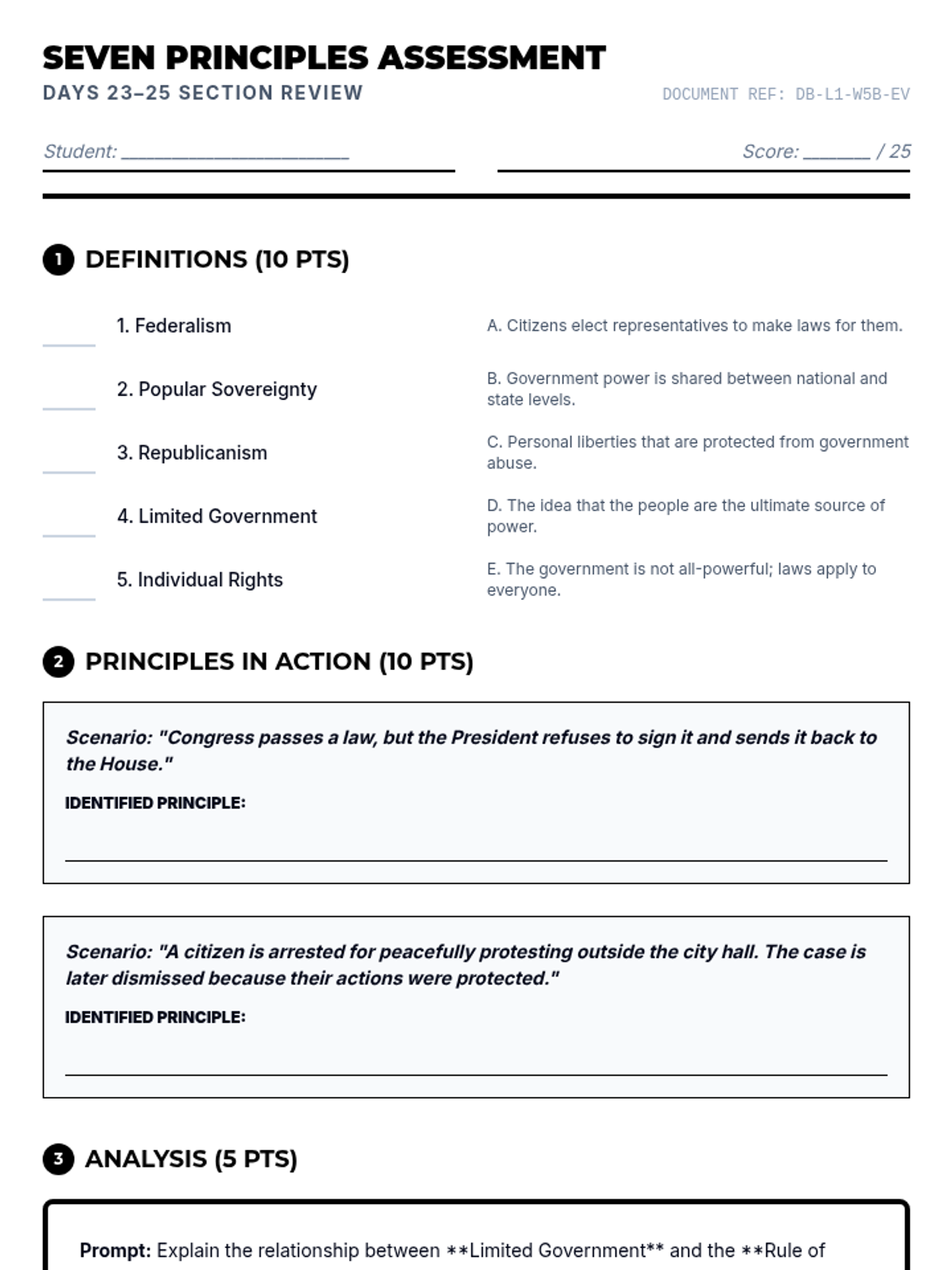
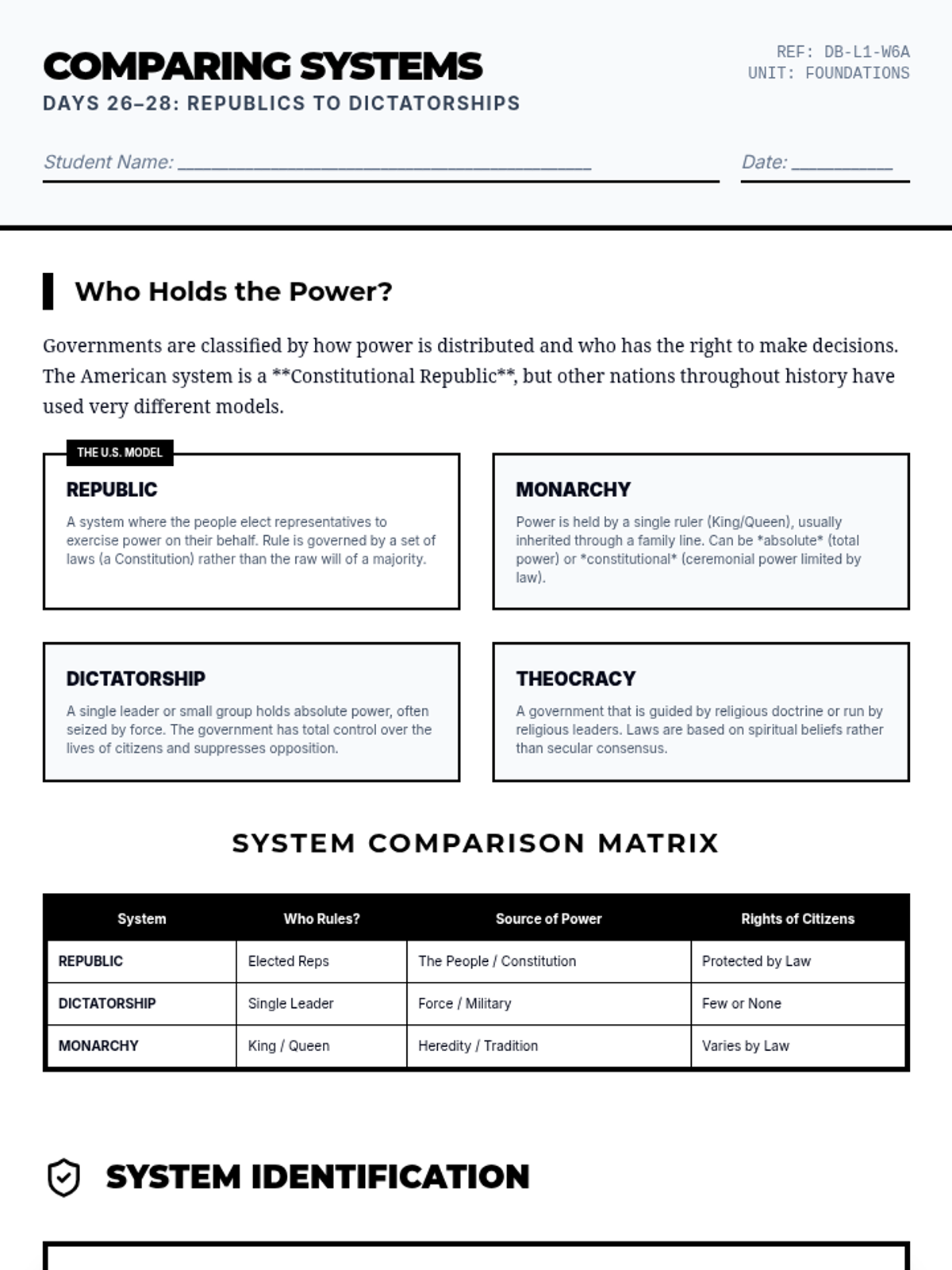
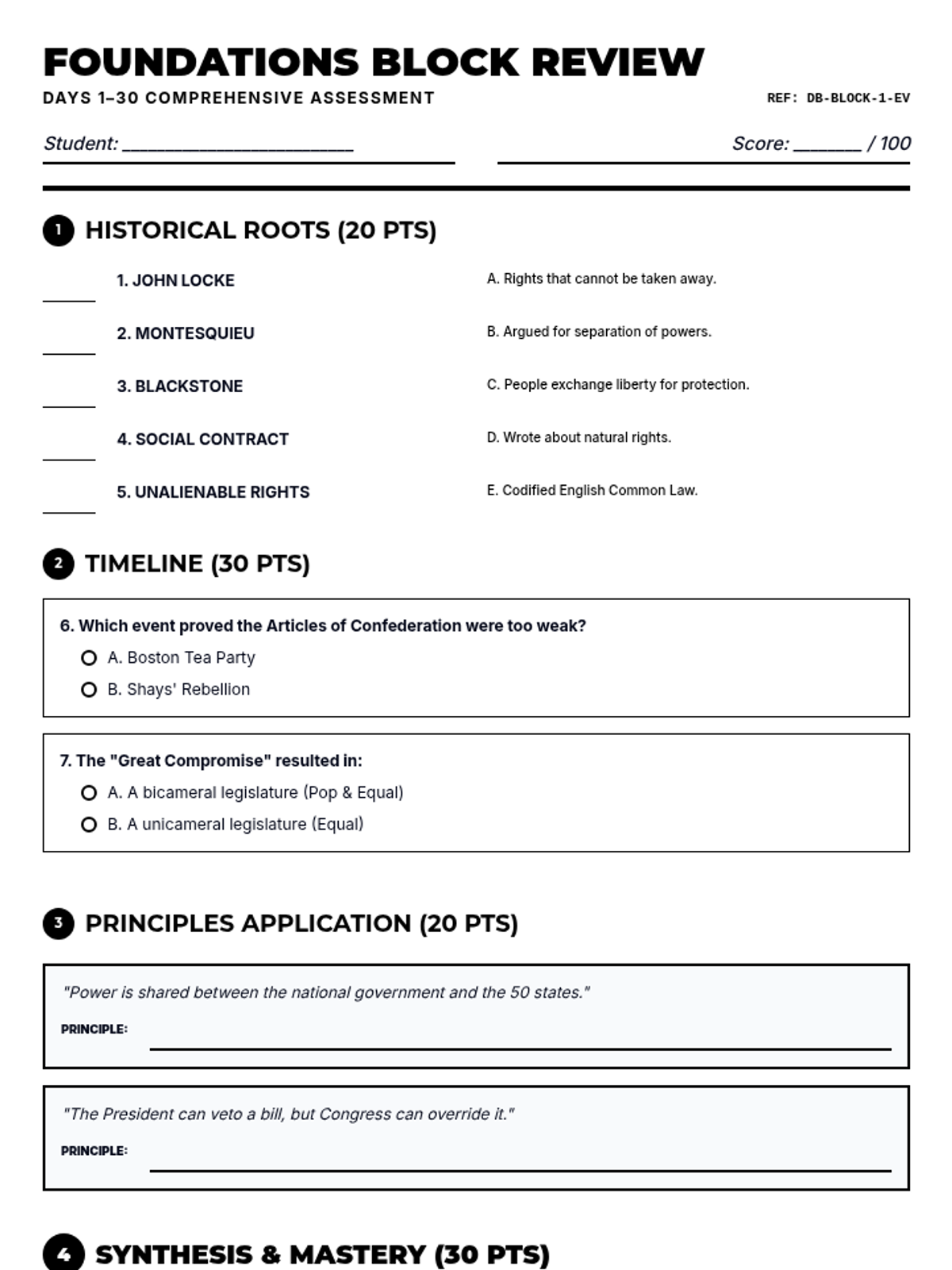
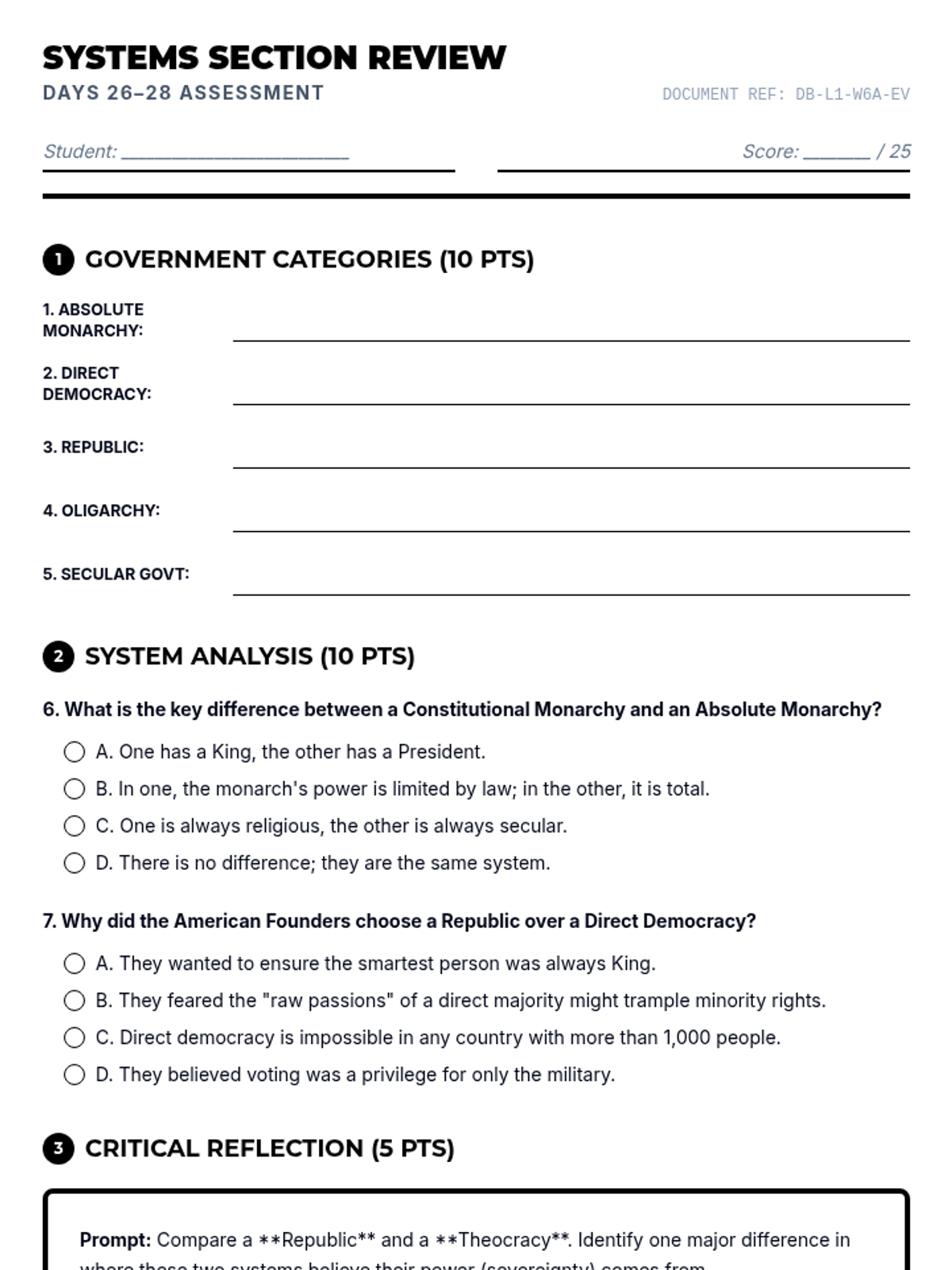
A comprehensive 90-day independent study program for high school government, covering everything from philosophical foundations to modern policy and civic participation.
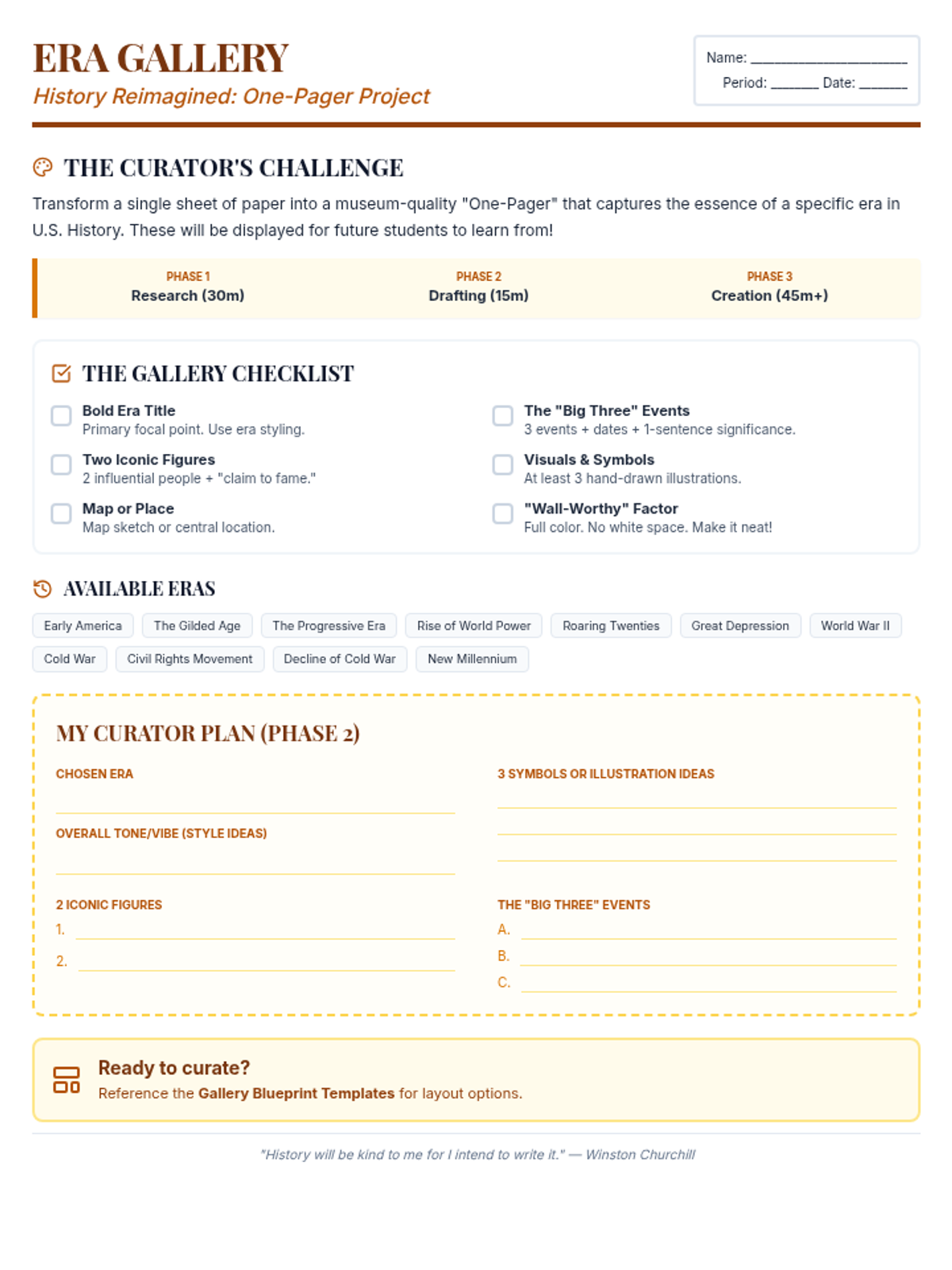
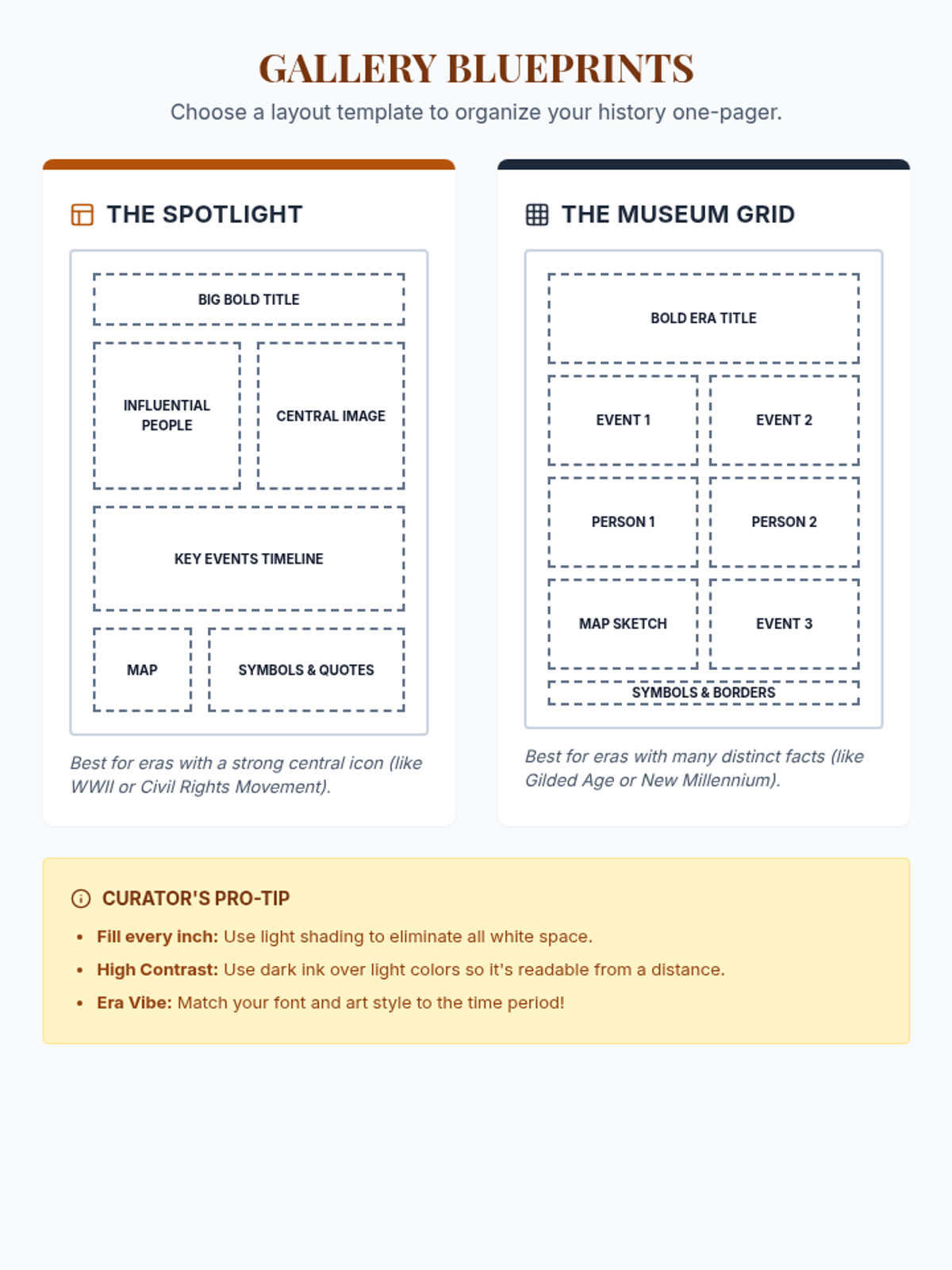
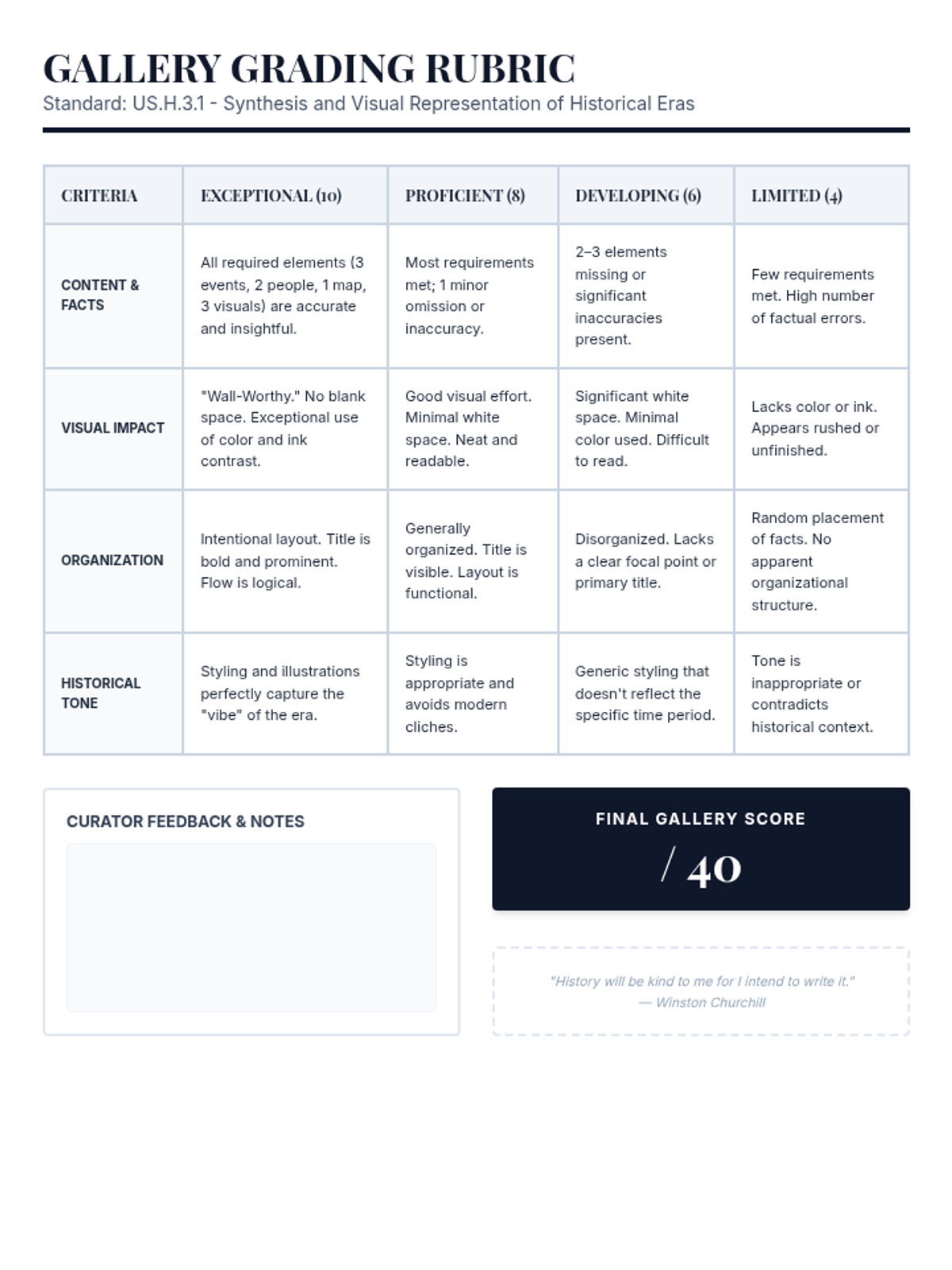
A project-based learning unit where students curate historical 'one-pagers' to synthesize key eras of US history, available in both English and Spanish.
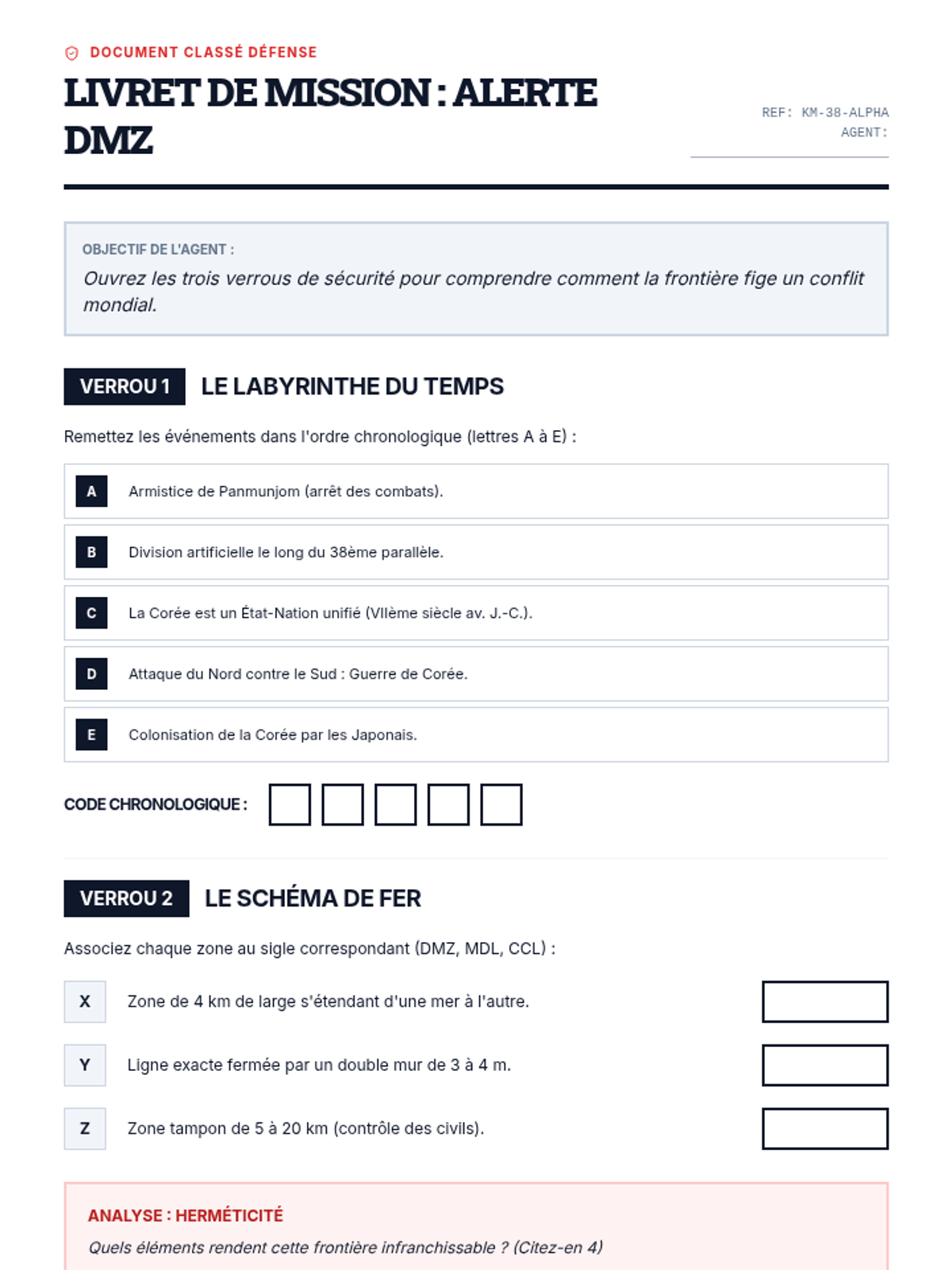
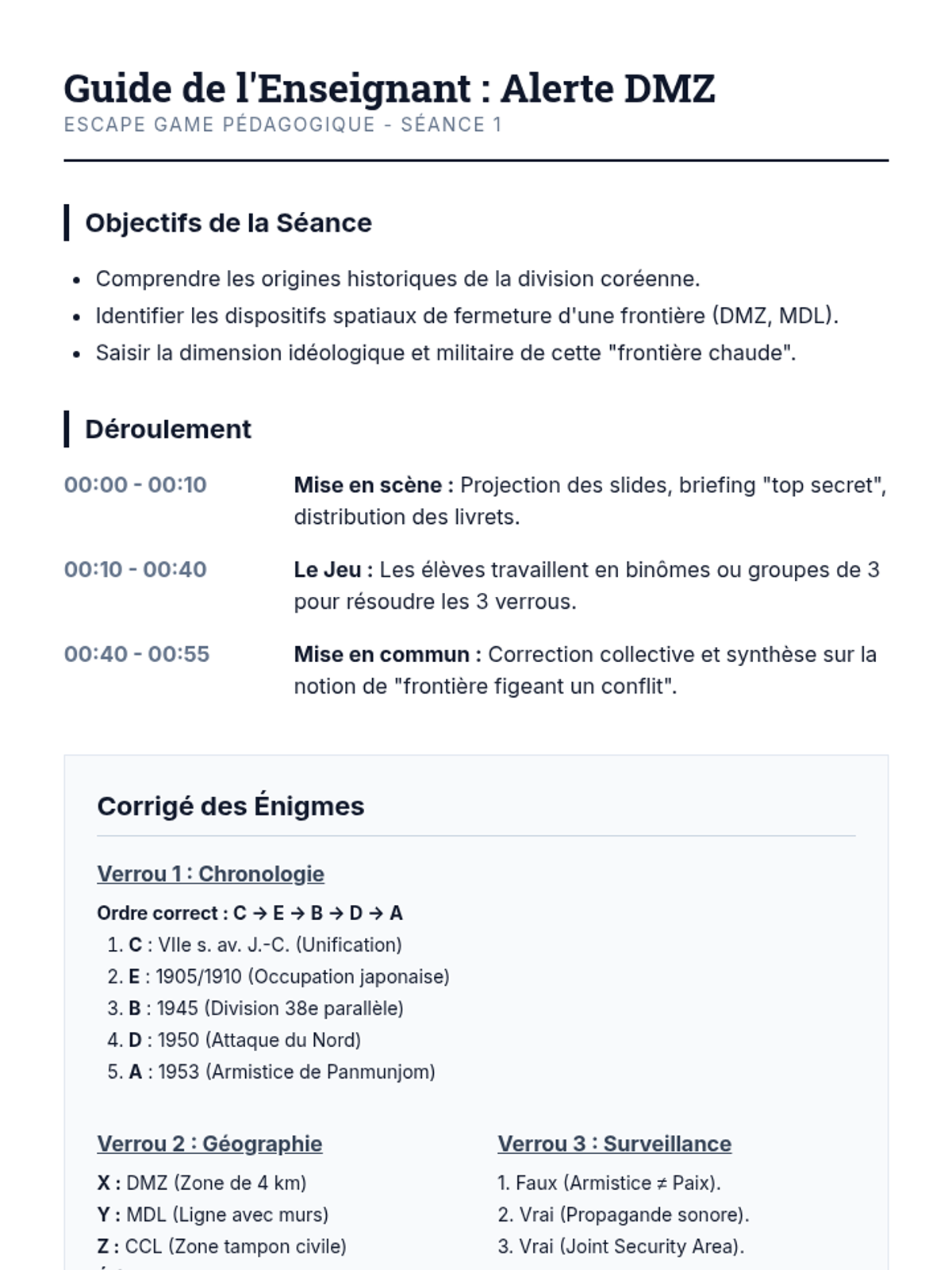
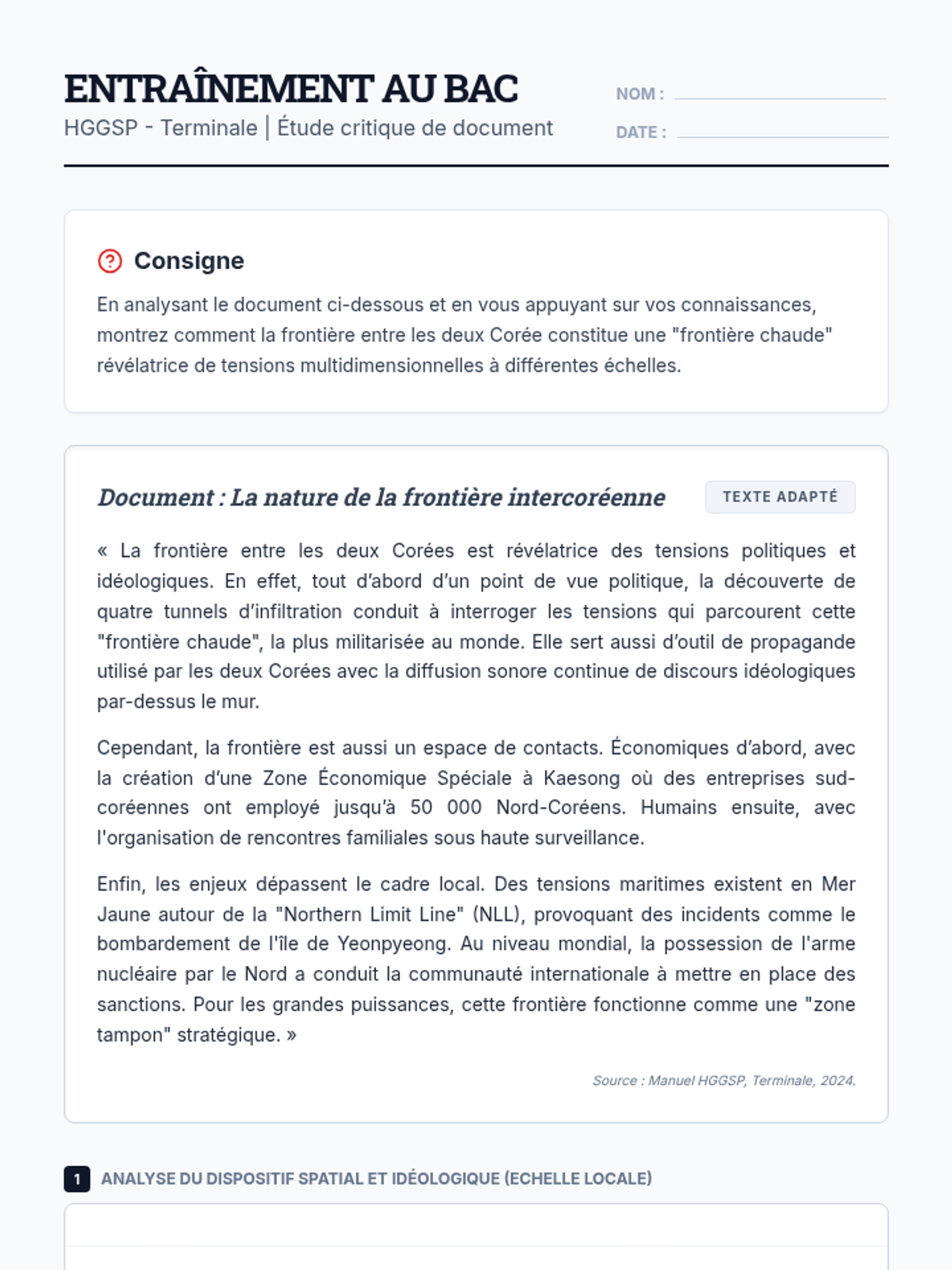
Une séquence pédagogique sur la frontière coréenne composée d'un escape game immersif et d'une étude de cas sous forme d'enquête géopolitique. Les élèves explorent la DMZ, ses enjeux historiques, militaires et internationaux.
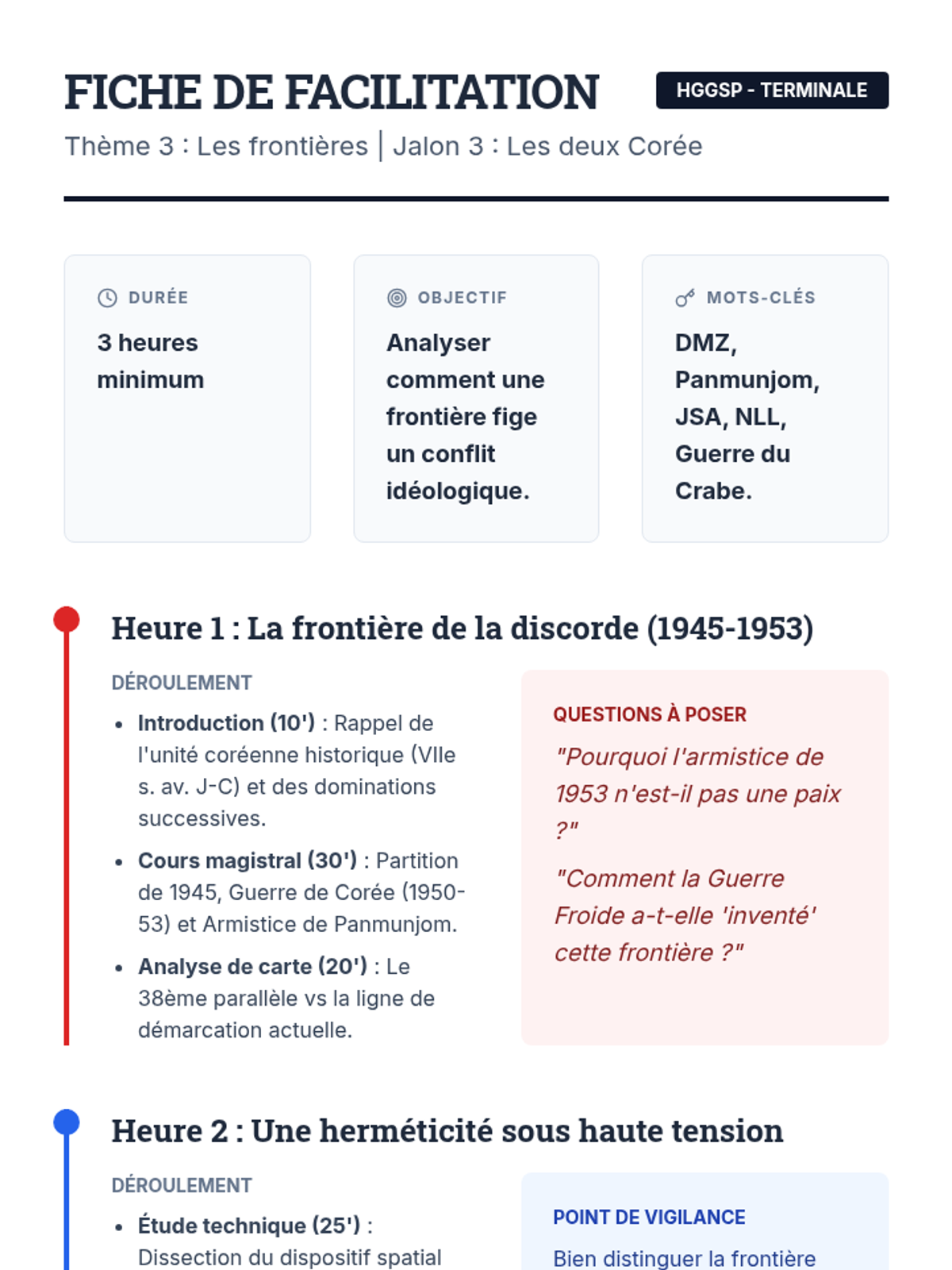
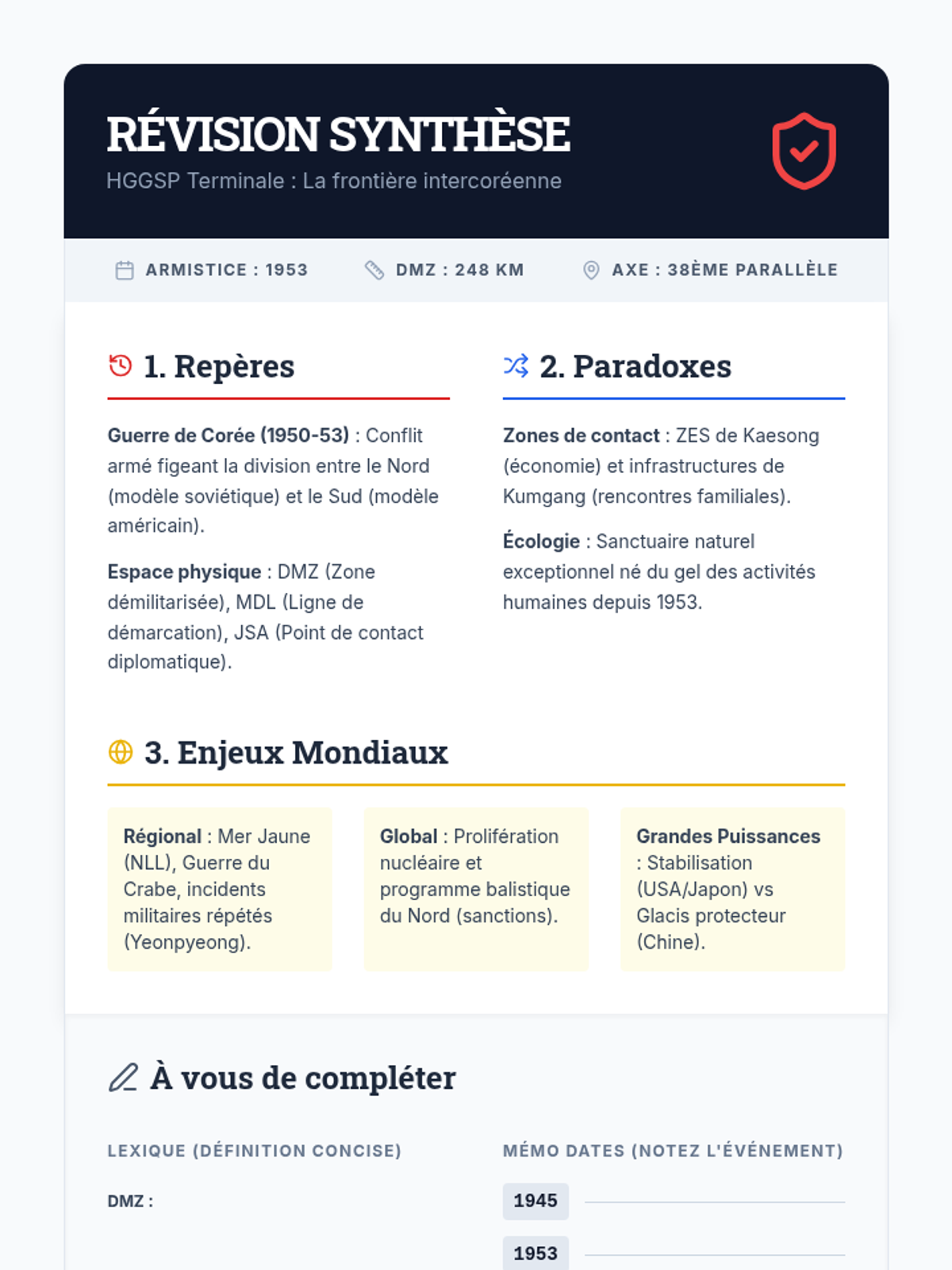
Cette séquence pédagogique explore la frontière intercoréenne comme laboratoire des tensions géopolitiques mondiales. Elle couvre l'histoire de la partition, la militarisation extrême de la zone et les enjeux contemporains à l'échelle régionale et internationale.

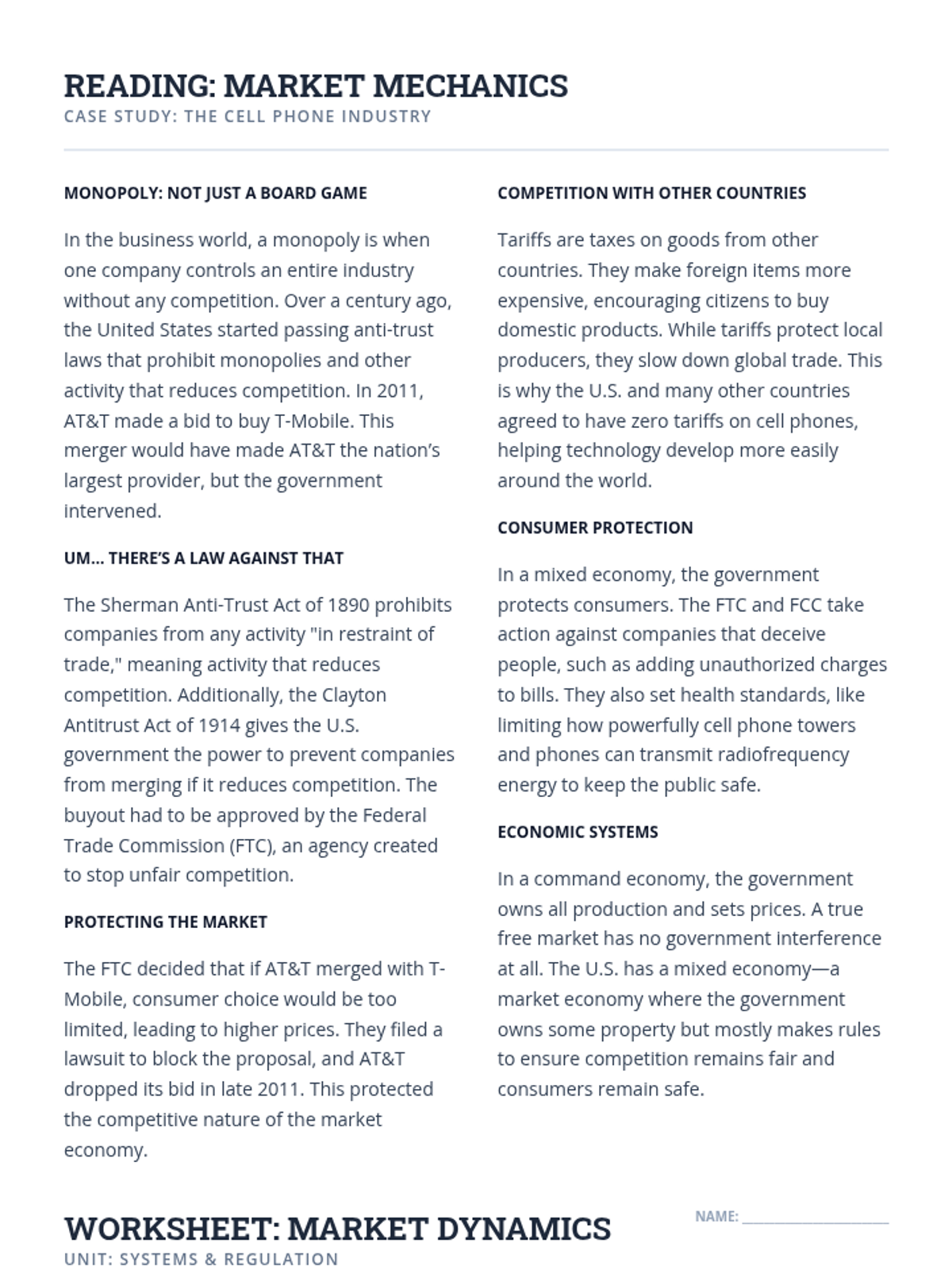
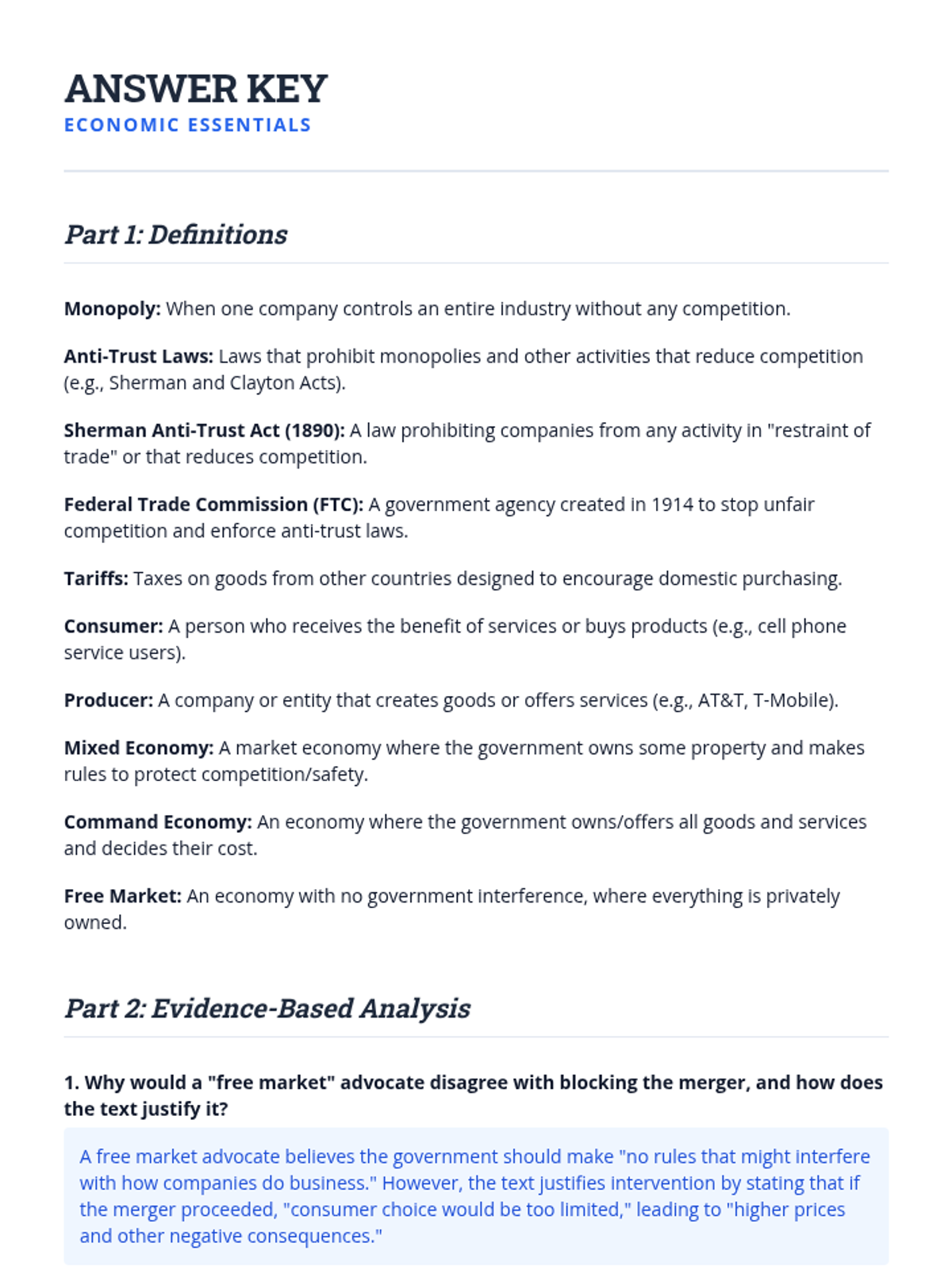
A comprehensive look at economic systems, competition, and the role of government in regulating markets using the cell phone industry as a primary case study.
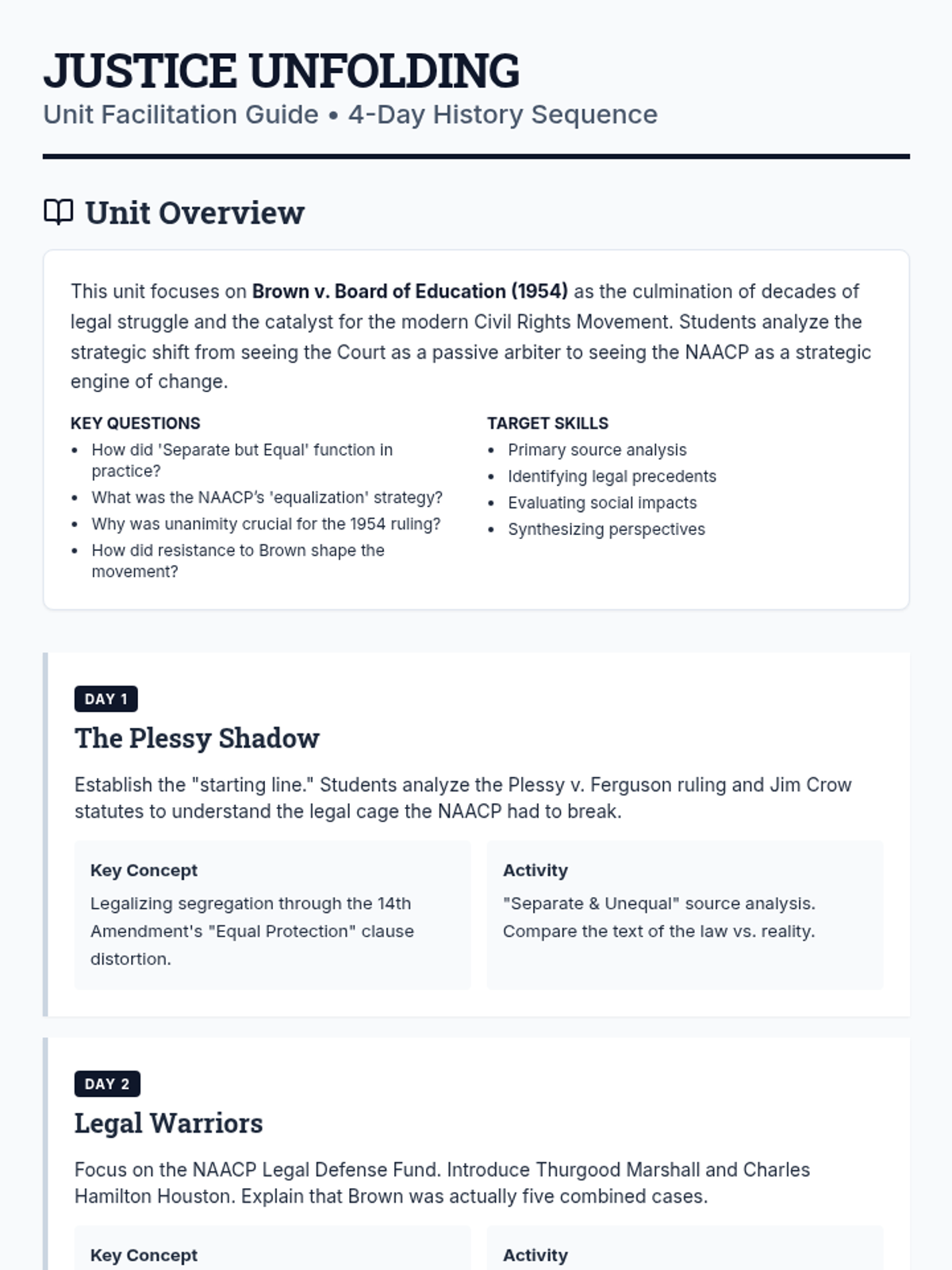
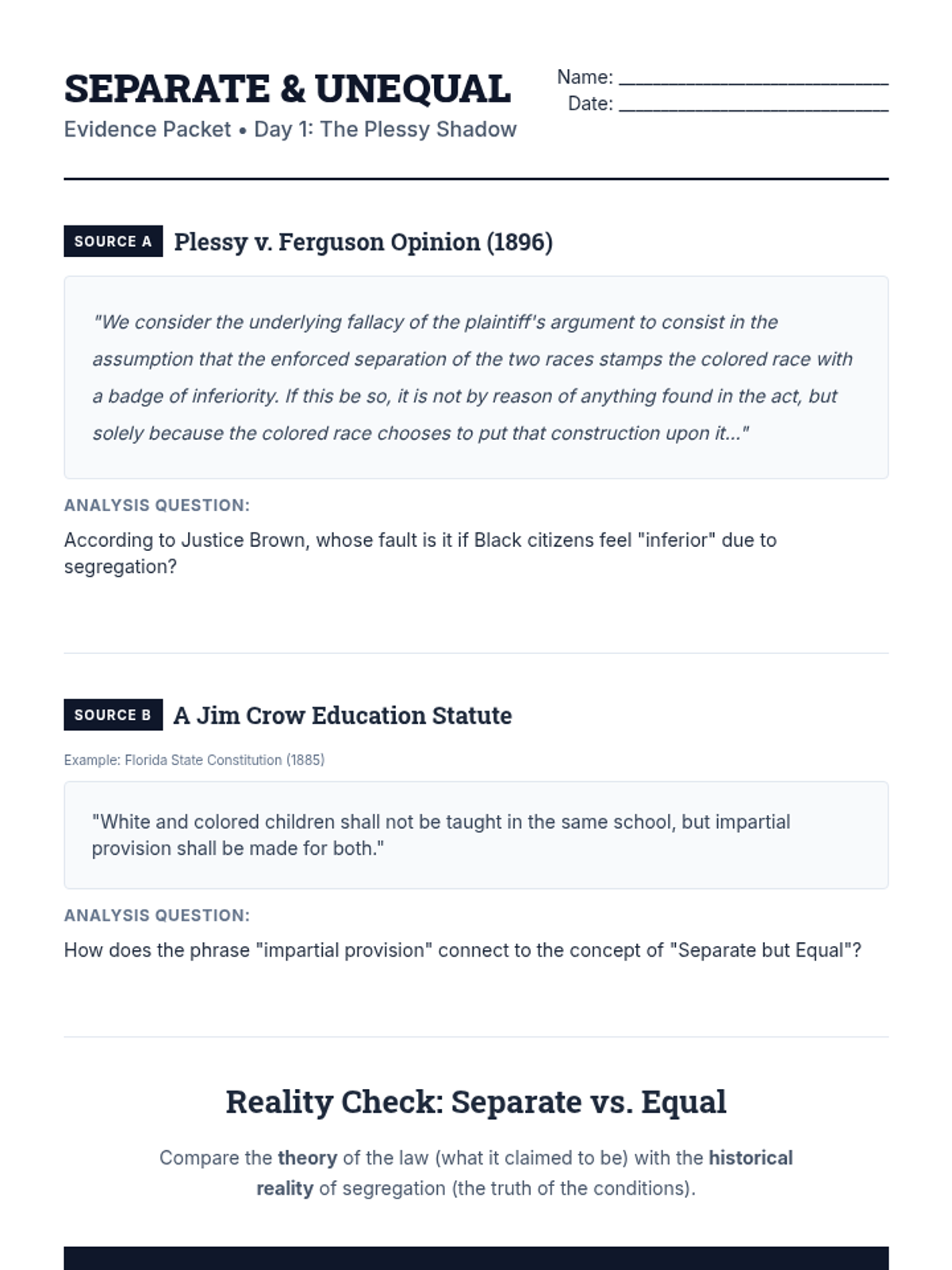
A four-day high school history unit exploring the origins, legal battle, and immediate aftermath of the landmark Brown v. Board of Education decision. Students analyze primary sources and the strategic shifts that sparked the modern Civil Rights Movement.
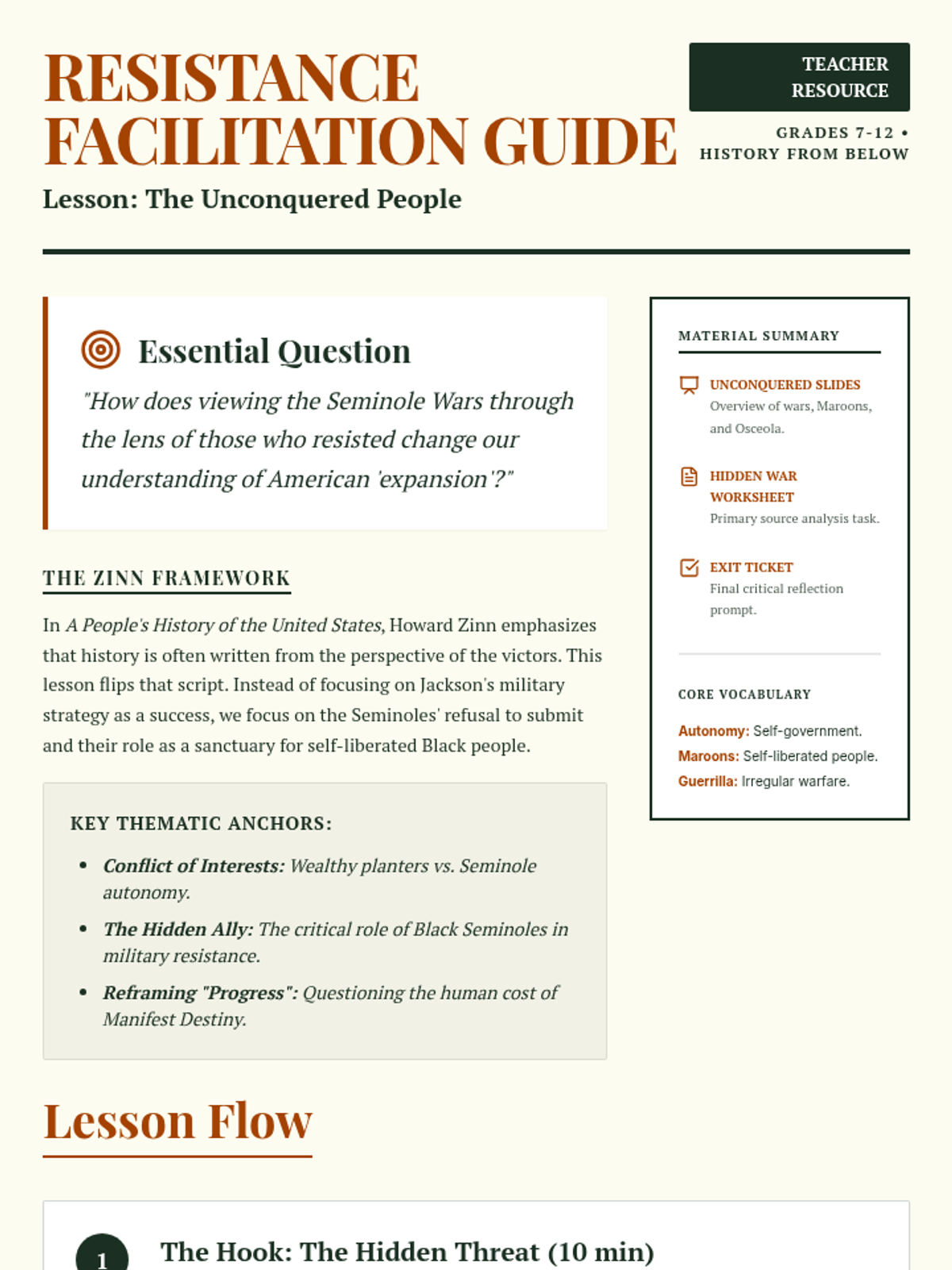
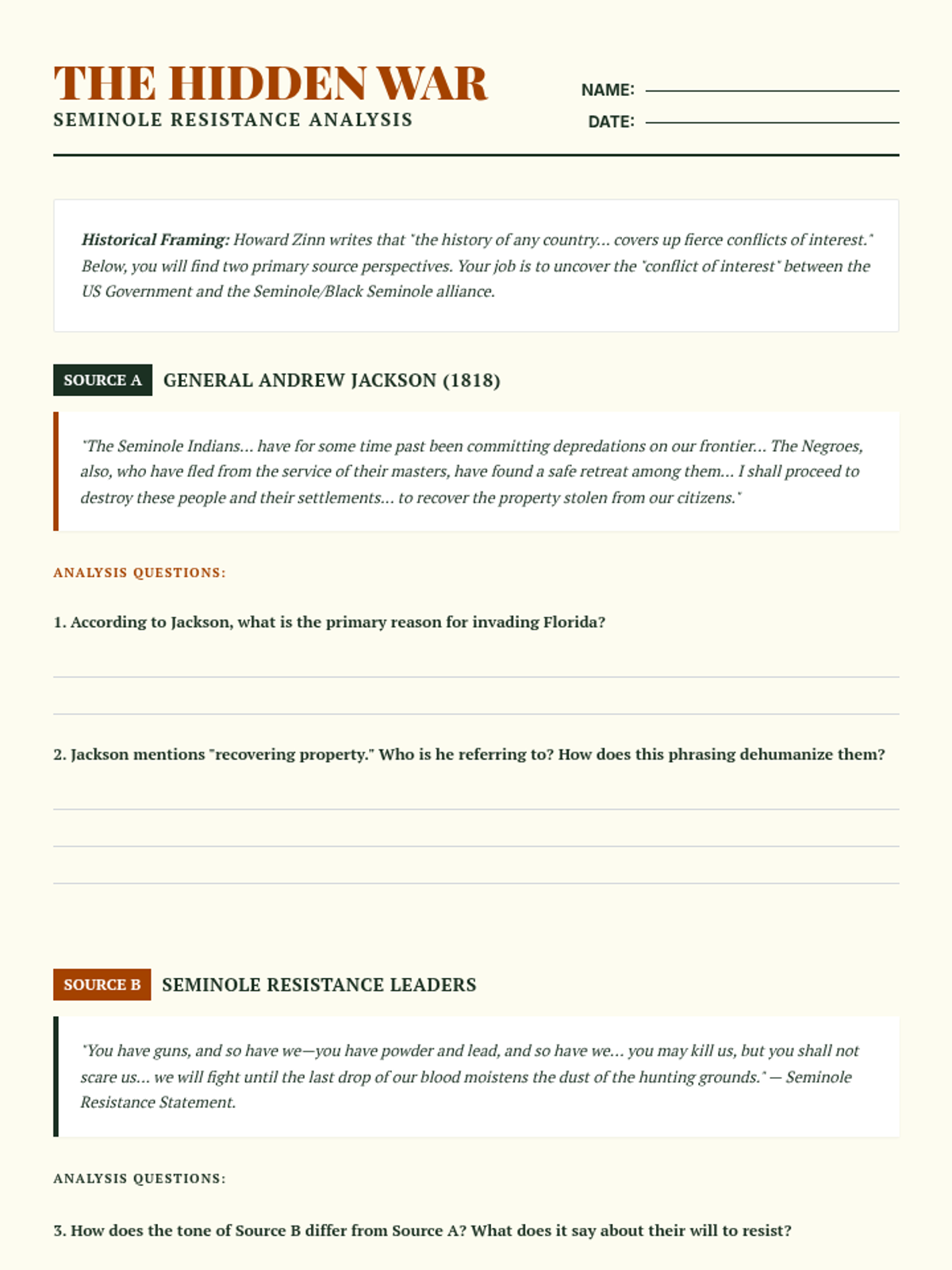
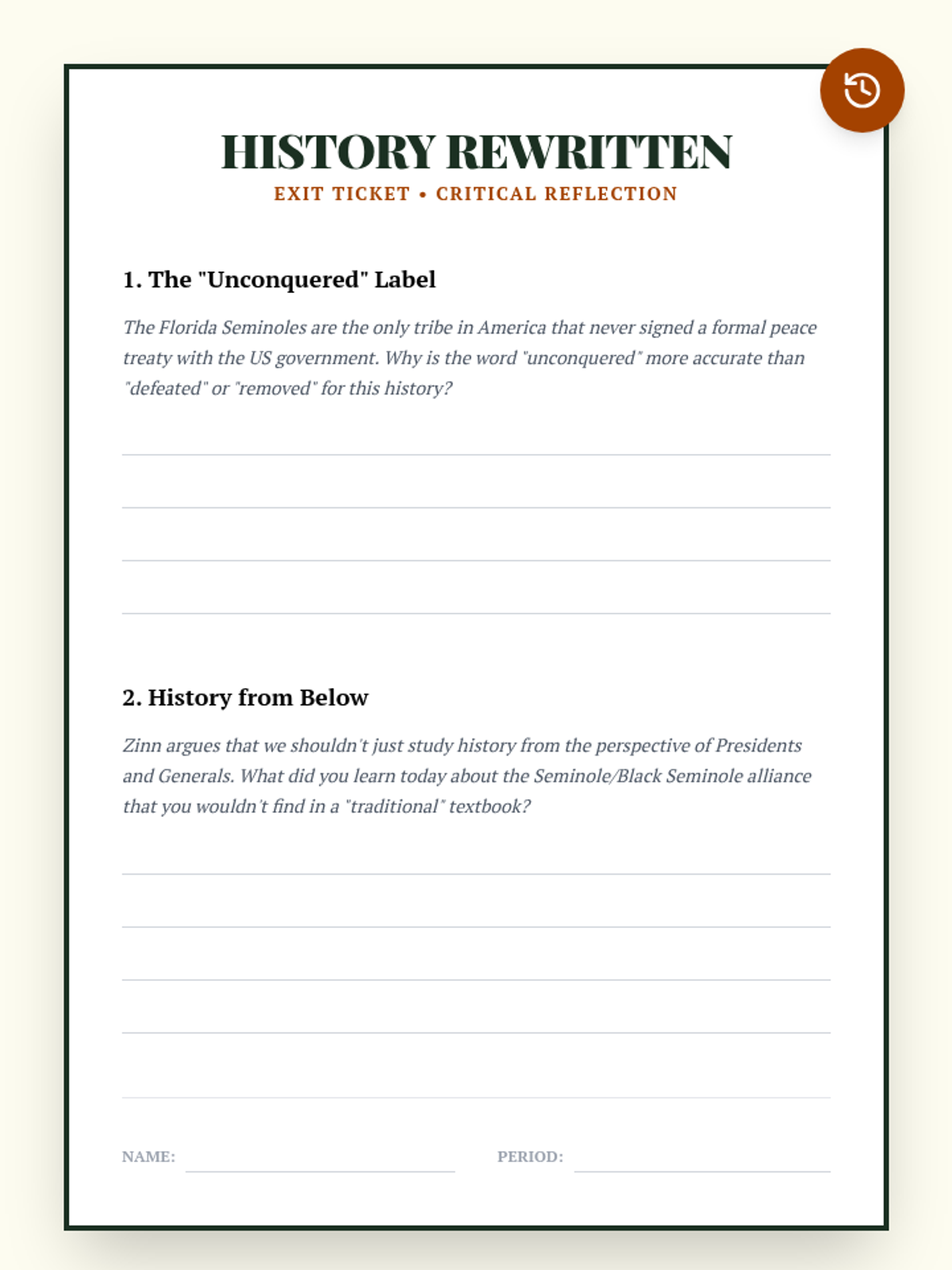
A critical exploration of the Seminole Wars and the unique alliance between Indigenous people and self-liberated Black individuals, framed through Howard Zinn's 'history from below' perspective.
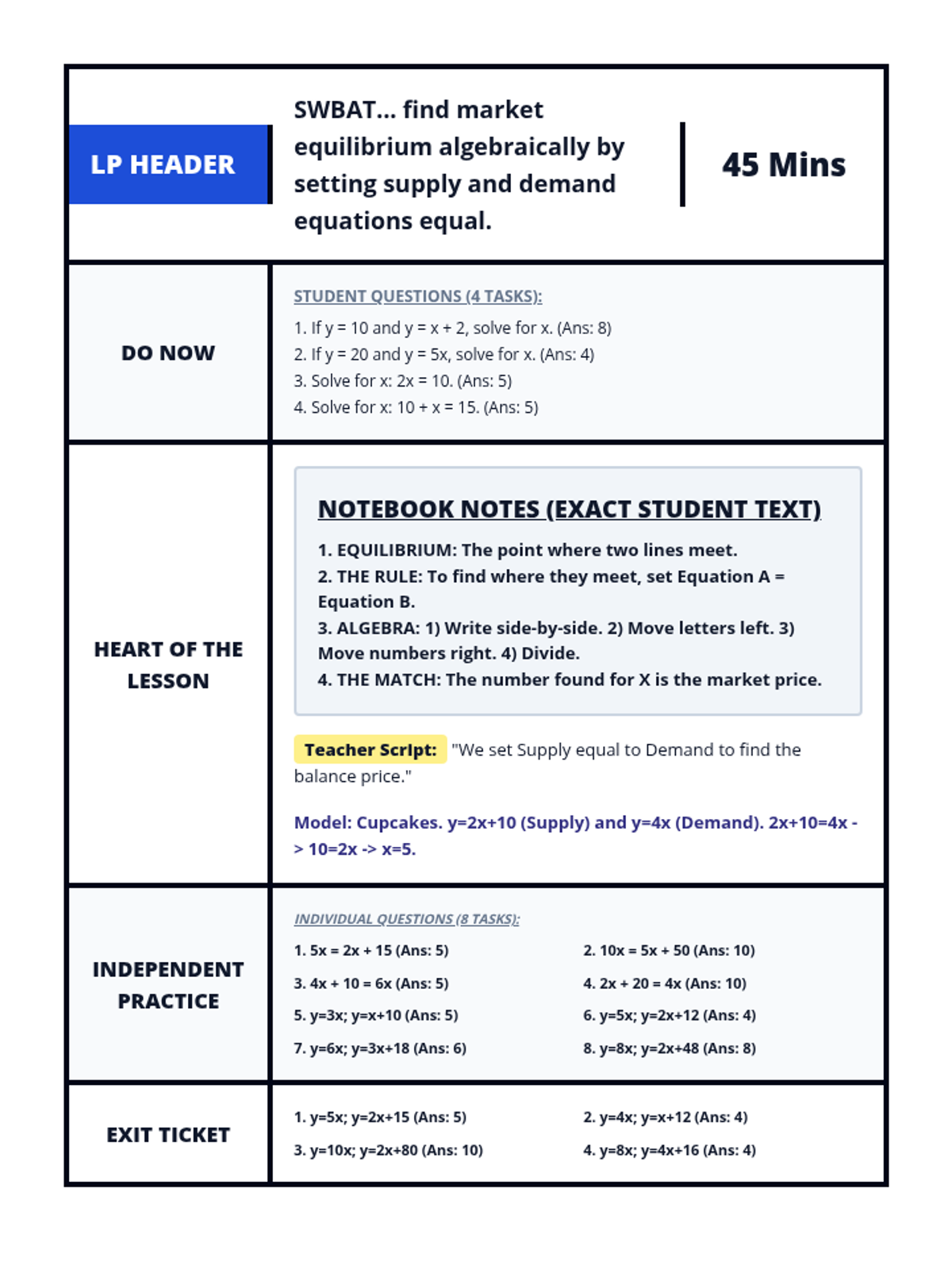
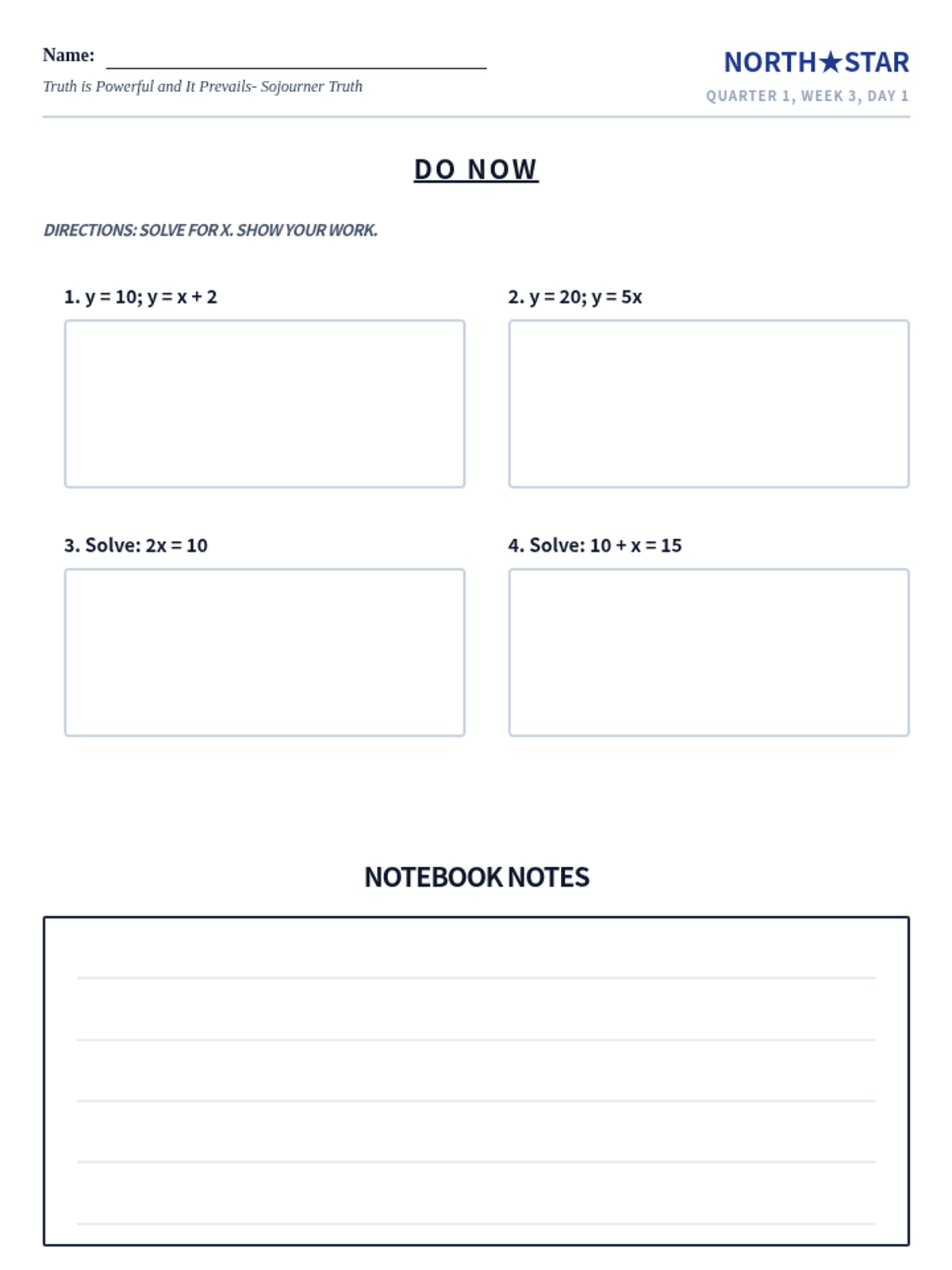
A 4-lesson economics sequence for Special Education students. Lessons progress from solving for market equilibrium algebraically, to using data tables, to graphing intersections, and finally interpreting the real-world meaning of surplus, shortage, and the 'sweet spot'.
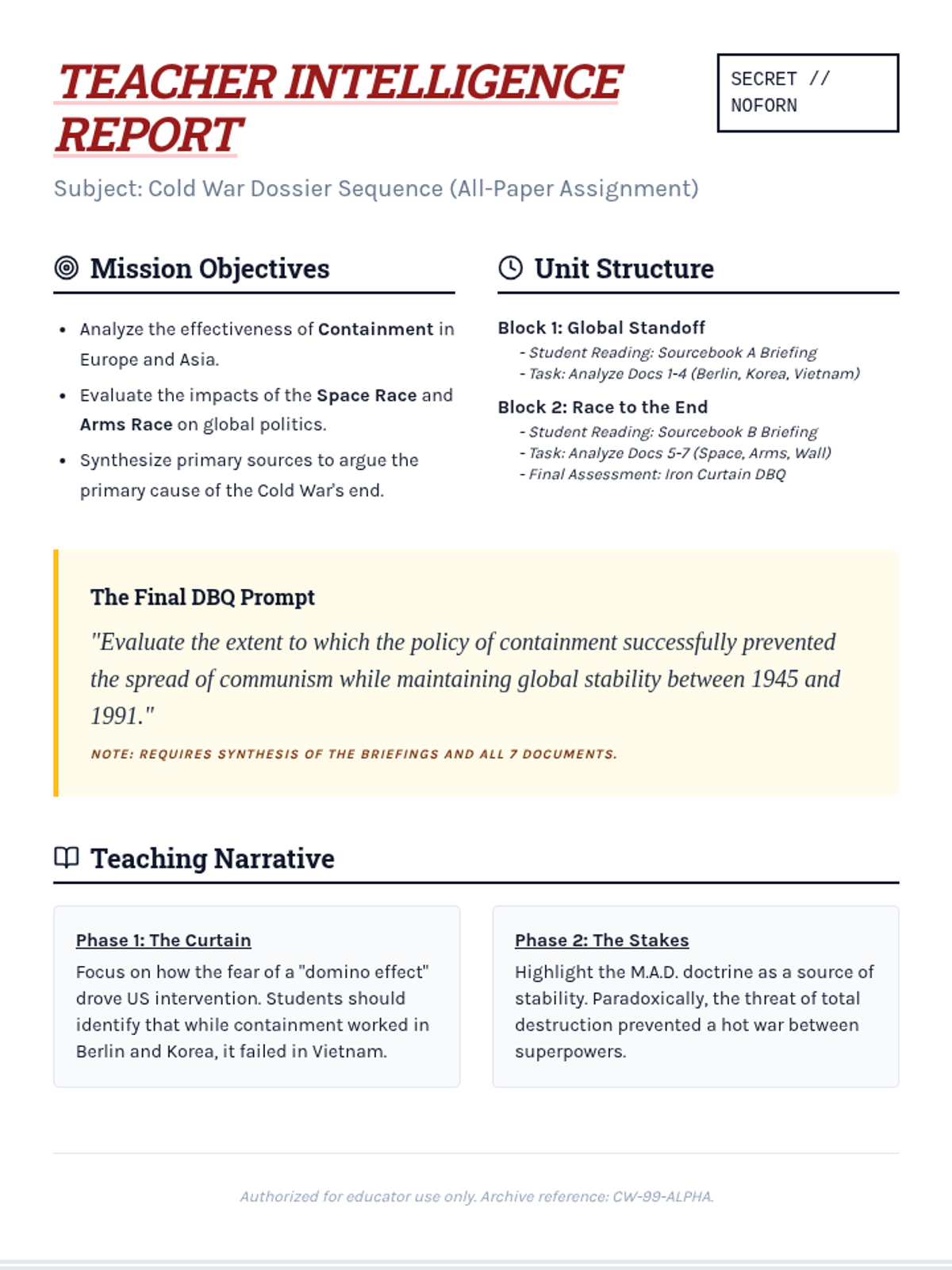
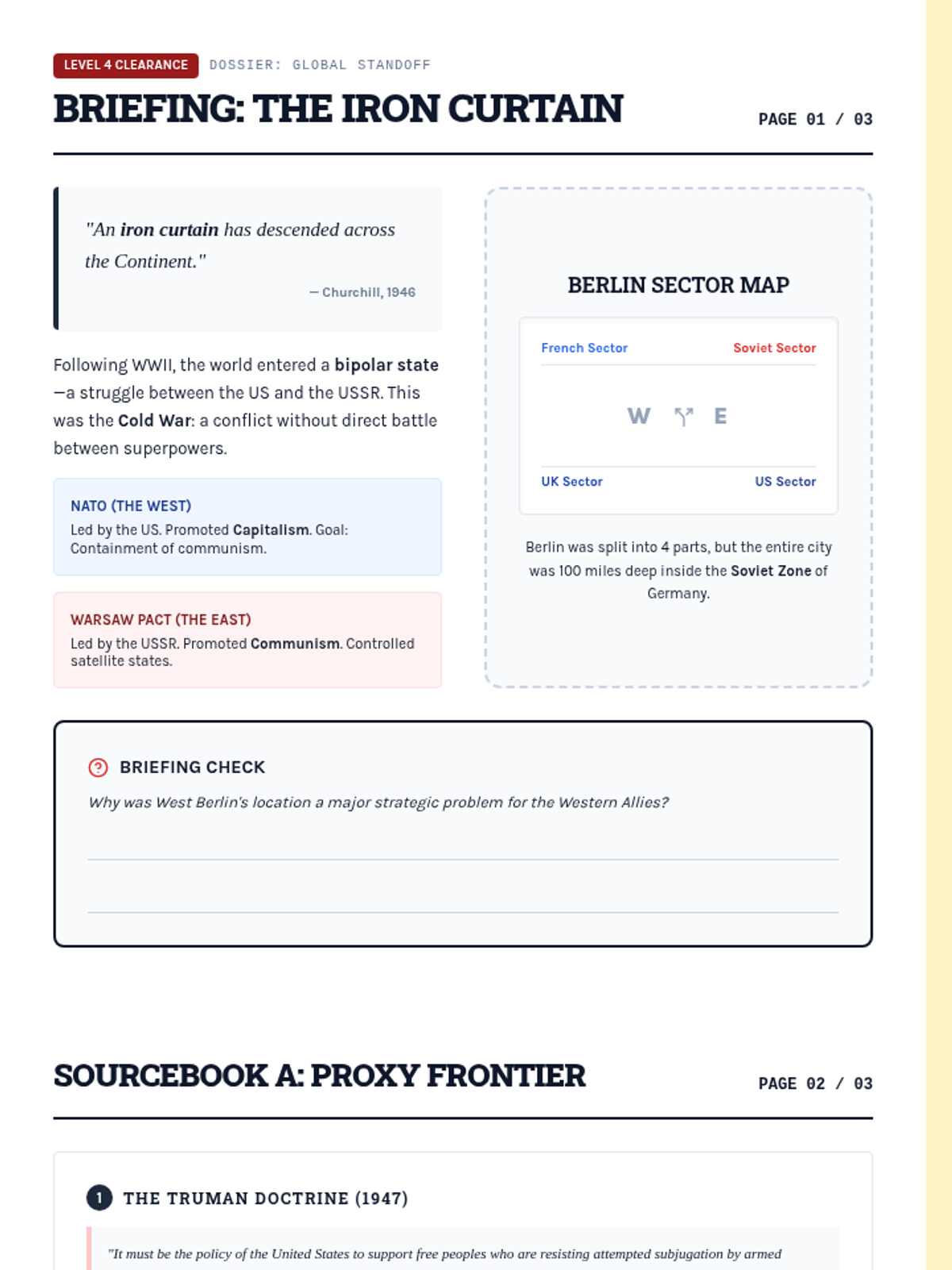
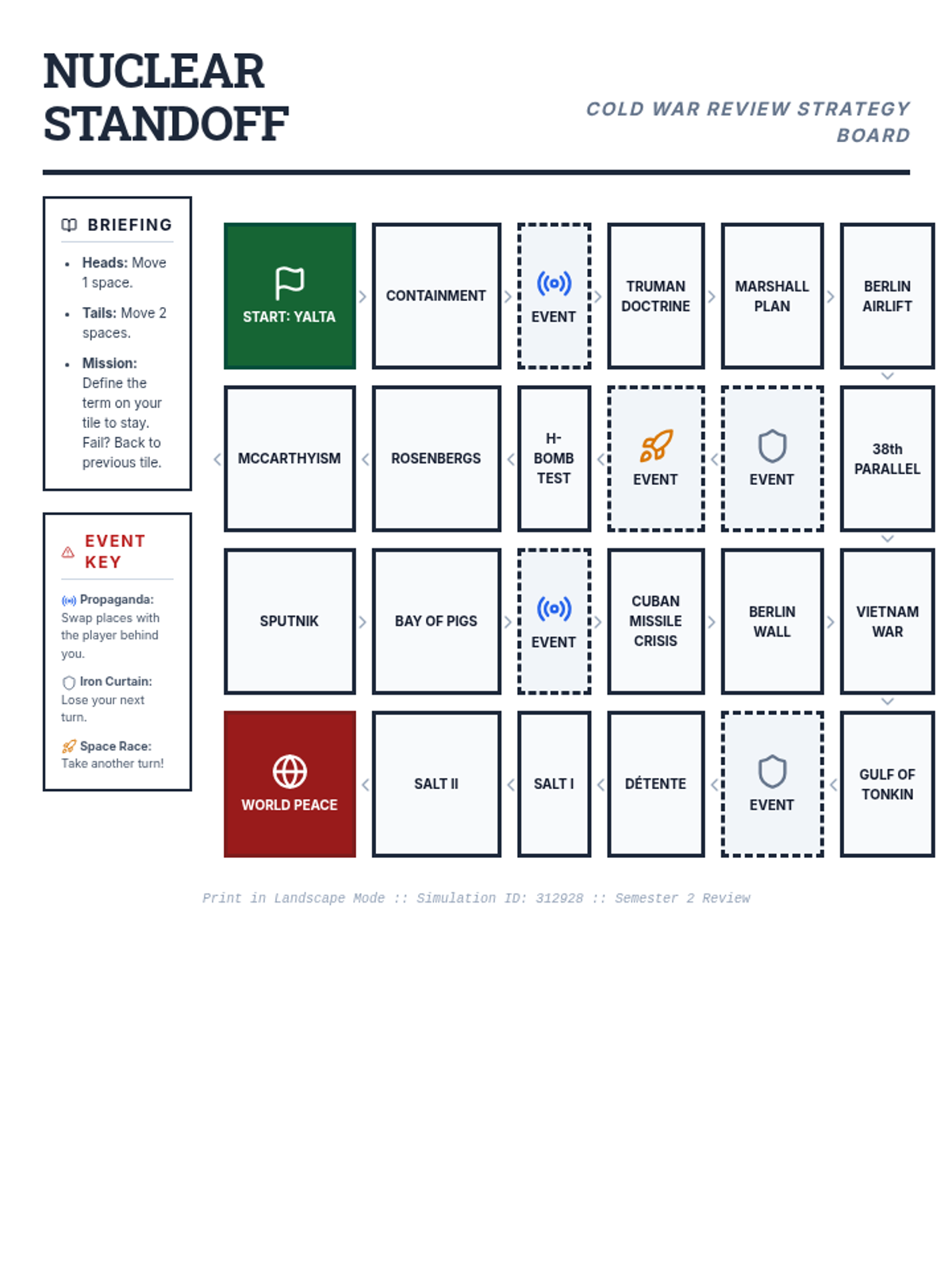
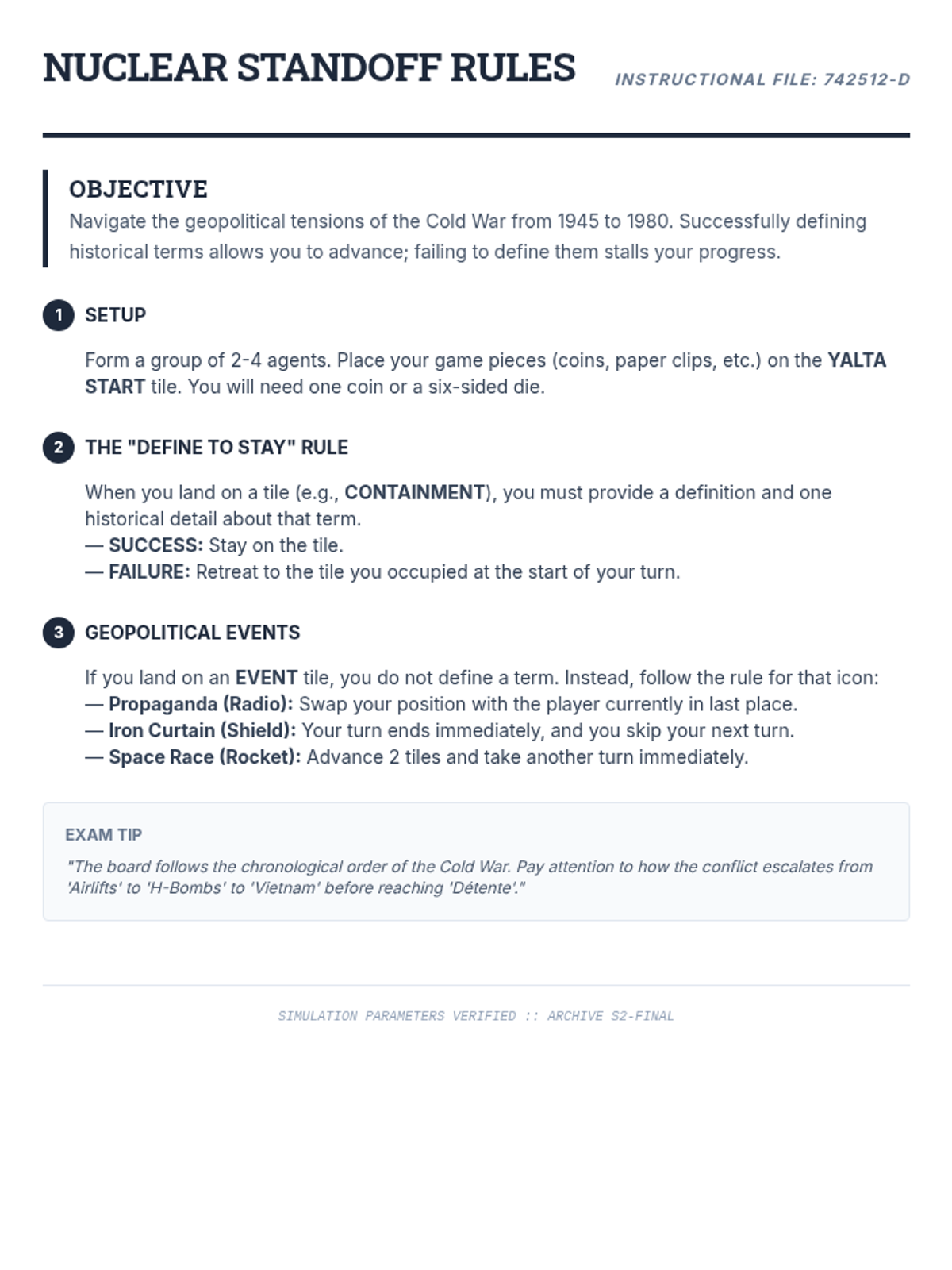
A comprehensive 2-block day unit covering the major milestones of the Cold War, from the Berlin Airlift to the fall of the Berlin Wall, culminating in a Document-Based Question (DBQ) essay. Students analyze primary and secondary sources through a 'Classified Dossier' lens.
A bundle of essential resources for middle and high school, covering cellular biology and American history.
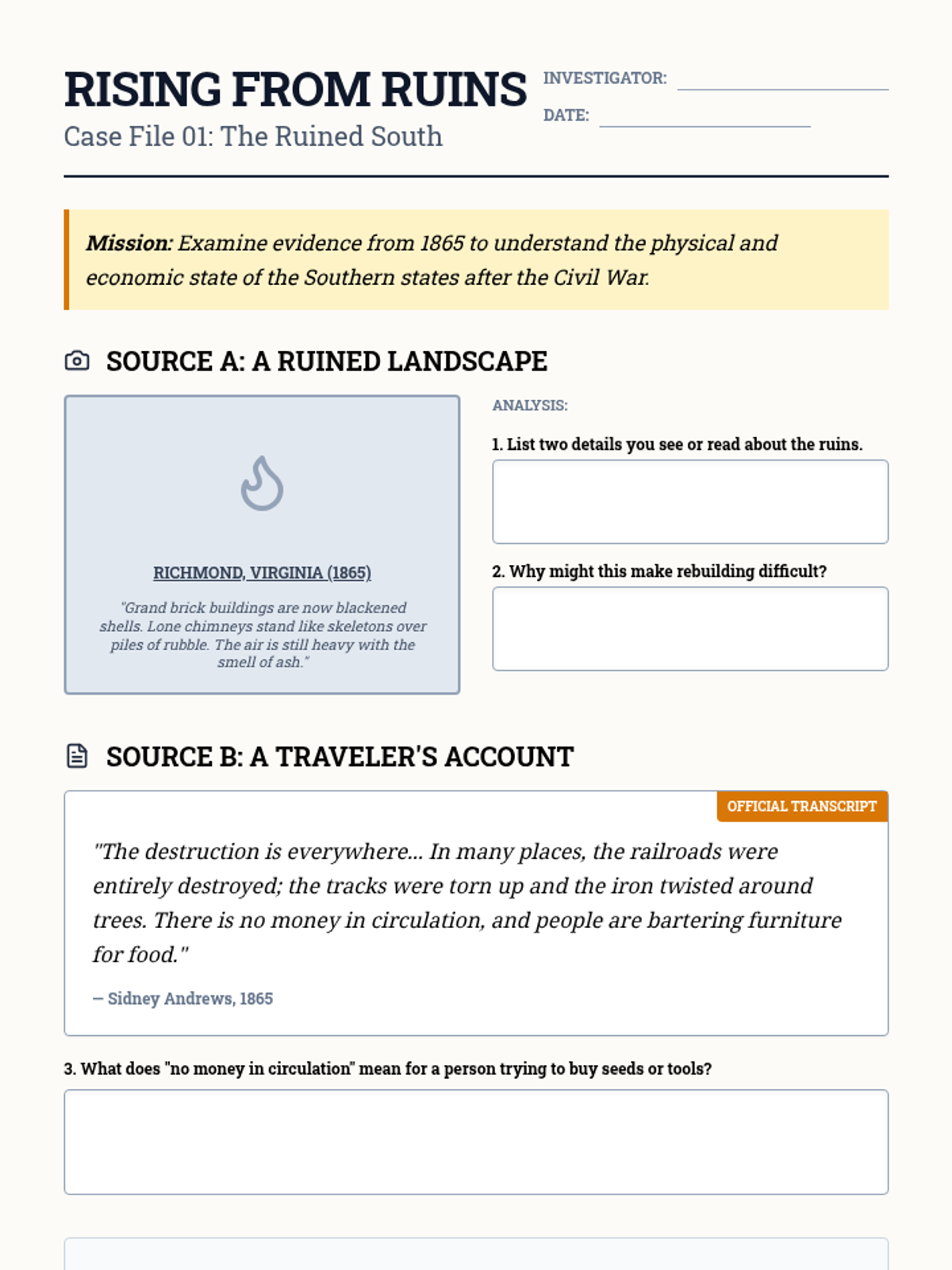
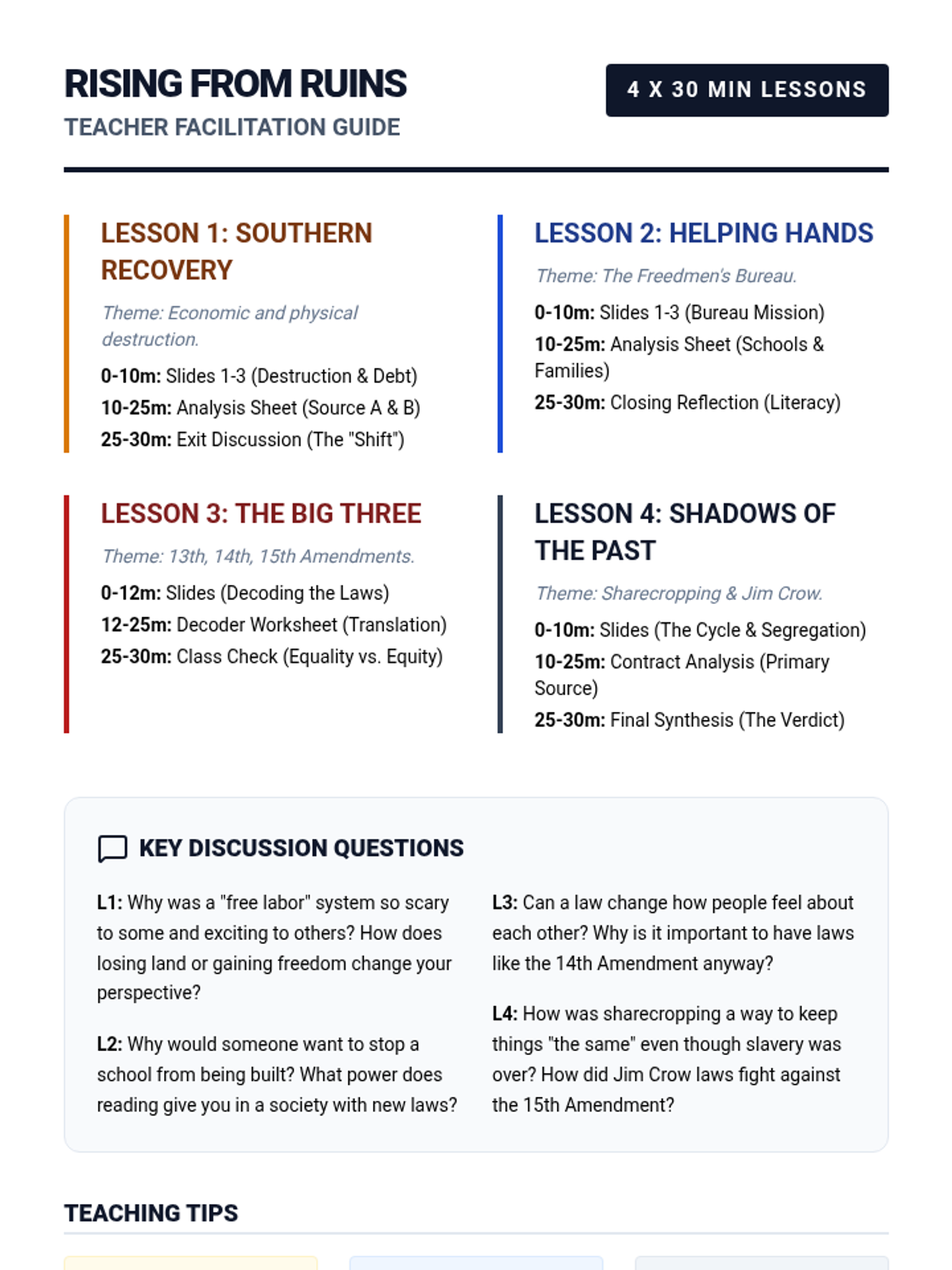
A four-part exploration of the Reconstruction era, focusing on the economic, social, and legal challenges of rebuilding the United States after the Civil War. Students analyze primary sources to understand the transition from slavery to freedom and the obstacles faced by formerly enslaved people.
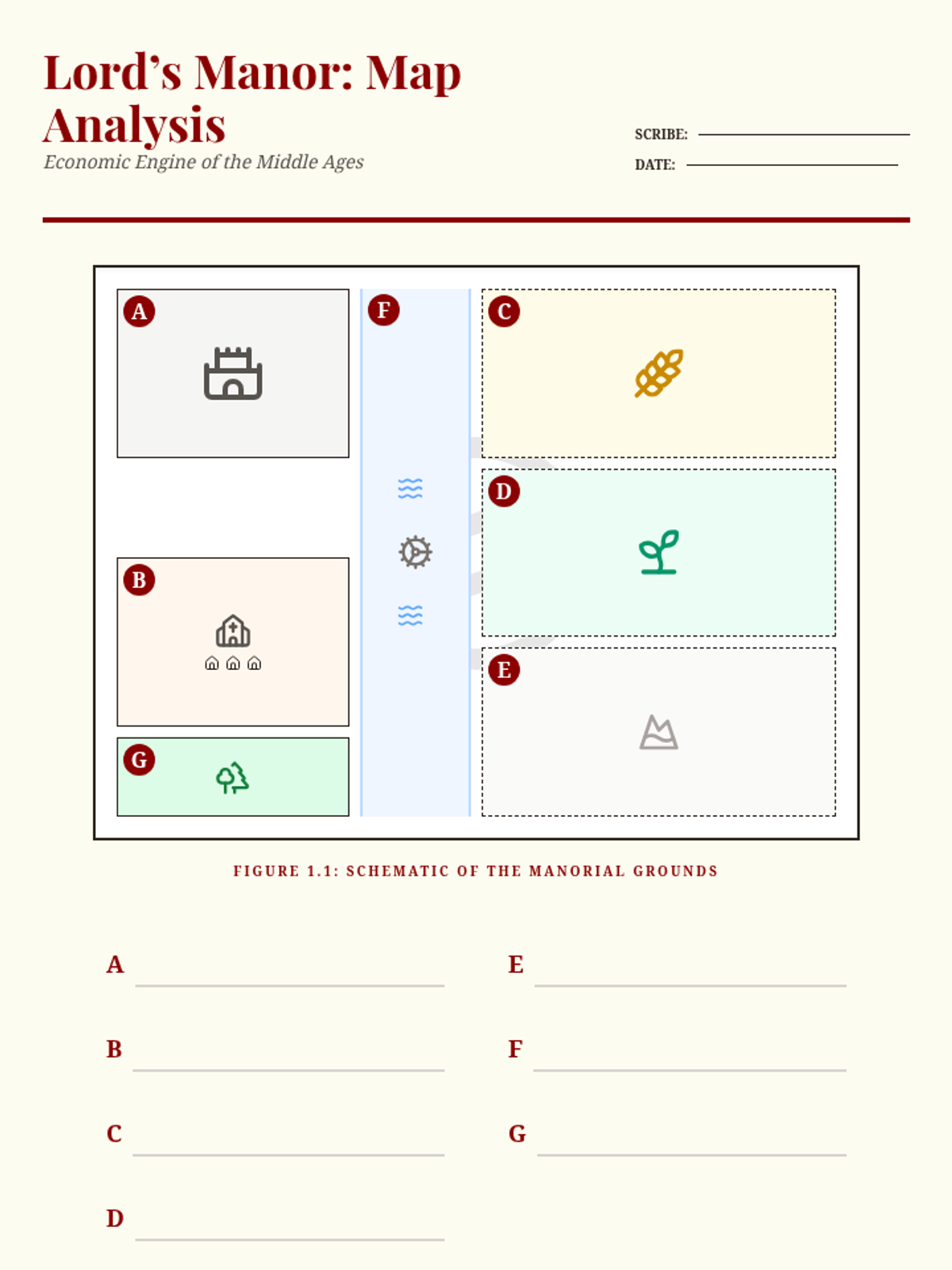
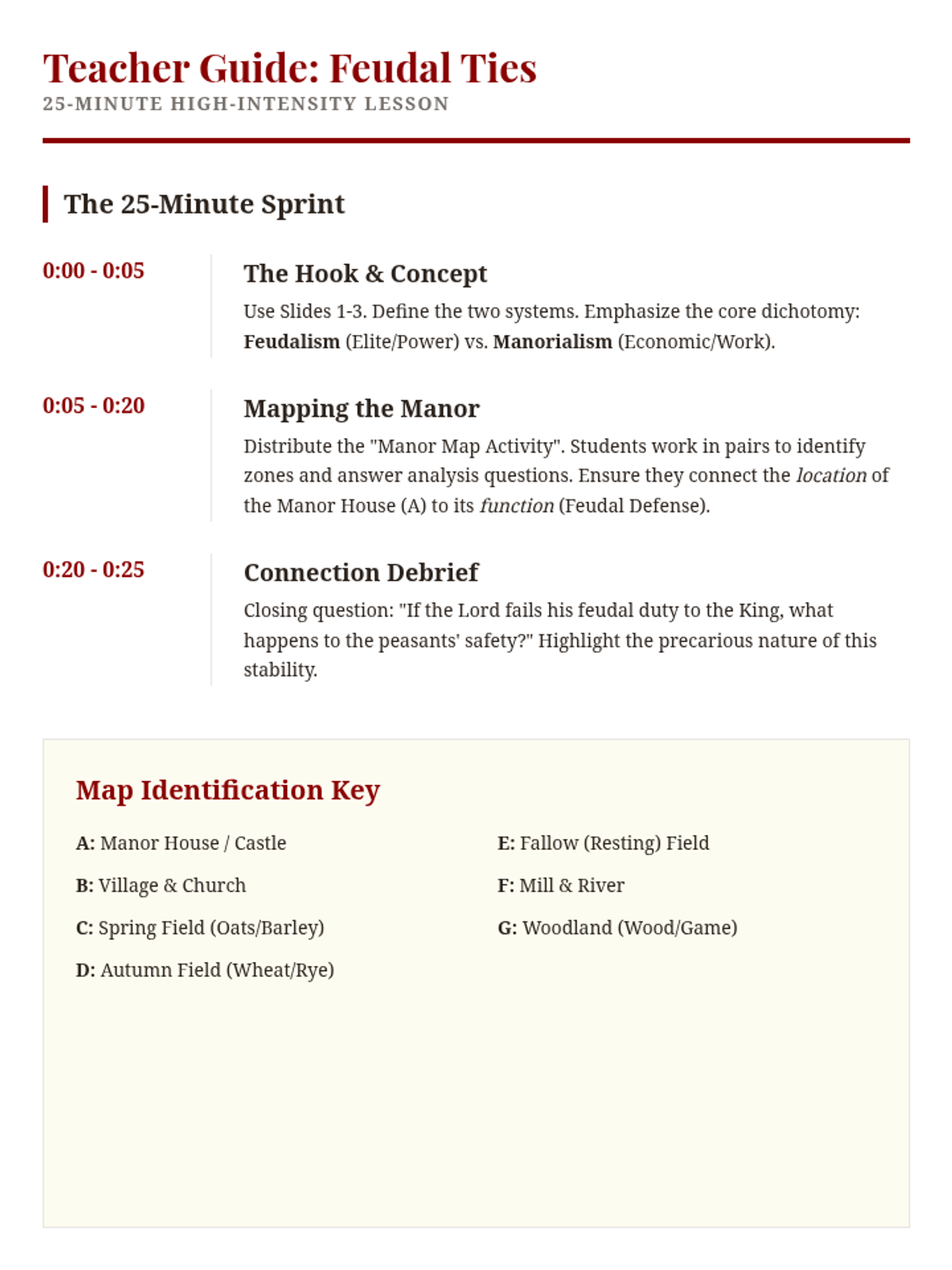
A focused exploration of medieval social and economic structures, specifically contrasting the political hierarchy of feudalism with the agricultural economy of manorialism.
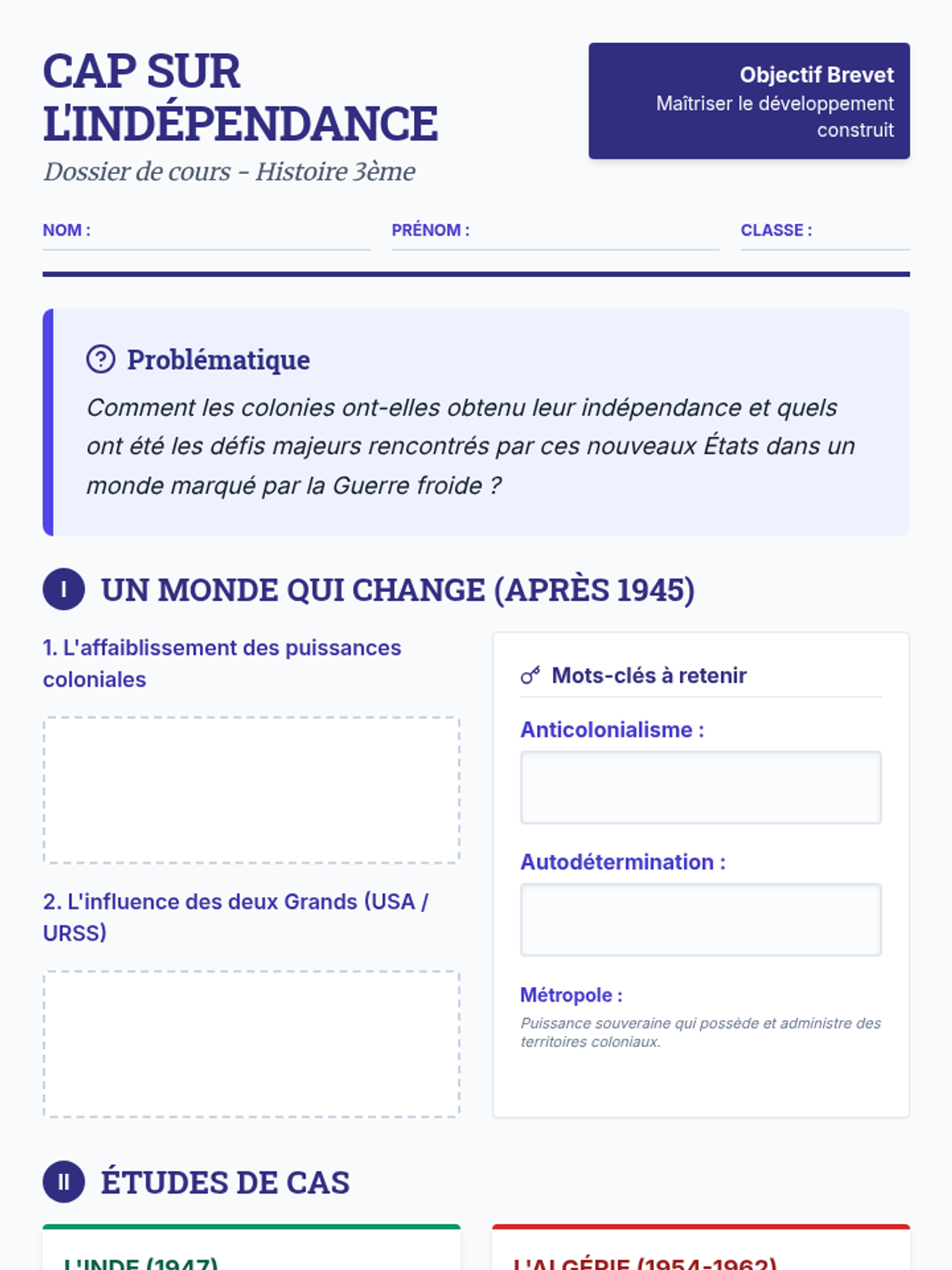
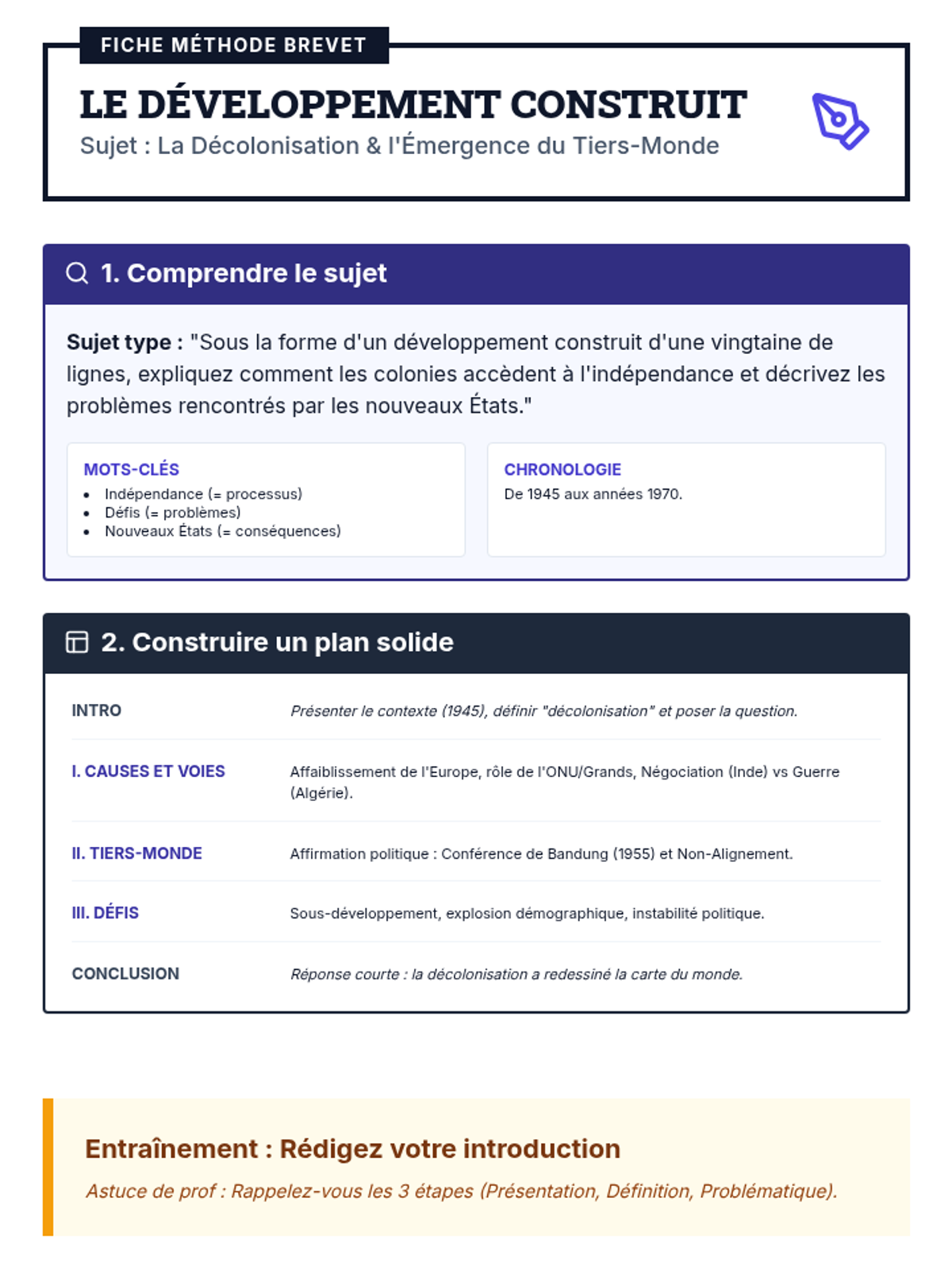
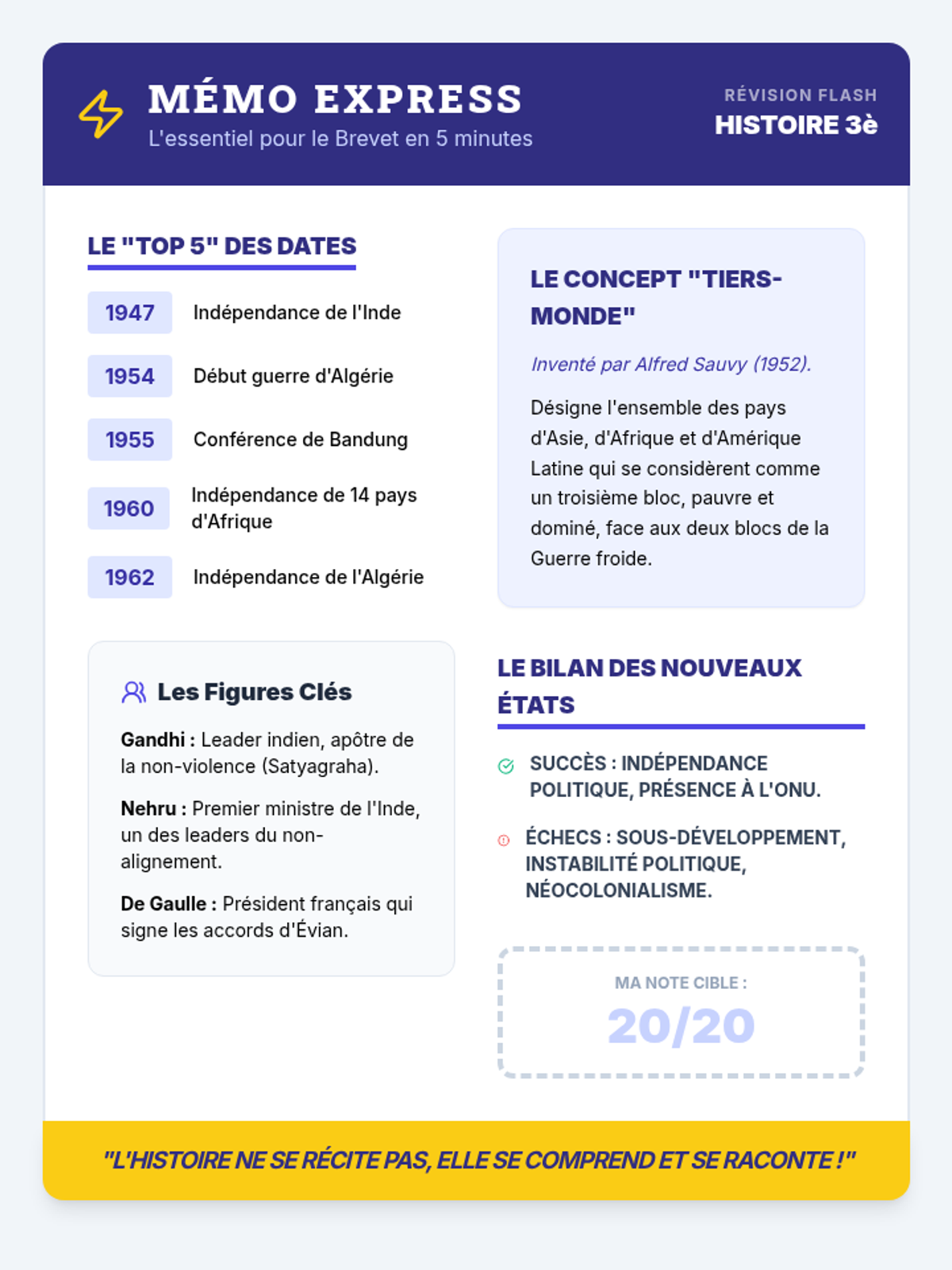
Une séquence complète sur le processus de décolonisation après la Seconde Guerre mondiale, l'émergence du Tiers-Monde et les défis des nouveaux États indépendants. Conçue pour une préparation optimale au Brevet.
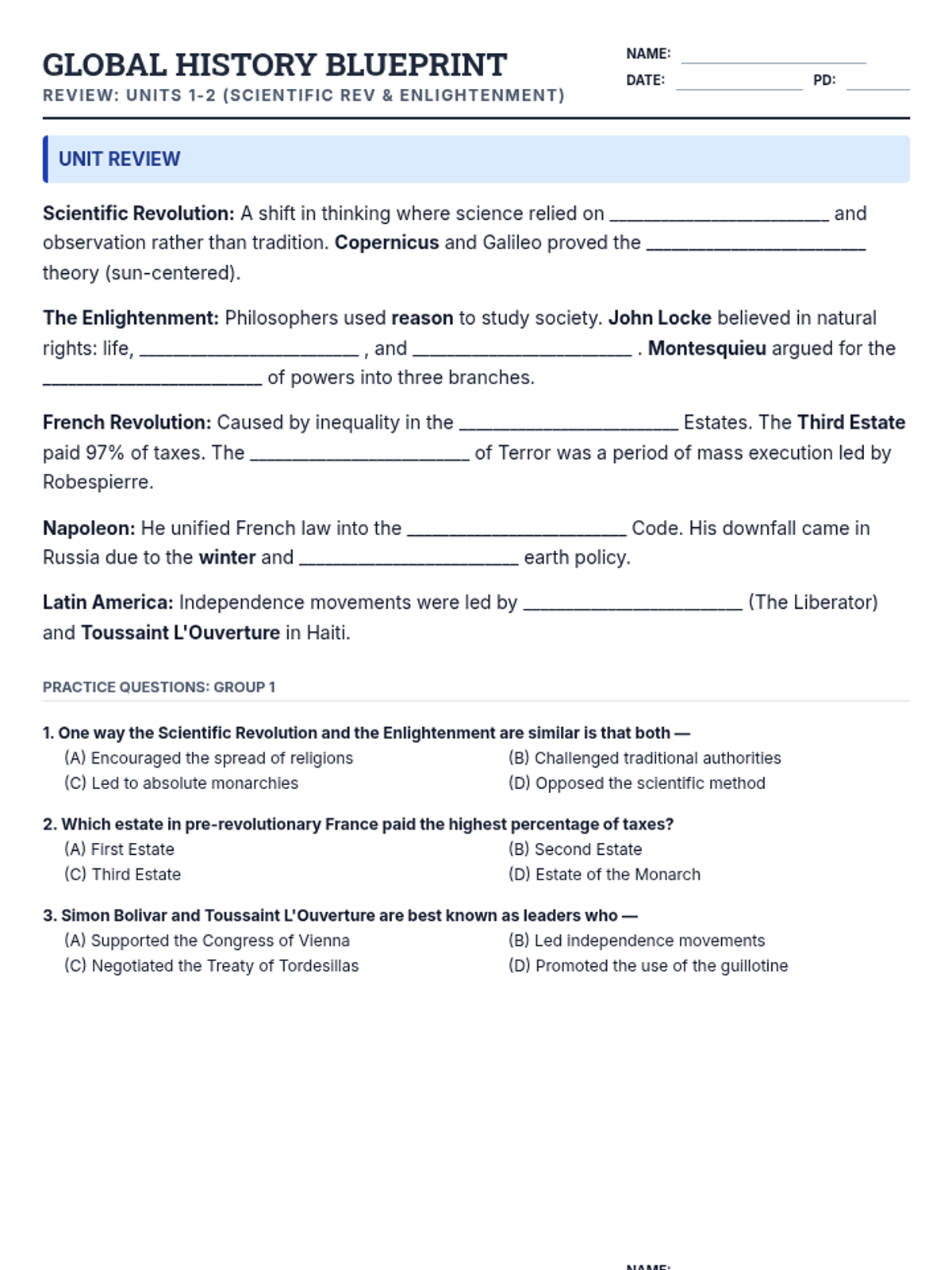
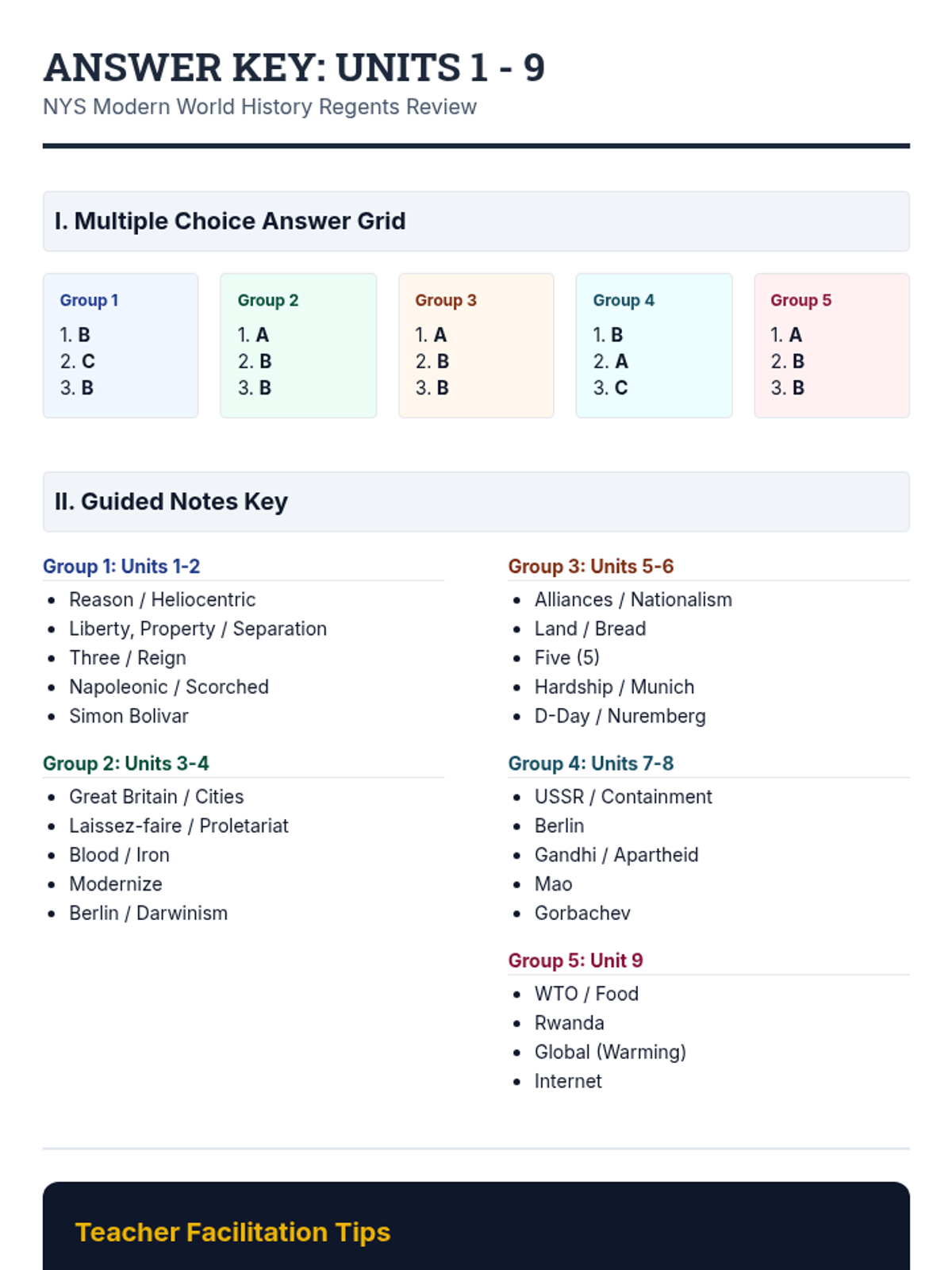
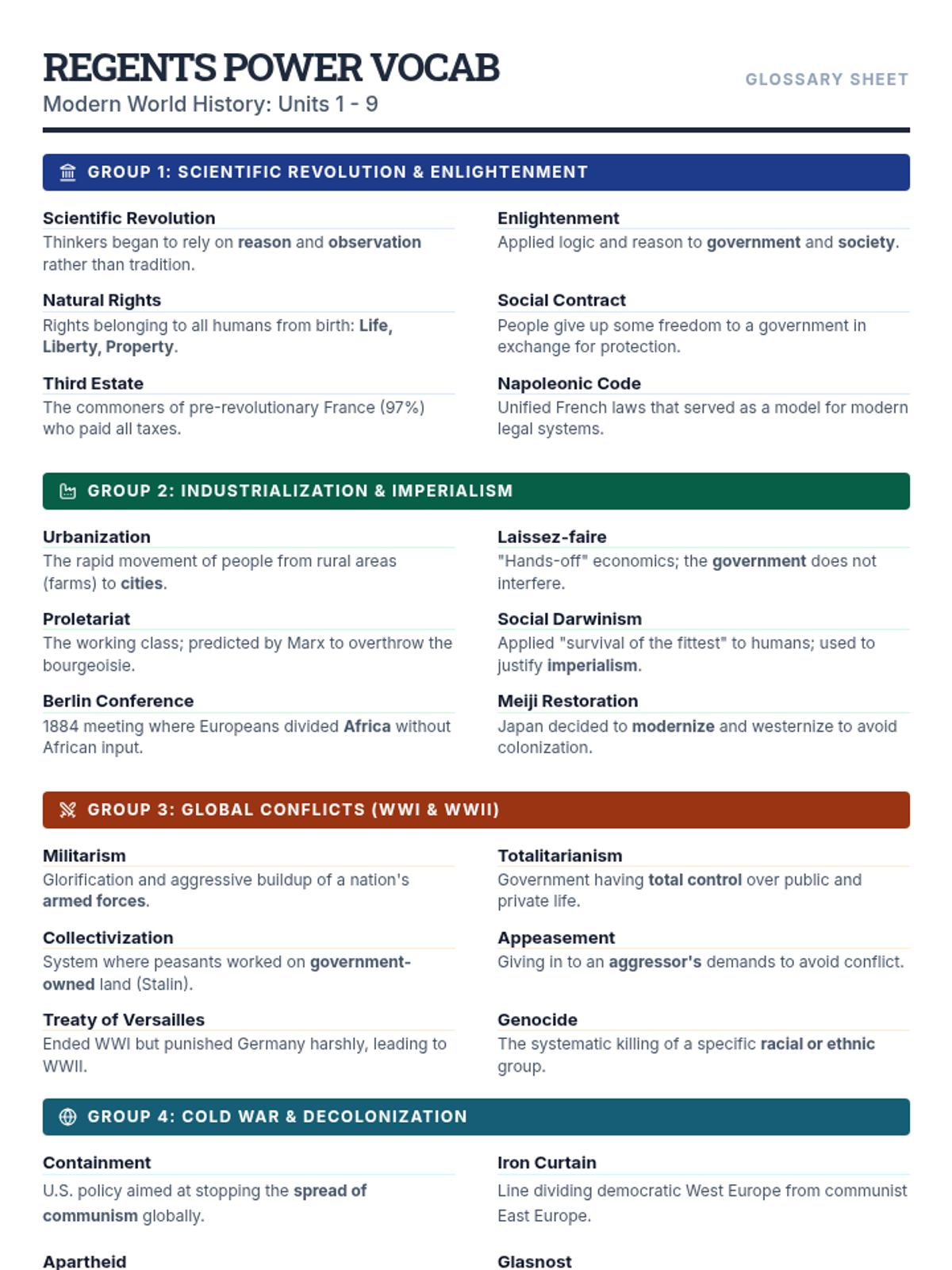
A comprehensive review series covering the New York State Modern World History Regents curriculum, focusing on Units 1 through 9.
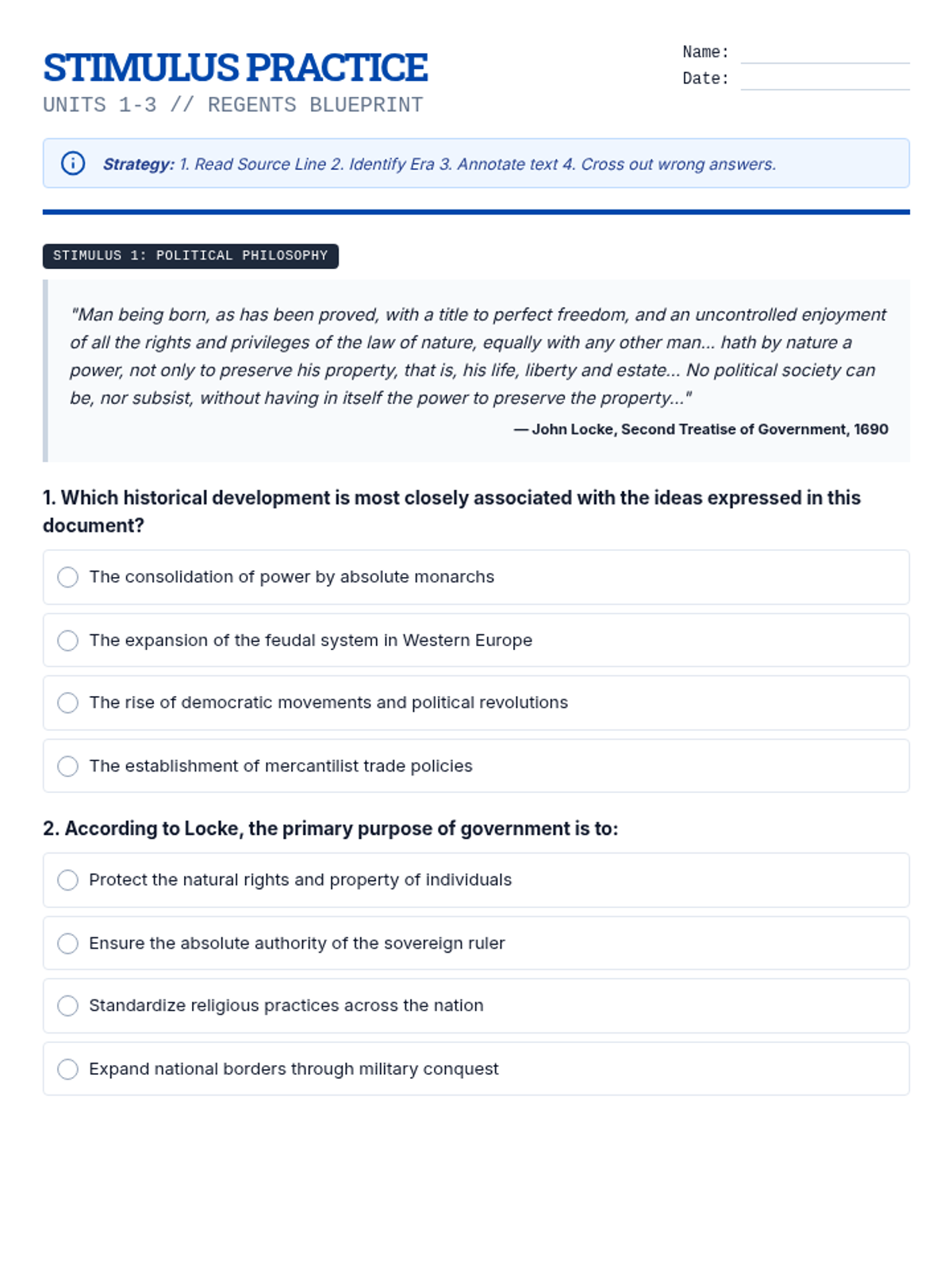
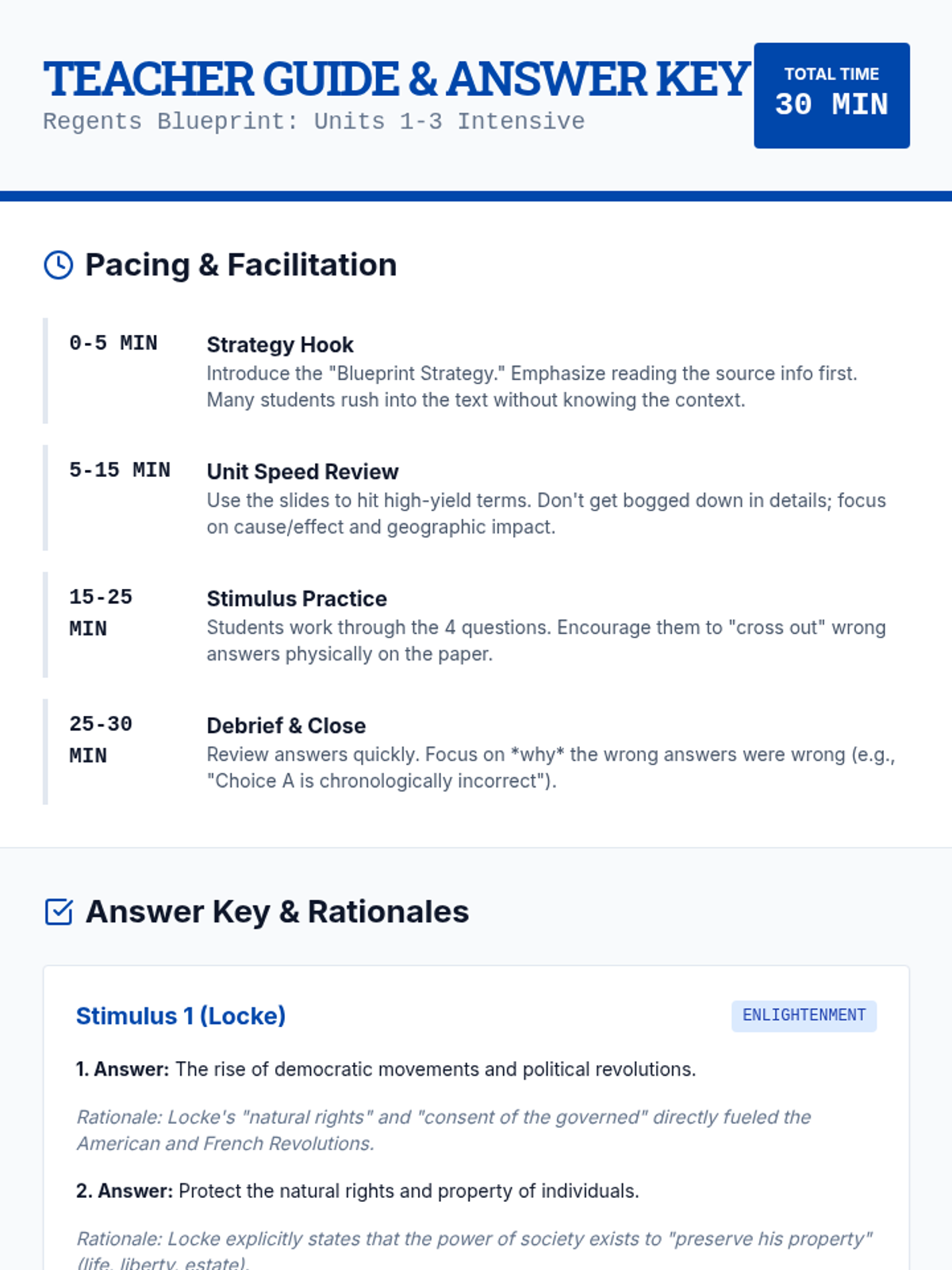
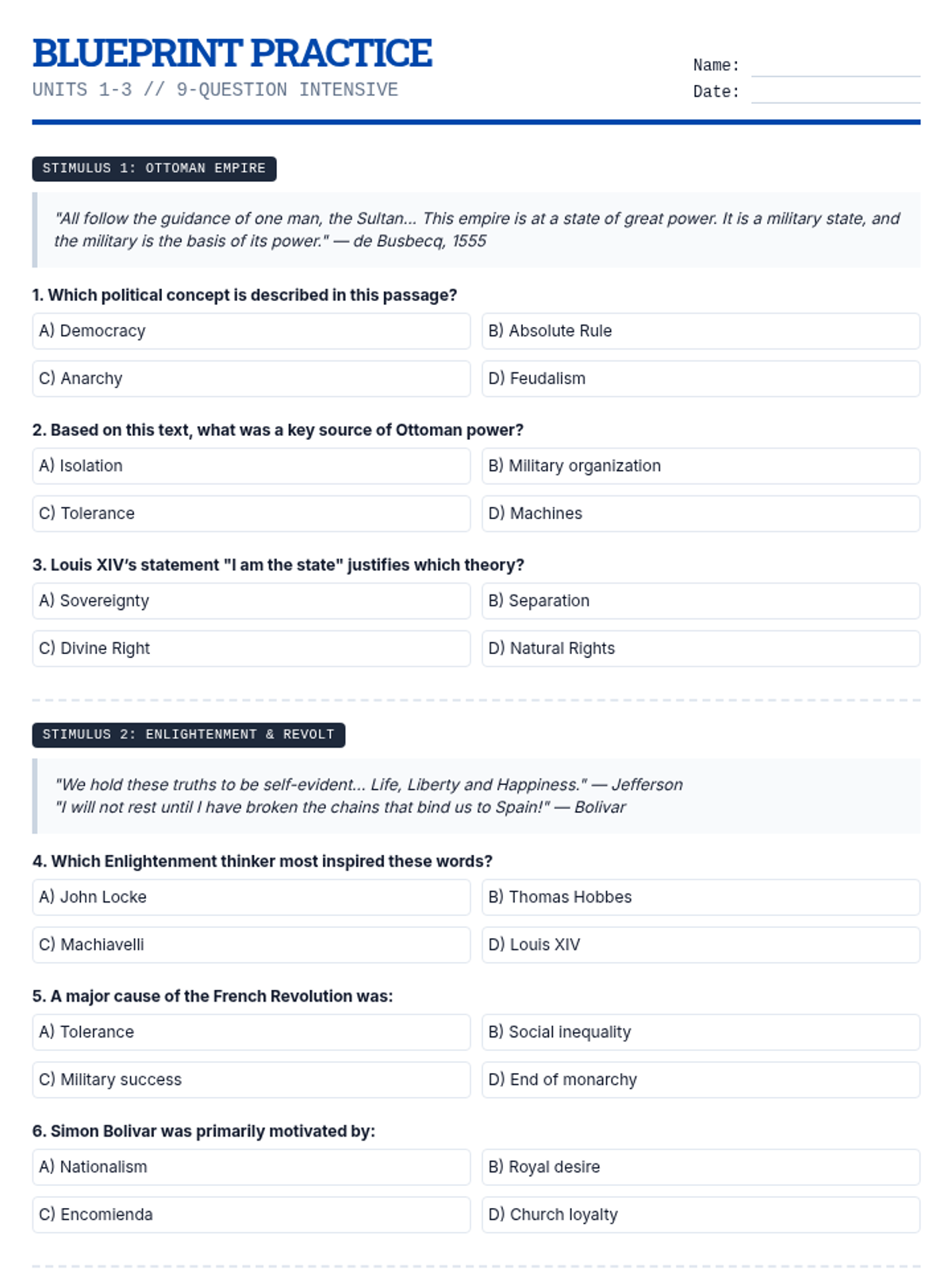
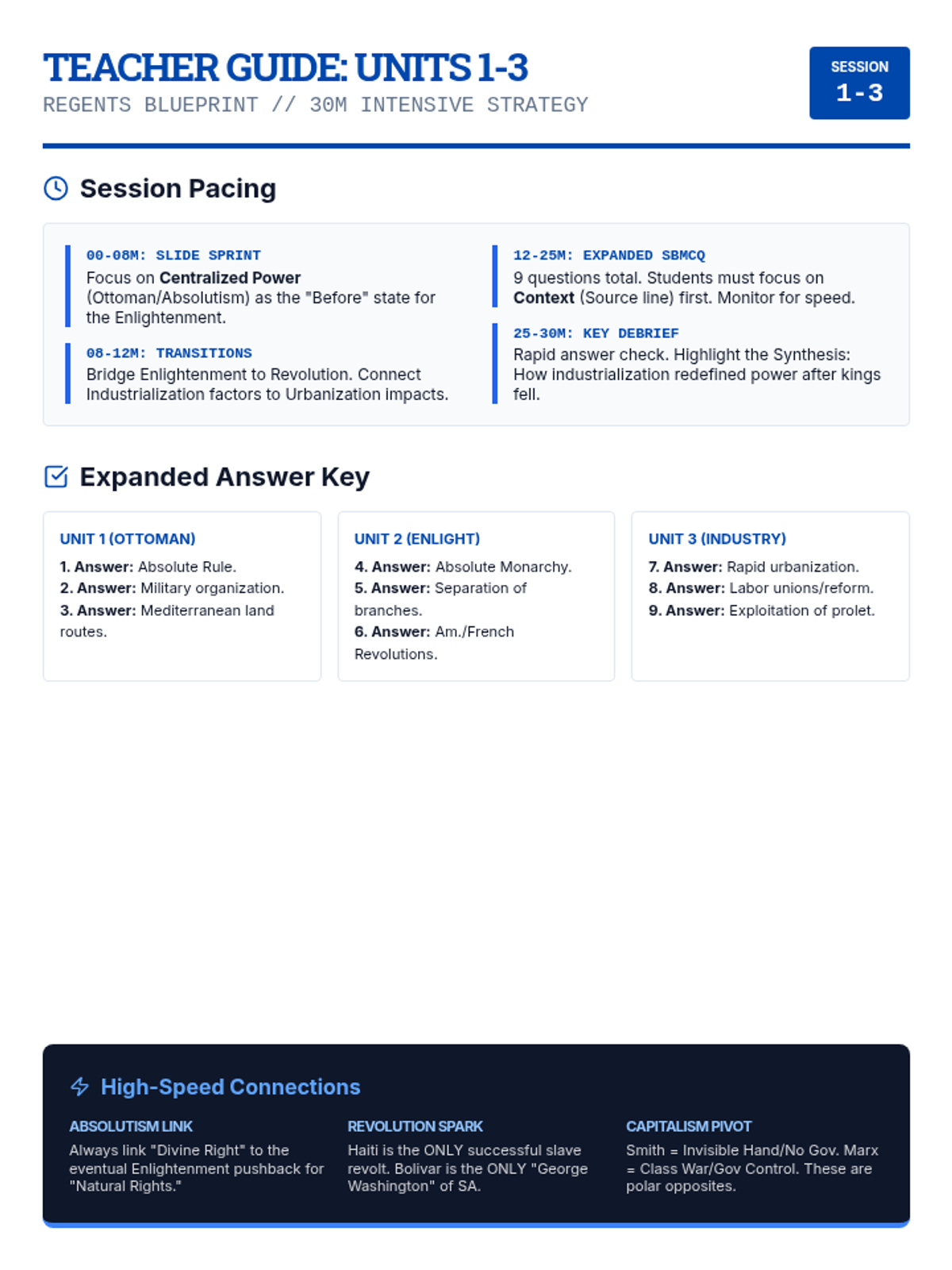
An intensive review series for the Modern World History NYS Regents exam, structured as high-speed 30-minute 'blueprint' sessions focusing on key units and test-taking strategies.
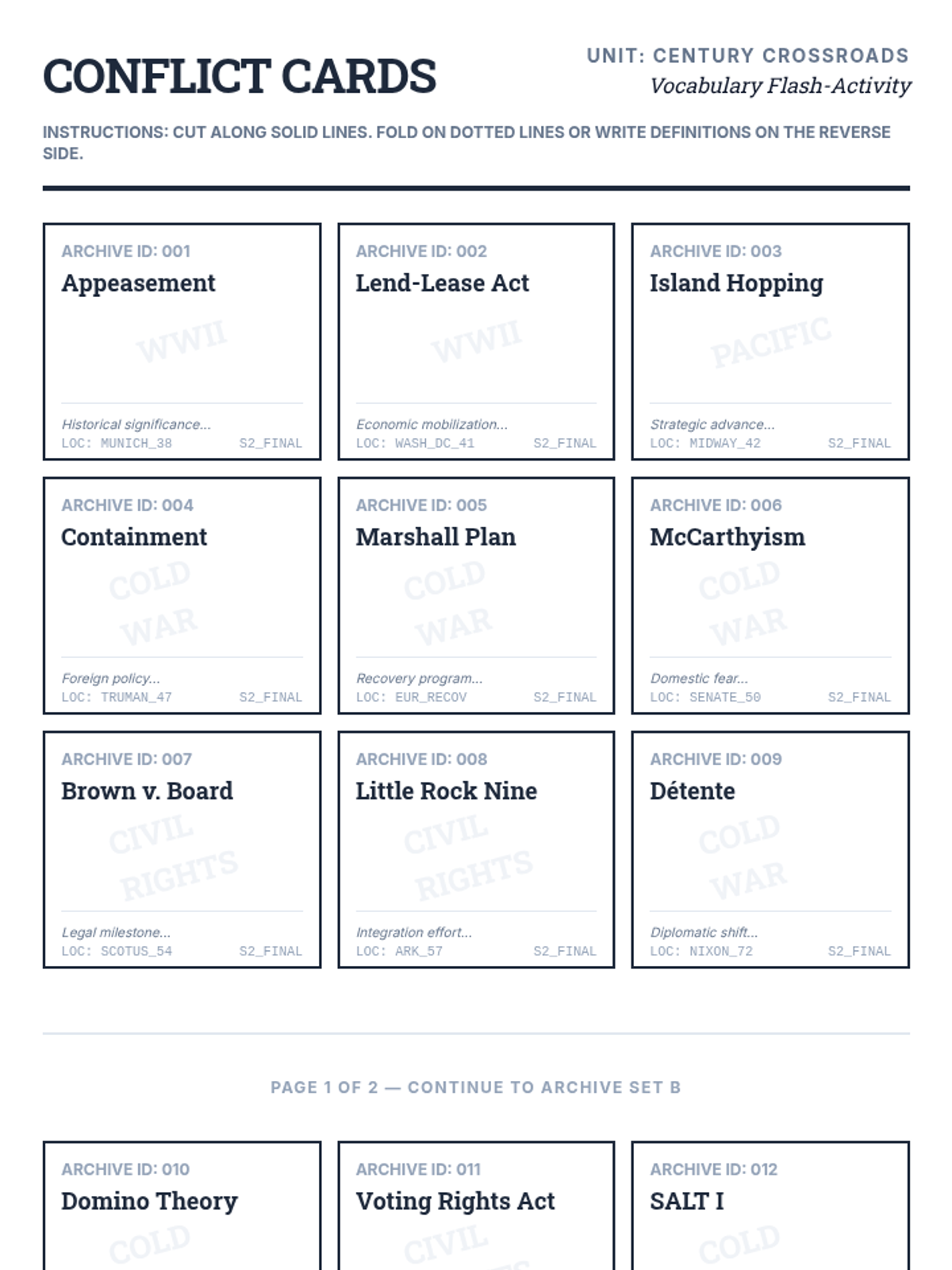
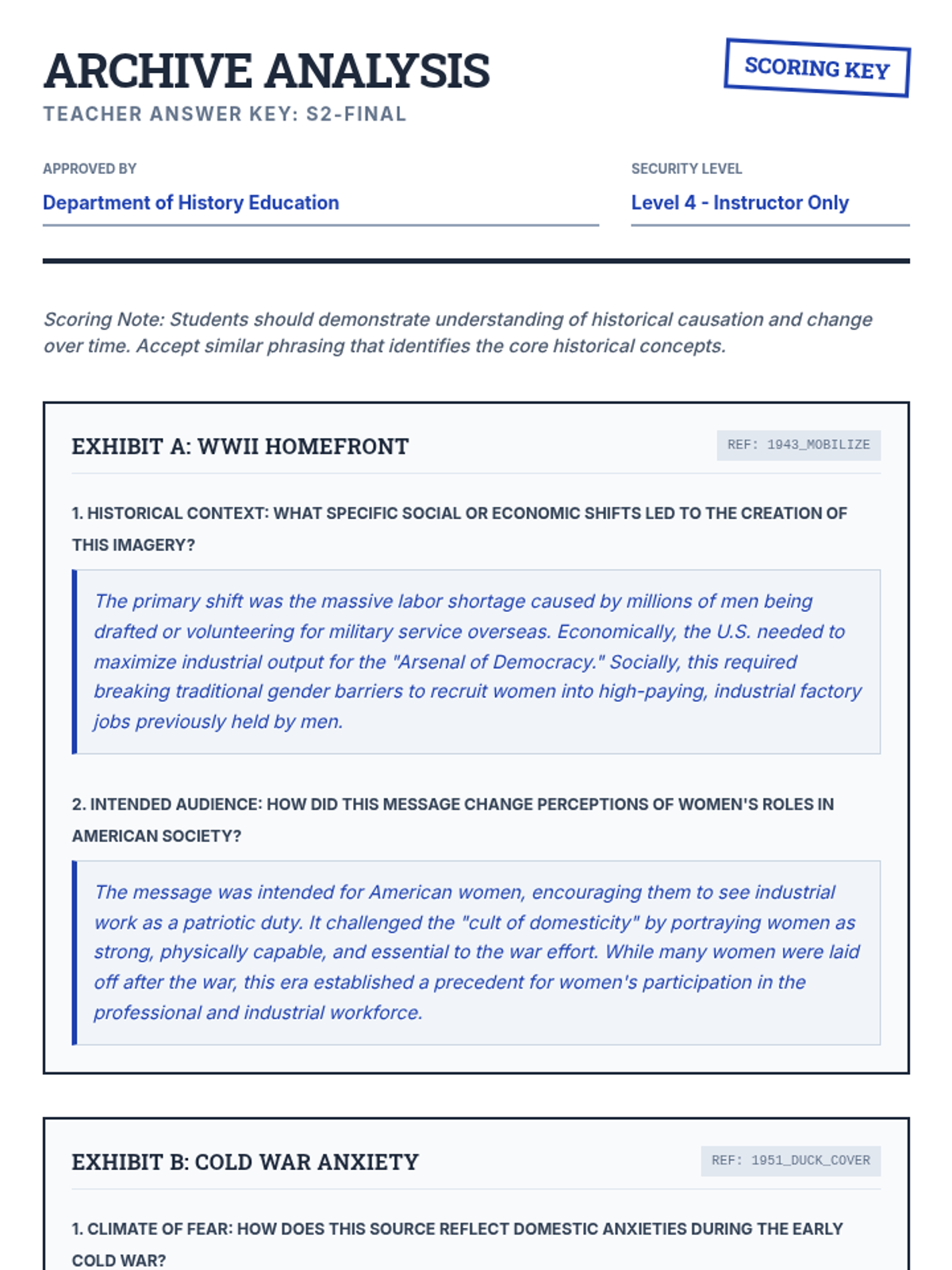
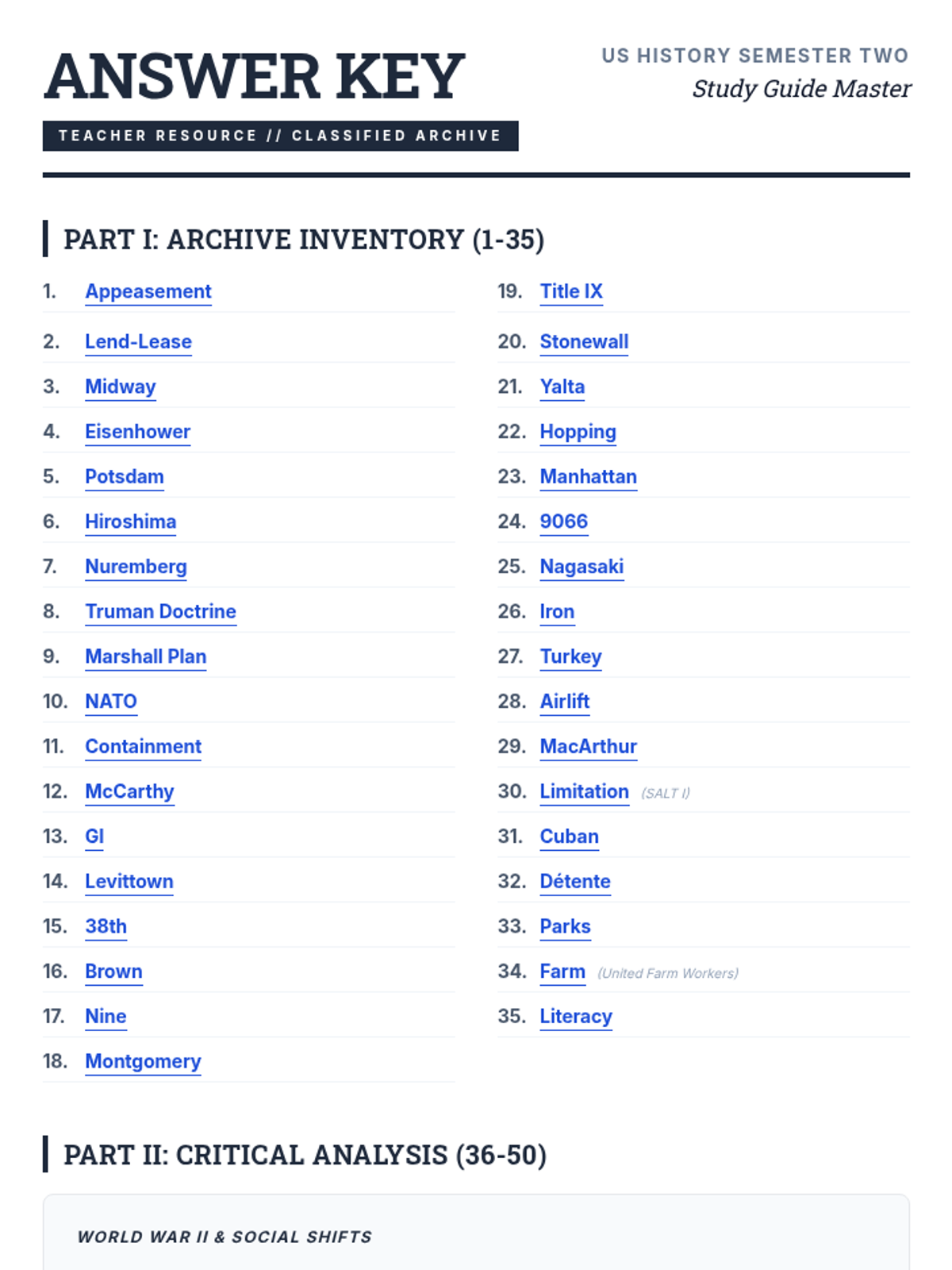
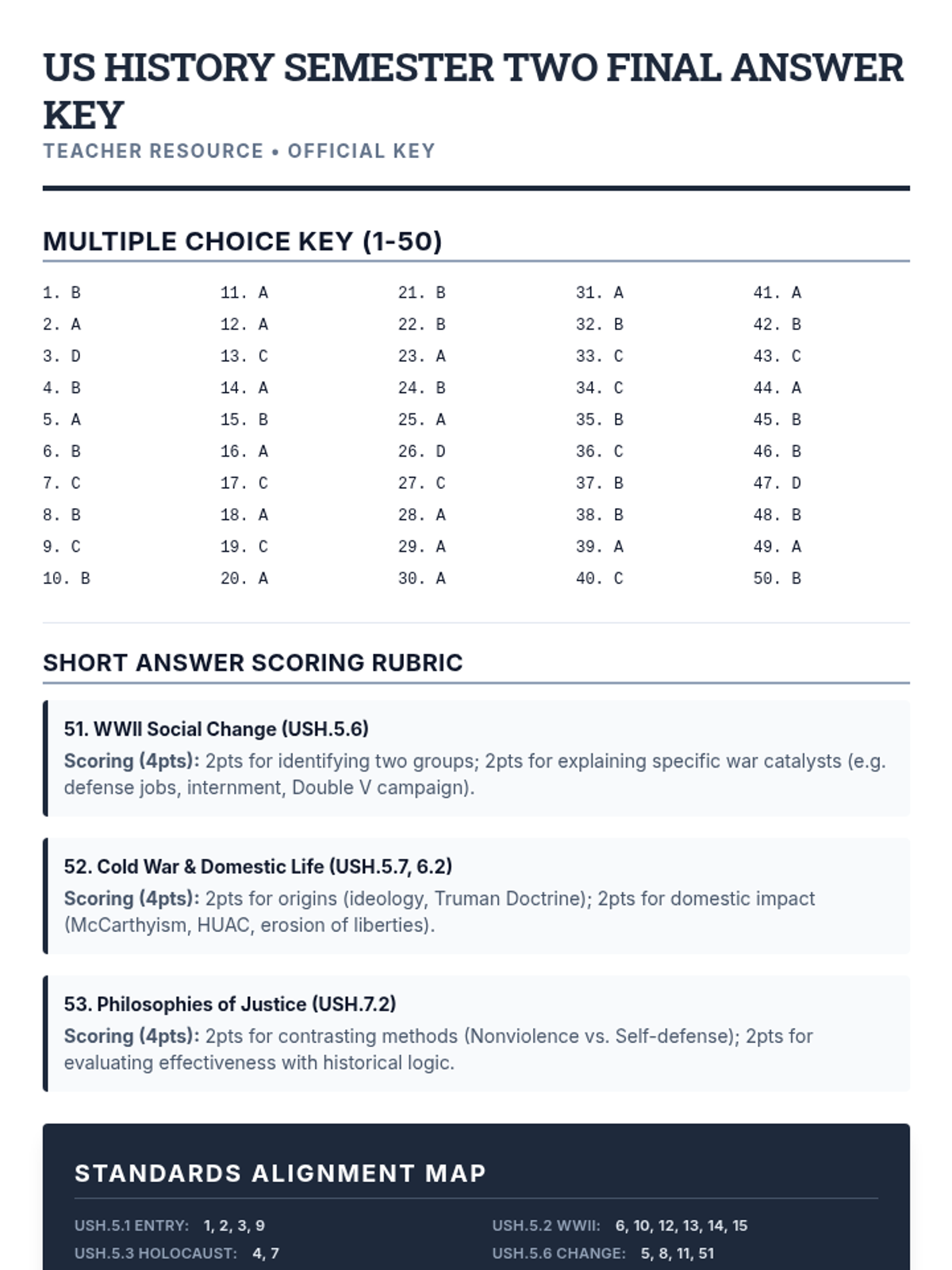
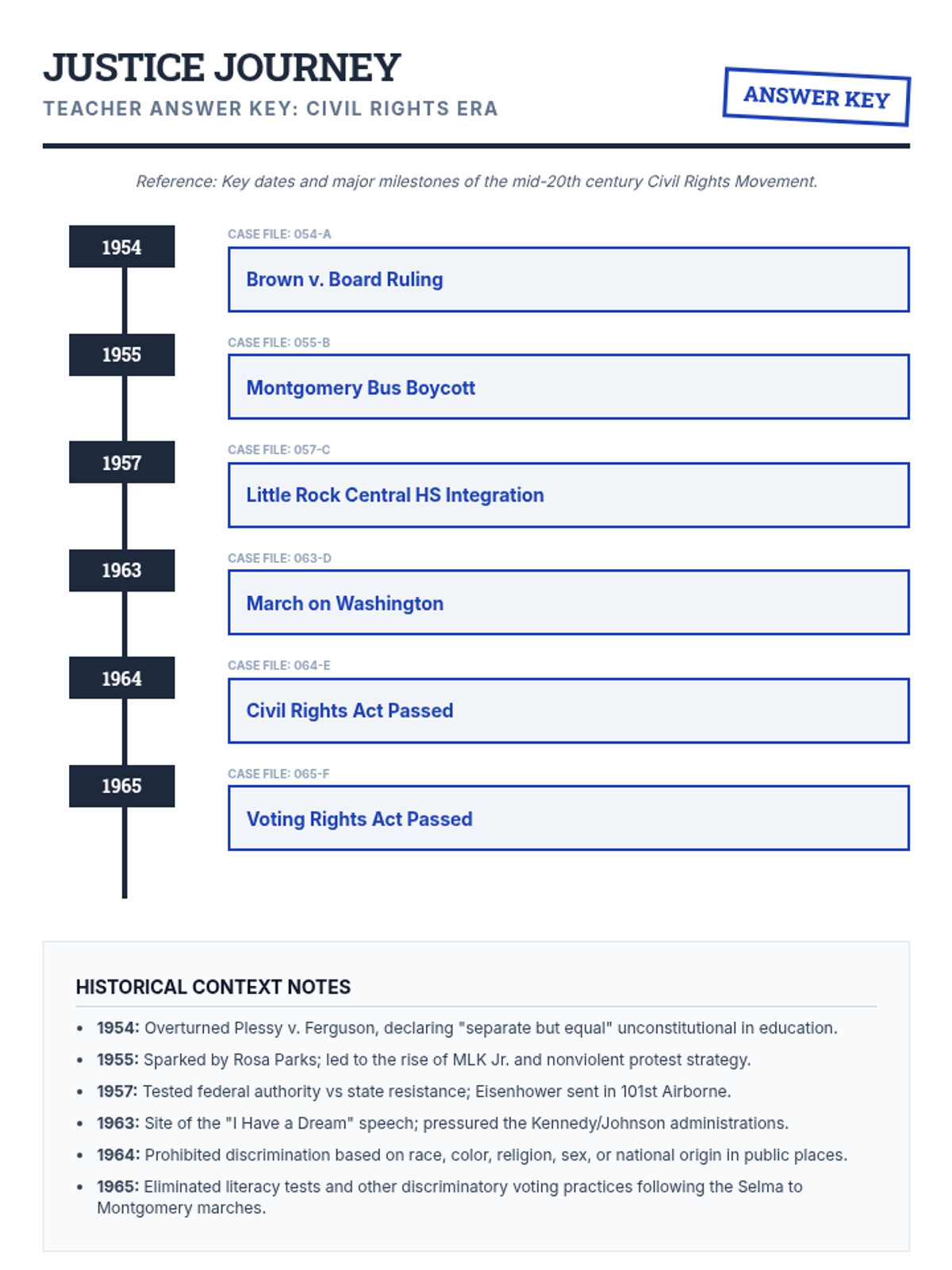
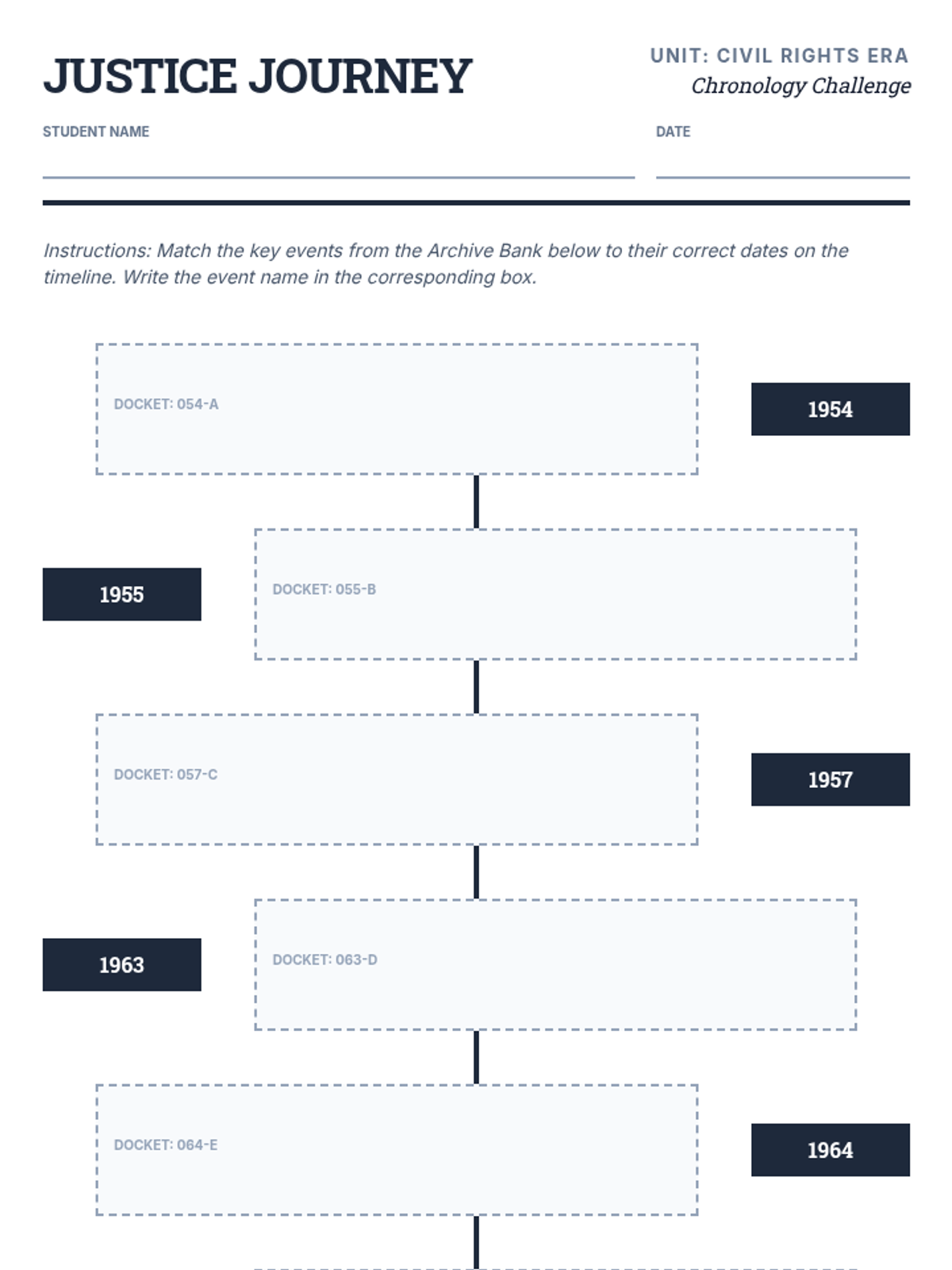
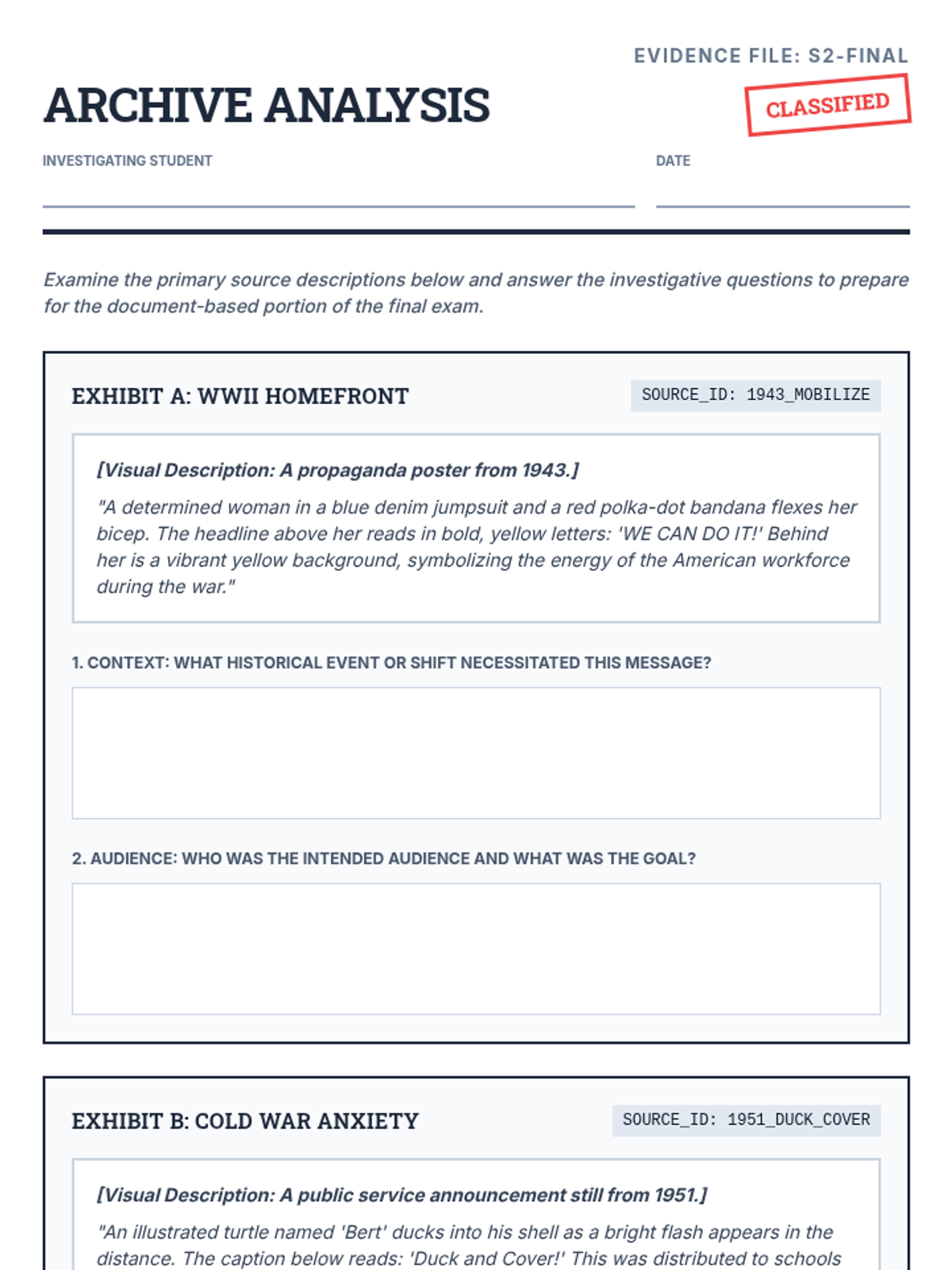
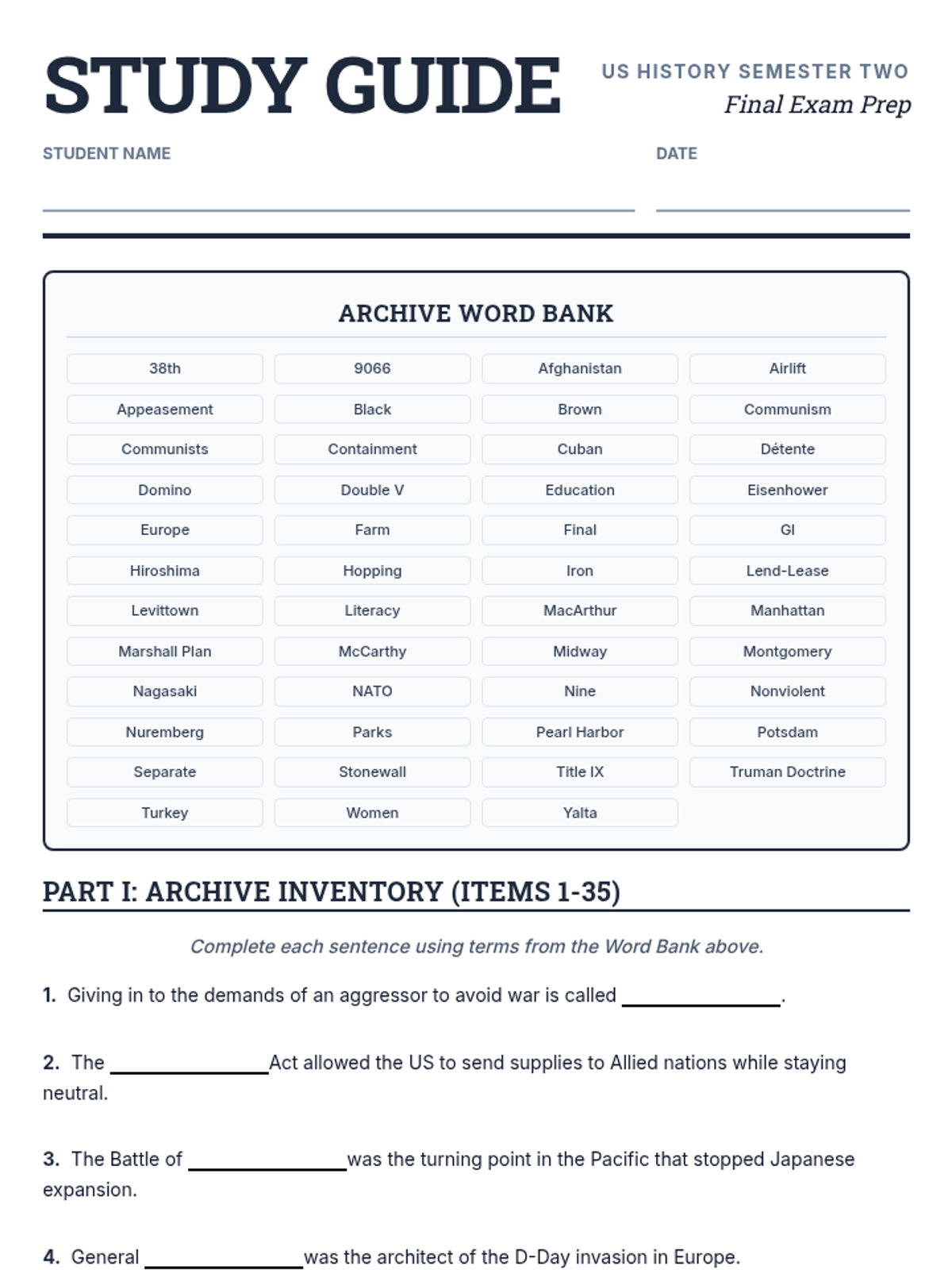
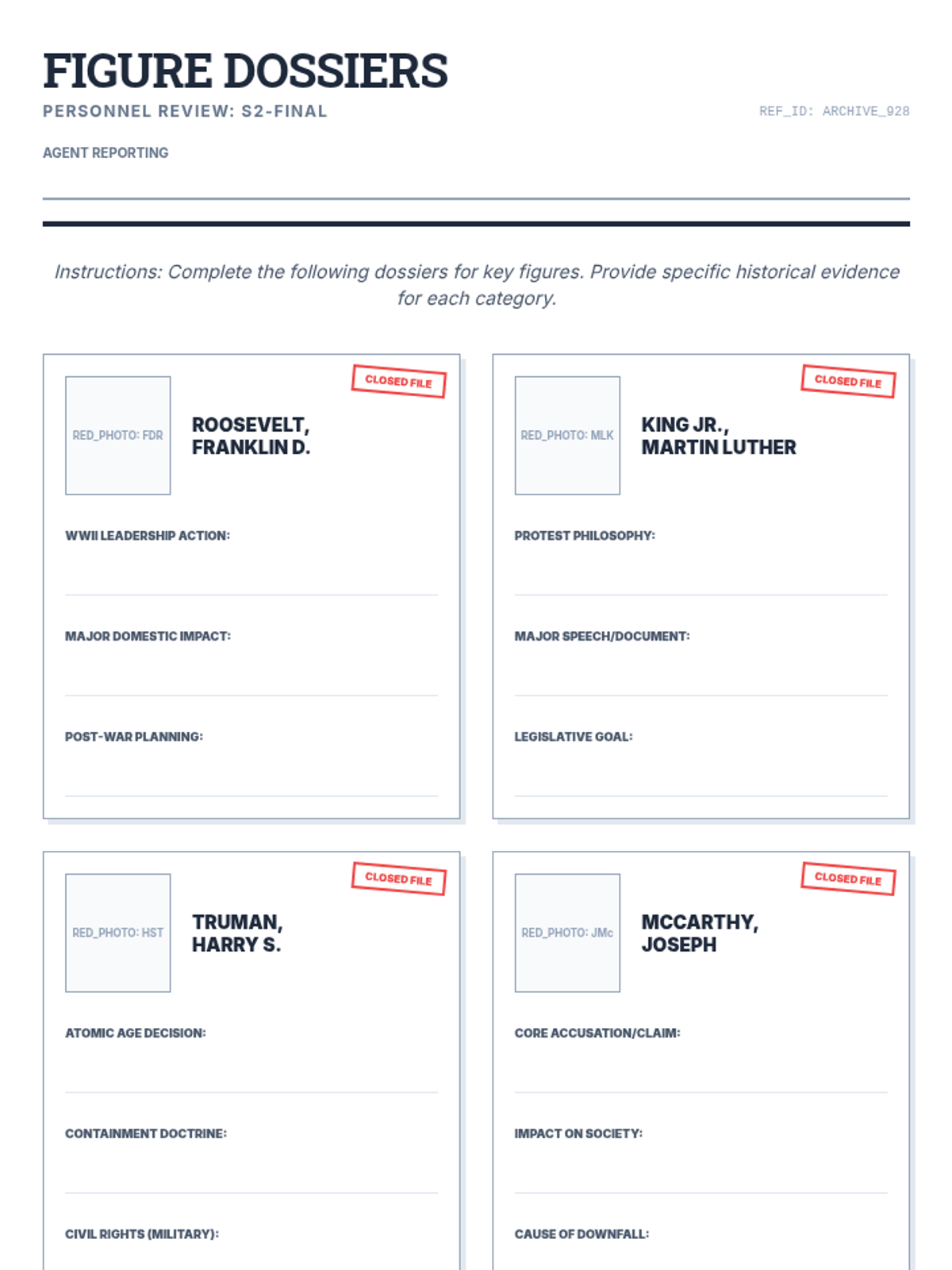
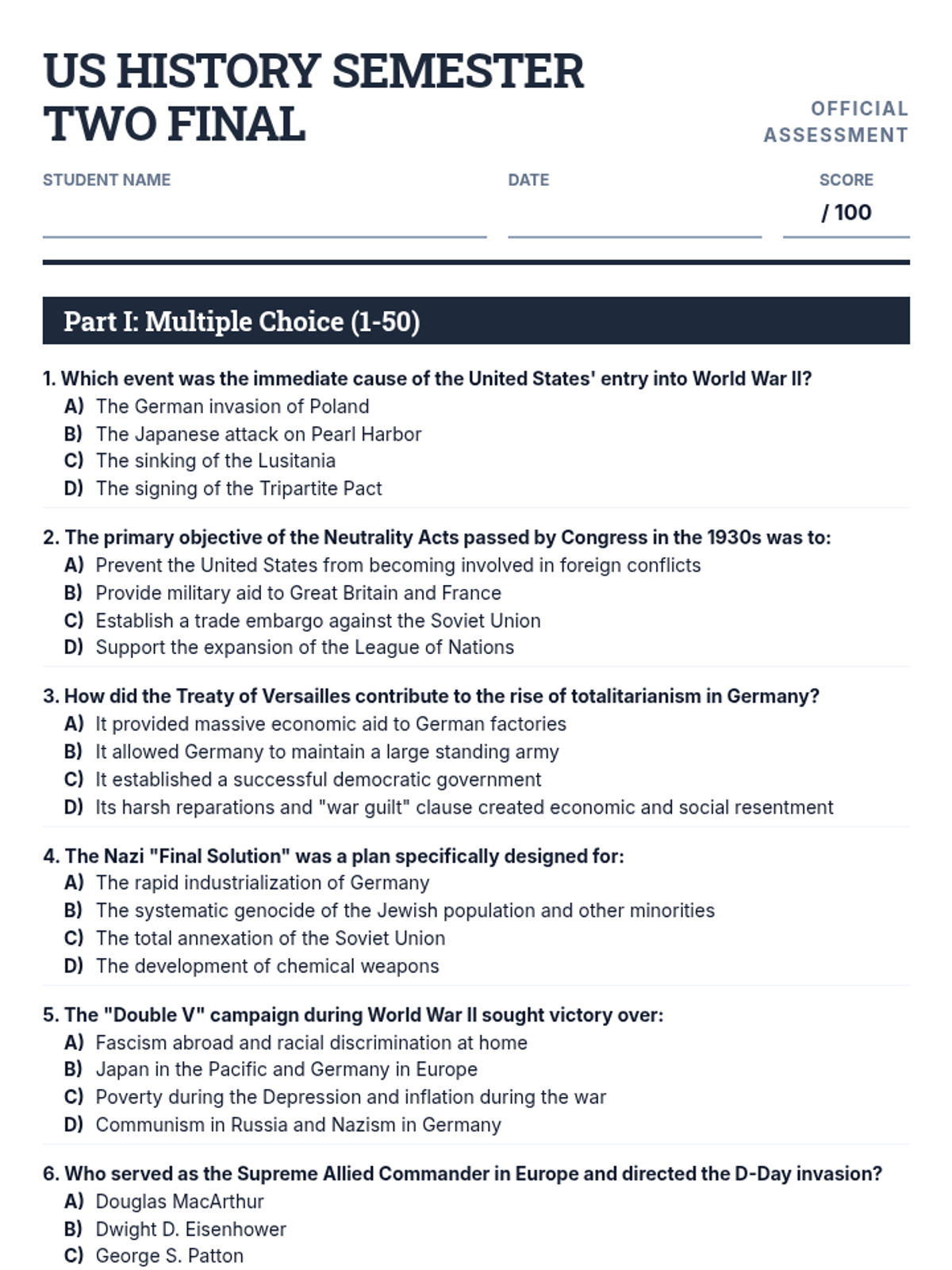
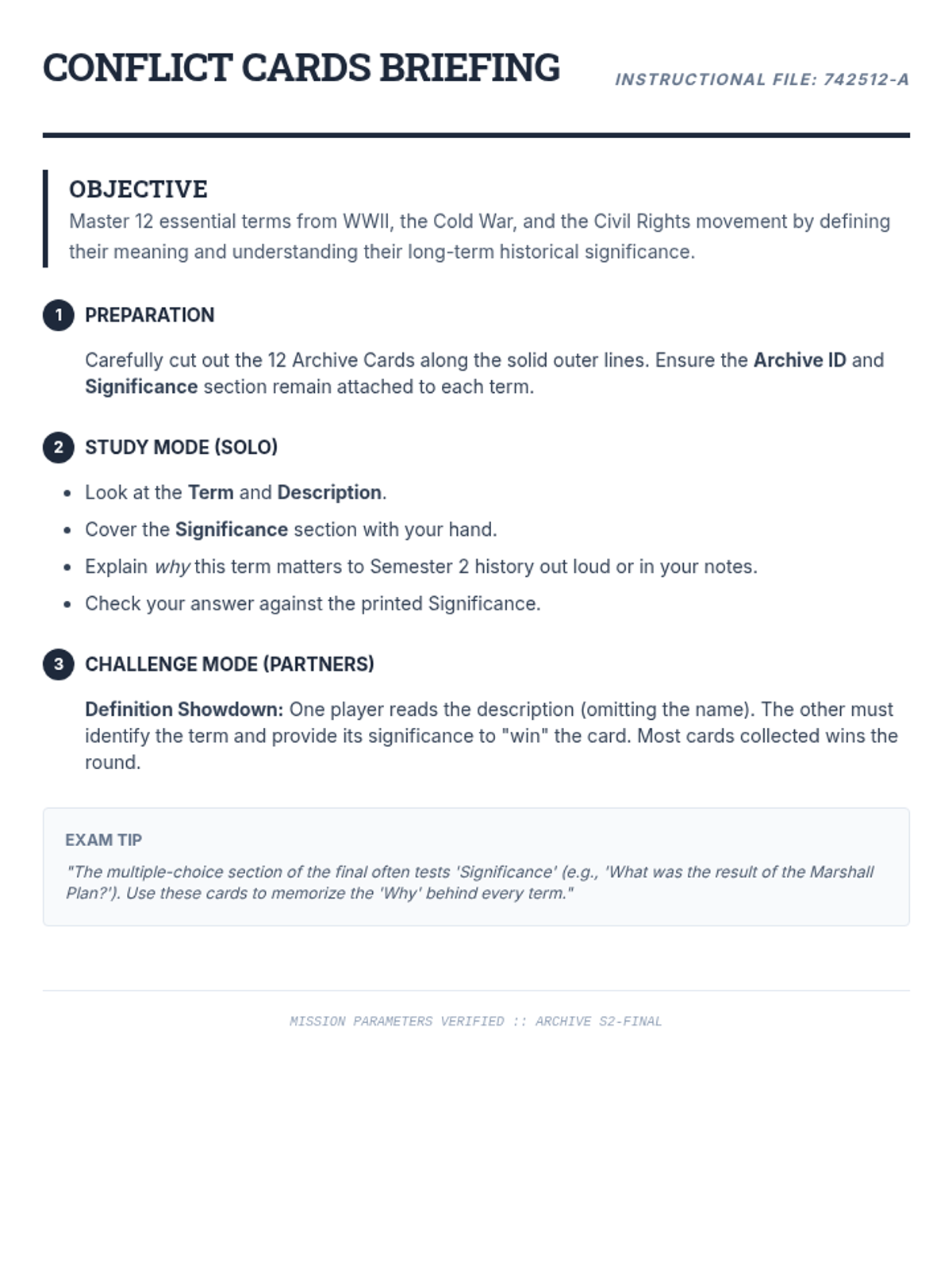
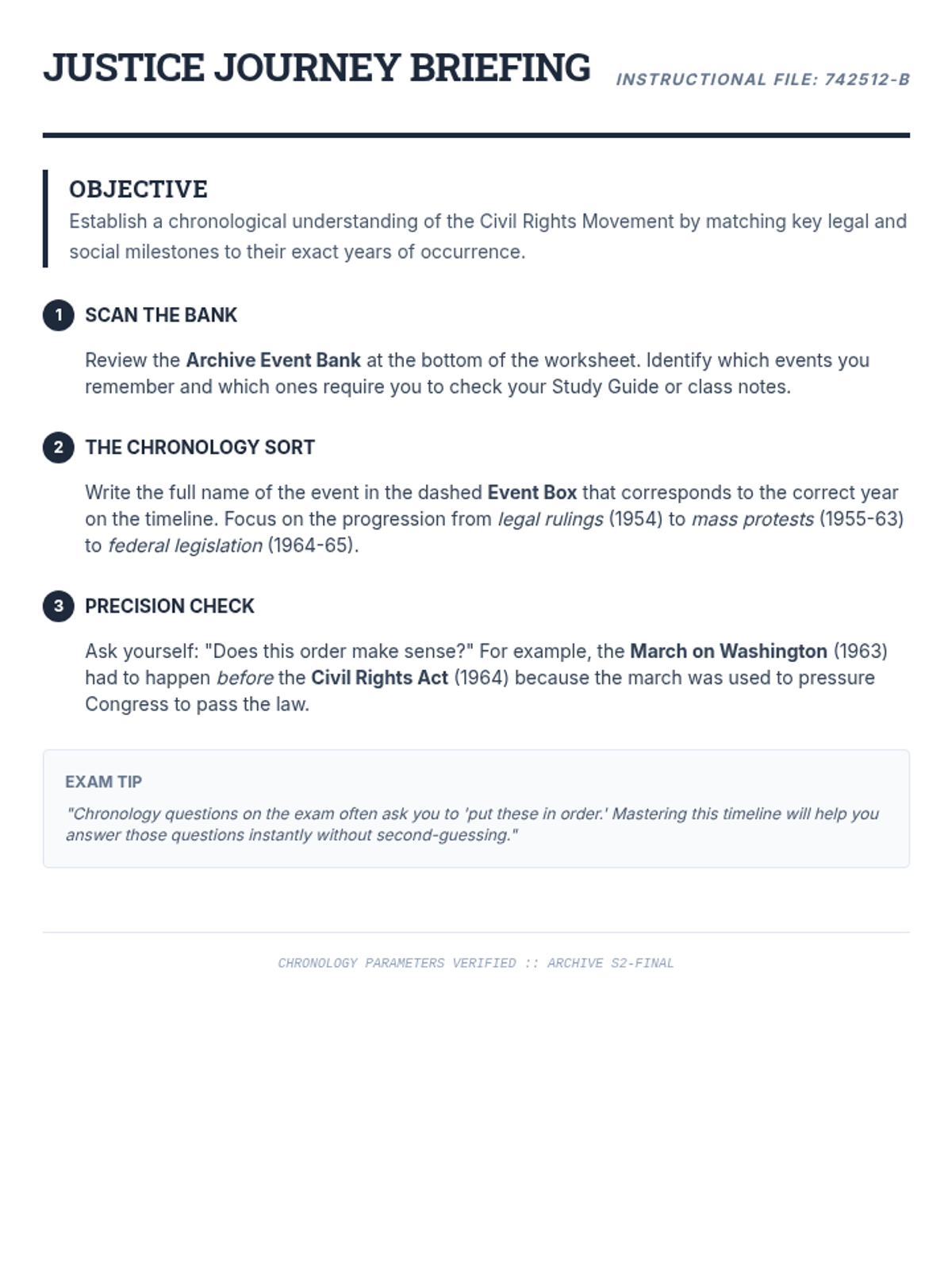
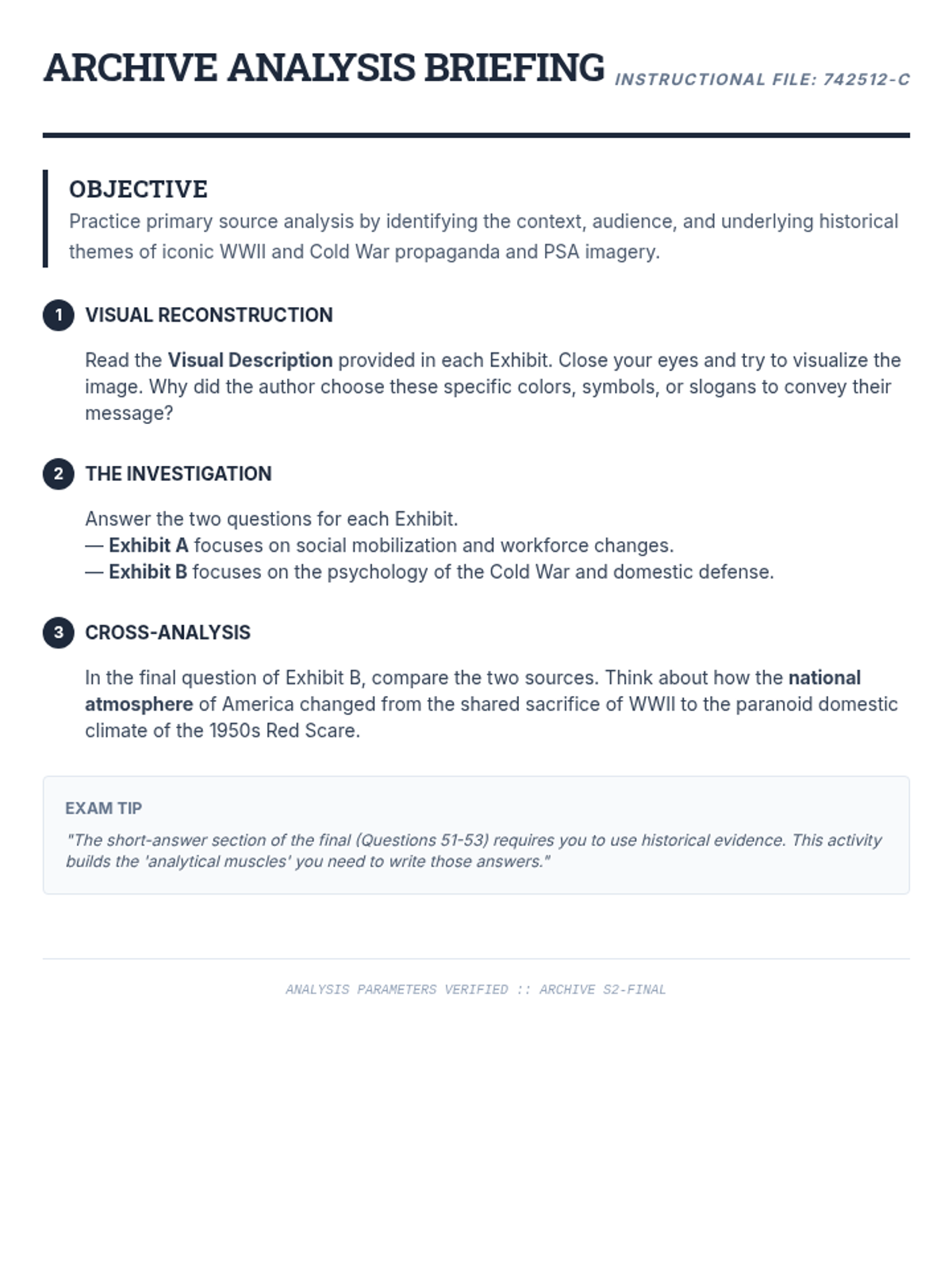
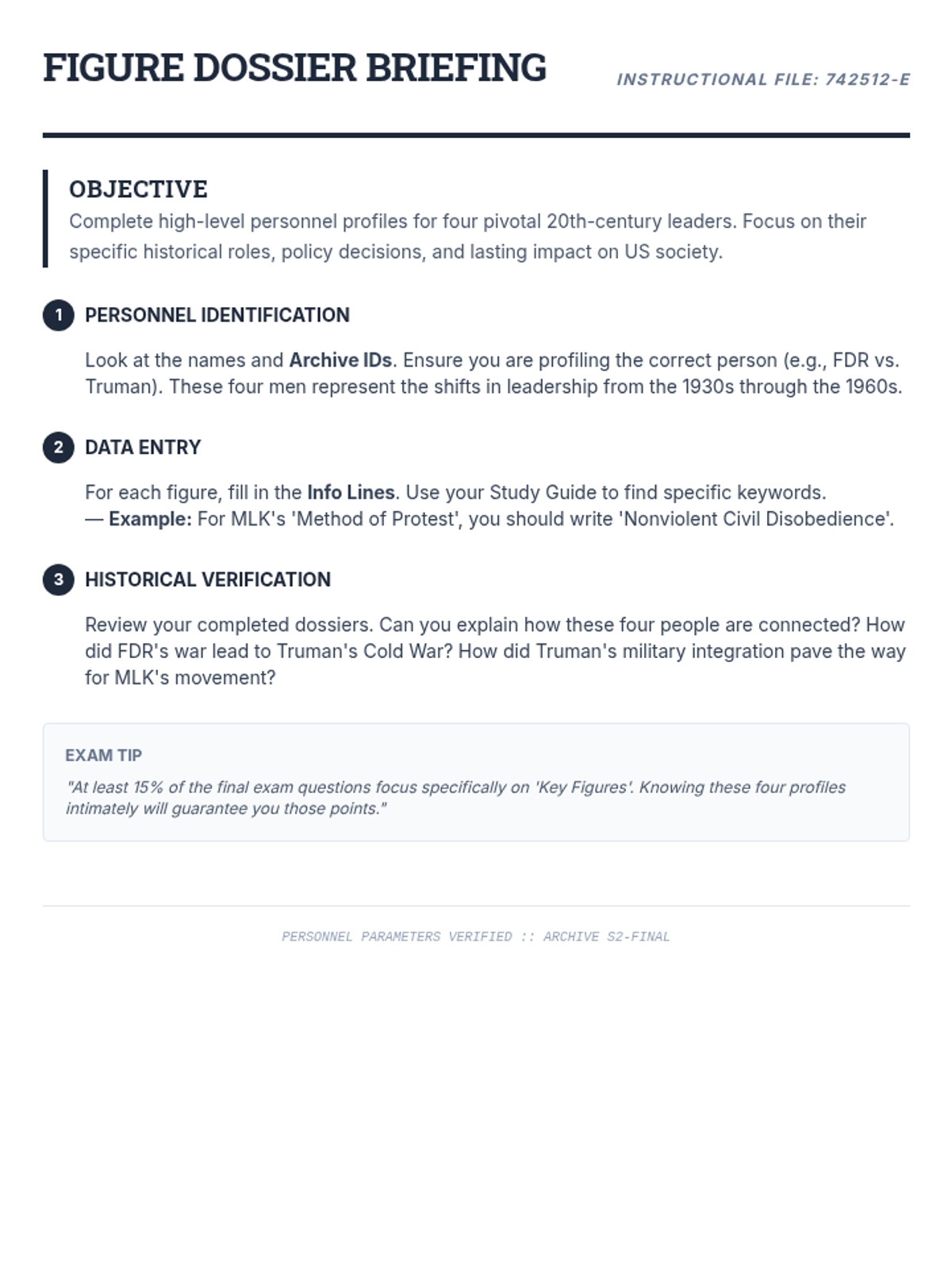
A comprehensive assessment sequence covering the pivotal moments of 20th-century US history, from the build-up to World War II through the height of the Cold War and the diverse Civil Rights movements.
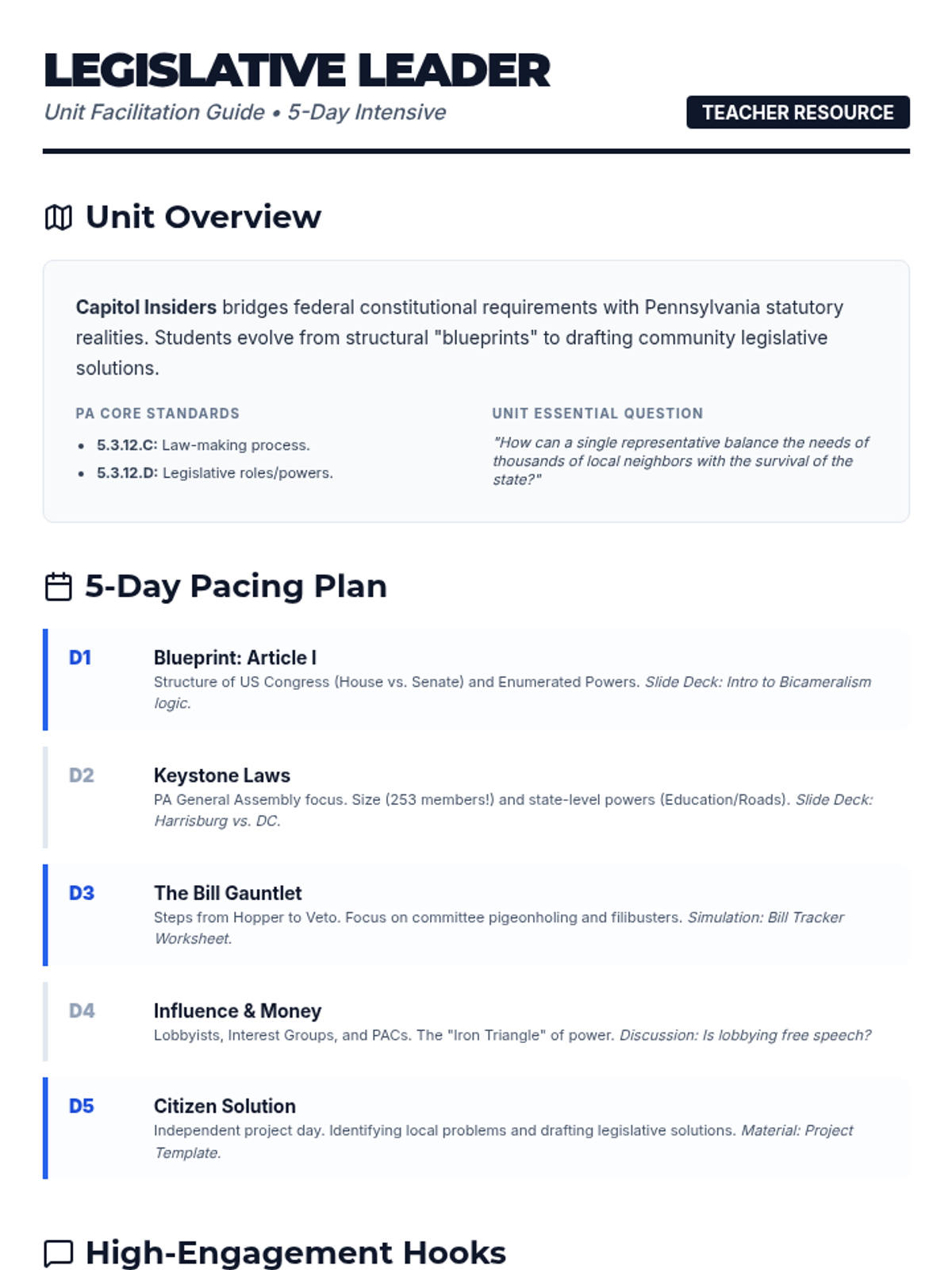
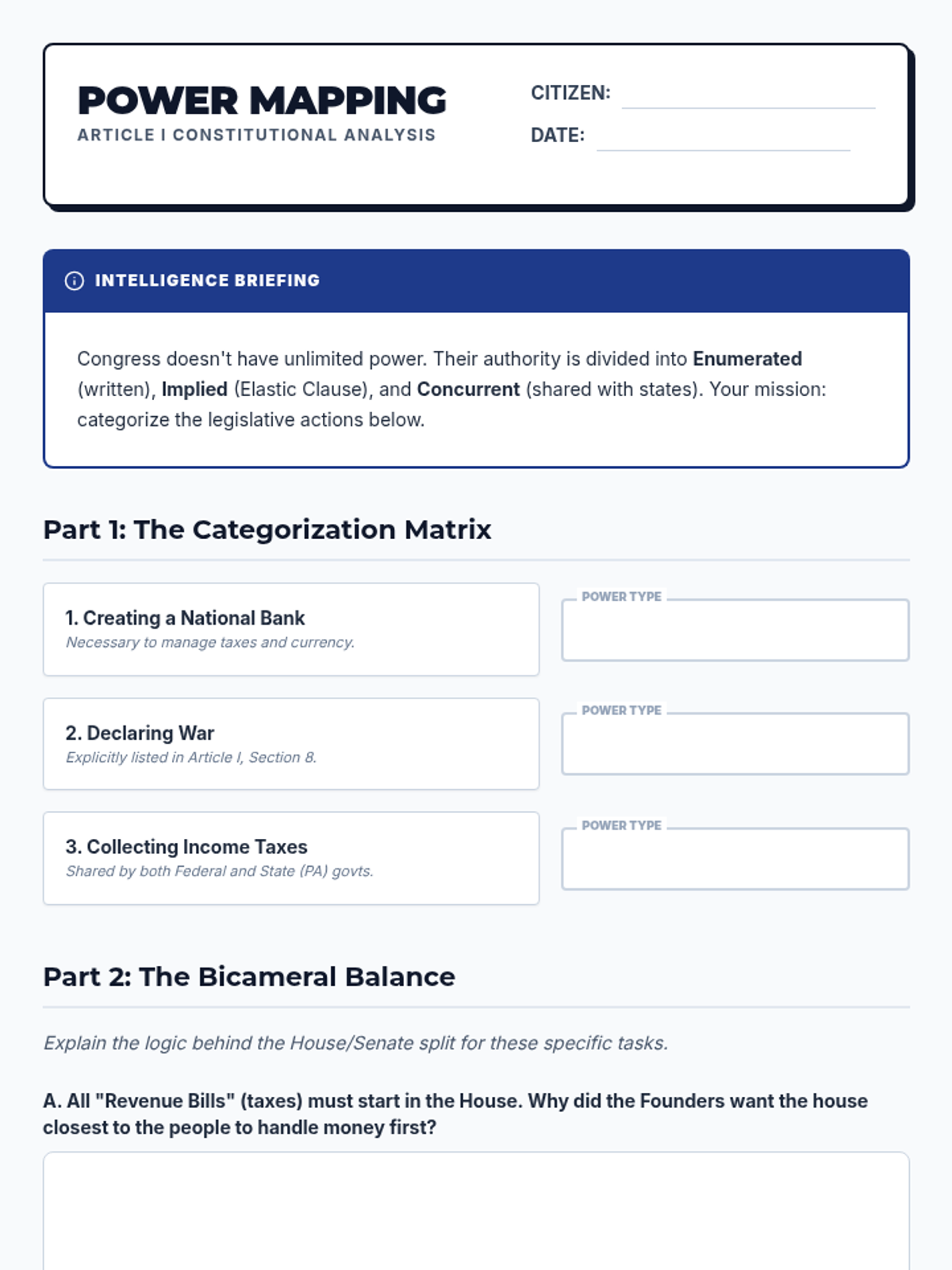
A comprehensive one-week unit on the Legislative Branch tailored for Pennsylvania high school students. The unit covers the structure of the US Congress and the PA General Assembly, the law-making process, and the influence of interest groups, culminating in a simple, independent legislative proposal project.
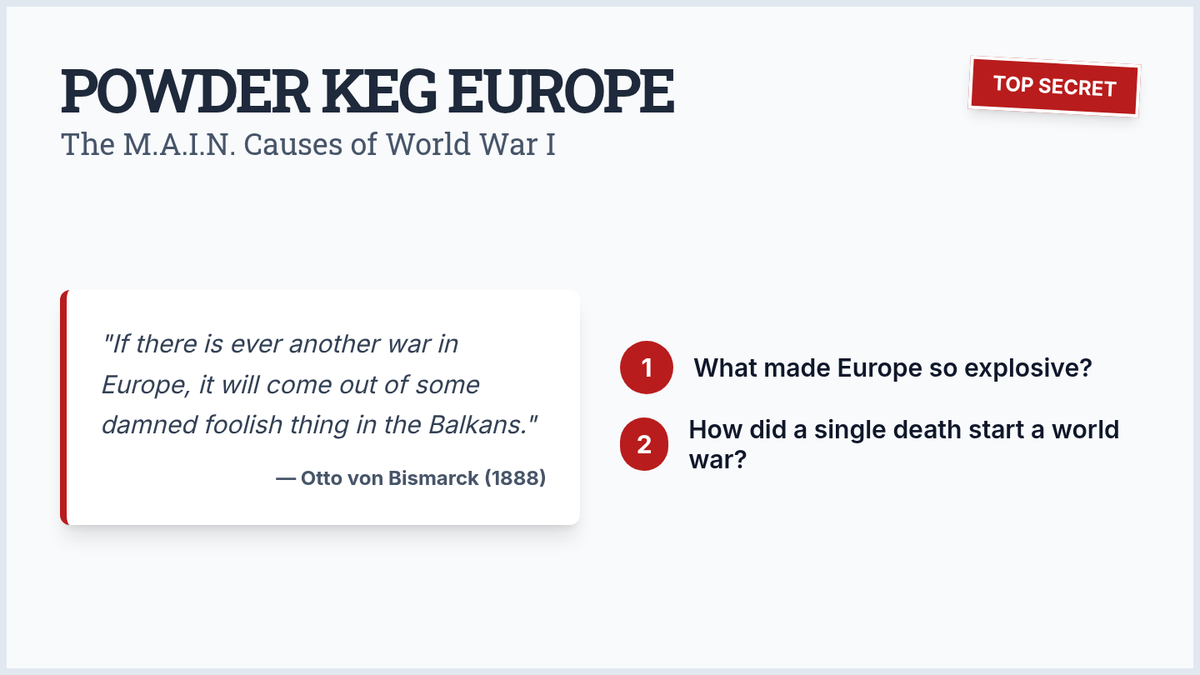
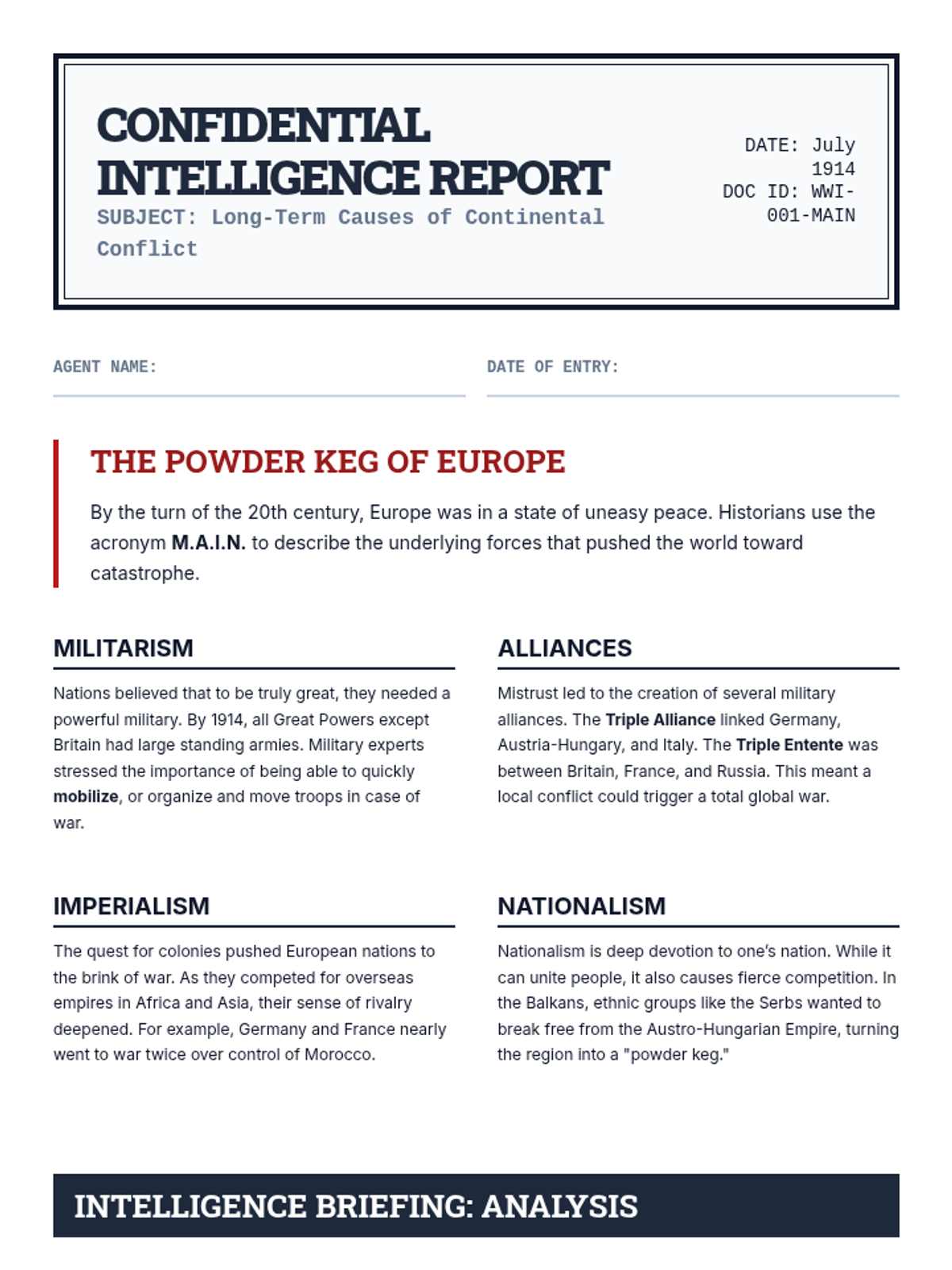
A 4-day unit exploring the long-term M.A.I.N. causes of World War I, the immediate spark of the conflict, the power of propaganda, and the diplomatic shifts that brought the United States into the war.
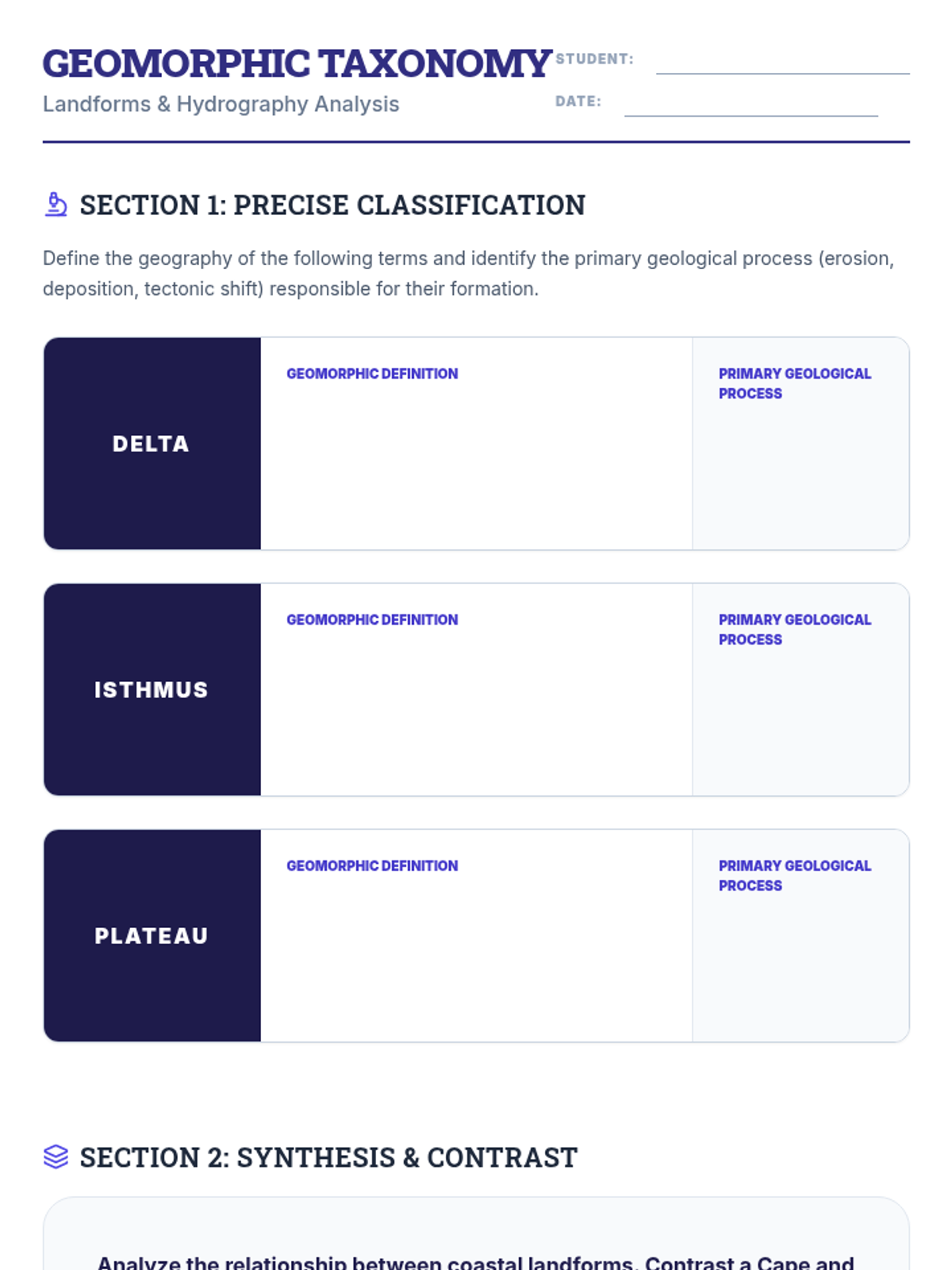
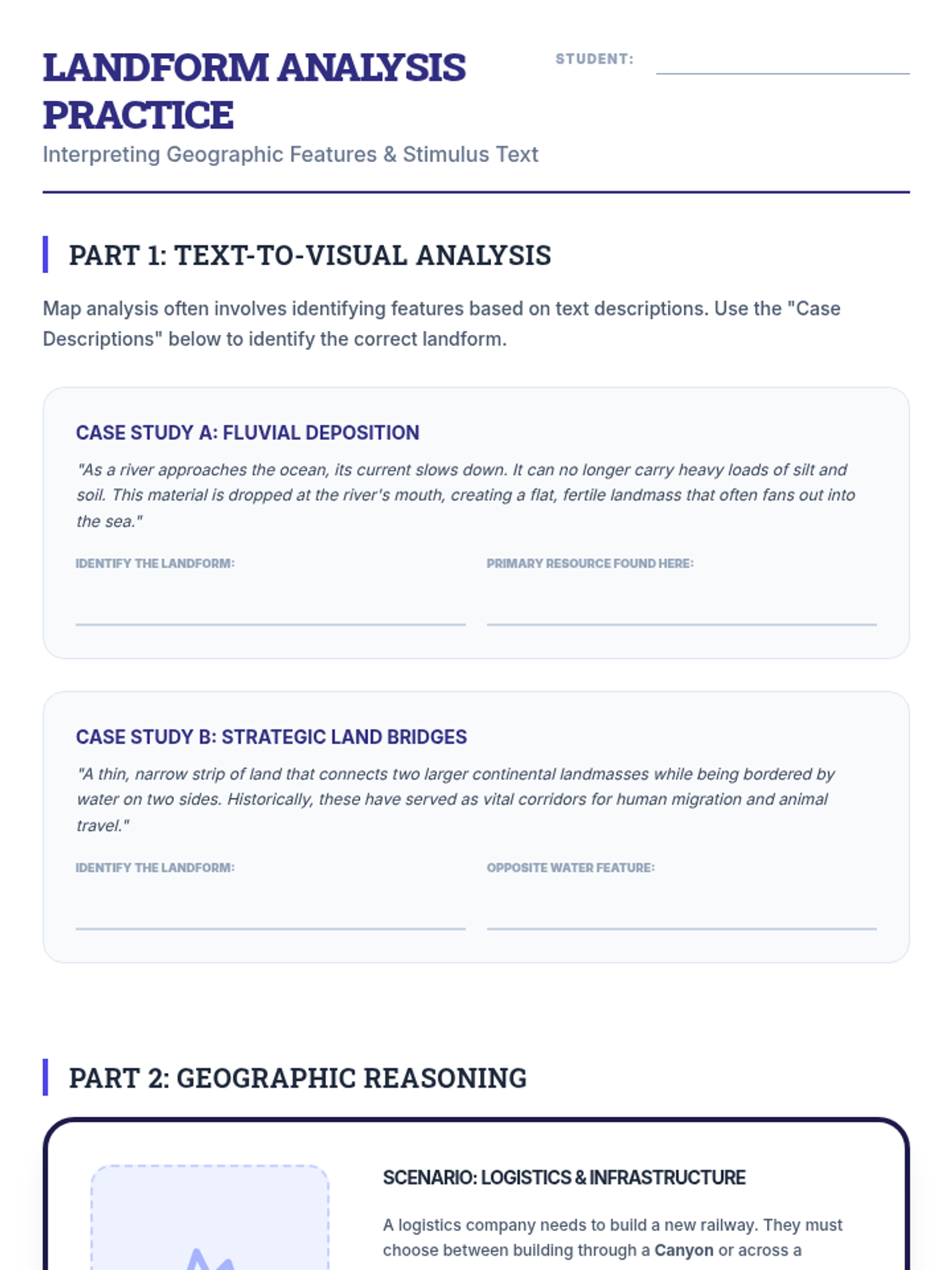
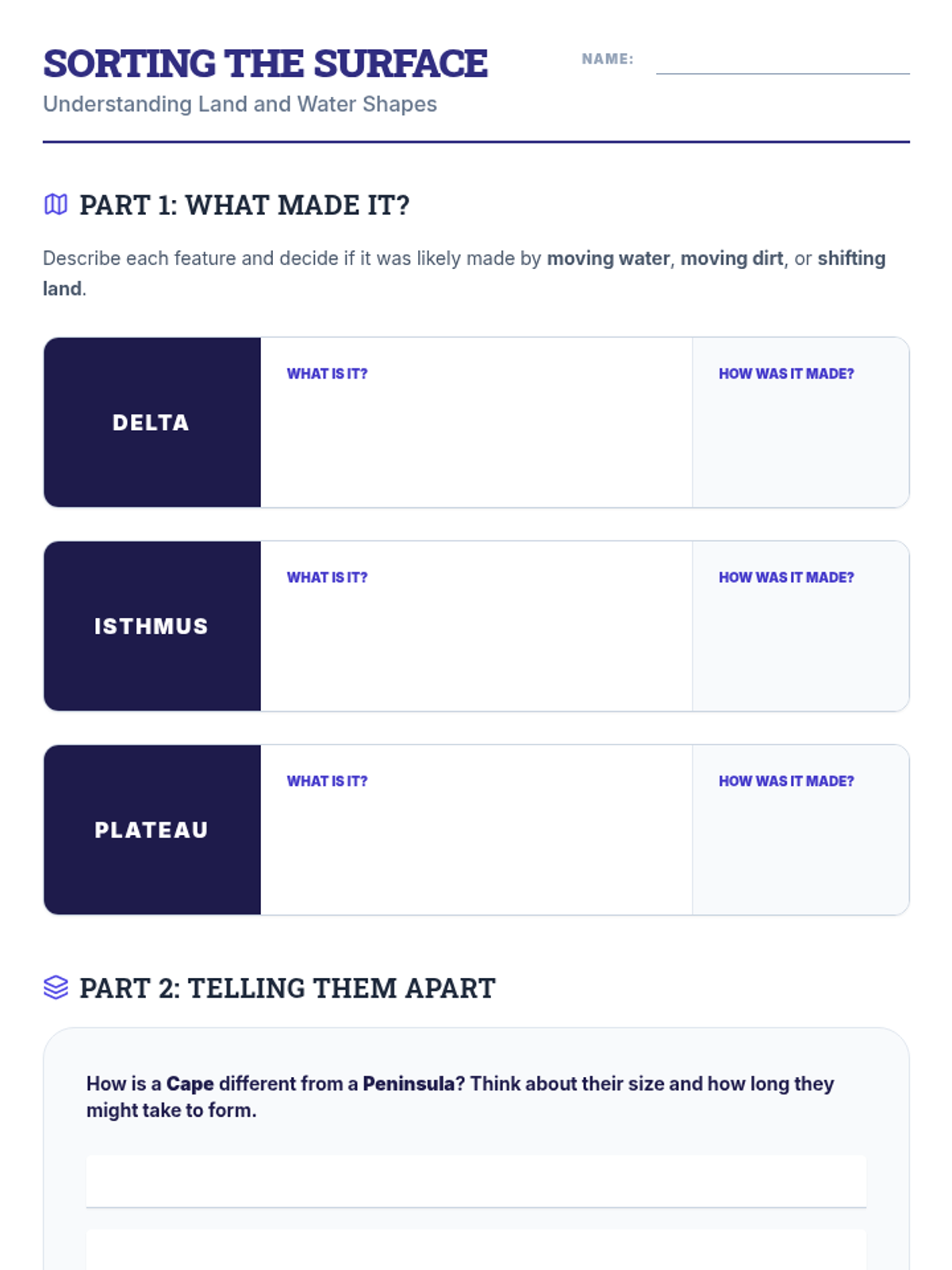
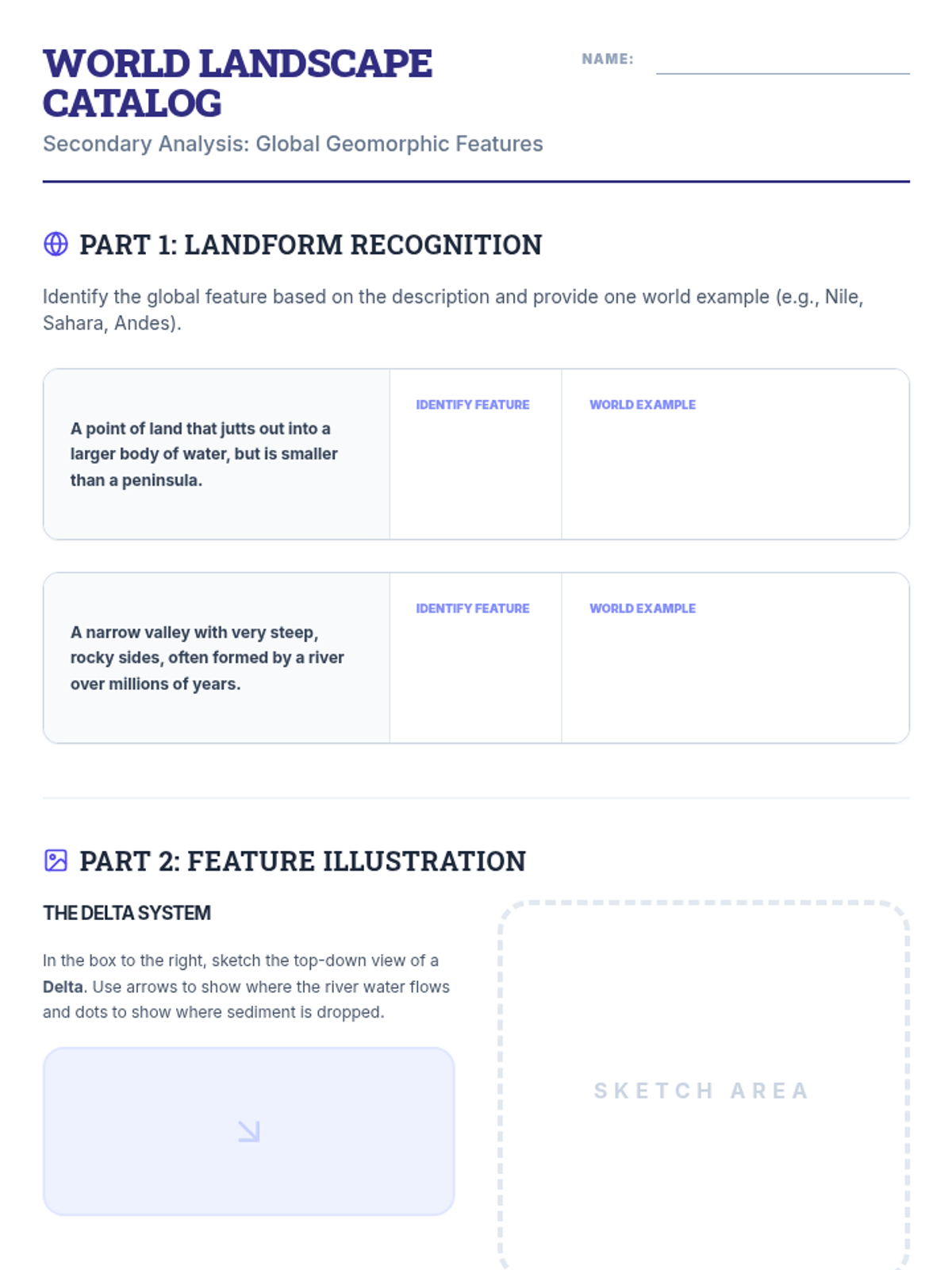
A global geography unit focusing on the identification and analysis of the Earth's diverse landscapes. Students will master map-reading skills including elevation, contour lines, and global physical regions to understand how geography shapes our world.