Specialized vocabulary across disciplines, research methodologies, and effective note-taking systems. Equips learners with information literacy skills and strategies for navigating standardized exams.
A 5-lesson sequence for 5th Grade ESL students focused on developing academic English skills through paraphrasing and synthesizing information. Students progress from identifying main ideas to drafting complete summary reports using multiple sources and formal attribution.
A 5-lesson sequence for 5th-grade ESL students to develop media literacy and research skills. Students learn to distinguish author purpose, evaluate website credibility using the 5 W's, identify bias, and corroborate information across multiple sources.
A comprehensive workshop-style unit for 6th Grade ESL students focused on the linguistic mechanics of paraphrasing and synthesizing information. Students move from identifying core concepts to orally retelling information, transforming individual sentences, and finally weaving multiple sources into a single coherent paragraph without plagiarizing.
A 5-lesson sequence for graduate students to master idiomatic language, phrasal verbs, and cultural nuances in professional and academic networking environments. Students move from decoding literal meaning to applying figurative language in a high-stakes networking simulation.
This sequence for graduate ESL students explores the nuances of English beyond literal meaning. Students will master the ability to detect sarcasm, bias, contrastive stress, and professional register, equipping them for complex academic and professional communication.
A comprehensive 5-lesson sequence designed for 7th-grade ESL students to master the art of synthesizing information. Students progress from organizing raw research notes to writing sophisticated, cohesive academic paragraphs using evidence from multiple sources.
A graduate-level ESL listening sequence focused on the pragmatics of academic discourse. Students learn to navigate the subtleties of seminar discussions by identifying hedging, turn-taking signals, disagreement strategies, and multi-speaker argument threads.
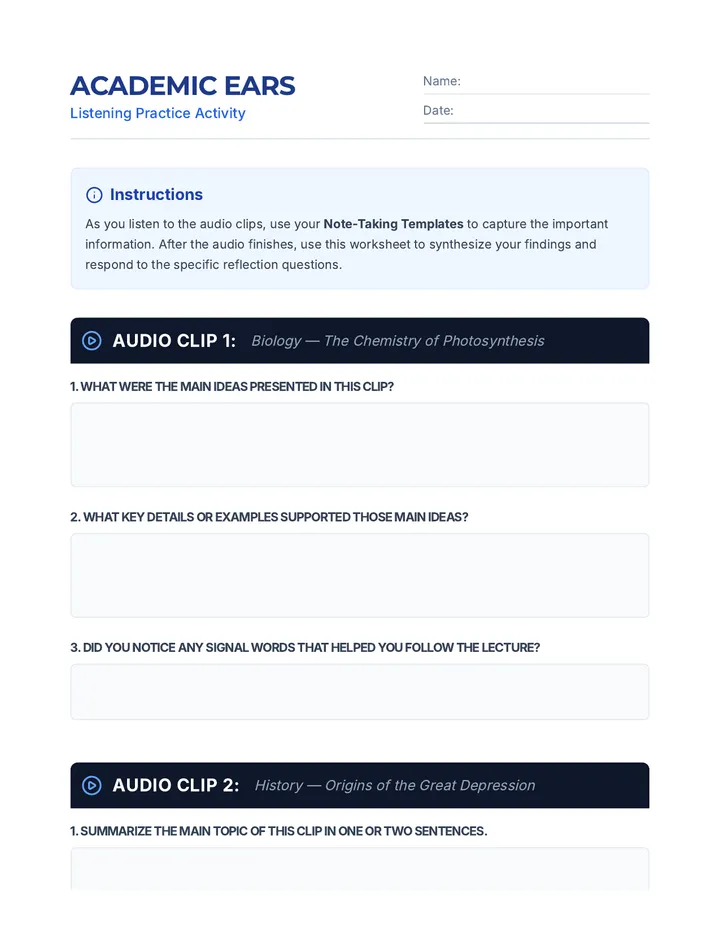
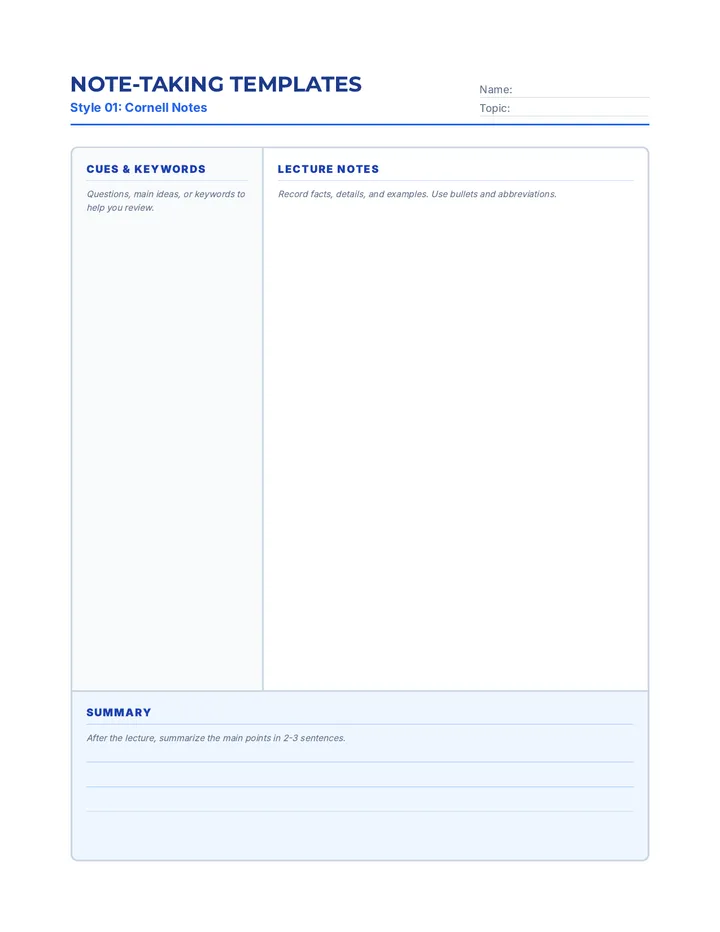
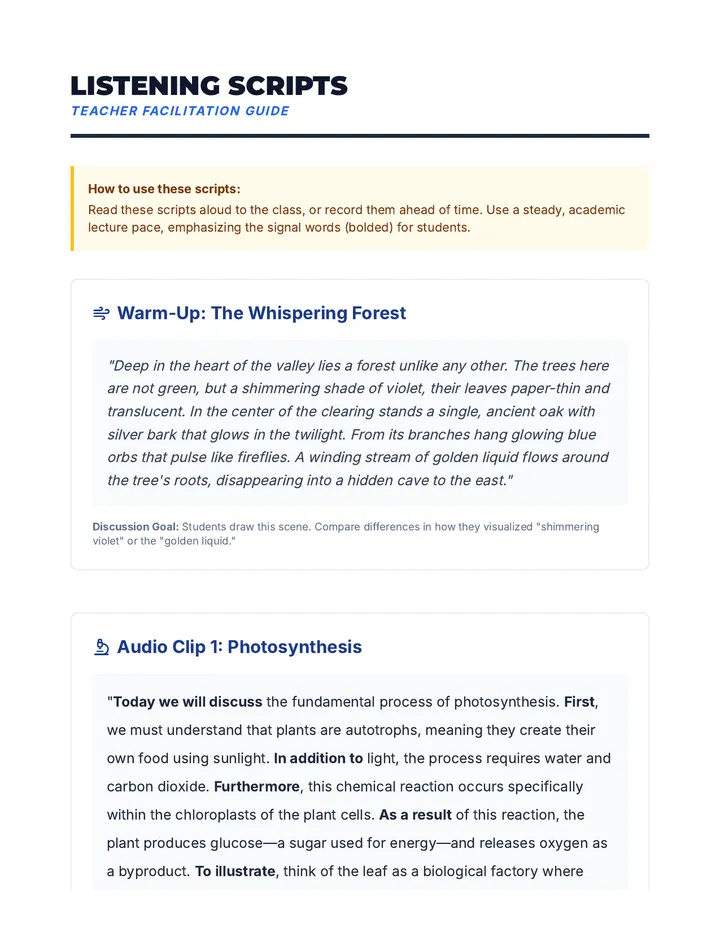
A comprehensive sequence for intermediate ESL graduate students focused on mastering academic lecture comprehension, identifying discourse markers, filtering digressions, and implementing effective note-taking strategies.
A comprehensive workshop-style sequence for 4th Grade ESL students to master academic research skills. Students progress from navigating text features to note-taking, paraphrasing, summarizing, and ultimately synthesizing information from multiple sources while avoiding plagiarism.
This sequence equips intermediate ESL undergraduate students with the skills to navigate complex, multi-speaker environments like seminars and debates. Students progress from basic speaker identification to tracking complex argument evolution and detecting subtle bias markers.
This sequence guides intermediate ESL students through the nuances of pragmatic meaning in English. Students will learn to decode indirect speech, sarcasm, hedging language, and emotional undertones in academic and social contexts to improve their listening comprehension and communicative competence.
This sequence equips intermediate ESL students with the linguistic and cognitive tools needed to navigate university lectures. It covers discourse markers, hierarchy of information, identifying tangents, note-taking systems, and synthesizing long-form academic speech.
A comprehensive unit for 4th Grade ESL learners to master academic listening. Students transition from social conversation to processing informational texts by identifying signal words, capturing vocabulary definitions in context, using graphic organizers, and distinguishing fact from opinion to synthesize complex information.
A 10th-grade ESL sequence focused on advanced listening skills. Students learn to detect bias, analyze tone, identify rhetorical devices, and infer speaker relationships through various audio sources like news, speeches, and podcasts.
This 5th-grade ESL listening sequence focuses on academic readiness by training students to decode complex, multi-step instructions and academic lectures. Students will master signal words, spatial visualization, keyword note-taking, and natural speech reductions through a series of "Listening Agent" missions.
A comprehensive unit for 12th-grade ESL students to master university-level listening skills, focusing on structural markers, note-taking systems, and synthesizing complex information.
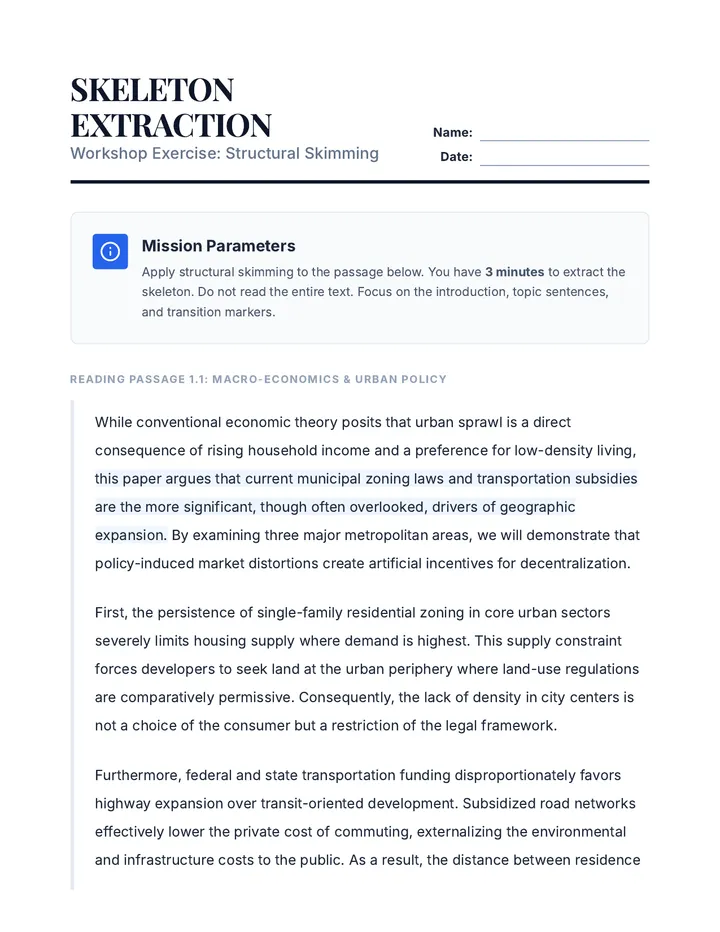
A high-intensity workshop sequence designed for graduate students to master the reading demands of the GRE, GMAT, and TOEFL. Focuses on skimming, scanning, contextual vocabulary, and syntactic deconstruction for maximum efficiency.
A comprehensive sequence designed for graduate ESL students to master the integrated writing and speaking tasks of high-stakes academic exams like TOEFL iBT and IELTS. The curriculum focuses on shorthand note-taking, identifying inter-source relationships, utilizing structural templates, and rapid synthesis under timed conditions.
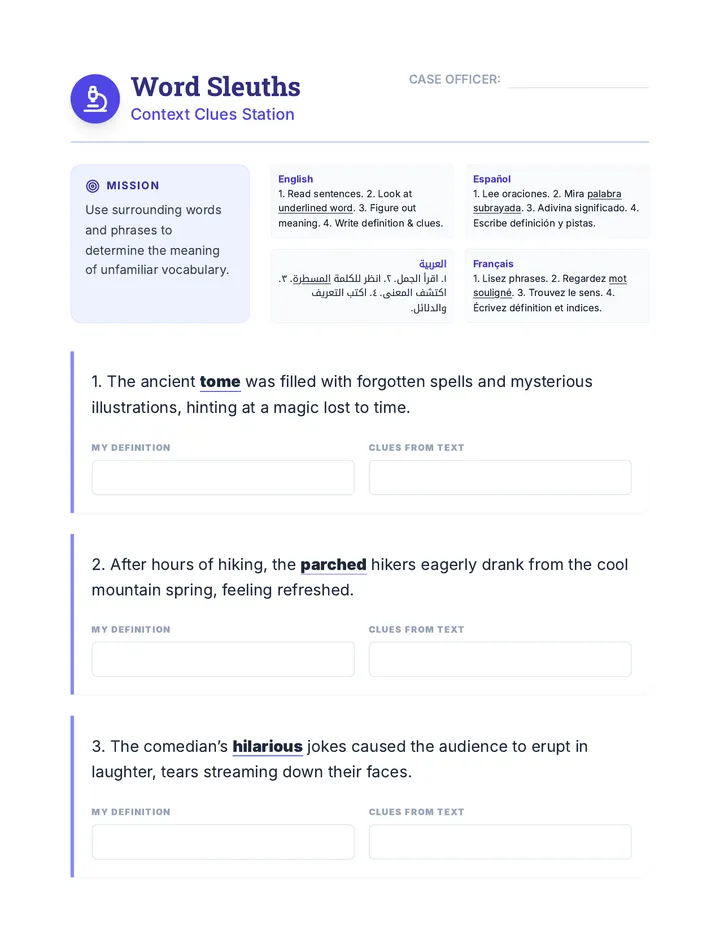
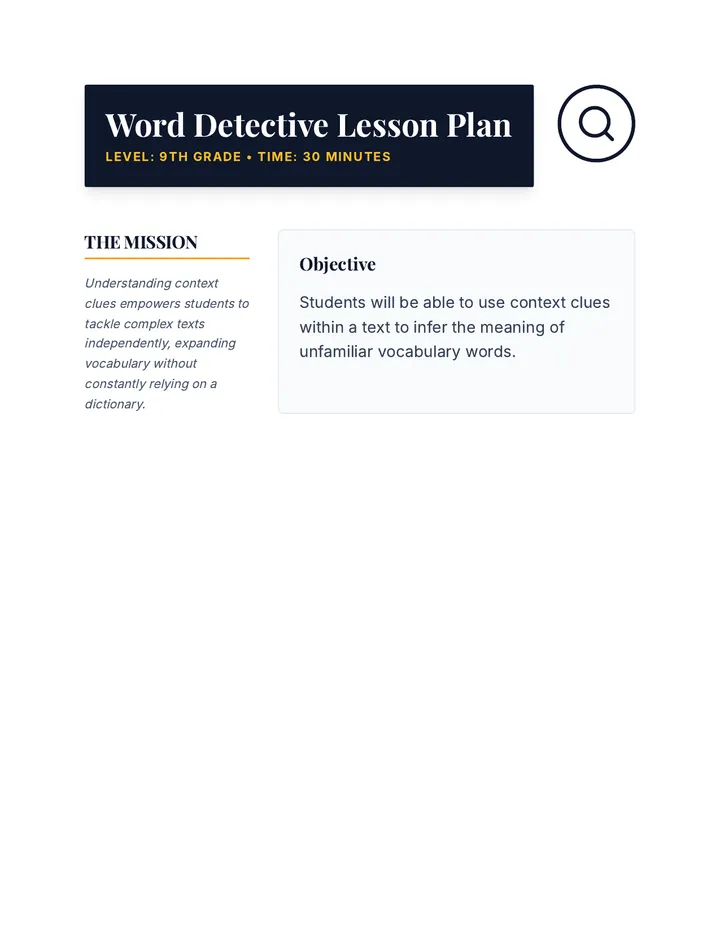
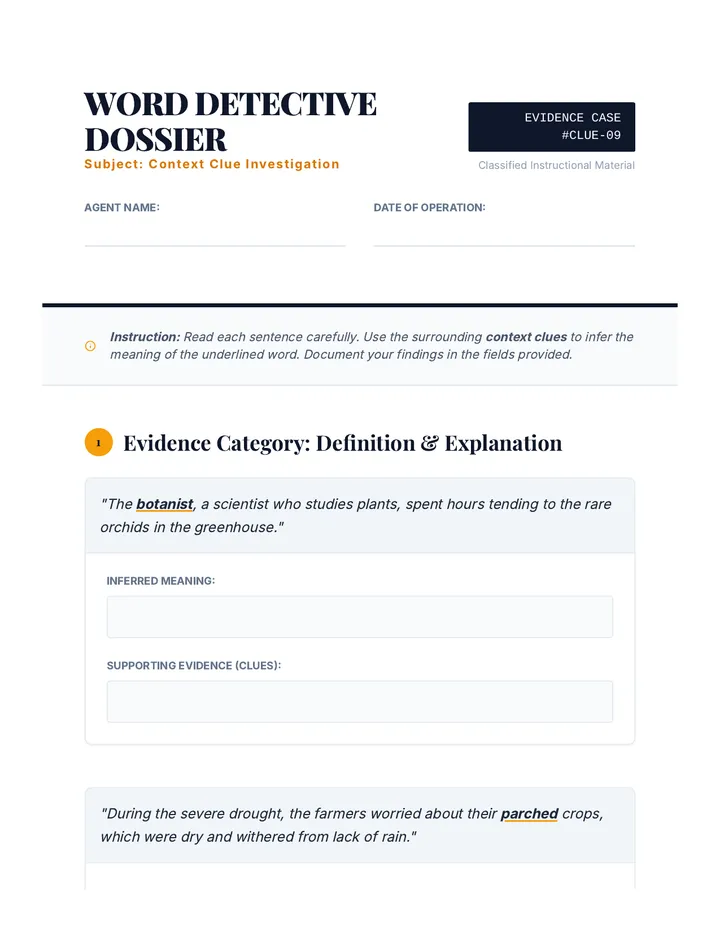
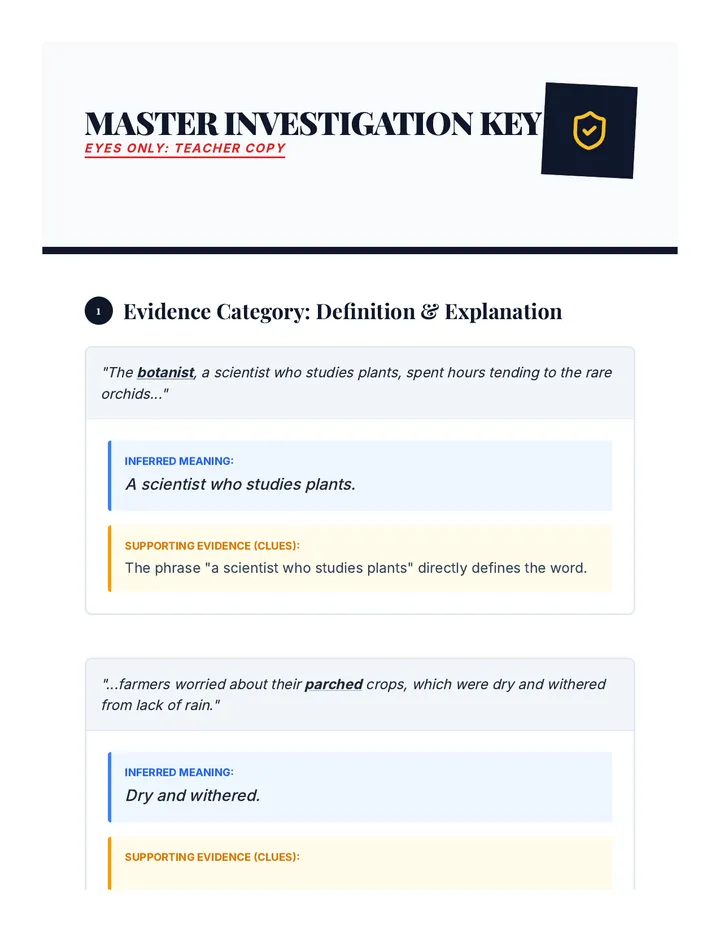
A sequence designed for 7th-grade ESL students to master the art of inferring unknown academic vocabulary through context clues, morphology, syntax, and tone analysis. This unit transforms vocabulary gaps from roadblocks into solvable puzzles using a "Word Detective" theme.
This sequence prepares intermediate ESL students for university-level academic listening by focusing on signposting language, speaker stance, hedging, and strategic note-taking. Students will move from identifying basic transitions to synthesizing complex arguments from multiple spoken sources.
A comprehensive 5-lesson project-based sequence for 5th Grade ESL students to master the research cycle, from questioning to final publication. Students develop academic English skills through searching, evaluating, and synthesizing information on a chosen topic.
A 5-lesson sequence for 5th Grade ESL students focused on the mechanics of finding information. Students move from basic keyword generation to using Boolean operators, navigating text features, utilizing academic databases, and refining failed searches to become efficient digital researchers.
A workshop-style workshop sequence for 3rd grade ESL students focusing on note-taking and paraphrasing. Students learn to extract information without plagiarizing using strategies like keyword highlighting, visual sketching, and the 'Read-Cover-Write' method.
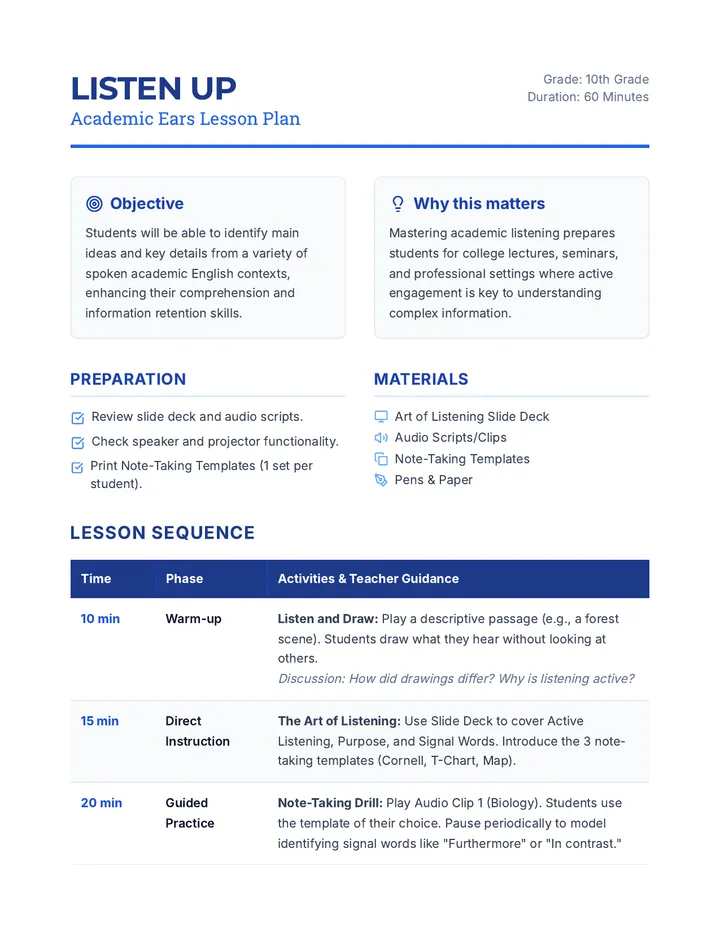
A comprehensive sequence for 10th-grade ESL students focusing on academic listening and note-taking. Students learn to identify signpost language, use the Cornell method, distinguish main ideas from supporting details, and synthesize information from lectures.
A 5-lesson unit for 4th Grade ESL students focusing on test-taking strategies for reading comprehension. Students learn to use their 'detective tools' to find evidence, annotate effectively, and navigate passages with a focus on 'proving' their answers rather than guessing.
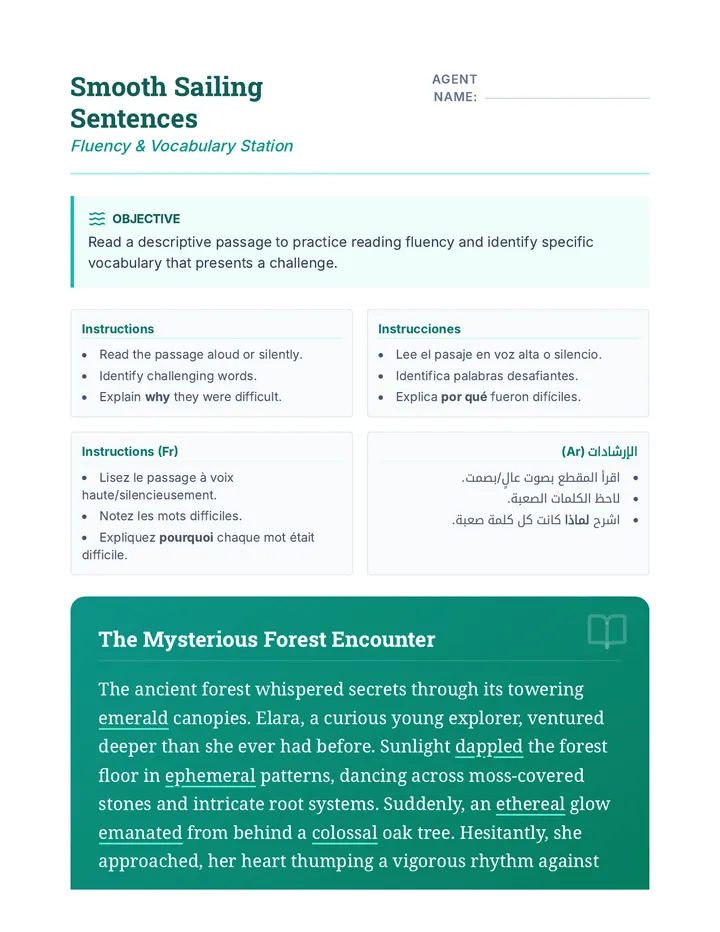
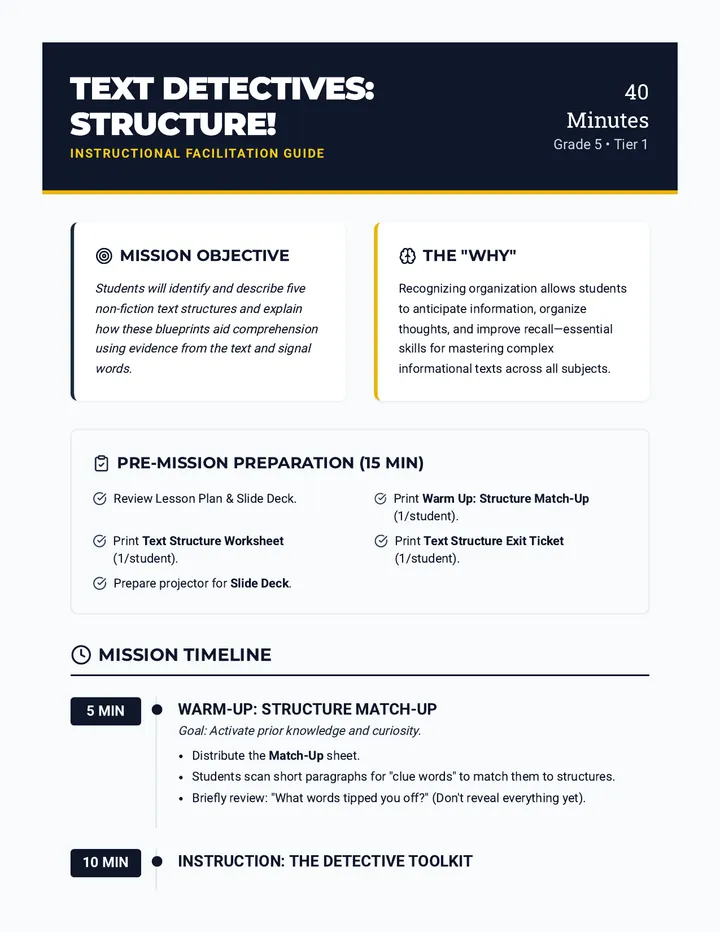
A 4th-grade ESL sequence focusing on academic reading efficiency through skimming for main ideas and scanning for specific details, using a 'Text Detective' theme.
An ESL listening sequence for 5th-grade intermediate students focused on narrative comprehension through oral storytelling, podcasts, and auditory analysis. Students move from identifying basic story elements to evaluating complex themes and character motivations through spoken discourse.
A 5-lesson unit for 6th-grade ESL students focused on transforming search habits from natural language questions to strategic keyword and Boolean operator techniques. Students move from basic vocabulary brainstorming to navigating academic databases and skimming snippets for relevance.
This sequence helps 4th Grade ESL students master test-taking strategies focusing on time management and anxiety regulation. Students learn the 'traffic light' method for prioritization, the 'skip and return' technique for pacing, mindfulness strategies for stress, and mechanics for accurate bubbling.
A comprehensive sequence for 4th Grade ESL students to master test-taking logic. Students learn the Process of Elimination (POE), identify extreme language red flags, categorize common distractor types, and evaluate the 'best' vs. 'correct' answers, culminating in a creative workshop where they design their own distractors.
A comprehensive 4th Grade ESL sequence focused on academic English test-taking strategies. Students learn to deconstruct question stems, identify negative qualifiers, isolate keywords, predict answers, and rephrase complex academic prompts into student-friendly language.
This sequence trains graduate-level ESL students to analyze the psychometric logic of standardized test questions. Students learn to identify common distractor patterns—such as absolute language, irrelevant truths, and faulty inferences—transforming their approach from guessing to systematic logical elimination.
A comprehensive 3rd-grade sequence focused on transition from passive to active reading for ESL students, mastering annotation, summarization, and visual analysis strategies.
This sequence equips 3rd-grade ESL students with logical strategies for multiple-choice tests, focusing on identifying and eliminating 'distractor' answers. Through a 'Detective Academy' theme, students move from spotting obvious errors to navigating nuanced traps and complex answer formats.
A 5-lesson unit for 3rd Grade ESL students focused on dissecting test questions, identifying academic verbs, and predicting answers to improve test-taking performance. Students act as 'Test Detectives' to uncover the requirements of various question types and provide evidence for their answers.
A comprehensive sequence for 3rd grade ESL students to master skimming and scanning techniques for academic success. Through a detective-themed curriculum, students learn to identify text features, isolate keywords in questions, and rapidly locate specific data to improve test-taking efficiency.
A 5-lesson sequence for 5th-grade ESL students focused on the R.A.C.E. strategy for constructing high-scoring, evidence-based written responses on academic assessments. Students progress from decoding prompt verbs to mastering restatement, evidence citation, and explanation through a 'blueprint and construction' theme.
A comprehensive unit for 5th-grade ESL students designed to build test-taking literacy by teaching them to act as 'Question Detectives.' Students learn to deconstruct question stems, identify specific distractor types, apply elimination strategies, and differentiate between good and best answers to master multiple-choice assessments.
A mastery-based sequence for undergraduate ESL students focused on rapid structuring and drafting for standardized writing exams like the TOEFL and GRE. Students learn to decode prompts, outline in under three minutes, and use formulaic language to produce high-scoring academic essays under pressure.
A comprehensive unit for undergraduate ESL students to deconstruct the logic of standardized tests, focusing on question stems, distractor categorization, absolute language detection, and the process of elimination.
This sequence addresses the psychological and logistical challenges of timed exams through simulation and strategy, treating test-taking as a resource management game where time is the currency. Students learn to benchmark their pacing, apply triage strategies for difficult questions, manage anxiety, and utilize intelligent guessing to maximize their score potential.
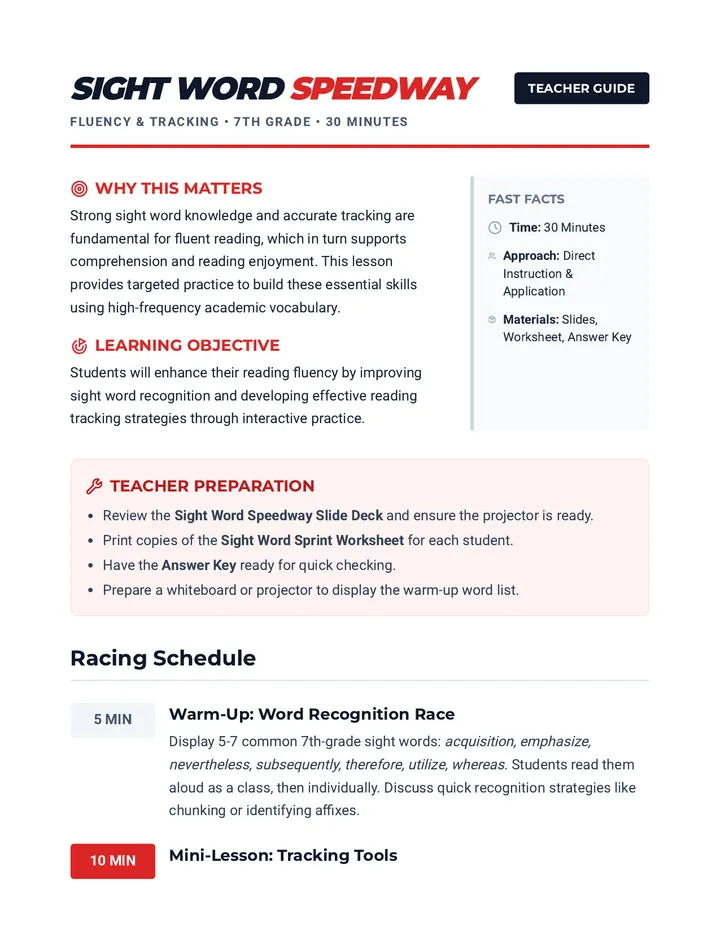
A workshop-style sequence for undergraduate ESL students to master skimming and scanning techniques for high-stakes academic exams. Students move from conceptual understanding to timed application, focusing on efficiency and accuracy in dense academic texts.
A 5-lesson sequence for 10th-grade ESL students focused on mastering time management and strategic pacing for academic exams. Students move from benchmarking their natural speed to mastering 'triage' techniques, evaluating reading strategies, and practicing crisis management for timed tests.
A 5-lesson sequence for 5th-grade ESL students focused on the ethics and mechanics of academic research. Students learn to distinguish between intellectual property and common knowledge, master the art of quoting and paraphrasing, and create simplified citations and bibliographies to maintain academic integrity.
This 5-lesson sequence for 6th-grade ESL students covers the ethical use of information, focusing on intellectual property, MLA citation components, digital tools, and in-text attribution. Students progress from conceptual understanding to creating a mini-bibliography for a personal project.
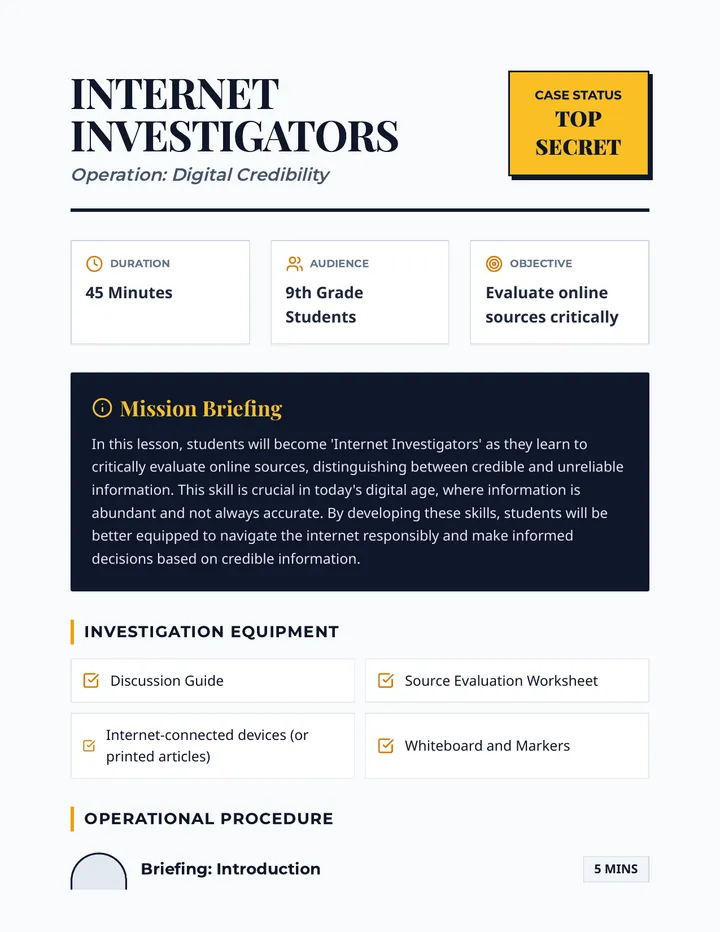
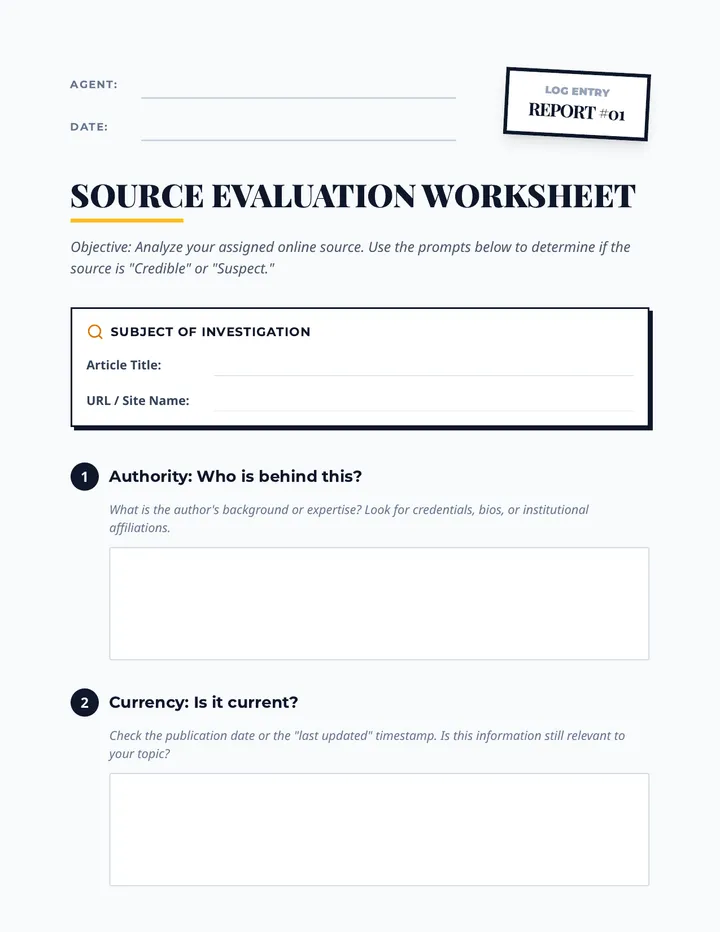
A comprehensive sequence for 6th Grade ESL students to develop critical research and information literacy skills. Students progress from distinguishing basic facts and opinions to applying professional evaluation frameworks like the CRAAP test to determine source credibility.
This 3rd-grade ESL sequence teaches students the foundations of academic integrity, focusing on why and how to give credit to authors. Students learn to locate bibliographic information, format simple citations, and synthesize research notes into a final product with a proper source list.
A 5-lesson sequence for 3rd-grade ESL students to learn the basics of source credibility and fact-checking through the lens of 'Information Detectives'. Students learn to distinguish fact from fiction, identify authors, recognize advertisements, and cross-check information.
A 5-lesson unit for 3rd grade ESL students on foundational research skills, focusing on formulating questions, using keywords, navigating text features, and evaluating source relevance.
A comprehensive 7th-grade ESL sequence focusing on the ethics of academic integrity, the mechanics of paraphrasing and summarizing, and the technical accuracy of MLA citations. Students transition from understanding intellectual property to performing independent 'plagiarism audits' on research samples.
A comprehensive 4th-grade ESL project-based sequence on academic integrity and citation standards. Students transition from understanding the ethics of intellectual property to mastering the technical skills of citing books and websites, culminating in a mini-research project.
A sequence for 7th-grade ESL students focusing on digital literacy, evaluating source credibility, and mastering search strategies for academic research. Students move from identifying misinformation to independently curating high-quality sources using databases and Boolean logic.
A comprehensive digital literacy unit for 4th Grade ESL students, framing research skills as 'Digital Detective' training. Students learn to distinguish fact from opinion, master keyword searching, evaluate website credibility, and verify information through cross-referencing.