Essential grammar structures, high-frequency vocabulary, and foundational literacy skills. Equips learners with basic speaking and listening abilities for everyday interactions and introductory text comprehension.
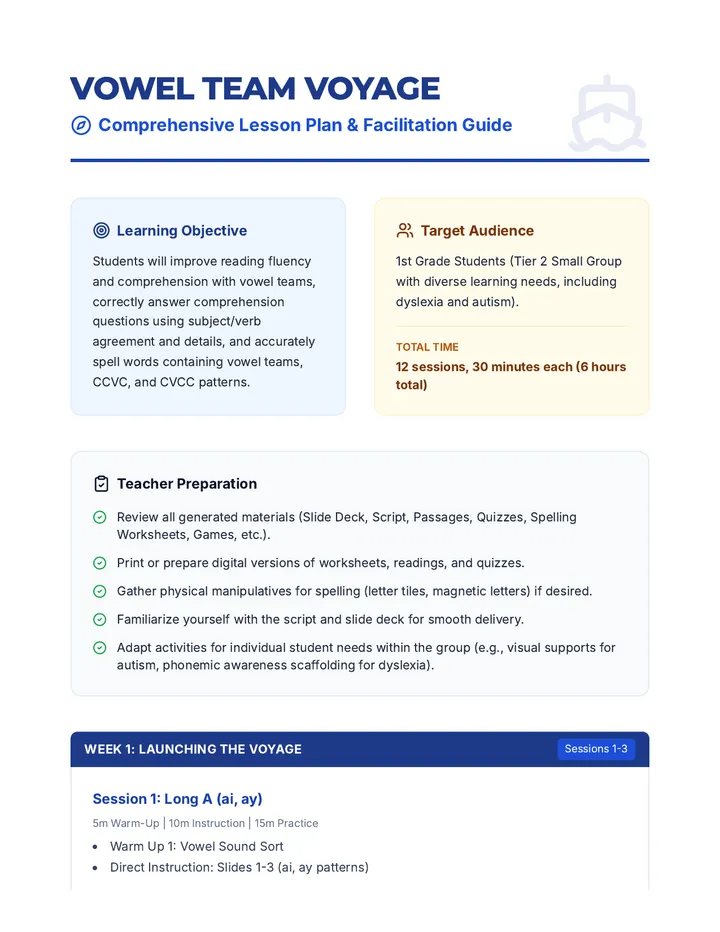
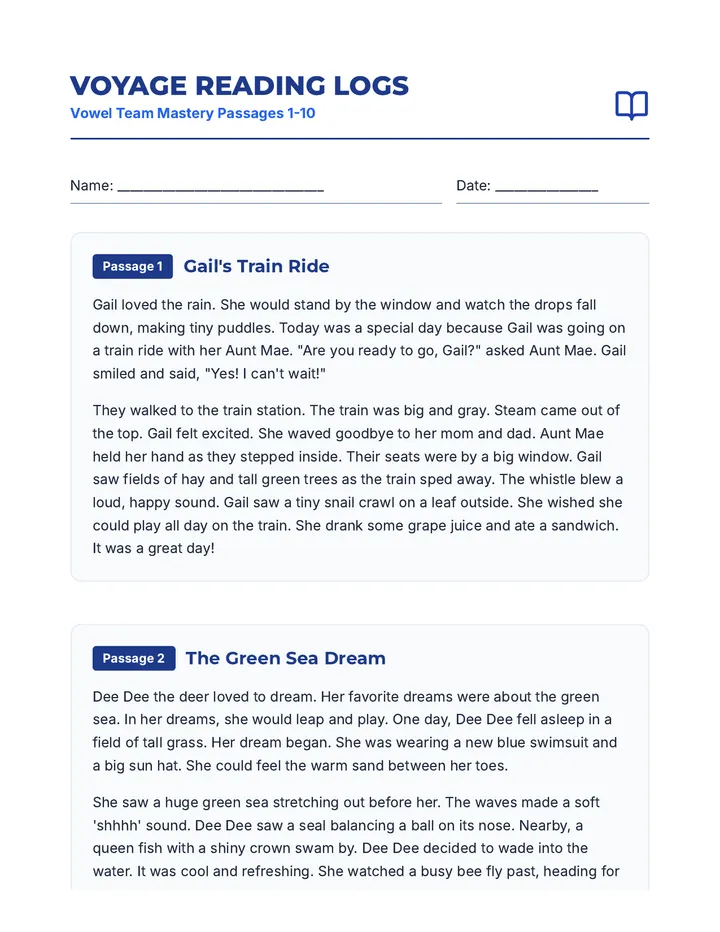
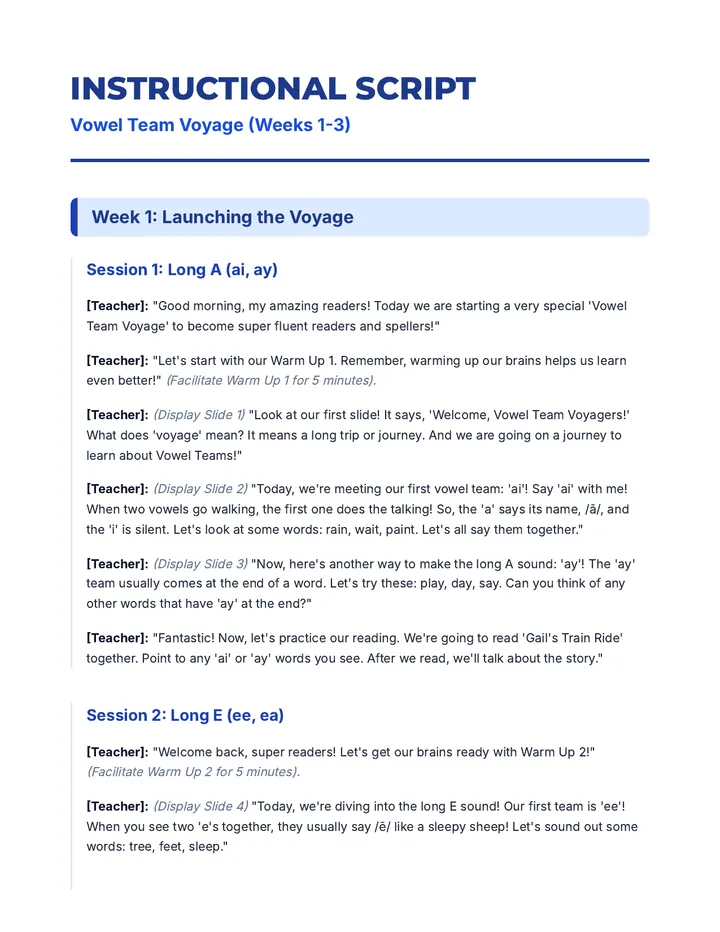
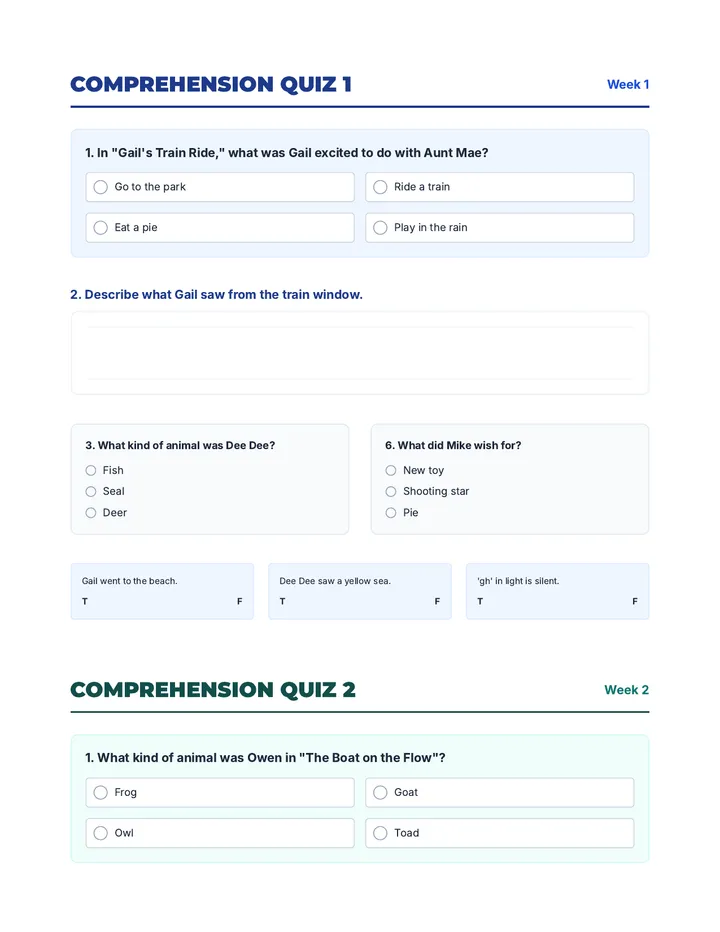
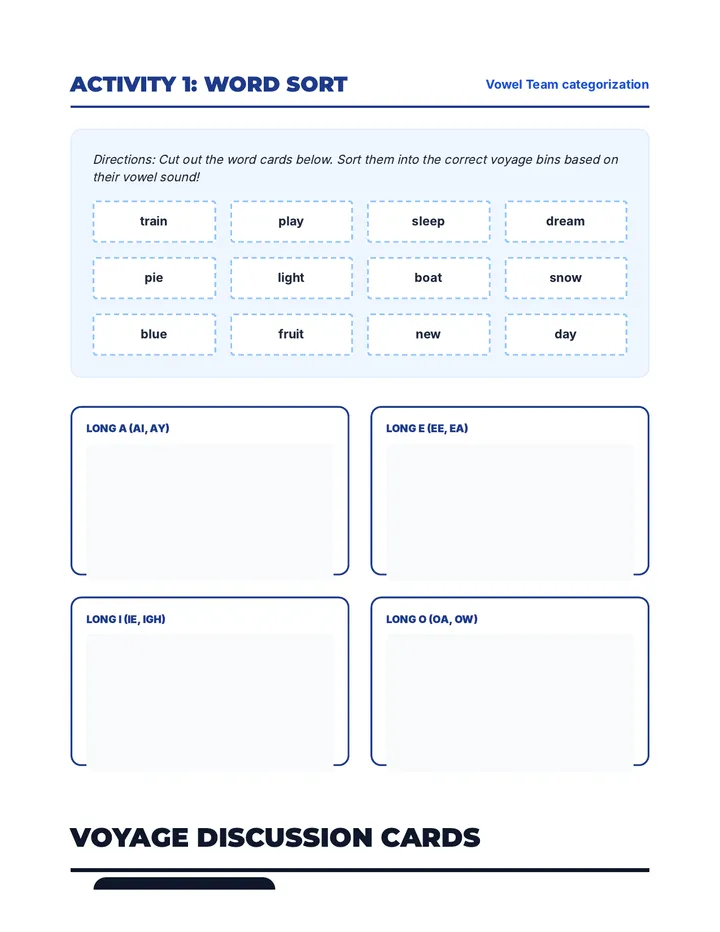
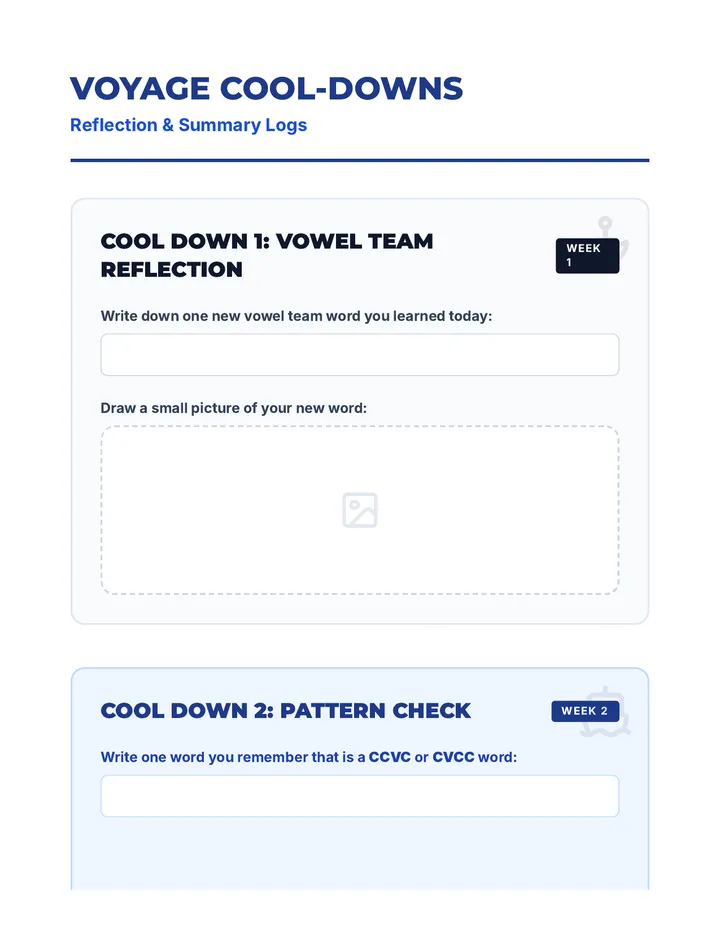
A 3-week Tier 2 intervention program for first-grade students, focusing on vowel teams, CCVC/CVCC patterns, and reading comprehension through a nautical-themed voyage.
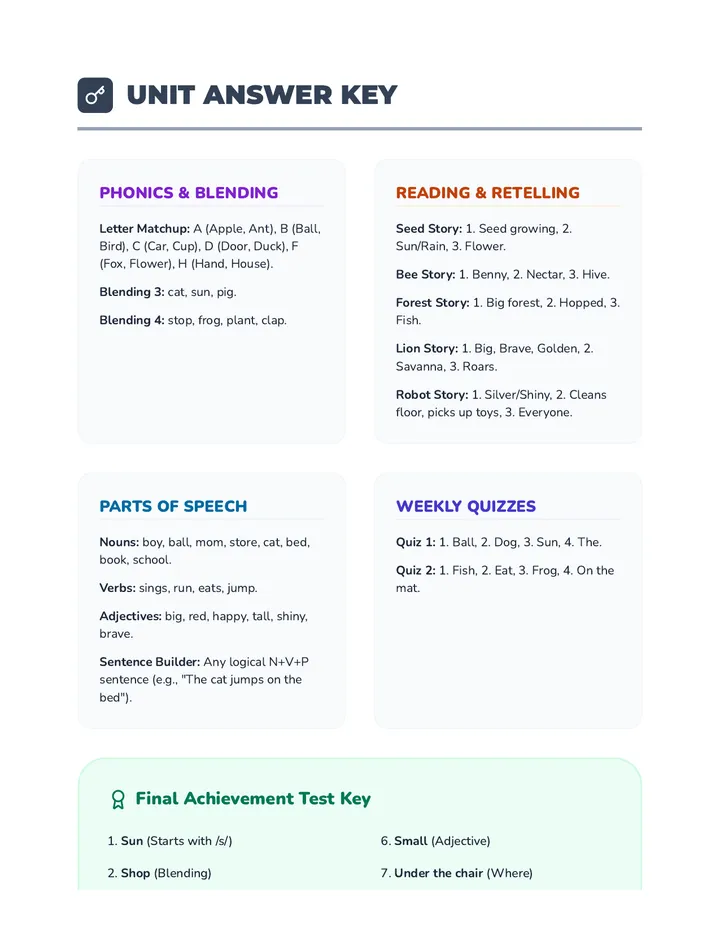
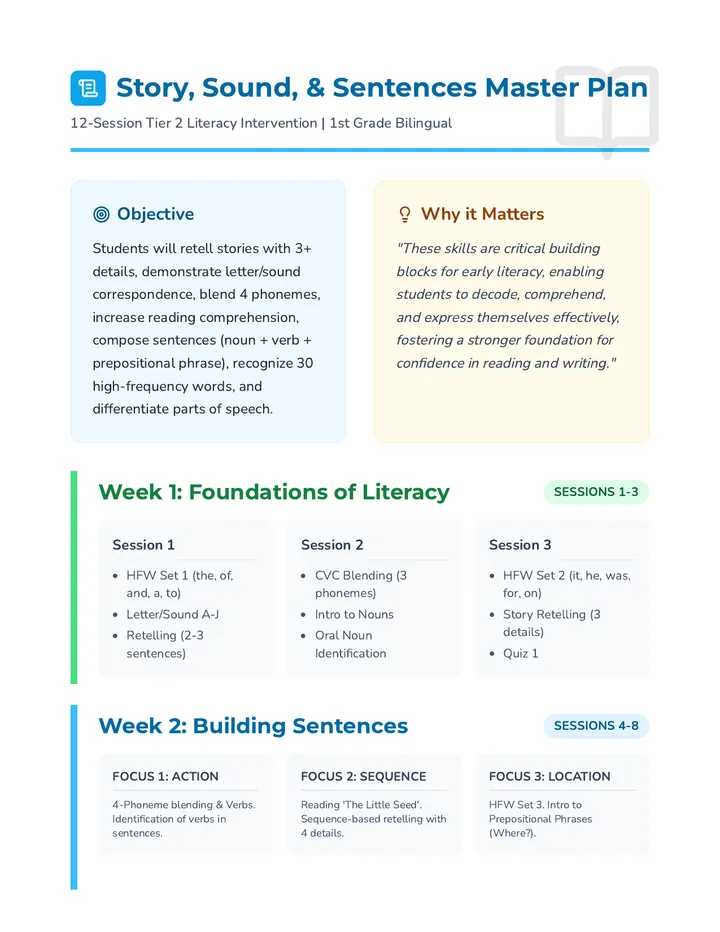
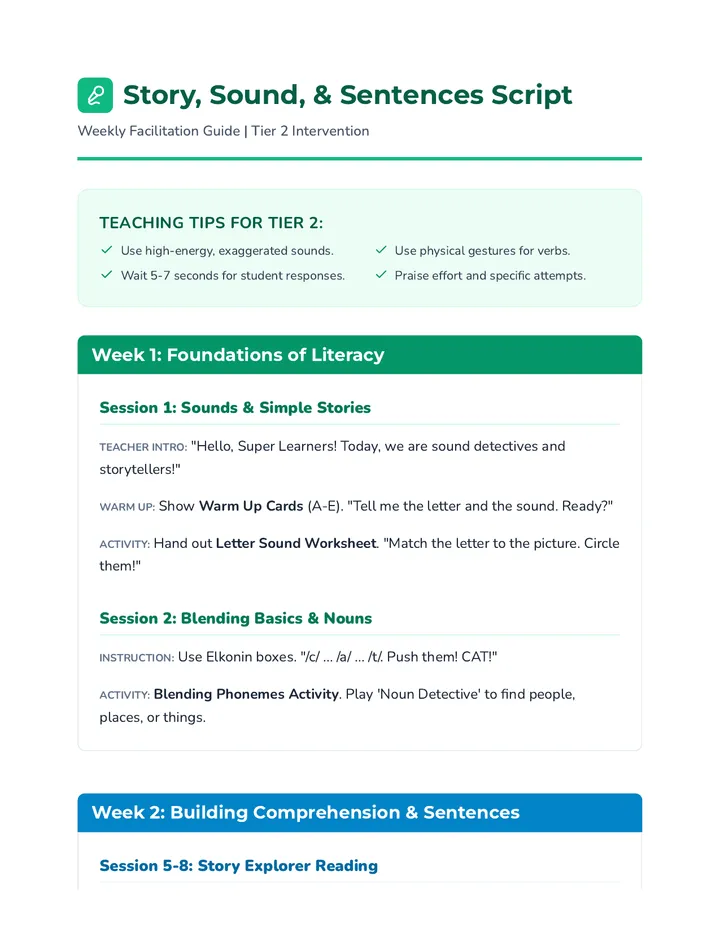
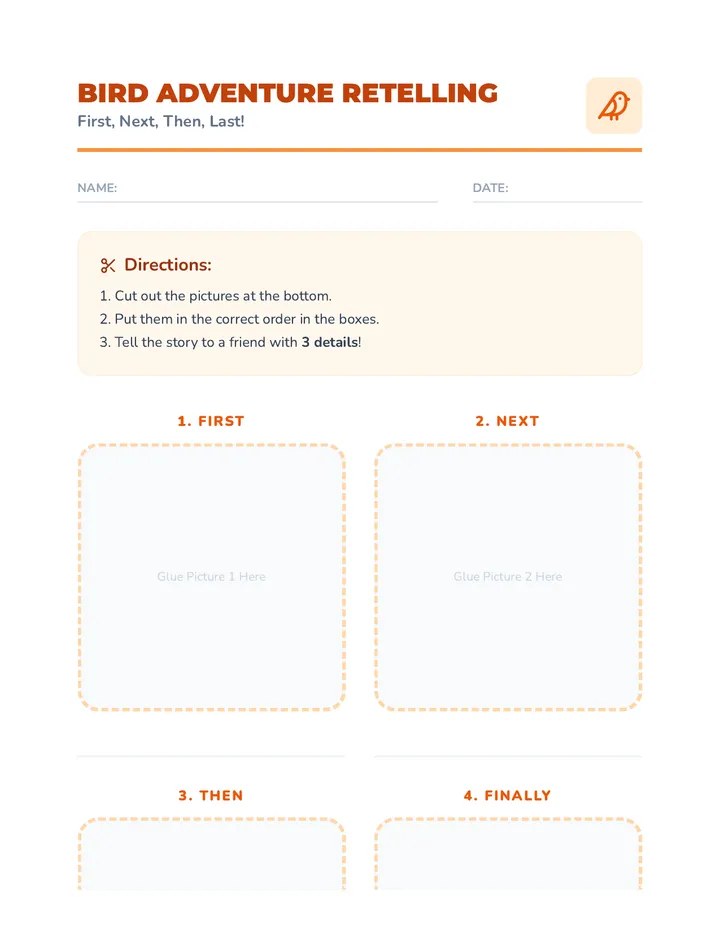
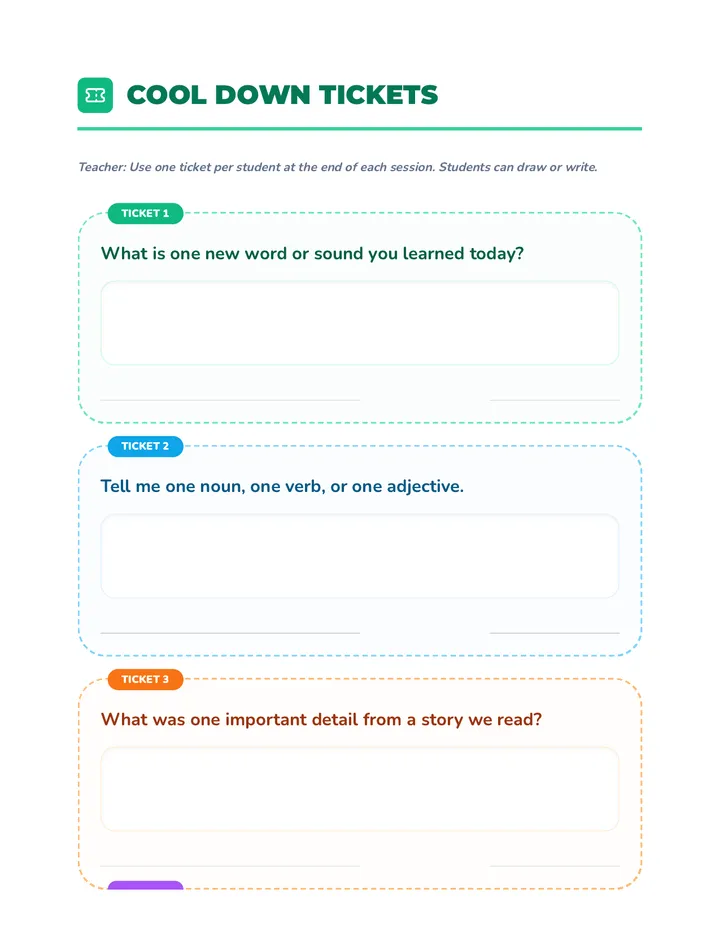
A 12-session, 3-week literacy program for 1st-grade bilingual students with intellectual disabilities, focusing on phonics, retelling, comprehension, and sentence structure.
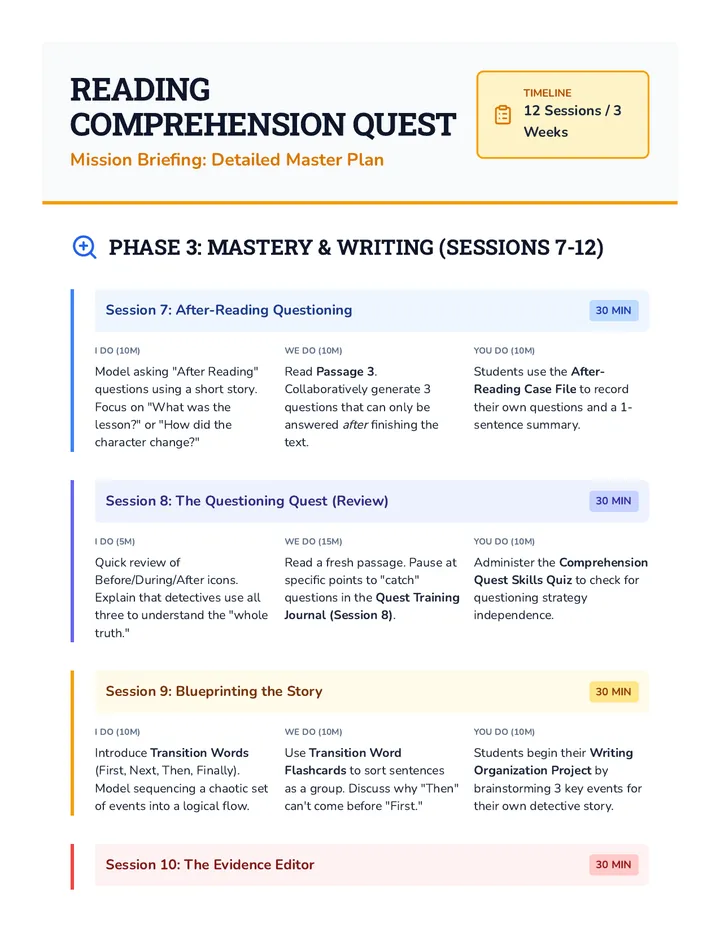
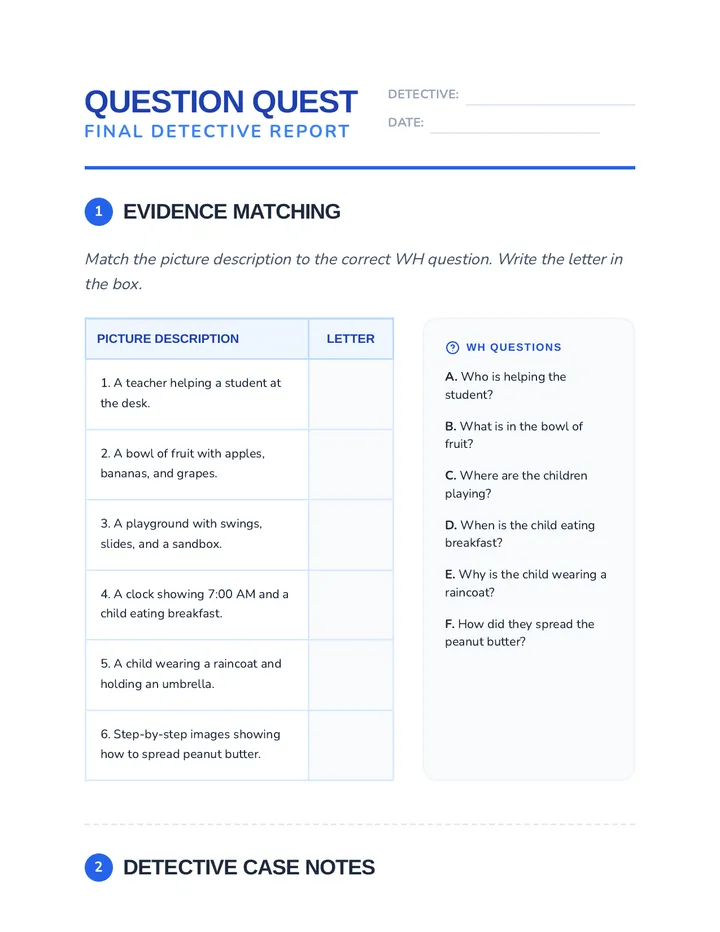
A 3-week, 12-session reading and writing curriculum designed for Tier 2 small groups, focusing on CVCe words, sequencing, questioning, and writing organization with a detective-themed 'Quest' aesthetic.
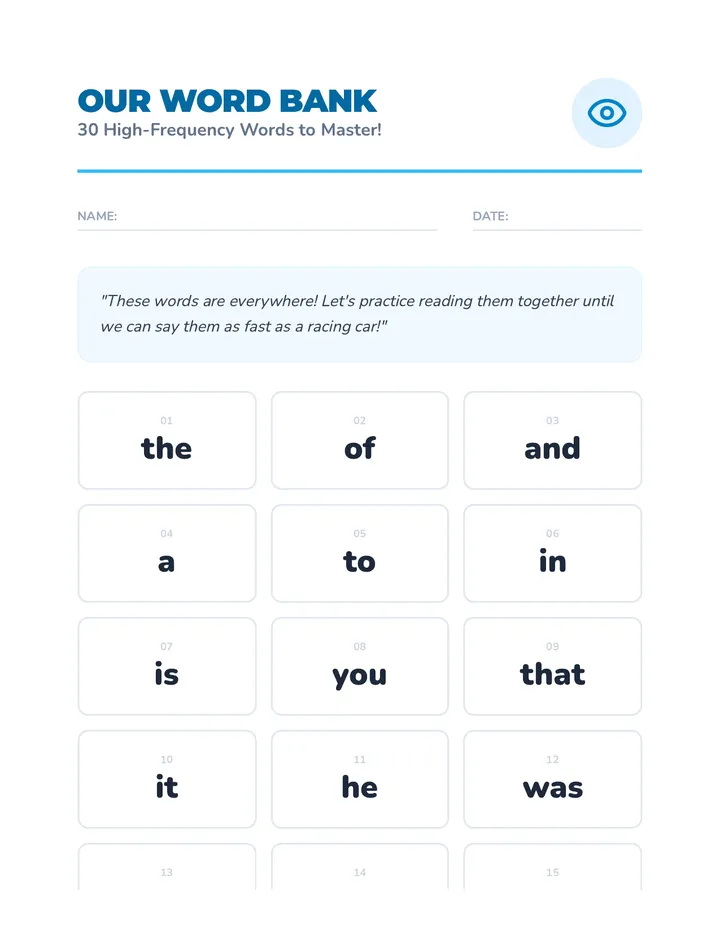
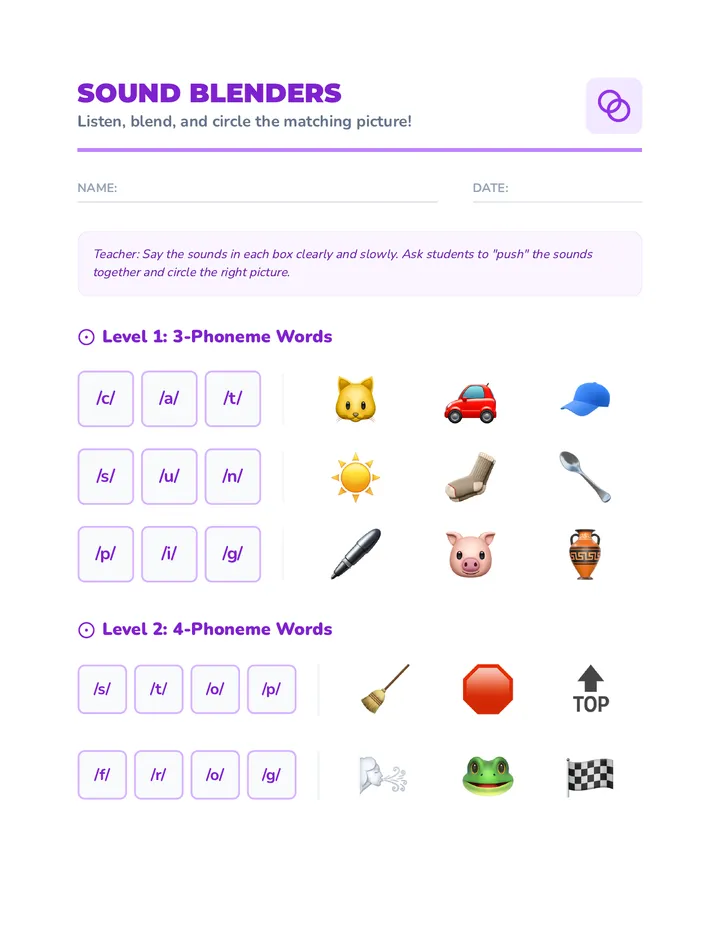
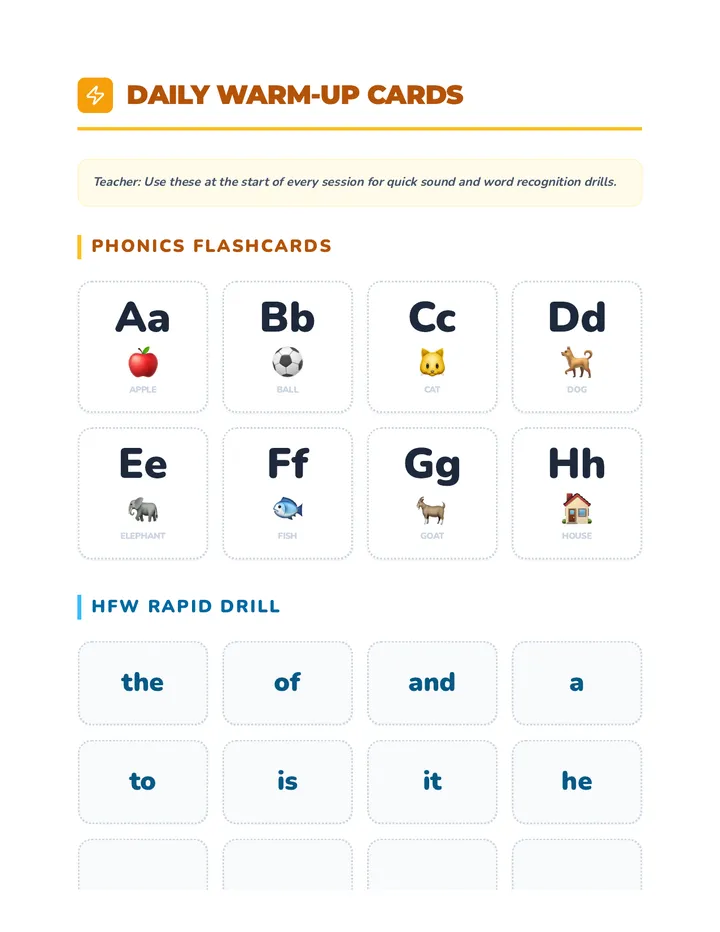
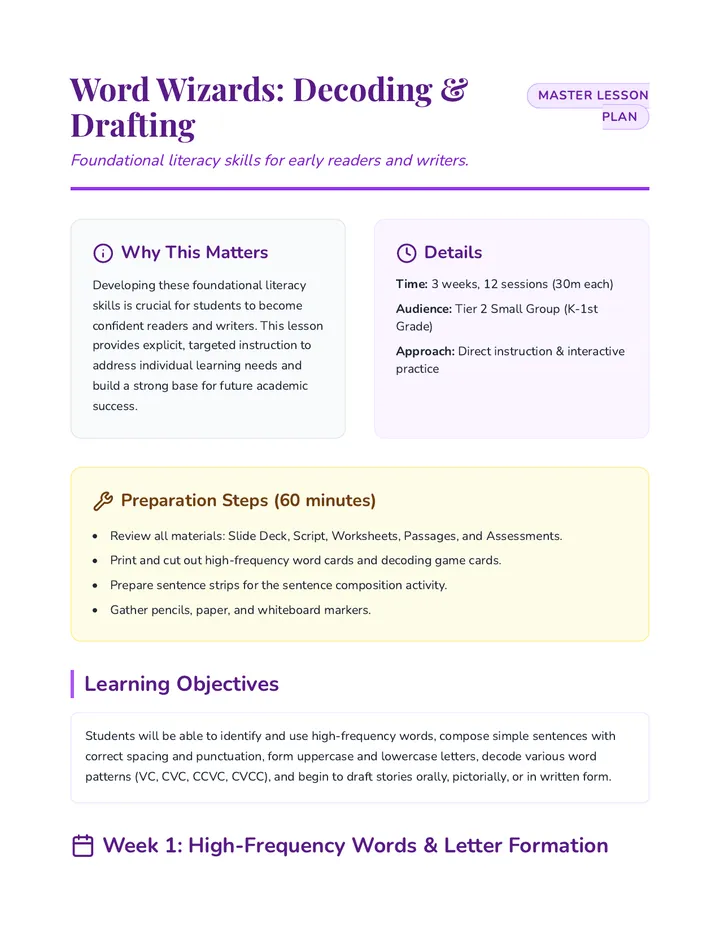
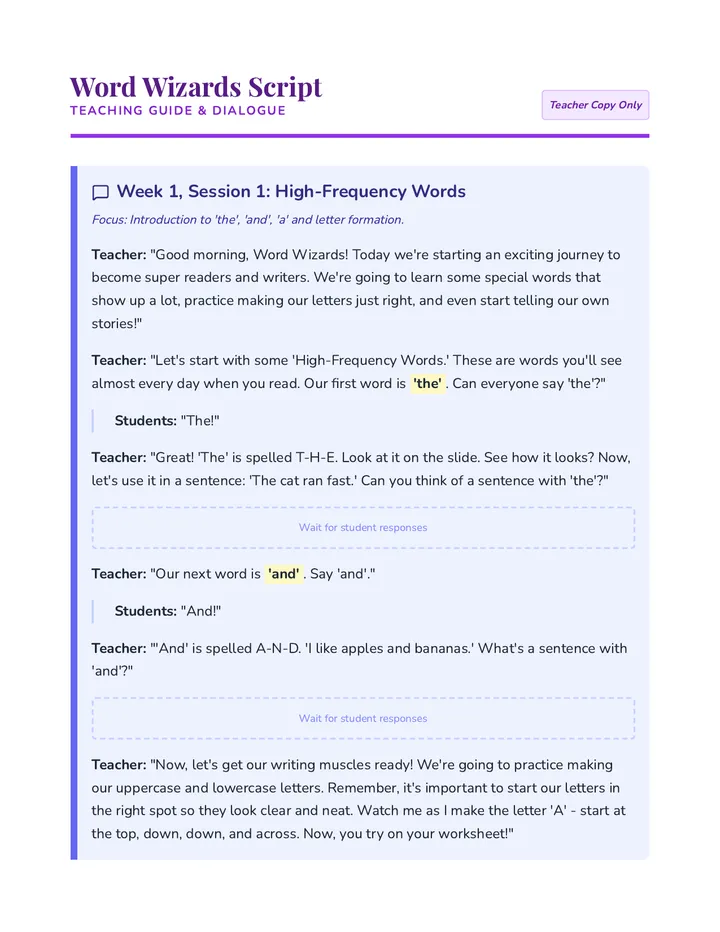
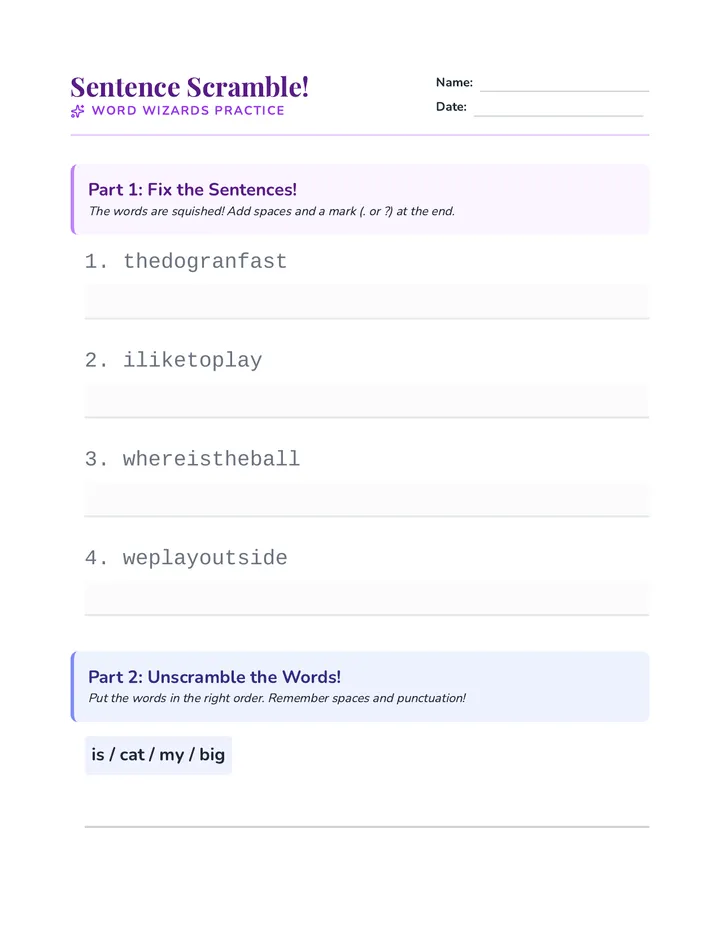
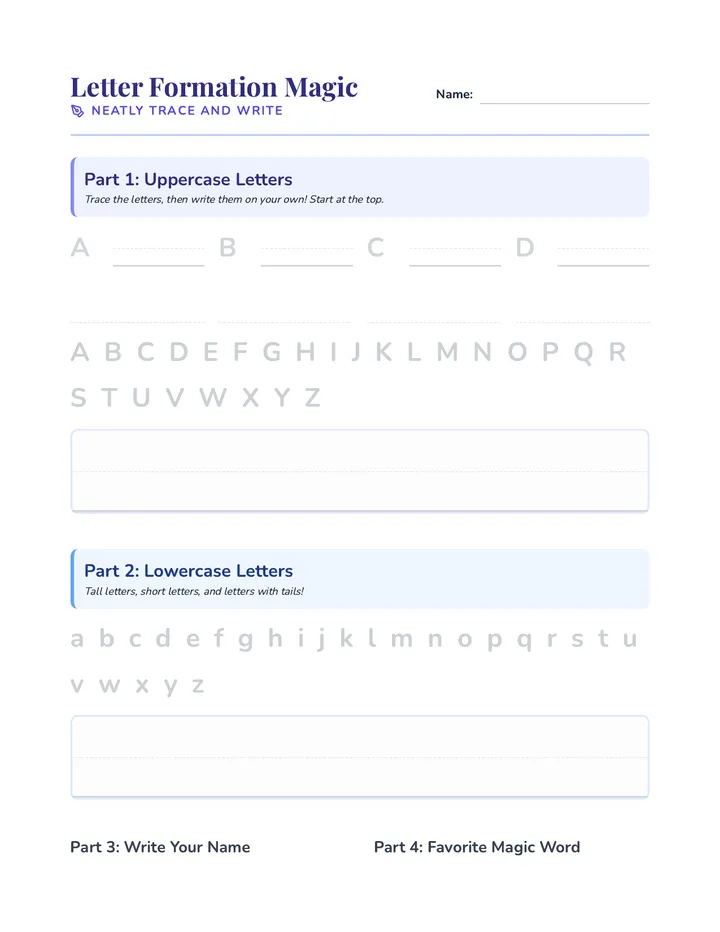
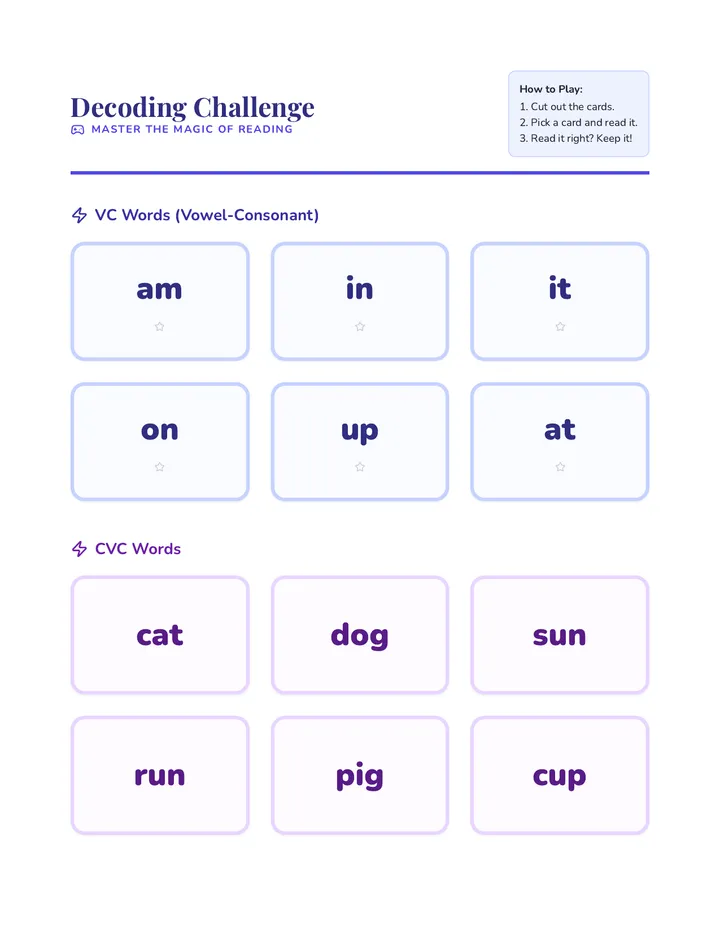
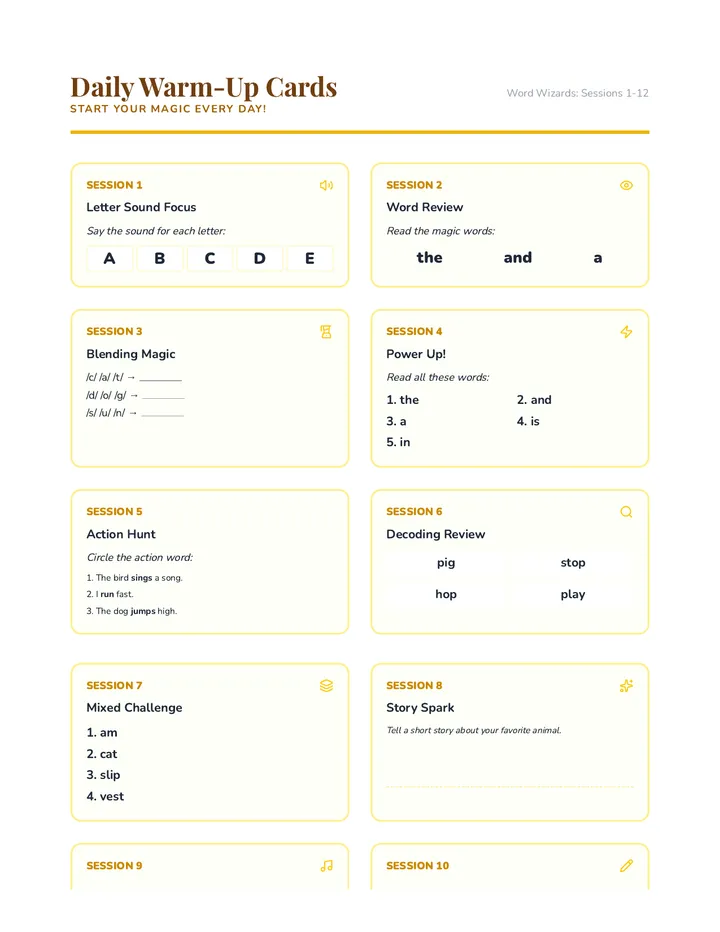
A 3-week foundational literacy sequence for Tier 2 Kindergarten and 1st-grade students, focusing on high-frequency words, decoding, and early drafting skills.
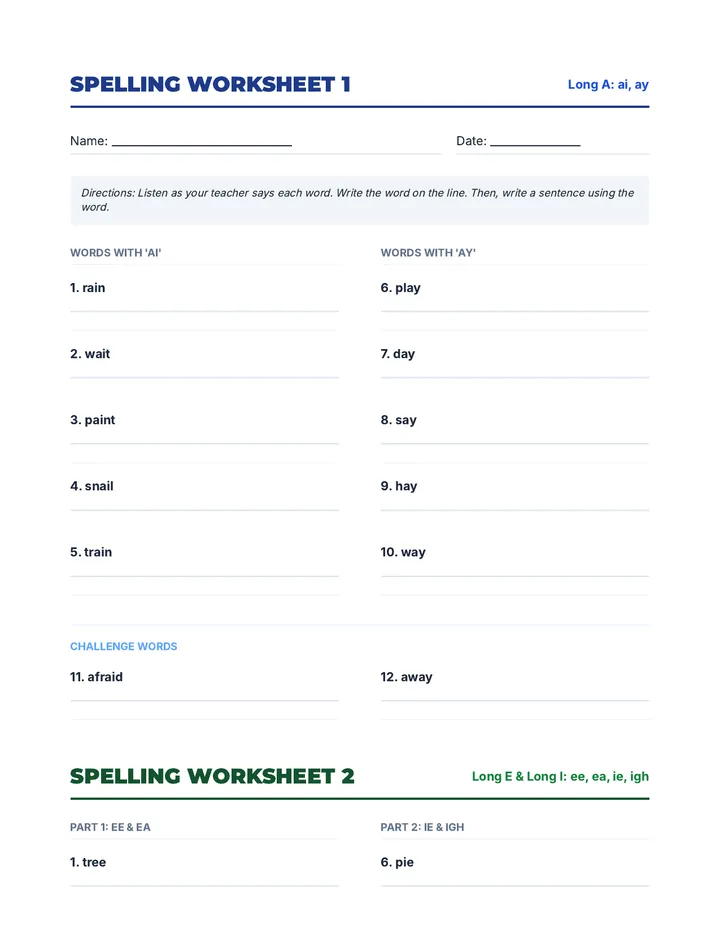
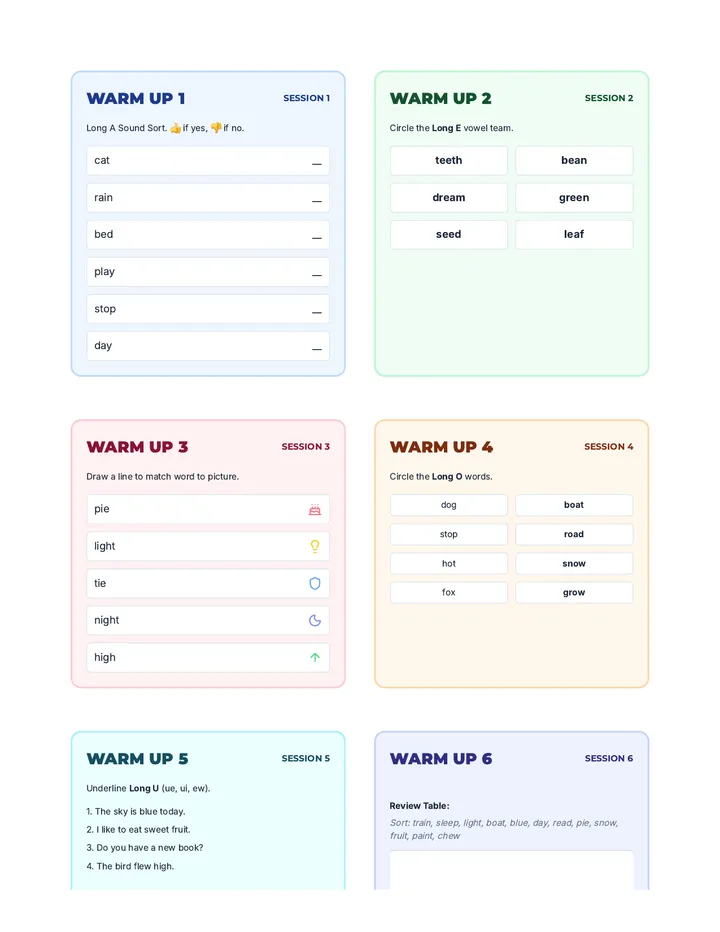
This comprehensive 3rd-grade sequence guides students through decoding and encoding common vowel teams (ai/ay, ee/ea, oa/ow, igh/ie). Students progress from recognizing patterns in one-syllable words to applying spelling generalizations and syllabication strategies for multisyllabic words, culminating in fluency practice and creative writing application.
This kindergarten sequence introduces word relationships through play, visuals, and movement. Students explore antonyms (opposites) kinesthetically and visually, then transition to synonyms (same meanings) using emotions and size descriptions, culminating in a creative story retelling application.
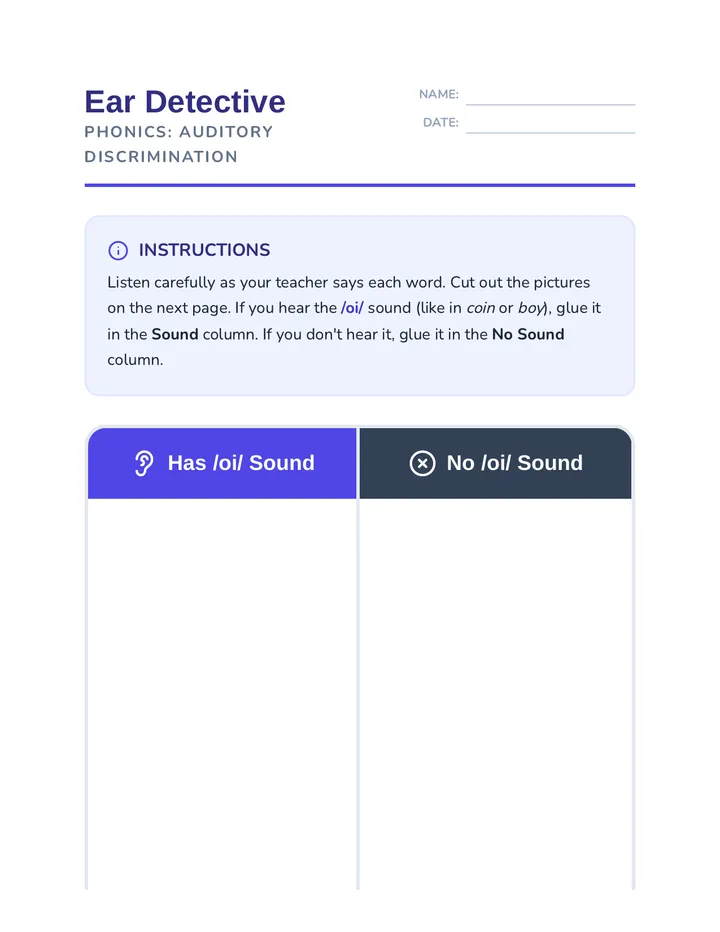
A comprehensive 1st-grade phonics unit focusing on the /oi/ sound. Students move from phonemic awareness to decoding and encoding 'oi' and 'oy' spelling patterns through a "Treasure Hunt" theme.
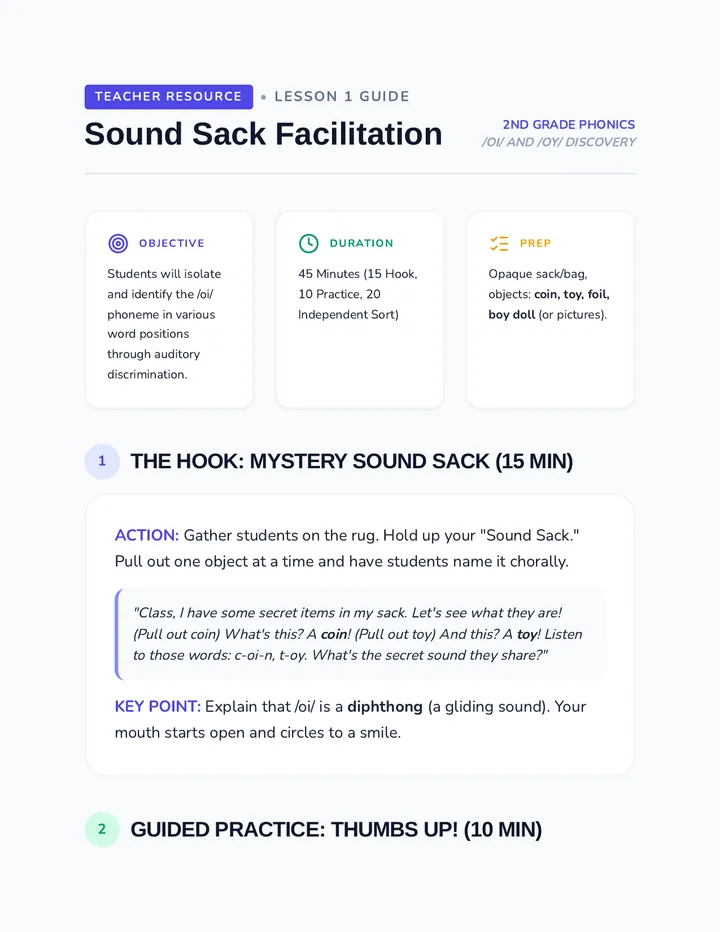
This 2nd Grade phonics sequence guides students through an inquiry-based exploration of the diphthongs /oi/ and /oy/. Students move from auditory discrimination to discovering spelling patterns based on word position, culminating in reading fluency and creative writing applications.
A Kindergarten sequence focused on comparative adjectives and suffixes (-er, -est) through hands-on exploration of size, weight, and length. Students learn to describe relationships between objects using precise grammar and attribute sorting.
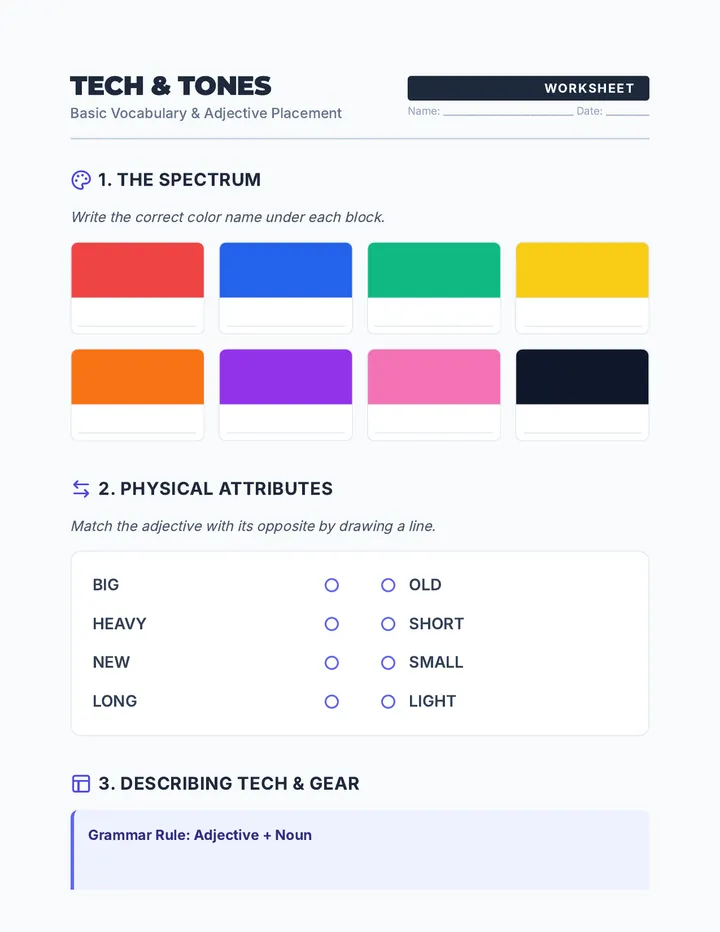
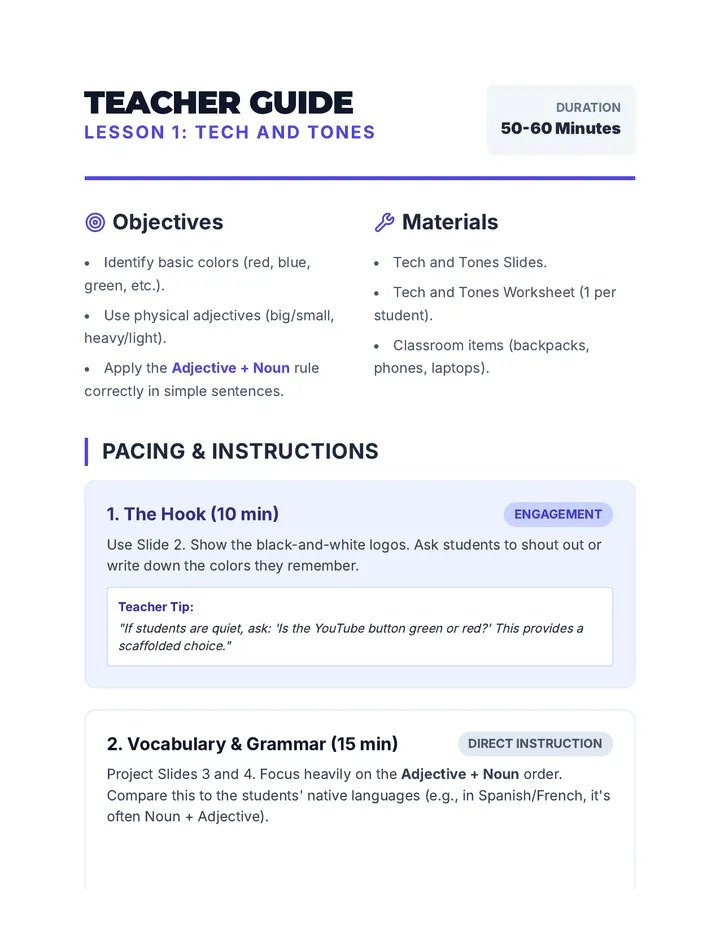
A 5-lesson sequence for 11th-grade beginner English learners focused on using descriptive language (colors, adjectives, nouns) to identify and distinguish objects, clothing, and people in real-world contexts like fashion and technology.
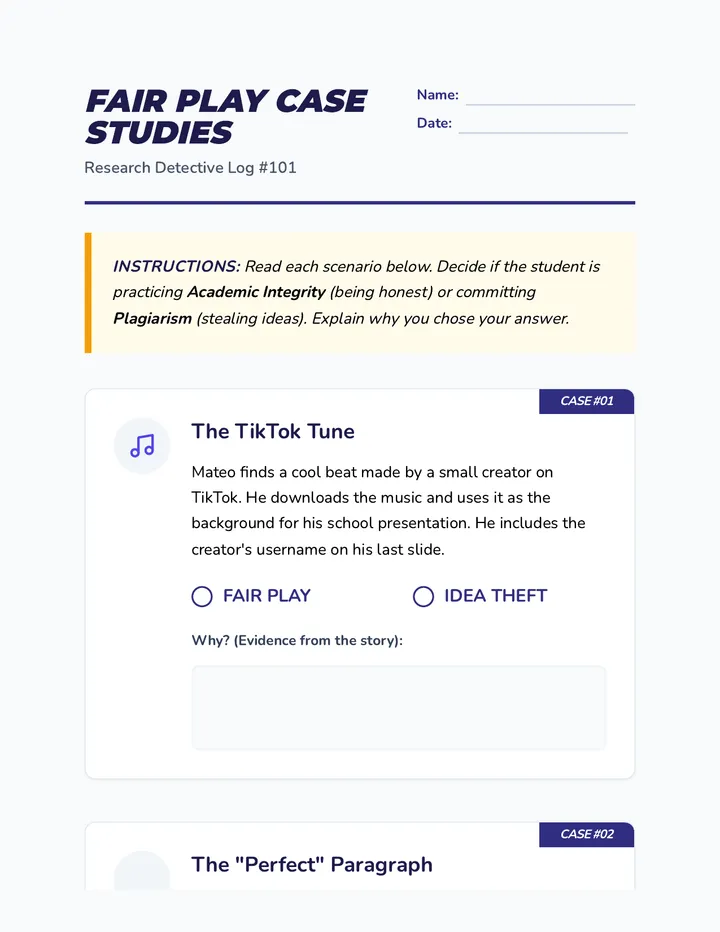
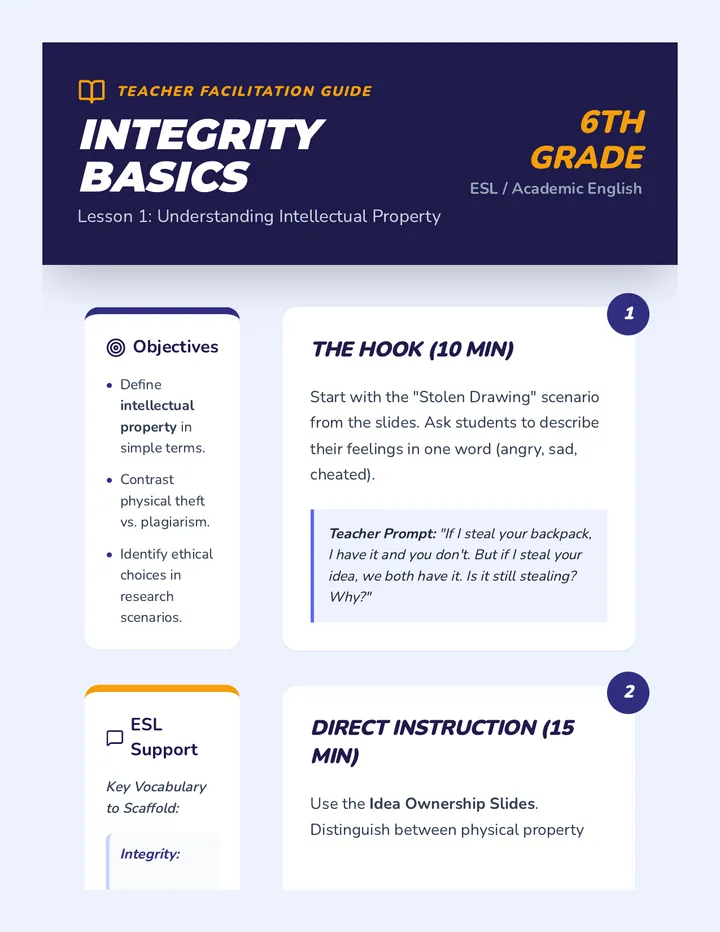
This 5-lesson sequence for 6th-grade ESL students covers the ethical use of information, focusing on intellectual property, MLA citation components, digital tools, and in-text attribution. Students progress from conceptual understanding to creating a mini-bibliography for a personal project.
A comprehensive digital literacy unit for 4th Grade ESL students, framing research skills as 'Digital Detective' training. Students learn to distinguish fact from opinion, master keyword searching, evaluate website credibility, and verify information through cross-referencing.
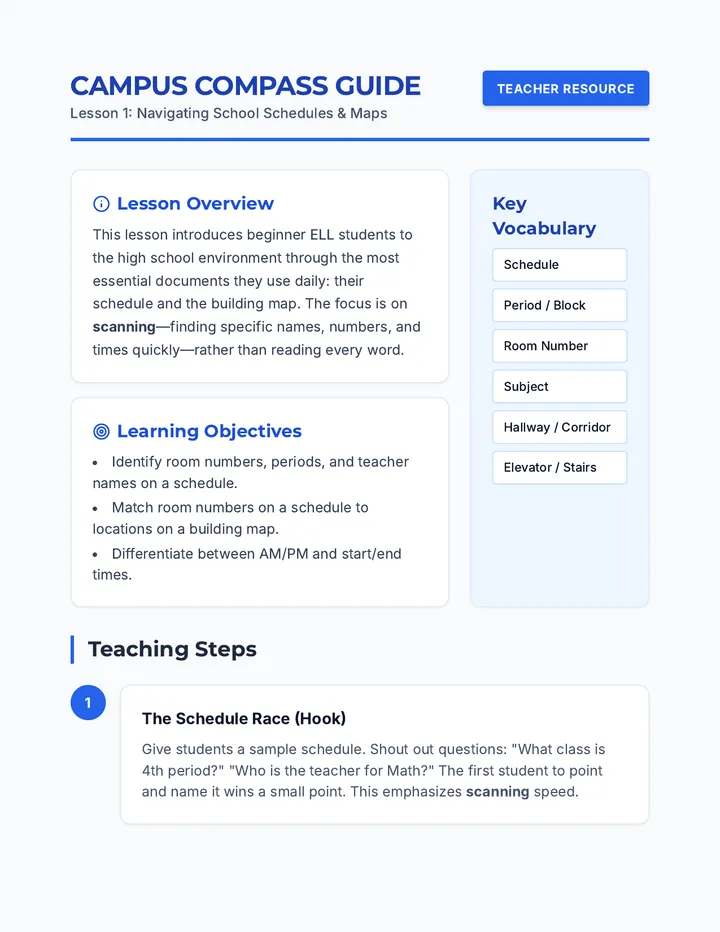
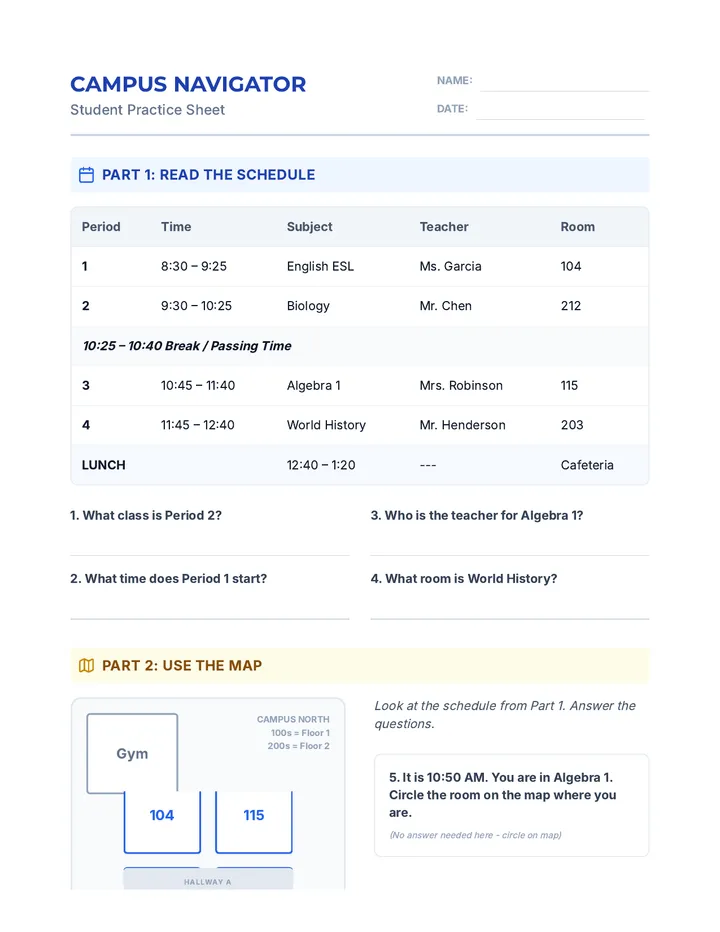
A functional literacy sequence for 10th Grade Beginner English Language Learners focused on reading real-world documents. Students learn to scan for specific information in schedules, menus, signs, forms, and transit tables to build independence in English-speaking environments.
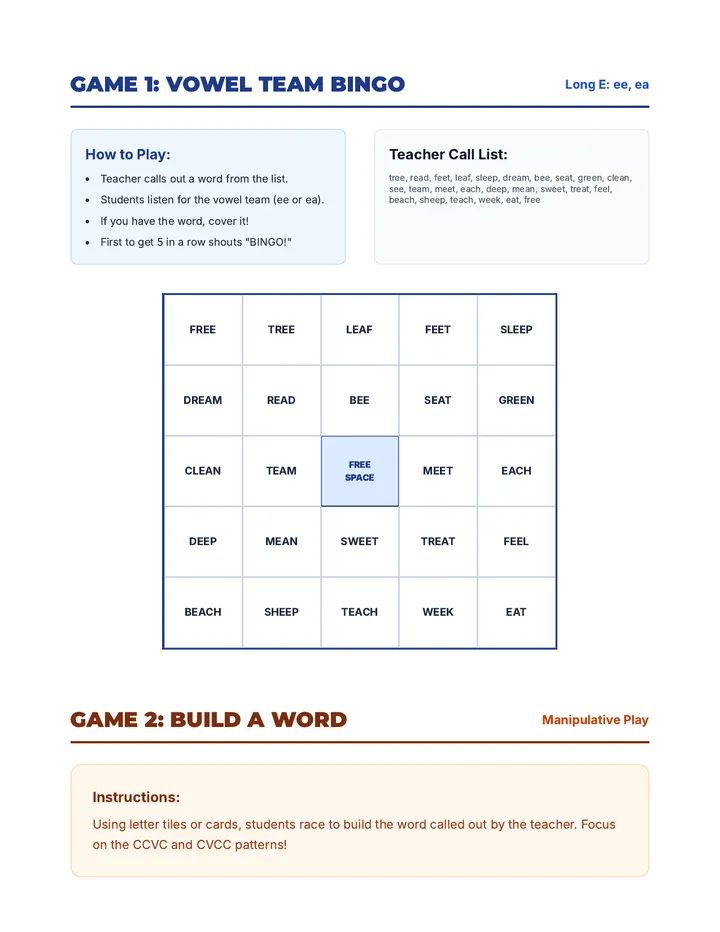
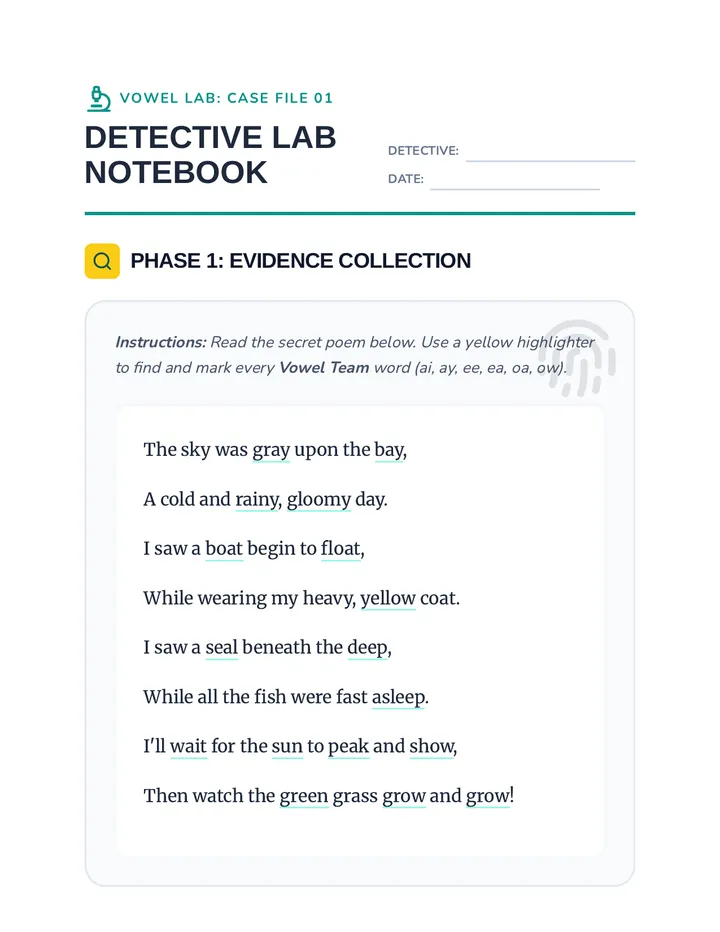
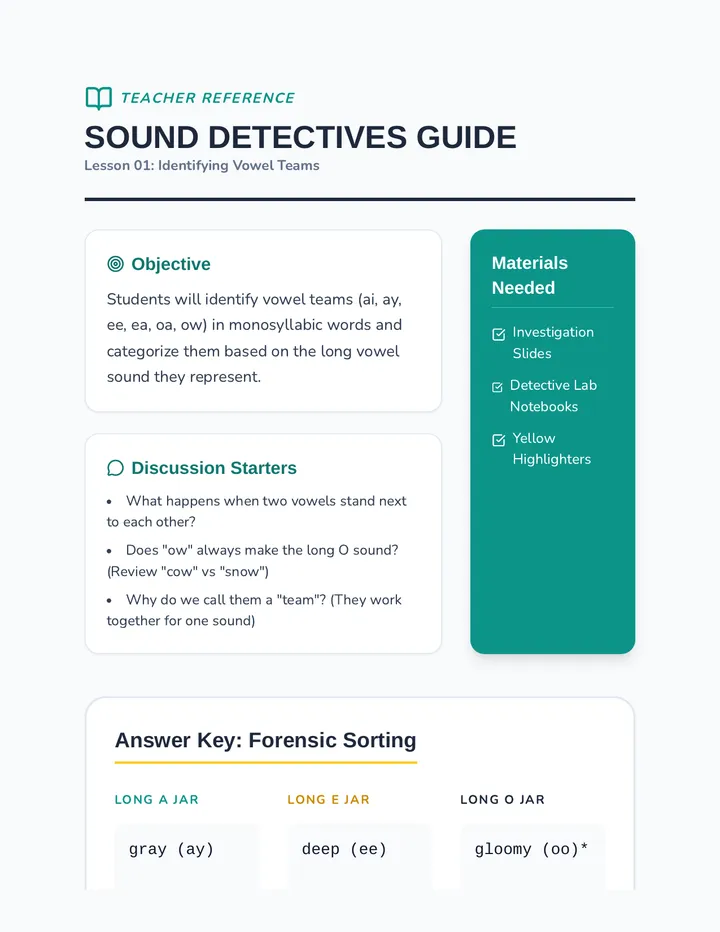
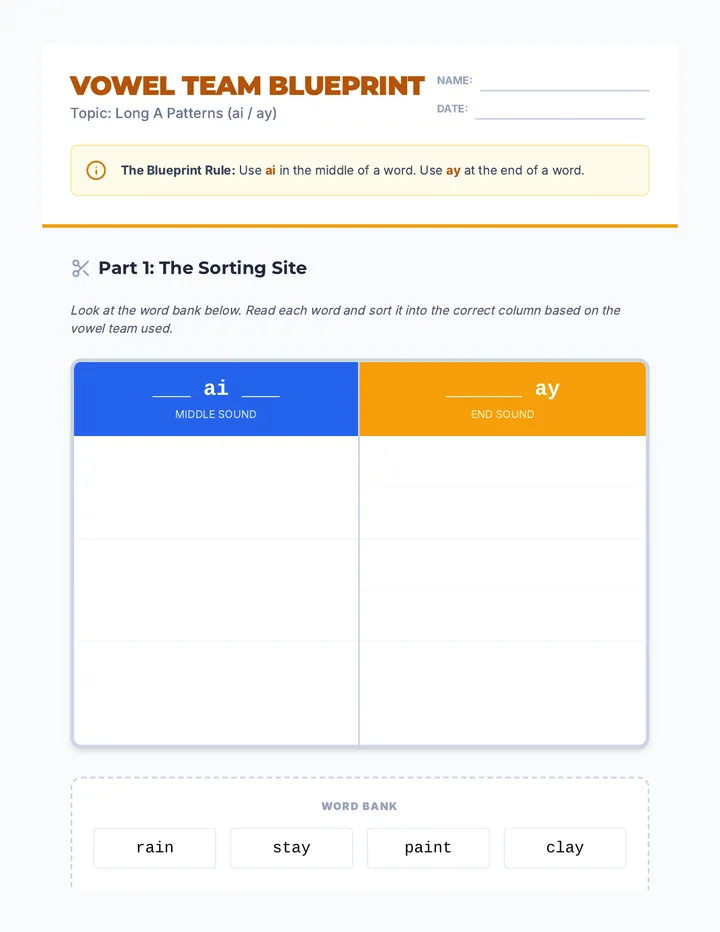
A systematic phonics sequence for 2nd grade focusing on Long A (ai, ay) and Long E (ee, ea) vowel teams. Students explore positional spelling rules, build decoding fluency through games, and apply their skills in encoding and reading narrative text.
A game-based phonics sequence for 2nd graders focusing on decoding multisyllabic words with soft 'c' and 'g' sounds. Students act as 'Secret Agents' to decode complex vocabulary through scanning, syllable division, word building, and fluency challenges.
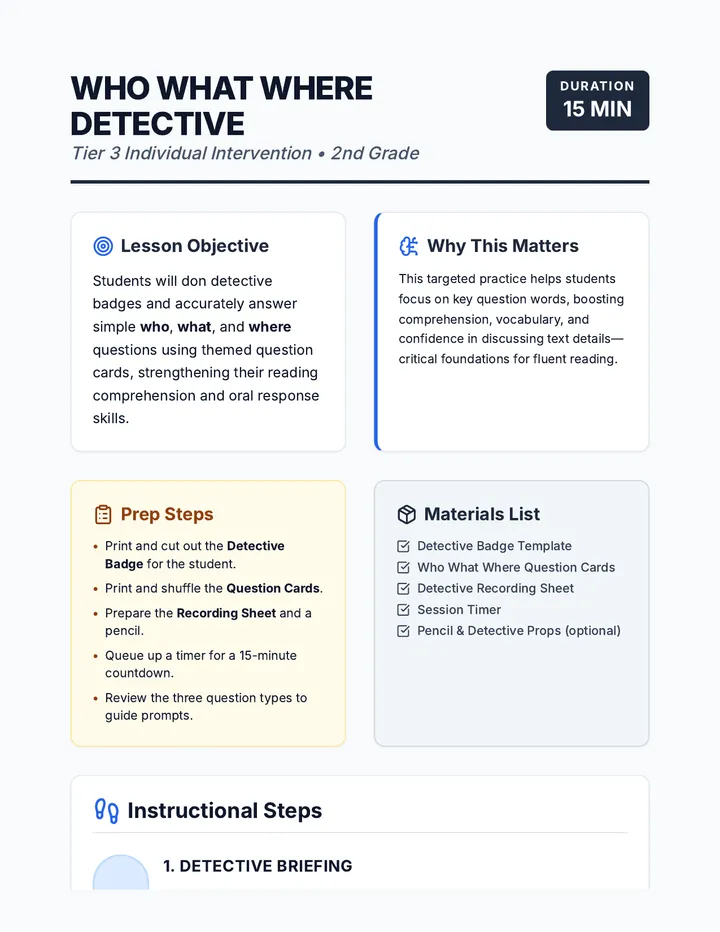
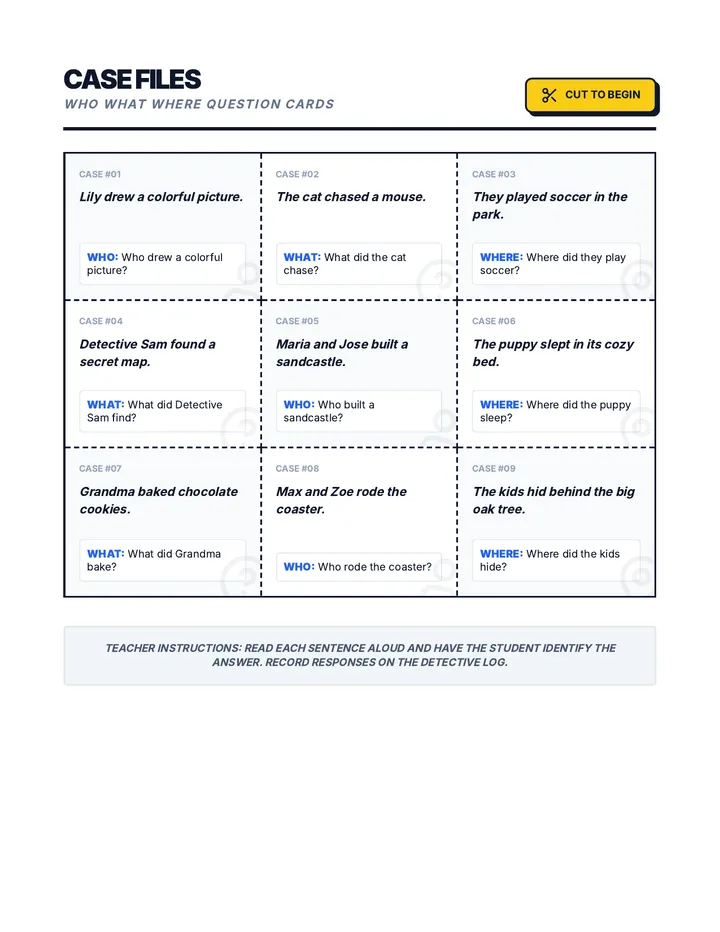
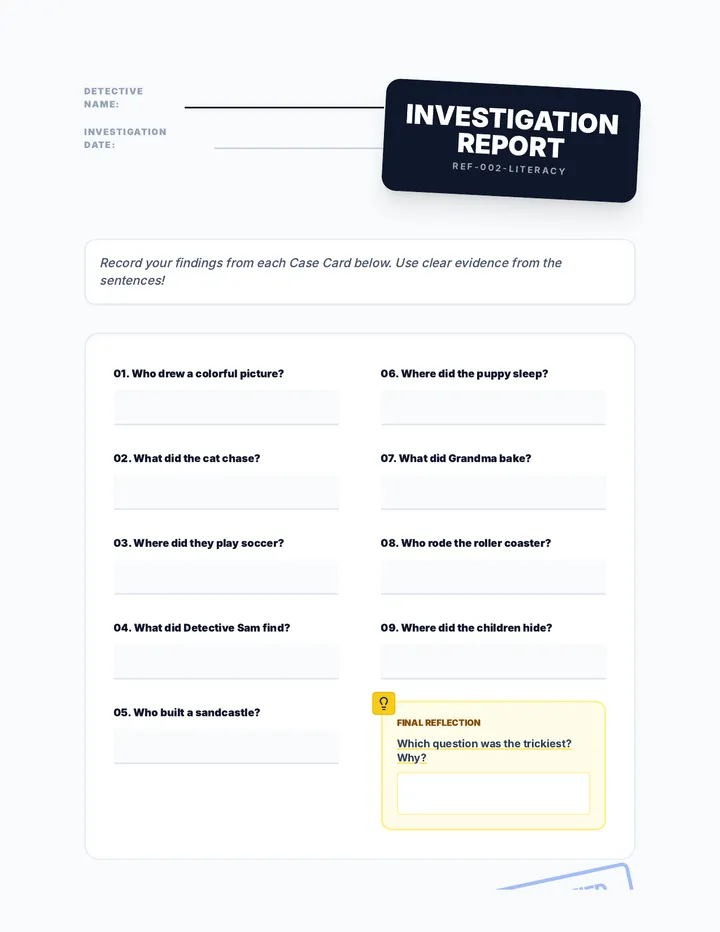
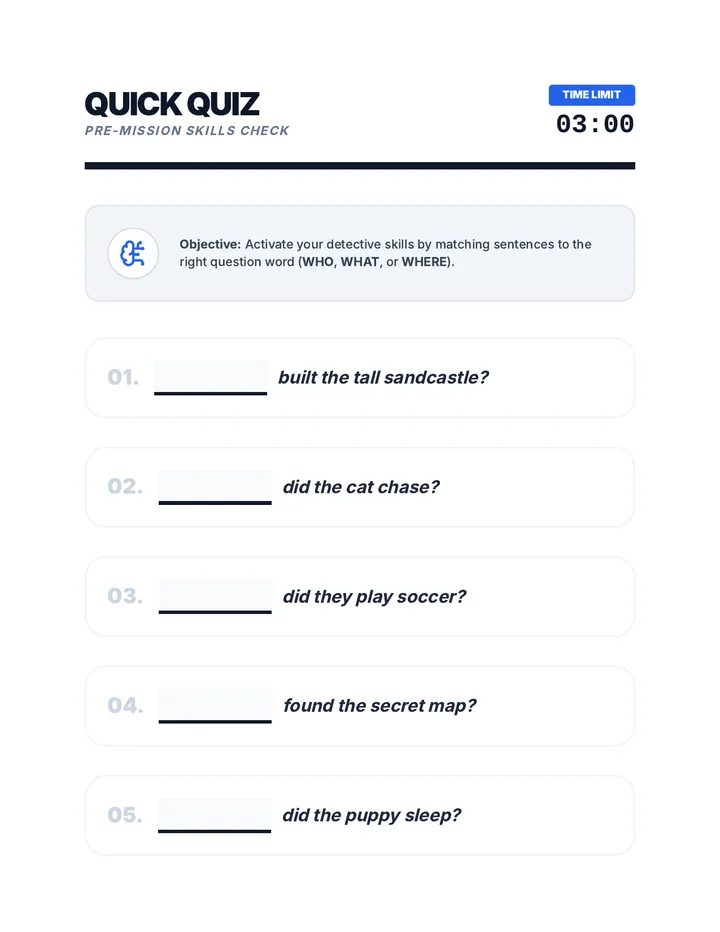
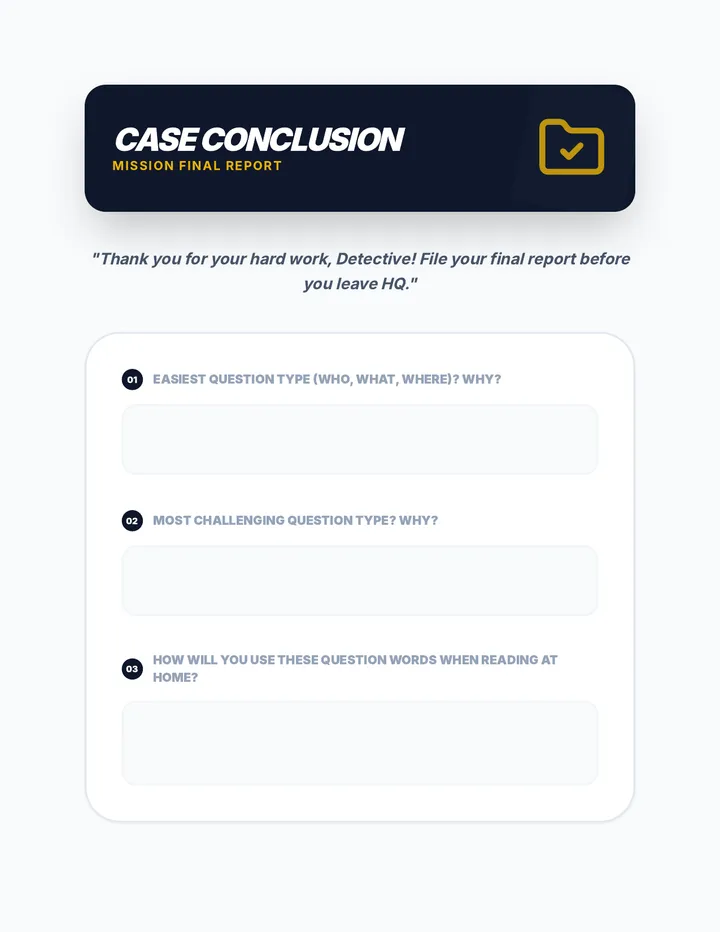
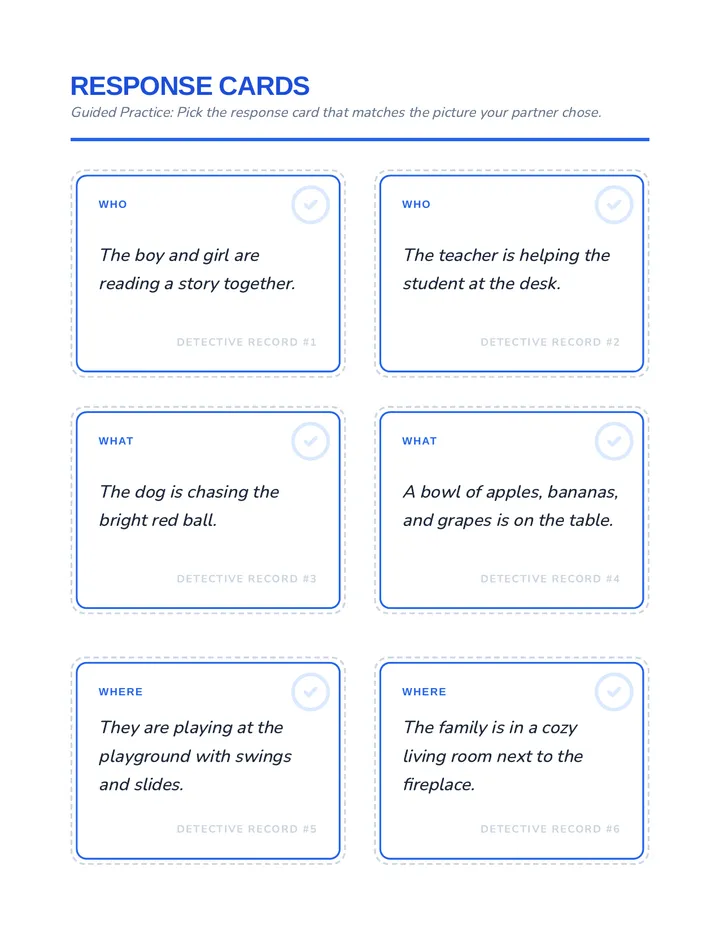
A 15-minute Tier 3 individual session where 2nd graders practice answering who, what, and where questions through a fun detective-themed mission. Students use badges and evidence cards to strengthen their reading comprehension and oral response skills.
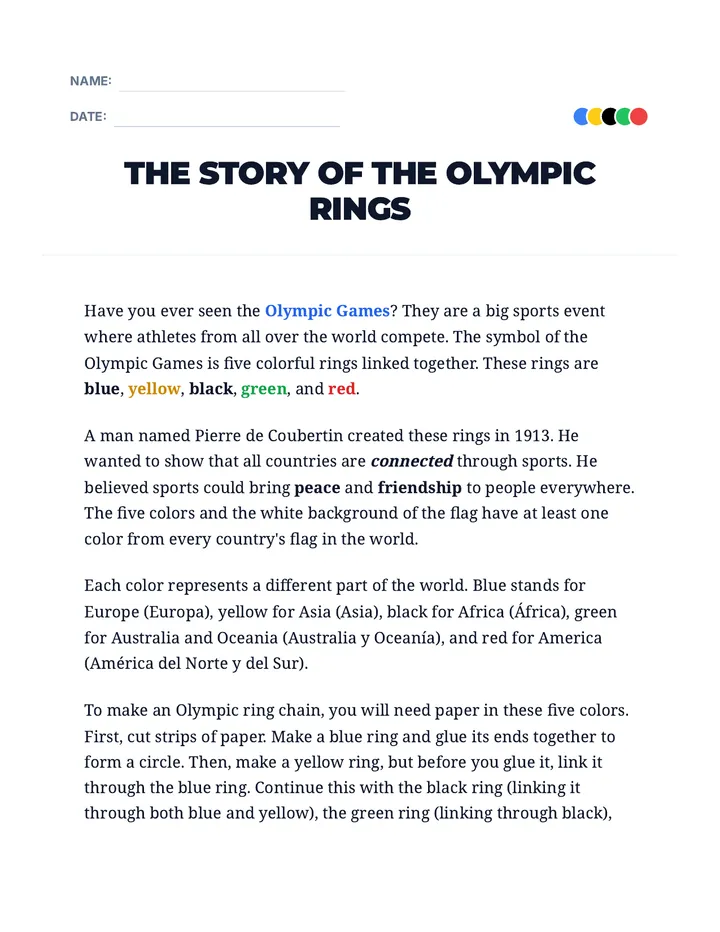
A 30-minute lesson explaining the history and meaning of the Olympic rings through a guided reading and hands-on chain-making activity, specifically designed for 9th-grade TELPAS students with low English proficiency.
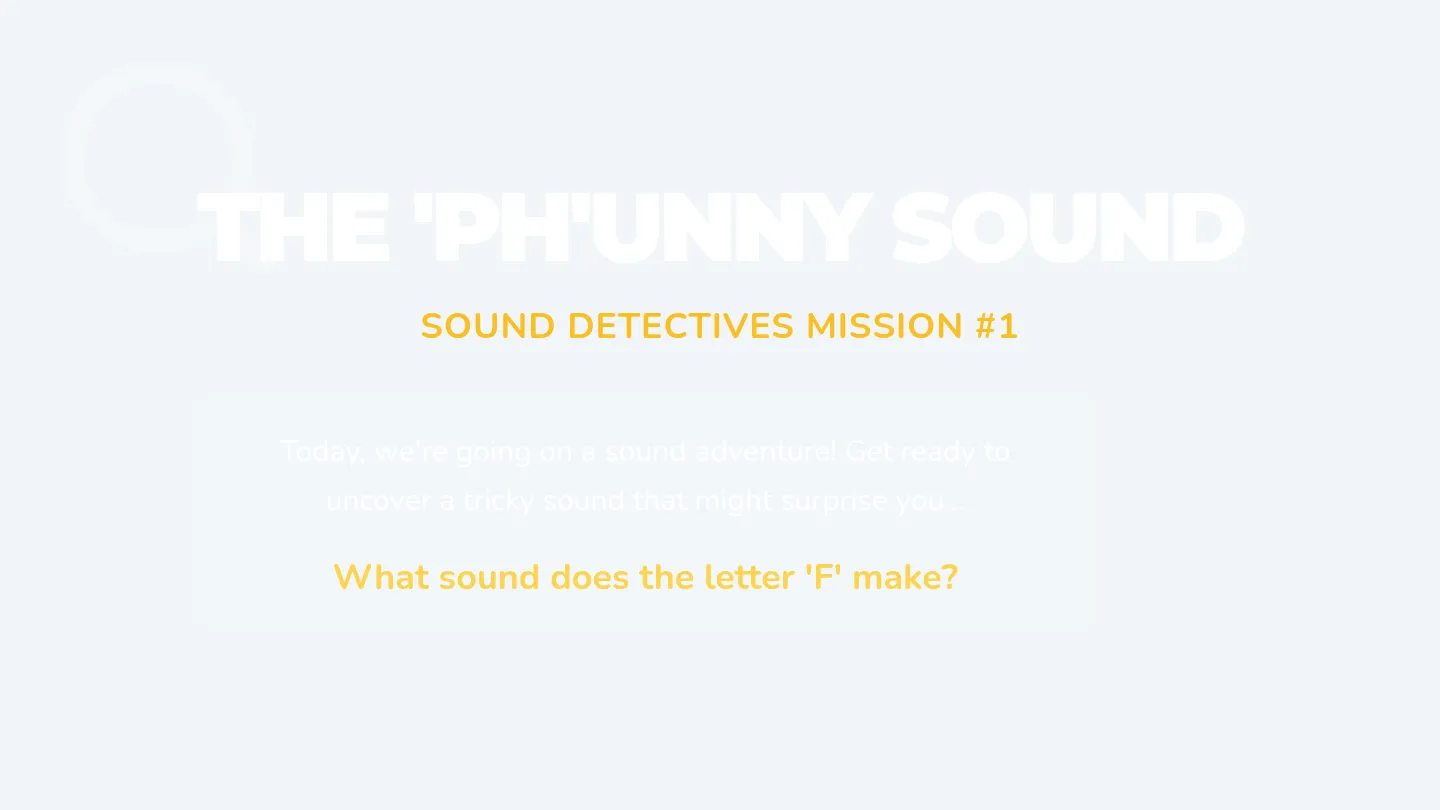
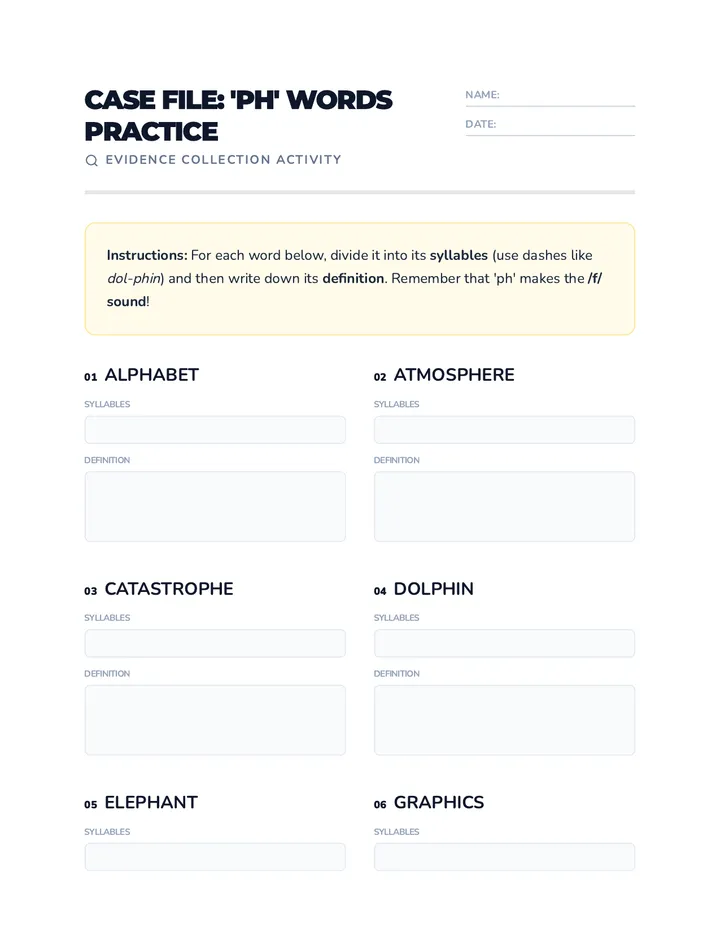
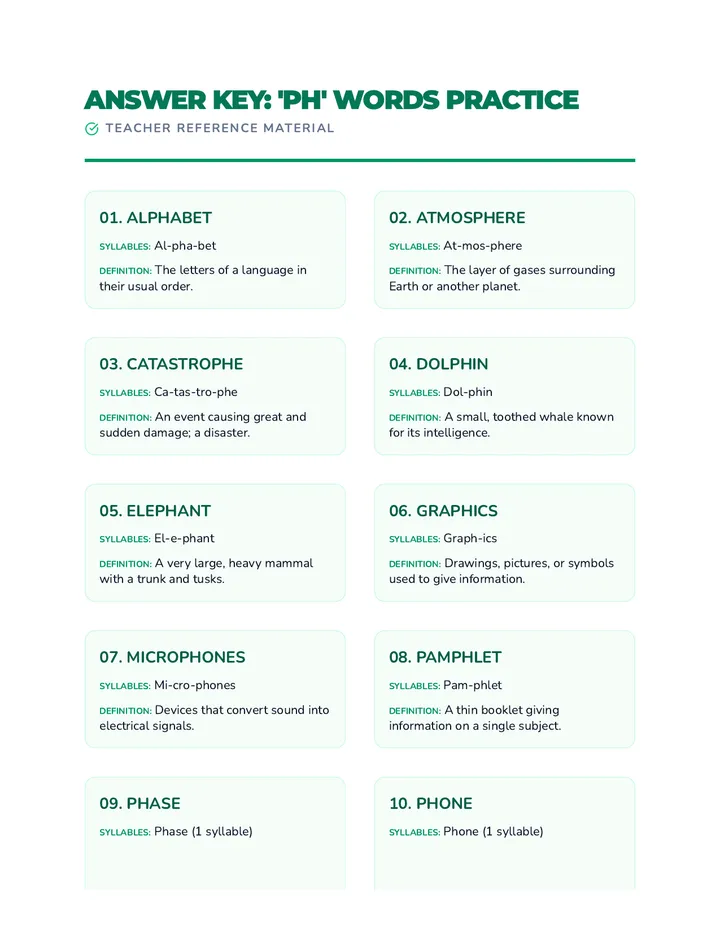
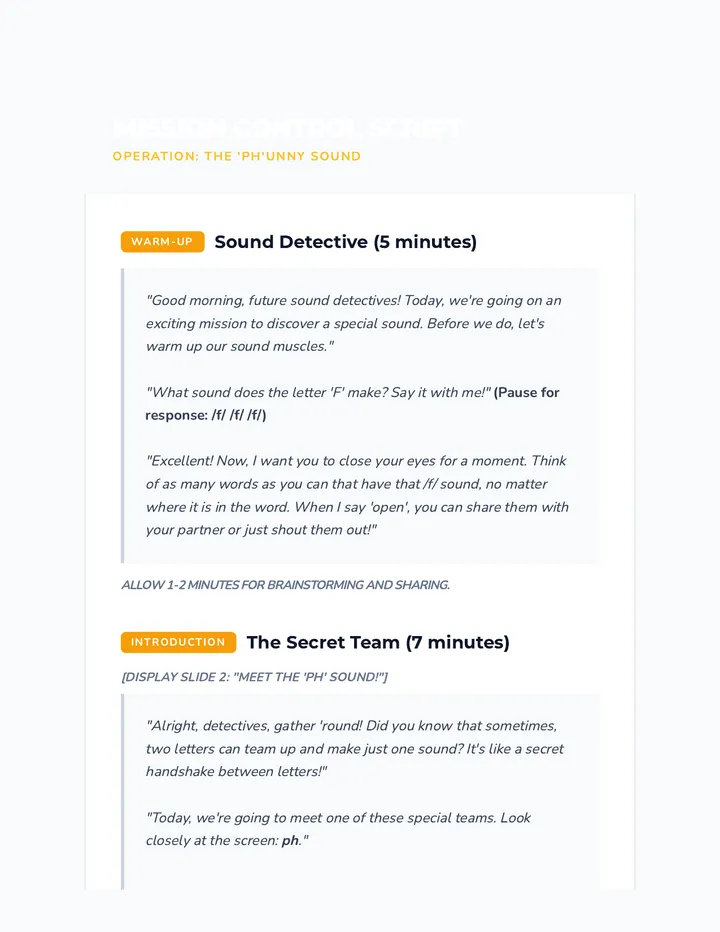
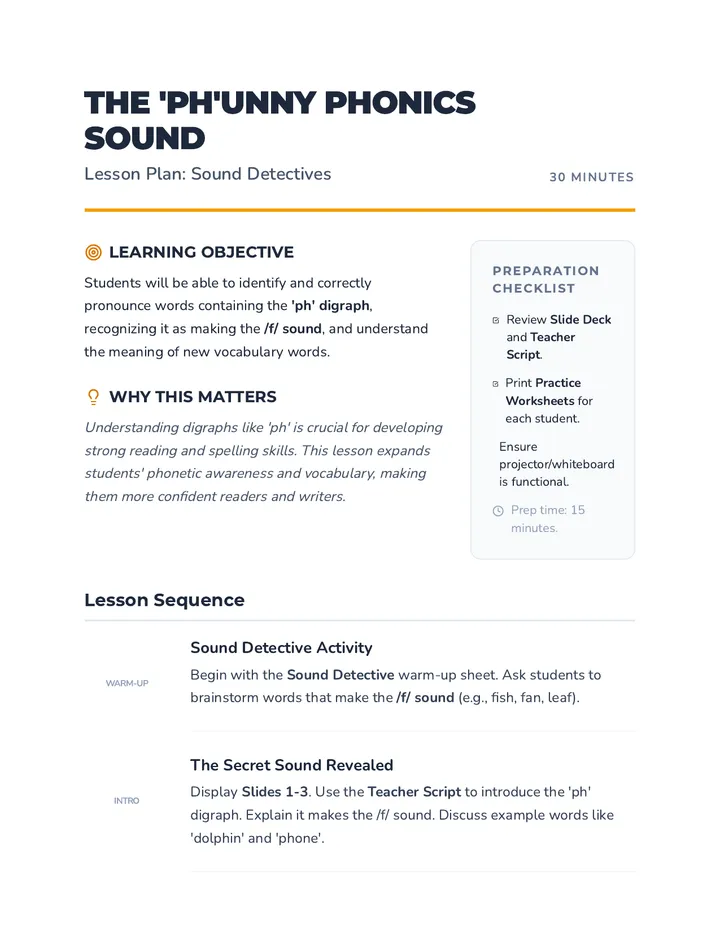
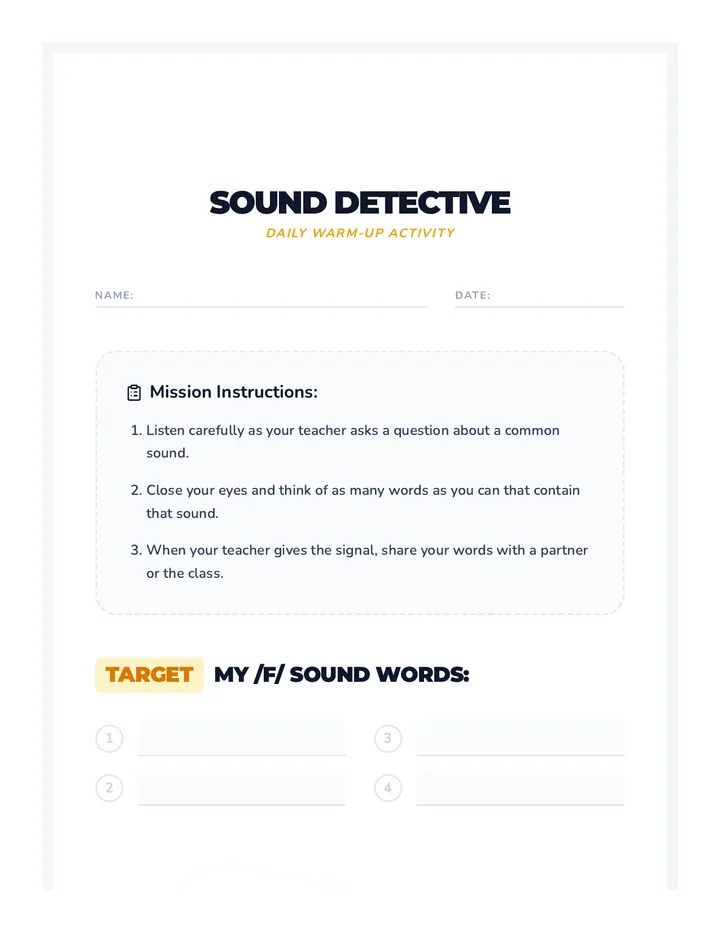
An engaging 30-minute lesson introducing 4th-grade students to the 'ph' digraph making the /f/ sound through interactive slides, syllable practice, and vocabulary building.
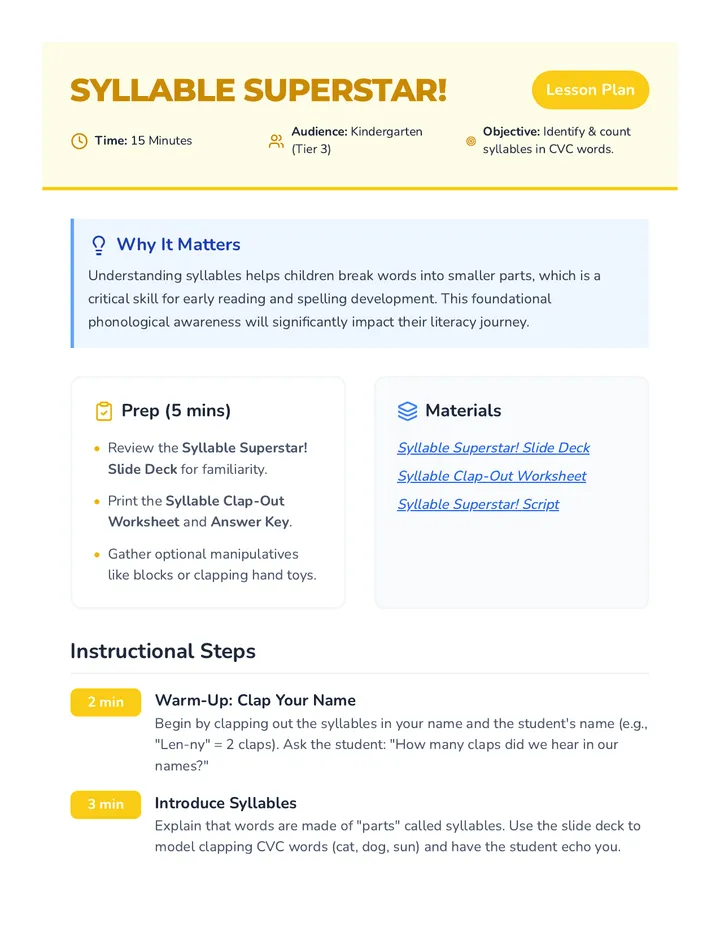
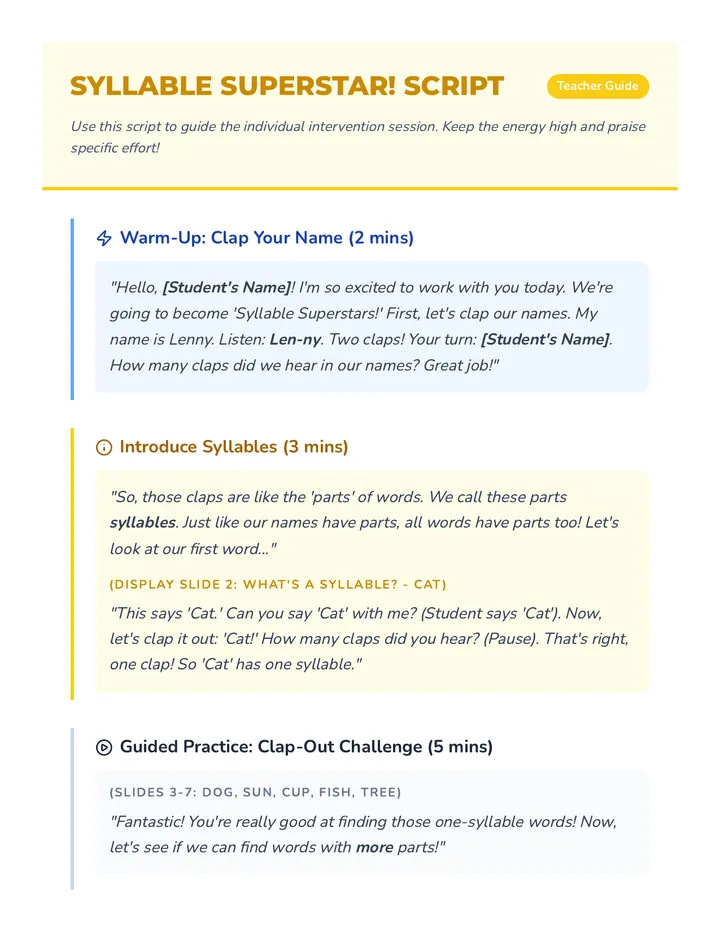
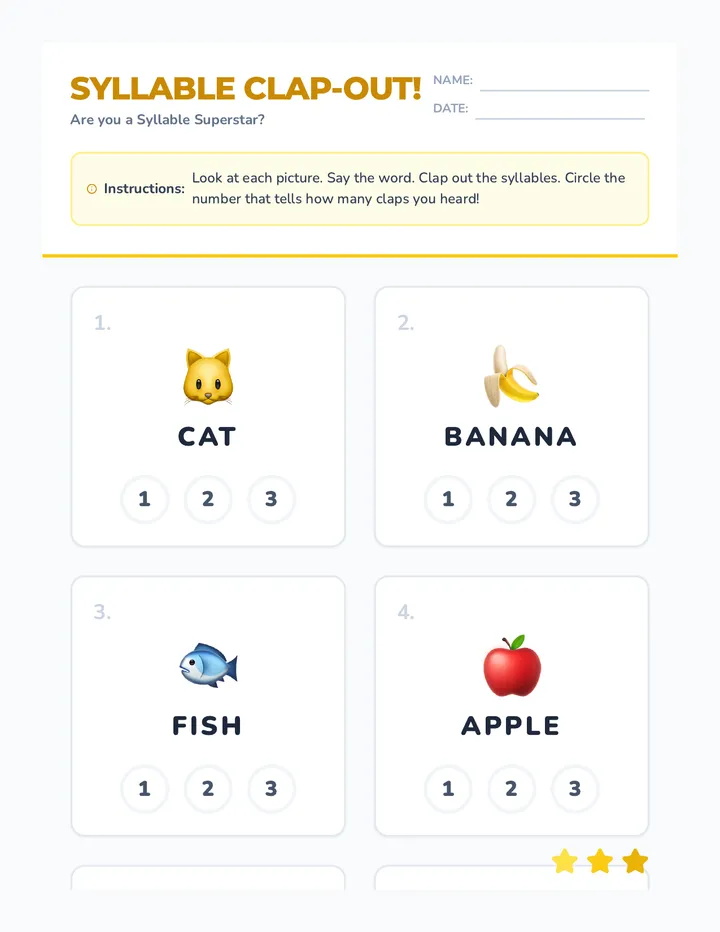
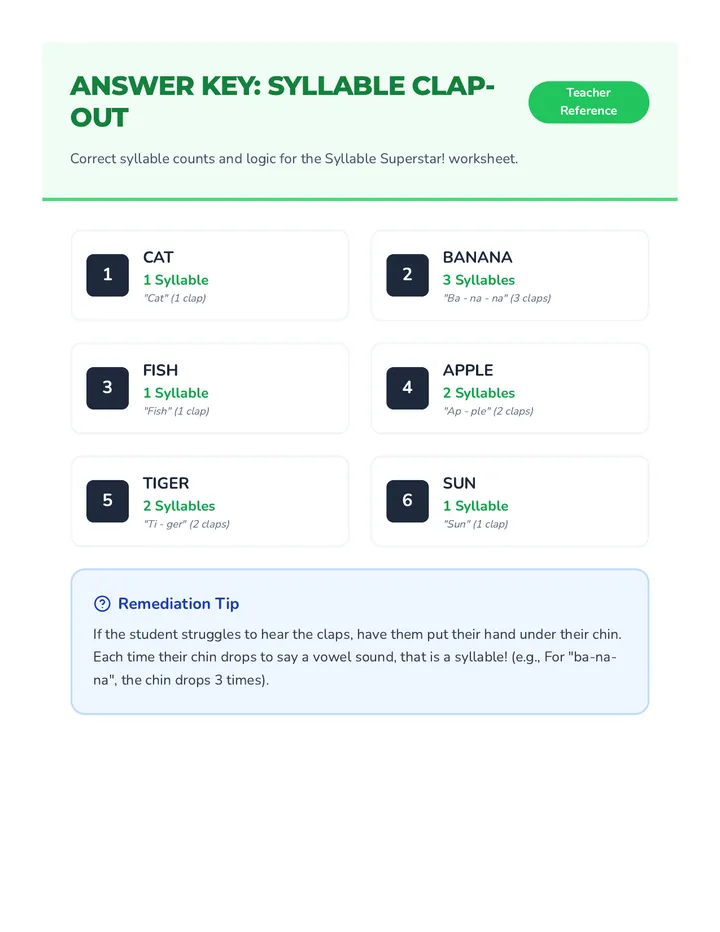
A high-energy, 15-minute Tier 3 intervention for Kindergarten students to master syllable counting through clapping and visual aids.
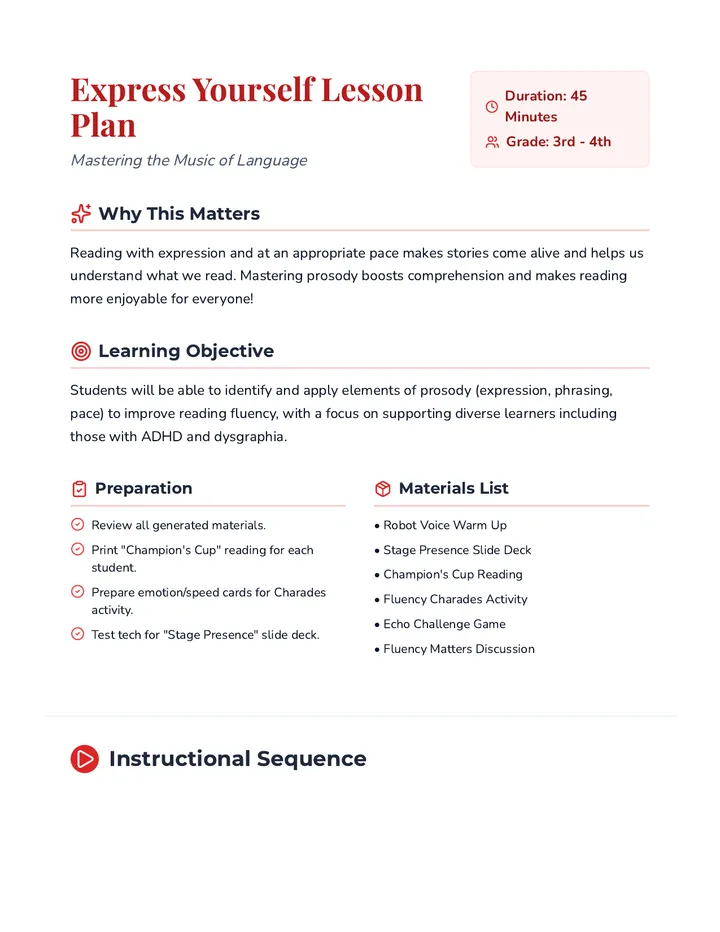
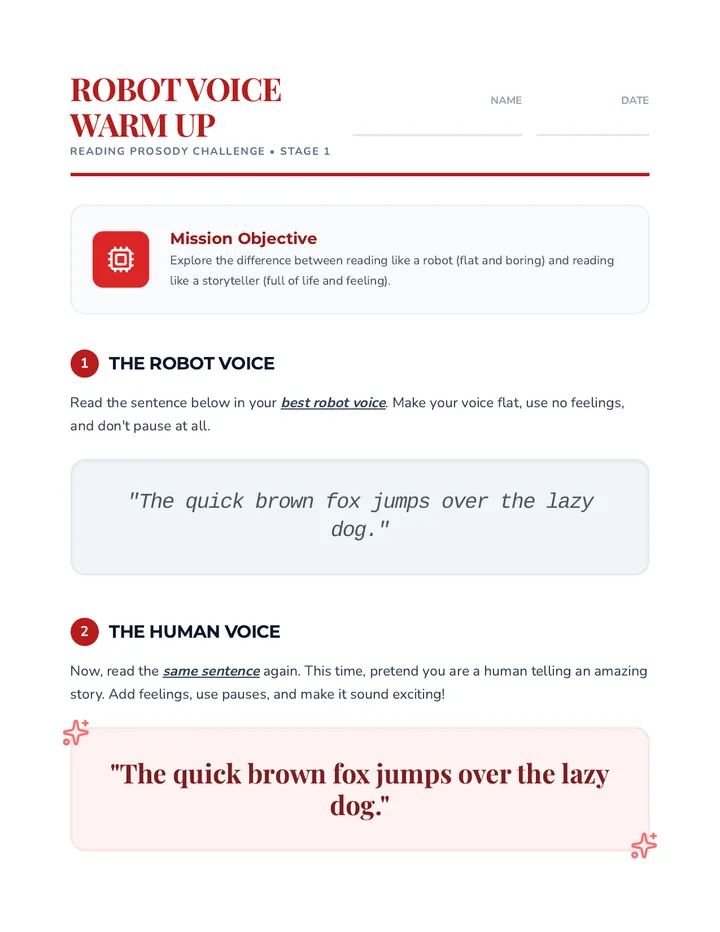
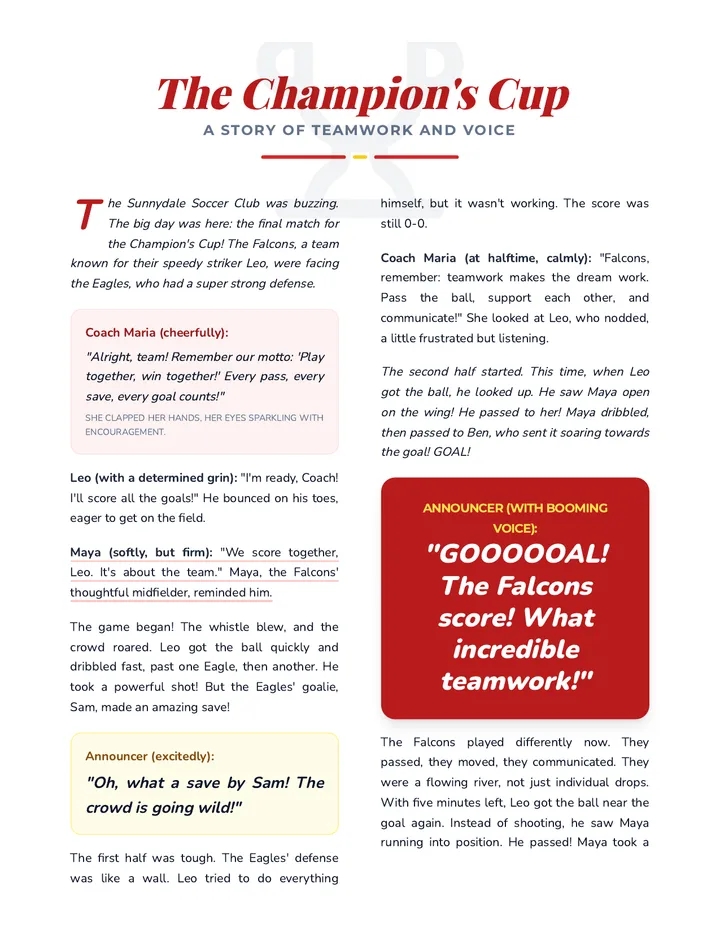
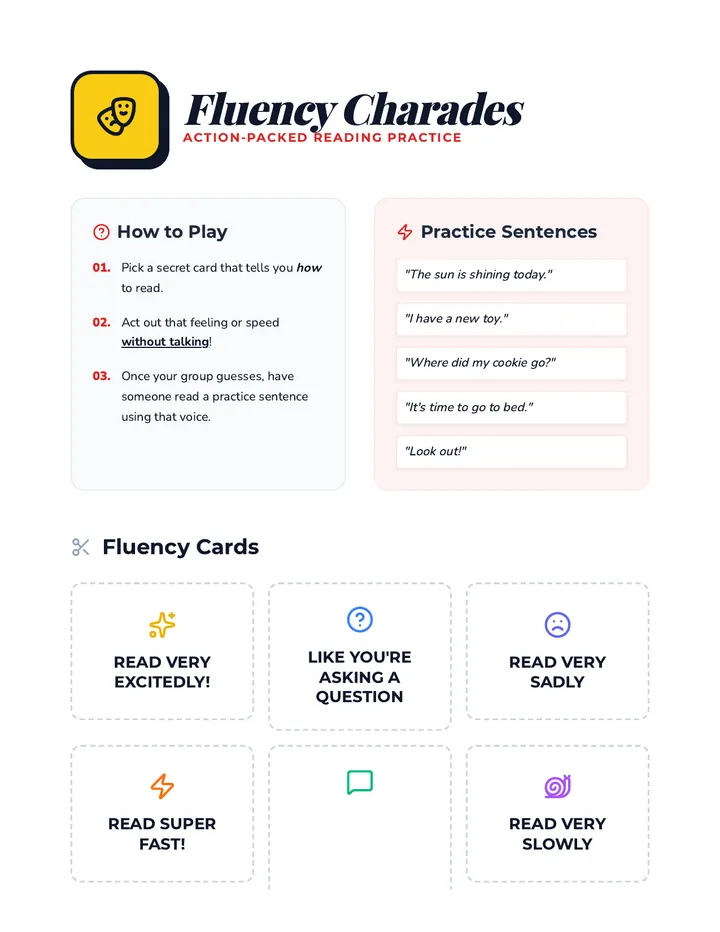
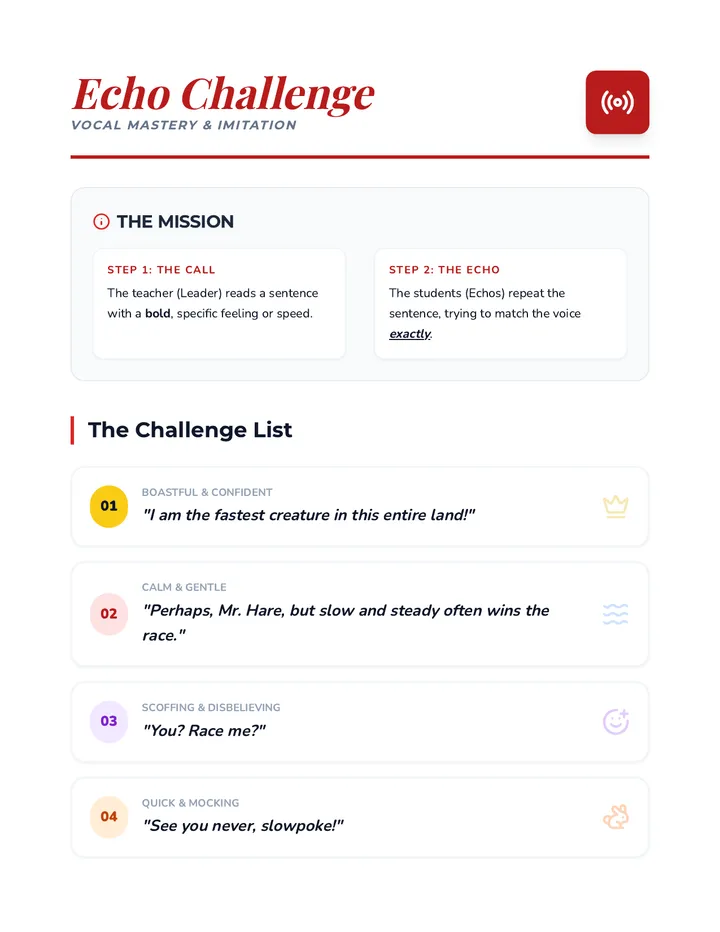
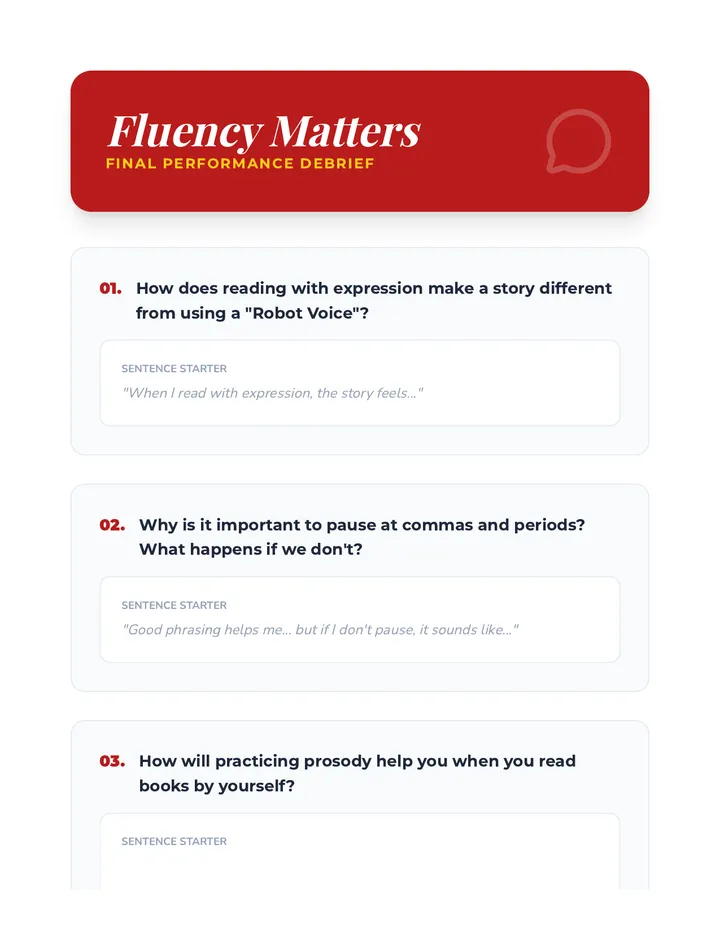
A 45-minute lesson for 3rd and 4th graders focusing on reading prosody (expression, phrasing, and pace) through interactive theater-themed activities.
A 30-minute individualized Tier 3 session focusing on semantic skills, task planning, and phonemic awareness through hands-on building and swapping activities.
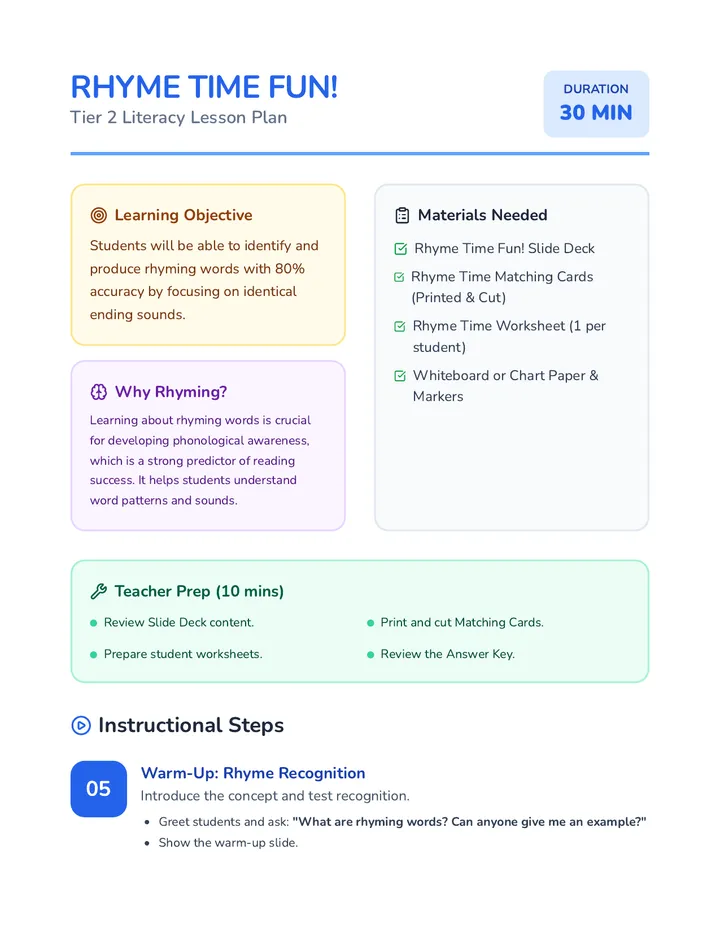
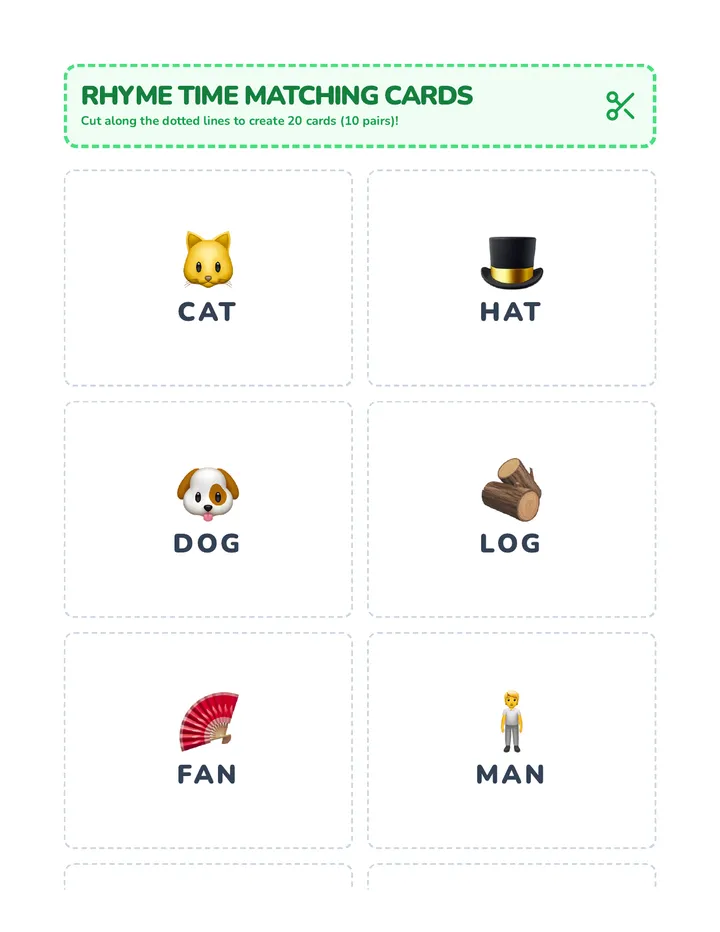
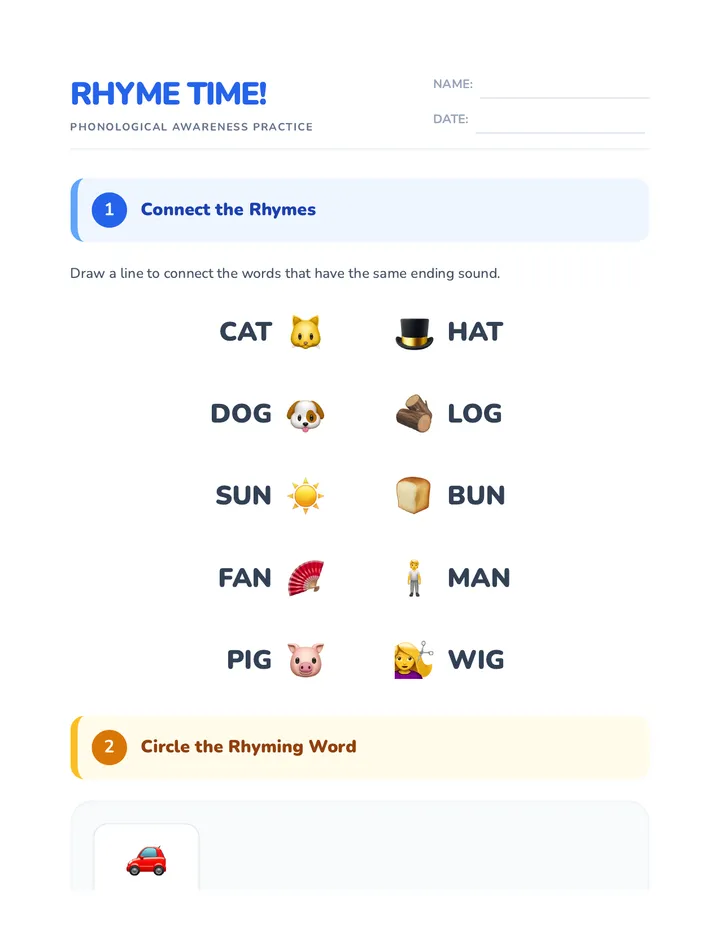
A 30-minute Tier 2 small group lesson for 1st graders focused on identifying and producing rhyming words through games and interactive practice.
A 30-minute phonics and reading lesson for 4th graders focused on mastering three key syllabication rules (VCCV, VCV, and Consonant-le) through a superhero-themed interactive presentation and guided practice.
A comprehensive lesson for Kindergarten students to differentiate between short and long vowel sounds, focusing on 'vowels saying their names' and the role of the magic 'e'.
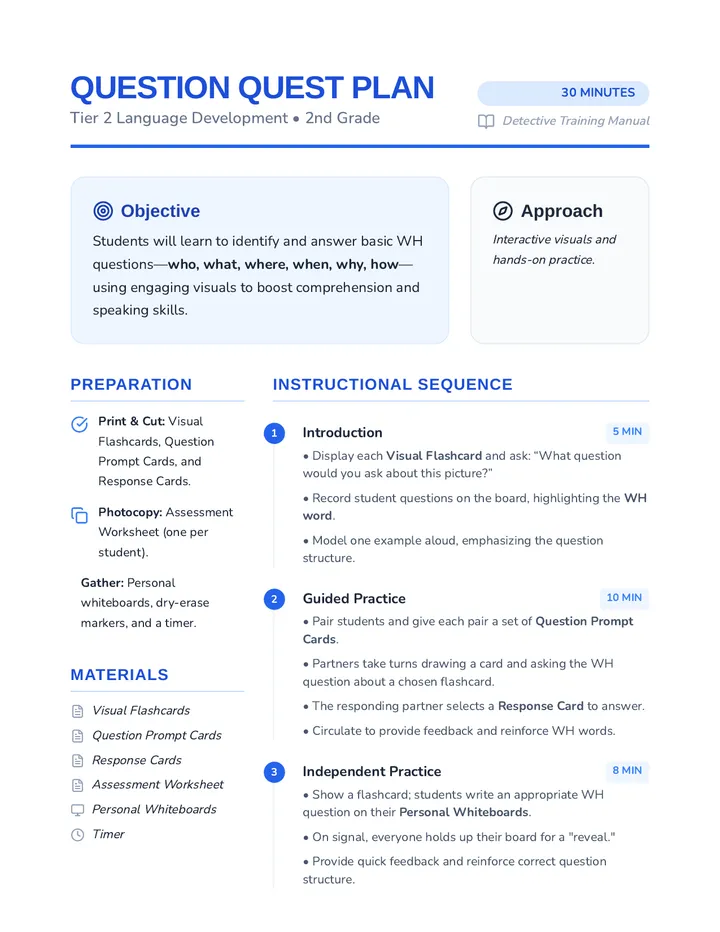
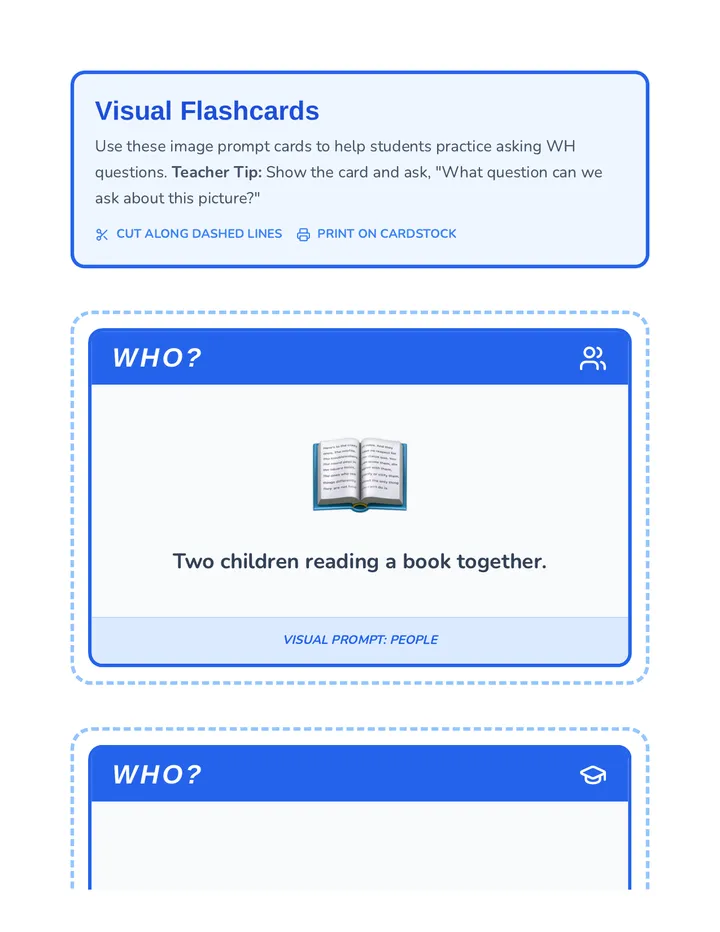
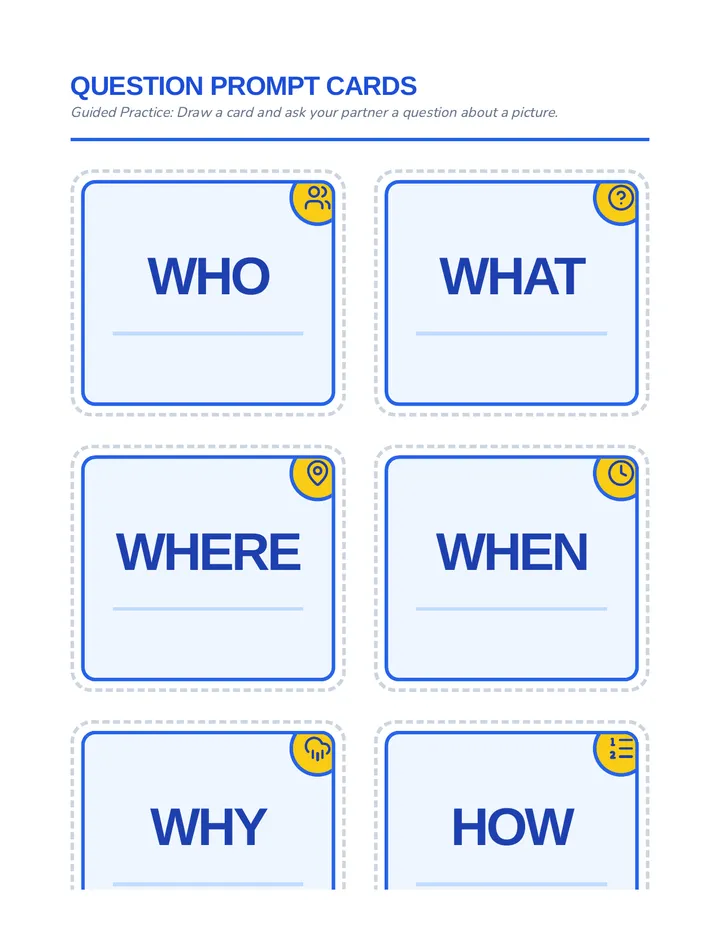
A 30-minute Tier 2 group session for 2nd graders to master basic WH questions (who, what, where, when, why, how) through visuals and hands-on activities.
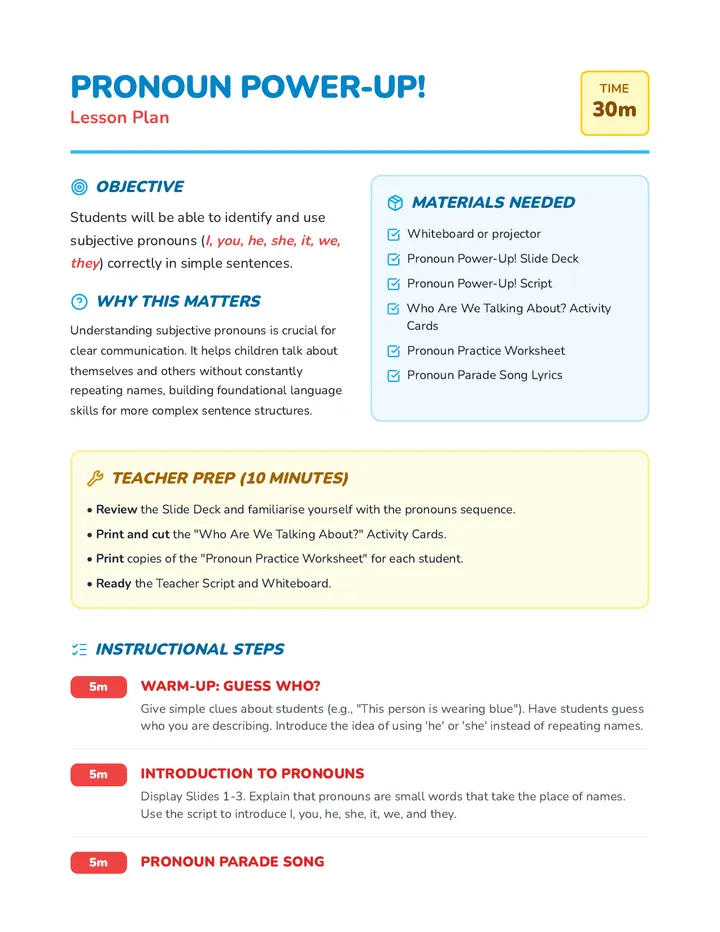
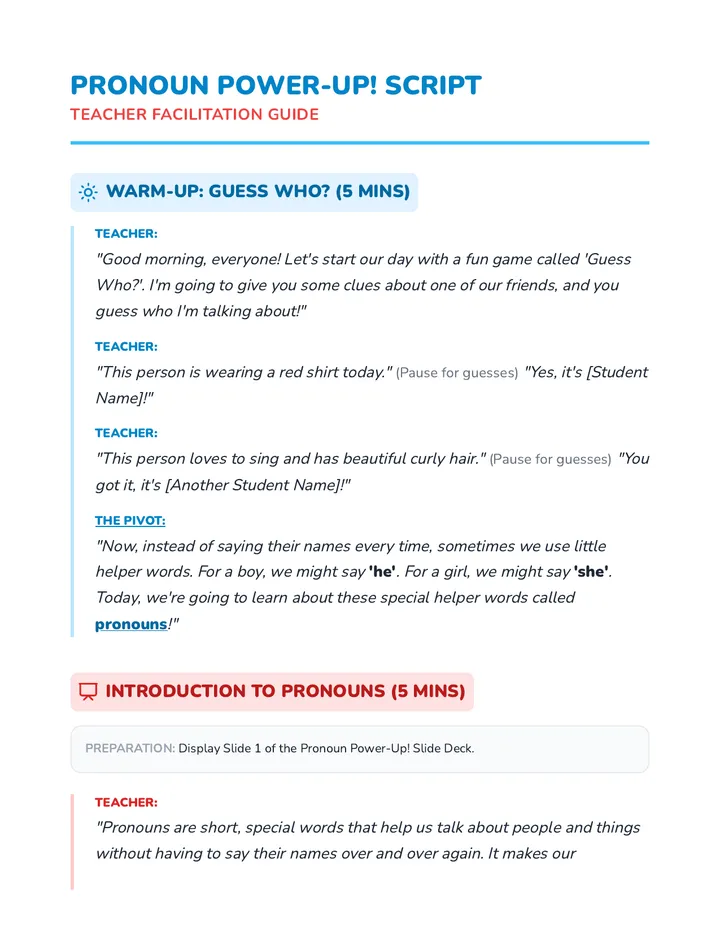
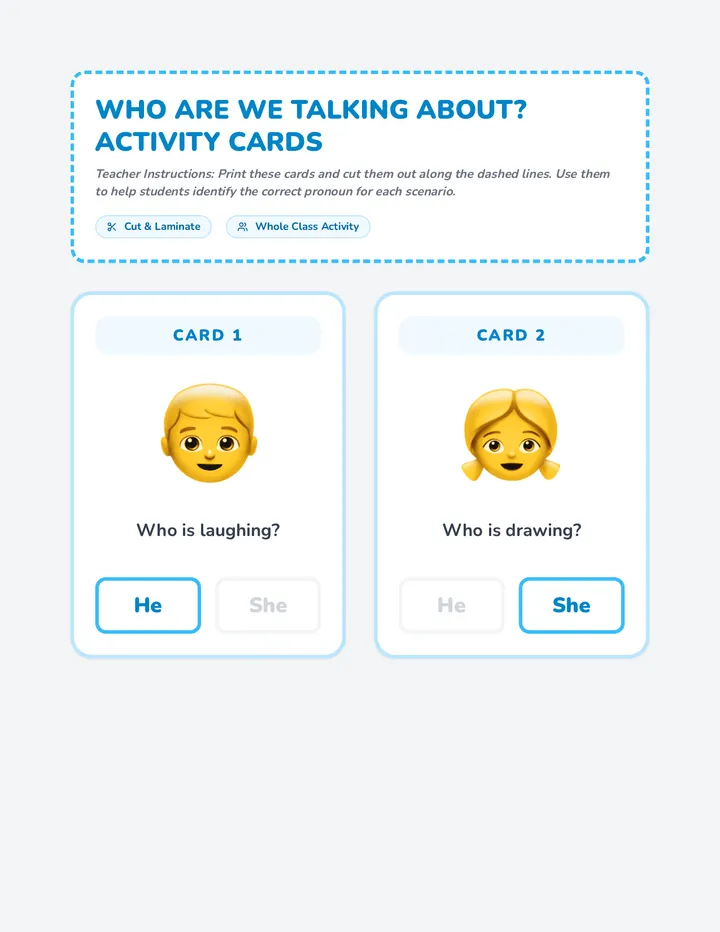
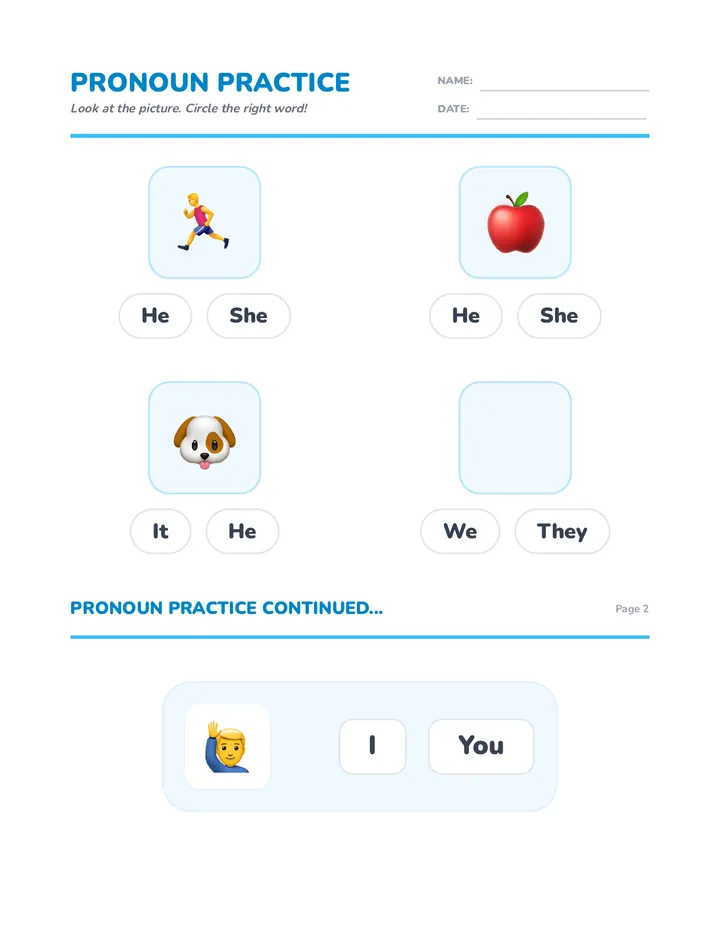
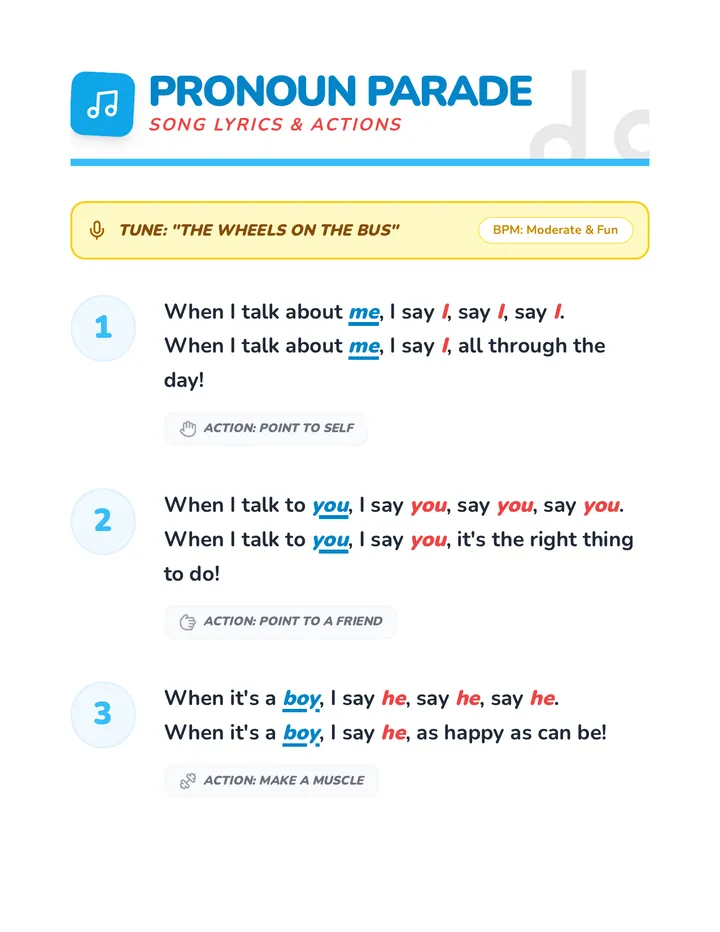
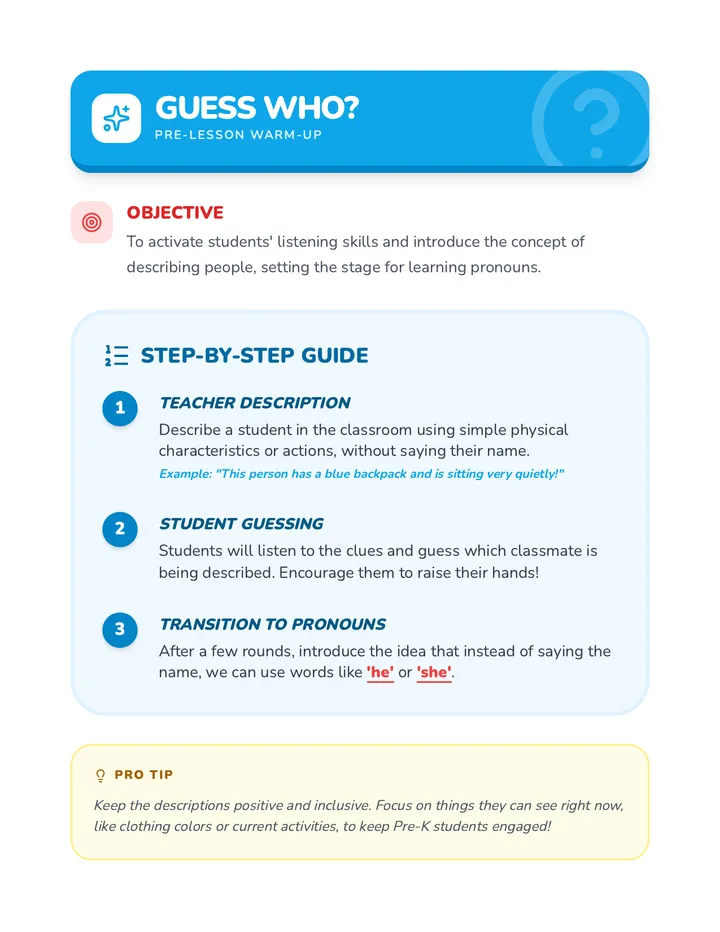
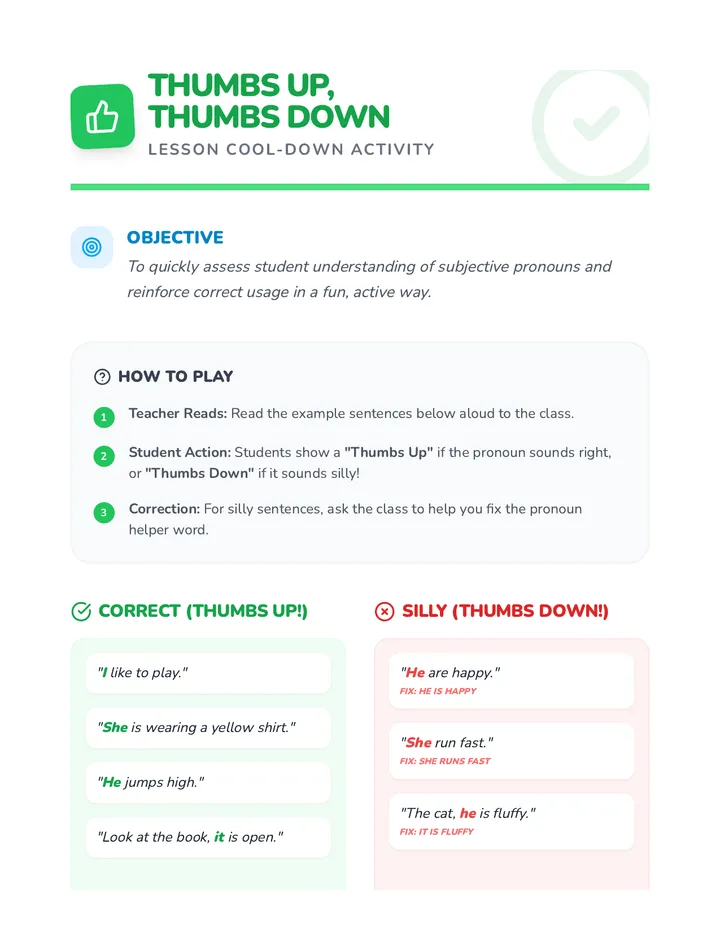
This lesson introduces Pre-K students to subjective pronouns (I, you, he, she, it, we, they) through engaging stories and interactive activities. Understanding pronouns helps children build stronger sentences and communicate more clearly. This lesson is designed for a whole classroom setting (Tier 1) and will take approximately 30 minutes.
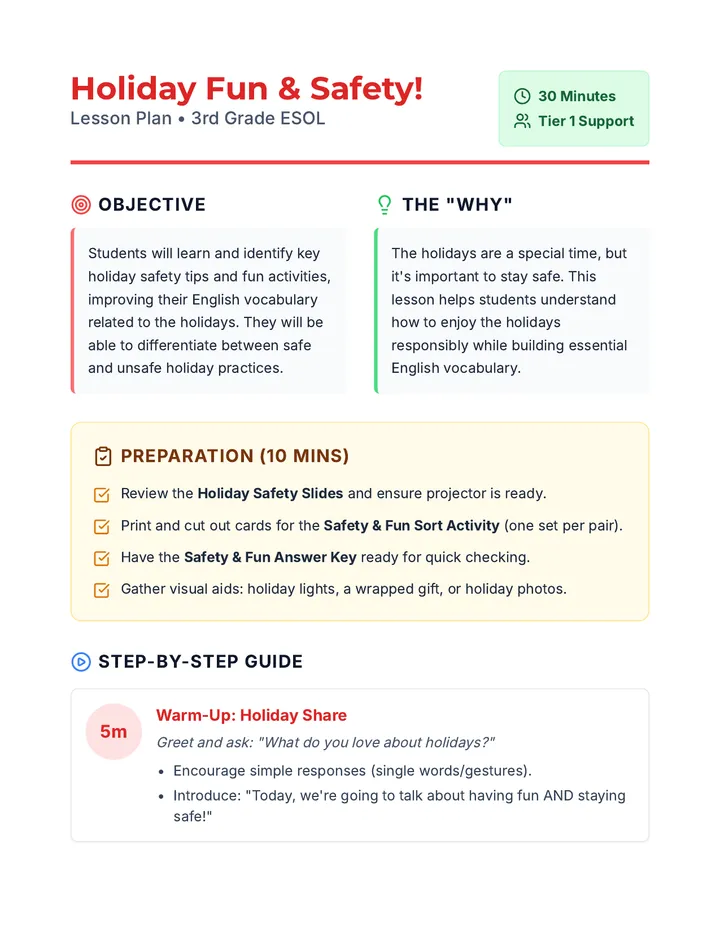
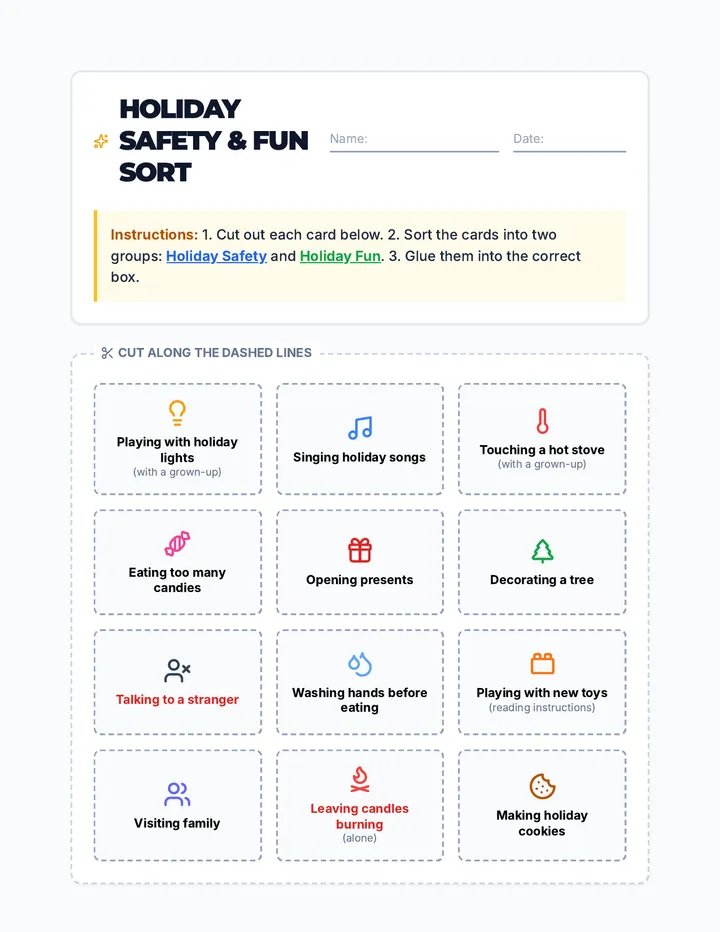
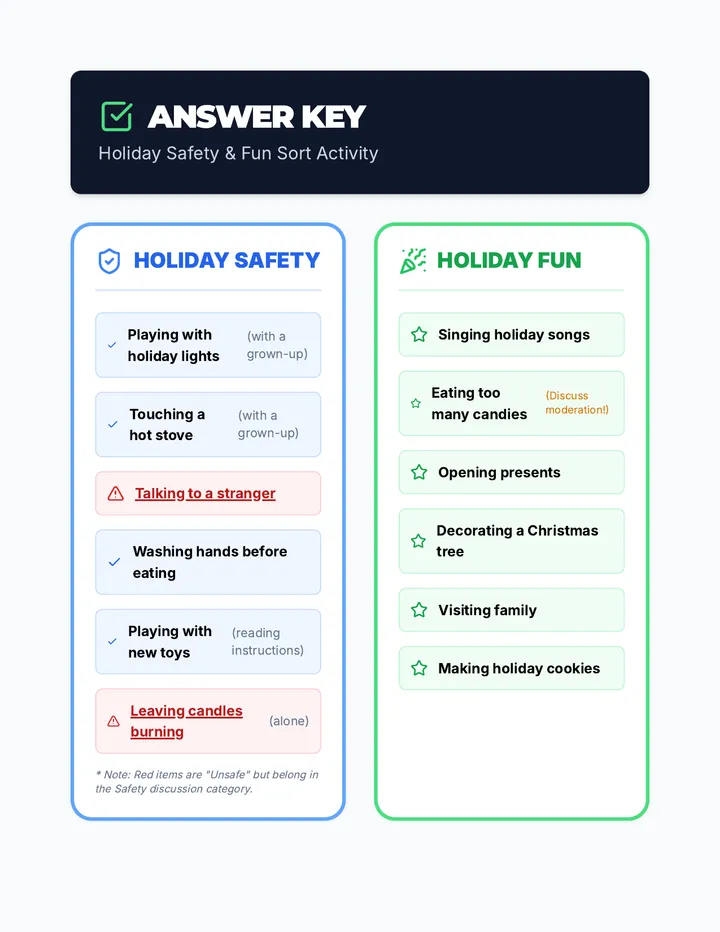
A 30-minute lesson for 3rd-grade ESOL students focusing on holiday safety tips and fun activities, enhancing vocabulary through interactive discussion and a sorting activity.
A 15-minute small-group lesson for 2nd graders exploring an informational text about Bad Bunny and Hispanic Heritage Month to build fluency and comprehension.
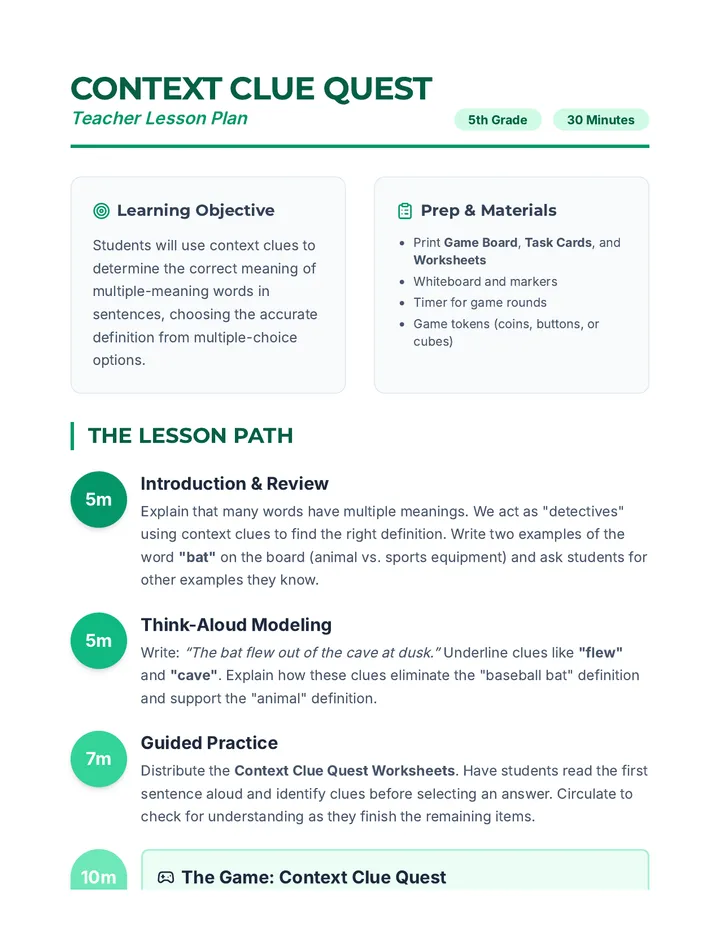
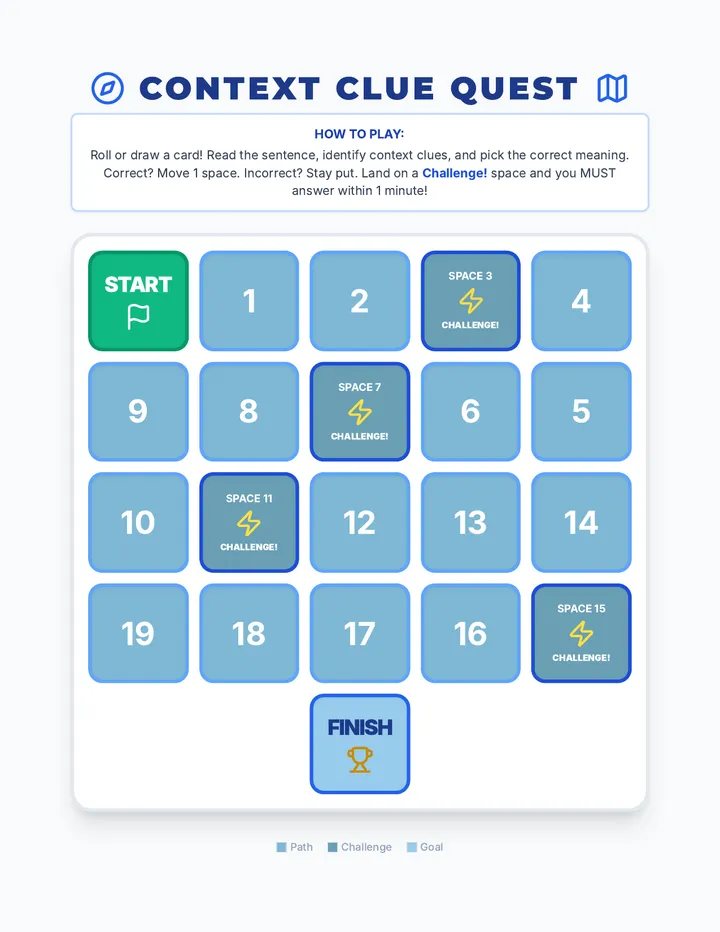
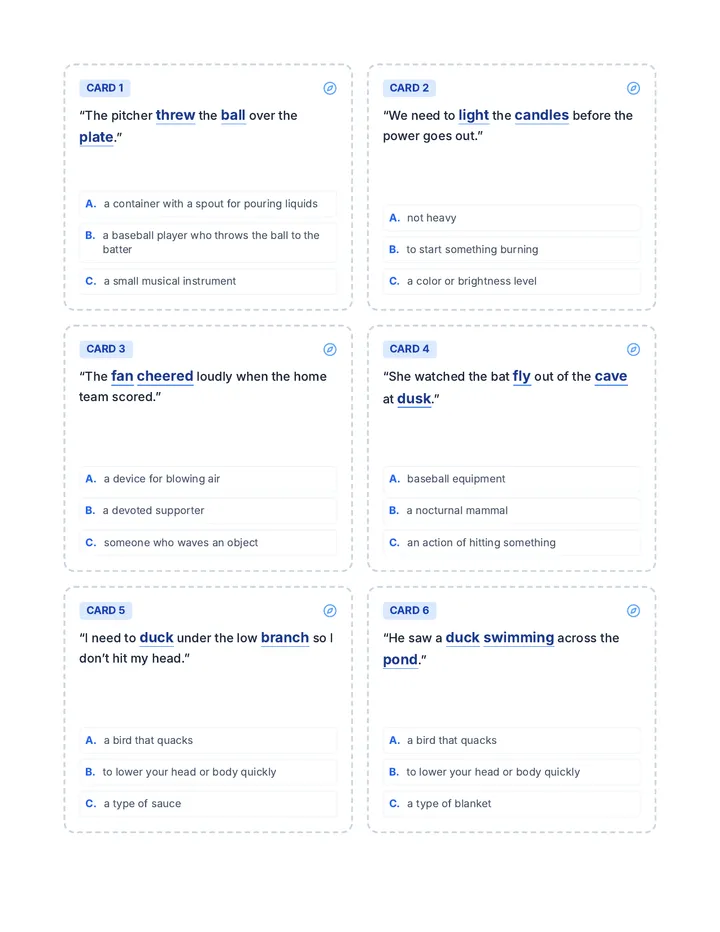
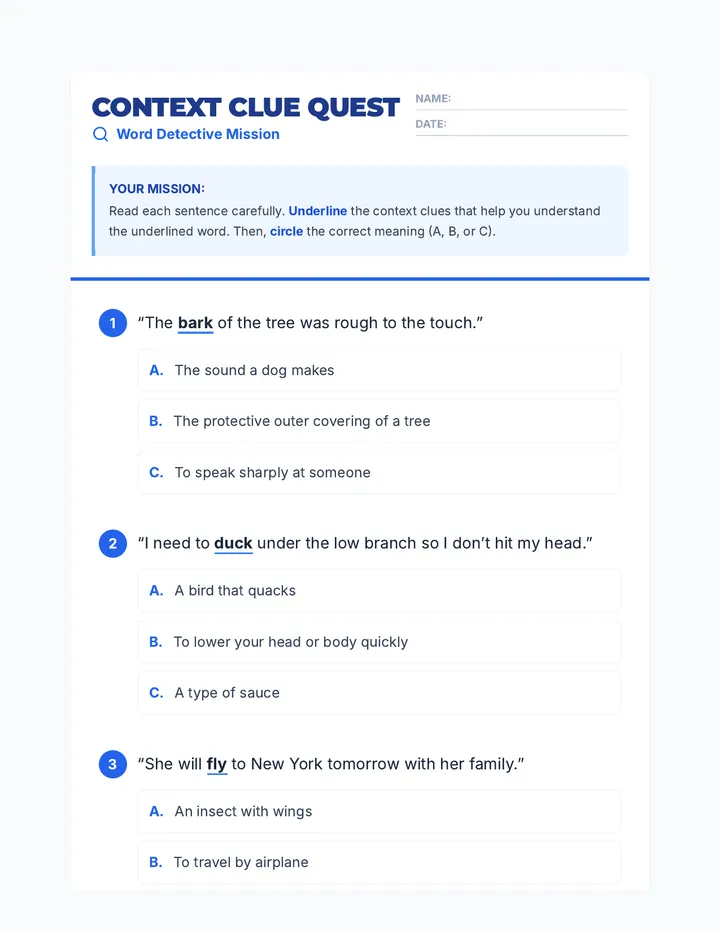
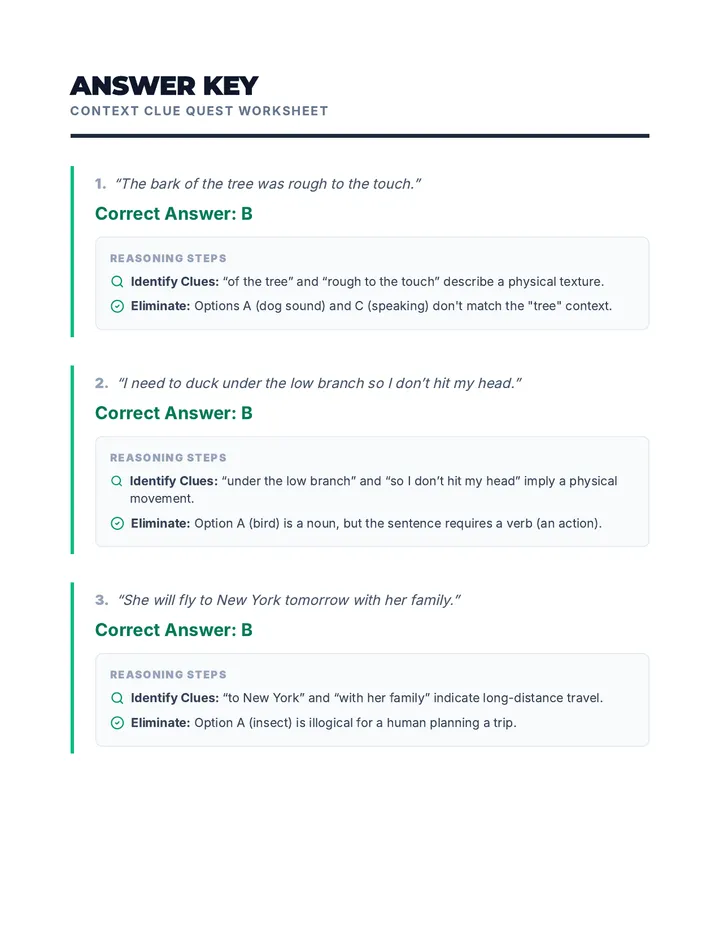
A high-energy, small-group lesson where 5th graders master multiple-meaning words using context clues through guided practice and a competitive board game.
An engaging 30-minute reading game where 1st and 2nd grade students act as detectives to solve the case of missing vowels in CVC words, strengthening phonics and decoding skills.
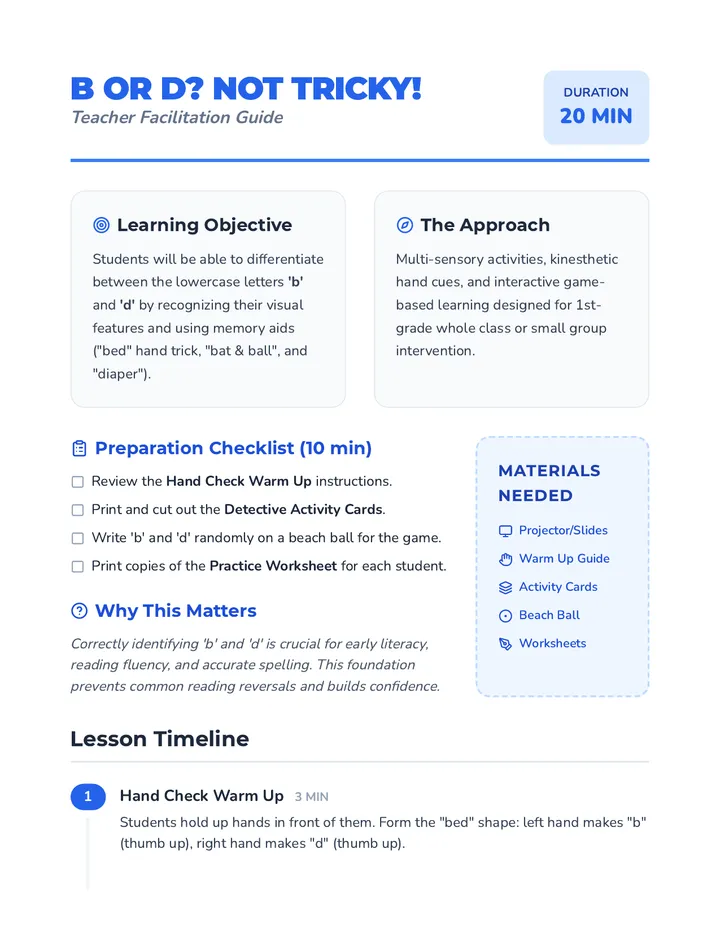
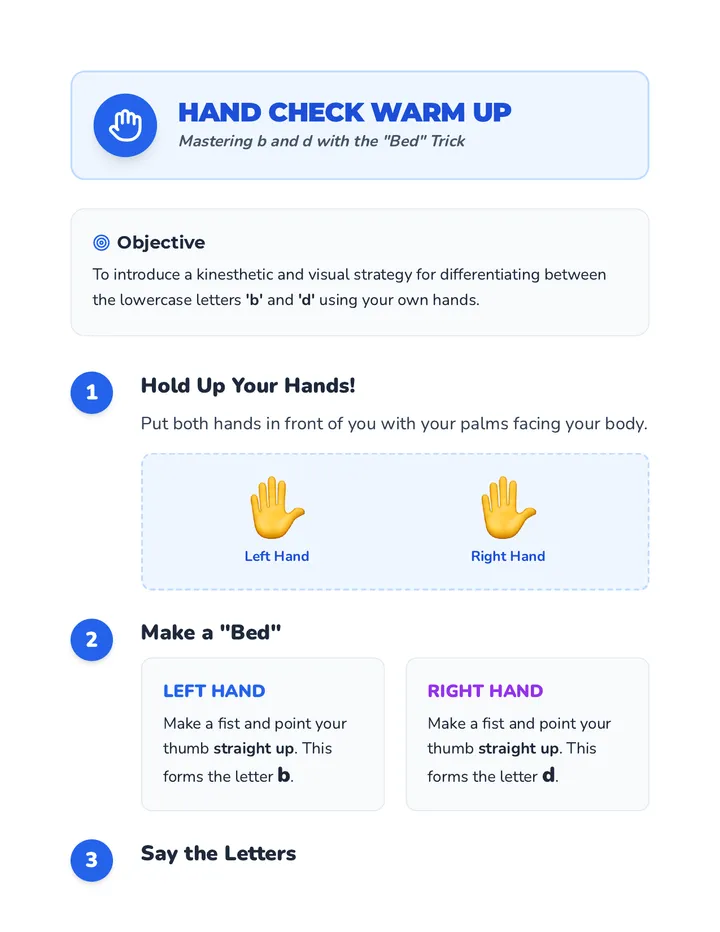
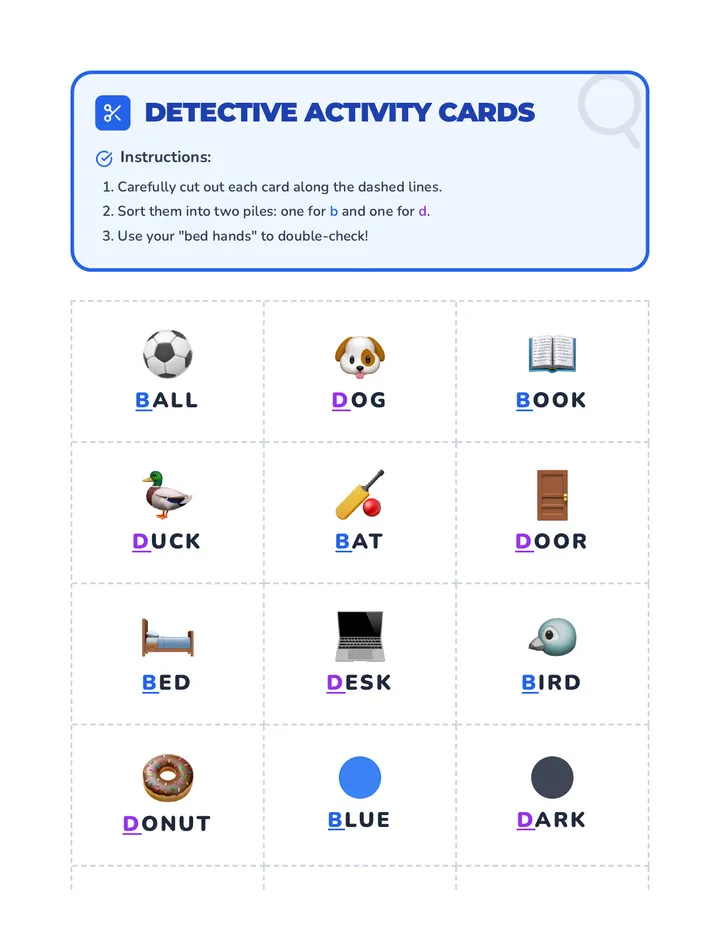
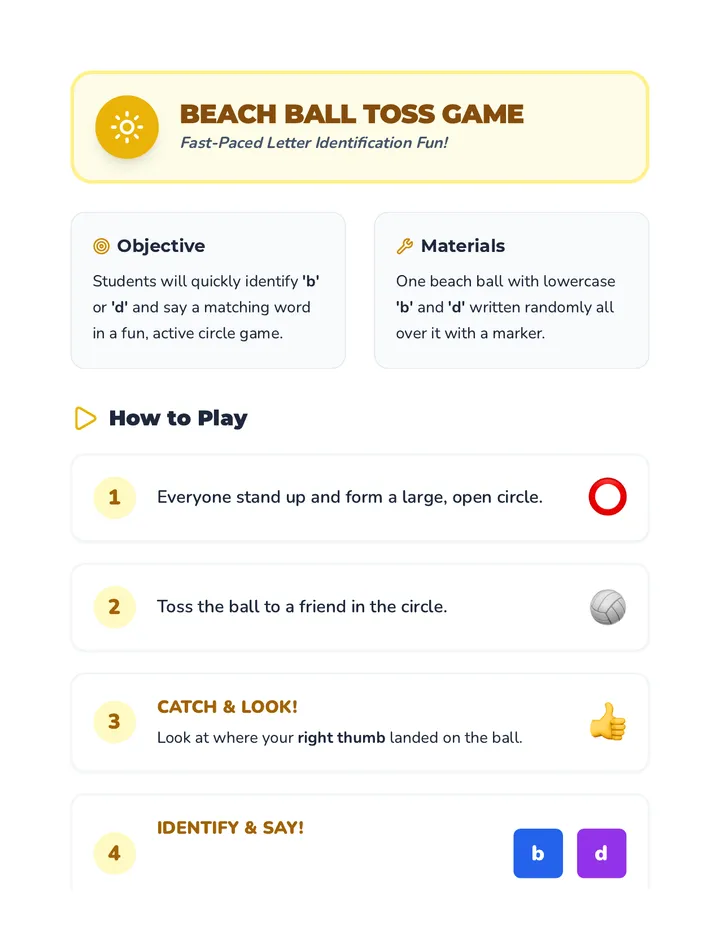
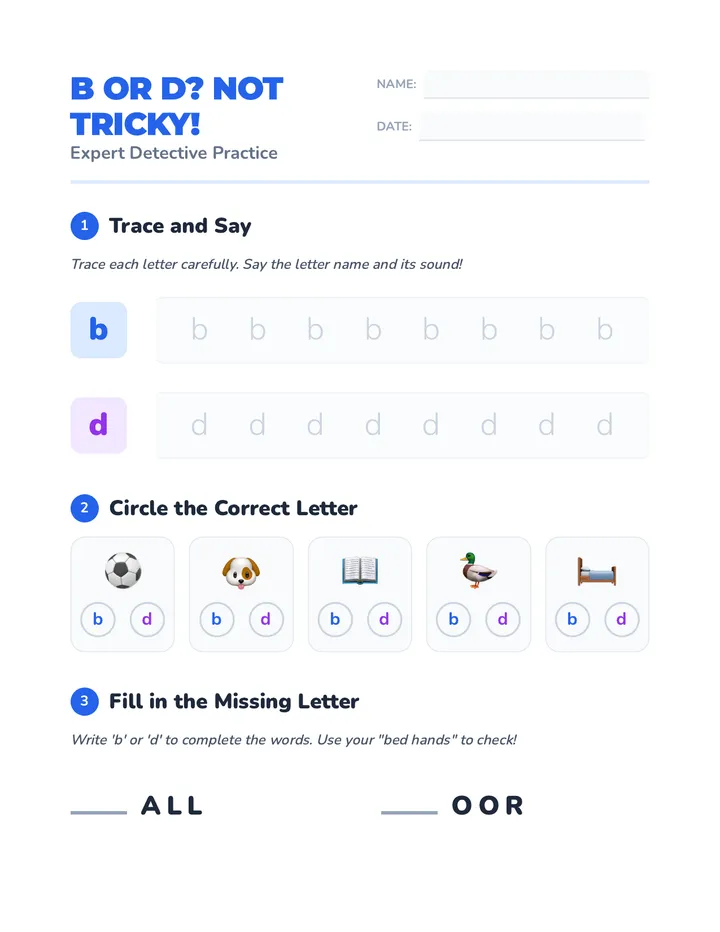
A 20-minute multi-sensory lesson for 1st graders to master the visual differences between 'b' and 'd' using the 'bed' hand trick and 'bat and ball' vs 'diaper' cues.
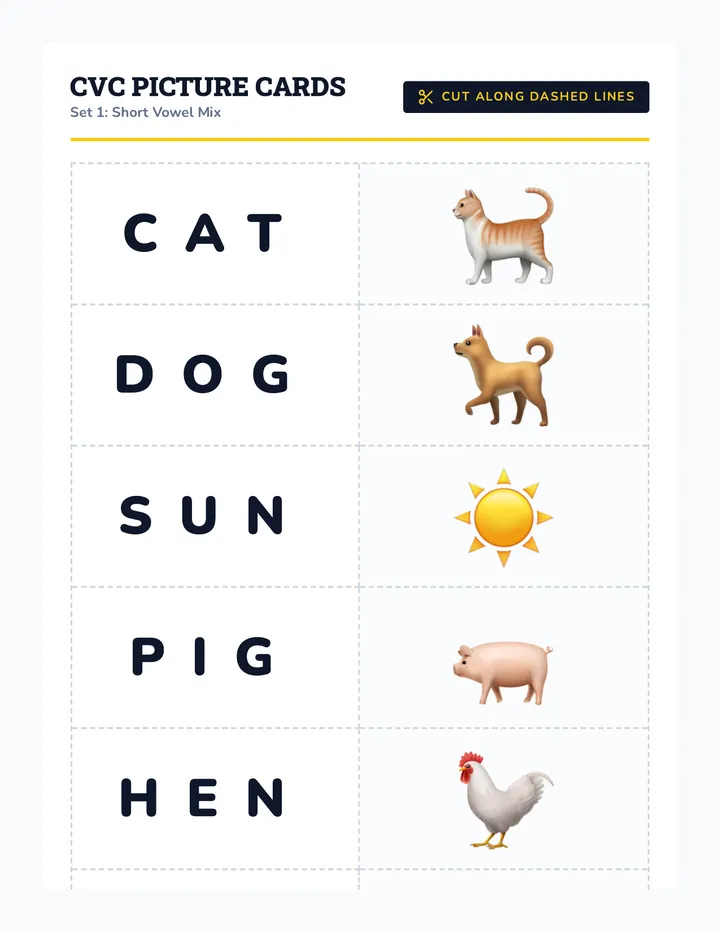
A foundational literacy lesson for Kindergarteners to practice reading and identifying CVC (Consonant-Vowel-Consonant) words using interactive slides and picture matching cards.
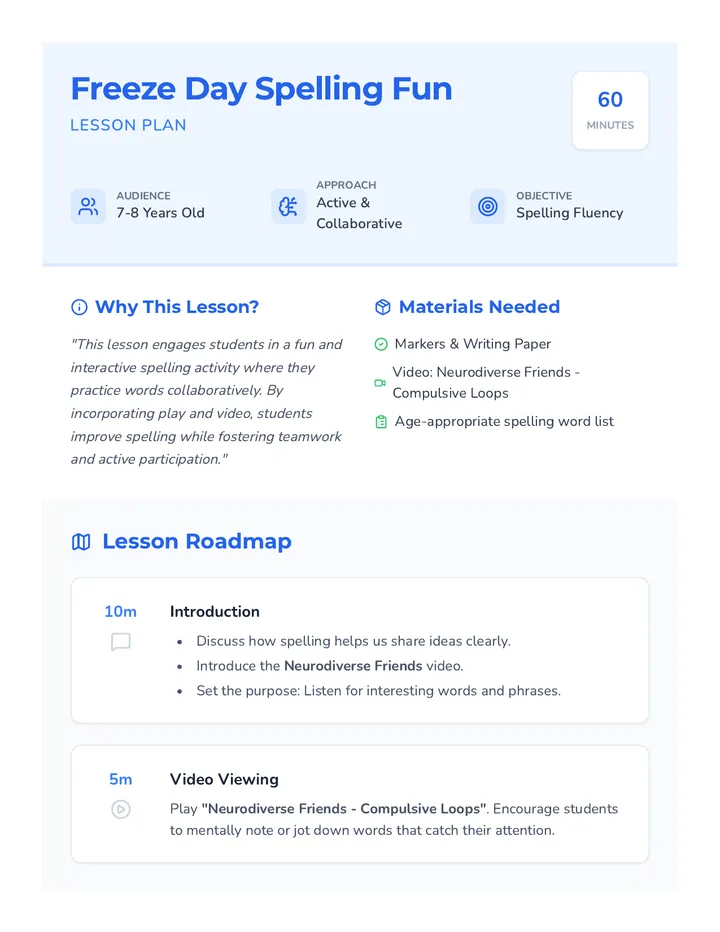
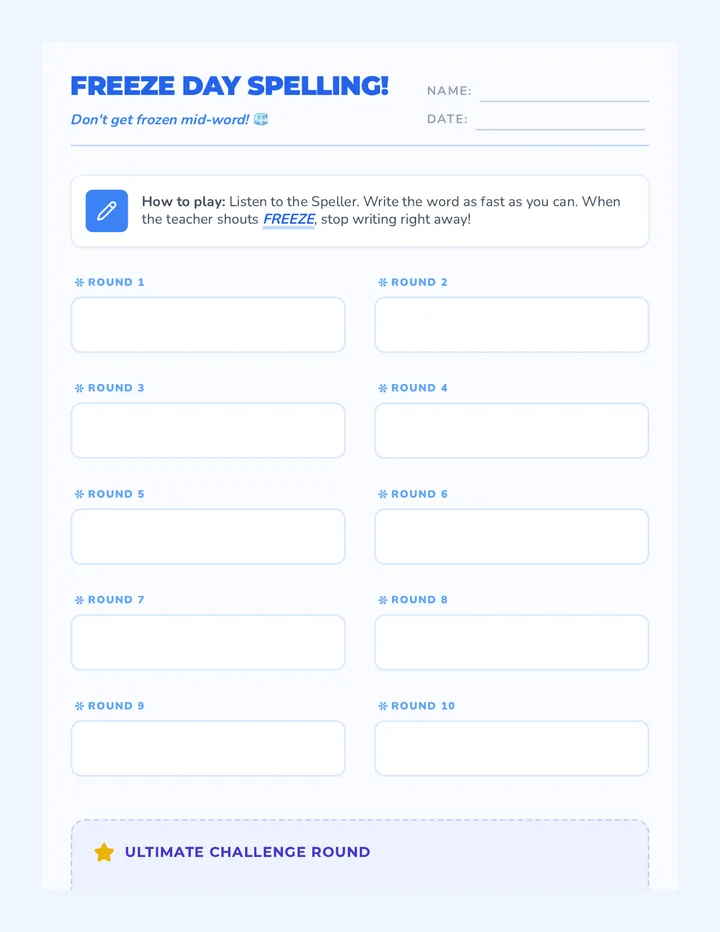
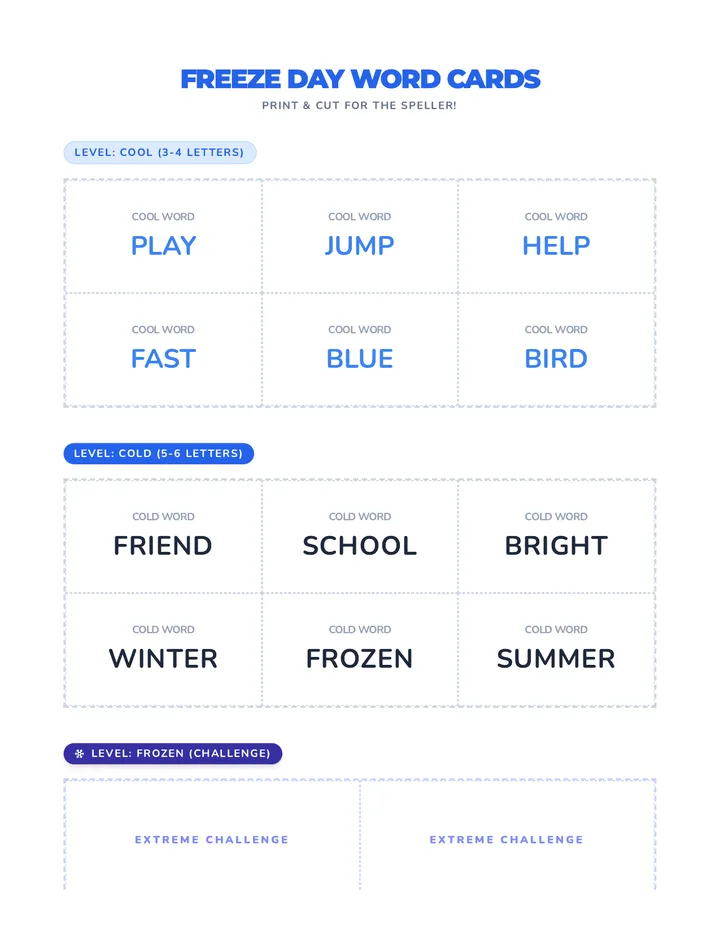
A fun, interactive spelling lesson for 7-8 year olds using the 'Freeze Day' activity and a video on language practice. Students collaborate to practice spelling while building teamwork skills.
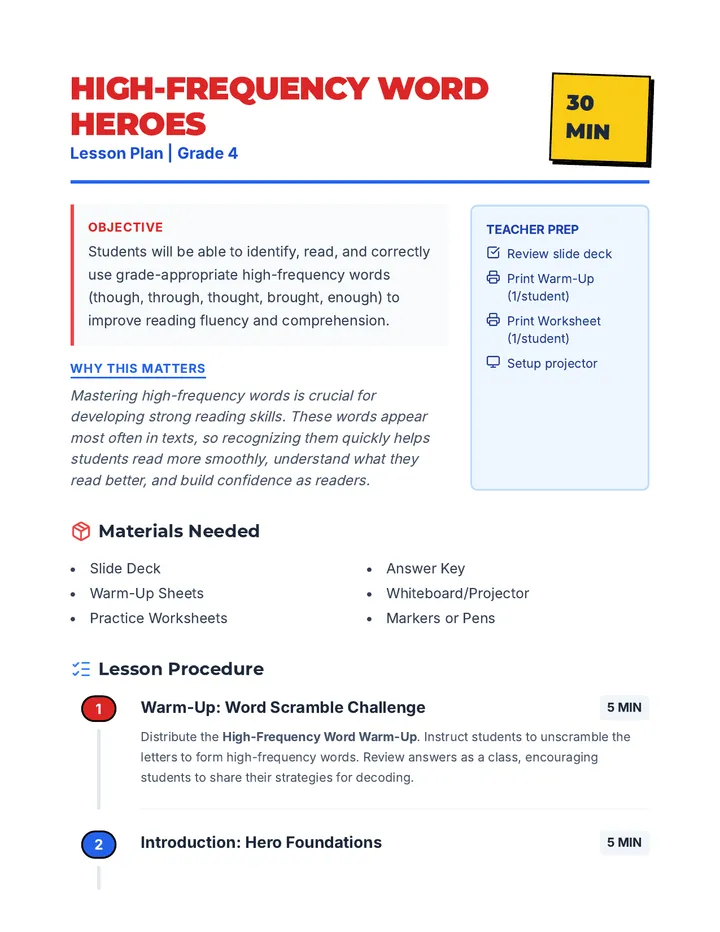
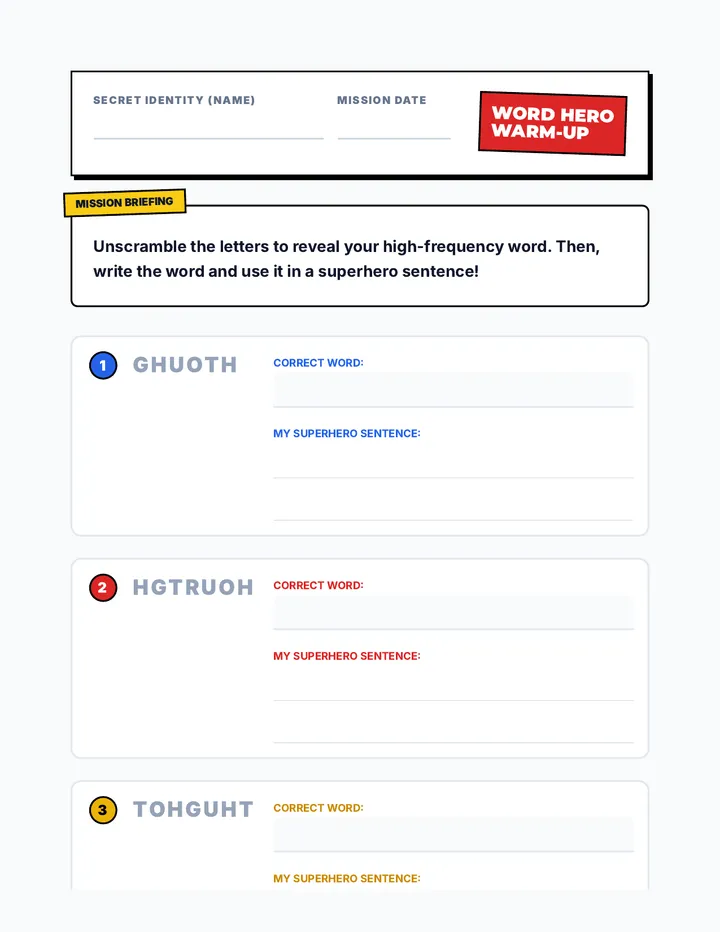
A high-energy 30-minute lesson helping 4th graders master tricky high-frequency words (though, through, thought, brought, enough) using a superhero theme.
A 30-minute lesson for 4th graders to master high-frequency words through a comic-book-inspired 'hero' theme, featuring interactive slides and hands-on practice.