Mindful breathing and body scan meditation techniques integrated with daily self-care routines. Develops strategies for balancing life demands and advocating for personal wellness needs.
A comprehensive therapeutic sequence designed to guide clinicians and clients through the complexities of grief, focusing on assessment, psychoeducation, and age-appropriate coping strategies.
A comprehensive 15-day expressive arts therapy program for adults, integrating visual arts, music, dance, psychodrama, storytelling, and professional ethics.
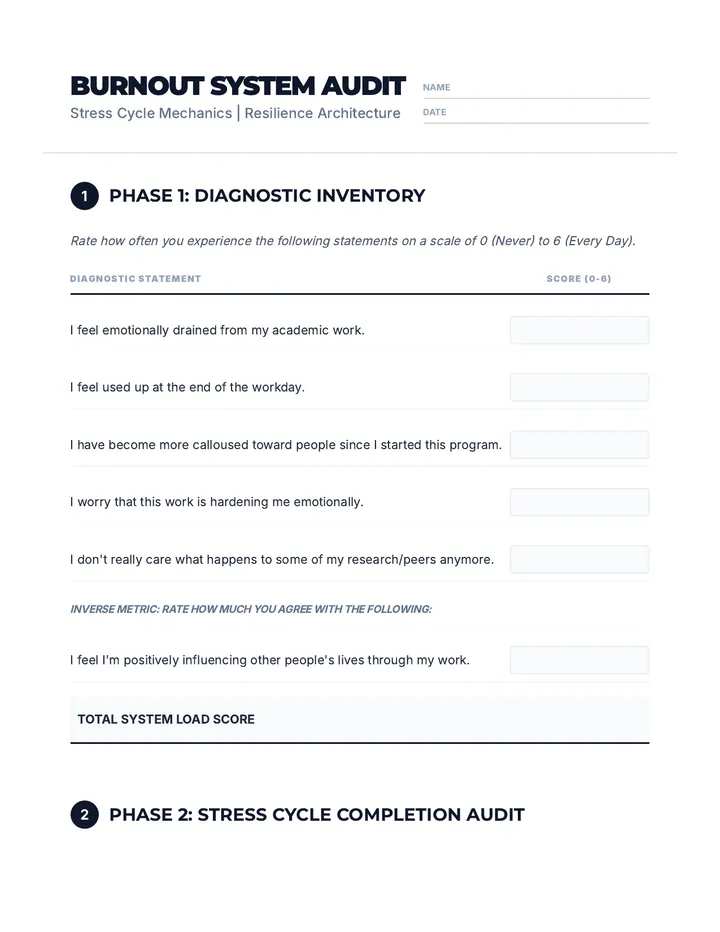
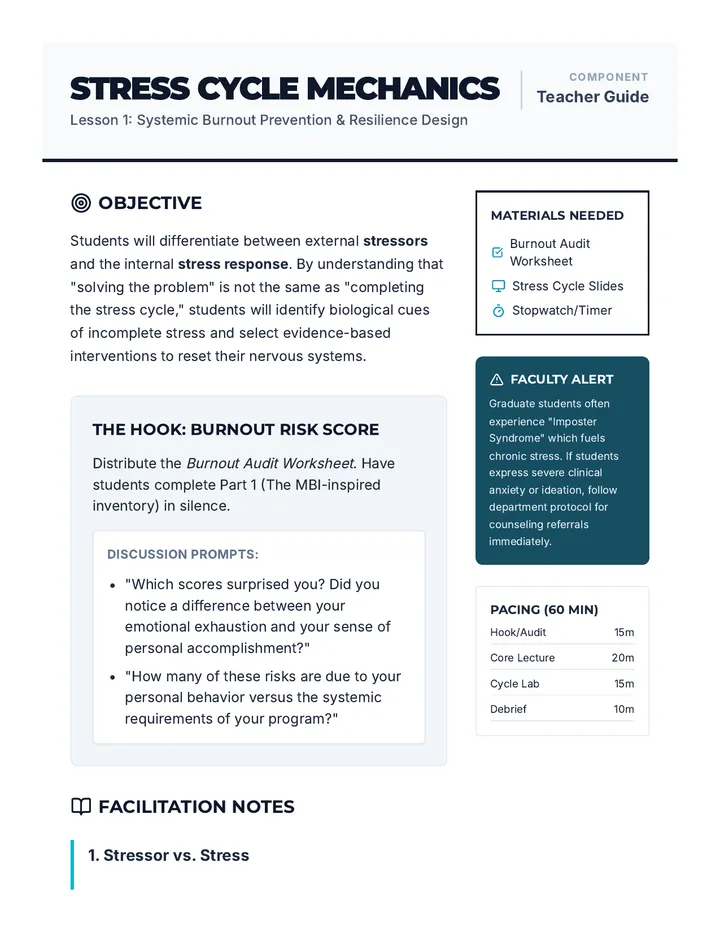
A systemic approach to stress and burnout prevention for graduate students, reframing personal well-being as a design challenge. Students develop a personalized 'resilience architecture' through structural changes in time management, sleep hygiene, and boundary setting.
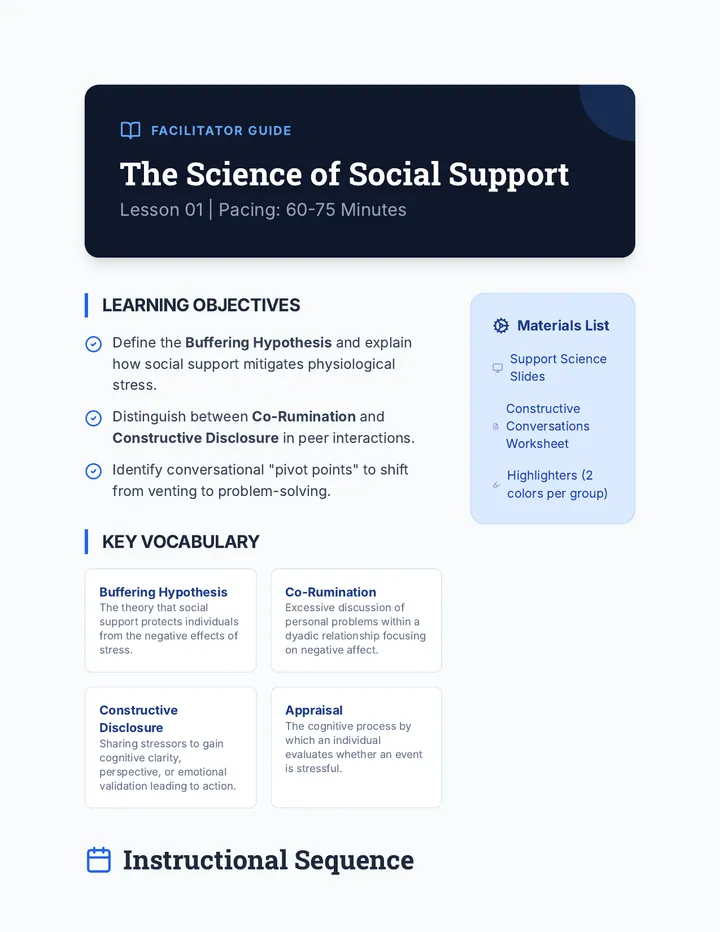
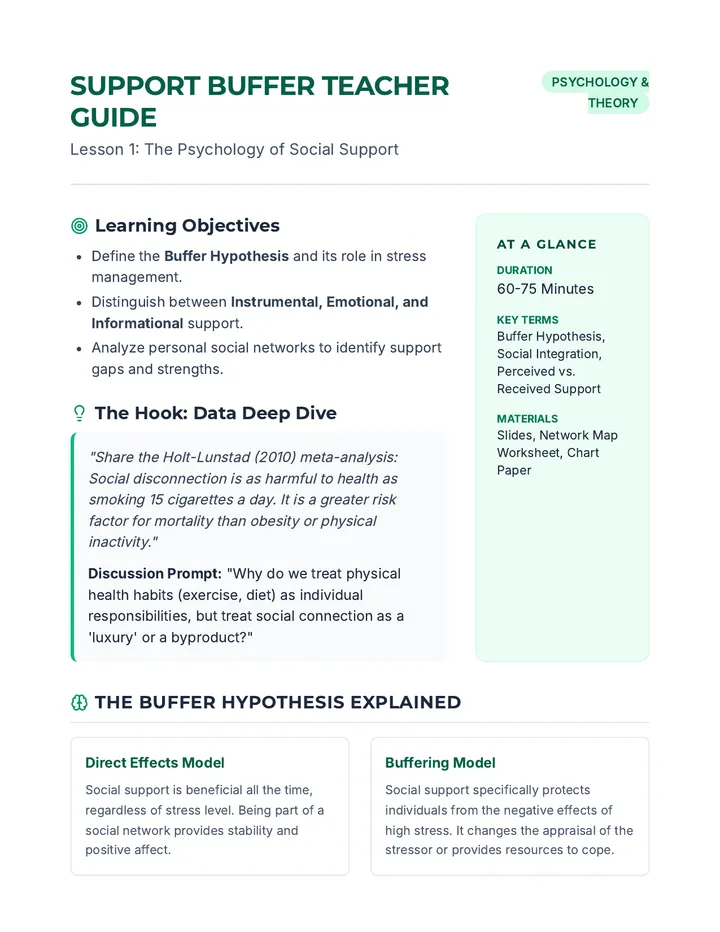
A graduate-level training sequence on facilitating peer support systems to mitigate stress and anxiety. Students learn the science of social support, micro-skills for active listening, boundary setting to prevent burnout, and group facilitation techniques to create sustainable communities of care.
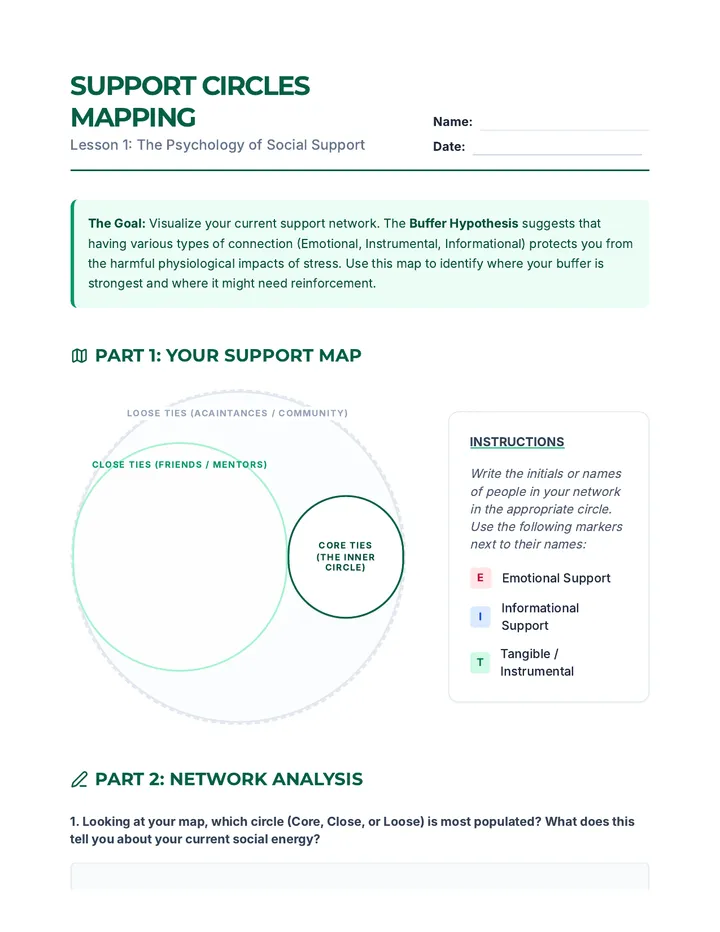
A comprehensive sequence for undergraduate students exploring the social psychology of stress and the practical skills needed to build resilient peer support networks. Students move from theoretical understanding to practical facilitation and community planning.
A comprehensive sequence for undergraduate students focusing on executive function and proactive support-seeking. Students move from data-driven self-analysis of energy rhythms to the creation of a long-term 'Semester Sustainability Plan' that treats mental health and support as logistical necessities.
A 5-lesson sequence for undergraduate students focused on deconstructing academic failure, understanding stress physiology, practicing vulnerability through storytelling, and creating personalized resilience frameworks through peer support.
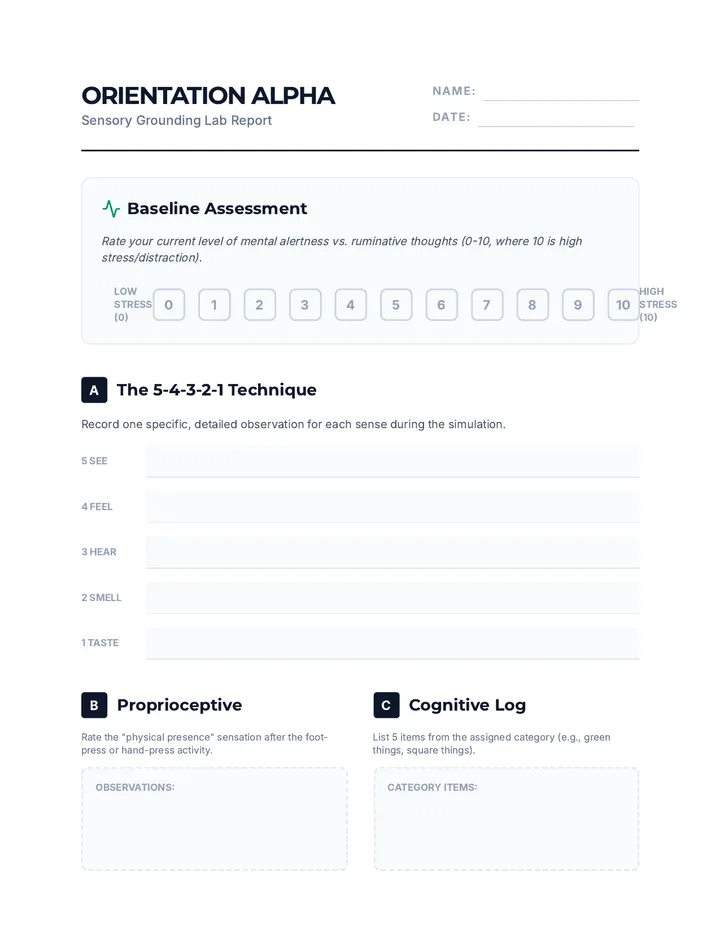
This graduate-level sequence bridges the gap between neurobiological theory and clinical practice. Students will explore the physiological underpinnings of emotional dysregulation, analyze Polyvagal Theory, and develop the skills to implement and explain sensory-based grounding techniques through an evidence-based lens.
A comprehensive psychological resilience program for graduate students, focusing on CBT strategies to combat impostor syndrome, perfectionism, and academic rejection. This sequence builds practical metacognitive skills to help researchers maintain mental well-being throughout their academic careers.
A 5-lesson series for graduate students focused on navigating the systemic stressors of academia, setting professional boundaries, and preventing burnout through neurobiological understanding and assertive communication.
An advanced workshop-style sequence for graduate students focusing on communication architectures, differentiation of self, and the practical mastery of healthy relationship dynamics. Students will move from theoretical frameworks (Bowen Family Systems, NVC) to high-stakes practical simulations.
A comprehensive sequence for graduate students using behavioral science to build sustainable wellbeing habits through stress auditing, micro-practices, and systemic analysis.
A sequence for graduate students exploring mindfulness as a tool for emotional intelligence and resilient leadership. Focuses on moving from internal regulation to interpersonal effectiveness in professional settings.
A comprehensive graduate-level course on facilitating Progressive Muscle Relaxation (PMR). Students progress from mastering the paralinguistic elements of delivery to adapting protocols for diverse clinical populations, including those with trauma, physical limitations, and developmental variations.
An advanced clinical sequence for graduate students exploring the neurobiology, trauma-informed facilitation, and therapeutic adaptation of body scan meditation in clinical settings.
This sequence provides undergraduate students with the foundational knowledge and clinical skills necessary to prepare clients for trauma narrative work. It covers the neurobiology of traumatic memory, client stabilization techniques, and the ethical/practical assessment of client readiness.
A comprehensive graduate-level sequence focused on the neurobiological and clinical foundations of trauma narrative work, moving from theory to practical assessment and preparation techniques.
This sequence examines the intersection of narrative psychology and creative writing as tools for mourning. Students investigate how trauma fragments linear memory and how structured writing interventions can restore narrative coherence. Through varied writing modalities—from structured journaling to poetry—students learn to reshape the story of loss, moving from a narrative of victimization to one of survival and meaning-making.
This graduate-level sequence focuses on evidence-based therapeutic interventions for anxiety and mood disorders. Students progress from pharmacological literacy to advanced treatment planning, mastering CBT protocols, third-wave therapies, and crisis management.
A technical and mastery-based sequence for undergraduate students to develop actionable emotional regulation and grounding strategies. Students move from physiological understanding to real-time application in high-pressure simulations.
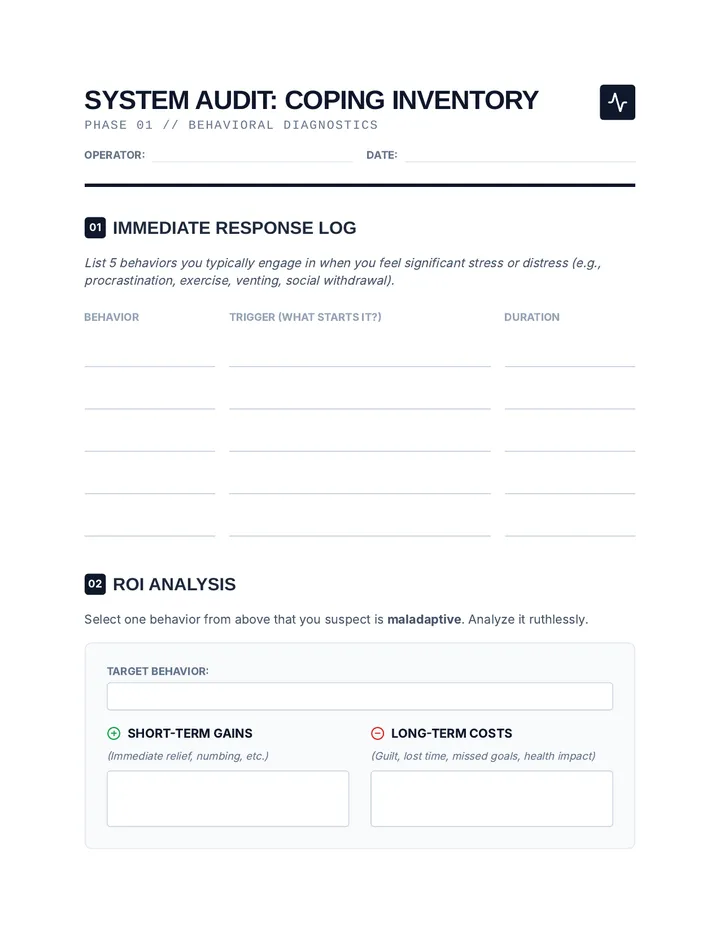
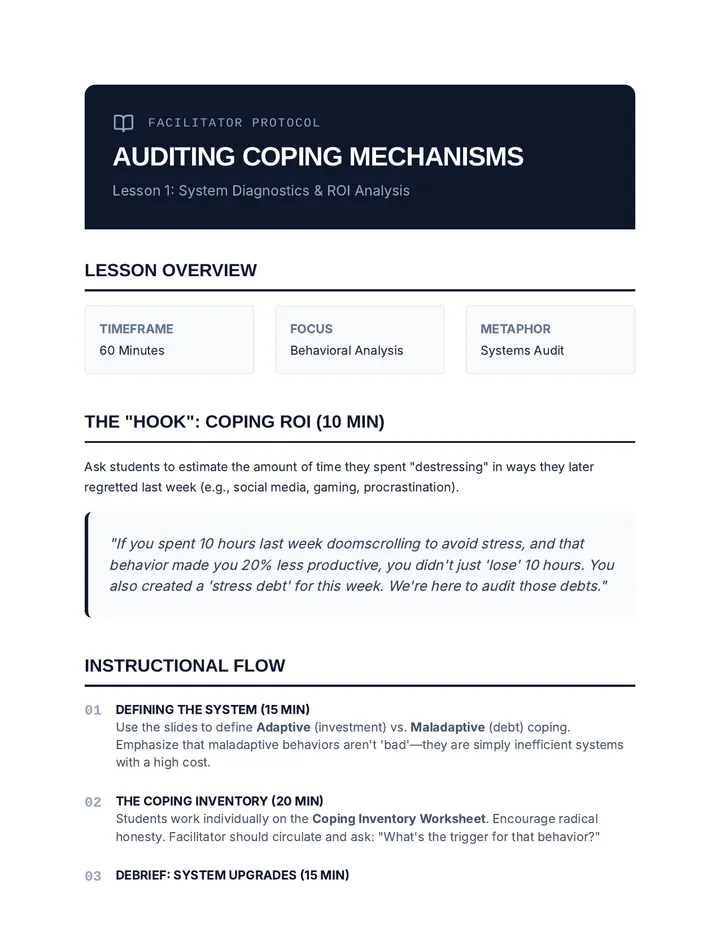
A mastery-focused sequence where undergraduate students audit their current stress responses and design a personalized, tiered emotional regulation protocol. Students use systems thinking to build resilient habits and prepare for future distress.
This graduate-level sequence explores the intersection of nutrition, movement, and emotional regulation within a clinical framework. It focuses on implementing the 'PLEASE' skill from DBT through a weight-neutral, trauma-informed lens that avoids triggering disordered eating behaviors.
A graduate-level experiential sequence focusing on the personal application of DBT's PLEASE skills to prevent therapist burnout and enhance clinical empathy. Students track their own physiological data to understand the link between physical health and emotional vulnerability.
An advanced clinical sequence for graduate-level counseling students focused on the nuanced application of grounding and self-soothing techniques for clients with complex PTSD and dissociative disorders. The curriculum emphasizes the Window of Tolerance, differentiating dissociation from mindfulness, and navigating sensory triggers to prevent retraumatization.
This graduate-level sequence explores the neurobiological foundations and clinical applications of self-compassion interventions. Students will master the Three Systems Model of emotion regulation, psychometric assessment of self-compassion, and specific therapeutic techniques like visualization, somatic soothing, and the Self-Compassion Break.
A graduate-level sequence exploring Narrative and Acceptance and Commitment Therapy (ACT) techniques to manage internal dialogue. Students move from externalizing thoughts to practicing cognitive defusion and values-based action.
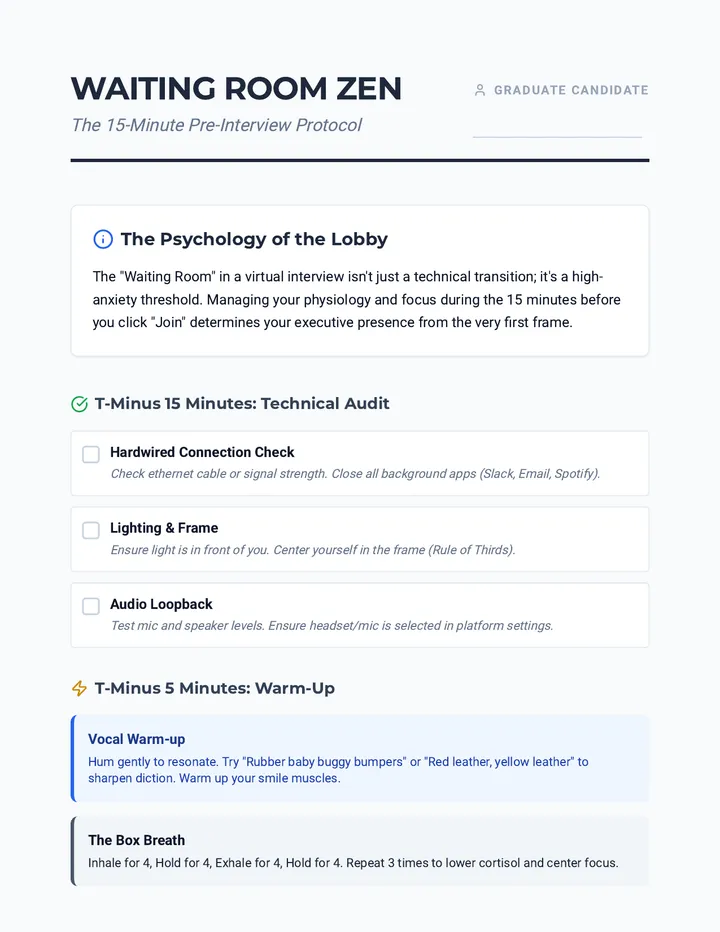
A comprehensive sequence for graduate students to synthesize technical setup, non-verbal communication, and behavioral performance into a professional virtual interview presence. Students move from pre-interview preparation to real-time delivery and post-interview follow-up.
A specialized mindfulness sequence for graduate students, focusing on attention as a cognitive resource to enhance research, writing, and performance while managing academic stressors.
A comprehensive graduate-level sequence exploring the intersection of neurobiology and Cognitive Behavioral Therapy (CBT) to restructure self-concept. Students will analyze the Default Mode Network, identify high-achiever cognitive distortions, and develop evidence-based maintenance protocols for professional resilience.
This graduate-level sequence focuses on clinical interventions for alexithymia, moving from sophisticated psychometric assessment to somatic and narrative scaffolding for clients who struggle to identify and label emotions.
An advanced behavioral science sequence for graduate students to design and implement evidence-based routines for emotional stability and cognitive performance.
This sequence bridges the gap between neuroscience and mindfulness, teaching undergraduate students how to leverage their own physiology to manage stress and improve cognitive performance. Students learn the biological basis of the stress response and apply specific breathing, somatic, and sensory techniques to build a personalized mental health toolkit.
A project-based sequence for undergraduate students focusing on the behavioral psychology of meditation. Students move from self-assessment and sampling techniques to designing a scientifically-grounded, sustainable personal practice.
A comprehensive CBT toolkit for treating anxiety, covering cognitive restructuring, exposure therapy, behavioral experiments, and mindfulness. This sequence provides clinicians and clients with structured guides, tracking tools, and practical scenarios to build resilience and manage anxiety symptoms effectively.
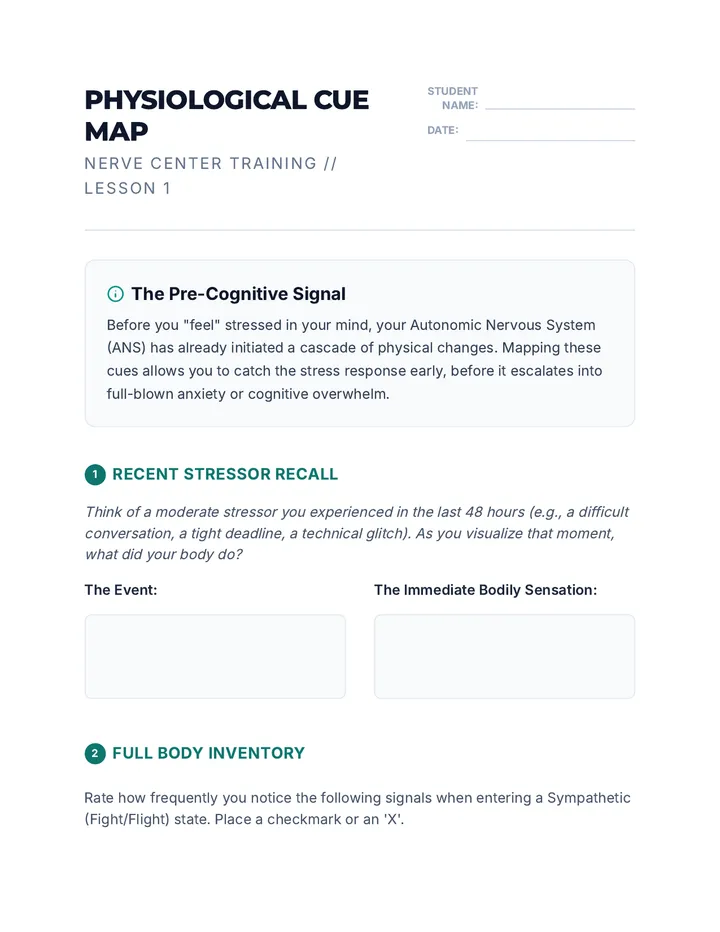
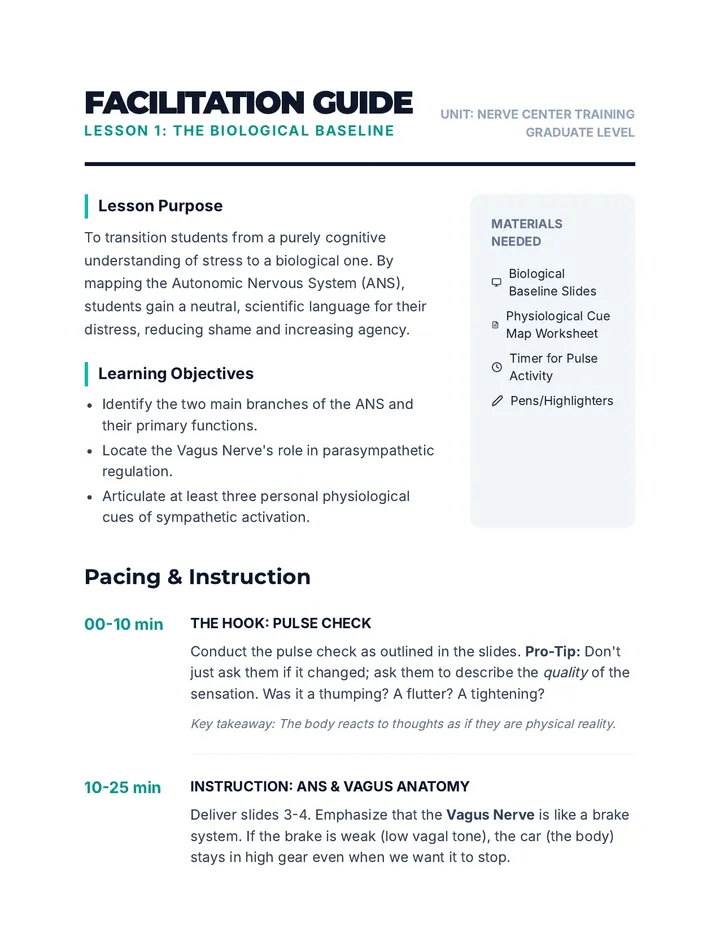
A graduate-level exploration of the biological underpinnings of stress. Students move from theoretical understanding of the autonomic nervous system and Polyvagal Theory to practical application of somatic regulation and interoceptive awareness, culminating in a personalized physiological safety plan.
This sequence immerses undergraduate students in the theoretical and practical application of advanced conflict resolution, moving beyond basic interpersonal skills to systemic mediation strategies. Students will master interest-based negotiation, emotional regulation, reframing, and power analysis through simulations and case studies.
A graduate-level course exploring the intersection of interoception, somatic psychology, and cognitive labeling. Students learn to guide clients from raw physiological sensations to nuanced emotional vocabulary using Gendlin’s Focusing, titration, and metaphoric inquiry.
An immersive undergraduate sequence on somatic awareness and mindfulness, moving from basic interoception and muscle relaxation to advanced non-reactive observation and daily life integration. Students develop the cognitive skill of sensing internal states to manage stress and emotional reactivity.
This sequence explores the physiological and neurological underpinnings of grounding techniques within the context of trauma and anxiety regulation. Students will examine the Polyvagal Theory and the 'Window of Tolerance' to understand how sensory and cognitive interventions interact with the autonomic nervous system to reduce hyperarousal.
An experiential workshop sequence for undergraduate students to master TIPP skills for crisis survival. This sequence moves from safety assessment to practical execution of temperature, exercise, breathing, and muscle relaxation techniques.
An advanced clinical sequence for graduate-level counseling students, focusing on the neurobiological mechanisms and practical application of TIPP skills (Temperature, Intense exercise, Paced breathing, Paired muscle relaxation) for crisis intervention.
This sequence trains undergraduate counseling students in active intervention skills to manage client dysregulation and facilitate stabilization. Moving from immediate sensory grounding to somatic interventions and cognitive containment, students build the 'in-the-room' muscle memory required to restore a client's window of tolerance.
A comprehensive training sequence for undergraduate counseling students on the practical application of Narrative Exposure Therapy and imaginal exposure. Students move from initiating the trauma narrative to managing intense emotional distress and ensuring safe session closure.
A CBT-based program for adults with inattentive ADD to master task isolation, short-burst productivity (10-minute sessions), and positive reinforcement through a spiritual lens. This sequence guides learners through physical, digital, and professional decluttering.
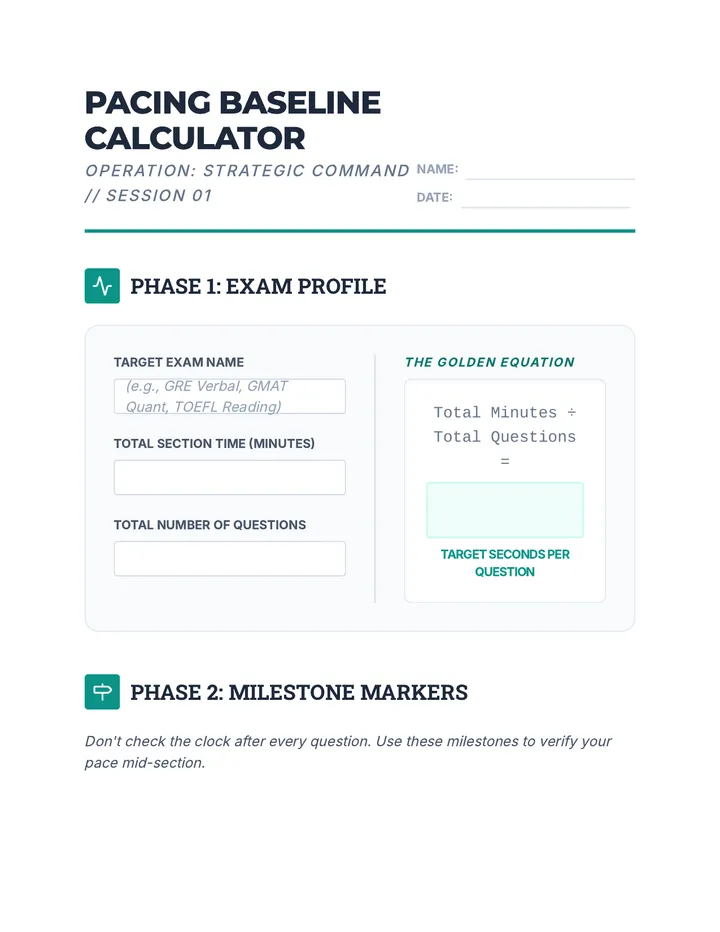
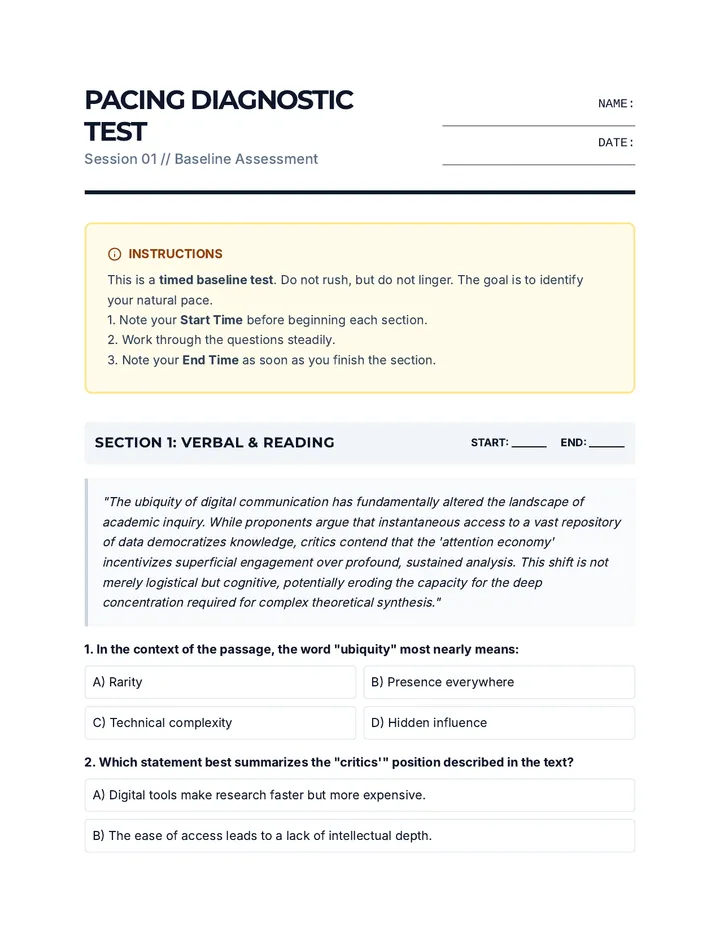
A comprehensive graduate-level sequence focused on the psychological and logistical aspects of high-stakes testing, including time management, anxiety reduction, and strategic decision-making.
This sequence guides undergraduate students through the practical application of Behavioral Activation (BA) protocols. Moving from theoretical understanding to clinical implementation, students learn to design interventions, troubleshoot psychological barriers using the TRAP/TRAC model, and analyze data to refine therapeutic outcomes.
A workshop-based sequence where undergraduate students apply the PLEASE skills to their own lives. Students act as both client and clinician, tracking sleep, nutrition, and exercise to understand the causal link between physical maintenance and emotional vulnerability.
This sequence provides graduate-level training on integrating behavioral medicine and DBT to reduce emotional vulnerability. It covers advanced sleep assessment, CBT-I adaptation, nightmare protocols, chronic pain management, and medical adherence strategies.