Employment laws, safety protocols, and legal protections against workplace harassment and discrimination. Connects regulatory requirements to practical understandings of pay stubs, insurance benefits, and employee advocacy.
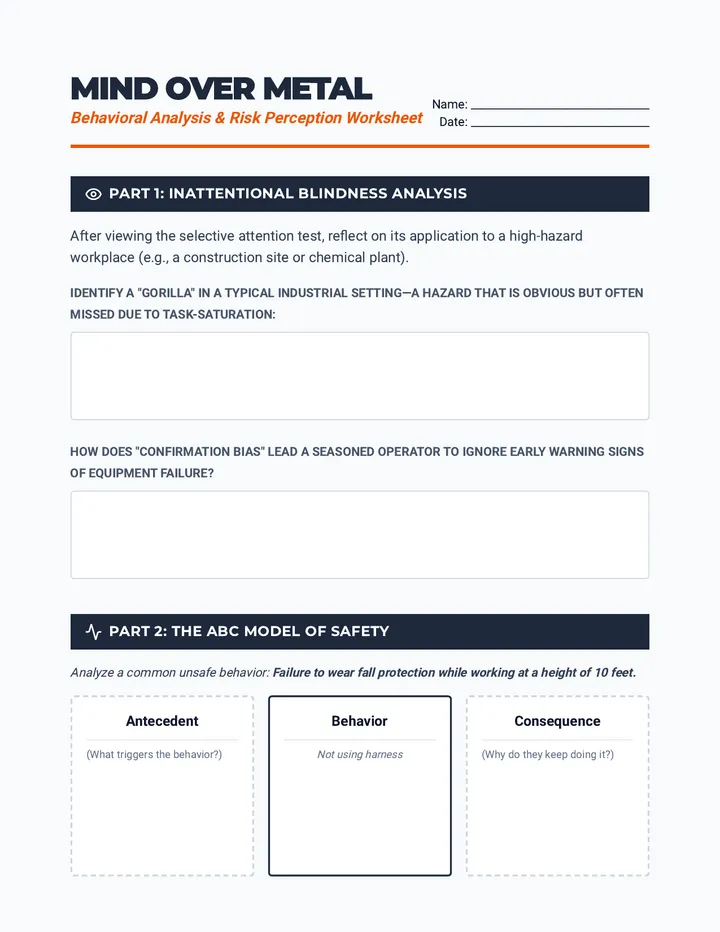
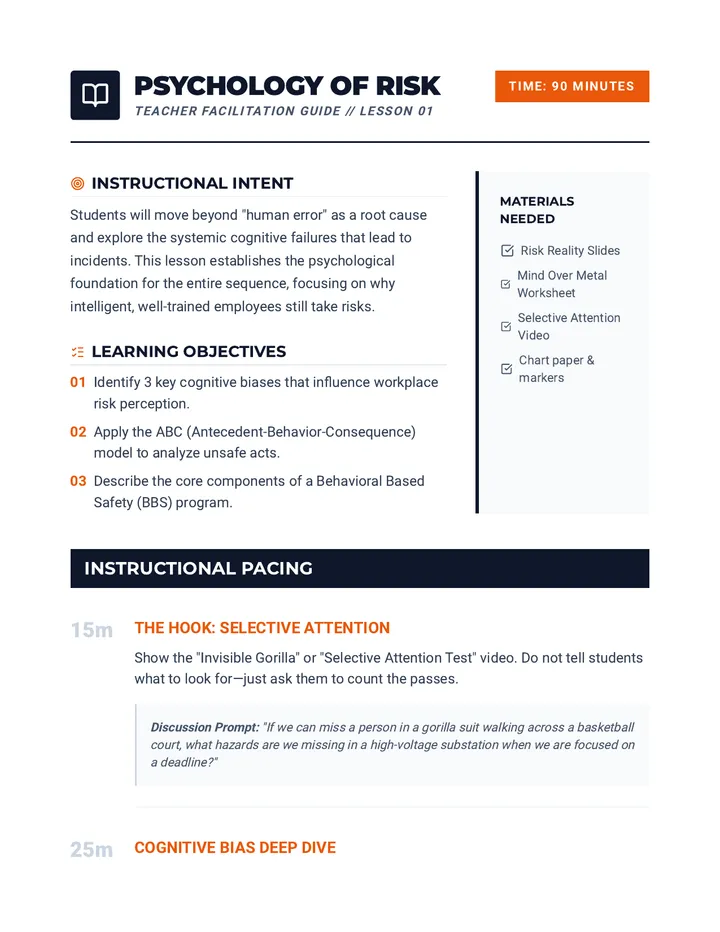
An advanced graduate-level exploration of the intersection between organizational psychology and workplace safety, focusing on Behavioral Based Safety, whistleblower protections, and the cultivation of a 'Just Culture' that encourages transparent incident reporting.
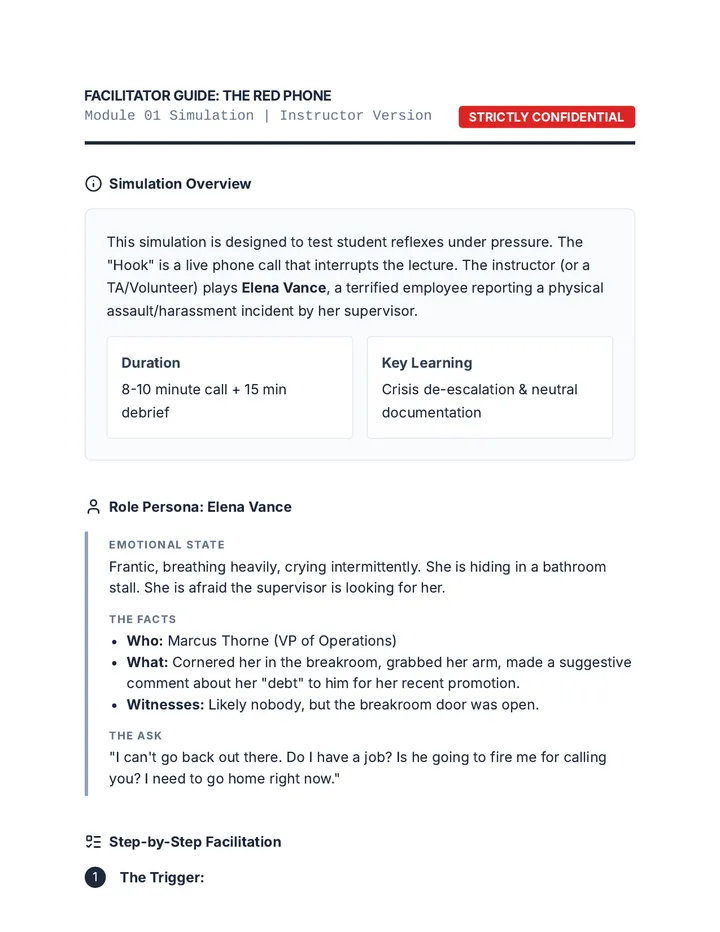
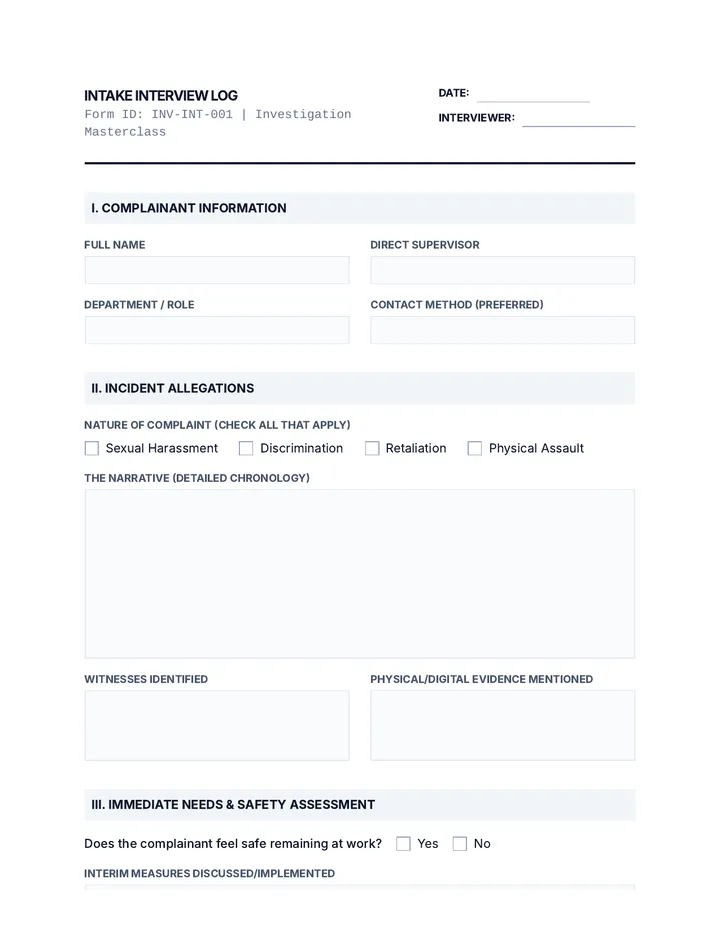
A comprehensive graduate-level simulation-based course on handling workplace harassment and discrimination complaints. Students progress from initial intake to final report writing, focusing on procedural fairness, neutrality, and evidence-based determination.
An advanced graduate-level sequence focused on the synthesis and application of federal employment laws (FLSA, Title VII, ADA, FMLA) in organizational leadership. Students act as consultants to audit policies, resolve complex personnel disputes, and design strategic compliance frameworks that balance legal risk with ethical culture.
A graduate-level professional development sequence focused on the legal, ethical, and logistical complexities of trafficking intervention, mandatory reporting, and multi-disciplinary team collaboration.
This graduate-level sequence prepares students to design, audit, and implement institutional safety protocols for human and child trafficking. Students will move from policy critique to the construction of interagency collaboration models, culminating in a professional-grade Standard Operating Procedure (SOP).
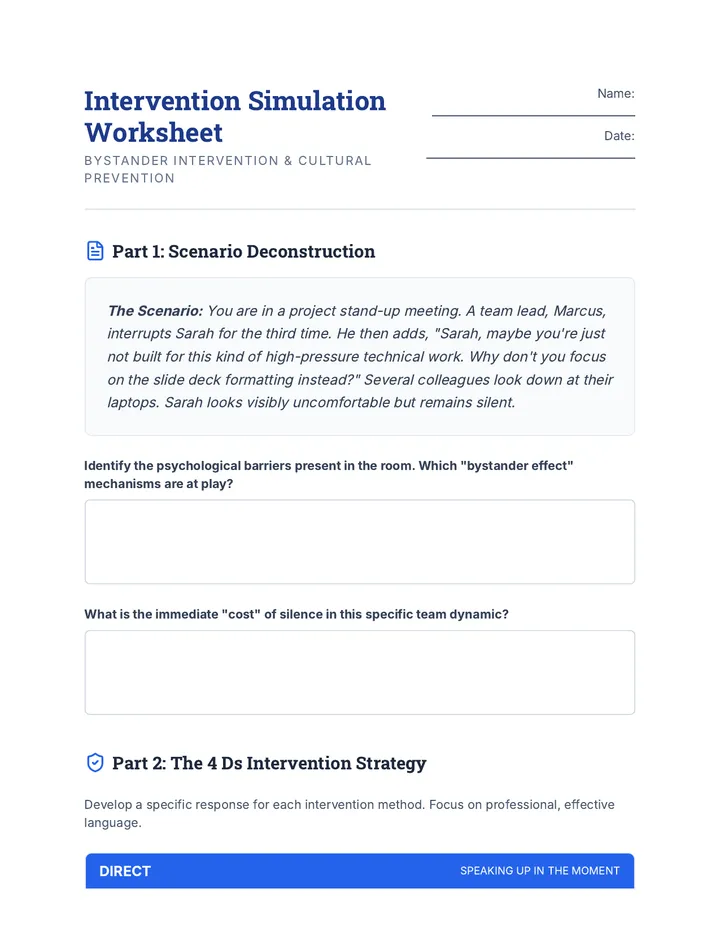
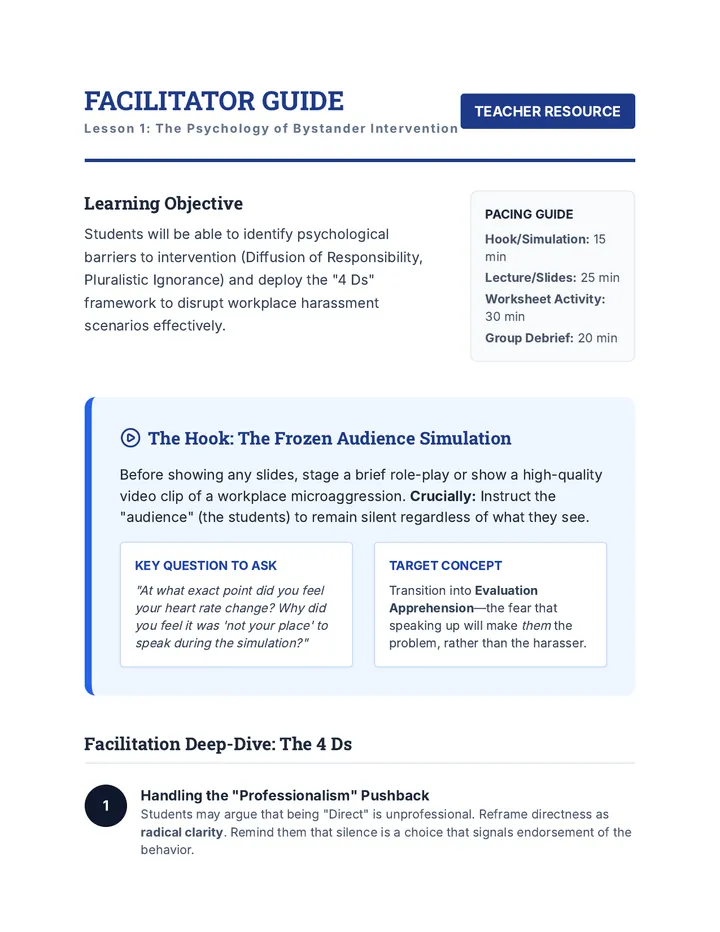
A graduate-level exploration of proactive workplace harassment prevention, focusing on bystander intervention, organizational policy design, leadership accountability, and cultural measurement to foster psychological safety.
A comprehensive training for graduate student leaders on the legal, ethical, and systemic dimensions of peer gatekeeping in university settings. This sequence bridges the gap between supportive listening and institutional crisis intervention.
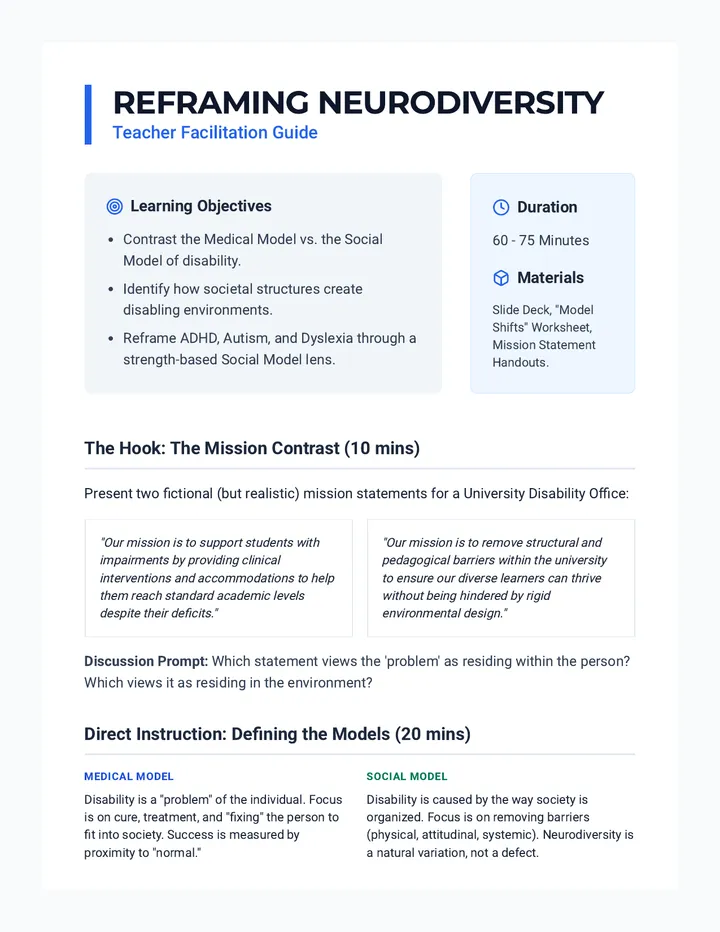
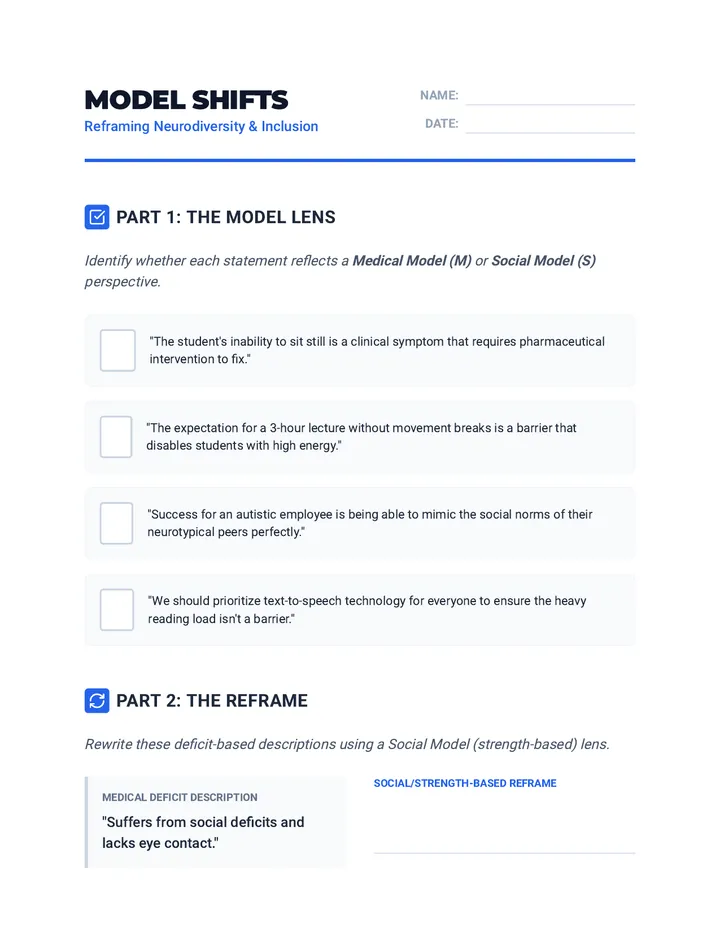
This sequence explores neurodiversity through the Social Model of disability, challenging traditional norms of professionalism and designing inclusive environments. Students will move from theoretical understanding to practical application in organizational policy and advocacy.
A case-study-driven sequence where students act as external consultants to diagnose communication breakdowns, analyze feedback systems like 360-degree reviews and PIPs, and design a positive corporate culture.
A case-study driven course for graduate students on navigating ethical dilemmas, confidential searches, and difficult employment histories during the reference check process. Students learn to manage their professional reputation and navigate complex background verification scenarios with transparency and integrity.
A focused 90-minute workshop on the fundamentals of tipping. Workers learn their legal rights under the FLSA, master the math of tip credits and shortfall payments, and practice auditing pay summaries for errors and illegal deductions.
A comprehensive unit designed to guide students through the modern job application process, focusing on strategic networking, deep company research, and high-stakes interview preparation. Students will learn to build professional connections and tailor their approach to specific company cultures and scenarios.
A graduate-level sequence focused on applying FAST skills (Fair, Apologies, Stick to Values, Truthful) to professional identity, boundary setting, and therapist resilience. Students learn to navigate imposter syndrome, ethical documentation, and career advocacy through a clinician-centered lens.
This sequence equips undergraduate students with the rhetorical skills and legal knowledge to advocate for their needs in academic and professional settings. It transitions from exploring cultural stigmas around help-seeking to practical skill-building in written and verbal communication, culminating in high-stakes negotiation simulations.
A comprehensive unit for undergraduate students to master the financial and legal aspects of job offers, focusing on total compensation analysis, cost-of-living adjustments, and professional negotiation skills.
This advanced sequence transitions graduate students from basic compliance to strategic tax planning. It covers progressive taxation, W-2 vs. 1099 employment, deductions/credits, and investment tax implications, culminating in a complex tax scenario simulation.
This graduate-level sequence explores the intersection of high-performance sports management and digital technology. Students will learn to evaluate tech stacks, manage remote scouting networks, visualize complex analytics, navigate biometric ethics, and coordinate digital crisis responses to maintain human connection in a data-driven industry.
A graduate-level sequence exploring the ethical, legal, and leadership dimensions of collaborative arts practice. Students investigate authorship, intellectual property, and conflict resolution to prepare for professional creative leadership.
This inquiry-based sequence flips the table, placing graduate students in the role of the recruiter or hiring manager to understand the reference check process from the employer's perspective. Students analyze scripts, interpret subtext, examine red flags, and simulate hiring decisions to better select and prepare their own professional references.
A graduate-level exploration of systems-based approaches to opioid recovery, focusing on integrated care models, recovery capital, and the creation of recovery-ready communities. Students analyze the 'Continuum of Care' and develop strategies for sustainable social reintegration.