Employer research strategies and behavioral response techniques using the STAR method. Develops virtual interview etiquette, professional presence, and effective follow-up communication.
A comprehensive unit designed to guide students through the modern job application process, focusing on strategic networking, deep company research, and high-stakes interview preparation. Students will learn to build professional connections and tailor their approach to specific company cultures and scenarios.
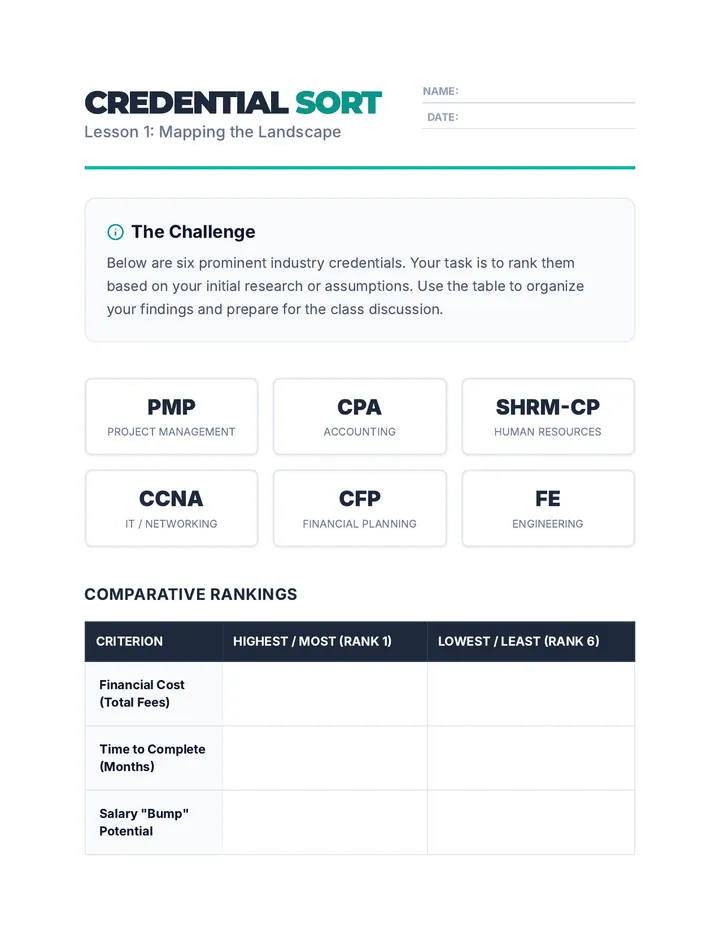
This sequence guides undergraduate students through the complex landscape of professional certifications, micro-credentials, and licensures. Students will learn to evaluate the market value, legitimacy, and strategic fit of various post-secondary credentials to enhance their early career trajectories.
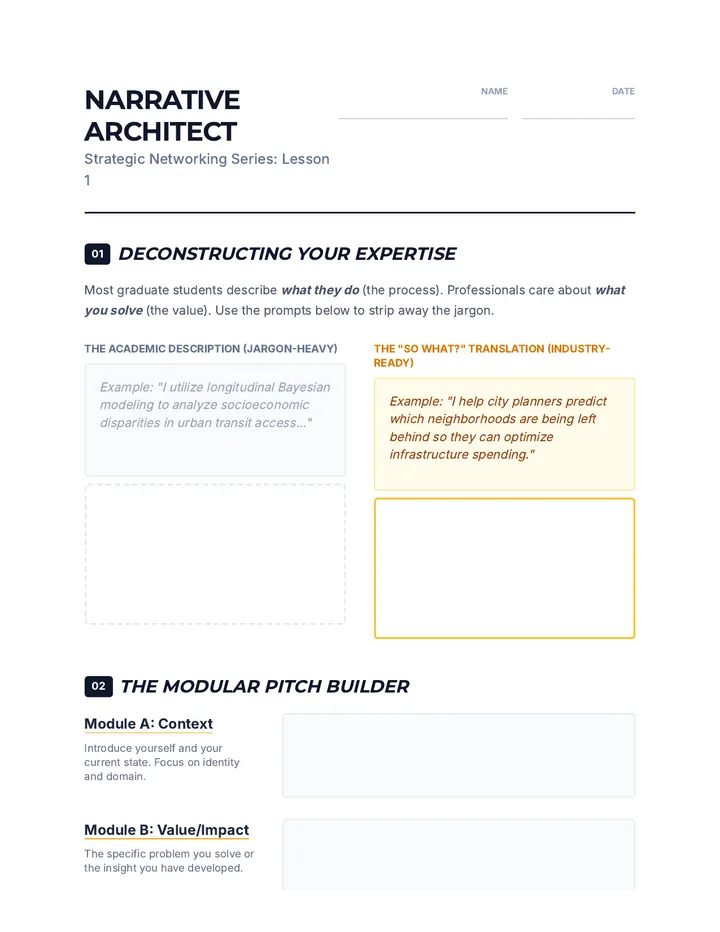
This advanced sequence guides graduate students through the strategic development of a professional network essential for accessing the hidden job market. Students move from refining their personal narrative and value proposition to tactical digital mapping, effective outreach, informational interviewing, and long-term relationship stewardship.
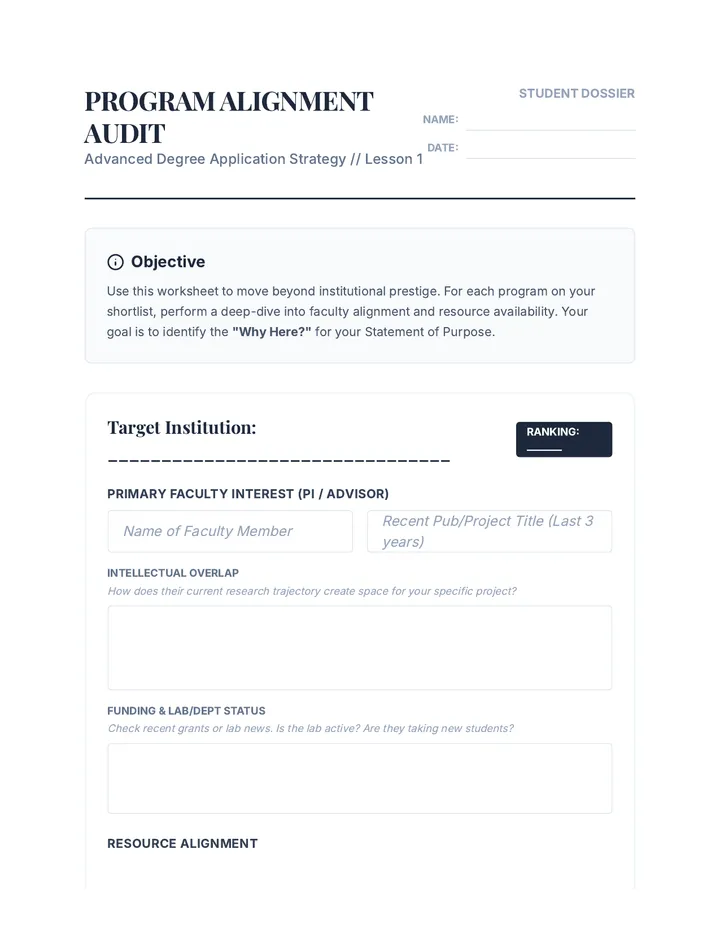
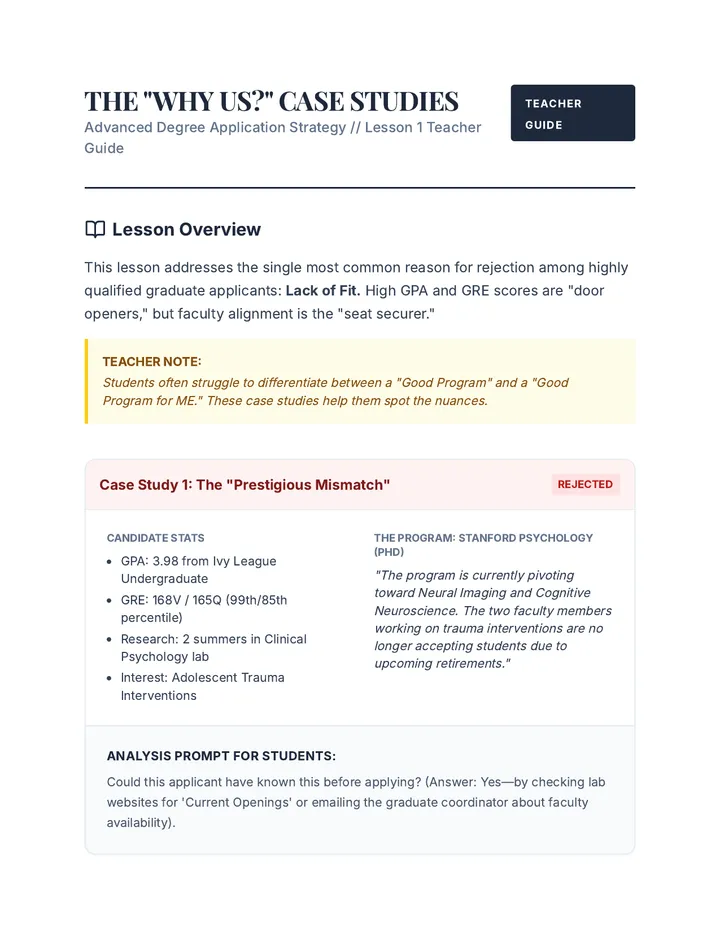
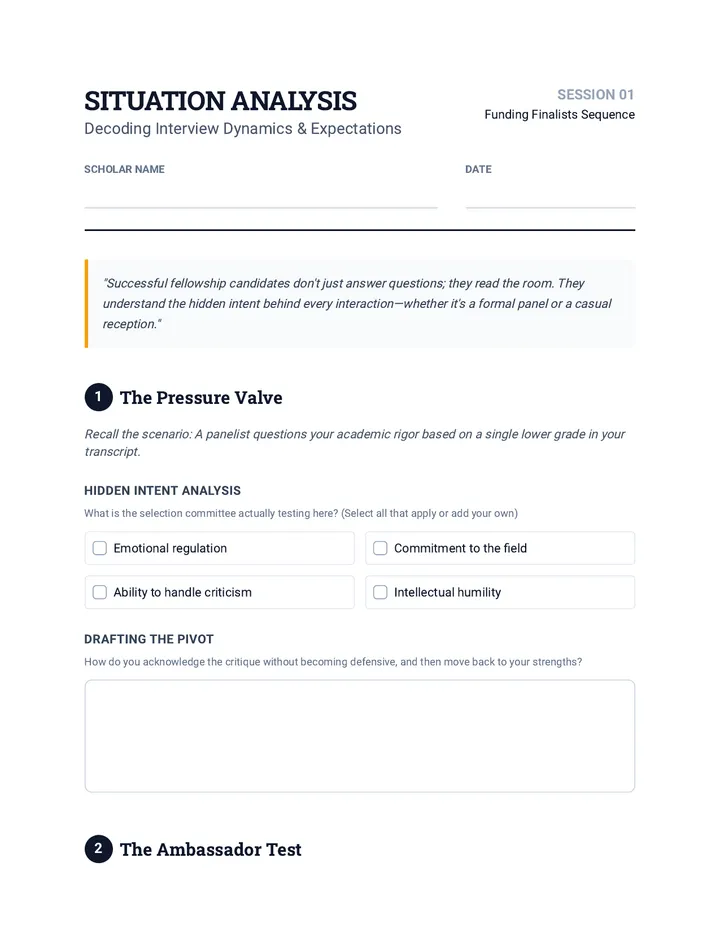
A comprehensive workshop sequence for graduate students applying to terminal degree programs (Ph.D., Ed.D., JD, MD) or competitive fellowships. This series shifts focus from basic qualifications to strategic narrative alignment and research fit.
A comprehensive graduate-level series on tailoring cover letters for Applicant Tracking Systems (ATS) and human recruiters through strategic keyword analysis and value alignment.
This graduate-level sequence focuses on the rhetorical architecture of professional cover letters. Students move beyond templates to master persuasive structure, visual hierarchy, and narrative argumentation, culminating in the ability to craft compelling, high-stakes professional correspondence.
A comprehensive sequence for graduate students to bridge the gap between academic experience and industry requirements by analyzing job postings, performing gap analyses, and reframing their research skills into professional competencies.
A 5-lesson sequence for graduate students focused on reverse-engineering job postings to identify organizational pain points, map stakeholder ecosystems, and develop high-impact interview strategies. Students transition from passive readers to strategic consultants by decoding job descriptions.
A high-level sequence for graduate students focusing on the rhetorical and leadership elements of the STAR method. Students move beyond basic reporting to craft sophisticated narratives that demonstrate vision, emotional intelligence, and organizational alignment for executive-level roles.
This advanced sequence for graduate students focuses on the strategic alignment of STAR stories with industry-specific competencies and personal branding. Students curate a 'portfolio' of stories that map directly to high-level job descriptions, learning to adapt narratives for various prompts and integrate technical expertise with behavioral skills.
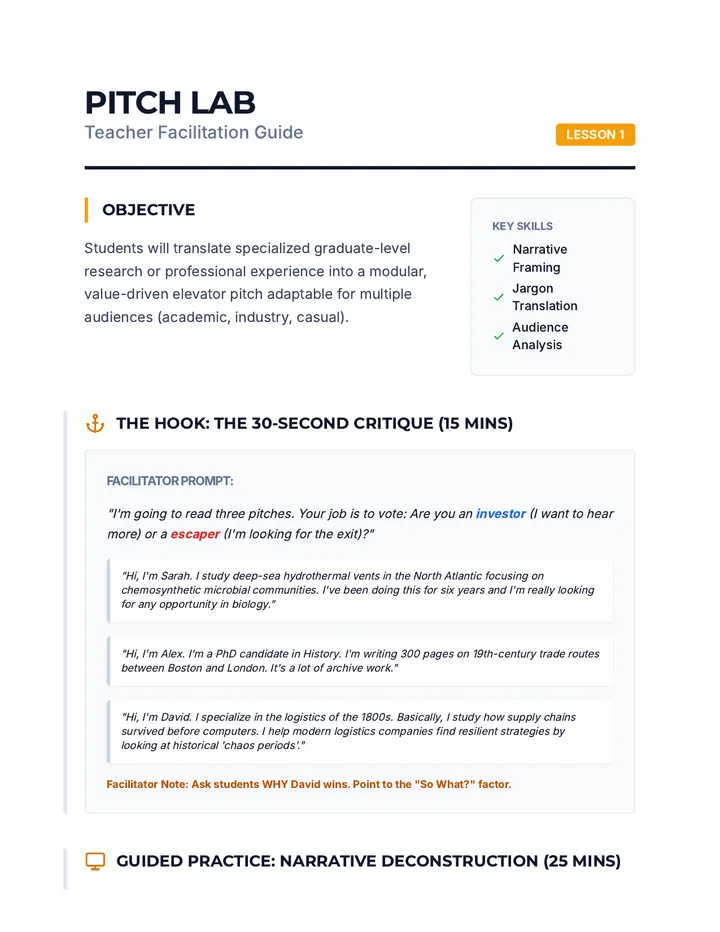
A comprehensive role-playing experience designed for adult learners and college students to master the art of networking and professional interviewing. The sequence uses a 'circuit' theme, guiding students through high-stakes scenarios and peer feedback loops.
A comprehensive training program for graduate students preparing for prestigious fellowship interviews, focusing on various formats, research communication, behavioral responses, and intellectual agility.
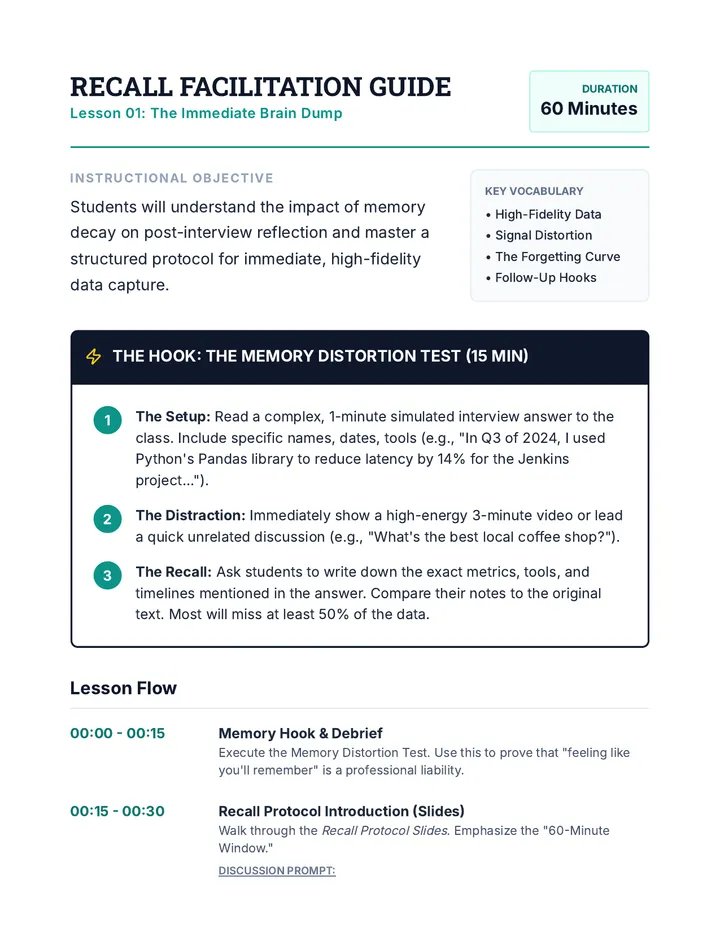
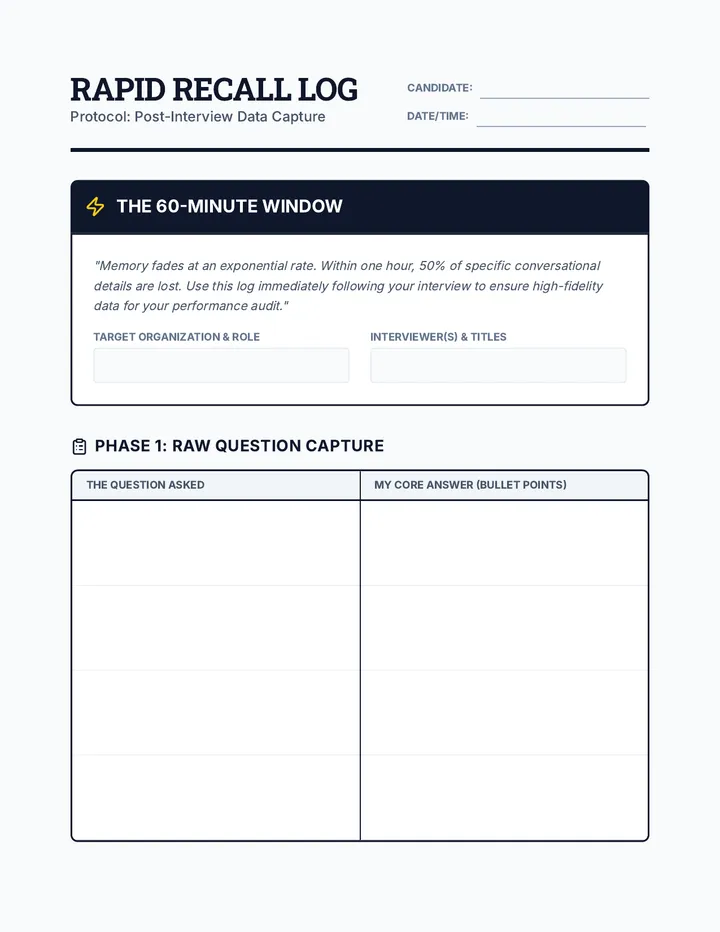
A graduate-level sequence focused on interview follow-up through a data-driven self-audit lens. Students move from immediate memory capture to performance scoring, gap analysis, and long-term professional development planning.
This sequence focuses on the critical 'after' phase of the interview process, teaching undergraduate students how to analyze their performance, interpret outcomes, and manage professional relationships long-term. Students move from self-reflection and performance analysis to navigating offers and maintaining a strategic network, turning every interview into a growth opportunity.
A comprehensive sequence for graduate students to synthesize technical setup, non-verbal communication, and behavioral performance into a professional virtual interview presence. Students move from pre-interview preparation to real-time delivery and post-interview follow-up.
A comprehensive guide for undergraduate students to master the interpersonal dynamics and communication strategies required for managing professional reference relationships. This sequence covers everything from the initial request to interpreting hesitation, coaching references for success, and maintaining long-term professional bonds.
A comprehensive career development sequence for graduate students to translate academic expertise into industry-relevant value. Students master skill mapping, resume architecture, personal branding, and high-level interview strategies.
A graduate-level sequence focused on the delivery, pacing, and psychological performance aspects of the STAR method. This unit transitions from content mastery to high-stakes simulation, video analysis, and stress management.
This sequence guides graduate students through the architecture of behavioral interview responses using the STAR method. Students deconstruct effective storytelling, isolate specific framework components, and craft professional narratives that highlight their unique academic and professional competencies.
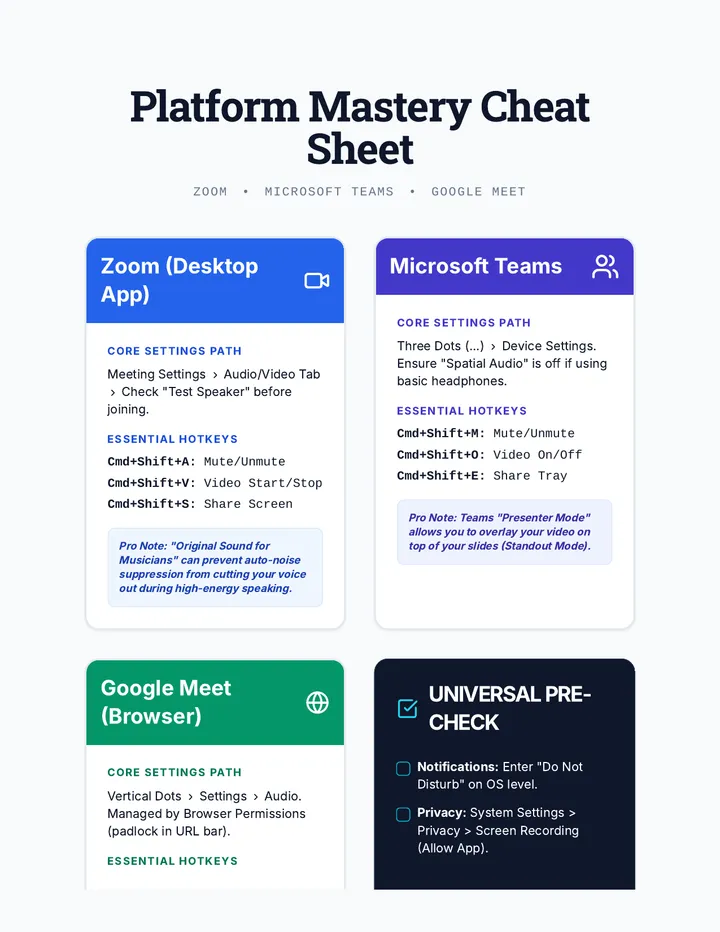
A specialized sequence for graduate students to master the technical nuances of virtual interview platforms, focusing on professional screen sharing, systematic troubleshooting, and contingency planning for high-stakes digital environments.
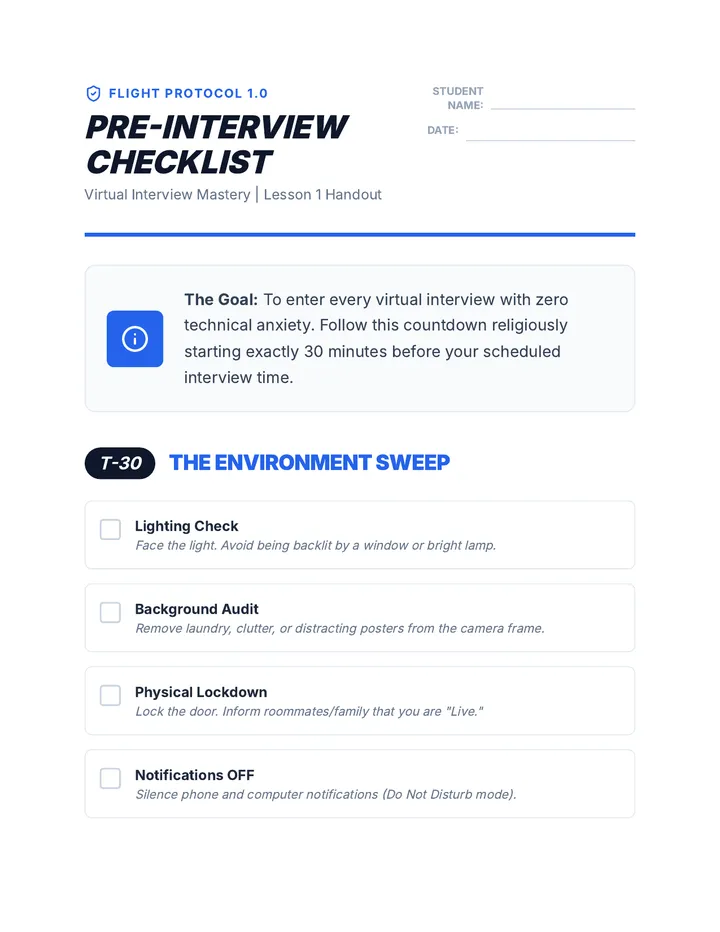
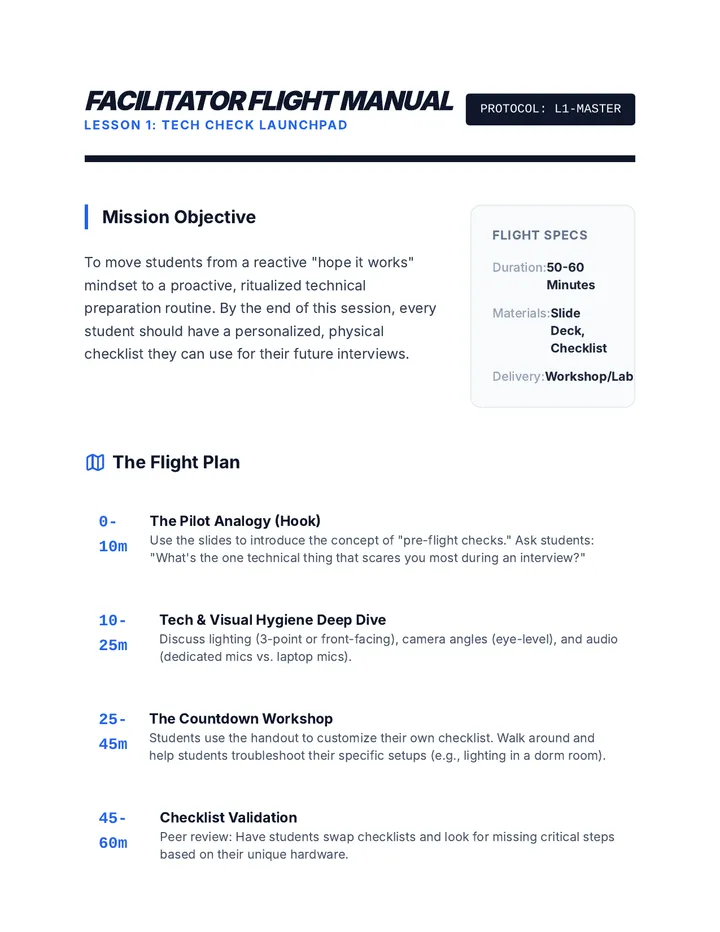
A comprehensive training sequence for undergraduate students to master virtual interview skills, moving from technical setup to high-stakes simulation and self-reflection. Students build a 'Screen Ready' mindset, ensuring they are technically flawless and behaviorally engaging in digital environments.
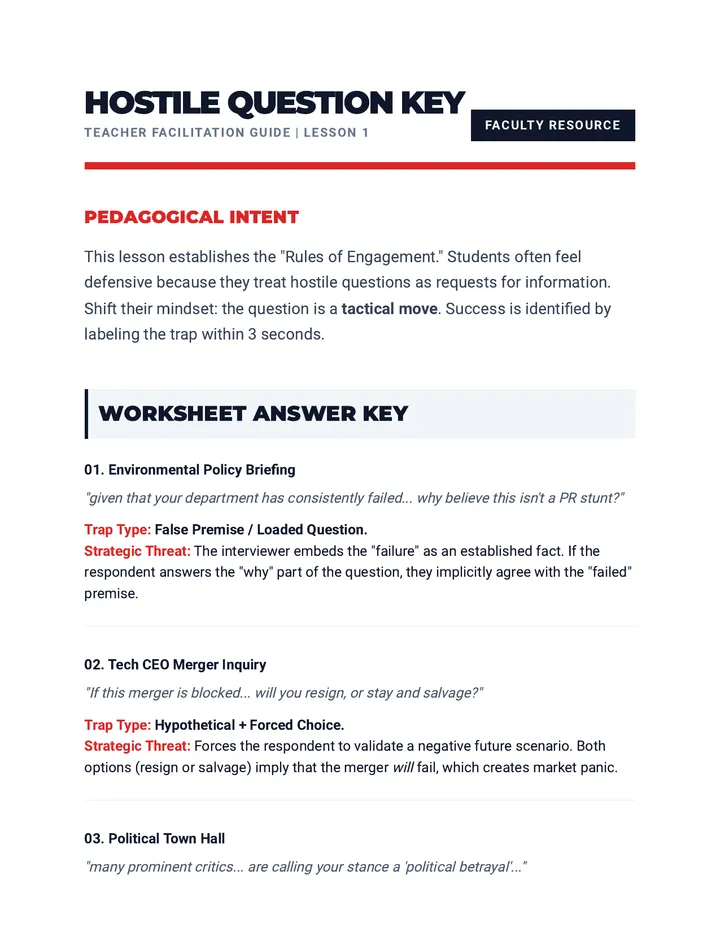
A graduate-level sequence focused on defensive communication strategies, pivoting, and maintaining message integrity during hostile questioning and high-pressure media environments.
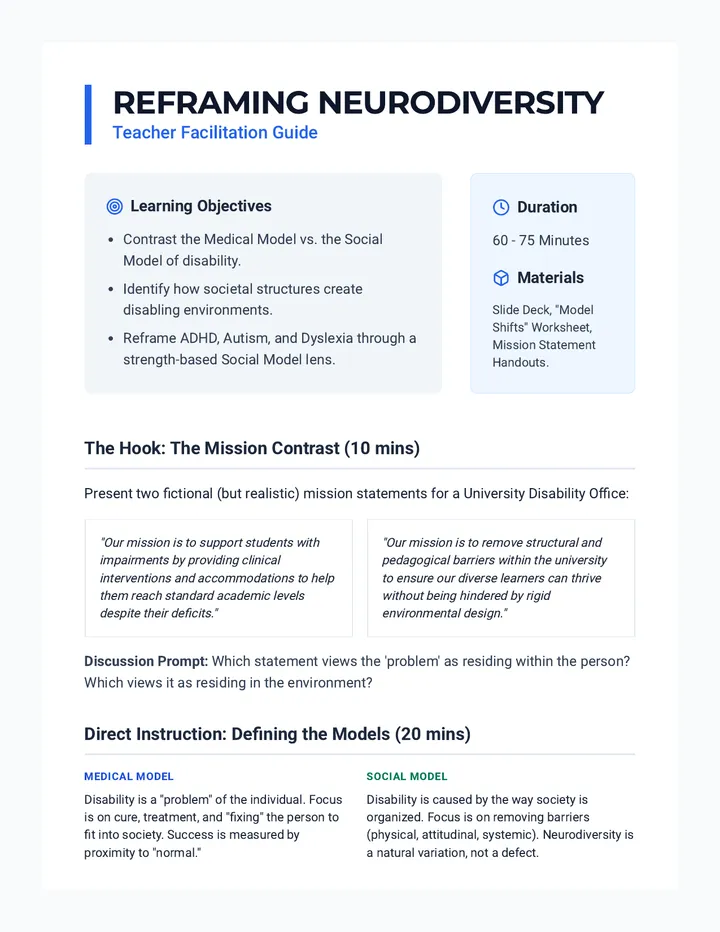
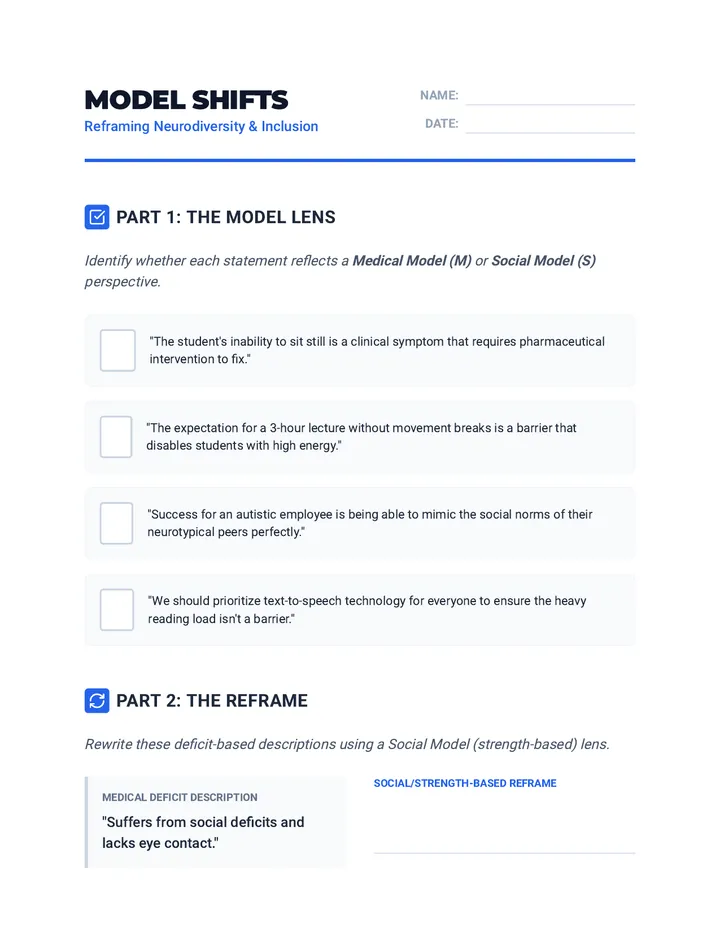
This sequence explores neurodiversity through the Social Model of disability, challenging traditional norms of professionalism and designing inclusive environments. Students will move from theoretical understanding to practical application in organizational policy and advocacy.
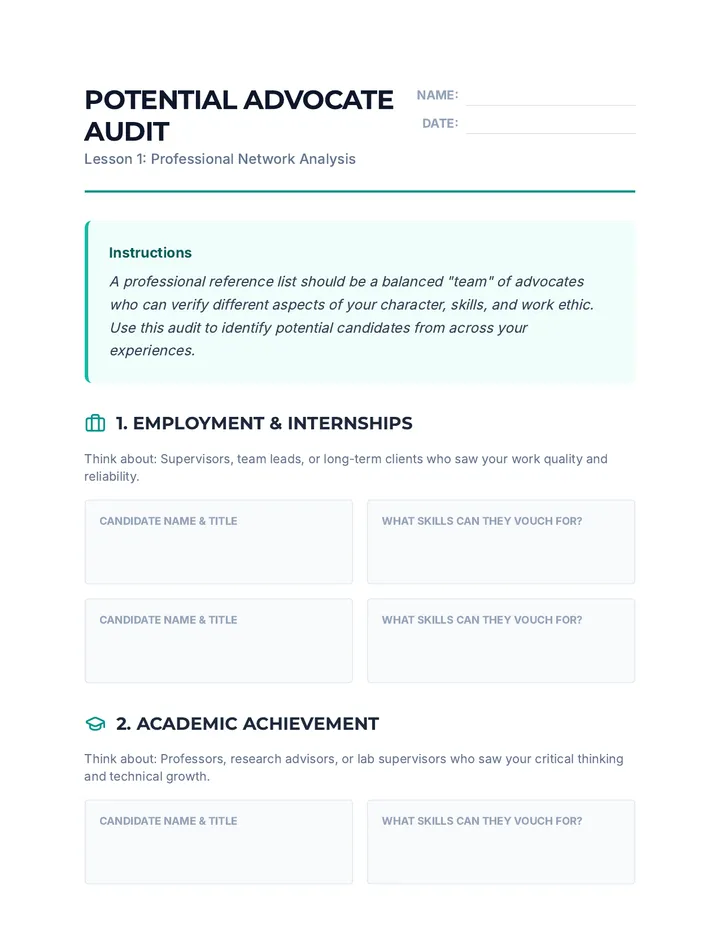
A comprehensive workshop series for undergraduate students to identify, secure, and format professional references for their job search. Students move from auditing their network to finalizing a polished reference document and practicing interview responses.
A case-study driven course for graduate students on navigating ethical dilemmas, confidential searches, and difficult employment histories during the reference check process. Students learn to manage their professional reputation and navigate complex background verification scenarios with transparency and integrity.
A comprehensive sequence for graduate students to synthesize technical business data into compelling narratives and persuasive pitches for investors.
A comprehensive training program for graduate students to master non-verbal communication in virtual interviews. The sequence covers eye contact, framing, digital active listening, vocal modulation, and self-critique using video playback.
This graduate-level sequence treats the virtual interview space as a professional production set. Students will master acoustics, lighting physics, camera framing, and visual rhetoric to engineer a high-stakes professional presence.
A comprehensive sequence focused on mastering virtual presence through analysis of failures, professional modeling, and rigorous self and peer reflection. Students develop a critical eye for digital communication and create a personal 'pre-flight' checklist for professional success.
This sequence helps undergraduate students bridge the gap between in-person and digital communication. It focuses on adapting non-verbal cues—eye contact, active listening, posture, and gestures—specifically for the 2D constraints of a video call to build trust and professional warmth.
A comprehensive sequence for graduate students focused on converting interview setbacks into networking opportunities and long-term career growth through professional resilience, feedback solicitation, and relationship management.
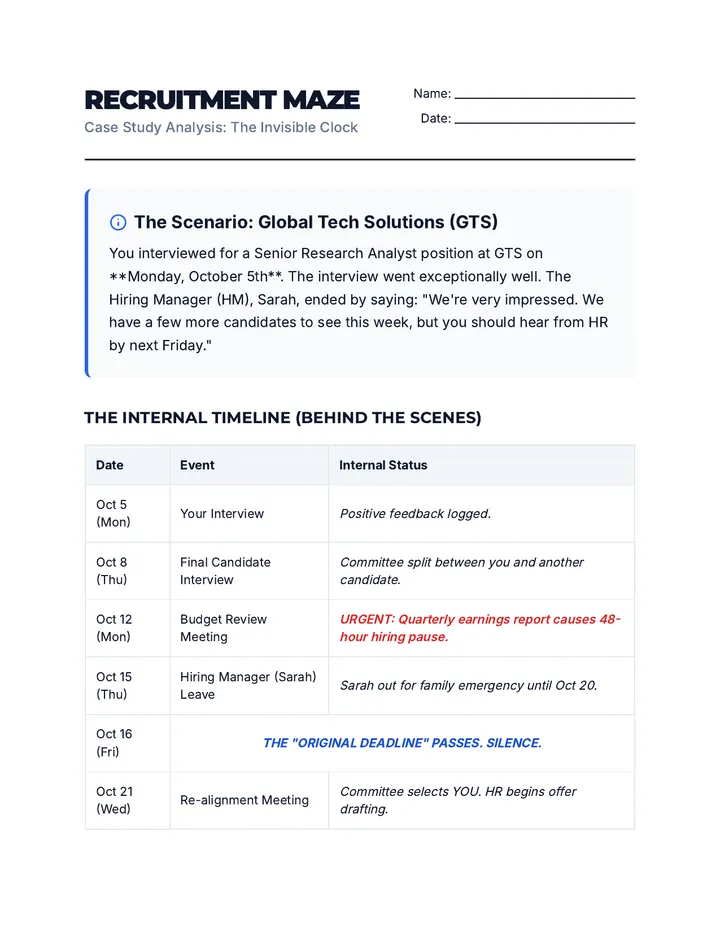
A comprehensive guide for graduate students on navigating the complexities of post-interview logistics, recruitment cycles, and managing multiple job offers with professional etiquette.
This graduate-level sequence focuses on post-interview communication as a strategic tool. Students learn to analyze interview performance, draft value-driven correspondence, mitigate weaknesses, and navigate complex stakeholder dynamics to reinforce their professional brand.
This comprehensive sequence guides undergraduate students through the strategic nuances of post-interview communication. Students will master the art of writing high-impact thank-you notes, addressing interview gaps, navigating professional etiquette, and managing communication during hiring delays to build a robust professional portfolio.
A project-based sequence for undergraduate students focused on transforming the process of providing professional references into an active 'Reference Portfolio' project. Students learn to curate evidence, brief their contacts effectively, and manage their professional reputation across digital and traditional platforms.
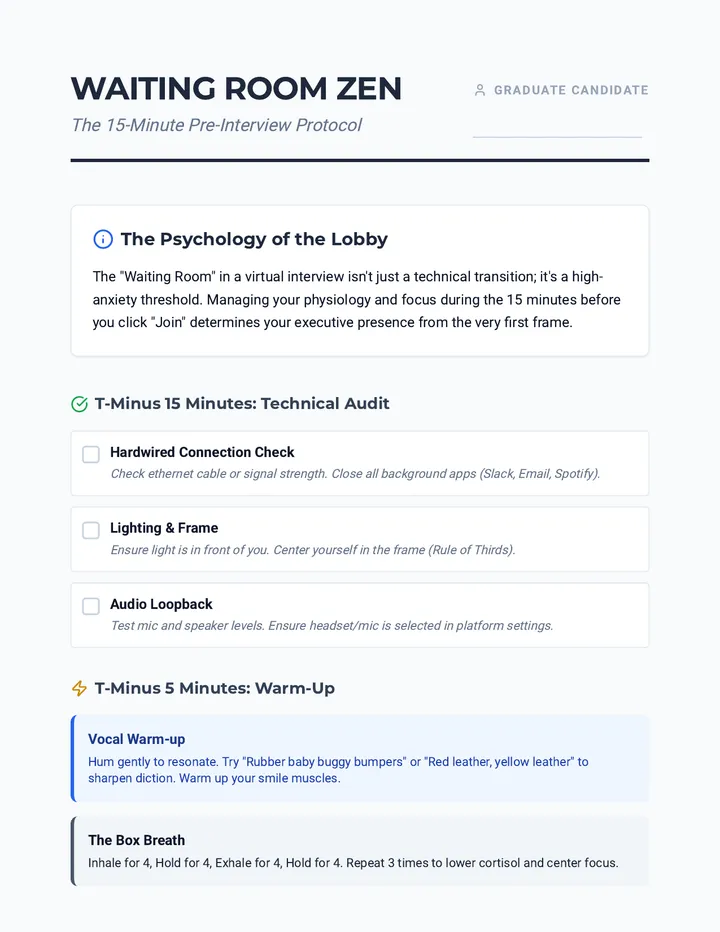
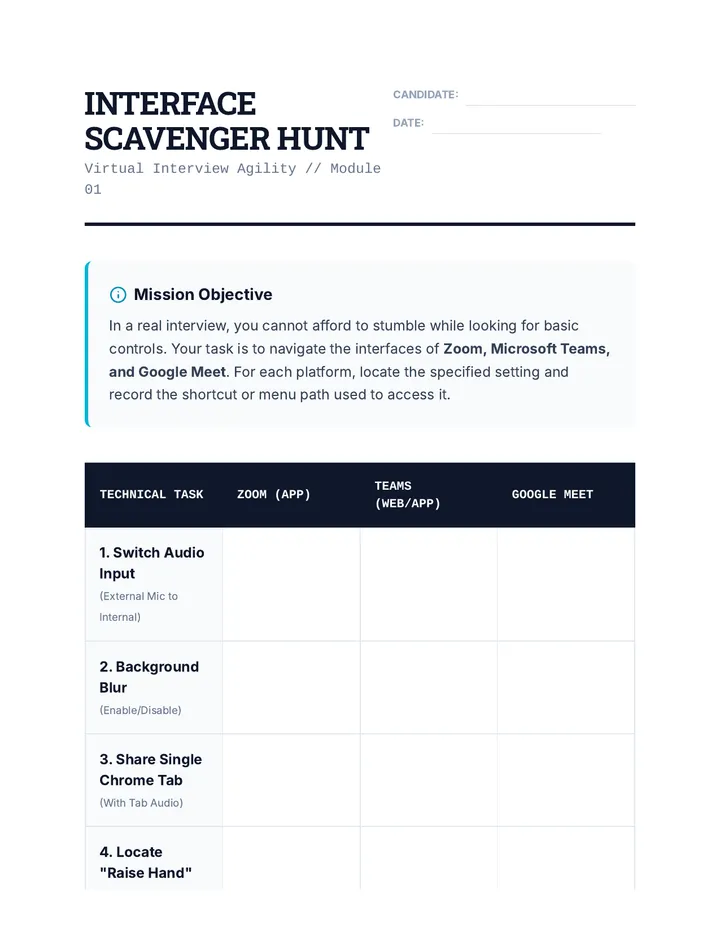
A comprehensive sequence for undergraduate students focused on mastering virtual interview platforms (Zoom, Teams, WebEx) and developing the resilience needed to handle technical failures with professional grace. Students move from platform fluency to real-time crisis management simulations.
A comprehensive 5-lesson series designed to help 12th-grade students master the technical aspects of virtual interviews. Students will transform their personal spaces into professional digital studios by mastering camera framing, lighting, acoustics, and background curation, culminating in a high-stakes tech-check protocol.