Empathetic skill development through emotion recognition, cultural diversity appreciation, and bias confrontation. Targets multi-perspective analysis to support respectful interactions and complex social responses.
This sequence examines the PLEASE skills (Physical illness, Lunch/Eating, Avoid mood-altering substances, Sleep, Exercise) through a Social Determinants of Health lens. Undergraduate counseling students will learn to adapt these therapeutic interventions for clients facing systemic barriers such as food insecurity, housing instability, and physical disability.
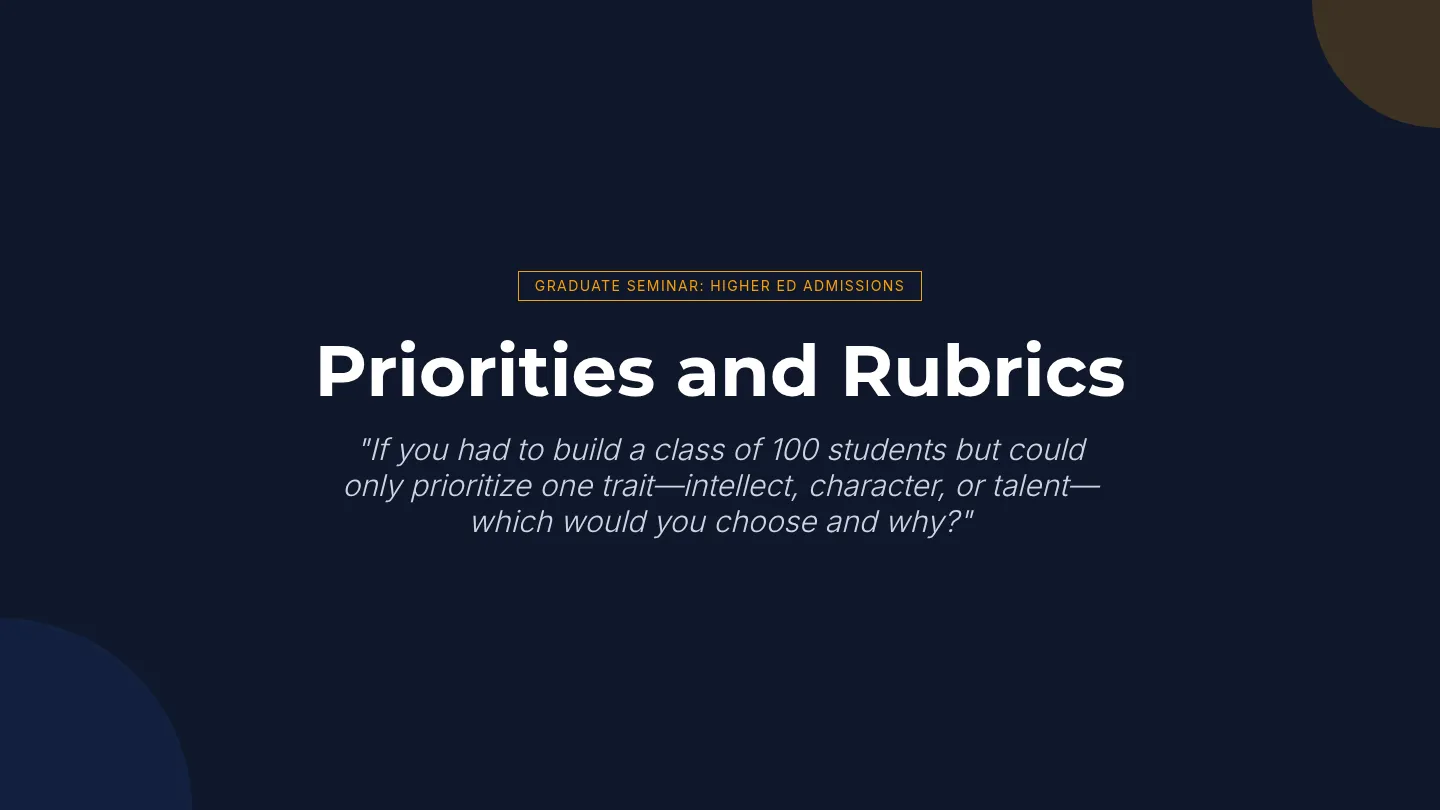
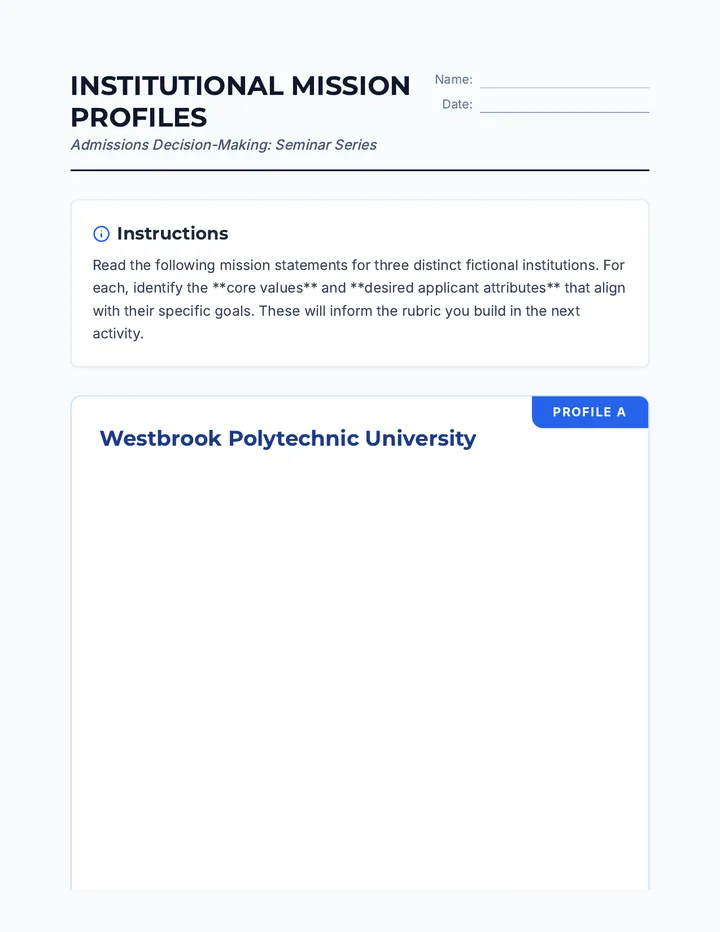
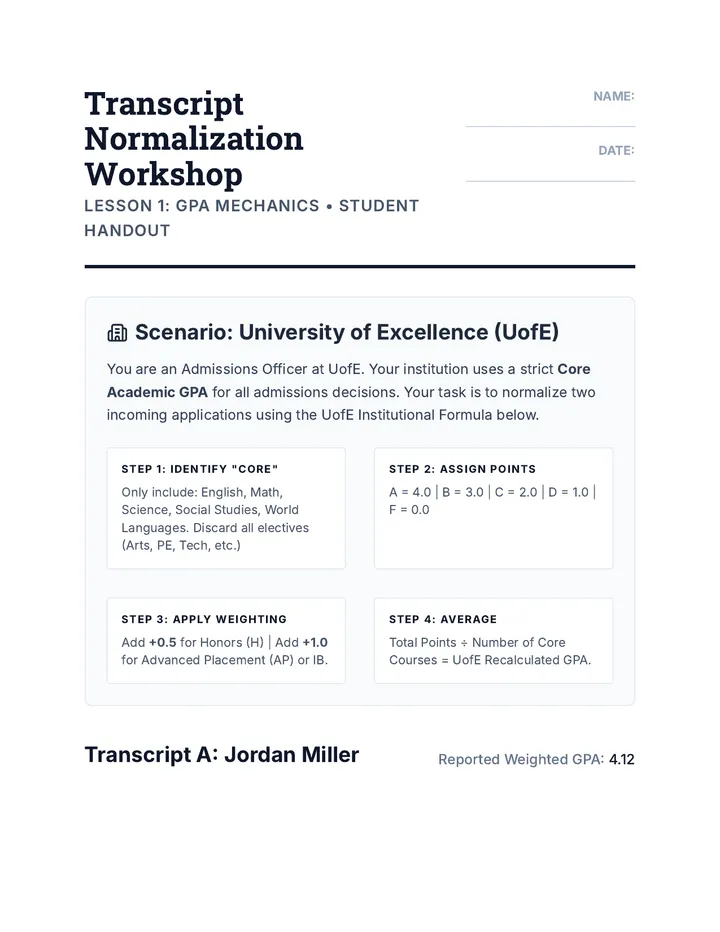
A graduate-level exploration of the admissions 'black box,' where students act as admissions officers to navigate the complexities of holistic review, institutional priorities, and systemic bias in post-secondary gatekeeping.
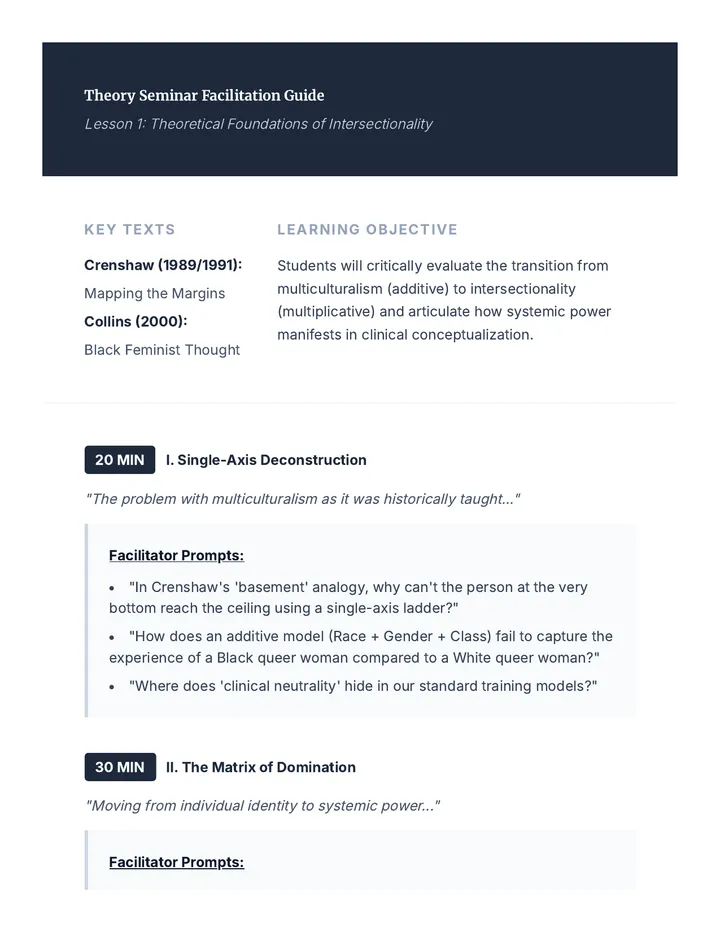
A graduate-level exploration of how social structures, laws, and algorithms construct identity, moving from sociological theory to clinical 'Structural Competency' and advocacy.
A comprehensive unit for undergraduate students focusing on the aftermath of human trafficking. Students explore trauma-informed care, legal advocacy for survivors, ethical storytelling, the neurological impacts of trauma, and community-based action planning to support recovery and reintegration.
A graduate-level counseling sequence exploring how sociocultural forces shape self-image through Narrative Therapy and intersectional analysis. Students learn to externalize negative narratives and re-author their professional and personal identities.
This sequence for graduate counseling students examines how culture, language, and systemic context shape emotional labeling and expression. It challenges Western-centric models and prepares students to use culturally humble inquiry in clinical settings.
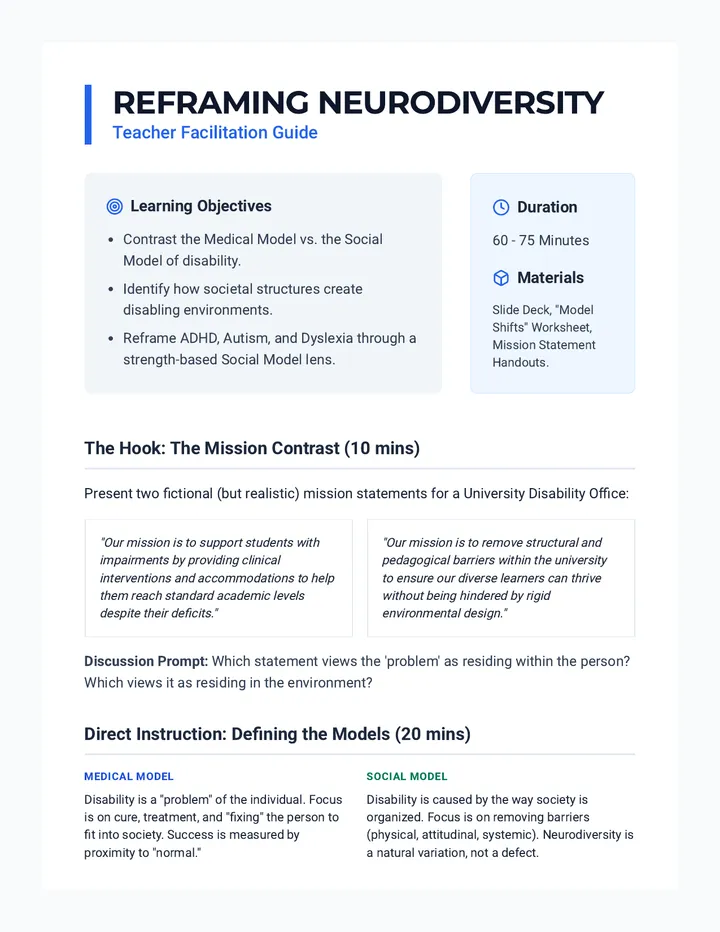
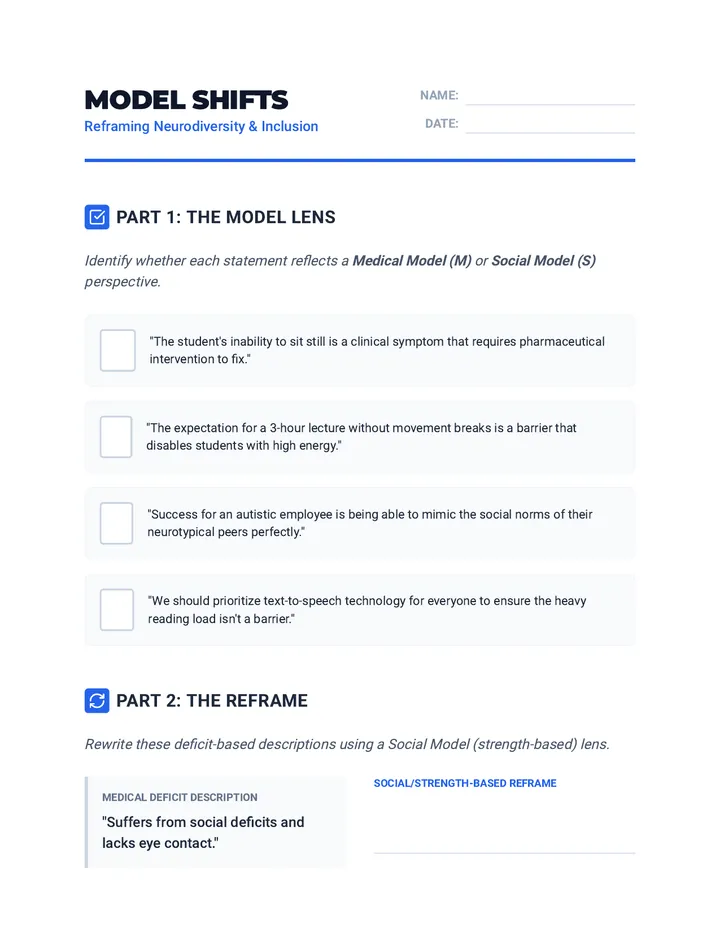
This sequence explores neurodiversity through the Social Model of disability, challenging traditional norms of professionalism and designing inclusive environments. Students will move from theoretical understanding to practical application in organizational policy and advocacy.
This sequence challenges graduate students to build inclusive, non-judgmental group environments through a critical theory lens, examining power dynamics, microaggressions, and cultural humility in support settings.
A comprehensive training sequence for undergraduate students focused on the clinical application of Thought Record tracking. Students transition from understanding the tool to facilitating it, mastering psychoeducation, Socratic questioning, and managing clinical resistance.
This sequence immerses undergraduate students in the theoretical and practical application of advanced conflict resolution, moving beyond basic interpersonal skills to systemic mediation strategies. Students will master interest-based negotiation, emotional regulation, reframing, and power analysis through simulations and case studies.
This sequence explores the psychology of group dynamics and community care. Students learn to recognize burnout, offer effective support, and advocate for cultures where requesting breaks is normalized and valued.
A 5-lesson workshop sequence for undergraduate students to understand, challenge, and overcome imposter syndrome through peer validation and evidence-based identity building.
A 5-lesson sequence for undergraduate students focused on deconstructing academic failure, understanding stress physiology, practicing vulnerability through storytelling, and creating personalized resilience frameworks through peer support.
A 5-lesson sequence for graduate students designed to deconstruct the 'Impostor Phenomenon' and normalize academic failure. Students will analyze their internal narratives, create 'Shadow CVs', and reconstruct their professional identities through cognitive reframing and narrative inquiry.
A professional workshop series for graduate students to master peer support, empathetic communication, and collective problem-solving within high-pressure academic cohorts.
A 5-lesson sequence for graduate counseling students to explore intersectionality, social location, and family scripts to build cultural humility and professional identity. Students move from theoretical critique to personal excavation and clinical application.
This sequence explores how societal narratives shape personal identity. Students learn to deconstruct dominant cultural 'scripts', utilize Narrative Therapy frameworks like the Landscape of Action/Identity, and practice Outsider Witnessing to formalize new, preferred stories of agency and resilience.
A comprehensive graduate-level training sequence exploring how cultural identity, systemic barriers, and implicit bias influence crisis presentation and peer support. Students move from understanding diverse cultural idioms of distress to developing culturally responsive safety plans that challenge traditional Western medical models.
This graduate-level sequence bridges the gap between improvisational theater techniques and organizational leadership. Students explore how the mechanics of spontaneity, 'Yes, And' communication protocols, and narrative arcs can be applied to crisis management, negotiation, and high-stakes corporate communication.
A comprehensive sequence for undergraduate students exploring high-stakes problem-solving through outdoor and adventure activities. Students move from analyzing communication systems to executing adaptive strategies, culminating in professional leadership development plans.
An advanced course for graduate students exploring the intersection of neurobiology, psychological theory, and organizational leadership. Students develop high-level social and emotional competencies to navigate complex professional environments and foster psychological safety.
A 5-lesson series for graduate students focused on navigating the systemic stressors of academia, setting professional boundaries, and preventing burnout through neurobiological understanding and assertive communication.
An advanced workshop-style sequence for graduate students focusing on communication architectures, differentiation of self, and the practical mastery of healthy relationship dynamics. Students will move from theoretical frameworks (Bowen Family Systems, NVC) to high-stakes practical simulations.
This sequence addresses the 'Imposter Phenomenon' in graduate studies and high-level careers. Students move from diagnosing imposter feelings using psychometric tools to developing evidence-based leadership identities and feedback-integration strategies.
An advanced clinical sequence for graduate-level counseling students focused on the nuances, cultural adaptations, and schema-level applications of thought record tracking in cognitive-behavioral therapy.
This graduate-level sequence critically examines the DBT FAST skills (Fair, Apology-free, Stick to values, Truthful) through the lenses of cultural humility, intersectionality, and systemic power dynamics. Students will move beyond a Eurocentric assertiveness model to develop nuanced, safe, and culturally responsive clinical interventions.
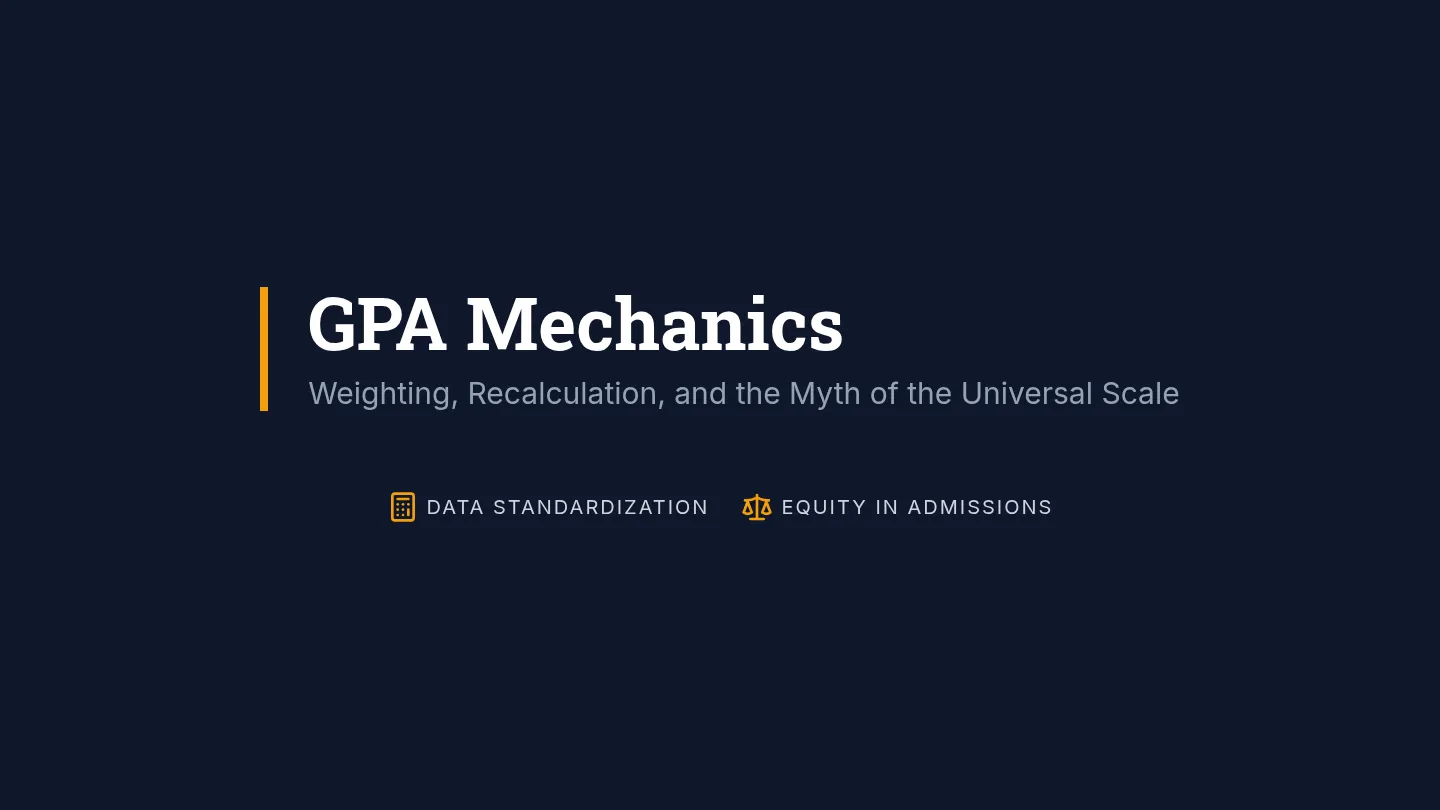
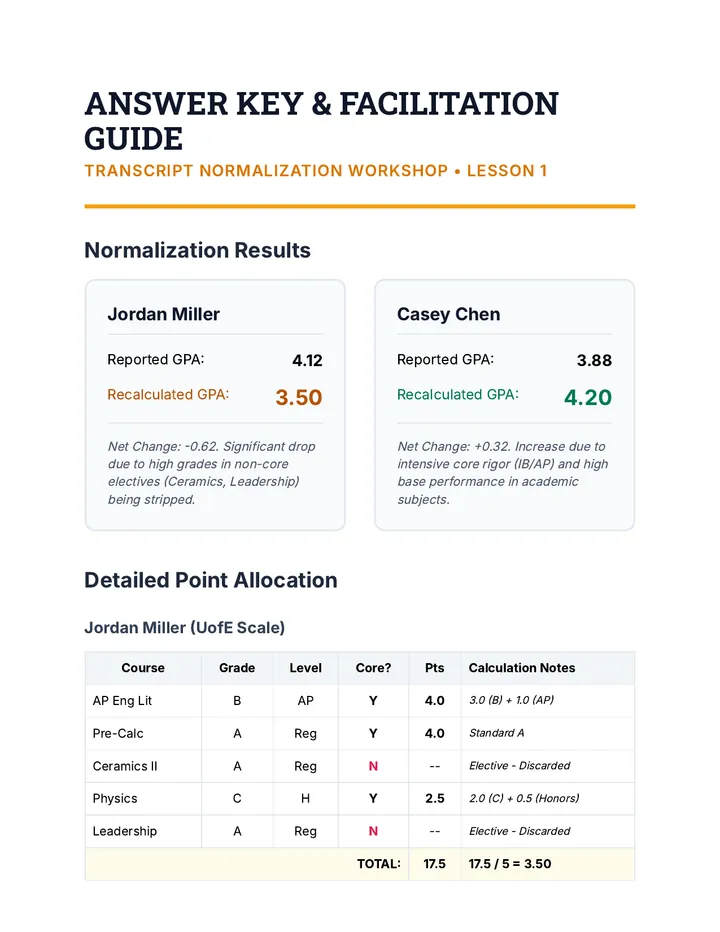
A graduate-level inquiry into the role of quantitative metrics in admissions, exploring the technical mechanics of GPA recalculation and the ethical implications of standardized testing through an equity lens.
A comprehensive exploration of intersectionality and cultural humility for undergraduate students. This sequence moves from personal identity mapping to institutional accountability, emphasizing lifelong self-reflection and the recognition of power dynamics in professional and community settings.
This workshop-style sequence for graduate students focuses on the interpersonal dimensions of adaptability, training them to diagnose and adjust communication styles for diverse professional audiences across cultural, disciplinary, and hierarchical boundaries.
A comprehensive graduate-level course focused on the pedagogy of teaching DBT GIVE skills. This sequence prepares future therapists to facilitate psychoeducation, coach validation, address clinical barriers, and adapt interpersonal effectiveness skills for diverse populations.
An advanced clinical sequence focused on adapting narrative trauma interventions for complex populations, including refugees with multiple traumas, dissociative clients, youth, and diverse cultural contexts. It culminates in a focus on clinician self-care and vicarious resilience.
A comprehensive sequence for undergraduate counseling students focused on building psychological safety, co-creating group norms, and mastering the structural elements of group facilitation. Students progress from theoretical understanding to simulated practice of establishing and maintaining safe group containers.
An advanced clinical sequence for graduate students exploring the integration of visual art therapy into grief counseling, from neurobiological foundations to treatment planning.
A comprehensive graduate-level course exploring the intersection of ethical codes, legal requirements, and cultural competence in clinical psychology, featuring case-based learning and critical decision-making models.
This graduate-level sequence explores the intersection of high-performance sports management and digital technology. Students will learn to evaluate tech stacks, manage remote scouting networks, visualize complex analytics, navigate biometric ethics, and coordinate digital crisis responses to maintain human connection in a data-driven industry.
A graduate-level exploration of the intersection between mathematical probability and behavioral psychology. This sequence covers Prospect Theory, cognitive heuristics, fat-tail distributions, and the design of psychologically resilient risk management frameworks.
An advanced course for graduate students on deconstructing cognitive biases and applying systematic lateral thinking techniques to solve complex 'wicked' problems.
A comprehensive 5-lesson sequence for undergraduate students exploring the intersection of digital technology, psychological well-being, and cognitive autonomy. Students analyze the attention economy, social comparison, digital ethics, and productivity strategies to build a personalized framework for digital resilience.
A high-level series for graduate students to master the art of decoding complex job postings, focusing on organizational culture, implicit expectations, and strategic alignment. Students will learn to analyze job descriptions as primary sources to make informed career decisions.
This sequence trains undergraduate students in the foundational mechanisms required to build and maintain safe peer support environments. Students progress from theoretical psychological safety to practical microskills, empathy, boundary management, and group facilitation.
An advanced clinical training sequence for graduate counseling students focused on the "Self of the Therapist" through the application of GIVE skills in high-stakes professional and therapeutic scenarios. Students move from theoretical understanding to high-fidelity simulations and micro-analytical self-assessment.
This graduate-level sequence deconstructs the GIVE skill set (Gentle, Interested, Validate, Easy Manner) within DBT, focusing on clinical conceptualization, neurobiological underpinnings, and differential application in complex interpersonal systems. Students progress from theoretical analysis to sophisticated treatment planning and case conceptualization.