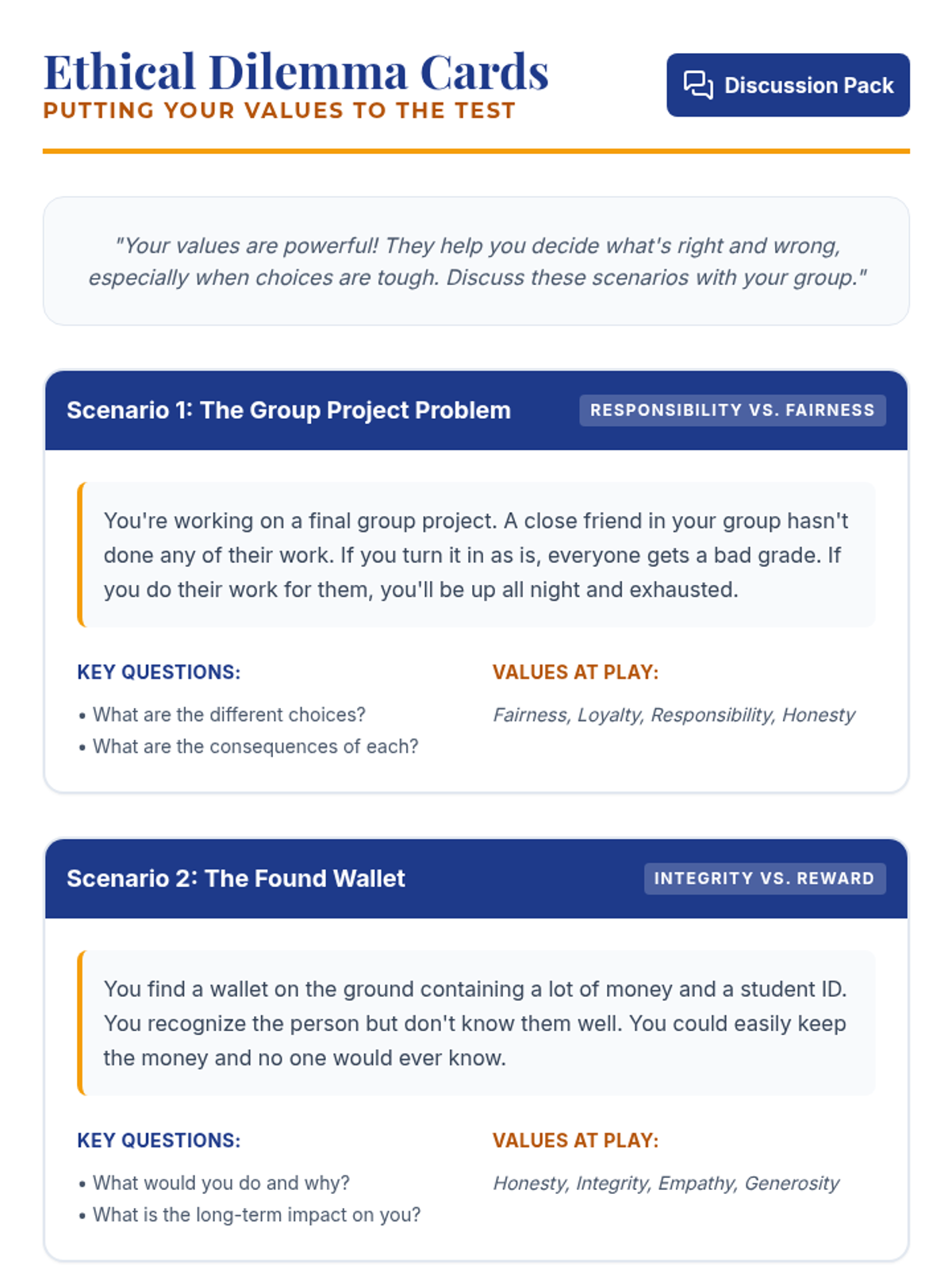
Root cause analysis and brainstorming techniques for everyday problem-solving. Equips learners with ethical frameworks and risk-benefit evaluation skills to predict consequences and make informed choices.
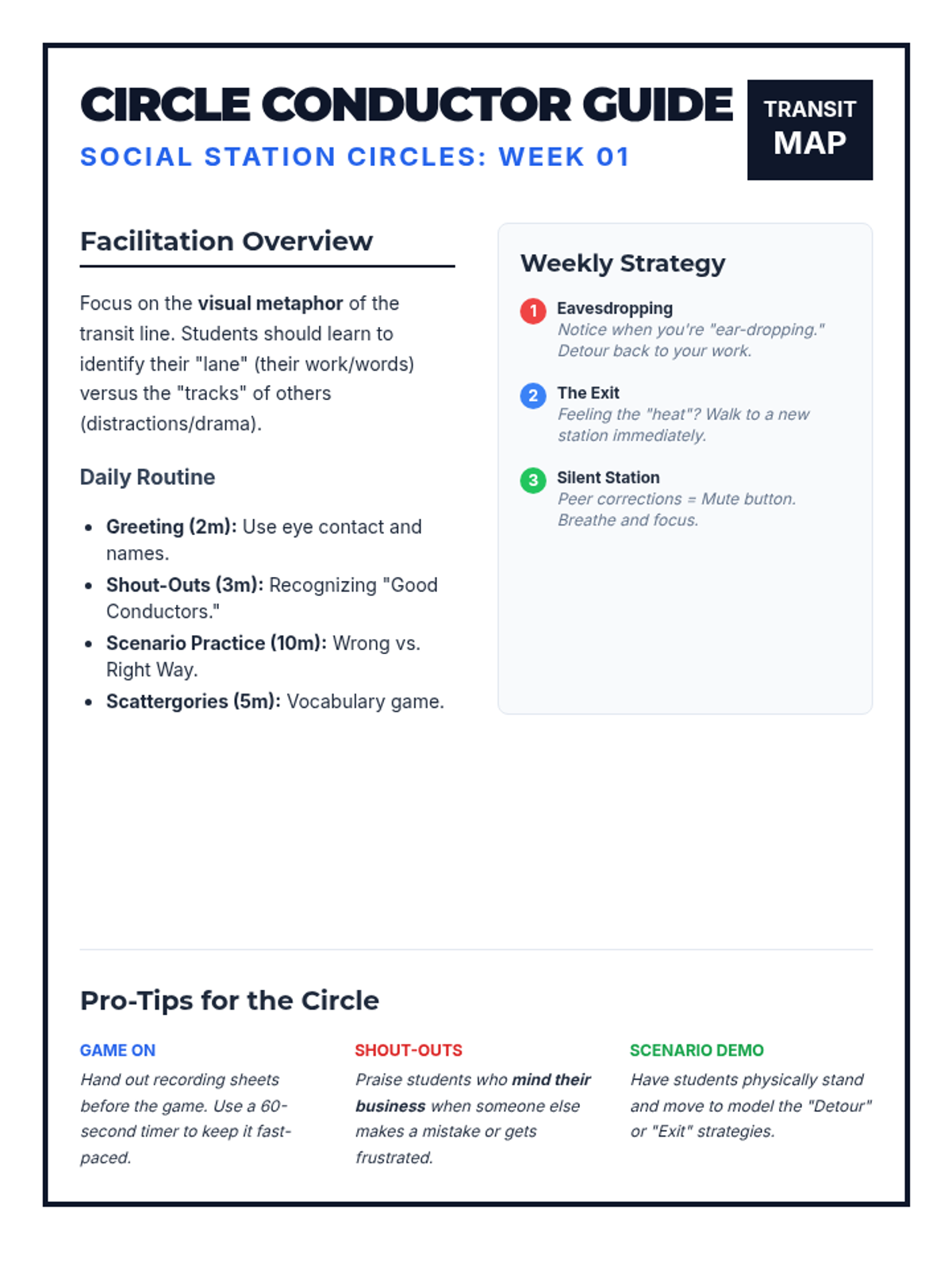
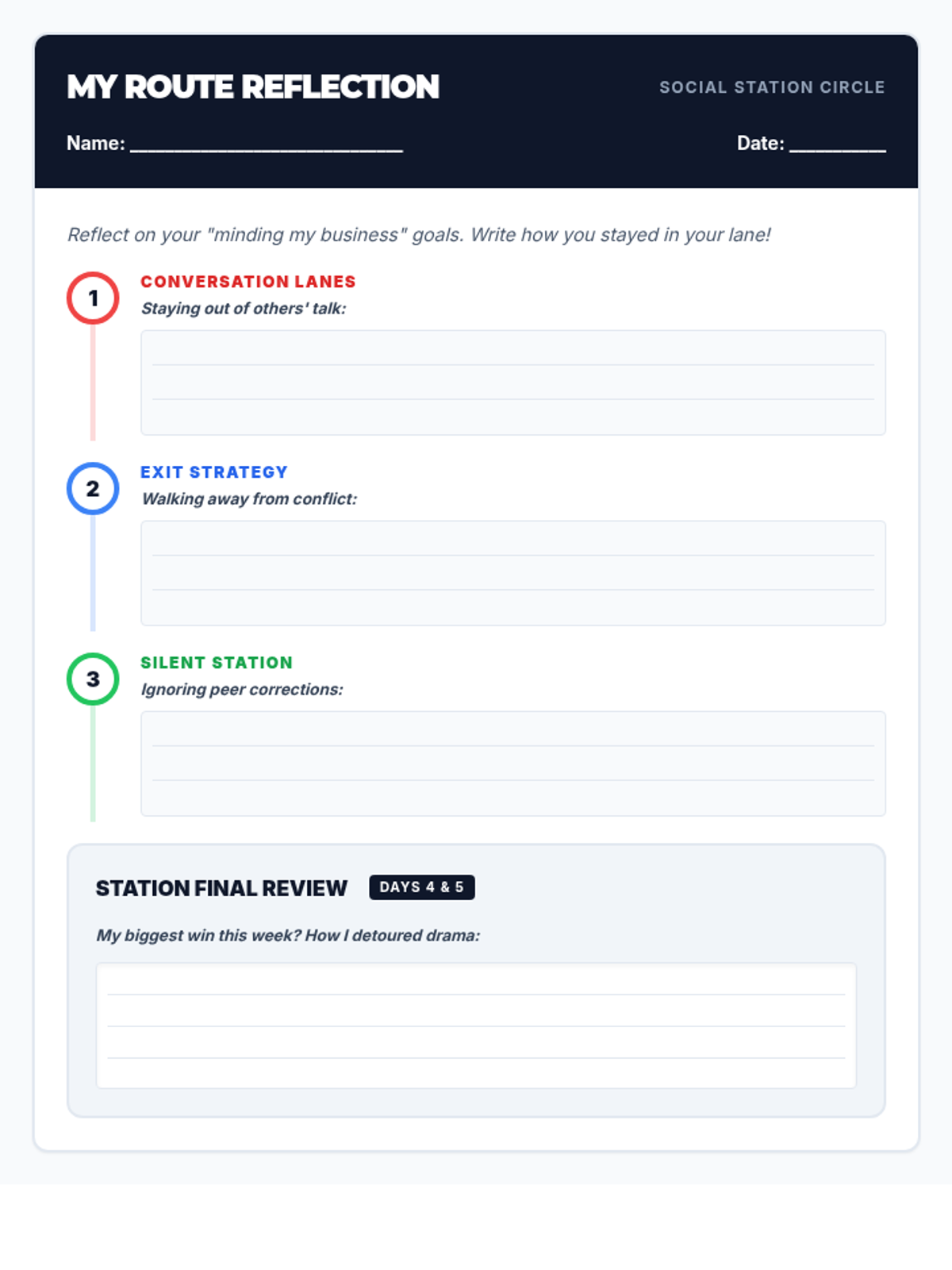
A week-long series of community circle meetings focused on 'minding your business' social skills through transit-themed discussions, scenarios, and school-related Scattergories.
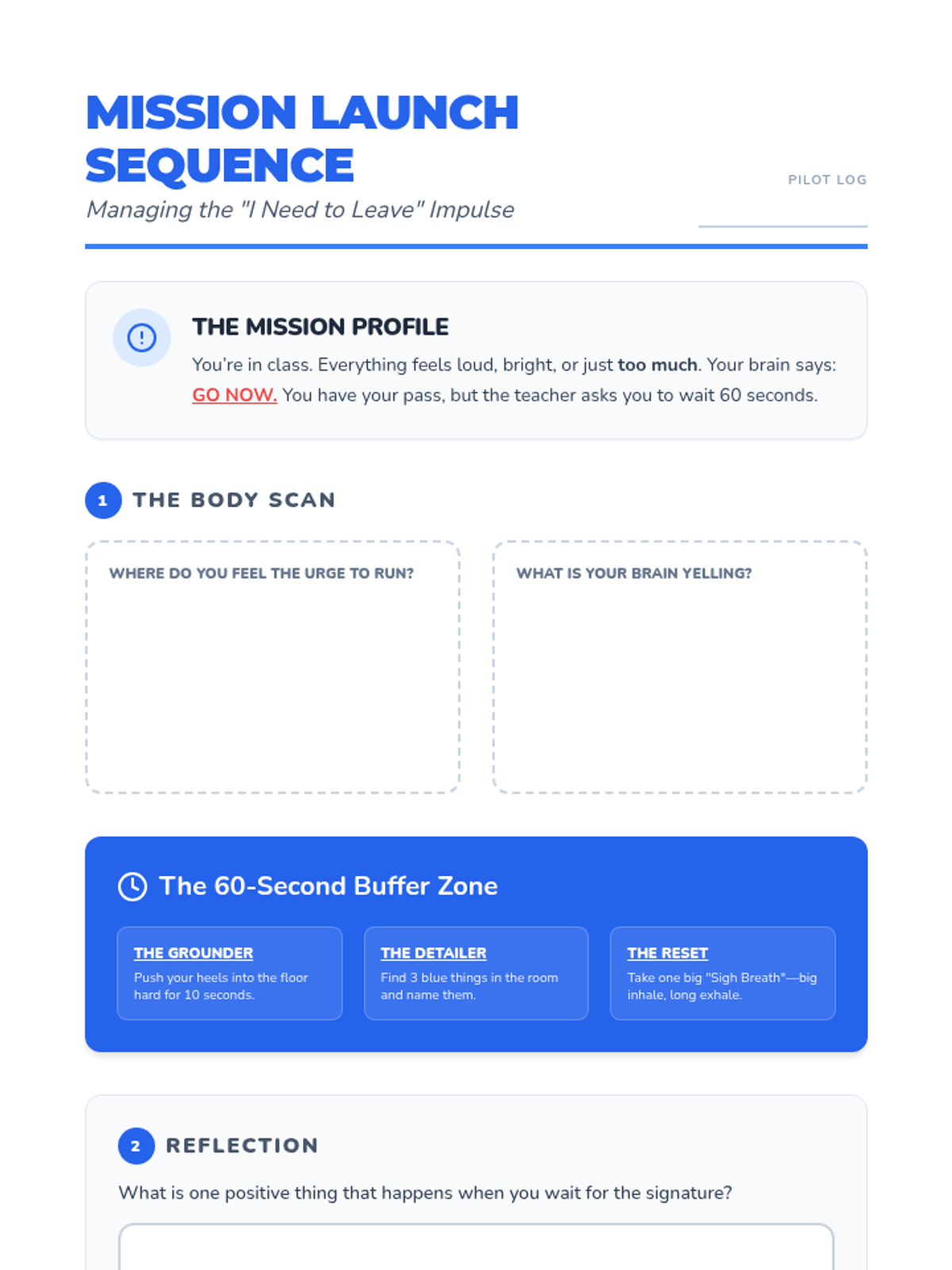
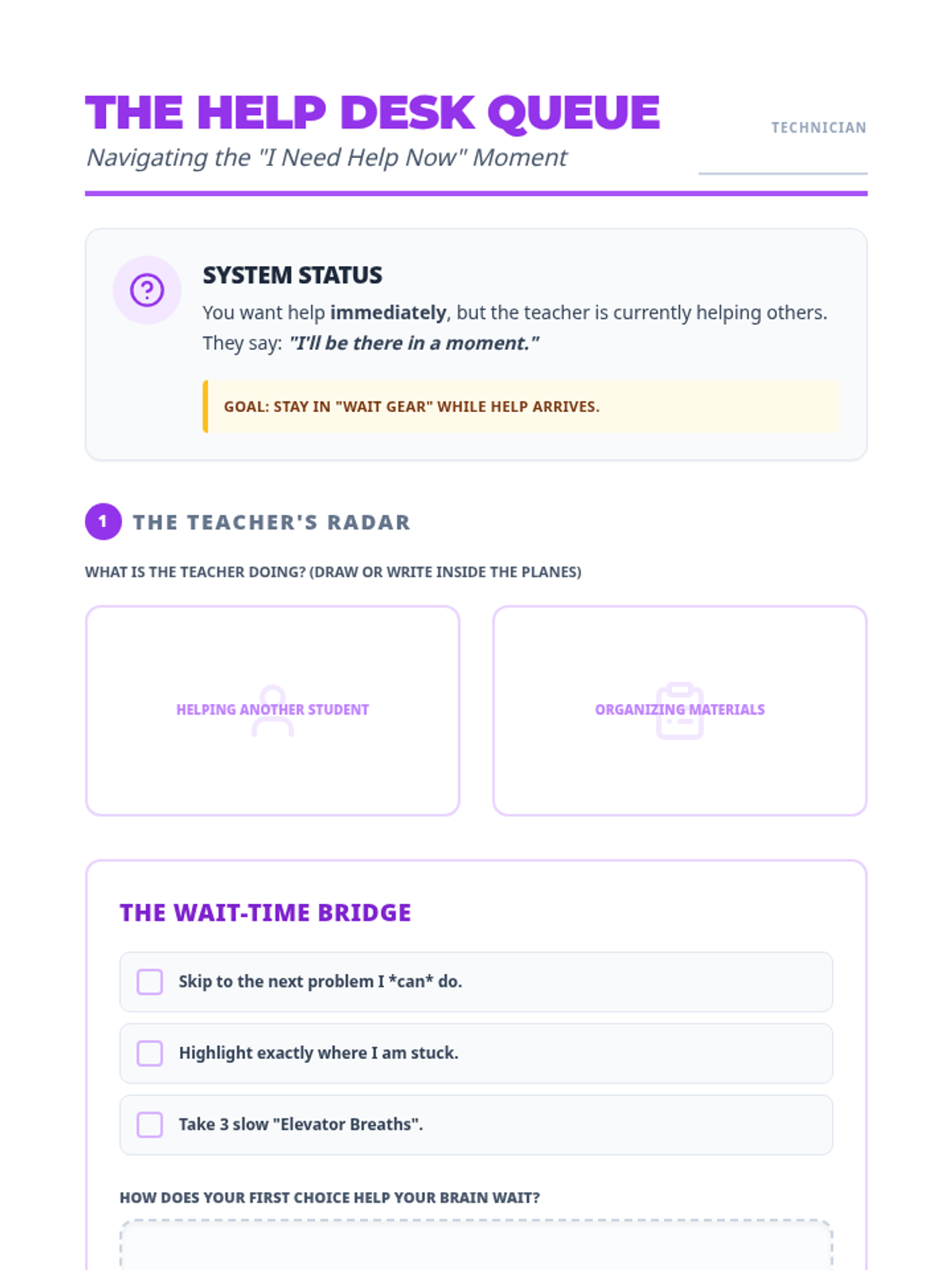
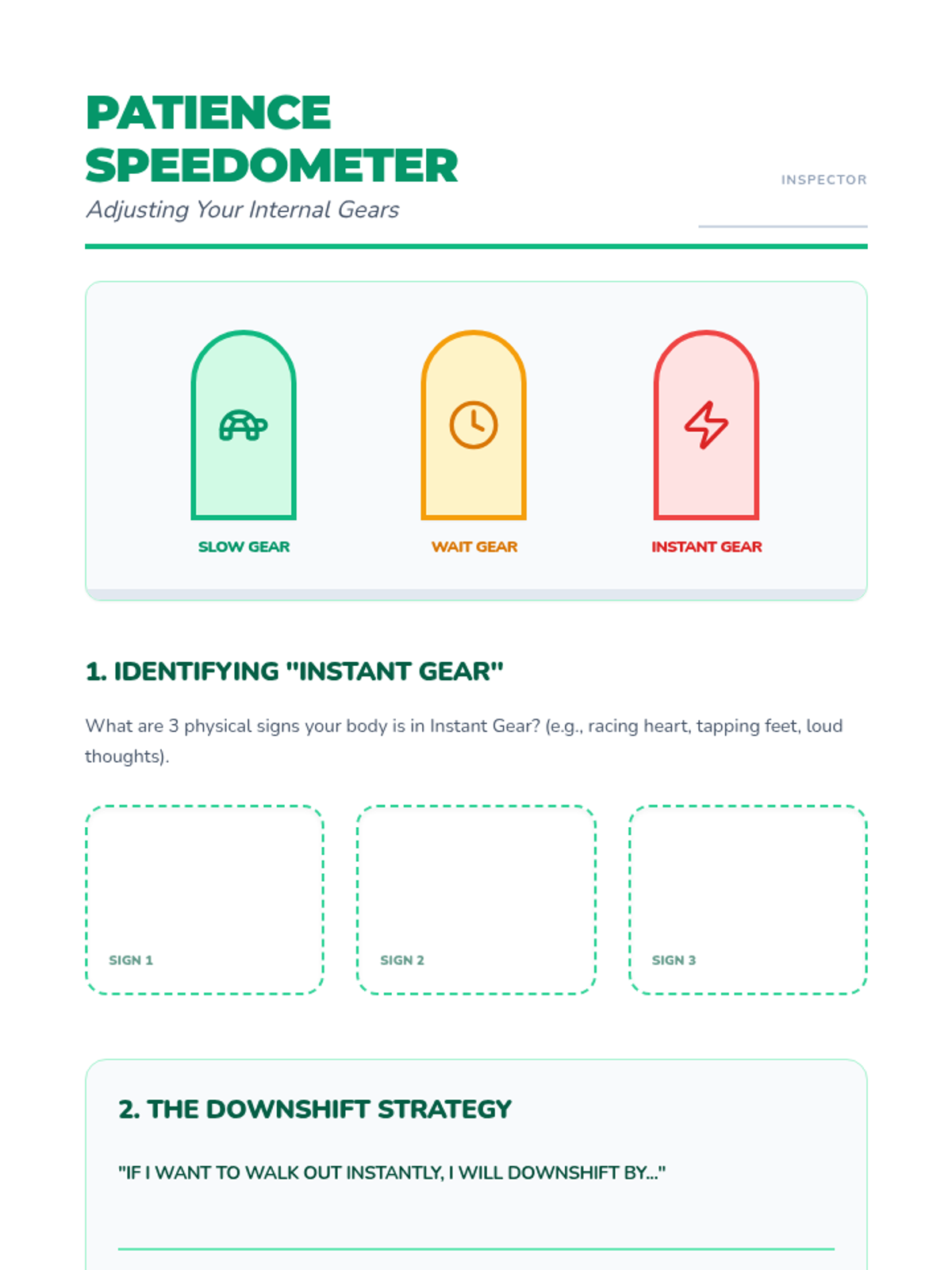
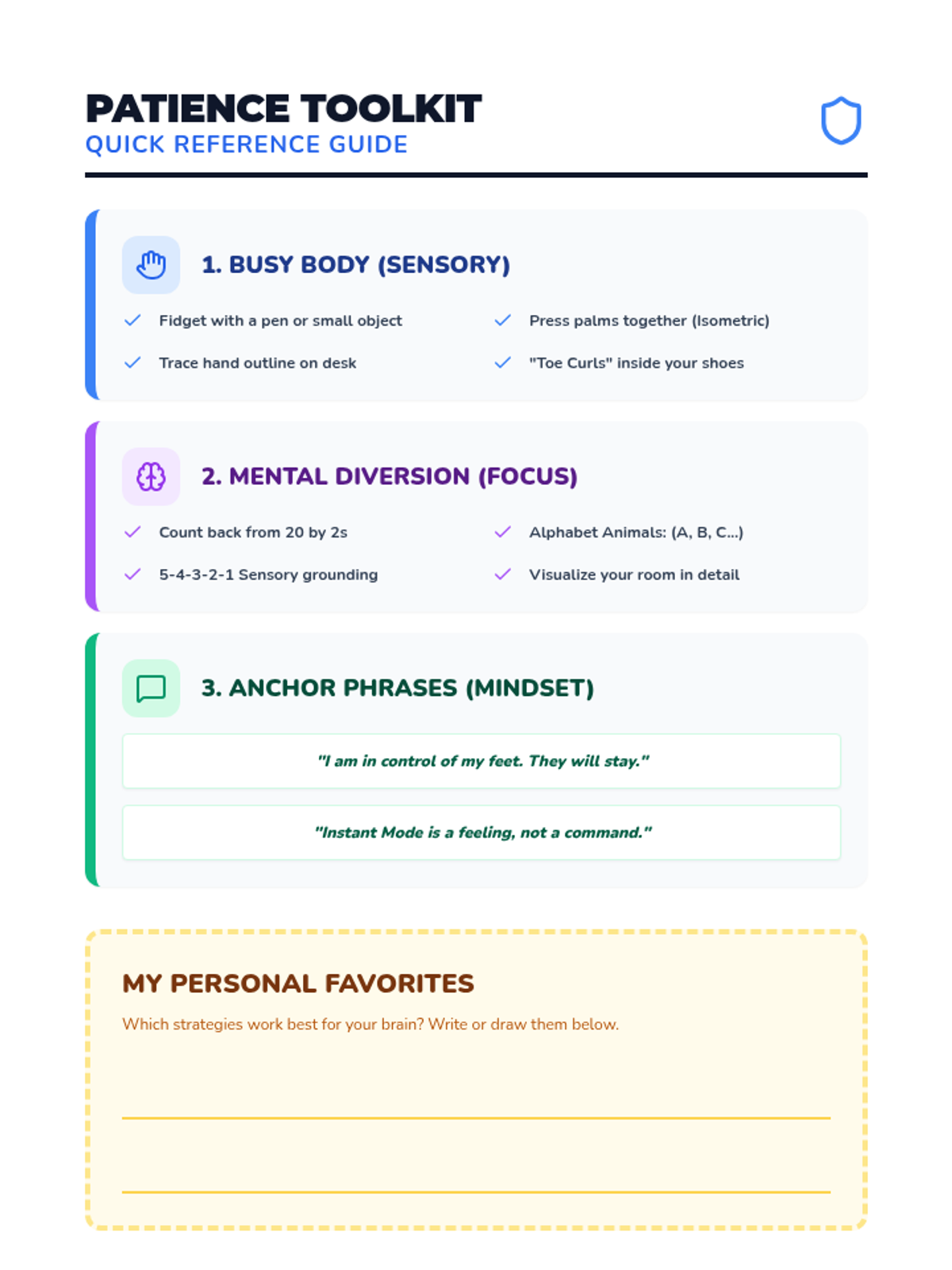
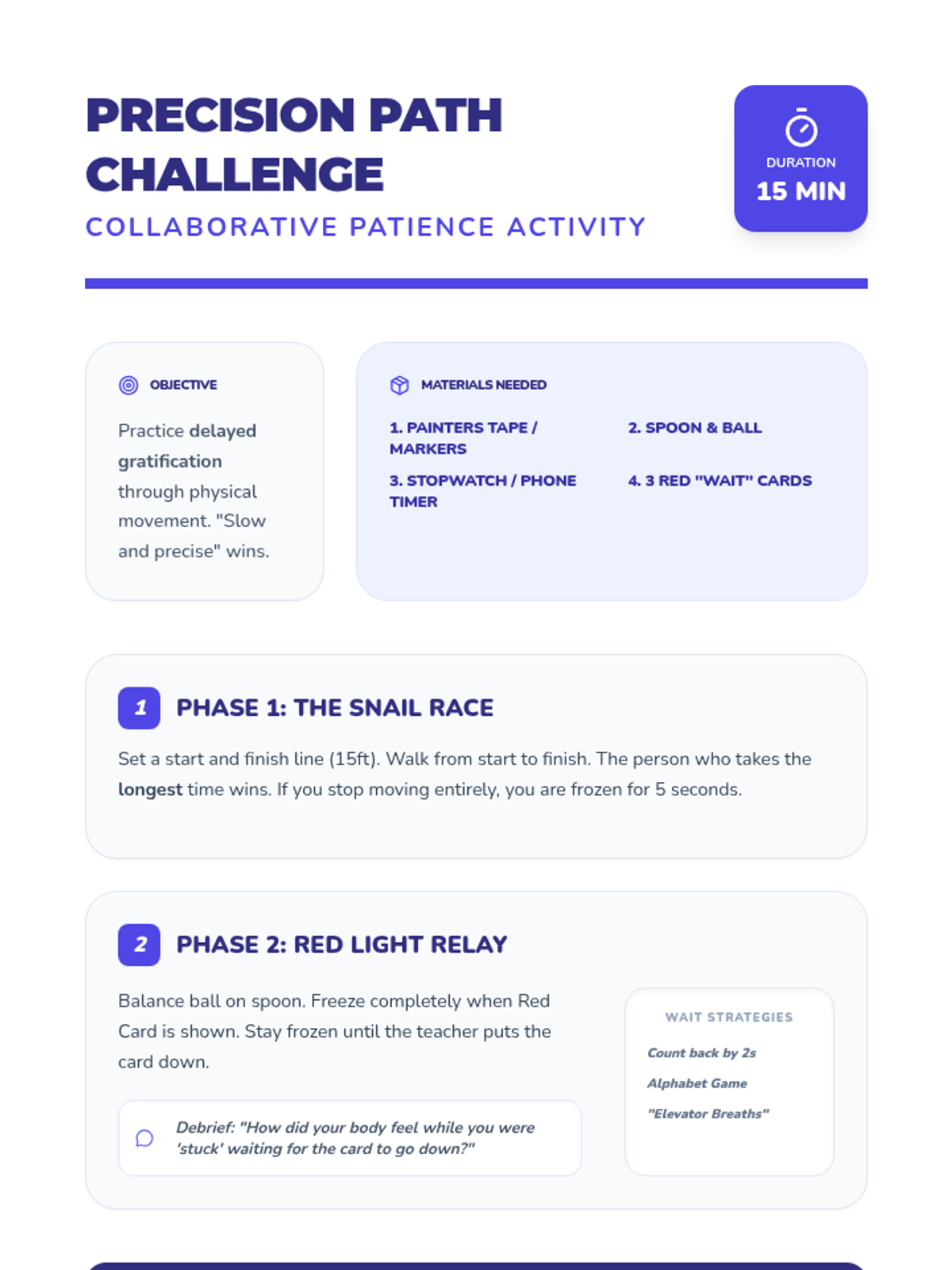
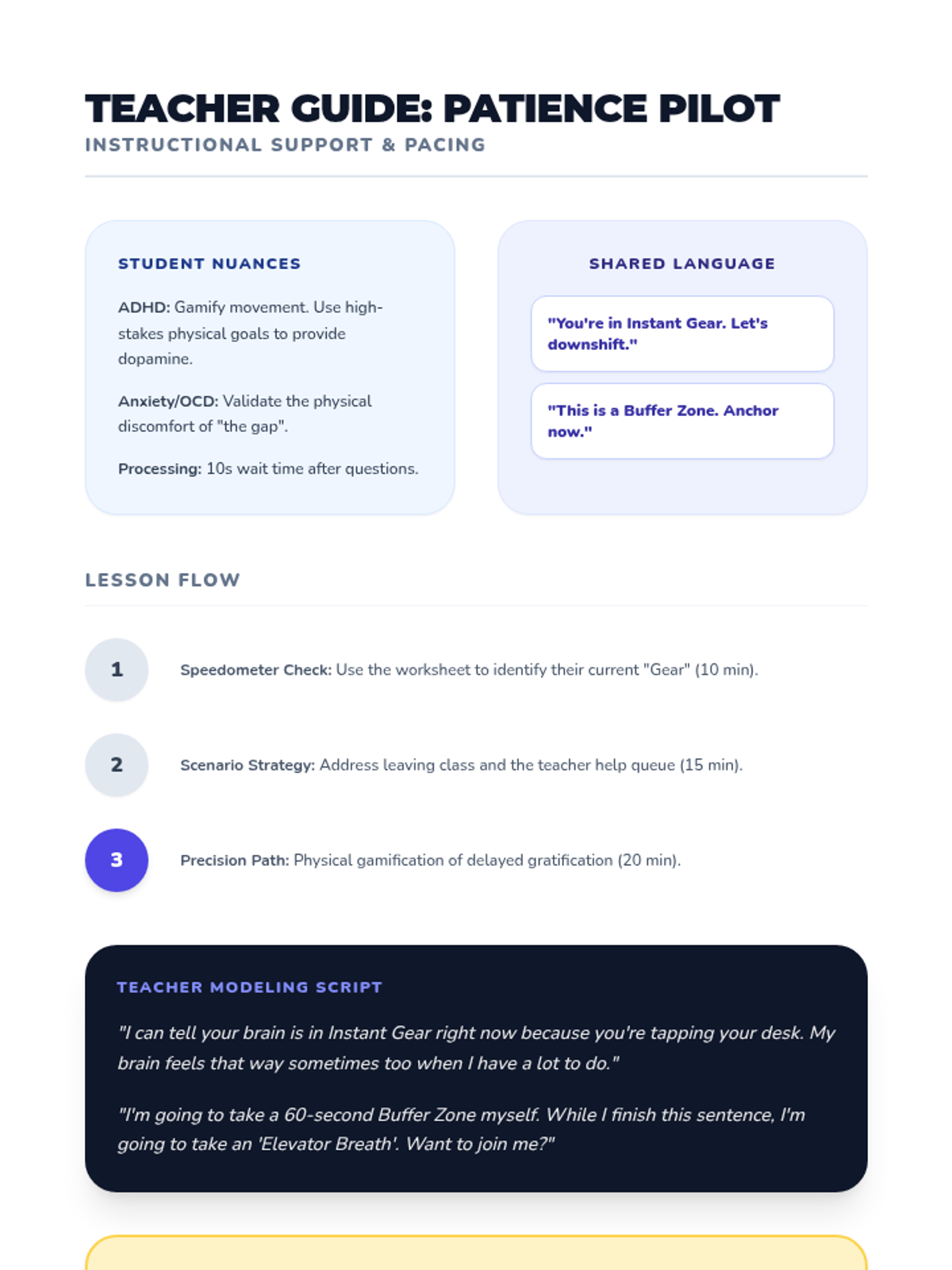
A sequence designed for a 13-year-old student with ADHD, OCD, and anxiety to build patience and manage impulsivity in high-stress classroom situations. Focuses on waiting for permission during overstimulation and navigating the delay when requesting help after a period of refusal.
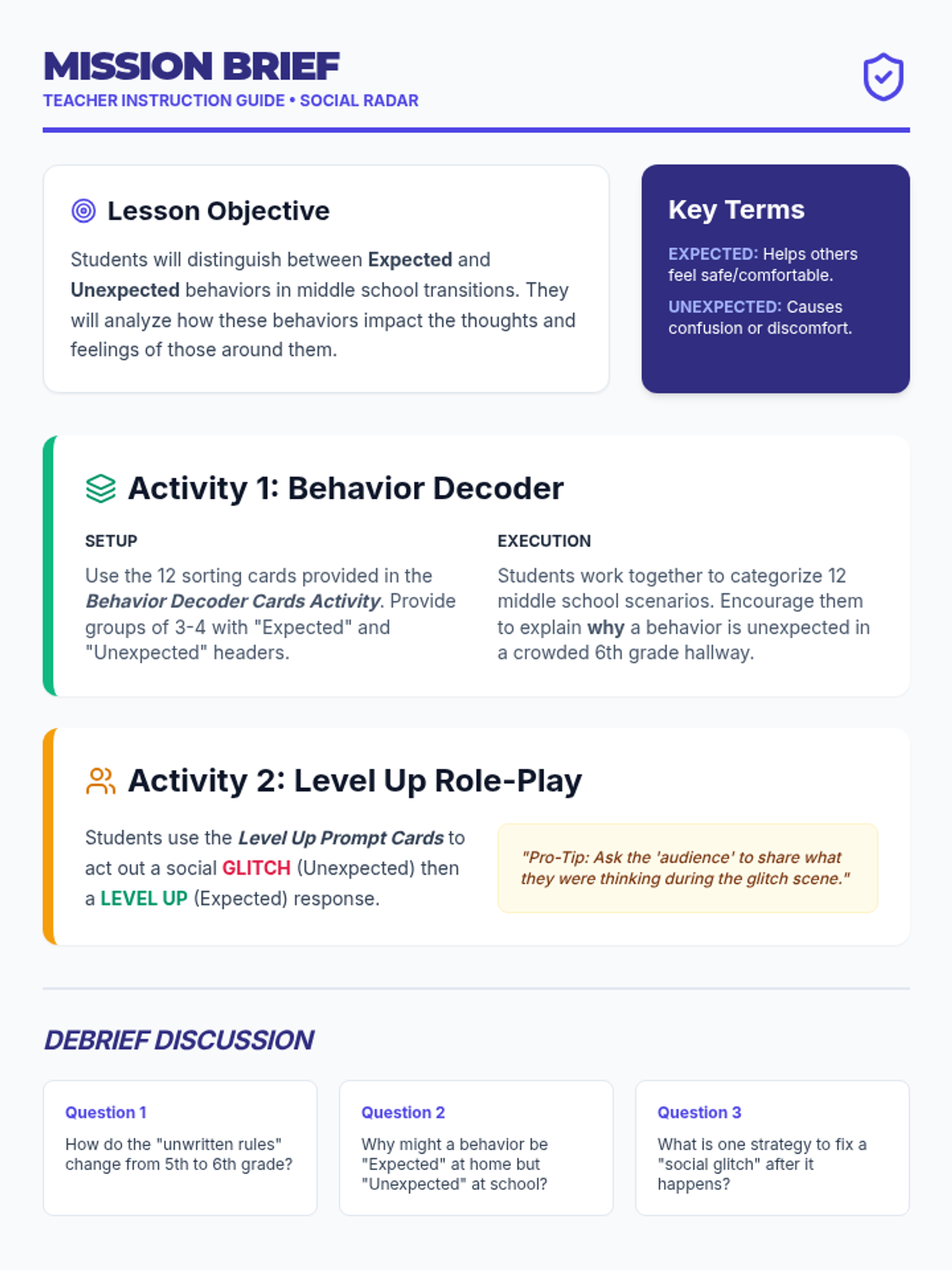
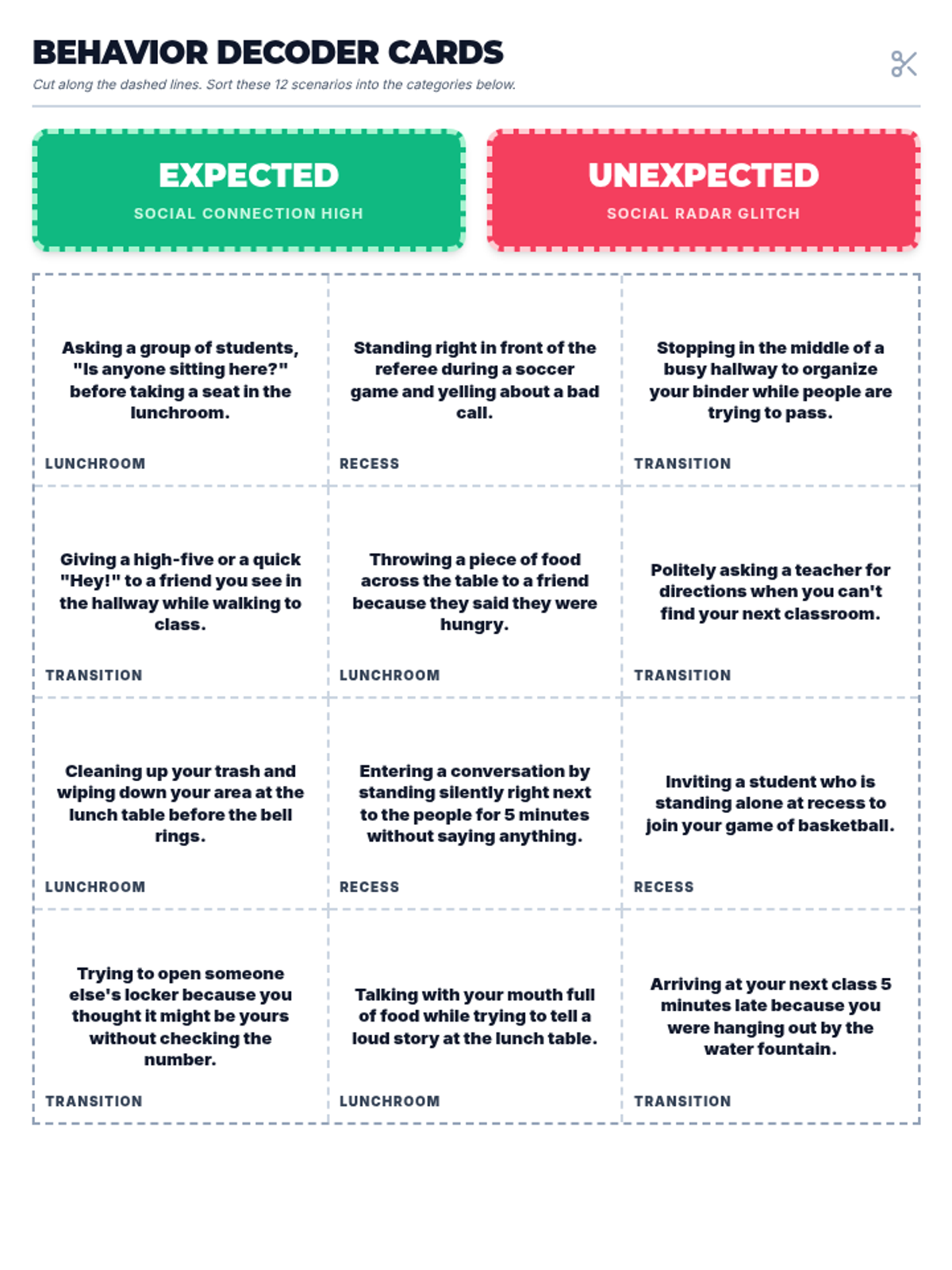
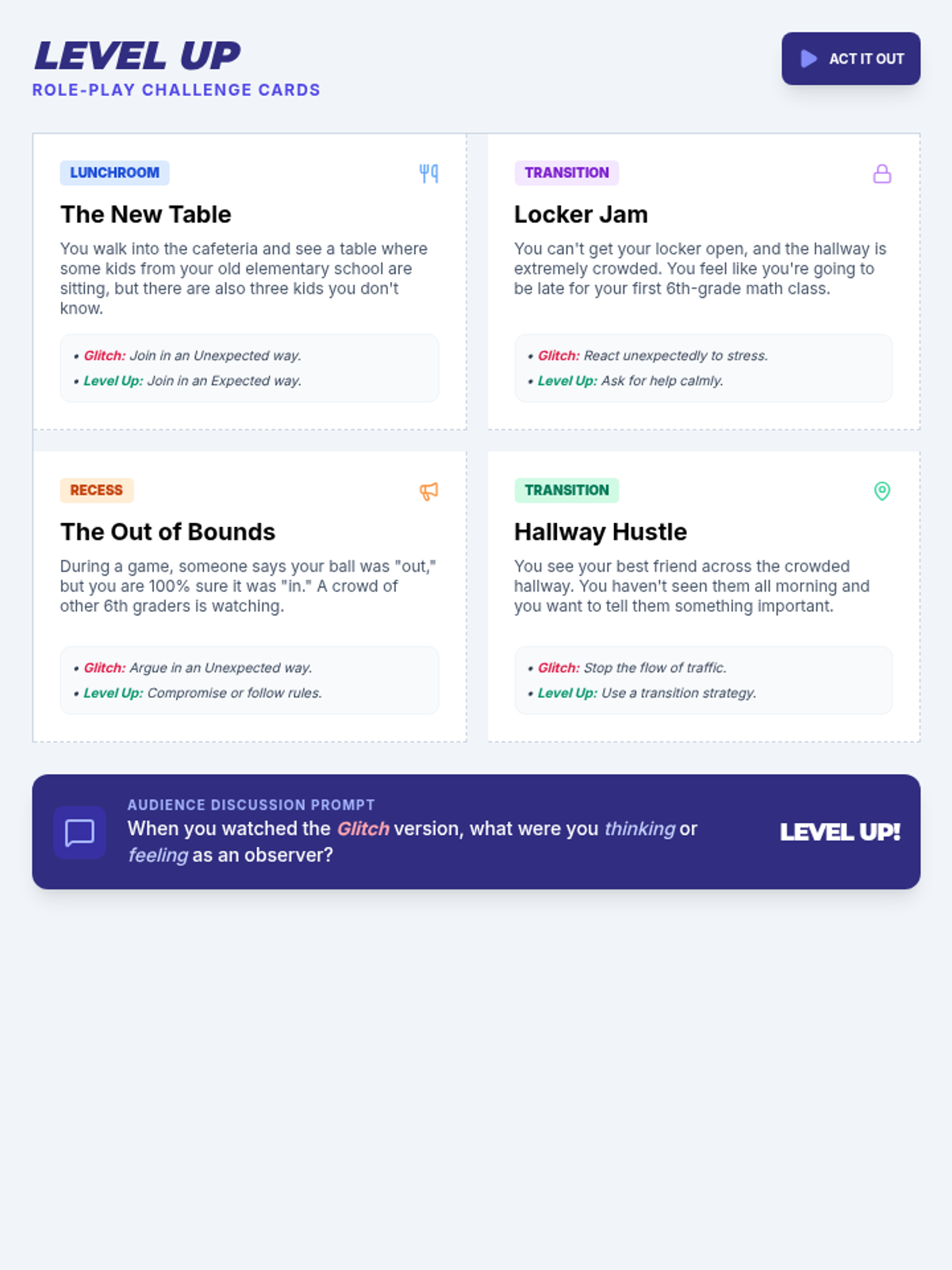
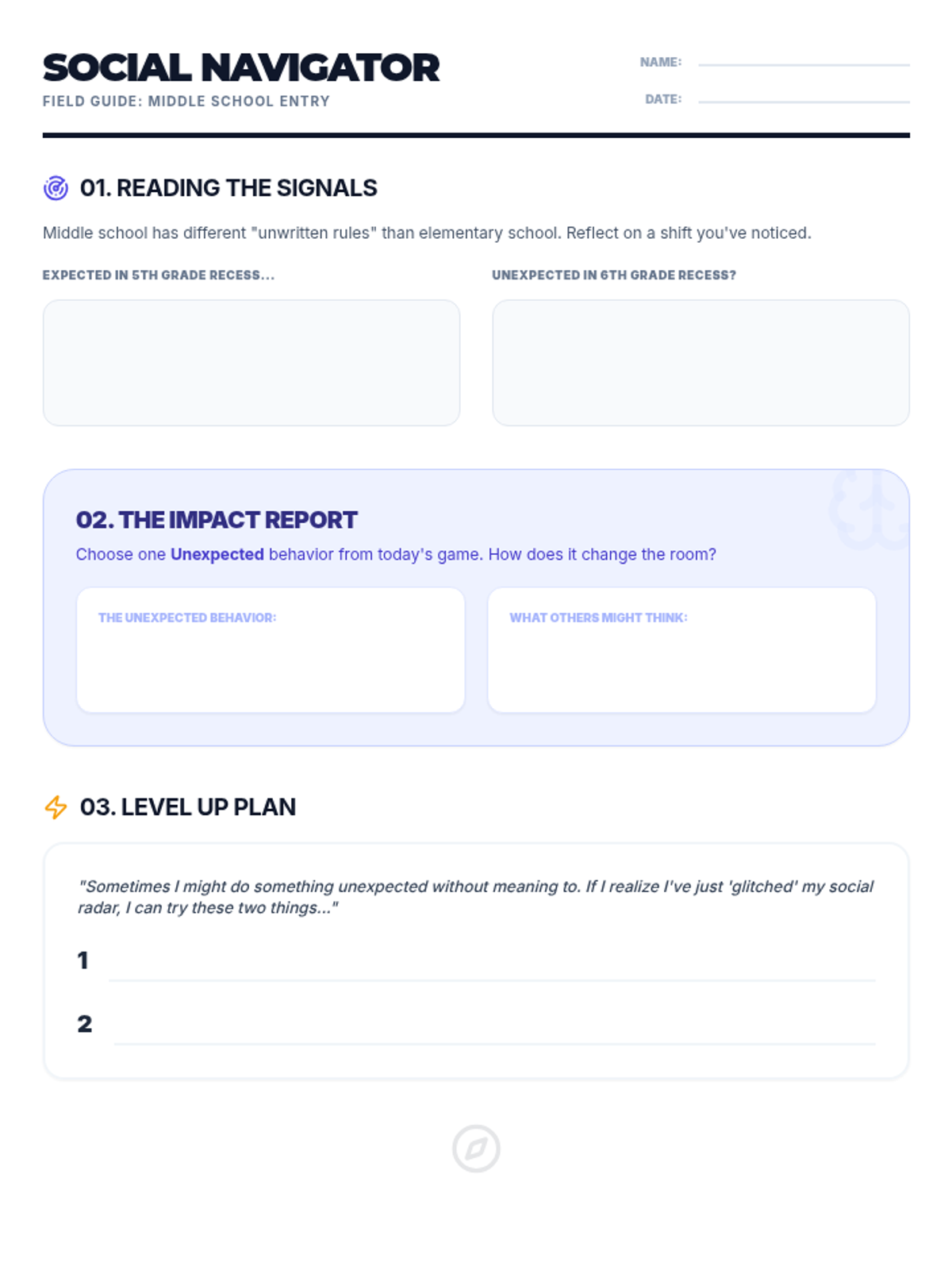
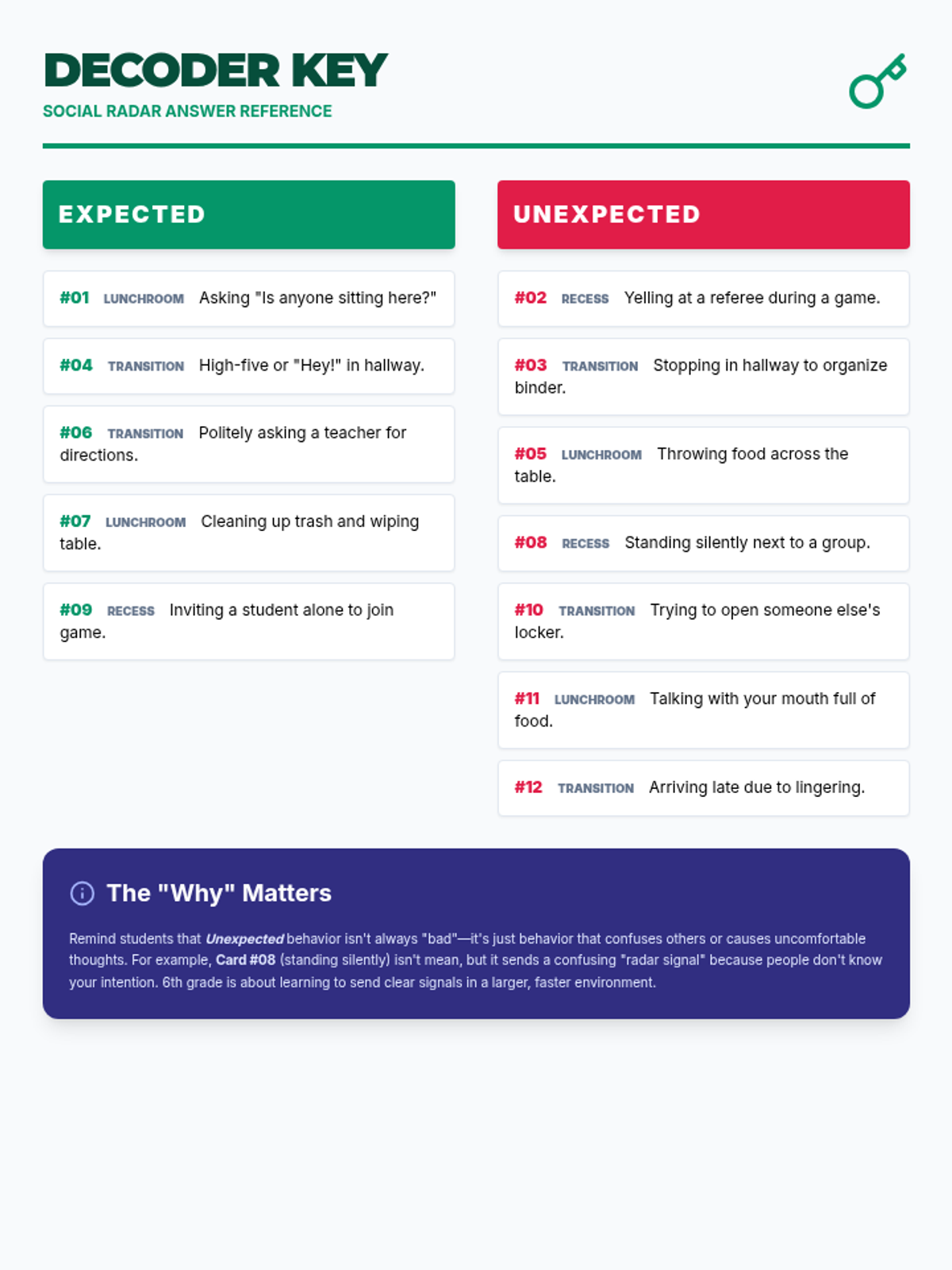
A sequence designed for rising 6th graders to navigate the social complexities of middle school by identifying expected and unexpected behaviors in the lunchroom, at recess, and during the school transition.
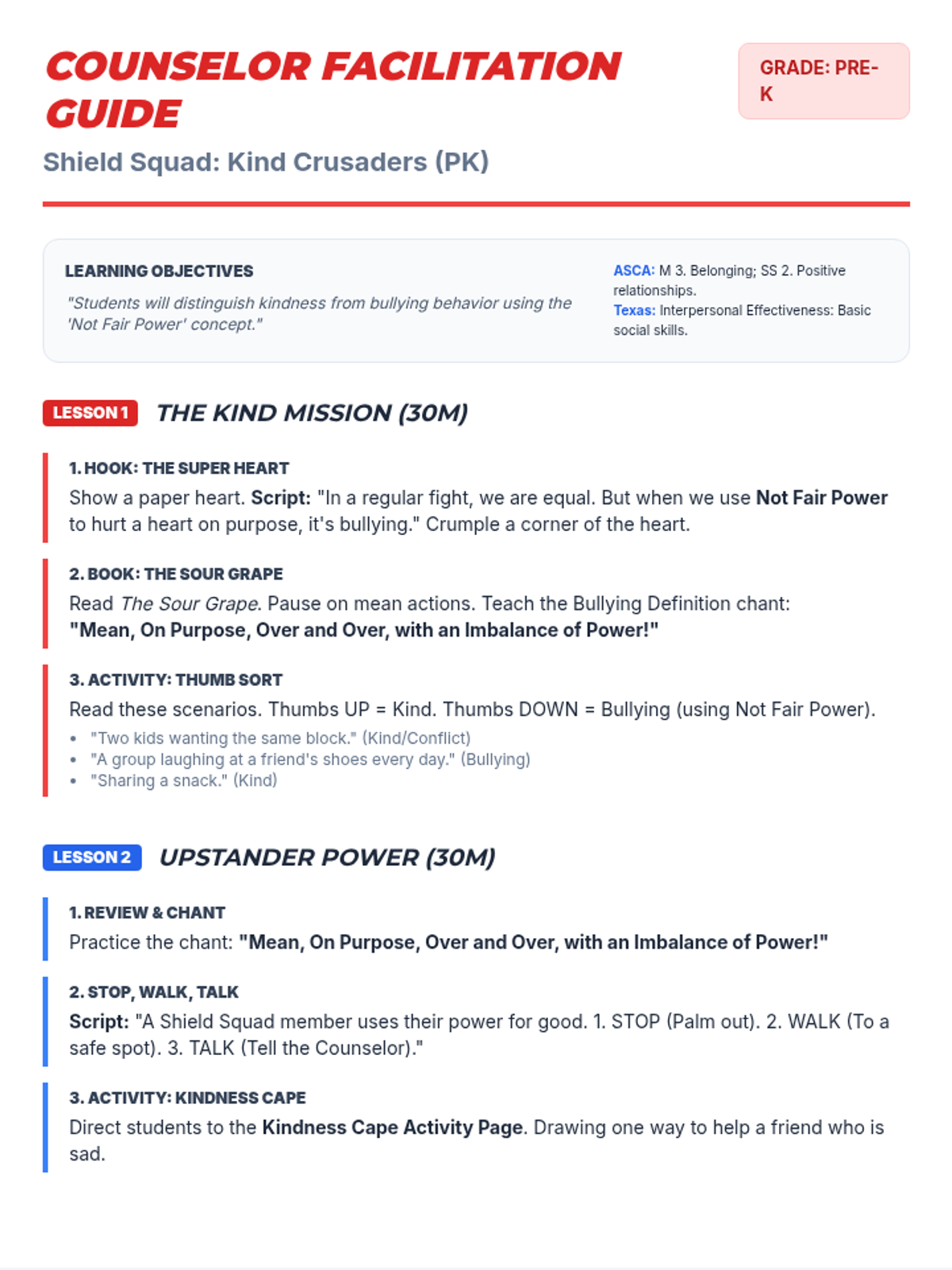
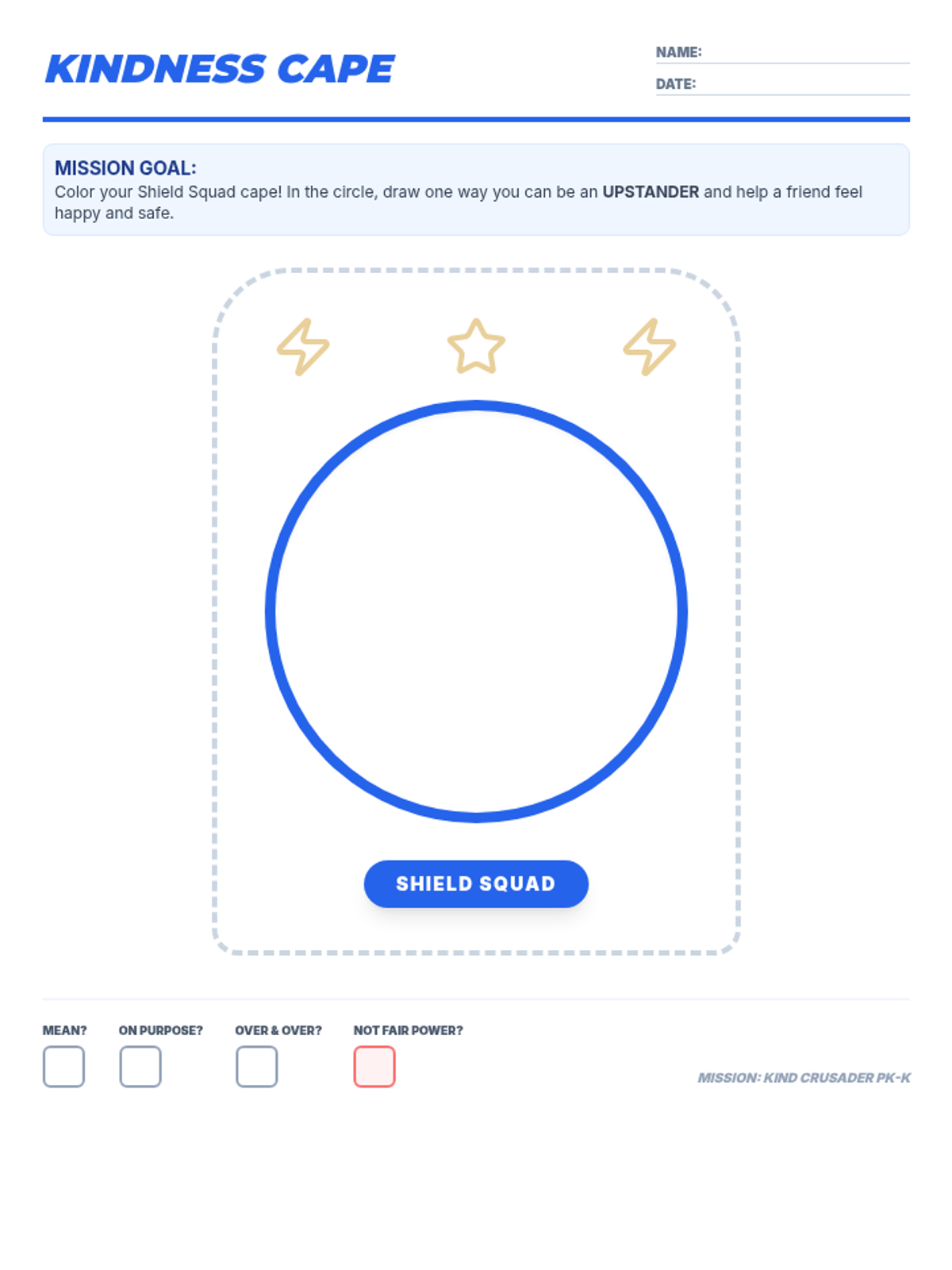
A comprehensive bullying prevention curriculum for PK-6 students, featuring two distinct 30-minute sessions for every individual grade level. The program uses mentor texts by Kathryn Otoshi, Trudy Ludwig, Julia Cook, and others to scaffold concepts of power imbalance, upstander strategies, and school culture change.
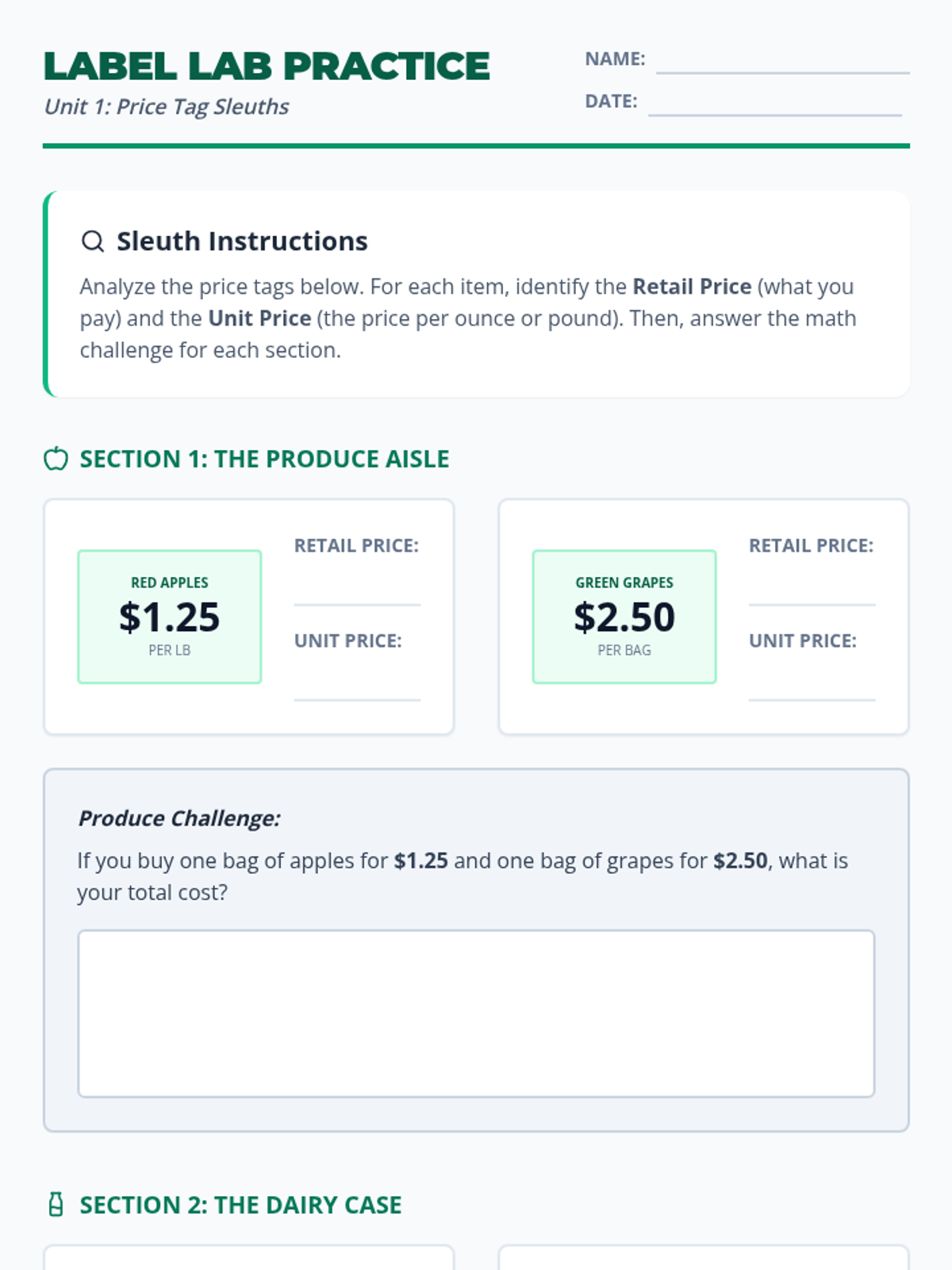
A 4-day life skills project focusing on grocery budgeting, price comparison, and decimal arithmetic through a supermarket-themed simulation.
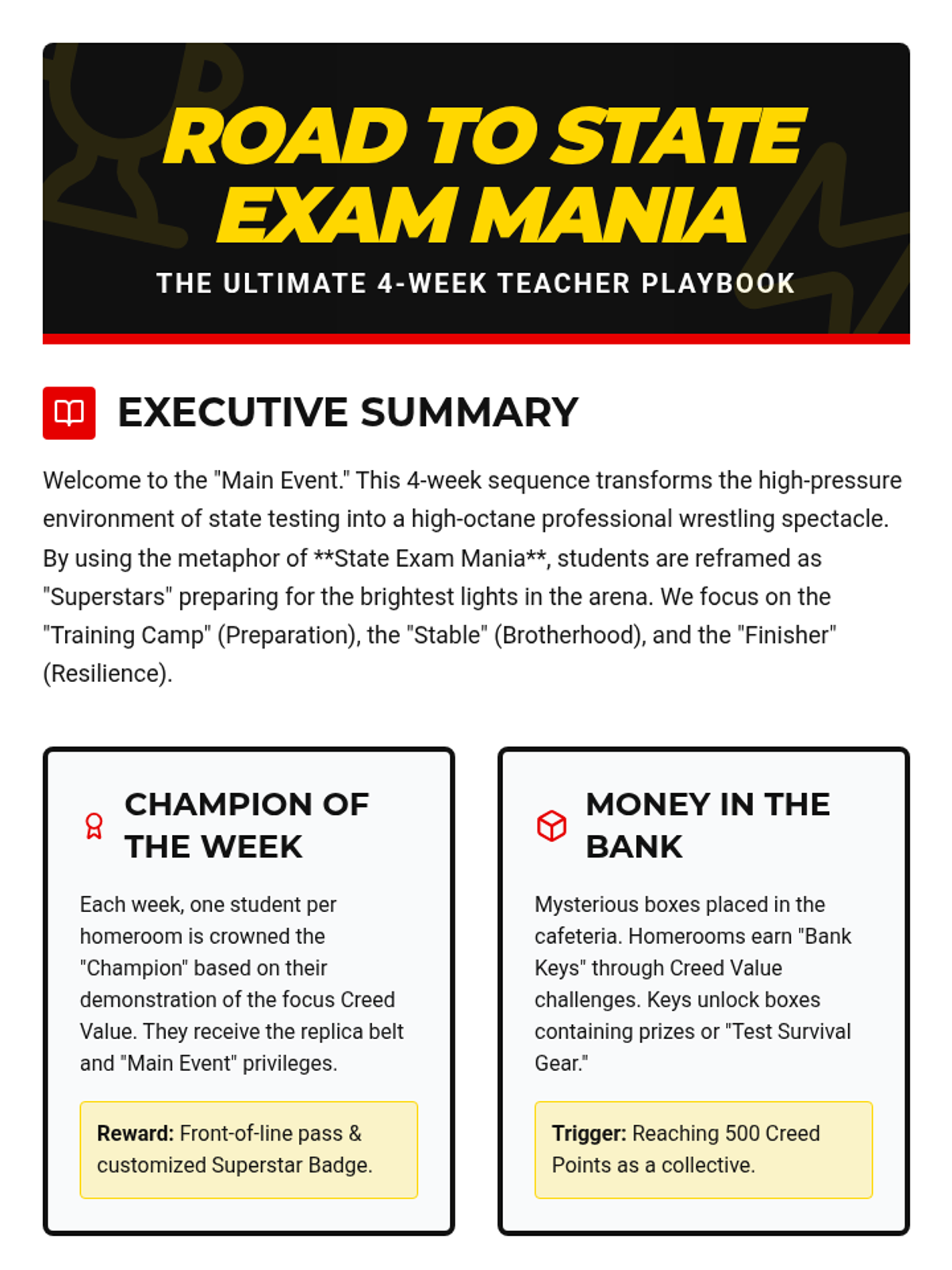
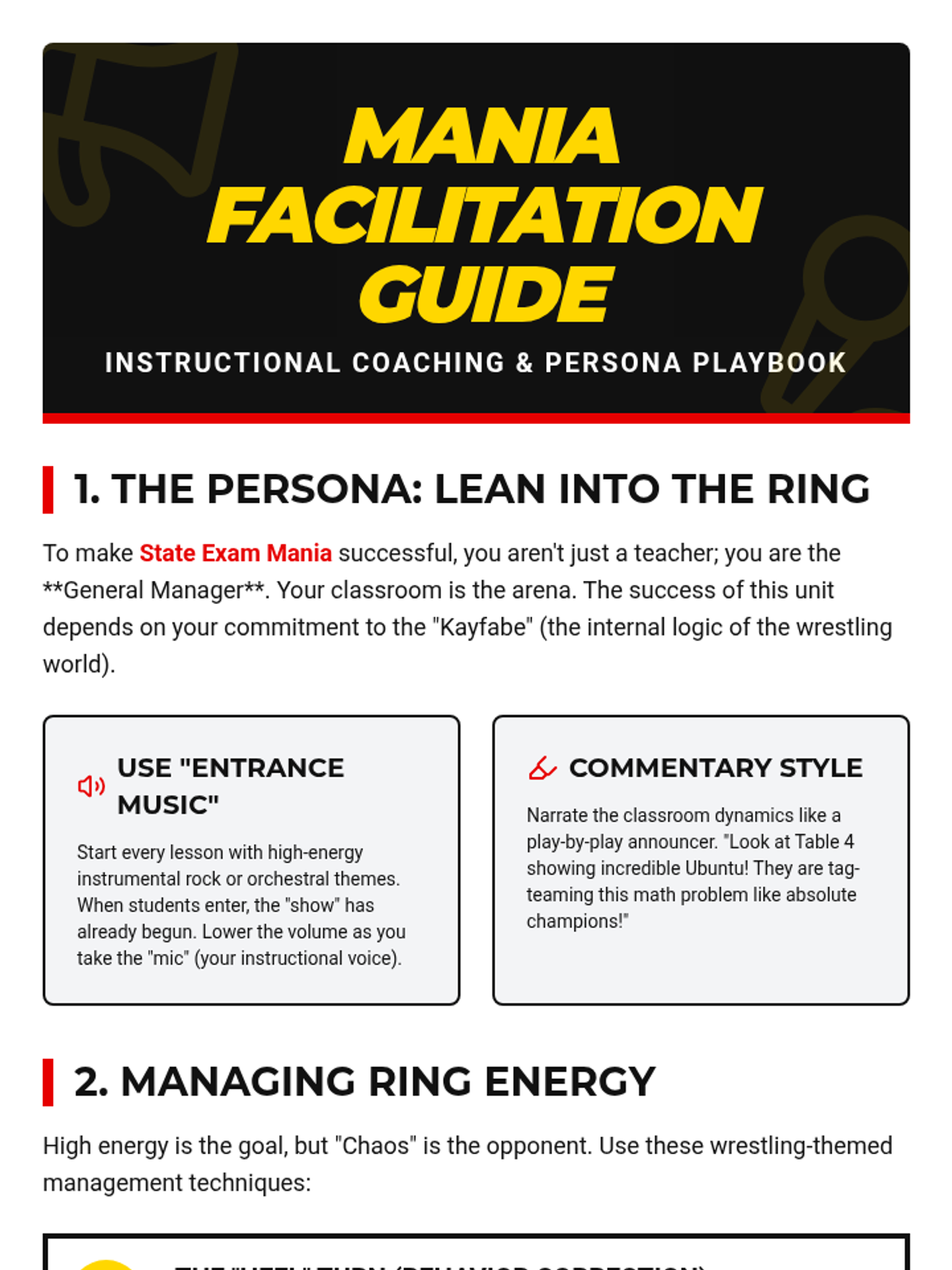
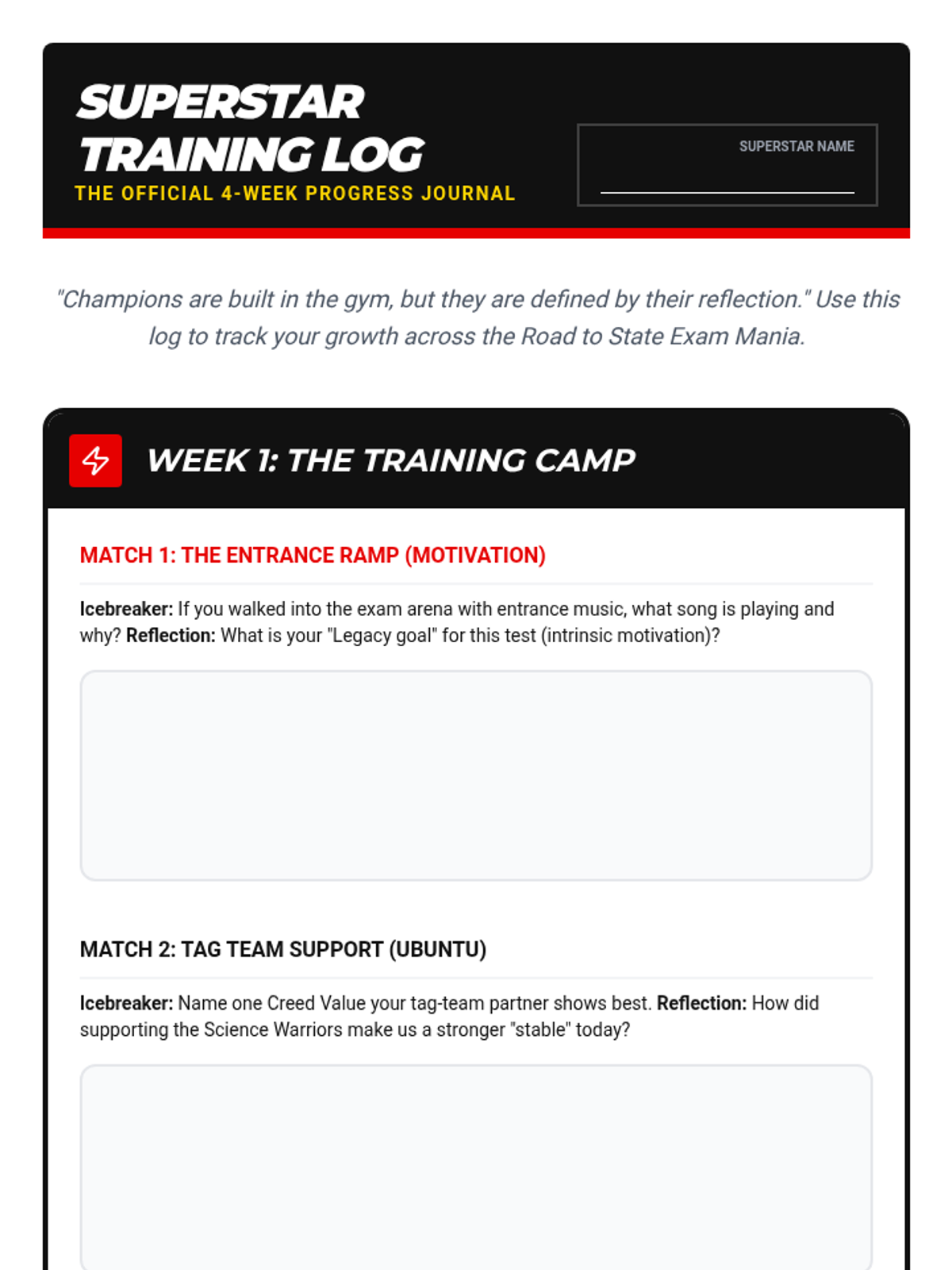
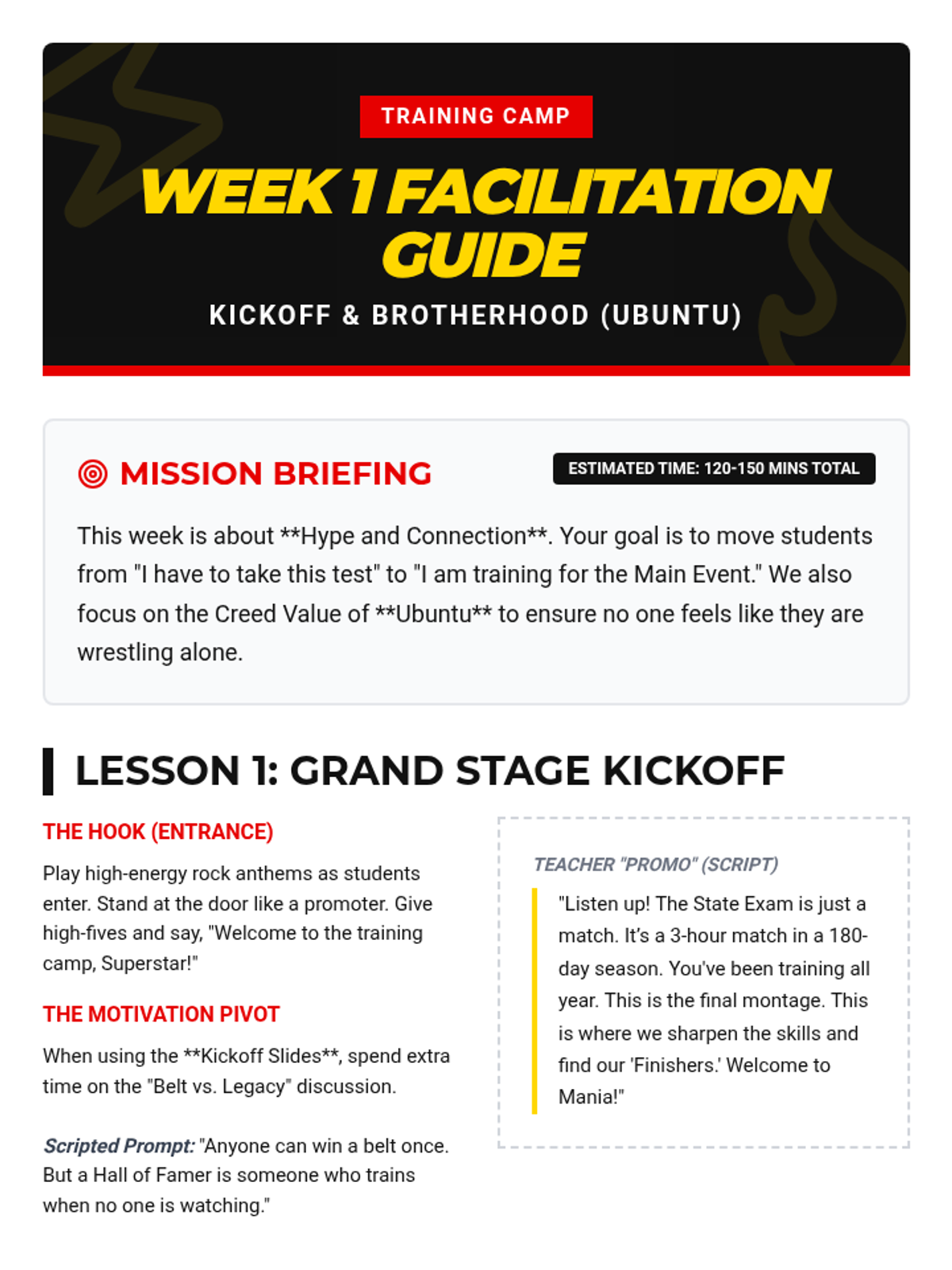
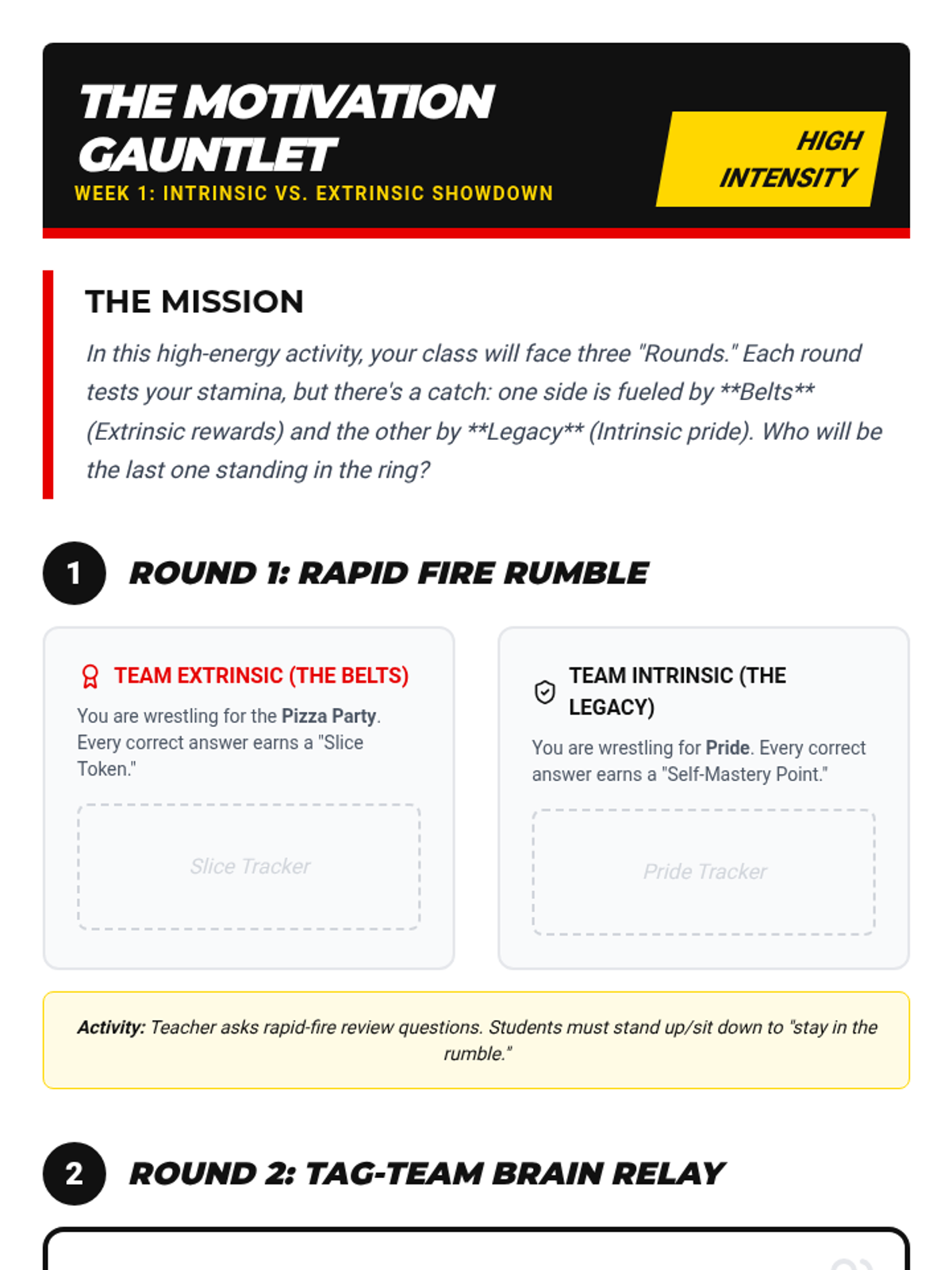
A 4-week socio-emotional learning sequence using professional wrestling as a metaphor for state exam preparation, focusing on motivation, resilience, and brotherhood.
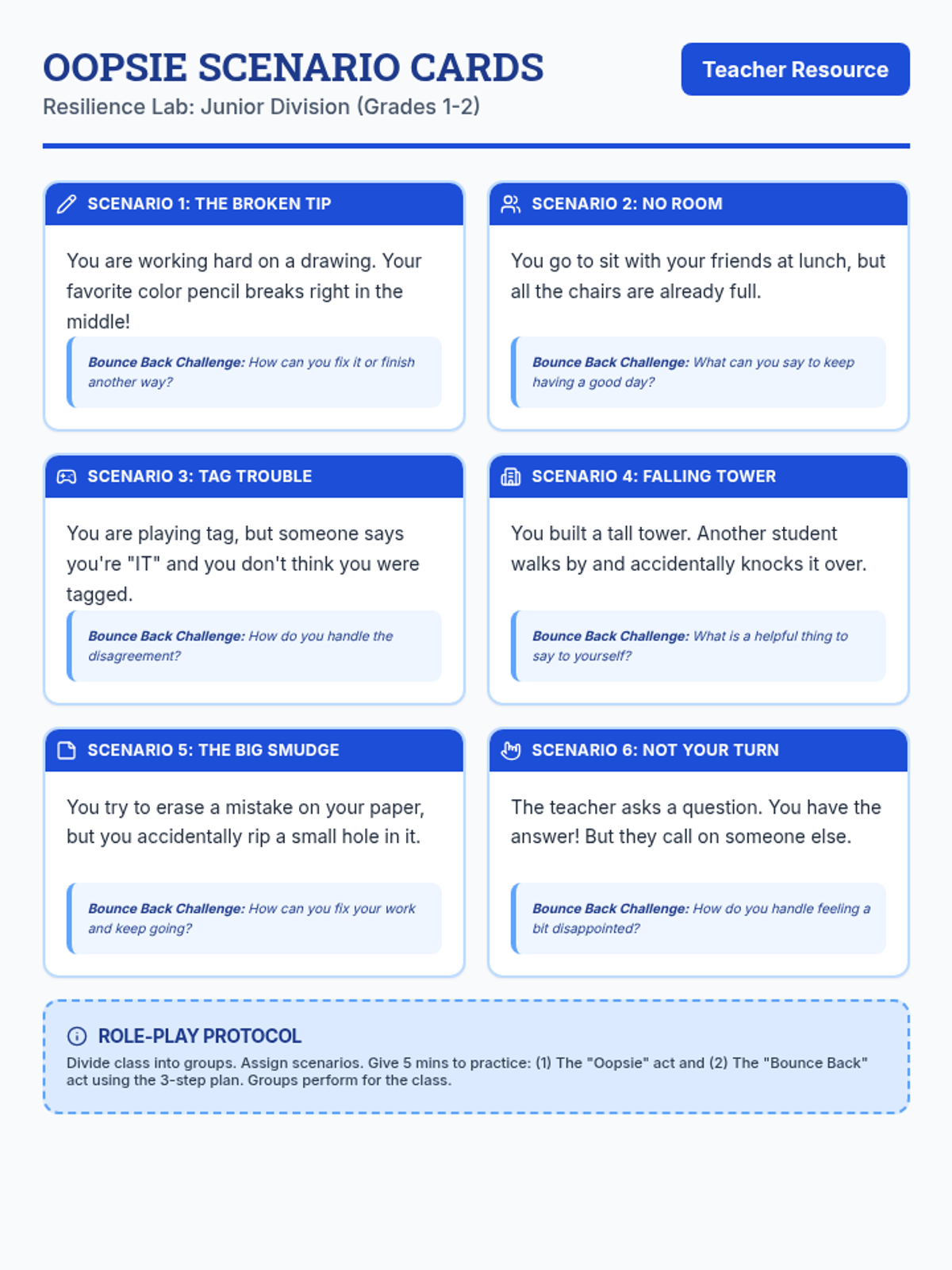
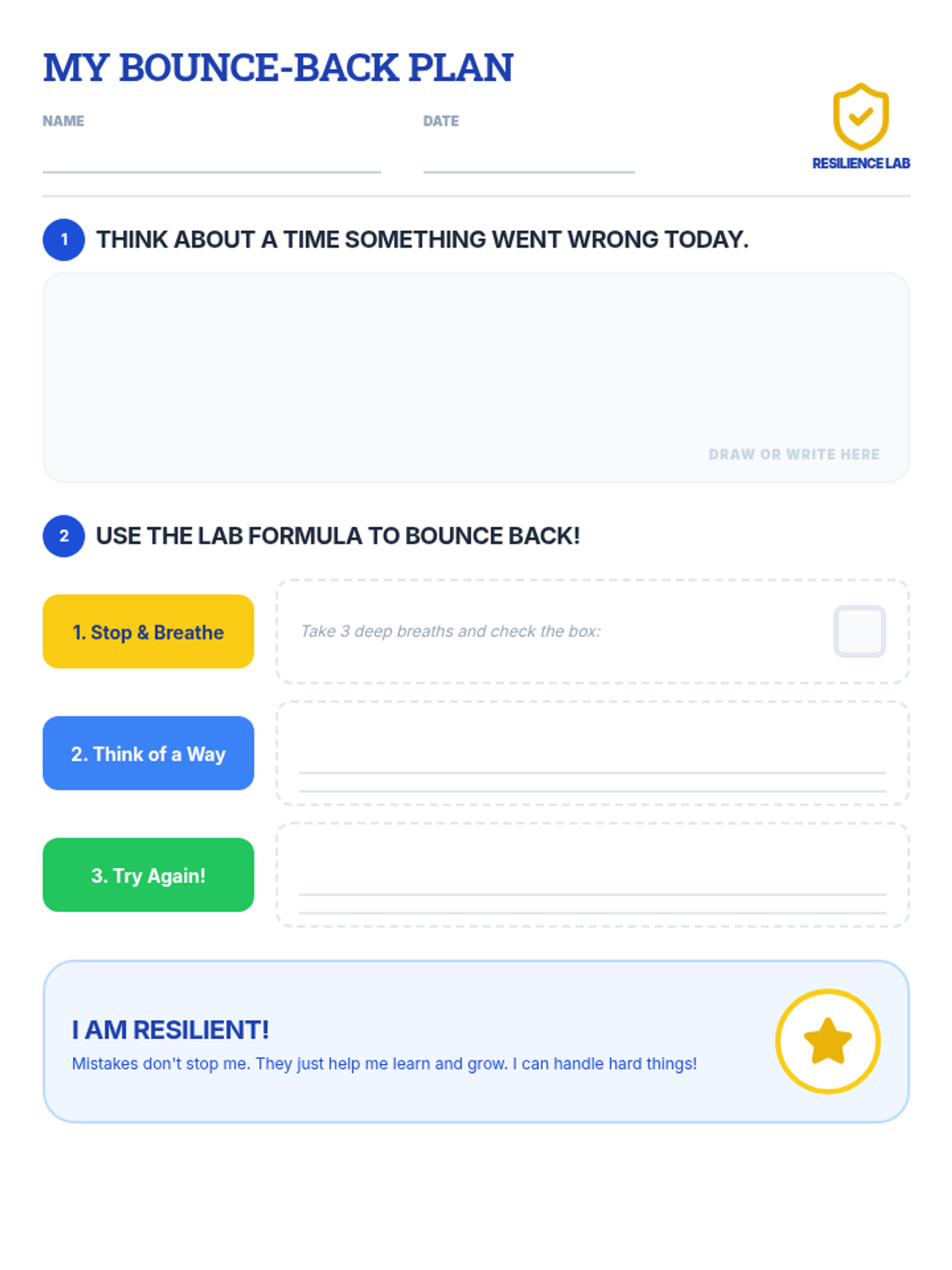
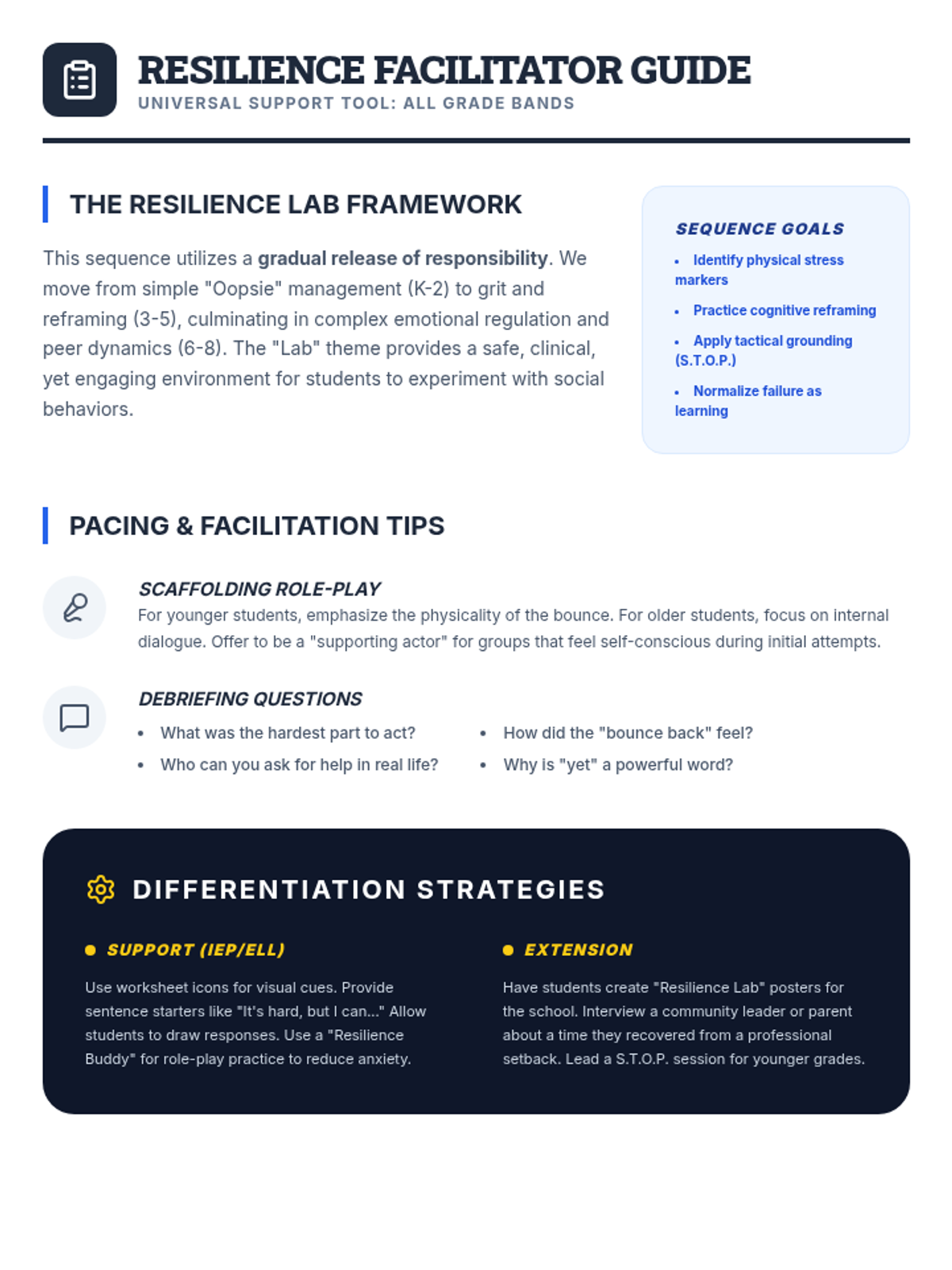
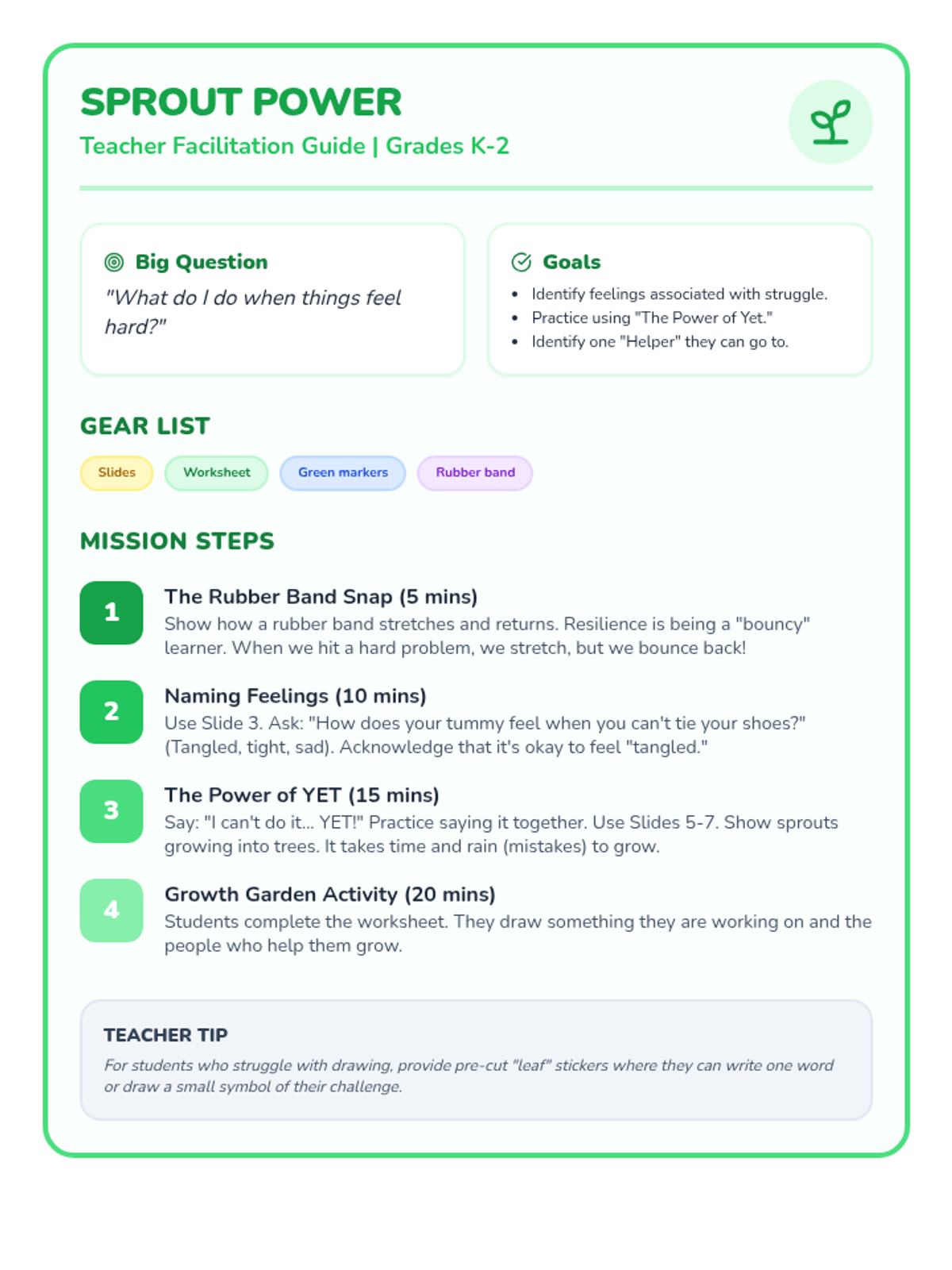
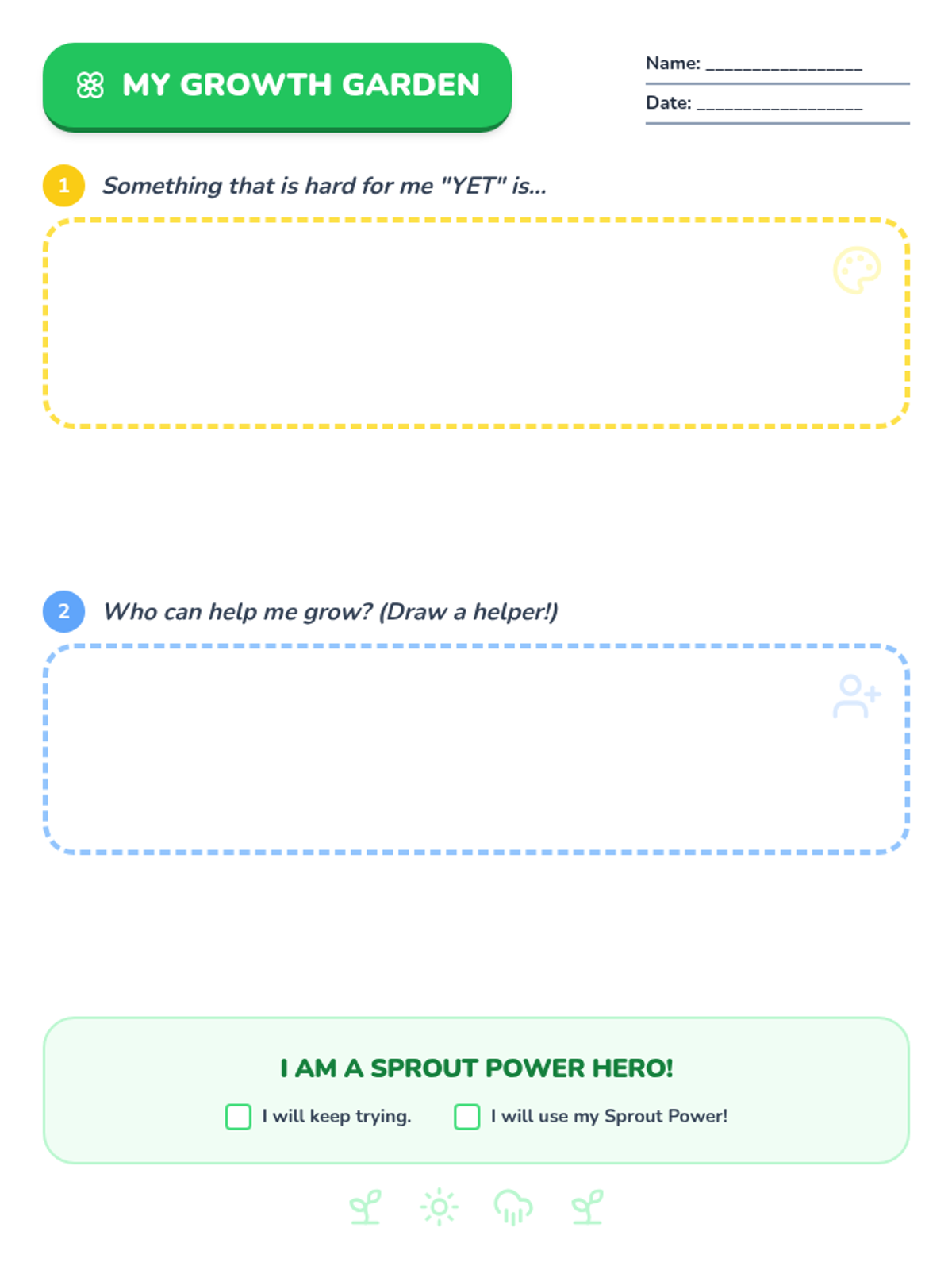
A comprehensive sequence on building resilience across three grade bands (1st-2nd, 3rd-5th, and 6th-8th), using the 'Resilience Lab' theme to teach students how to navigate setbacks and grow through challenges.
A comprehensive resilience curriculum spanning K-8, focusing on emotional regulation, growth mindset, and stress management through age-appropriate challenges and strategies.
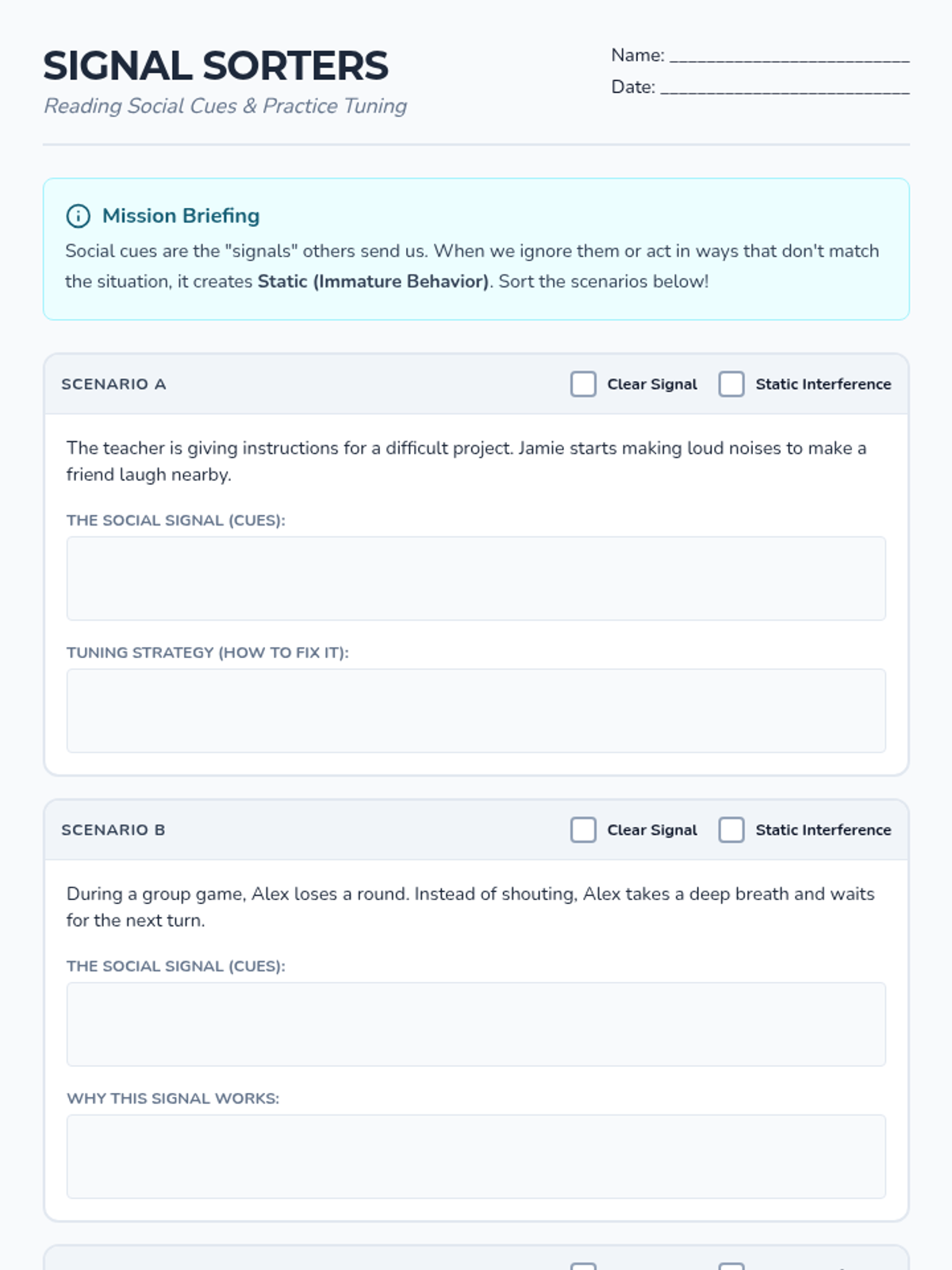
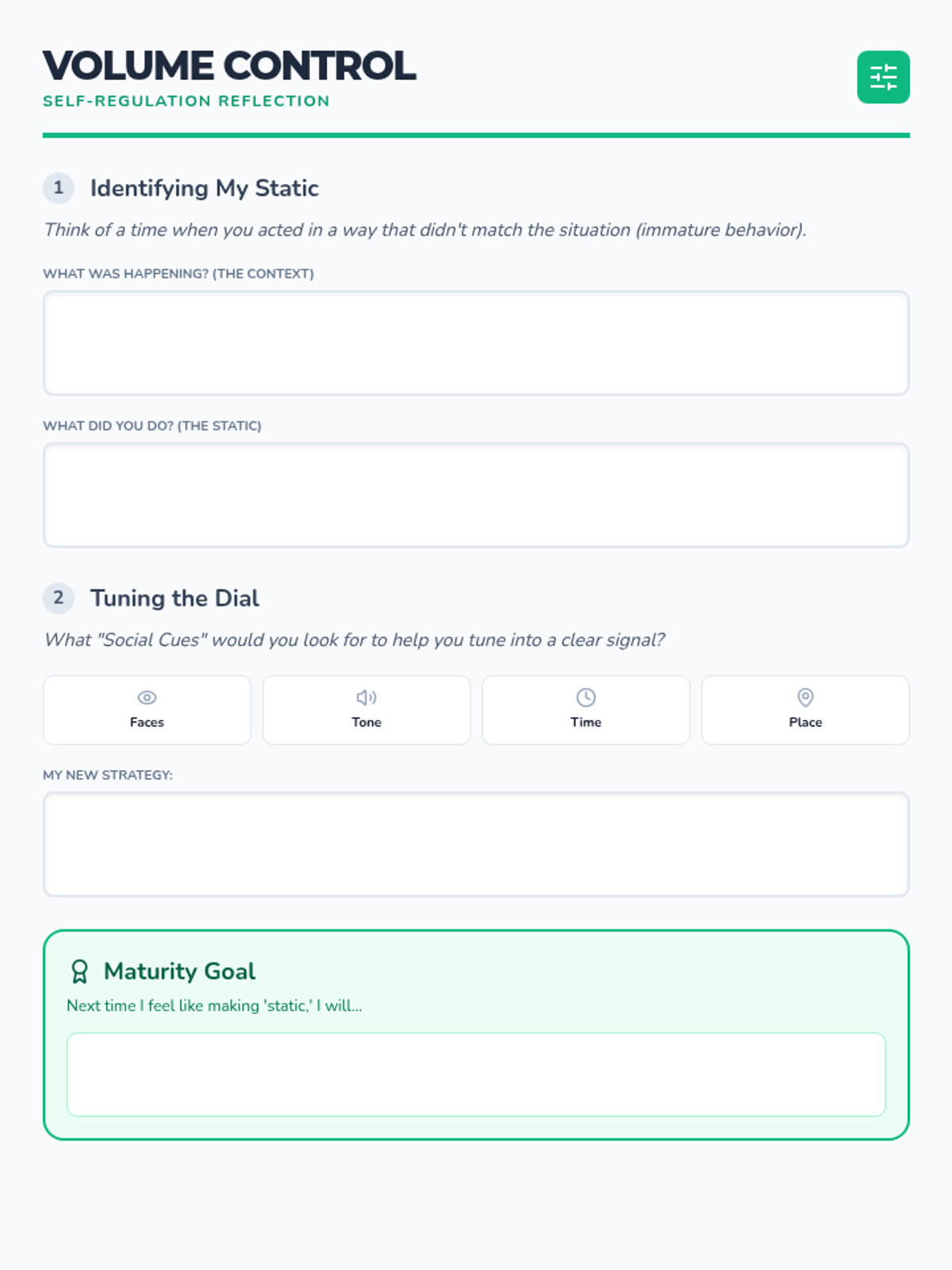
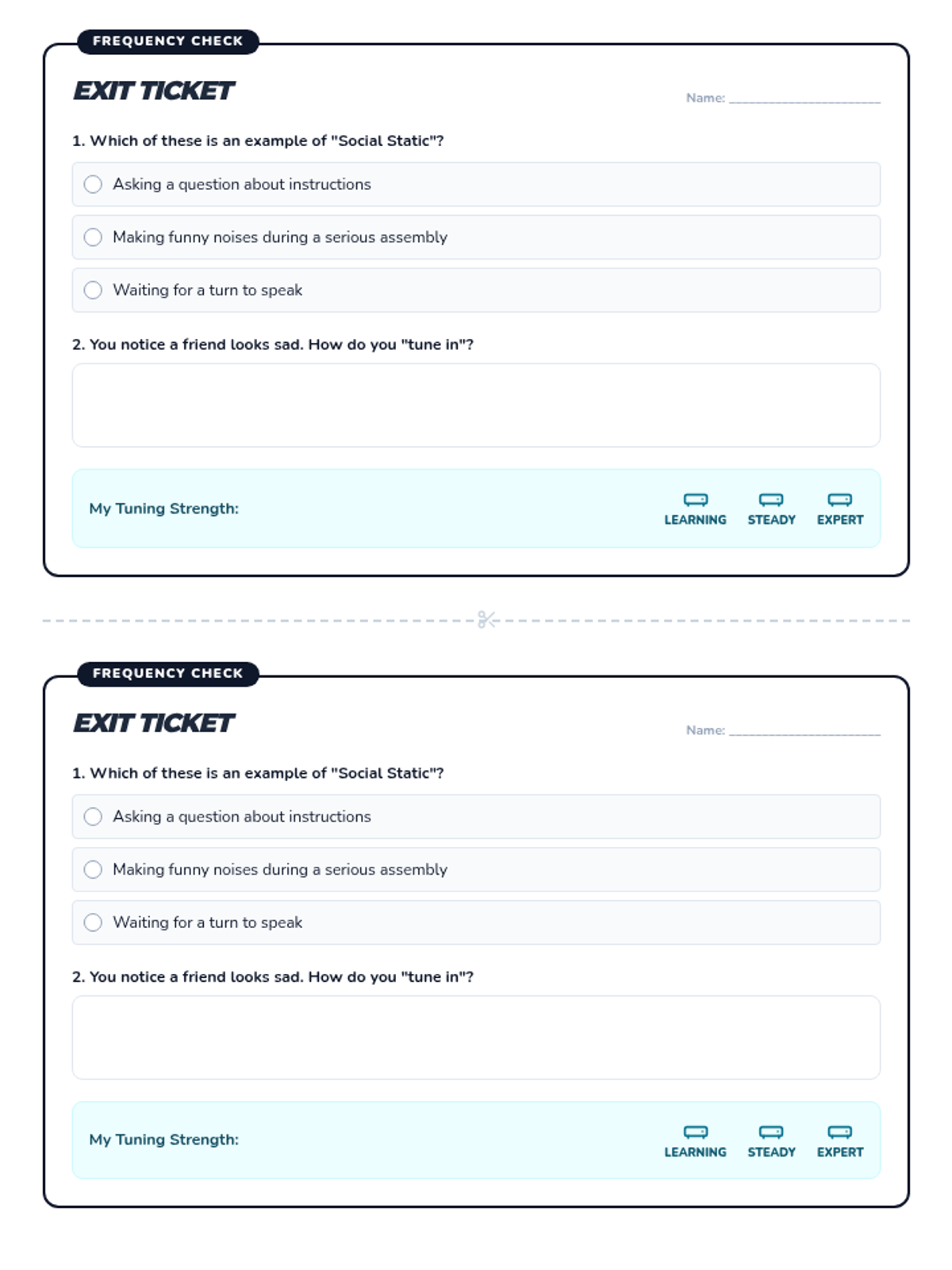
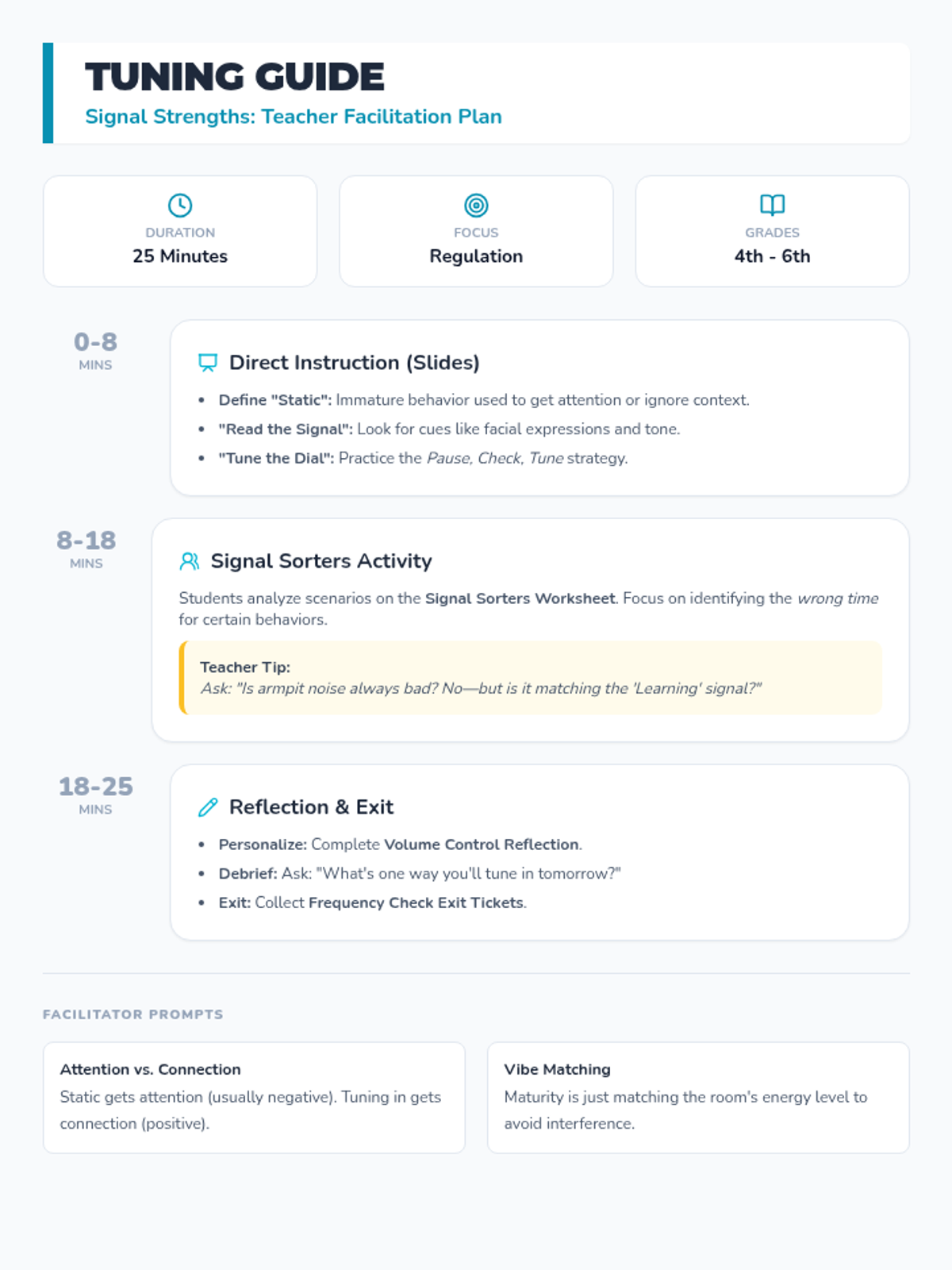
A series of lessons designed to improve social-emotional intelligence through the metaphor of radio signals and frequencies, focusing on social cues and self-regulation.
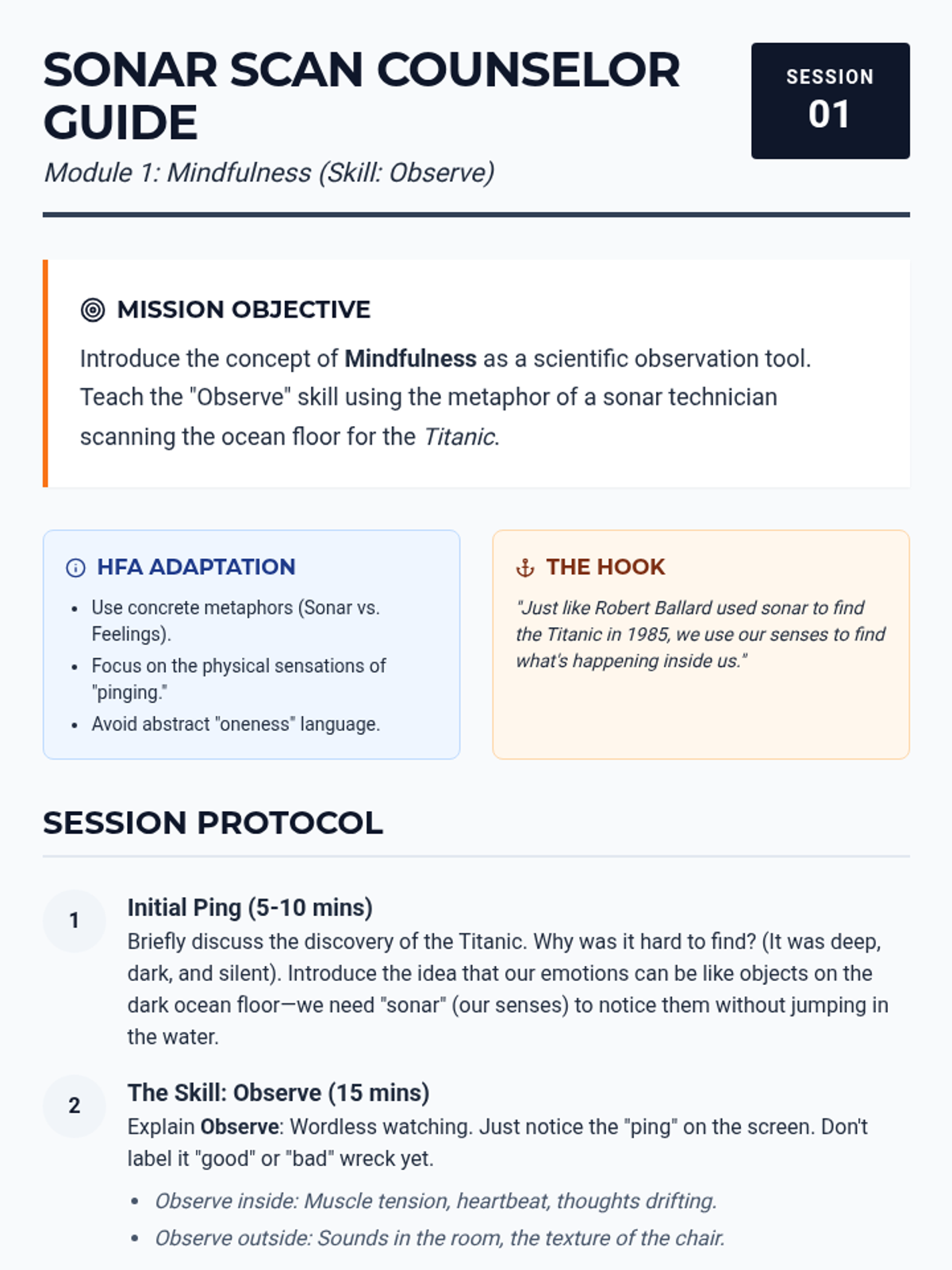
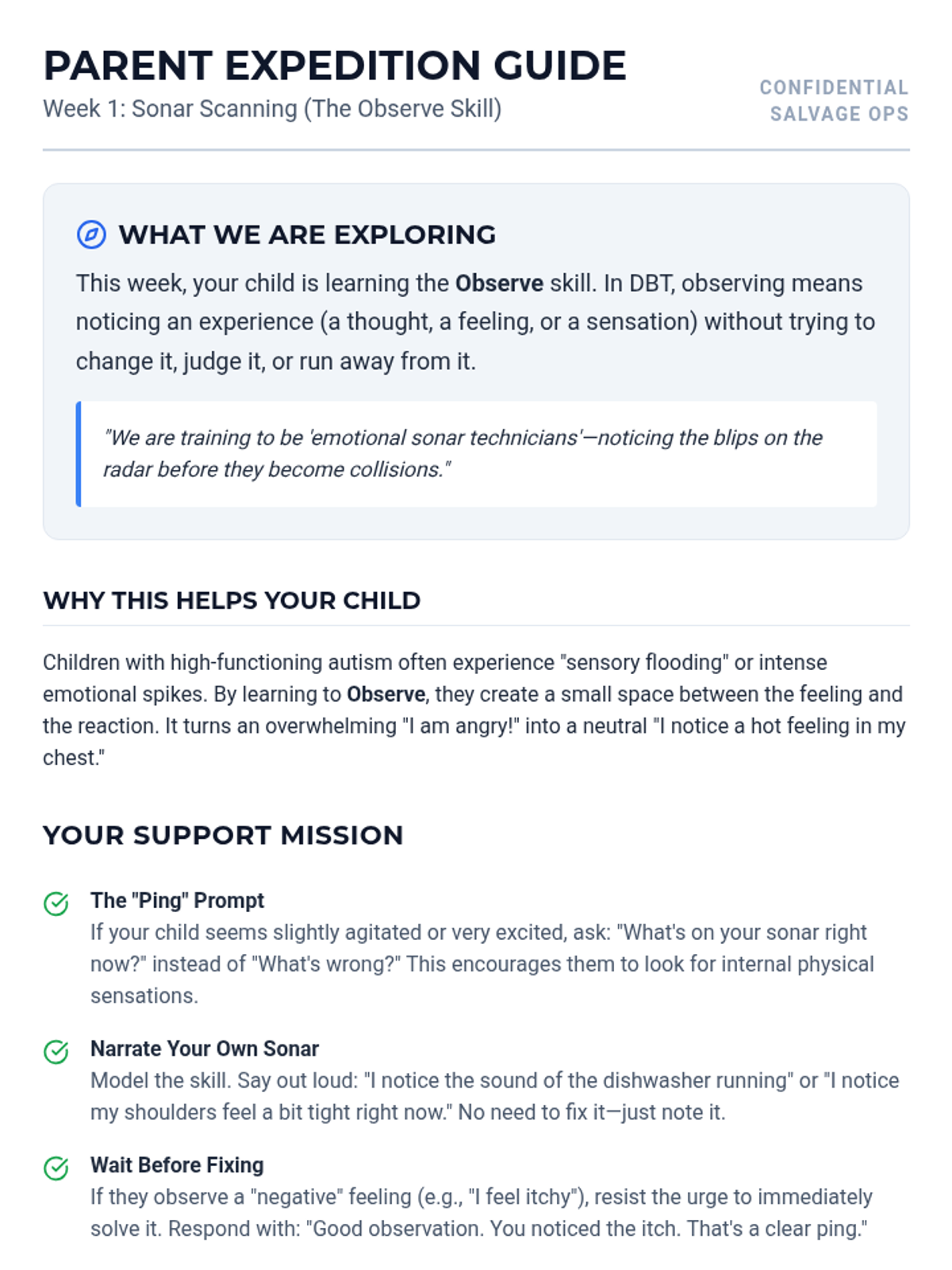
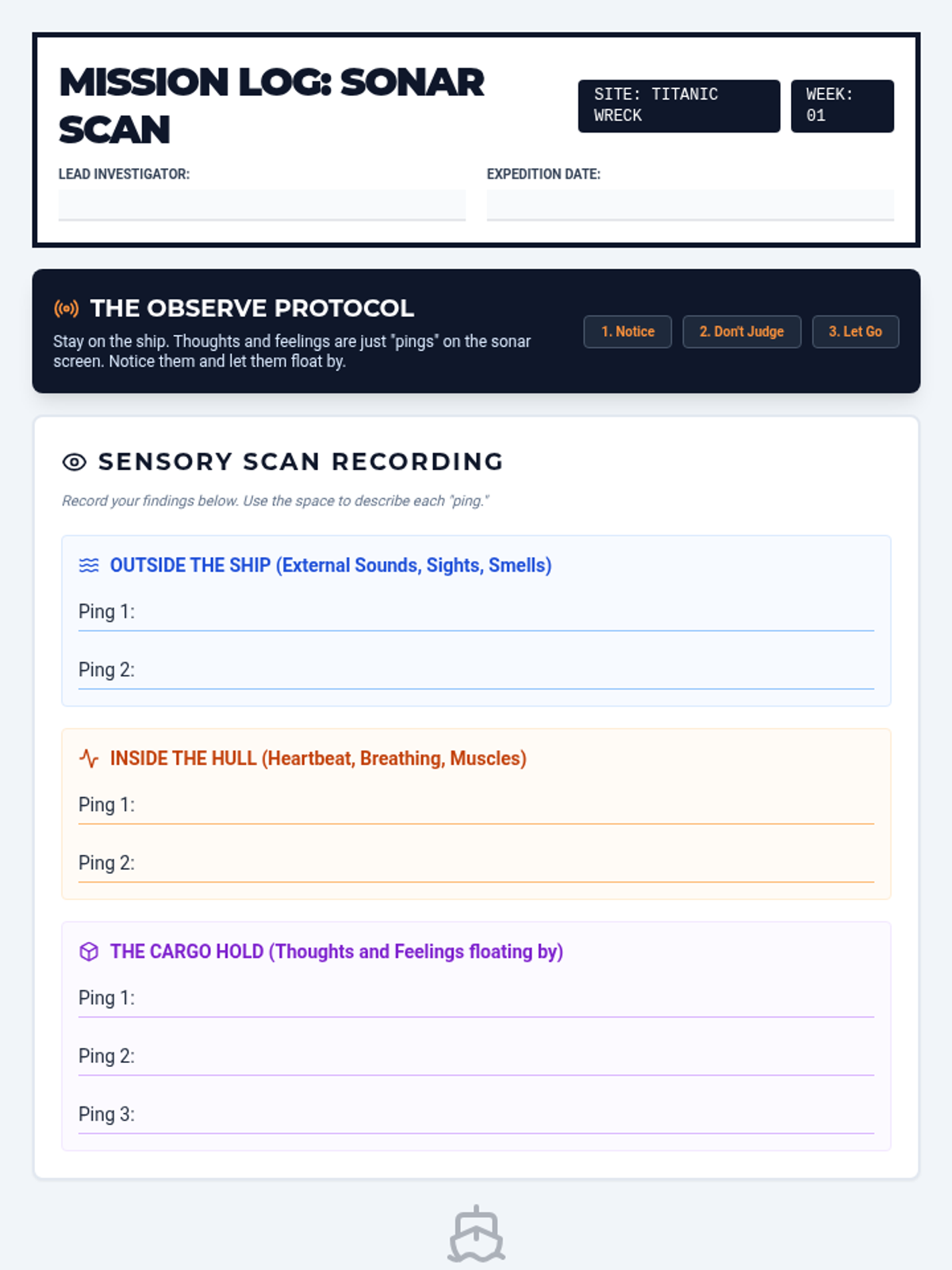
A comprehensive 16-week DBT program adapted for children with high-functioning autism, using shipwrecks and plane crashes as high-interest metaphors for emotional regulation, mindfulness, and distress tolerance. Each week includes a counselor guide, parent guide, and client worksheet themed around historical salvage and survival missions.
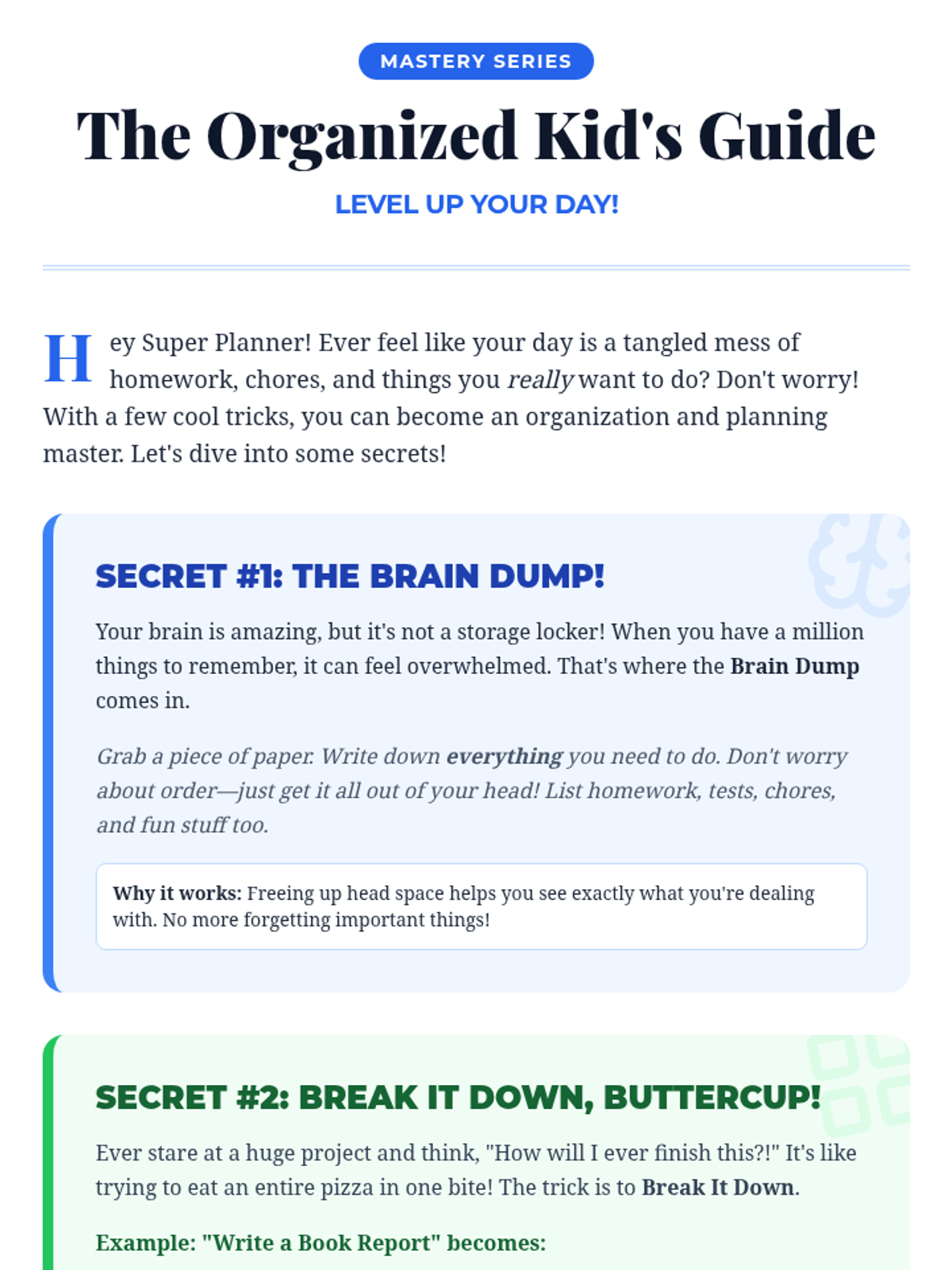
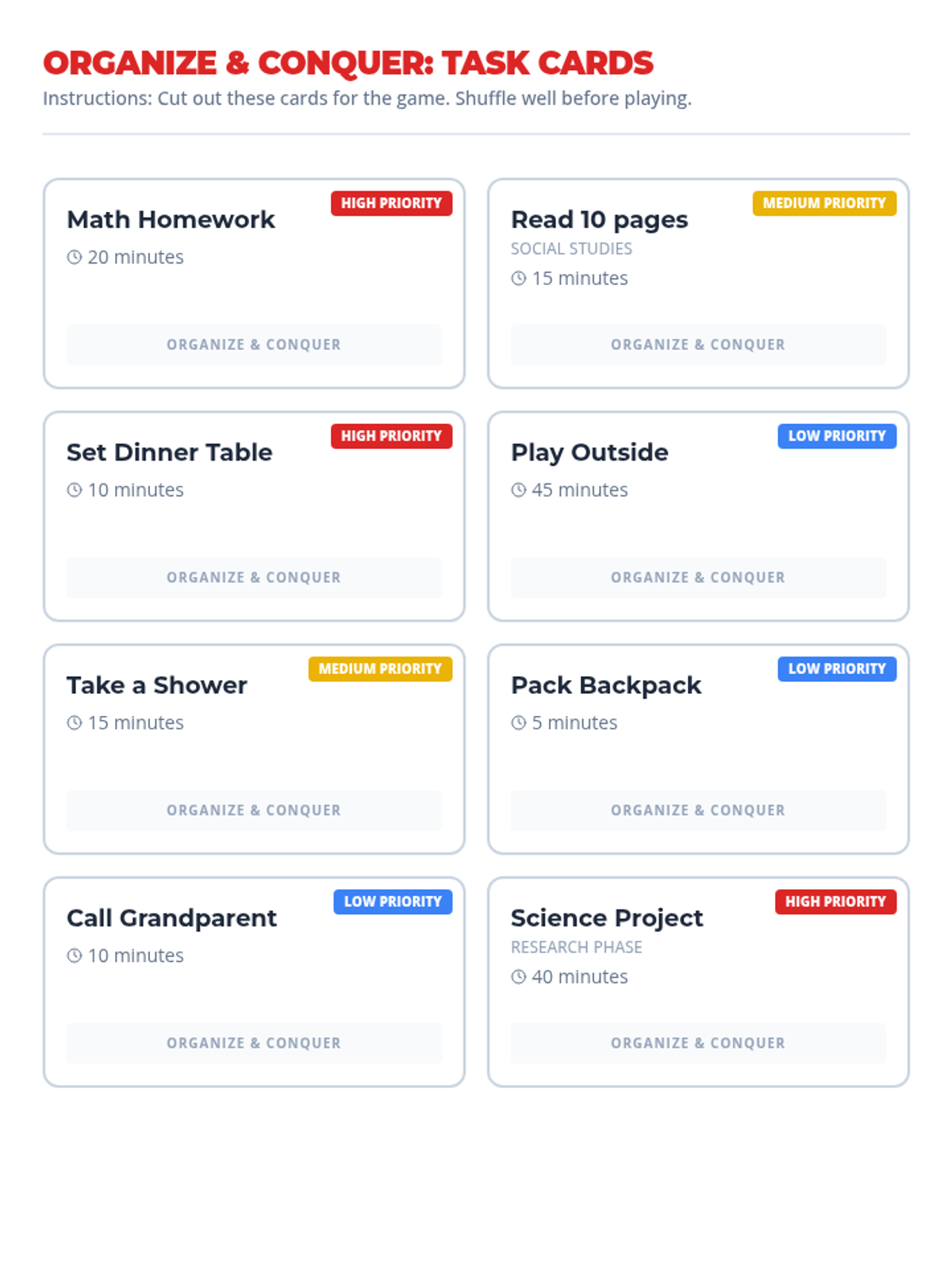
A comprehensive executive functioning unit for intermediate students (grades 4-6) focused on time management, task prioritization, and organizational strategies. This sequence helps students 'level up' their academic habits through a fun retro video game theme.
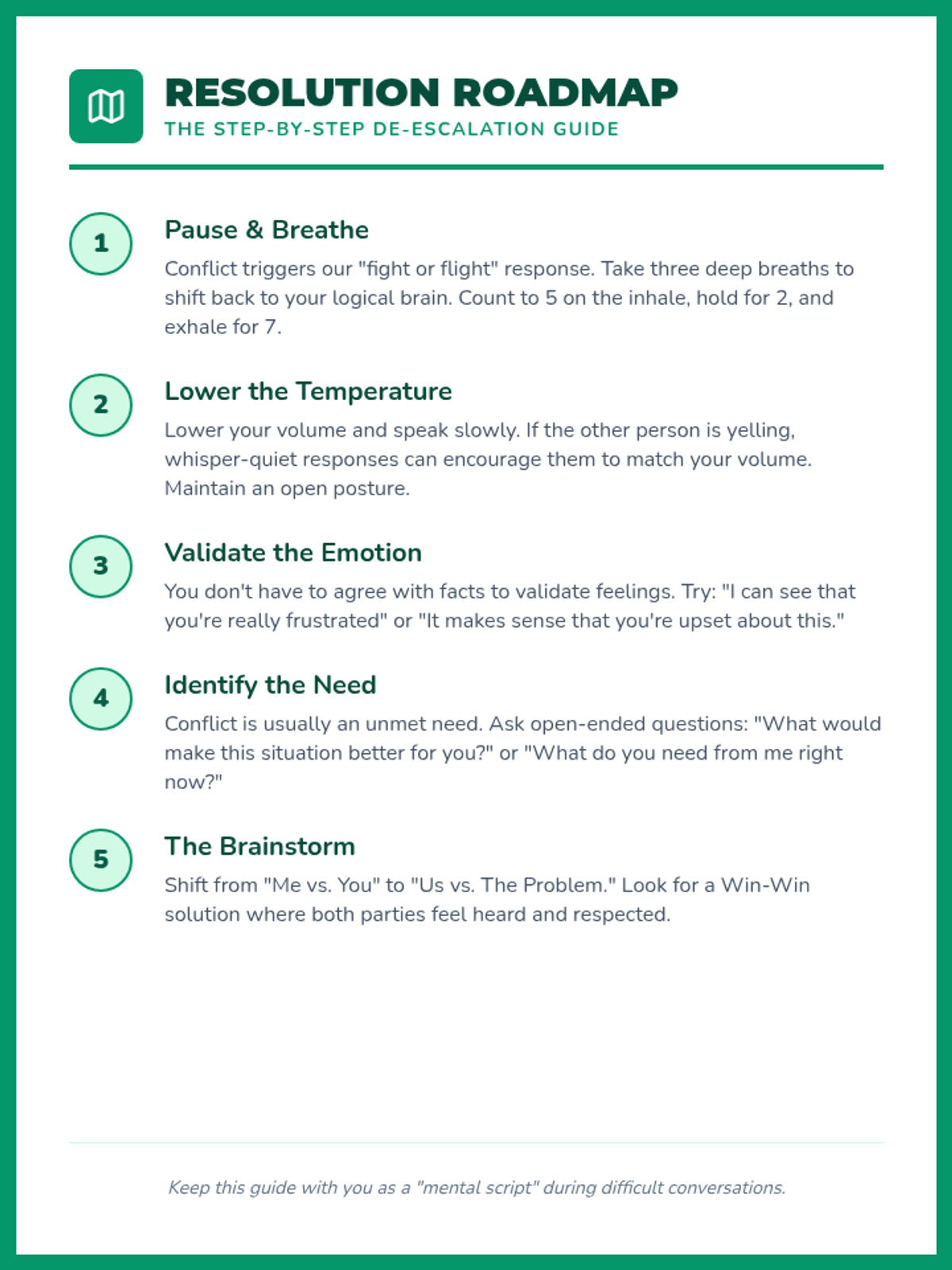
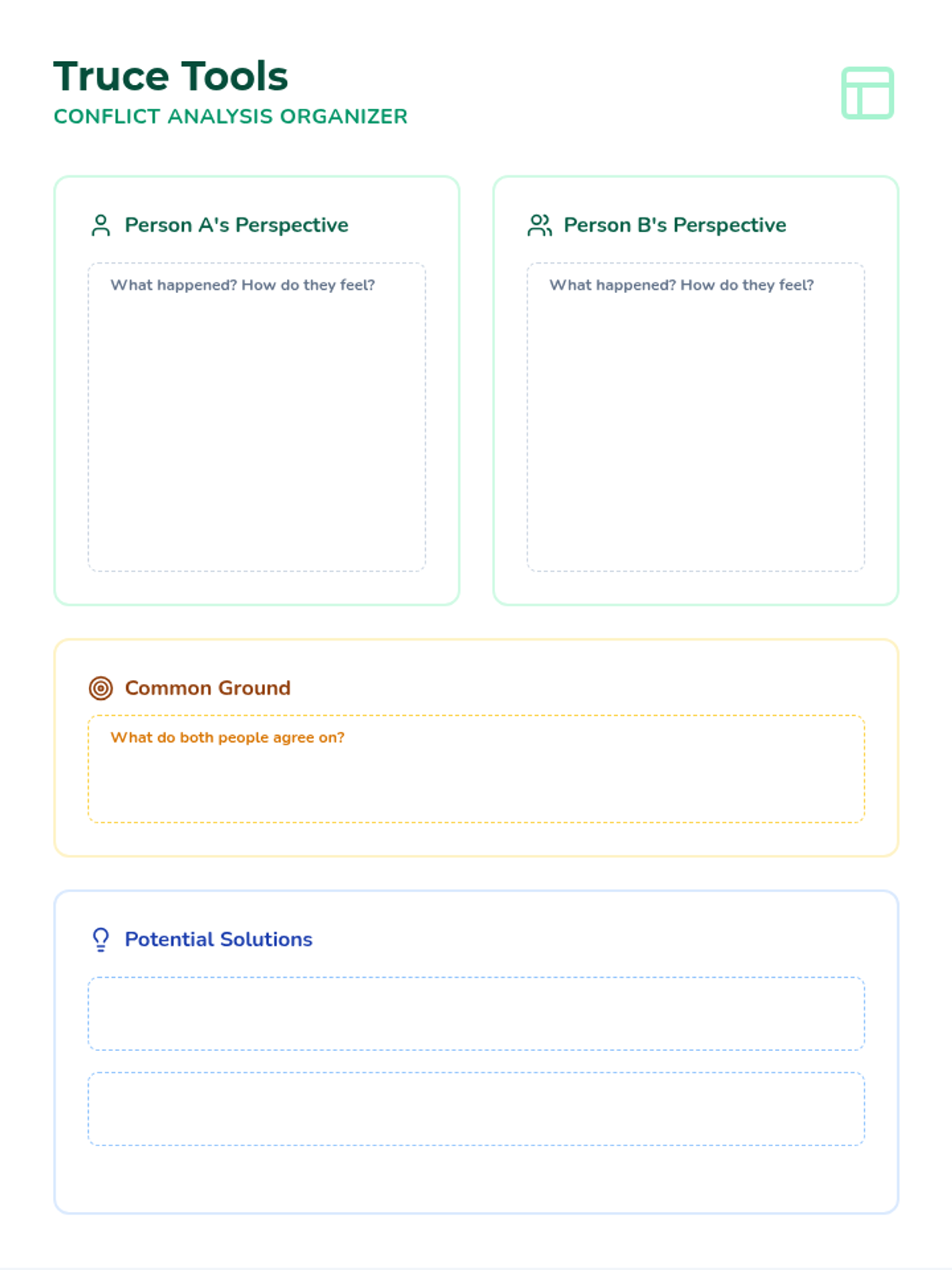
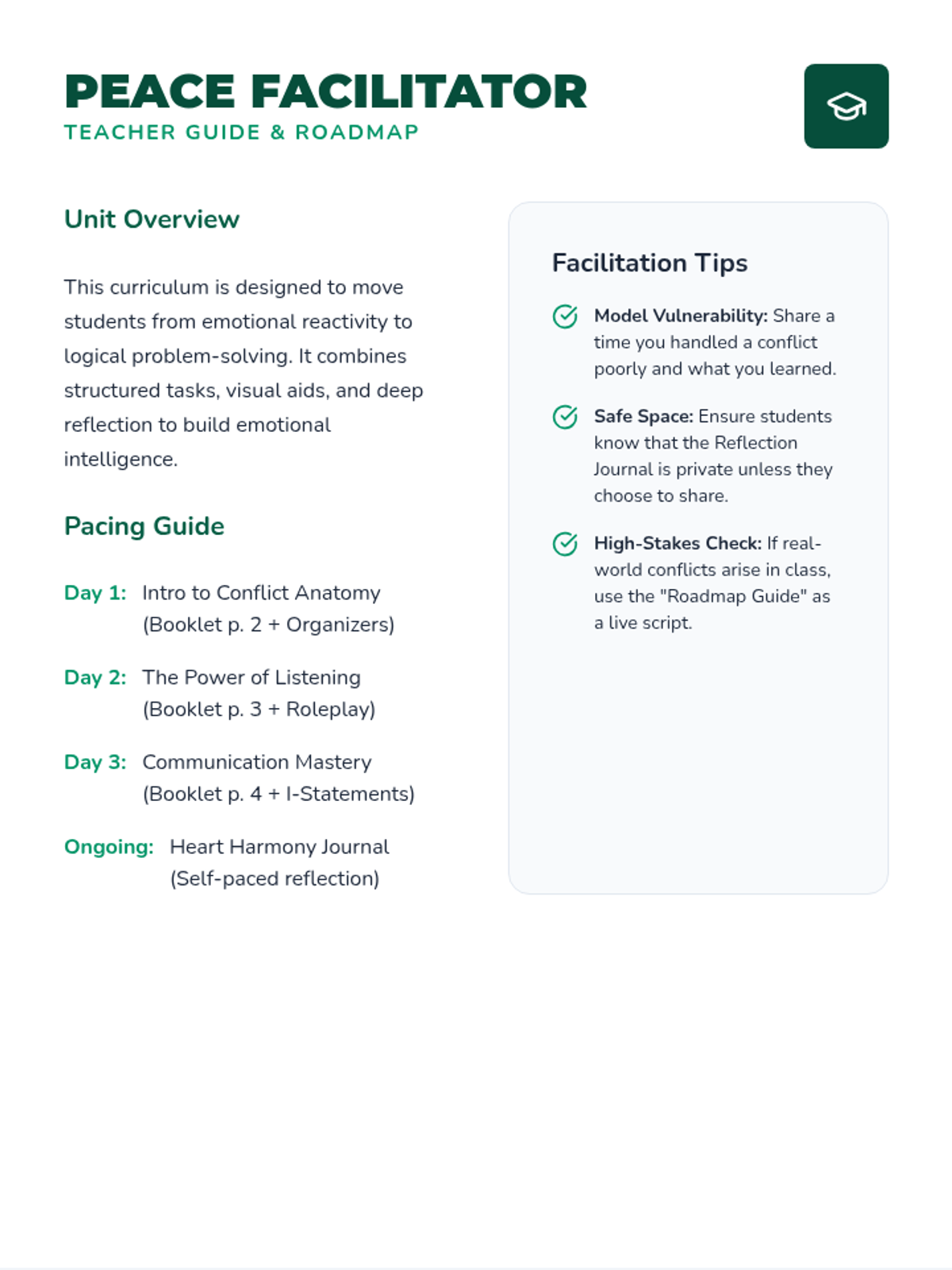
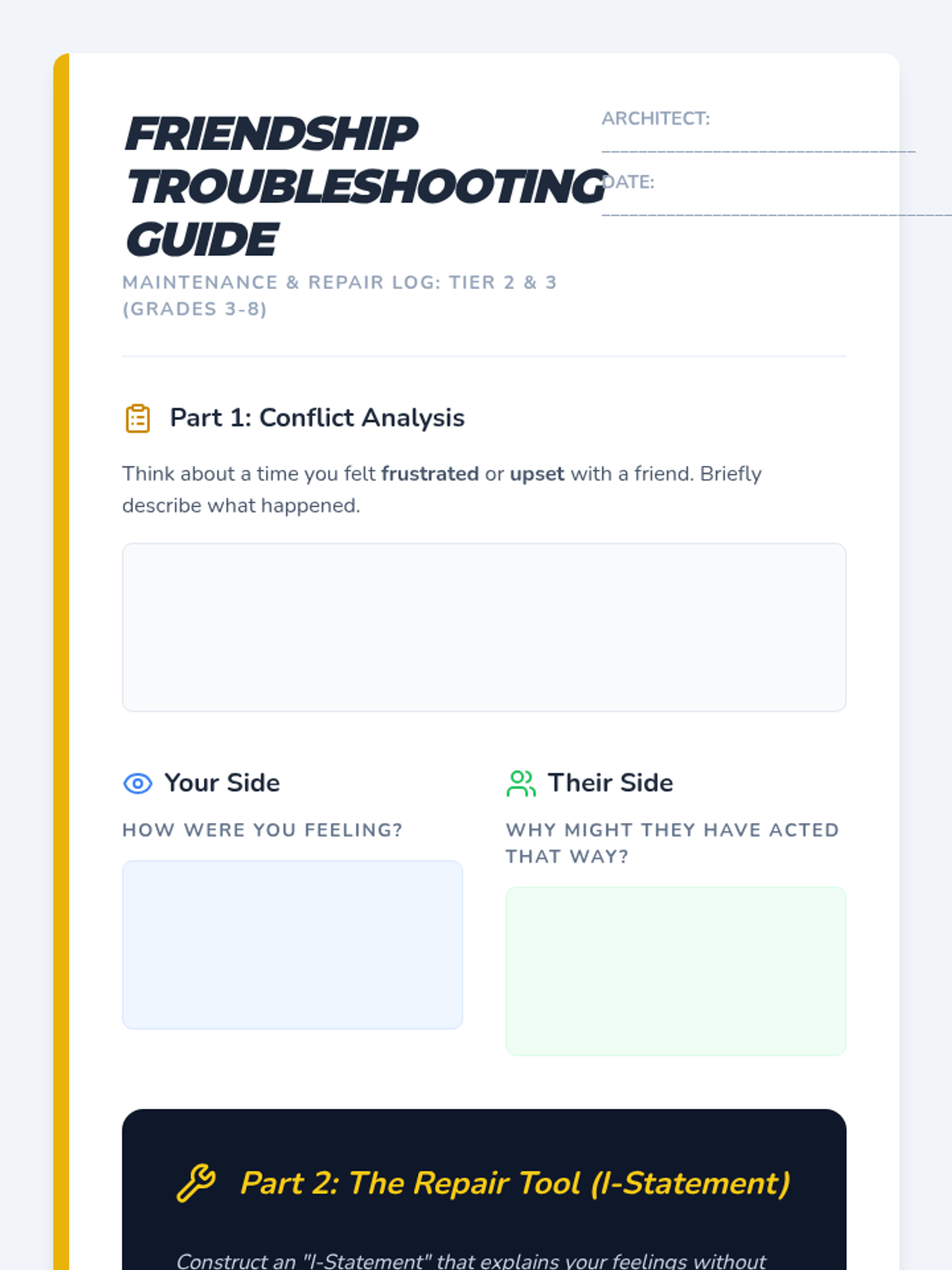
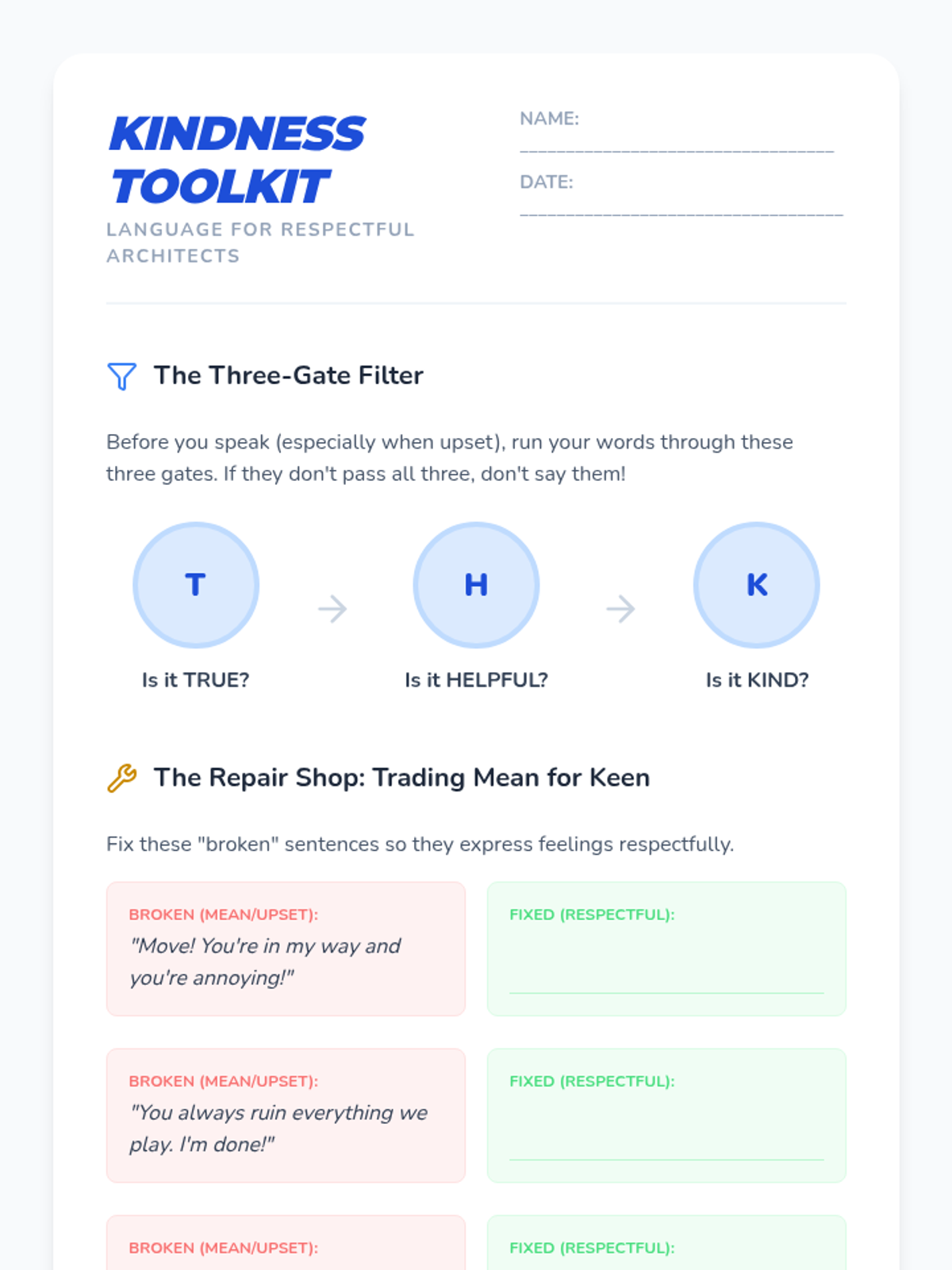
A comprehensive curriculum designed to teach students the essential skills of conflict resolution, de-escalation, and empathetic communication through hands-on tasks and self-reflection.
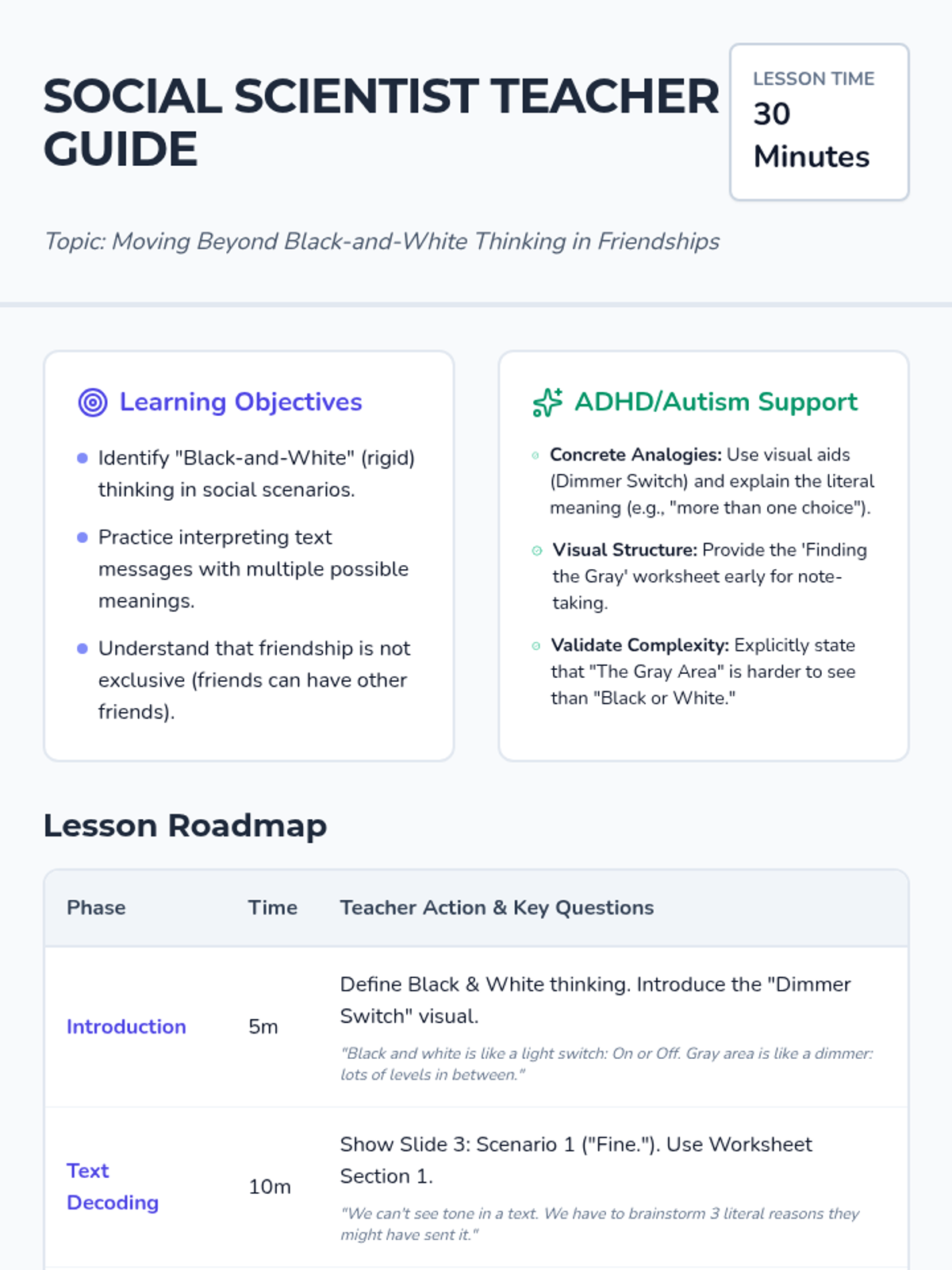
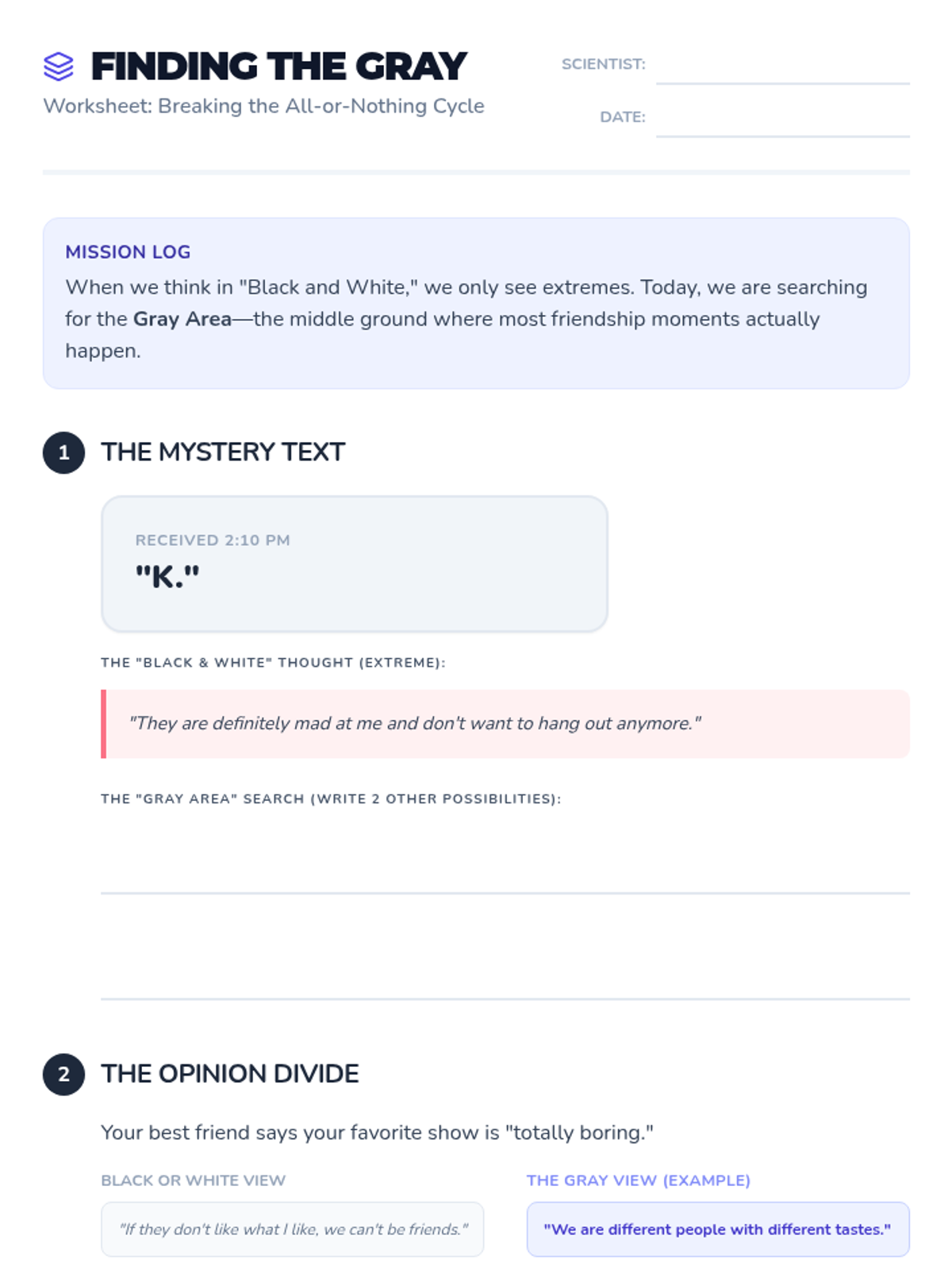
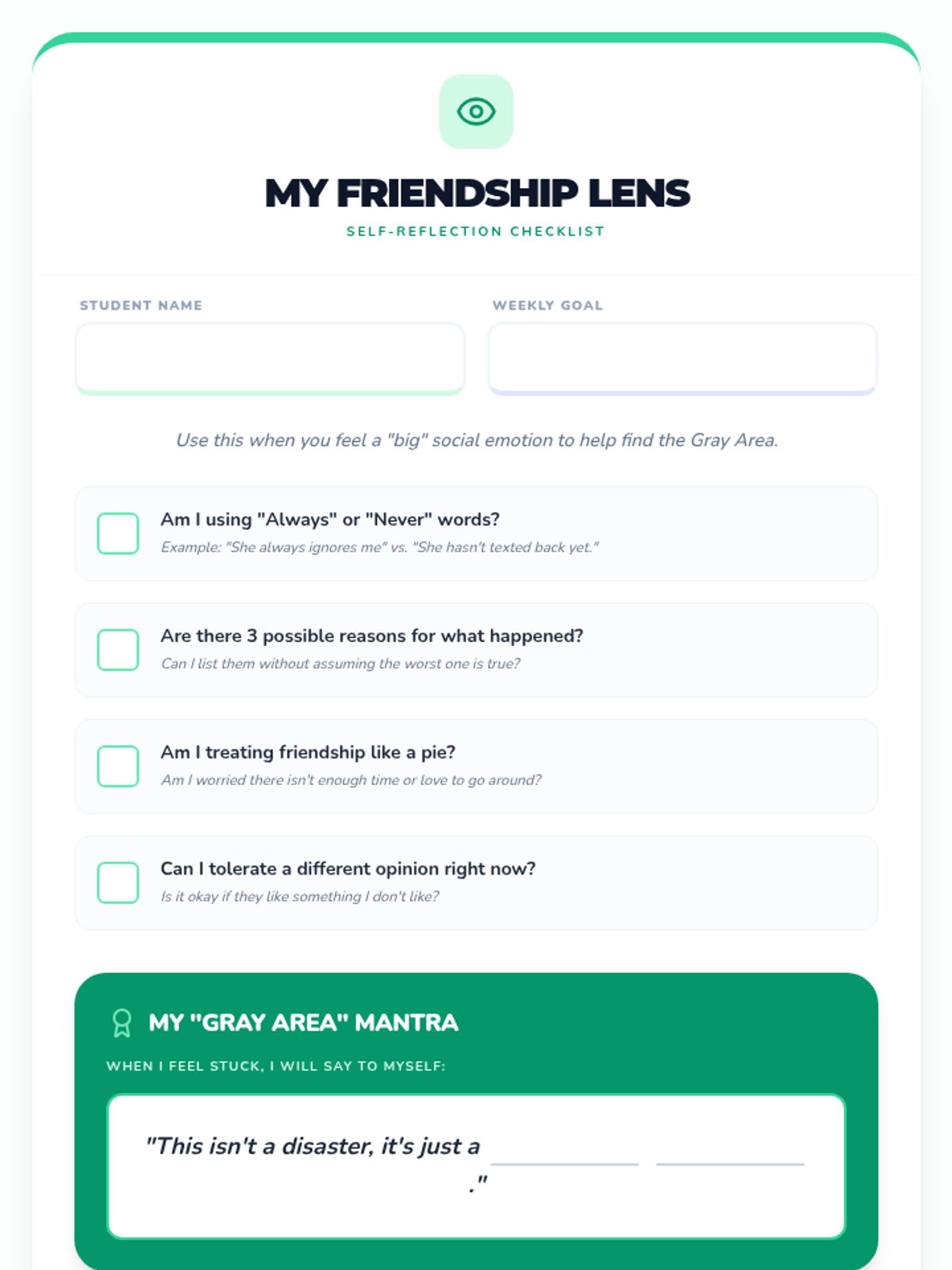
A social-emotional learning sequence focused on helping students with ADHD and Autism navigate complex friendship dynamics and move beyond black-and-white thinking.
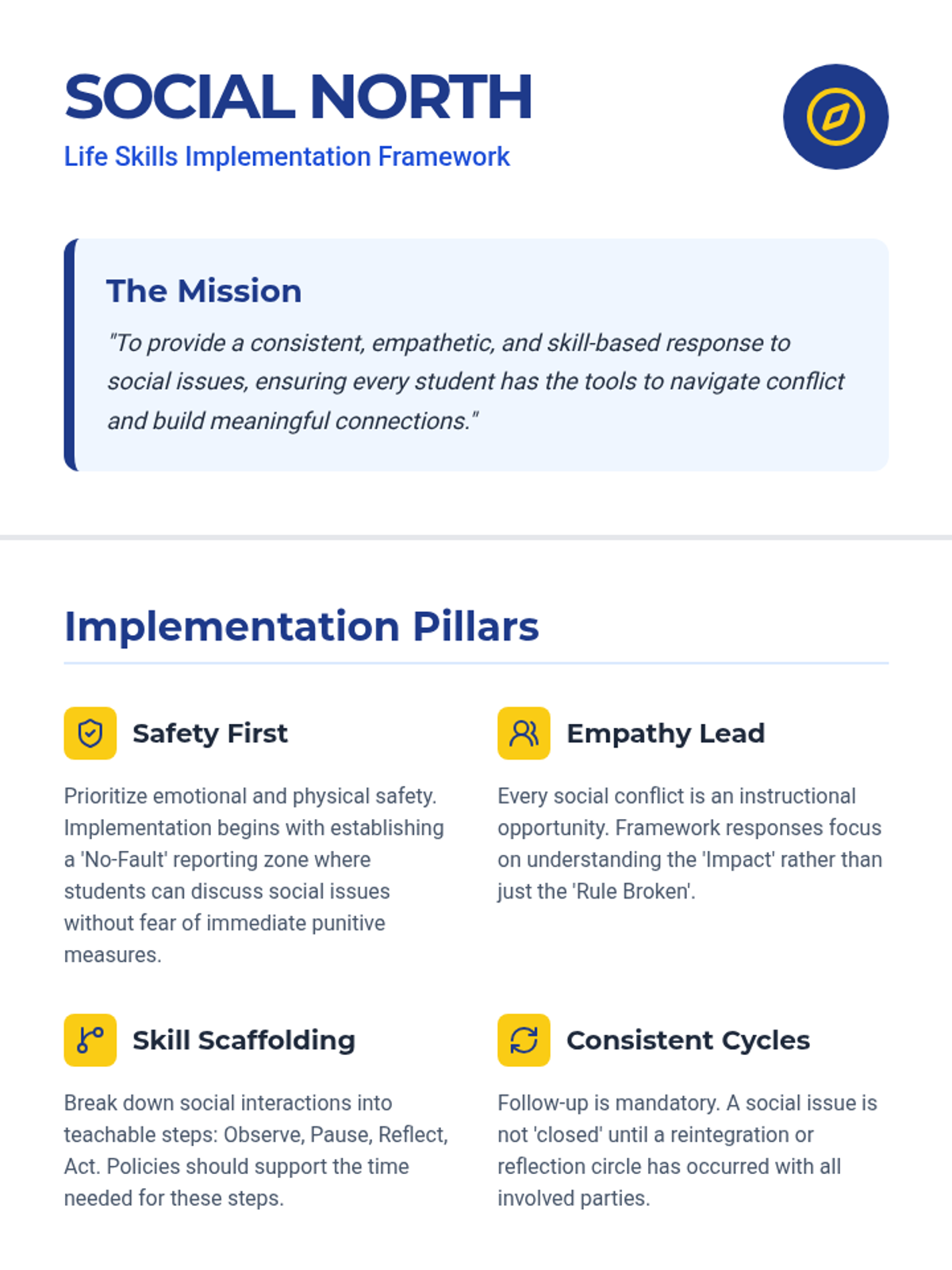
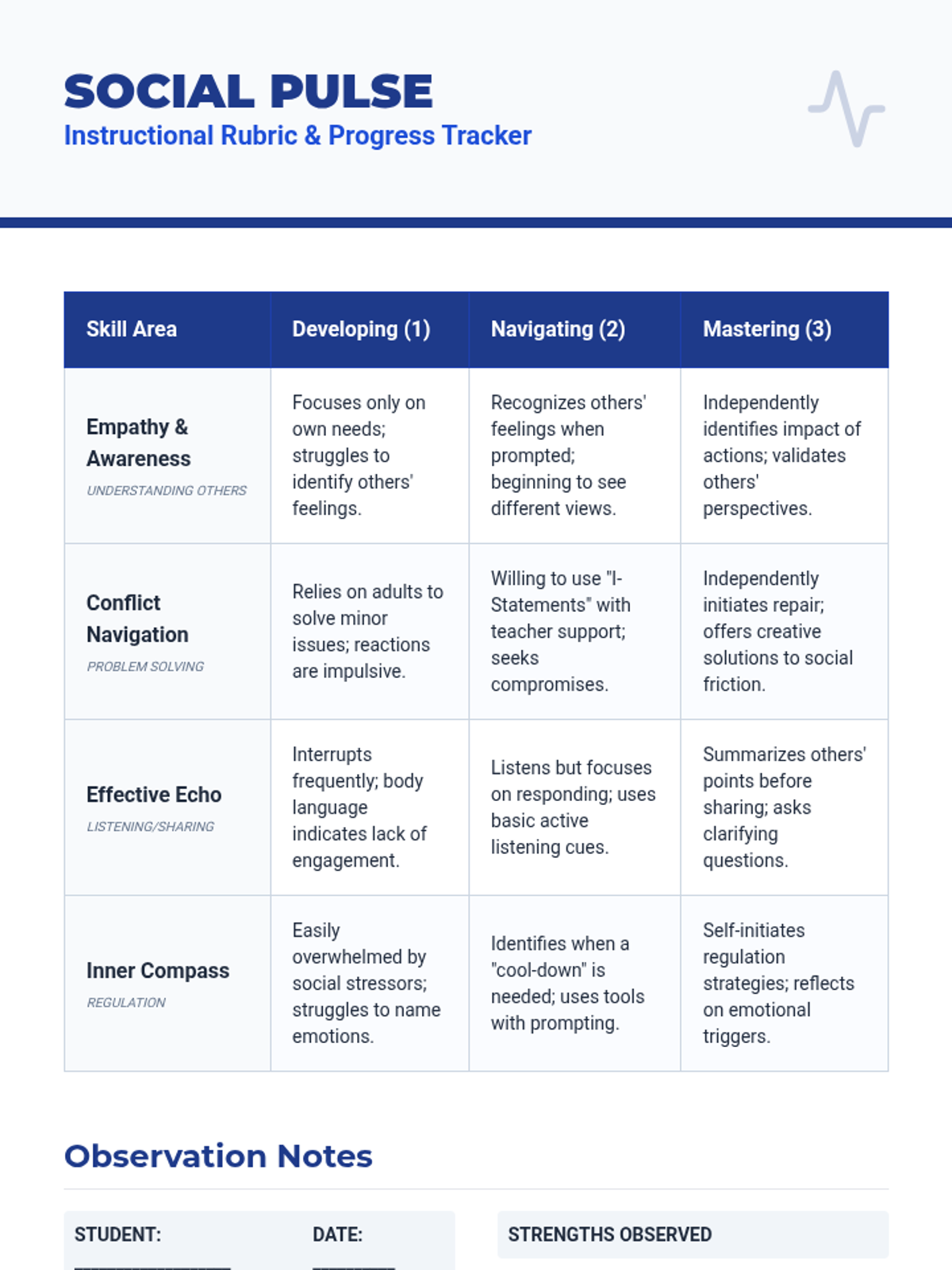
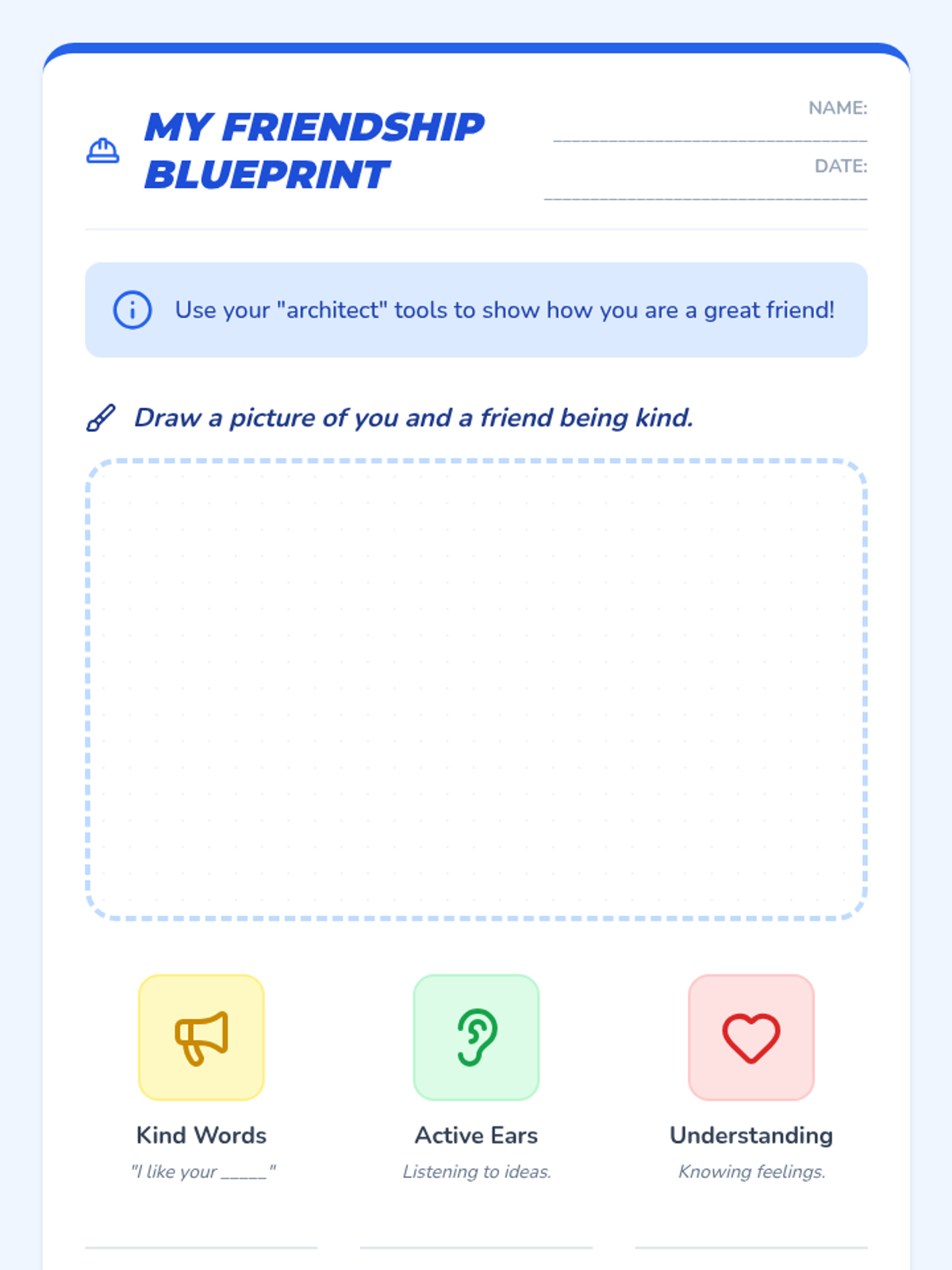
A comprehensive program for implementing life skills and social navigation within an educational setting, focusing on conflict resolution, empathy, and effective communication.
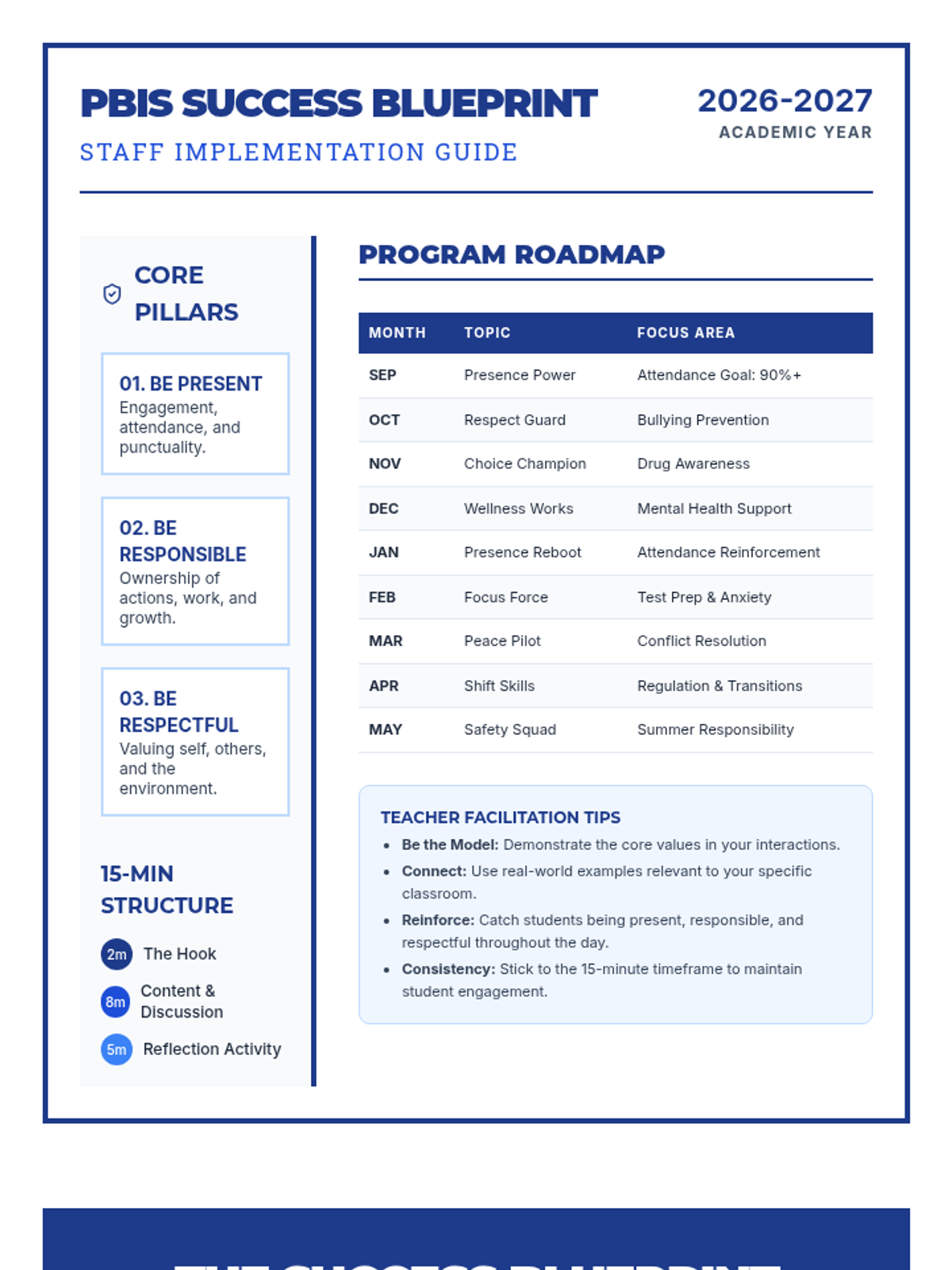
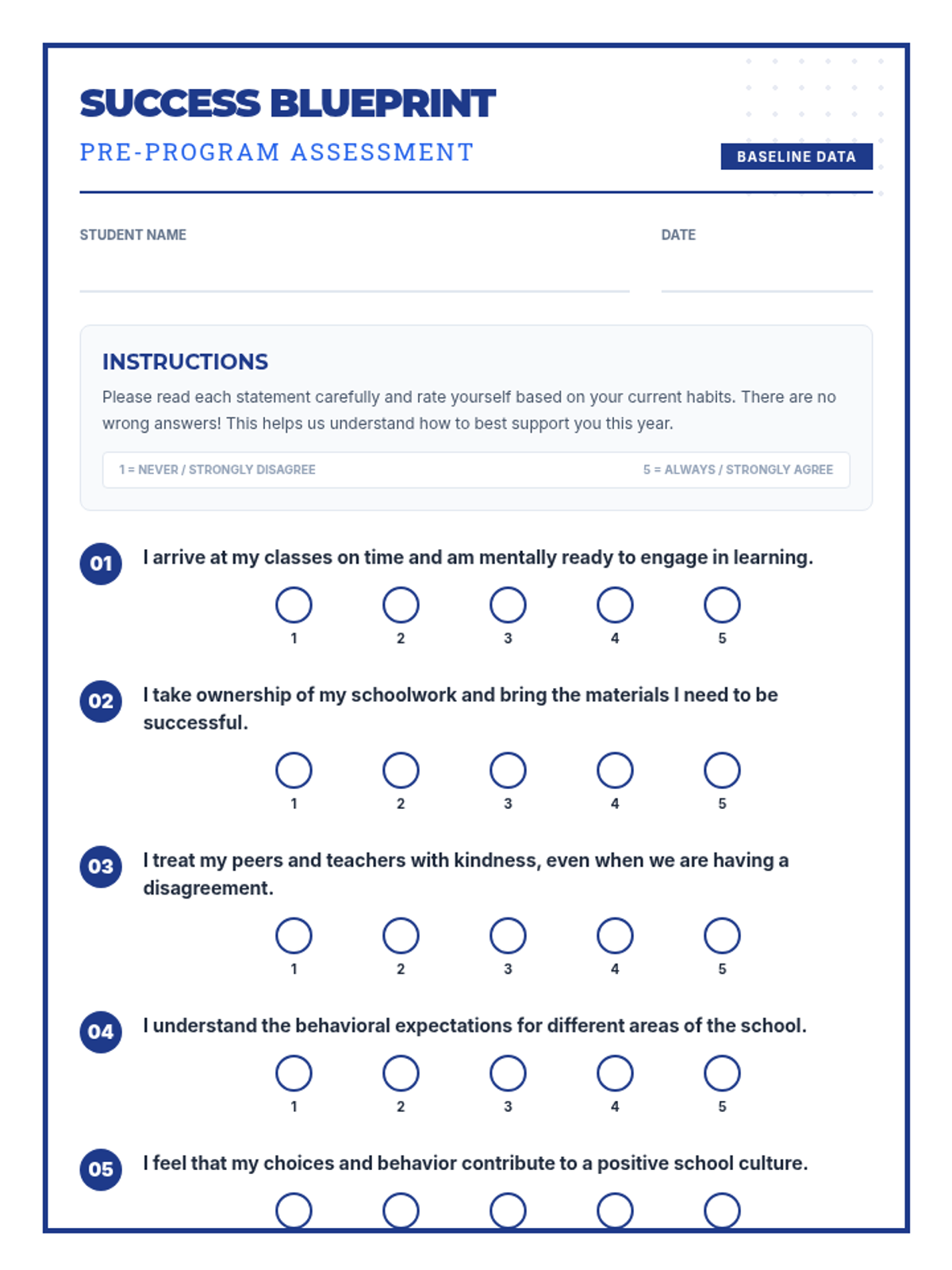
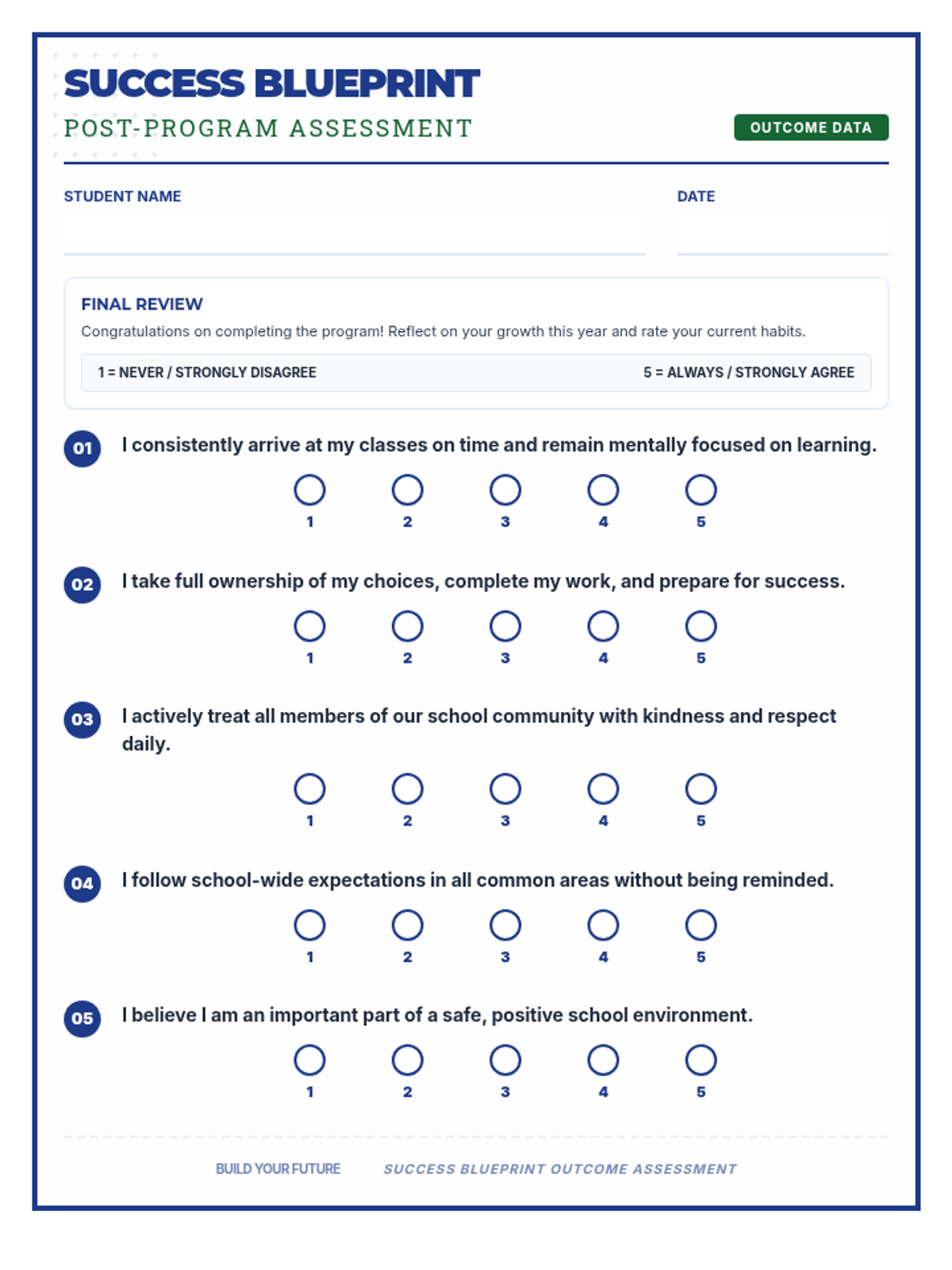
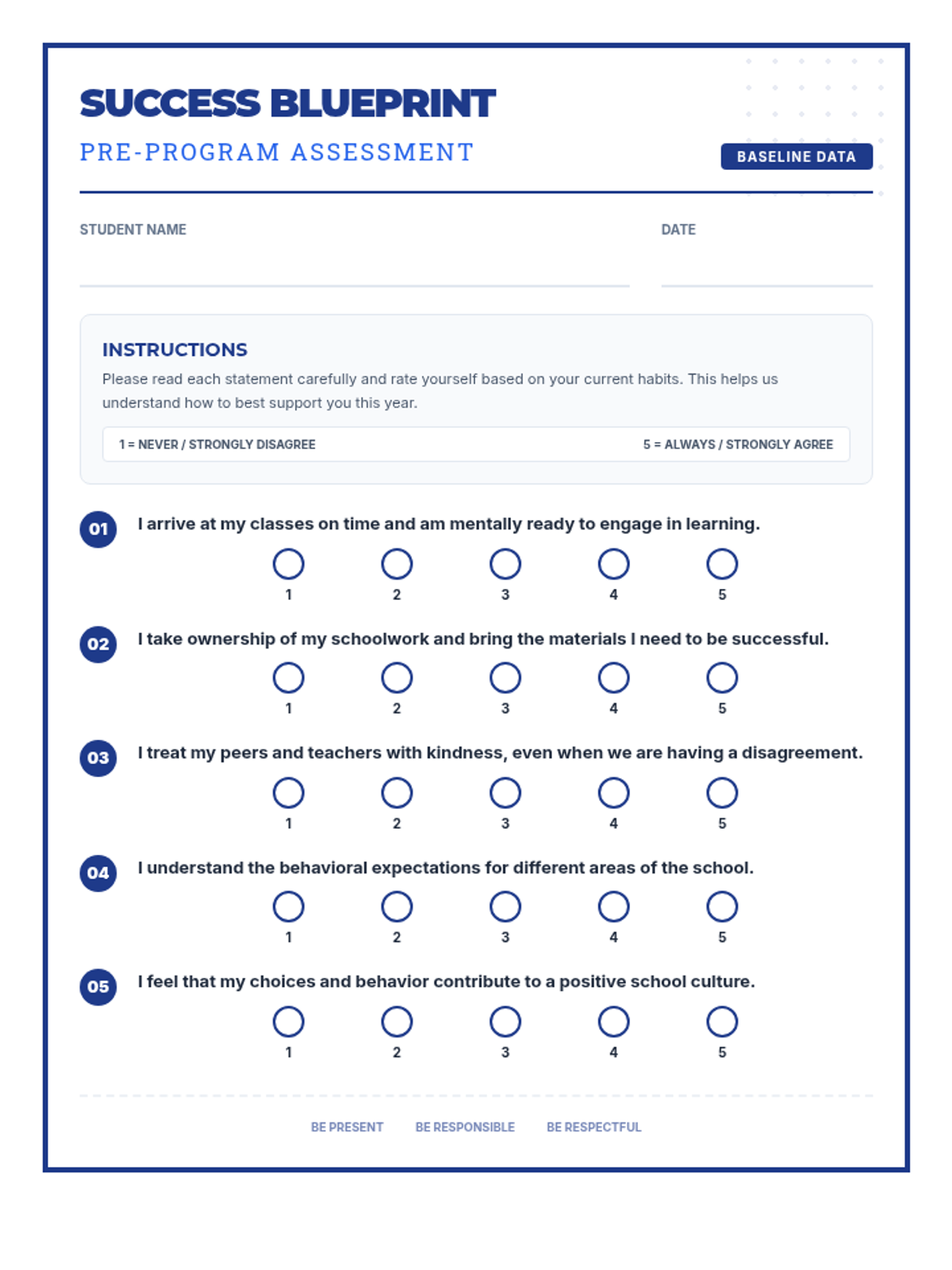
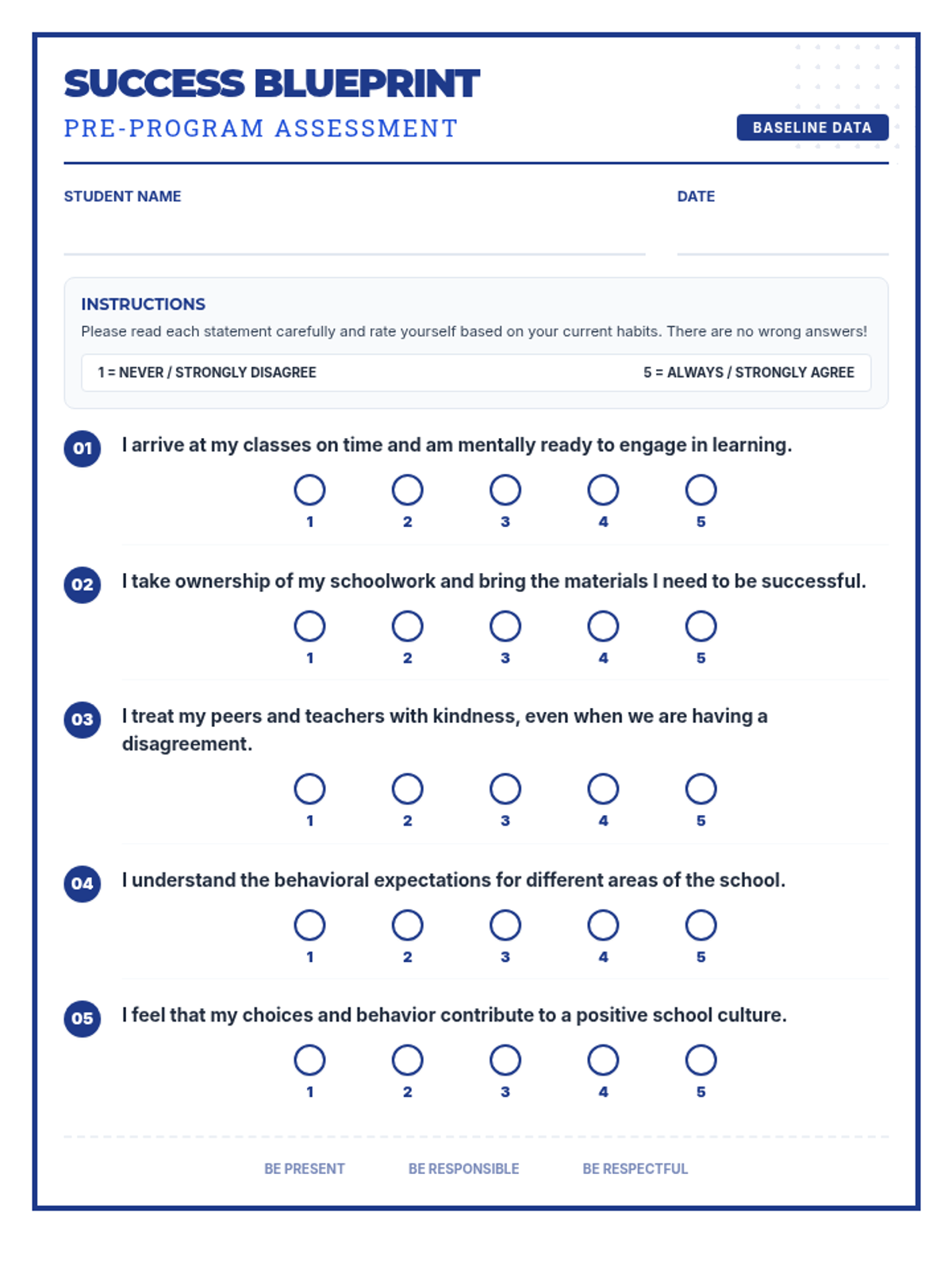
A comprehensive PBIS implementation program for middle schoolers, focusing on Being Present, Responsible, and Respectful through monthly 15-minute lessons.
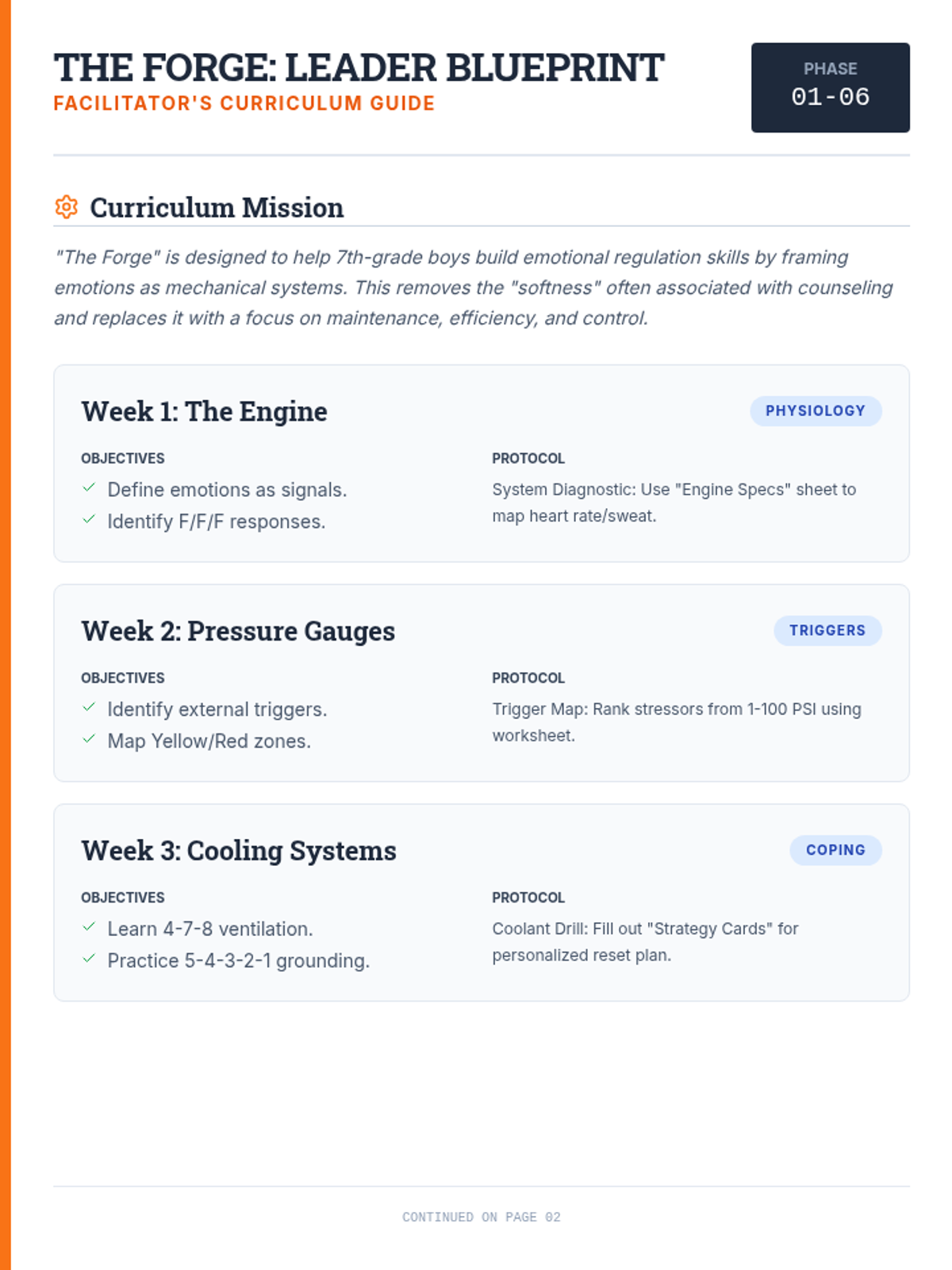
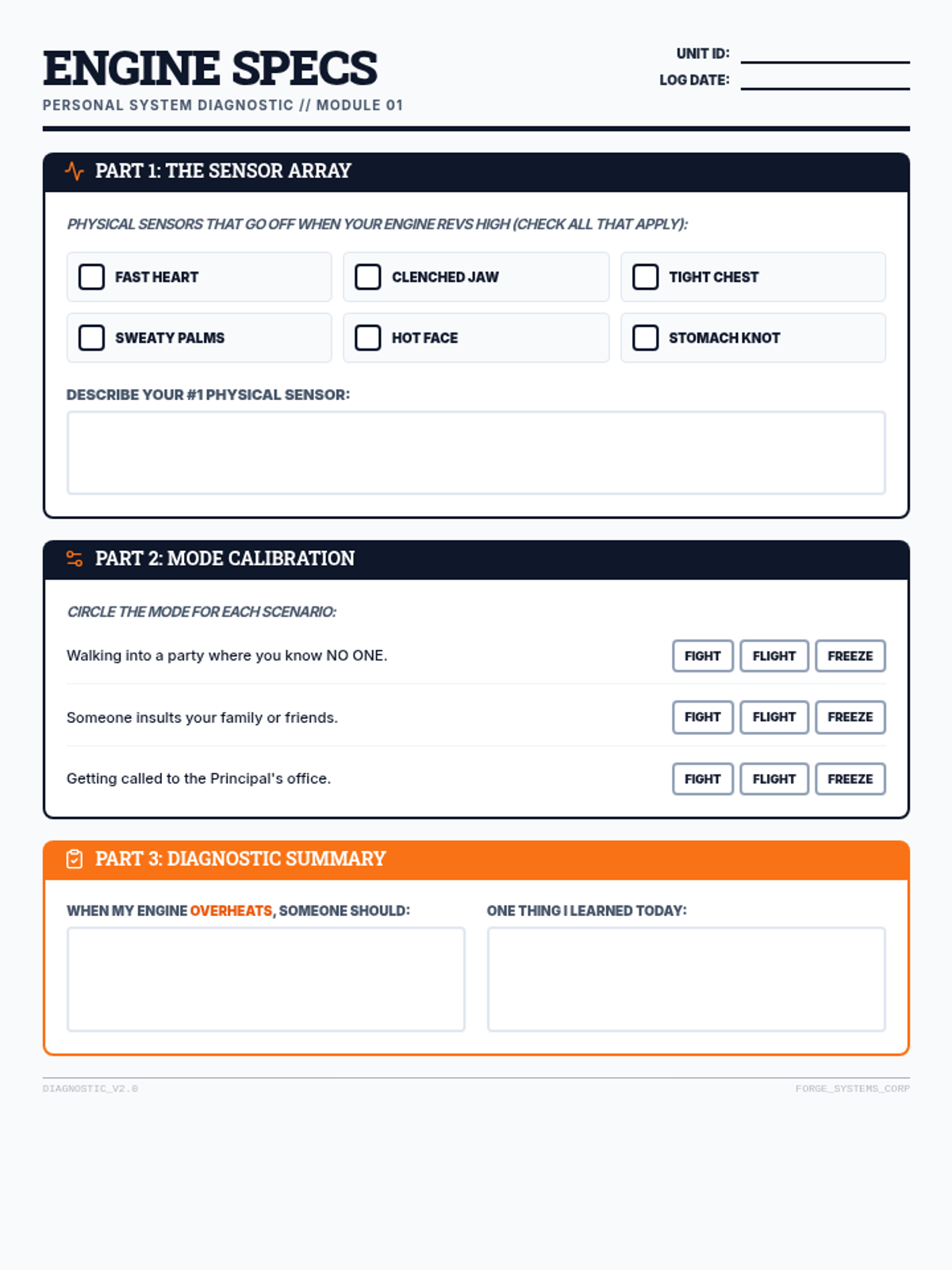
A 6-week emotional regulation curriculum designed specifically for middle school boys, using an industrial/engineering theme to explore physiology, triggers, and coping strategies.
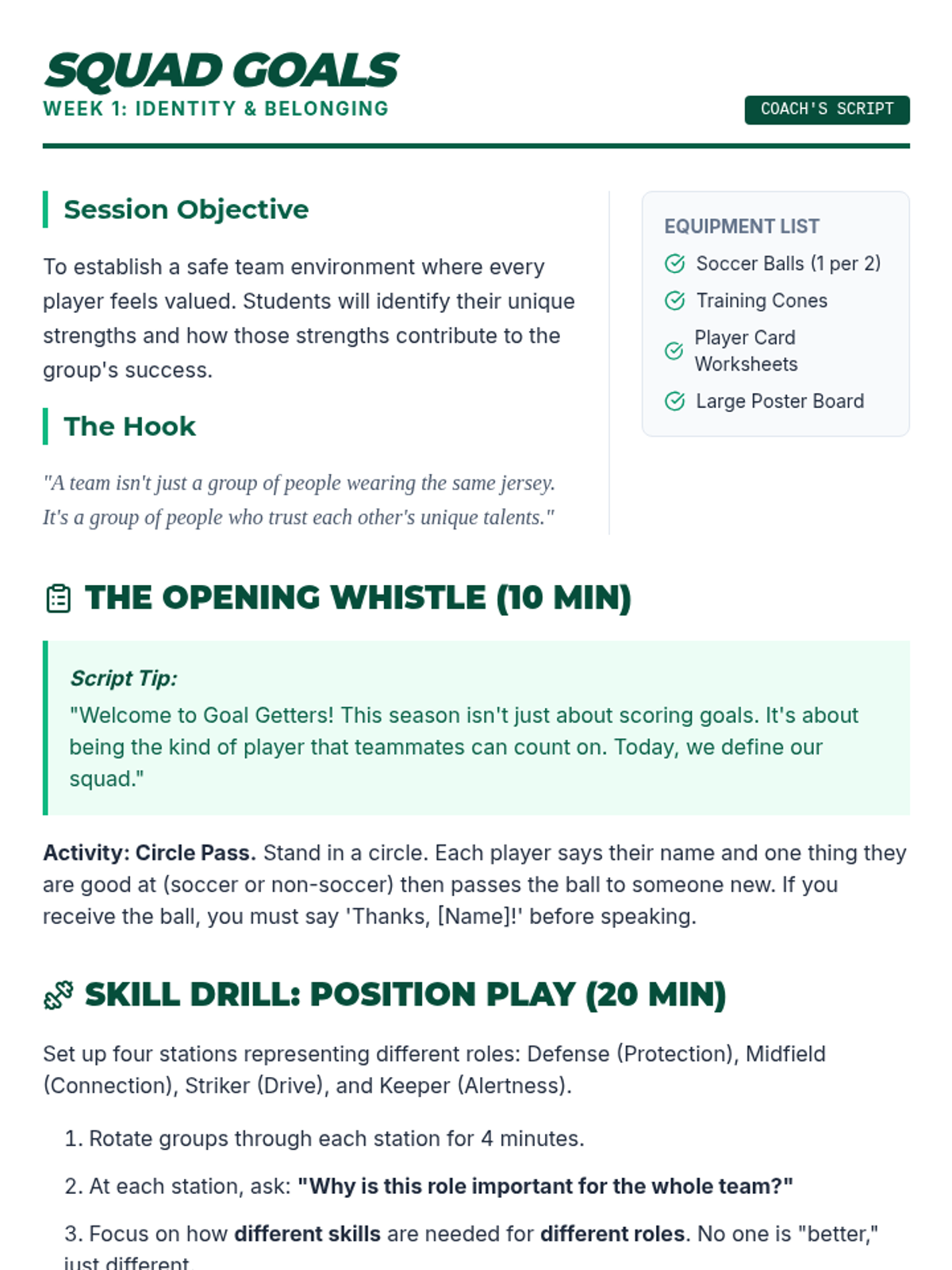
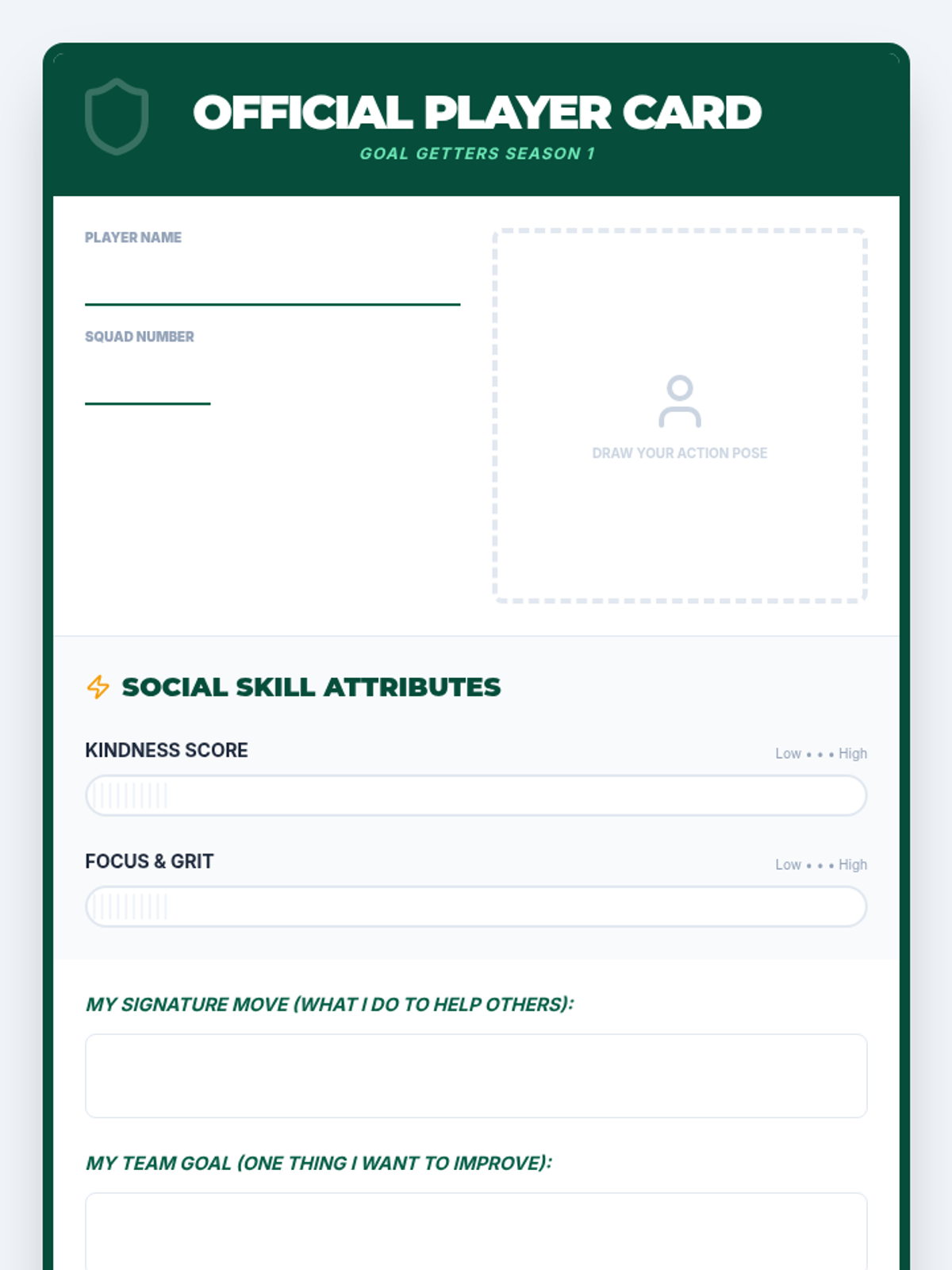
An 8-week soccer-themed social-emotional learning curriculum designed to improve self-esteem, peer relationships, emotional regulation, and conflict resolution through on-field drills and classroom reflection.
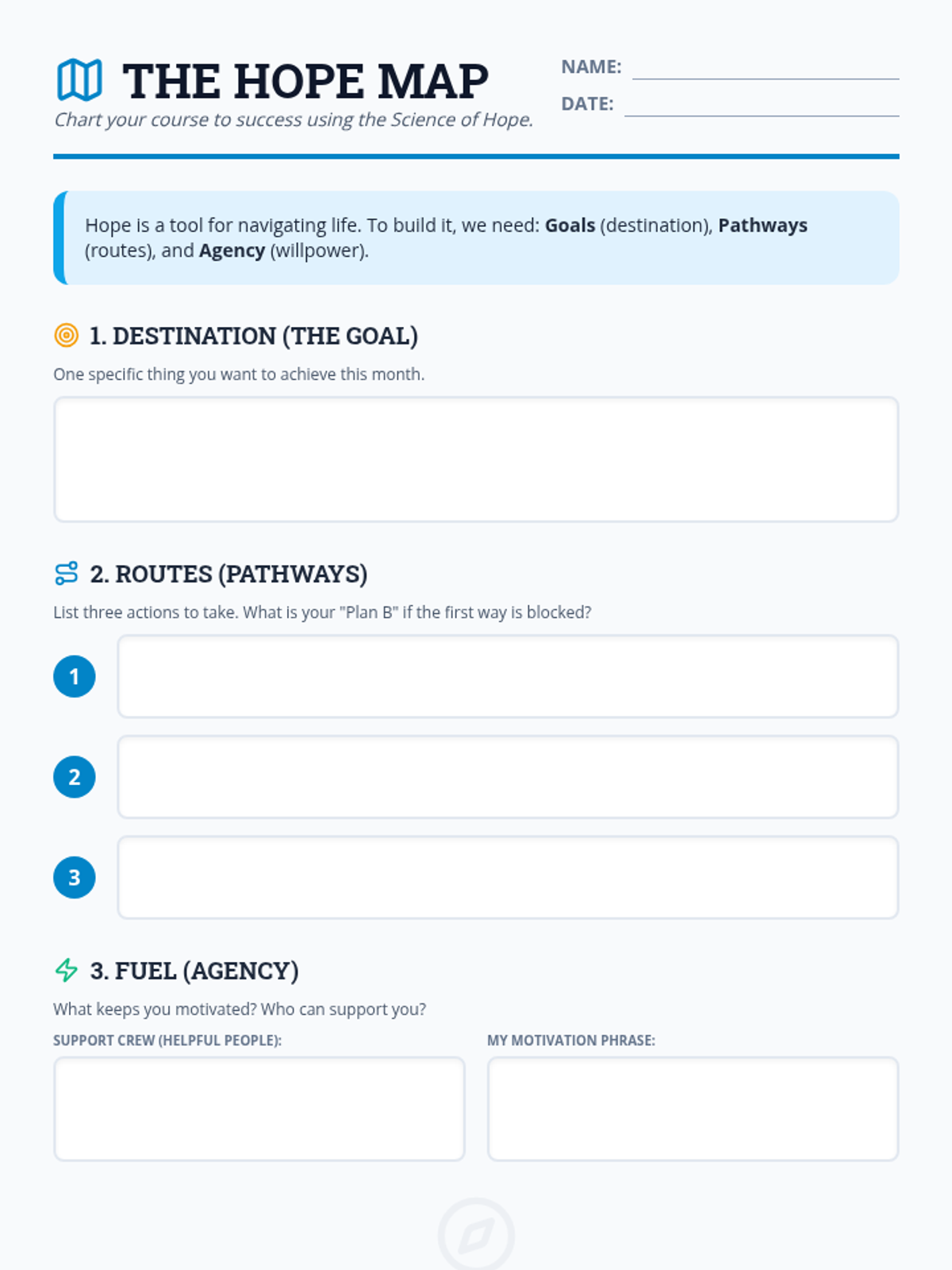
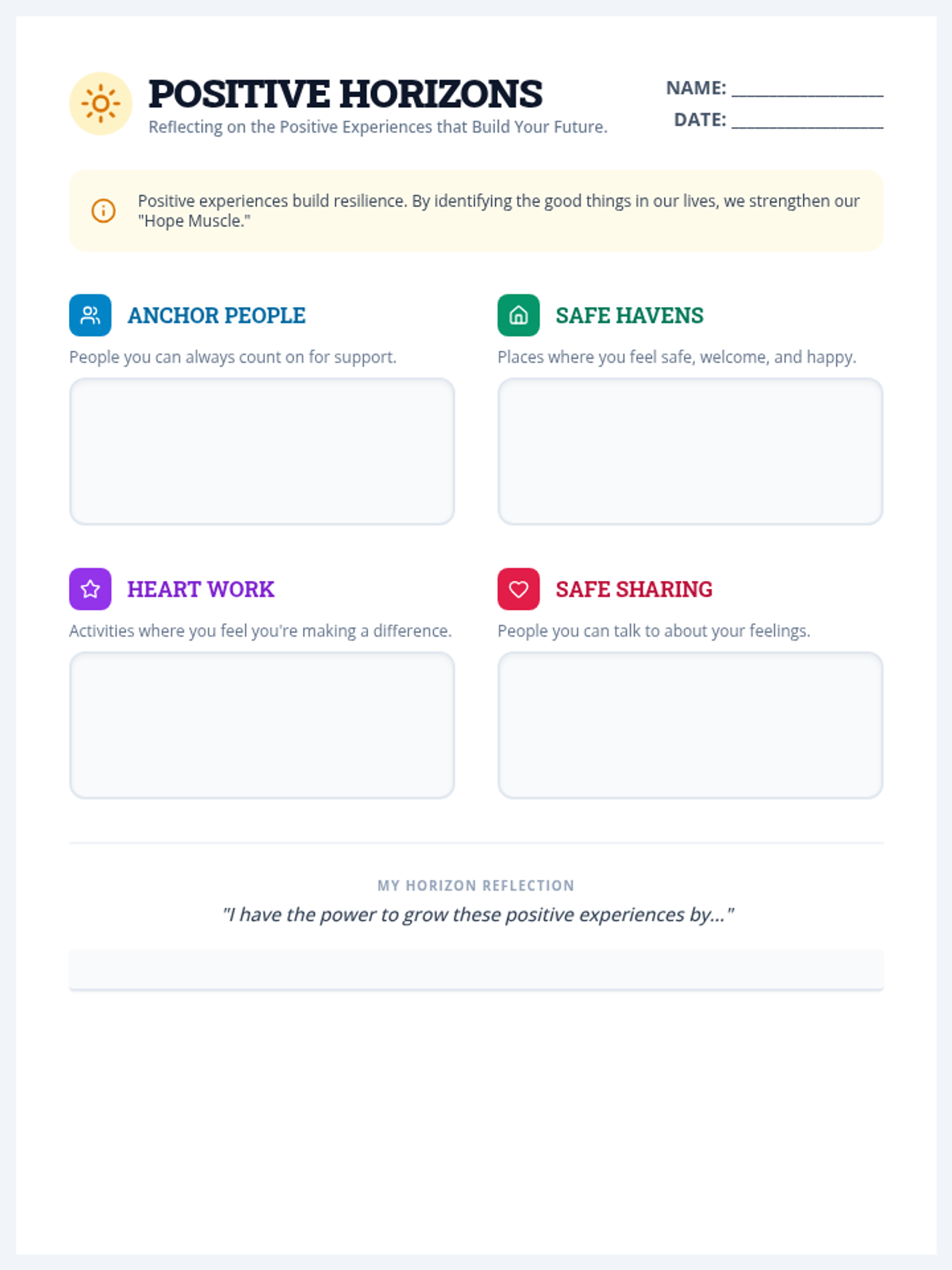
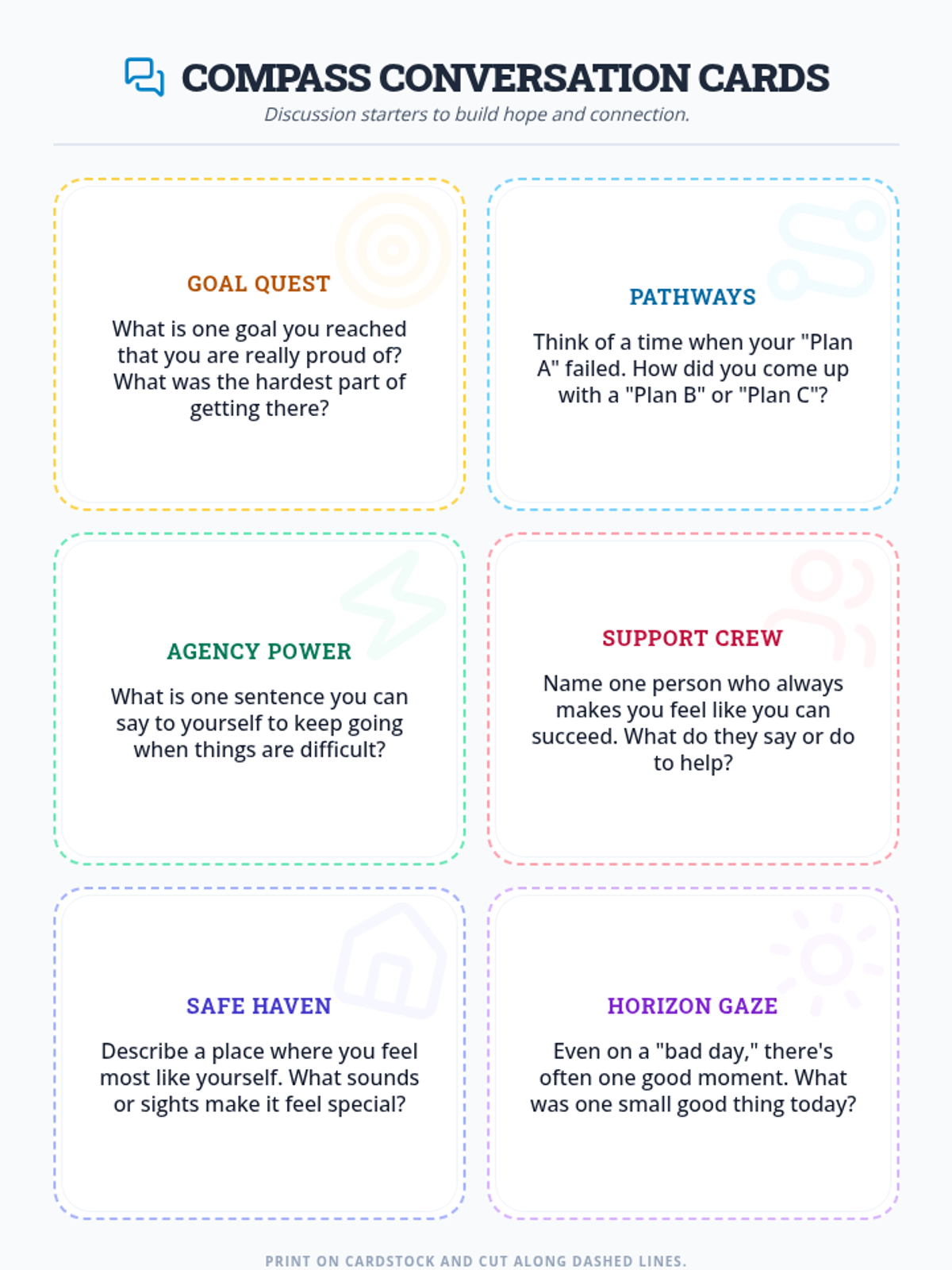
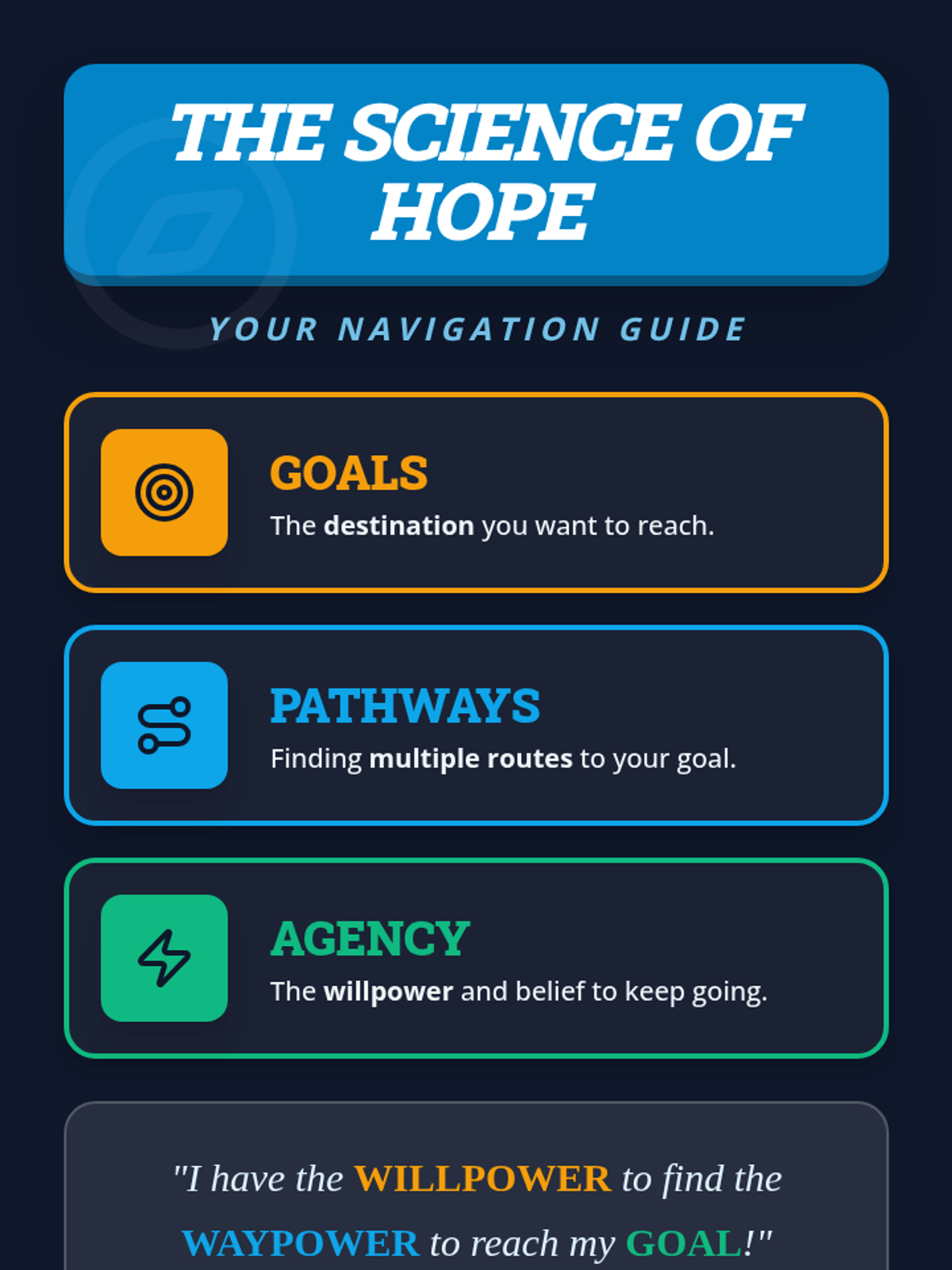
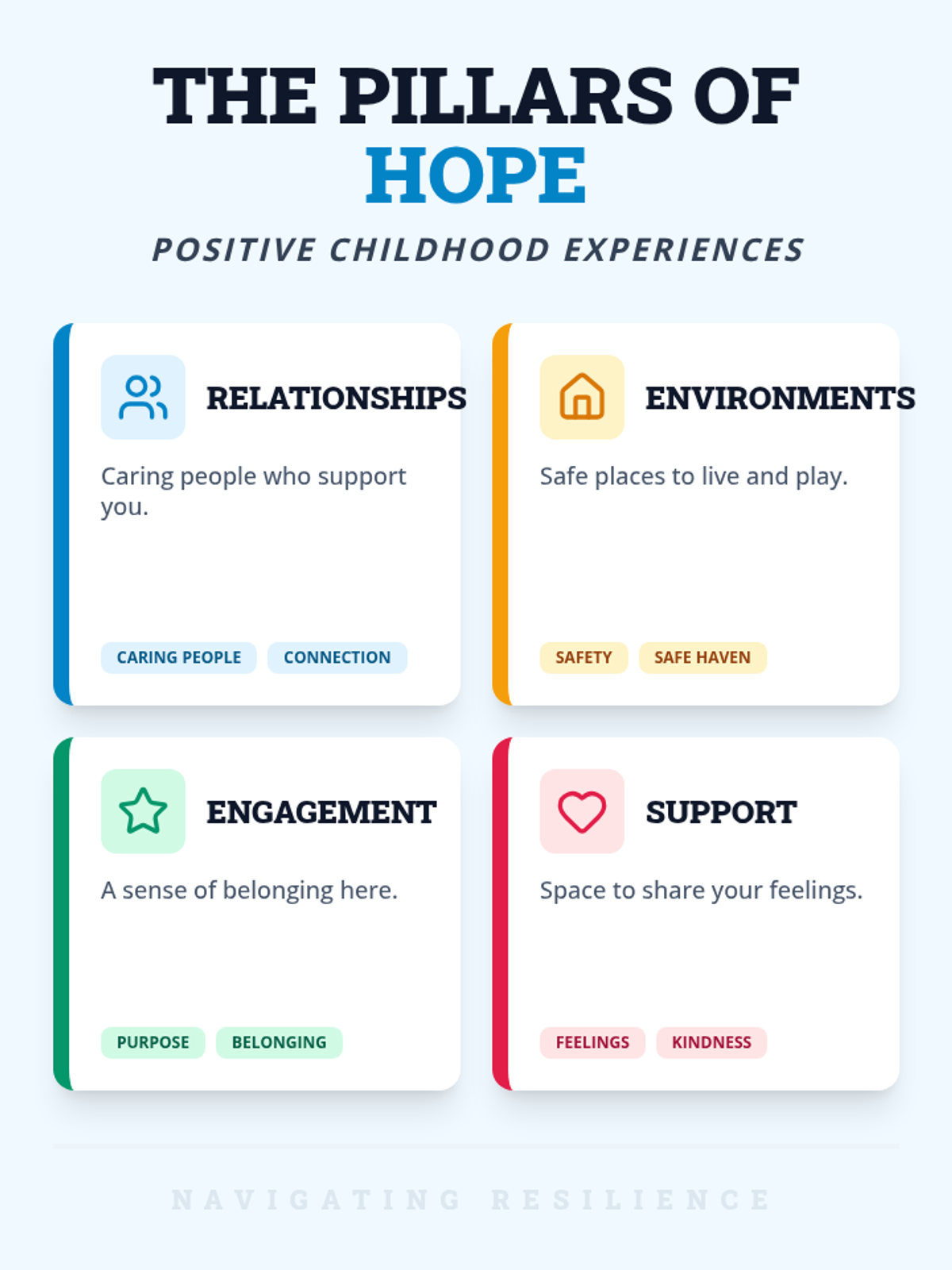
A comprehensive unit focused on building psychological hope through the Science of Hope (Goals, Pathways, Agency) and the HOPE framework (Healthy Outcomes from Positive Experiences). This sequence empowers students to set meaningful goals, identify ways to achieve them, and recognize the positive resources in their lives.
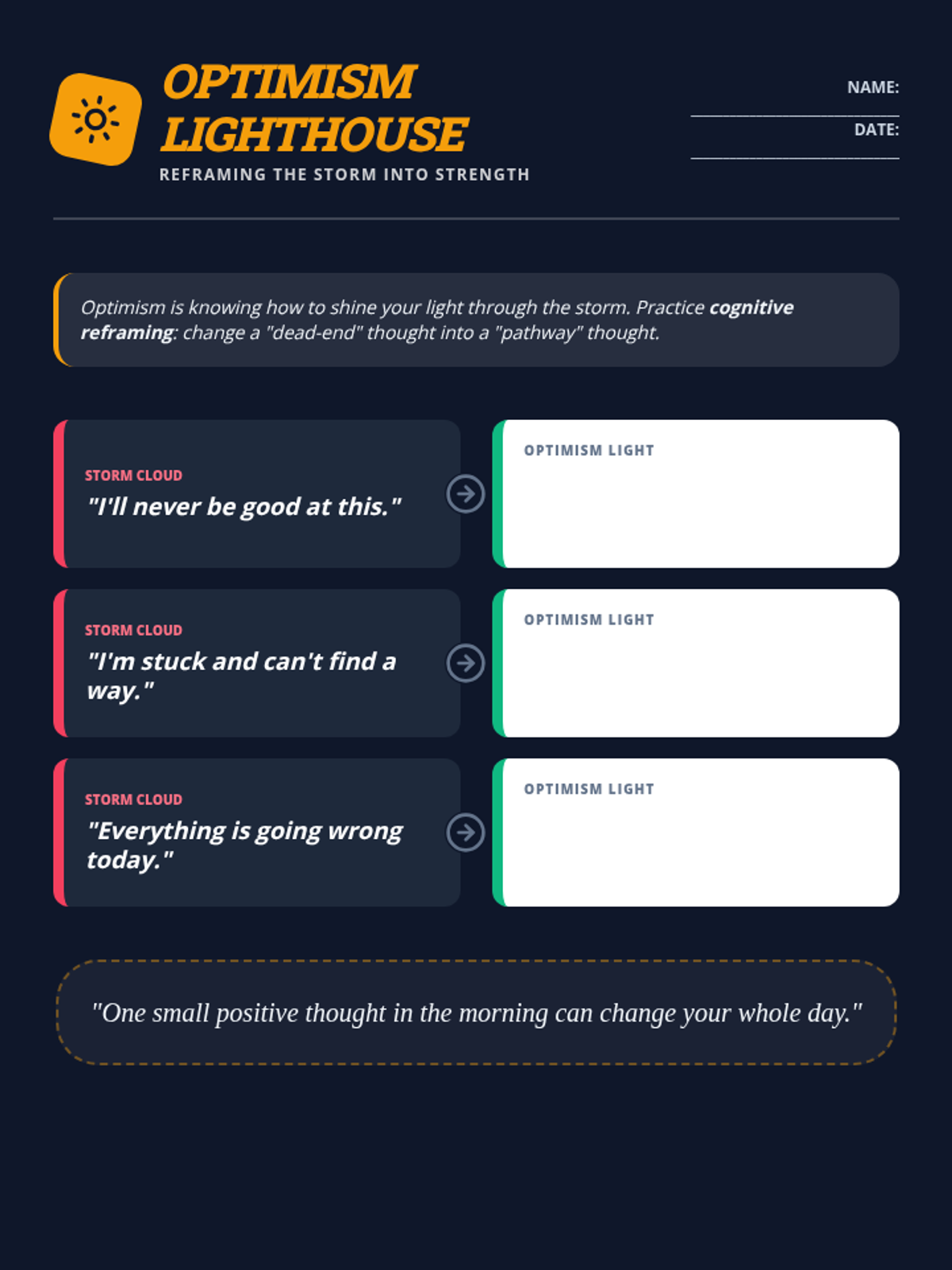
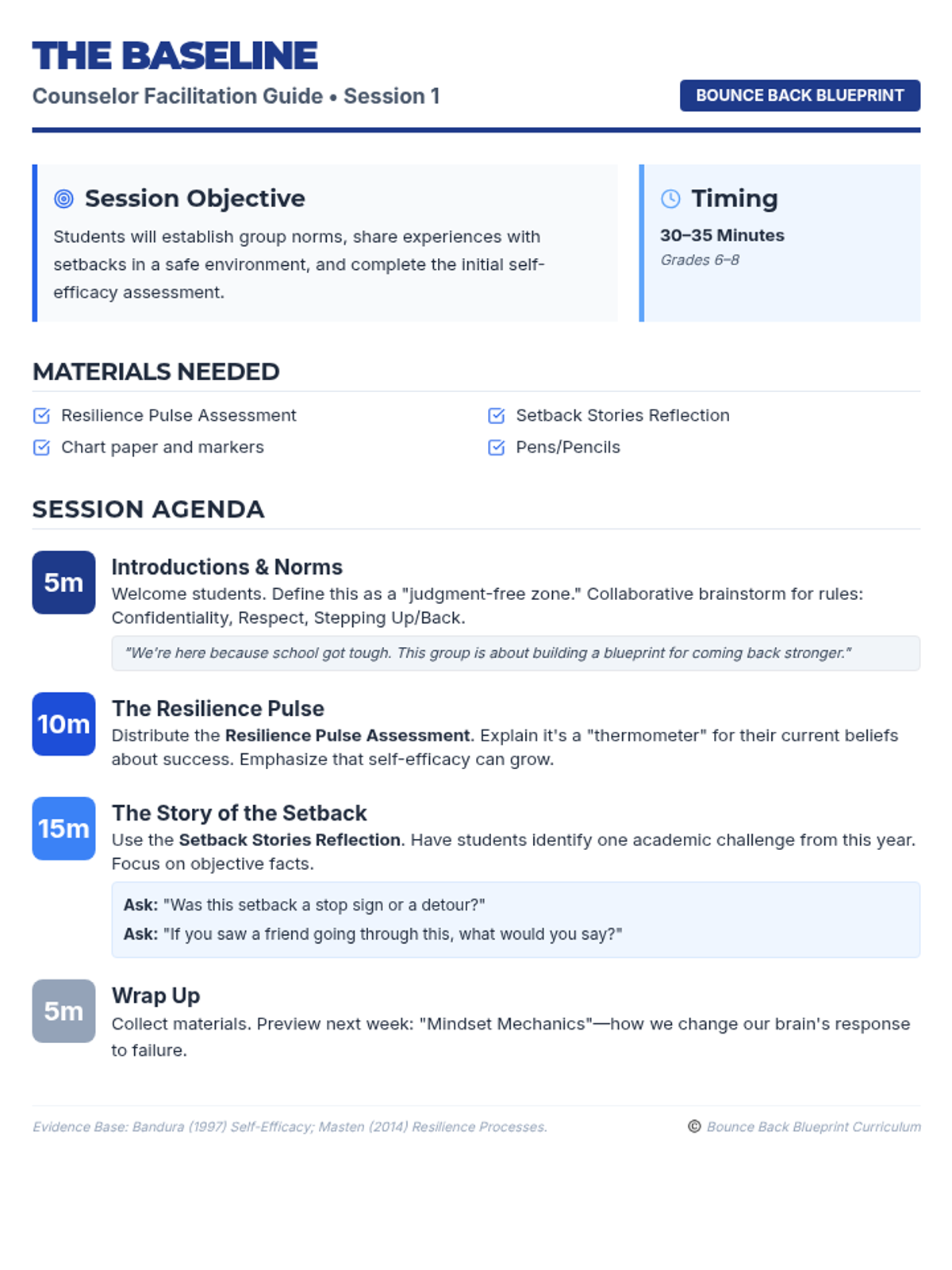
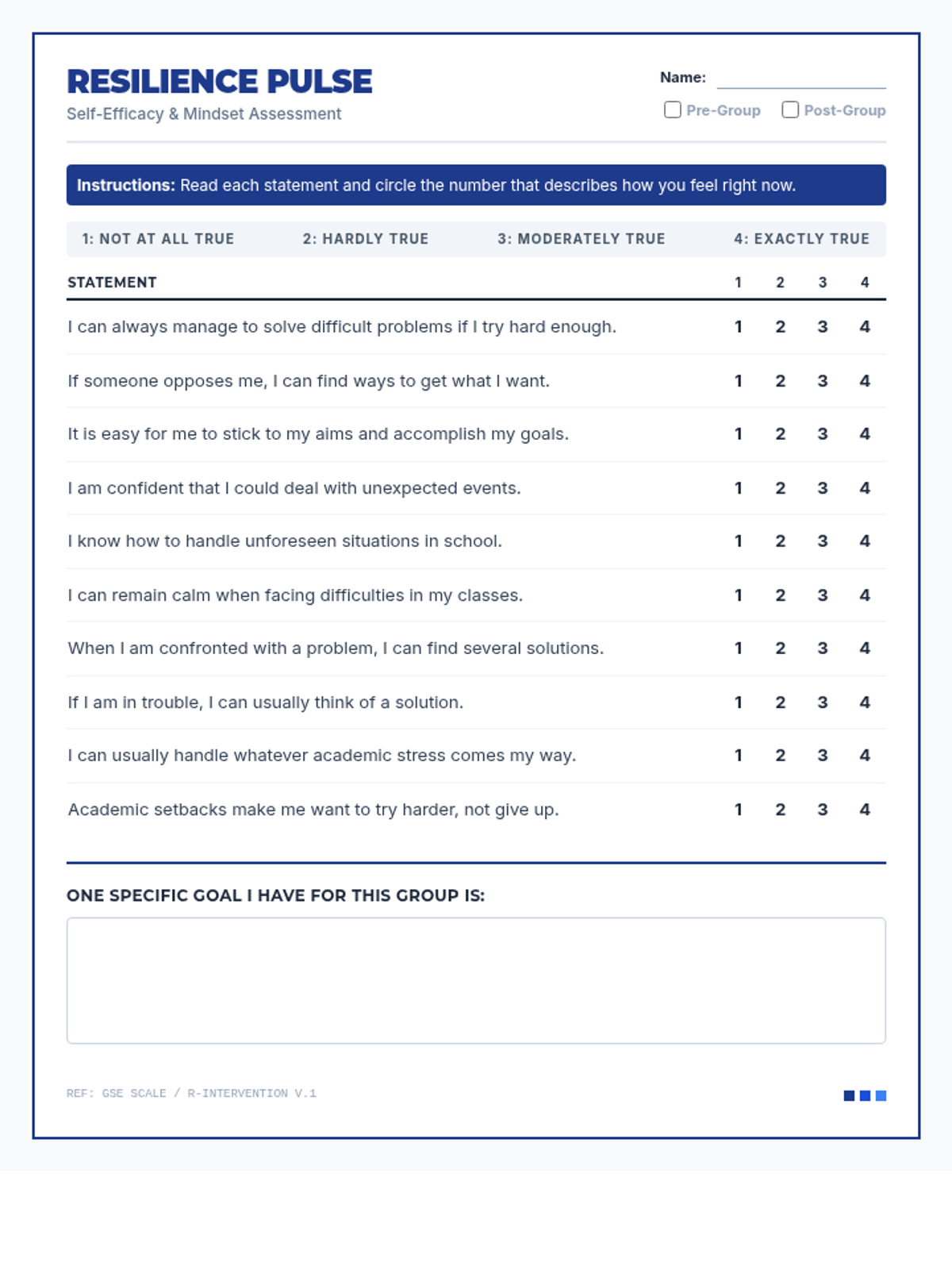
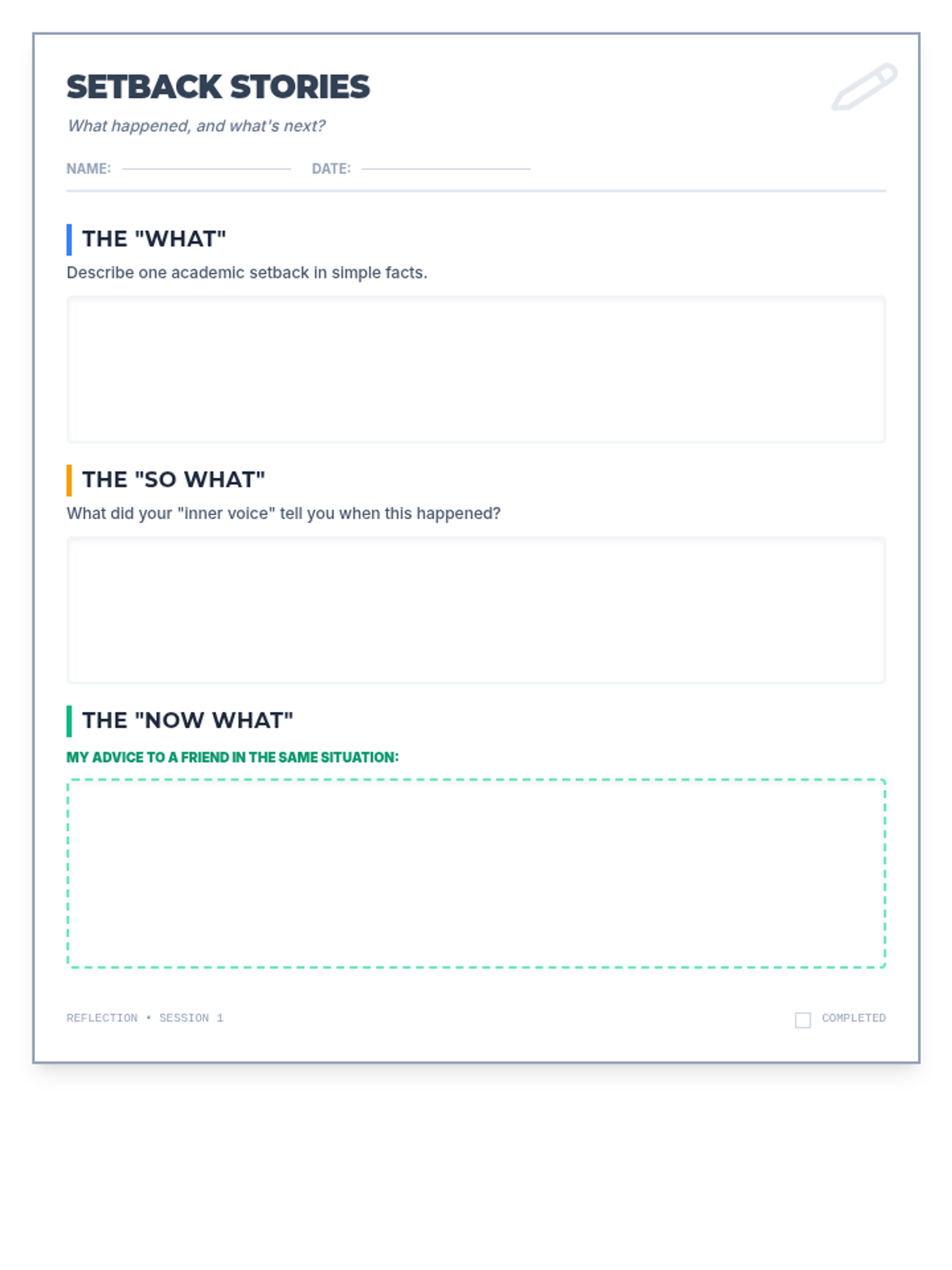
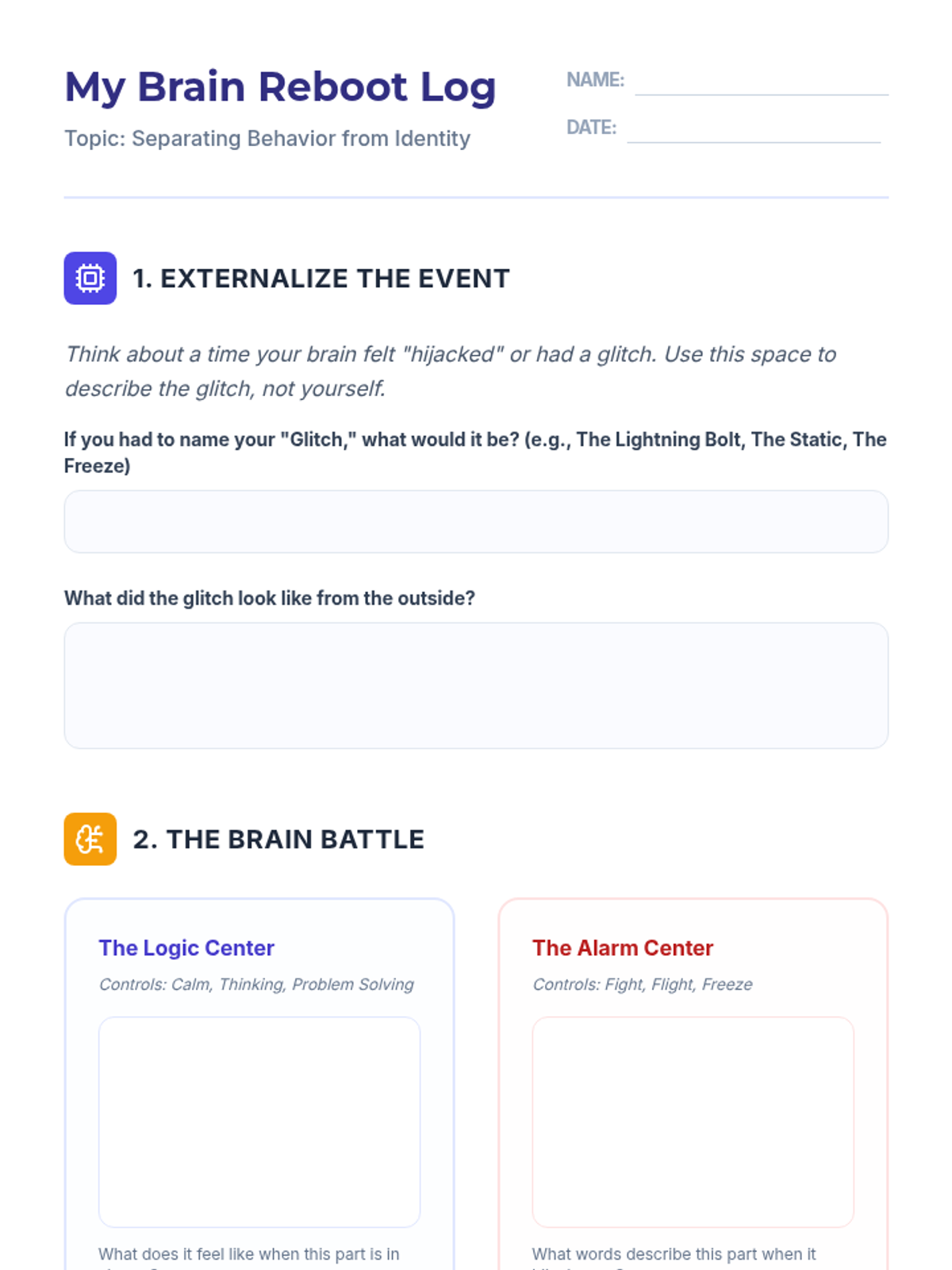
A 4-session small-group counseling intervention designed for middle school students to build resilience after academic setbacks, focusing on growth mindset, identity separation, and action planning.
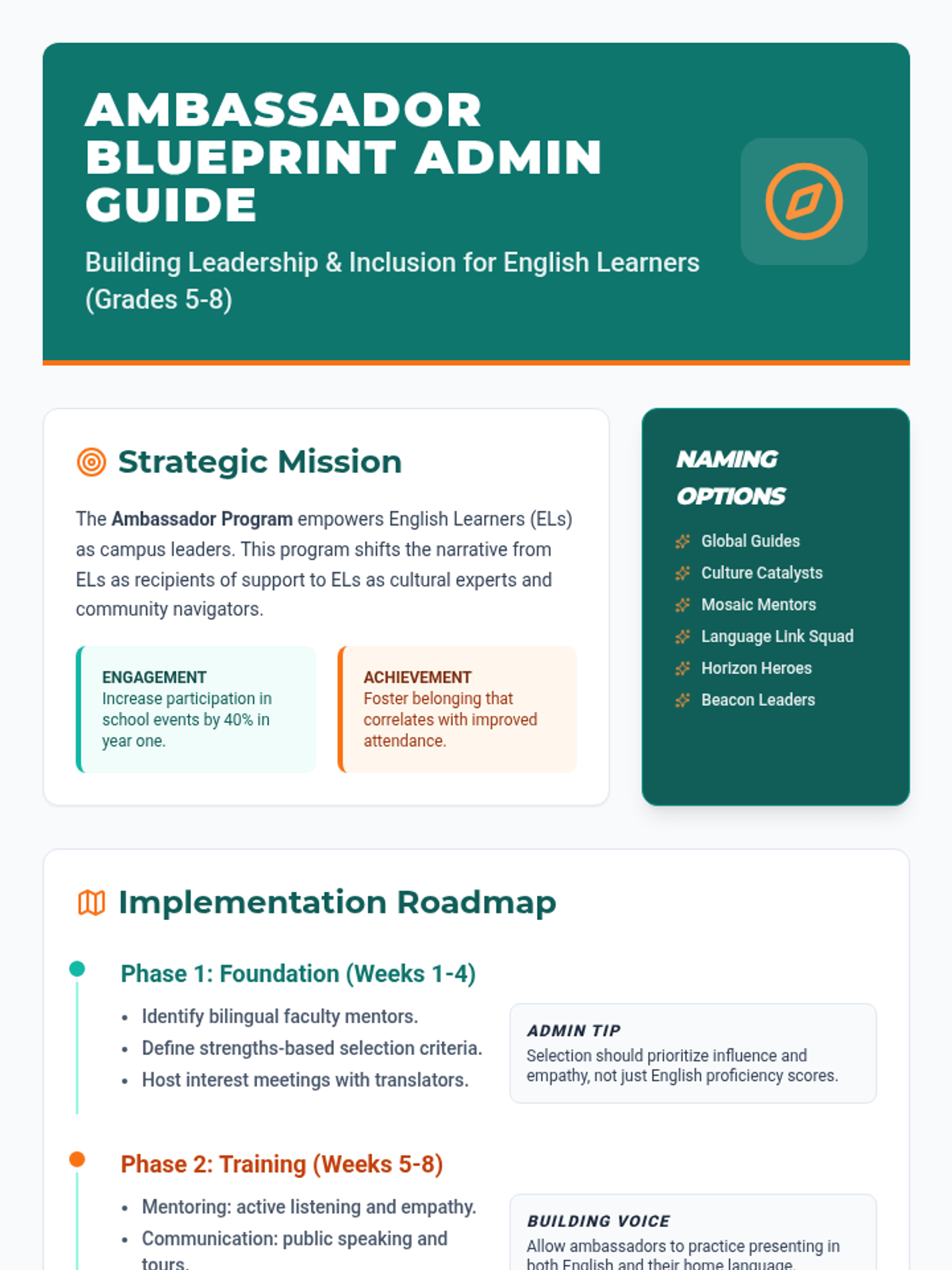
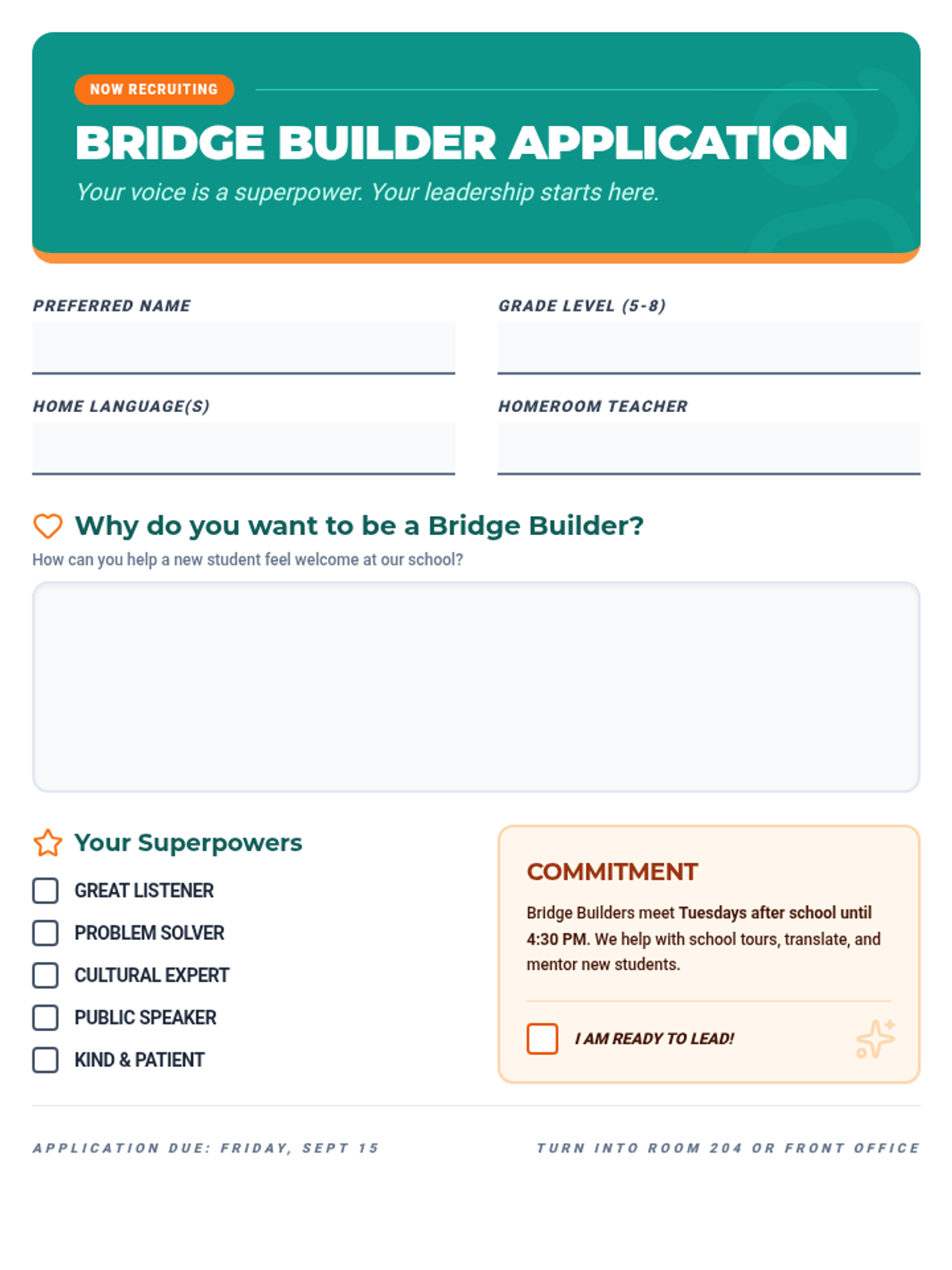
A comprehensive program framework designed to empower English learners in grades 5-8 as school ambassadors, fostering leadership, peer mentoring, and a supportive campus culture.
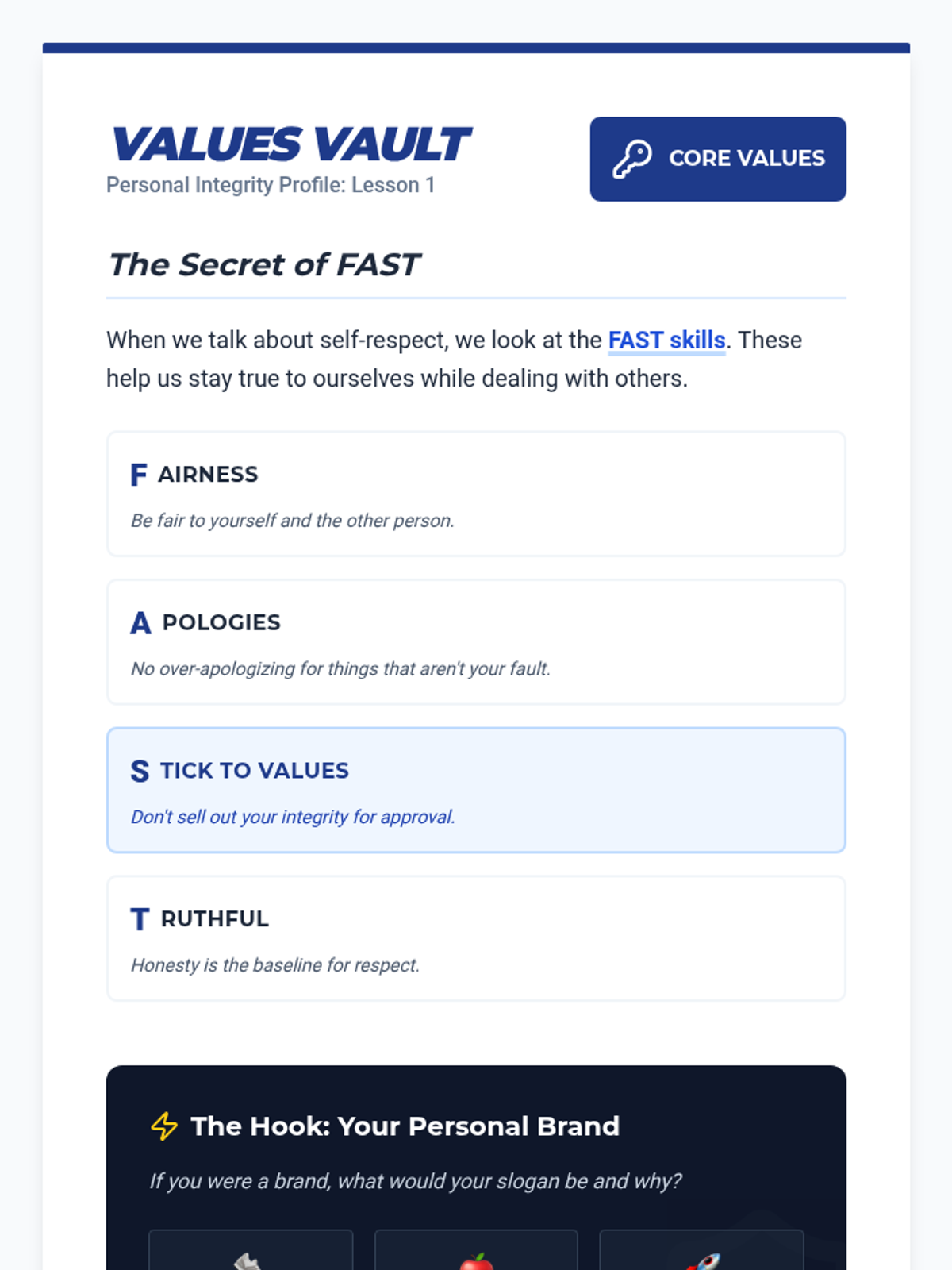
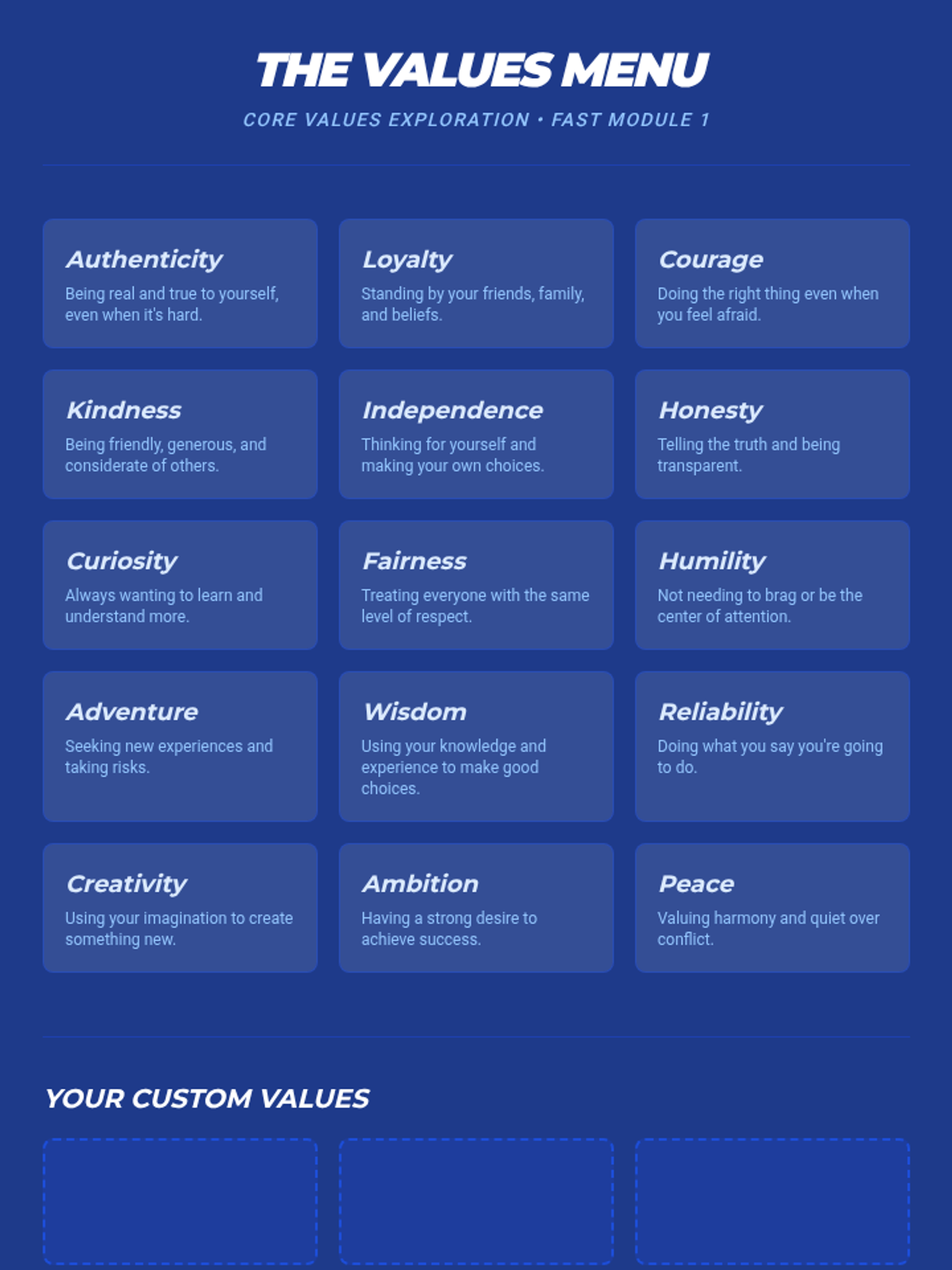
A project-based sequence for 6th graders to develop self-respect using FAST skills. Students explore personal values, digital authenticity, boundaries, and assertive communication to create a comprehensive 'Personal Code of Conduct' manifesto.
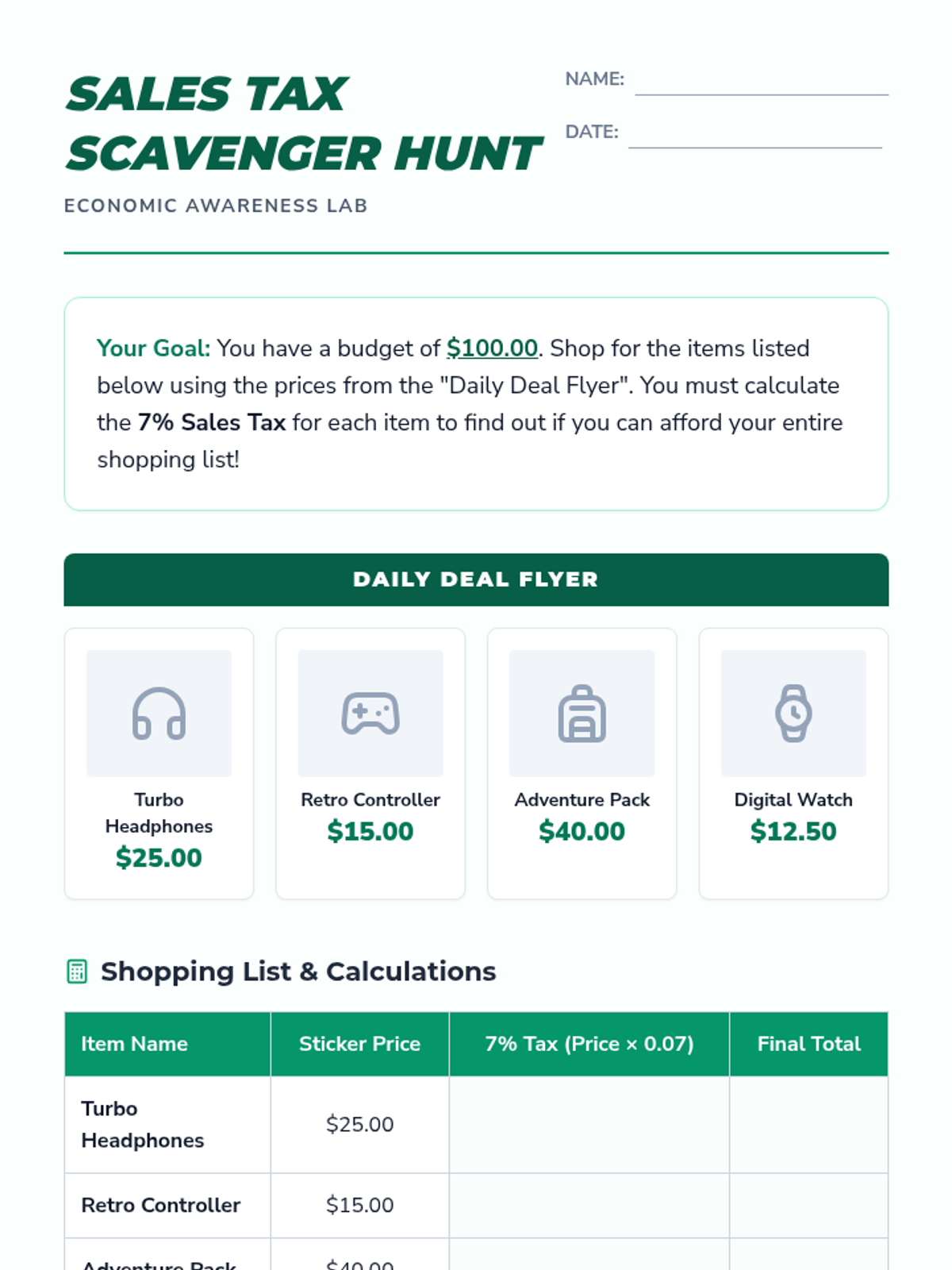
A comprehensive unit for 6th-grade students to understand the three primary types of taxes in the US: income, sales, and property tax. Students explore how these taxes fund community services and how they are calculated, concluding with a project-based infographic.
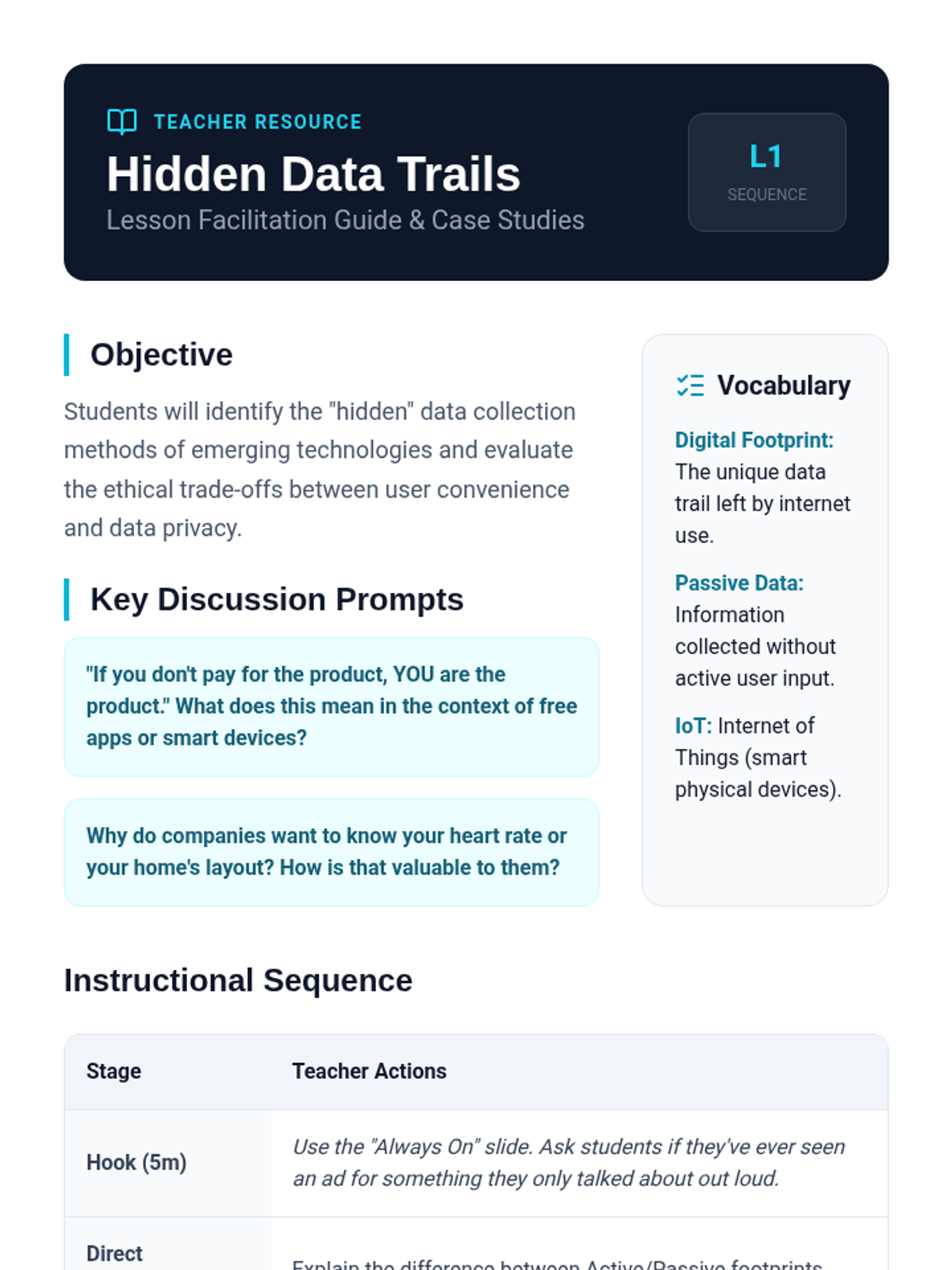
A comprehensive unit for 6th-grade students exploring the ethical, privacy, and career implications of emerging technologies like AI, deepfakes, and automation. Students move from understanding personal data footprints to creating a personal 'Future Readiness Charter' for safe and productive digital living.
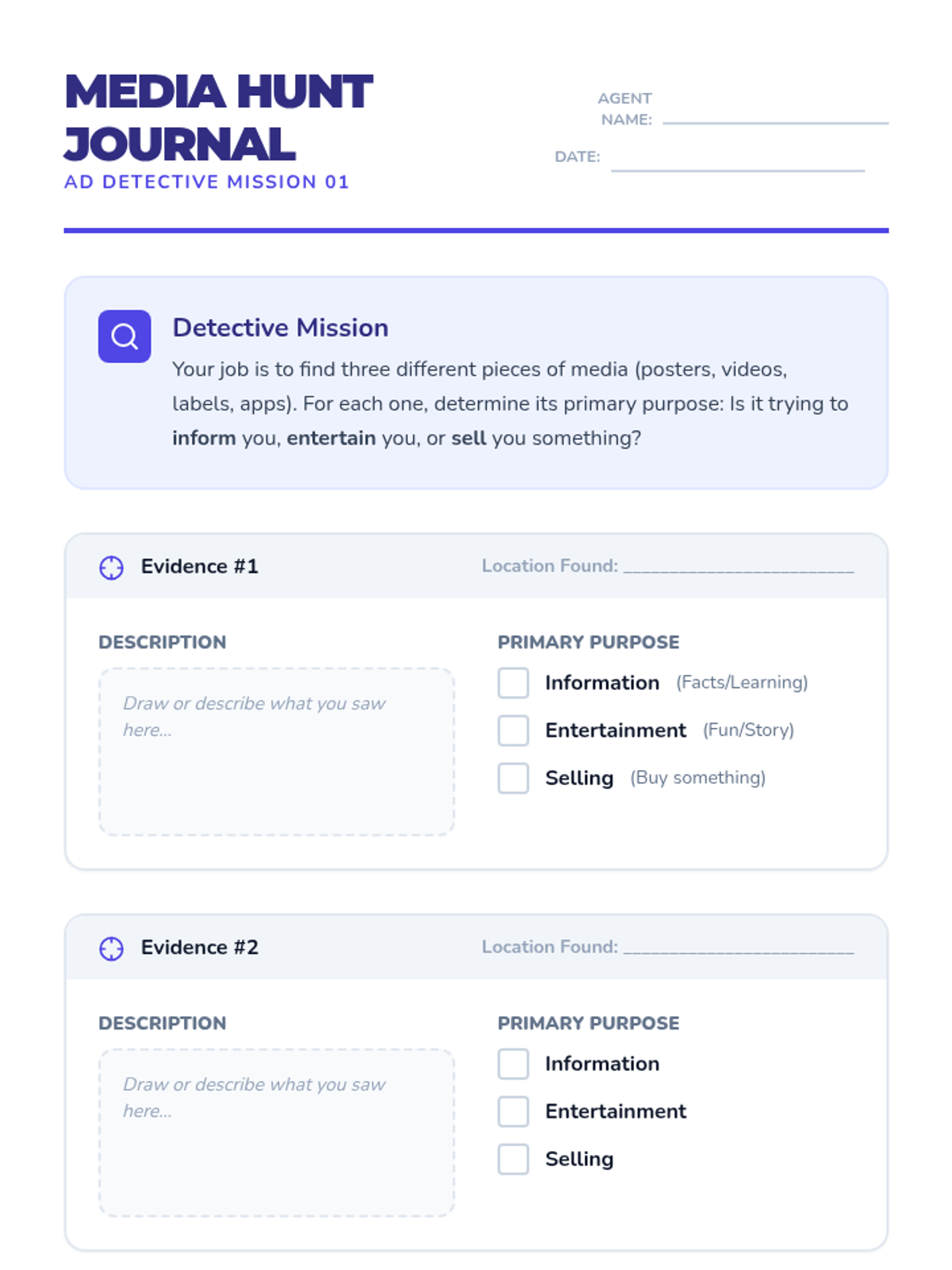
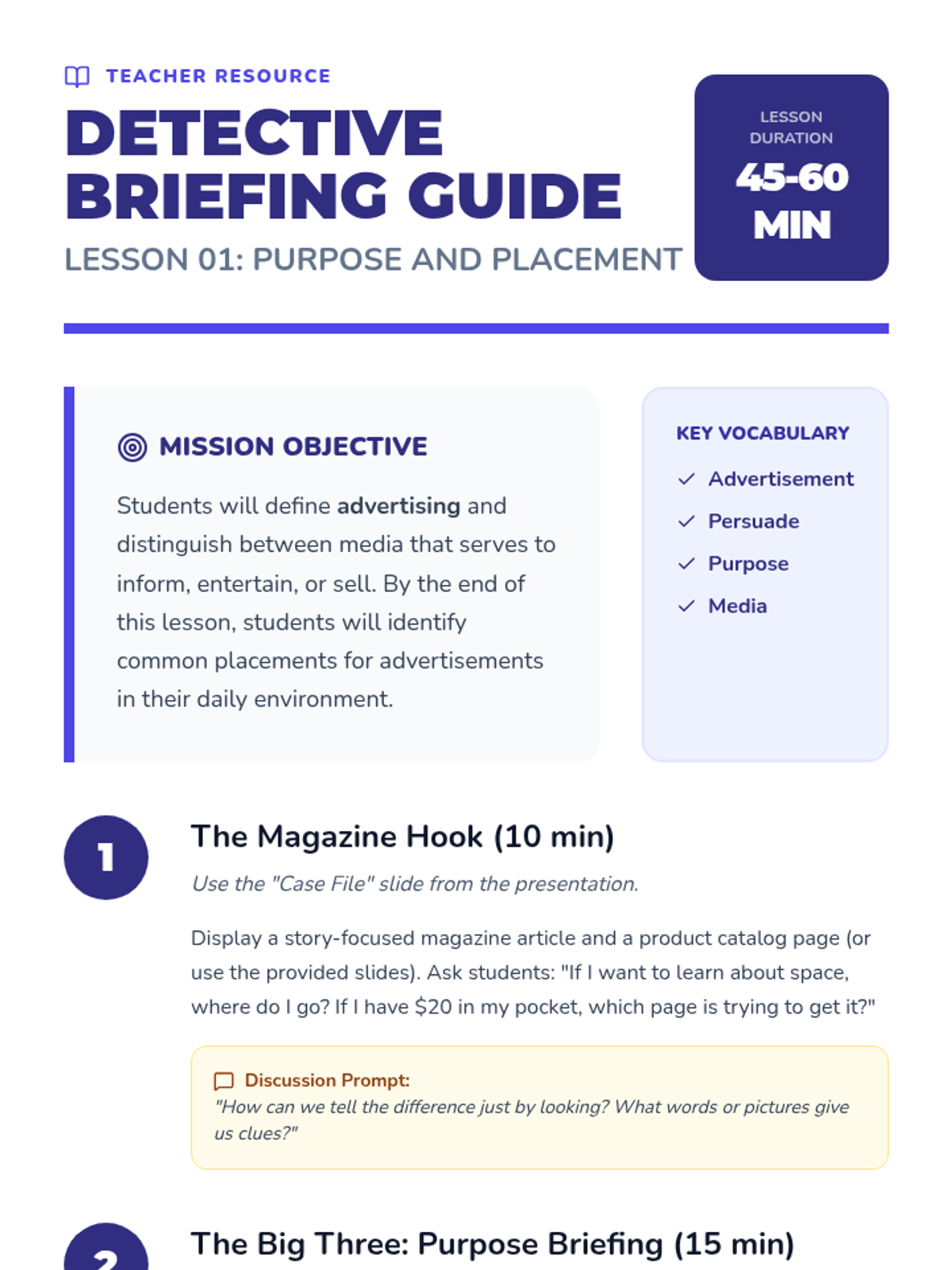
Students investigate the persuasive strategies used in commercials and print advertisements to understand how marketers influence consumer choices. The sequence covers advertising purpose, visual/auditory techniques, branding through logos and slogans, target audiences, and ethical advertising.
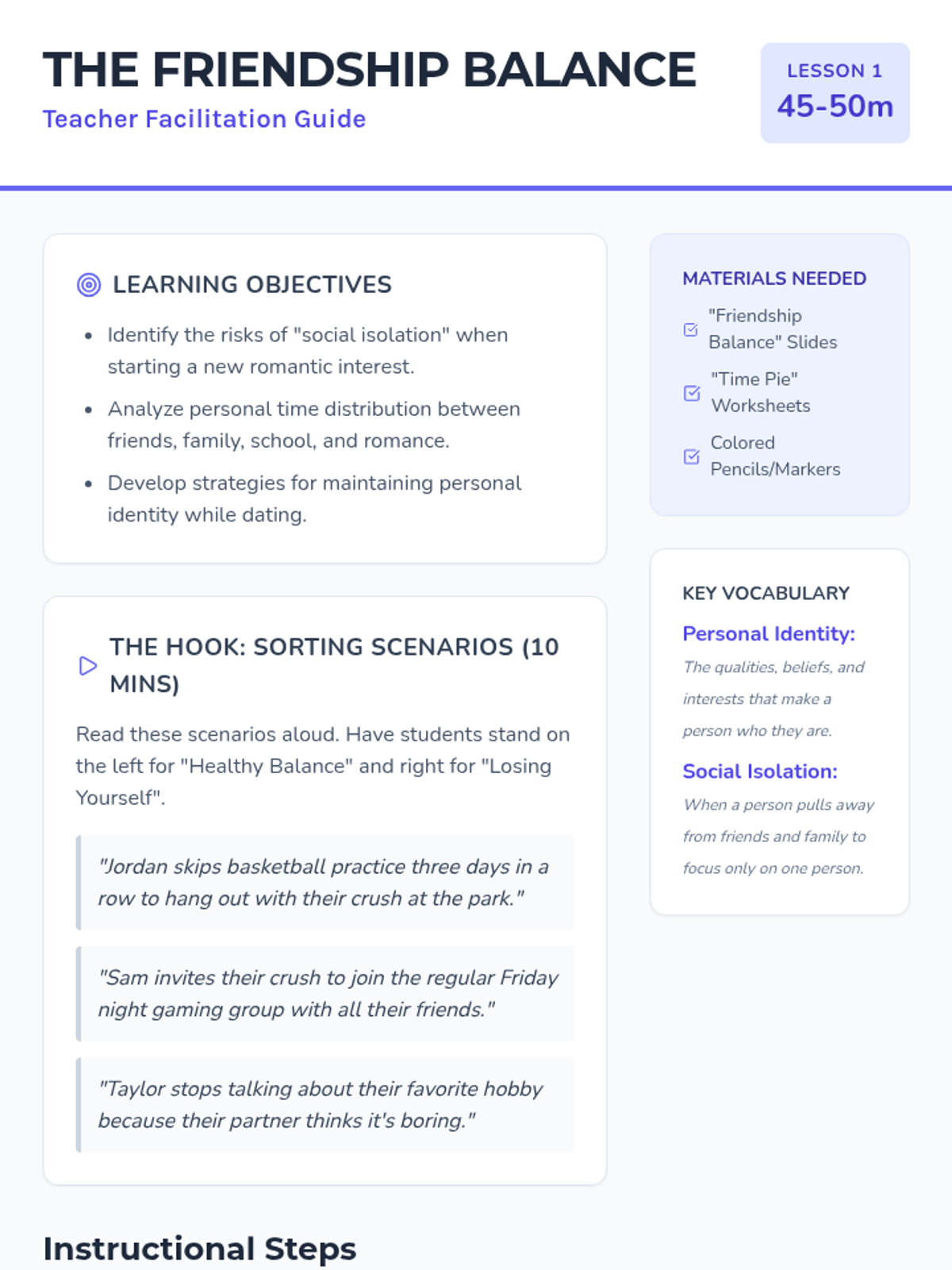
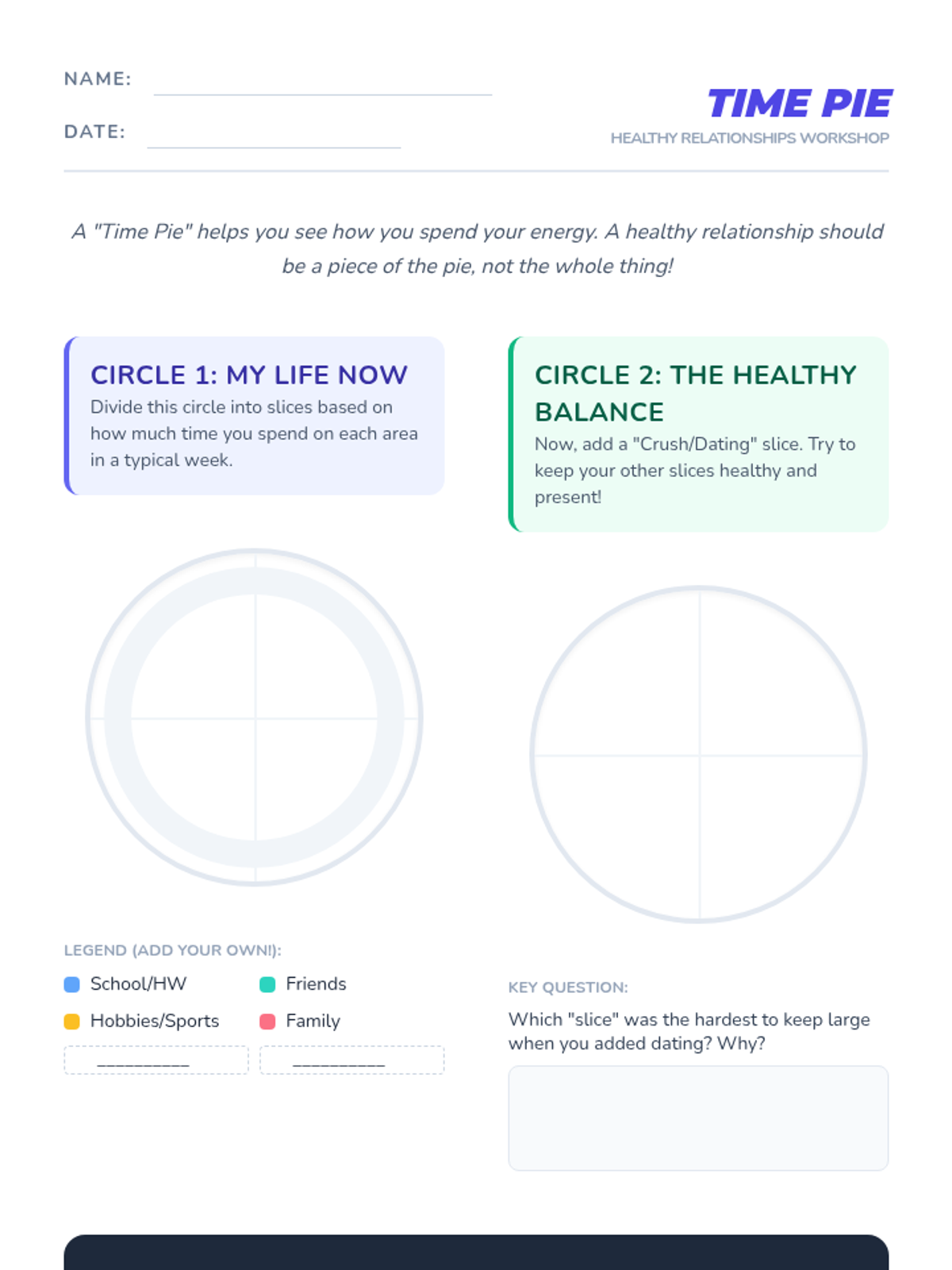
This project-based sequence explores emotional safety and decision-making in relationships. Students learn to balance friendships with romantic interests, trust their intuition, build resilience through rejection, and advocate for equality in their connections, culminating in a personal 'Relationship Rights' zine.
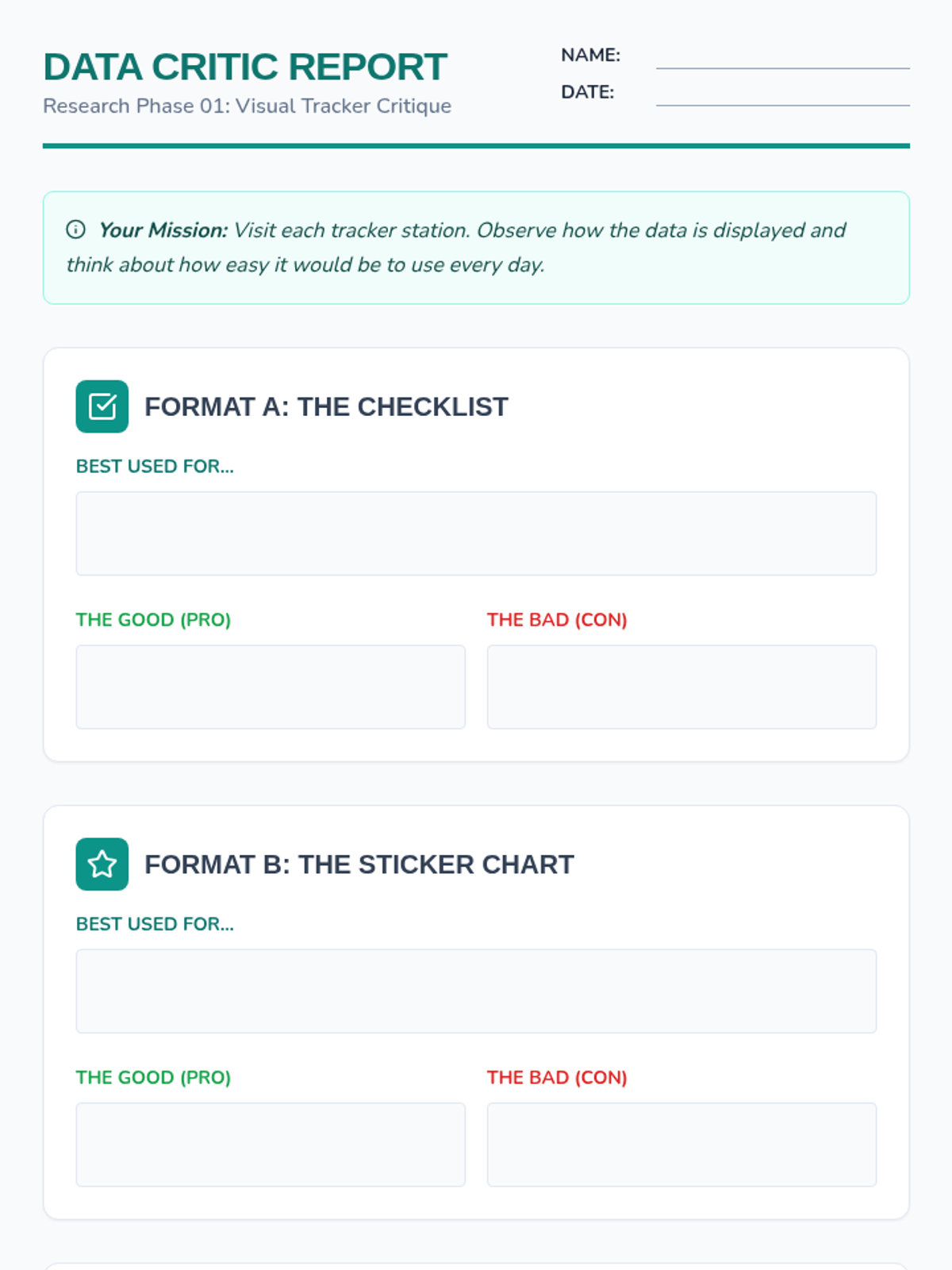
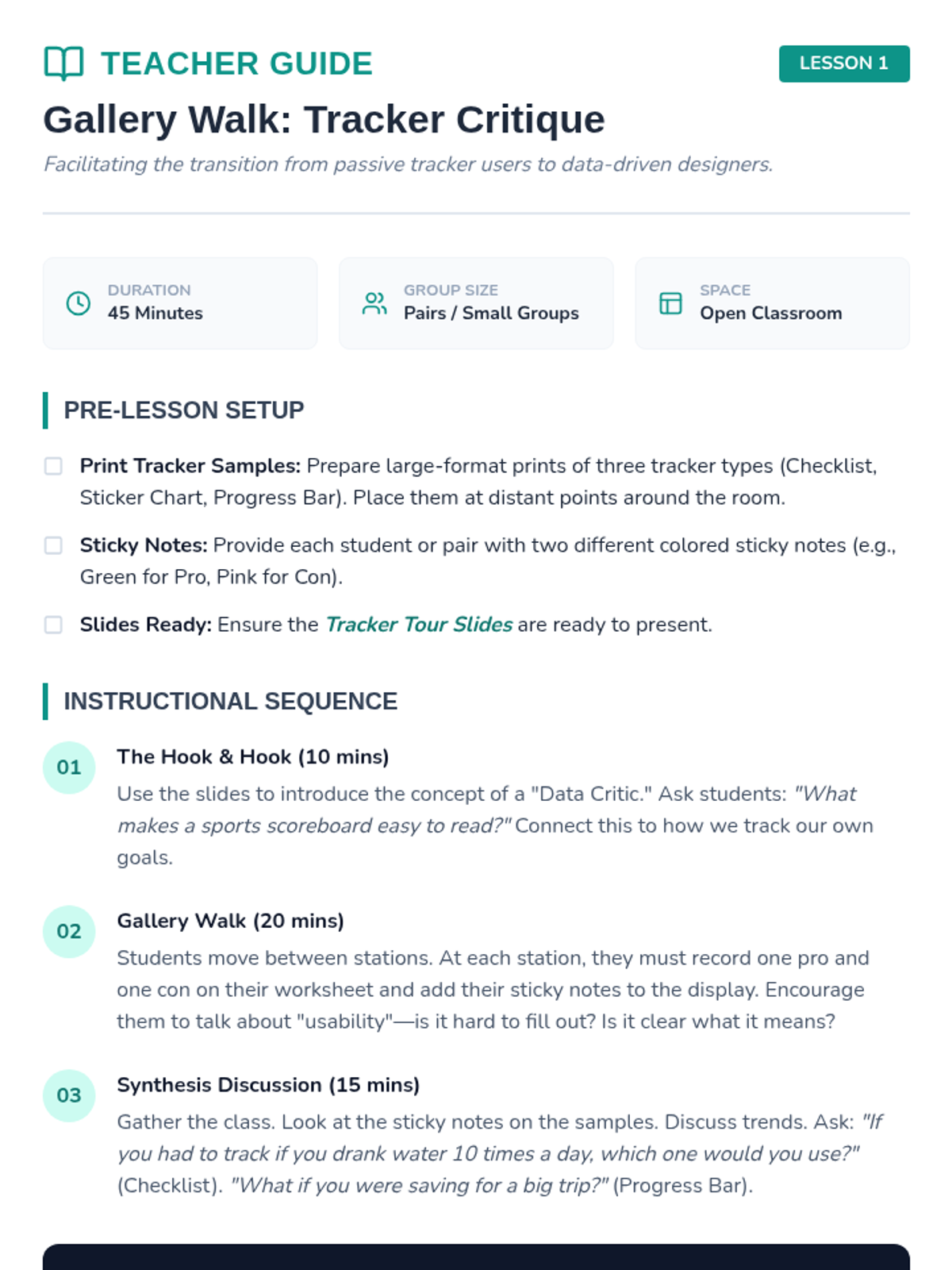
Students transition from passive recipients of behavior charts to active designers, creating personalized systems for tracking their own goals. The sequence covers visual design for data clarity, the ethics of self-reporting, and establishing sustainable routines for long-term success.
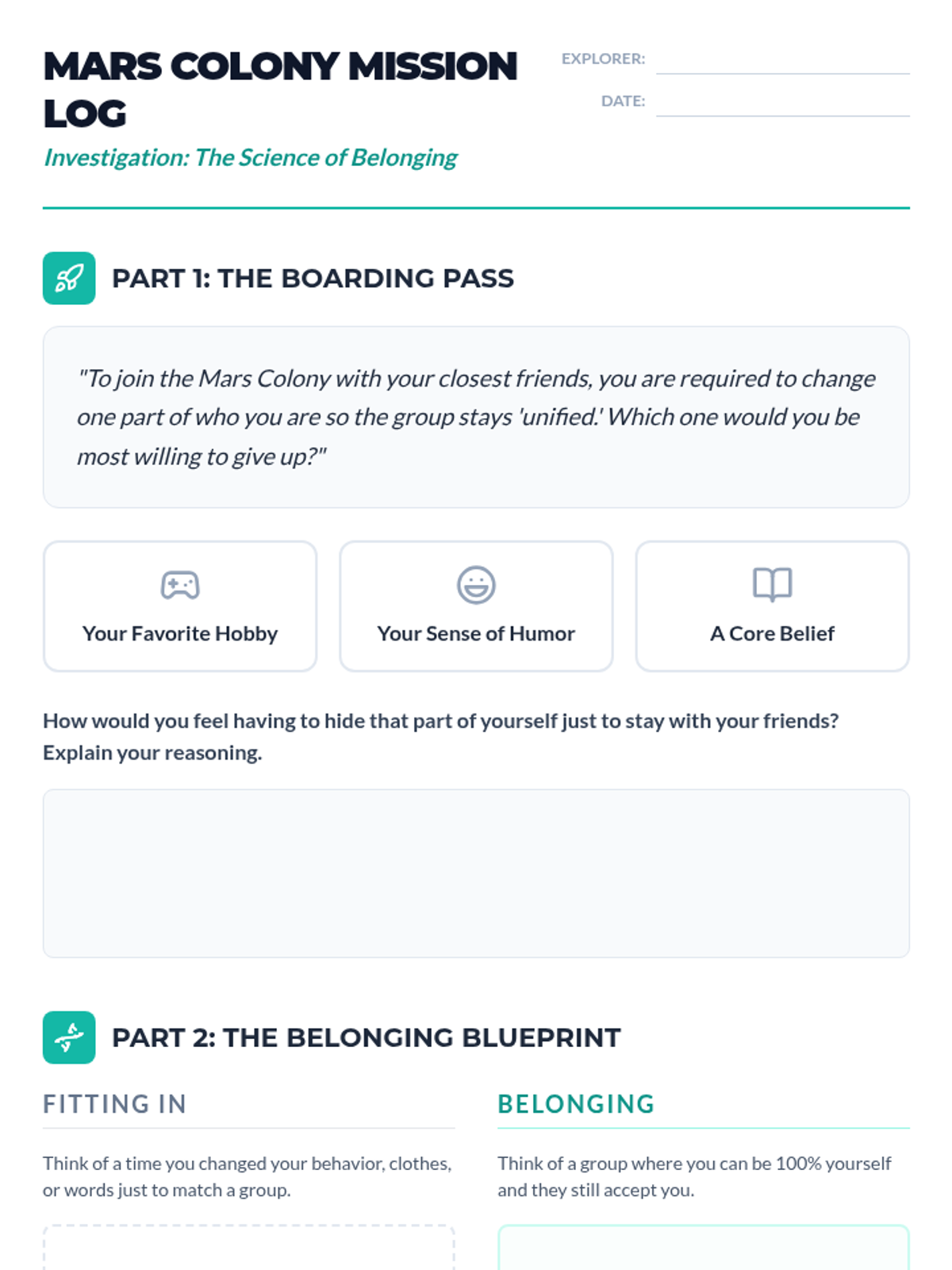
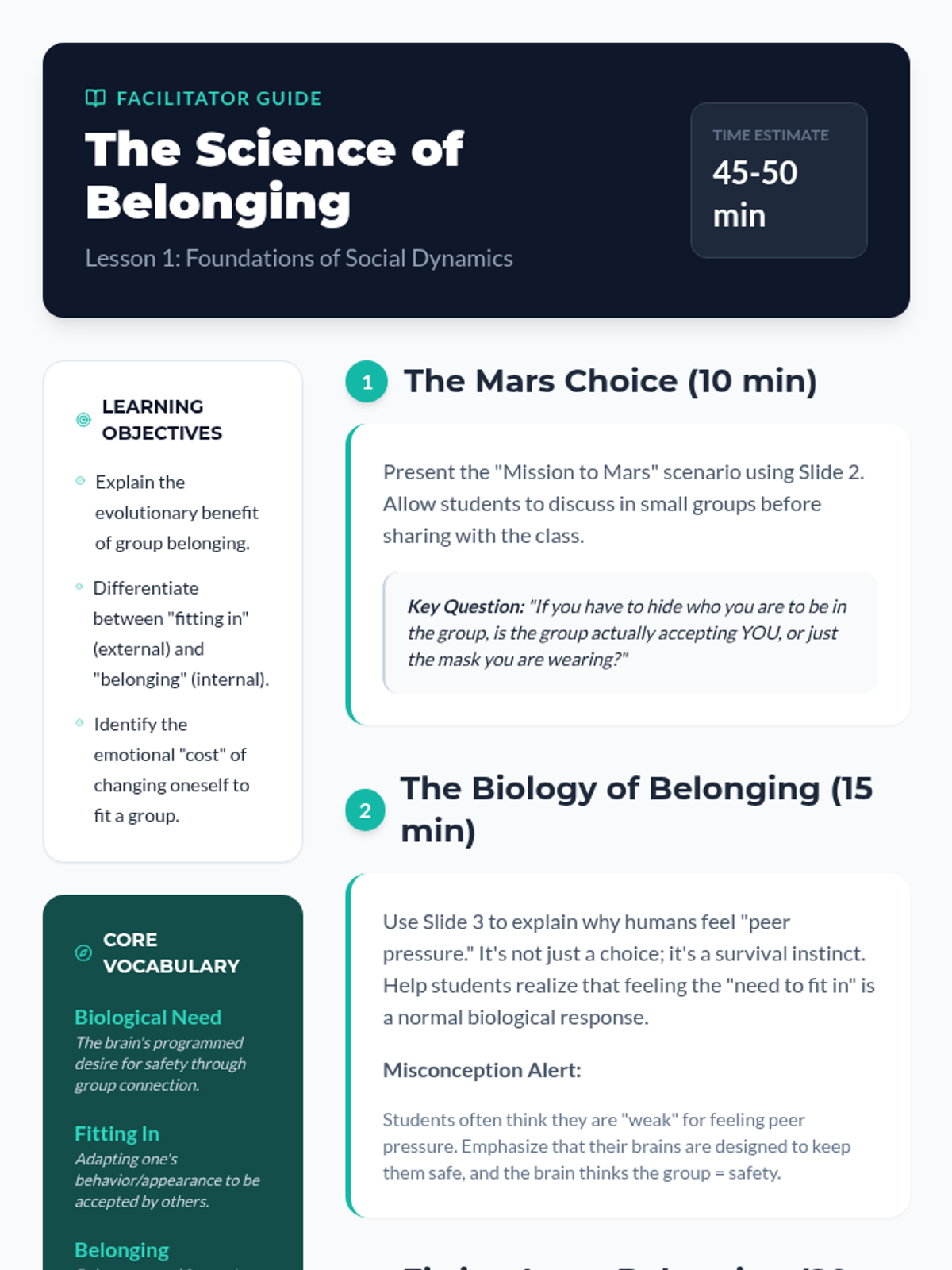
An inquiry-based sequence exploring the psychology of belonging, the nature of peer pressure, and the power of personal values. Students investigate social dynamics to build resilience and decision-making skills in high-risk situations involving substance use.
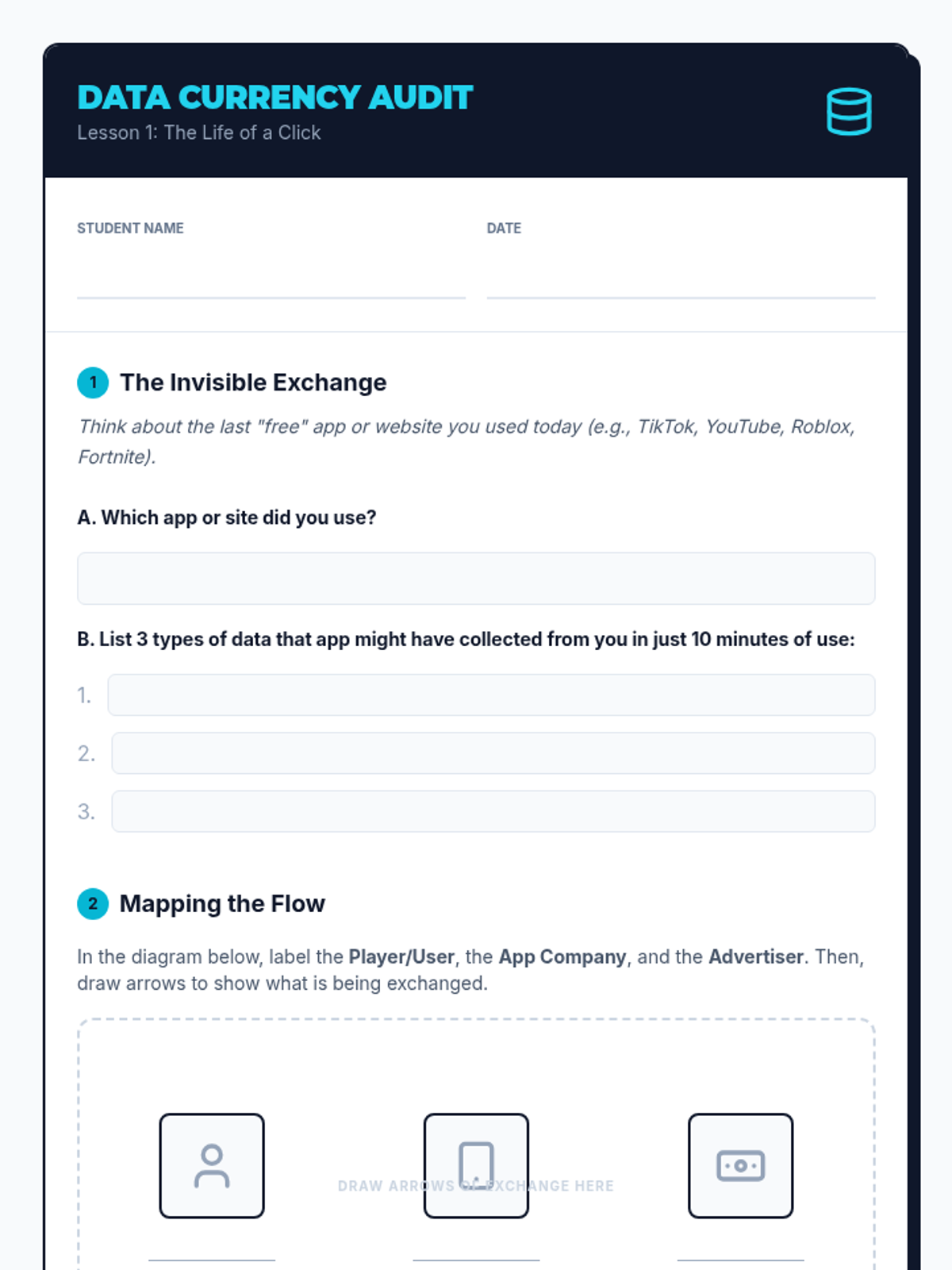
An inquiry-driven exploration of data privacy, surveillance, and the hidden economy of AI. Students investigate how their personal information is collected, used as currency, and the ethical trade-offs between digital convenience and personal privacy.
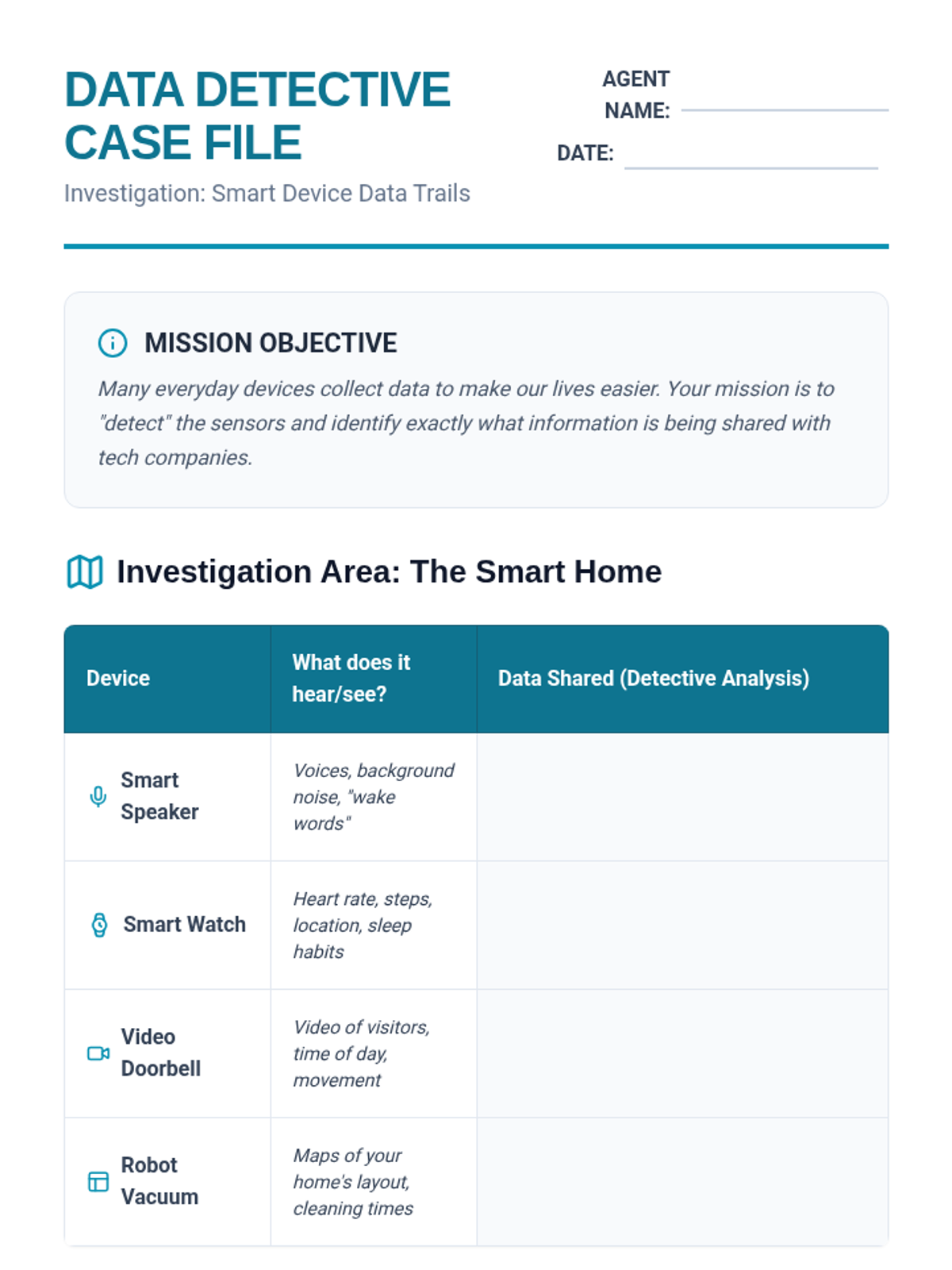
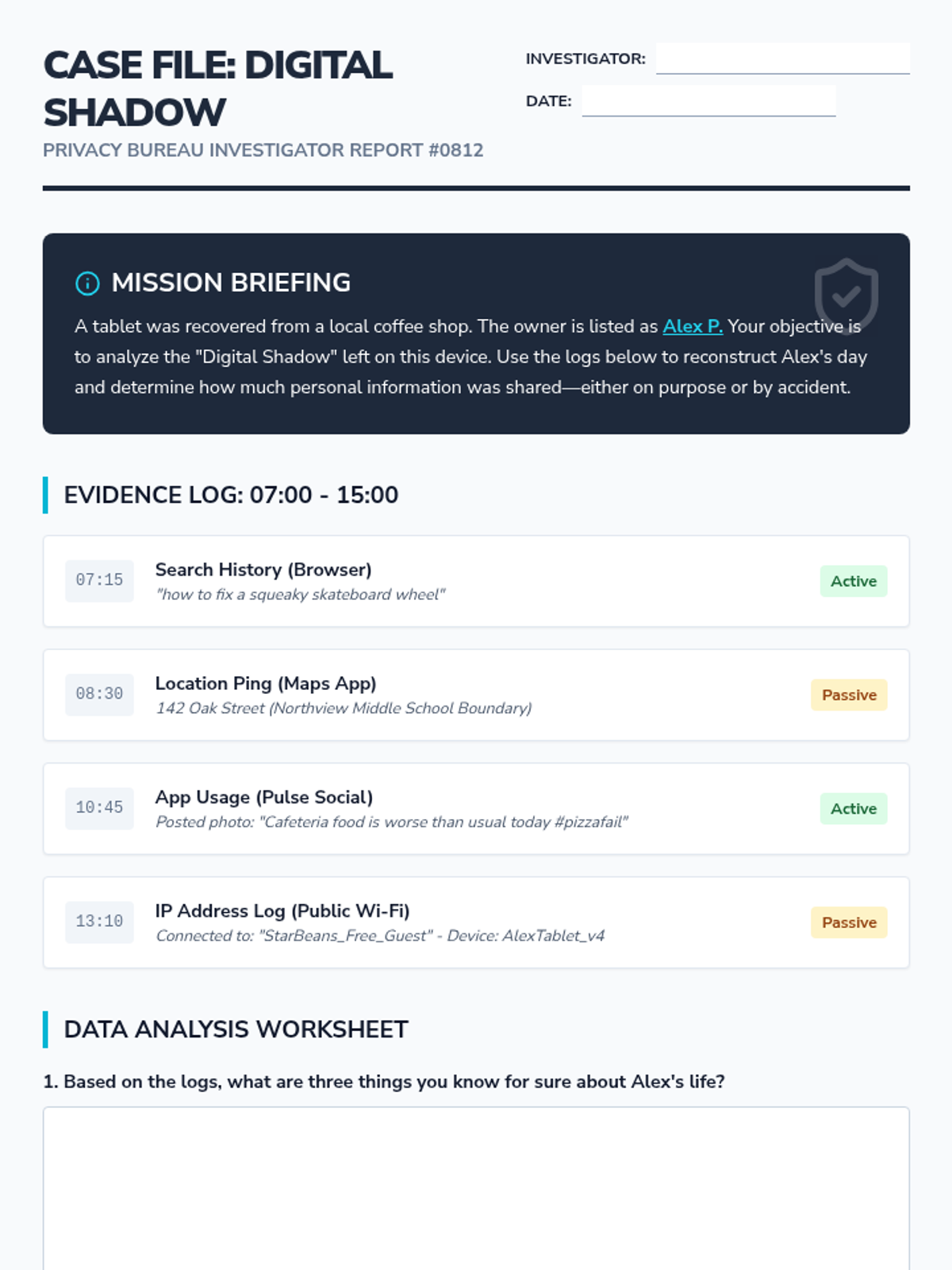
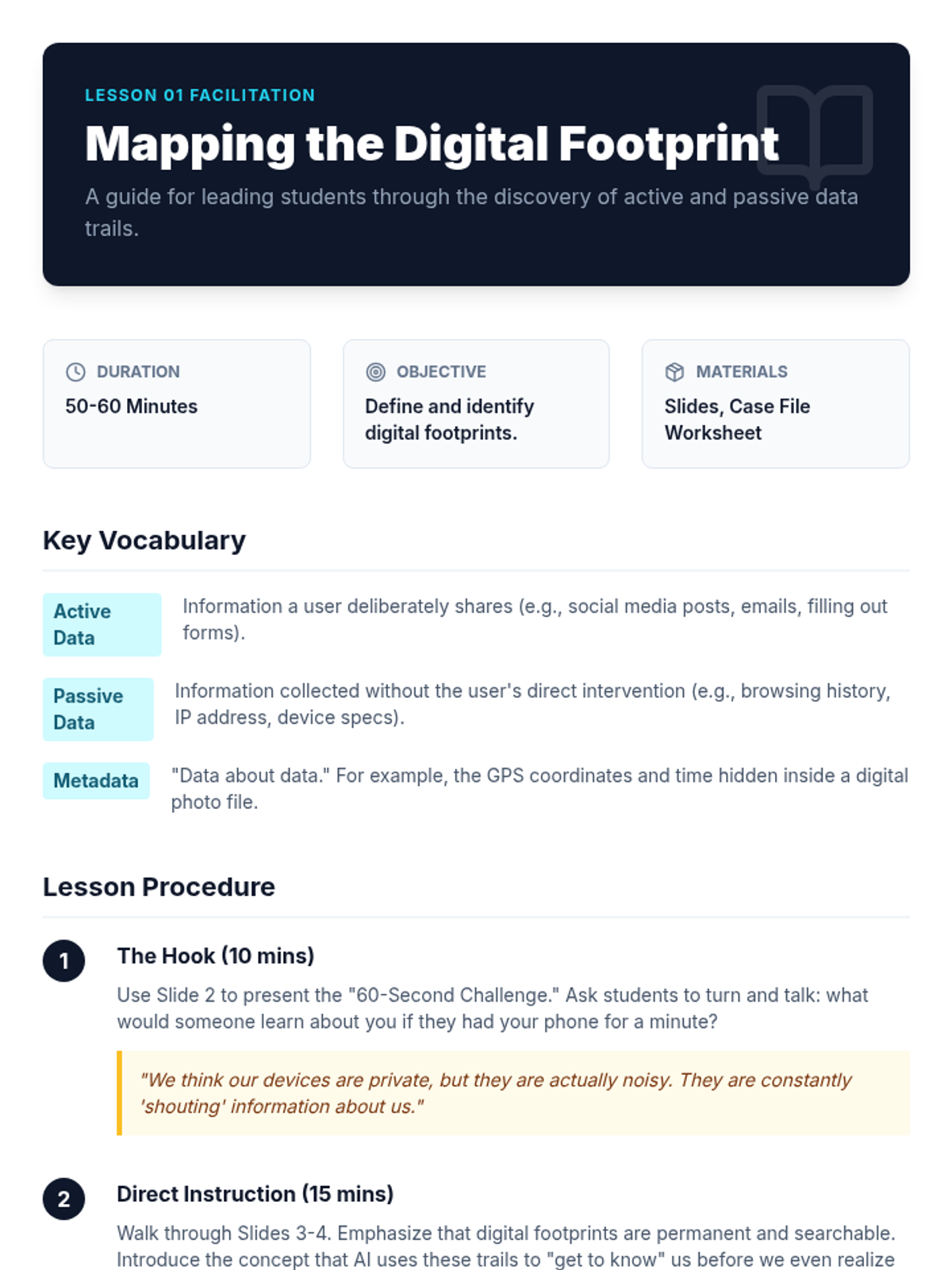
Students explore the intersection of personal data, privacy, and AI-driven tracking. They analyze digital footprints, decode terms of service, debate the ethics of smart devices, and create their own data protection standards.
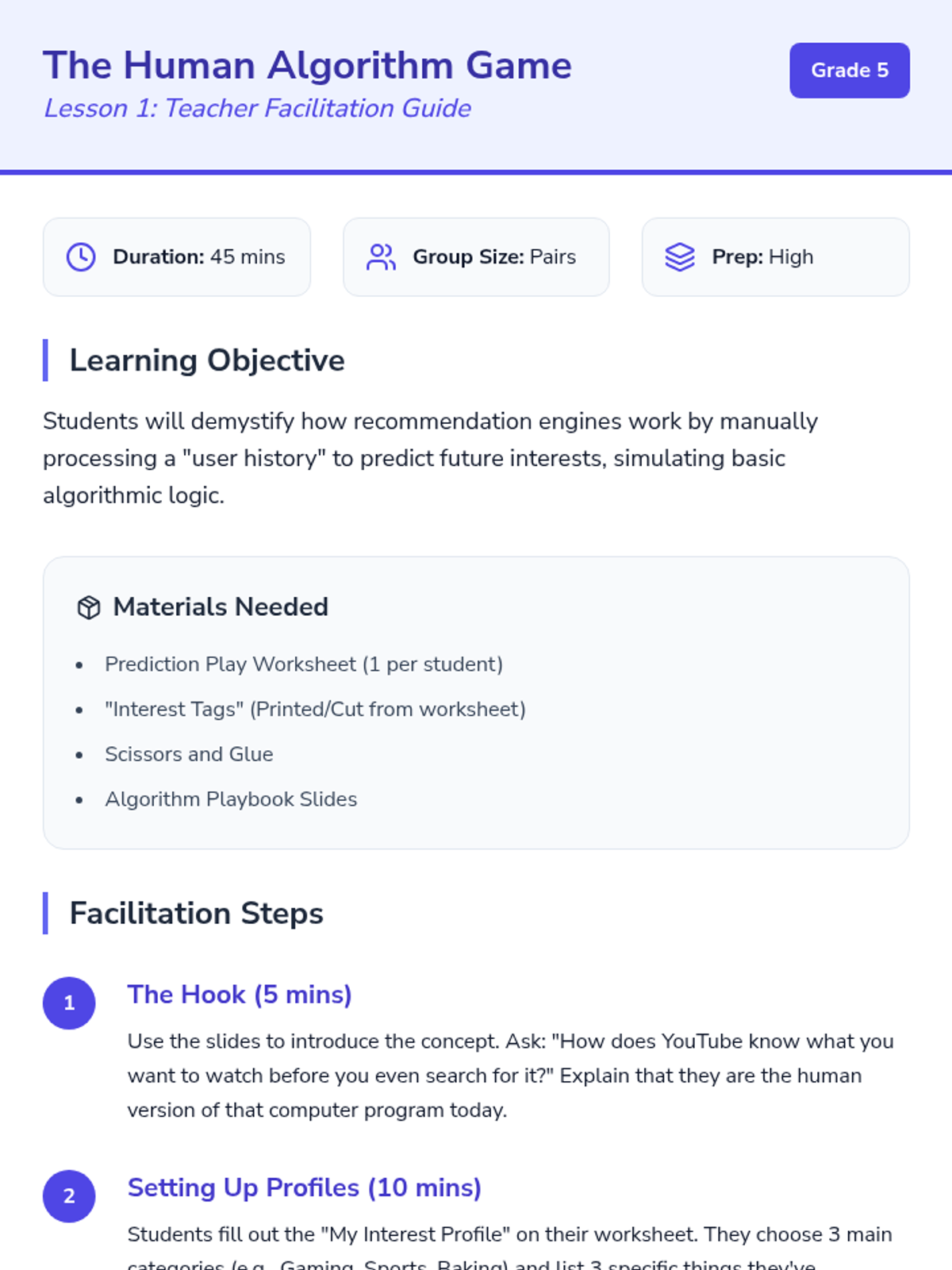
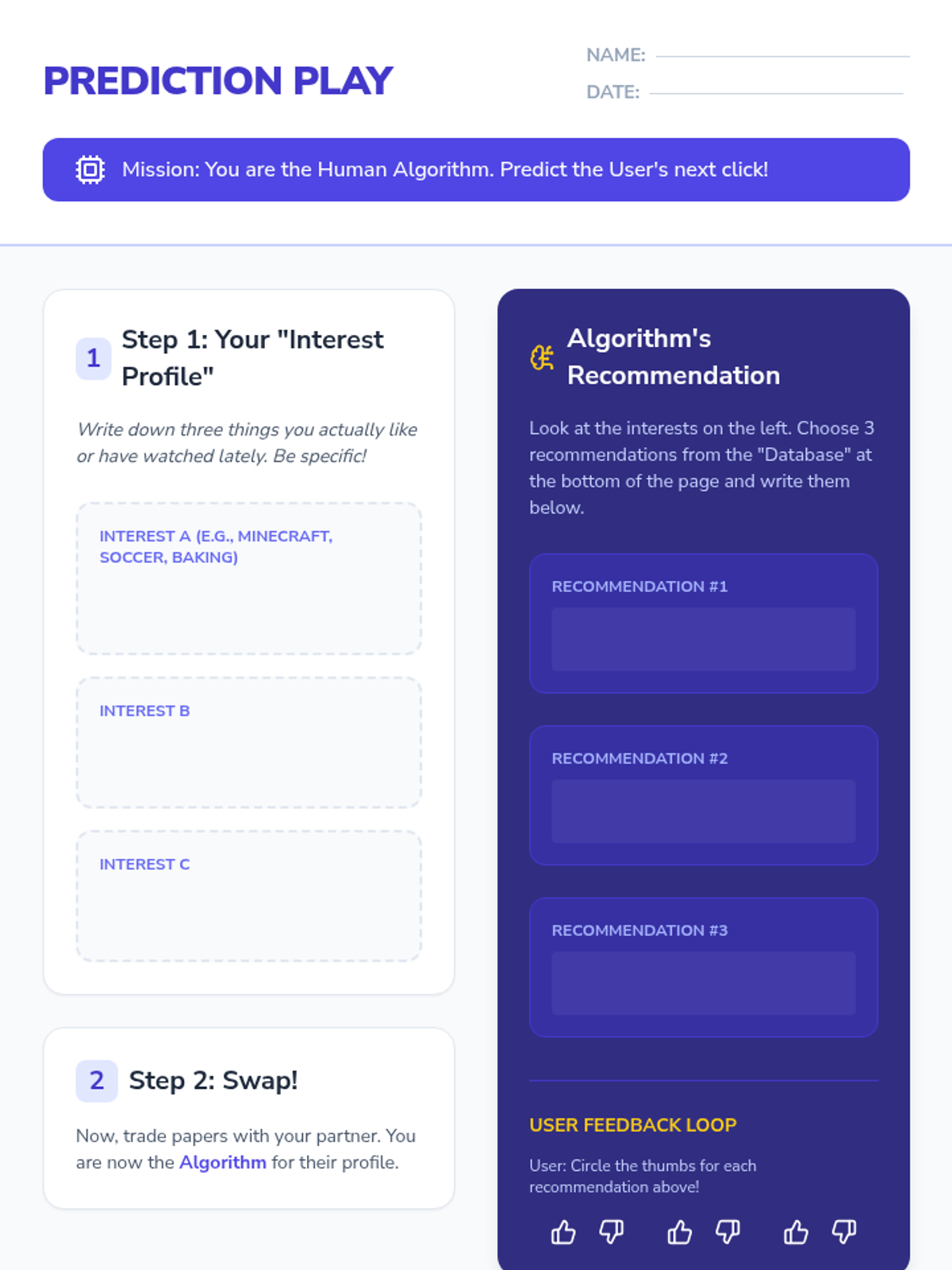
This sequence examines the invisible algorithms that curate content on video platforms and social media. Students investigate the 'attention economy' and how algorithms predict user preferences to keep them engaged. By analyzing their own experiences and simulated feeds, they identify how recommendation engines can create 'filter bubbles.' The learning arc moves from understanding the mechanism of recommendation to evaluating its impact on critical thinking and exposure to new ideas.
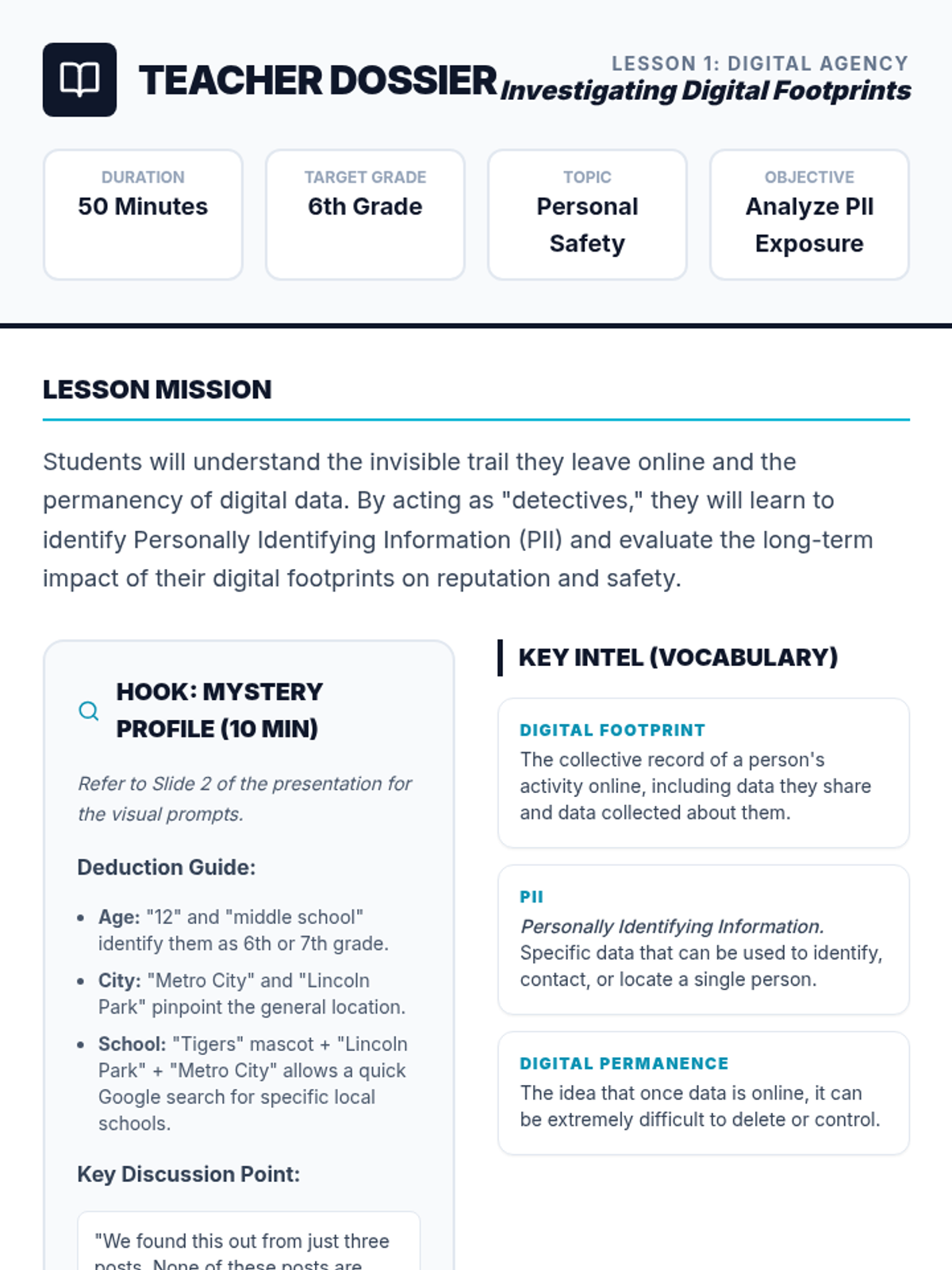
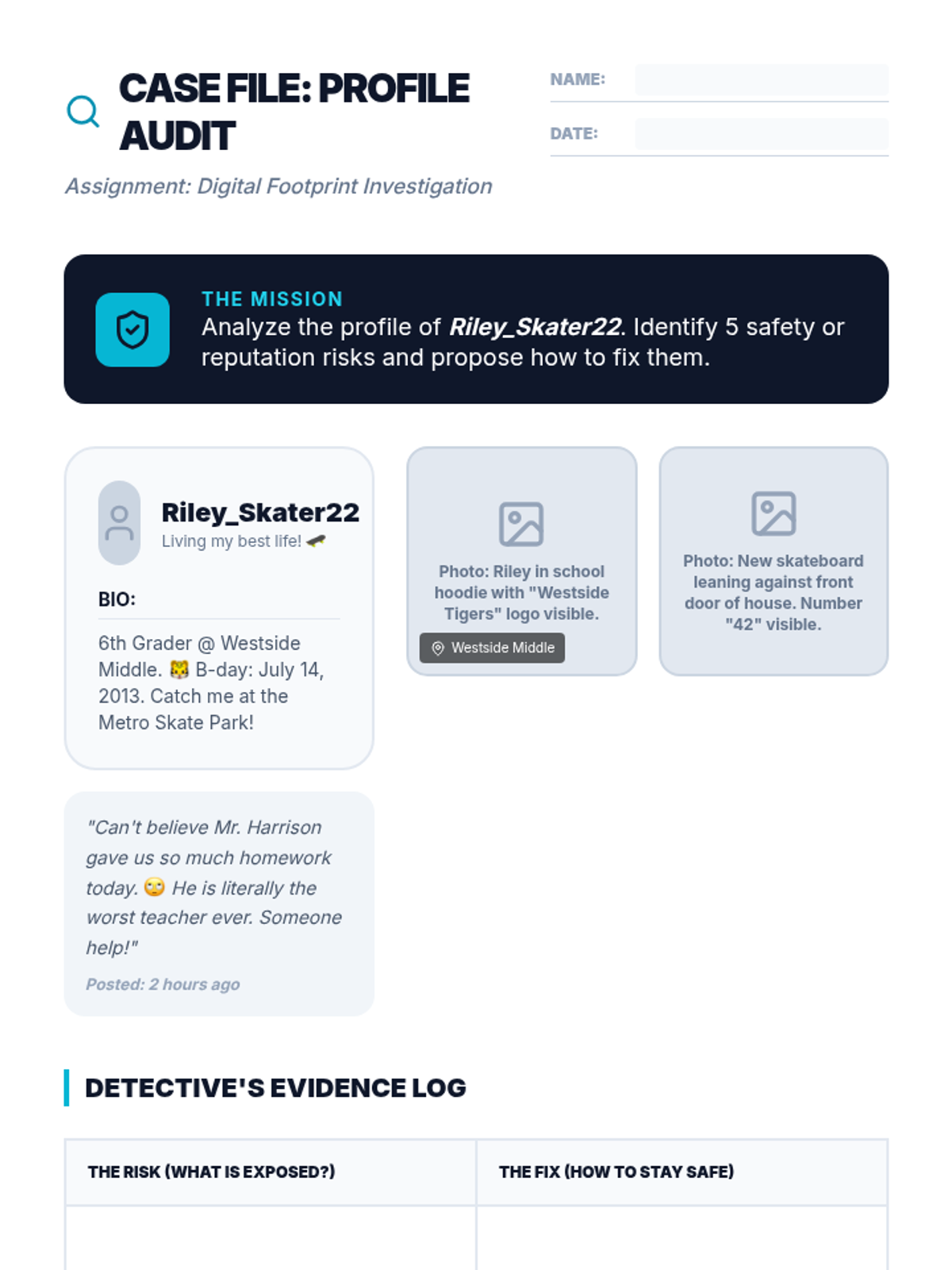
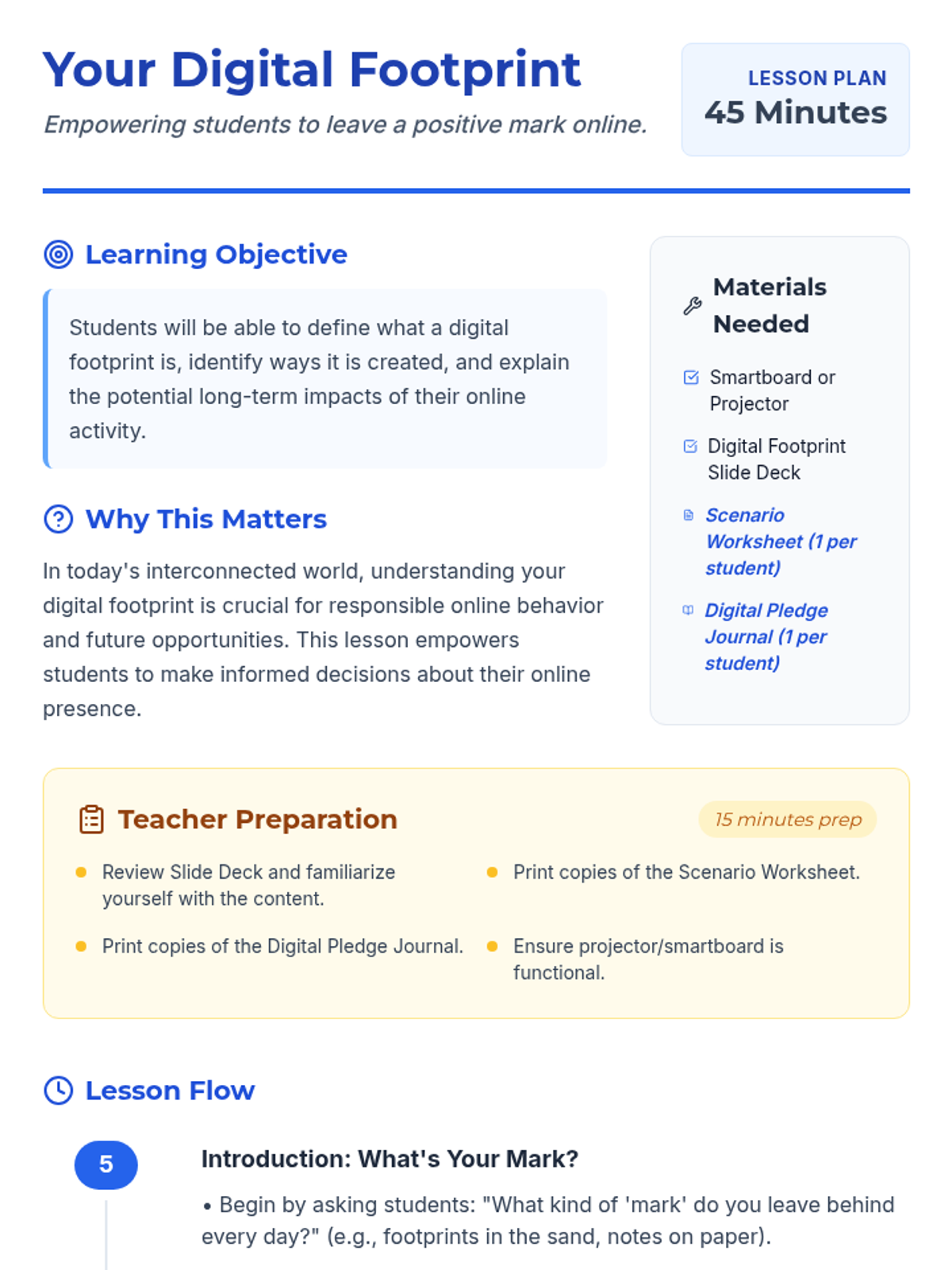
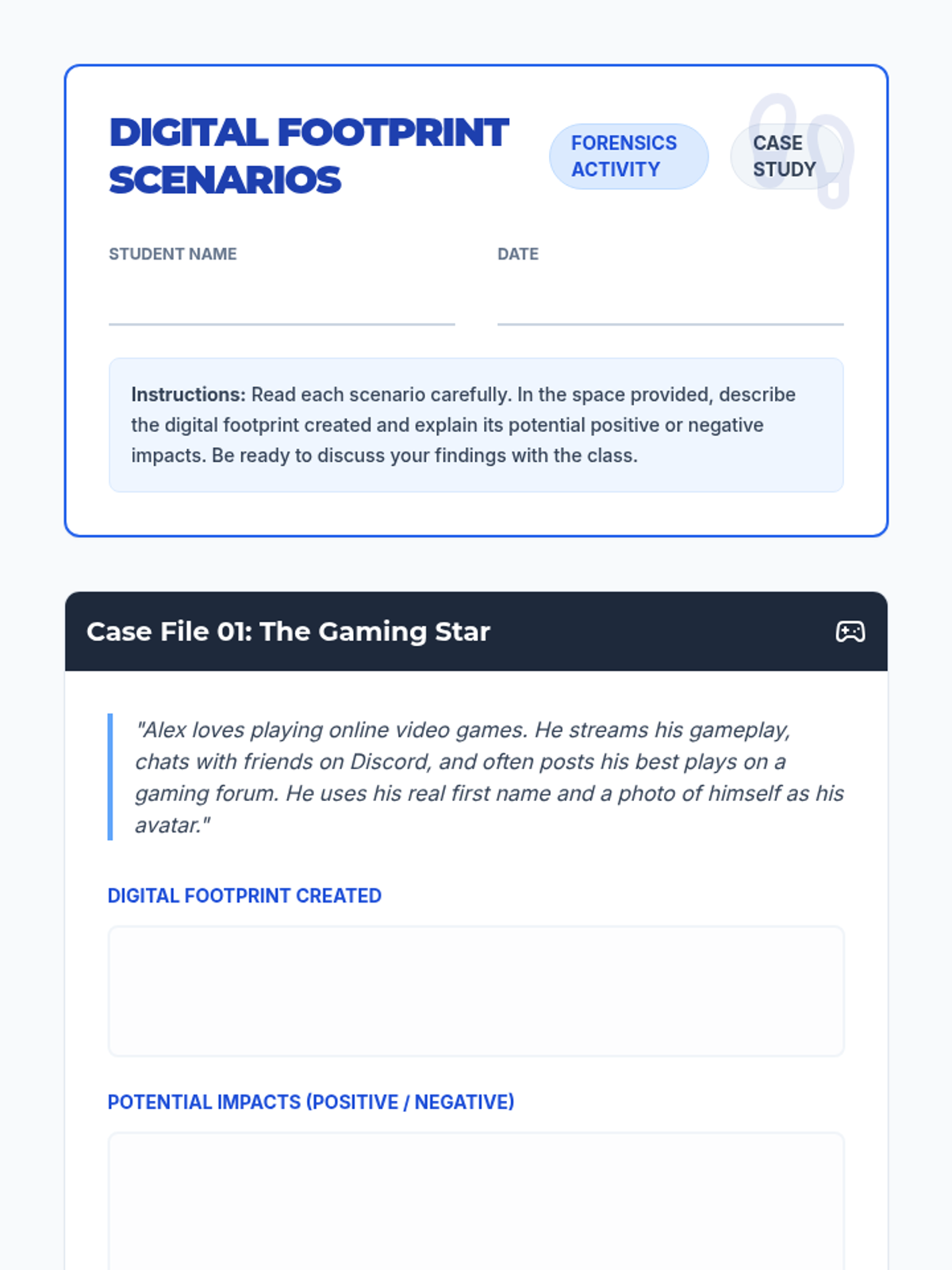
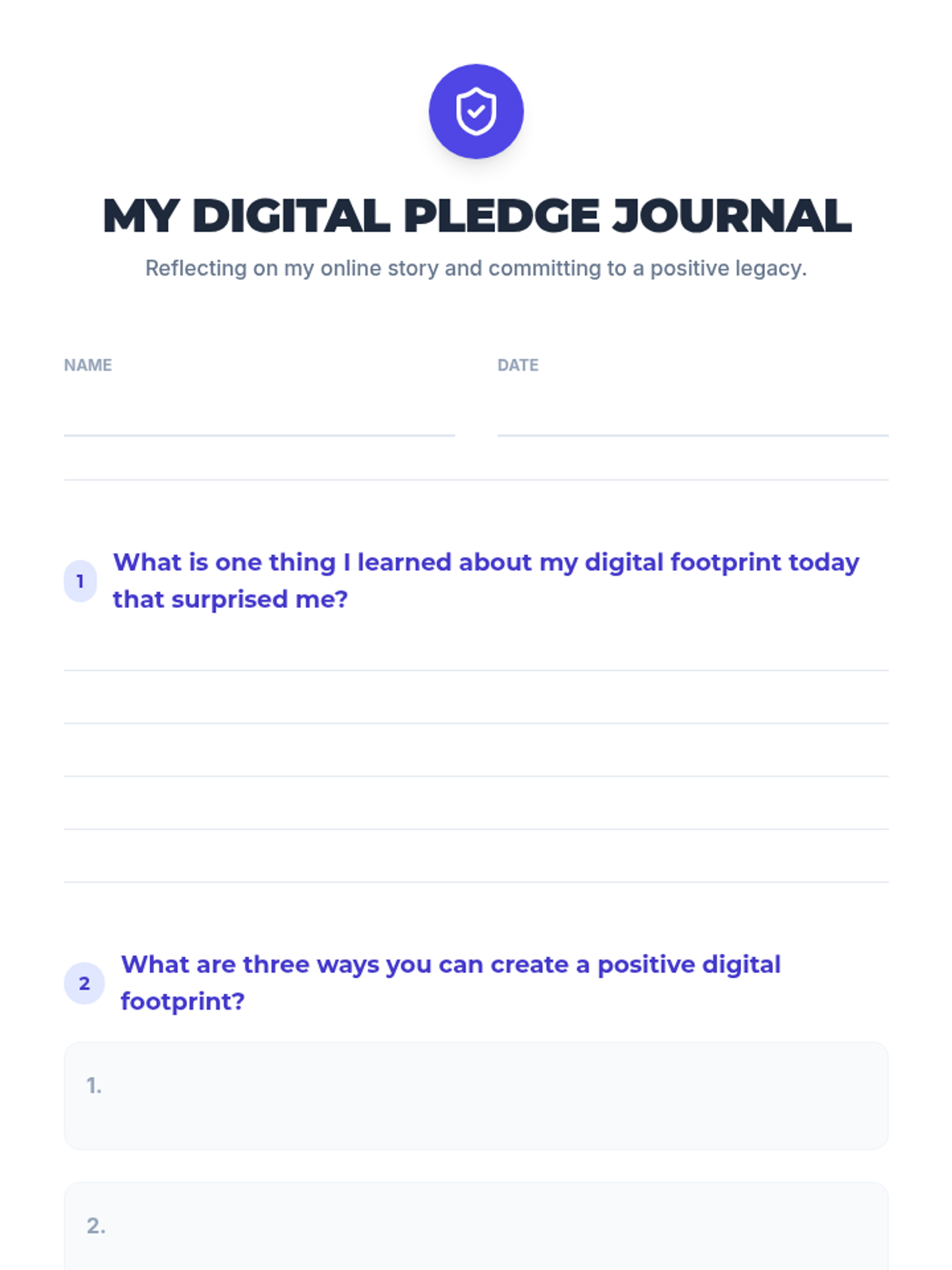
This sequence guides 6th-grade students through the complexities of maintaining a safe, positive, and secure online presence. Students investigate digital footprints, configure privacy settings, deconstruct cyberbullying, and practice upstander interventions, culminating in the creation of a personal Digital Constitution.
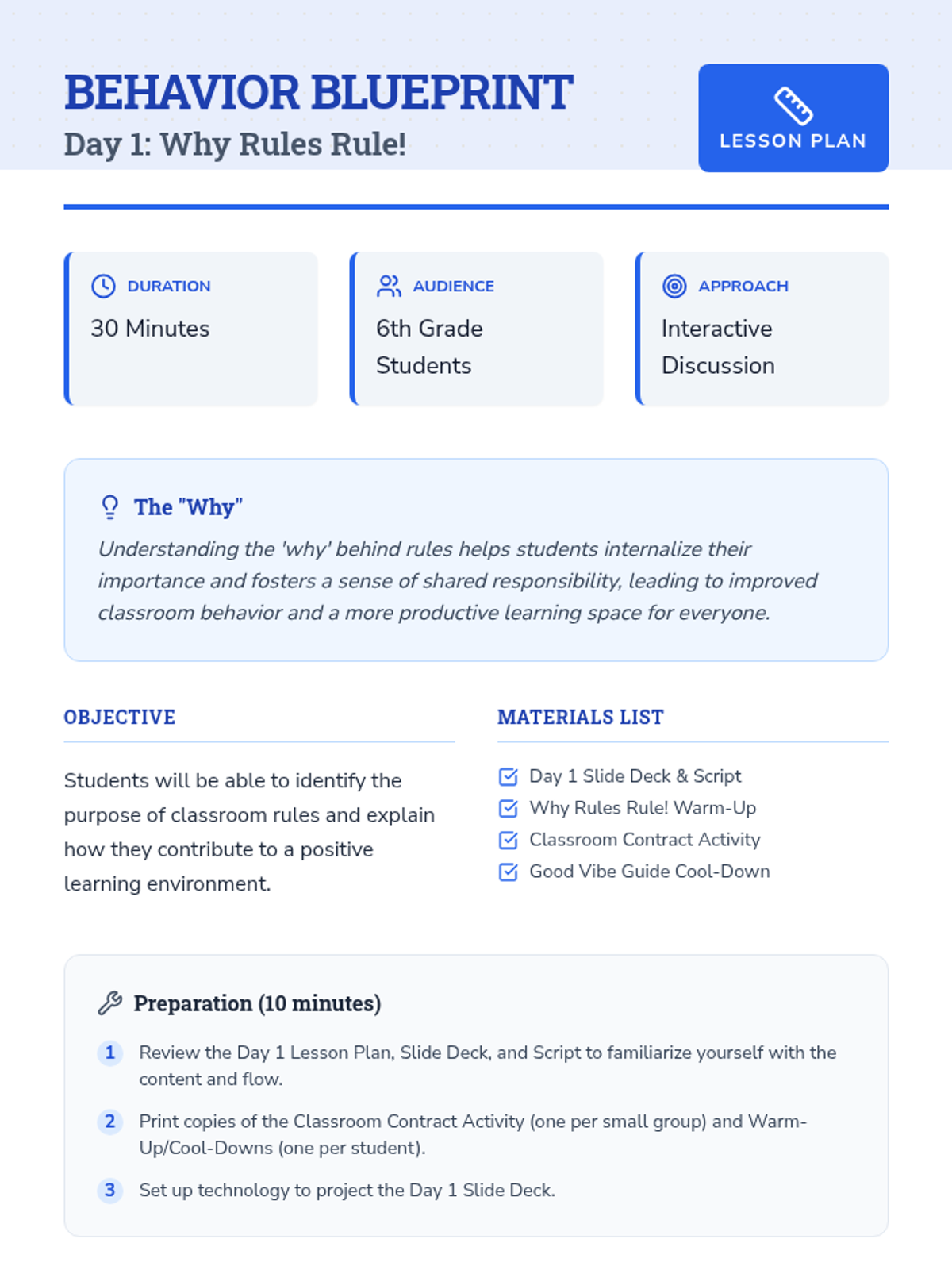
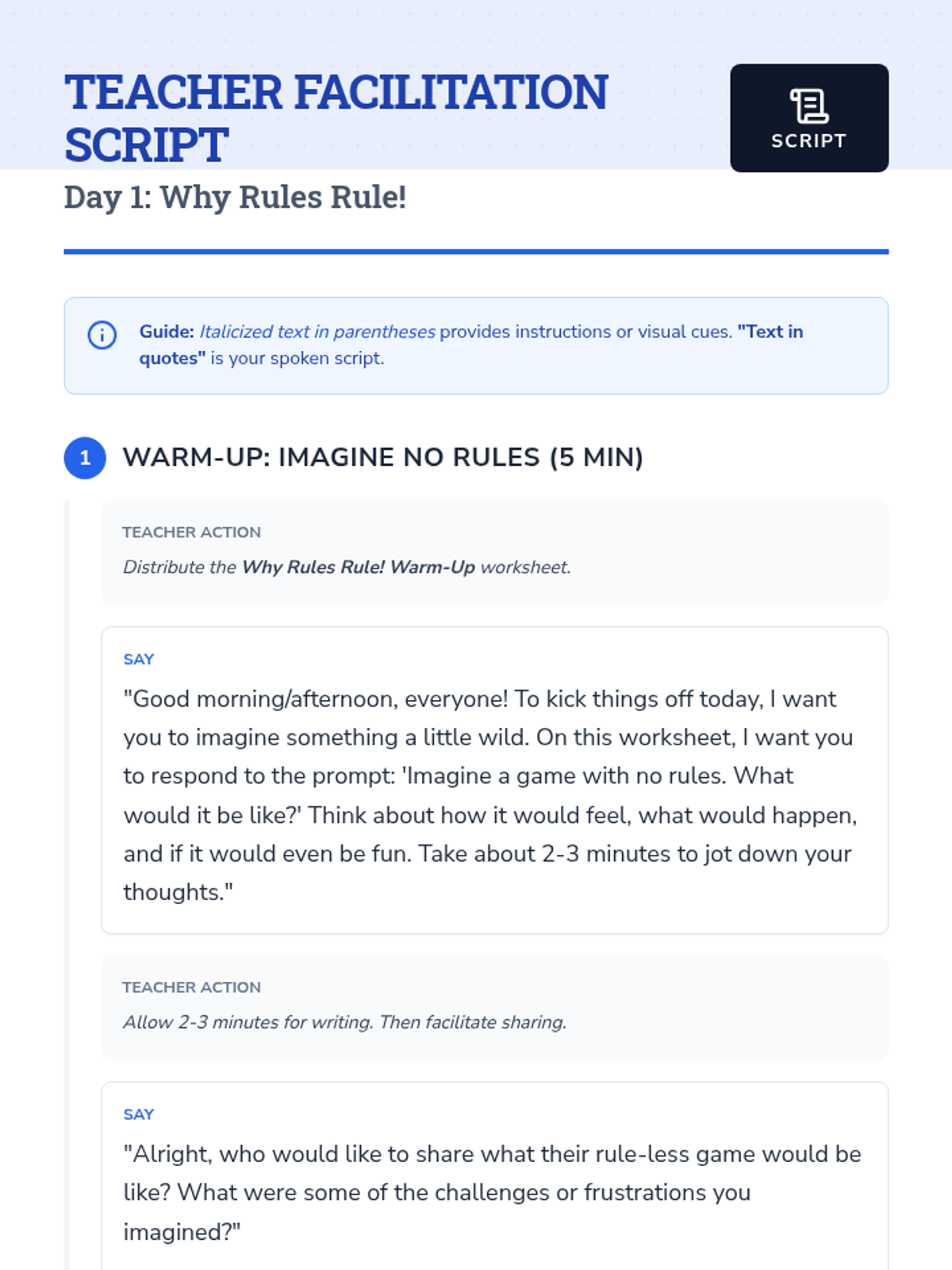
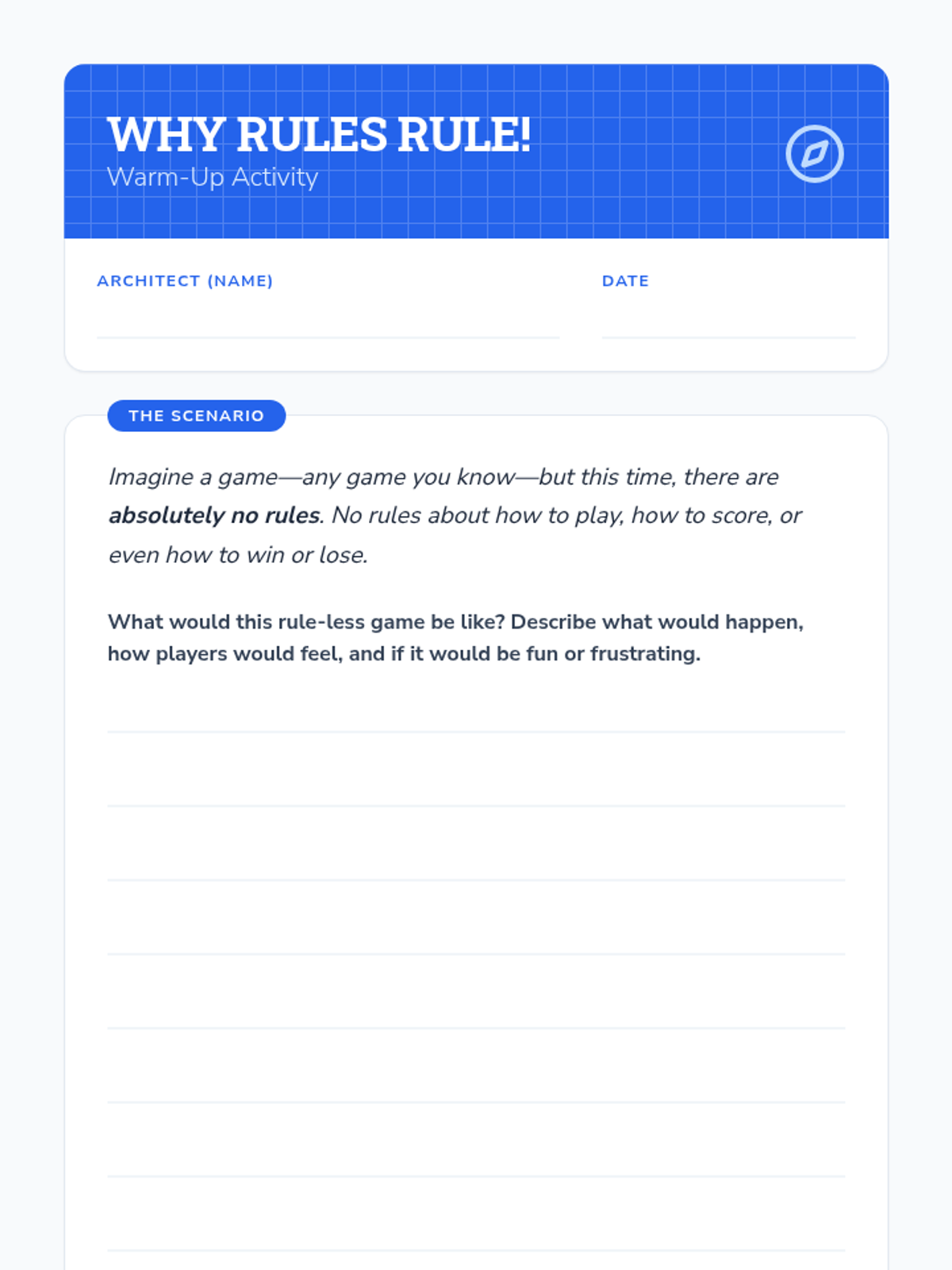
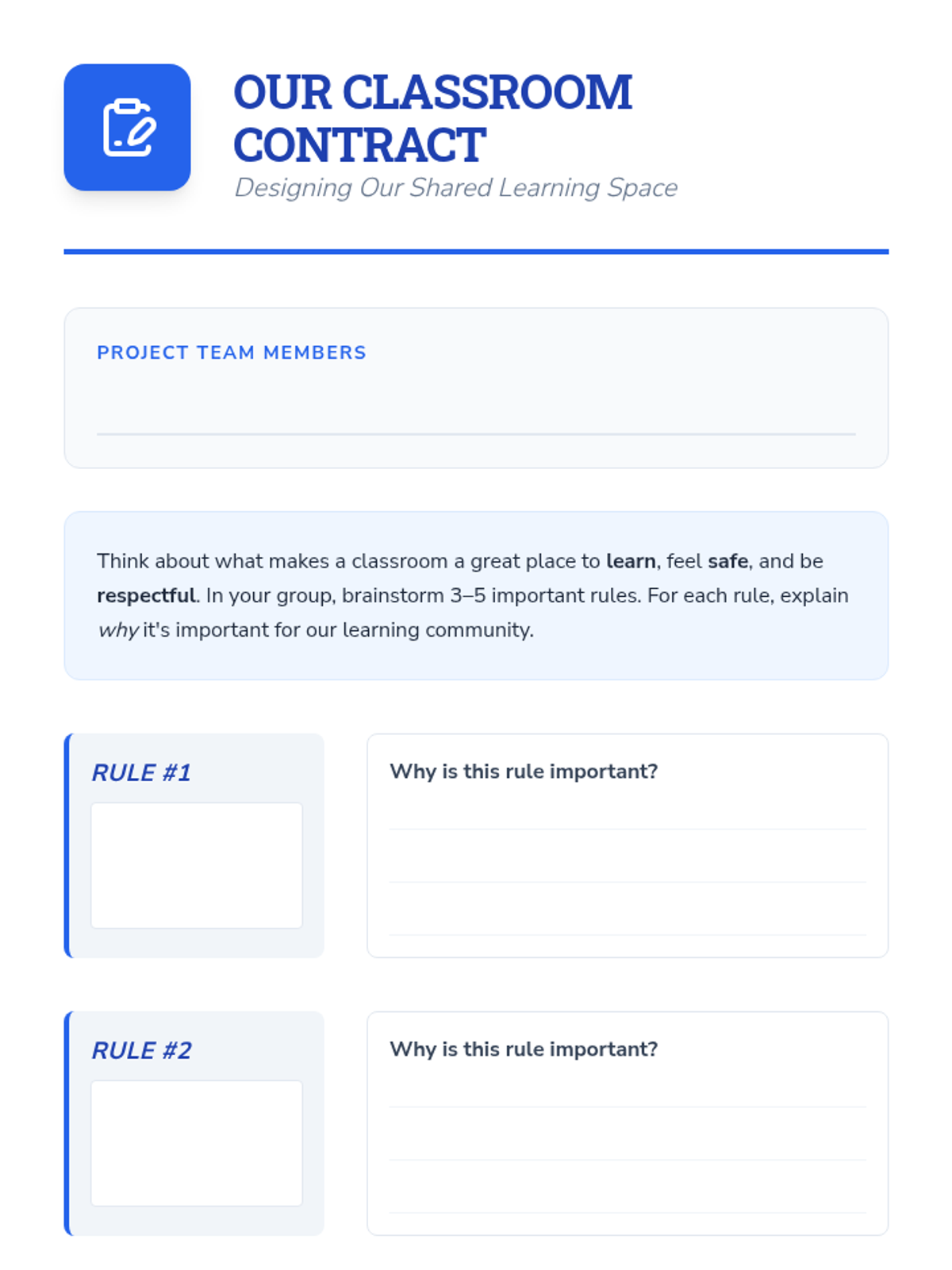
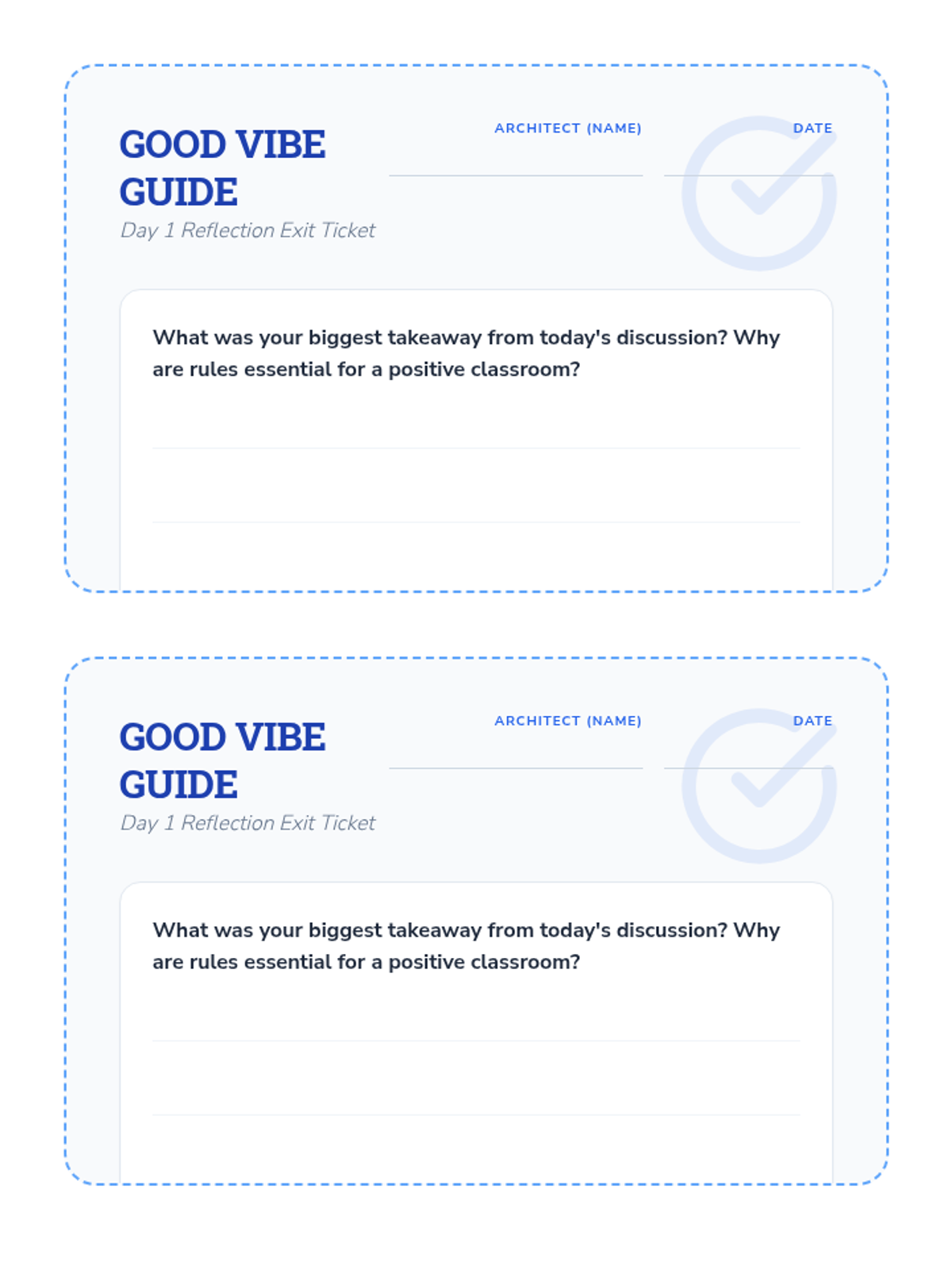
A 3-day guidance sequence for 6th-grade students to understand the purpose of rules, practice positive behaviors through scenarios, and build a cohesive classroom community.
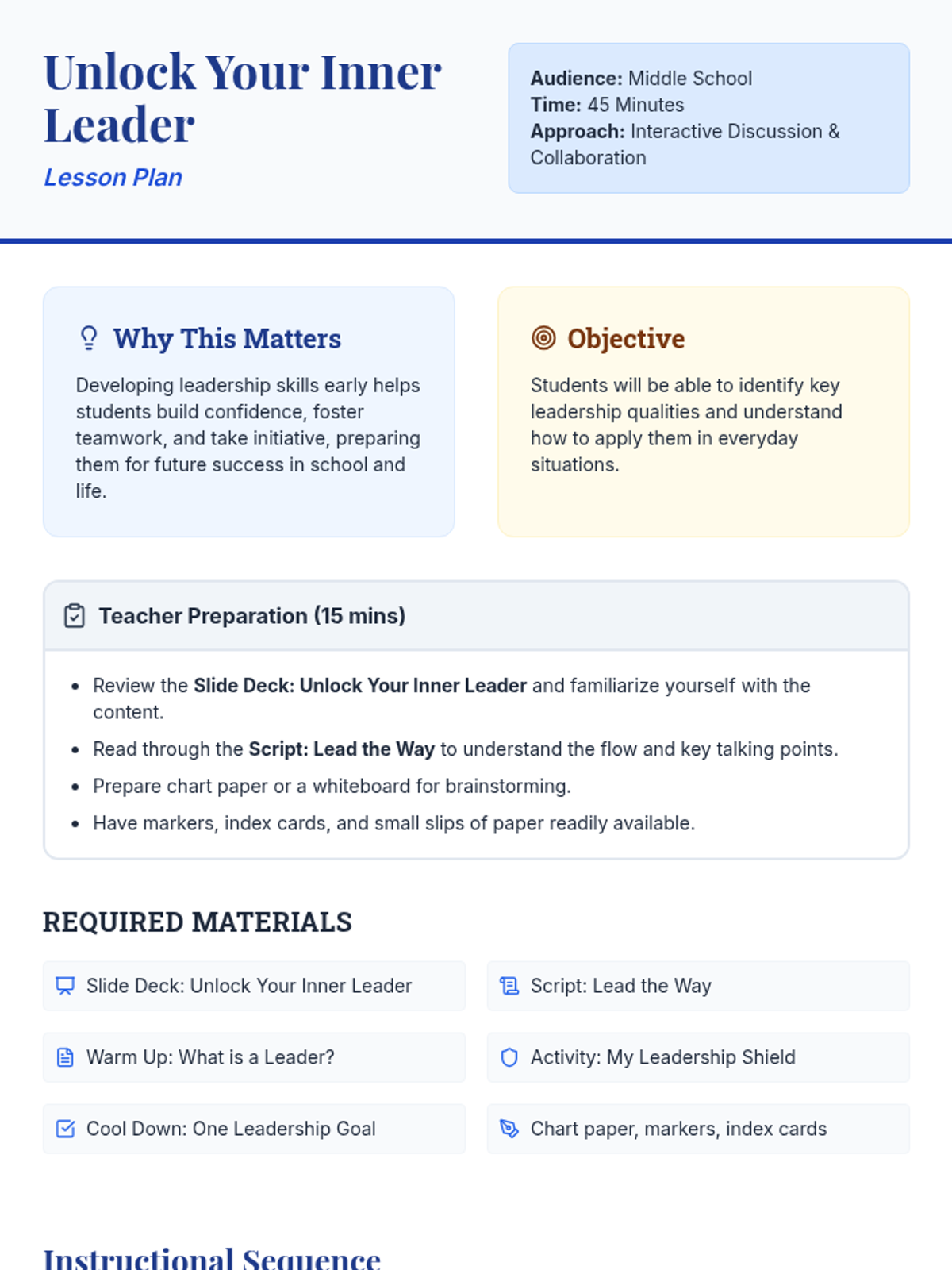
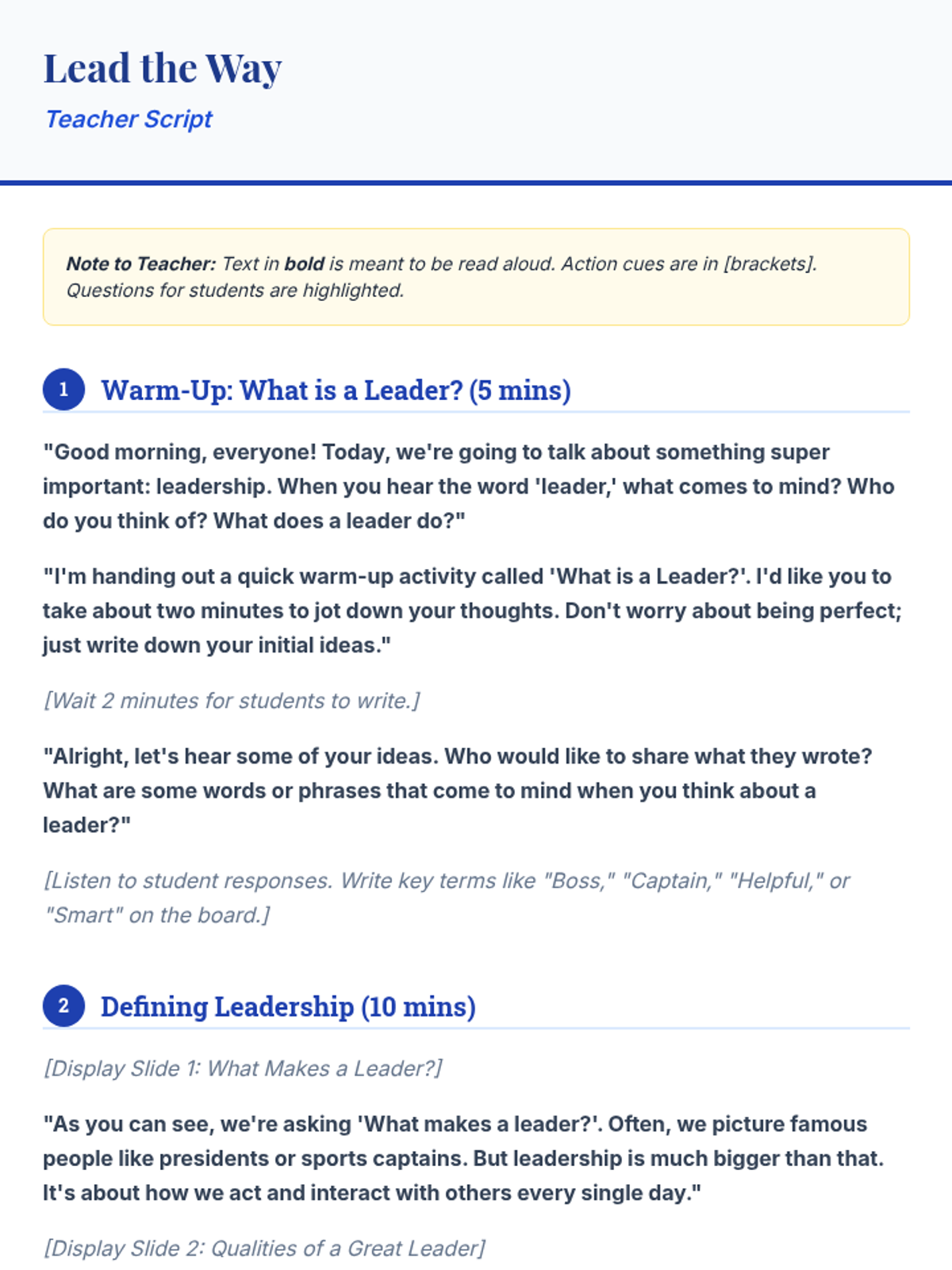
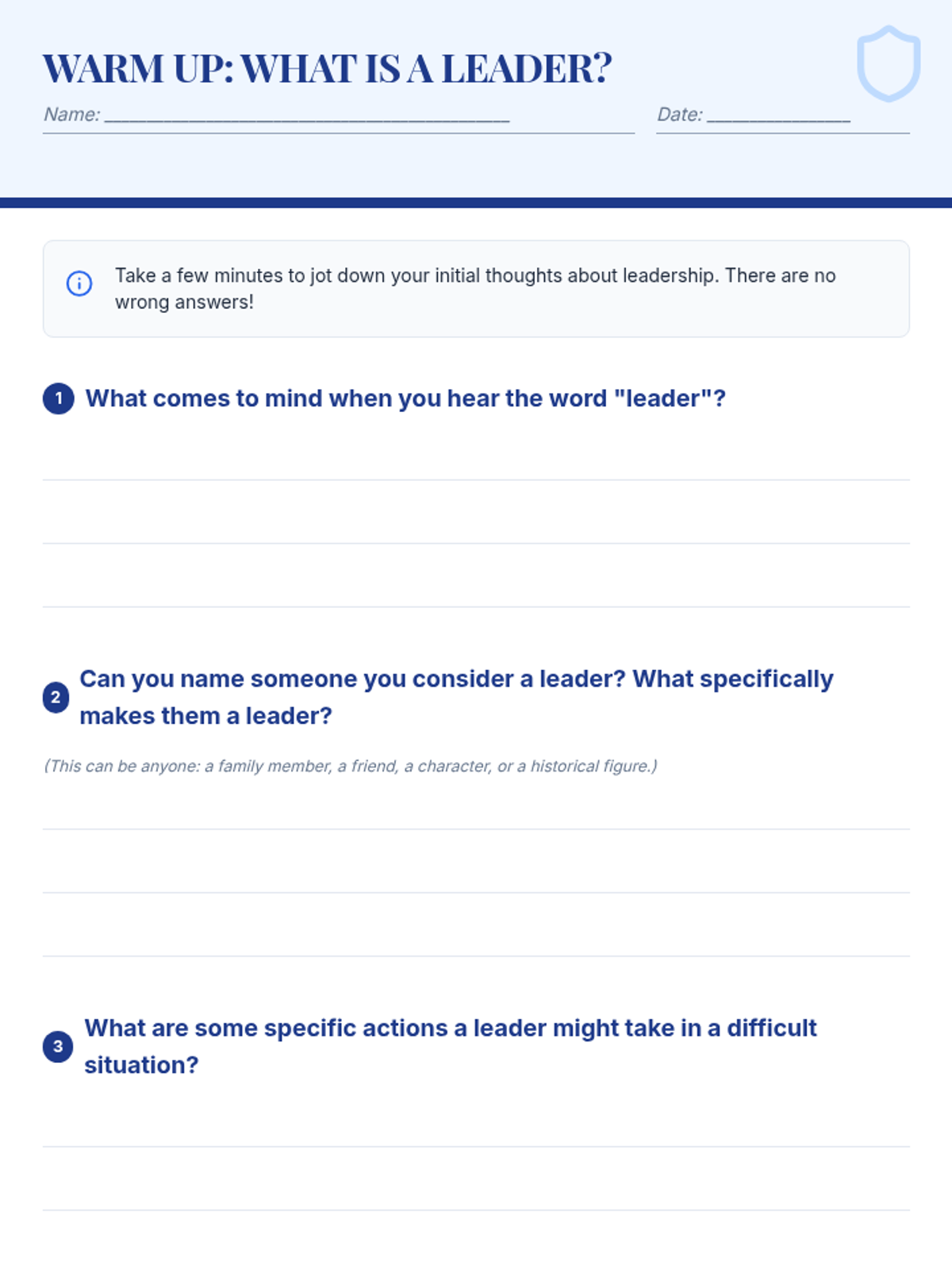
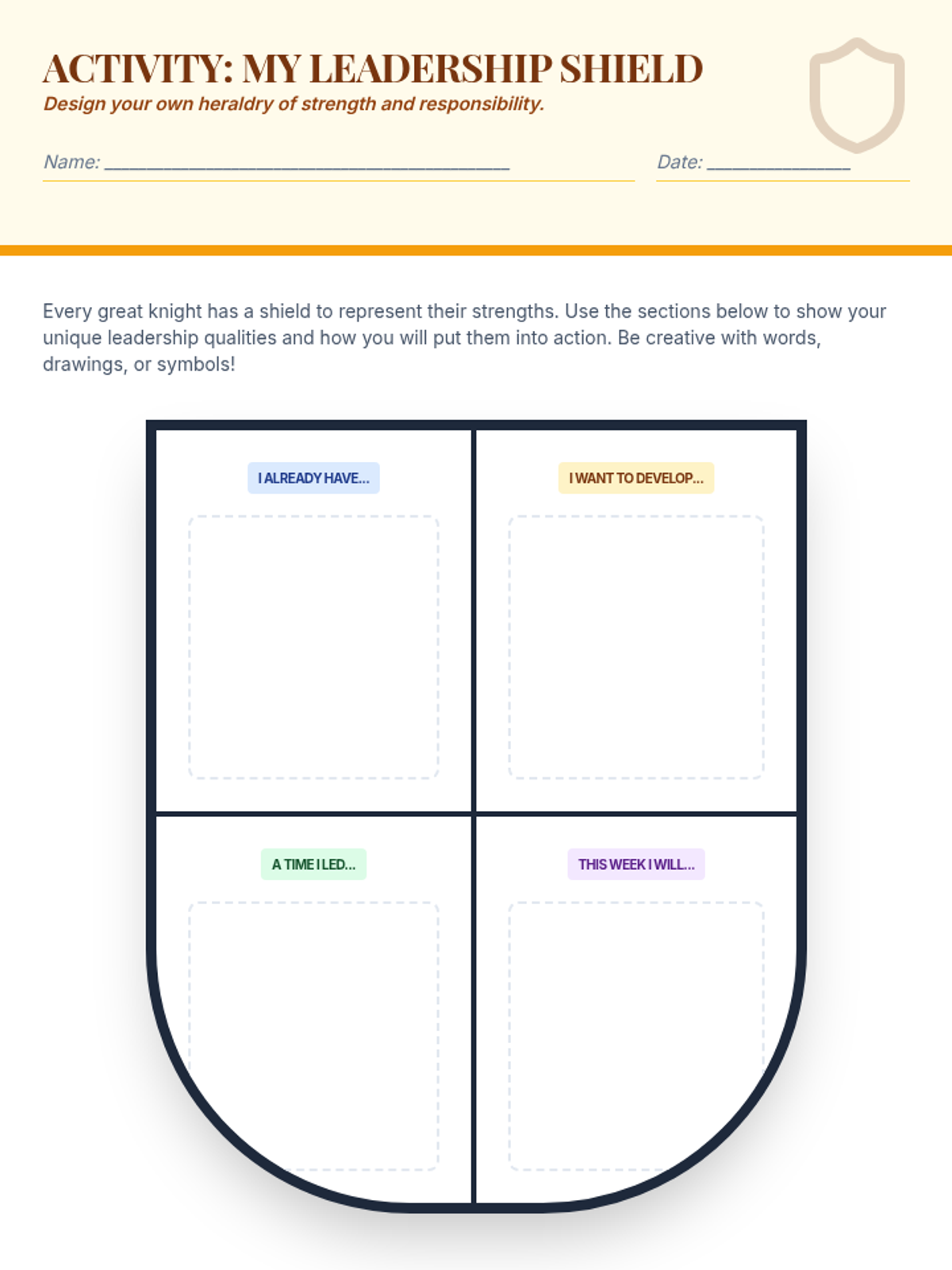
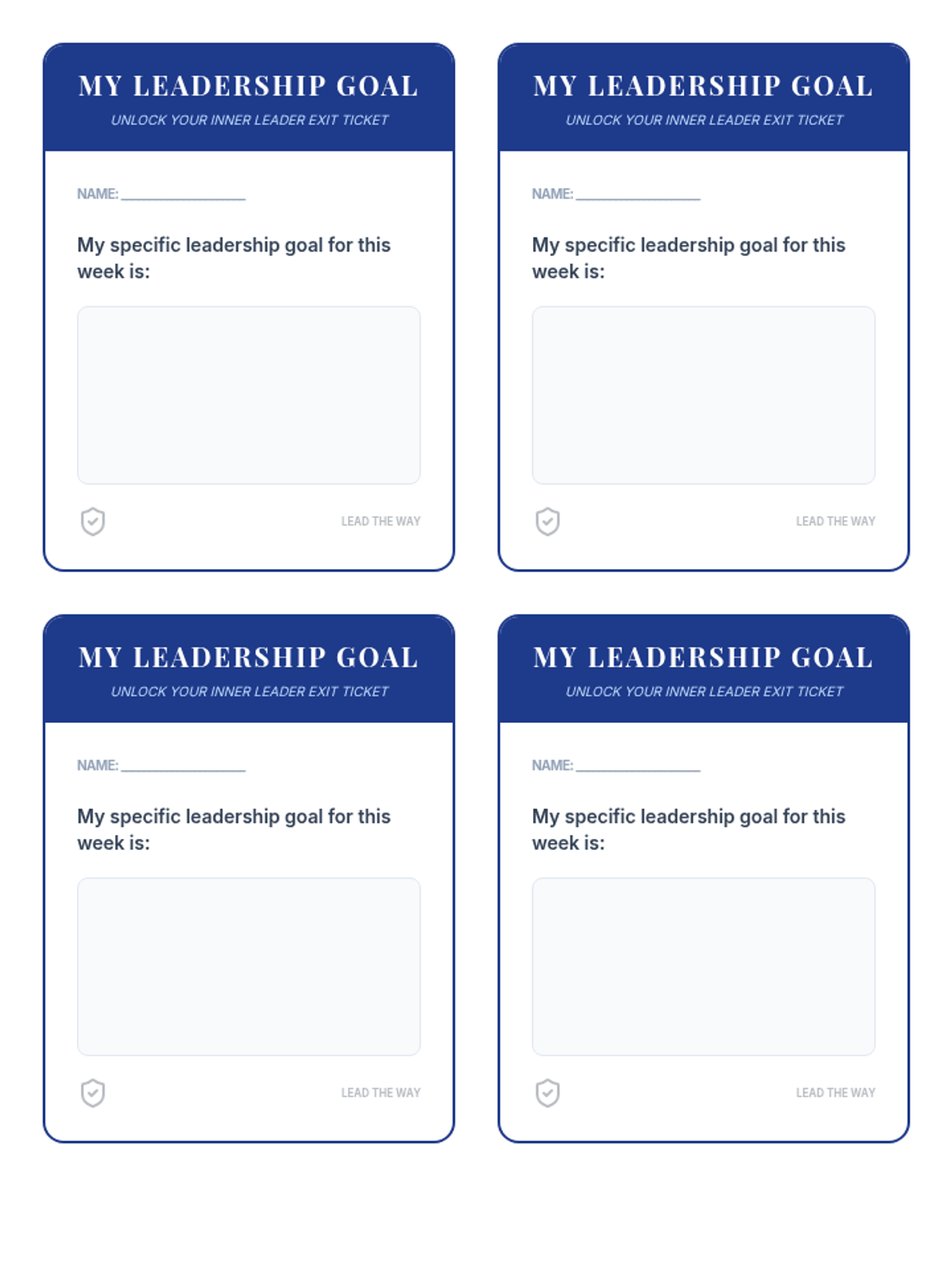
This character-building sequence guides students through discovering their leadership potential and practicing humility. It includes tailored lessons for middle school and elementary levels, using a 'shield' motif to represent personal growth and strength.
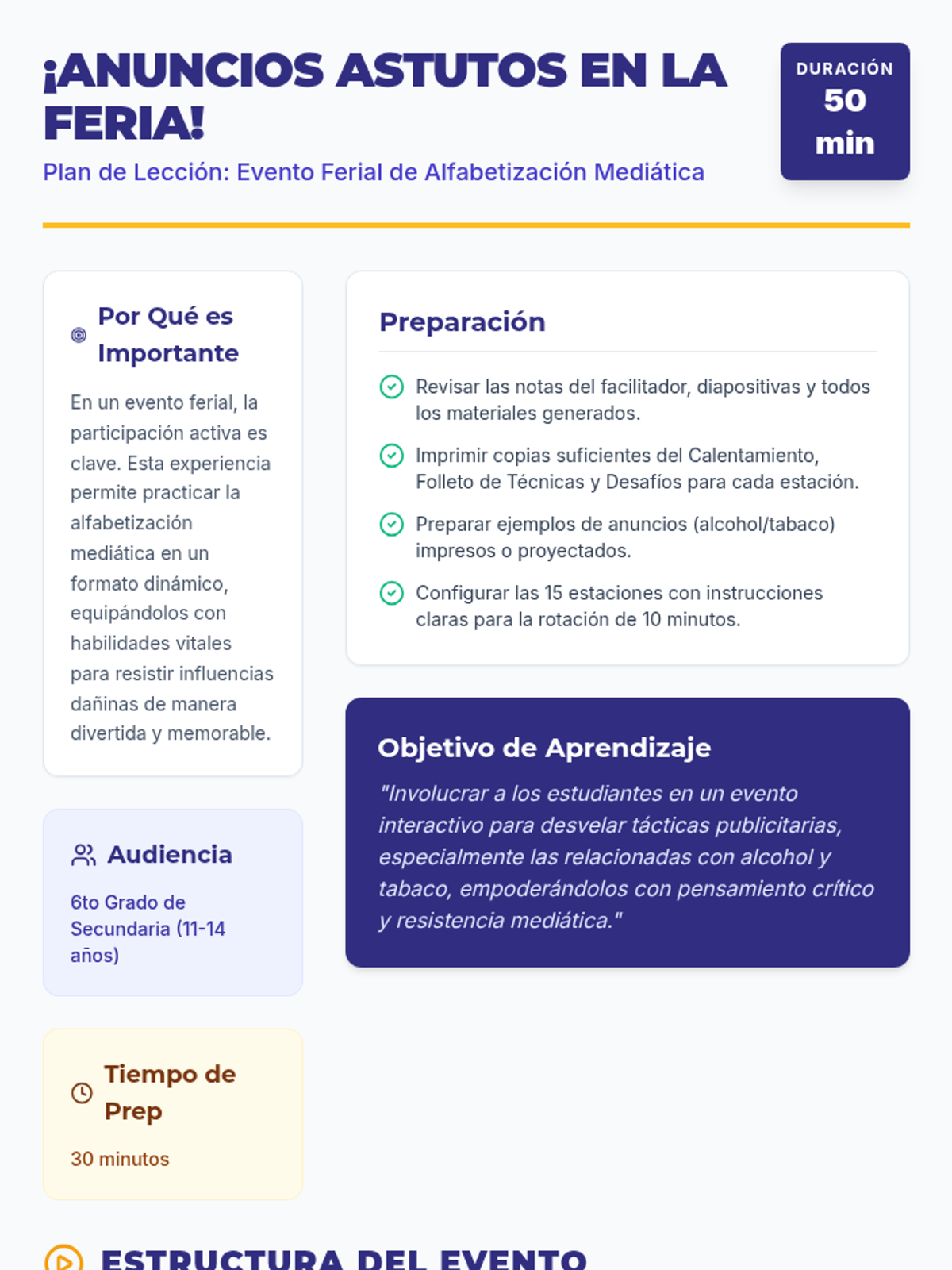
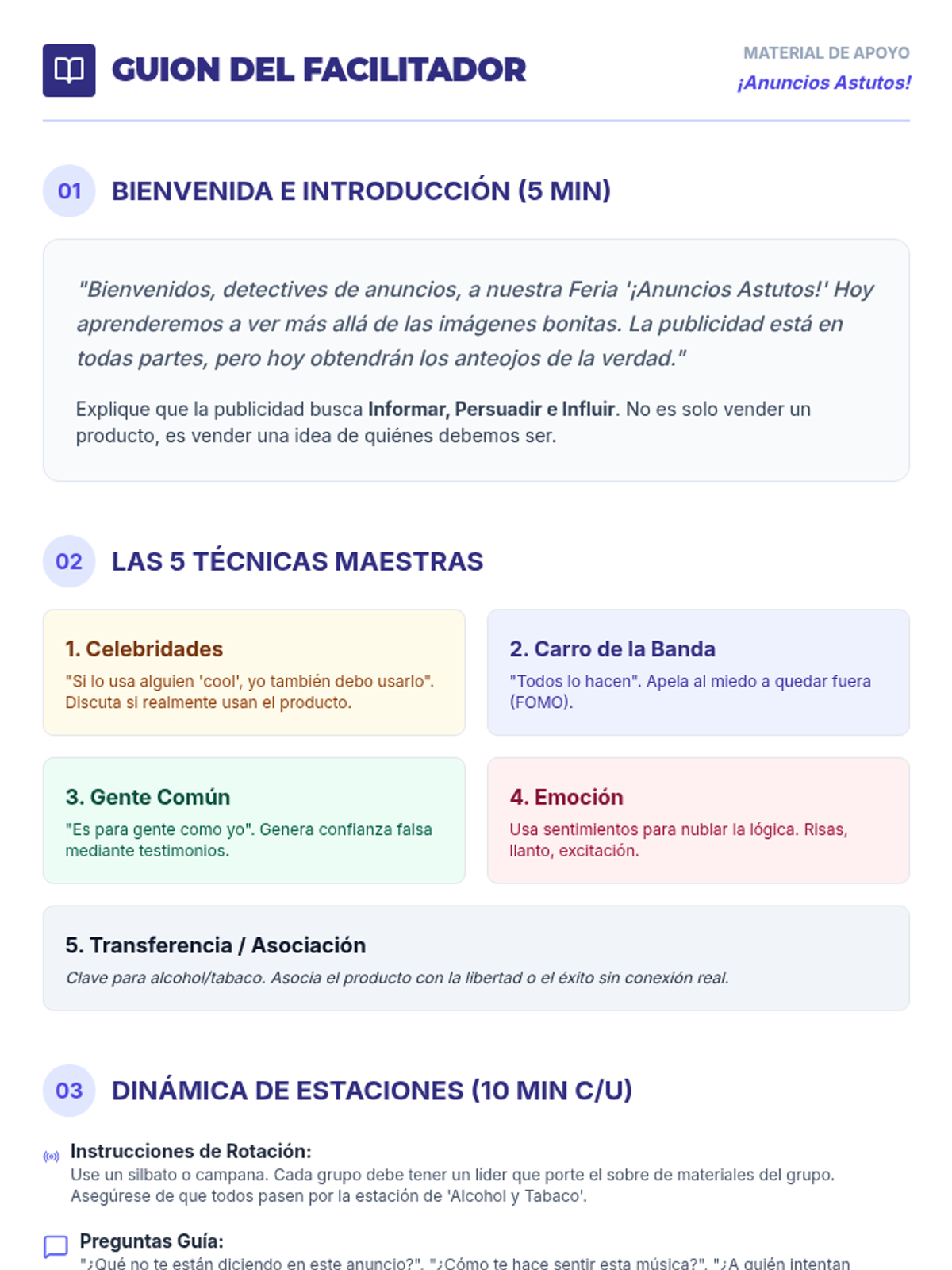
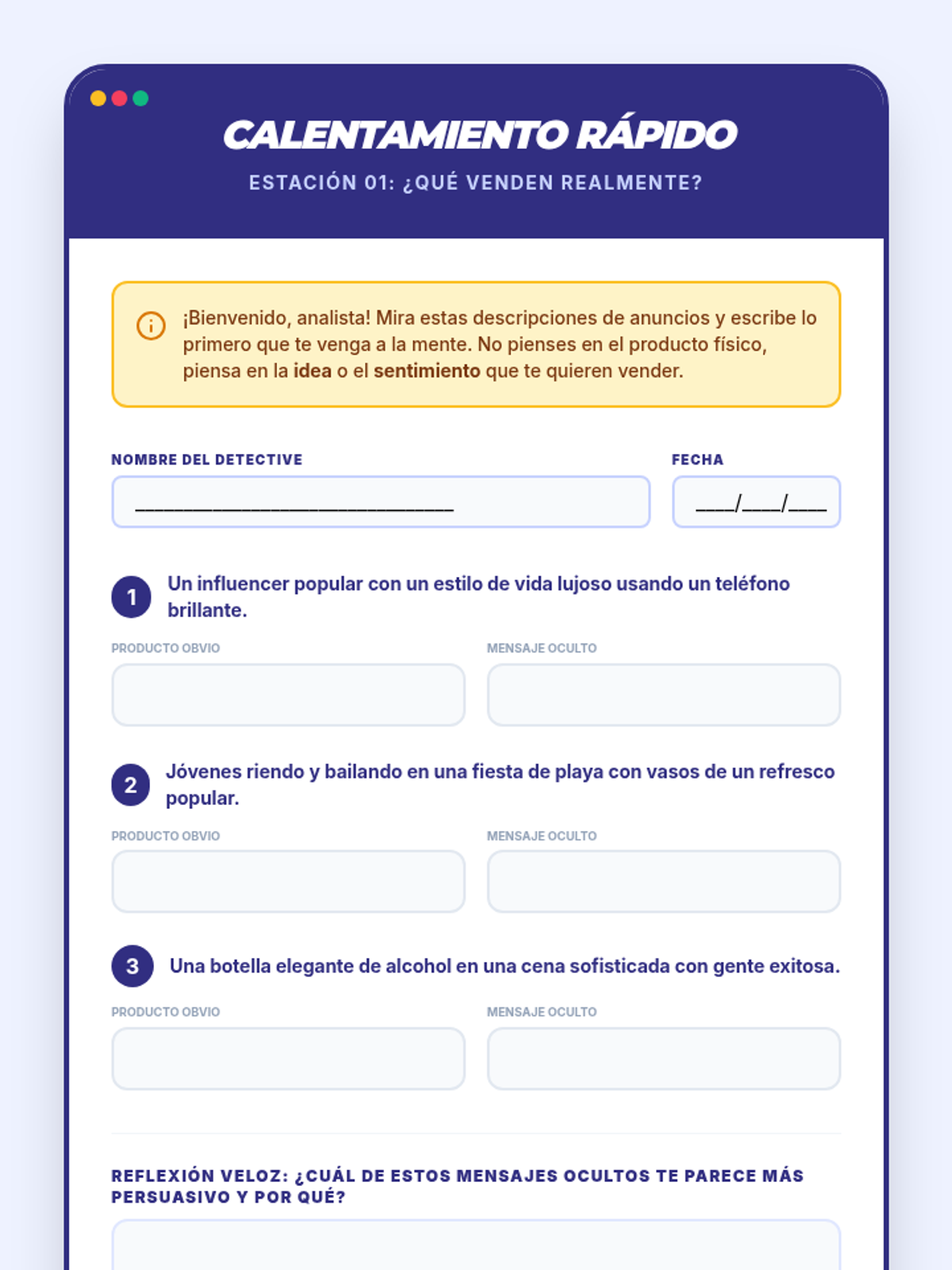
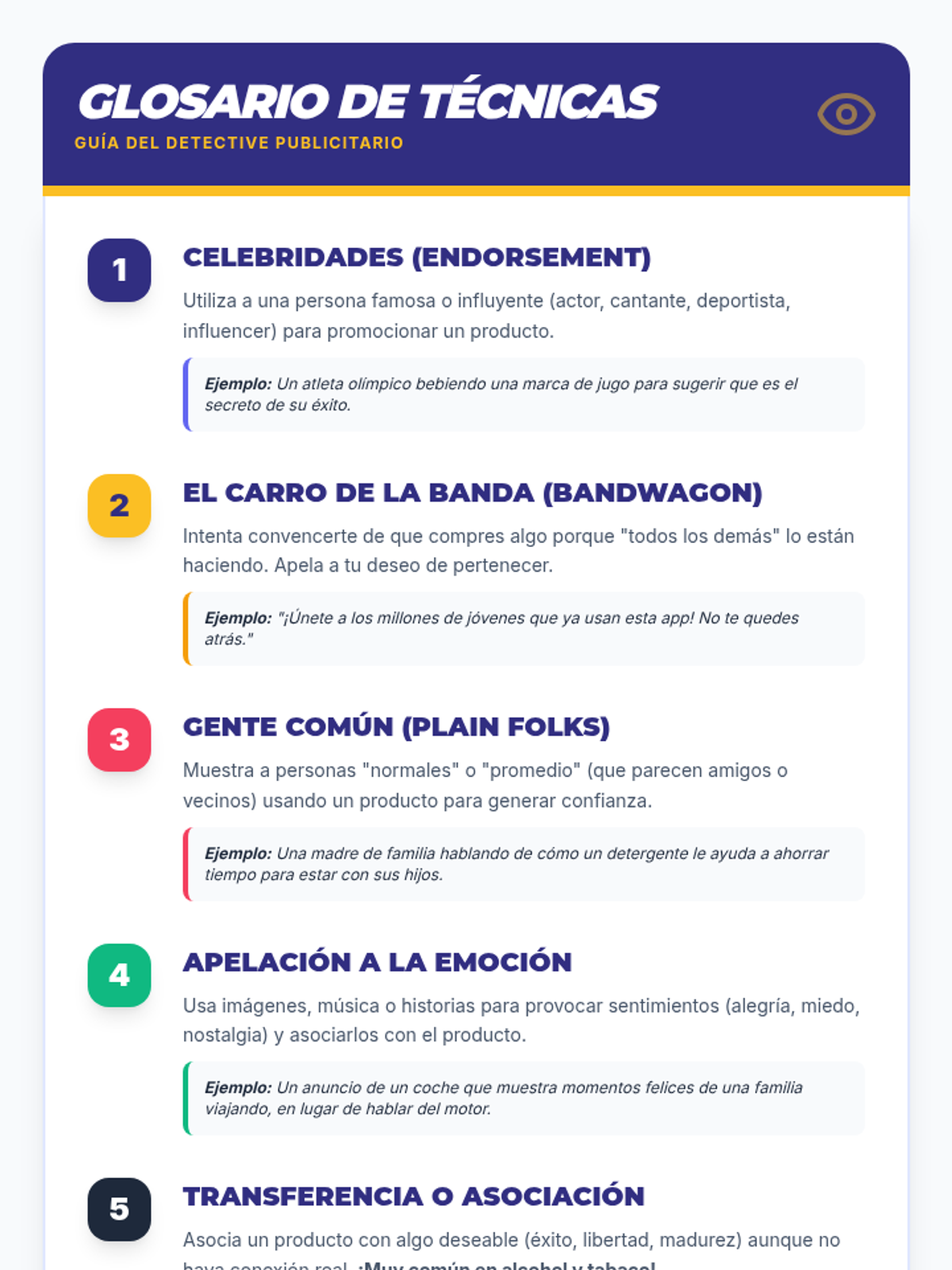
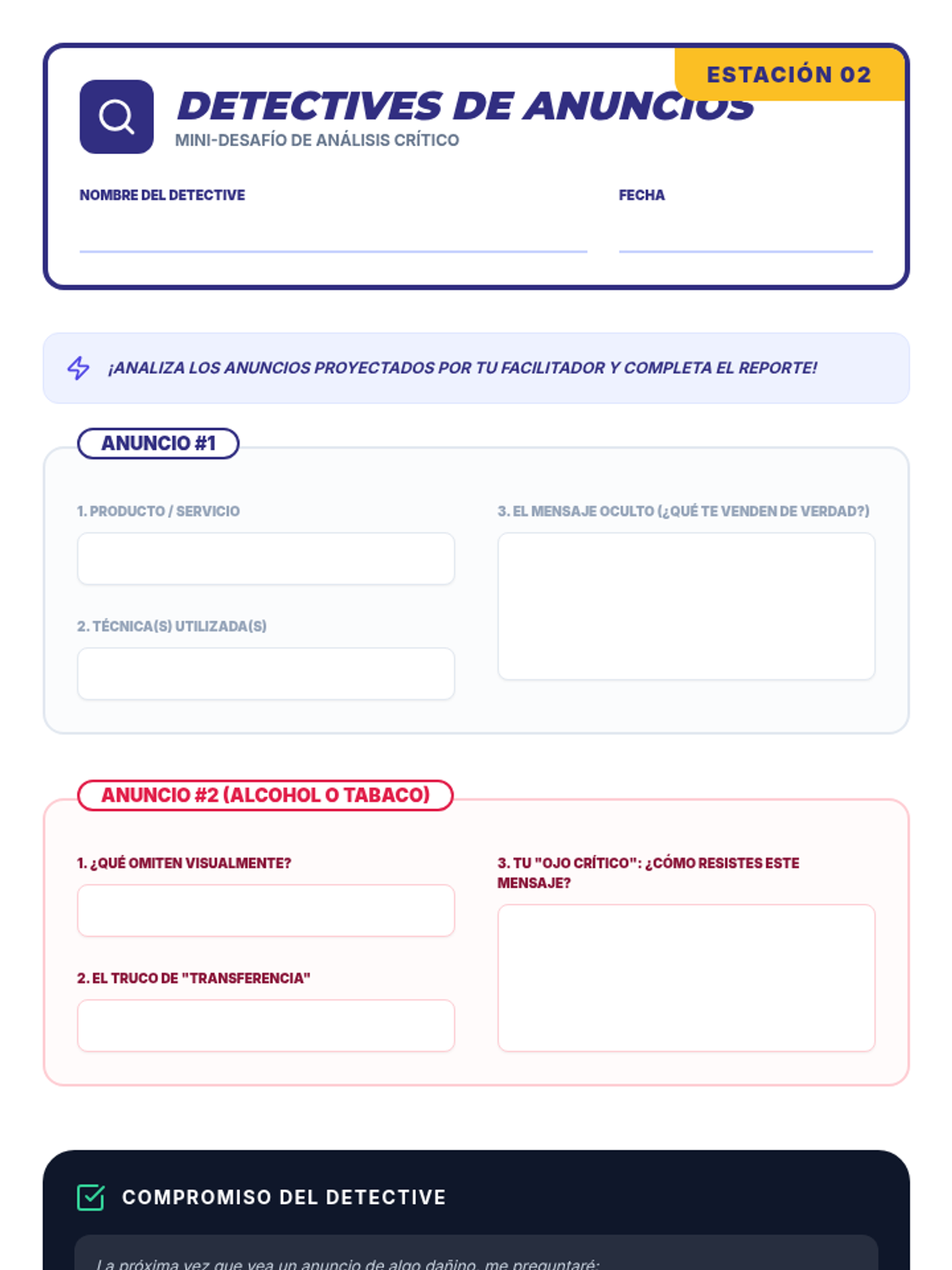
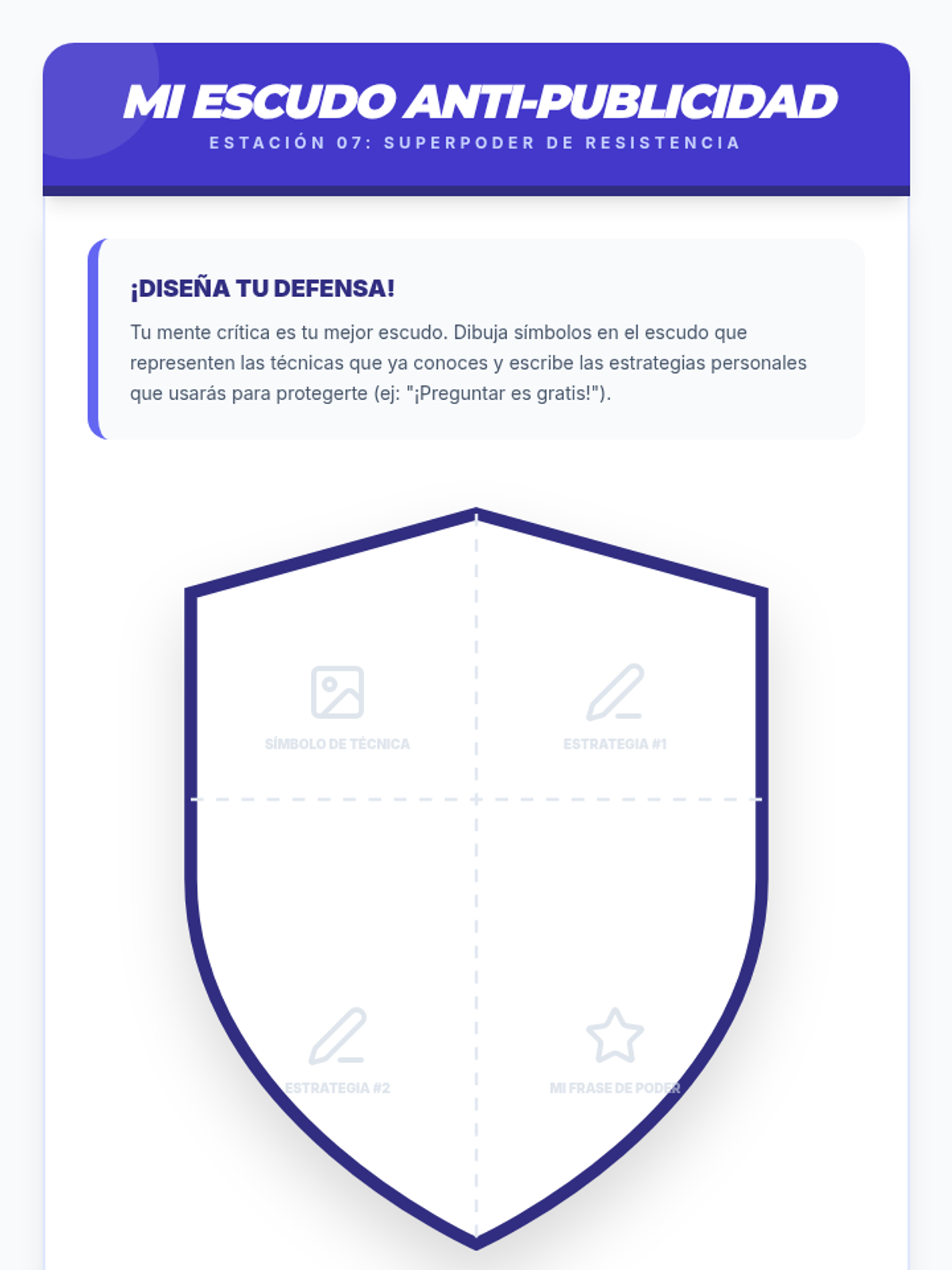
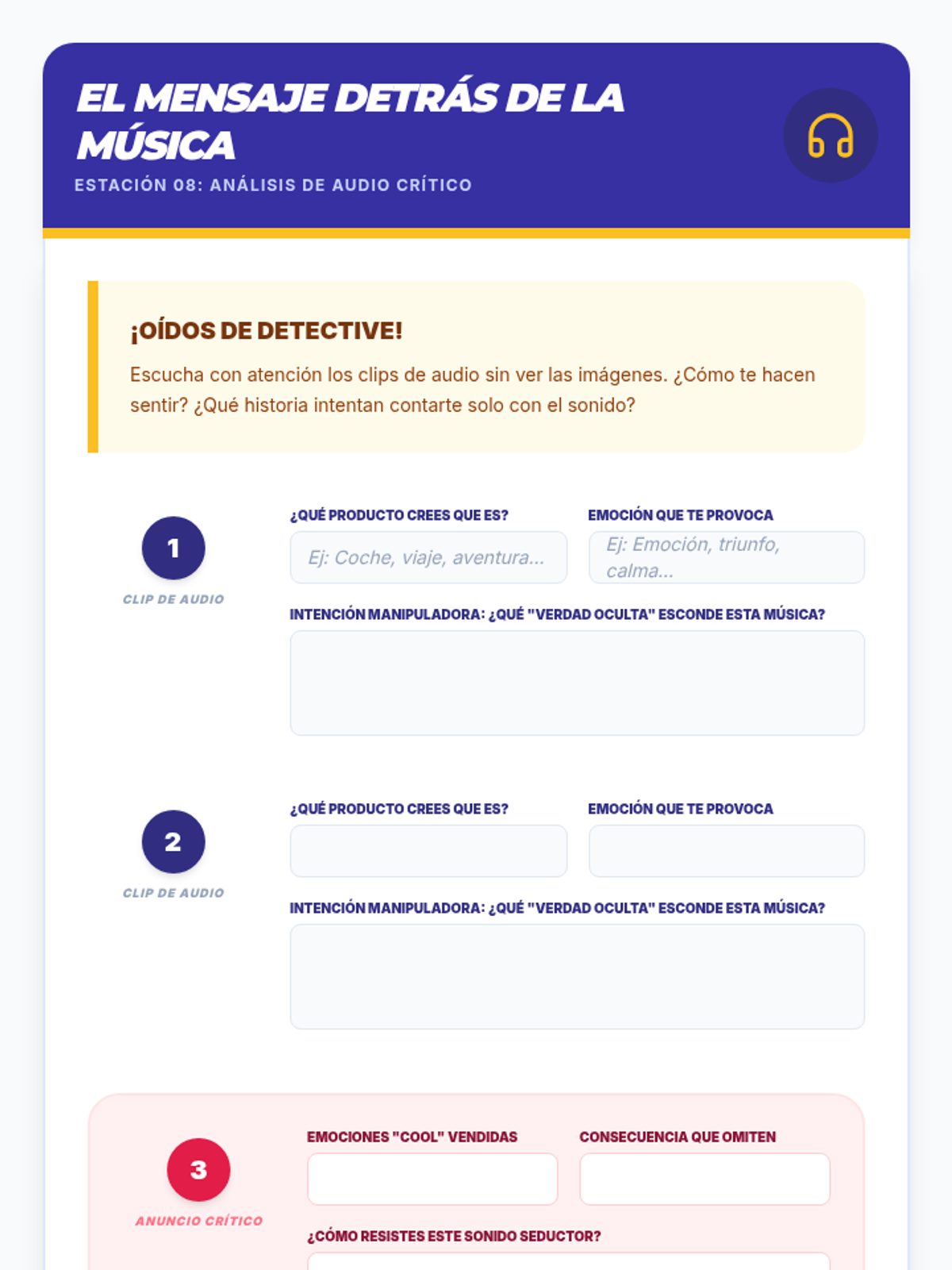
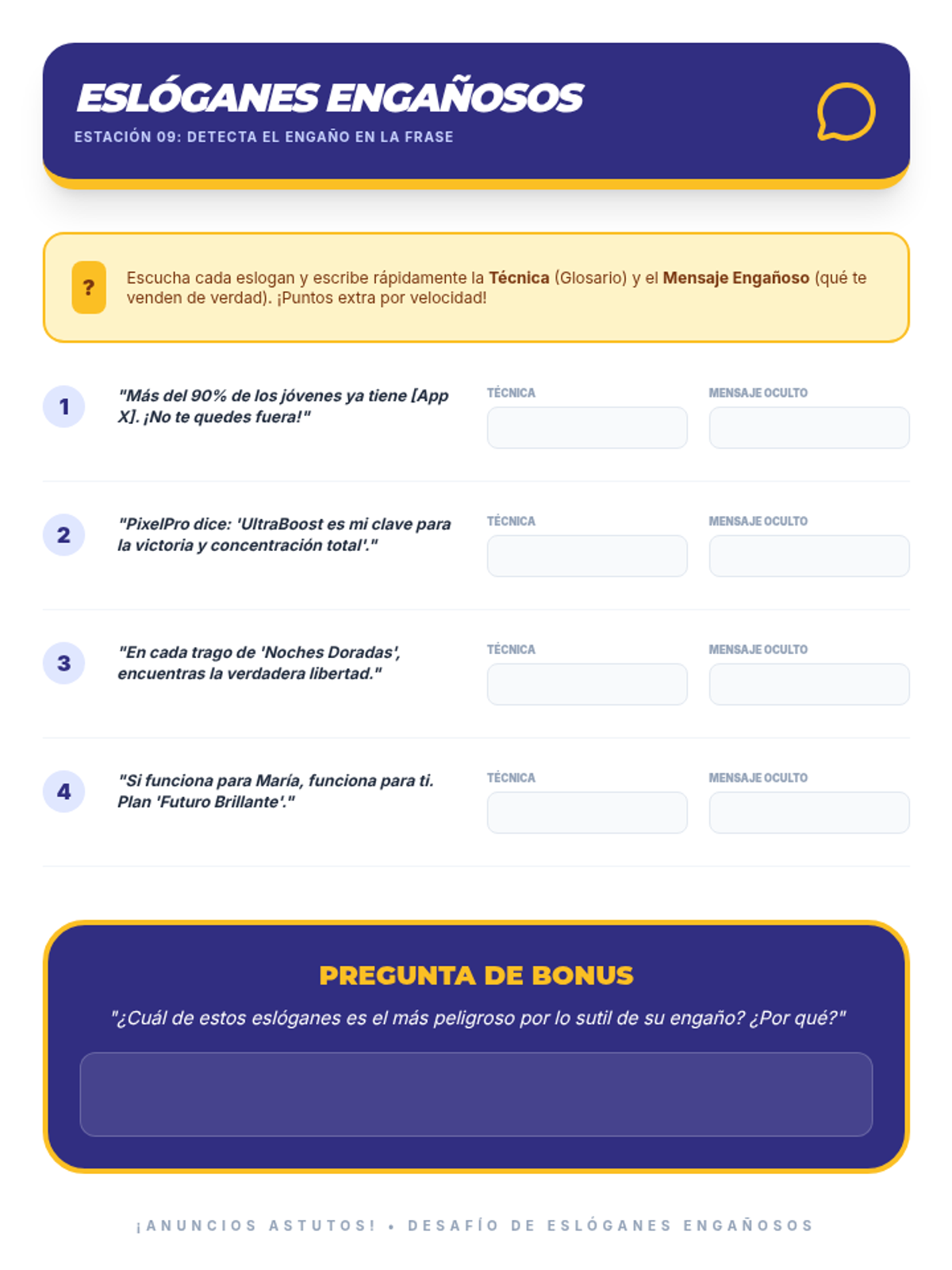
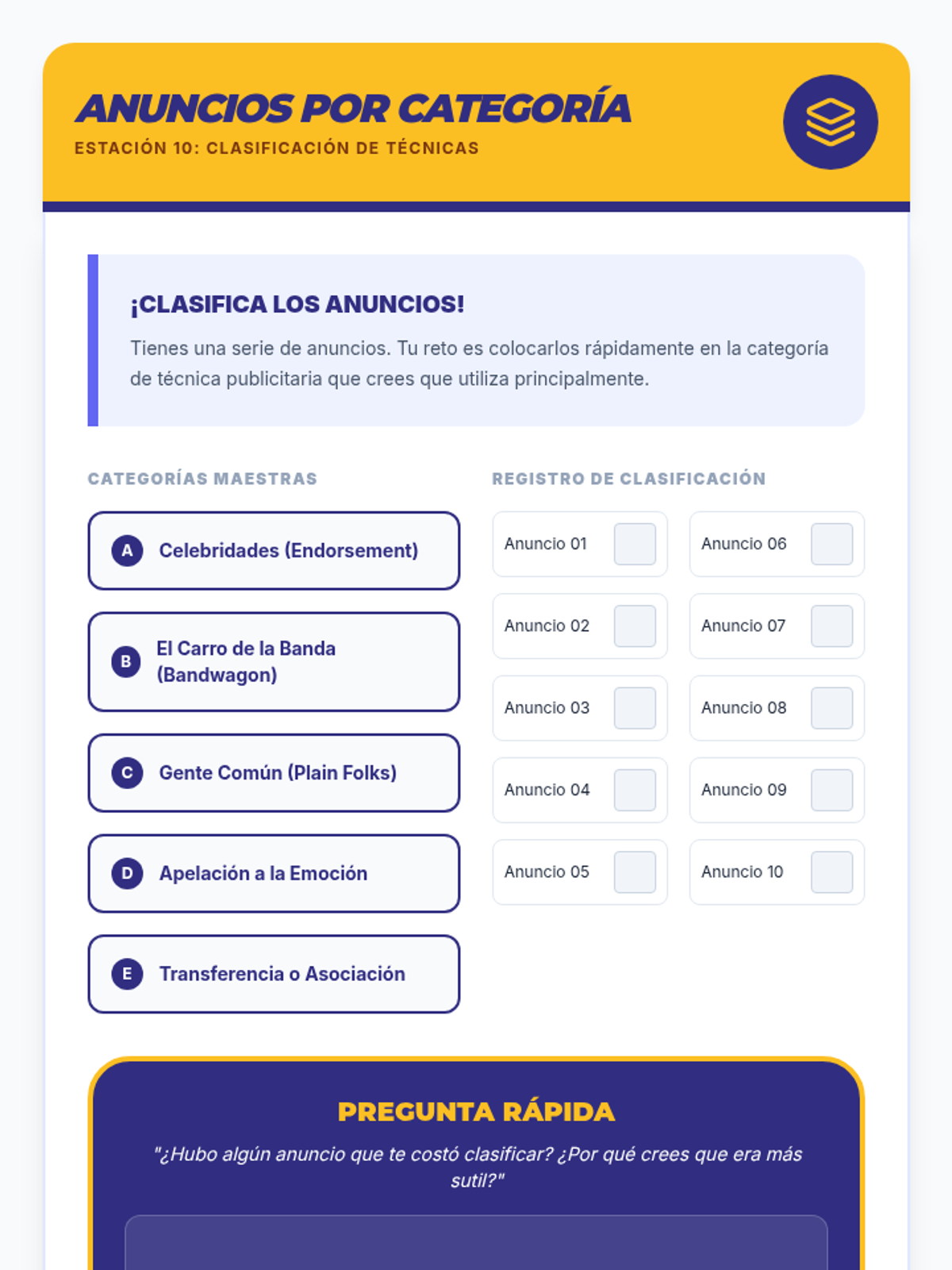
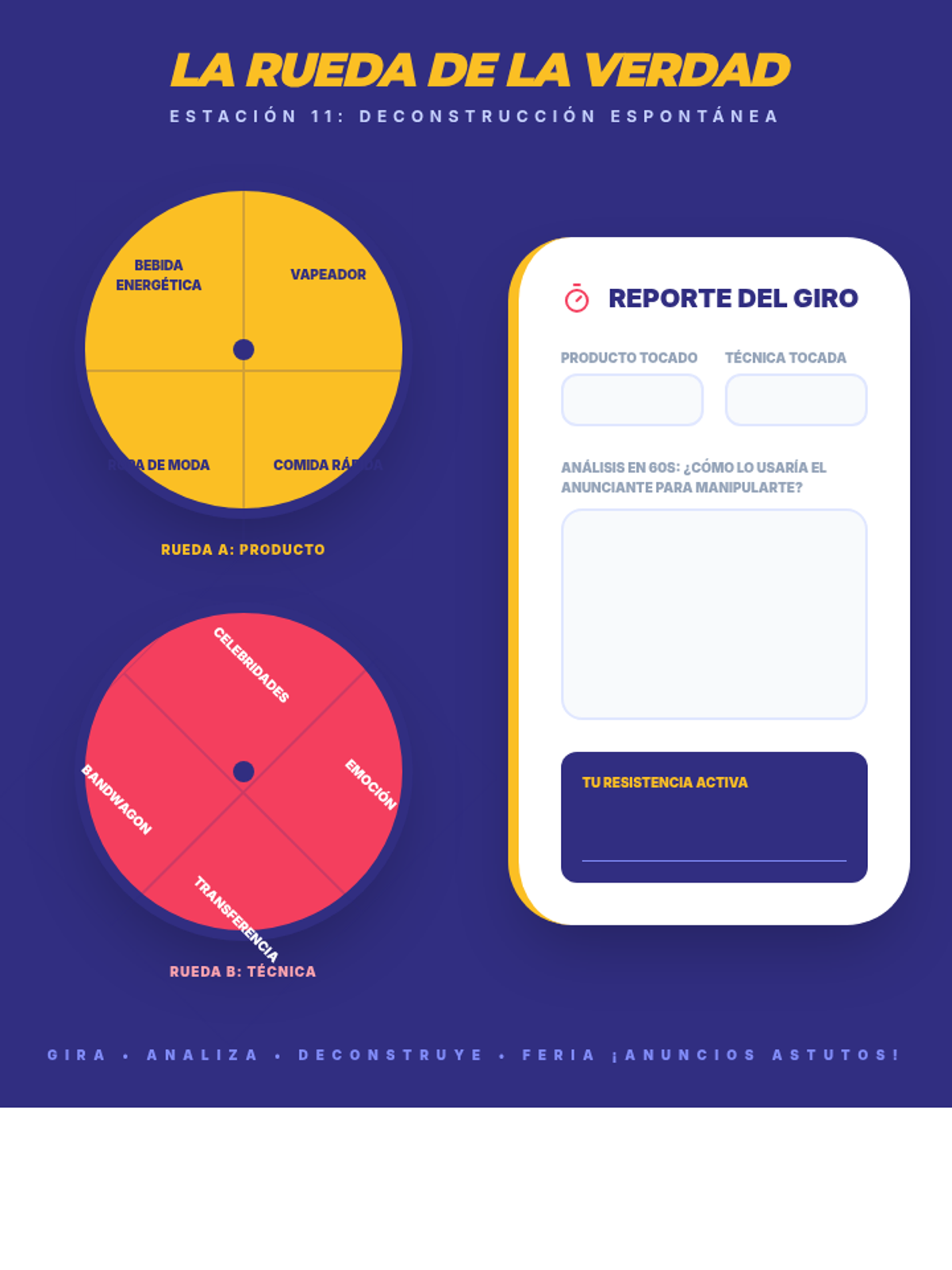
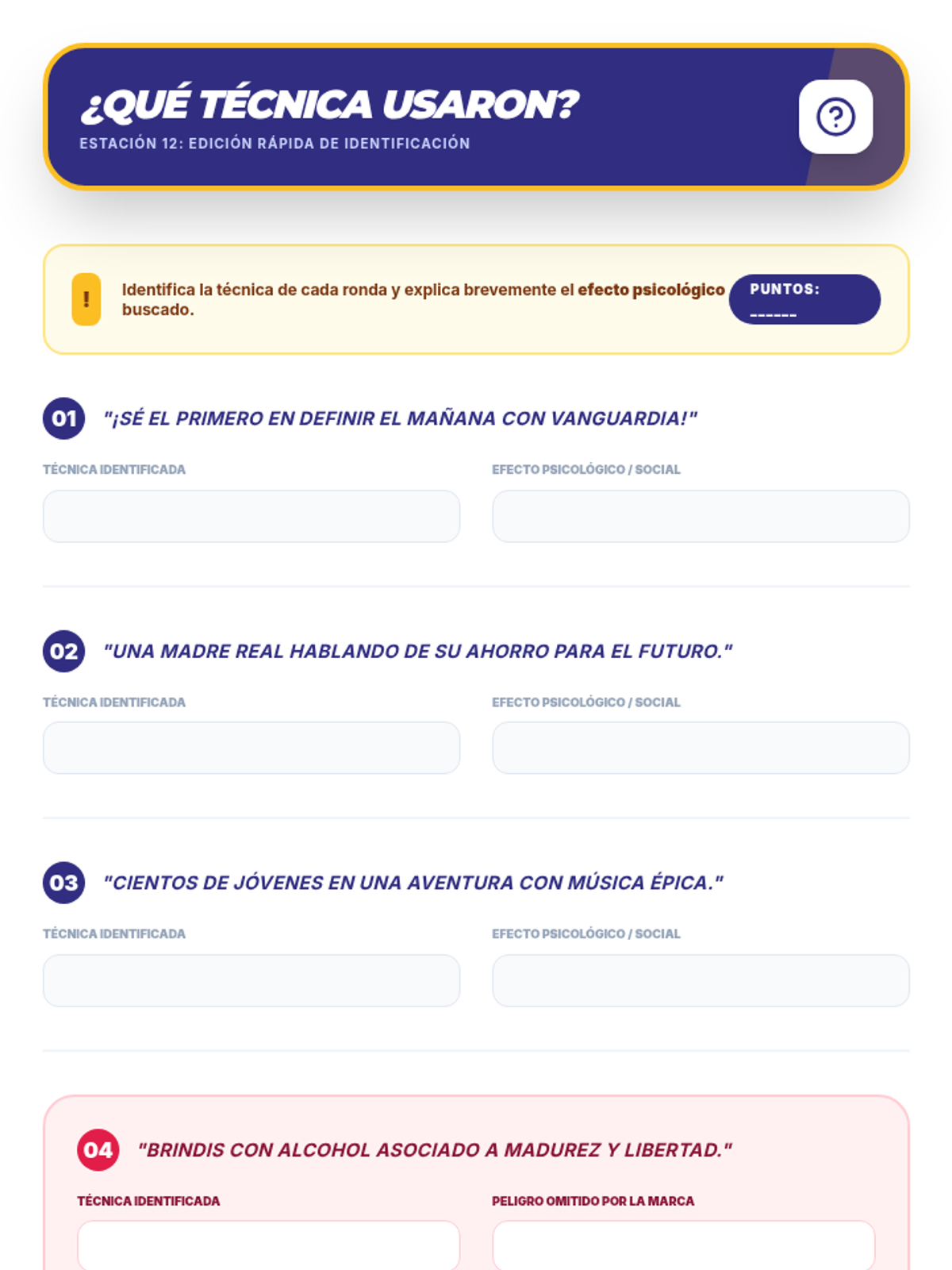
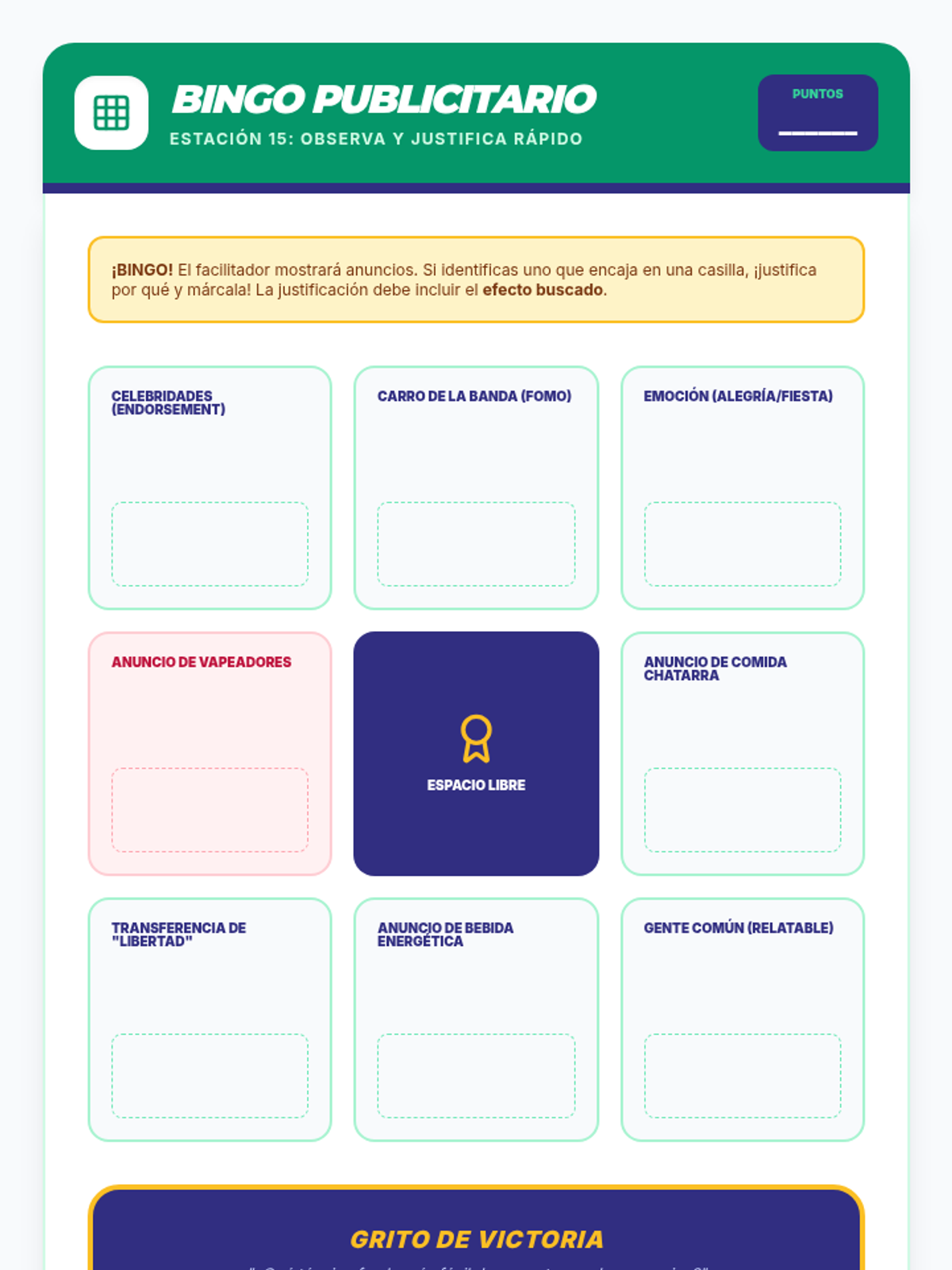
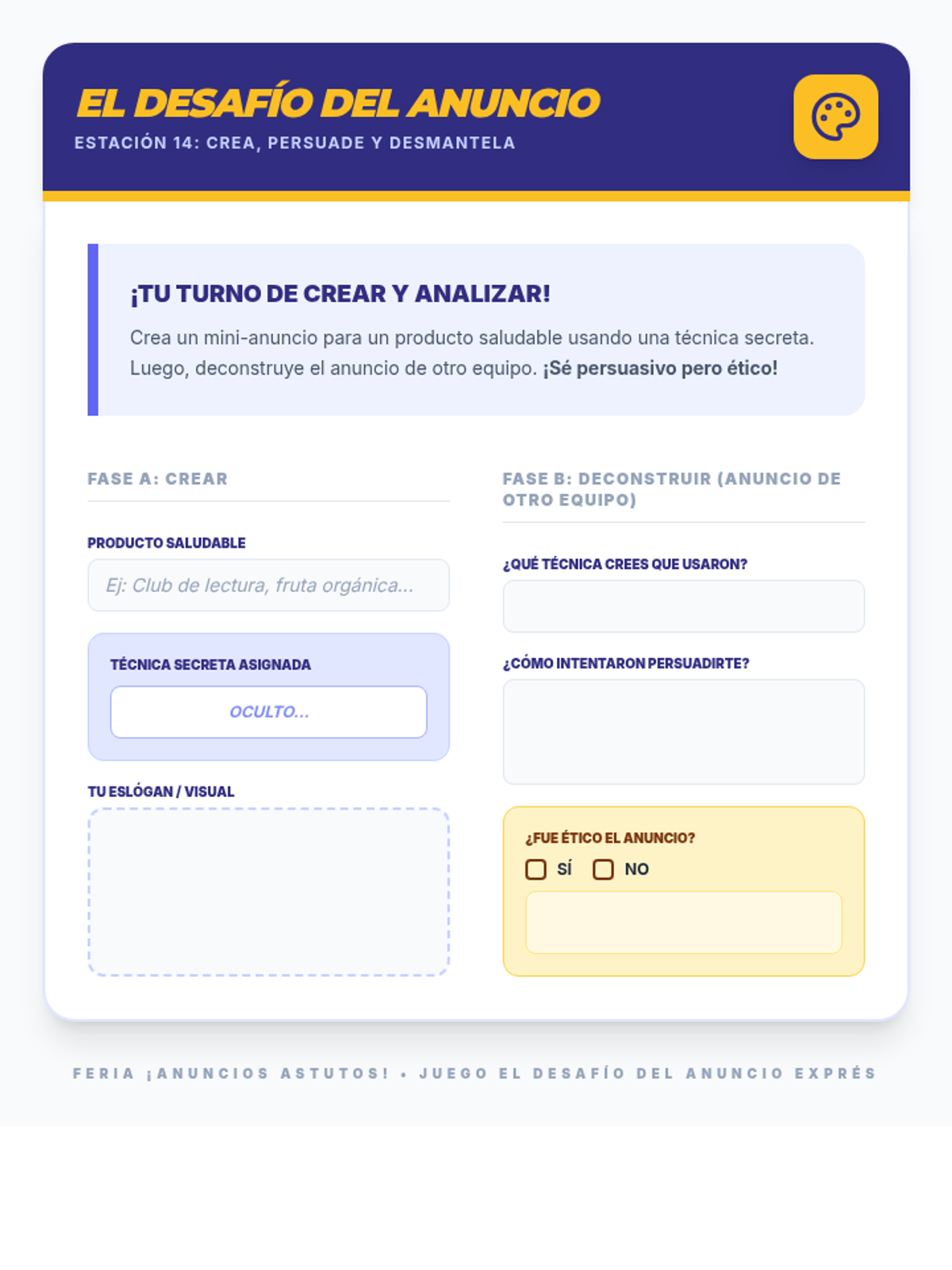
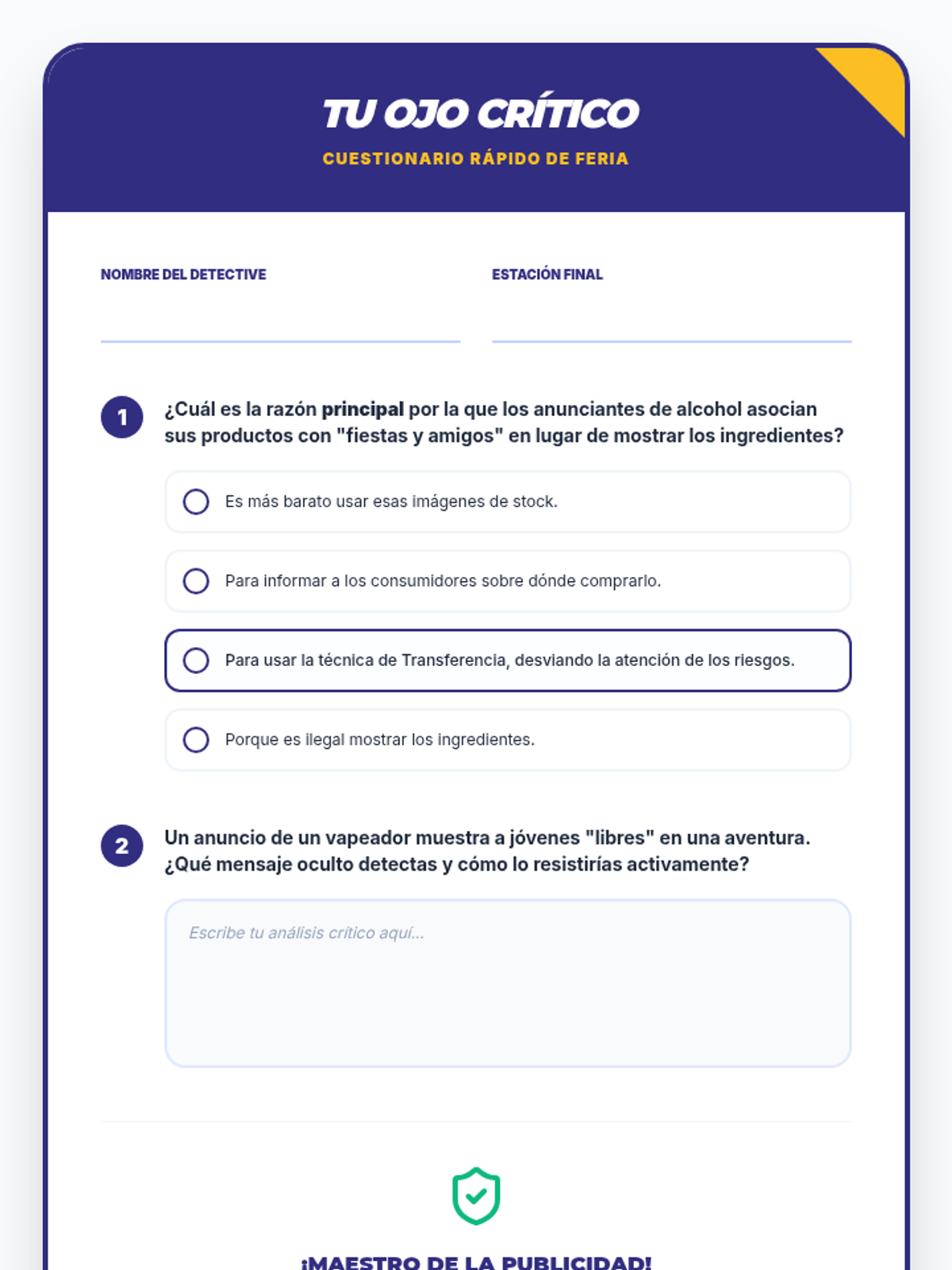
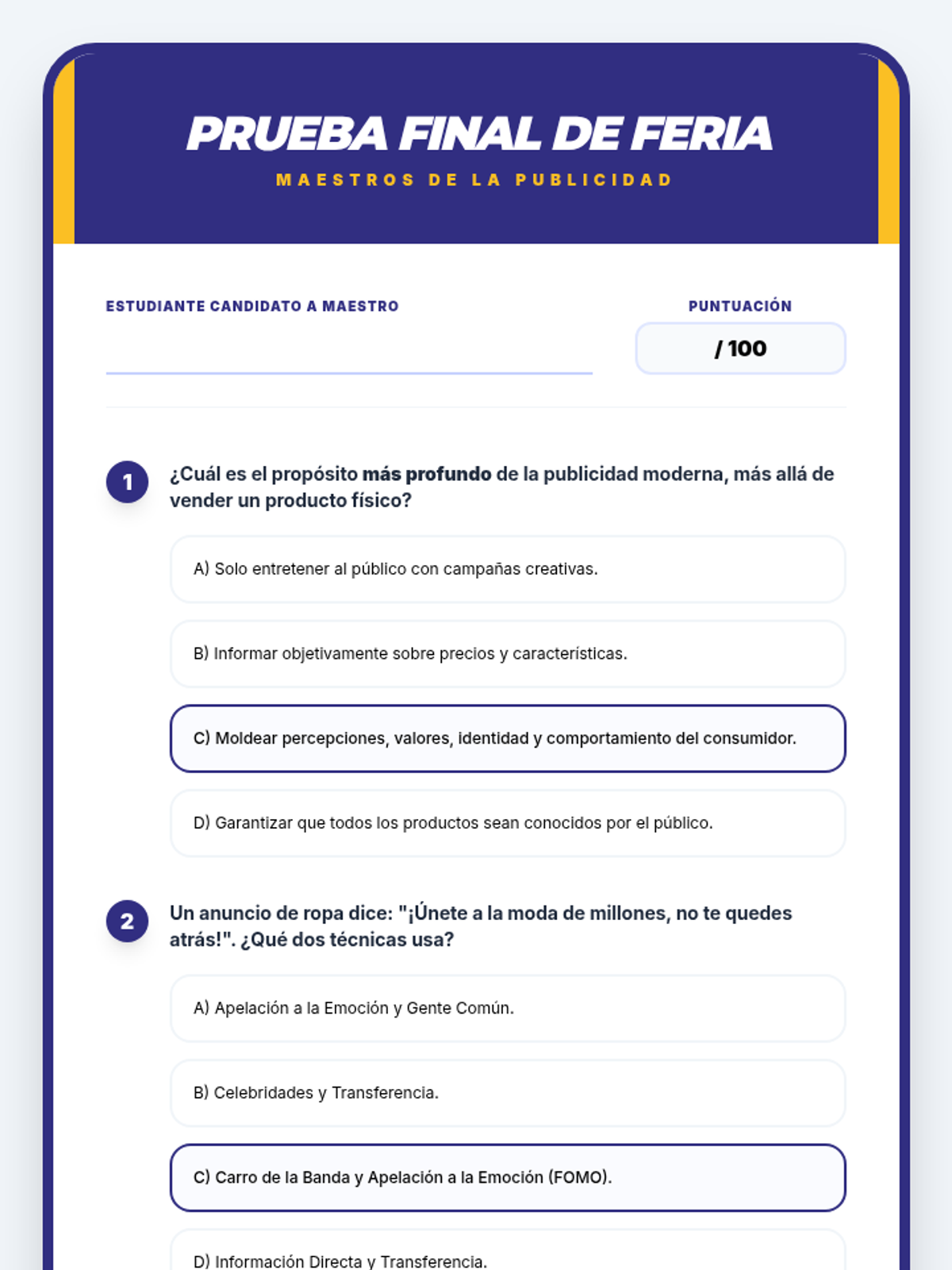
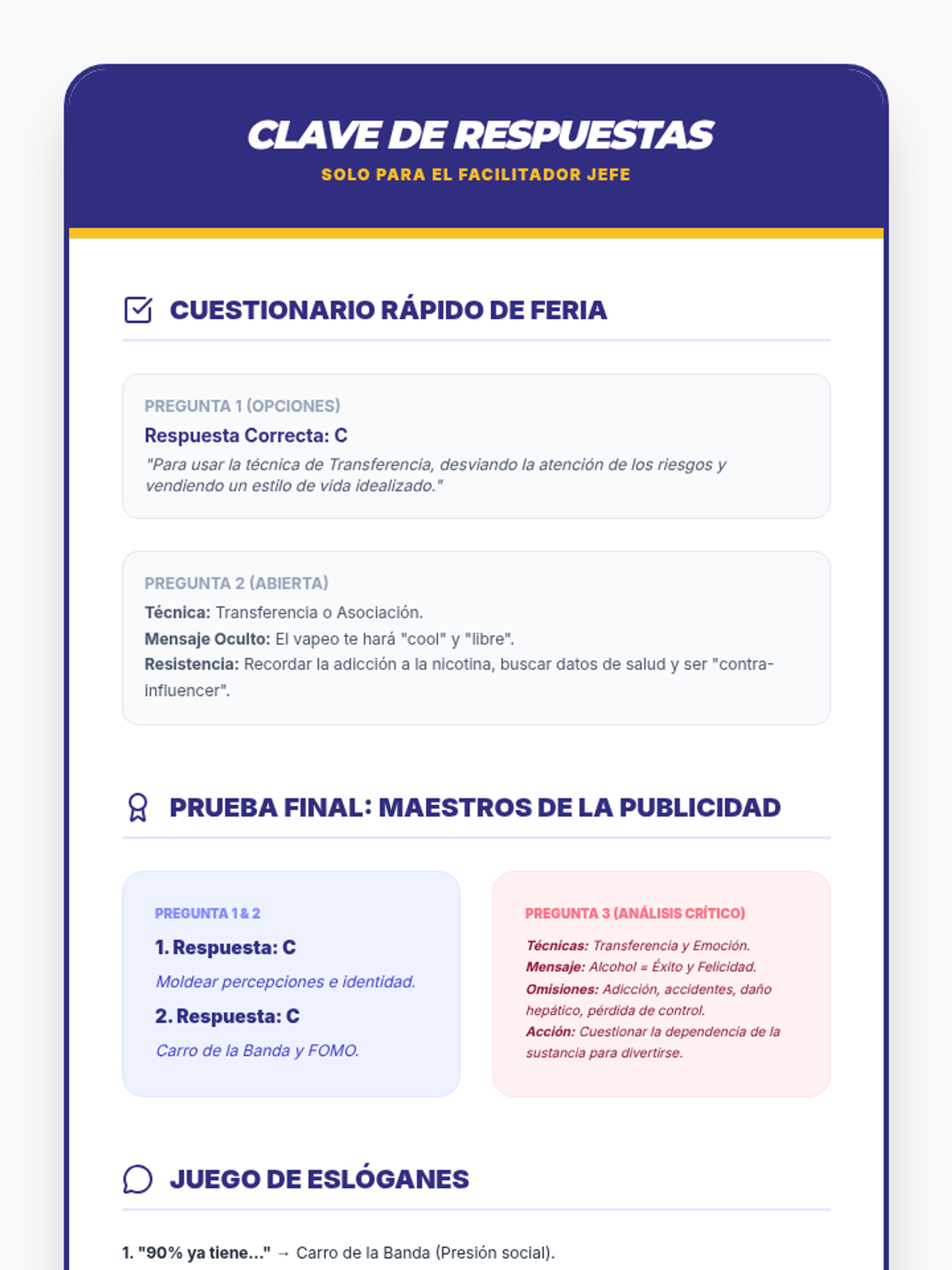
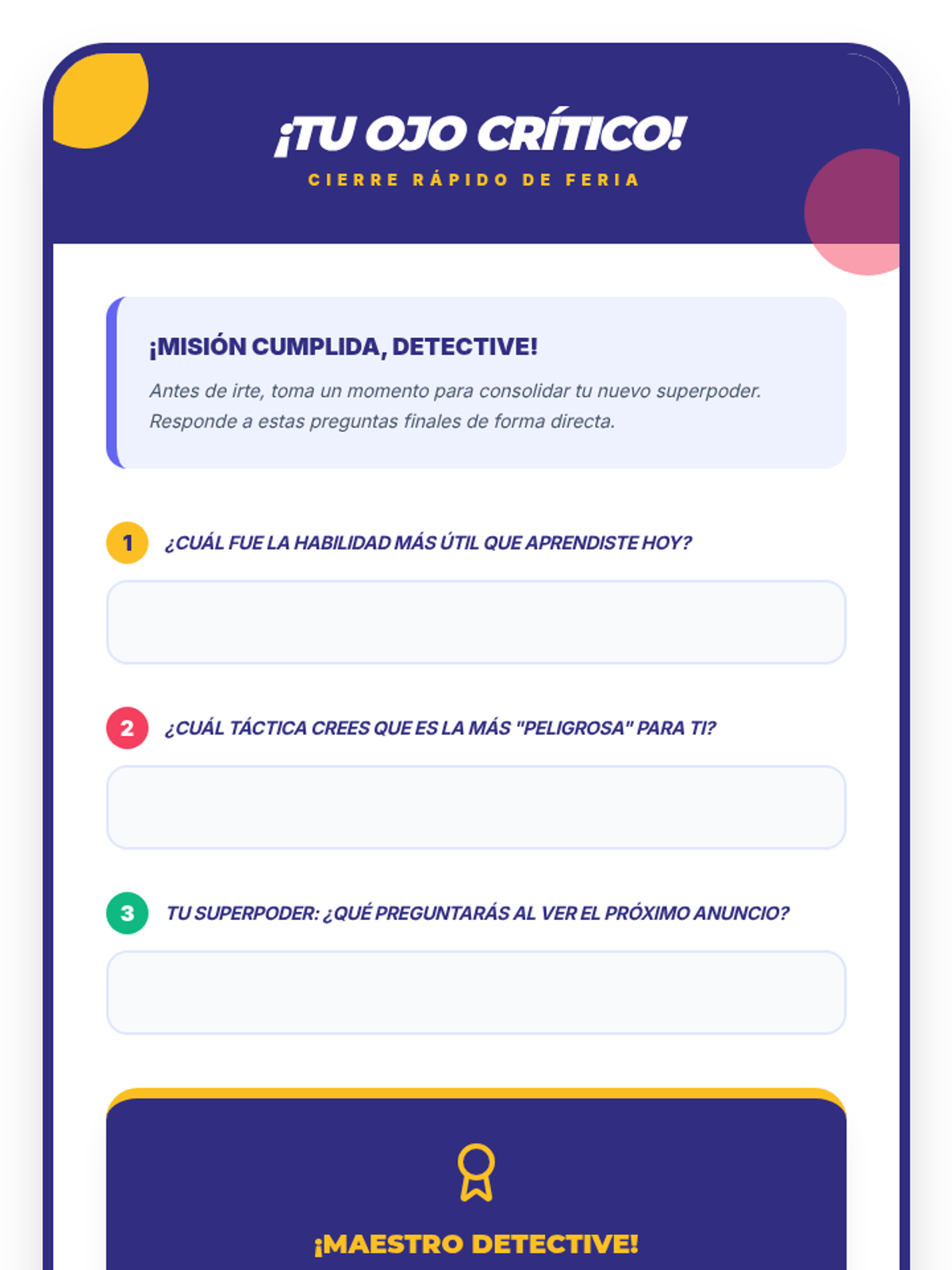
Una secuencia educativa diseñada para empoderar a estudiantes de secundaria en la alfabetización mediática, enfocándose en desmantelar las tácticas de persuasión de la publicidad, especialmente en productos de alcohol y tabaco.
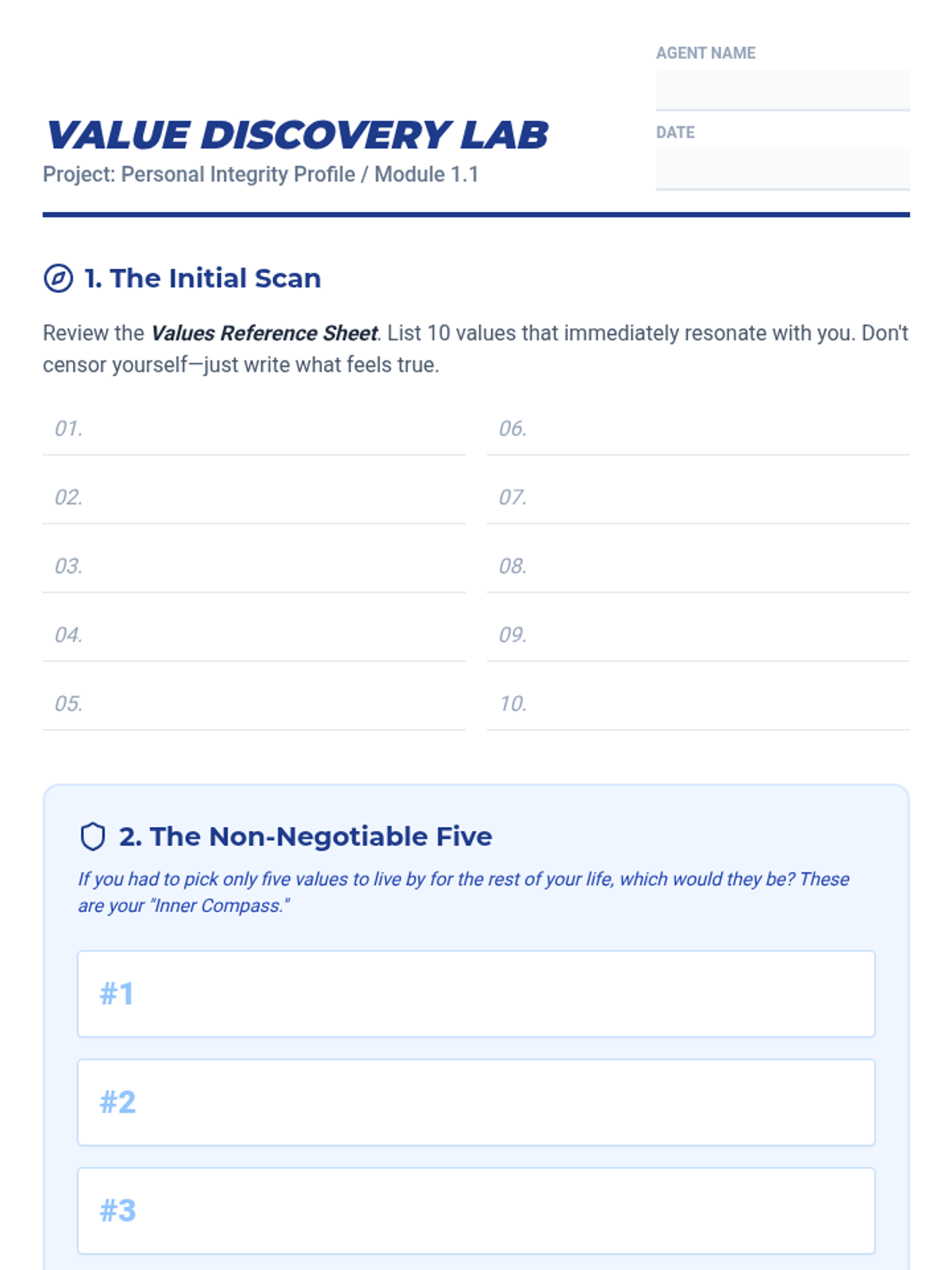
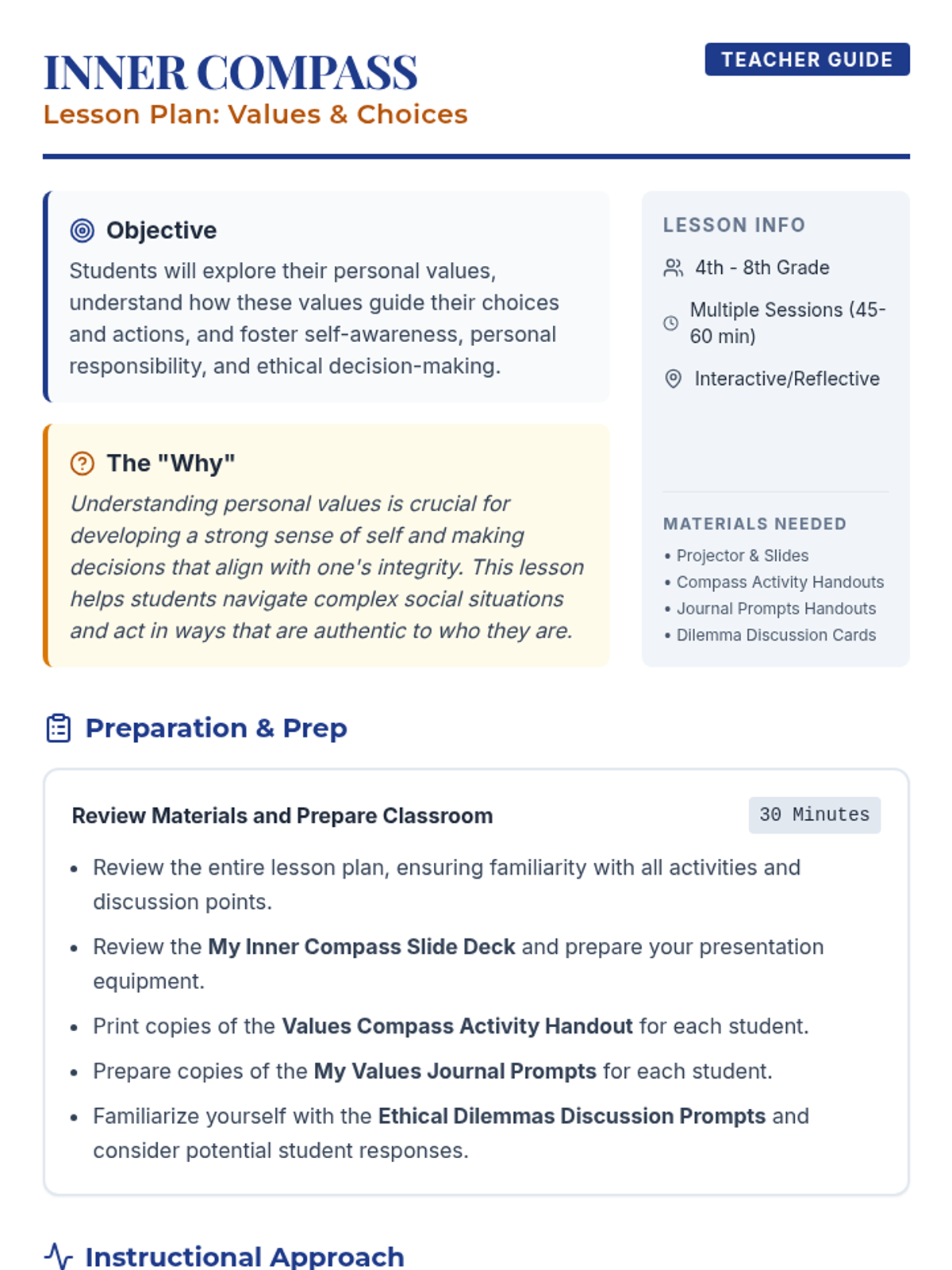
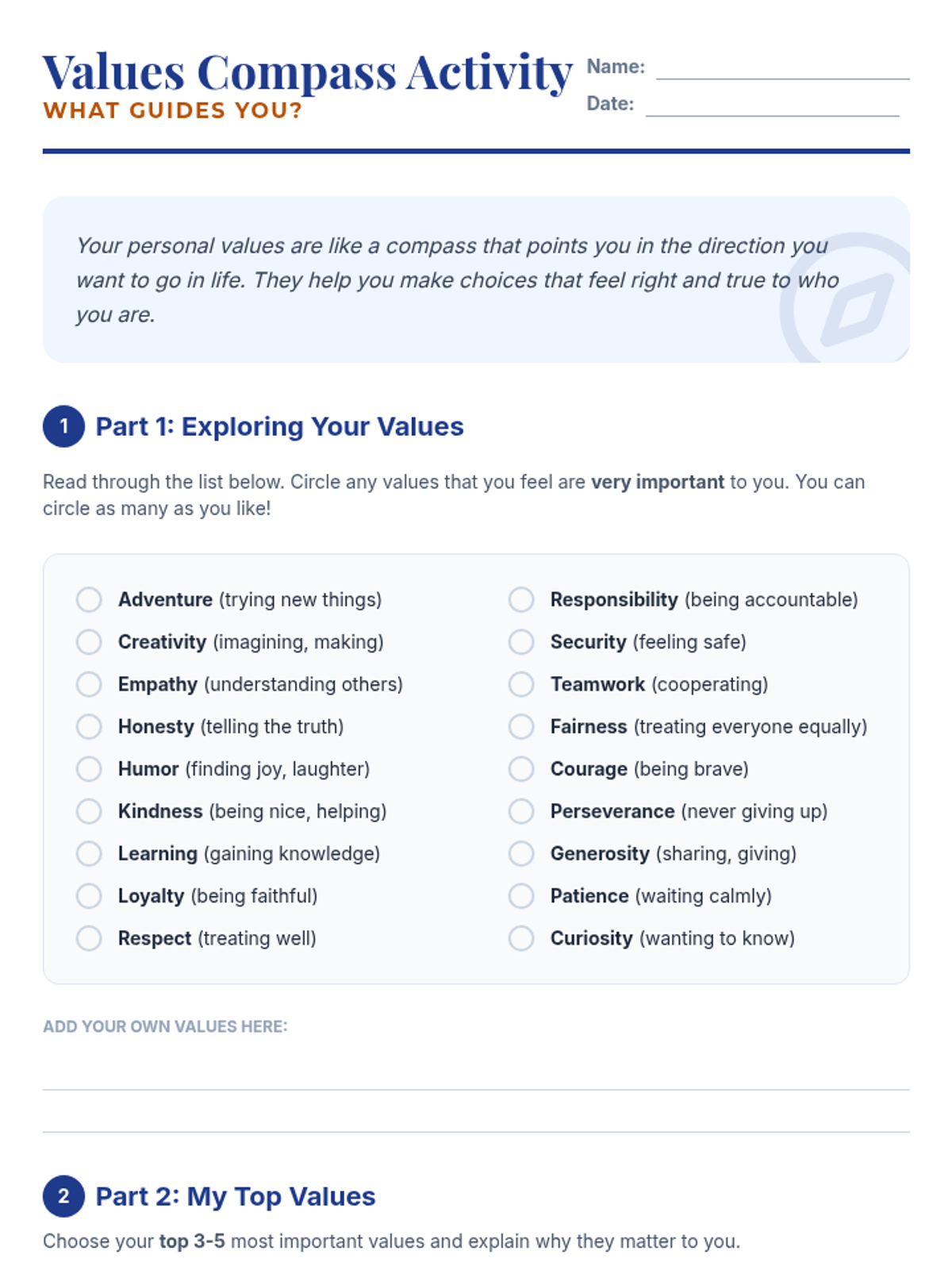
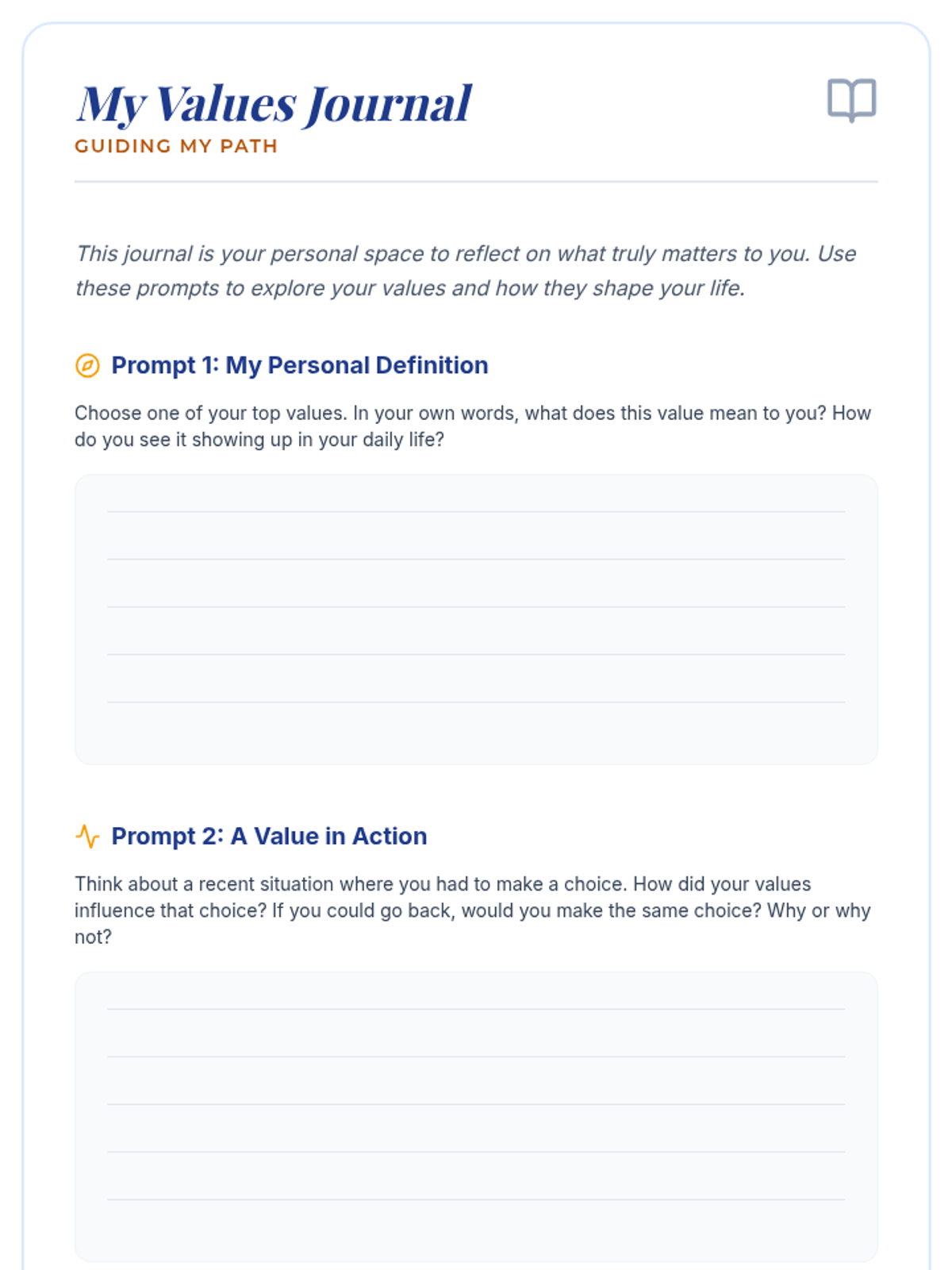
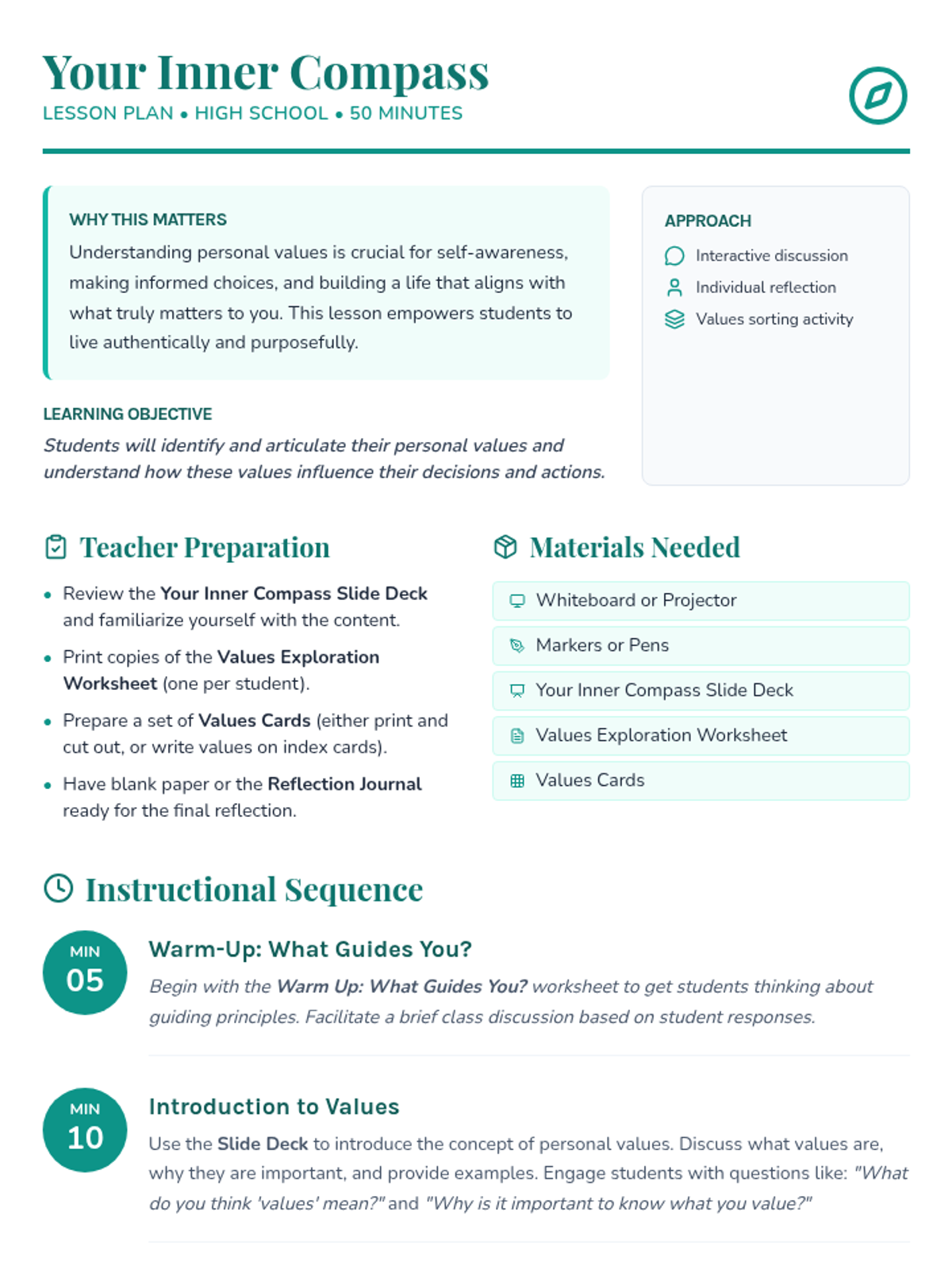
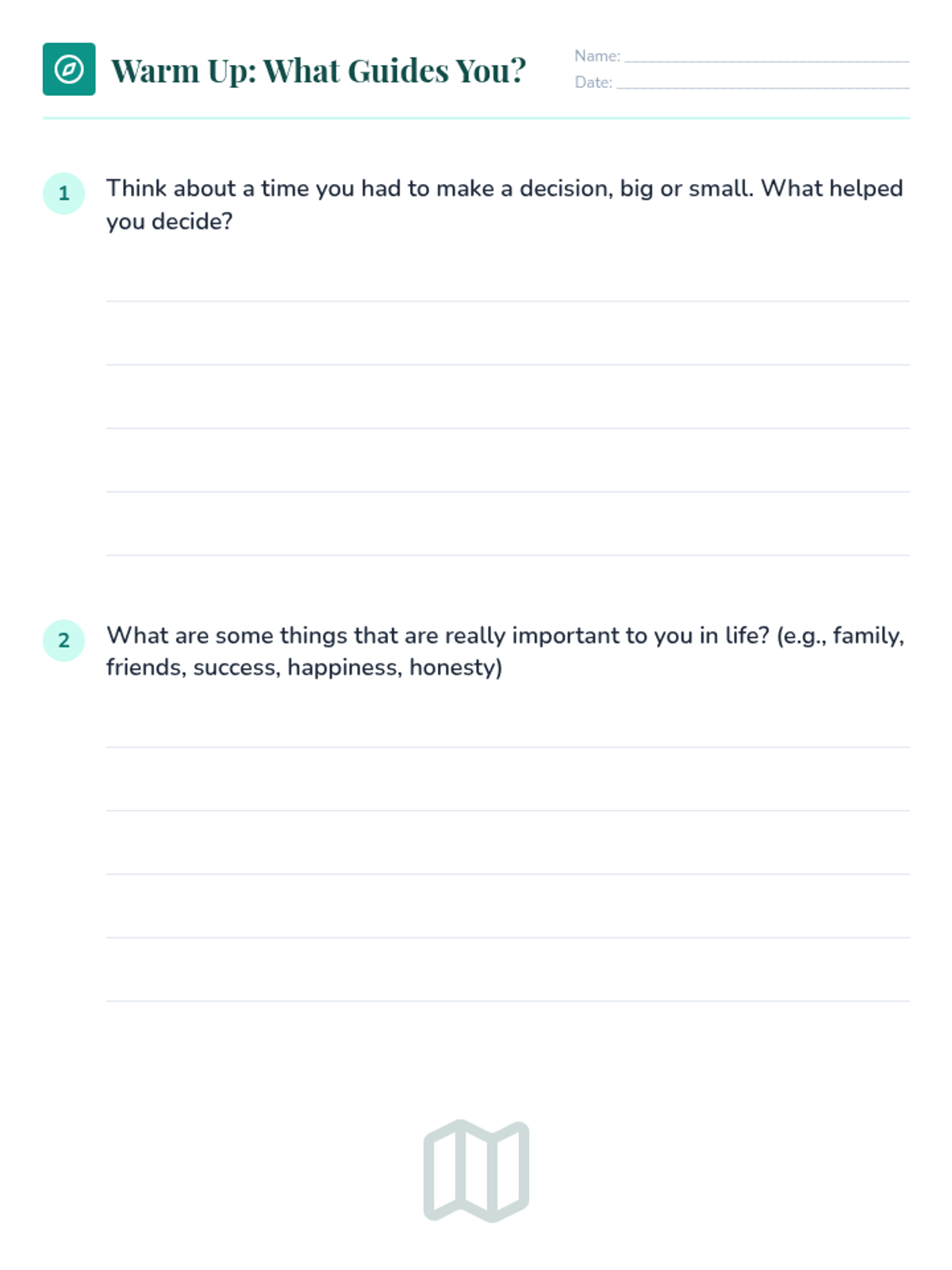
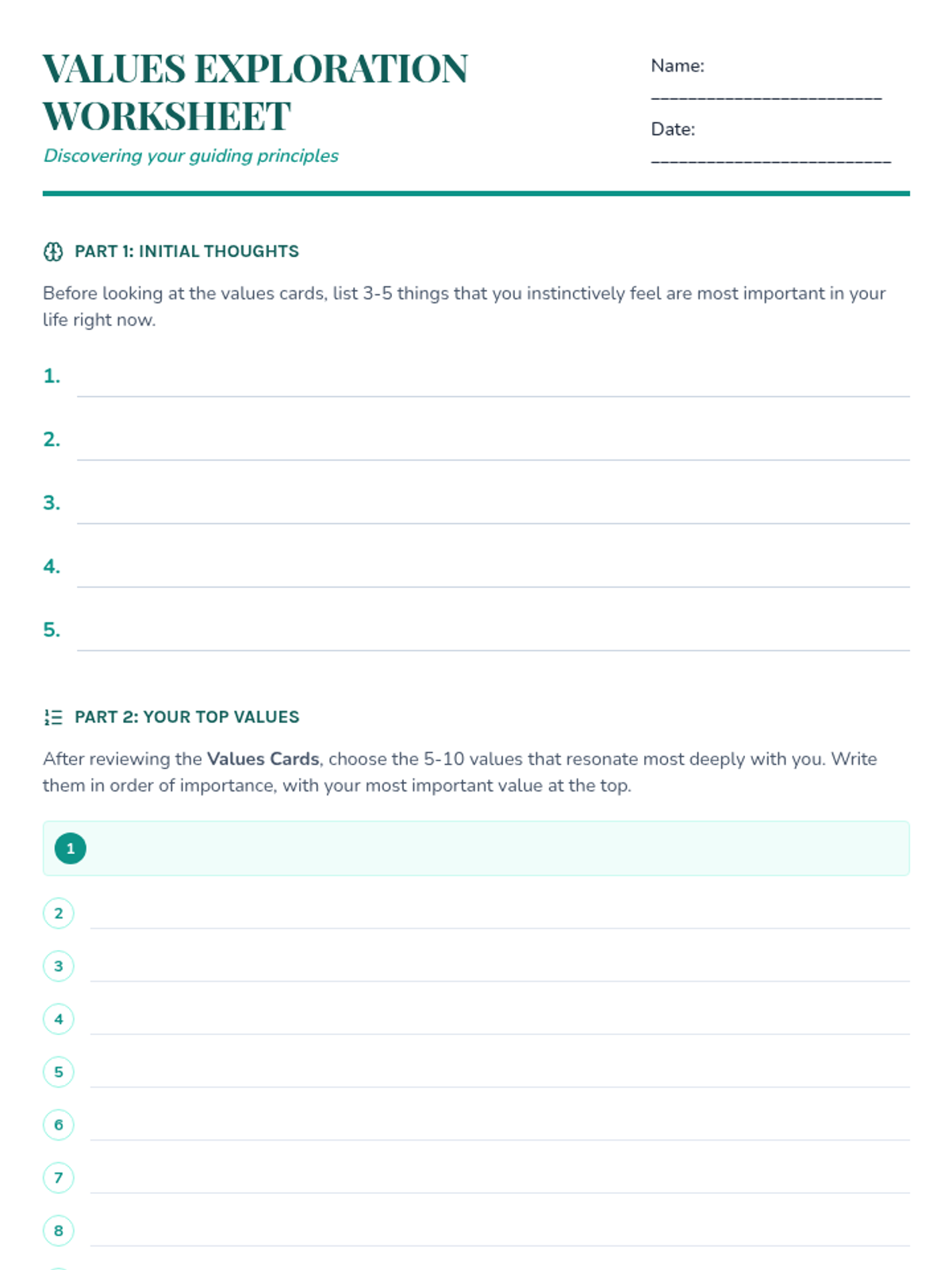
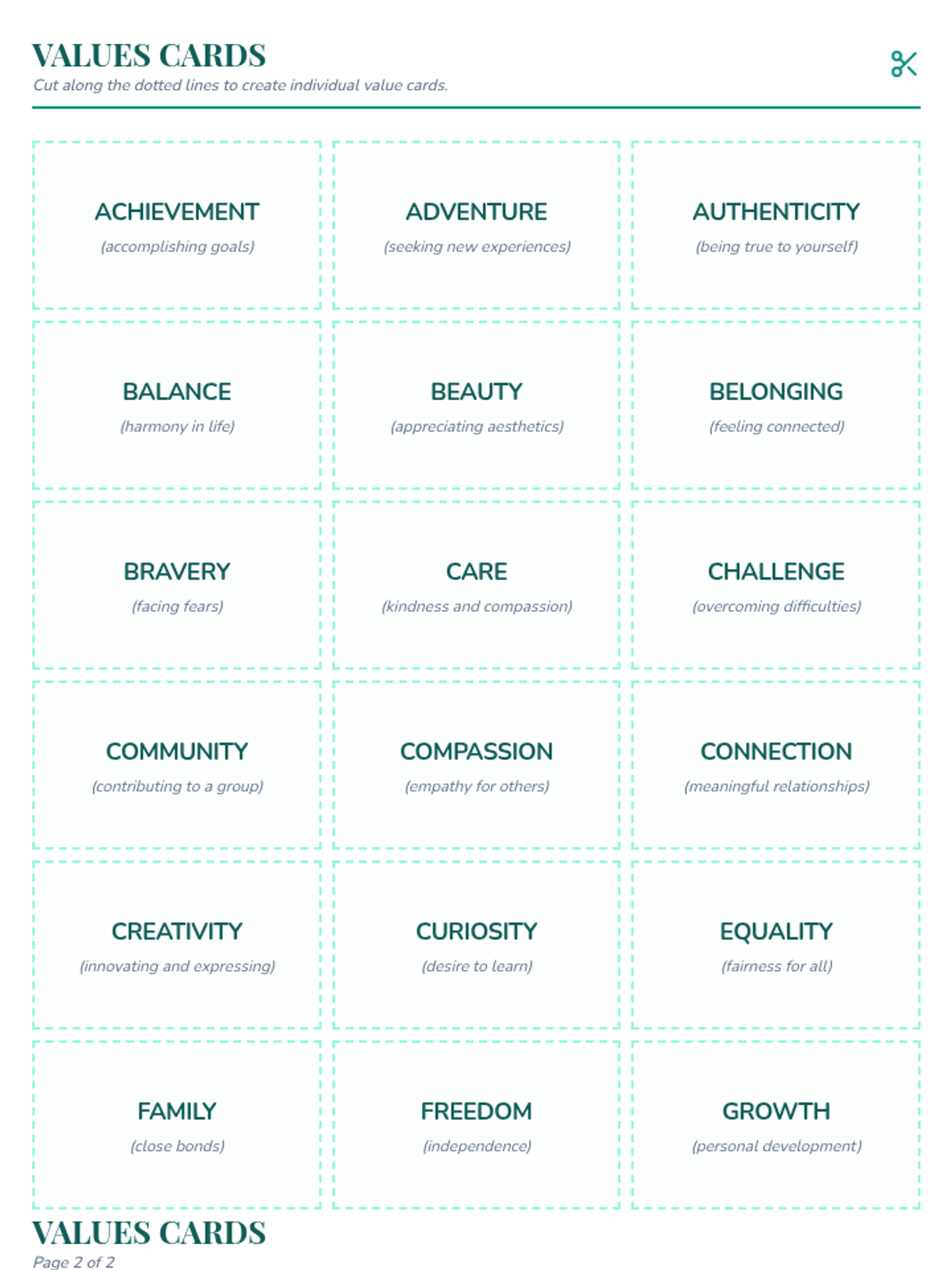
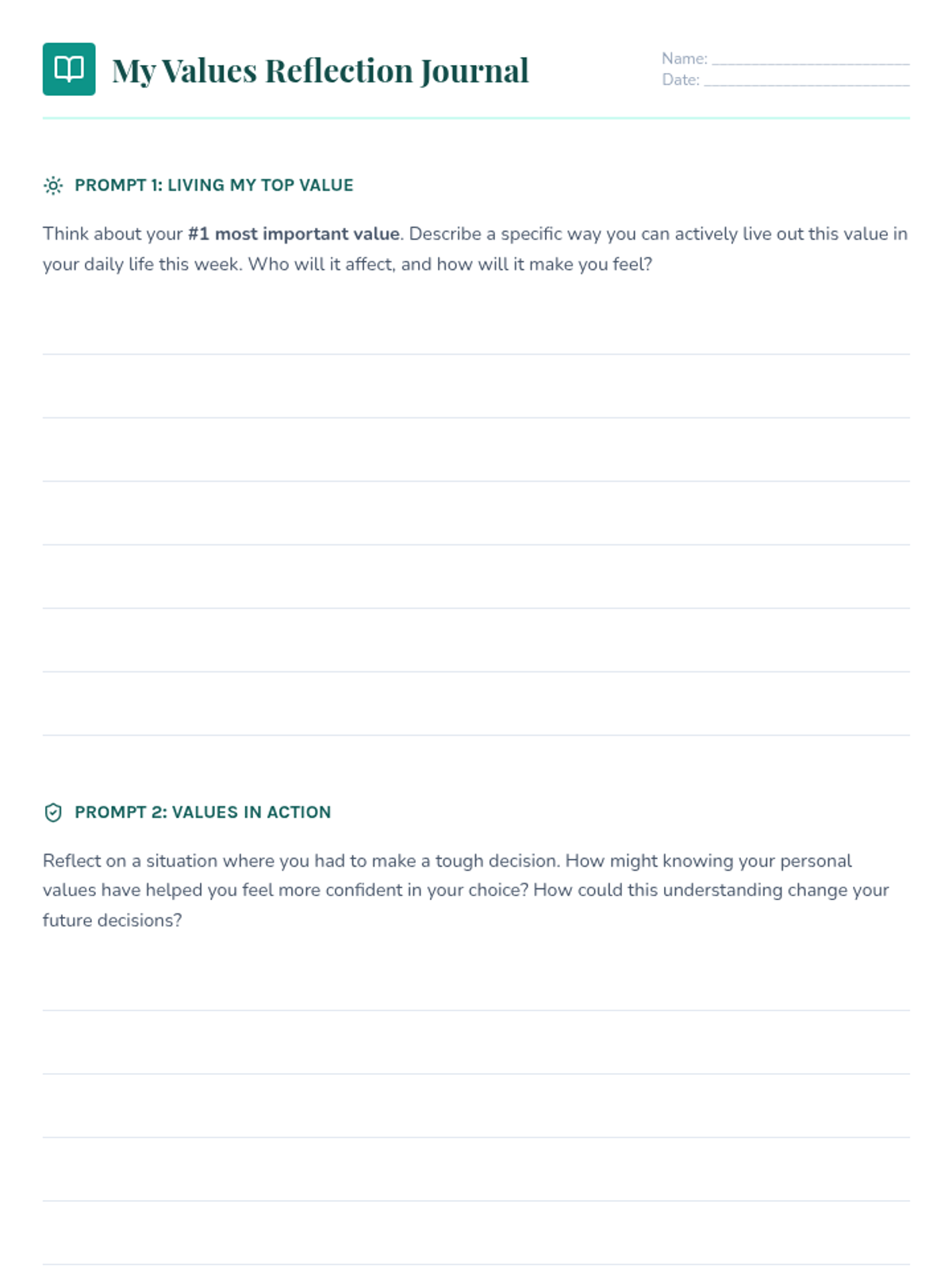
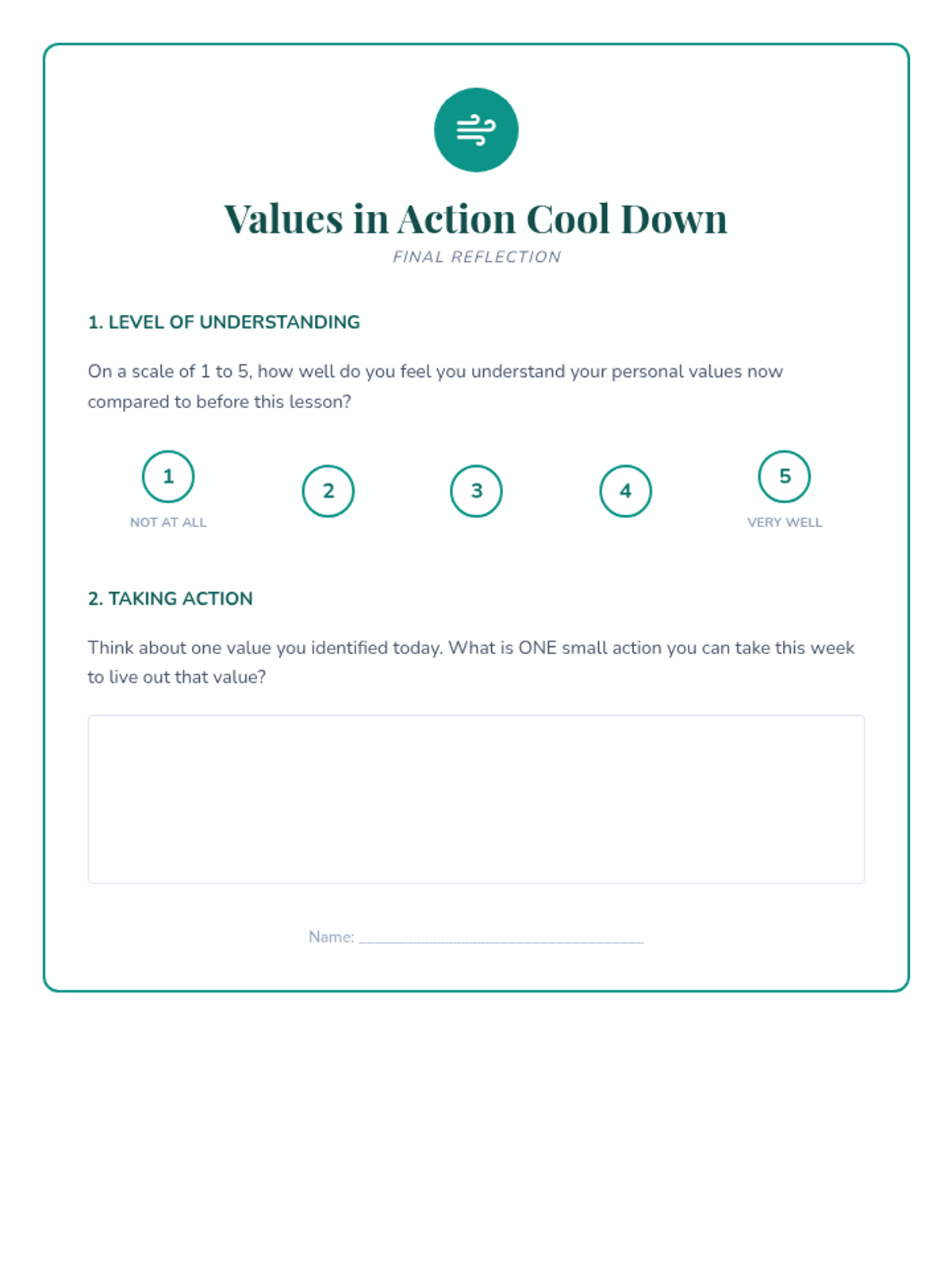
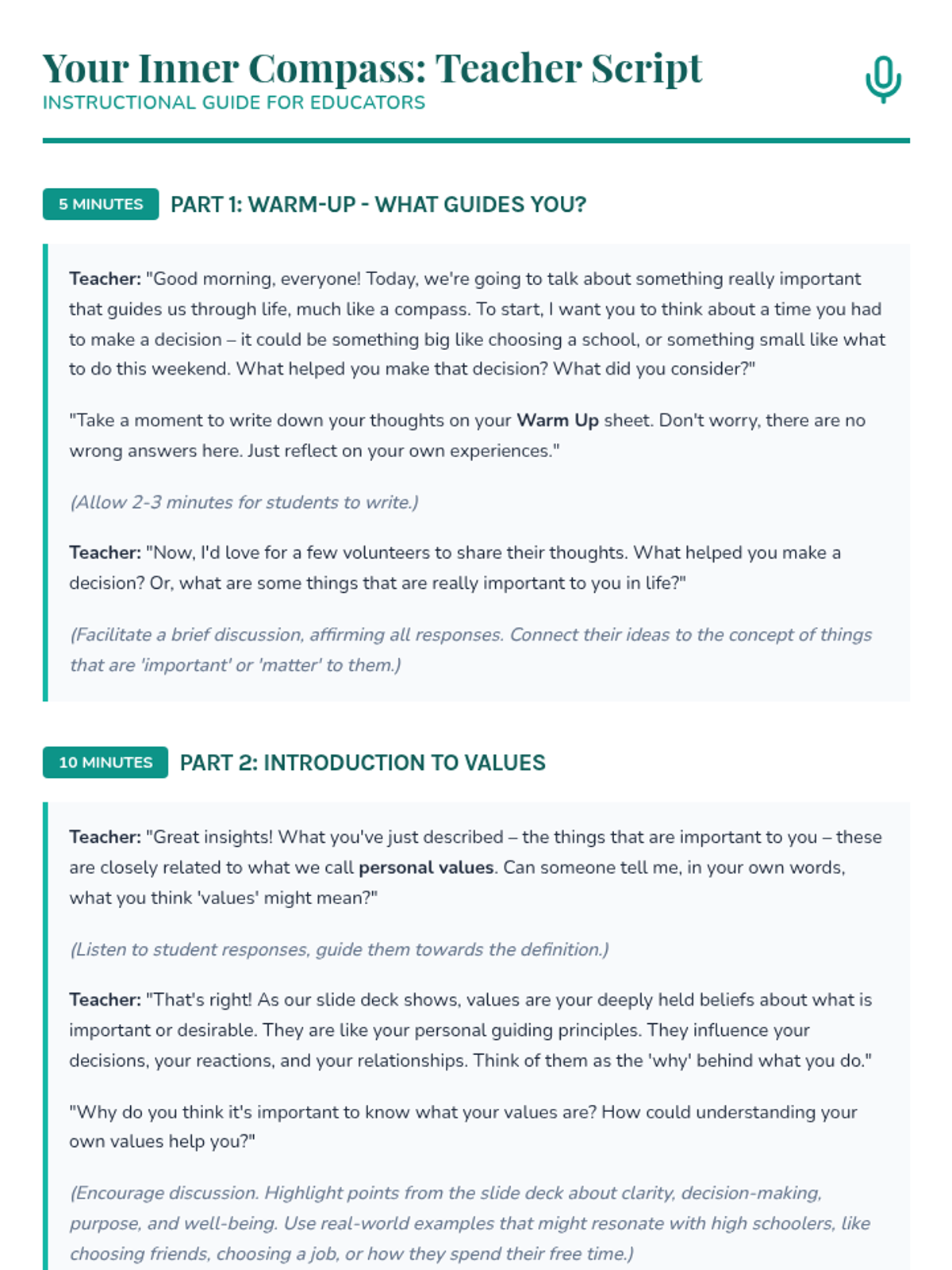
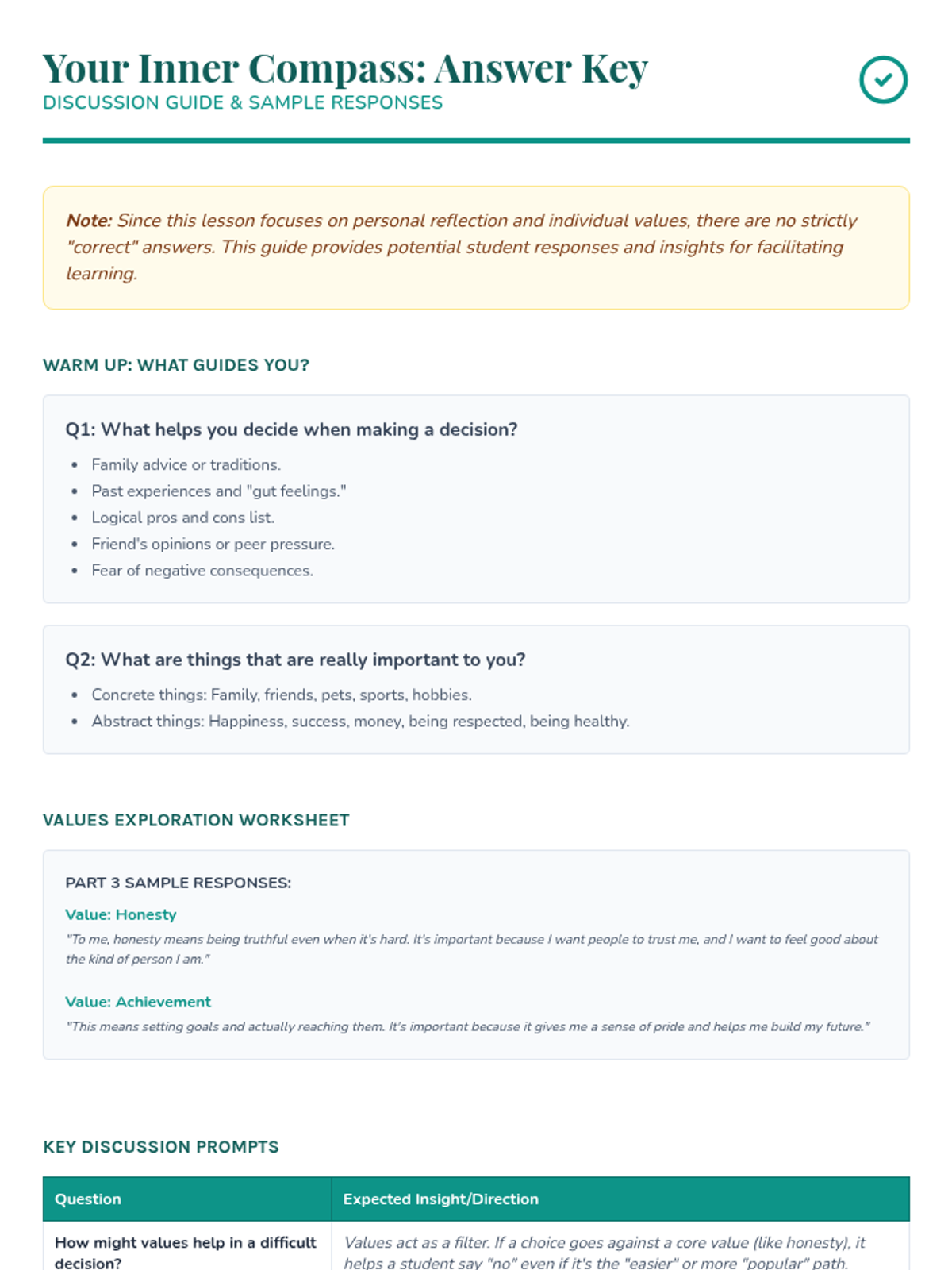
A multi-session series for middle school students to explore personal values and how they act as an 'inner compass' for ethical decision-making.
A comprehensive sequence covering digital citizenship for middle schoolers and interpersonal communication styles for adult learners. These lessons empower students to navigate both online and offline social landscapes with responsibility and respect.
A series of self-discovery lessons designed to help students navigate their personal identity, from identifying core values in high school to building self-esteem in middle school.
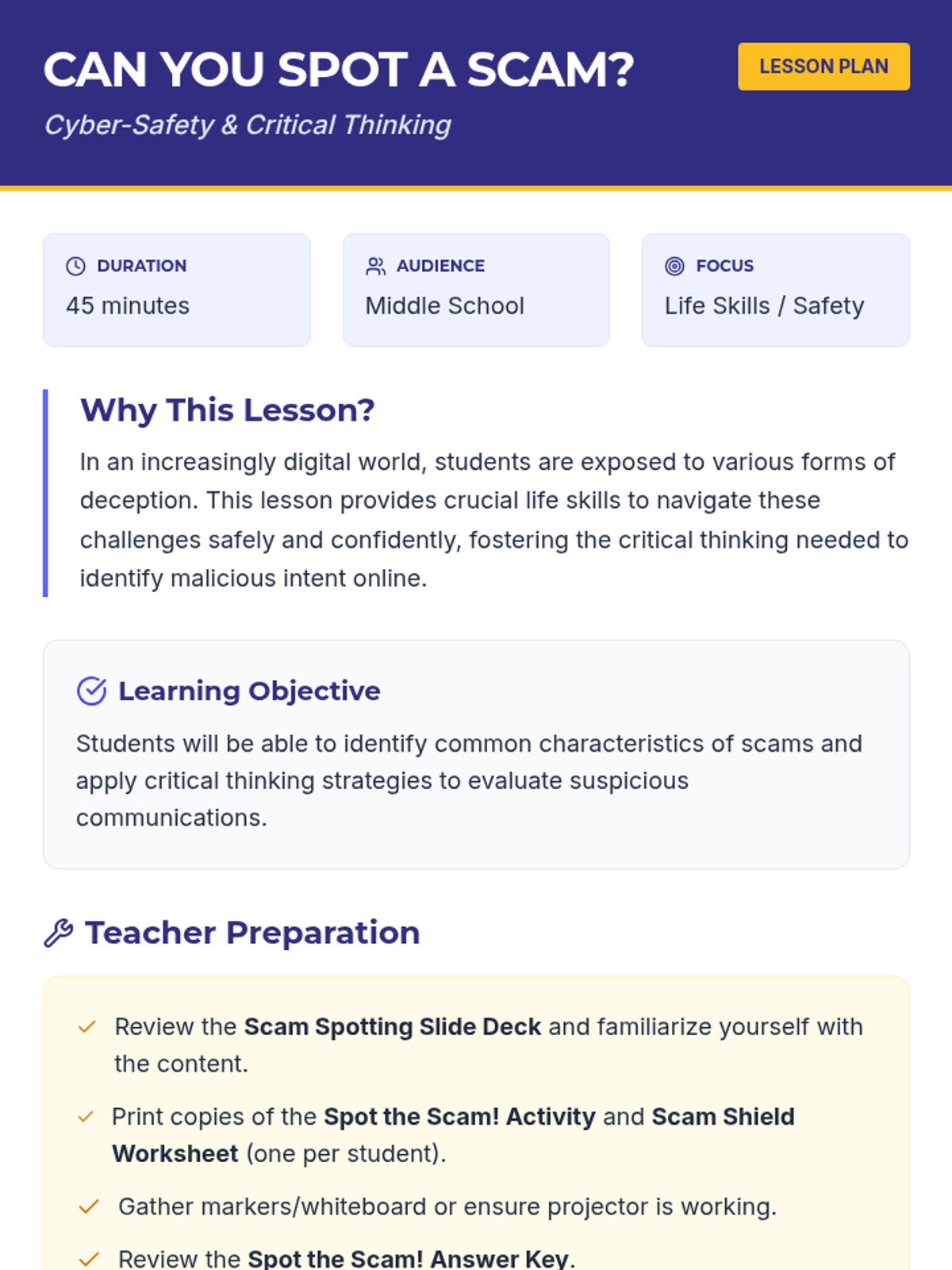
A sequence of two life skills lessons designed to empower students with critical thinking skills for digital safety and personal character development.
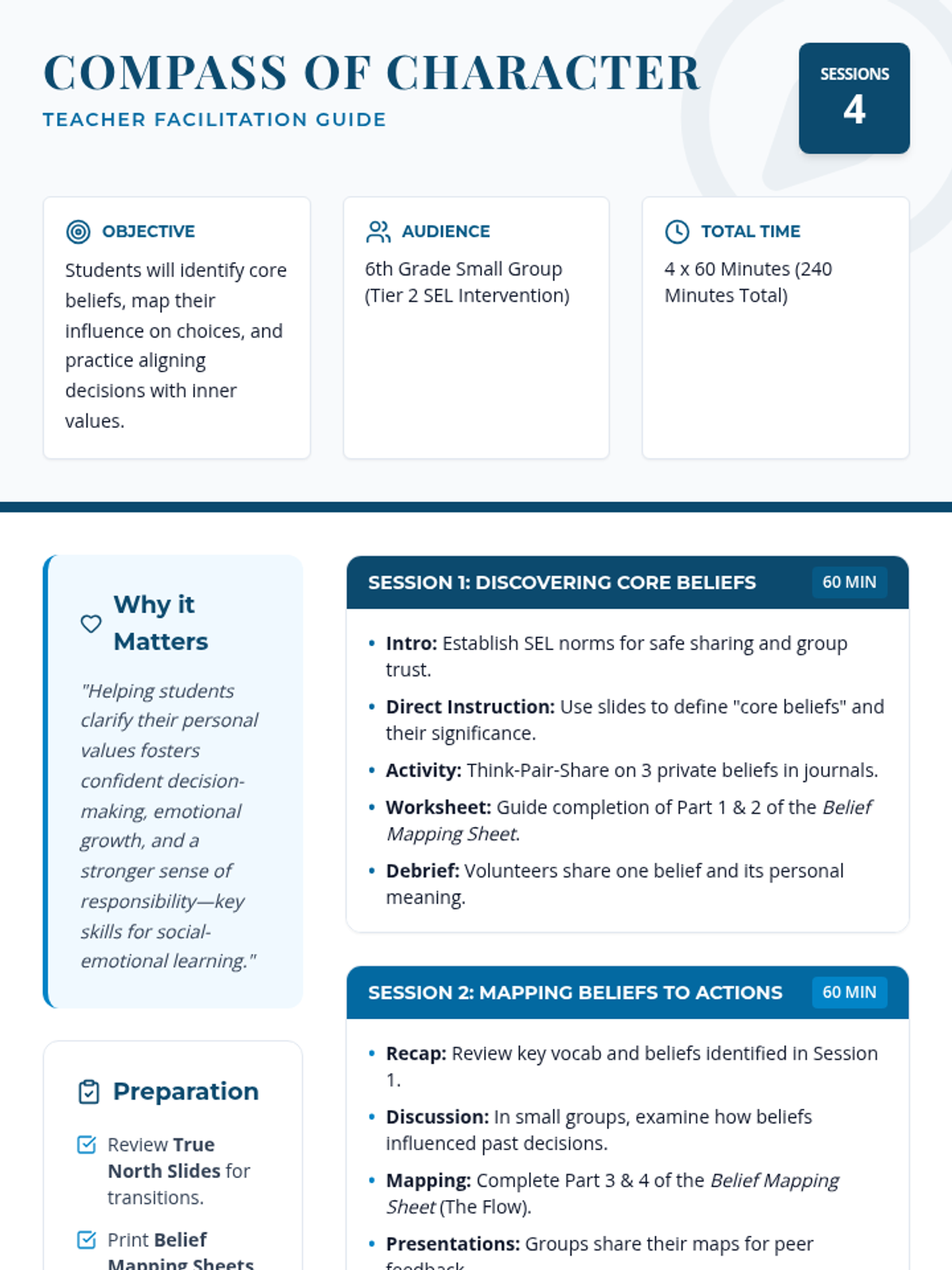
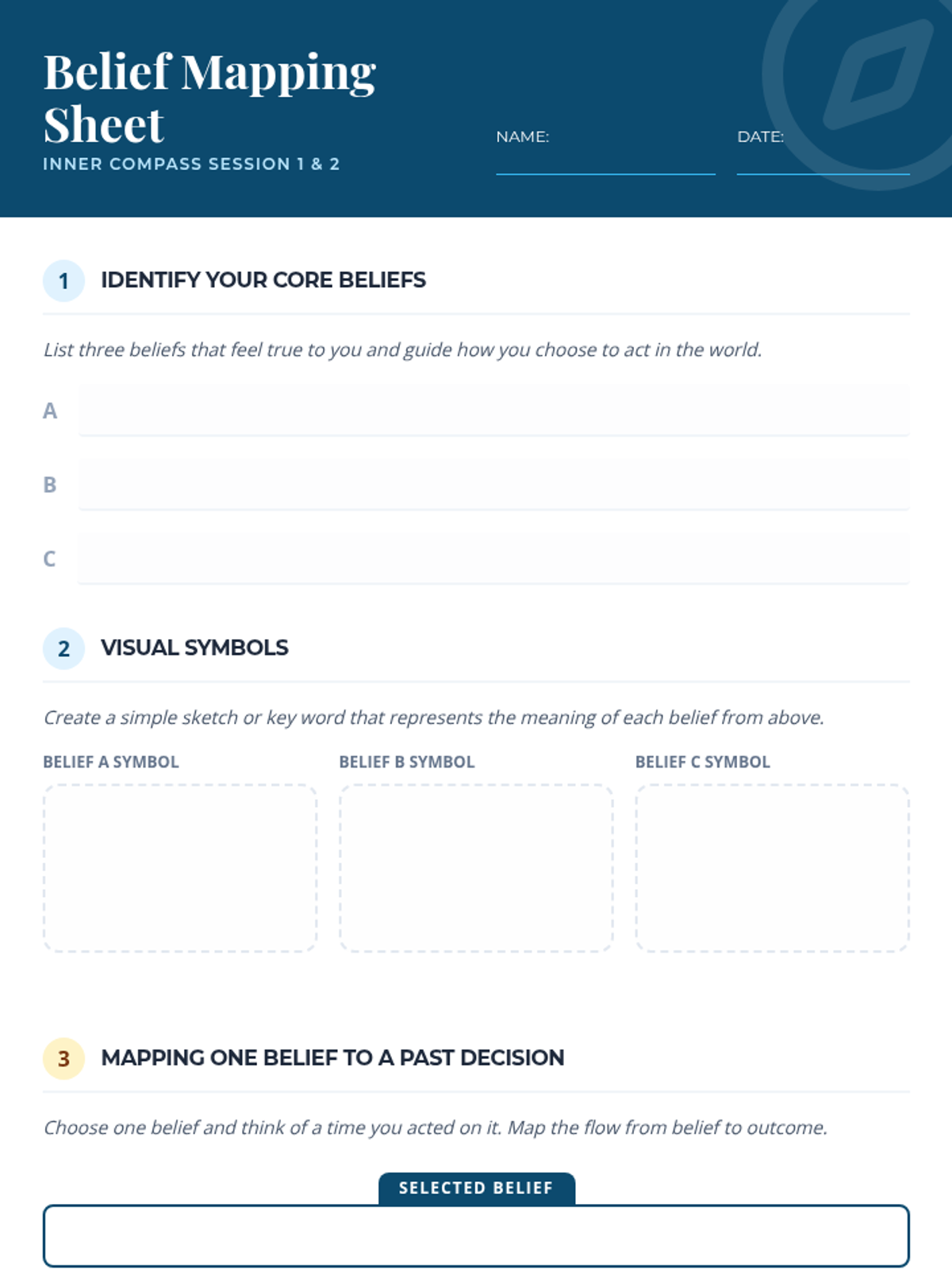
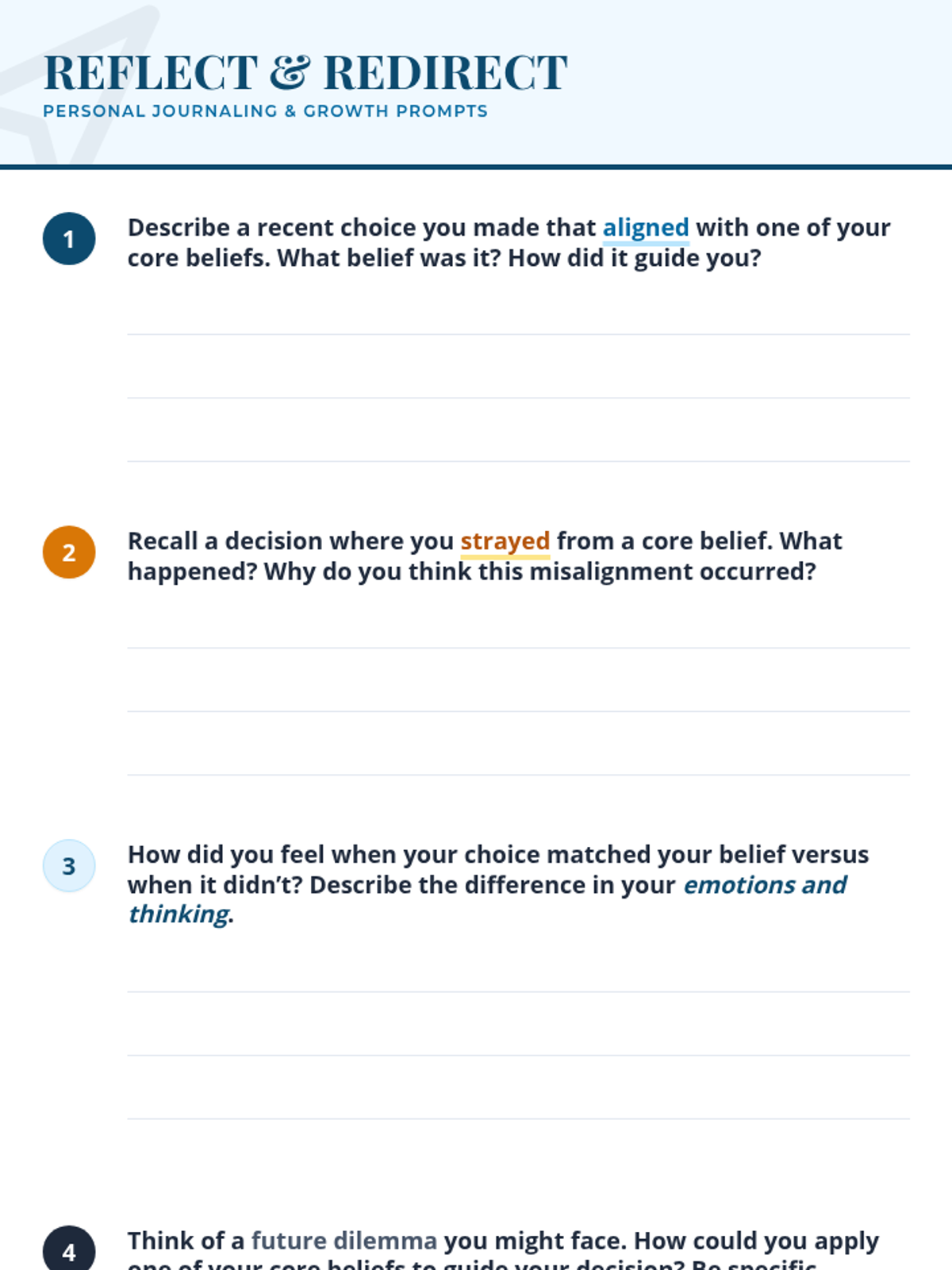
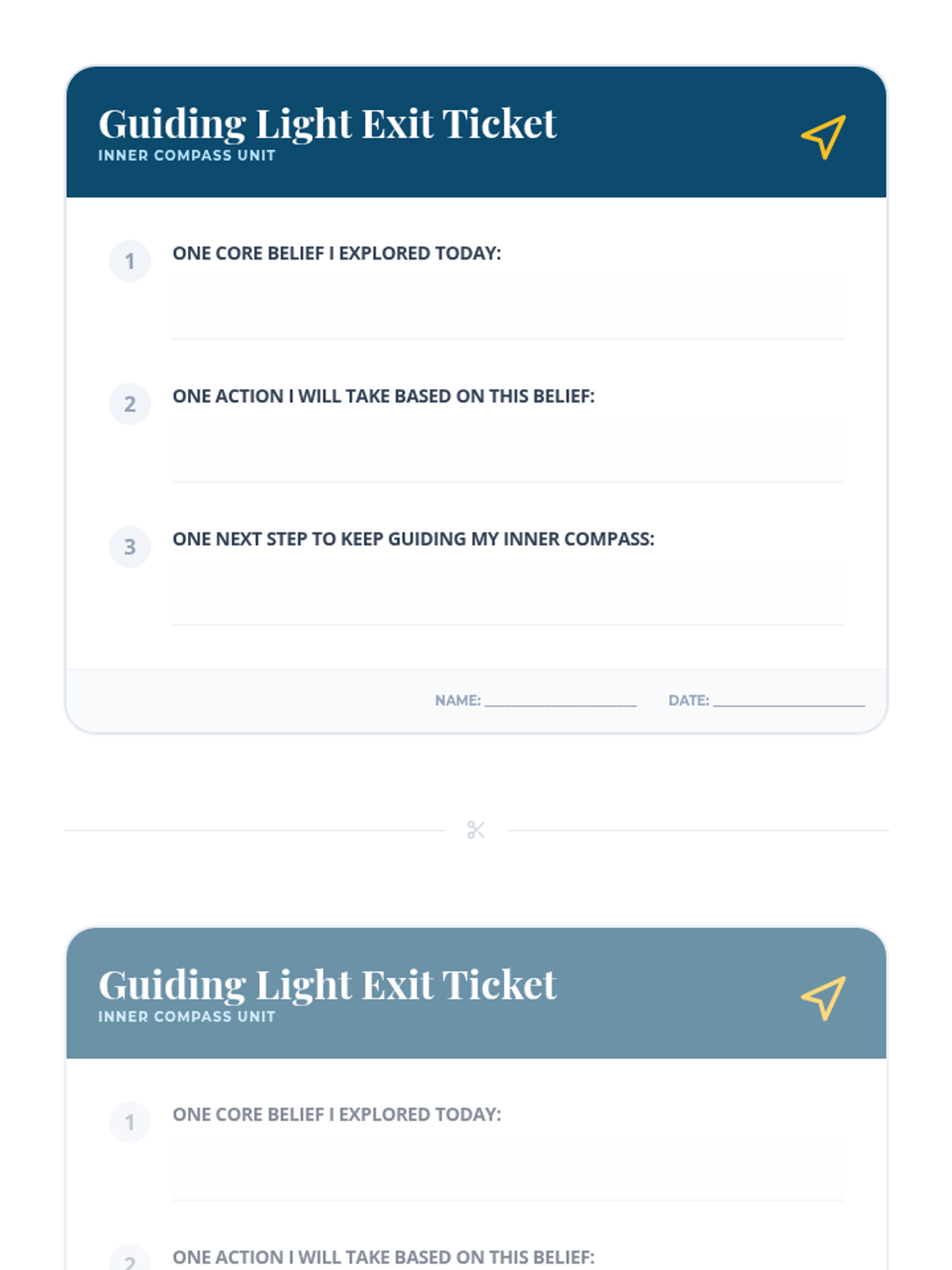
A 4-session small-group unit for 6th graders to explore core beliefs, map their influence on choices, and practice aligning decisions with personal values to foster confidence and responsibility.
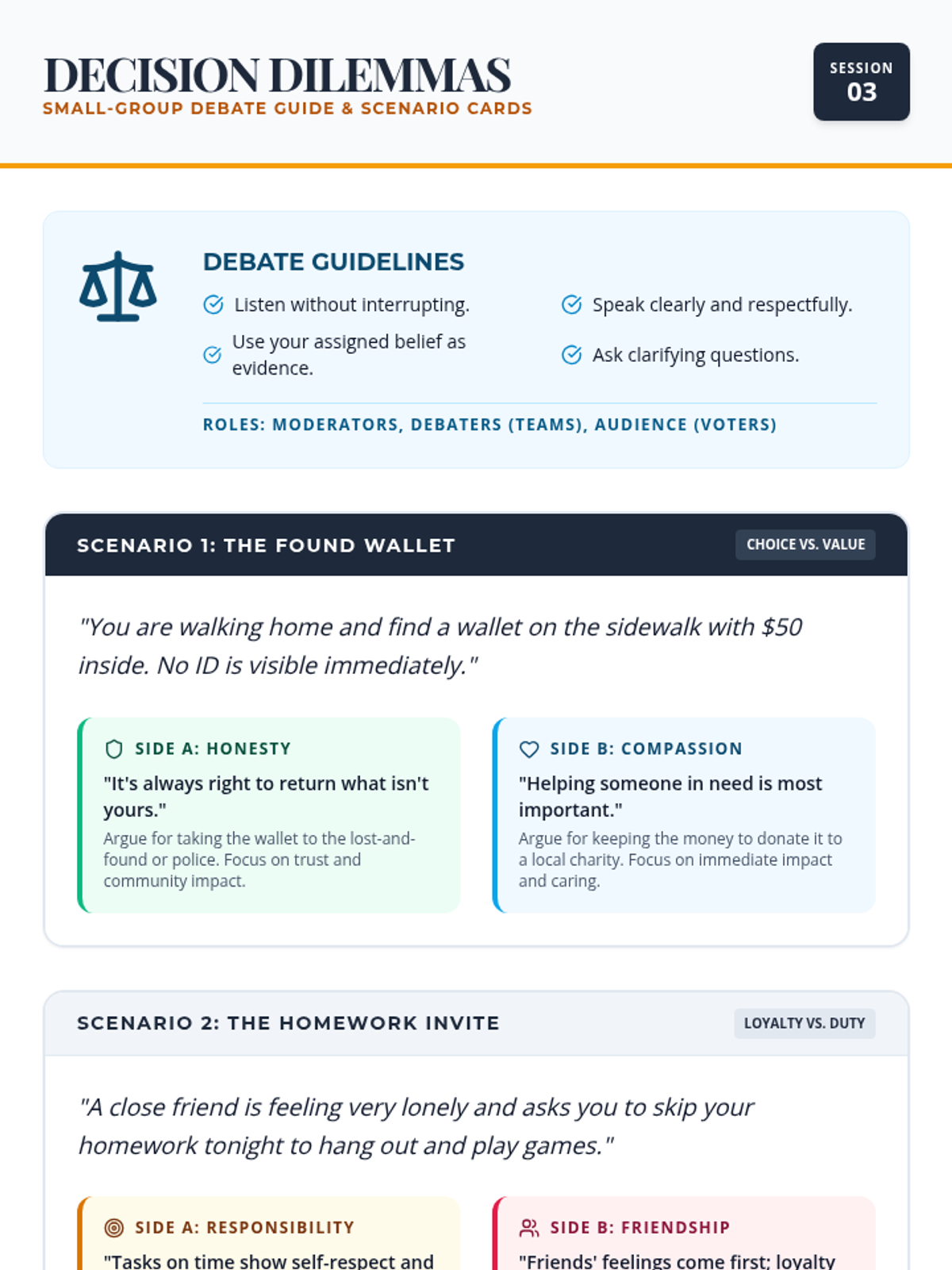
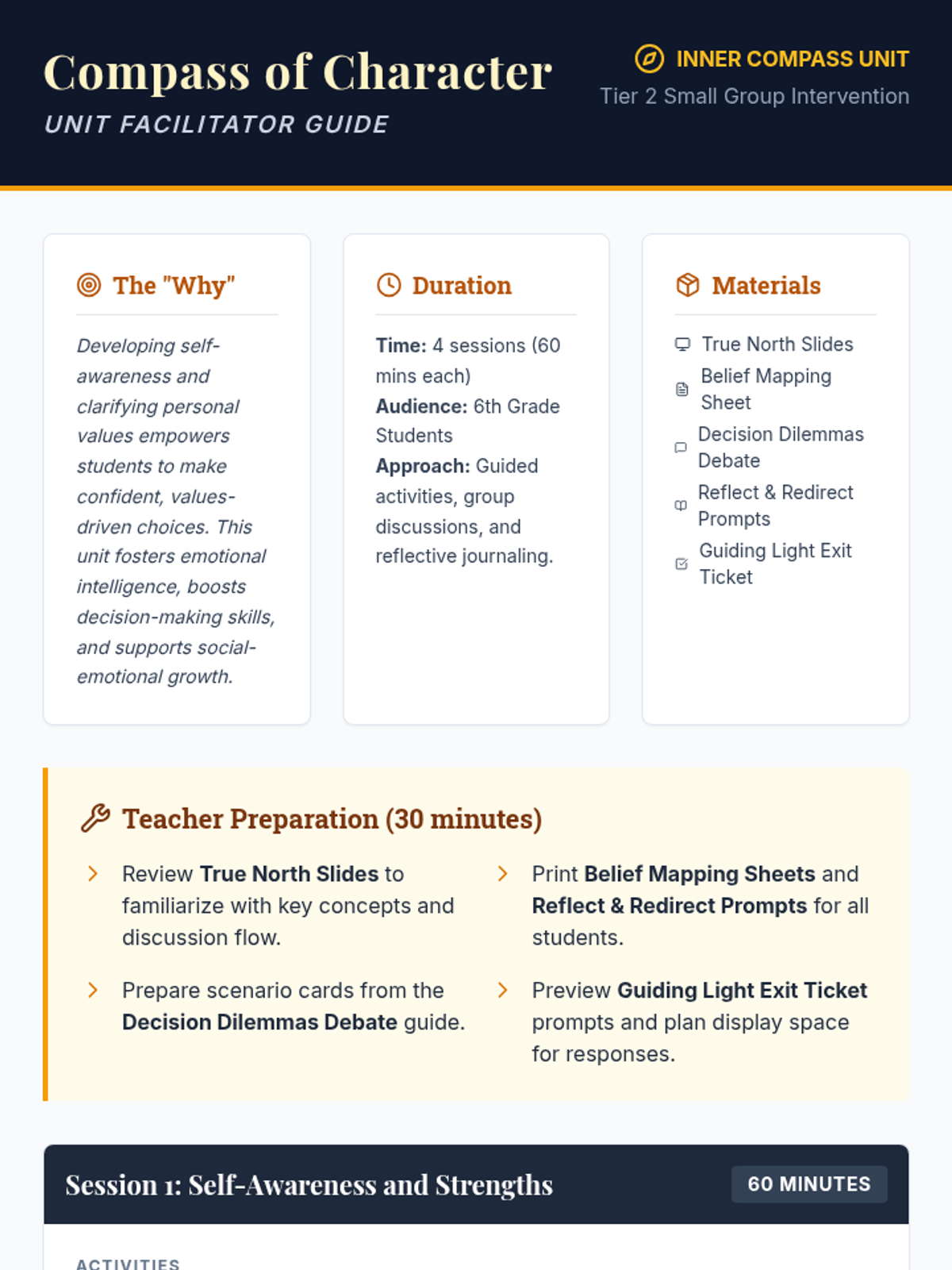
A Tier 2 small-group unit for 6th graders focused on building self-awareness and identifying core values to guide decision-making. Over four sessions, students navigate their 'inner compass' through strengths discovery, values mapping, and scenario-based practice.
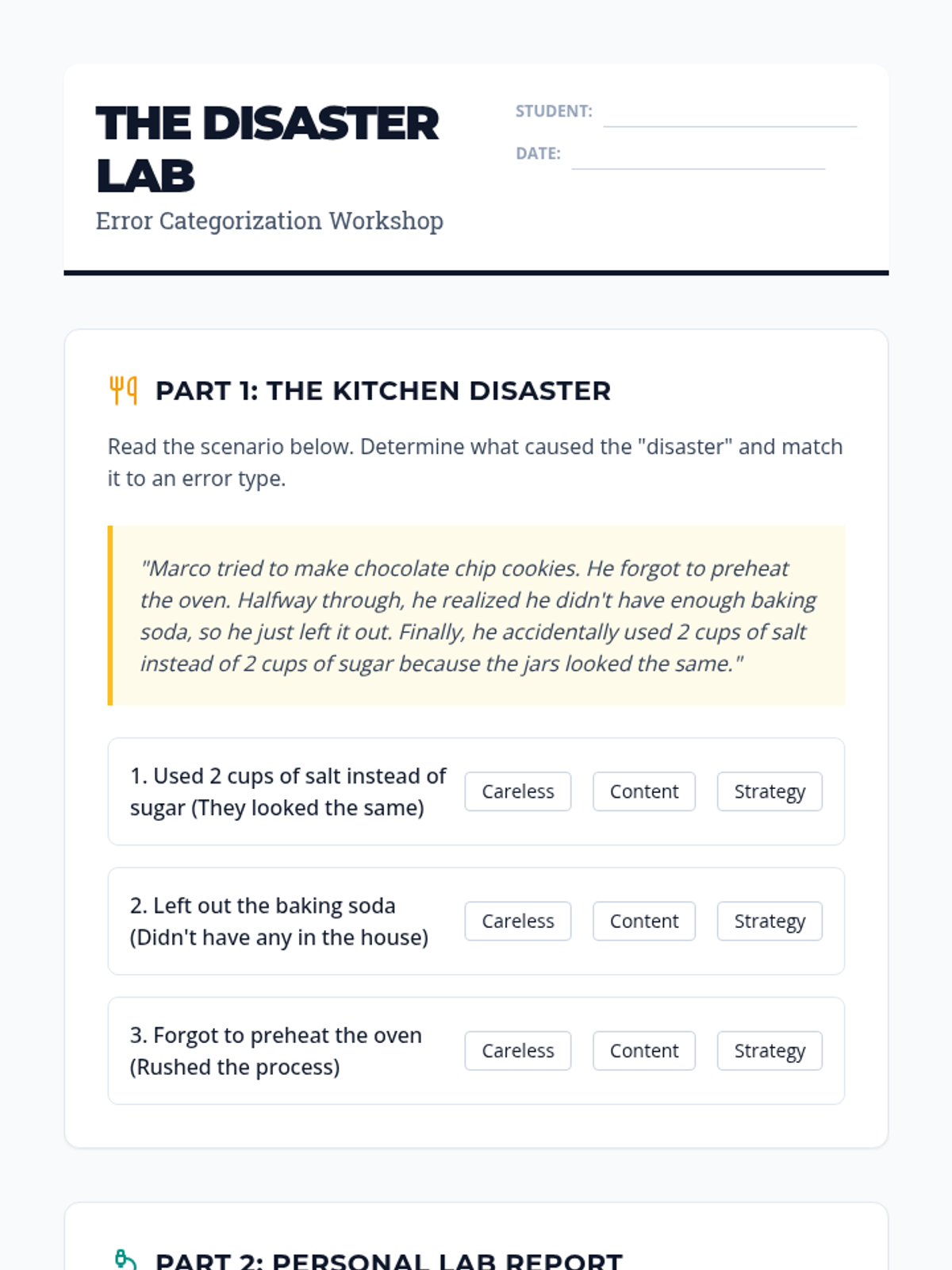
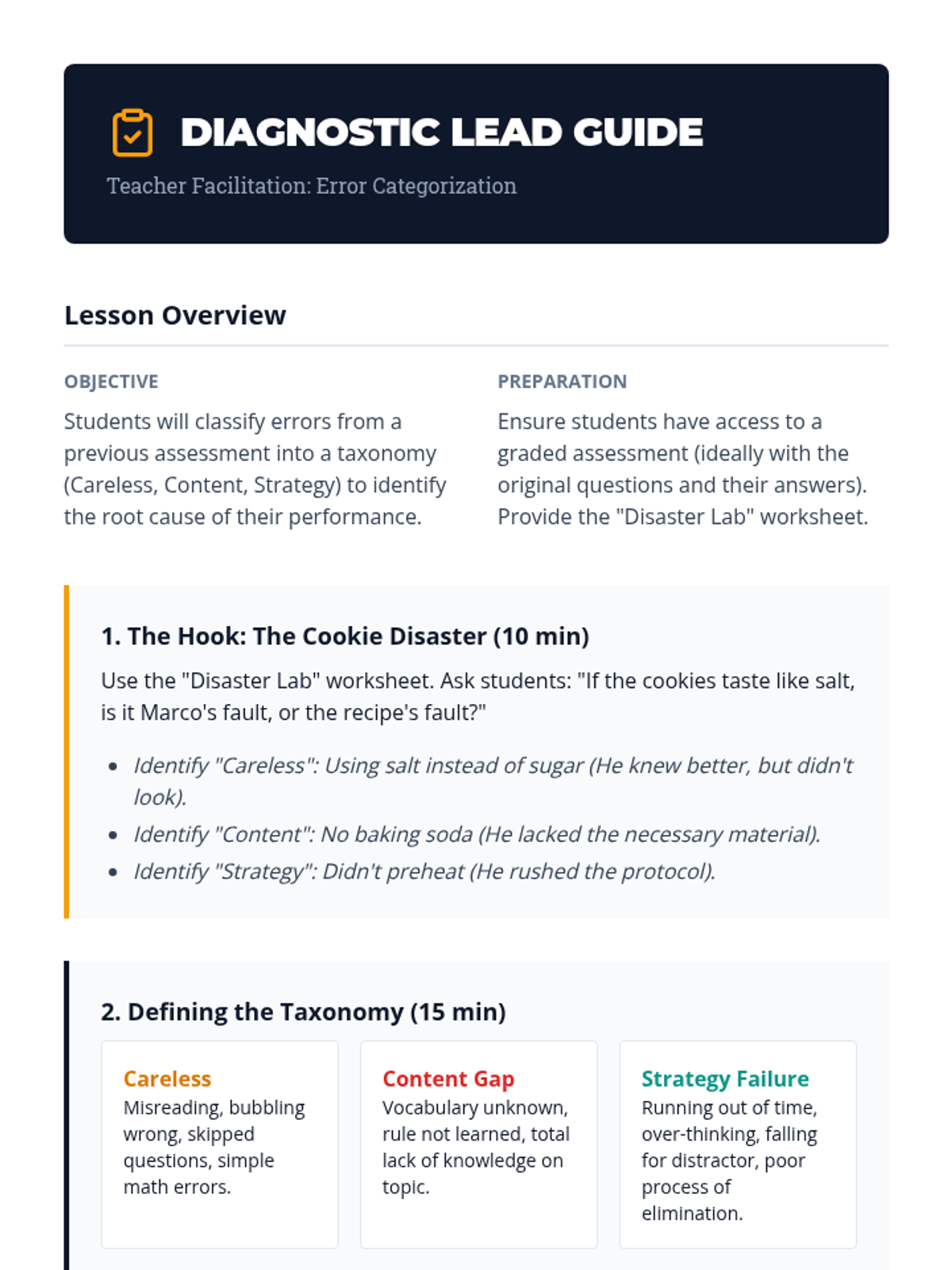
A comprehensive sequence on metacognitive error analysis, teaching students to categorize, analyze, and learn from their mistakes to improve test-taking performance. Students move from simple error classification to deep retrospective correction and personal strategy development.
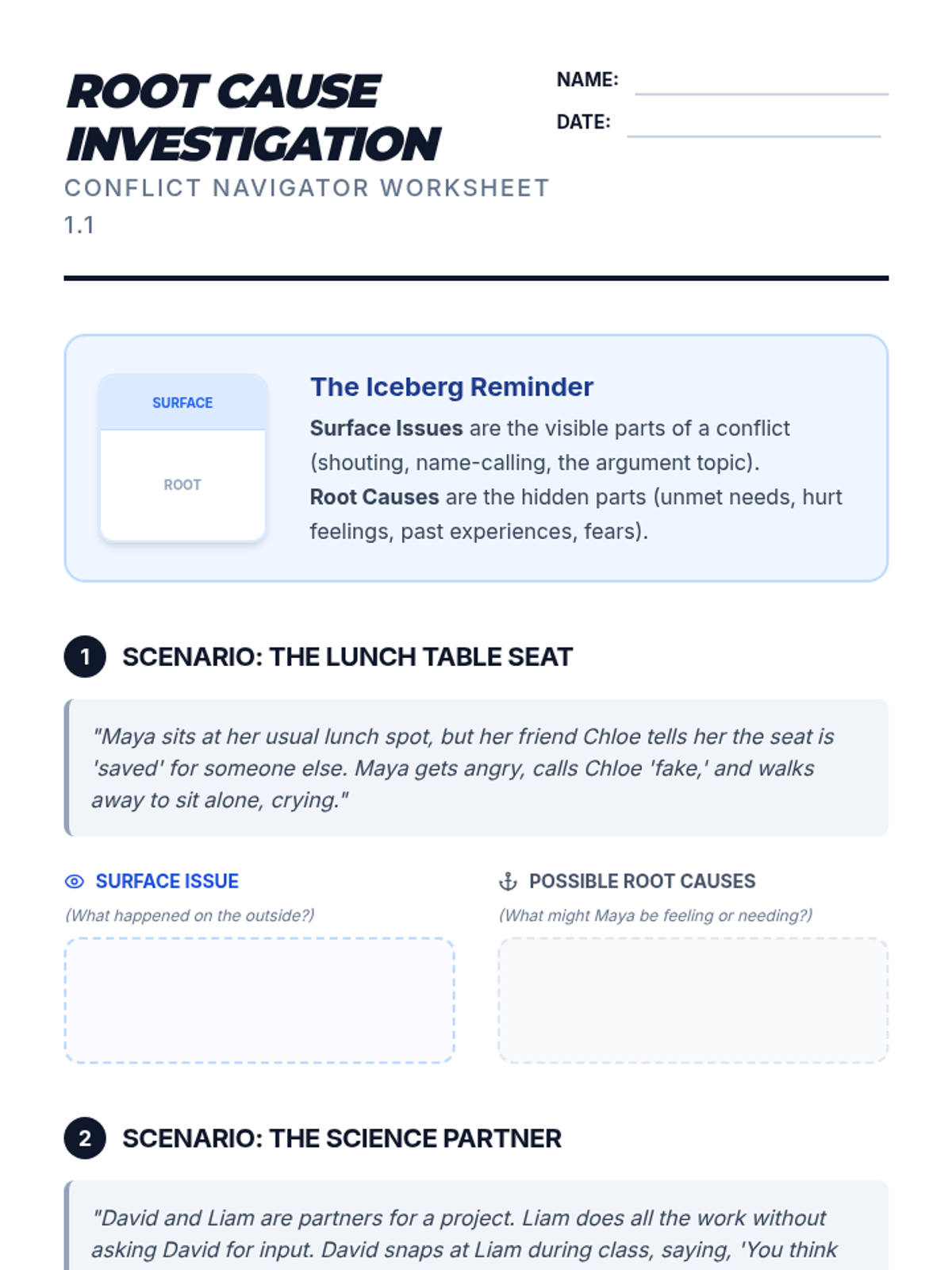
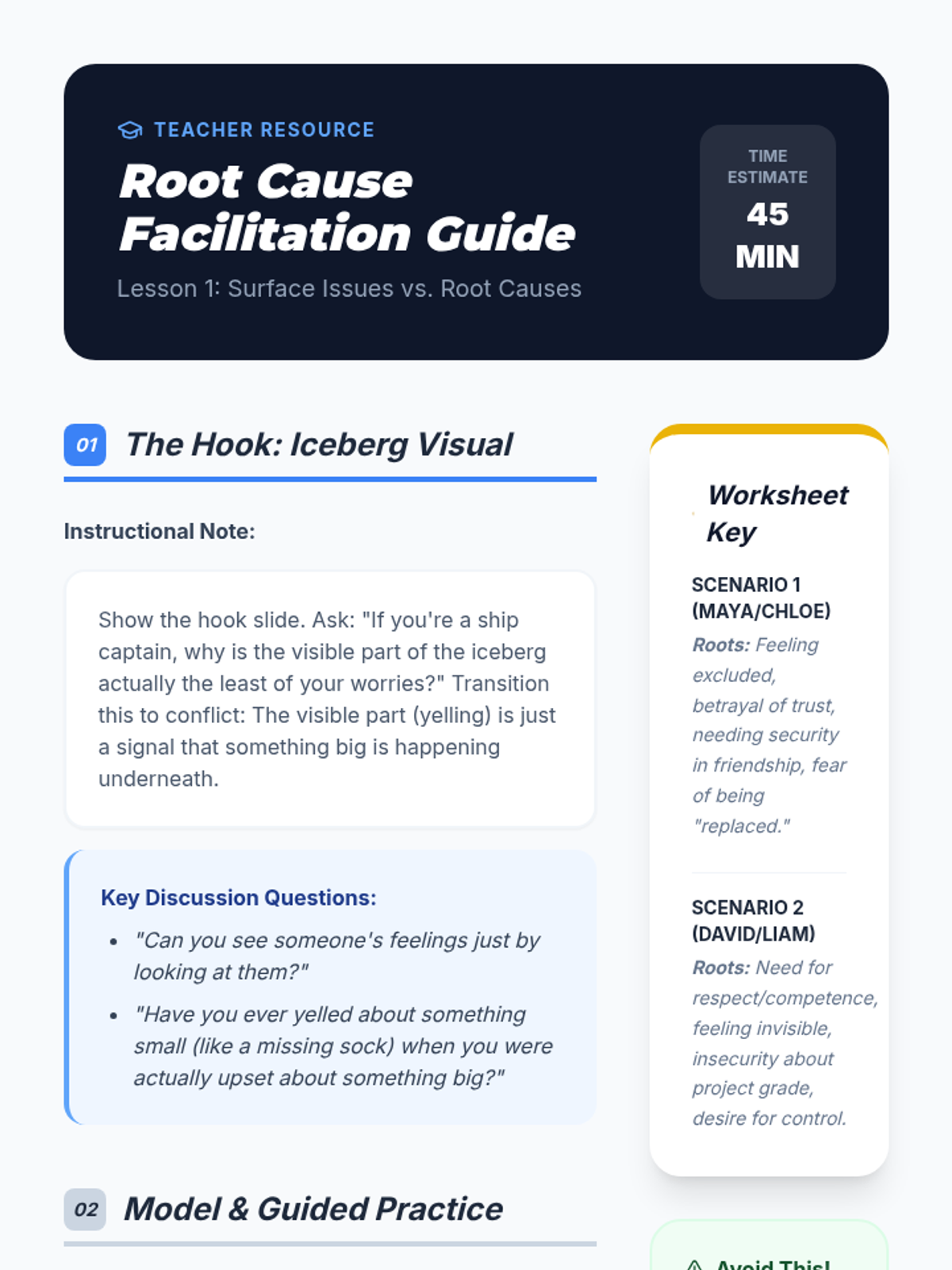
A comprehensive 6th-grade sequence on conflict navigation, teaching students to identify root causes, recognize personal conflict styles, practice perspective-taking, understand escalation, and diagnose complex disputes.
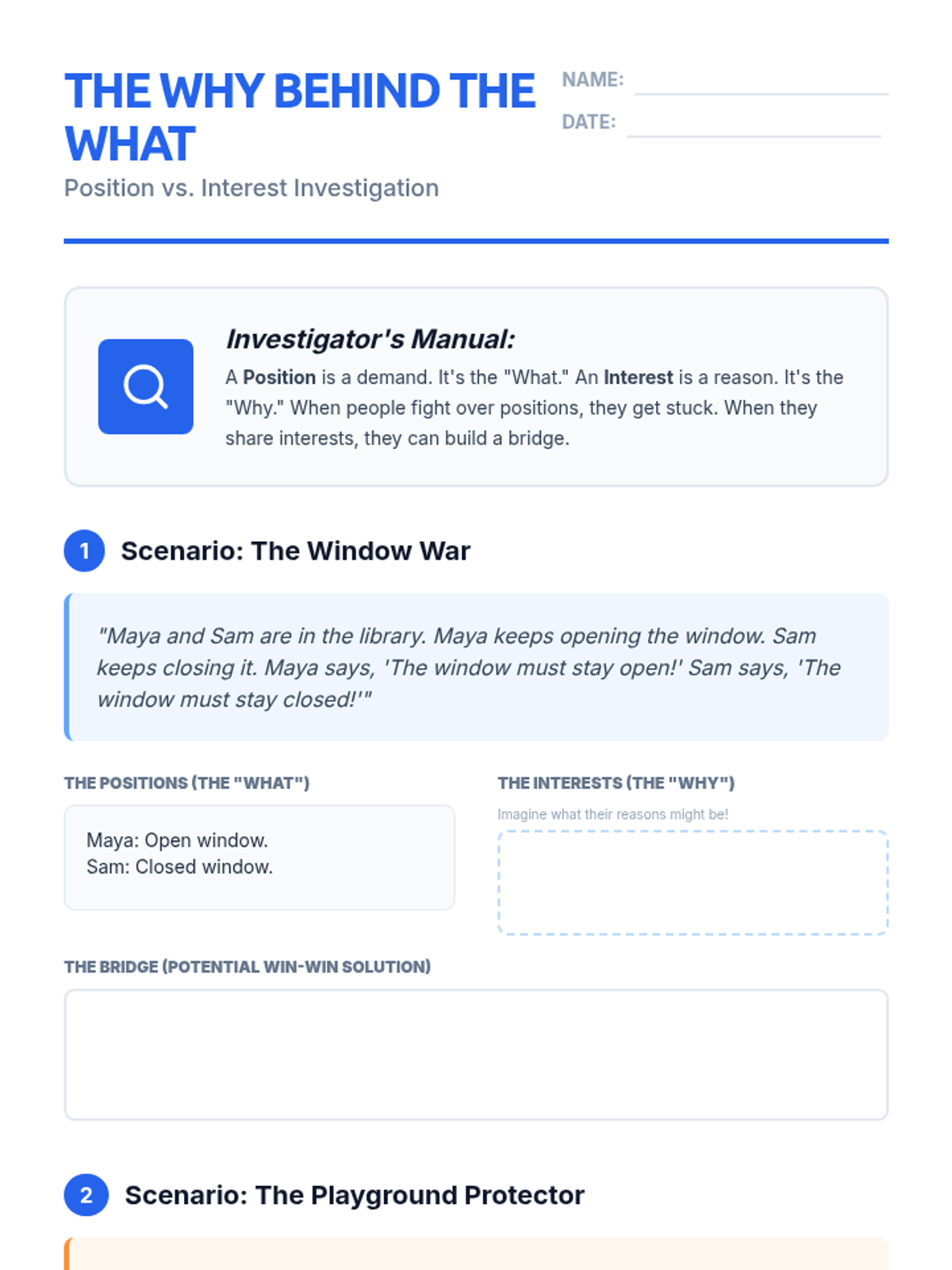
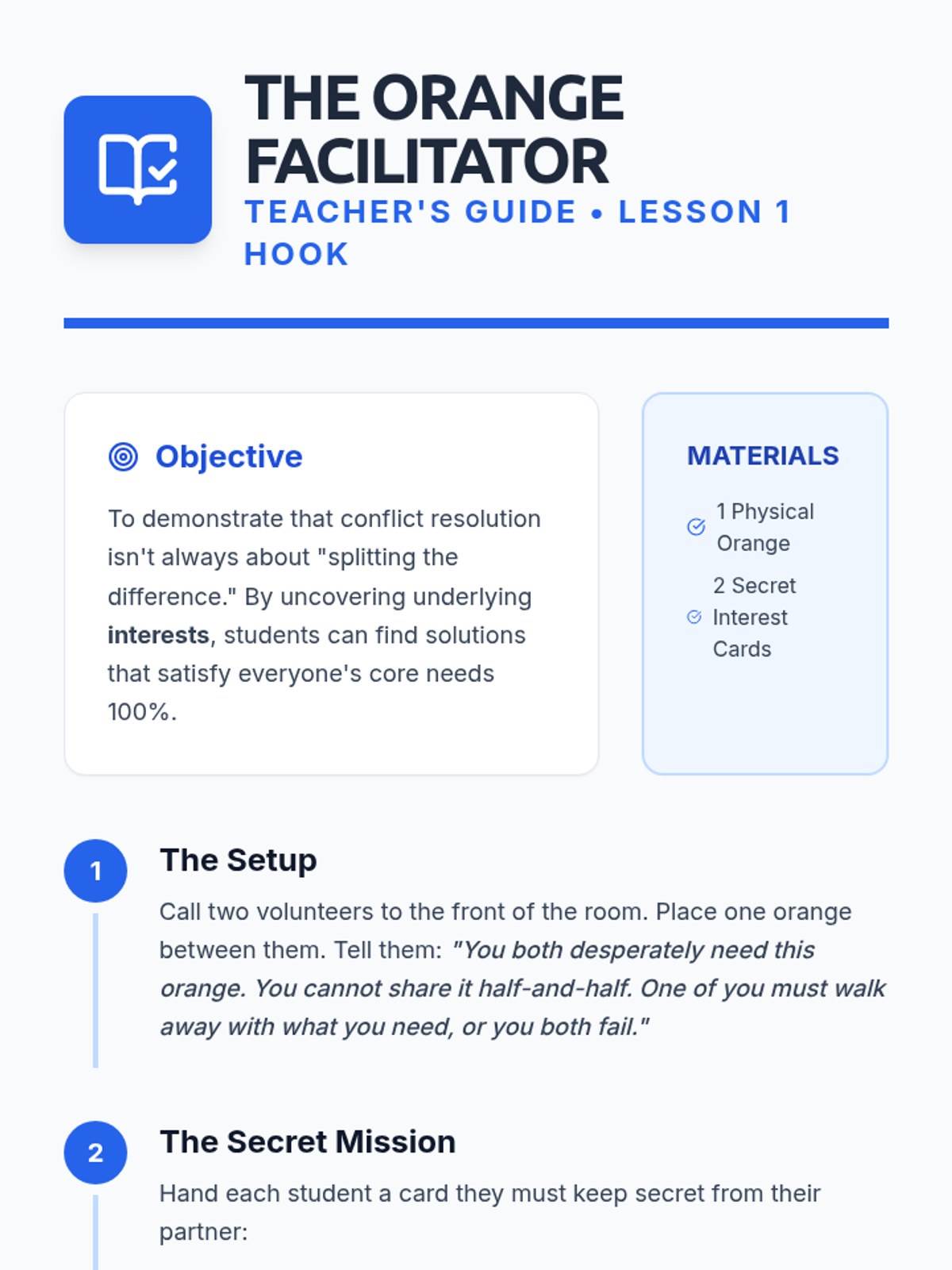
A 5-lesson sequence for 6th graders focusing on Interests-Based Negotiation. Students move from rigid positions to understanding underlying needs, brainstorming creative solutions, and evaluating fairness, culminating in a complex negotiation simulation.
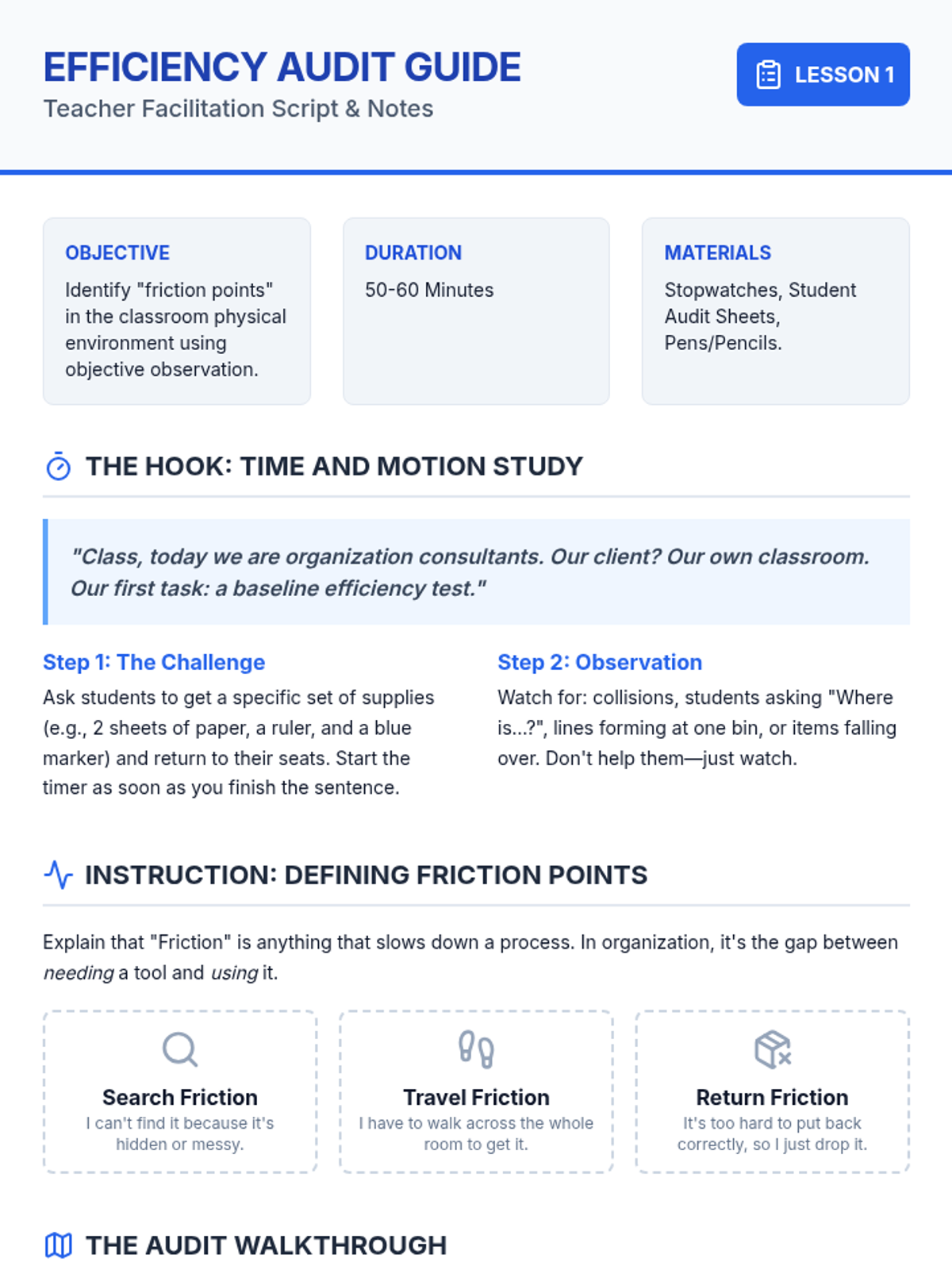
A project-based unit where students act as organization consultants to evaluate, redesign, and implement efficient physical systems in their classroom. Students learn systems thinking, visual communication, and the psychology of environmental design to create a more functional learning space.
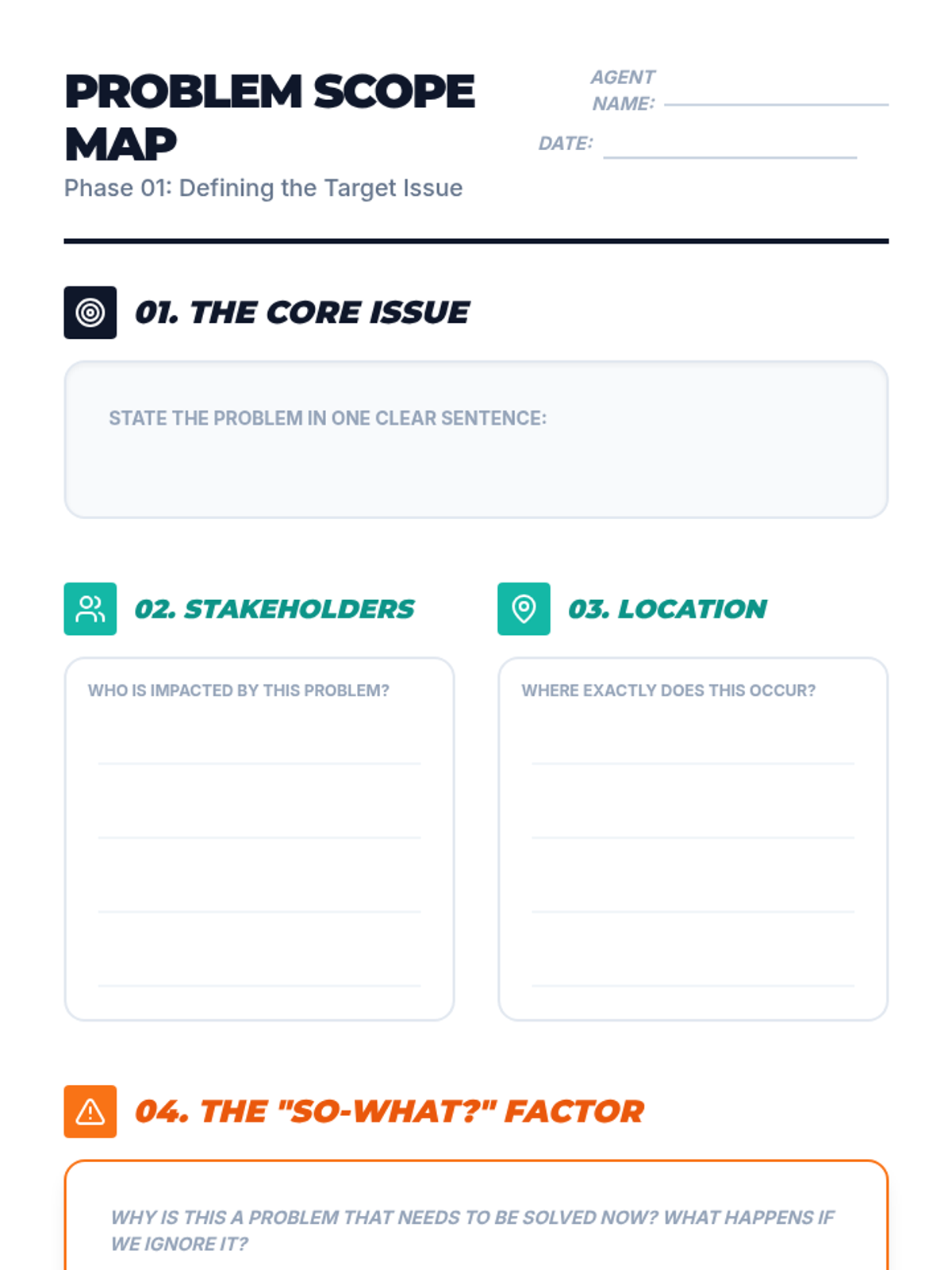
A project-based unit where students act as systems analysts, using cause-and-effect and problem-solution graphic organizers to investigate real-world community issues and propose evidence-based solutions.
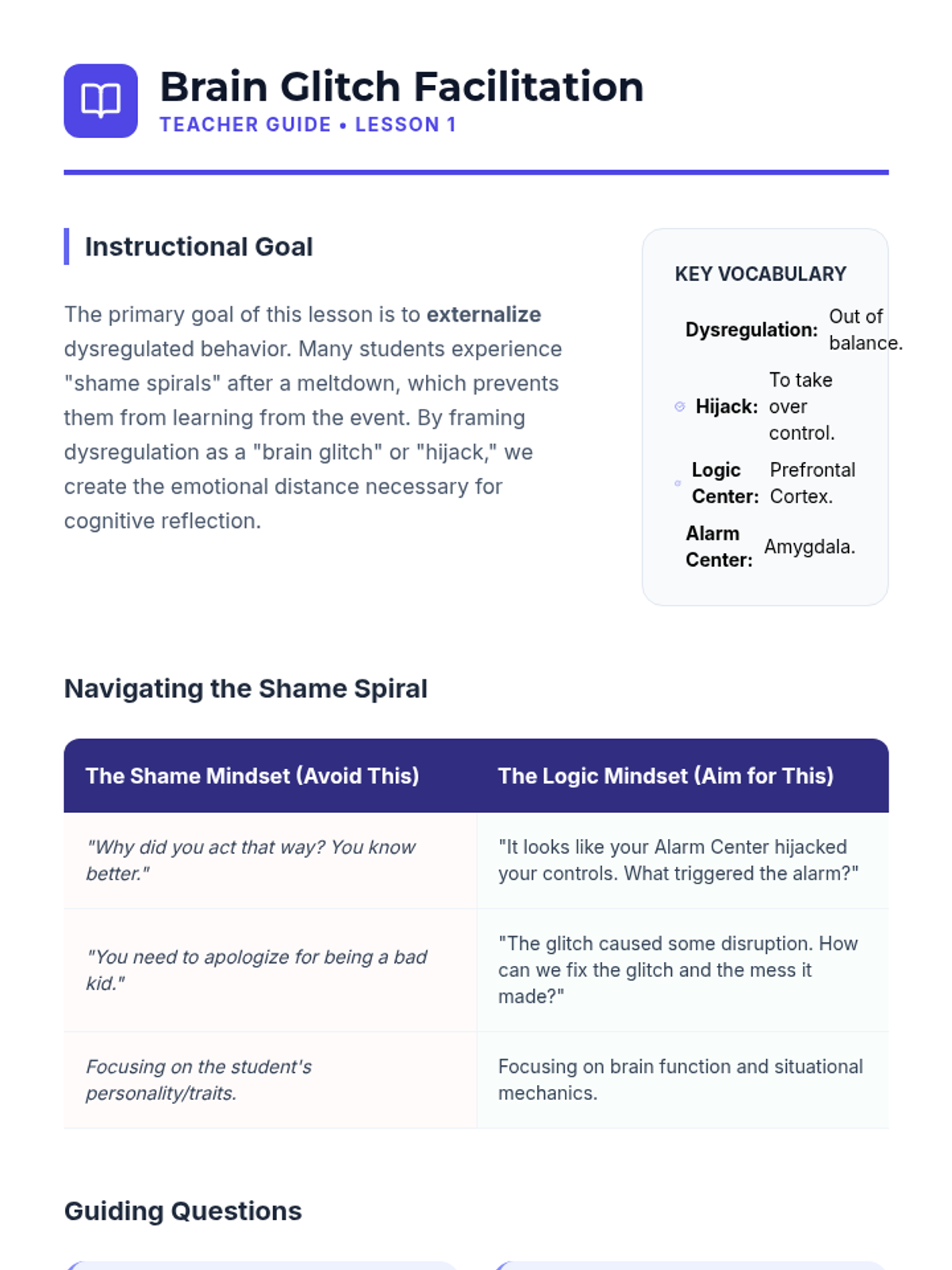
A 5-lesson sequence for 5th-grade students focused on post-dysregulation recovery. This series helps students move from shame to logic by externalizing behaviors, analyzing event timelines, practicing restorative apologies, and planning for future success.
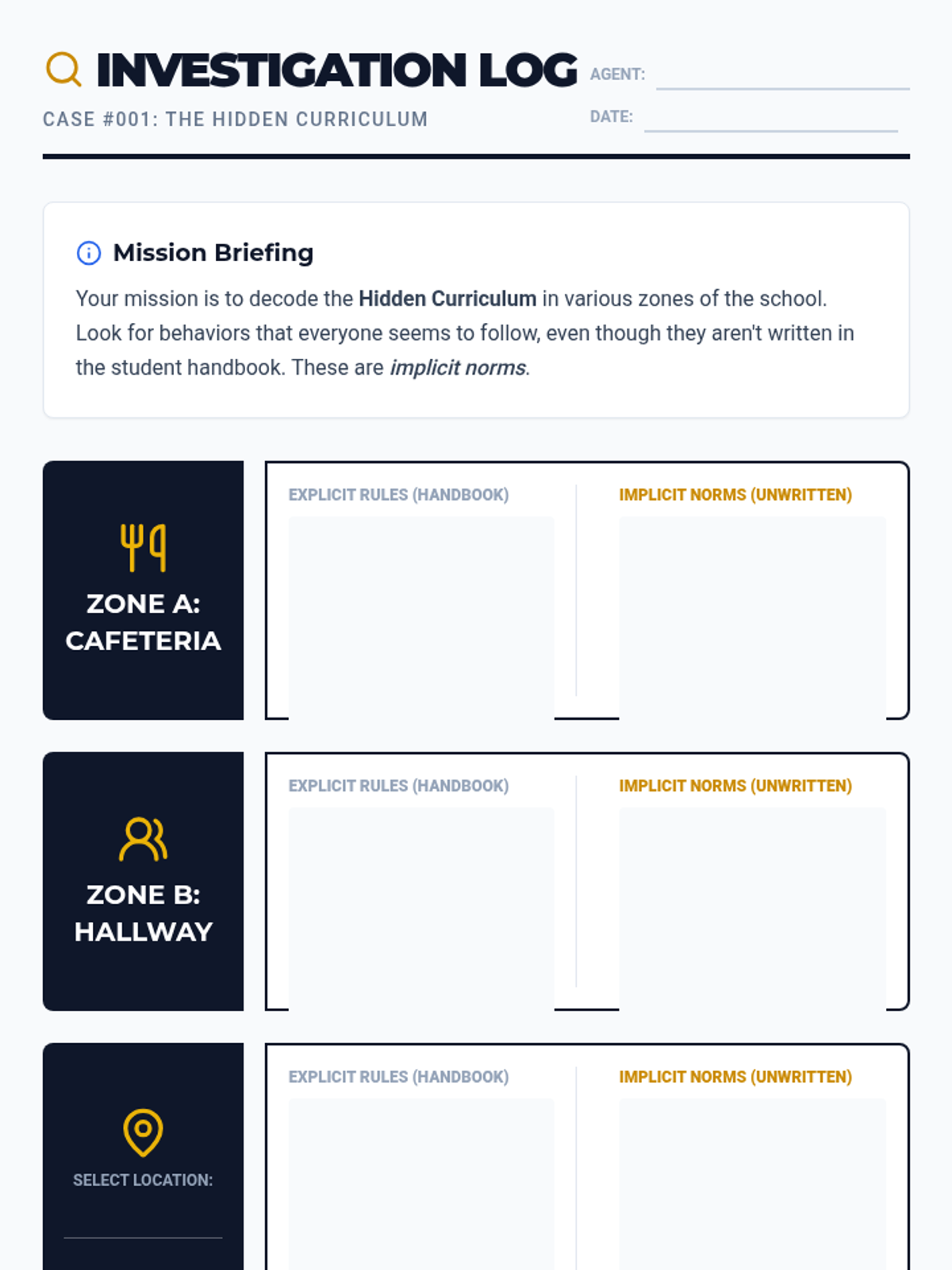
A comprehensive unit for middle school students to decode the 'hidden curriculum' of social interactions. Students learn to analyze, deconstruct, and critique social narratives using a 'Social Detective' framework, focusing on descriptive, perspective, and directive elements.
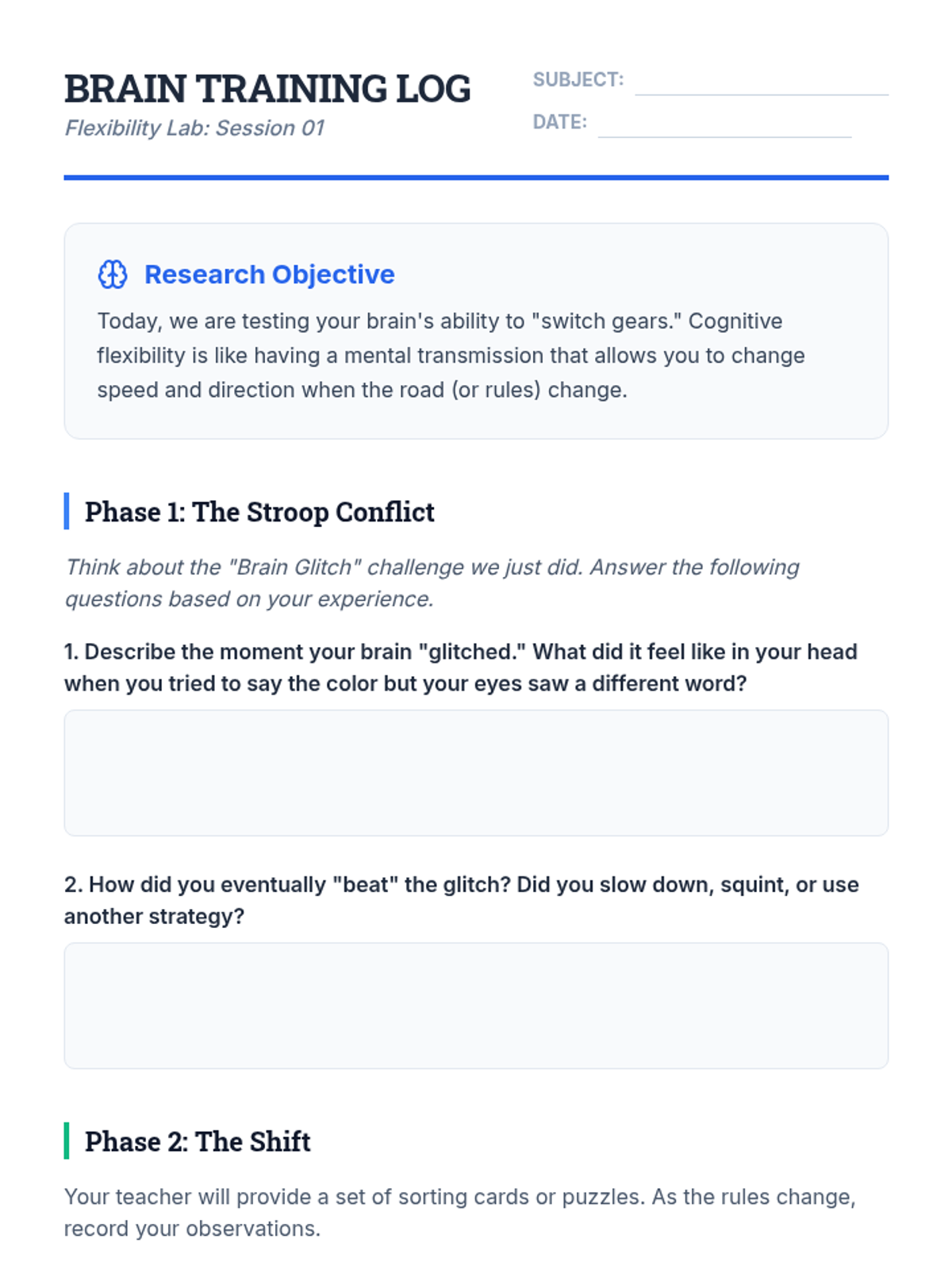
A comprehensive inquiry-based sequence for 6th graders exploring the science and practice of cognitive flexibility. Students learn about neuroplasticity, analyze historical pivots, reframe internal self-talk, and develop actionable strategies for navigating transitions and setbacks.
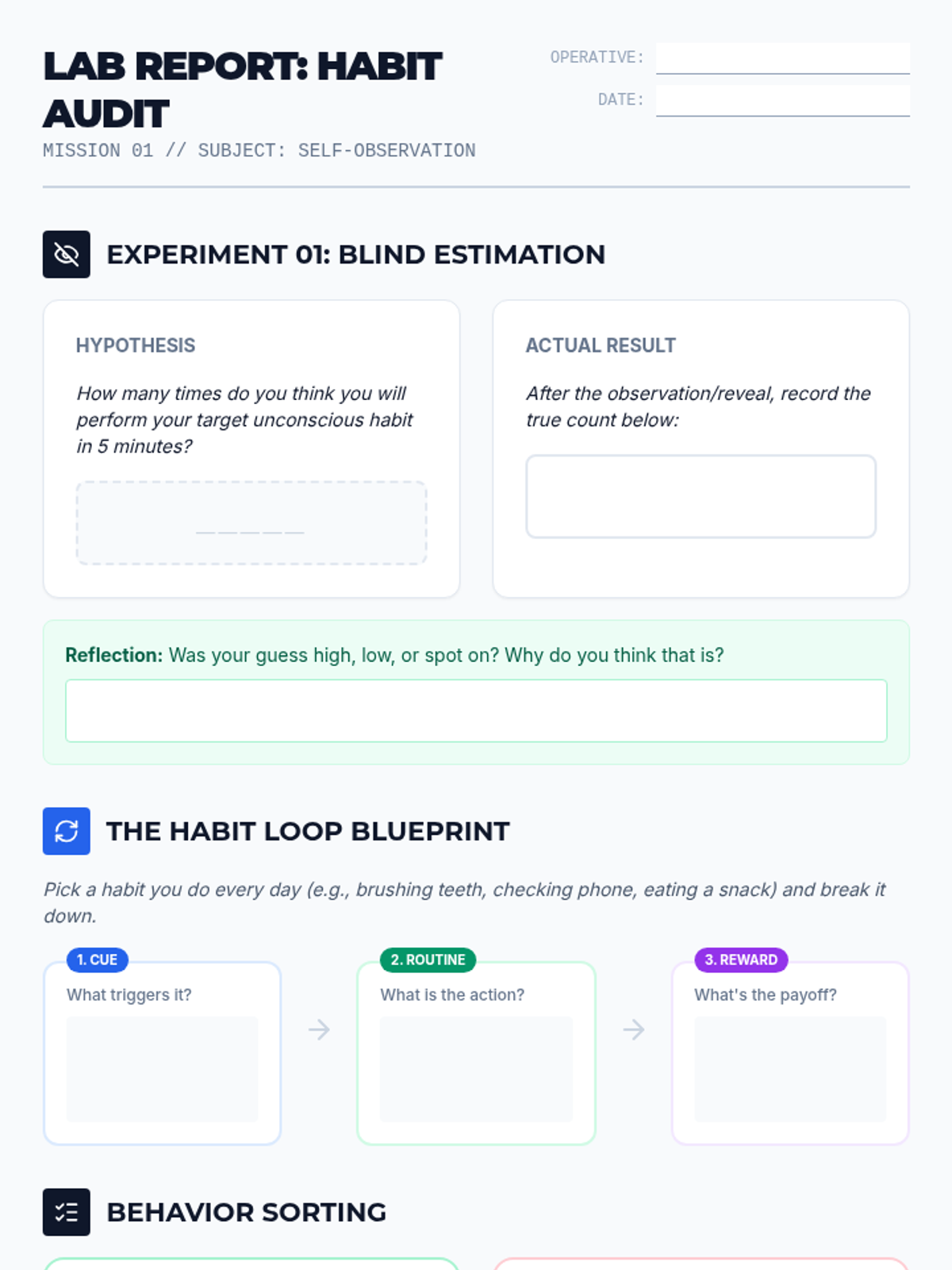
A sequence empowering students to apply the principles of behavior tracking to their own lives through the 'Quantified Self' movement. Students identify personal habits, explore data logging methods, create visual trackers, and analyze performance to understand how accountability impacts self-discipline.
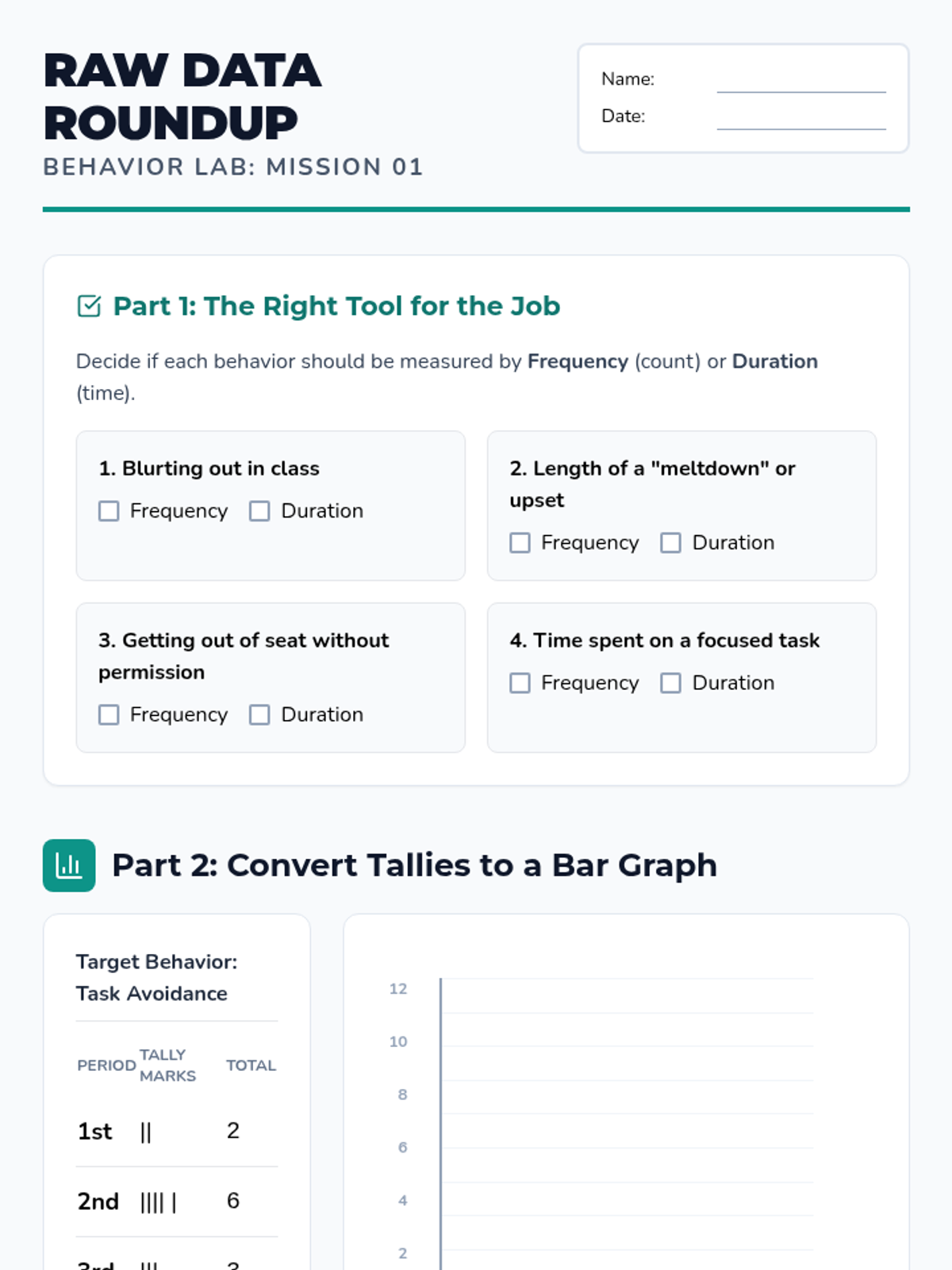
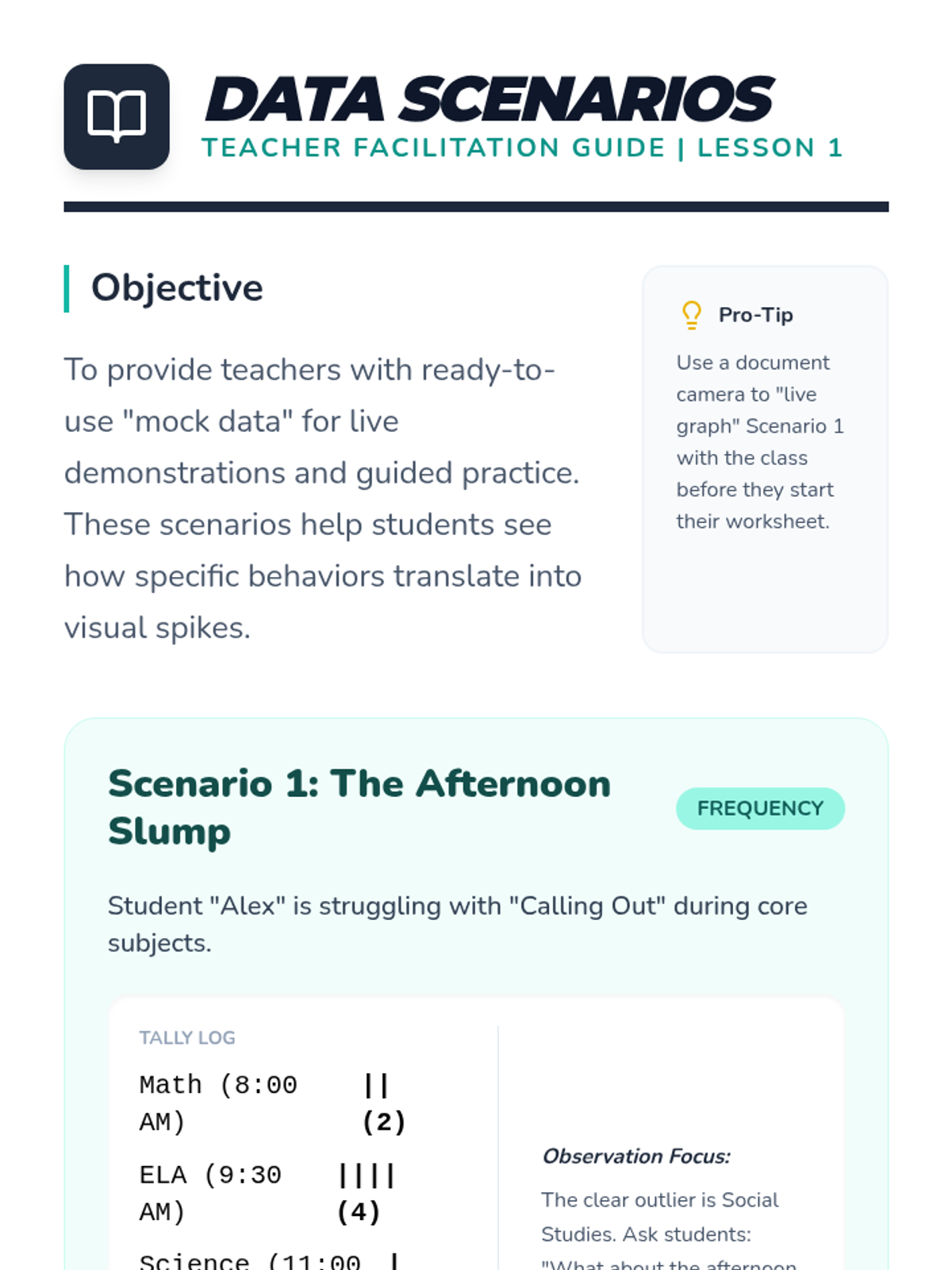
A data-focused sequence that teaches students how to transform behavioral tracking into visual insights. Students learn to graph frequency and duration, identify patterns and triggers, and develop data-driven interventions for personal growth.
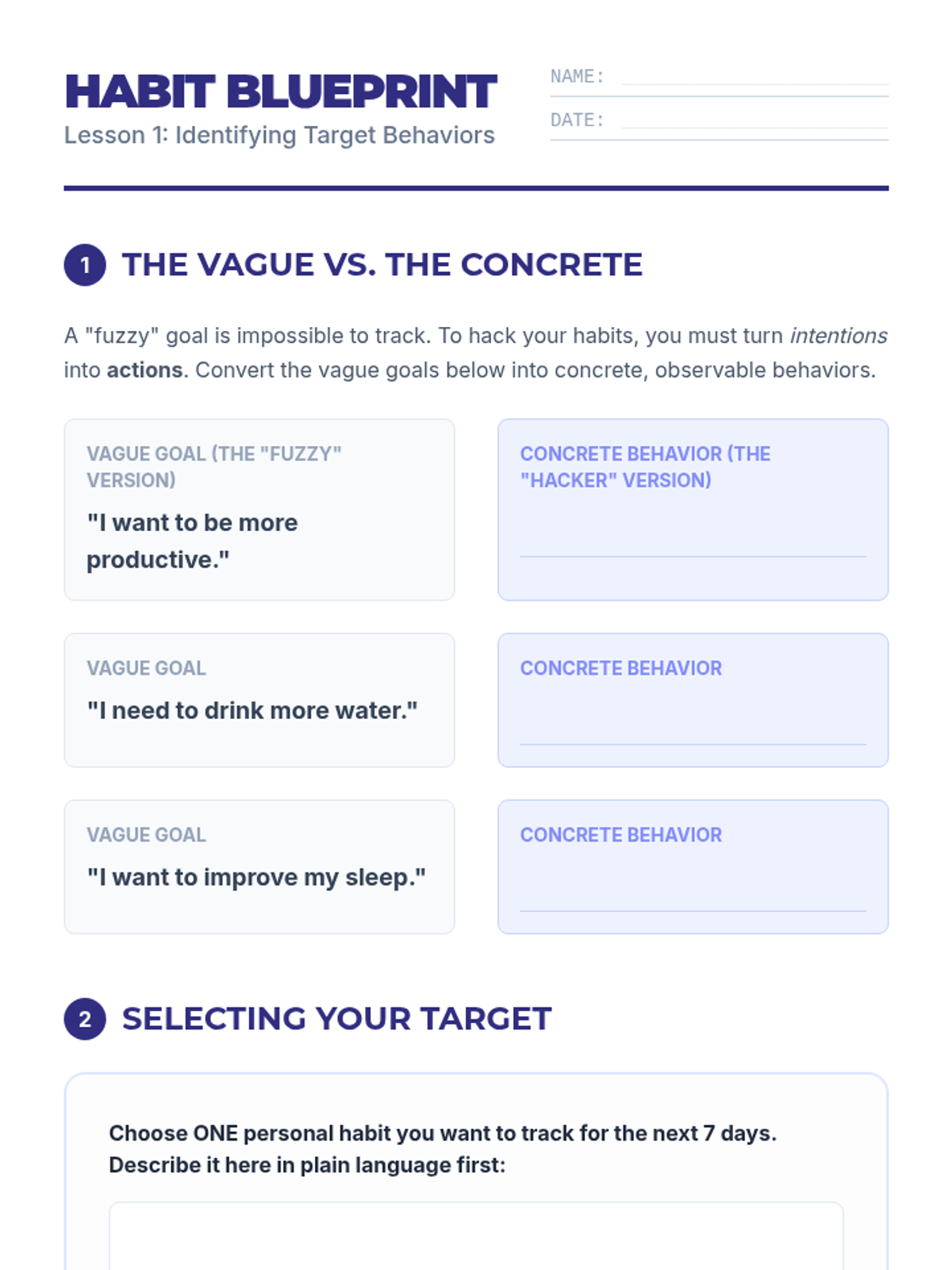
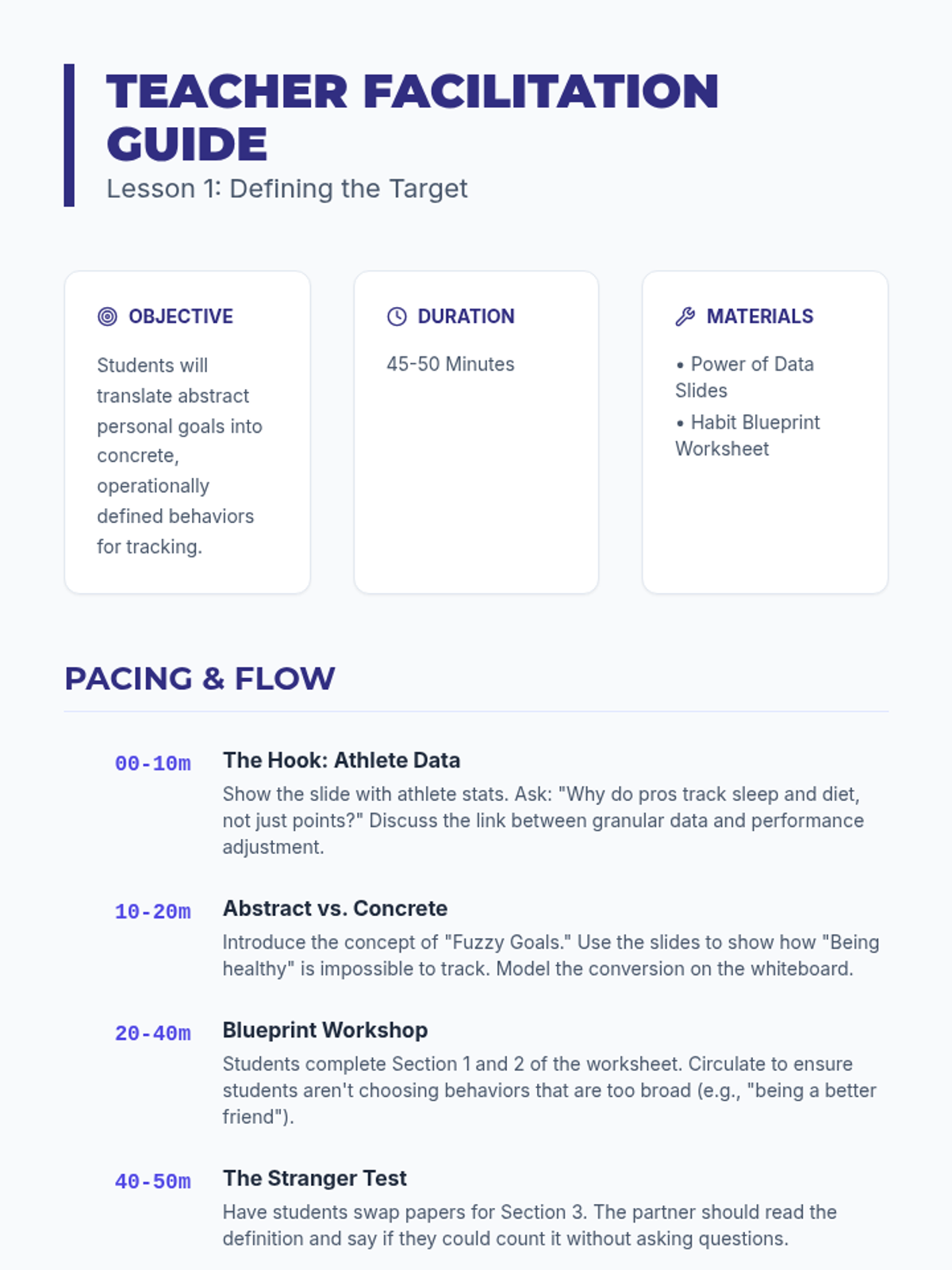
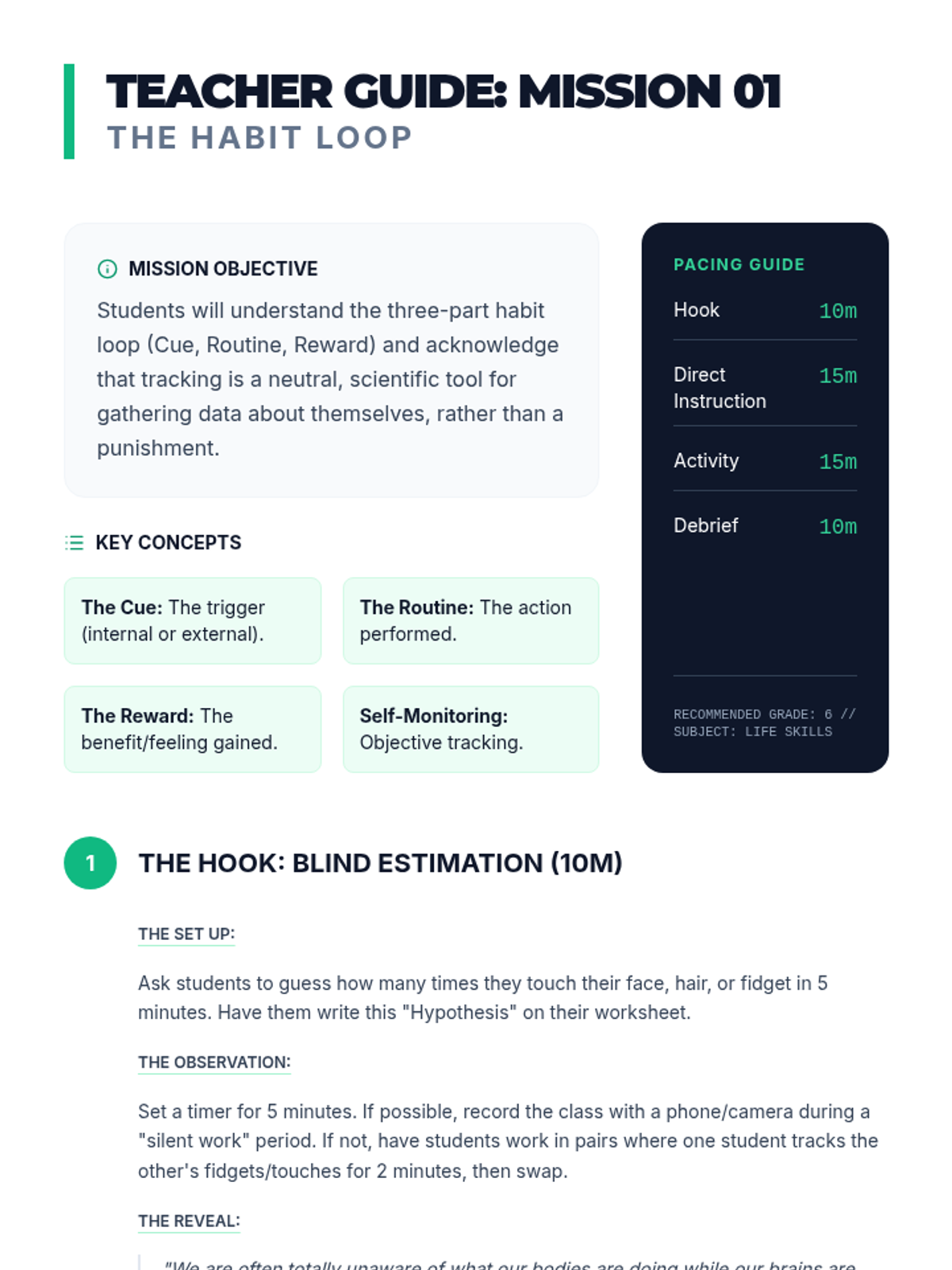
This sequence introduces 6th-grade students to self-monitoring as a tool for personal growth and executive function. Students move from teacher-managed behavior expectations to student-led habit tracking, learning to identify, define, track, and analyze specific behaviors.
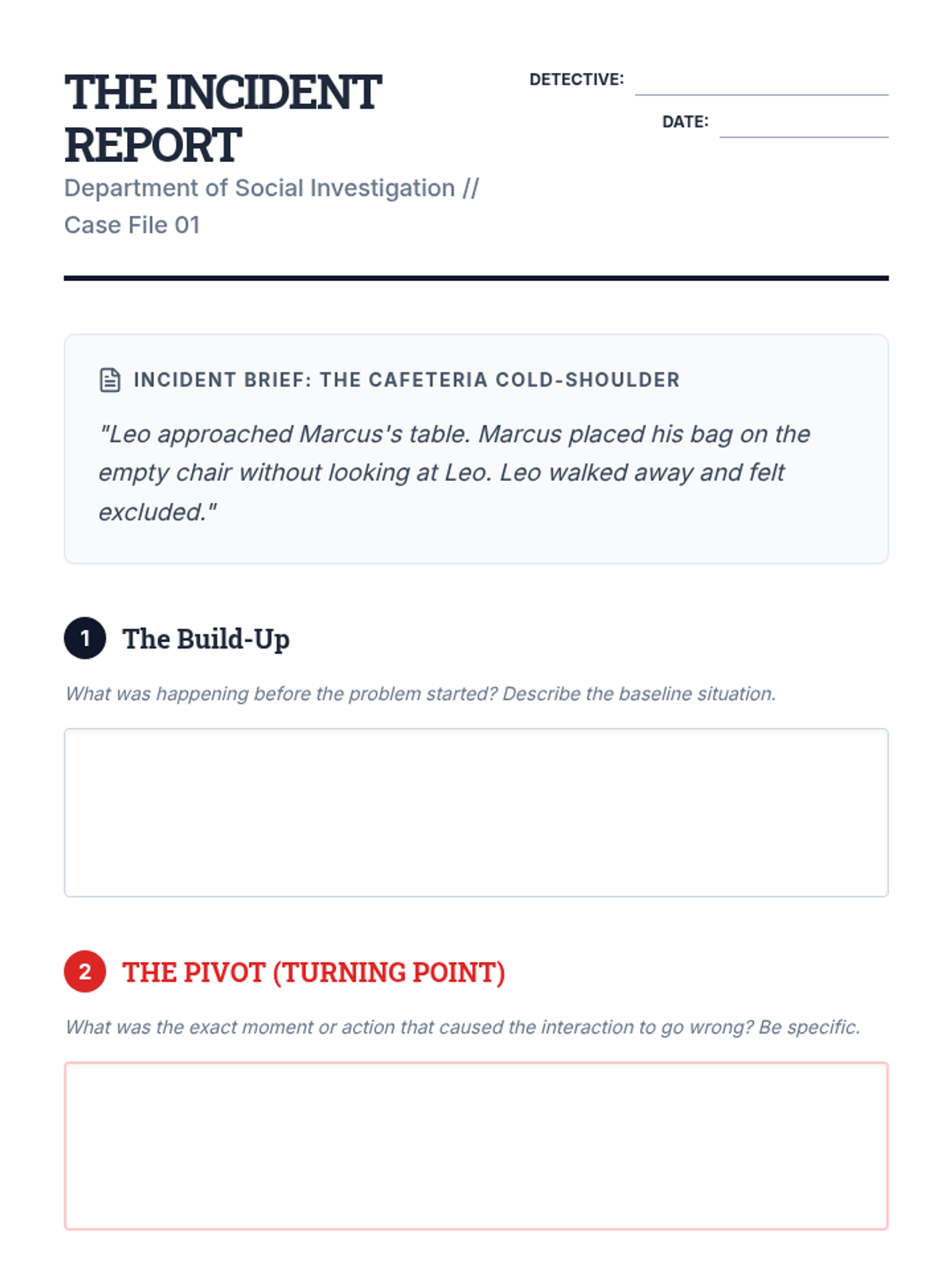
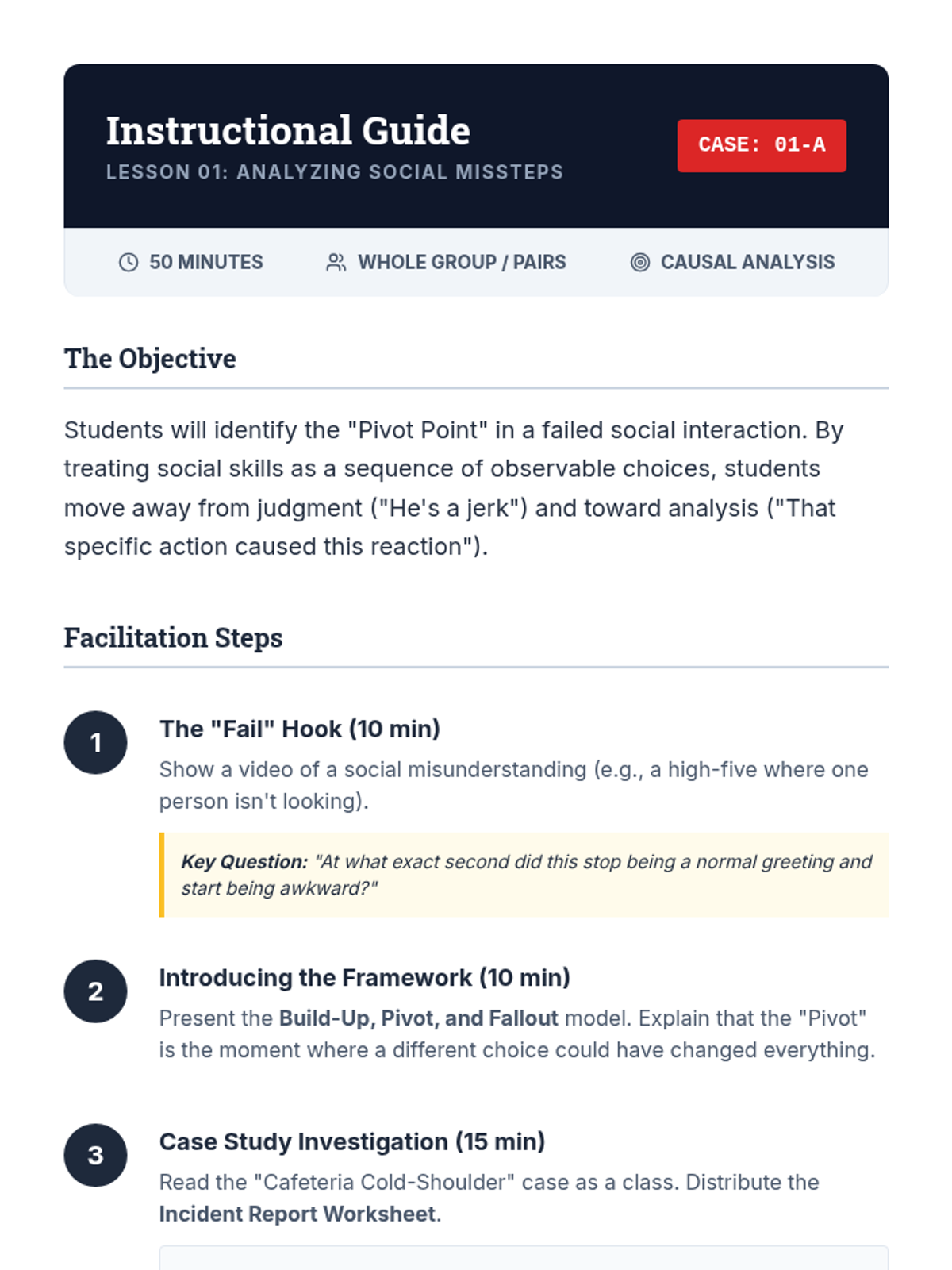
A case study-focused sequence where students act as social detectives to analyze failed interactions and rewrite narratives. By analyzing fictional characters first, students build empathy and causal reasoning before applying these skills to their own social challenges.
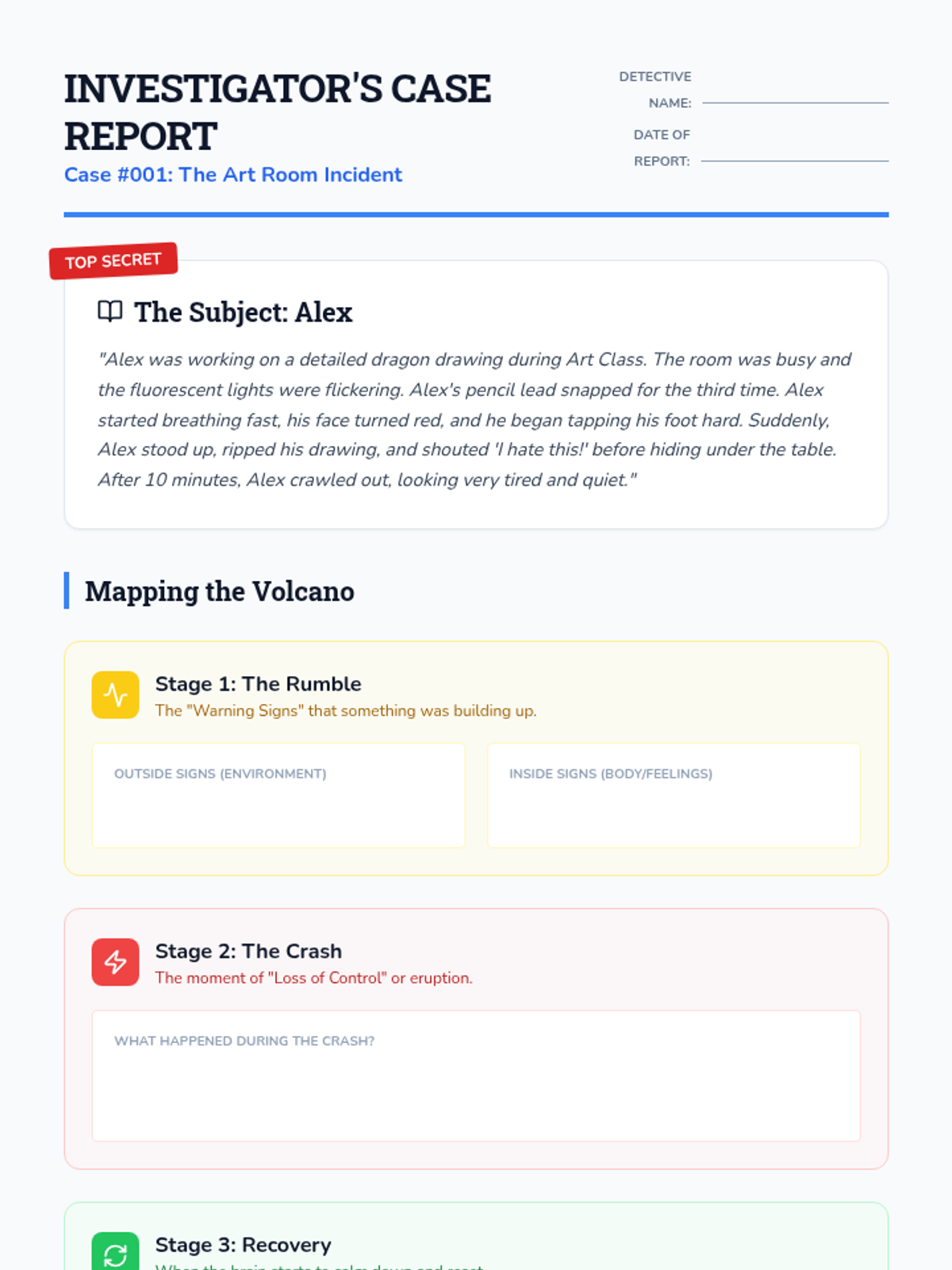
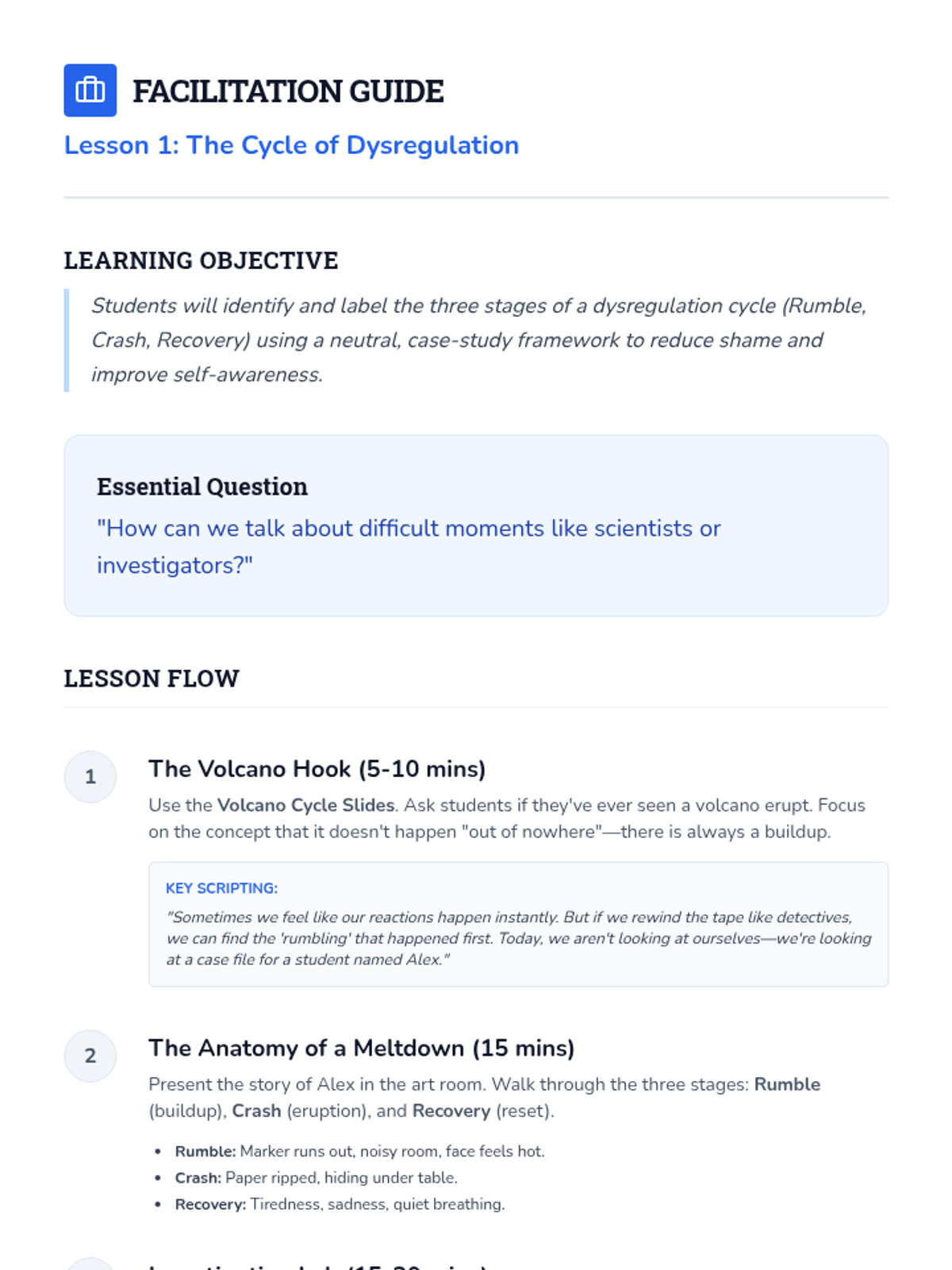
A comprehensive 5-lesson sequence designed for 4th-grade students to understand the cycle of emotional dysregulation, identify personal triggers, and learn the restorative process of repair. Using a 'Detective/Investigator' theme, students analyze a fictional case study to remove shame and treat behavioral incidents as valuable data for future growth.
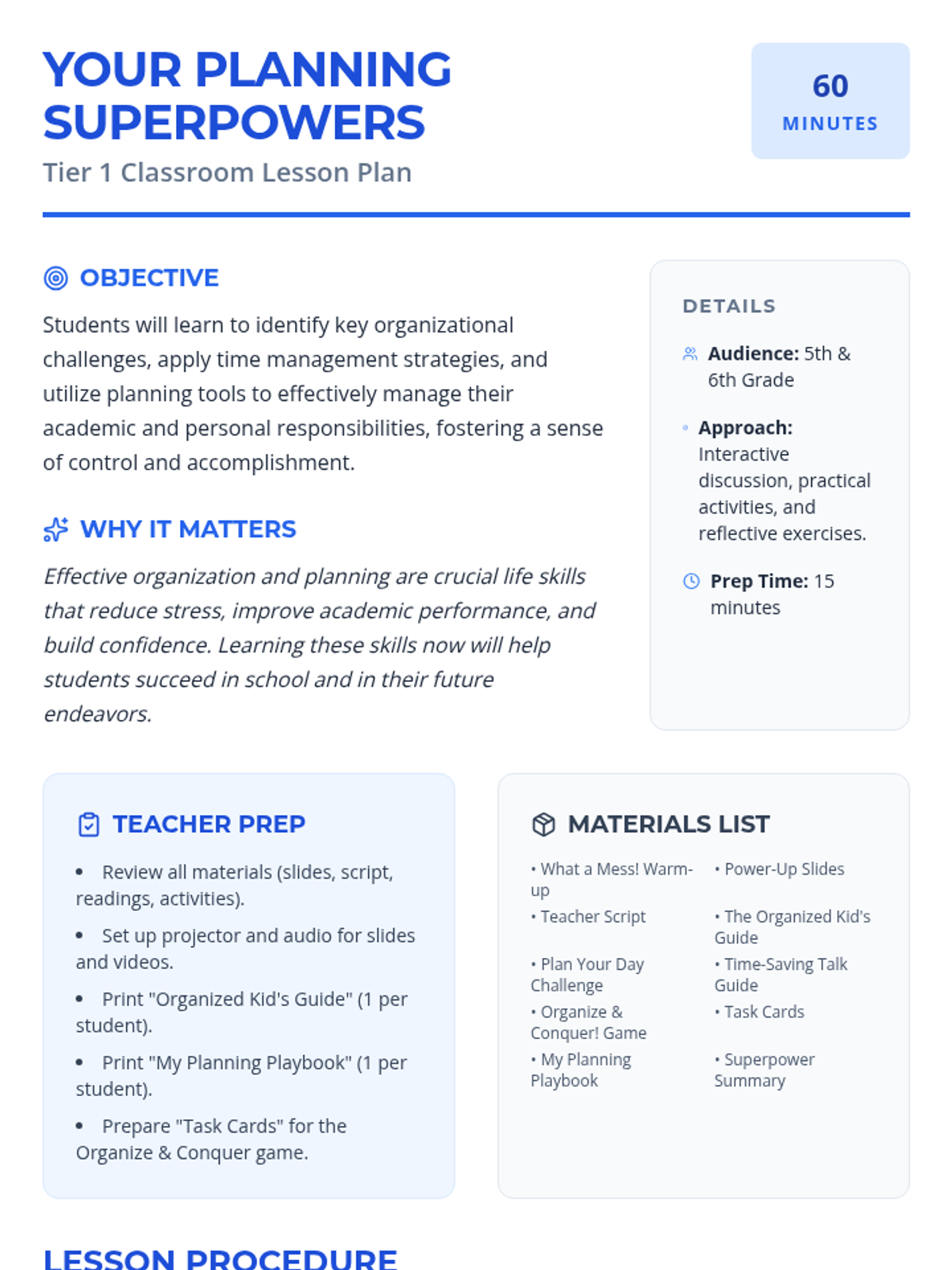
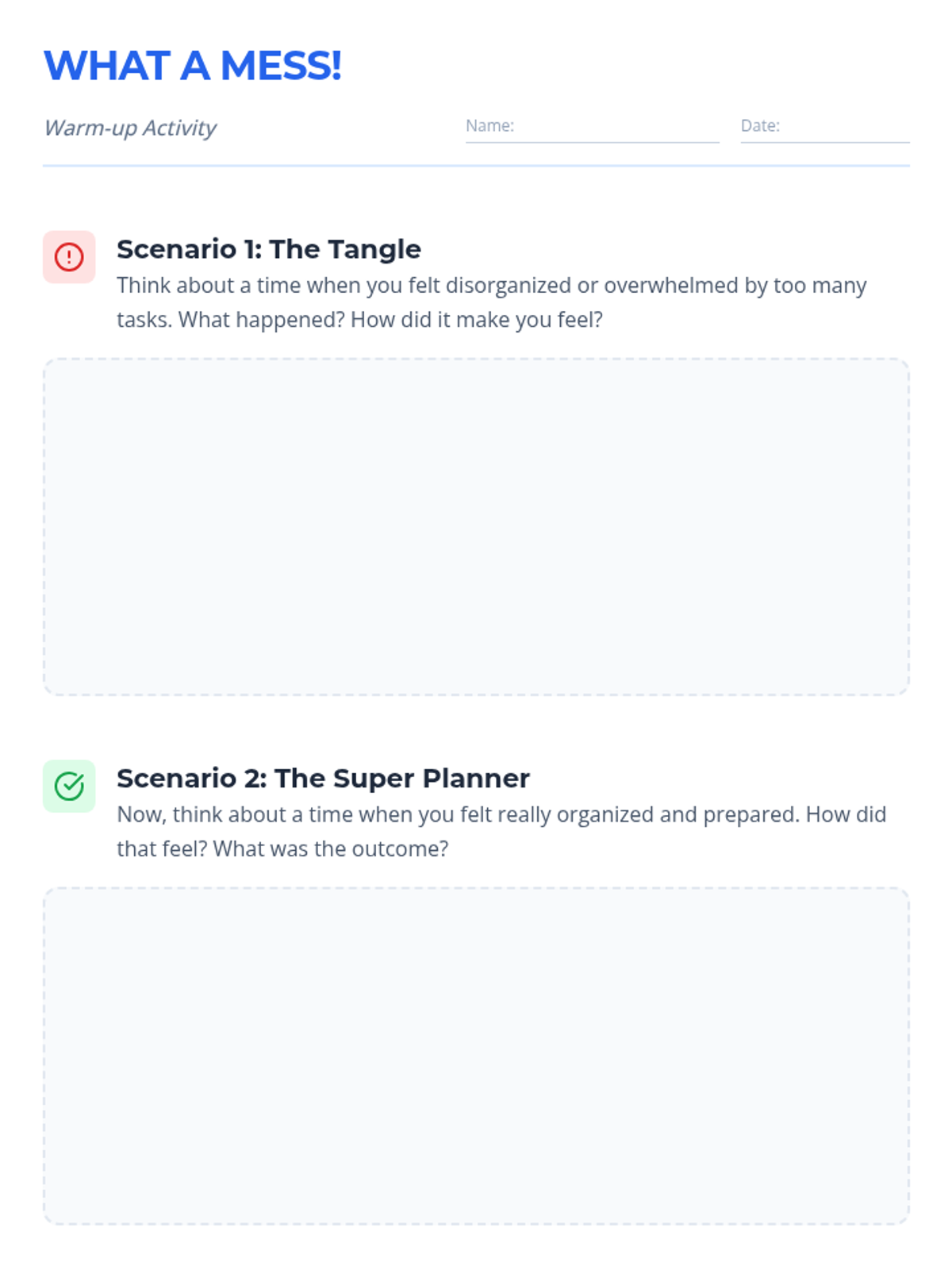
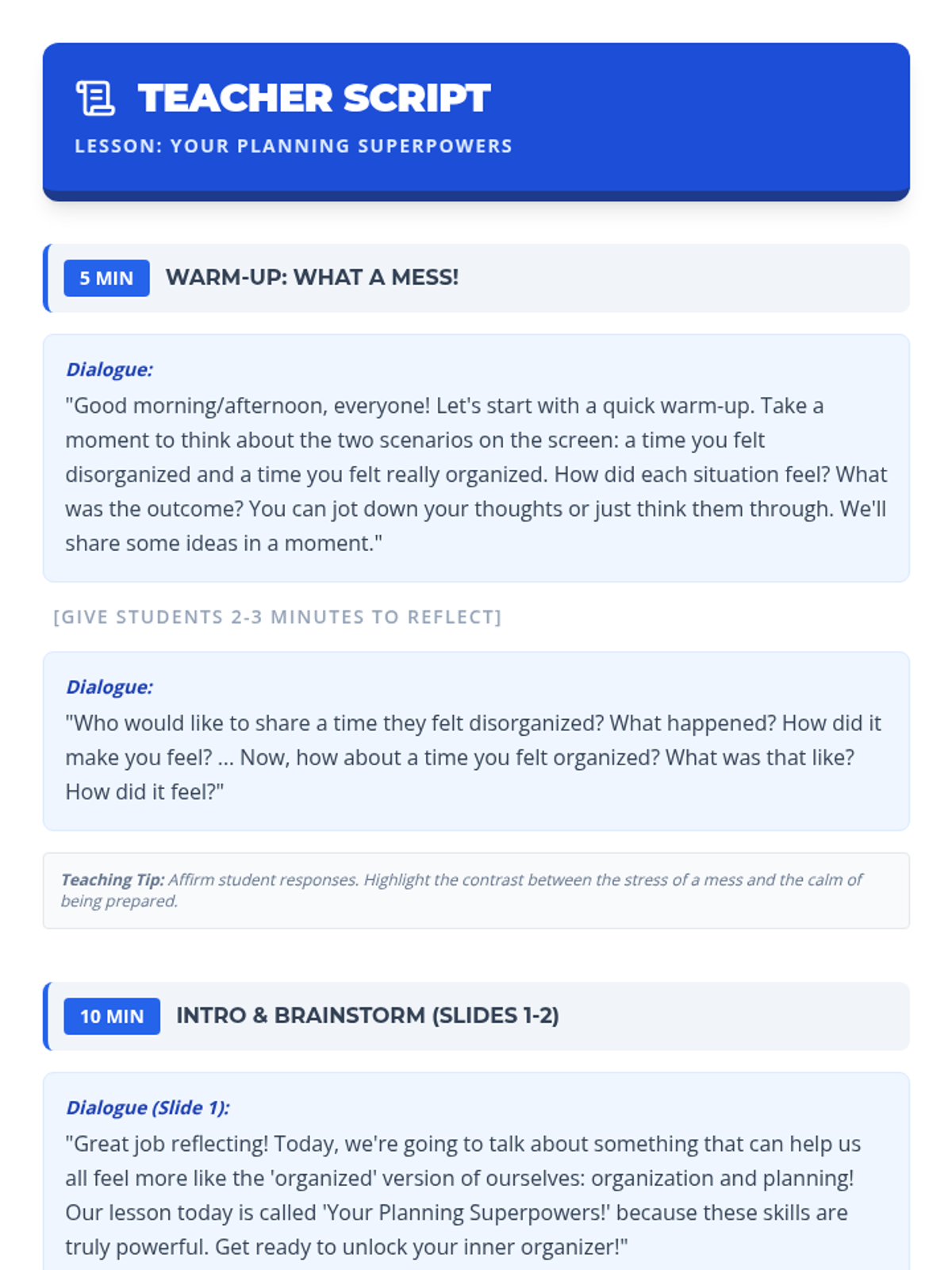
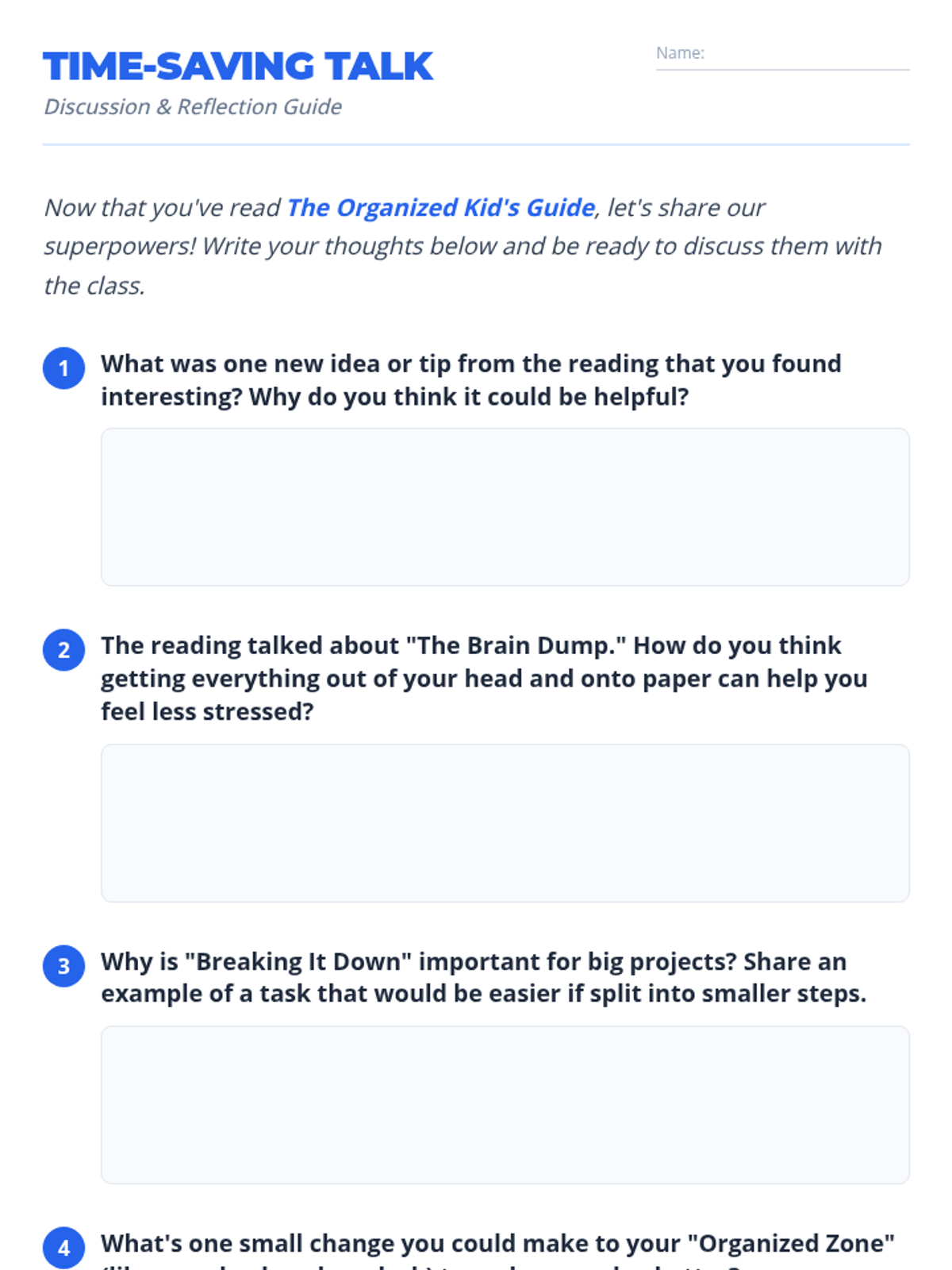
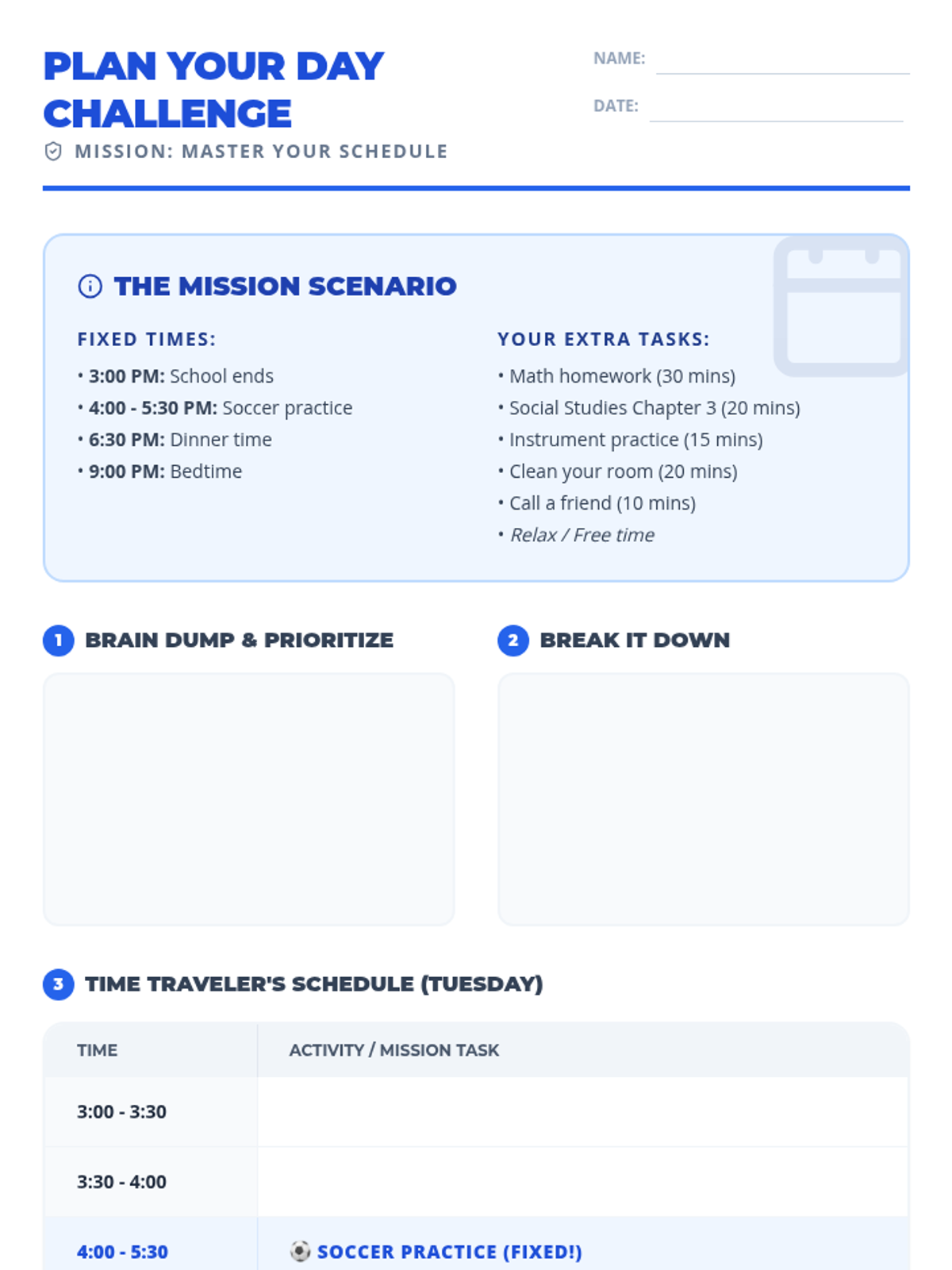
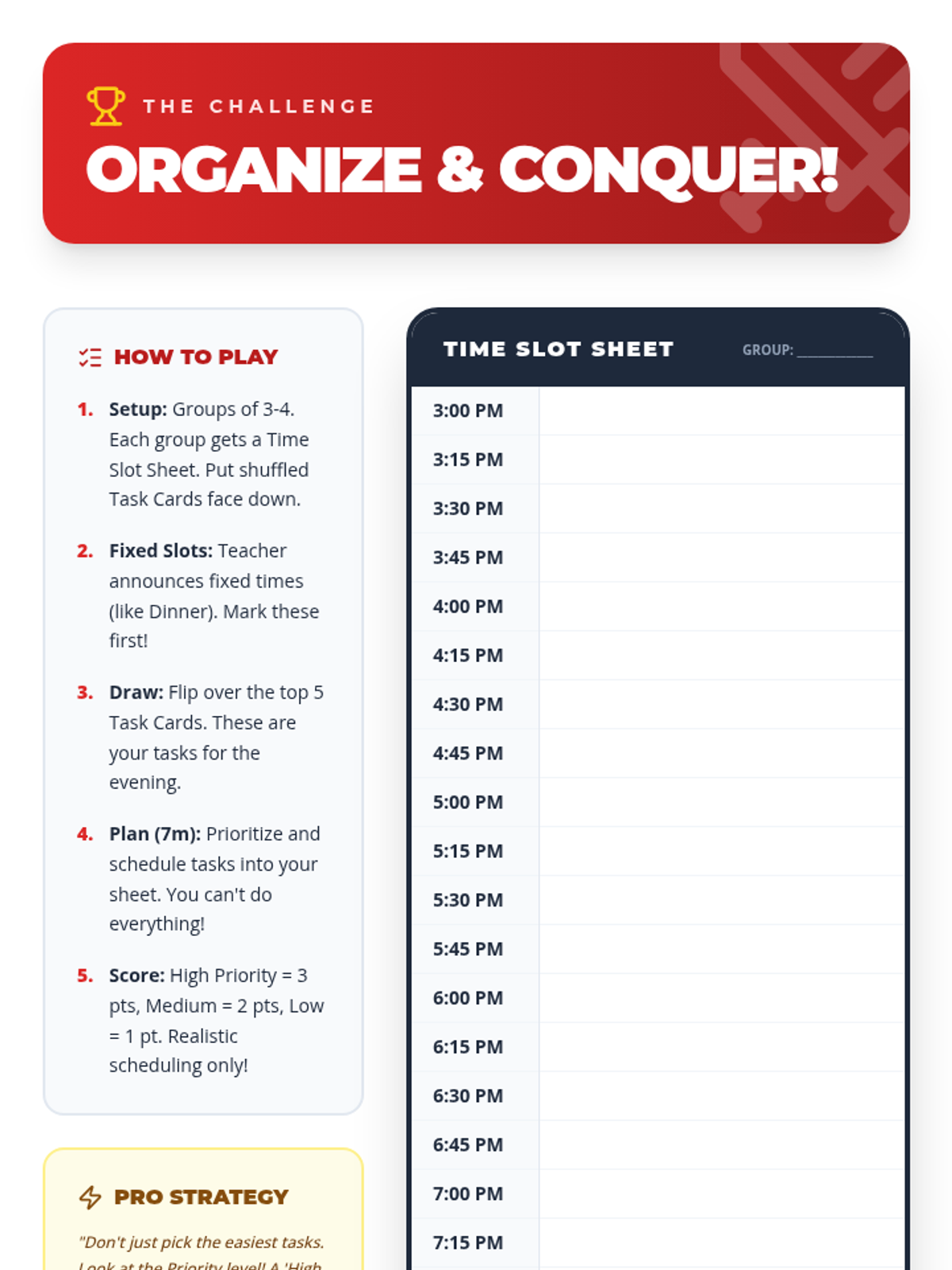
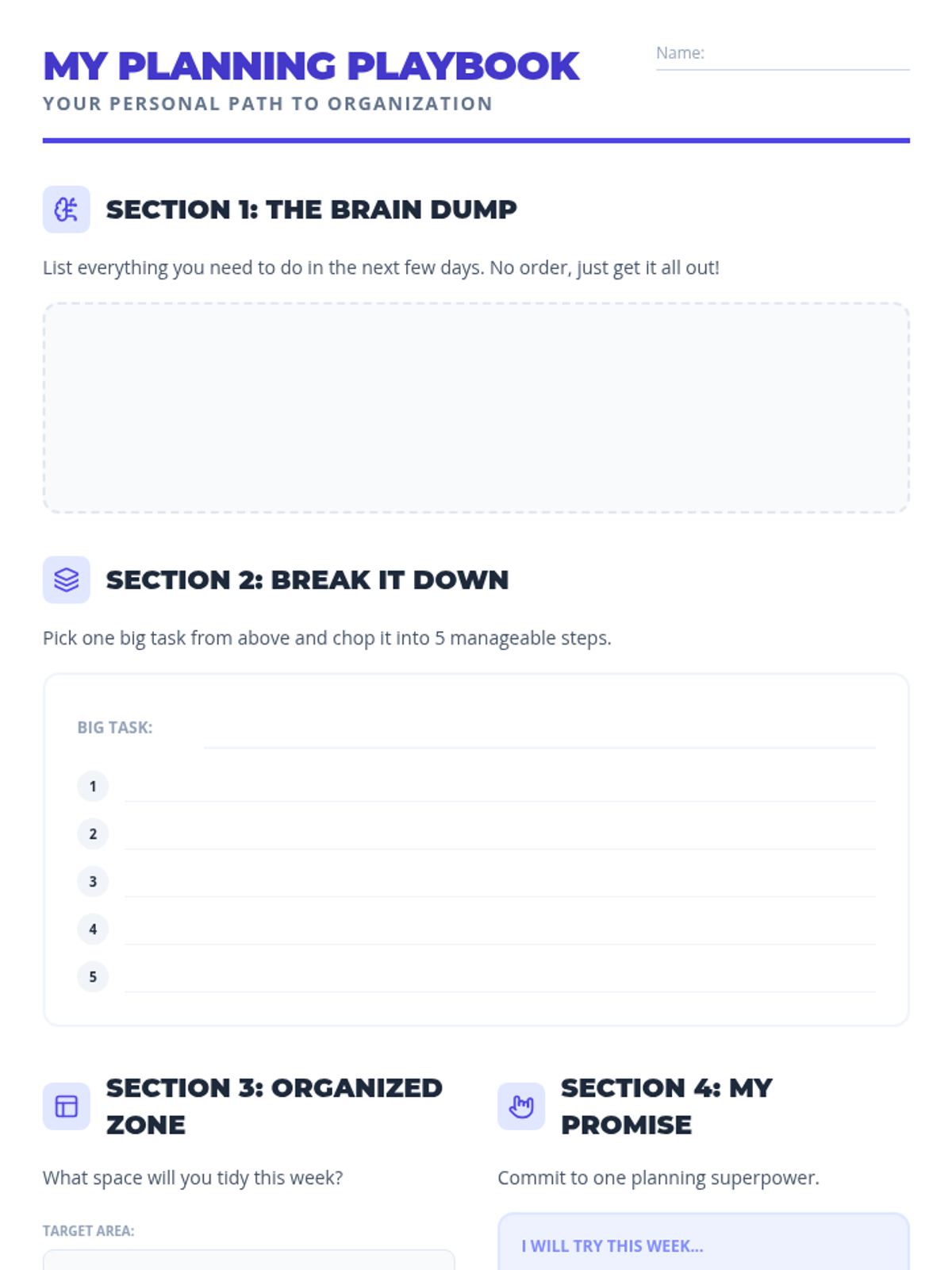
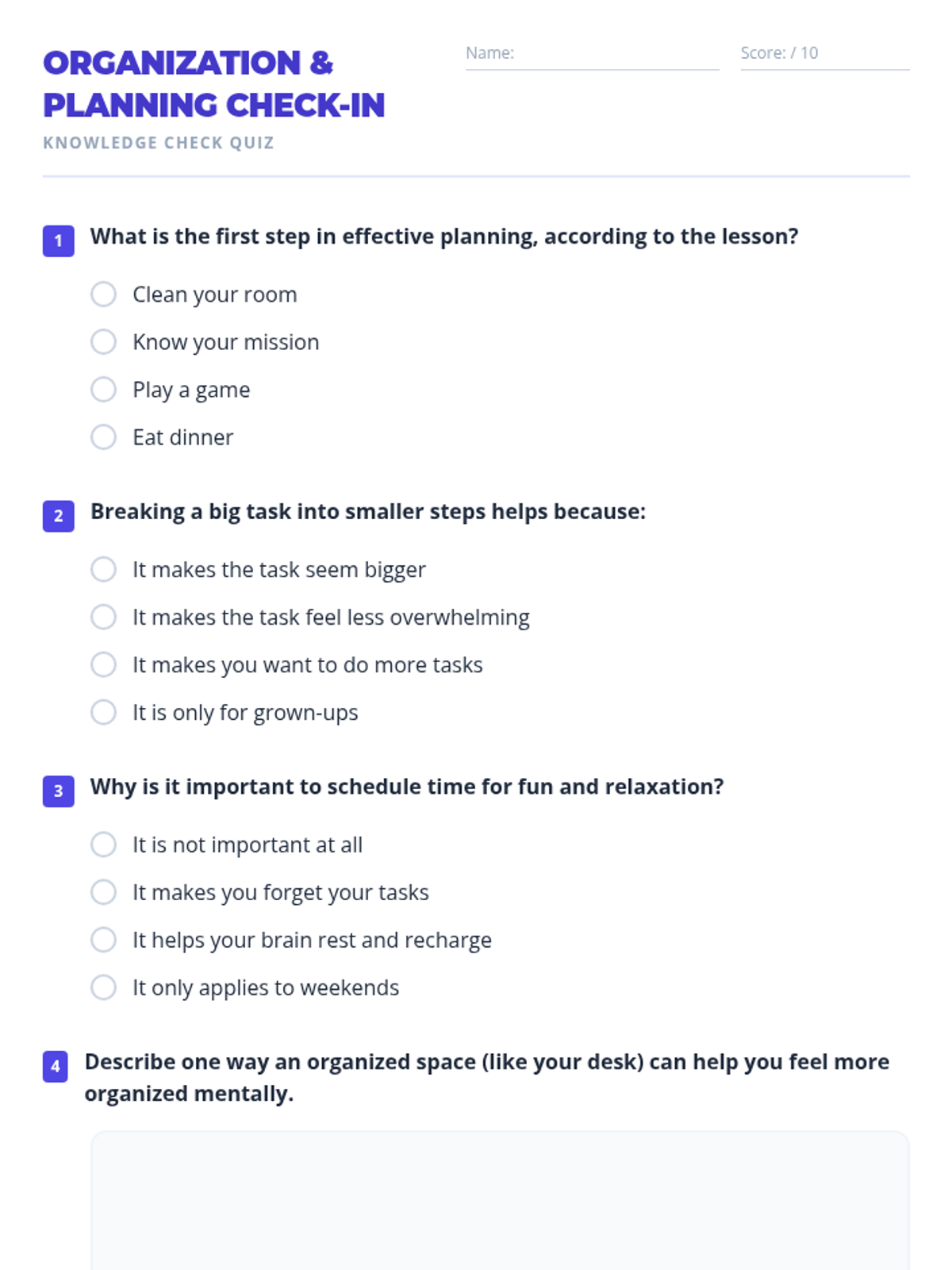
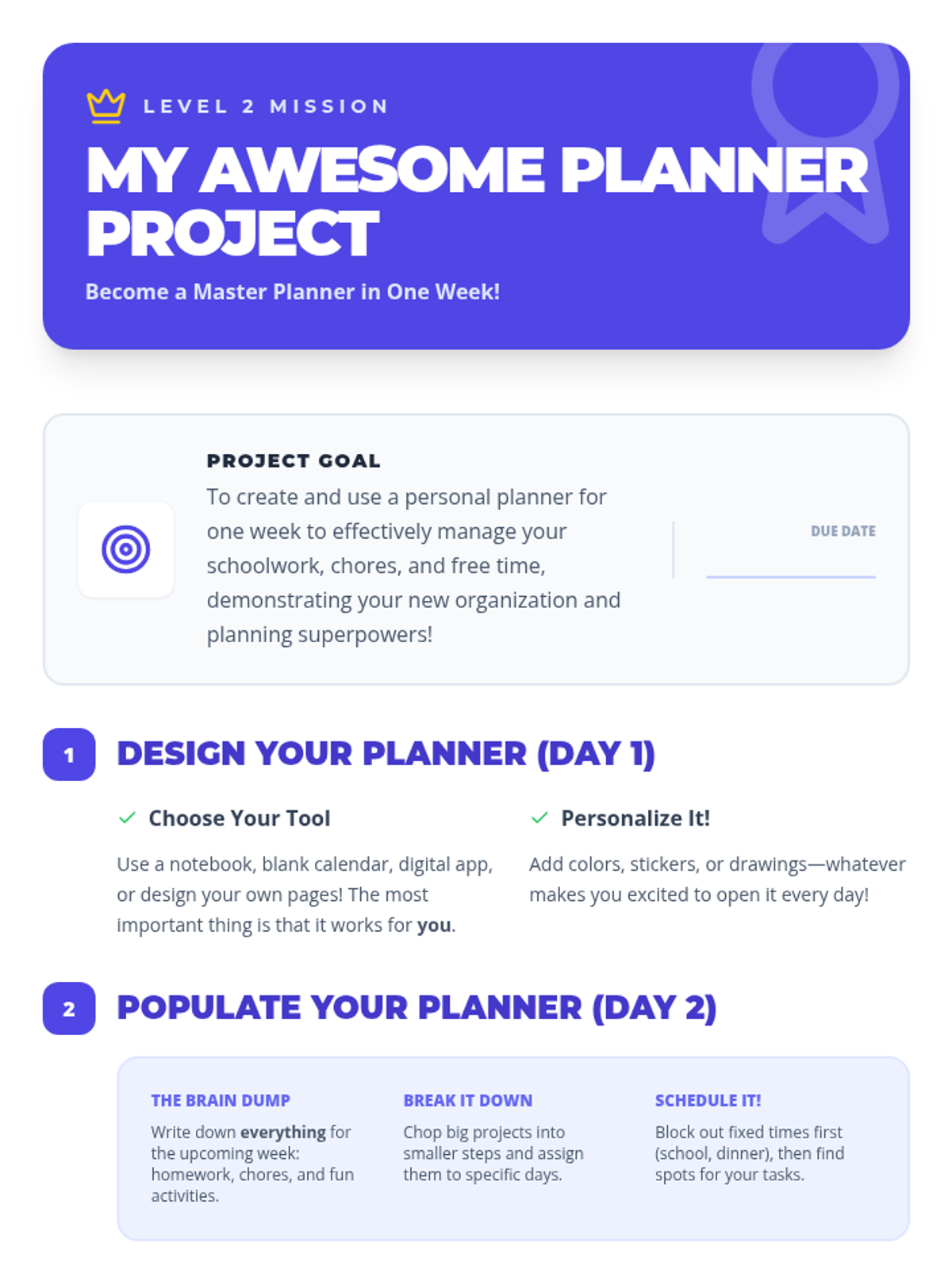
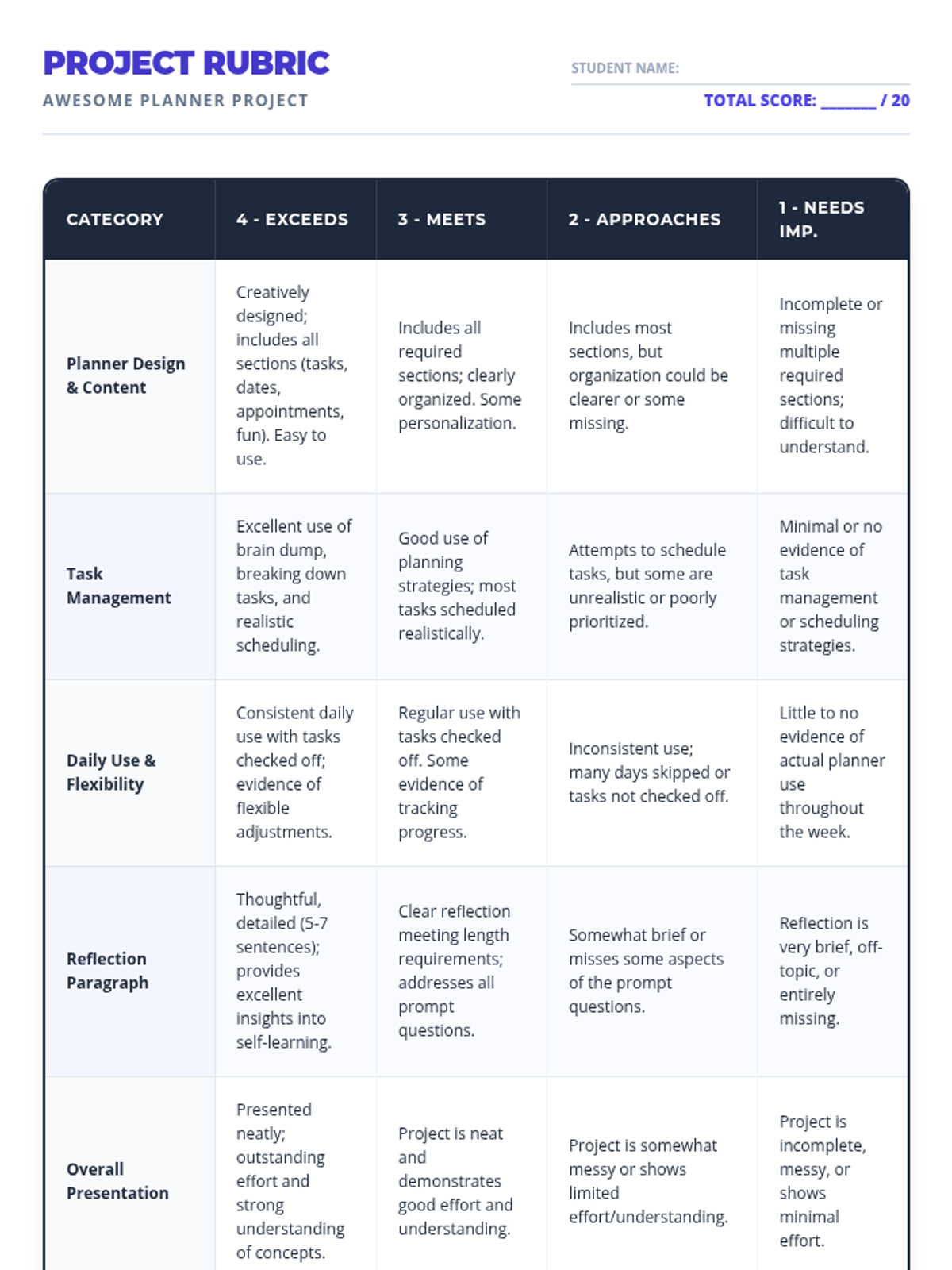
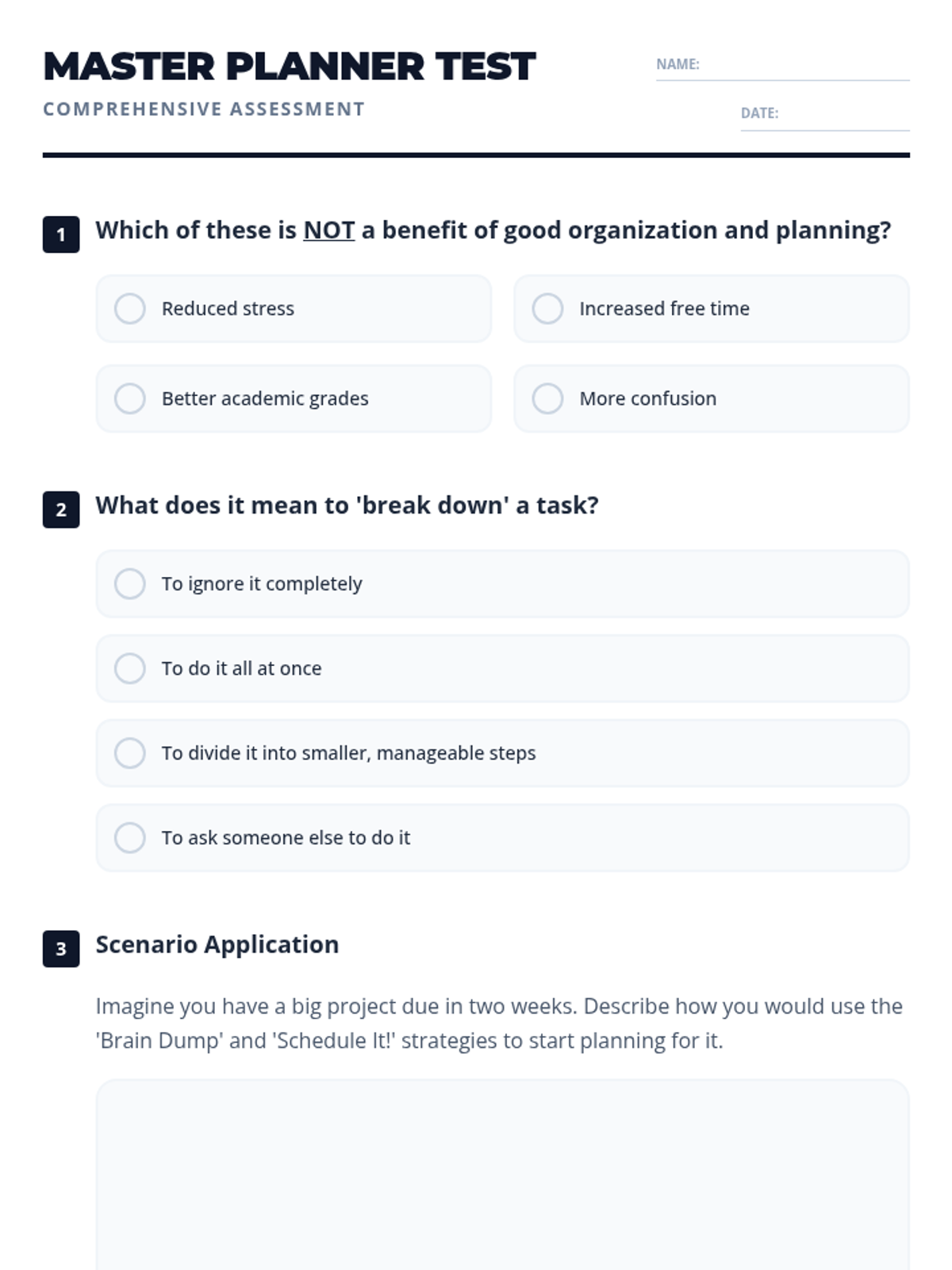
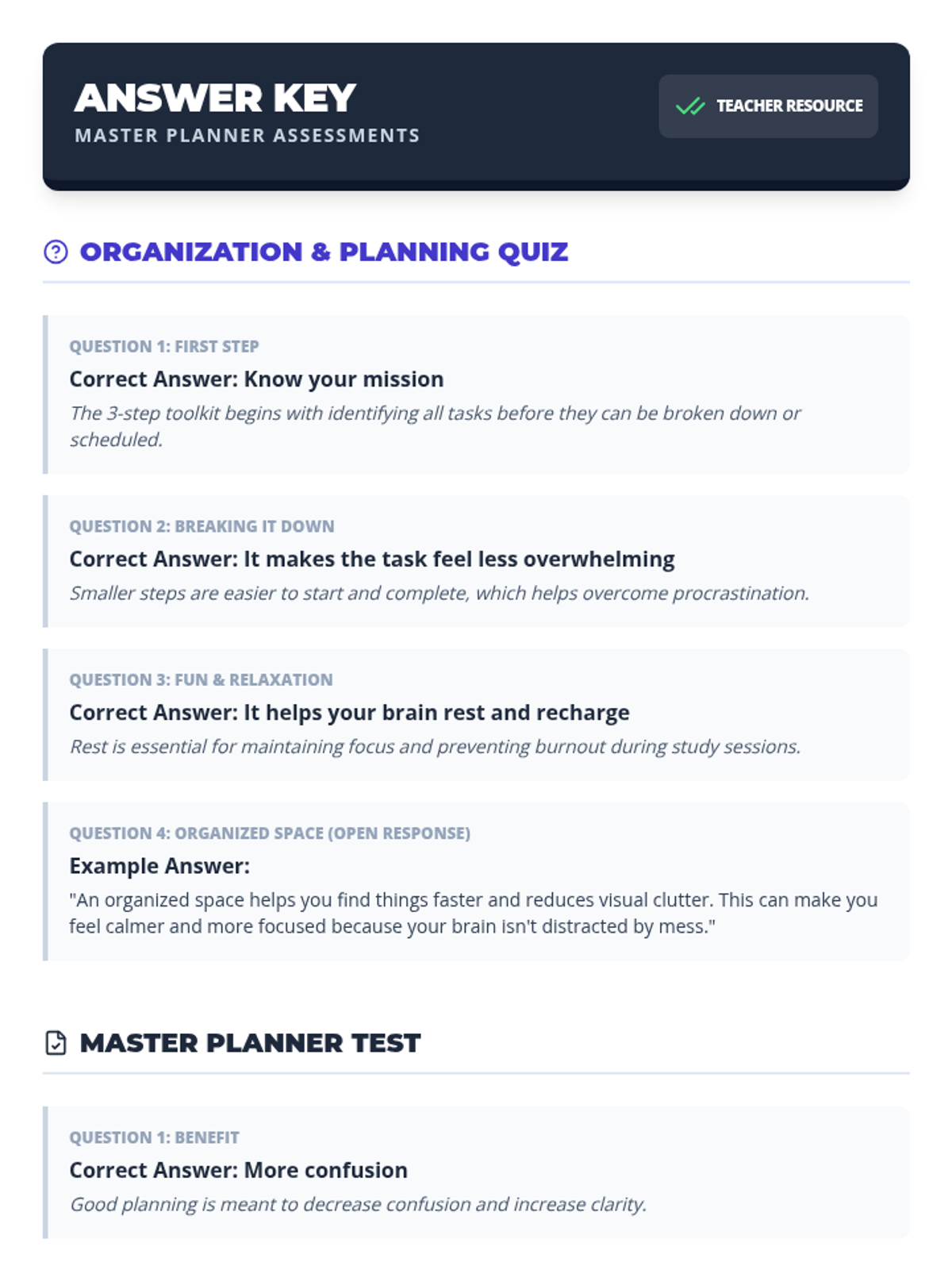
A two-part series for 5th and 6th graders designed to build foundational organization and planning habits. Students transition from learning the '3-Step Planning Toolkit' to applying advanced scheduling techniques, culminating in a week-long personal planner project.
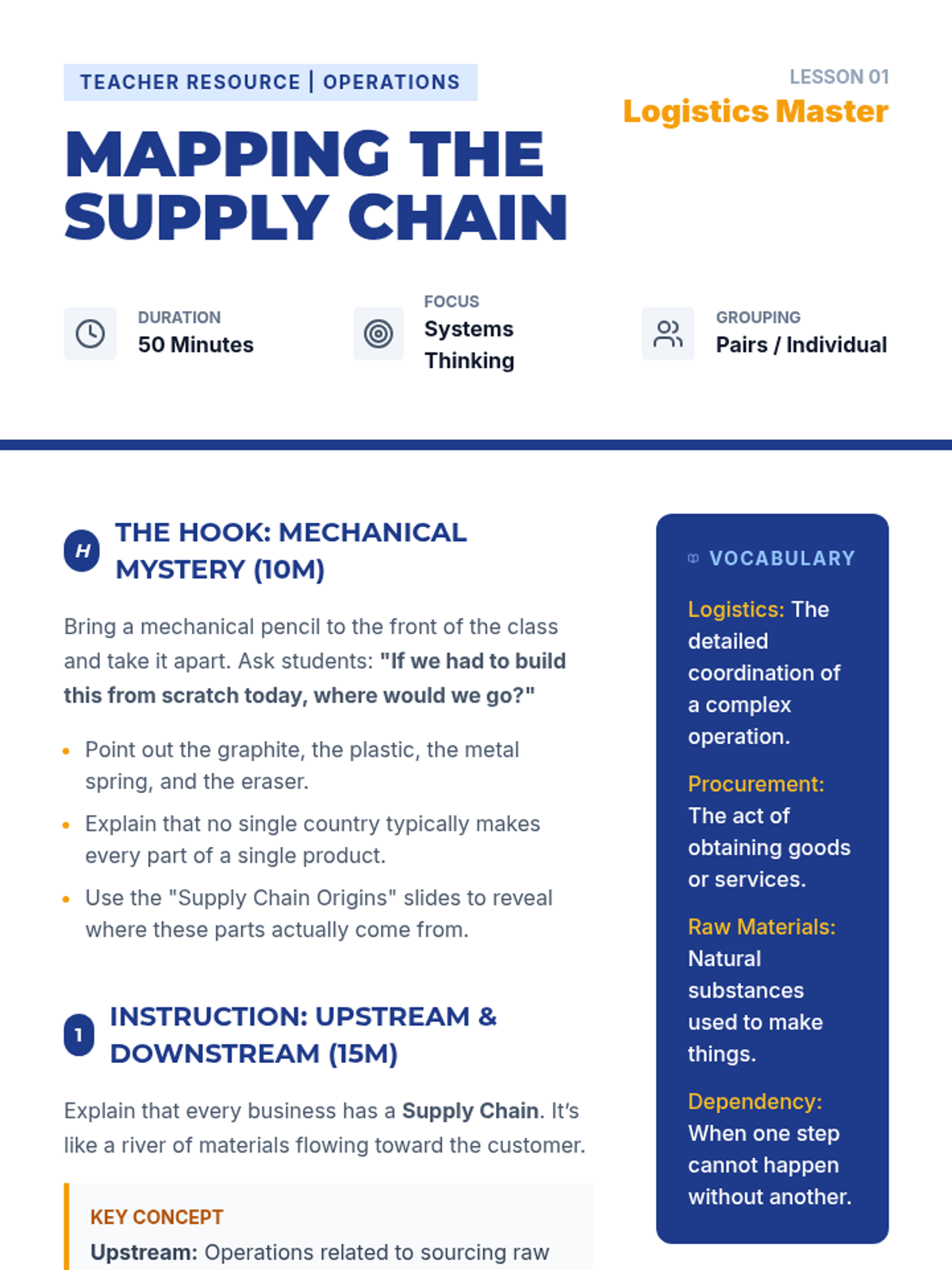
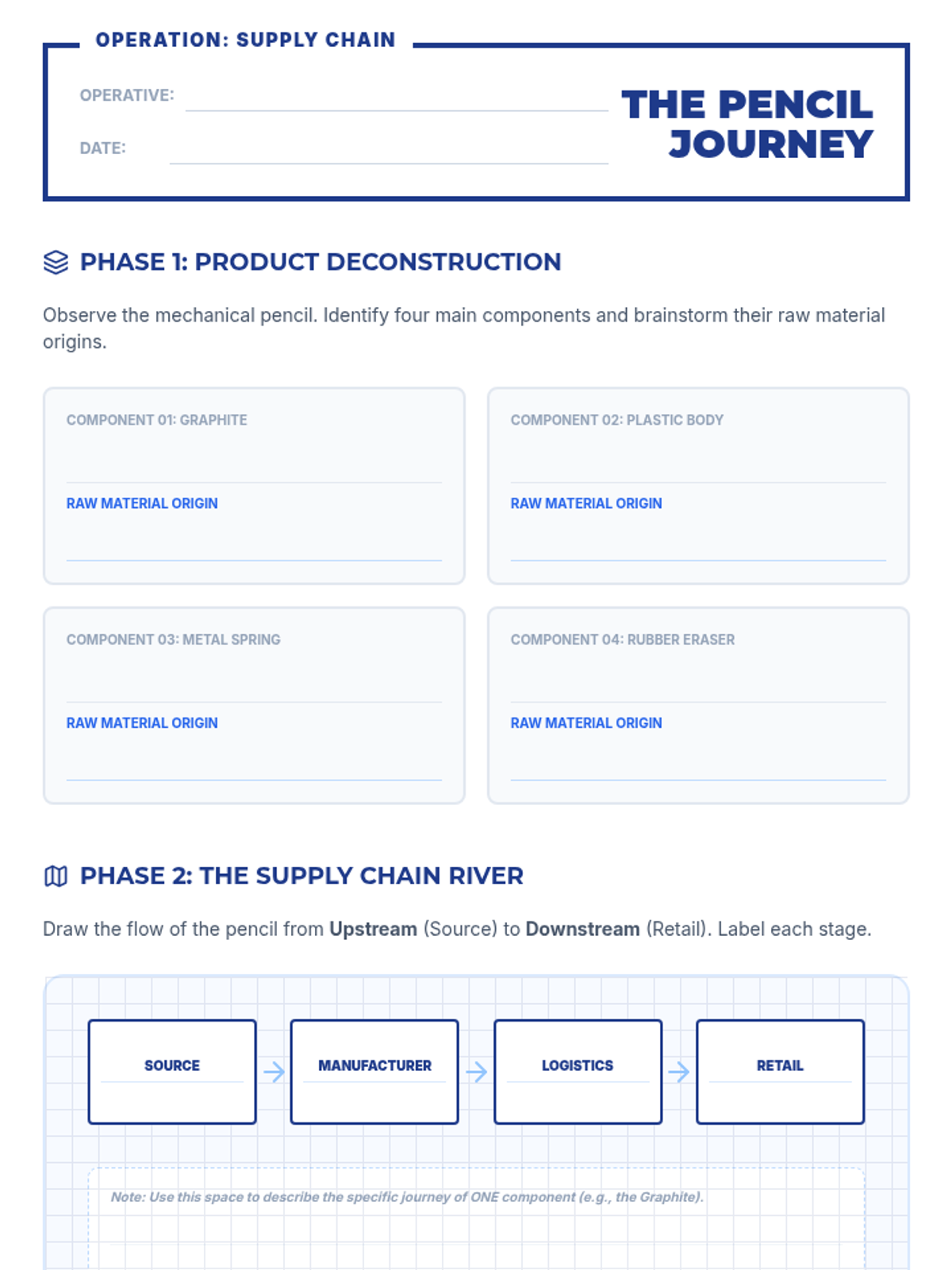
A 5-lesson sequence for 6th-grade students on the operational side of entrepreneurship. Students explore supply chains, assembly lines, organizational structures, and quality control through hands-on simulations and blueprint mapping.
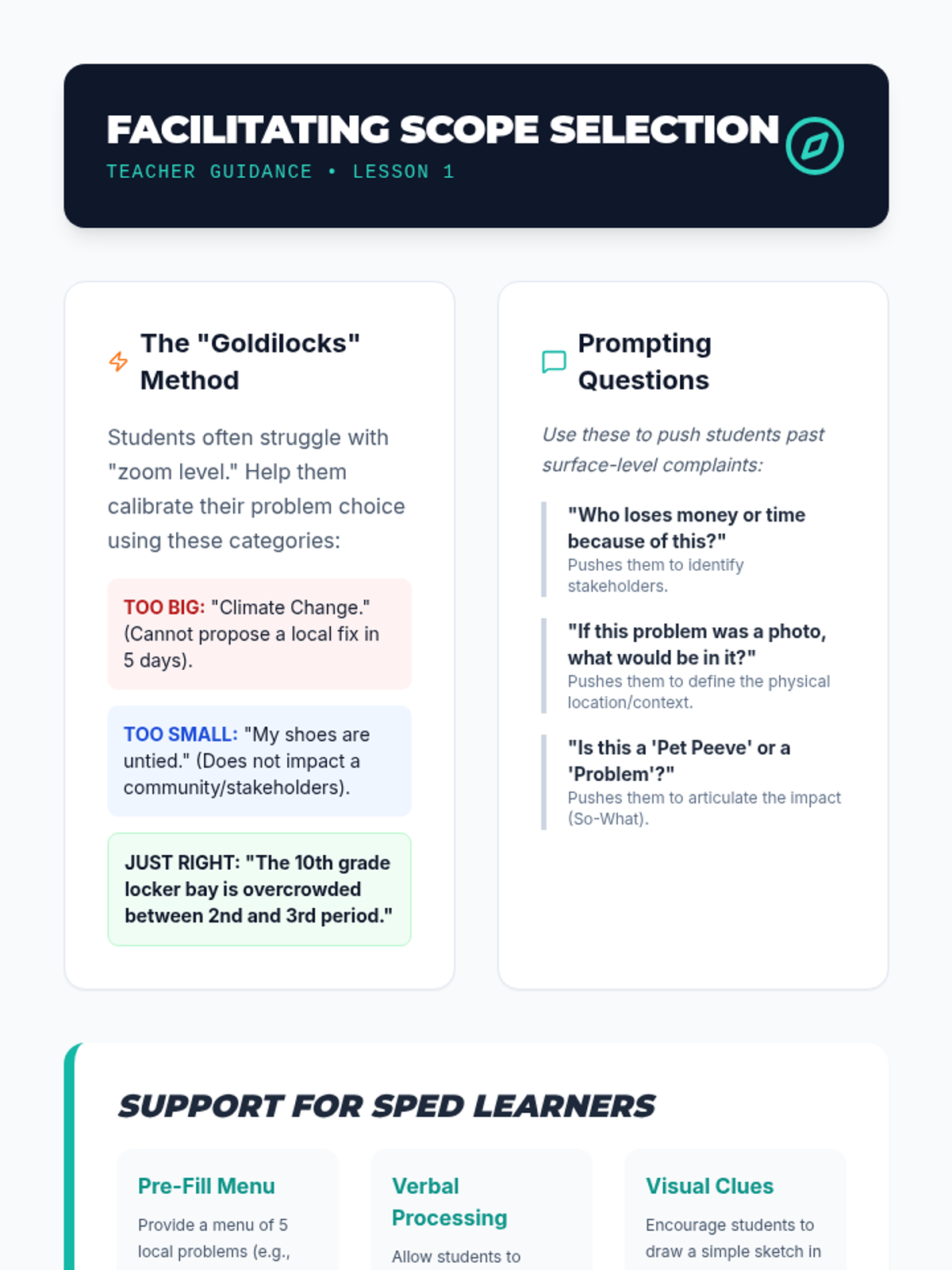
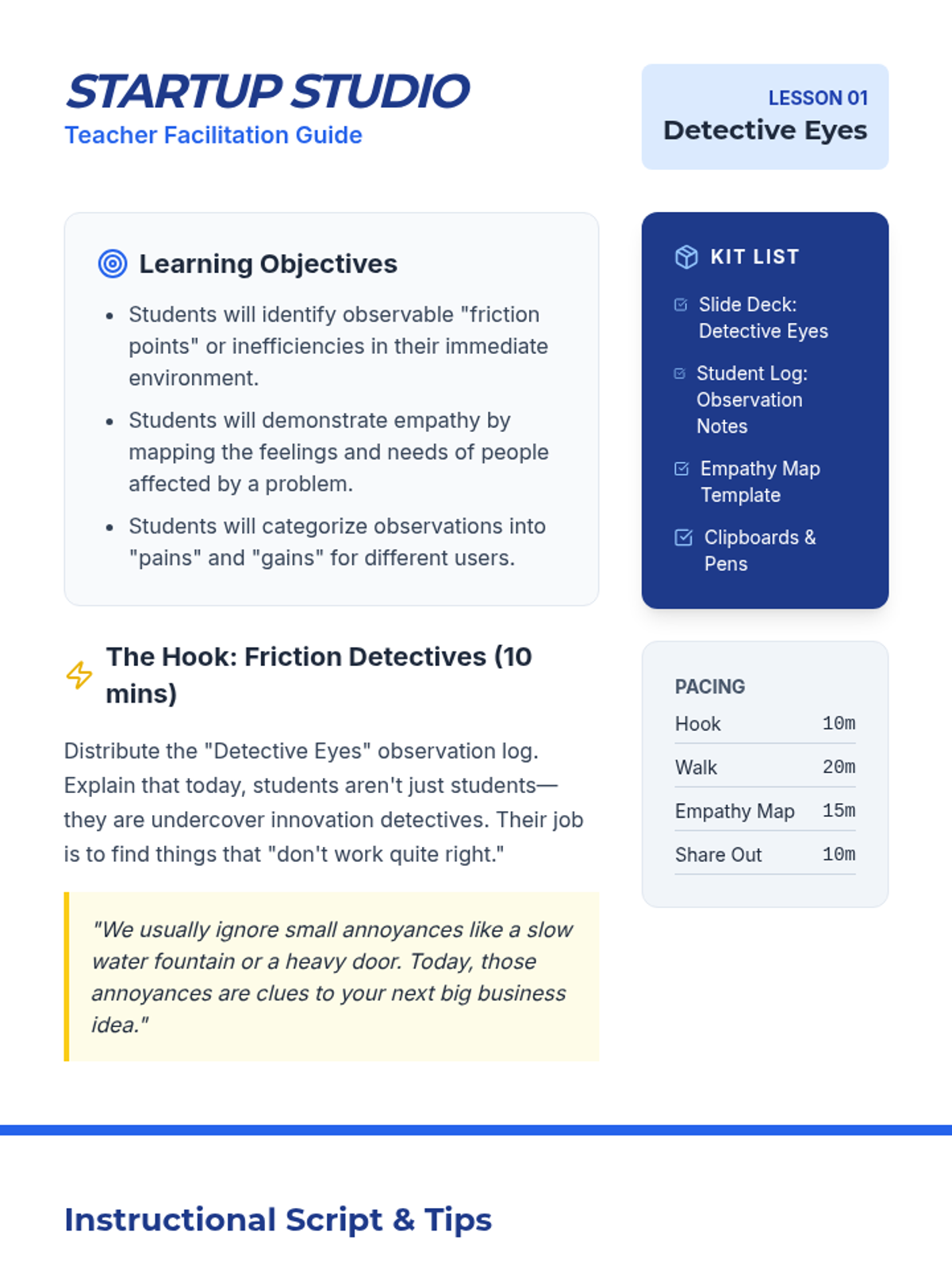
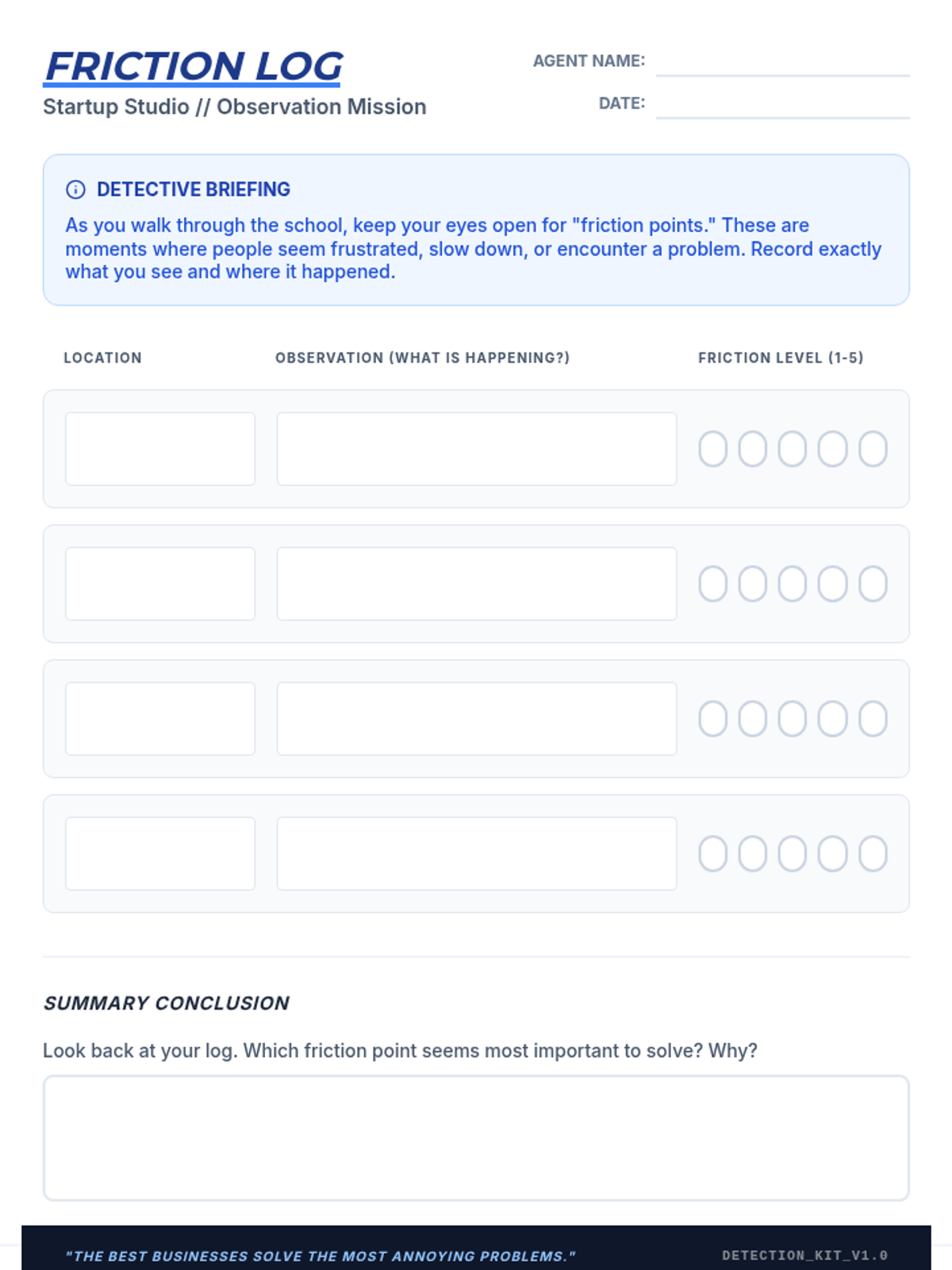
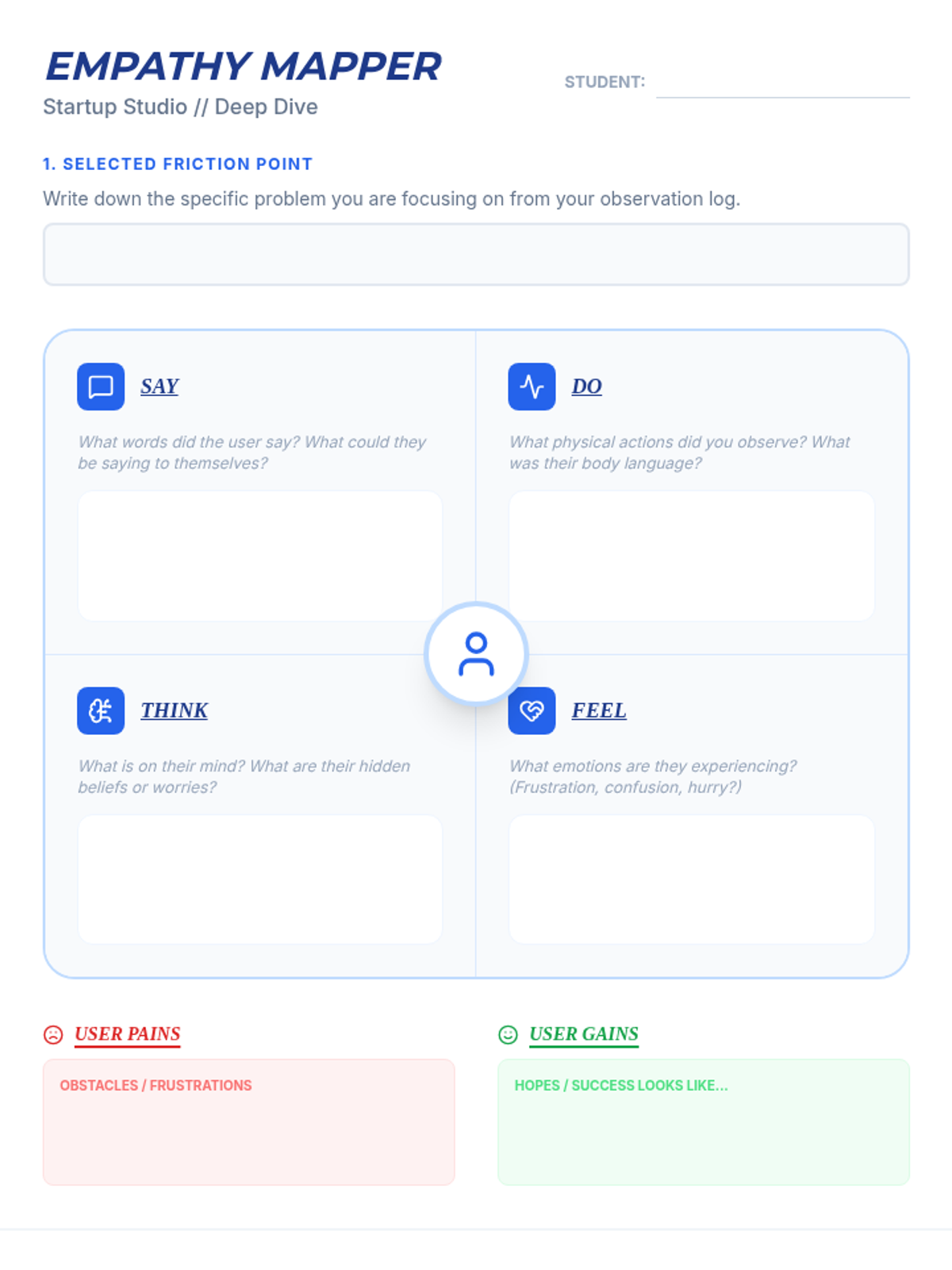
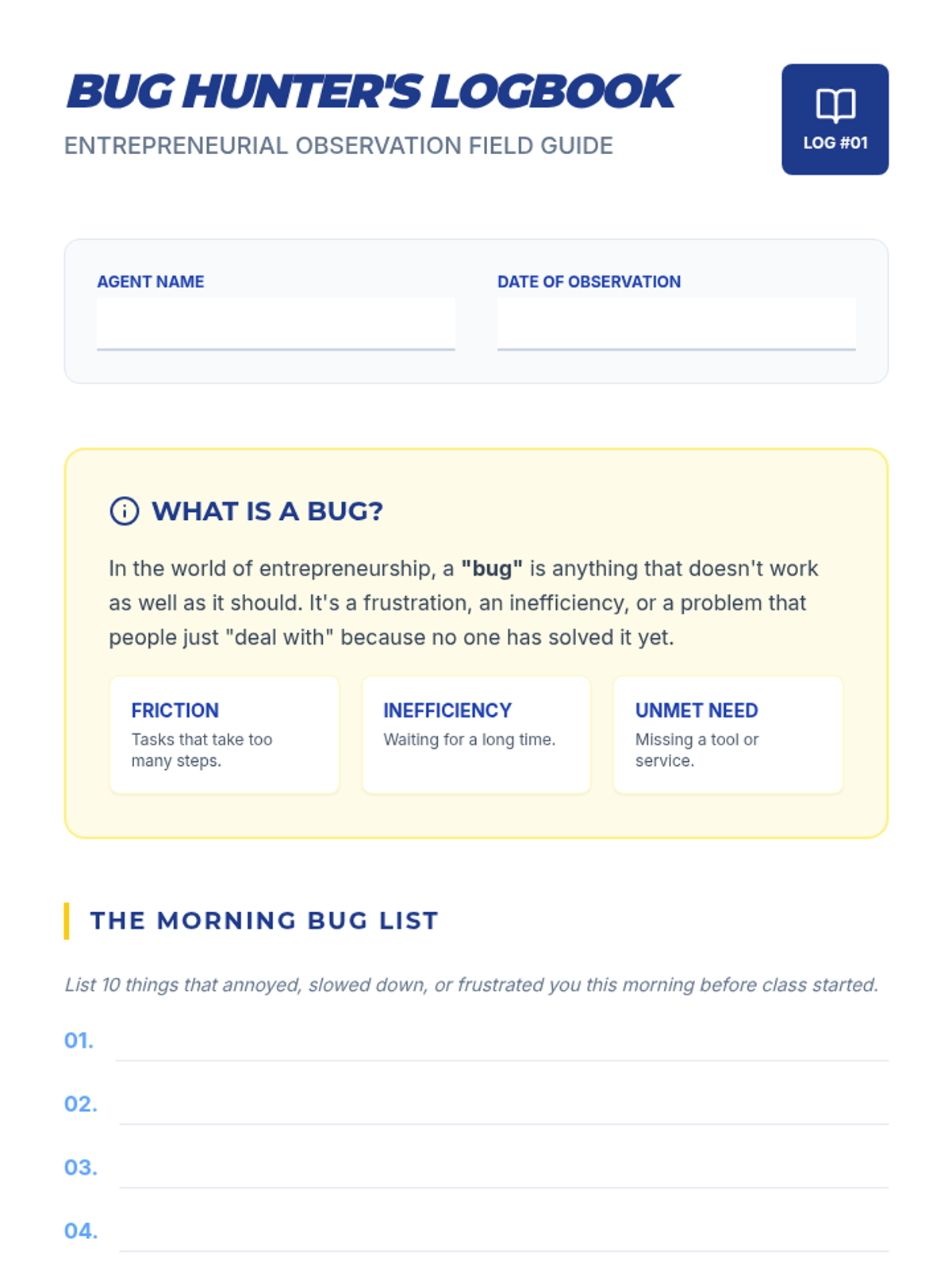
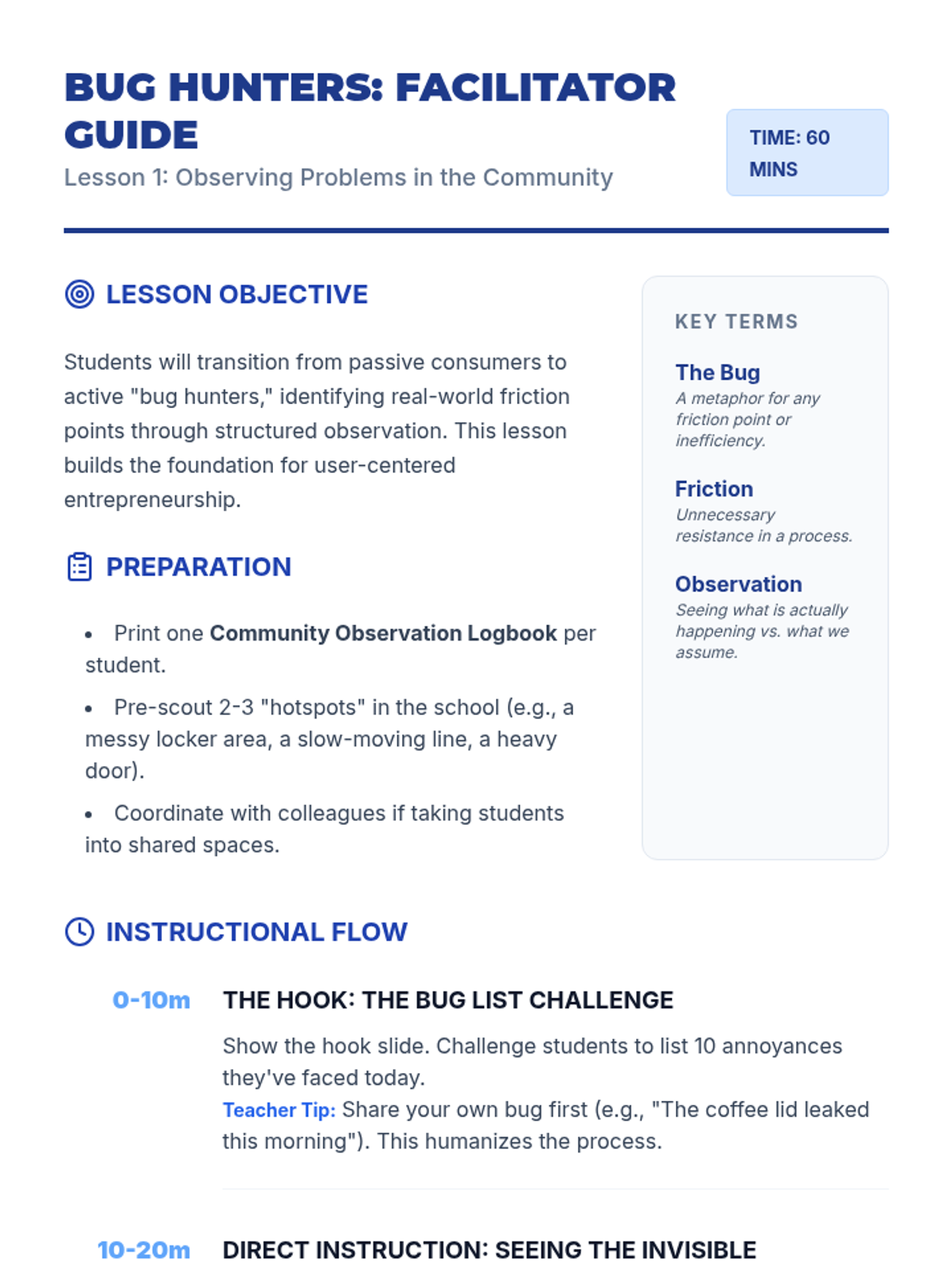
Students learn to identify authentic opportunities for innovation within their school or community. Moving beyond simple brainstorming, learners practice observation techniques and empathy mapping to uncover latent needs and frustrations experienced by others. The journey culminates in students selecting a specific problem and using divergence and convergence thinking strategies to generate a wide range of potential solutions.
Students learn to identify real-world problems through community observation, apply empathy mapping to understand user needs, use the SCAMPER method for ideation, and evaluate their business ideas for feasibility. The sequence culminates in the creation of a problem-solution narrative and elevator pitch.
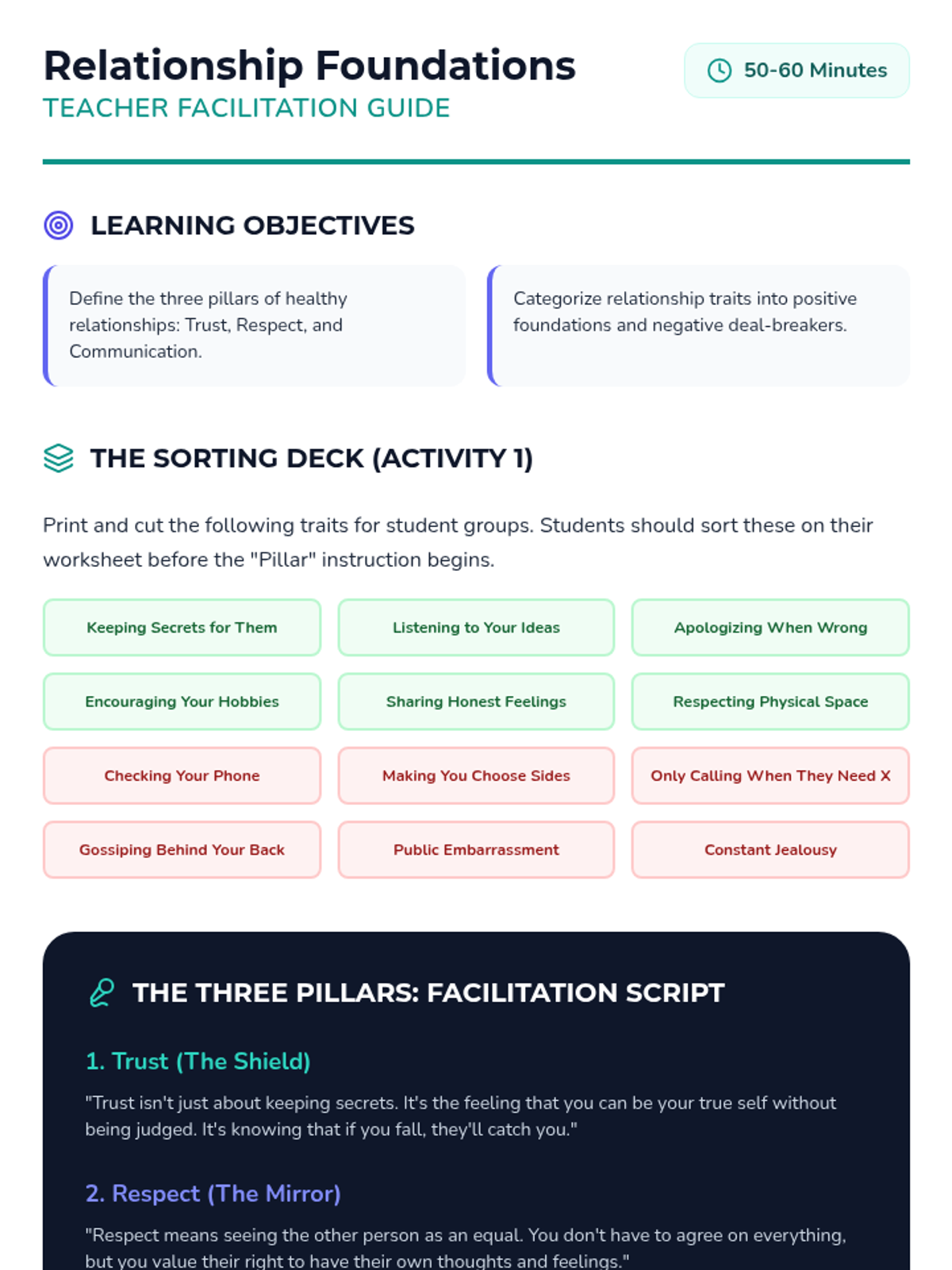
A comprehensive 5-lesson sequence for 6th graders exploring the dynamics of healthy vs. unhealthy relationships, conflict resolution strategies, and support systems. Students learn to identify red flags, use 'I-statements', and build personal resource maps.
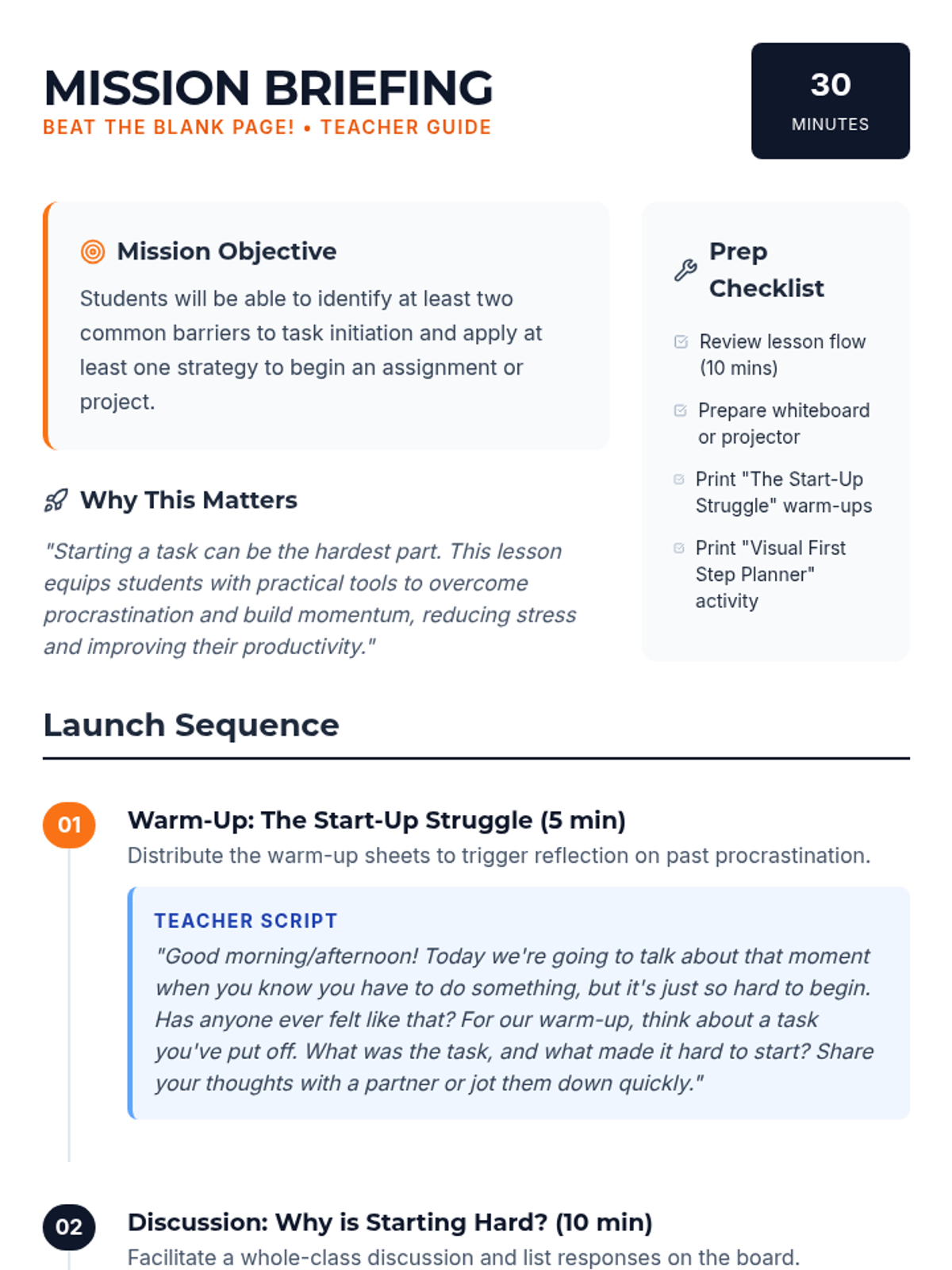
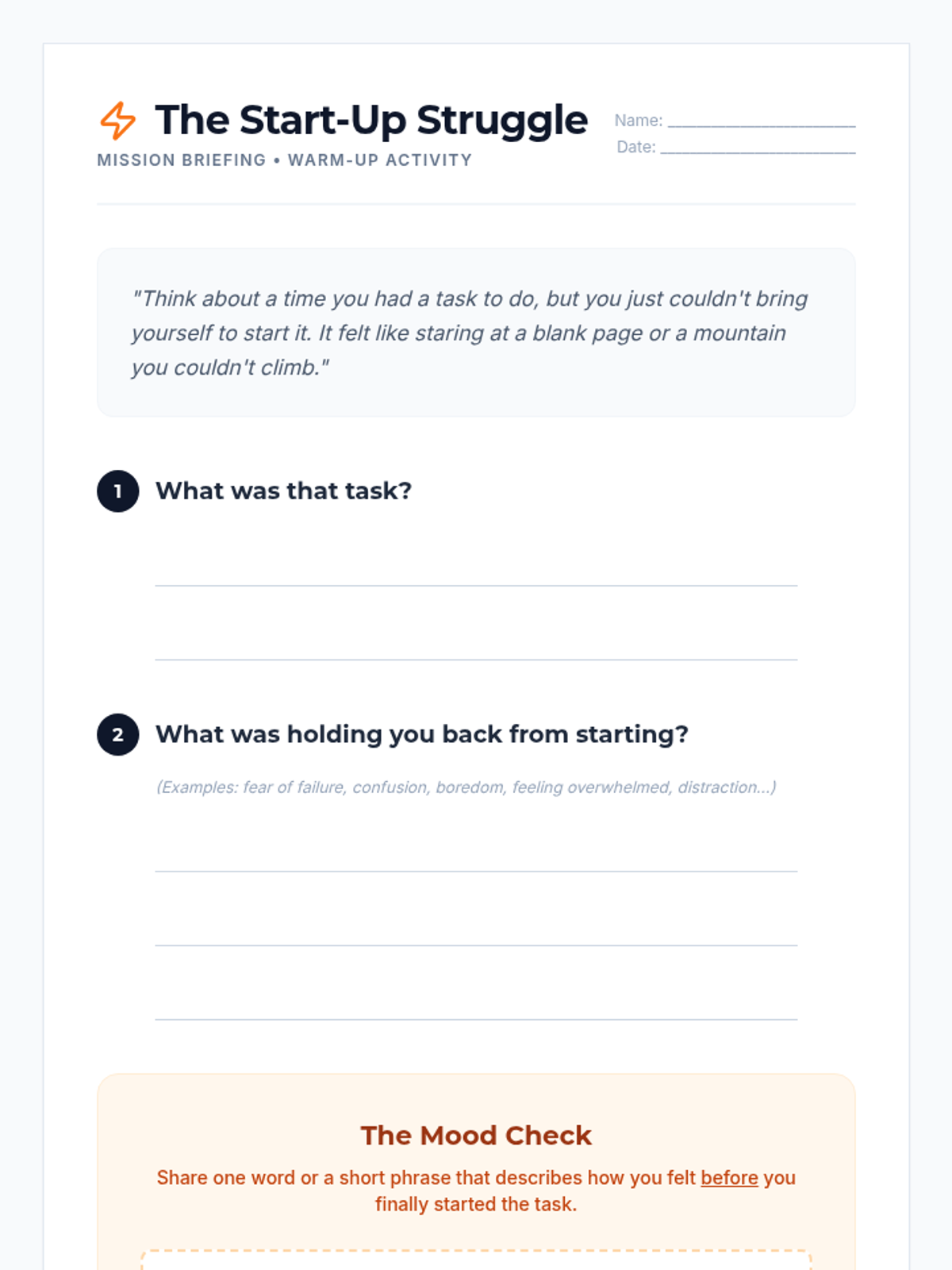
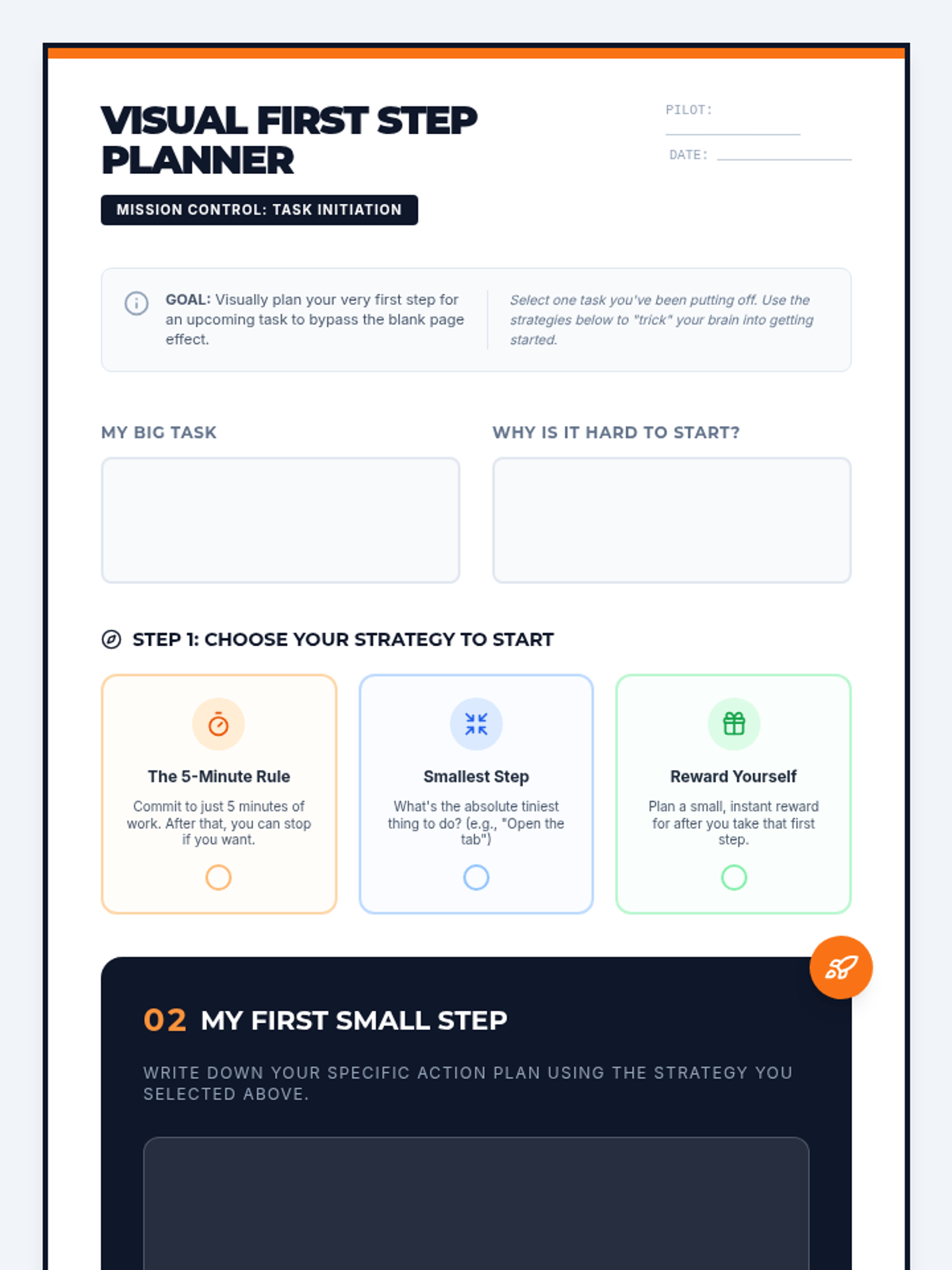
A two-part series designed to help middle school students overcome procrastination by understanding the psychology of starting and mastering the art of breaking large projects into manageable steps.
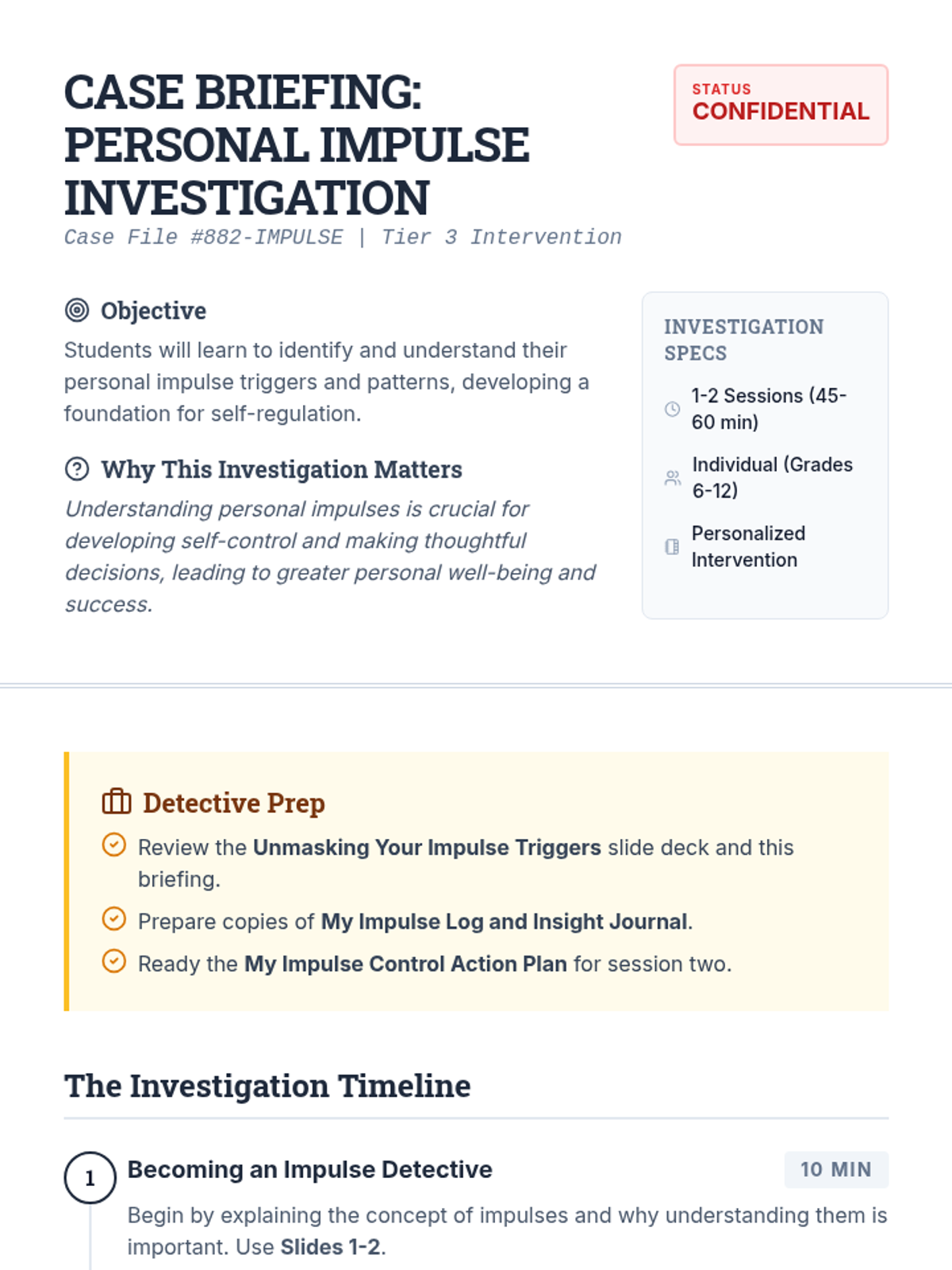
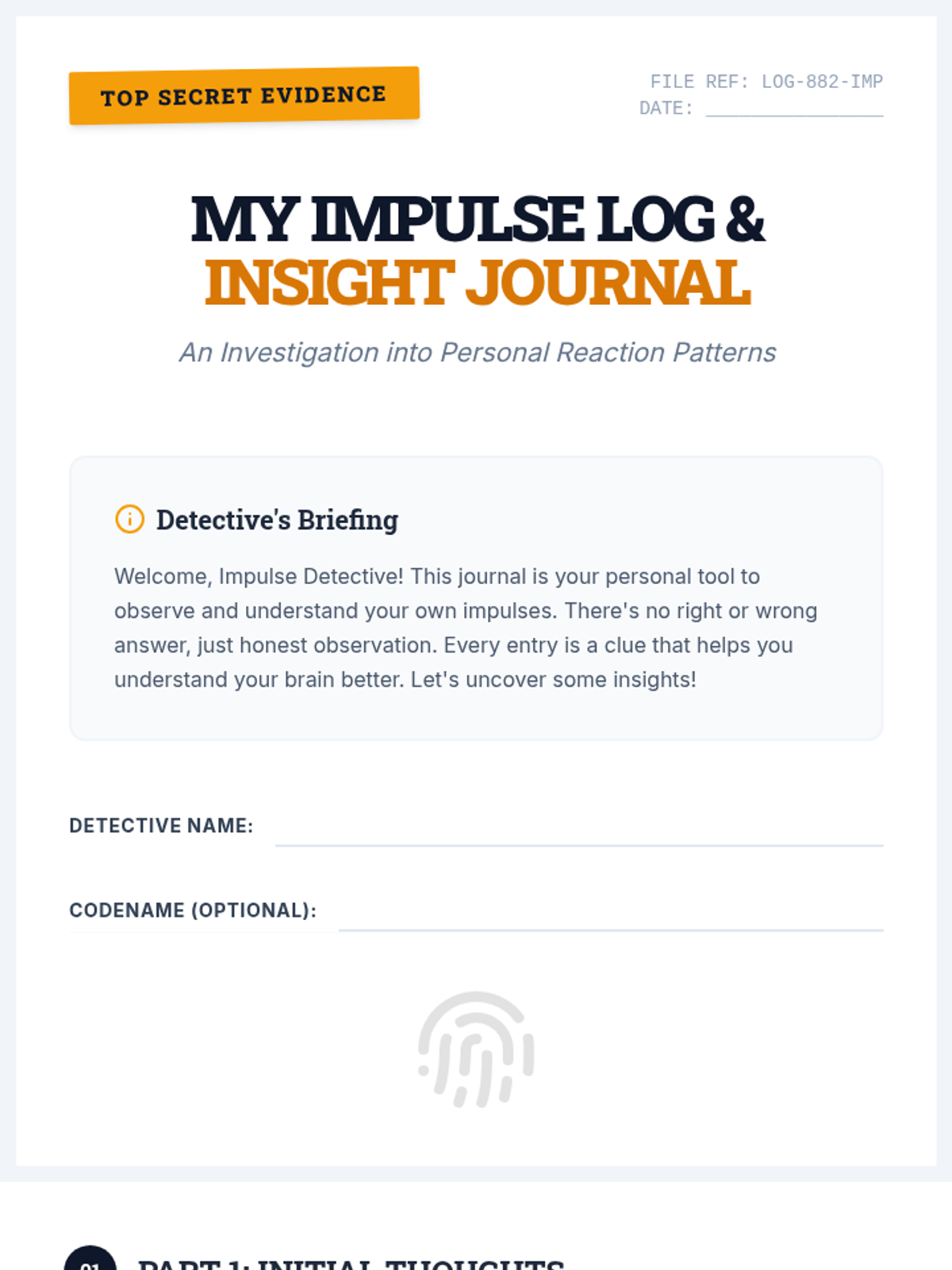
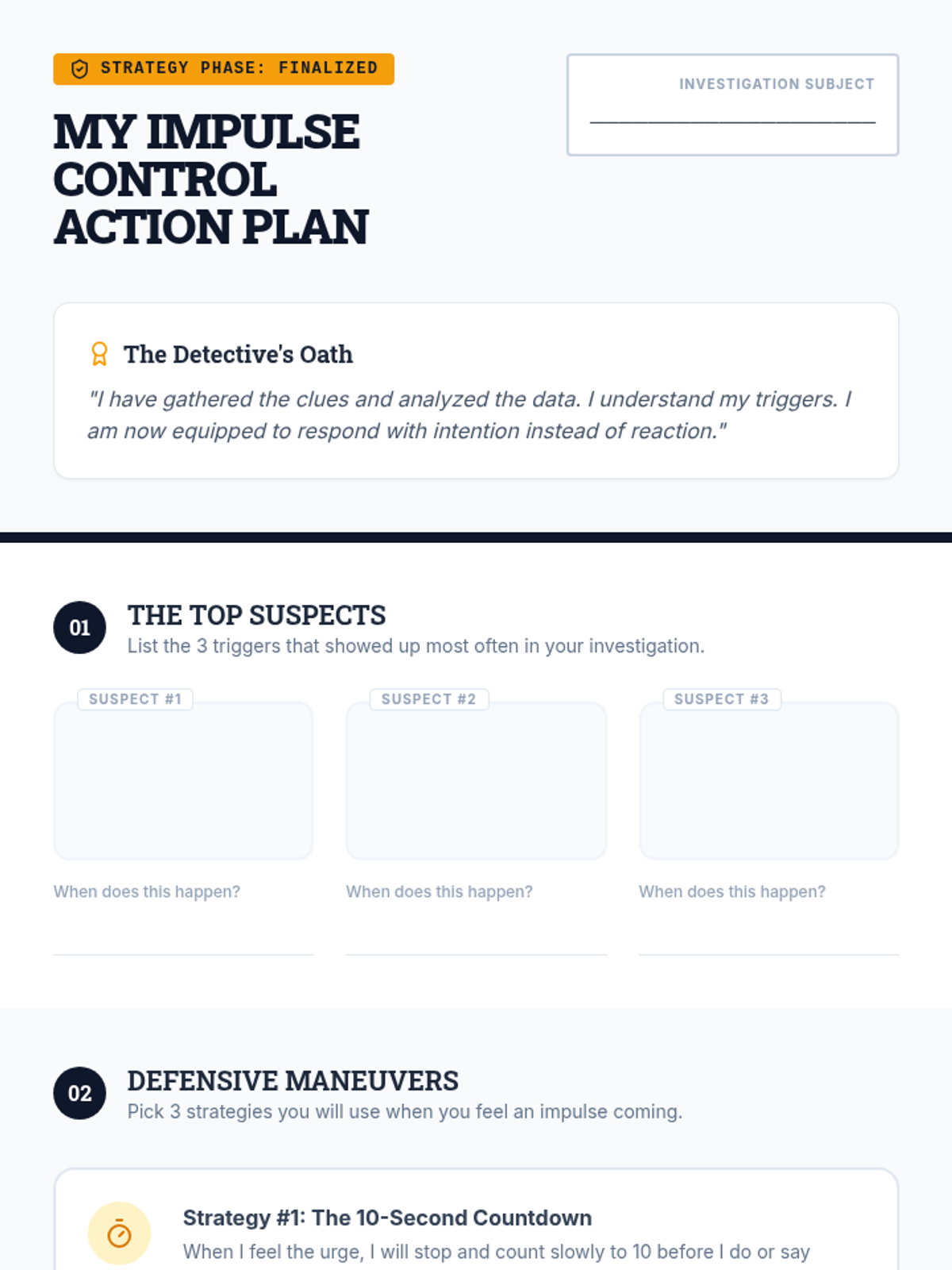
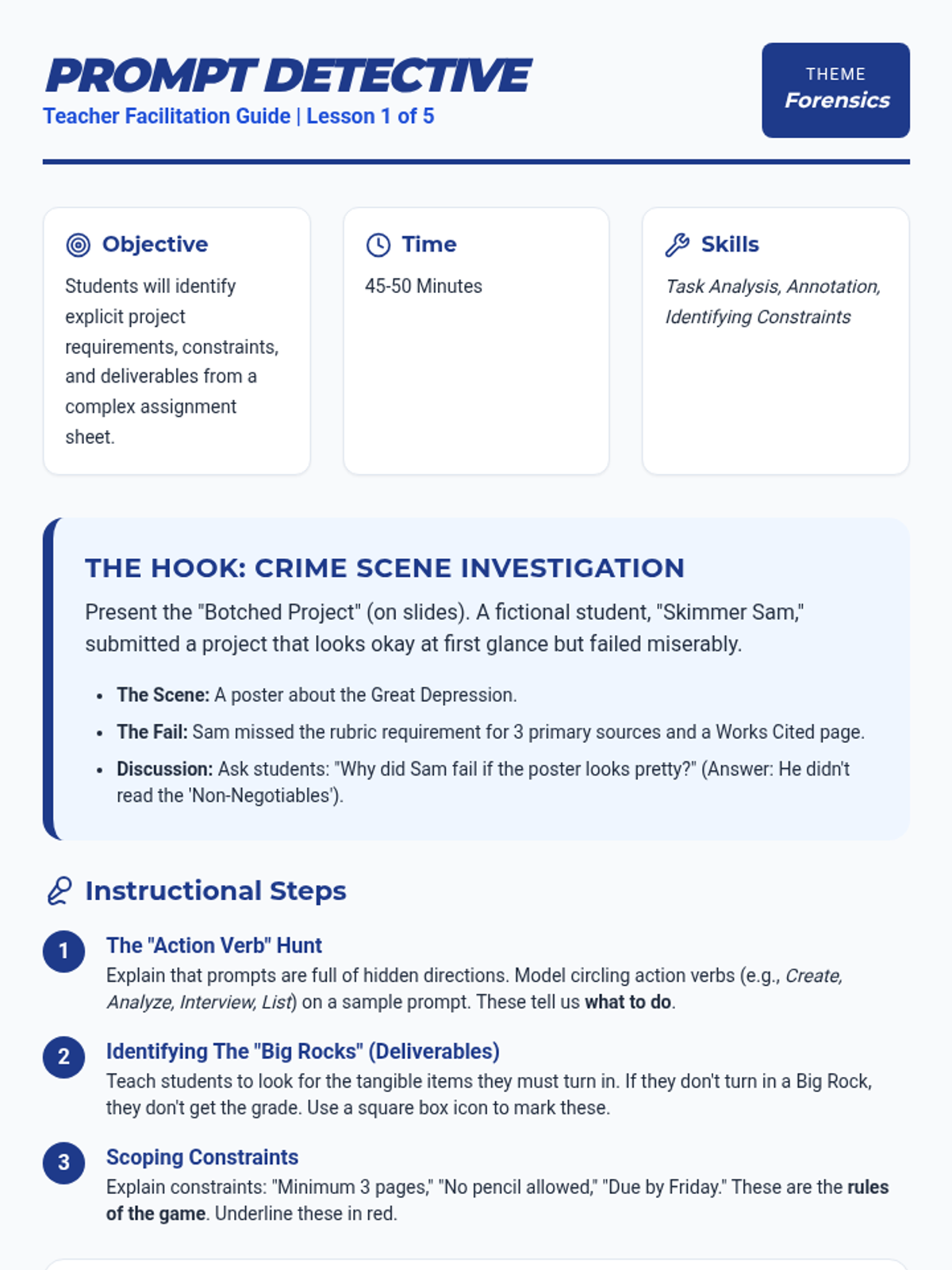
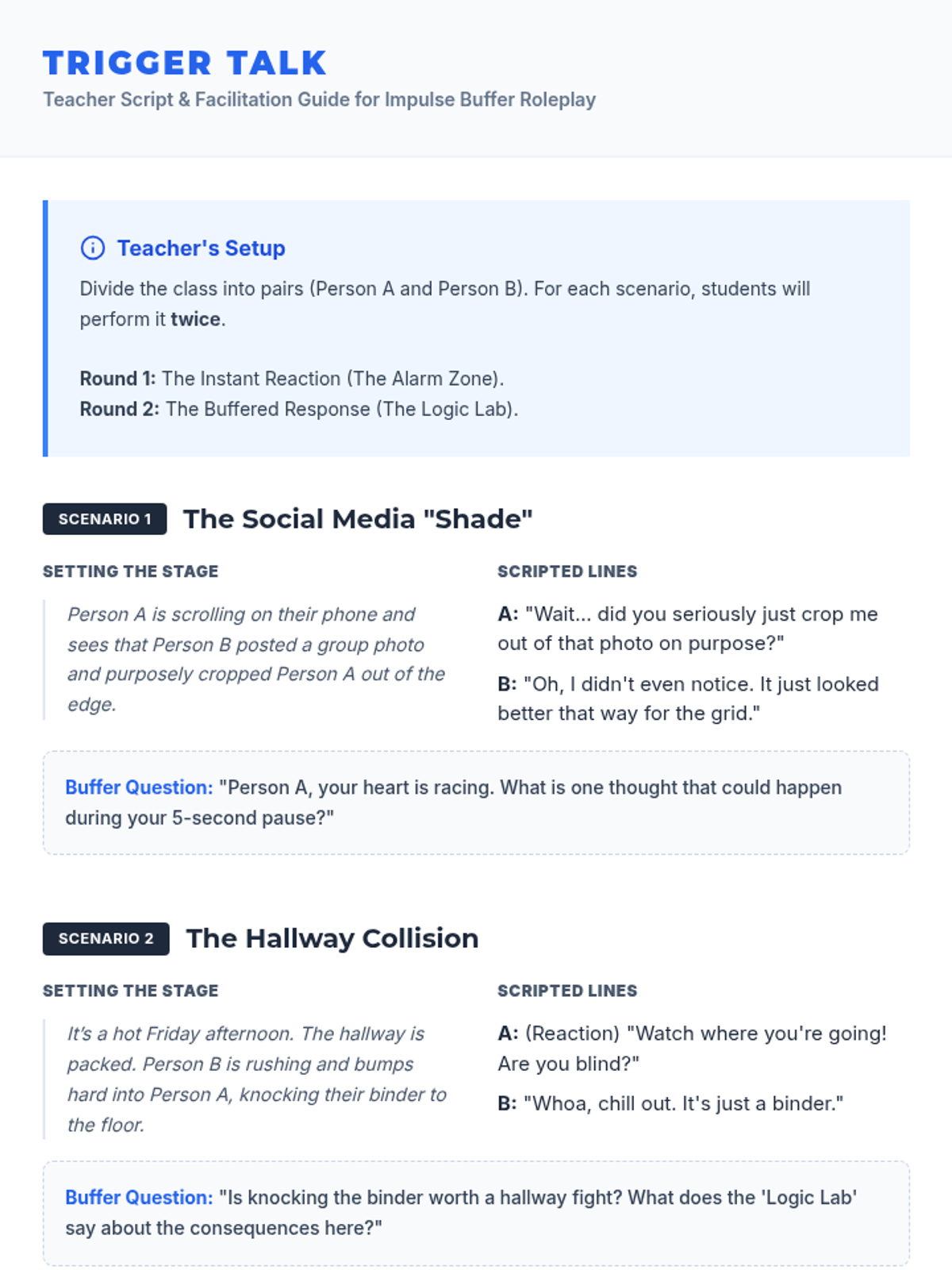
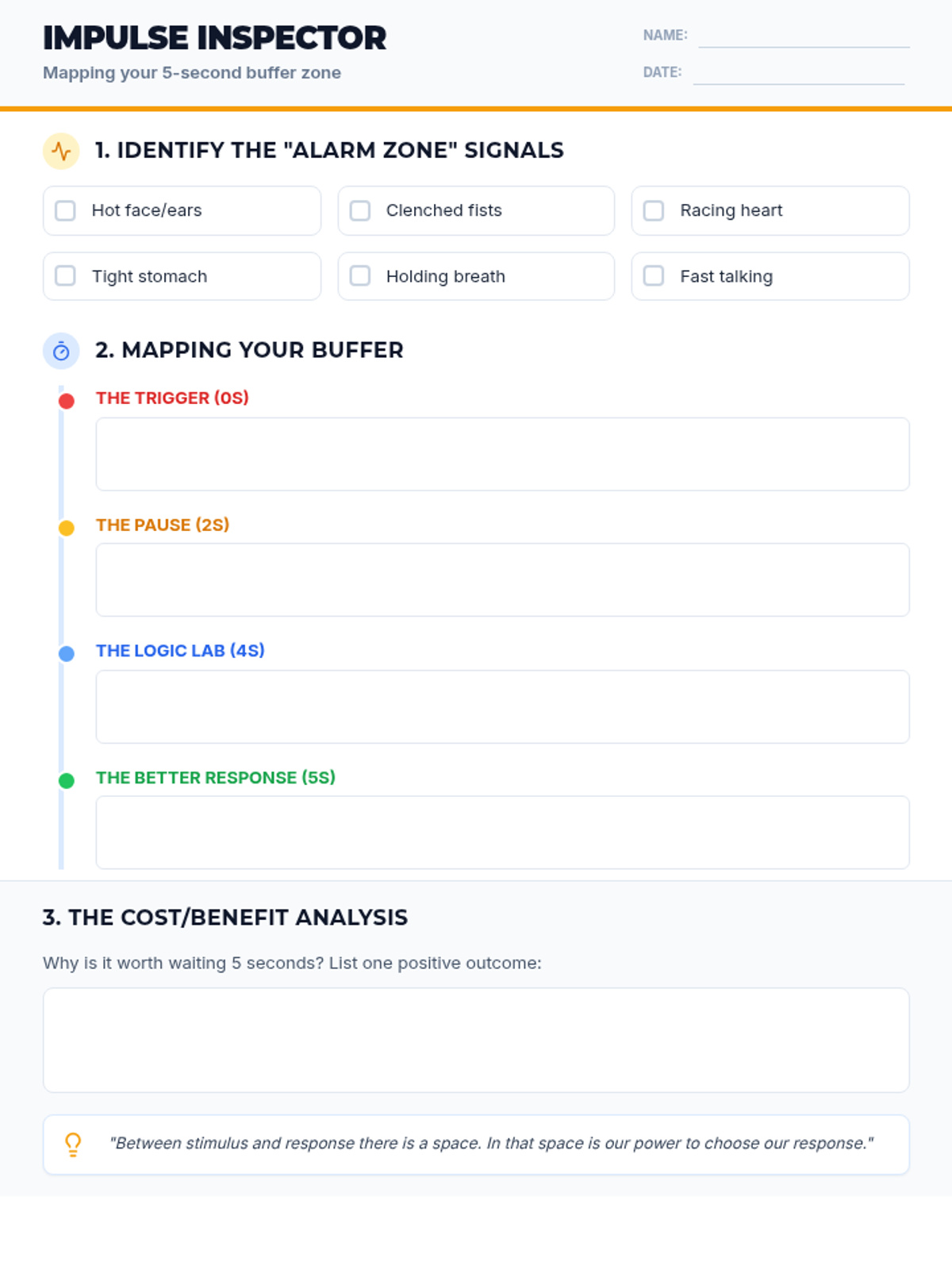
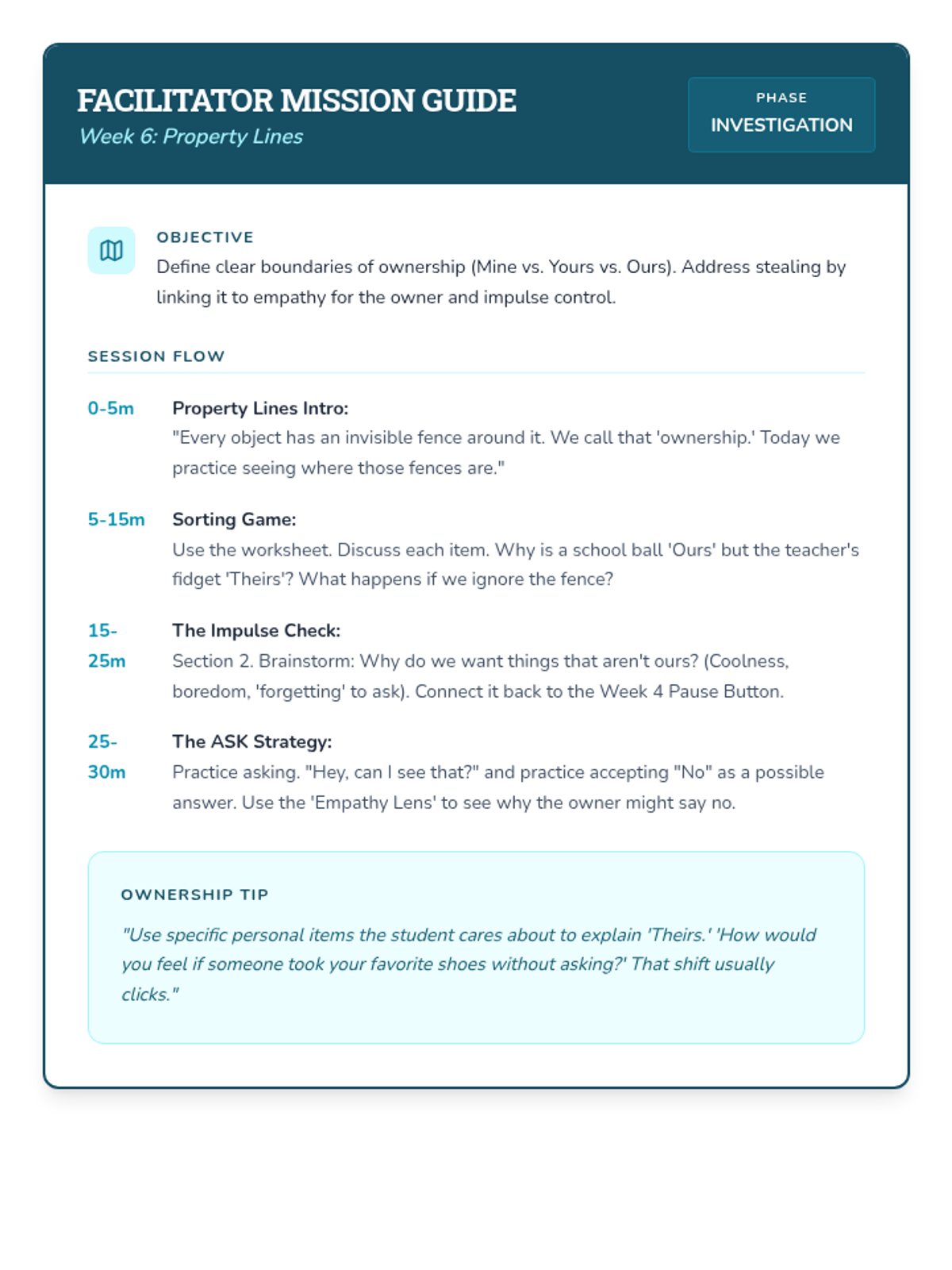
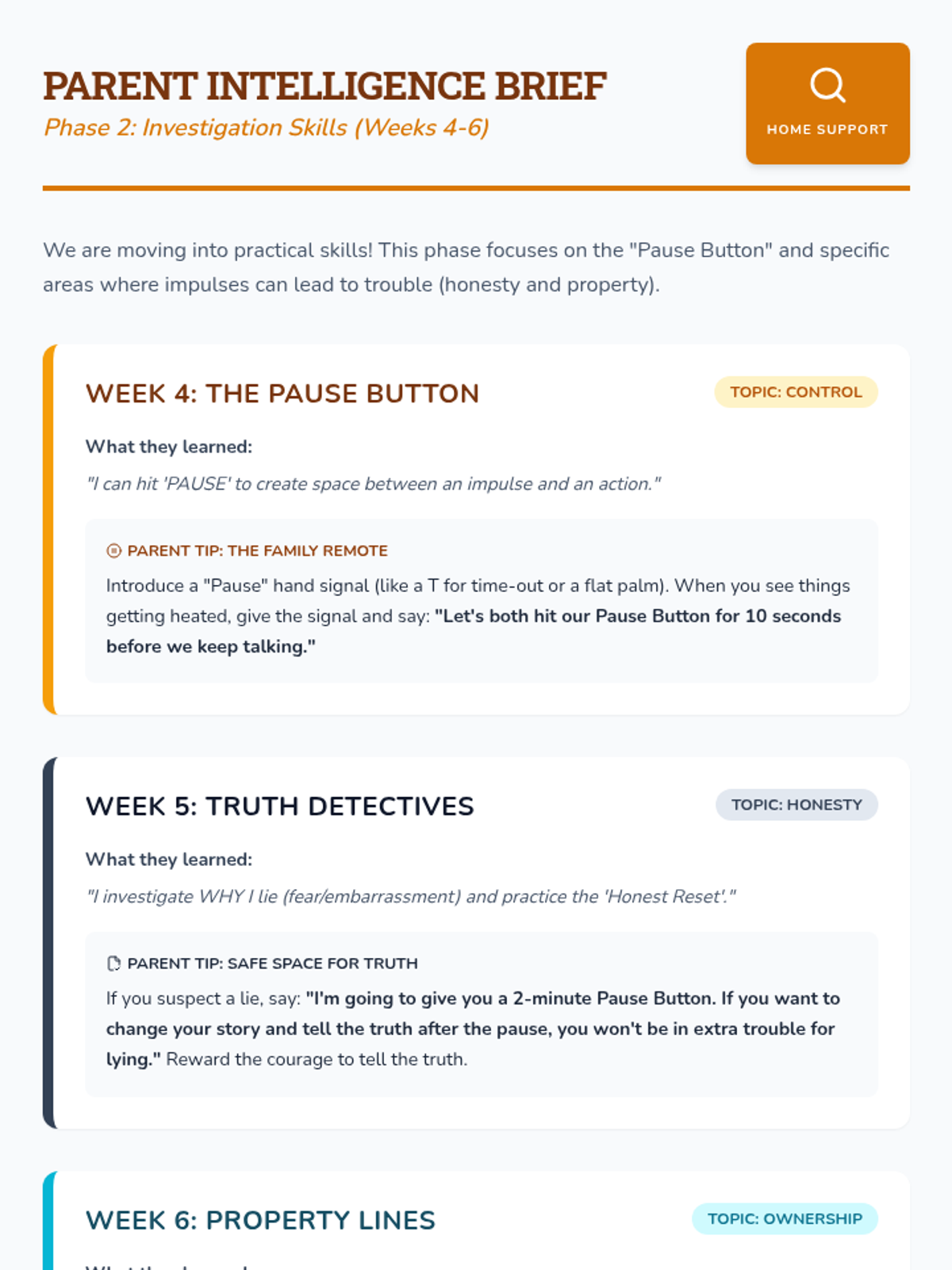
A Tier 3 intervention kit for individual students to investigate their impulses, identify triggers, and develop personalized self-regulation strategies through a detective-themed investigation.
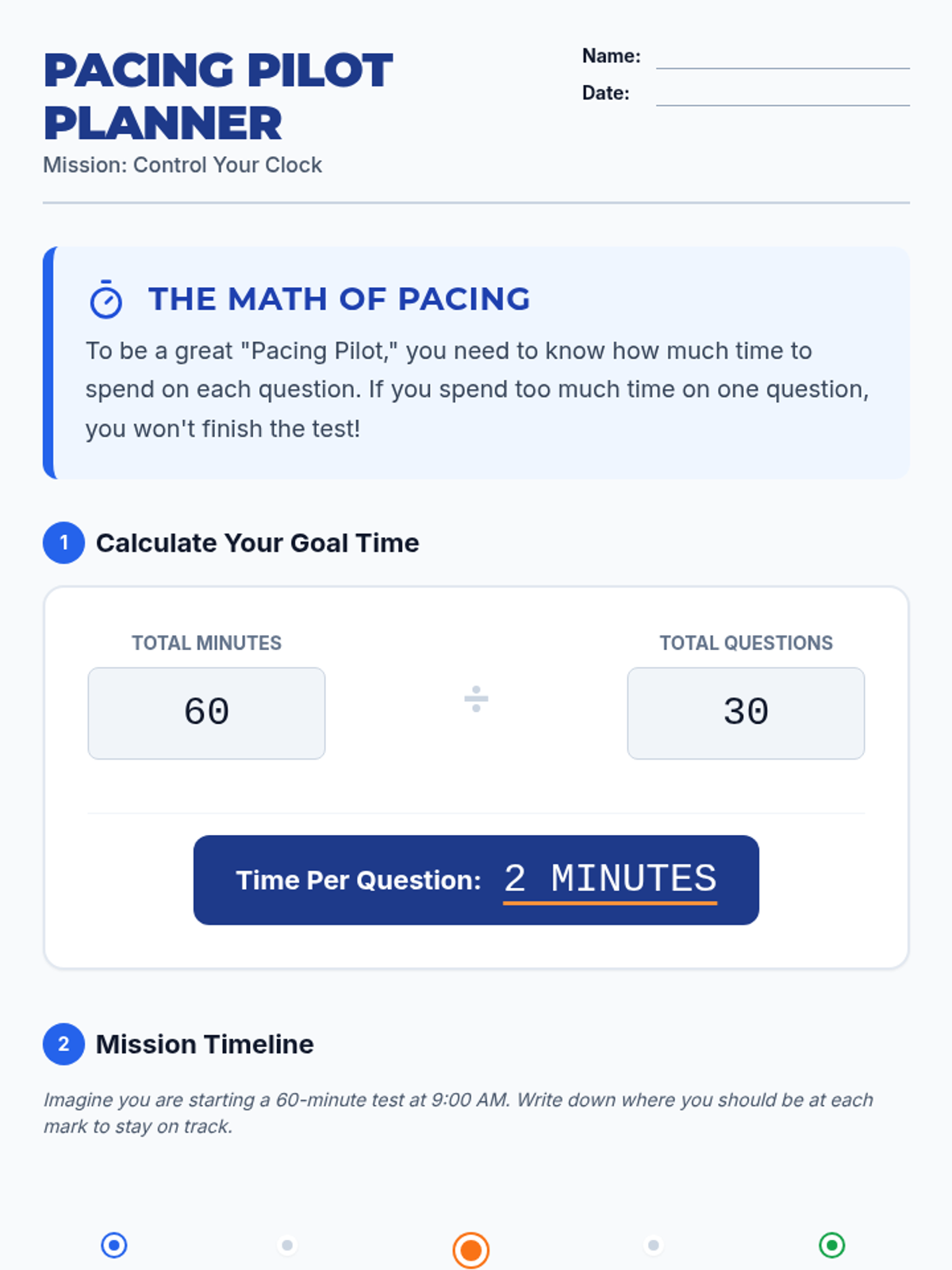
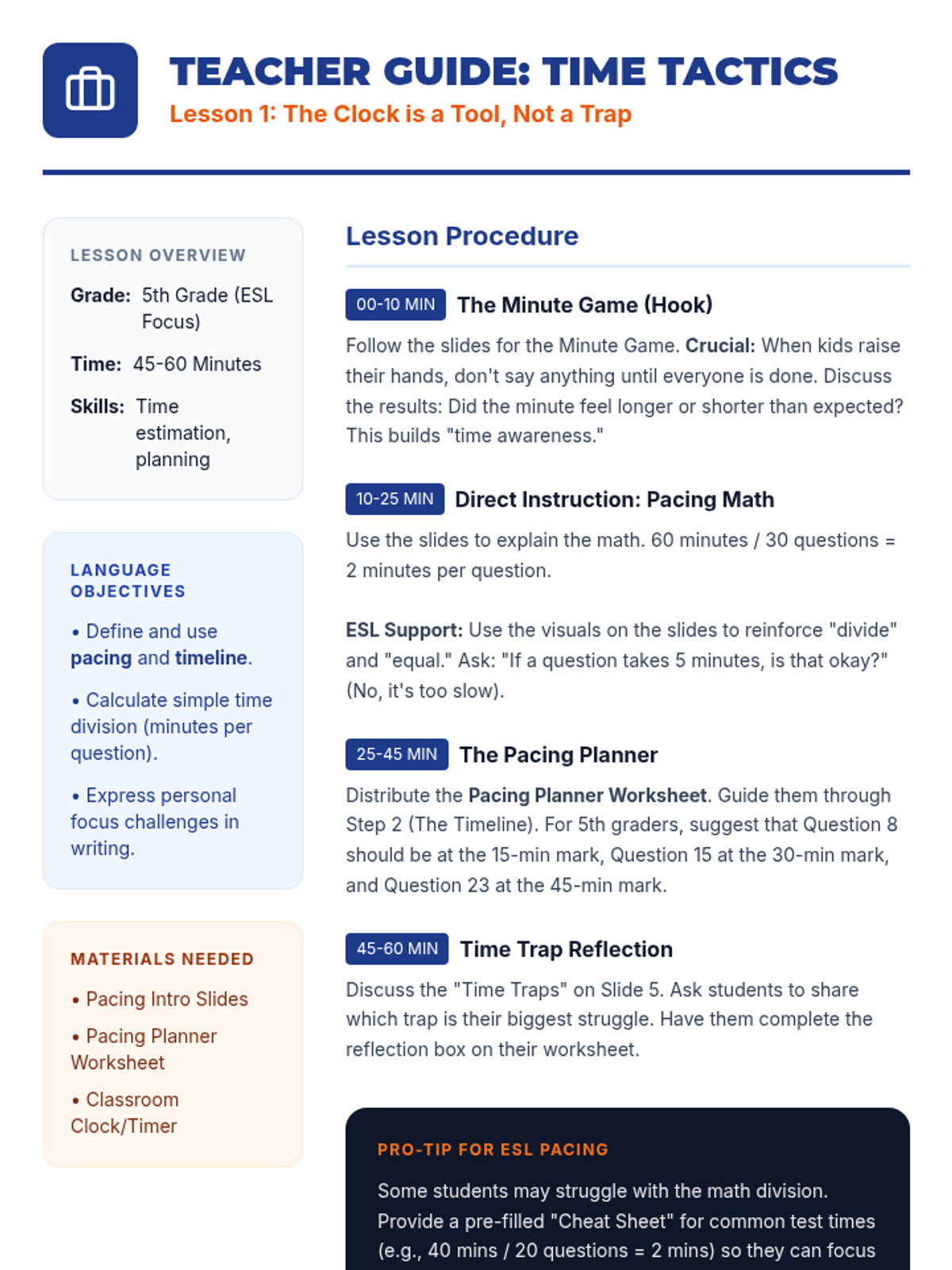
This sequence helps students master time management and prioritization during exams. Through hands-on activities and simulations, students learn to estimate pacing, use the 'skip and return' strategy, navigate long passages efficiently, and manage test anxiety.
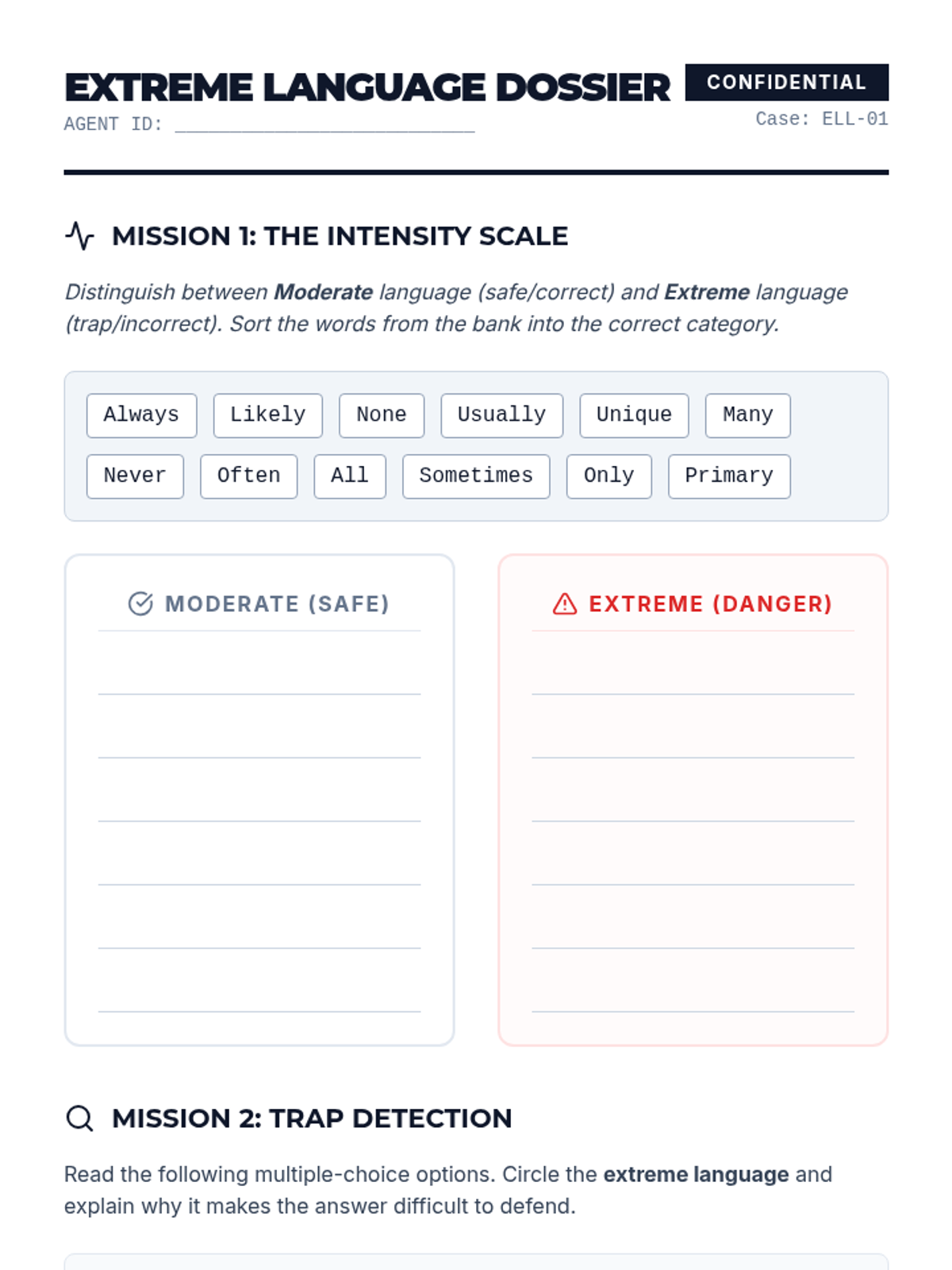
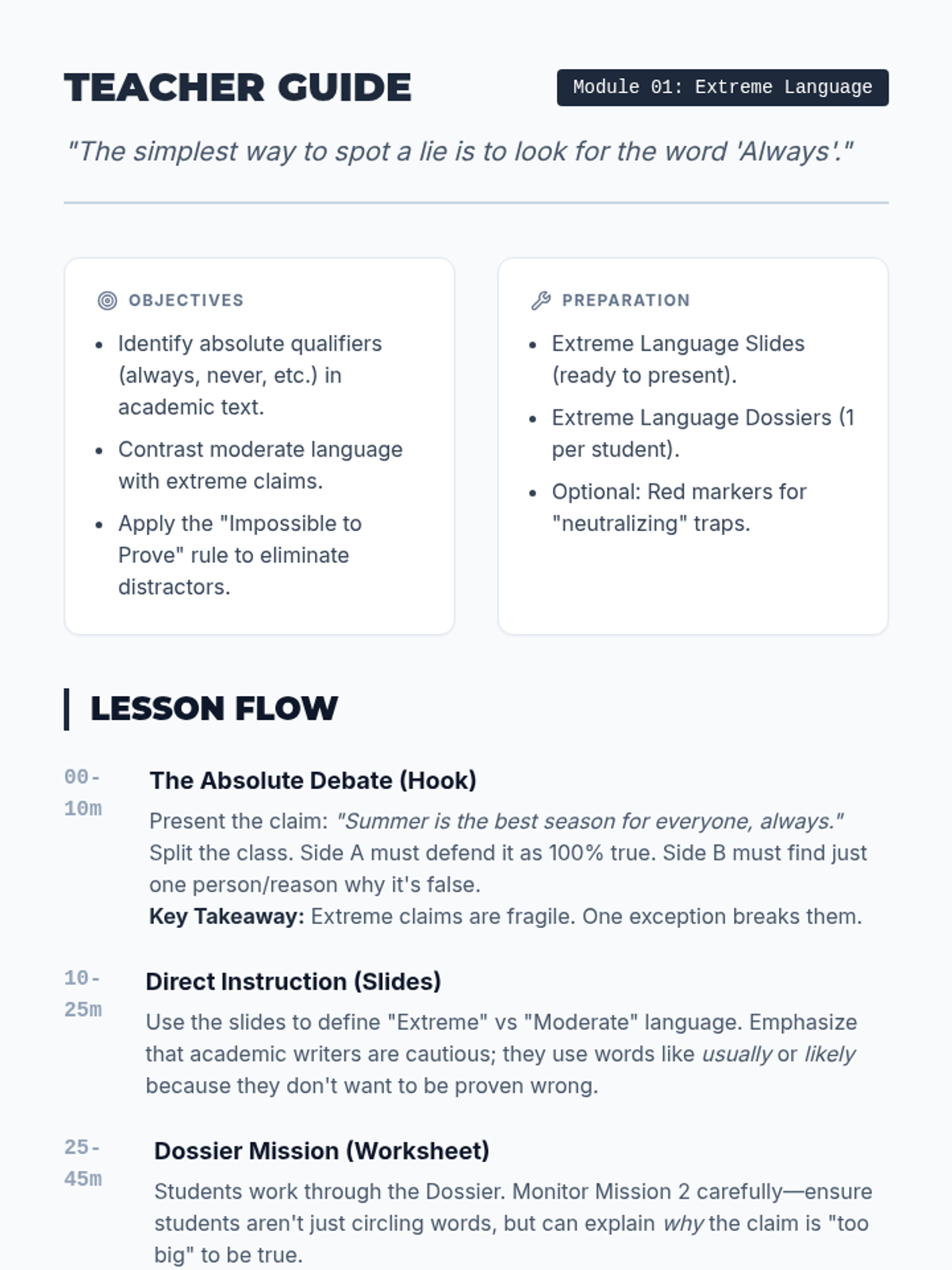
This sequence transforms students into 'Trap Detectives' who can identify and eliminate common distractors in academic tests. Students learn to spot extreme language, half-right traps, and out-of-scope answers through gamified lessons and role-reversal activities.
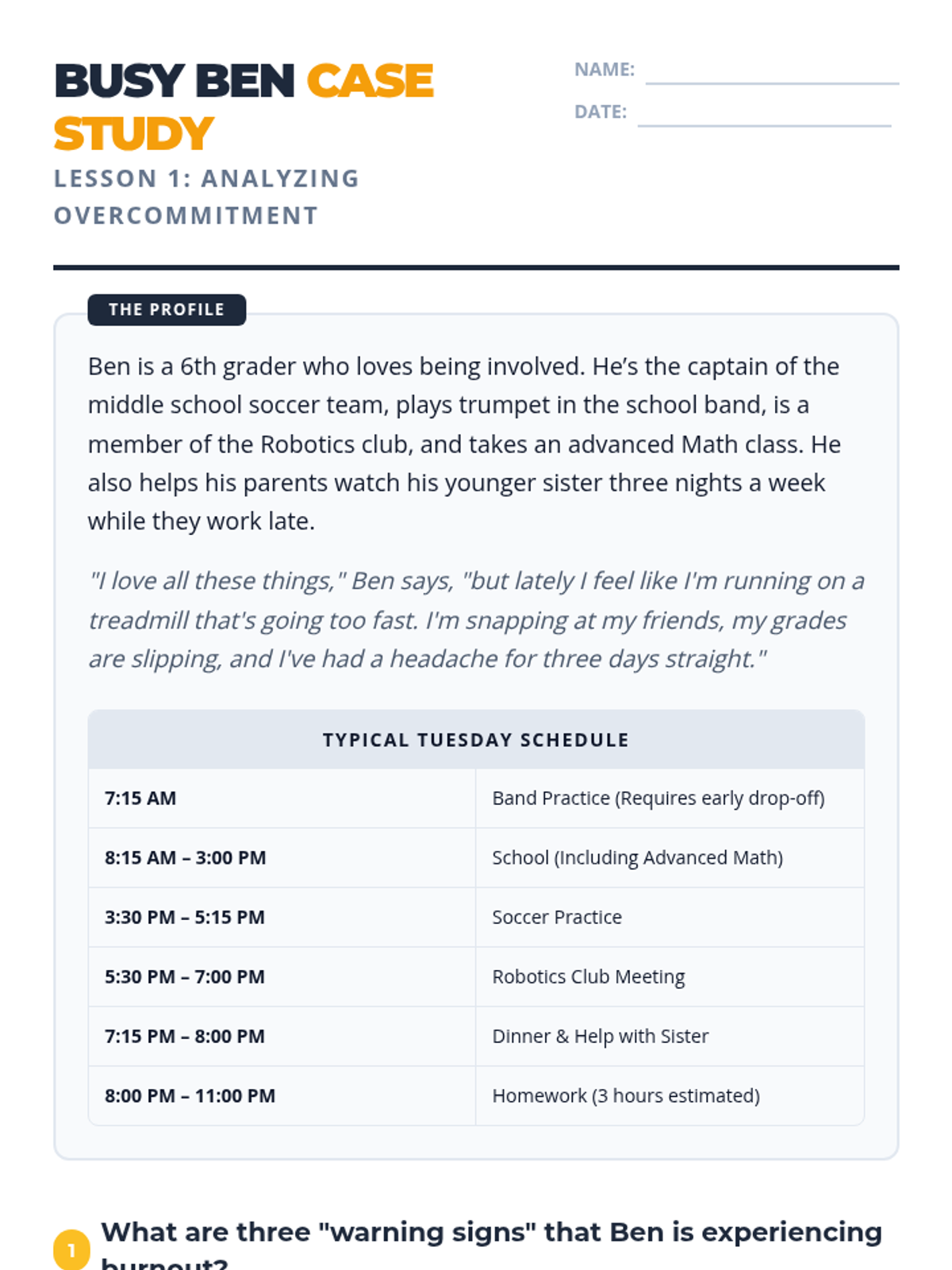
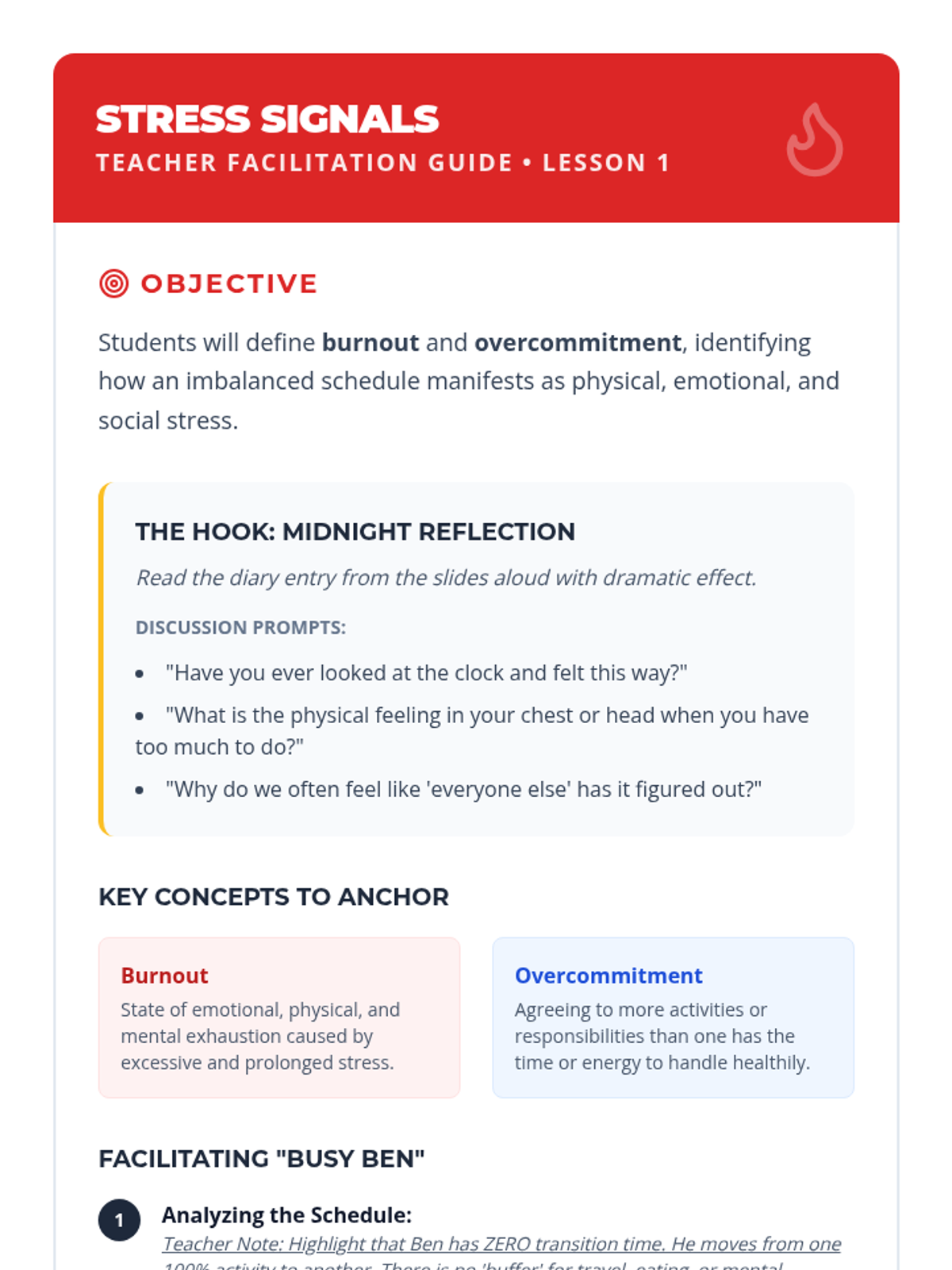
A comprehensive unit for 6th-grade students focusing on balancing academic requirements, extracurricular activities, and essential self-care. Through case studies, categorization activities, and communication practice, students learn to prevent burnout and advocate for their well-being.
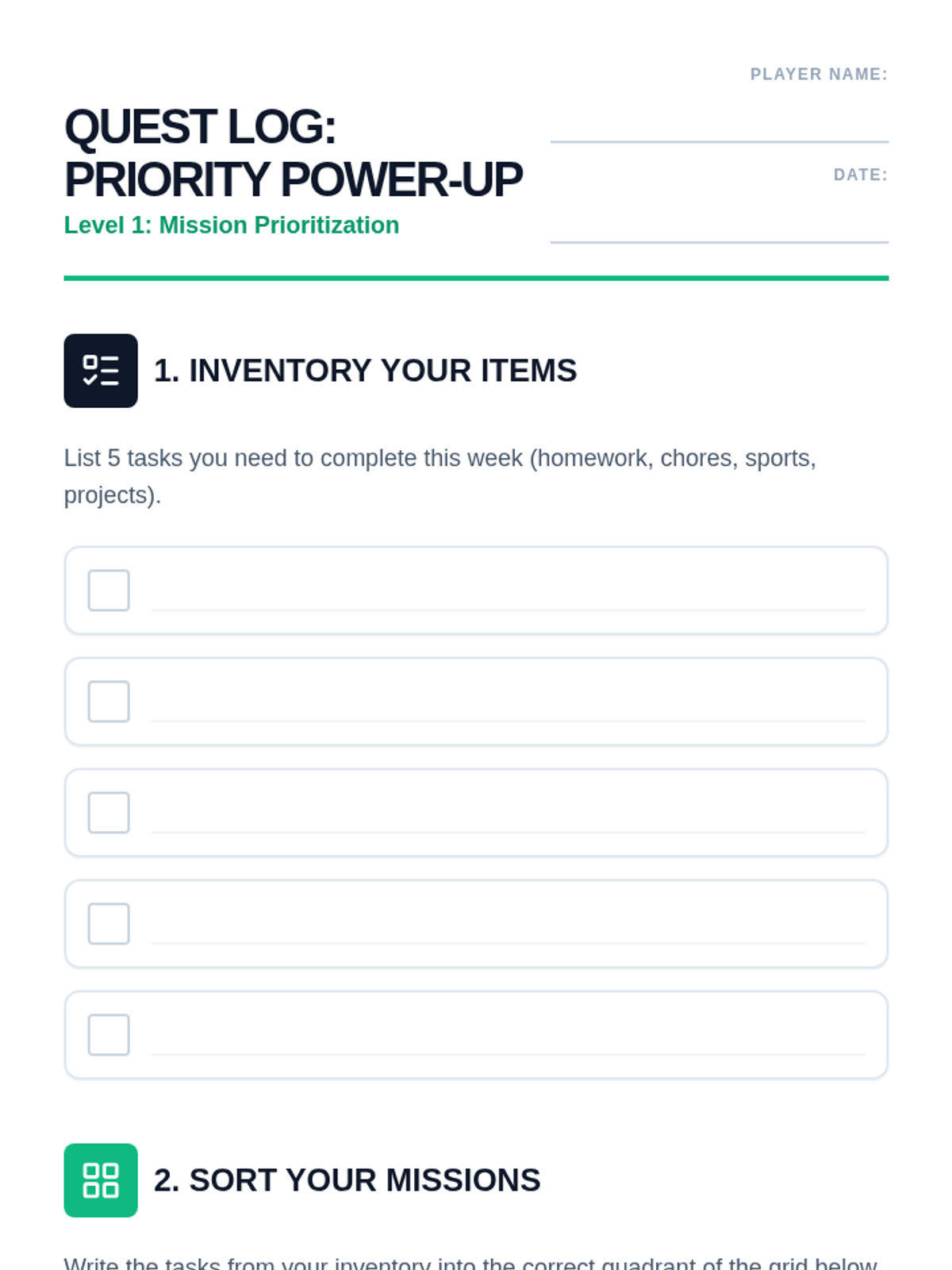
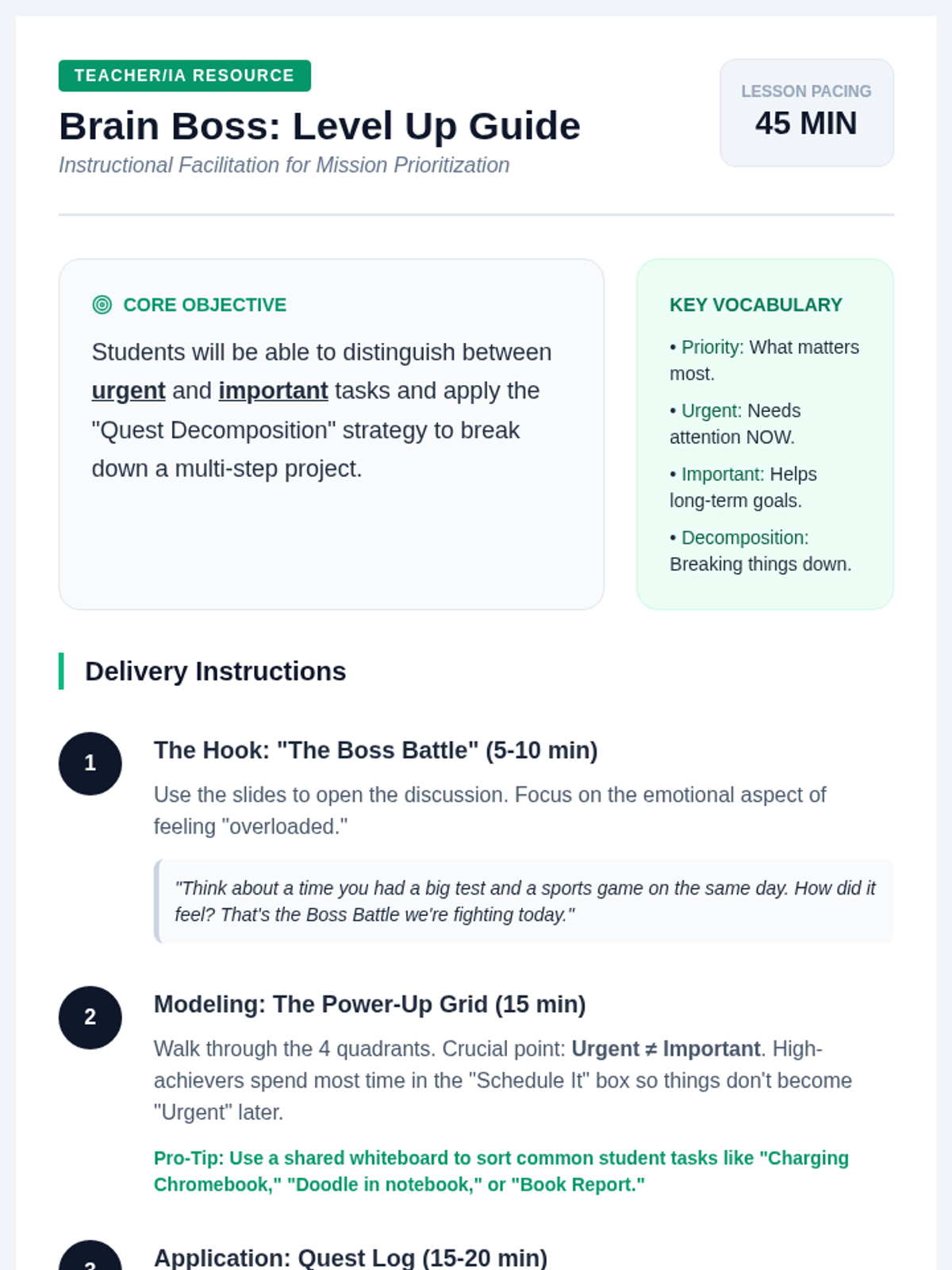
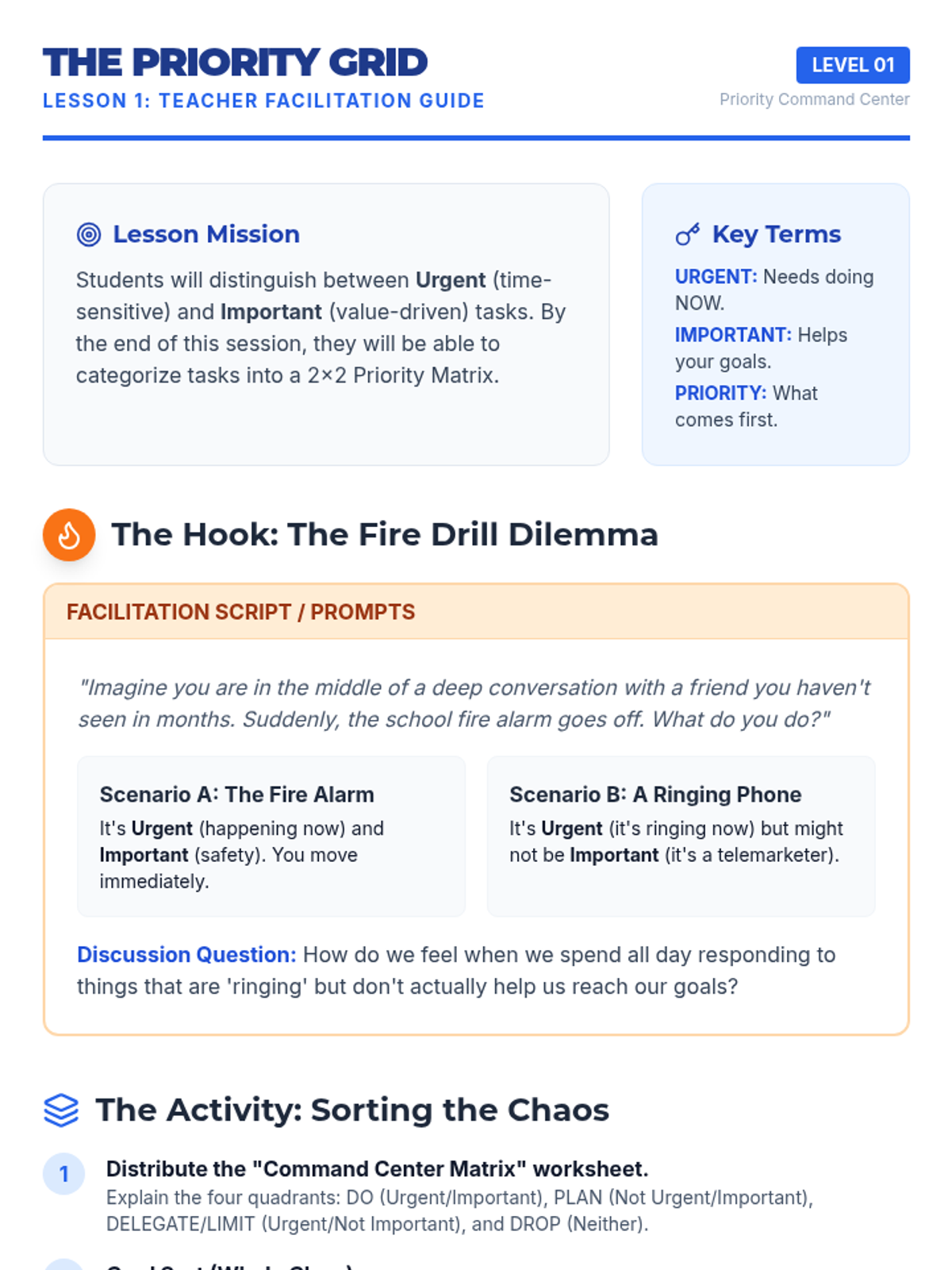
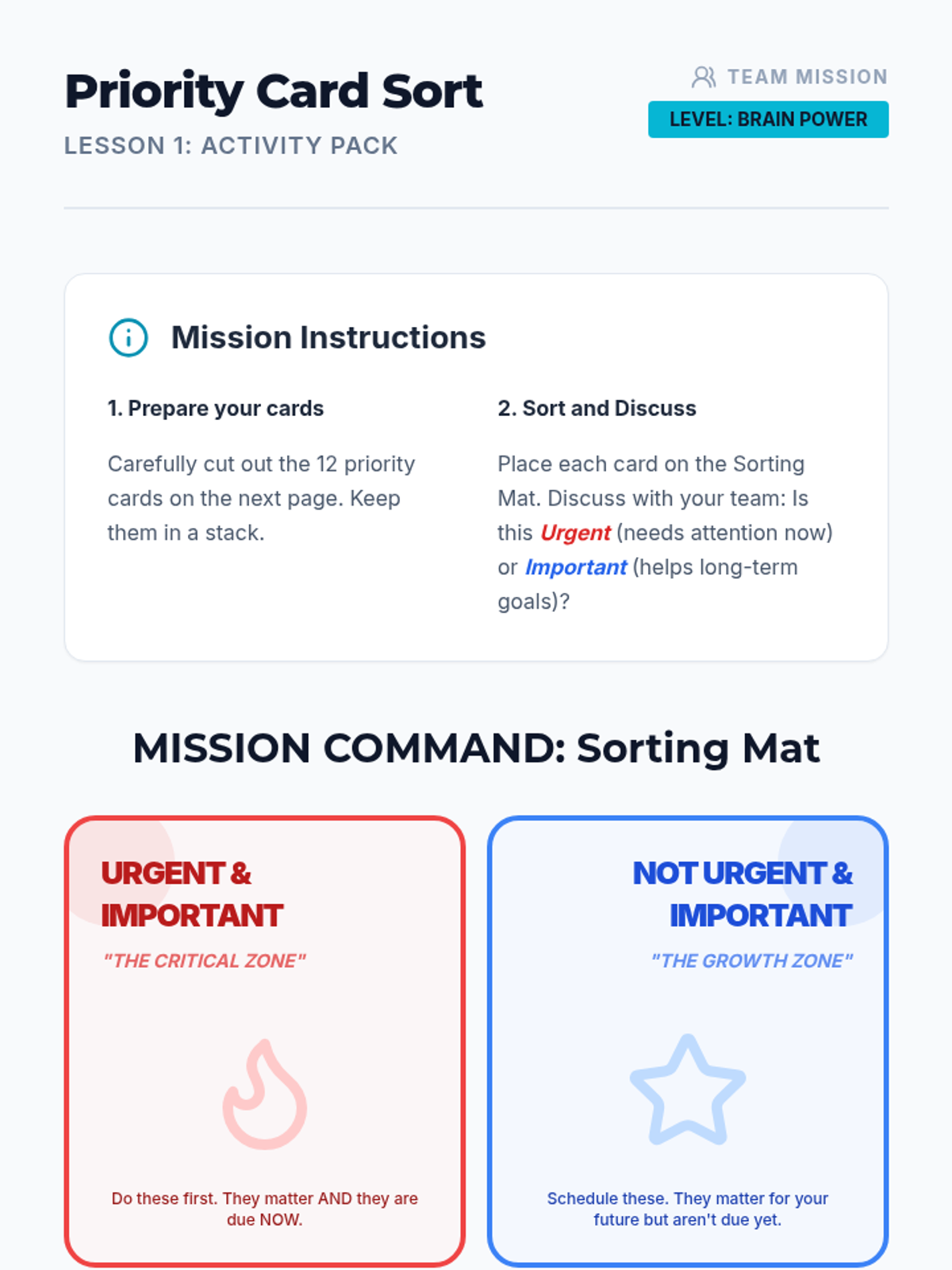
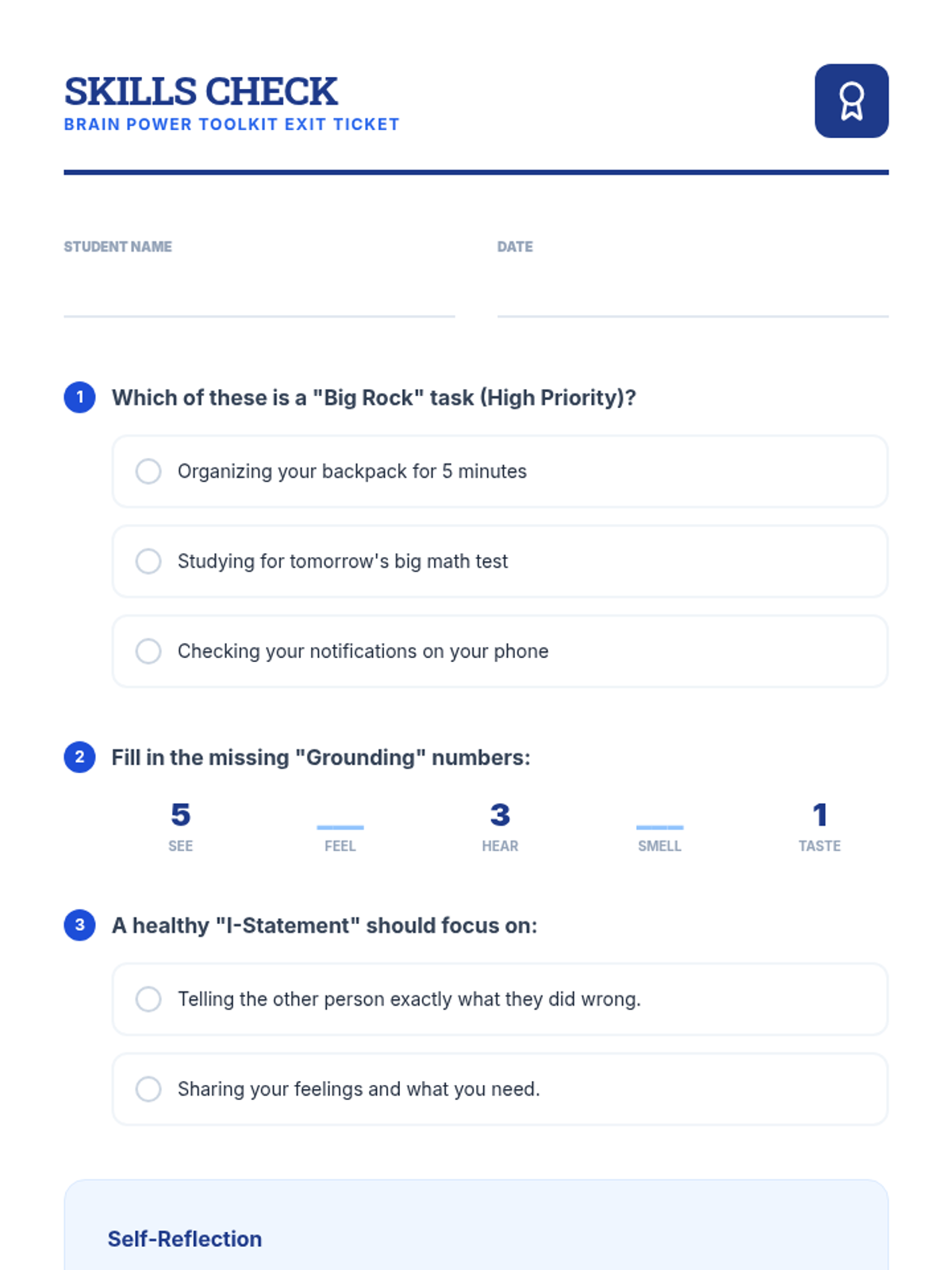
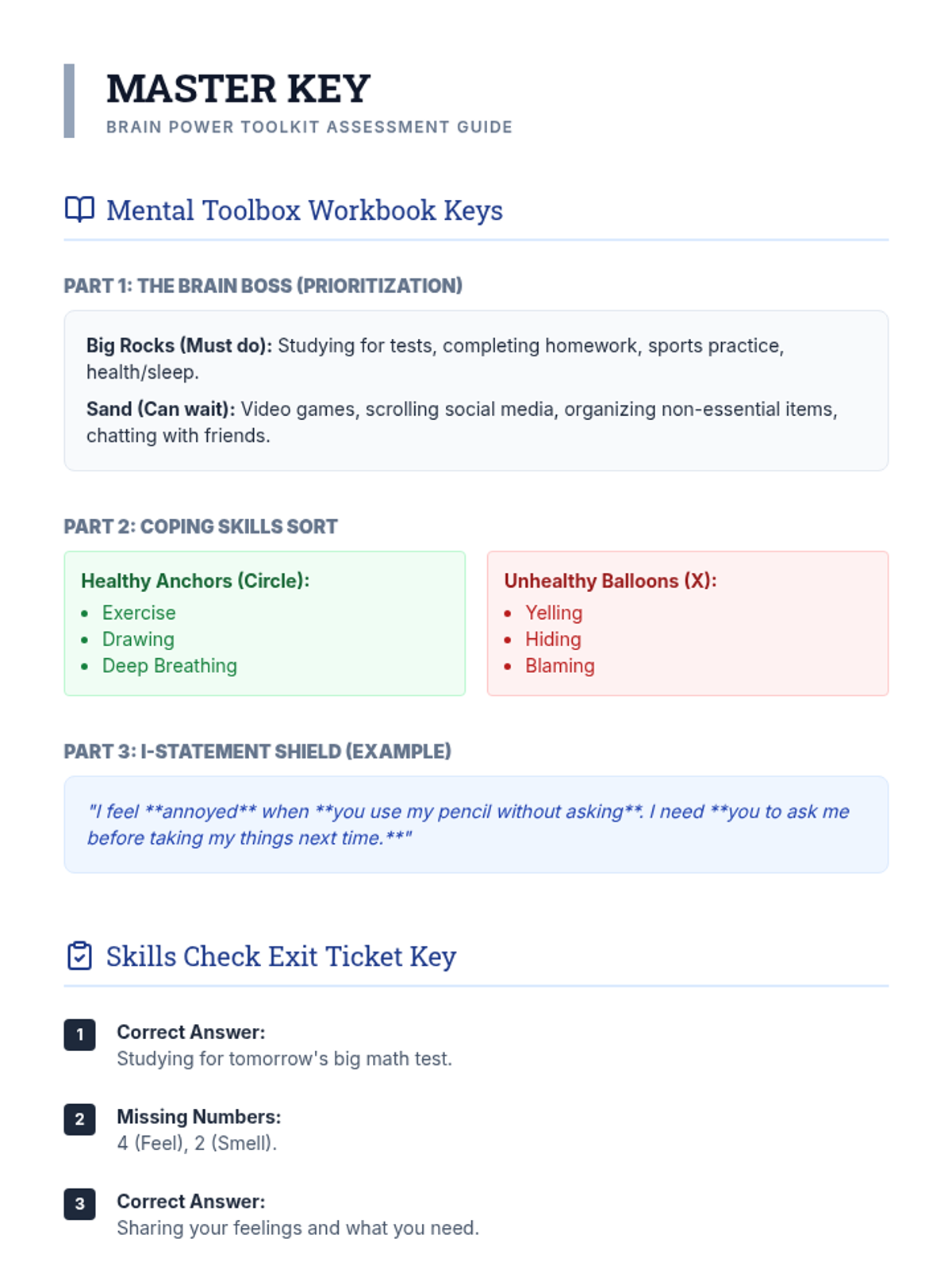
This sequence teaches 6th-grade students how to balance multiple commitments using urgency and importance frameworks. Through game-based simulations and the 'Jar of Rocks' analogy, students develop executive function skills for effective prioritization.
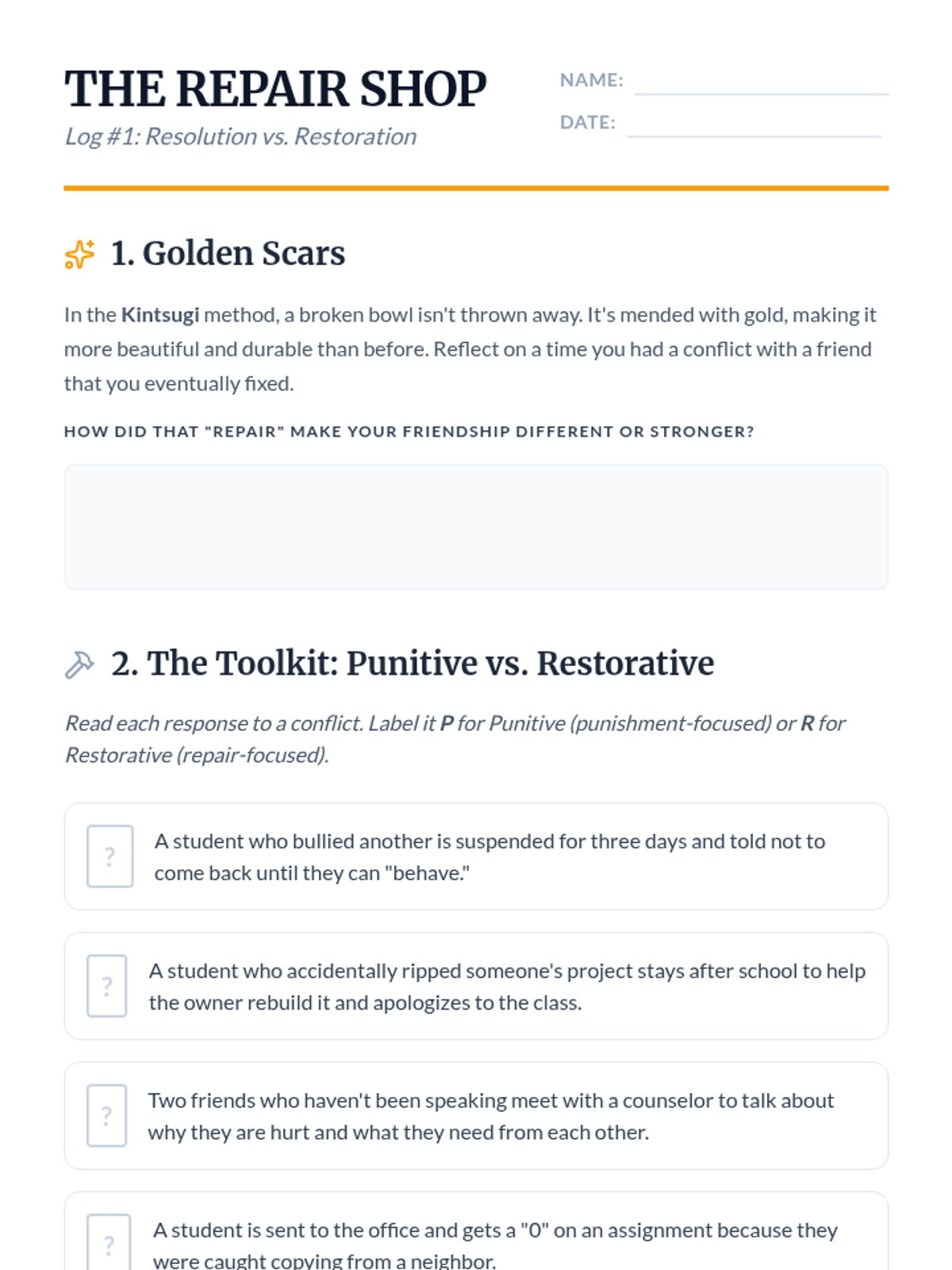
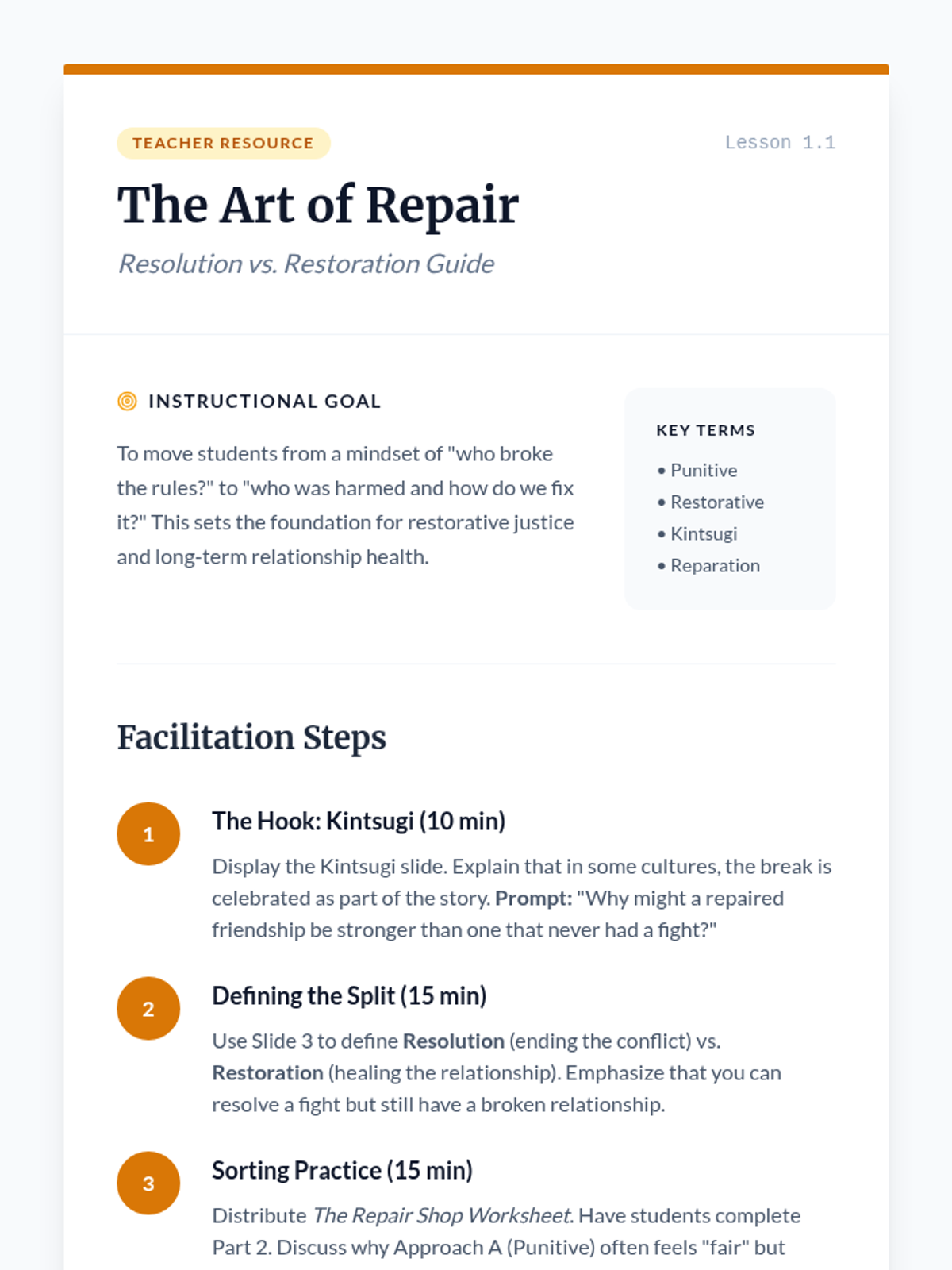
A 5-lesson sequence for 6th graders focusing on the aftermath of conflict: restoration, genuine apologies, sustainable agreements, and rebuilding trust. Students move beyond just 'stopping a fight' to actively repairing relationships and creating long-term peace.
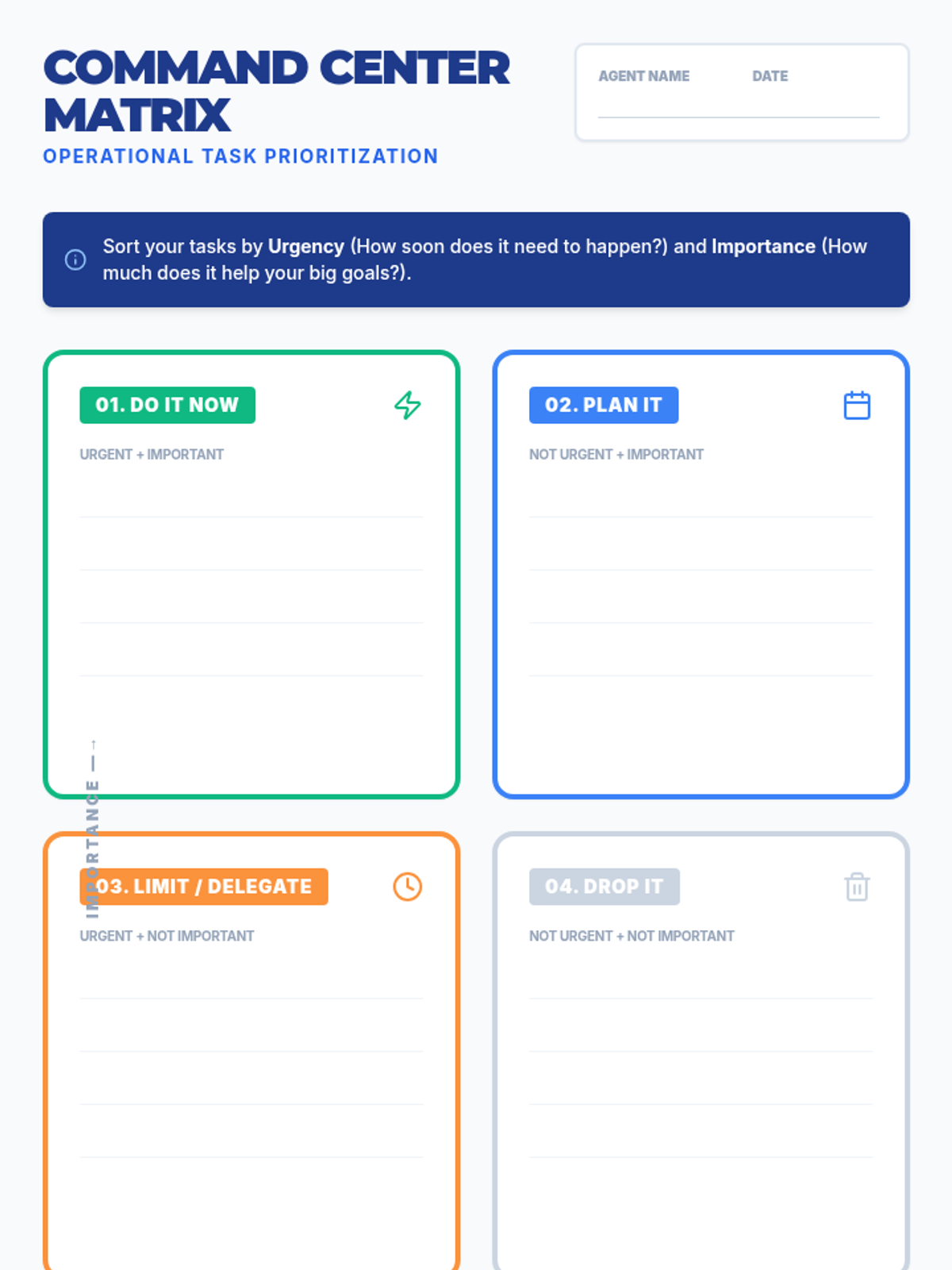
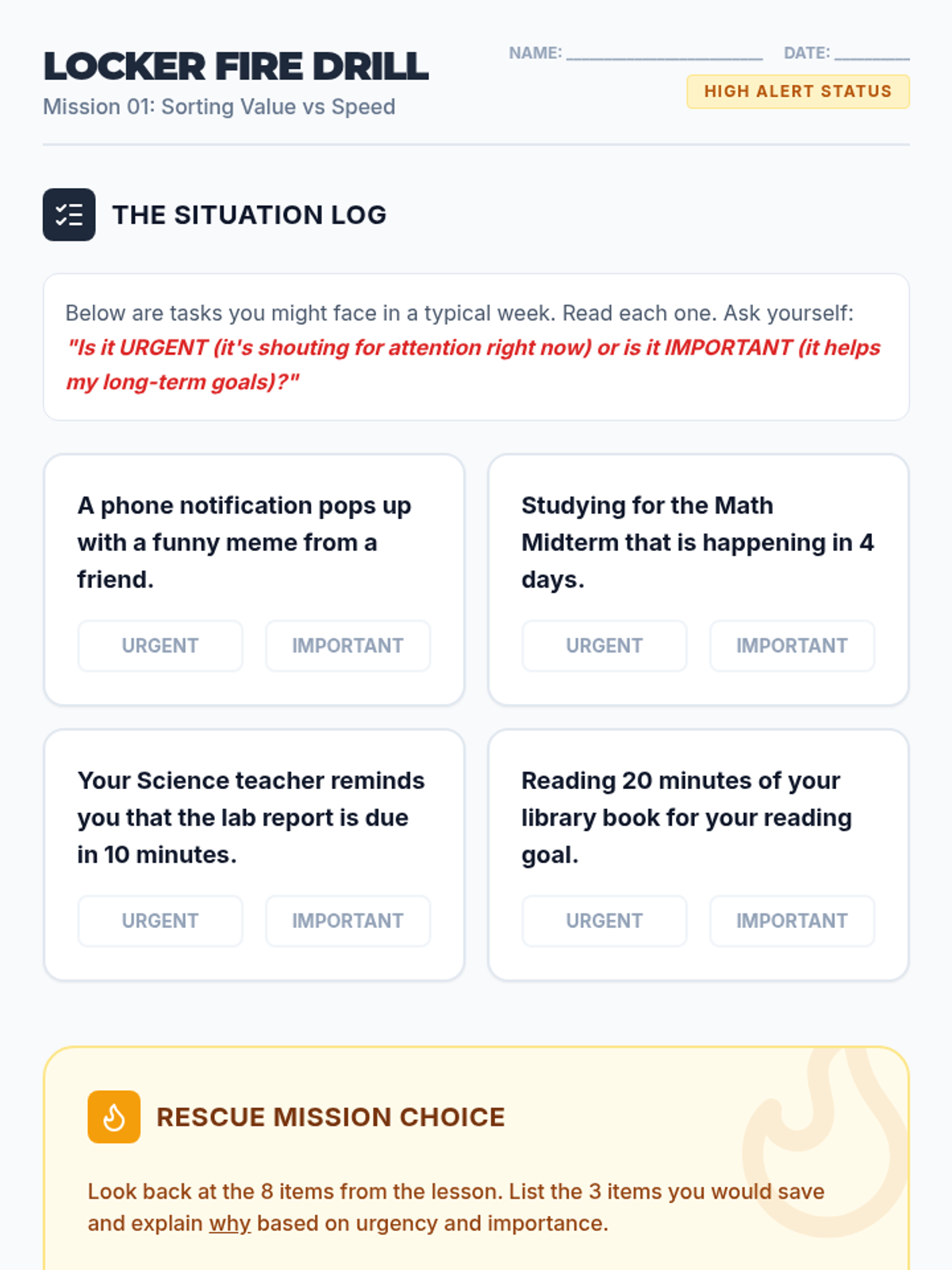
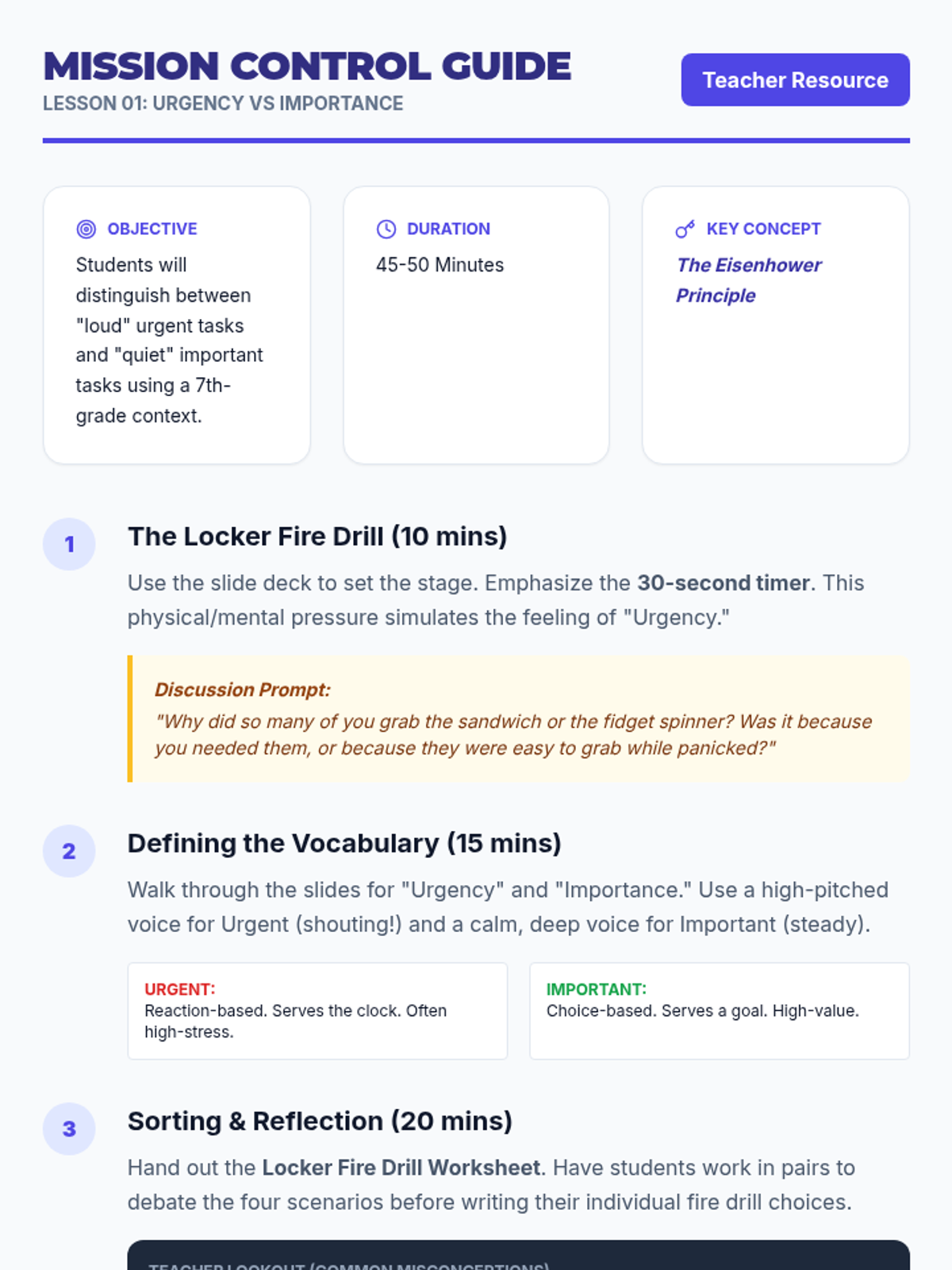
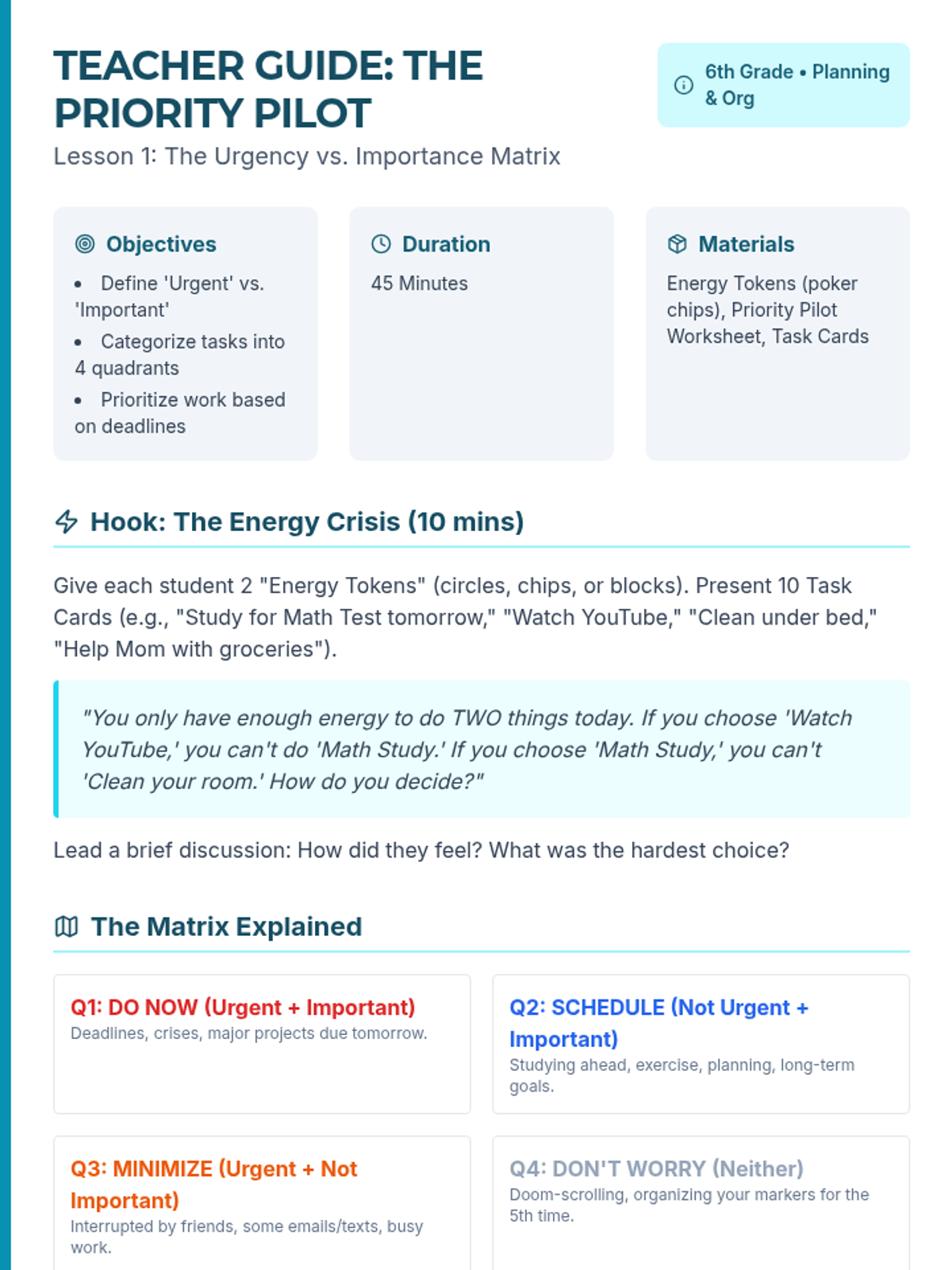
A 5-lesson unit teaching 6th-grade students how to distinguish between urgency and importance using a Decision Matrix (Eisenhower Matrix) to manage their schoolwork and personal life.
A comprehensive executive functioning unit for 7th grade students to master task prioritization using the Eisenhower Matrix. Students move from conceptual understanding to practical, daily application through simulations and personalized planning.
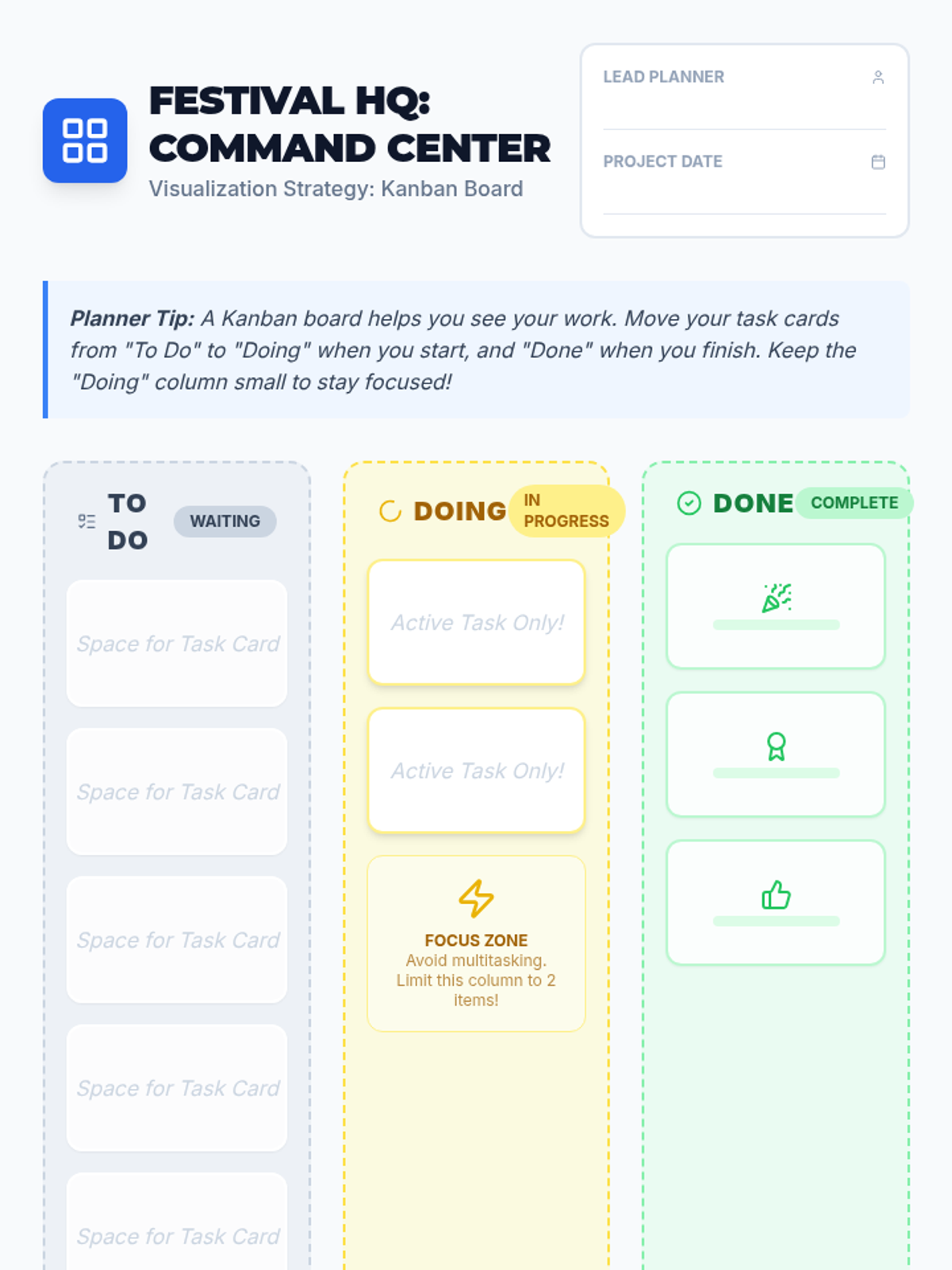
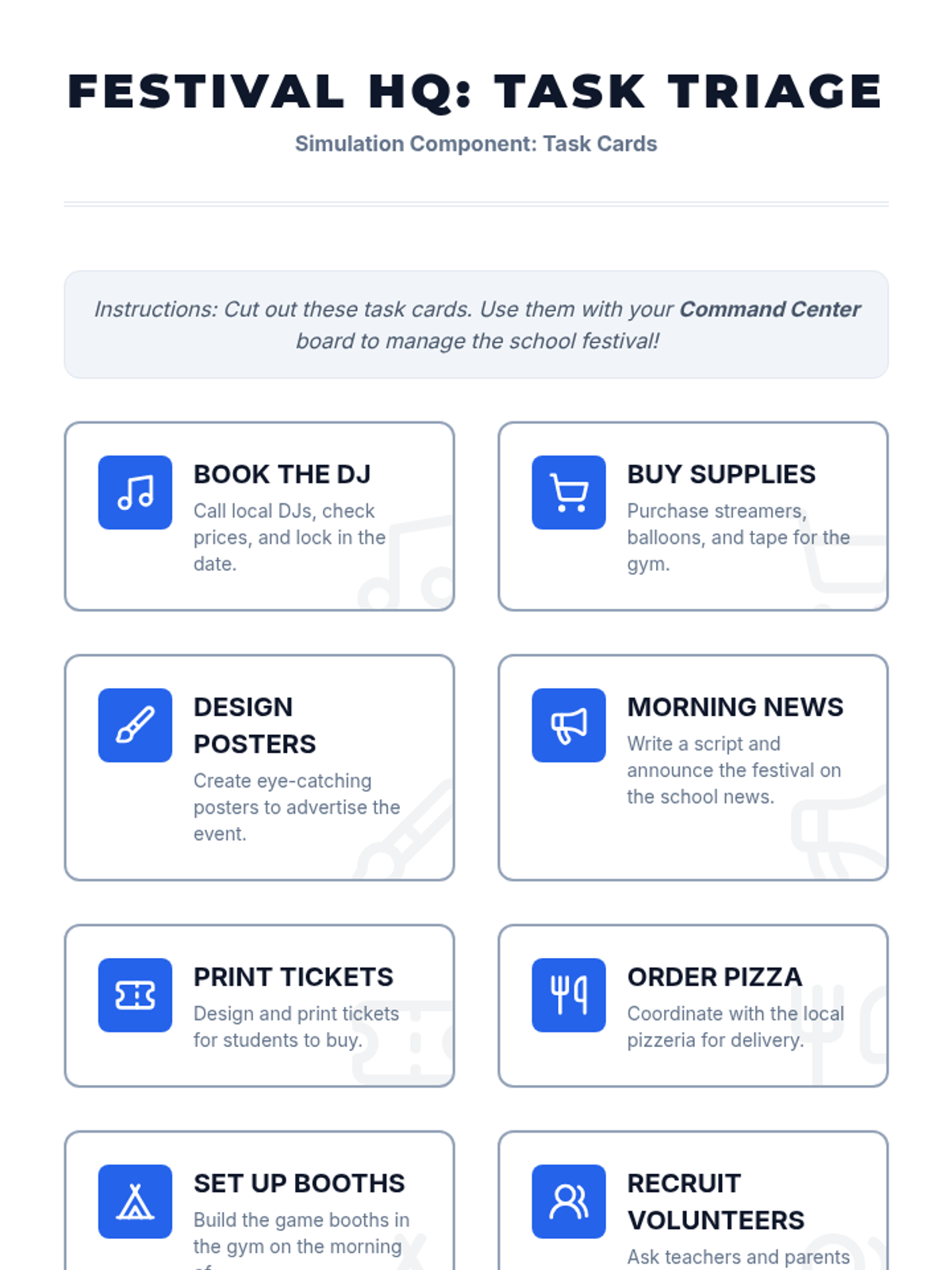
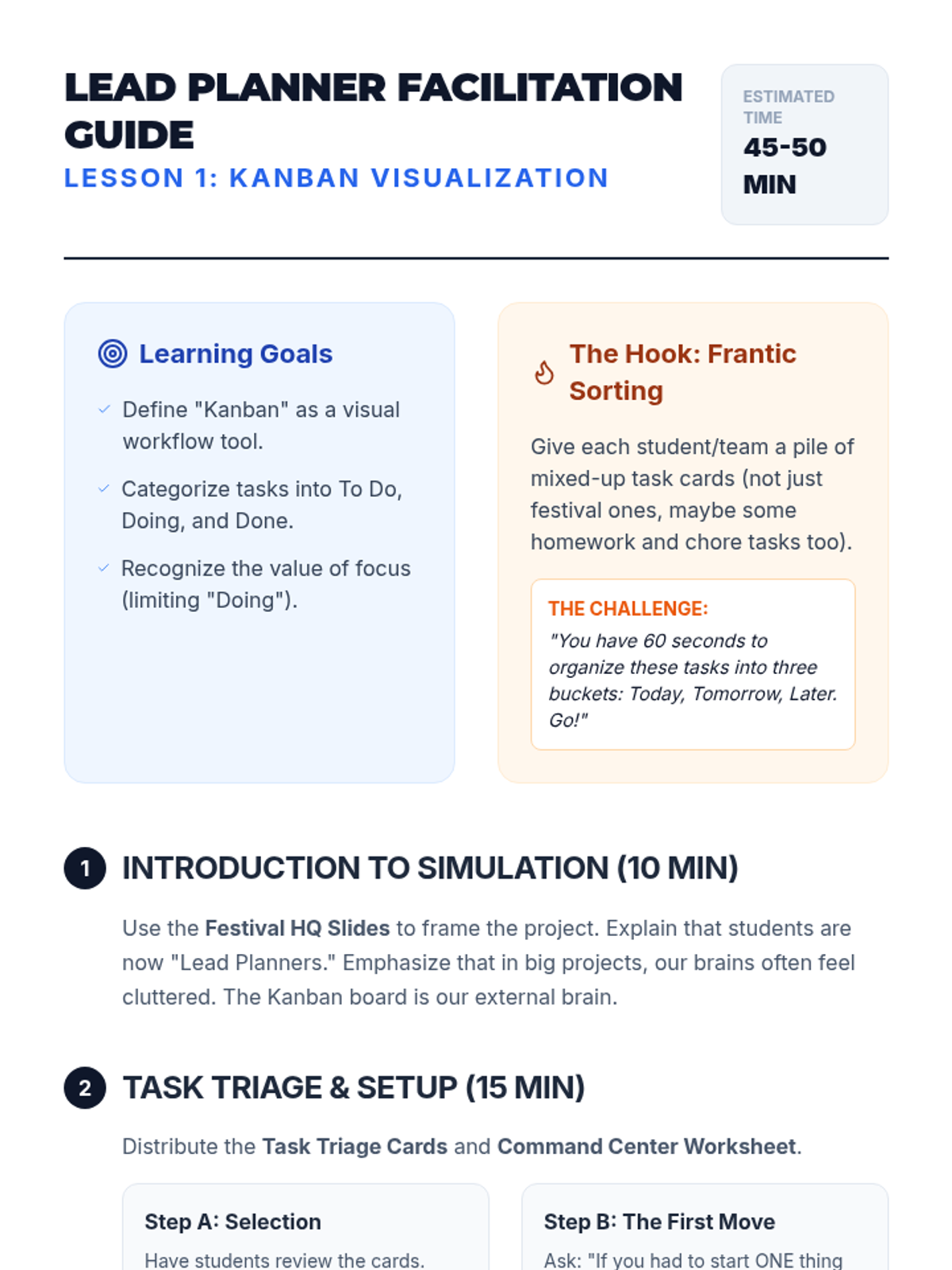
A simulation-based sequence where 6th-grade students act as Event Planners for a school festival to master multi-day project management, workflow visualization, and adaptability.
An executive function workshop for 6th-grade students focused on the mechanics of backward planning, task decomposition, and self-monitoring for long-term projects. Students learn to translate complex rubrics into actionable schedules and adapt to challenges along the way.
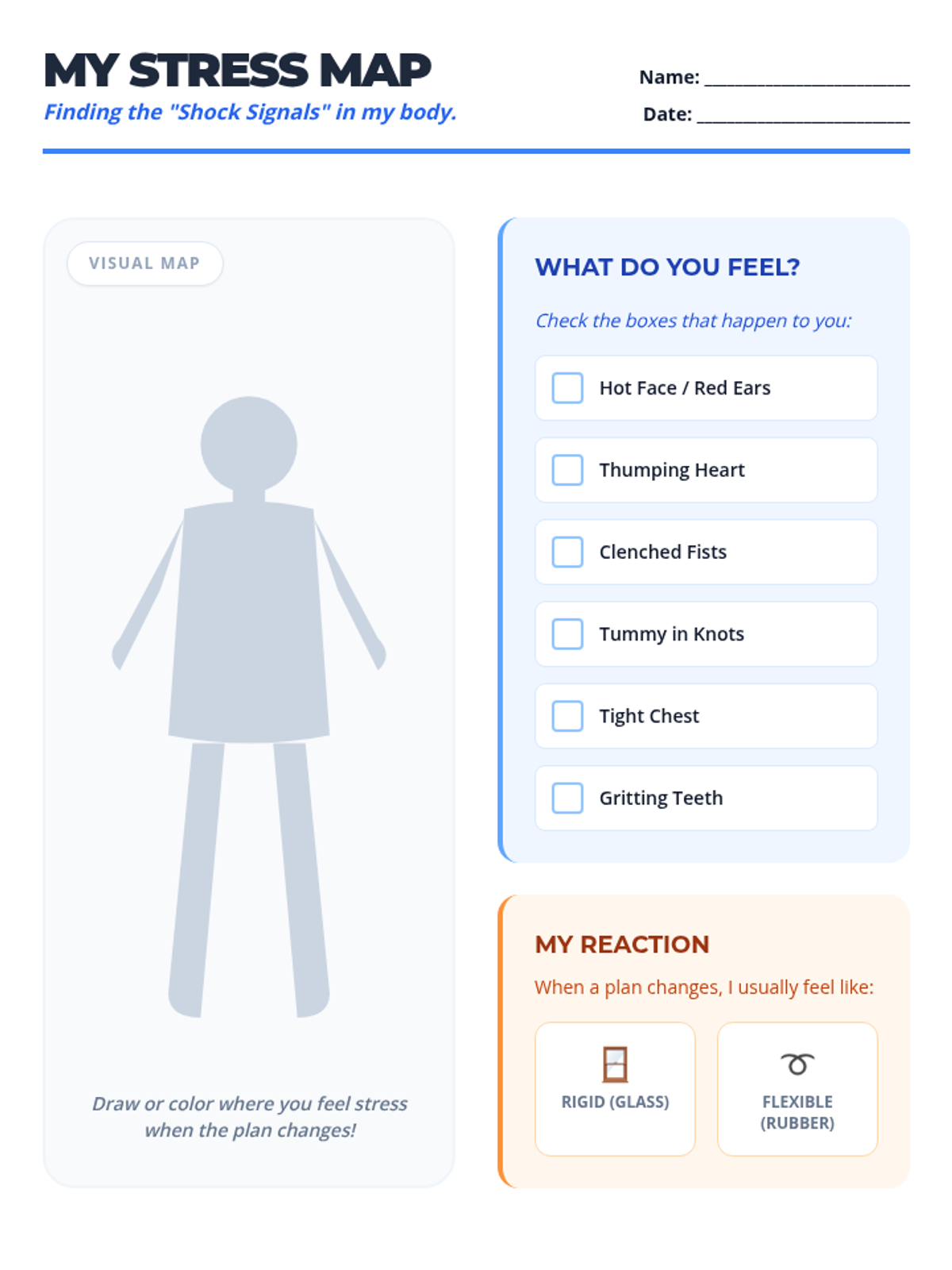
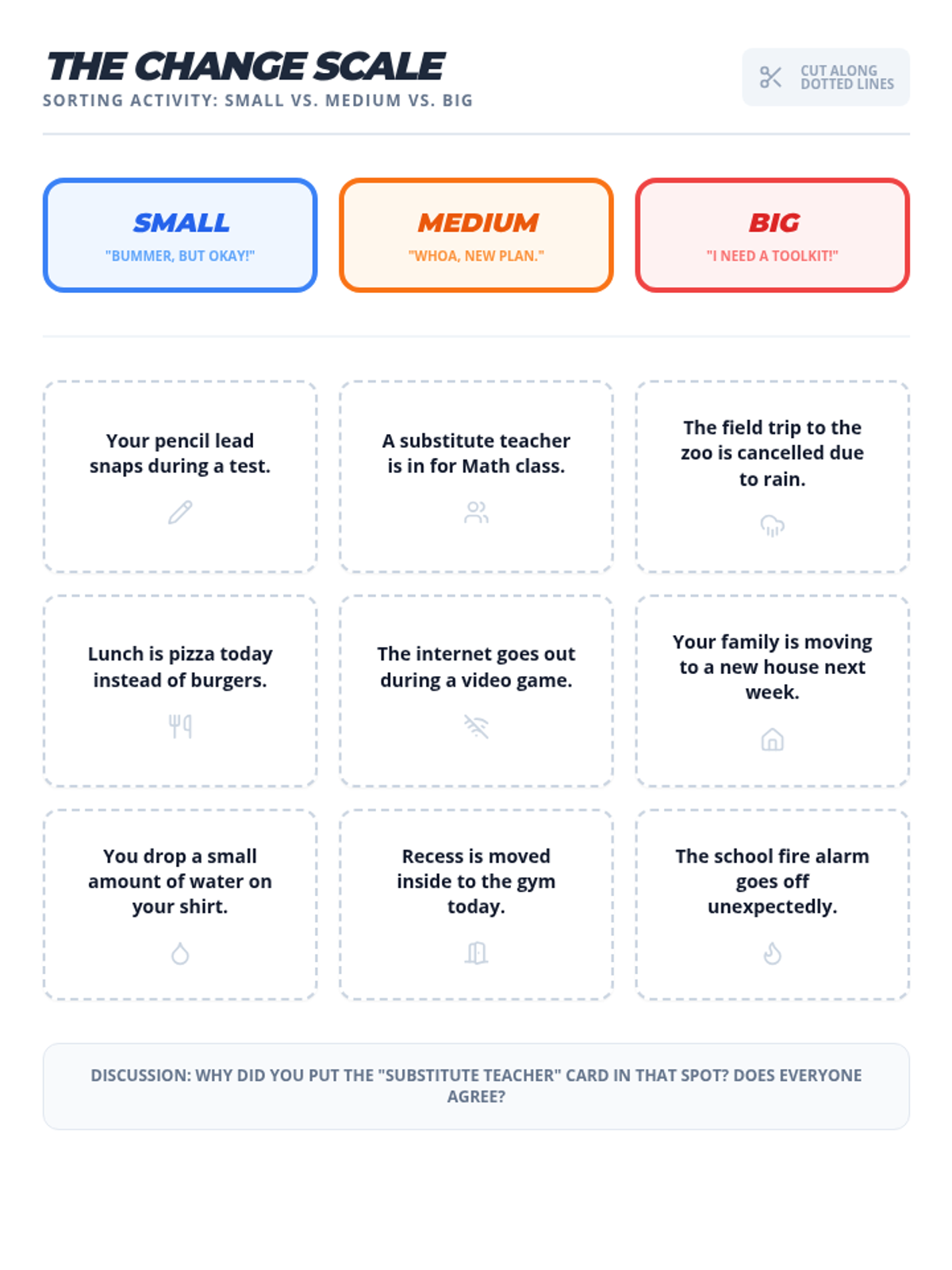
A comprehensive sequence for 6th-grade students to develop cognitive flexibility, recognize emotional triggers during schedule disruptions, and apply structured coping strategies to navigate unexpected changes independently.
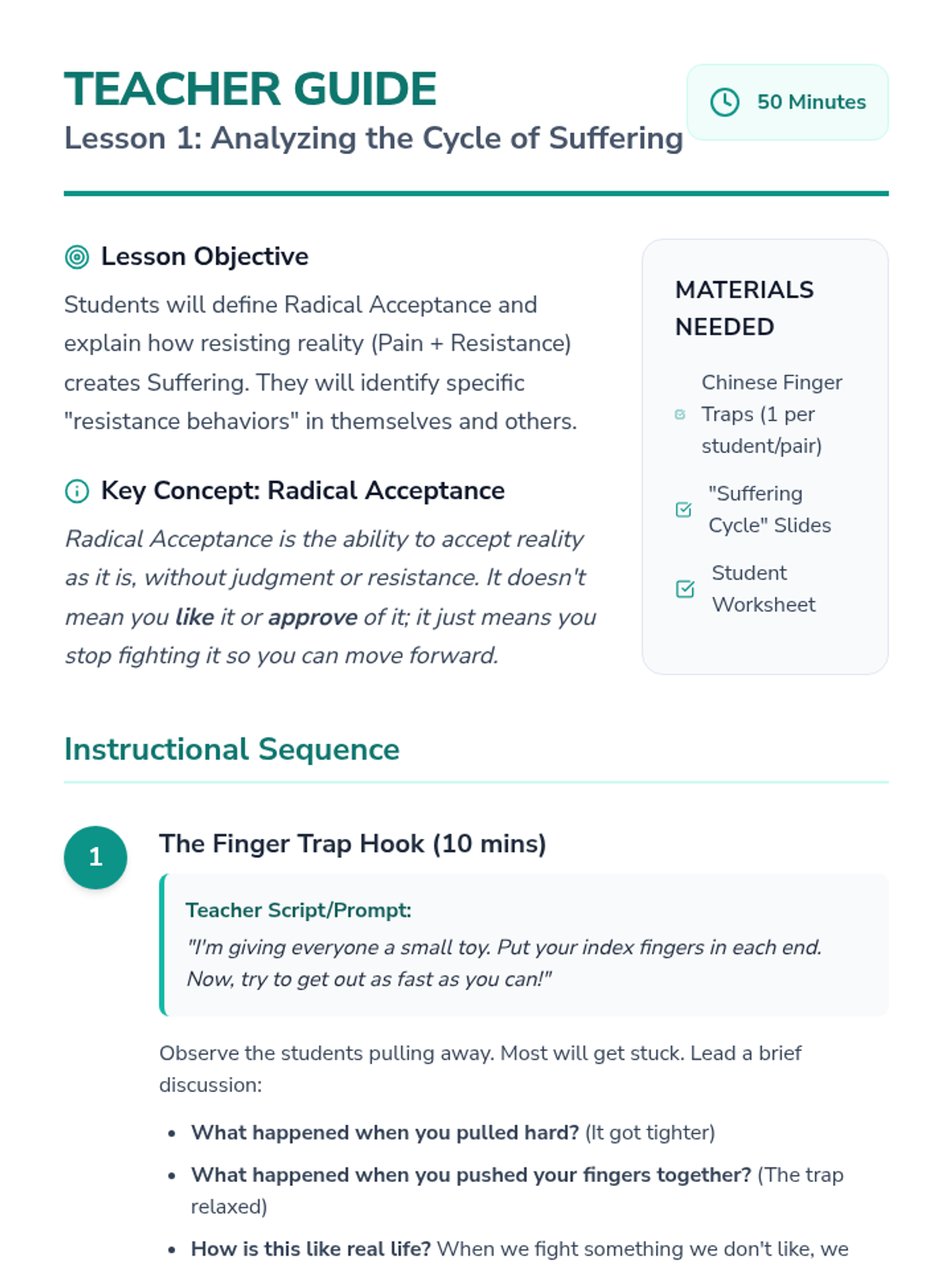
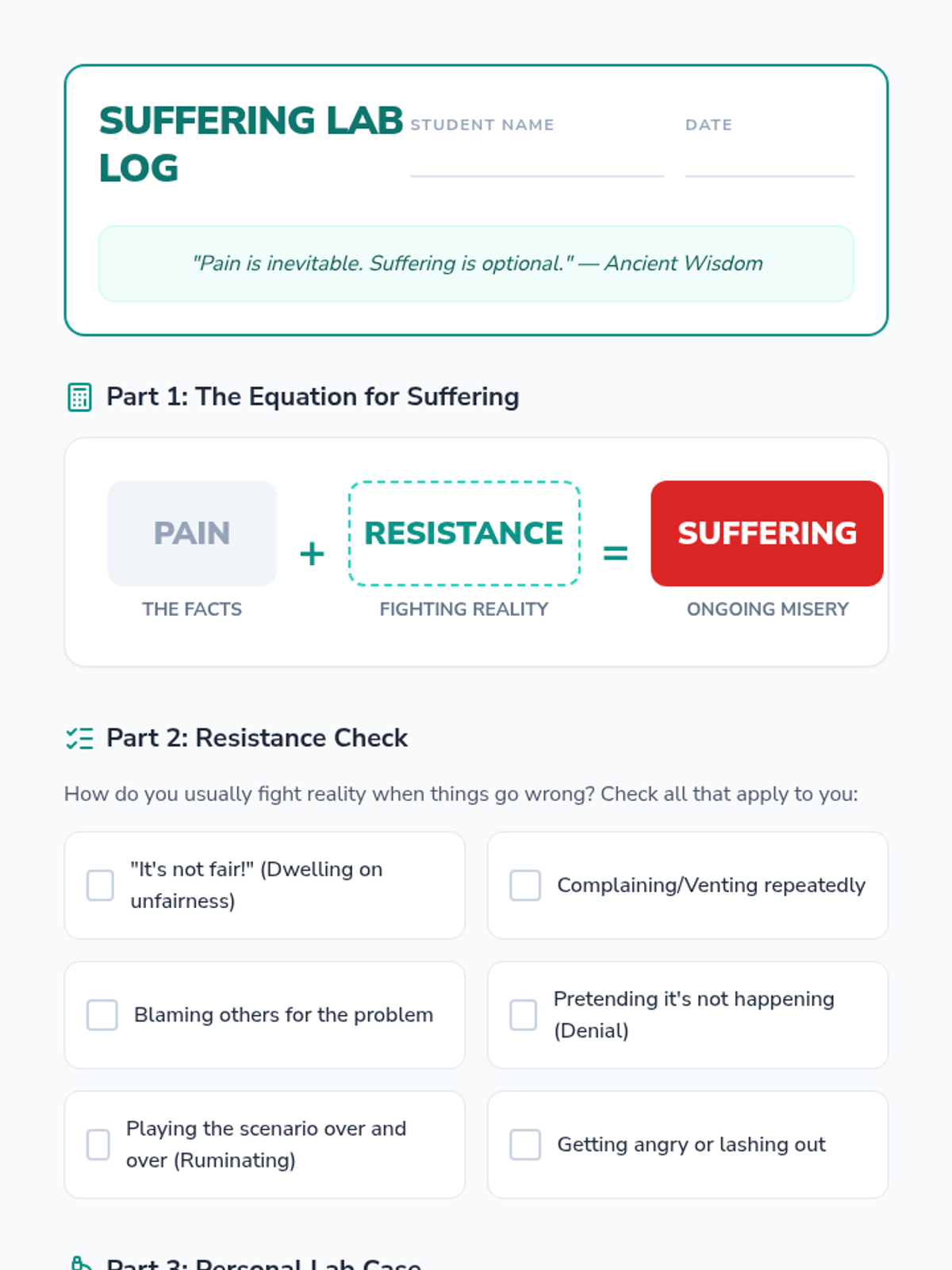
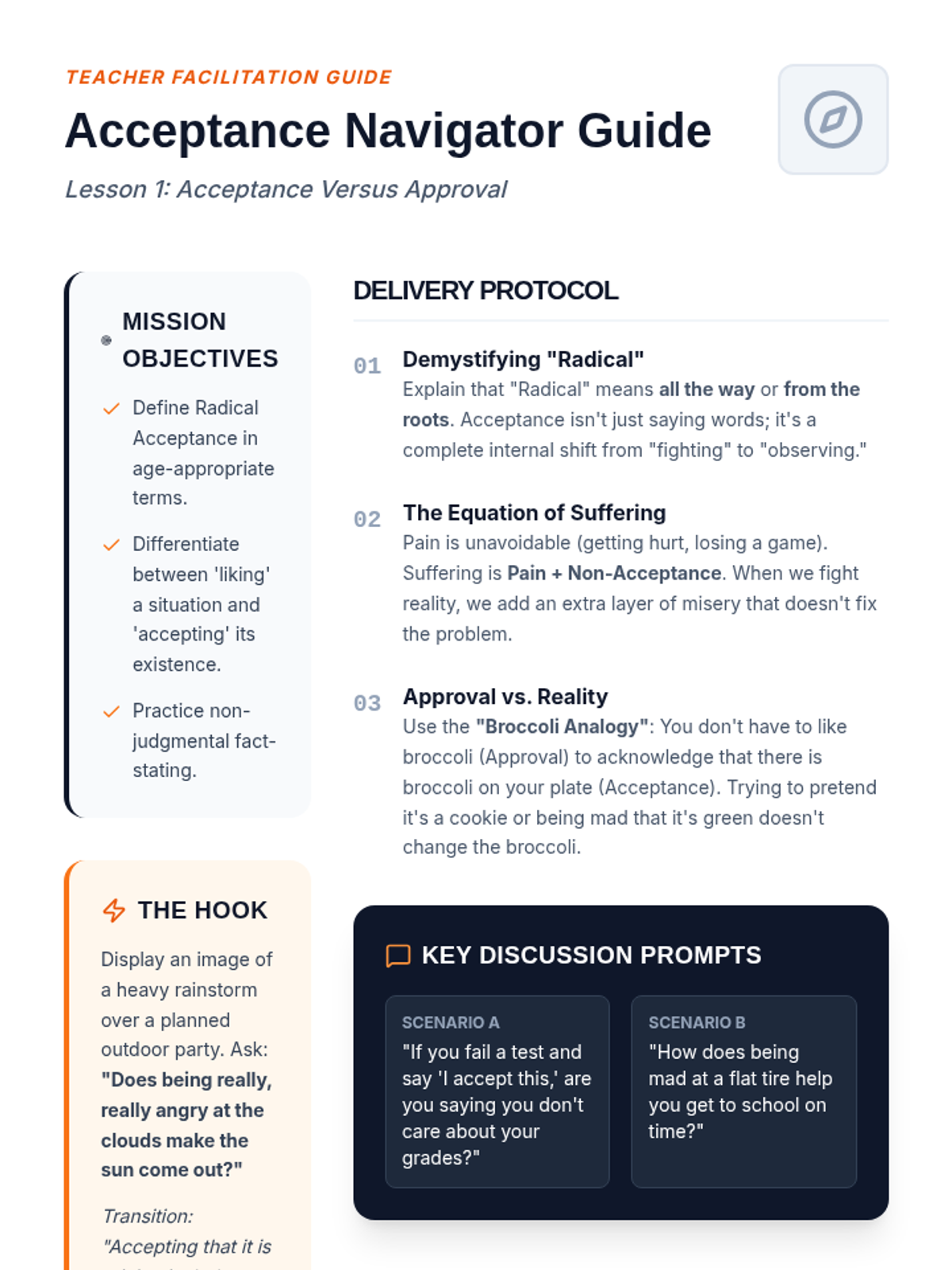
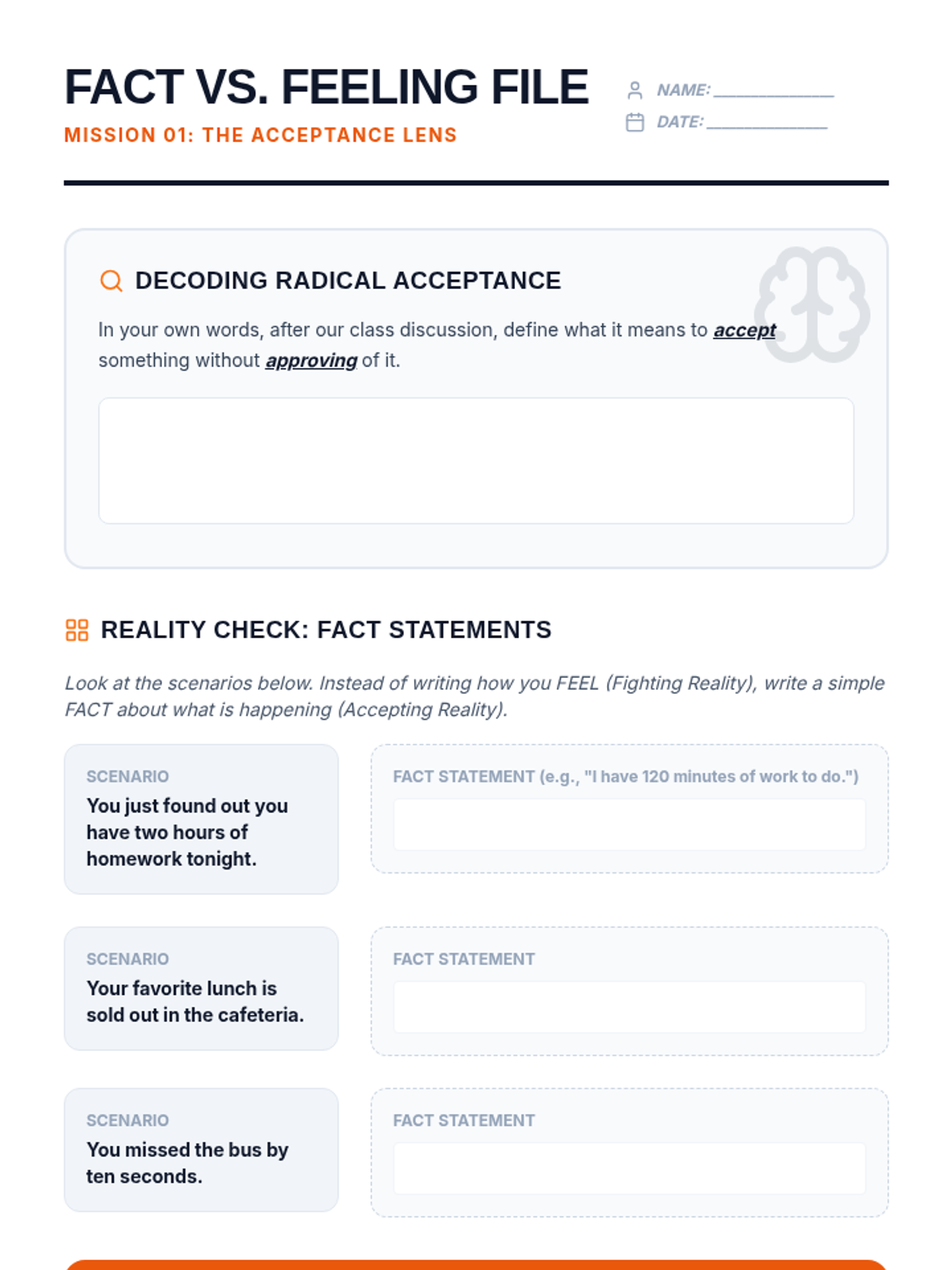
This middle school sequence focuses on building distress tolerance through Radical Acceptance. Students move from understanding the 'Cycle of Suffering' to practicing resilience in academic and social scenarios, ultimately learning to pivot from disappointment to proactive problem-solving.
A 5-lesson sequence for 6th graders on radical acceptance, distinguishing control, and building emotional resilience through logic-based tools.
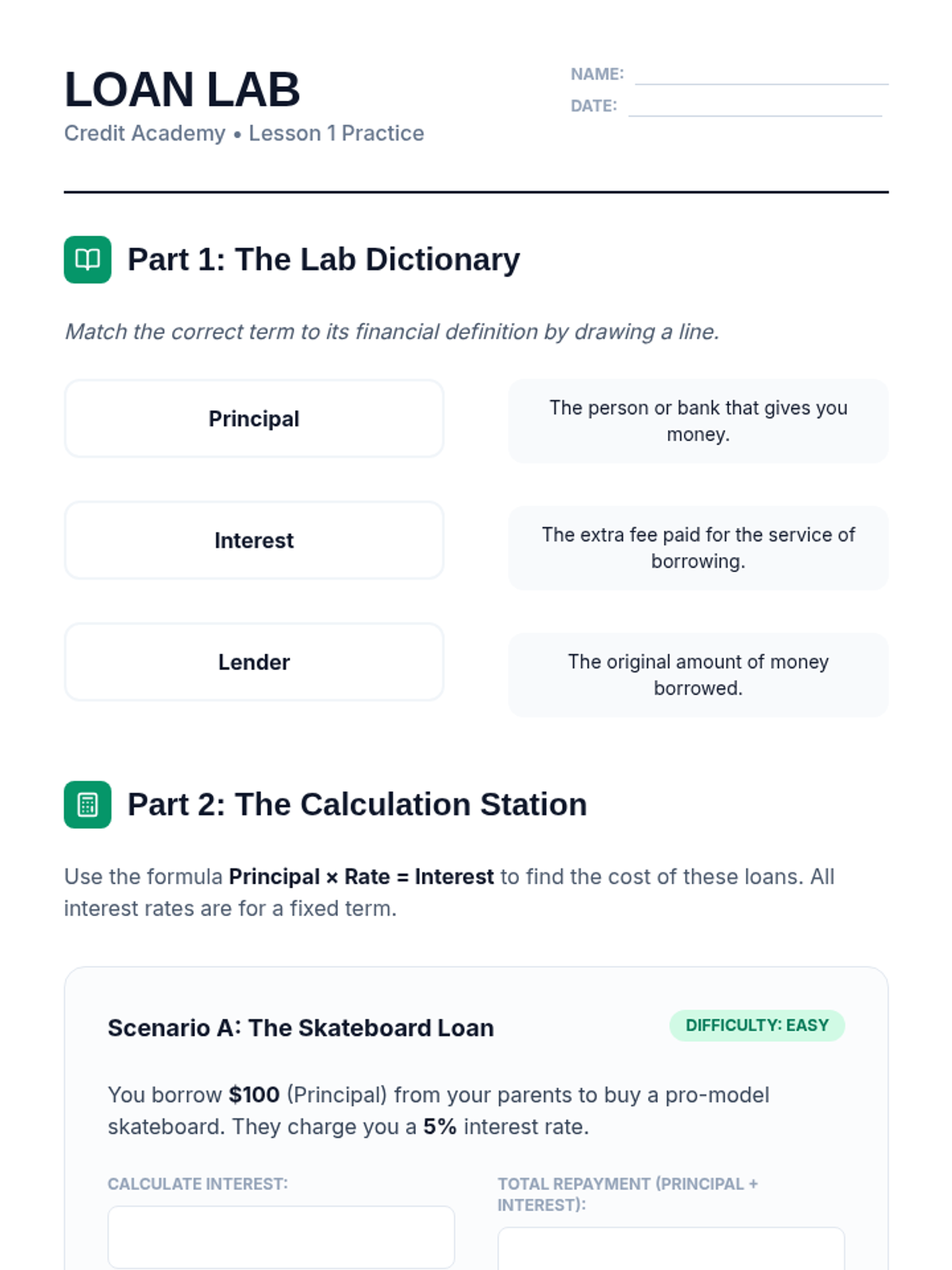
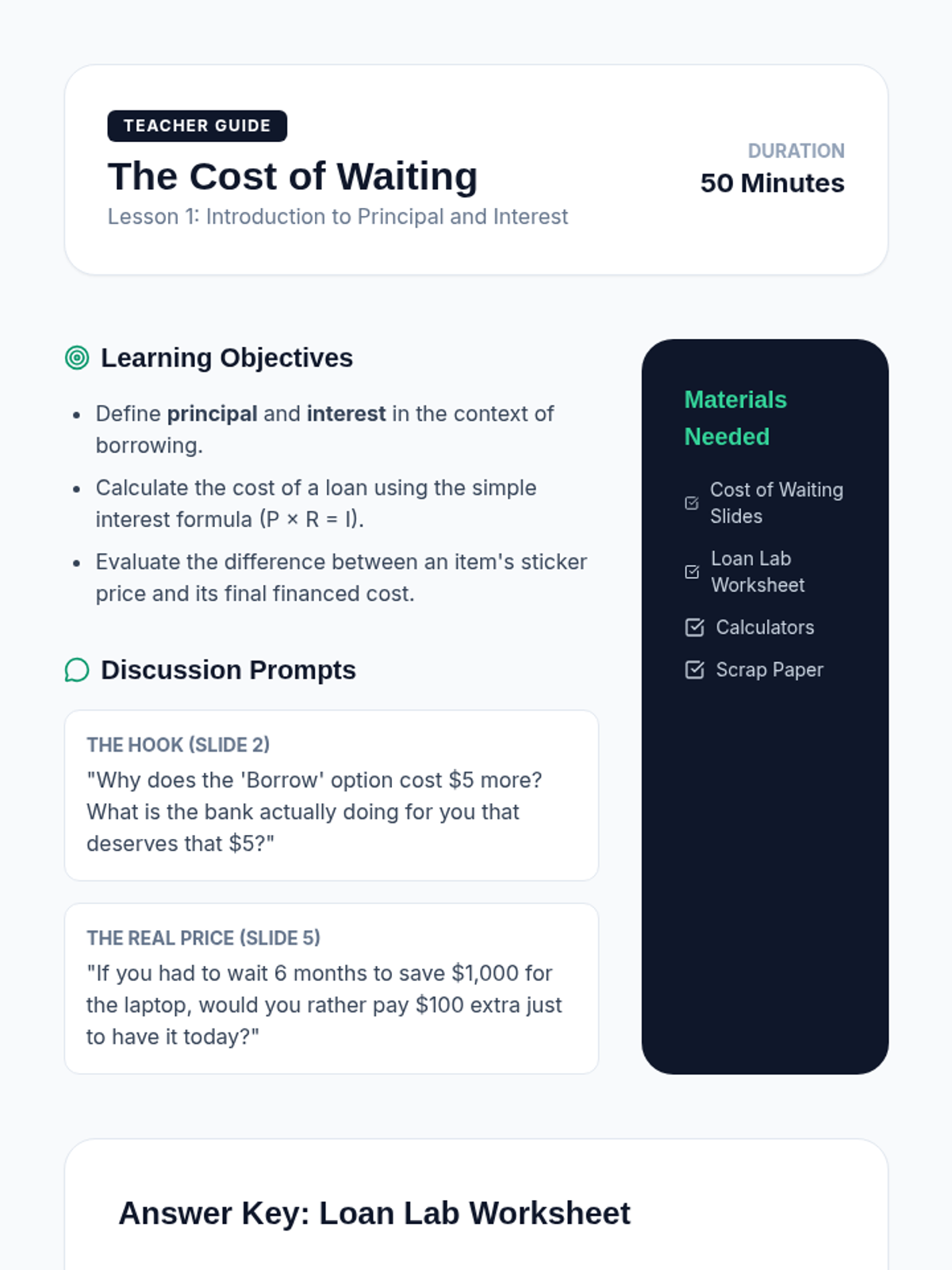
A comprehensive unit for 6th graders on the mechanics and responsibilities of credit and debt. Students learn about interest, credit scores, payment methods, and the long-term impact of debt on personal budgeting and financial freedom.
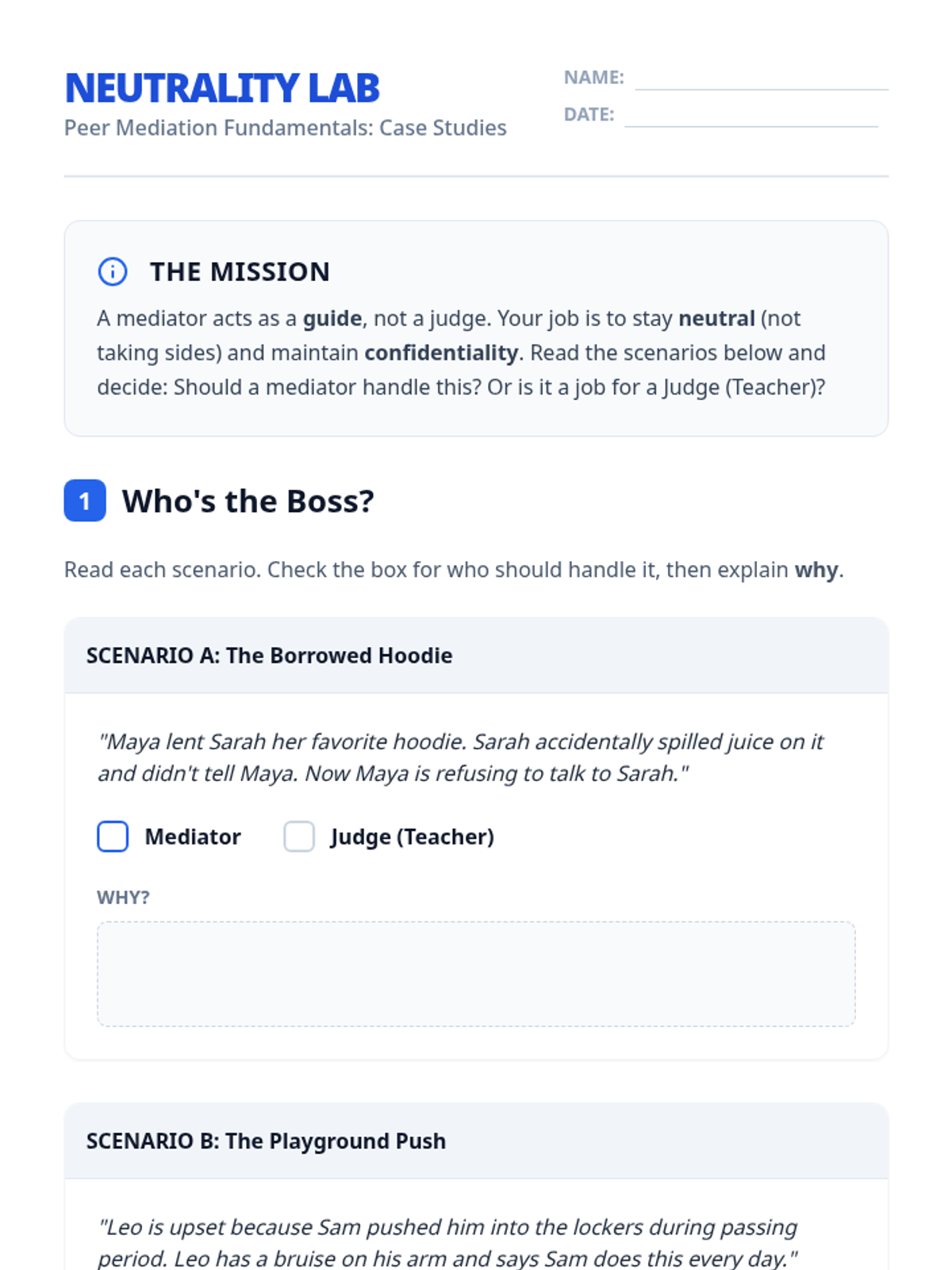
This sequence empowers students to act as third-party neutrals, introducing the specific structure and skills of Peer Mediation. Students learn the distinct phases of a mediation session, the importance of neutrality, and how to facilitate dialogue without taking sides.
A 5-lesson executive function bootcamp for 7th-grade students, focusing on breaking down complex projects, backwards planning, and visual task management. Students learn to transition from reactive to proactive habits through hands-on activities and visual tracking systems.
This sequence focuses on the 'execution' phase of project planning for 6th-grade students. It teaches students how to prioritize tasks using a decision matrix, initiate difficult tasks, self-monitor their progress, and troubleshoot roadblocks to ensure project completion.
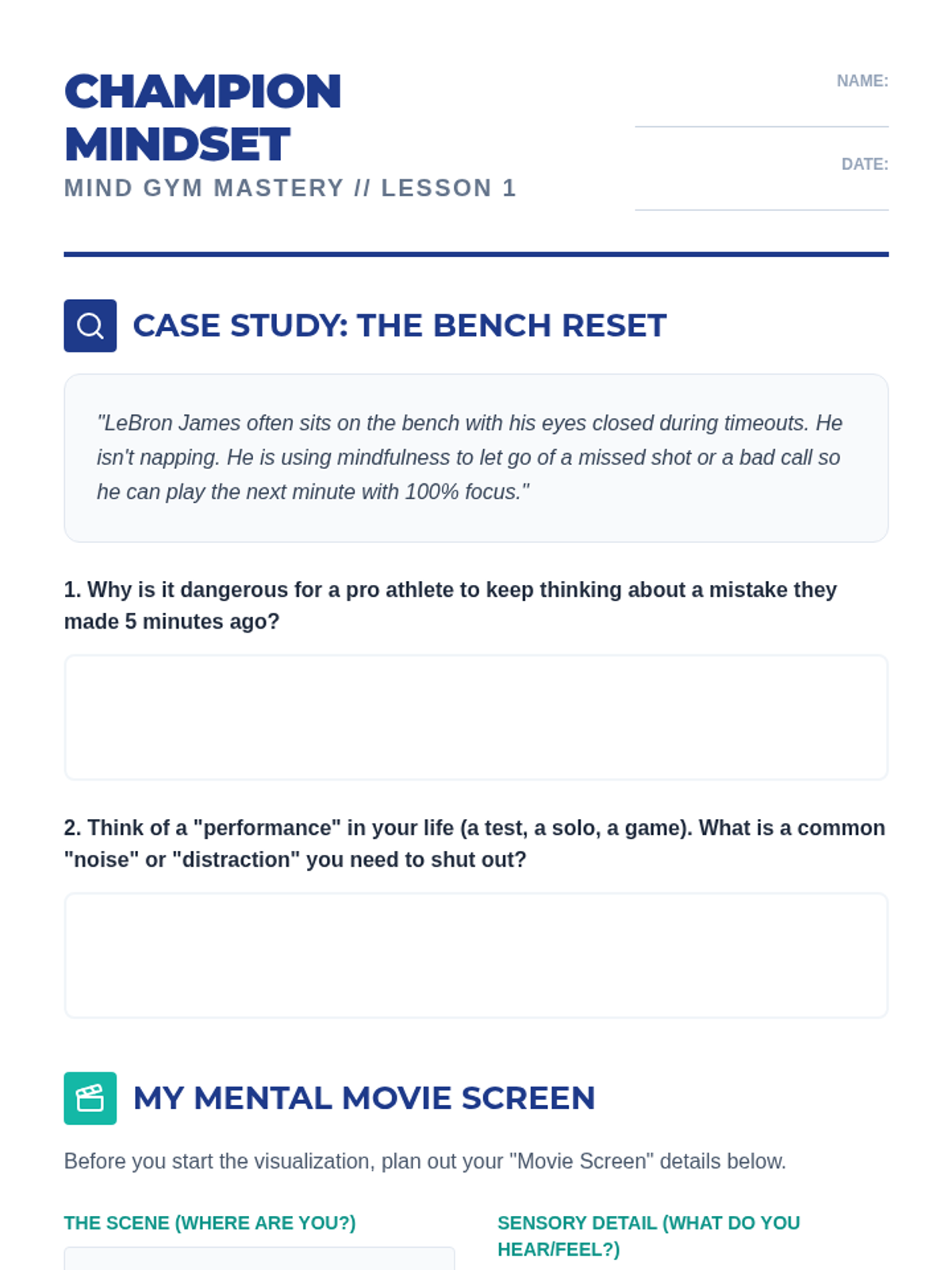
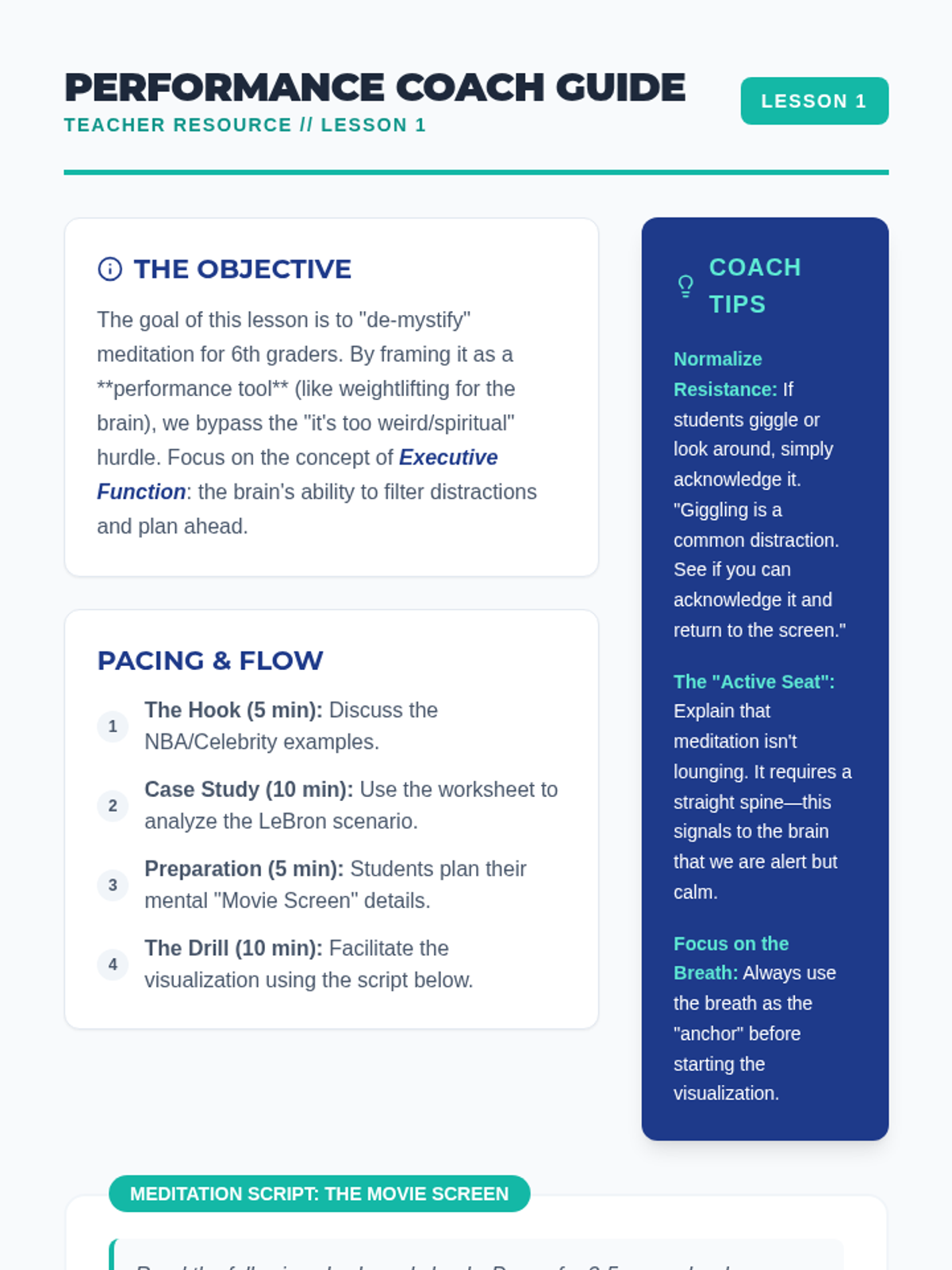
This middle school sequence reframes meditation as a 'performance tool' for academic and social success. Students explore case studies of peak performers, learn the STOP technique for impulse control, develop grounding strategies for test anxiety, and practice empathy through Loving-Kindness meditation, culminating in a real-world scenario challenge.
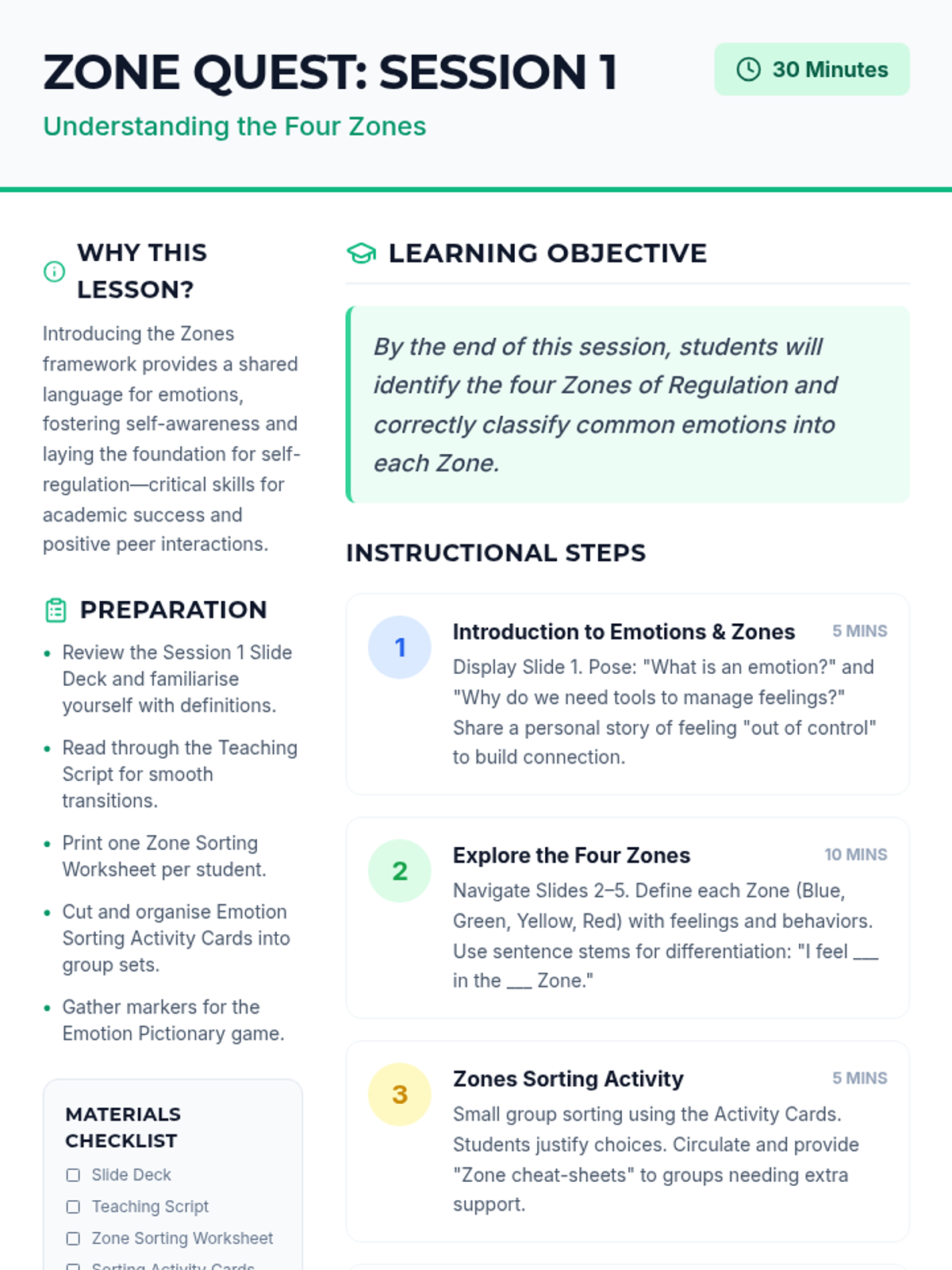
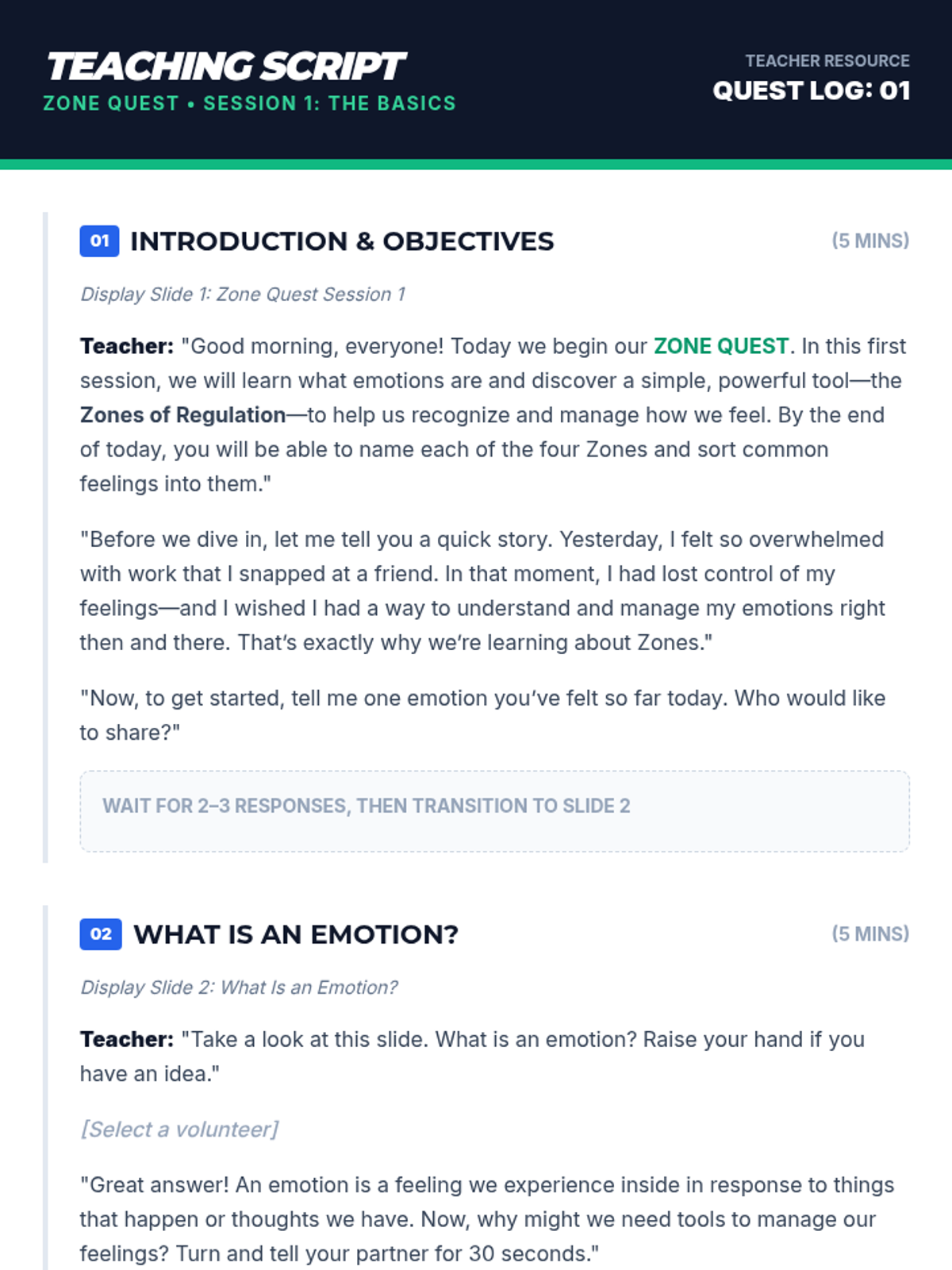
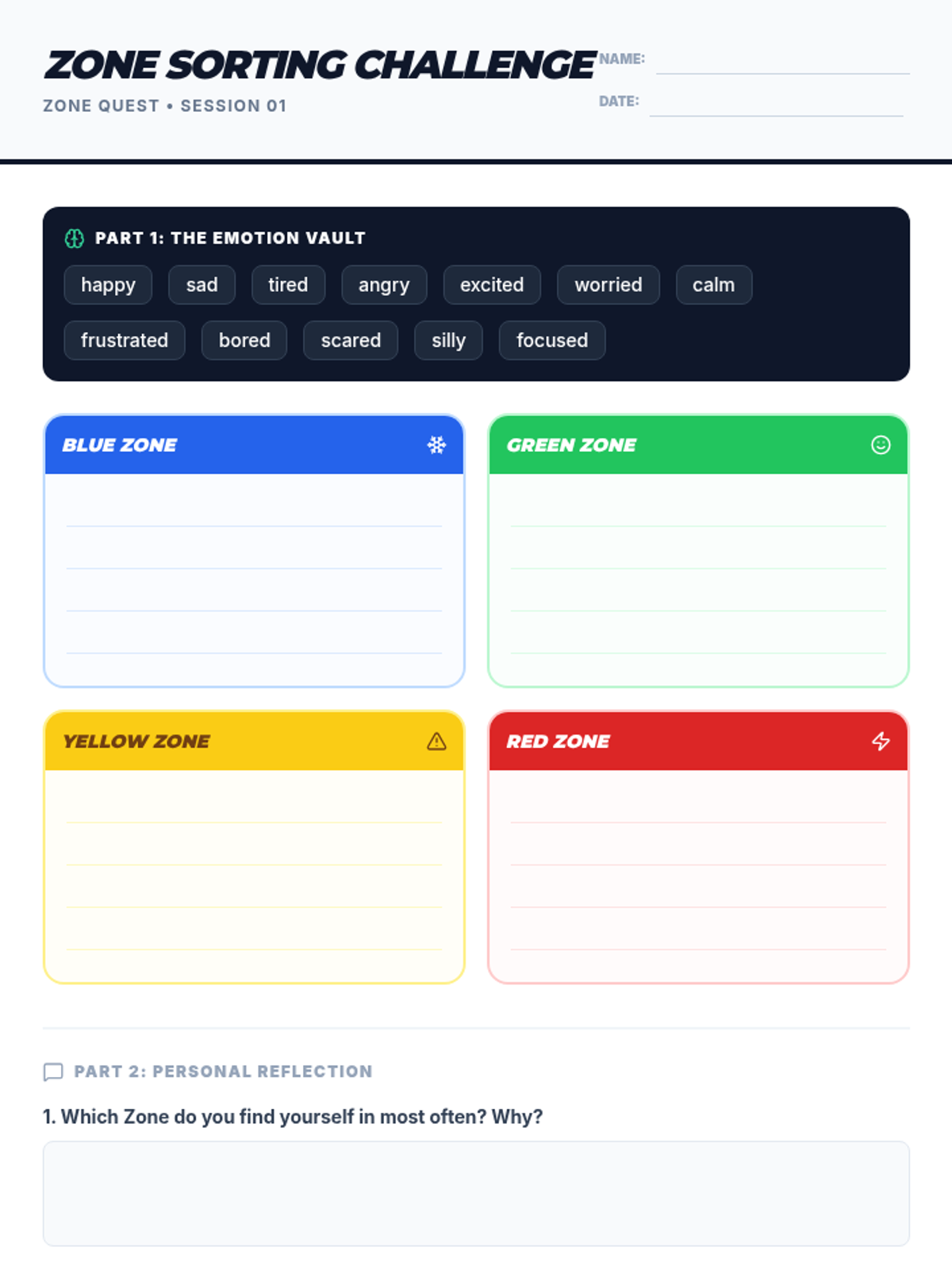
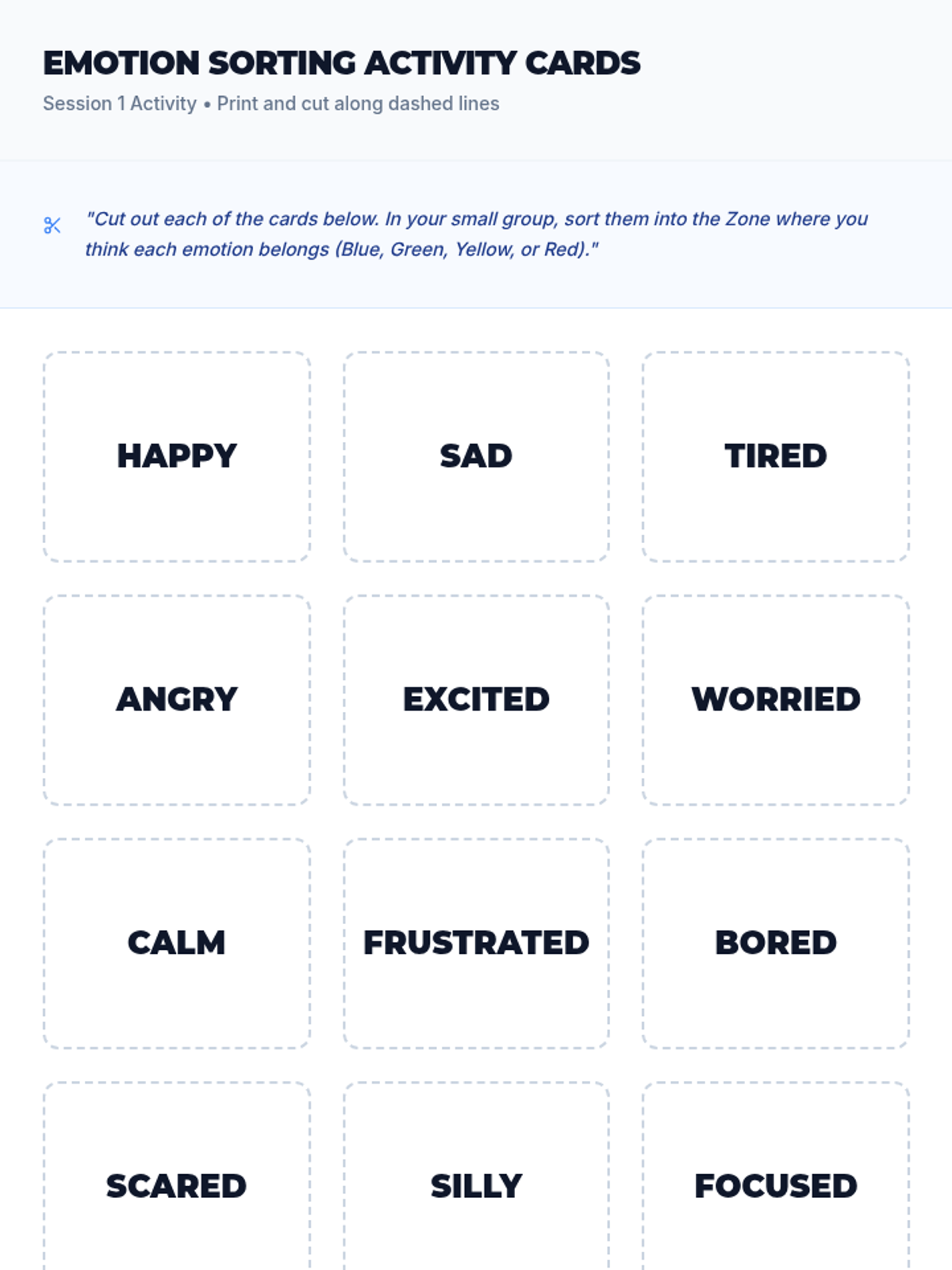
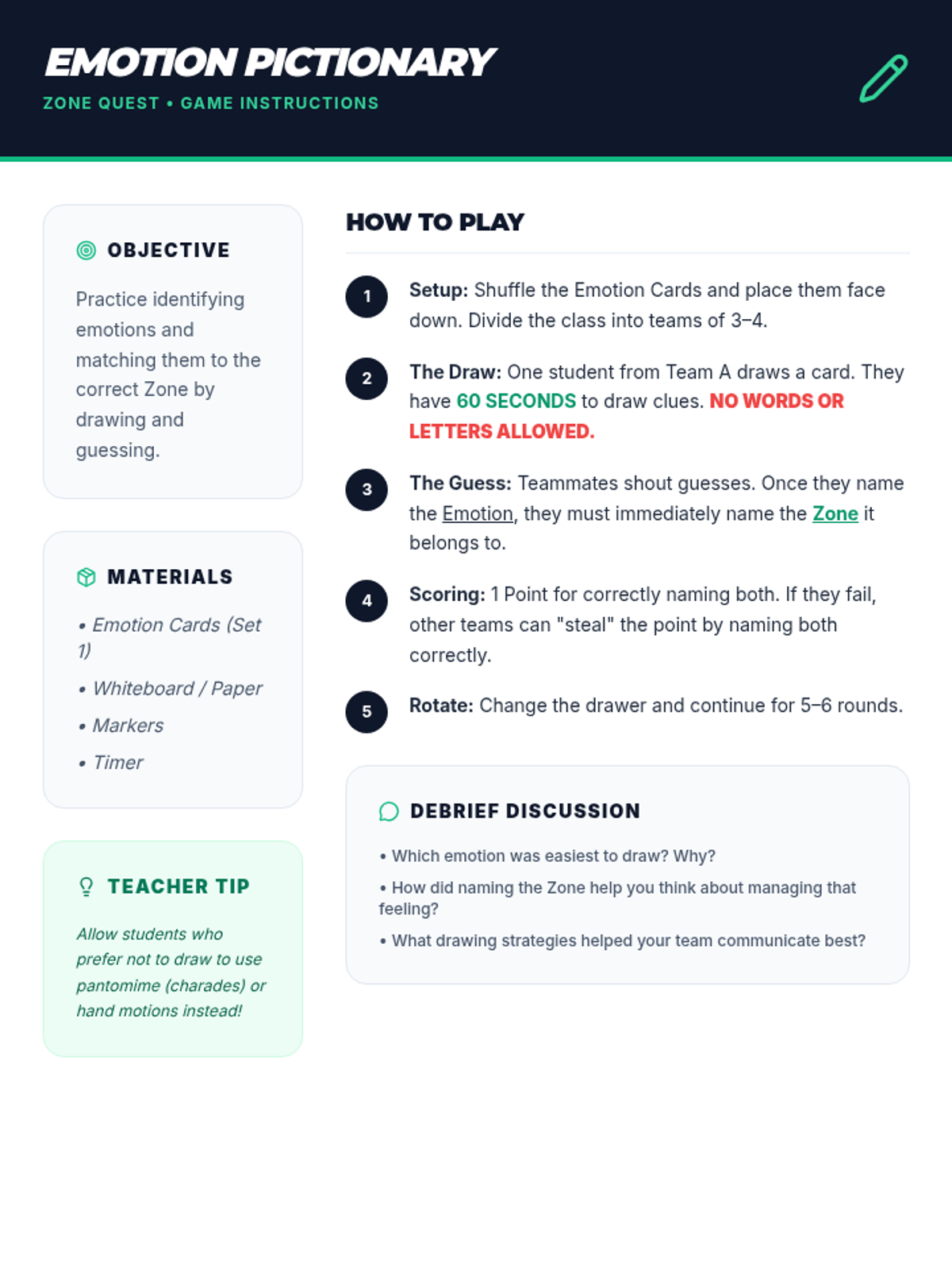
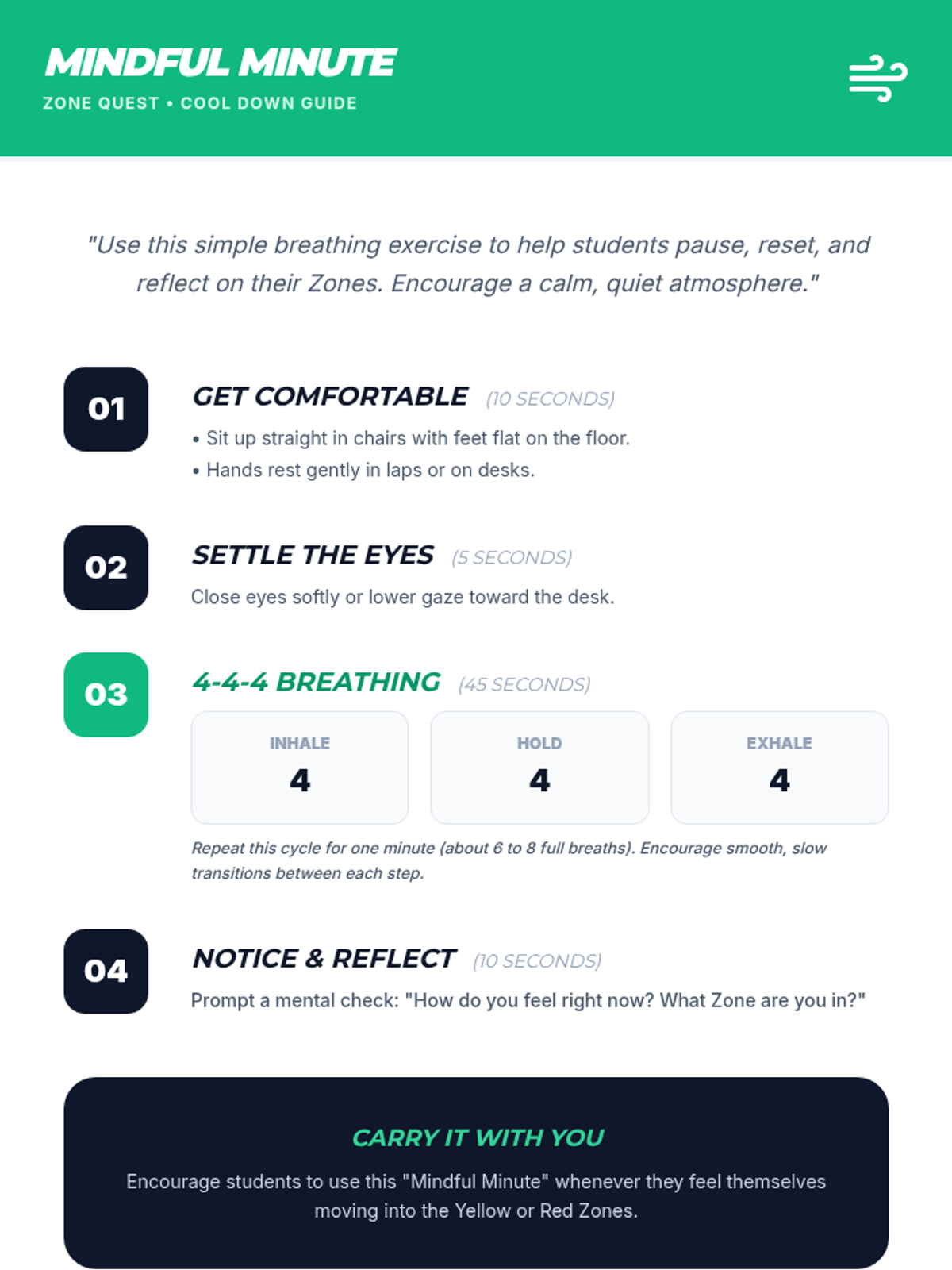
A 3-session journey for middle schoolers to understand and master the Zones of Regulation, building self-awareness and emotional management skills through interactive activities, games, and personal planning.
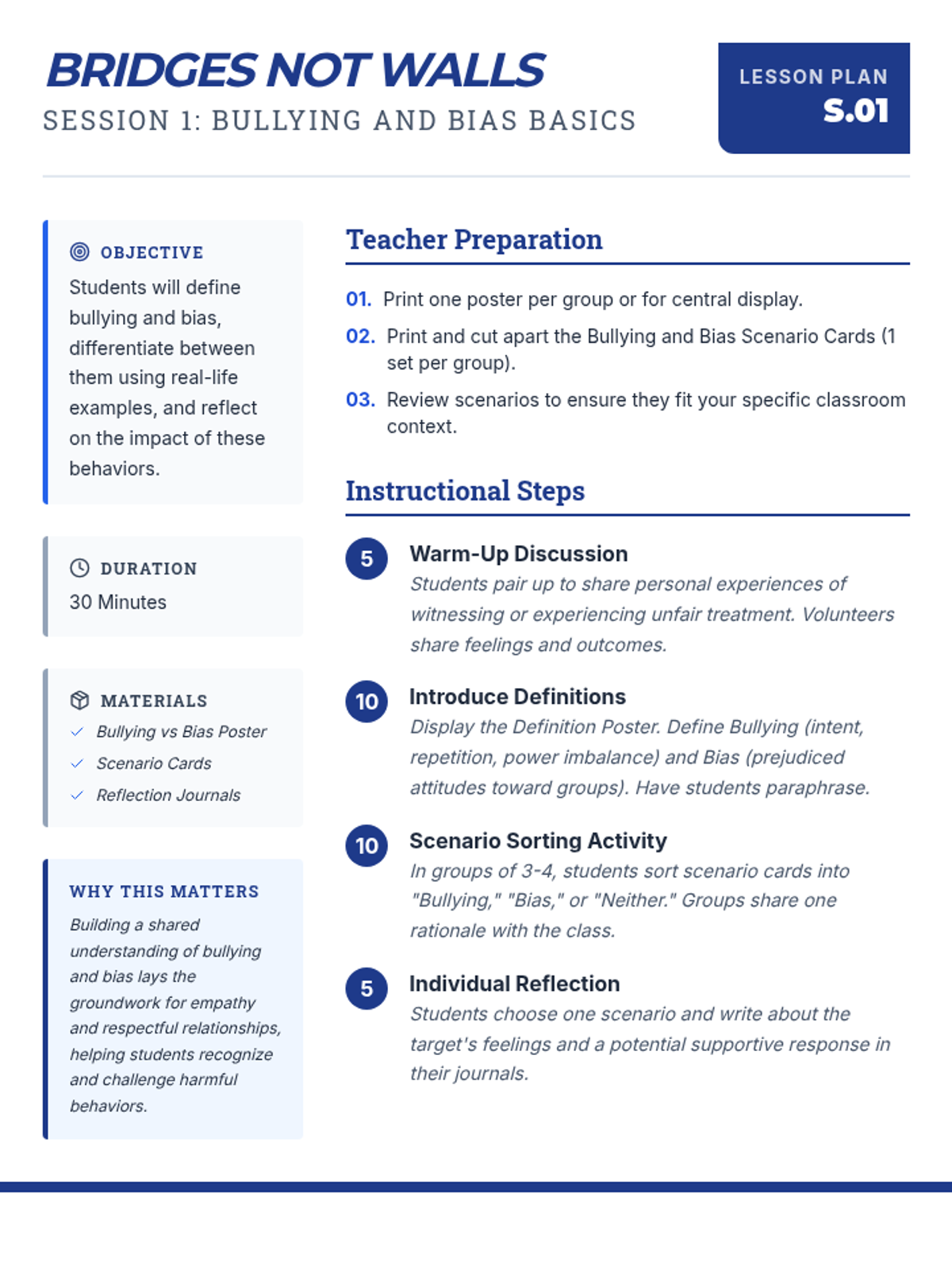
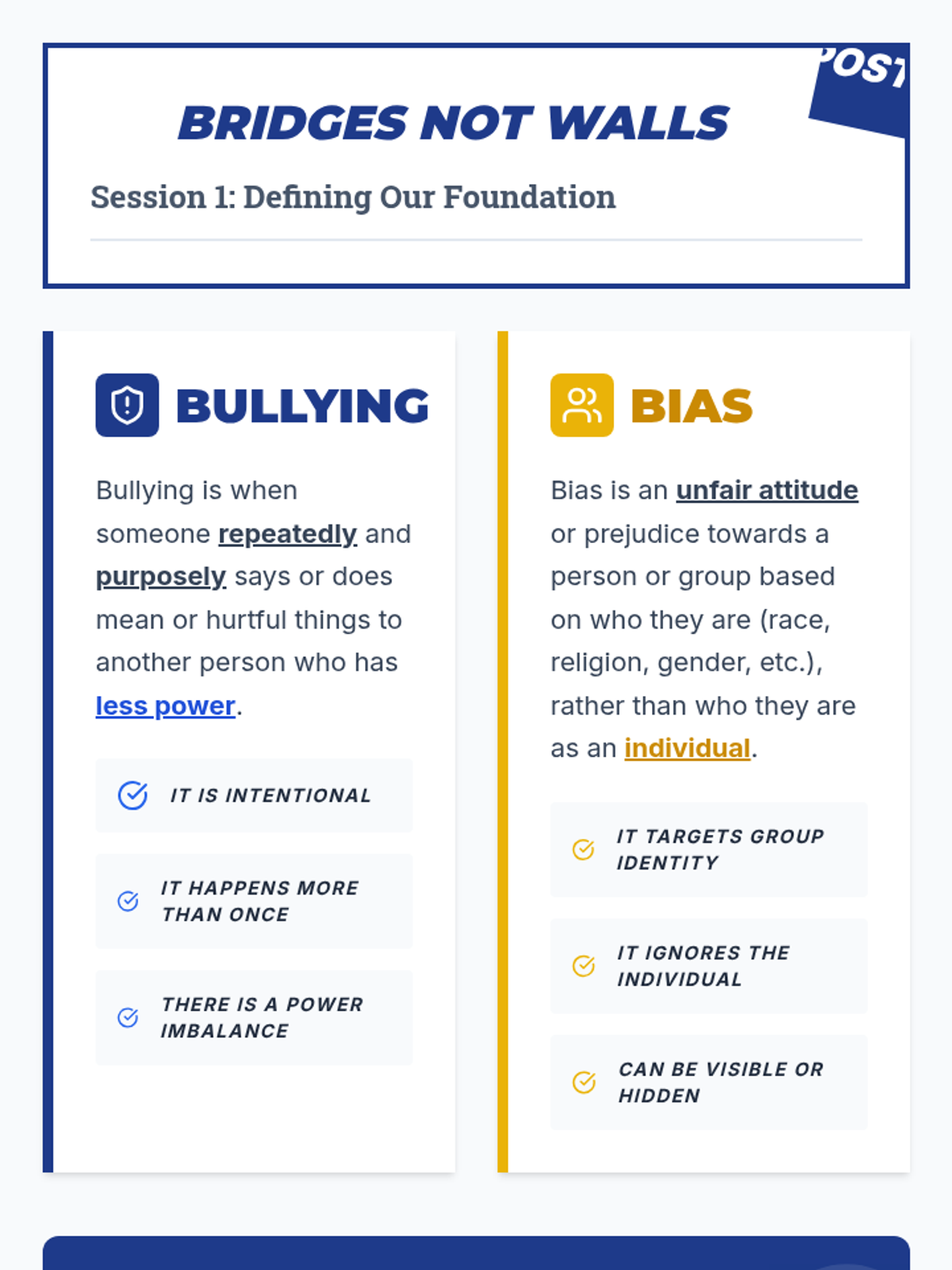
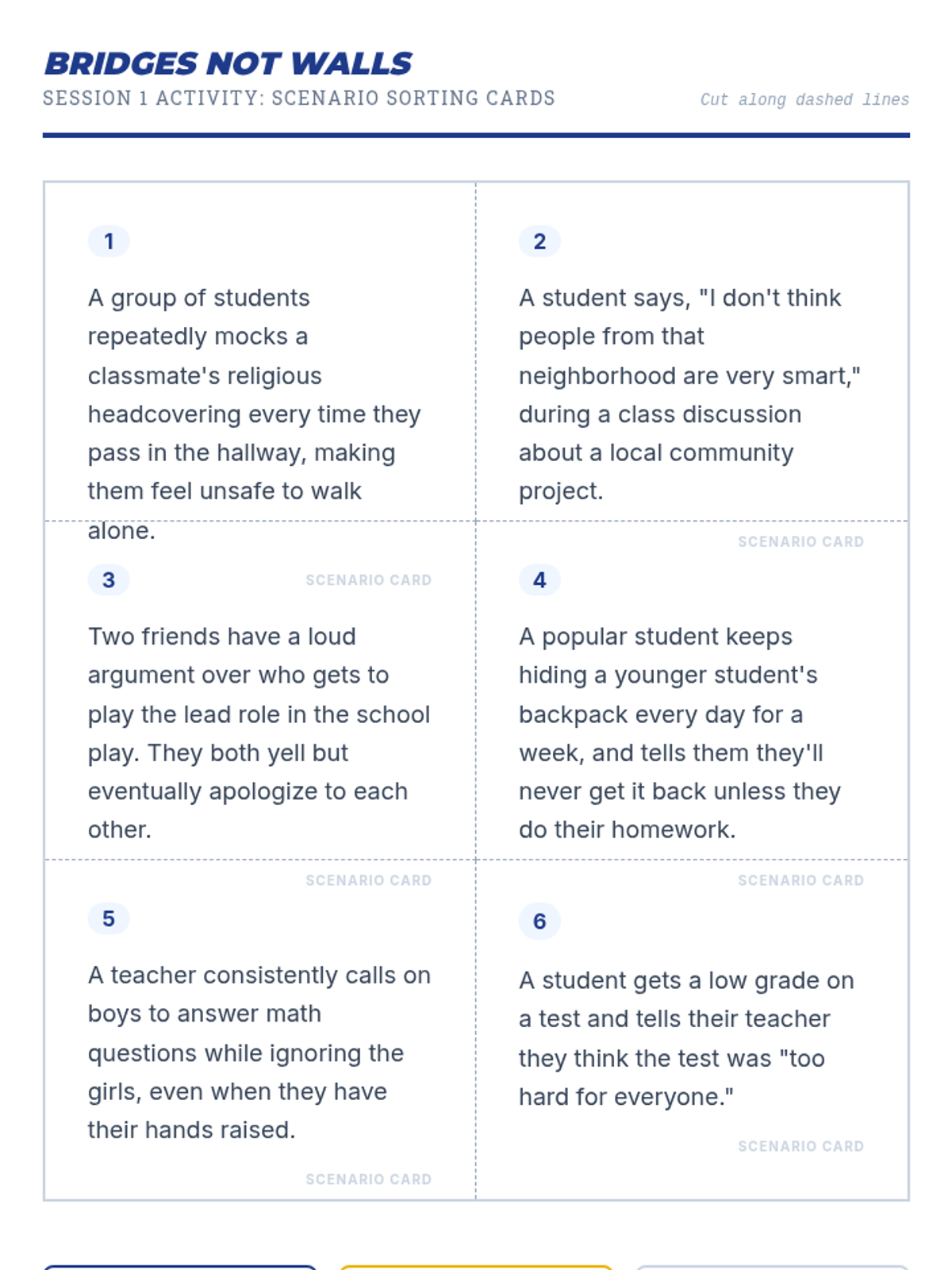
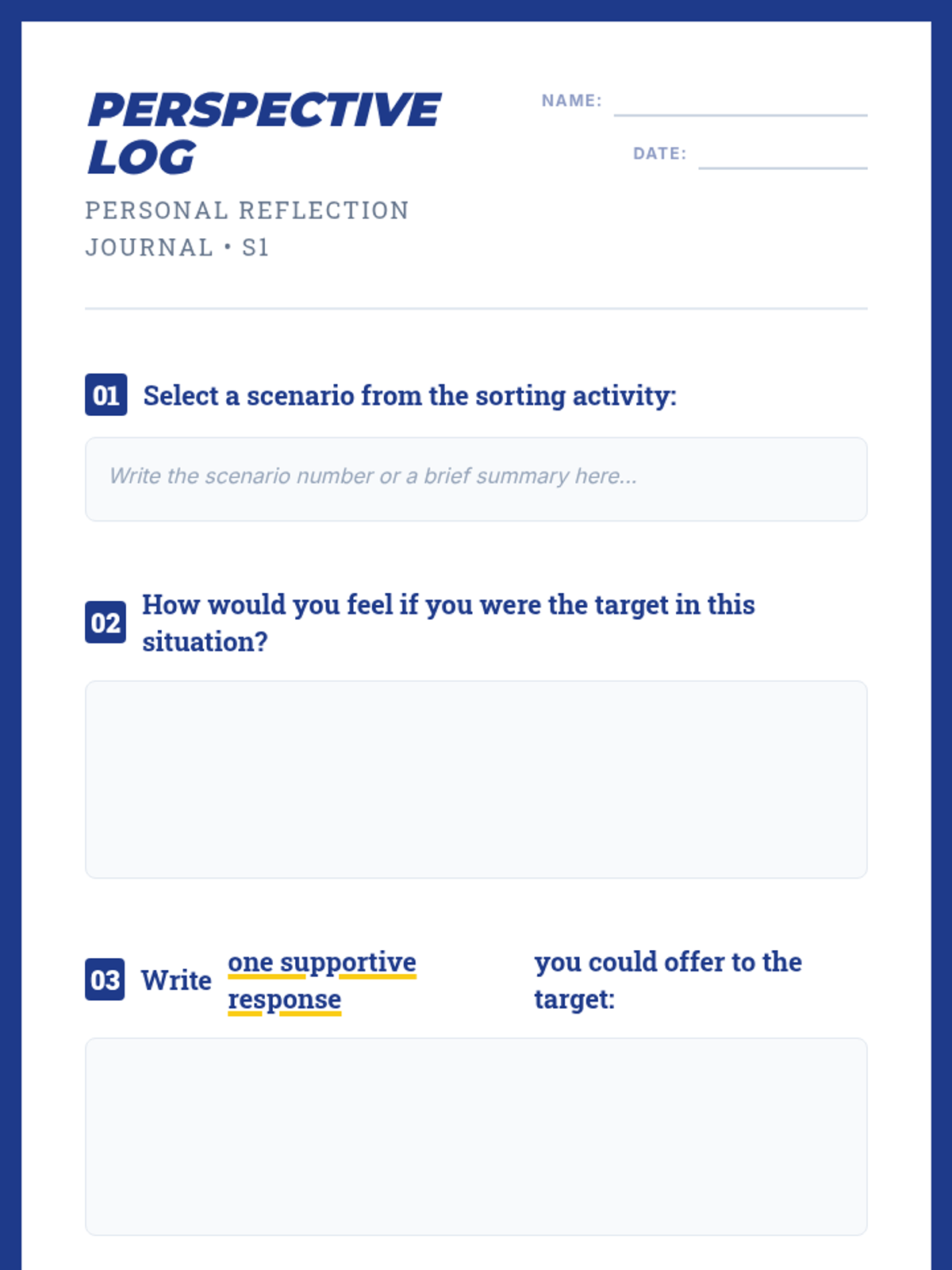
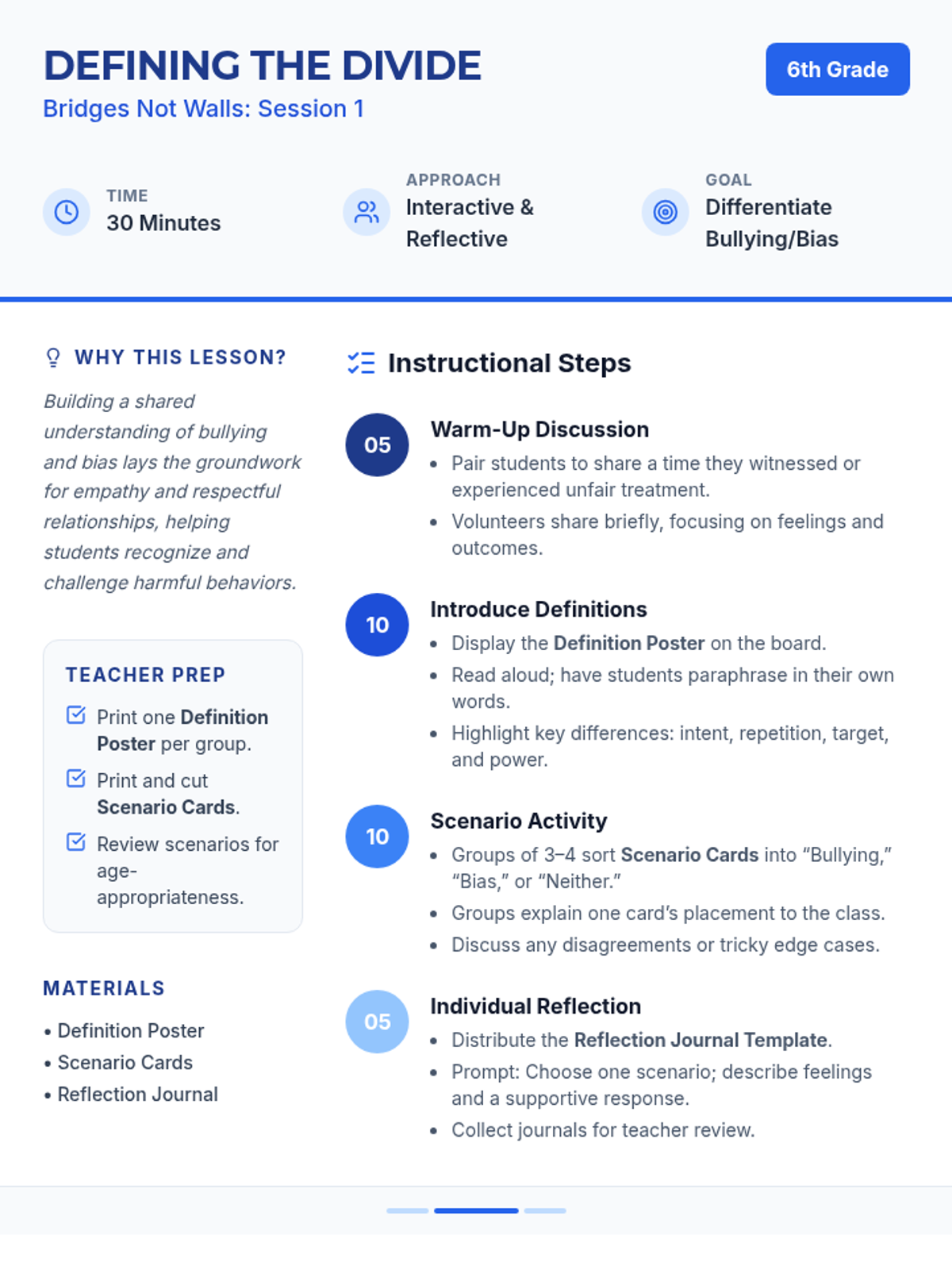
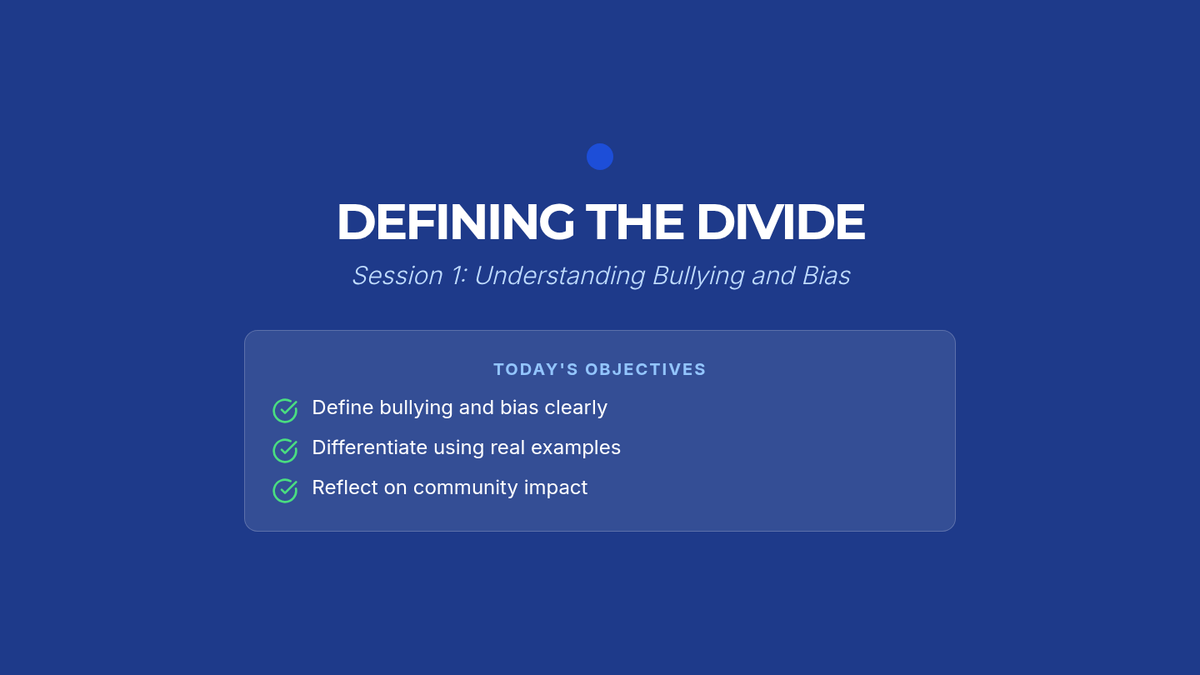
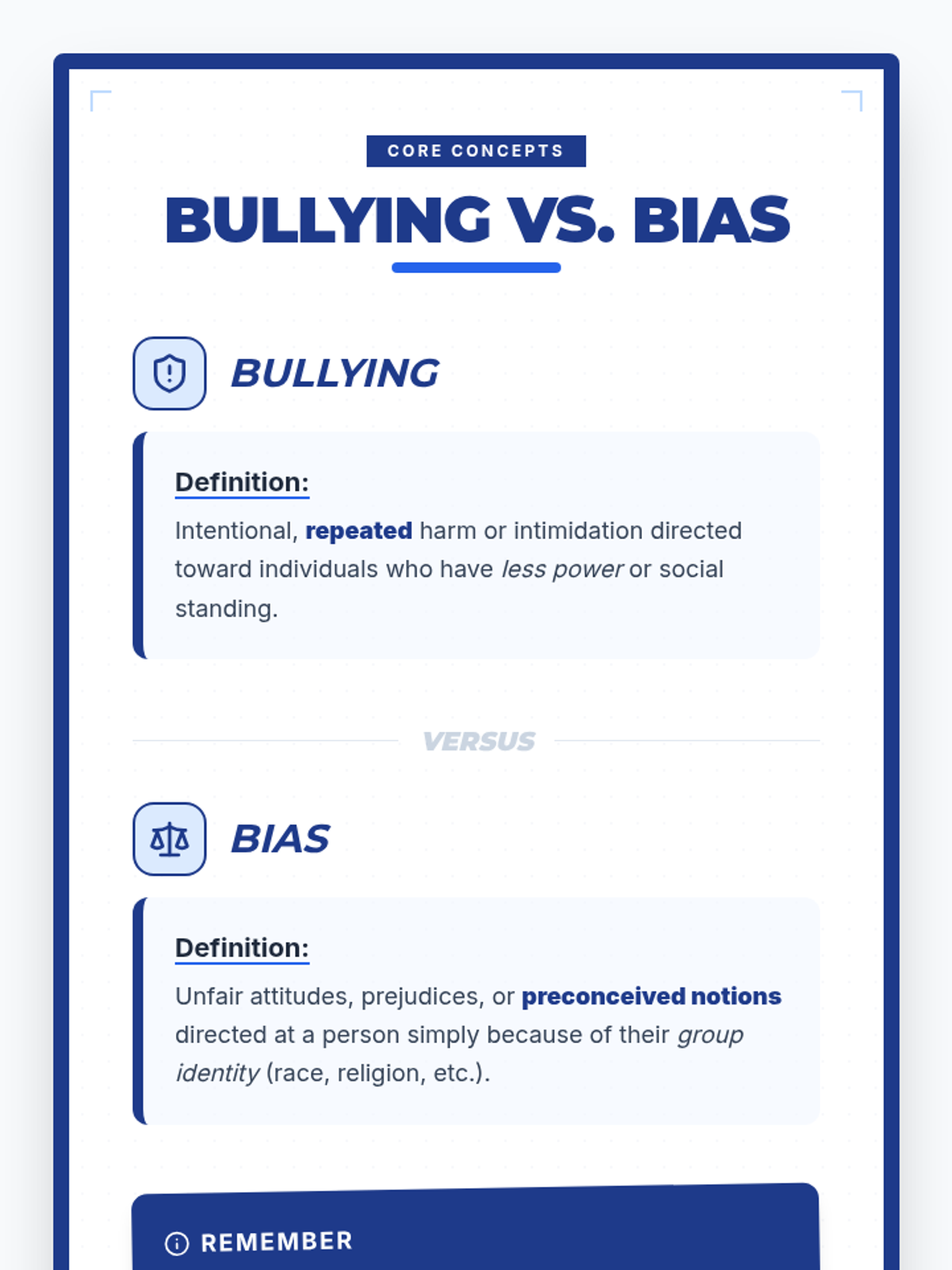
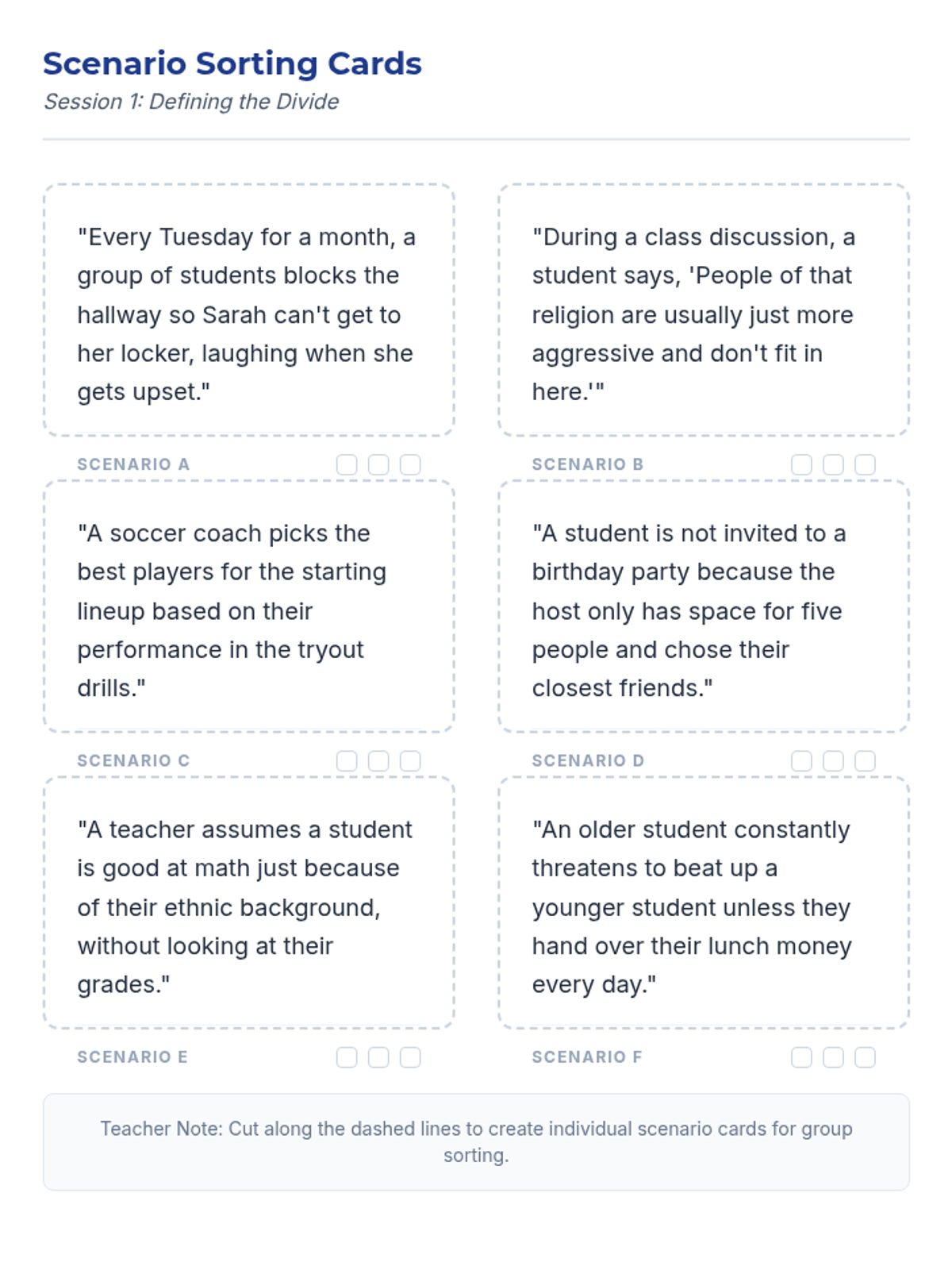
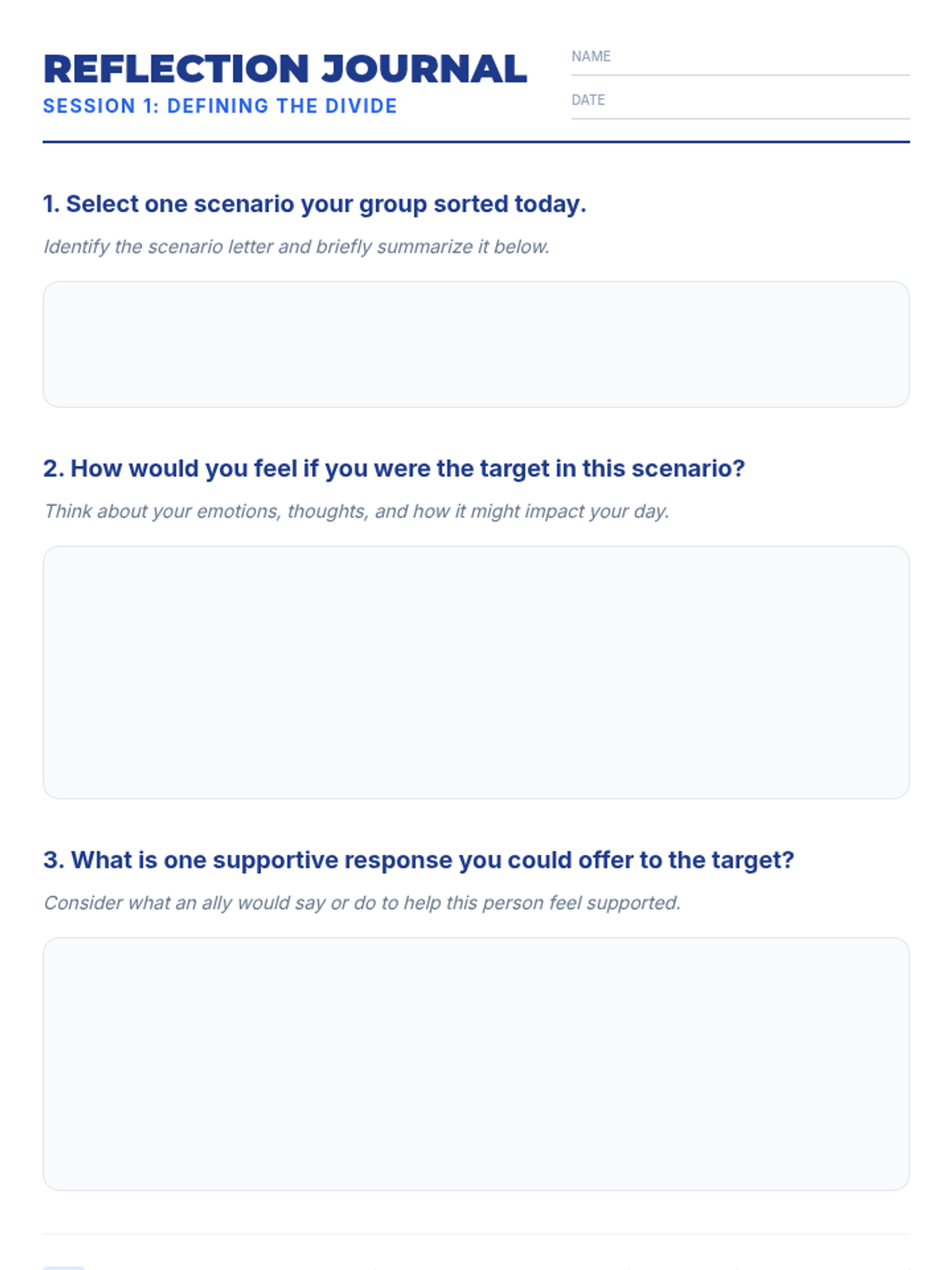
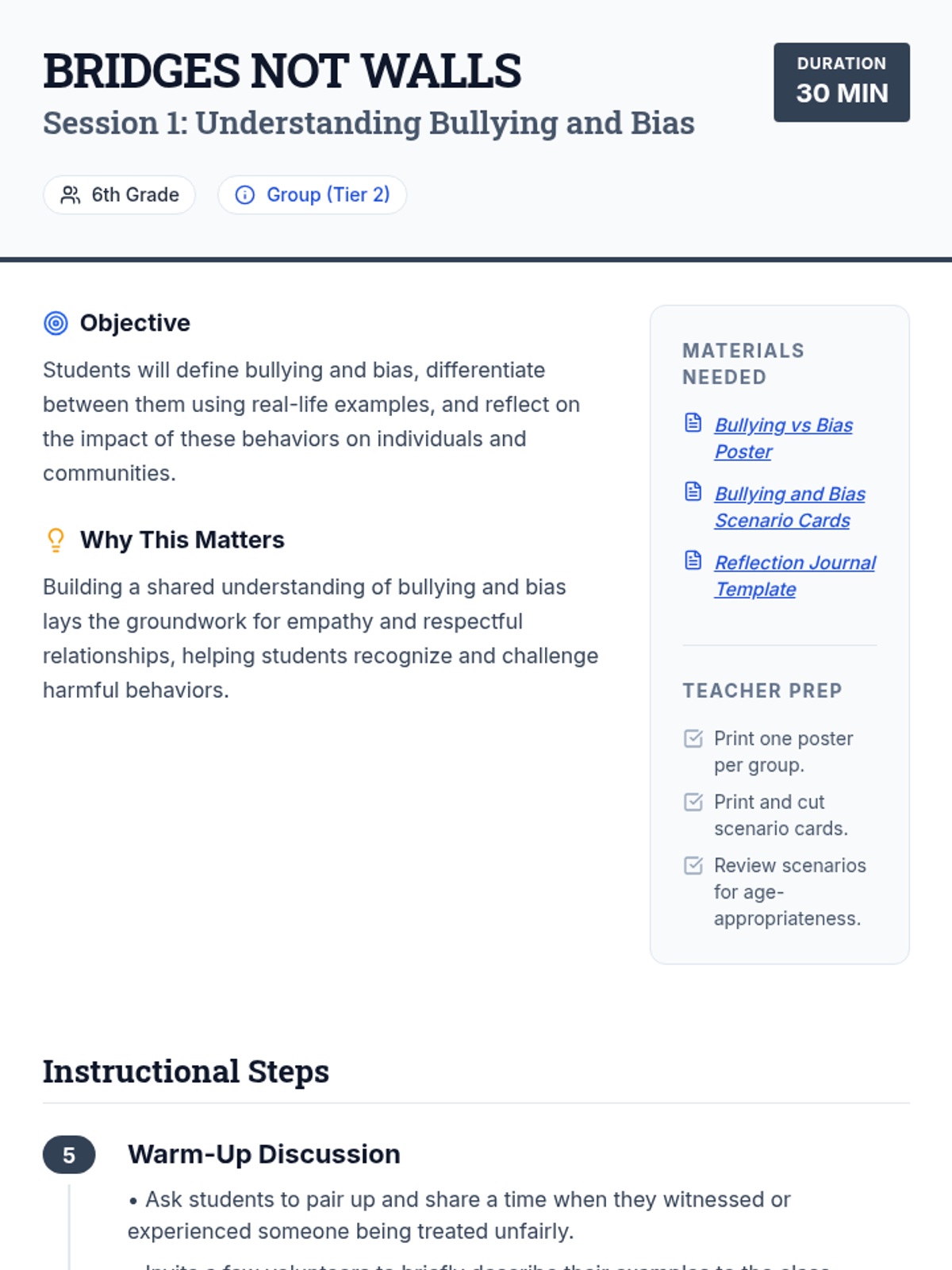
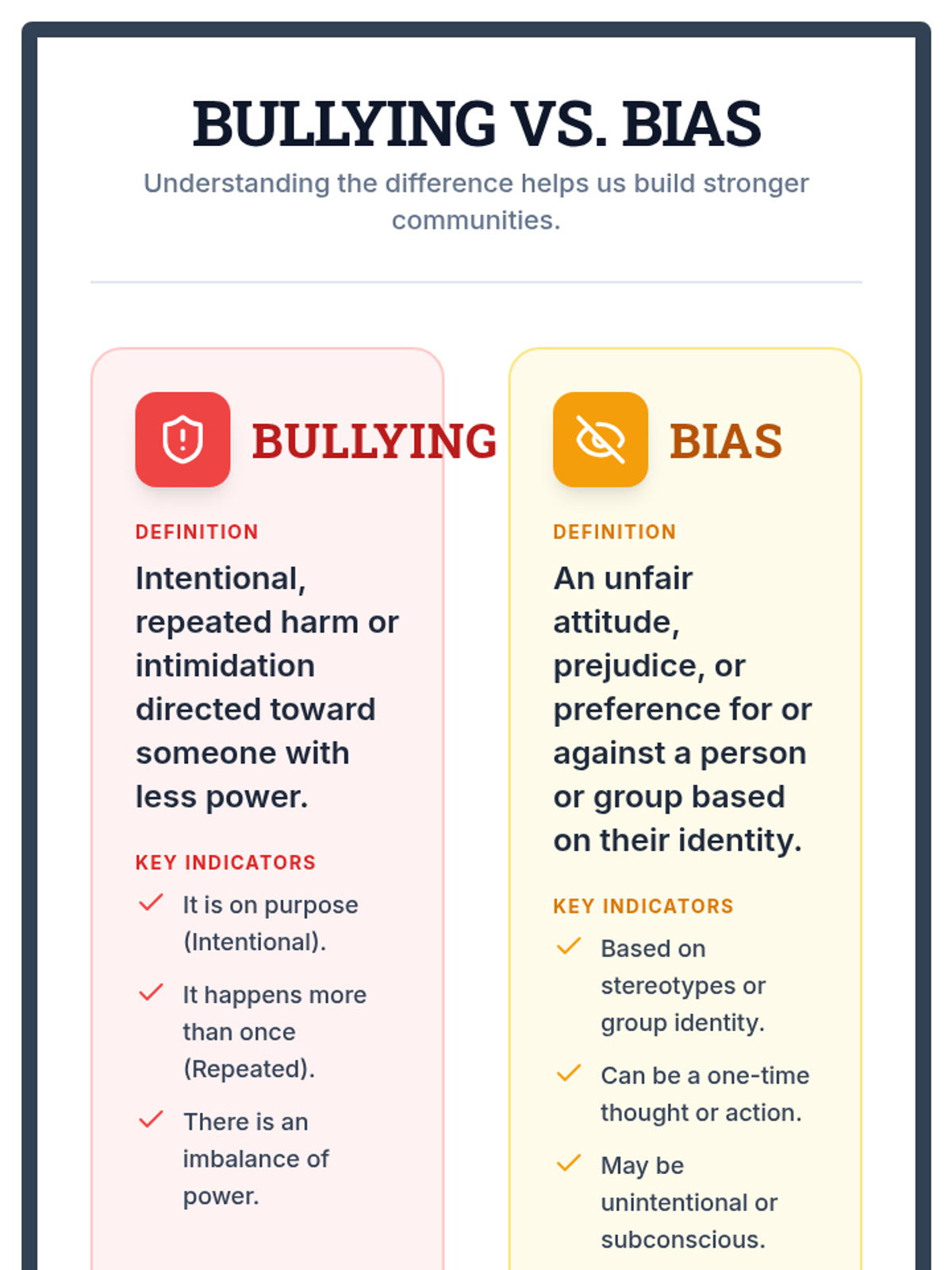
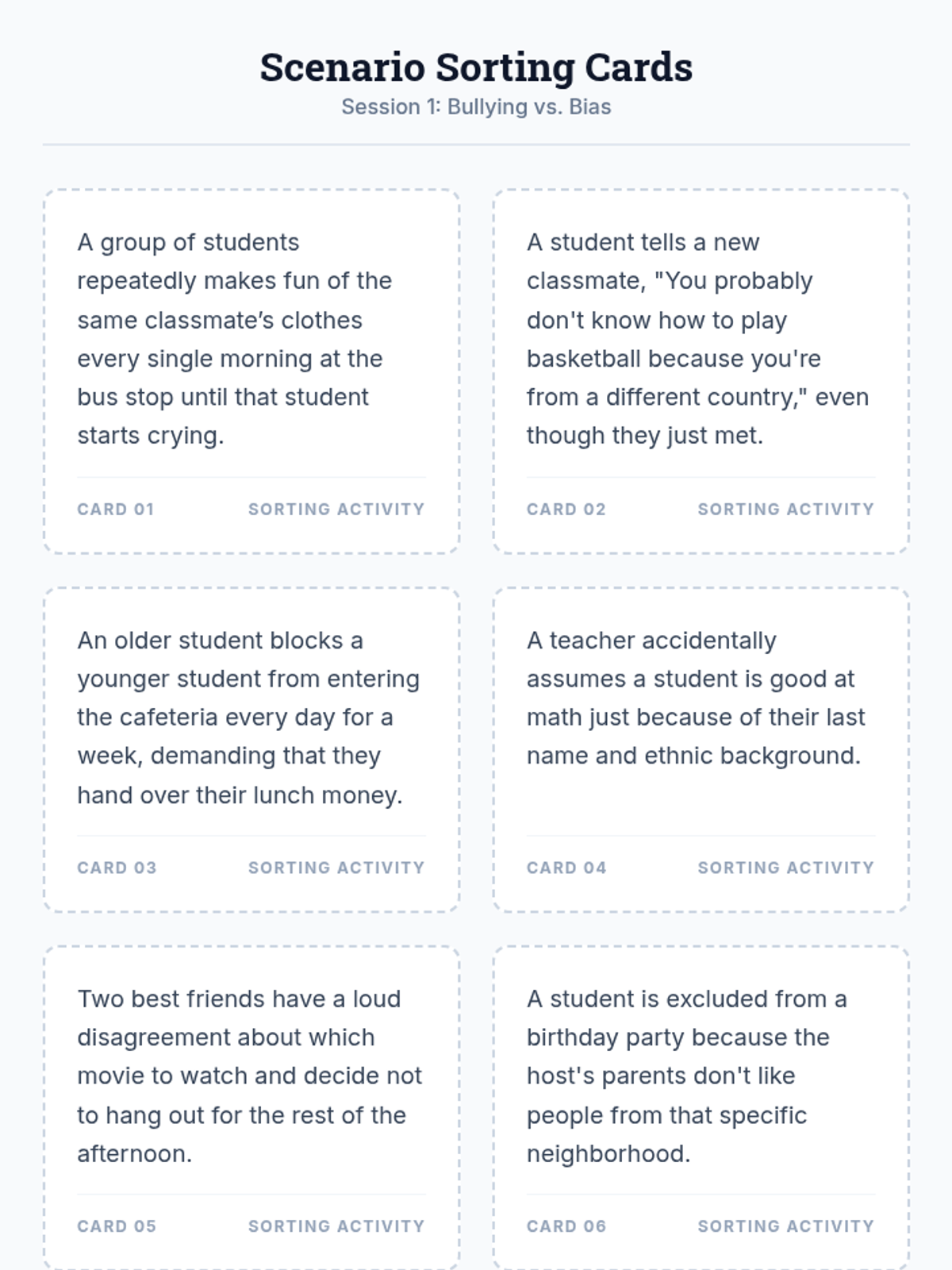
In this six-session unit, 6th graders explore empathy, diversity, and restorative practices after incidents of bullying tied to religion and race. Students will learn to identify bias, practice healthy communication, and build inclusive communities, culminating in a restorative project presentation.
A six-session unit for 6th graders focusing on empathy, bias recognition, communication, and restorative practices to build an inclusive community. Students move from defining harm to actively planning restorative projects.
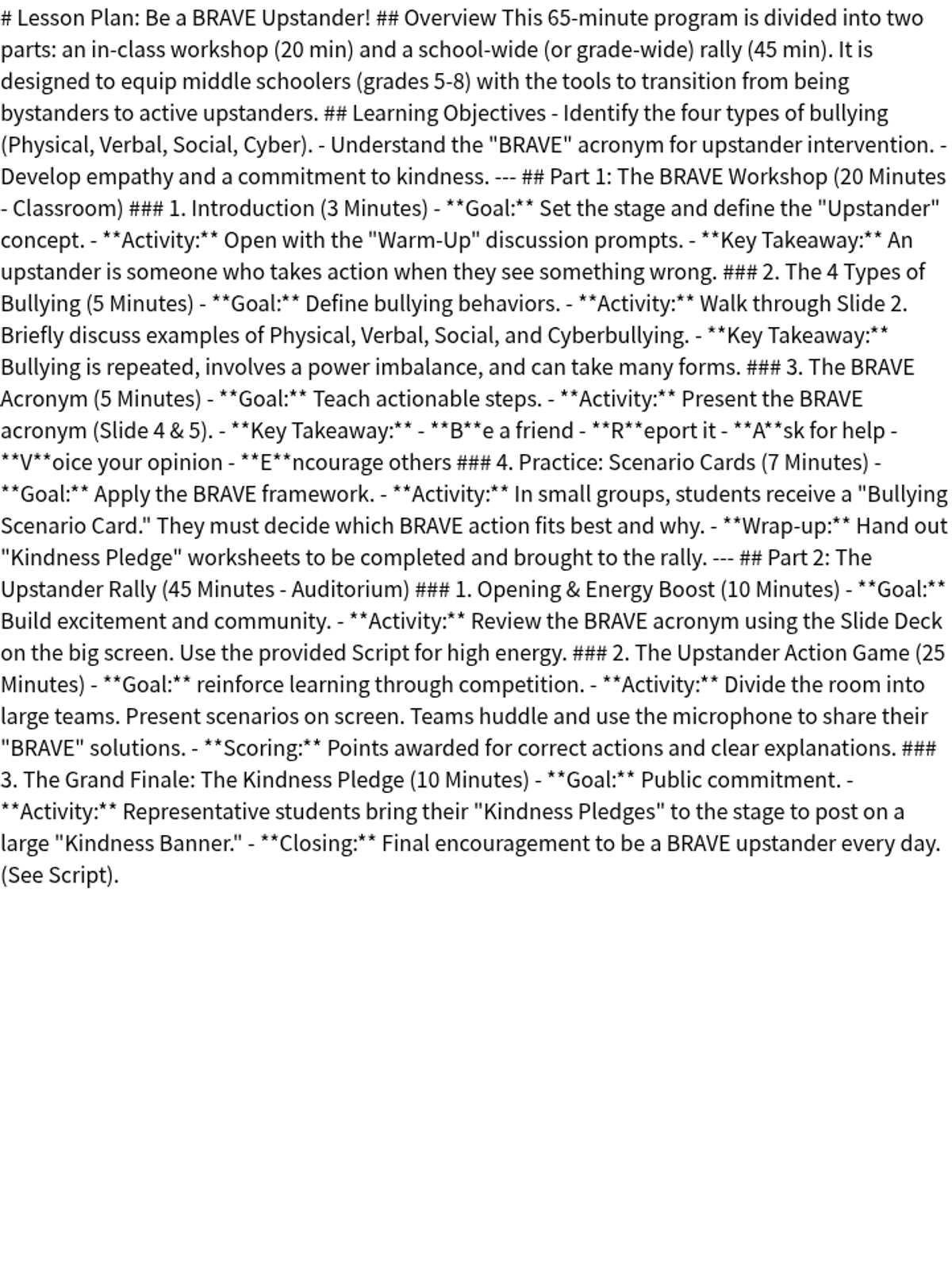
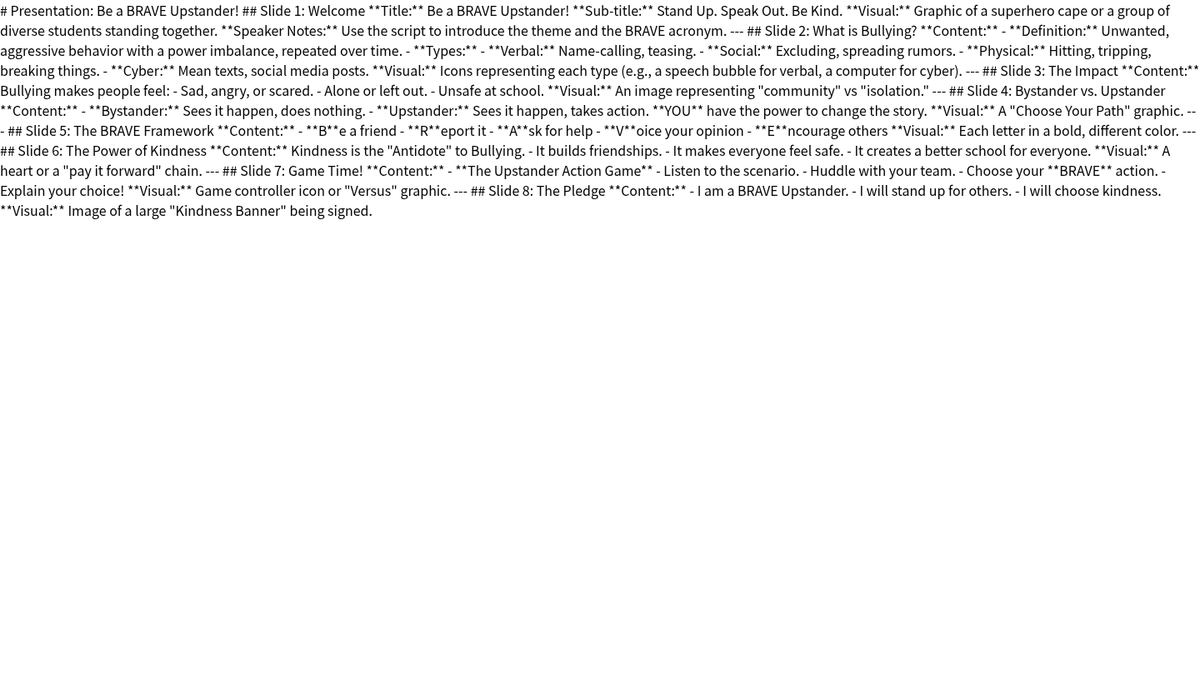
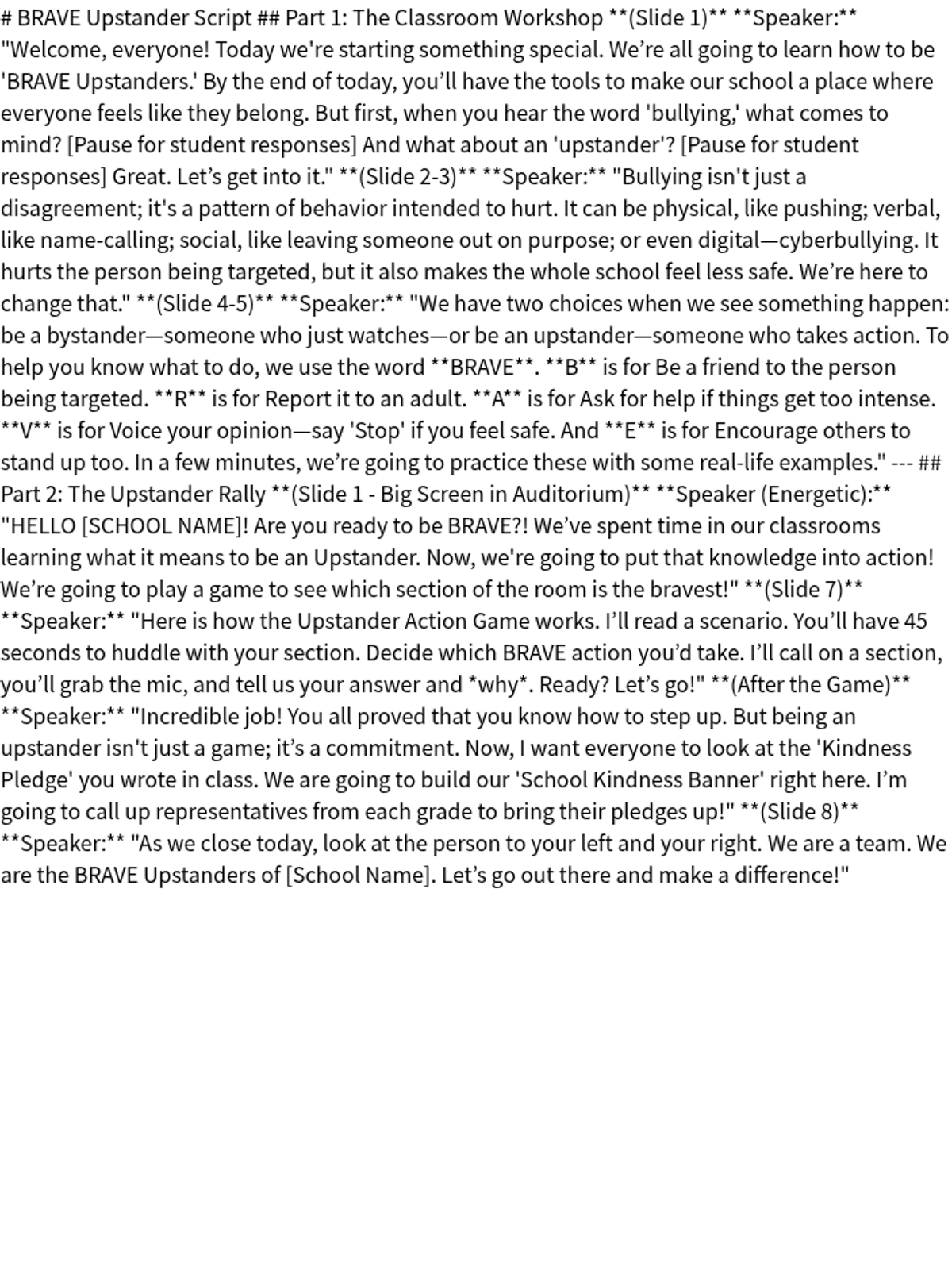
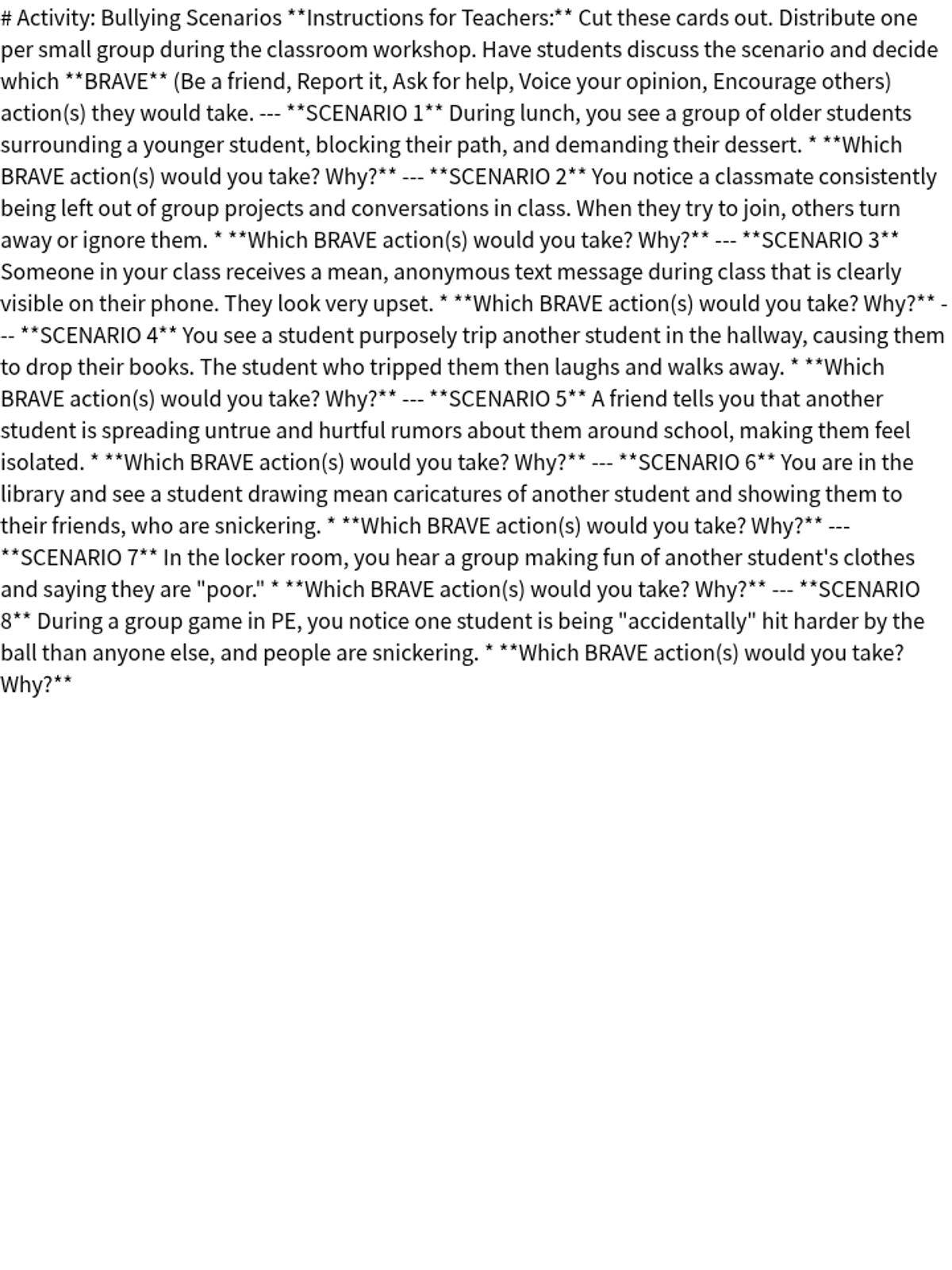
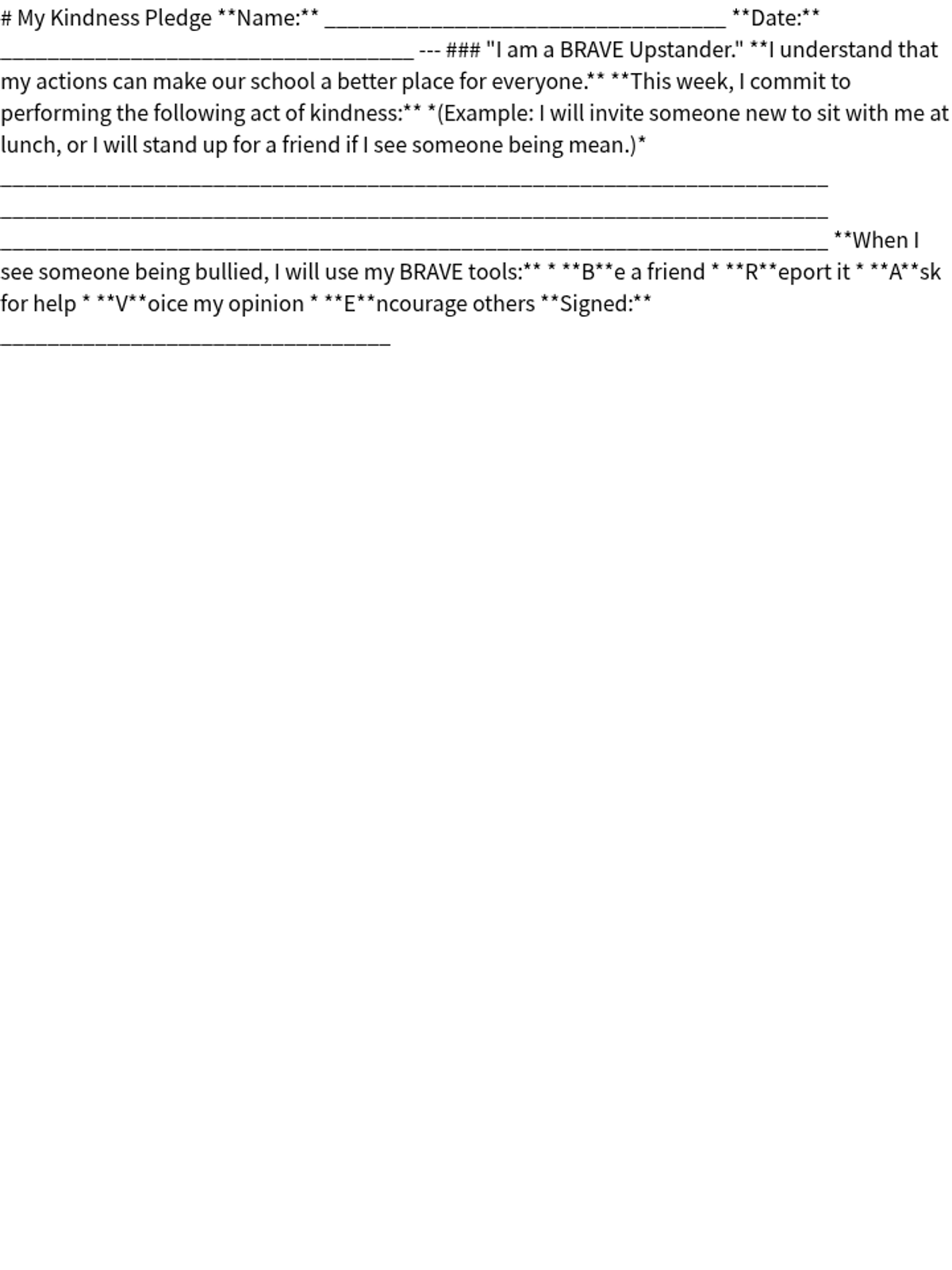
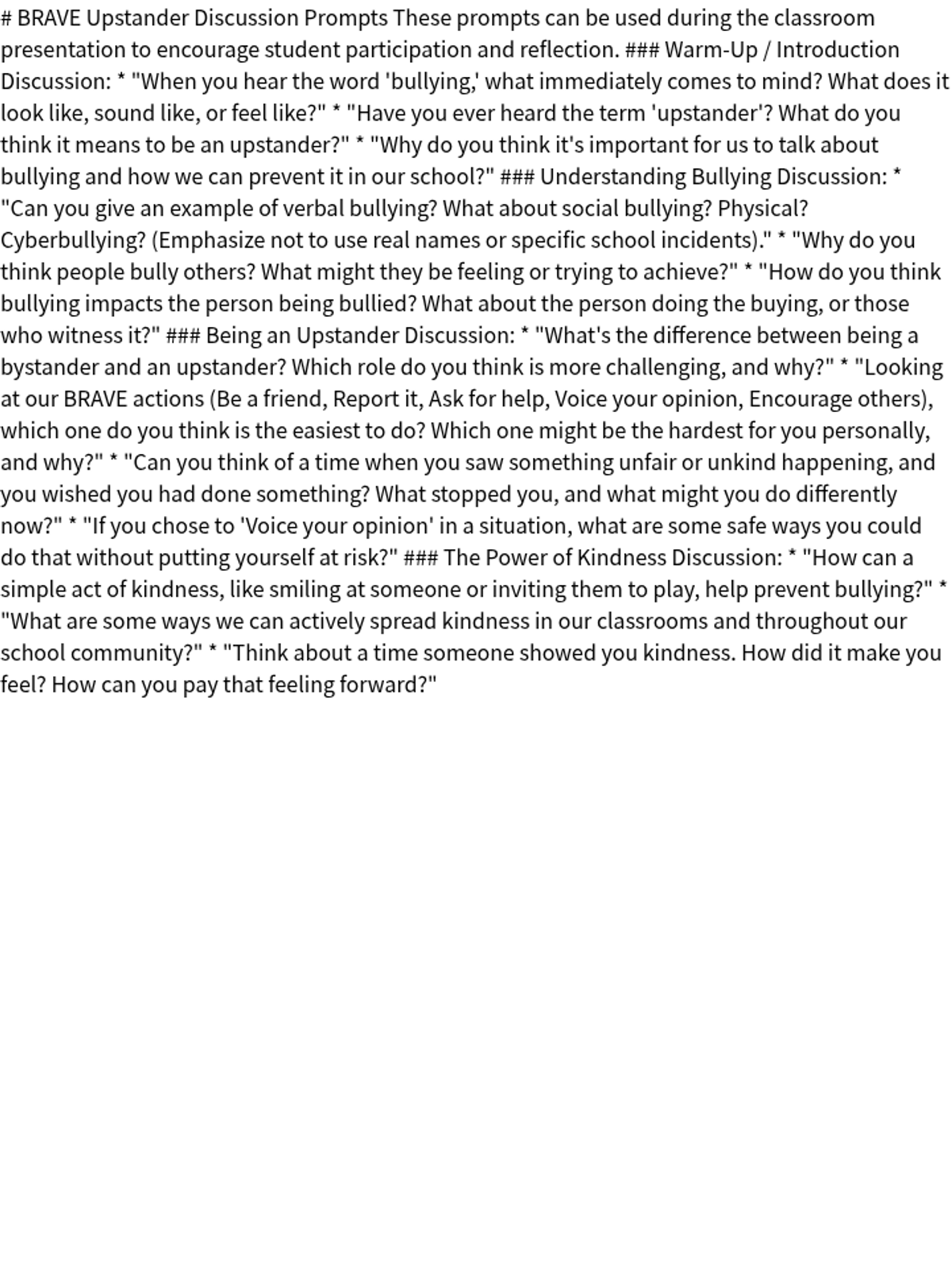
A comprehensive 65-minute educational experience for middle schoolers (grades 5-8). It consists of two parts: a 20-minute classroom presentation/workshop and a 45-minute "Upstander Rally" in an auditorium setting. The program teaches students how to recognize bullying and empowers them to intervene using the BRAVE framework (Be a friend, Report it, Ask for help, Voice your opinion, Encourage others).
A six-session unit for 6th graders focusing on empathy, diversity, and restorative practices following incidents of bullying. Students learn to recognize bias, practice healthy communication, and build inclusive communities through a culminating restorative project.
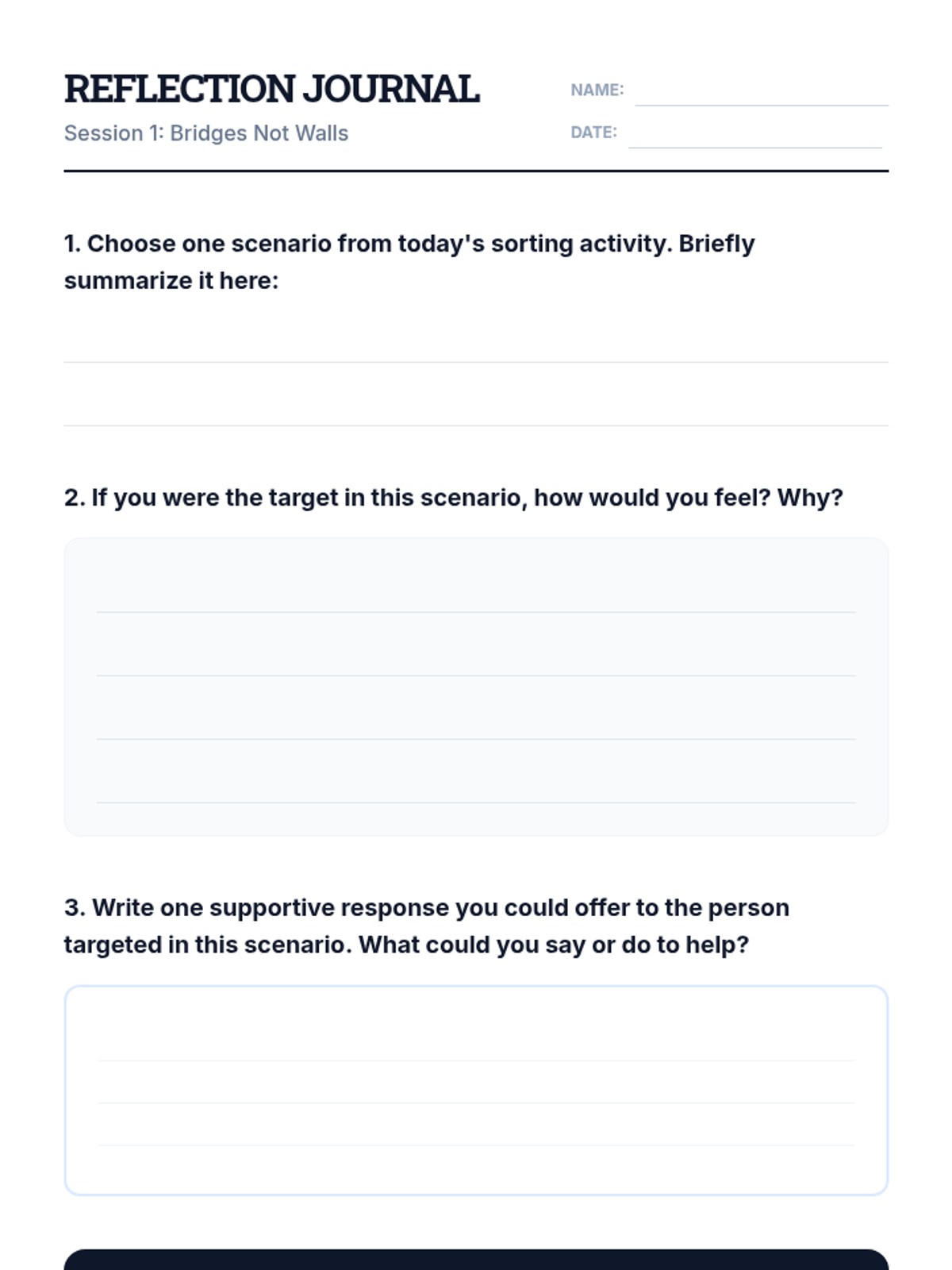
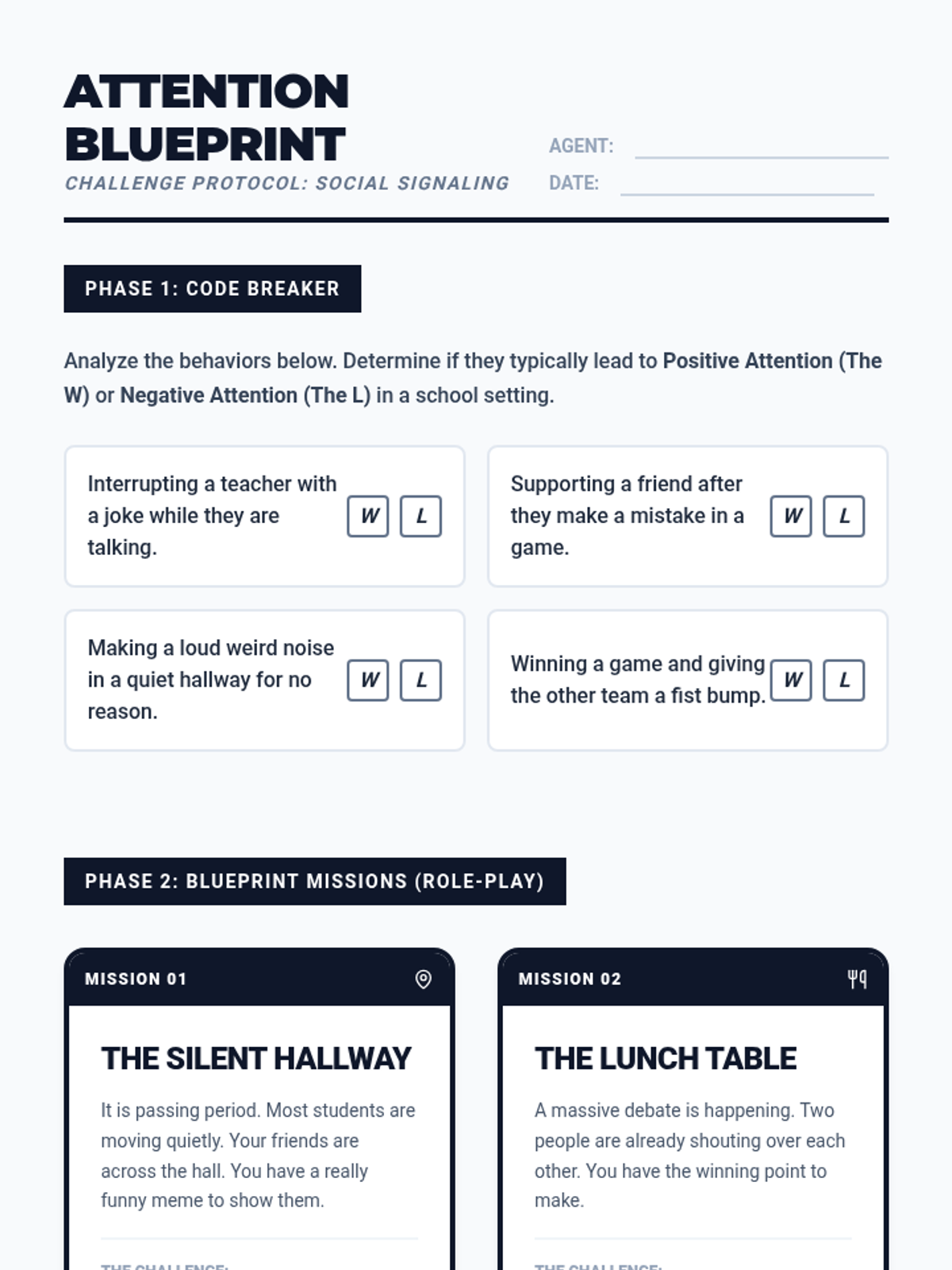
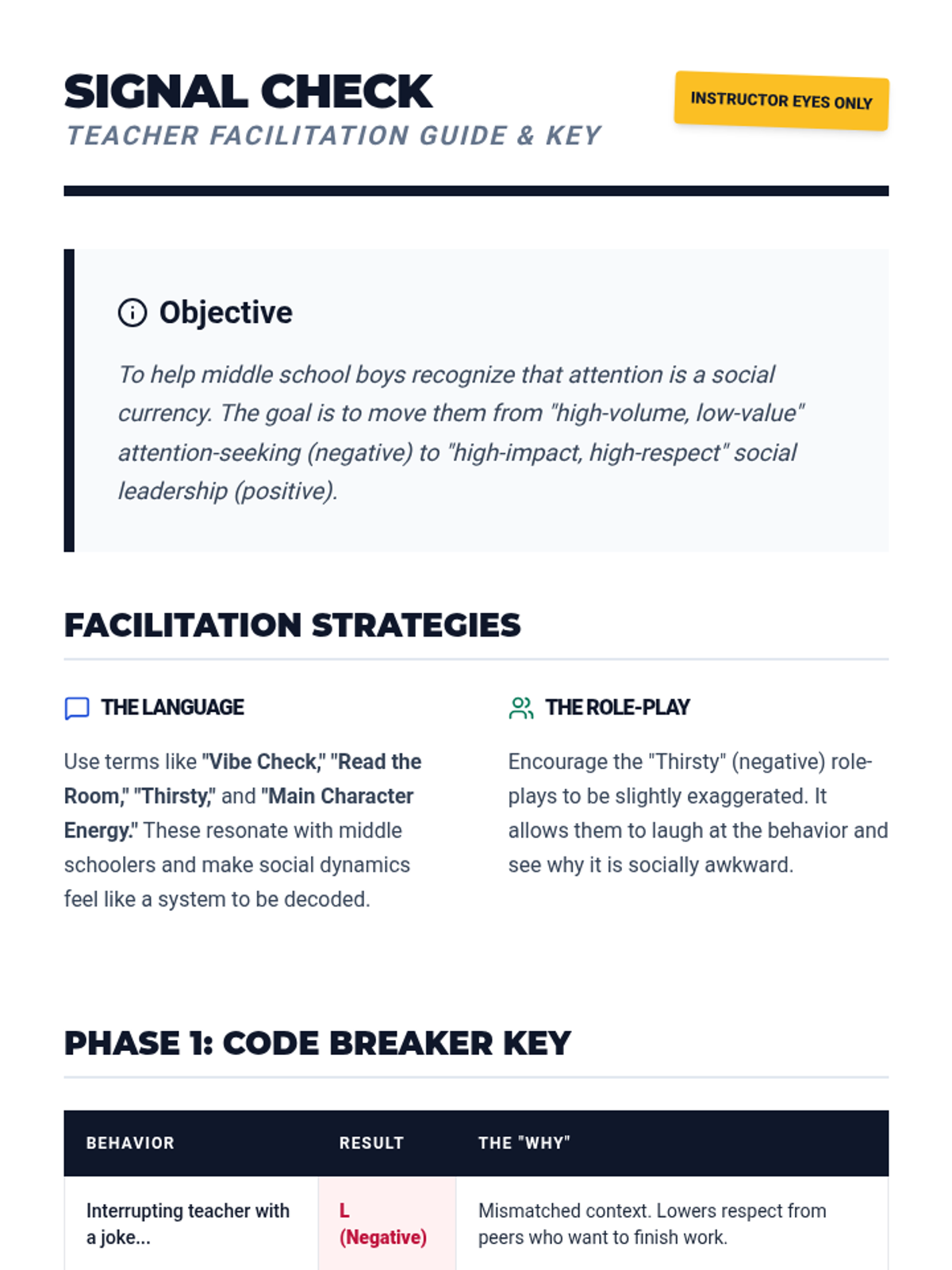
A unit focused on helping middle school boys navigate social dynamics, specifically focusing on how to gain positive attention through appropriate behavior, timing, and reading social contexts.
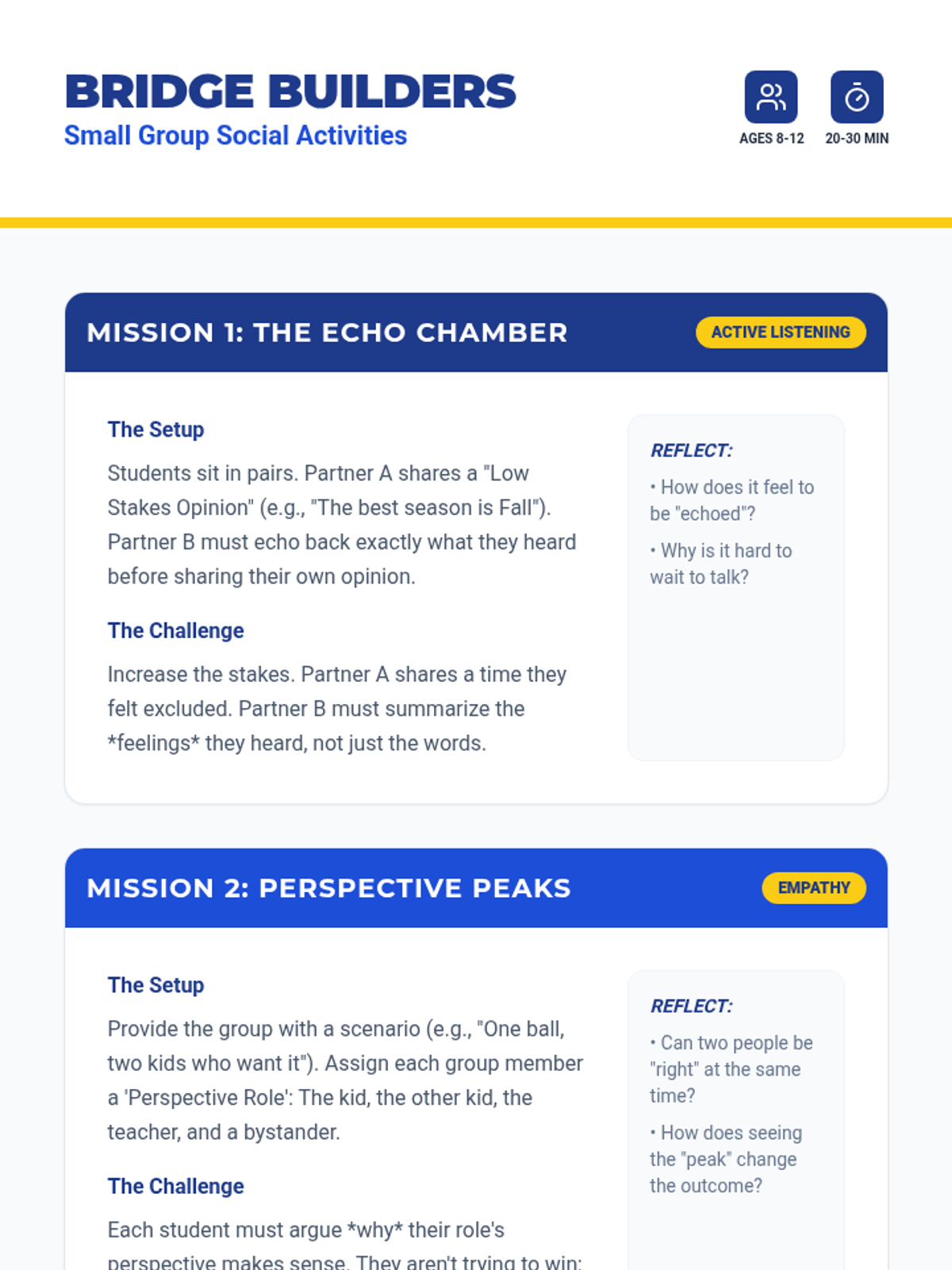
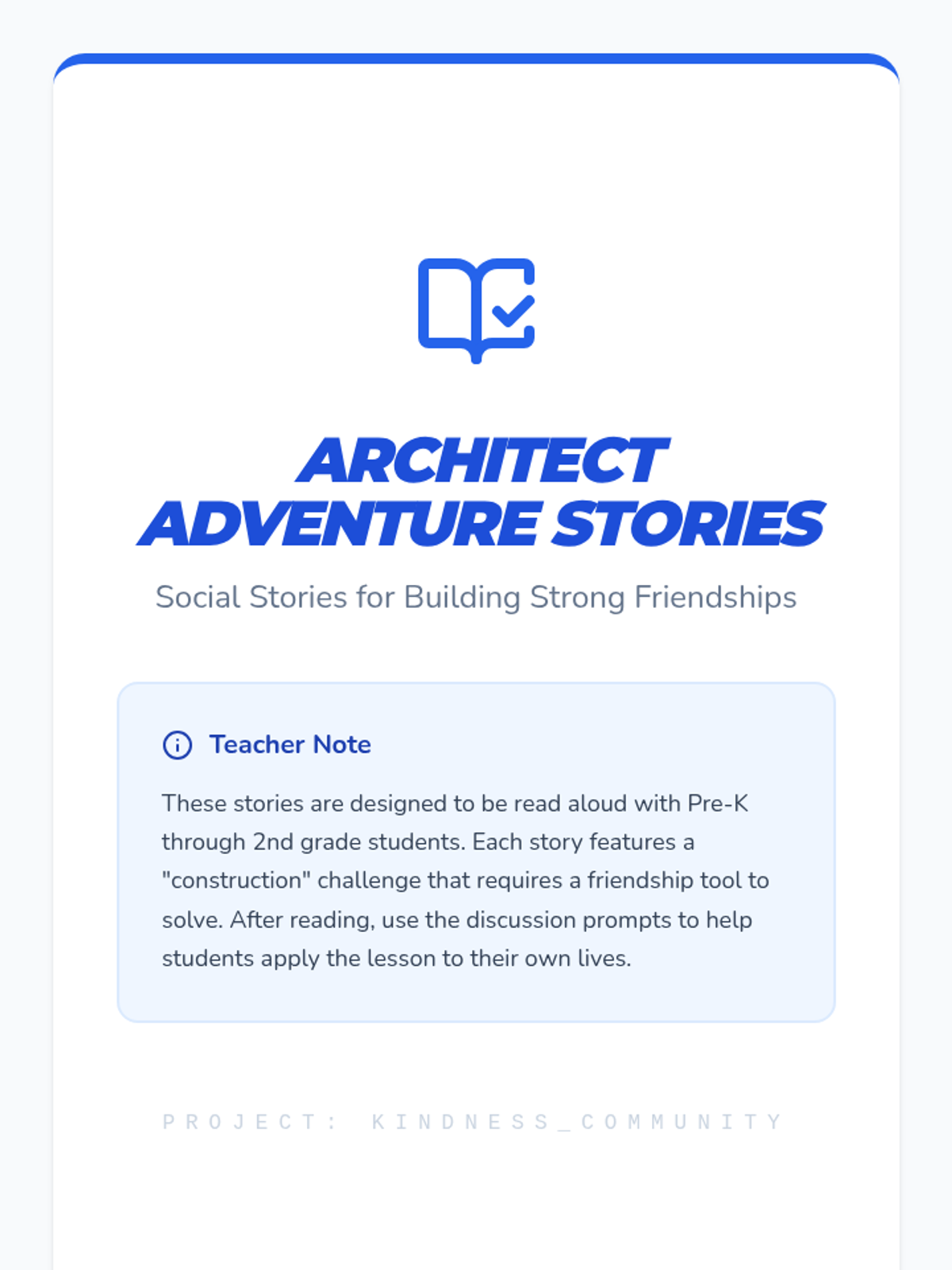
A social-emotional learning series focused on developing core interpersonal skills, moving from individual friendship building to collaborative teamwork and community responsibility.
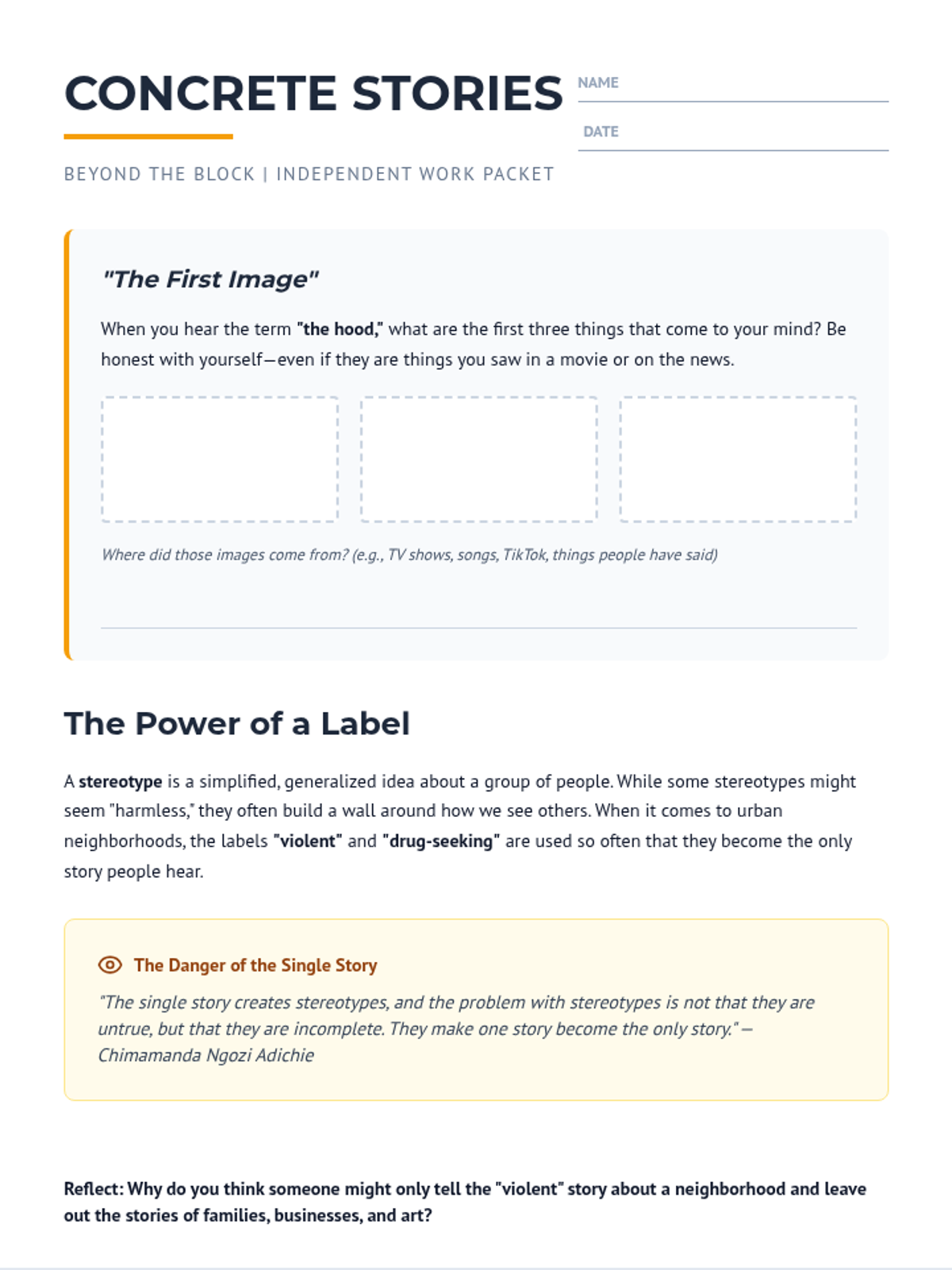
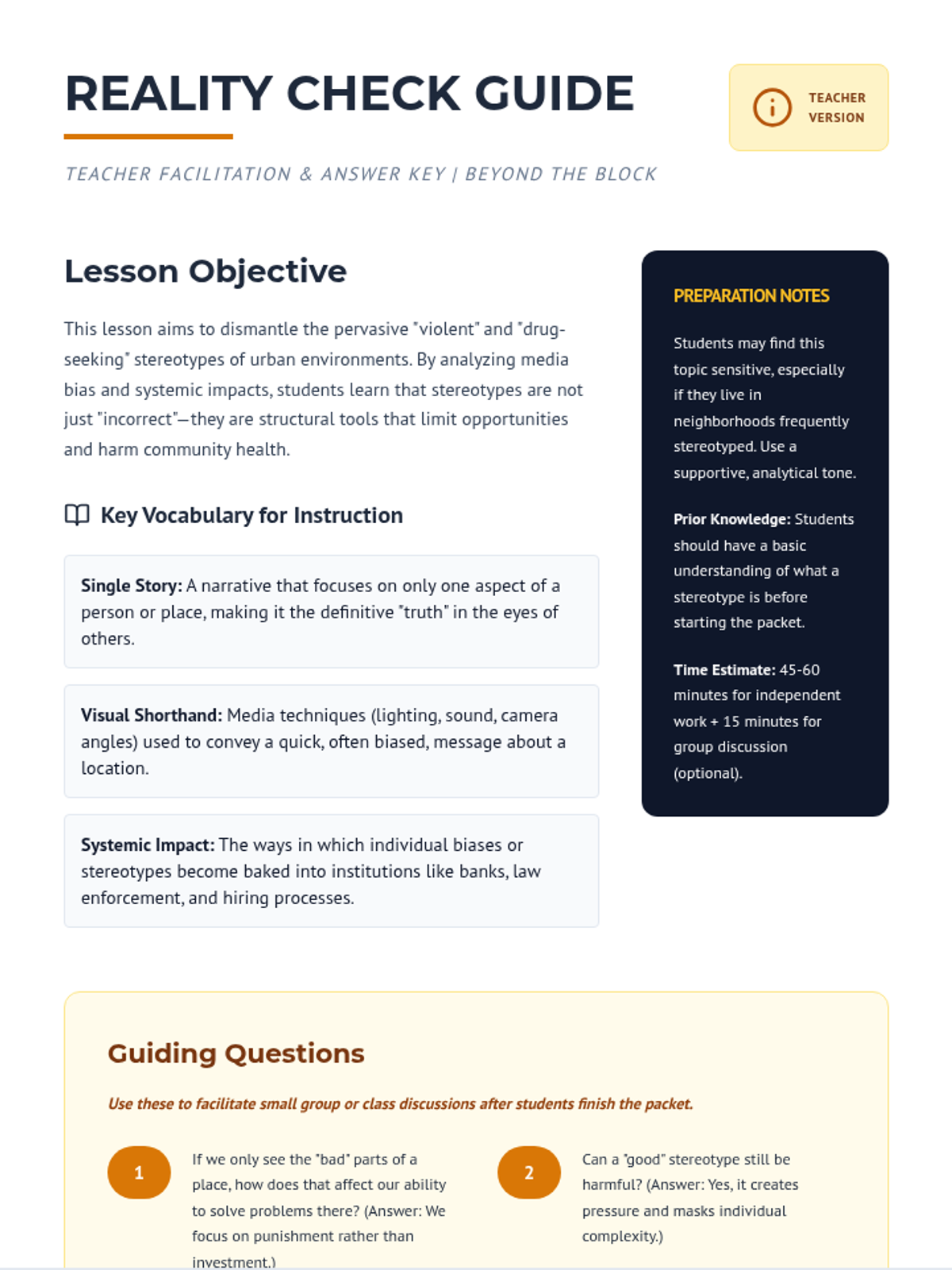
This unit explores how stories, stereotypes, and communication shape our perception of communities and each other, moving from external media narratives to personal responsibility in social interactions.
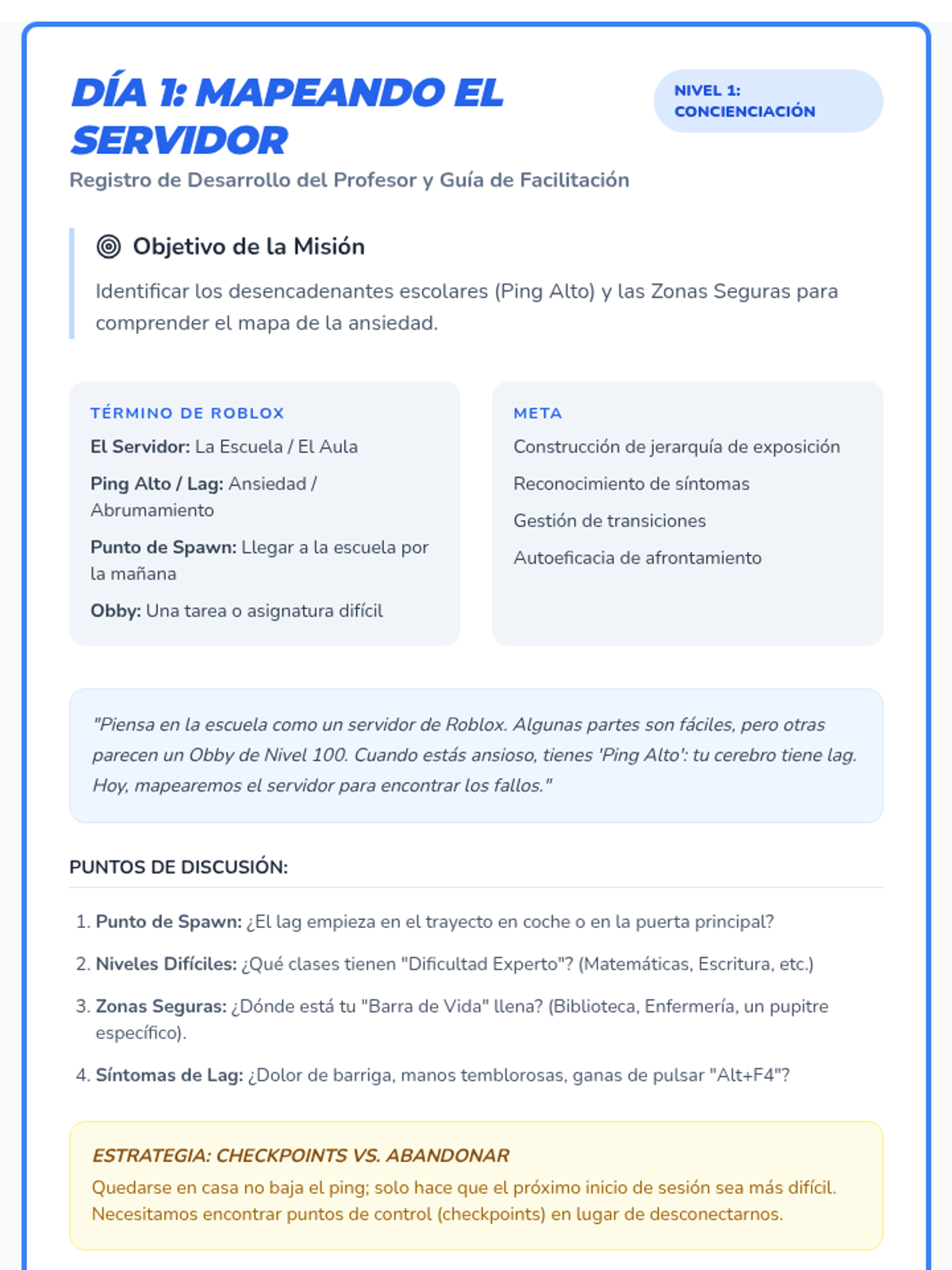
A 5-day intervention program for school-avoidant students, using Roblox-inspired mechanics to address anxiety, perfectionism, and teacher engagement.
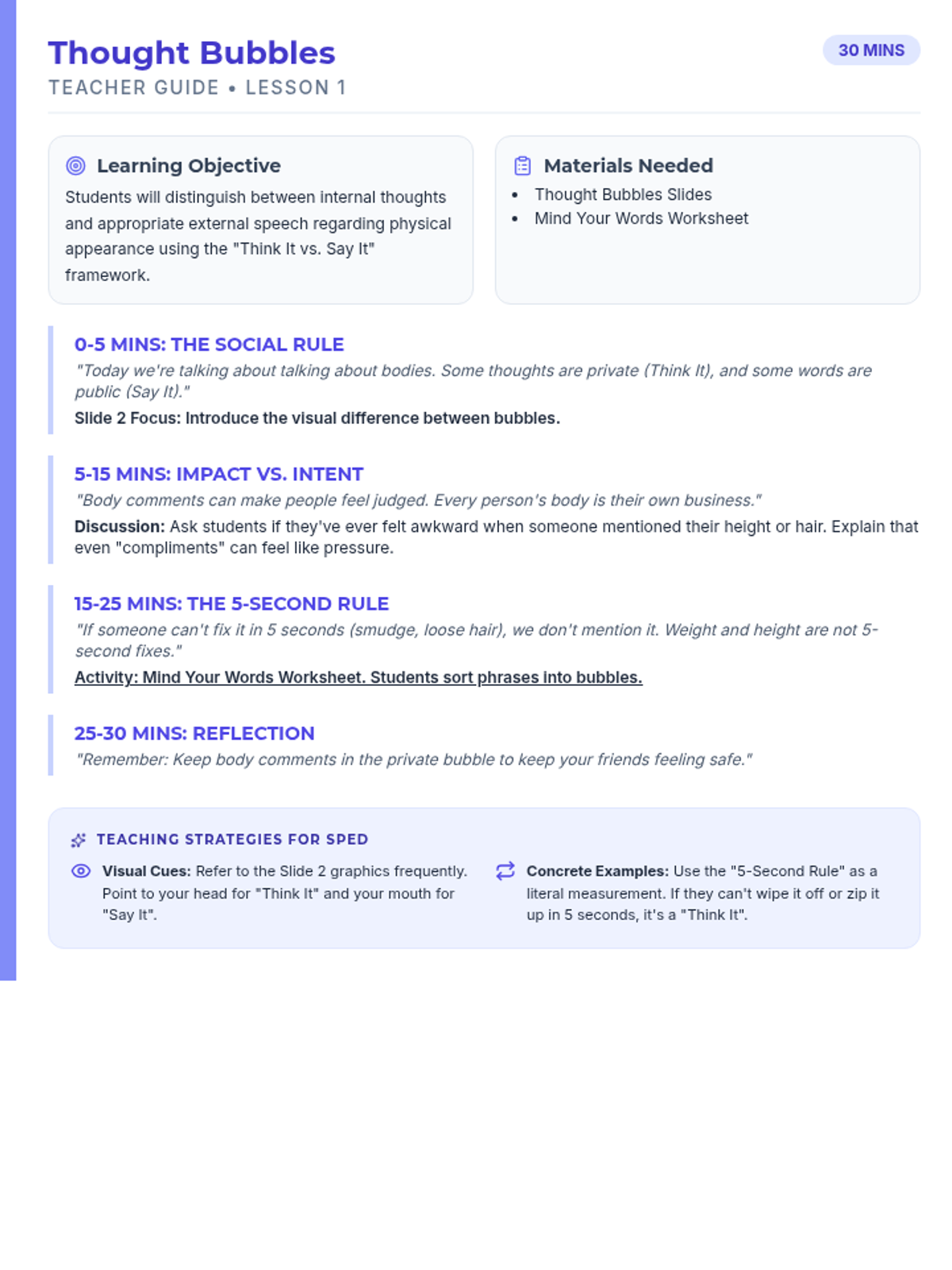
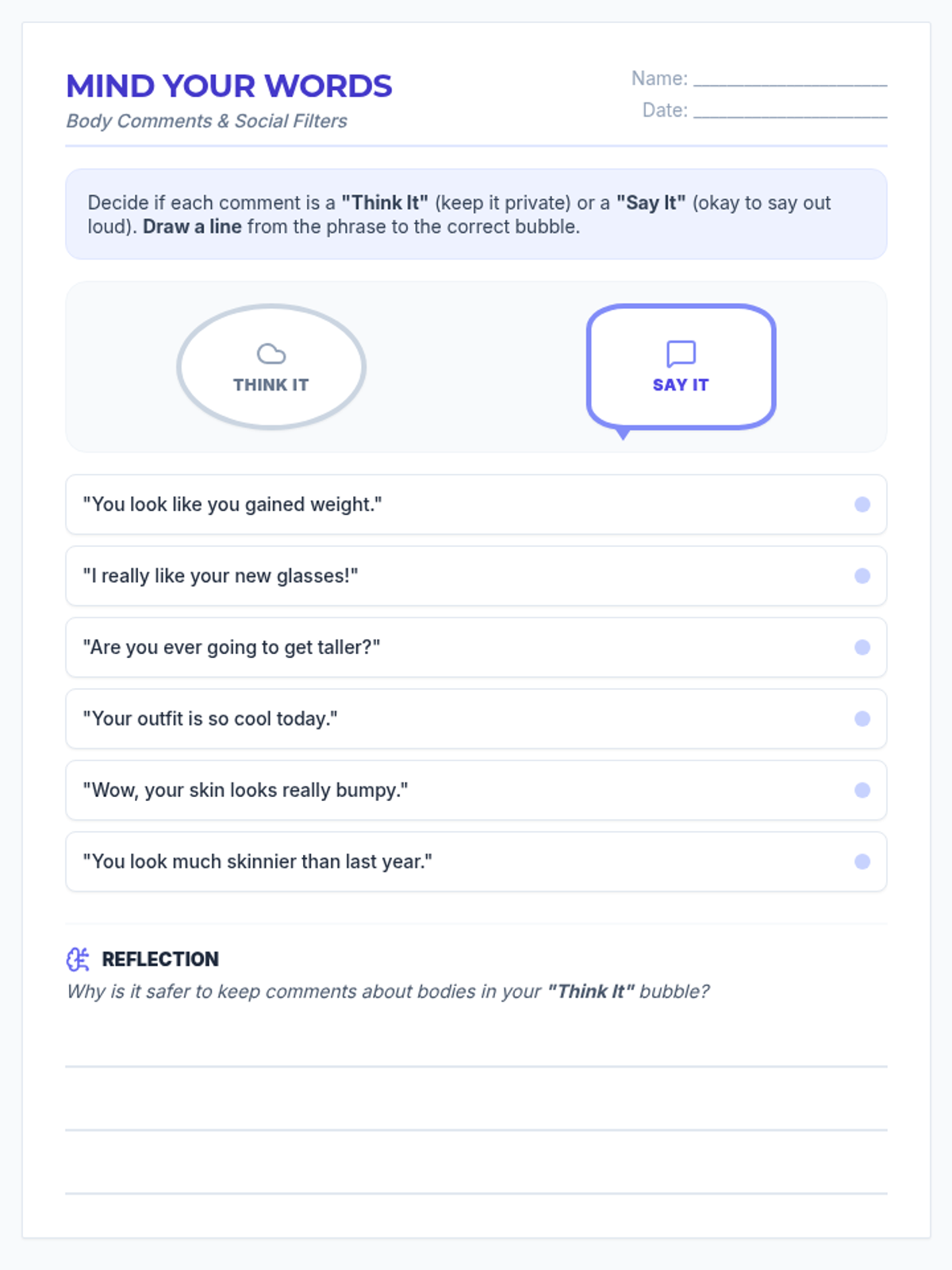
A two-part social skills sequence designed for 6th-grade girls focusing on navigating conversations about physical appearance and weight with empathy and social awareness.
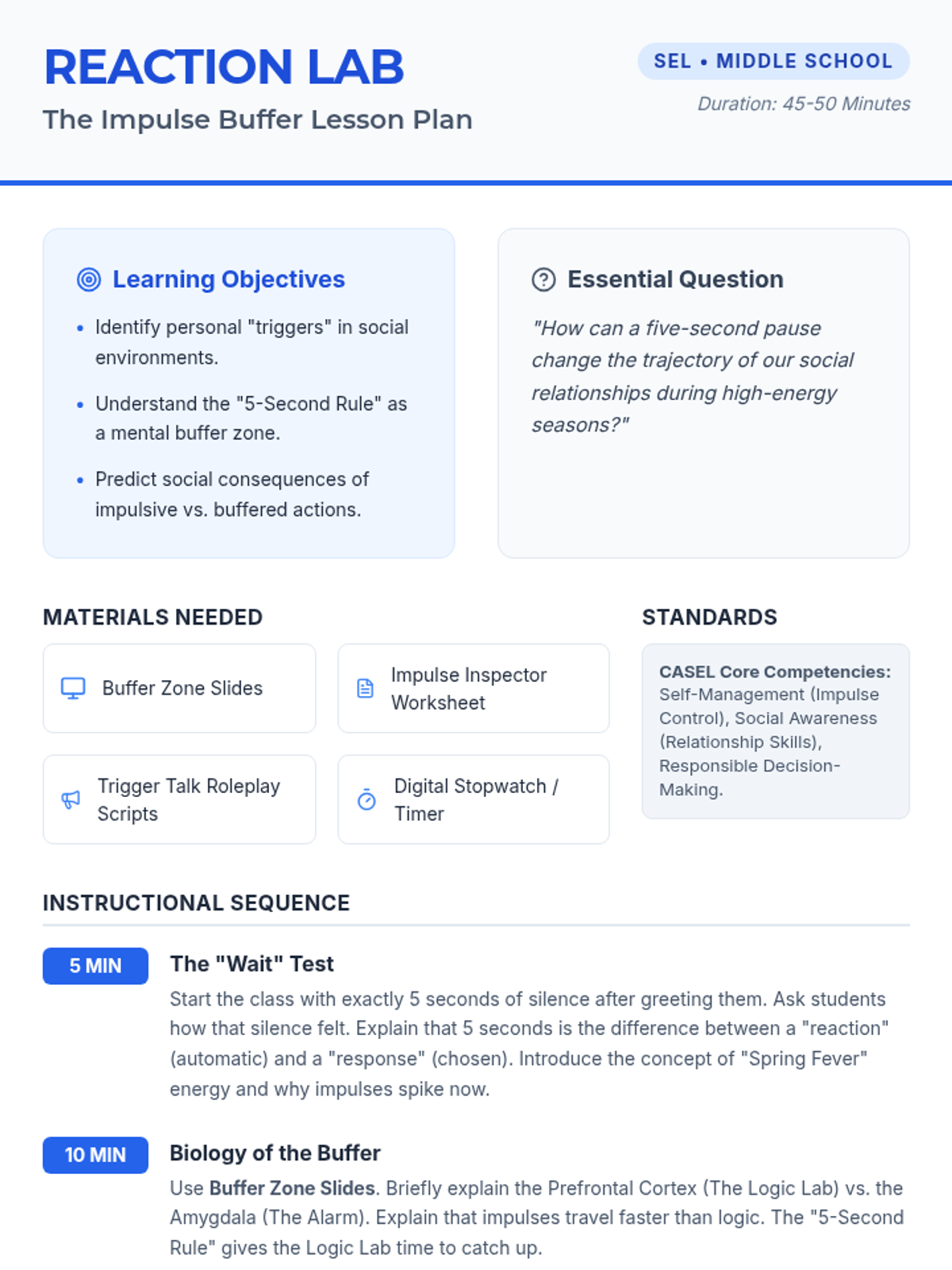
A high-impact SEL unit for middle school students, using a vintage sports 'Legacy League' theme. Over five lessons, students learn to 'Flip the Script' on impulsive reactions, negative self-talk, and social conflicts to build a lasting positive legacy.
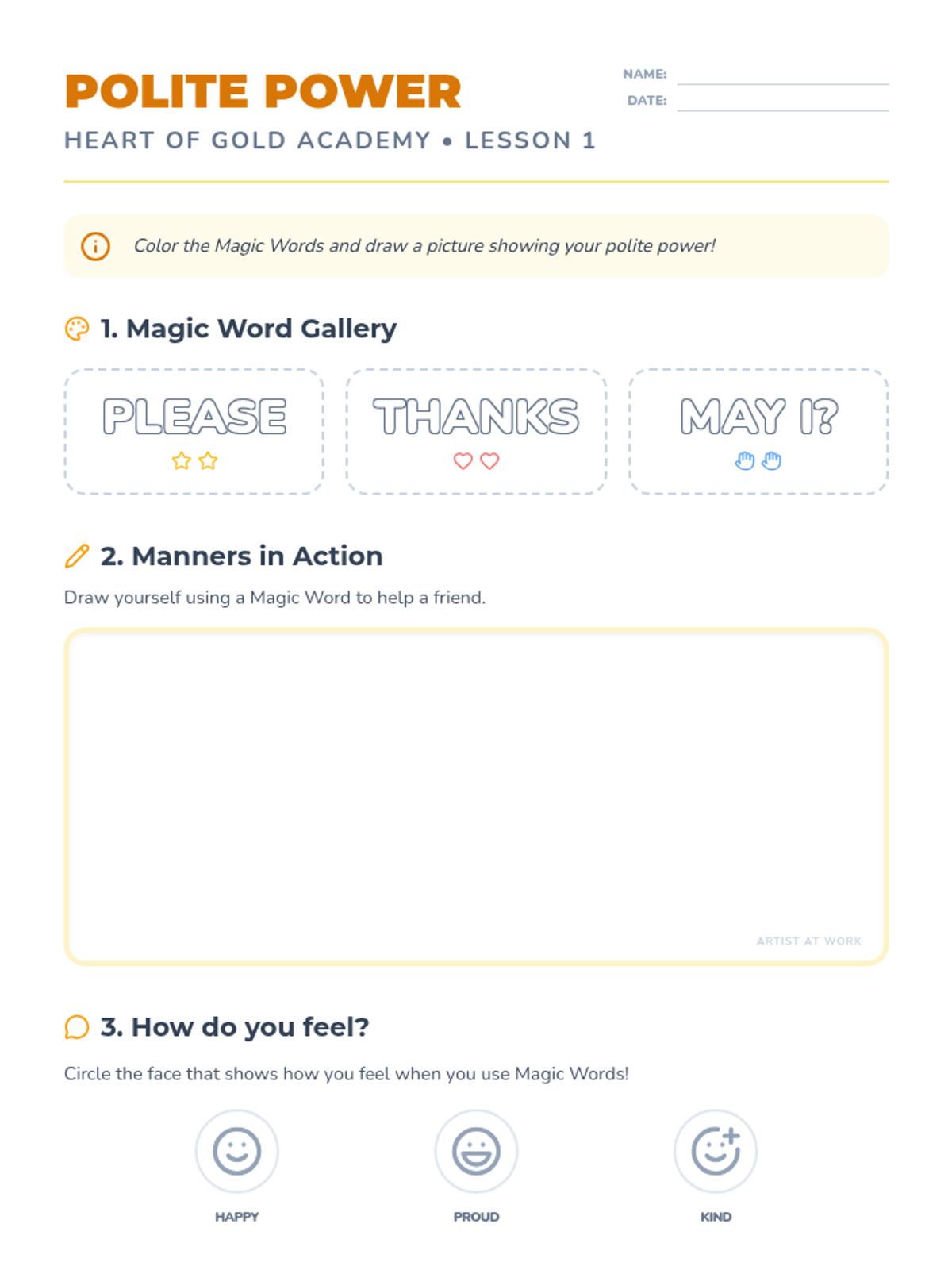
A comprehensive social-emotional learning sequence focused on building a foundation of courtesy, loyalty, manners, and respect across all grade levels. Students progress from basic polite interactions to complex social integrity.
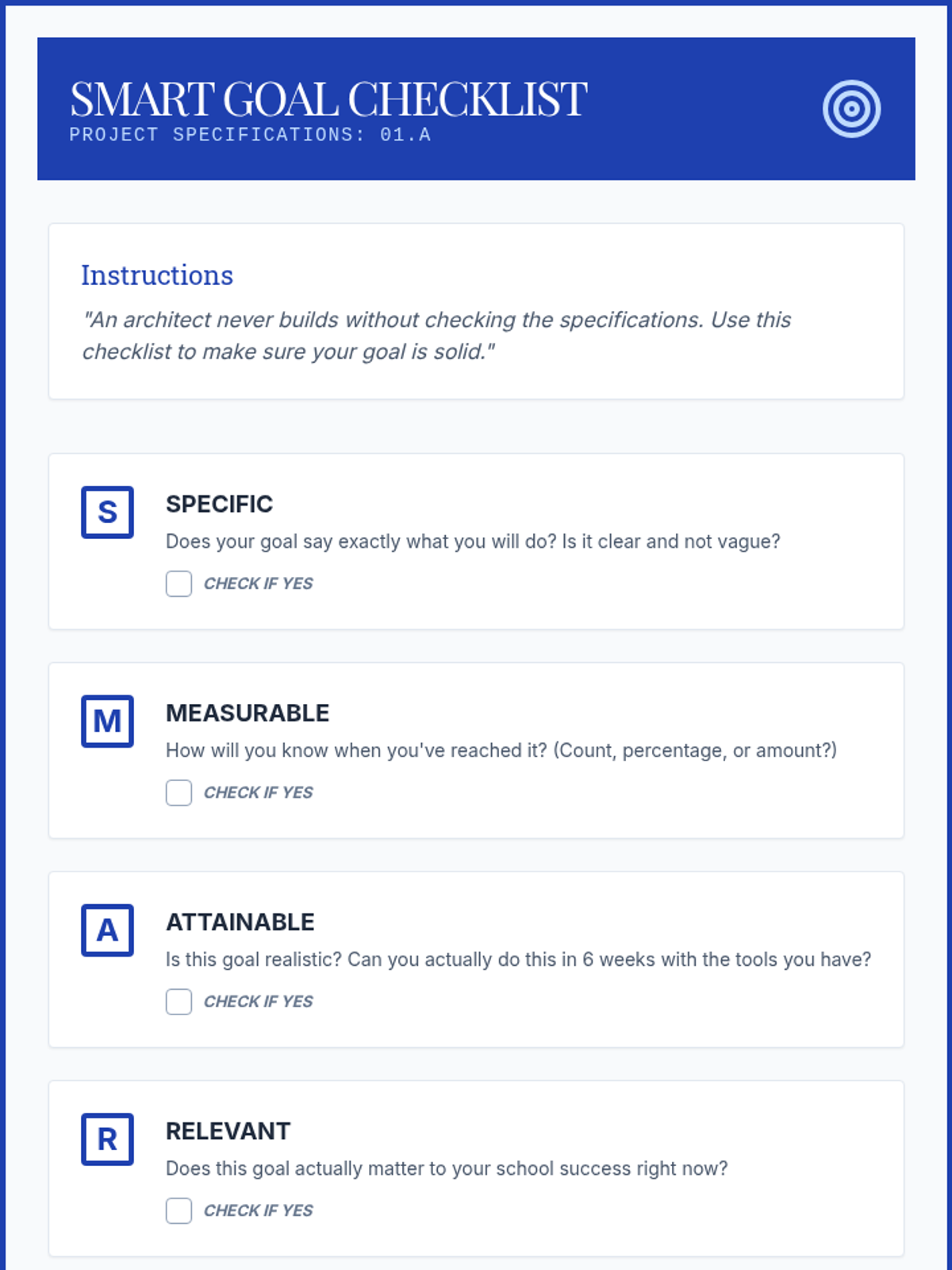
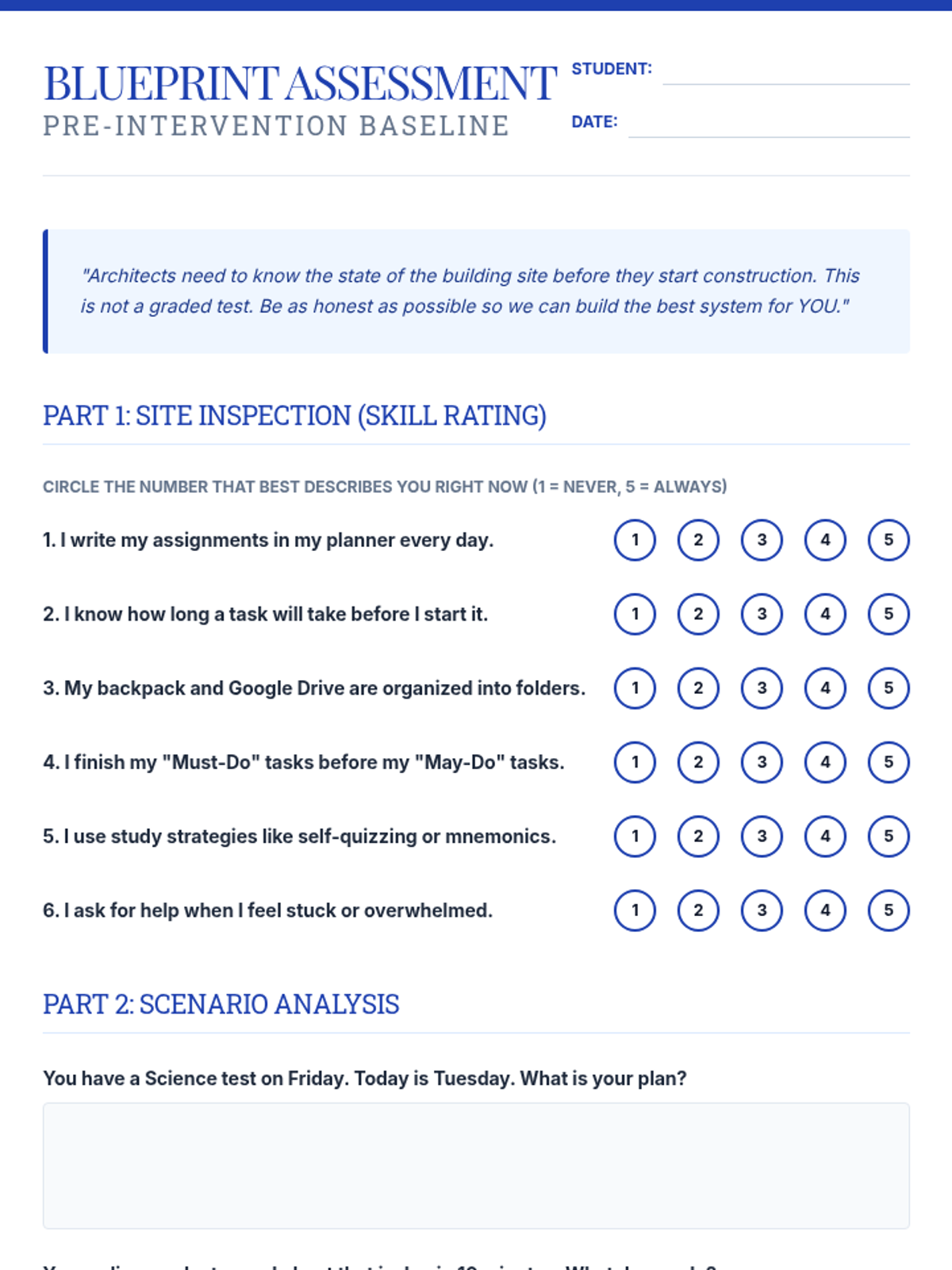
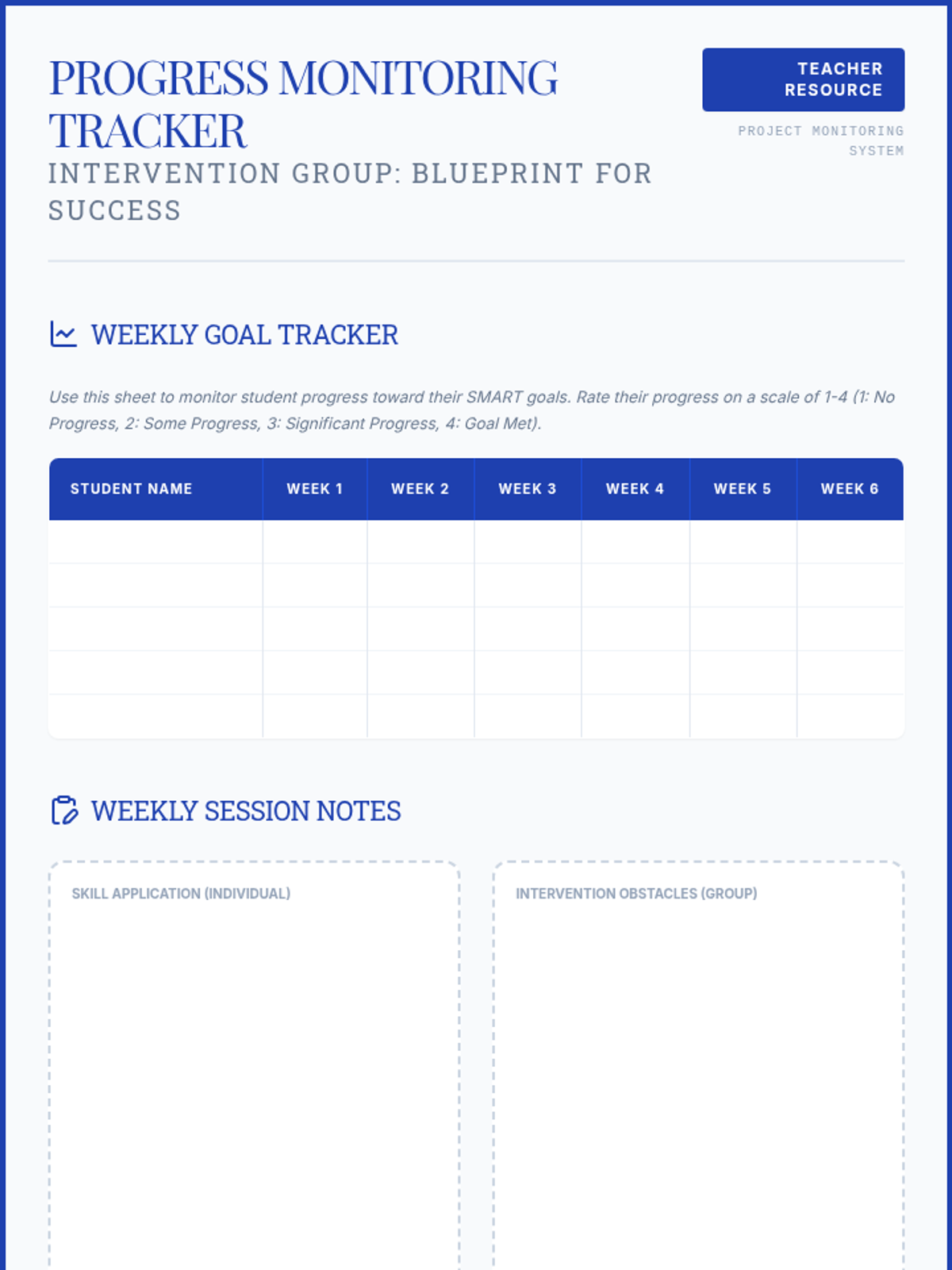
A 6-week small group intervention for 6th-grade students focusing on executive functioning skills including goal setting, planning, time management, and study habits using an architectural blueprint theme.
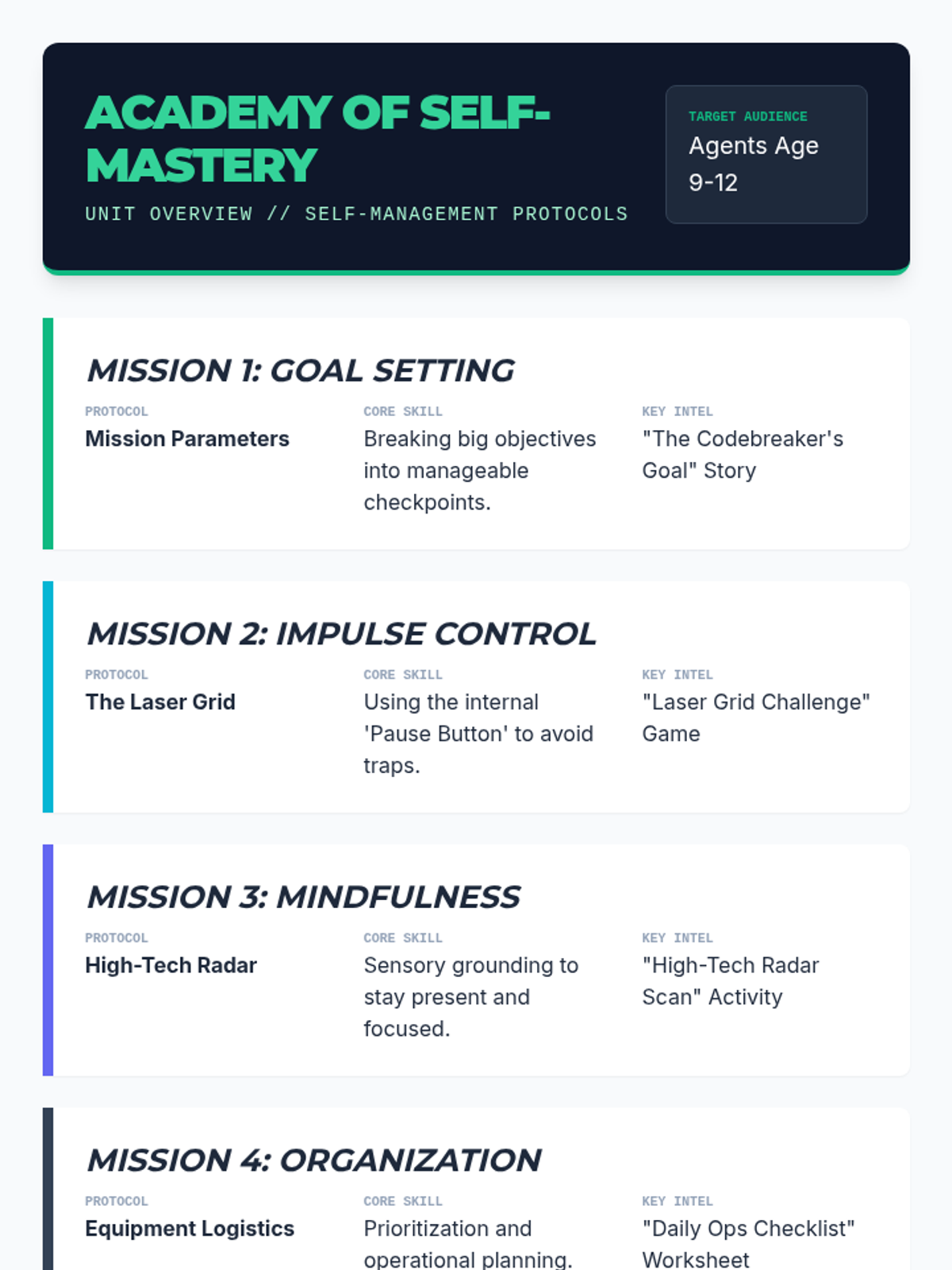
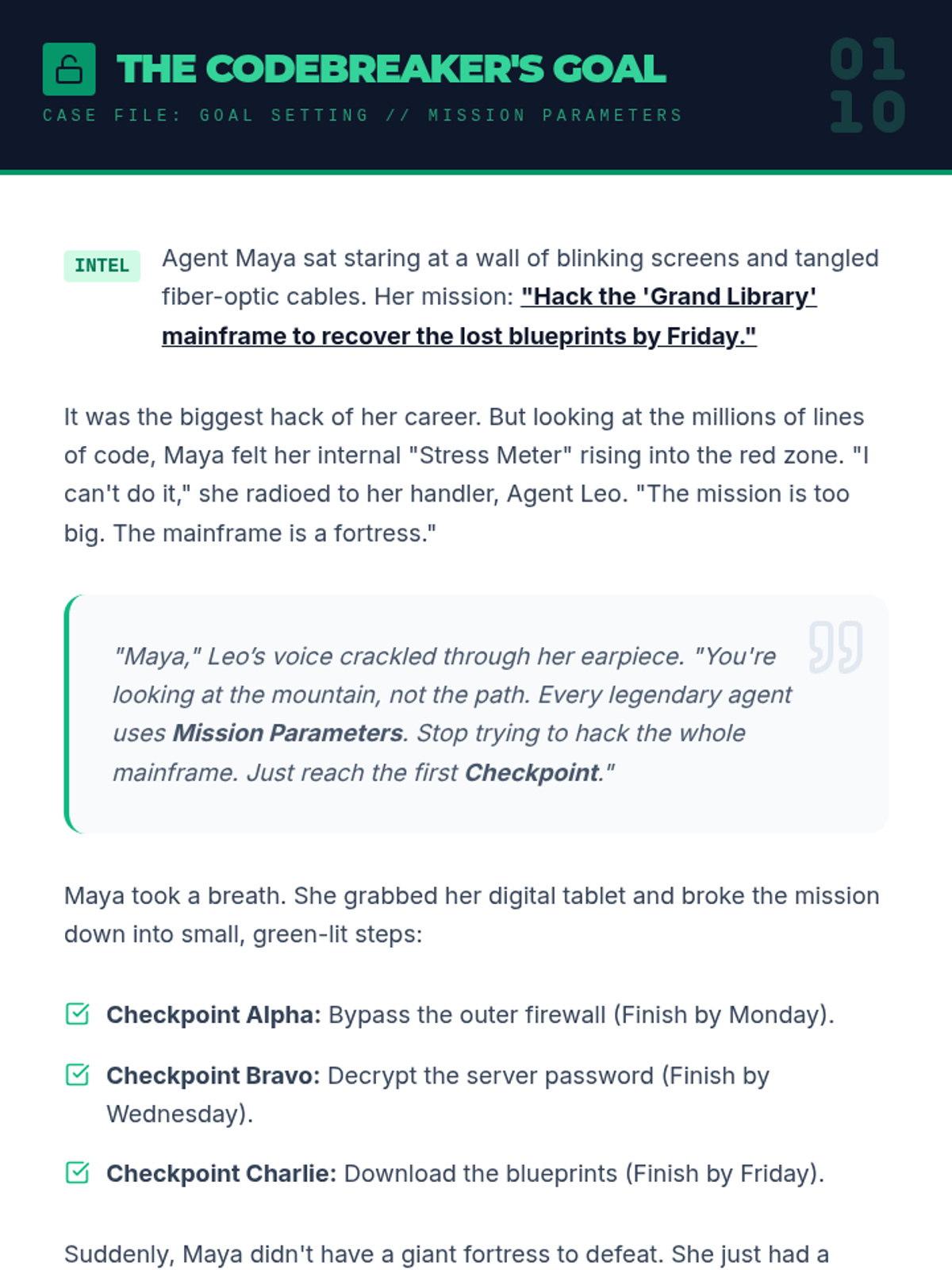
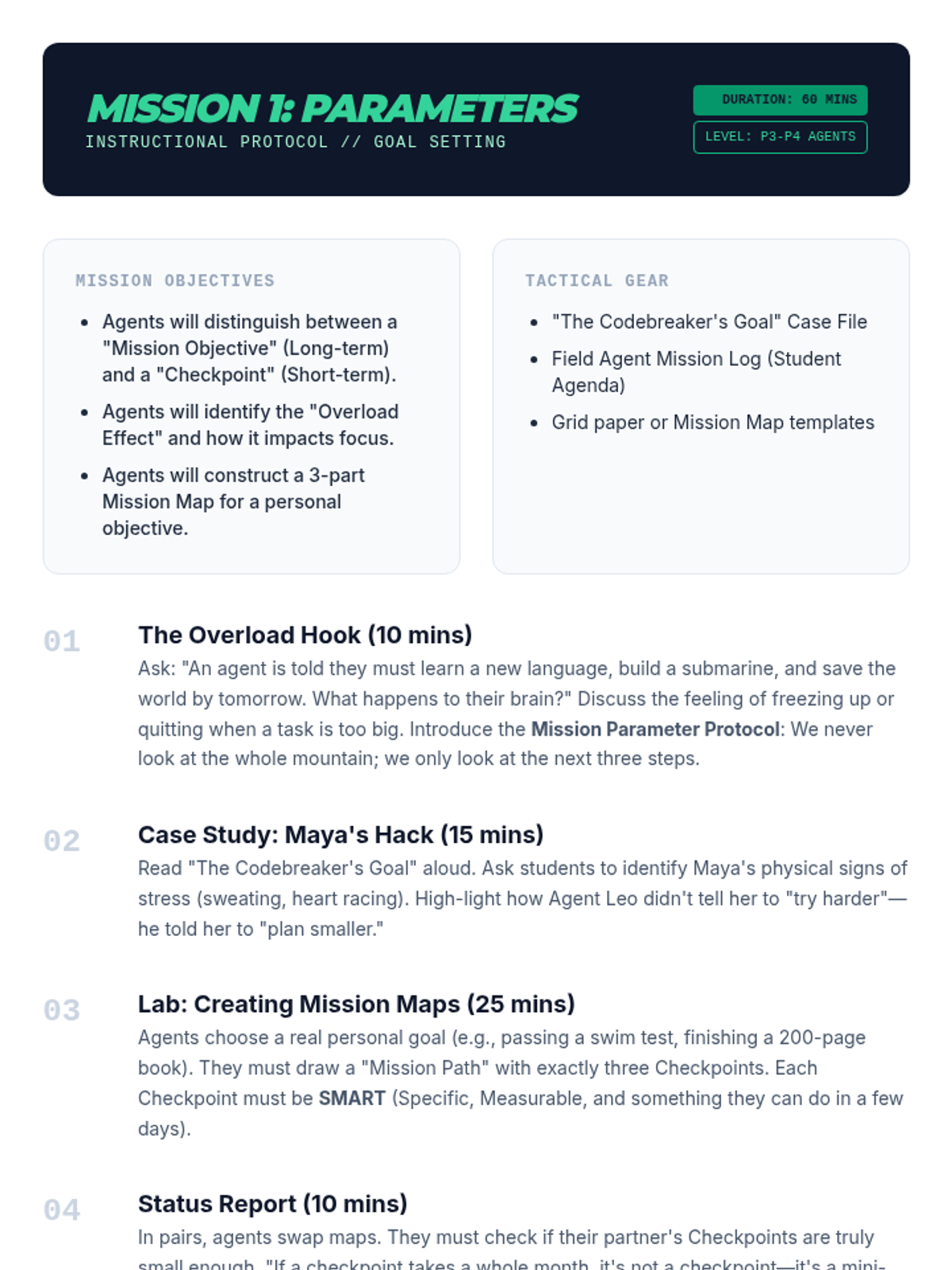
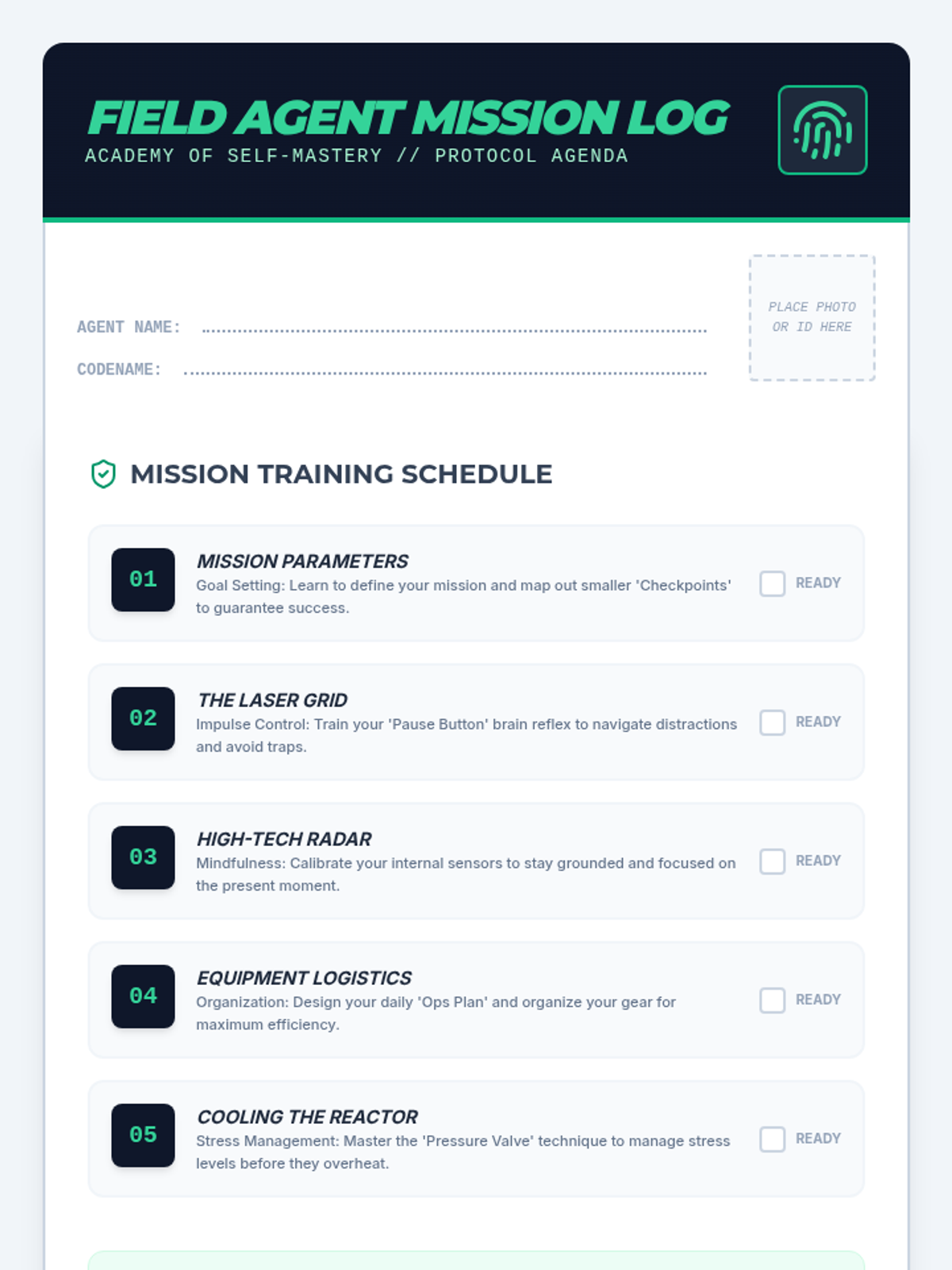
A 5-day SEL unit for primary students focused on Self-Management, themed as 'Secret Agent Training' to teach goal setting, impulse control, mindfulness, organization, and stress management.
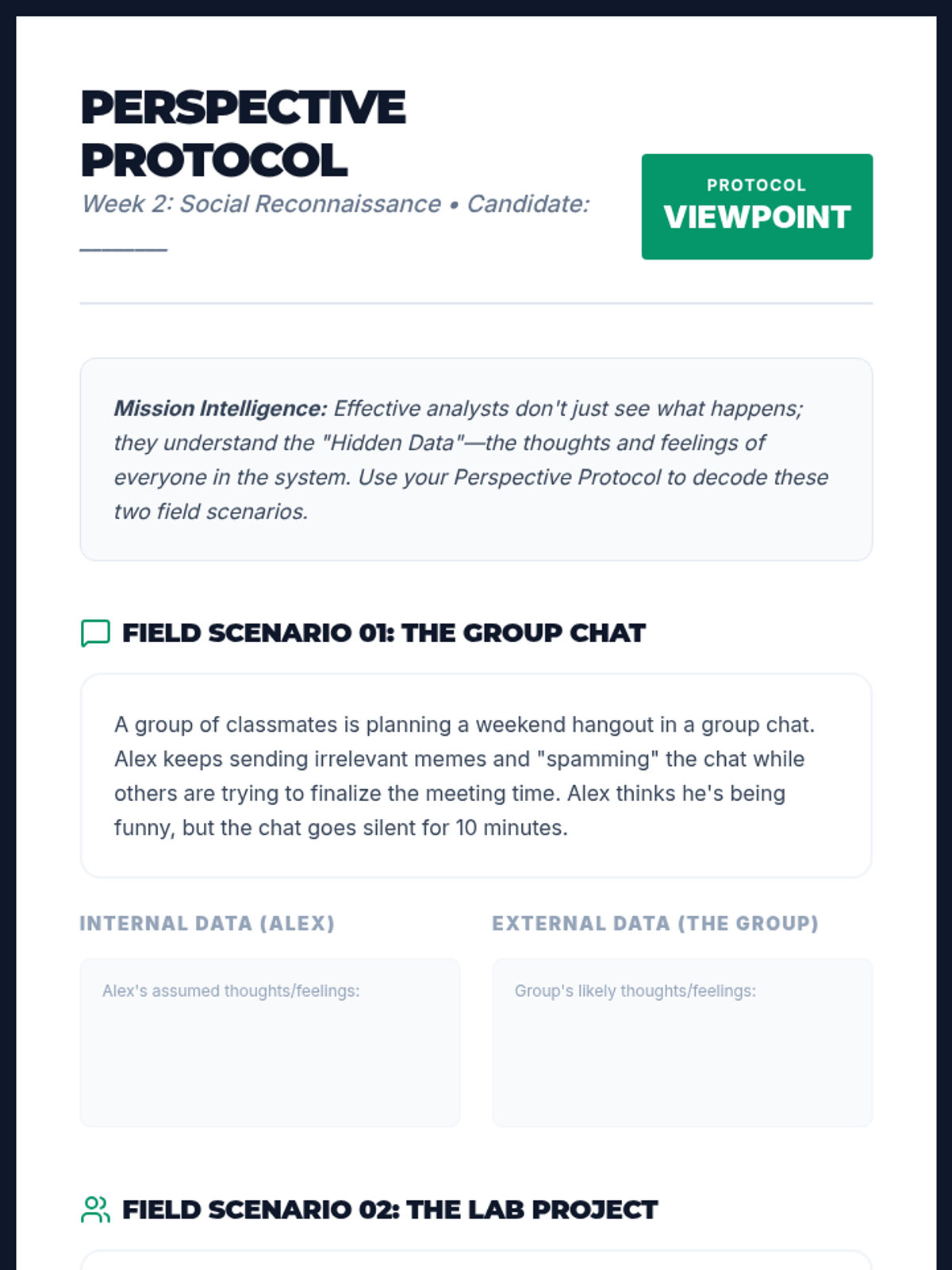
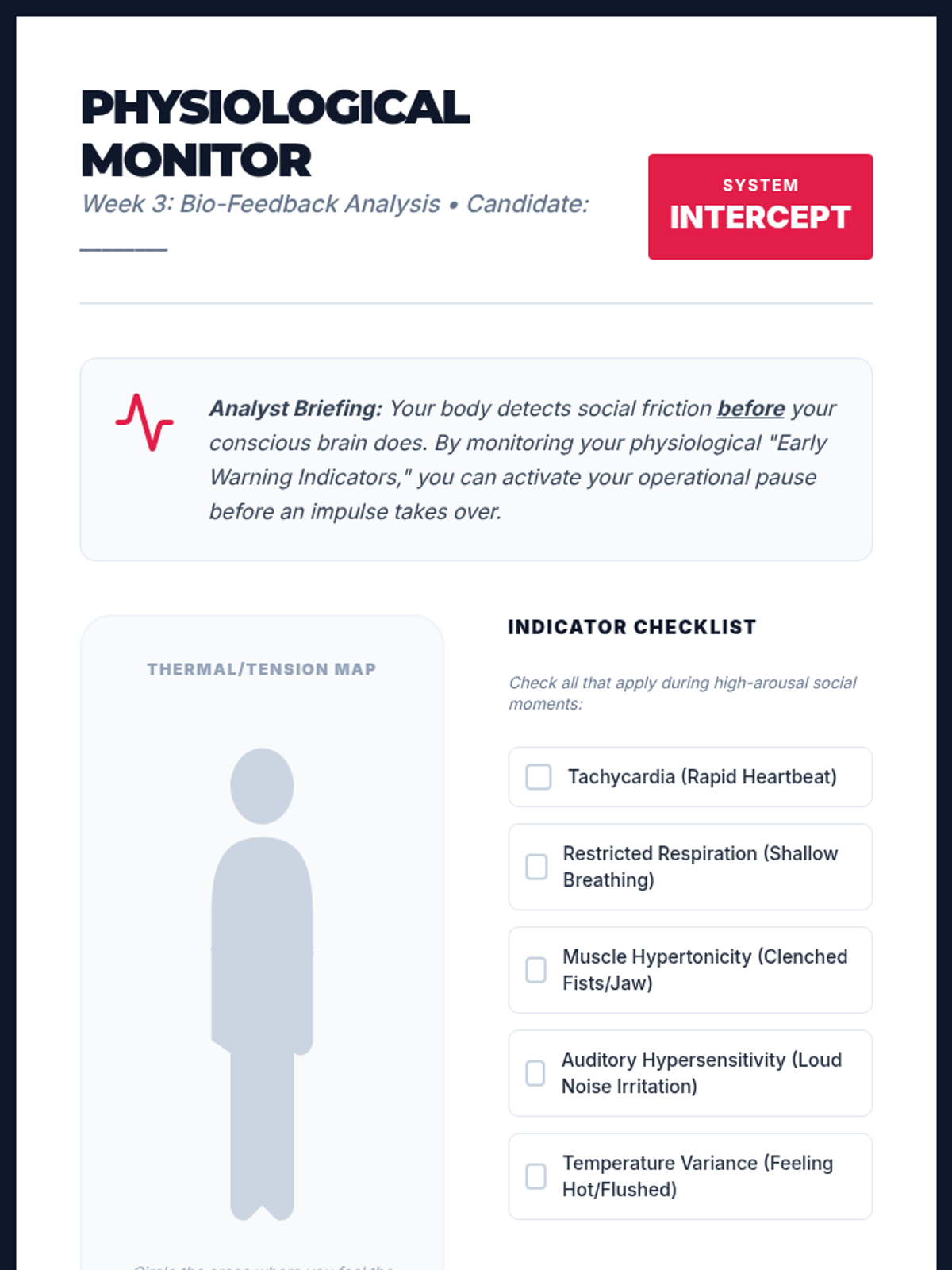
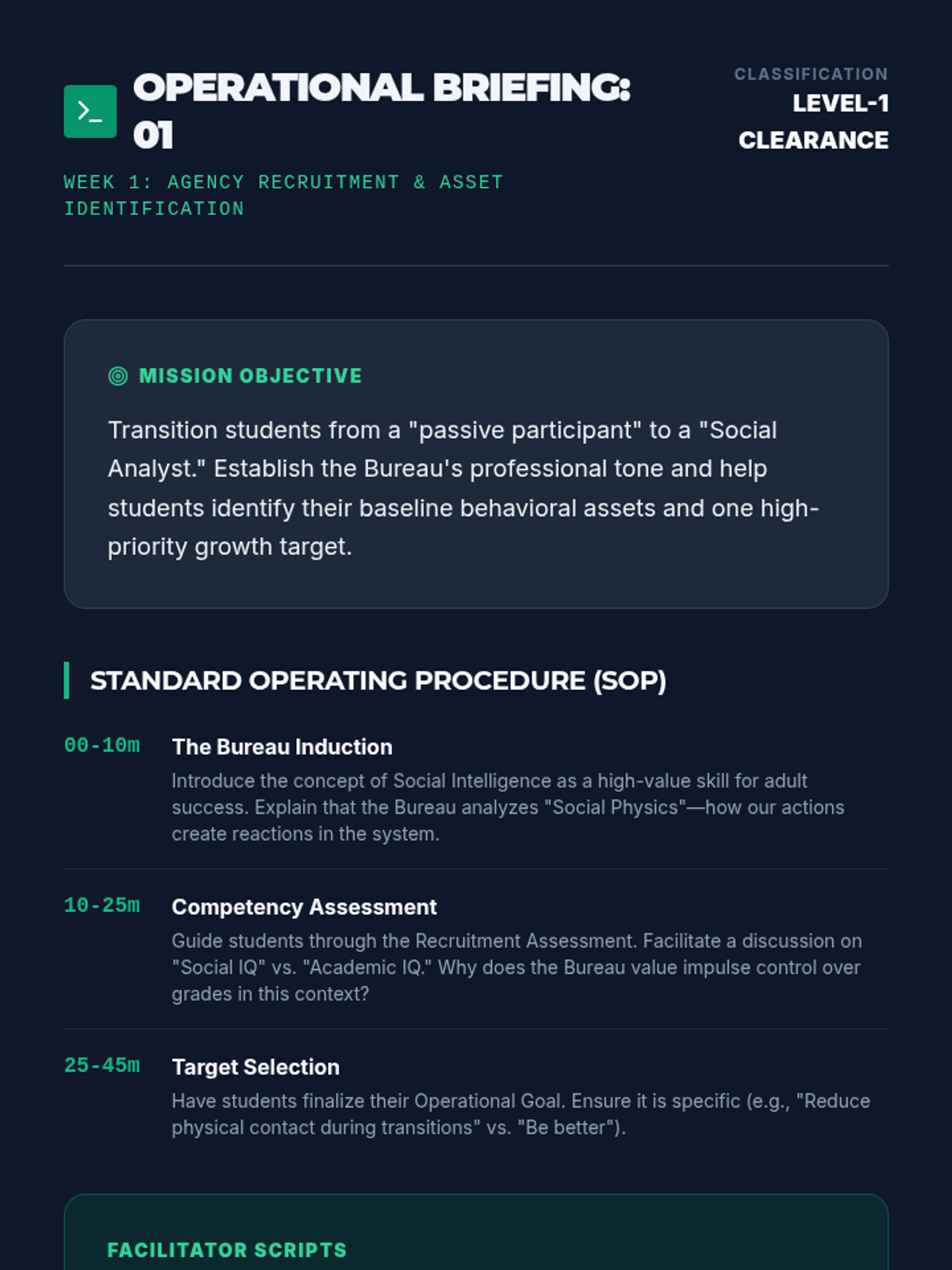
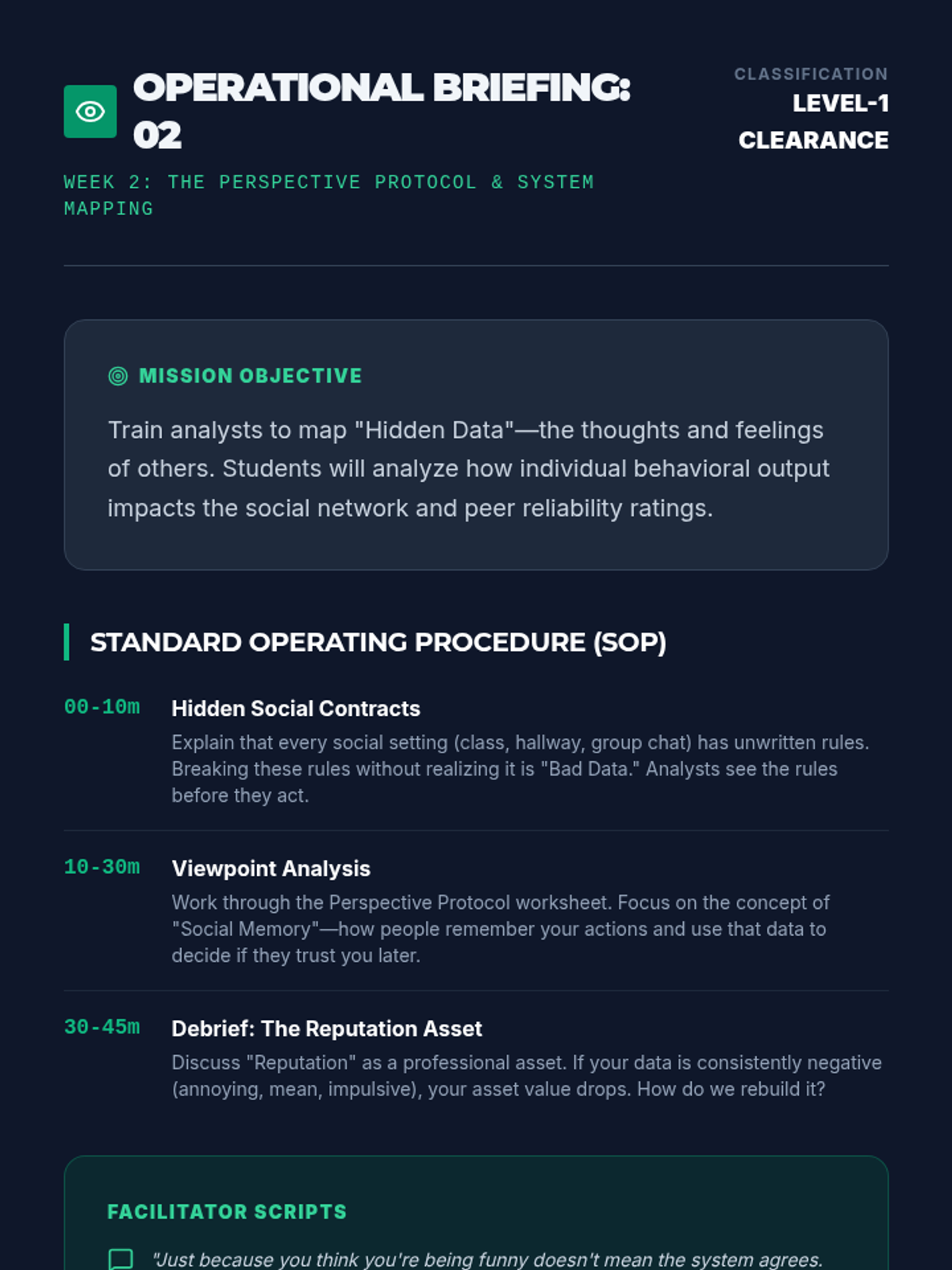
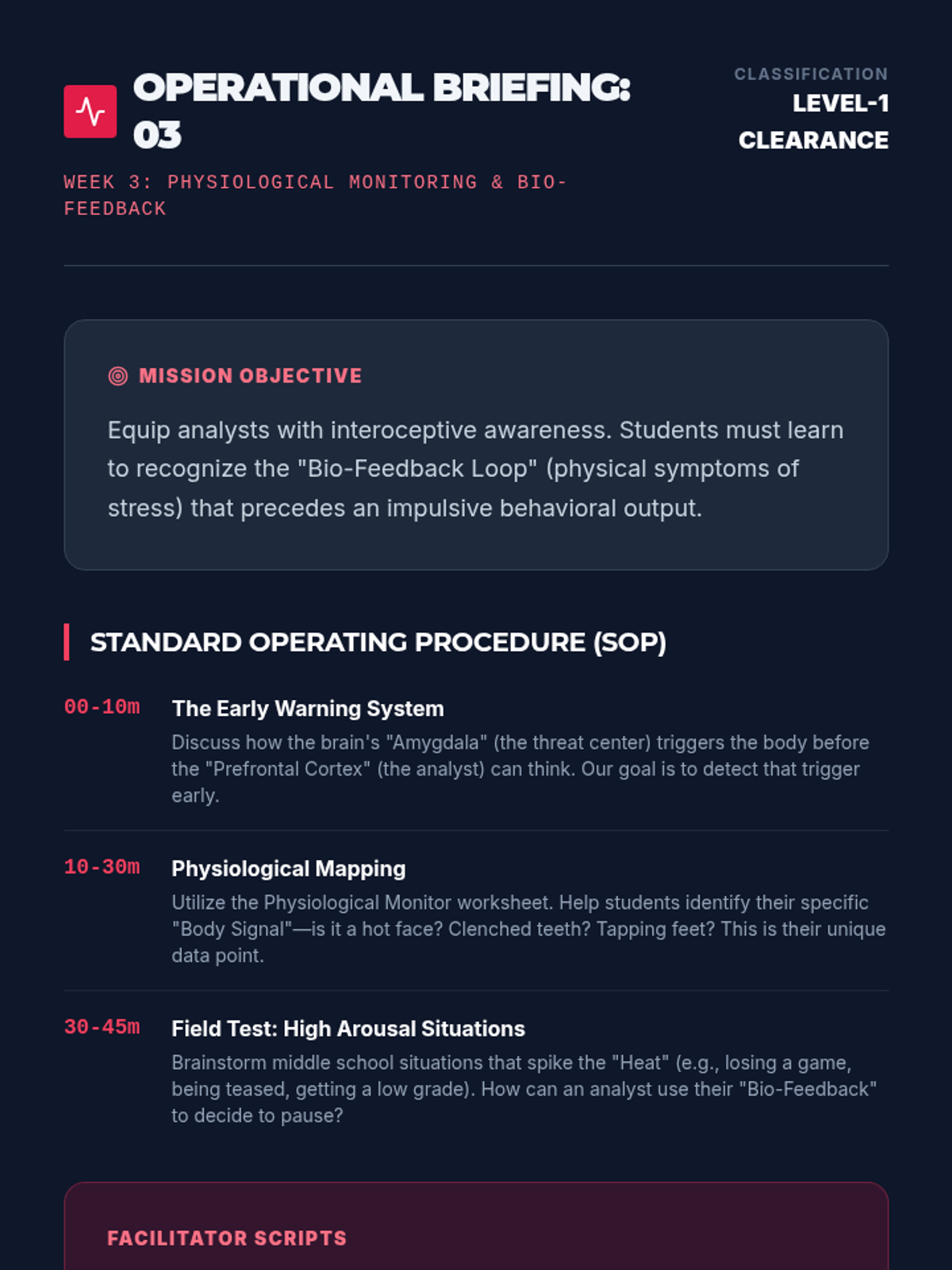
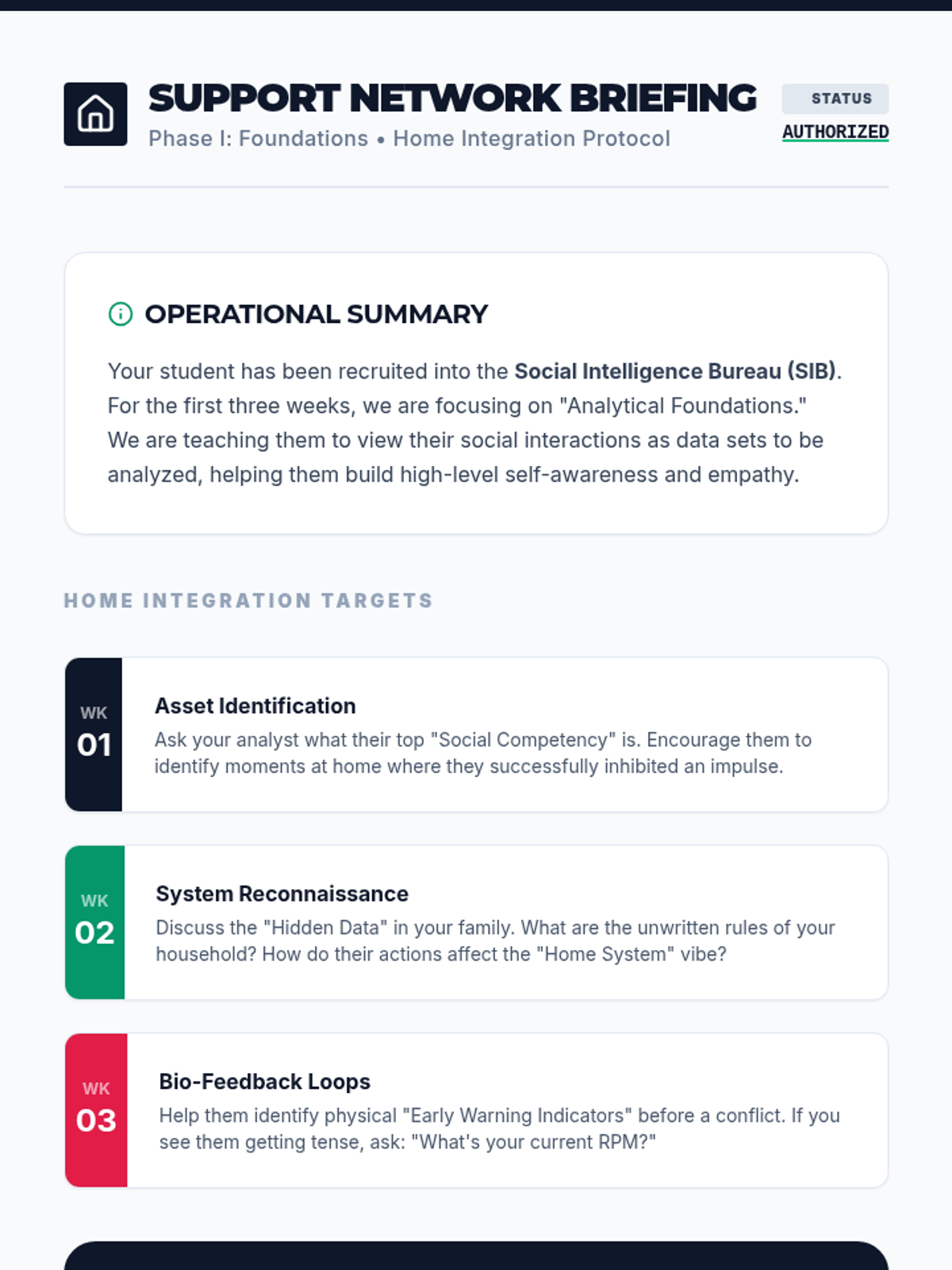
A 12-week sophisticated intervention for middle schoolers (ages 10-13) to master impulse control, emotional intelligence, and interpersonal trust using a behavioral analysis framework.
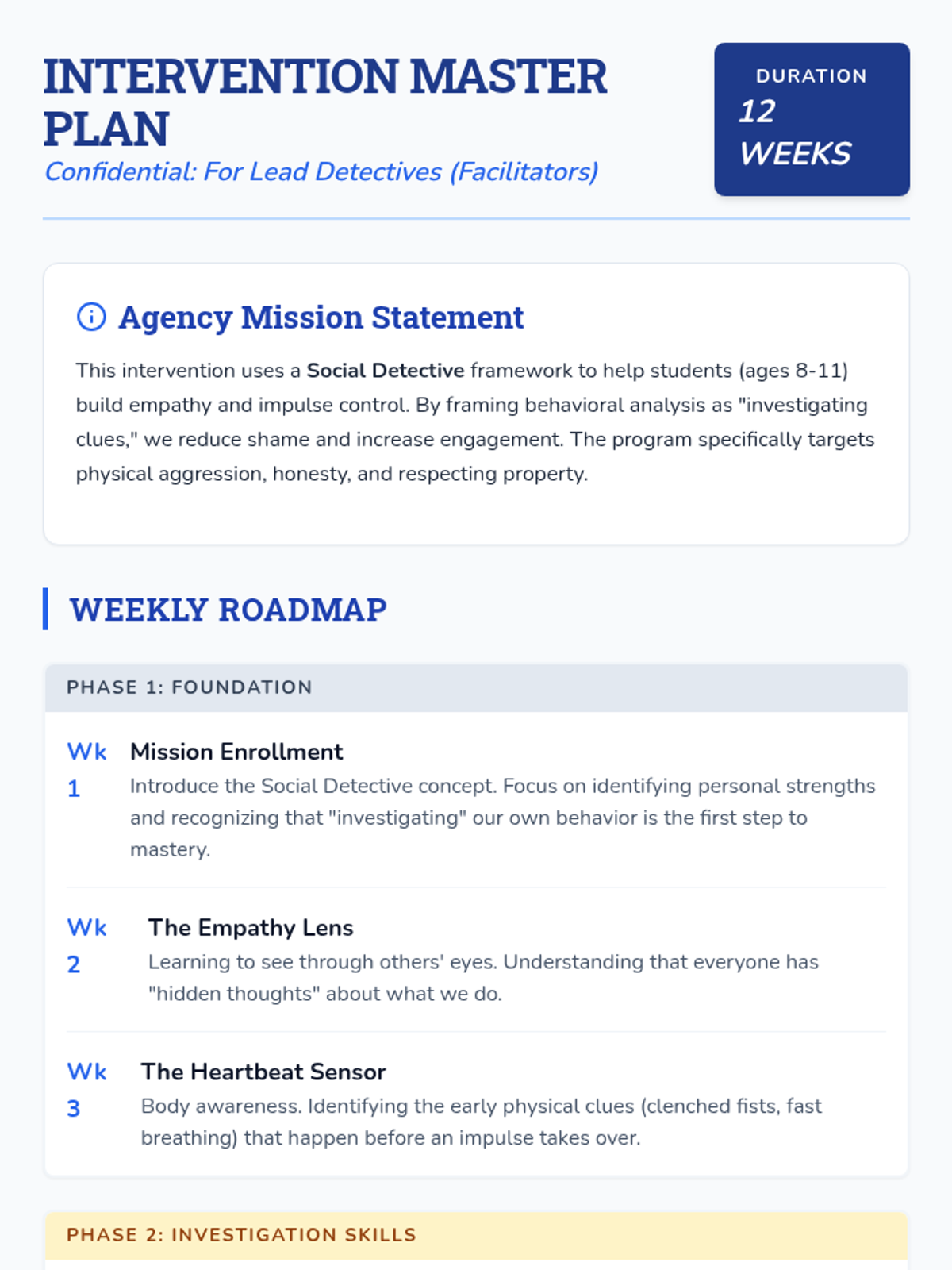
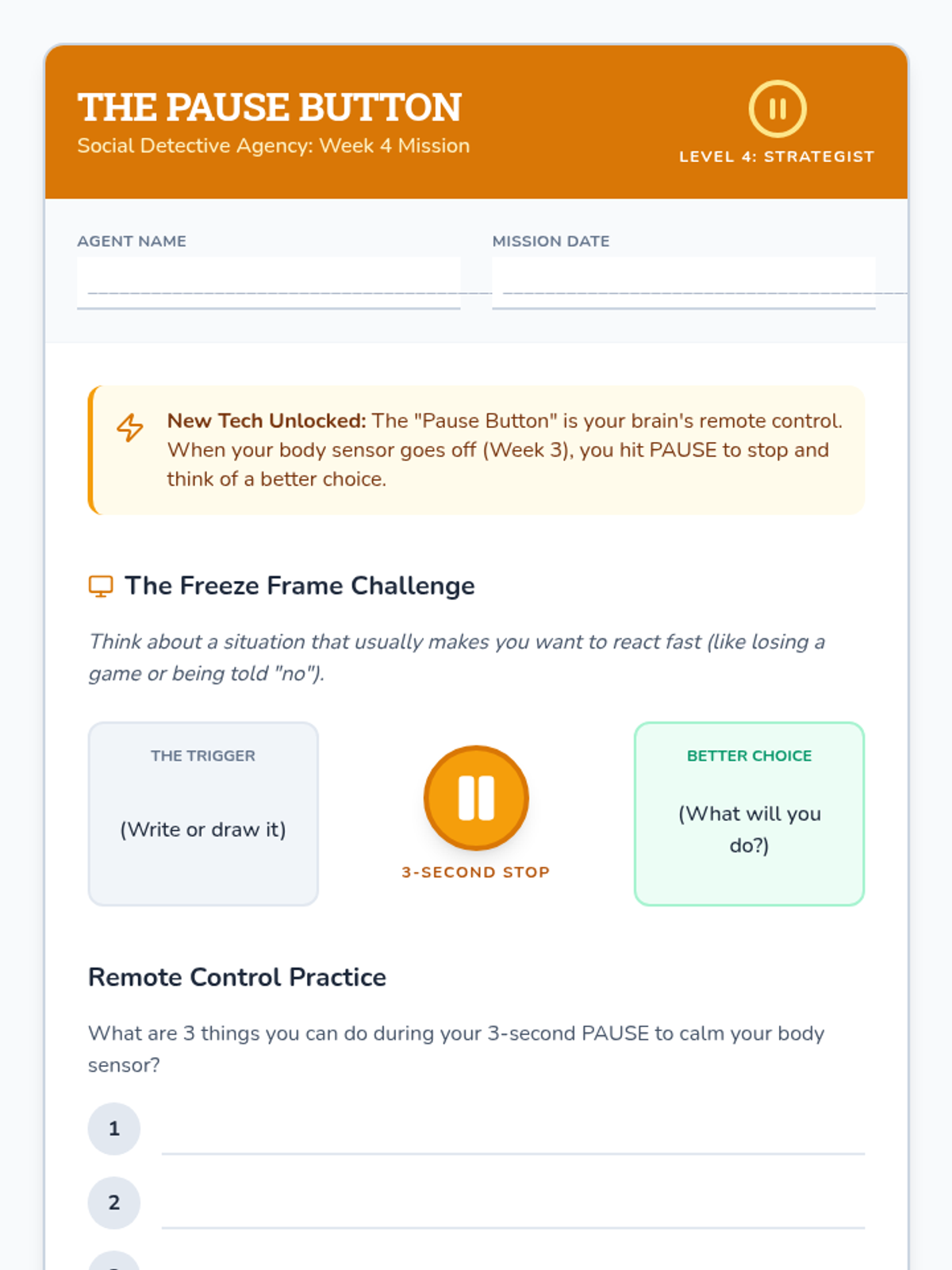
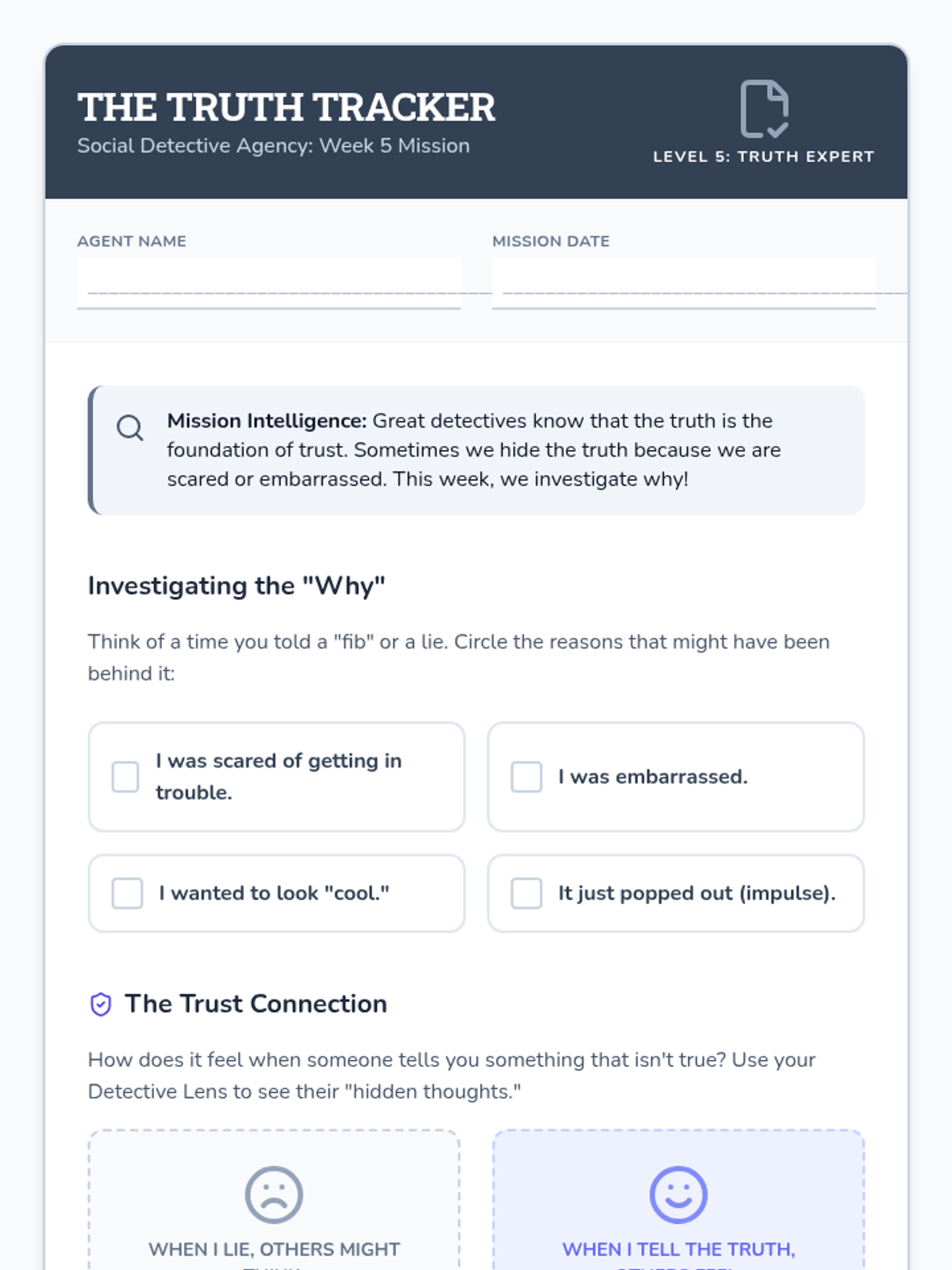
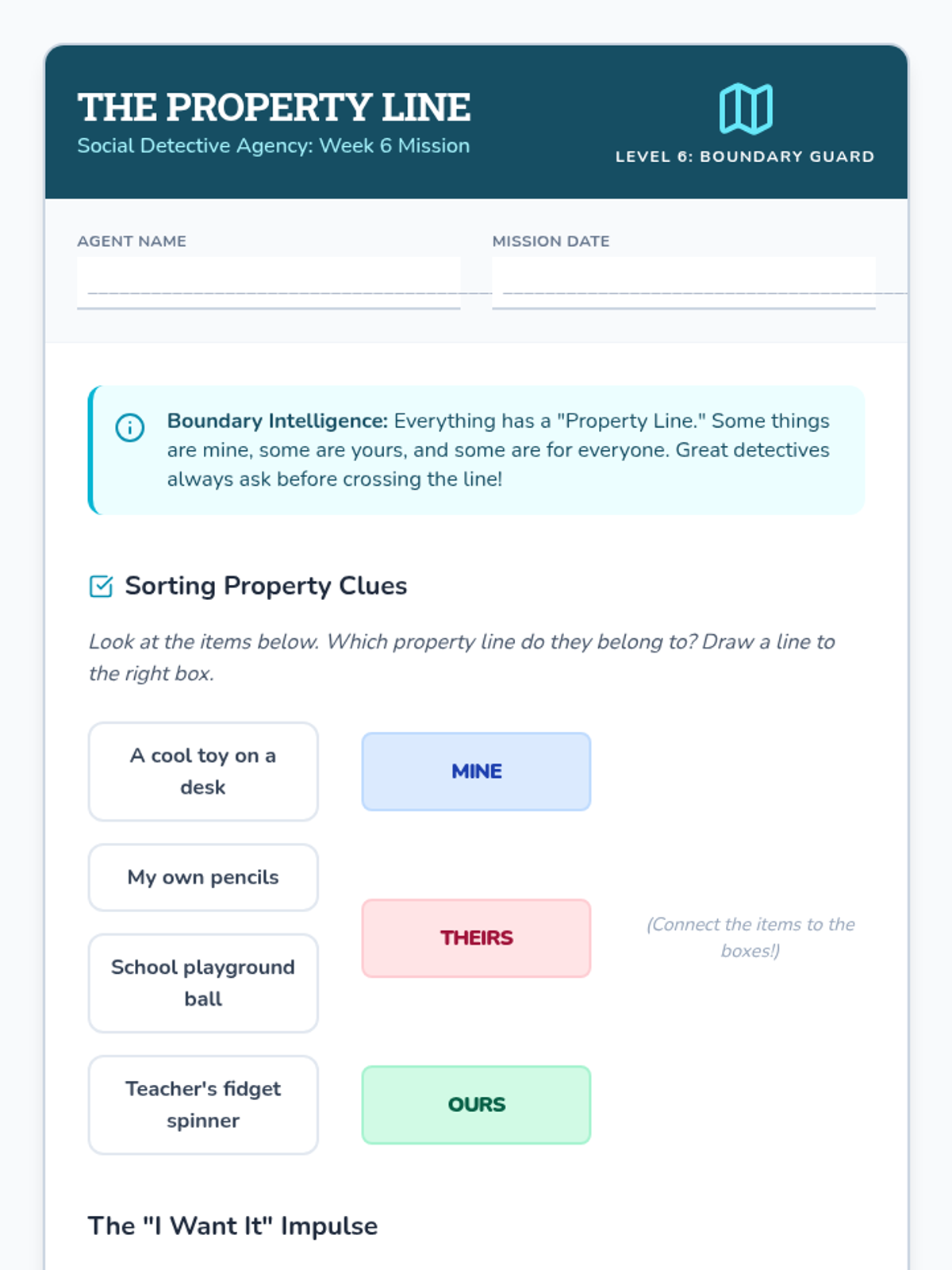
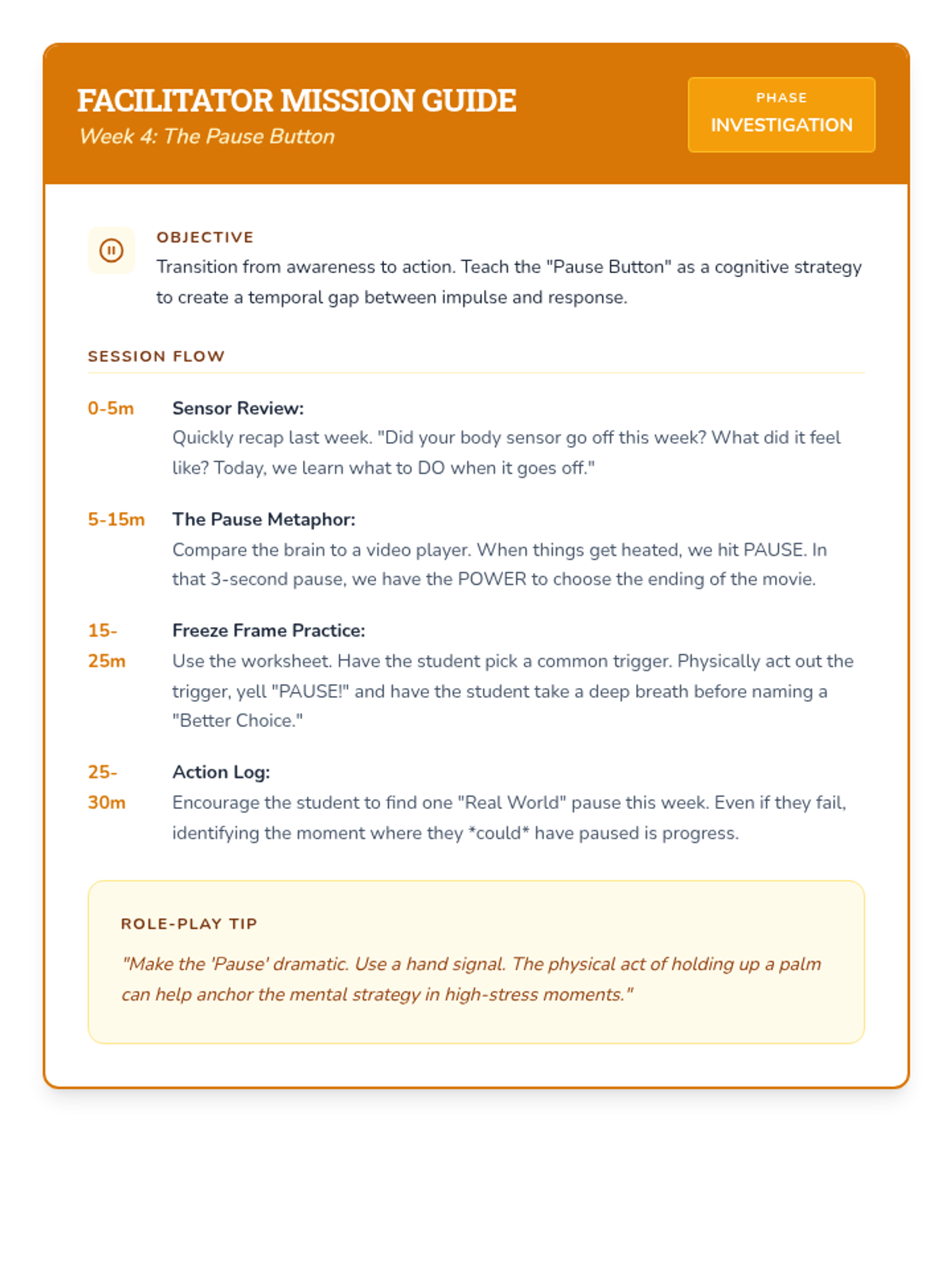
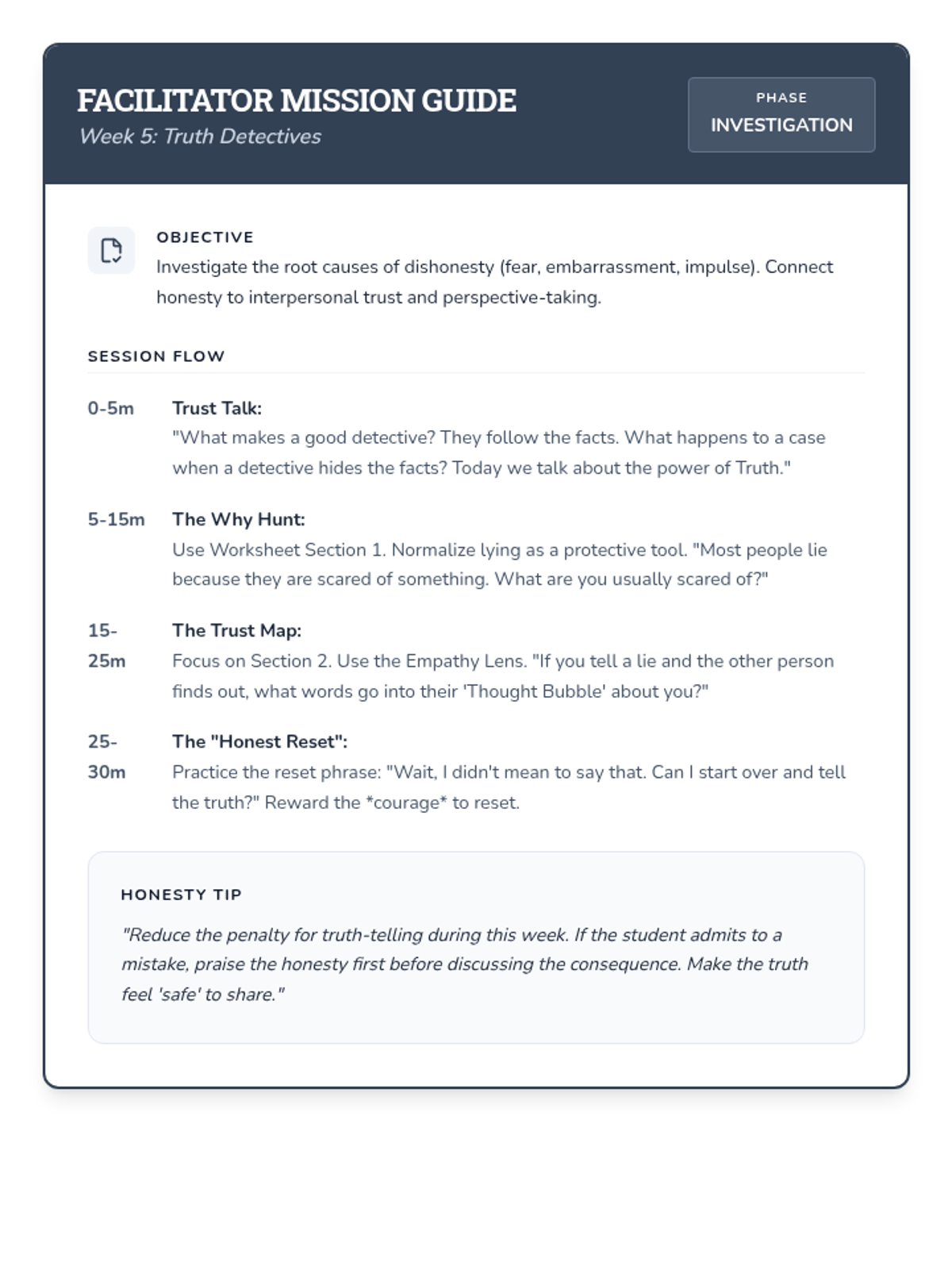
A 12-week comprehensive intervention plan designed for children to improve impulse control and empathy through a "Social Detective" investigative theme.
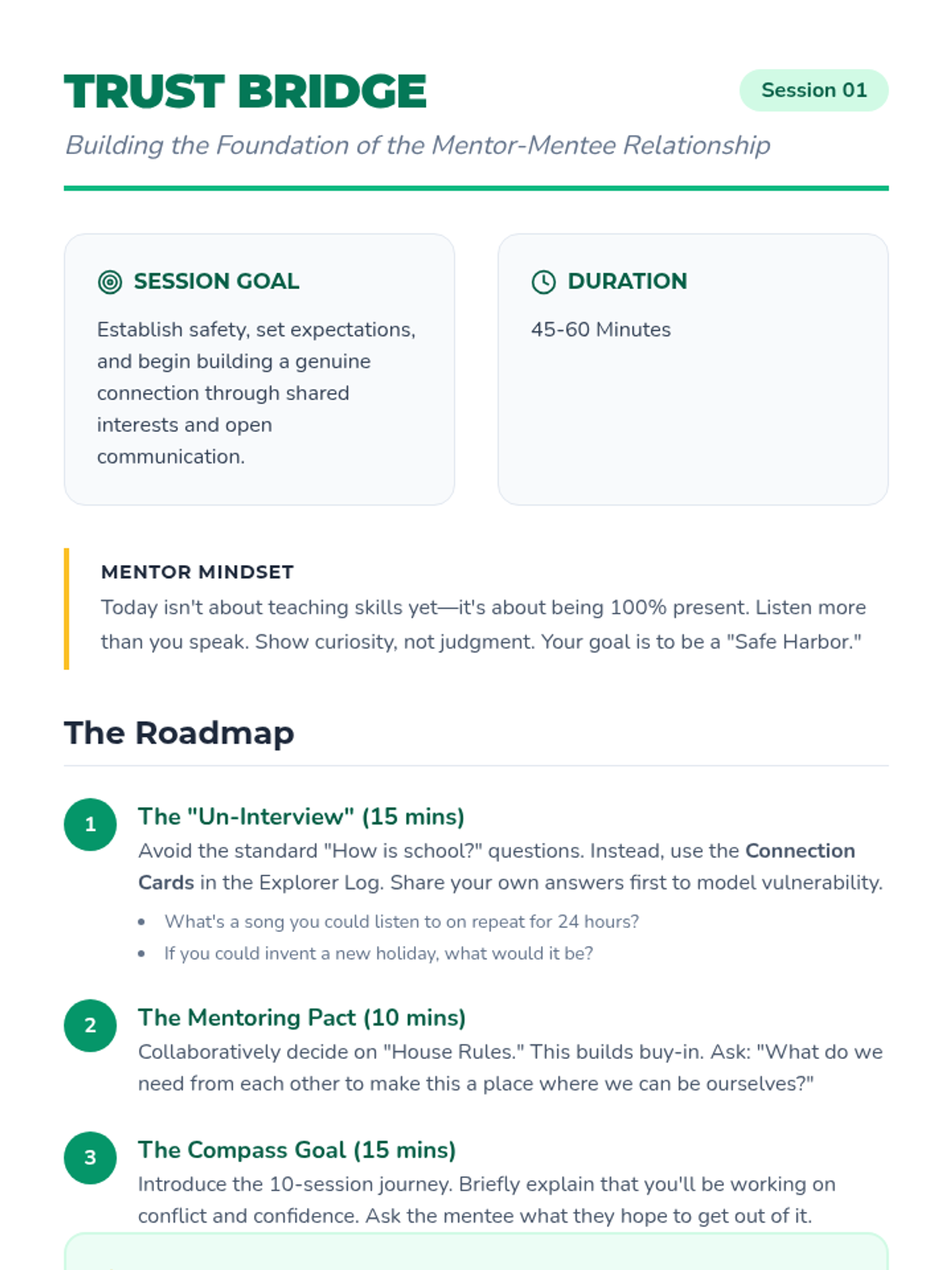
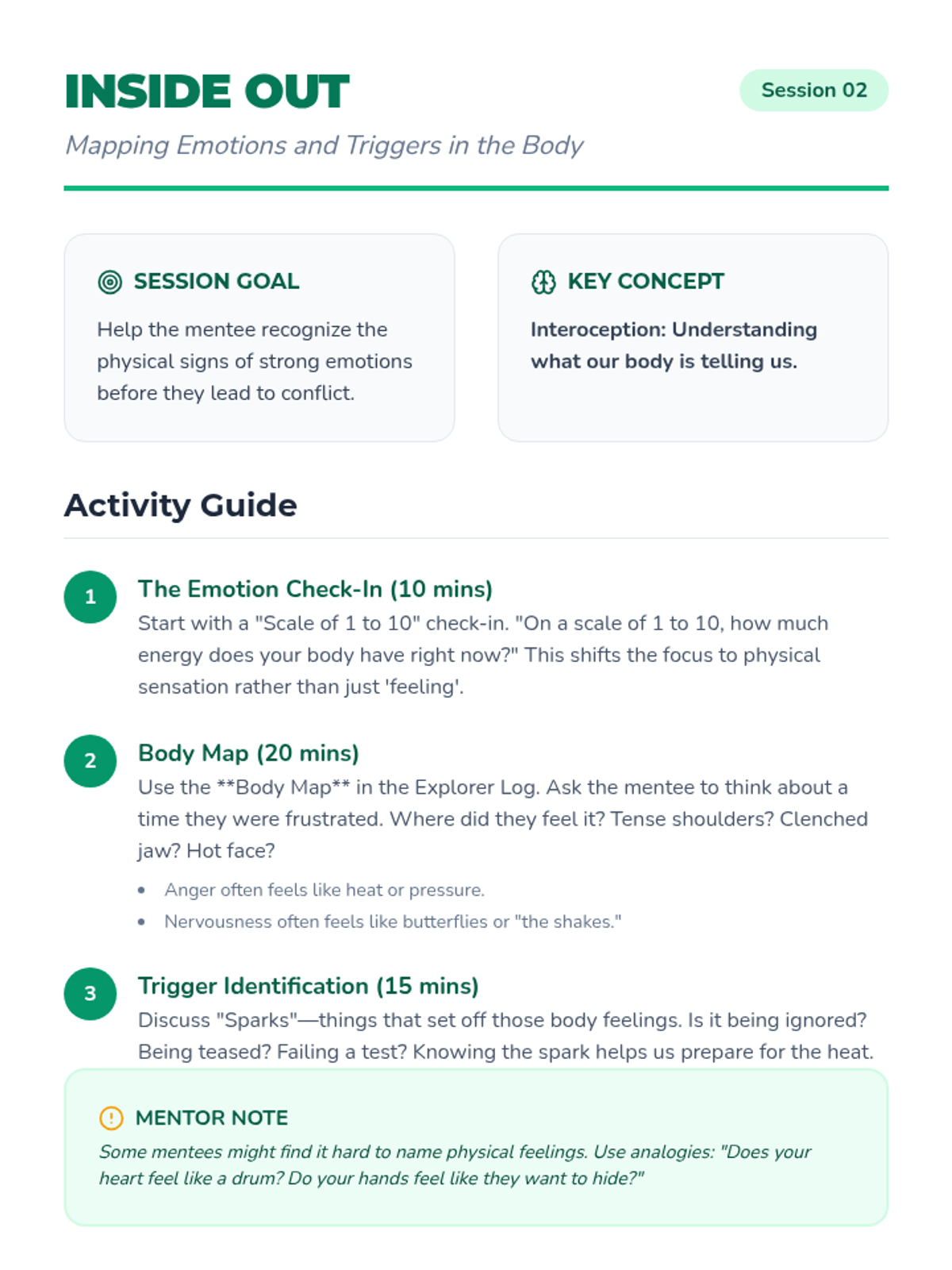
A 10-session mentoring program focused on conflict resolution, coping strategies (breathing, self-talk), and building confidence through a mentor-mentee relationship.
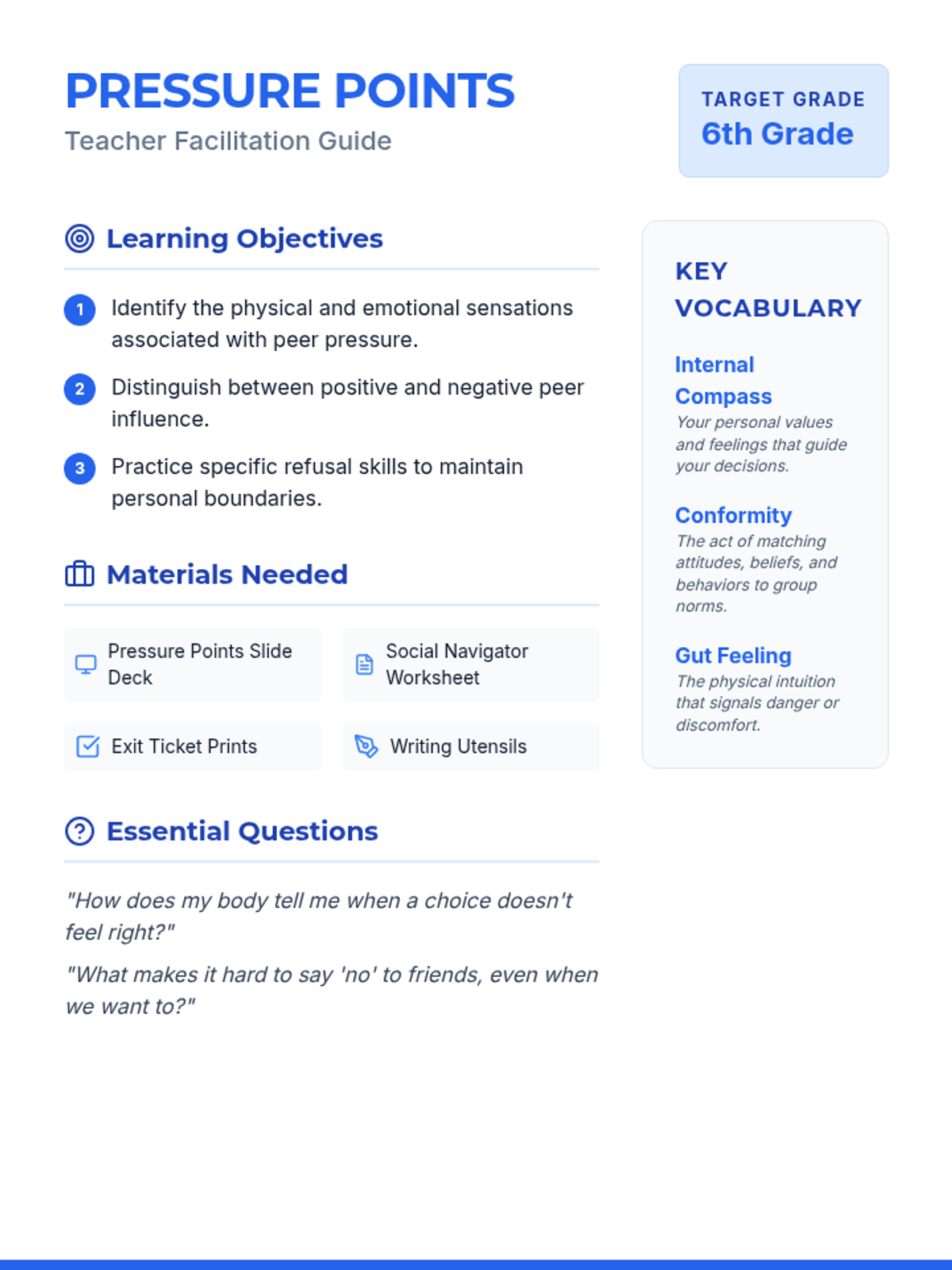
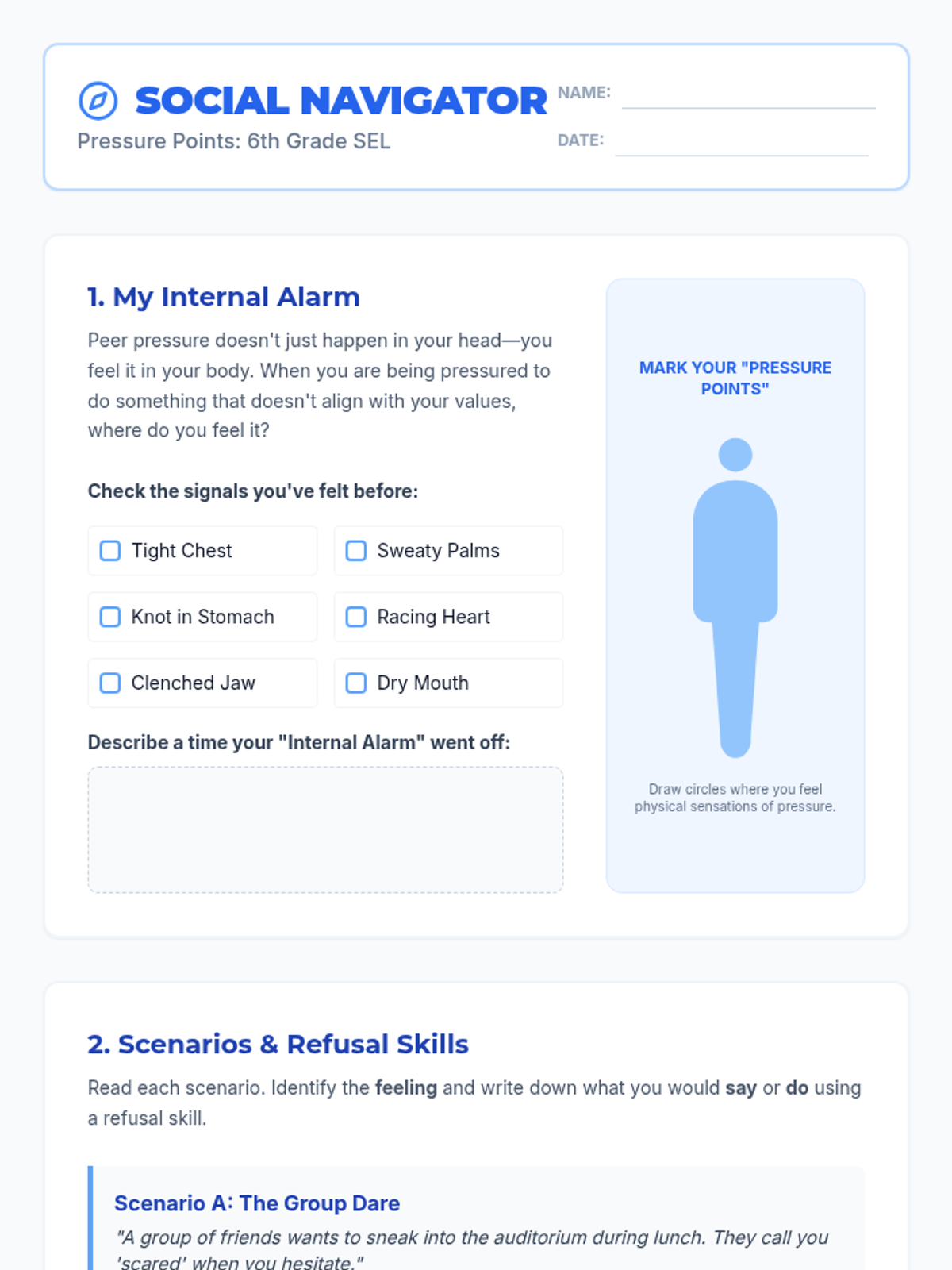
A series of social-emotional learning lessons for 6th graders focused on navigating complex social dynamics, including peer pressure and the impact of gossip.
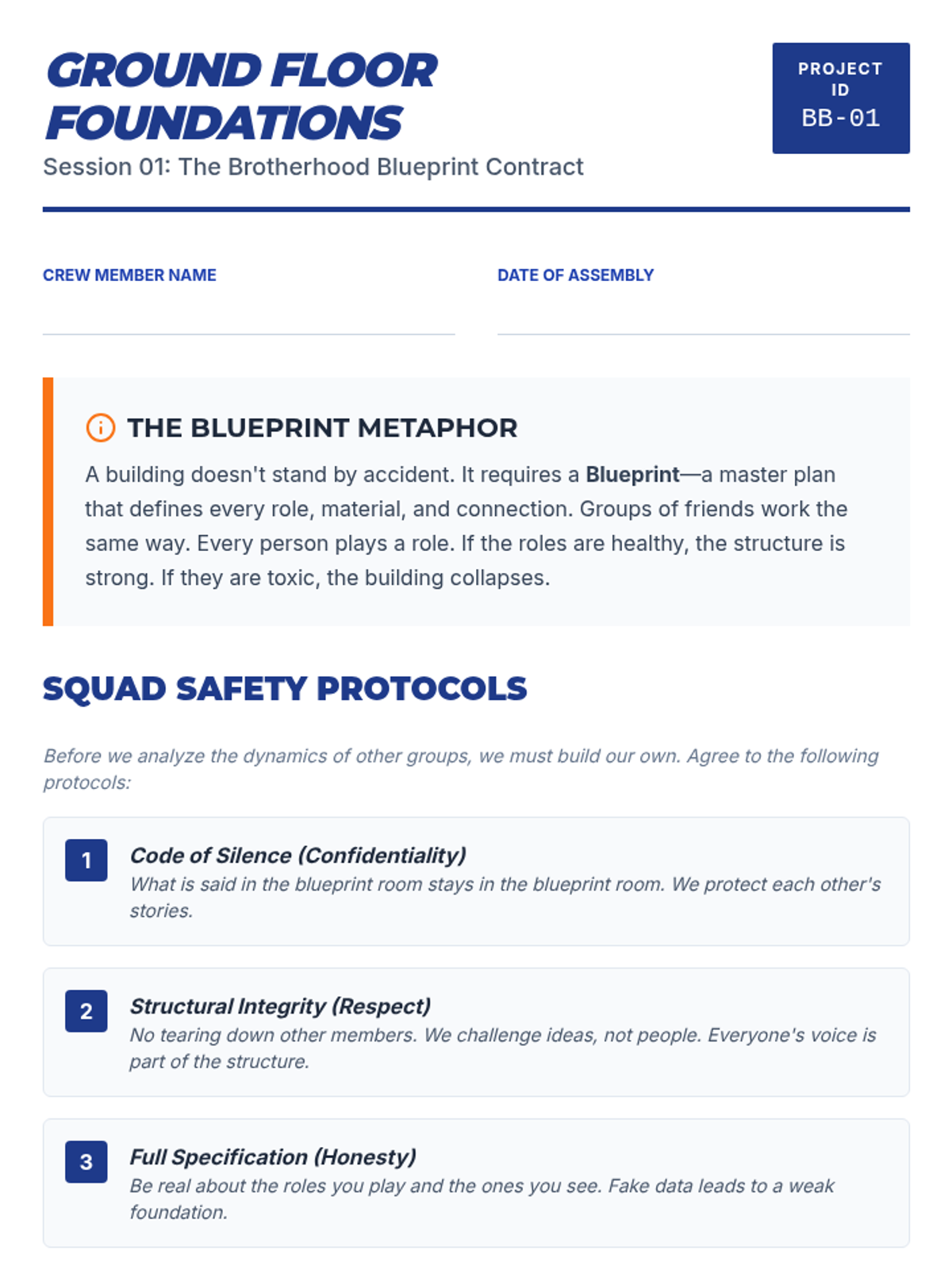
A 30-session group counseling curriculum for adolescent males focusing on social roles, group dynamics, and developing healthy friendship patterns. Through the metaphor of an architectural blueprint, students analyze leadership, support roles, and the difference between positive and negative group influences.
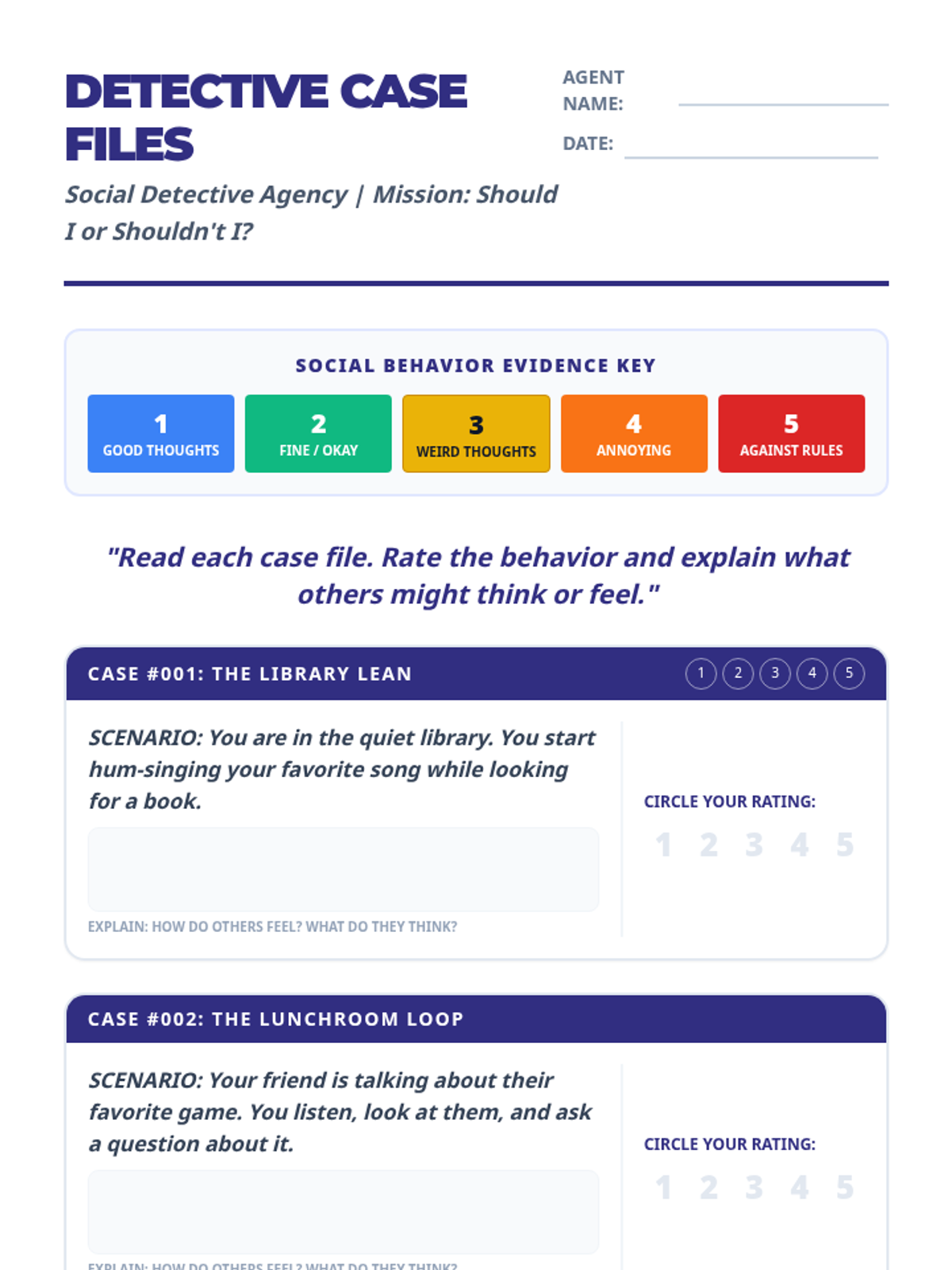
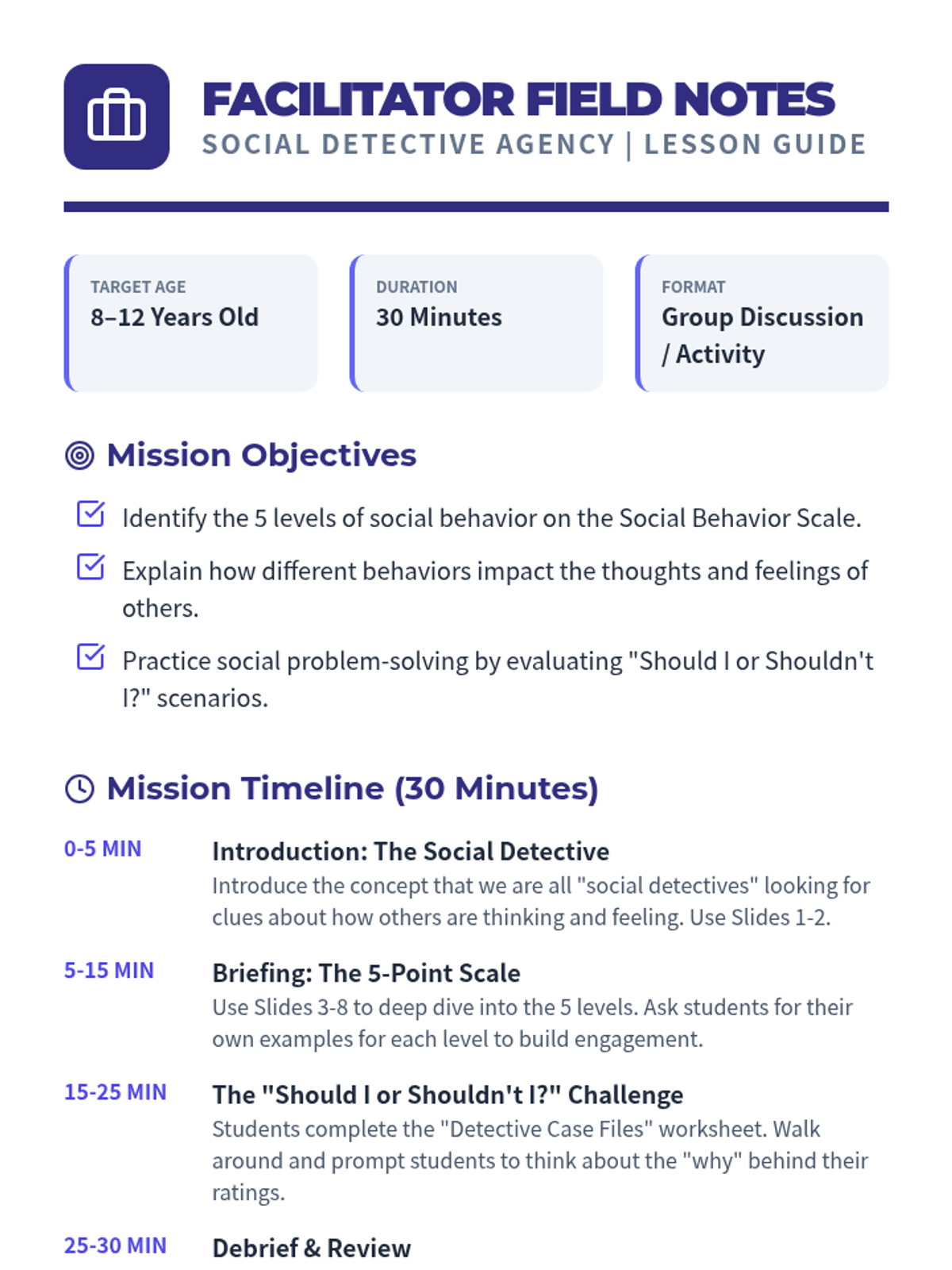
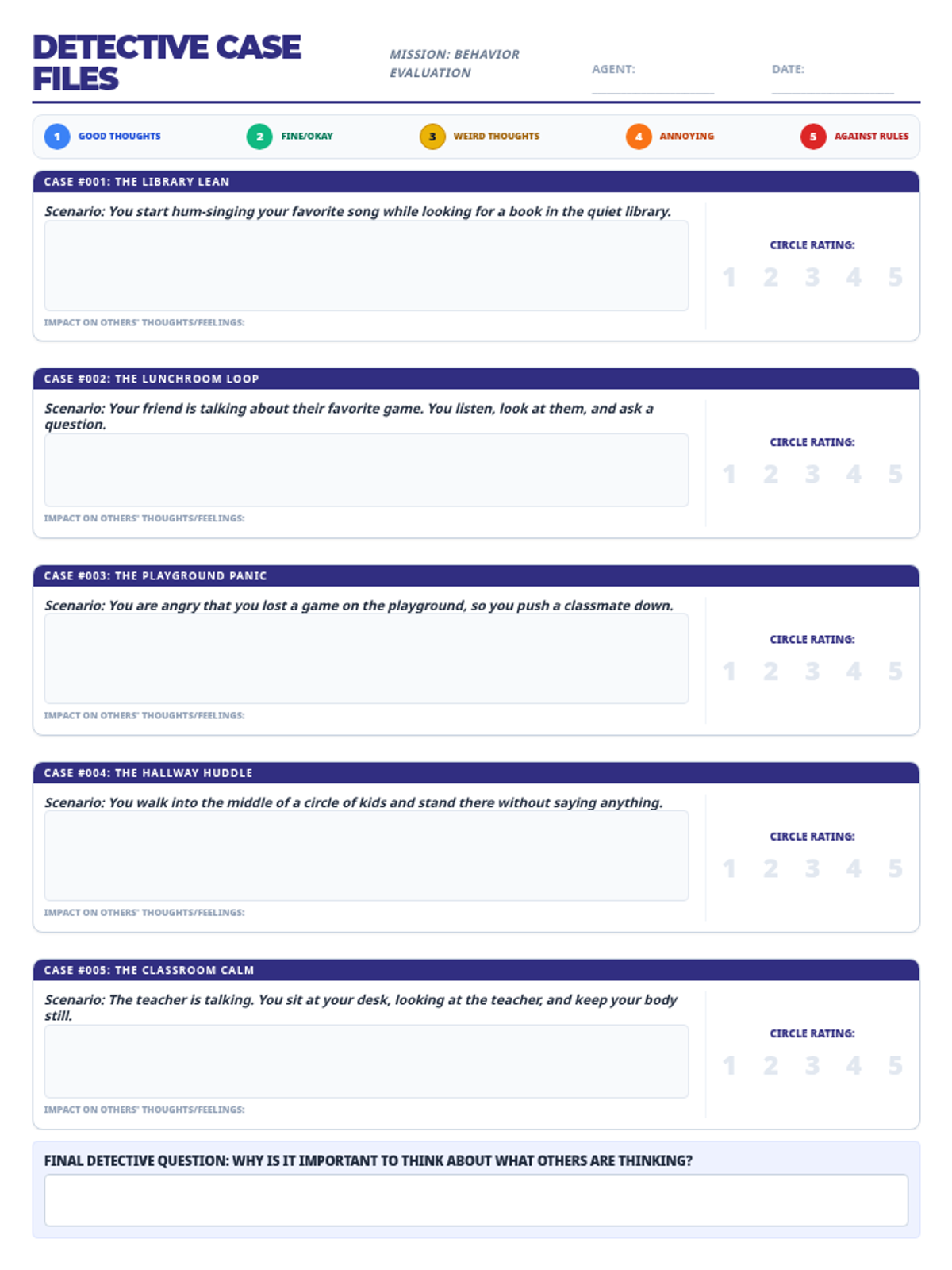
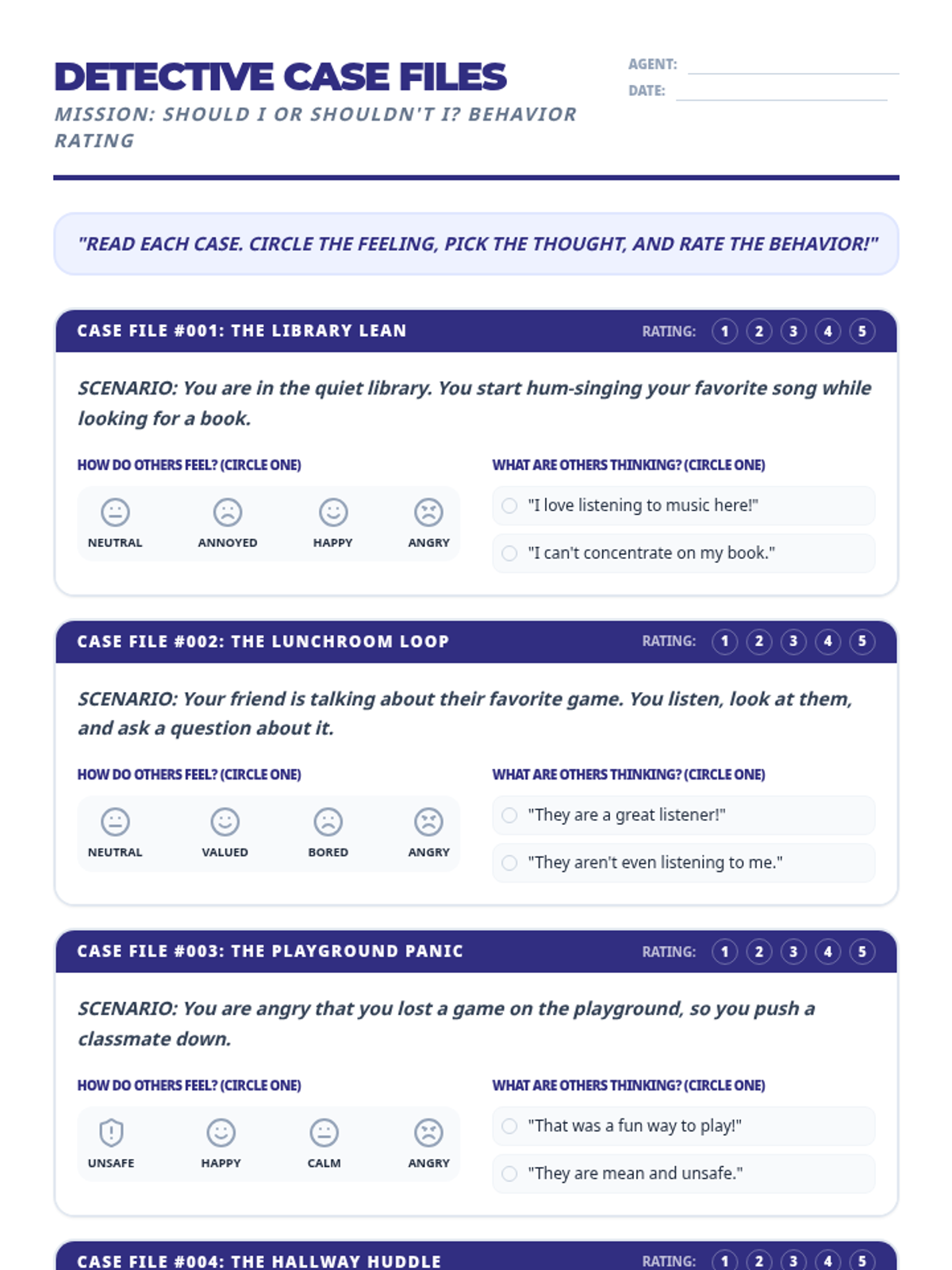
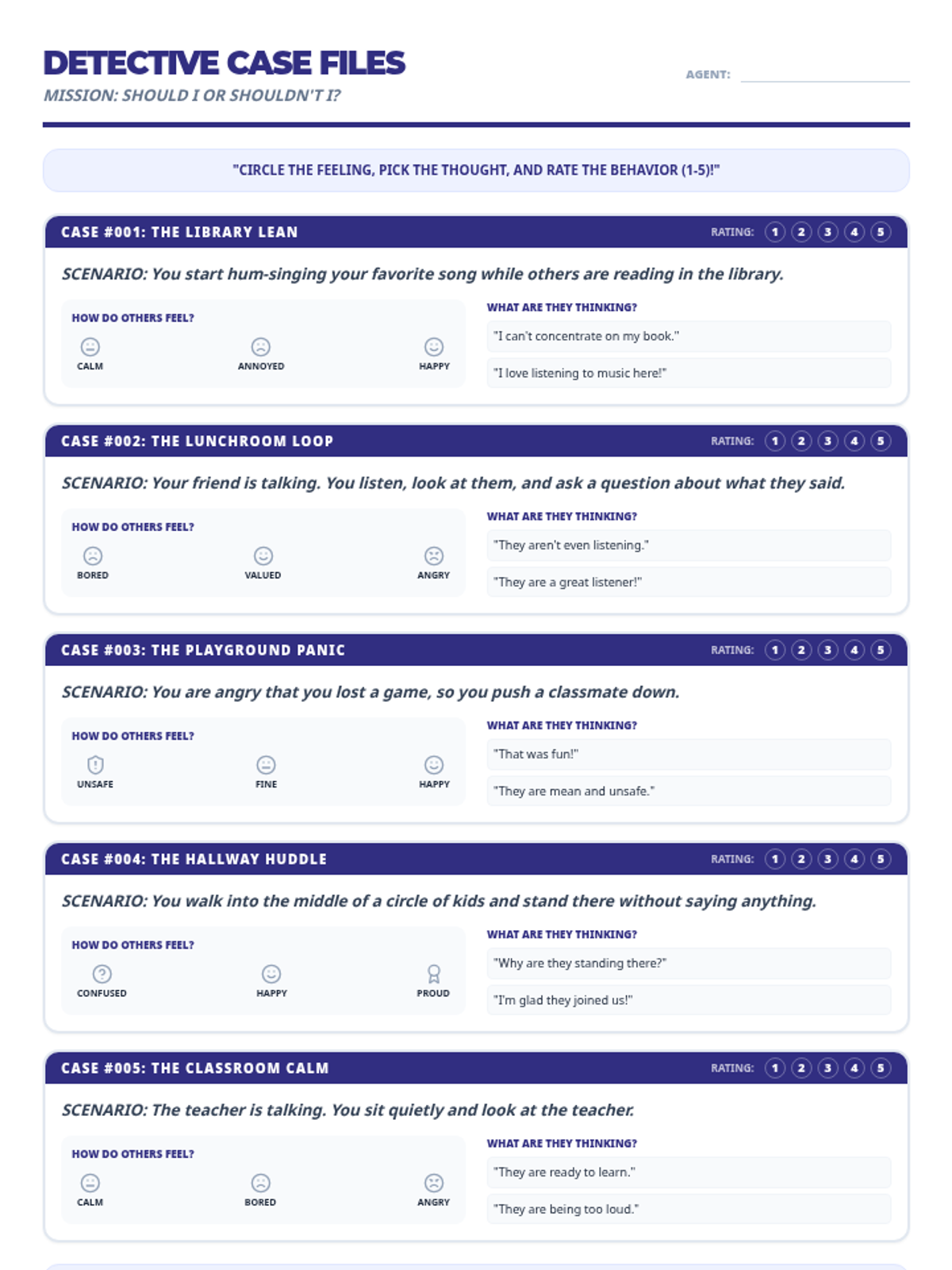
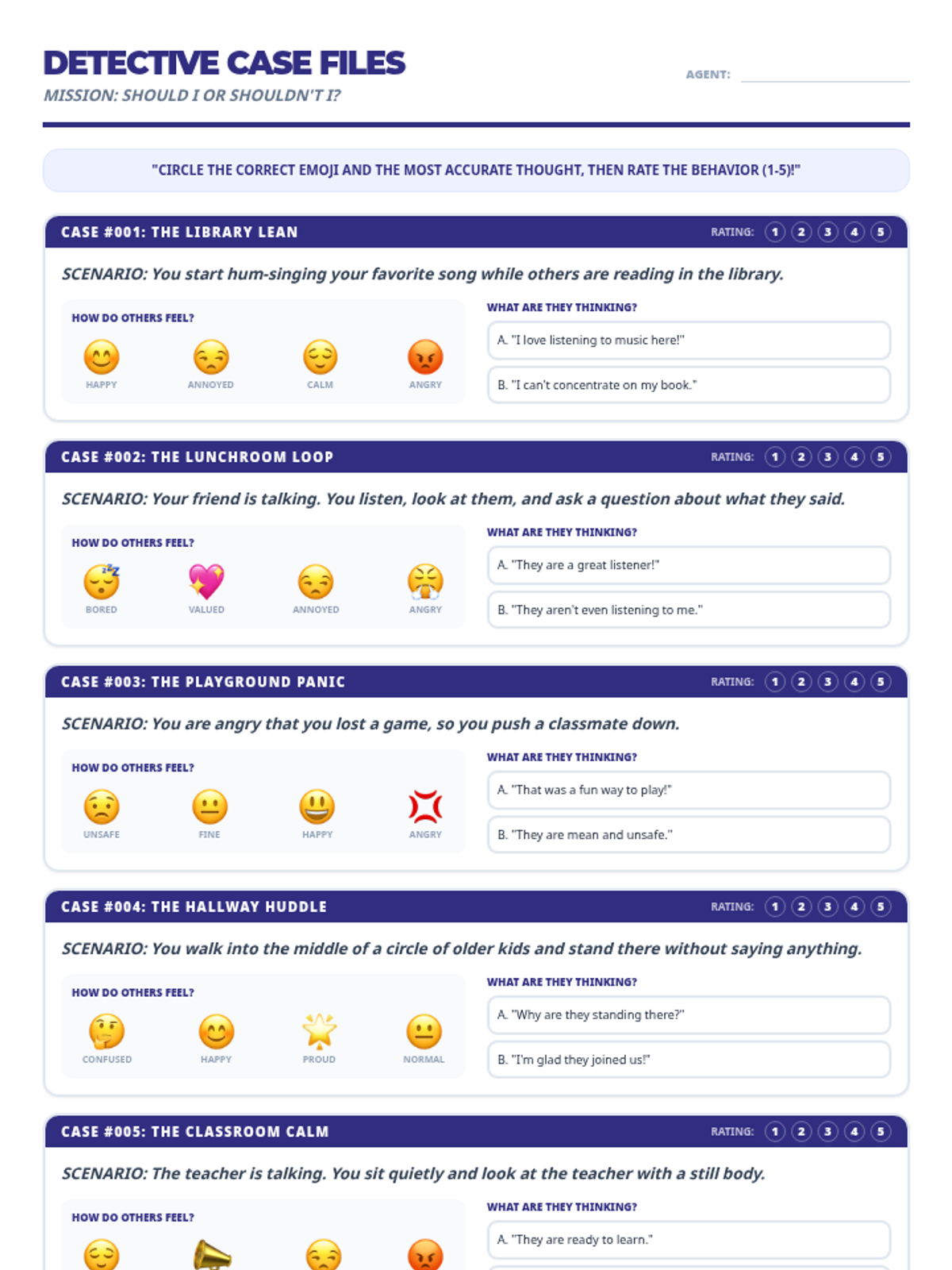
A comprehensive unit on social thinking skills, using a detective agency theme to teach behavior evaluation, social problem solving, and behavior mapping.
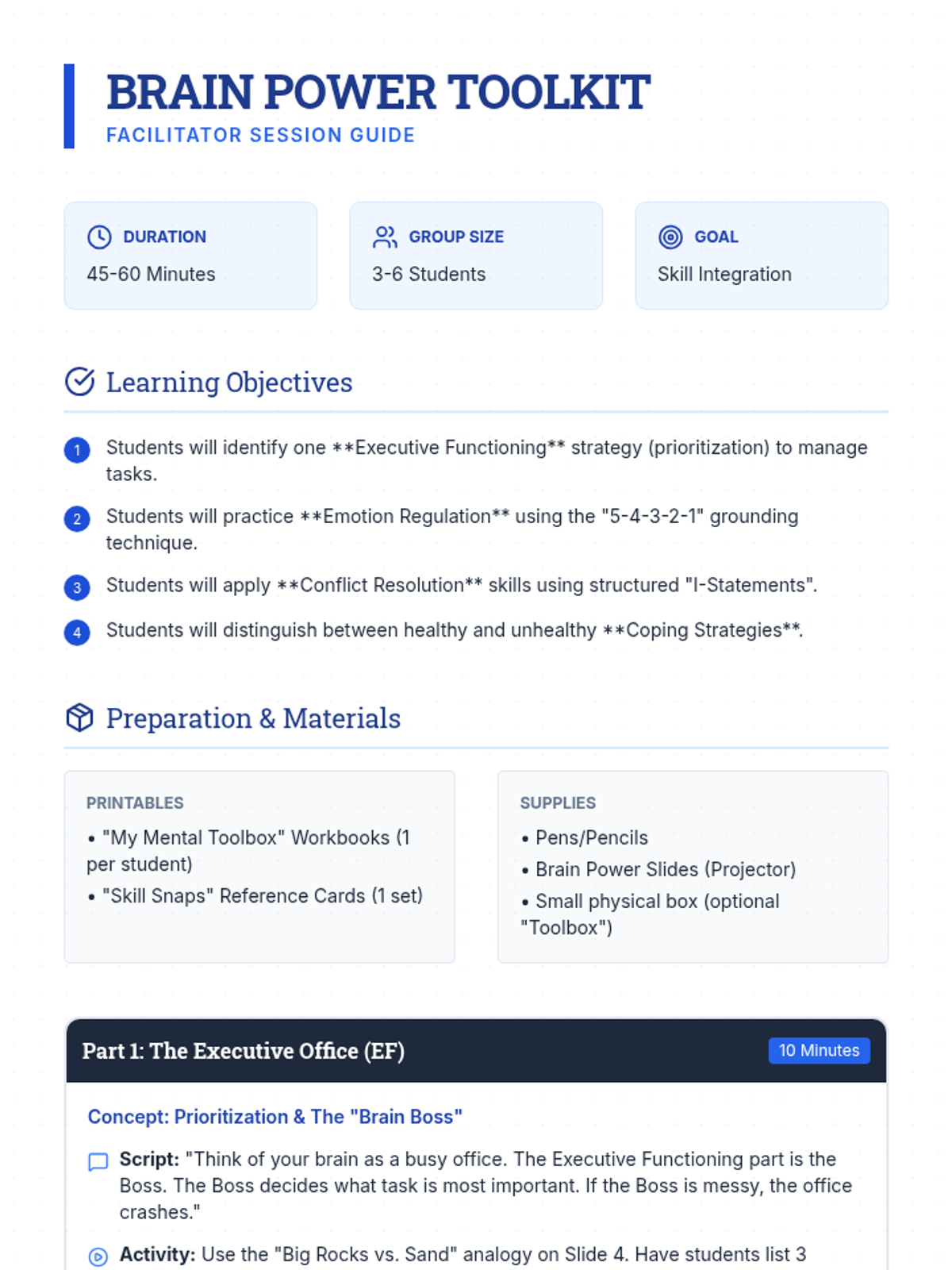
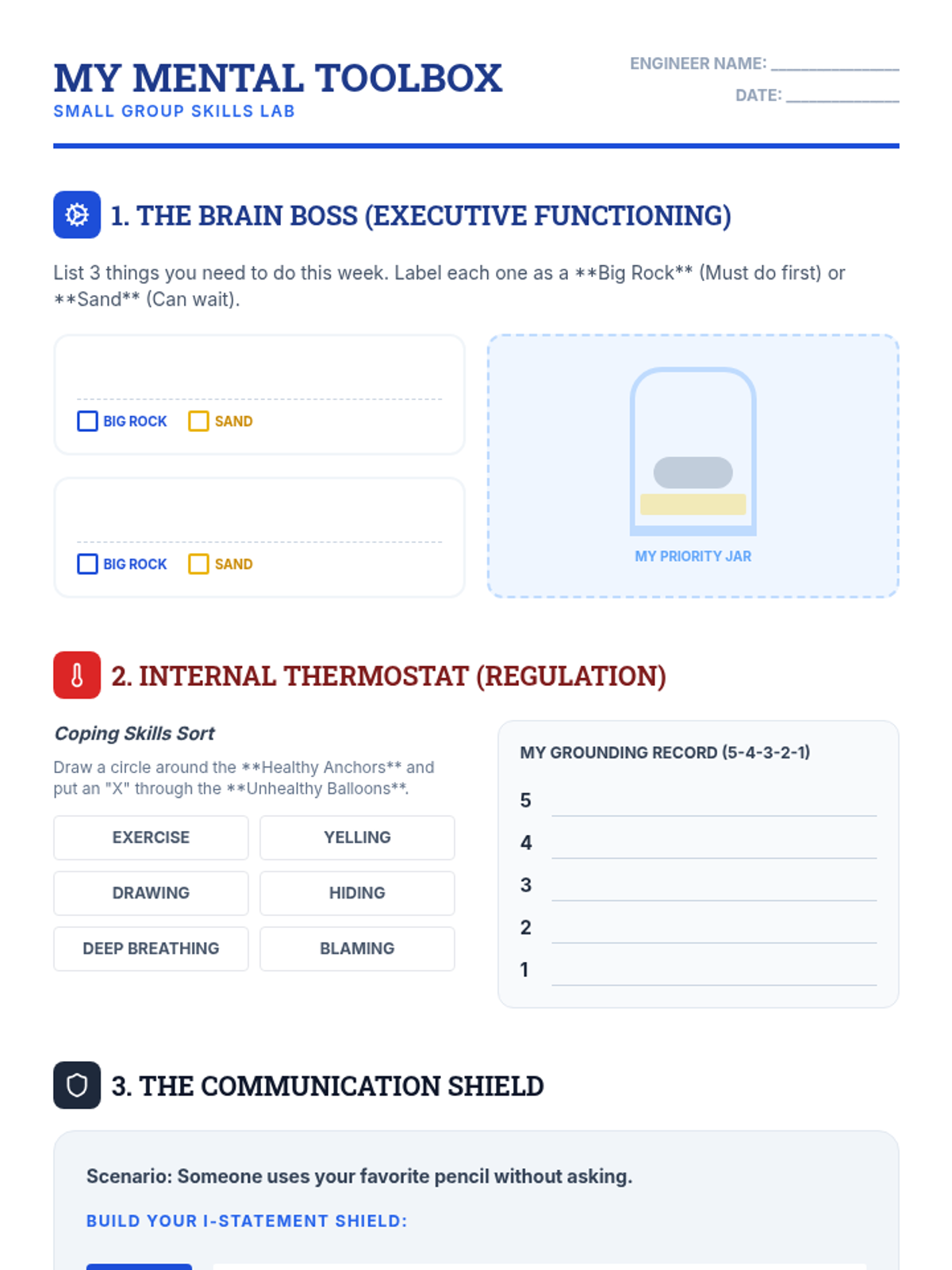
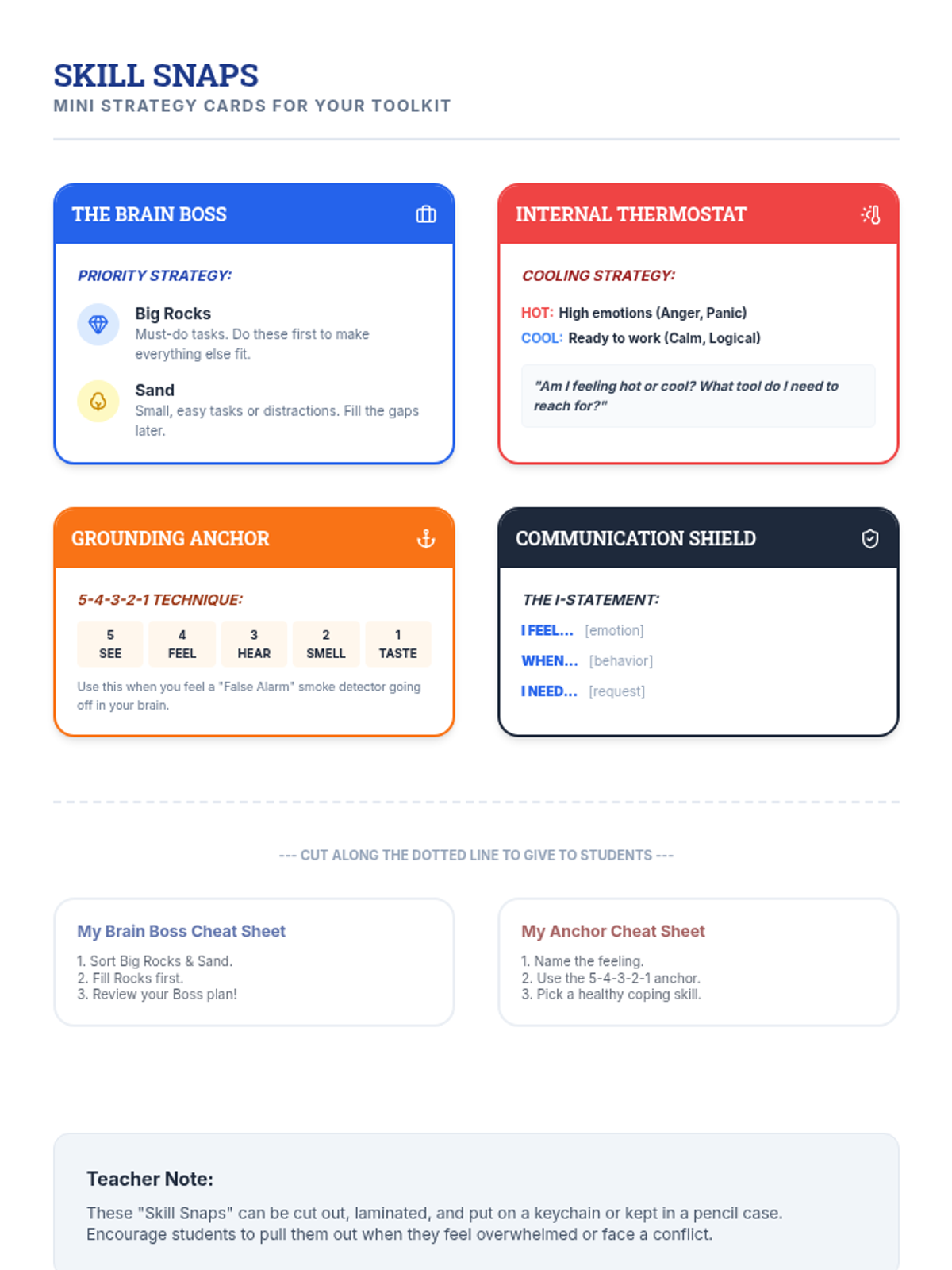
A series of social-emotional learning modules focused on cognitive and emotional mastery for small group settings.
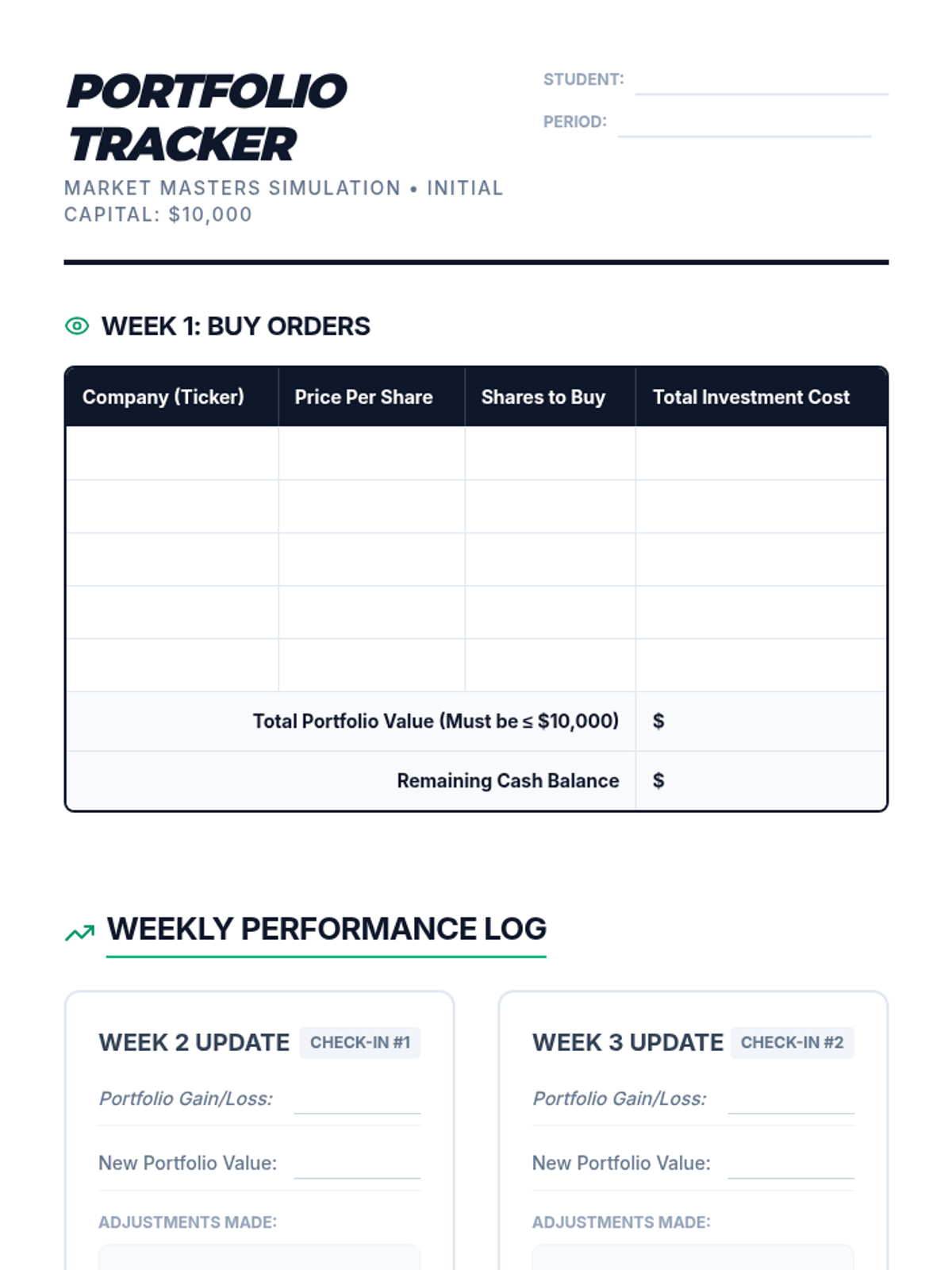
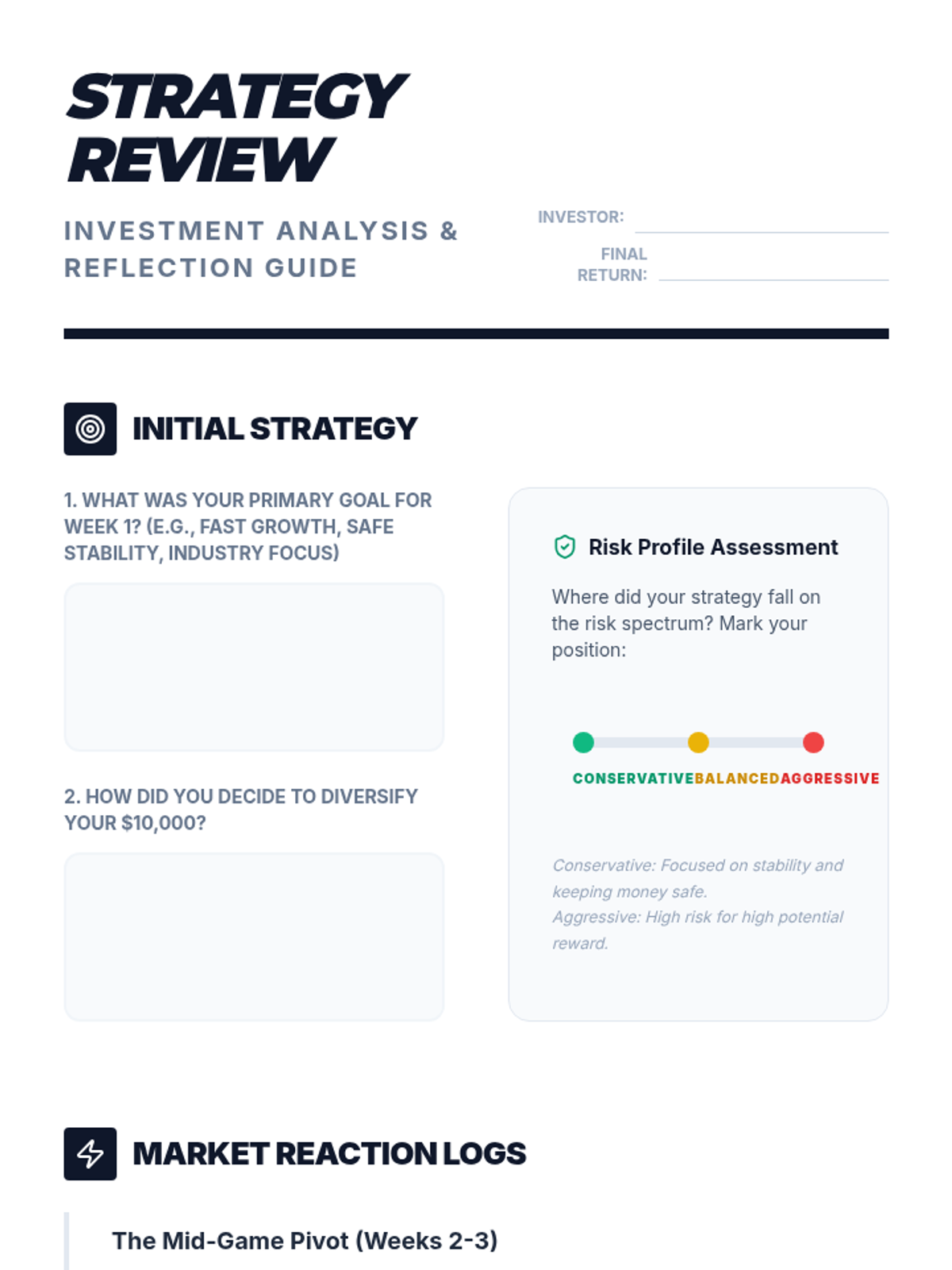
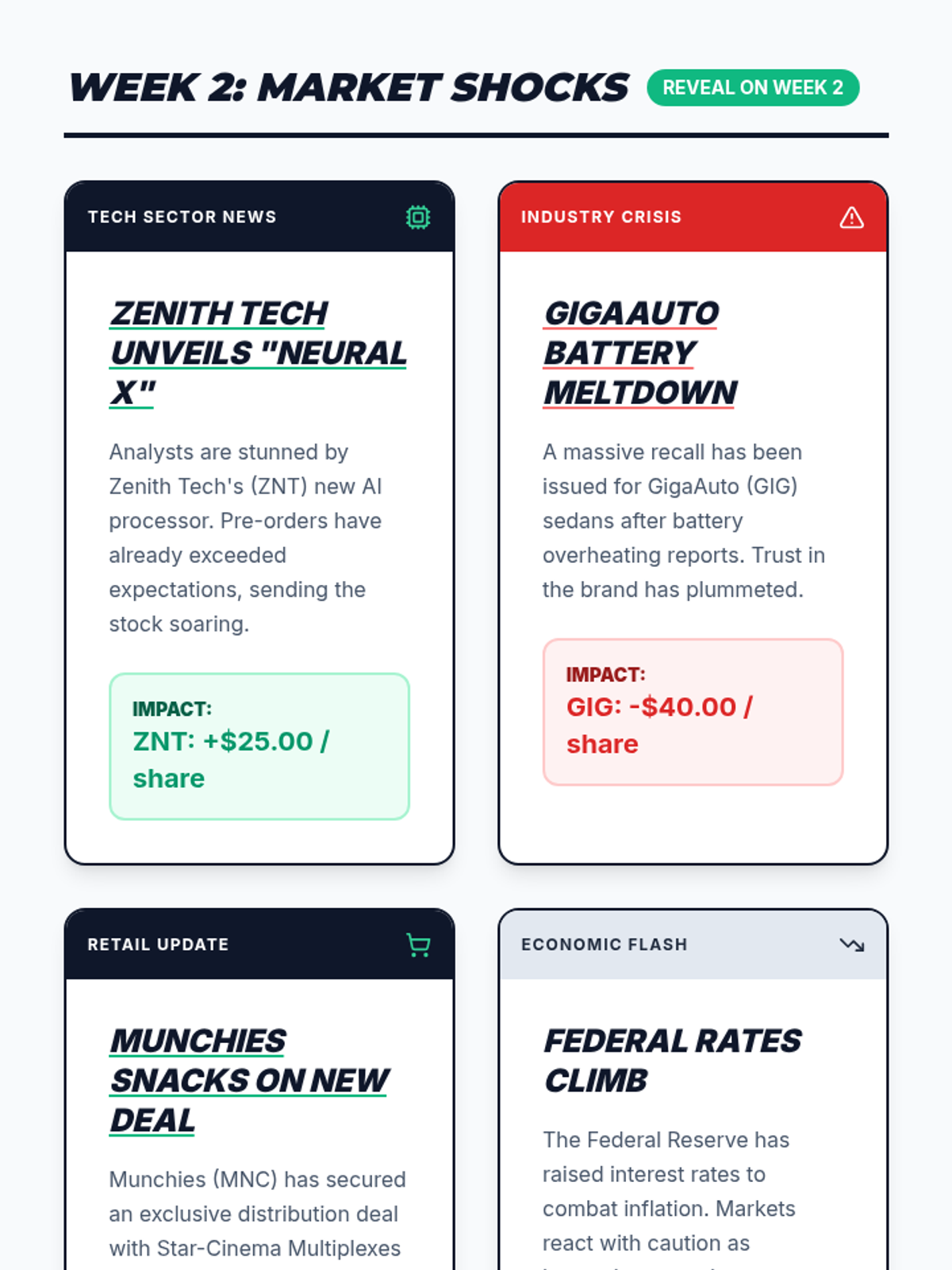
A hands-on introduction to financial markets and investment strategies through a four-week simulated portfolio management project.