Budgeting, saving, and investment strategies alongside practical skills for managing credit, taxes, and banking. Addresses insurance needs, employment income, and major purchase decisions to support comprehensive long-term financial planning.
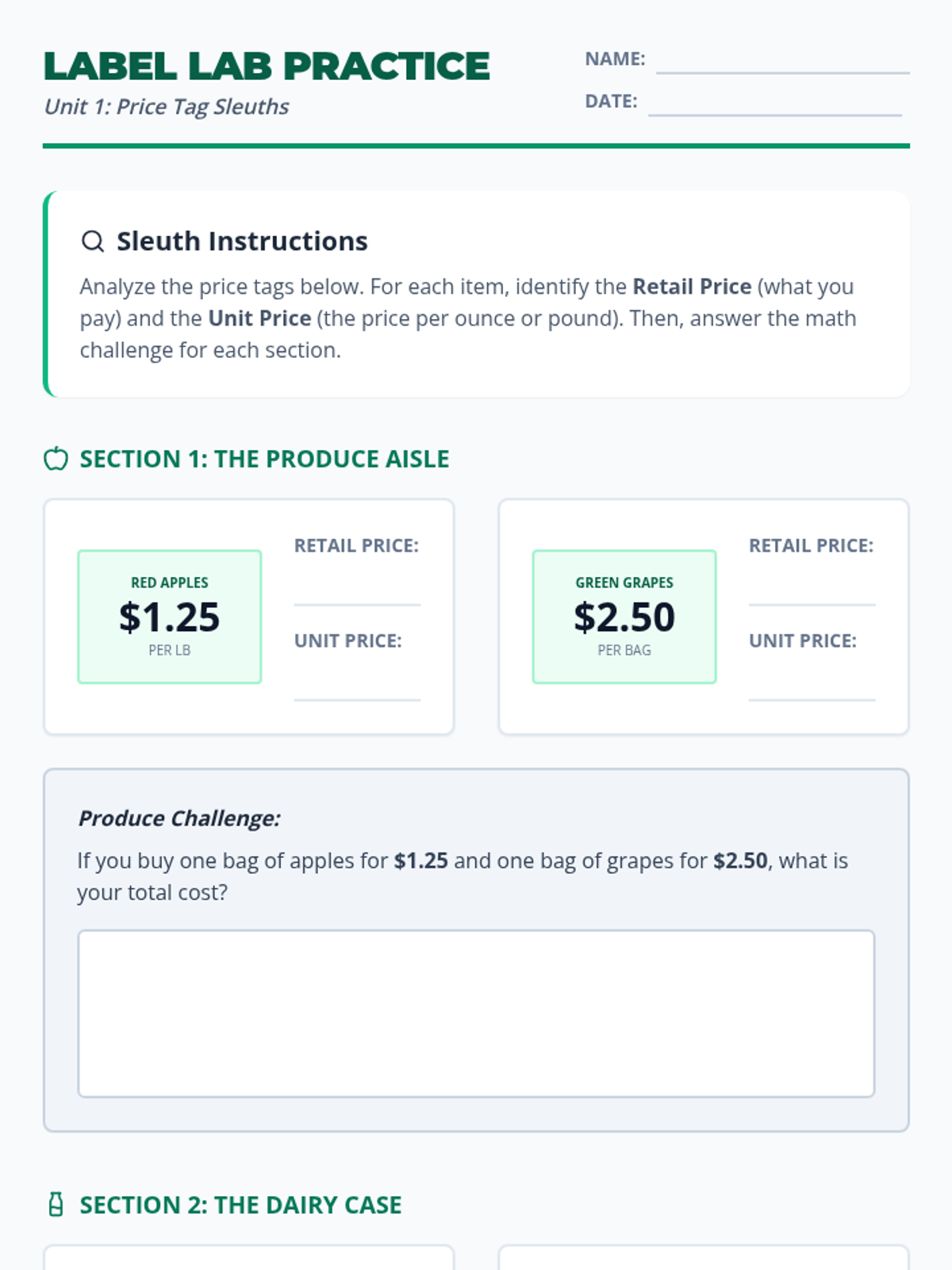
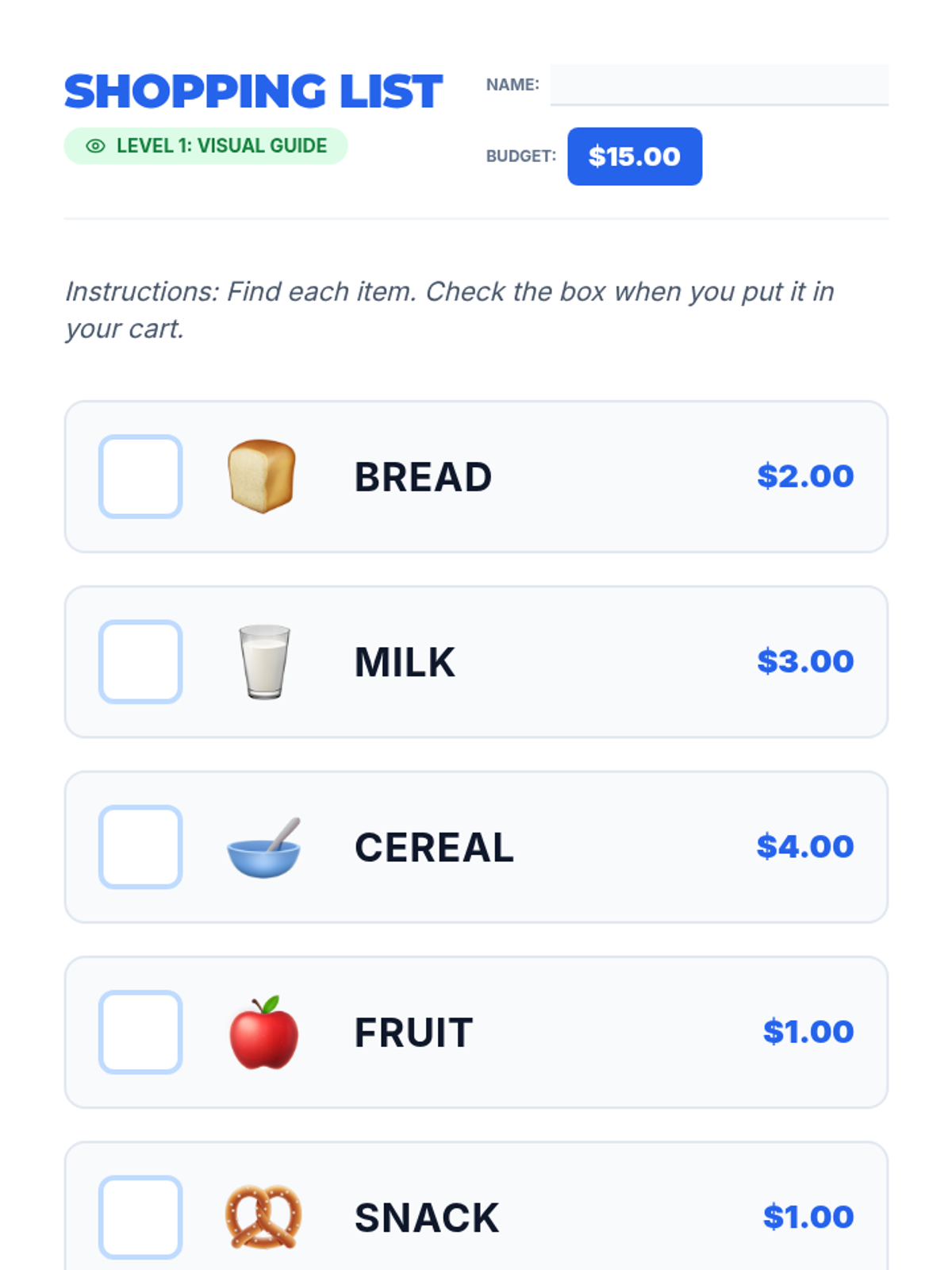
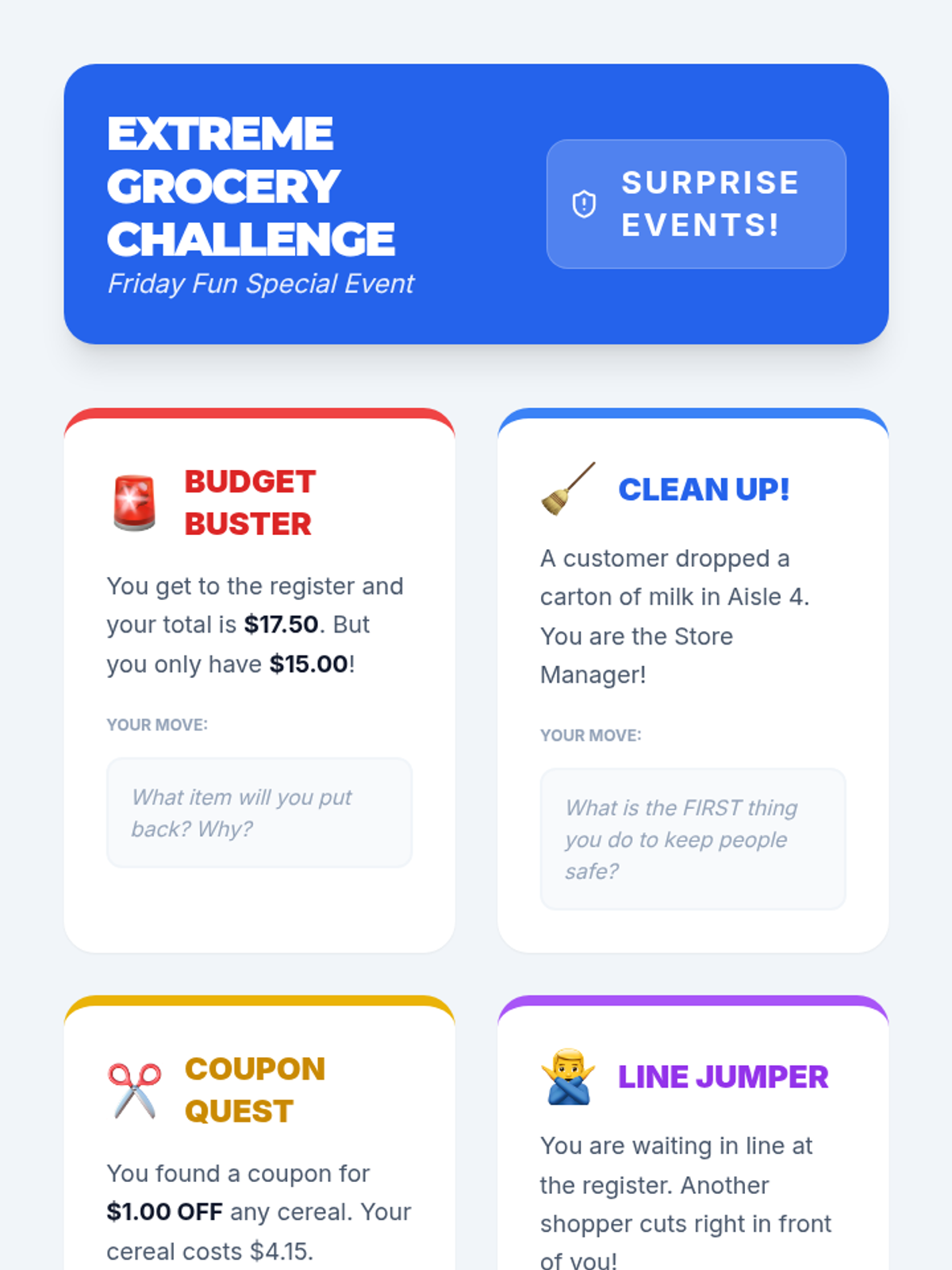
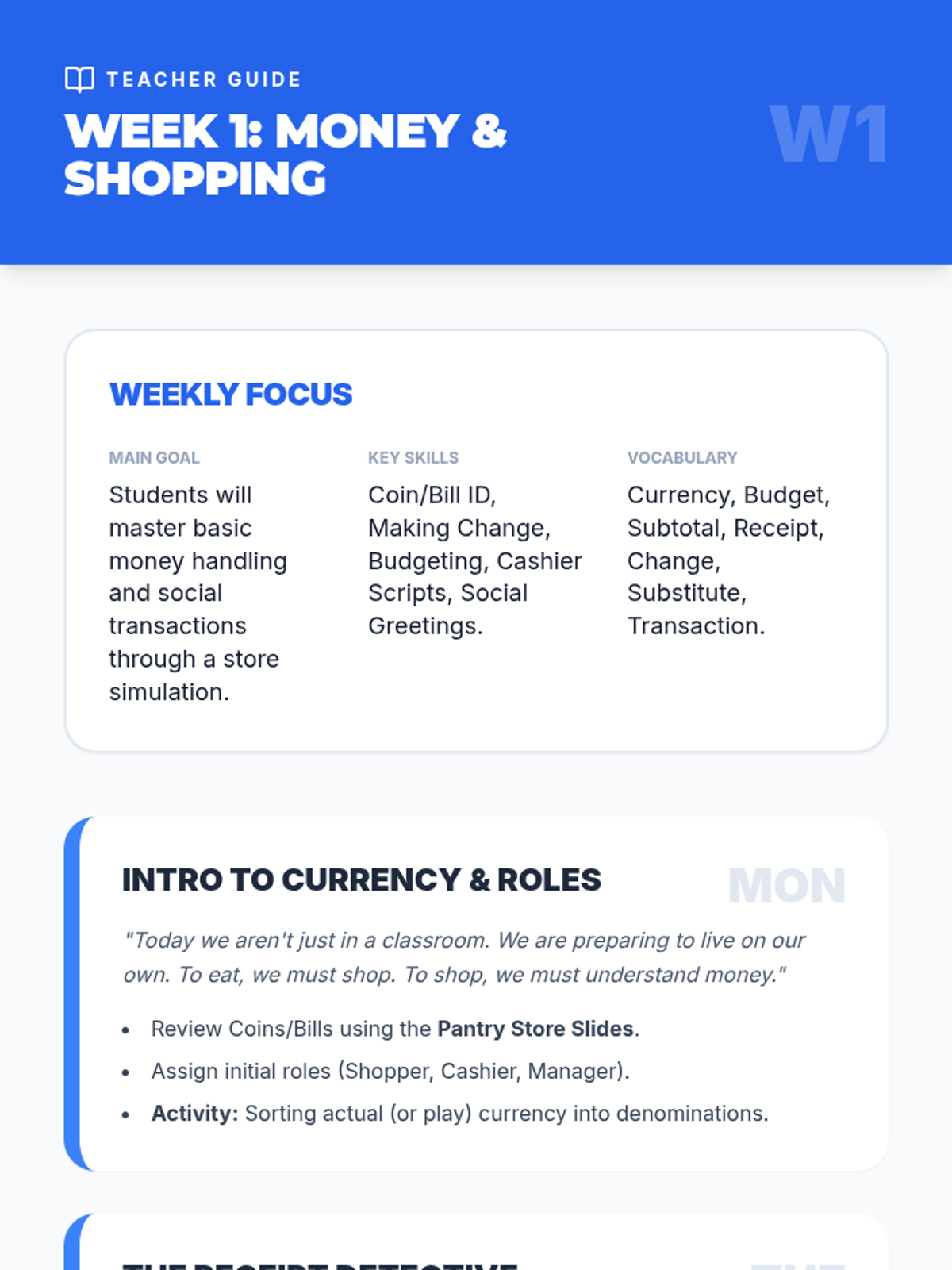
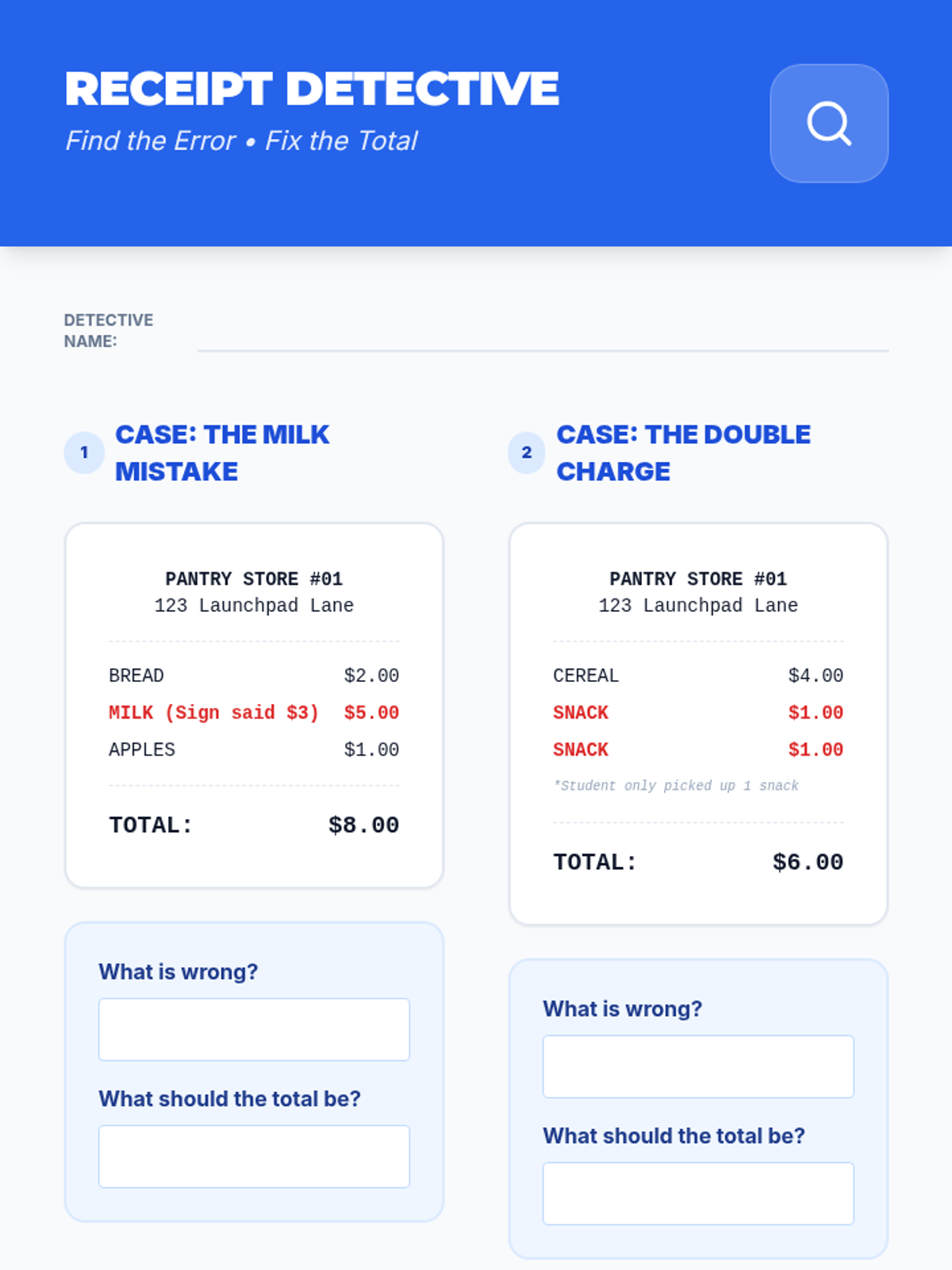
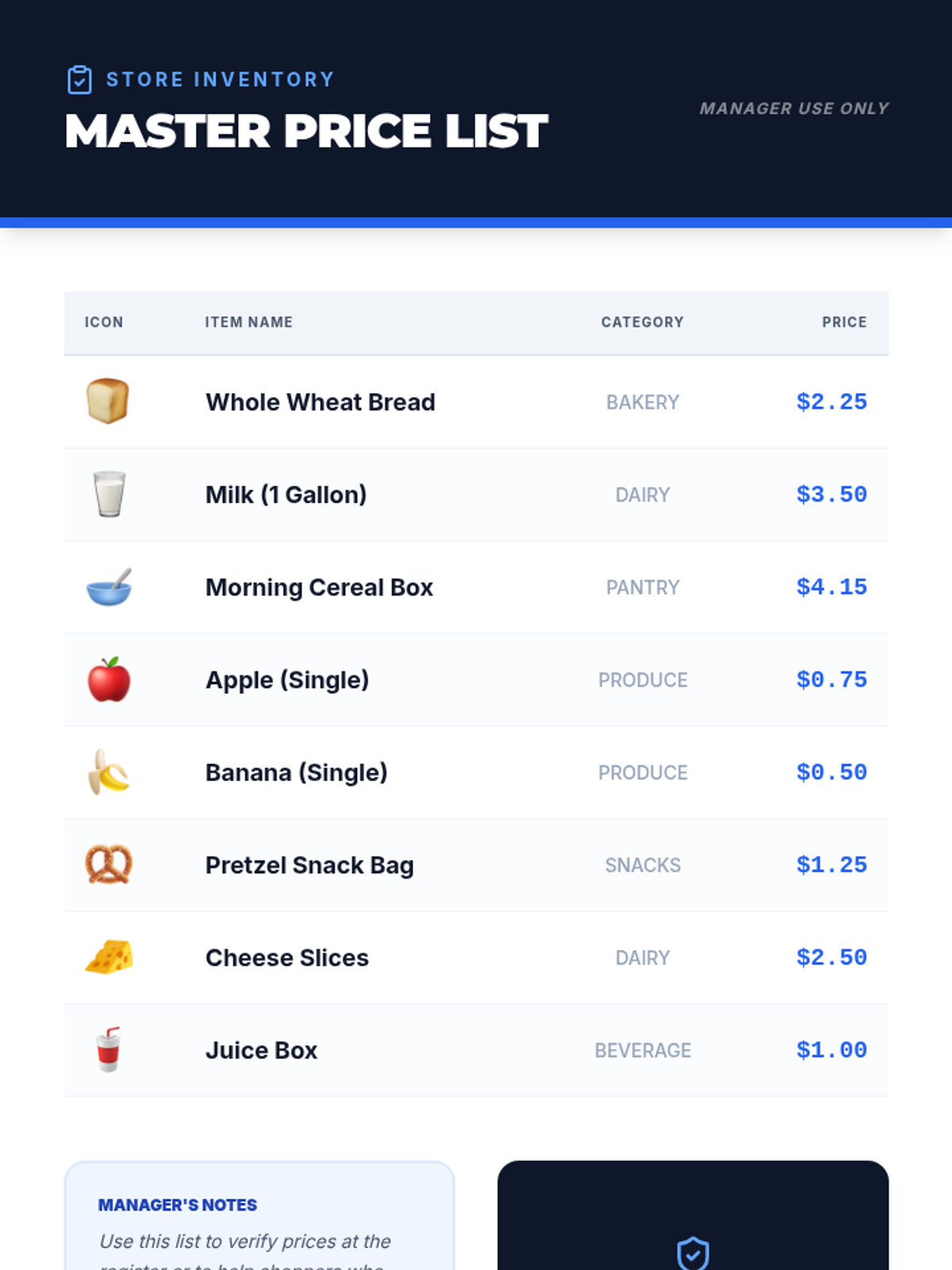
A 4-day life skills project focusing on grocery budgeting, price comparison, and decimal arithmetic through a supermarket-themed simulation.
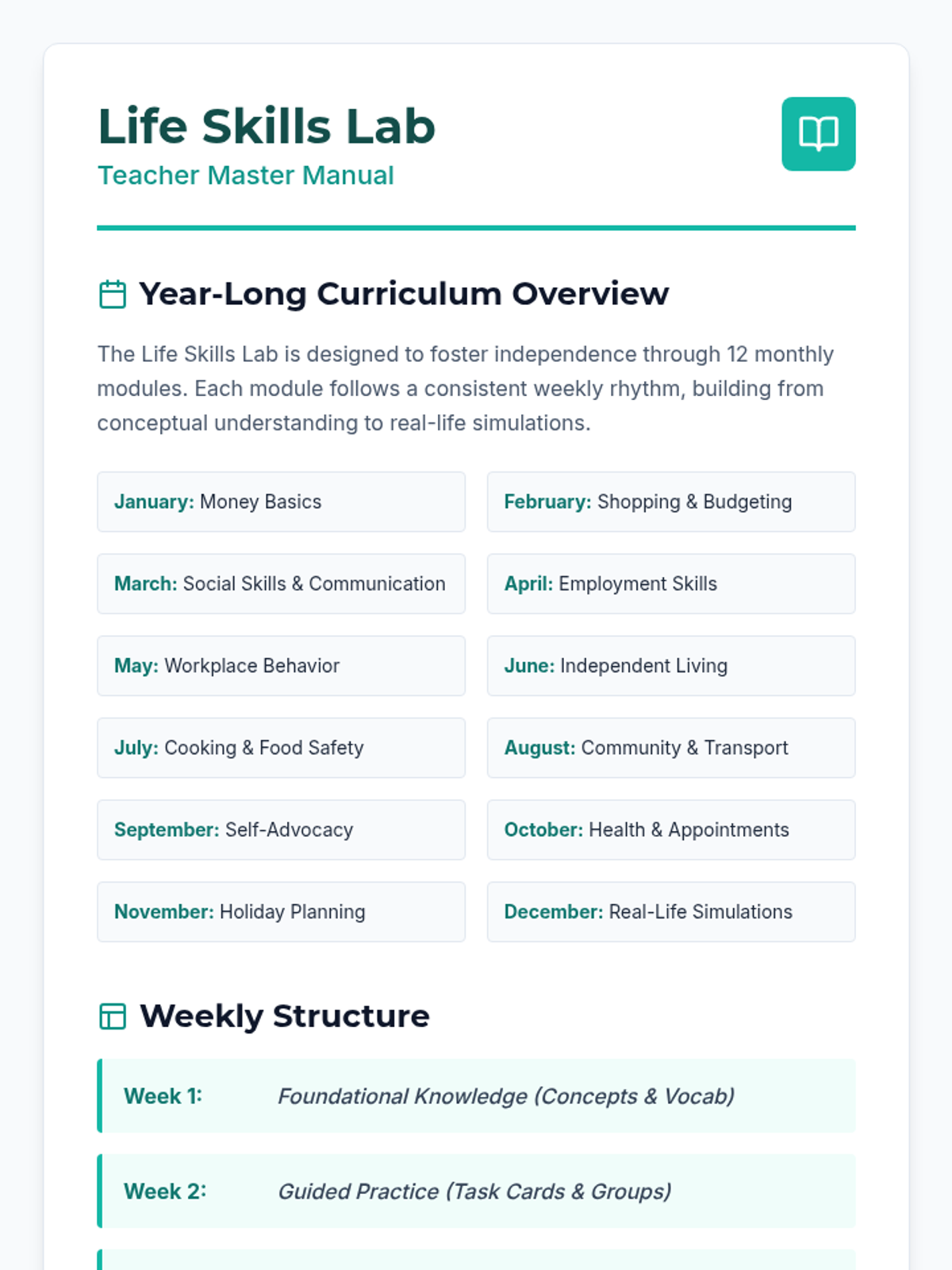
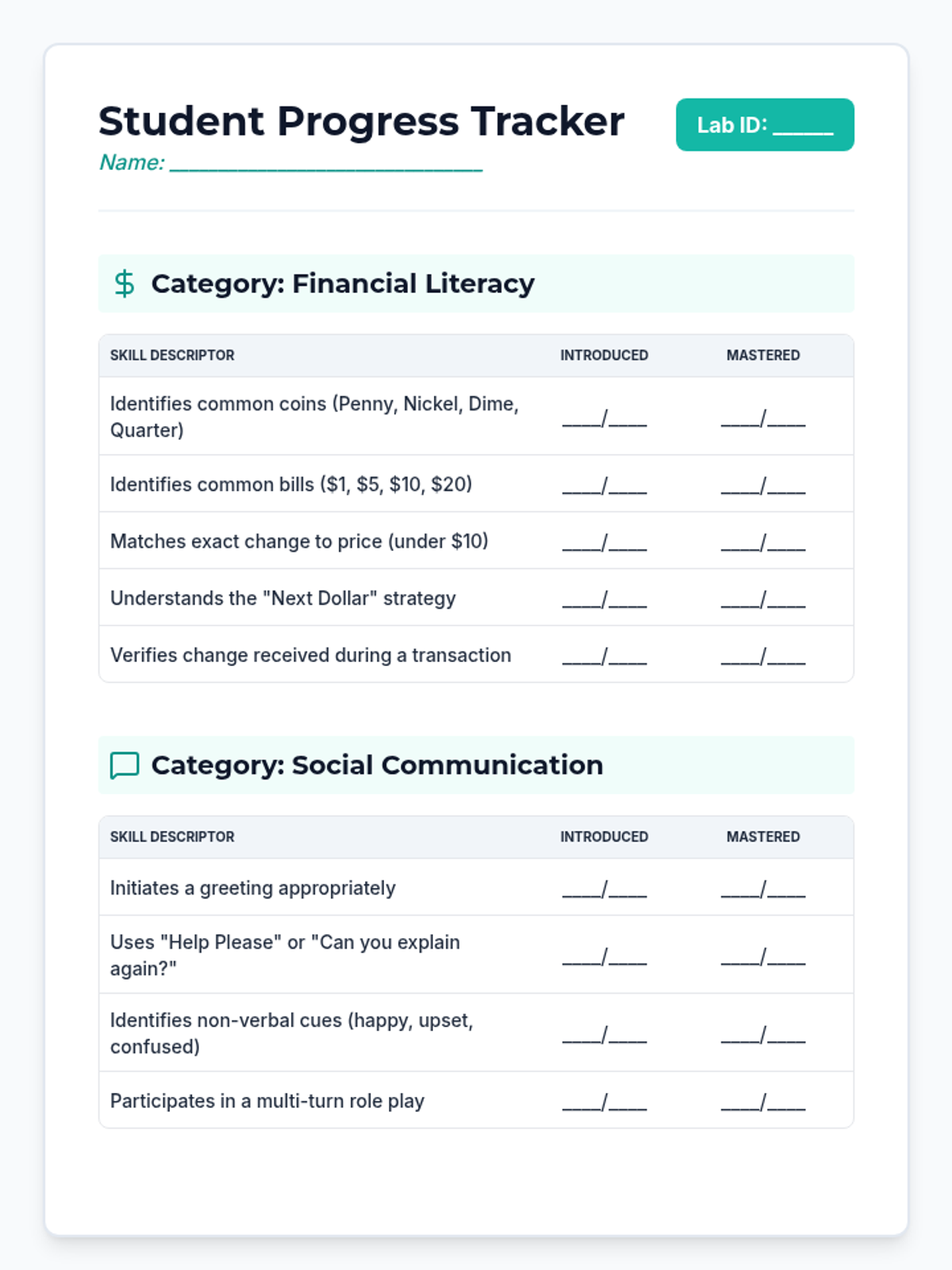
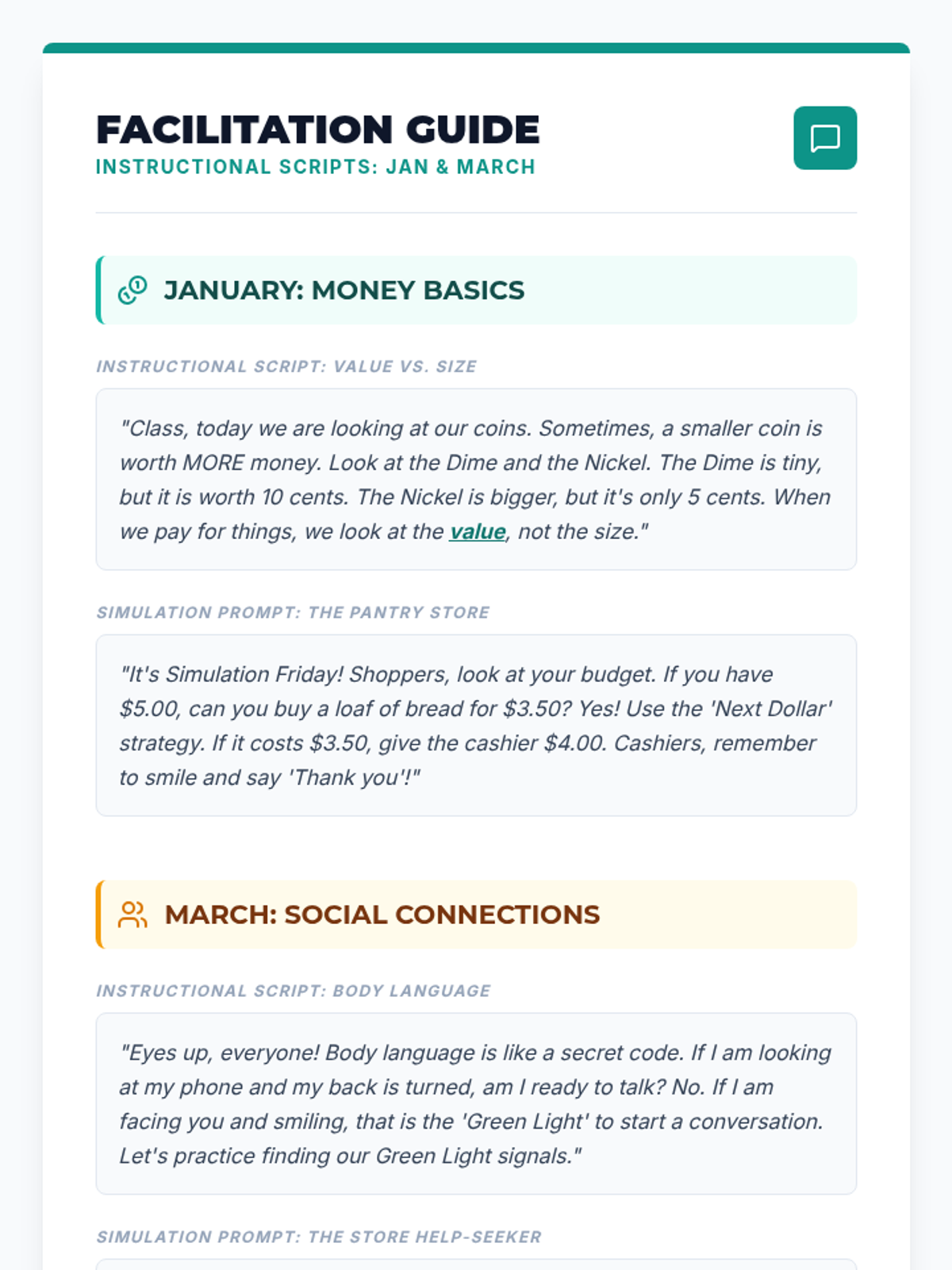
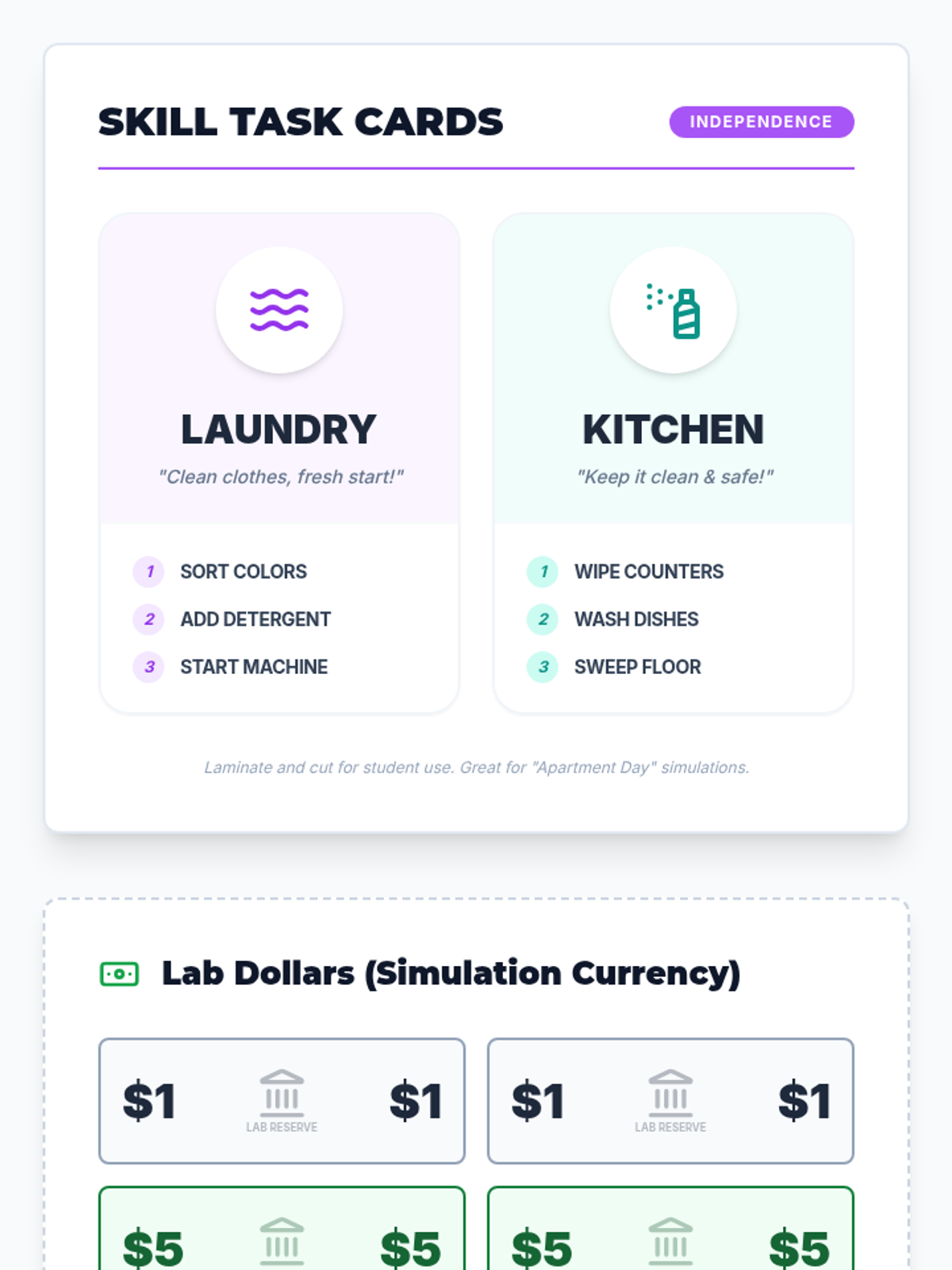
A comprehensive year-long curriculum designed to empower students with essential life skills for independence, focusing on financial literacy, social communication, and real-world simulations.
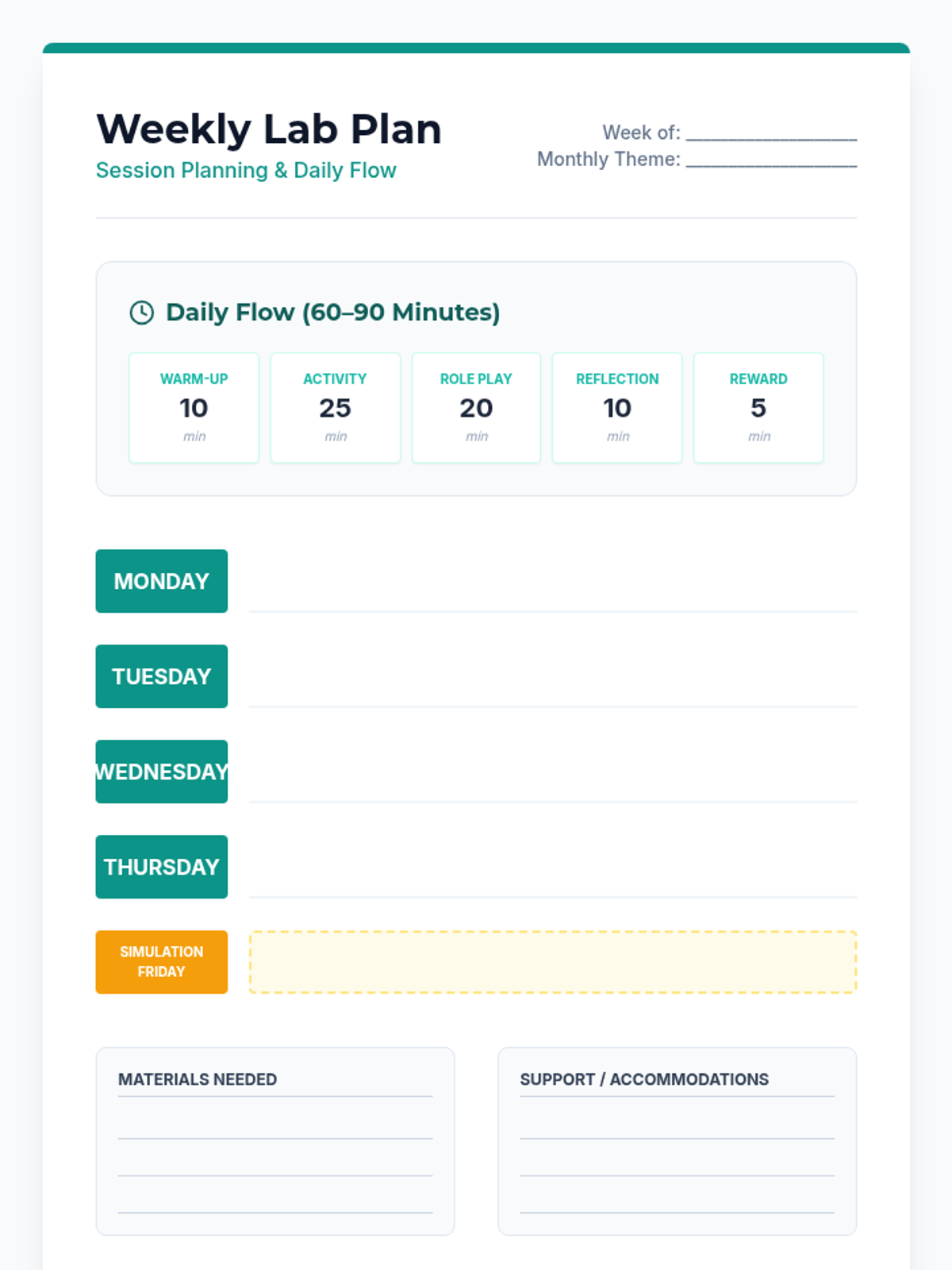
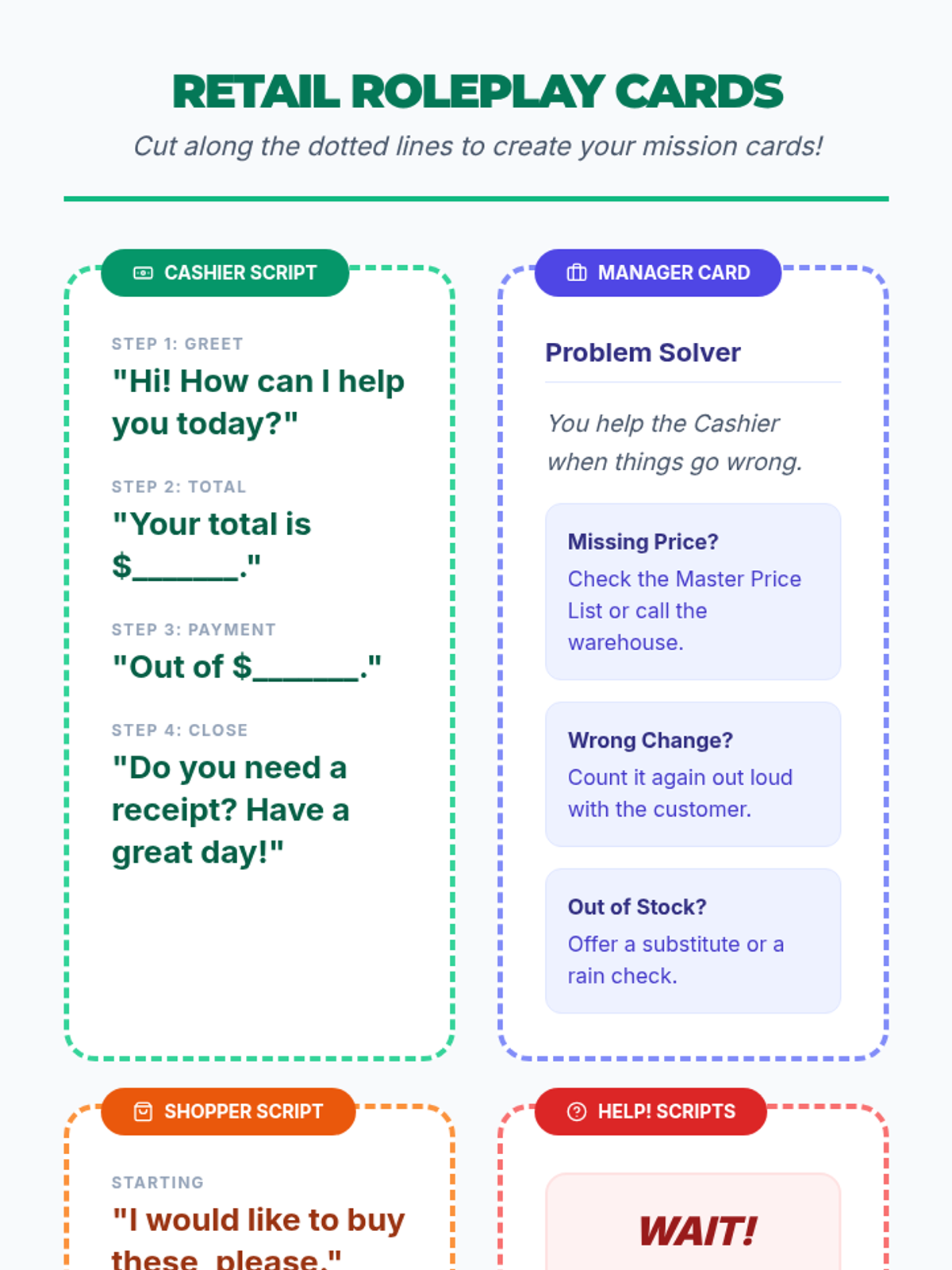
A full-month curriculum focused on developing independence through real-world simulations, role-playing, and practical application of functional life skills.
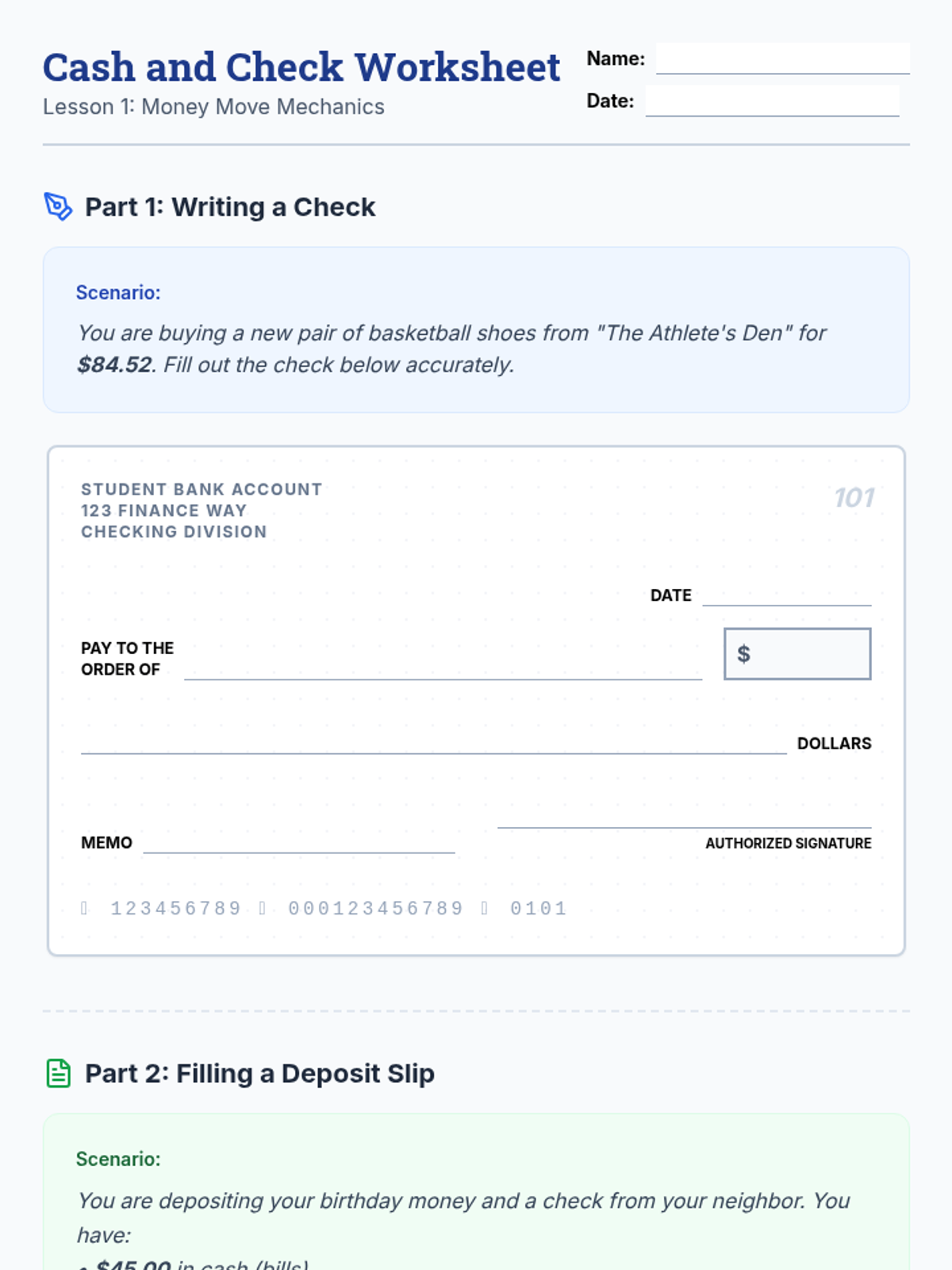
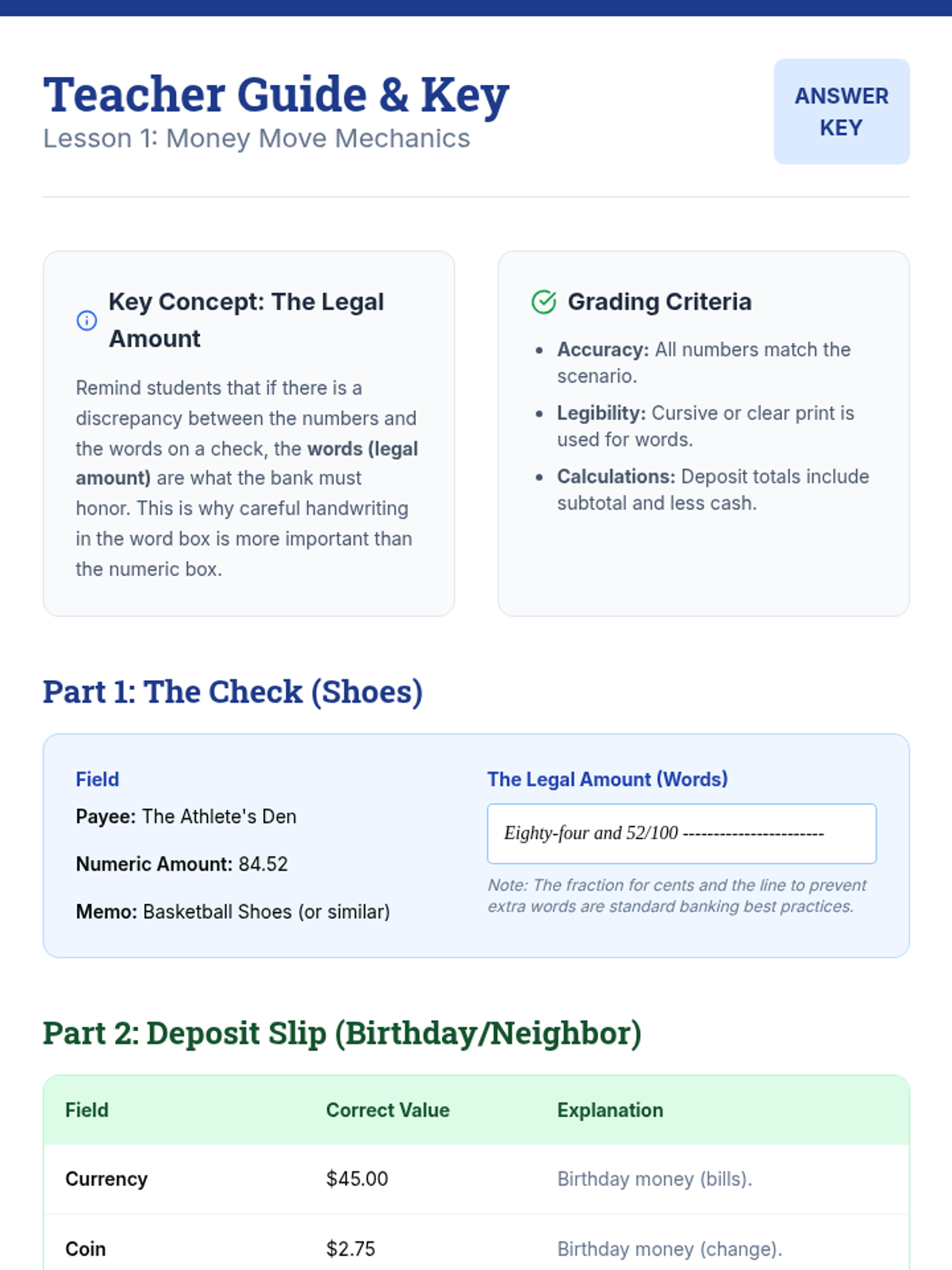
A comprehensive sequence for 6th-grade students on managing bank accounts, covering deposit/withdrawal mechanics, transaction registers, digital banking, and the reconciliation process to ensure financial accuracy and security.
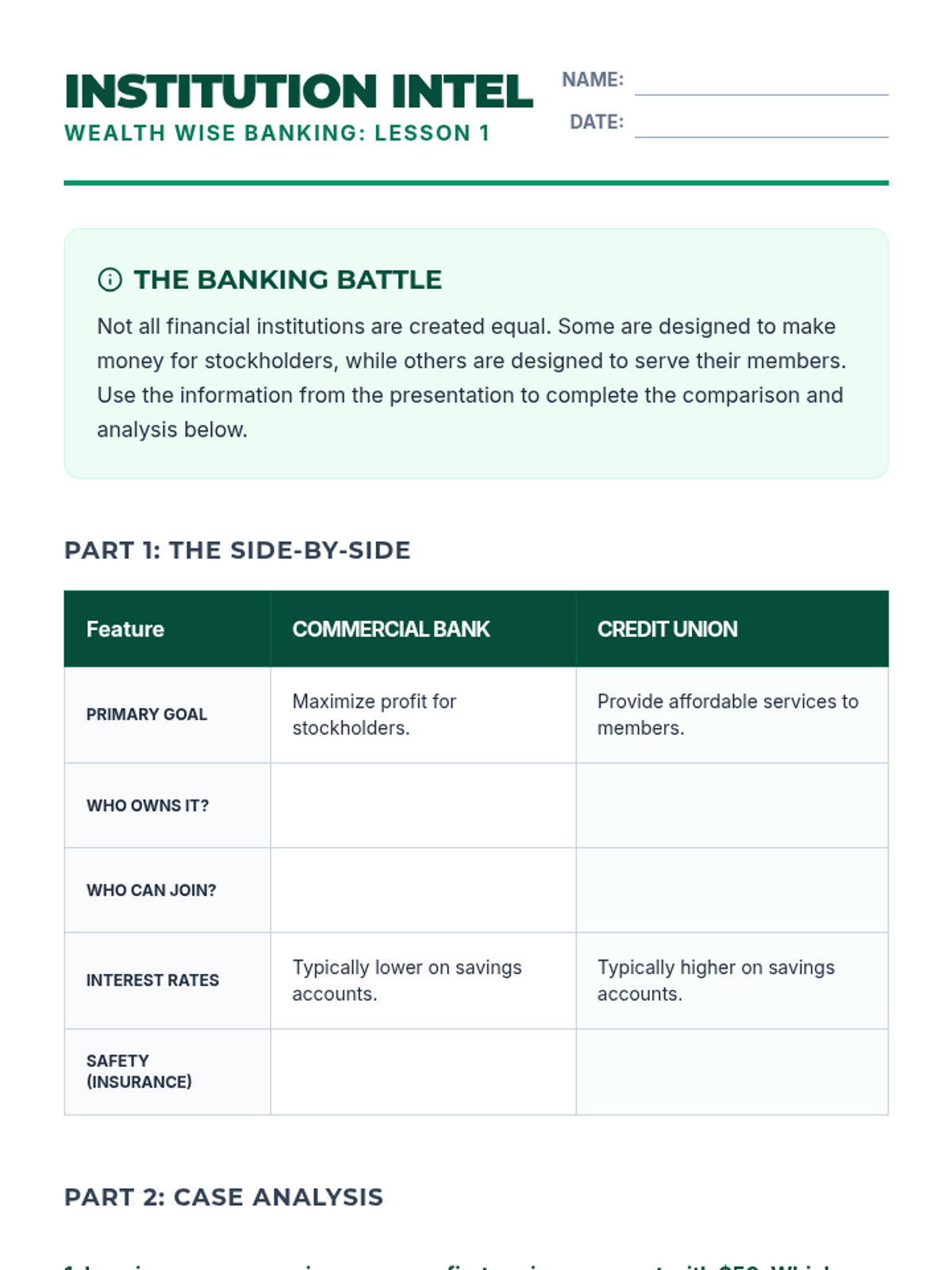
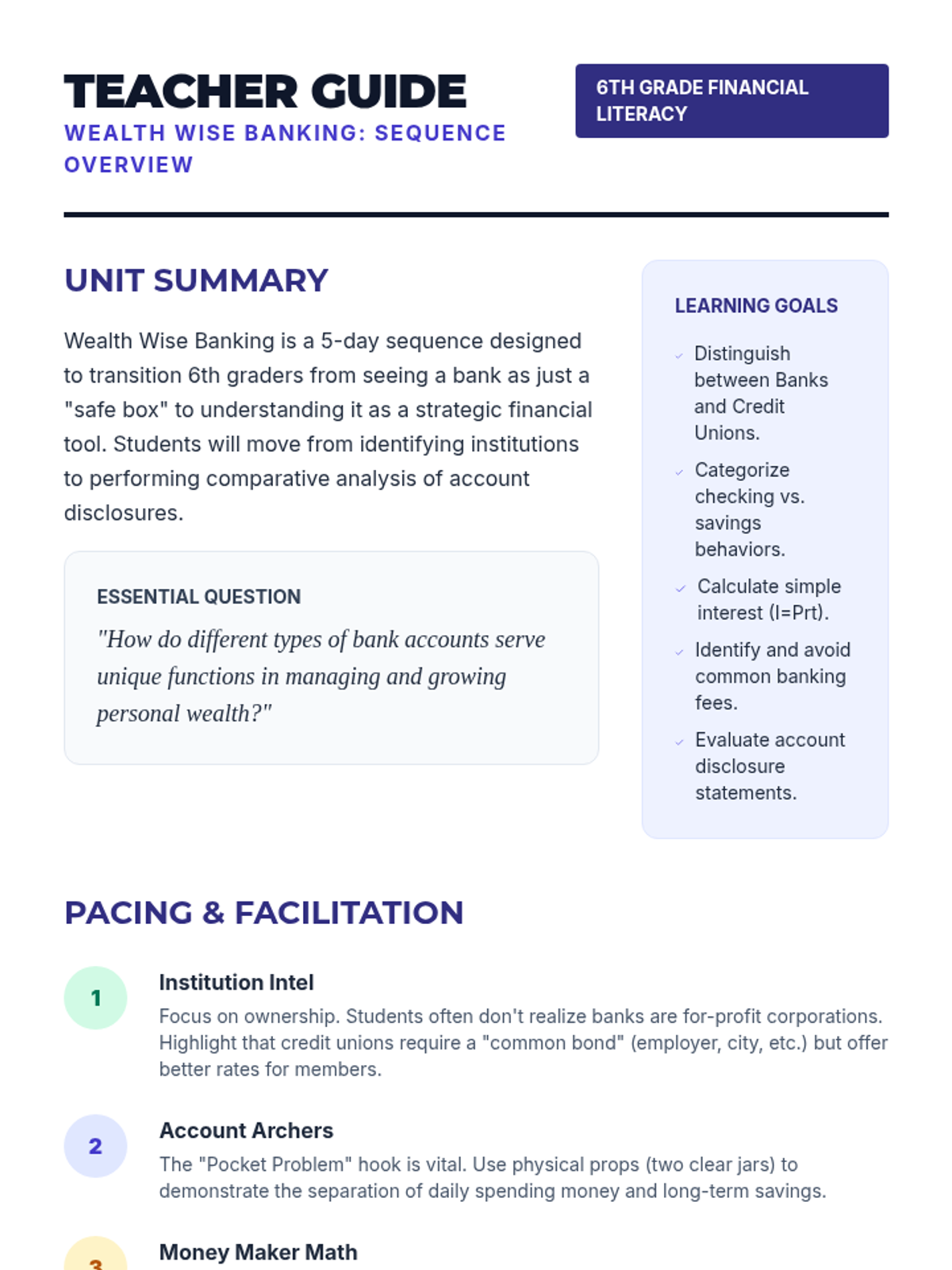
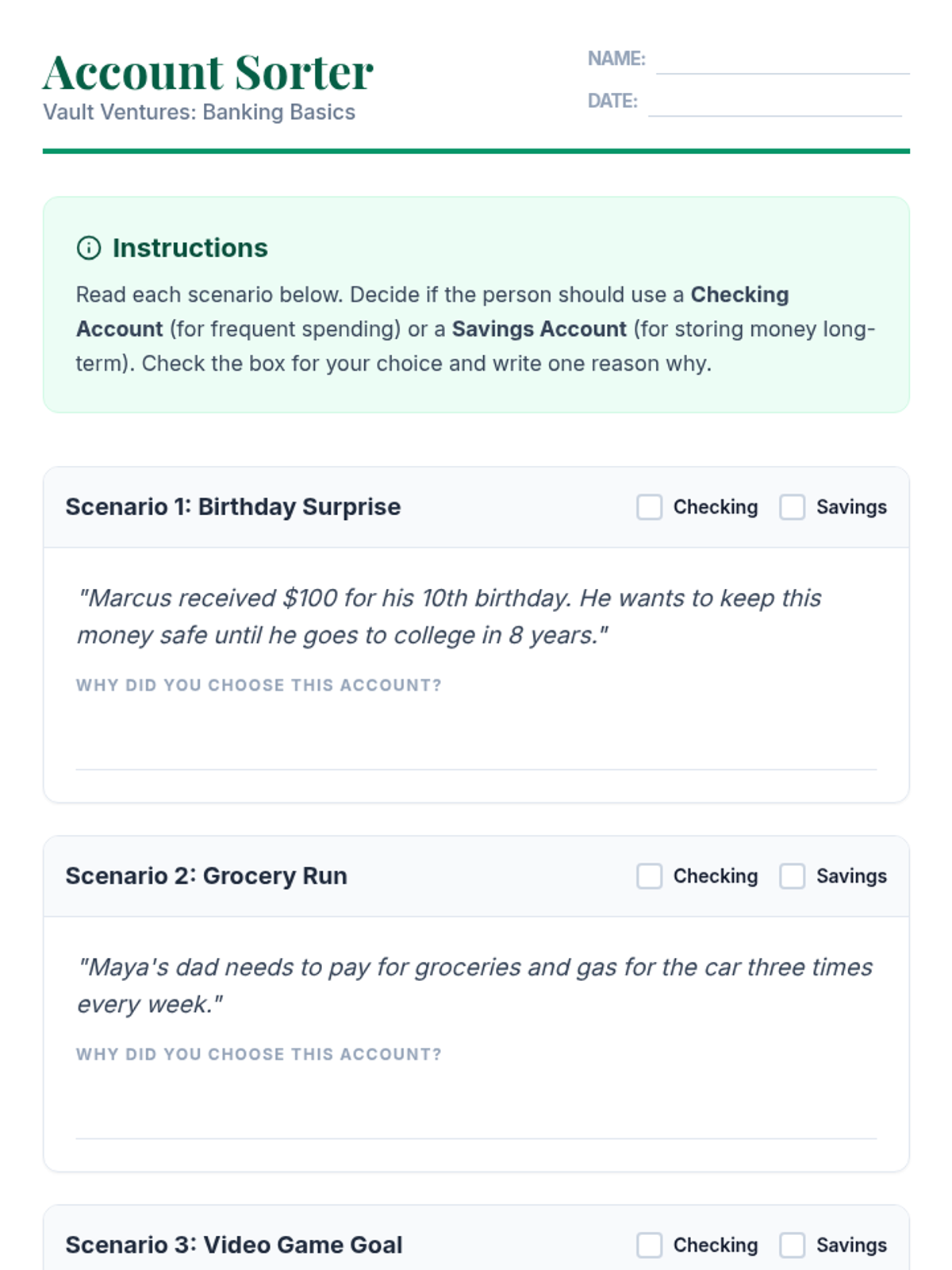
A comprehensive 5-lesson unit for 6th graders focused on the differences between checking and savings accounts, the institutions that provide them, and the mathematical growth and costs associated with banking. Students learn to evaluate account features, calculate interest, and avoid fees through inquiry and simulation.
Students enter a simulated classroom economy to learn the mechanics of maintaining a bank account, including checking and savings distinctions, ledger maintenance, understanding fees, and account reconciliation.
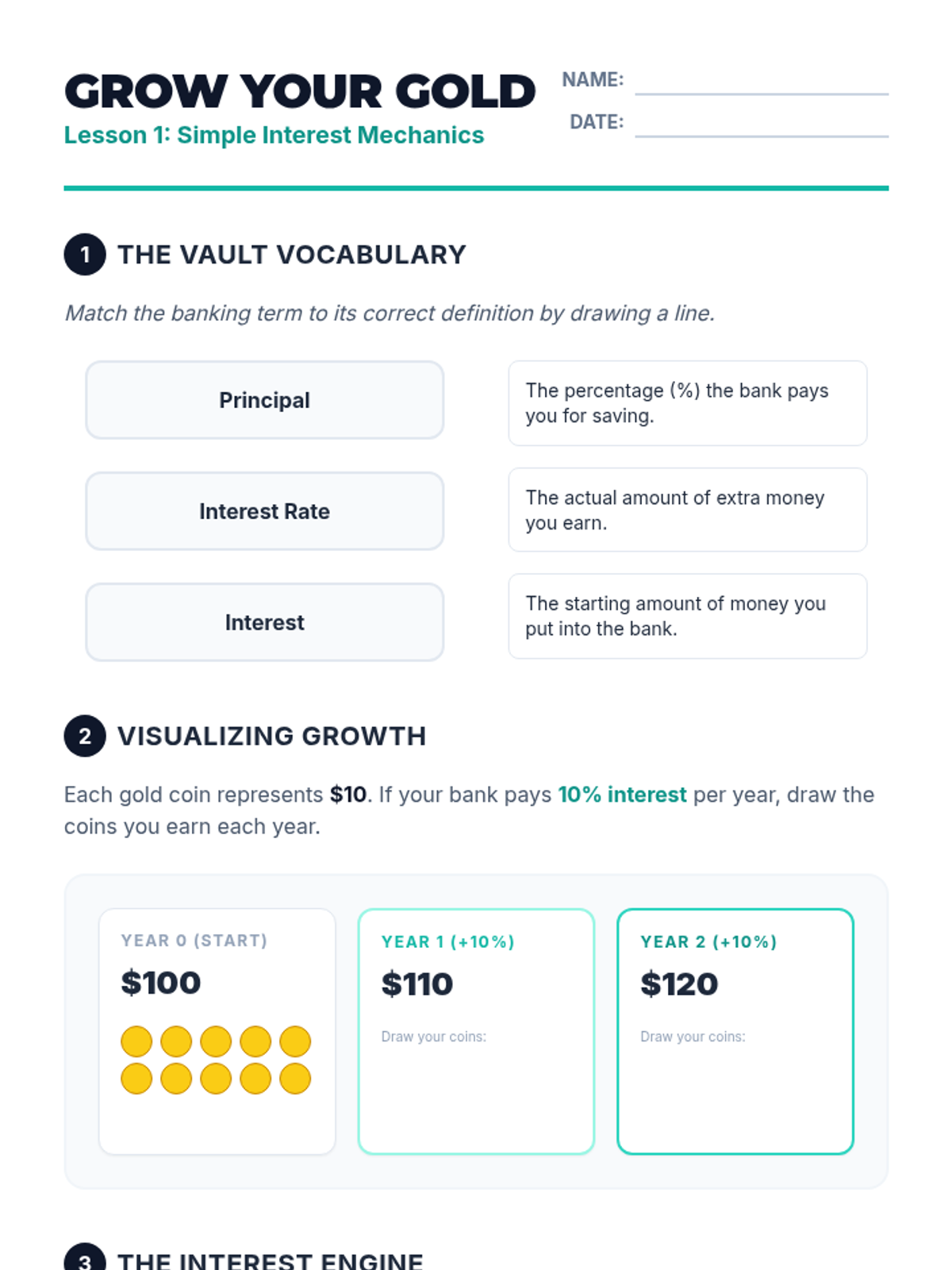
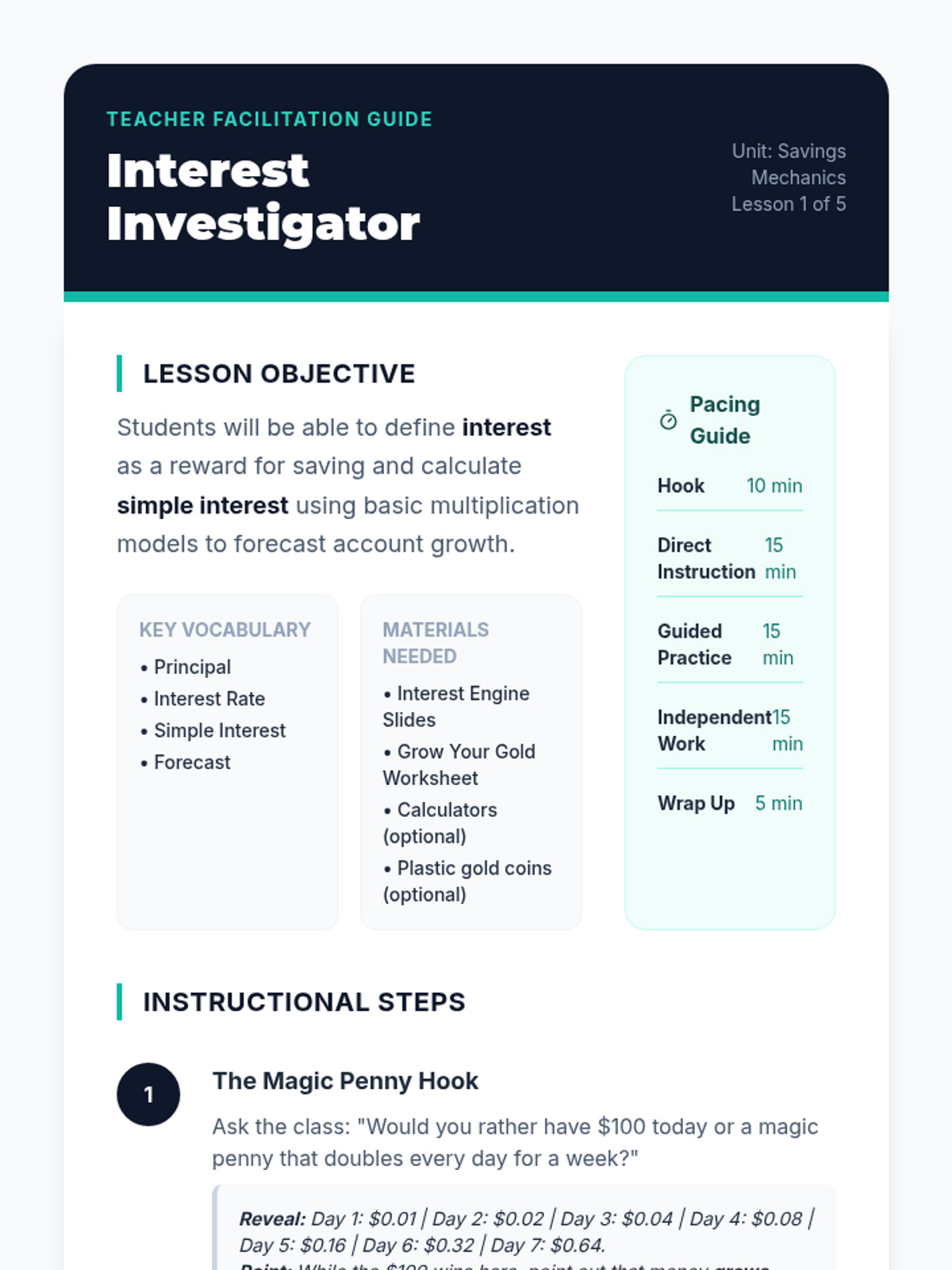
This project-based sequence shifts focus to the growth potential of money through savings accounts and the modern interface of online banking. Students investigate the concept of simple interest, visualizing how money can 'work' for them over time. The learning arc moves from understanding interest rates to navigating digital banking interfaces securely.
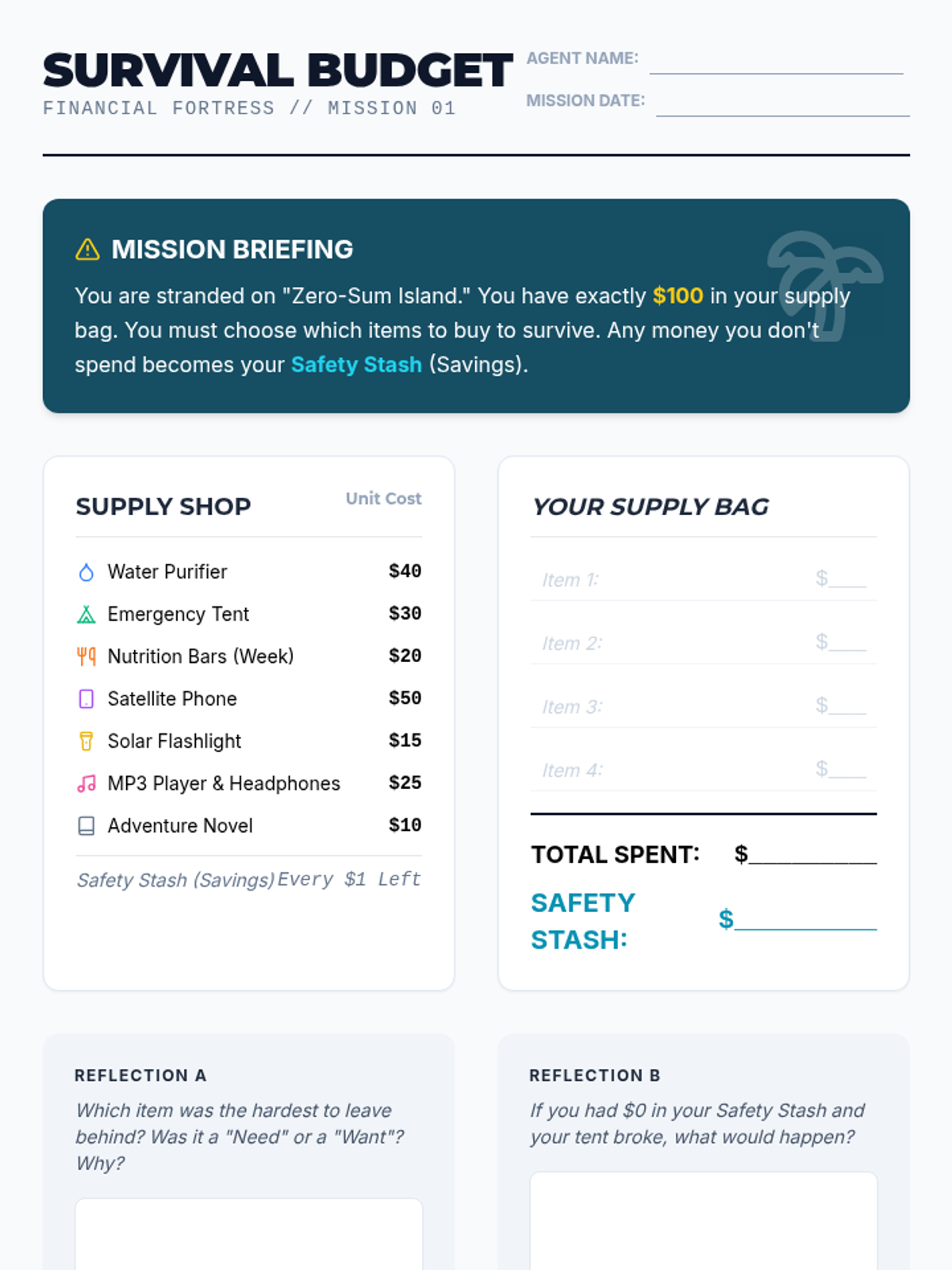
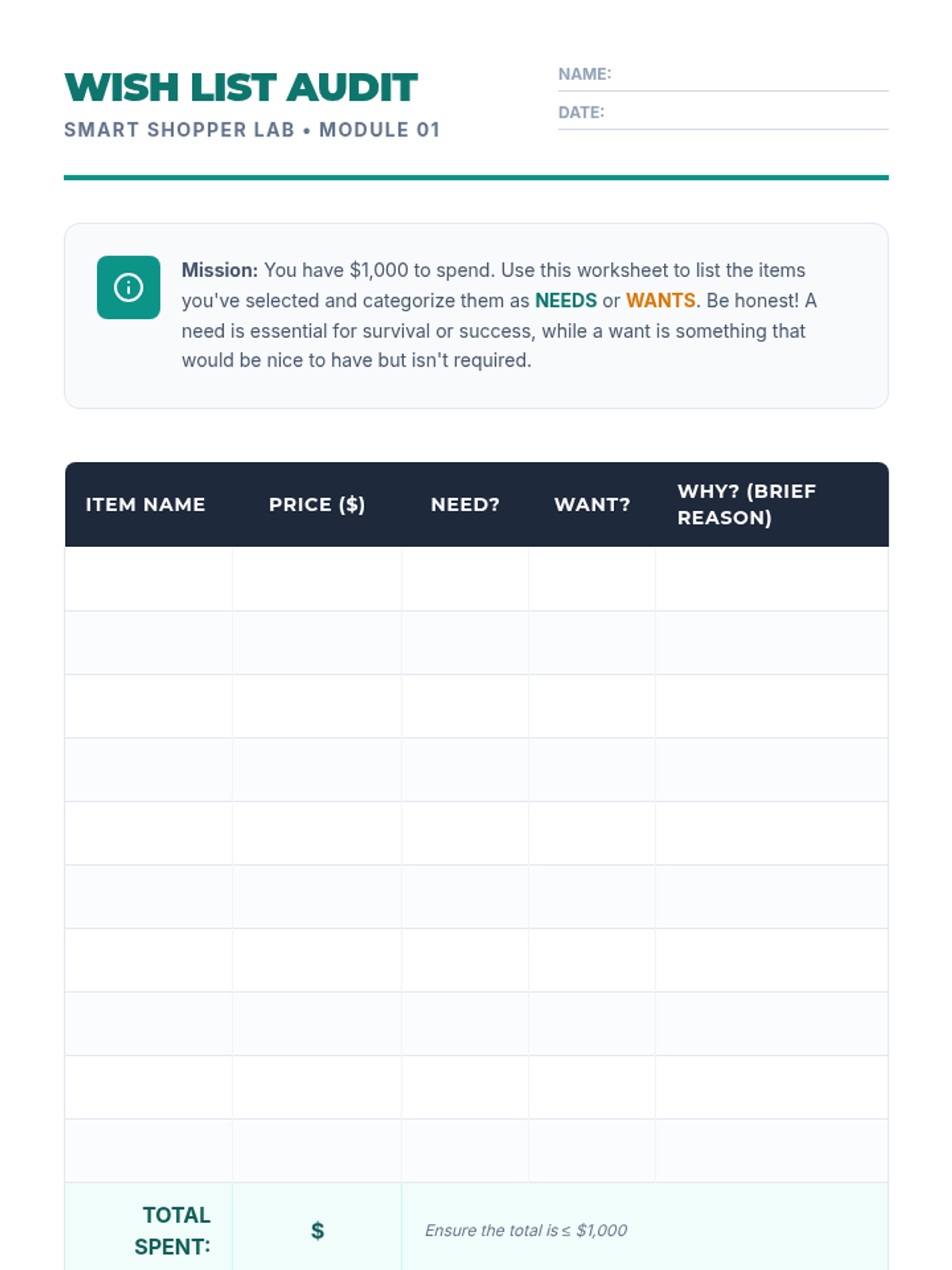
A comprehensive financial literacy sequence for 6th graders focusing on building a 'Financial Fortress' through needs/wants analysis, emergency funds, SMART goal setting, and banking basics. Students move from basic spending concepts to creating a personalized savings strategy for long-term security.
A comprehensive 5-lesson sequence for 6th graders exploring the mechanics of banking, the mathematics of interest, the responsibilities of credit, and the security of digital finance through simulations and project-based learning.
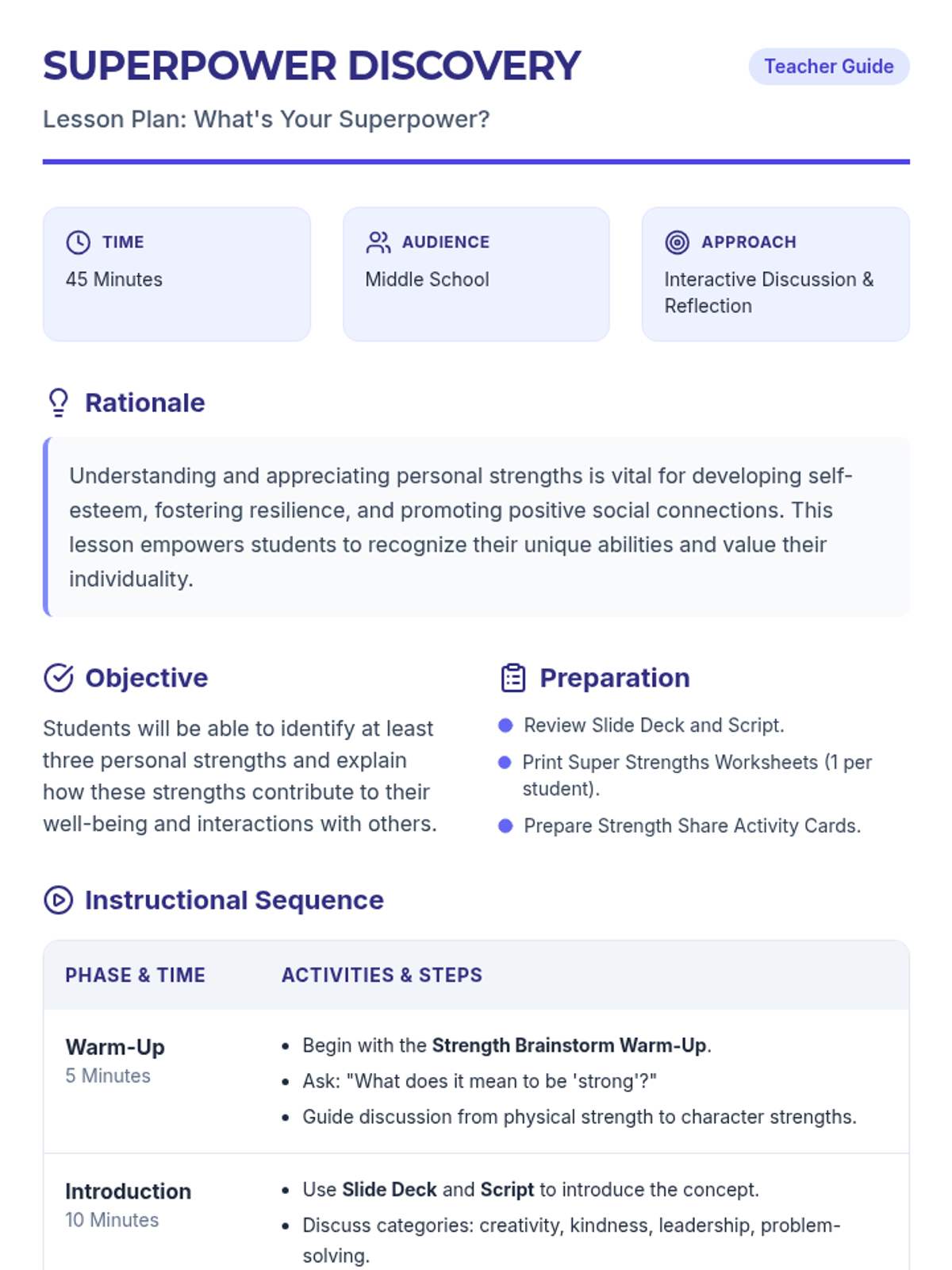
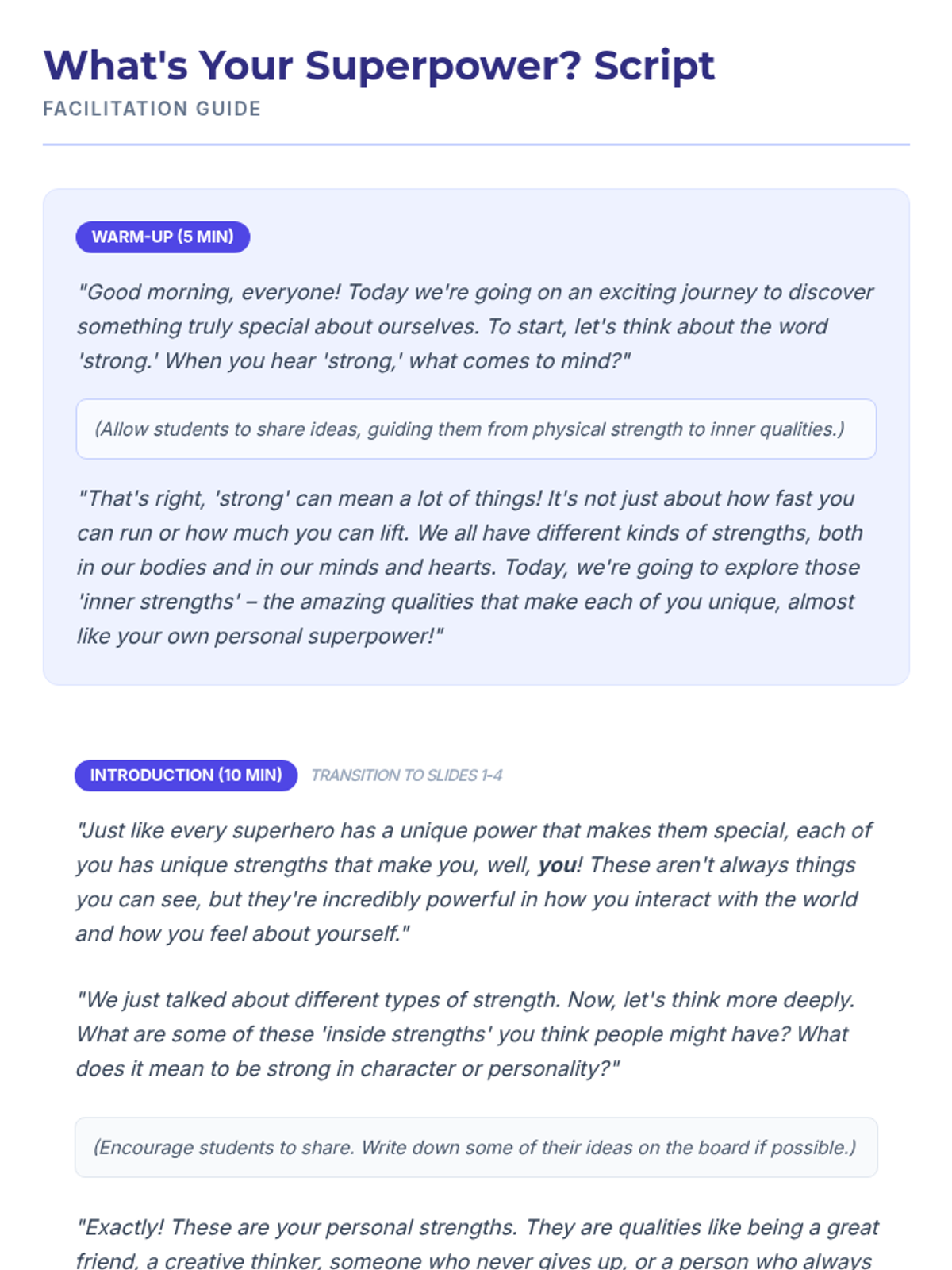
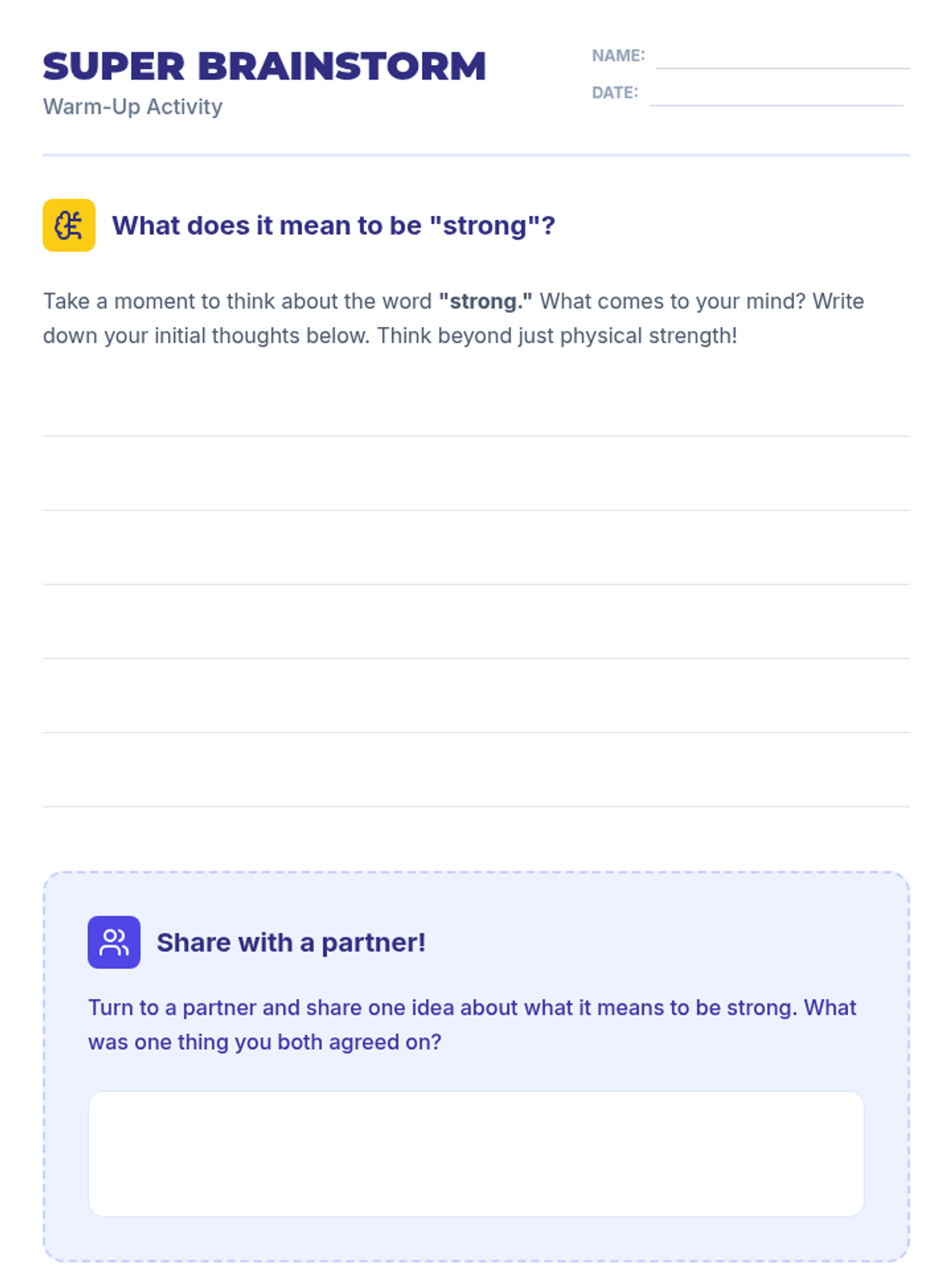
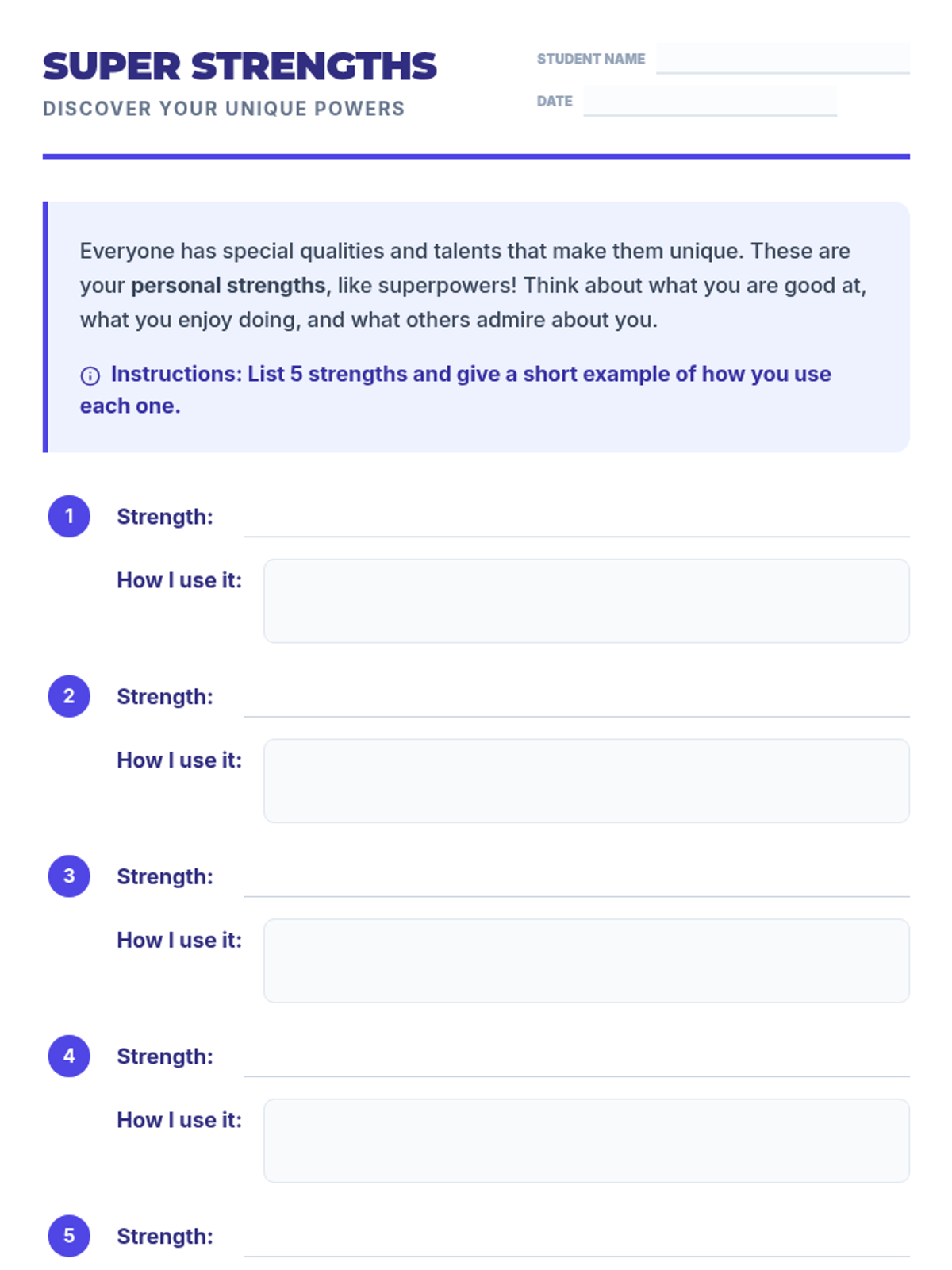
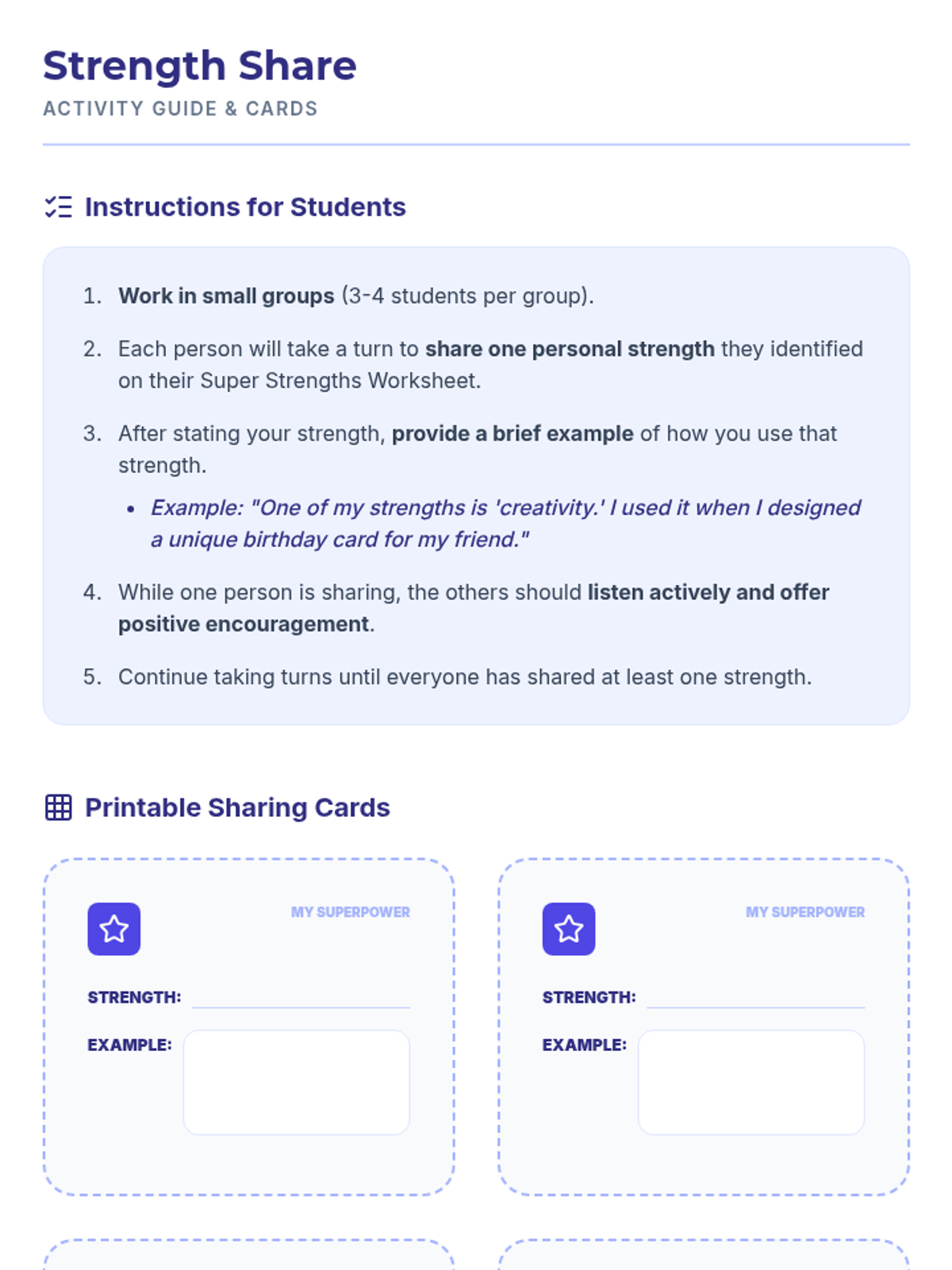
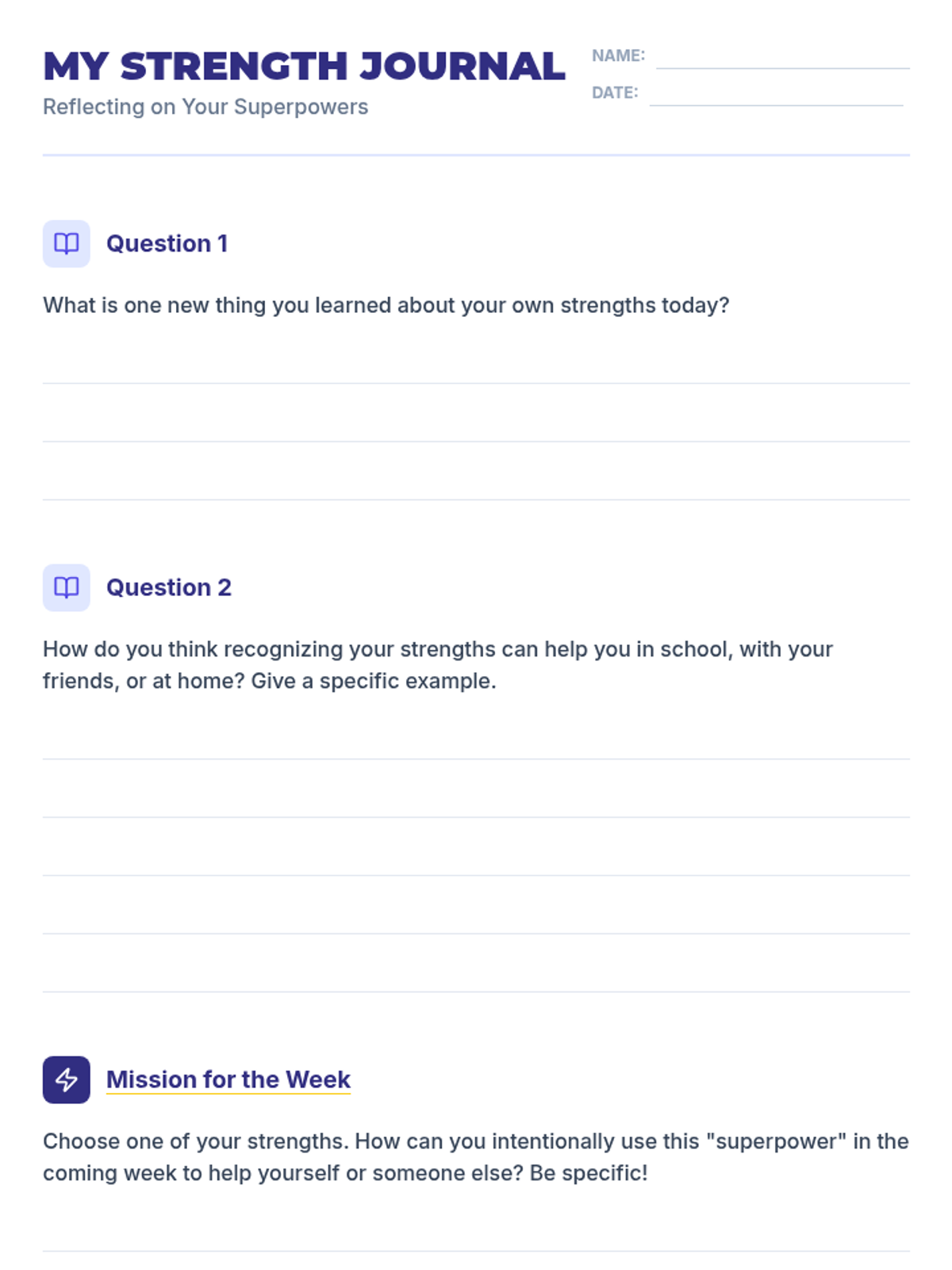
A comprehensive two-part sequence designed to help students navigate the transition from self-discovery in middle school to the practical responsibilities of young adulthood. Lesson 1 focuses on identifying personal strengths, while Lesson 2 provides a roadmap for post-secondary life.
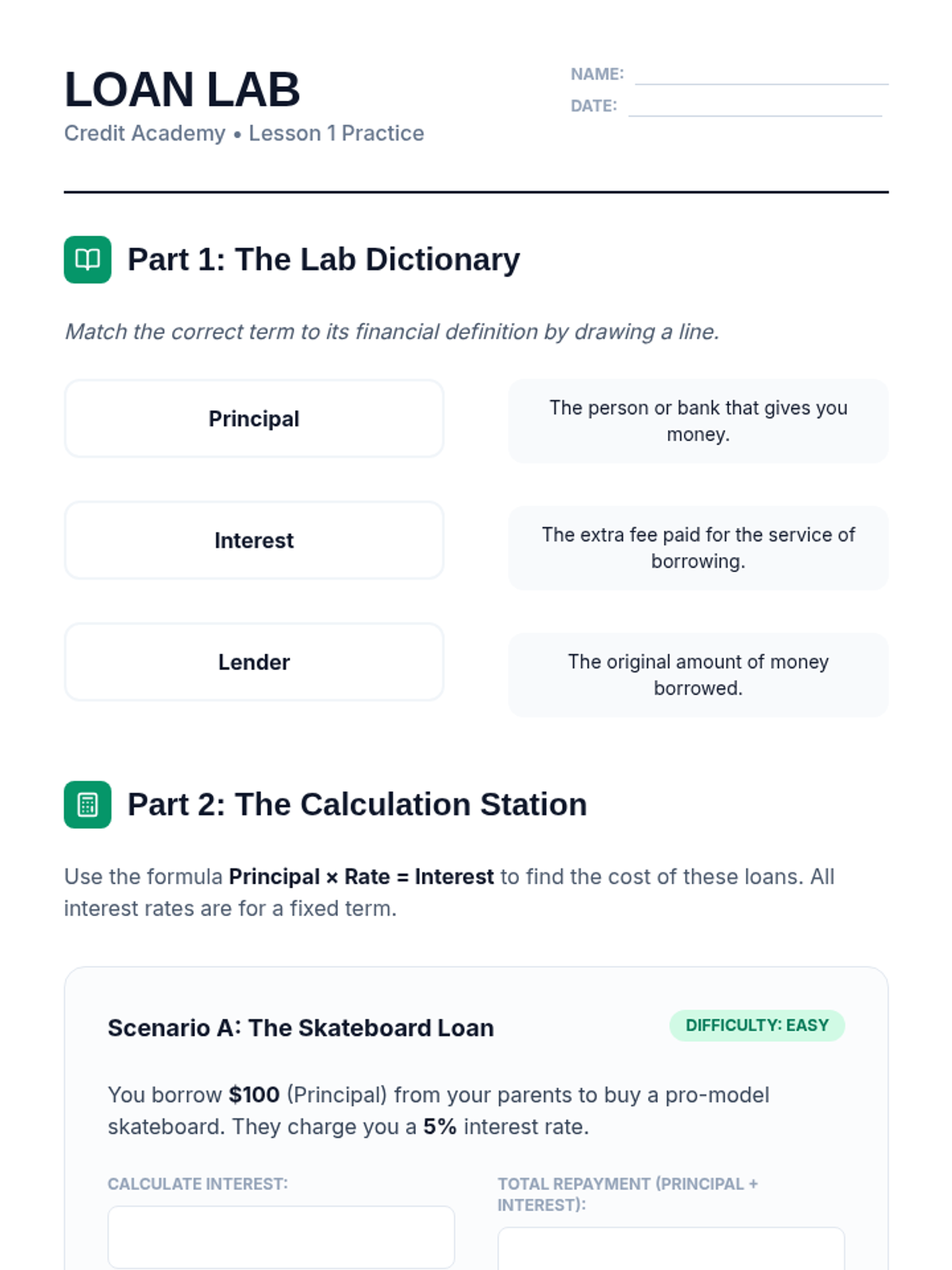
A comprehensive unit for 6th graders on the mechanics and responsibilities of credit and debt. Students learn about interest, credit scores, payment methods, and the long-term impact of debt on personal budgeting and financial freedom.
This sequence explores the mechanics of credit, the actual cost of debt through interest, the importance of creditworthiness, and the basics of investment risk. Students culminate their learning by evaluating business loan proposals in a 'Shark Tank' style simulation.
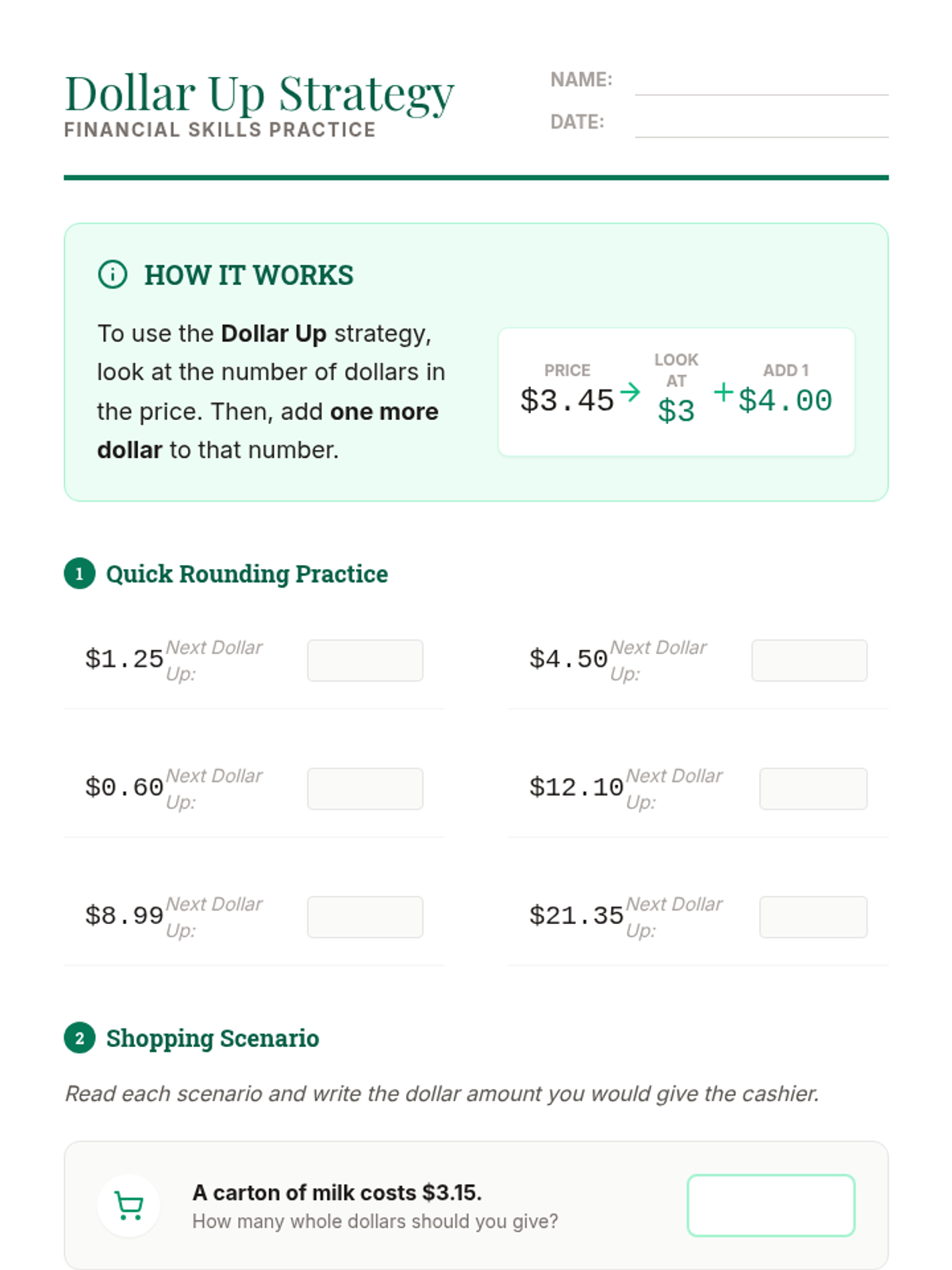
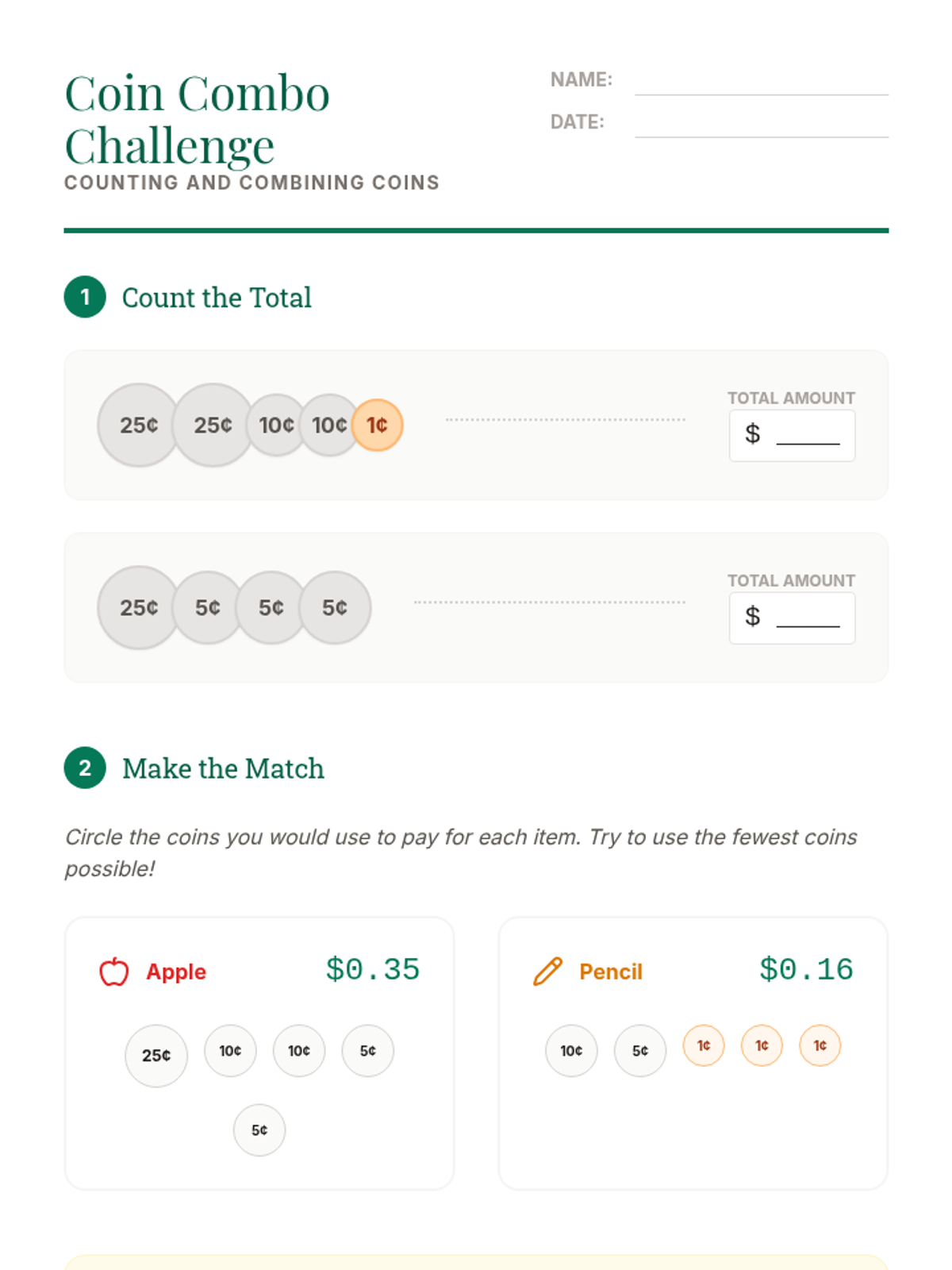
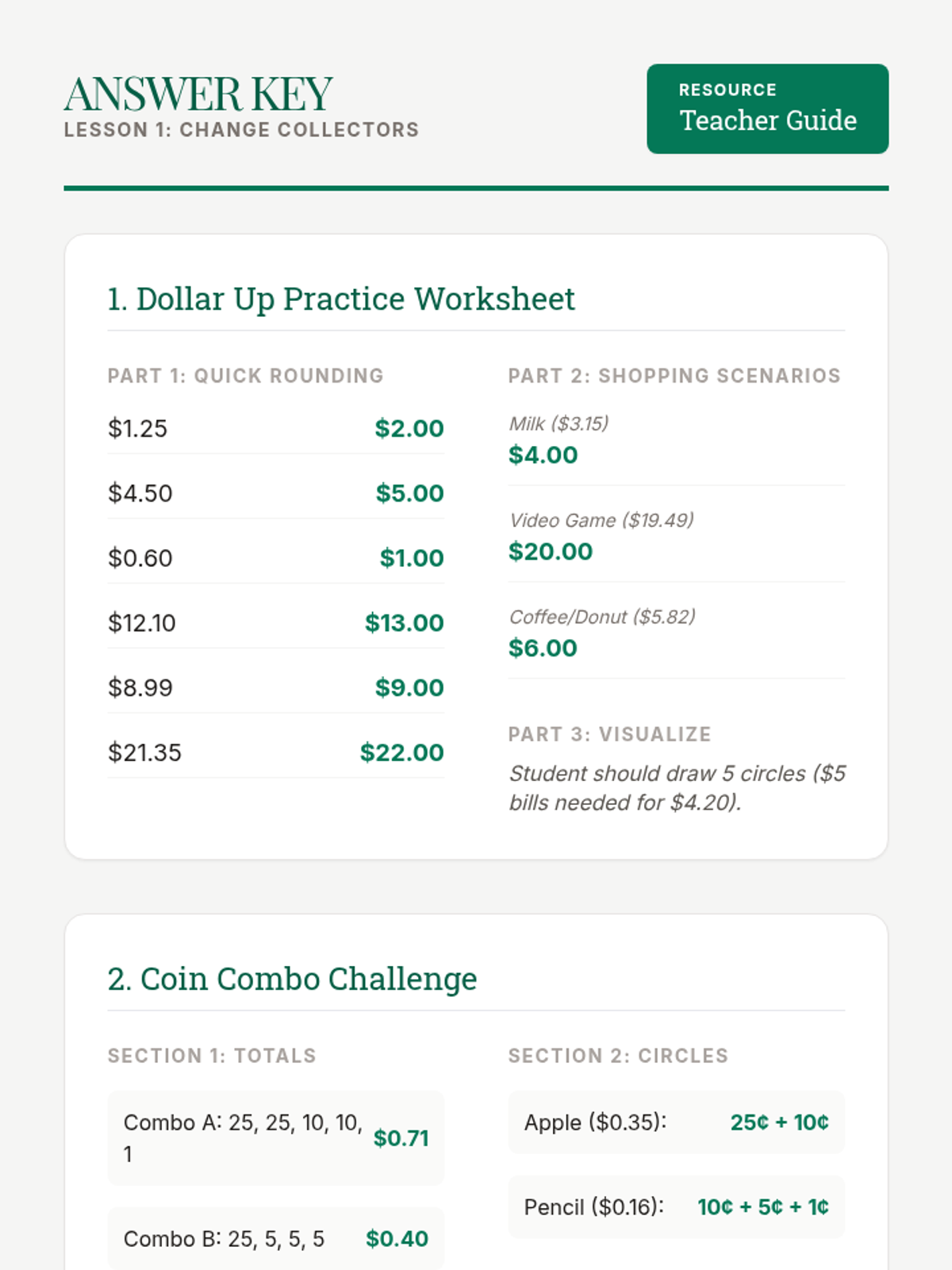
A comprehensive financial literacy sequence covering coin counting, the 'next dollar up' strategy, adding purchases, unit price ratios, and budget management. Students progress from basic money handling to complex real-world financial decision-making.
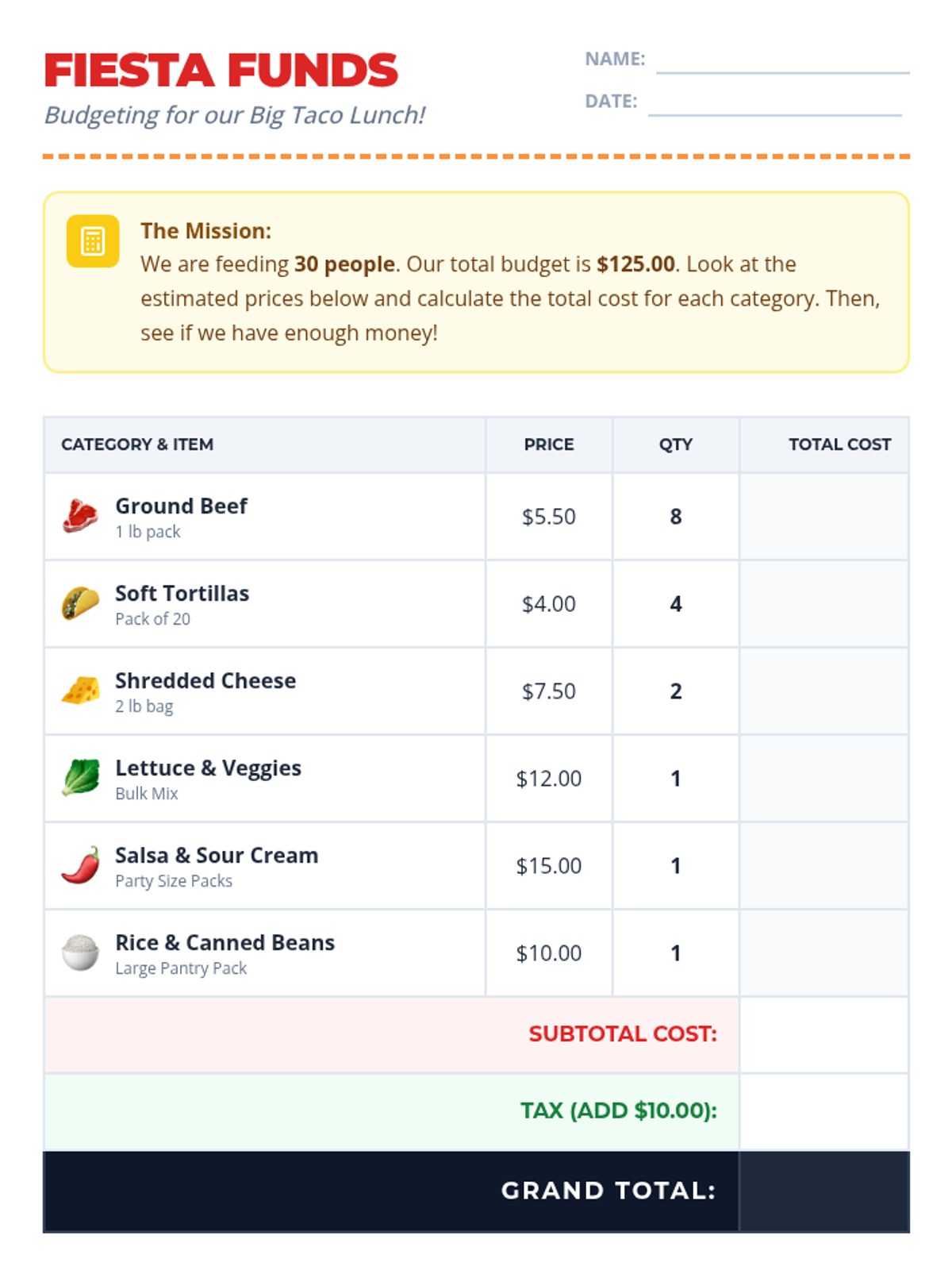
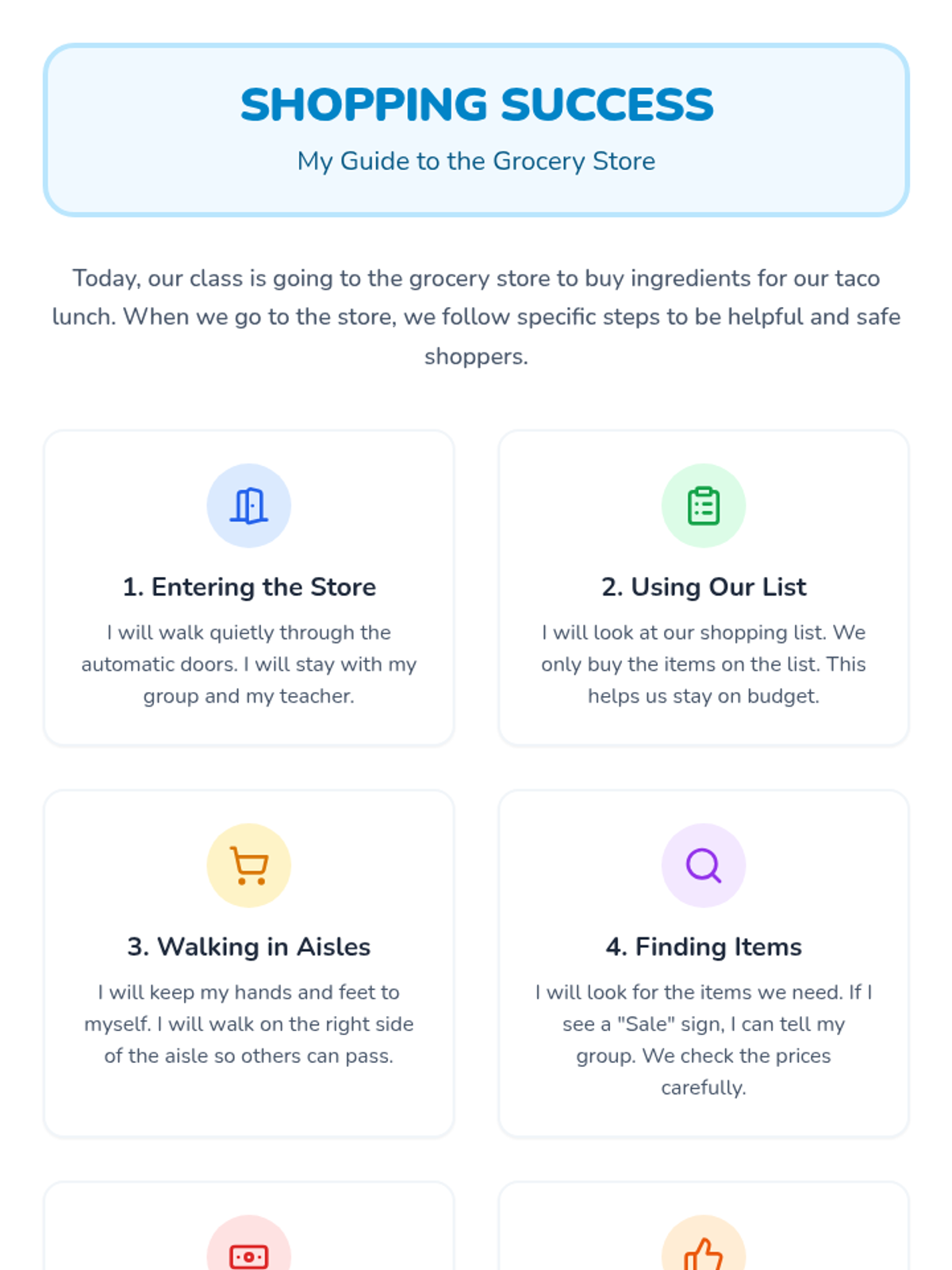
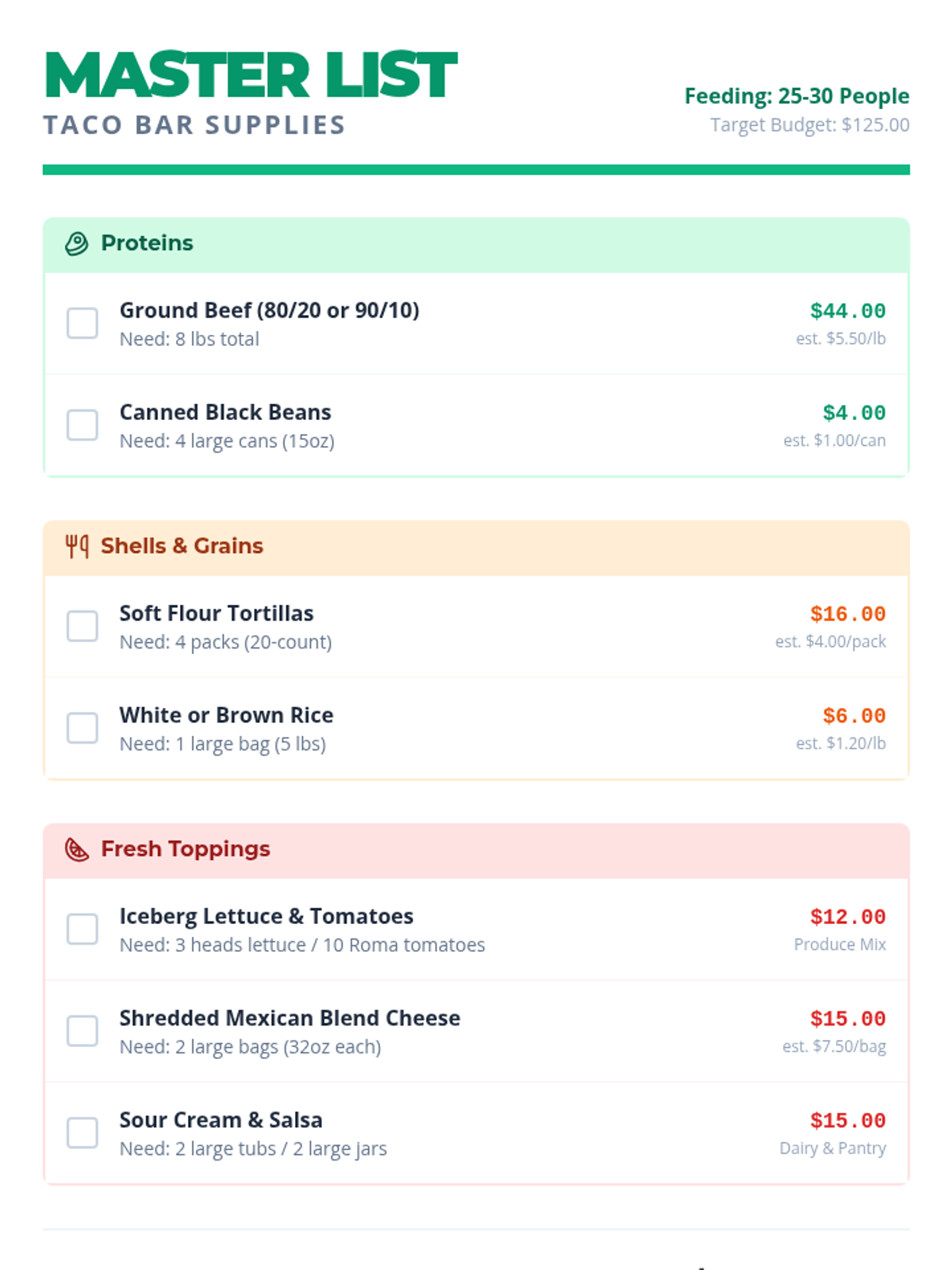
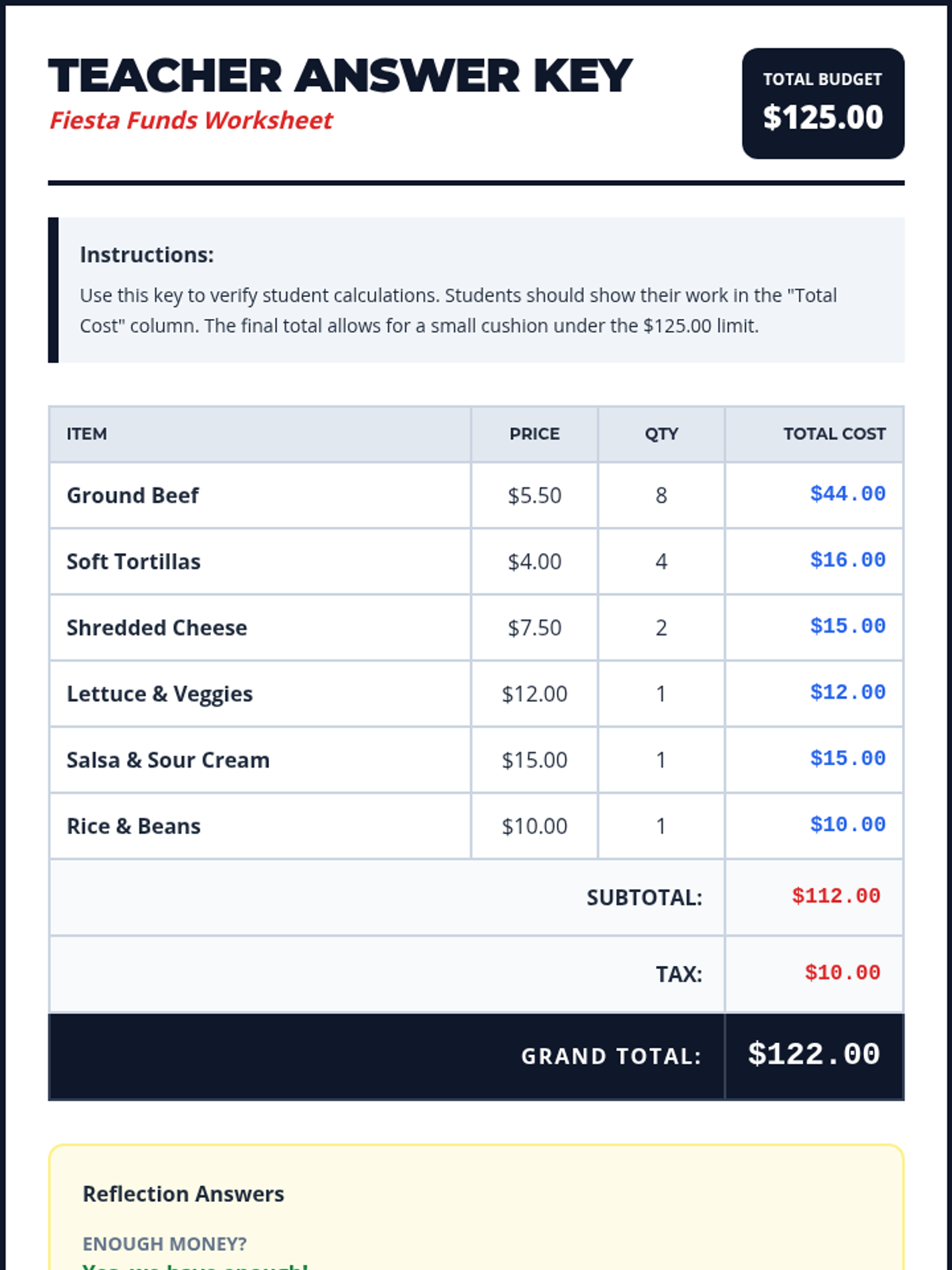
A comprehensive unit on planning, shopping for, and preparing a taco bar lunch for a large group. Students practice budgeting, community navigation, and culinary skills.
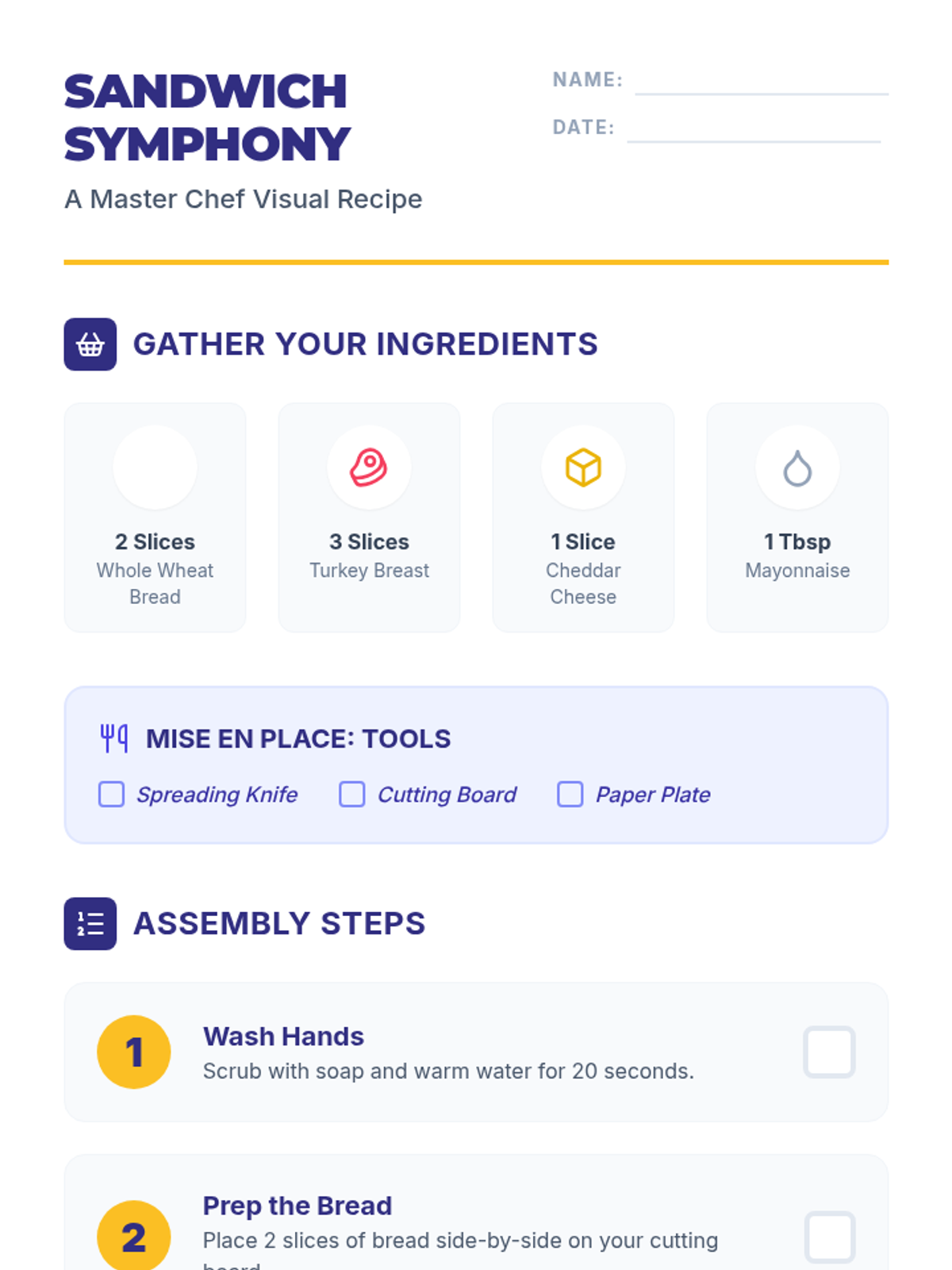
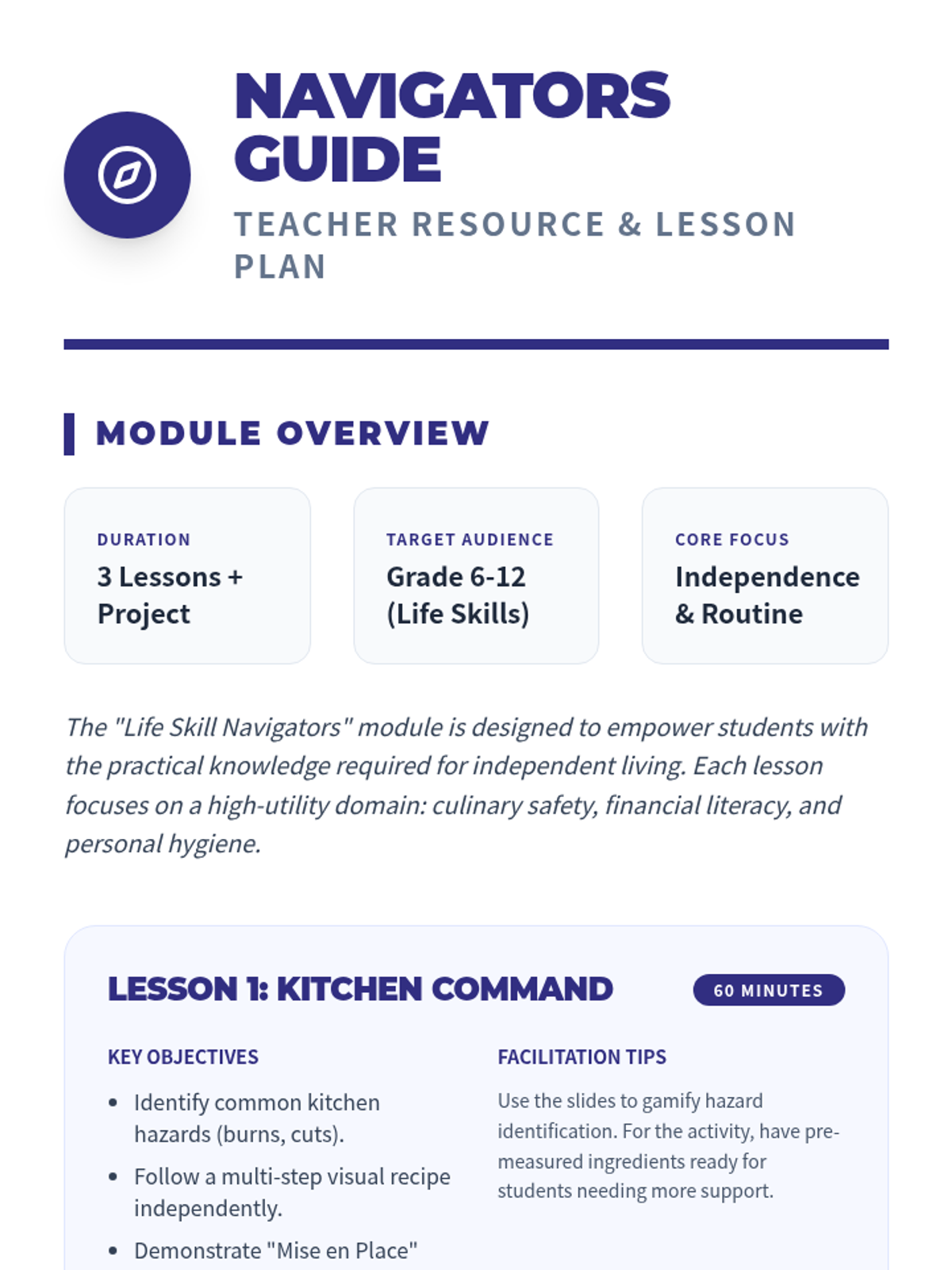
A comprehensive life skills module designed for middle and high school students to develop independence in meal preparation, budgeting, and personal hygiene. Through visual guides and hands-on practice, students build the confidence needed for daily living.
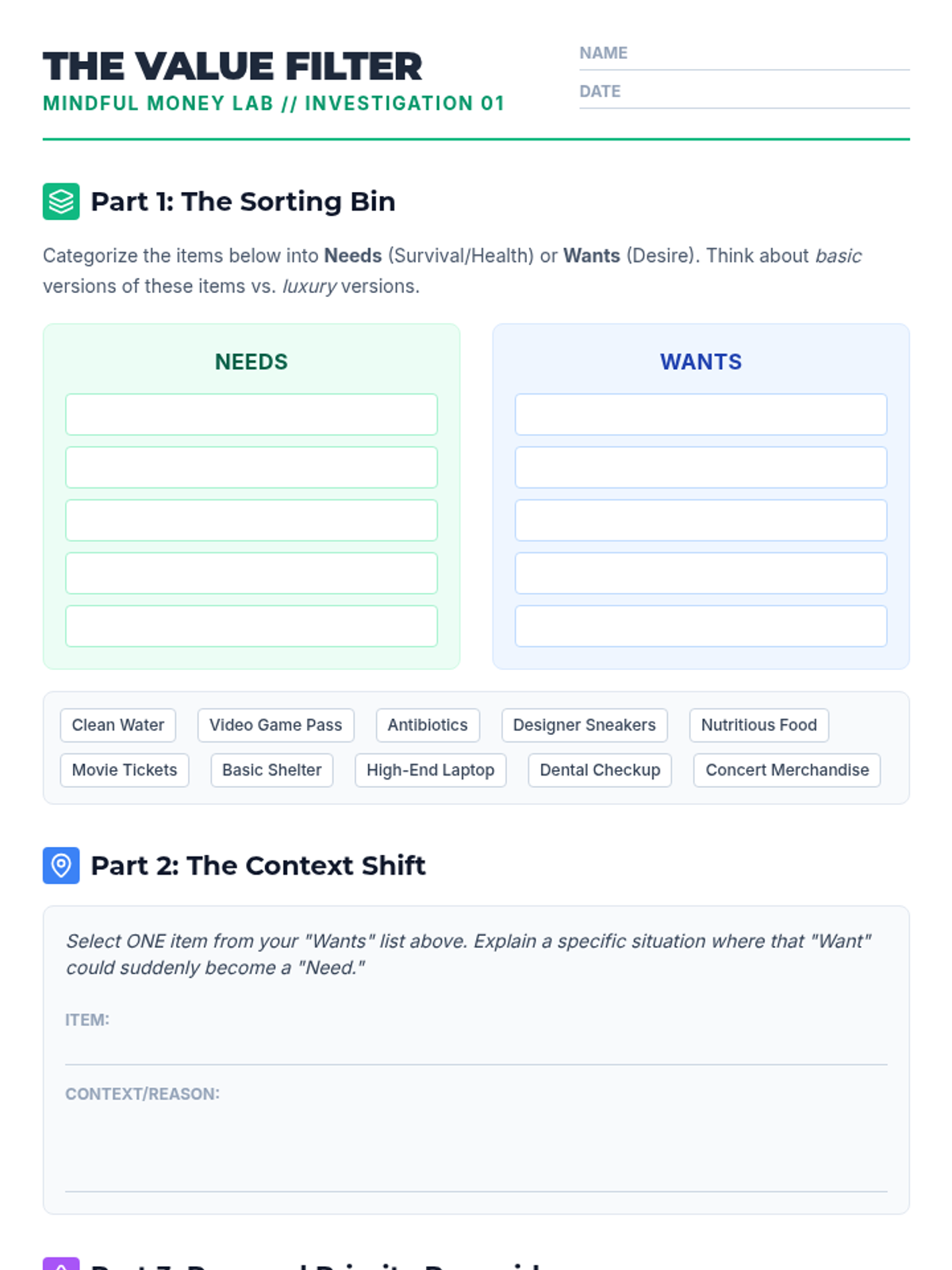
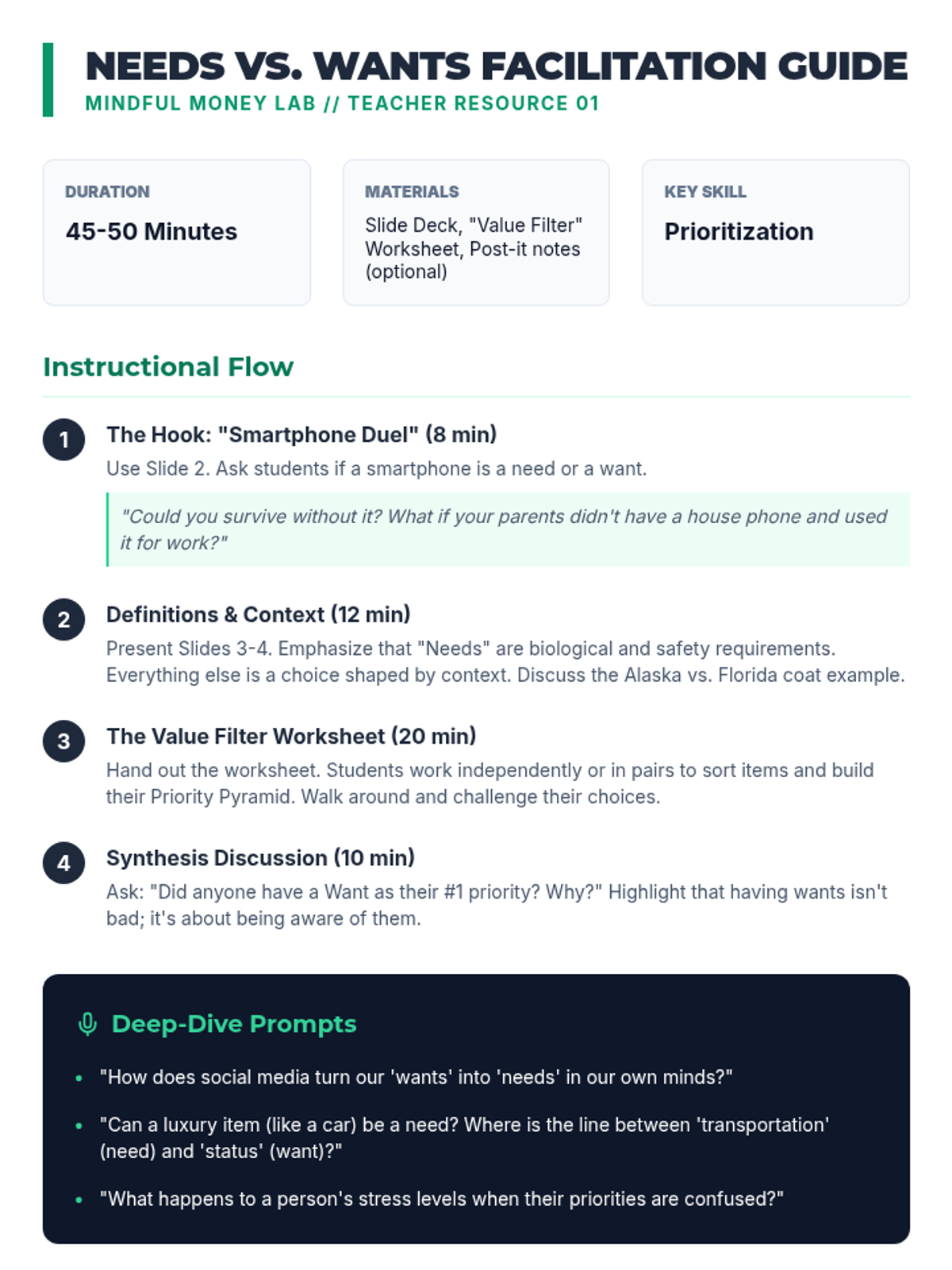
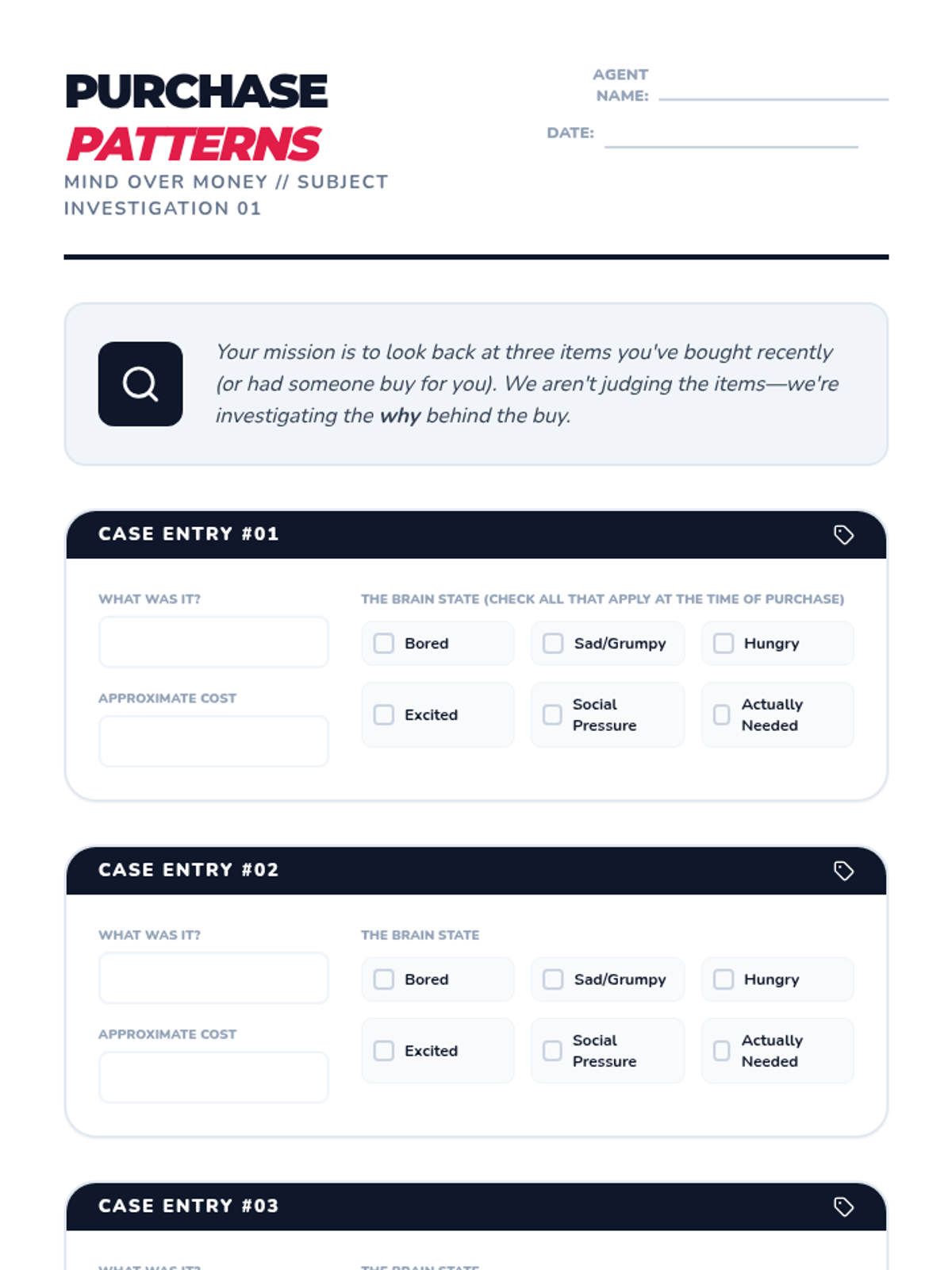
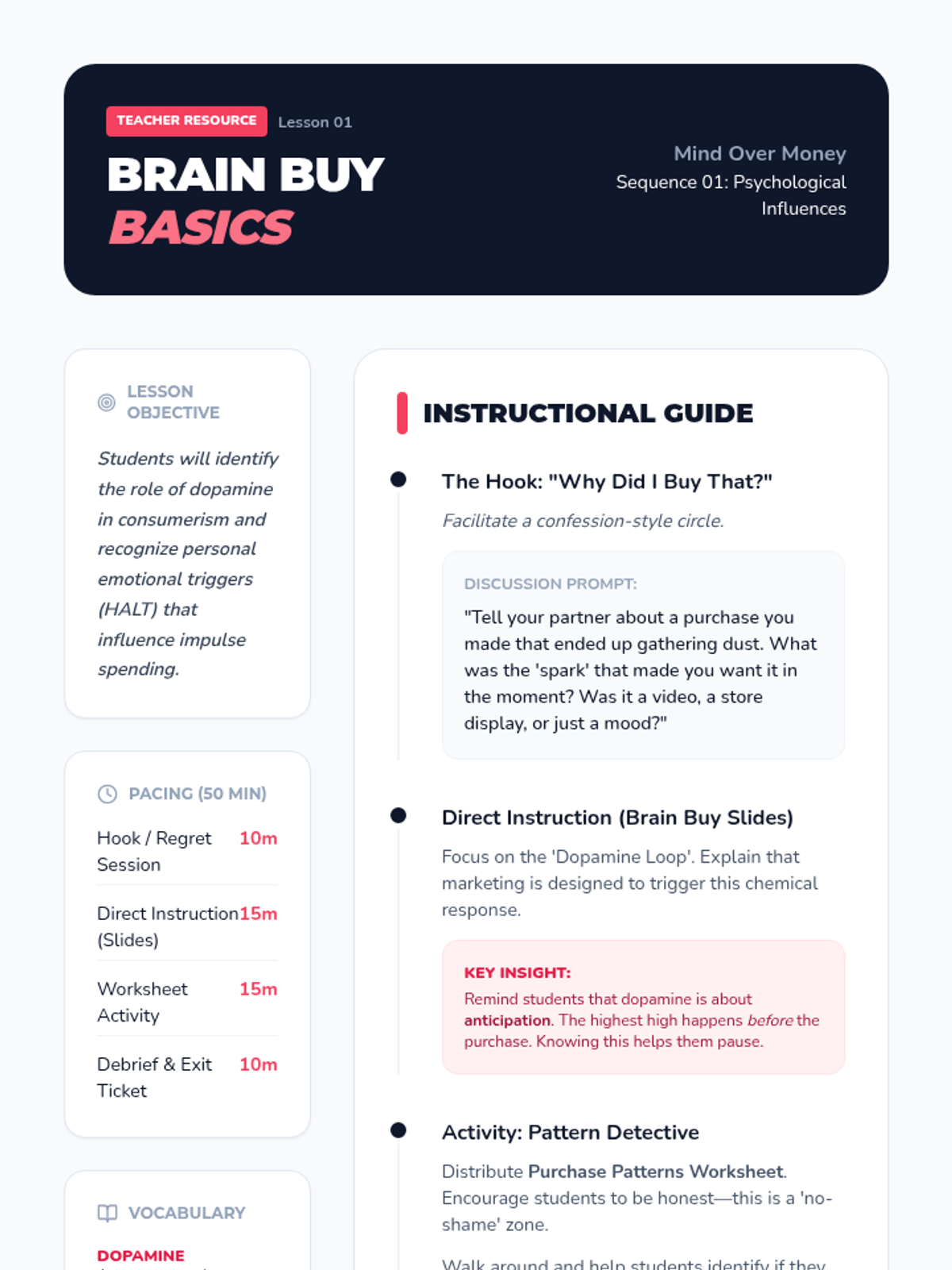
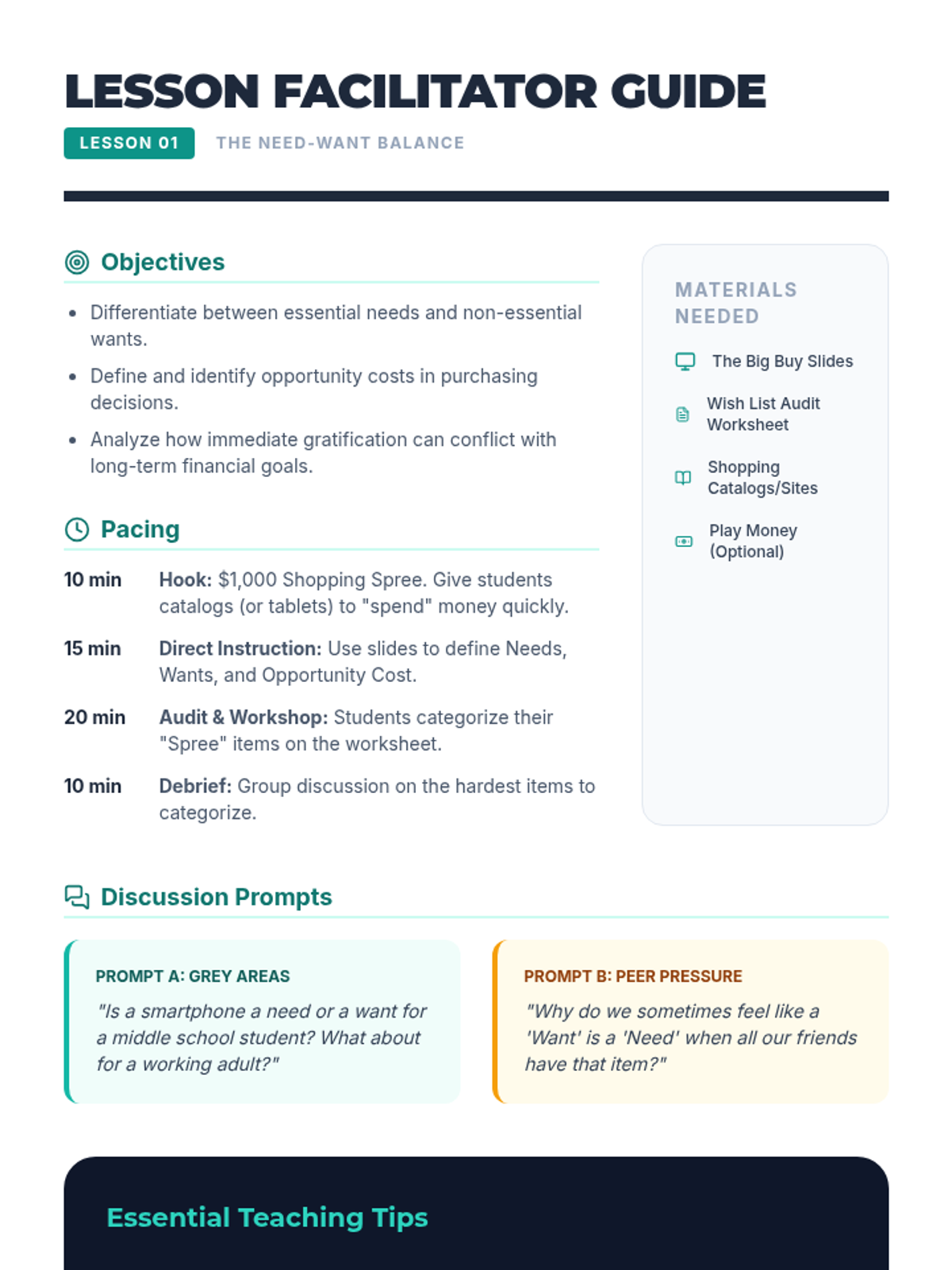
This sequence explores the psychology behind spending, focusing on impulse control, emotional triggers, and the economic concept of opportunity cost. Students move from basic needs/wants categorization to developing a personalized mindful spending plan.
A comprehensive workshop-style sequence exploring the psychology behind consumer habits, focusing on emotional triggers, peer pressure, branding, and environmental impact to help 6th graders develop healthy spending habits.
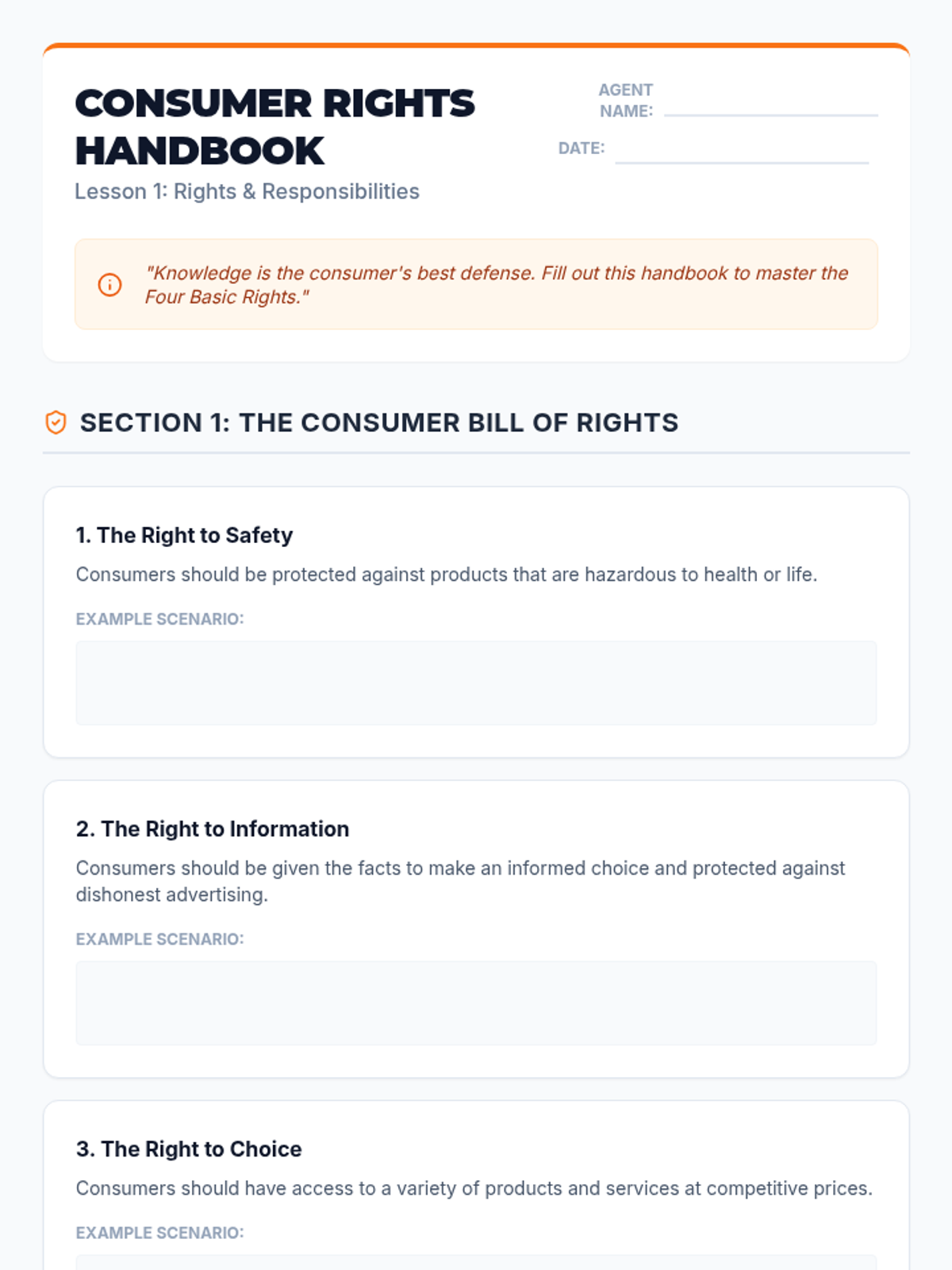
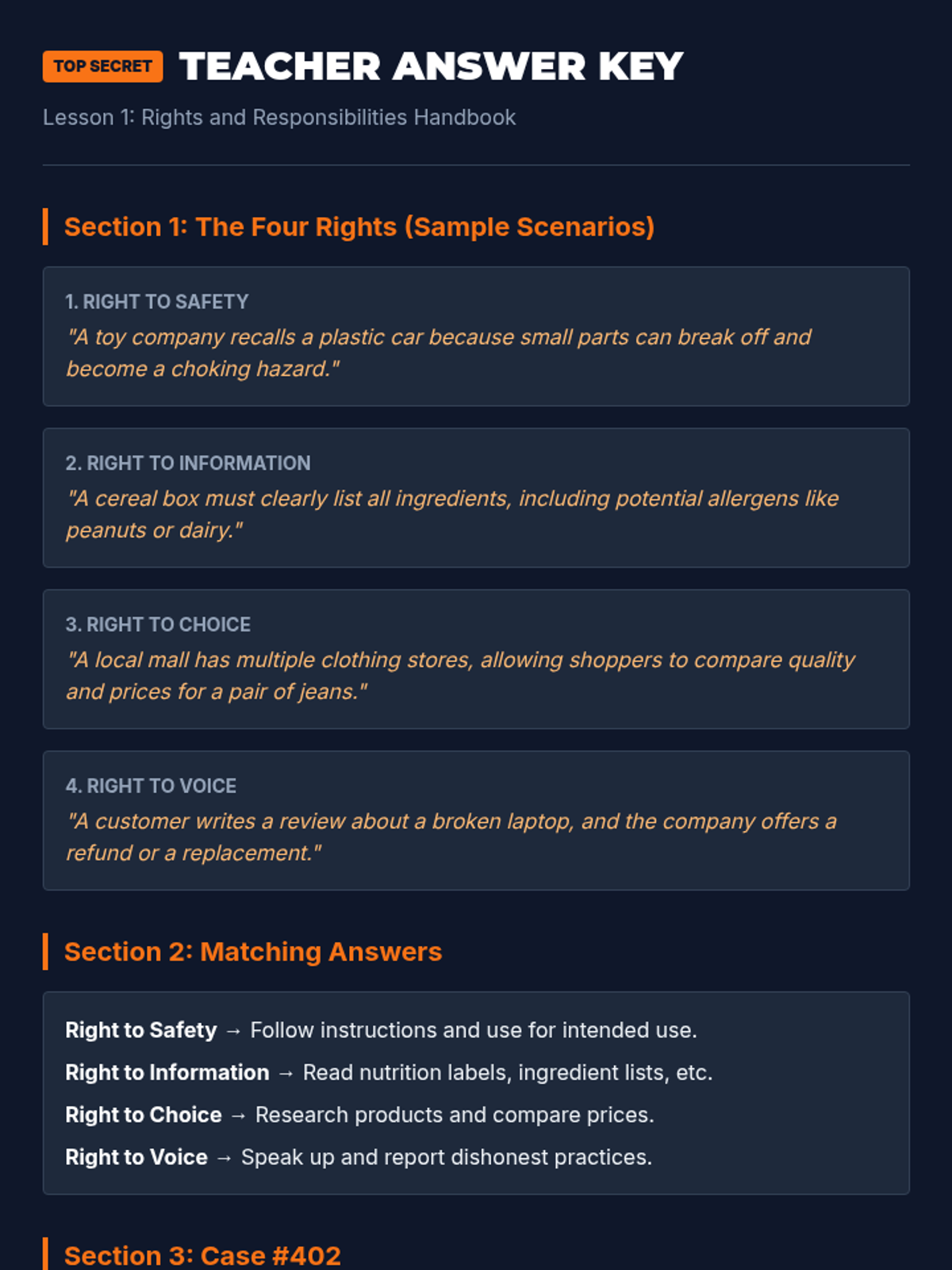
A comprehensive financial literacy sequence for 6th graders focused on consumer protection. Students learn about their rights, how to identify online scams and phishing, the importance of data privacy, how to interpret warranties, and the professional way to resolve consumer complaints.
A project-based sequence for 6th-grade students focusing on financial literacy and consumer skills. Students learn to distinguish needs from wants, conduct product research, analyze online reviews, compare retailers, and justify purchase decisions through a final 'Smart Buy' report.
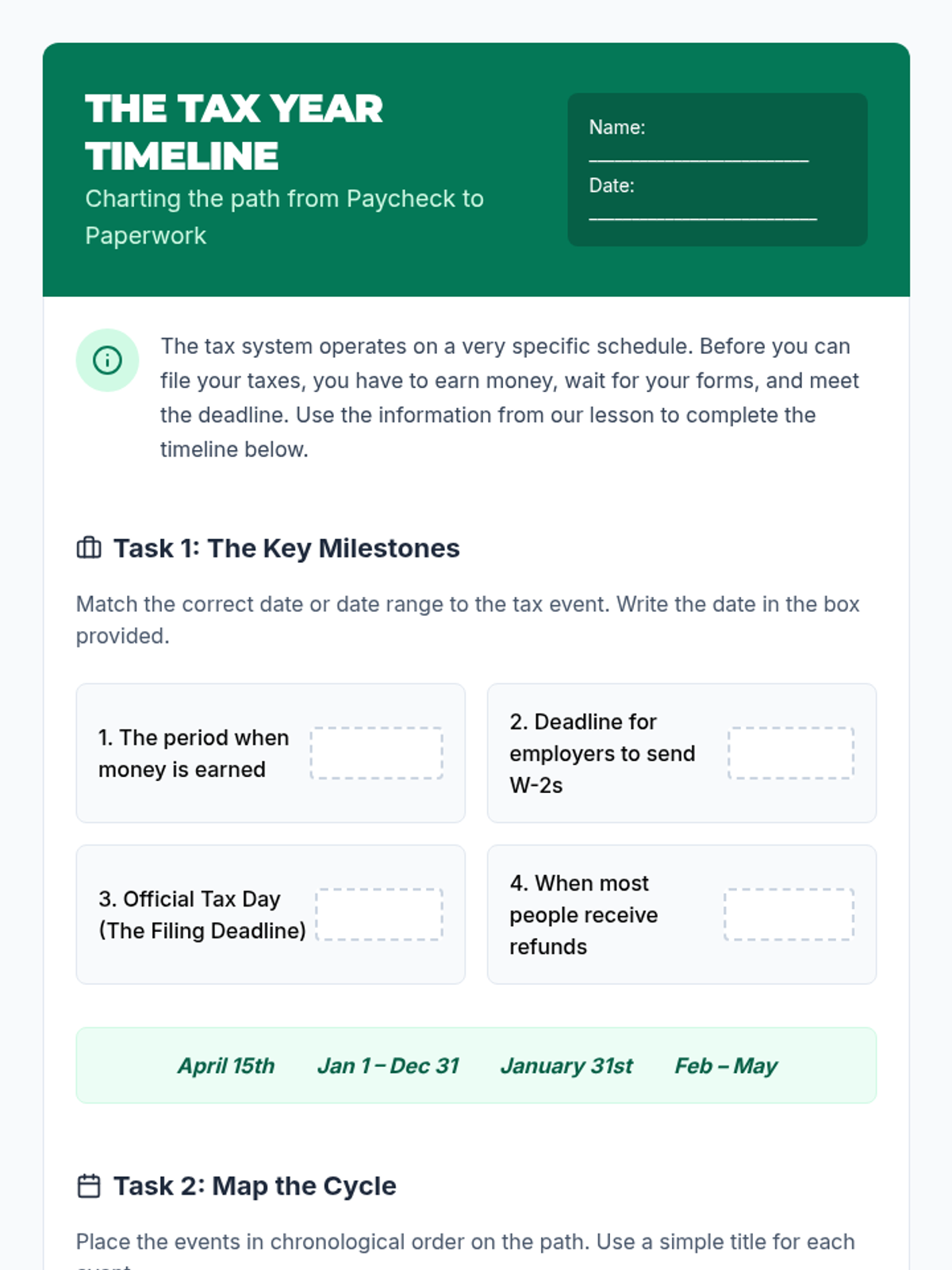
A comprehensive 5-lesson unit for 6th graders that demystifies the annual tax filing process through hands-on simulations, document analysis, and gamified scenarios. Students move from understanding the tax calendar to filing a simplified 1040 form and analyzing tax outcomes.
A comprehensive unit for 6th-grade students to understand the three primary types of taxes in the US: income, sales, and property tax. Students explore how these taxes fund community services and how they are calculated, concluding with a project-based infographic.
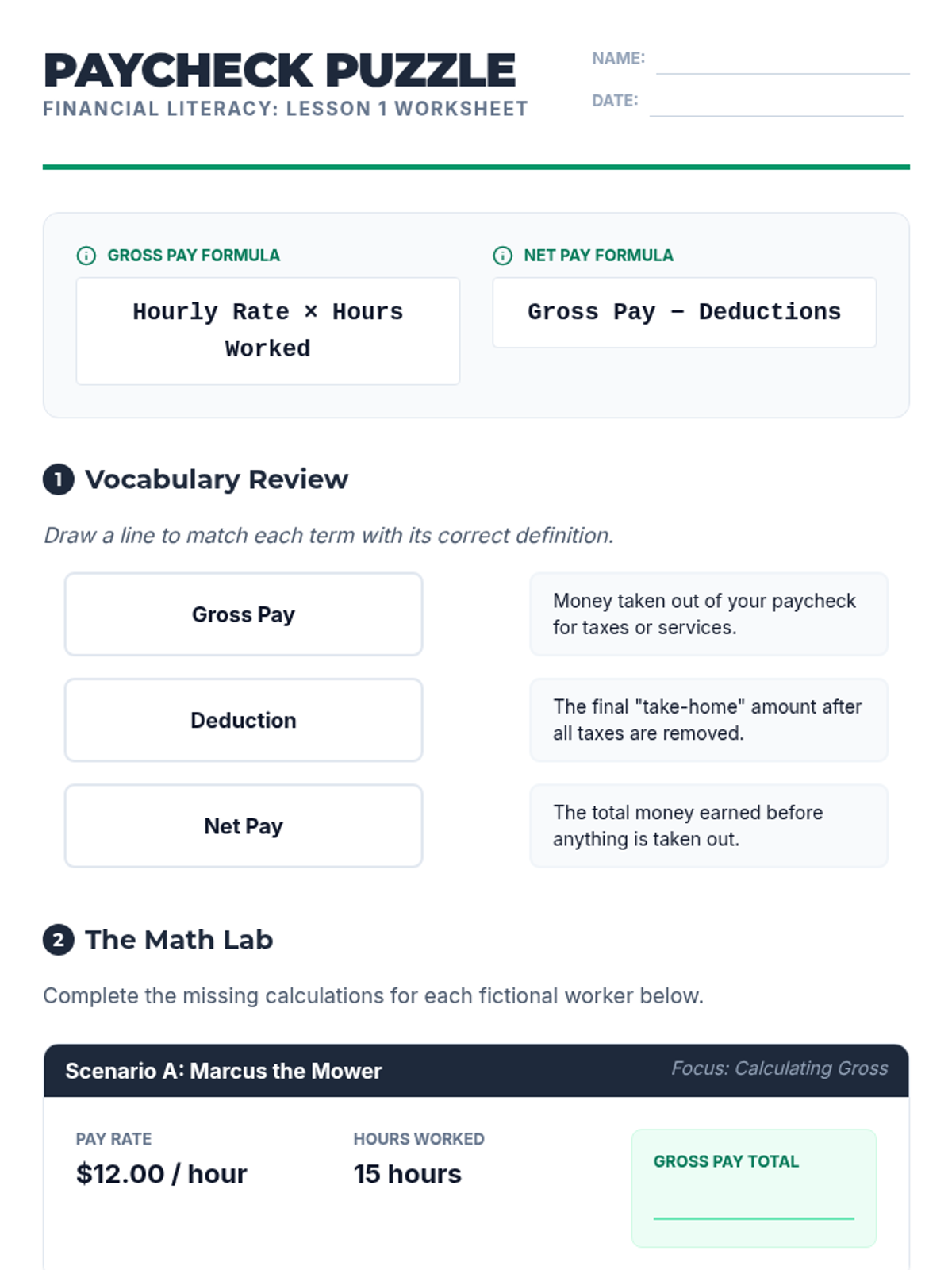
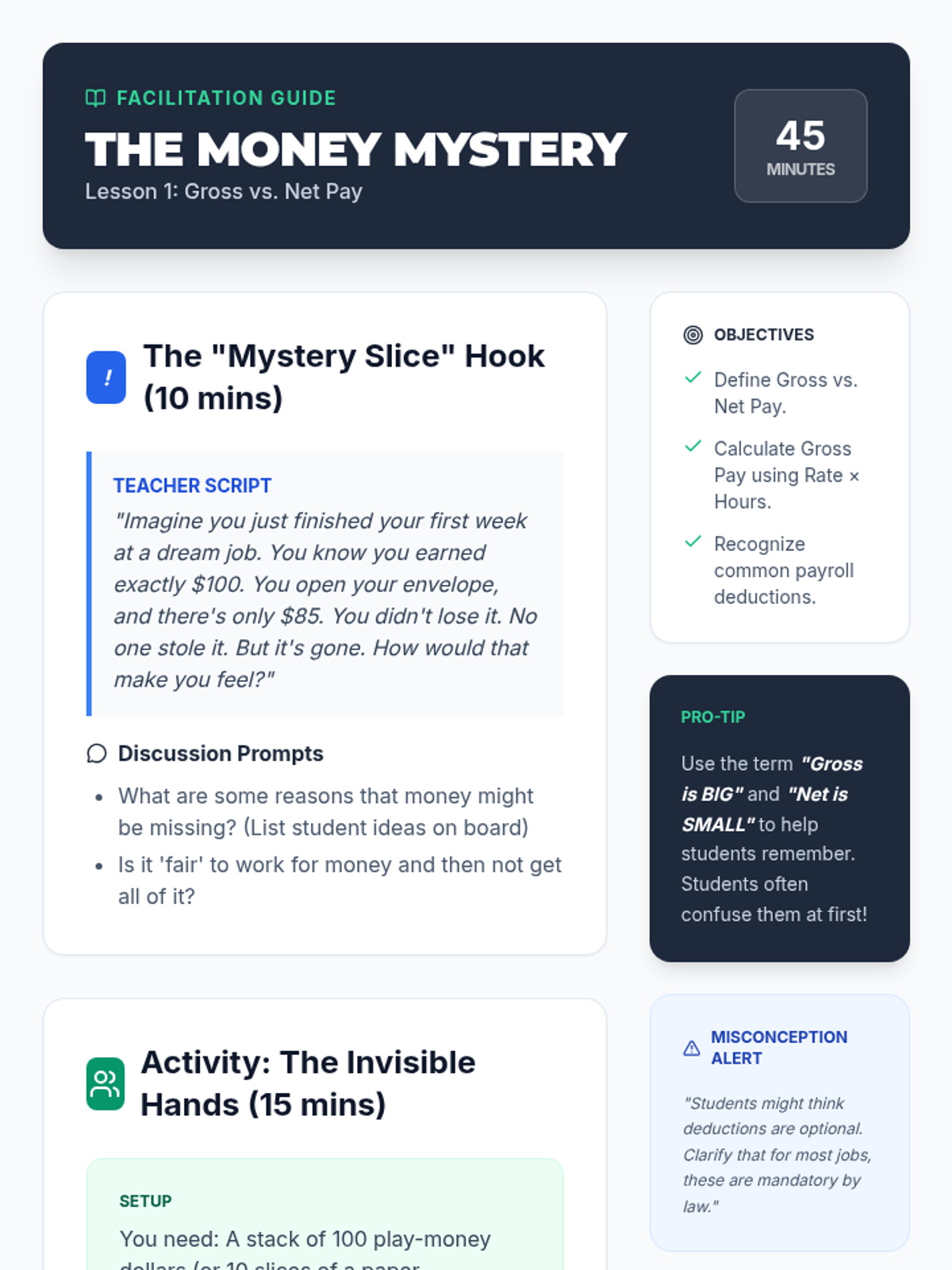
This sequence introduces 6th-grade students to the practical reality of taxes and payroll withholdings. Students learn to distinguish between gross and net pay, decode pay stubs, understand FICA contributions, and calculate proportional taxes to better understand their take-home pay.
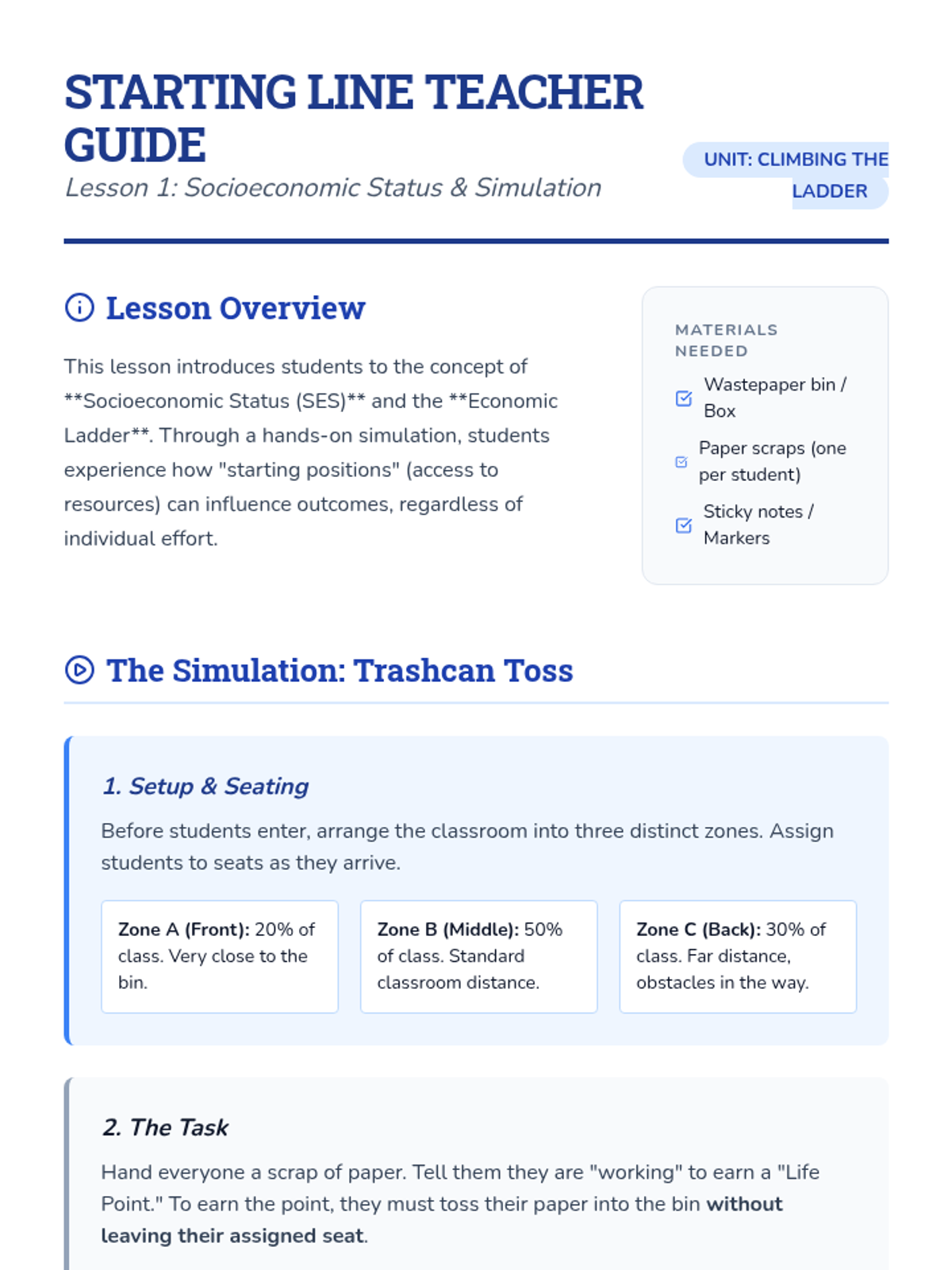
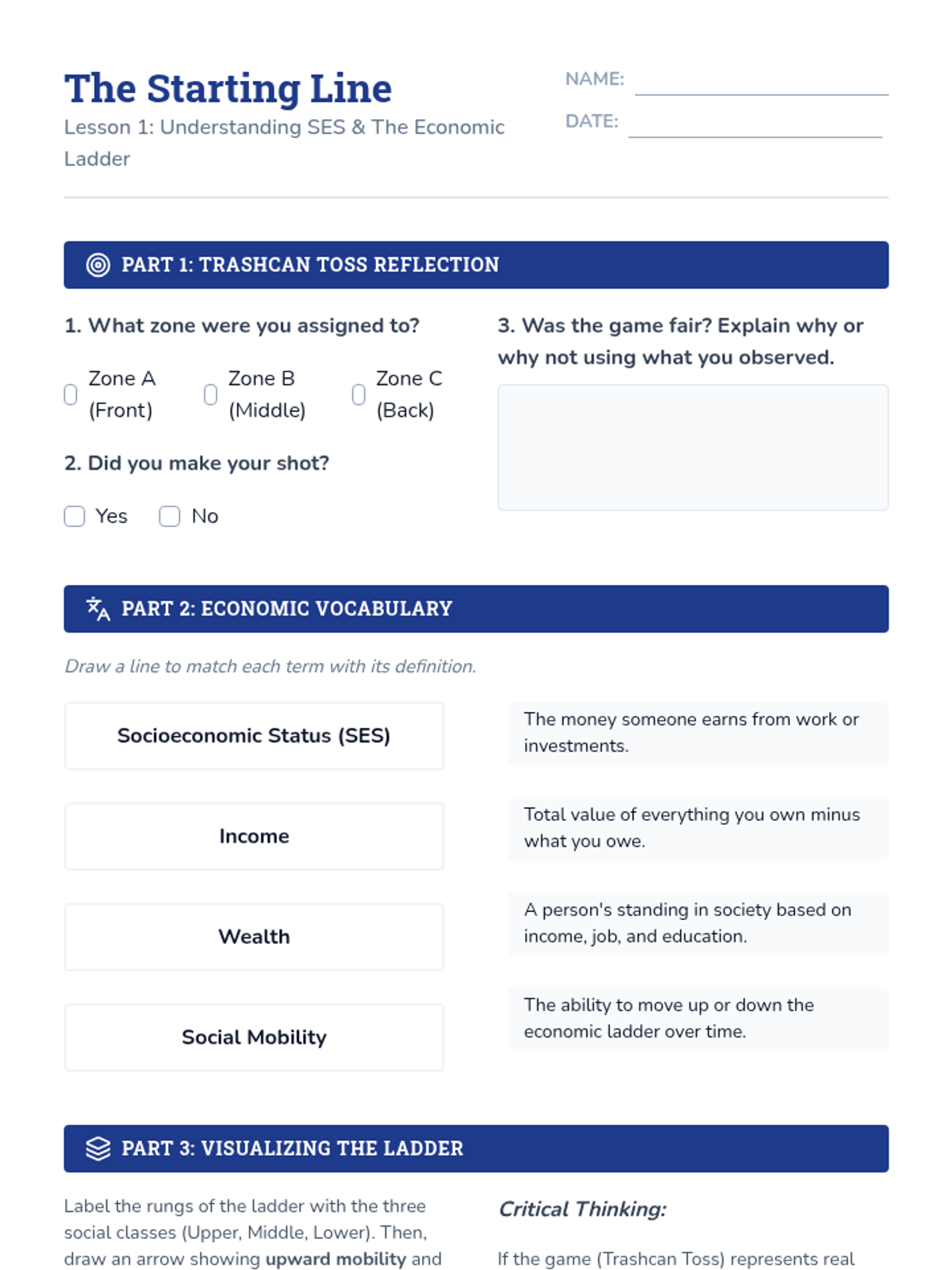
A 5-lesson unit for 6th grade students exploring the concepts of socioeconomic status, the economic ladder, and factors that influence social mobility. Students engage in simulations, budgeting exercises, and policy analysis to understand how education, career choices, and external shocks affect economic opportunity.
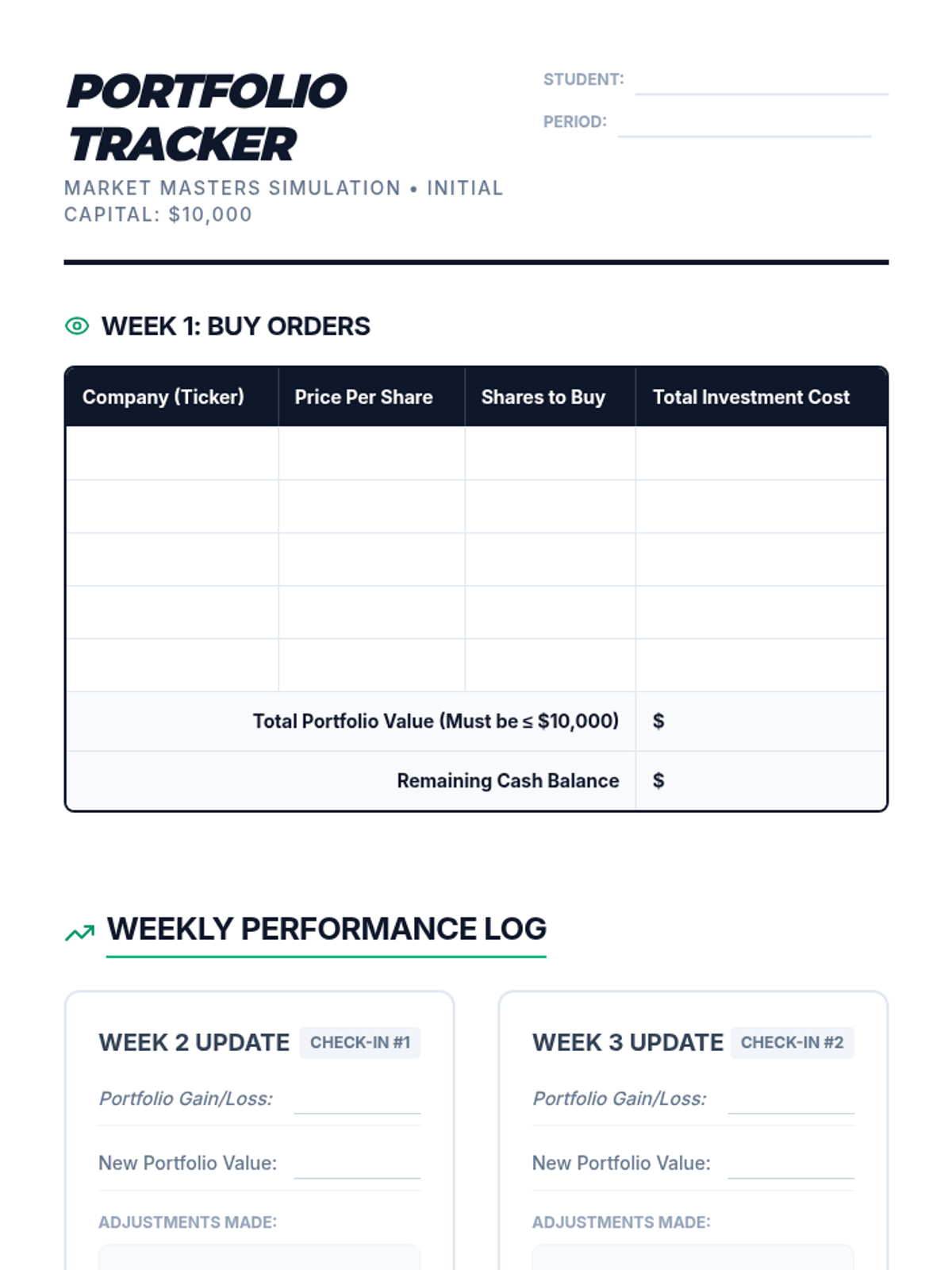
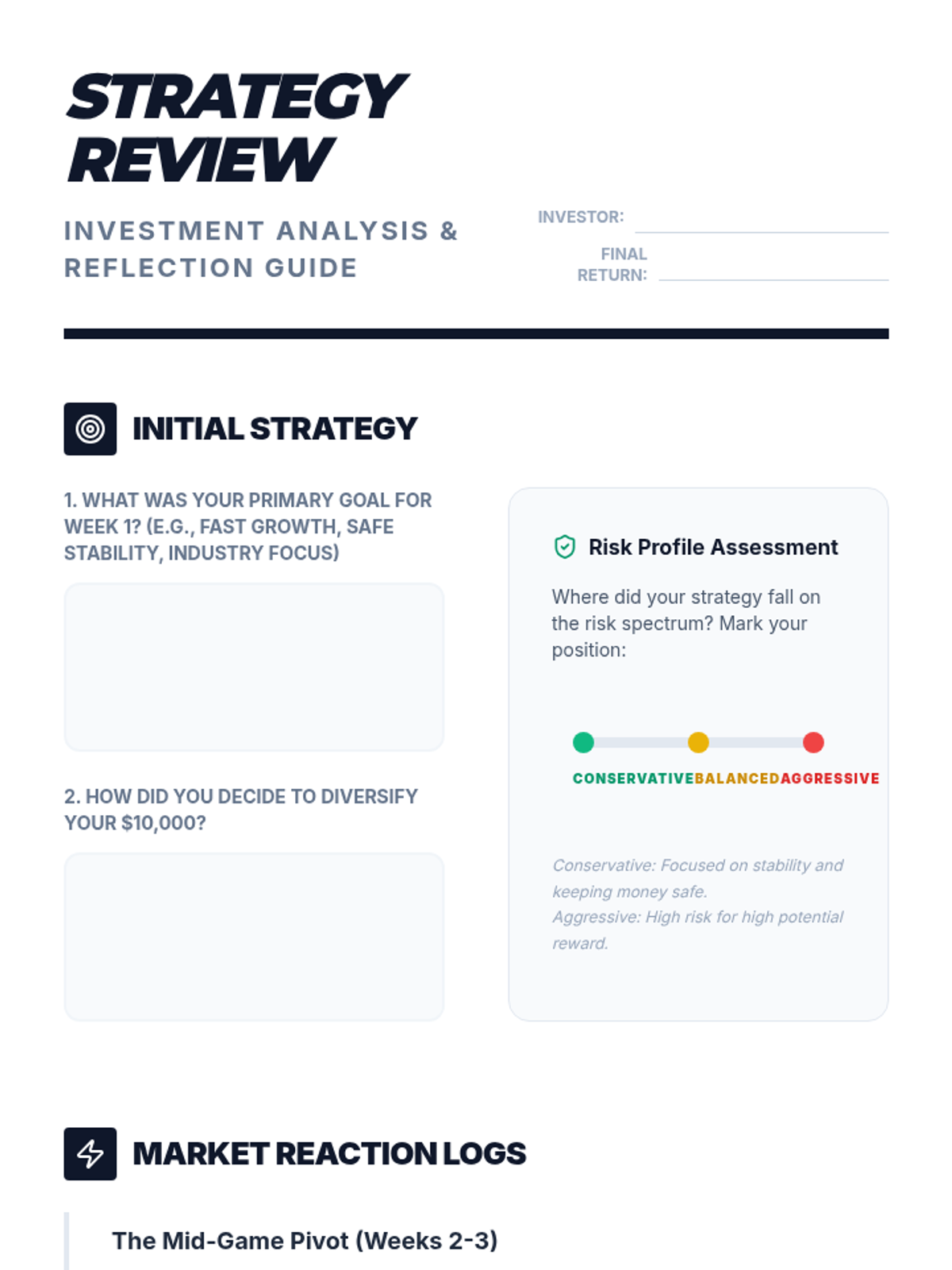
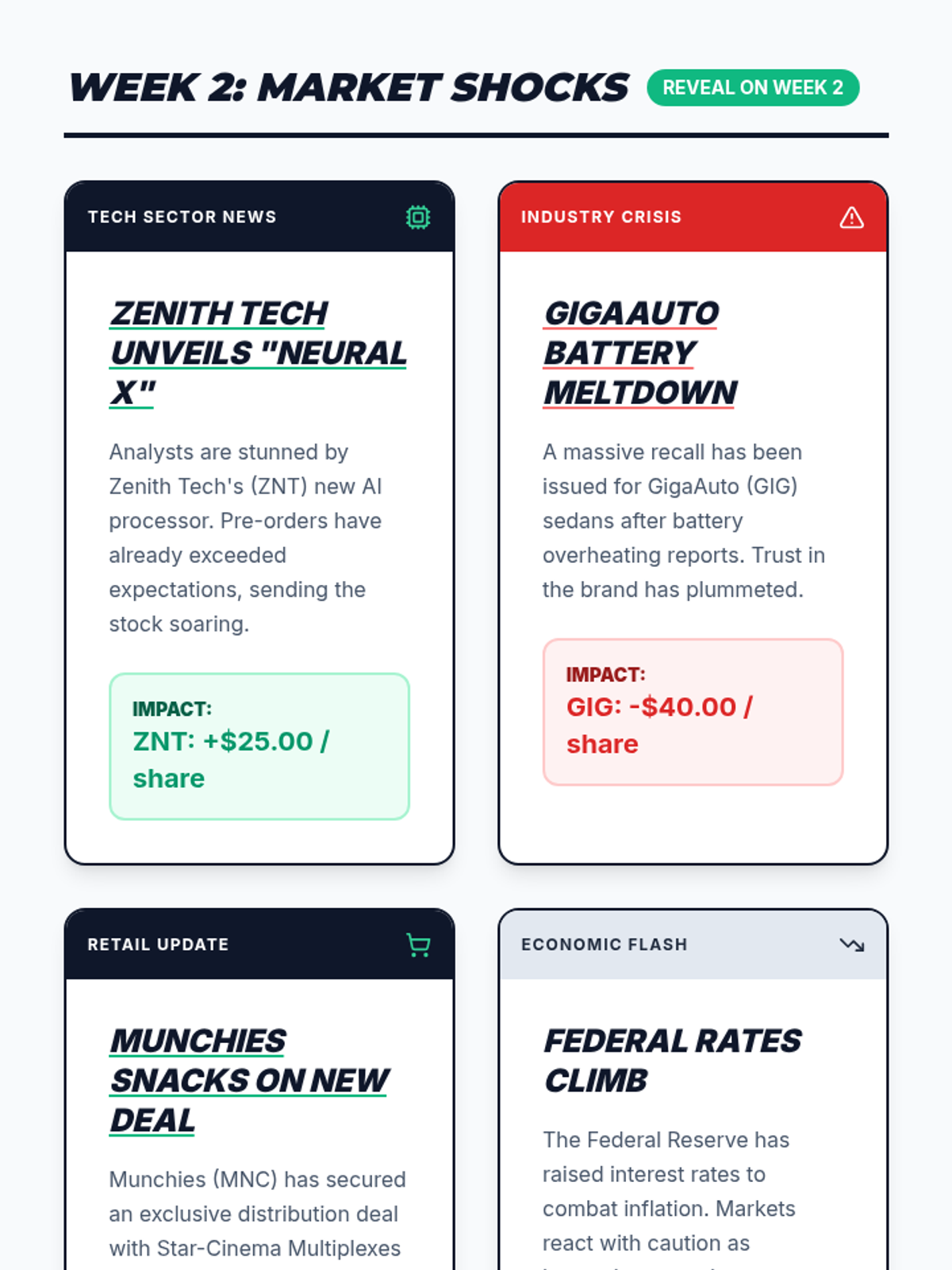
A hands-on introduction to financial markets and investment strategies through a four-week simulated portfolio management project.
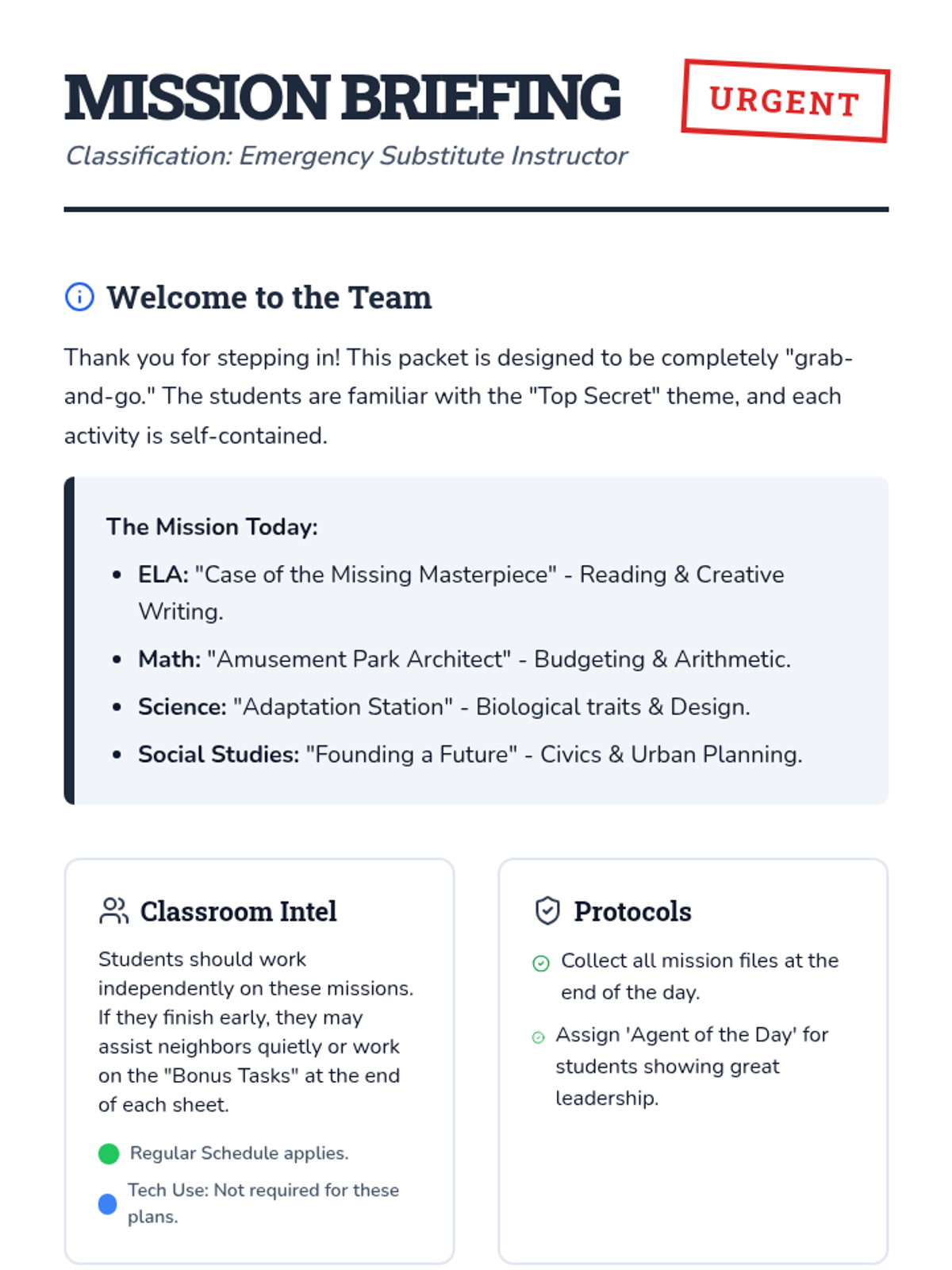
A comprehensive set of ready-to-use, independent activities for 5th and 6th-grade students across core subjects. This emergency sub pack uses a 'Top Secret Files' theme to engage students while requiring zero prep for the substitute teacher.
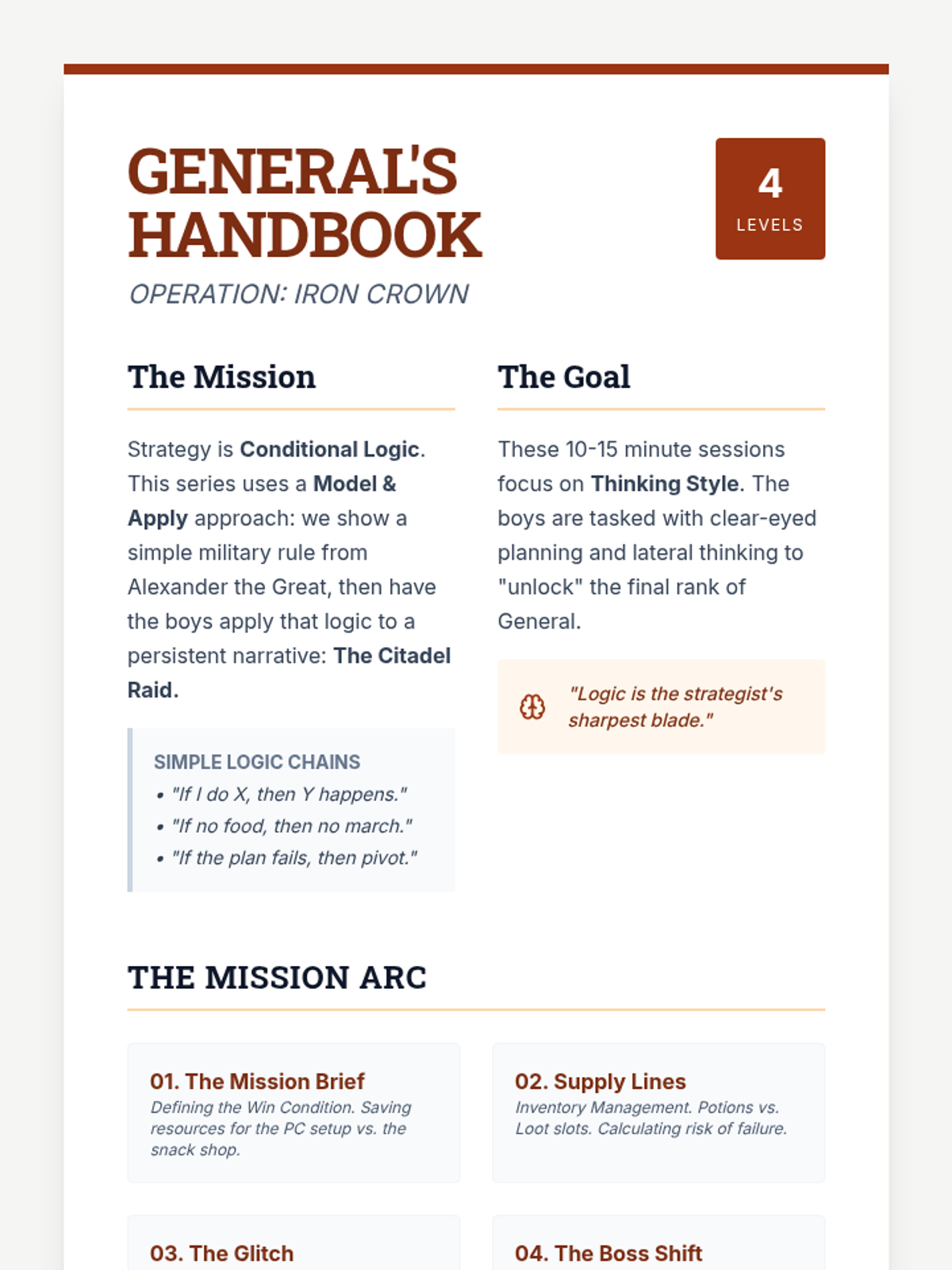
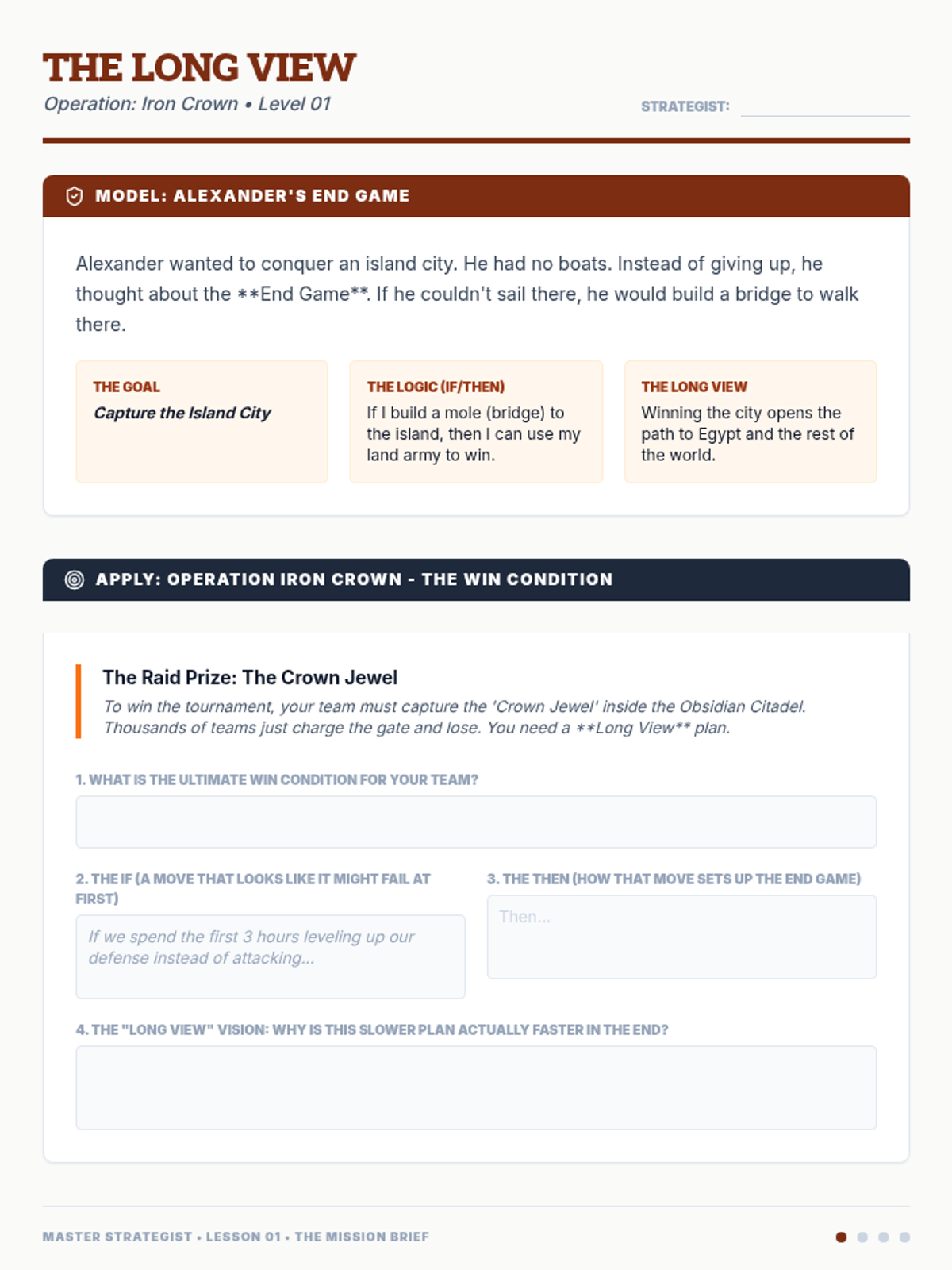
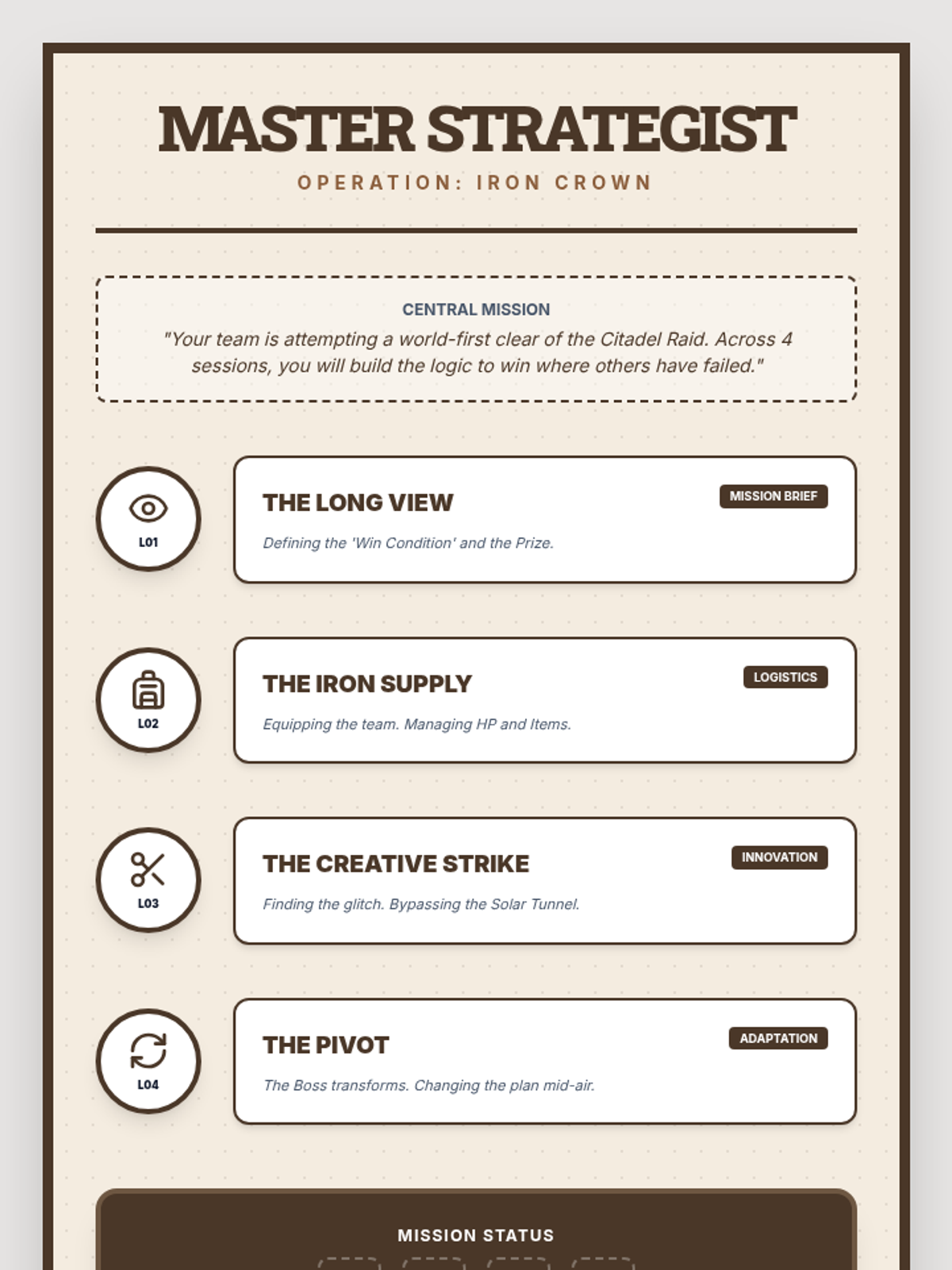
A 4-part series for middle schoolers exploring the philosophy of strategy, logic, and leadership through the lens of Alexander the Great. Each 10-15 minute lesson focuses on critical thinking, conditional logic, and tactical decision-making.
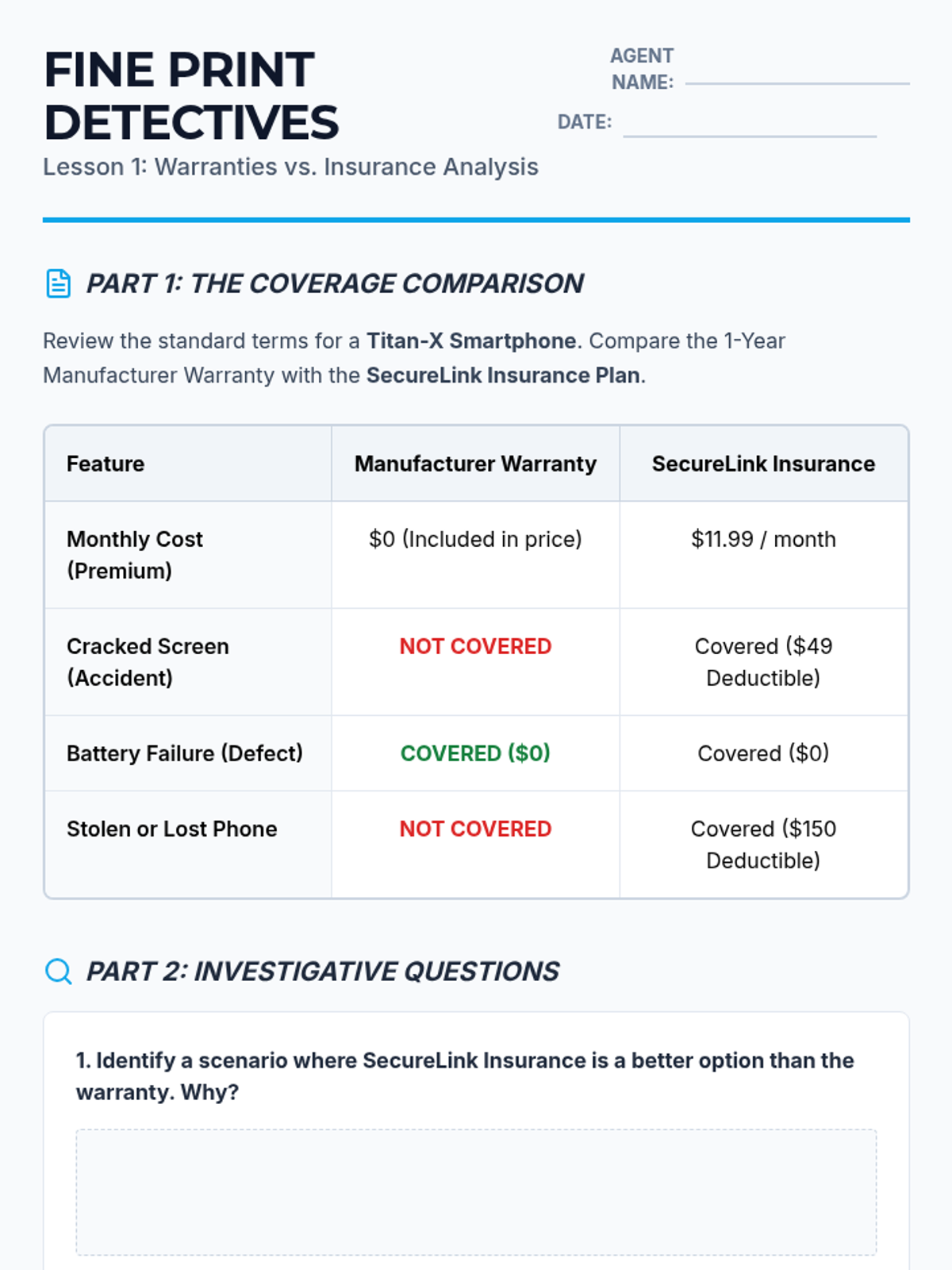
A comprehensive 5-lesson sequence on financial literacy focusing on insurance, warranties, and healthcare coverage, using relatable contexts like smartphones and personal belongings.
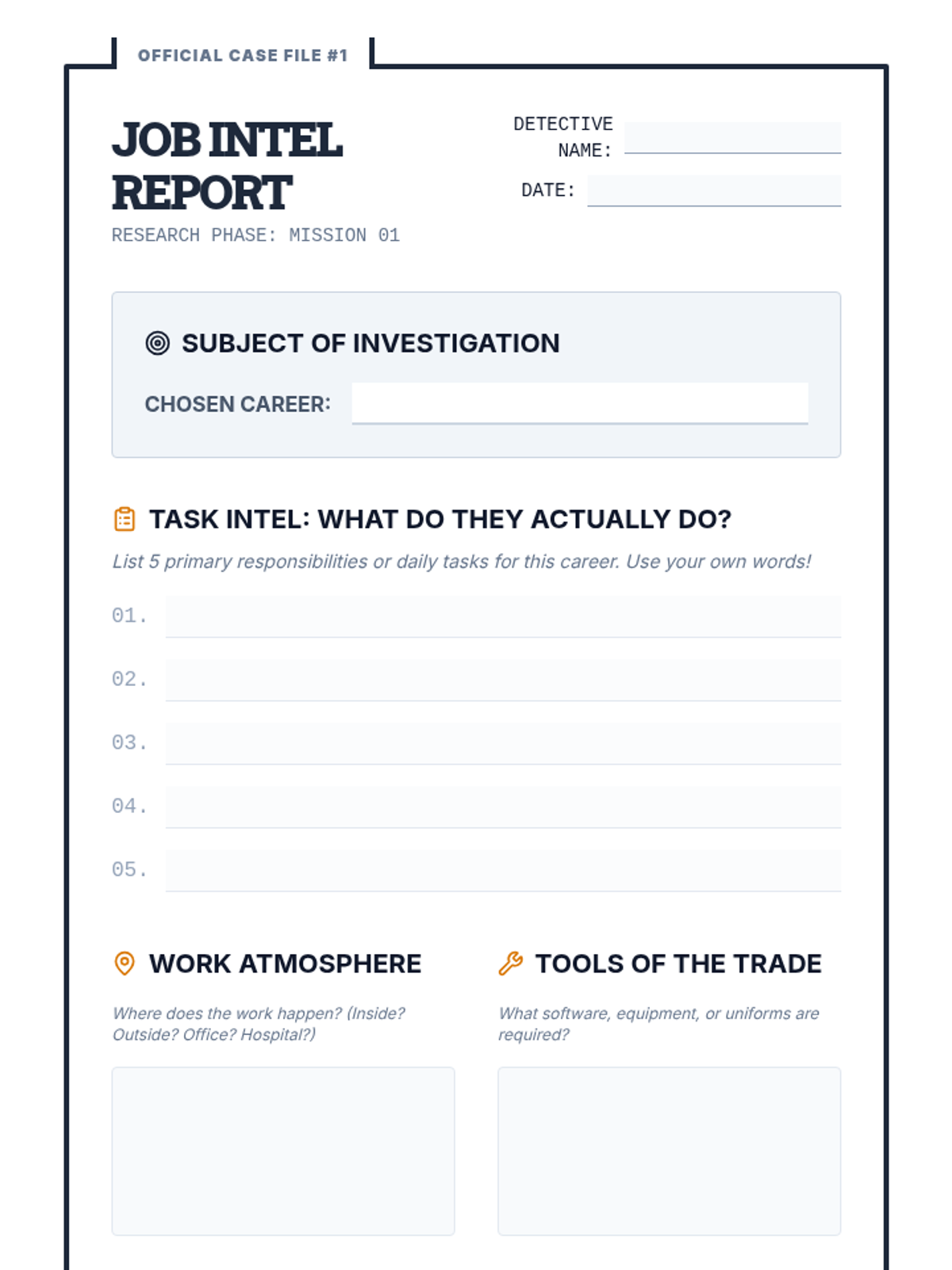
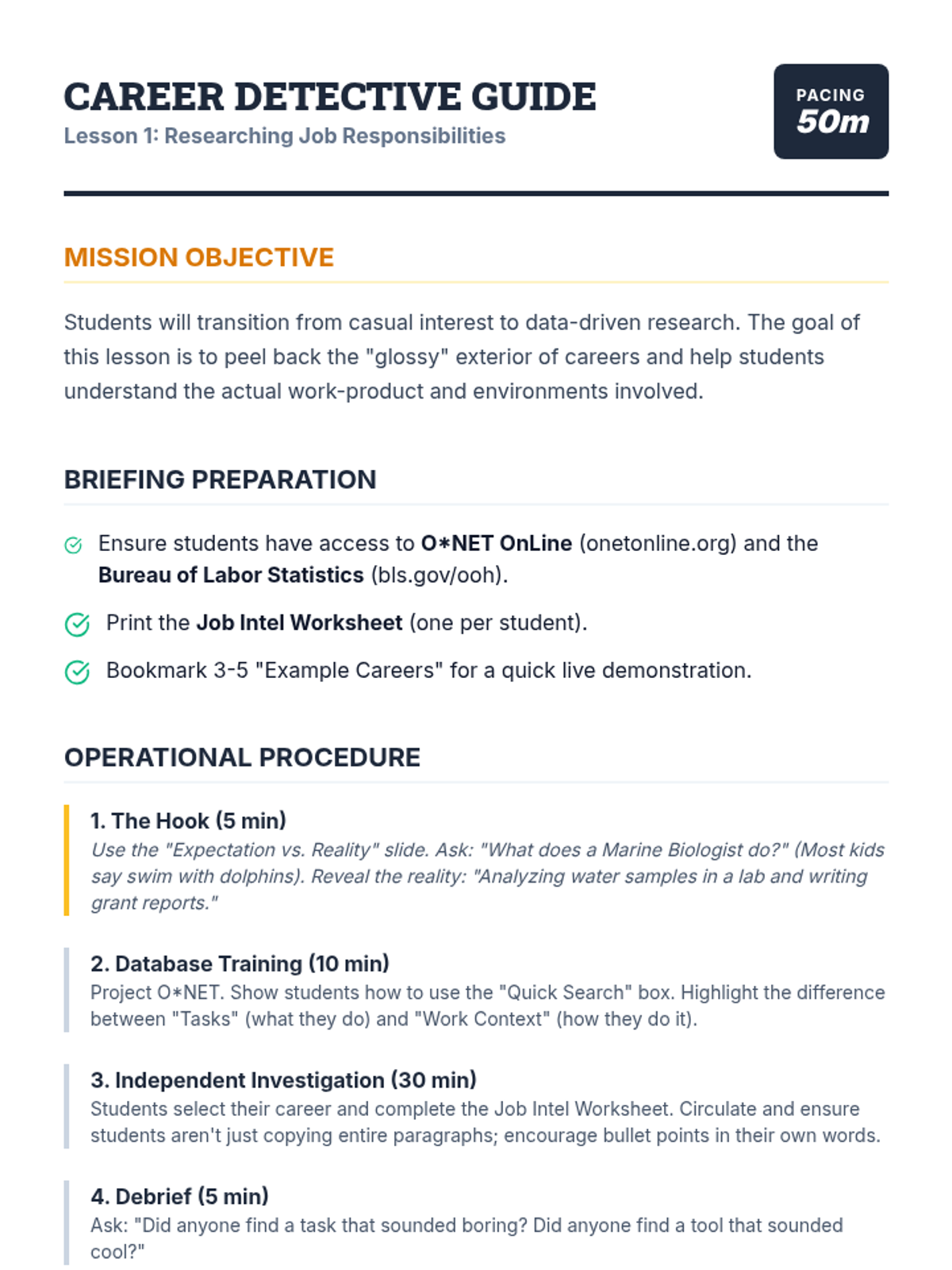
A project-based sequence where 6th-grade students act as 'Career Detectives' to research, analyze, and present a deep-dive investigation into a chosen profession, culminating in a Classroom Career Expo.
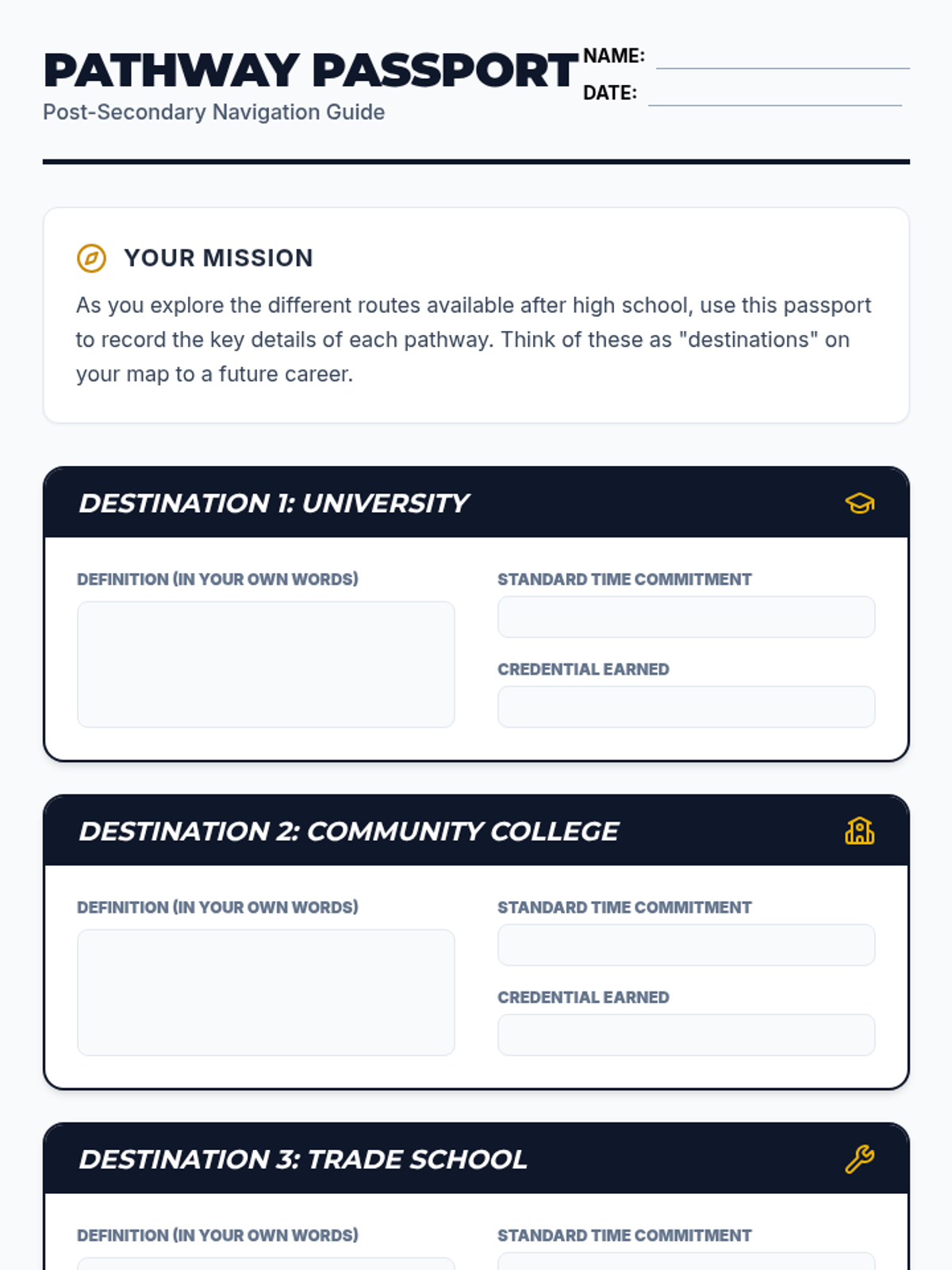
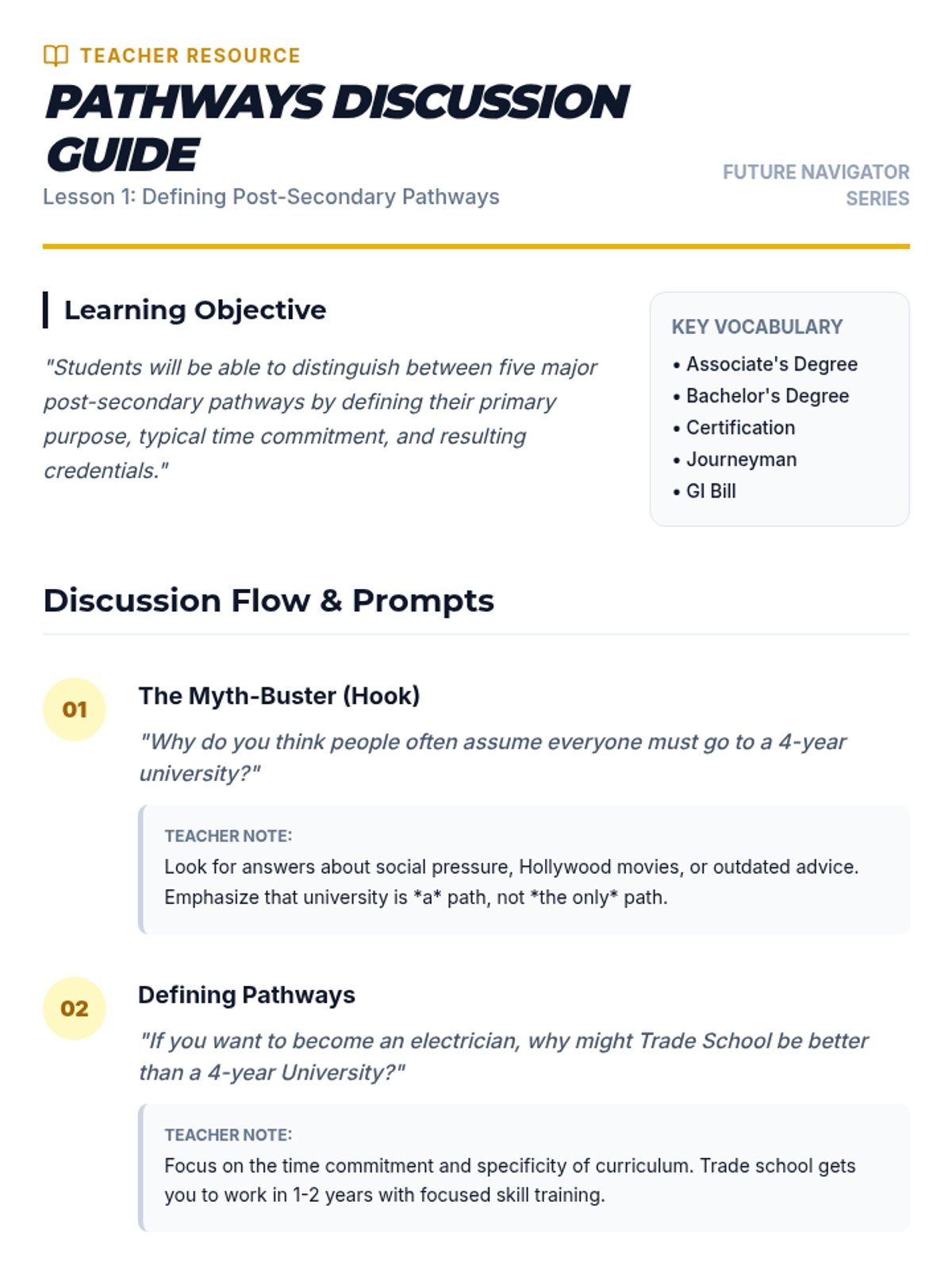
This sequence introduces 6th-grade students to the variety of post-secondary pathways available after high school. It covers universities, community colleges, trade schools, apprenticeships, and military service, emphasizing that different careers require different training routes and focusing on financial awareness and goal setting.
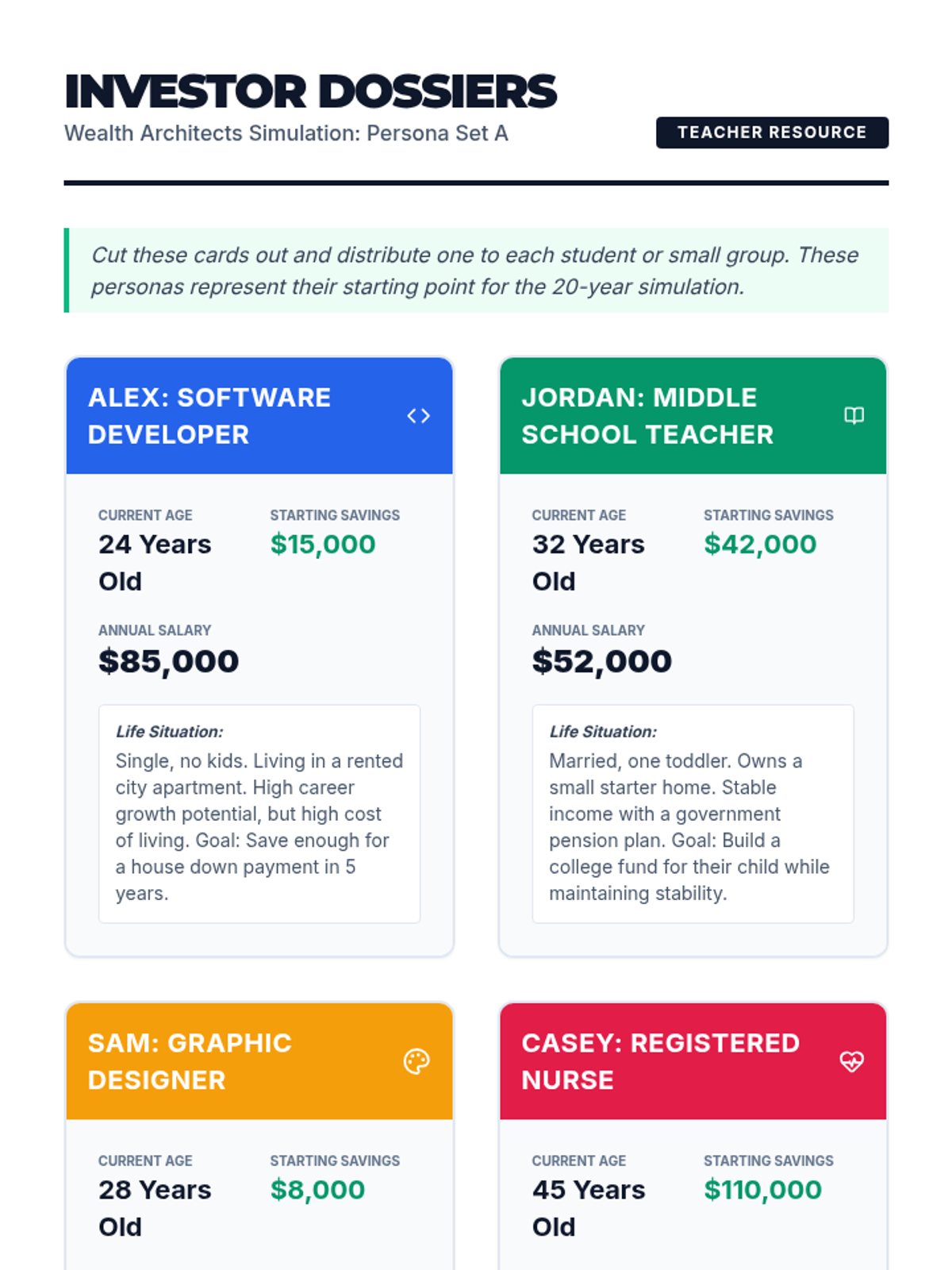
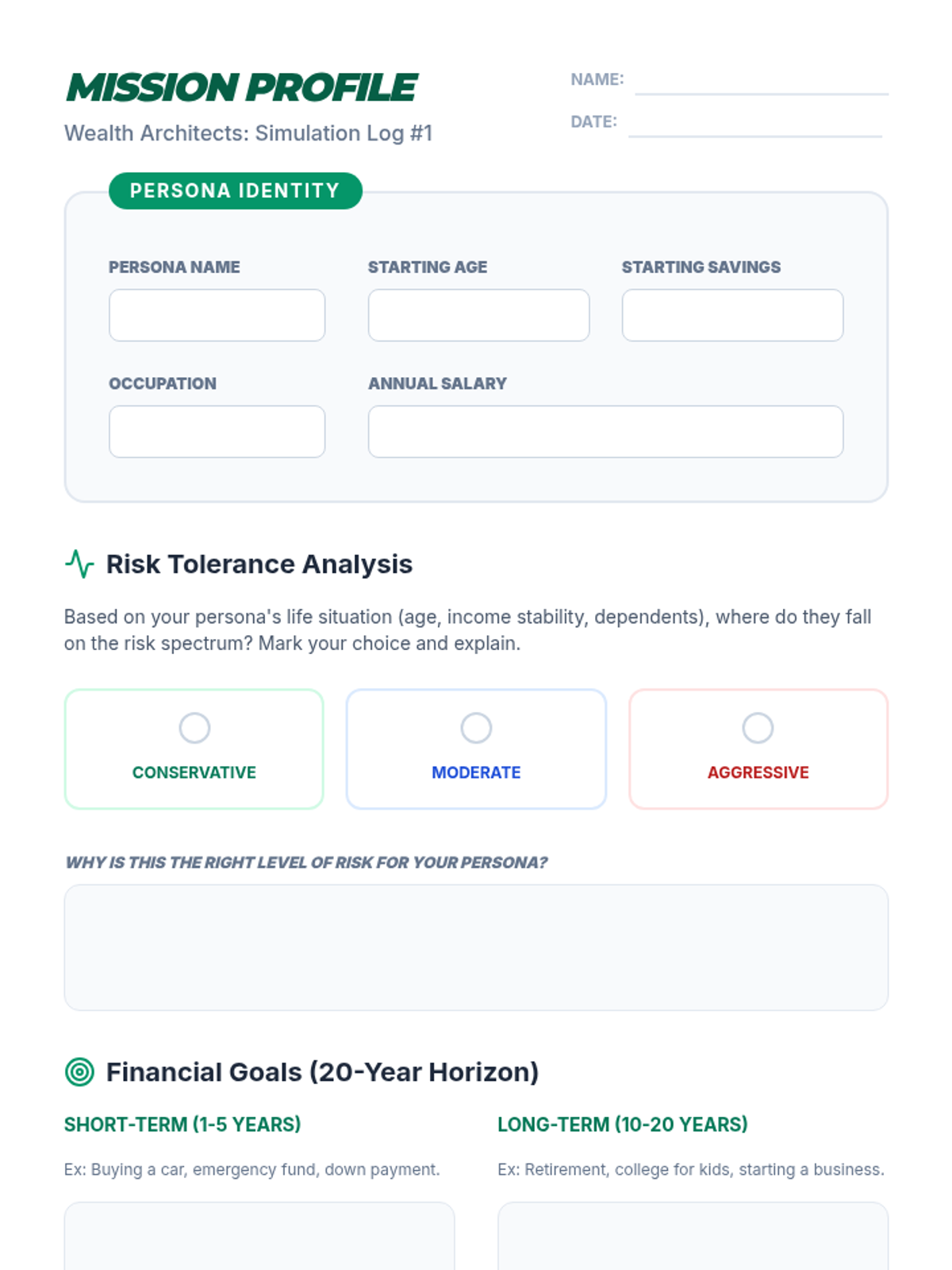
A project-based capstone where 6th-grade students adopt a persona, manage a virtual portfolio over 20 years, and adapt to life events to learn long-term wealth management.
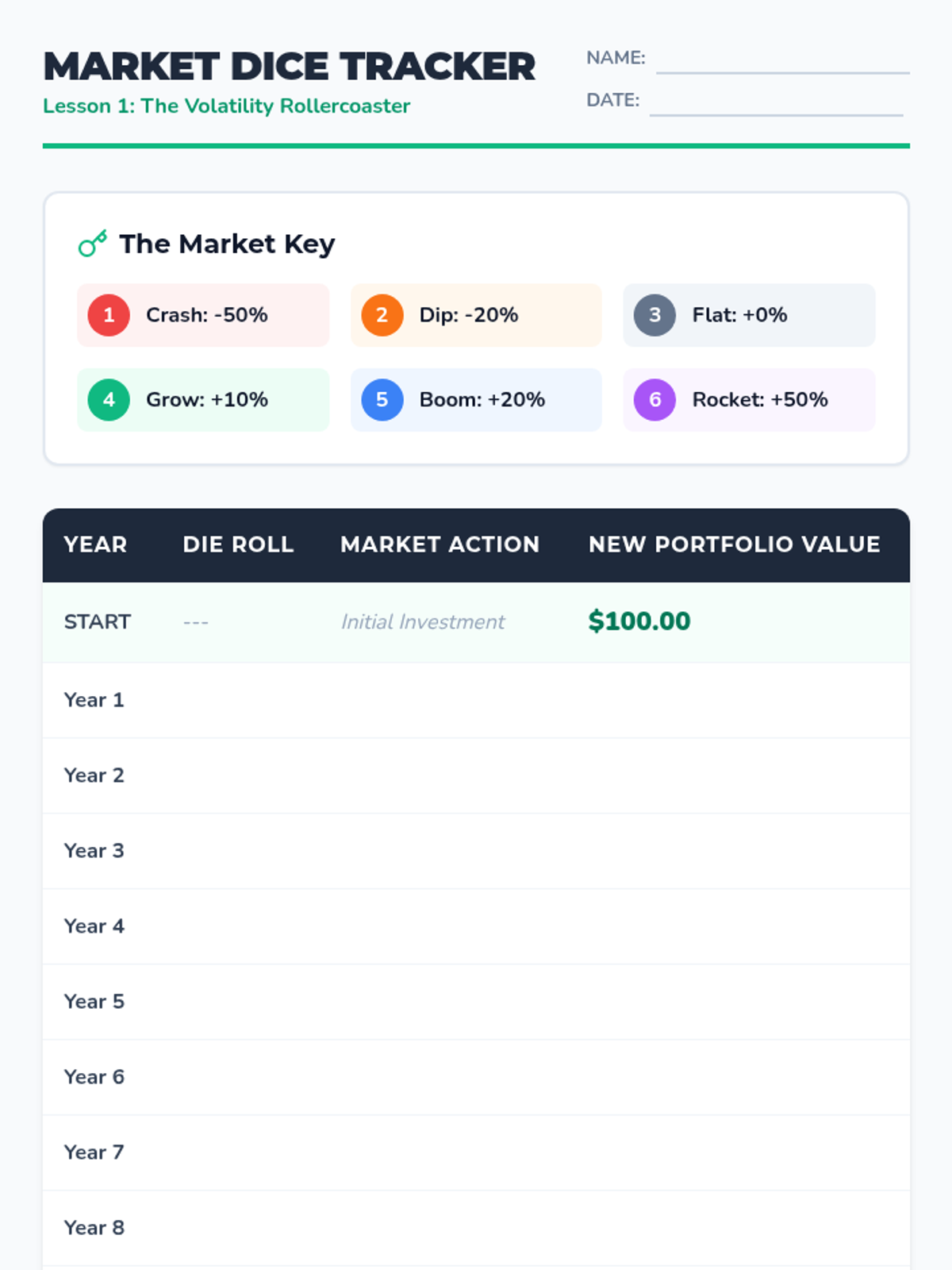
A game-based unit for 6th graders exploring asset allocation and diversification. Students simulate market volatility and learn strategic ways to protect investments through balanced portfolios.
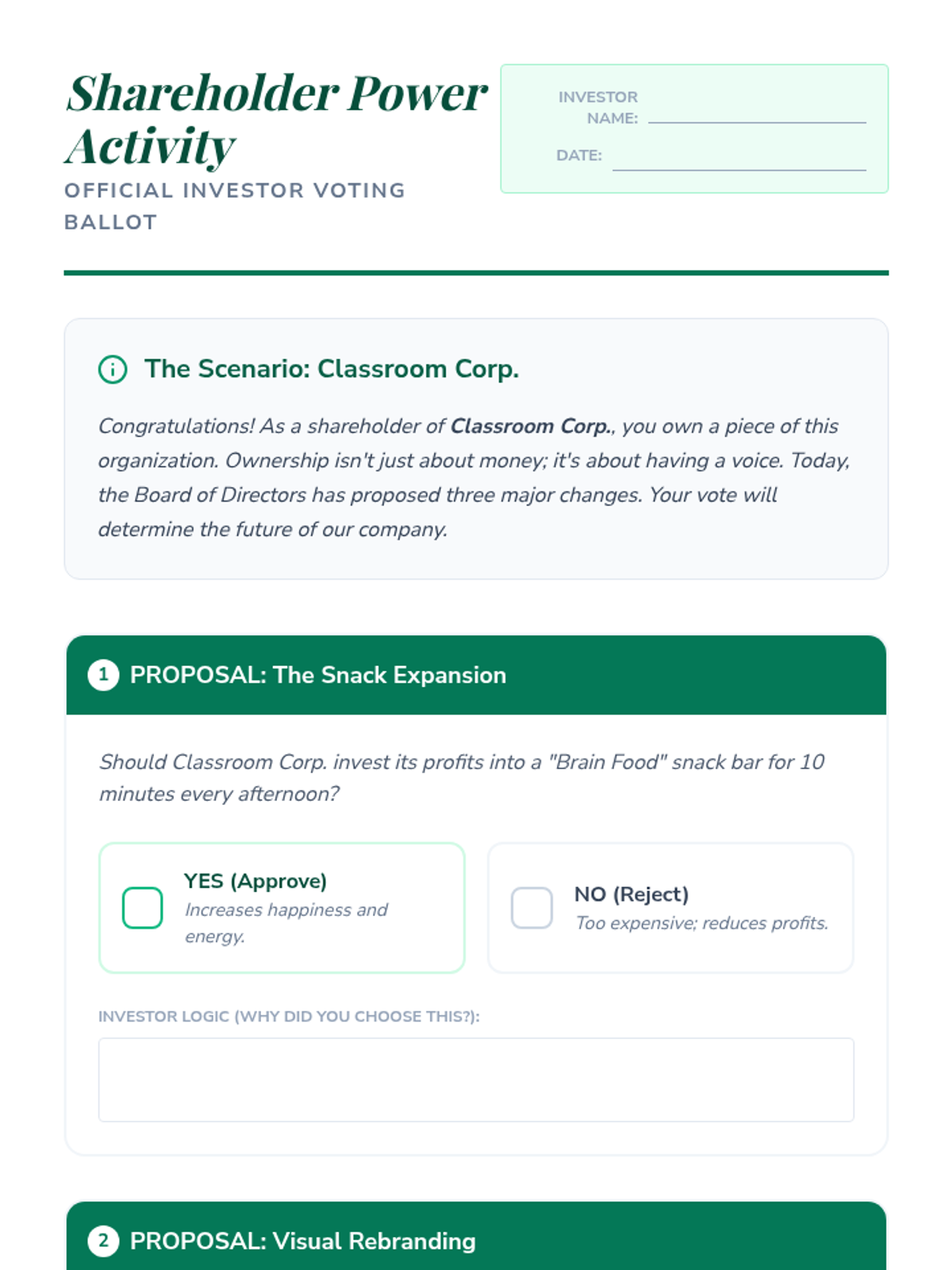
A comprehensive introduction to the world of investing, teaching 6th graders to differentiate between stocks, bonds, and mutual funds through hands-on simulations and visual analogies. Students explore the mechanics of ownership, lending, and risk management to build a foundation for lifelong financial literacy.
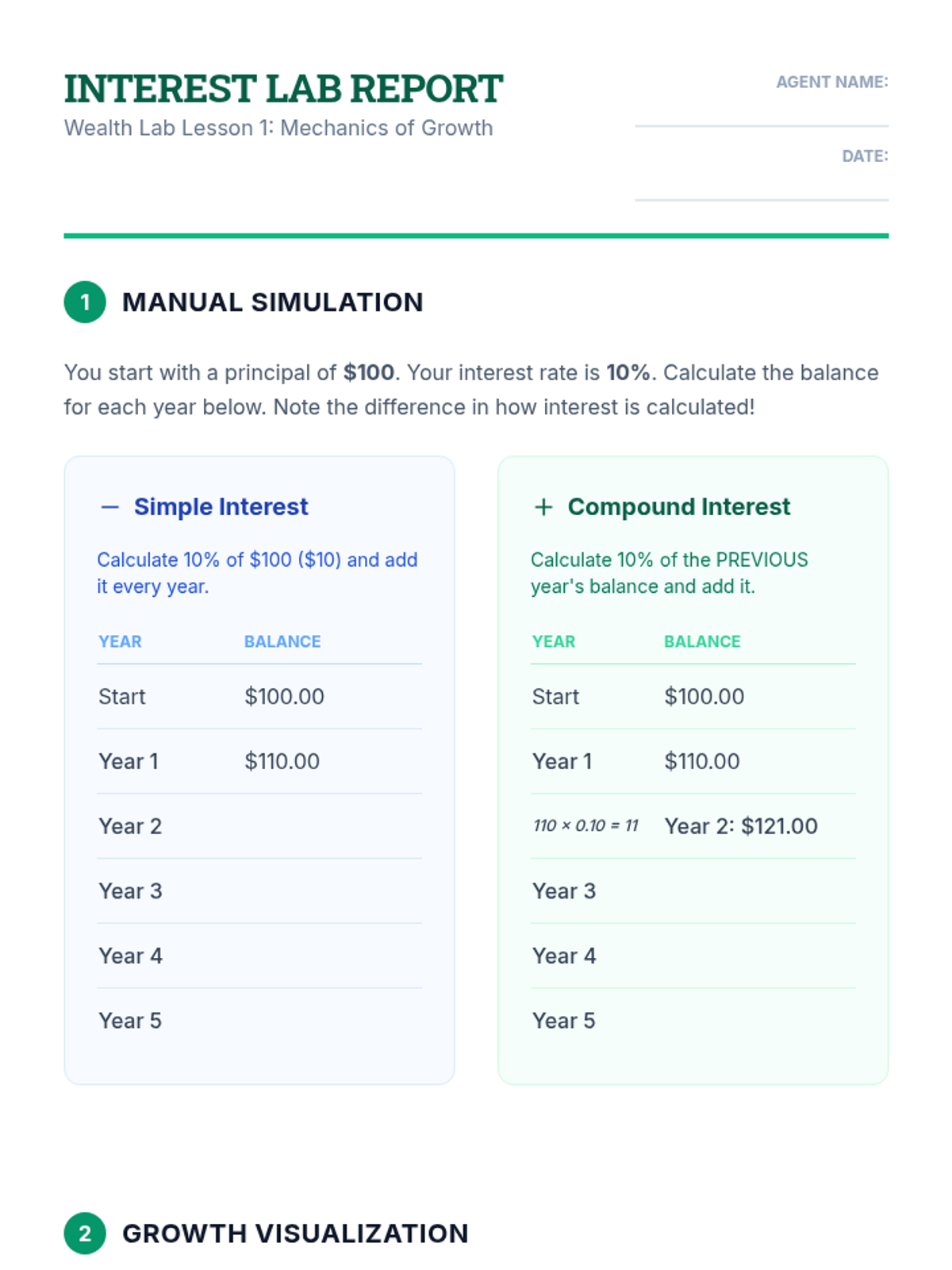
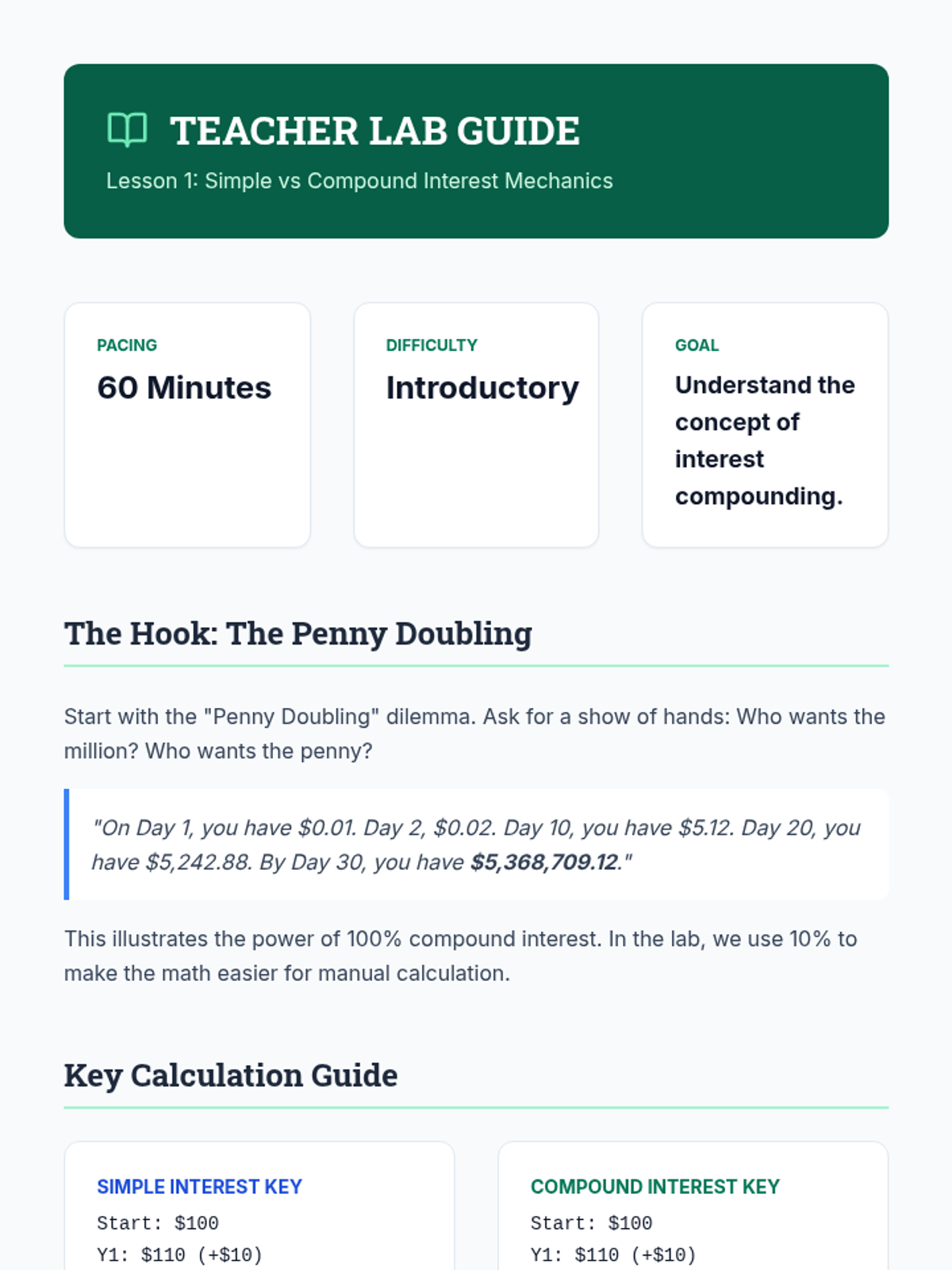
This 5-lesson sequence demystifies compound interest for 6th graders, moving from manual calculations to future wealth projections using the Rule of 72 and the Time Value of Money.
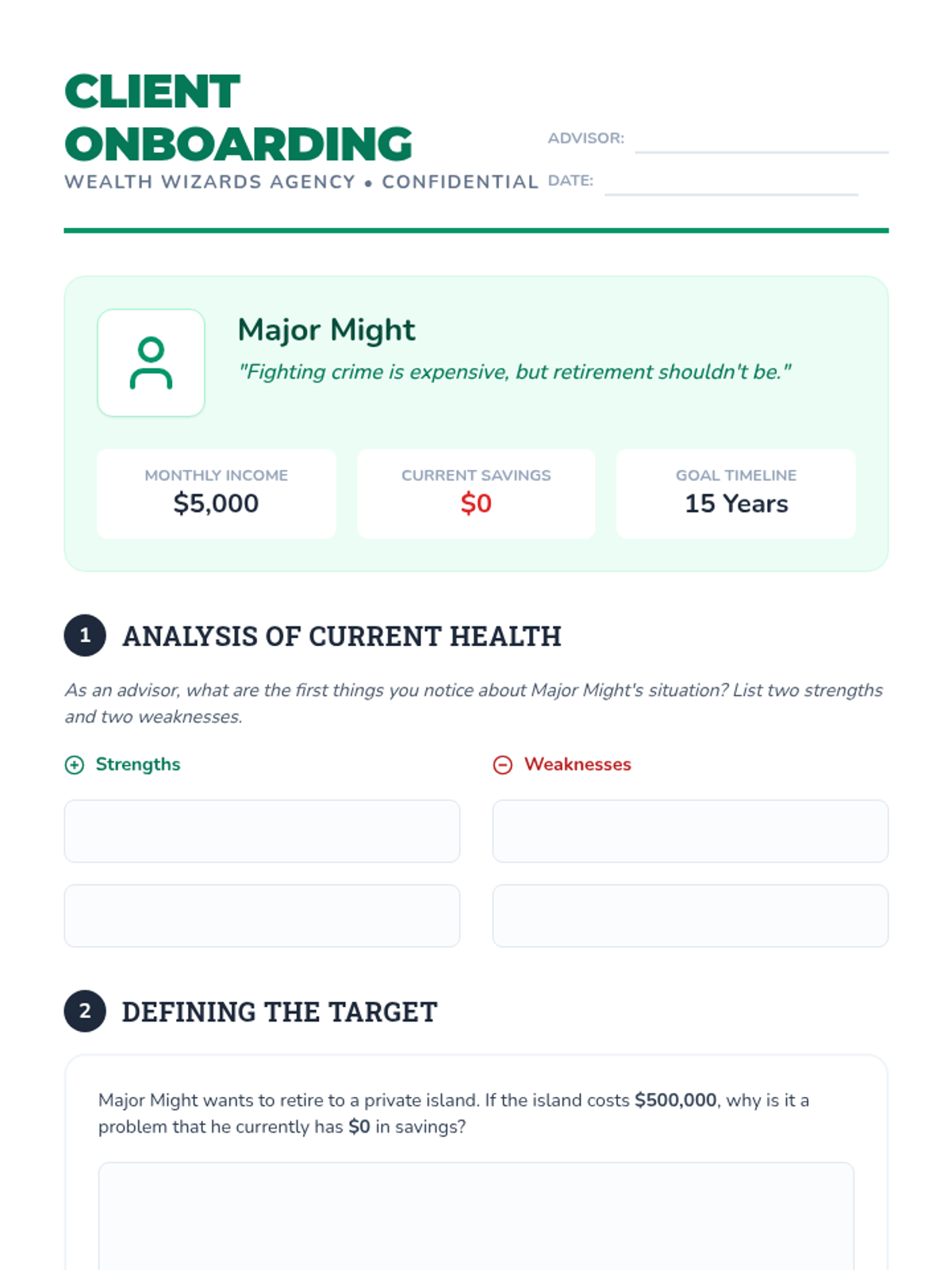
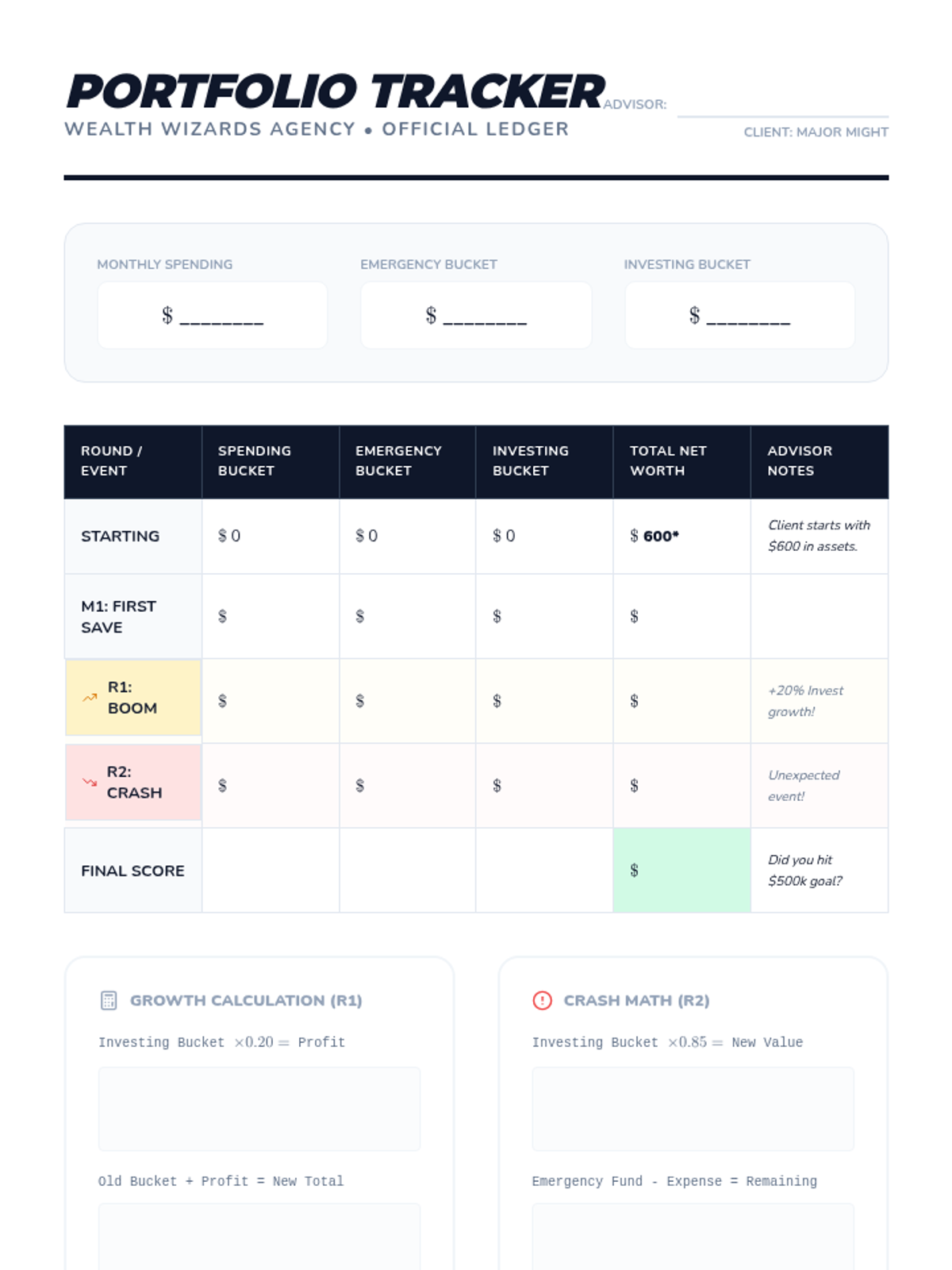
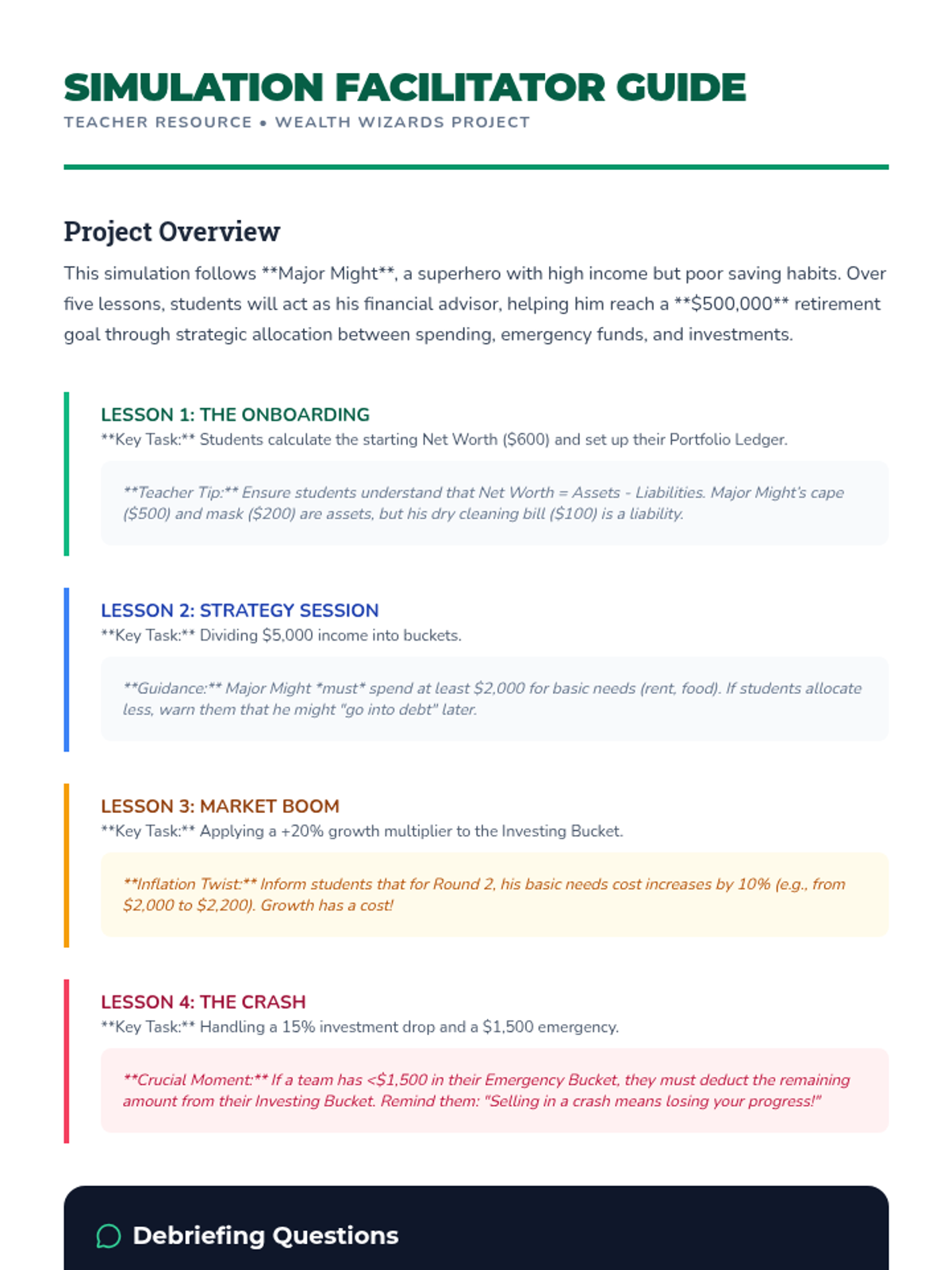
A project-based sequence where 4th graders act as financial advisors for fictional characters, navigating market booms and crashes to build a personal financial growth plan. Students learn the importance of emergency funds, diverse investments, and long-term saving strategies.
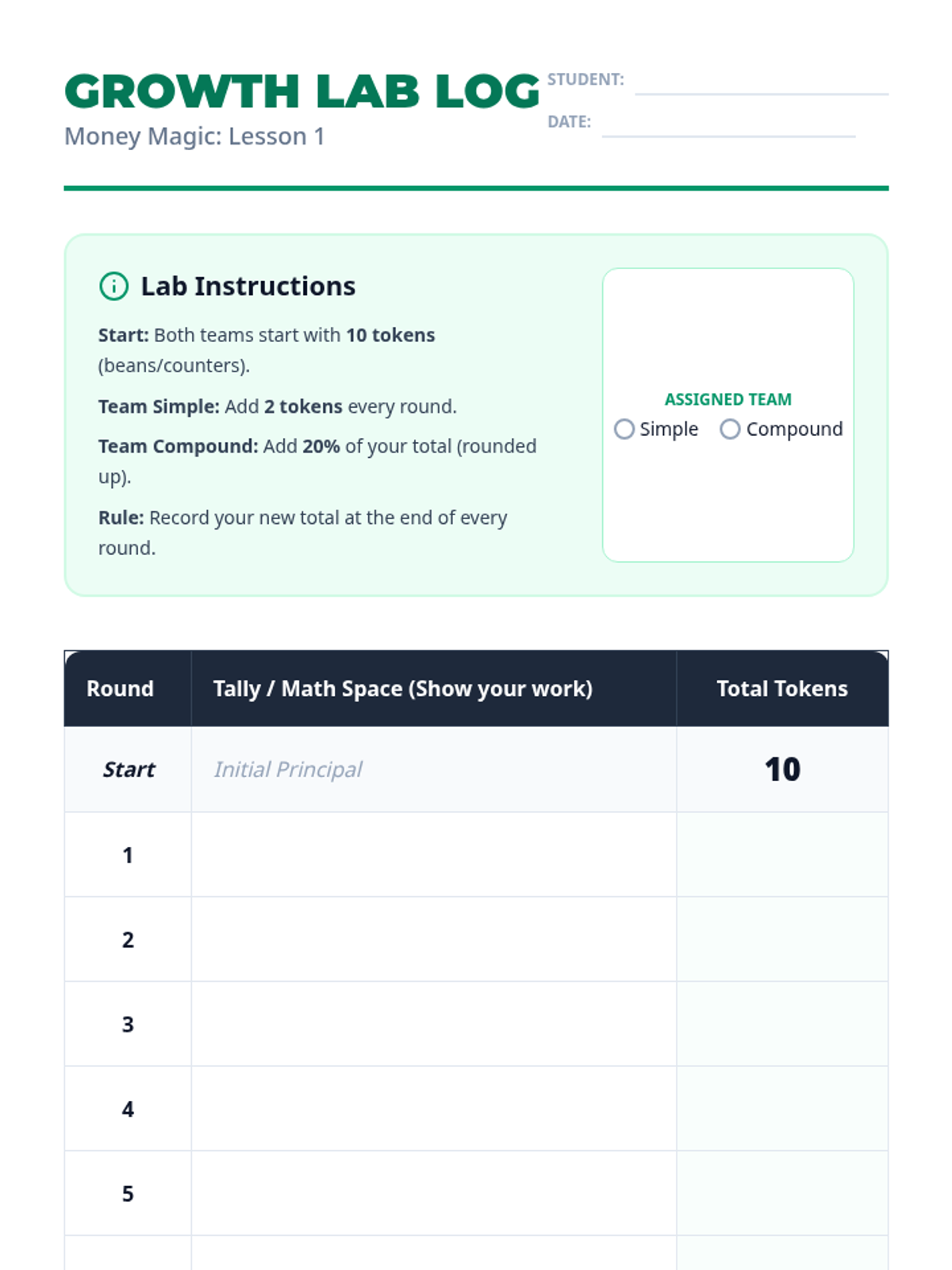
A 4th-grade financial literacy unit that demystifies compound interest through hands-on simulations, mental math challenges, and visual metaphors. Students discover how time and interest rates work together to grow wealth while learning to protect their savings from inflation.
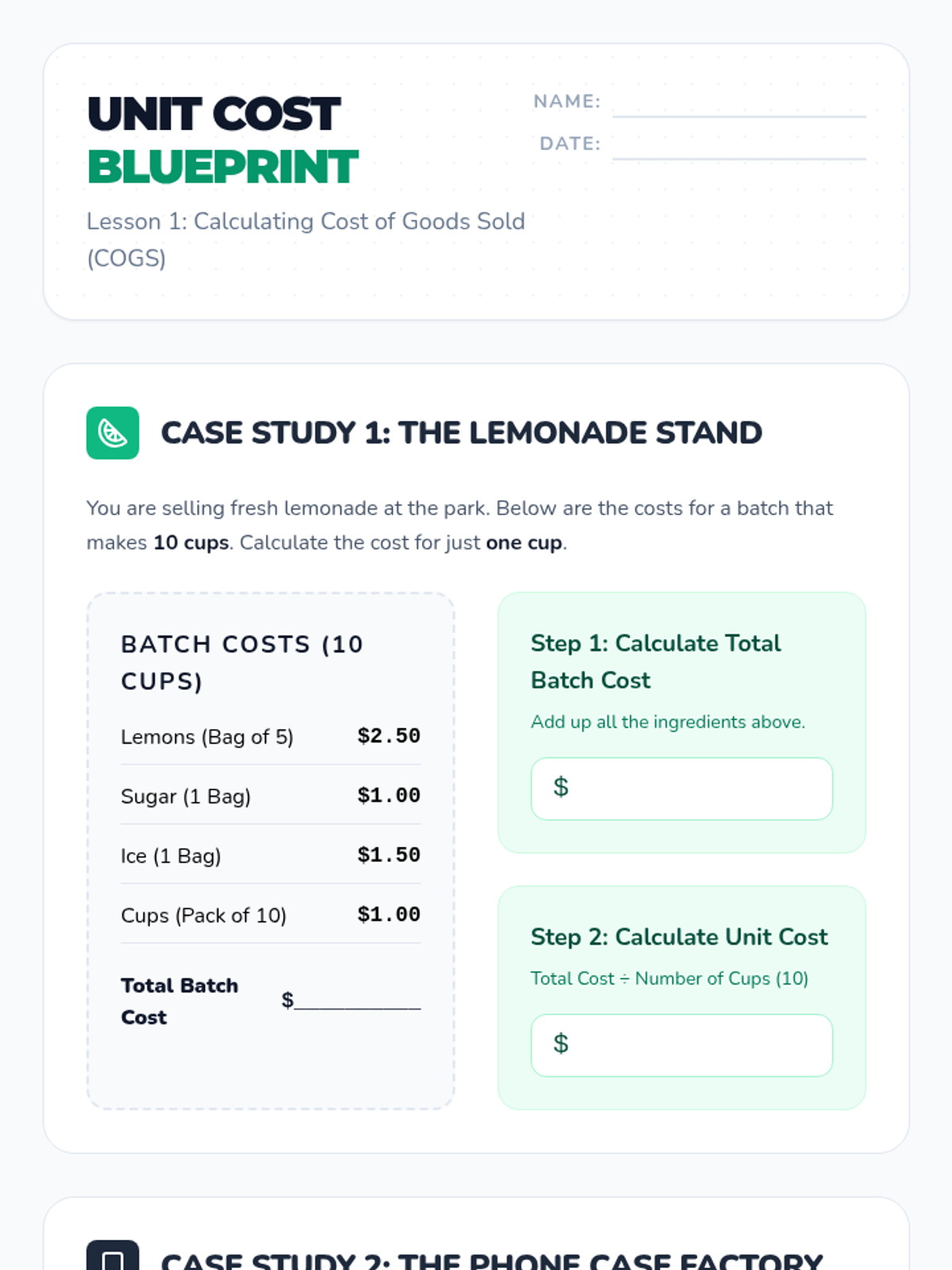
A 6th-grade sequence focused on the financial literacy of entrepreneurship. Students learn to calculate unit costs, distinguish between fixed and variable expenses, set strategic prices, find their break-even point, and project profits for a sustainable business model.
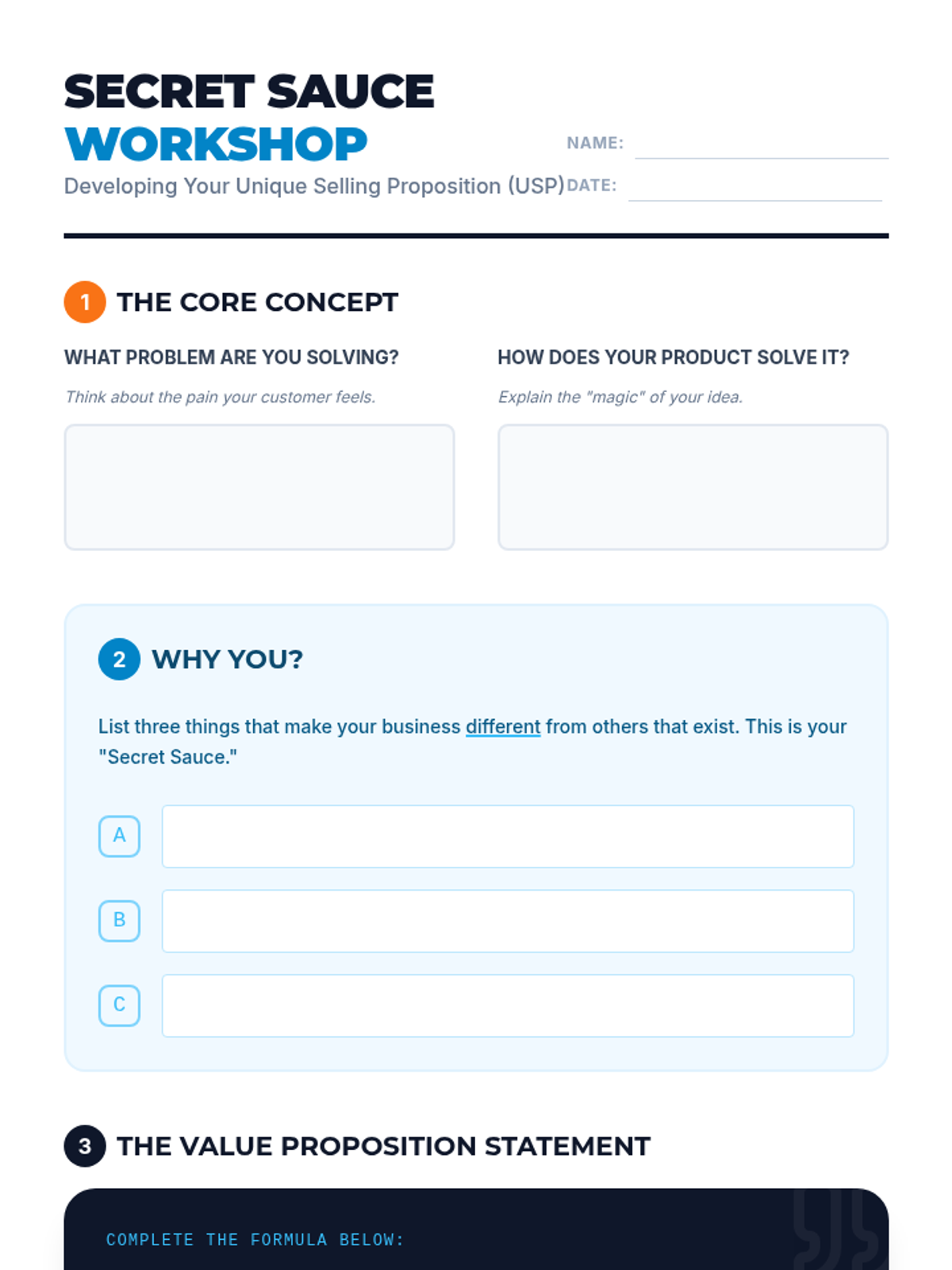
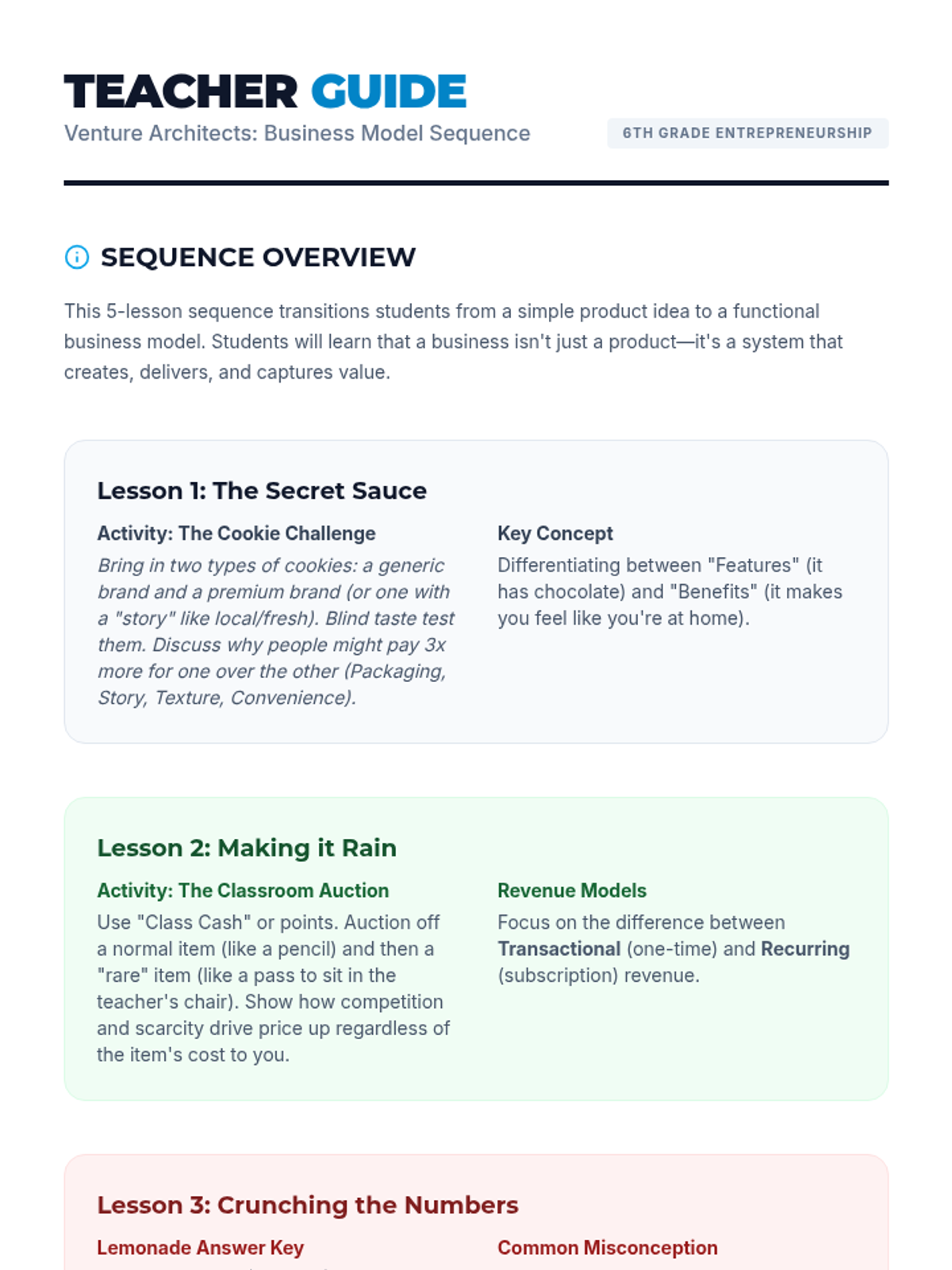
A comprehensive sequence for 6th-grade students to transition from a product idea to a functional business model. Students explore value propositions, revenue streams, cost structures, and distribution channels, culminating in a completed Business Model Canvas.
A series of resources designed to help elementary students explore diverse career paths through engaging visuals and real-world facts.
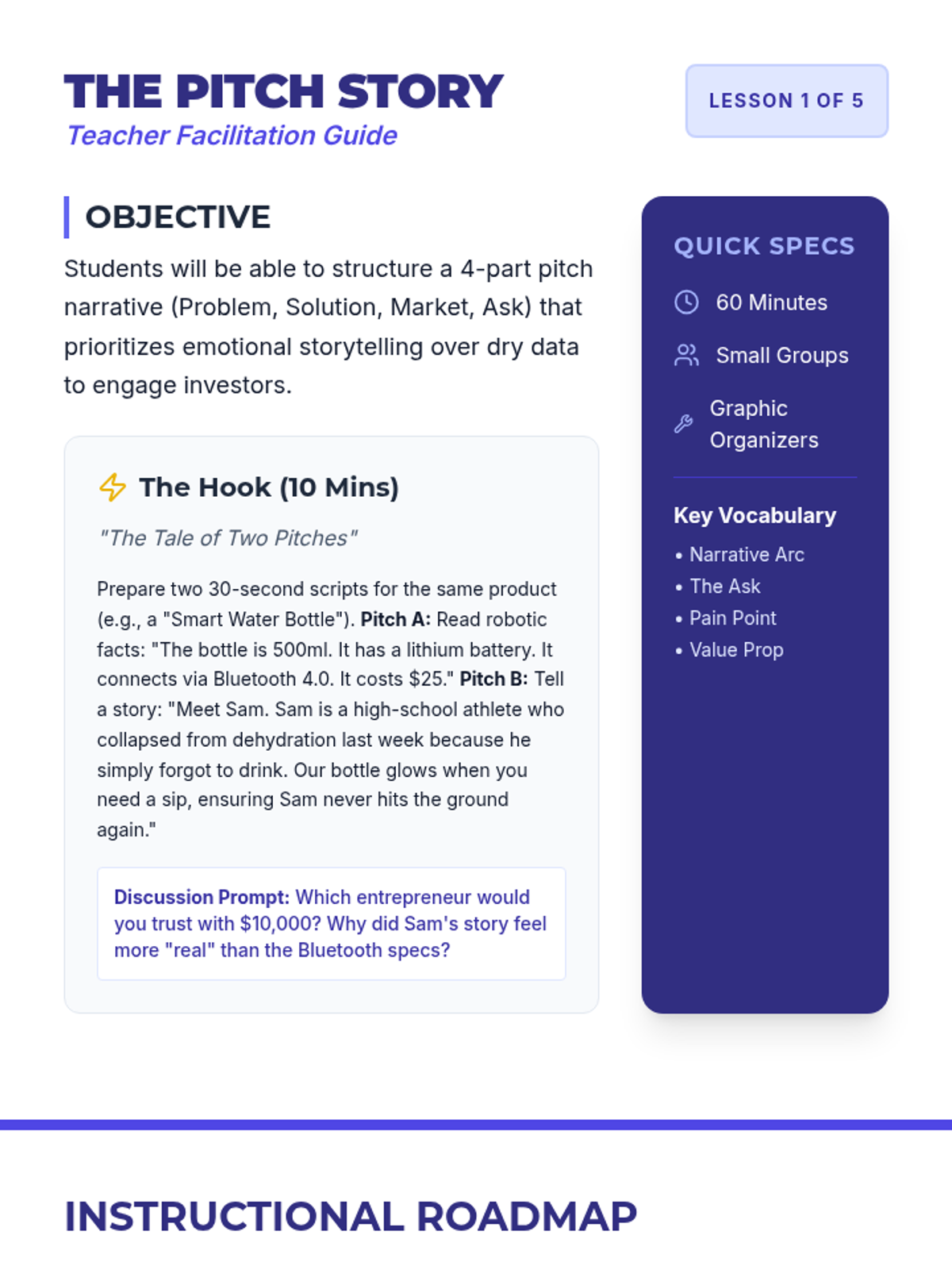
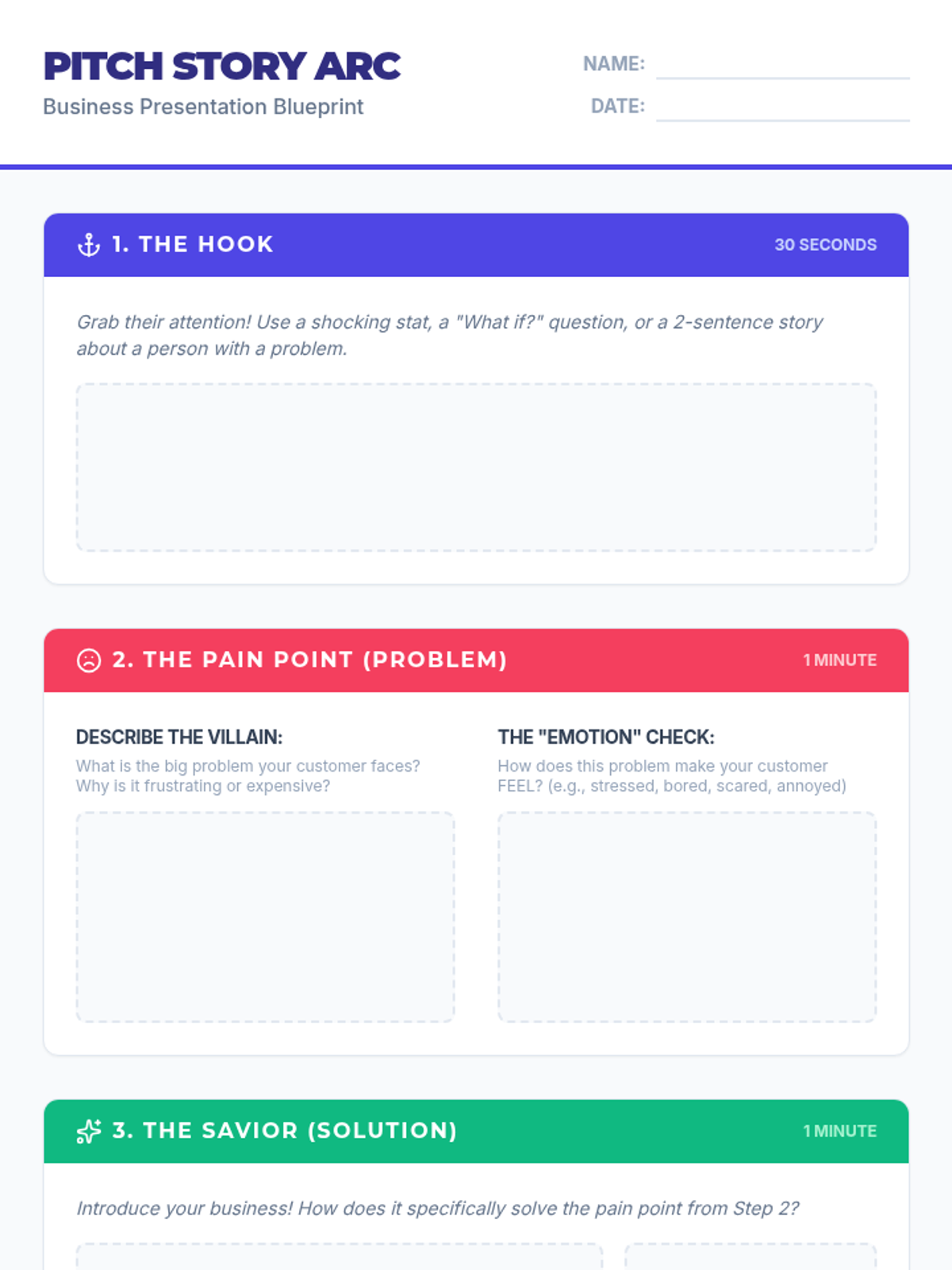
A project-based unit where 6th-grade students synthesize their business planning into a persuasive pitch. Students learn the art of storytelling, visual design, and public speaking, culminating in a final Shark Tank-style presentation event.
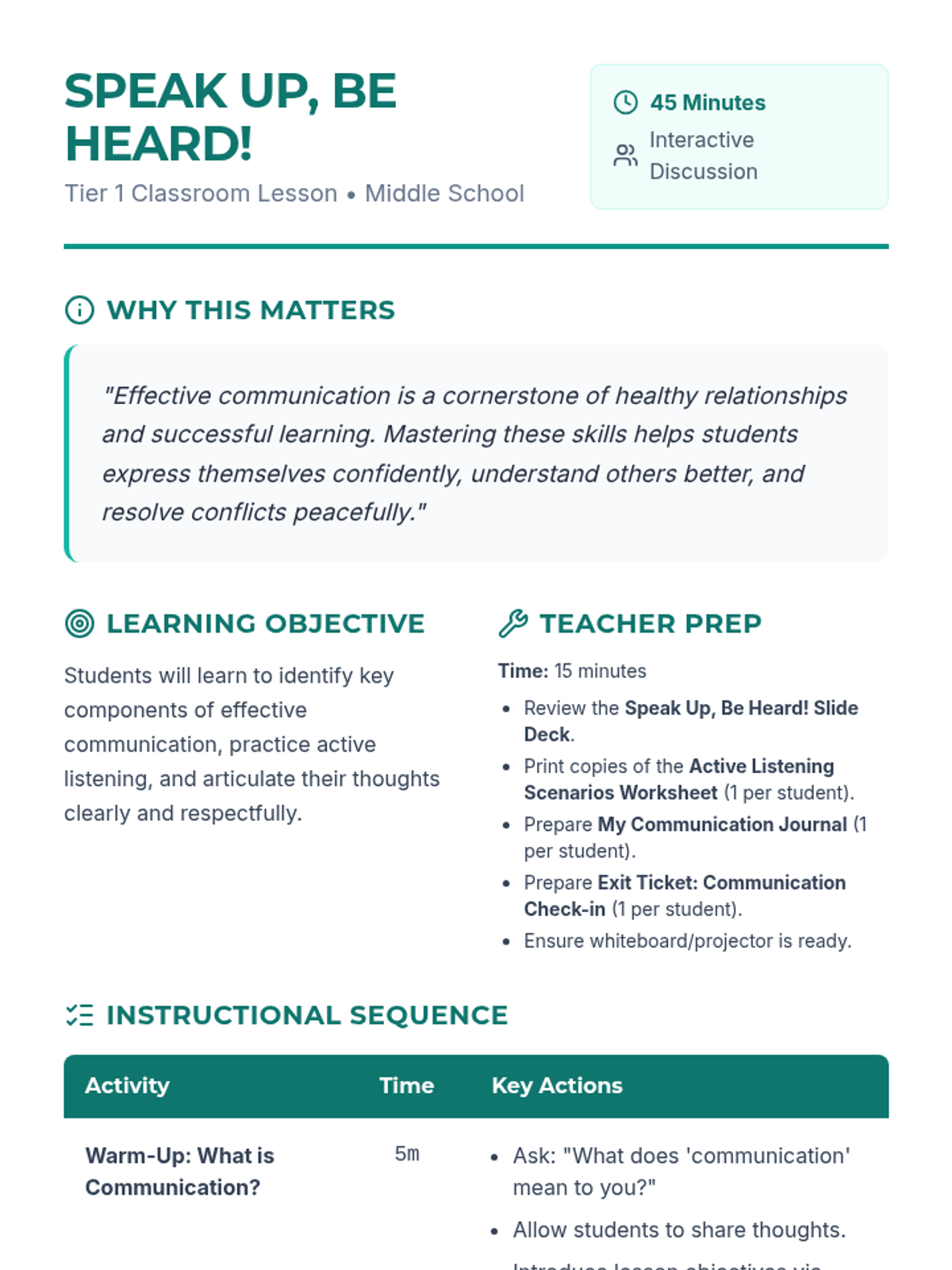
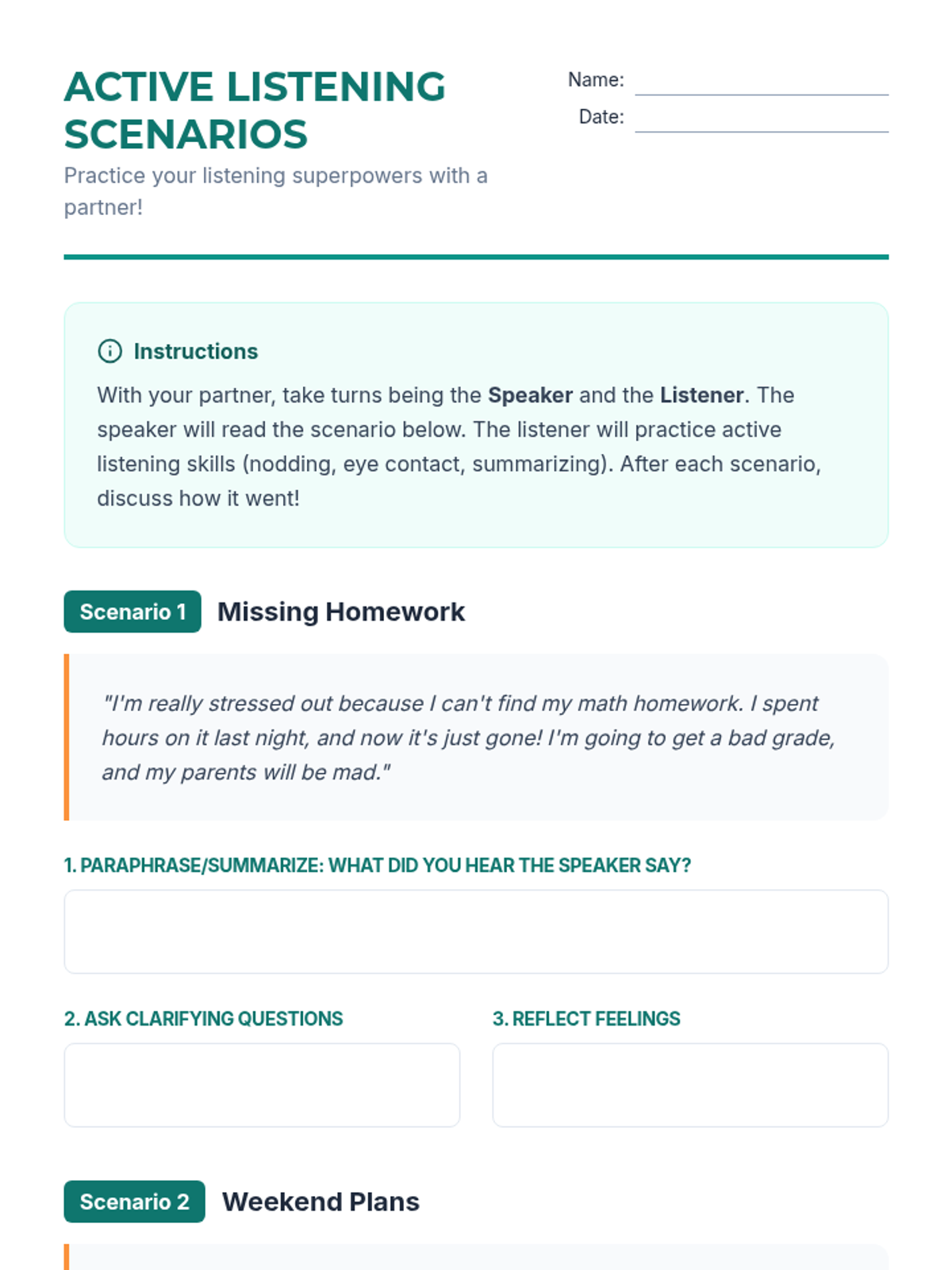
A comprehensive collection of lessons designed to equip students from elementary to middle school with essential life skills, including communication, financial literacy, and social-emotional awareness.