Fundamental hardware proficiency, secure online behavior, and ethical social media engagement. Equips learners with productivity tool mastery, web publishing skills, and critical evaluation of emerging technologies.
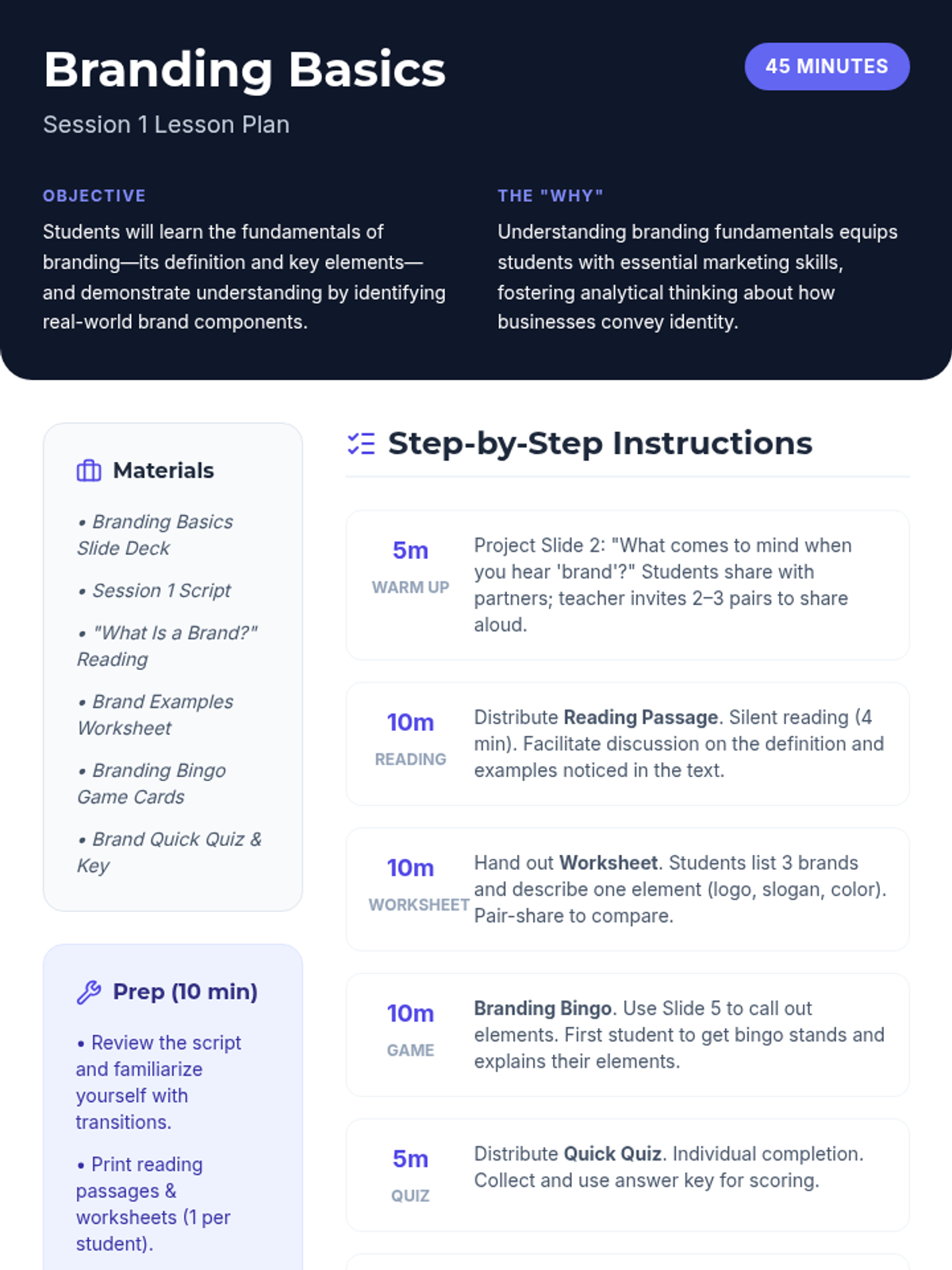
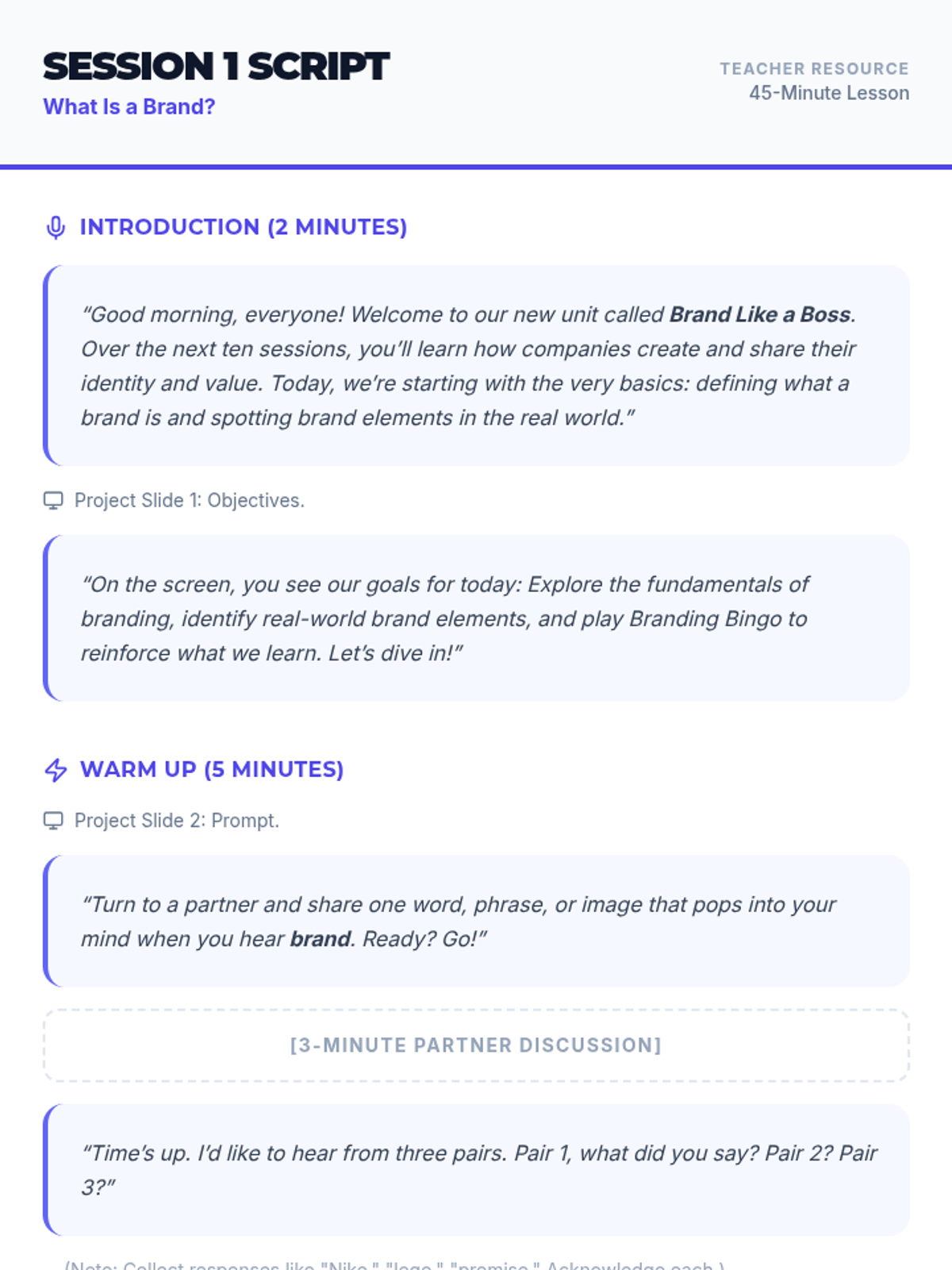
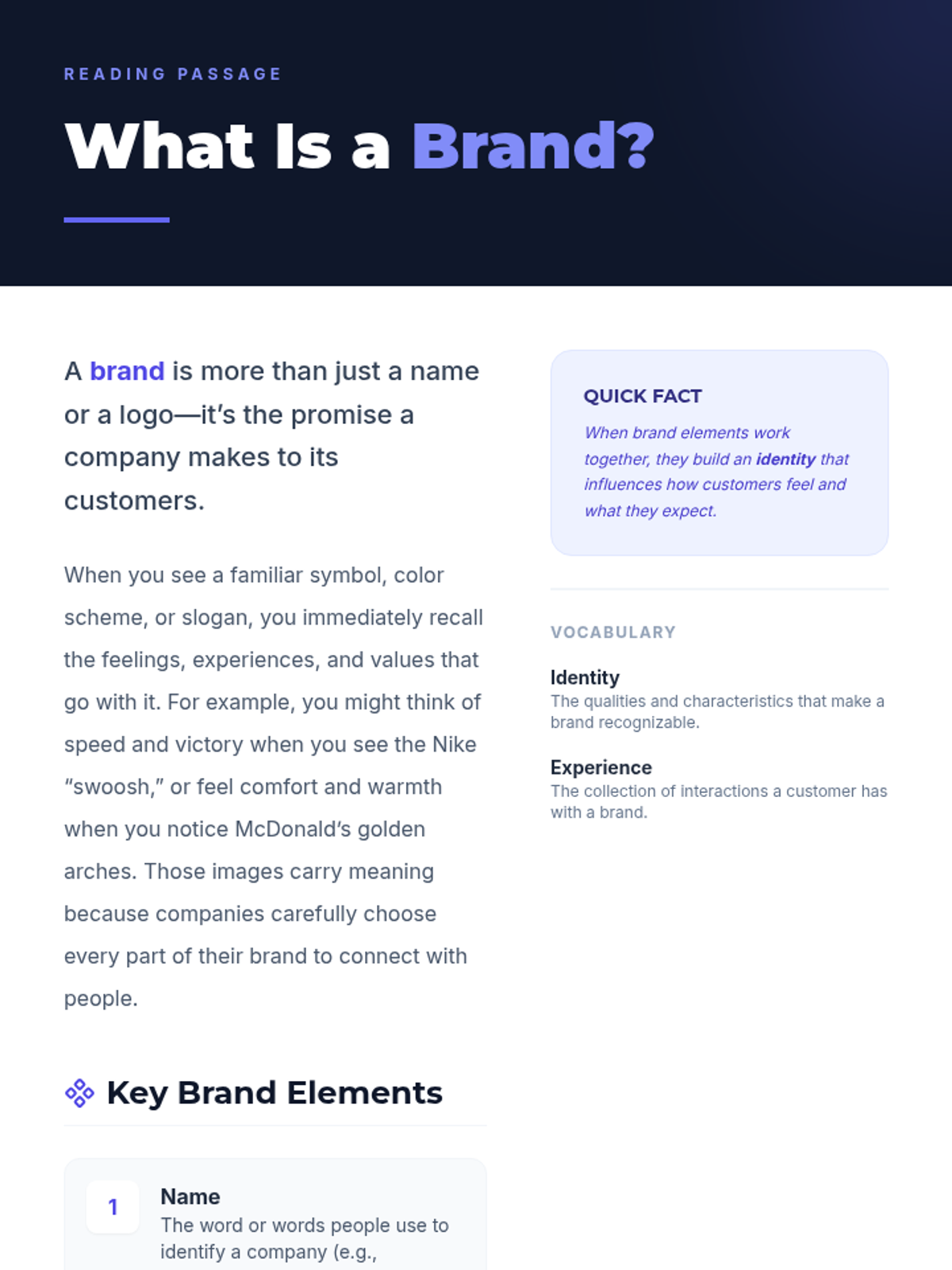
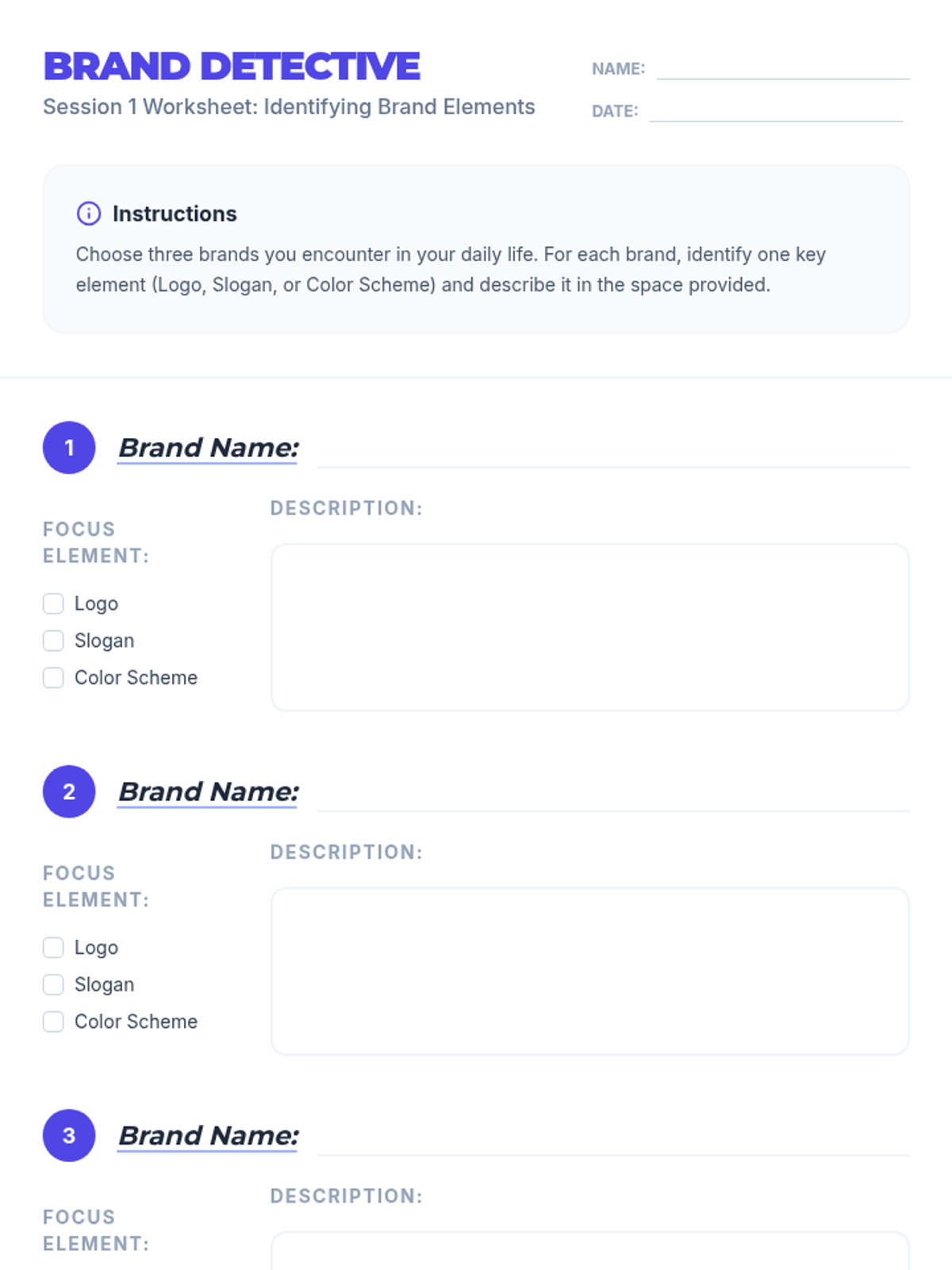
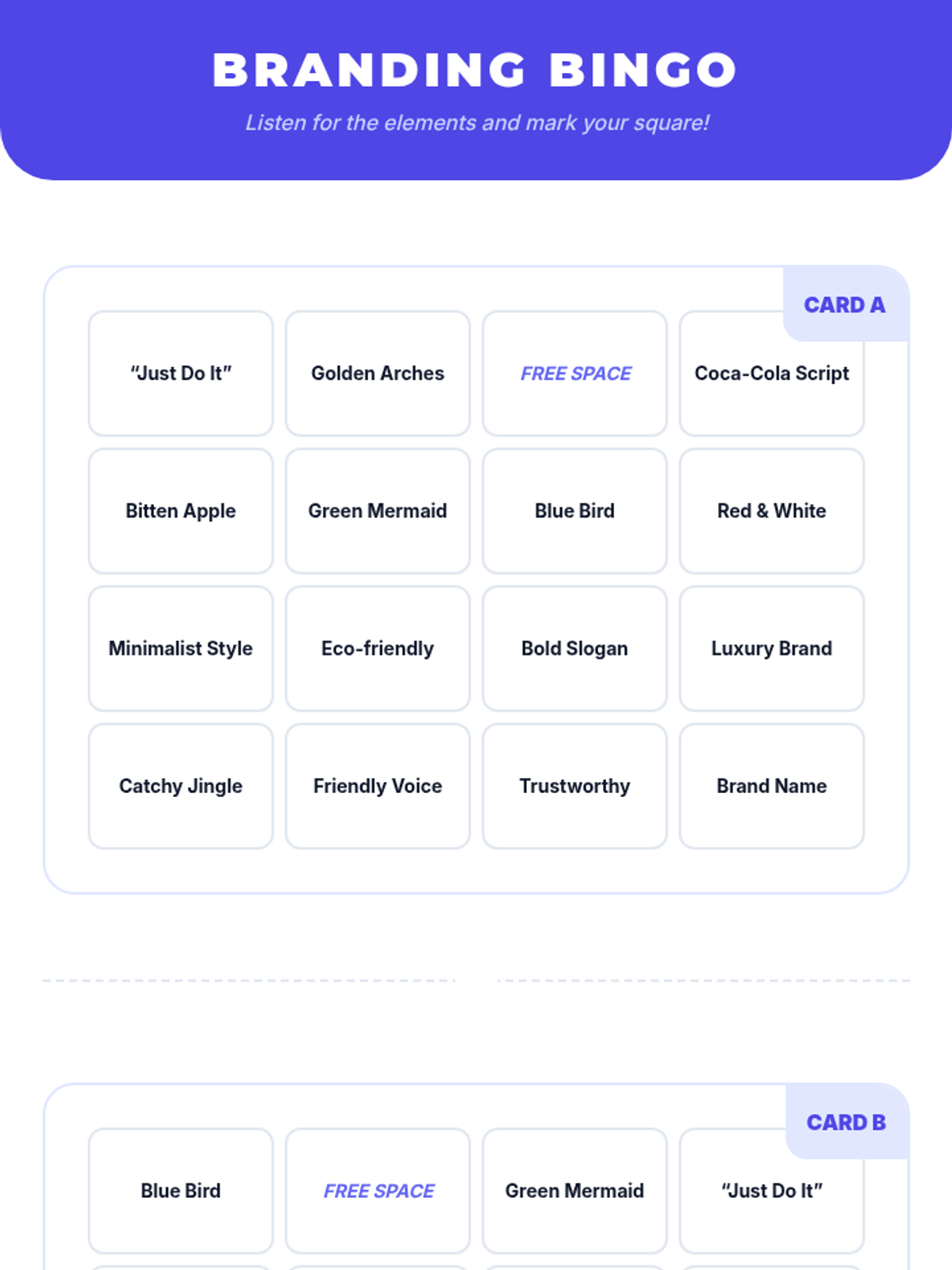
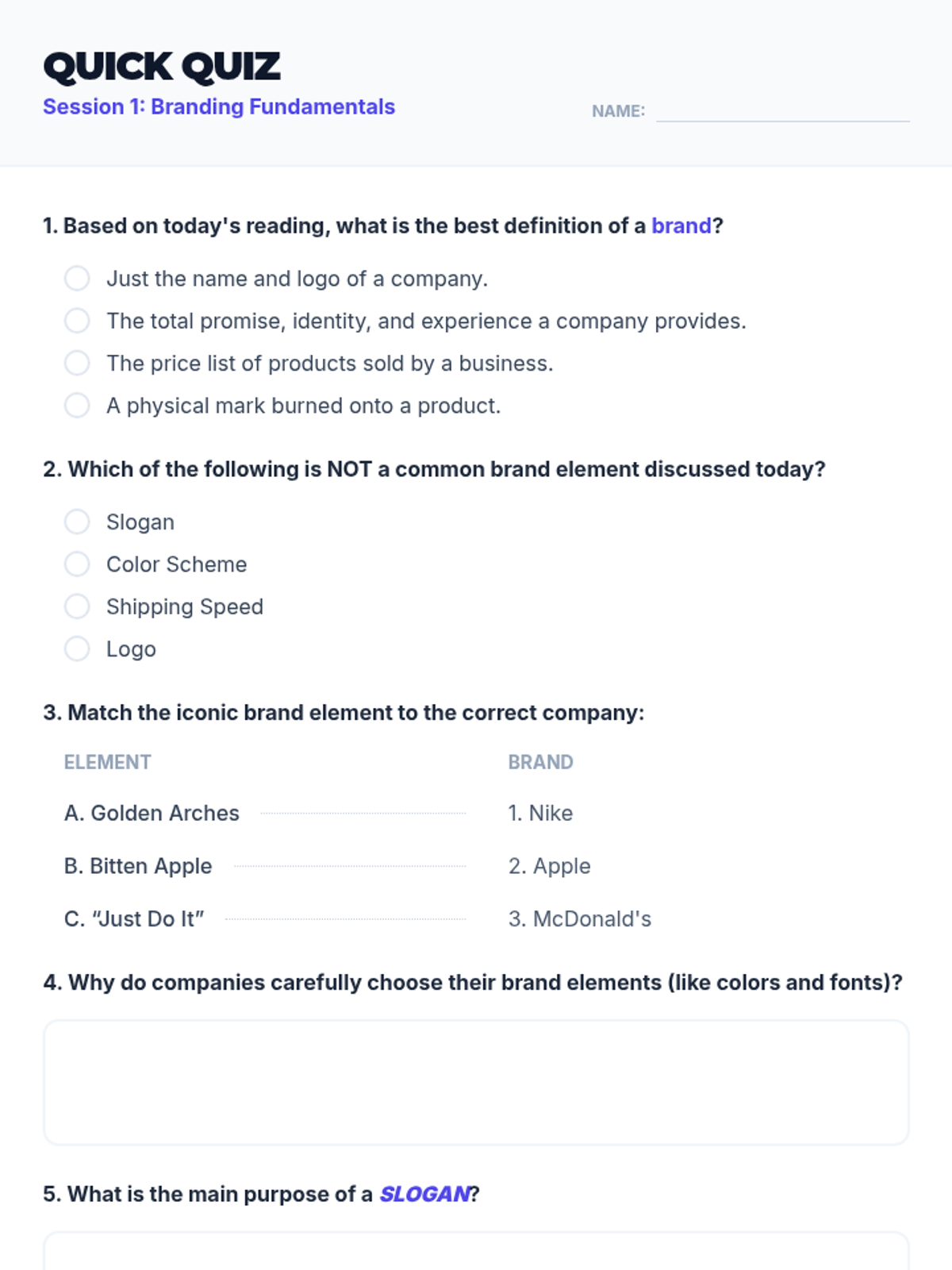
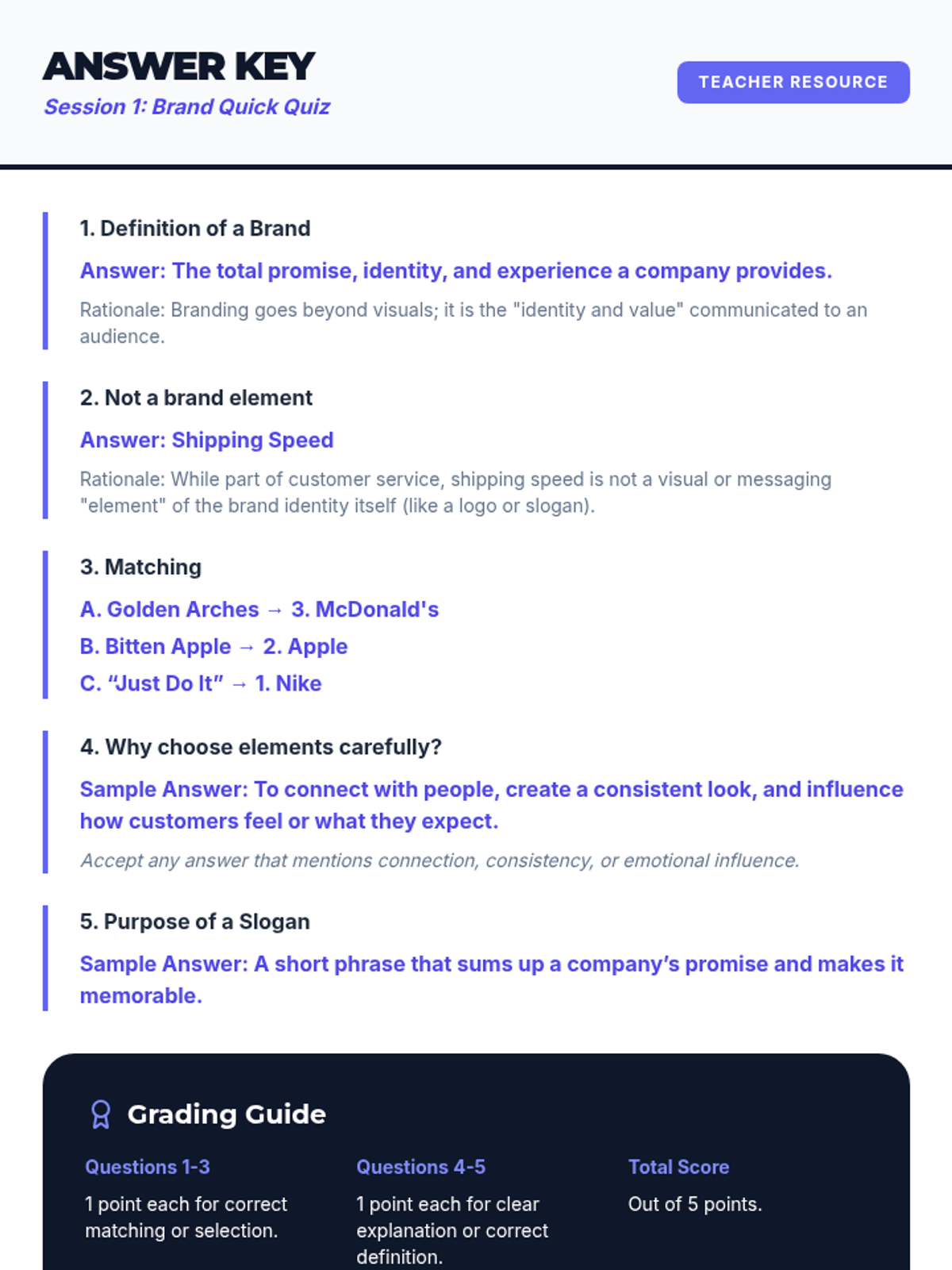
A 10-session unit for middle schoolers to master the art of business branding, covering everything from logos and voice to audience personas and marketing assets.
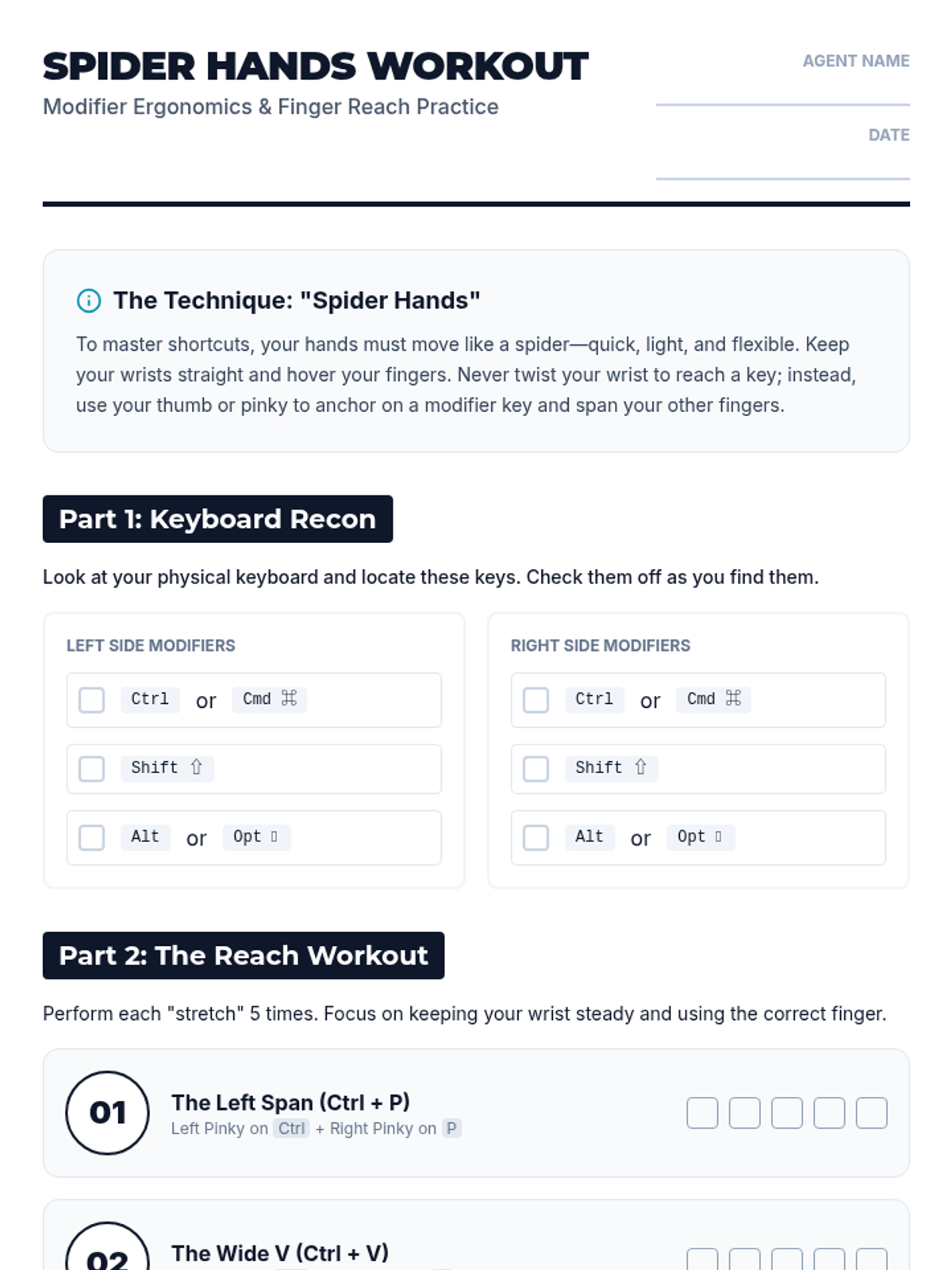
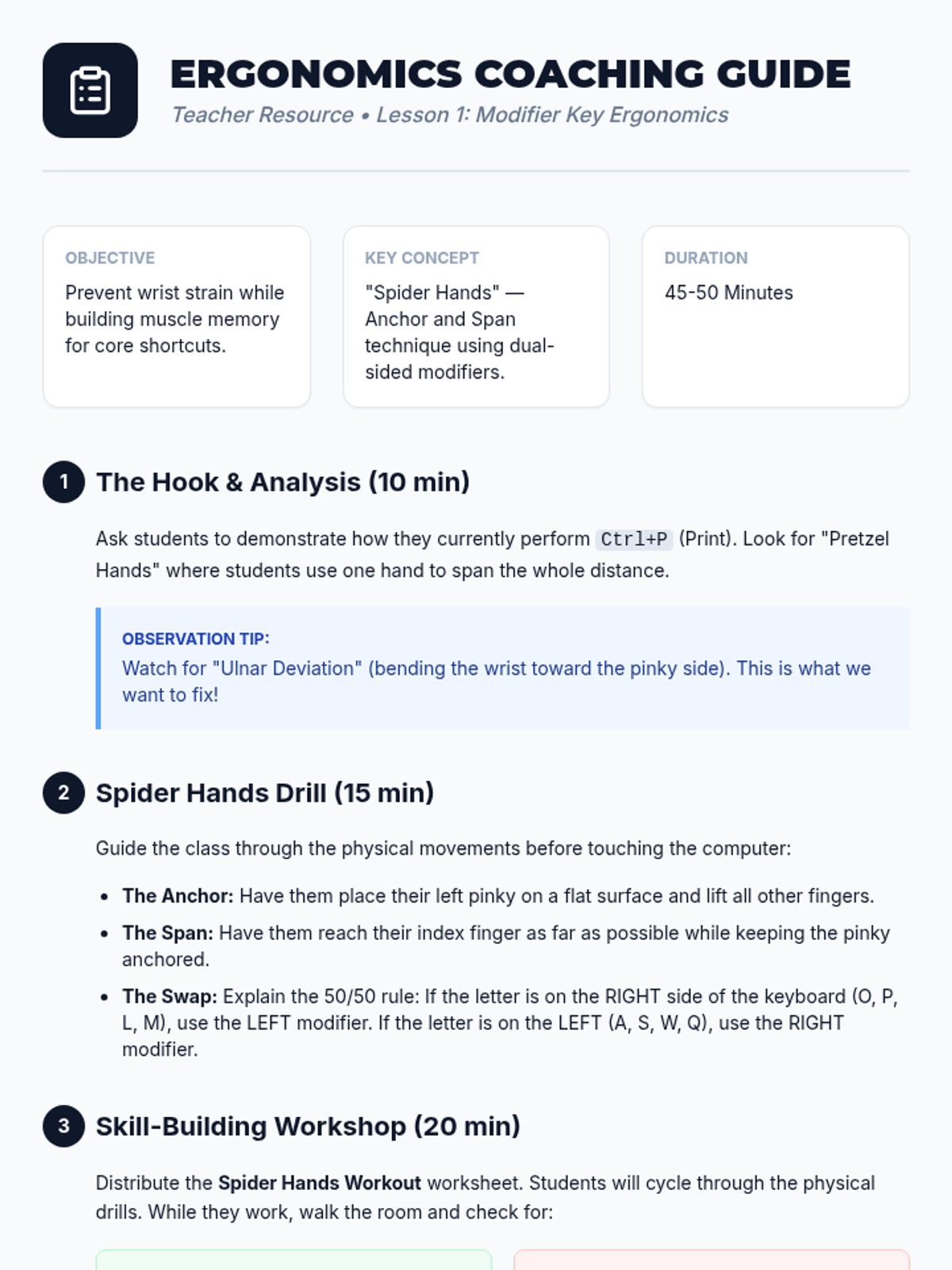
A comprehensive 6th-grade sequence focused on developing muscle memory, ergonomics, and accessibility awareness for keyboard shortcut navigation. Students progress from physical hand placement to cross-platform fluency and custom accessibility configurations.
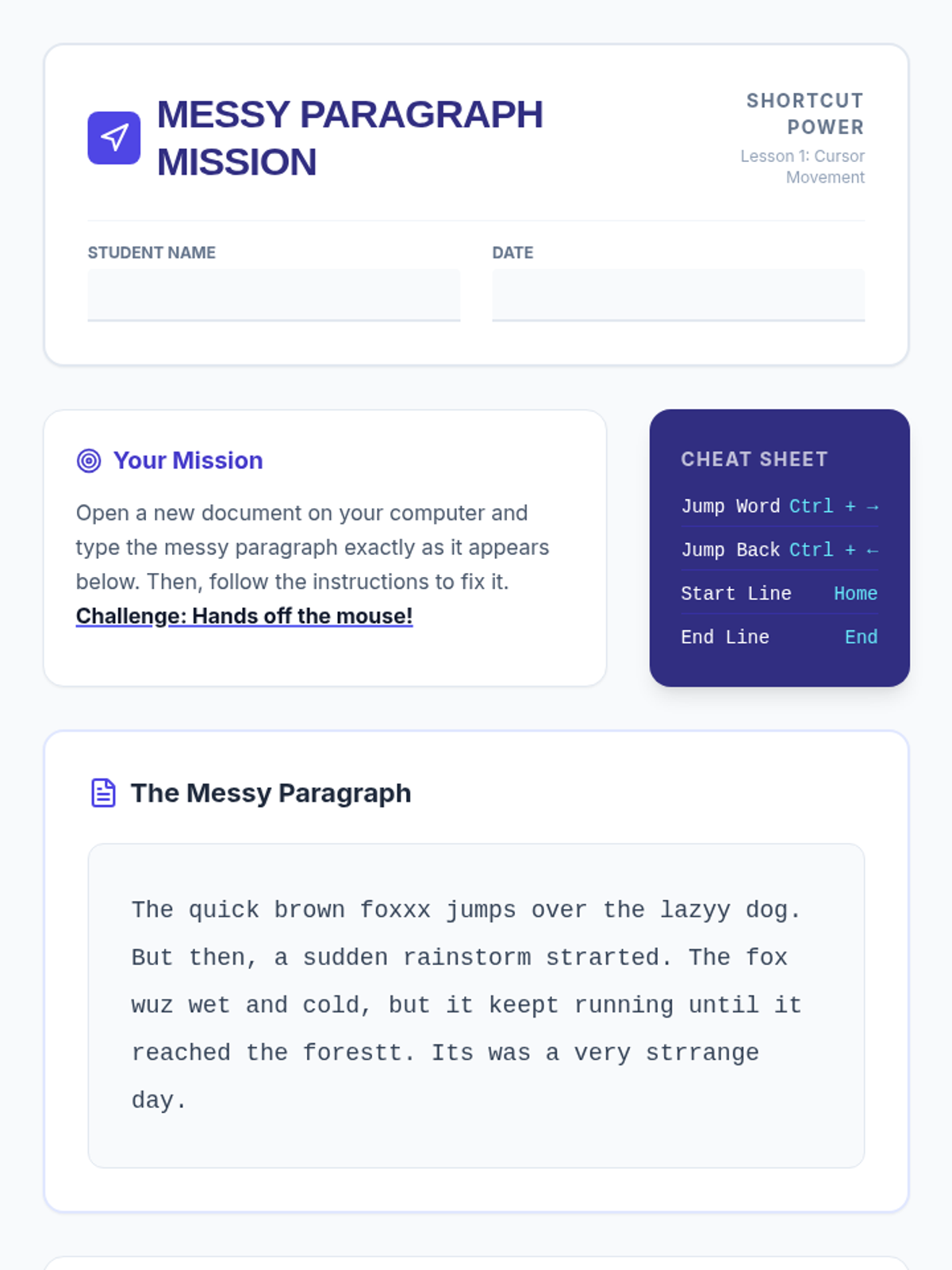
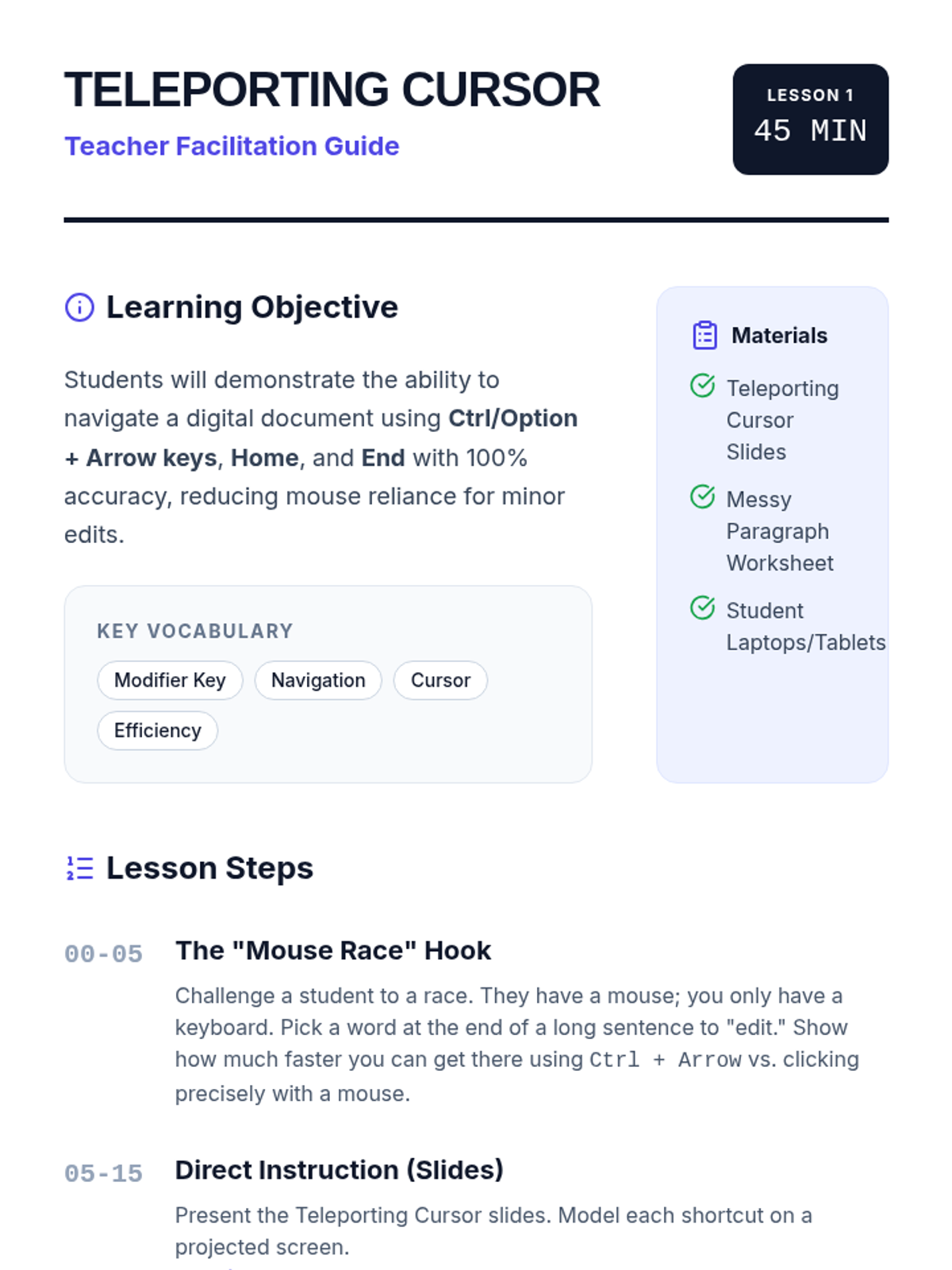
A 5-lesson series teaching 6th-grade students essential keyboard shortcuts for efficient document editing and formatting, specifically designed to support students with motor impairments and improve academic production speed.
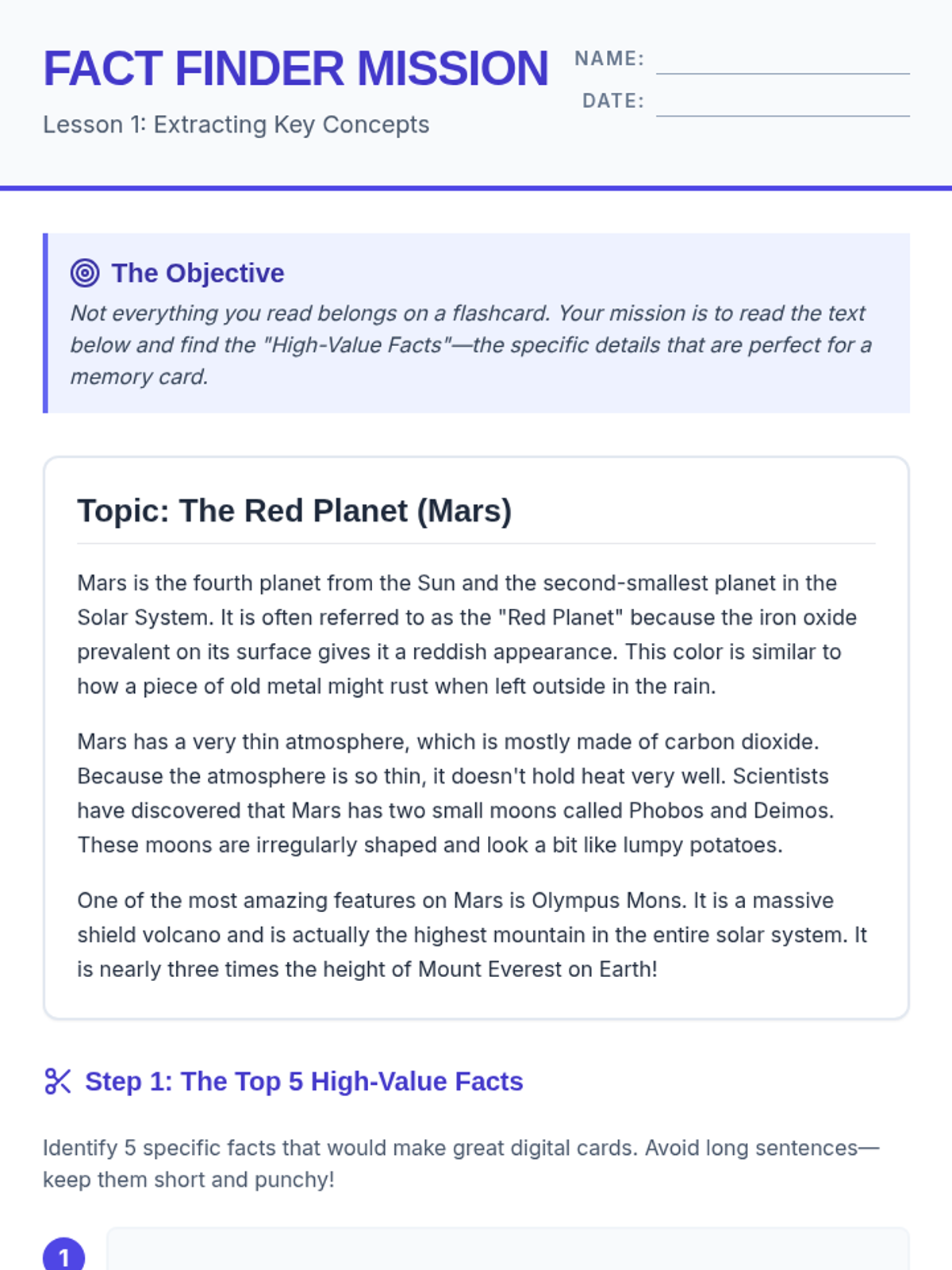
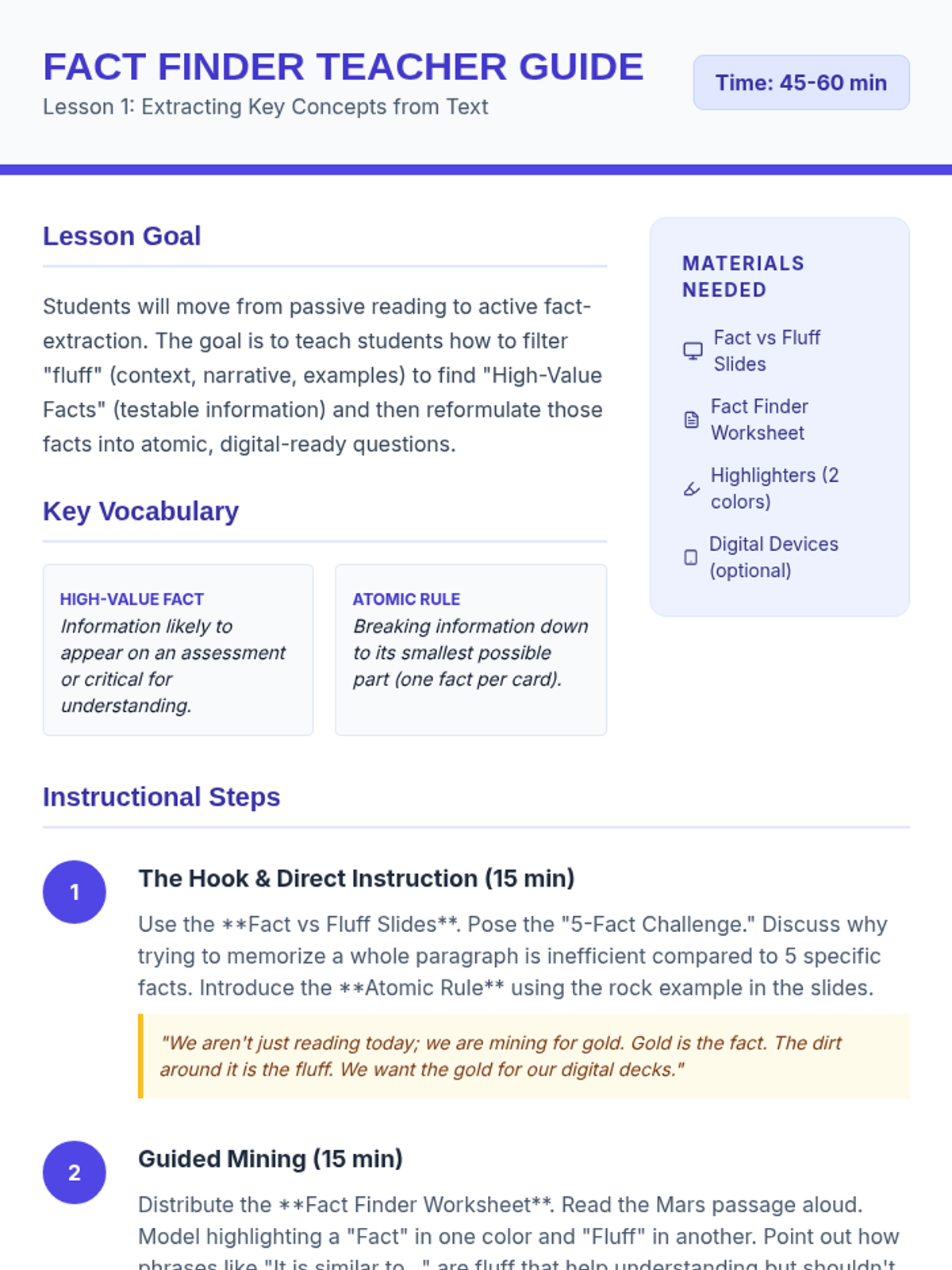
This sequence teaches 6th-grade students how to use digital spaced repetition tools to enhance memory and study efficiency. Students progress from extracting key facts to building multimedia-rich digital decks and understanding the algorithms that drive long-term retention.
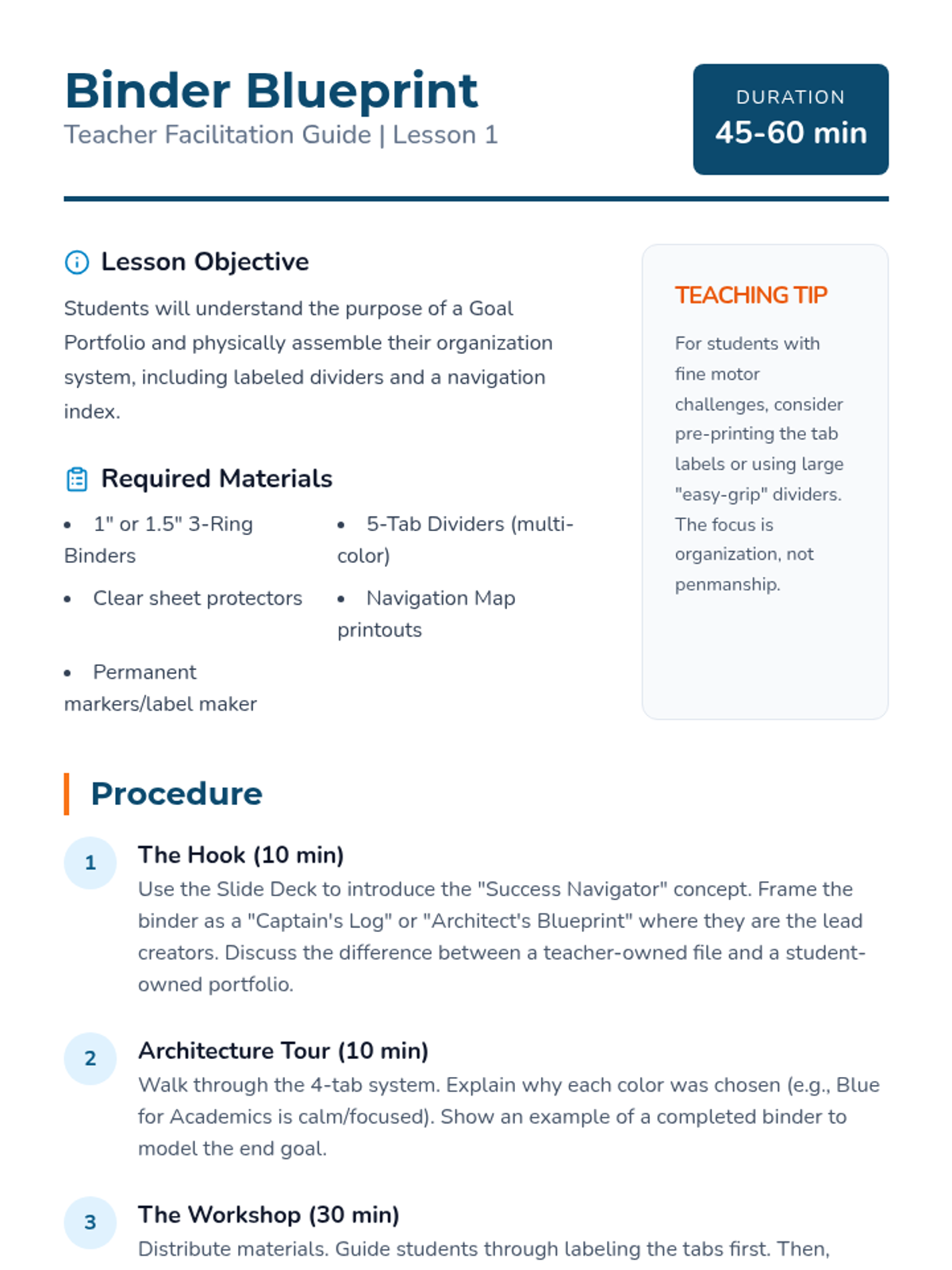
A sequence designed to empower 6th-grade students to take ownership of their progress through the creation and maintenance of a Goal Portfolio. Students learn physical and digital organization, data tracking, and how to present their growth to others.
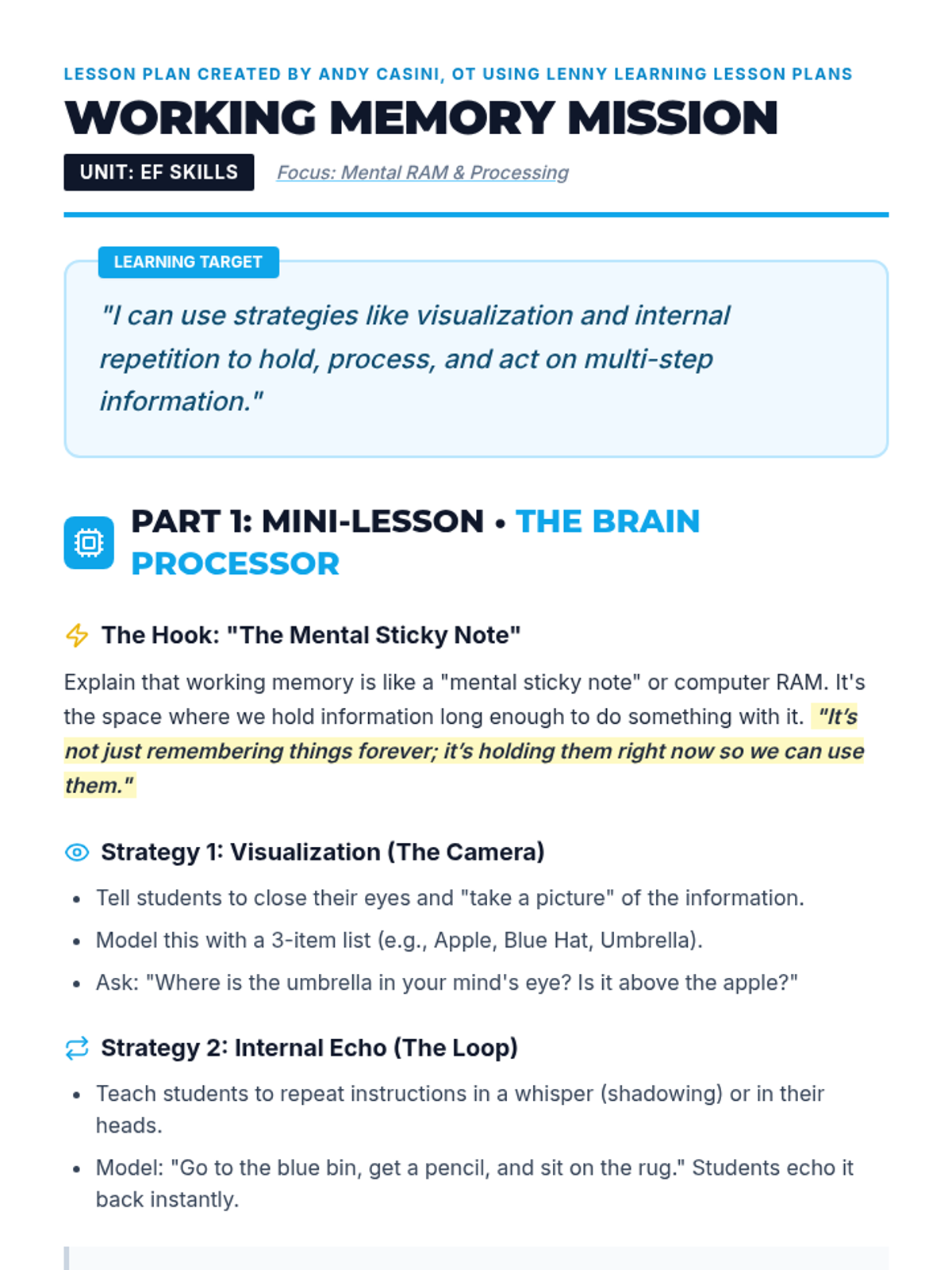
A sequence focused on using digital tools to support working memory through effective file organization, tagging, multimodal note-taking, and accessibility features. Students build a personal 'digital brain' to manage schoolwork efficiently.
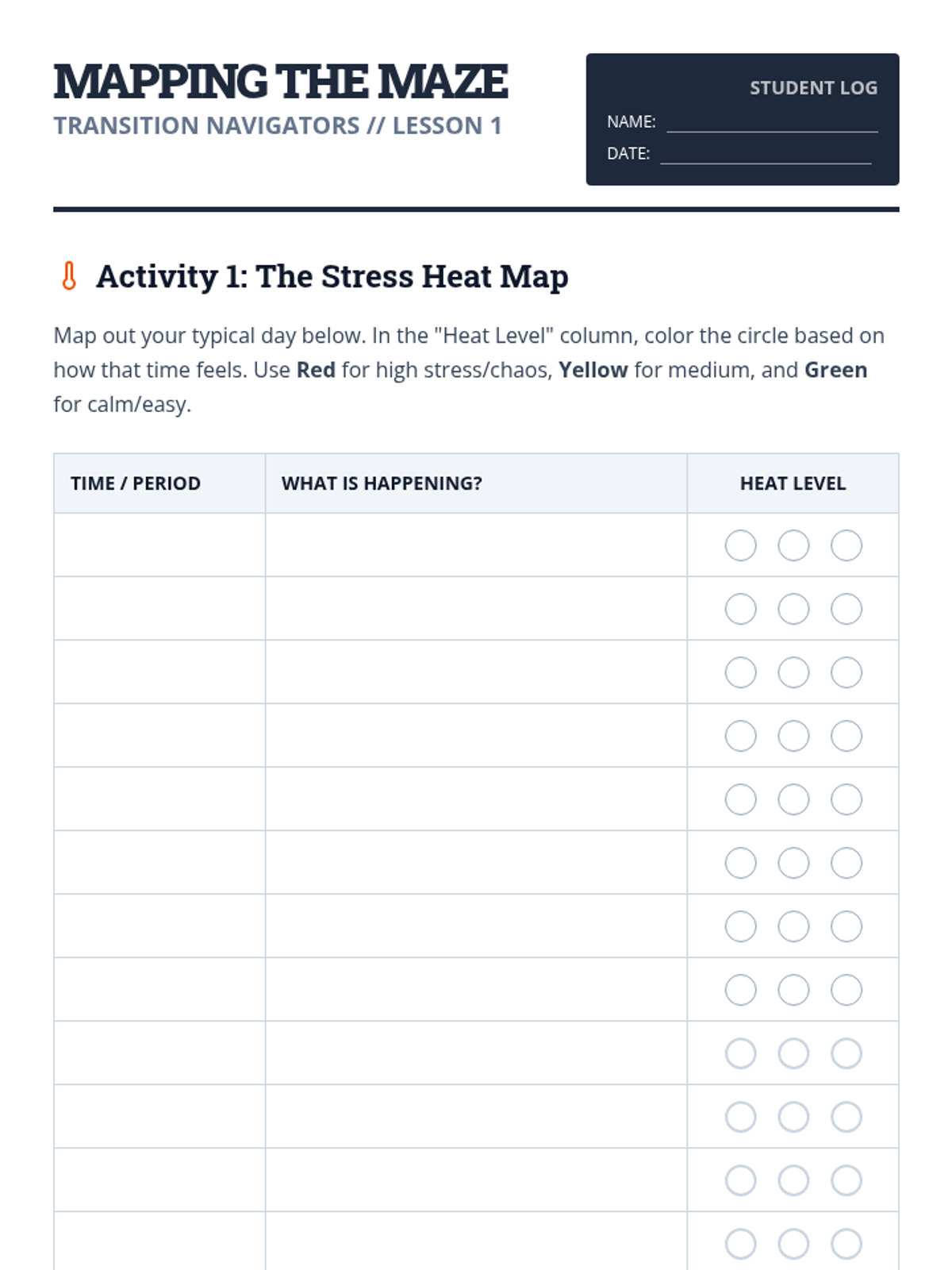
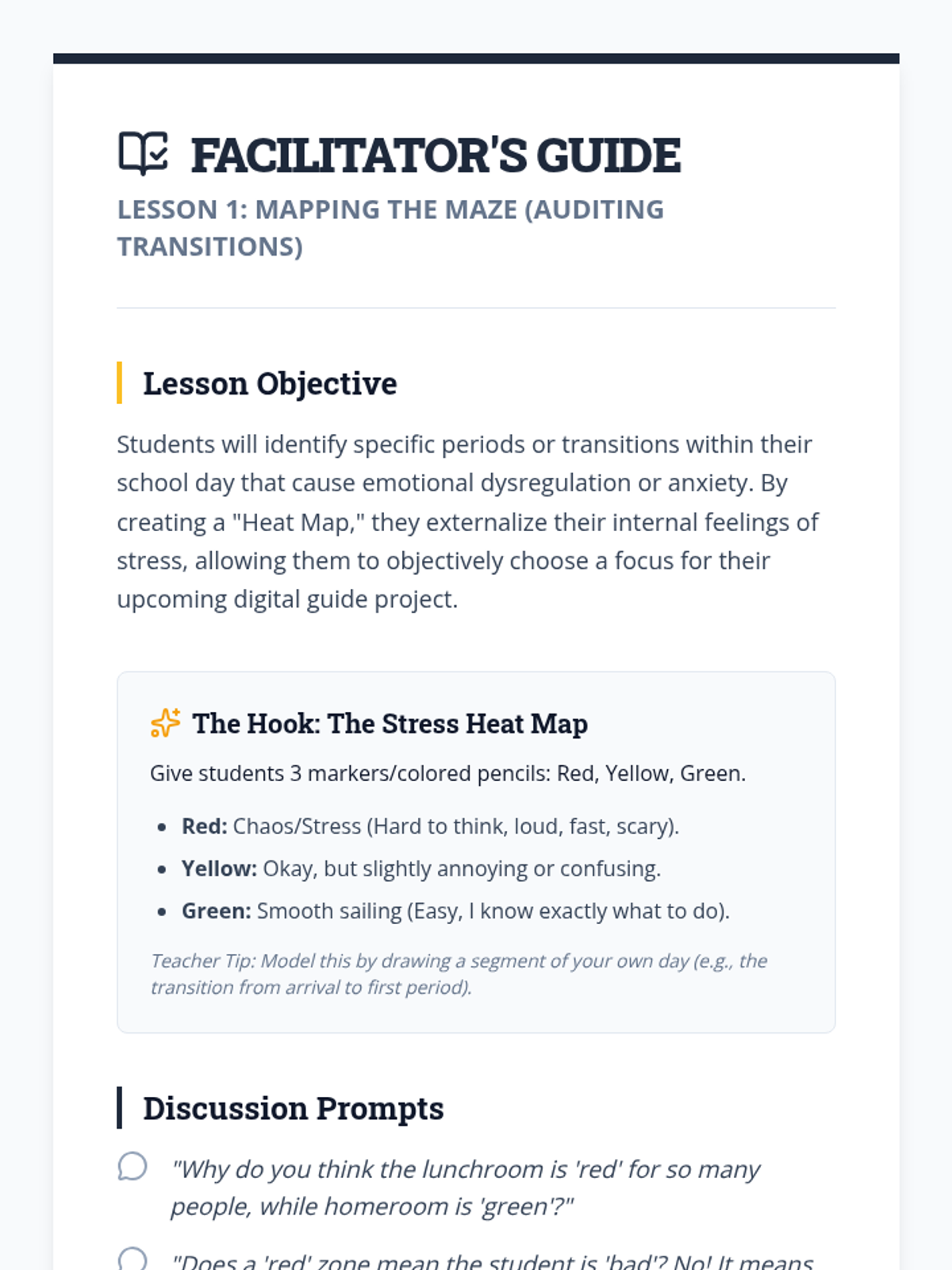
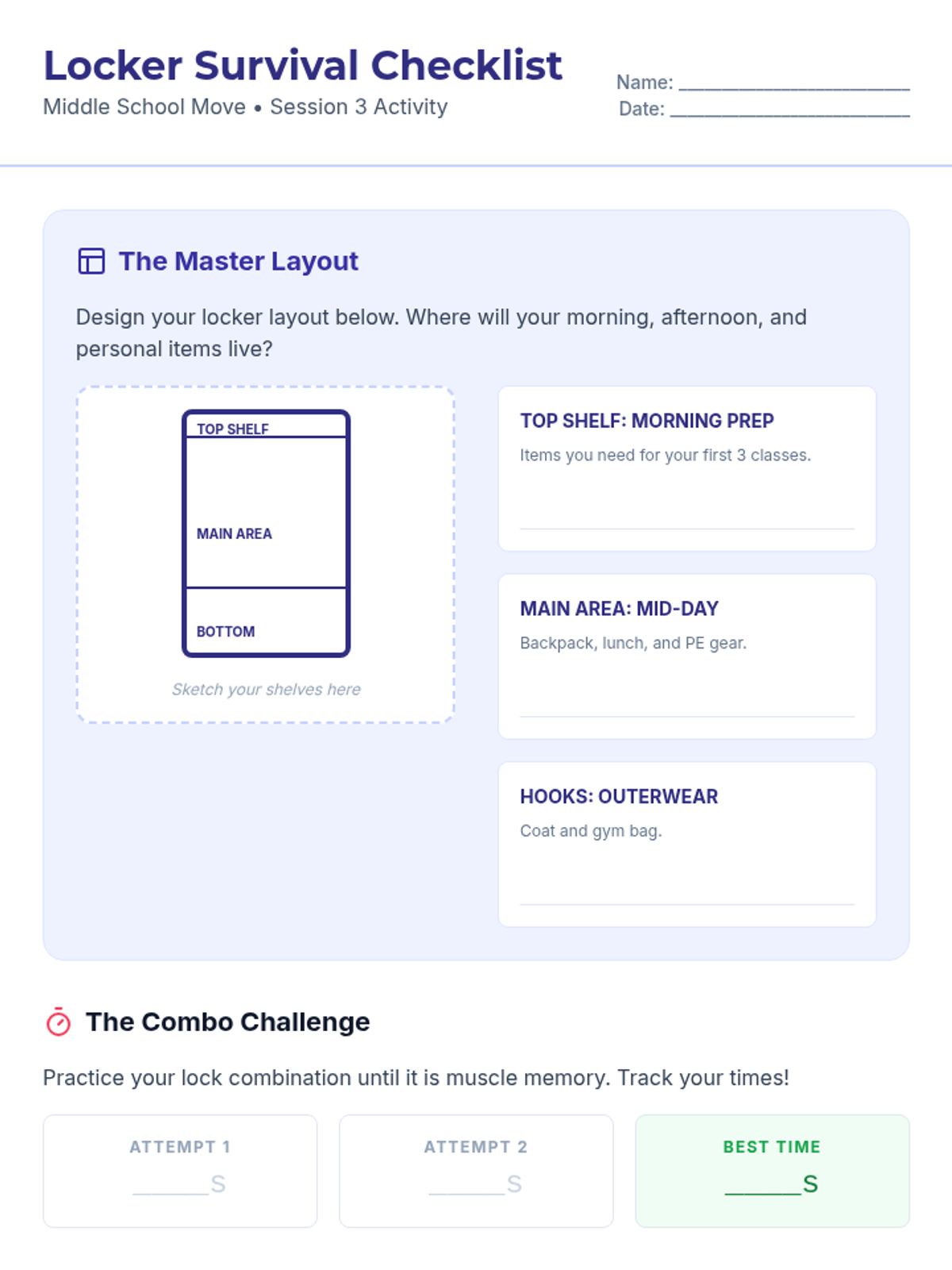
A project-based sequence where 6th-grade students research school transitions, identify anxiety-inducing changes, and design digital visual guides (social narratives) to navigate them successfully. Students develop self-regulation skills, sequencing abilities, and resilience through the creation of portable behavioral supports.
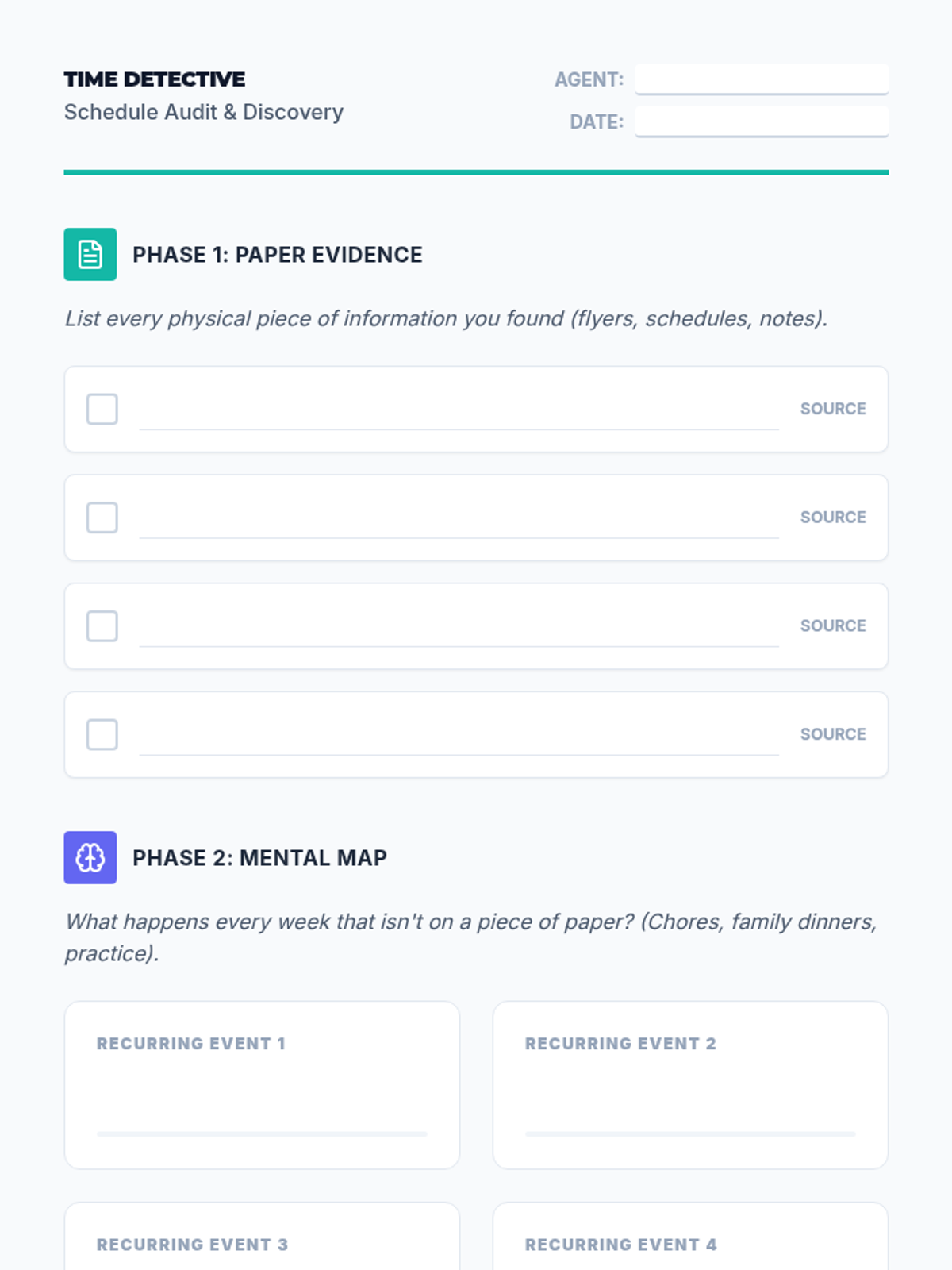
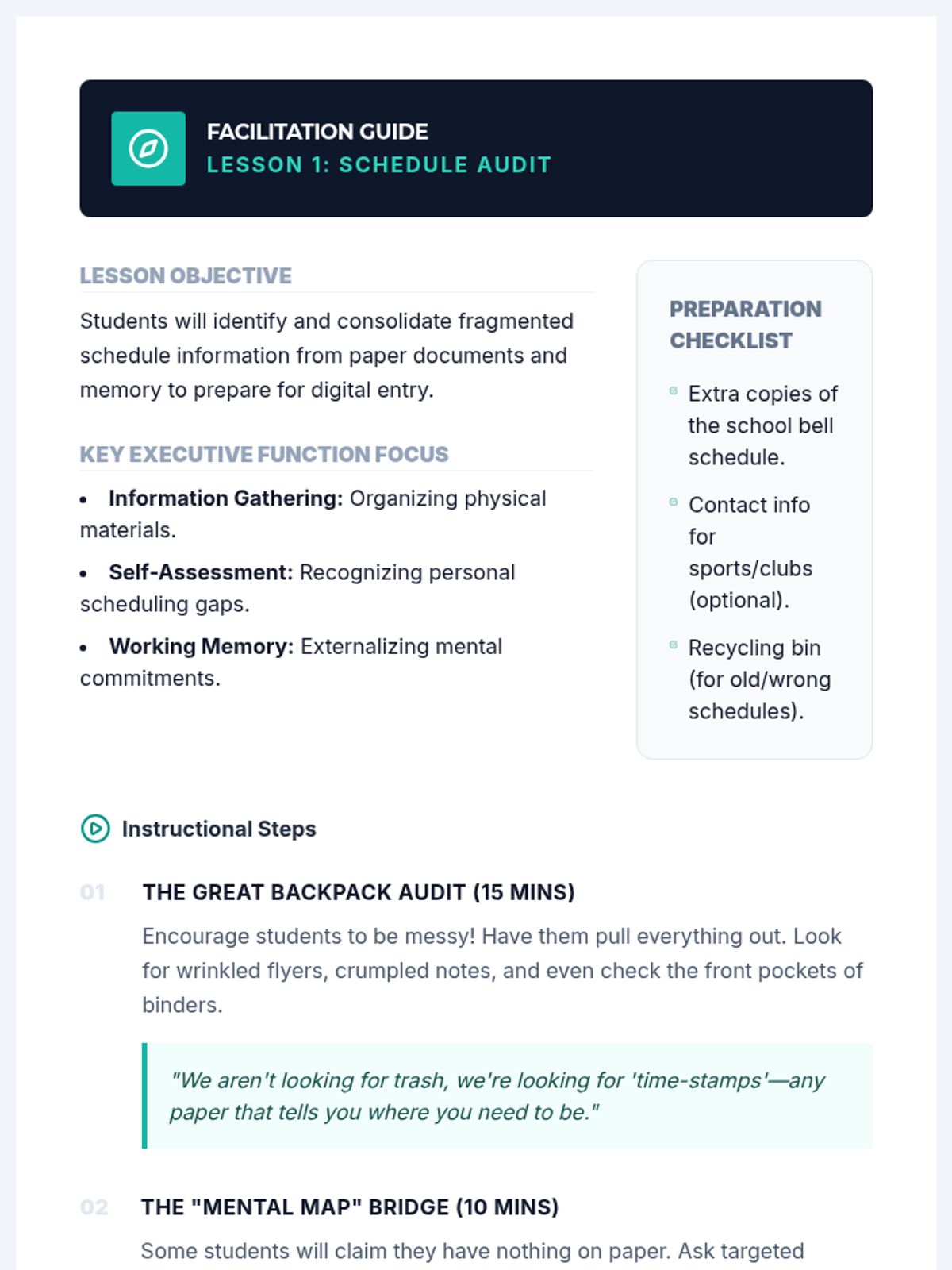
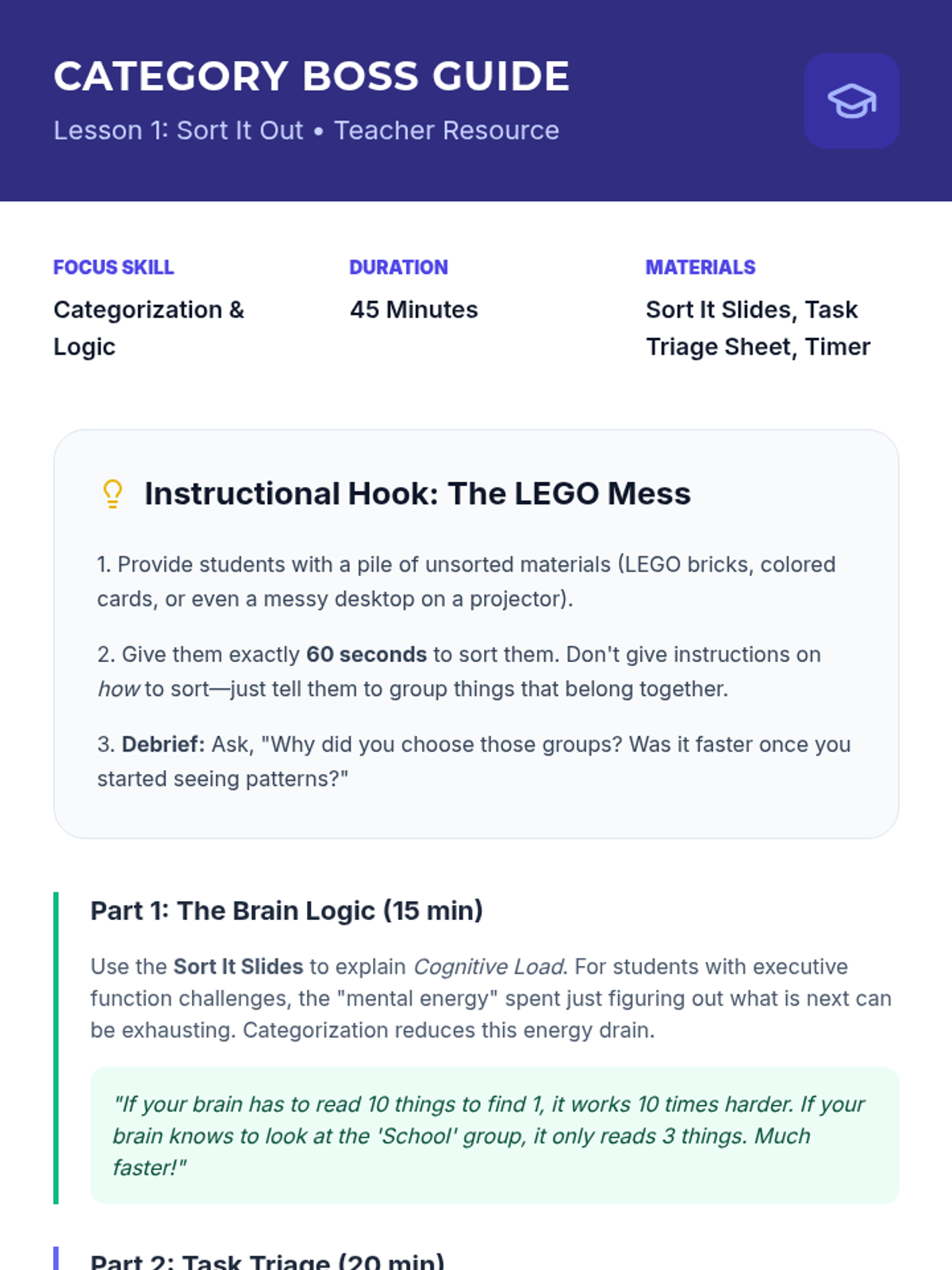
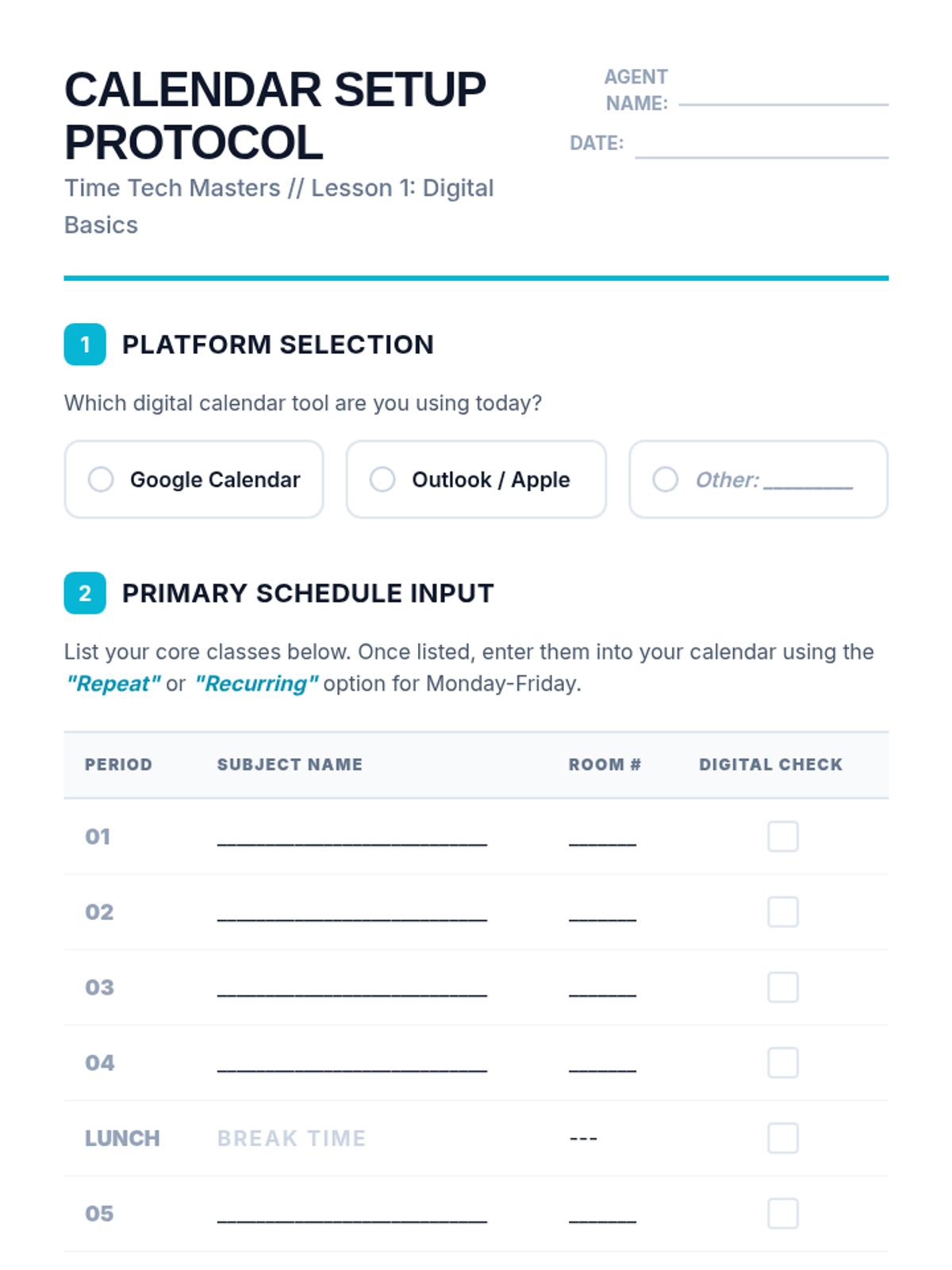
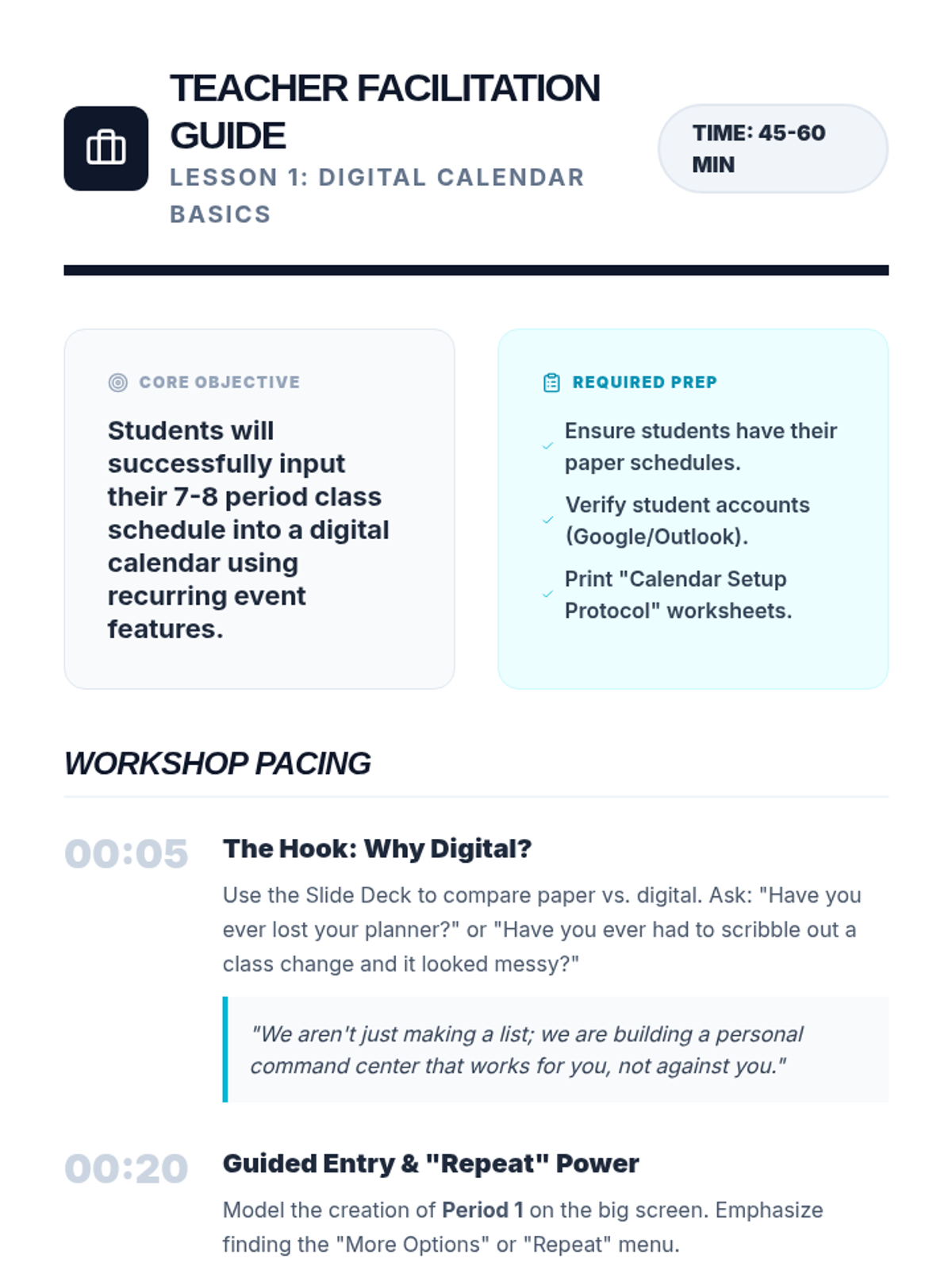
This sequence teaches 6th-grade students how to transition from fragmented paper-based schedules to a unified digital calendar system. It emphasizes executive function, self-advocacy, and the creation of sustainable routines for long-term independence.
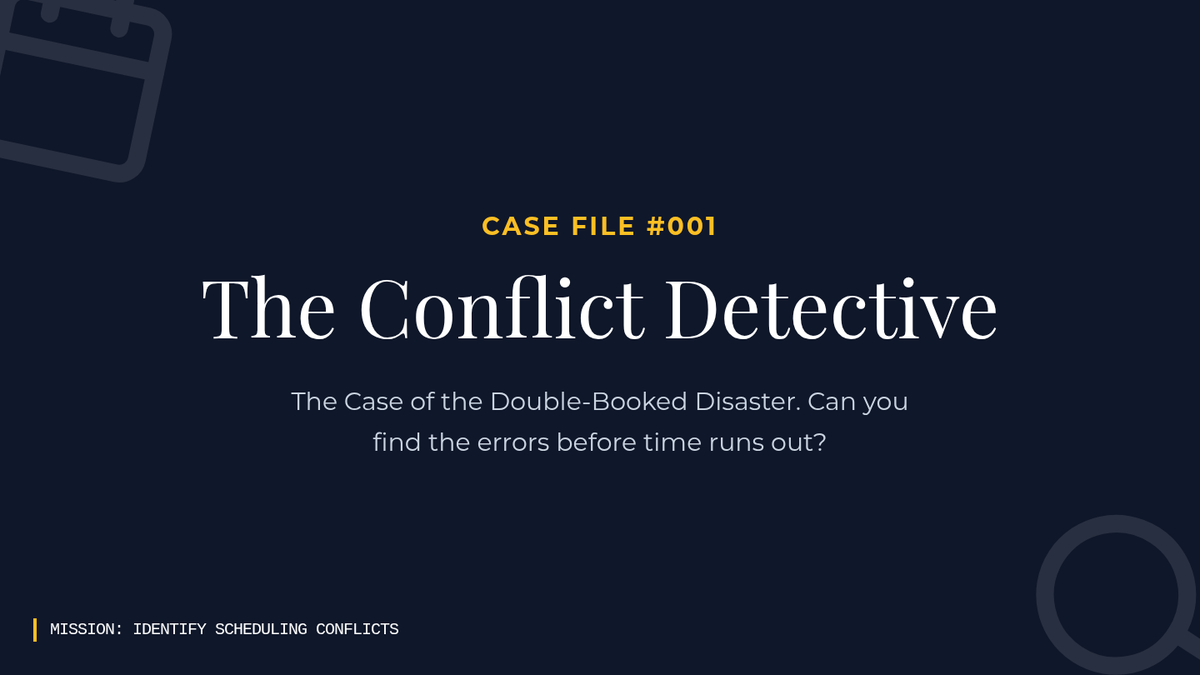
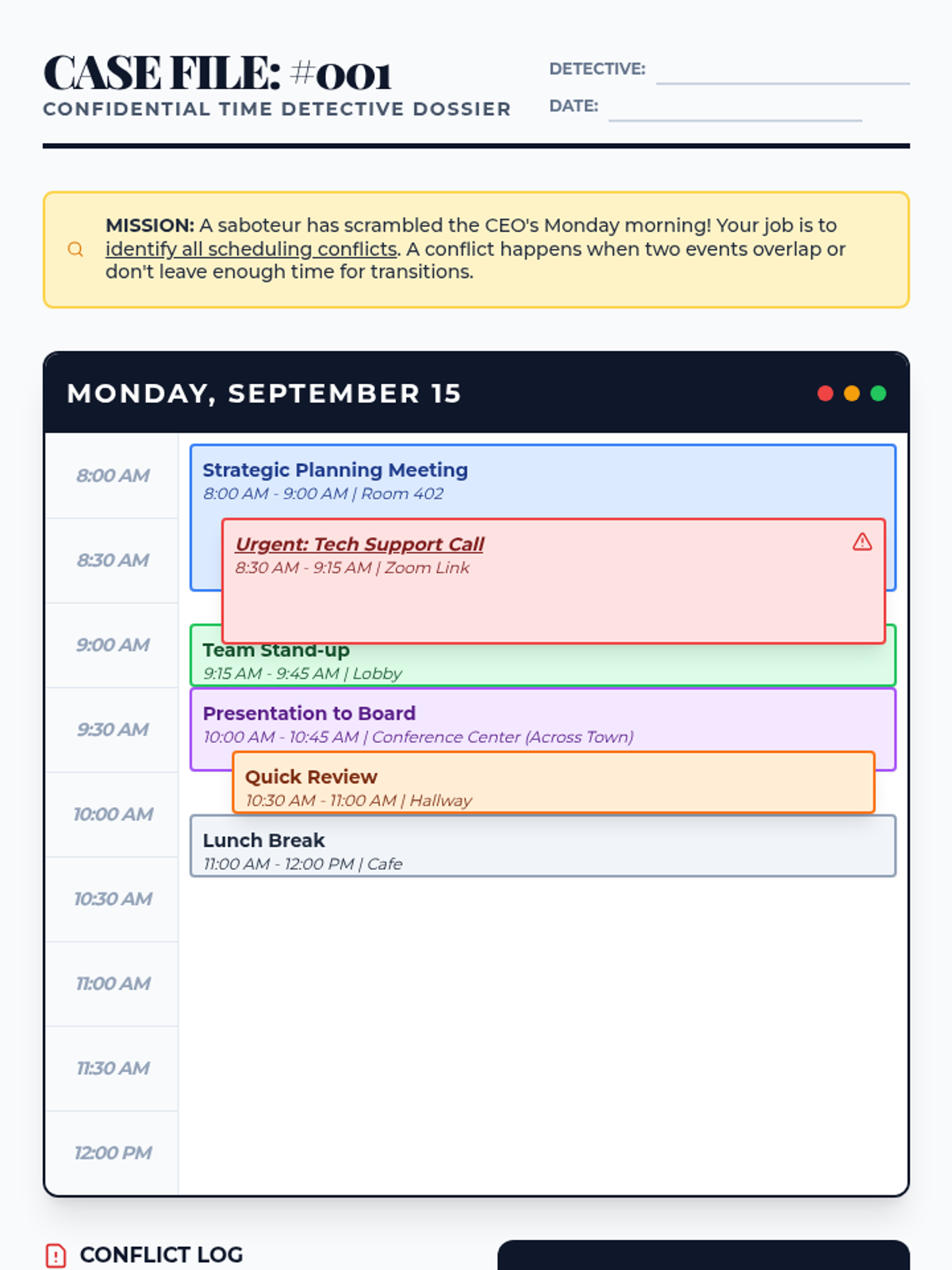
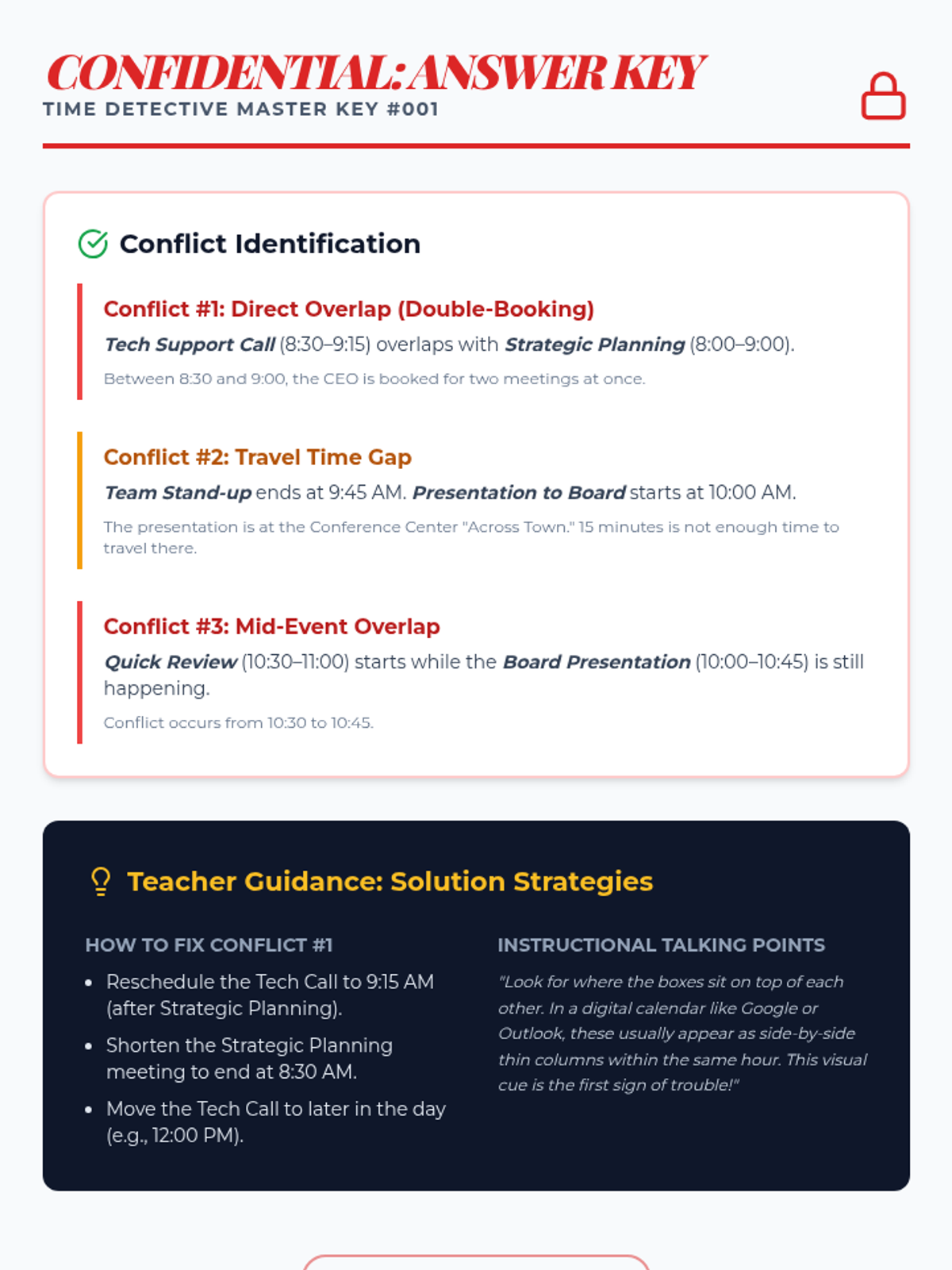
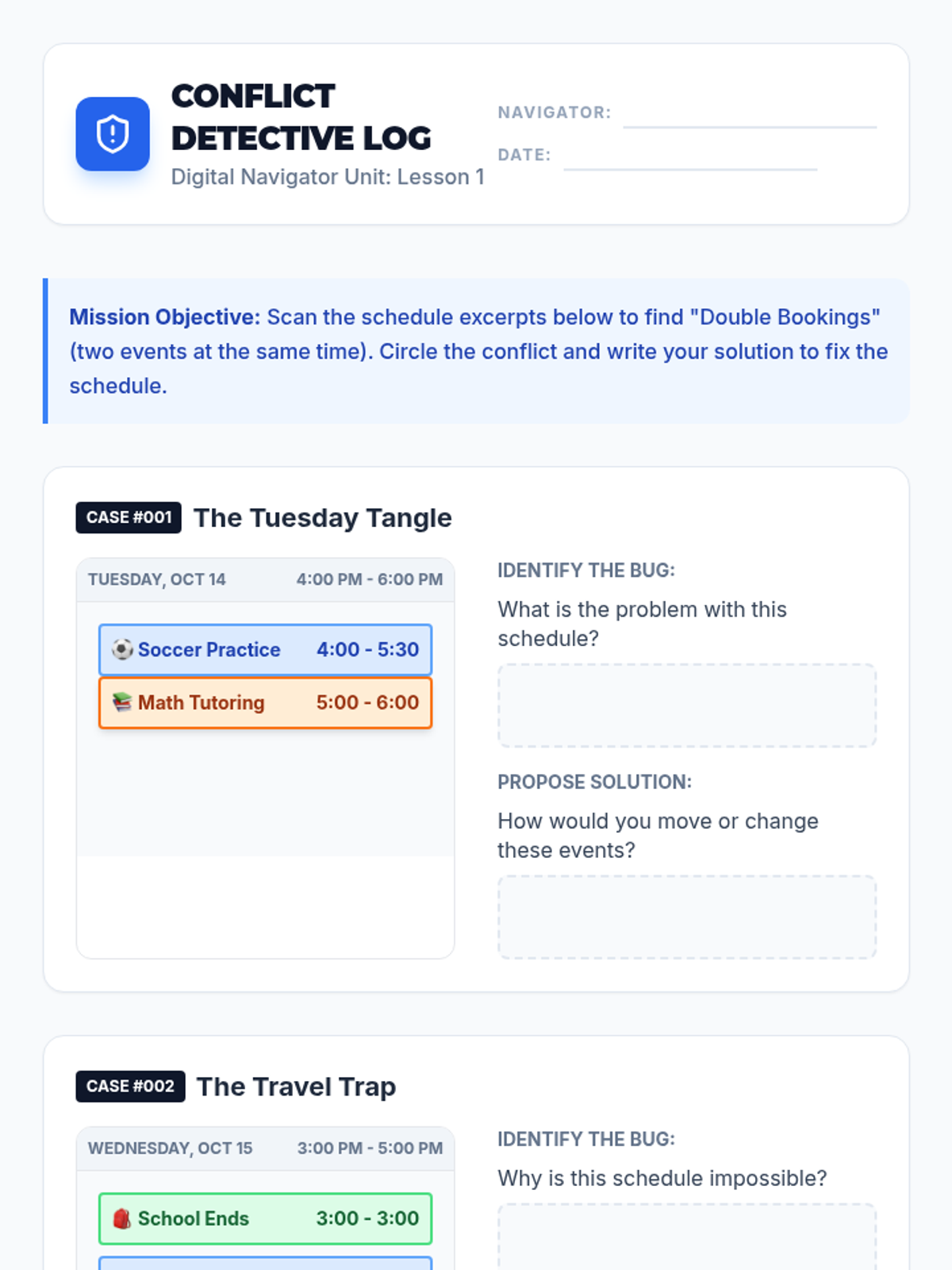
A game-based sequence where students act as 'Time Detectives' to master digital calendar skills. Through five interactive challenges, students learn to identify conflicts, adjust durations, manage locations, fix recurring patterns, and synthesize their skills into a master schedule.
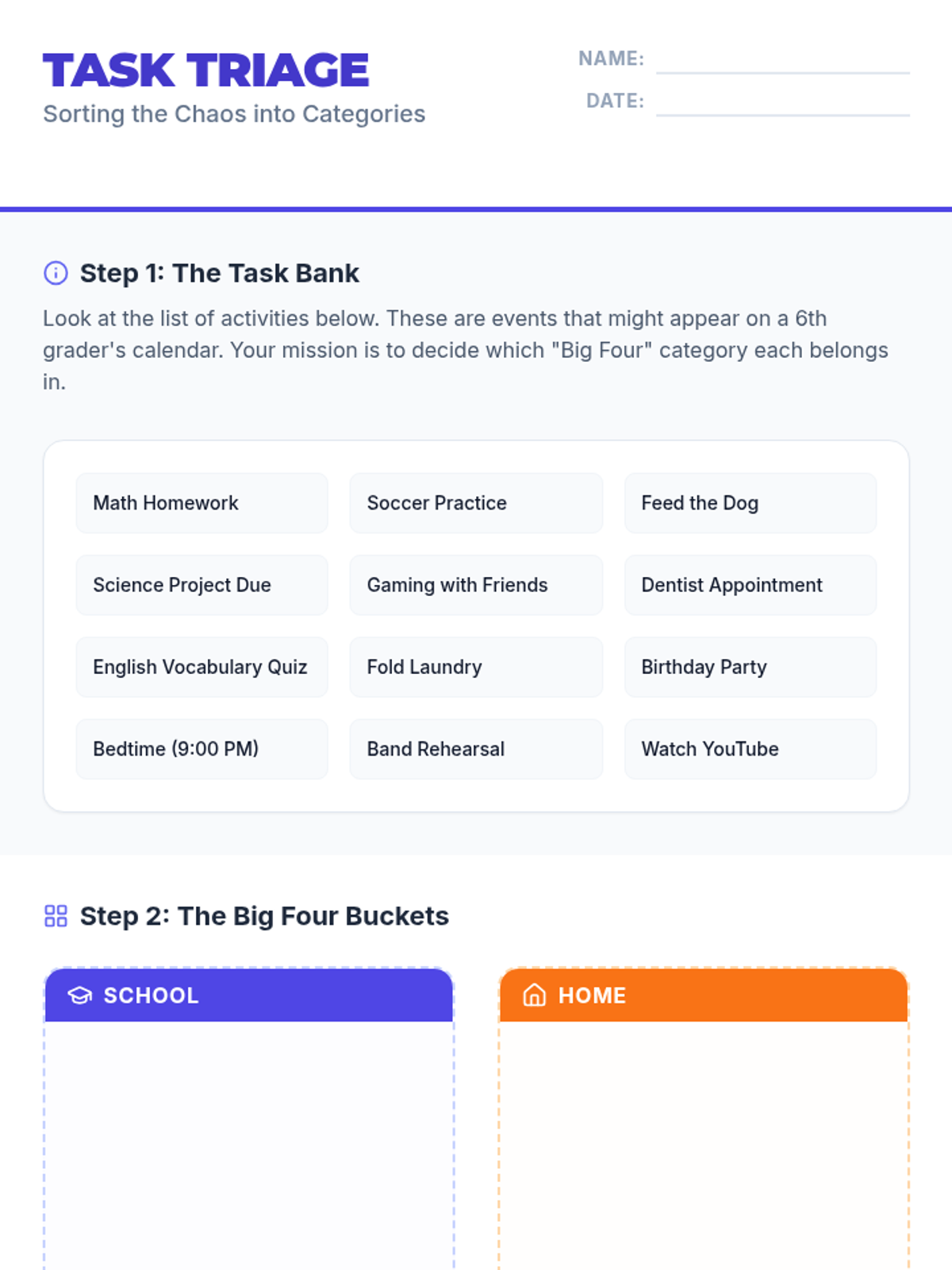
Students learn to use color-coding to visually organize their digital lives, moving from basic task categorization to advanced time-balance analysis. The sequence focuses on reducing cognitive load and improving executive function through visual data.
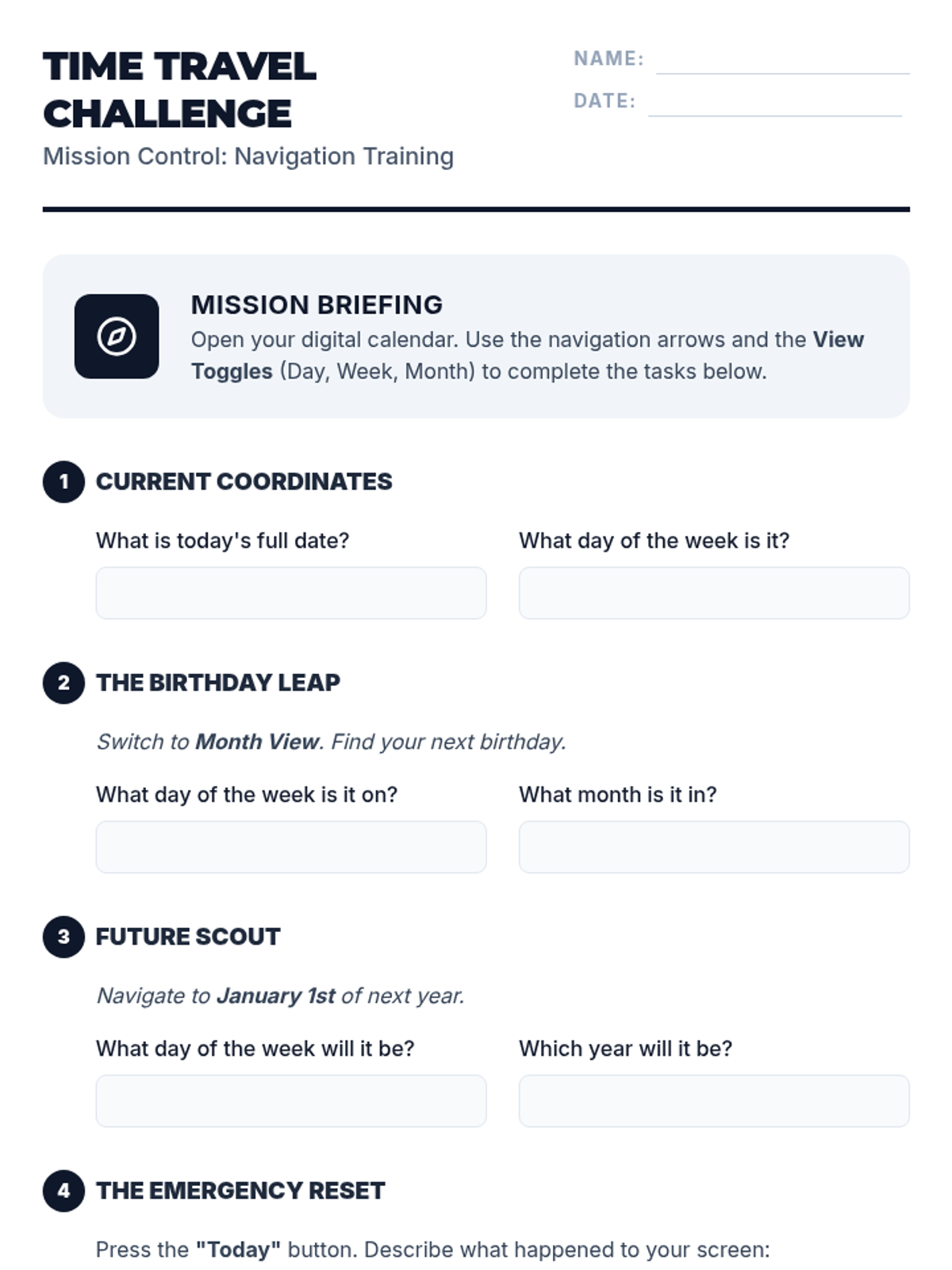
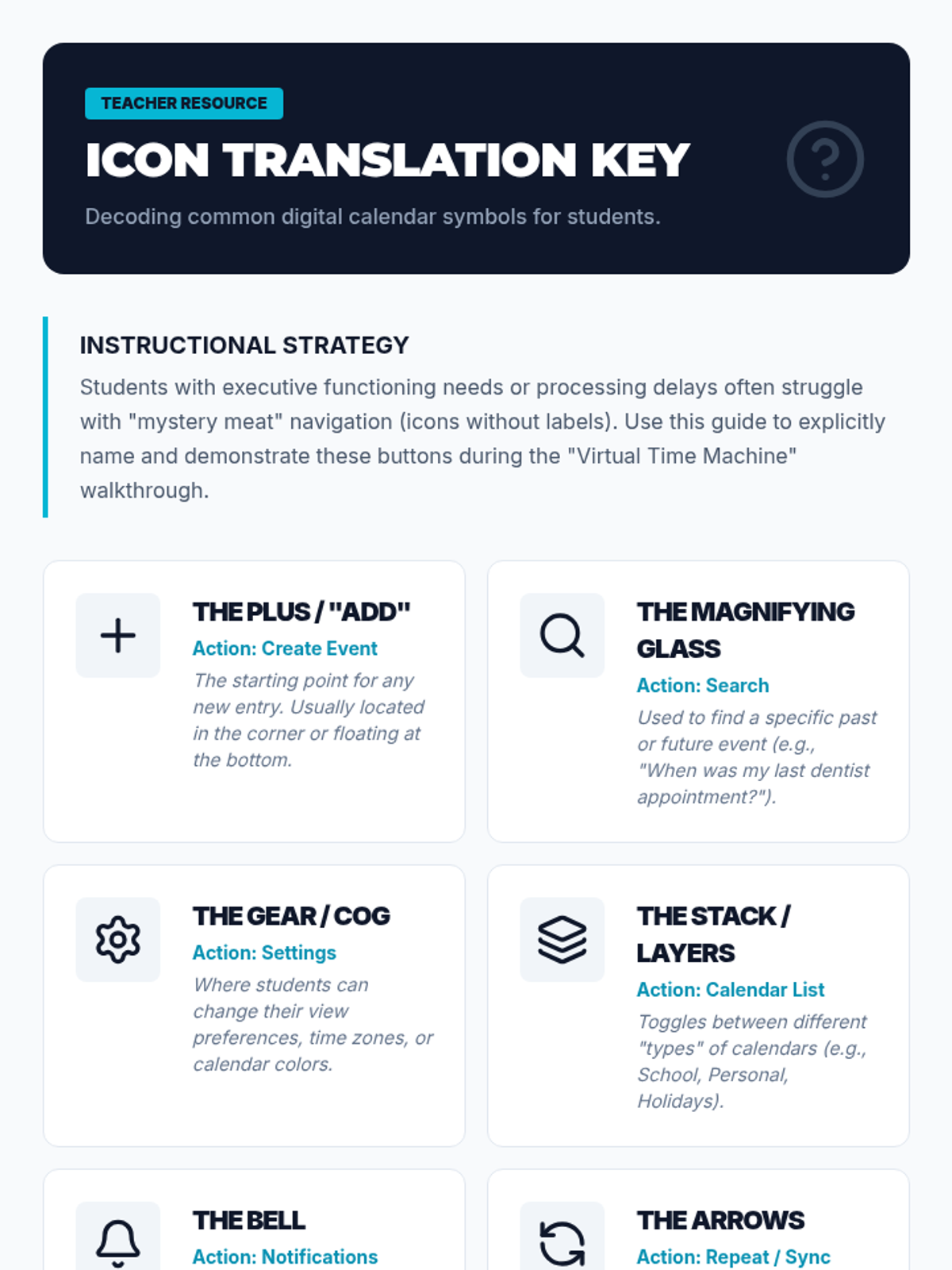
This sequence guides 6th-grade students through the essential skills of digital calendar management, from basic interface navigation to complex features like recurring events and notification management. It focuses on building executive function and digital literacy to help students create a reliable 'external memory' for school and daily life.
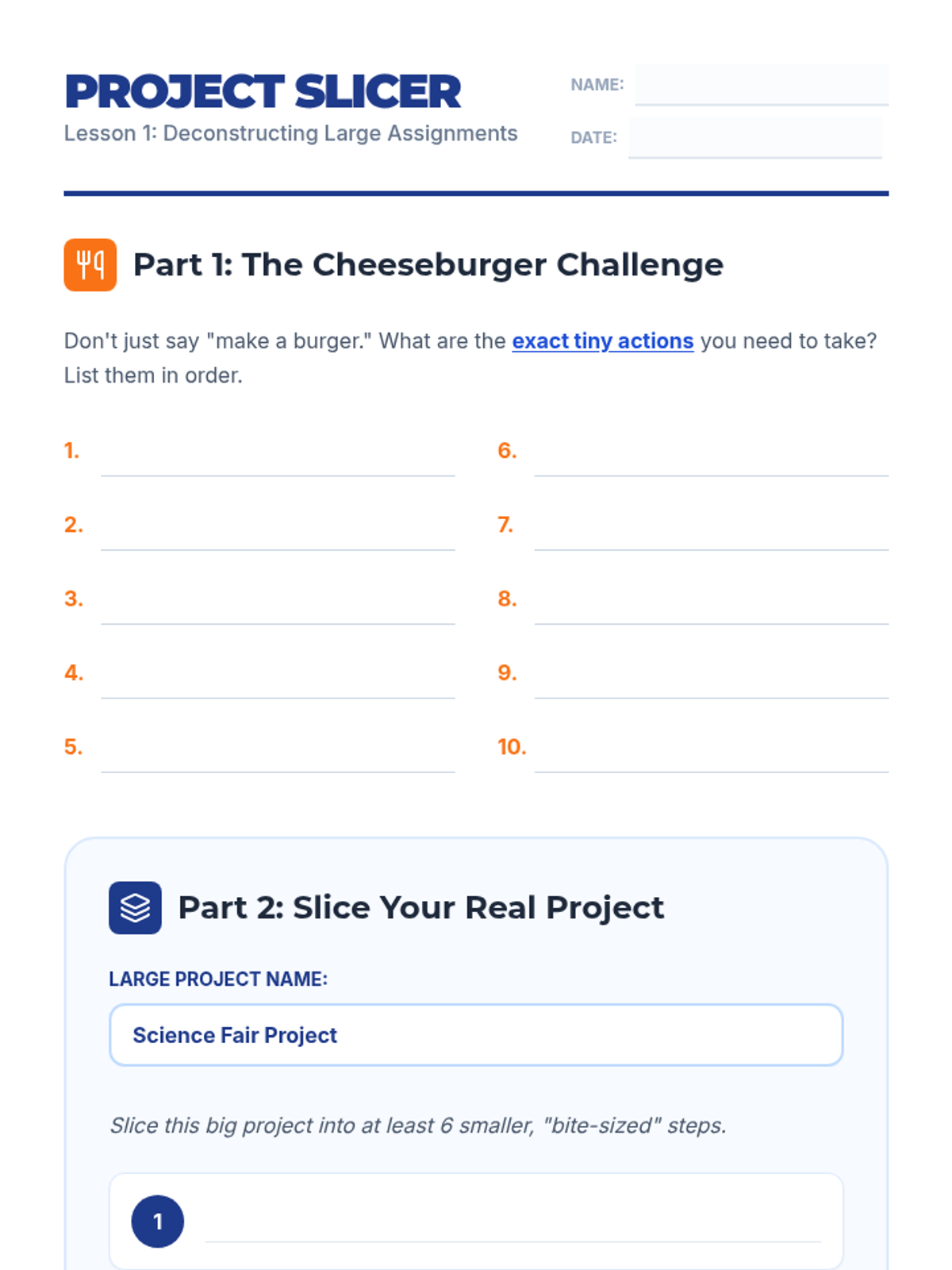
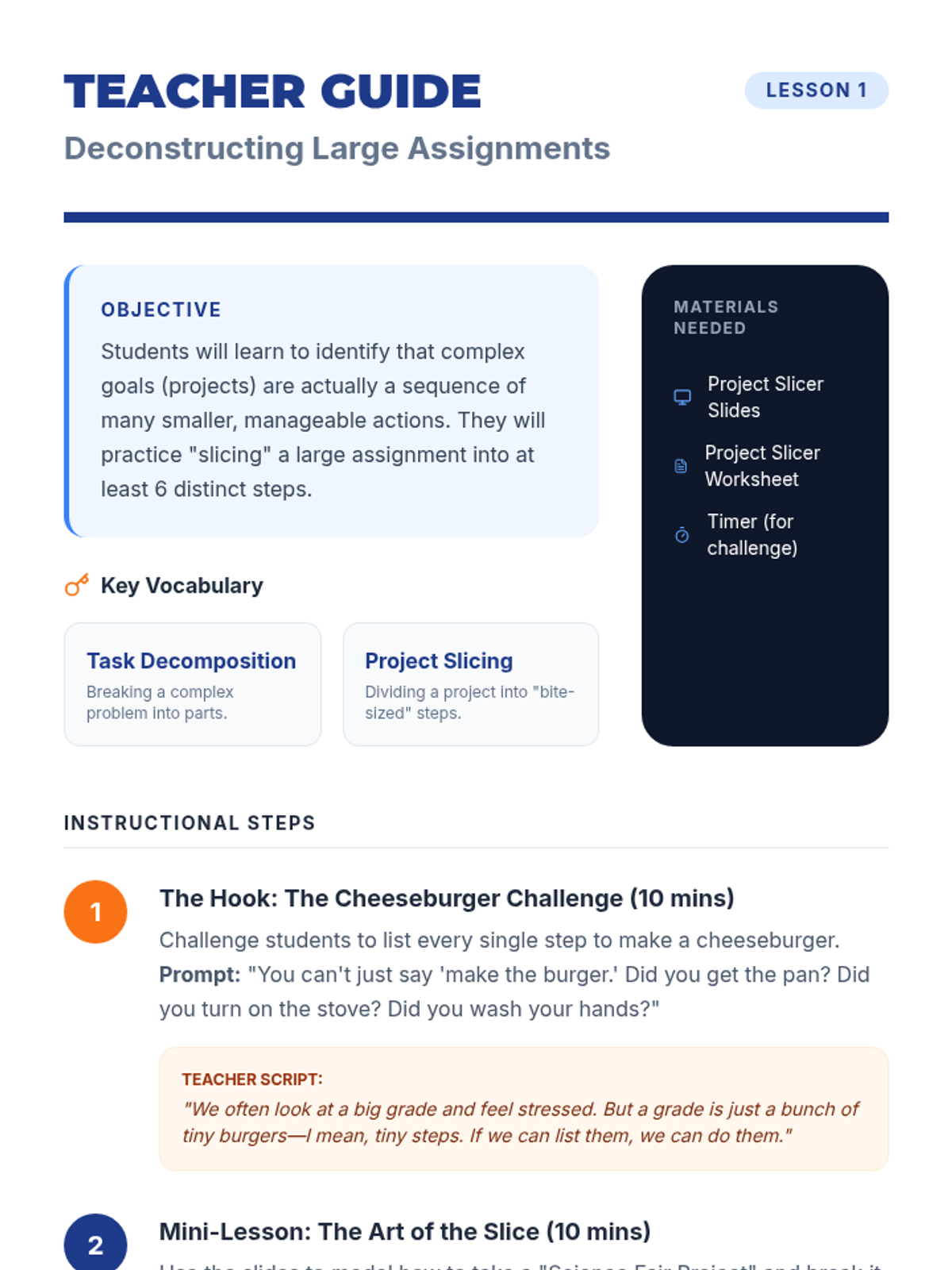
A sequence focused on executive functioning and backward design, teaching 6th-grade students how to use digital calendars to break down large projects into manageable steps, estimate time, and adapt to changes.
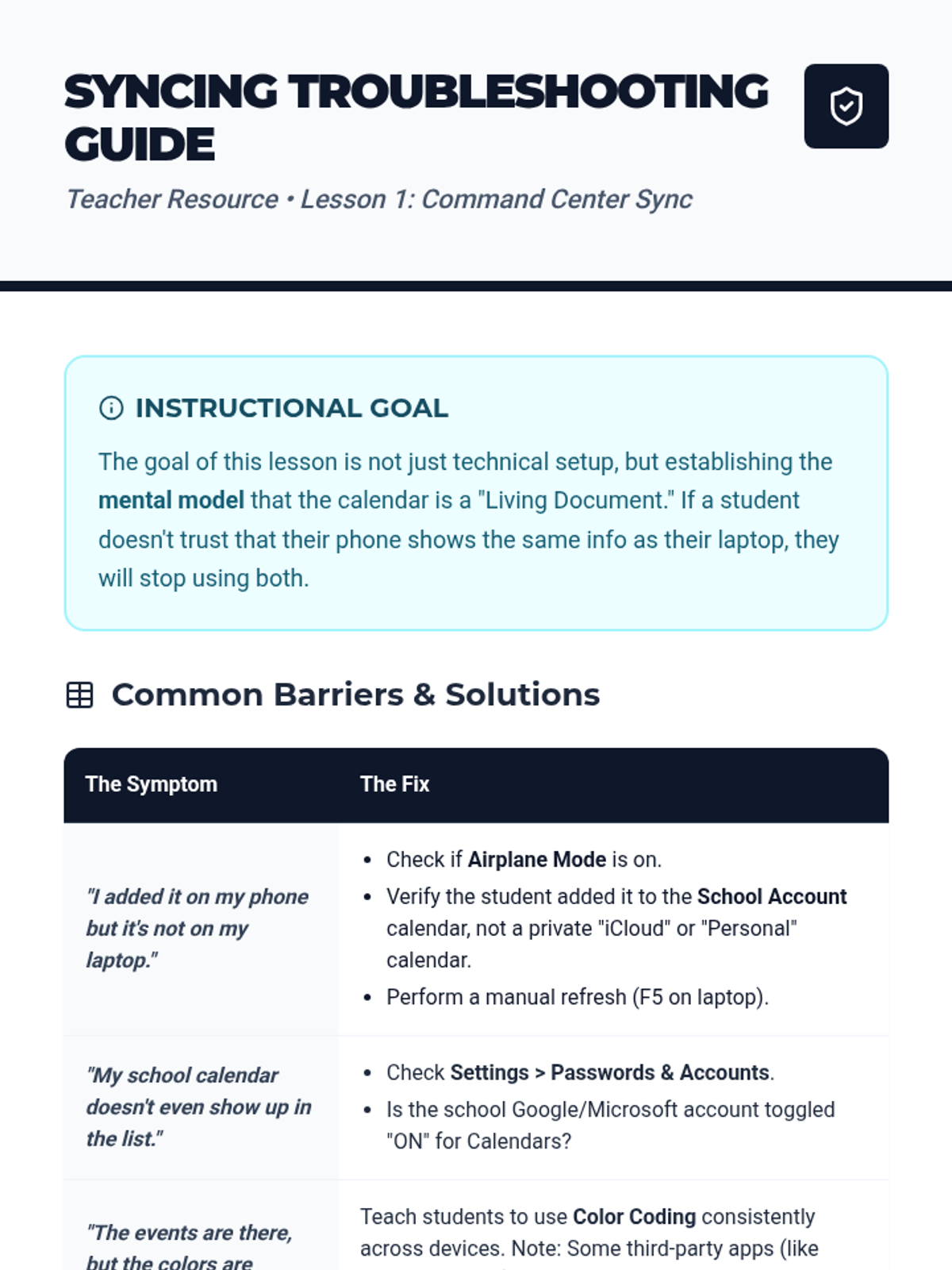
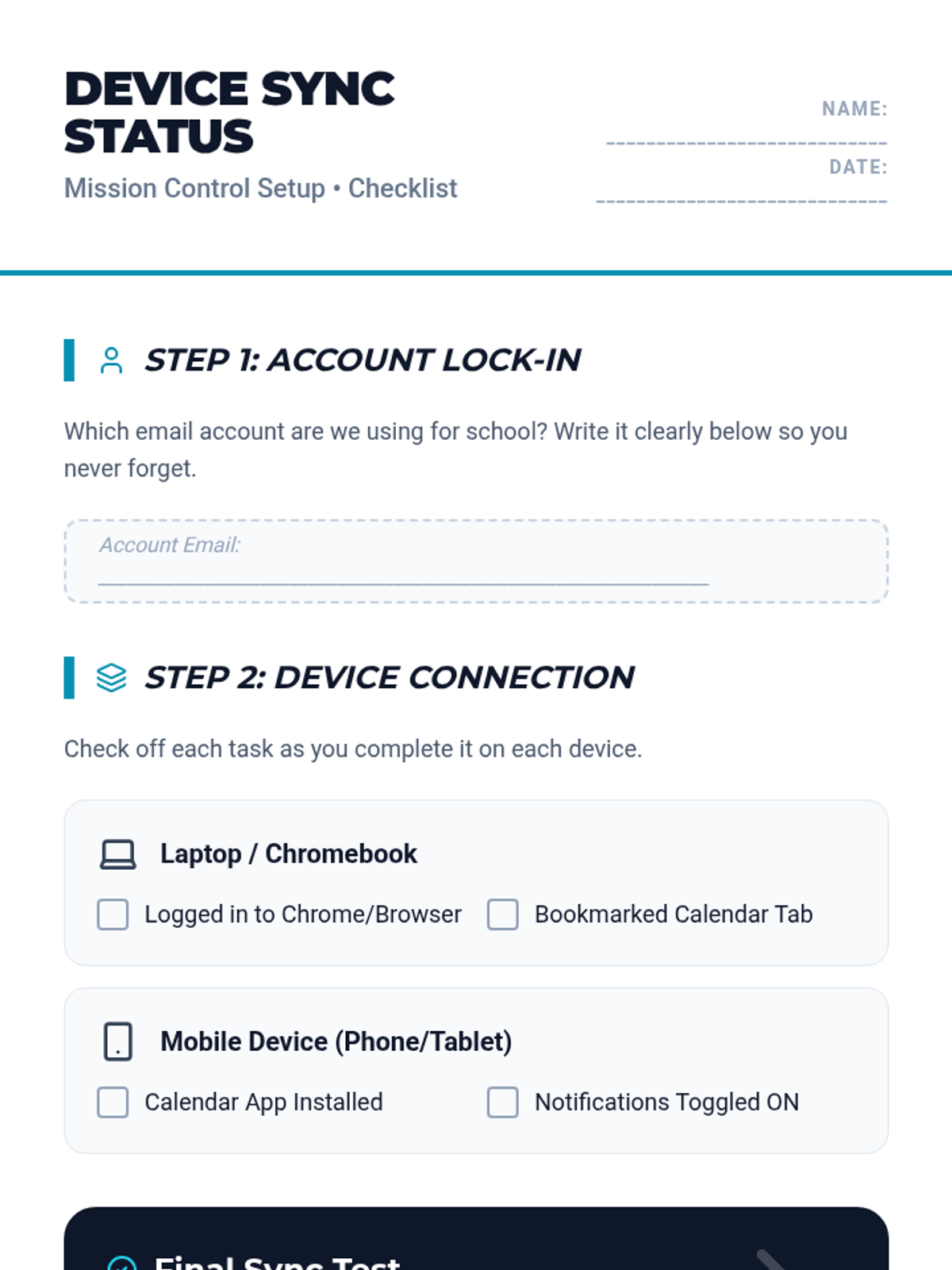
This sequence focuses on the maintenance habits required to keep a digital calendar functional. It addresses the 'set it and forget it' pitfall by establishing daily check-in routines and cross-device syncing, moving from device setup to daily preview/review habits.
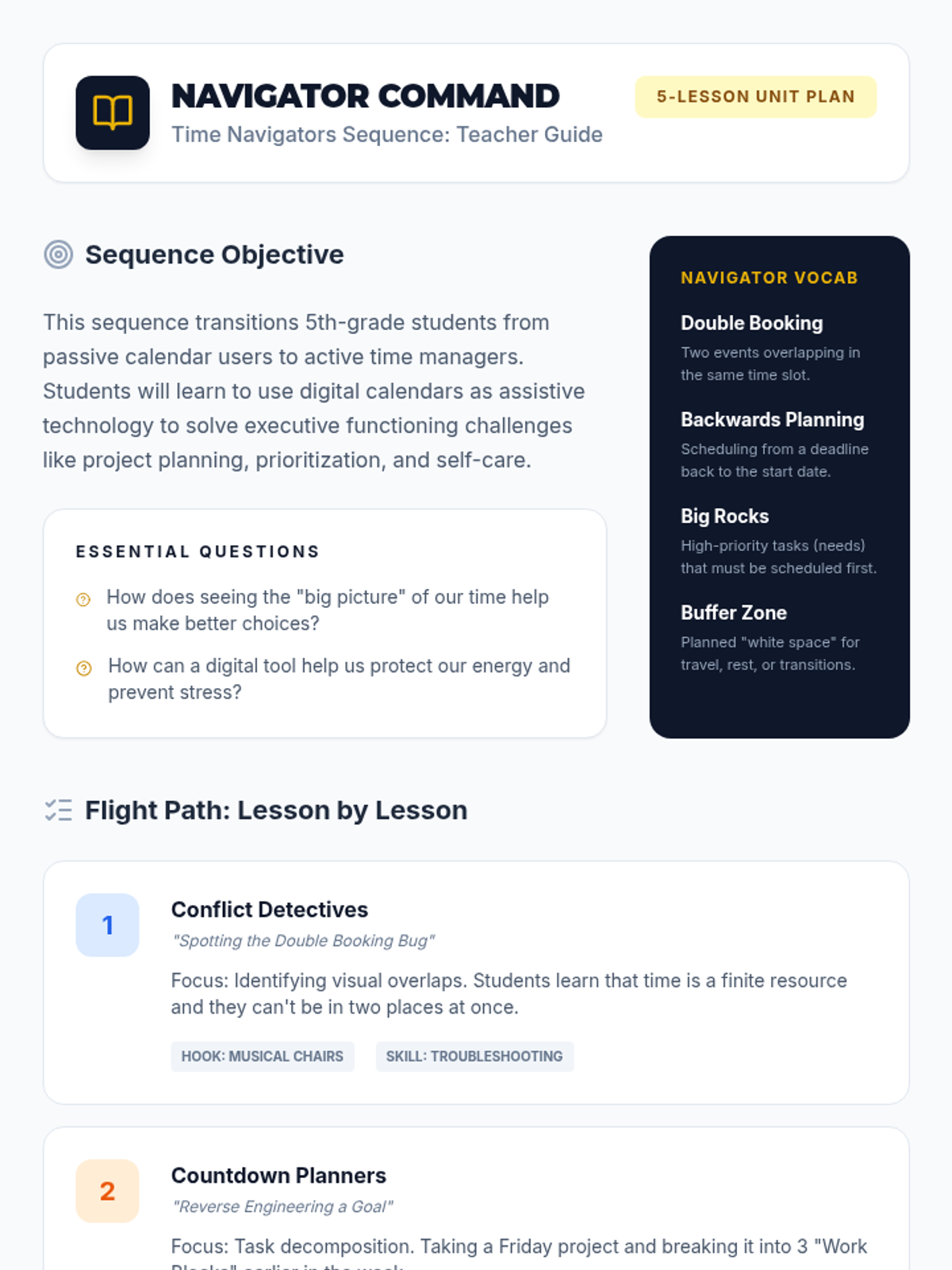
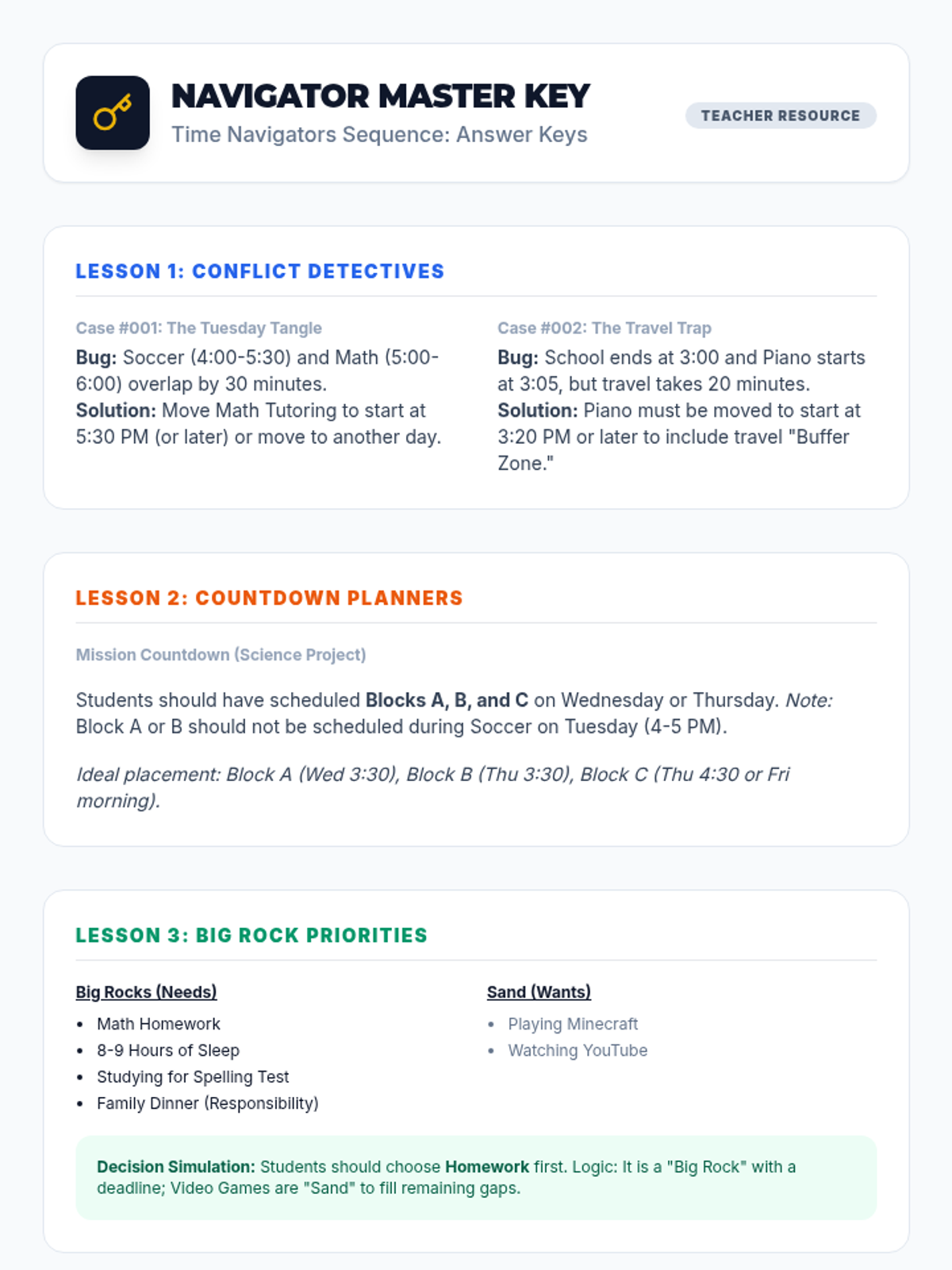
A 5th-grade sequence focusing on using digital calendars for independent planning, conflict resolution, and task prioritization. Students transition from passive scheduling to active time management, preparing them for the organizational demands of middle school.
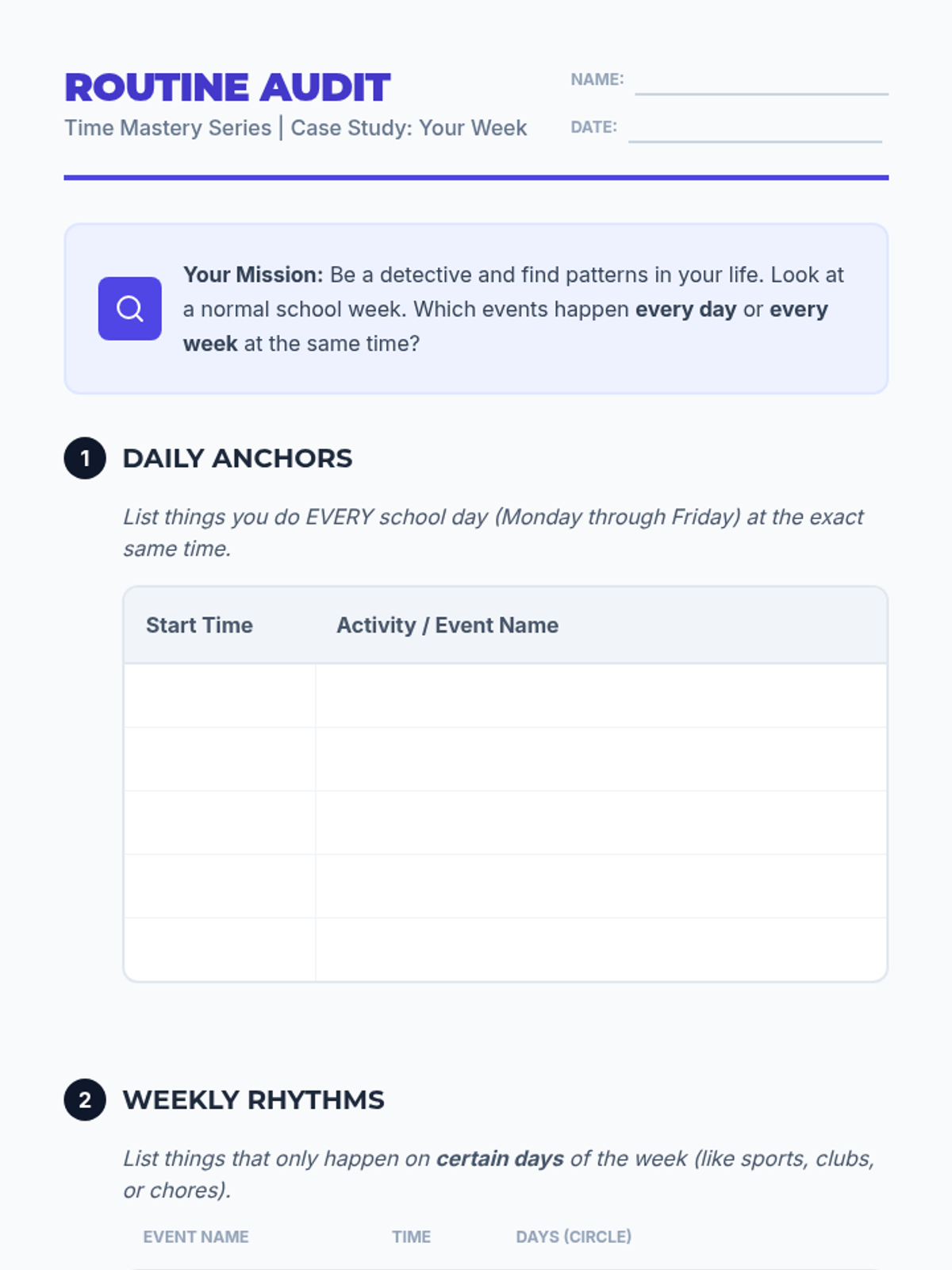
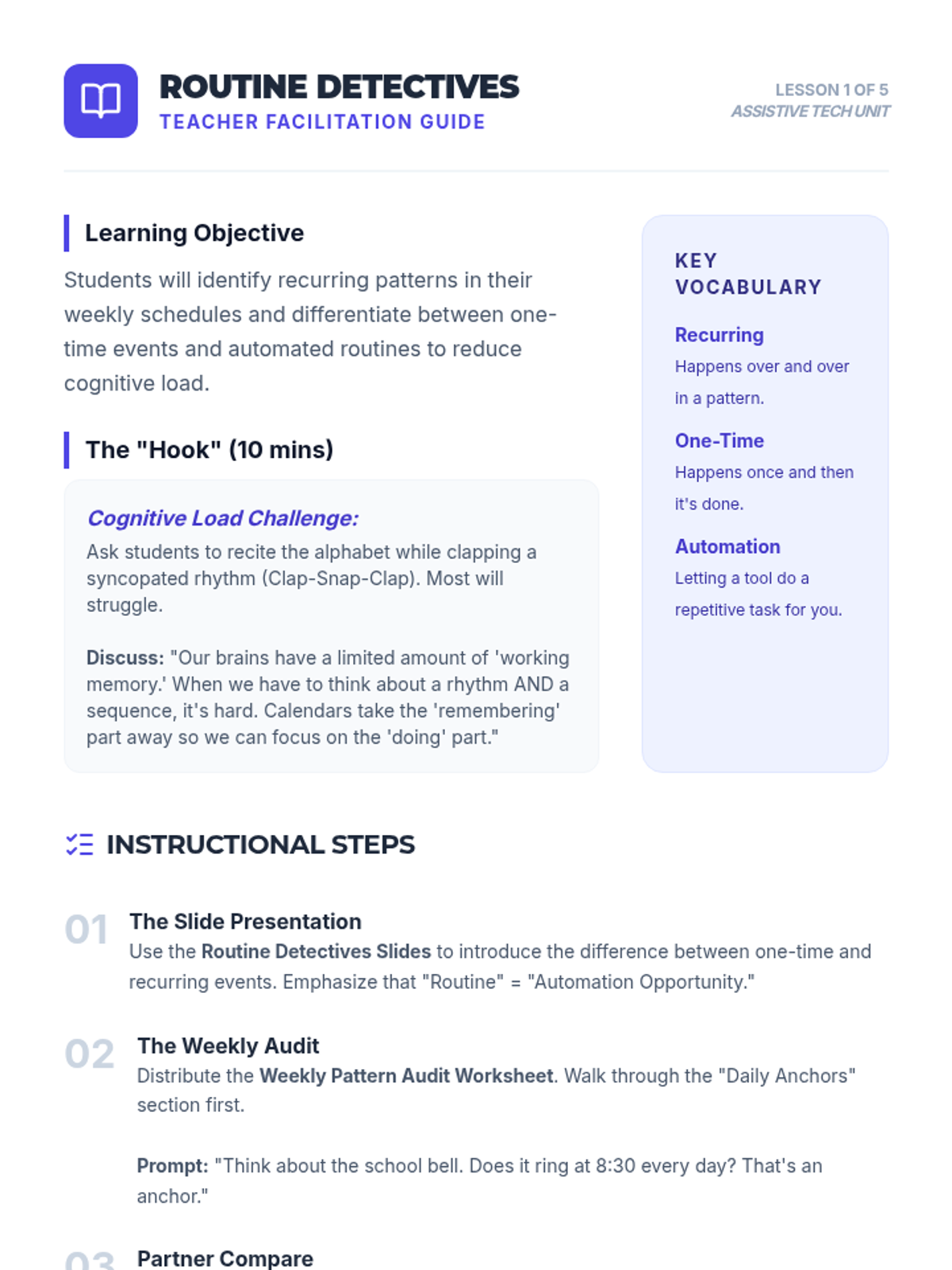
A comprehensive sequence for 5th-grade students focusing on digital calendar automation. Students learn to identify routines, set daily and weekly recurrences, and manage exceptions to build a foundational 'skeleton schedule' that supports executive function and working memory.
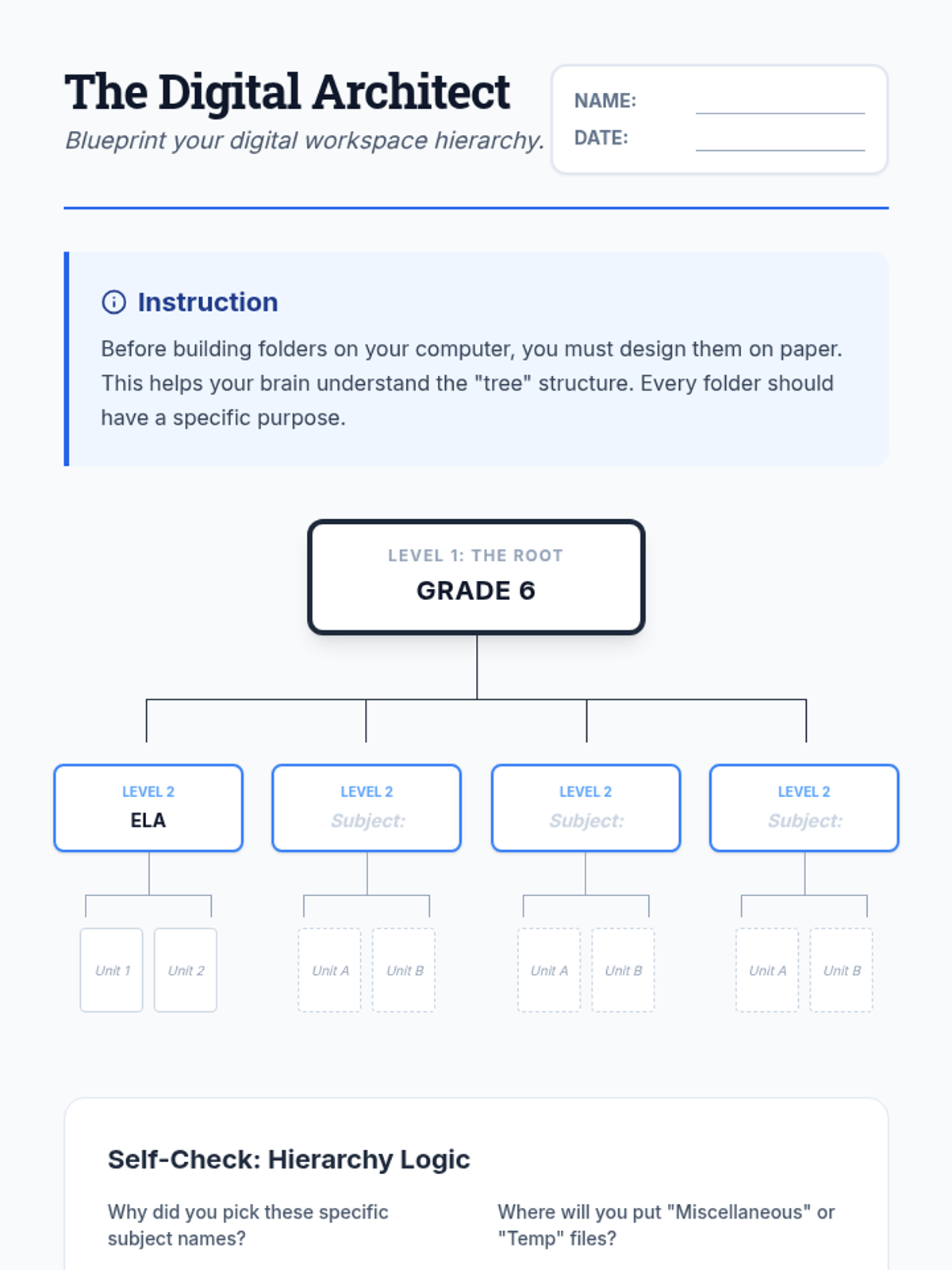
A 5-lesson unit for 6th-grade students focusing on digital organization and file management to reduce working memory load and improve academic efficiency. Students move from mapping folder hierarchies to establishing long-term digital hygiene routines.
This sequence guides students through the transition from physical to digital scheduling tools, focusing on app setup, visual timers, discreet notifications, time blocking, and contingency planning.
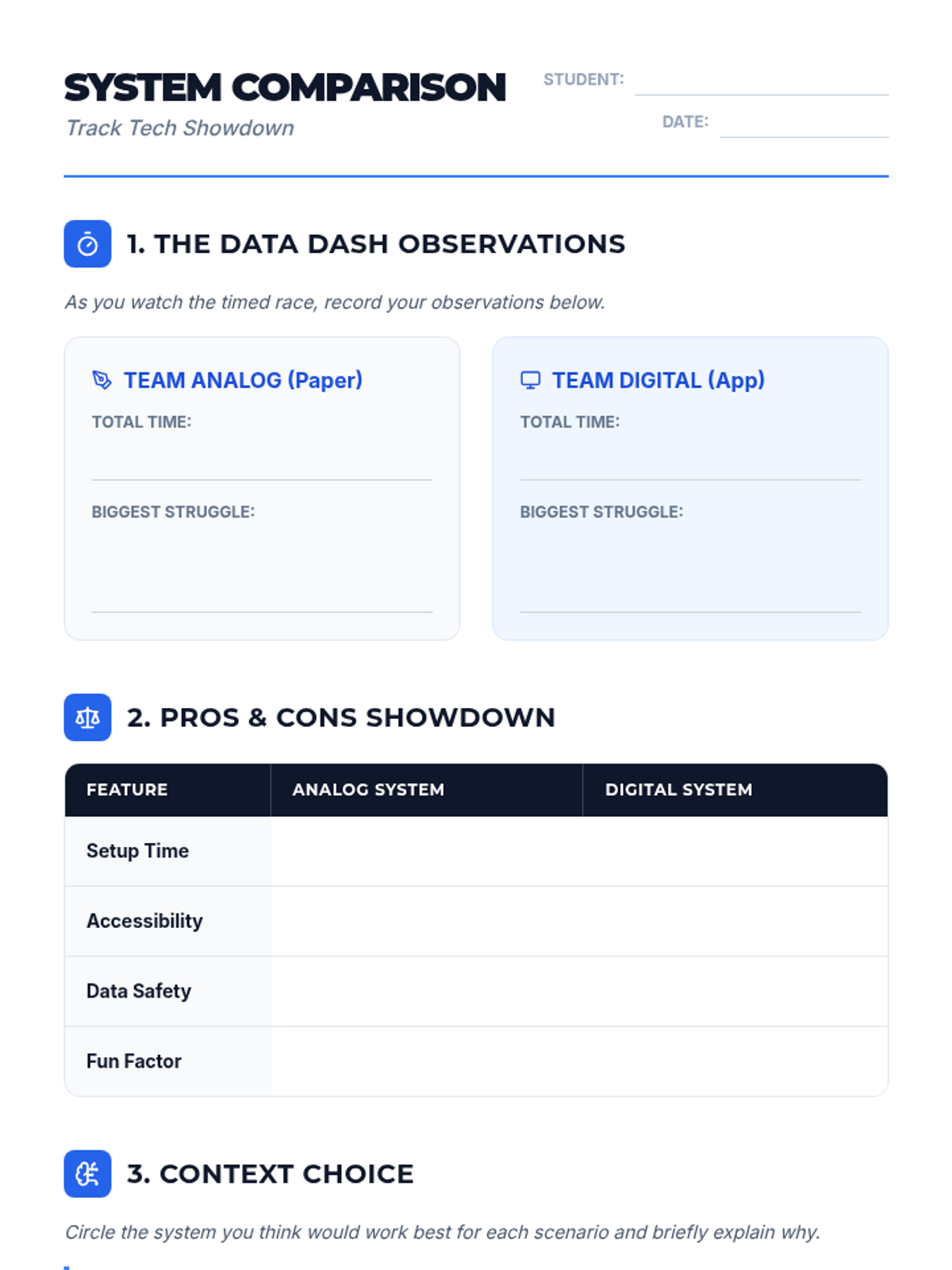
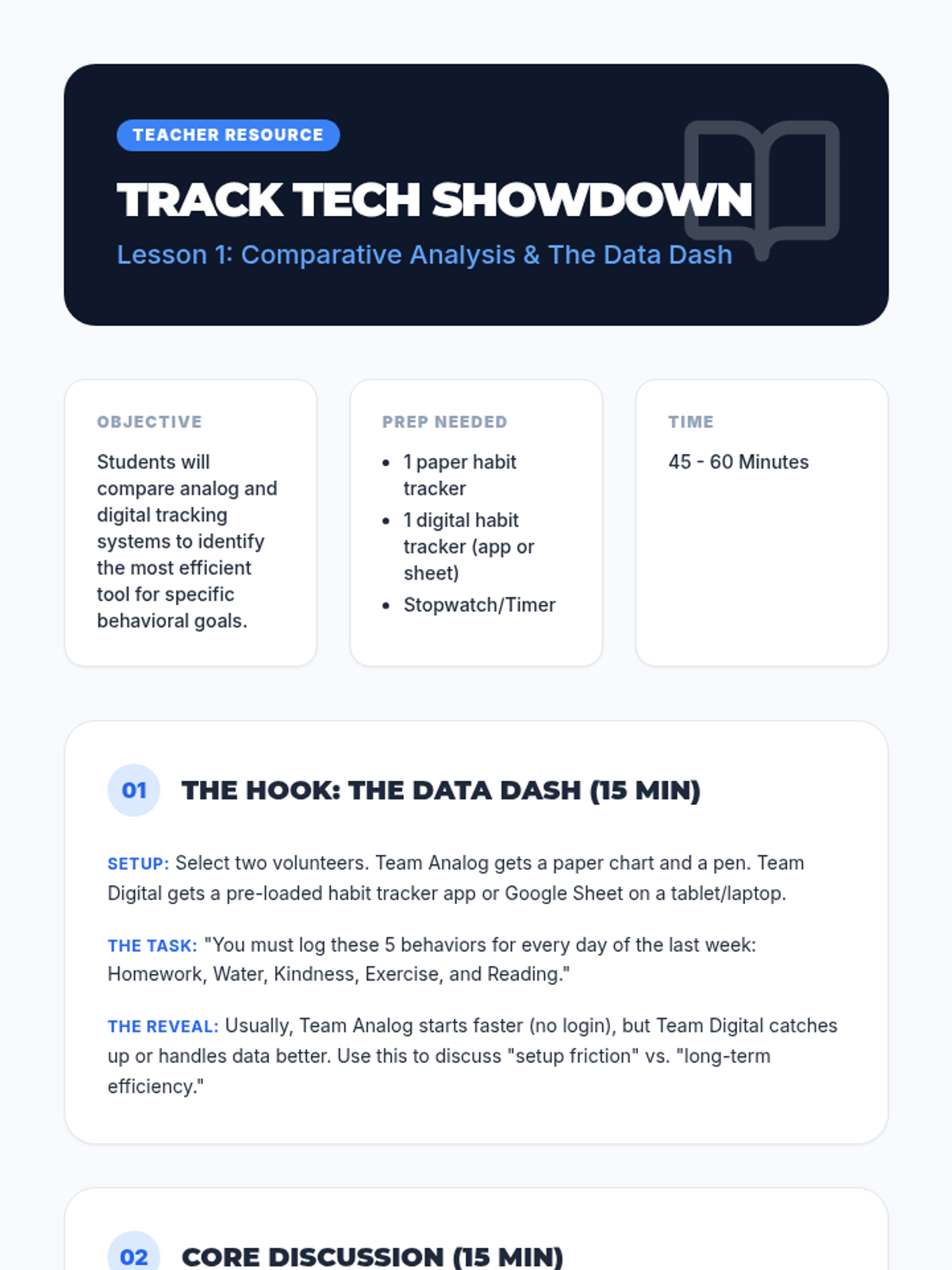
A 5-lesson unit for 6th graders exploring how to use digital tools like spreadsheets and apps for behavior tracking and self-regulation. Students compare analog and digital systems, learn spreadsheet basics, explore gamification, and design their own digital behavior dashboard.
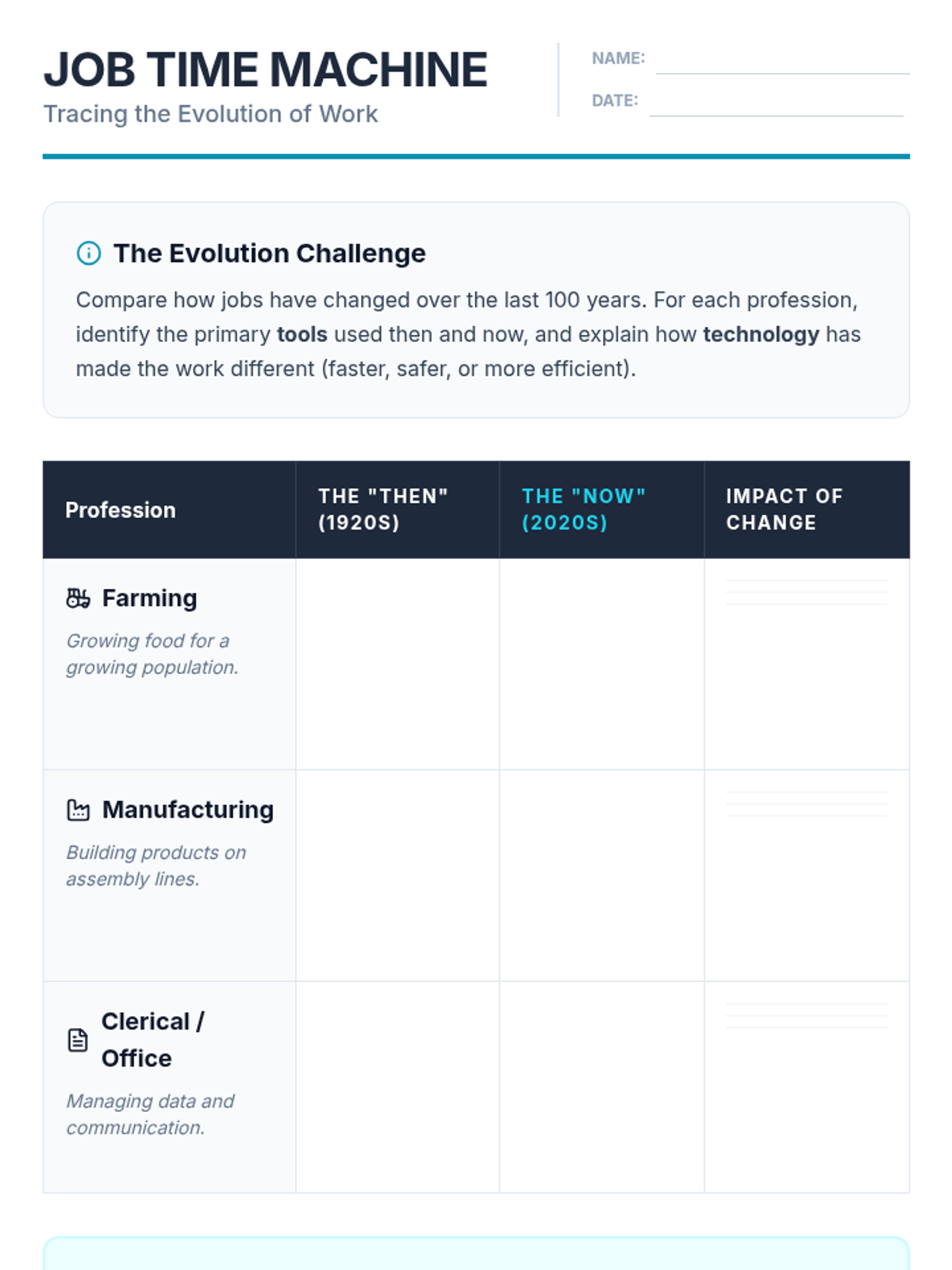
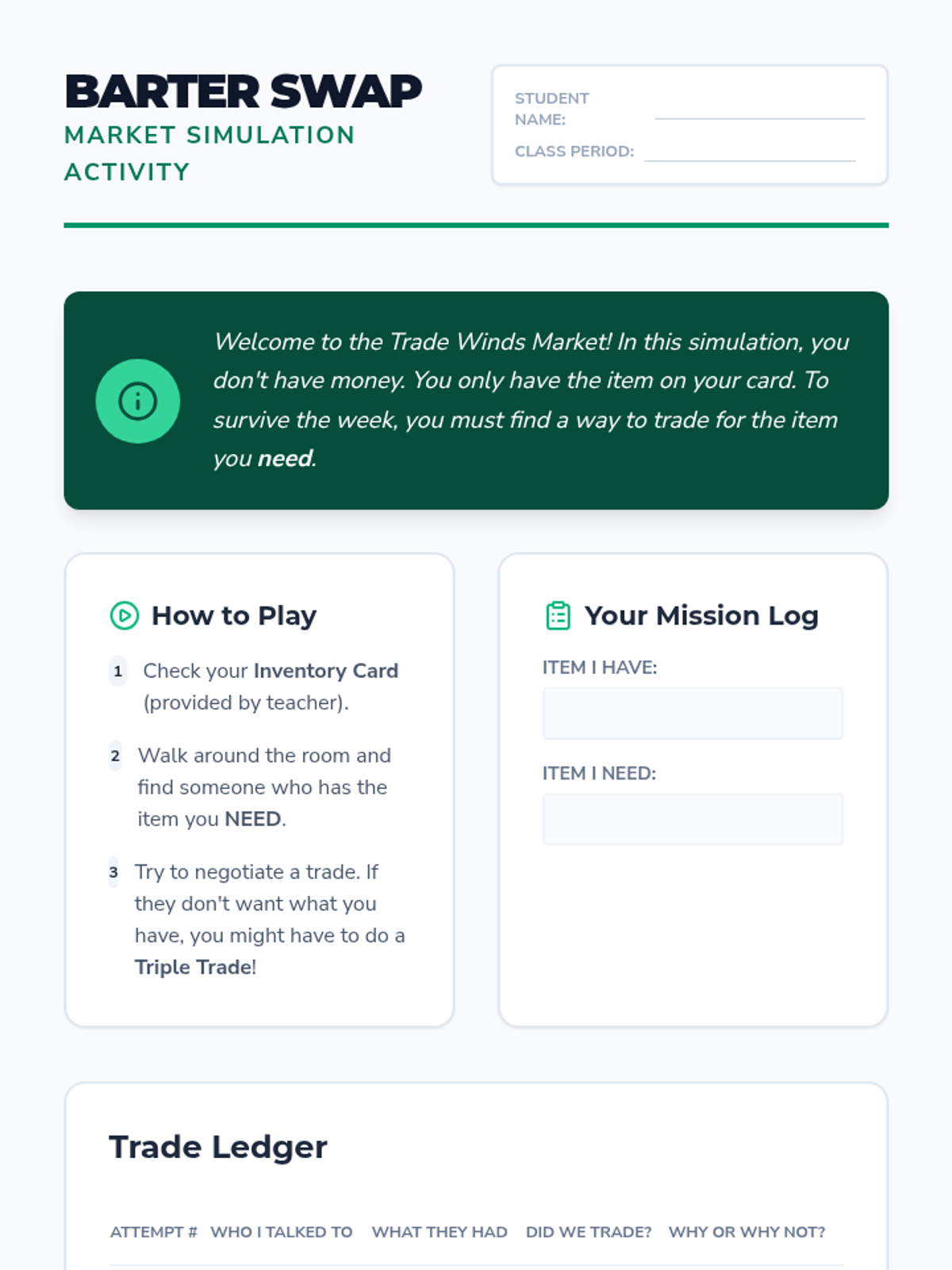
This sequence explores the evolution of work from the Industrial Age to the digital future, focusing on technology's impact on job roles, the rise of the gig economy, and the essential human skills needed in an automated world.
A comprehensive 5-lesson sequence for 6th graders exploring the mechanics of banking, the mathematics of interest, the responsibilities of credit, and the security of digital finance through simulations and project-based learning.
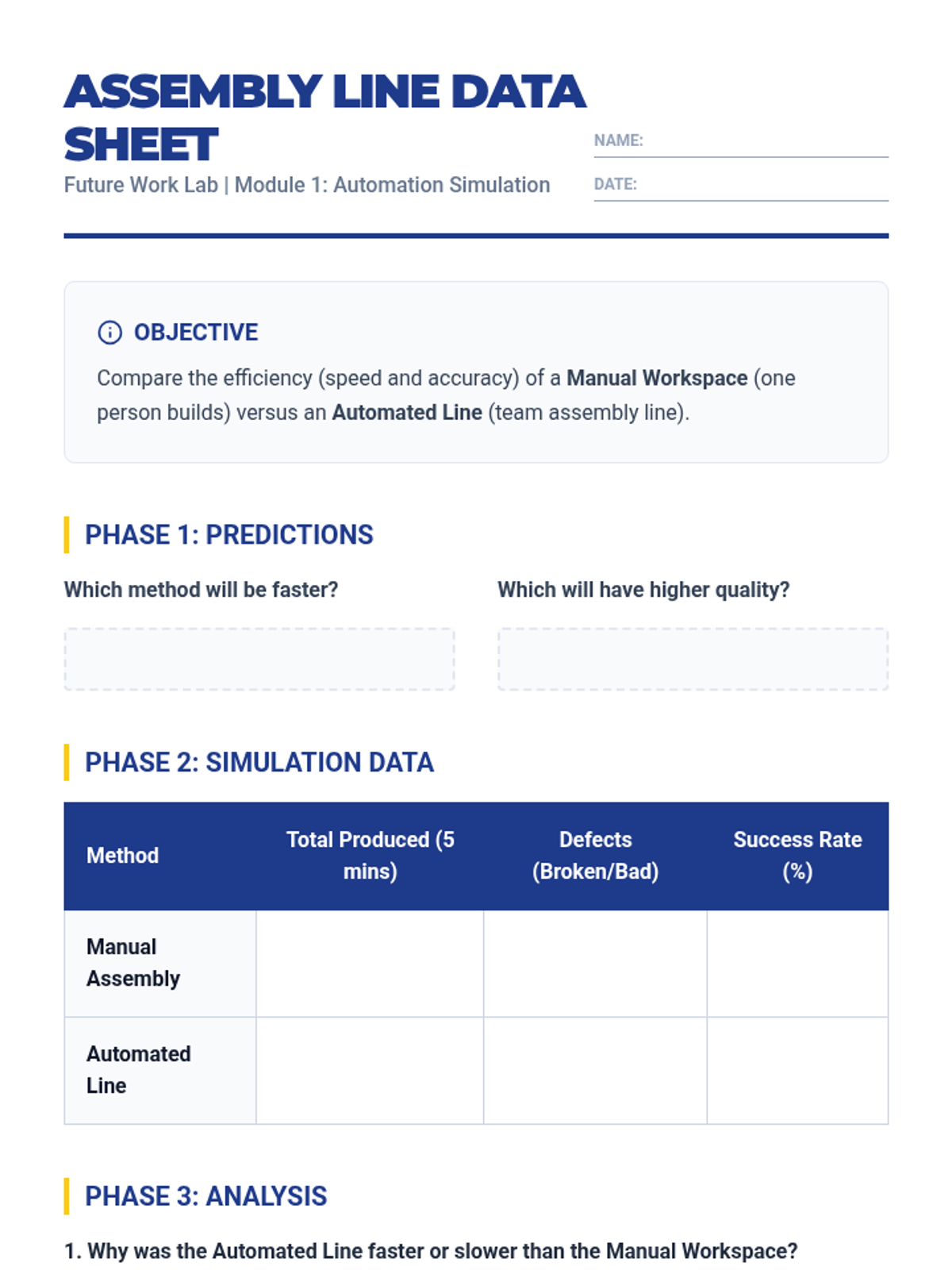
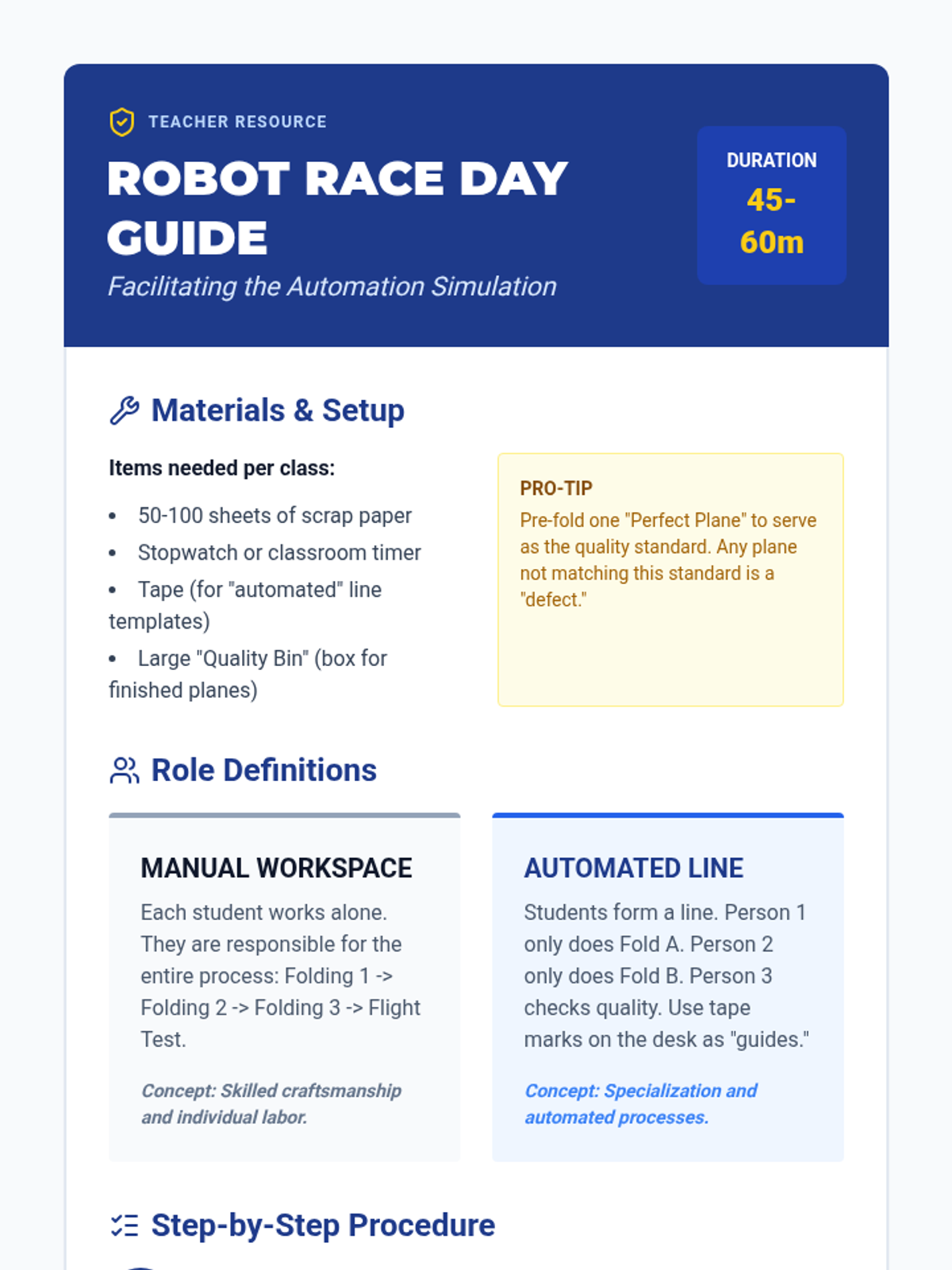
This sequence explores how technology transforms the workplace, from assembly line automation to the rise of remote work and the gig economy, concluding with identifying essential human skills for the future.
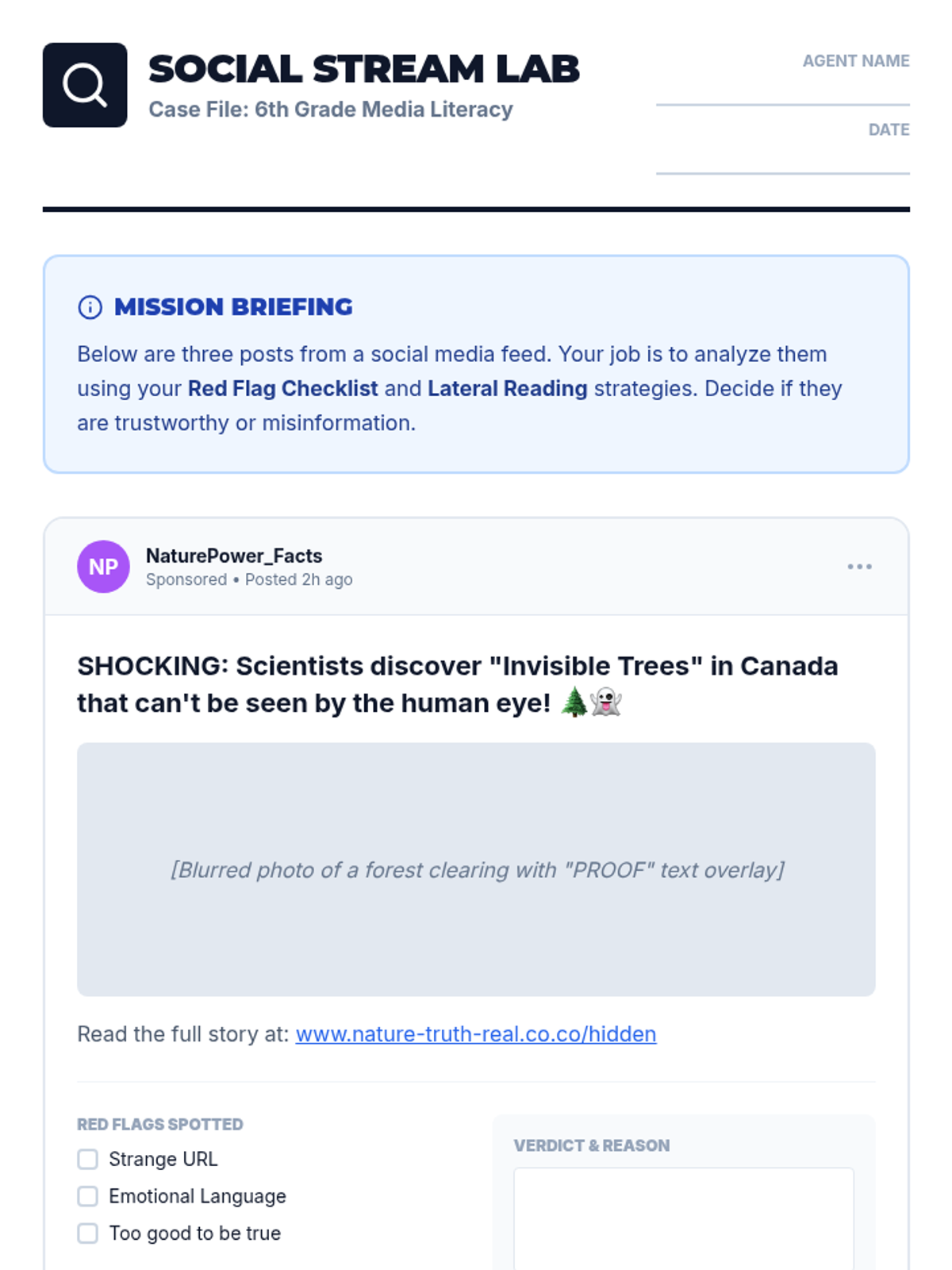
A three-part progression for middle schoolers to master identifying misinformation, bias, and sophisticated digital deception like AI-generated content. Students advance from basic fact-checking to analyzing media bias and defending against deepfakes.
A comprehensive 10-week instructional module designed to build and refine 9 core executive functioning skills including goal setting, organization, and self-regulation.
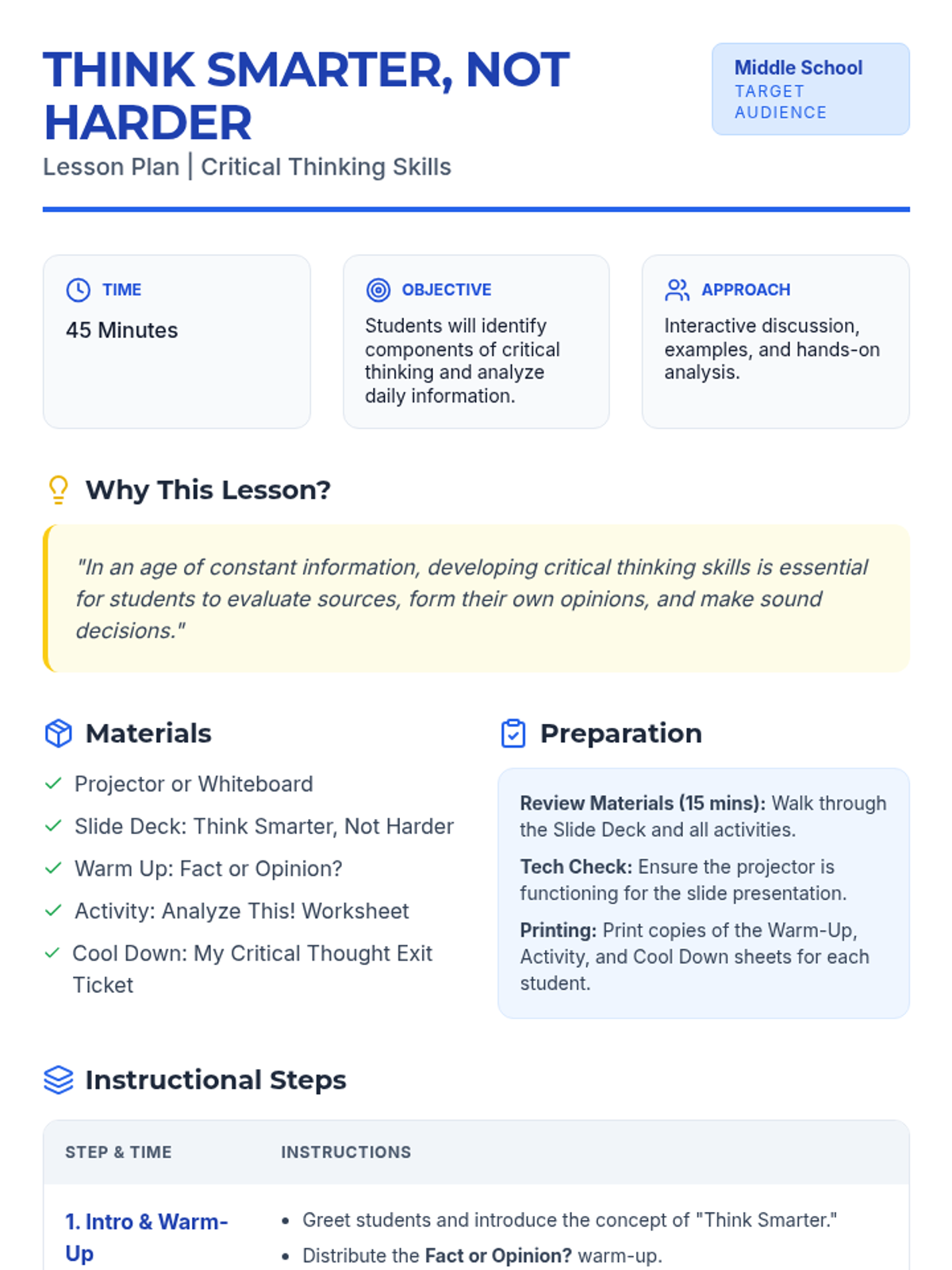
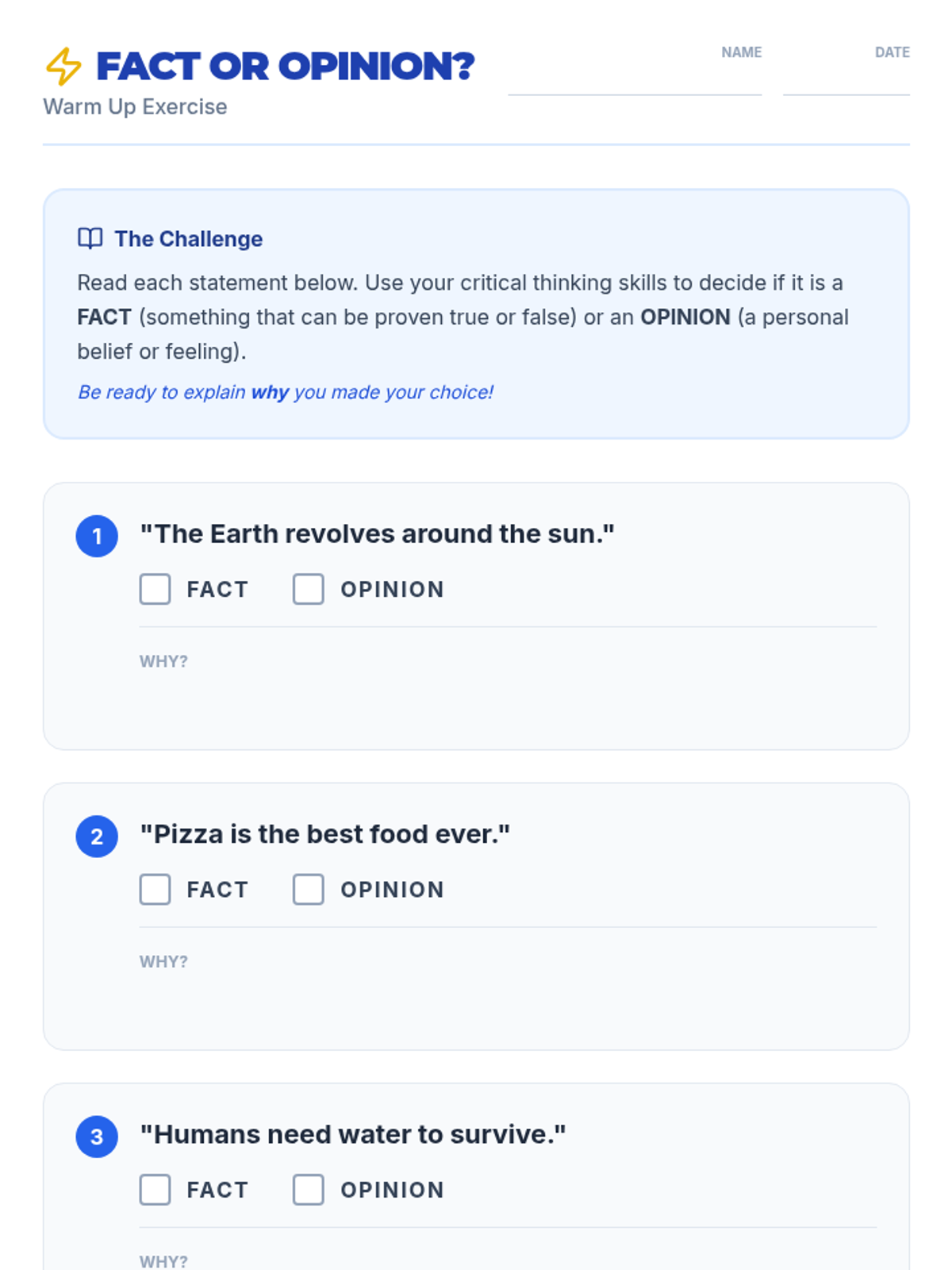
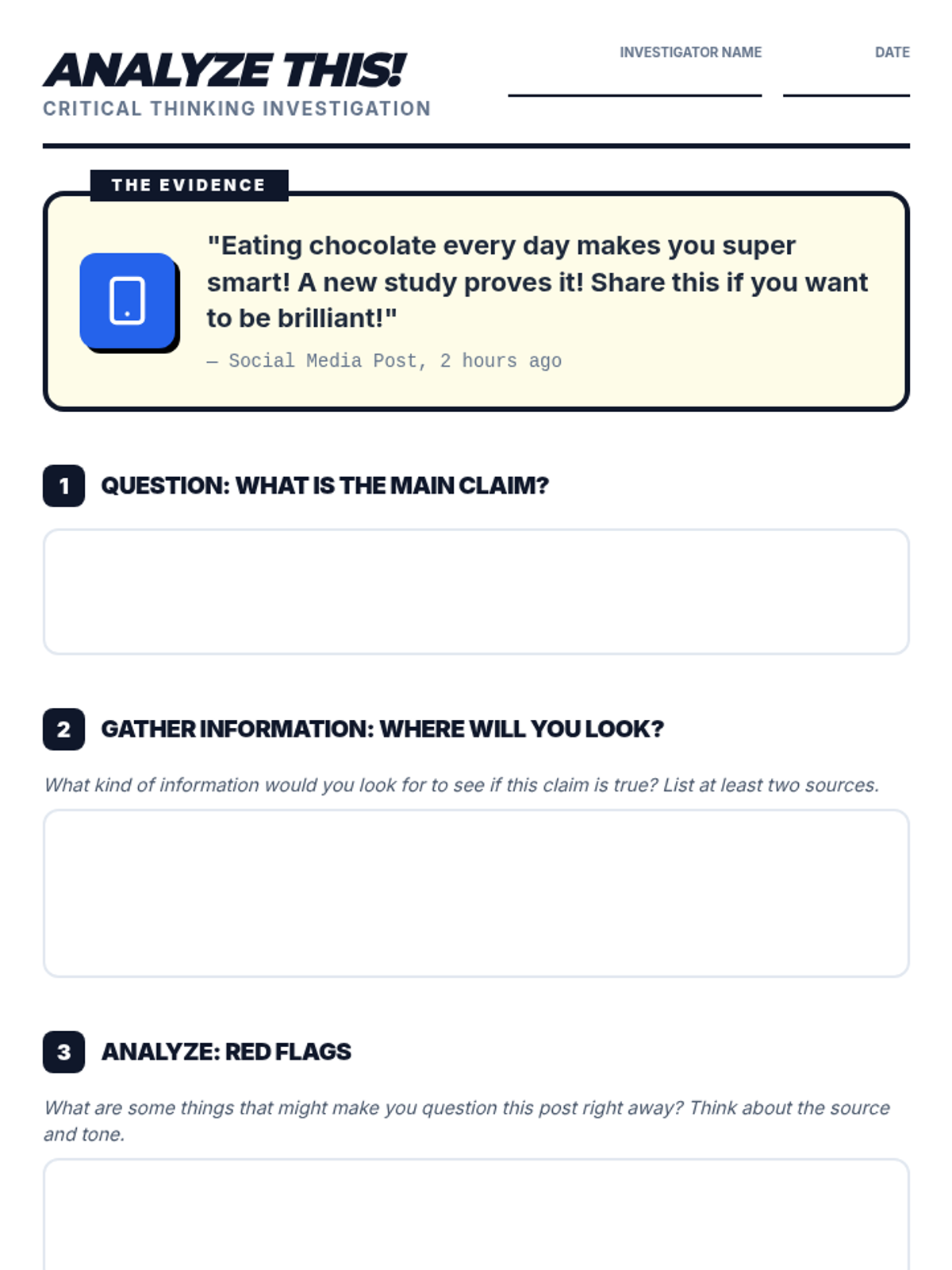
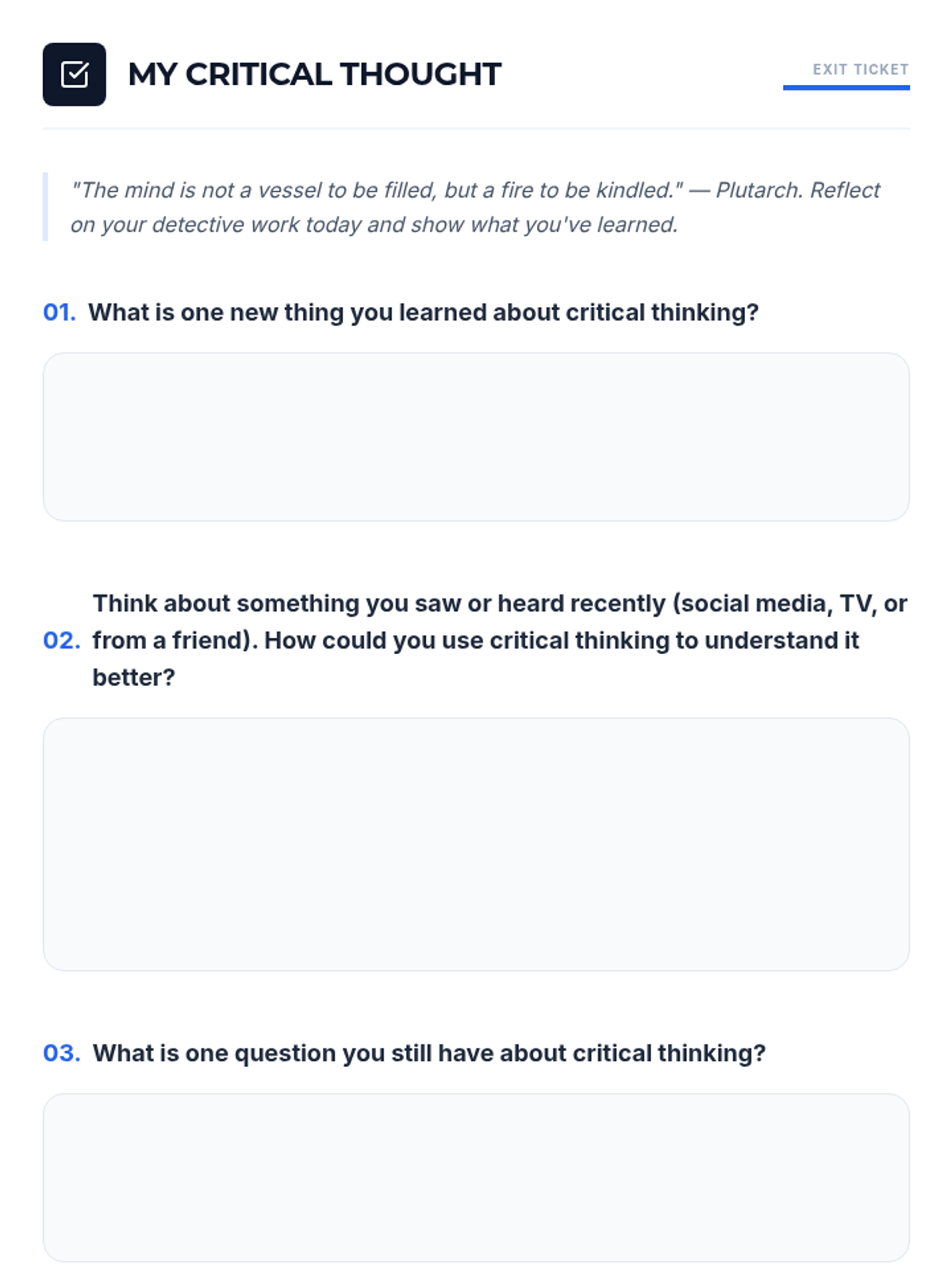
A middle school curriculum unit focused on critical thinking, information literacy, and strategic task management across digital and physical media.
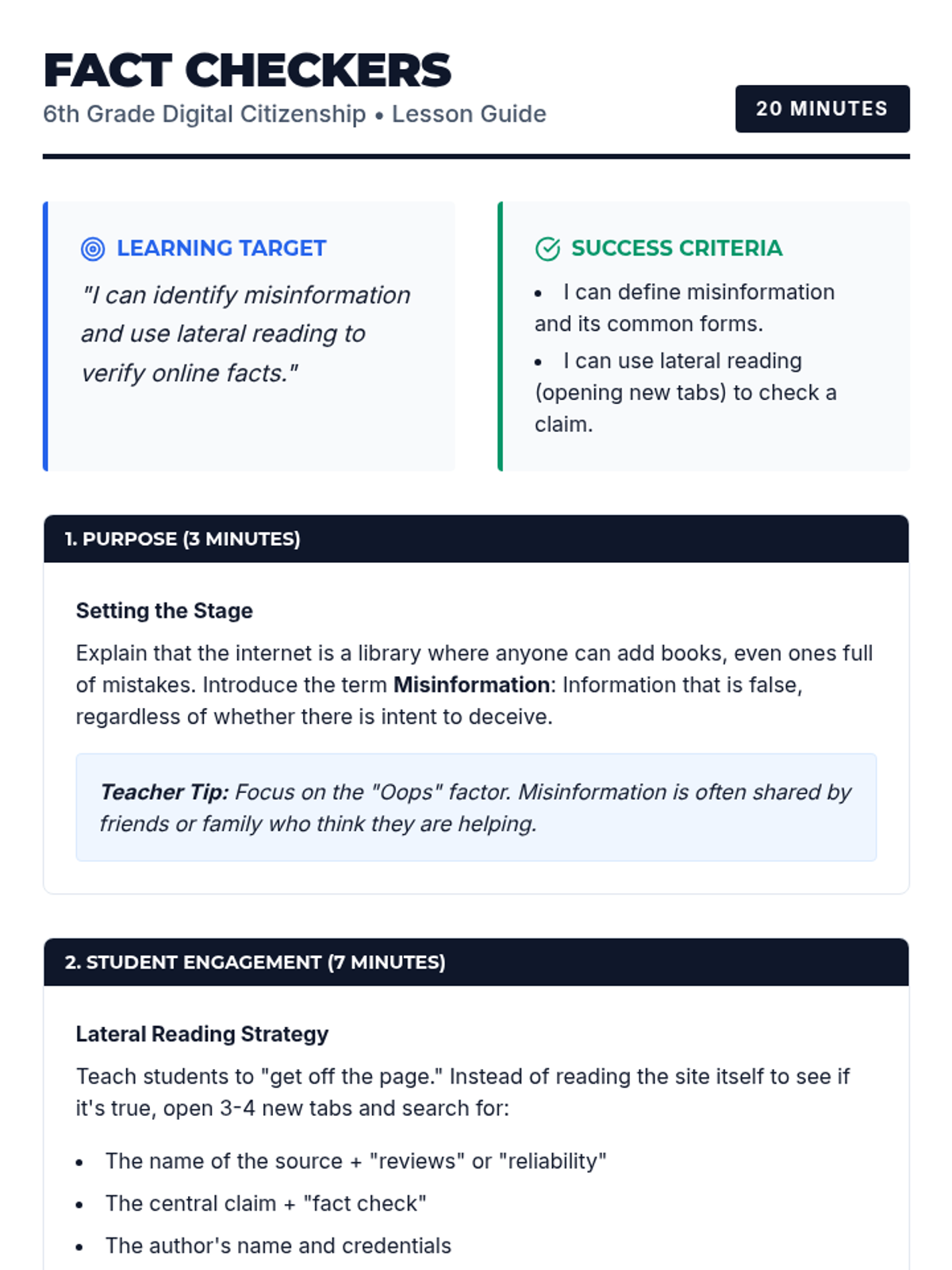
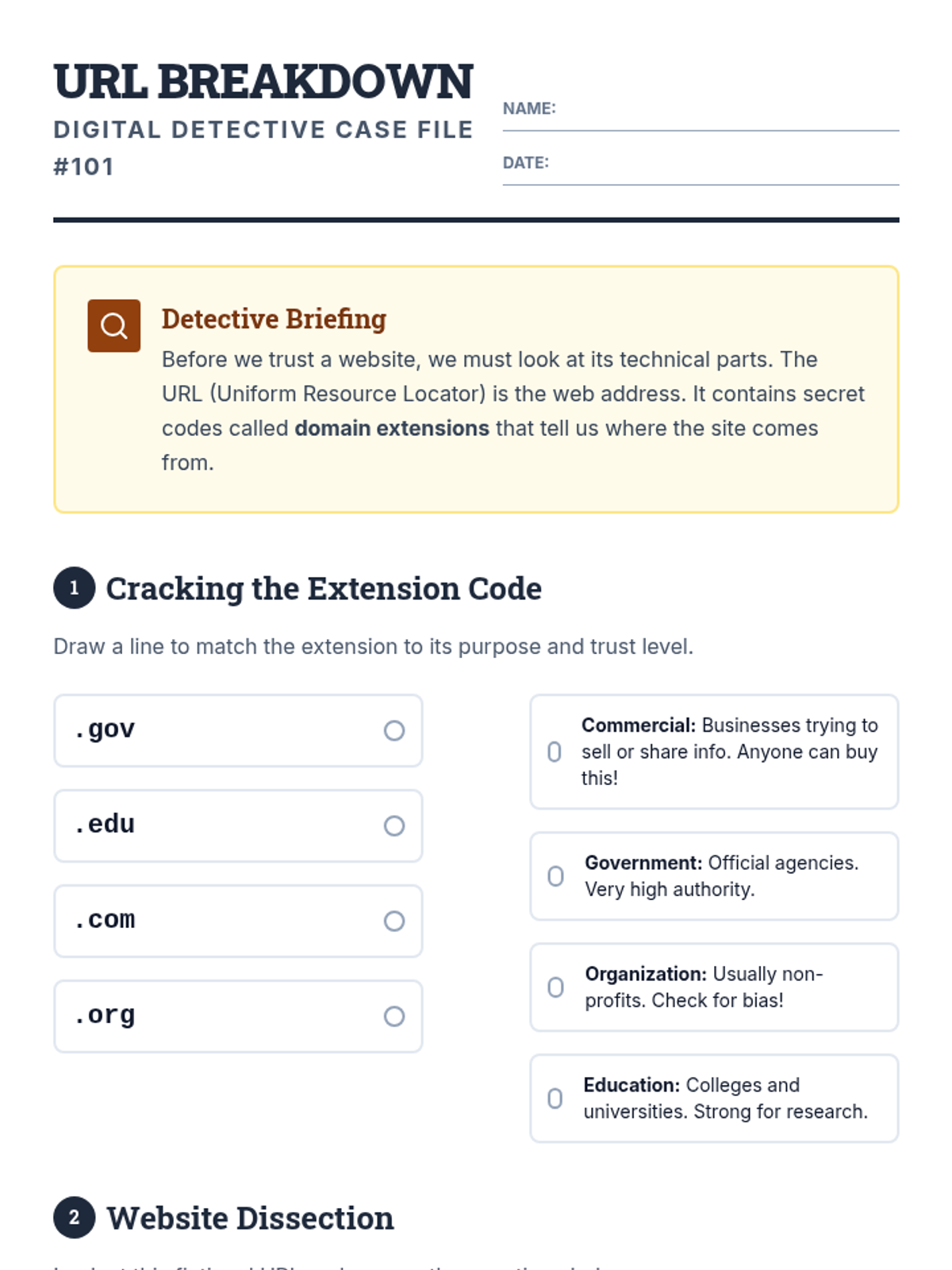
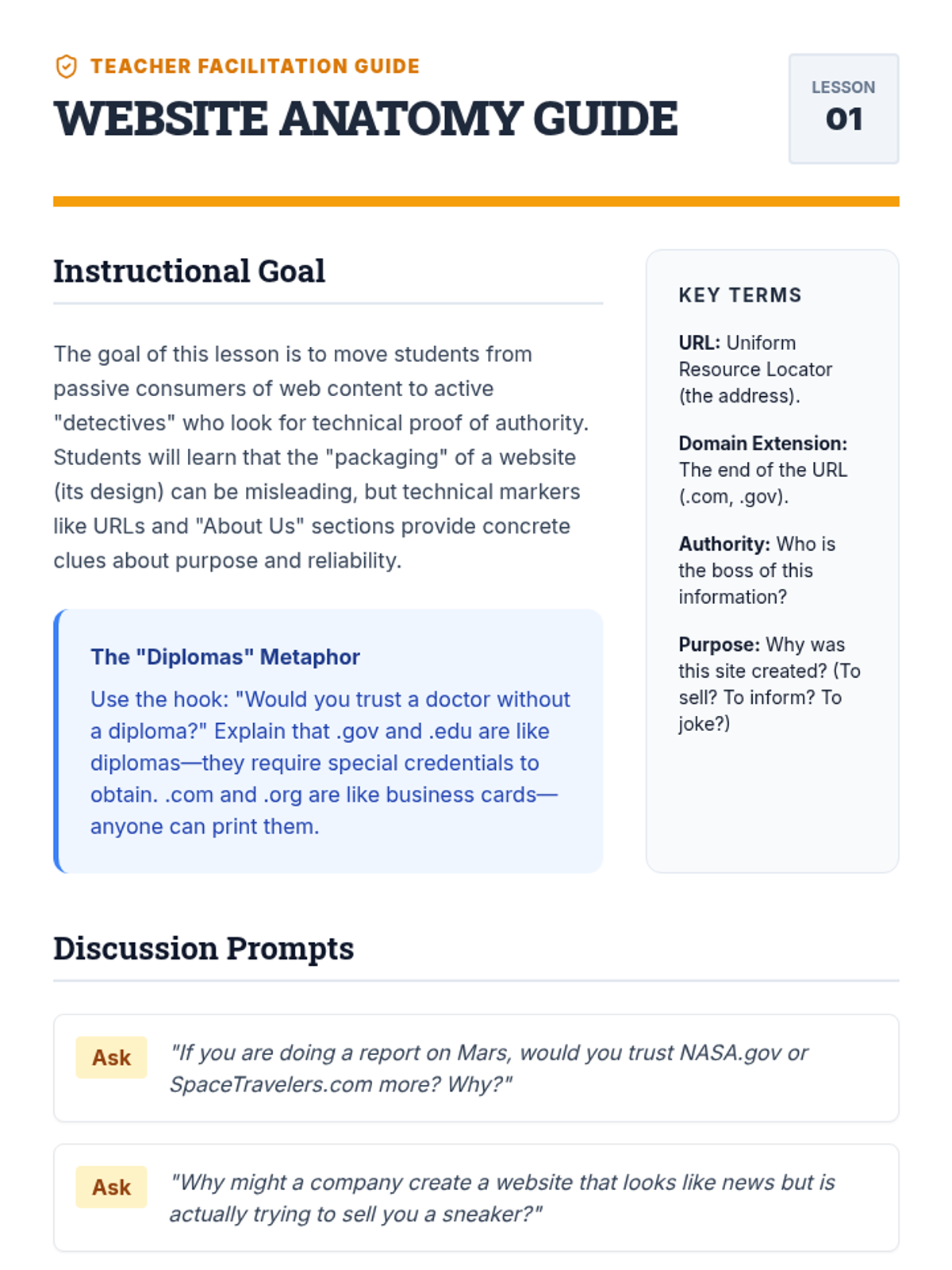
A 5-lesson unit where 4th-grade students become 'Digital Detectives' to learn how to evaluate website credibility, distinguish fact from fiction, and identify online advertisements. Students develop critical thinking skills by dissecting URLs, investigating hoaxes, and performing lateral reading.
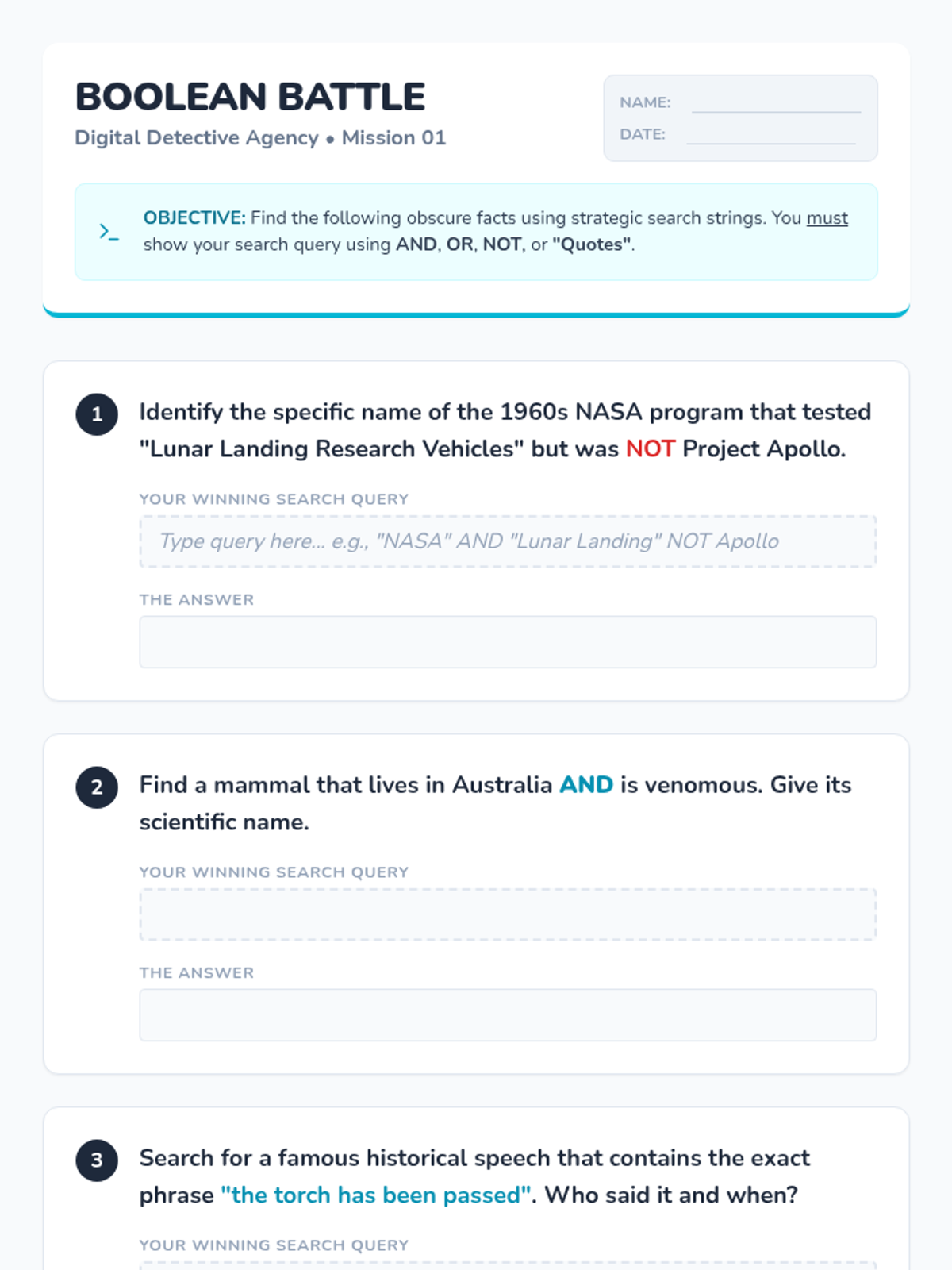
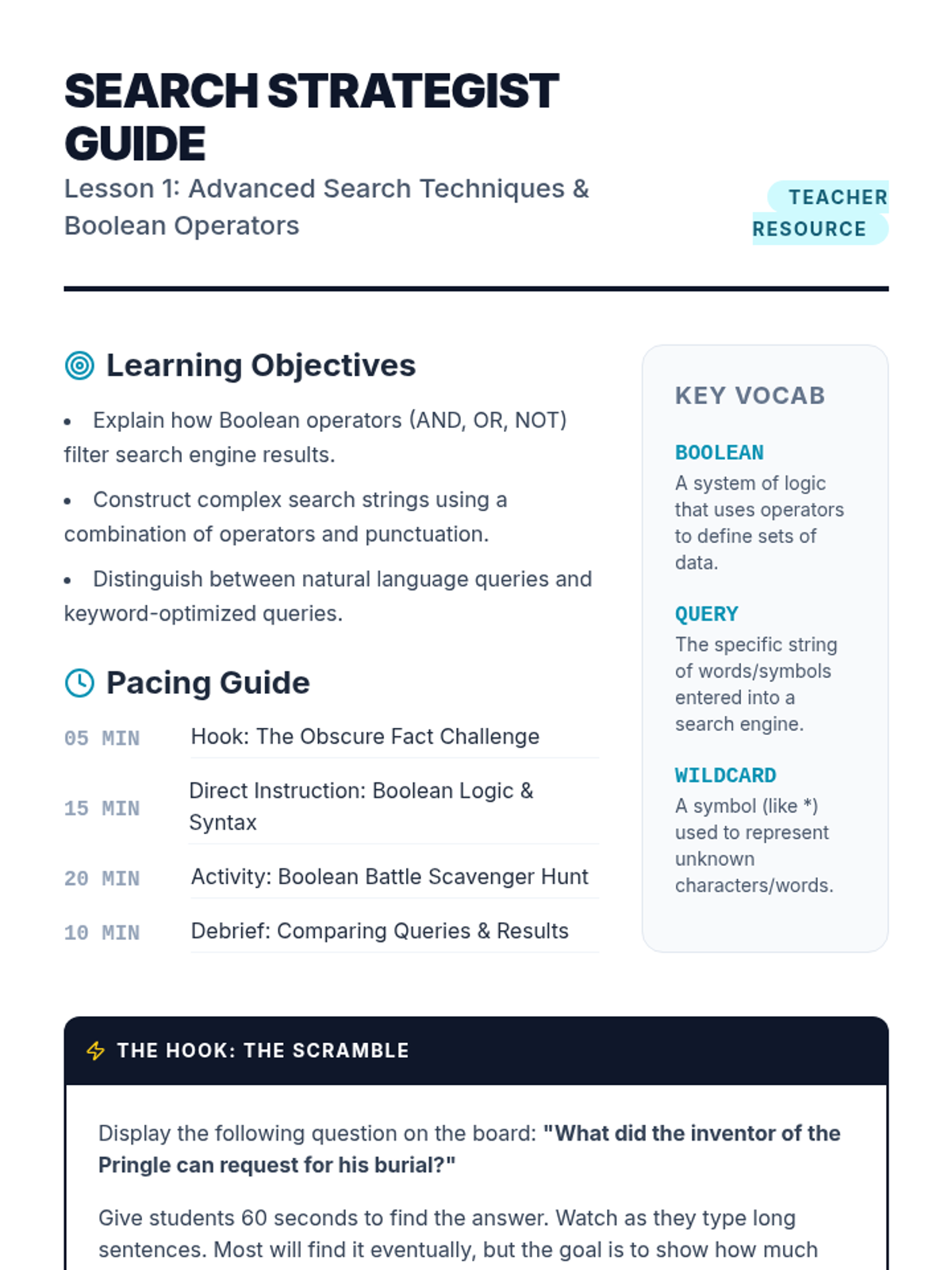
A comprehensive 6th-grade sequence on digital literacy, focusing on advanced search strategies, source evaluation, bias detection, lateral reading, and ethical citation. Students transition from passive internet users to active, critical 'Digital Detectives' through skill-building exercises and simulations.
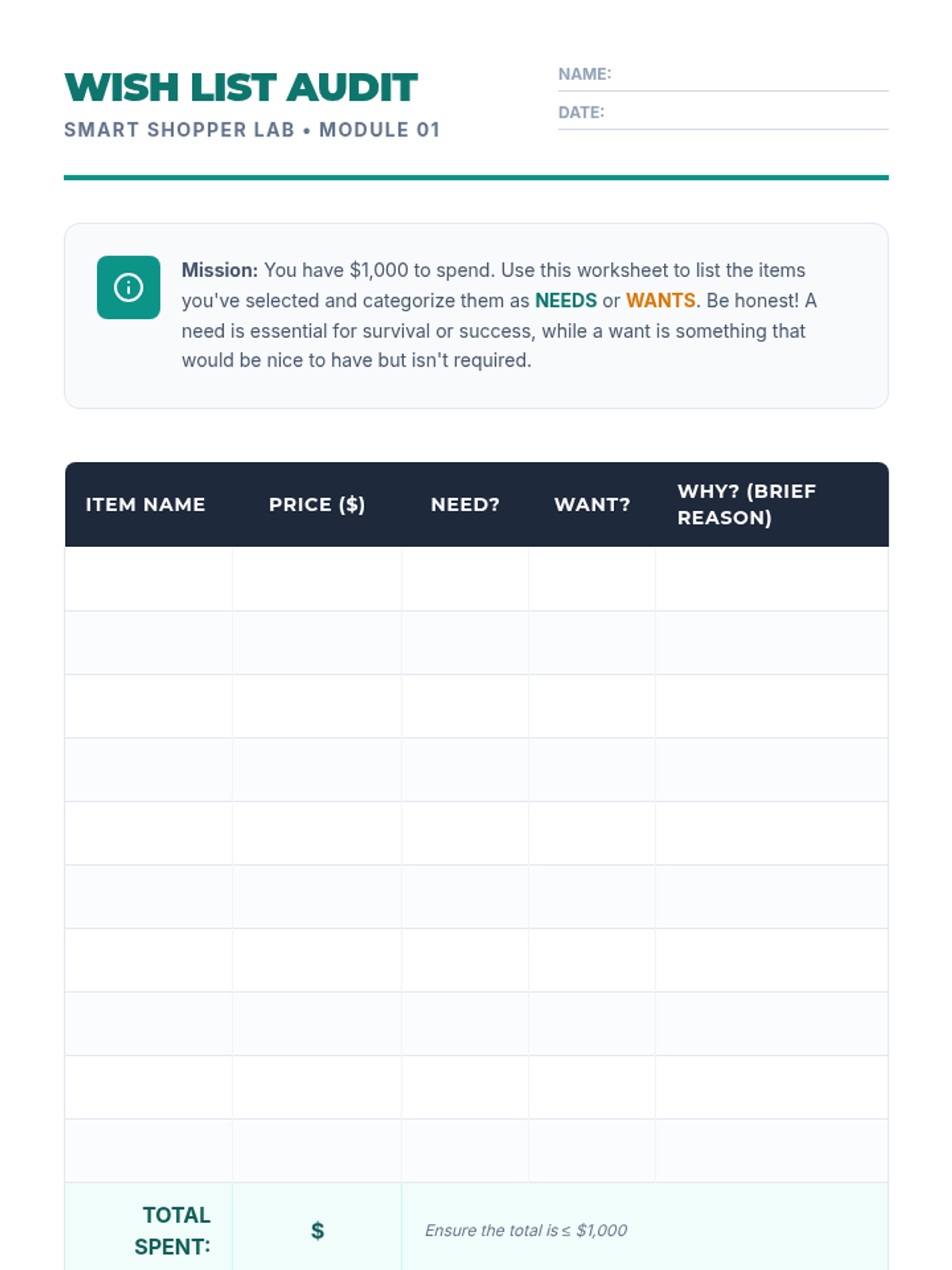
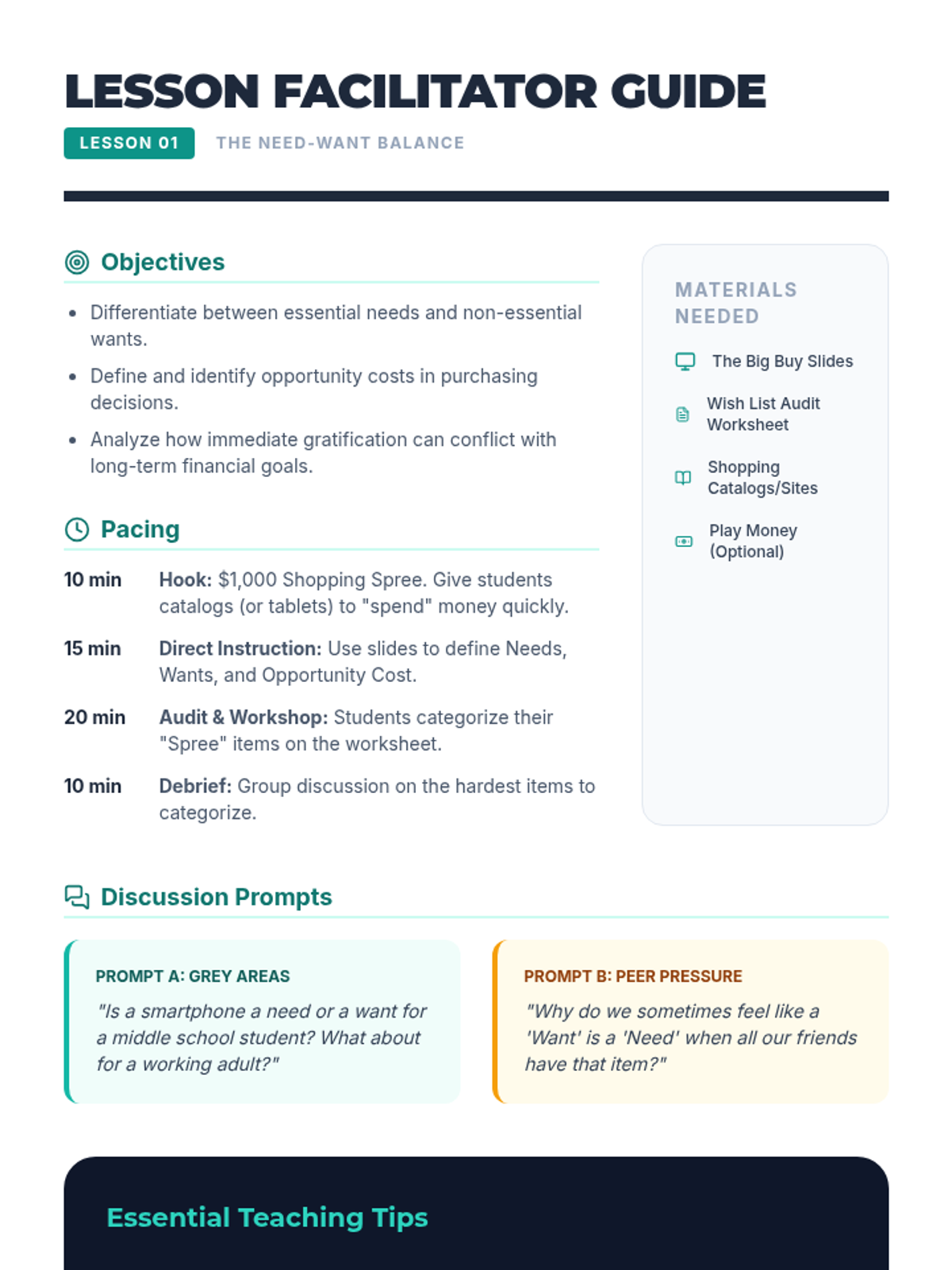
A project-based sequence for 6th-grade students focusing on financial literacy and consumer skills. Students learn to distinguish needs from wants, conduct product research, analyze online reviews, compare retailers, and justify purchase decisions through a final 'Smart Buy' report.
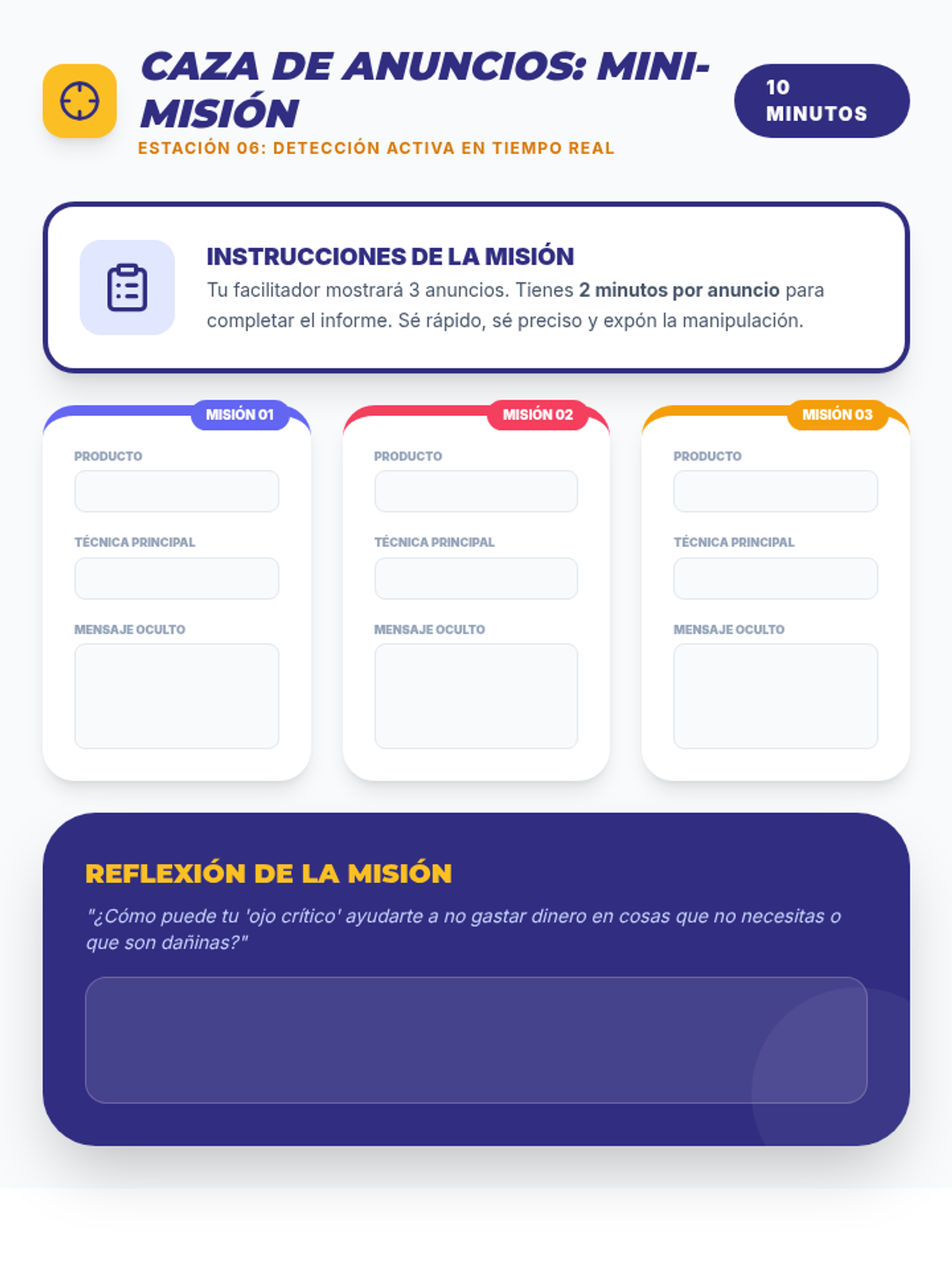
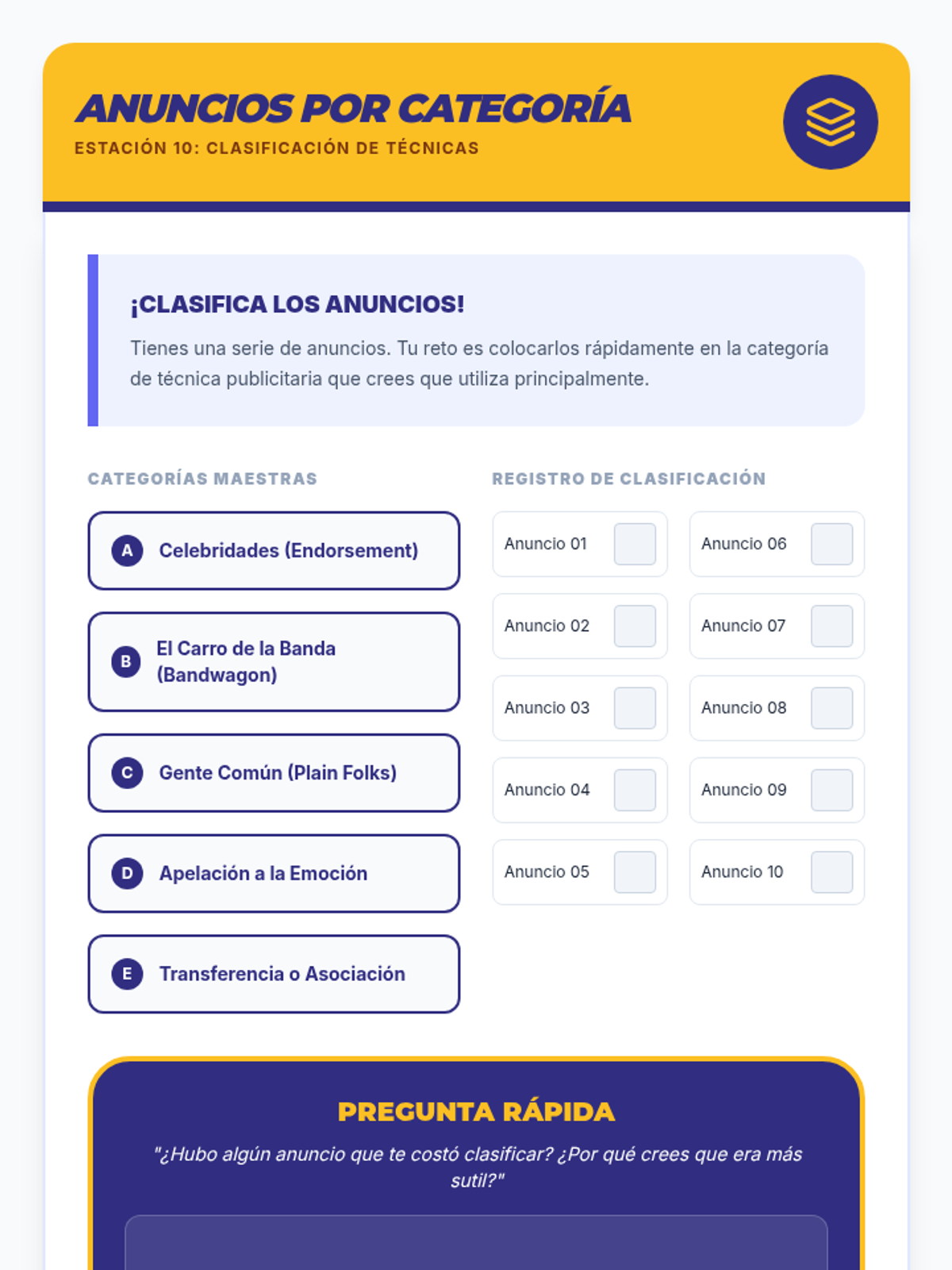
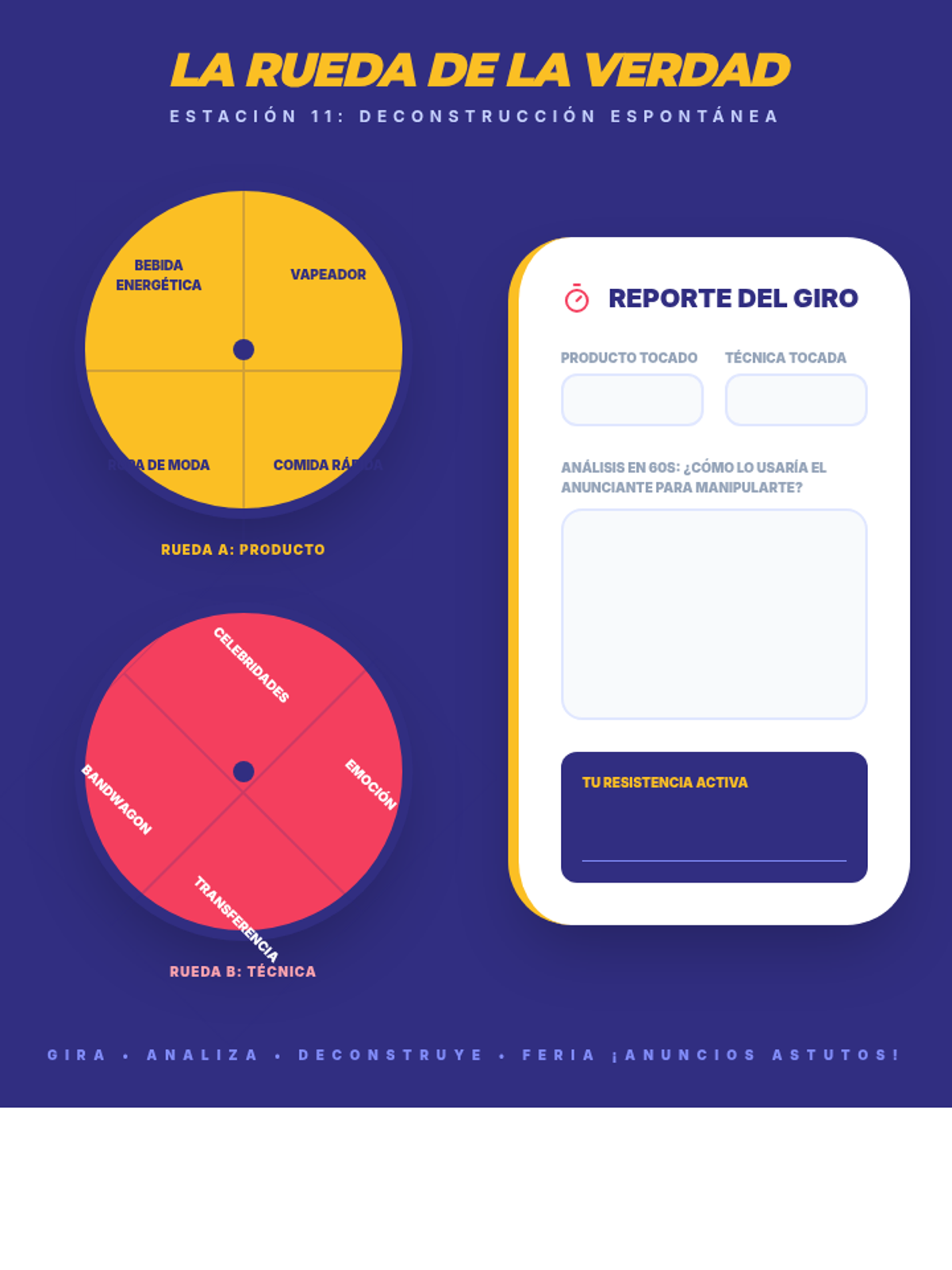
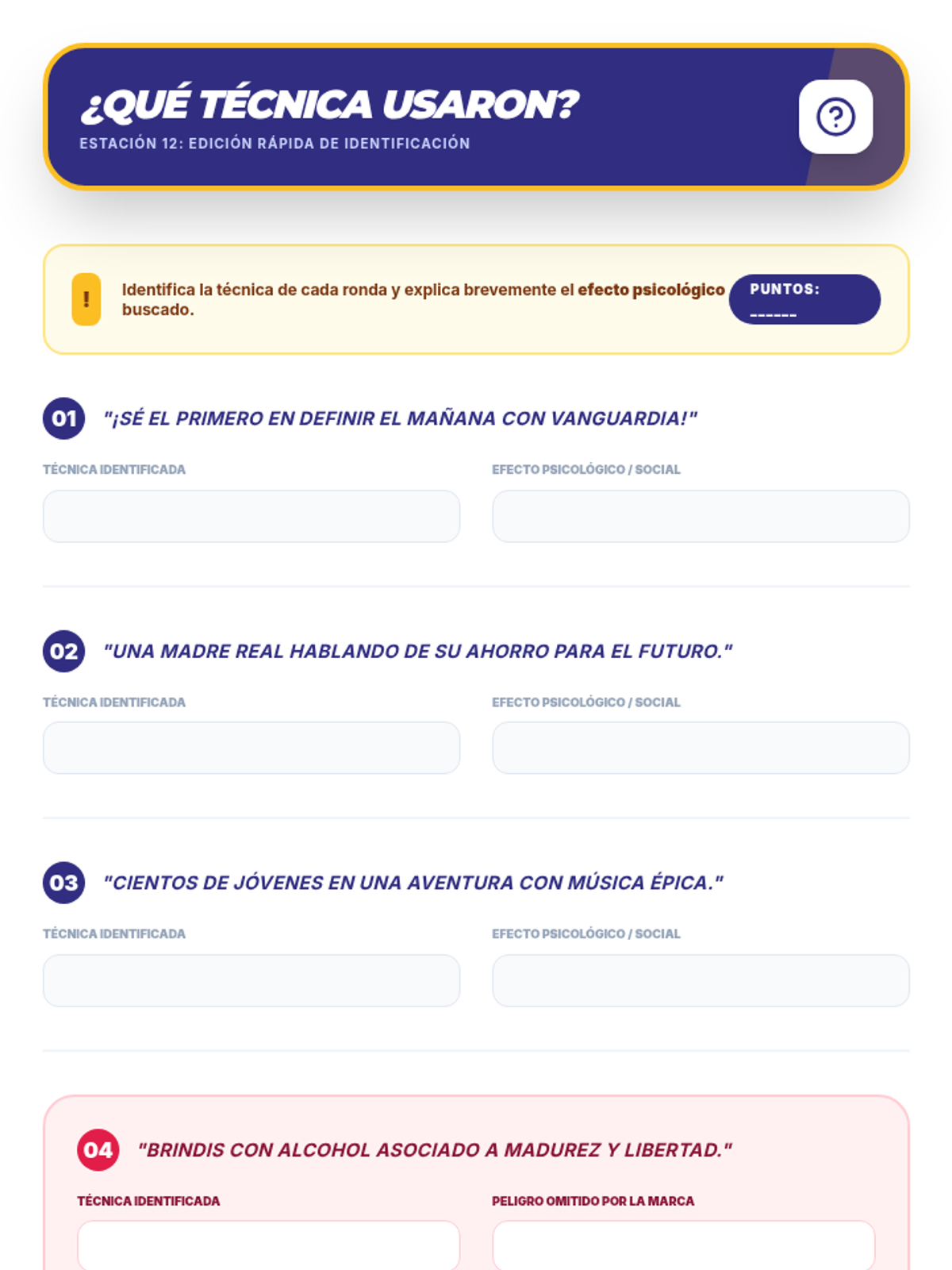
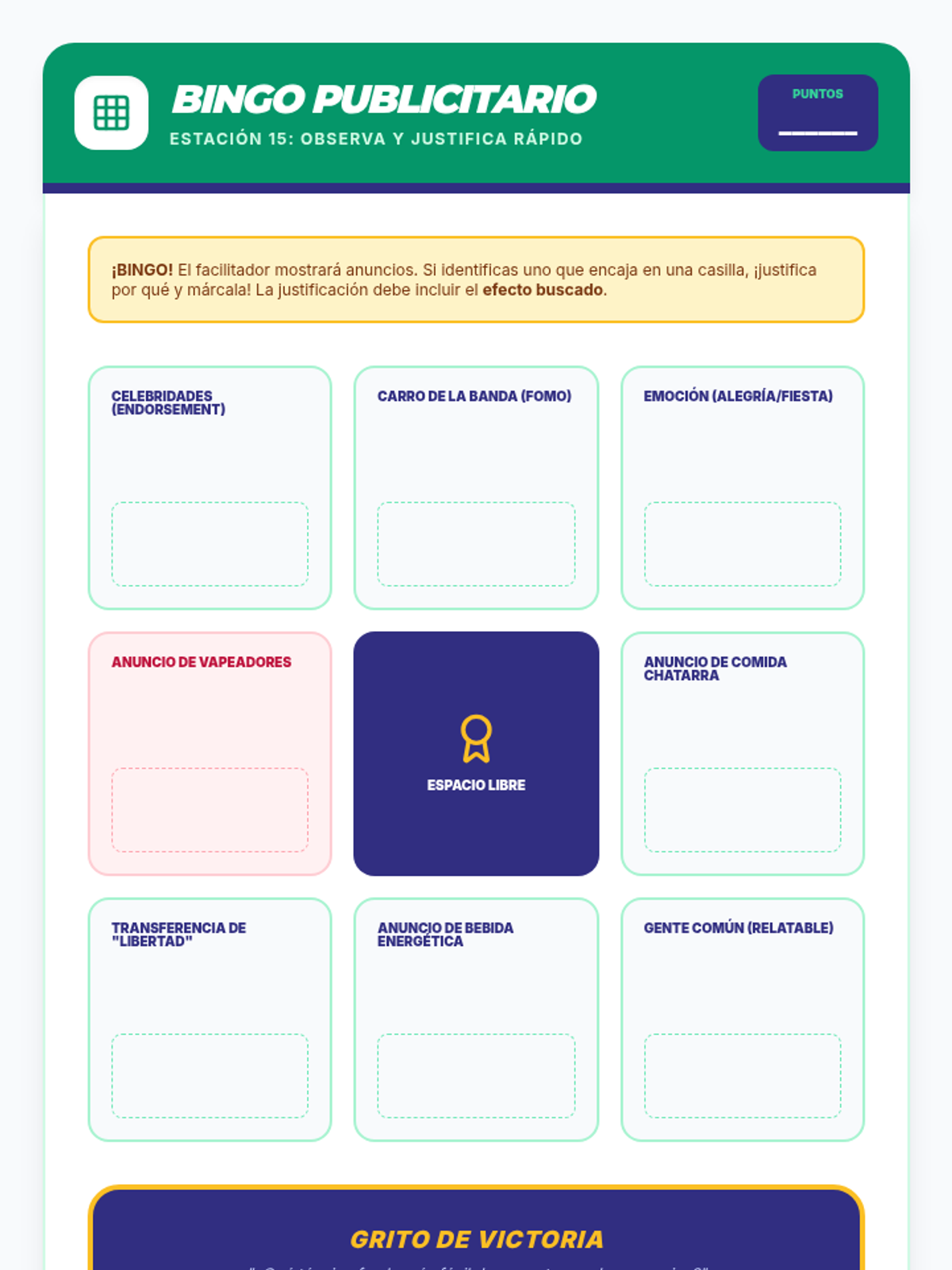
A comprehensive 6th-grade media literacy sequence that teaches students how to deconstruct advertising techniques, analyze influencer culture, and distinguish between facts and persuasive claims. Students develop critical consumer skills to navigate the modern media landscape.
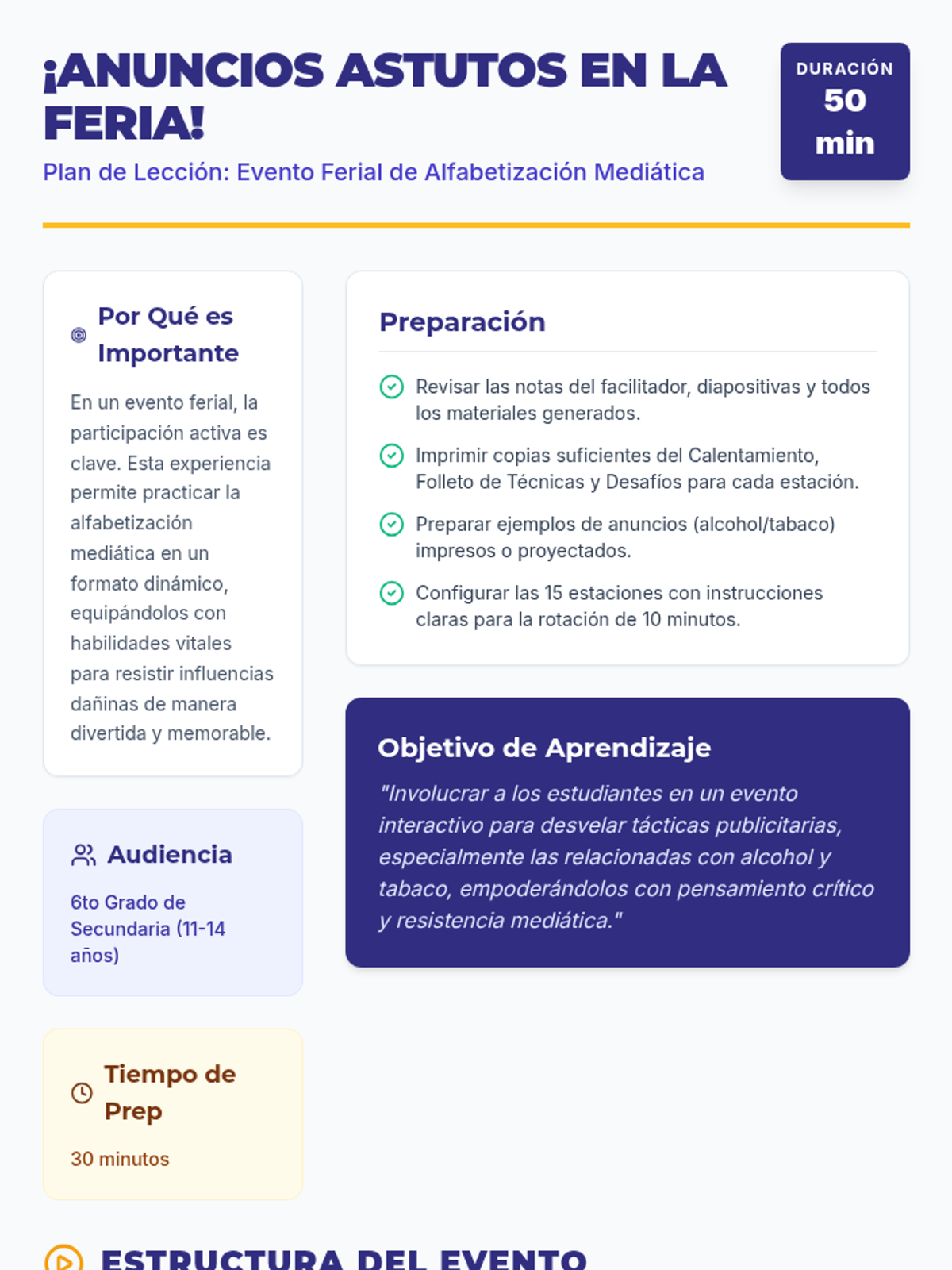
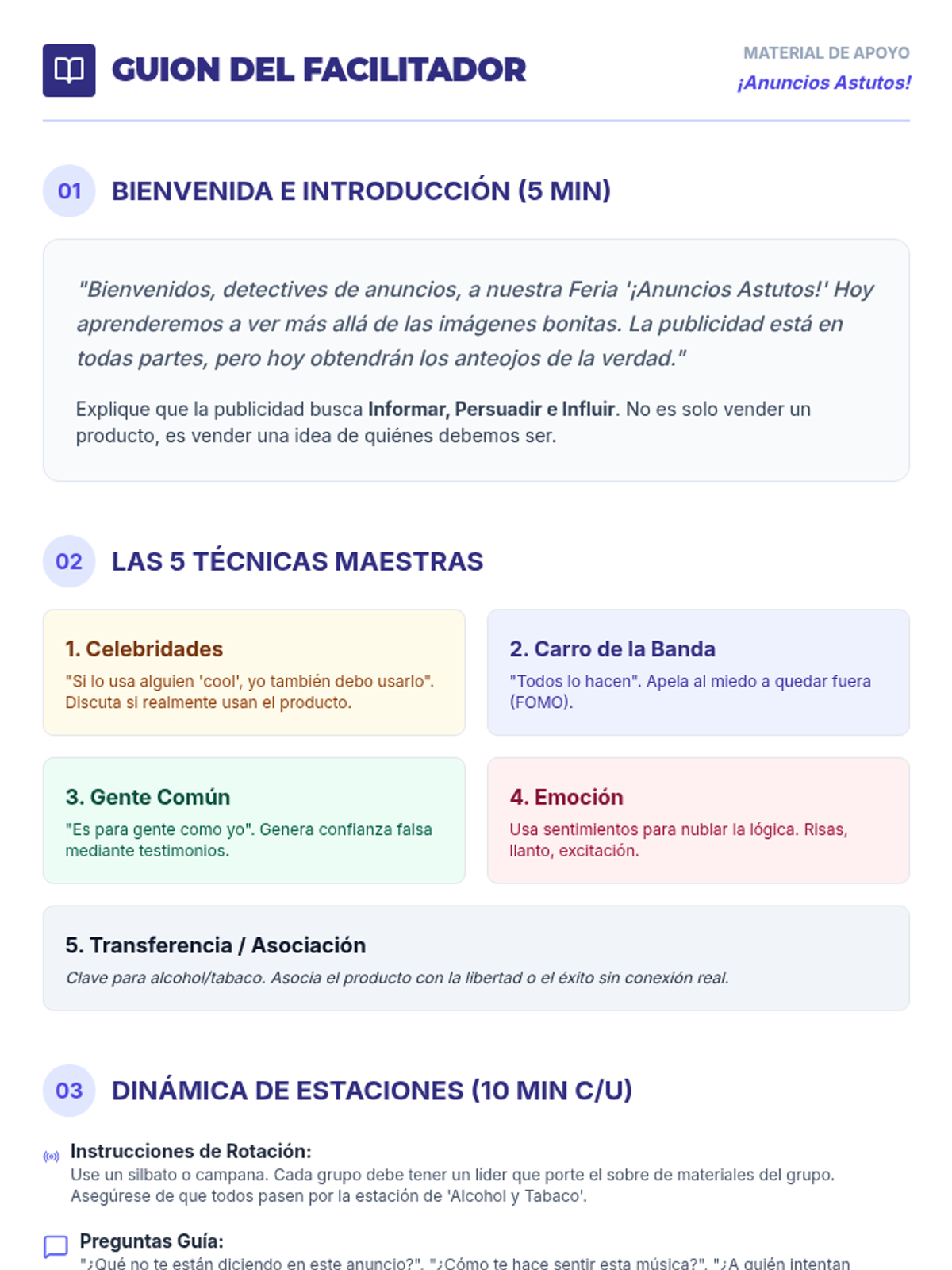
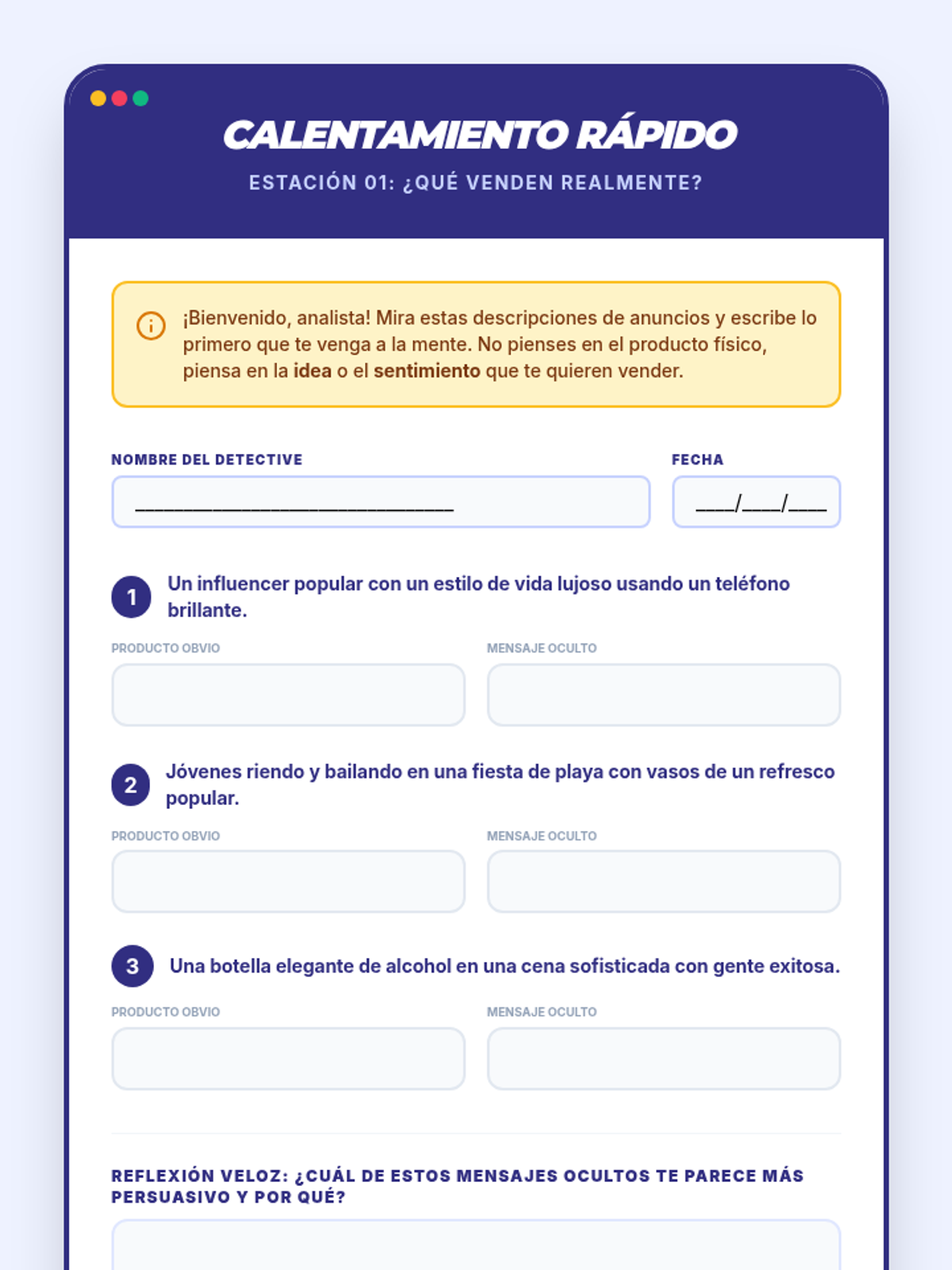
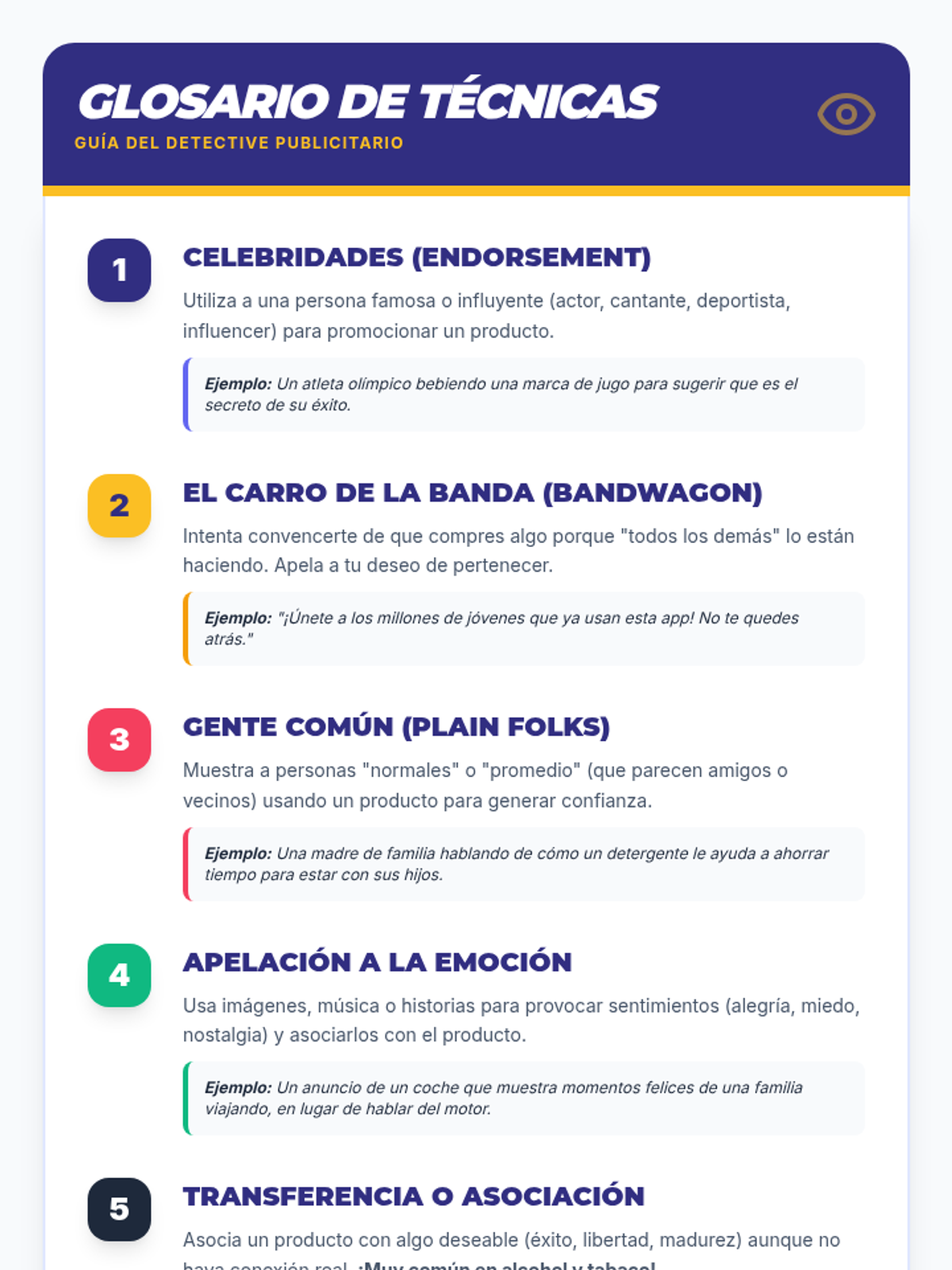
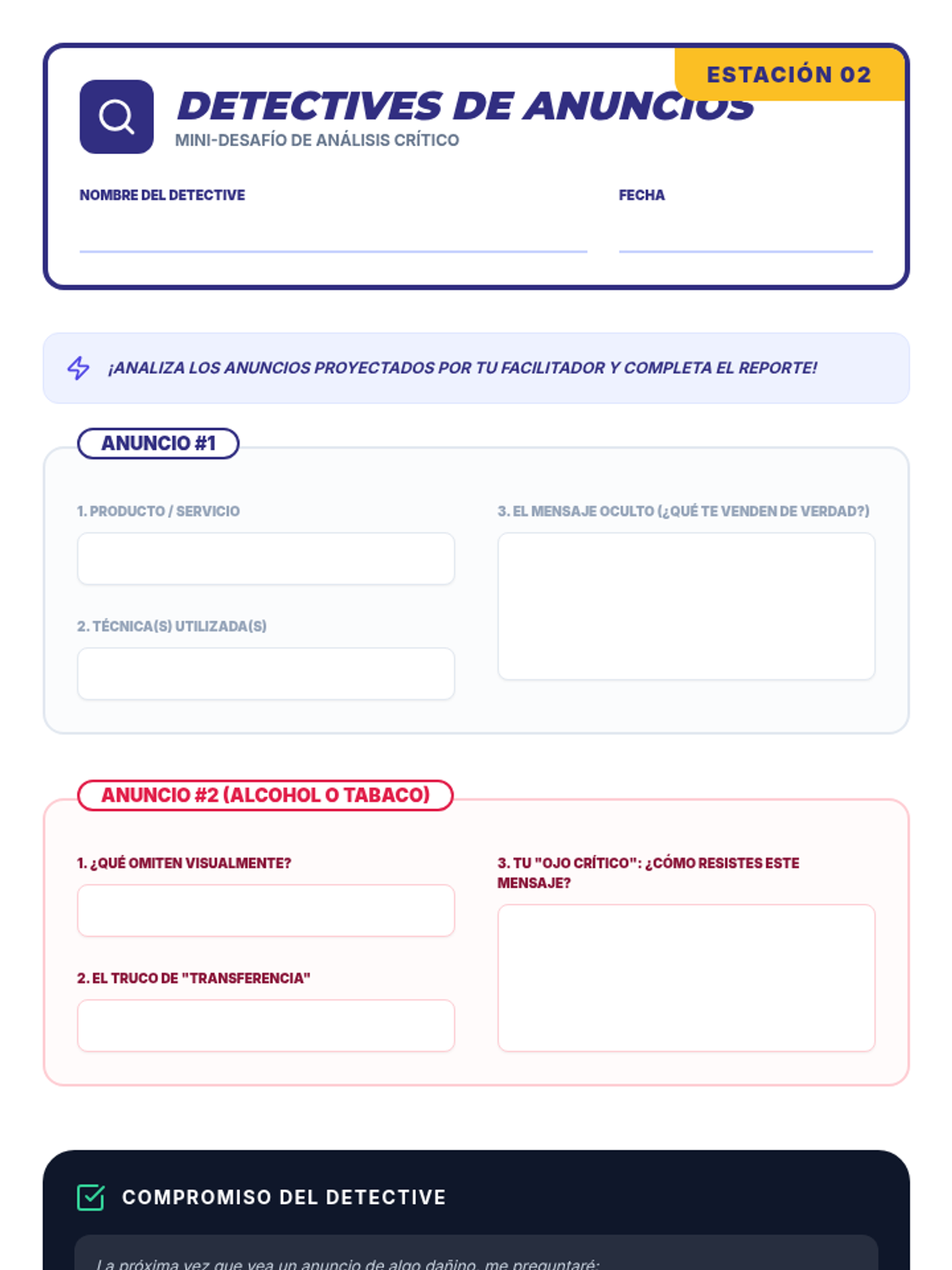
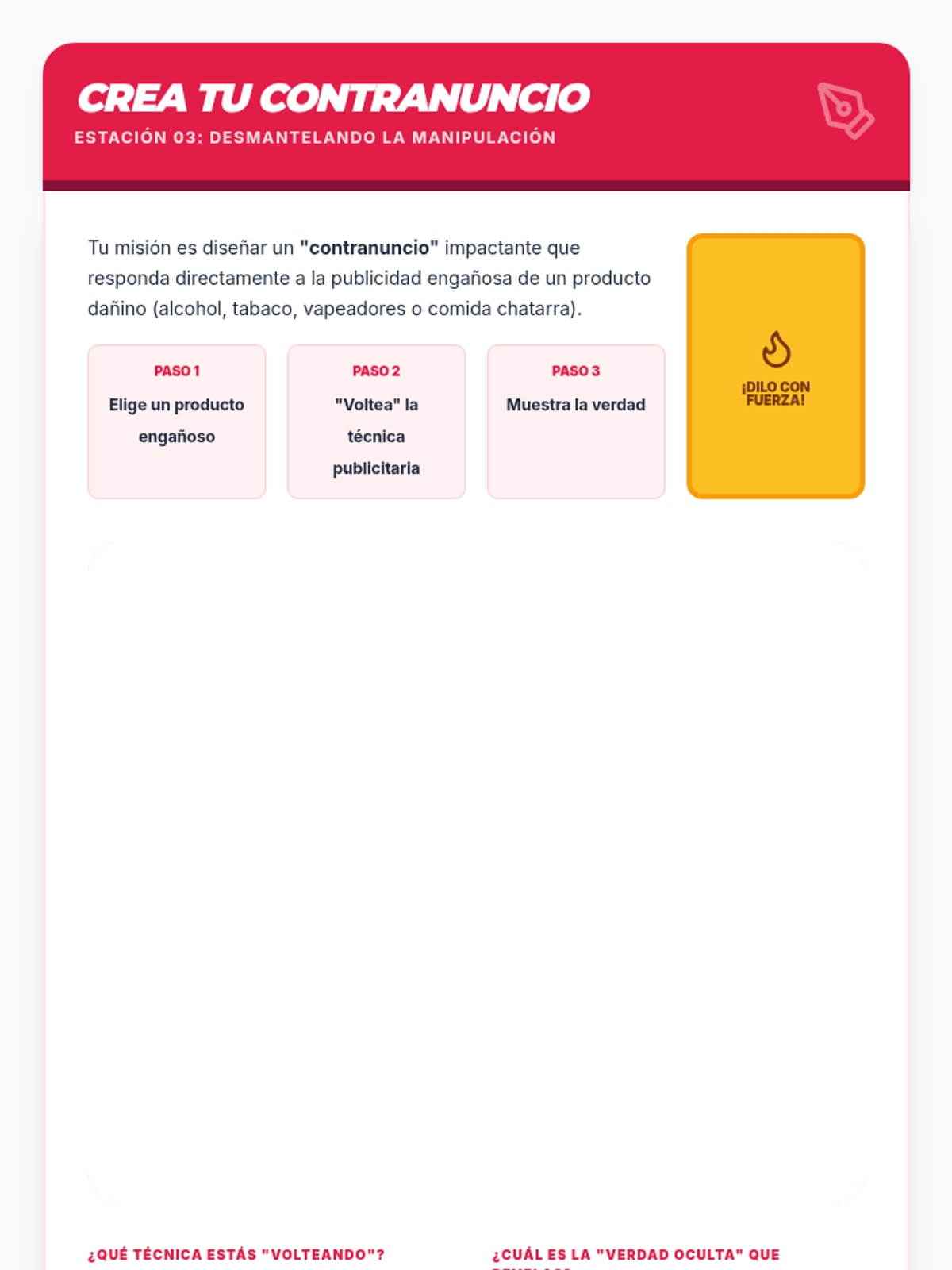
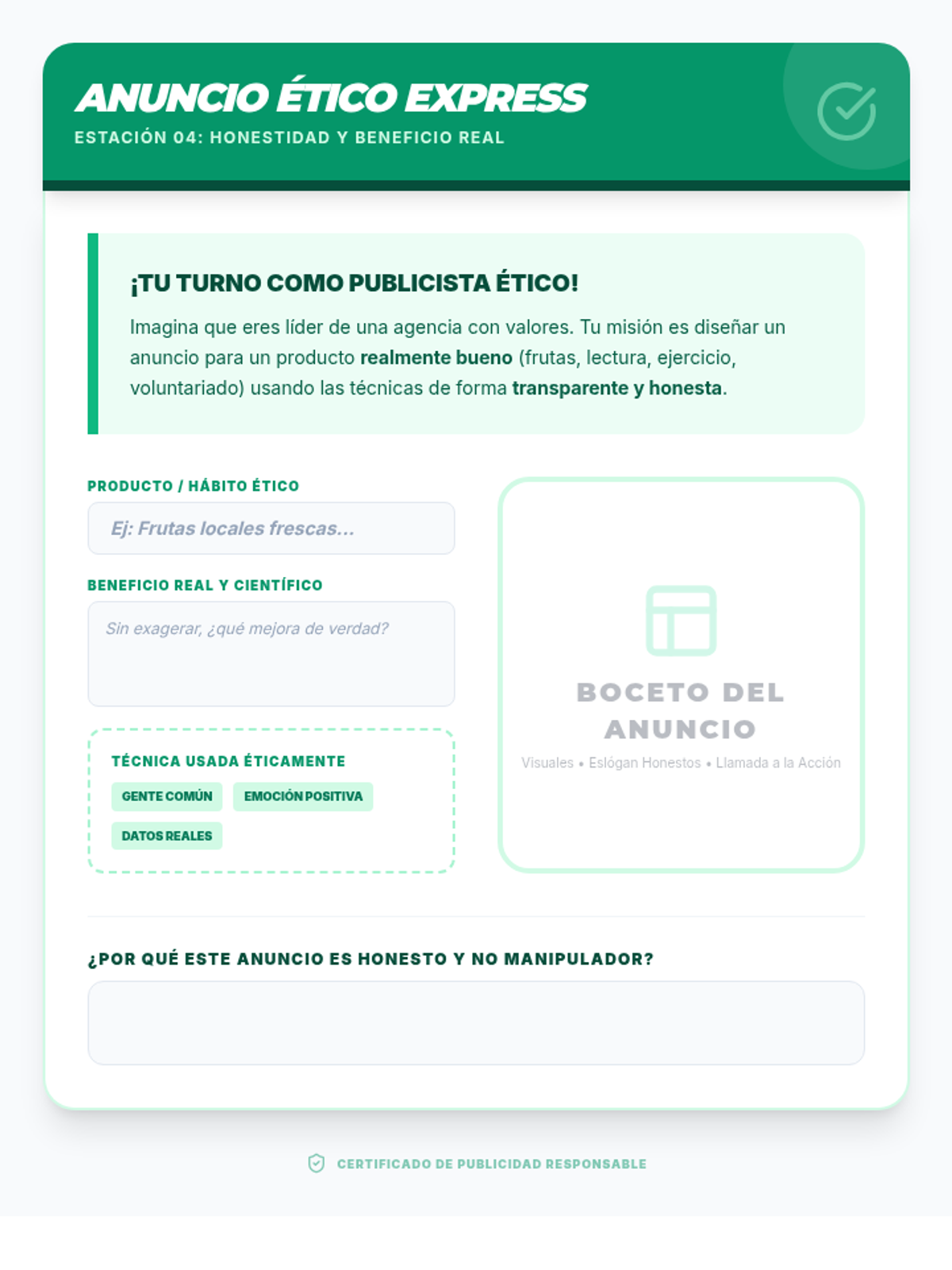
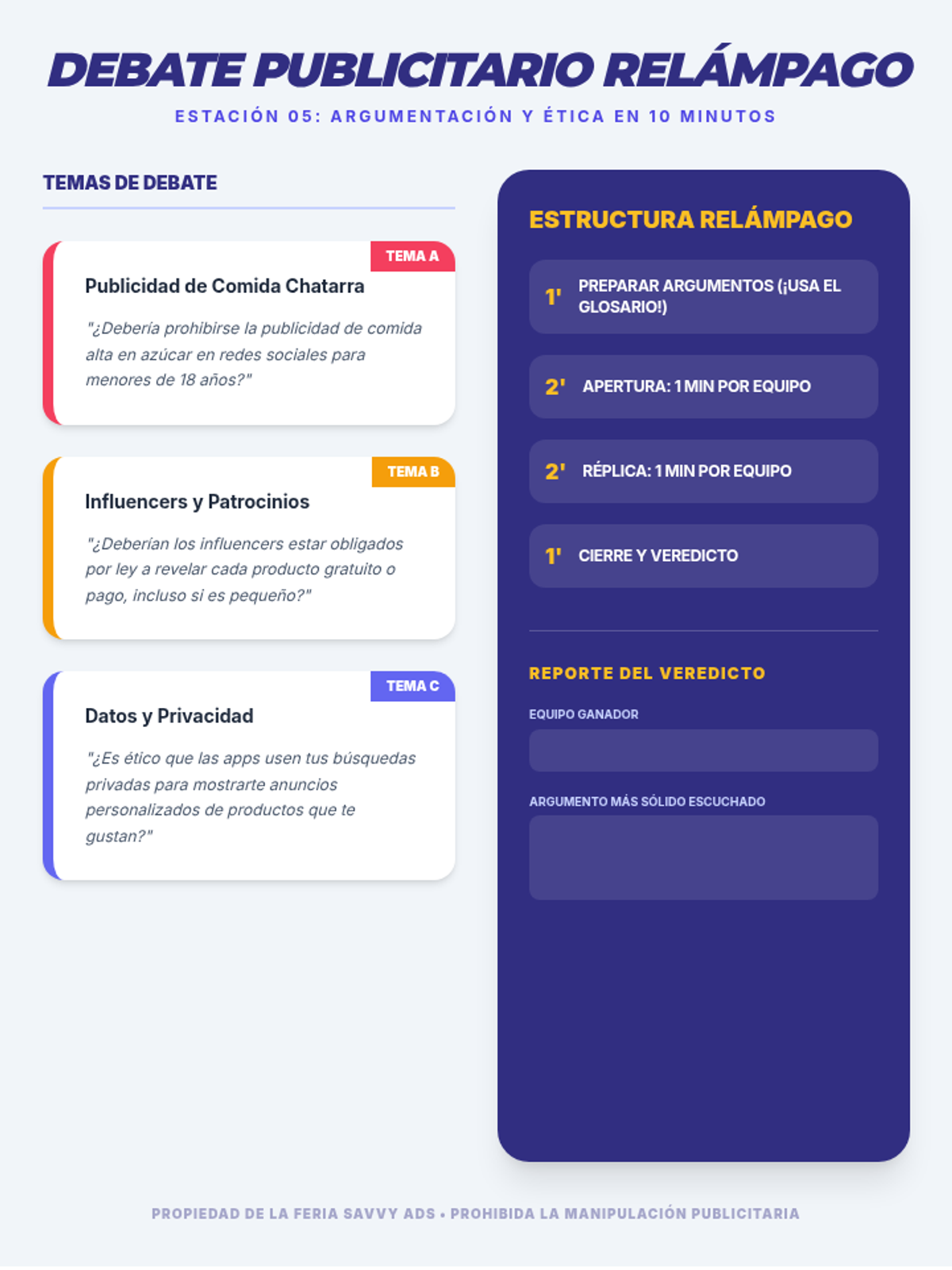
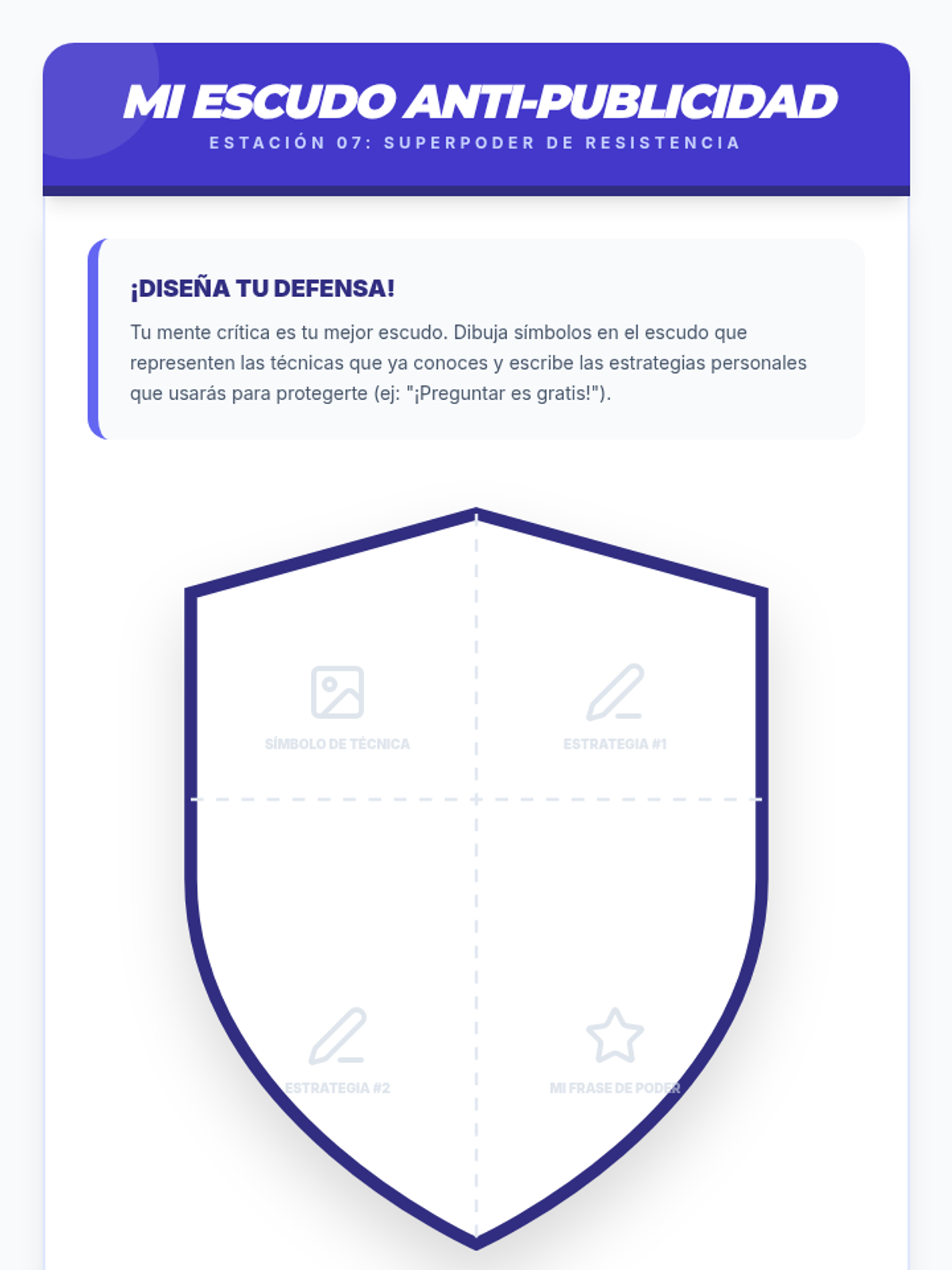
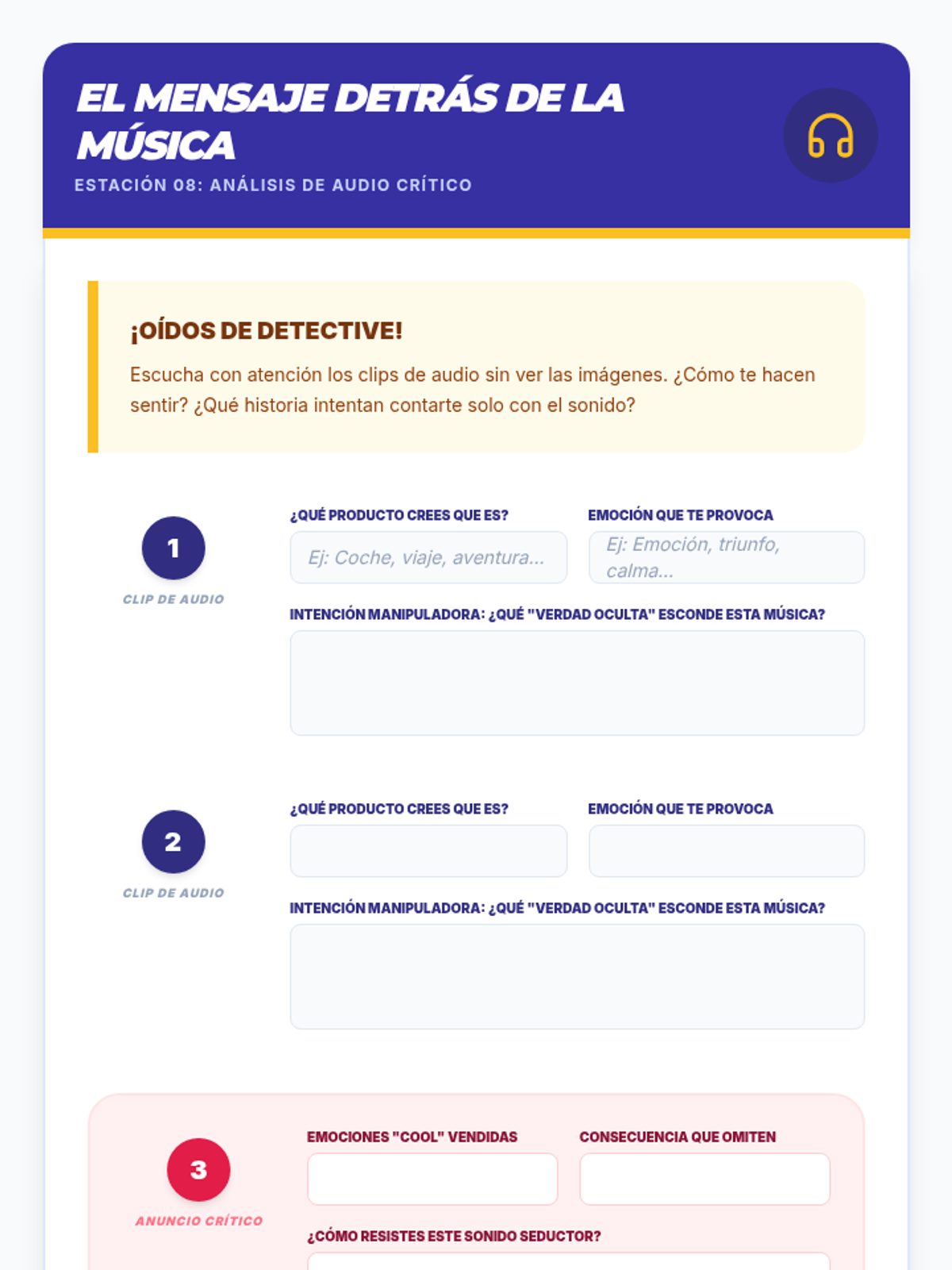
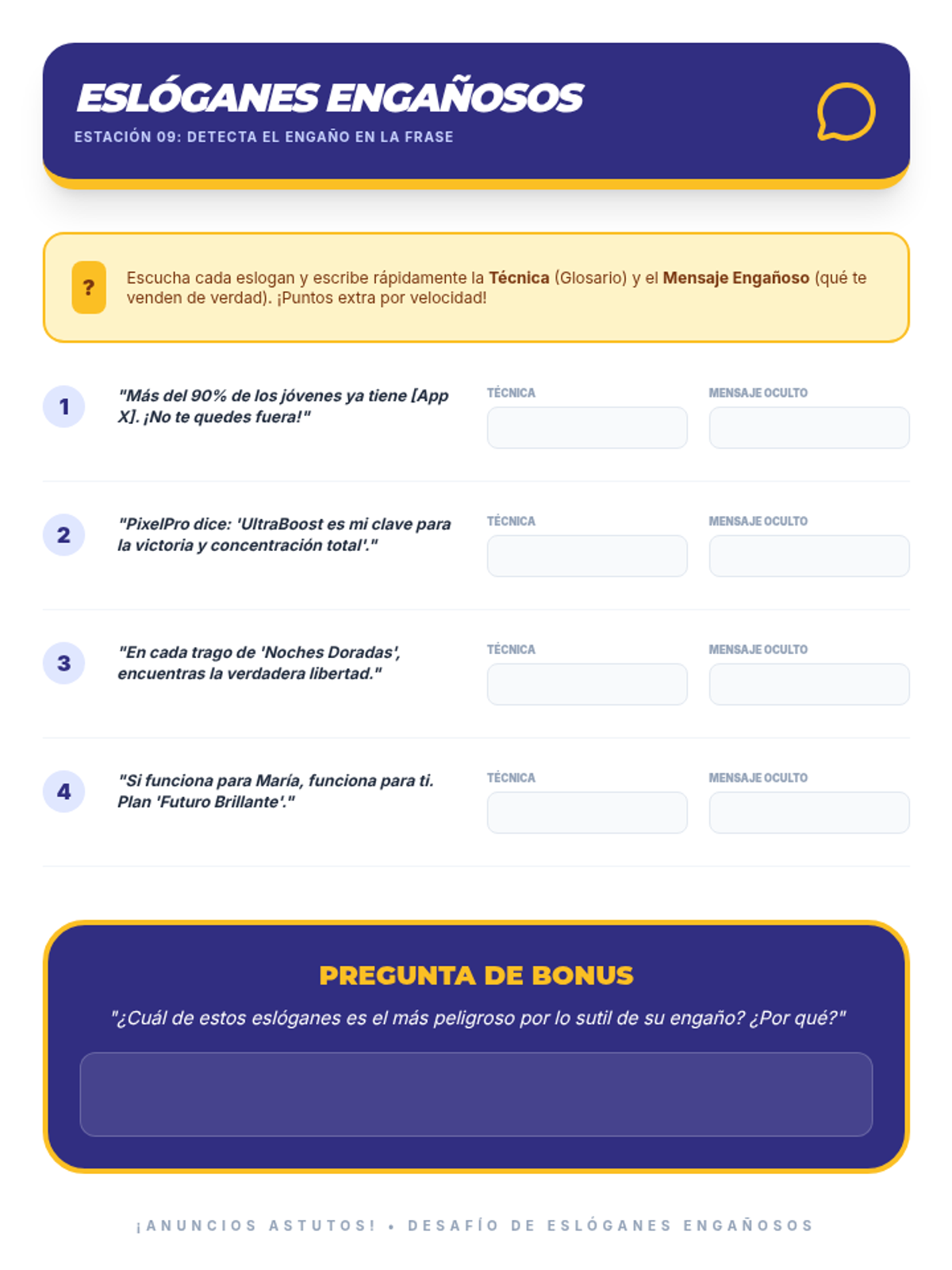
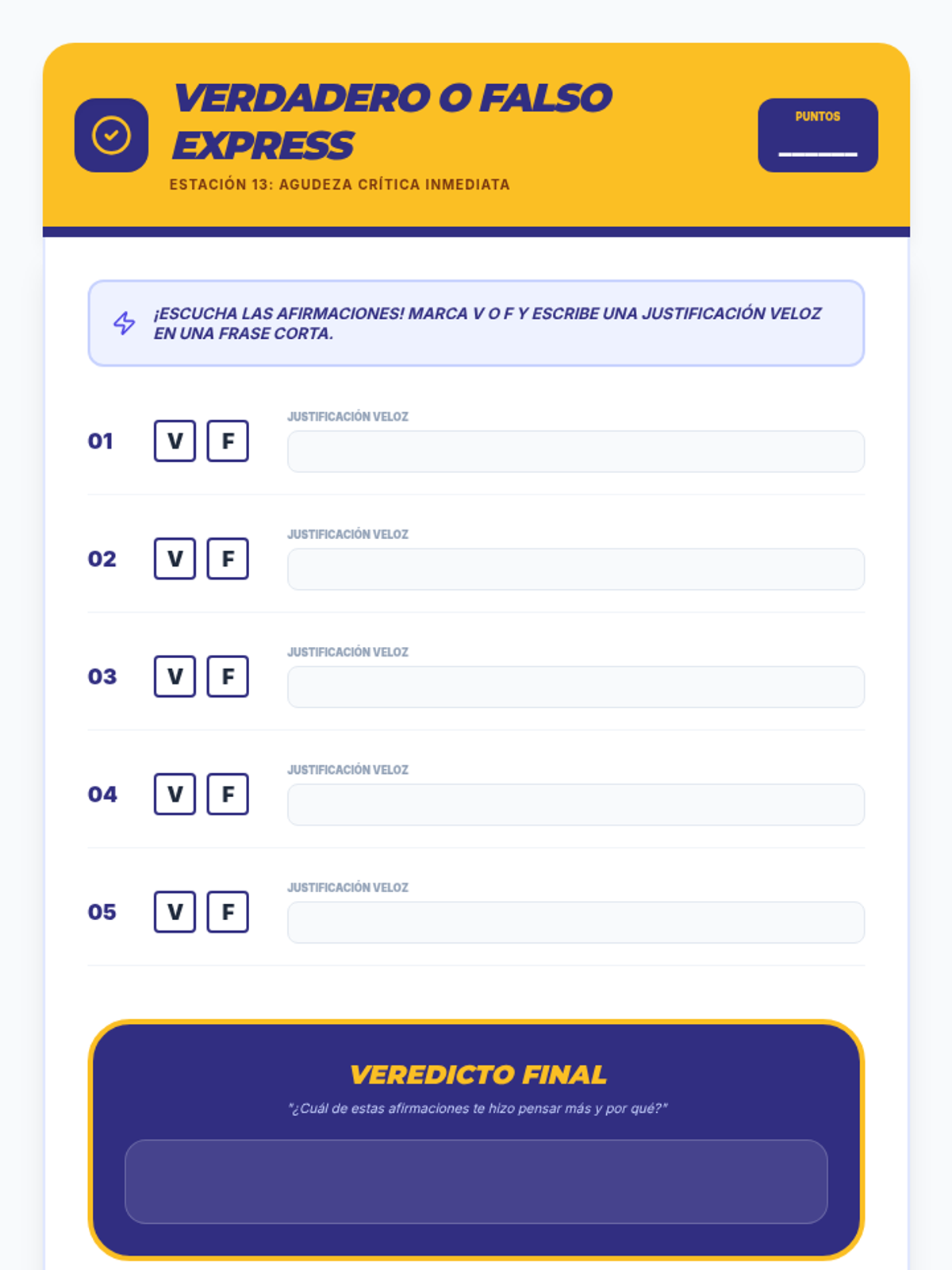
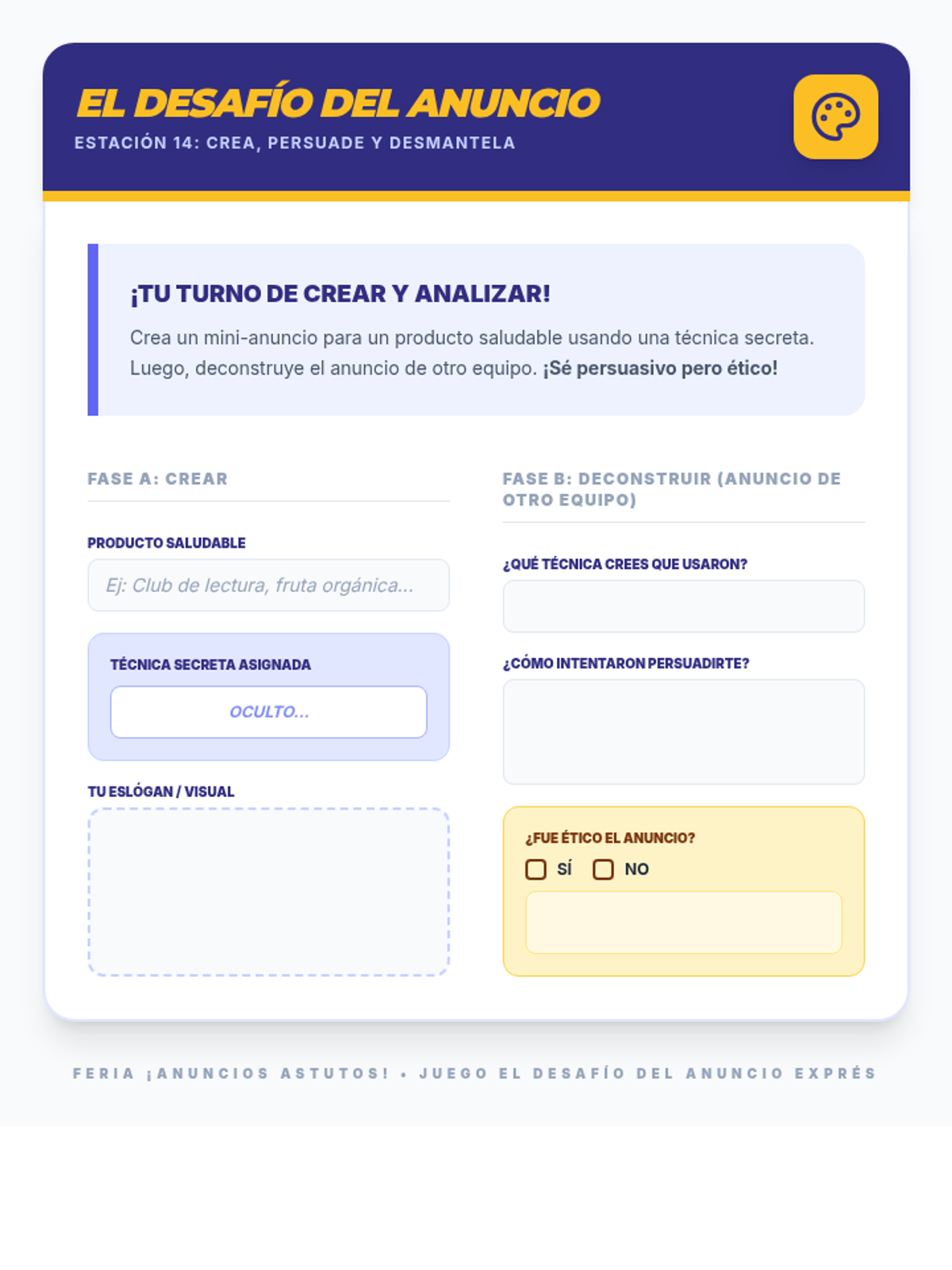
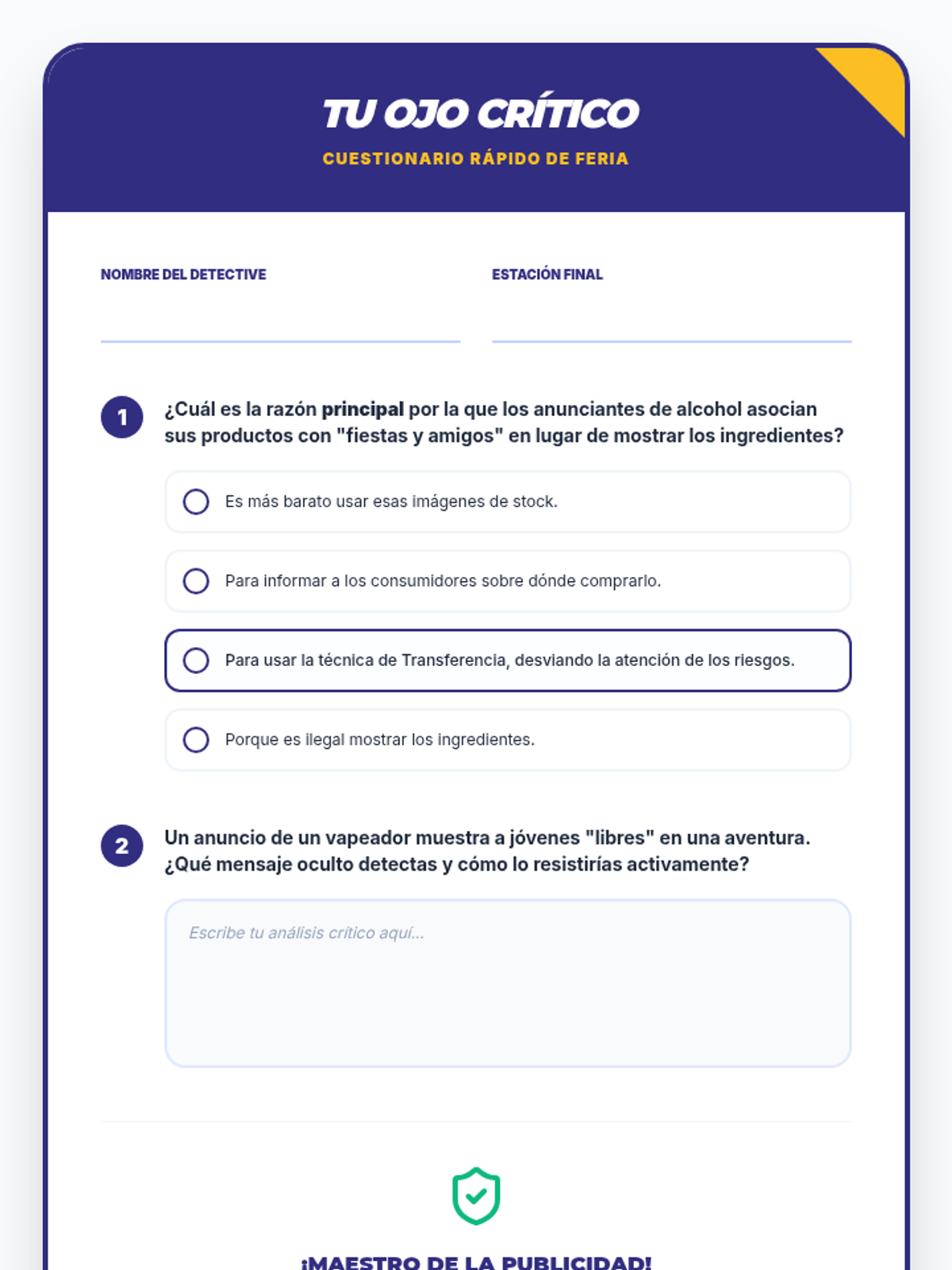
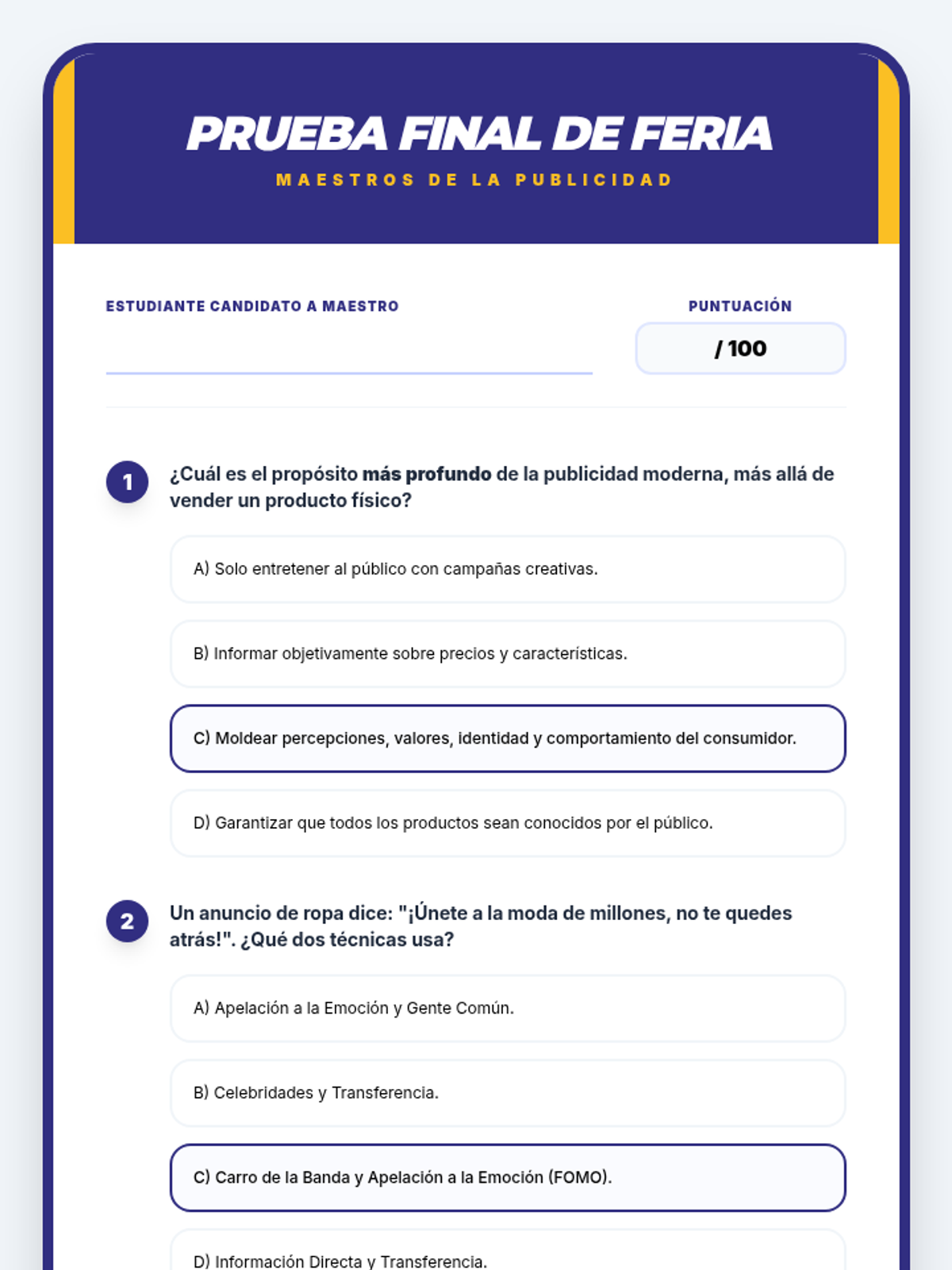
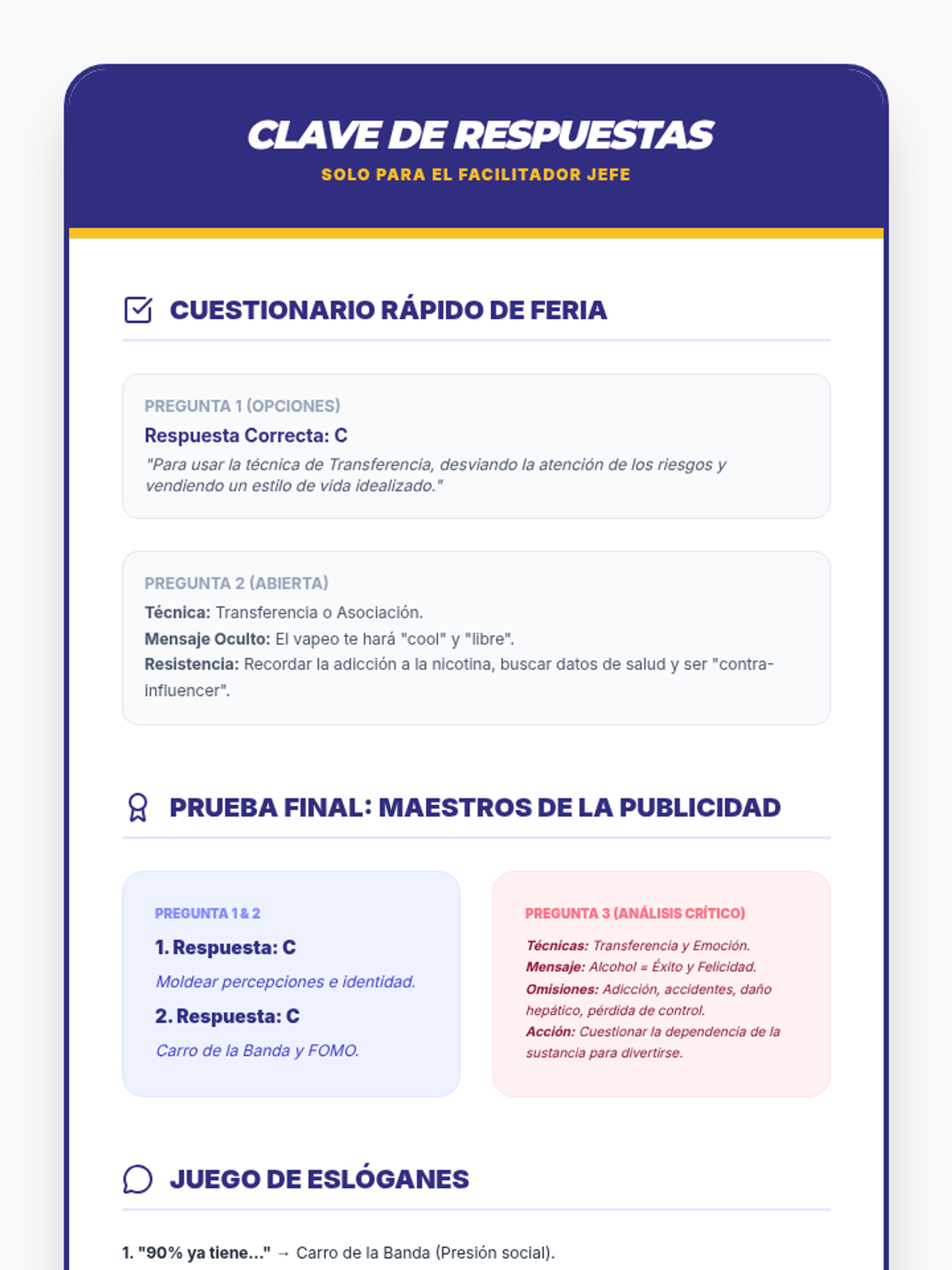
Una secuencia educativa diseñada para empoderar a estudiantes de secundaria en la alfabetización mediática, enfocándose en desmantelar las tácticas de persuasión de la publicidad, especialmente en productos de alcohol y tabaco.
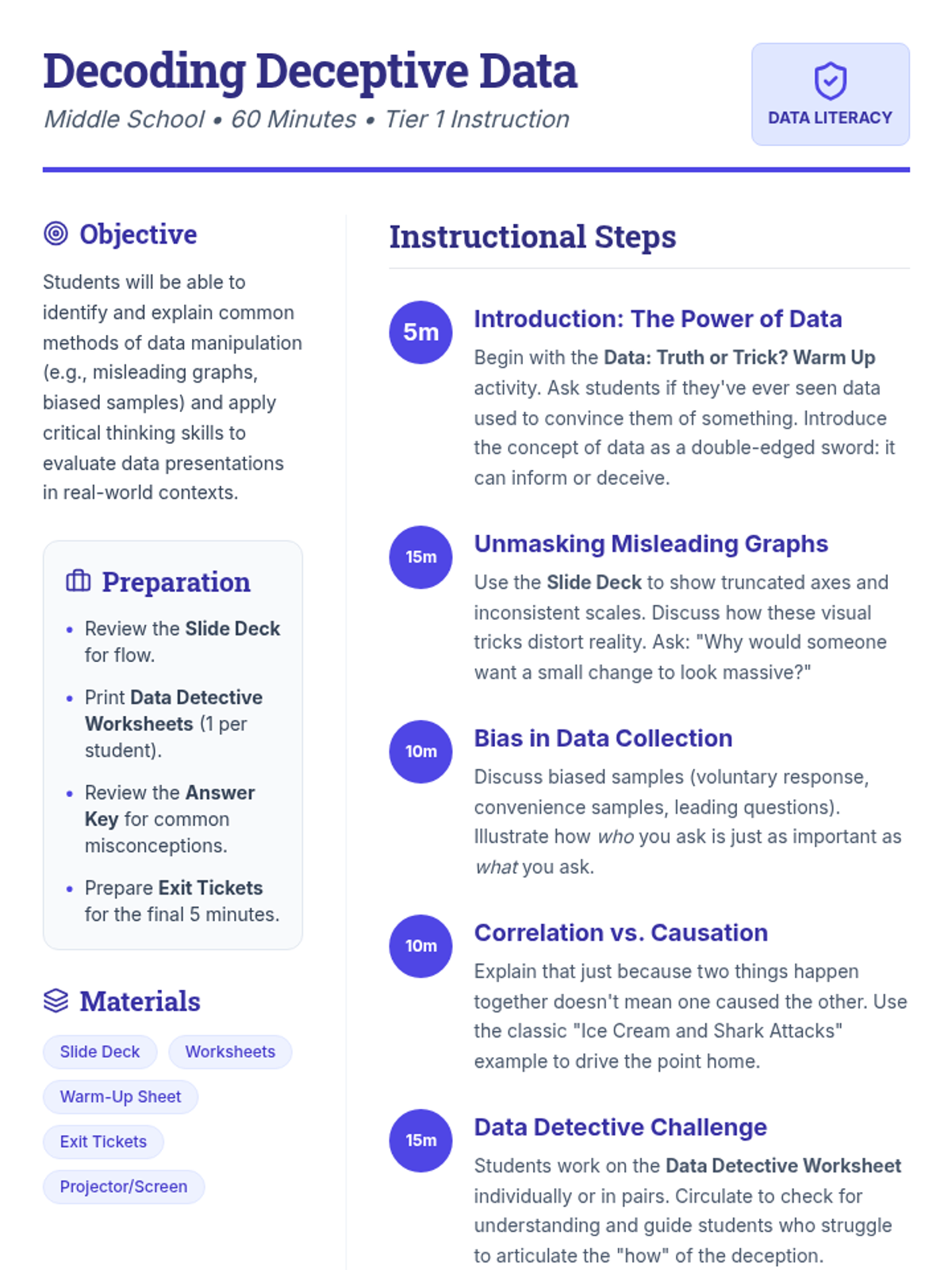
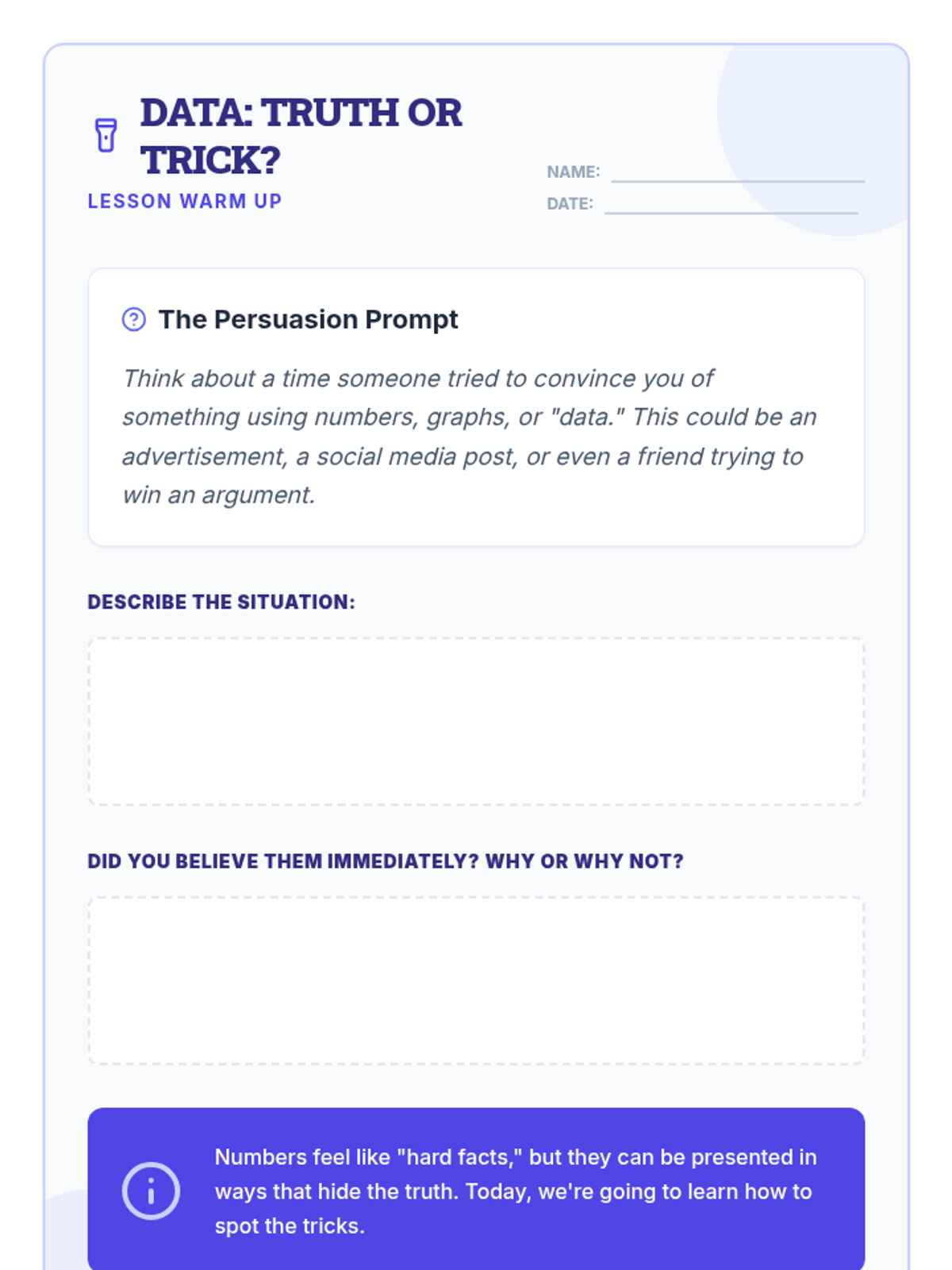
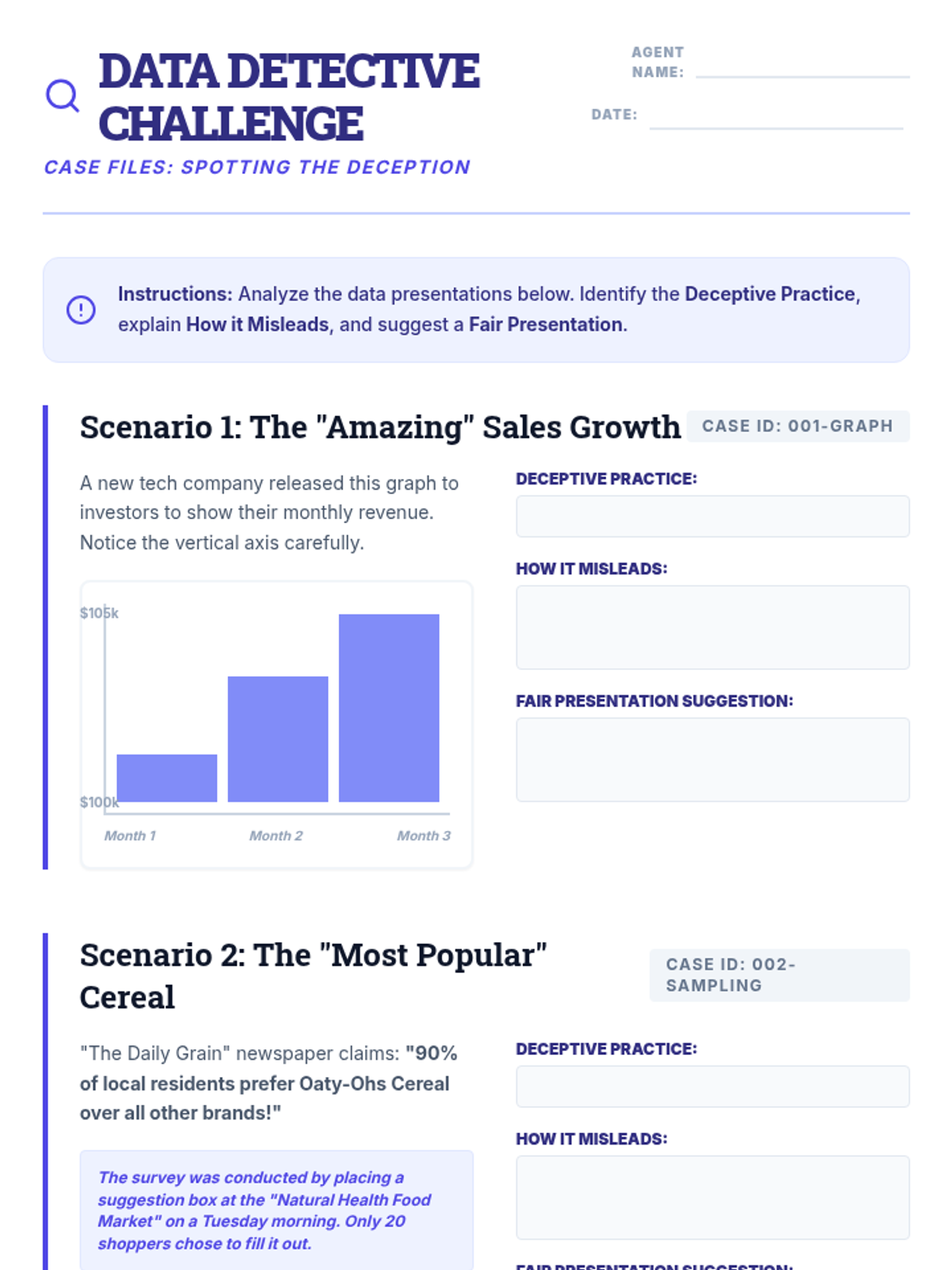
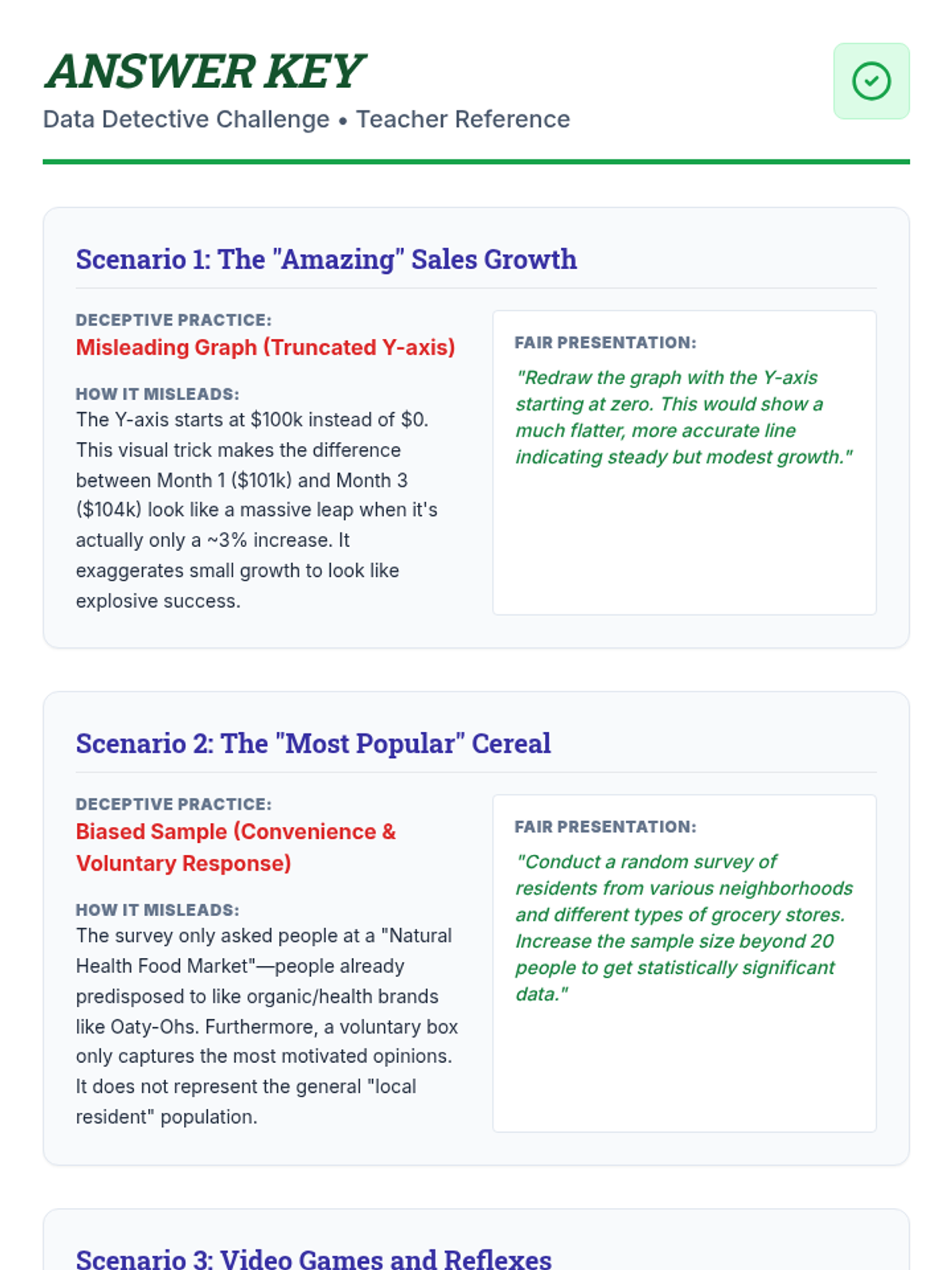
A collection of lessons focused on developing critical thinking and self-regulation skills, covering data literacy and emotional intelligence.
A sequence focused on developing critical thinking and digital citizenship skills across different age groups, from evaluating information to navigating online social interactions safely.
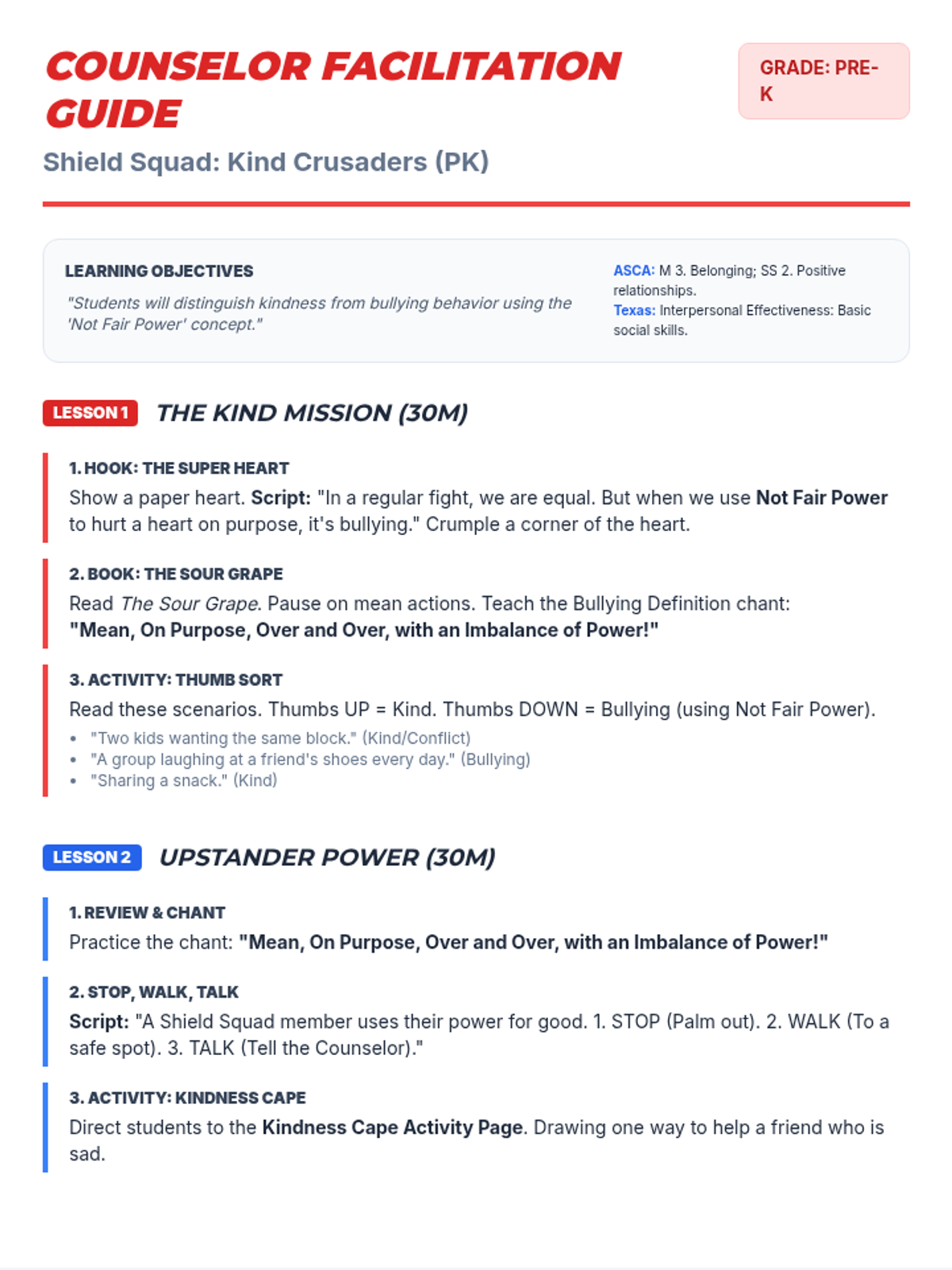
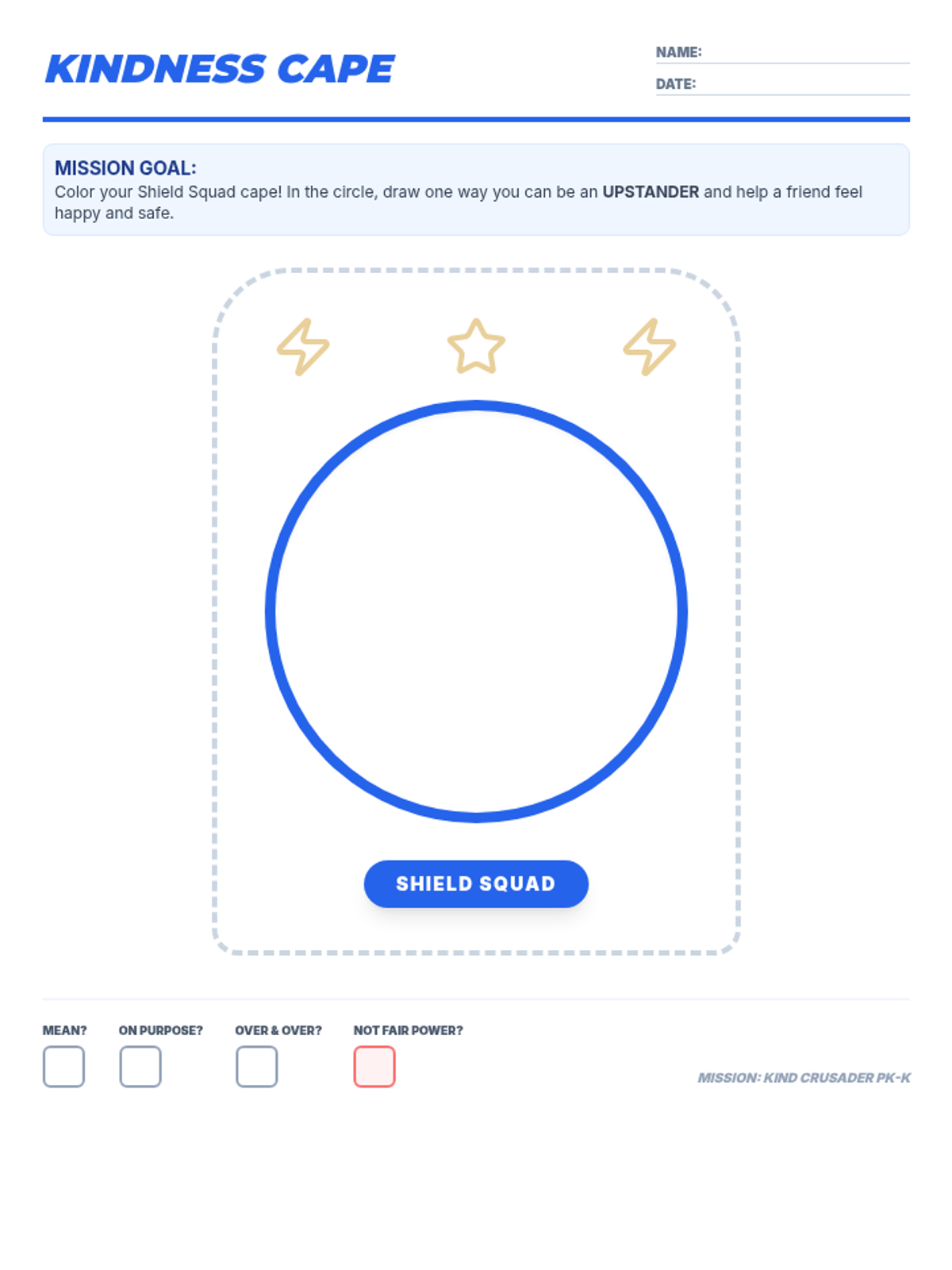
A comprehensive bullying prevention curriculum for PK-6 students, featuring two distinct 30-minute sessions for every individual grade level. The program uses mentor texts by Kathryn Otoshi, Trudy Ludwig, Julia Cook, and others to scaffold concepts of power imbalance, upstander strategies, and school culture change.
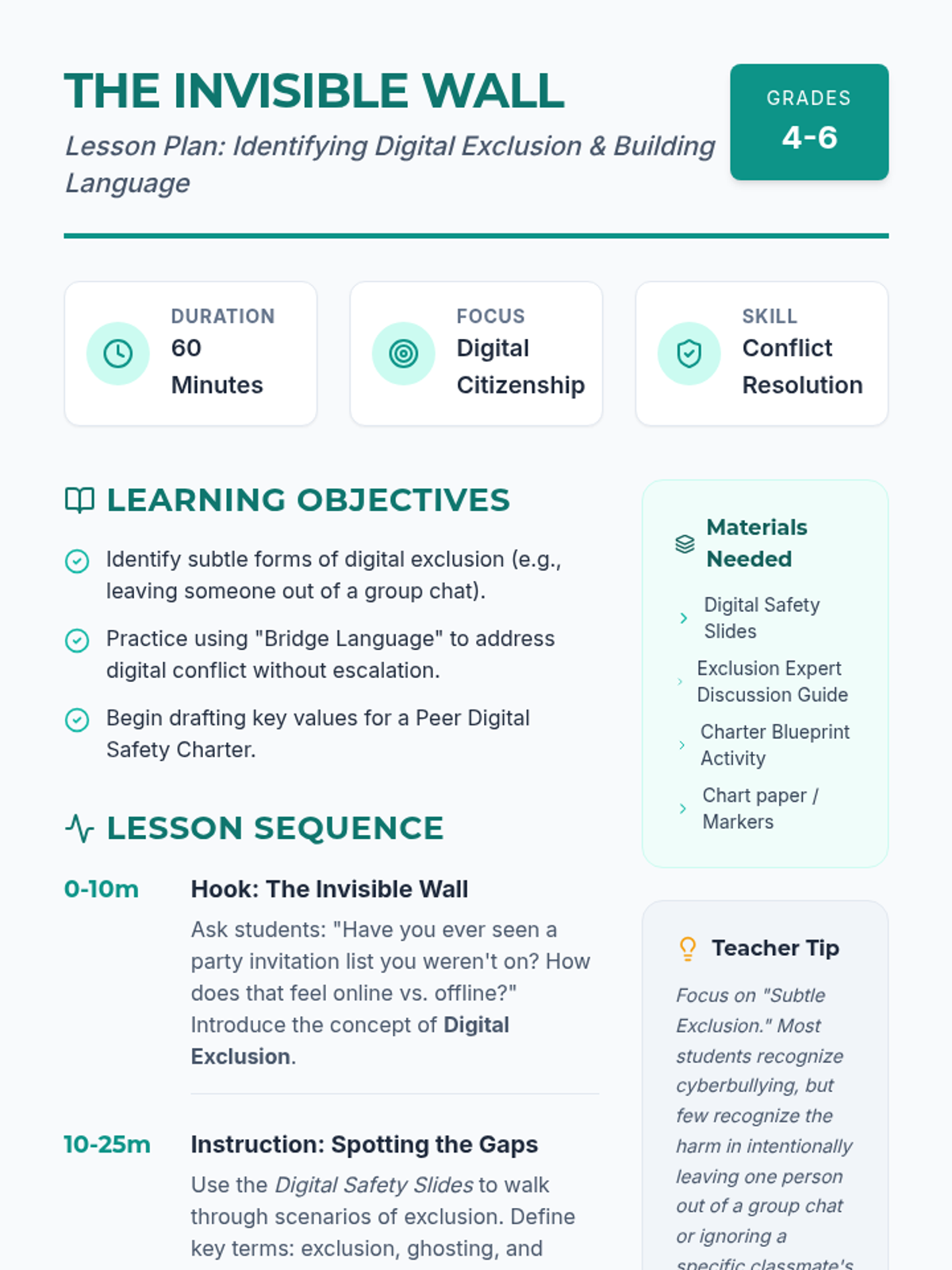
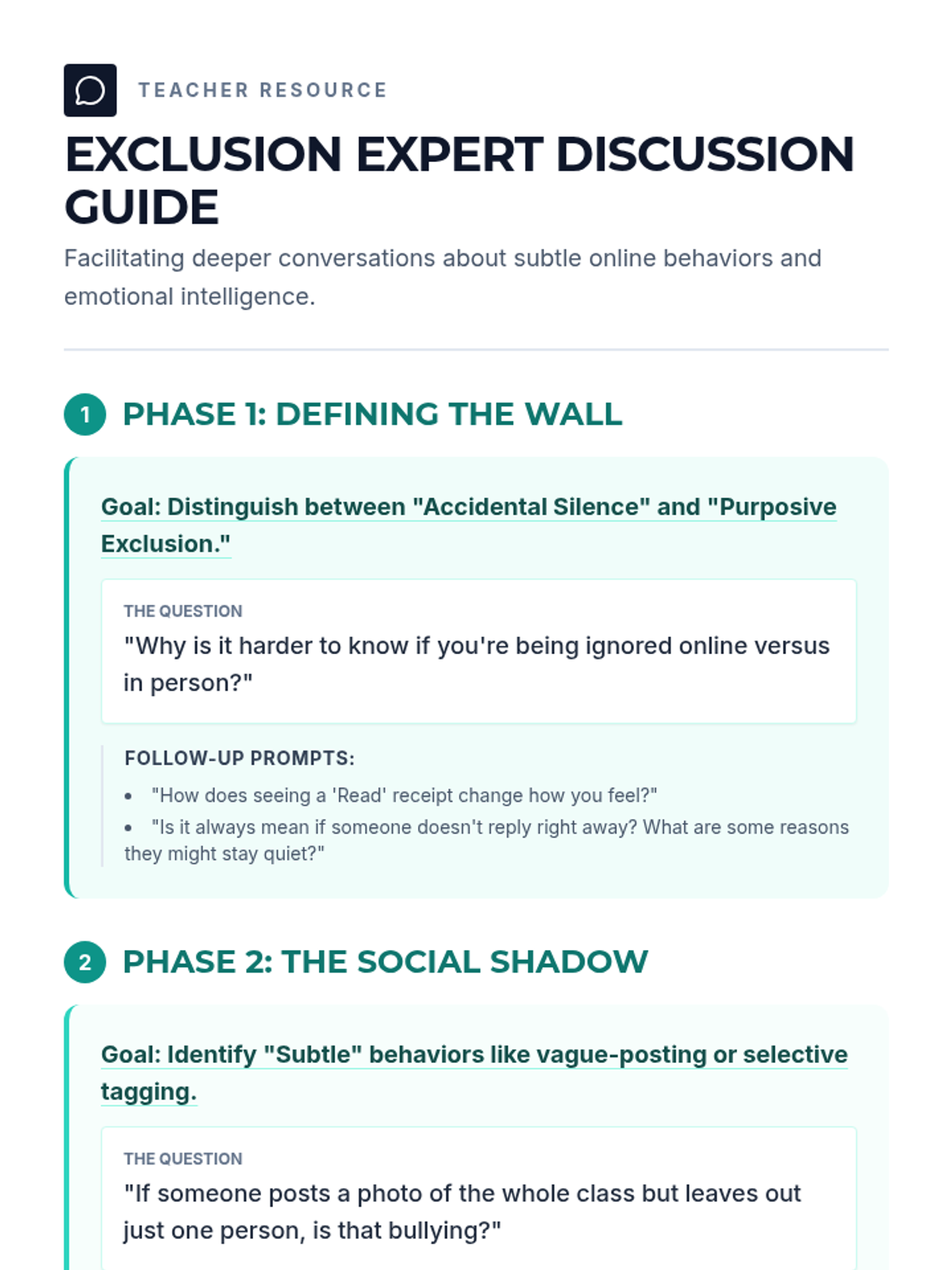
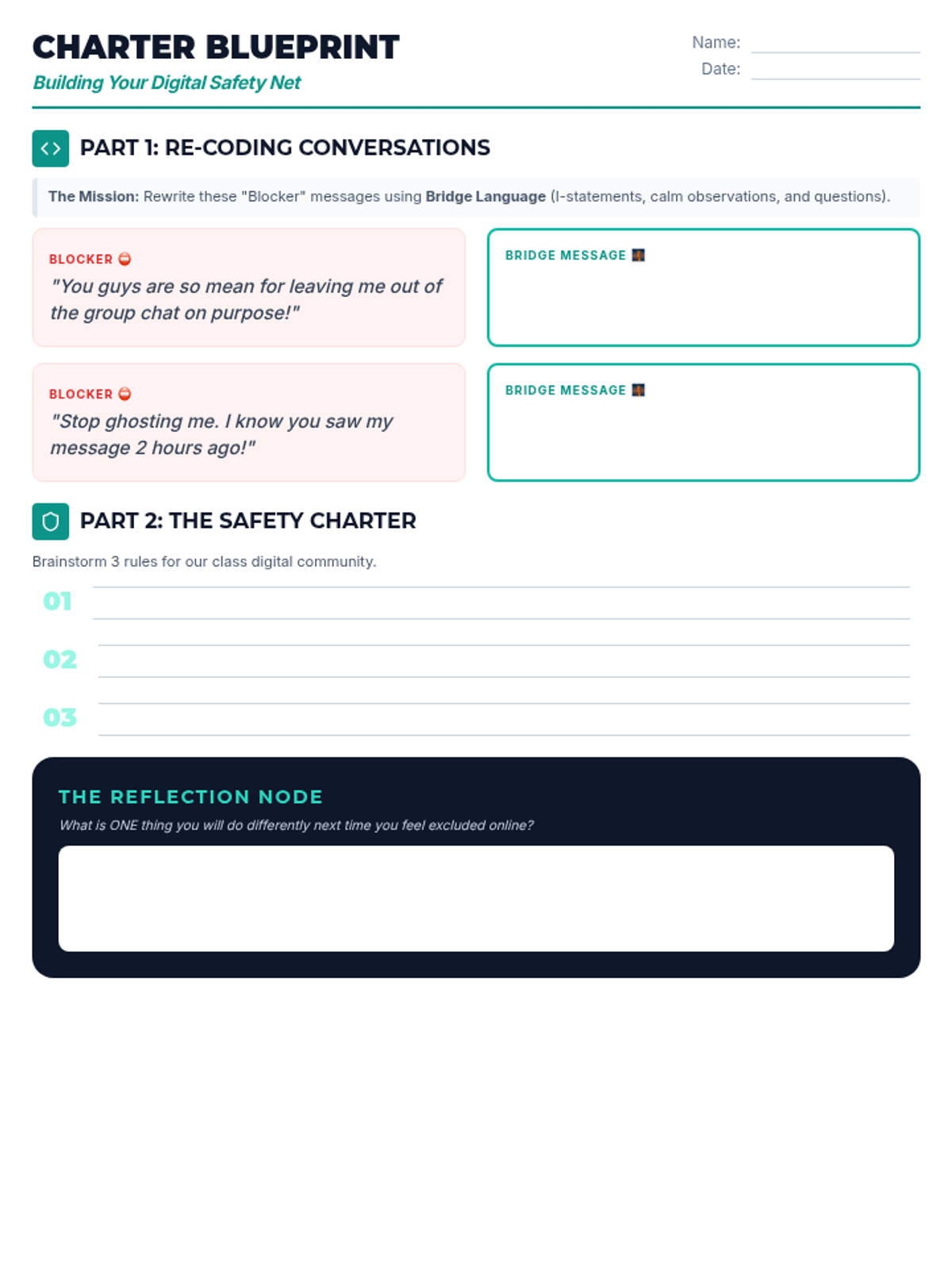
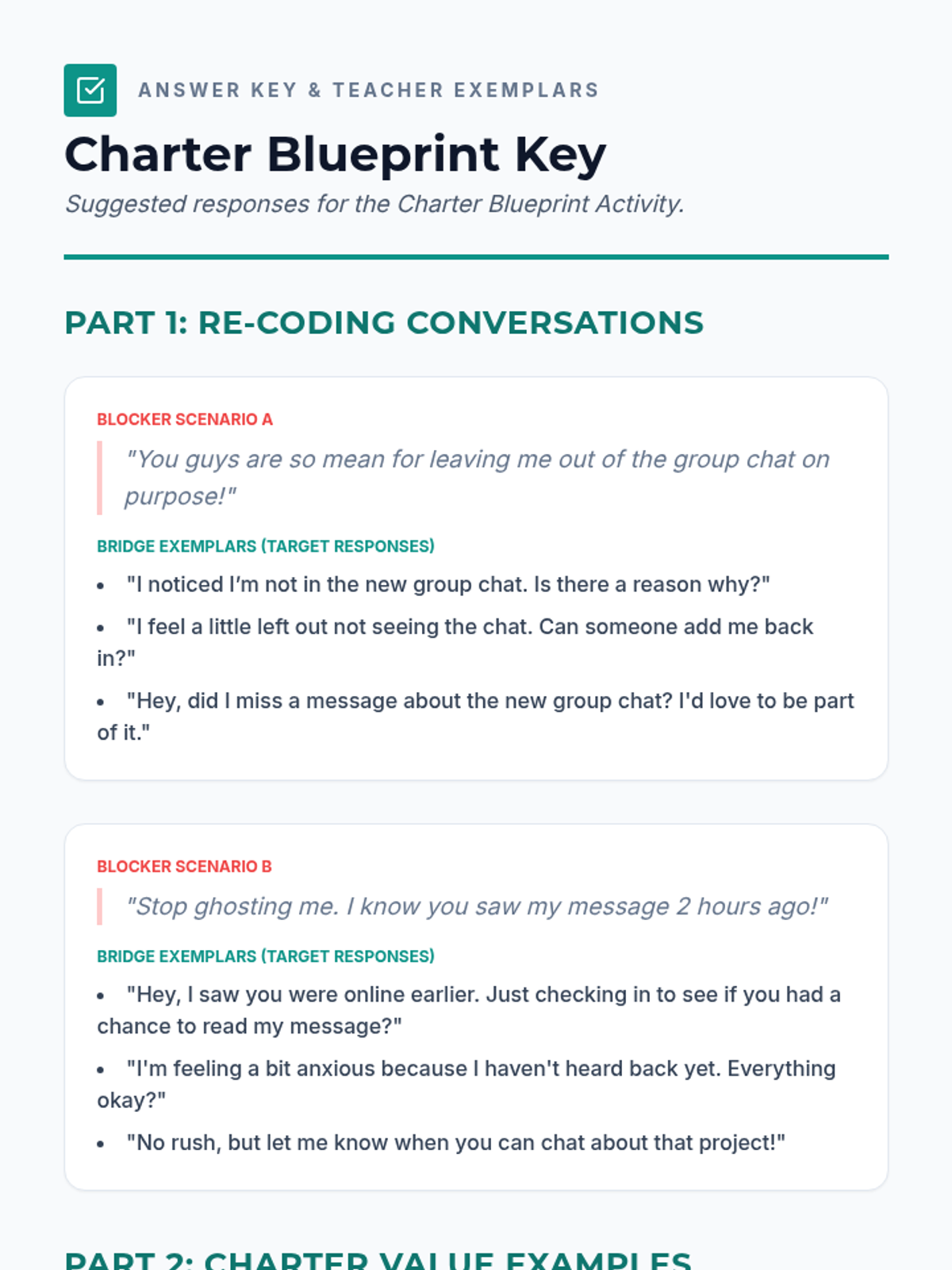
A comprehensive unit for grades 4-6 on responsible digital communication, identifying online exclusion, and developing a peer-led safety charter to manage digital conflicts.
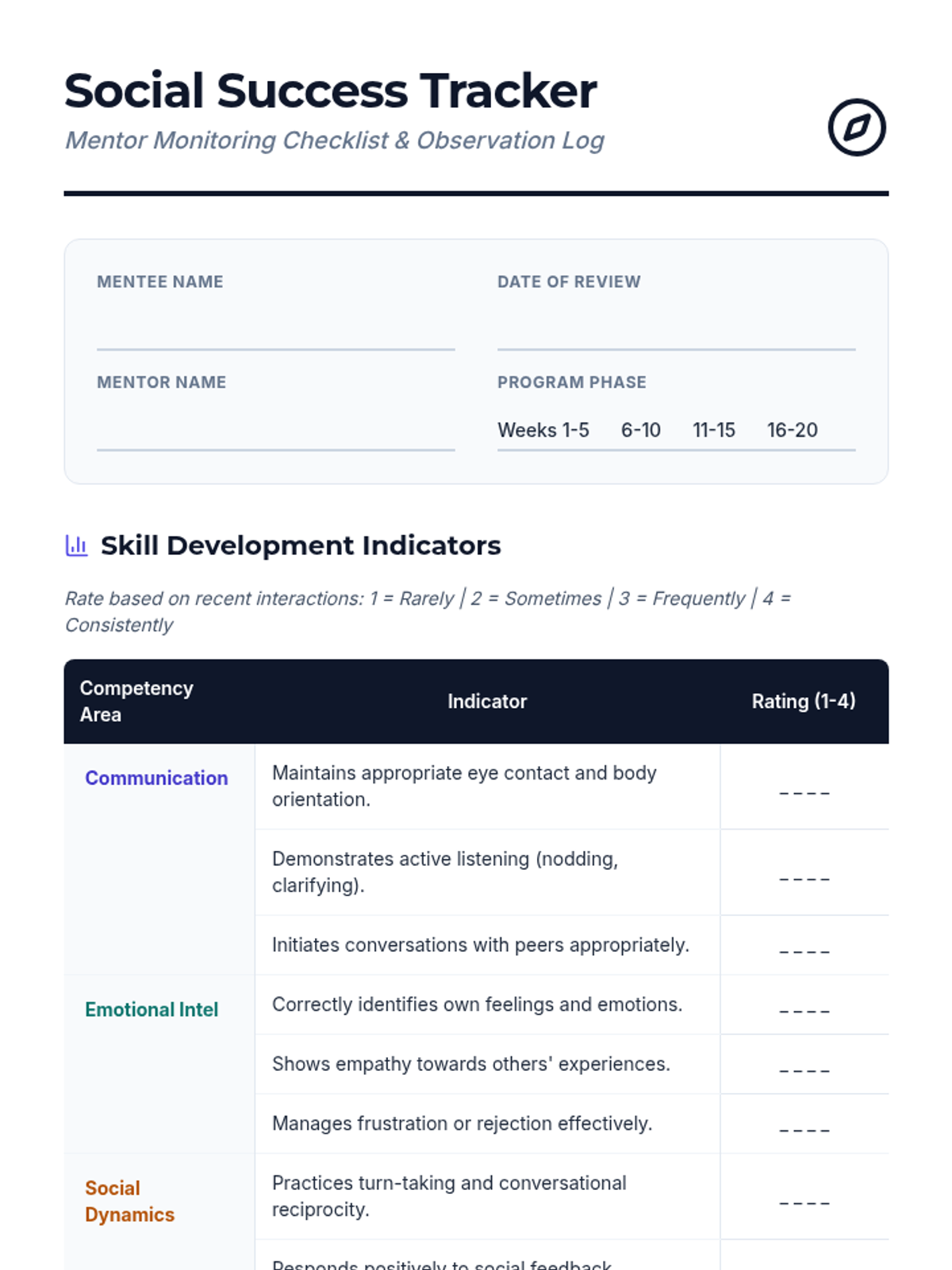
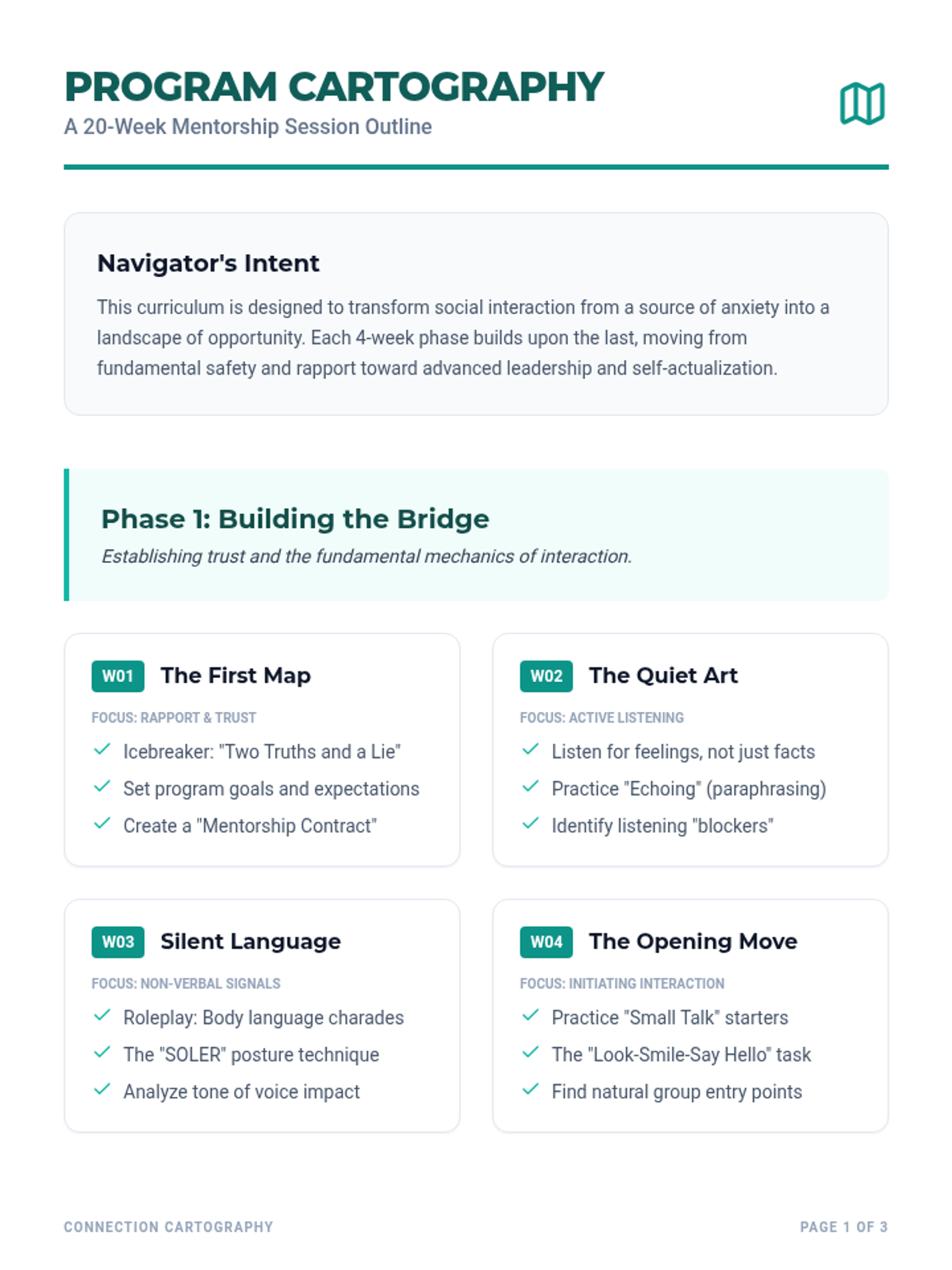
A comprehensive 20-week mentorship program designed to help students navigate social environments, build meaningful friendships, and master communication.
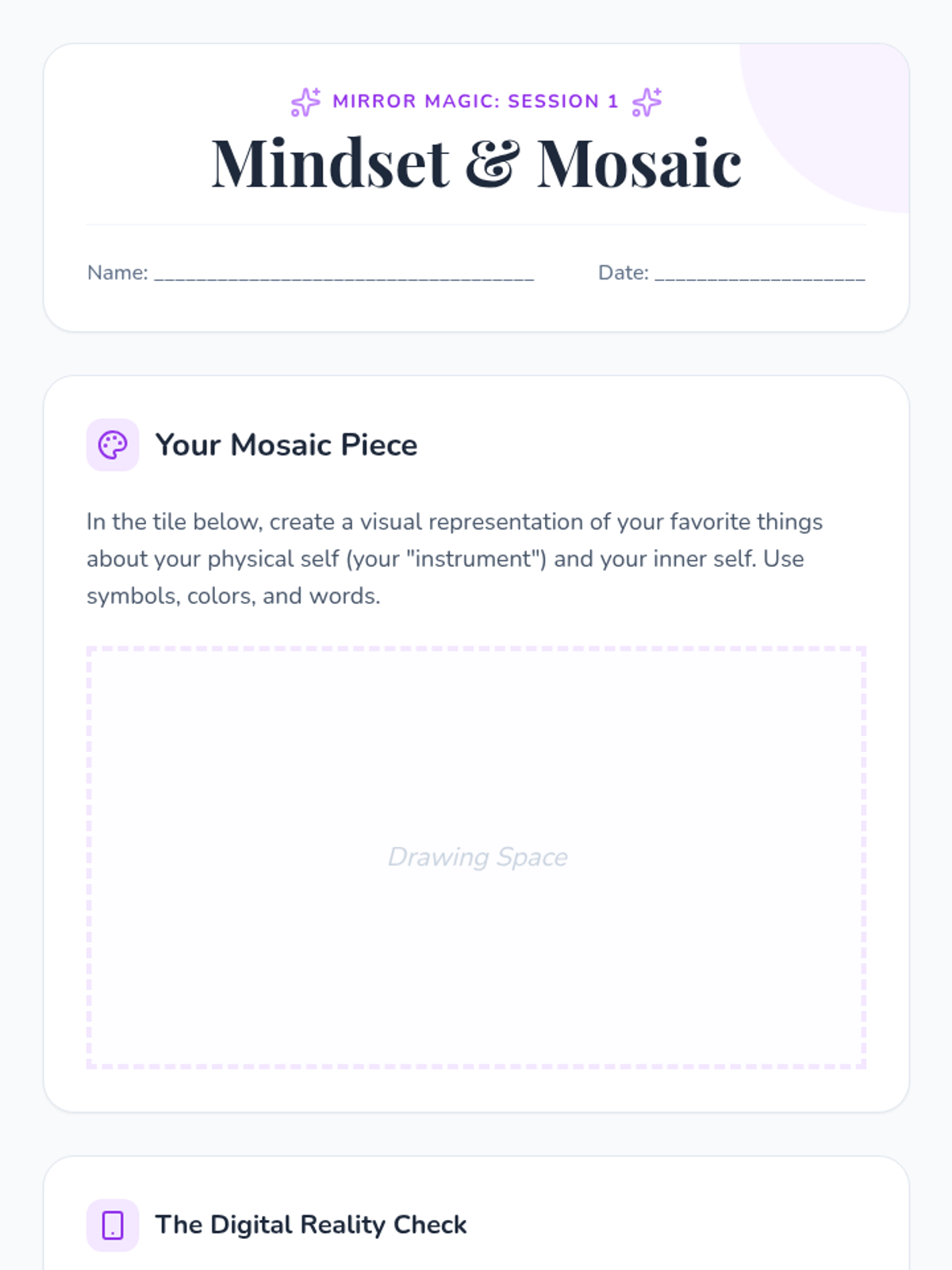
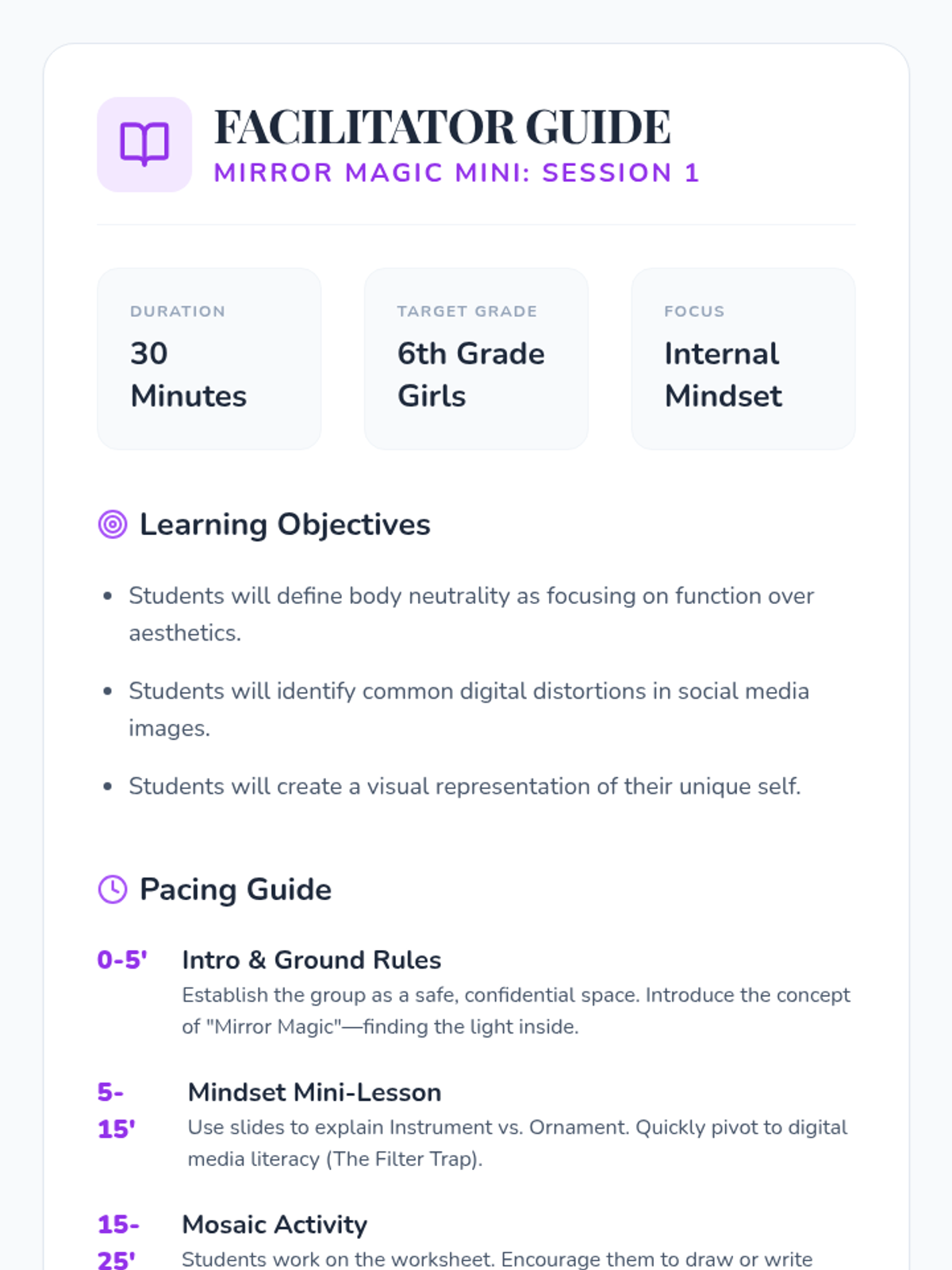
A 4-session social skills group for 6th-grade girls focused on body neutrality, media literacy, digital authenticity, and internal self-compassion. This sequence helps students transition from seeing themselves as "objects to be viewed" to "subjects who experience the world."
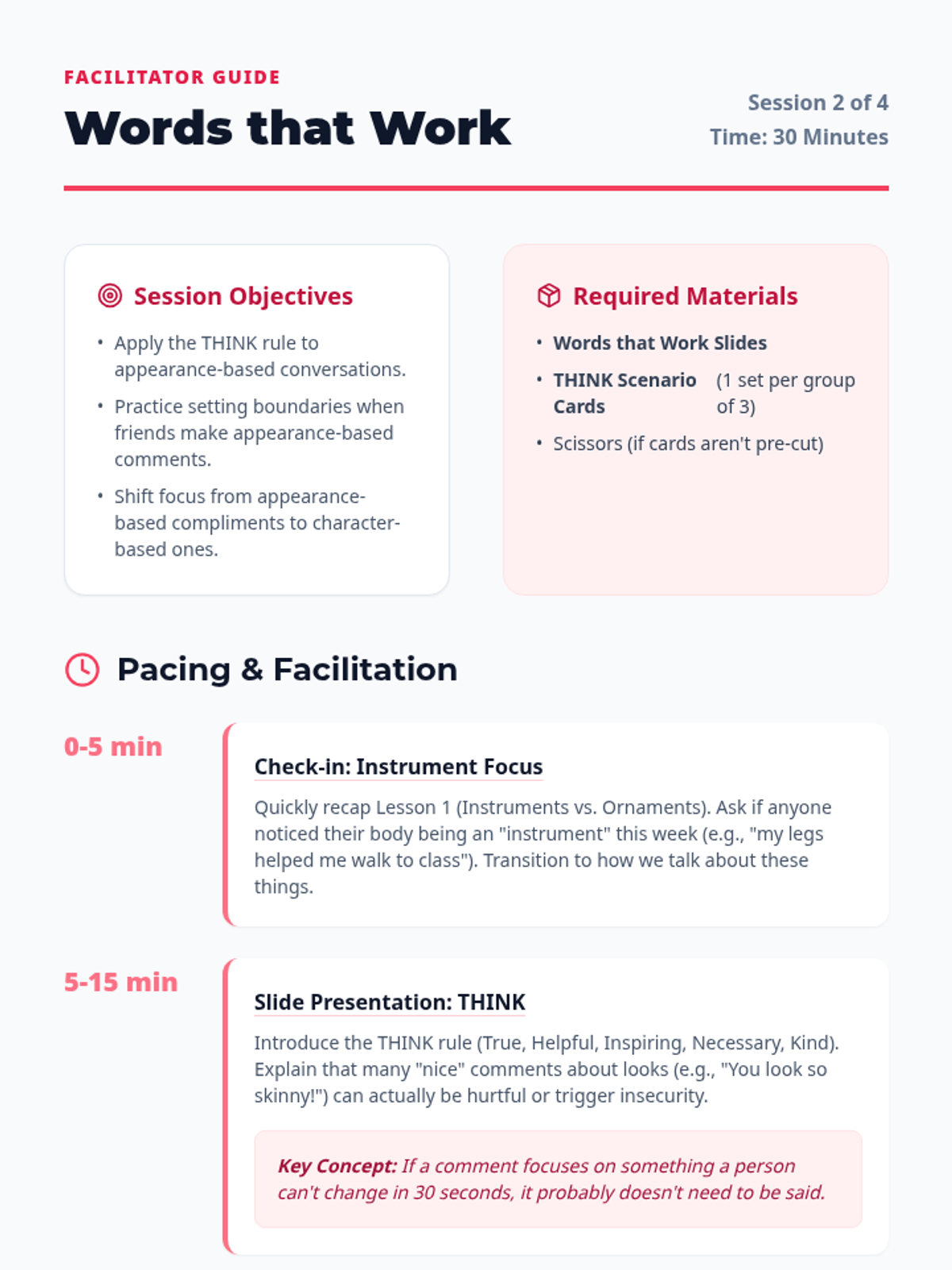
A 2-session social skills group for 6th-grade girls focused on body neutrality, media literacy, and respectful interpersonal communication regarding physical appearance.
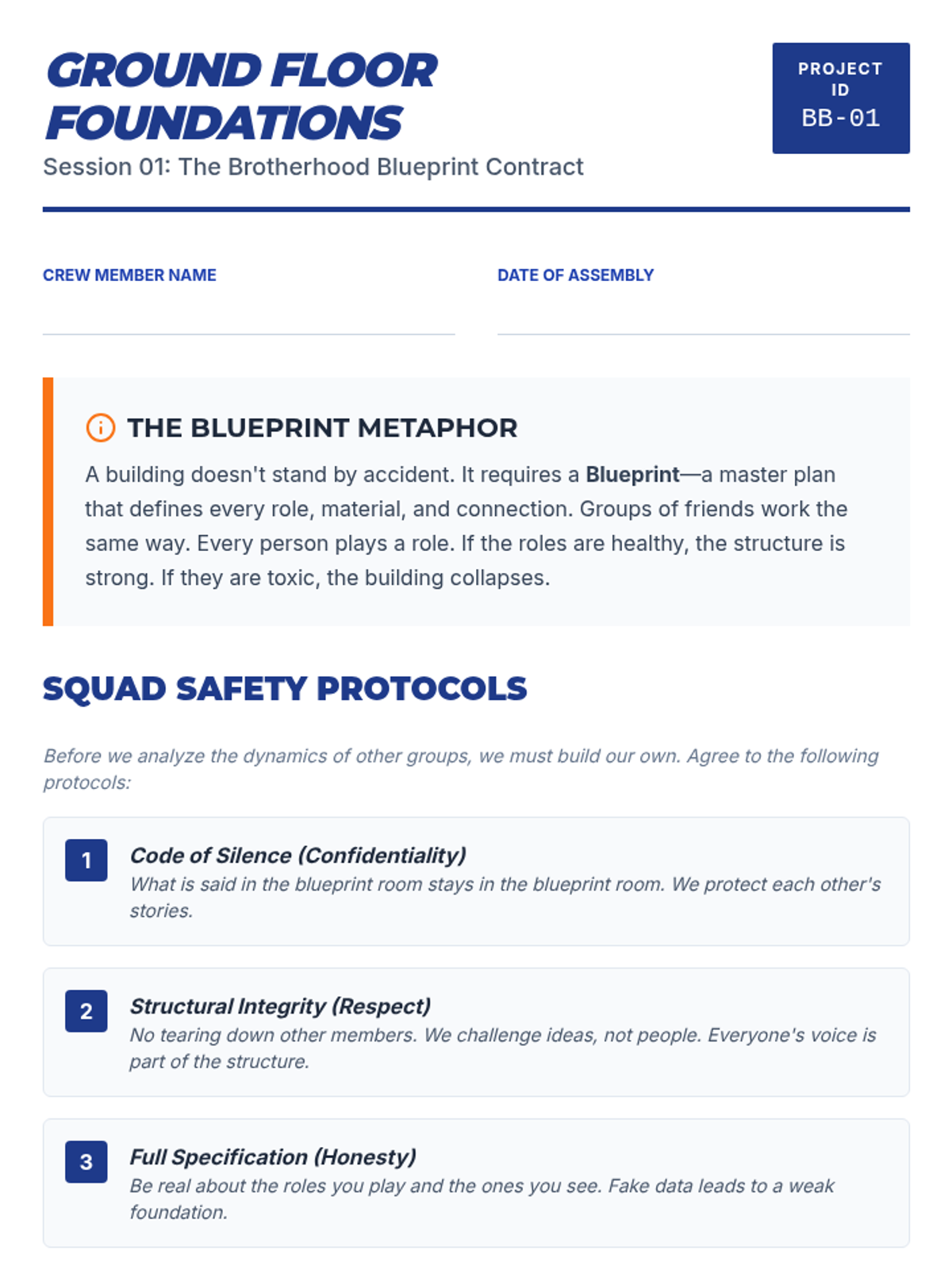
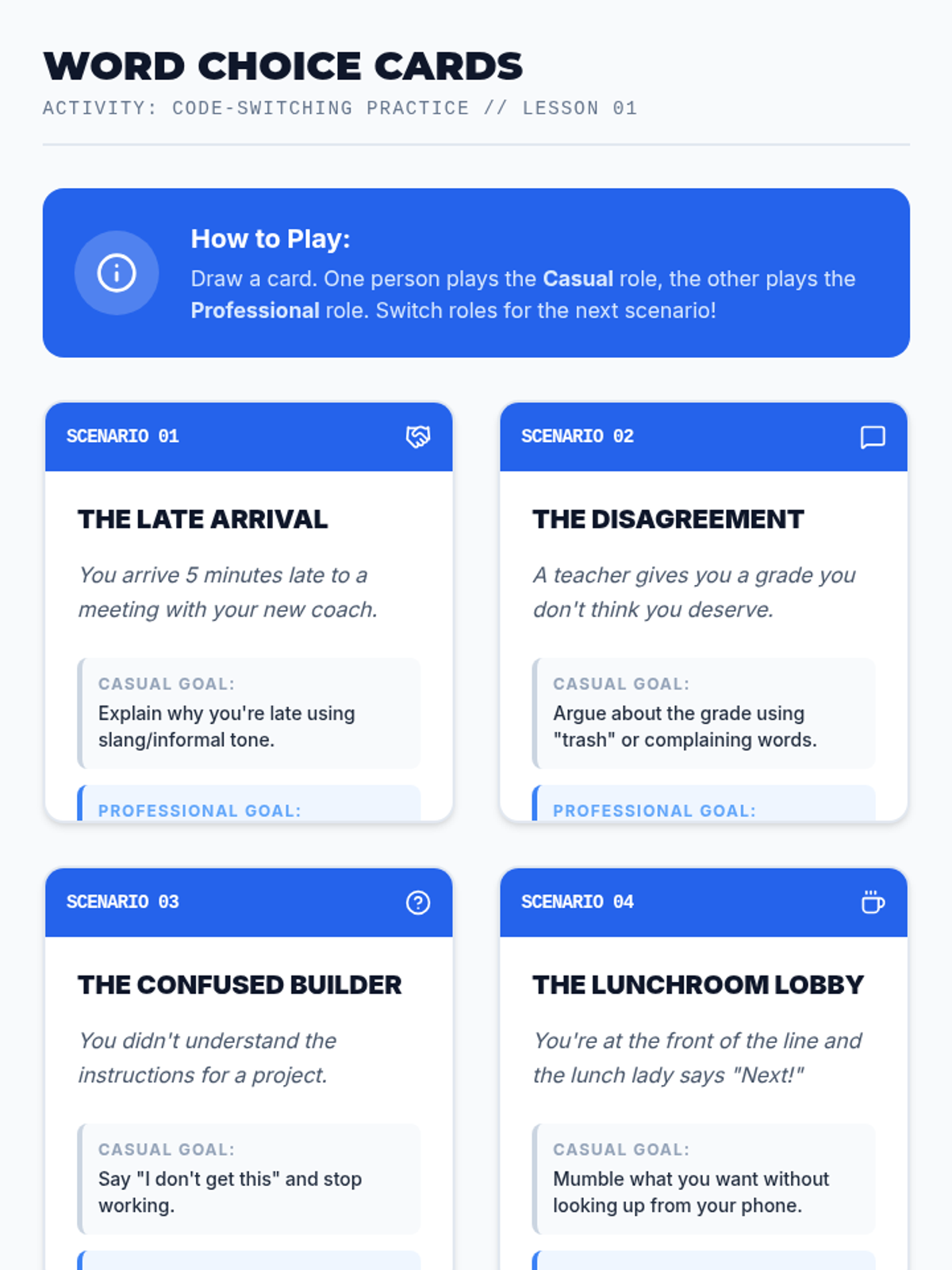
A 30-session group counseling curriculum for adolescent males focusing on social roles, group dynamics, and developing healthy friendship patterns. Through the metaphor of an architectural blueprint, students analyze leadership, support roles, and the difference between positive and negative group influences.
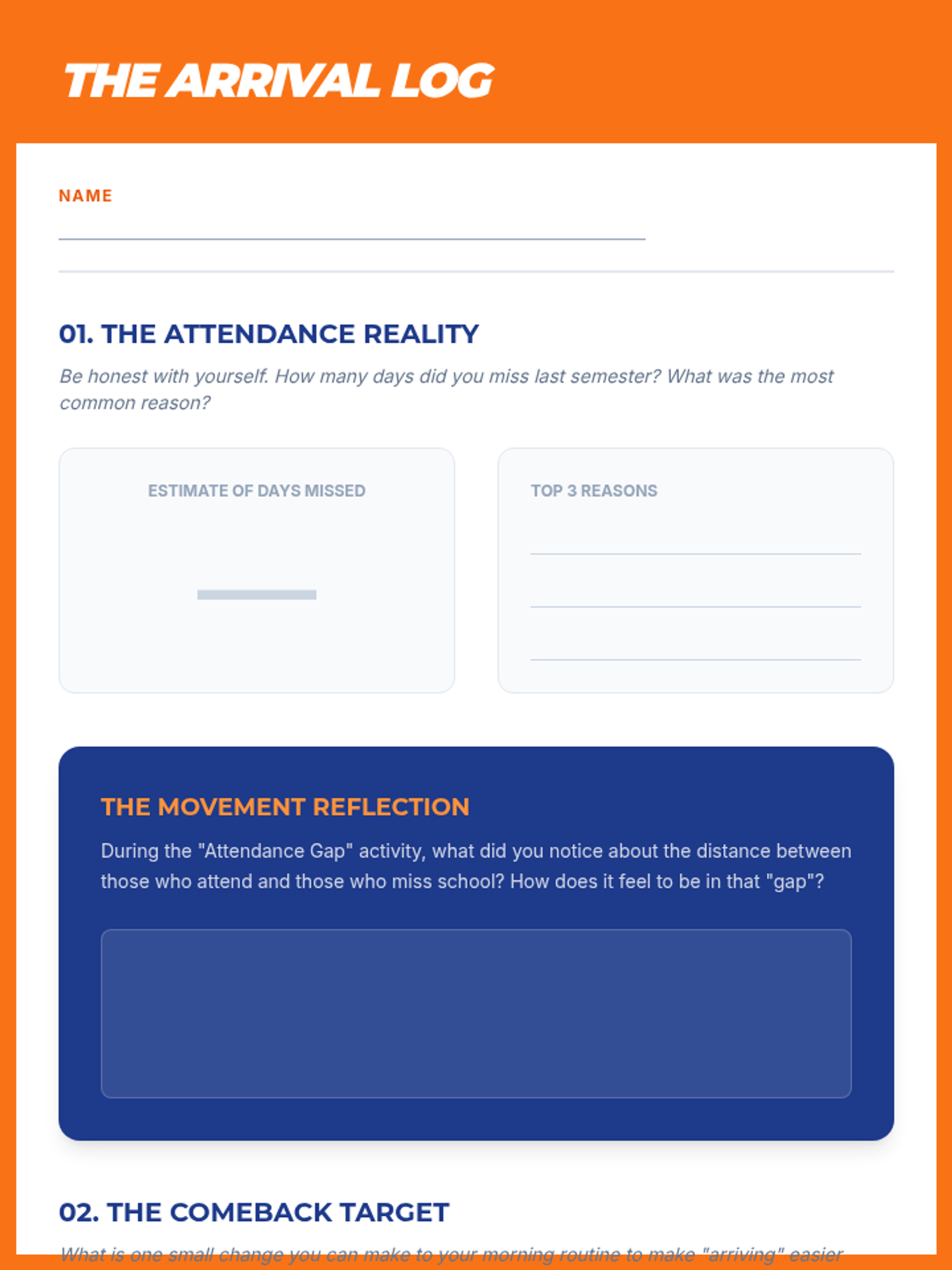
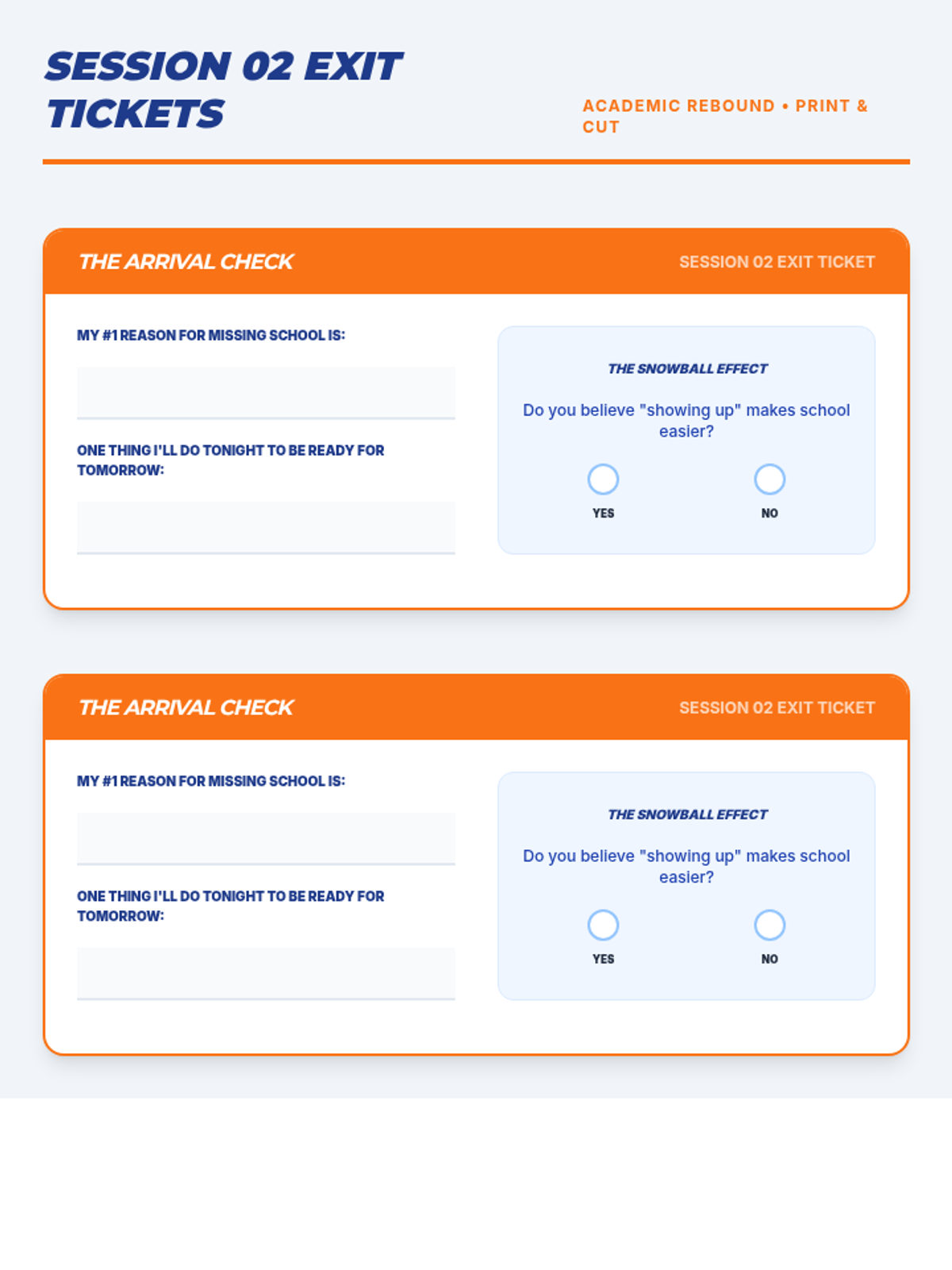
A 6-week academic intervention program for middle schoolers, focusing on attendance, organization, study skills, and self-advocacy through movement-based learning and reflective practice.
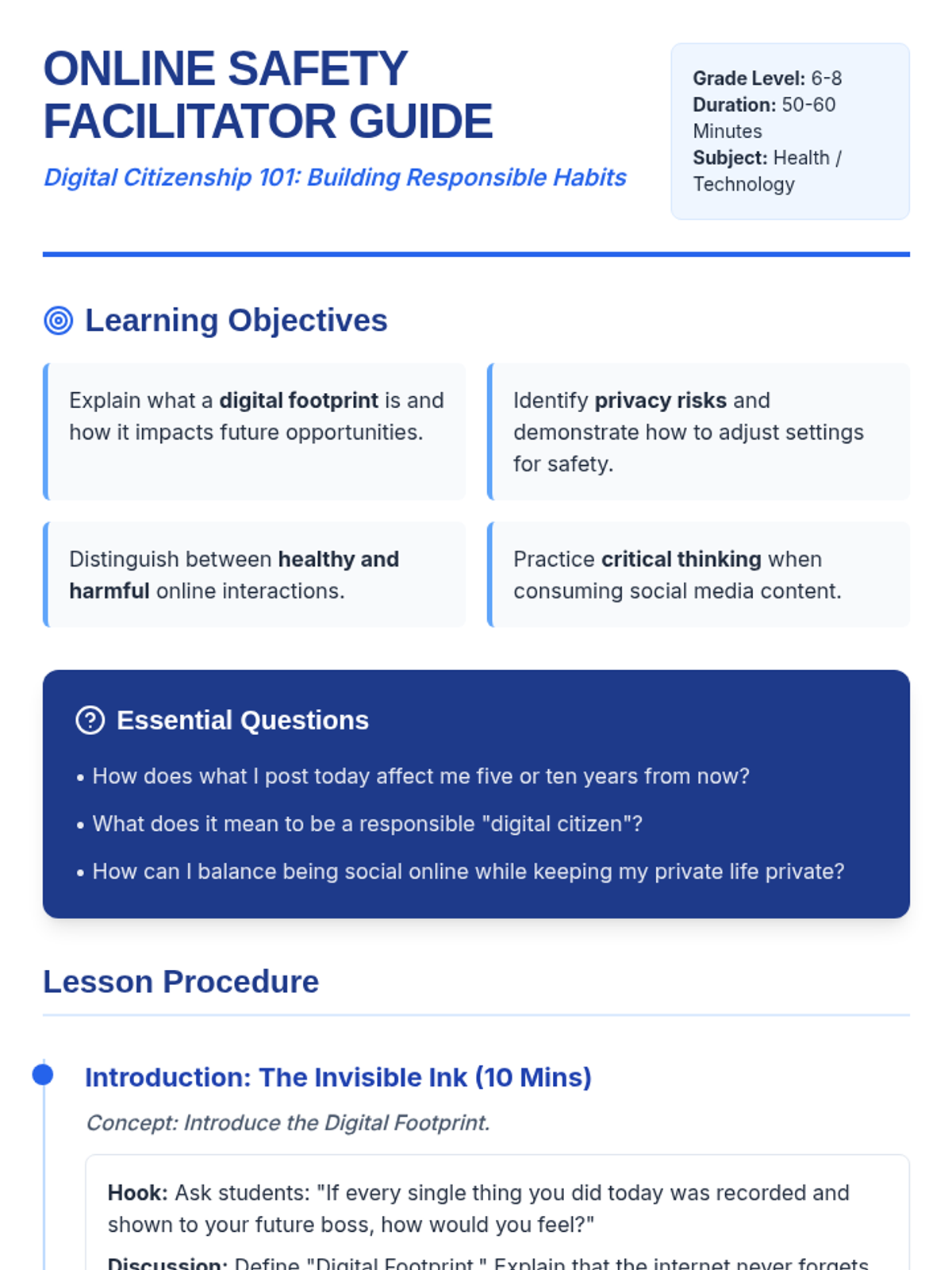
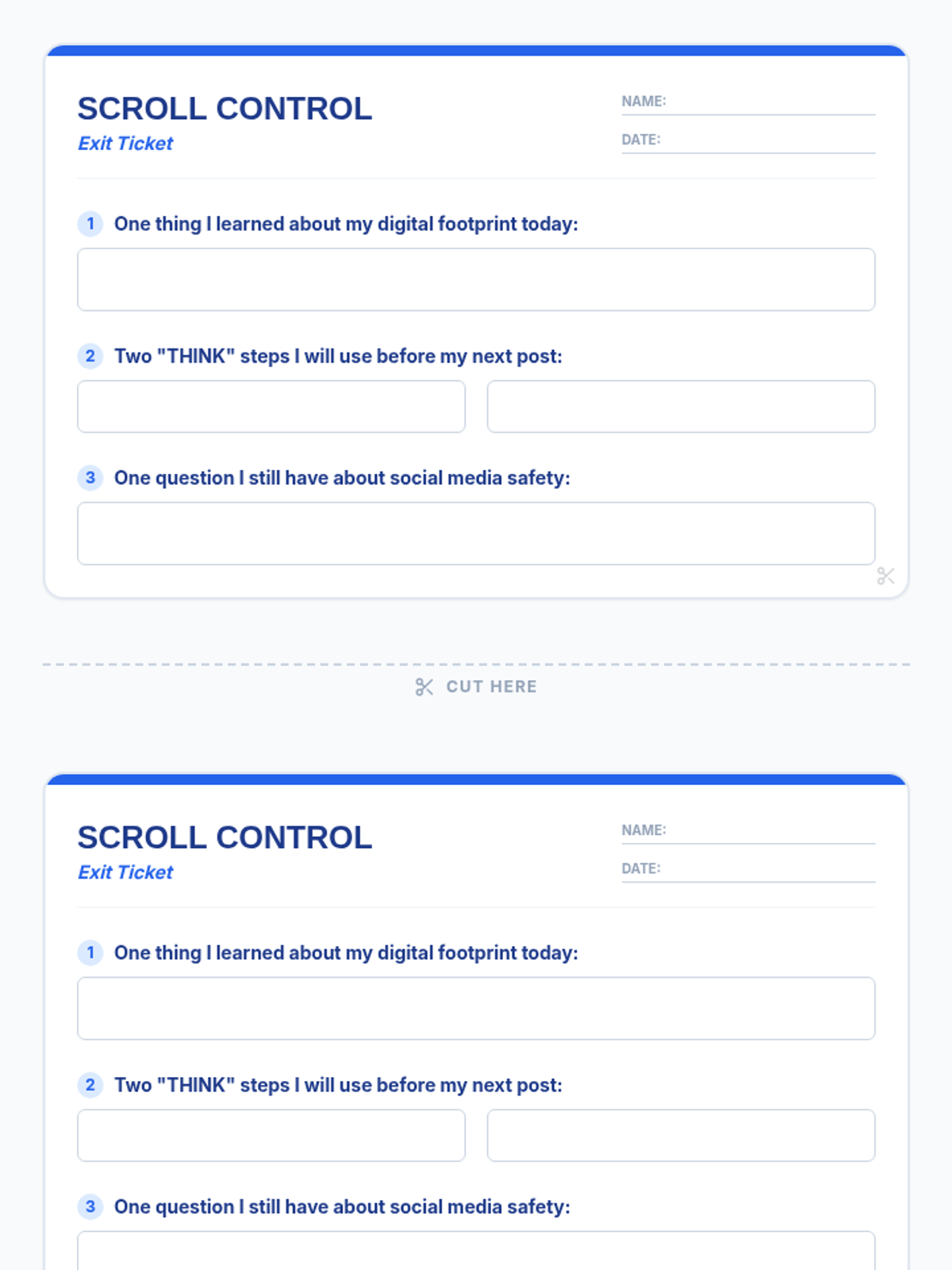
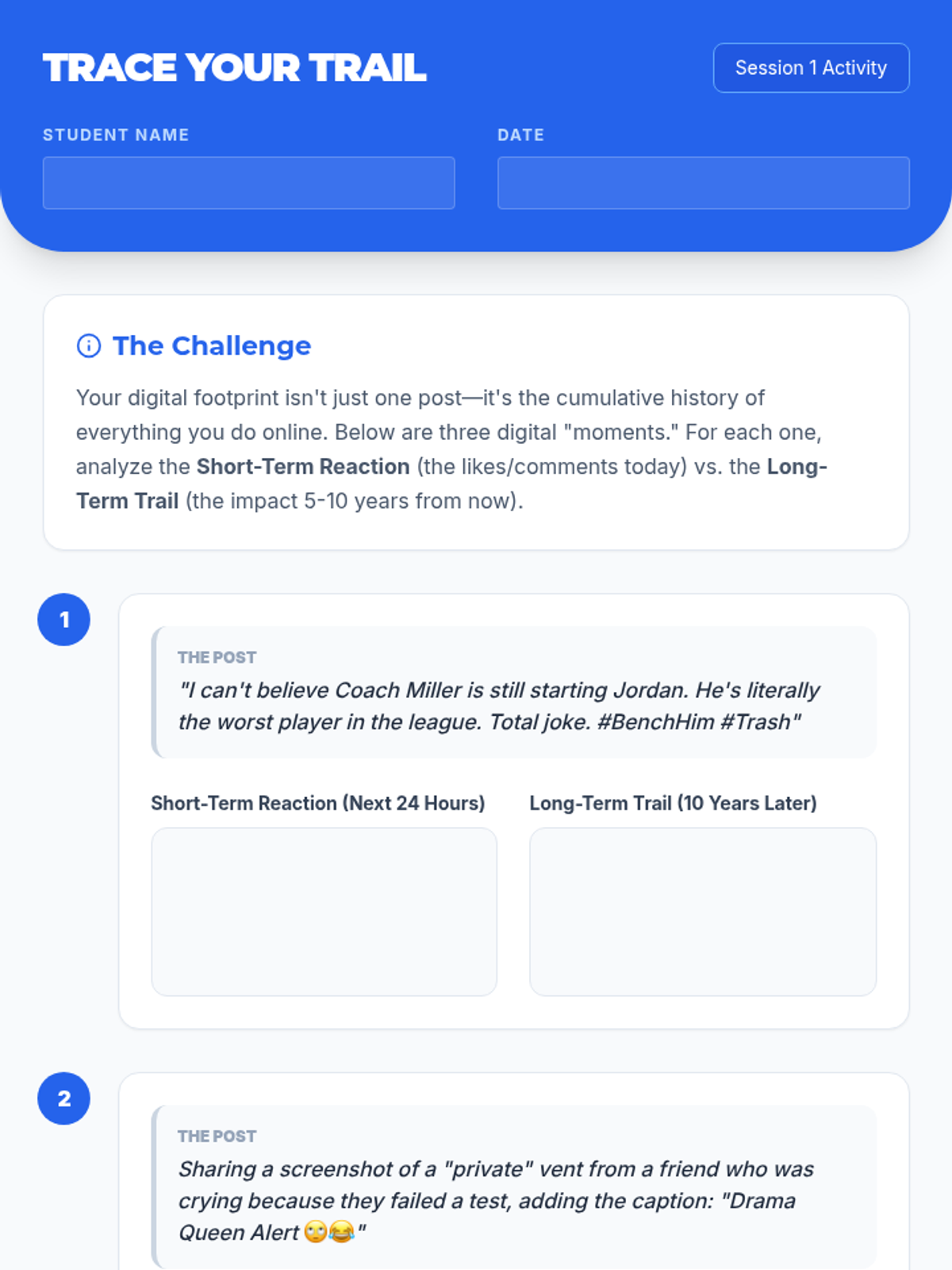
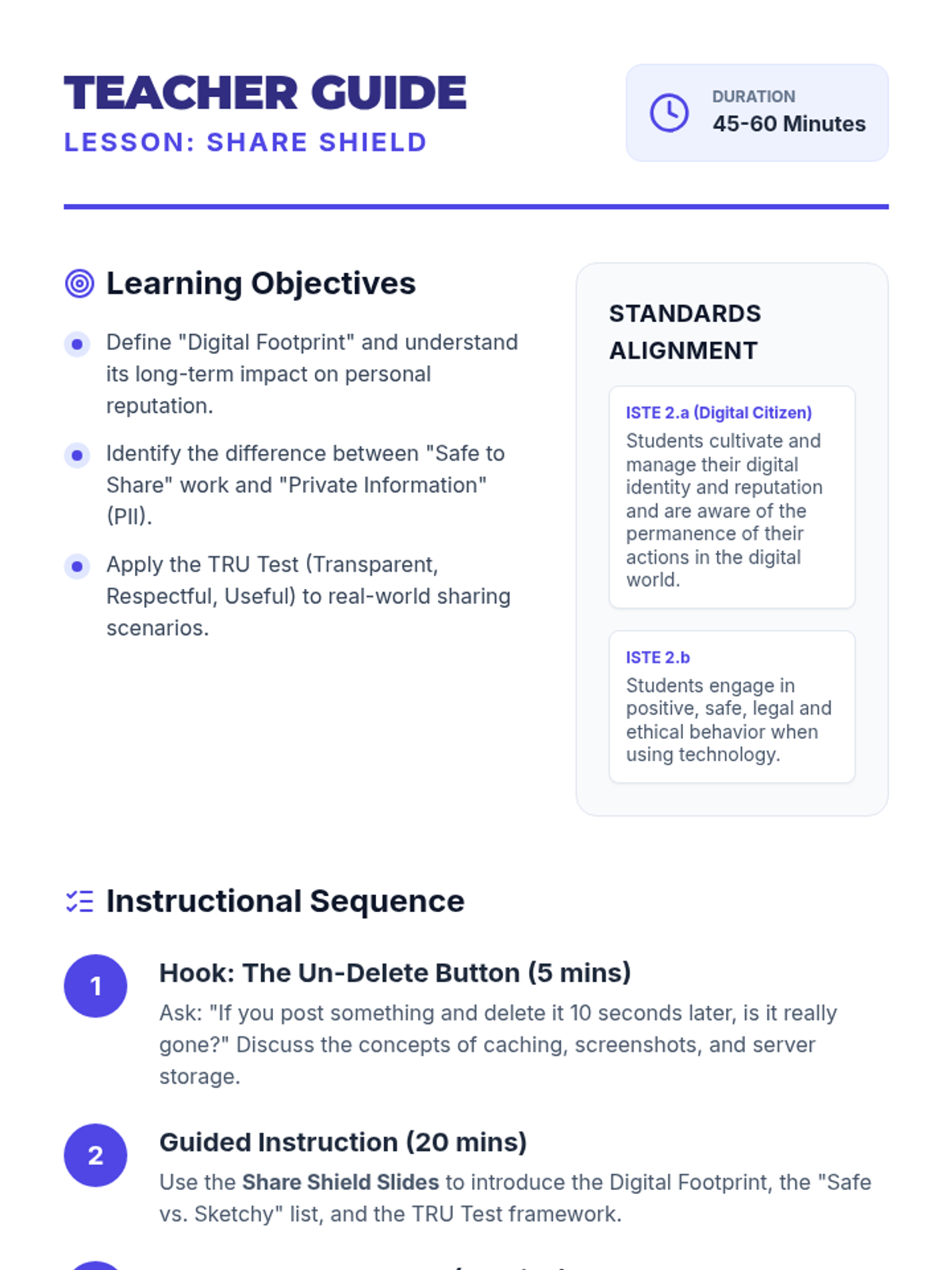
A comprehensive unit on digital citizenship, focusing on social media literacy, online safety, and the long-term impact of a digital footprint.
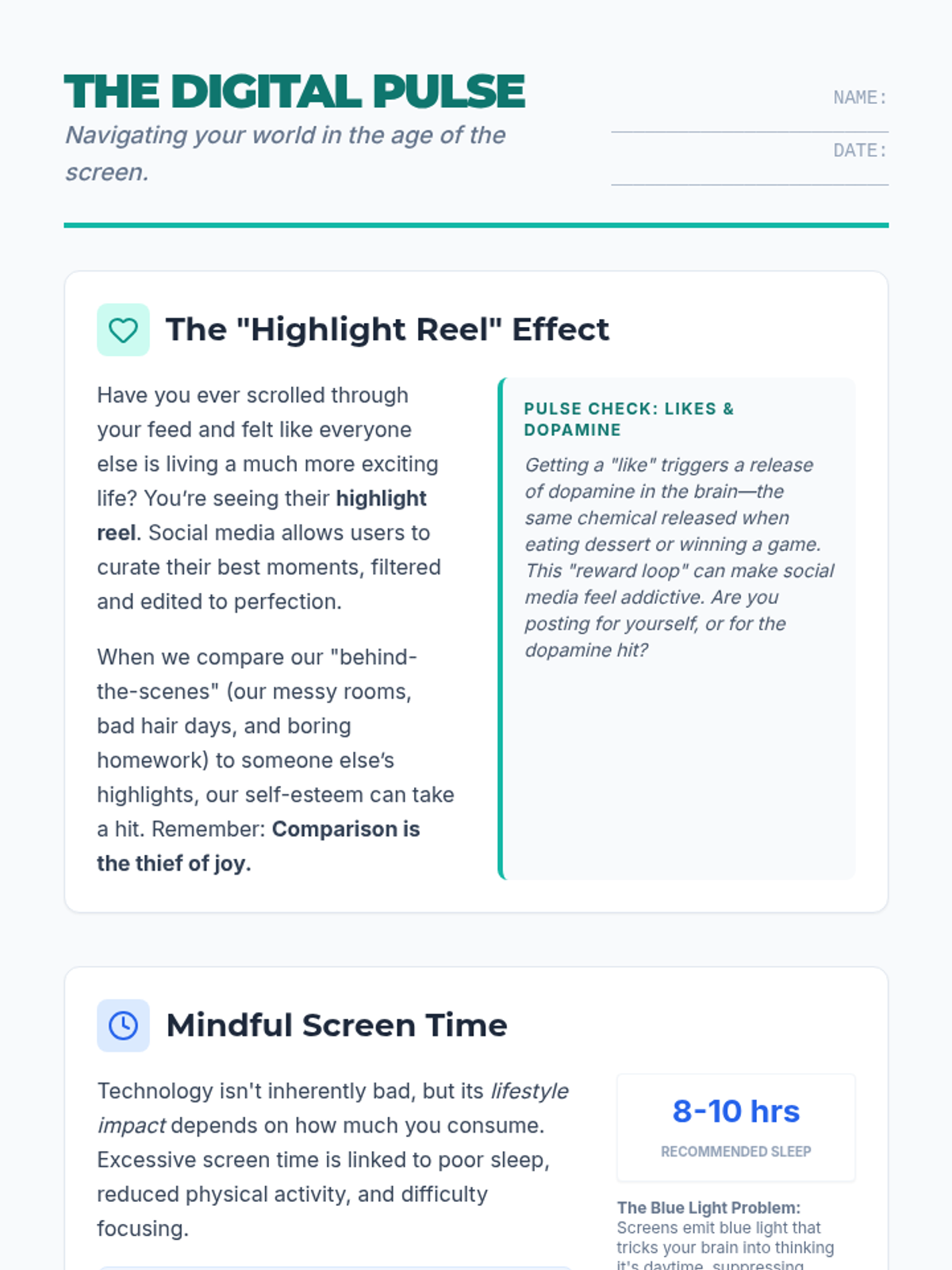
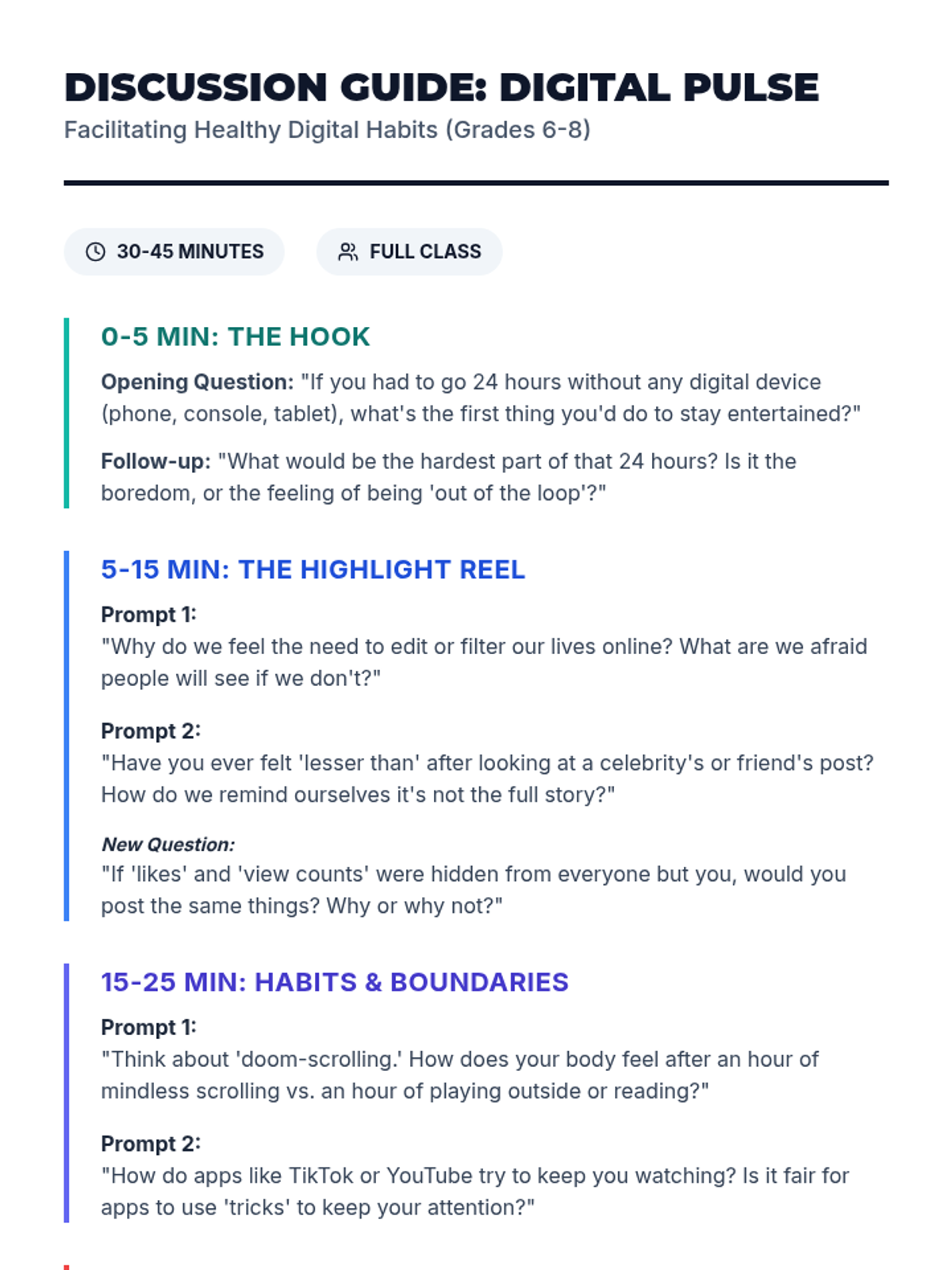
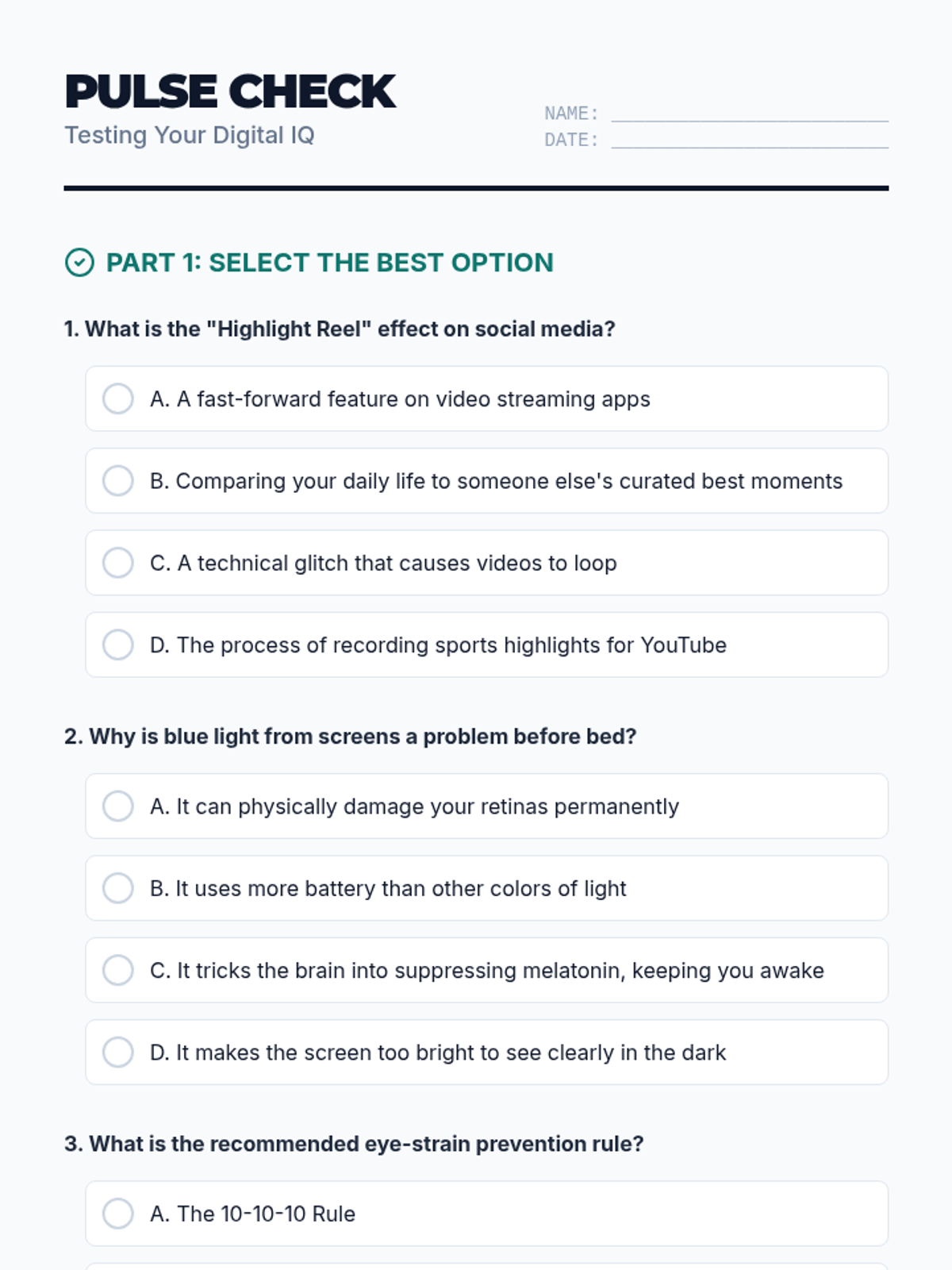
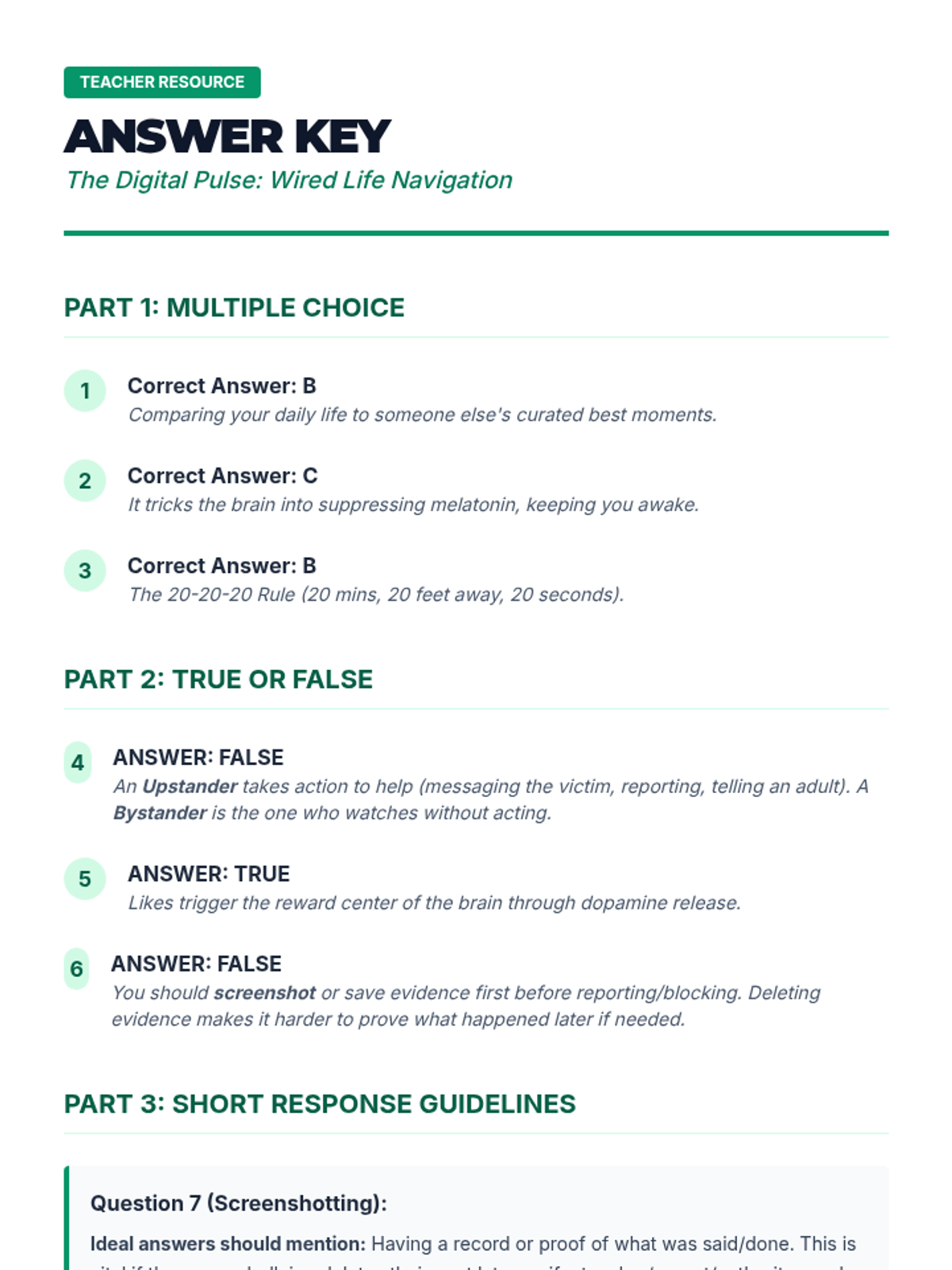
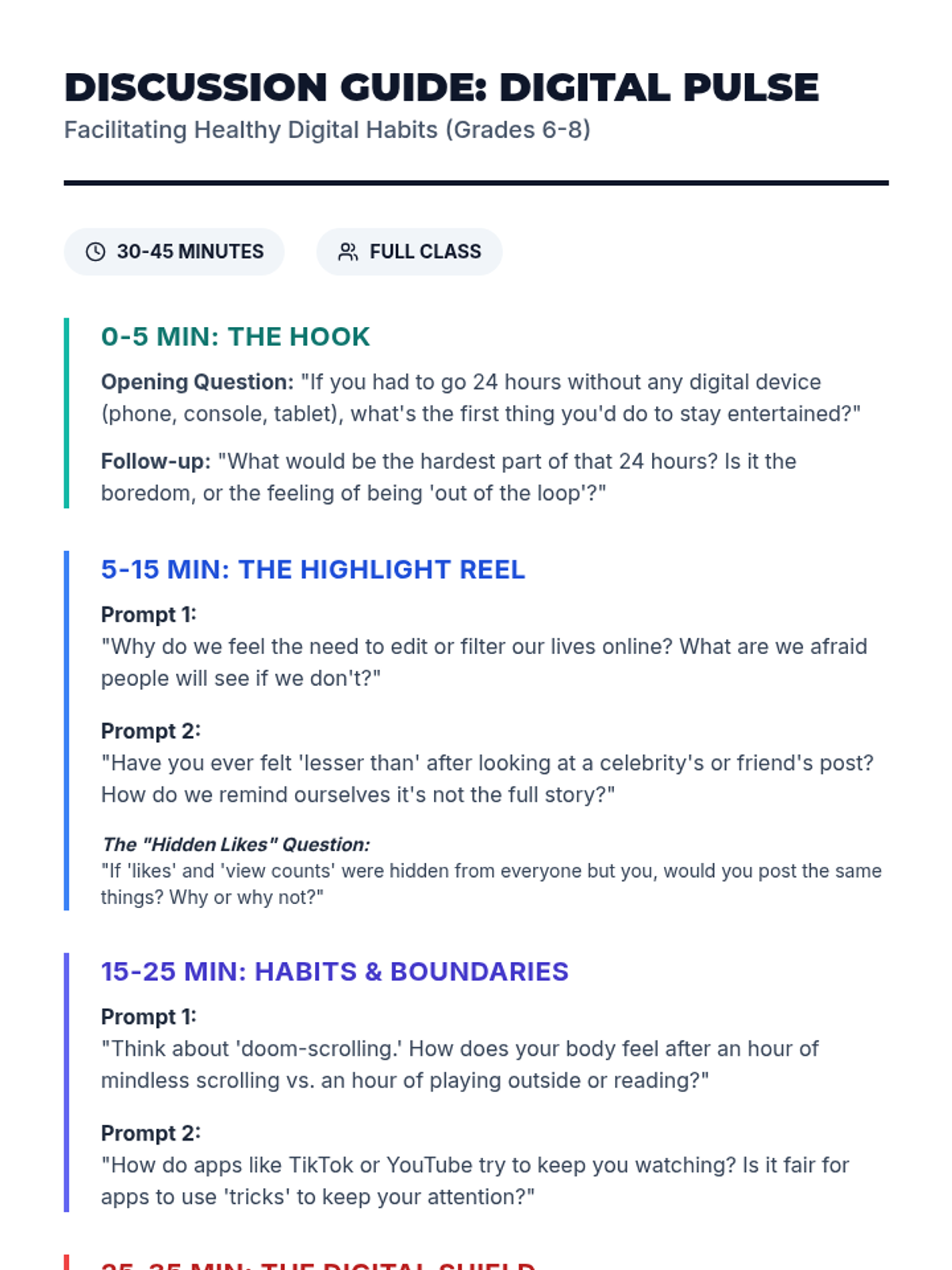
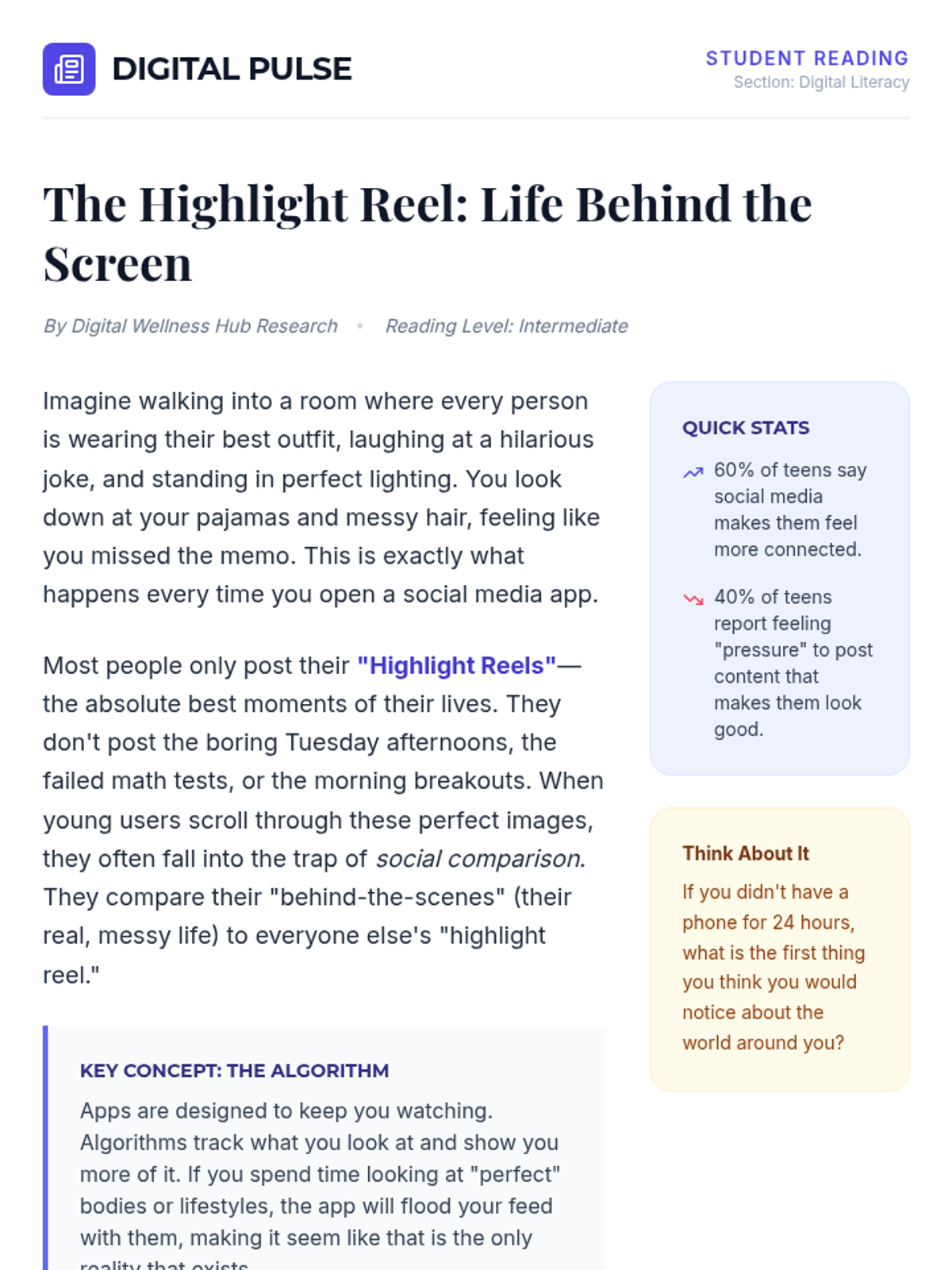
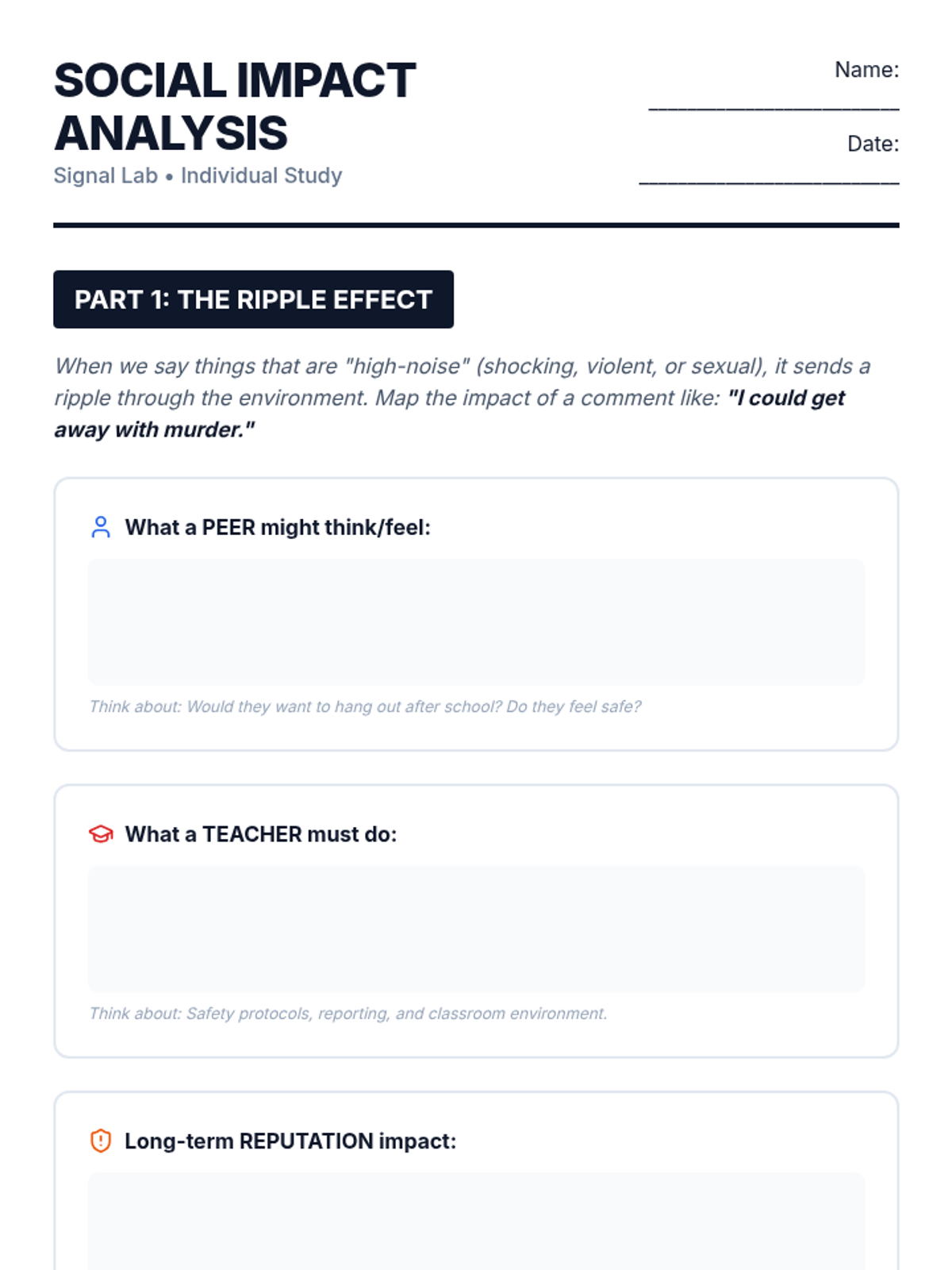
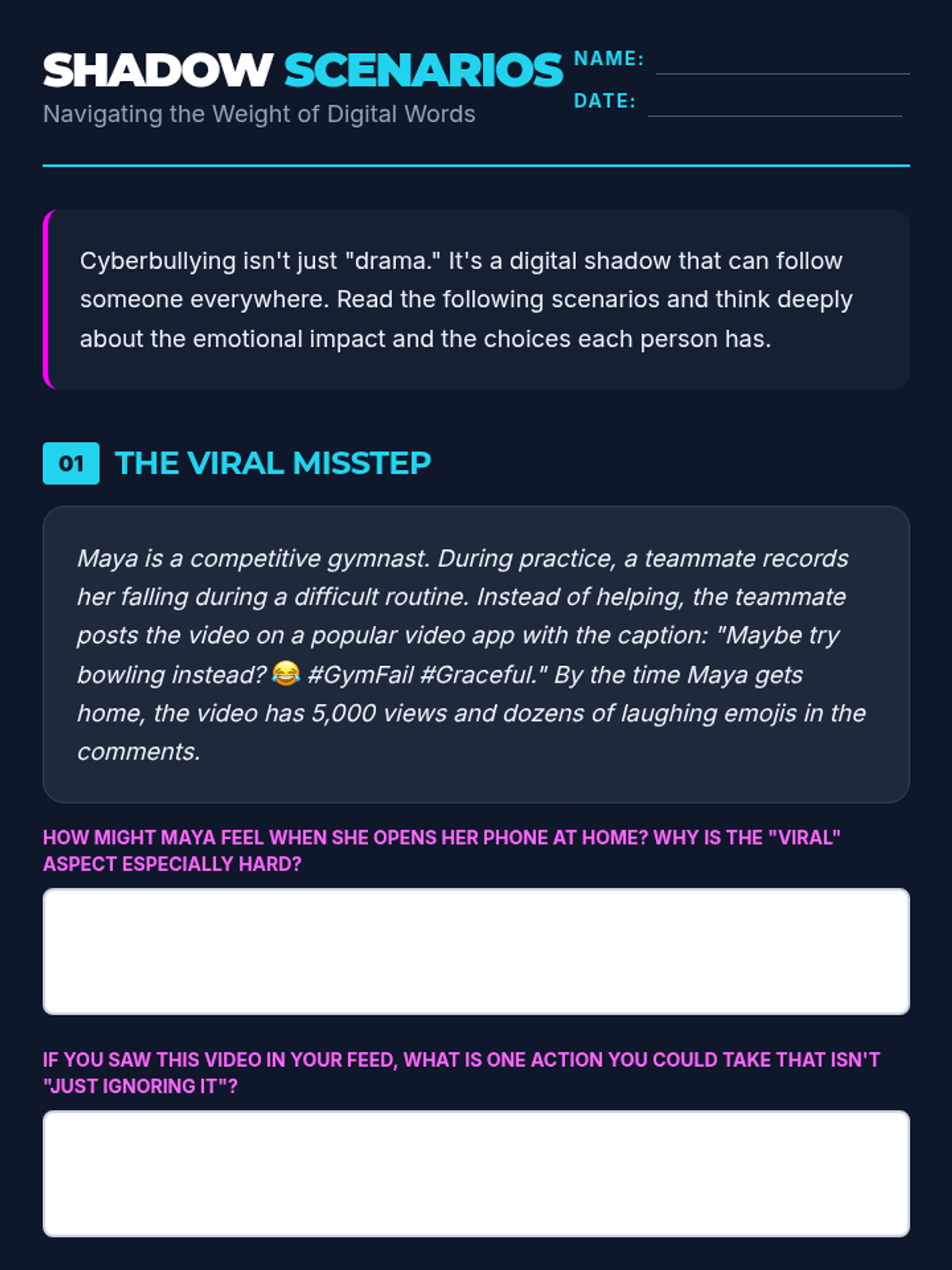
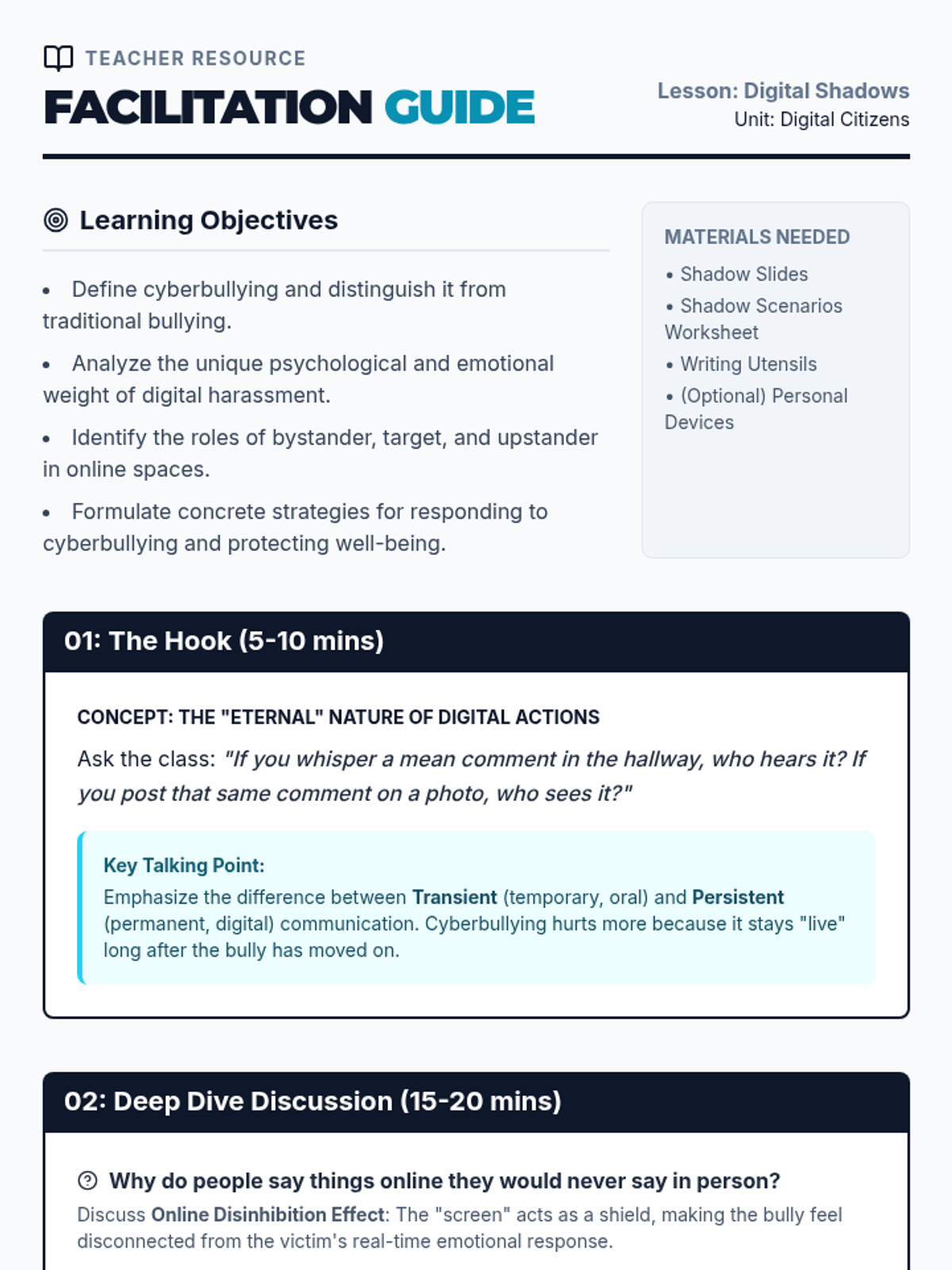
A series of resources designed to help middle school students develop healthy digital habits, maintain self-esteem online, and handle cyberbullying.
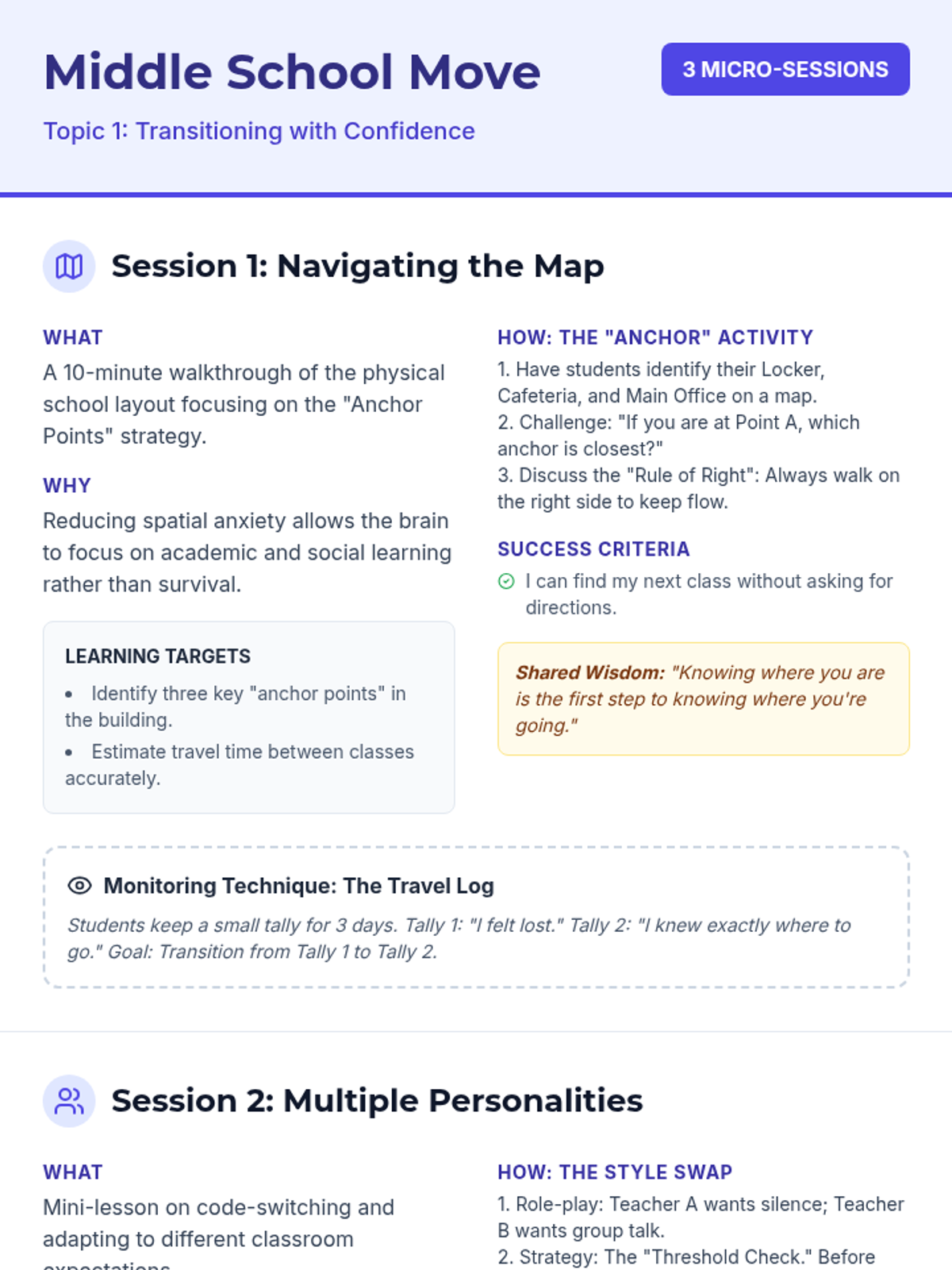
A comprehensive series of 30 micro-counseling sessions (3 per topic) designed for 6th-8th graders. These 10-minute interventions focus on essential middle school transitions, behavioral self-regulation, and academic goal-setting skills.
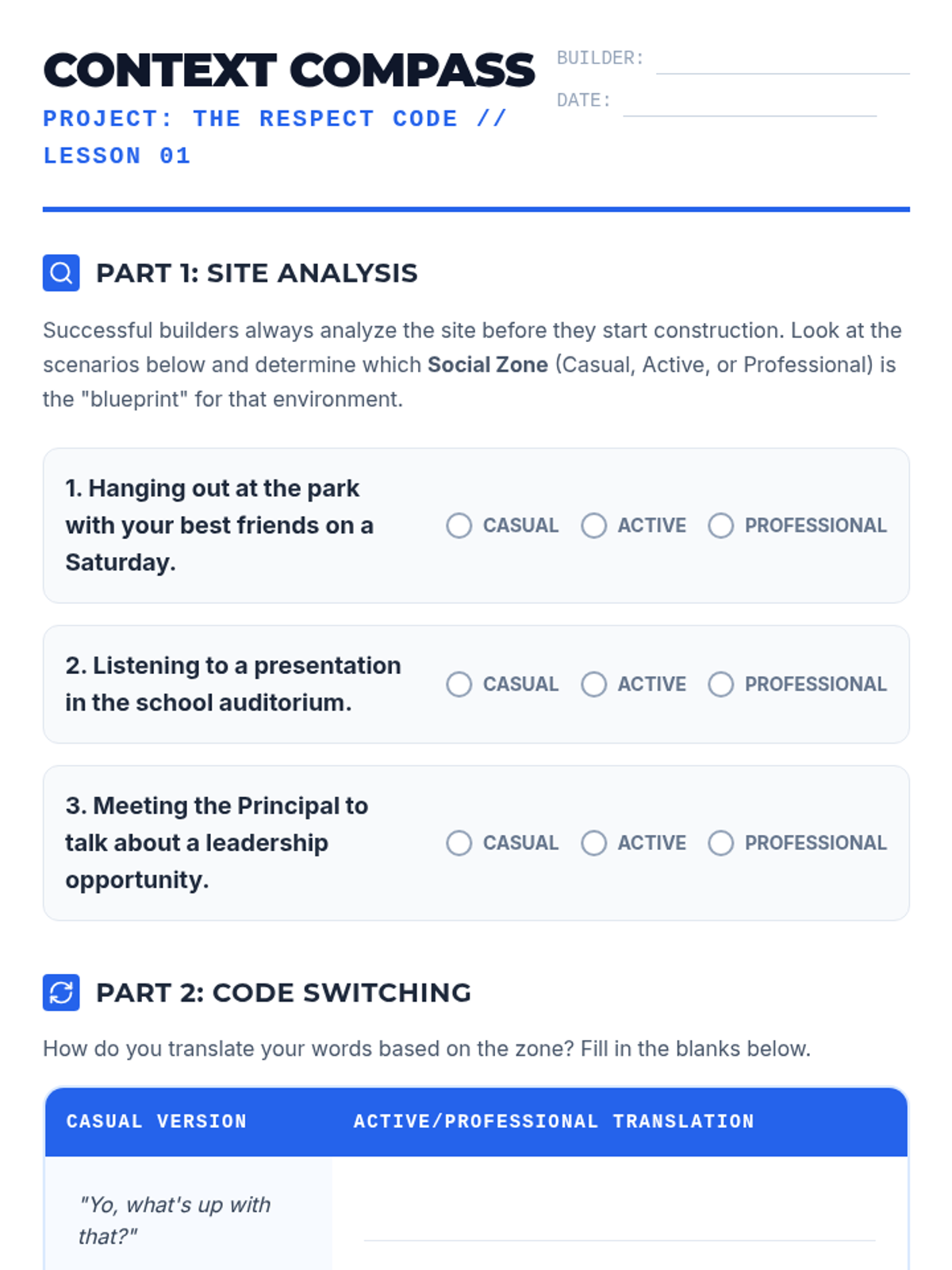
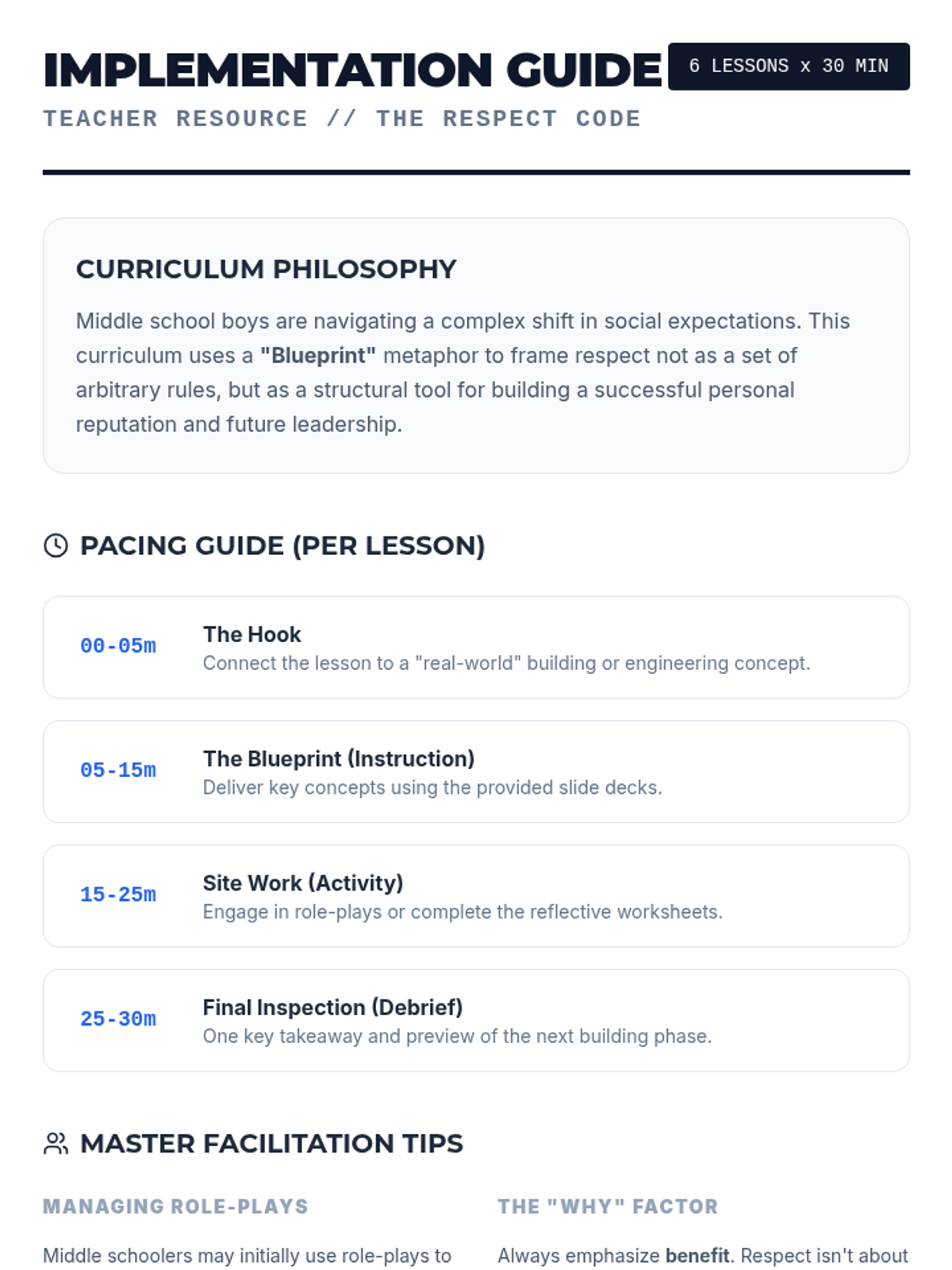
A six-lesson series designed for middle school boys to develop social intelligence, emotional regulation, and a foundation of respect. The curriculum uses a 'Blueprint' theme to help students build a positive personal reputation and navigate the transitions of middle school.
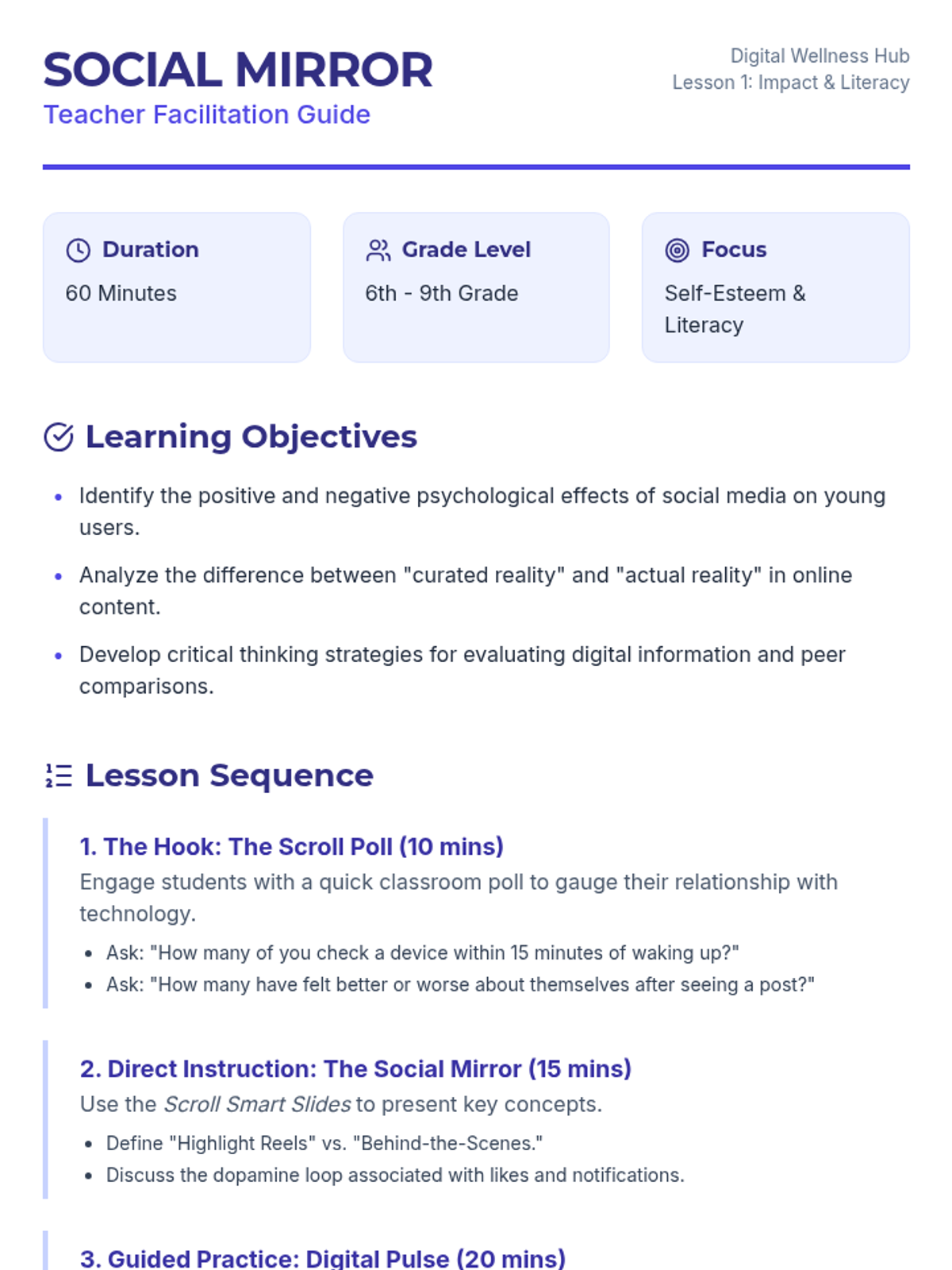
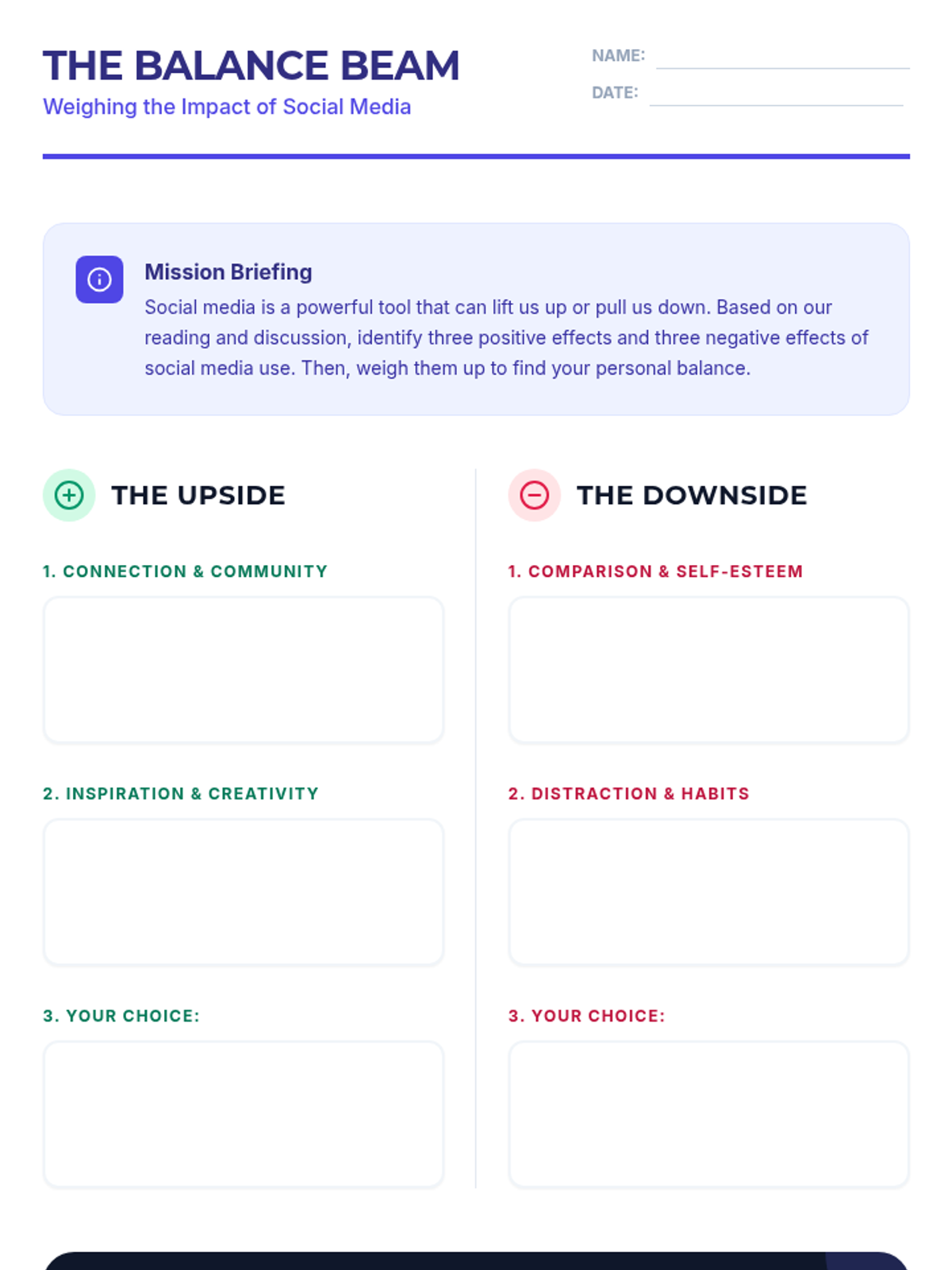
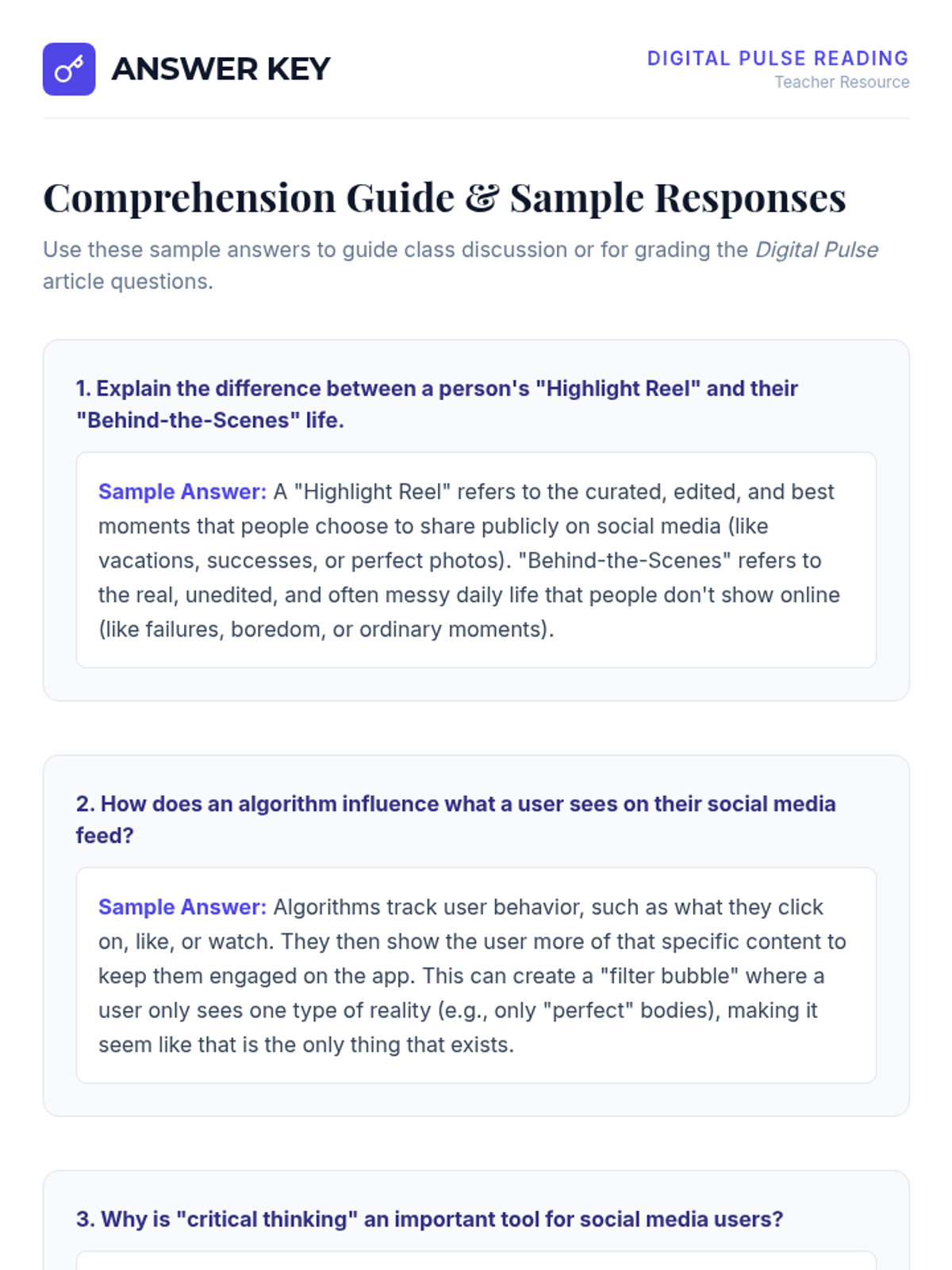
A series of lessons designed to equip students with the tools to navigate the digital world safely, critically, and healthily, focusing on self-esteem and digital literacy.
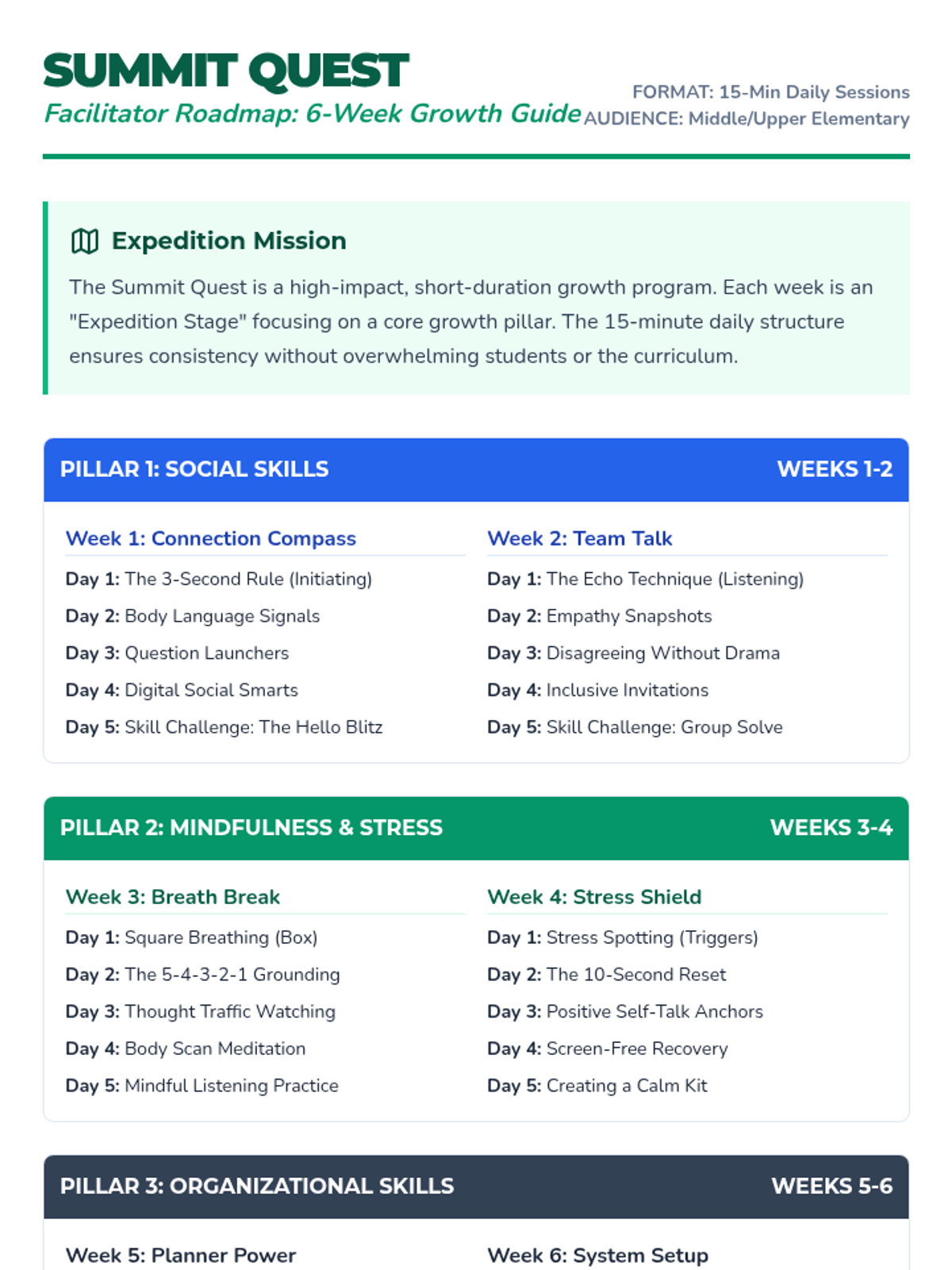
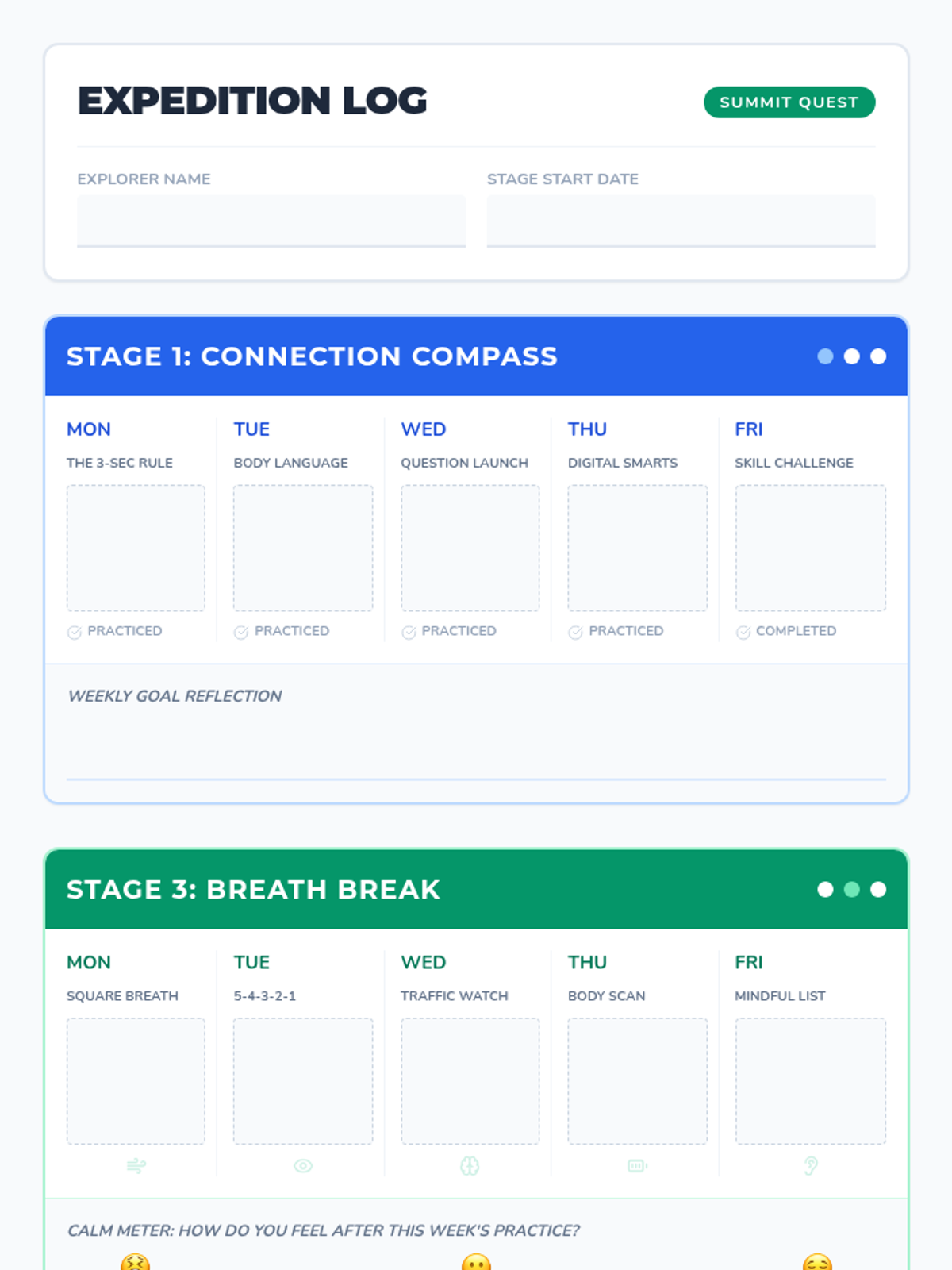
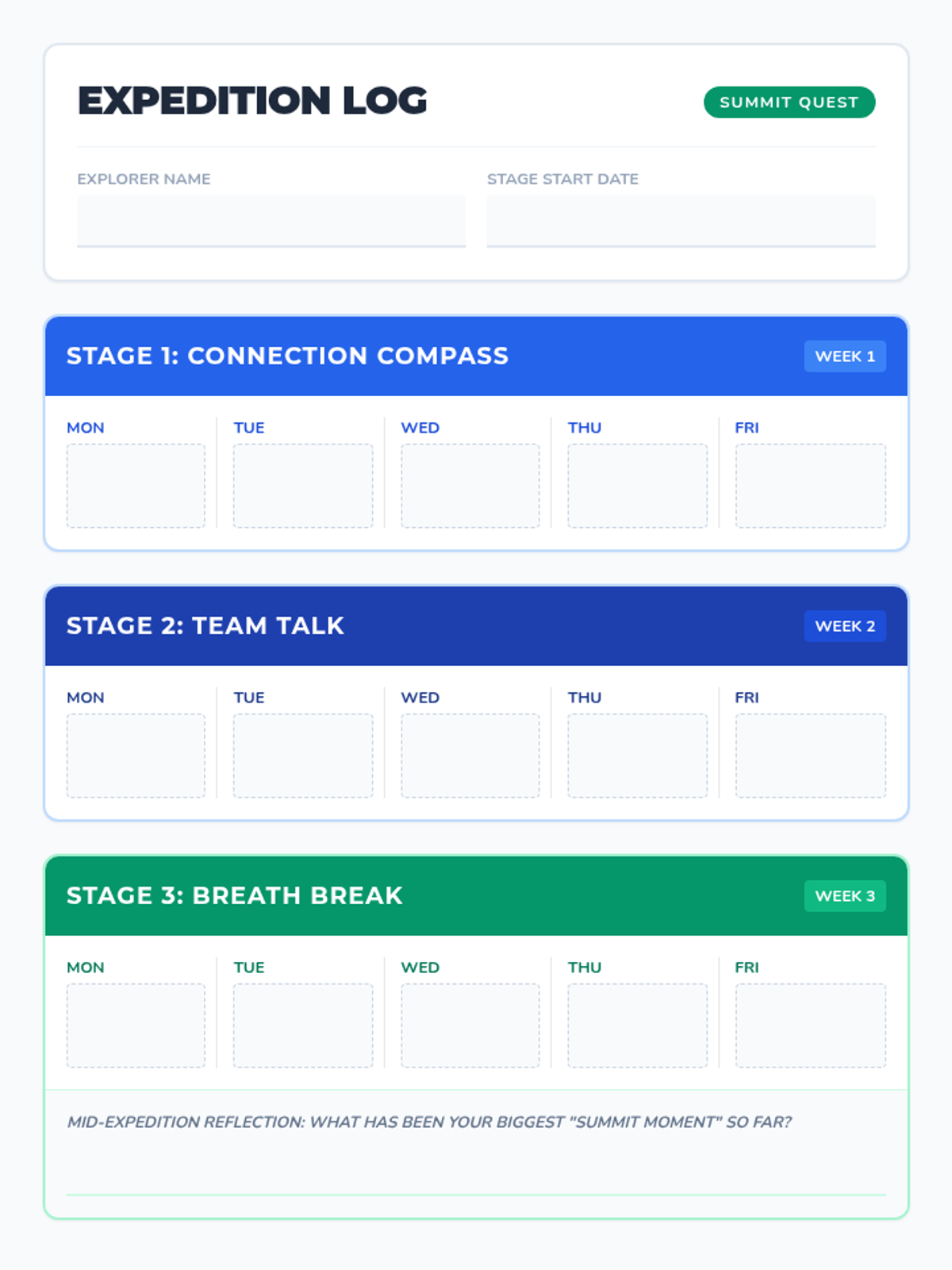
A 6-week social-emotional learning and organizational skills program designed for 15-minute daily sessions. The curriculum covers positive social interactions, mindfulness, stress management, and practical organizational strategies through the theme of a mountain climbing expedition.
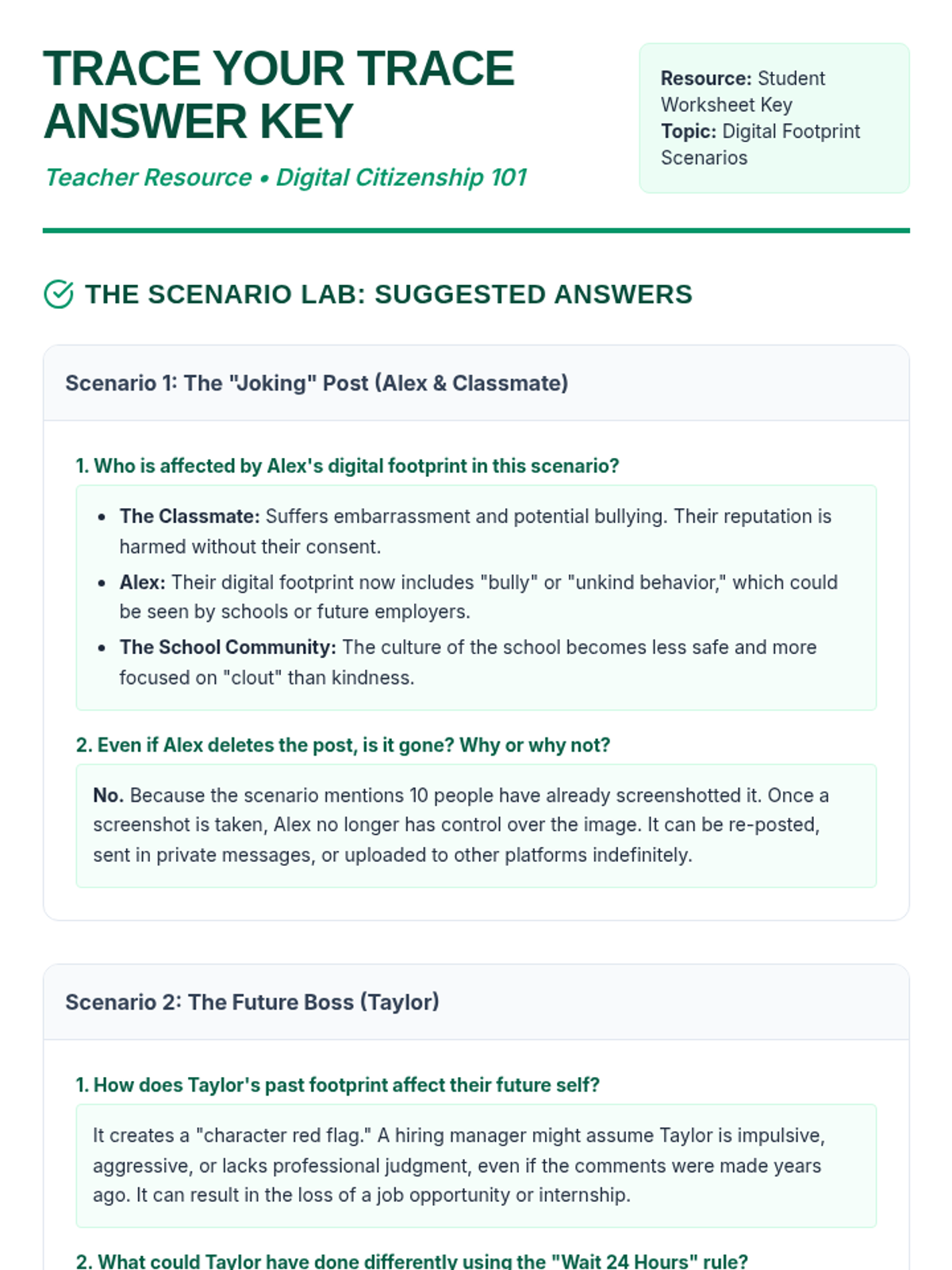
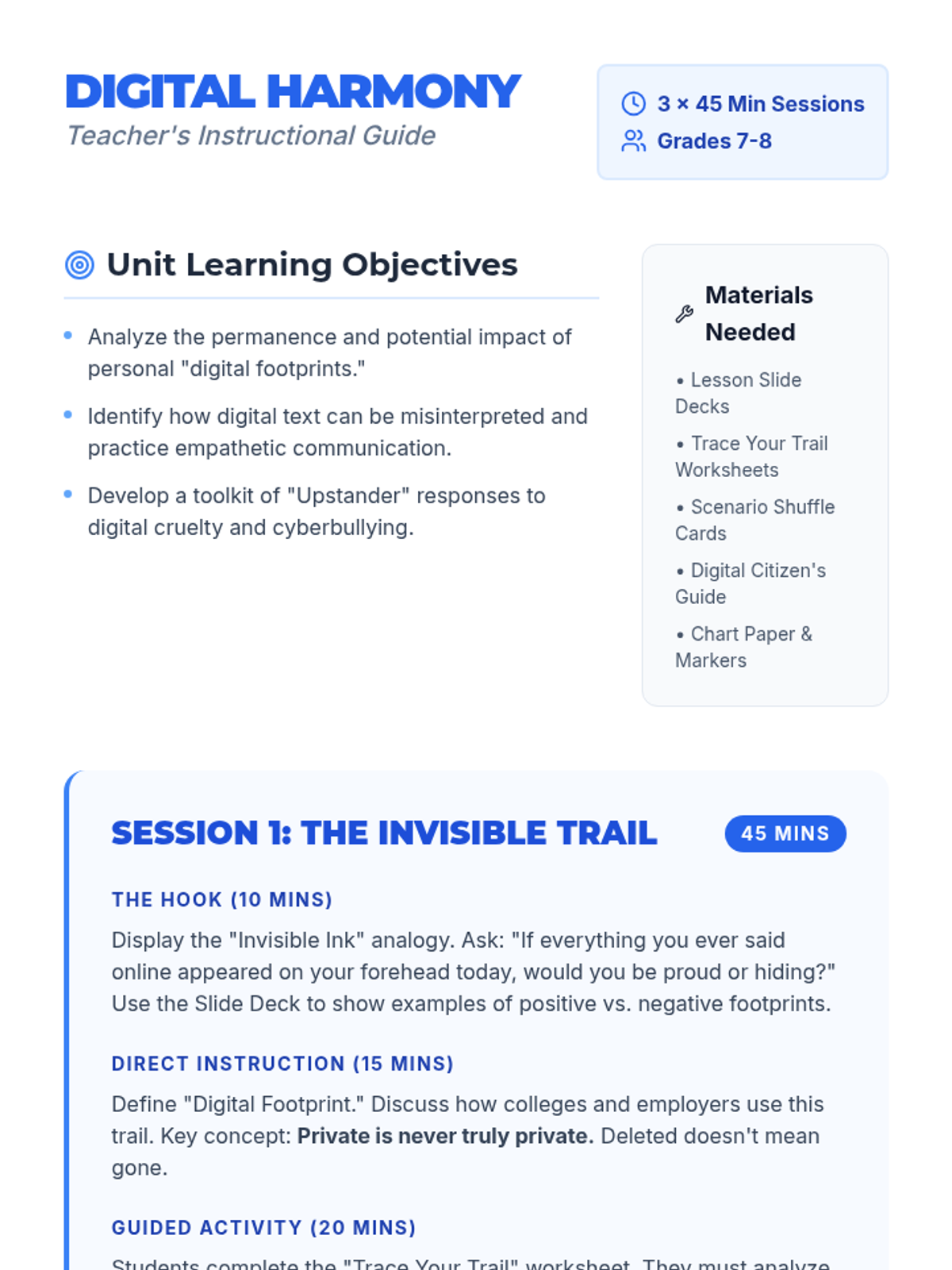
A three-part lesson series designed for middle schoolers to navigate the digital world with empathy, integrity, and safety. Students explore their digital footprint, practice nuanced communication, and develop strategies to combat cyberbullying as upstanders.
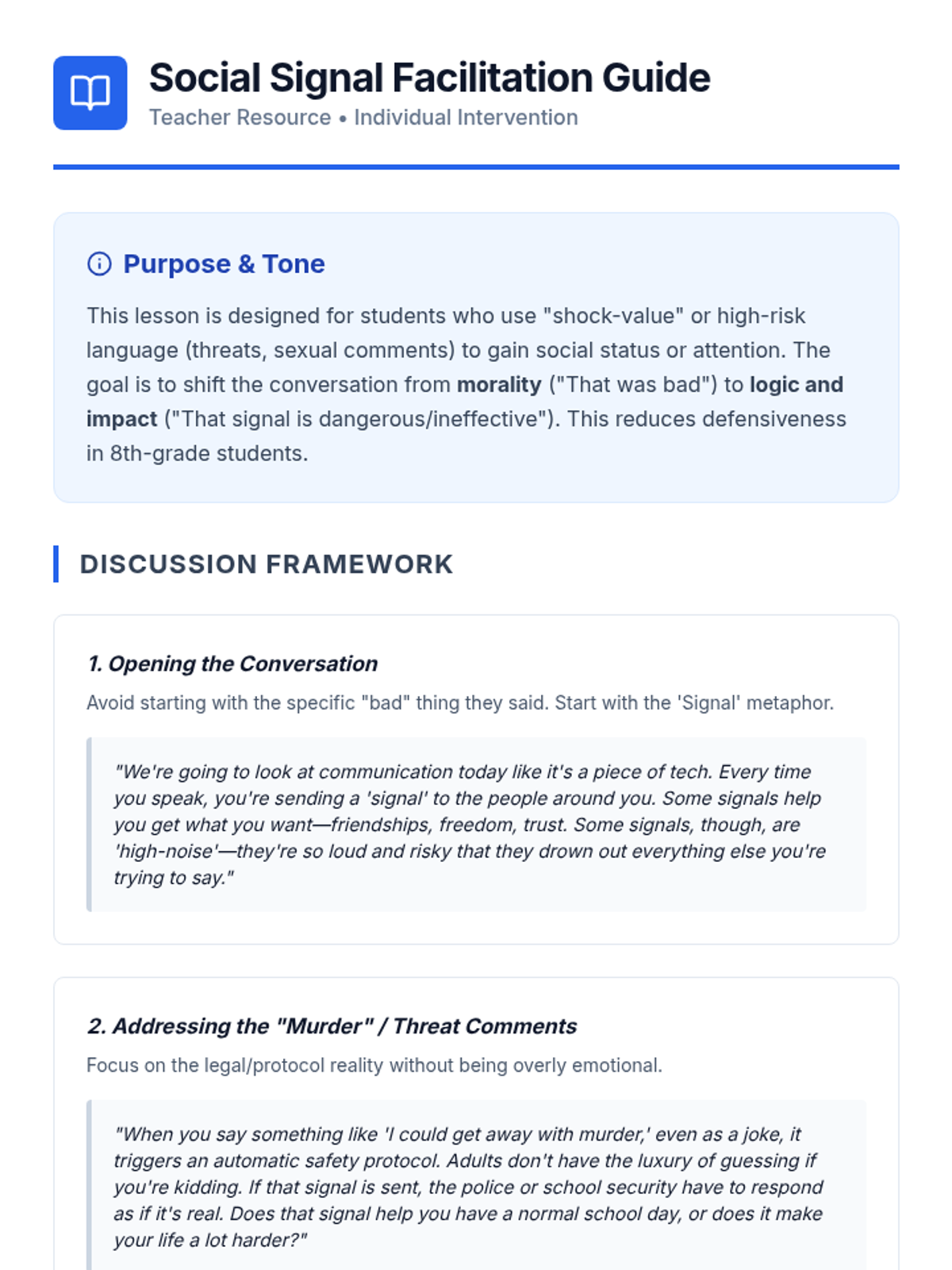
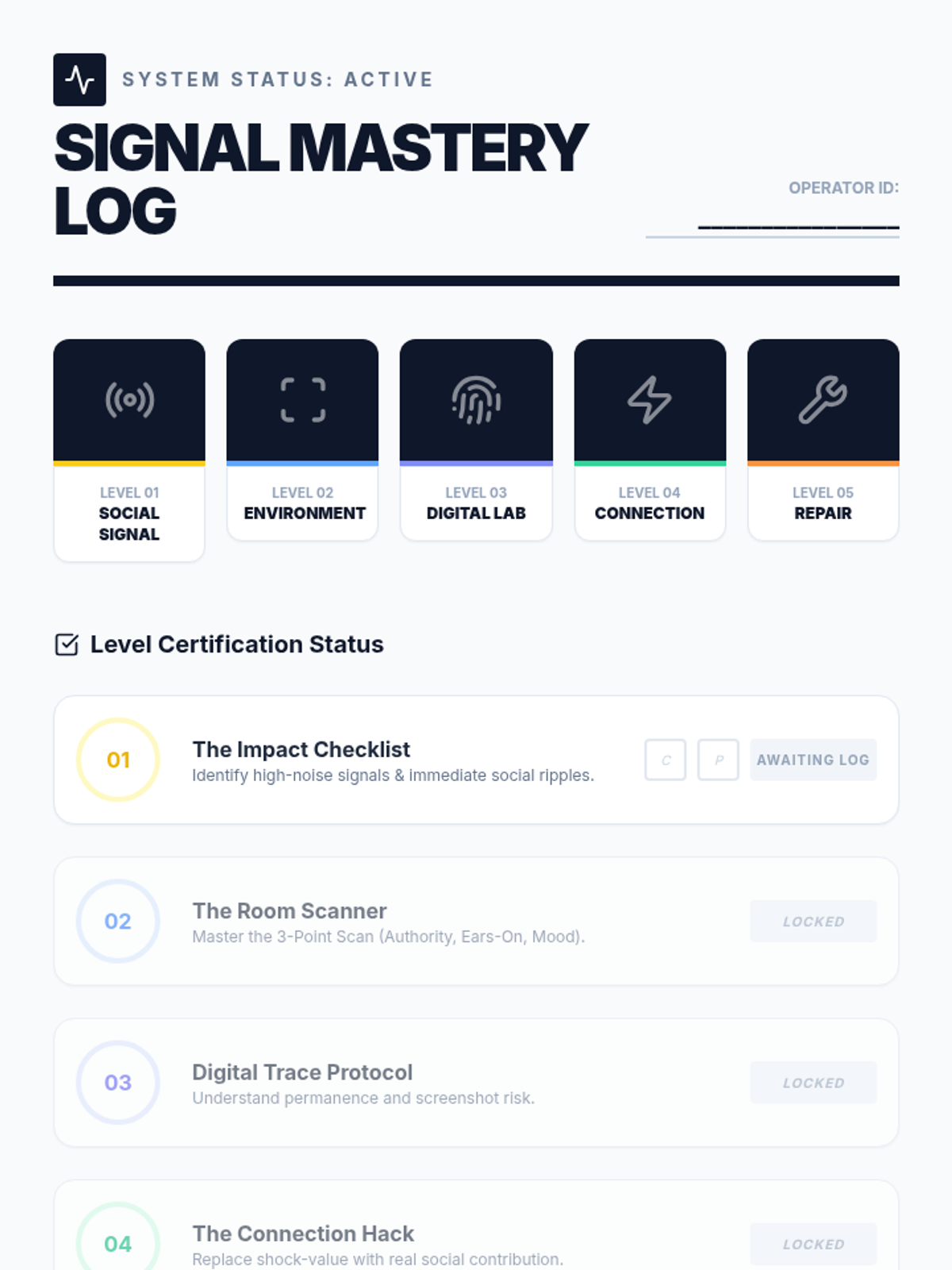
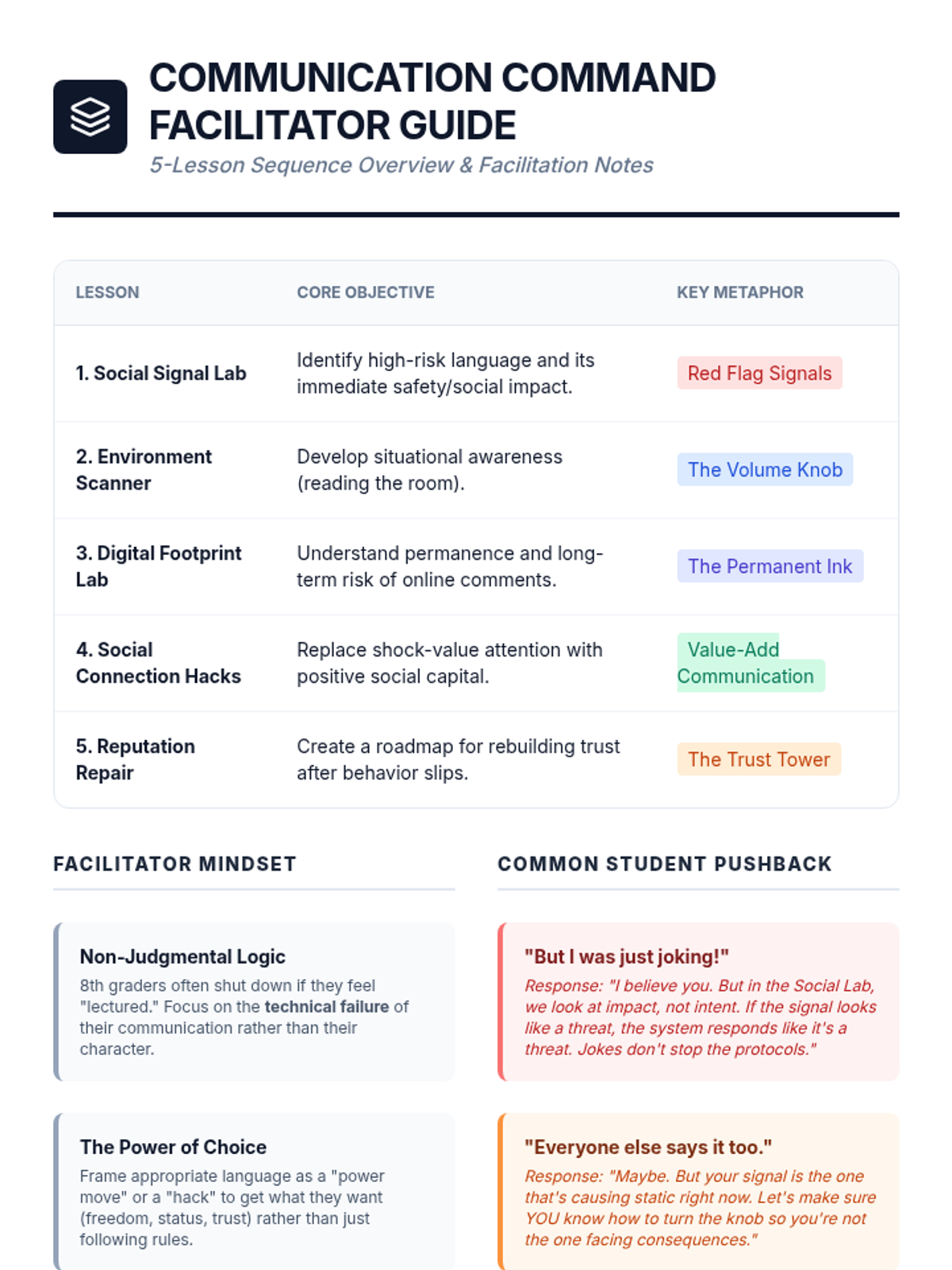
A comprehensive 5-lesson series designed to help students replace high-risk communication behaviors with socially appropriate interaction strategies and situational awareness.
A comprehensive unit on navigating the digital world with empathy, safety, and critical thinking.
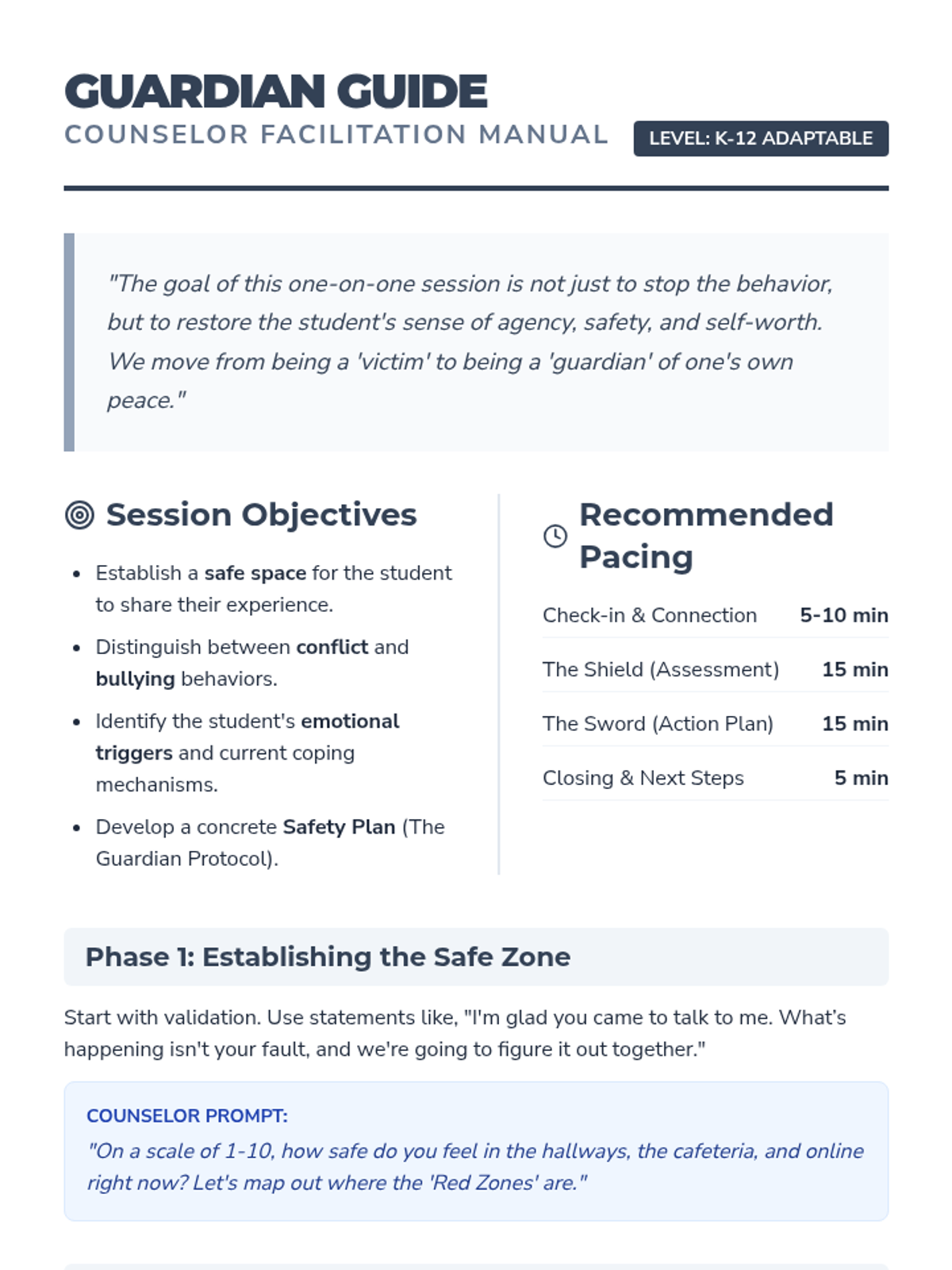
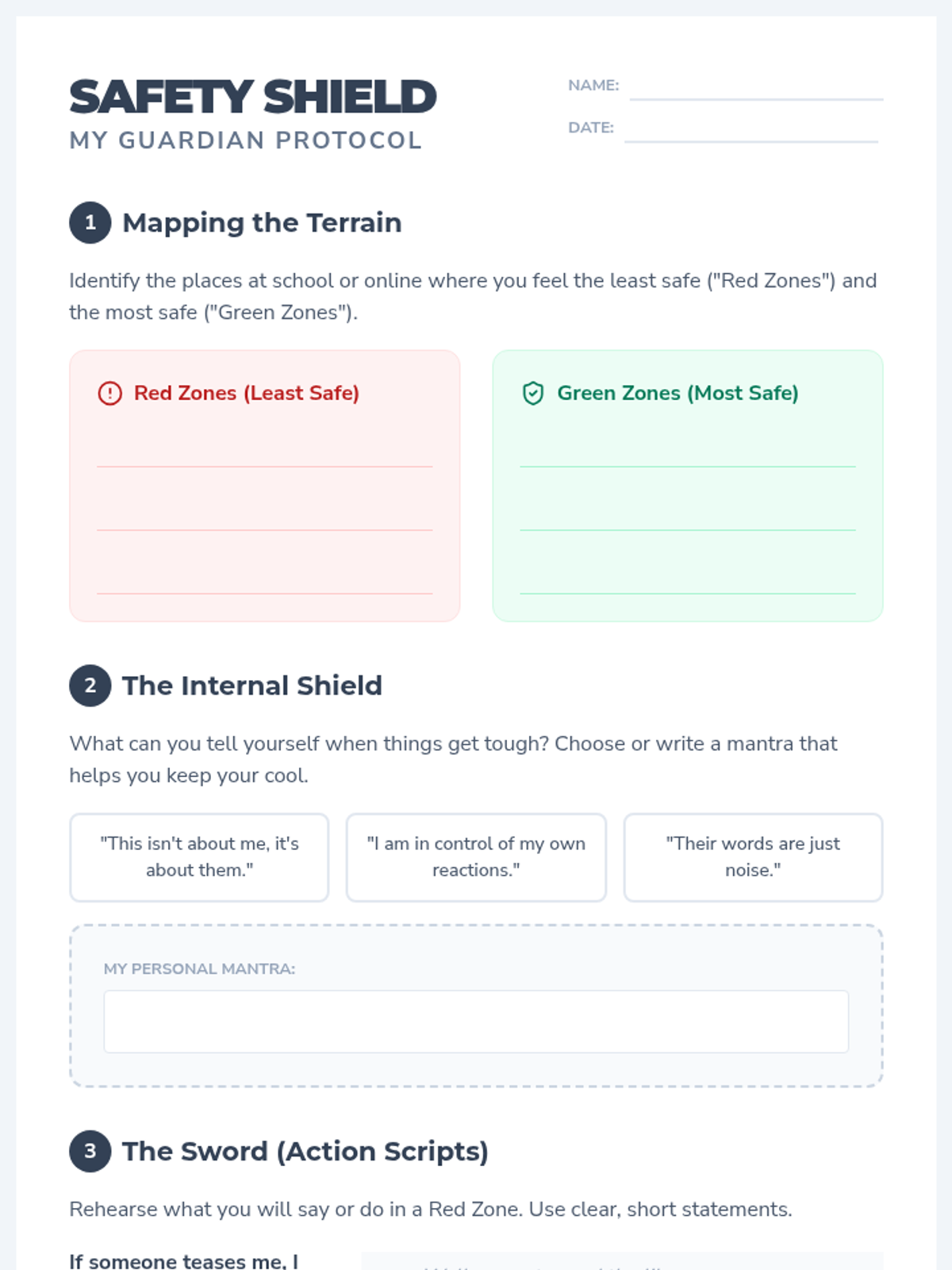
A tiered intervention series for school counselors to address bullying behaviors across different developmental stages, from foundational safety to complex social dynamics.
A comprehensive 3-lesson series for middle schoolers exploring the psychological impact of social media, cyberbullying prevention, and digital well-being through realistic scenarios and critical thinking exercises.
A comprehensive unit on digital citizenship, focusing on how students can manage their online presence, understand privacy settings, and share their creative work safely.
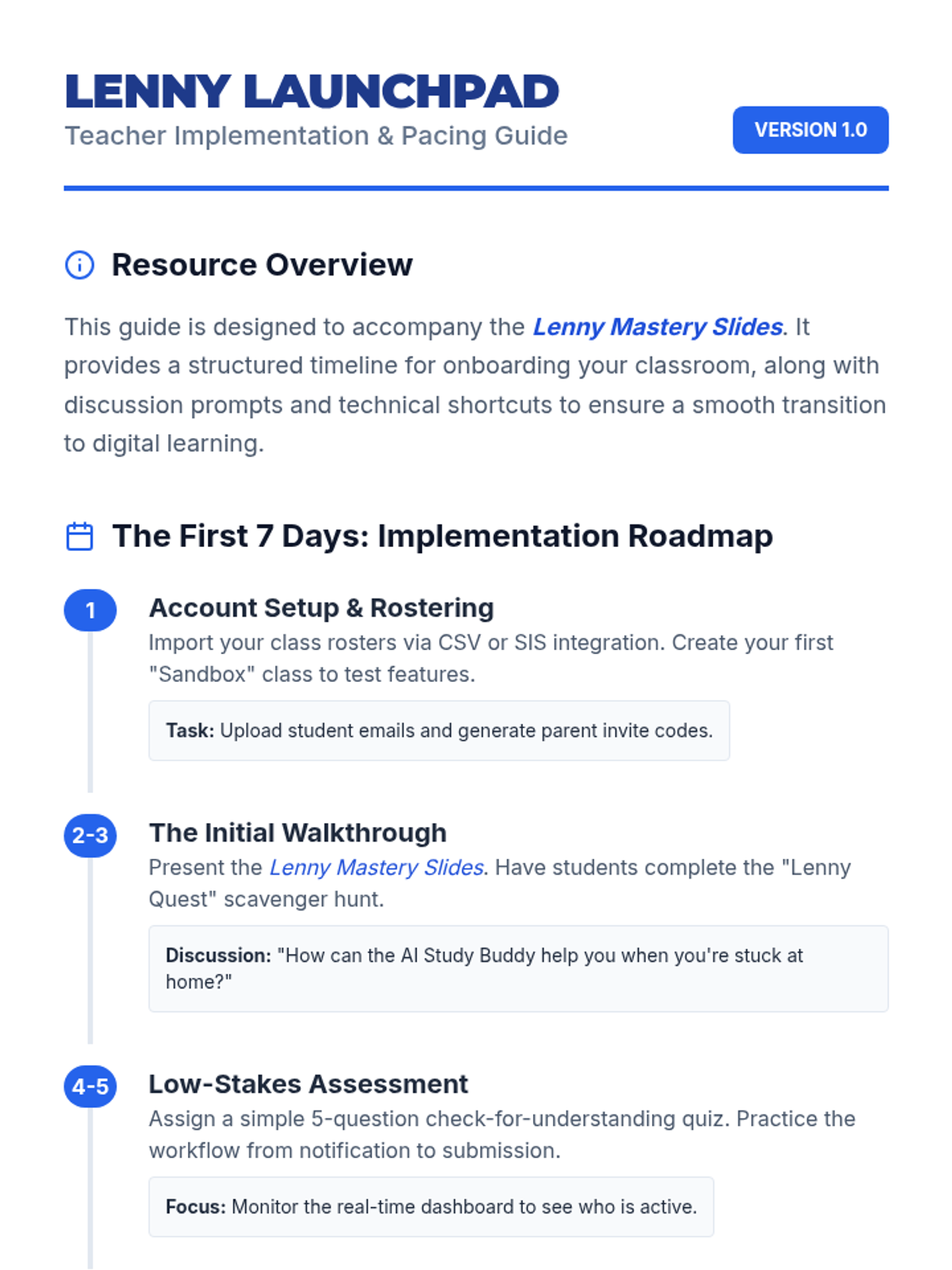
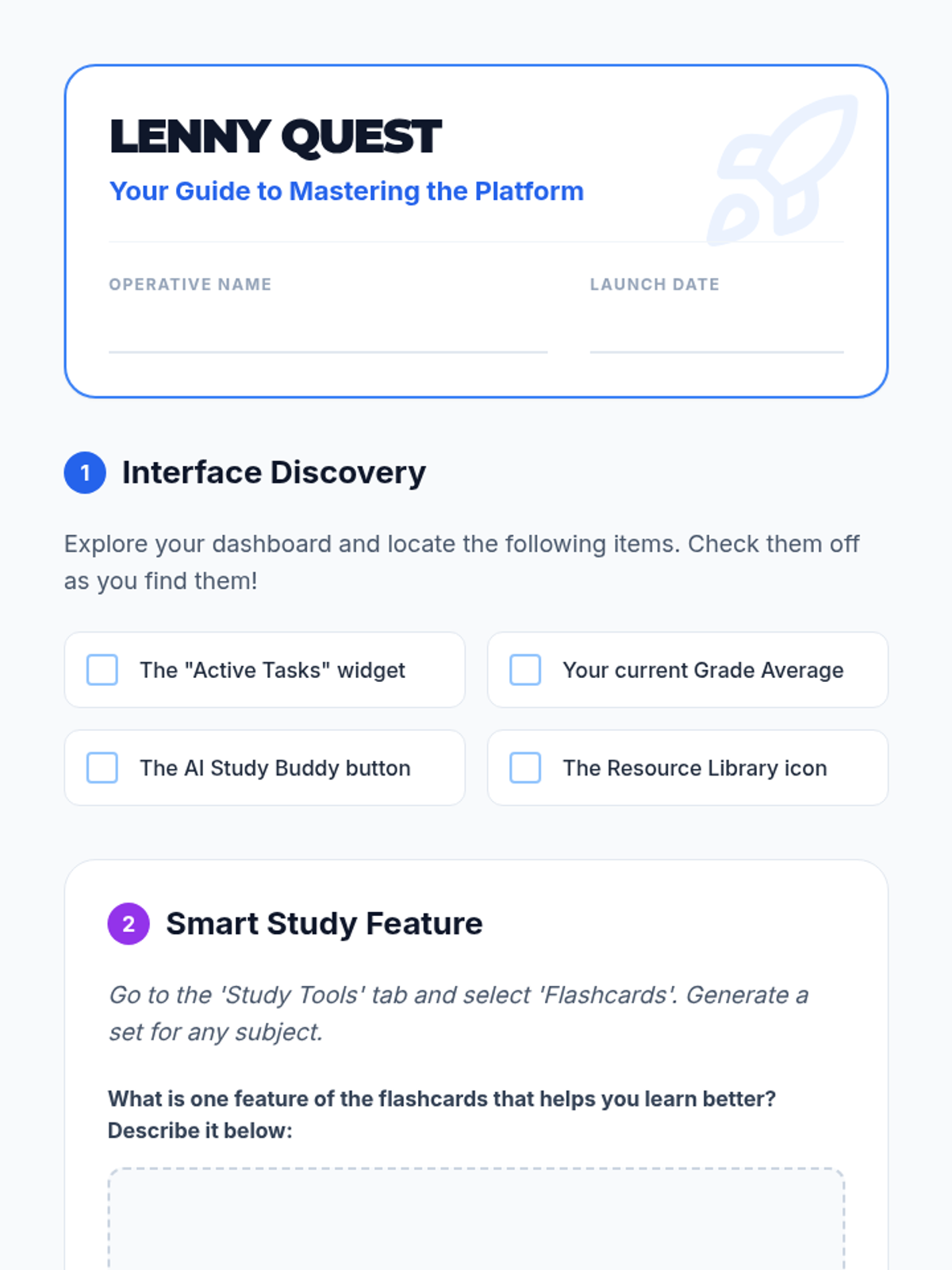
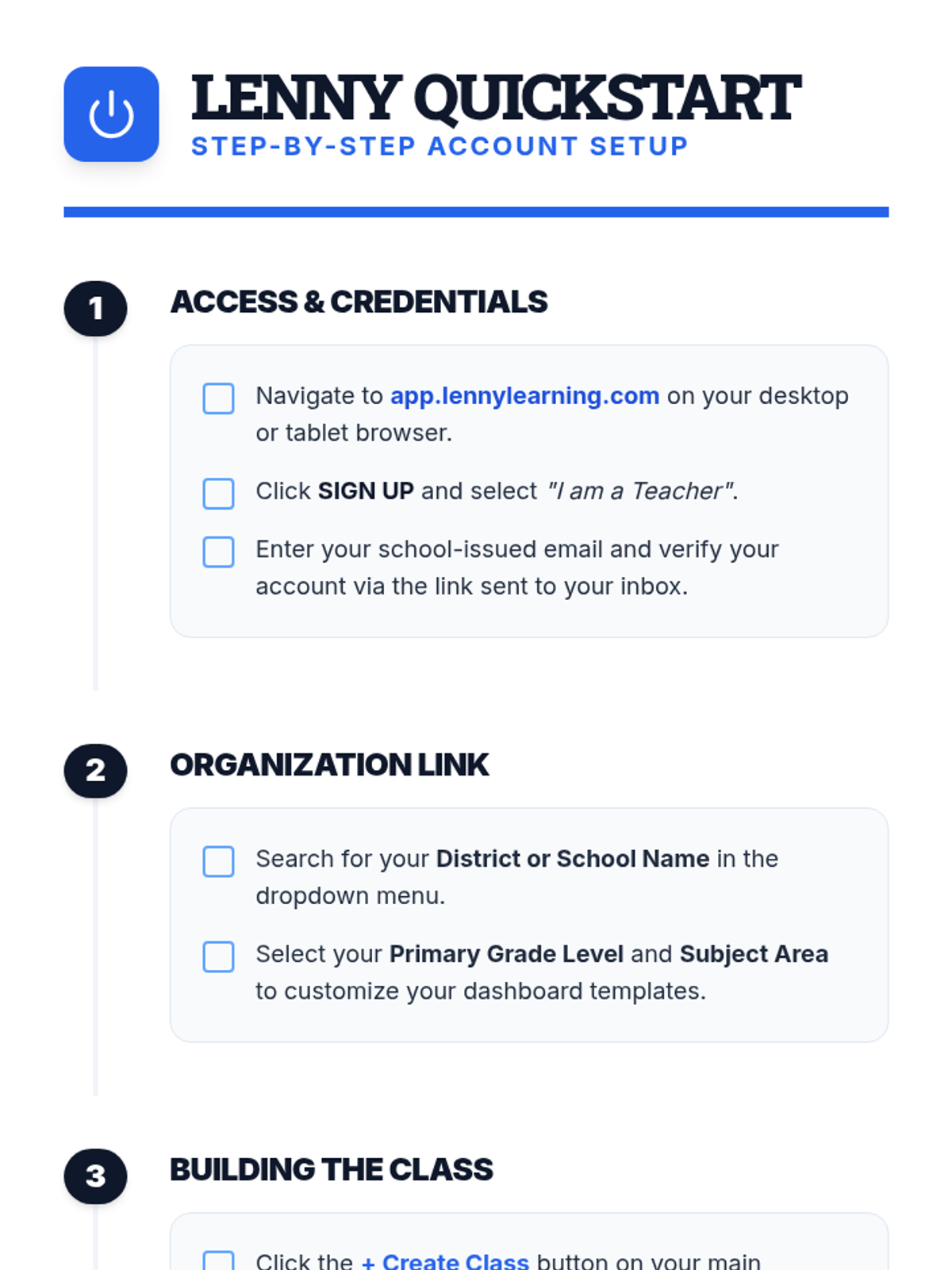
A series of lessons designed to turn educators into Lenny Learning power users, moving from basic platform navigation to advanced engaging lesson design.
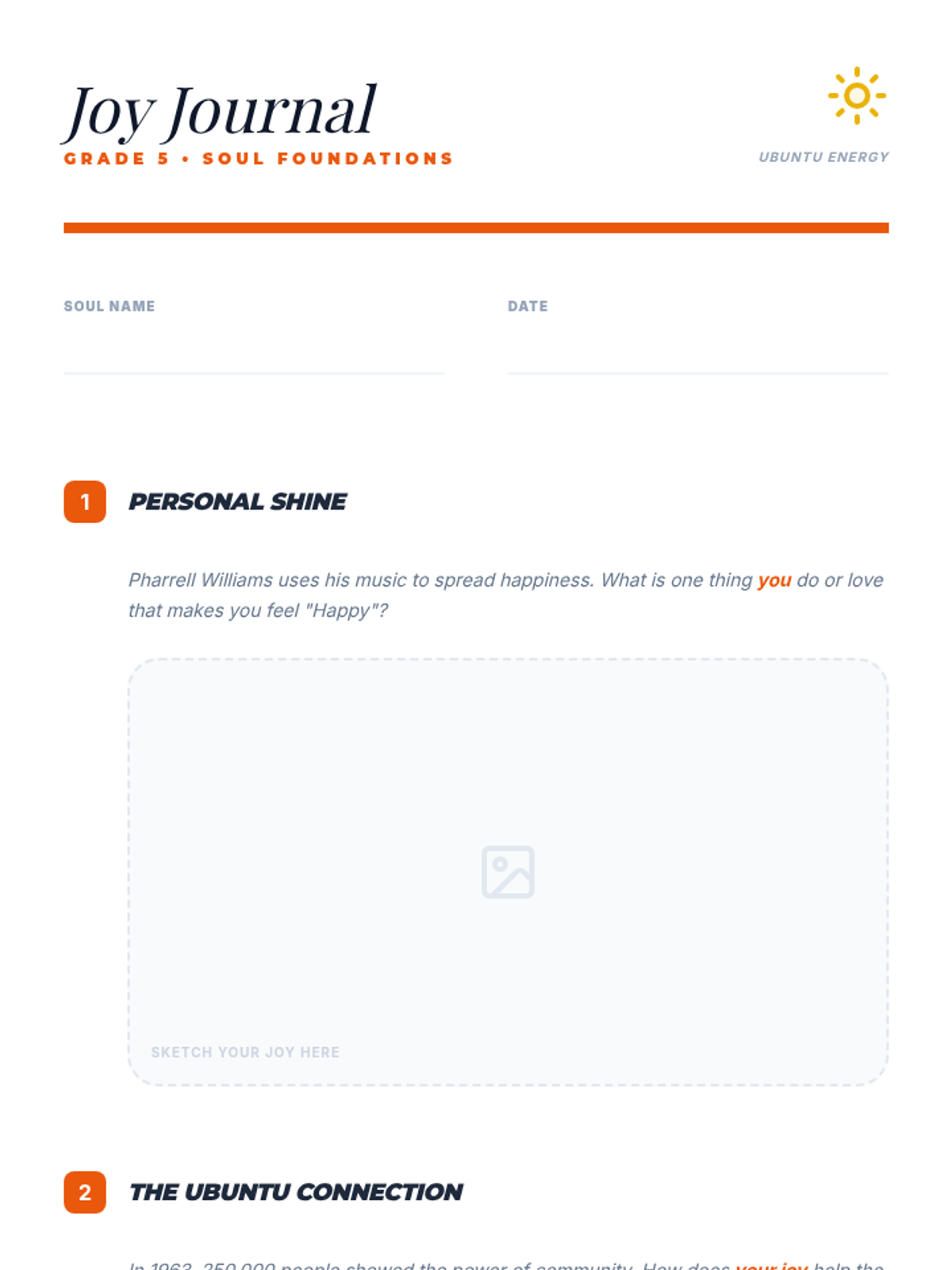
A 6-lesson sequence divided by grade level (5th, 6th, and 7th), celebrating 100 years of Black history through school values. Each grade explores two distinct lessons focusing on community joy, personal excellence, and mental health advocacy.
A comprehensive unit for 6th-grade students exploring the ethical, privacy, and career implications of emerging technologies like AI, deepfakes, and automation. Students move from understanding personal data footprints to creating a personal 'Future Readiness Charter' for safe and productive digital living.
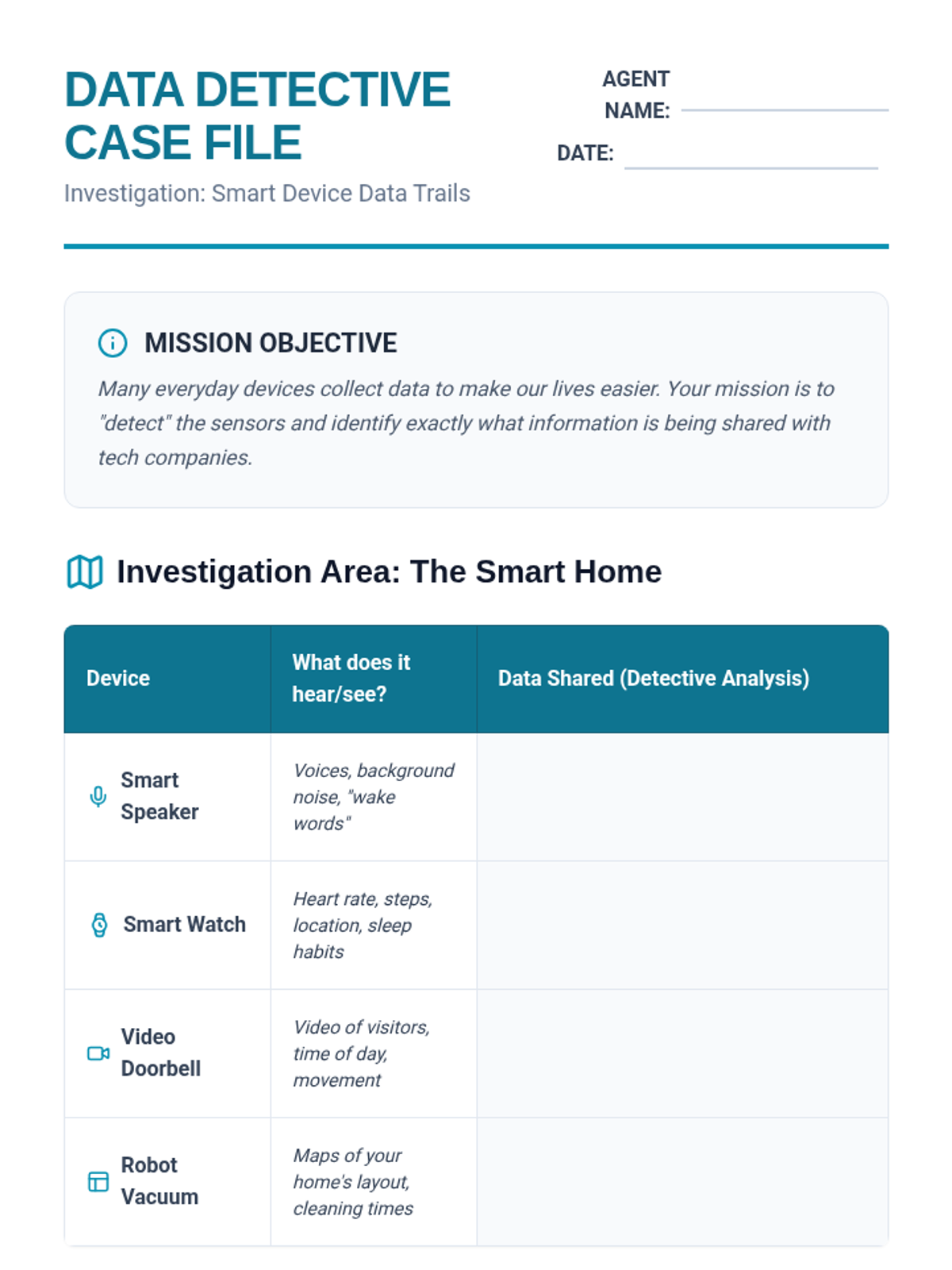
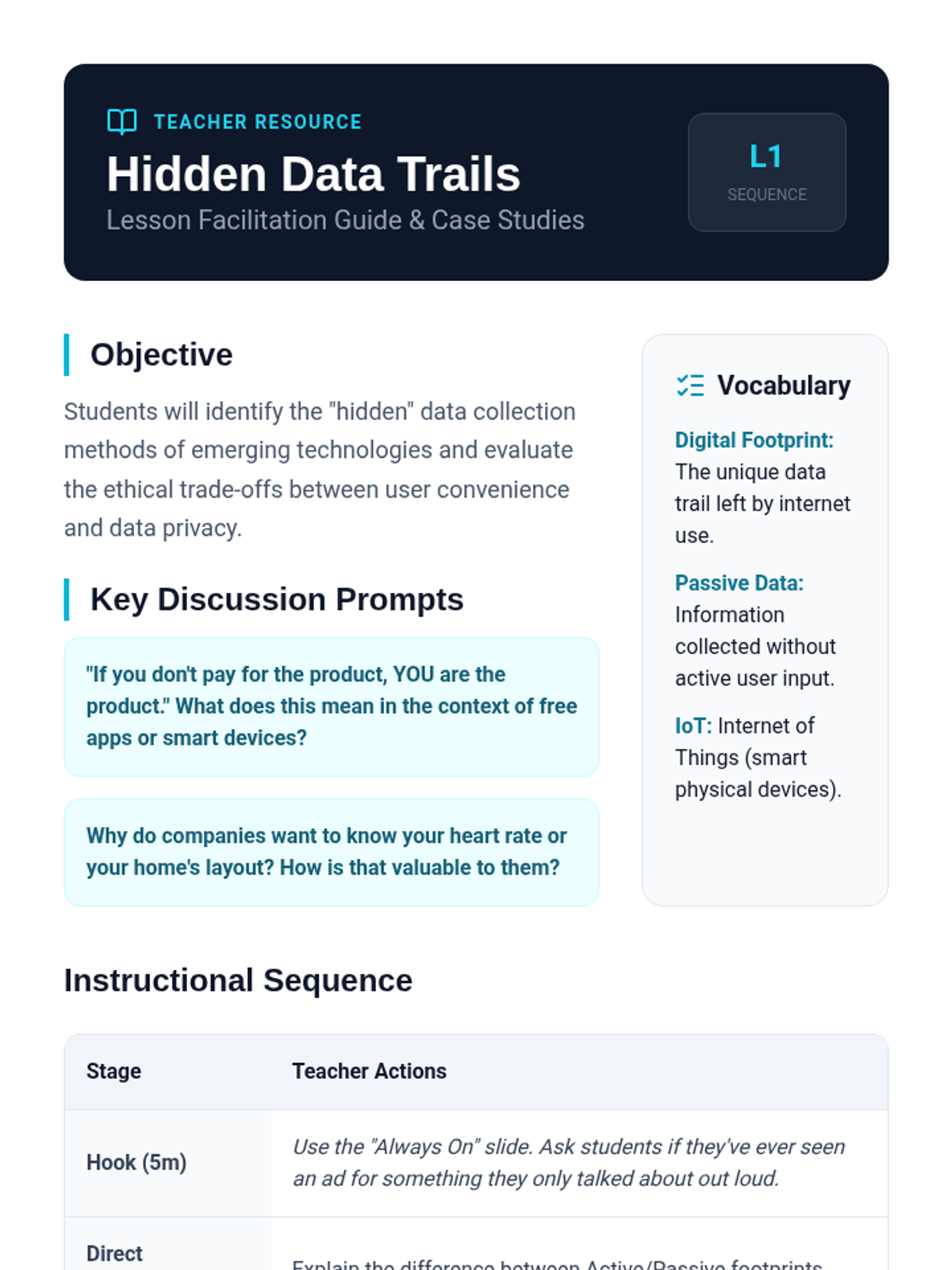
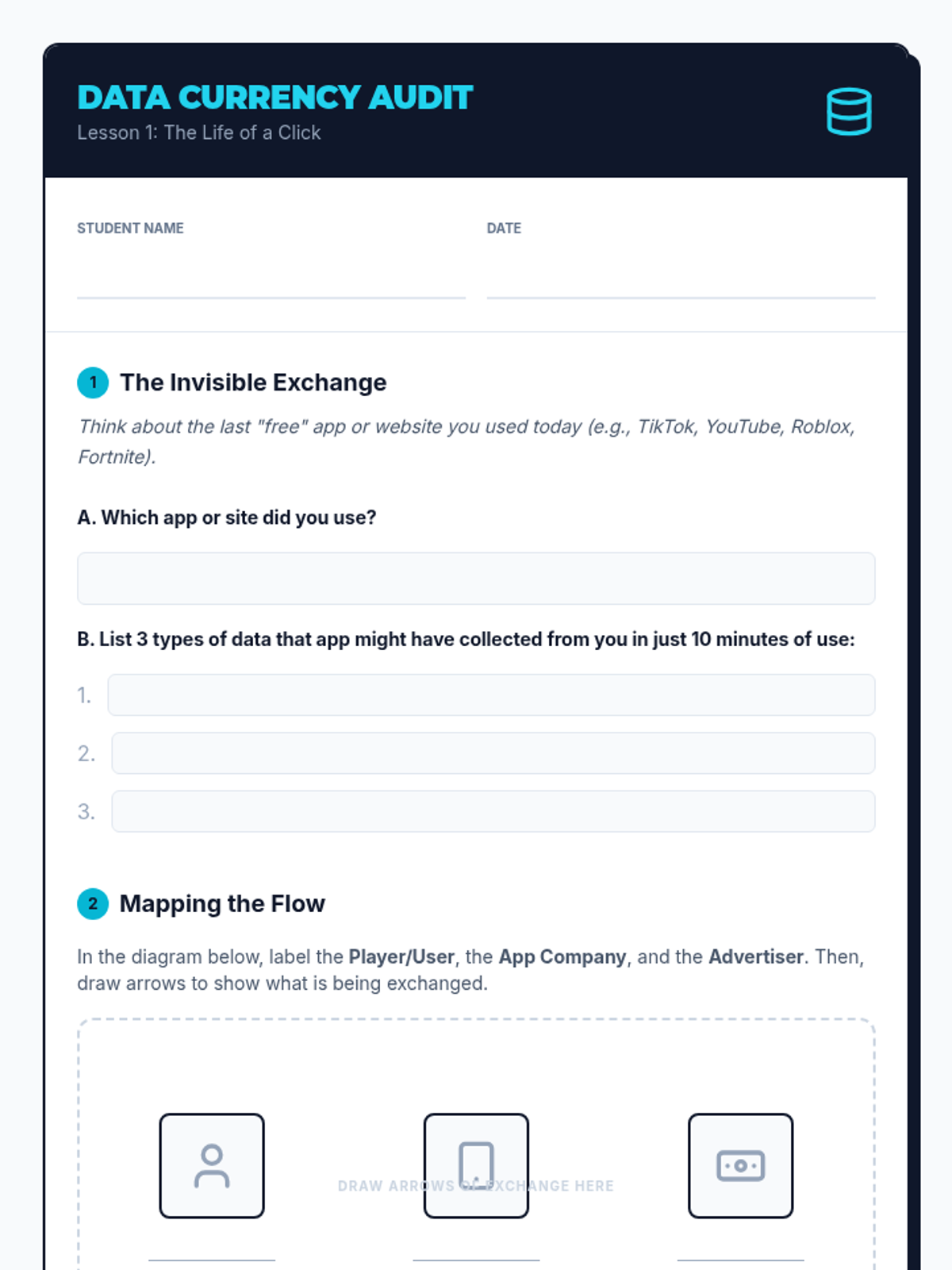
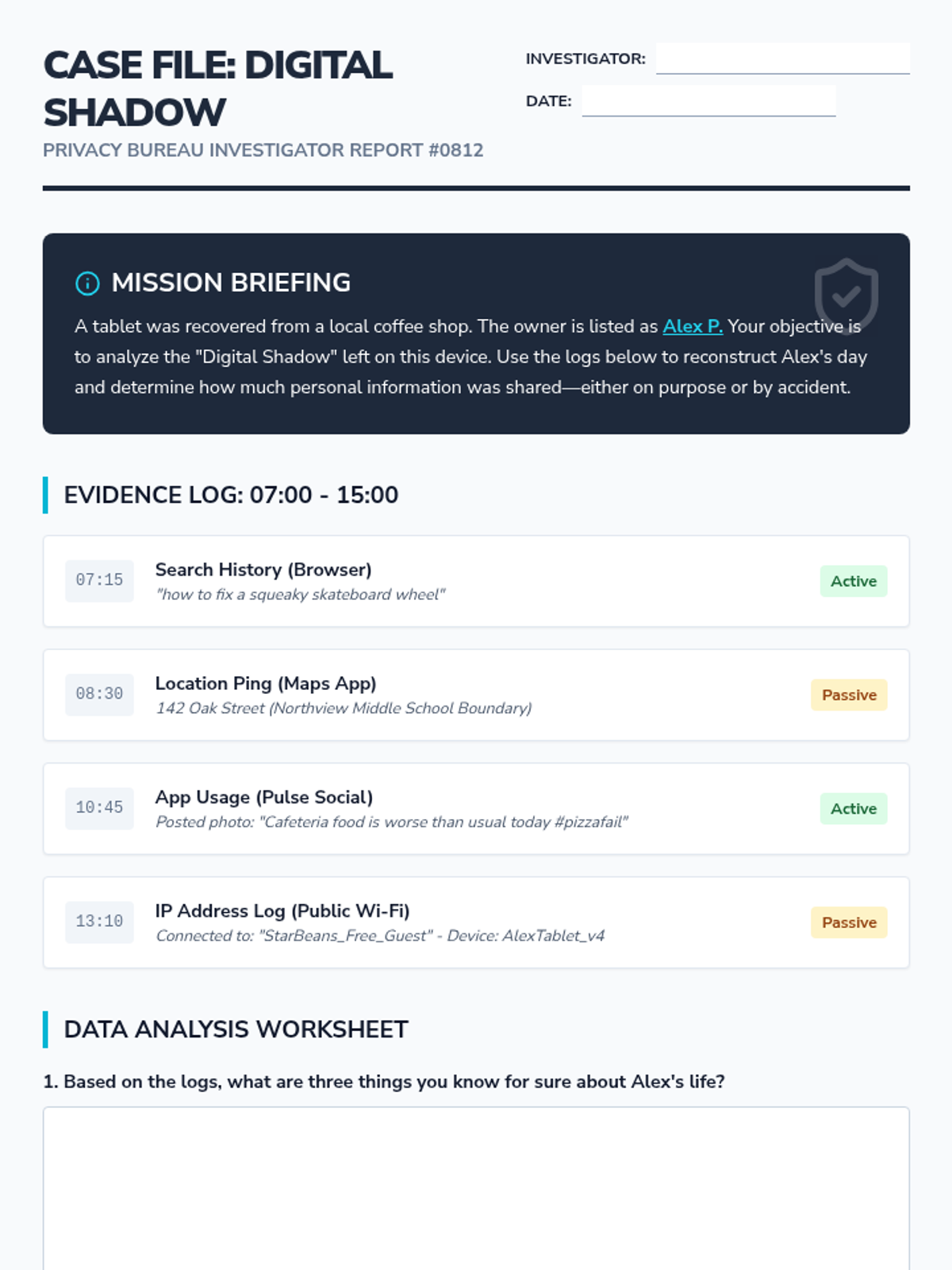
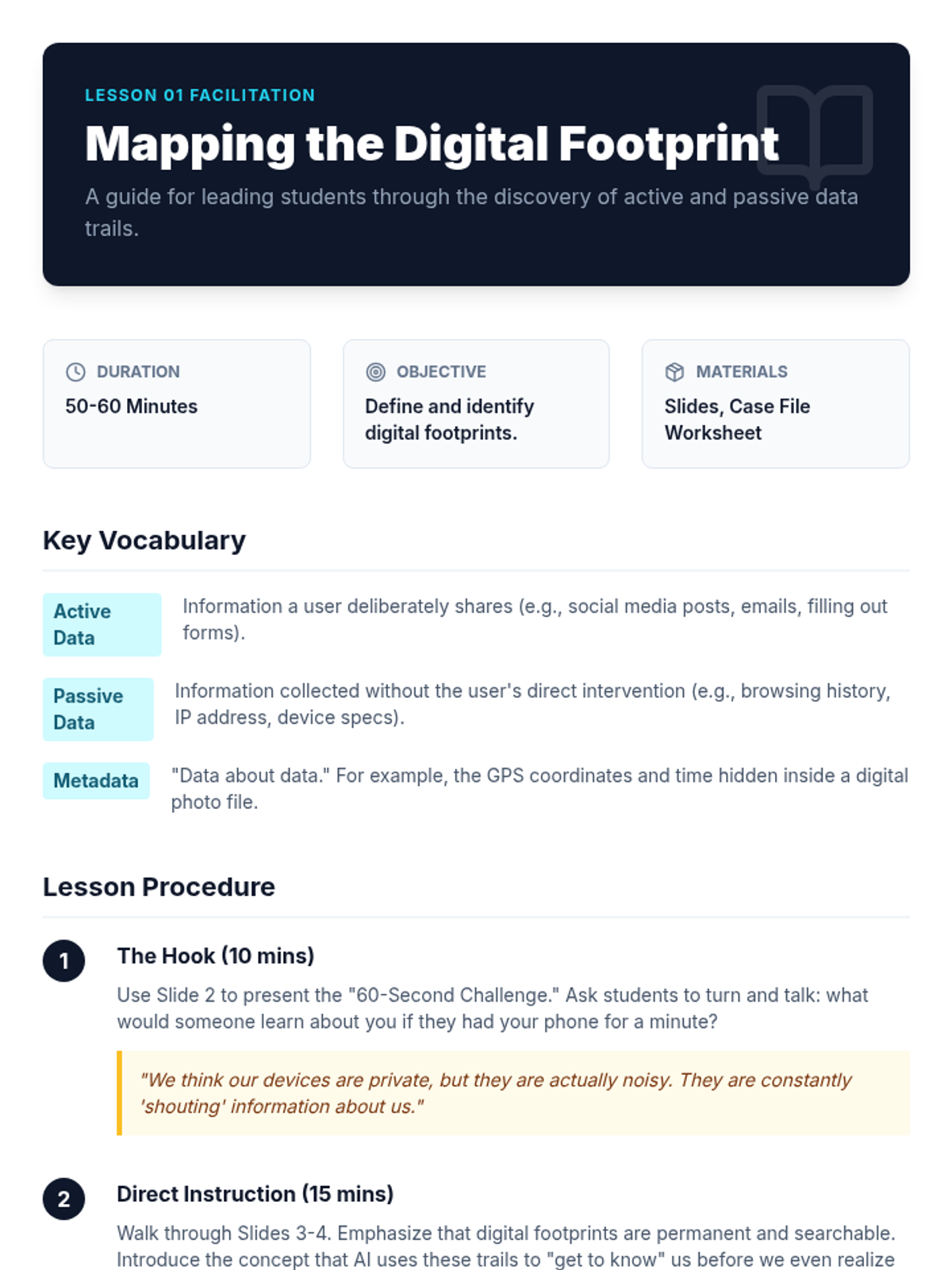
An inquiry-driven exploration of data privacy, surveillance, and the hidden economy of AI. Students investigate how their personal information is collected, used as currency, and the ethical trade-offs between digital convenience and personal privacy.
Students explore the intersection of personal data, privacy, and AI-driven tracking. They analyze digital footprints, decode terms of service, debate the ethics of smart devices, and create their own data protection standards.
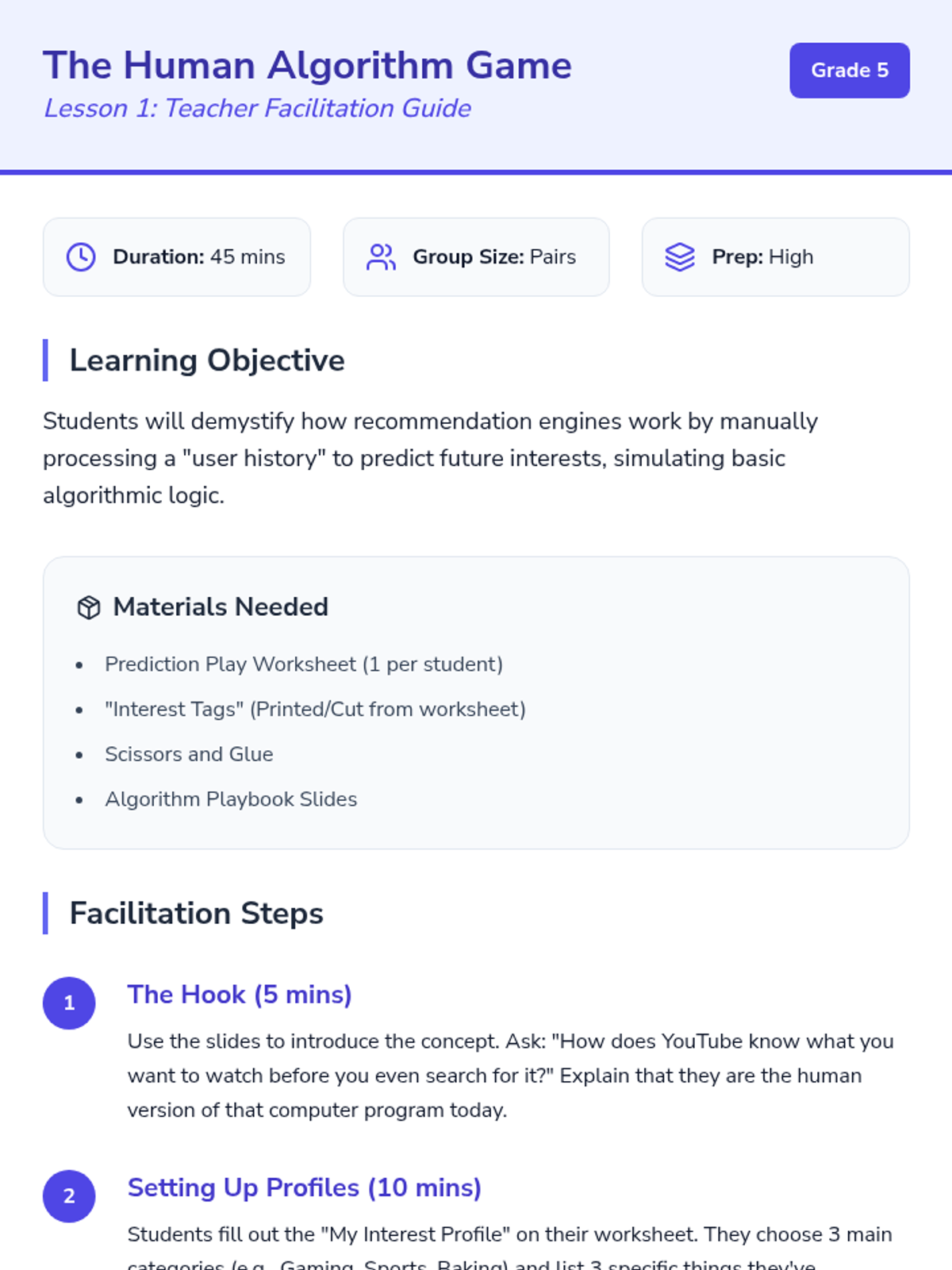
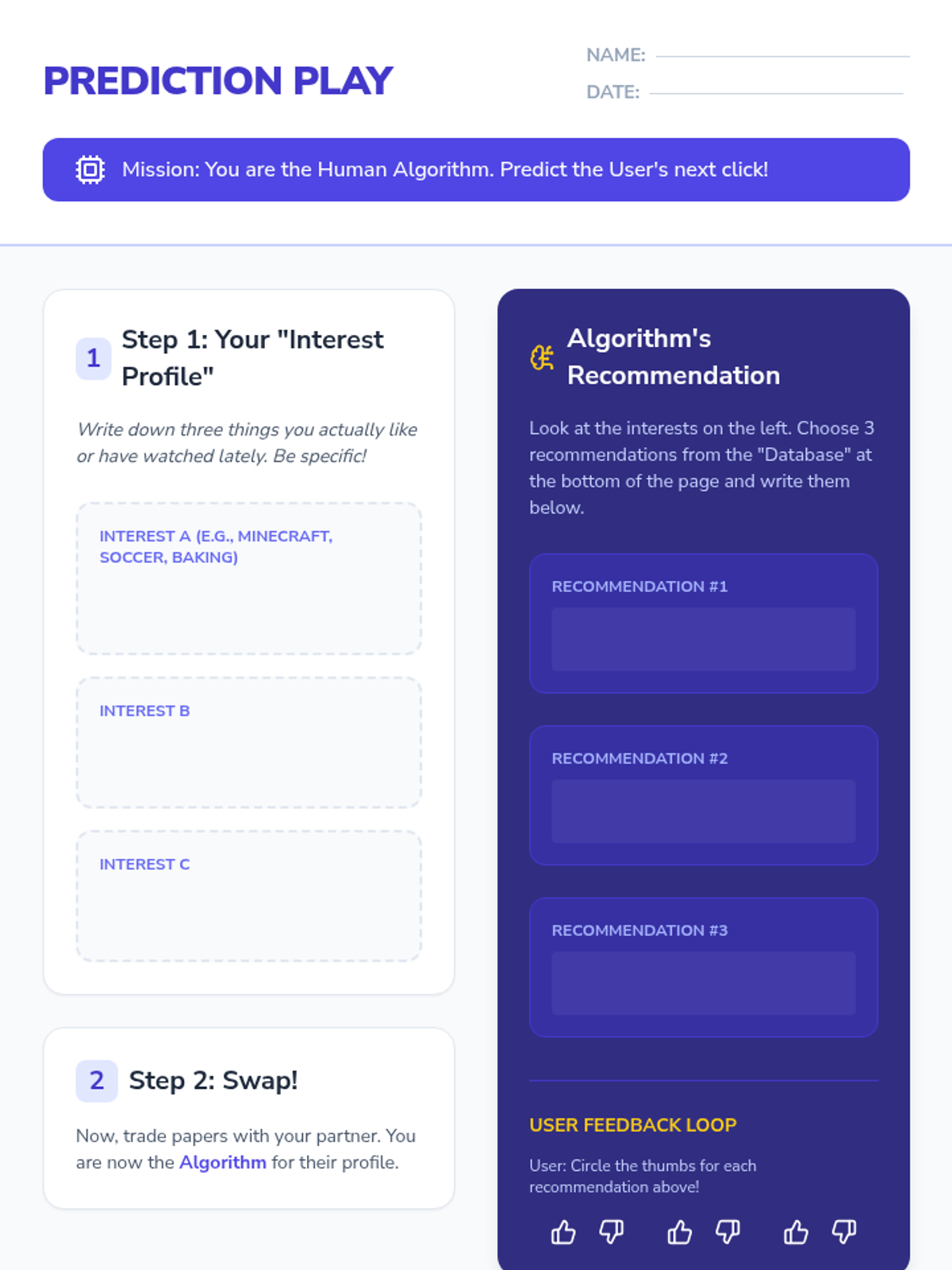
This sequence examines the invisible algorithms that curate content on video platforms and social media. Students investigate the 'attention economy' and how algorithms predict user preferences to keep them engaged. By analyzing their own experiences and simulated feeds, they identify how recommendation engines can create 'filter bubbles.' The learning arc moves from understanding the mechanism of recommendation to evaluating its impact on critical thinking and exposure to new ideas.
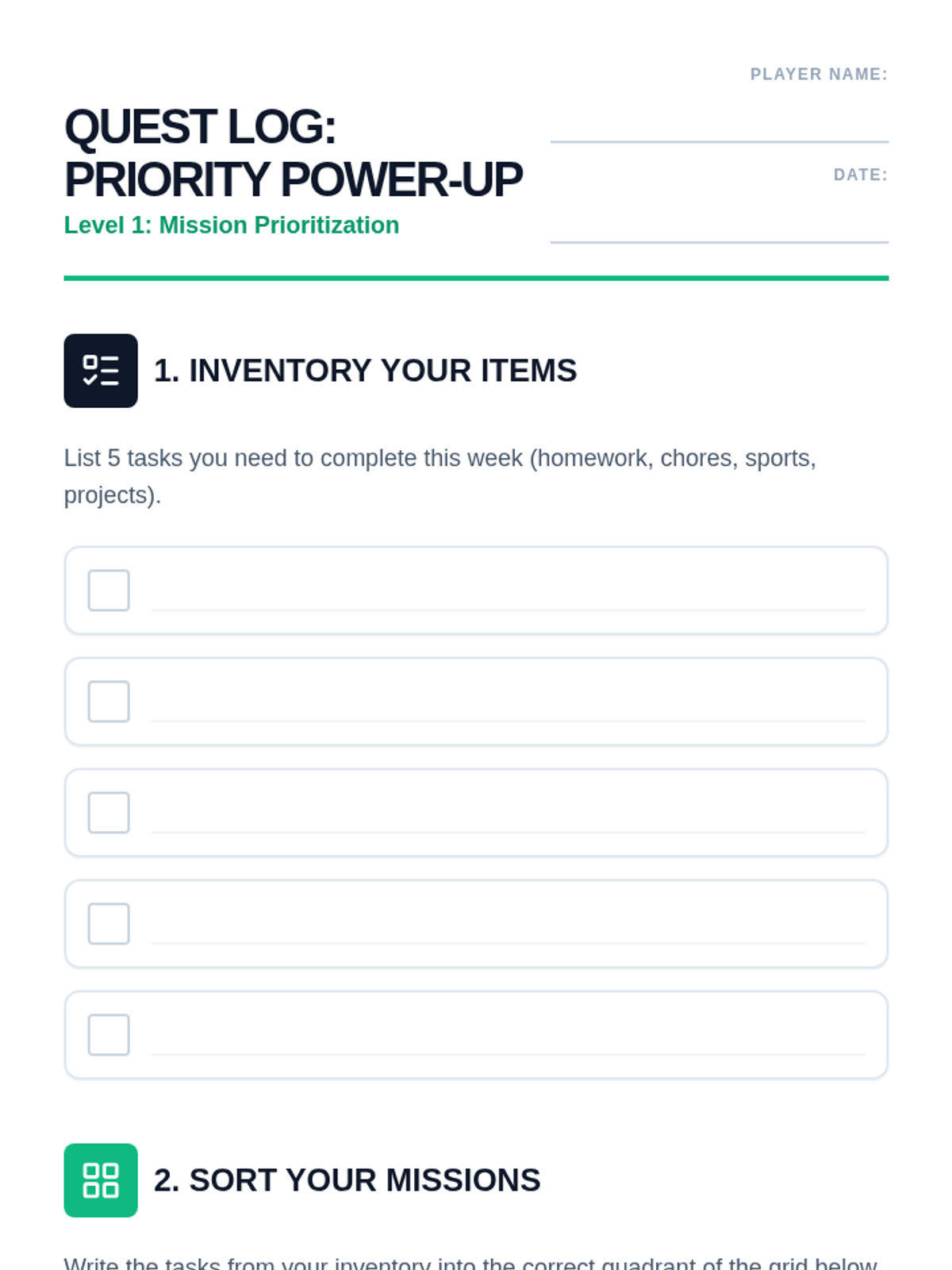
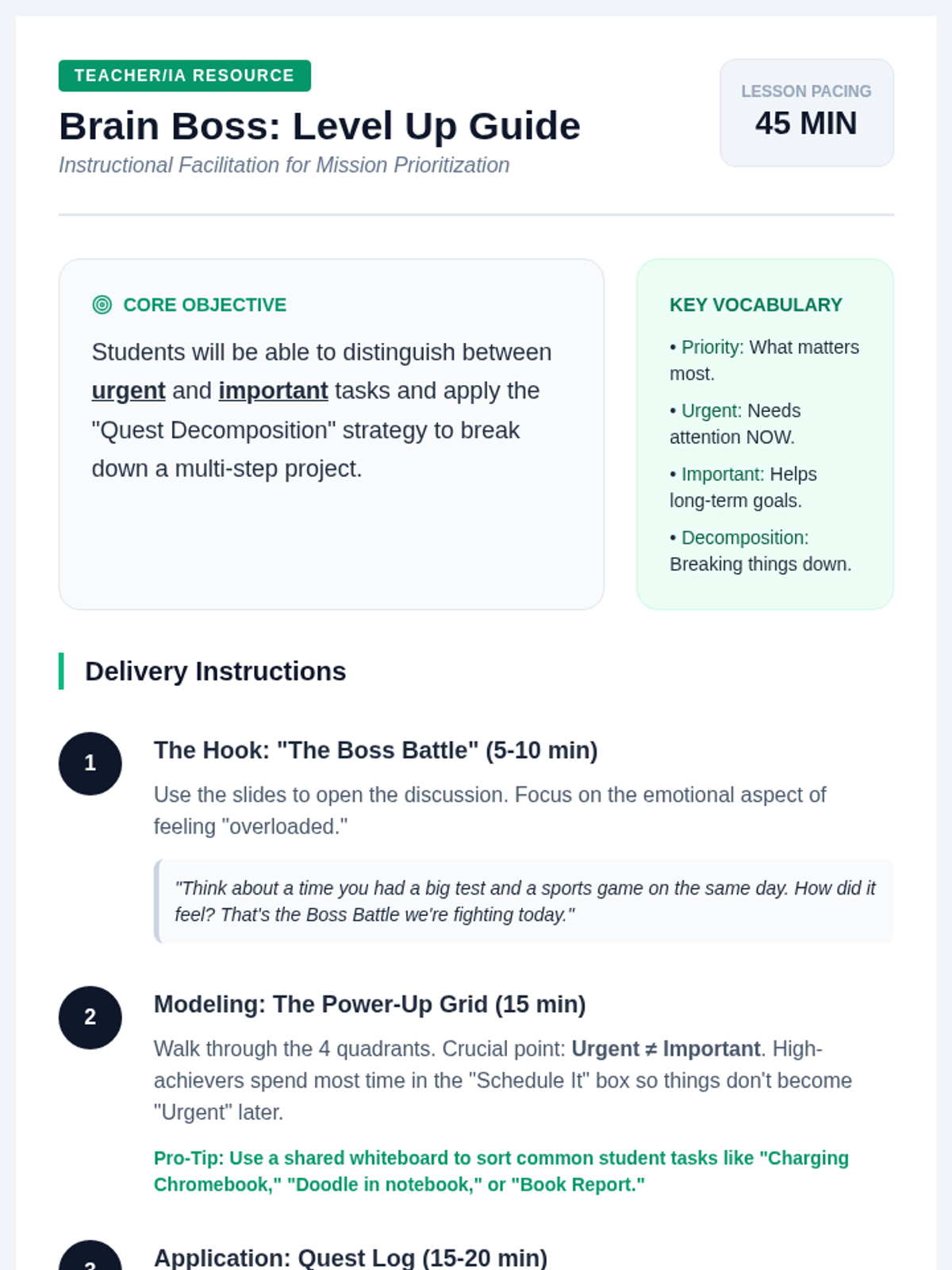
A comprehensive executive functioning unit for intermediate students (grades 4-6) focused on time management, task prioritization, and organizational strategies. This sequence helps students 'level up' their academic habits through a fun retro video game theme.
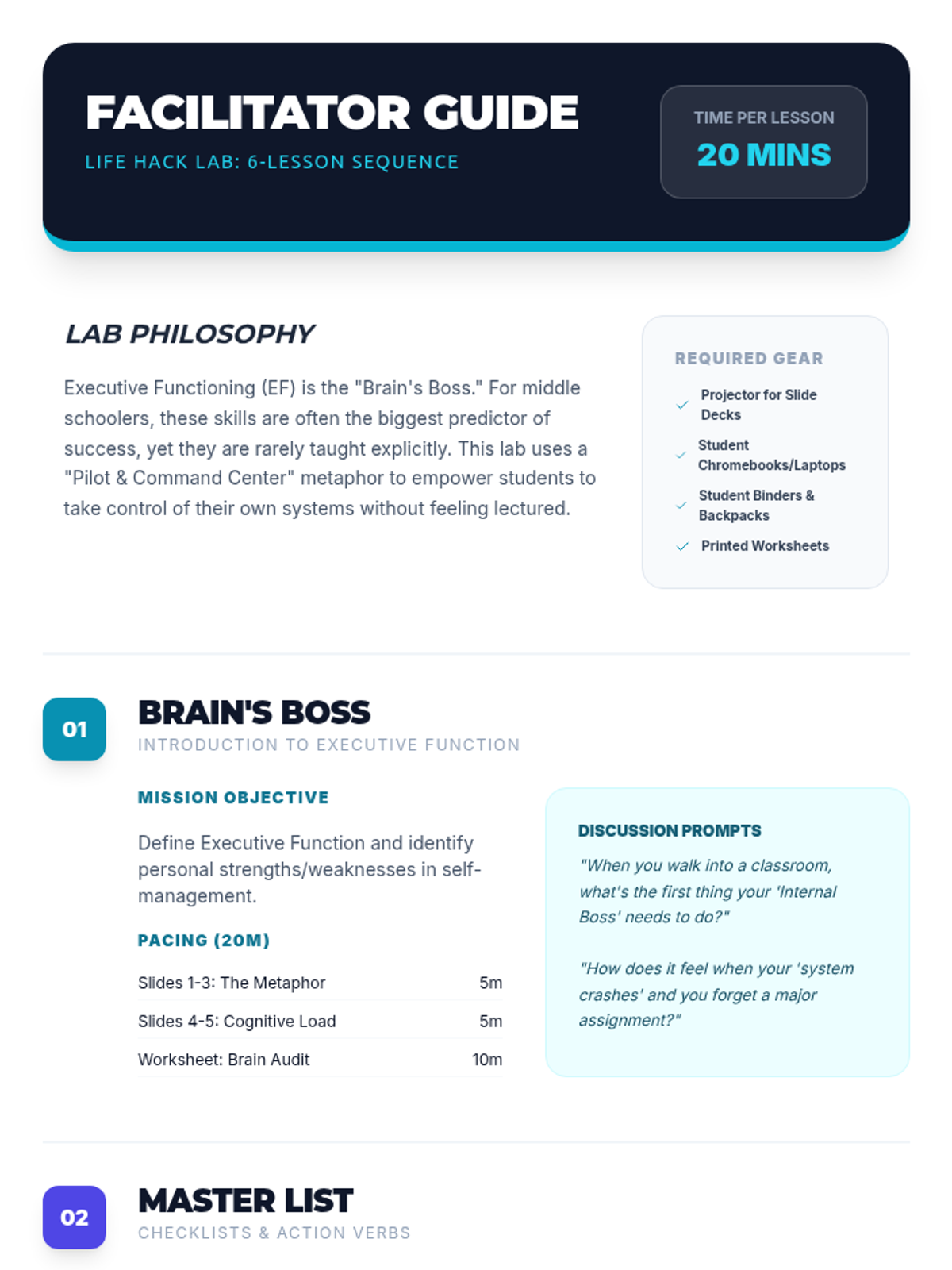
A 6-lesson sequence for middle schoolers to master executive functioning skills, focusing on task management, physical and digital organization, and building sustainable routines.
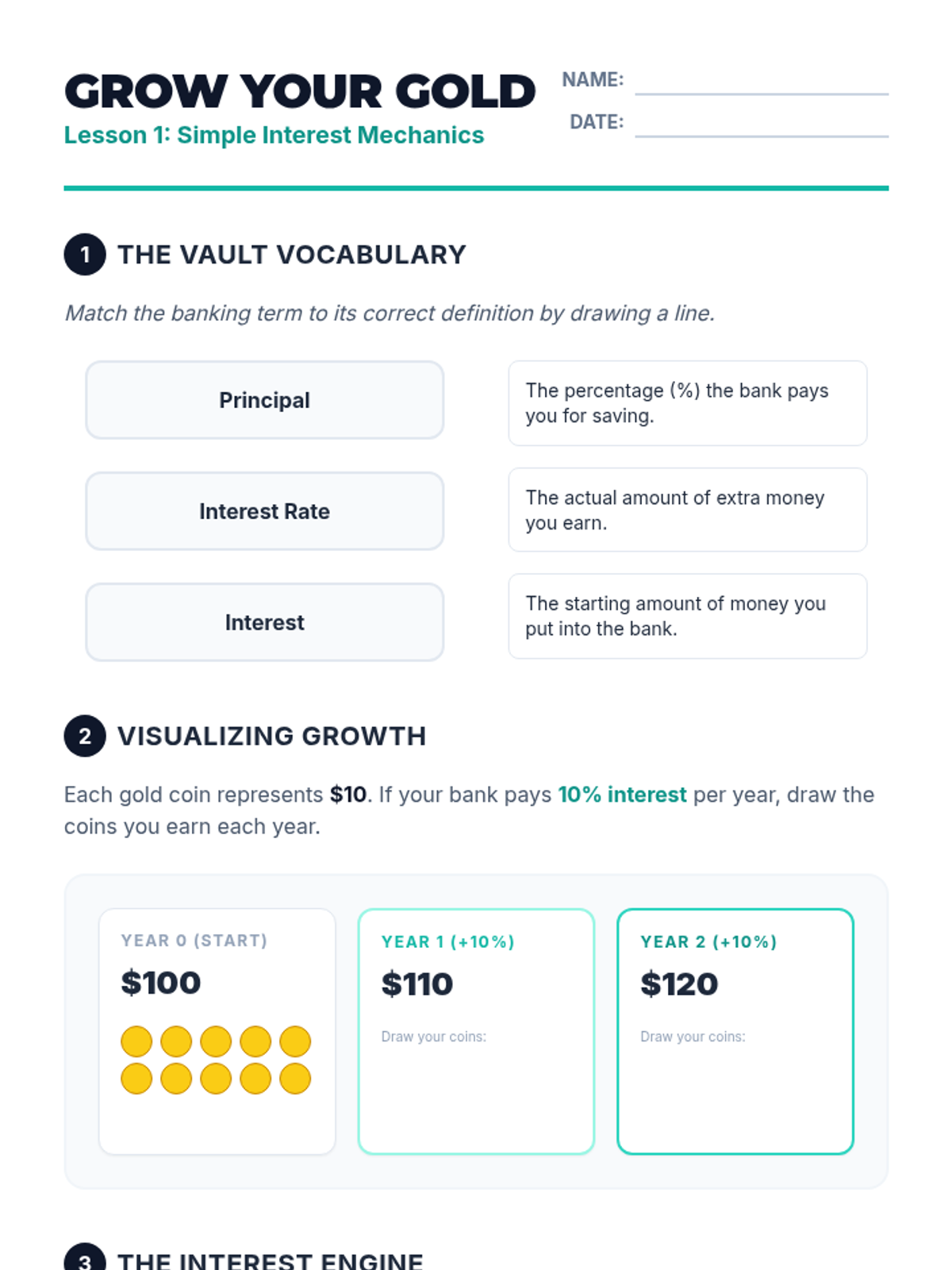
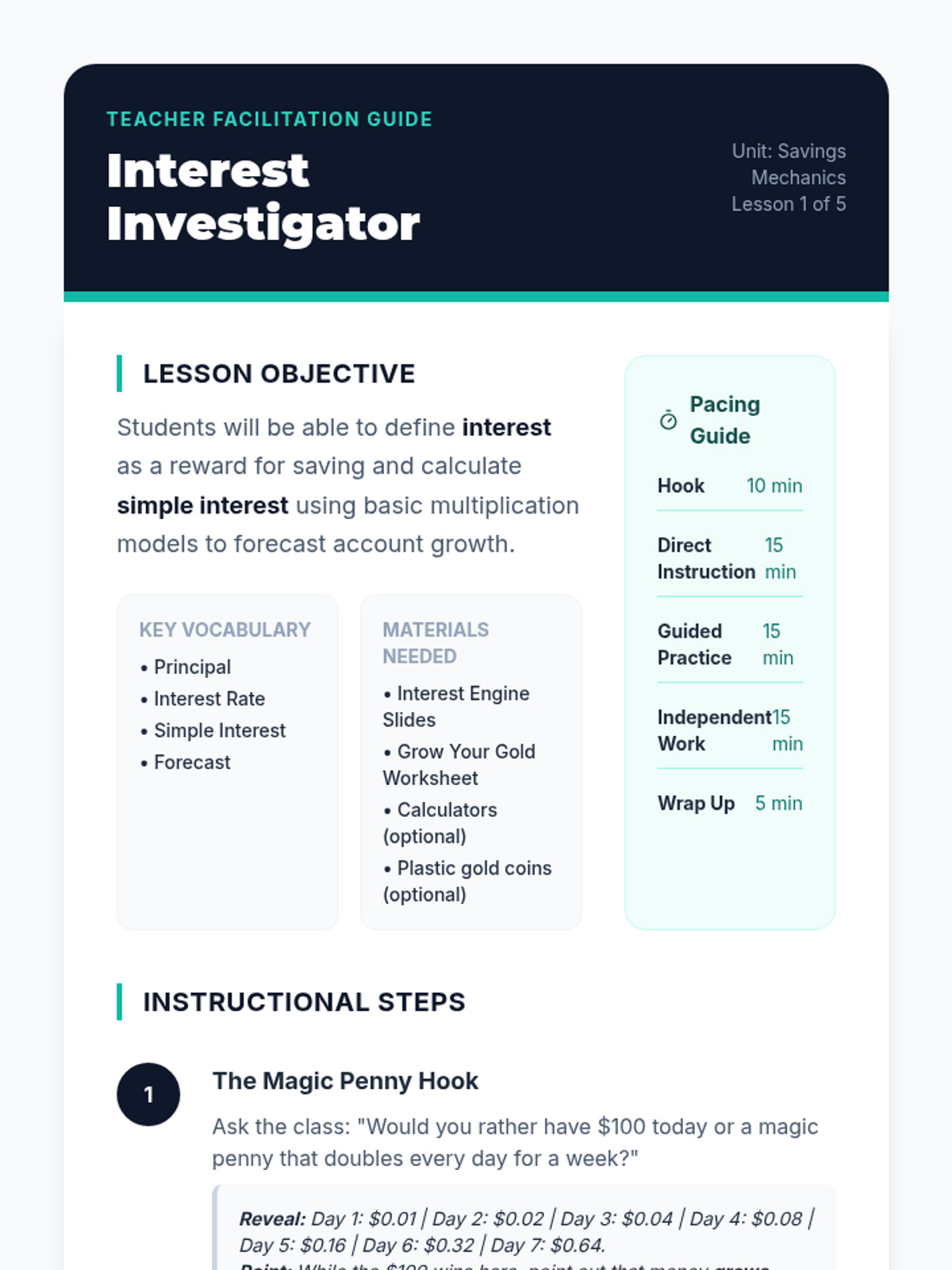
This project-based sequence shifts focus to the growth potential of money through savings accounts and the modern interface of online banking. Students investigate the concept of simple interest, visualizing how money can 'work' for them over time. The learning arc moves from understanding interest rates to navigating digital banking interfaces securely.
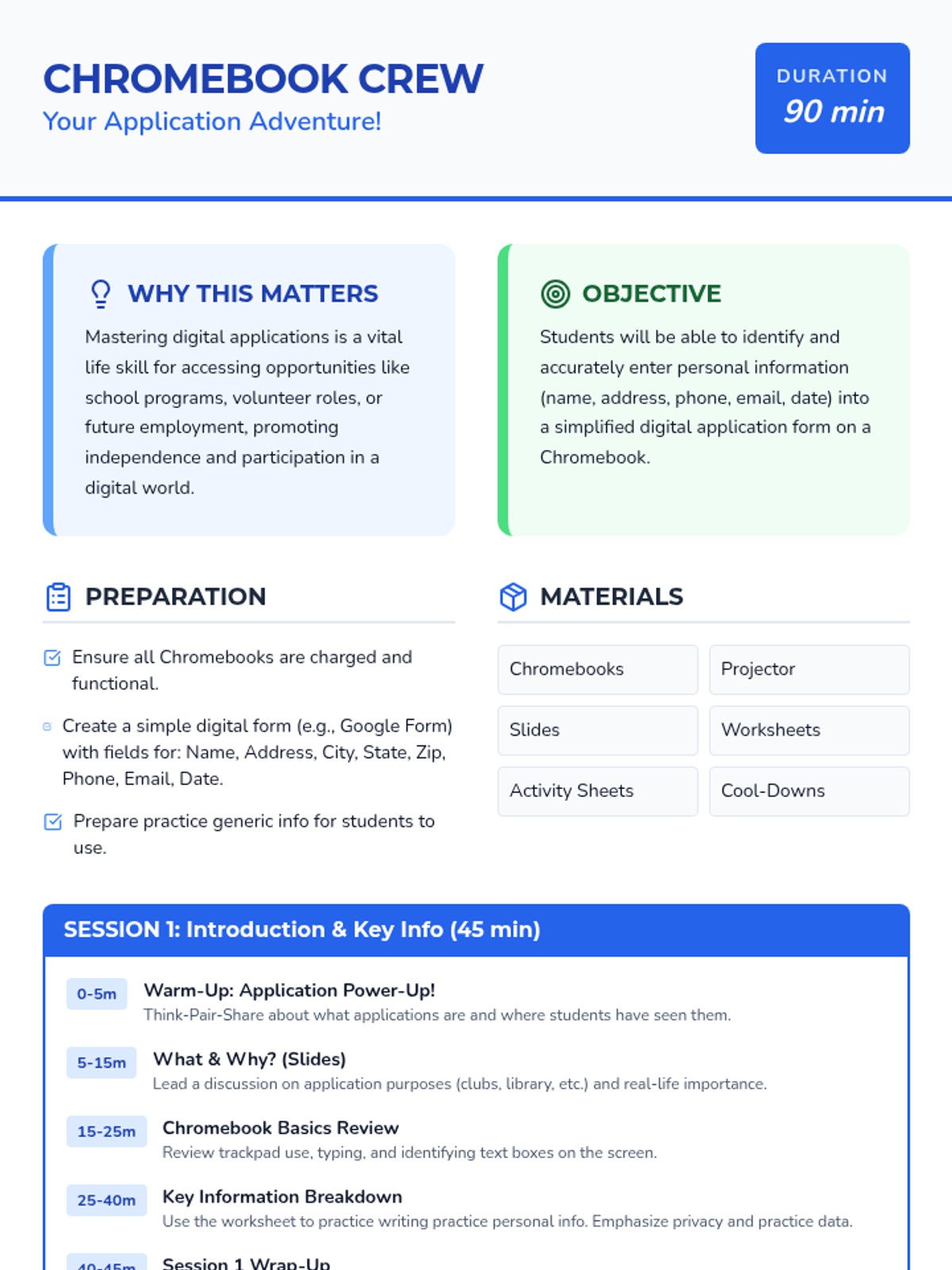
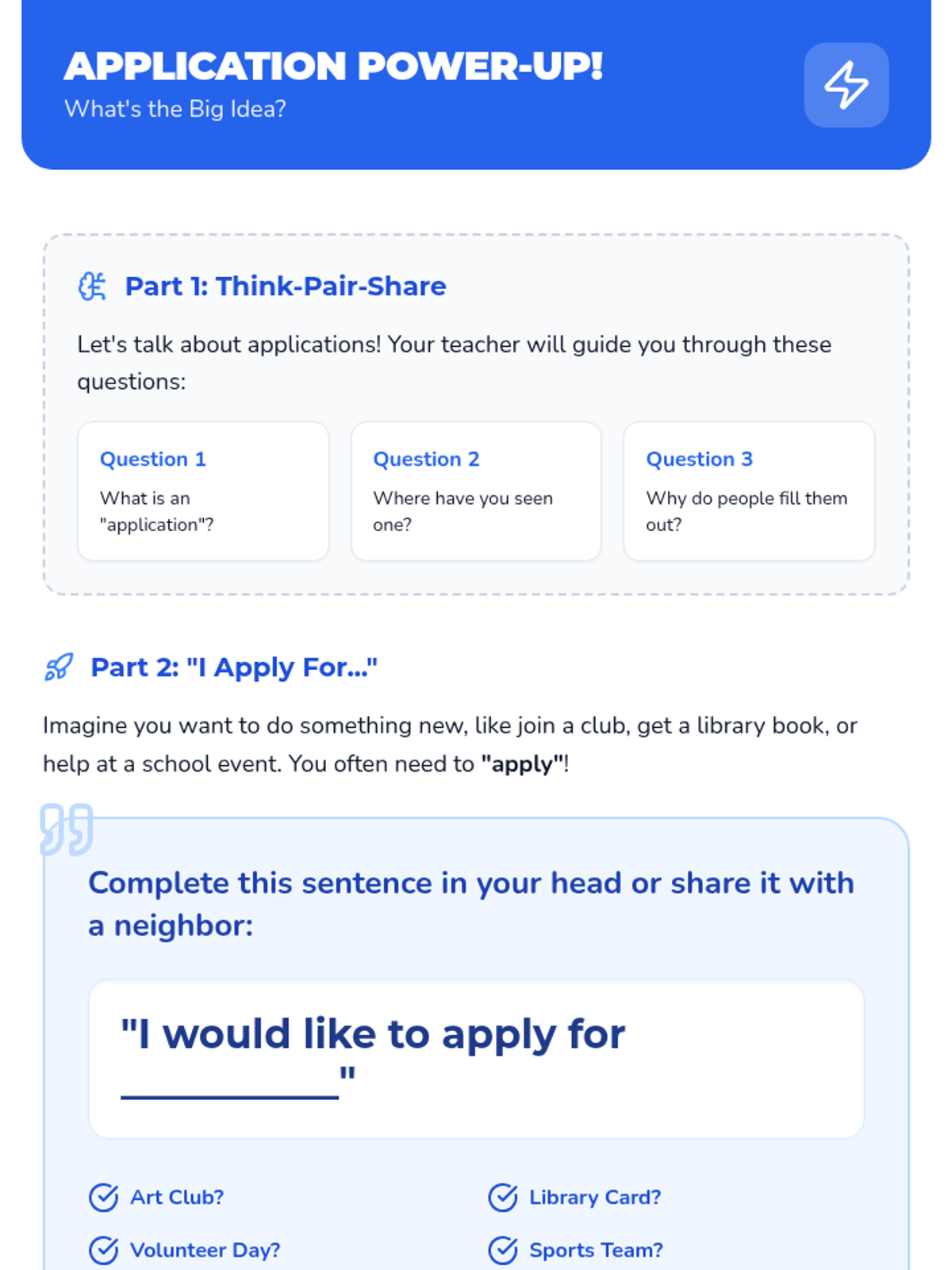
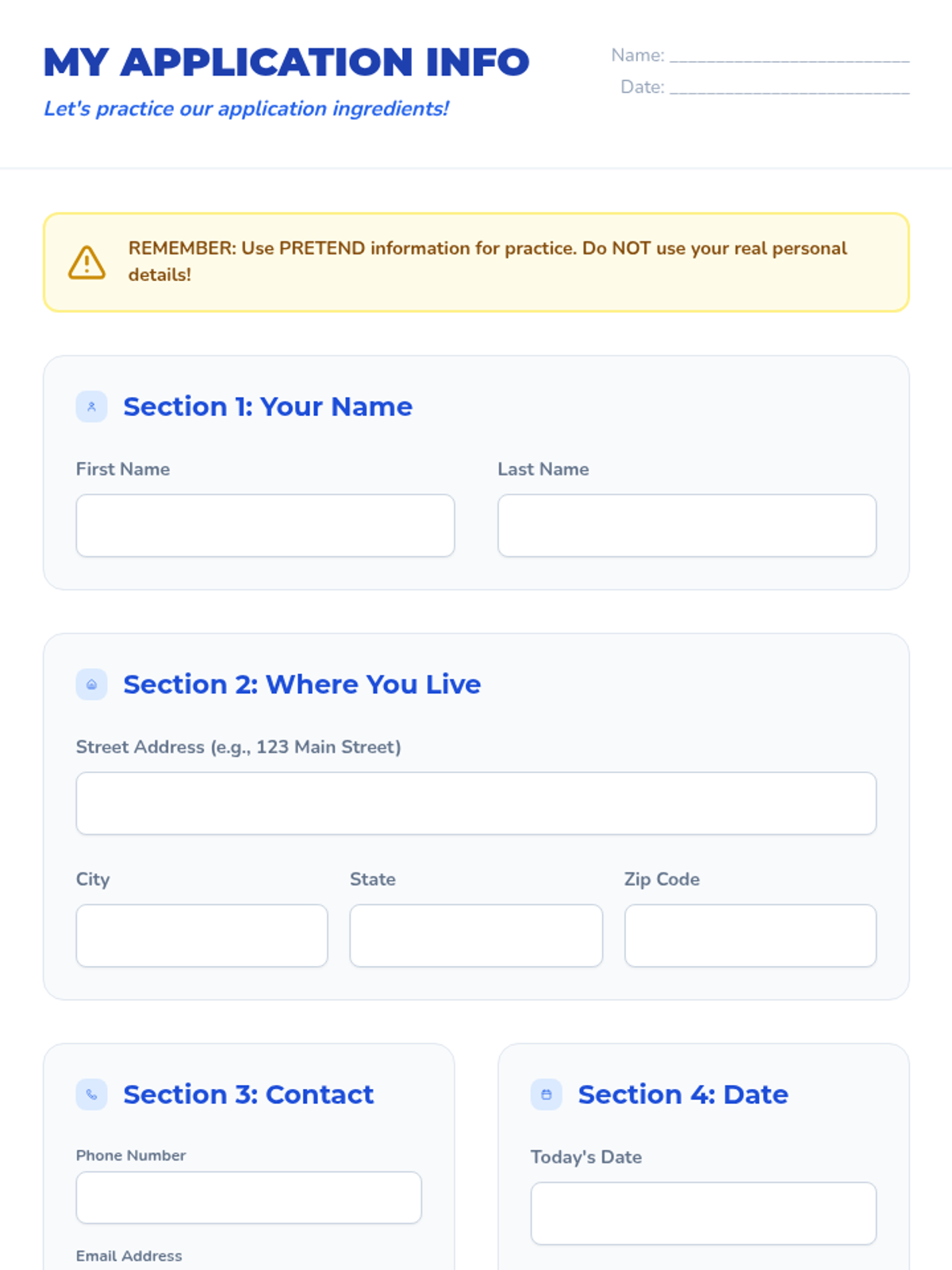
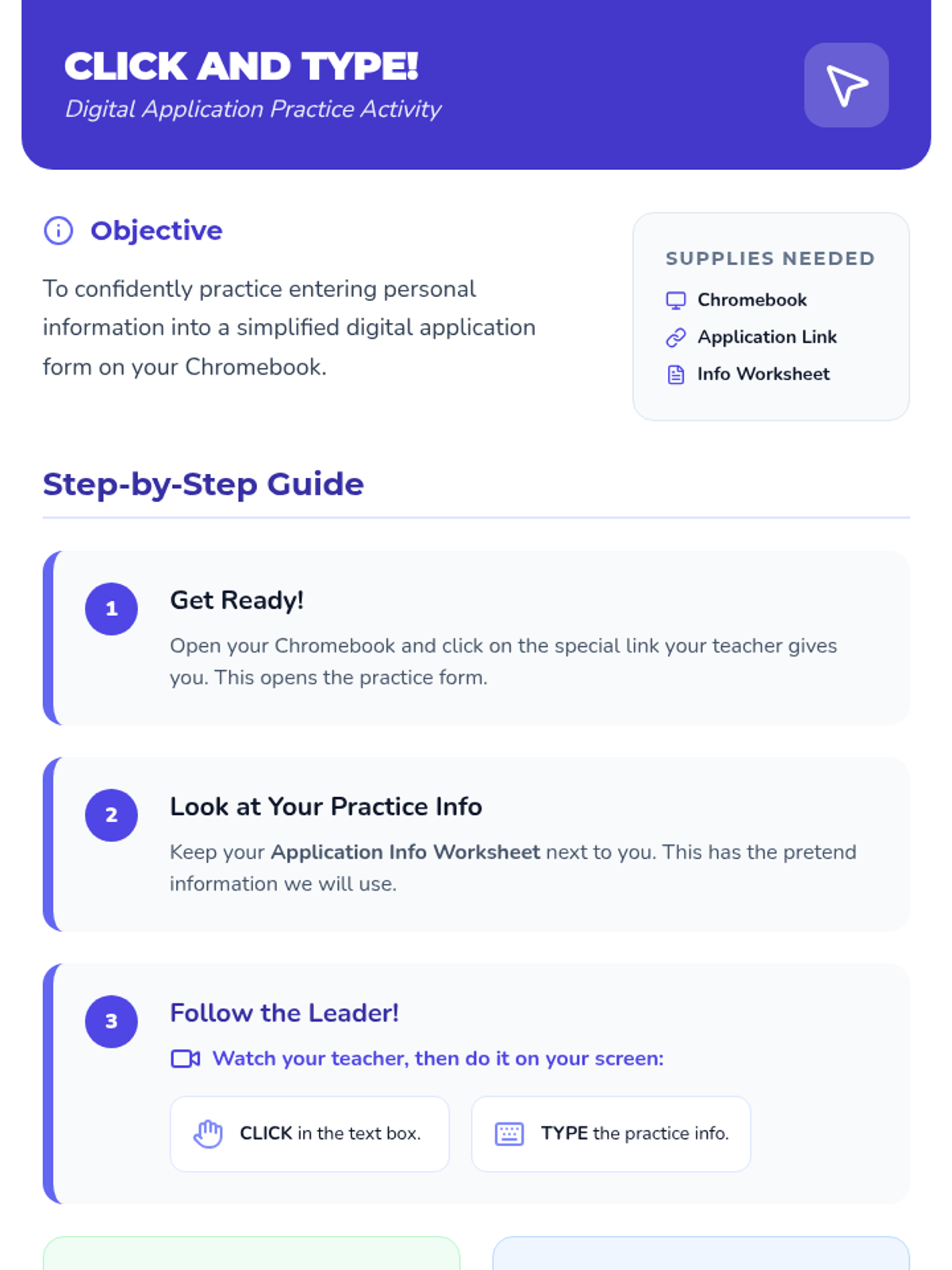
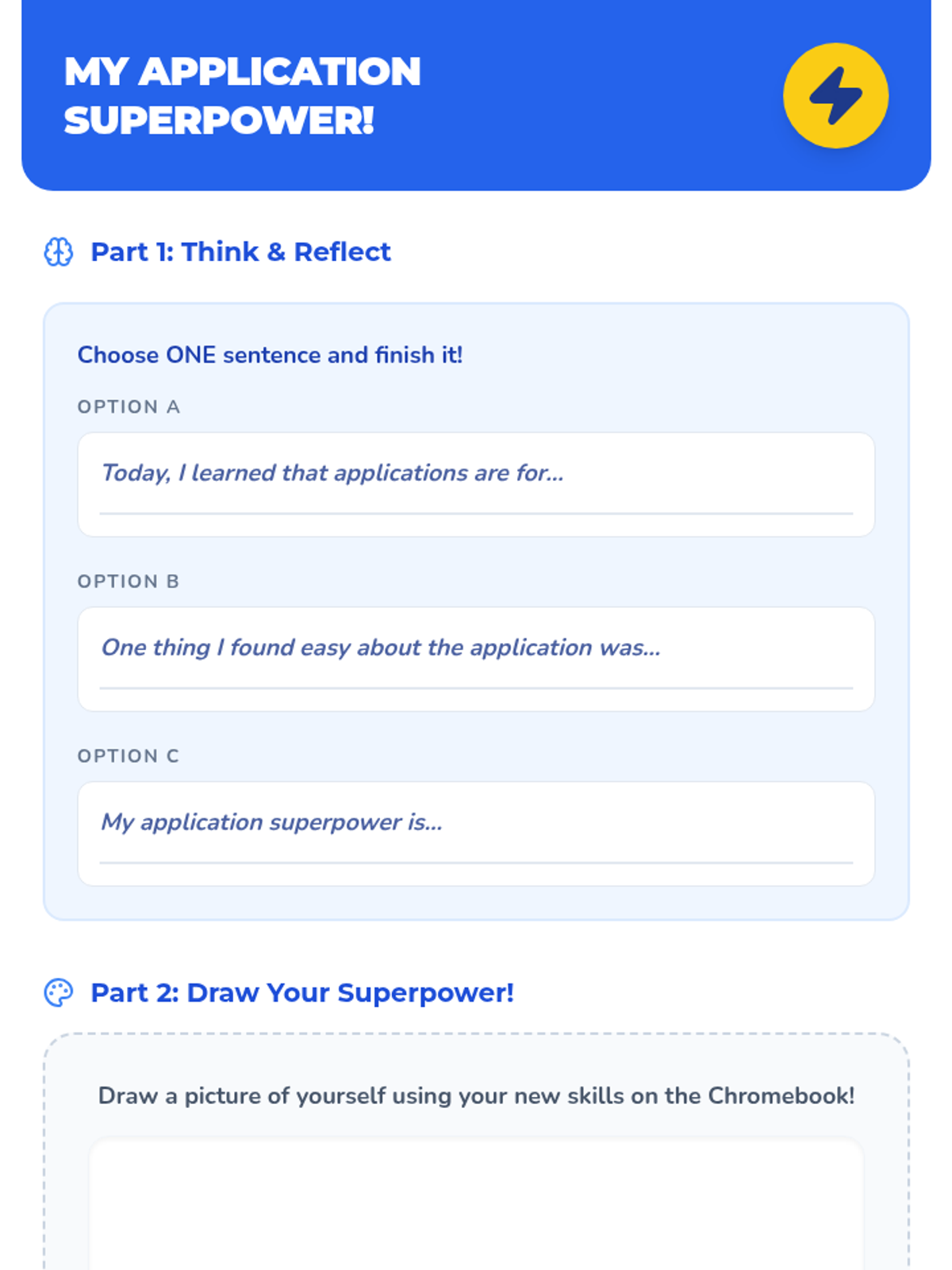
A comprehensive sequence designed to build essential digital literacy and social-emotional skills. This sequence includes a multi-session lesson on navigating digital applications for middle school students and a creative lesson on friendship for elementary students.
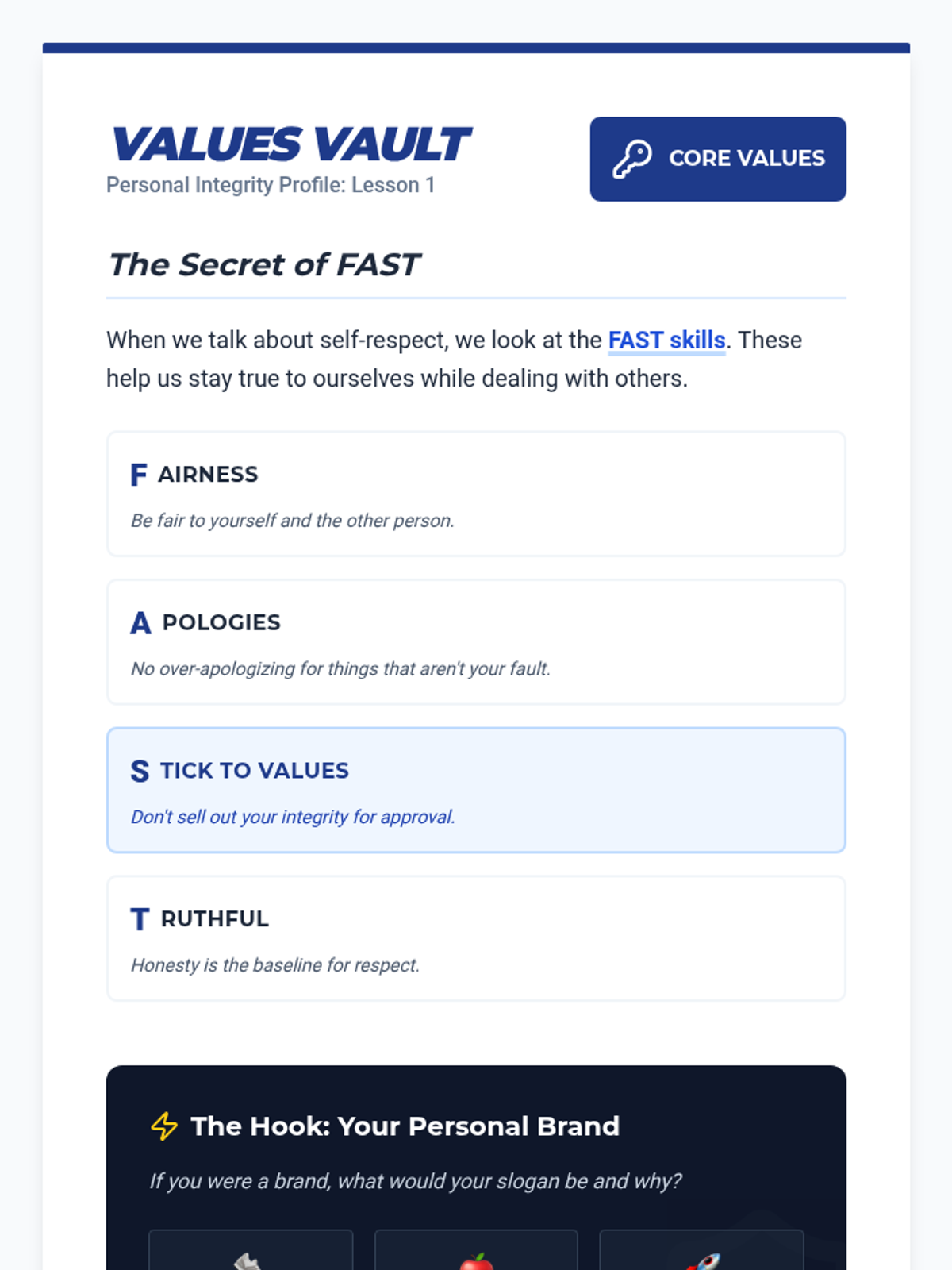
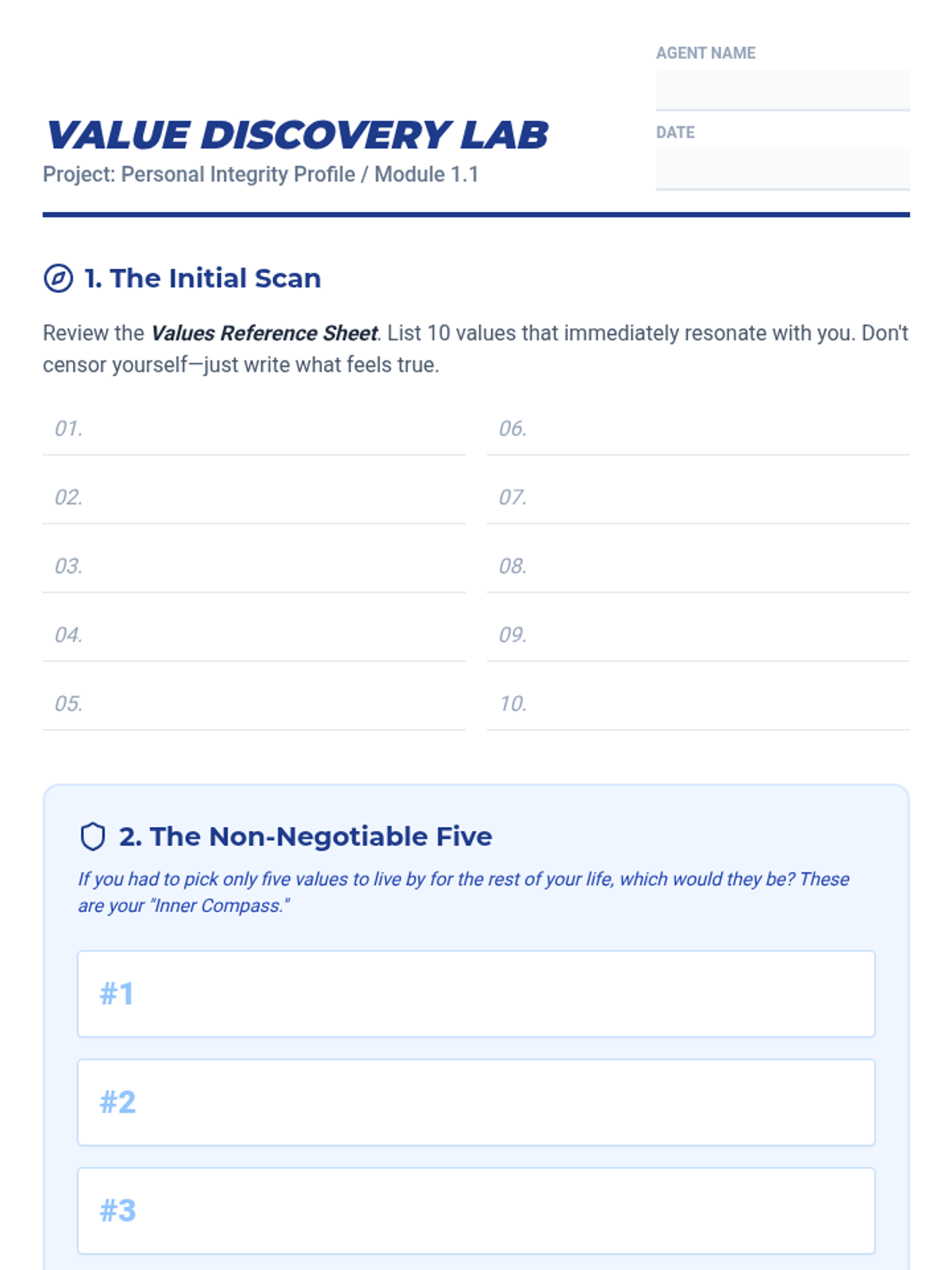
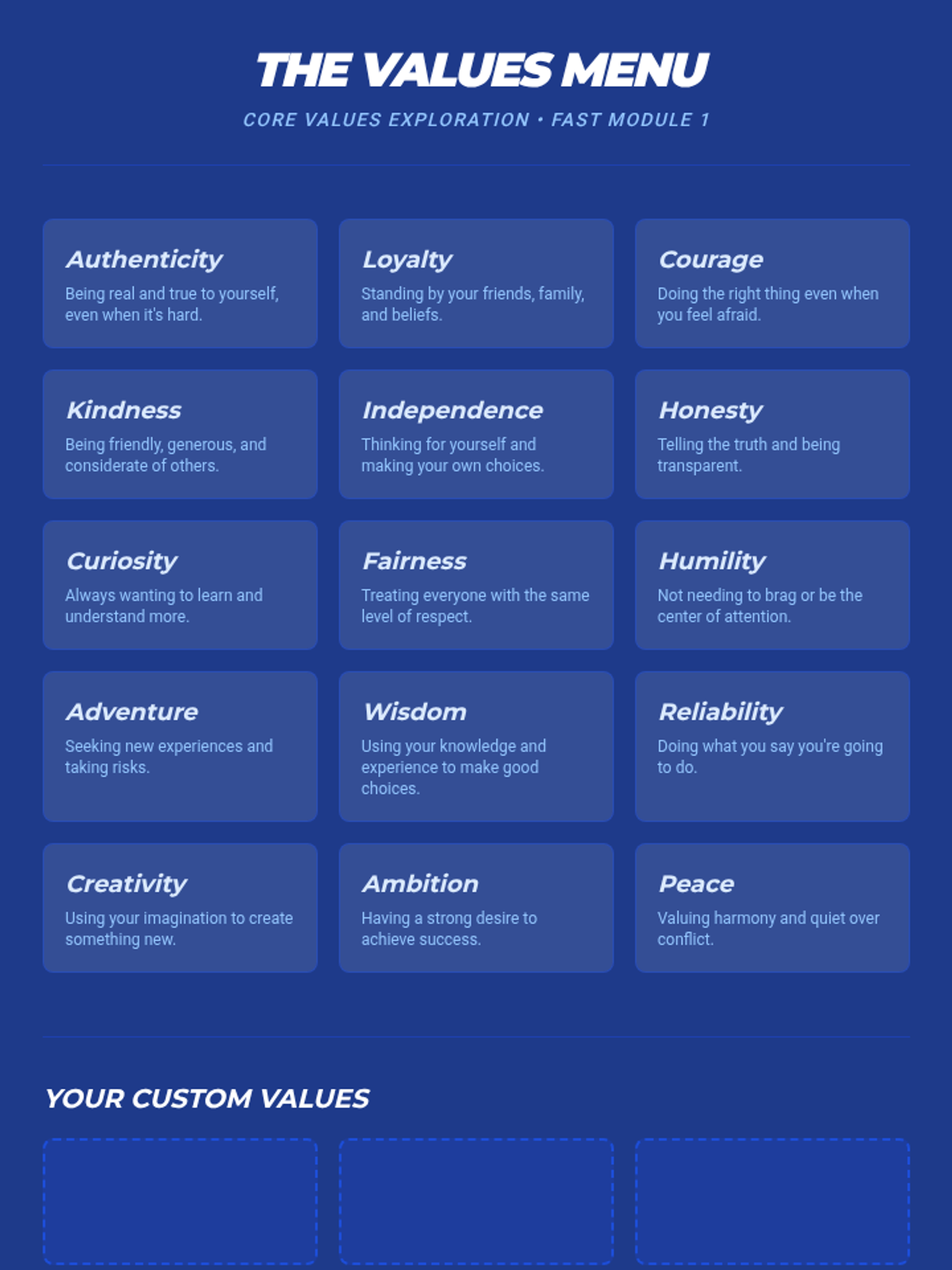
A project-based sequence for 6th graders to develop self-respect using FAST skills. Students explore personal values, digital authenticity, boundaries, and assertive communication to create a comprehensive 'Personal Code of Conduct' manifesto.
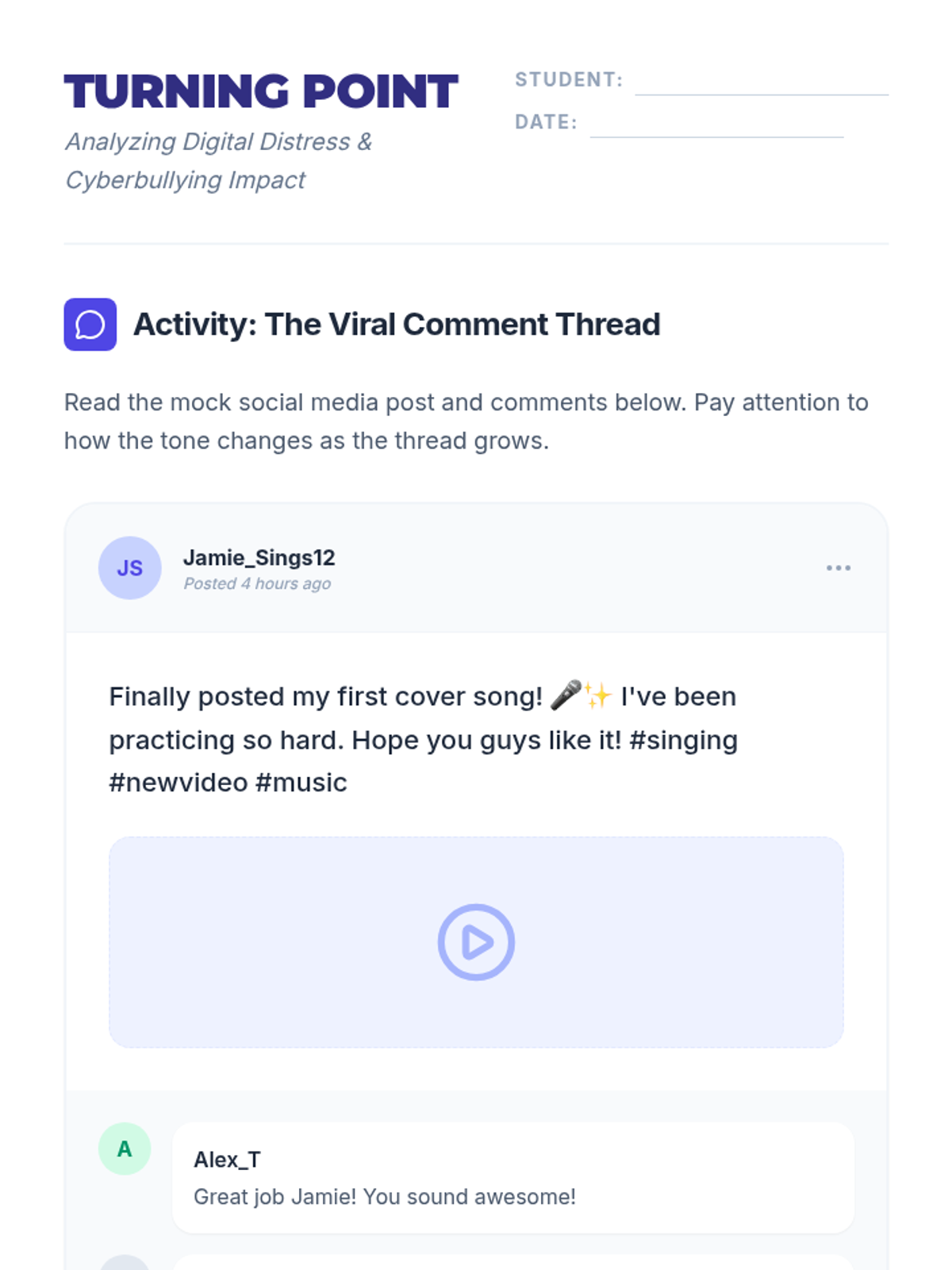
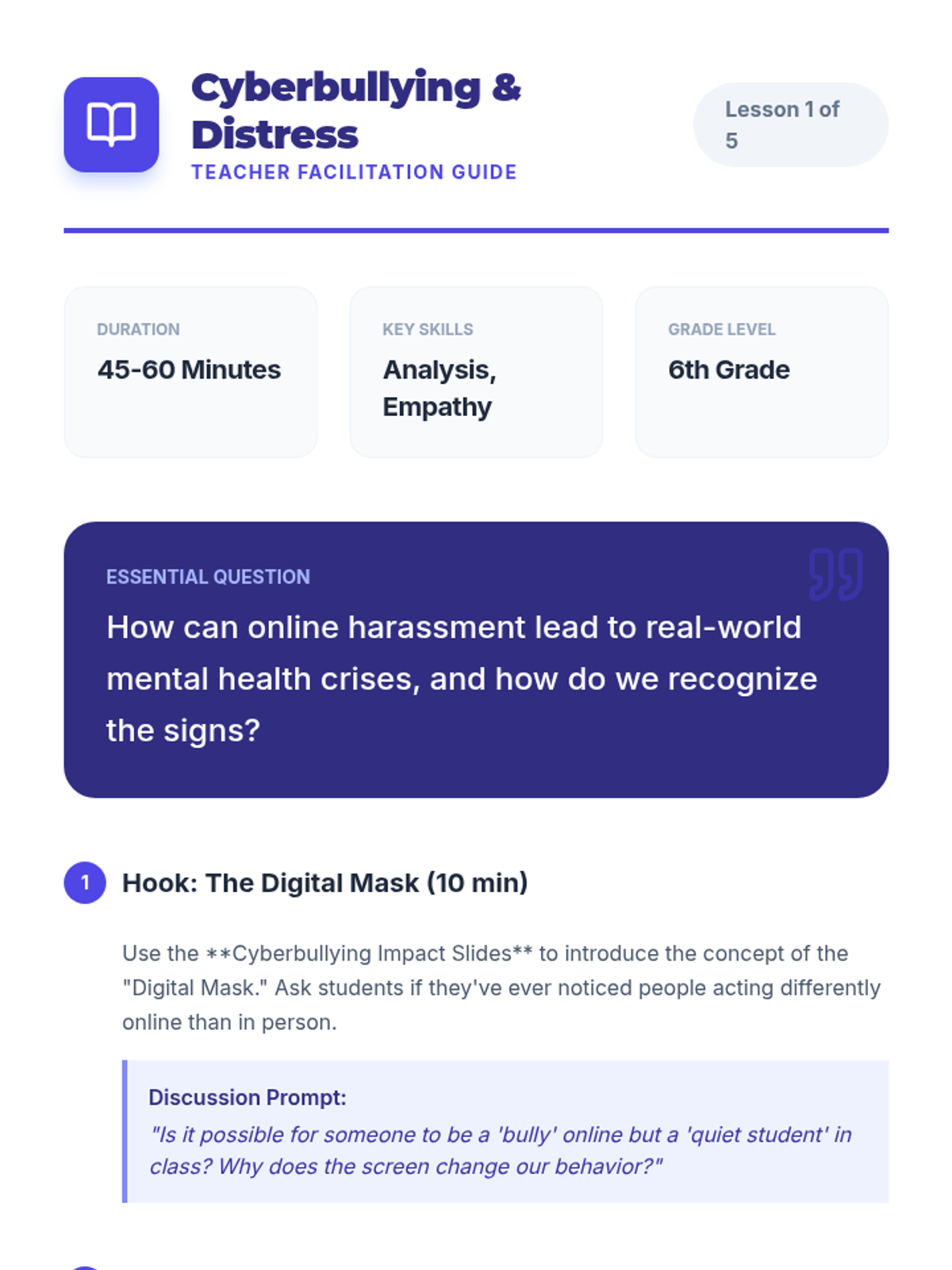
A comprehensive unit for 6th graders on identifying signs of mental health distress in online spaces, understanding the impact of cyberbullying, and learning how to report safety concerns on digital platforms.
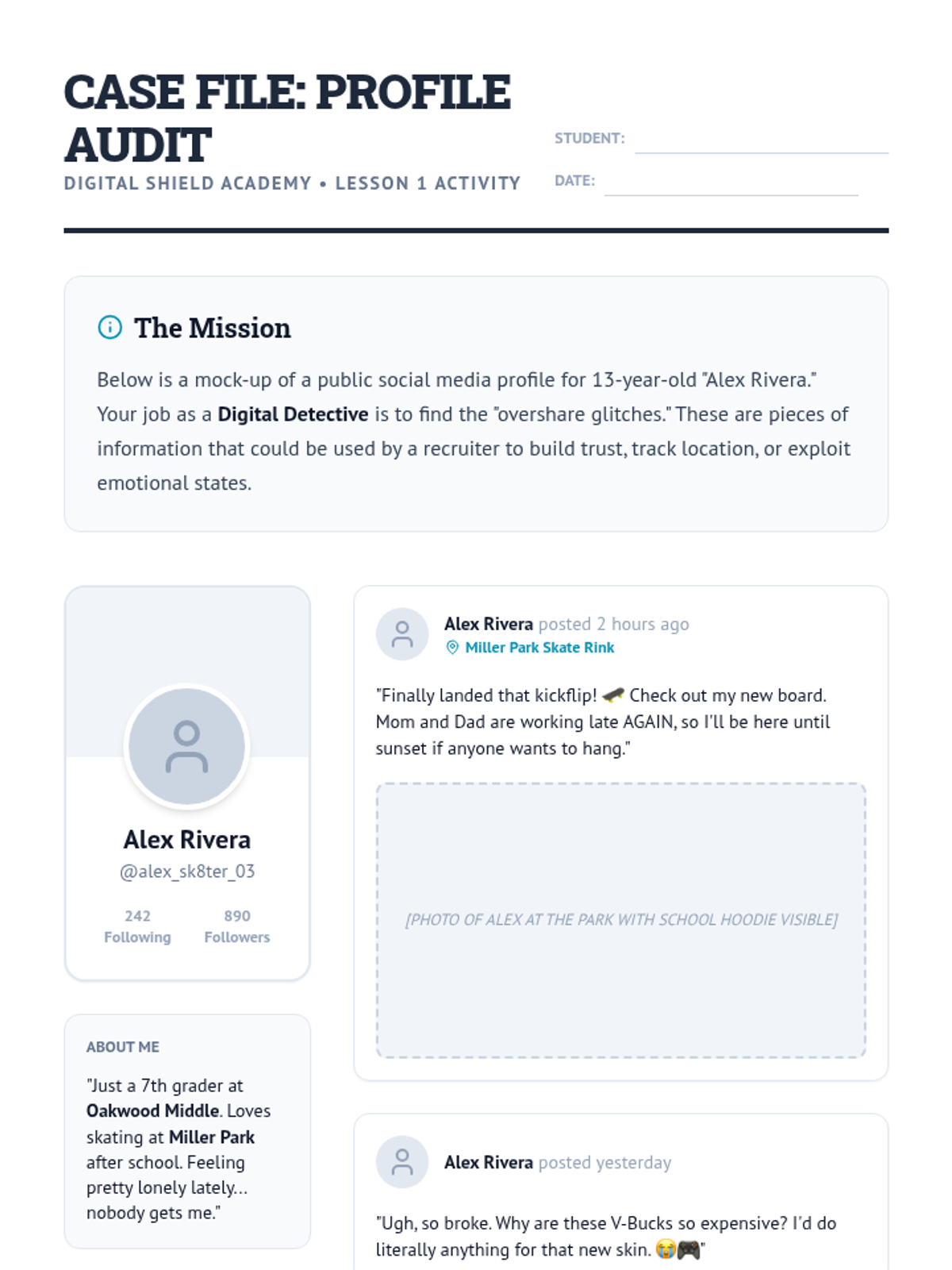
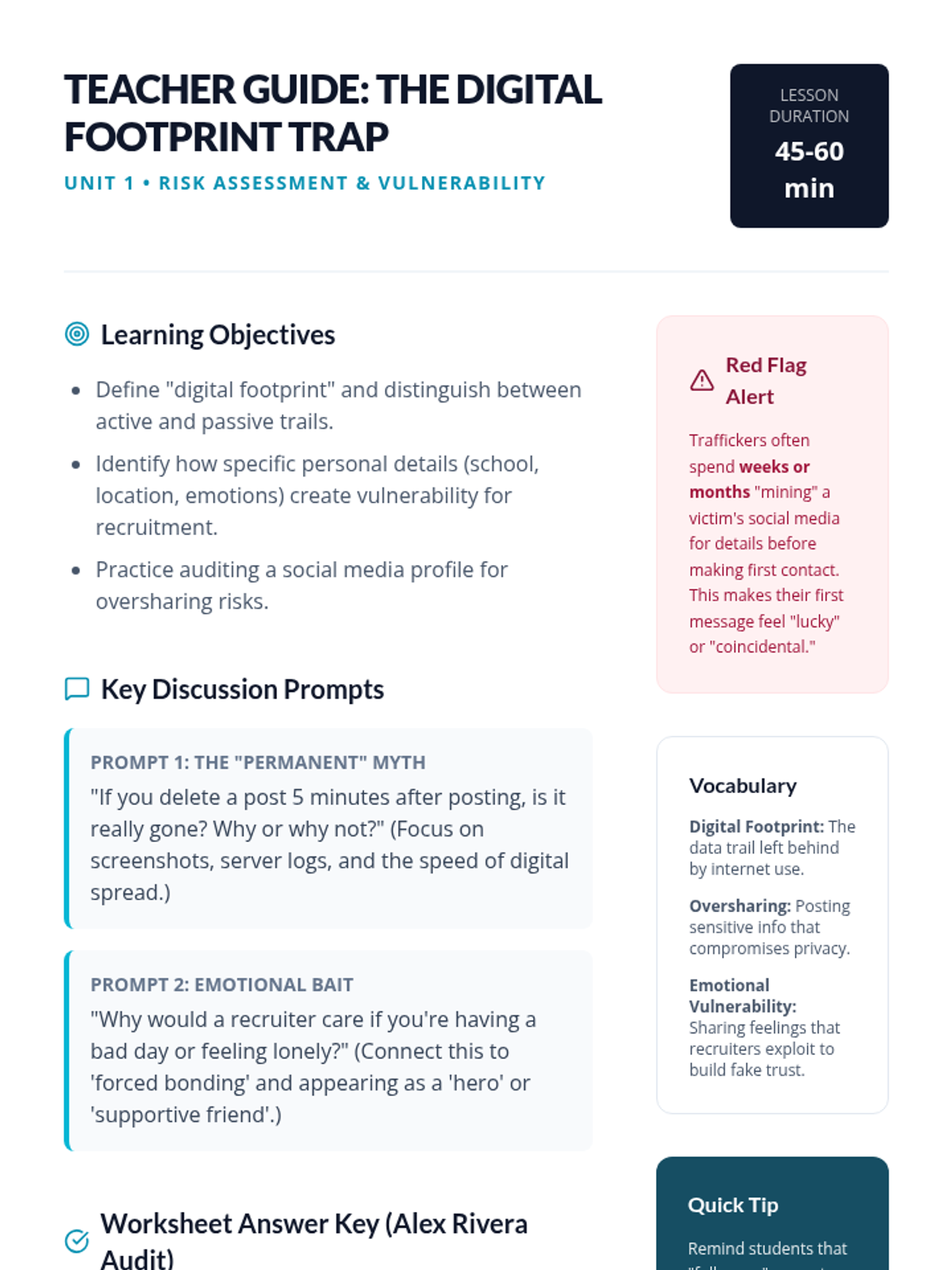
A 5-lesson sequence for 6th graders focusing on identifying online recruitment tactics, understanding digital footprints, and implementing privacy shields to prevent exploitation and trafficking.
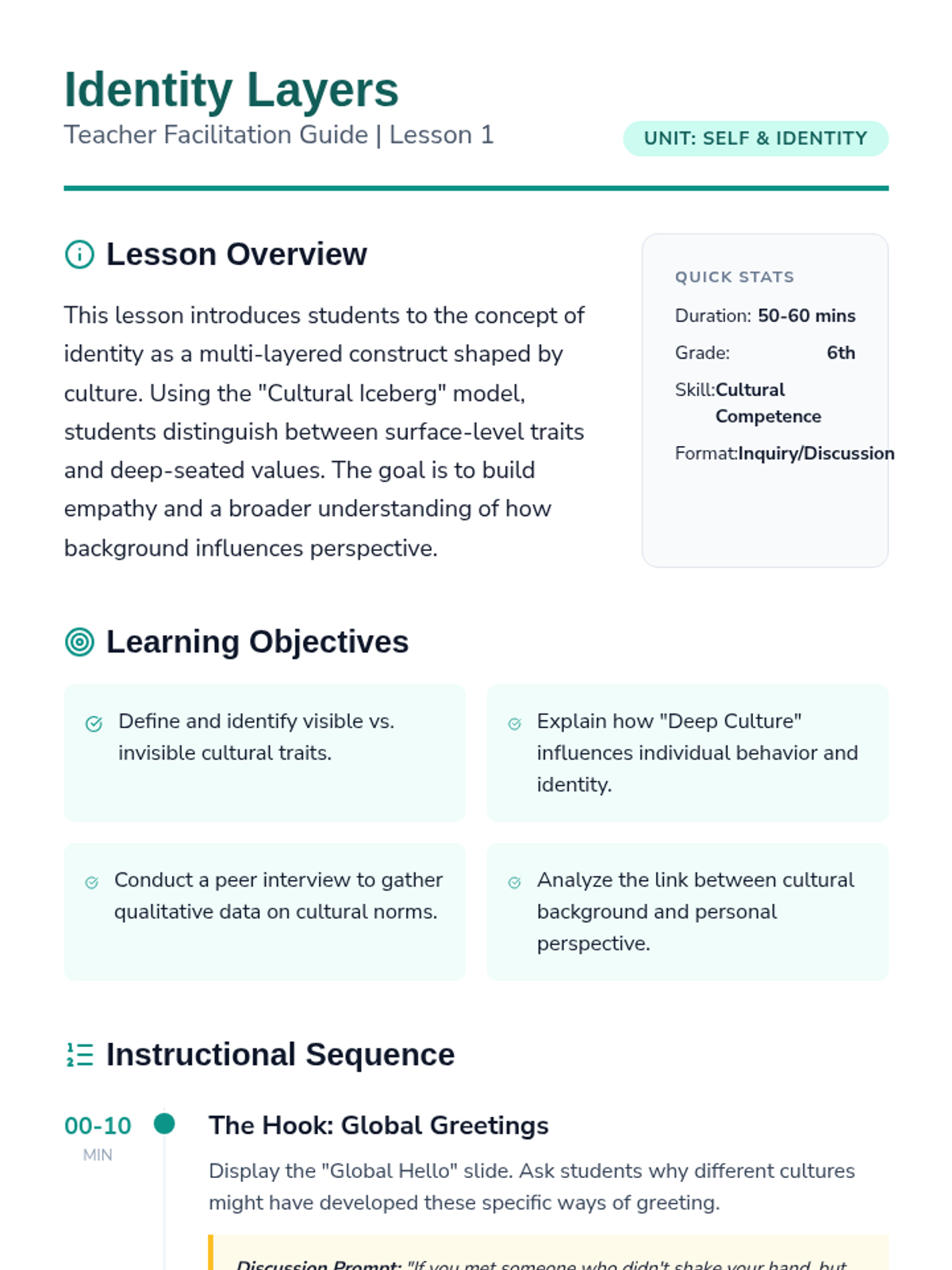
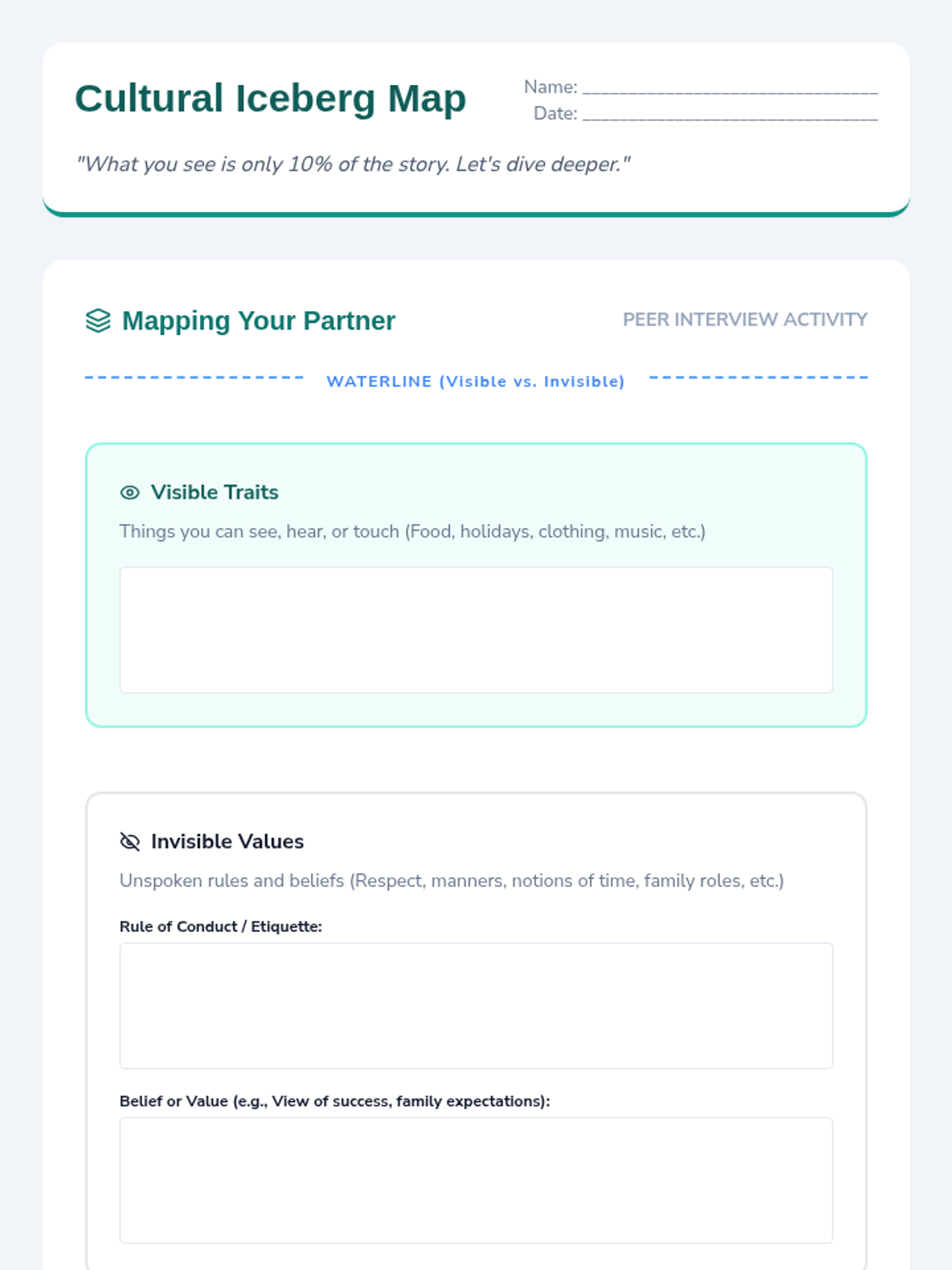
A project-based unit exploring how culture, media, and technology influence 6th graders' self-perception. Students analyze stereotypes, digital curation, and the 'Cultural Iceberg' before creating a 'Dual Identity' project.
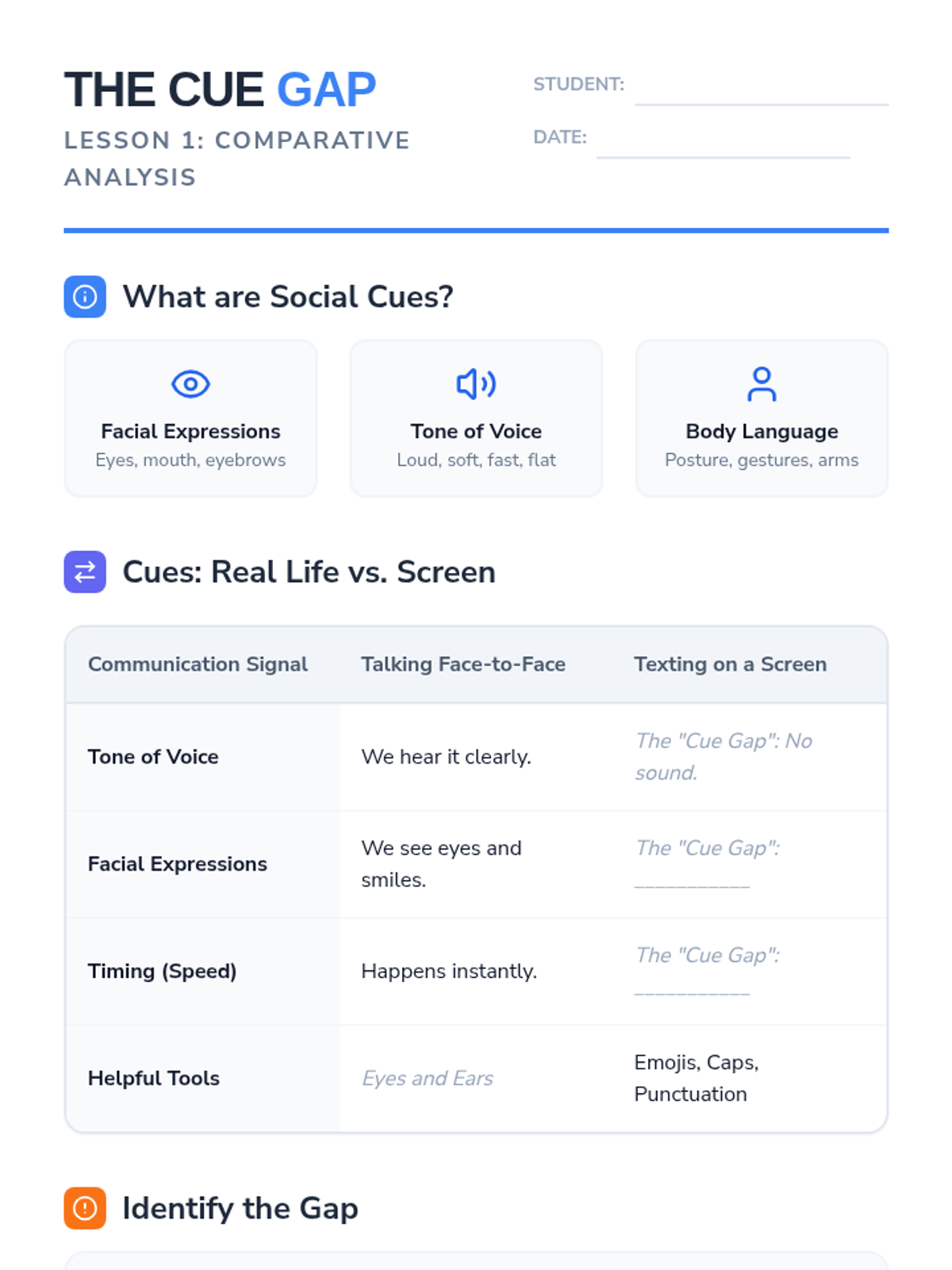
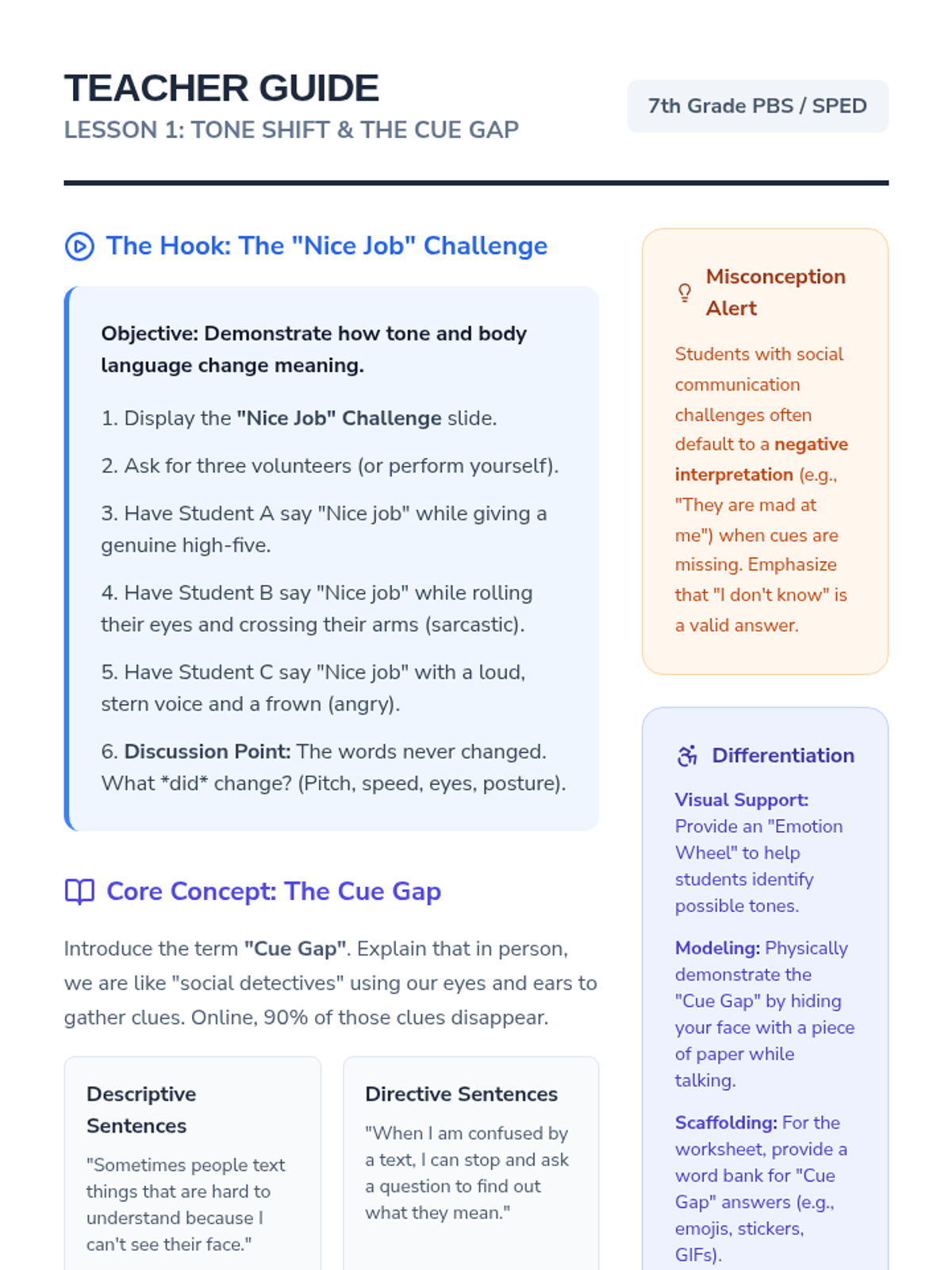
A 5-lesson sequence designed for 7th-grade students to translate social narrative techniques to digital communication. Students explore non-verbal cues, texting etiquette, impulse control, and gaming sportsmanship to build a personalized 'Digital Etiquette Guide'.
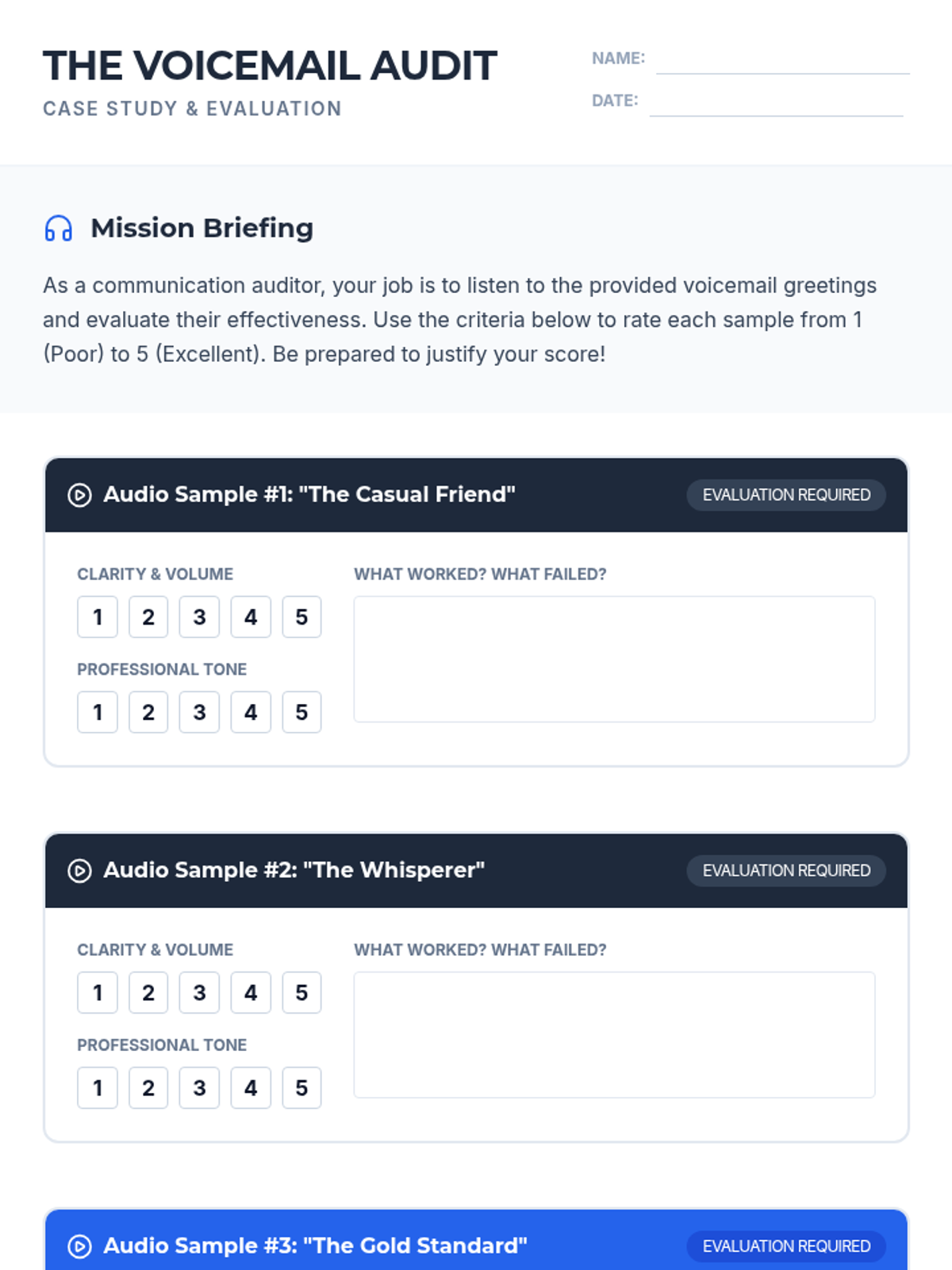
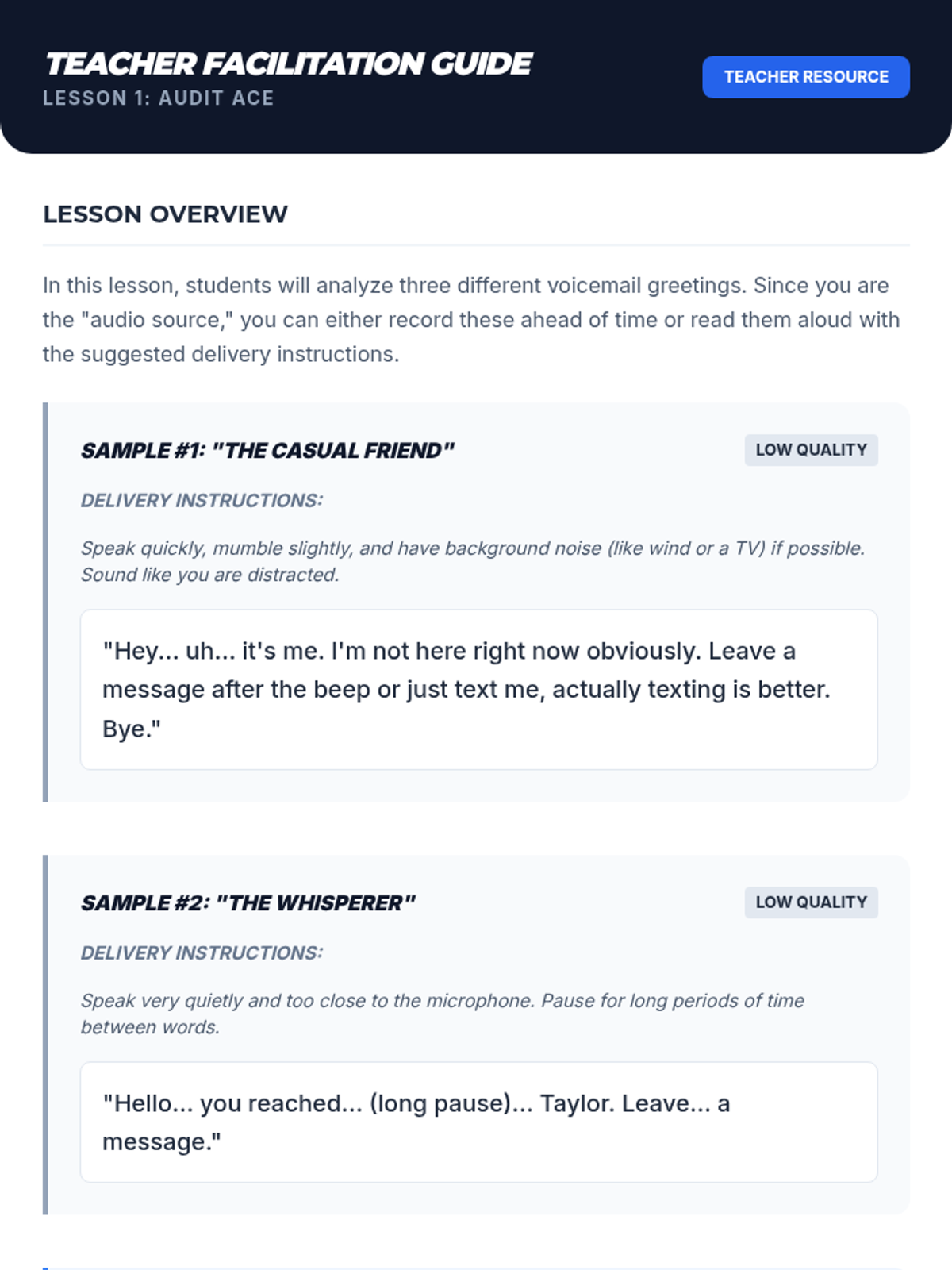
This project-based sequence explores the world of asynchronous audio communication, specifically voicemail systems. Students investigate professional standards, script their own greetings, and practice leaving clear, actionable messages, culminating in a digital audio portfolio.
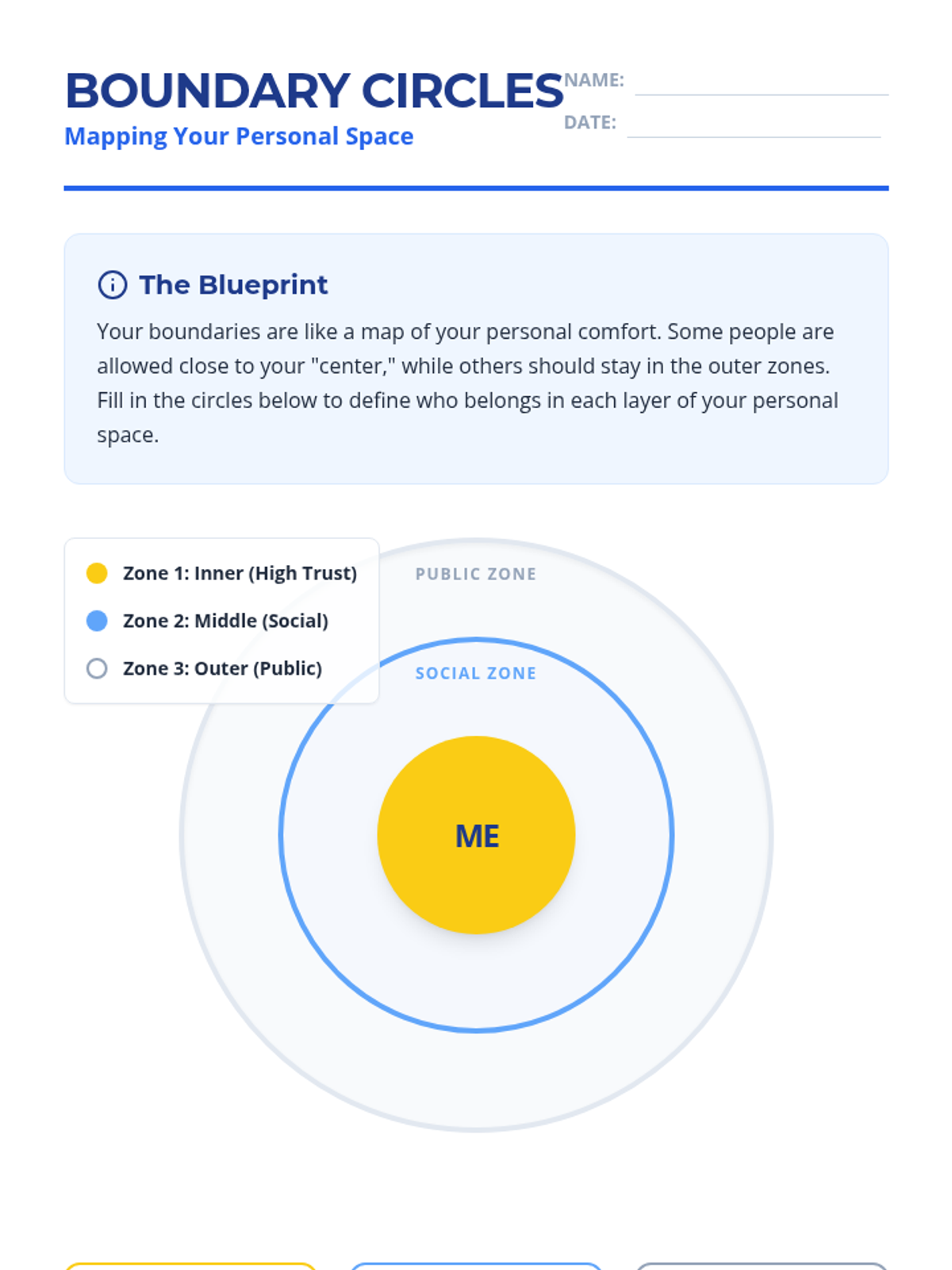
A 5-lesson workshop series for 6th graders on establishing, communicating, and respecting personal boundaries in physical, emotional, and digital spaces. Students move from self-reflection to active role-play mastery.
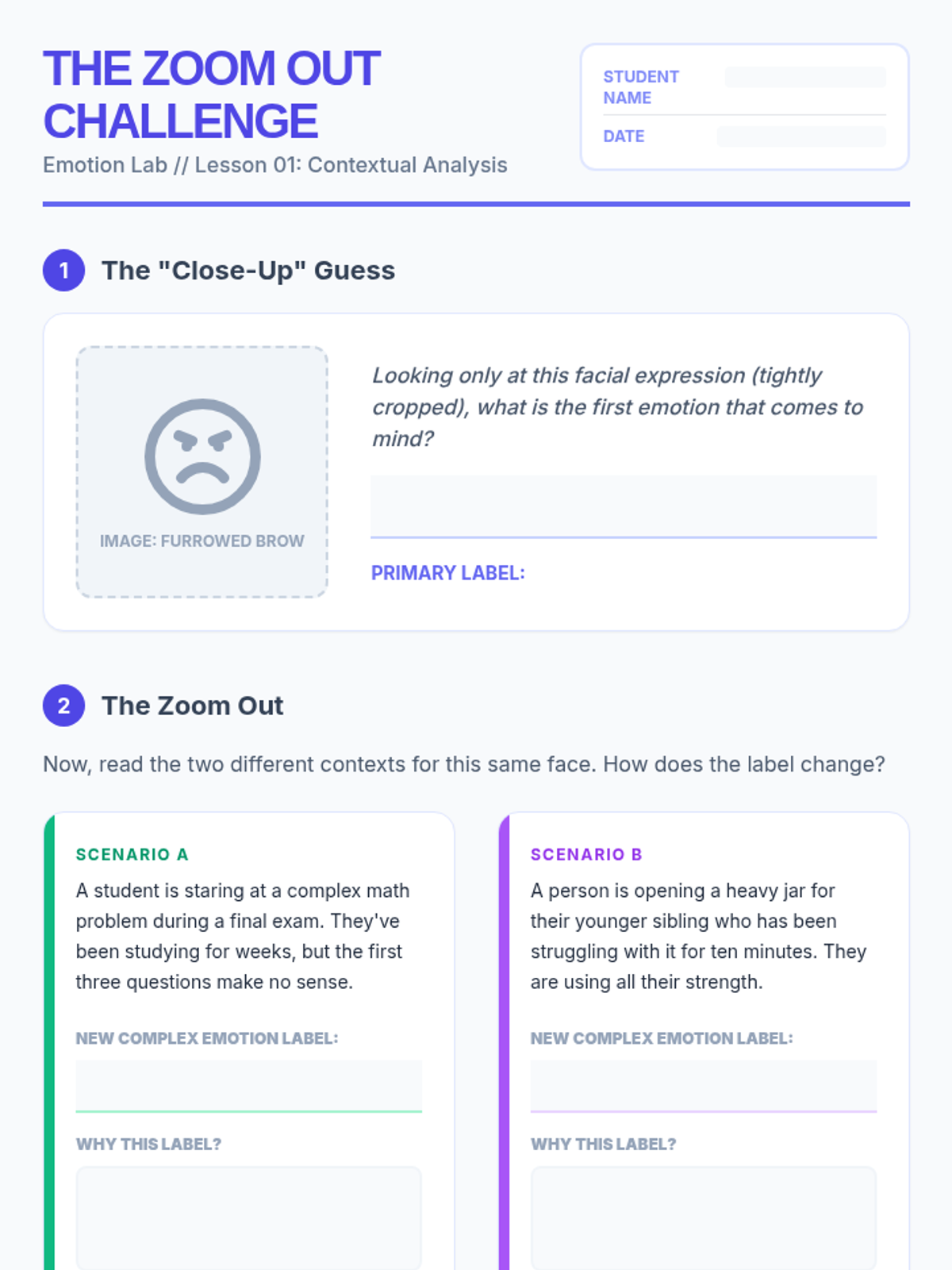
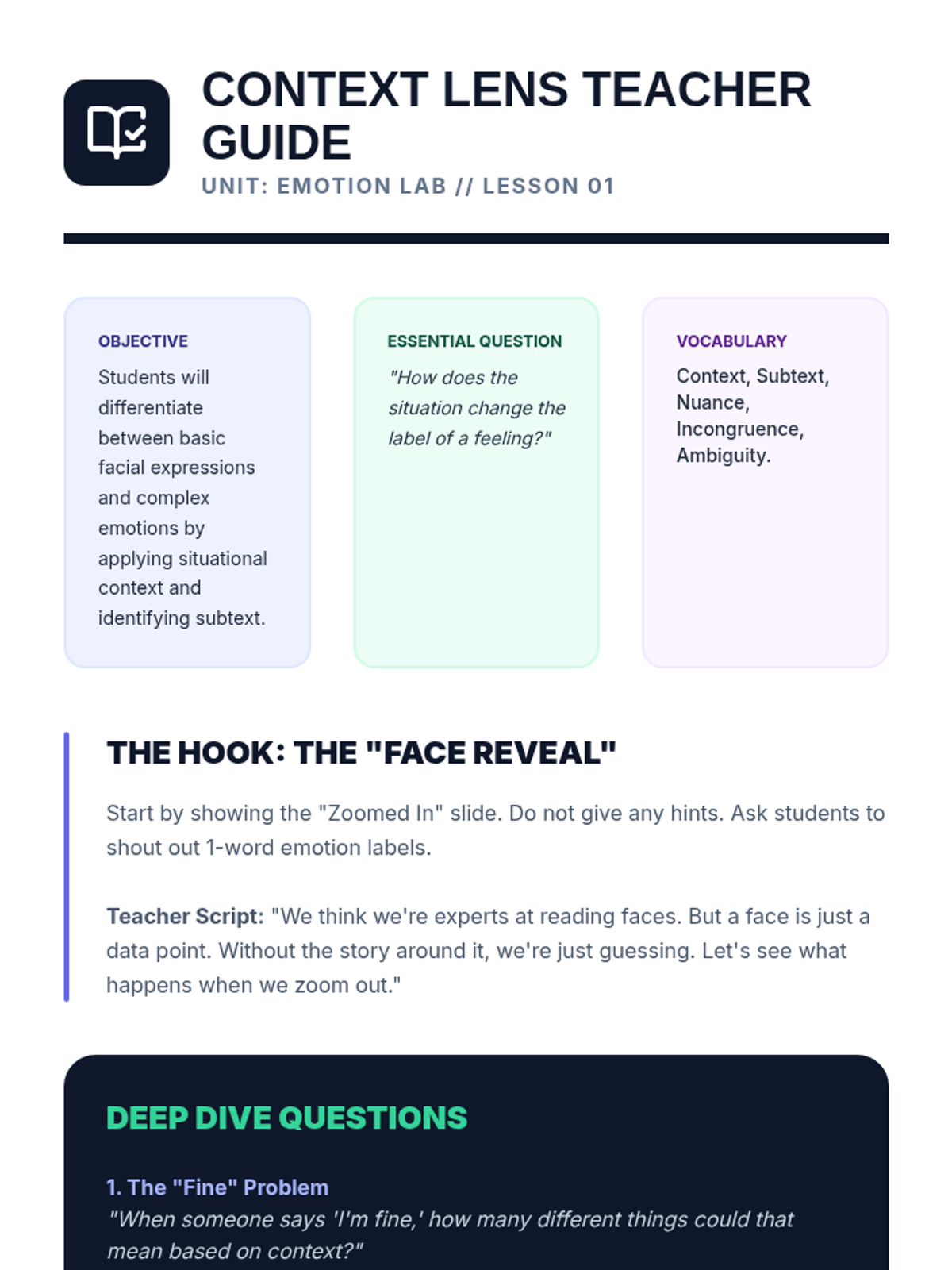
A project-based unit exploring how context and digital platforms influence emotional expression and interpretation. Students learn to label complex emotions in media and online interactions, culminating in a peer-to-peer digital empathy guide.
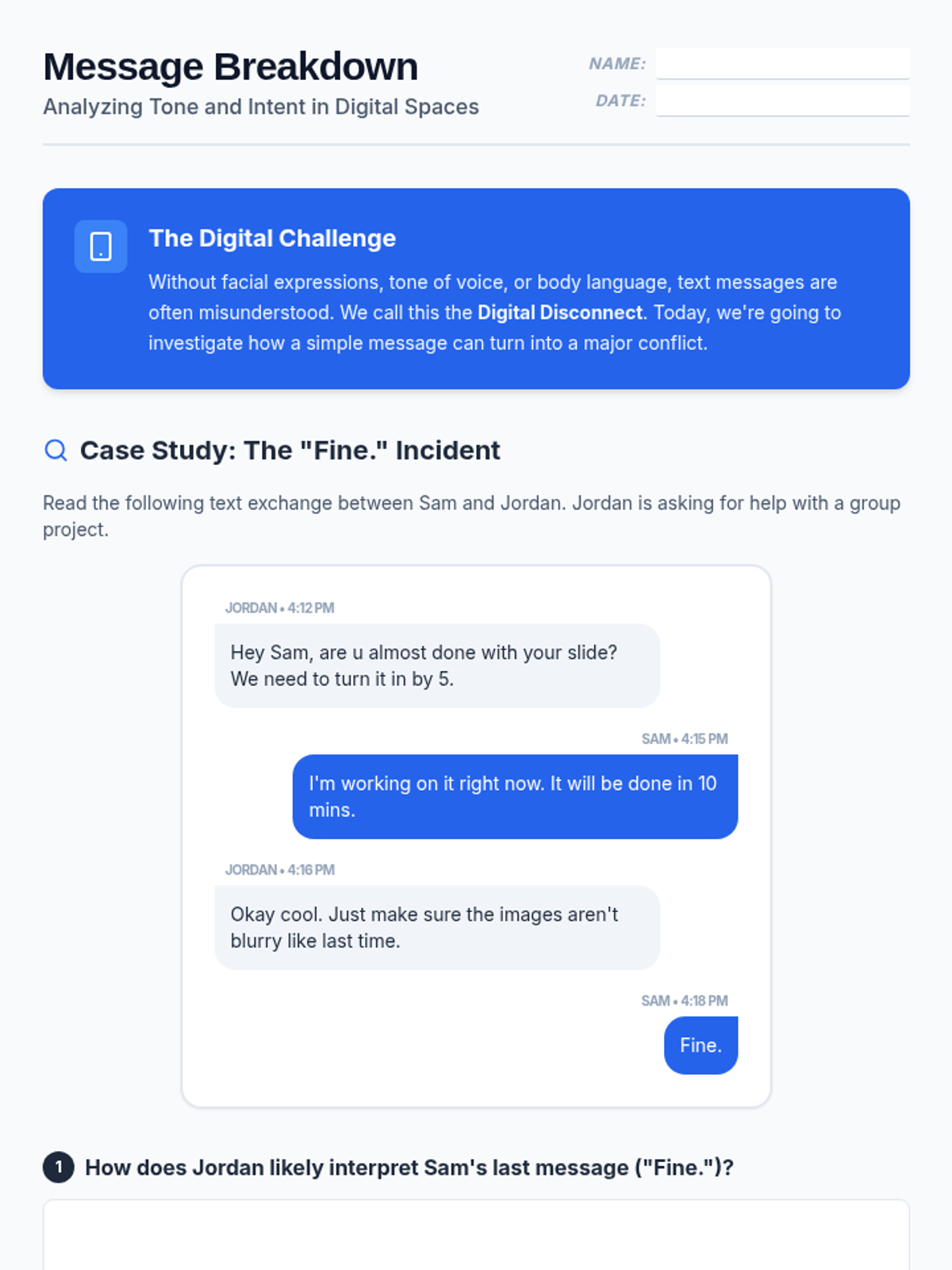
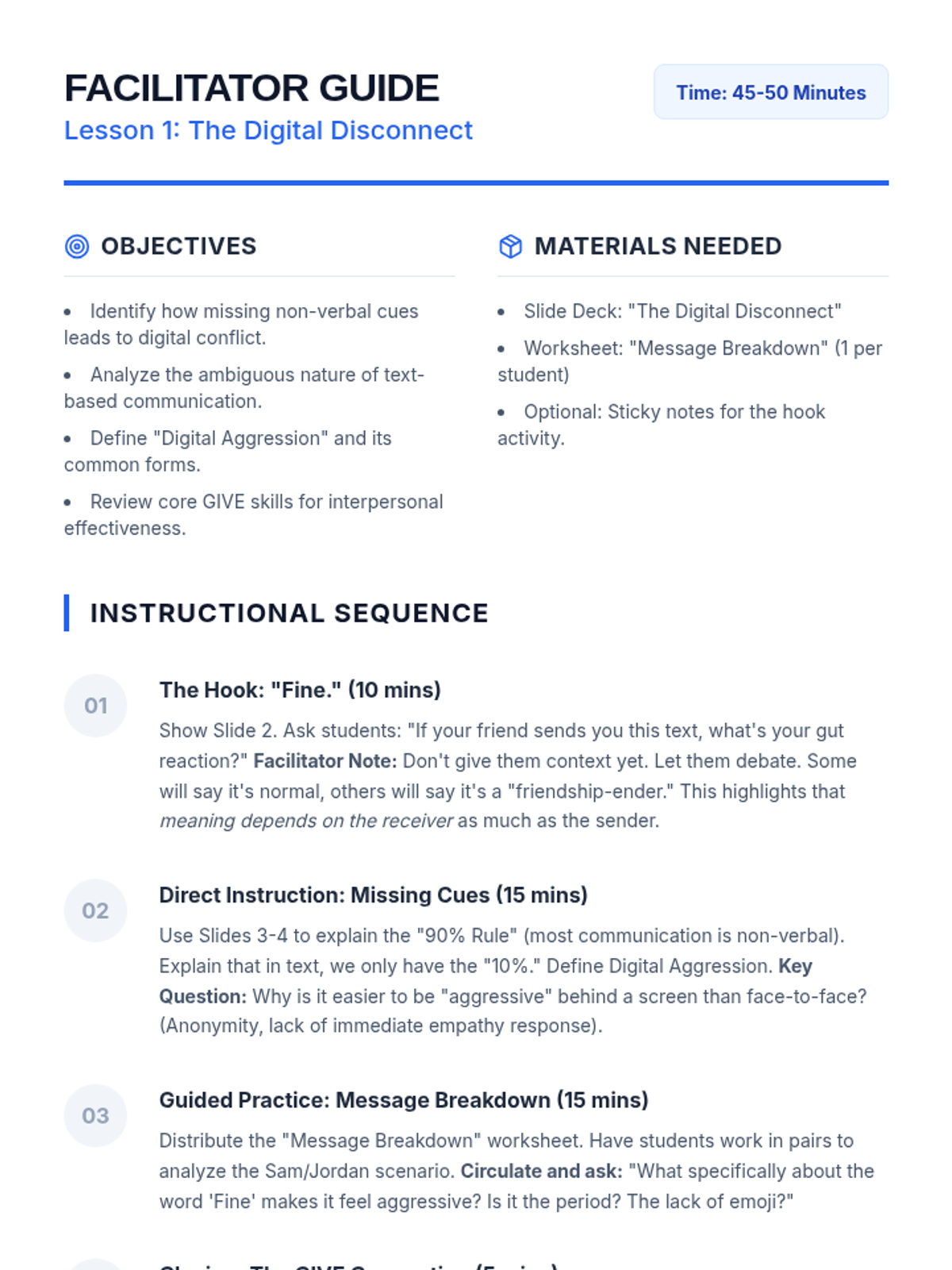
A project-based sequence for 8th graders on applying DBT GIVE skills to digital communication, focusing on empathy, tone, and conflict resolution in text-based environments.
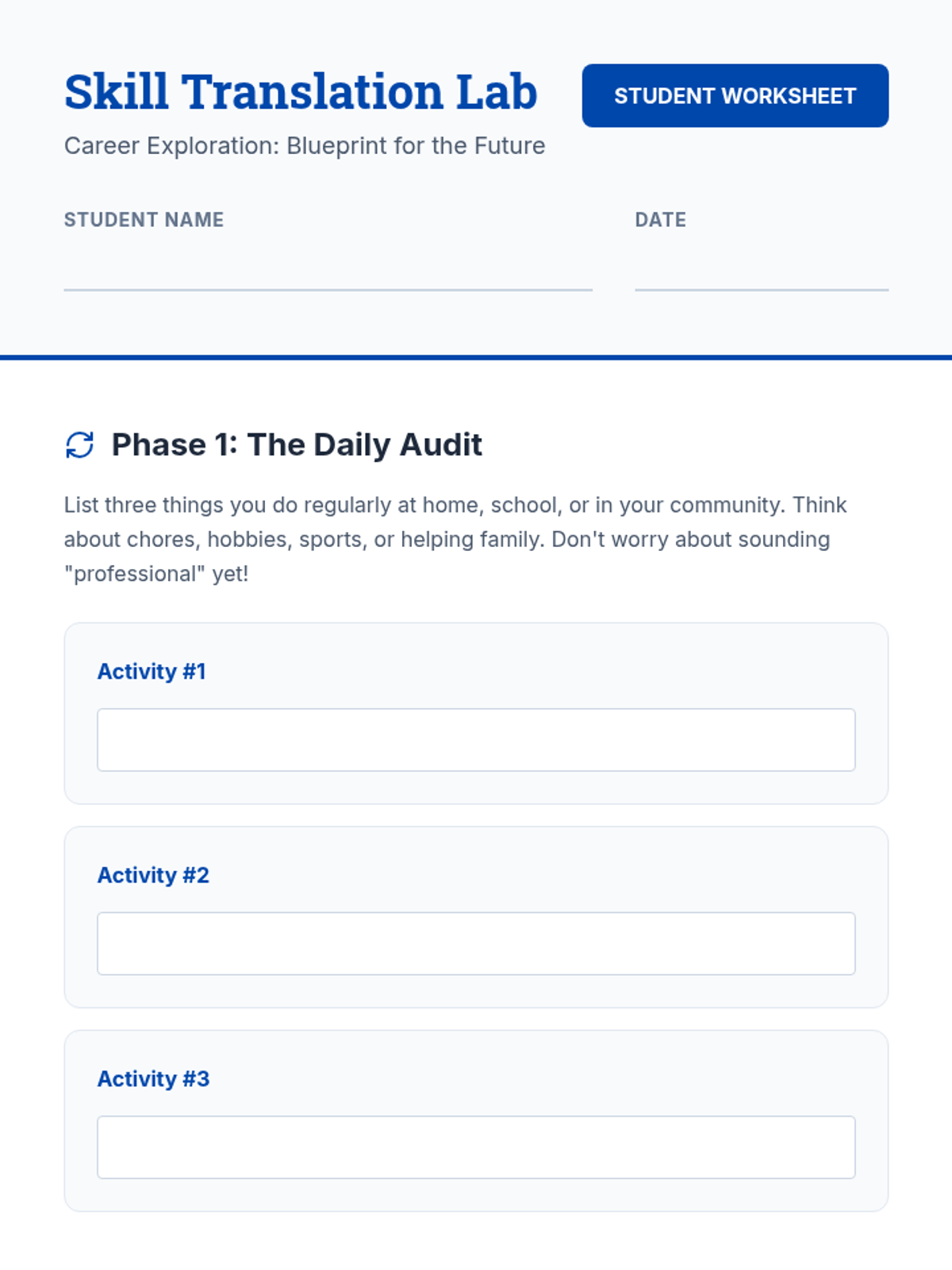
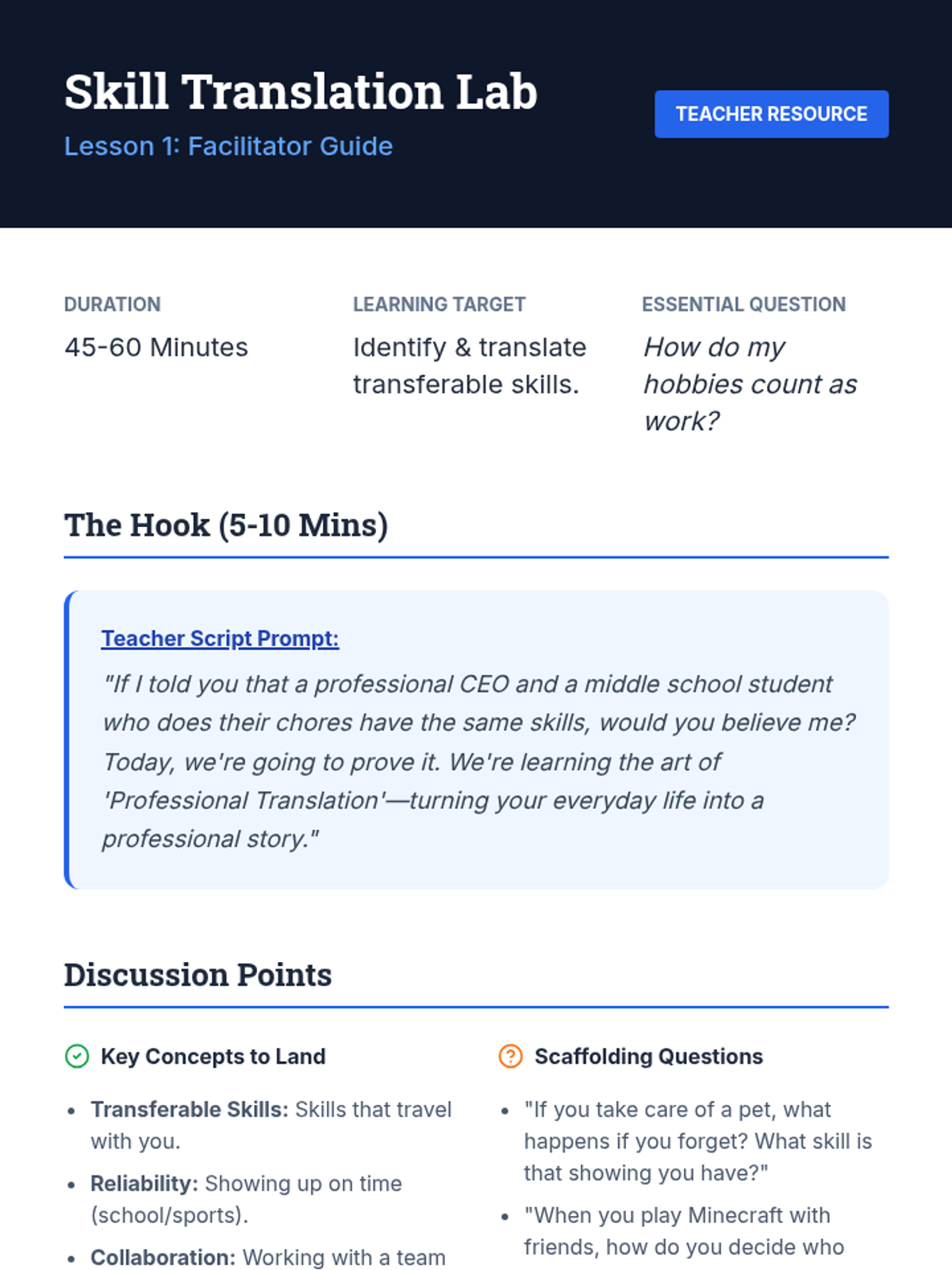
A comprehensive sequence for 6th-grade students to translate their daily activities into professional documentation. Students learn to identify transferable skills, structure a resume, use power verbs, manage their digital footprint, and produce a polished draft resume.
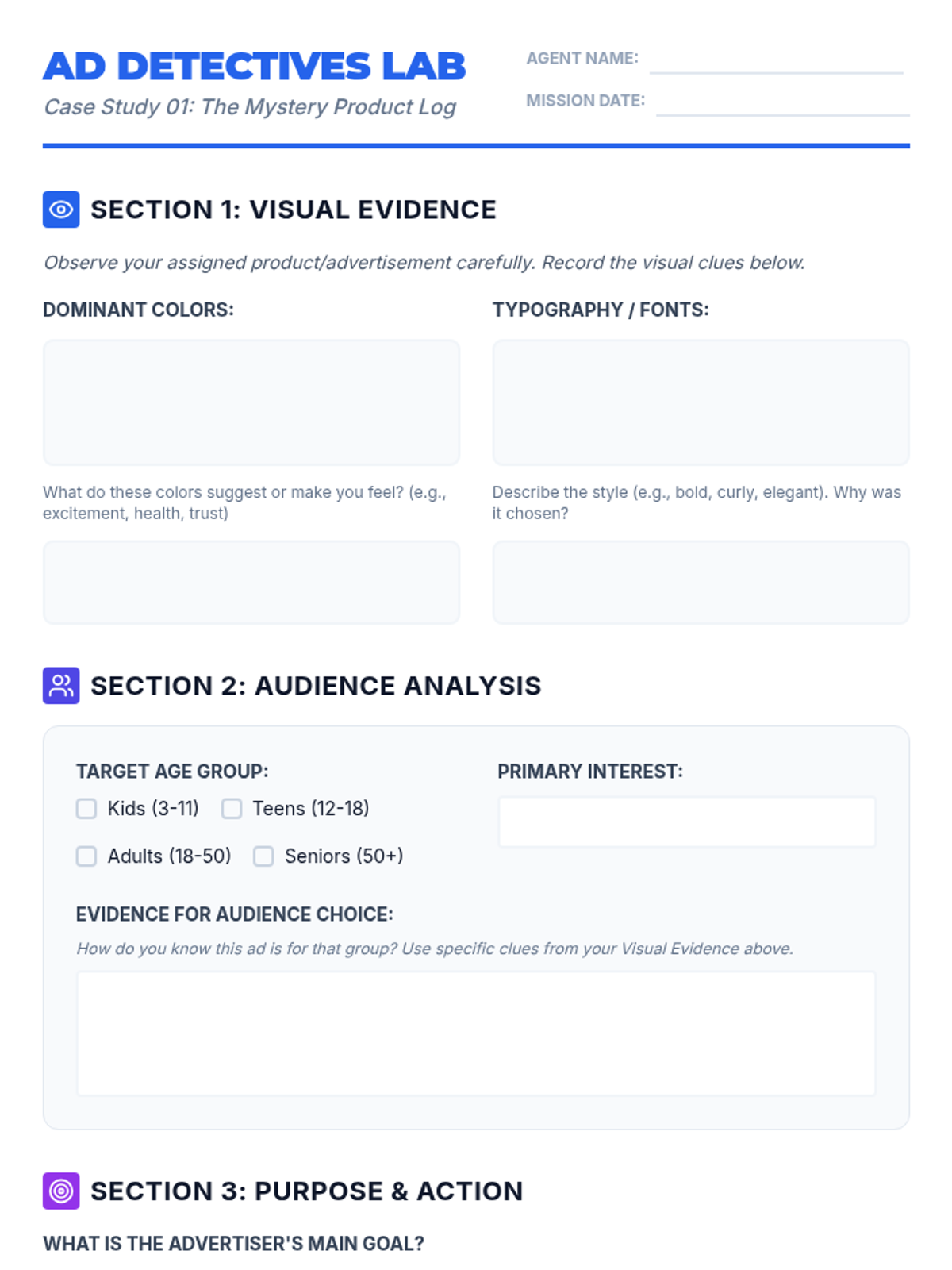
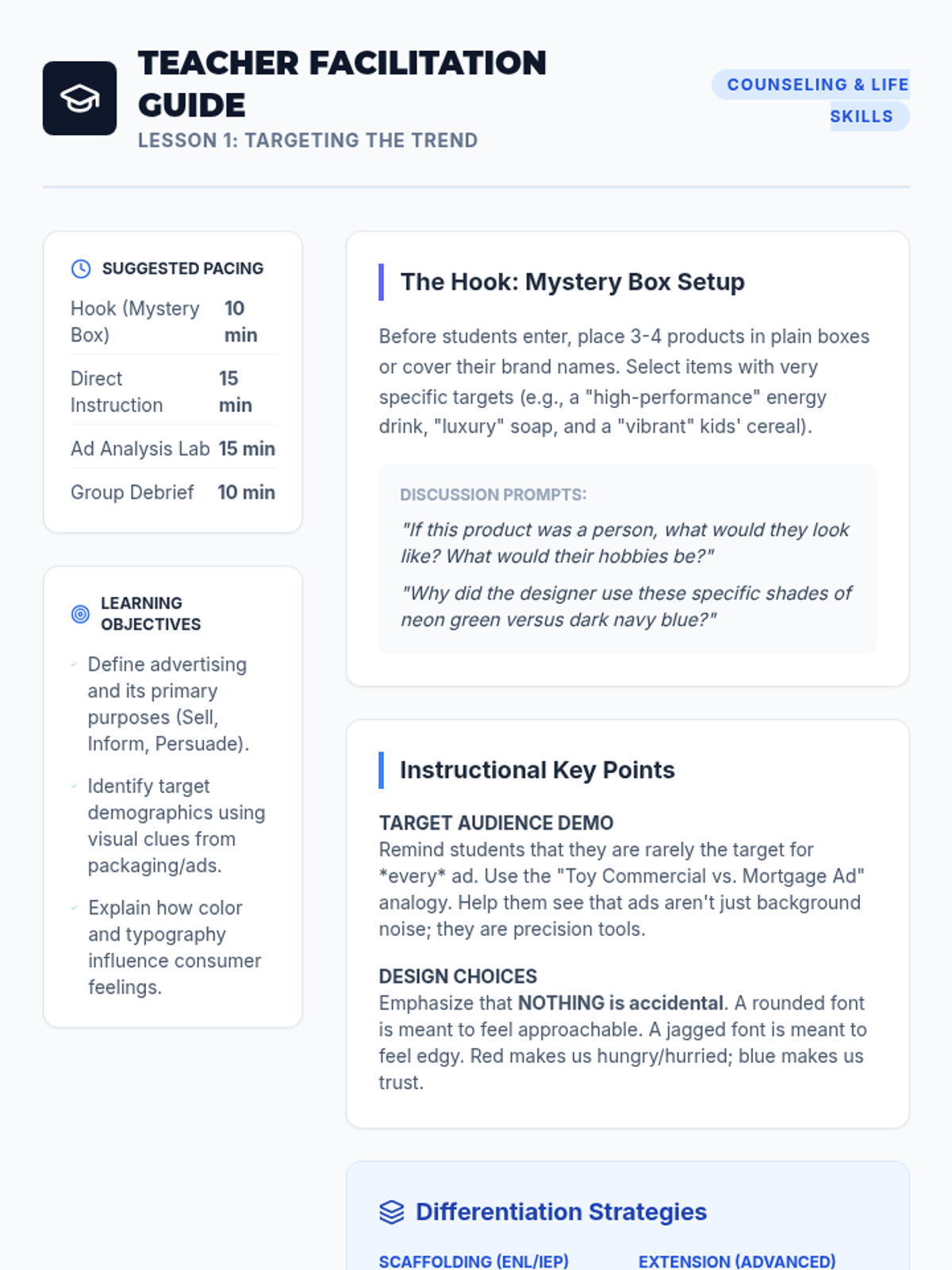
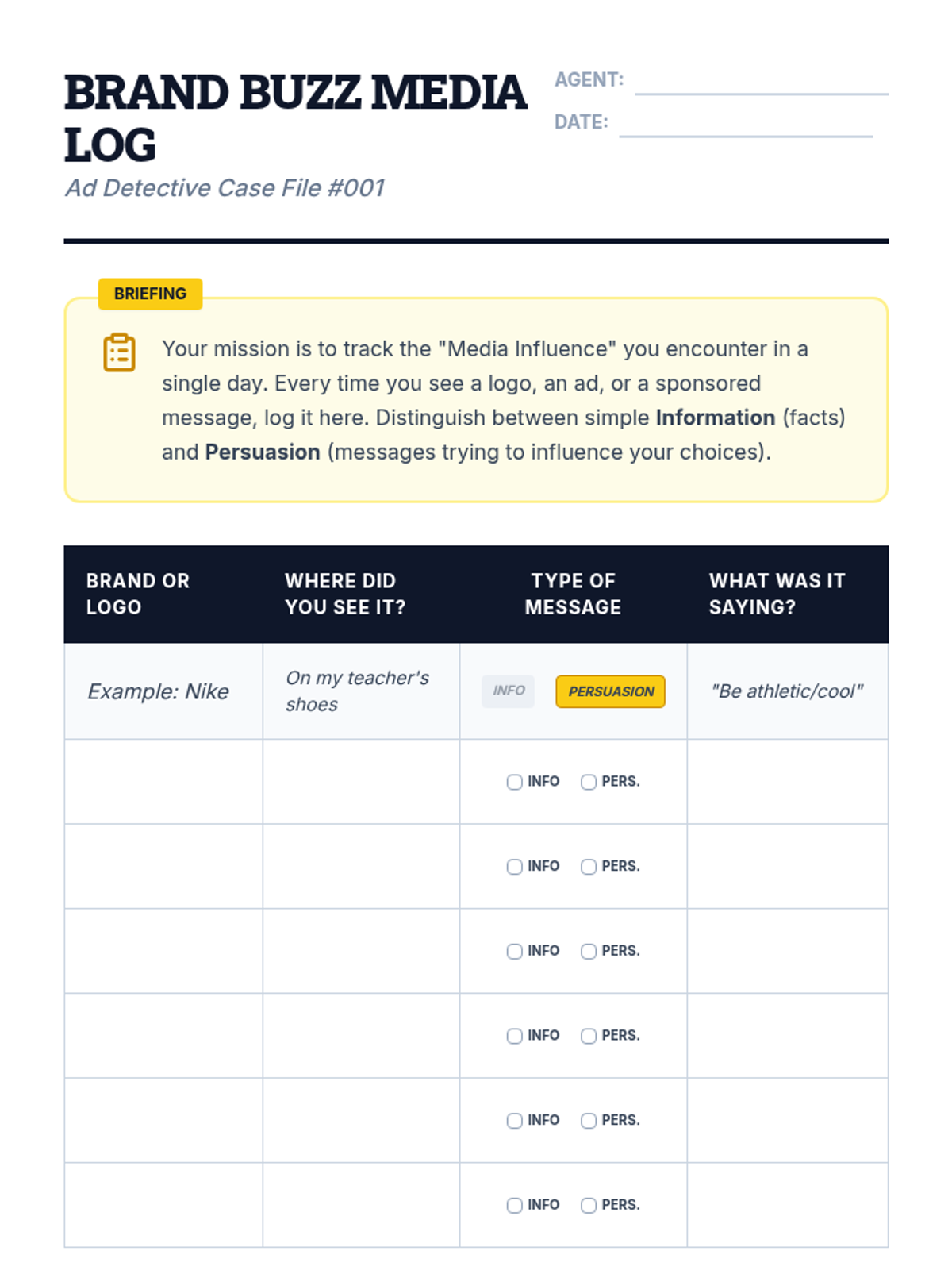
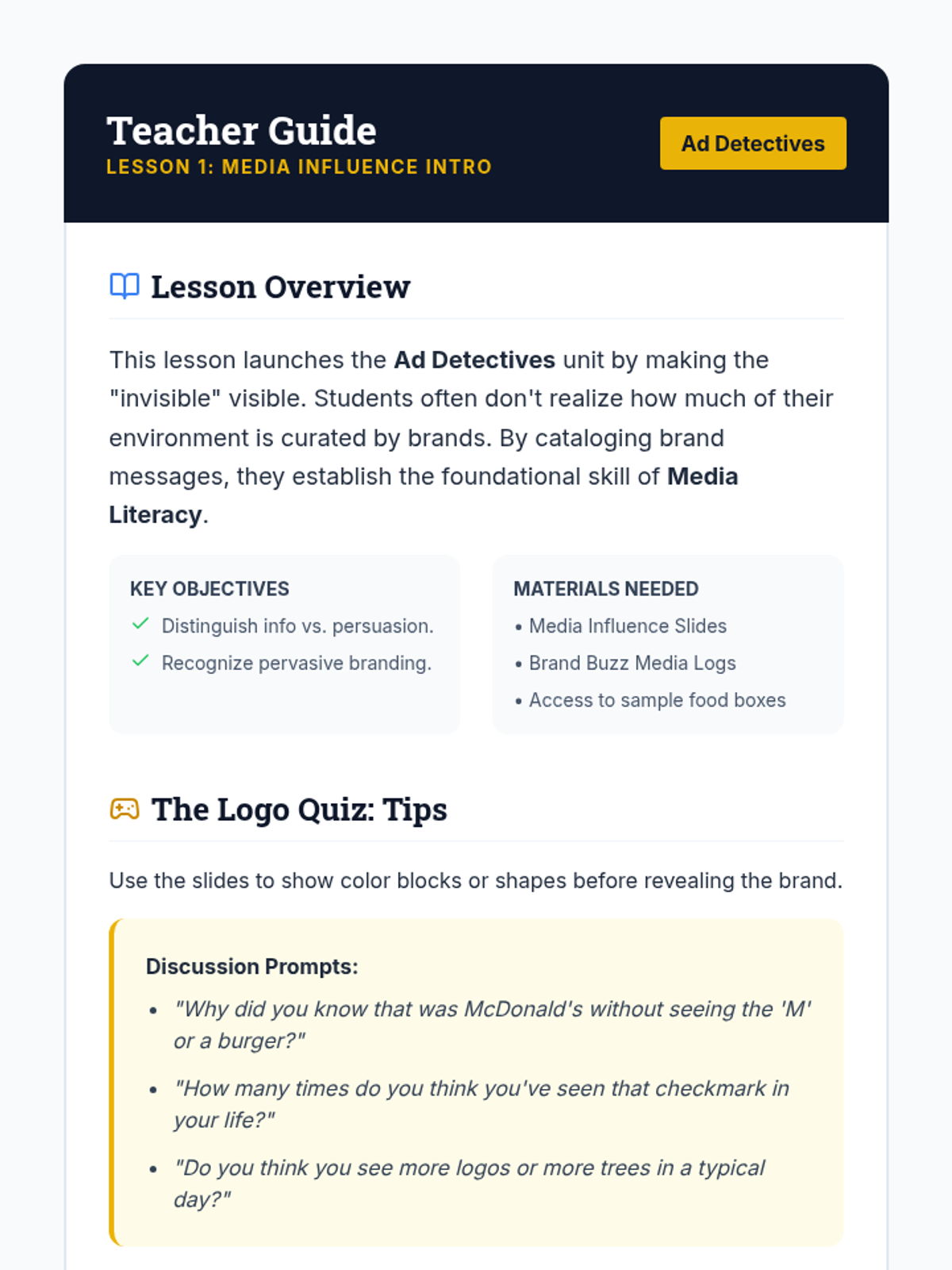
Students develop critical media literacy skills by deconstructing advertisements to understand how companies influence consumer behavior. They learn to identify common advertising techniques, understand target demographics, and recognize visual staging tactics used to manipulate consumer perception.
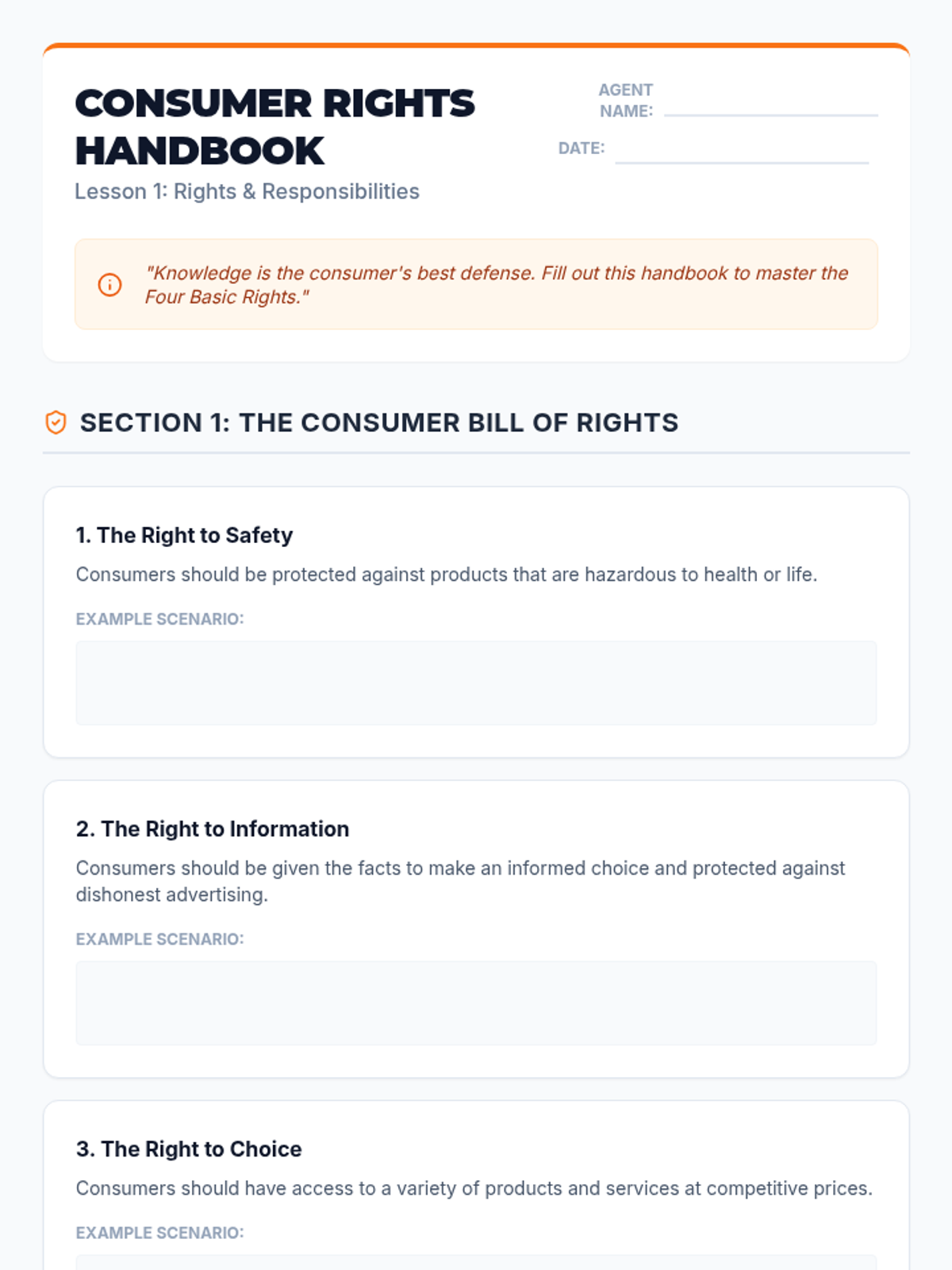
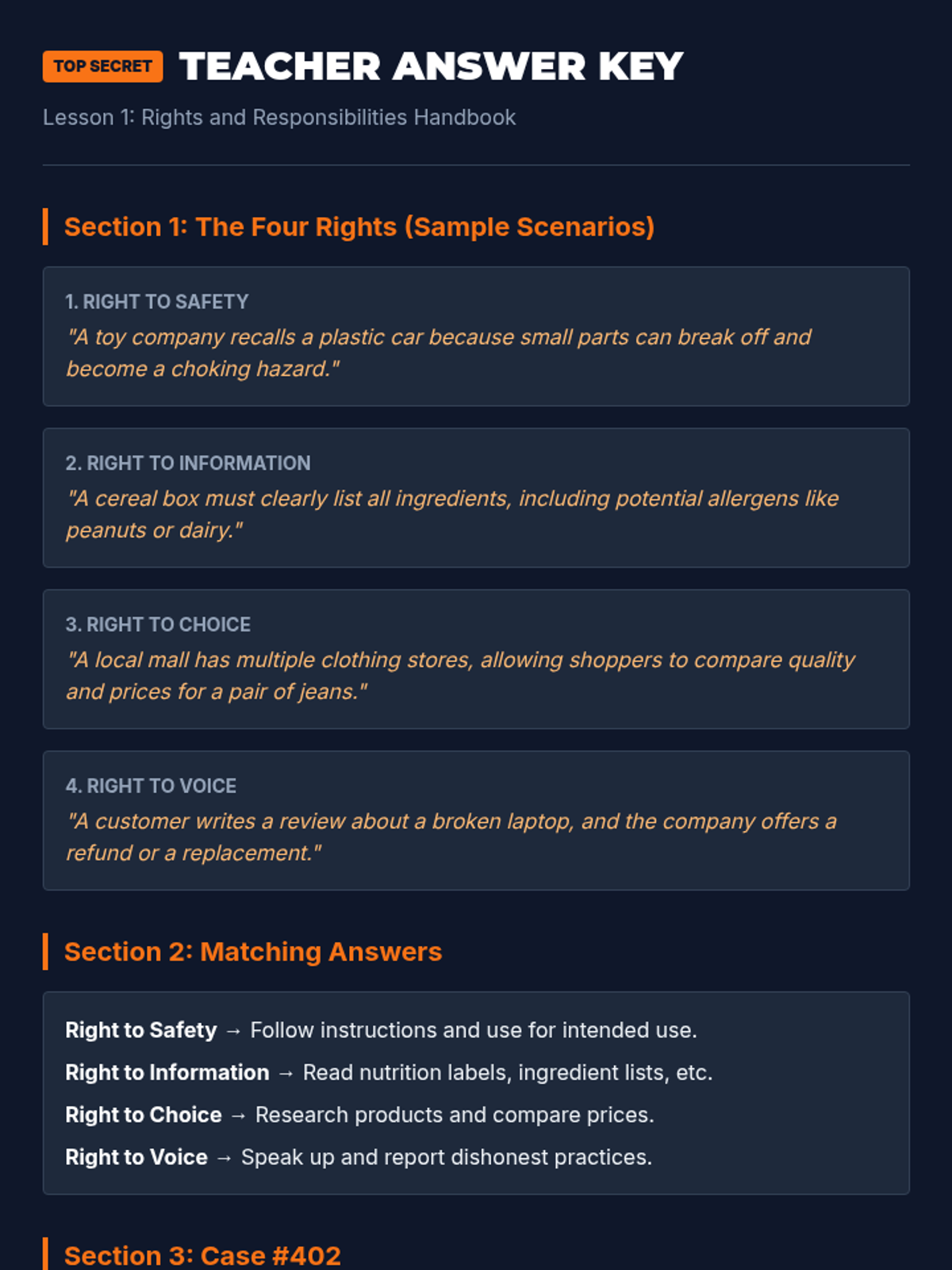
A comprehensive financial literacy sequence for 6th graders focused on consumer protection. Students learn about their rights, how to identify online scams and phishing, the importance of data privacy, how to interpret warranties, and the professional way to resolve consumer complaints.
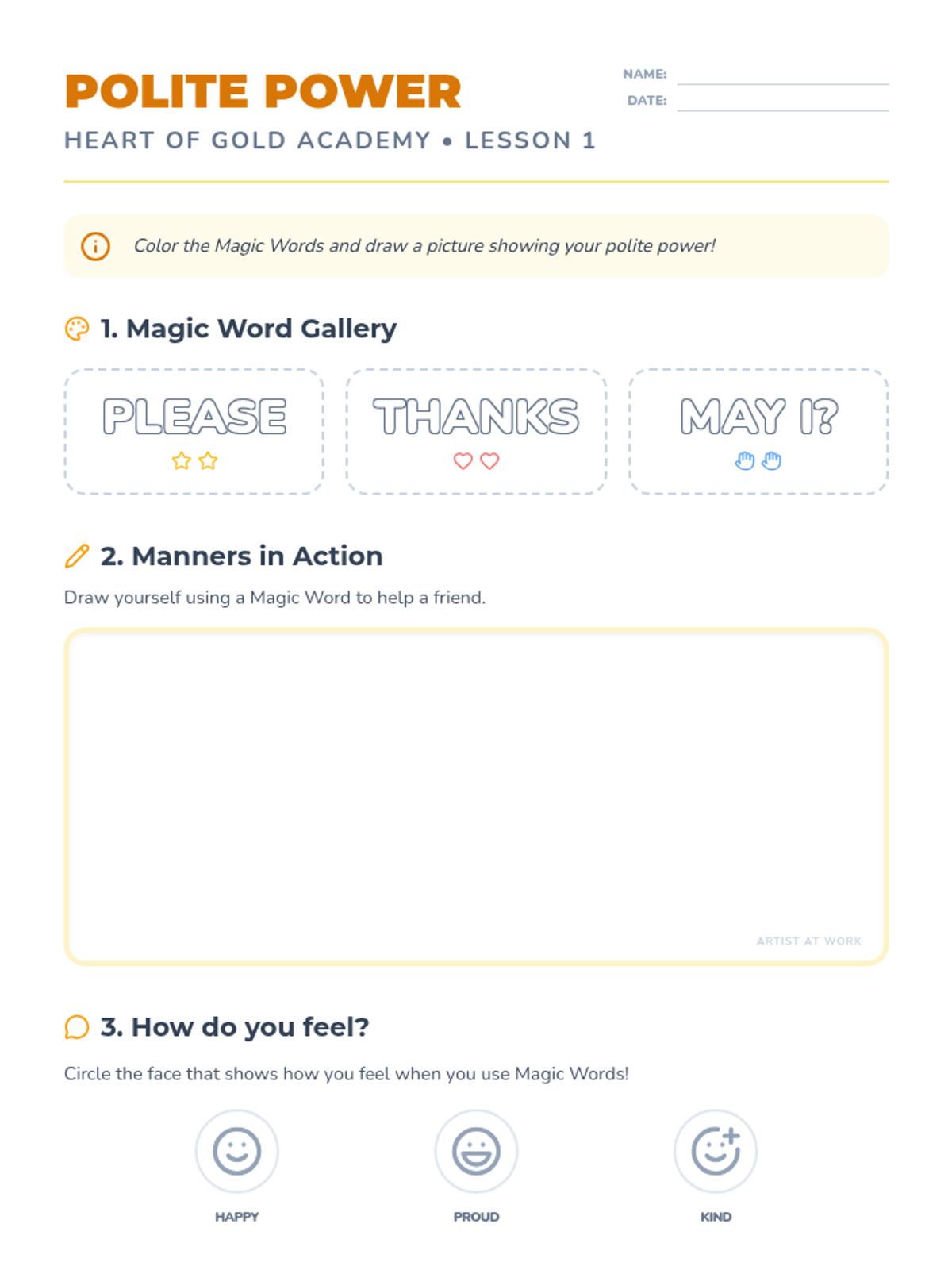
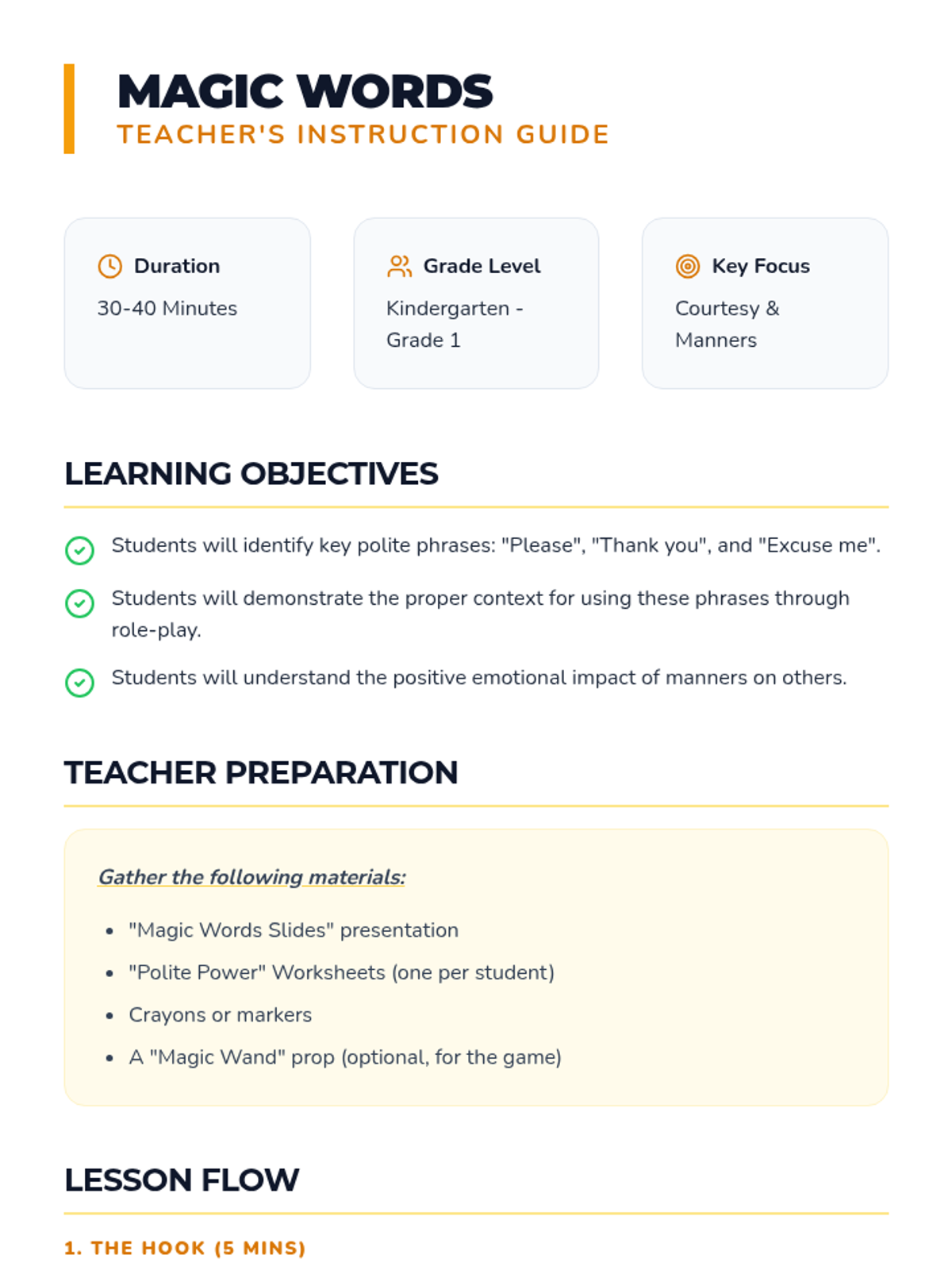
A comprehensive social-emotional learning sequence focused on building a foundation of courtesy, loyalty, manners, and respect across all grade levels. Students progress from basic polite interactions to complex social integrity.
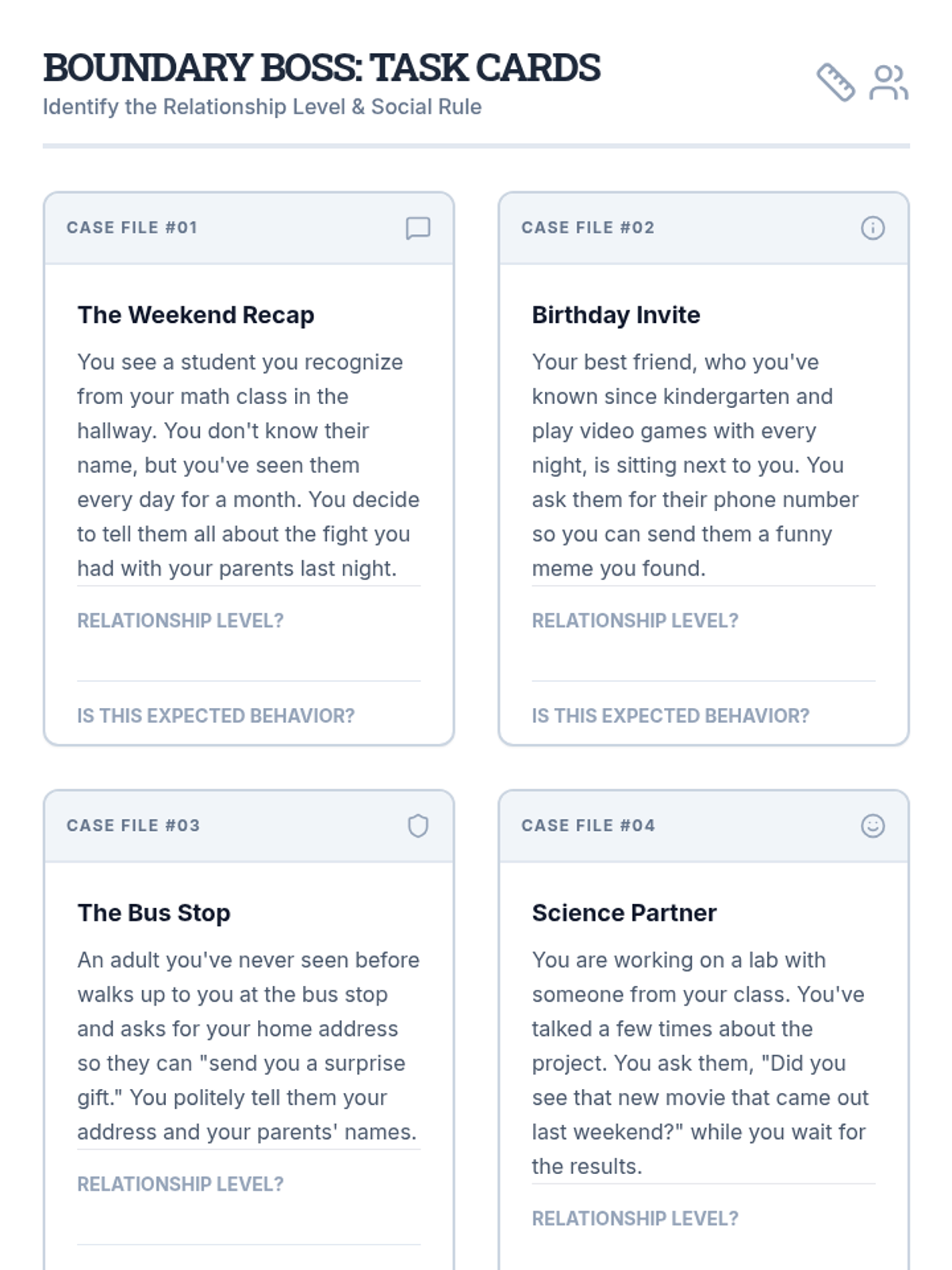
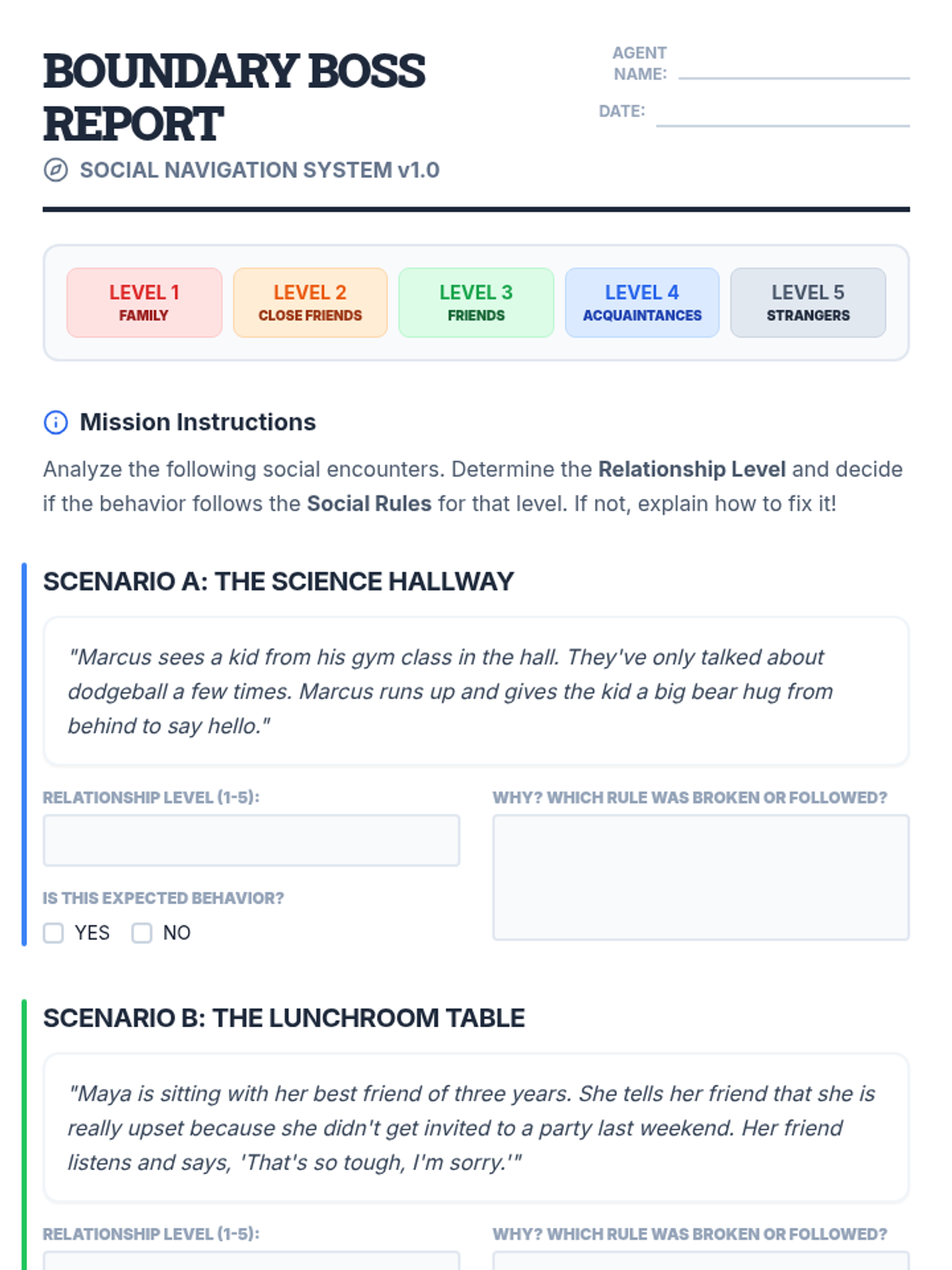
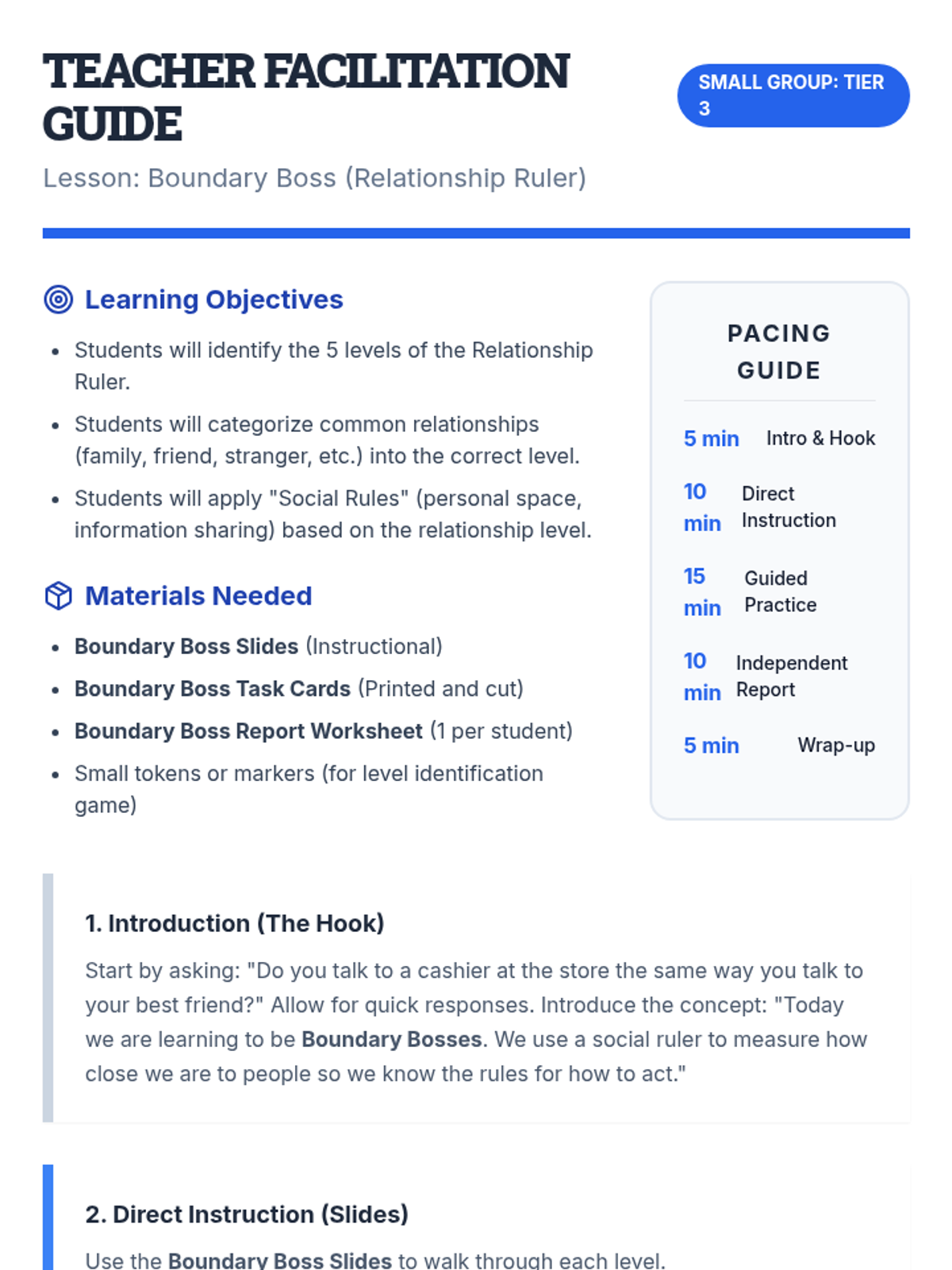
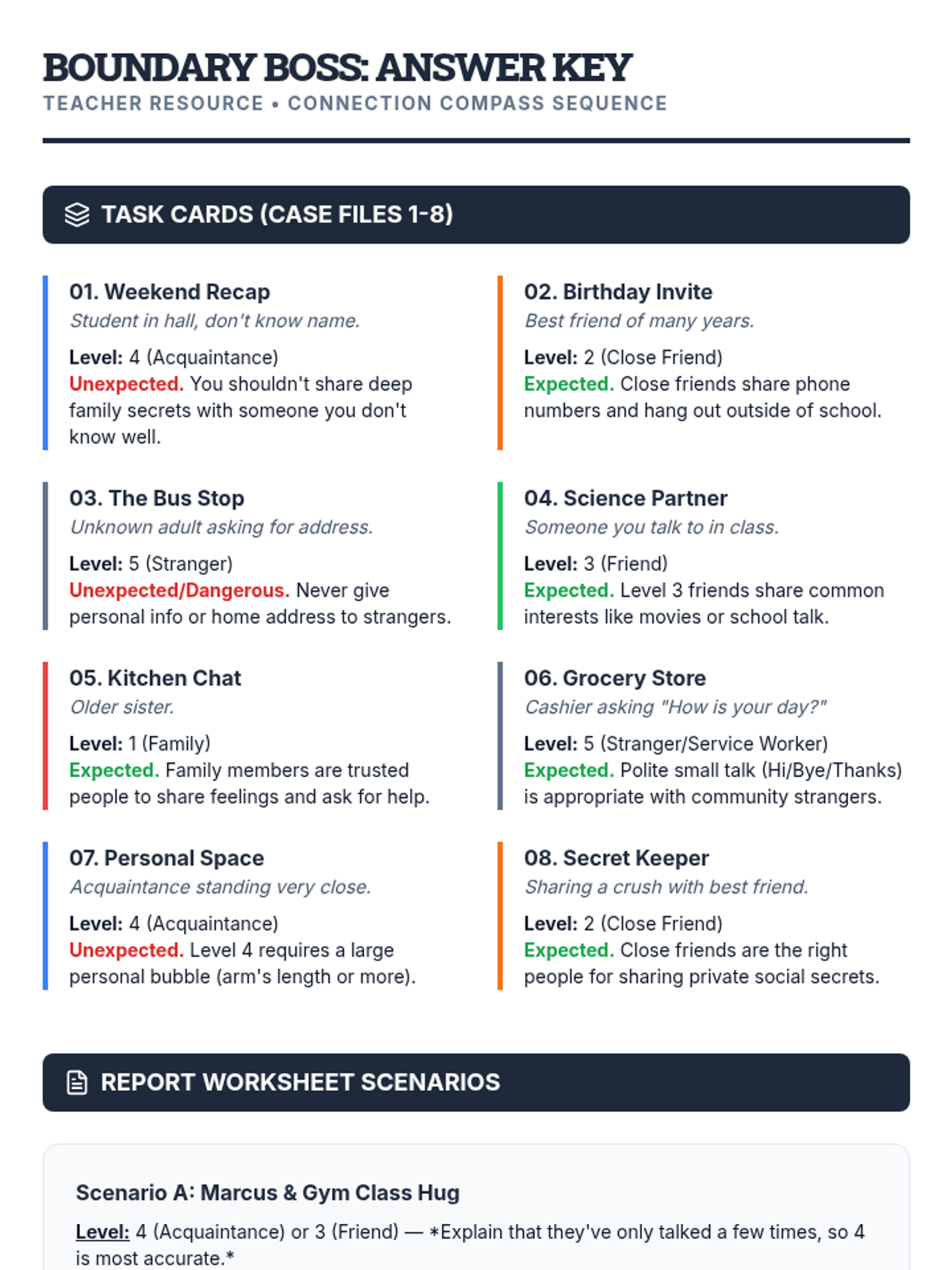
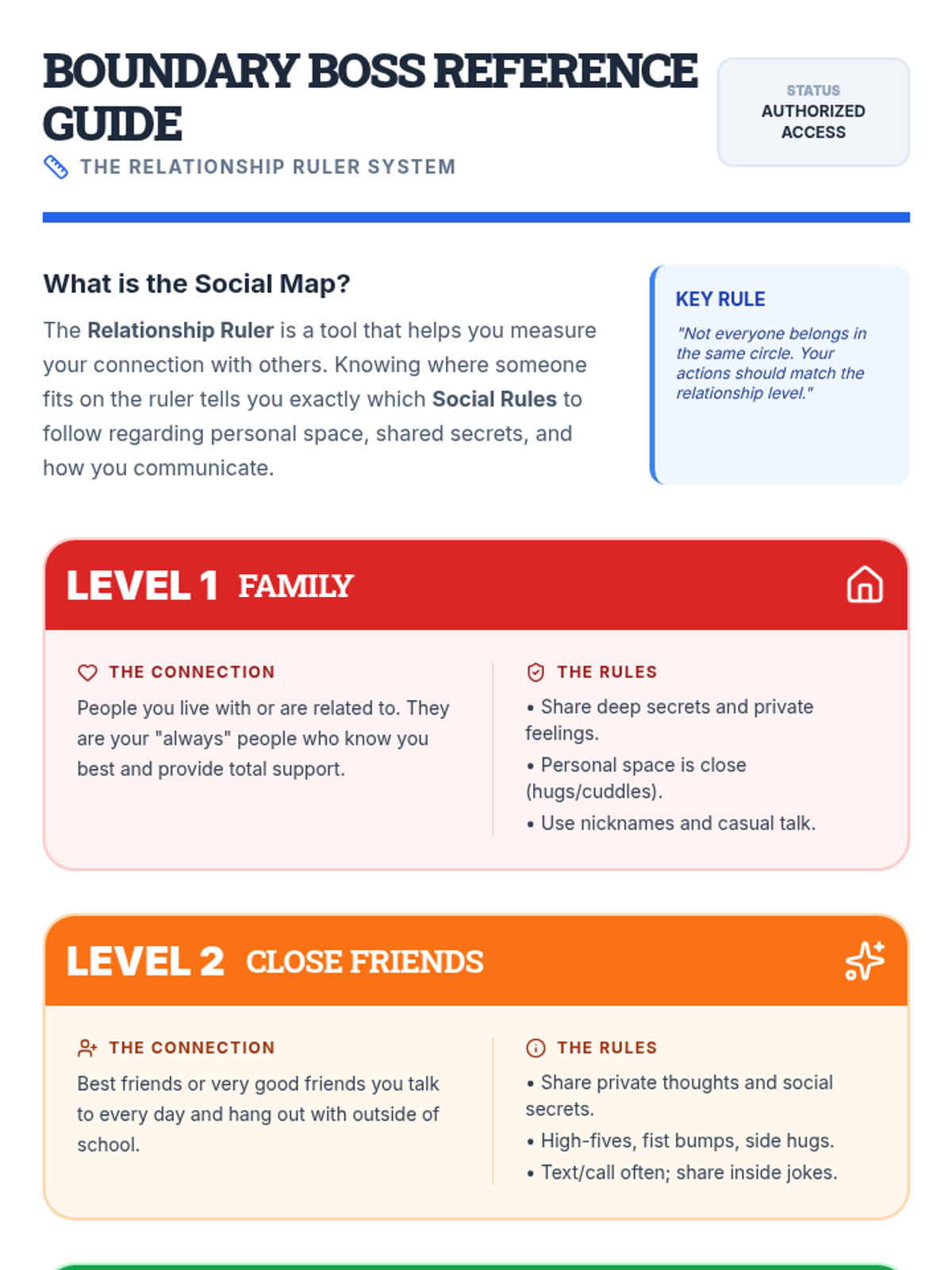
A series of lessons designed to help students navigate the complexities of social interactions, boundaries, and relationship levels.