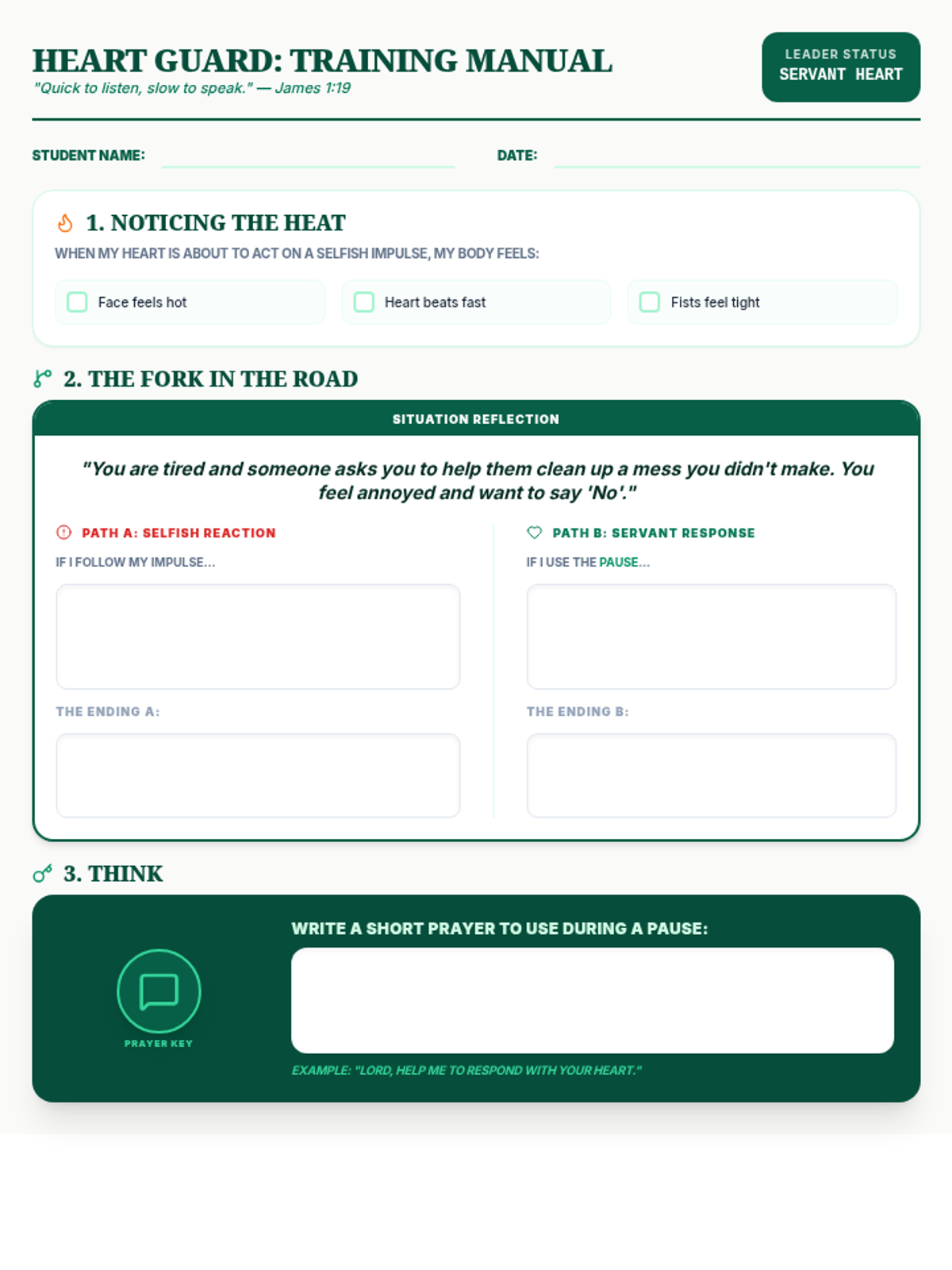
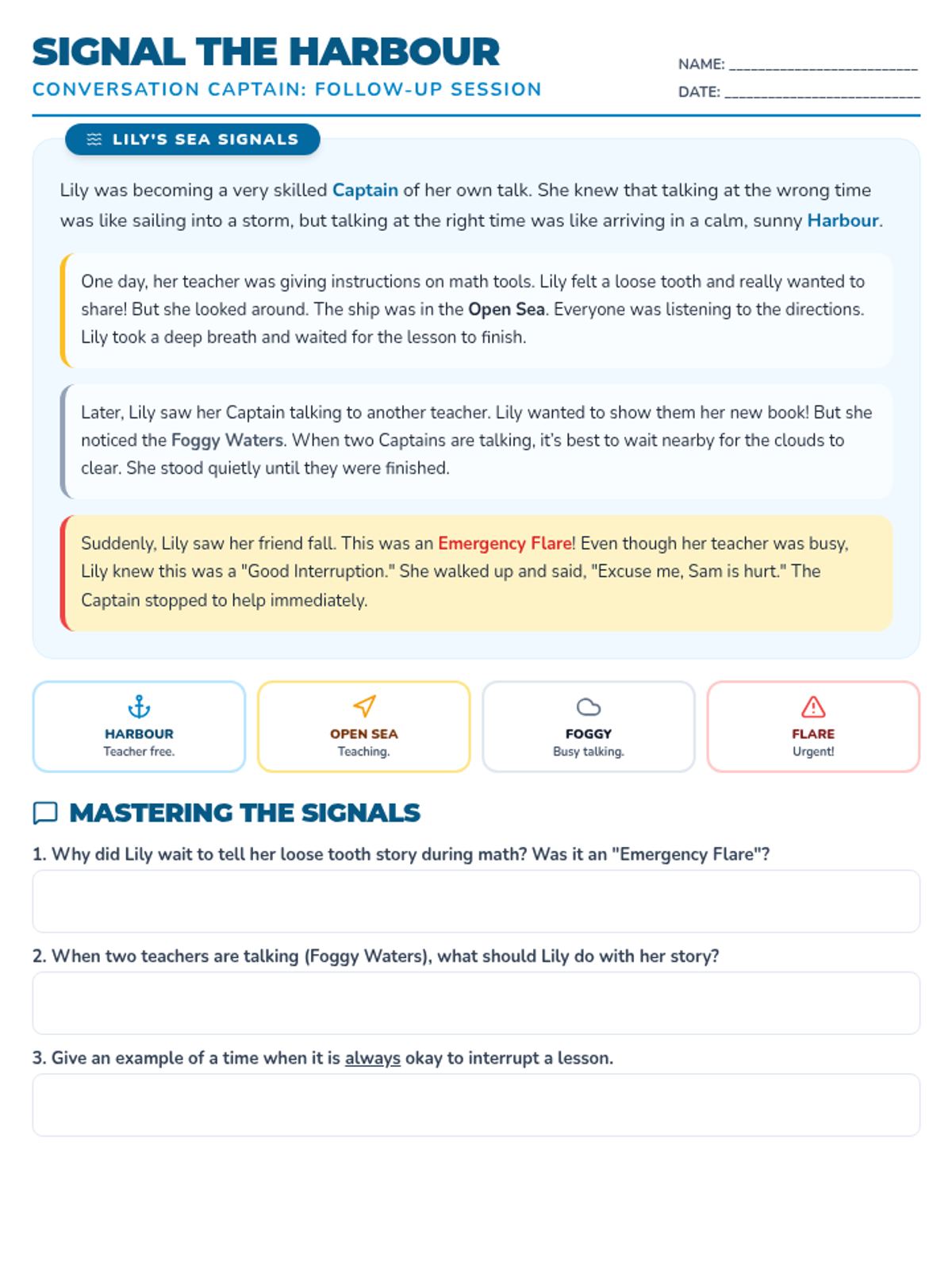
Emotion recognition ranging from basic feelings to complex nuances and mixed states. Strengthens accurate self-assessment through identity exploration, strength identification, and values-based decision making.
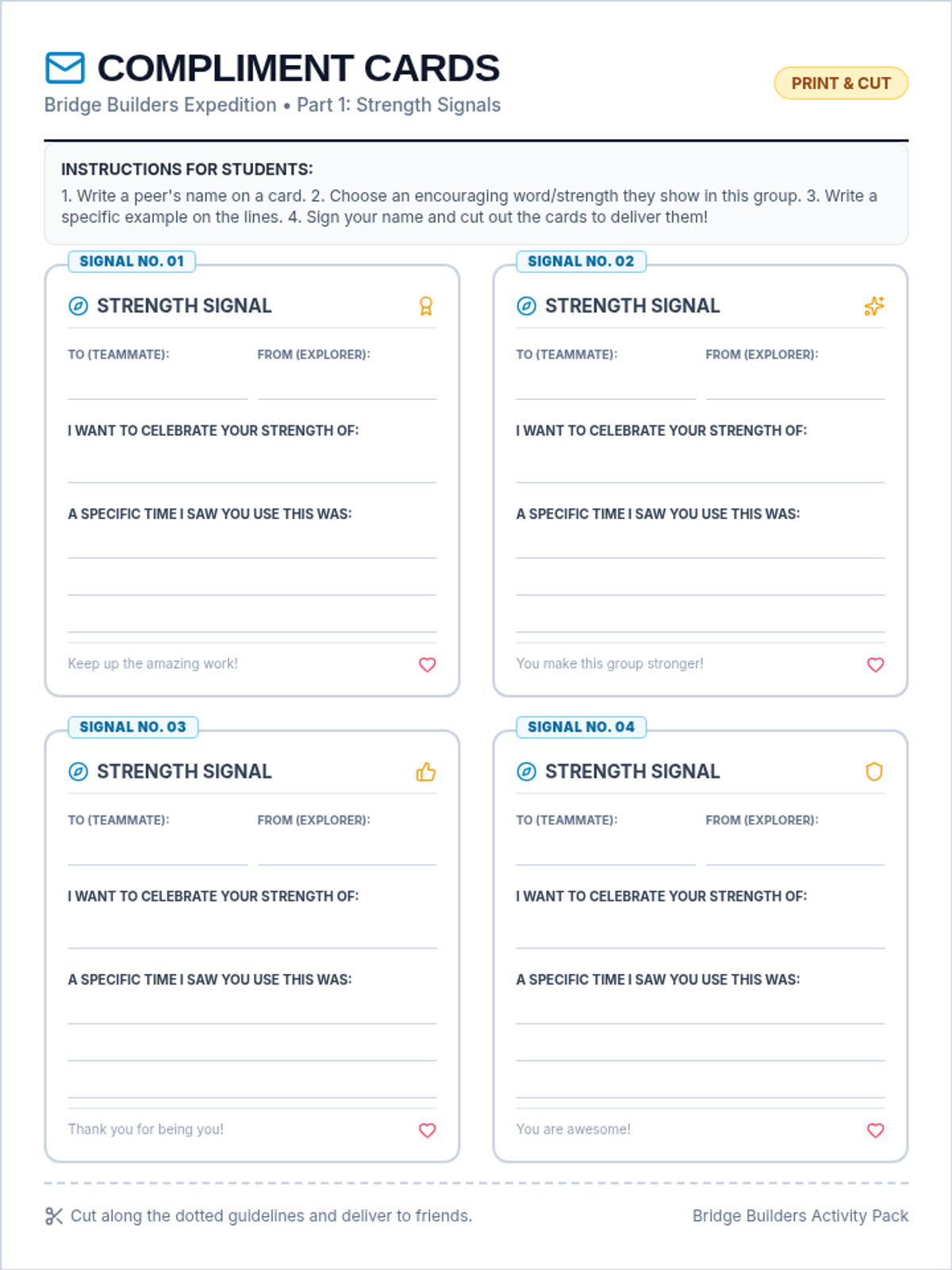
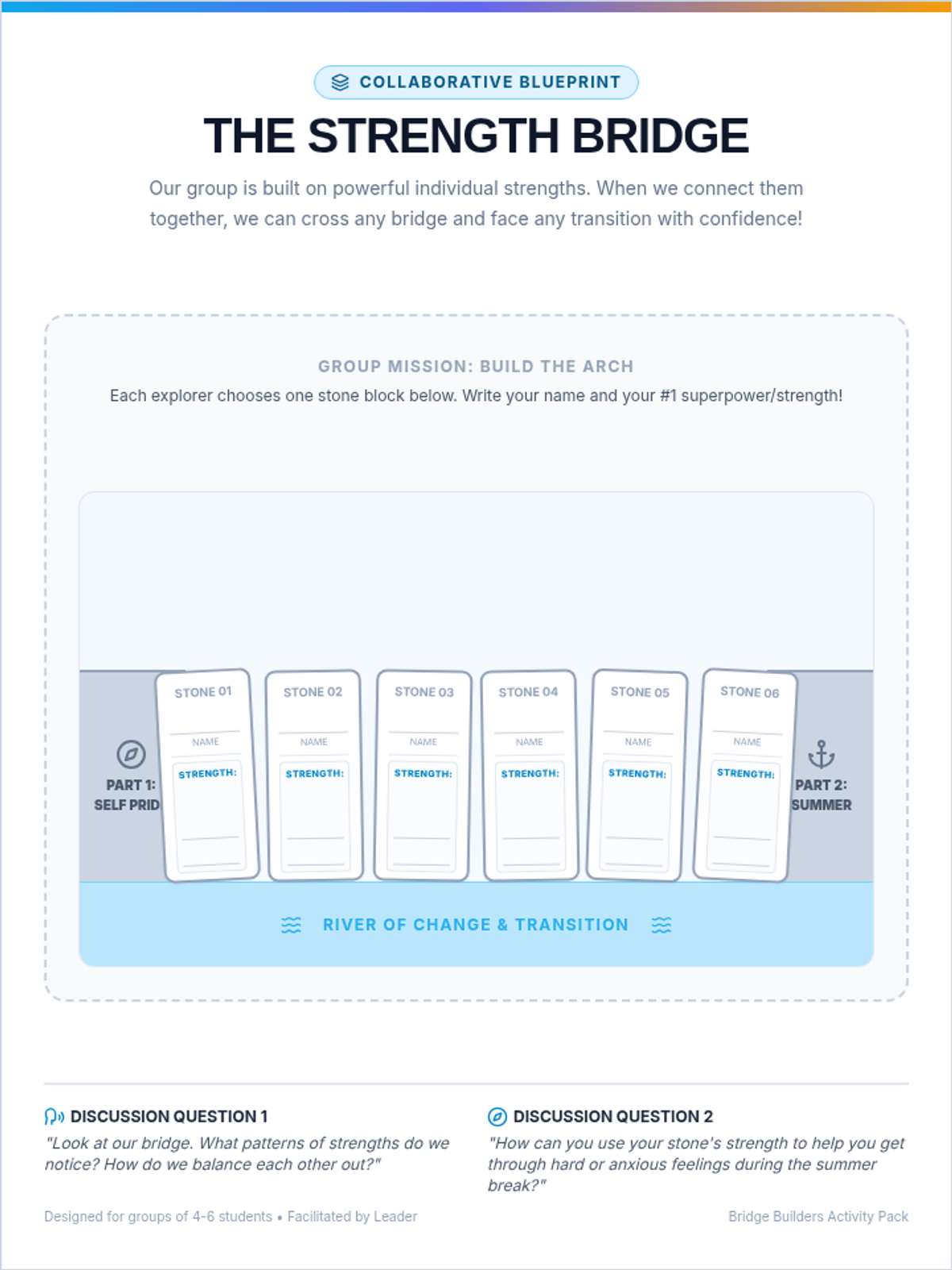
An end-of-the-year social skills sequence designed for a two-part 30-minute group. Students focus on celebrating personal and peer strengths, managing change/transition anxiety, and planning healthy friendship boundaries over the summer break.
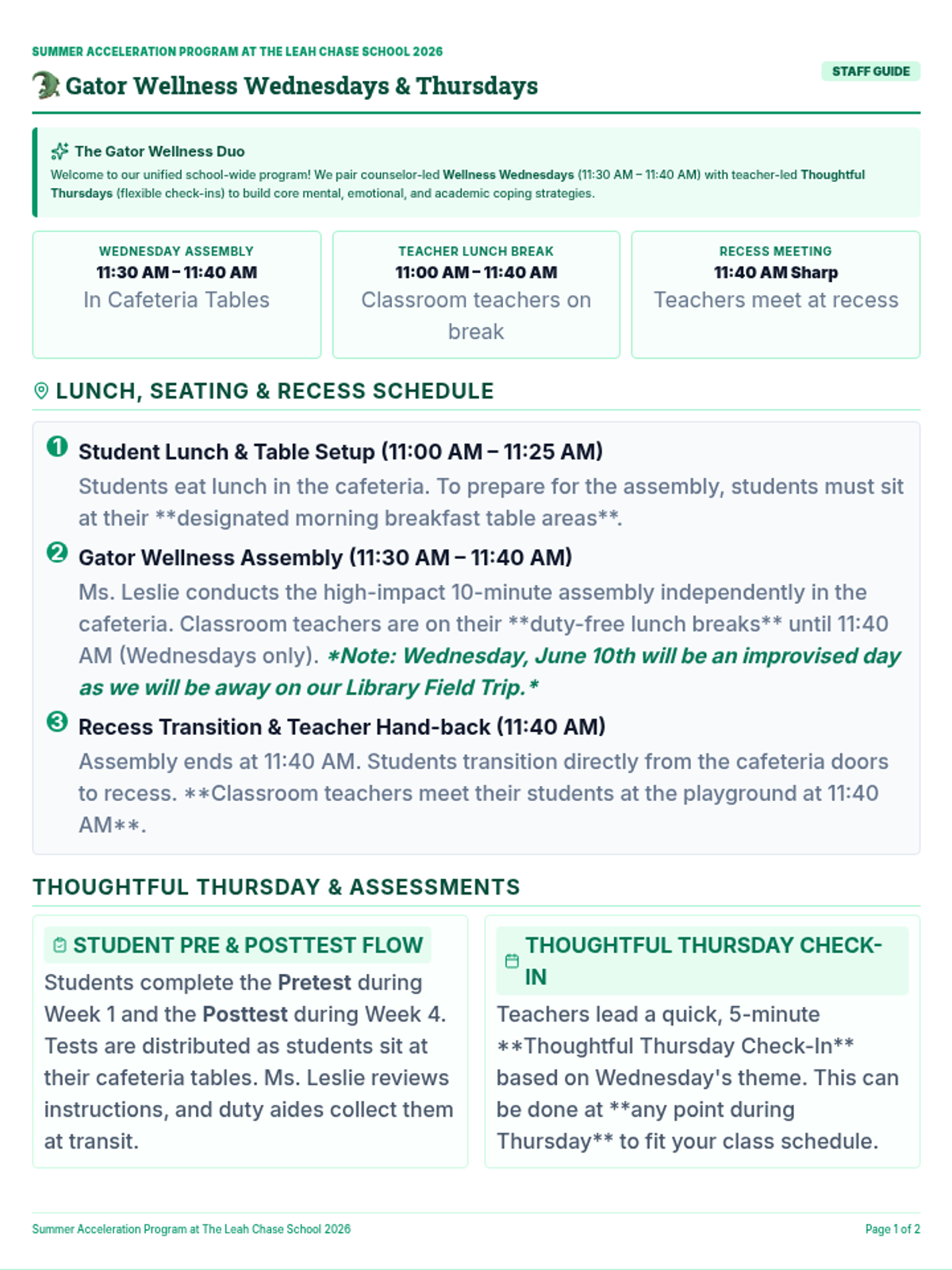
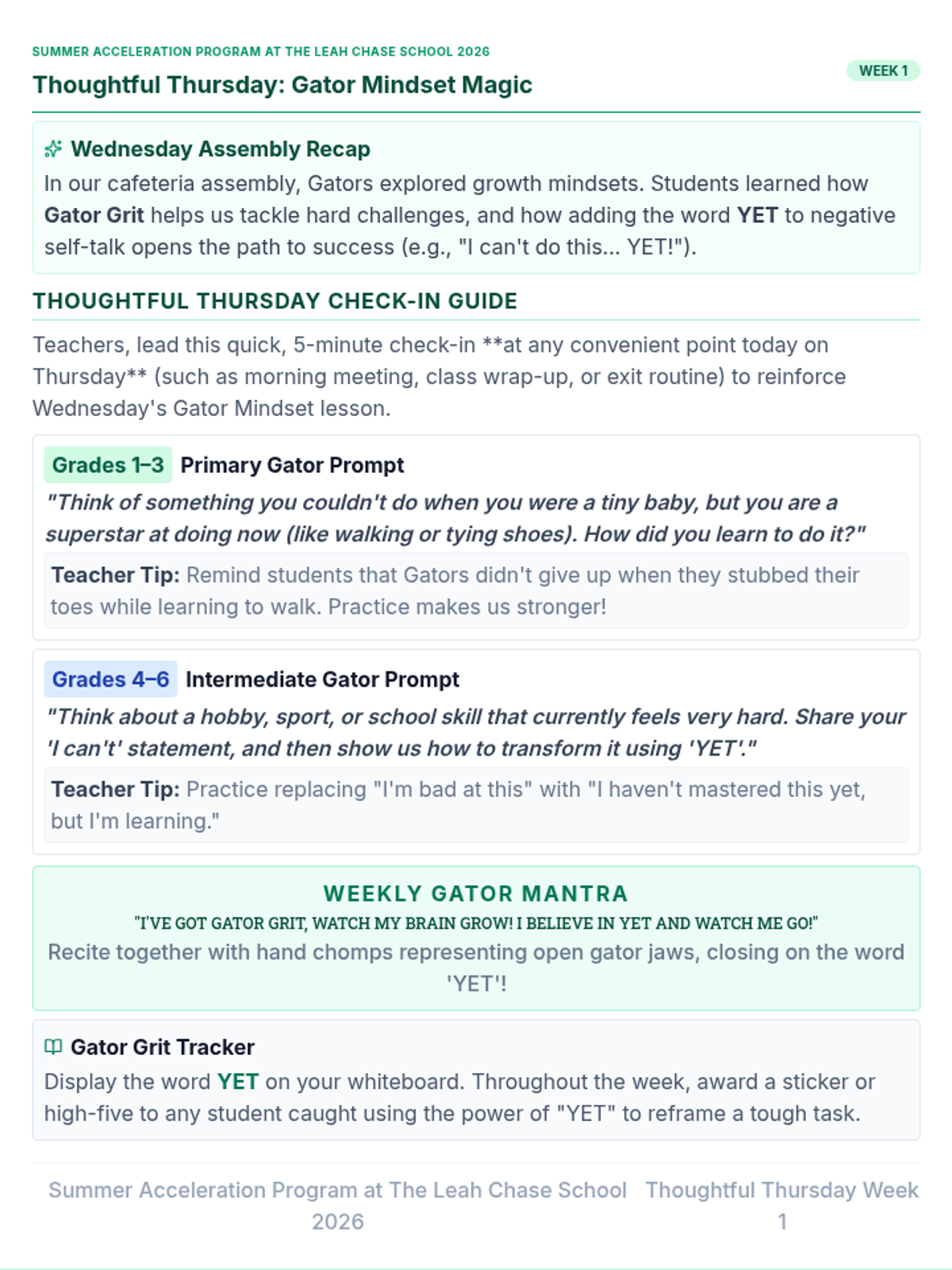
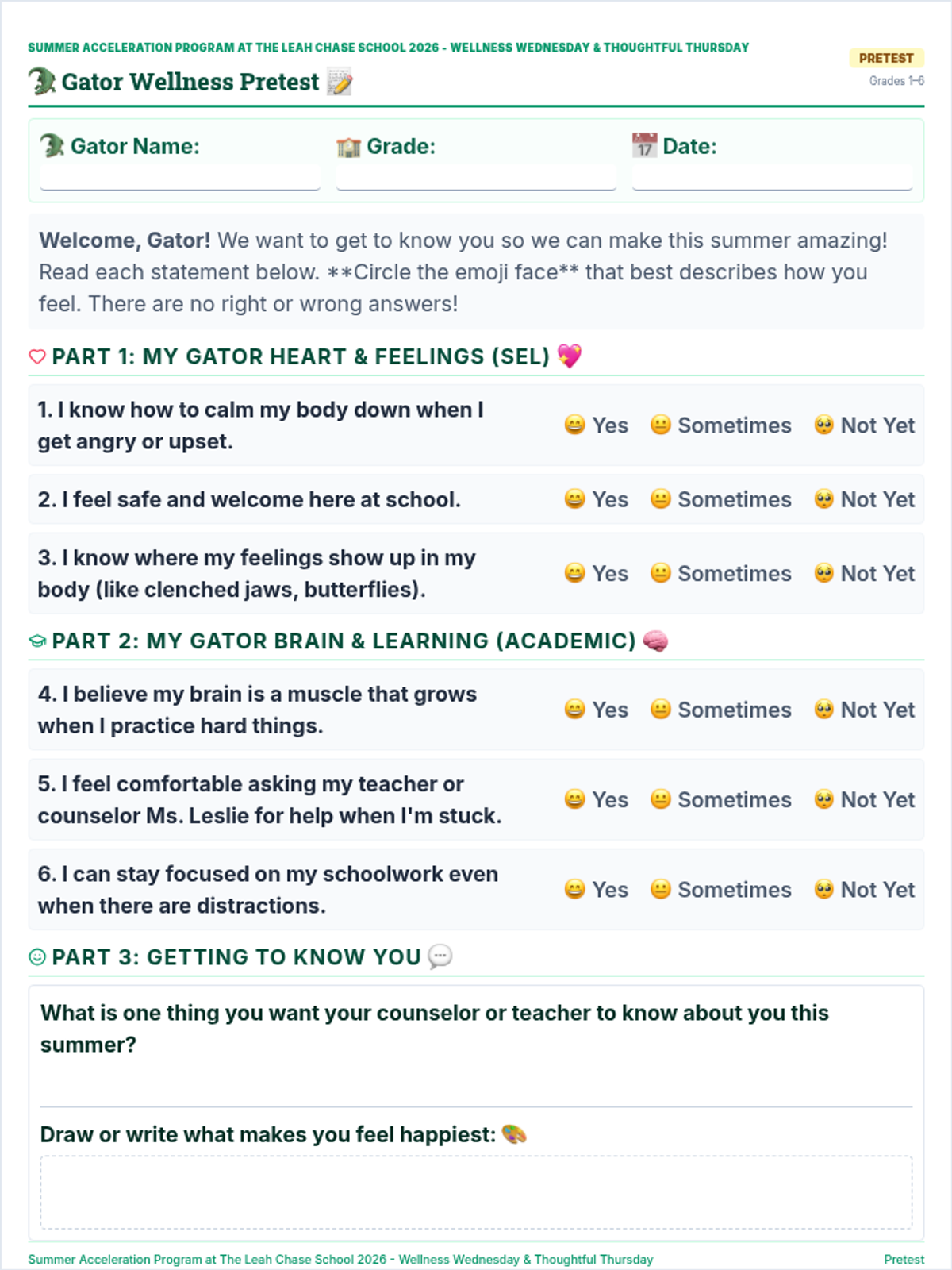
A school-wide mental health program featuring counselor-led assemblies on Wellness Wednesday (11:30-11:40 AM, followed by recess) and teacher-led Thoughtful Thursday check-ins.
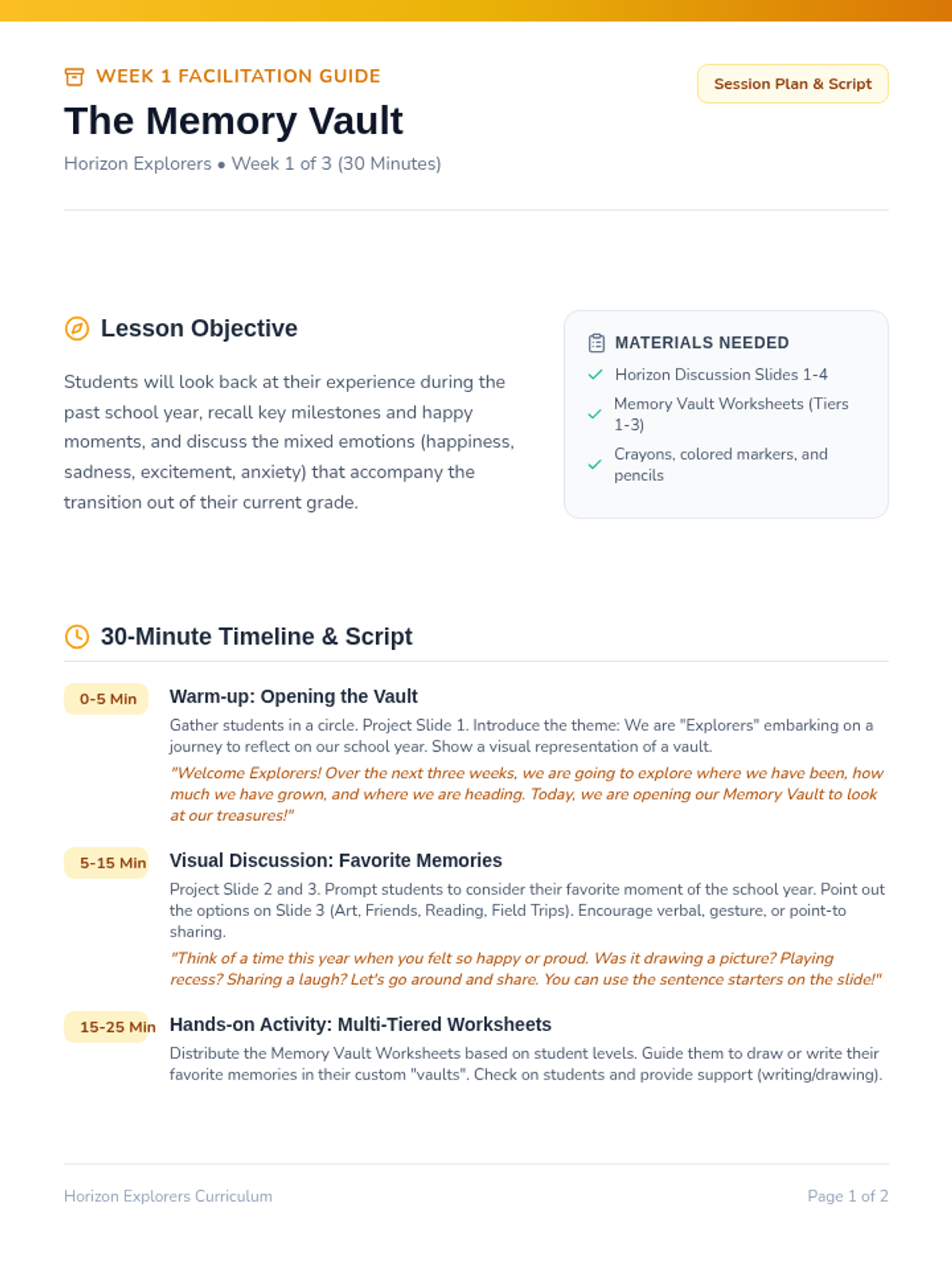
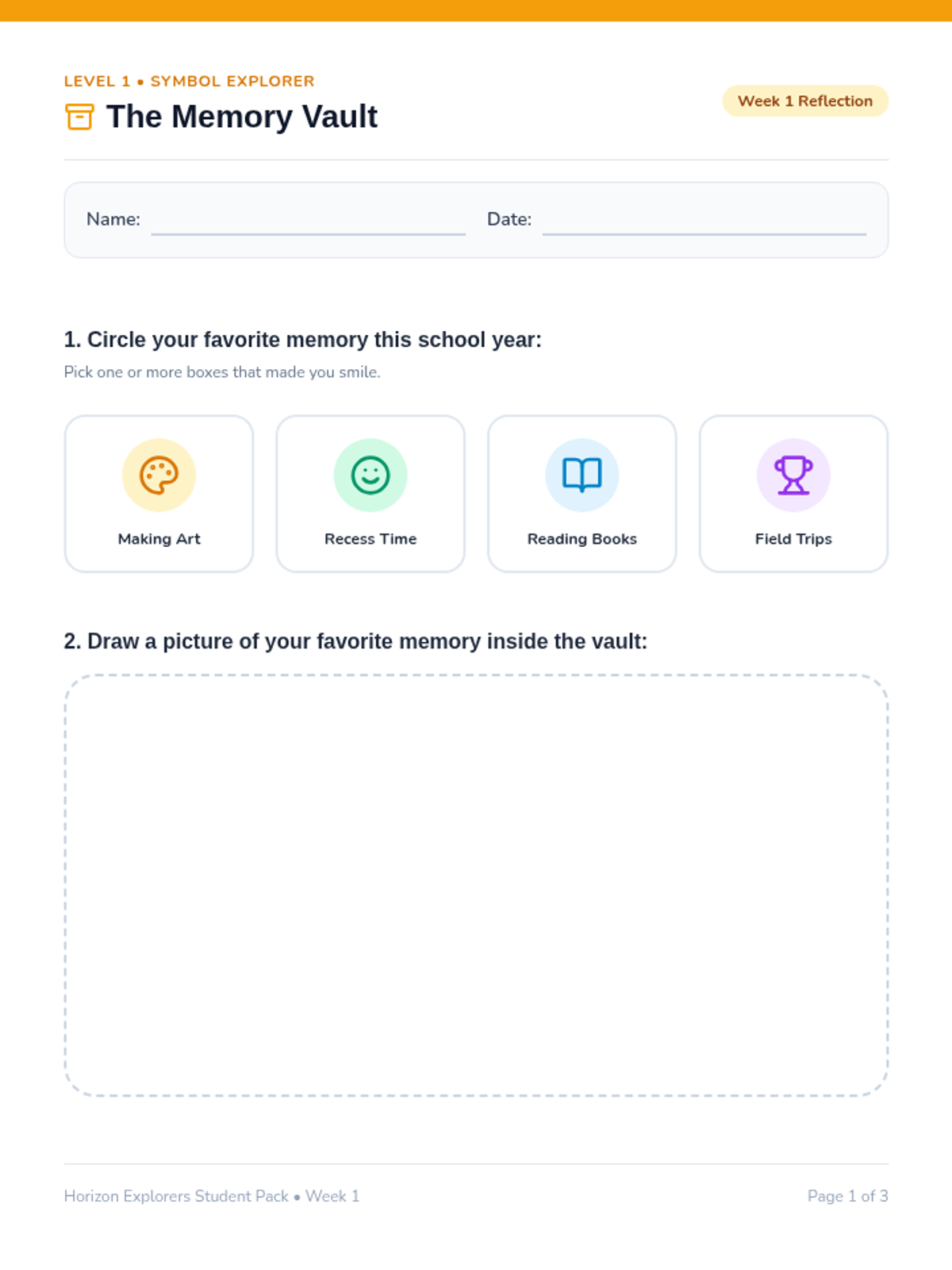
A therapeutic and accessible 3-week reflection and transition unit for diverse learners. It supports processing end-of-year feelings, celebrating personal growth, and managing change with interactive slide prompts and three hands-on, high-interest printable craft keepsakes.
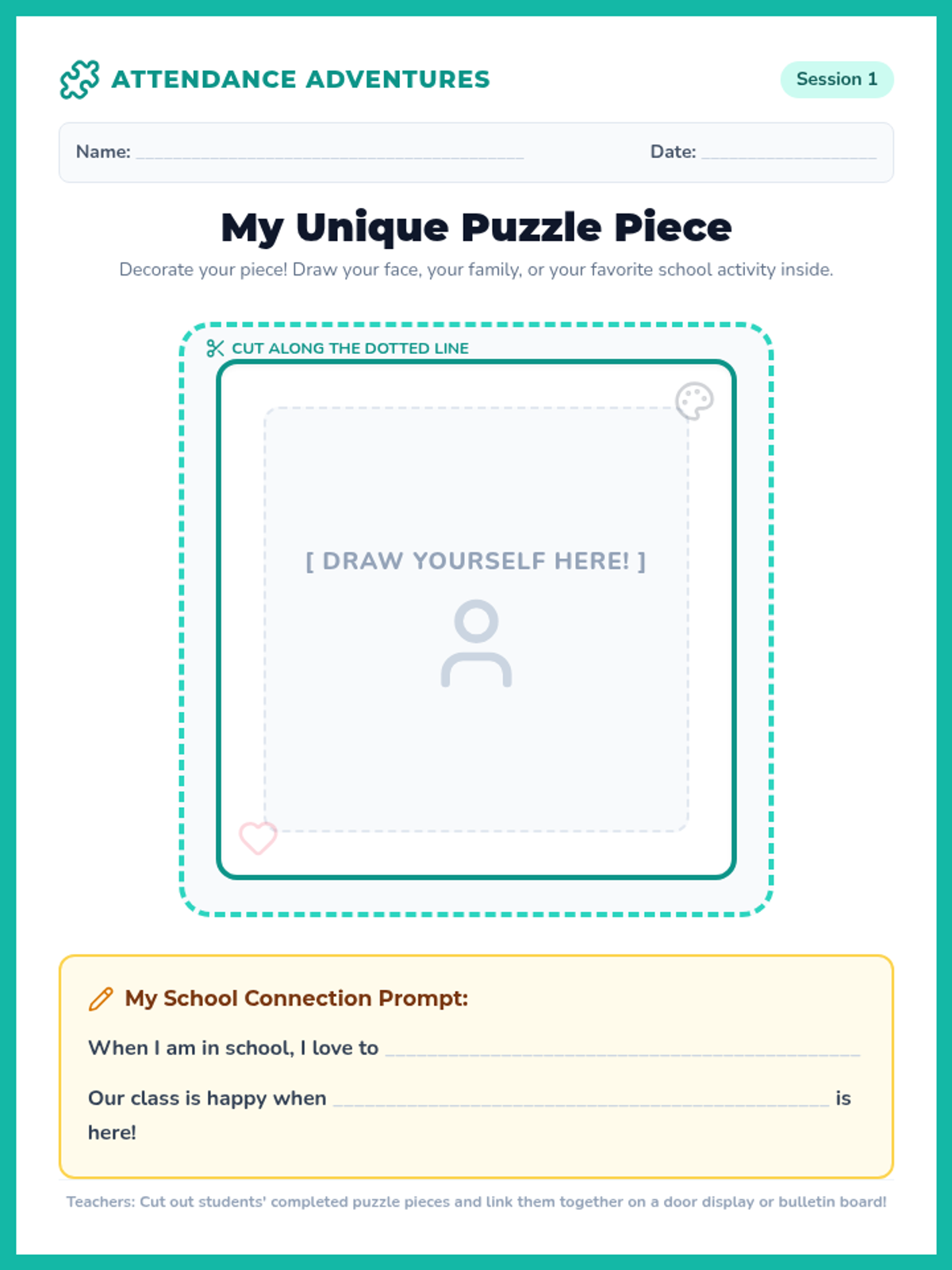
A 6-session attendance unit for grades K-3 designed to foster a sense of belonging, teach morning routines, frame attendance as an exciting adventure, teach post-absence support, and provide strategies for overcoming attendance obstacles.
A 3-lesson transition curriculum designed to guide elementary and middle school students through end-of-year closure, processing difficult and successful days, saying healthy goodbyes to teachers and peers, and building anticipation for the future.
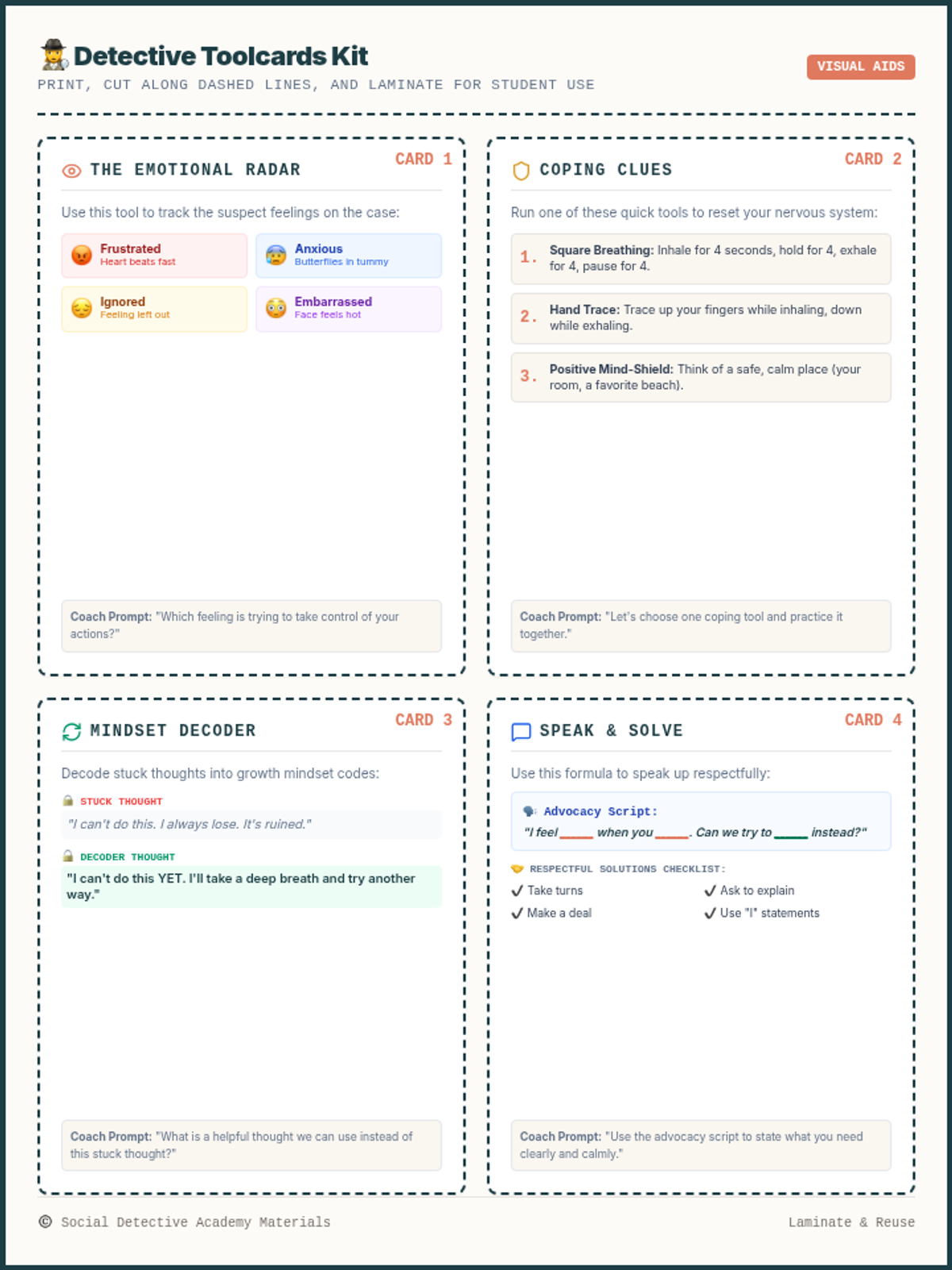
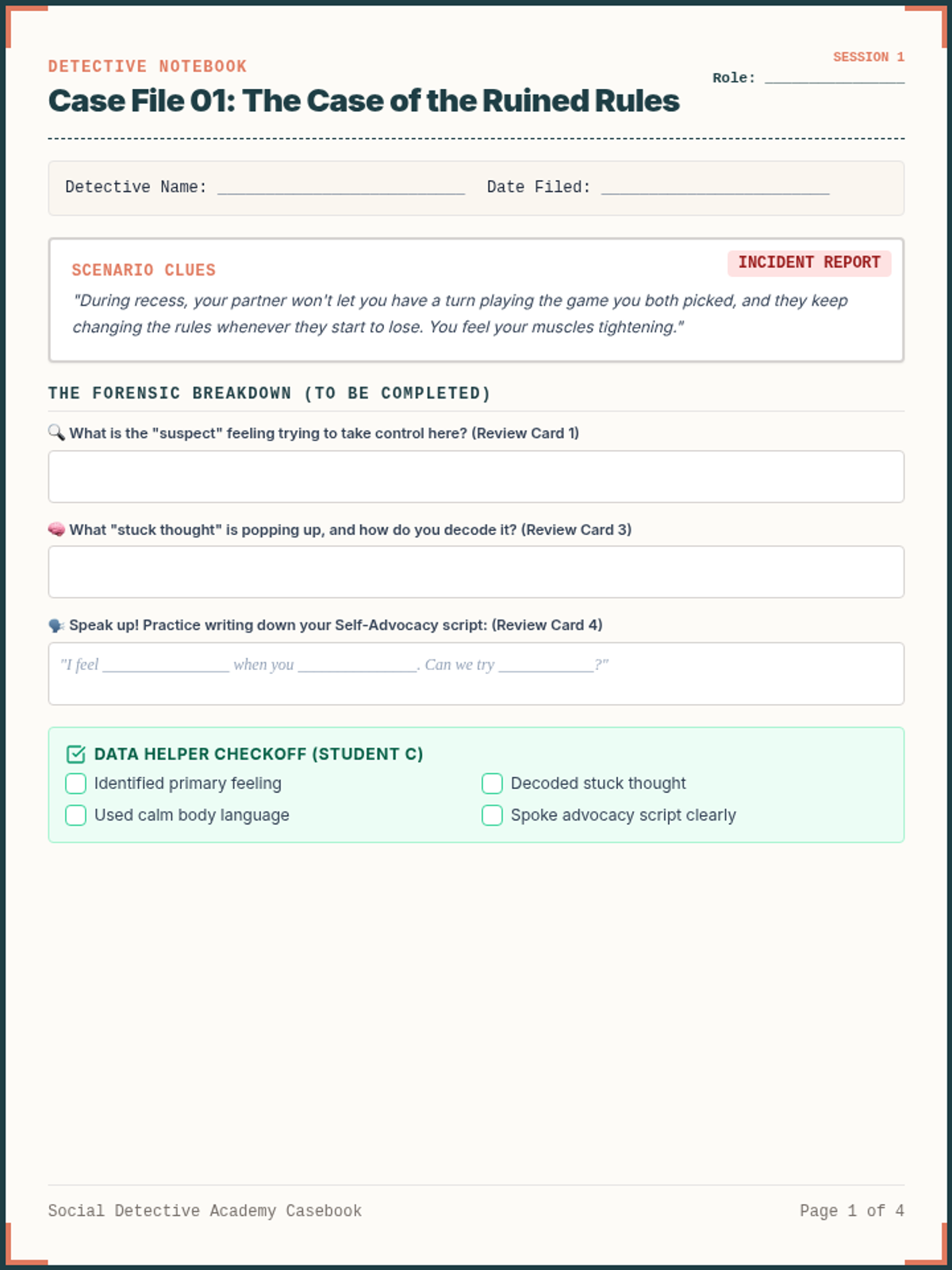
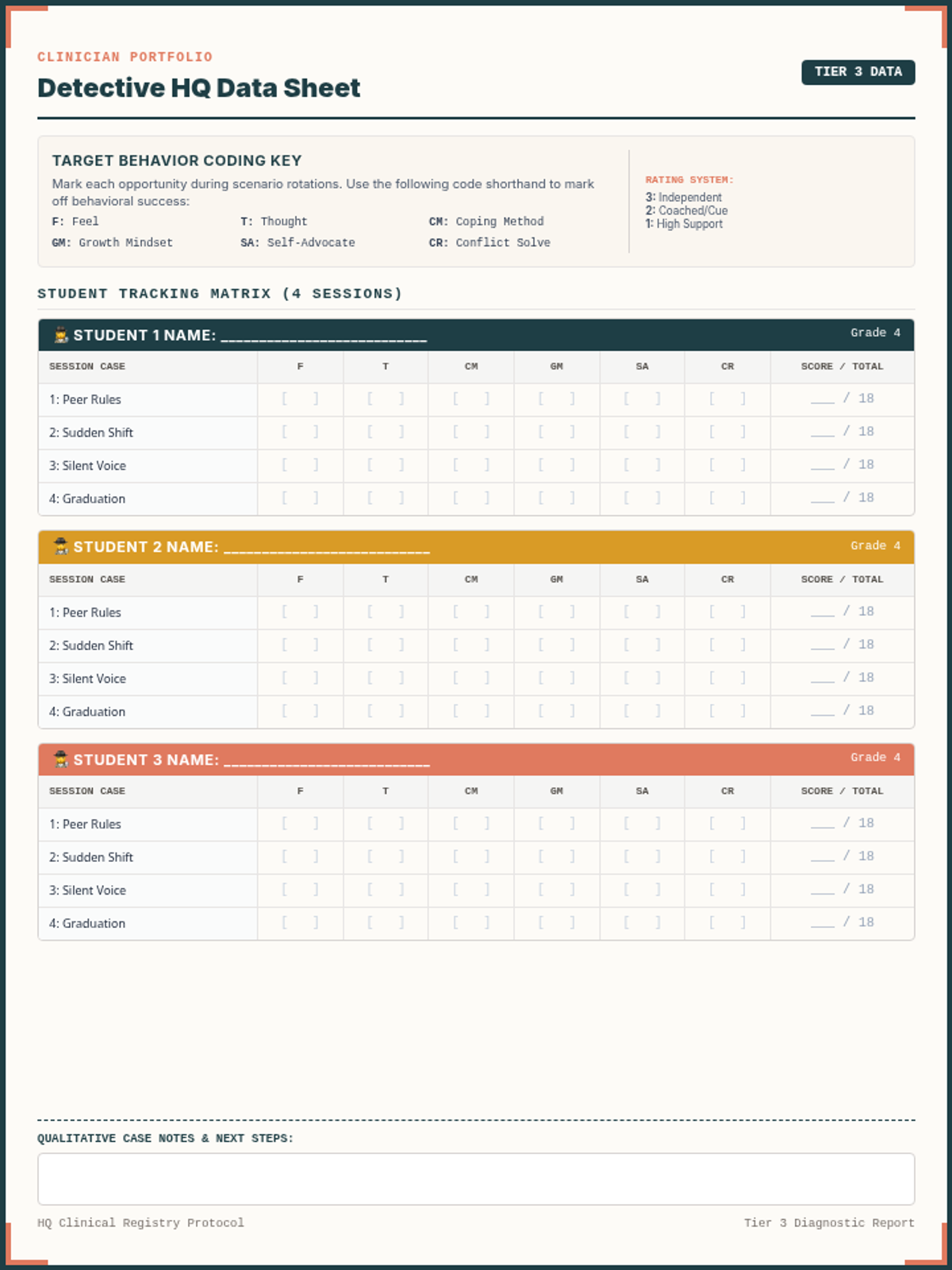
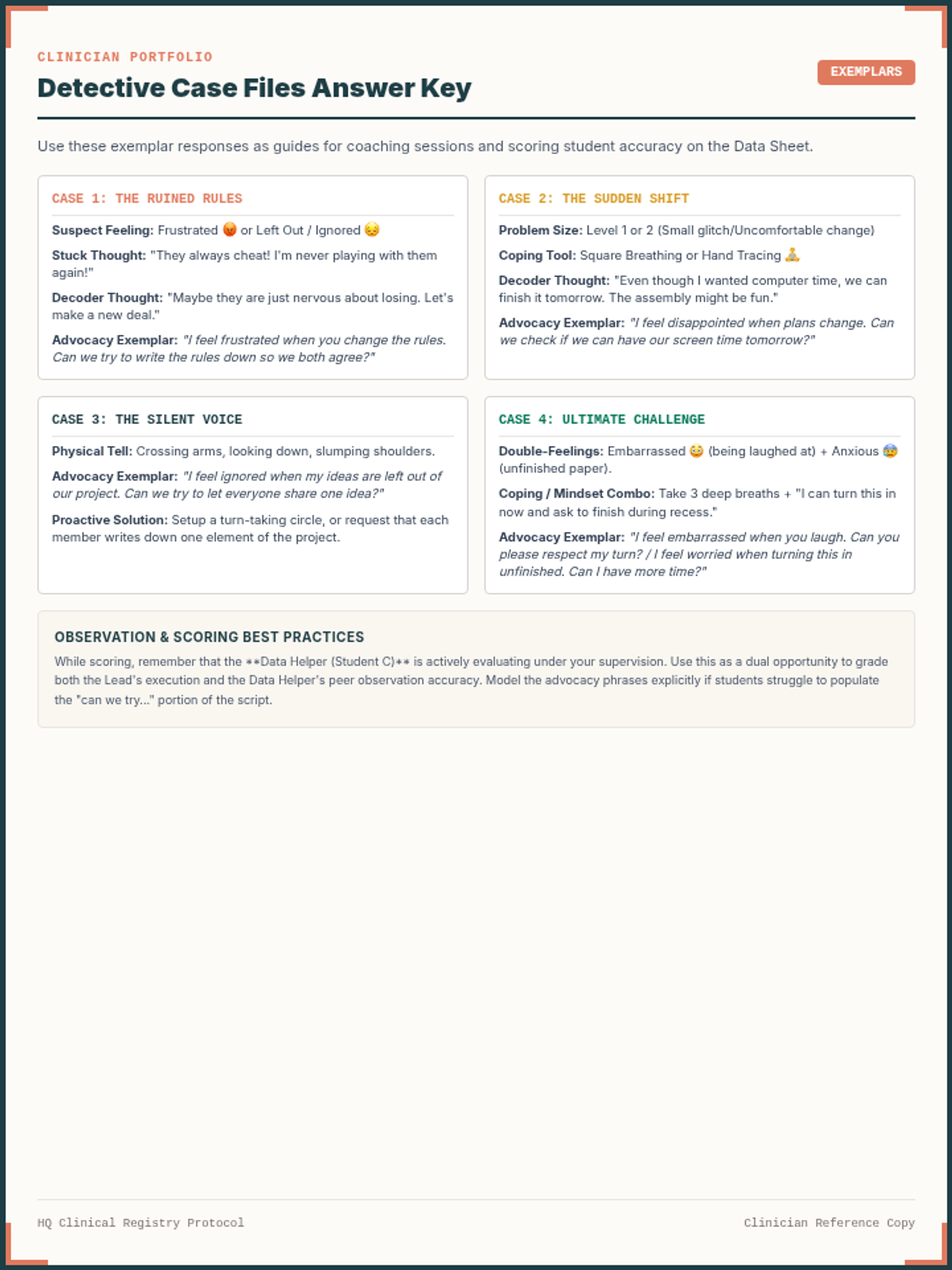
A cohesive 4-session social-emotional intervention sequence designed for small groups (Tier 3) to practice emotional regulation, self-advocacy, growth mindset, and conflict resolution using a fun, collaborative 'Social Detective' theme.
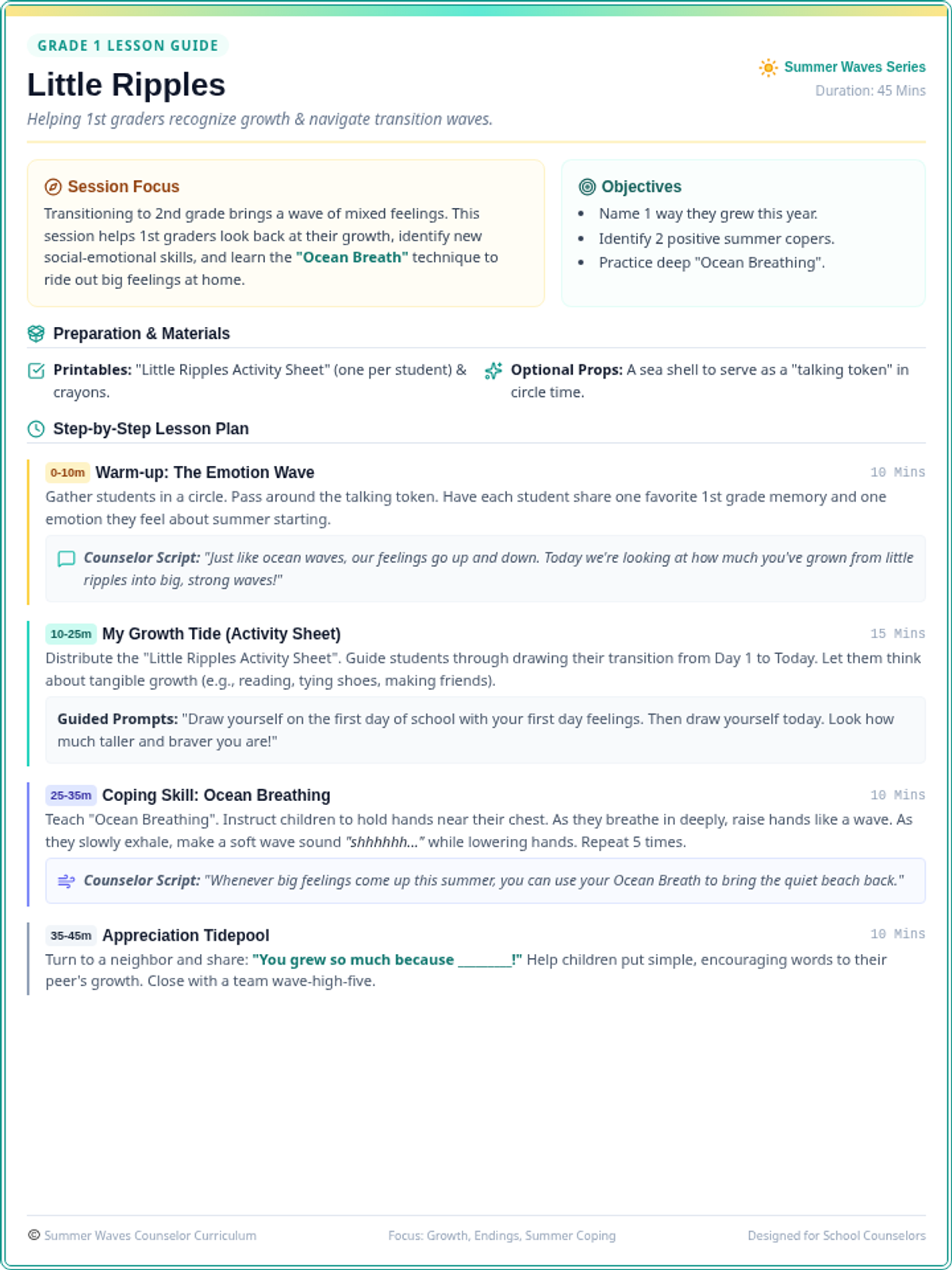
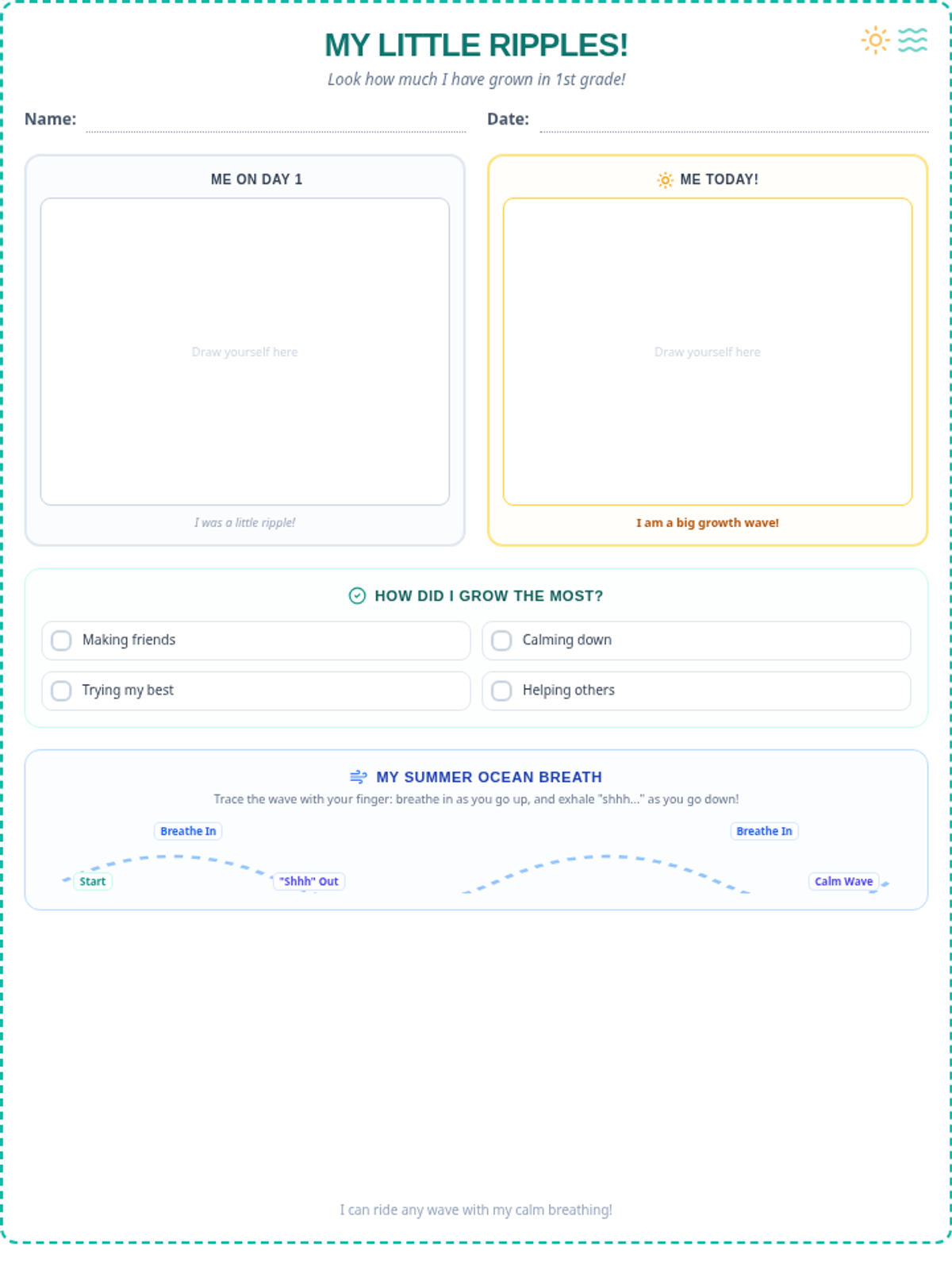
A developmental counseling sequence designed to help 1st, 3rd, and 5th-grade students reflect on their personal growth, process the transition of the ending school year, and build positive coping strategies for managing big feelings during the summer.
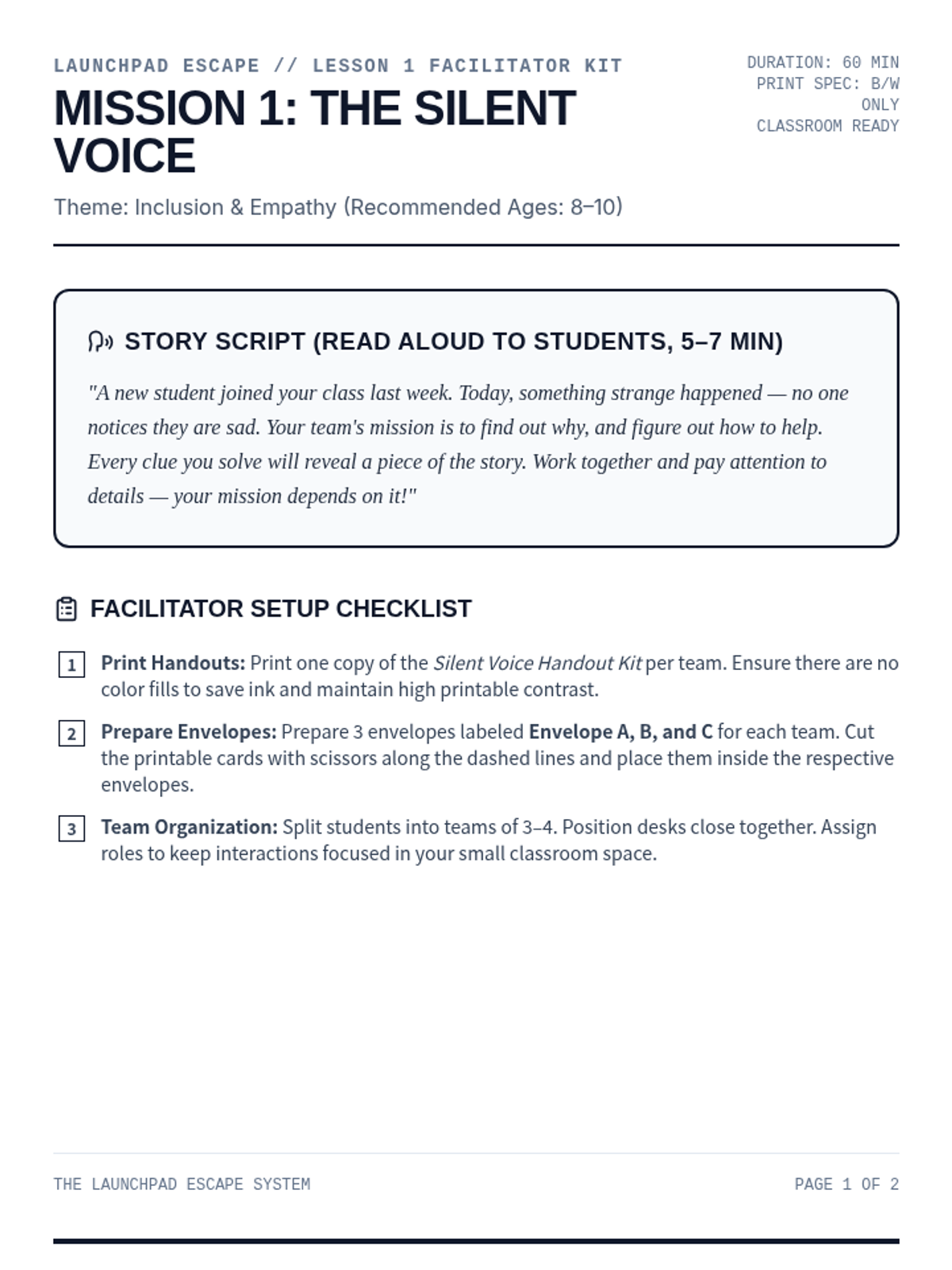
A high-stakes, collaborative tabletop escape curriculum. Missions are self-contained and fun, targeting academic anxiety, family duty, digital literacy, and friendship & peer pressure (e.g. someone left out, group conflict escalating, friend pressured to do wrong). Recruits build decision-making, social intelligence, and value systems.
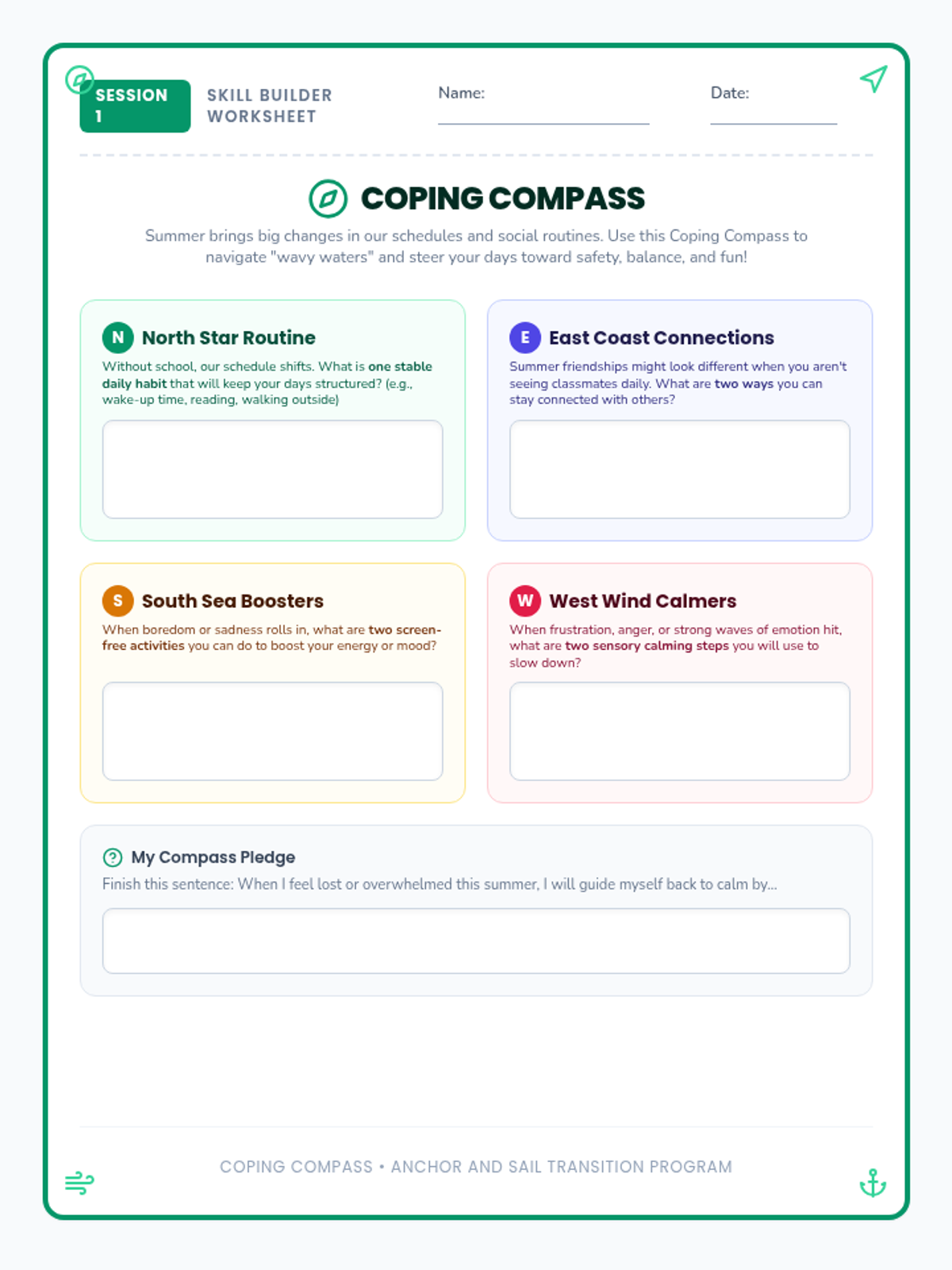
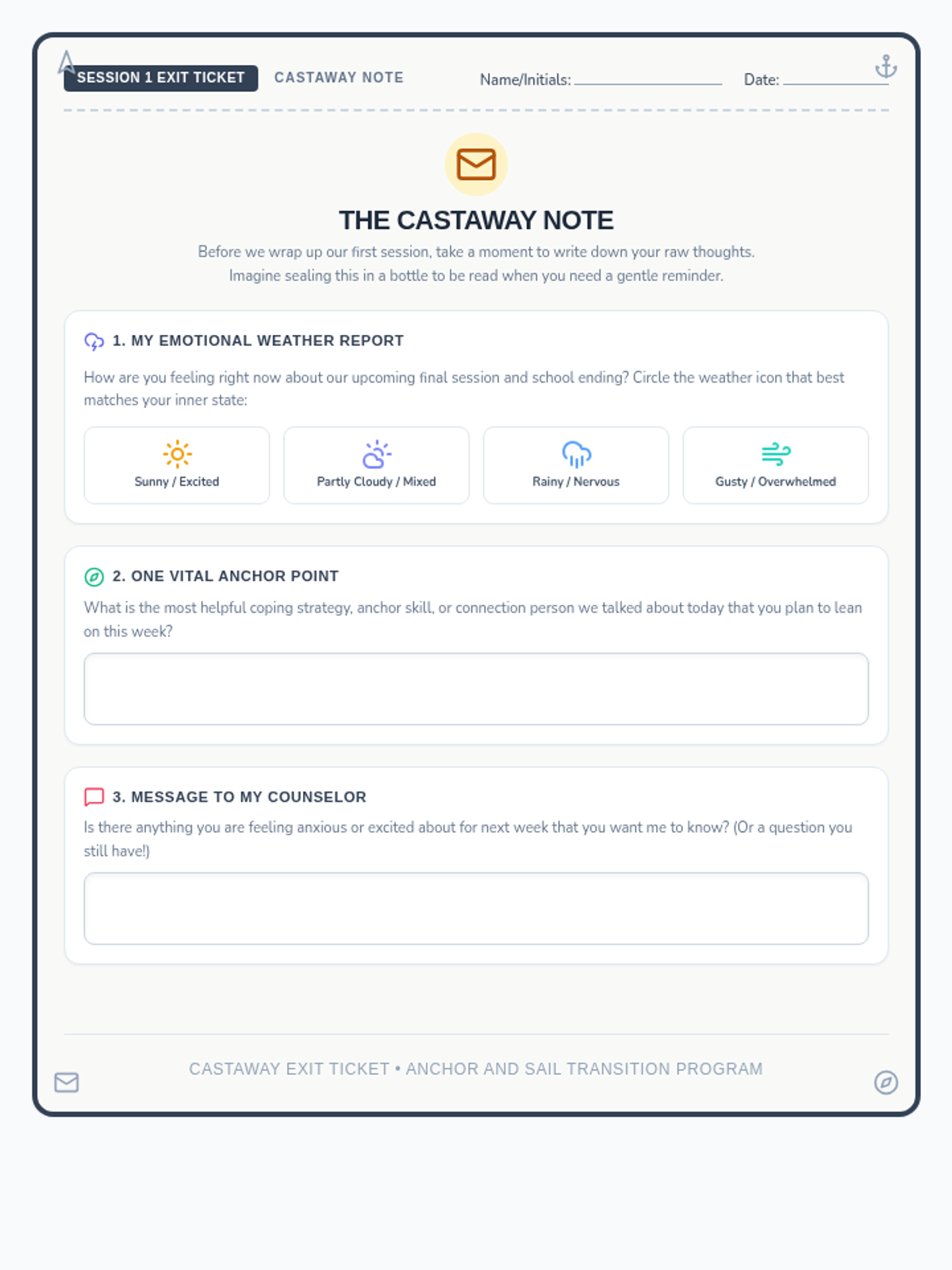
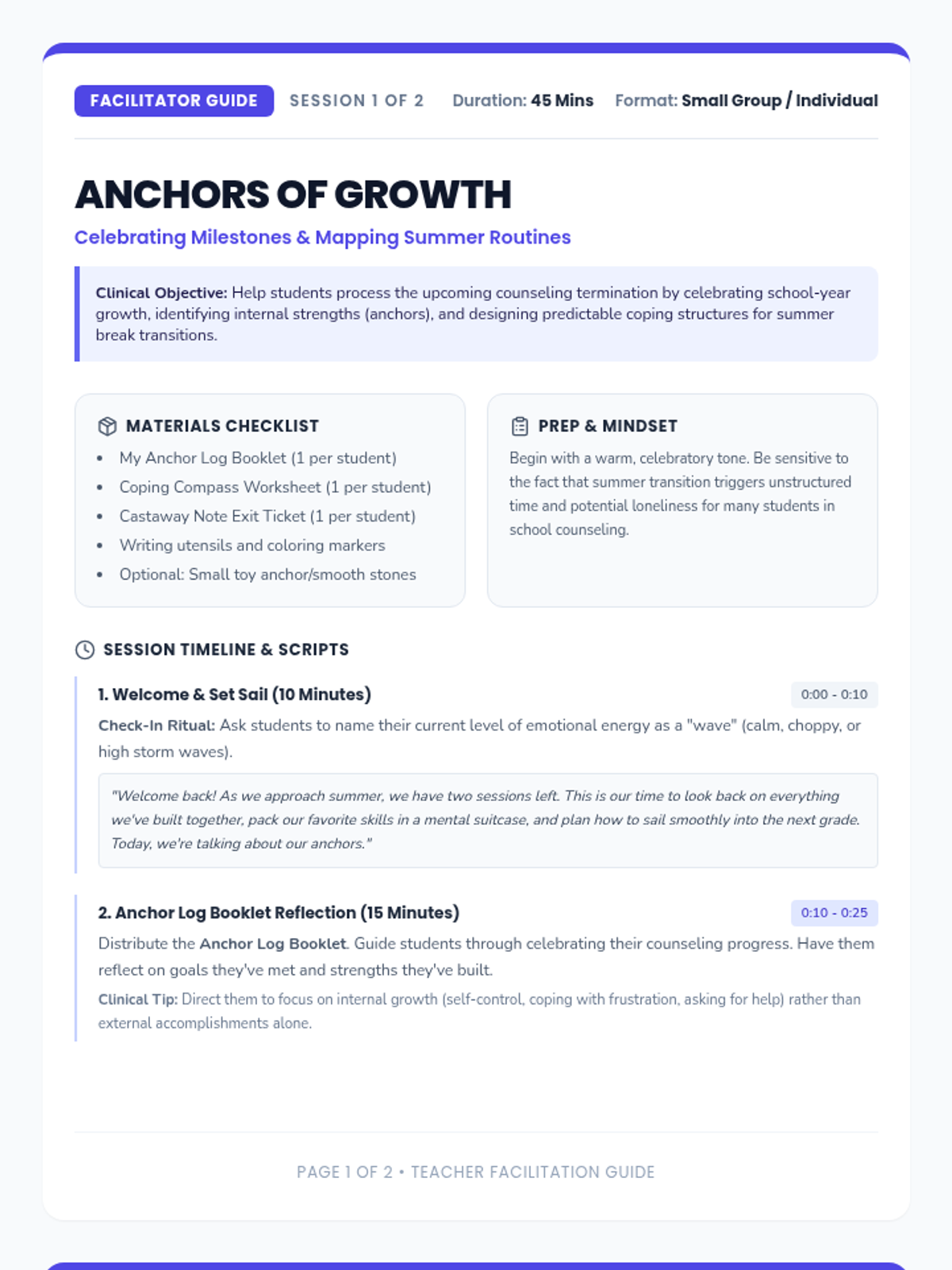
A two-session therapeutic school counseling curriculum designed to support students transitioning to summer break. Students celebrate their growth, build a summer coping toolkit, and bridge their return to school in the fall.
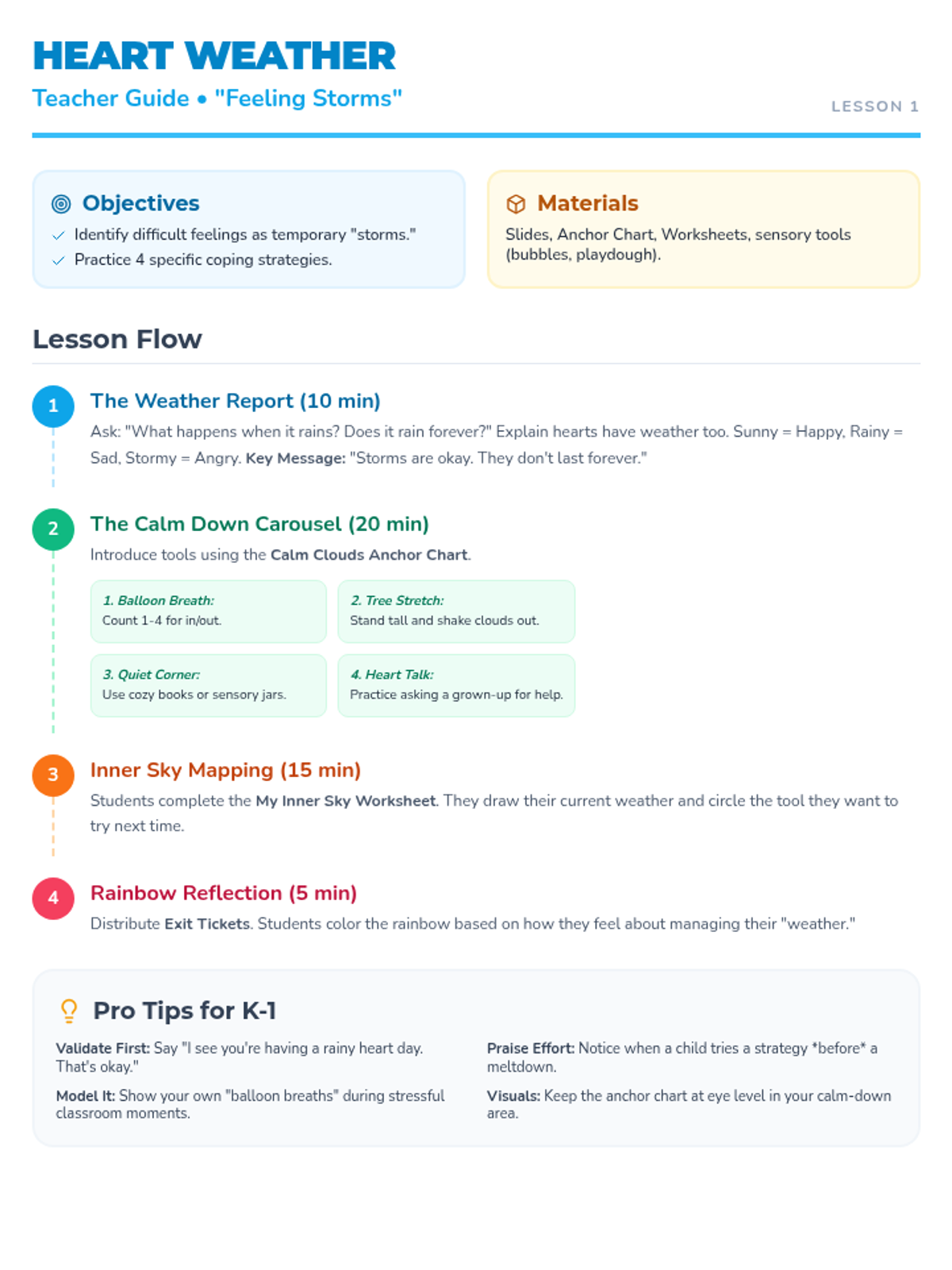
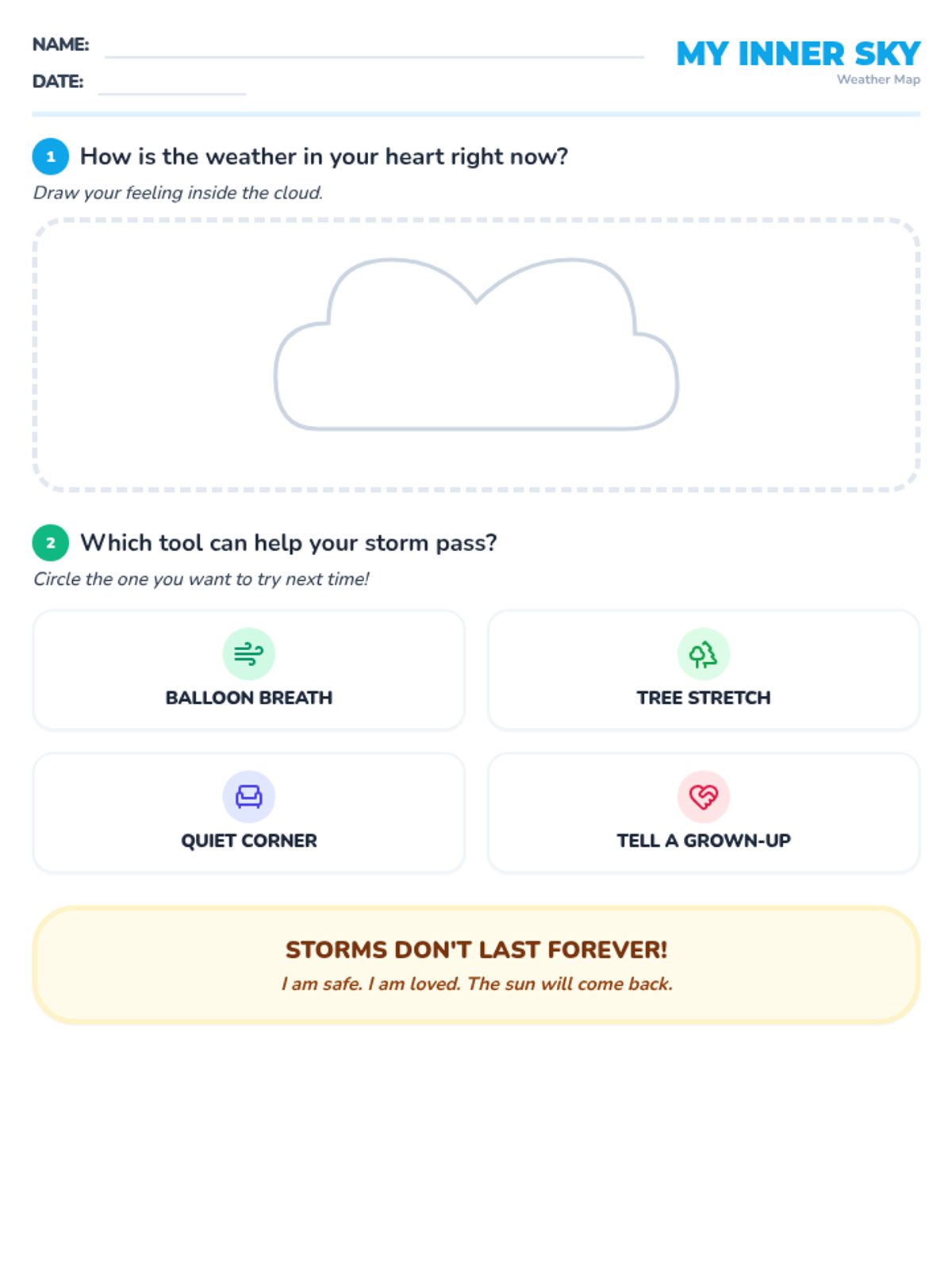
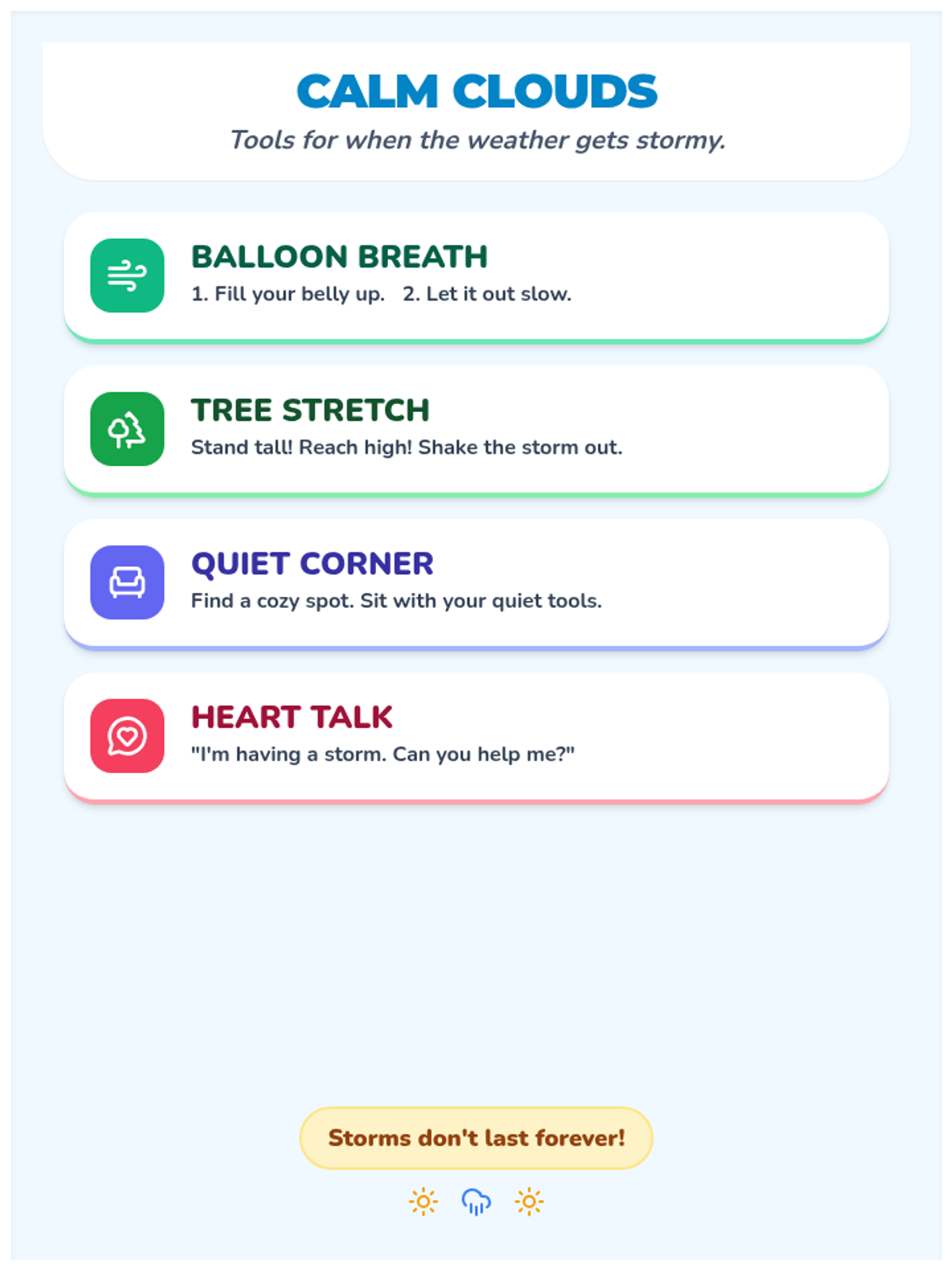
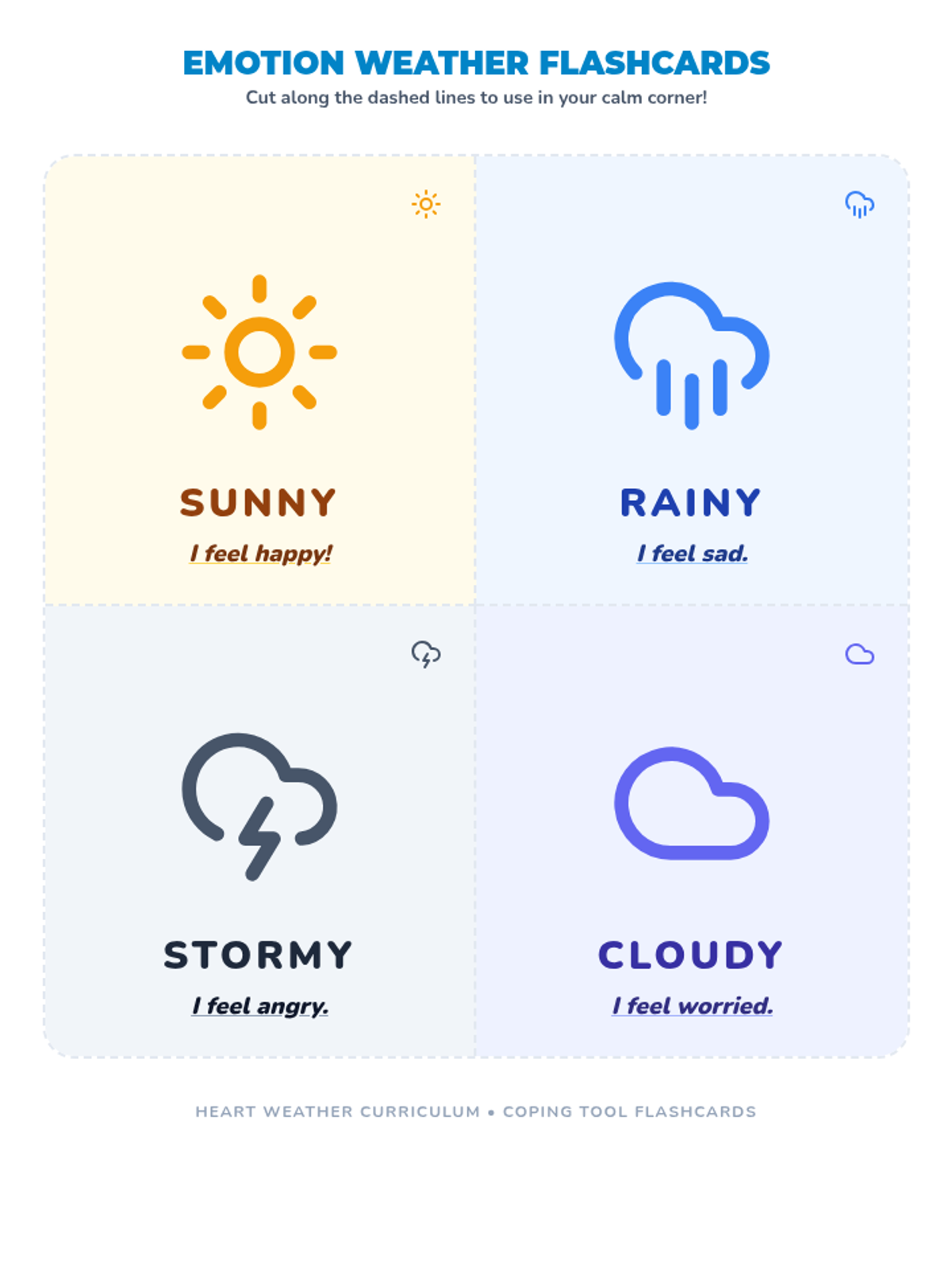
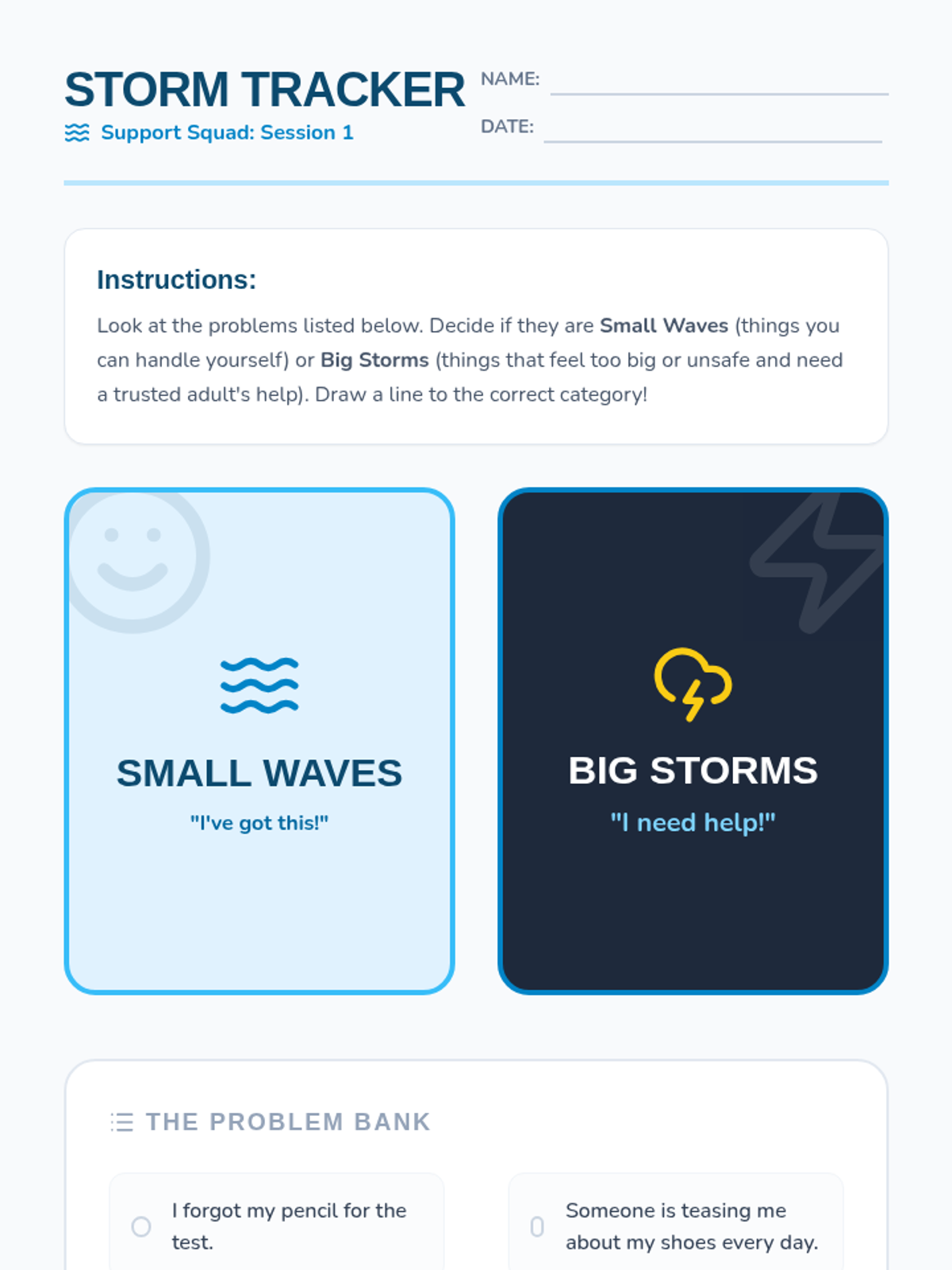
A social-emotional learning unit for K-1 students that uses the metaphor of weather to teach children how to recognize, accept, and manage difficult emotions using specific coping strategies.
A comprehensive toolkit for school counselors and staff to support students experiencing prolonged grief. This sequence provides age-appropriate emotional regulation tools, communication strategies, and professional development for staff to create a trauma-informed environment.
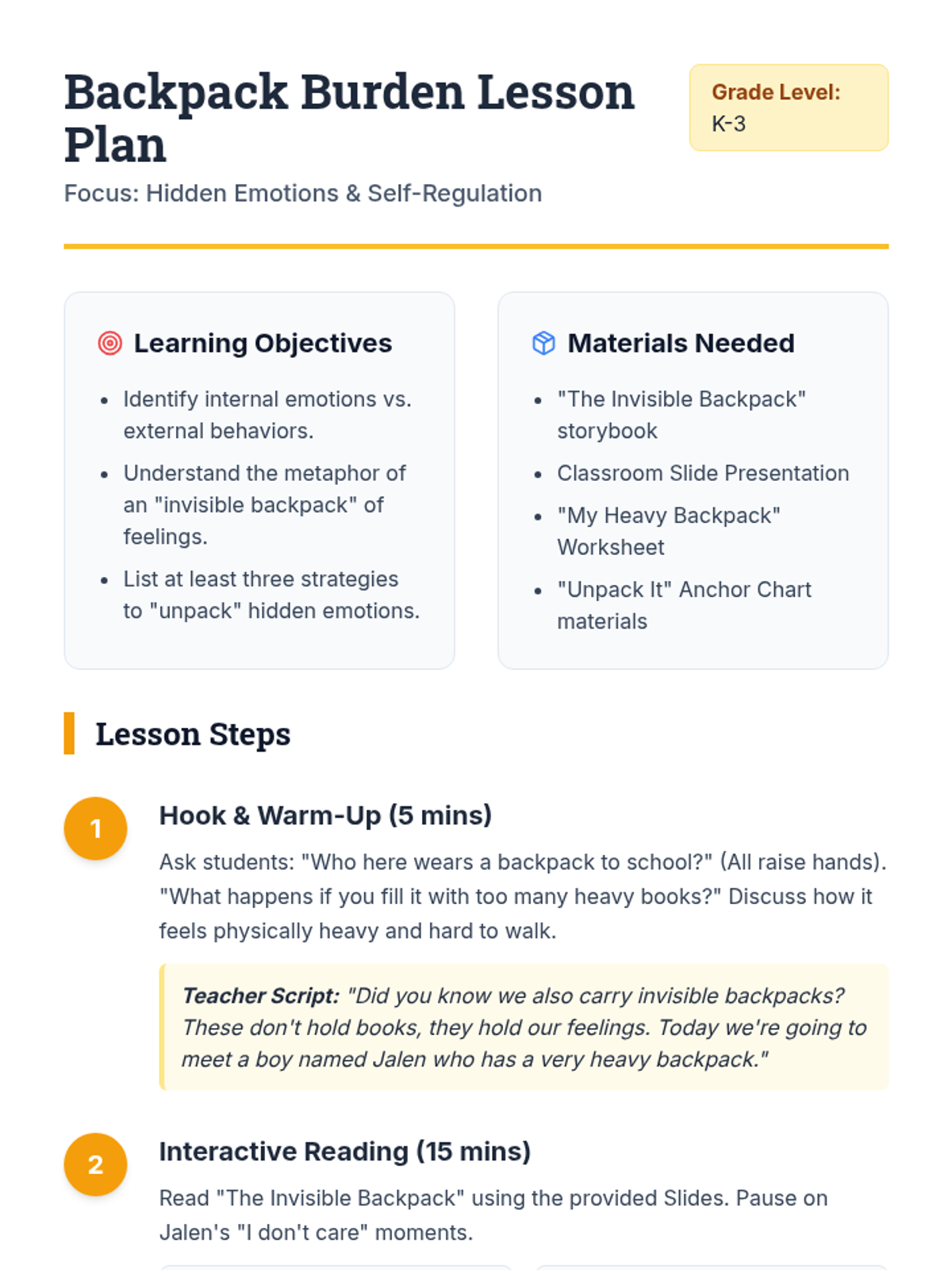
A series of lessons focused on social-emotional learning, helping students understand the difference between external behaviors and internal emotions, and developing healthy coping mechanisms.
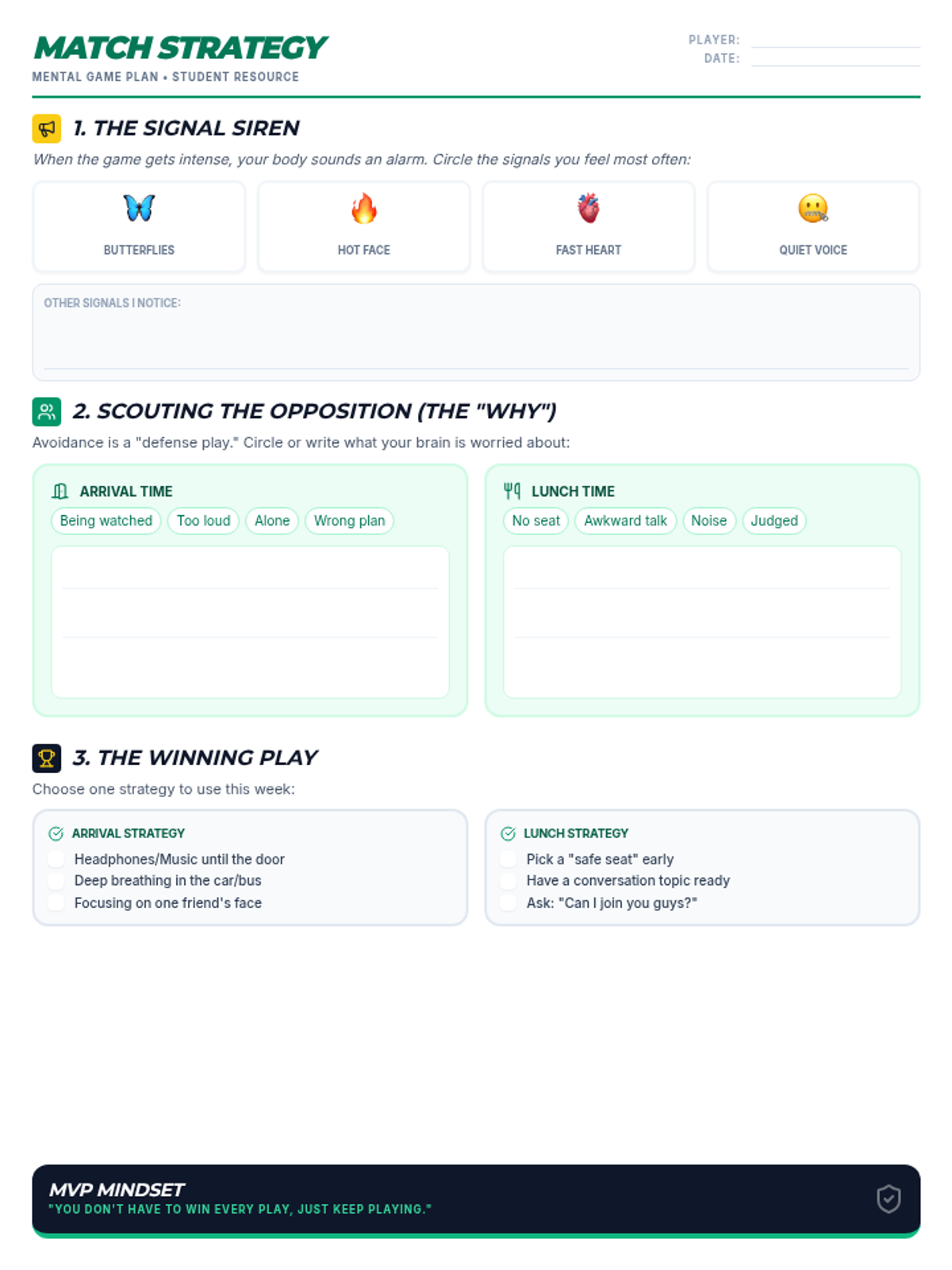
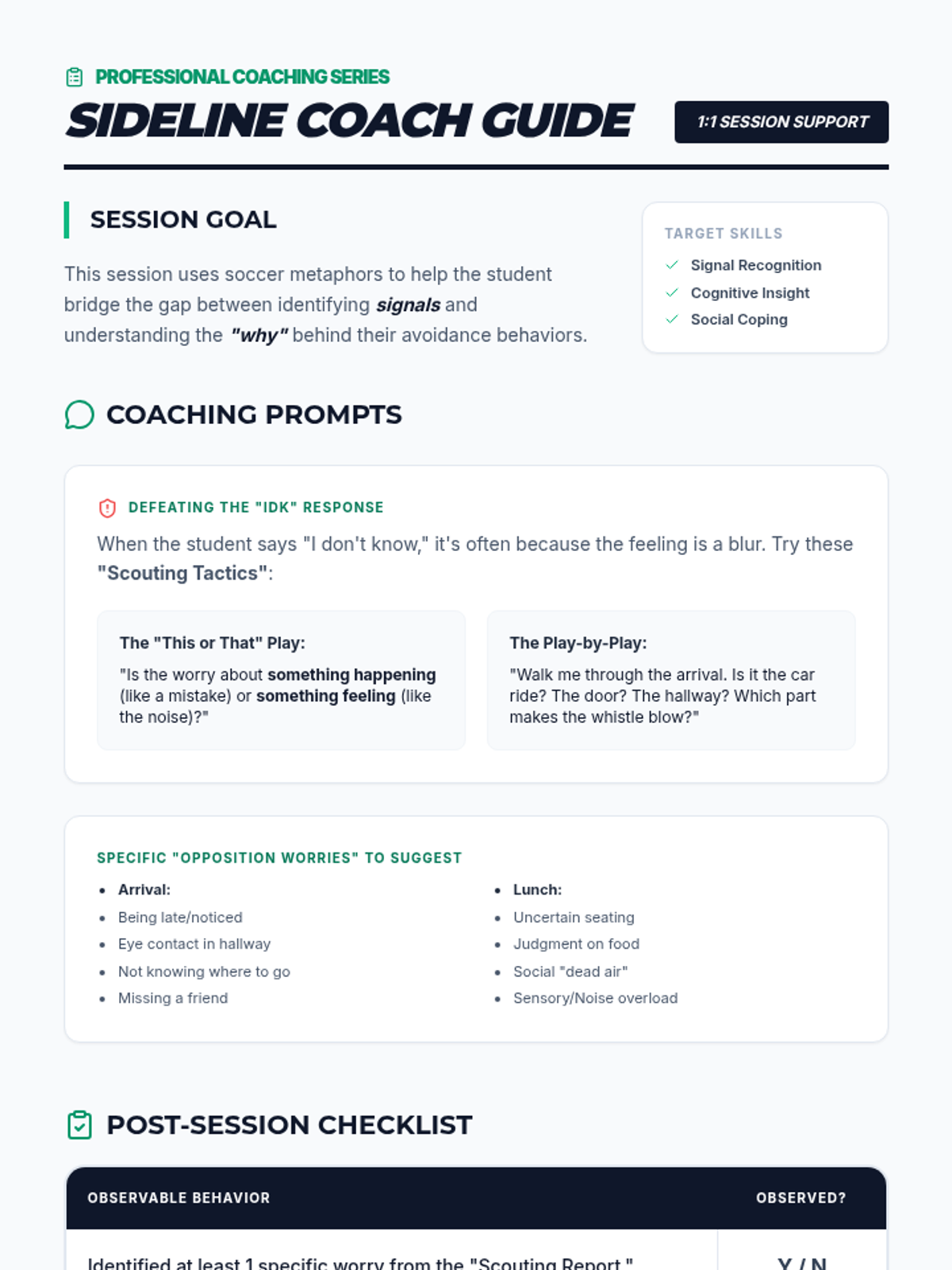
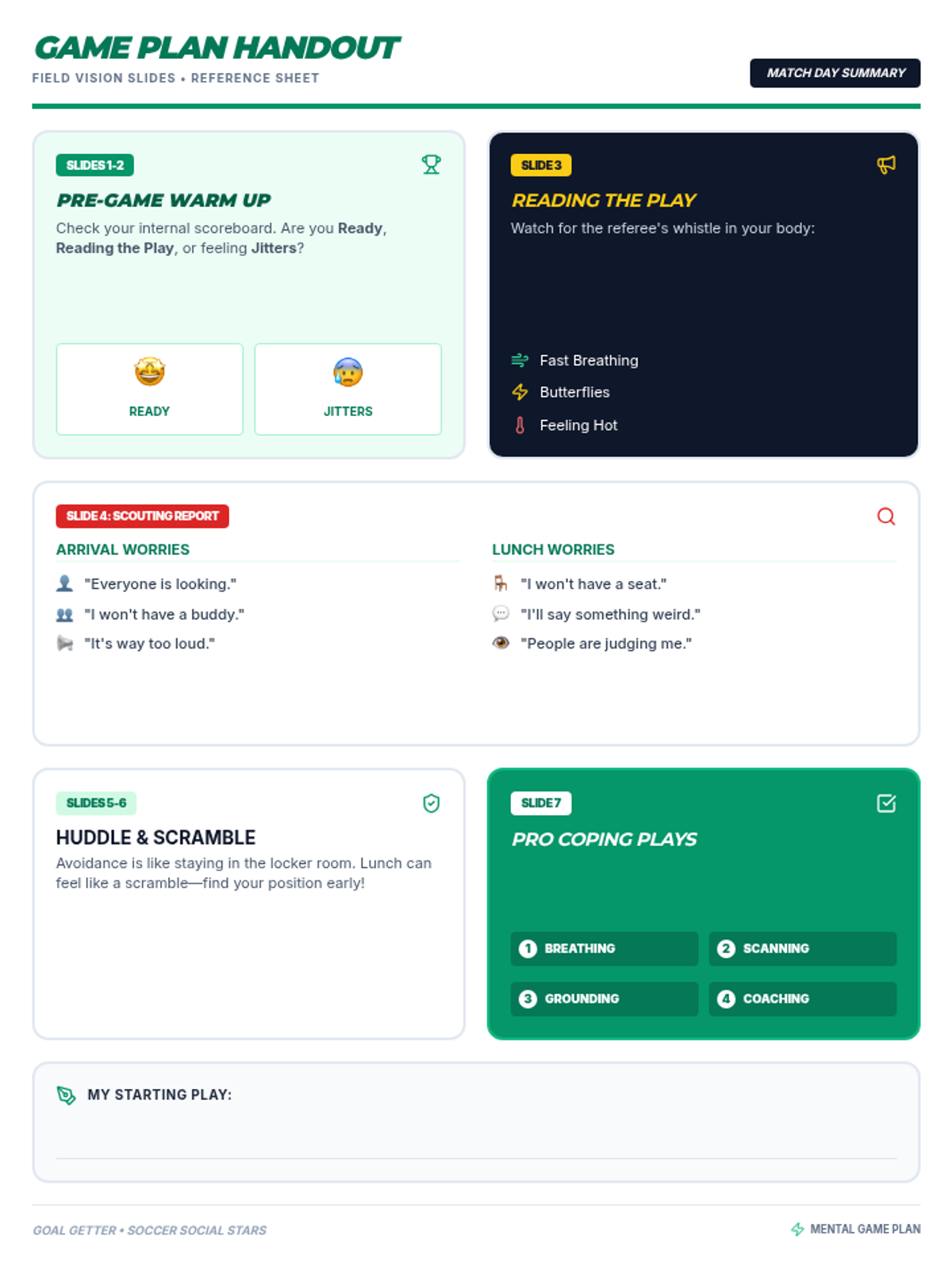
A soccer-themed social-emotional learning series focused on identifying social anxiety signals and developing coping strategies for school-based avoidance.
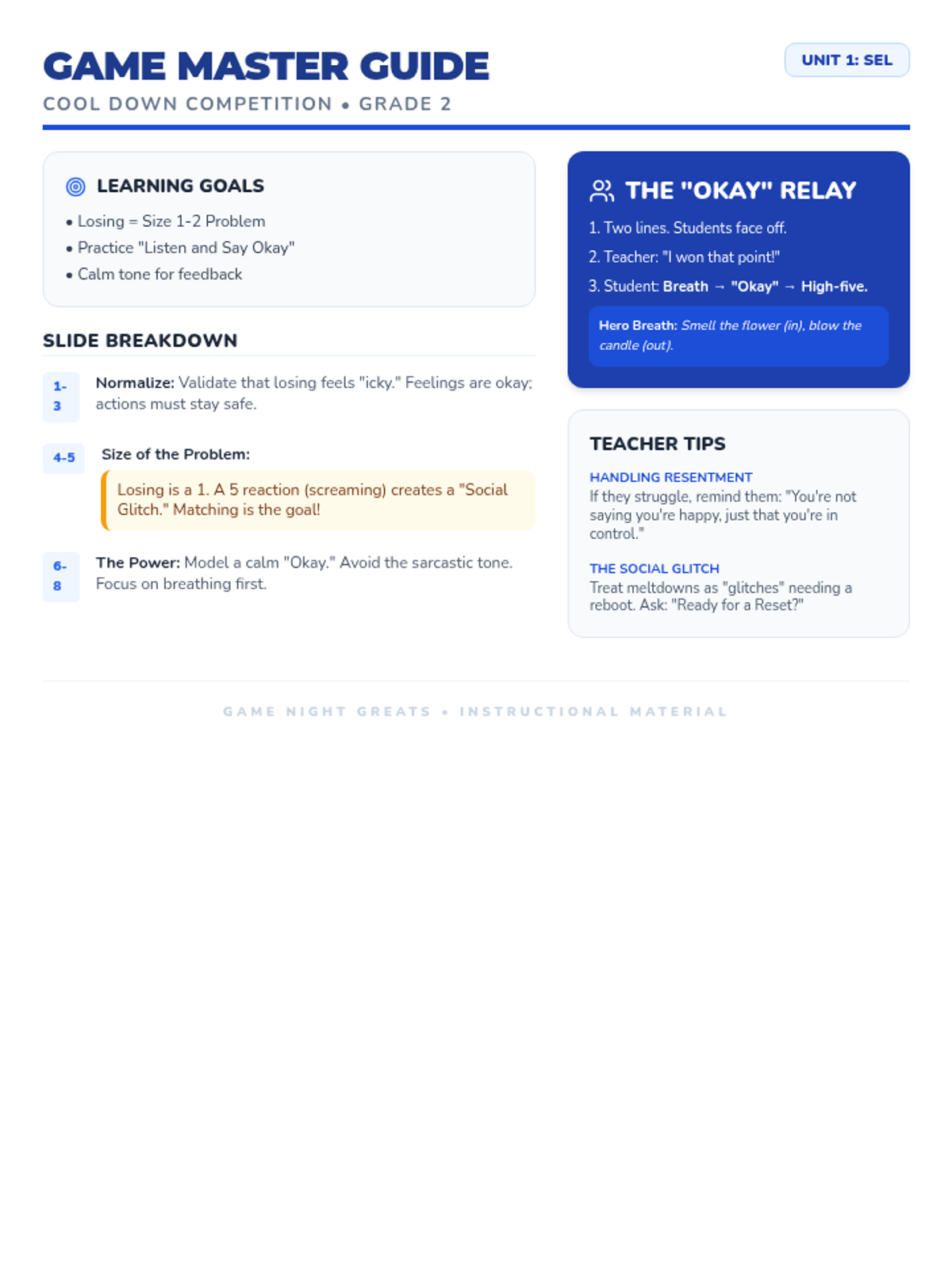
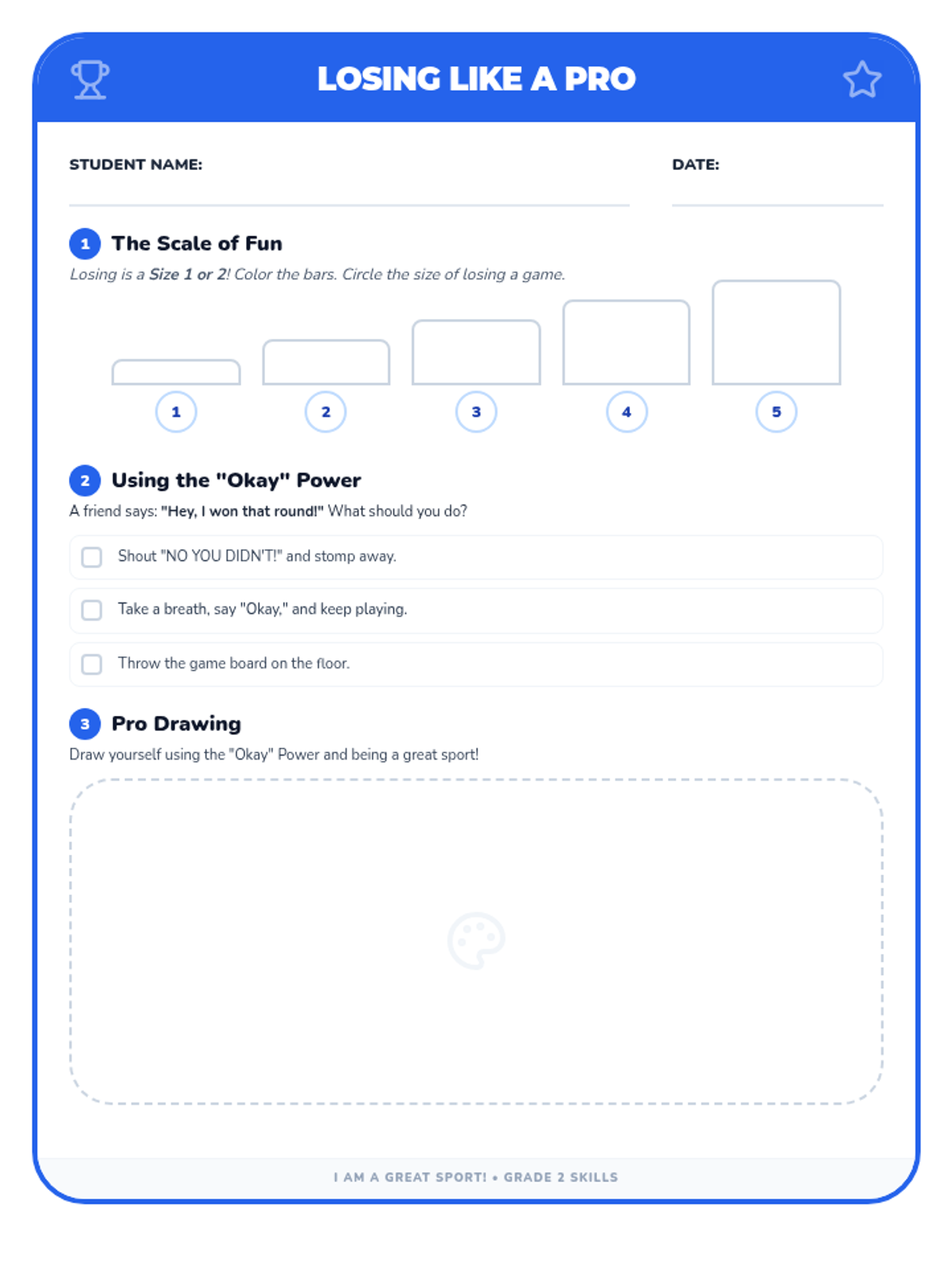
A social-emotional learning unit focusing on classroom behavior, conflict resolution, and making positive choices for primary students.
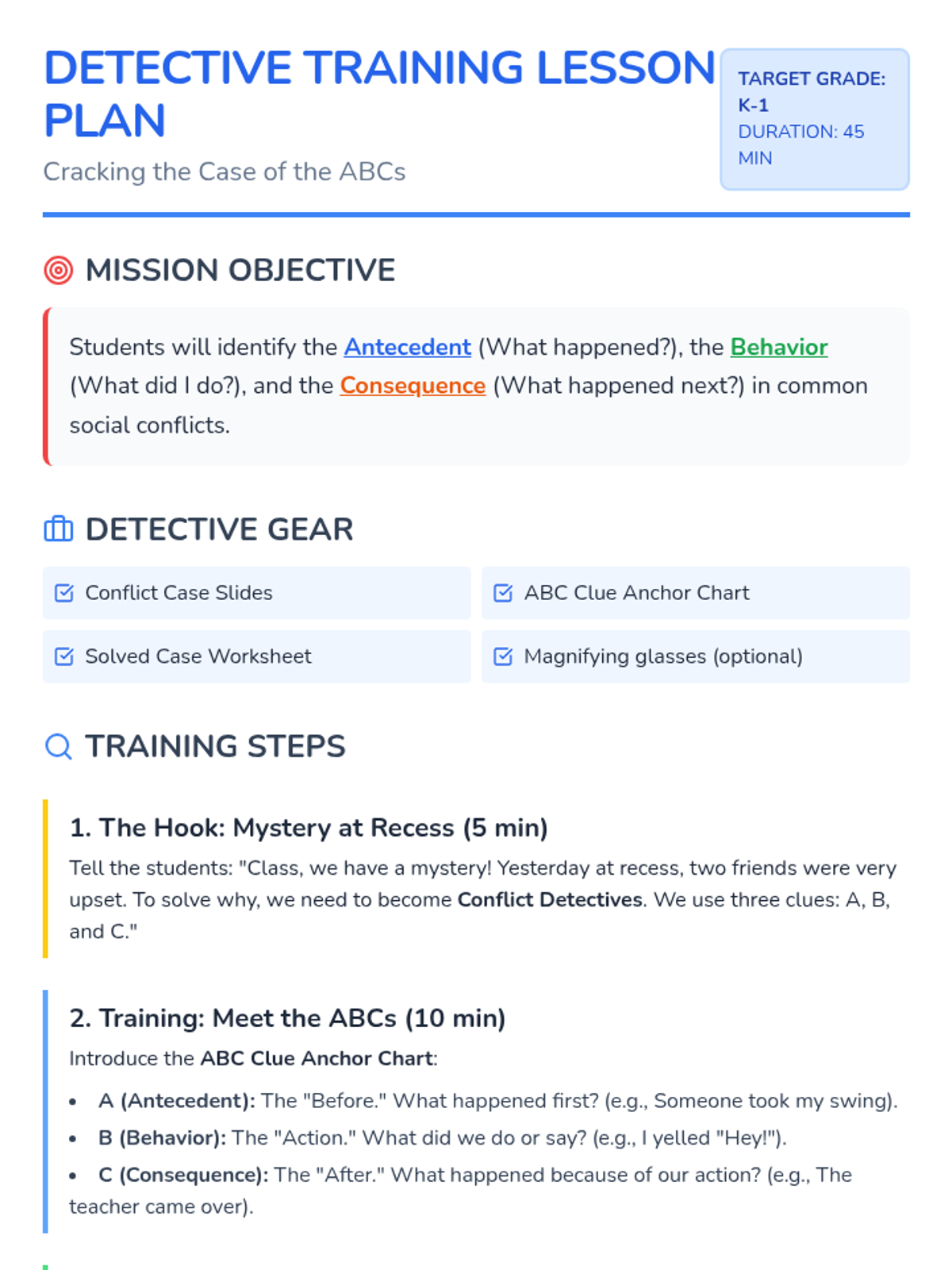
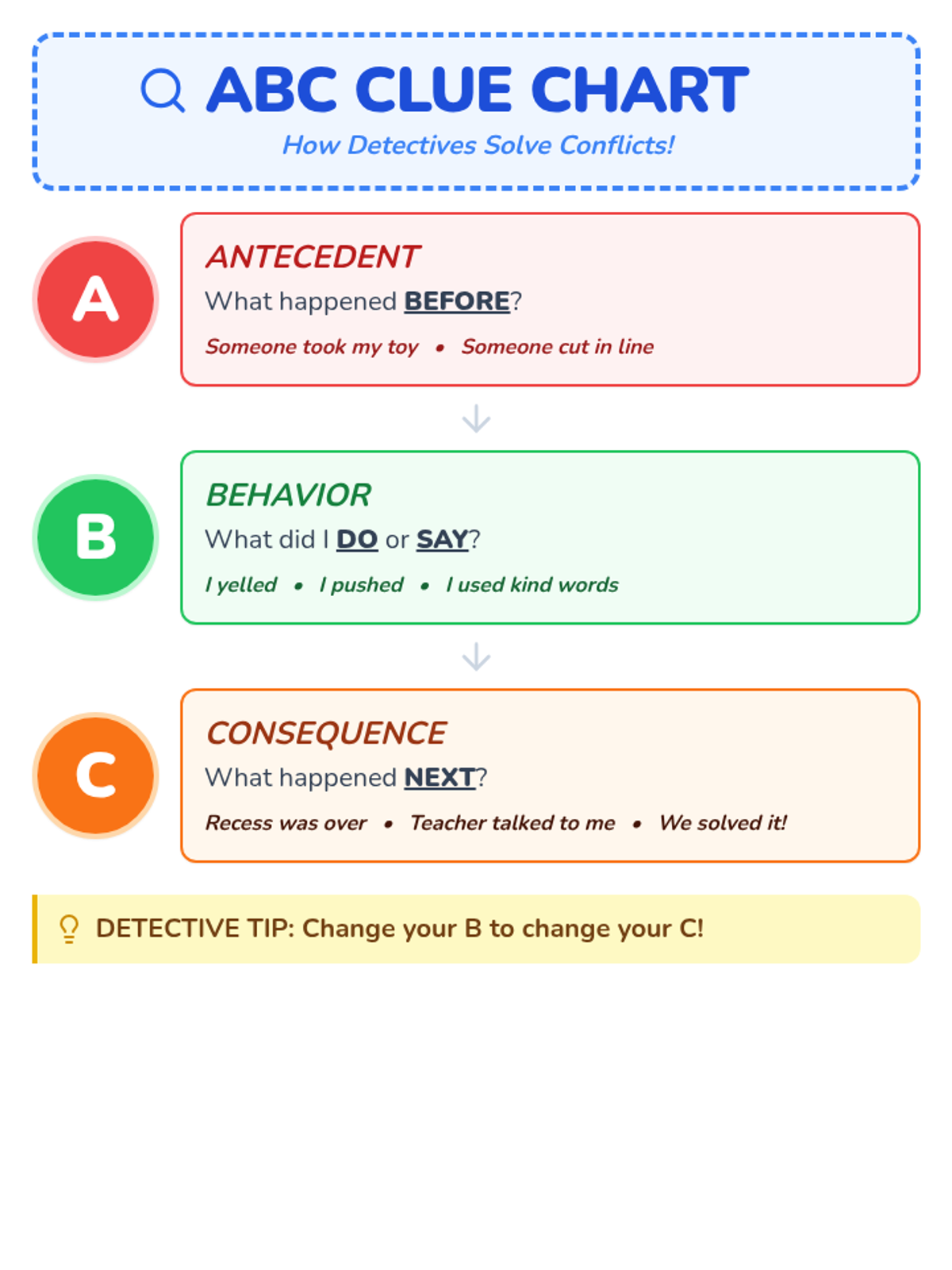
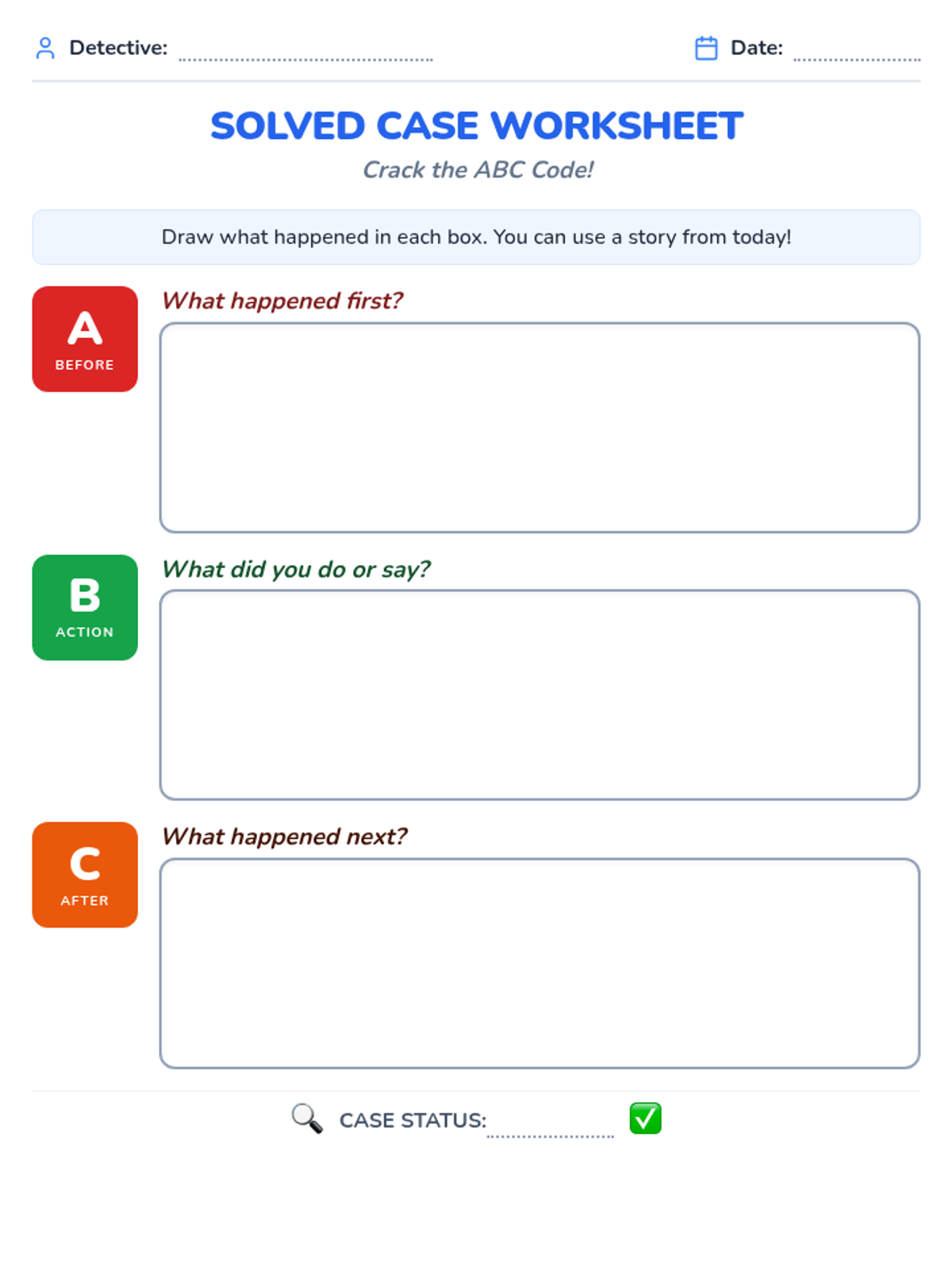
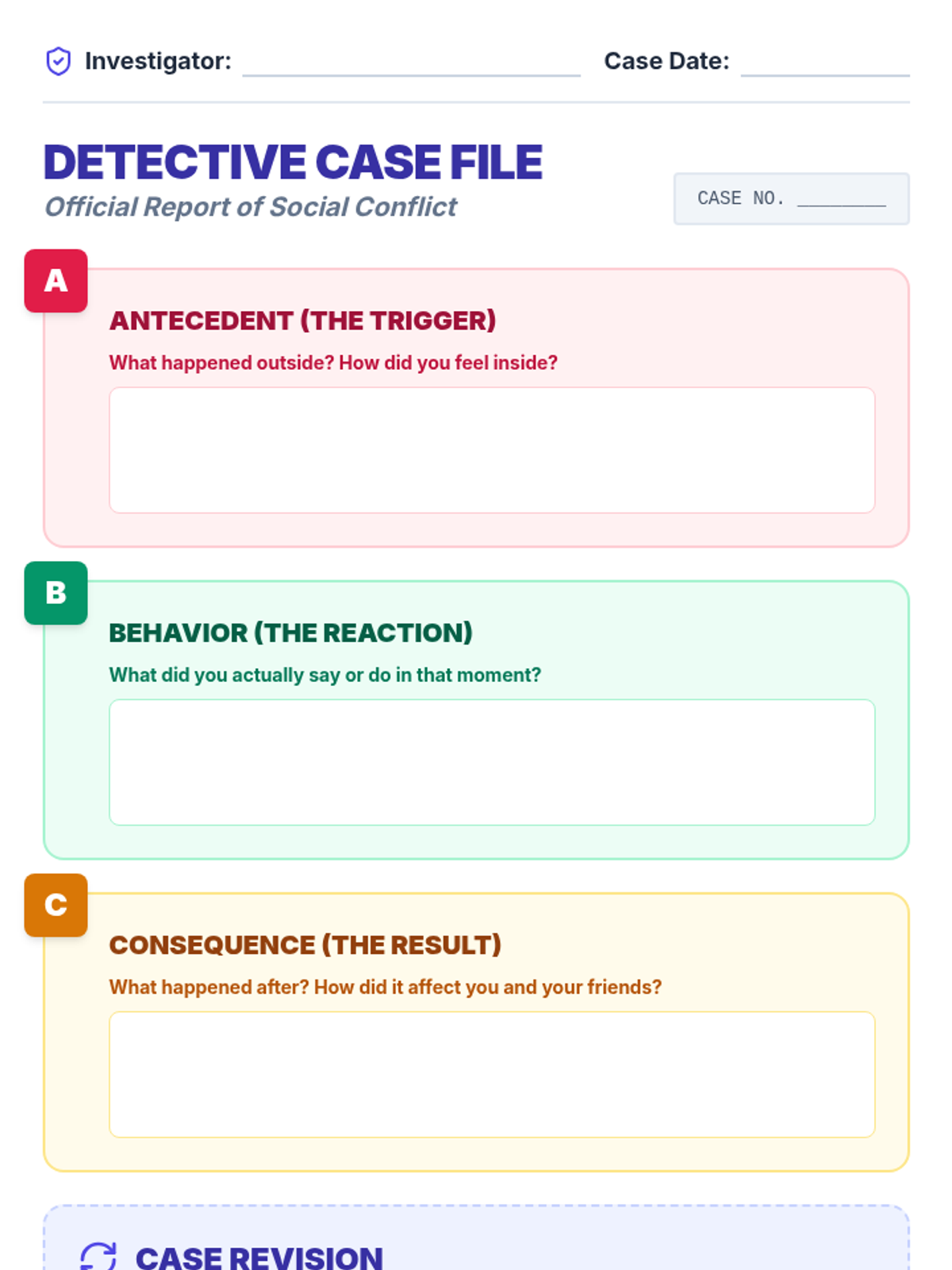
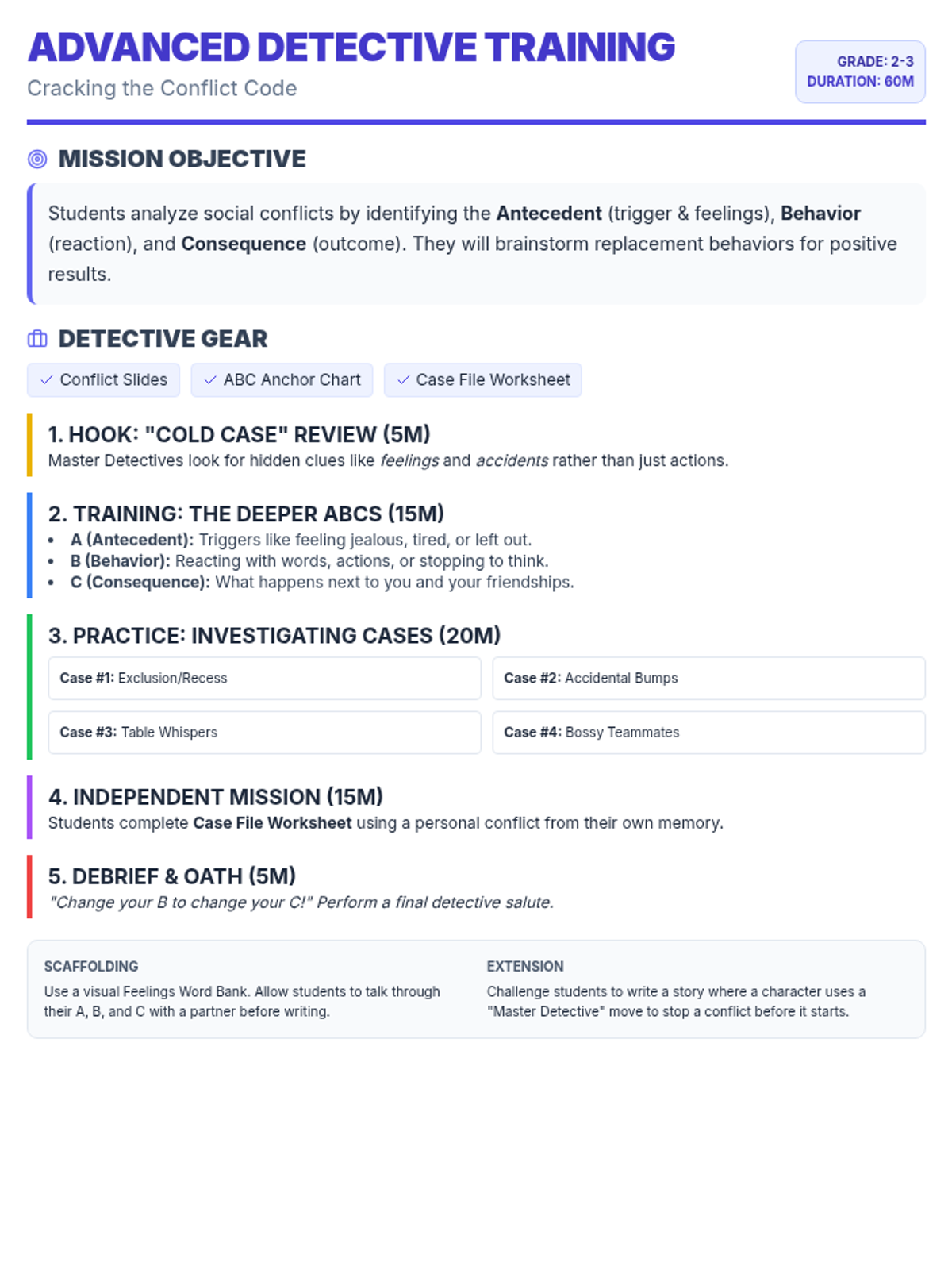
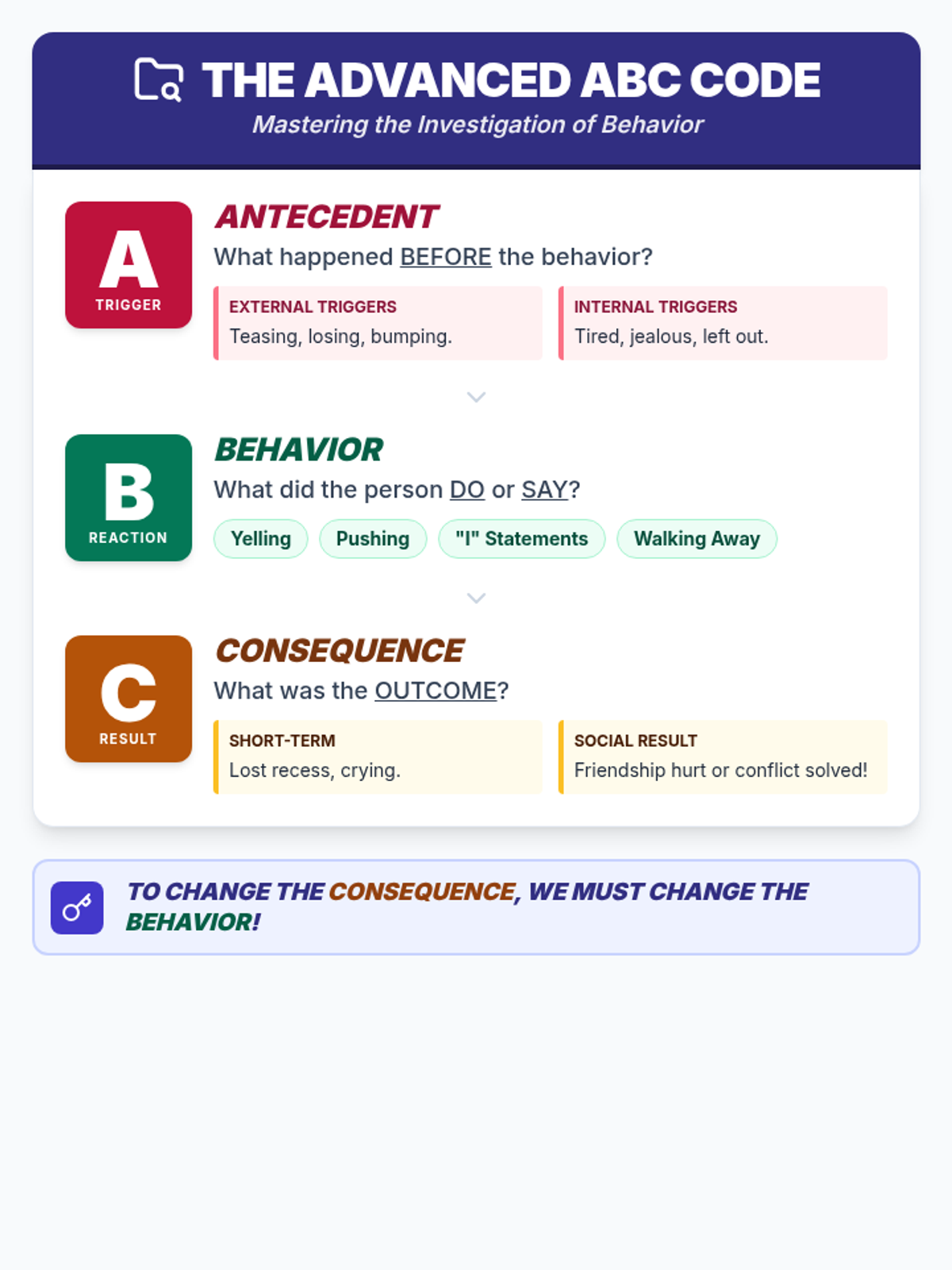
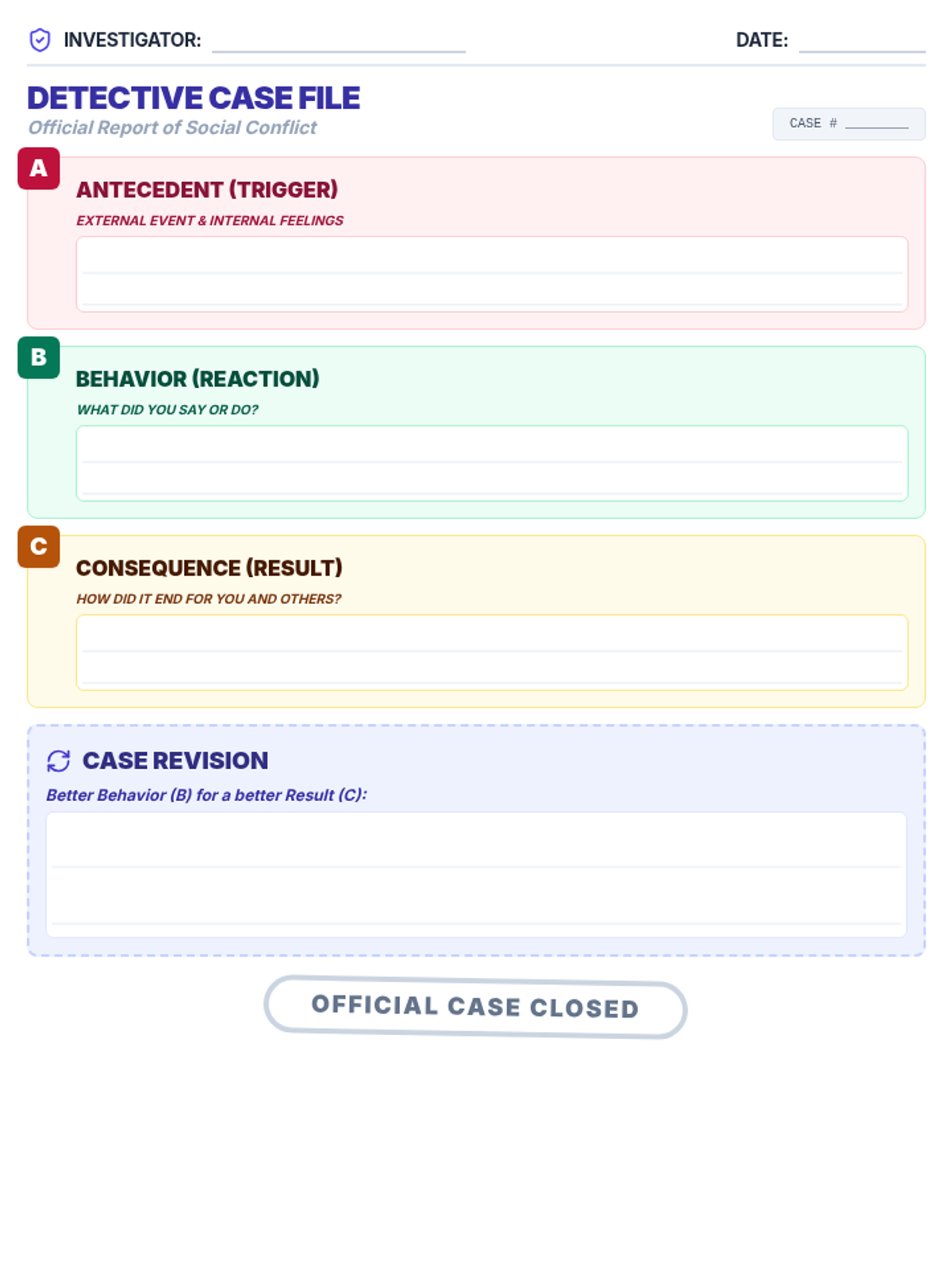
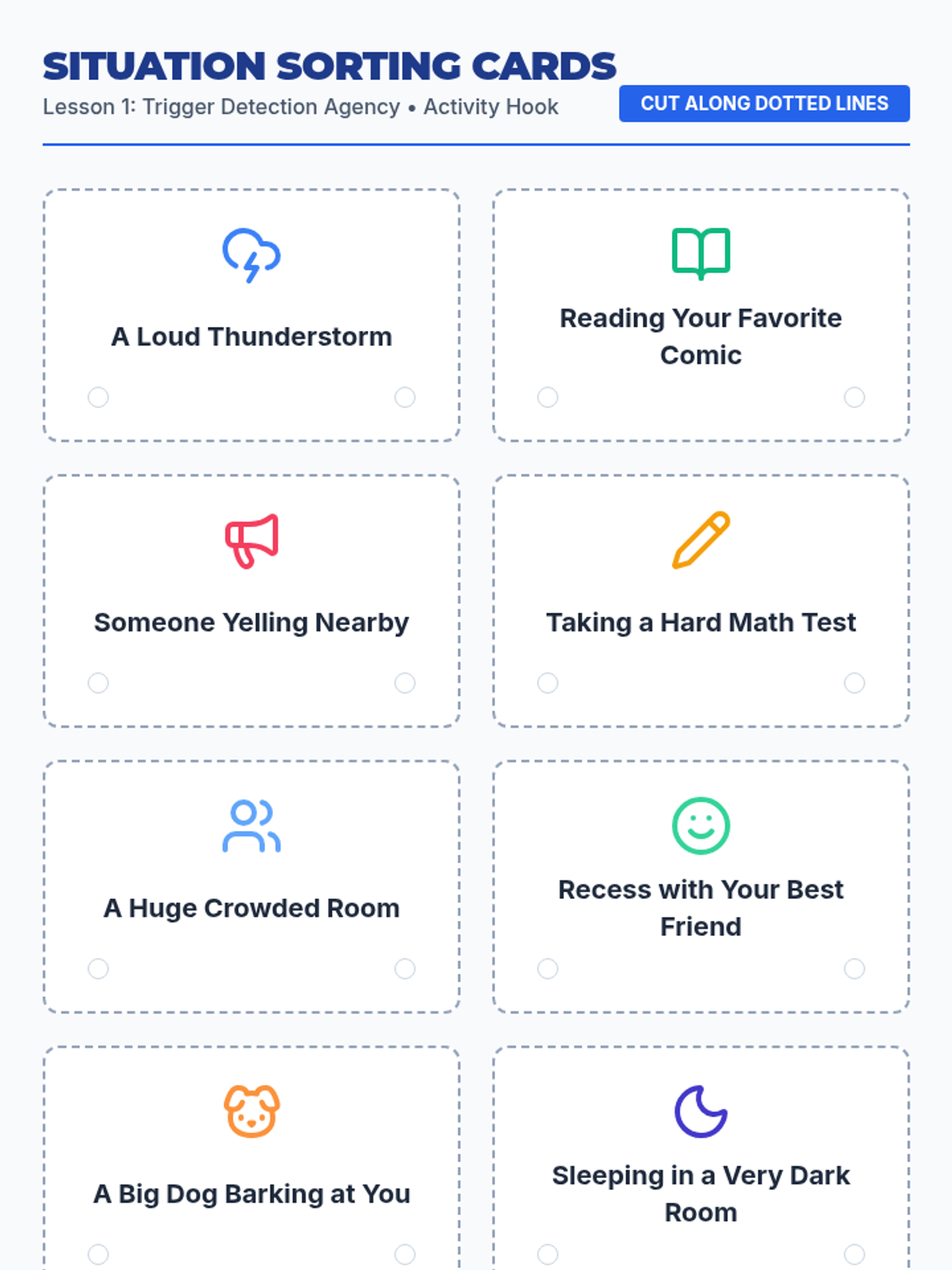
A comprehensive social-emotional learning sequence for elementary students (K-4) focusing on conflict resolution through the ABC model (Antecedent, Behavior, Consequence). Students learn to identify triggers, analyze their own behaviors, and work towards positive social outcomes.
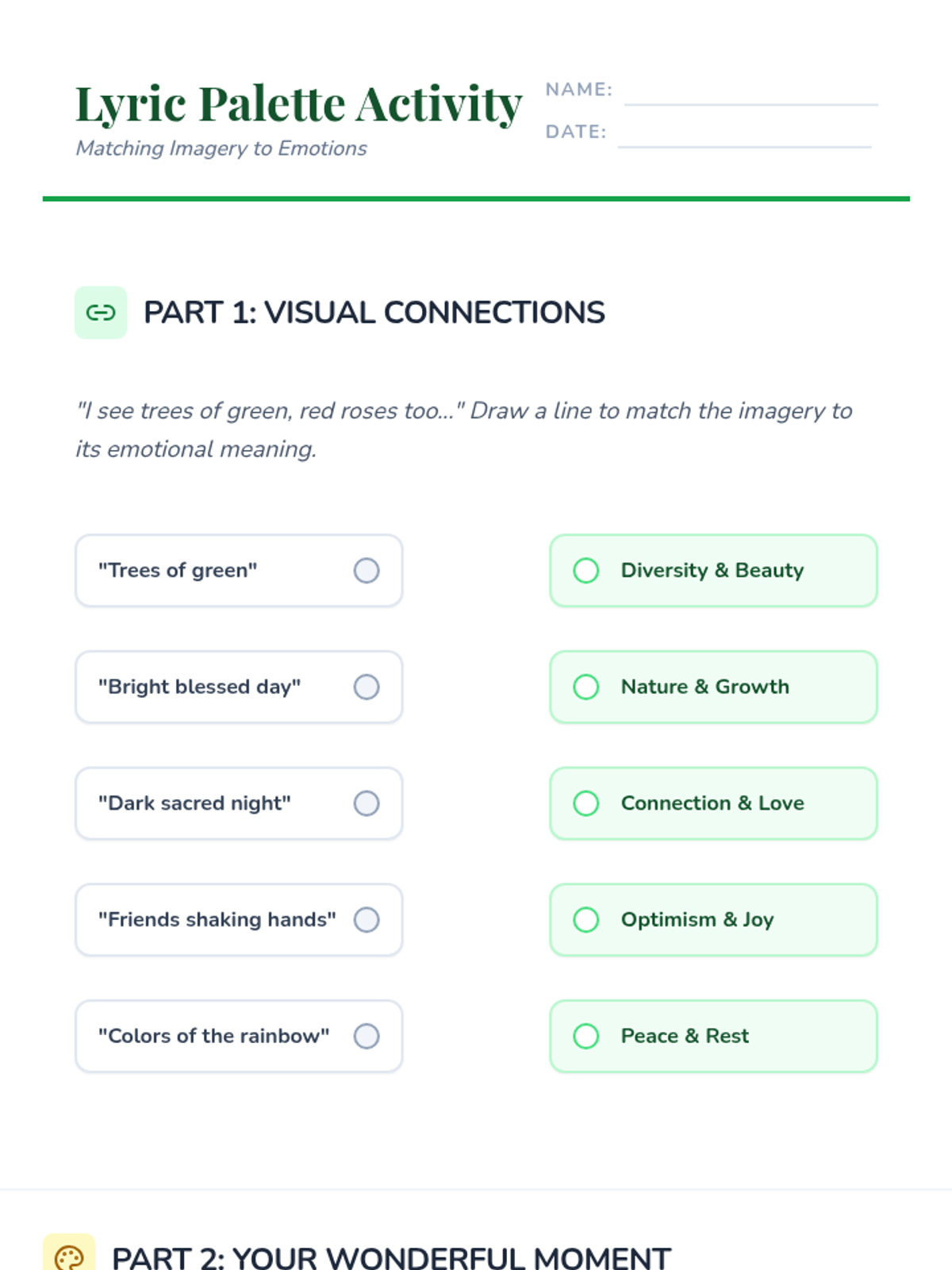
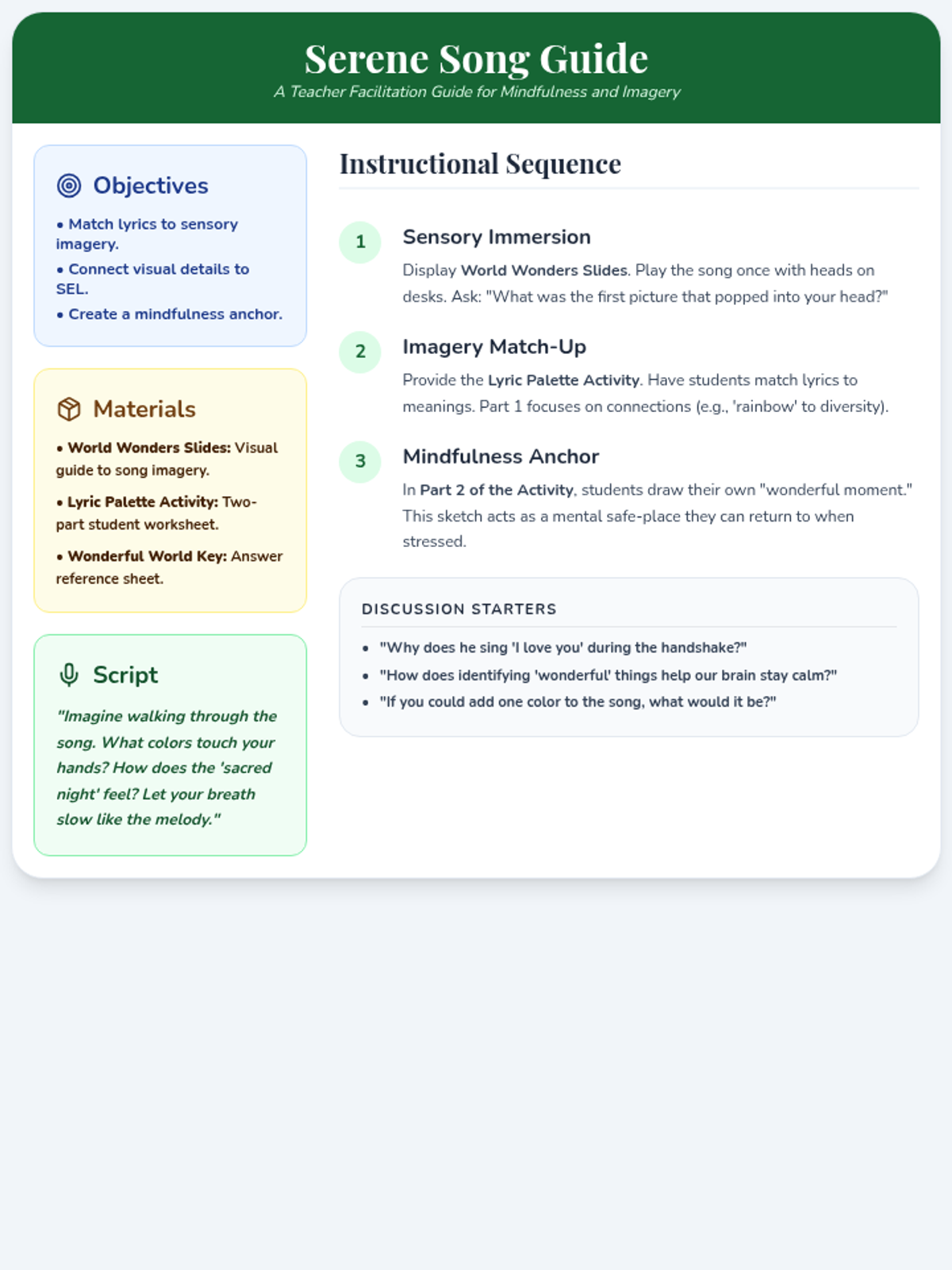
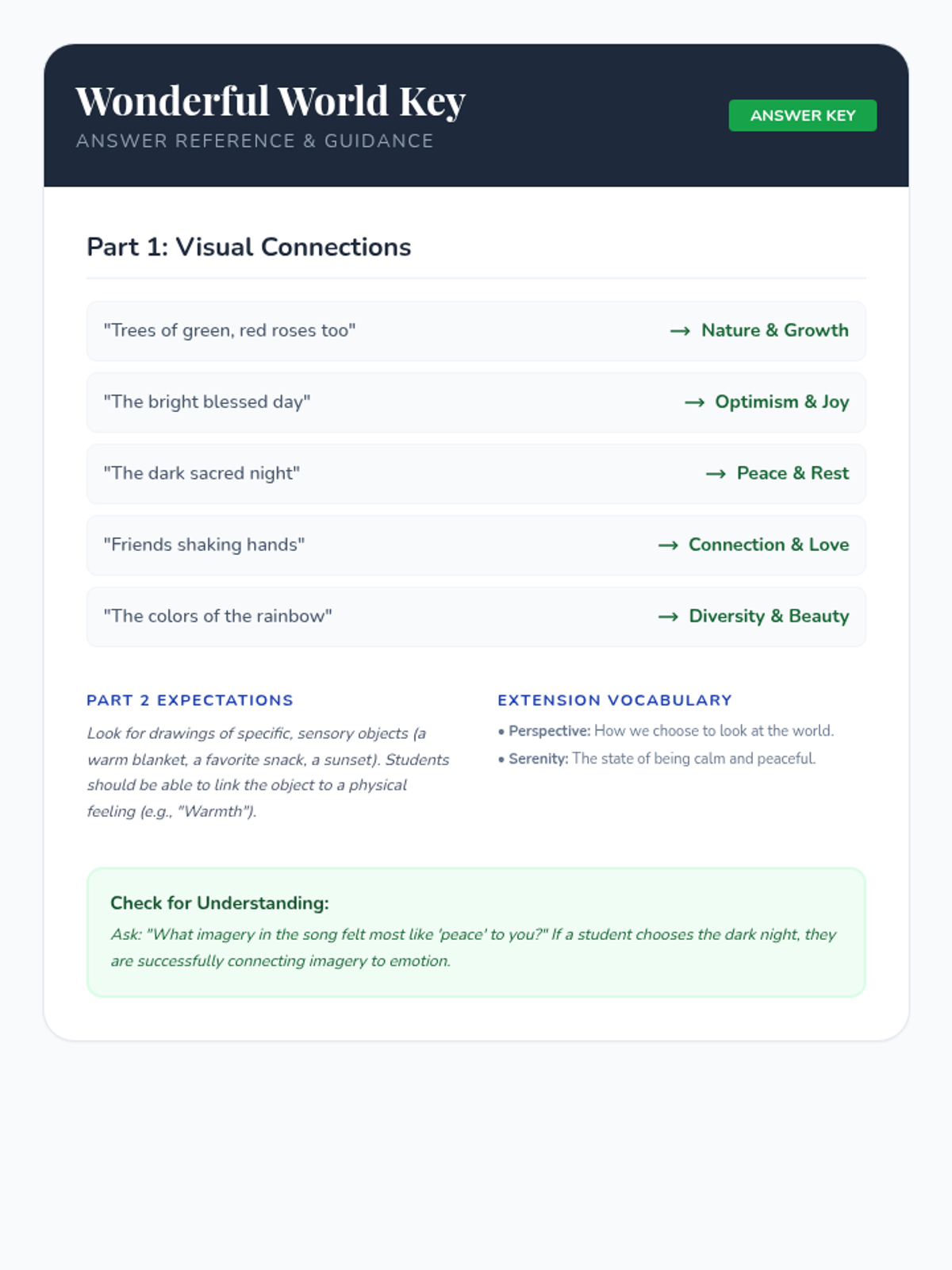
A collection of resources focused on using the song 'What a Wonderful World' to explore imagery, vocabulary, and social-emotional mindfulness. Students will connect sensory details to emotions and practice emotional regulation through music and art.
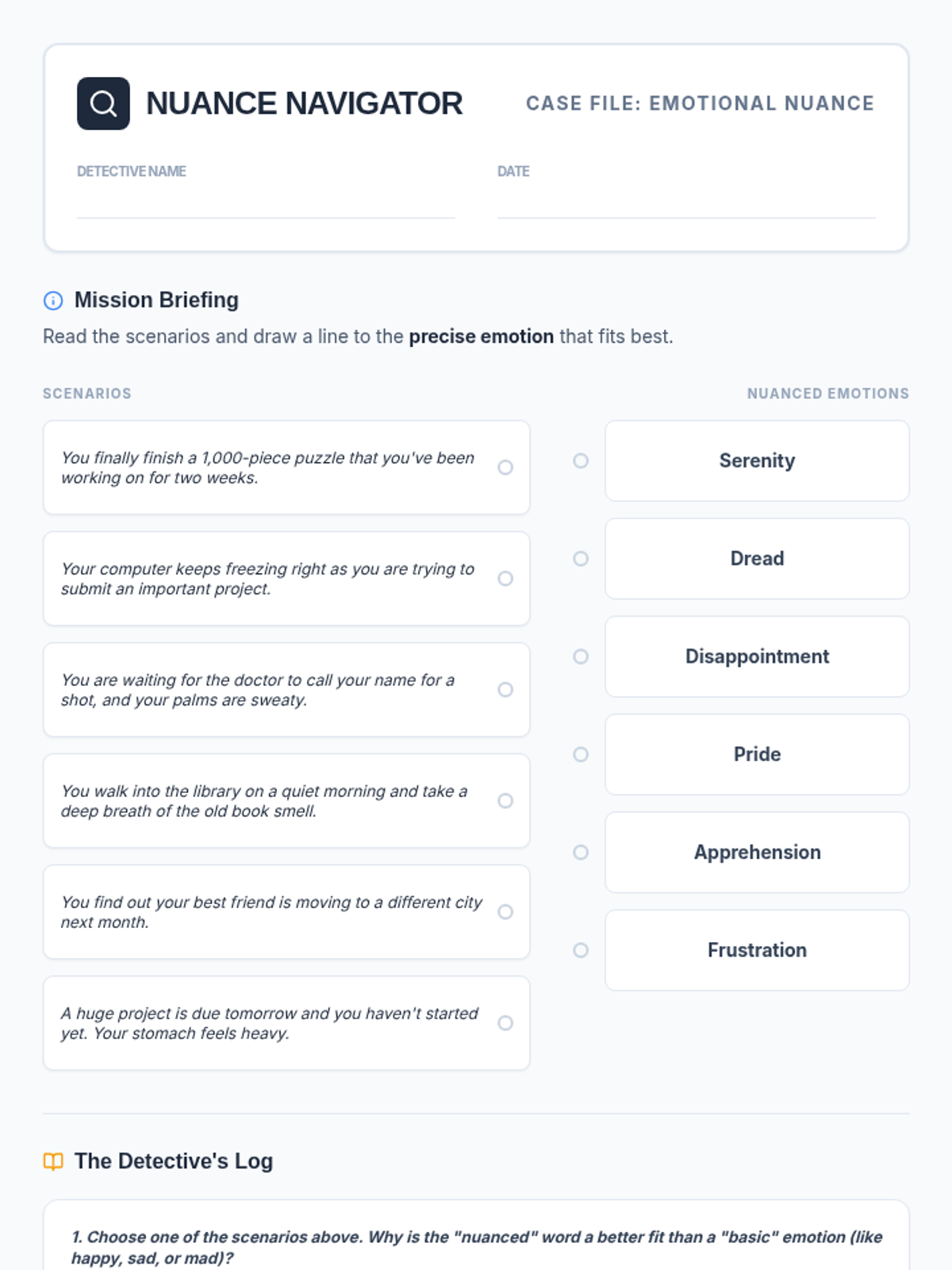
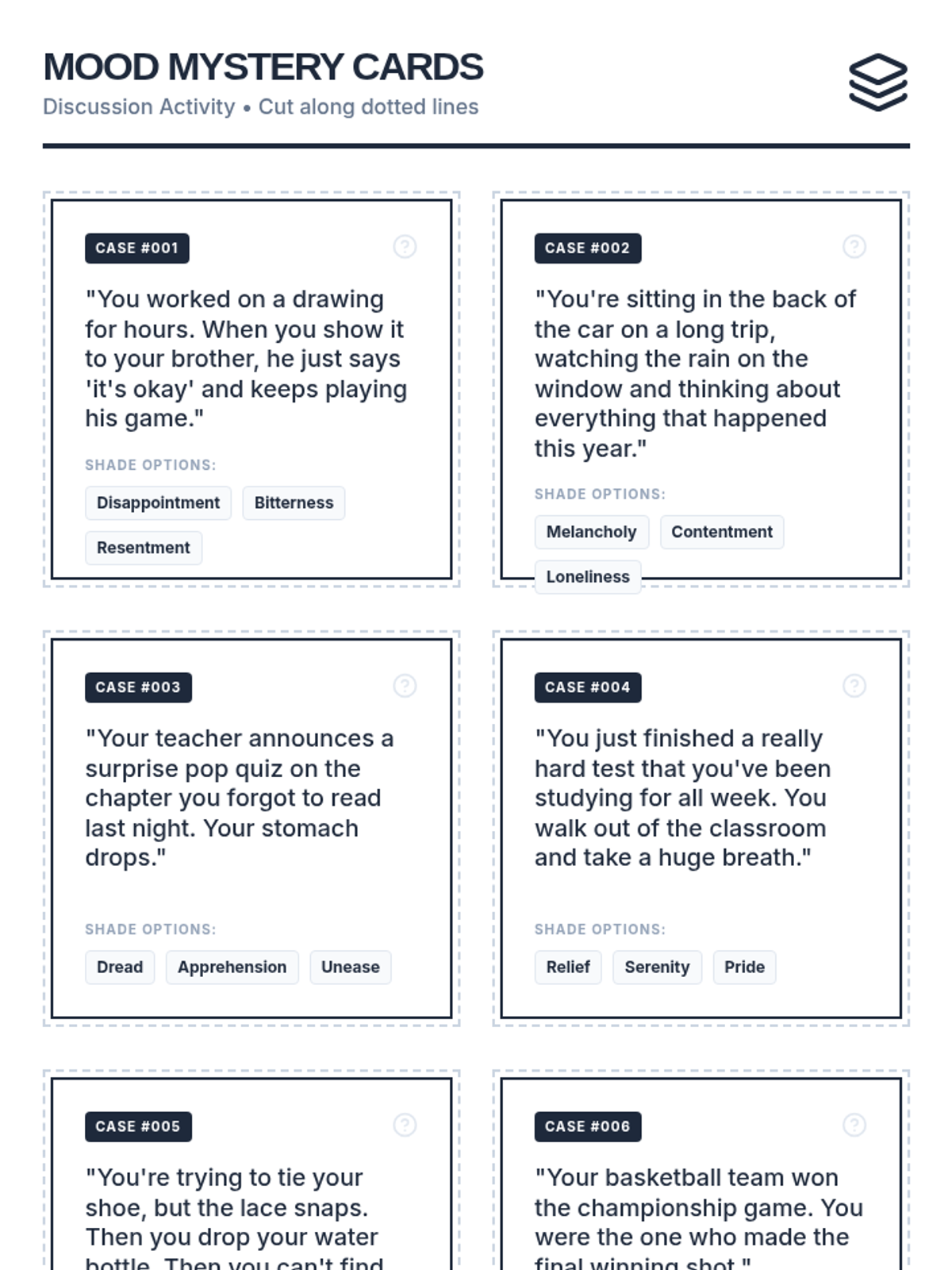
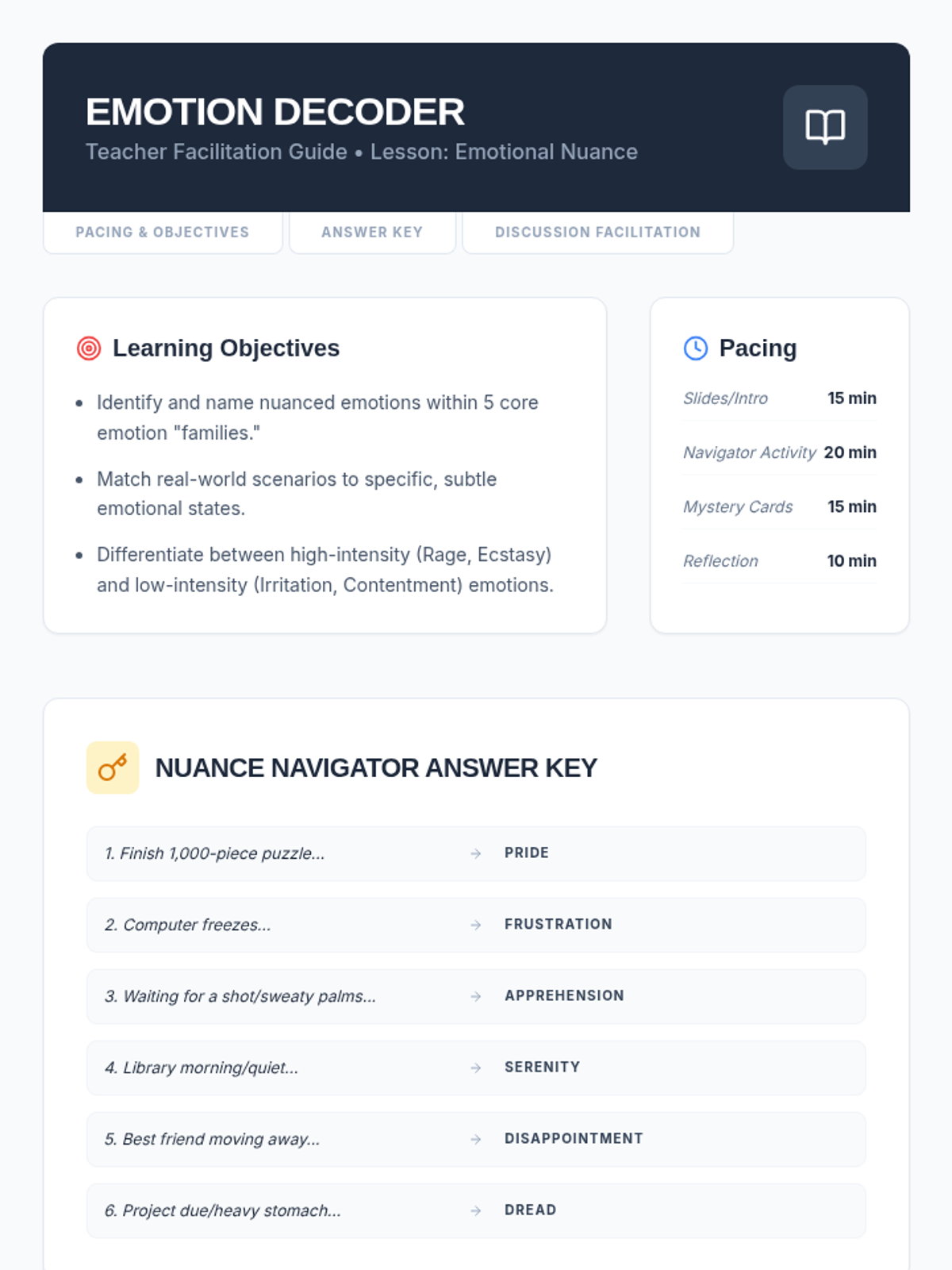
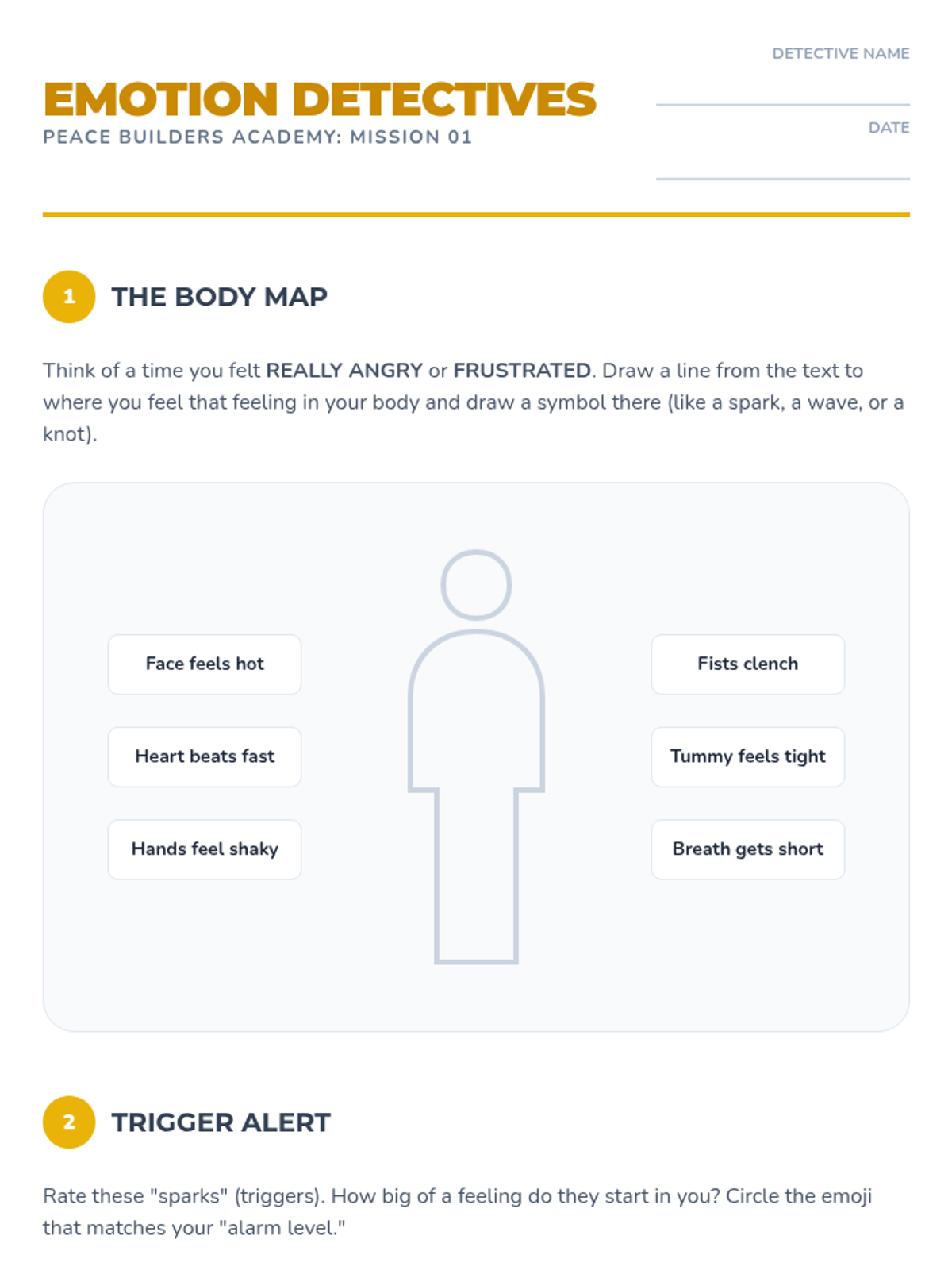
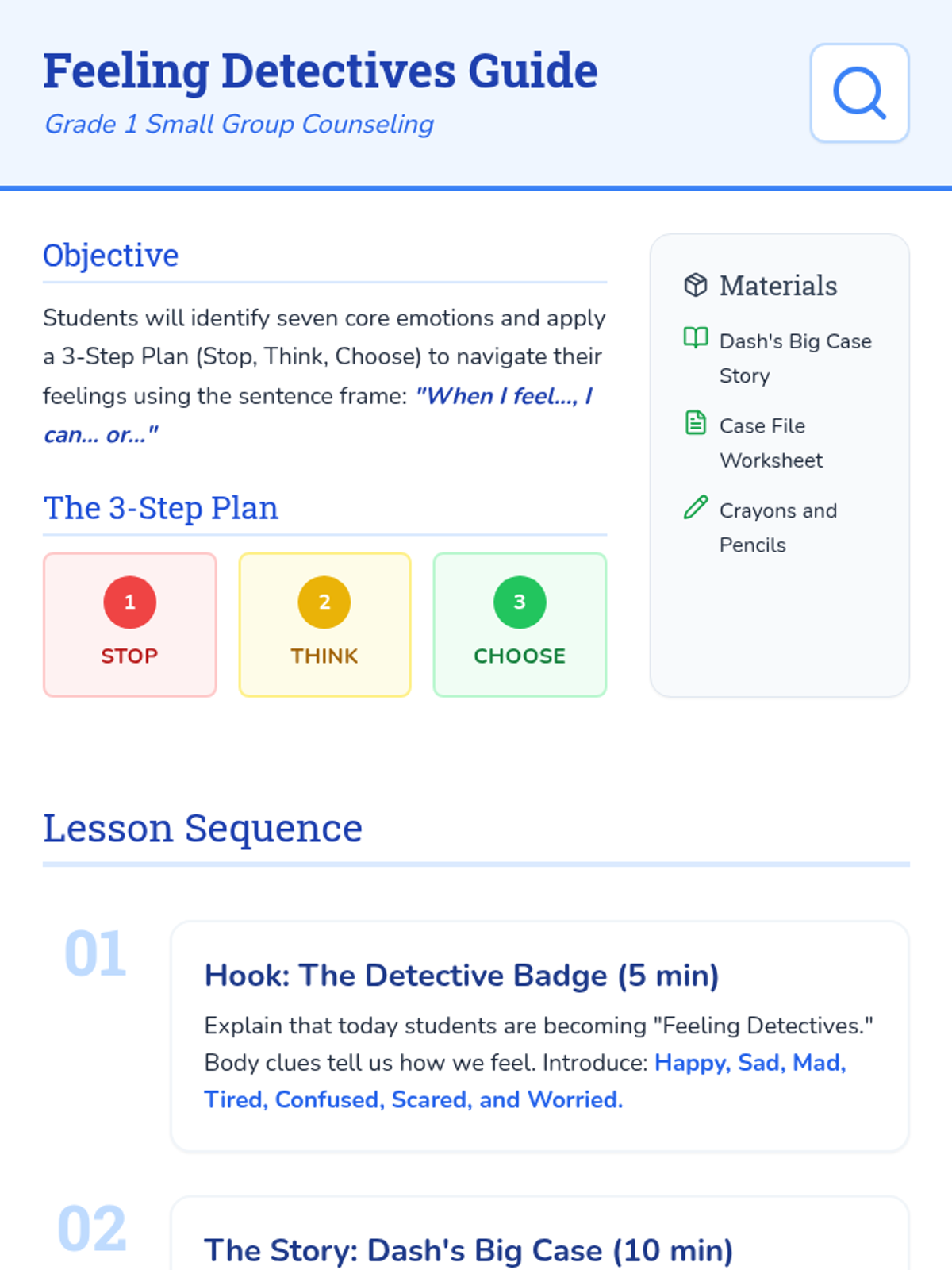
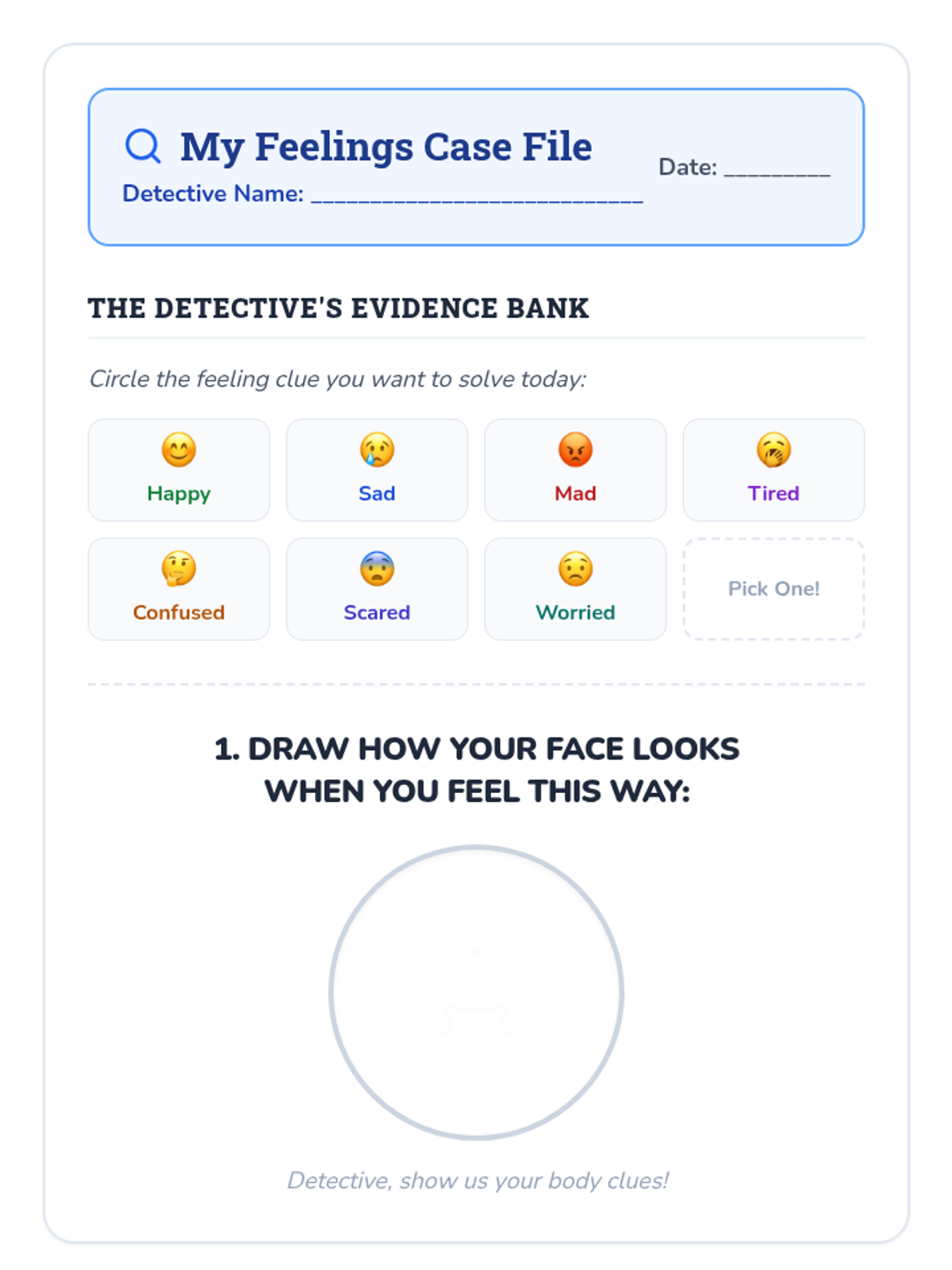
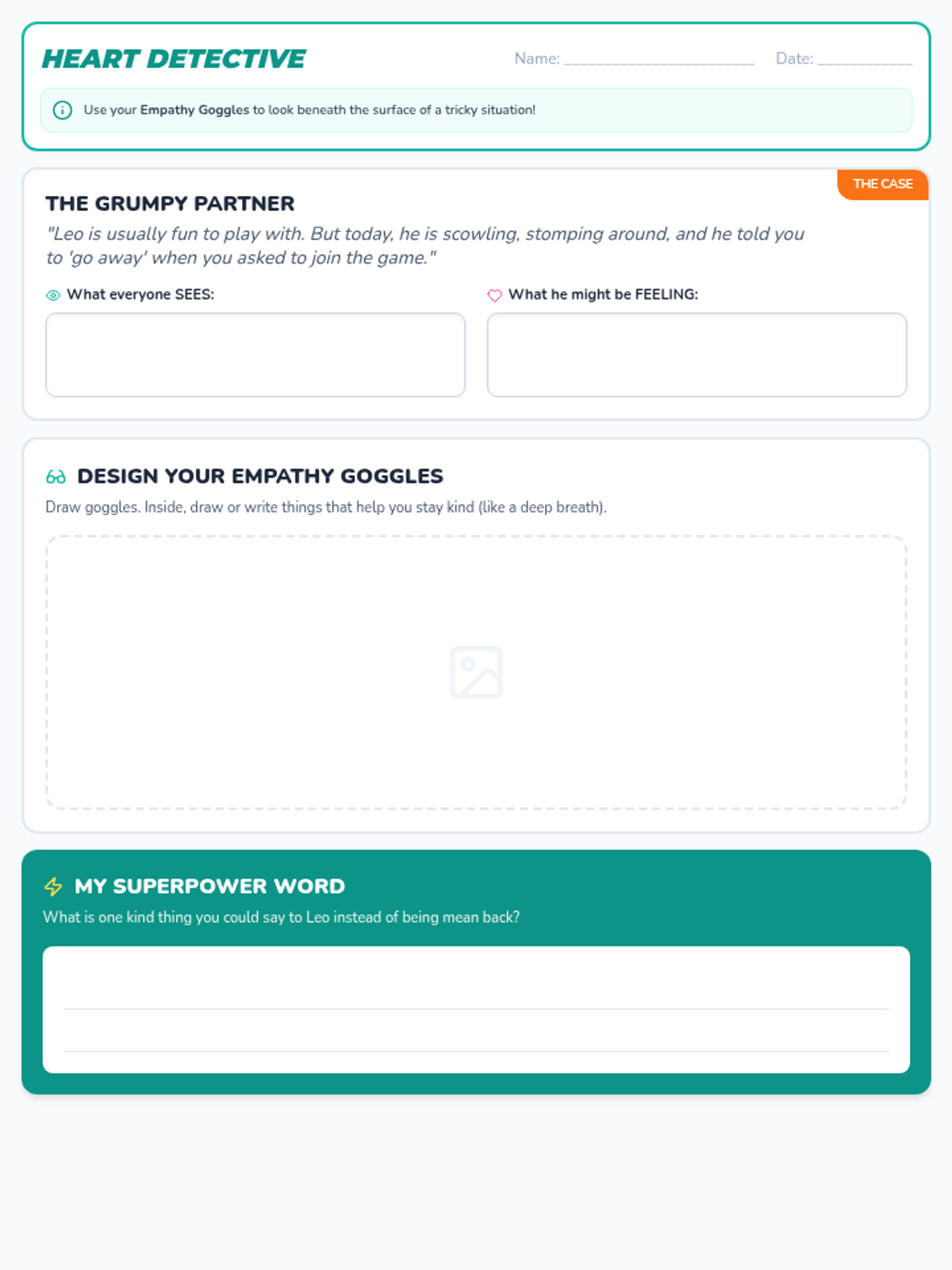
A comprehensive Social-Emotional Learning unit designed to help students identify, understand, and navigate complex emotional landscapes. Through investigative activities, students become 'Heart Detectives' who look for clues in behavior and internal states.
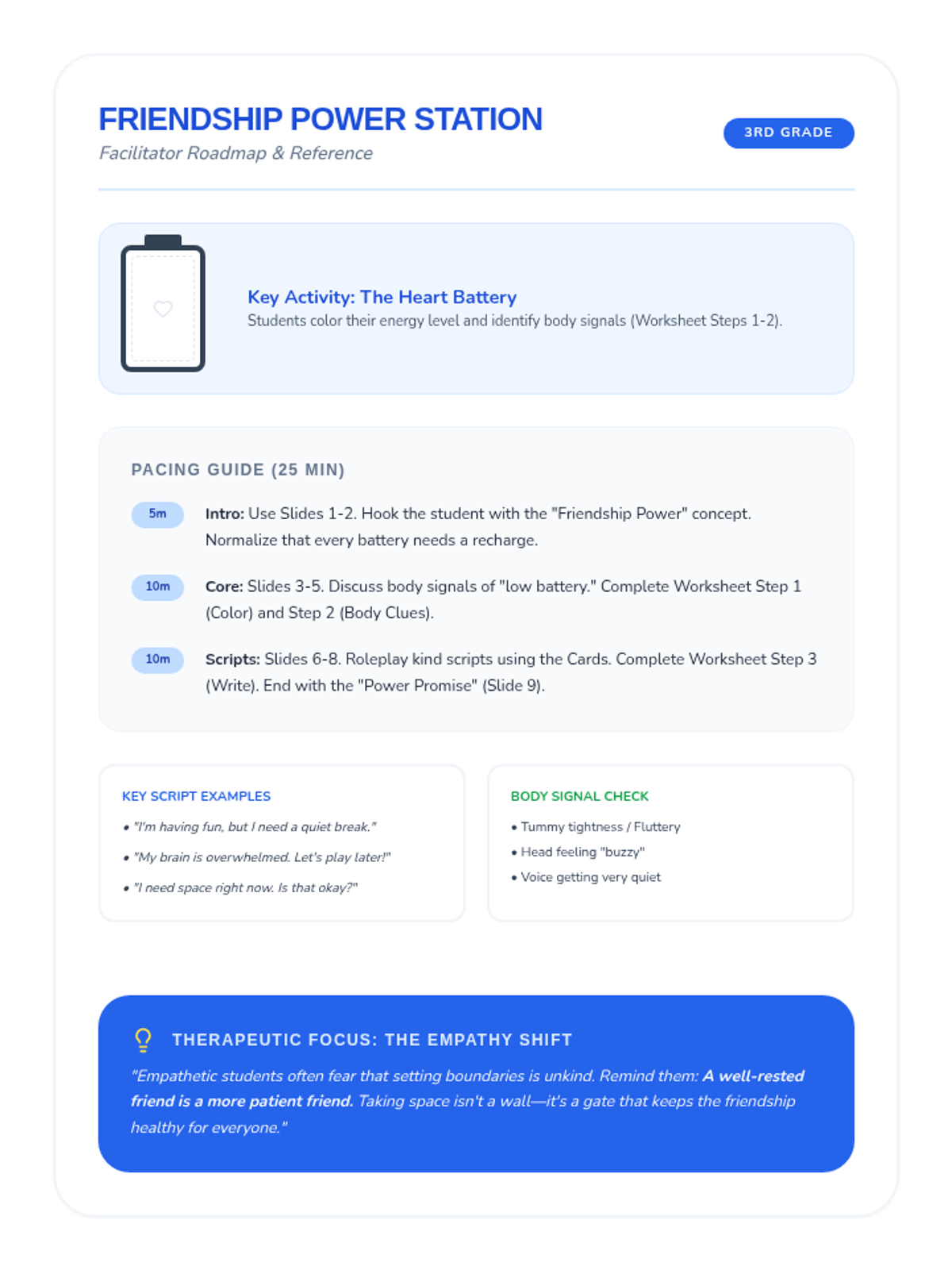
A comprehensive social-emotional learning sequence designed for 3rd graders to navigate friendship boundaries, assertive communication, and identifying trusted adults. It includes social stories, worksheets, and parent-child activities.
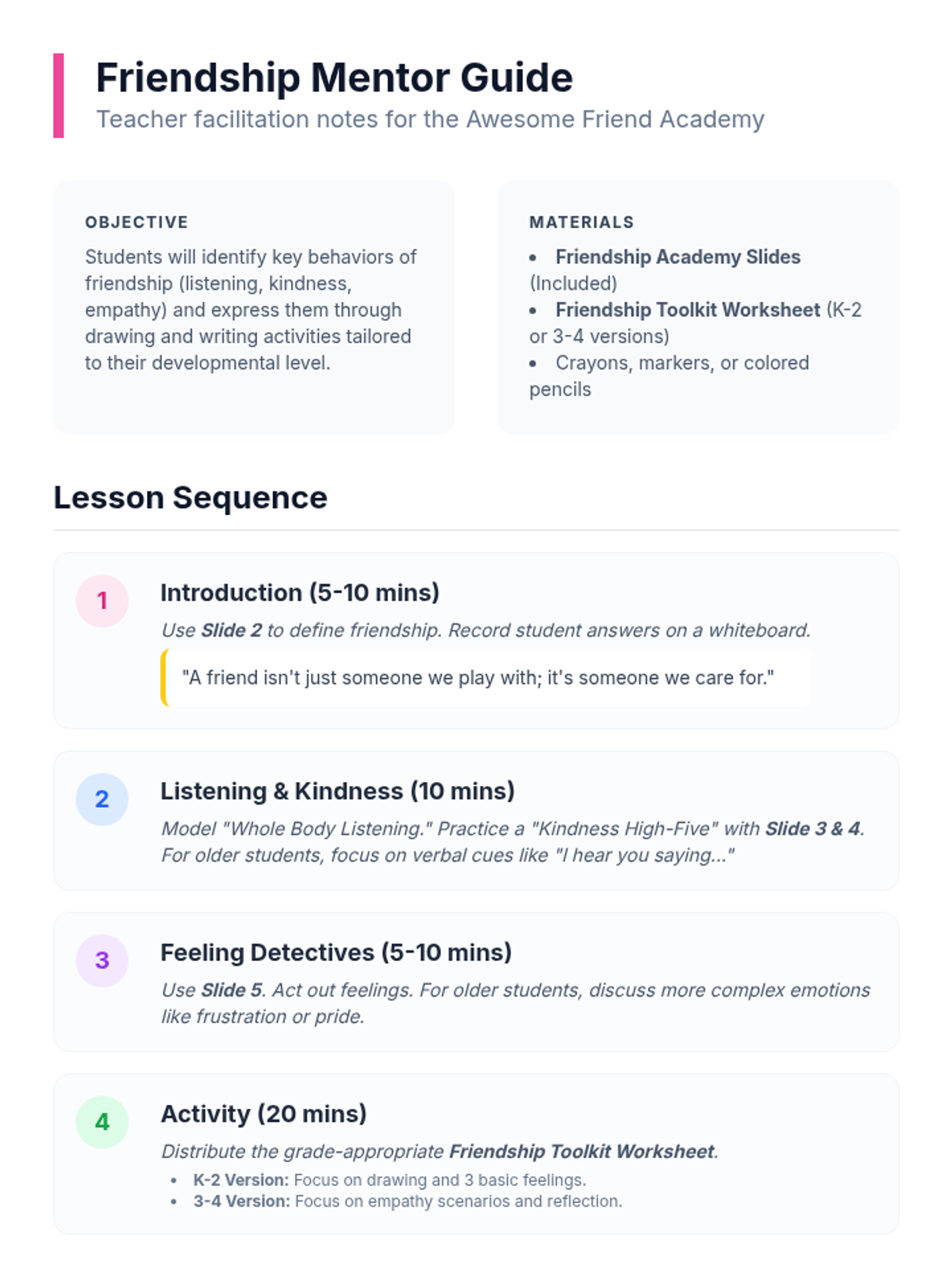
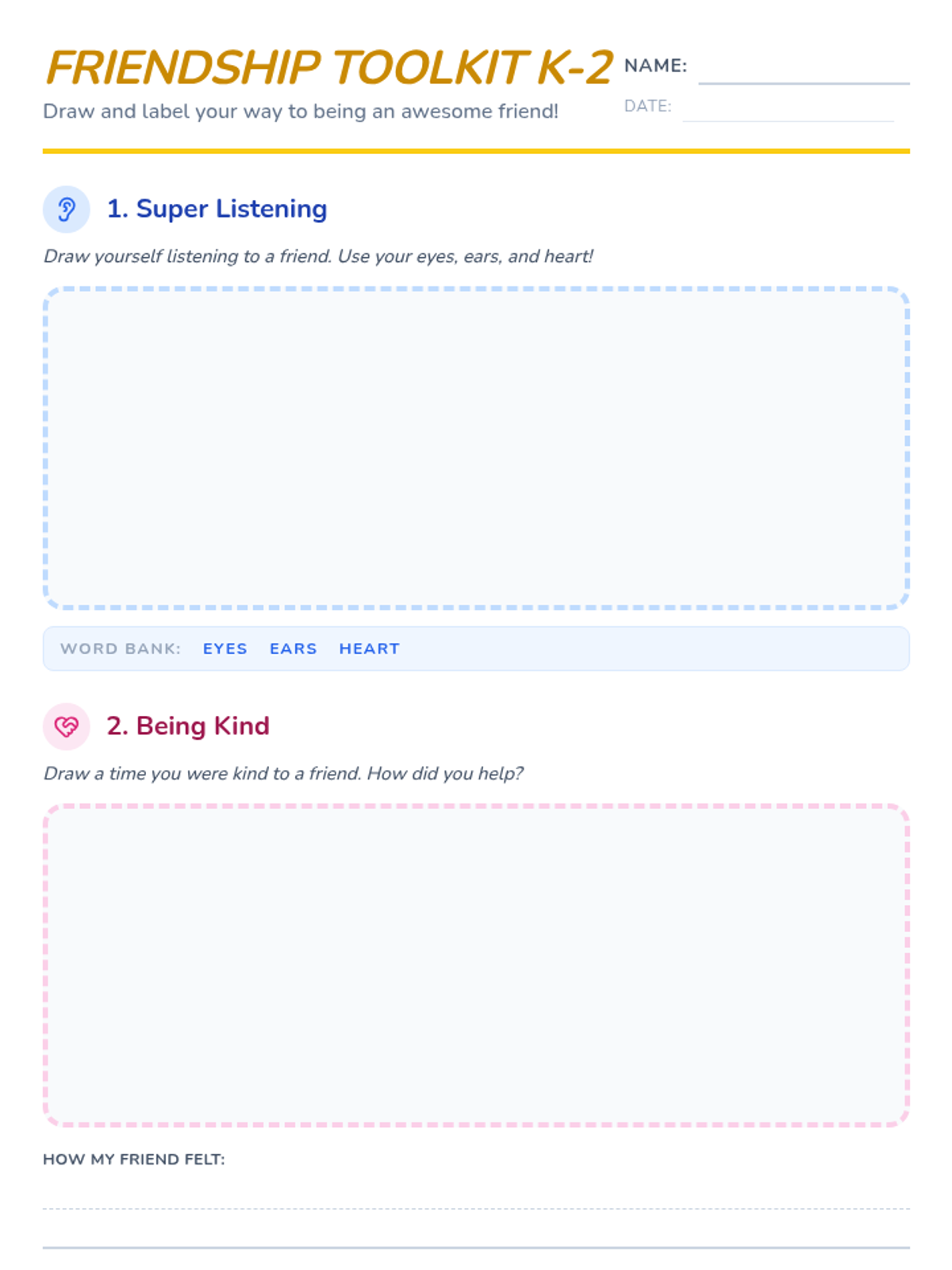
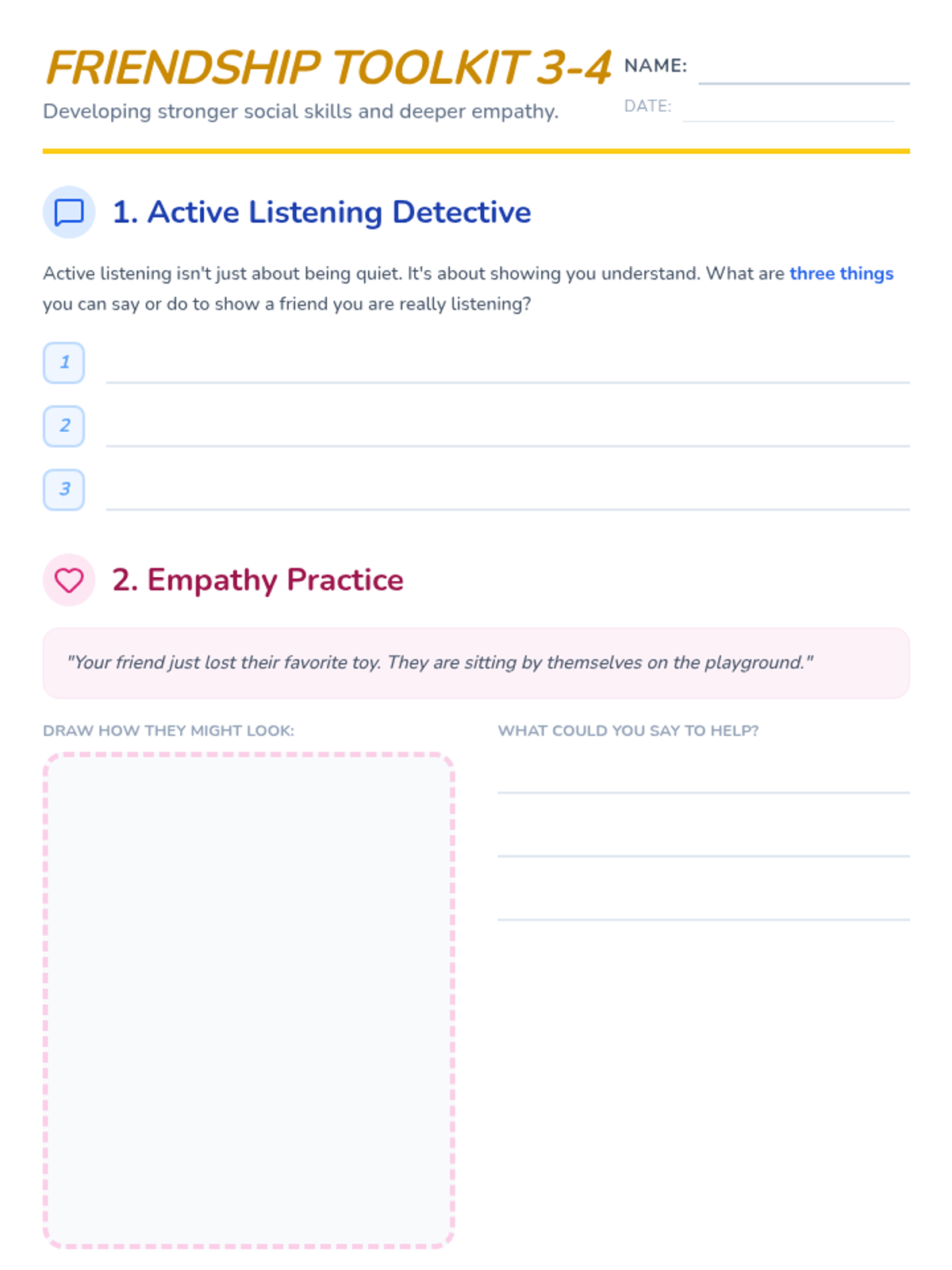
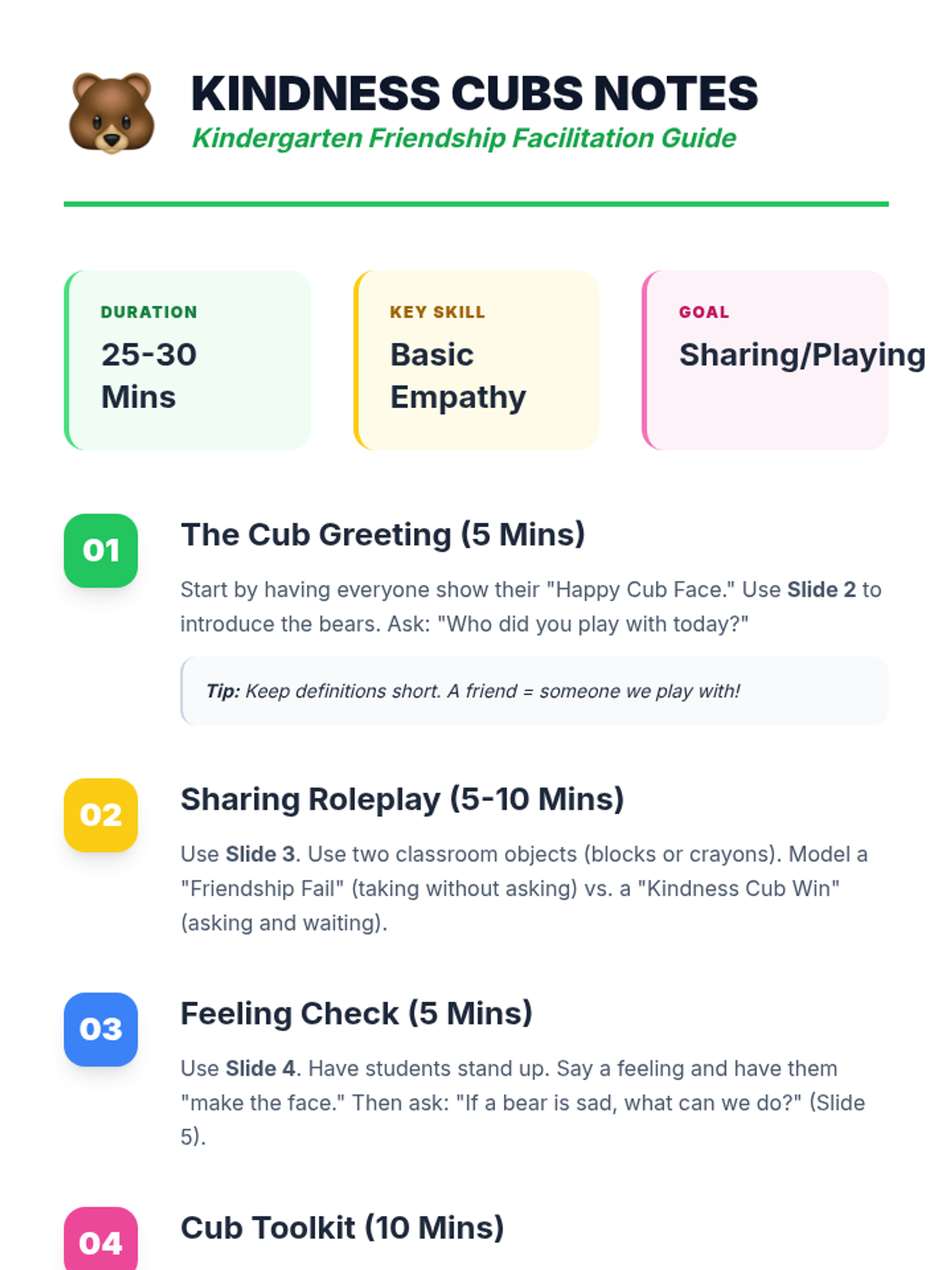
A series of social-emotional learning lessons designed to teach students from Kindergarten to 4th Grade the fundamentals of building and maintaining healthy friendships through active listening, empathy, and kindness.
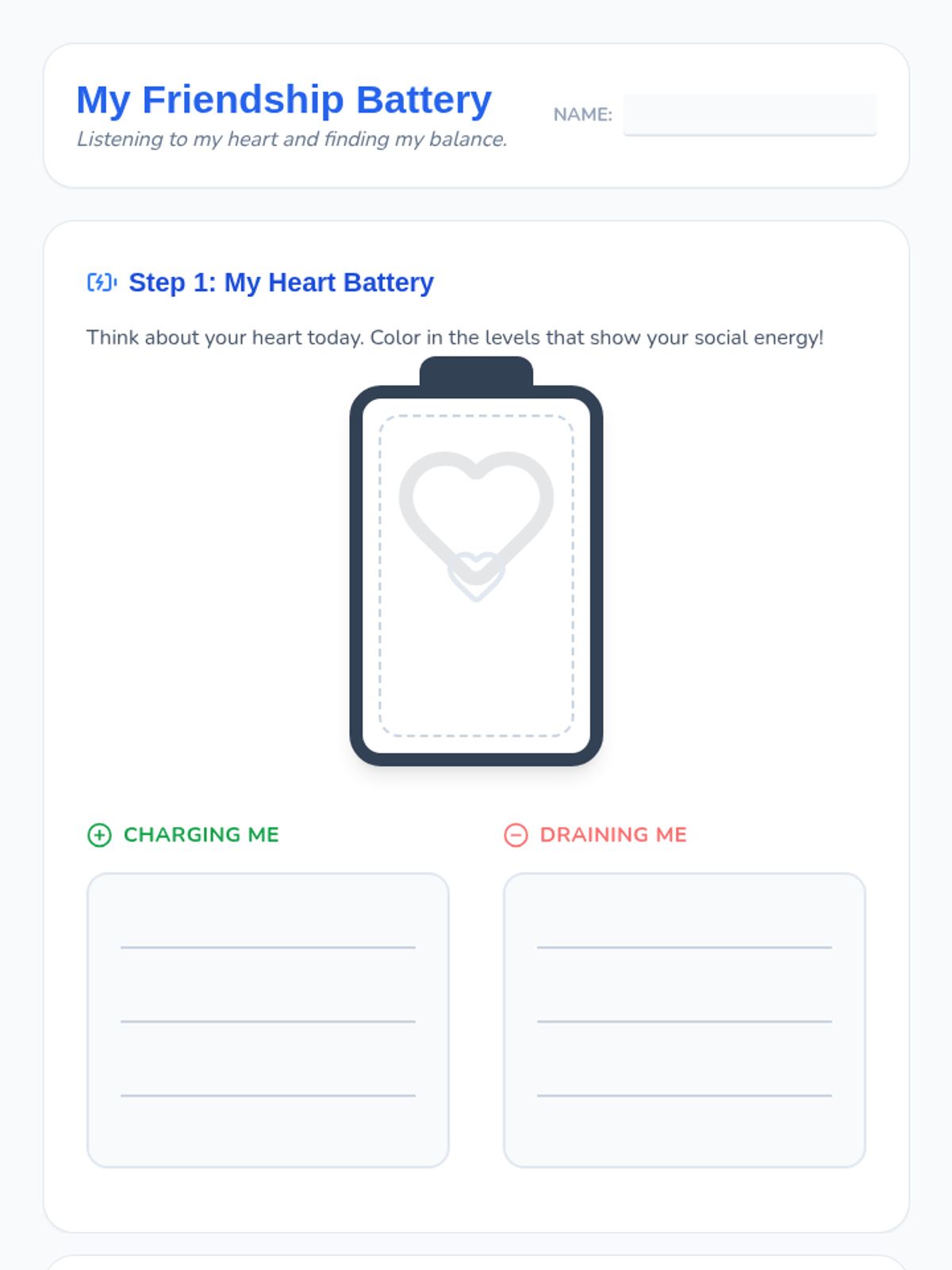
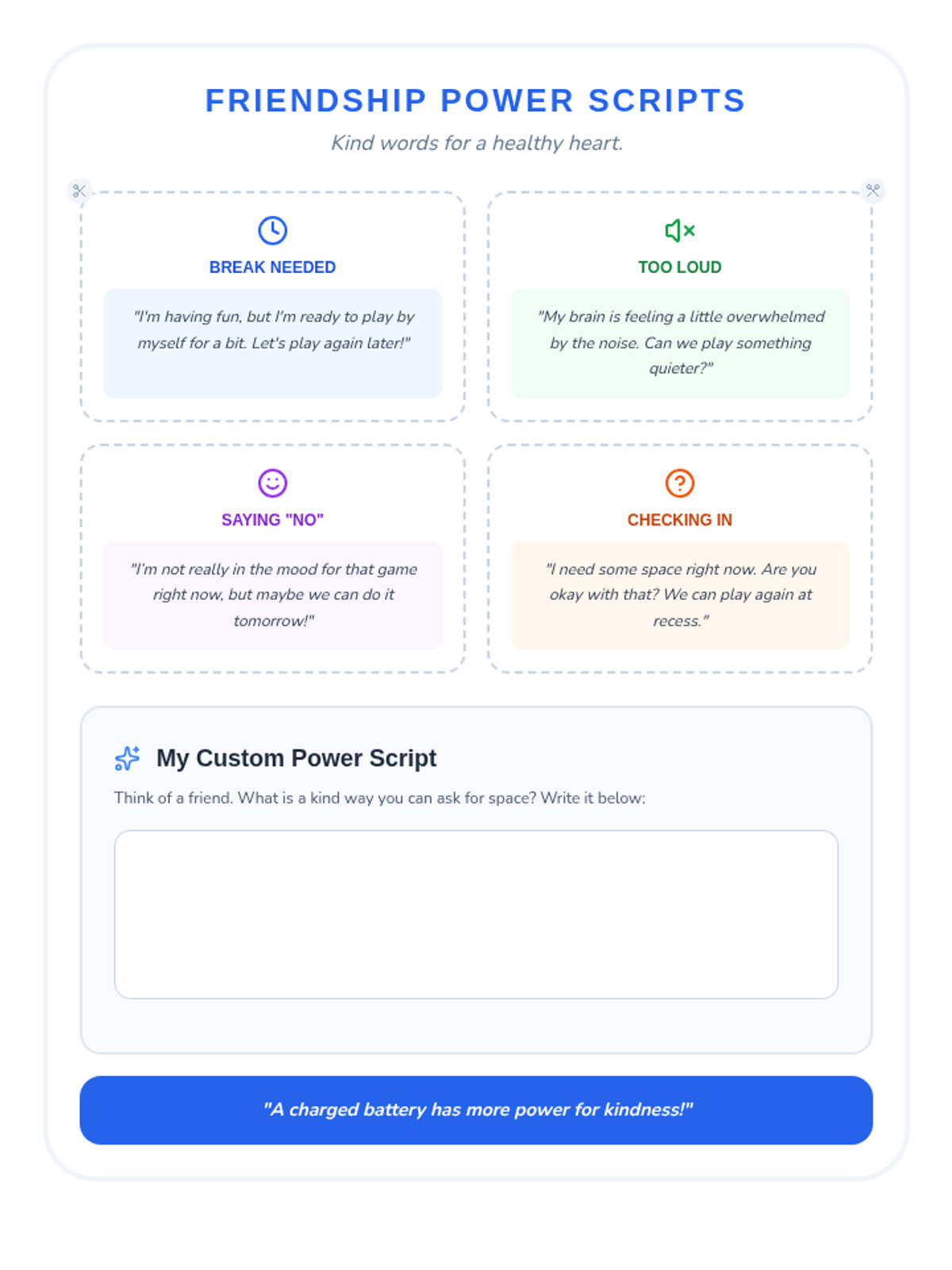
A small sequence designed to help students navigate friendship stress, emotional boundaries, and the balance between collaborative and independent play.
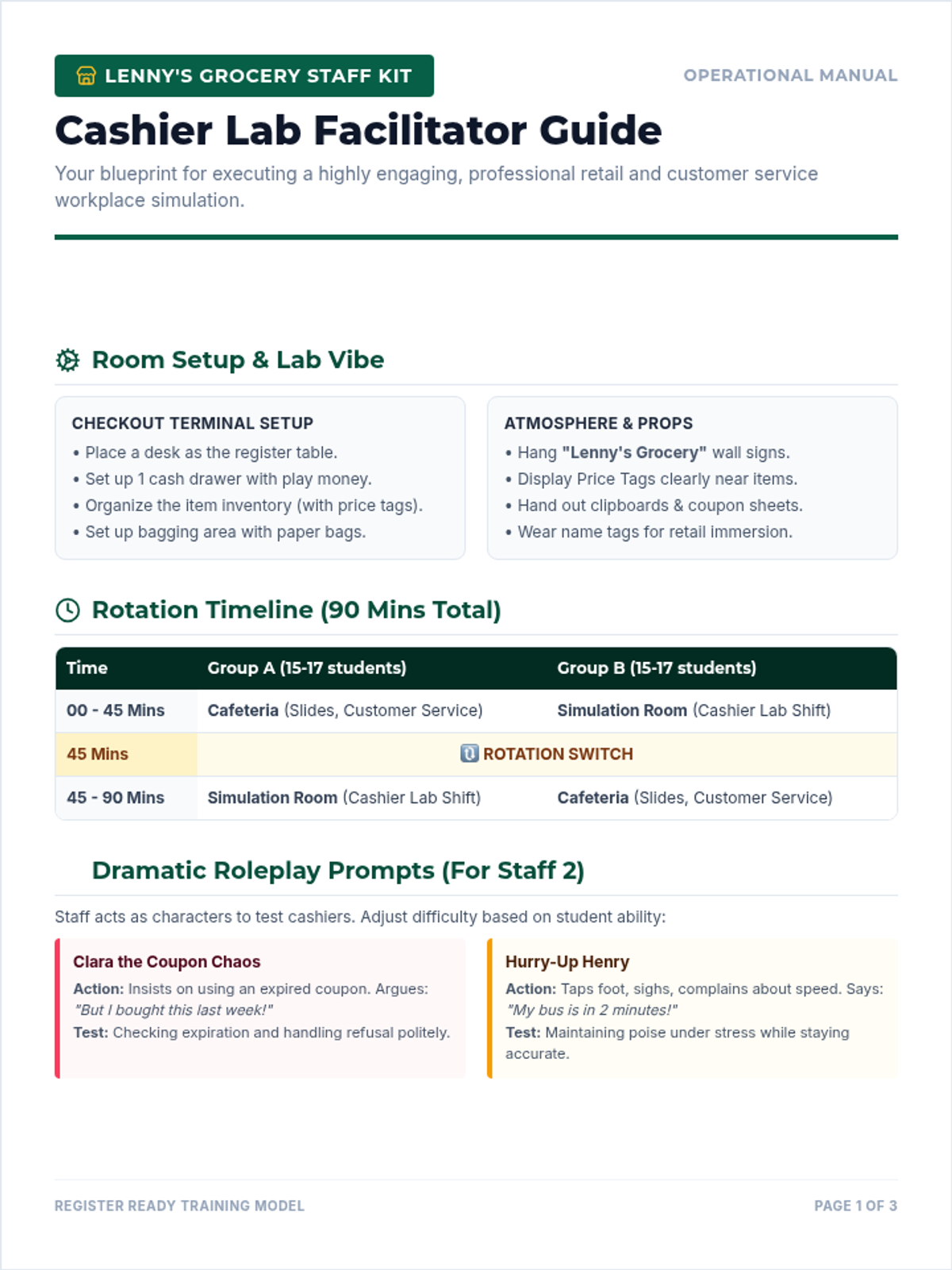
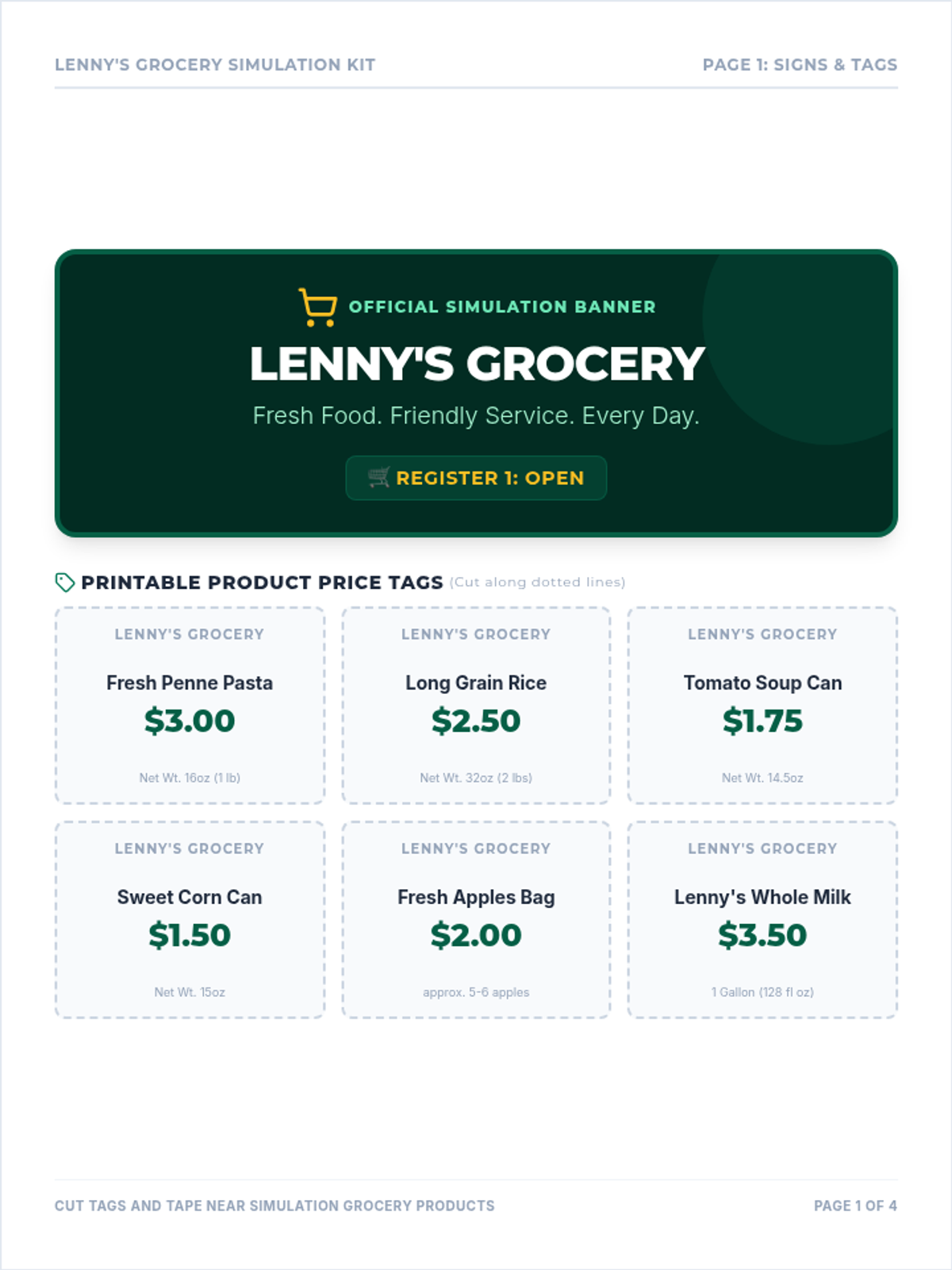
A comprehensive training program for real-world grocery cashier skills, featuring a classroom instruction slideshow and a hands-on store simulation lab.
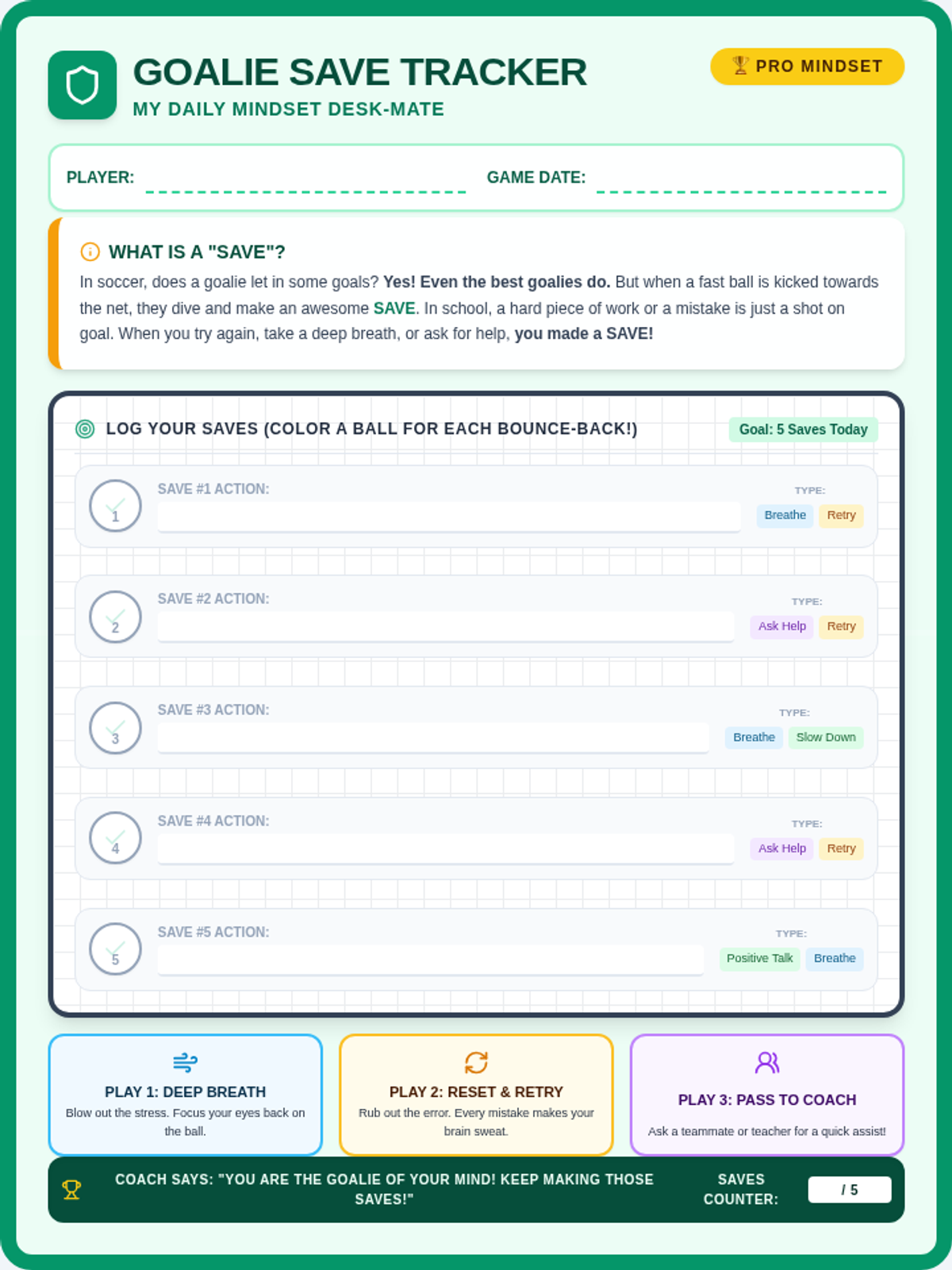
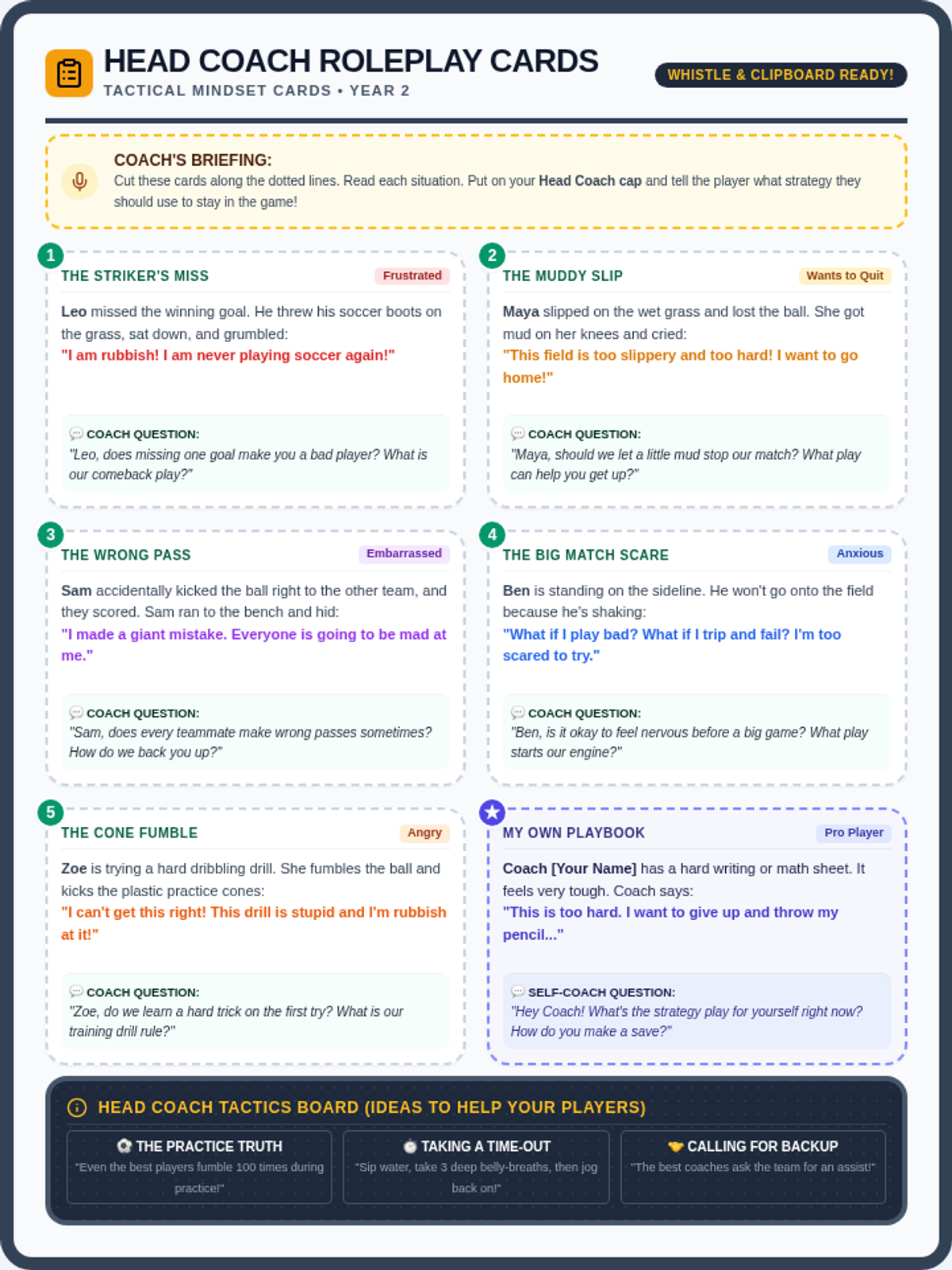
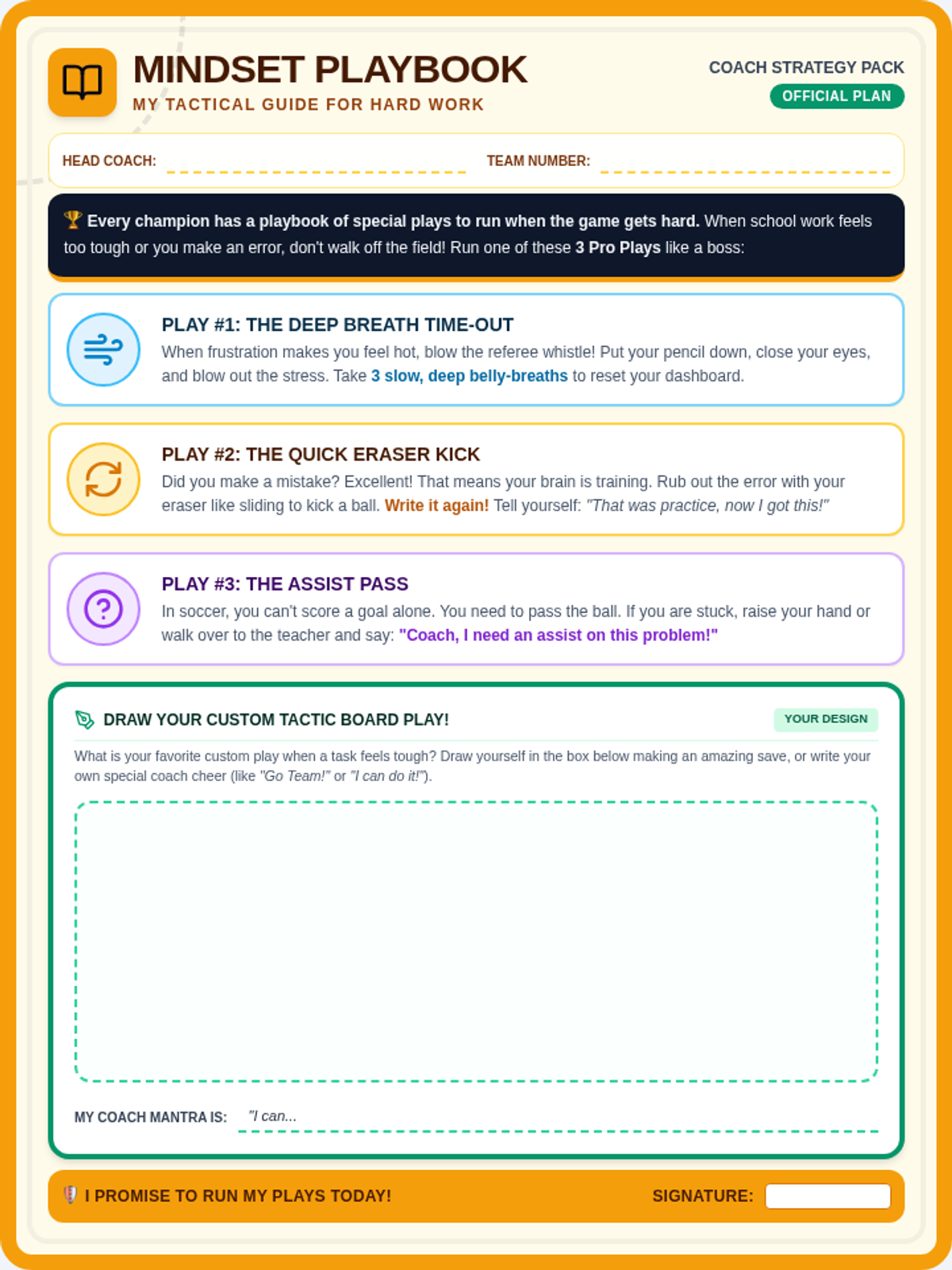
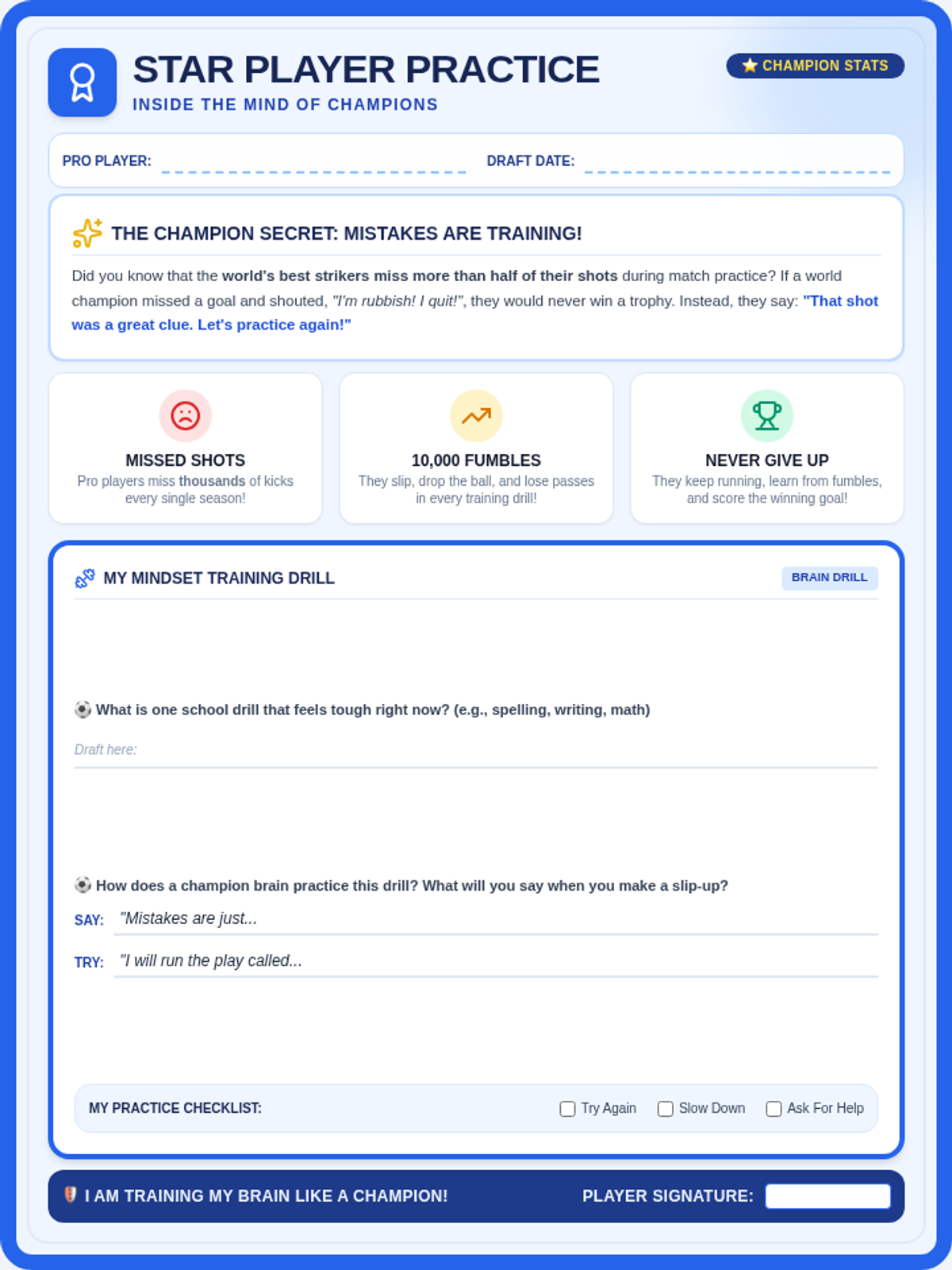
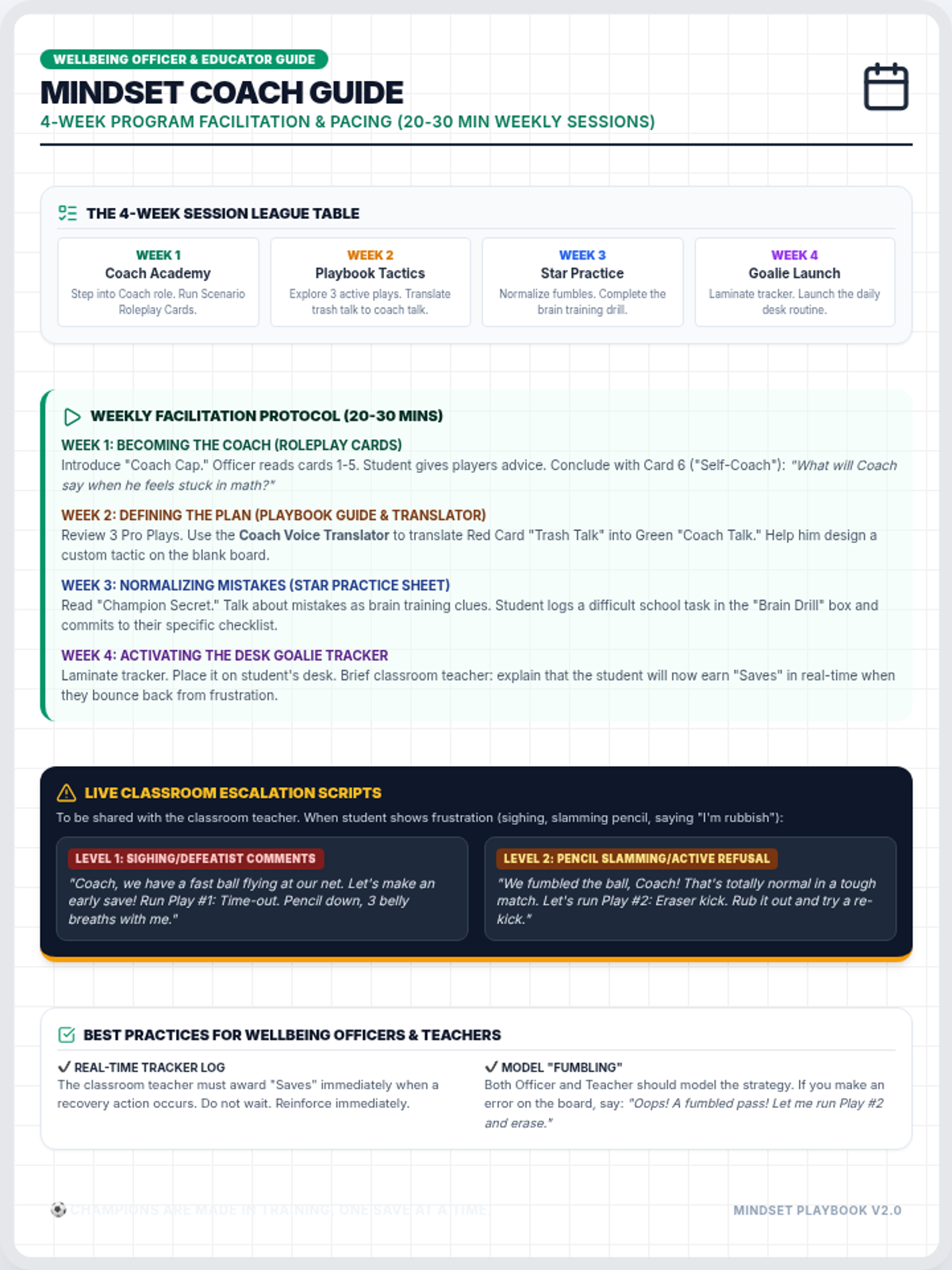
A structured 4-week emotional regulation and growth mindset sequence for Year 2 students struggling with academic frustration. Designed for weekly 20-30 minute sessions with a Wellbeing Officer, using a soccer analogy to build resilience, introduce coping 'plays', normalize mistakes, and establish a daily desk goalie tracker.
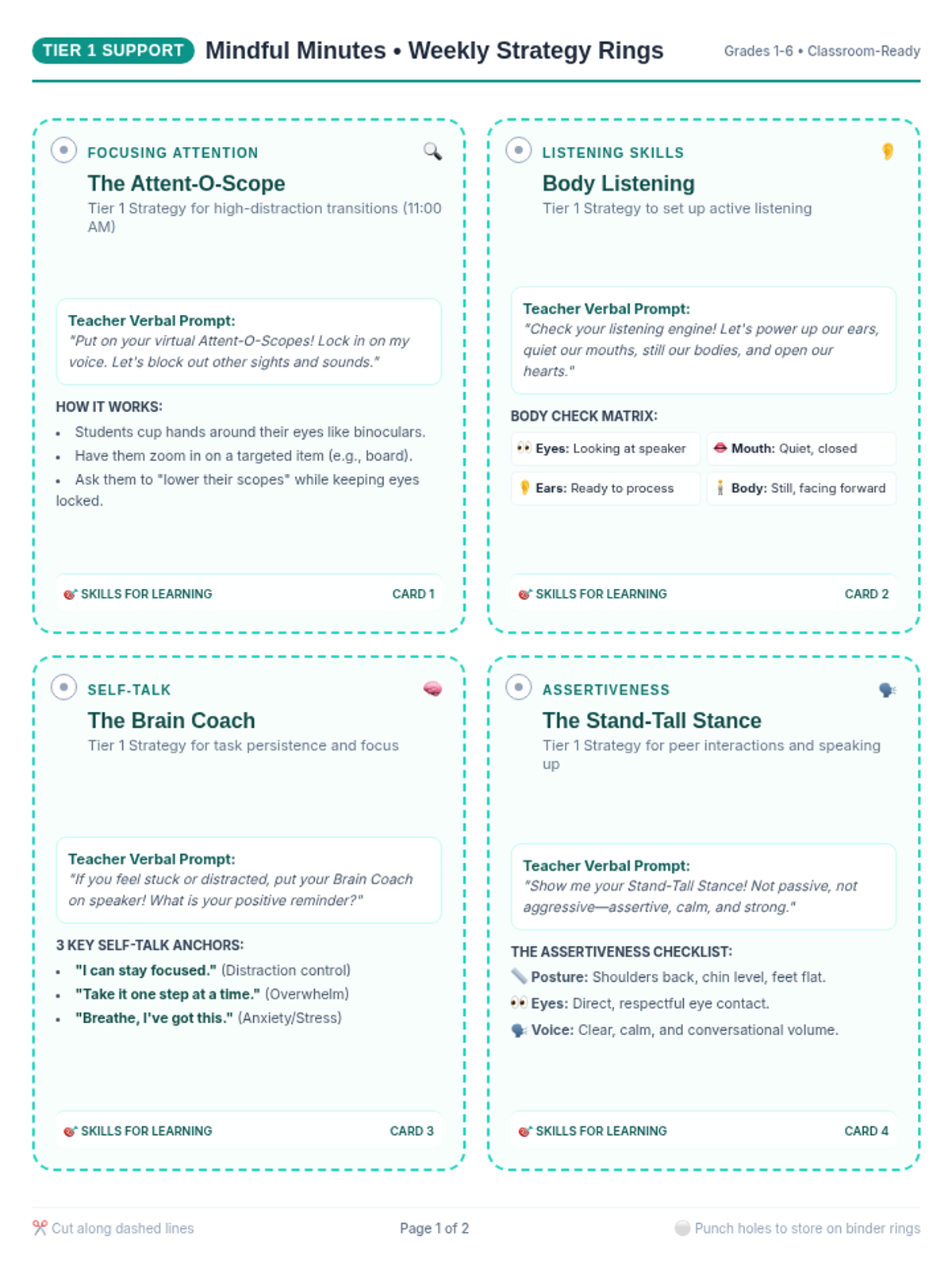
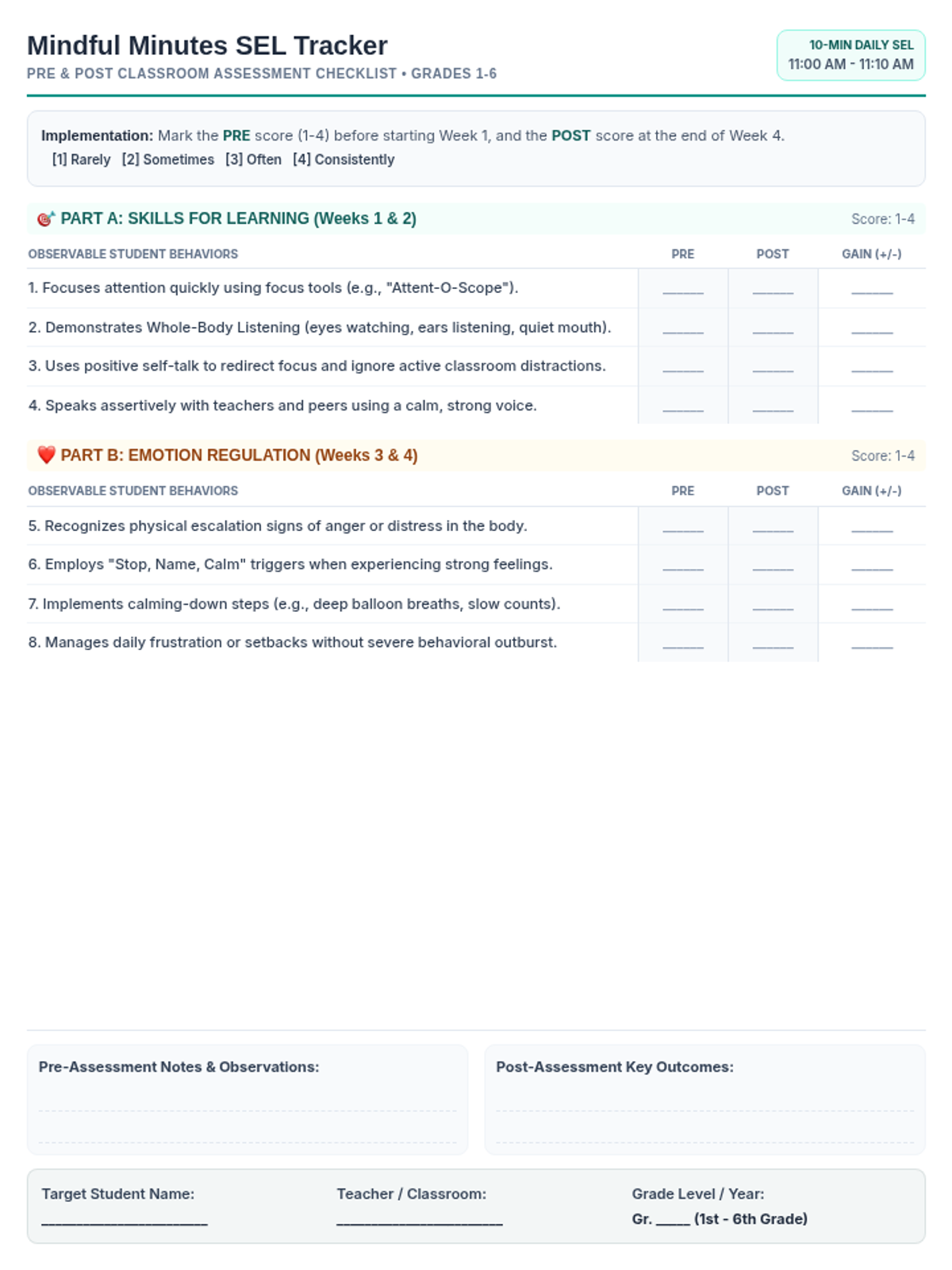
A comprehensive daily 10-minute SEL curriculum for grades 1-6 focusing on Skills for Learning and Emotion Regulation. Includes teacher scripts, Tier 1 behavioral strategies, and teacher-administered pre/post assessments.
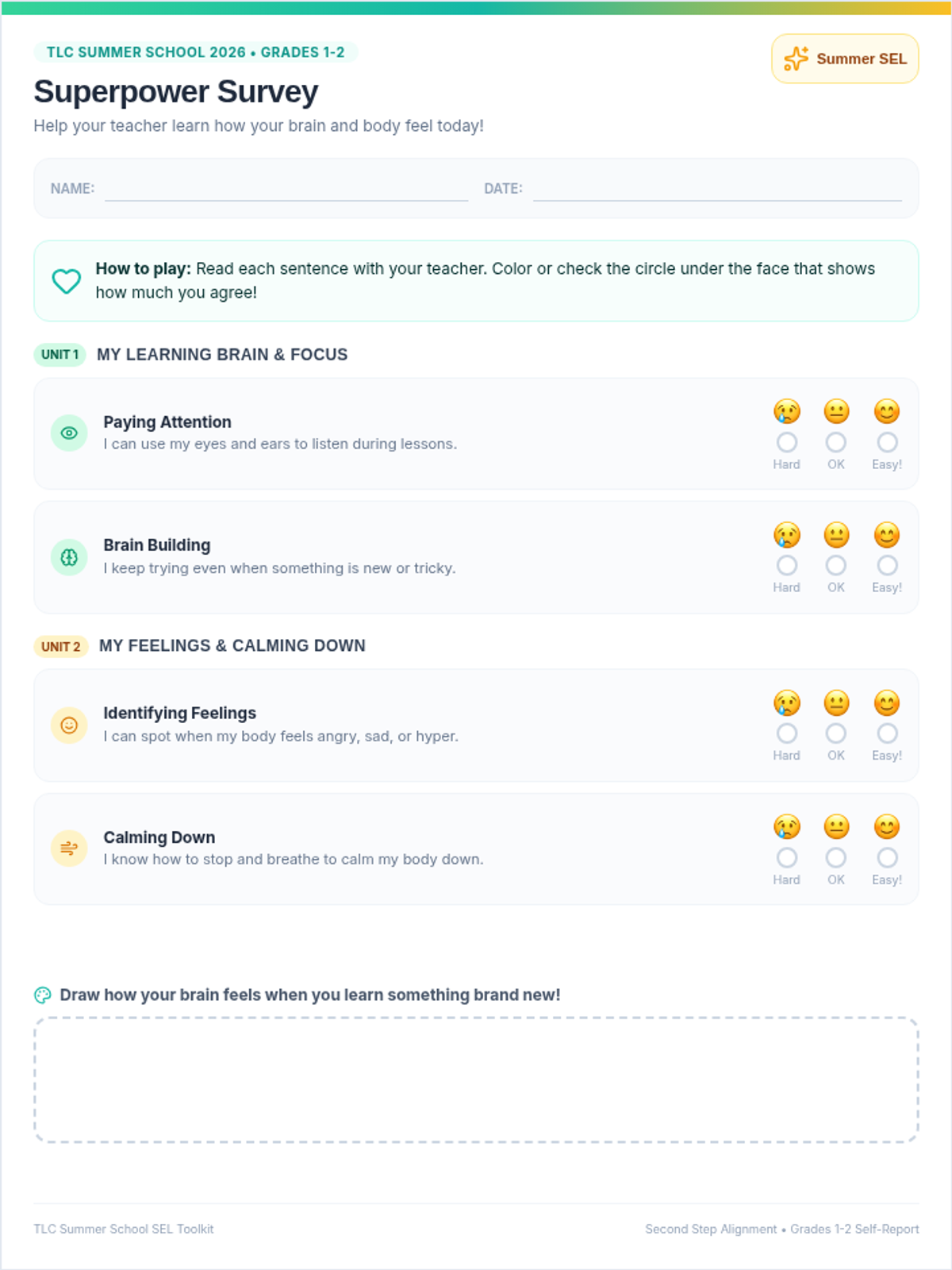
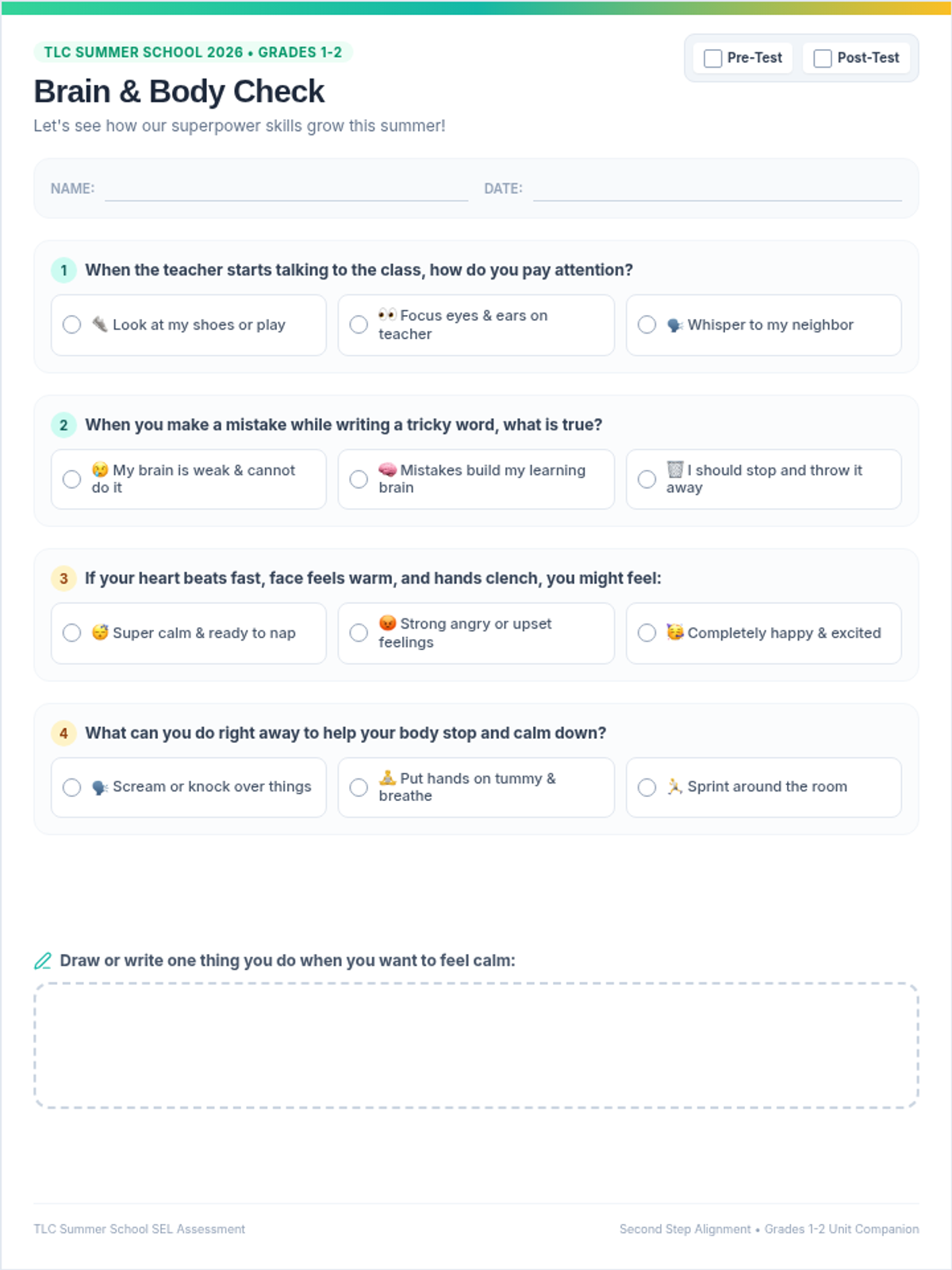
A comprehensive Social-Emotional Learning (SEL) toolkit for summer school programs based on Second Step verbiage. Features custom needs assessments, and pre/post-tests across three targeted grade bands (1-2, 3-4, and 5-6) covering Growth Mindset & Goal Setting and Emotion Management.
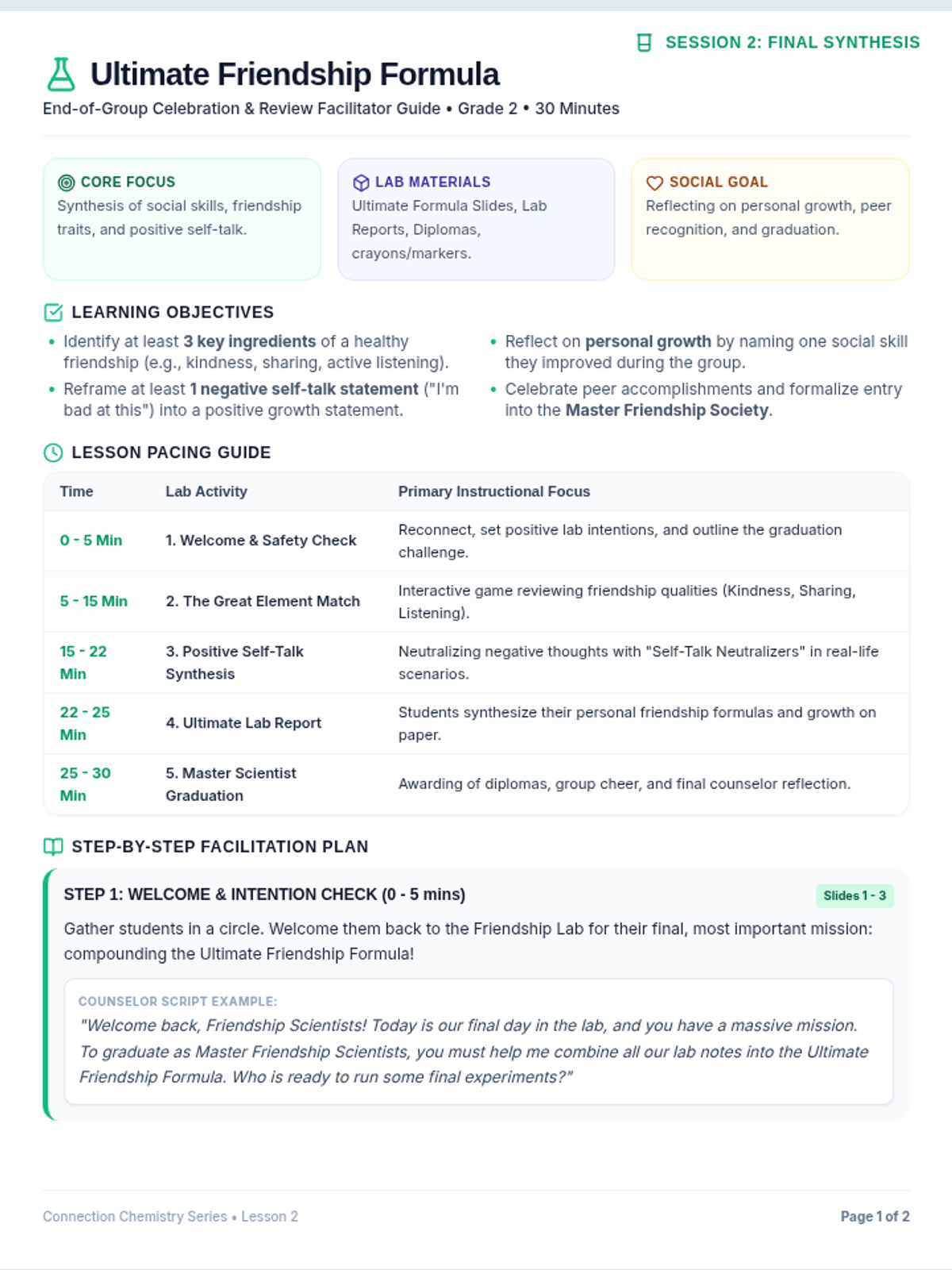
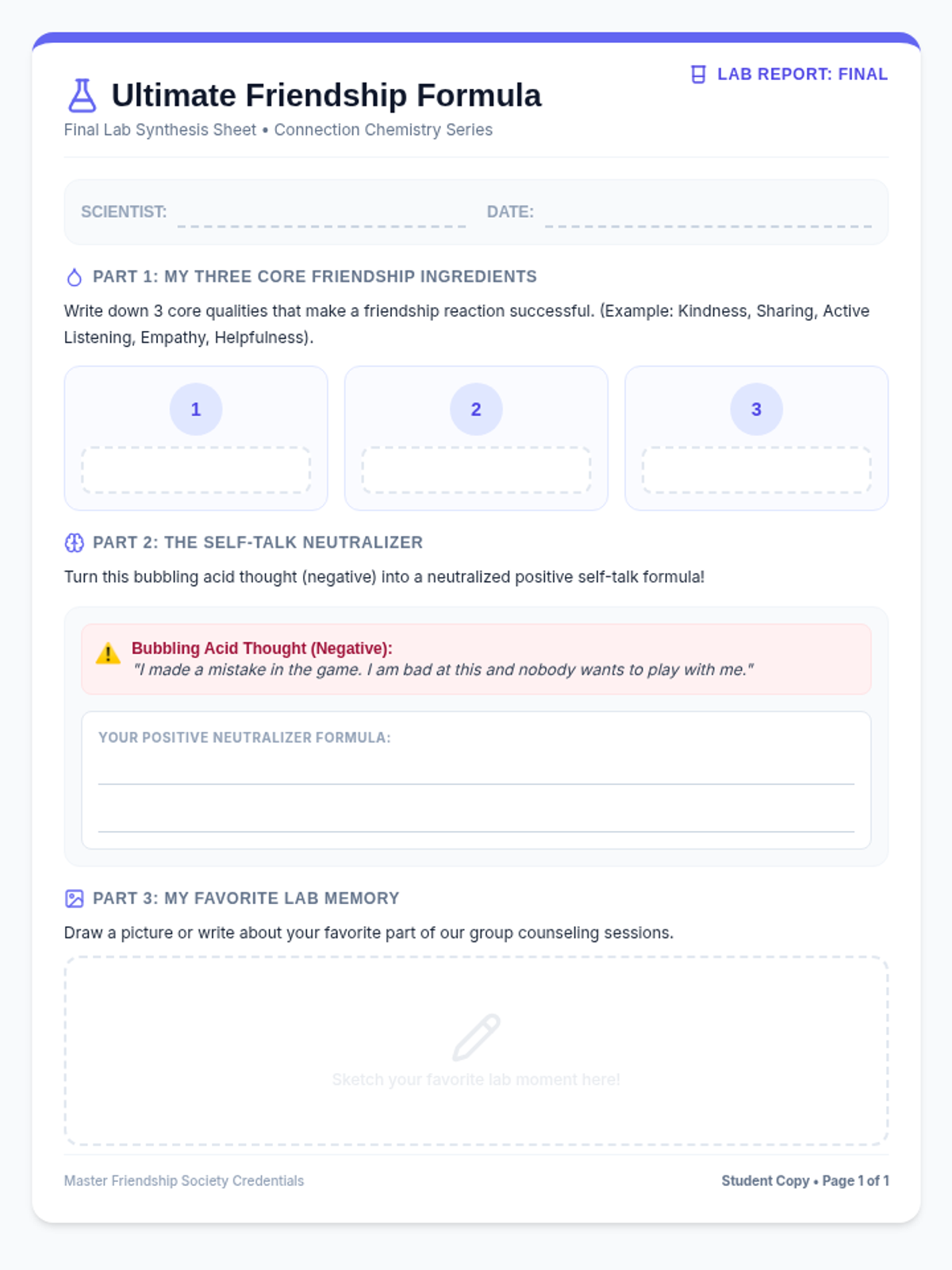
A dynamic, science-themed group counseling curriculum that helps elementary students build essential social skills, friendship qualities, and positive self-talk. Through hands-on 'experiments' and interactive lessons, students master the elements of healthy social connections.
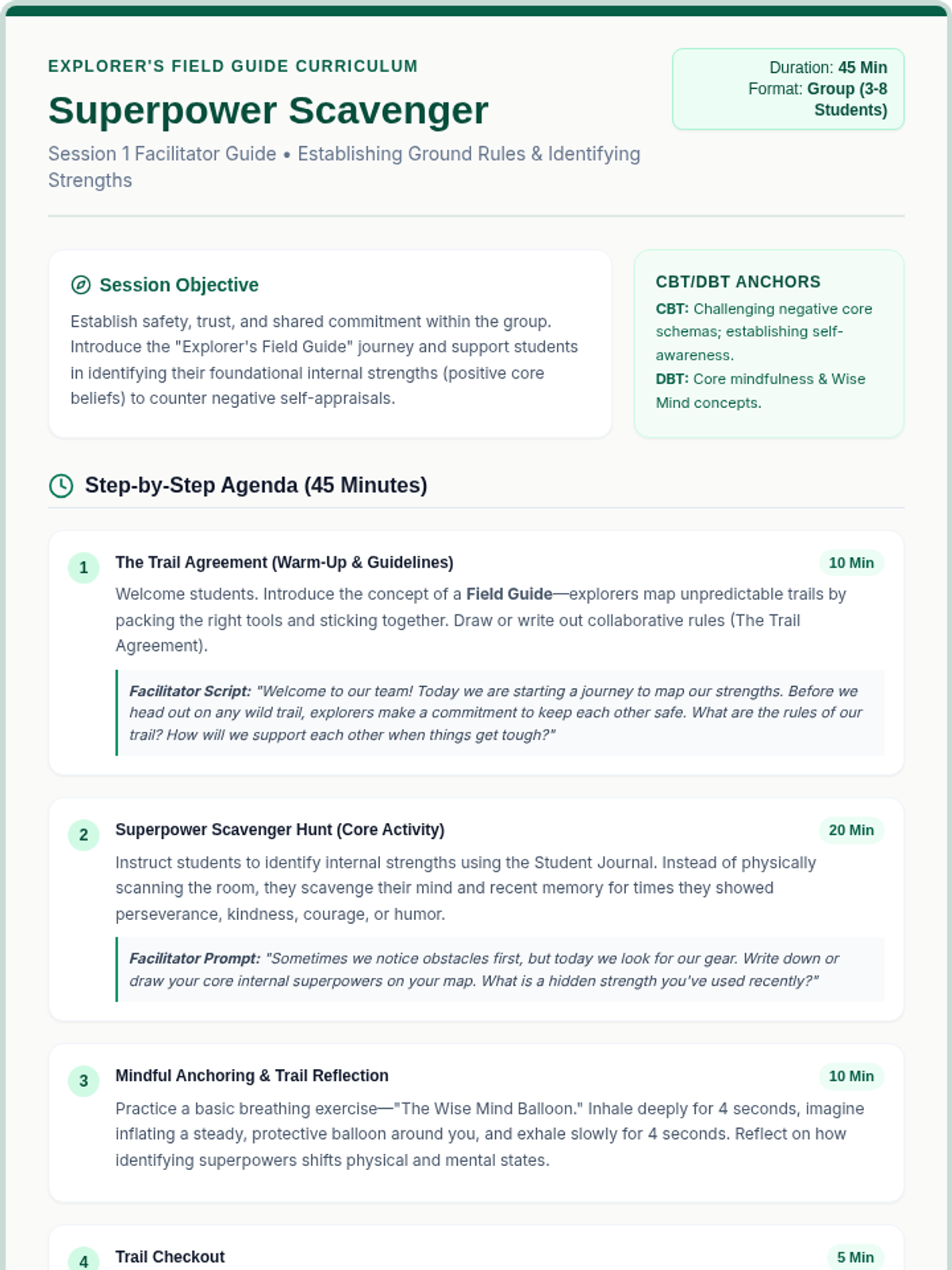
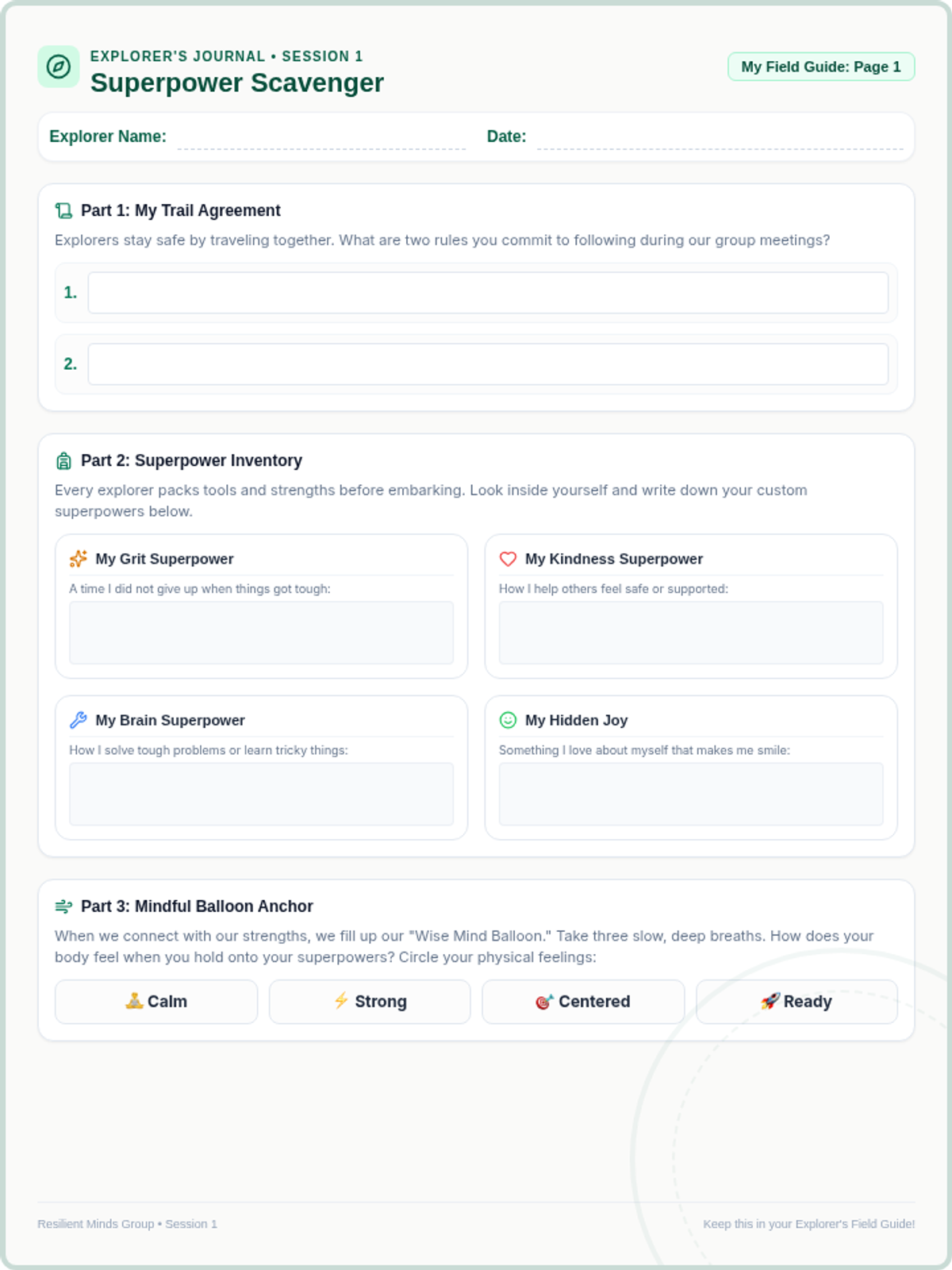
An 8-session strength-based group counseling curriculum focusing on building resilience and self-esteem. Integrates key Cognitive Behavioral Therapy (CBT) and Dialectical Behavior Therapy (DBT) skills through a collaborative 'Explorer's Field Guide' theme.
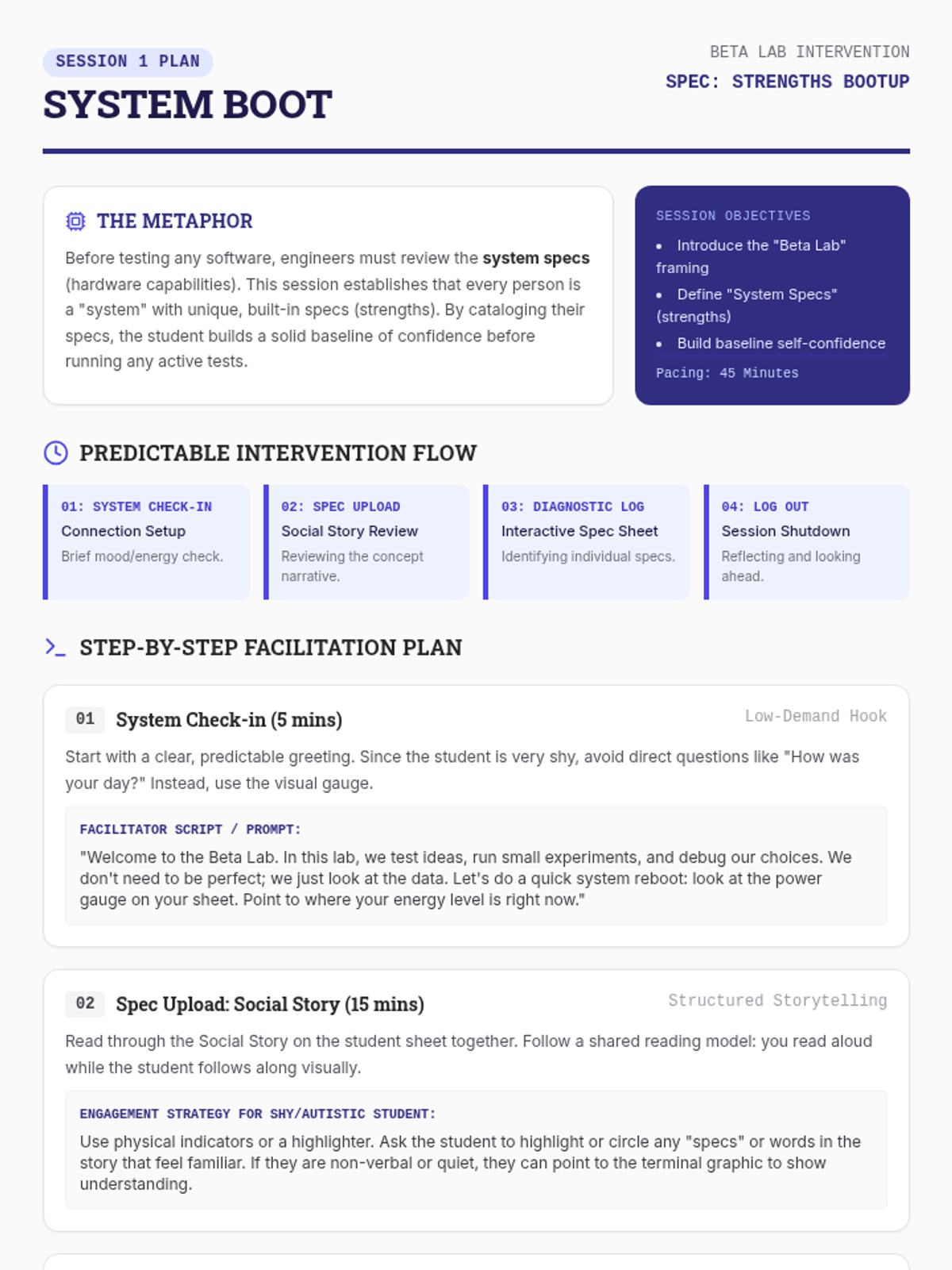
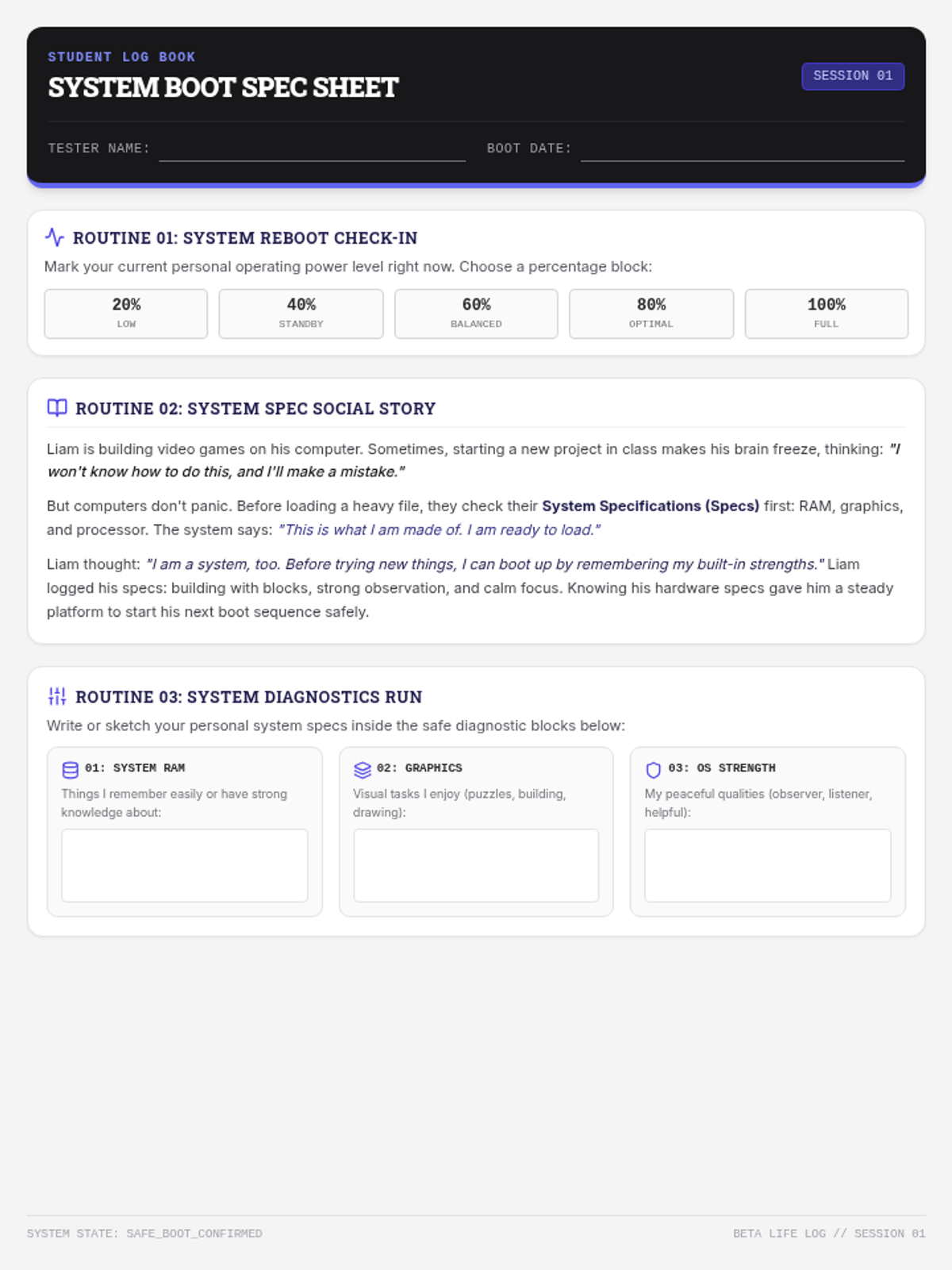
An 8-week social-emotional intervention sequence designed for neurodivergent and shy students. It uses a "Field Guide" and "Wildwood Scouting" metaphor to build self-confidence, ease the anxiety of trying new things, and structure decision-making.
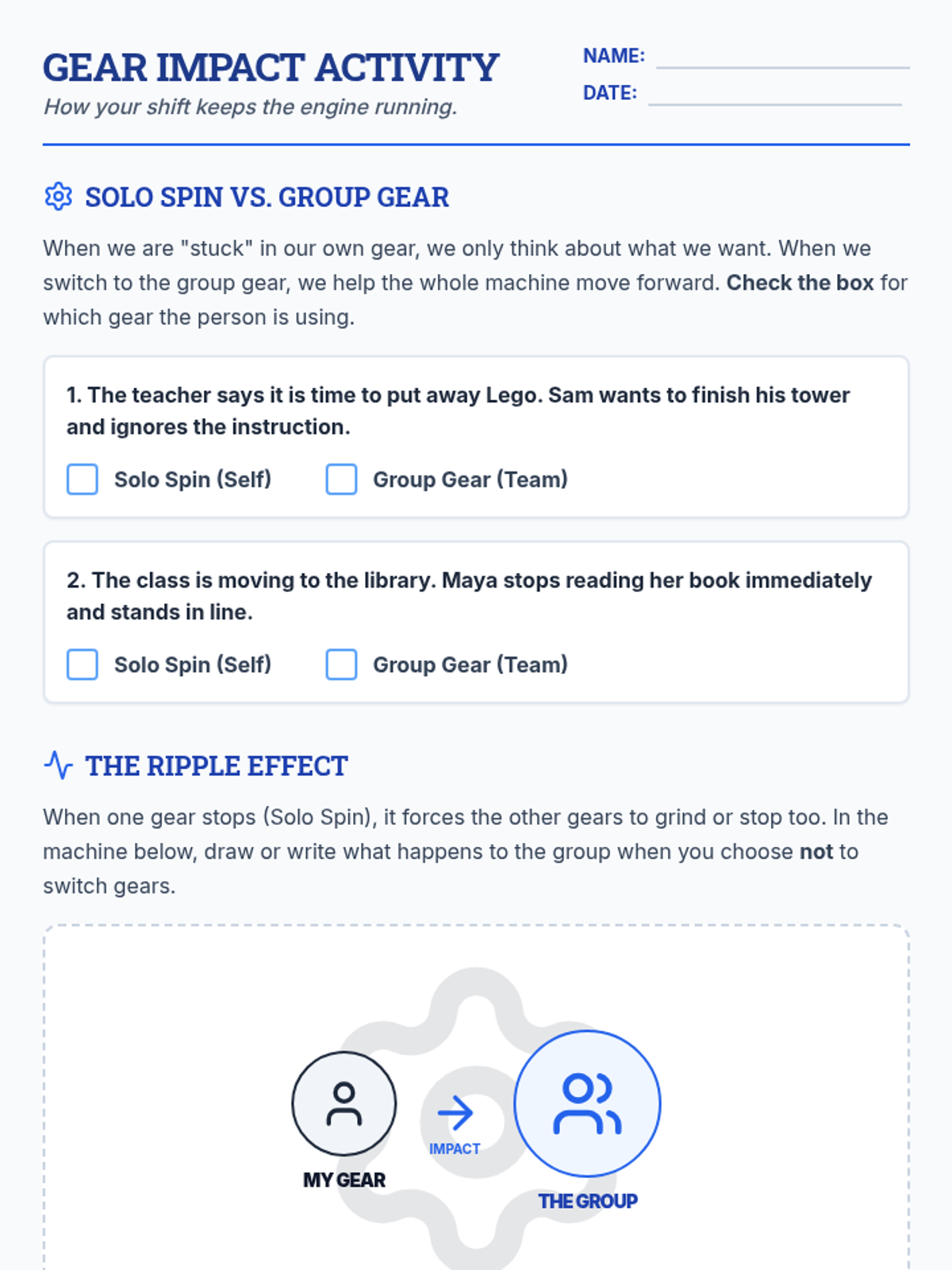
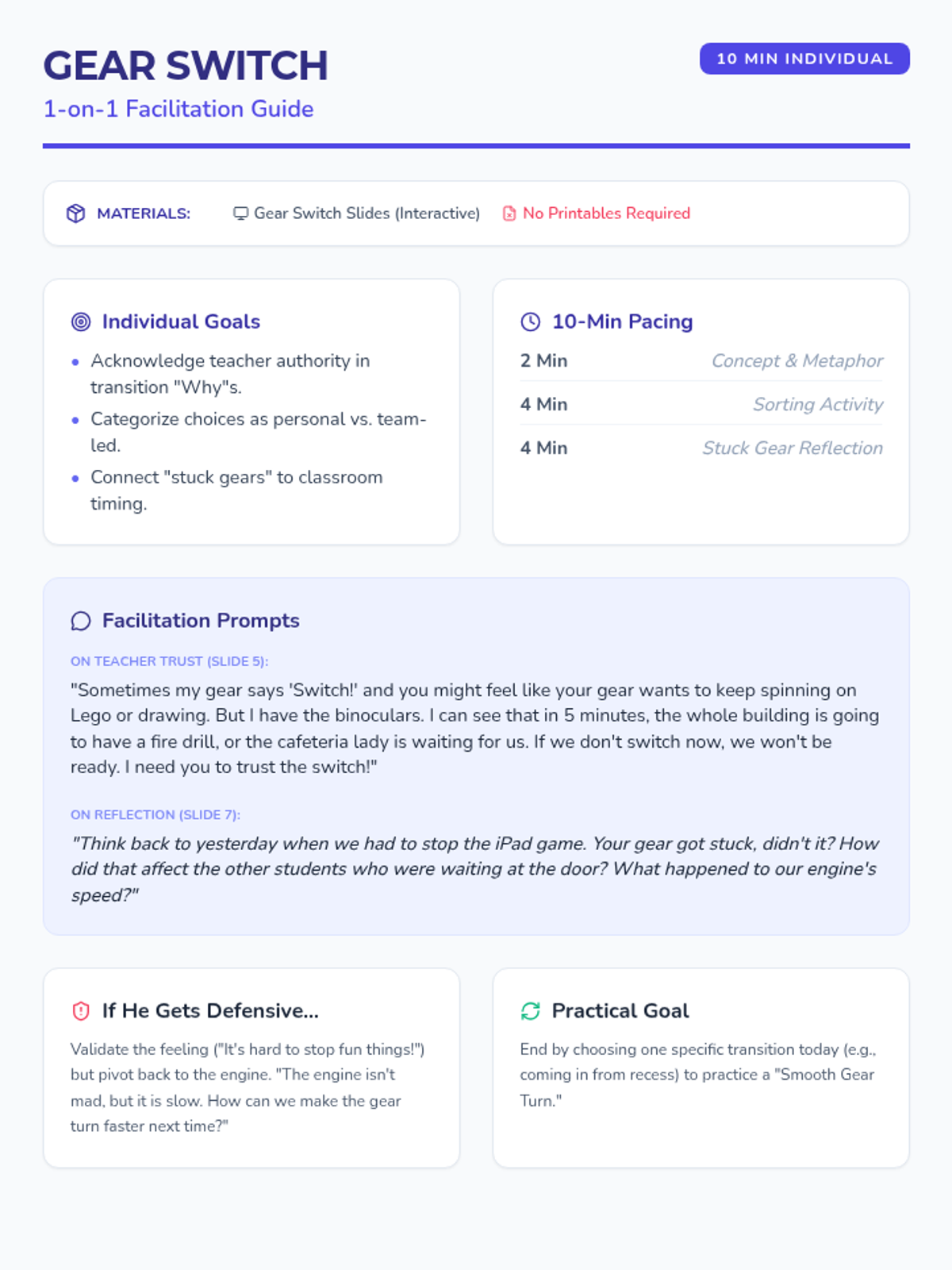
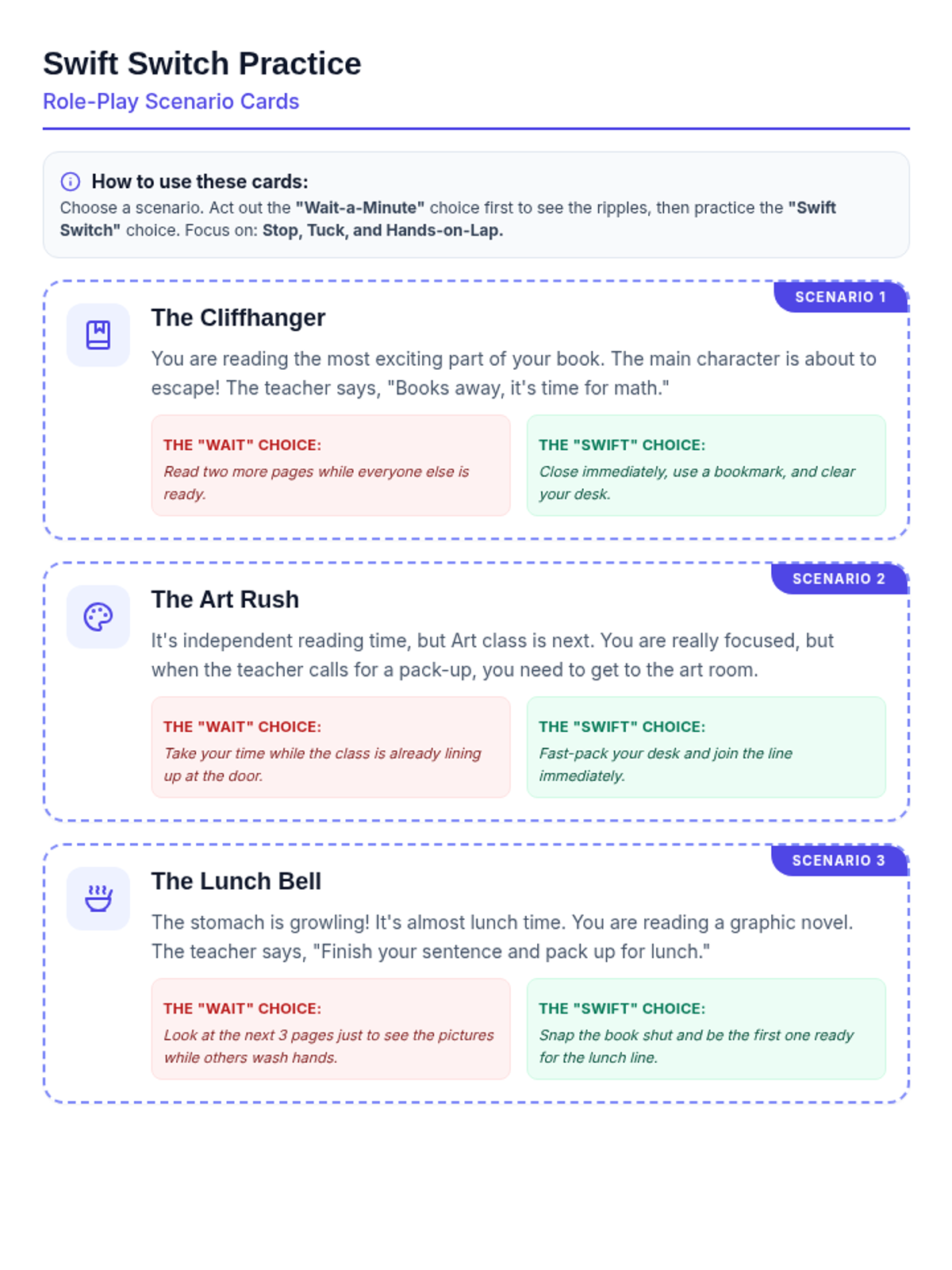
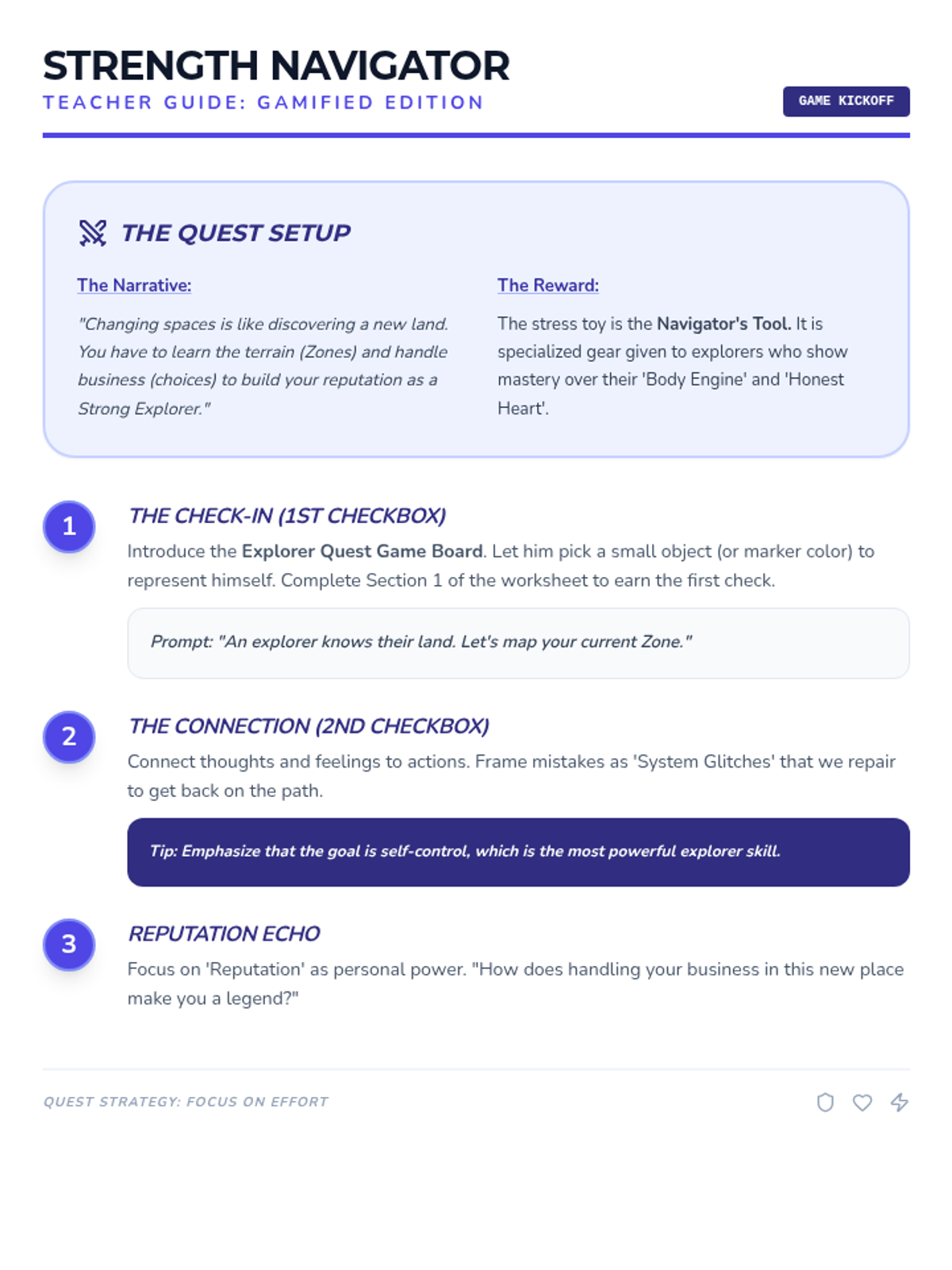
A two-part SEL sequence for a one-on-one session. It introduces the "Gear Switch" metaphor for transitions and follows up with a deeper look at personal responsibility and how "focusing on yourself" translates to group success.
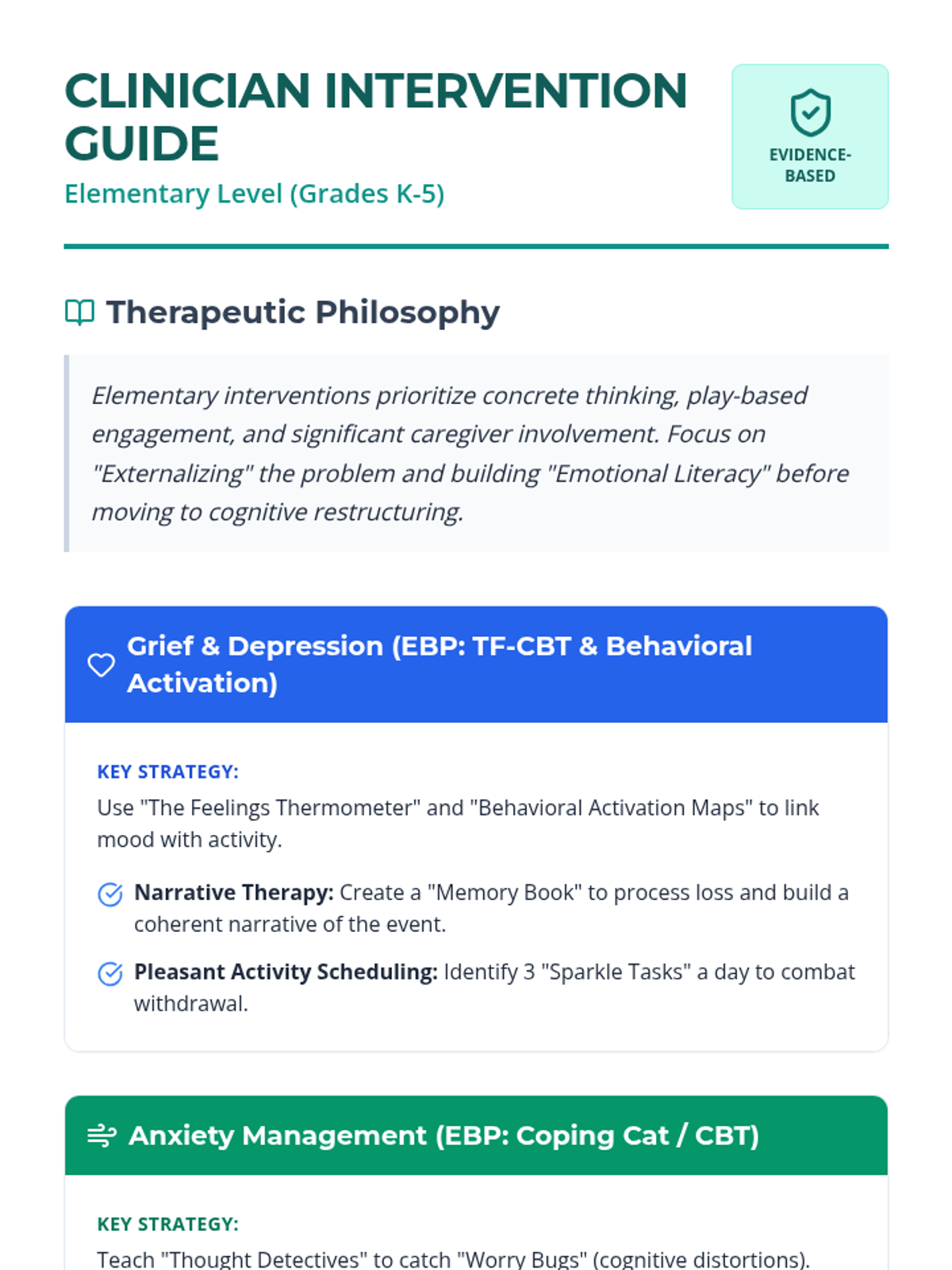
A comprehensive suite of evidence-based mental health interventions and resources for school clinicians, covering grief, depression, anxiety, conduct disorders, and crisis prevention for K-12 students.
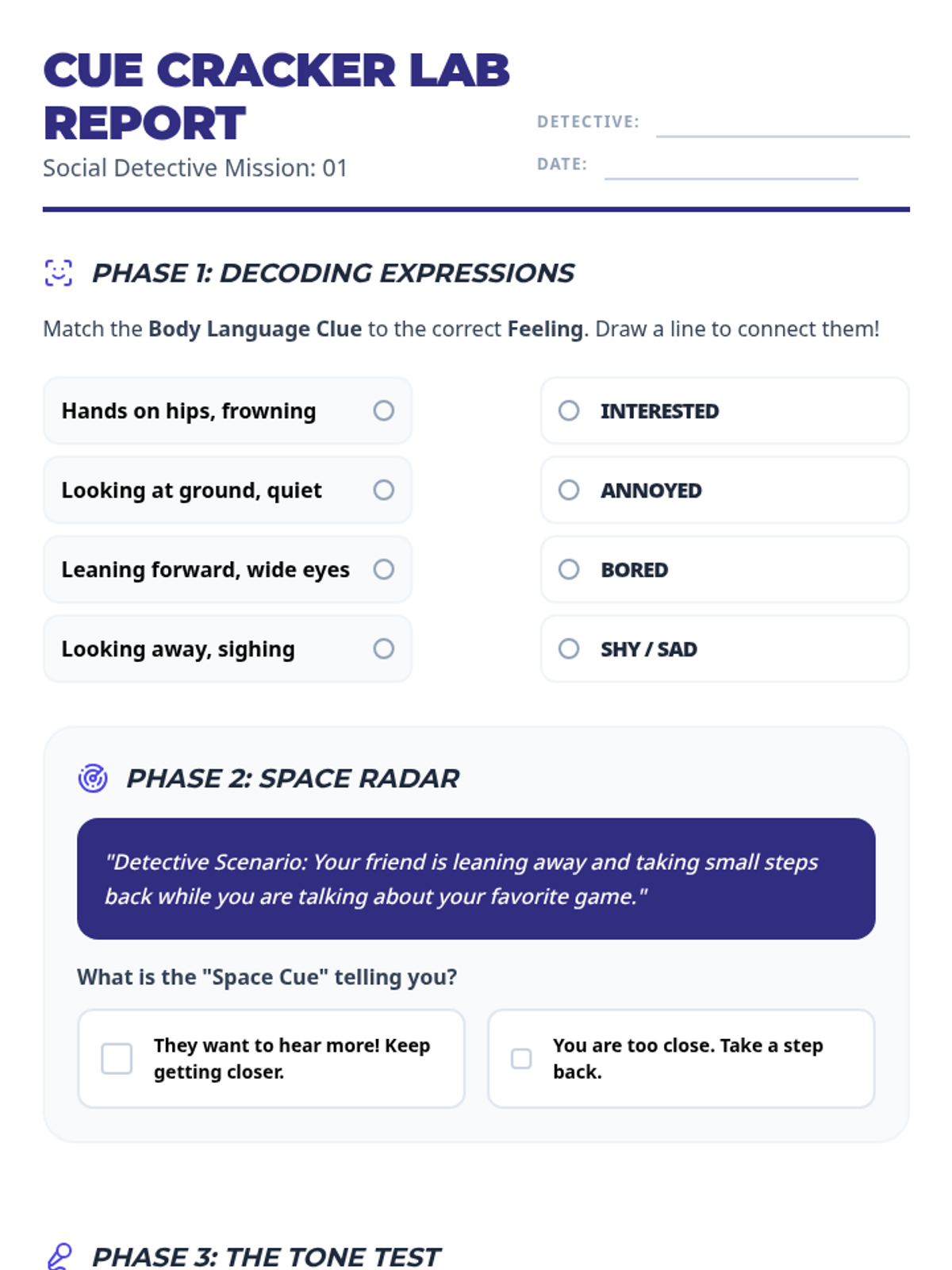
A 4-part small group counseling sequence for 3rd graders focused on reading social cues, identifying healthy friendships, and resolving recess conflicts using a Problem-Solving Wheel. Students act as 'Social Detectives' to decode body language and master interpersonal skills.
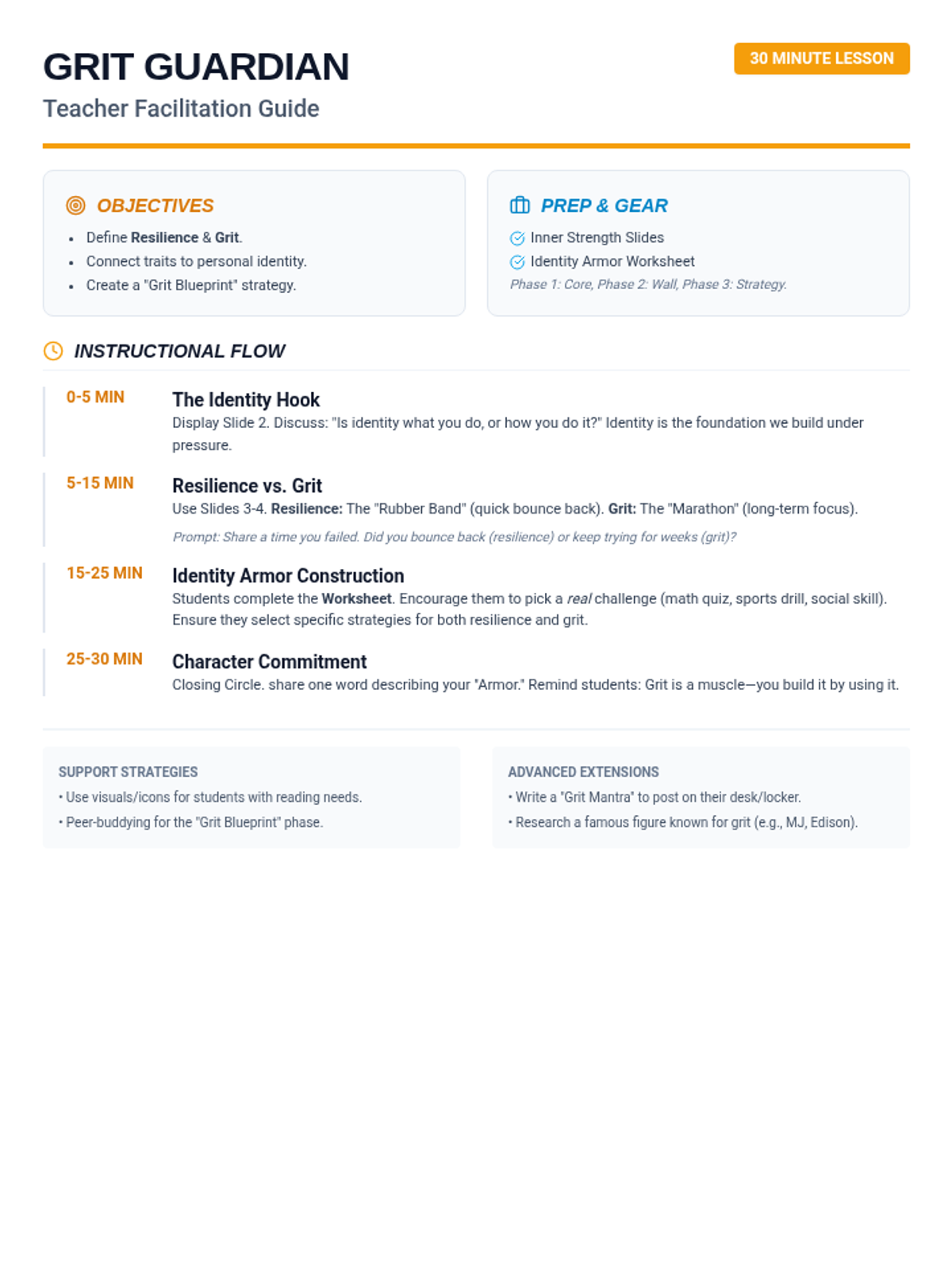
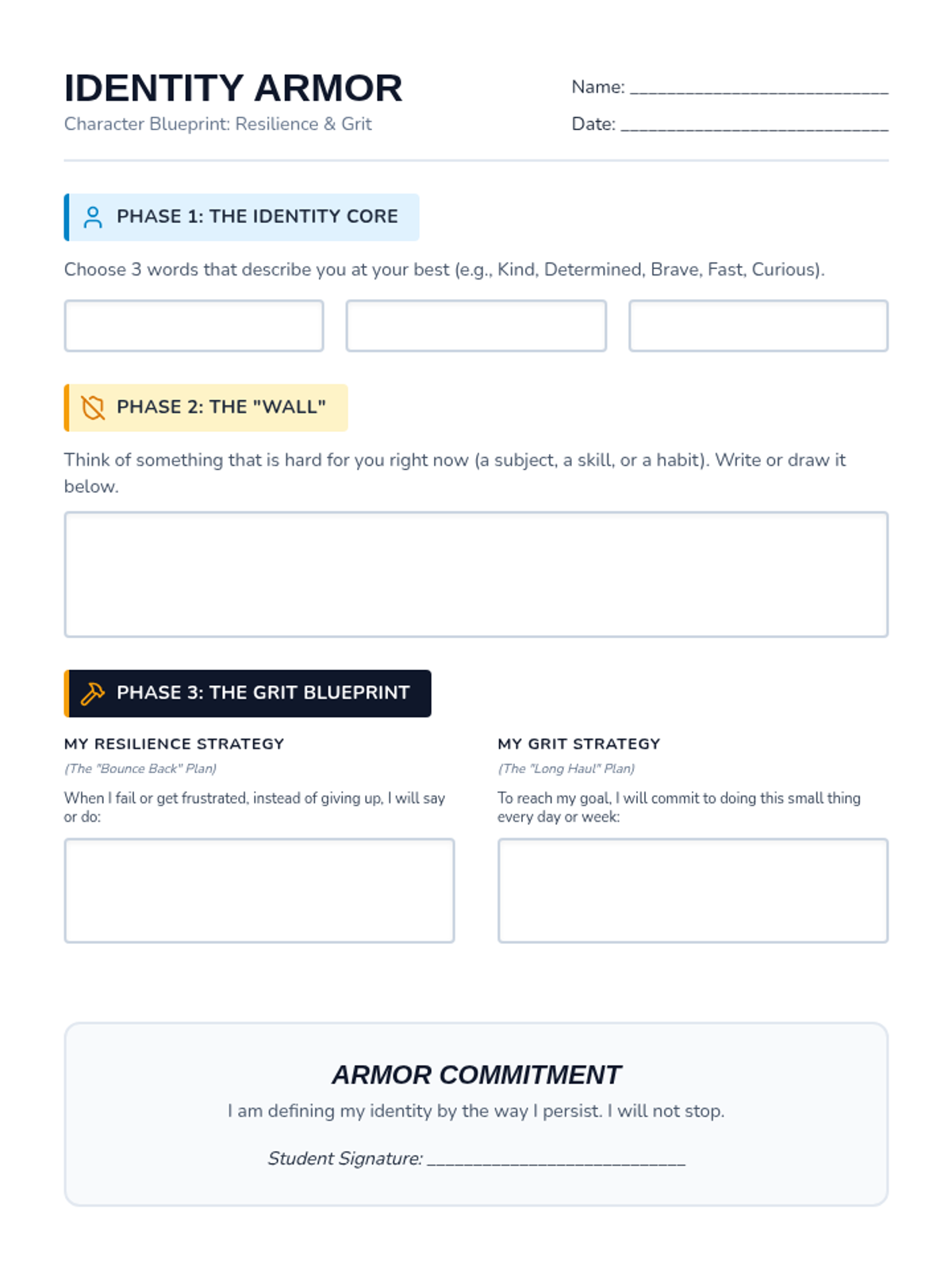
A series of lessons designed to help students explore their personal identity and develop essential character traits like resilience and grit through self-reflection and practical strategies.
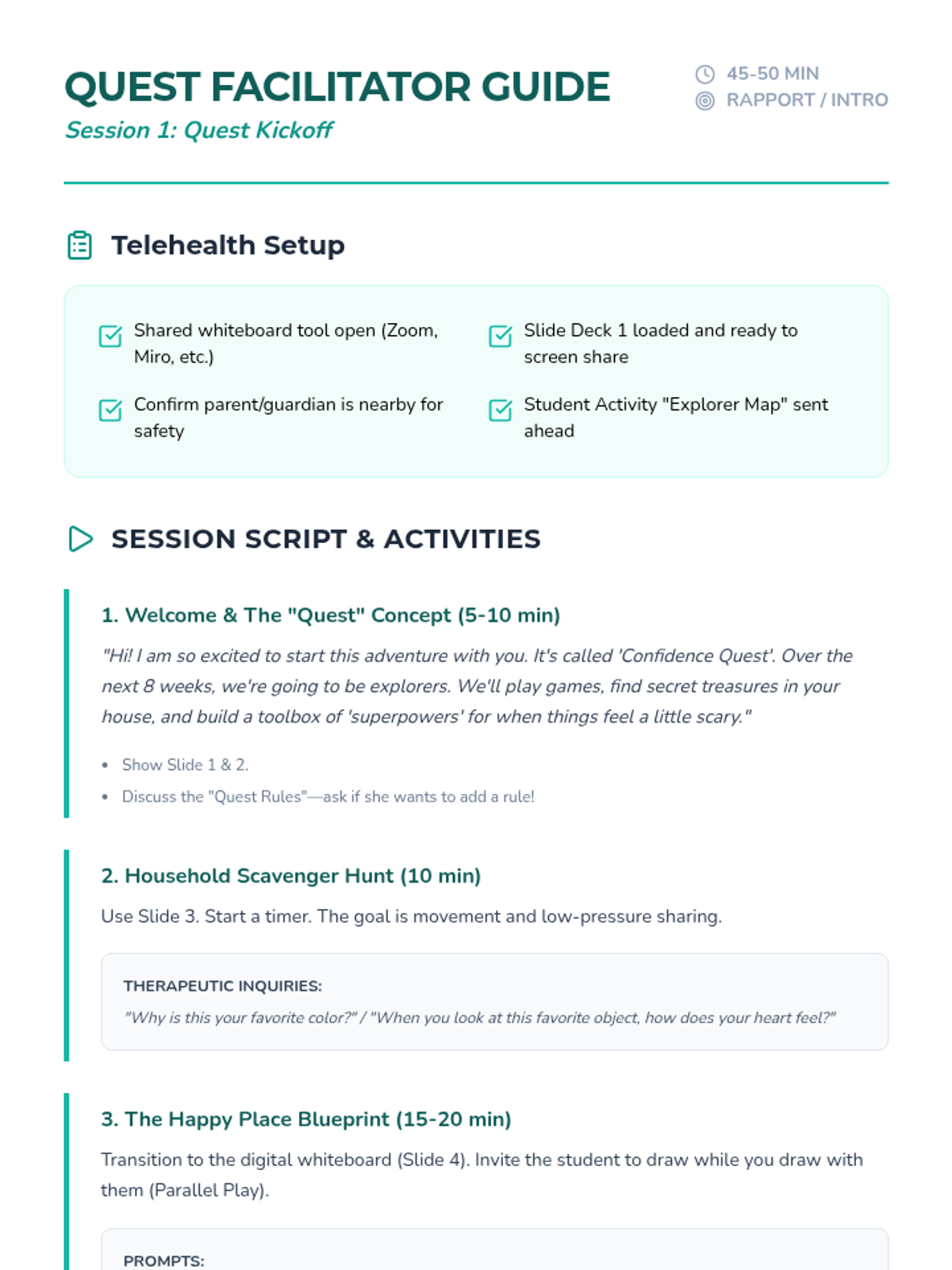
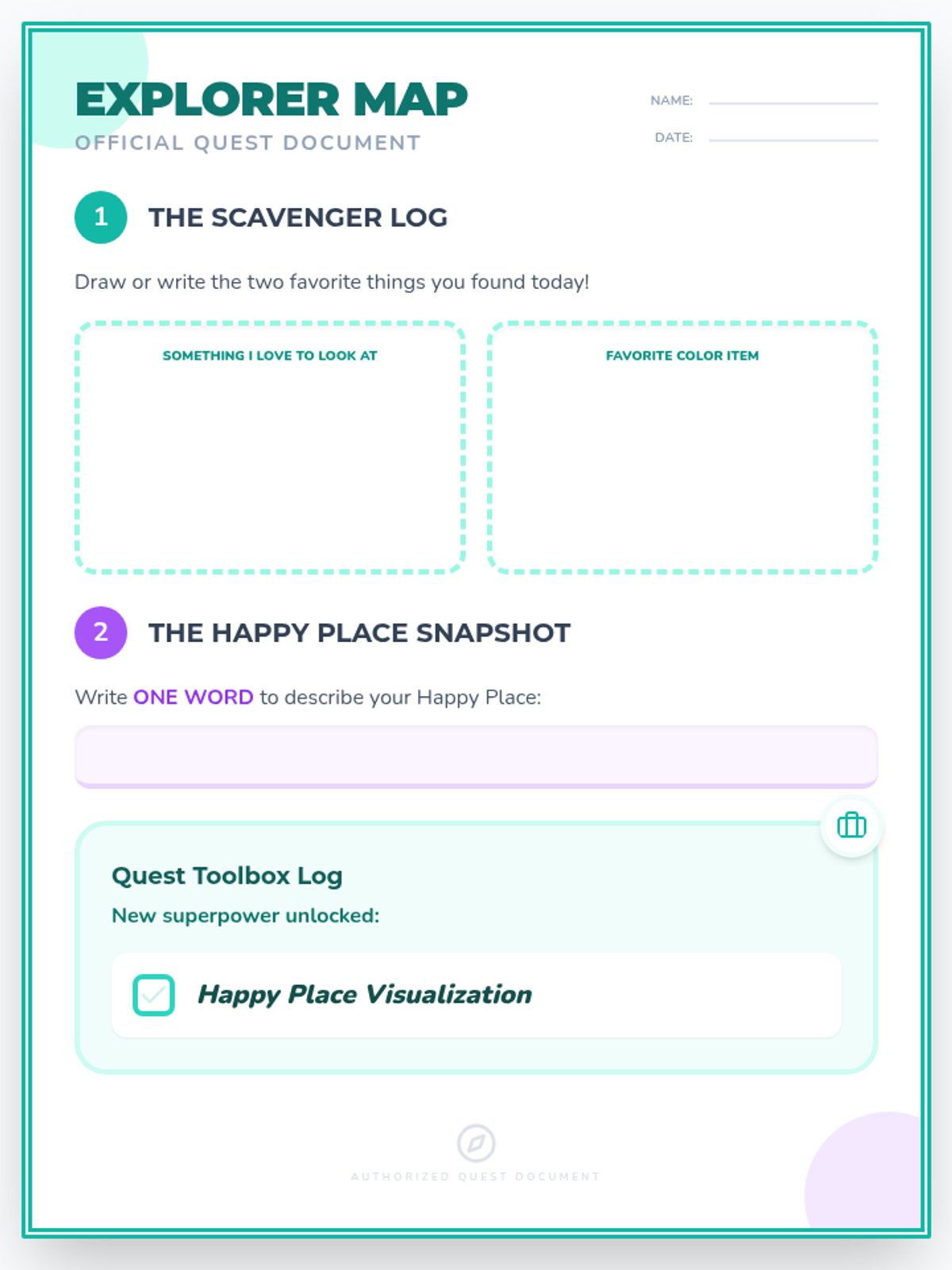
An 8-week telehealth play therapy program for an 8-year-old girl, focusing on social anxiety, self-confidence, and coping skills through scavenger hunts, bibliotherapy, and digital drawing.
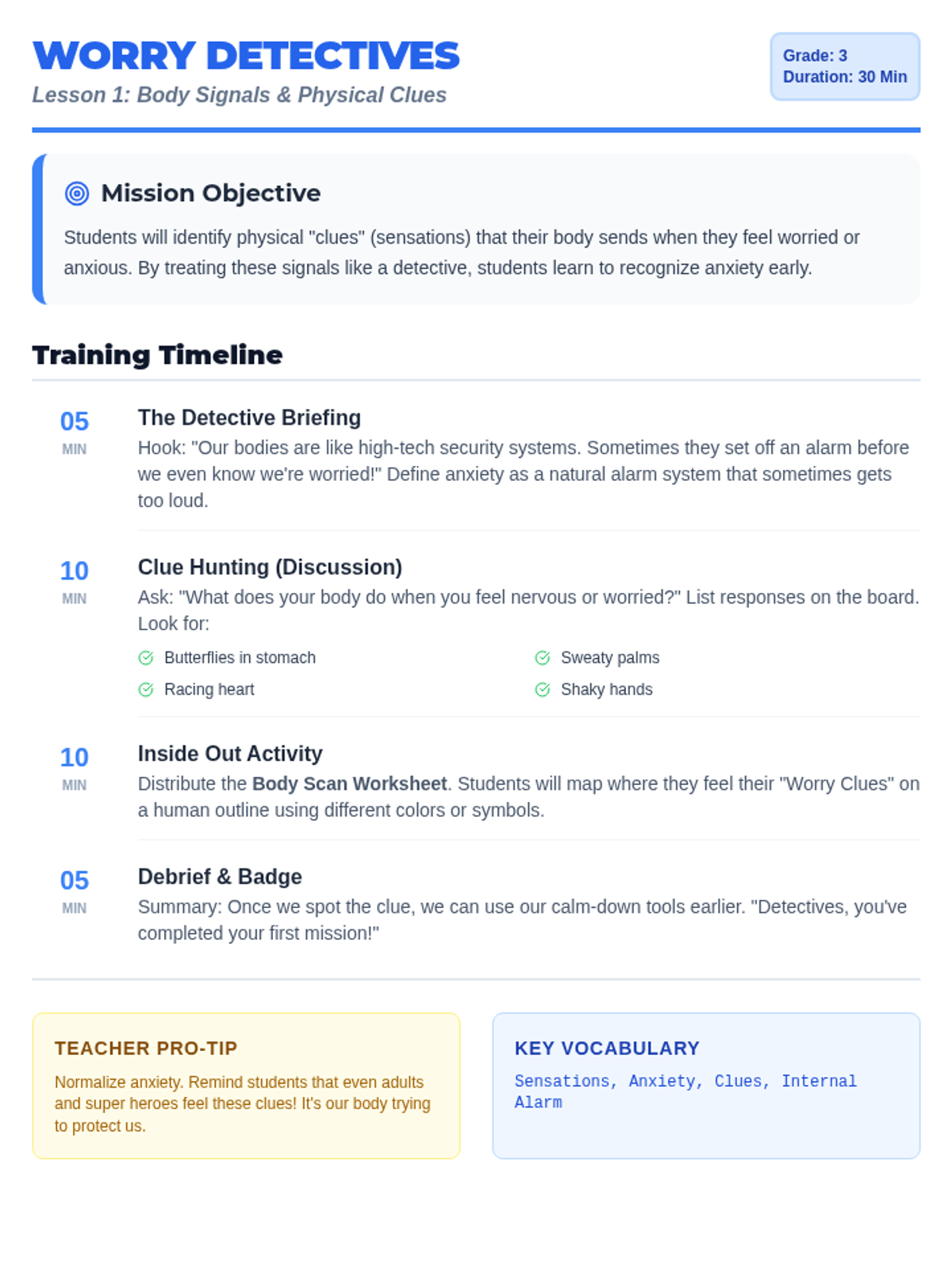
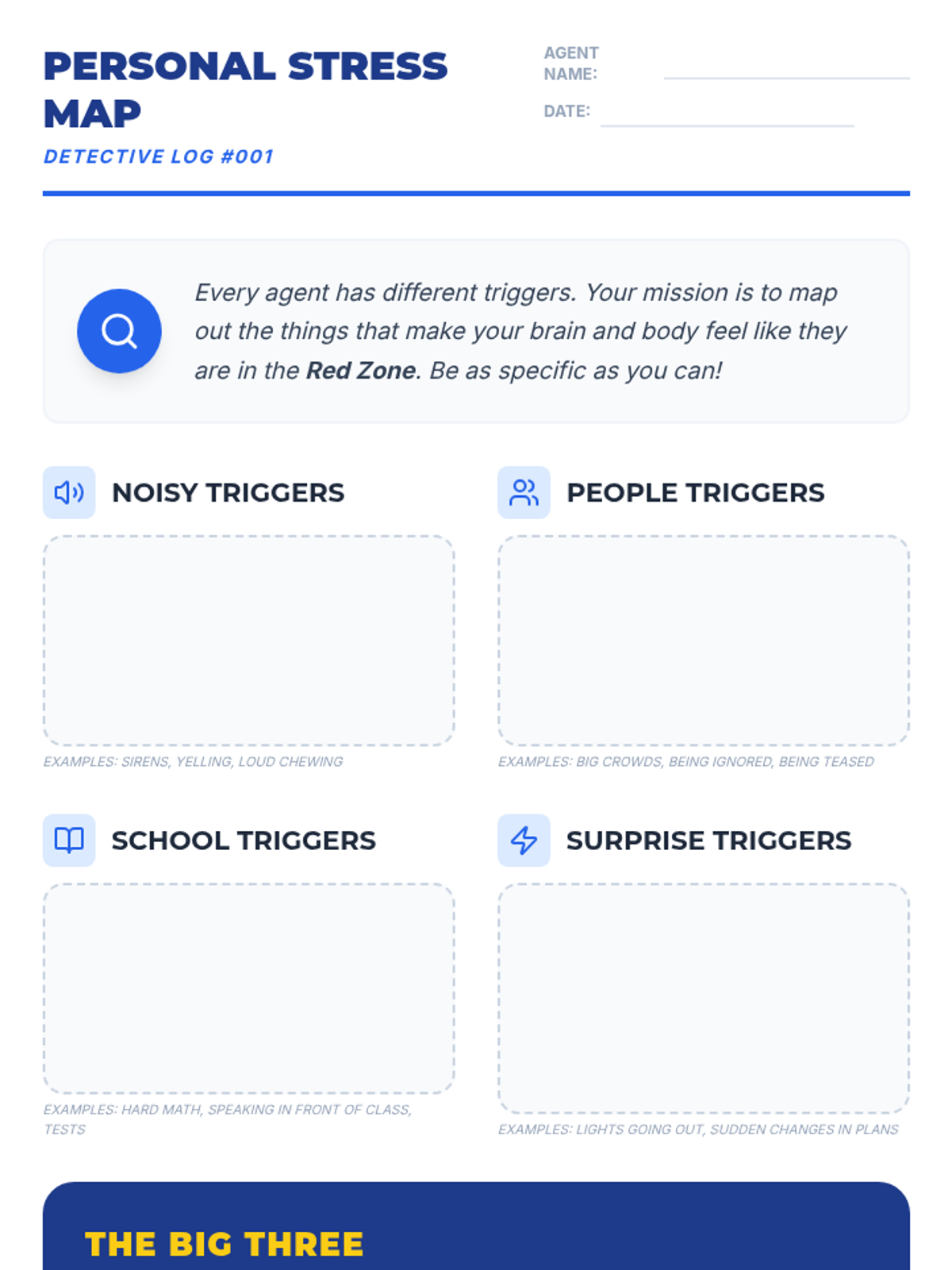
A four-week social-emotional learning curriculum designed to help third graders understand, identify, and manage anxiety through a 'Super Hero Training' lens. Students learn about physical body signals, triggers, calming techniques, and positive self-talk.
This sequence introduces 3rd-grade students to identifying personal sources of joy and satisfaction. It guides them through recognizing physical emotional shifts, inventorying interests, exploring sensory joy, categorizing activities by energy levels, and creating a personalized 'menu' of coping strategies for emotional regulation.
A 5-lesson unit for 3rd-grade students focused on identifying and categorizing obstacles that prevent task completion. Students learn to recognize internal emotional signals and external barriers (physical, informational, and environmental) to build self-advocacy and problem-solving skills.
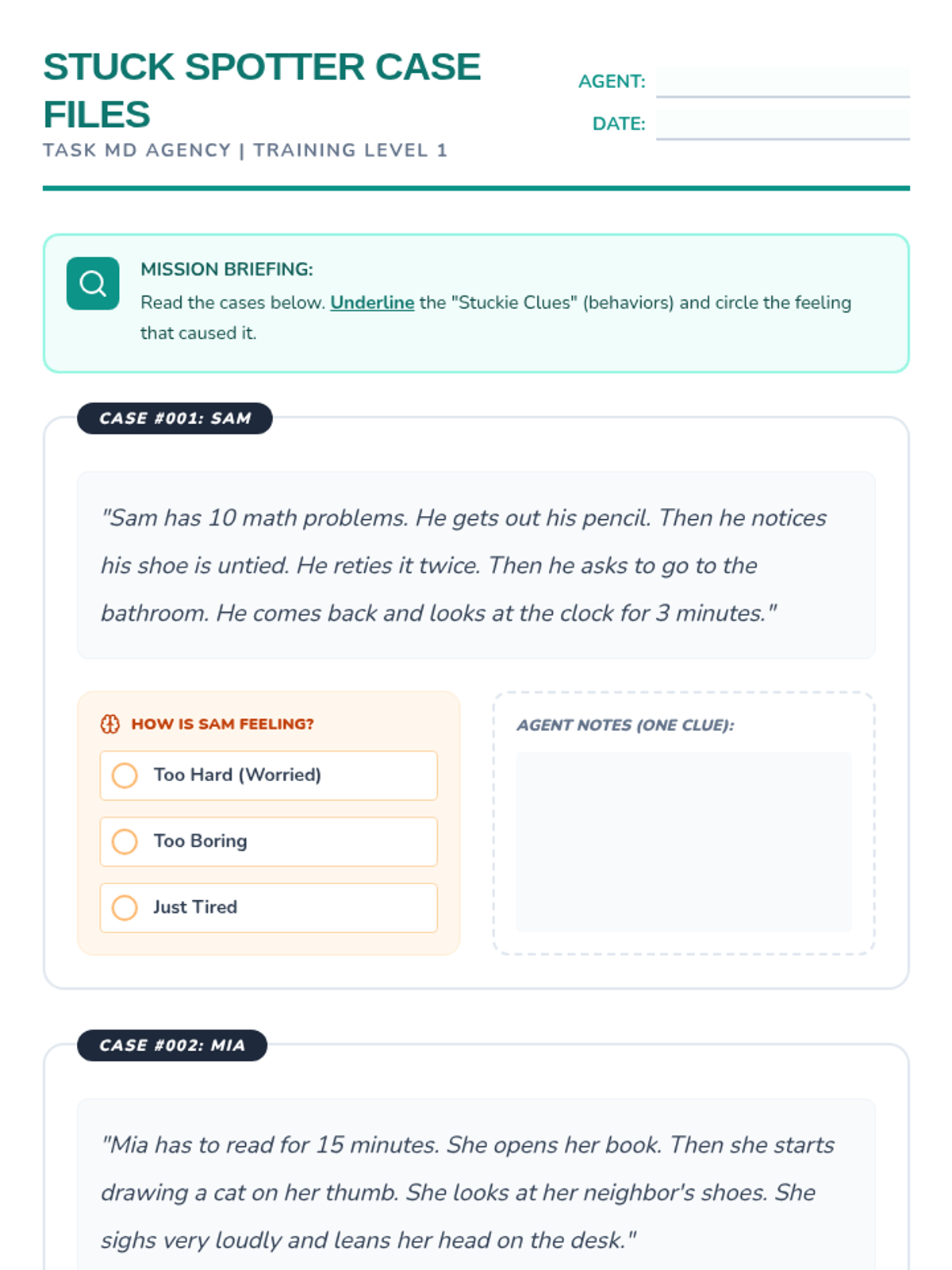
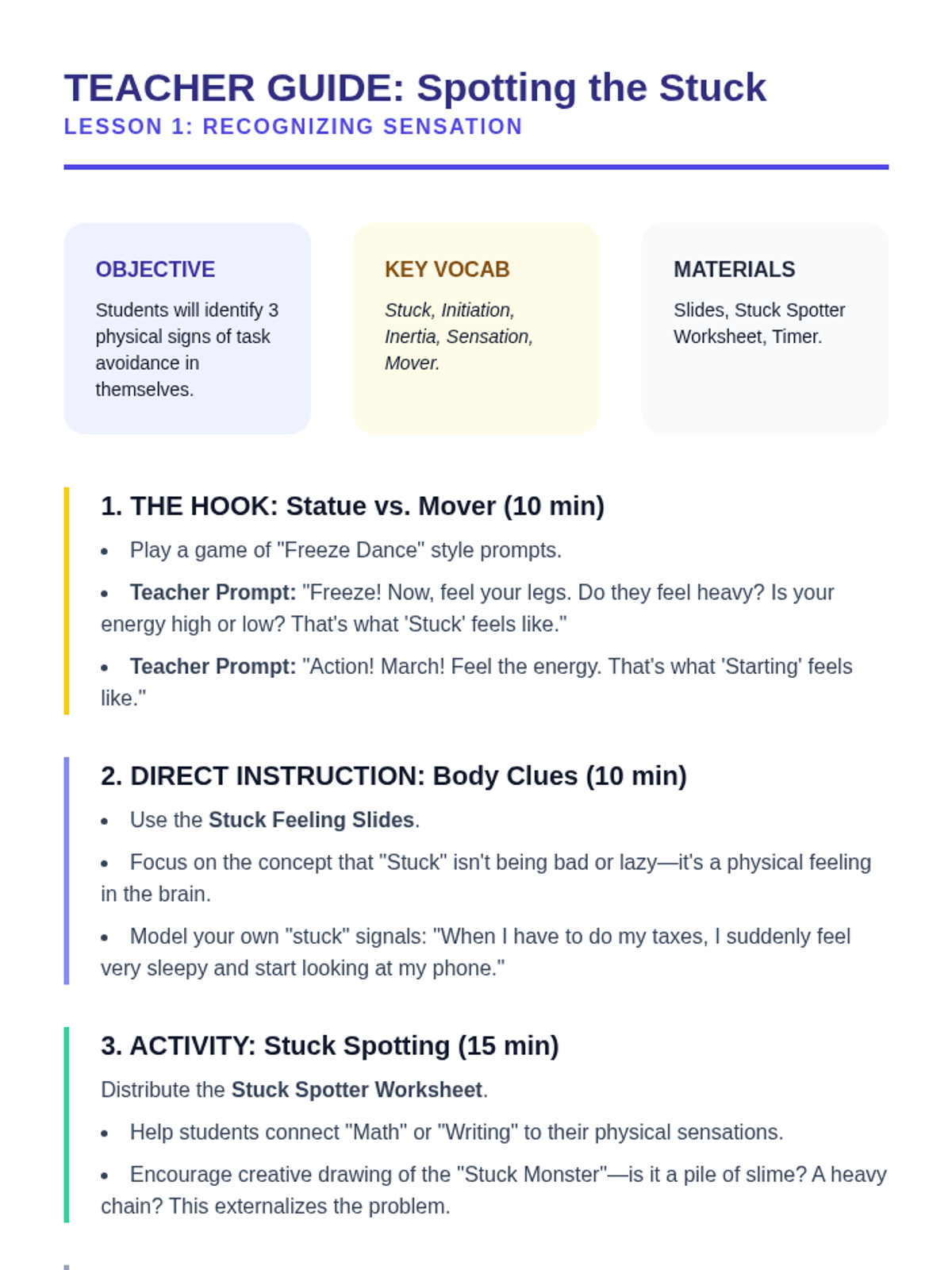
A sequence focused on helping students overcome emotional barriers to task initiation using a 'Task Doctor' theme. Students learn to identify avoidance behaviors, diagnose the root cause of being 'stuck', and prescribe effective self-talk solutions through role-play and reflection.
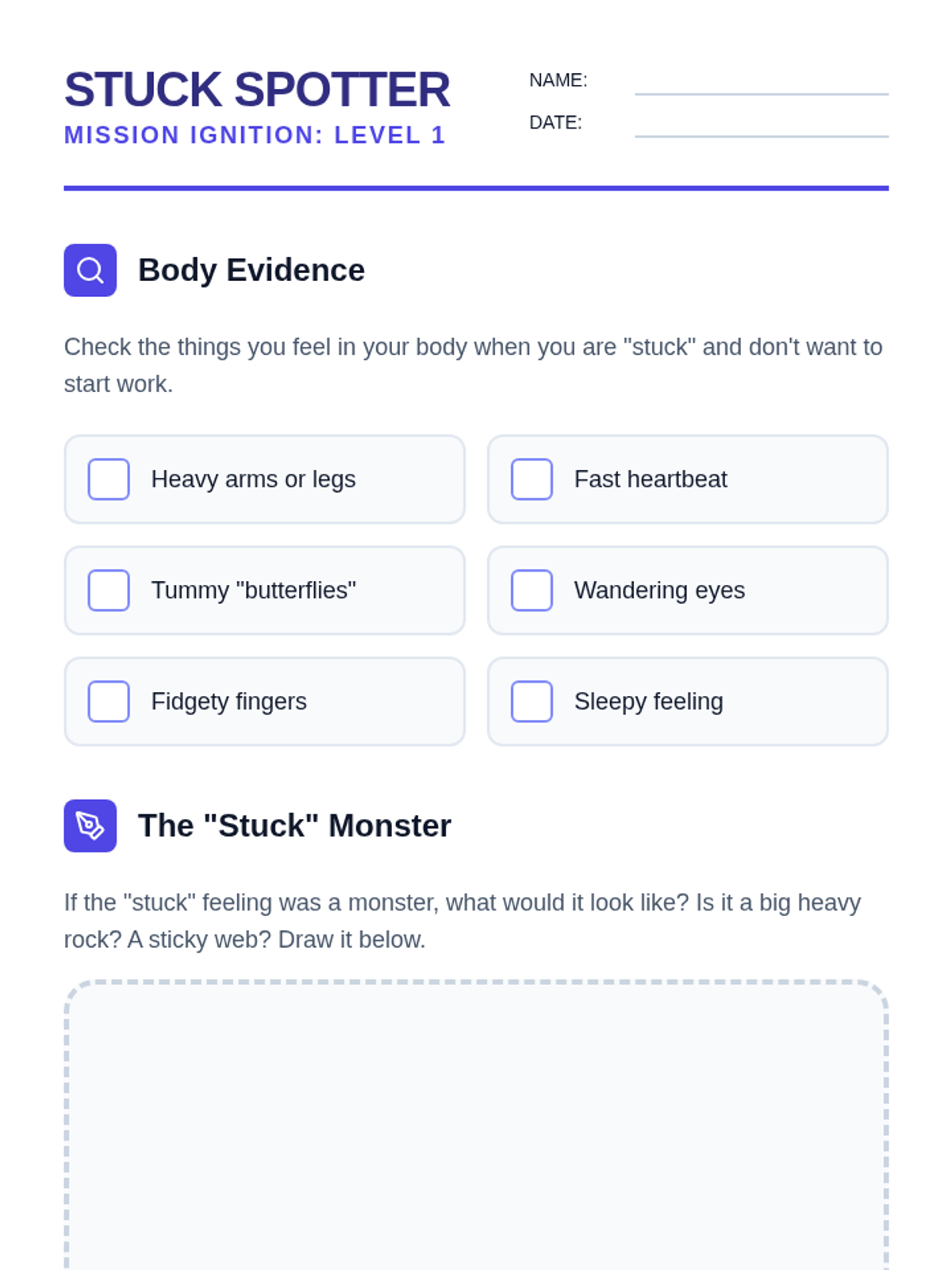
This sequence teaches 3rd-grade students how to use internal self-talk to overcome task initiation barriers. Students progress from recognizing the physical feeling of being 'stuck' to developing and using personalized 'Go Phrases' to start independent work.
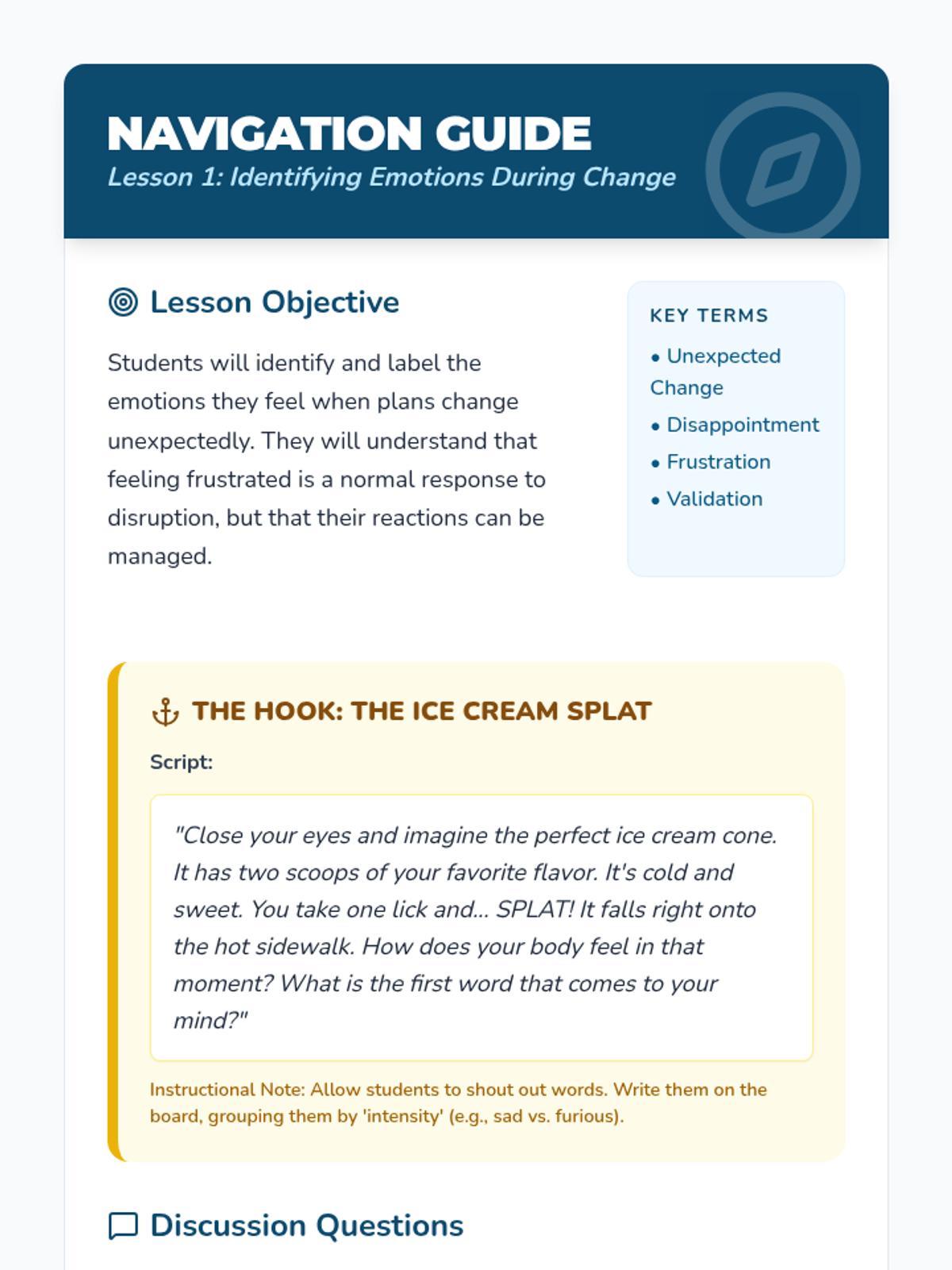
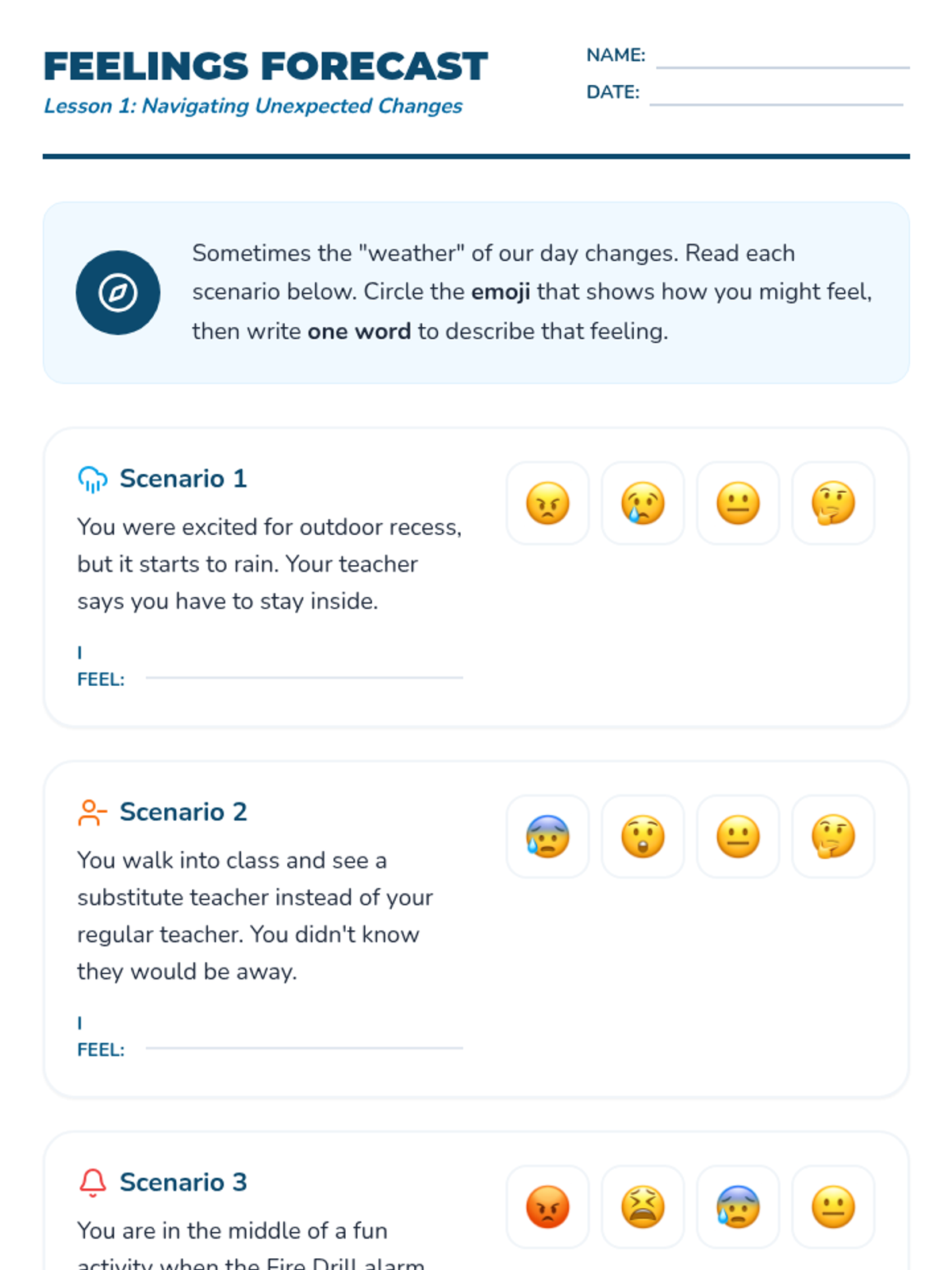
A sequence for 3rd Grade students focusing on cognitive flexibility and emotional regulation when plans change. Students learn to identify emotions, use calming strategies, and follow the 'Stop, Breathe, Ask' routine to manage transitions.
This sequence helps 3rd-grade students build a foundation for mental health awareness by identifying personal support networks, understanding the role of school counselors, and practicing communication skills for asking for help. Students learn to distinguish between small problems and big challenges while creating a concrete safety plan for emotional well-being.
Students design and create a personalized 'Coping Kit' (mental or physical) containing tools for managing crisis moments. This project-based sequence guides 3rd graders through self-reflection, visualization techniques, tool selection, and the creation of a comprehensive safety plan.
A 5-lesson sequence for 3rd graders on grounding techniques. Students learn to recognize physical signs of stress and master sensory strategies like the 5-4-3-2-1 method to regulate big emotions.
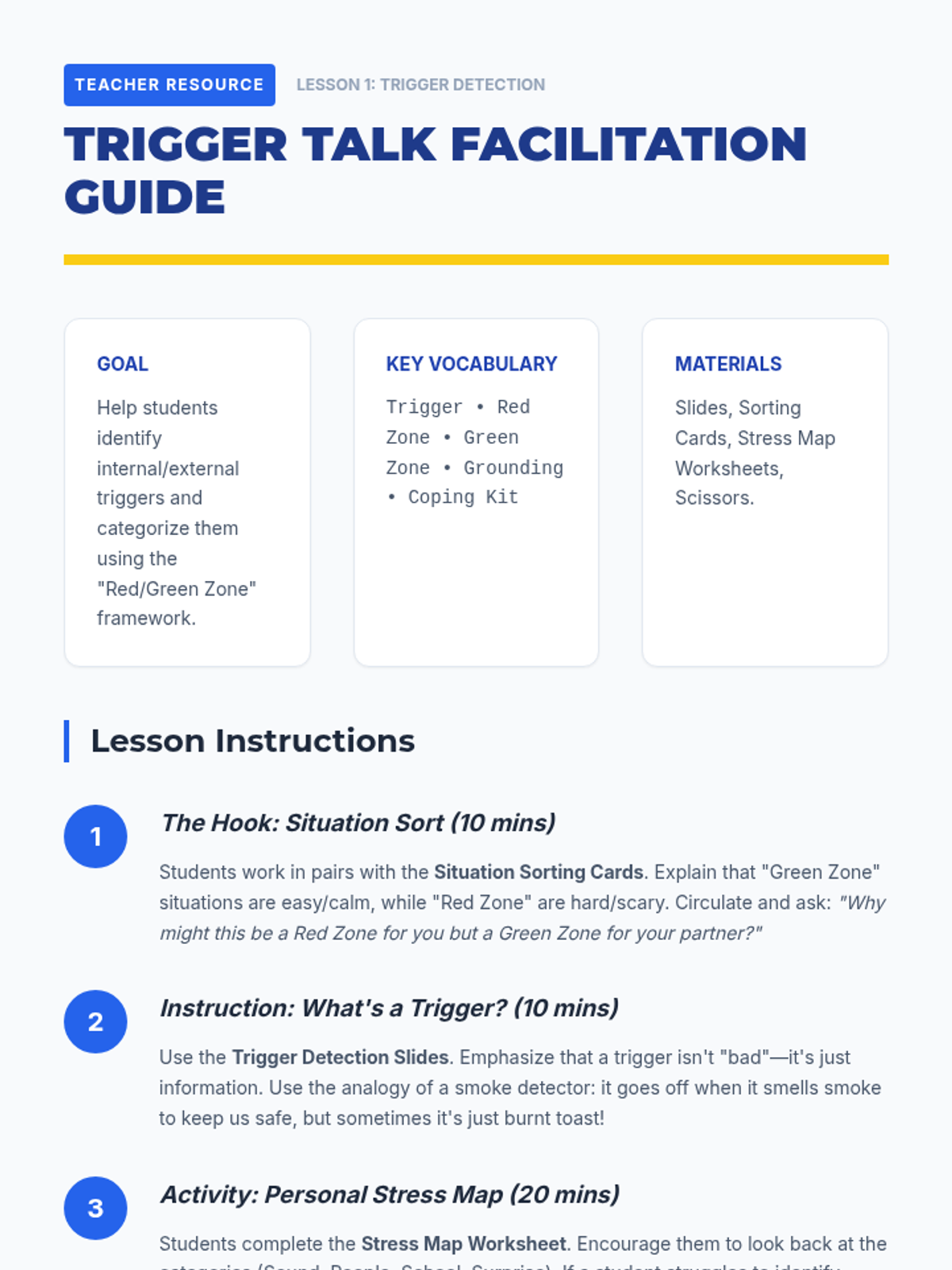
A 5-lesson sequence for 3rd graders to identify physical signs of stress, understand emotional triggers, practice regulation techniques like deep breathing and grounding, and build a personal safety plan with trusted adults.
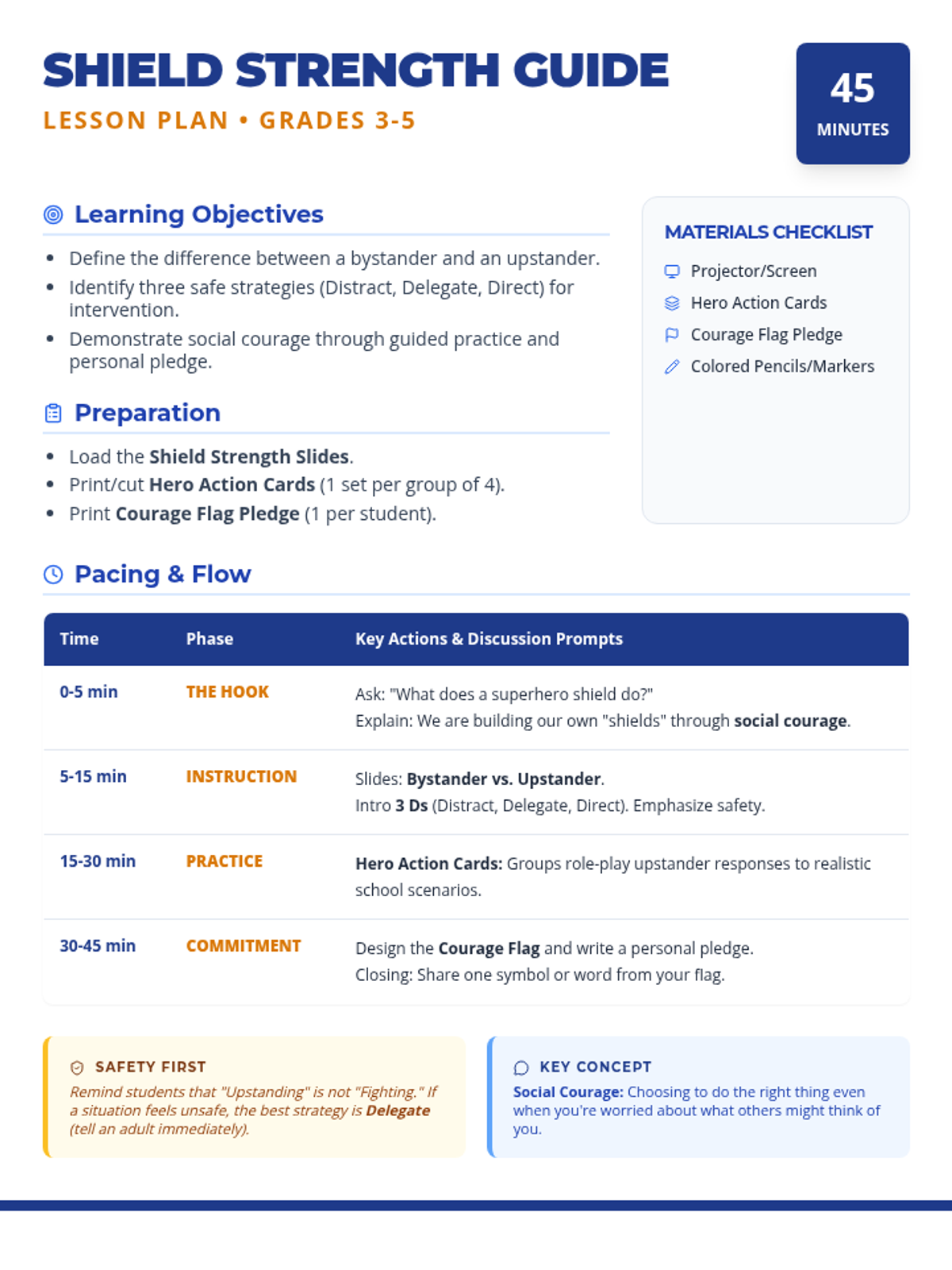
This 3rd-grade sequence empowers students to identify, respond to, and prevent cyberbullying. Through empathy-building activities like the 'Wrinkled Heart' and the practical 'Stop, Block, Tell' framework, students transition from being bystanders to active upstanders in digital spaces.
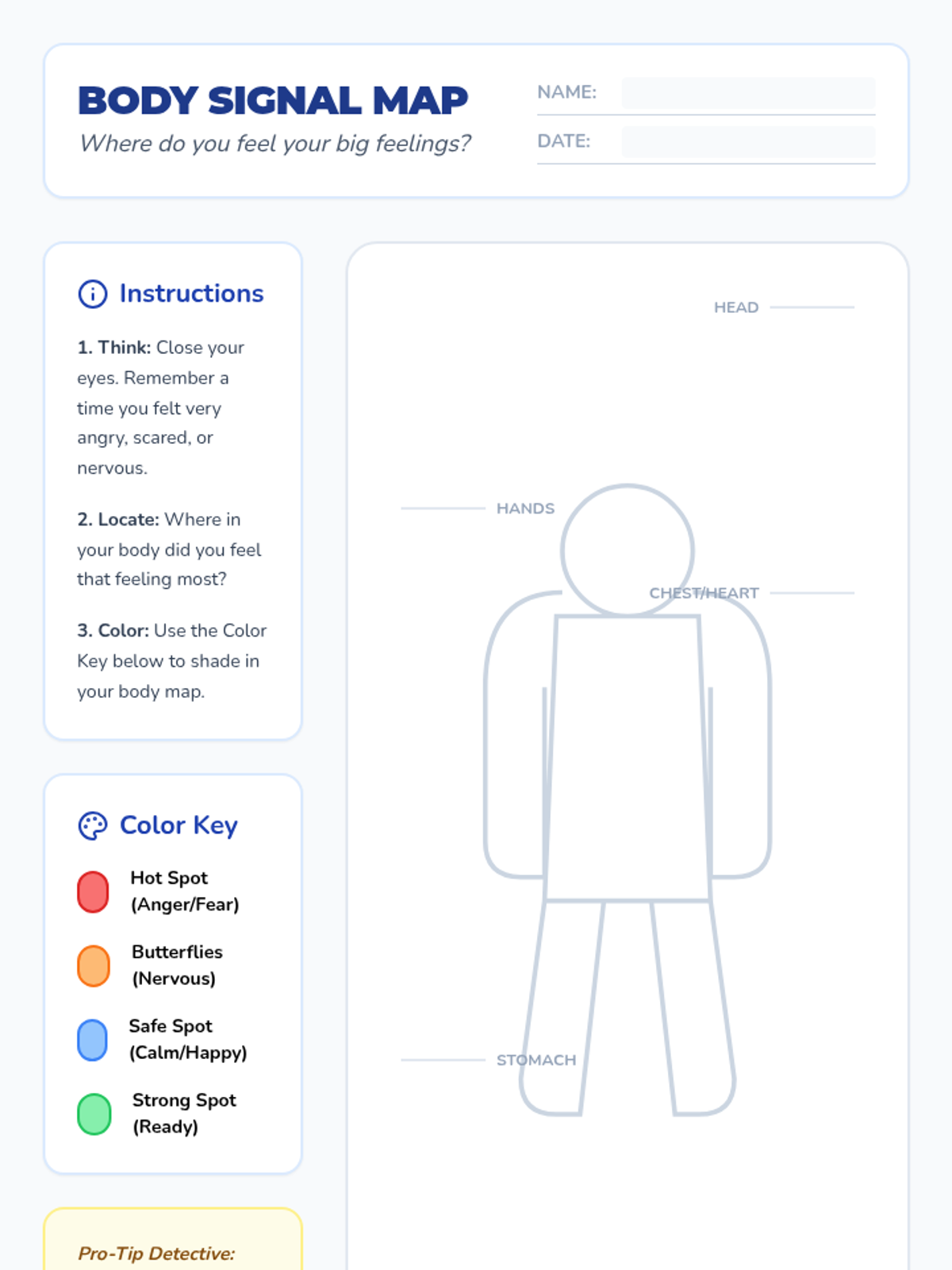
A 5-lesson sequence for 3rd graders focused on developing interoception and body awareness. Students learn to identify internal physical cues, track energy levels, recognize triggers, and distinguish between proactive and reactive breaks to improve self-regulation.
A comprehensive 5-lesson sequence for 3rd-grade students focused on building foundational communication skills for healthy conflict resolution, covering emotional awareness, 'I' statements, active listening, and body language.
A comprehensive 5-lesson sequence for 3rd-grade students to learn and apply mindfulness techniques for emotional regulation and stress management. Students progress from basic breathing to sensory grounding, body awareness, and focused listening, culminating in a personalized mindfulness toolkit.
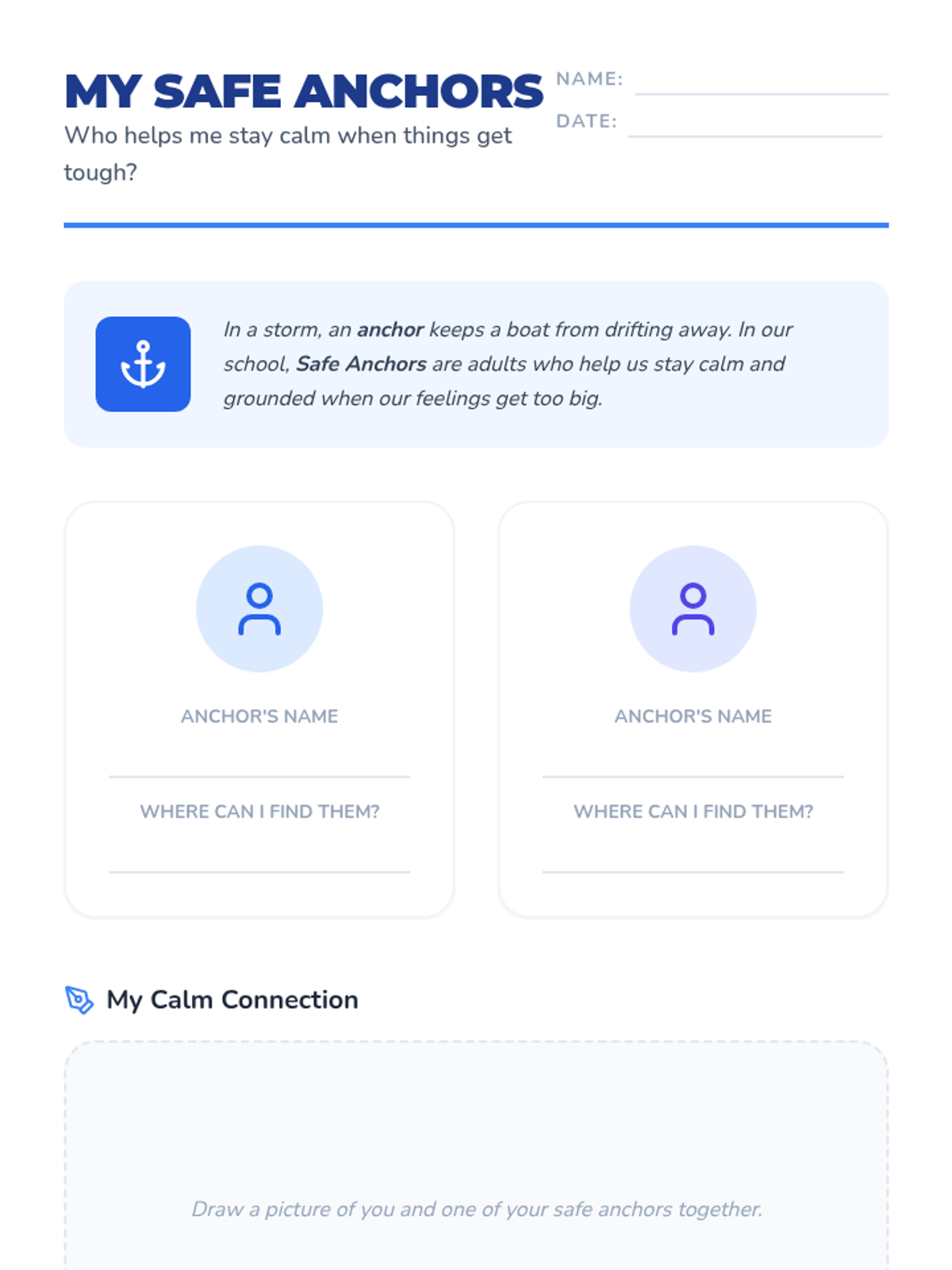
This sequence teaches 3rd-grade students how to communicate their needs for co-regulation during moments of dysregulation. It moves from understanding the concept of borrowing calm to developing non-verbal signals, verbal scripts, and personalized co-regulation plans.
A 5-lesson sequence designed for 3rd-grade students to navigate the 'Re-entry' phase following dysregulation. Students learn to recognize their own readiness signals, practice restorative repairs, master academic re-entry strategies, combat shame with positive self-talk, and formalize their return through structured check-ins.
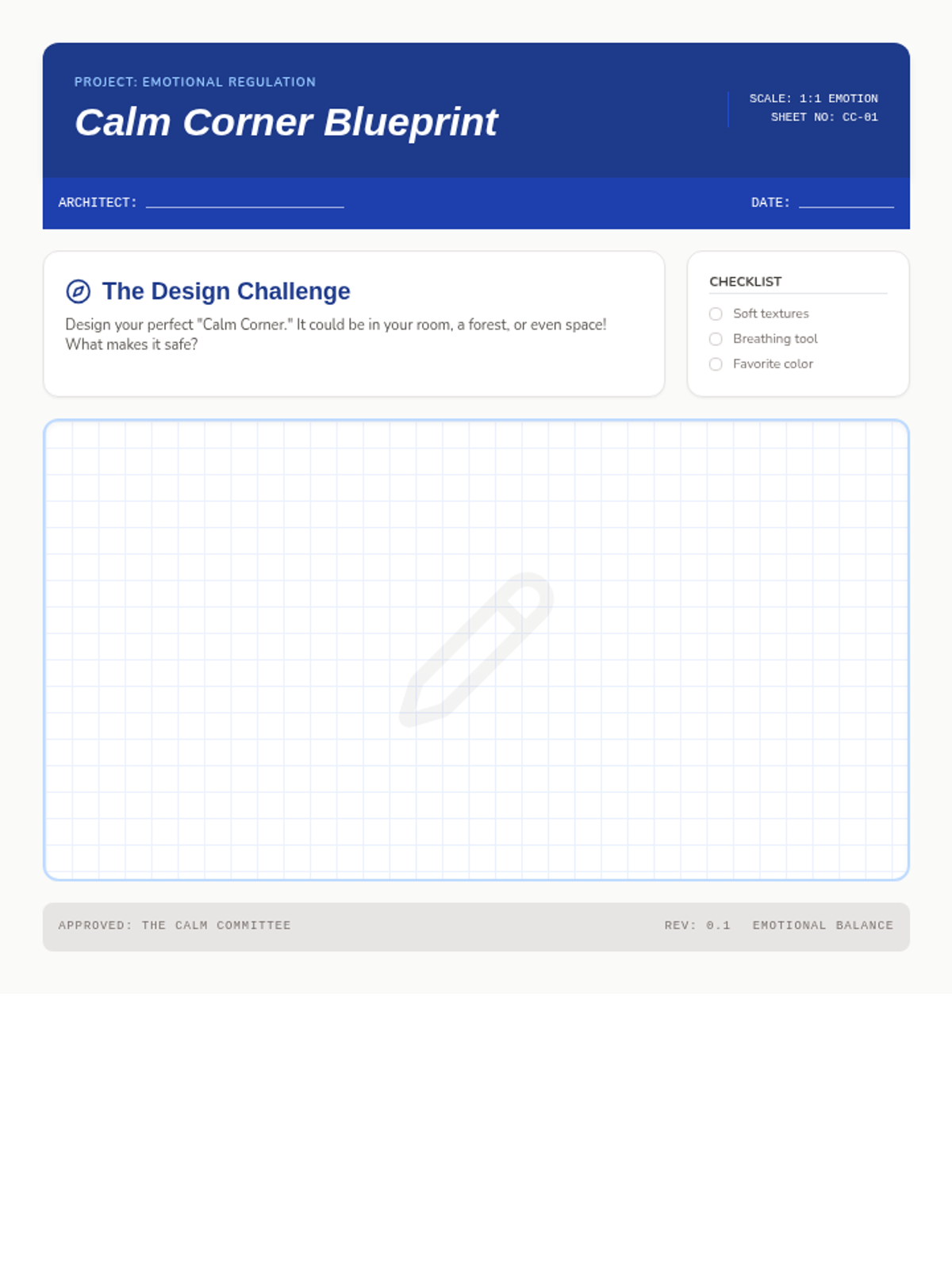
A project-based sequence where 3rd-grade students analyze their classroom environment and design a 'Calm Corner' to aid in dysregulation recovery. Students move from environmental auditing to design thinking and protocol establishment.
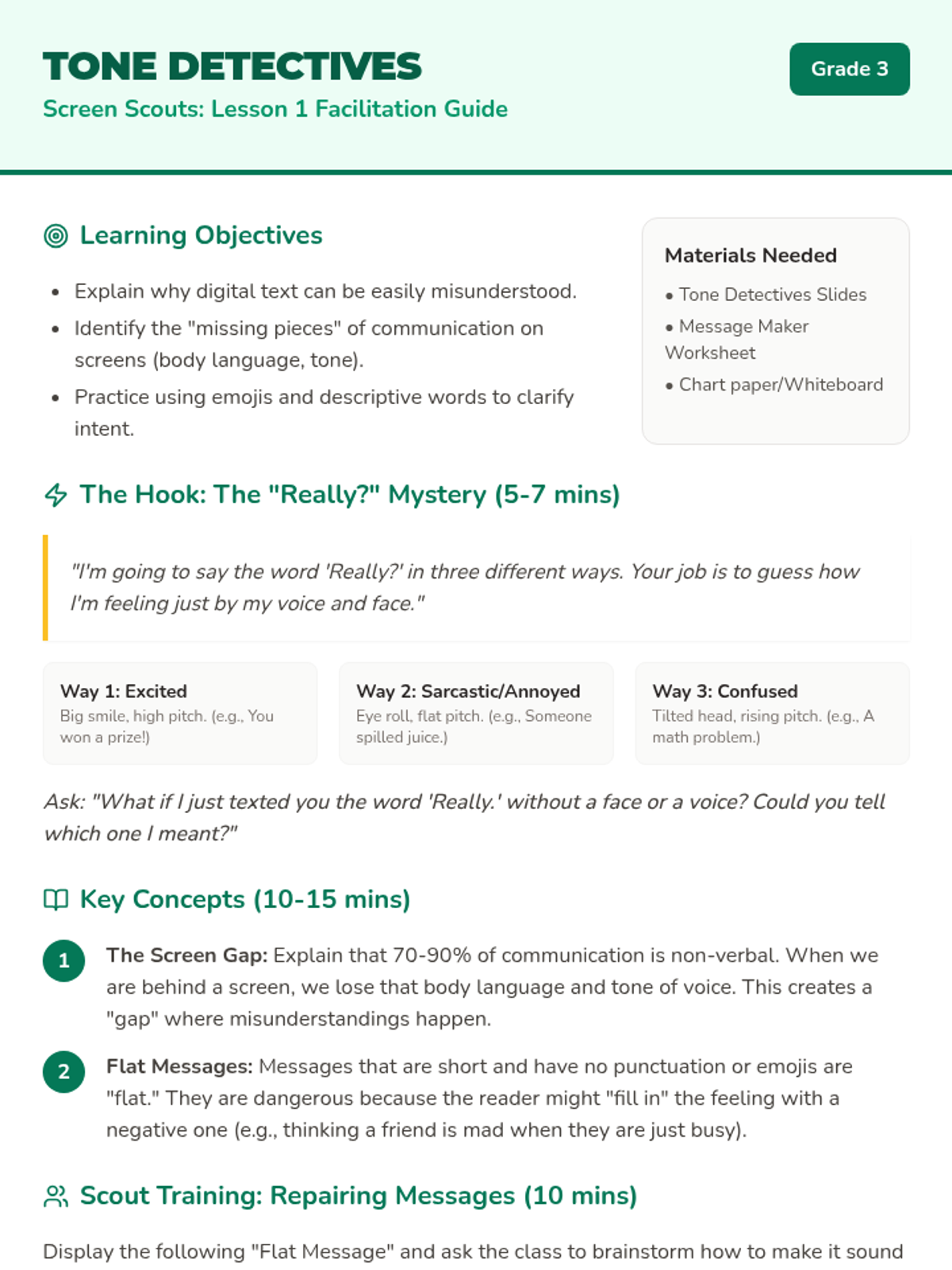
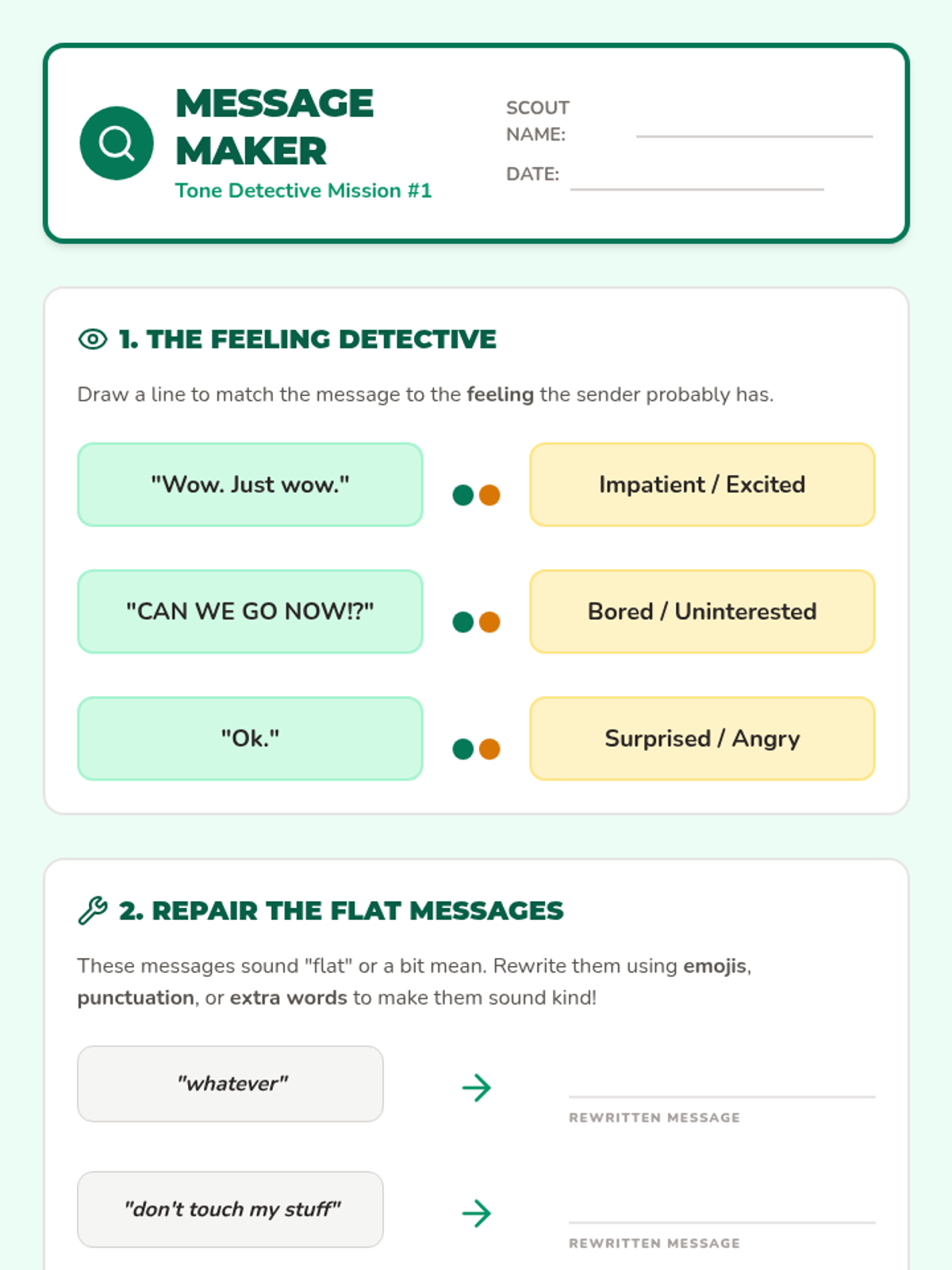
A 5-lesson sequence for 3rd graders focused on digital empathy, tone, cyberbullying prevention, media literacy, and creating a kind online community. Students learn to navigate digital spaces with kindness through the theme of being 'Screen Scouts'.
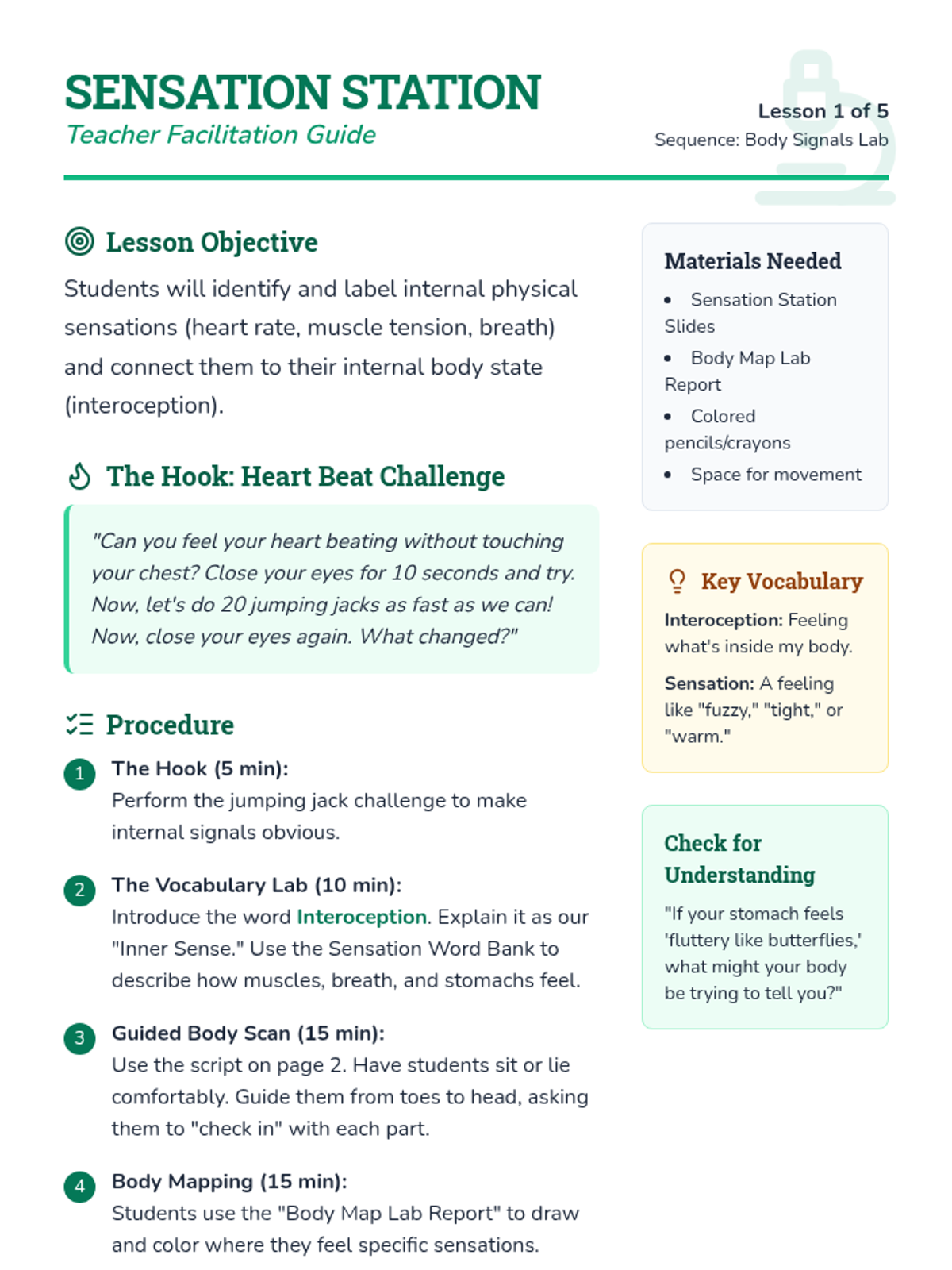
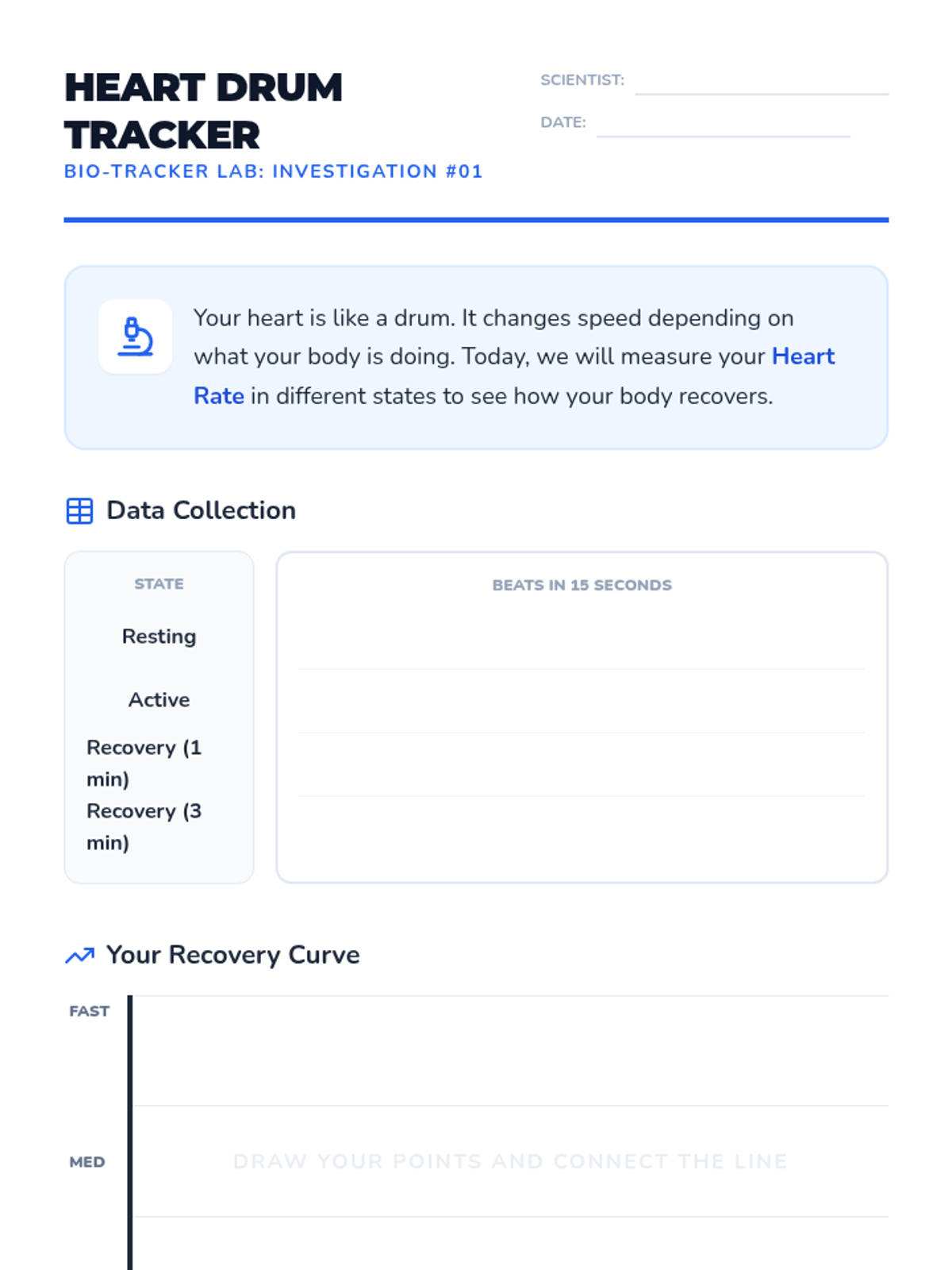
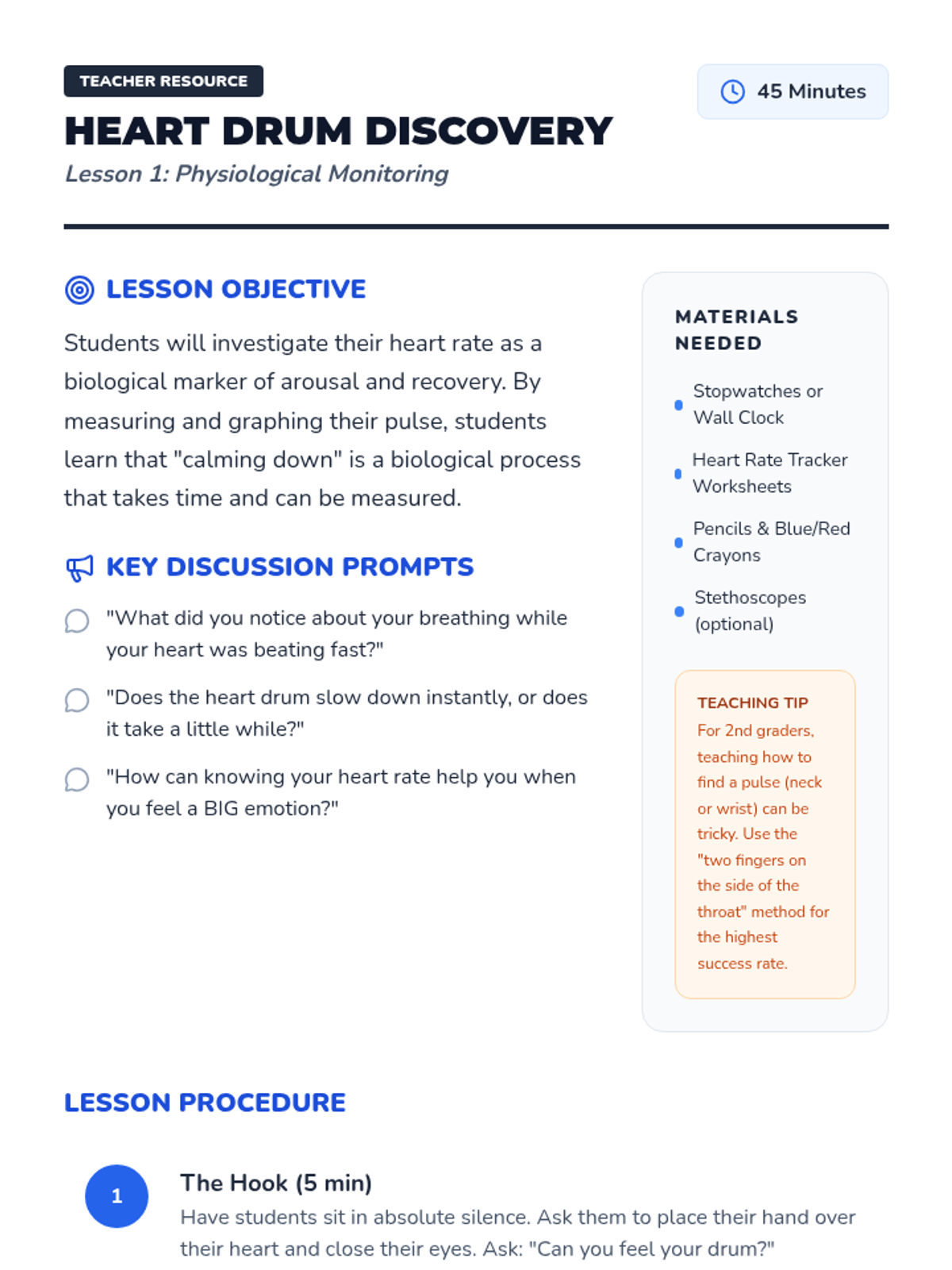
An inquiry-based sequence where students investigate the internal biology of dysregulation and recovery, focusing on heart rate, muscle tension, and breath to identify their physiological baseline.
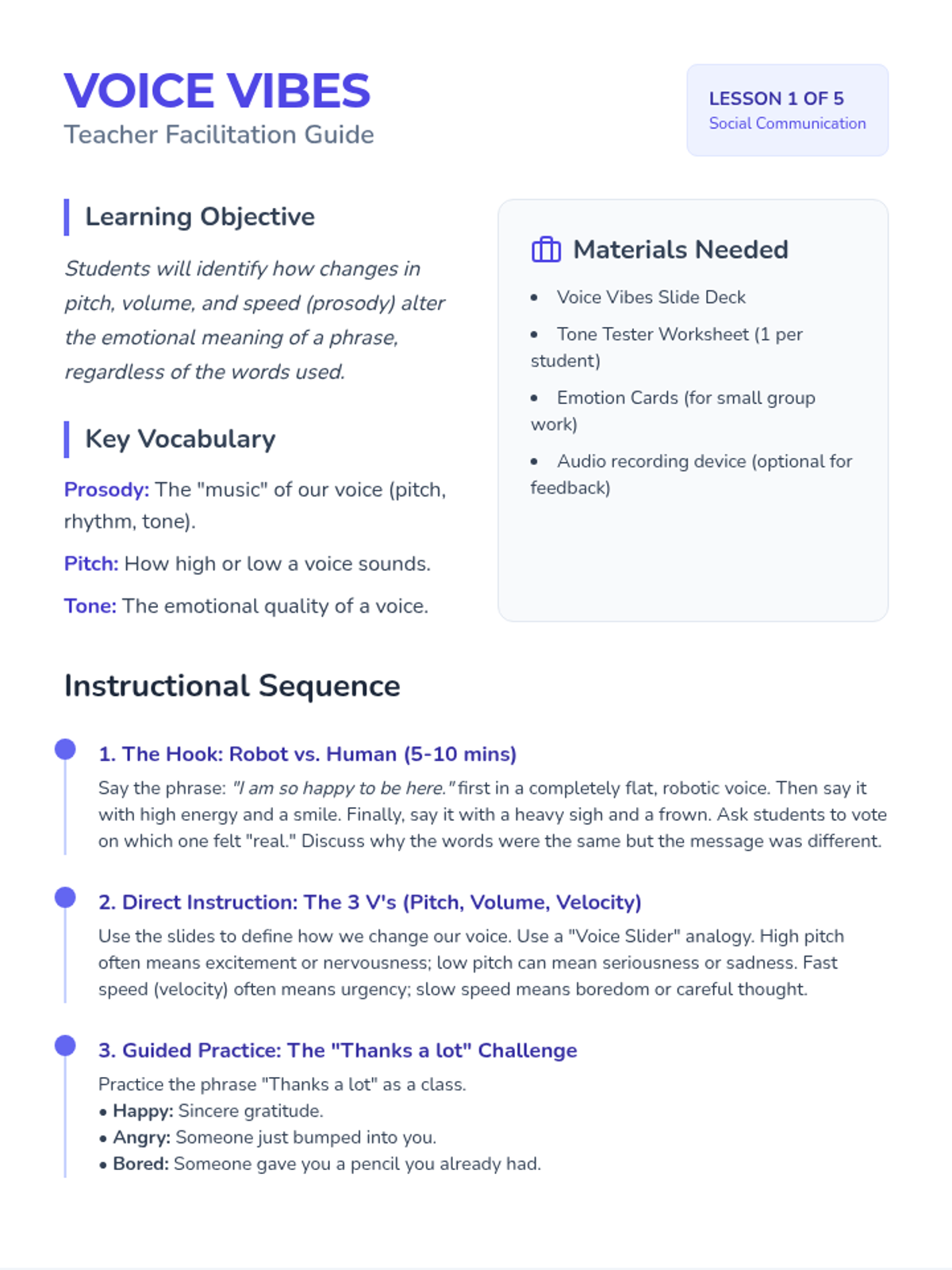
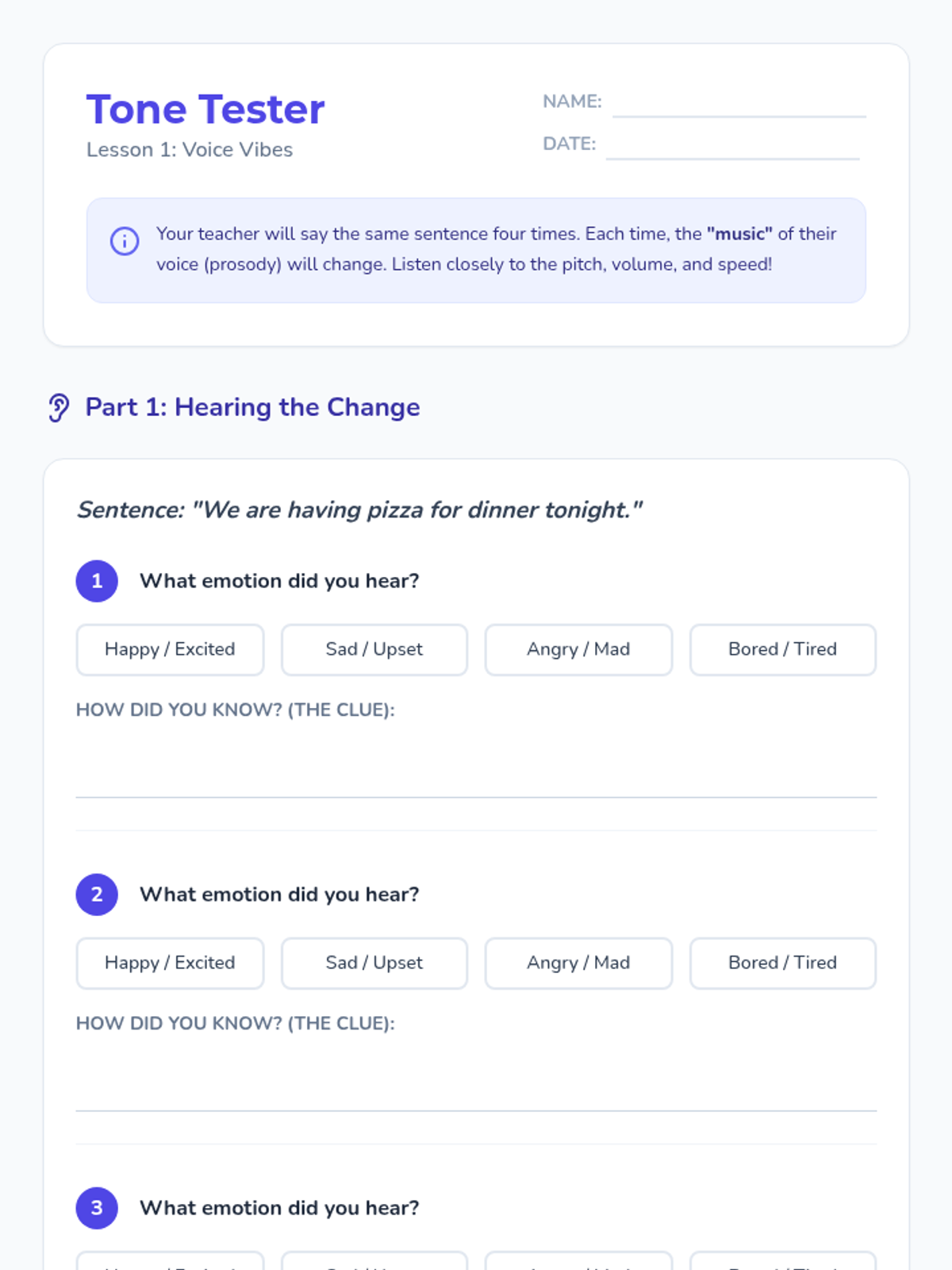
This sequence explores how tone of voice, body language, and context change the meaning of words. Students move from auditory analysis of tone to complex social role-playing, focusing on sarcasm, hyperbole, and social inferencing.
A 5-lesson sequence for 3rd graders focused on somatic awareness and progressive muscle relaxation (PMR). Students learn to identify physical tension, practice muscle isolation, and map emotions to physical sensations in the body.
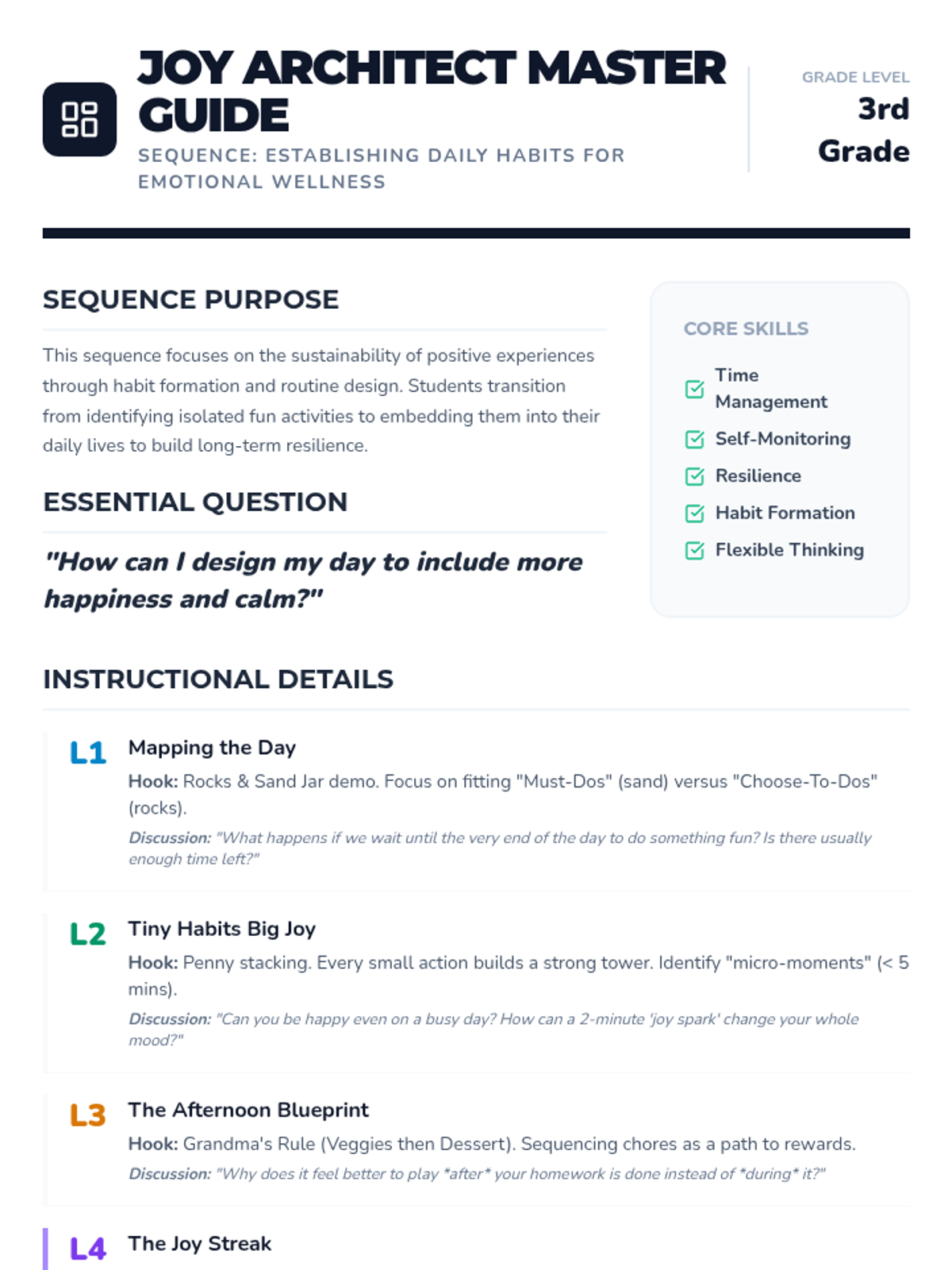
A 5-lesson unit for 3rd graders focused on building emotional resilience through habit formation. Students learn to audit their time, identify small 'micro-moments' of joy, and design balanced daily schedules that prioritize positive experiences.
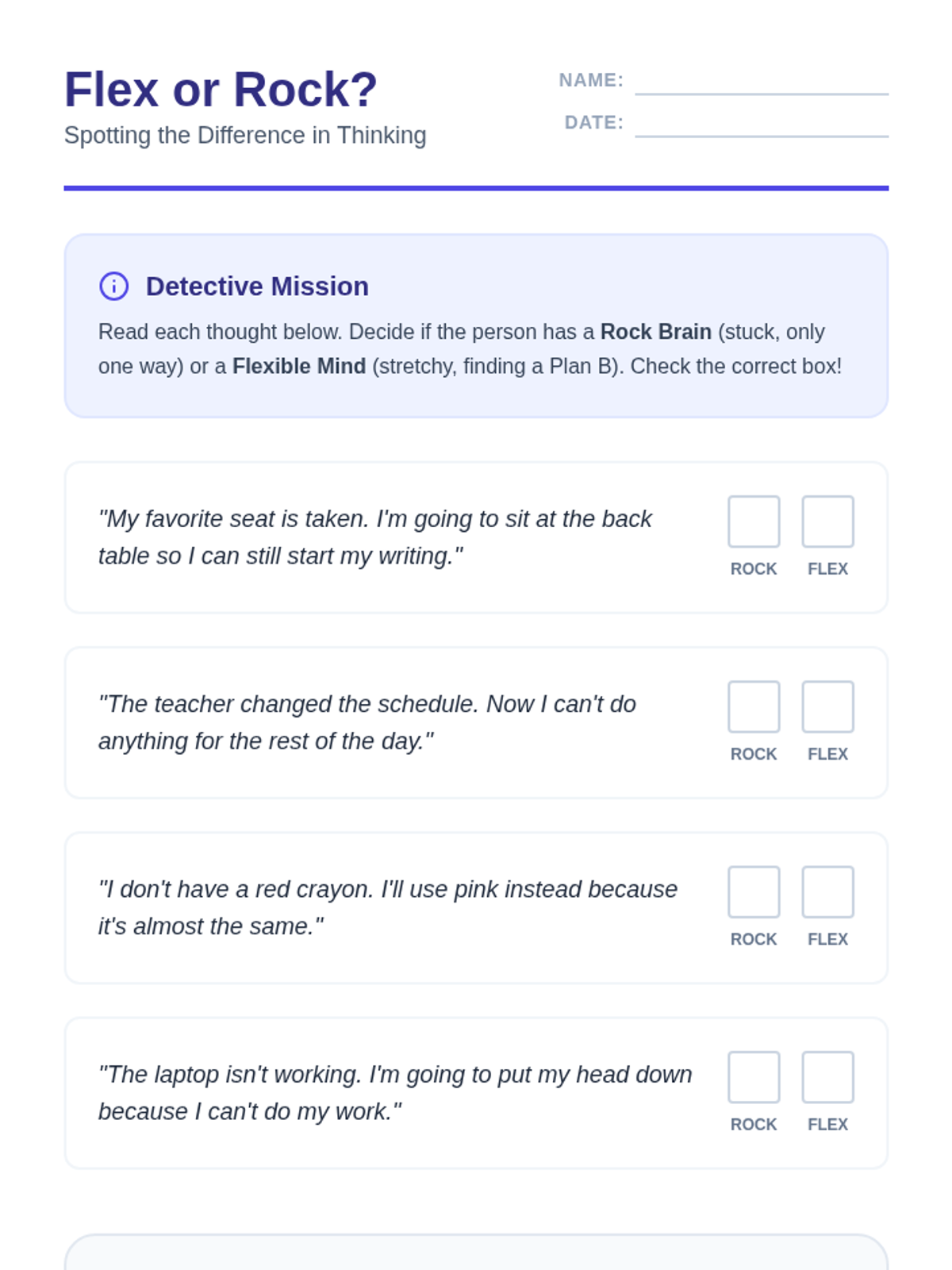
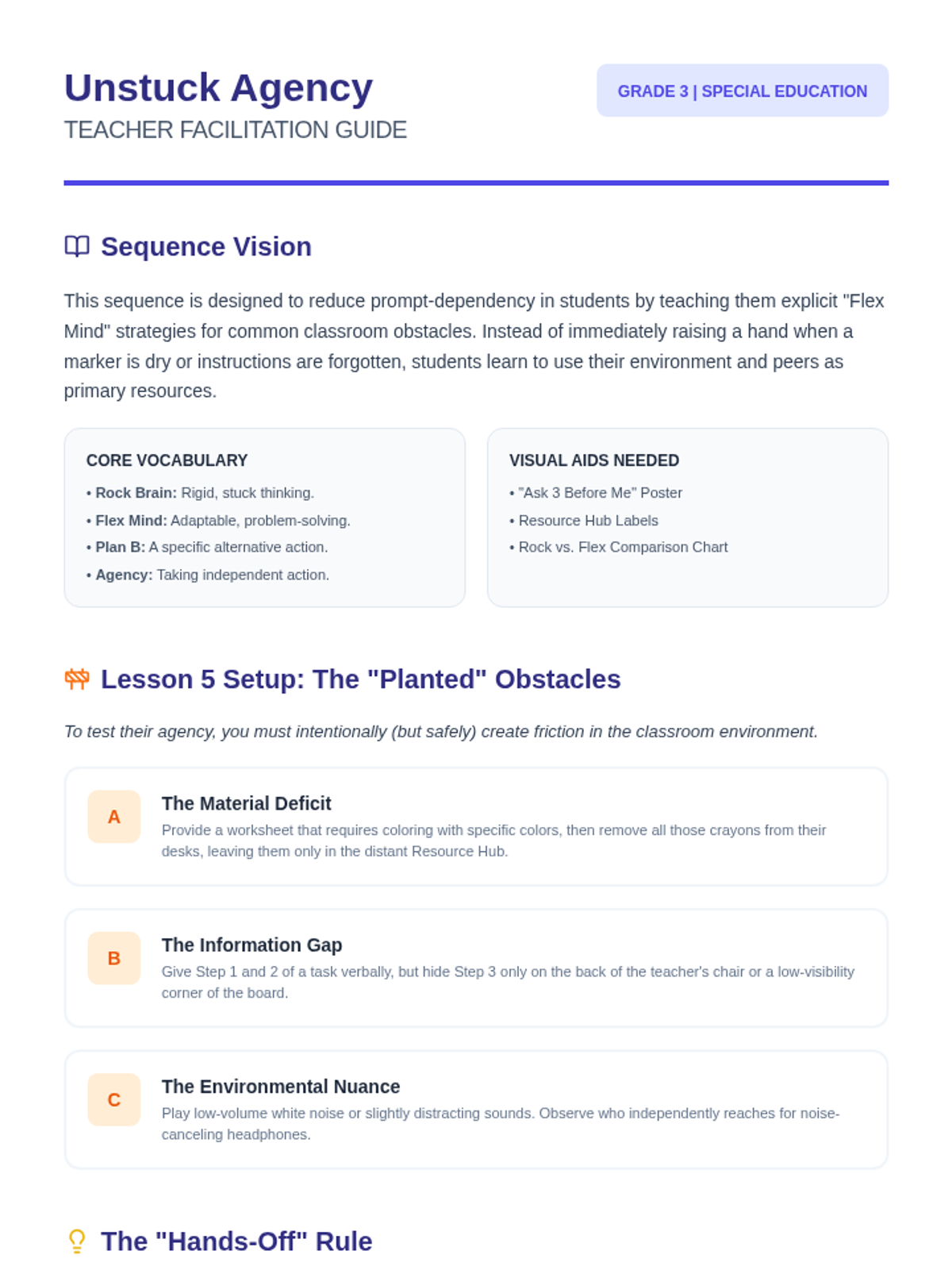
A 5-lesson sequence for 3rd-grade students focused on cognitive flexibility and independent problem-solving for classroom obstacles. Students move from understanding 'flexible thinking' to using a toolkit of strategies for material issues, forgotten instructions, and unexpected changes.
A sequence for 3rd graders to master self-talk strategies for task initiation. Students take on the role of 'Brain Coaches' to externalize executive function challenges and build a toolkit for overcoming procrastination through role-play, games, and simulations.
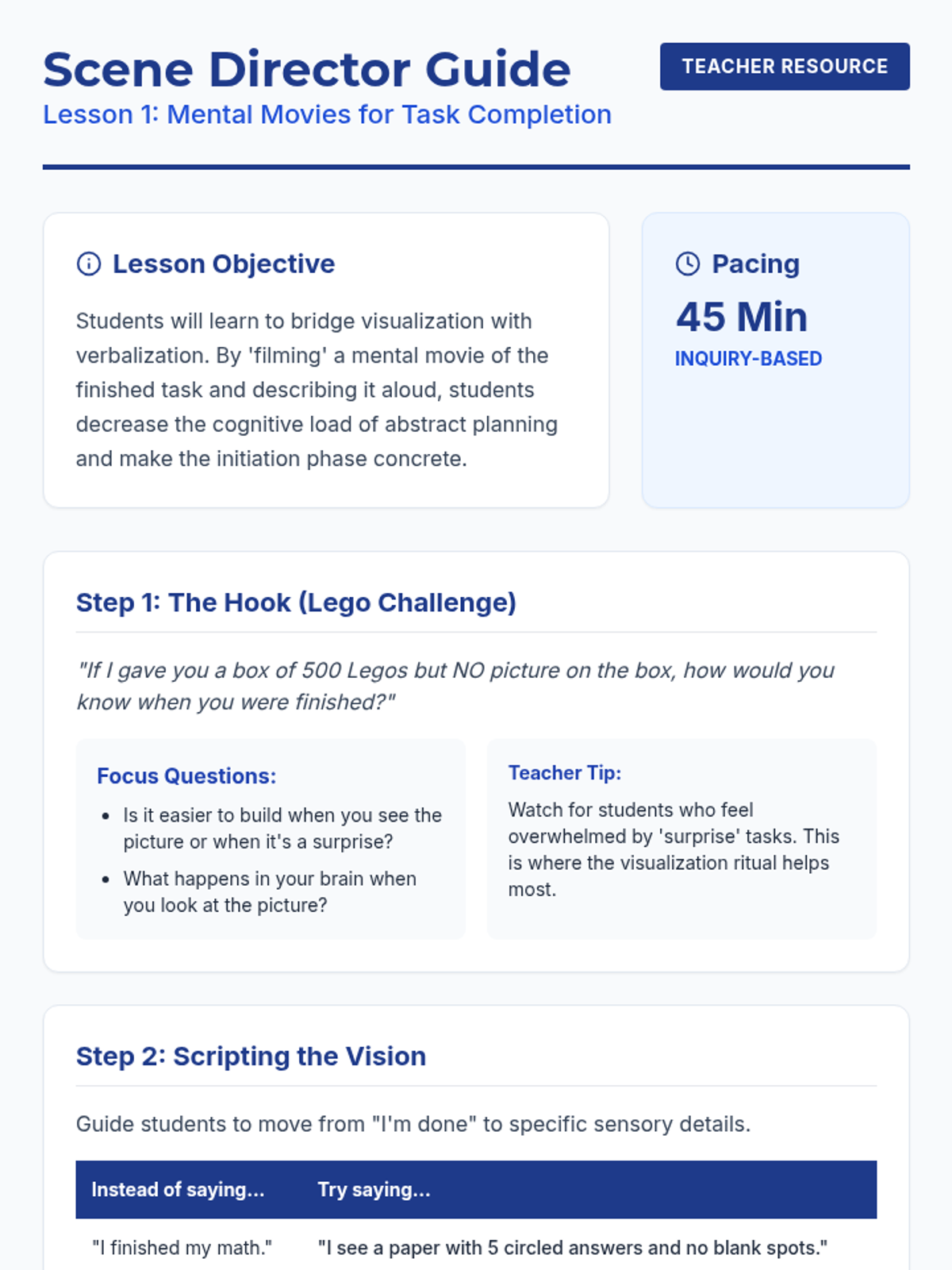
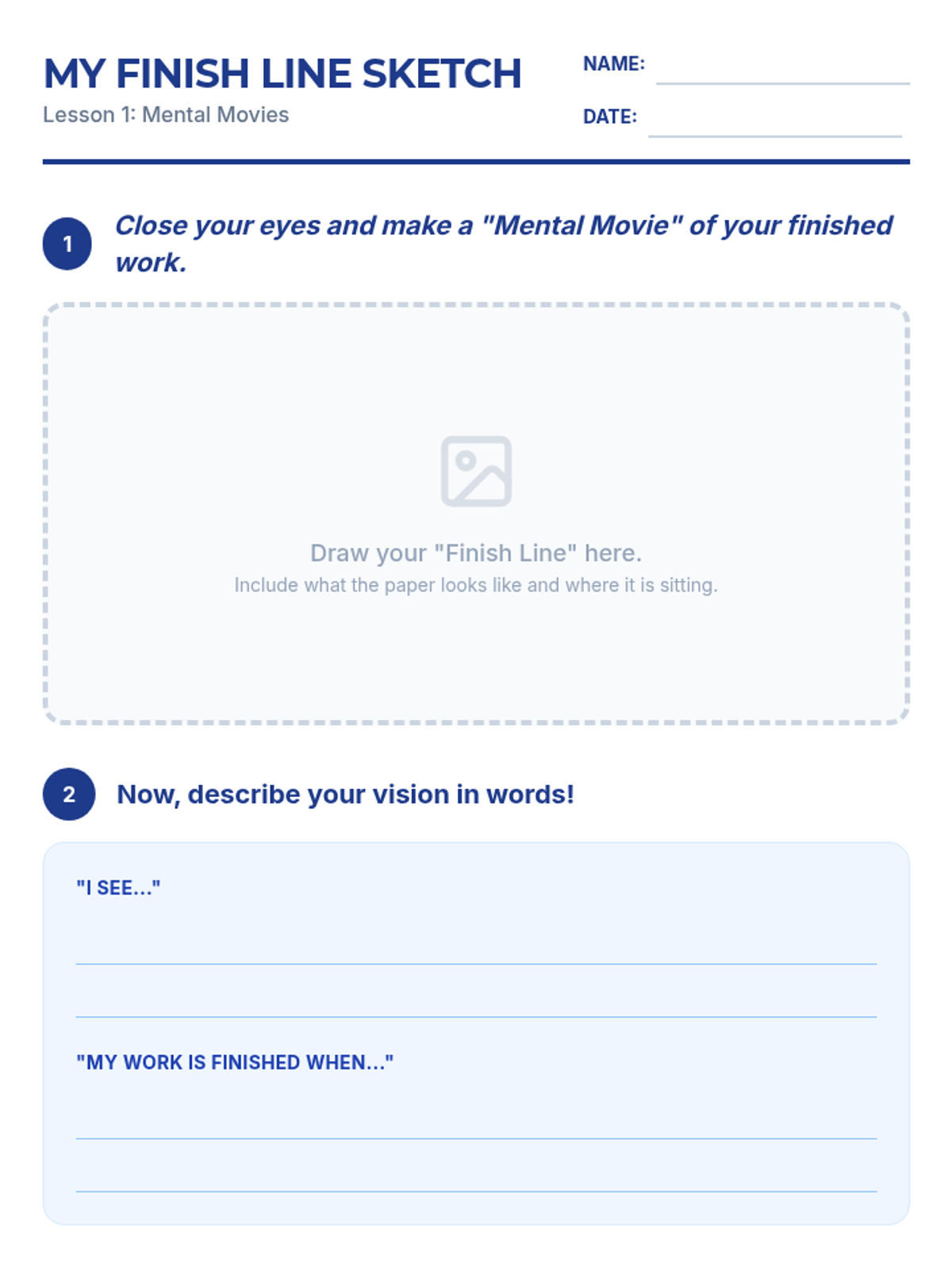
This sequence helps students overcome task initiation hurdles by combining visualization and verbal self-talk. Students learn to 'see' the finished product, reverse engineer the steps, estimate time accurately, and use micro-goals to take the first step.
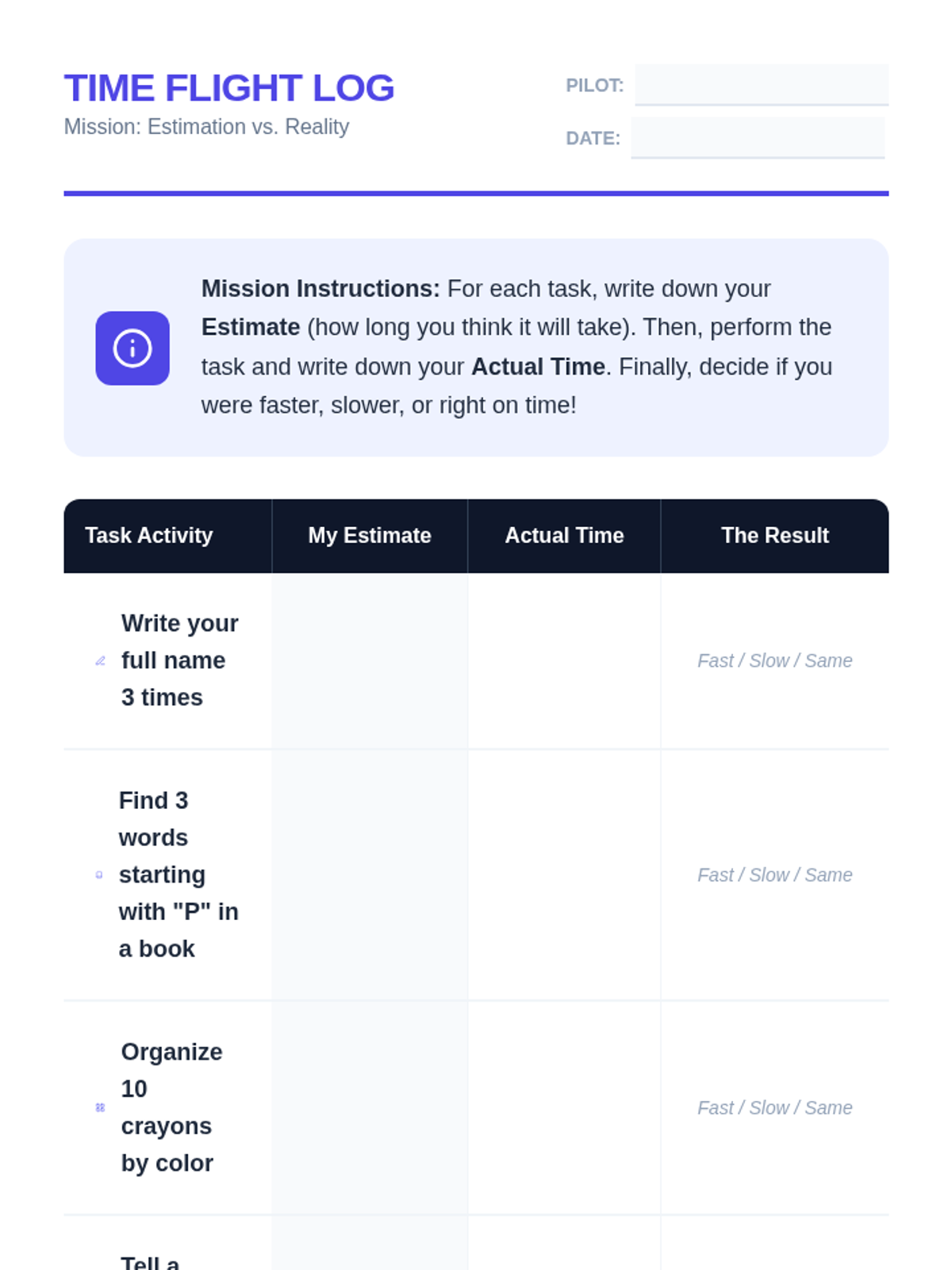
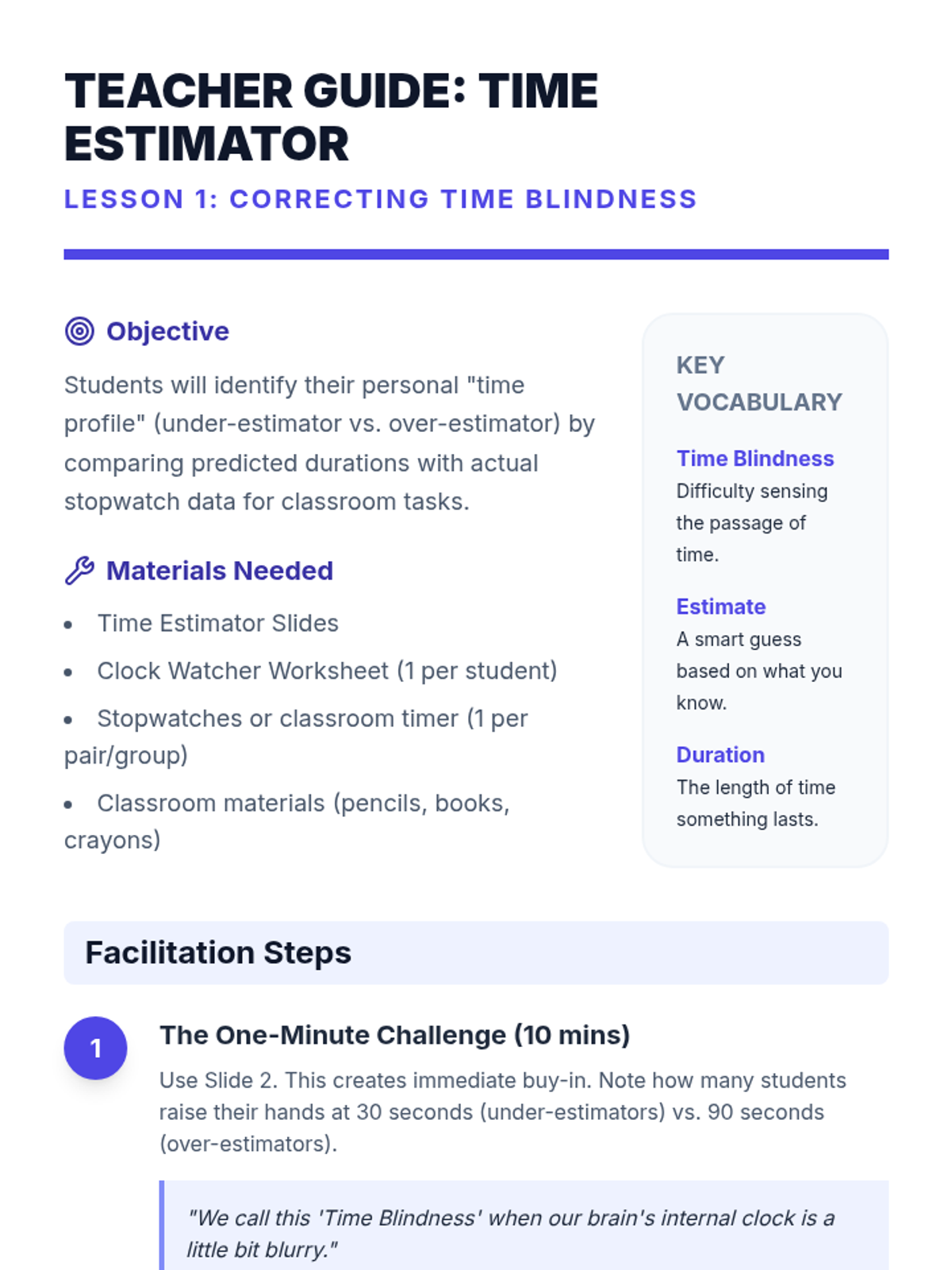
This sequence helps 3rd-grade students overcome 'time blindness' and master task prioritization through the 'Now-Next-Later' framework. Students practice time estimation, distinguish between urgency and interest, and learn to adapt plans when unexpected changes occur.
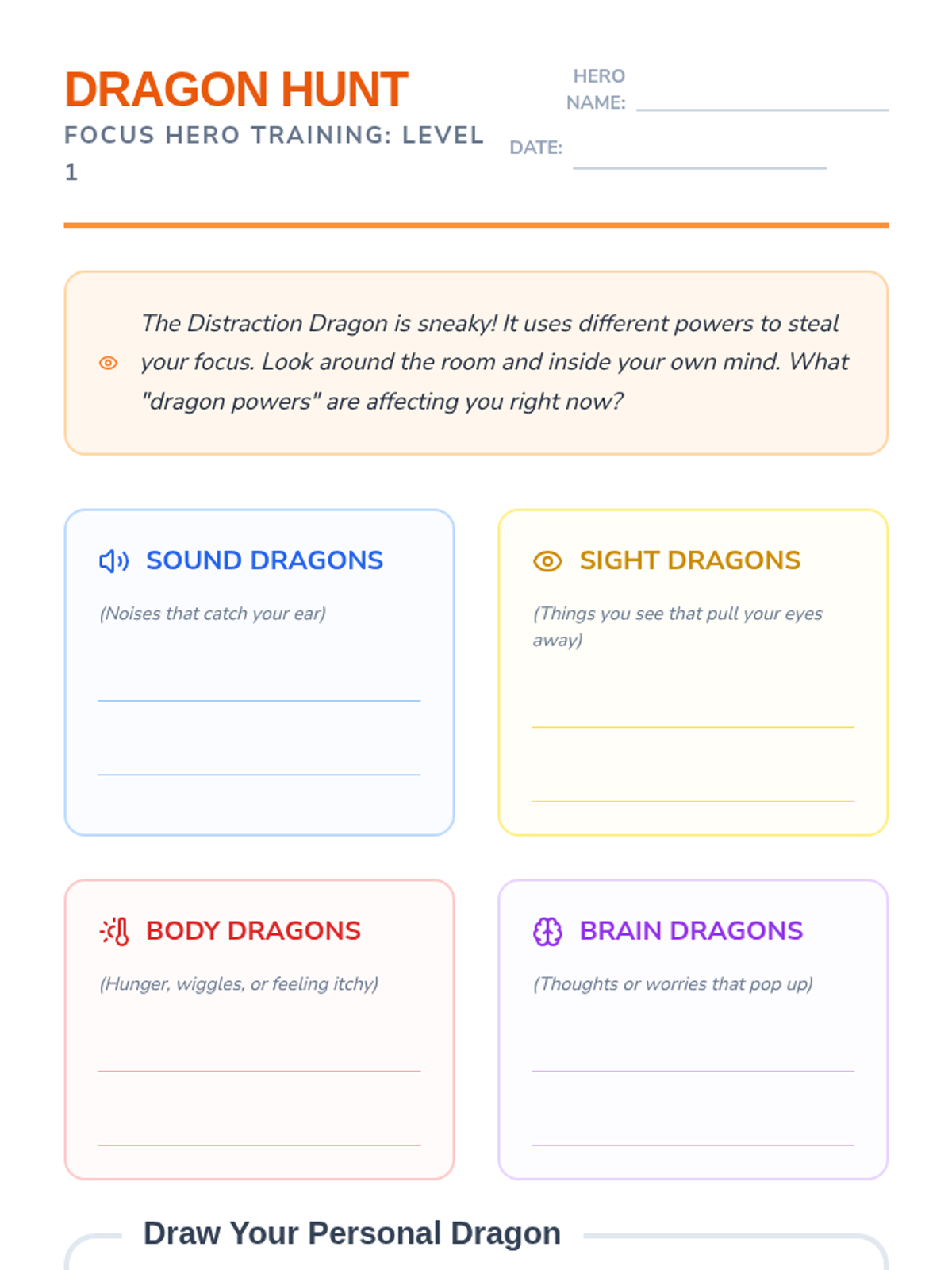
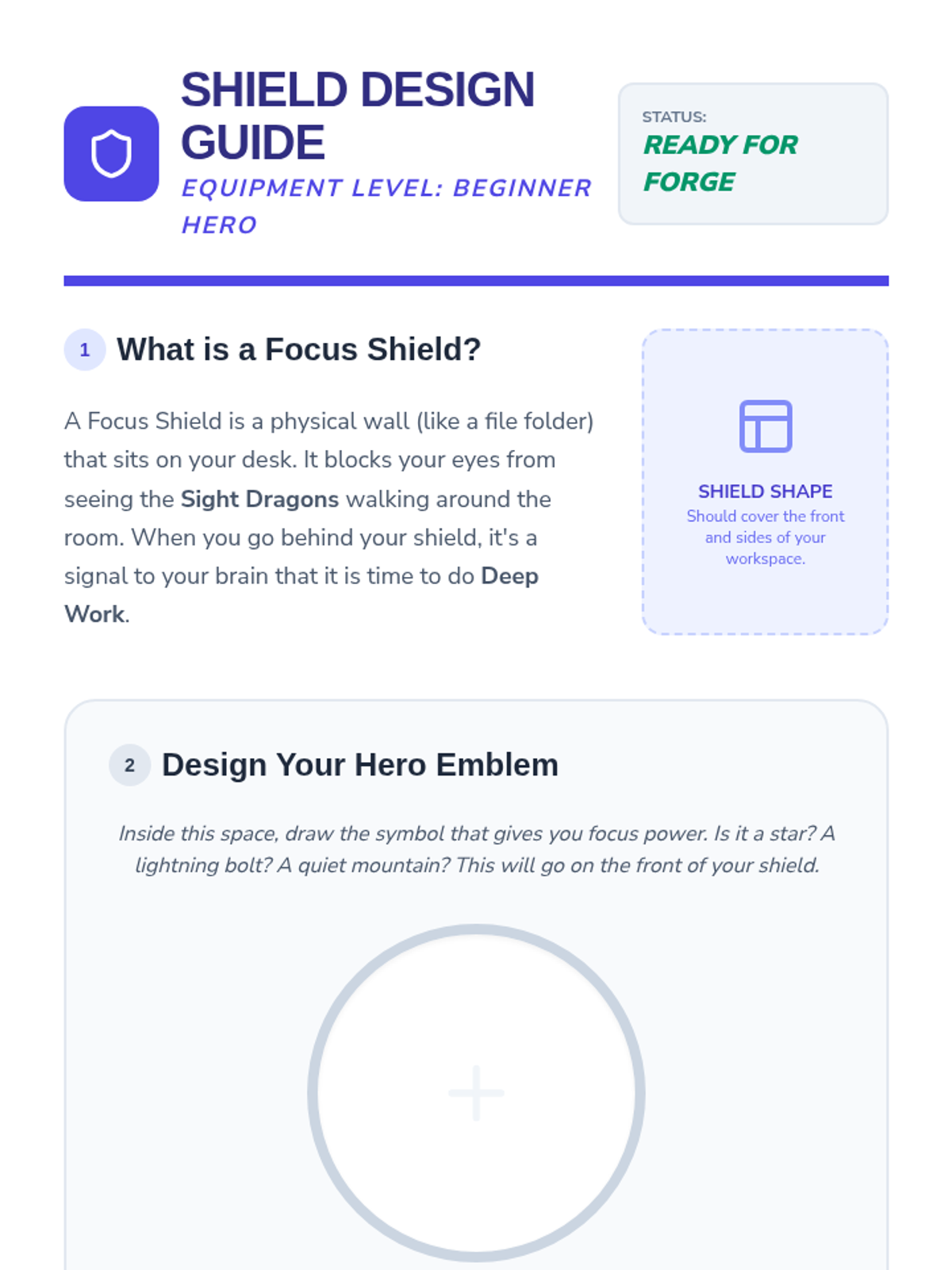
A gamified sequence designed for 3rd-grade students to build sustained attention and working memory stamina. Students learn to identify distractions, manage their environment, use timers, and utilize strategic brain breaks to complete complex tasks.
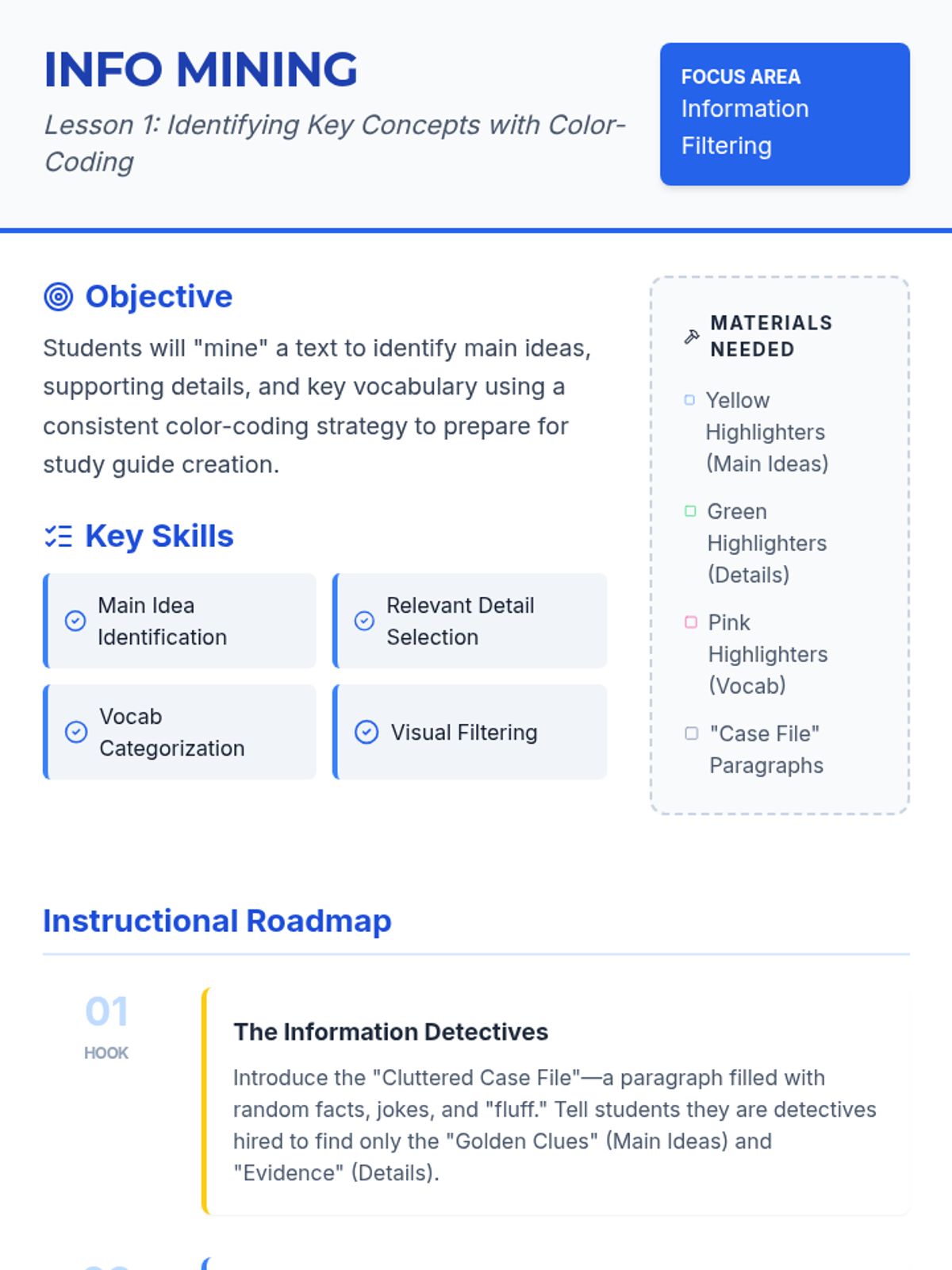
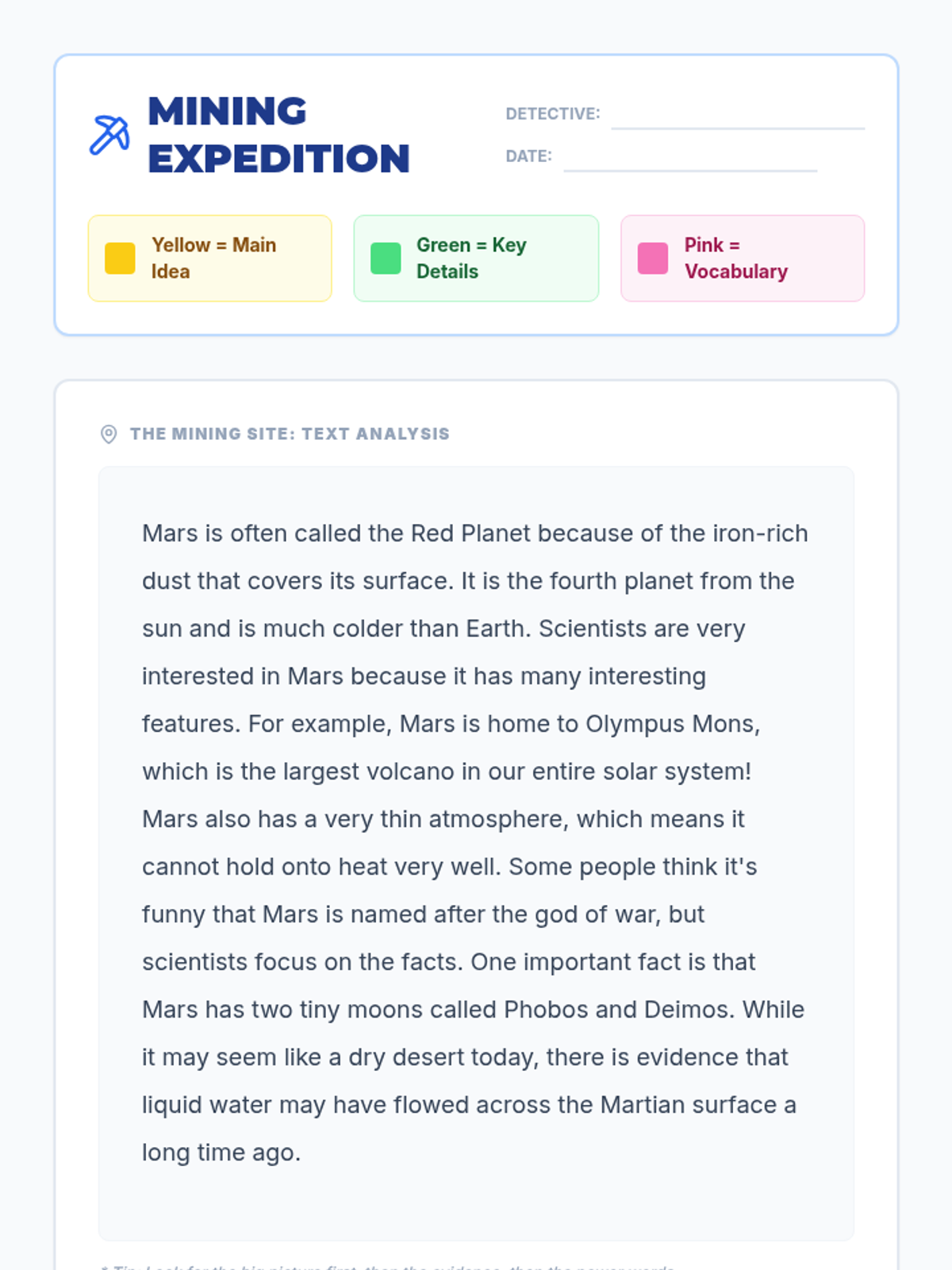
A sequence focused on helping students transform passive reading into active, visual study tools. Students learn color-coding, concept mapping, foldable creation, and comparison charting to organize and retain information.
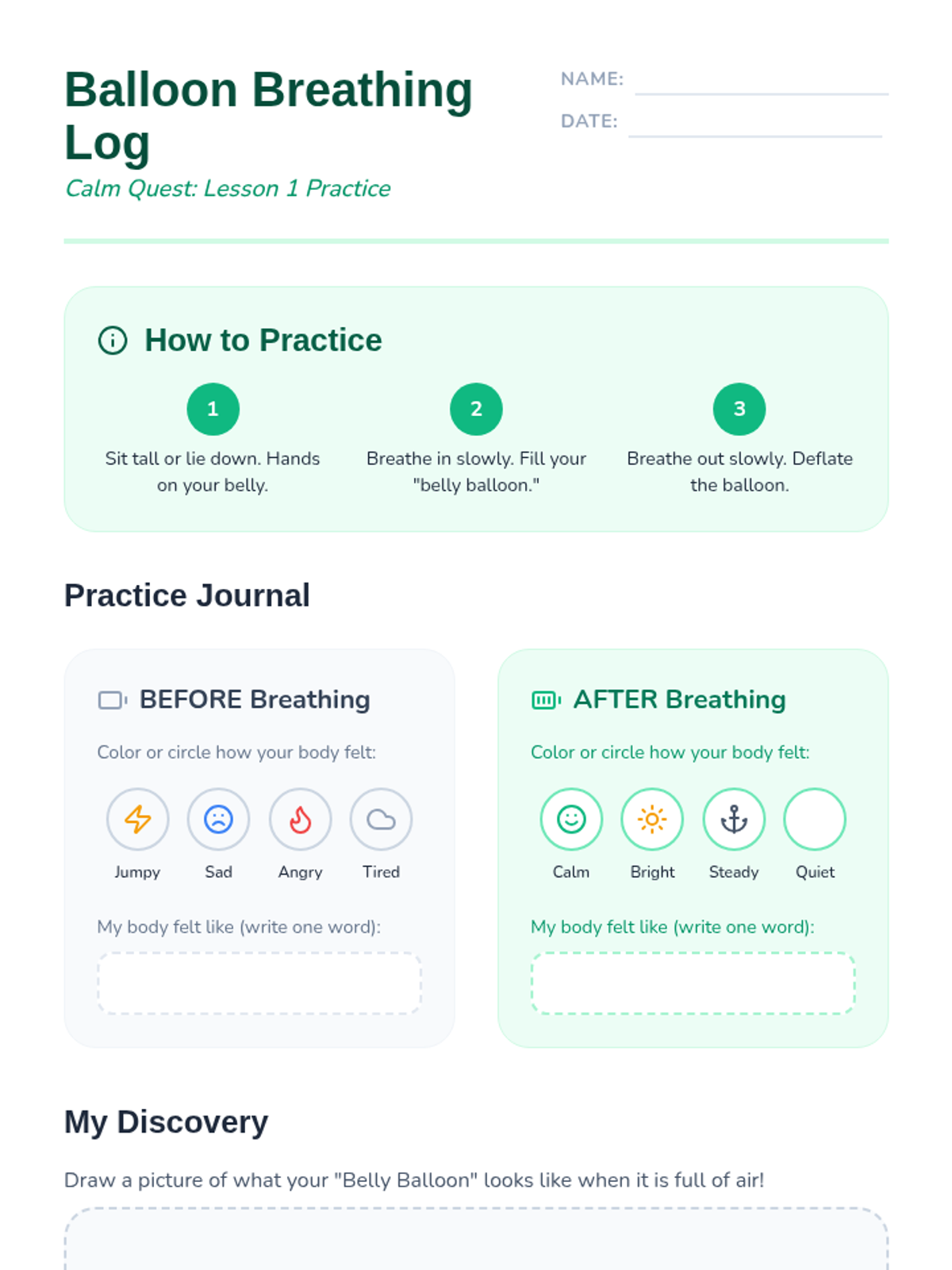
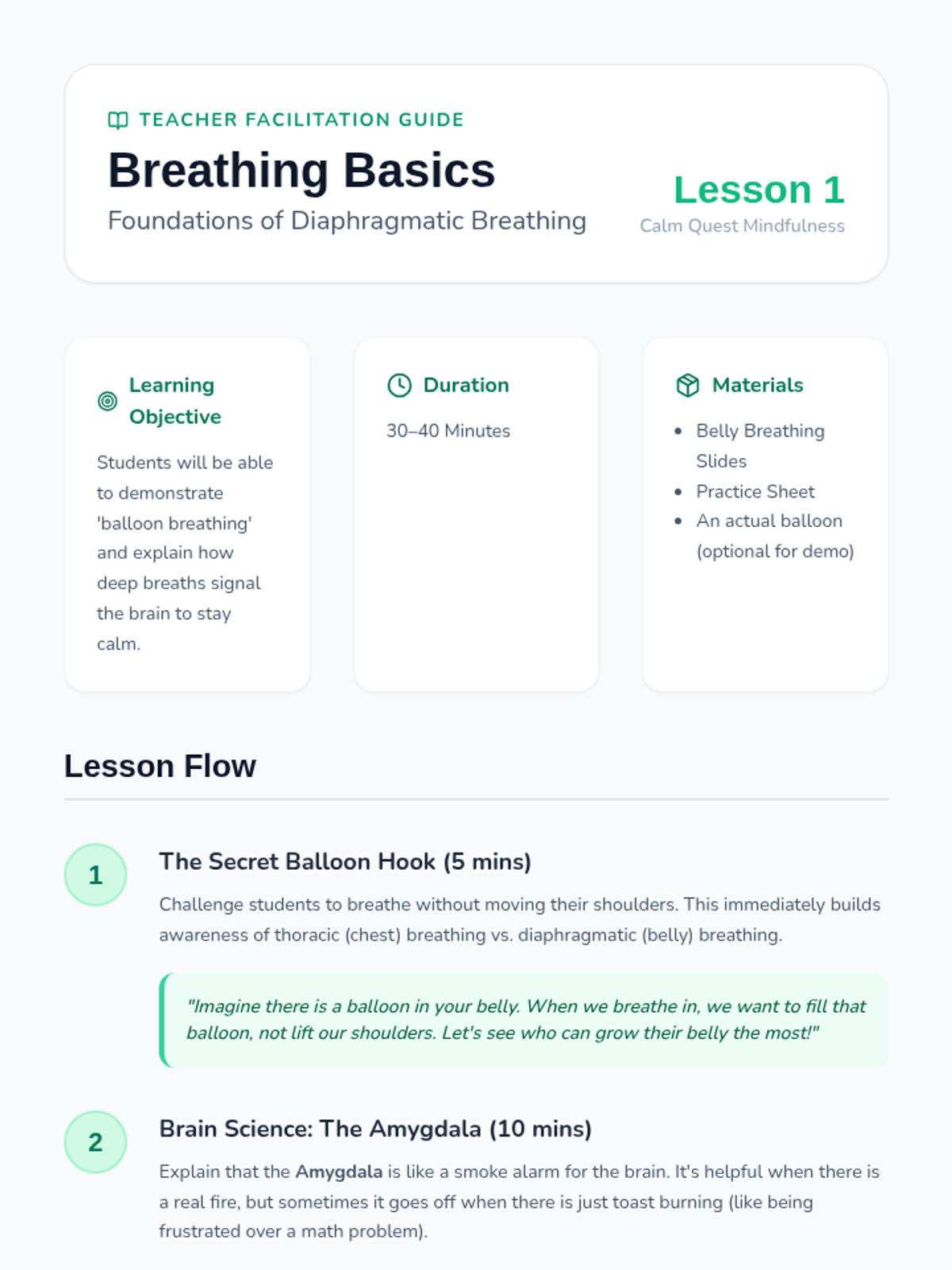
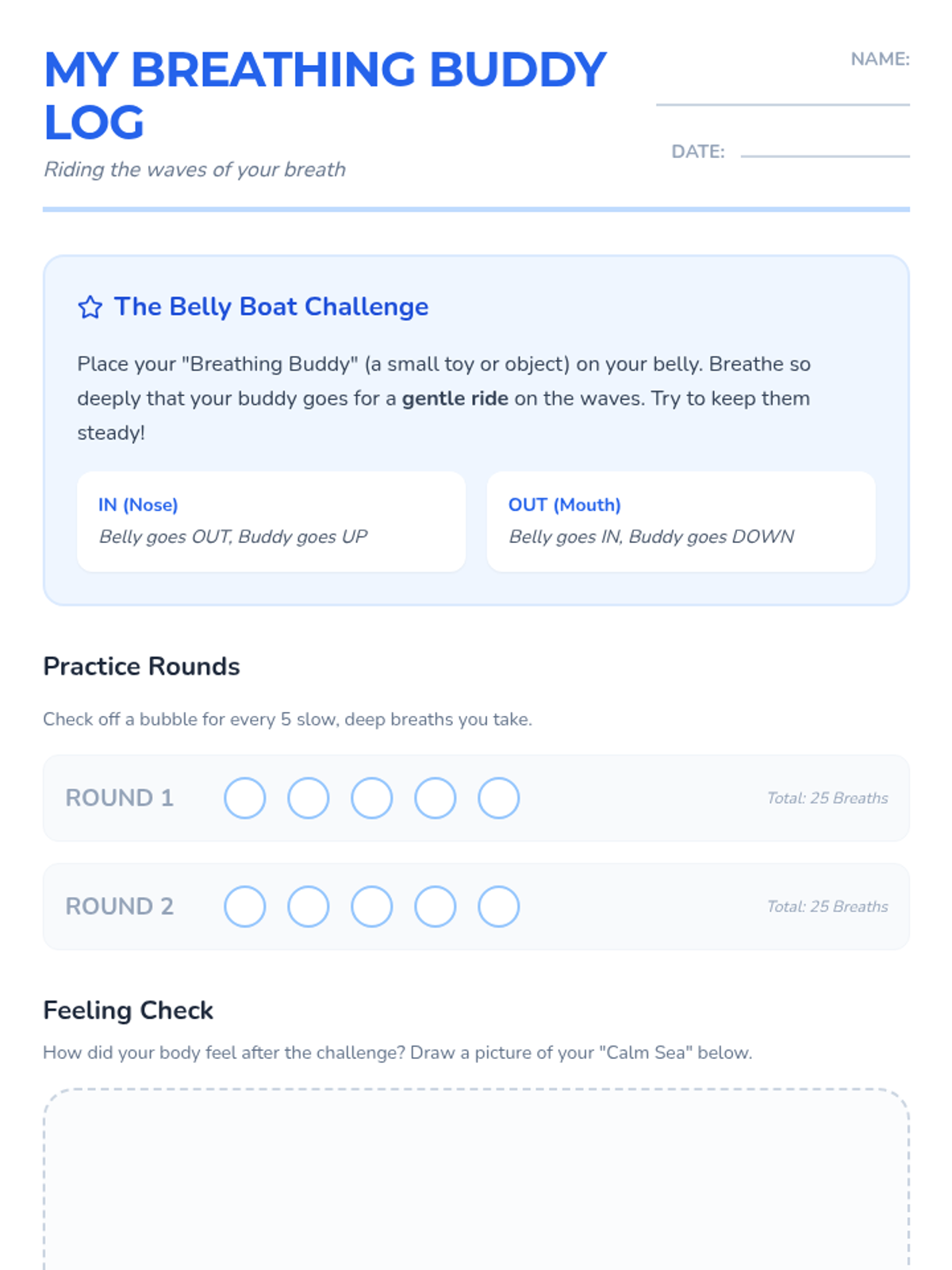
A 5-lesson sequence for 3rd grade students on physical regulation and breathing techniques to manage acute distress. Students learn belly breathing, rhythmic patterns, muscle relaxation, and postural grounding to create a personal toolkit for emotional stability.
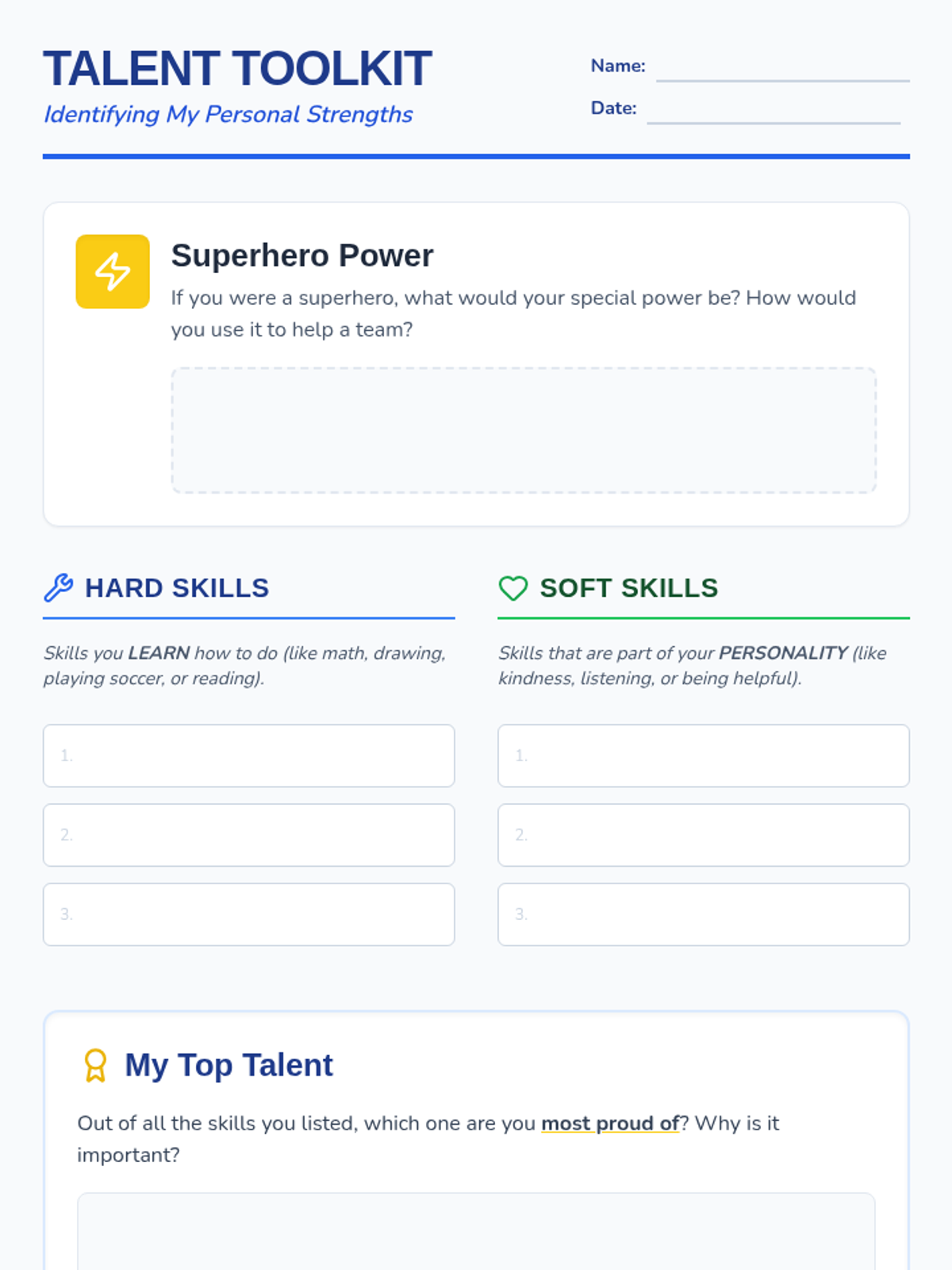
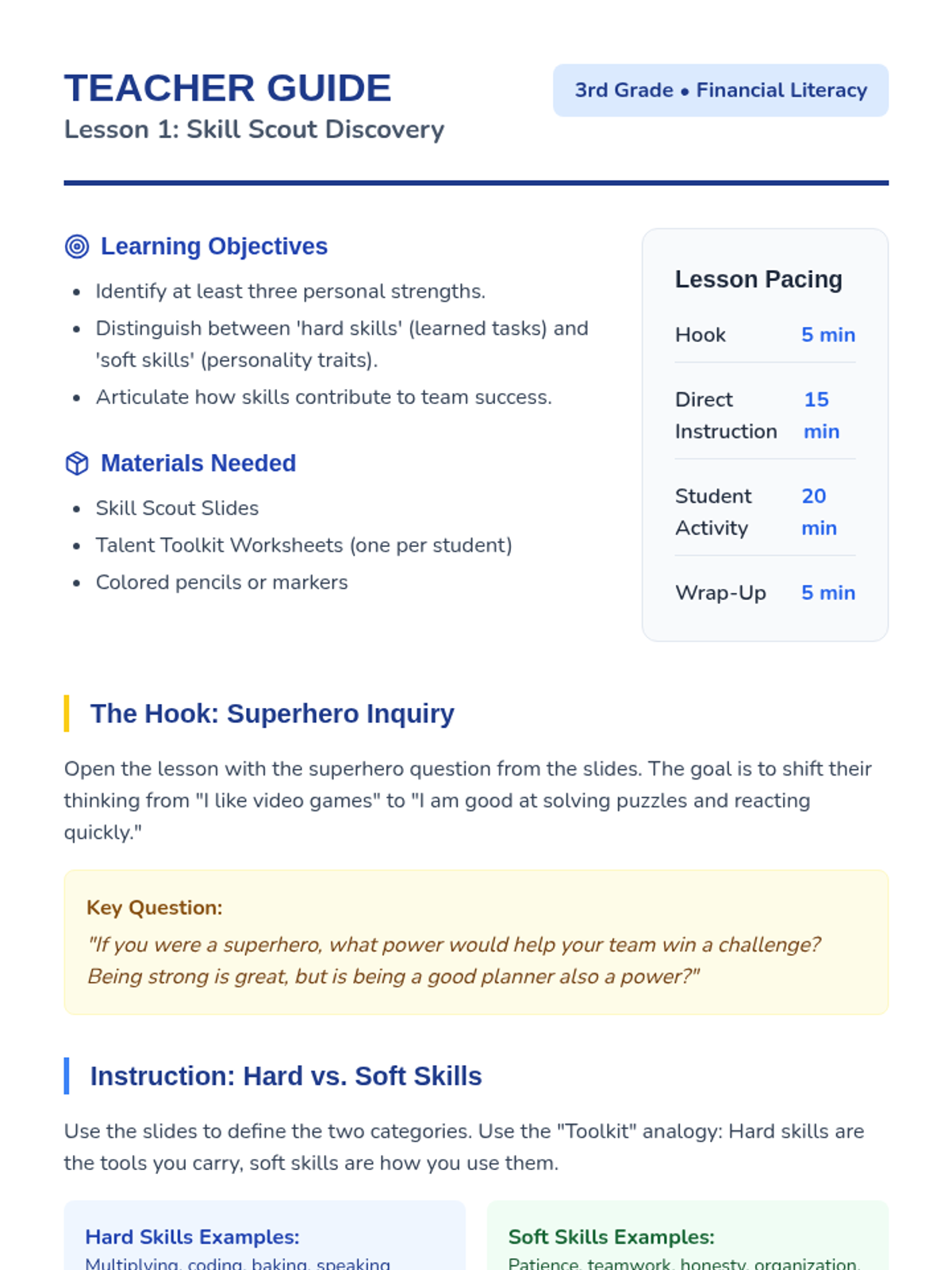
A five-lesson sequence for 3rd-grade students exploring the connection between personal skills and employment. Students identify their strengths, explore careers, practice professional writing through job applications, and participate in mock interviews.
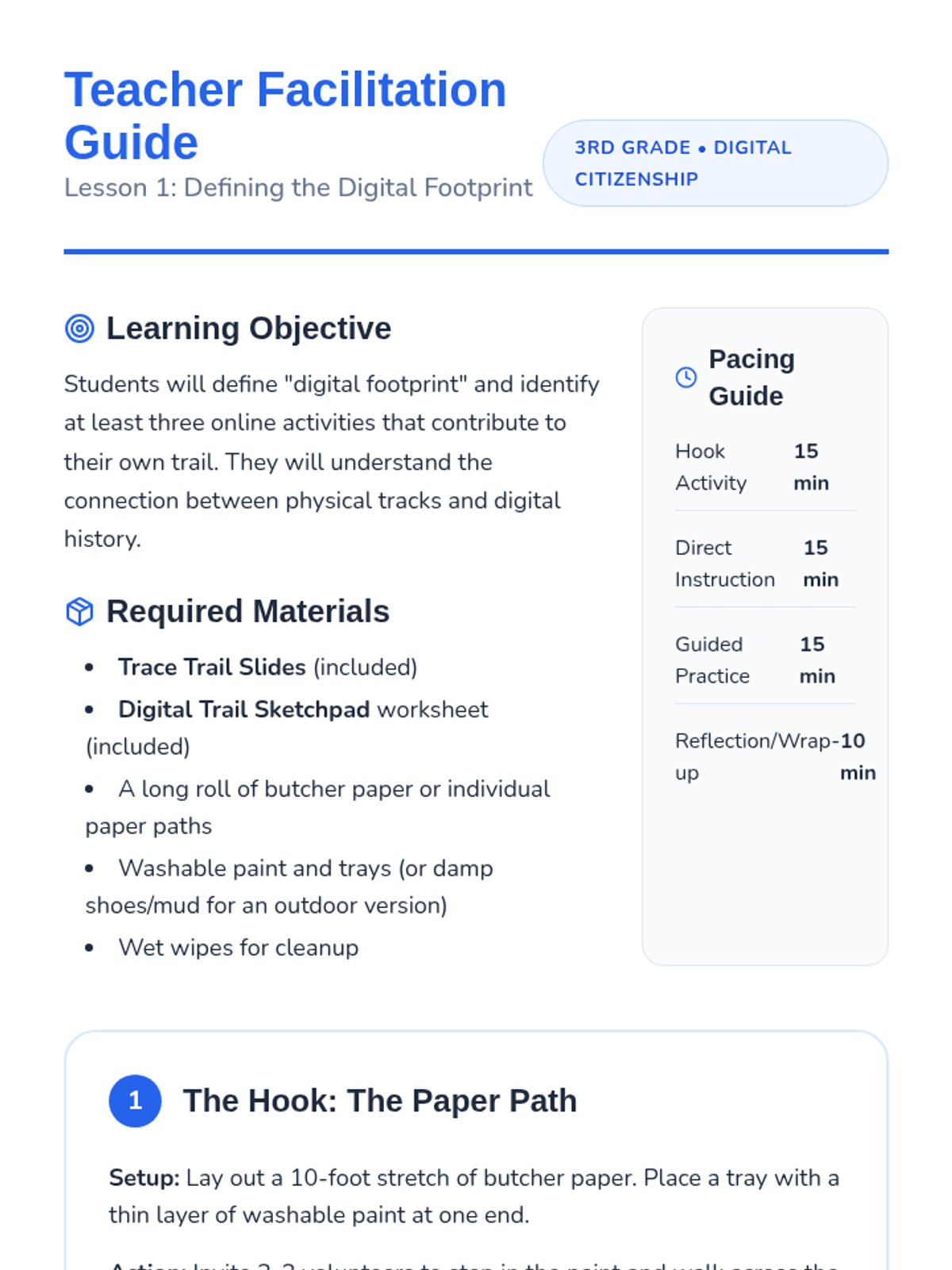
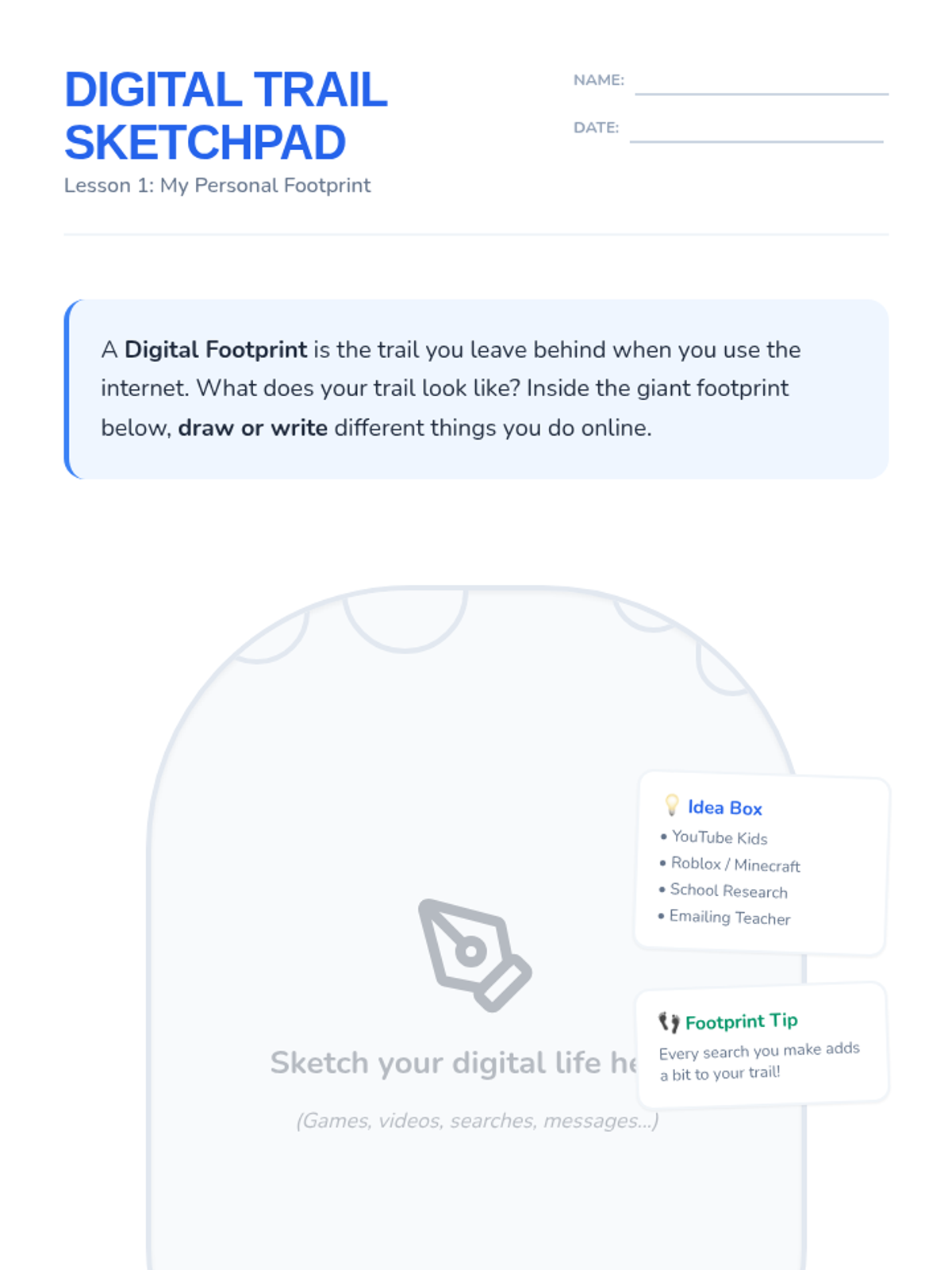
A 3rd-grade sequence focused on the permanence of online actions and building a positive digital reputation through the metaphor of a 'digital footprint'. Students learn that every click and post leaves a trail, exploring themes of digital permanence and responsible communication.
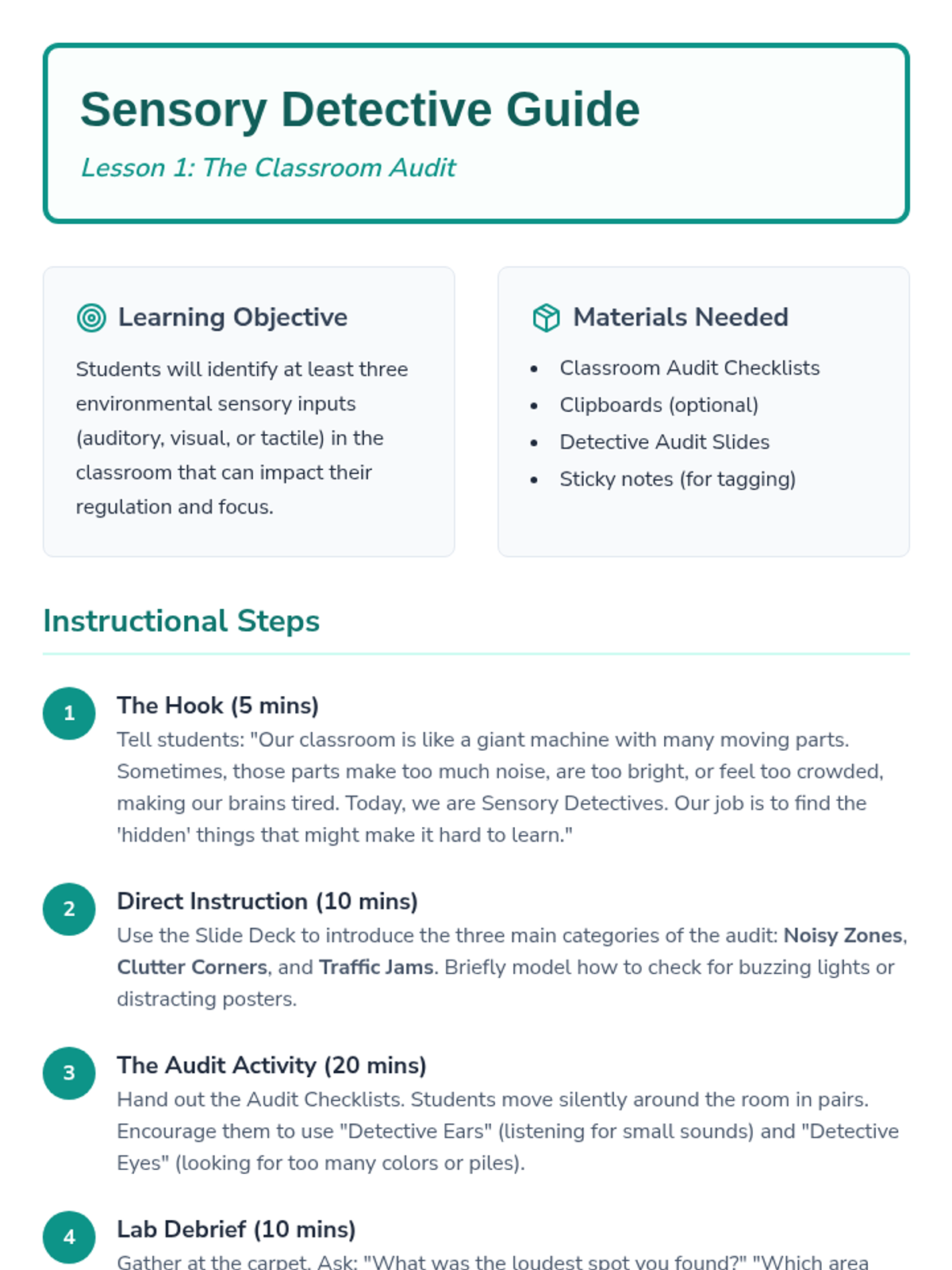
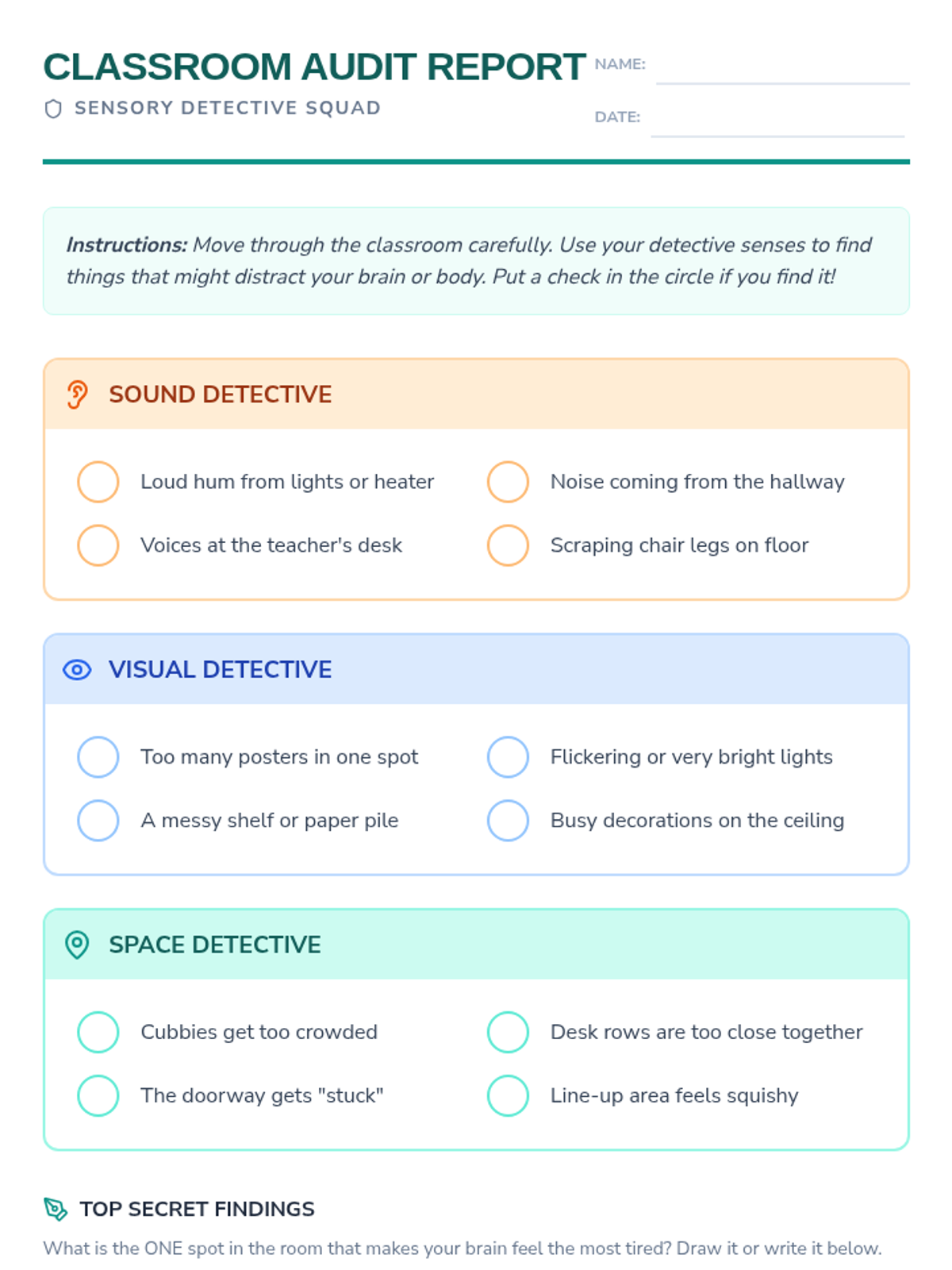
This sequence explores how environmental factors and community interactions impact sensory regulation. Students learn to audit their surroundings, respect diverse sensory needs, practice co-regulation, troubleshoot transitions, and collaboratively create a classroom sensory contract.
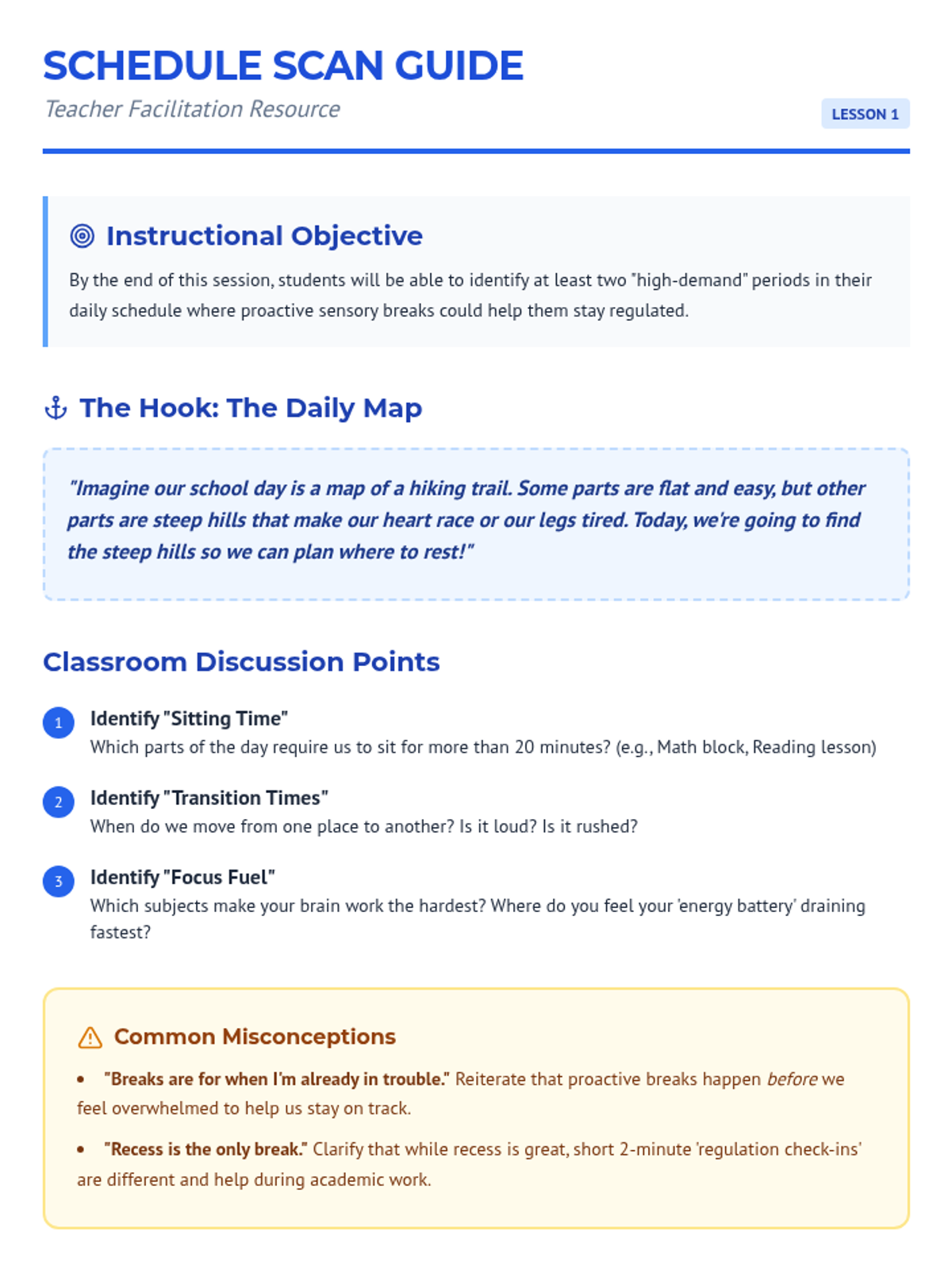
A 3rd-grade sequence focused on proactive sensory regulation. Students learn to analyze their school schedule, match sensory strategies to specific settings, communicate their needs through a ticket system, and design their own regulation plans to support self-advocacy and classroom success.
Students move from reactive emotional responses to proactive negotiation. They learn de-escalation, empathy through perspective-taking, and a structured 4-step 'Peace Path' to resolve playground and classroom conflicts independently.
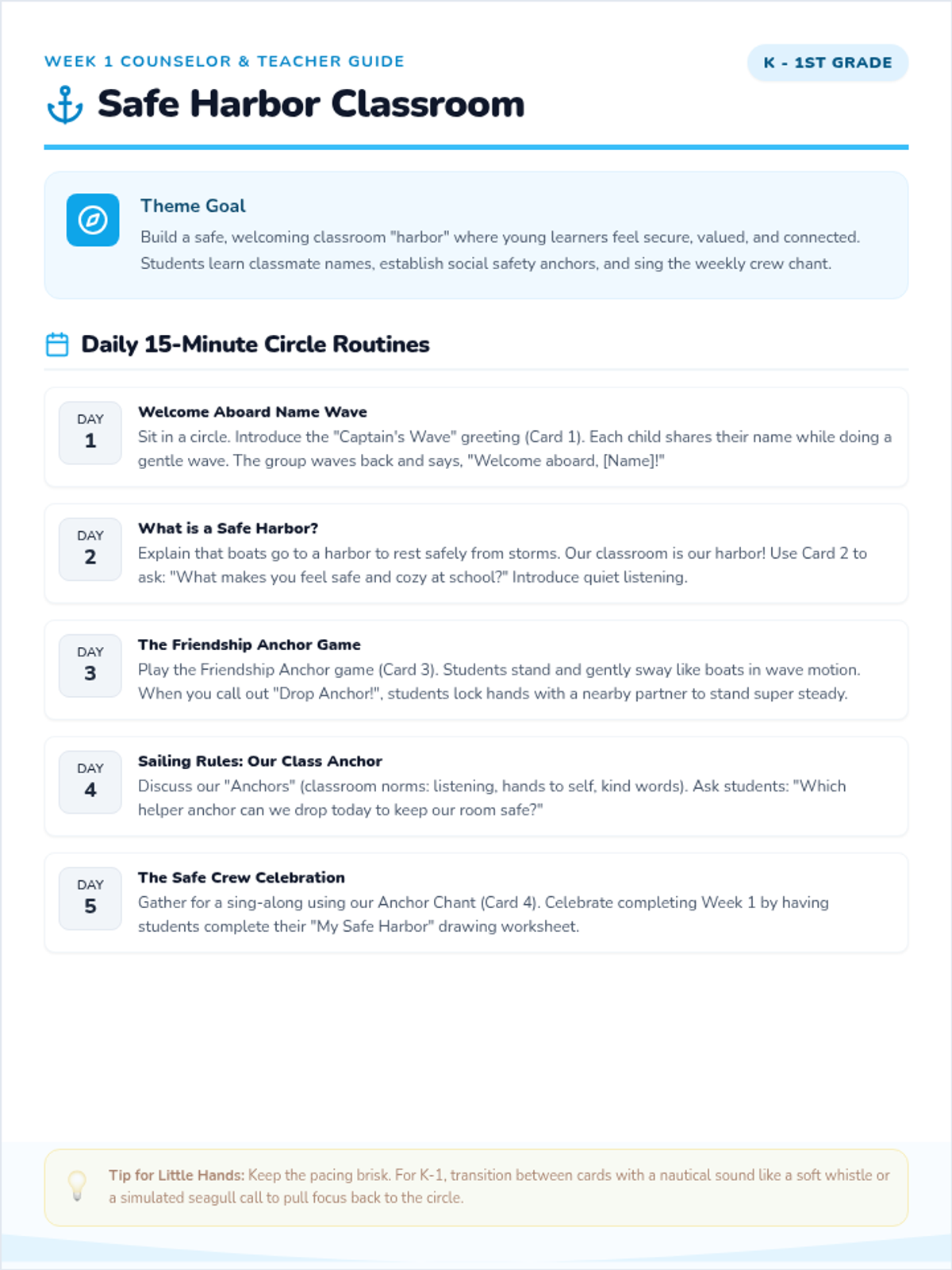
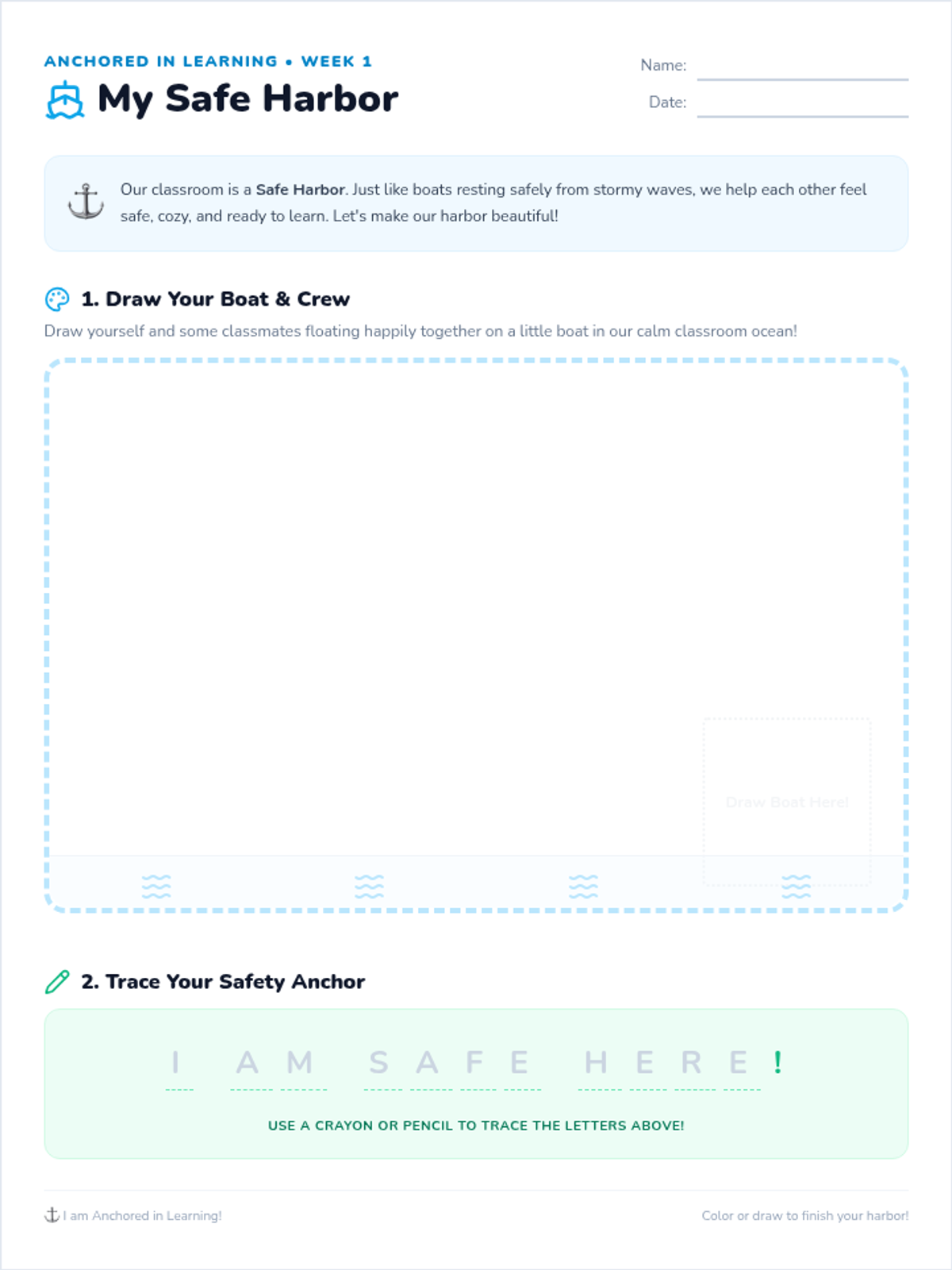
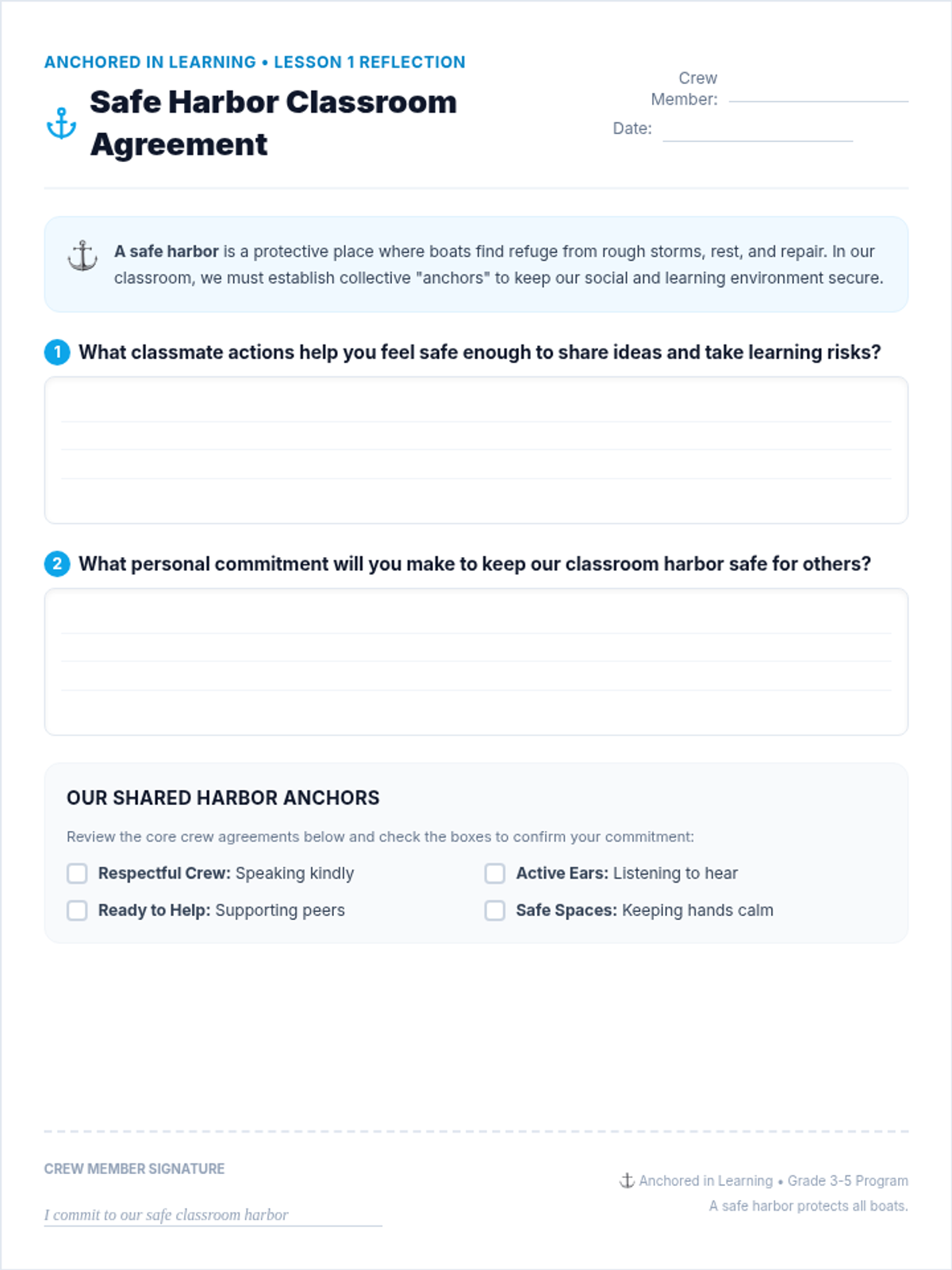
A 4-lesson SEL sequence for 3rd through 5th Grade students based on a nautical 'anchored in learning' theme. It contains ready-to-go 15-minute lessons with circle cards and reflective activities focusing on community, empathy, emotional regulation, and executive attention.
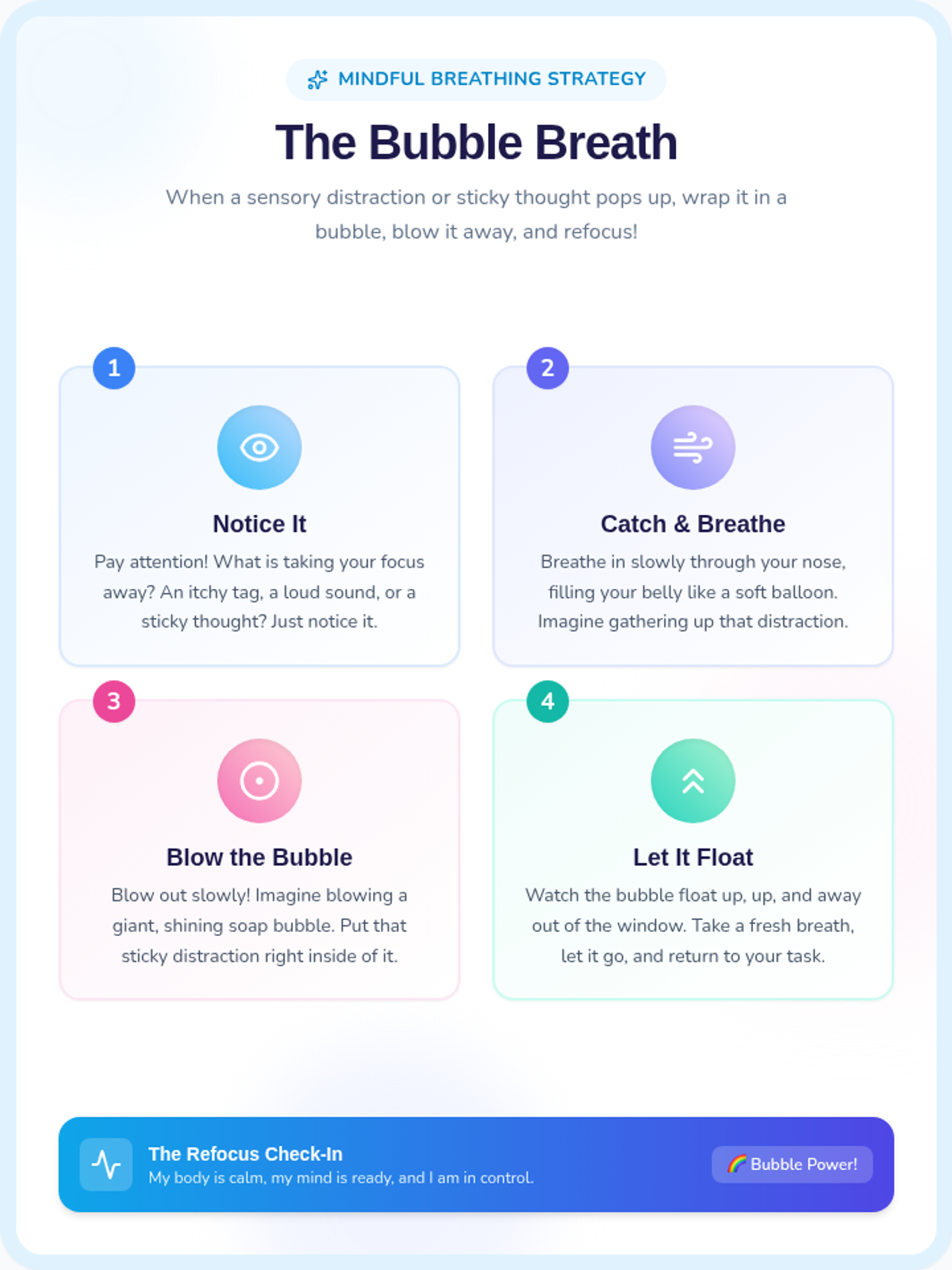
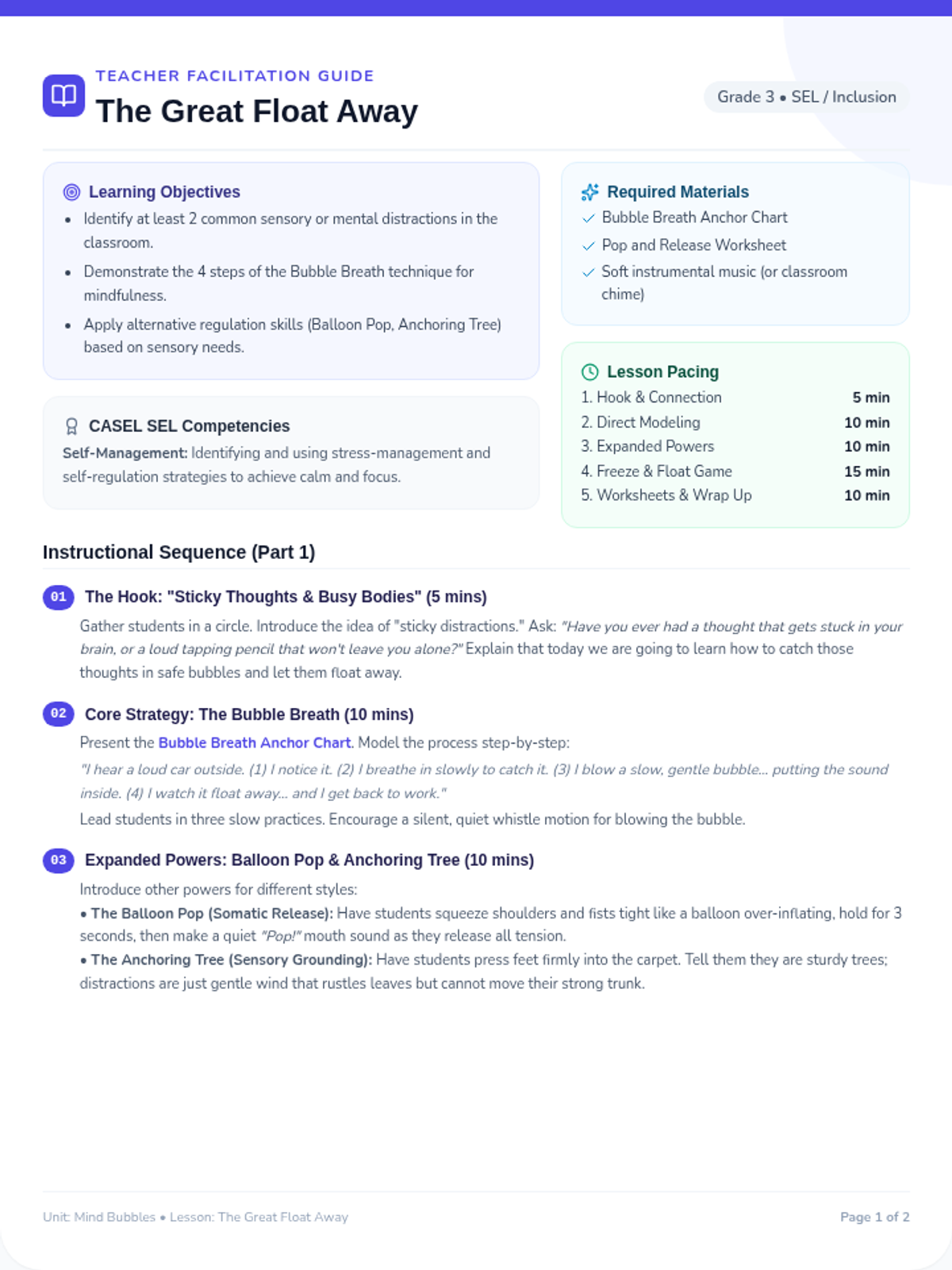
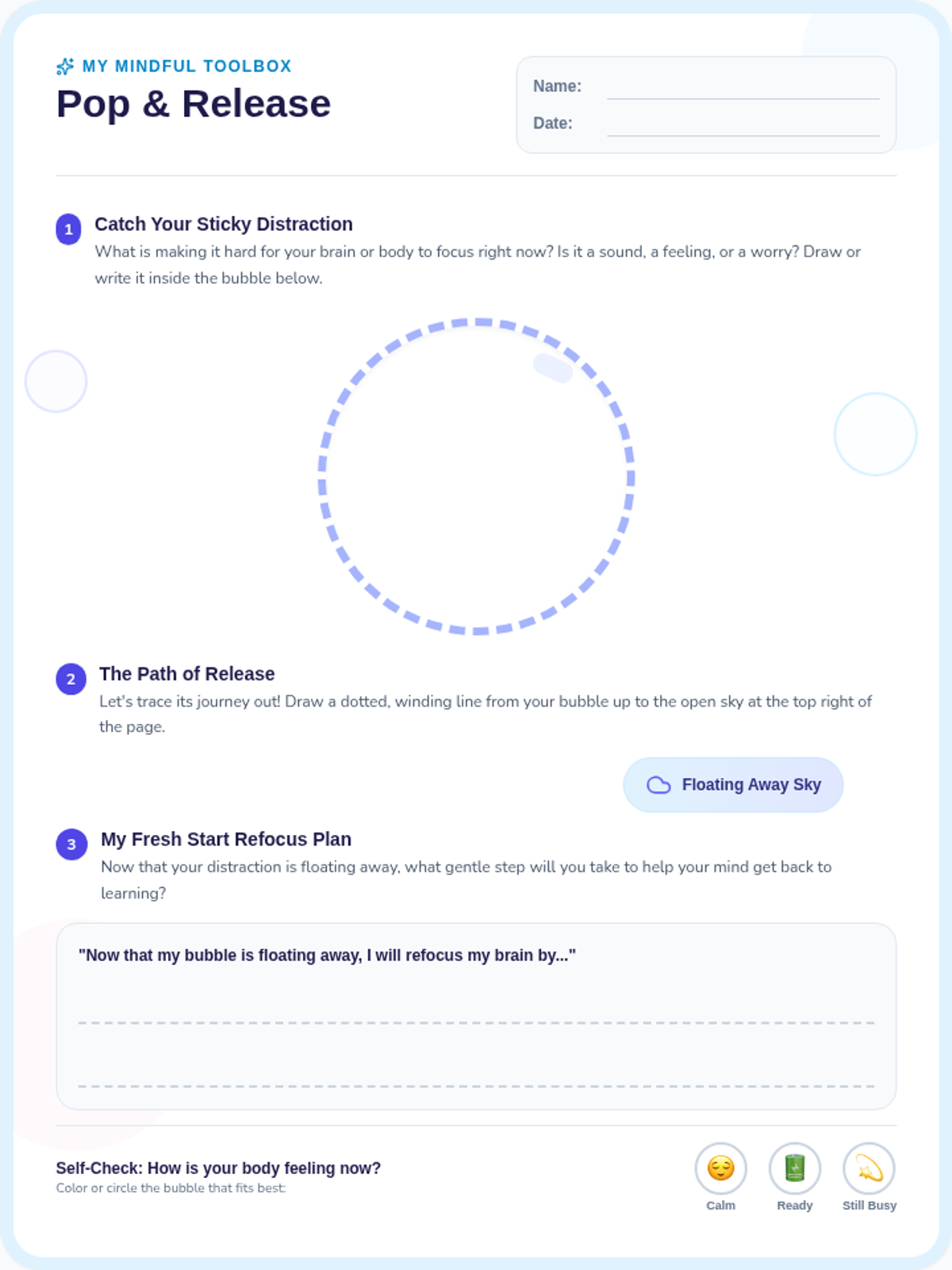
A social-emotional learning sequence designed for 3rd-grade students in inclusive classrooms, teaching them how to notice sensory and mental distractions, place them into imaginary bubbles, and let them float away.
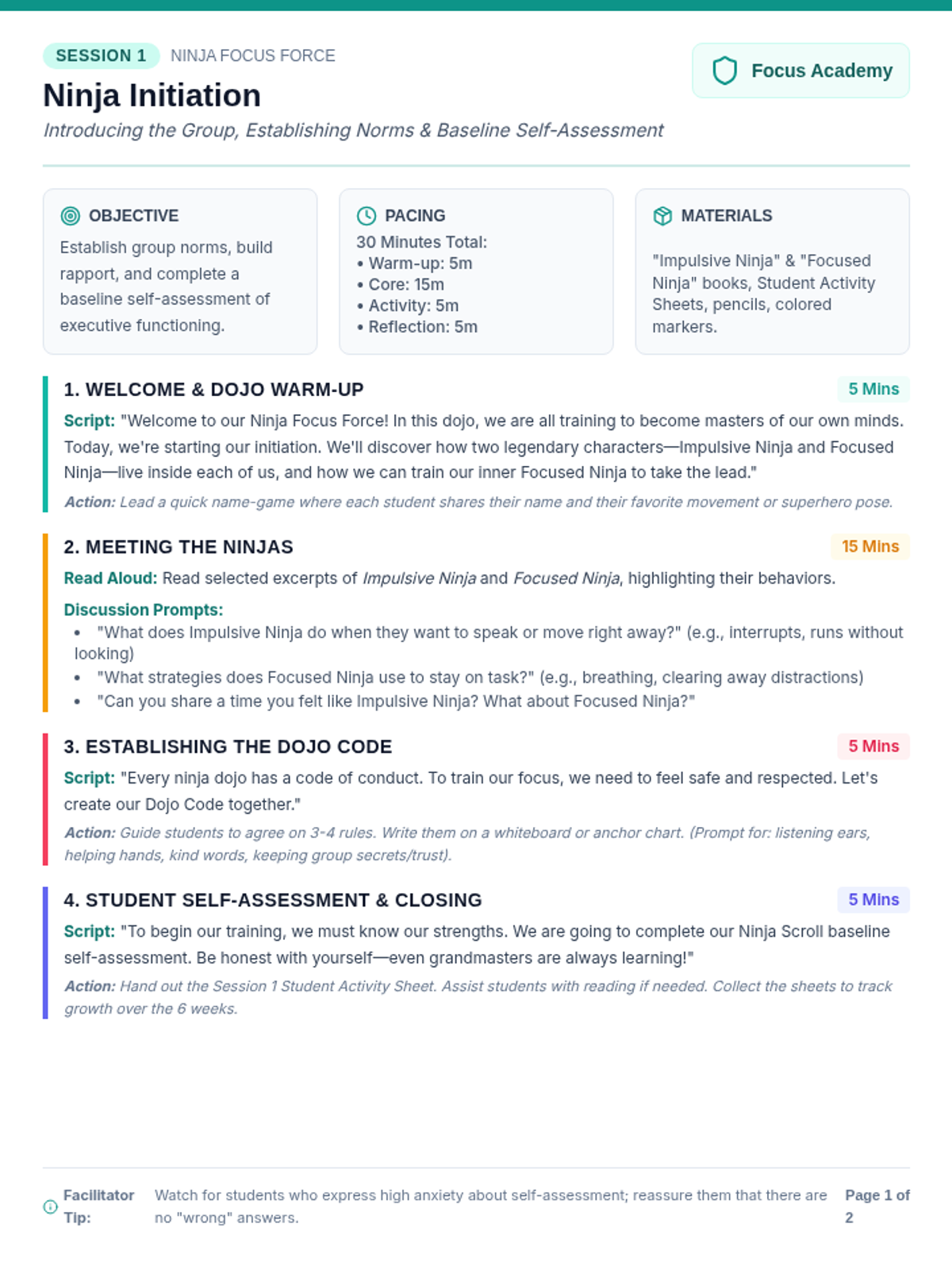
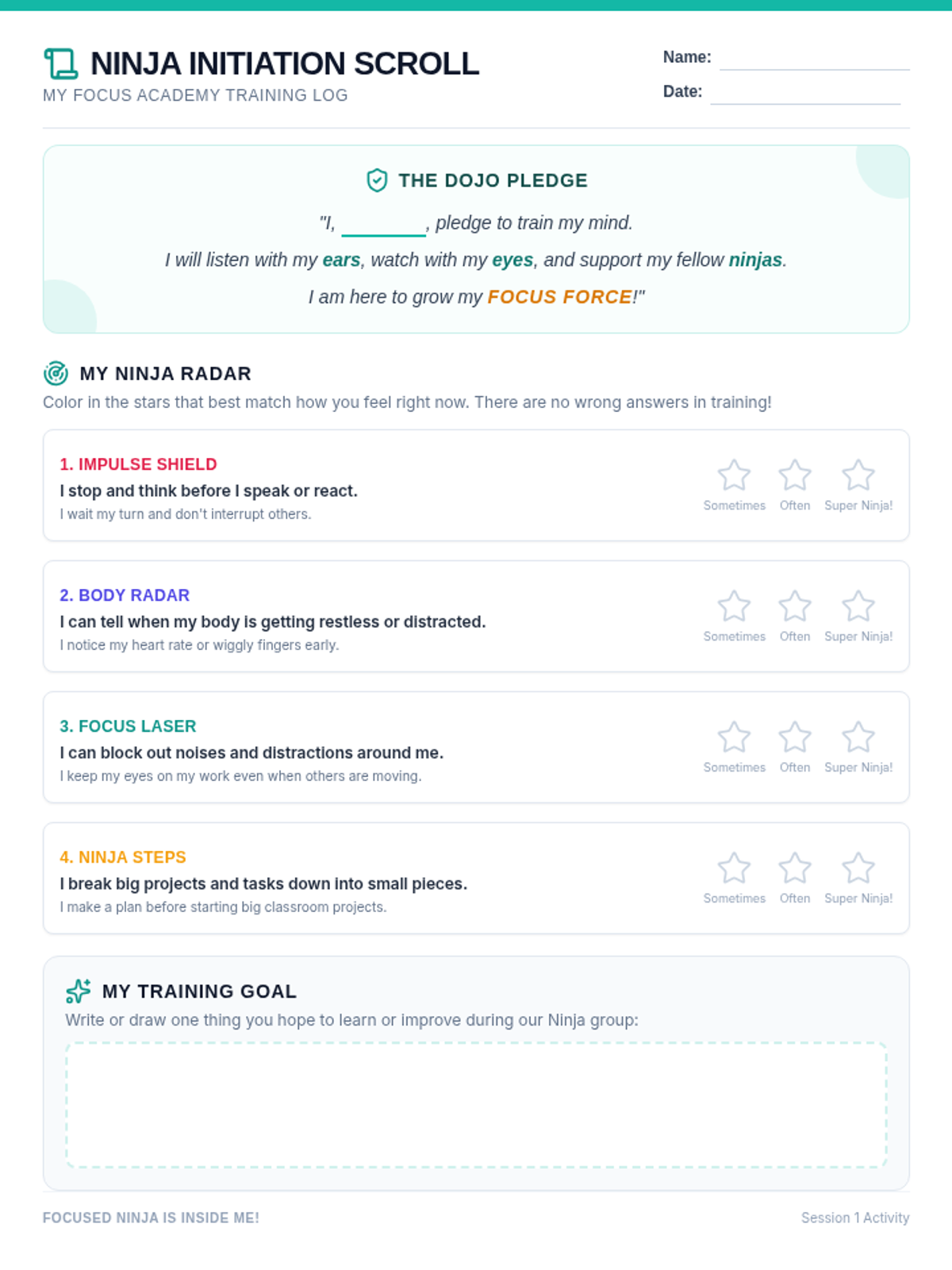
A comprehensive 6-week small group counseling curriculum for mid-elementary students focused on developing executive functioning skills through the lens of Impulsive Ninja and Focused Ninja. Includes weekly facilitator lesson guides, student activities, and teacher/parent collaboration tools.
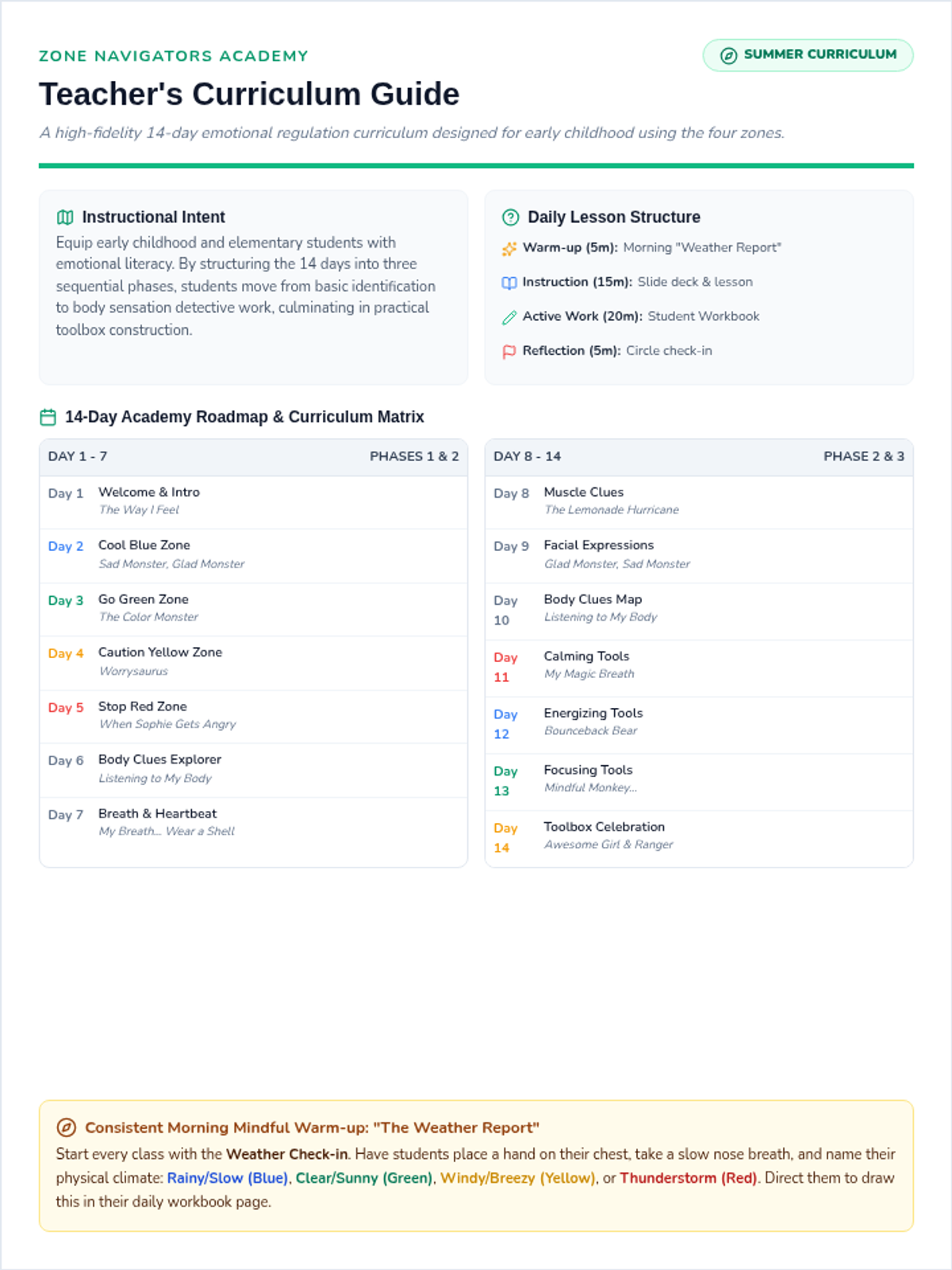
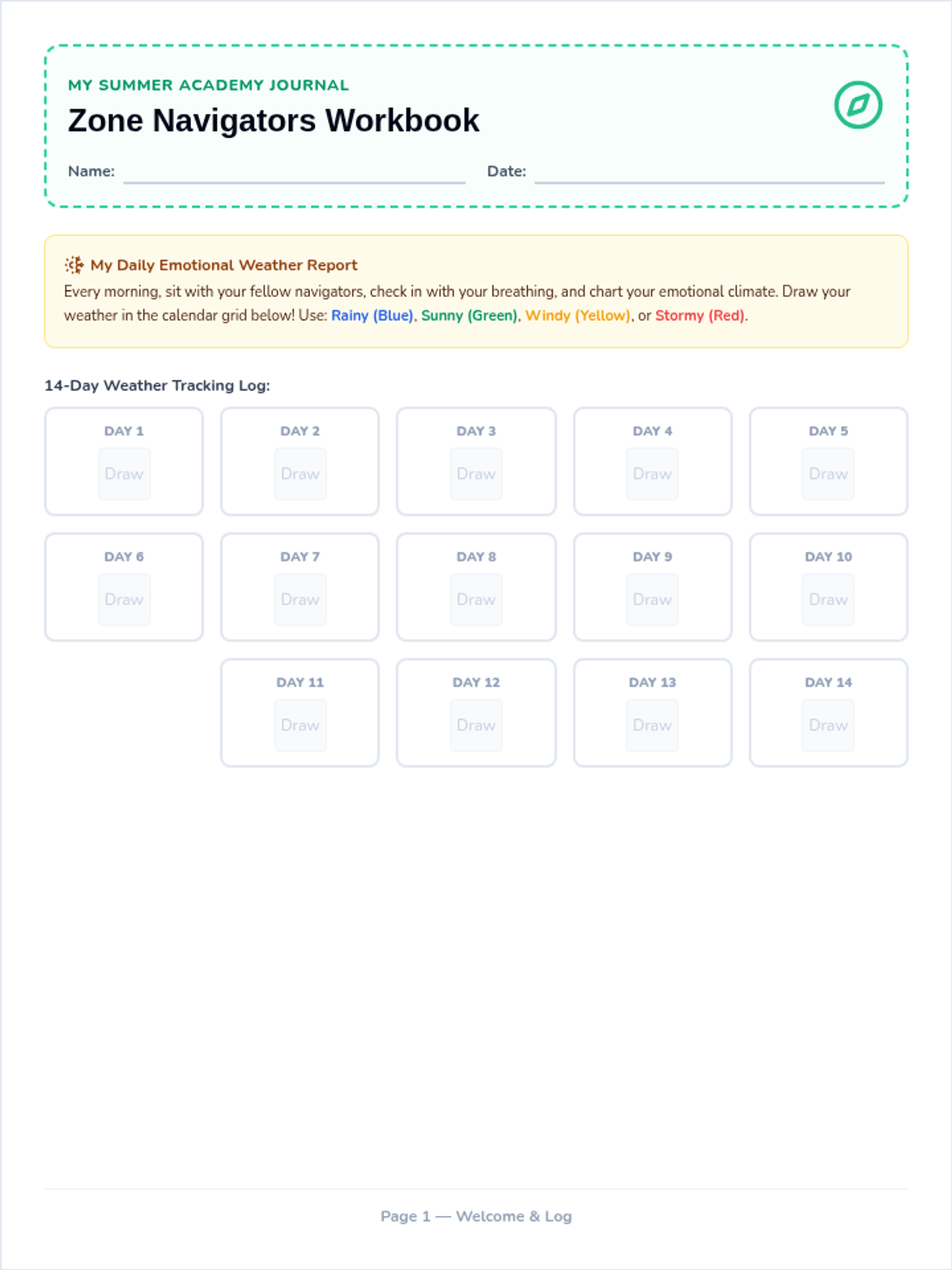
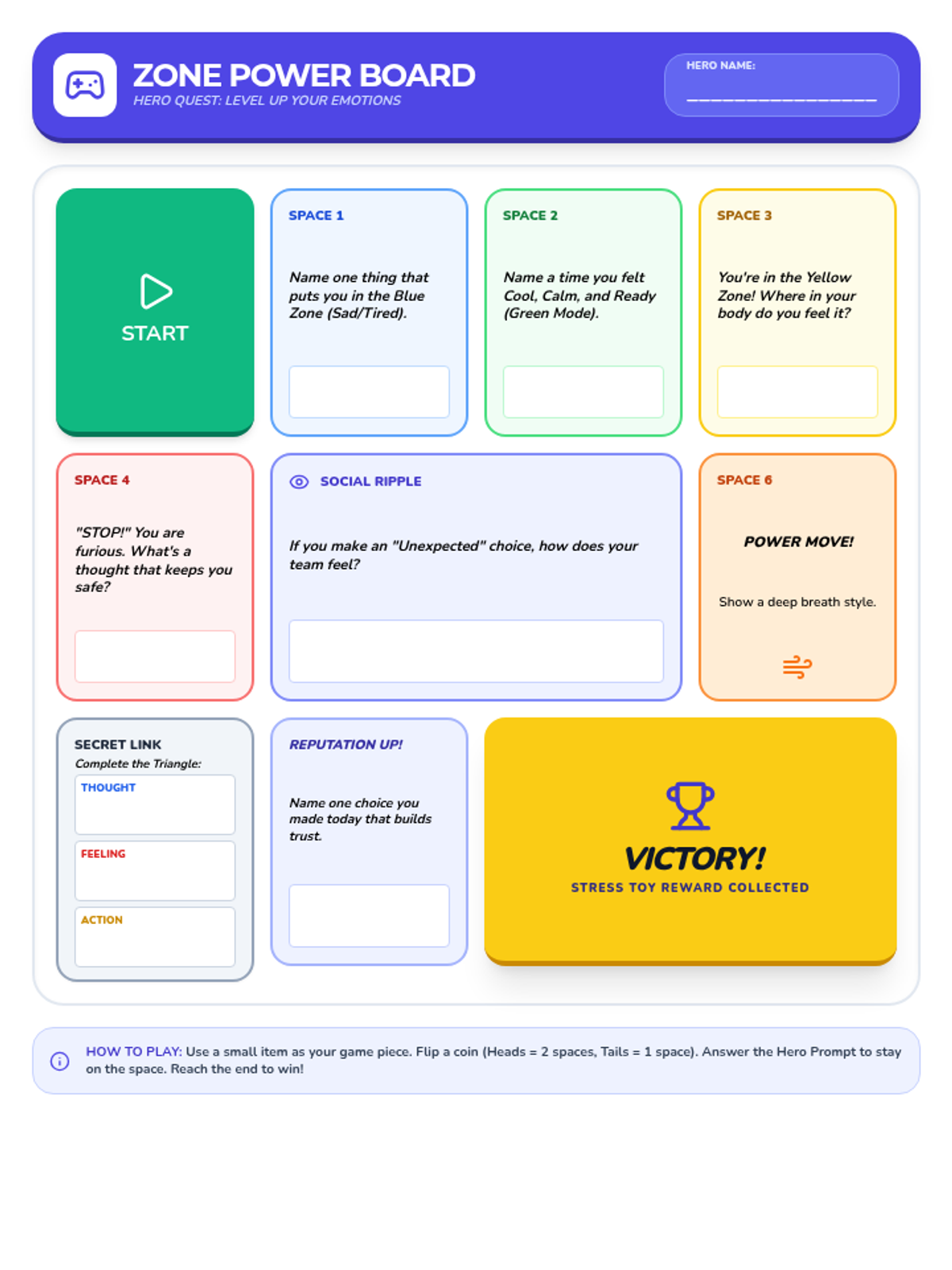
A 14-day Summer School curriculum focused on the Zones of Regulation. Designed for young learners, it introduces emotional awareness, physical body clues, and self-regulation tools through interactive visual slides, printable workbook sheets, and comprehensive teacher plans.
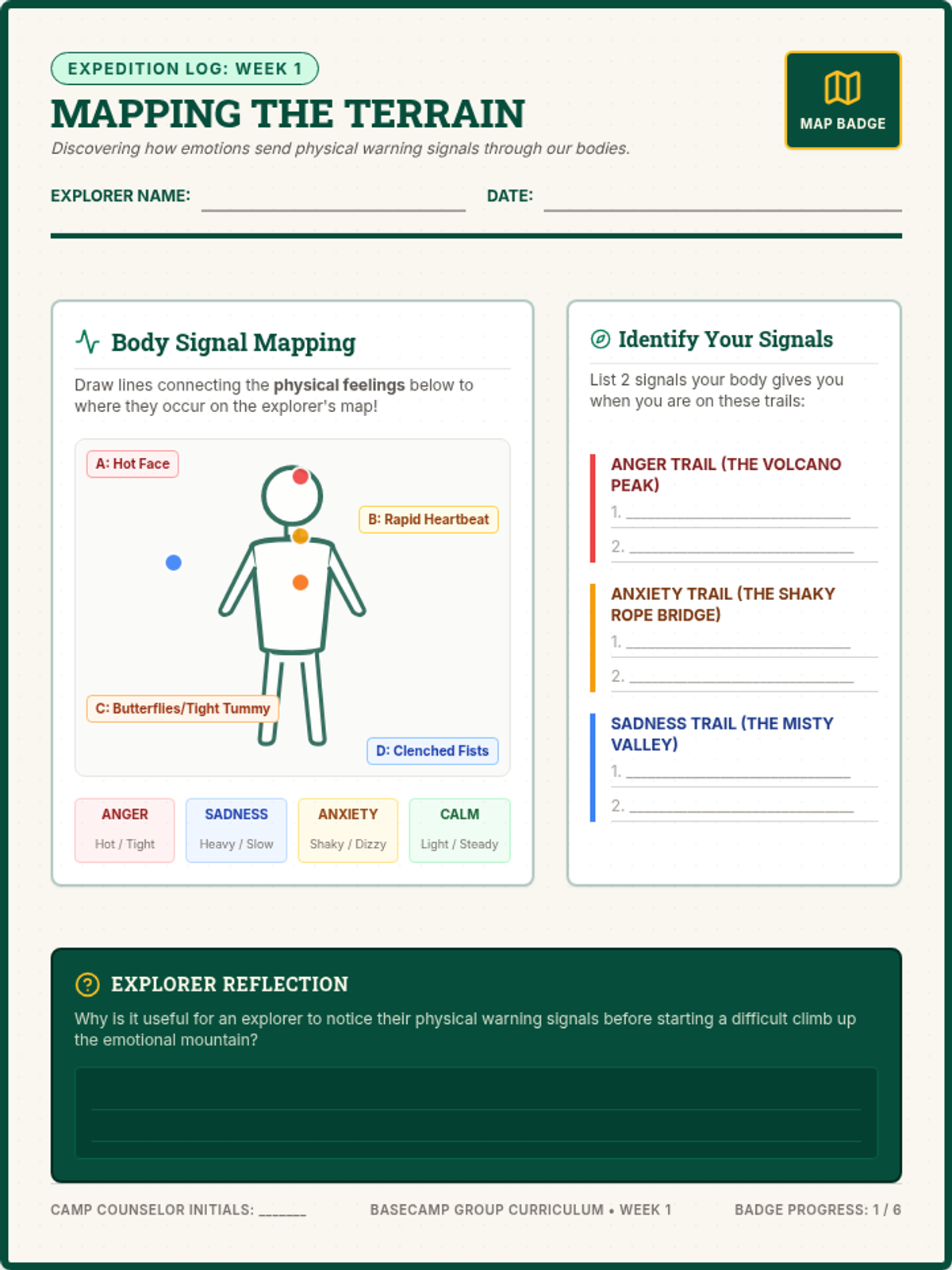
A 6-week adventure-themed SEL group curriculum designed to help students master emotion regulation through the metaphor of climbing a mountain and establishing a basecamp. Students learn to map feelings, weather emotional storms, practice calming strategies, and build a personalized coping toolkit.
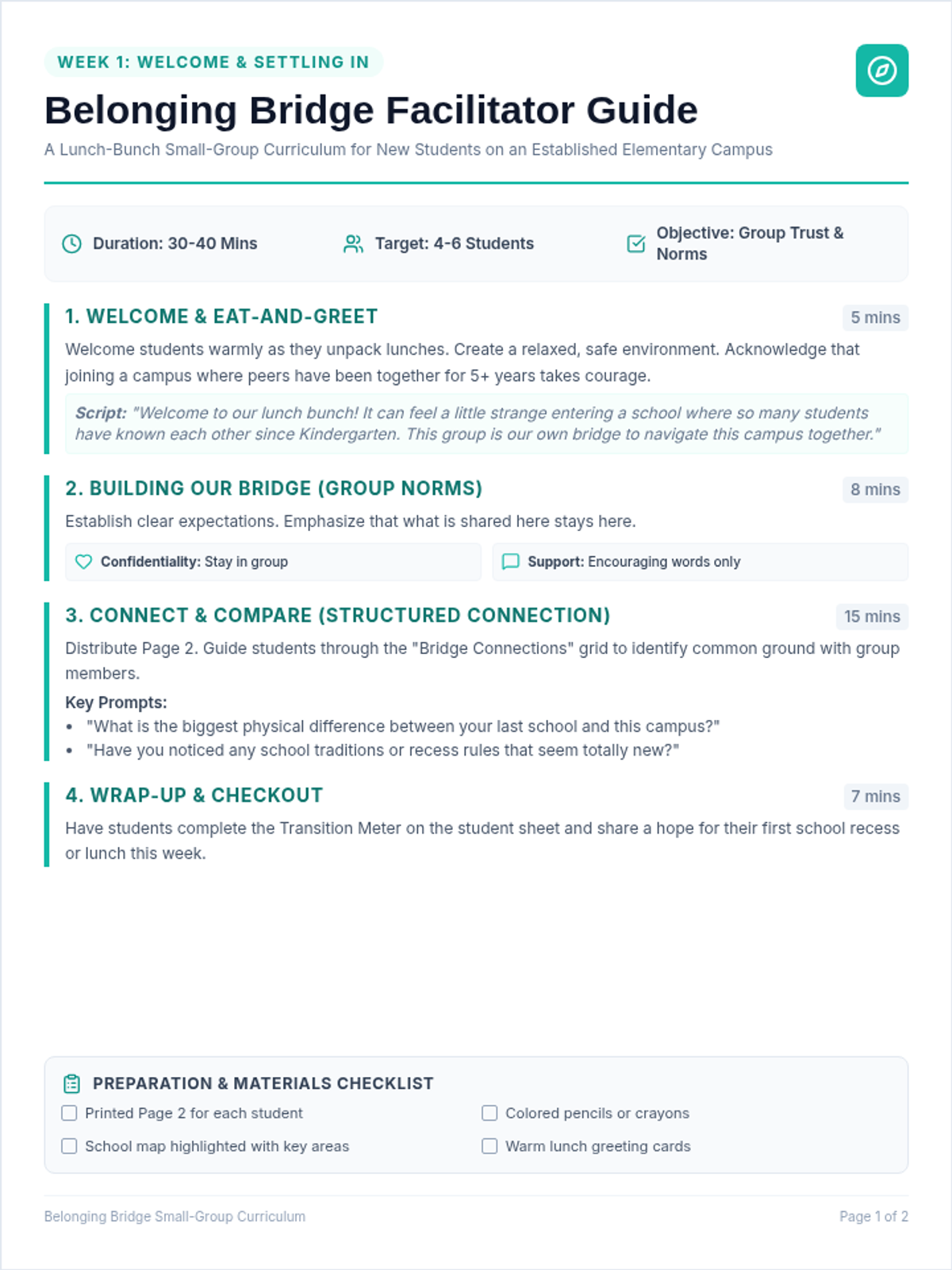
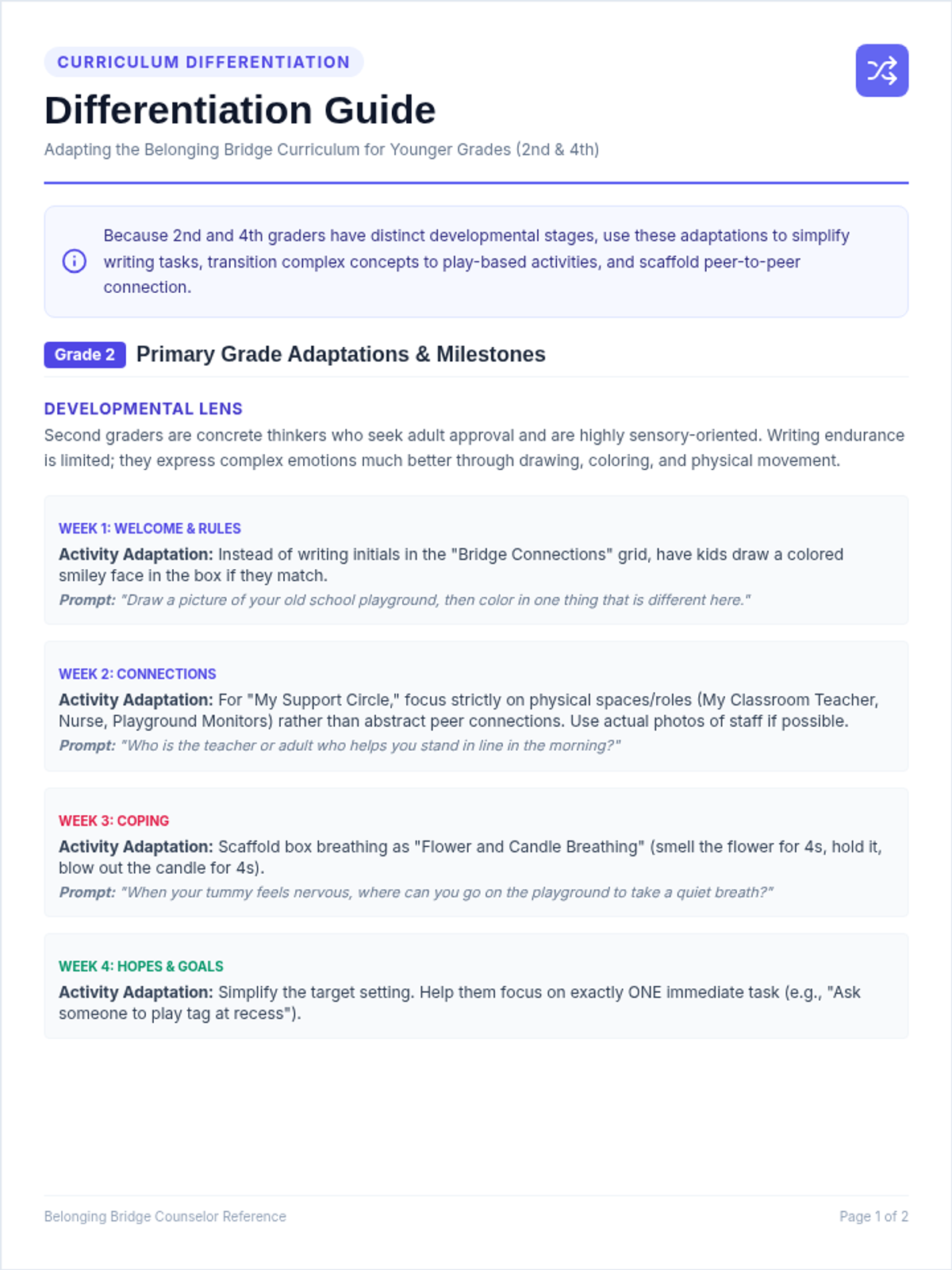
A four-week lunch-bunch small-group curriculum designed for transitioning 6th-grade students who are new to the school, addressing welcome, connections, coping strategies, and future goal-setting.
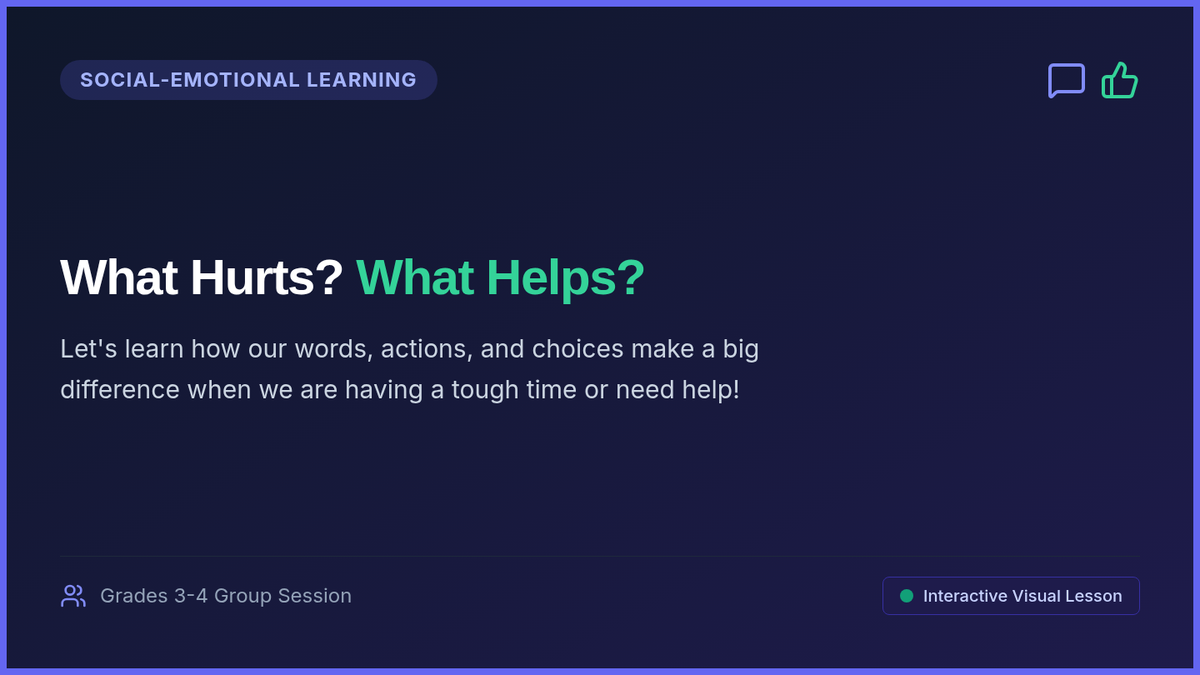
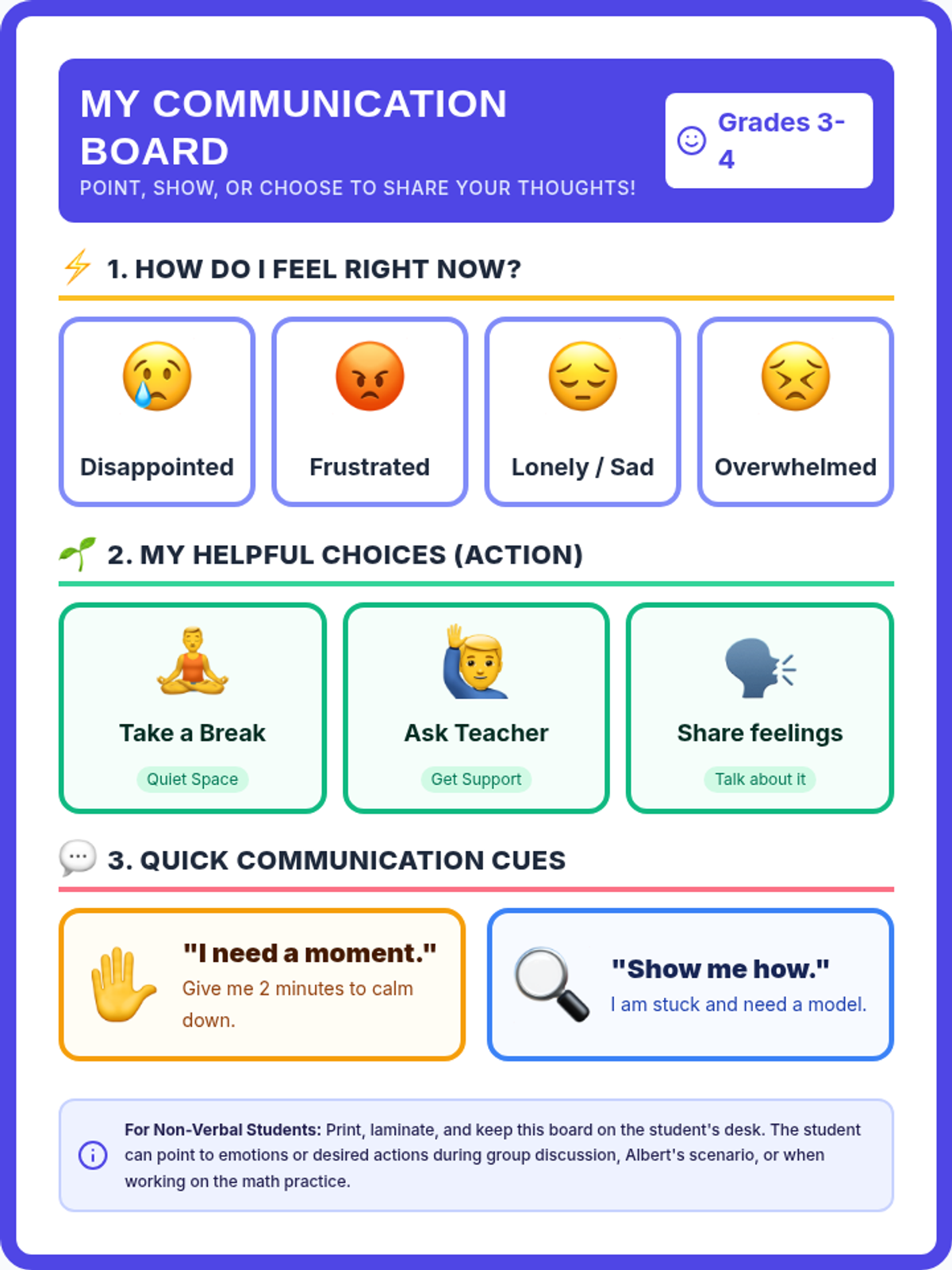
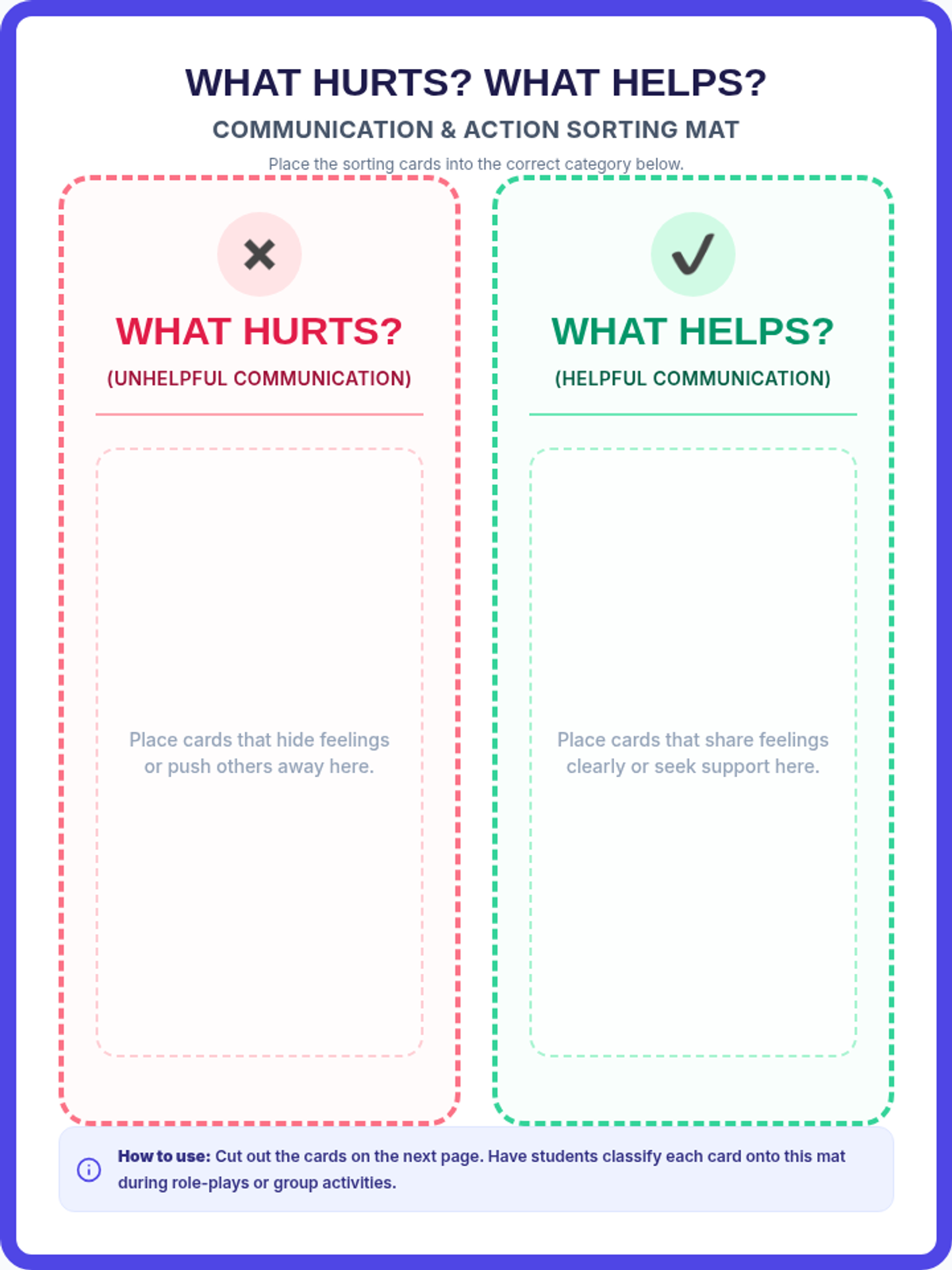
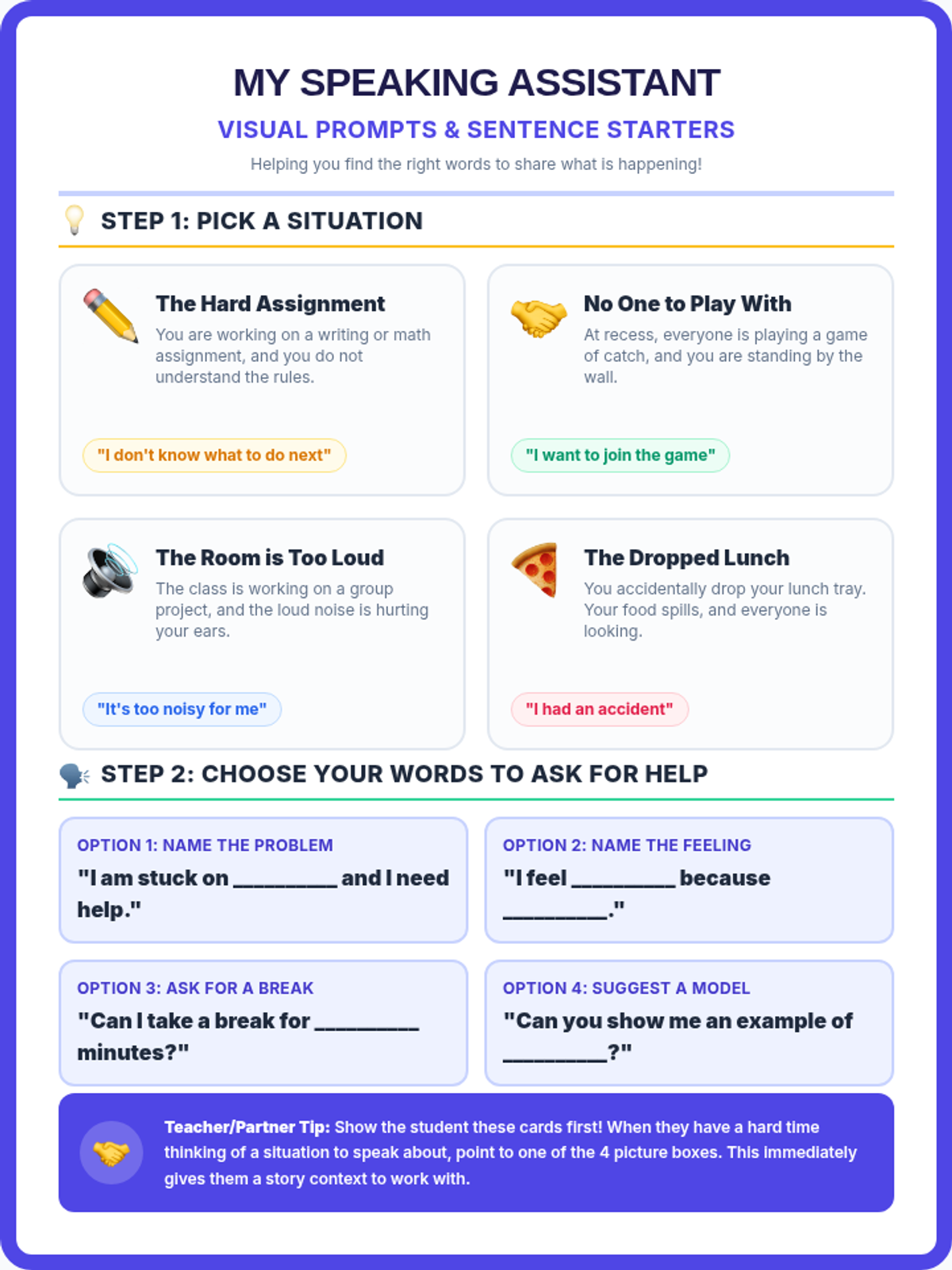
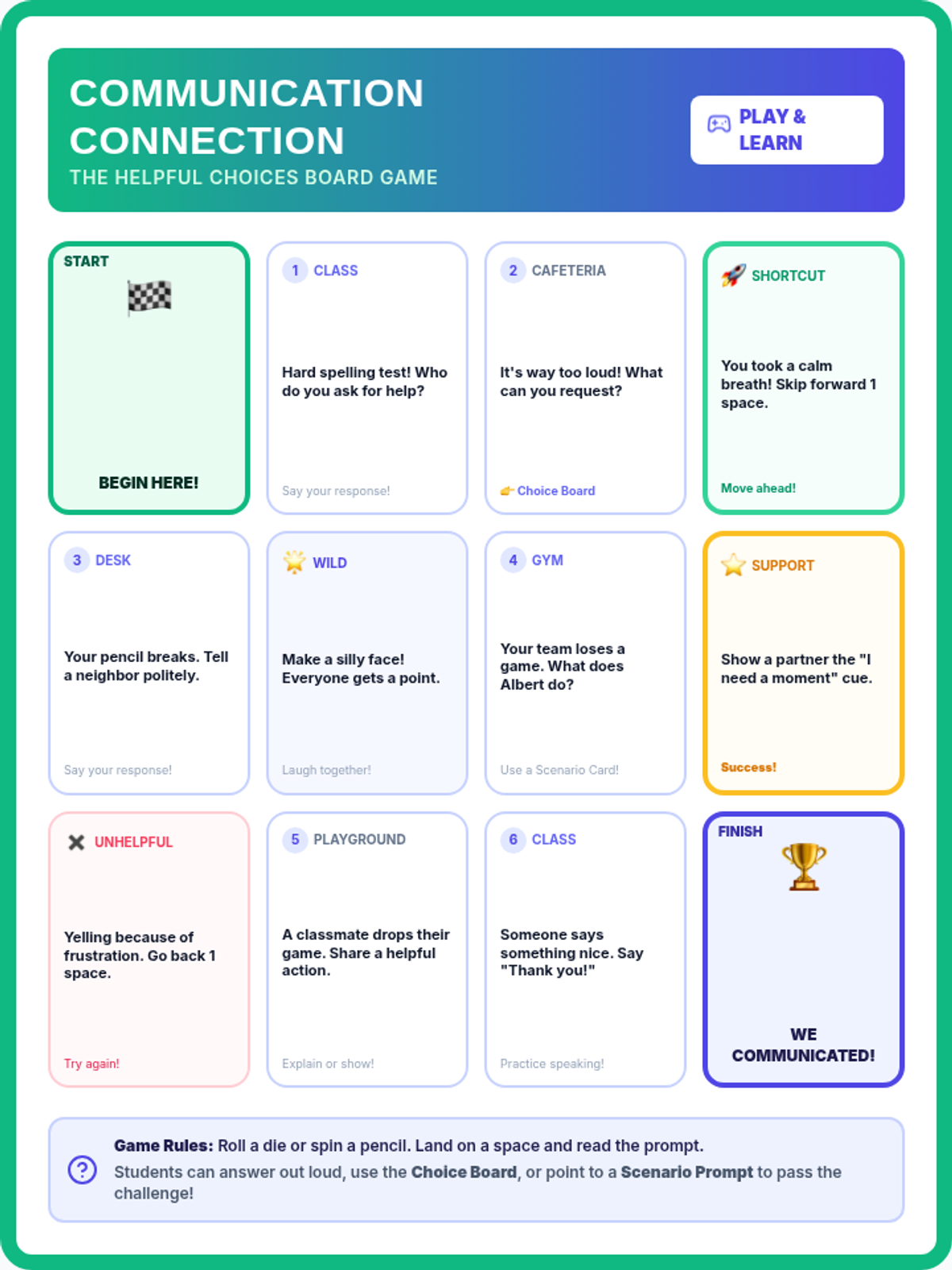
A multi-week social-emotional learning unit focusing on building functional, helpful verbal and non-verbal communication skills. Designed for 3rd and 4th grade small groups with integrated autism support visual guides, cooperative games, and practical school scenarios.
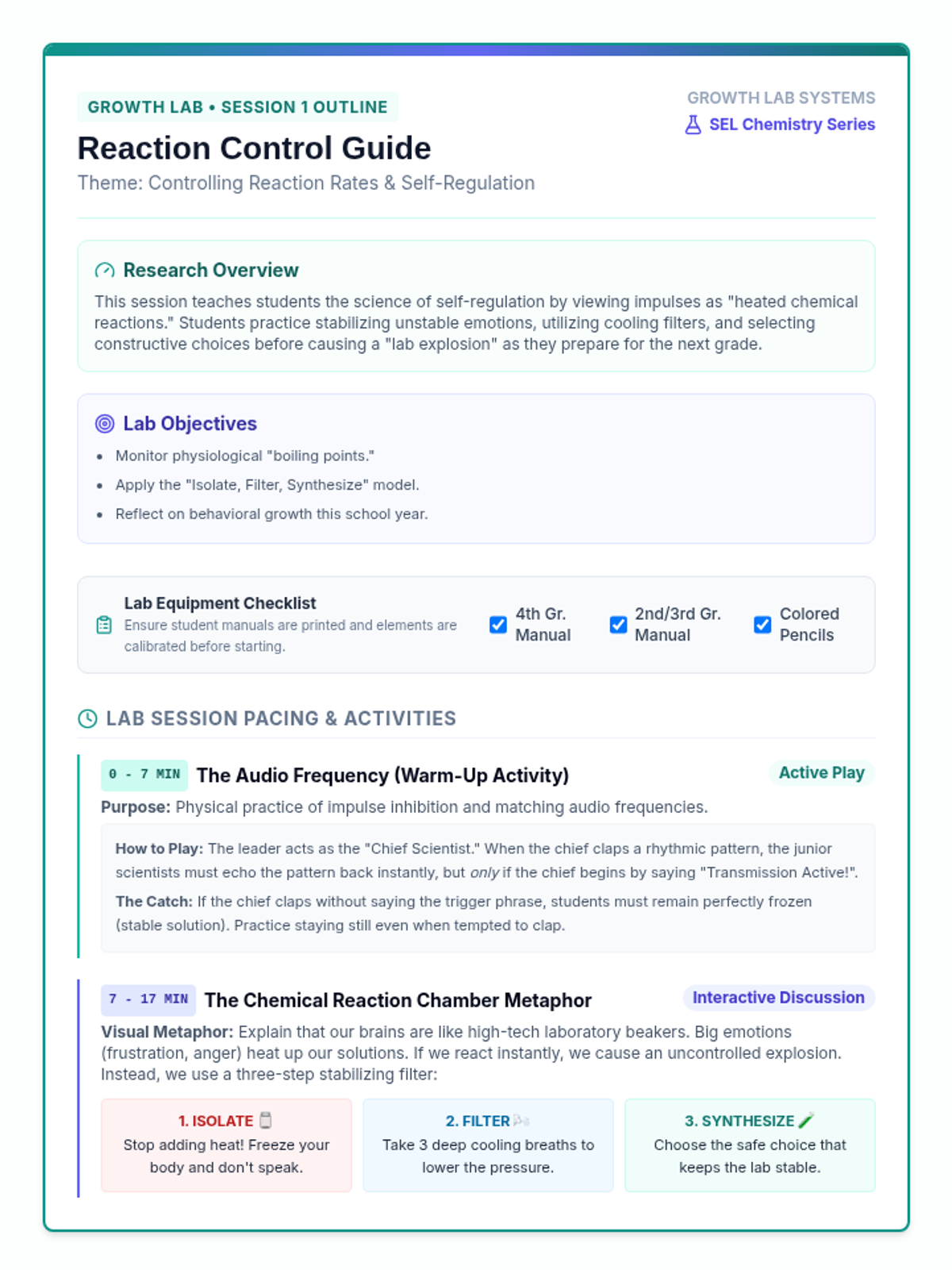
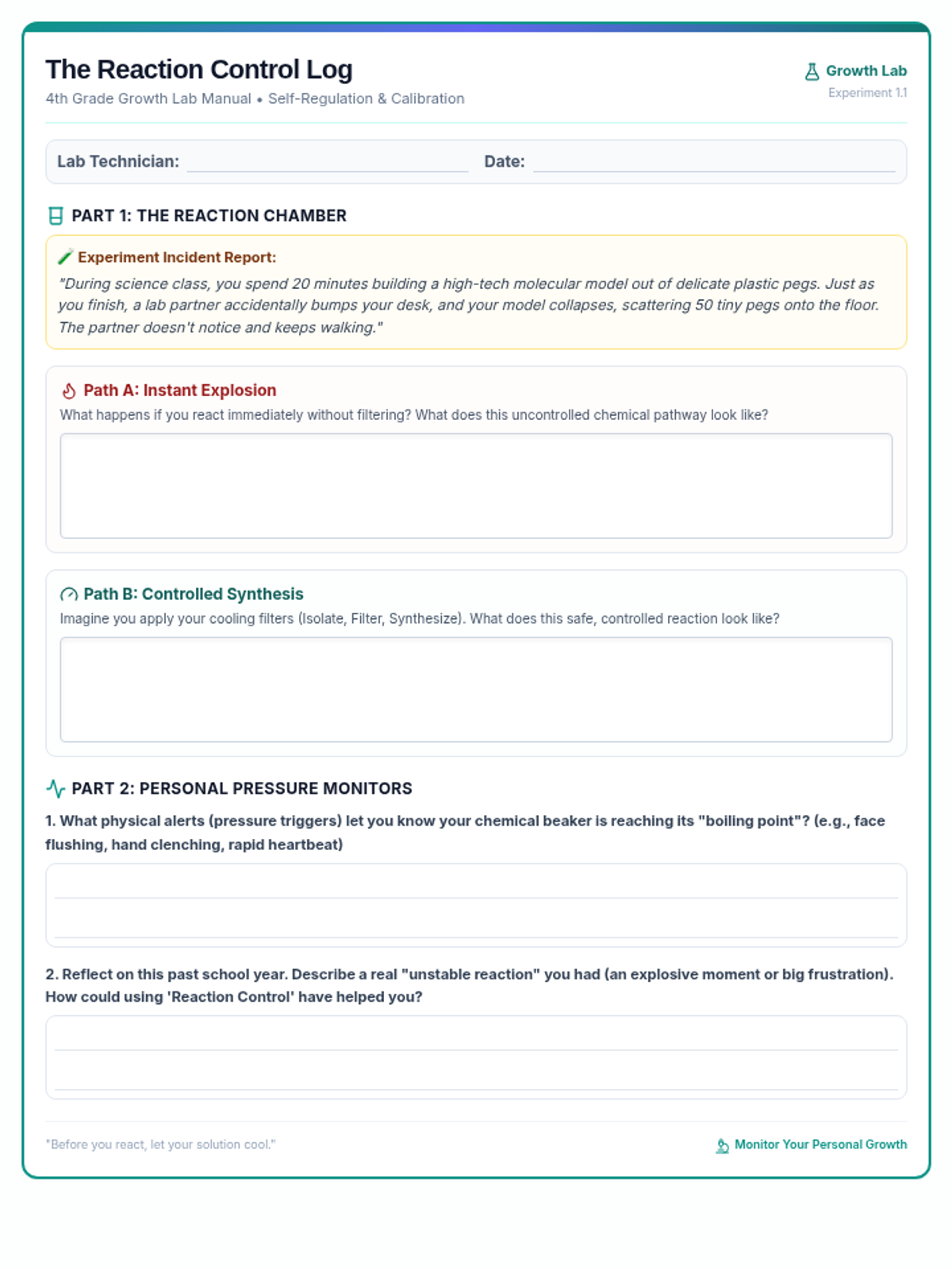
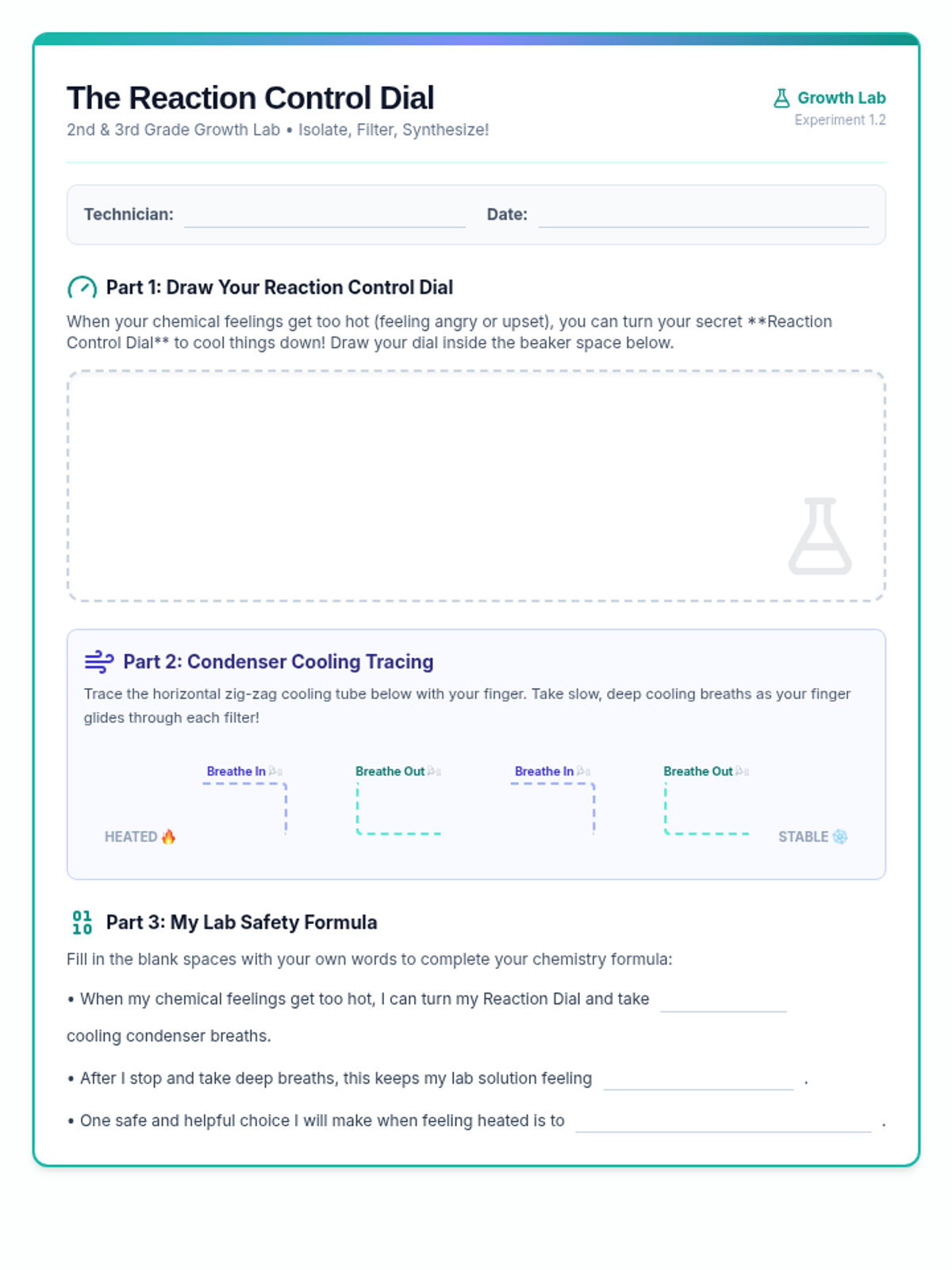
An end-of-year reflection and social-emotional learning series styled as a scientific laboratory. Students act as 'Growth Chemists' to study and control their reaction rates, transmit self-advocacy signals, and map out their senior scientist support network.
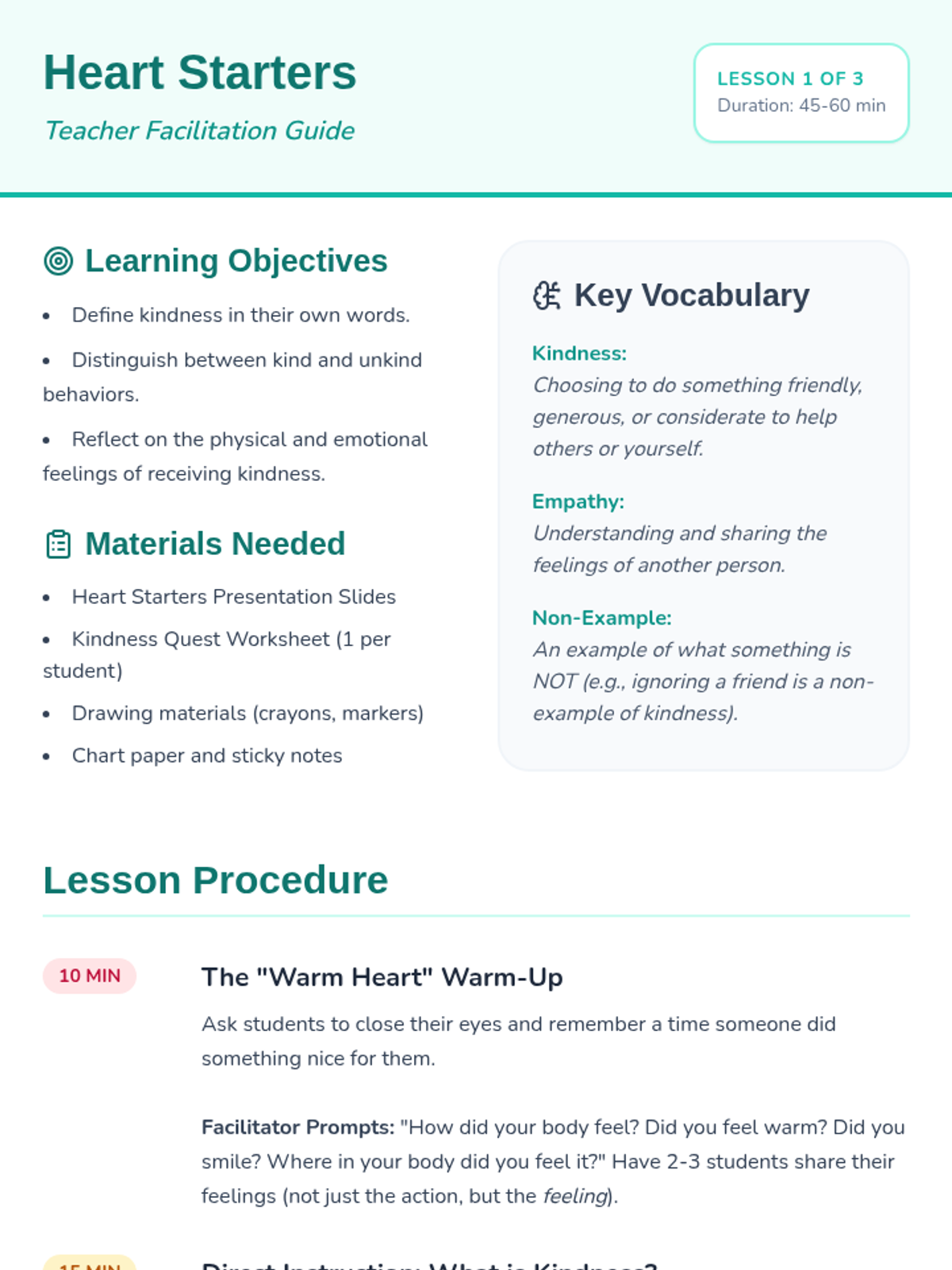
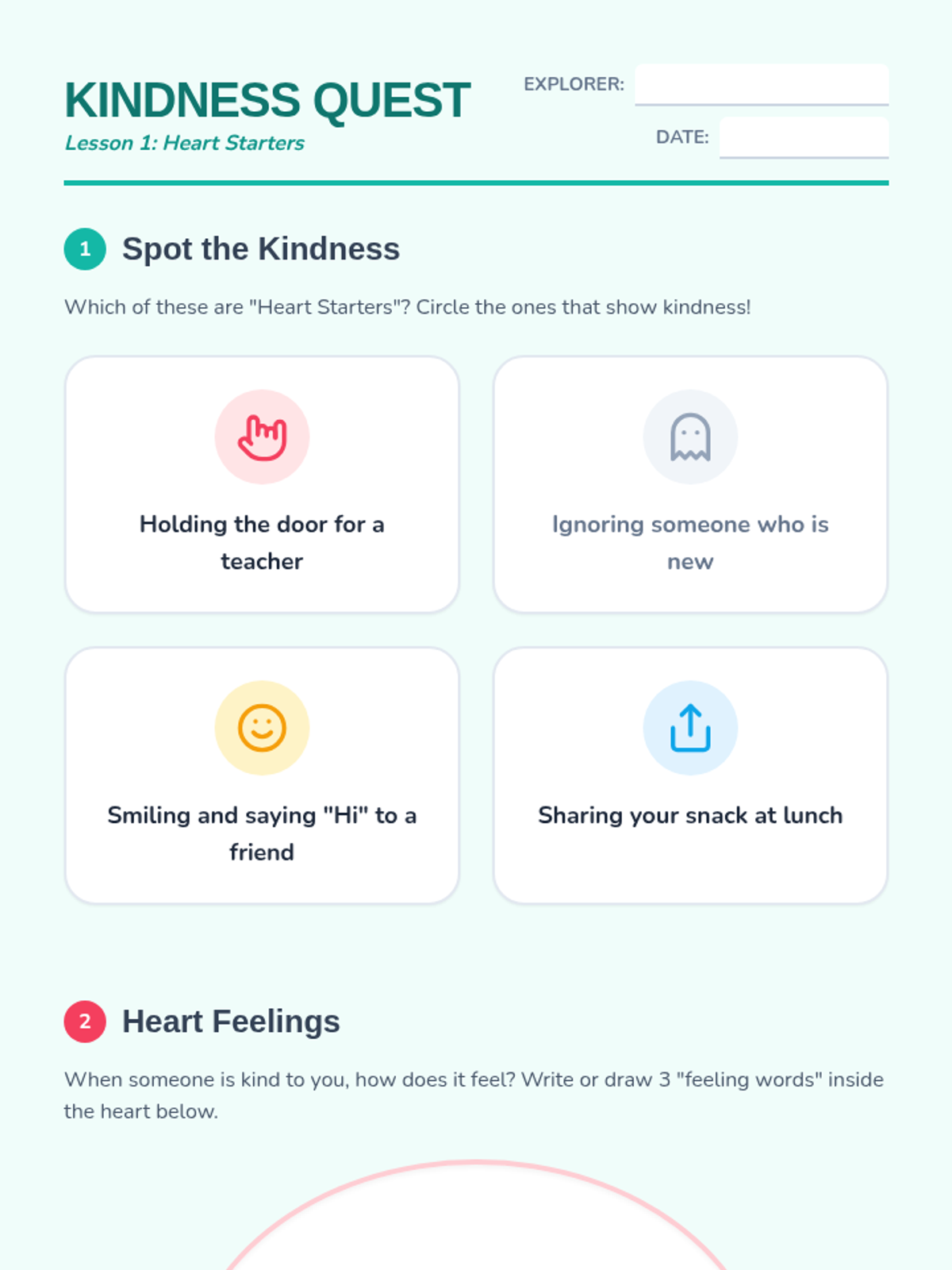
A three-lesson SEL unit focused on defining kindness, putting it into action, and building a sustainable culture of empathy within the classroom. Students progress from identifying kind acts to becoming active 'kindness catalysts' in their community.
A multi-session intervention program designed to help students understand the classroom 'ripple effect' through perspective-taking and scenario analysis.
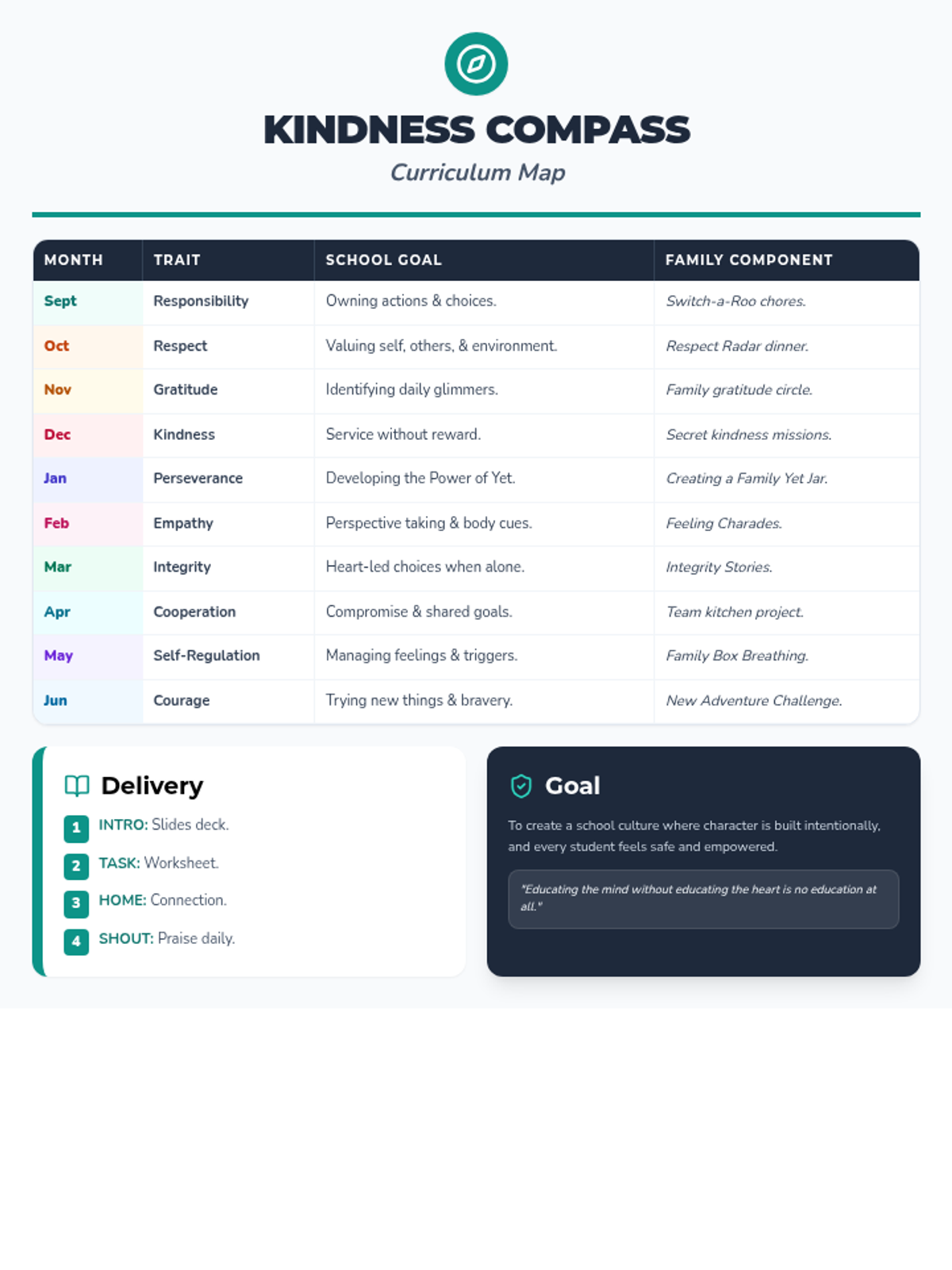
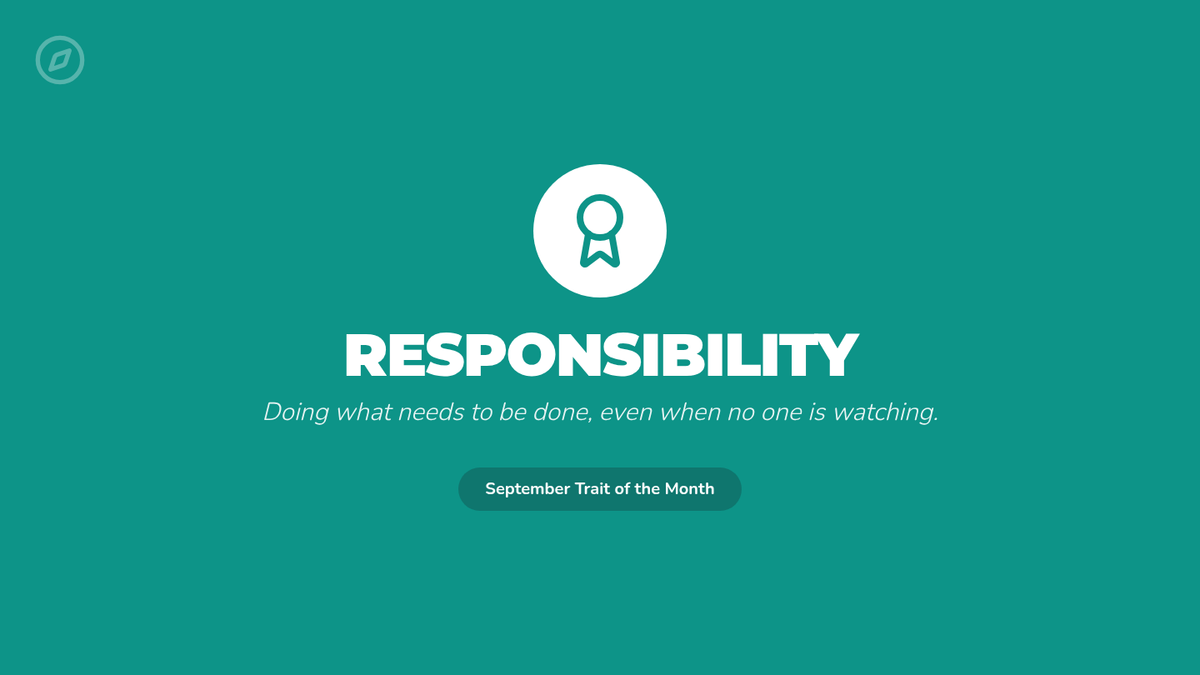
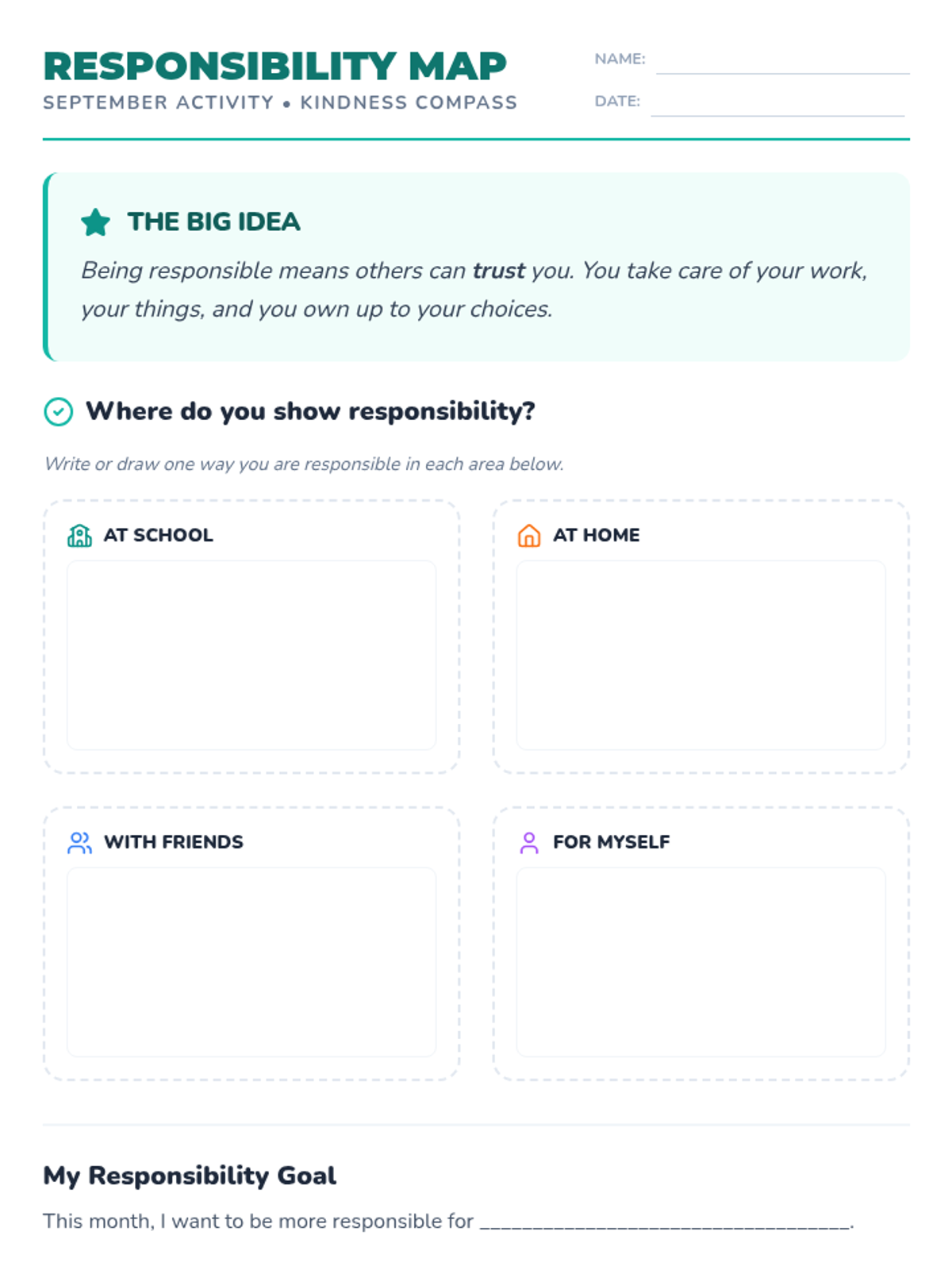
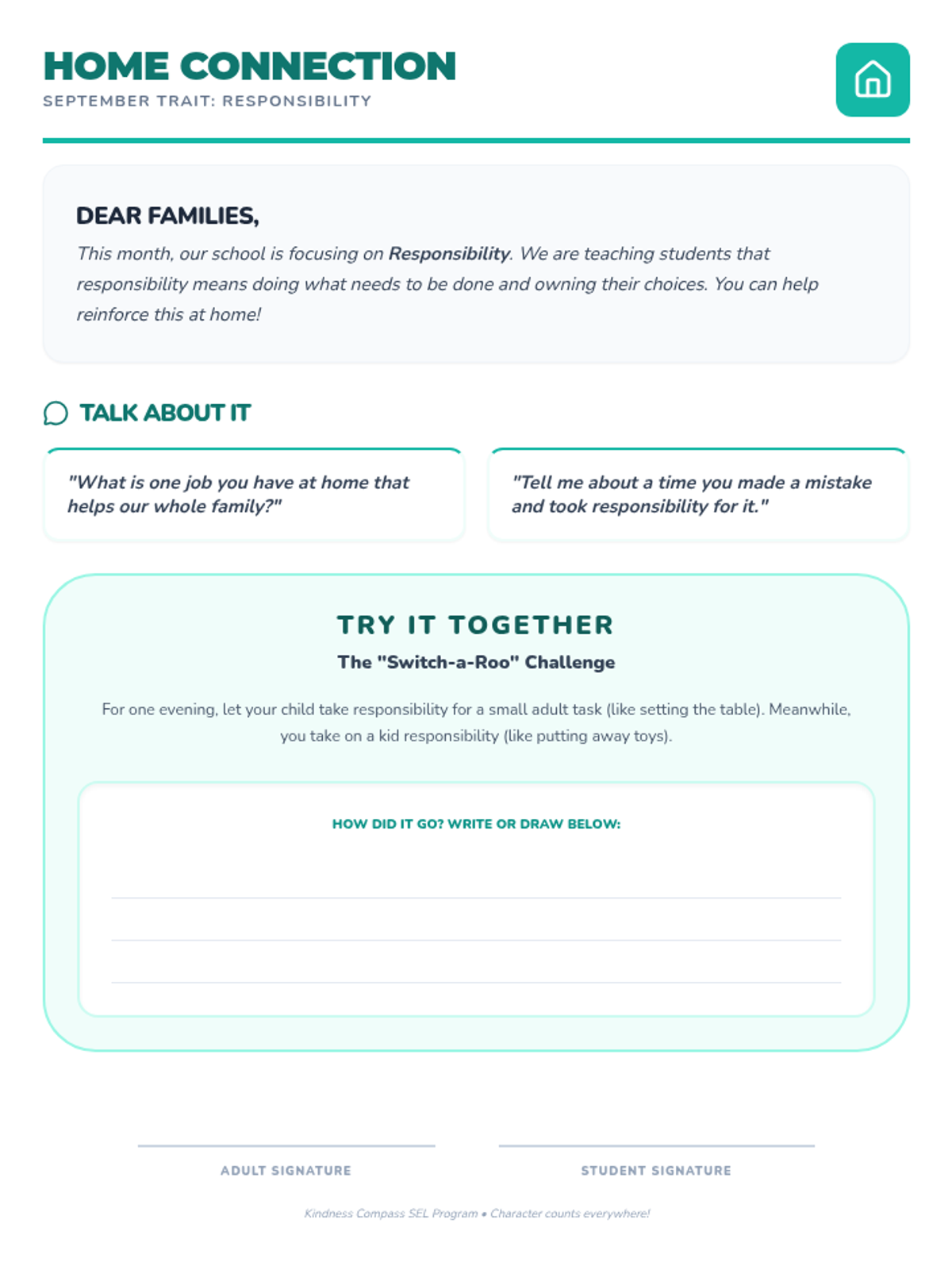
A comprehensive character education program for Pre-K through 5th grade, featuring monthly social-emotional traits, interactive slides, and student-facing activities designed to build a positive school culture.
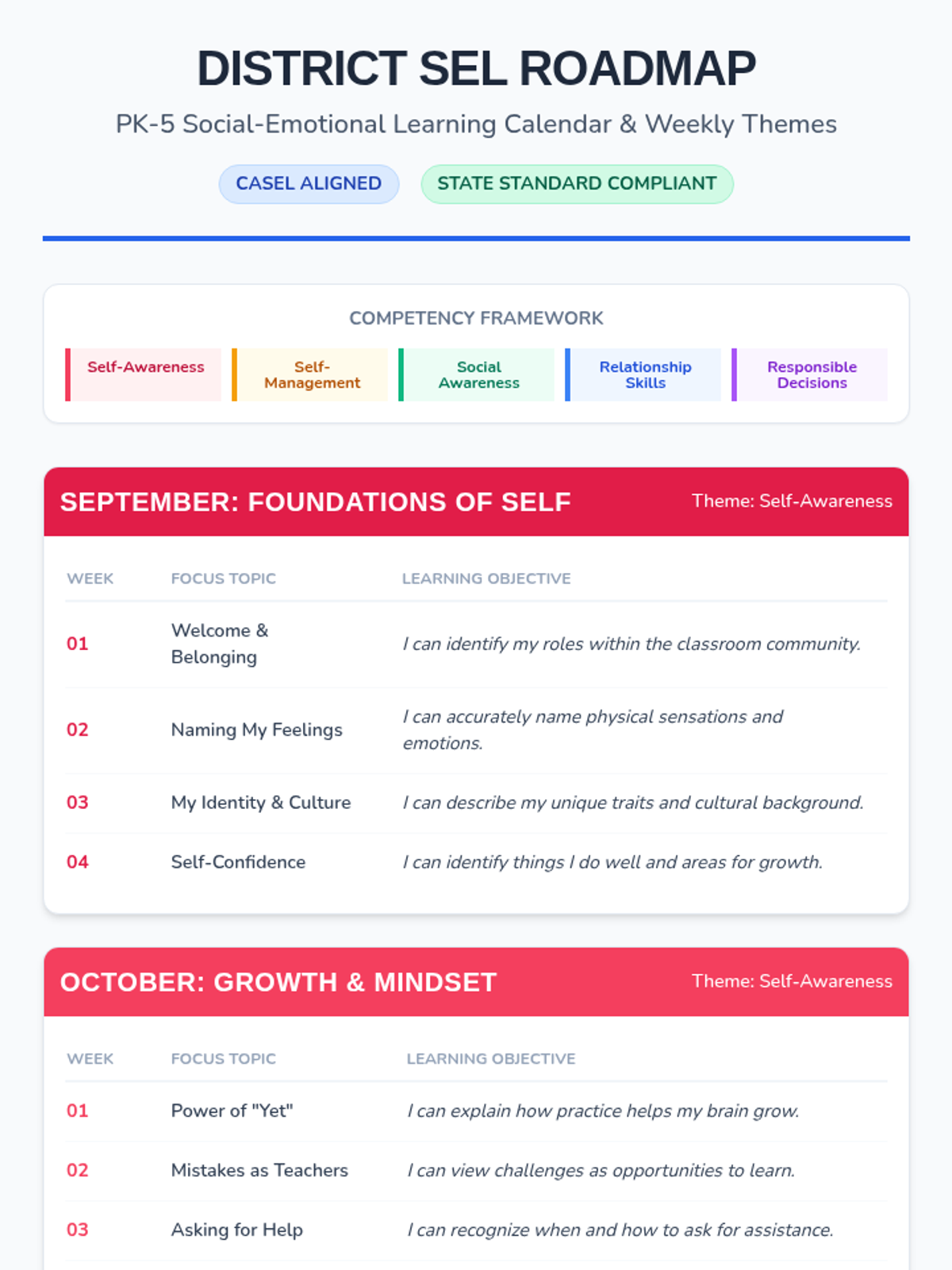
A comprehensive social-emotional learning framework for a school district, aligning CASEL competencies with a year-long monthly calendar and implementation tools for PK-5 educators.
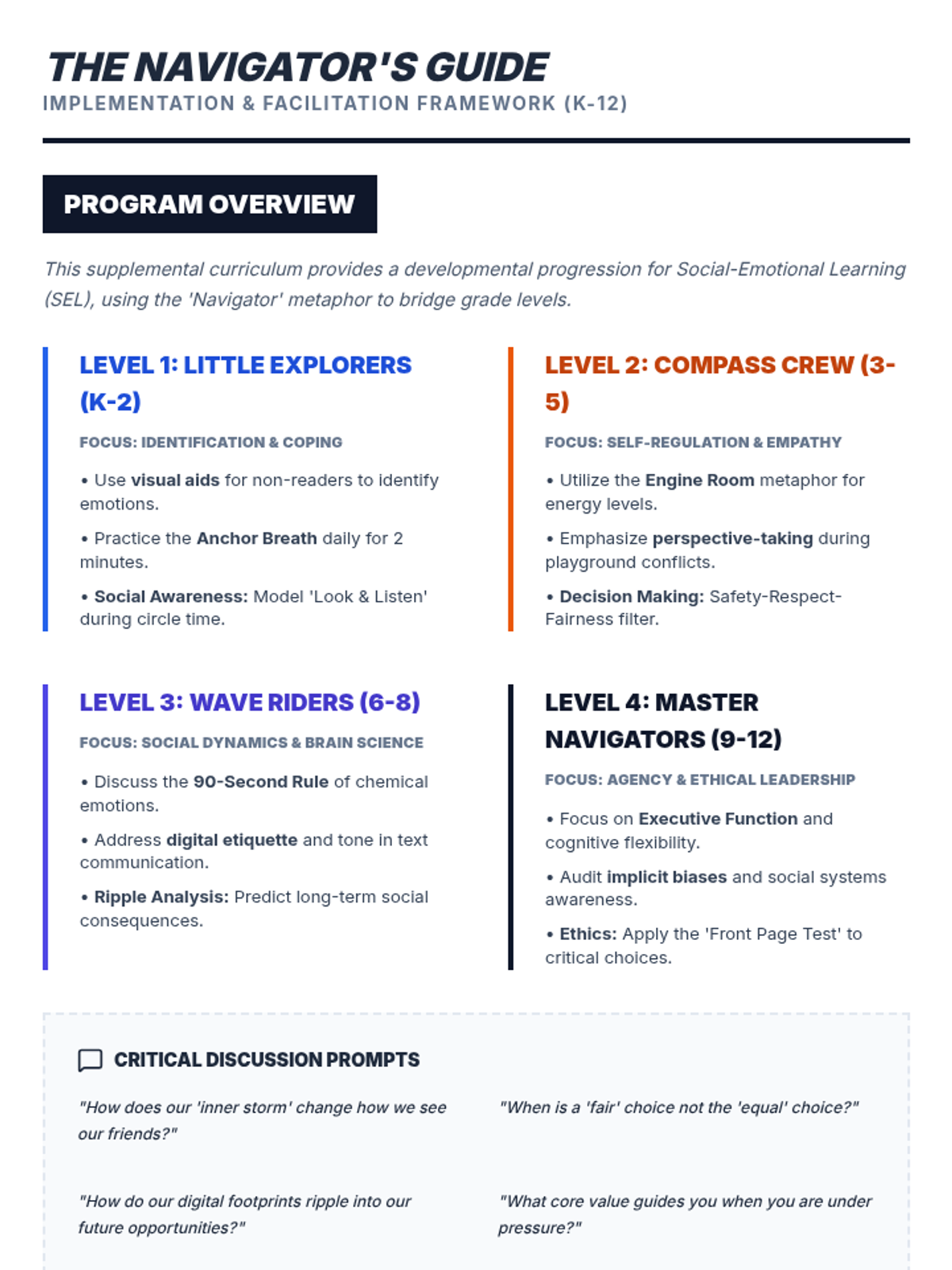
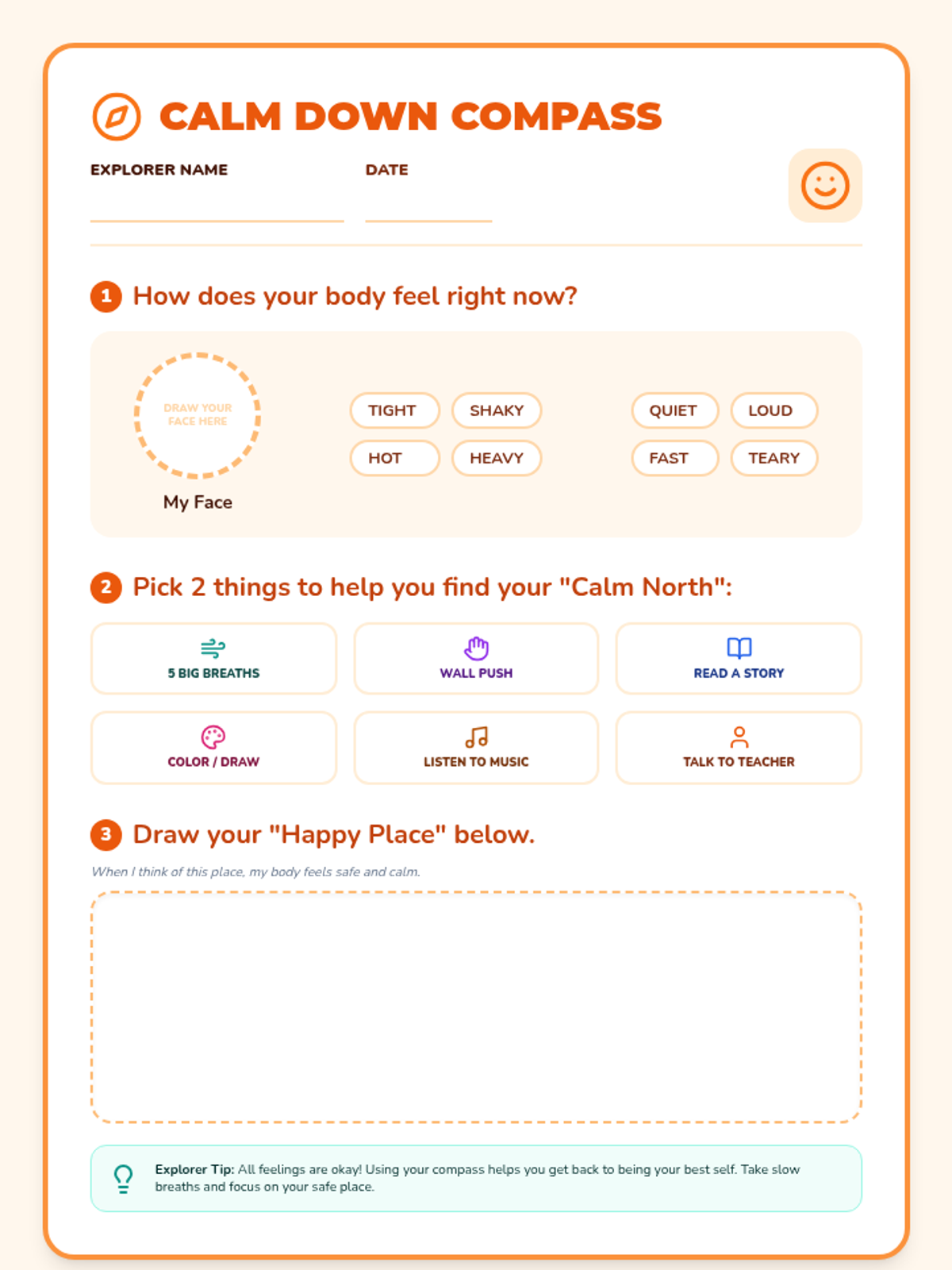
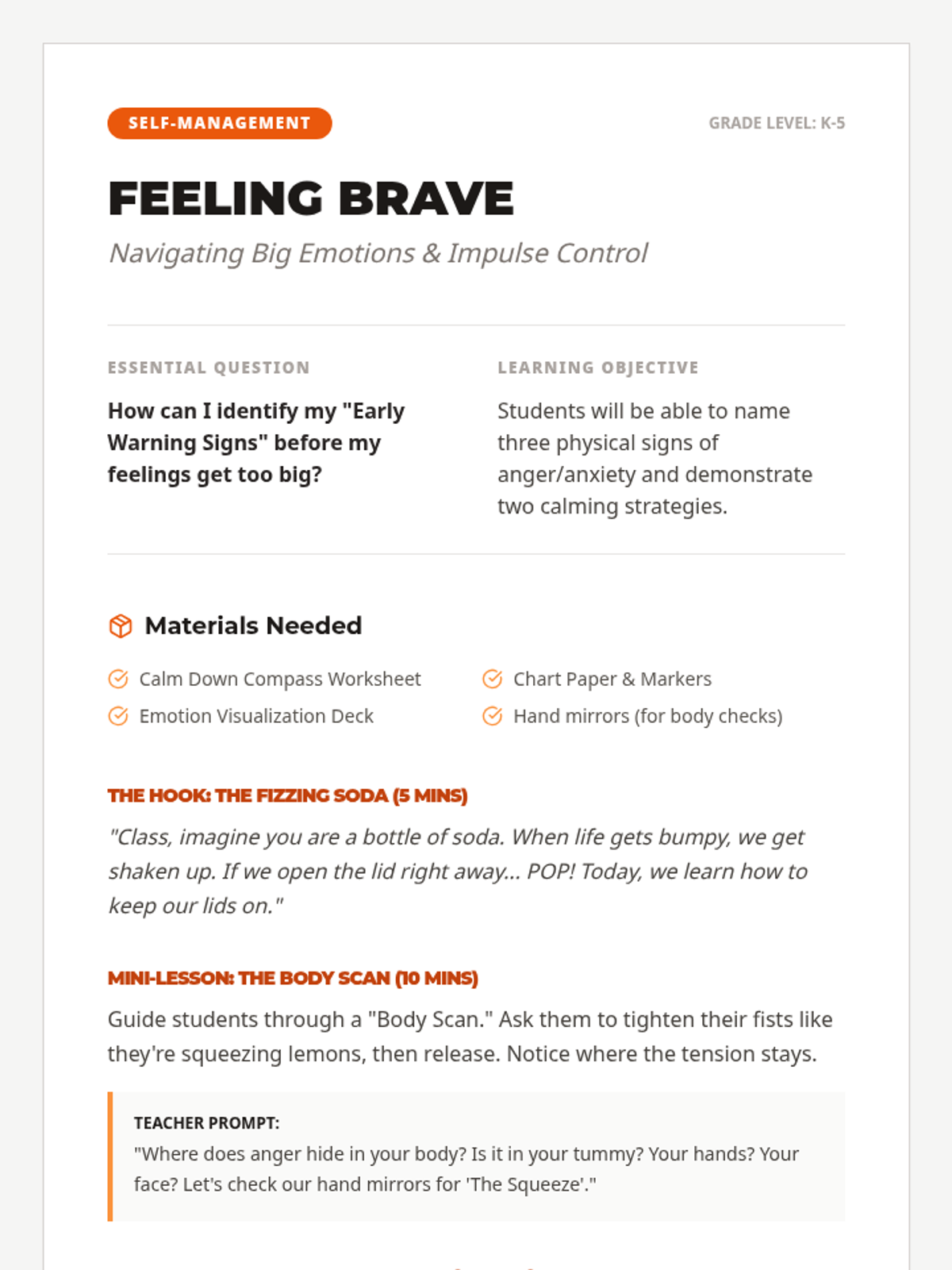
A comprehensive SEL curriculum designed for K-12 students, focusing on self-management, coping skills, social awareness, and responsible decision-making using a nautical 'Navigator' theme.
A comprehensive K-12 Social-Emotional Learning curriculum focusing on behavior regulation, social skills, and mental health resilience. This sequence provides a developmental pathway from emotional foundations in elementary school to complex coping strategies and social navigation in high school.
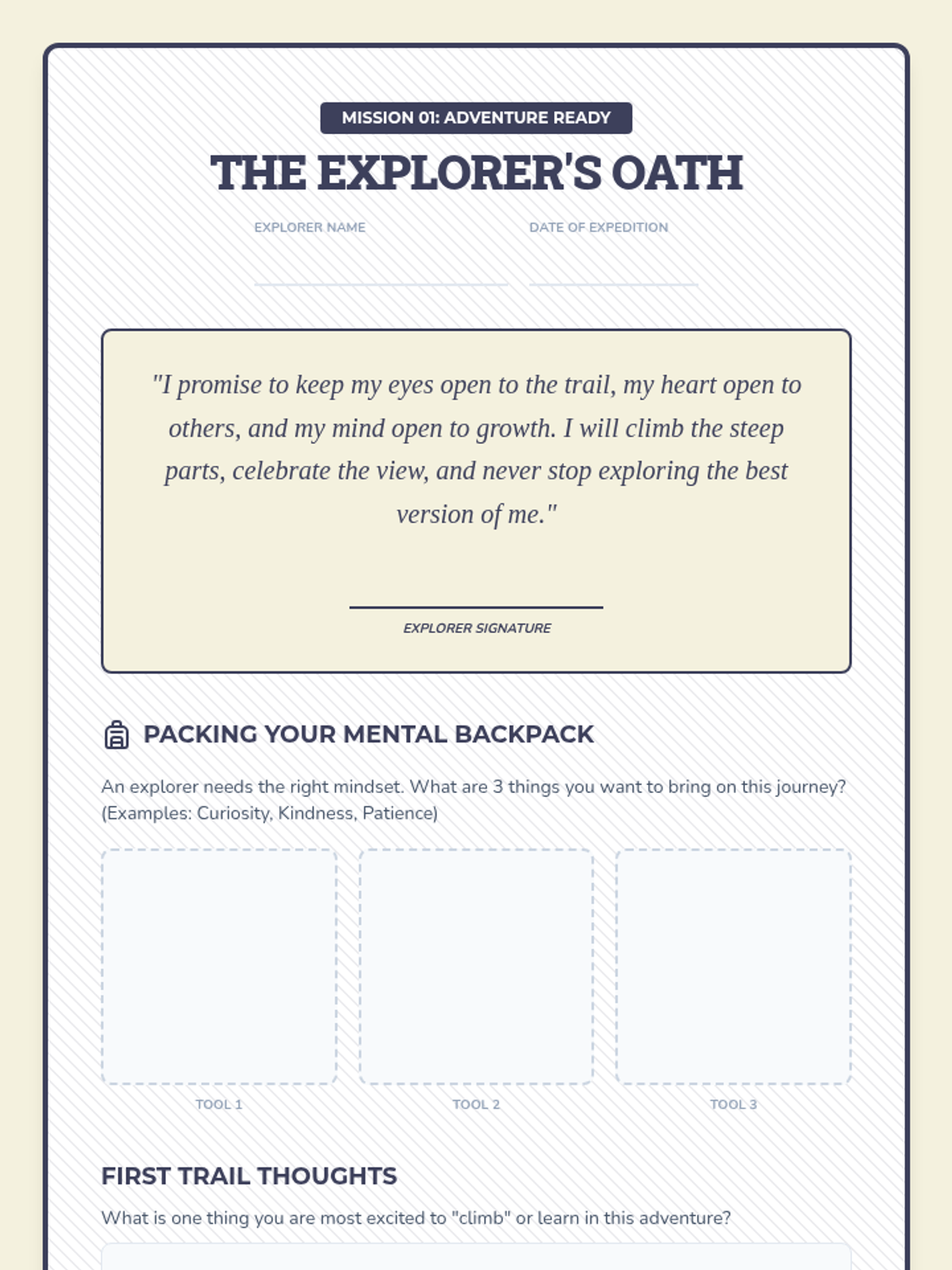
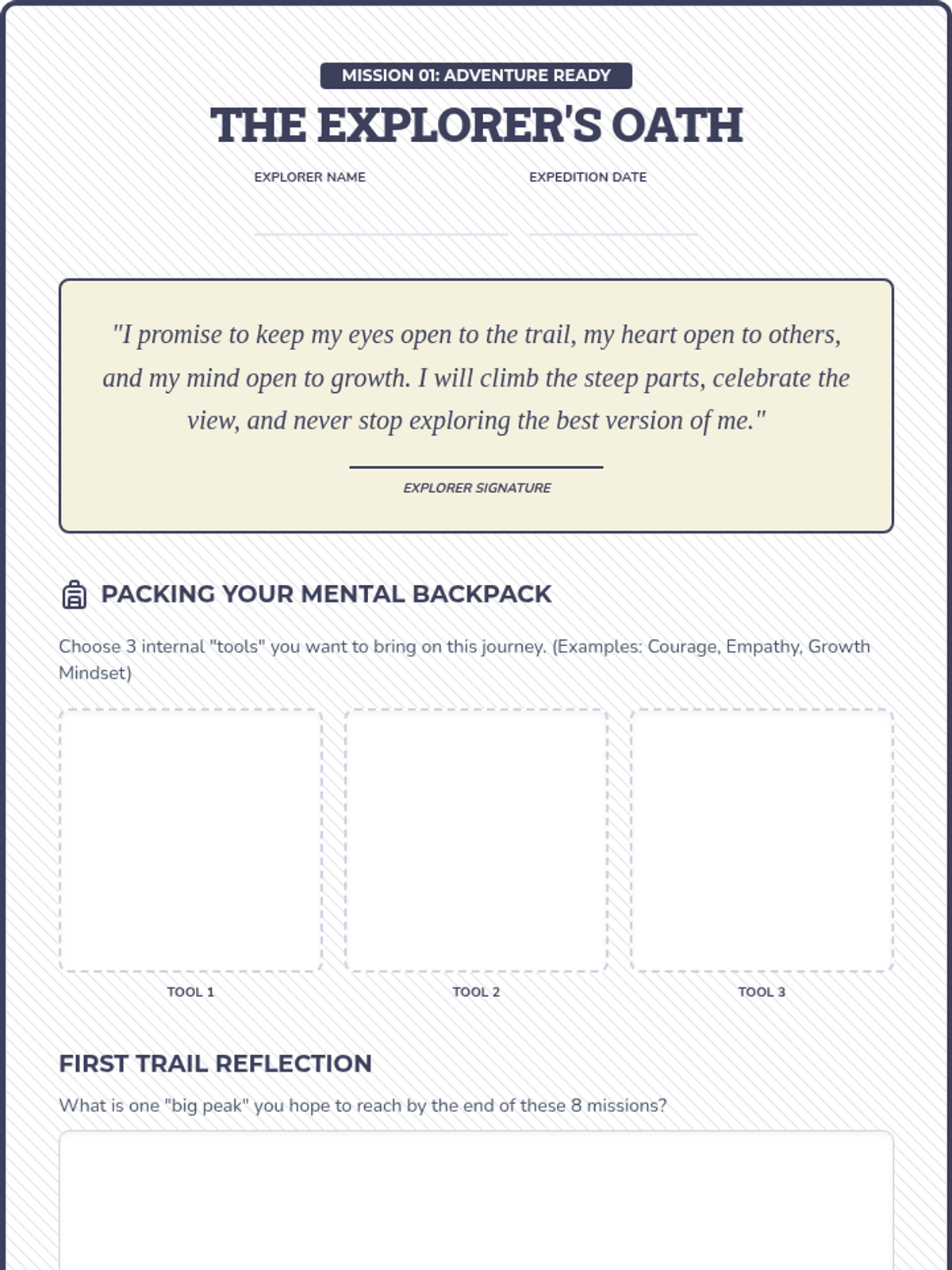
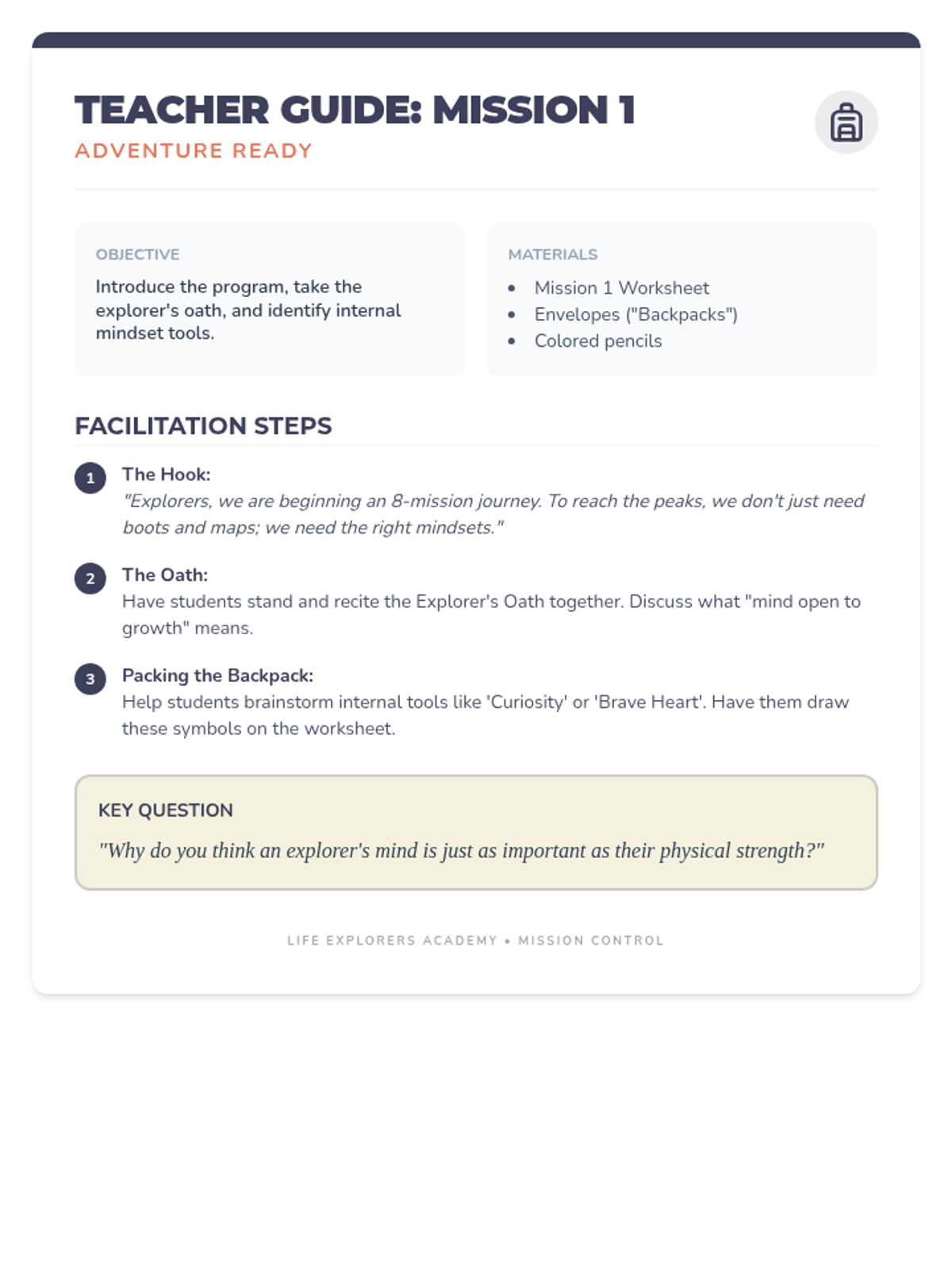
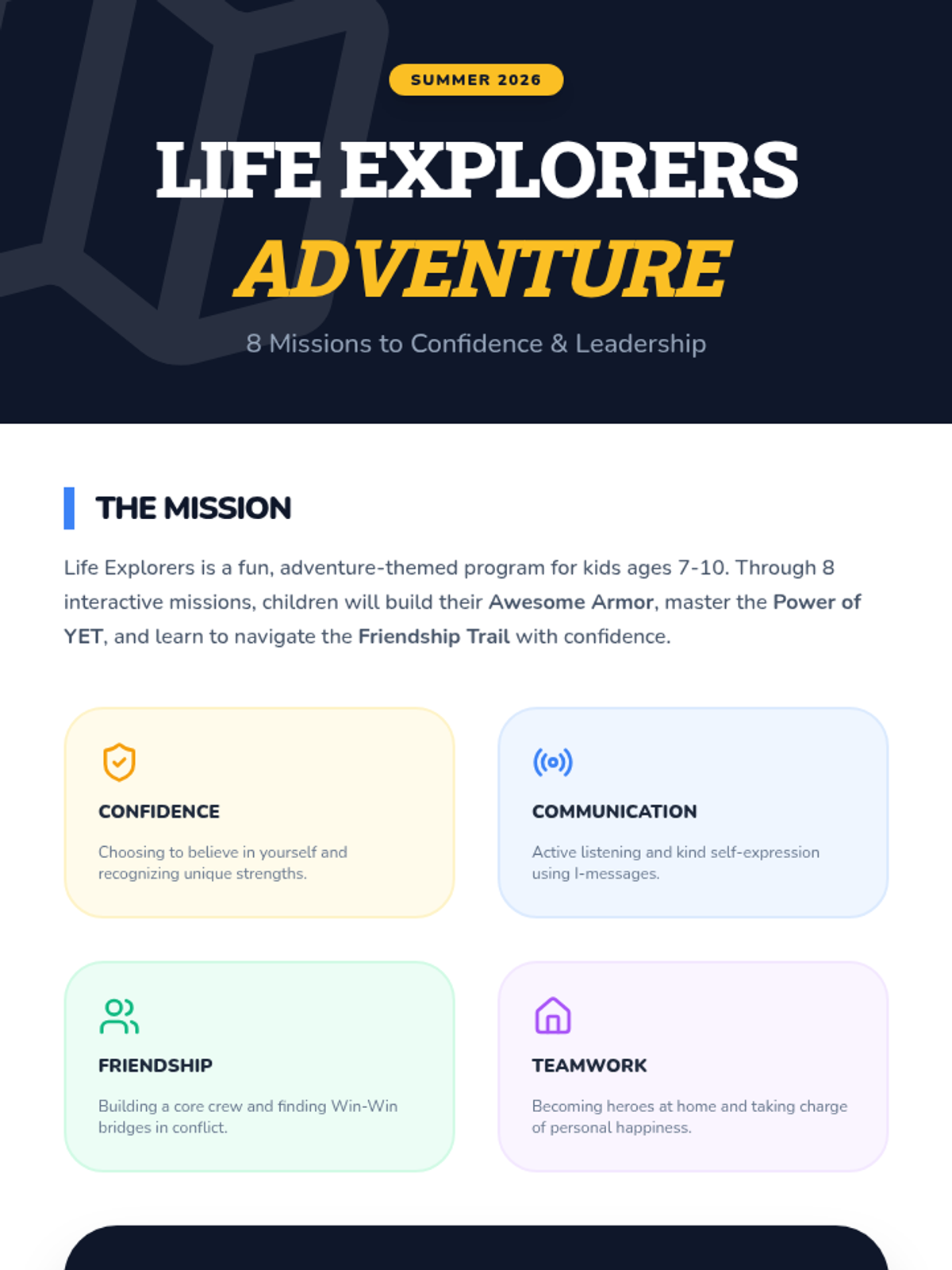
An 8-mission adventure for kids ages 7-10 focused on building social-emotional skills, growth mindset, and confidence through the lens of a grand explorer's journey.
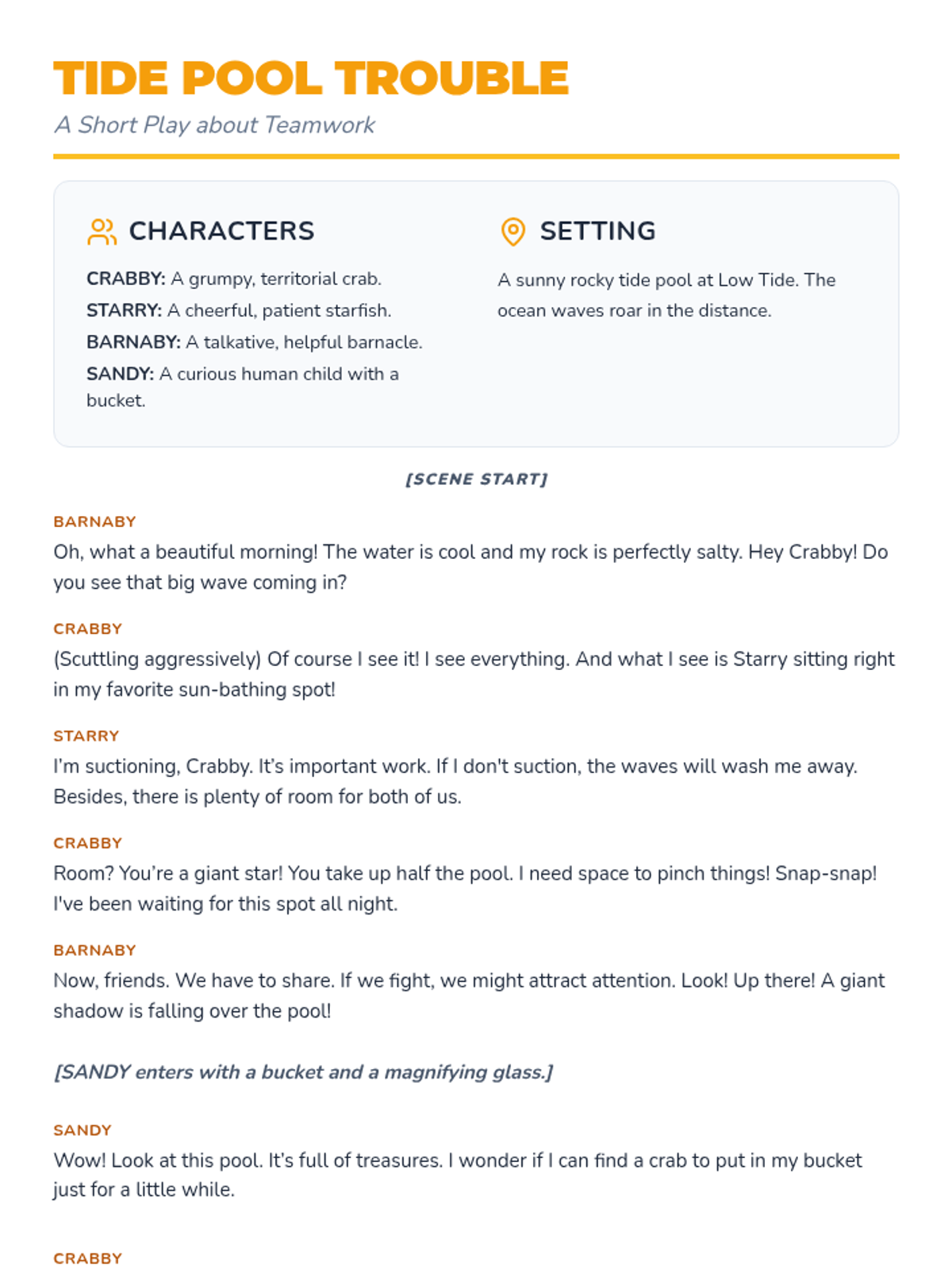
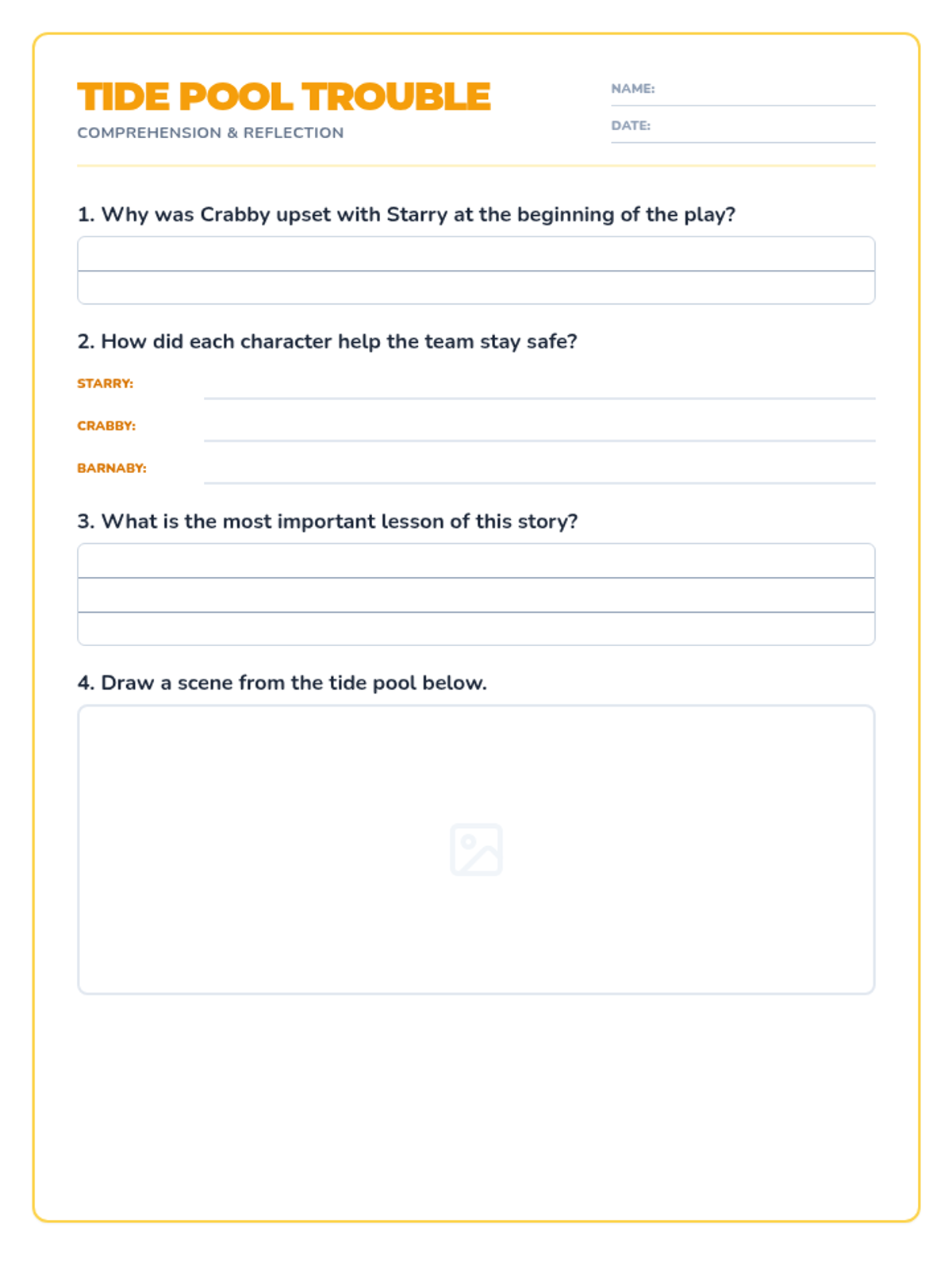
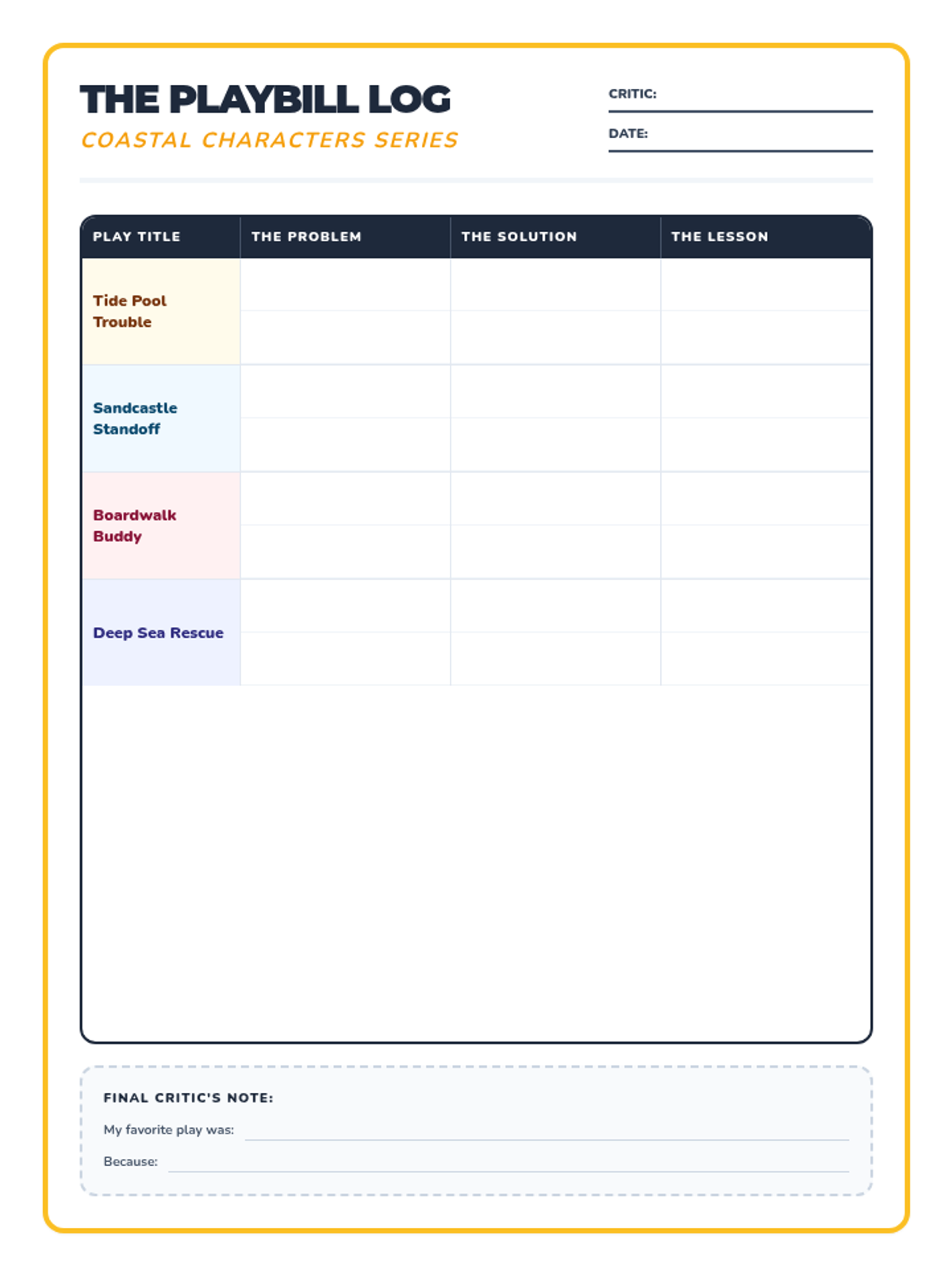
A collection of four short plays for 3rd-grade students, each focused on a specific character-building theme set in a beach or summer environment. Each lesson includes a multi-page script and a comprehension worksheet to reinforce the story's message.
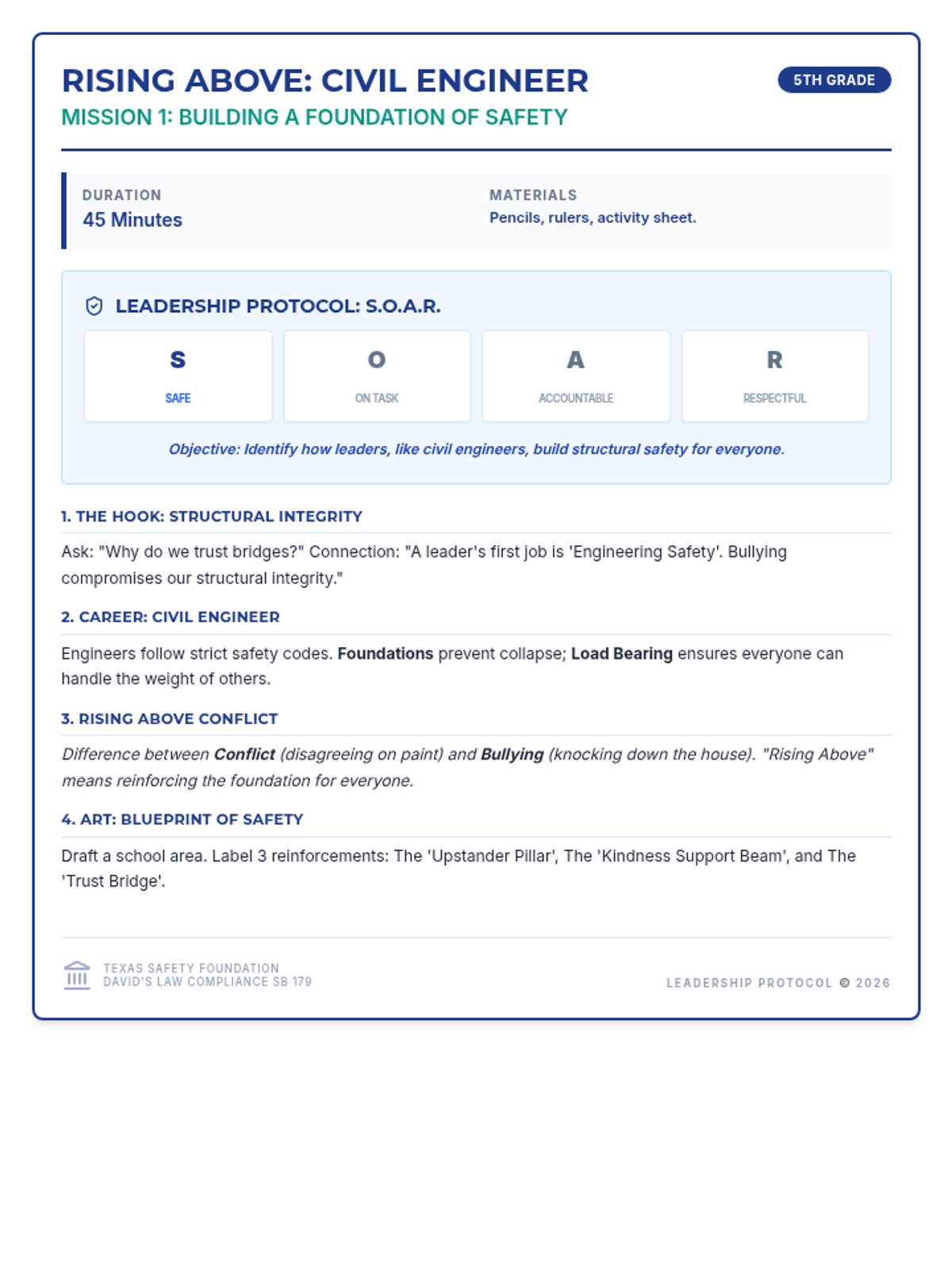
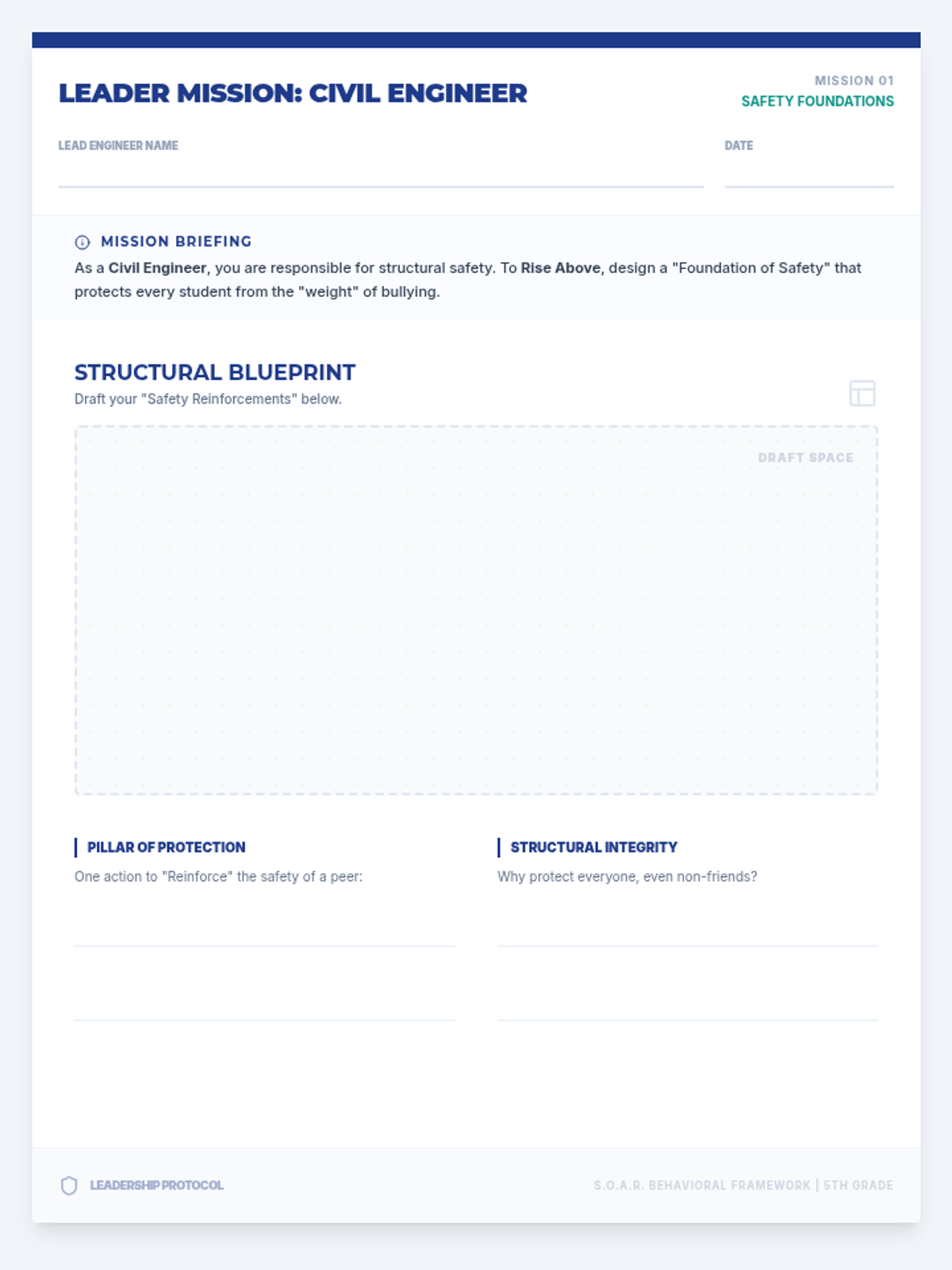
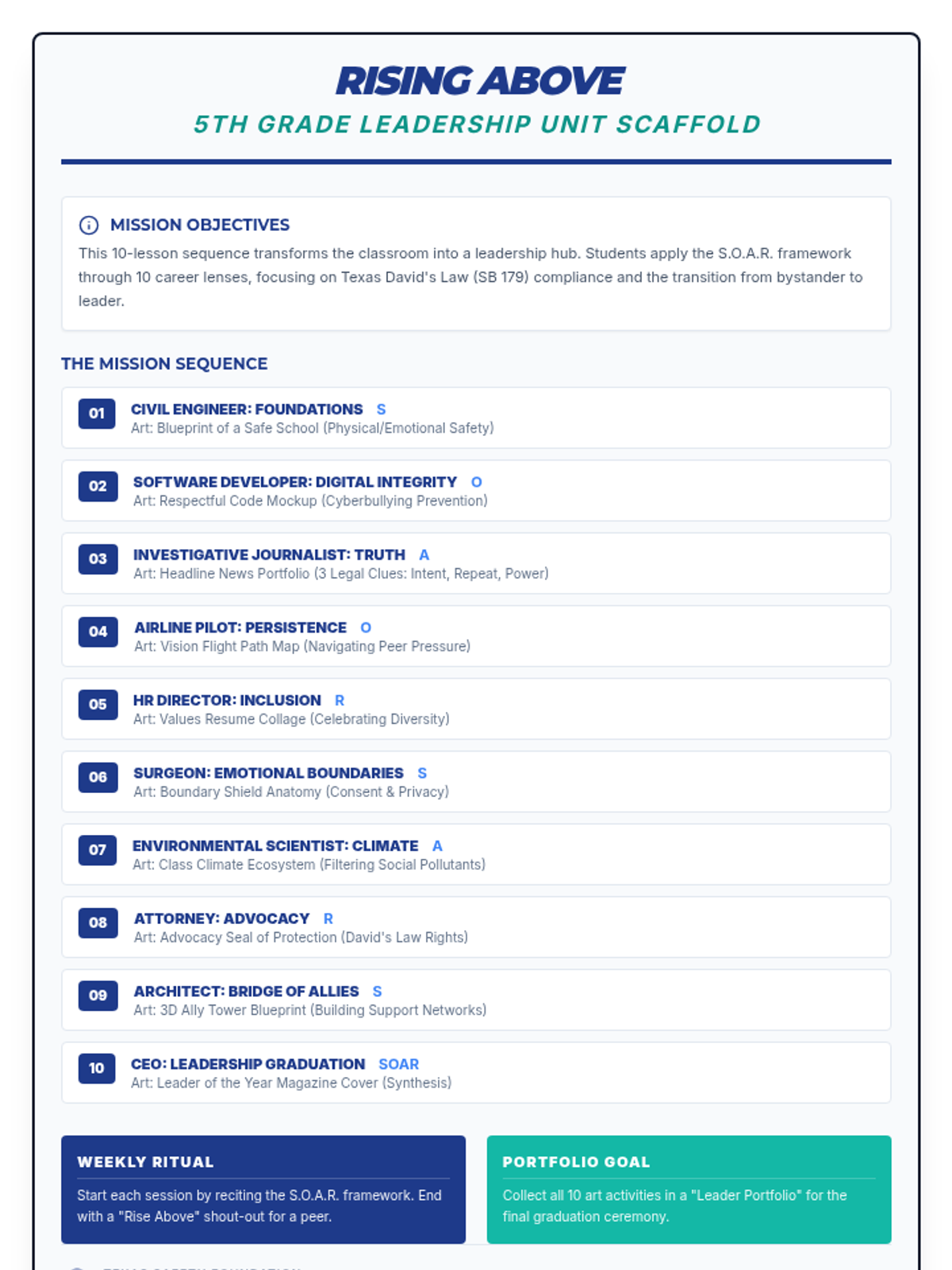
A comprehensive K-12 bullying prevention curriculum strictly aligned with Texas David's Law and TEC Chapter 37, focusing on the distinction between conflict and bullying, cyberbullying, and school safety. Now renamed to the Leadership Protocol.
A fun, adventure-themed 8-lesson summer program for kids ages 7-10. This curriculum uses simple language and playful metaphors to teach confidence, communication, friendship, and family teamwork.
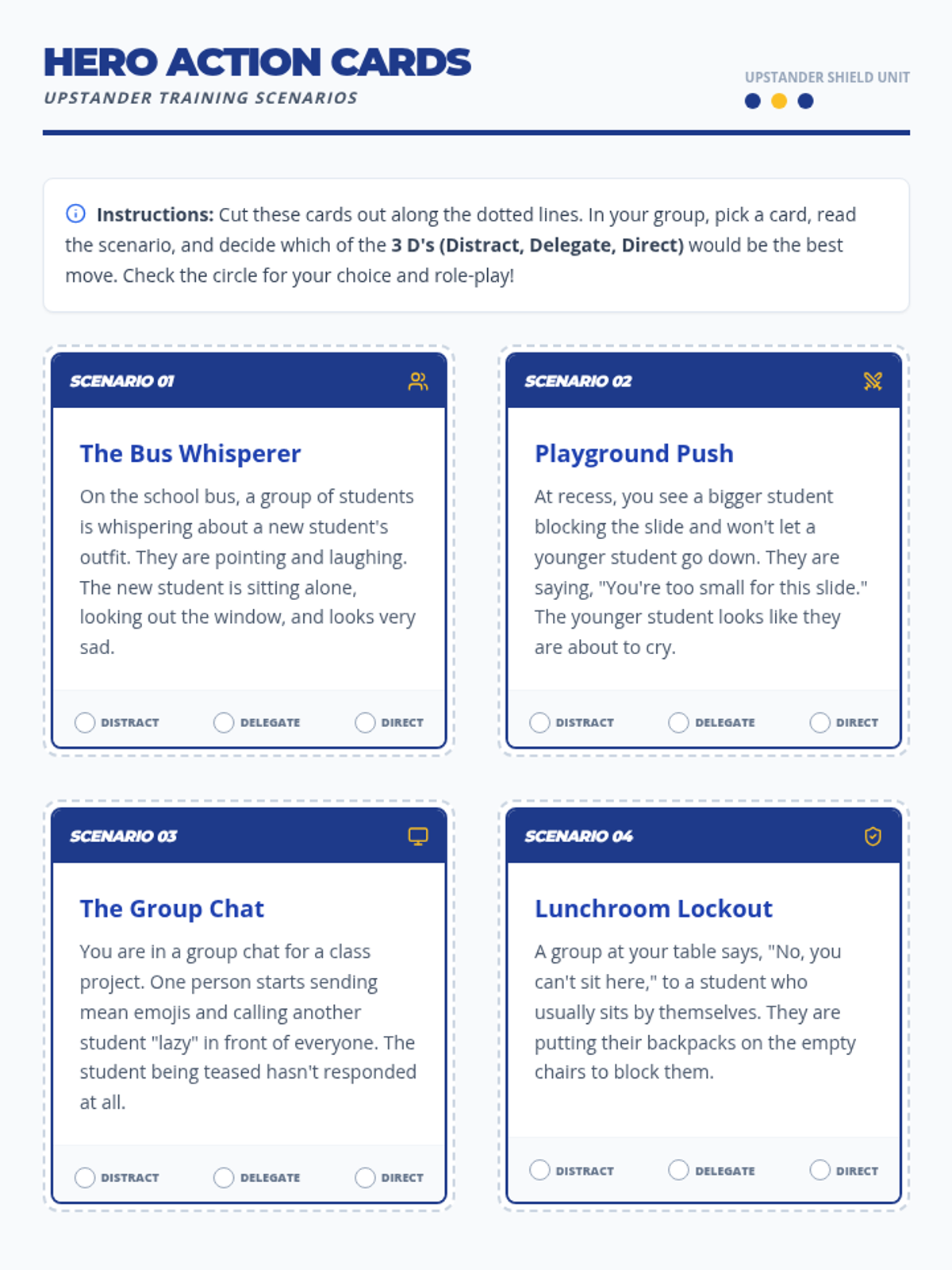
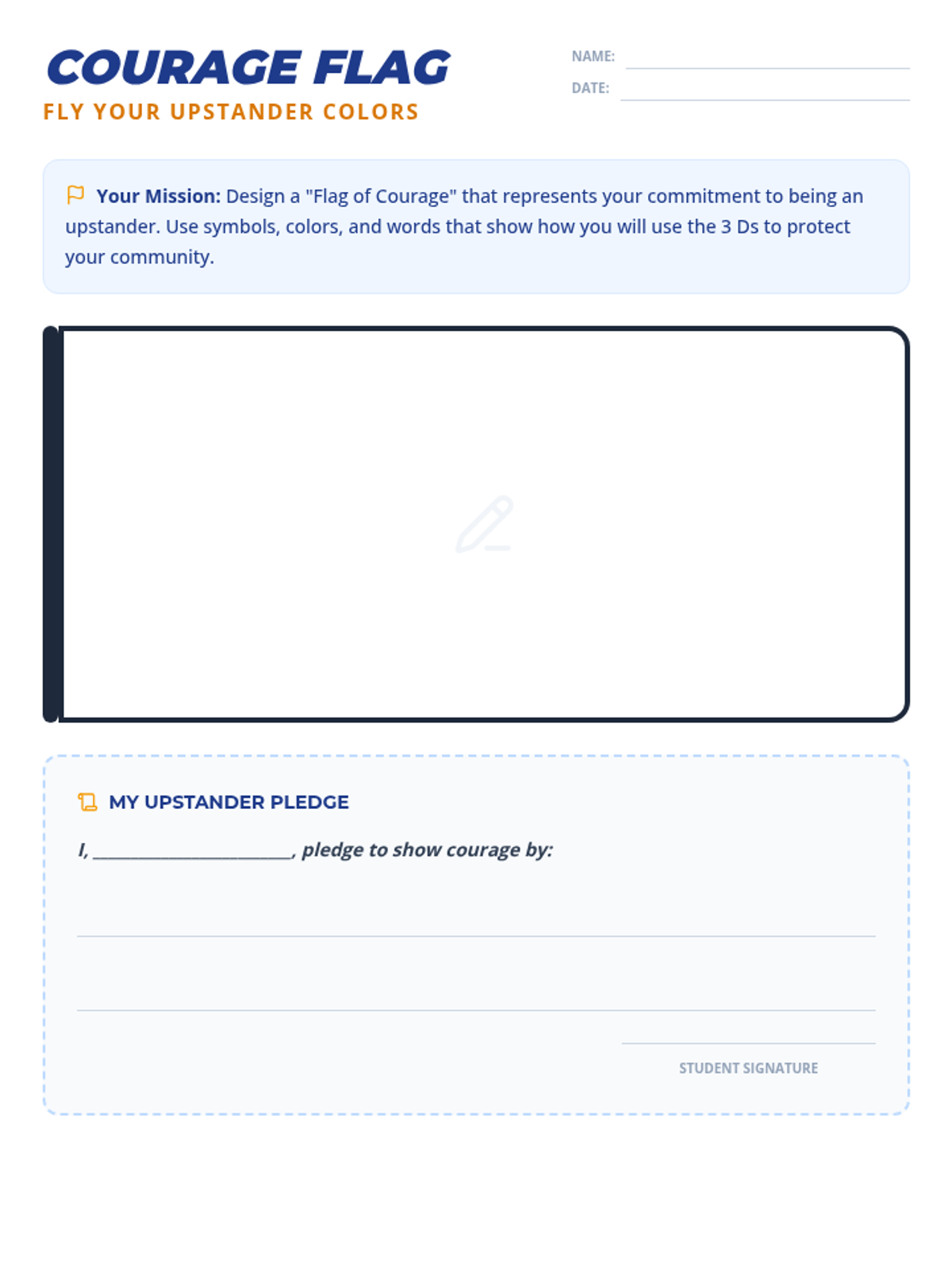
A series of lessons focused on social-emotional intelligence, courage, and community building for upper elementary students.
A two-part sequence designed to help students navigate complex emotional landscapes and understand the social and personal implications of their choices, specifically focusing on emotional regulation and honesty.
A collection of social-emotional learning resources for elementary counseling groups, covering emotional regulation for younger students and social communication for older students.
A series of lessons focused on developing core Social-Emotional Learning competencies through engaging, hands-on activities and visual storytelling.
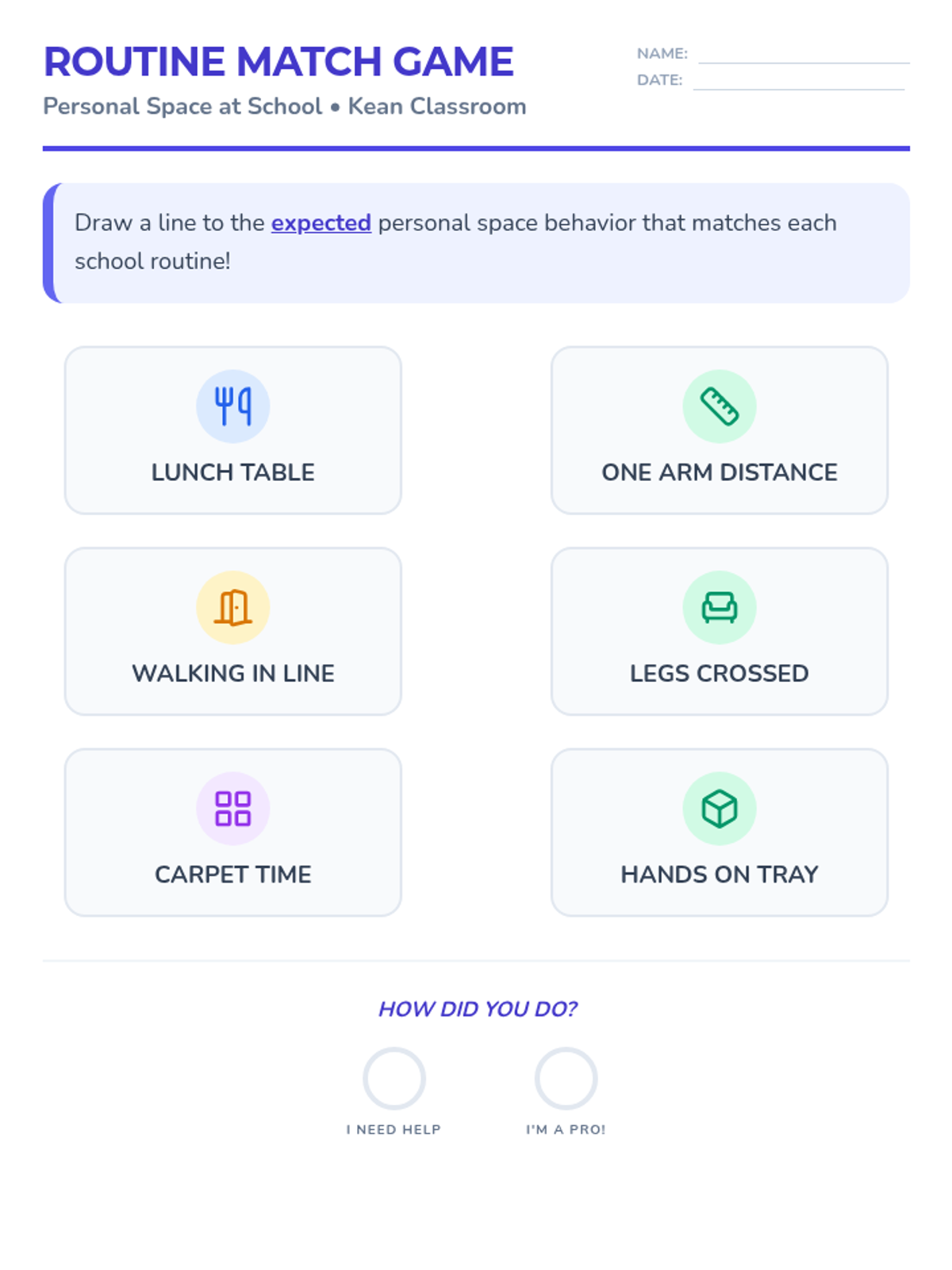
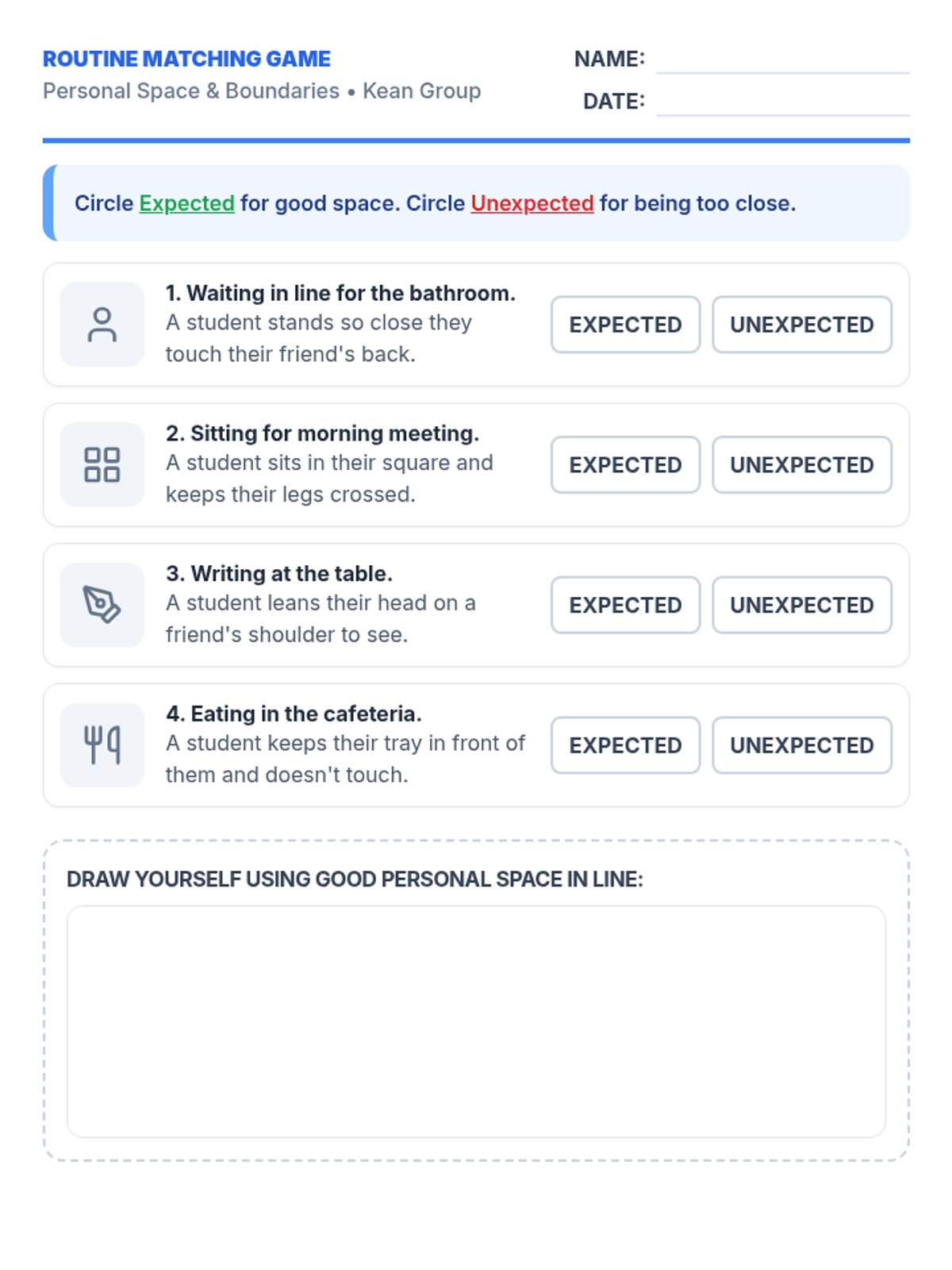
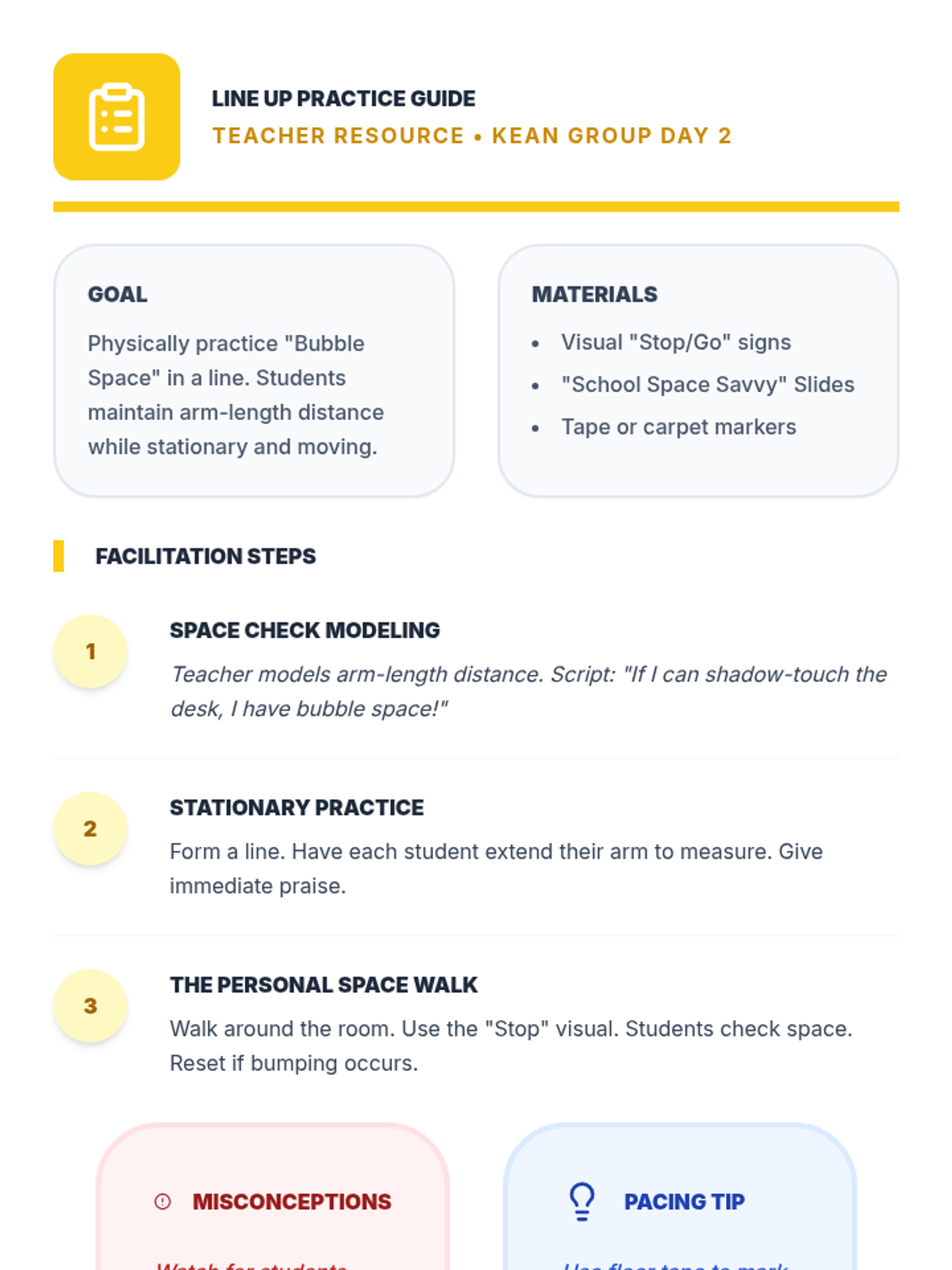
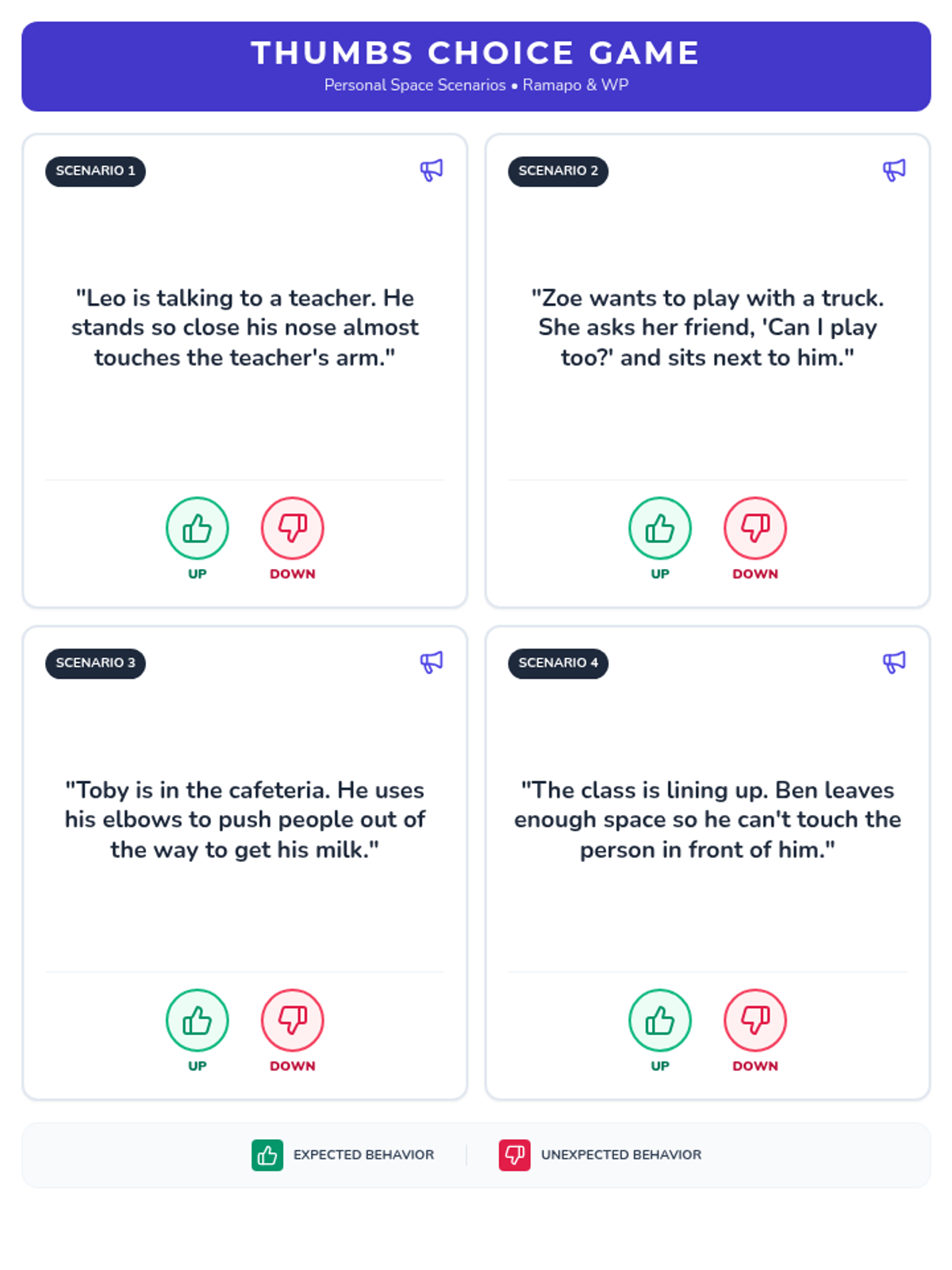
A comprehensive social skills unit focusing on personal space and boundaries across various school settings and routines for the week of May 25th. This unit differentiates for four distinct classroom groups (Kean, Ramapo, WP, and WashU) with tailored social stories and activities.
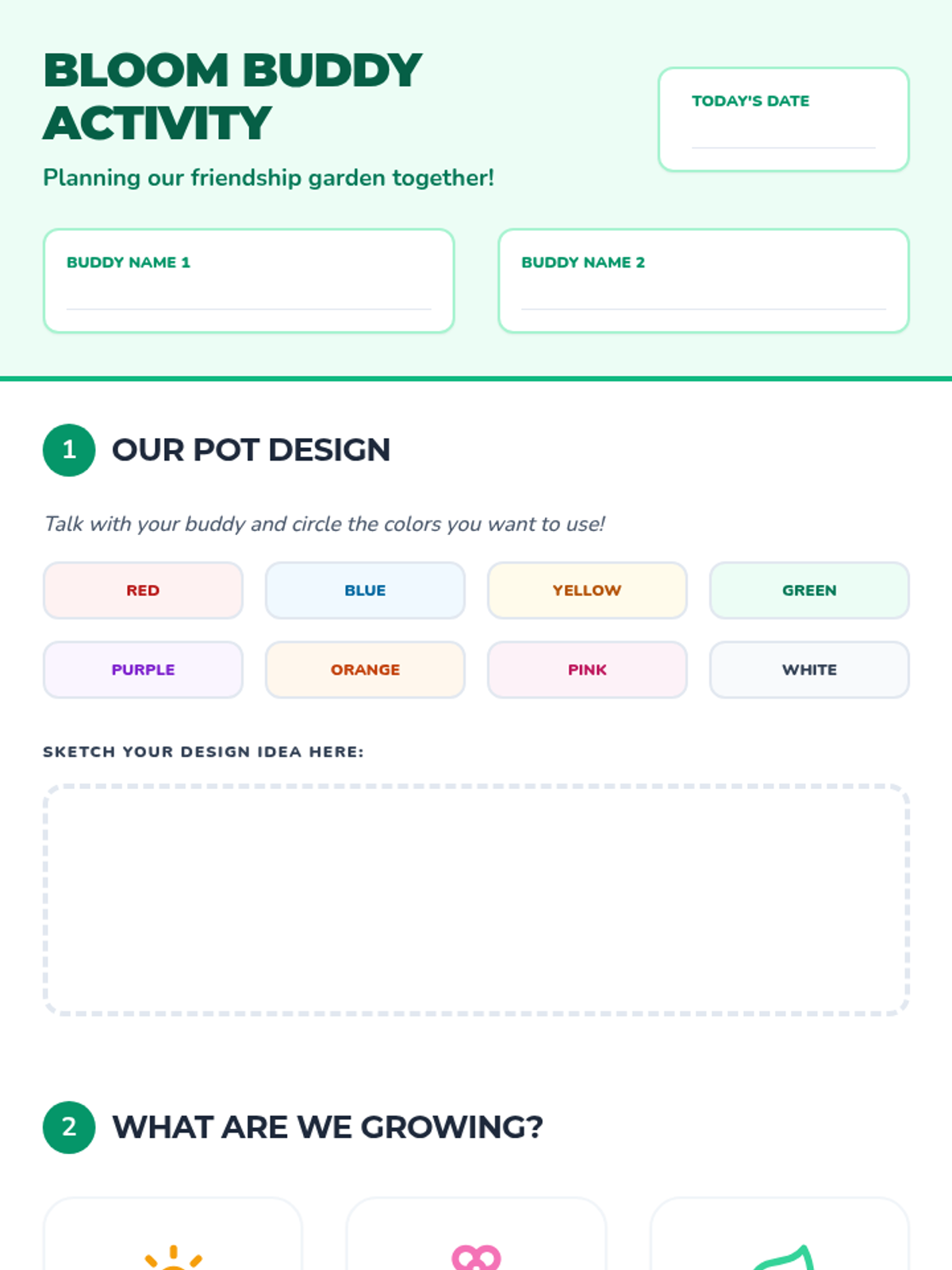
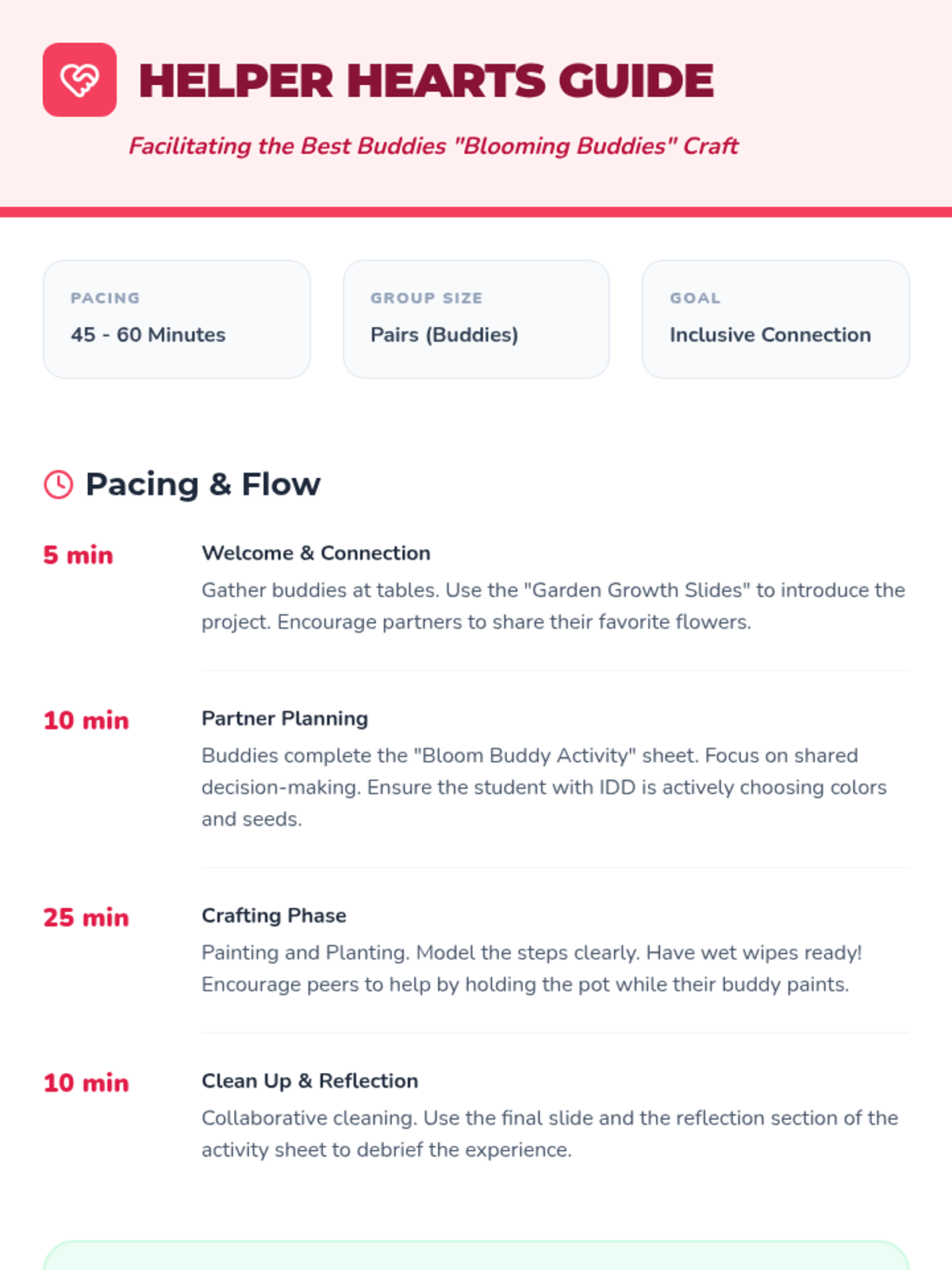
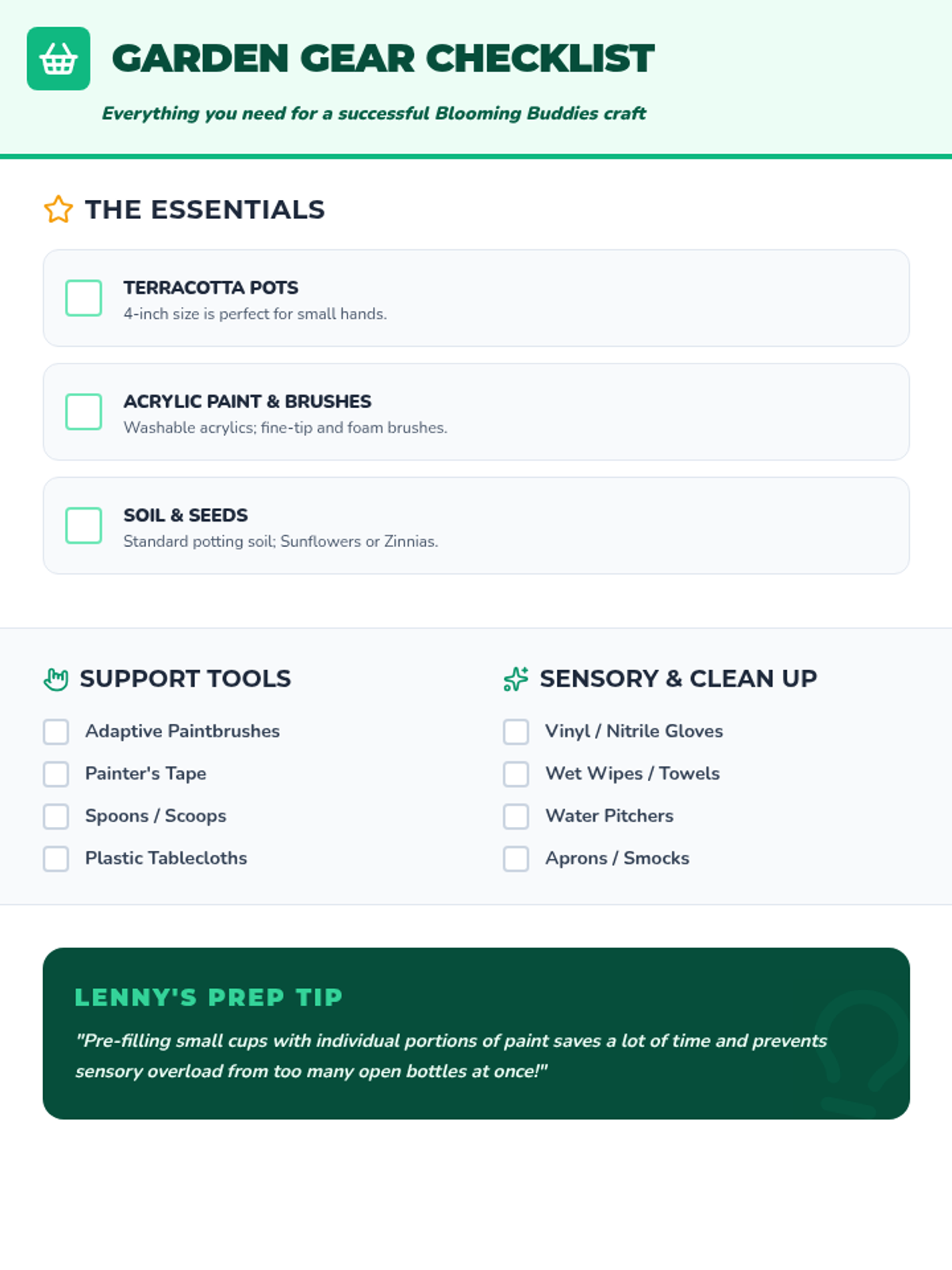
A series of collaborative lessons designed for Best Buddies pairs to foster social connection through shared creative projects, from gardening to storytelling.
A three-part 1-to-1 coaching series for gifted students struggling with perfectionism, designed to validate their high-potential brains while teaching resilience in the face of feedback, failure, and interpersonal frustration.
A series of lessons focused on emotional intelligence, self-regulation, and life skills for children using creative and expressive modalities.
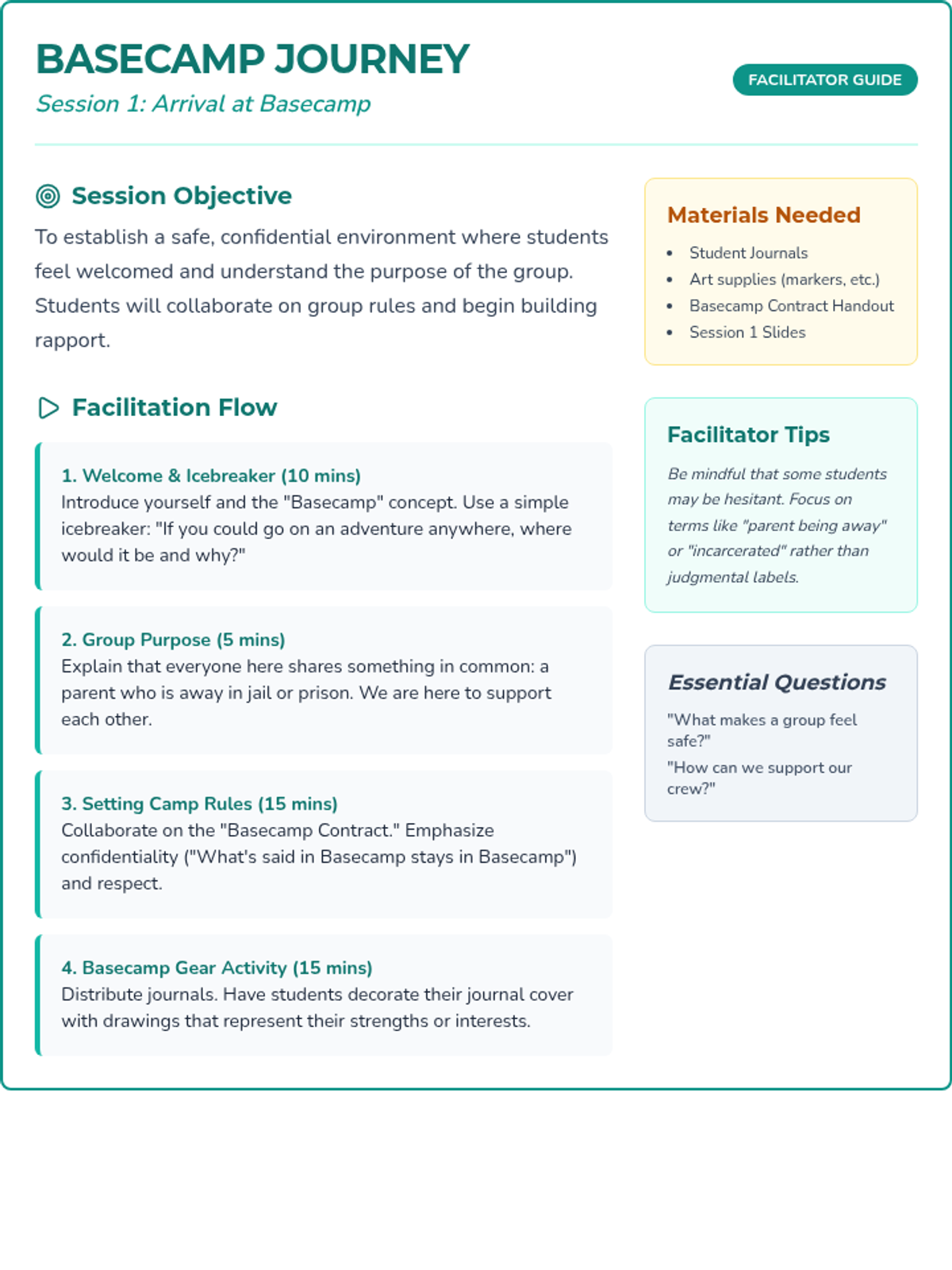
An 8-week support group curriculum for upper elementary students with incarcerated parents, focusing on emotional literacy, normalization, coping strategies, and self-identity.
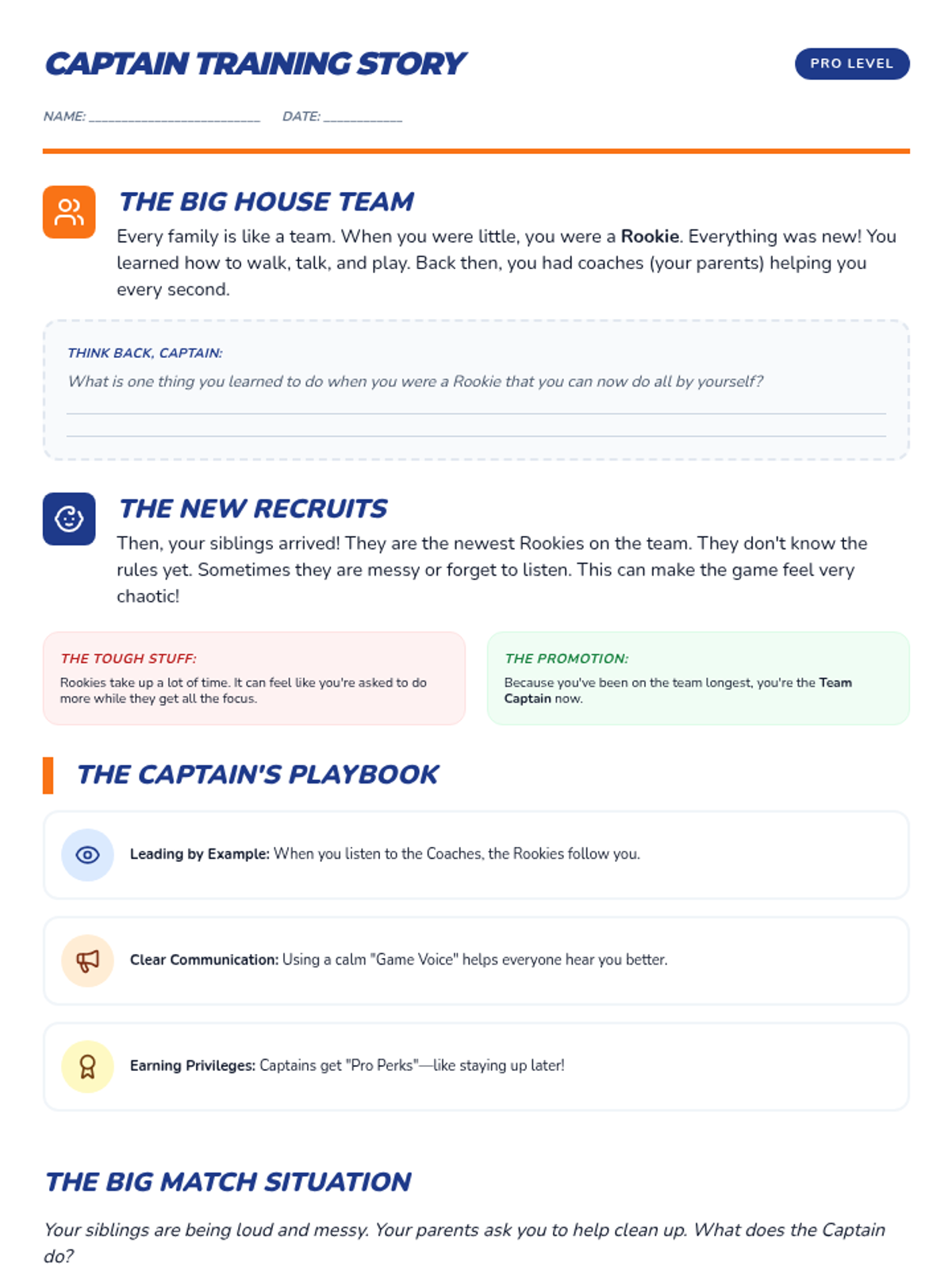
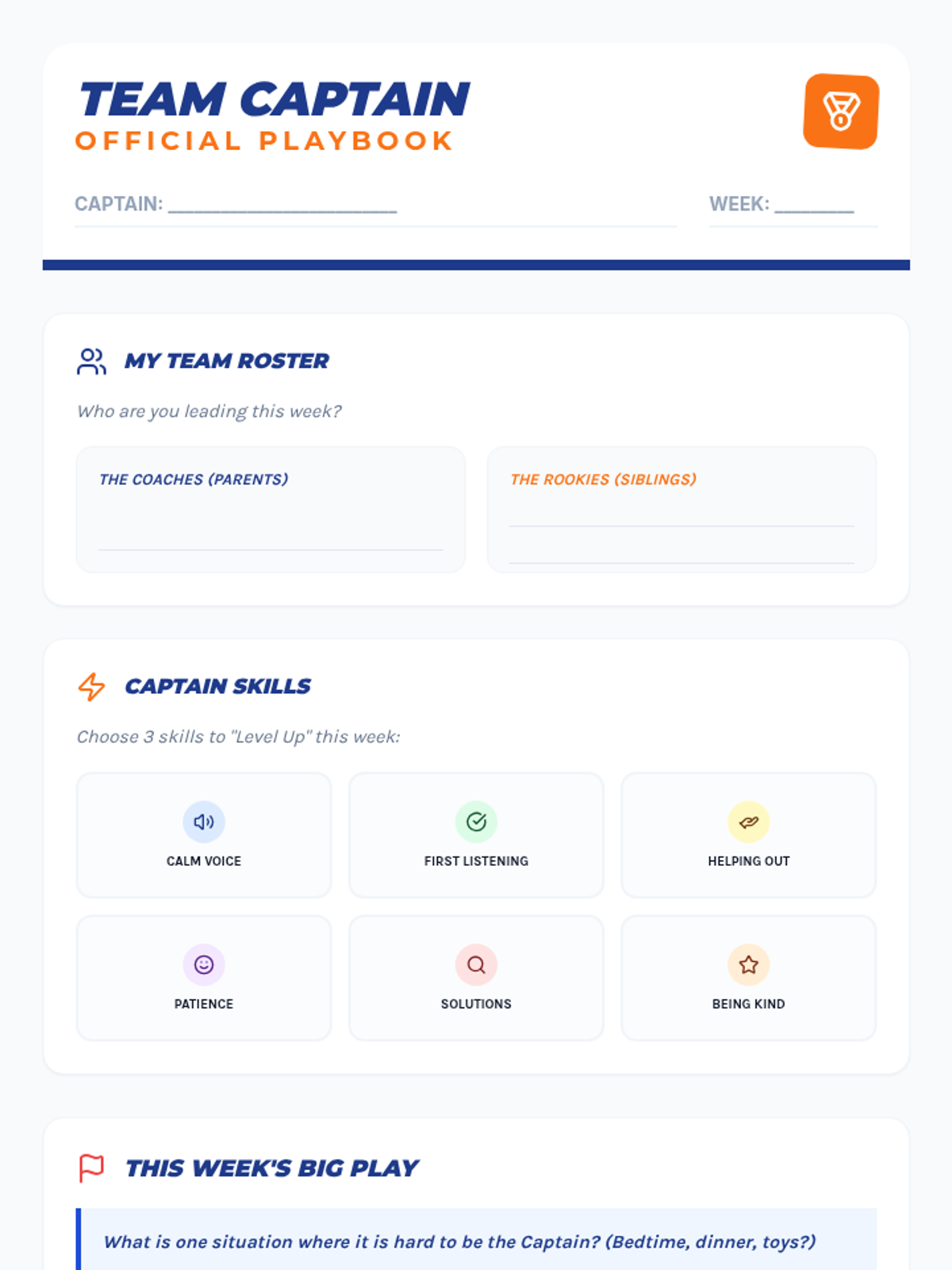
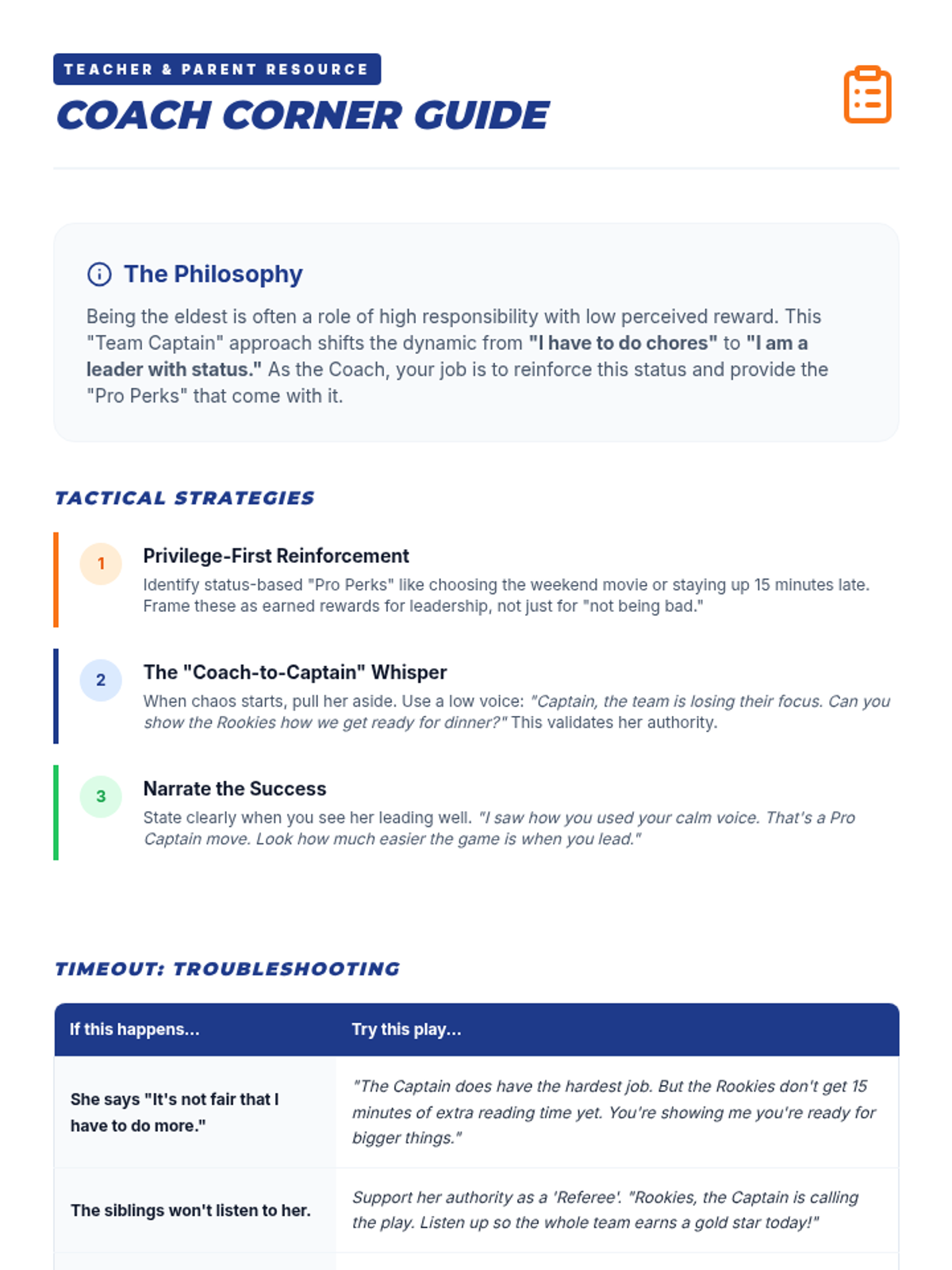
A supportive sequence designed to help the eldest child in a family transition from feeling burdened by expectations to feeling empowered as a 'Family Team Captain'. It uses sports metaphors to teach leadership, patience, and the rewards of being a role model.
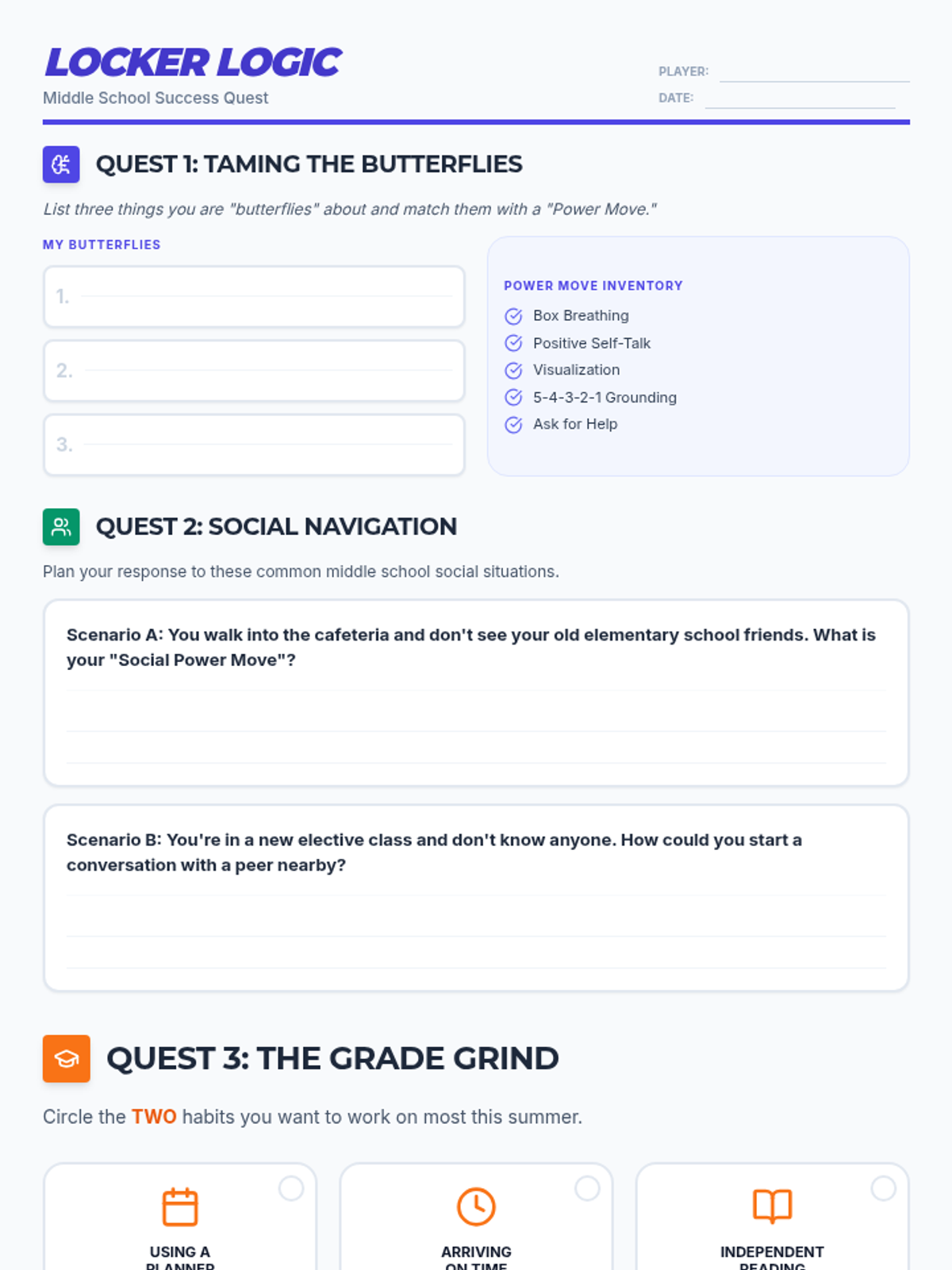
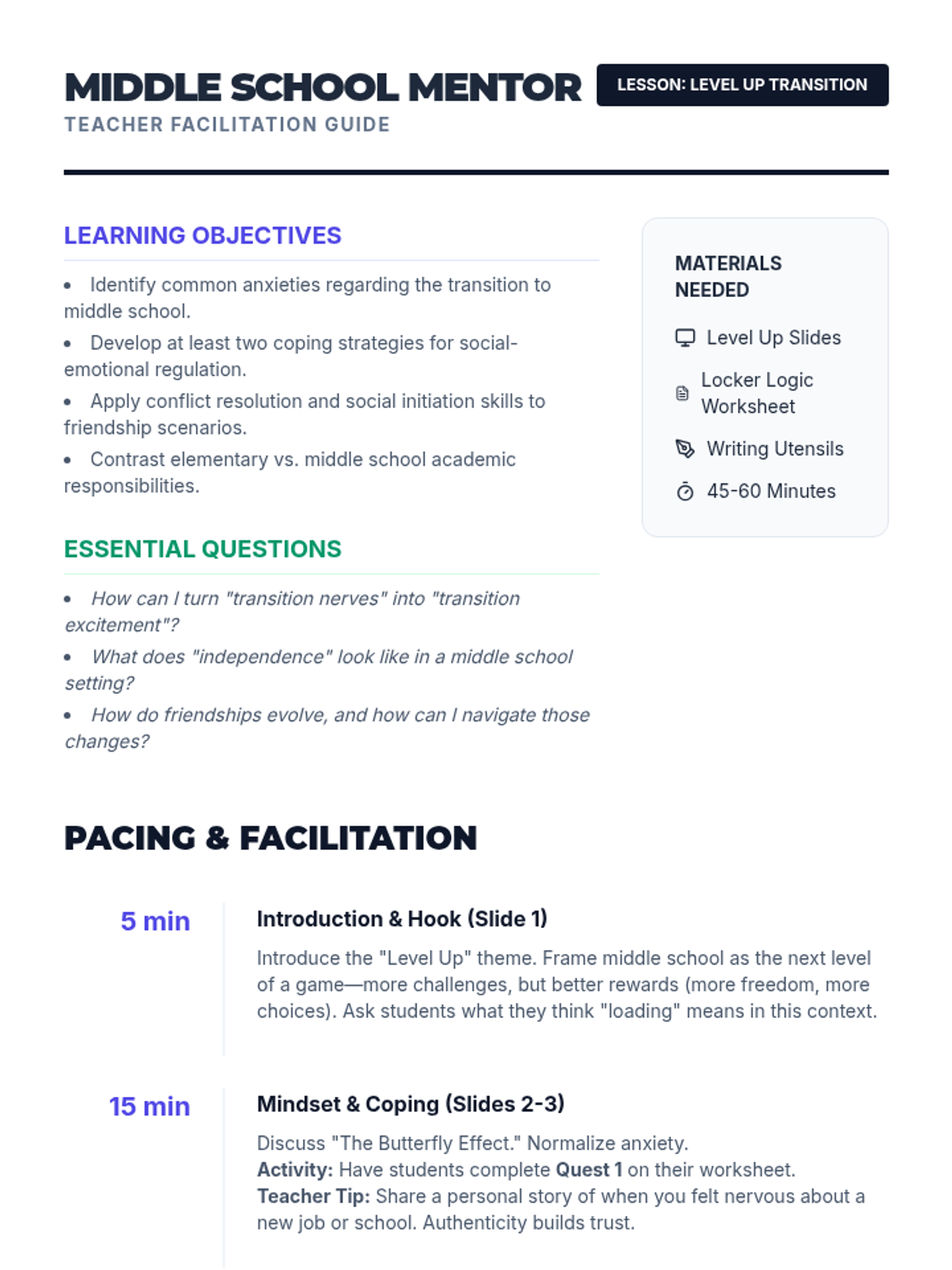
A collection of transition resources designed to help students navigate the shifts between grade levels, focusing on social-emotional readiness, leadership, and academic growth.
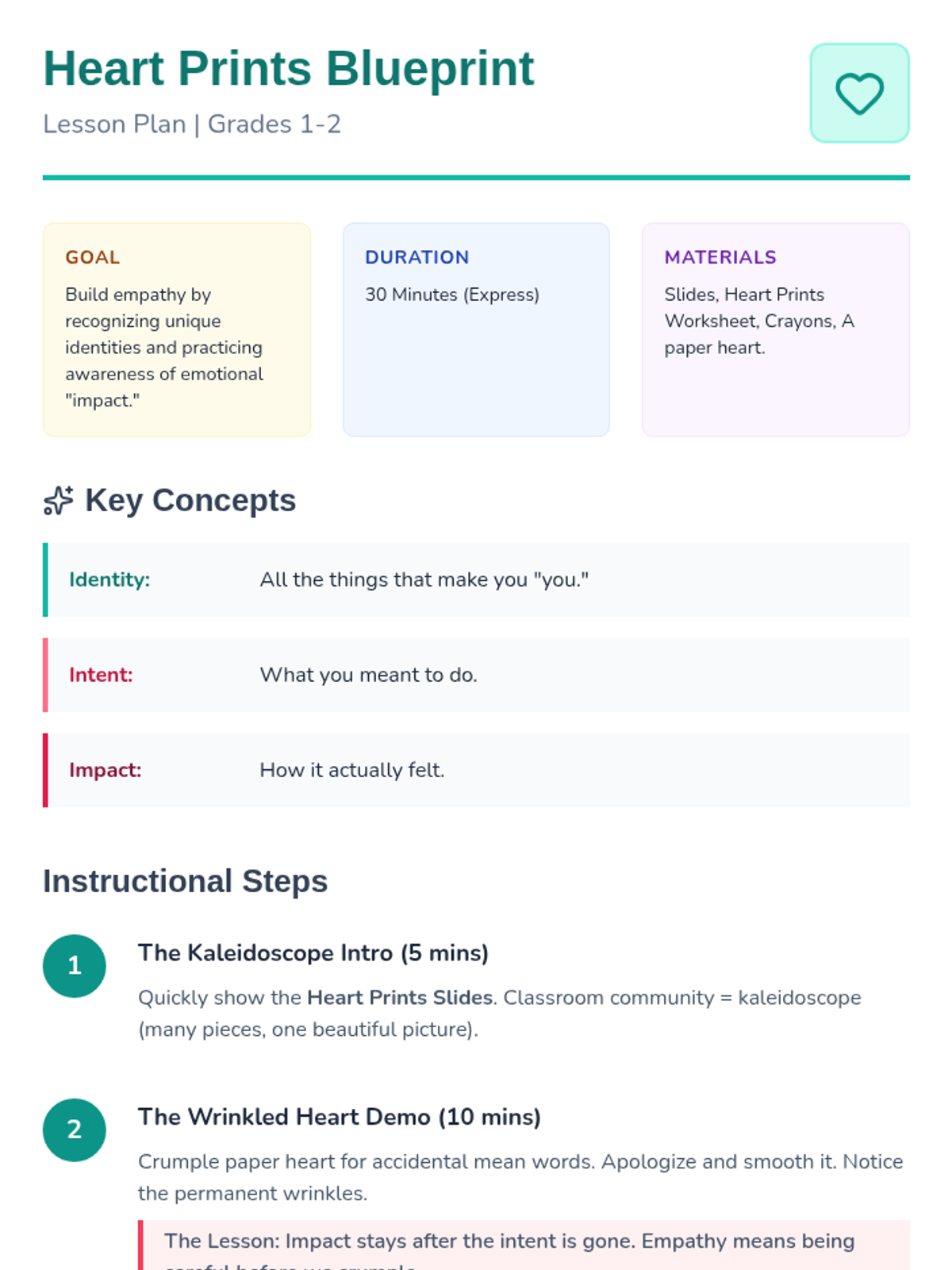
A comprehensive curriculum for grades 1-5 focused on building empathy by exploring identity, bias, and the difference between intent and impact. These lessons use the metaphor of a kaleidoscope to celebrate diversity and foster inclusive classroom communities.
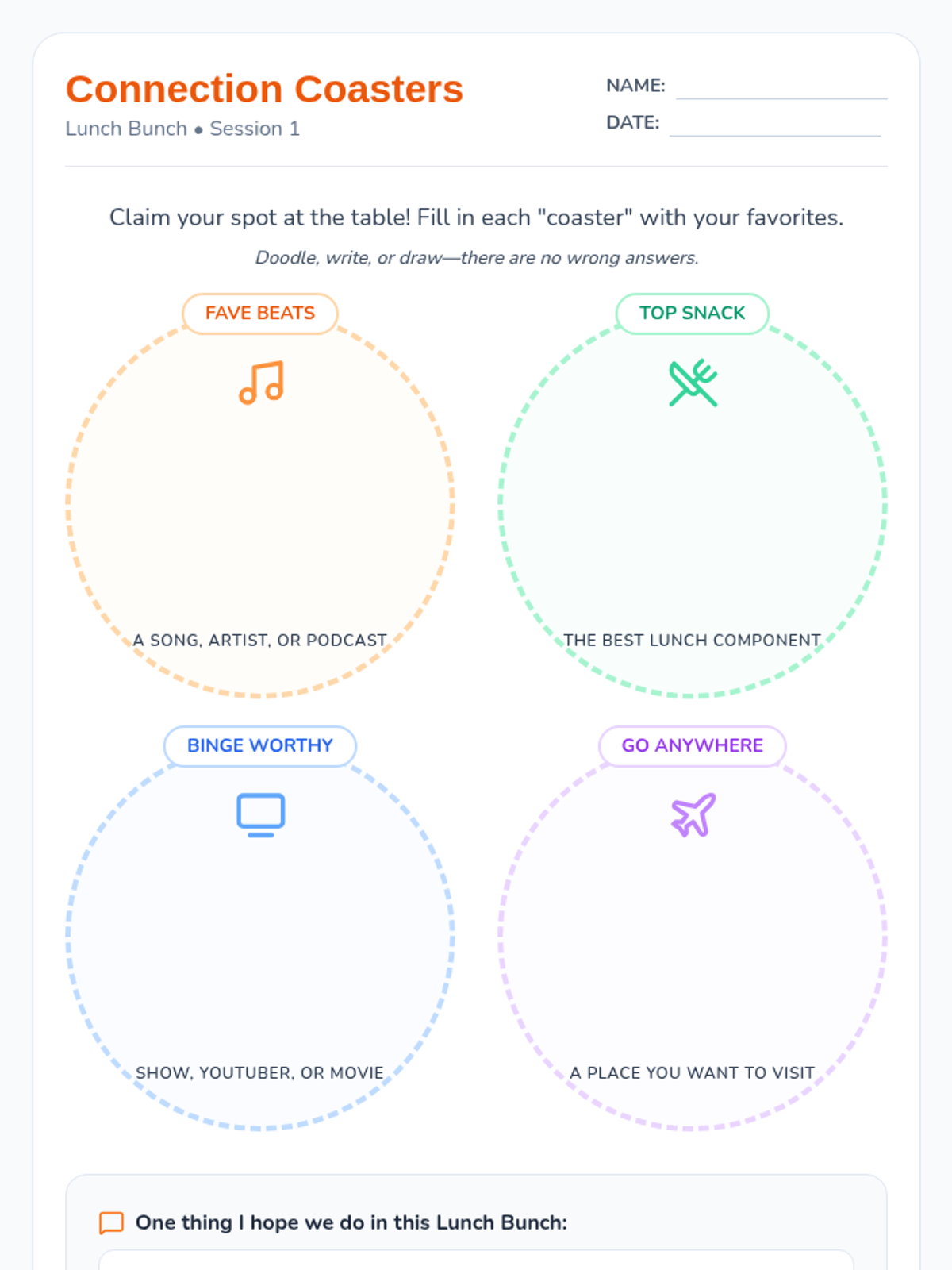
A four-session series for a small group lunch bunch focused on building a sense of belonging and community to improve school attendance. Students participate in low-pressure, connection-building activities that highlight the importance of their presence in the school community.
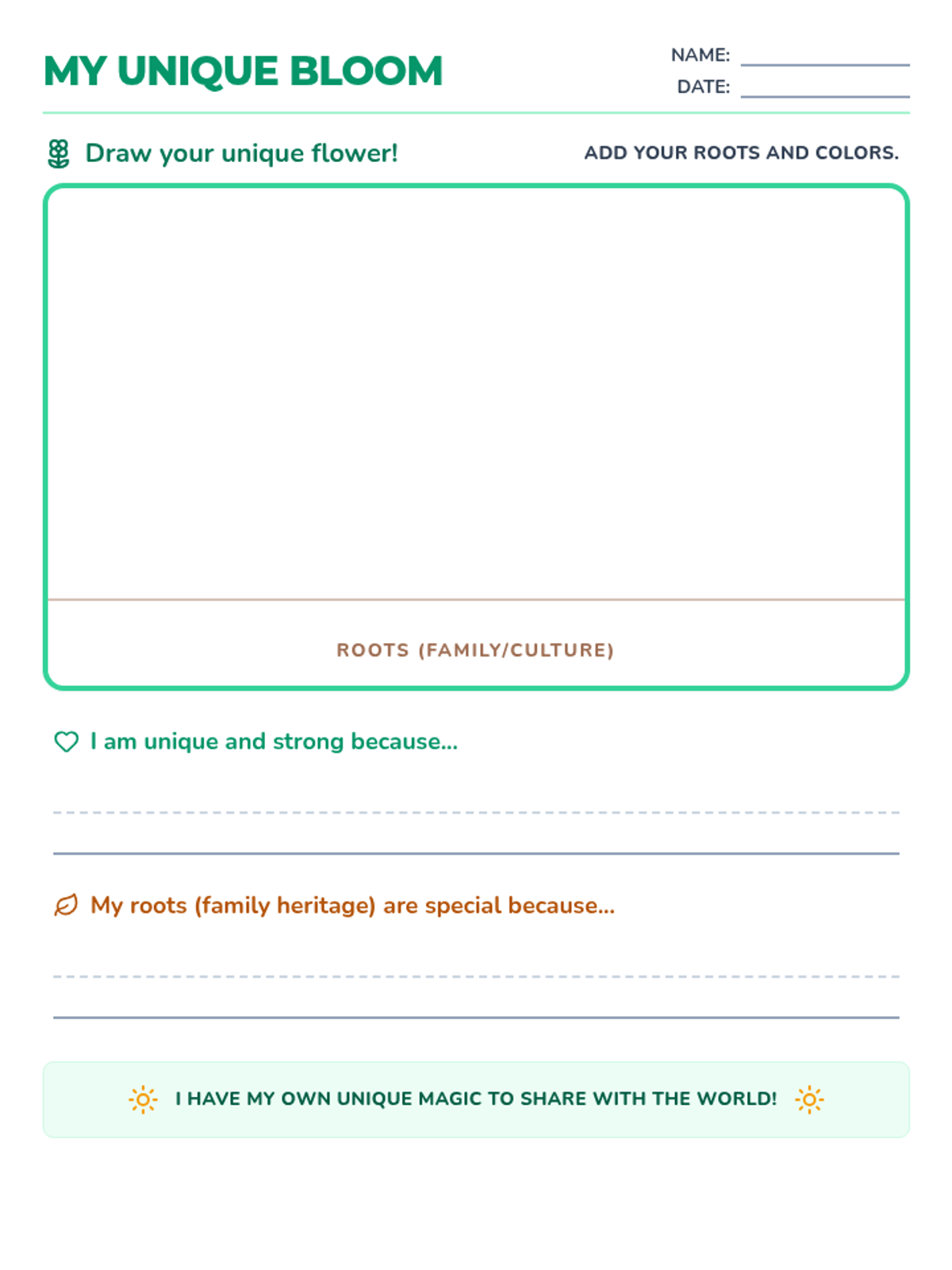
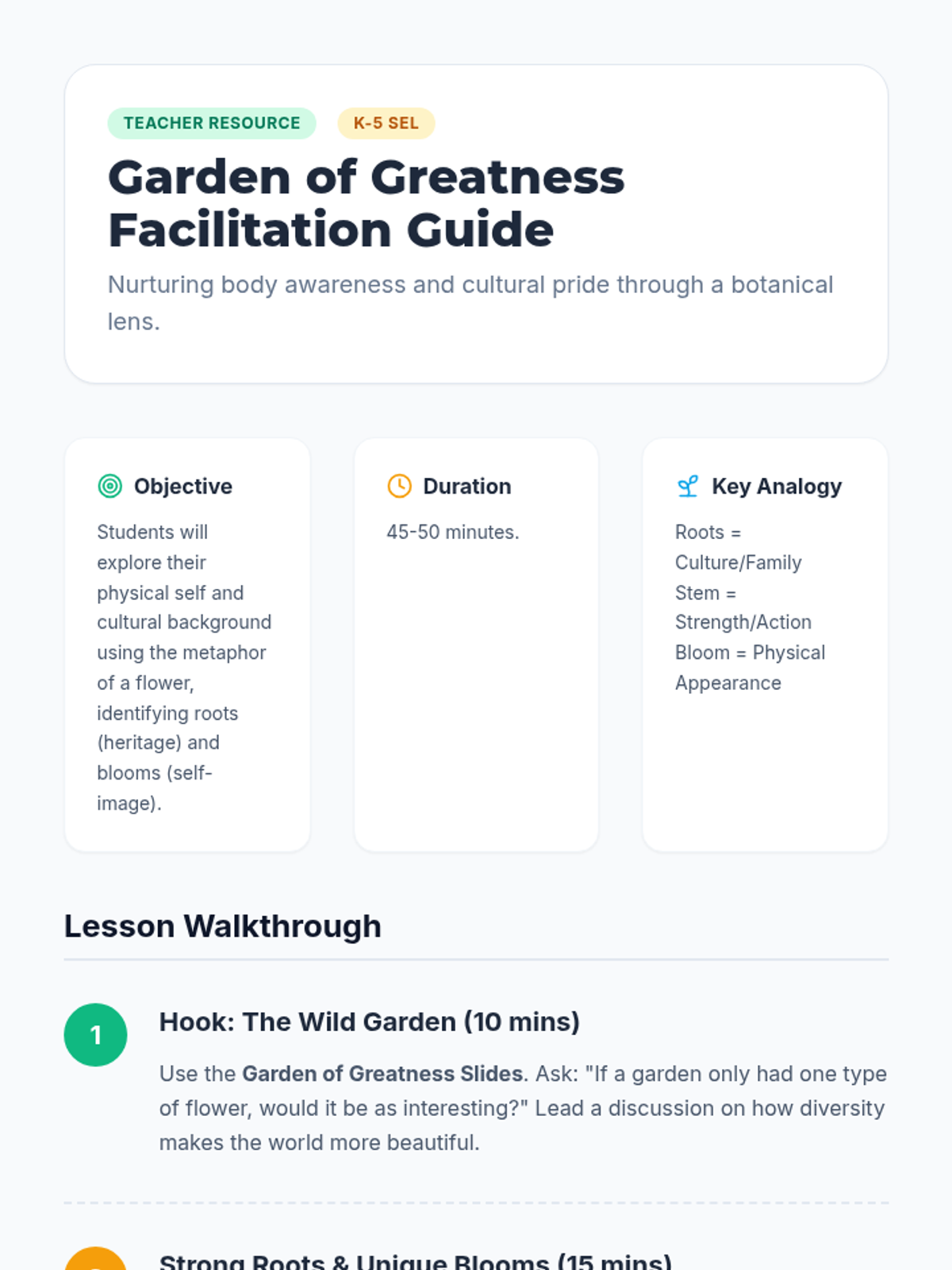
A sequence focused on developing positive self-image, body awareness, and appreciation for cultural diversity through the analogy of a vibrant, growing garden.
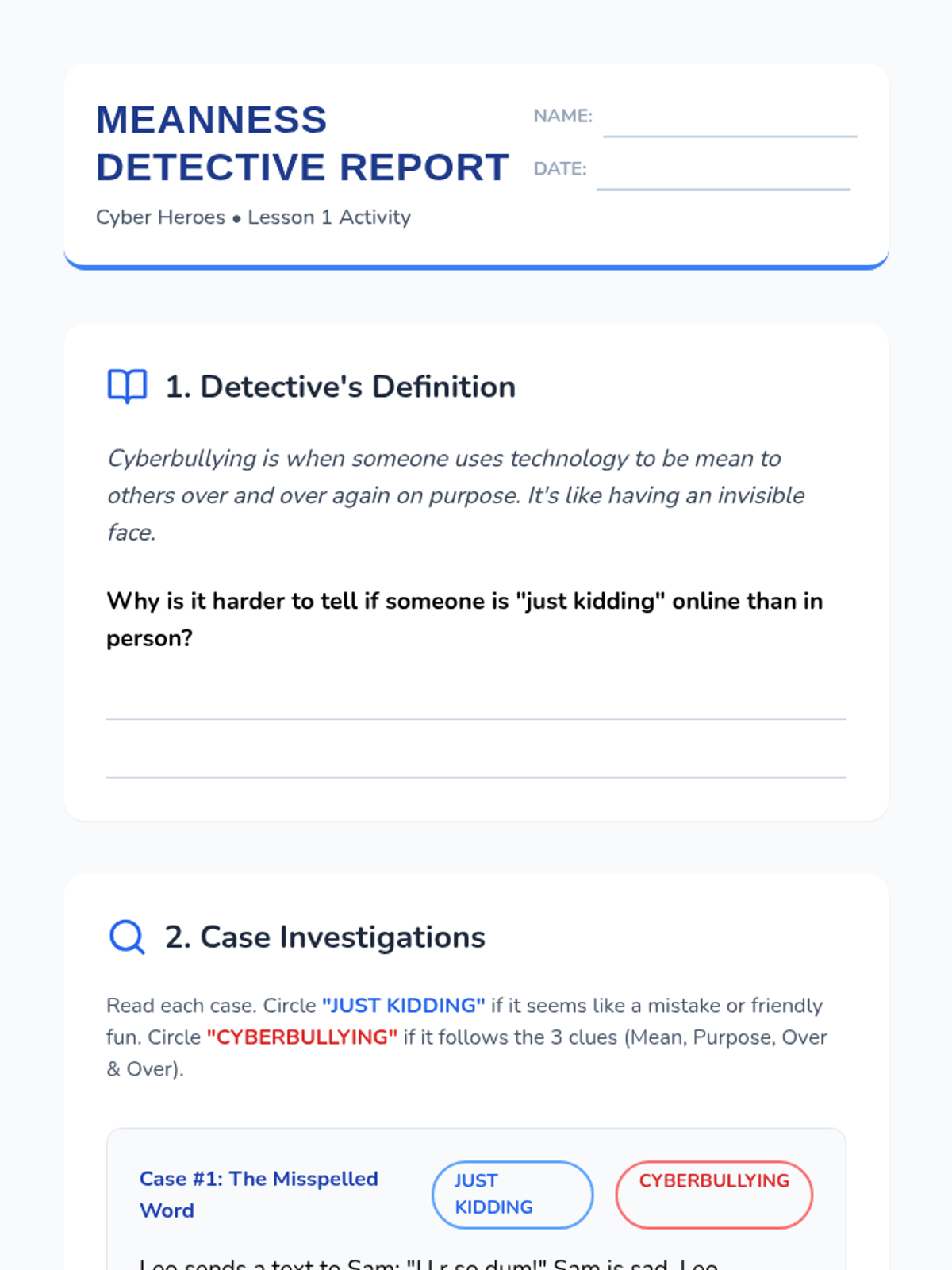
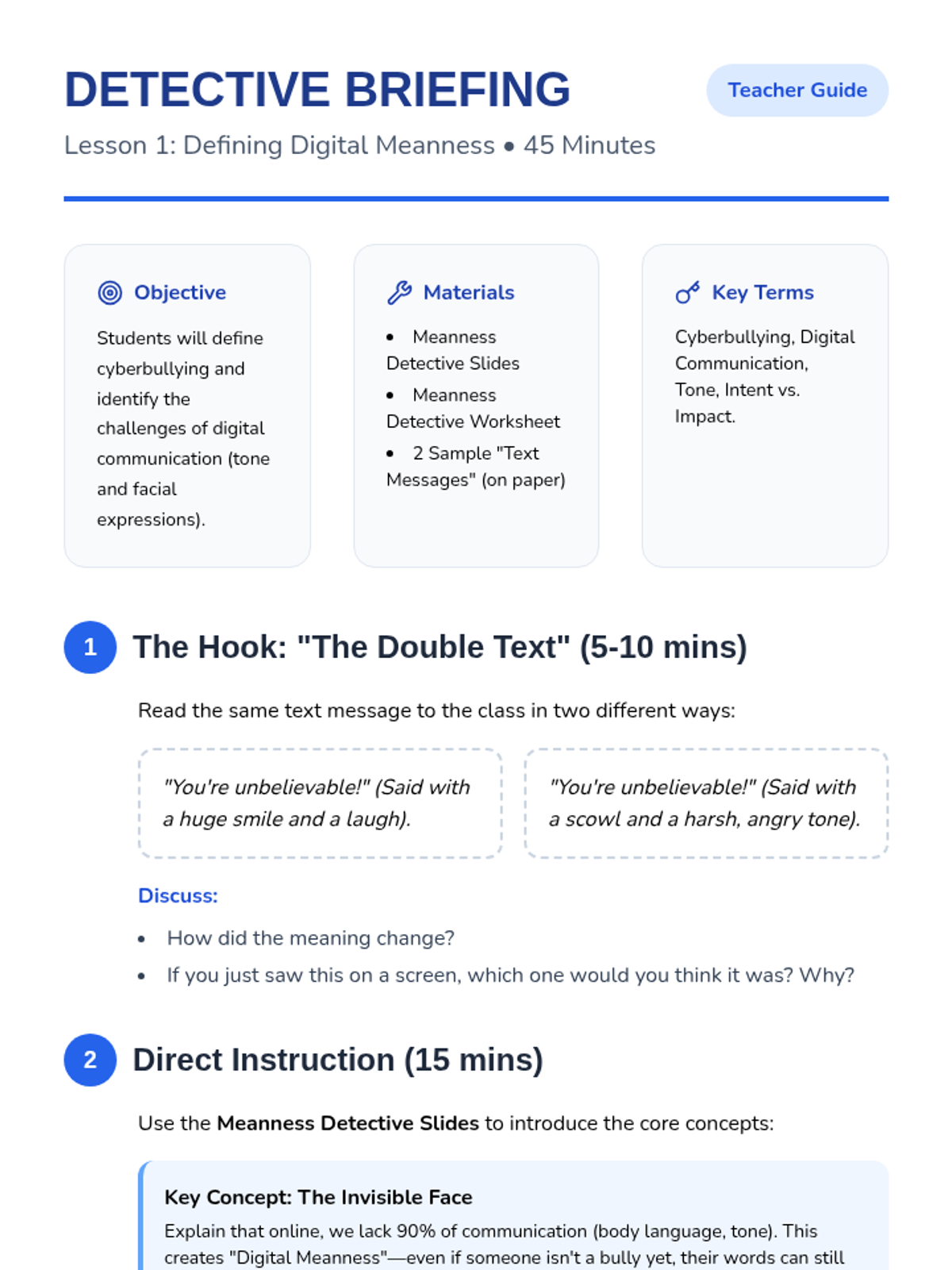
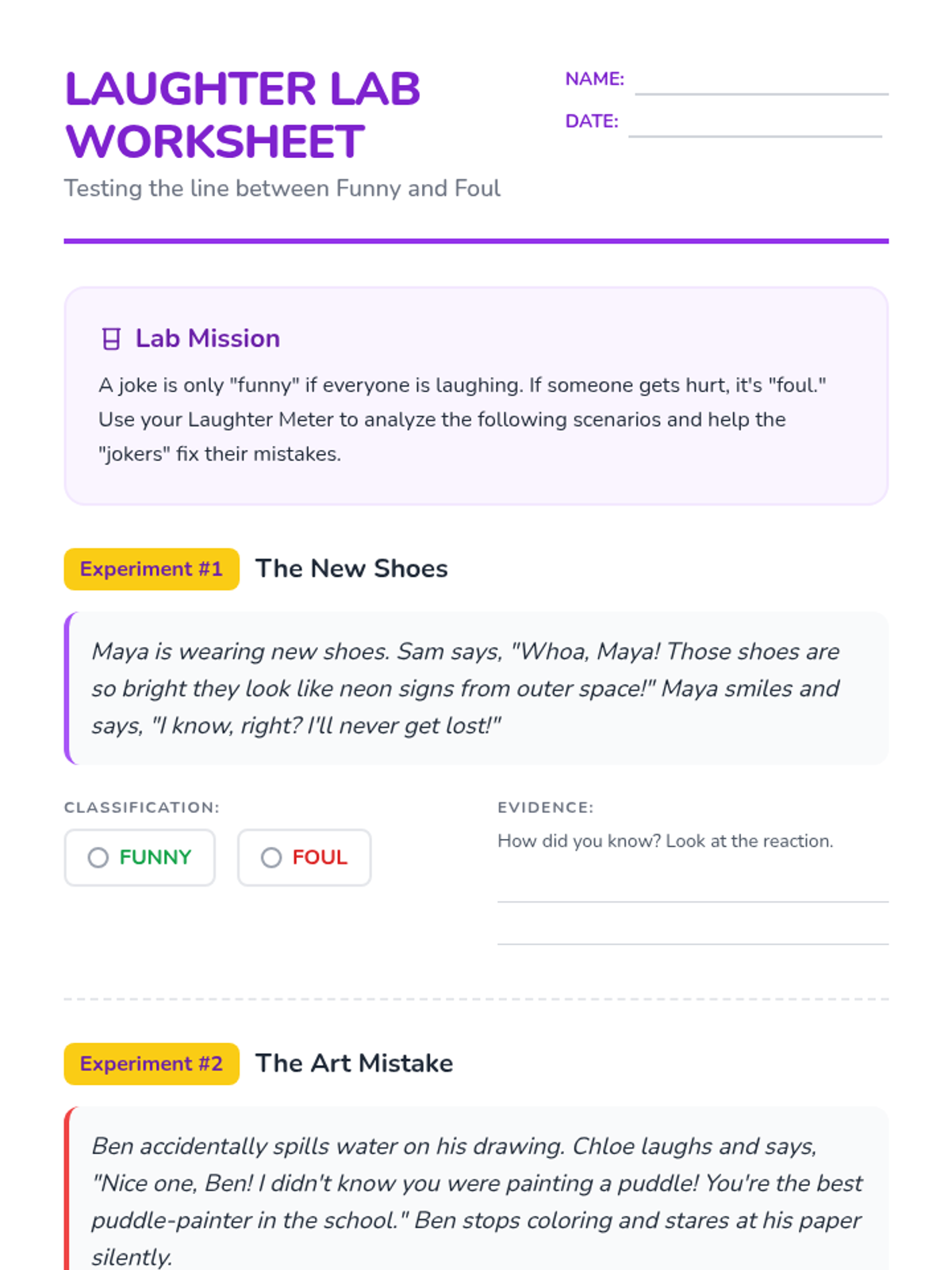
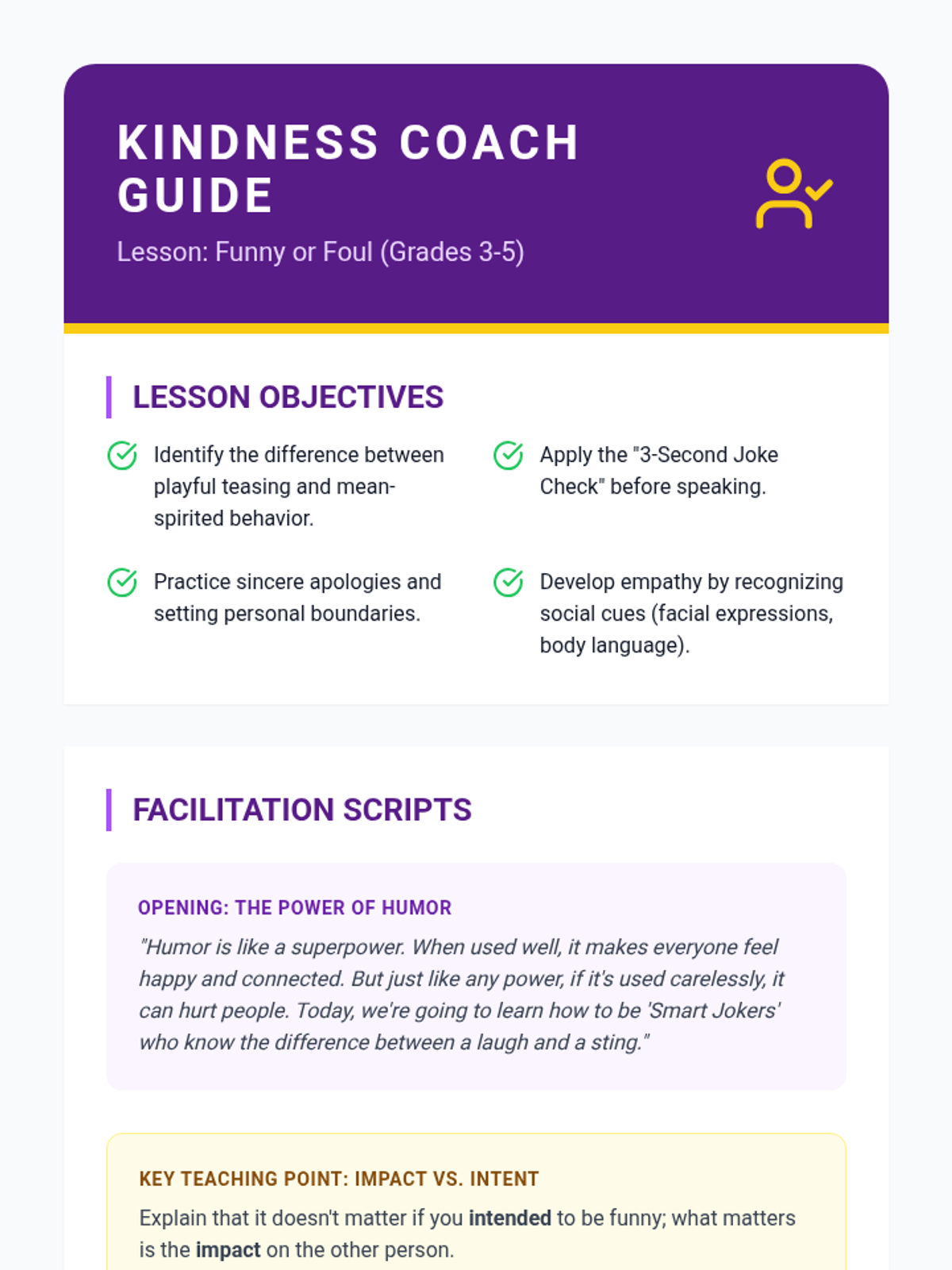
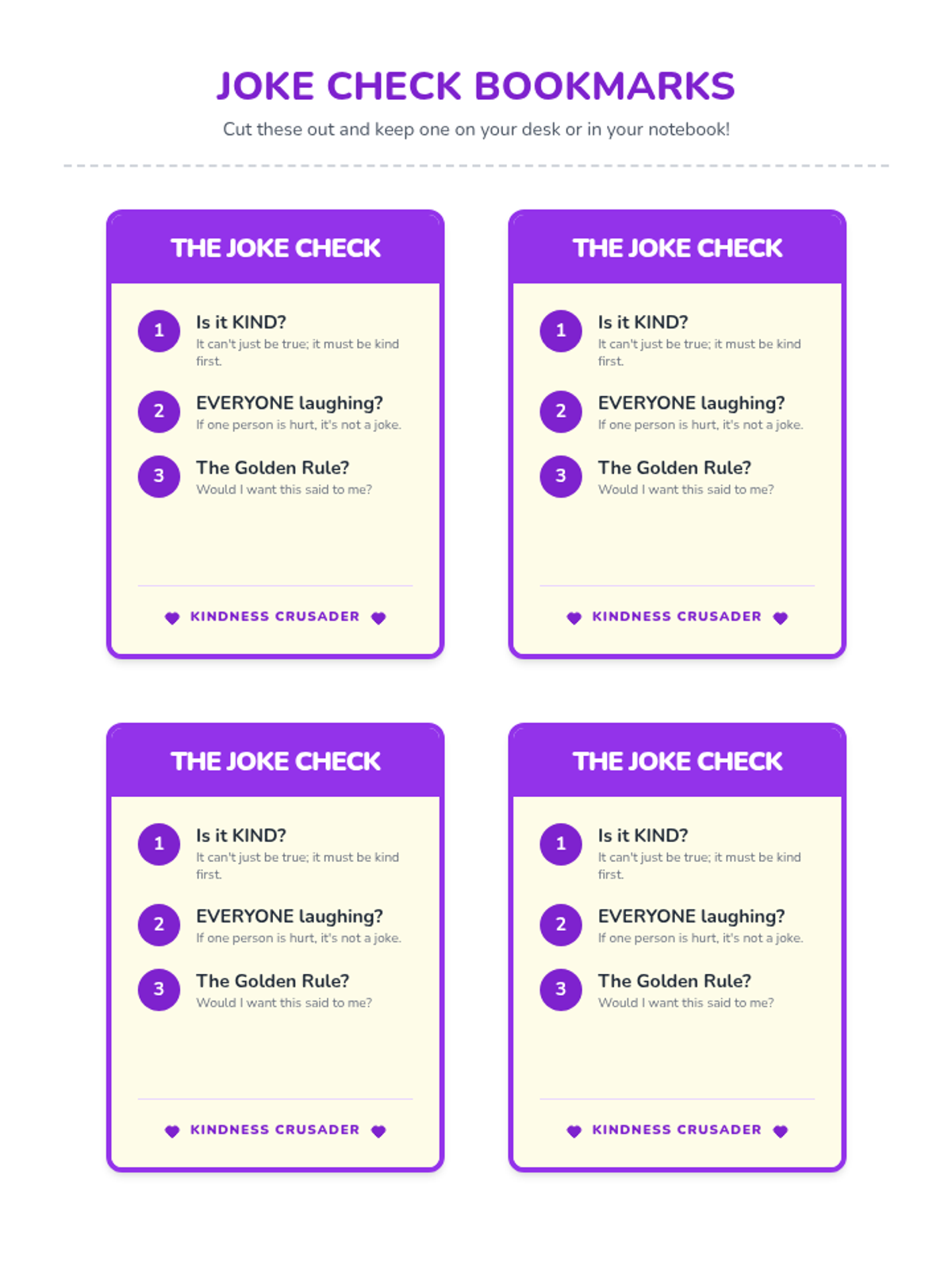
A social-emotional learning unit focused on empathy, social cues, and the difference between playful humor and hurtful behavior. Students explore the impact of their words and learn tools for navigating social interactions with kindness.
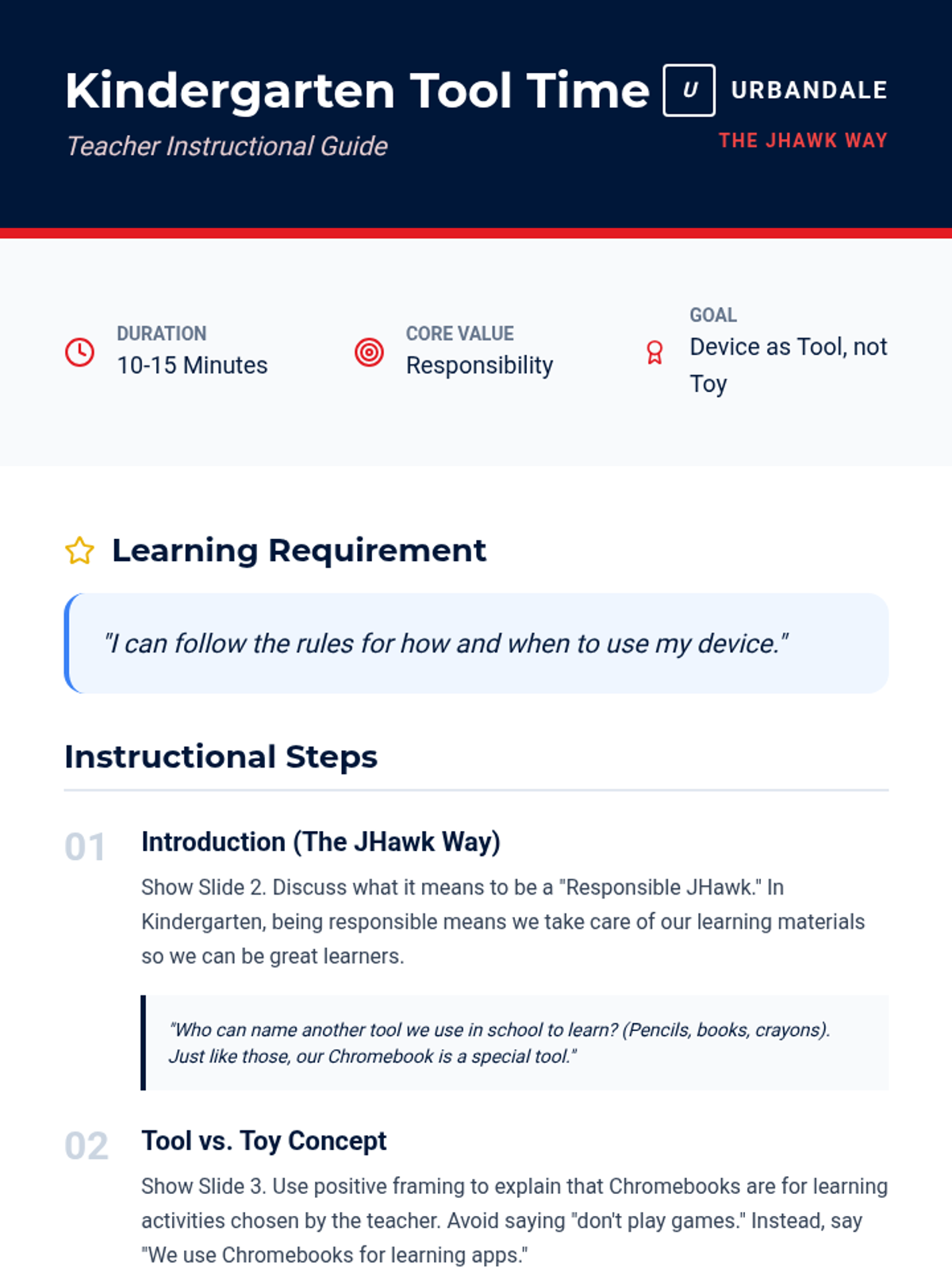
A comprehensive K-5 sequence focused on device responsibility and digital citizenship, centered on the JHawk Way of being Responsible. Lessons cover transitioning from devices as tools (K-1) to managing online distractions and maintaining integrity (4-5).
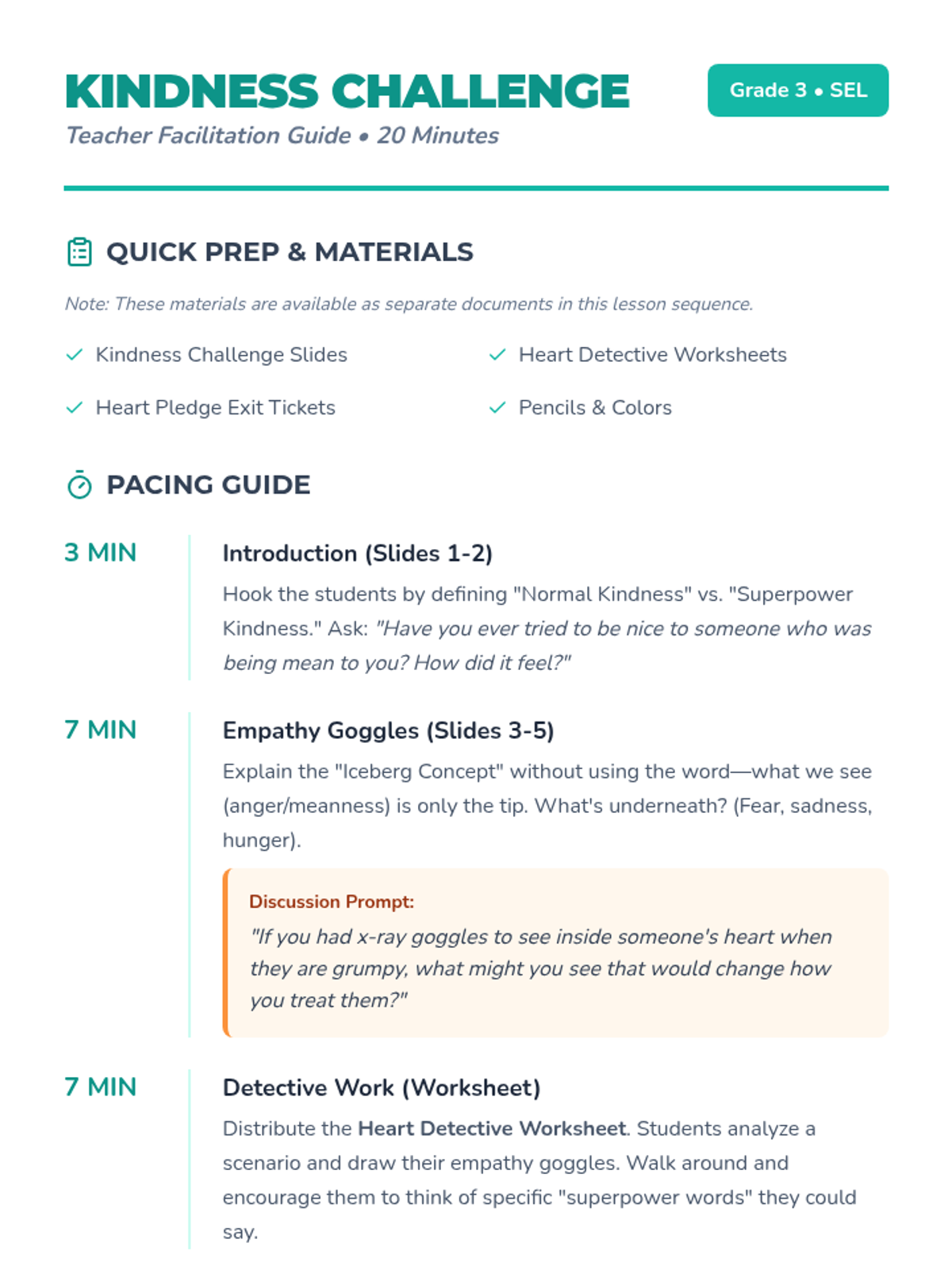
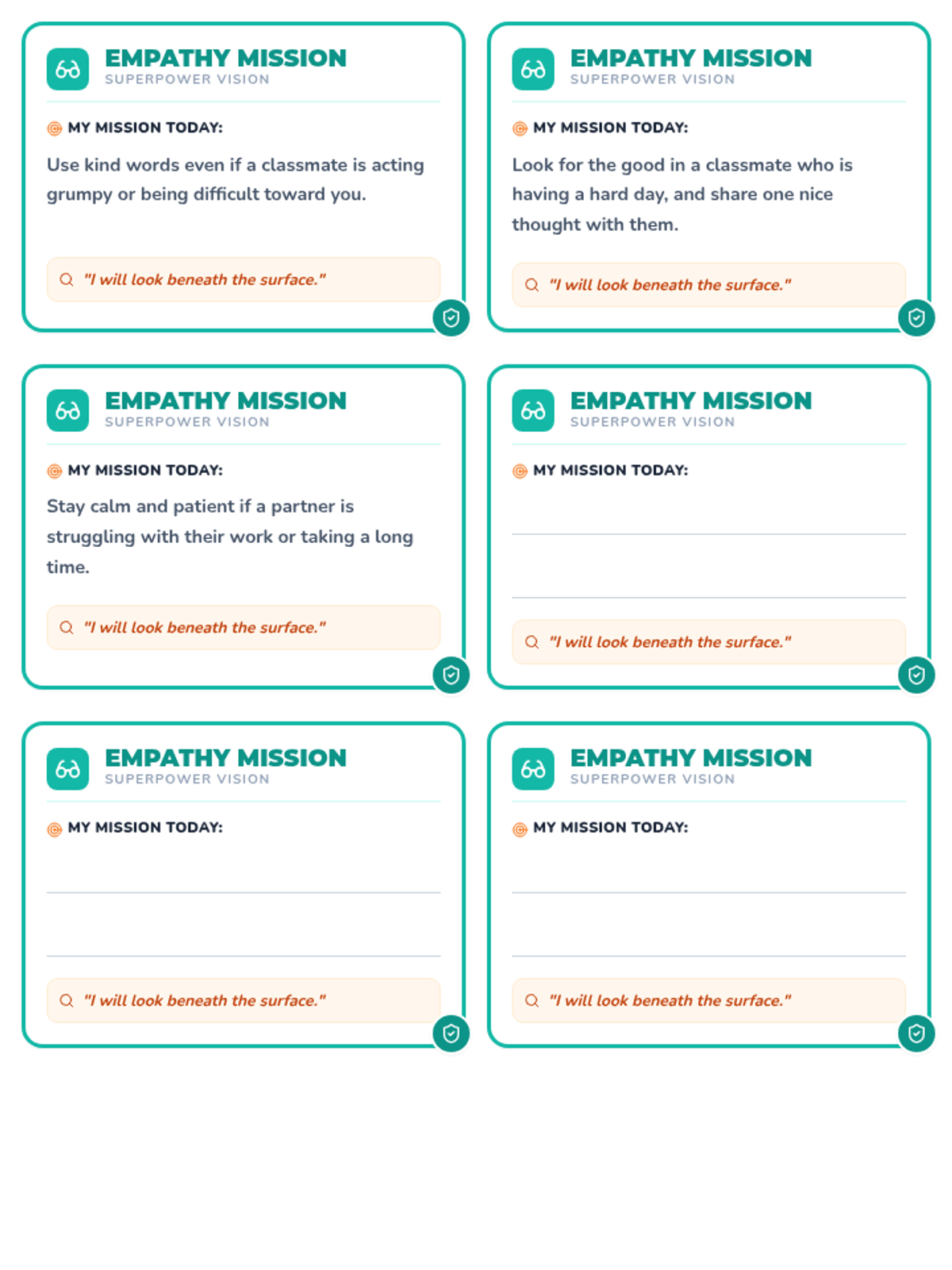
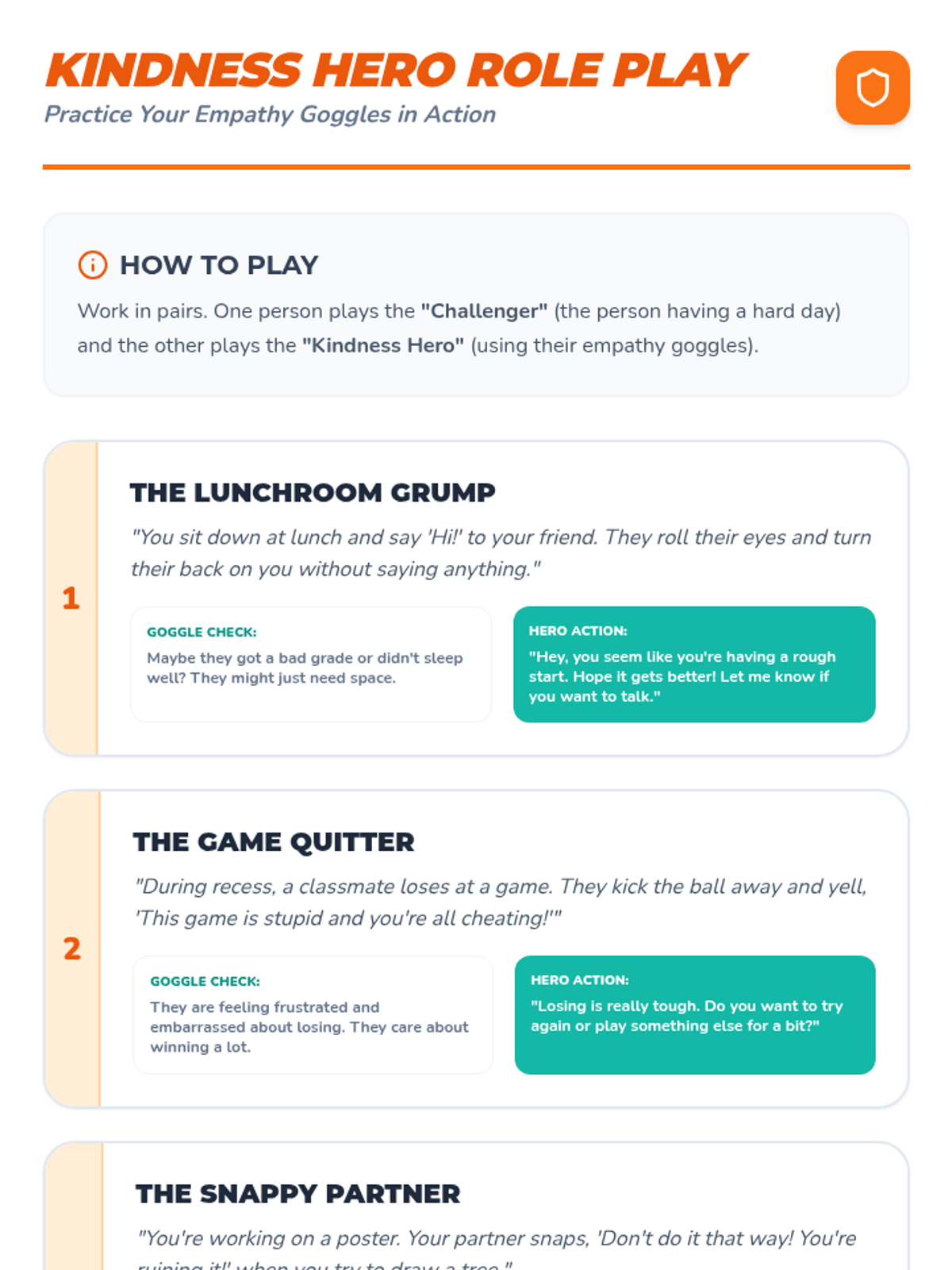
A social-emotional learning sequence focused on developing empathy and kindness, specifically in situations where being kind feels difficult or challenging for students.
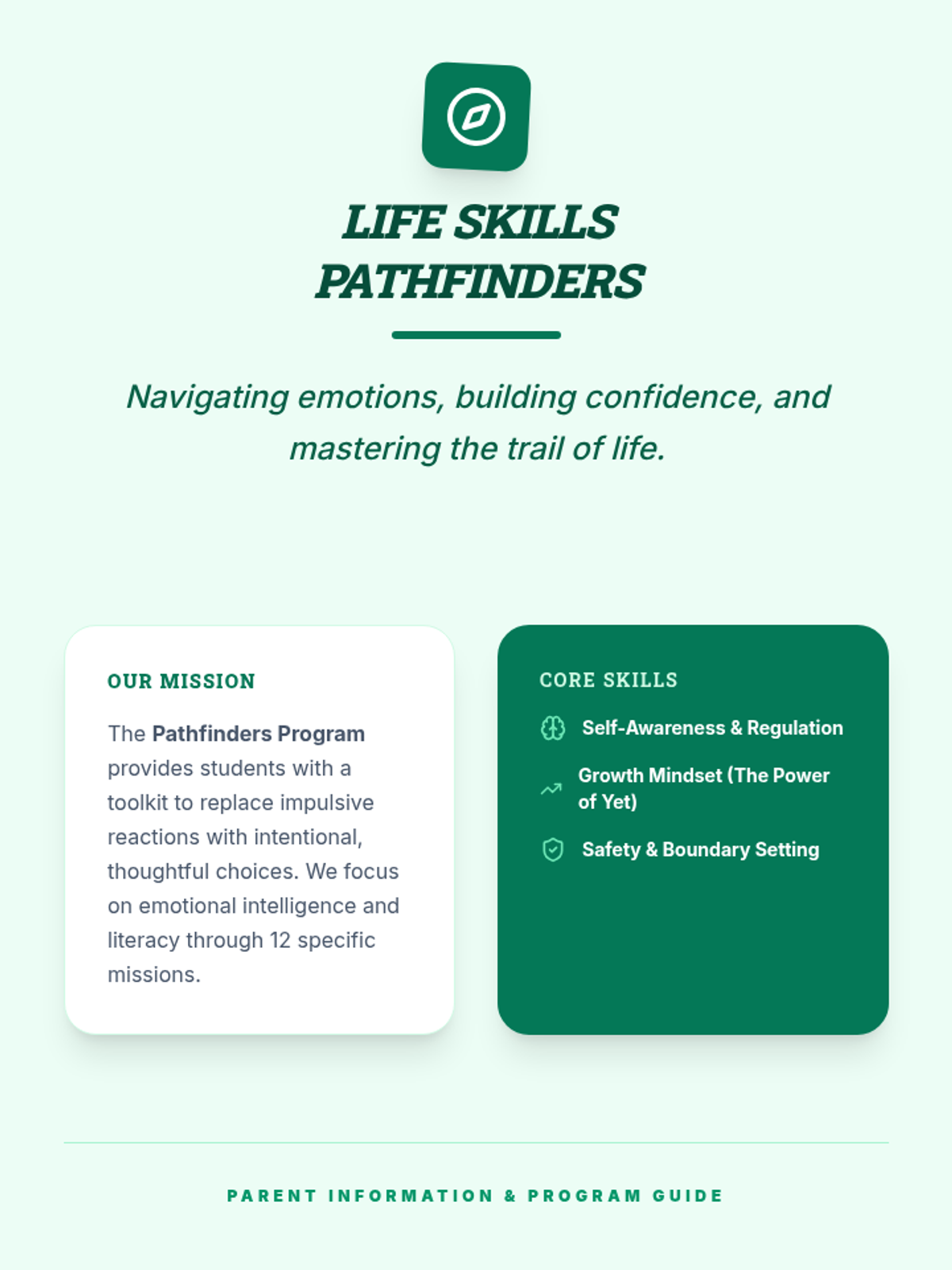
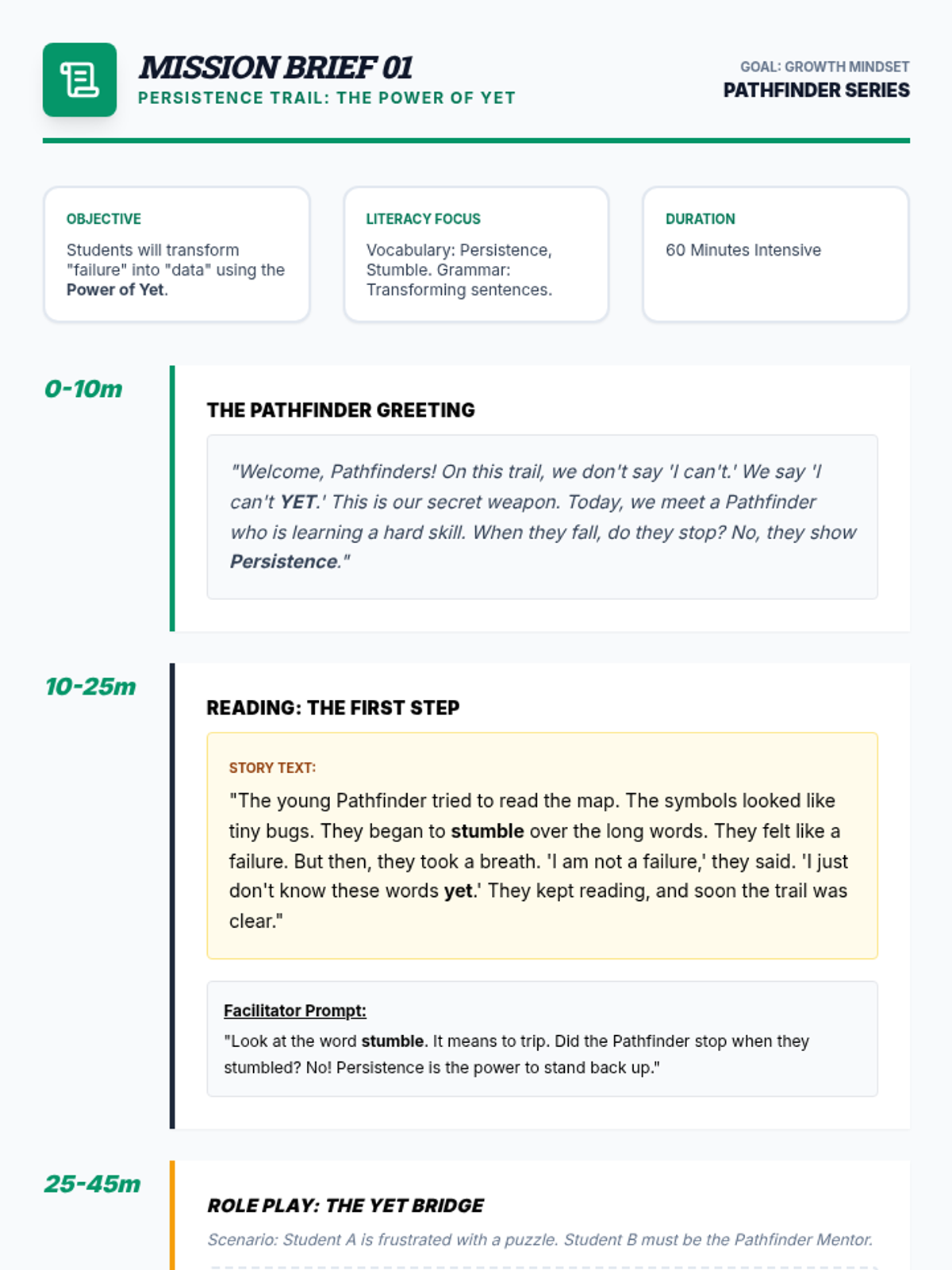
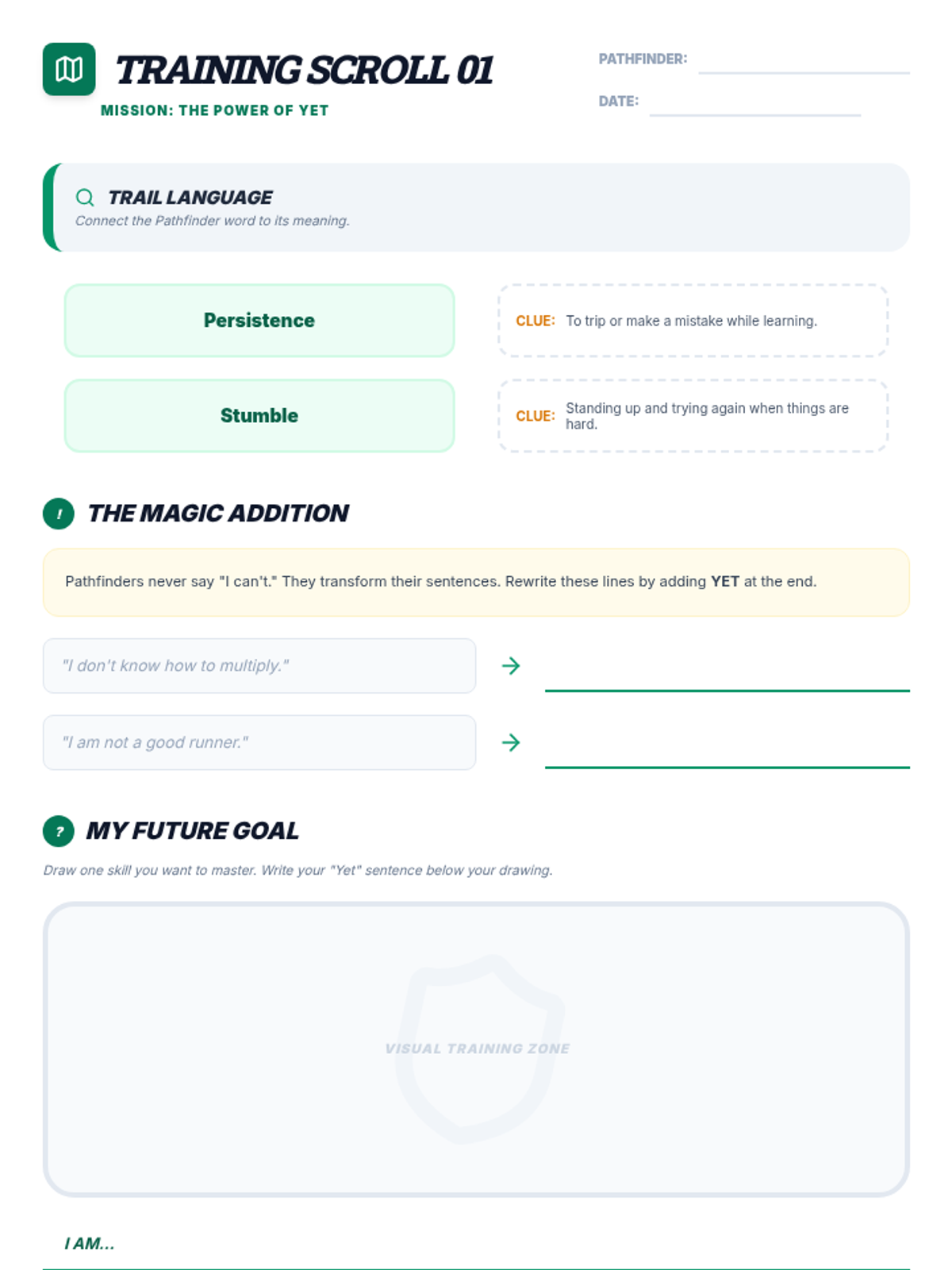
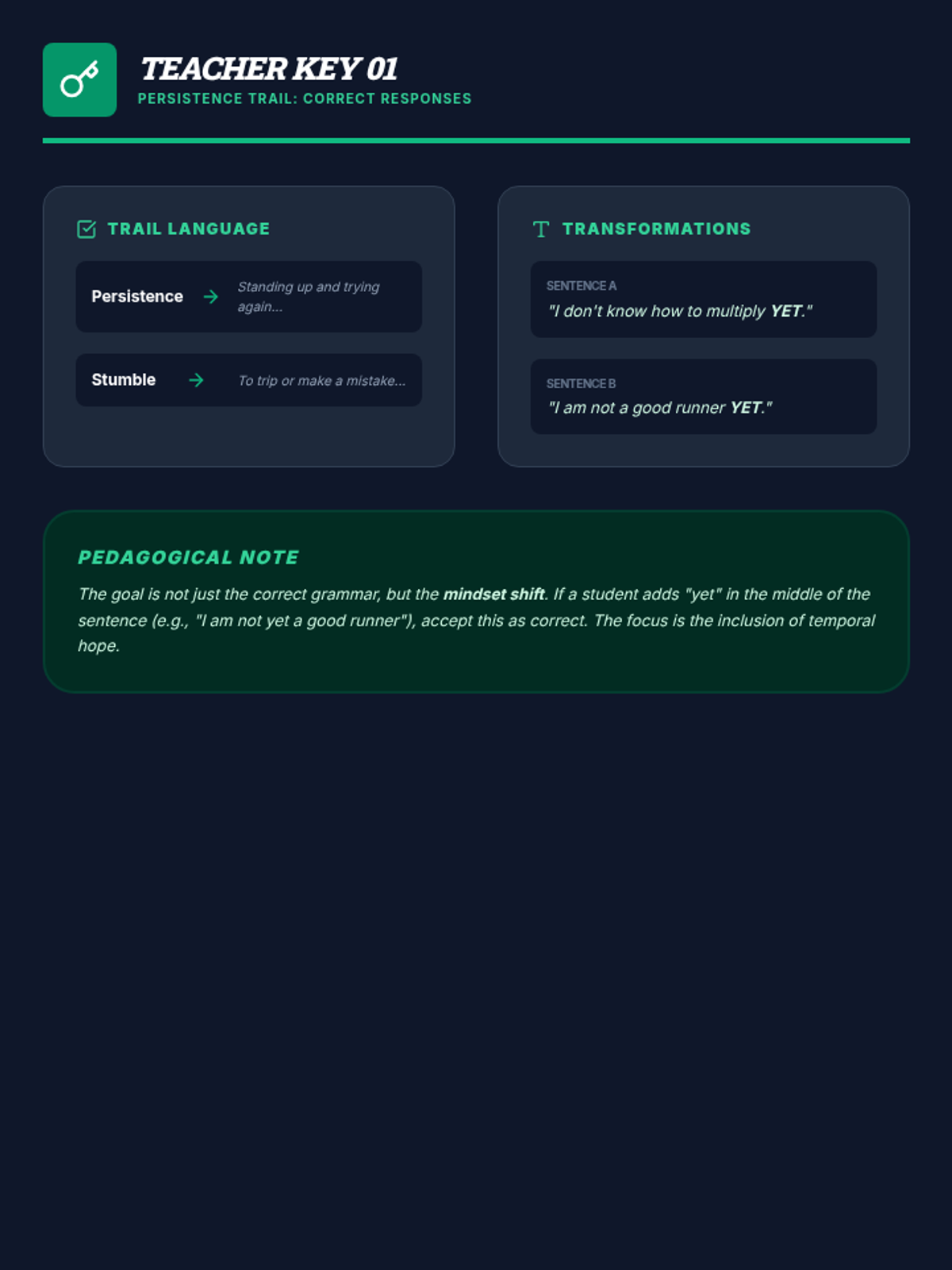
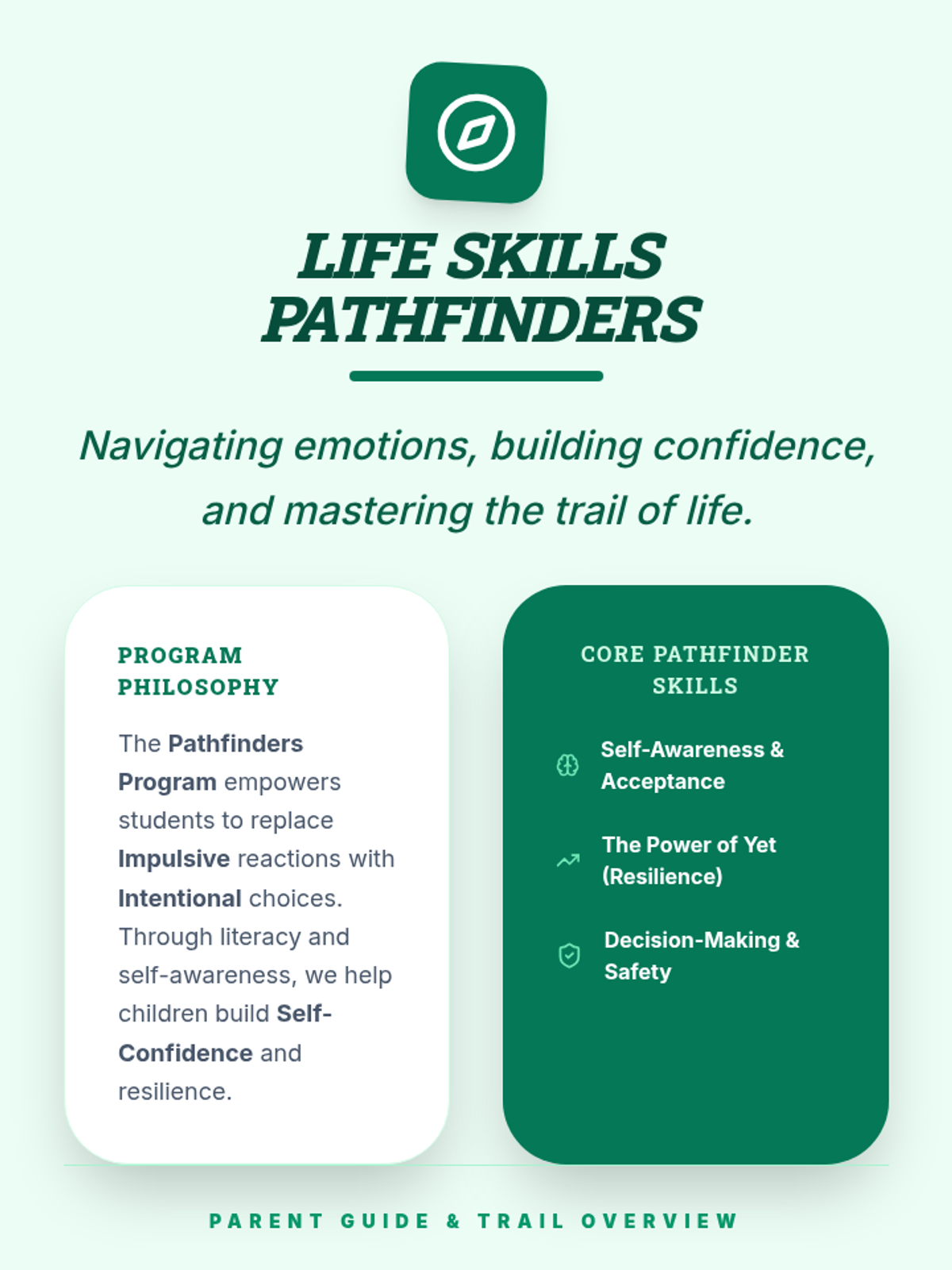
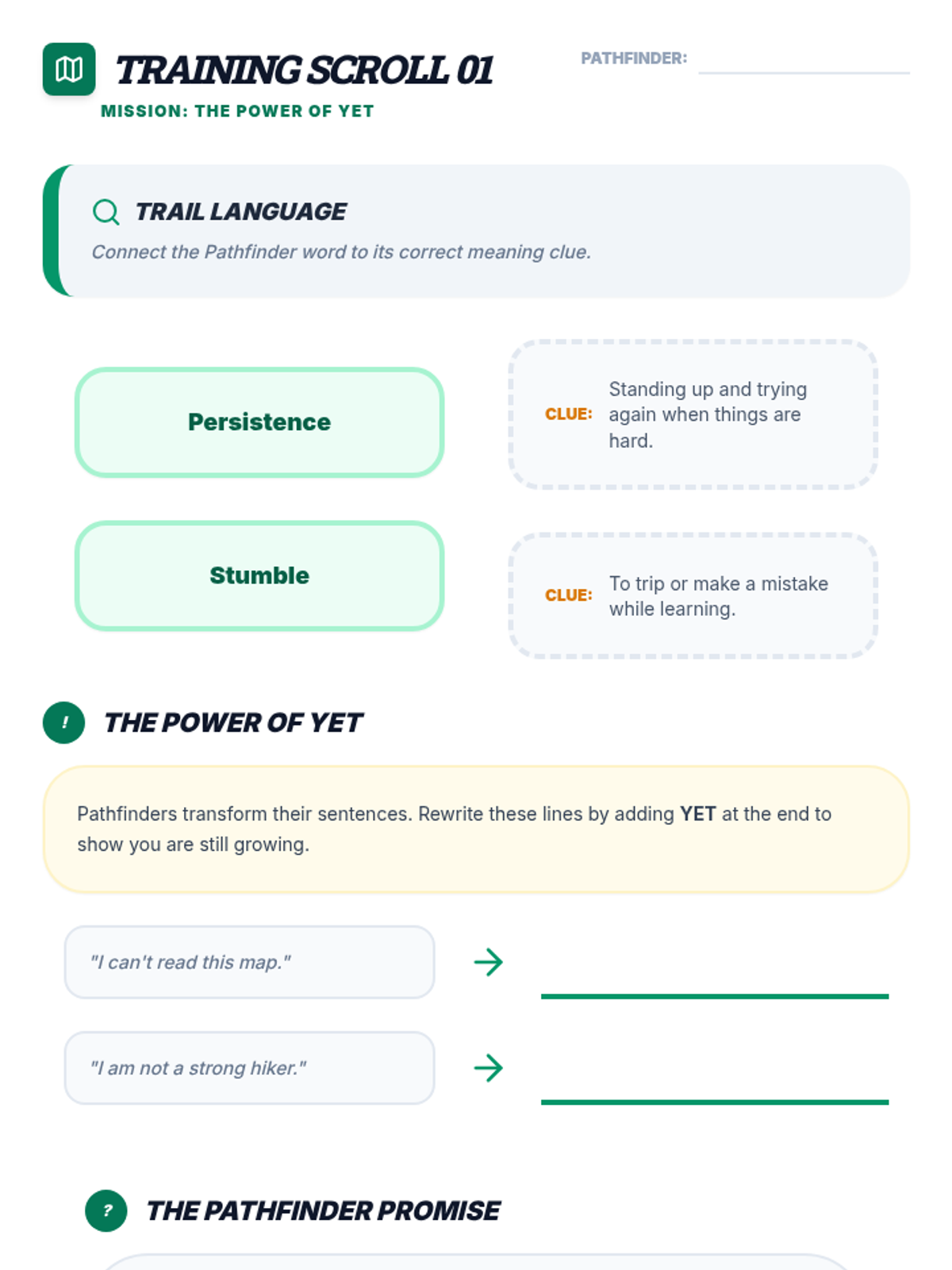
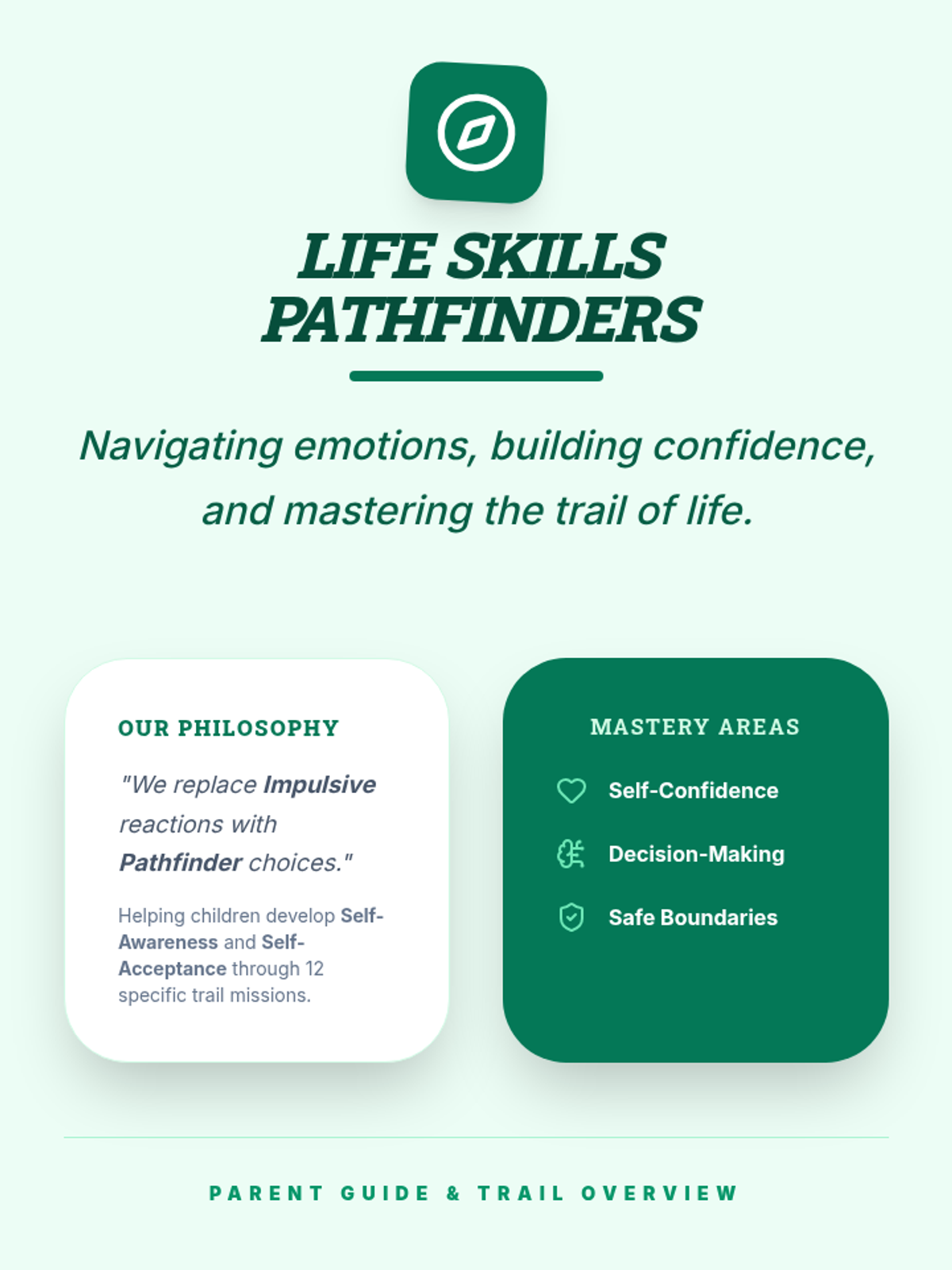
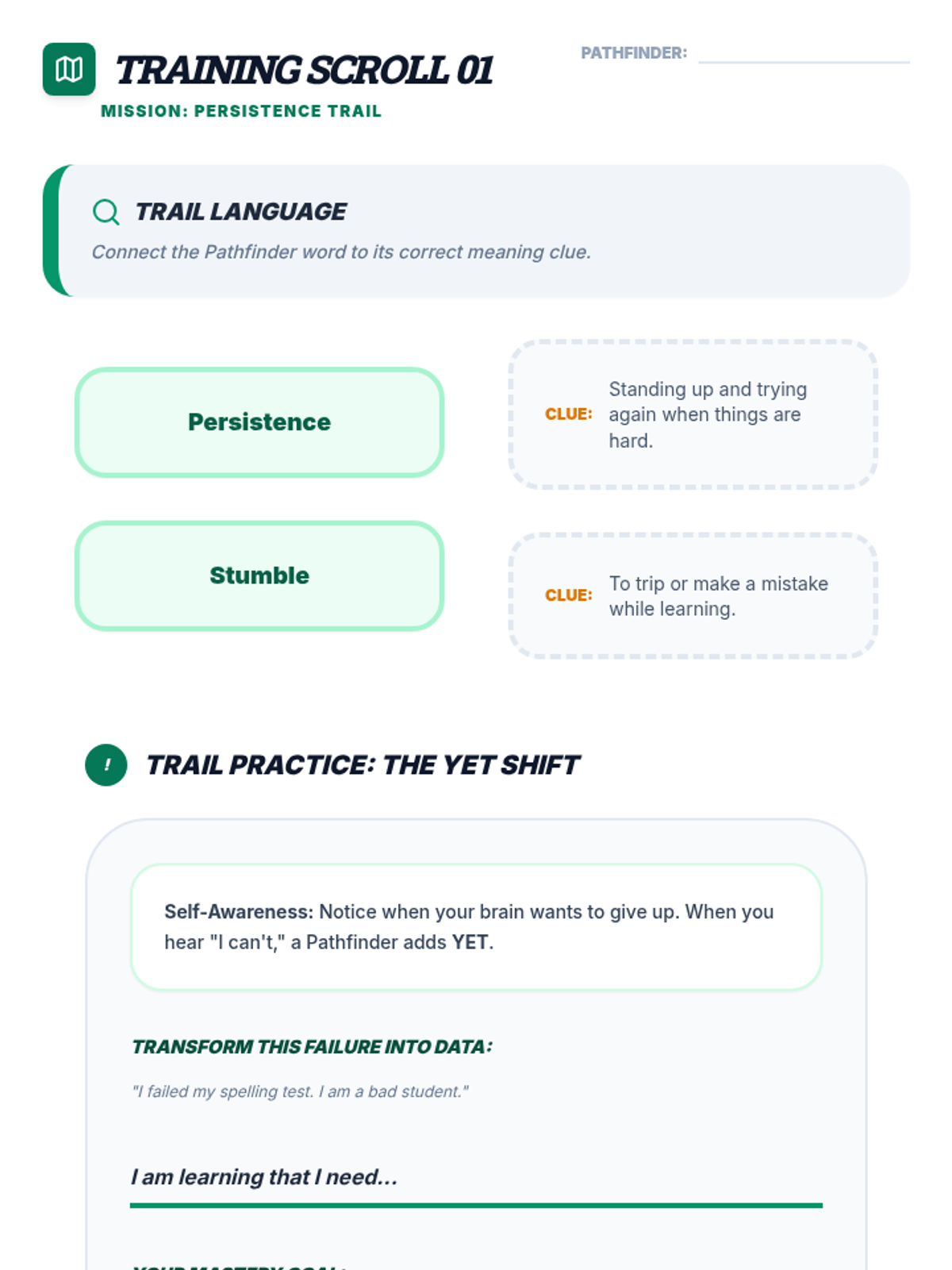
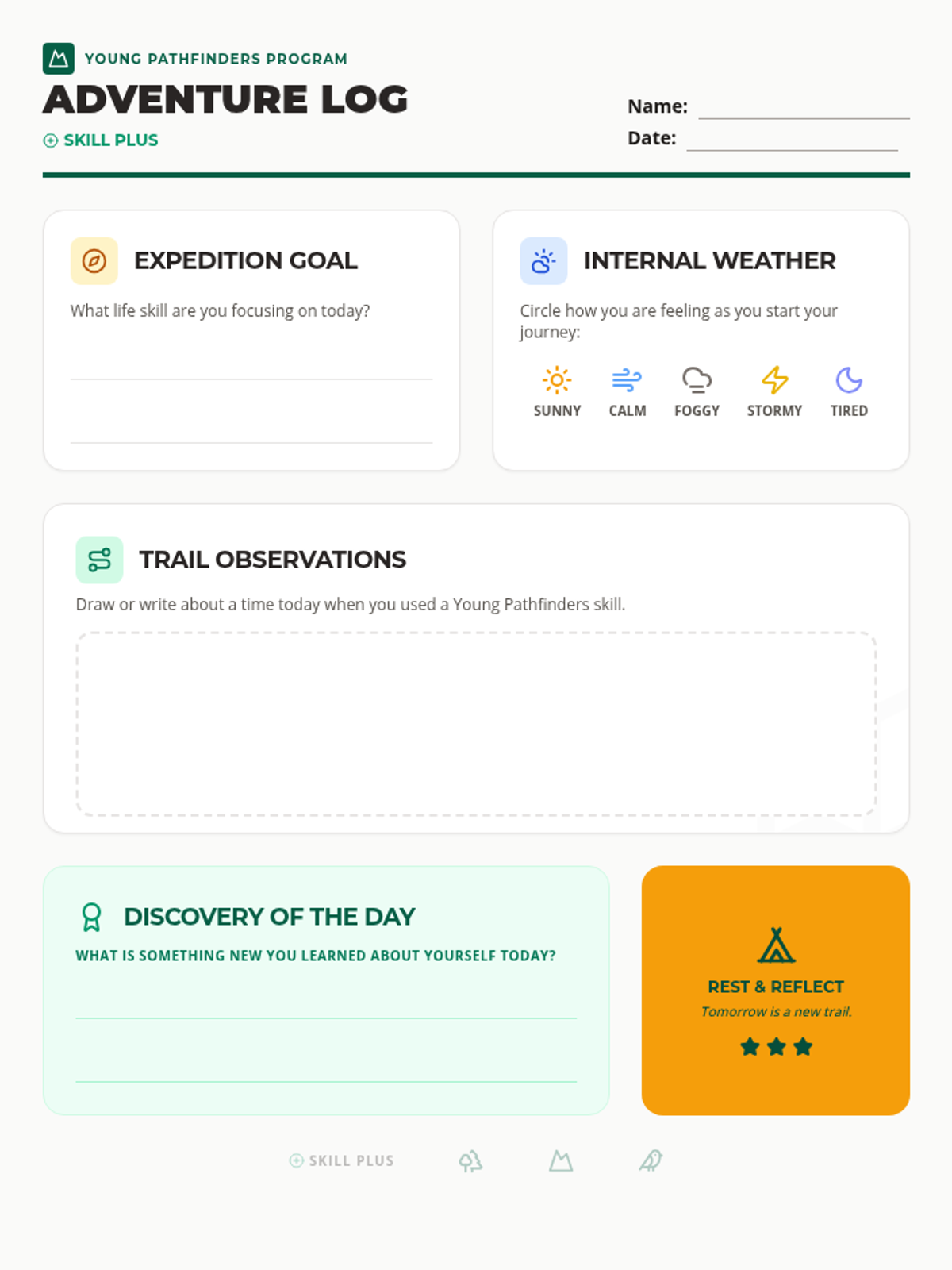
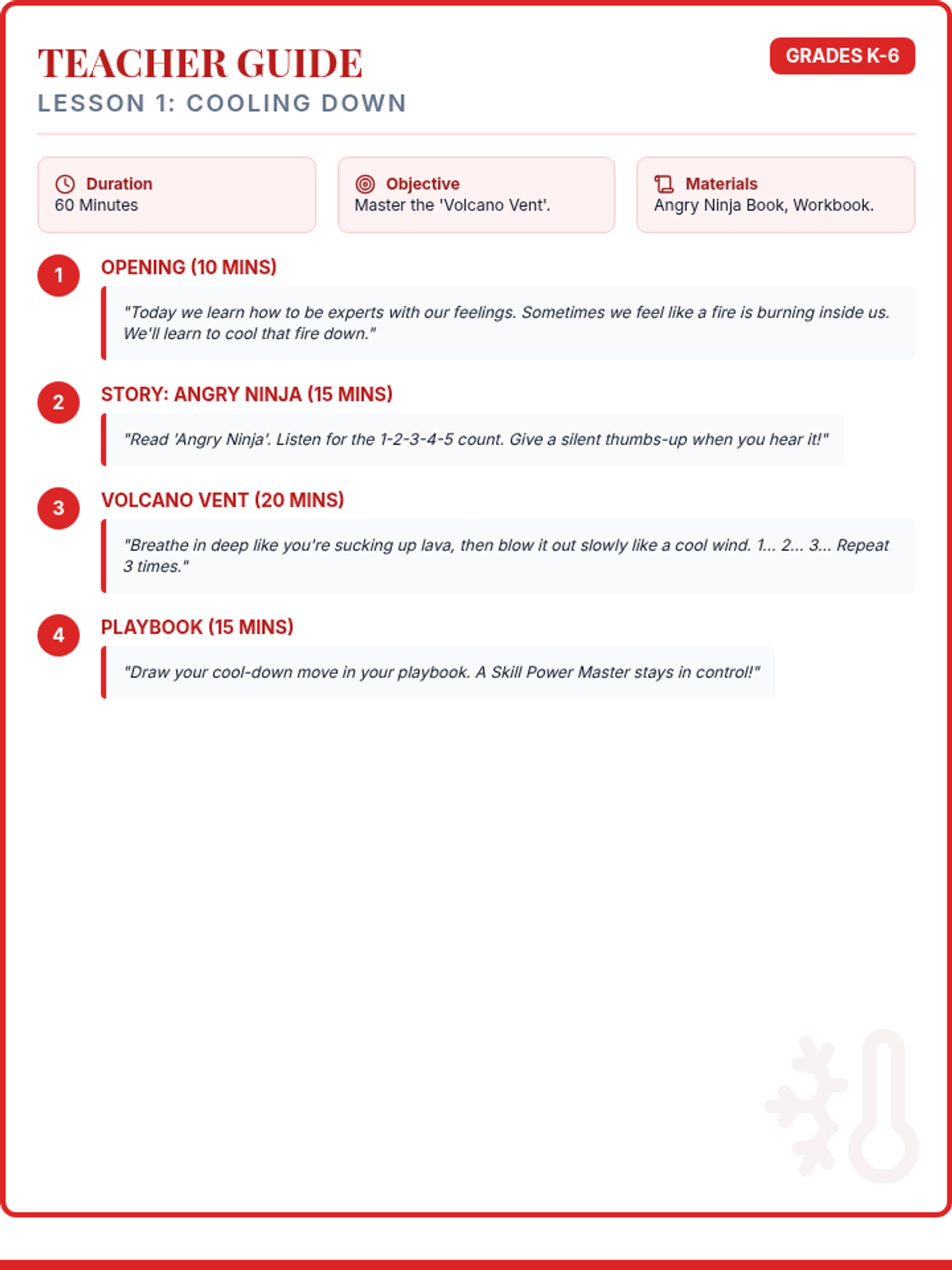
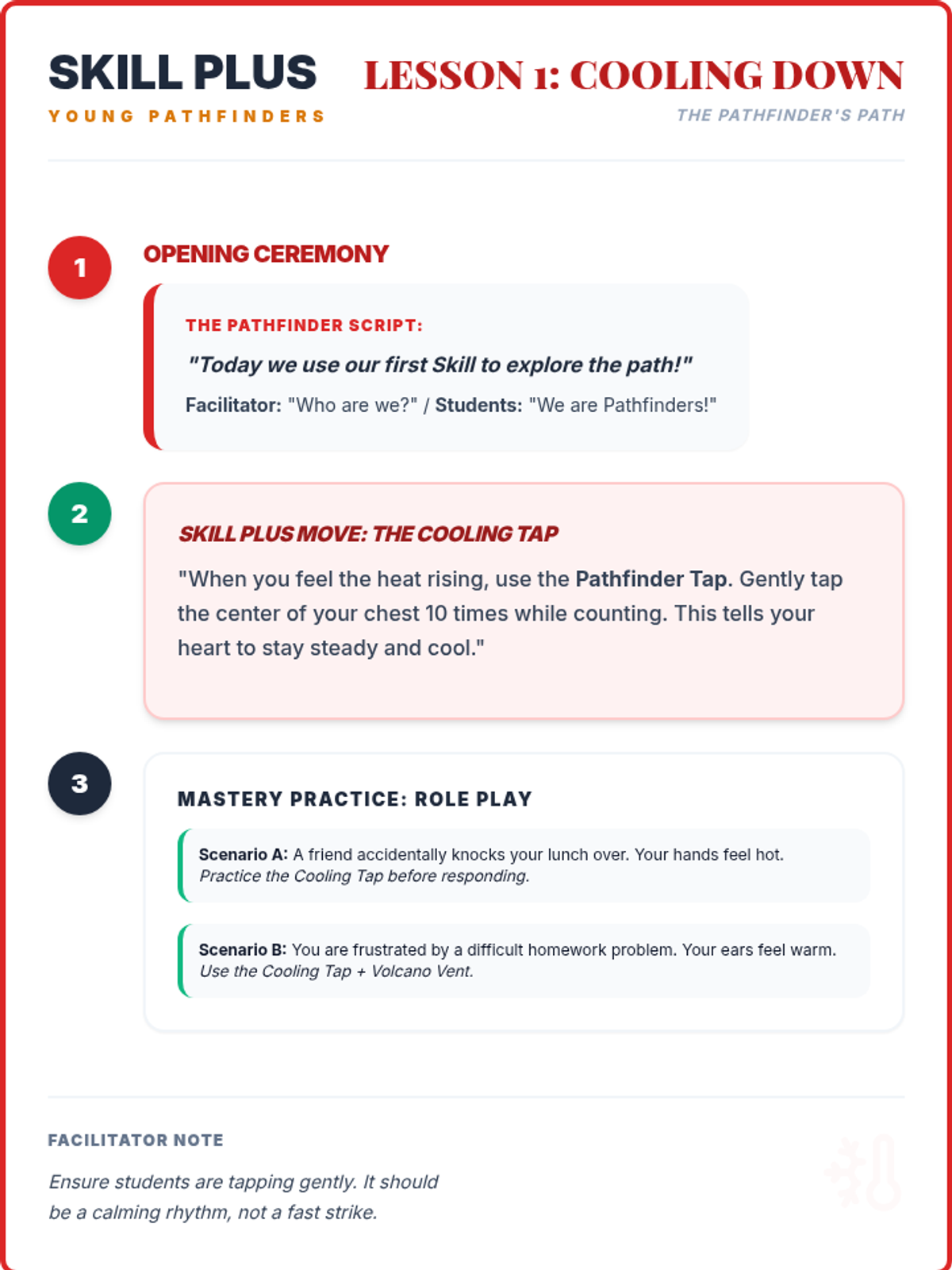
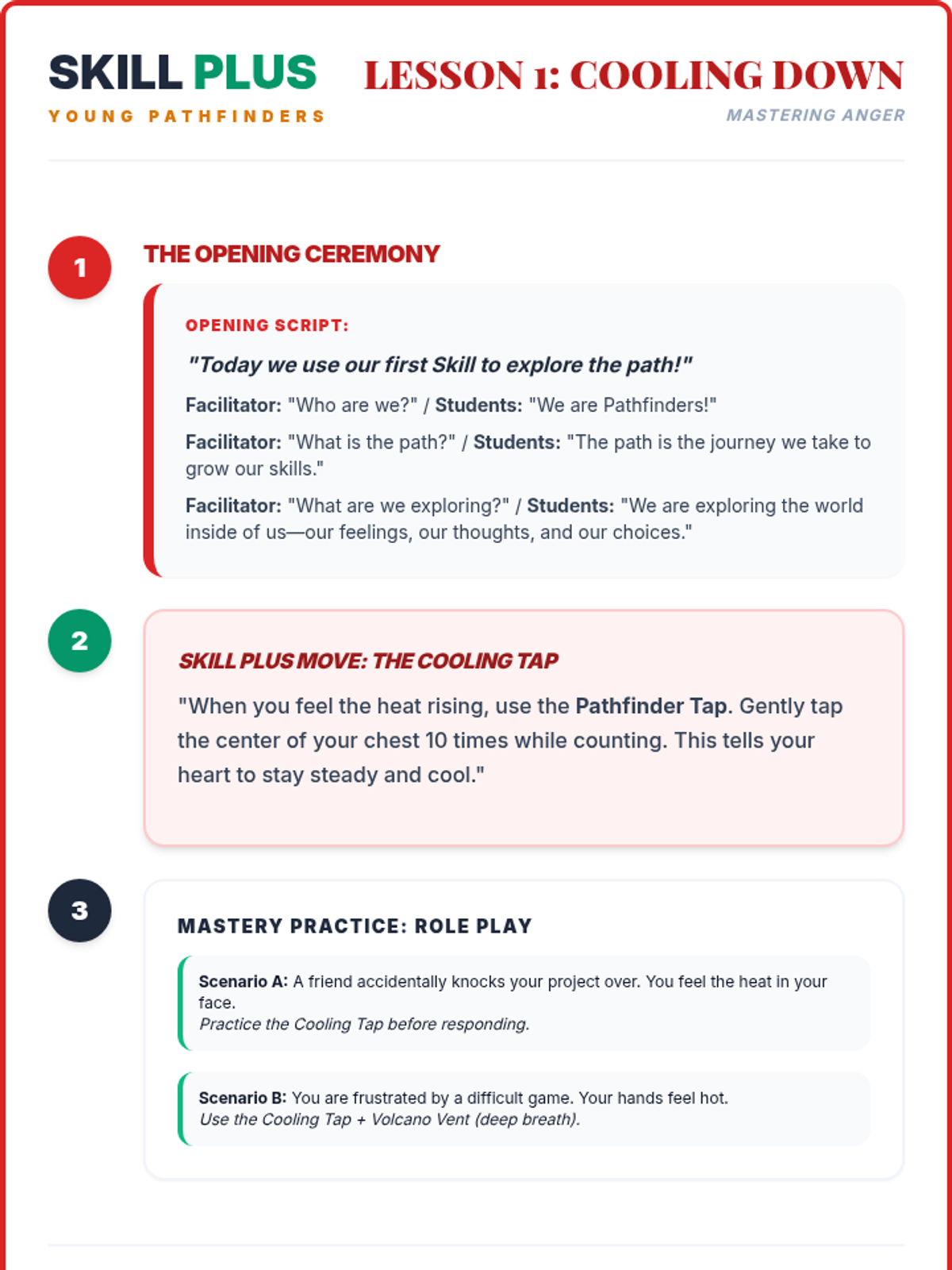
A 12-session emotional intelligence and literacy program designed for K-6 students. Using a 'Trailblazer' theme, Pathfinders develop self-awareness, confidence, and critical decision-making skills to replace impulsive reactions with thoughtful choices. Includes safety scenarios and practical tools for managing exam stress.
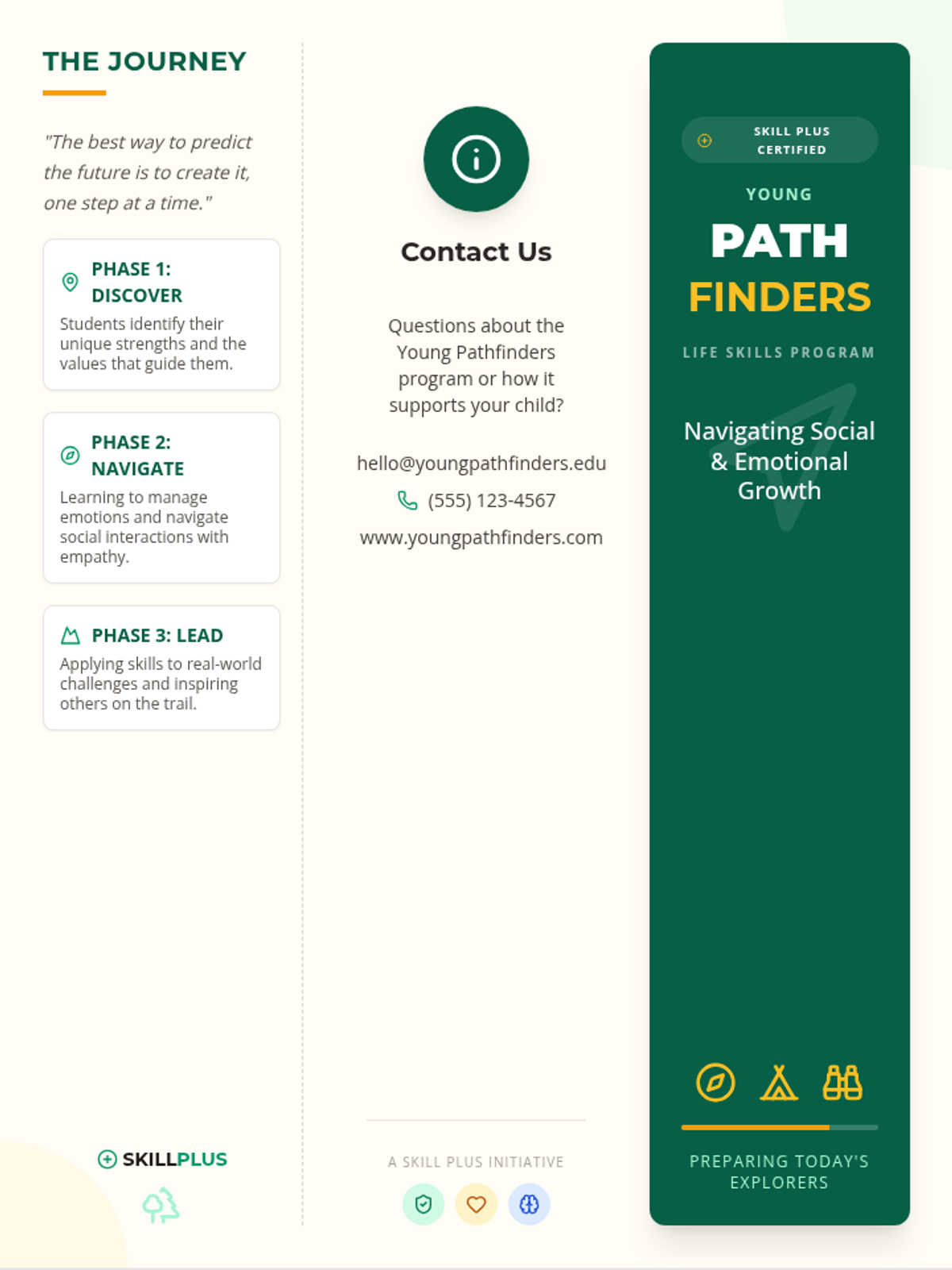
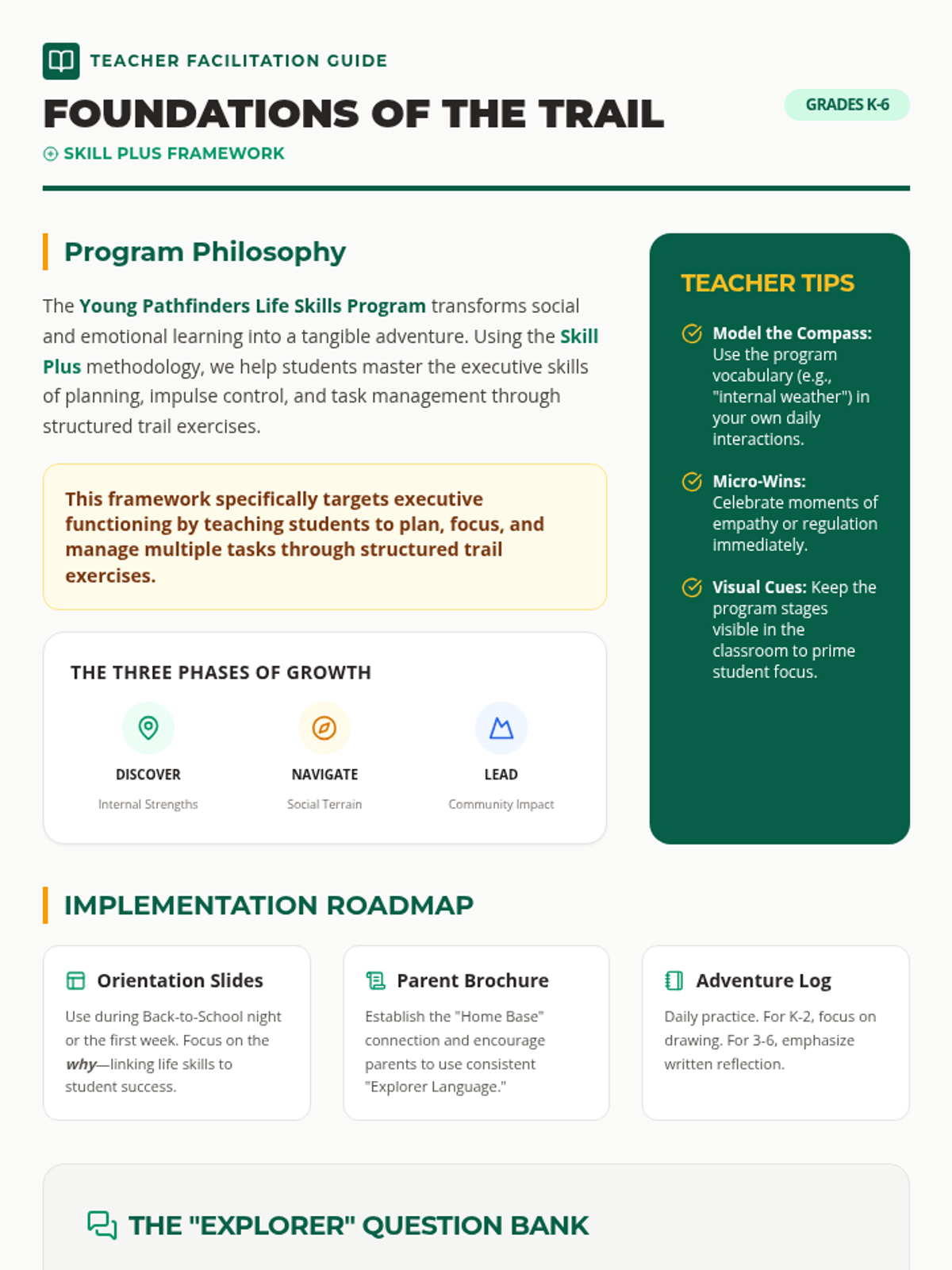
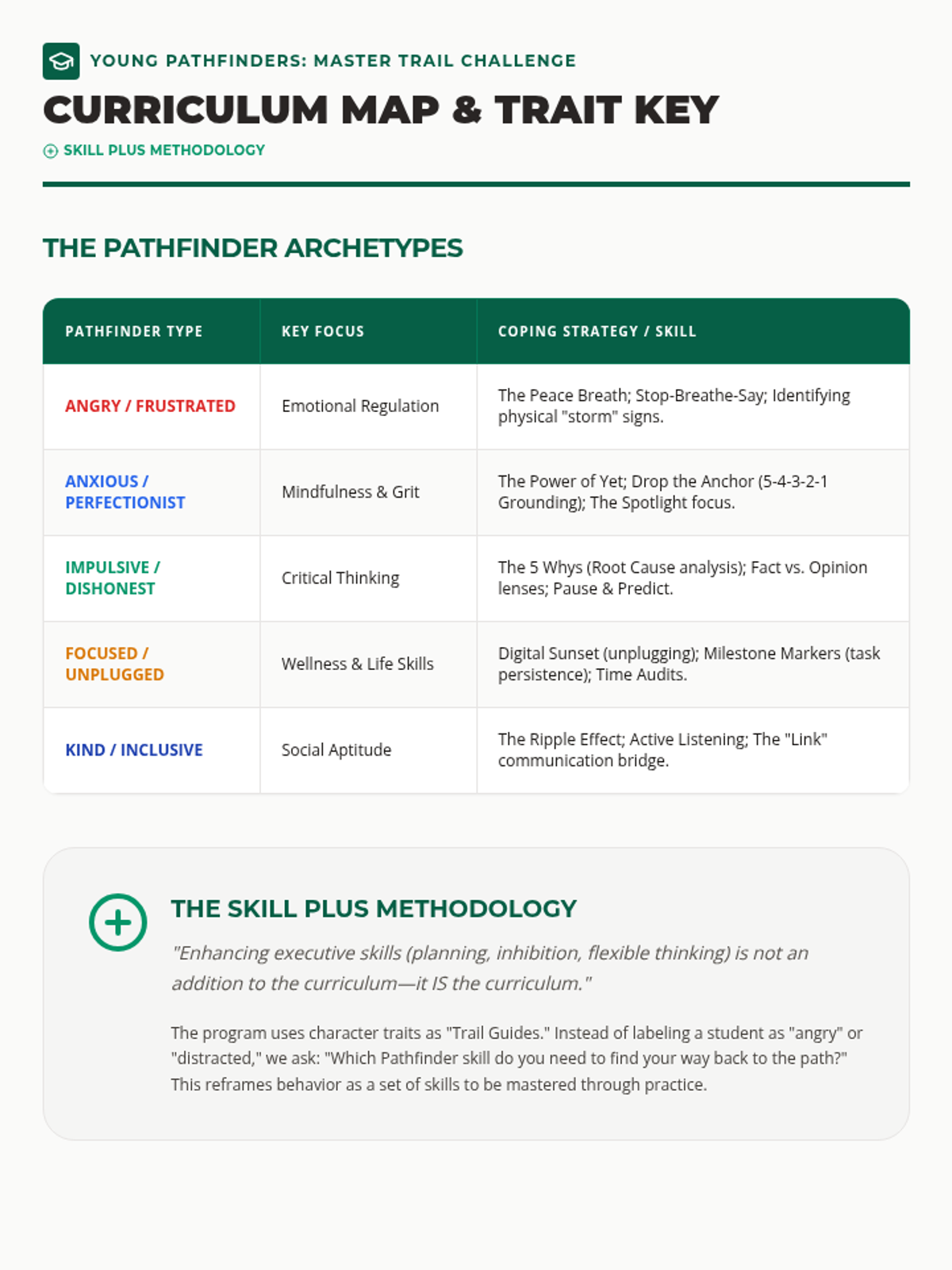
A comprehensive life skills curriculum for grades K-6 that builds critical thinking, conflict resolution, and civic responsibility through the Young Pathfinders adventure framework, powered by Skill Plus methodology.
A 12-lesson social-emotional learning curriculum focusing on emotional regulation, growth mindset, life skills, and social intelligence for K-6 students. Graduates earn the title of 'Pathfinder Master'.
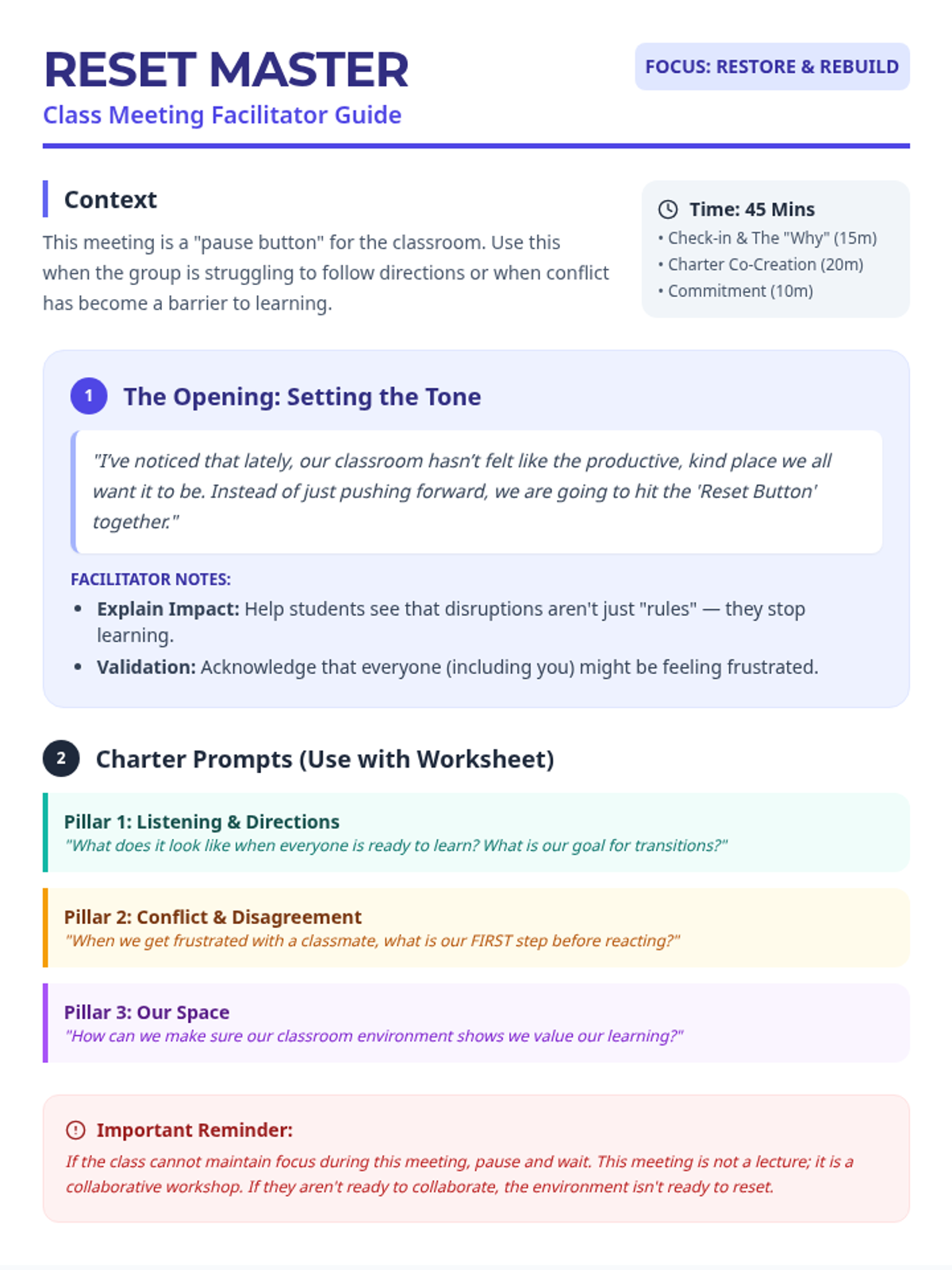
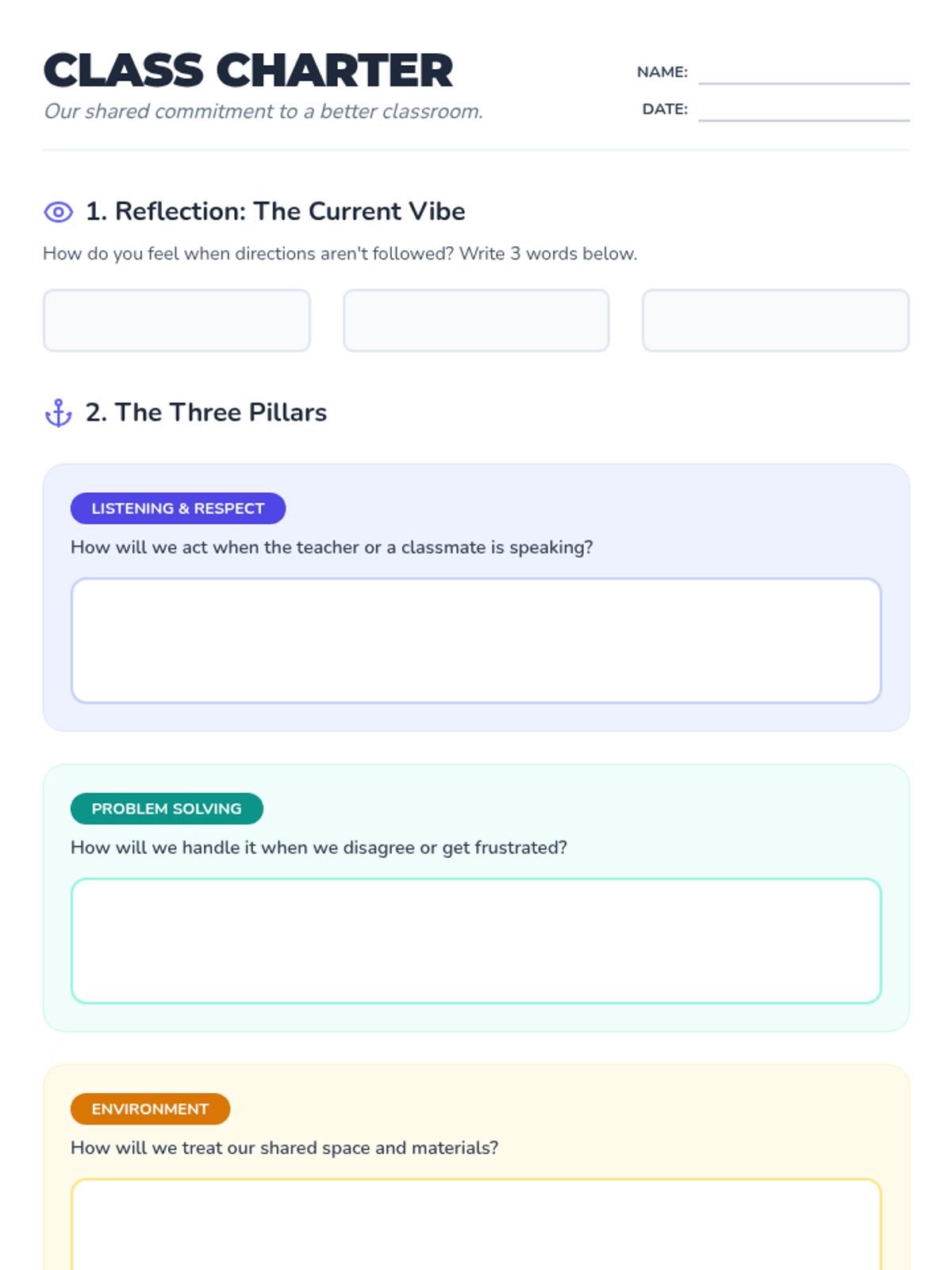
A comprehensive restorative practice sequence for upper elementary classrooms. It focuses on rebuilding classroom culture through a structured "Reset" meeting and provides tools for peer-to-peer and group mediation to resolve ongoing conflicts and restore the learning environment.
A gaming-themed social-emotional learning unit that explores self-regulation, empathy, and accountability through the lens of the Gospel, teaching students to 'Level Up' their character as they follow Jesus' example.
A series of three 10-minute 1-to-1 social skills sessions designed to help a student navigate classroom communication, specifically focusing on story-timing, being called on, and asking questions during work time.