Root cause analysis and brainstorming techniques for everyday problem-solving. Equips learners with ethical frameworks and risk-benefit evaluation skills to predict consequences and make informed choices.
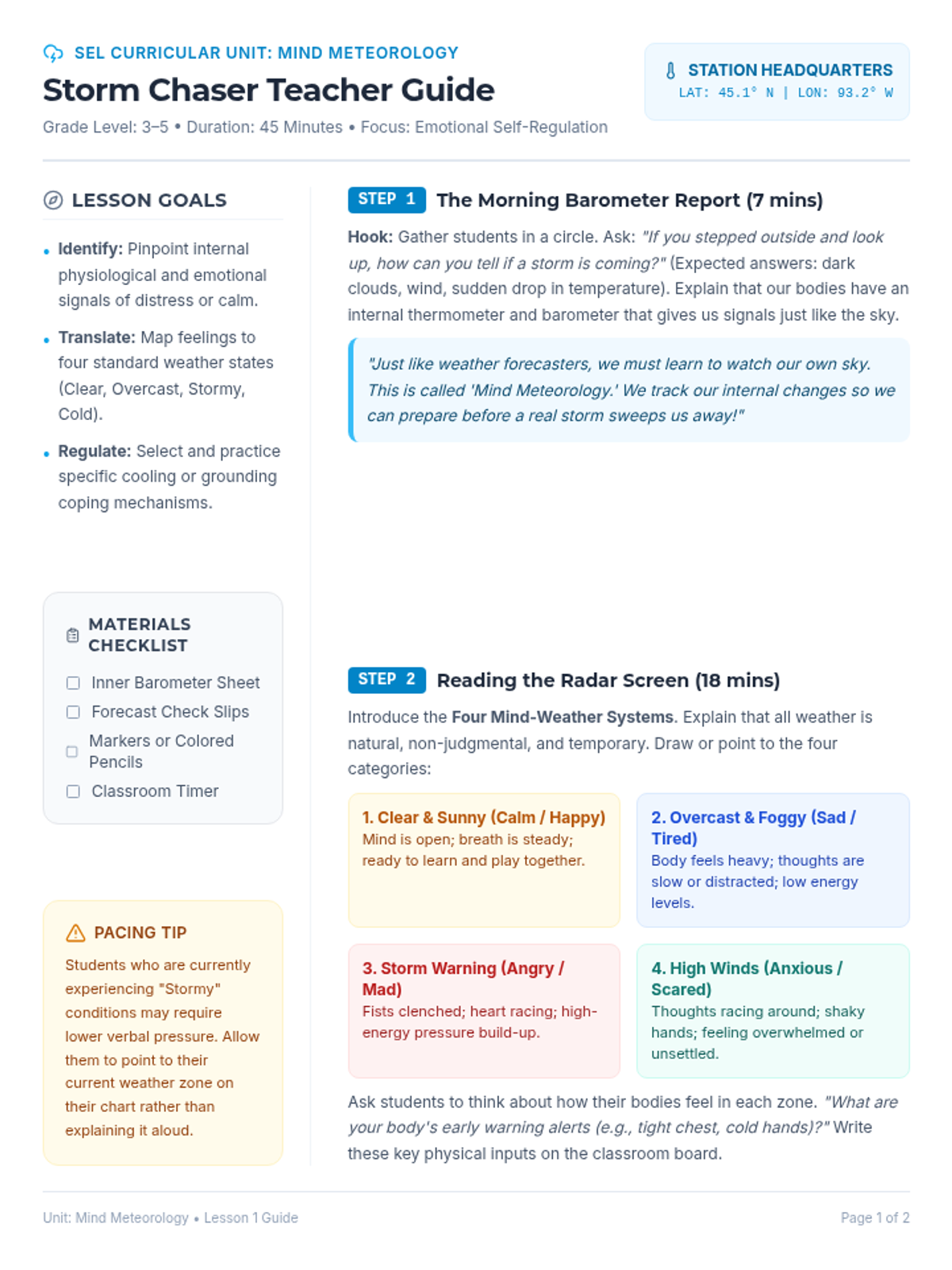
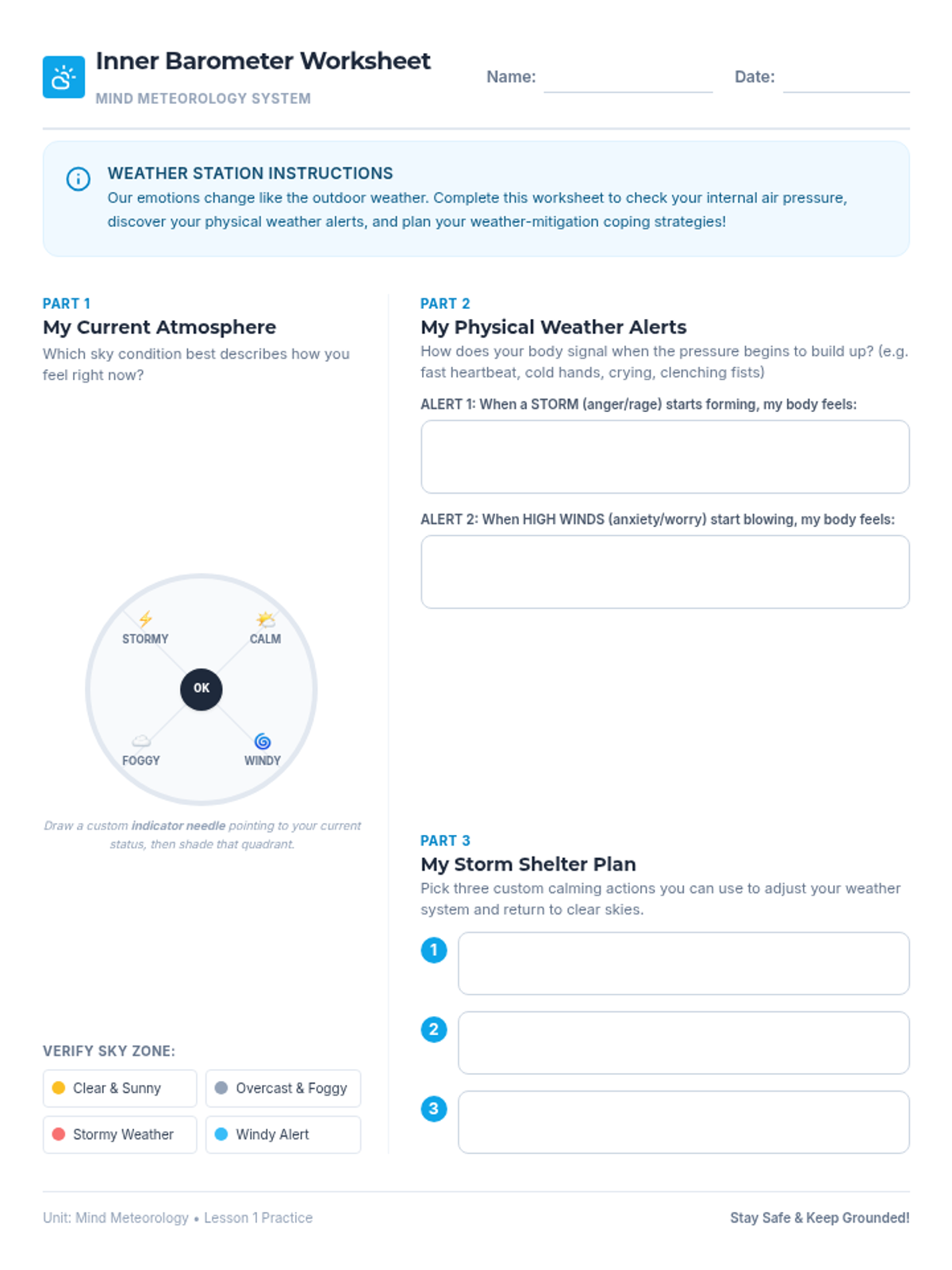
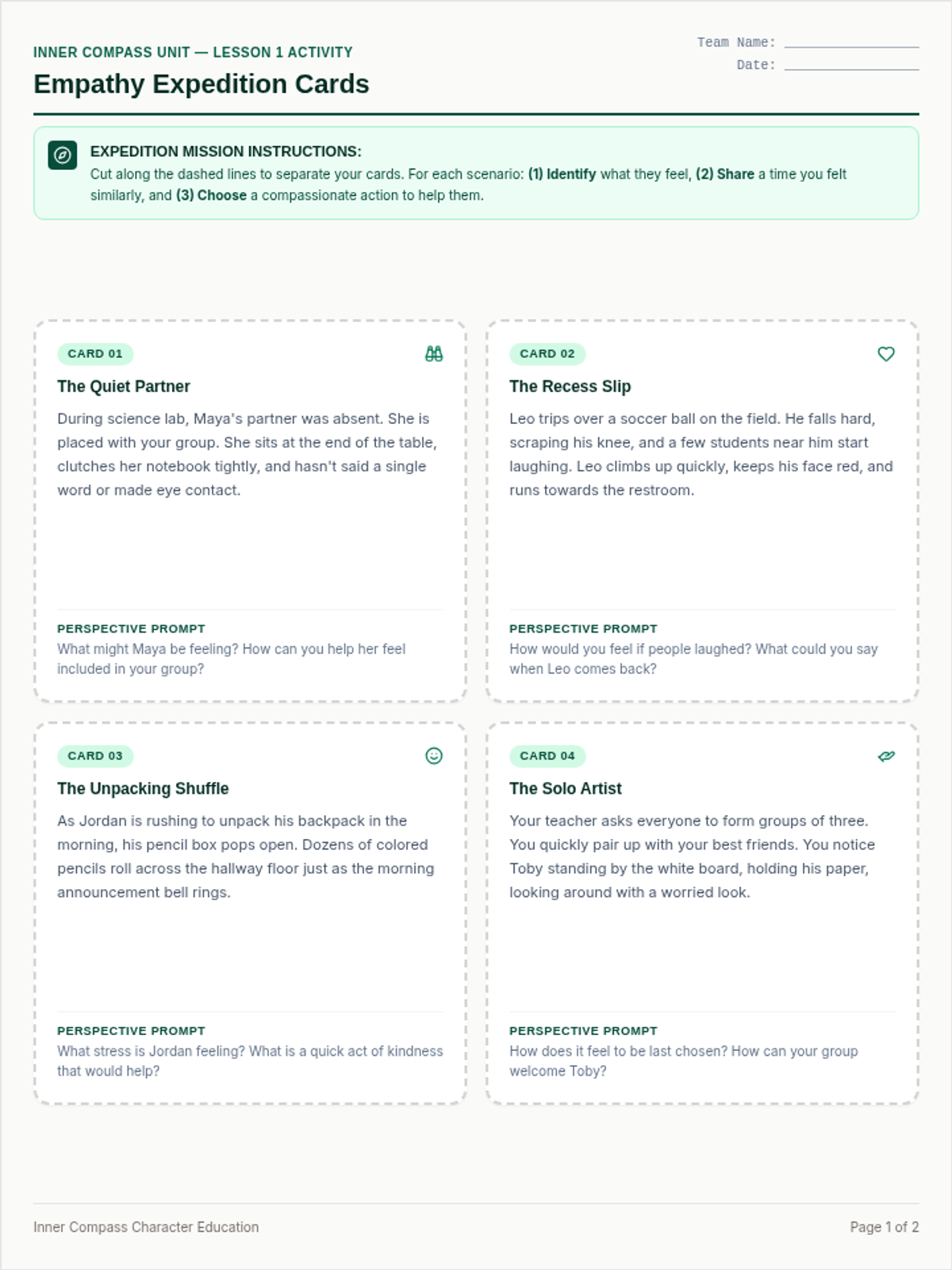
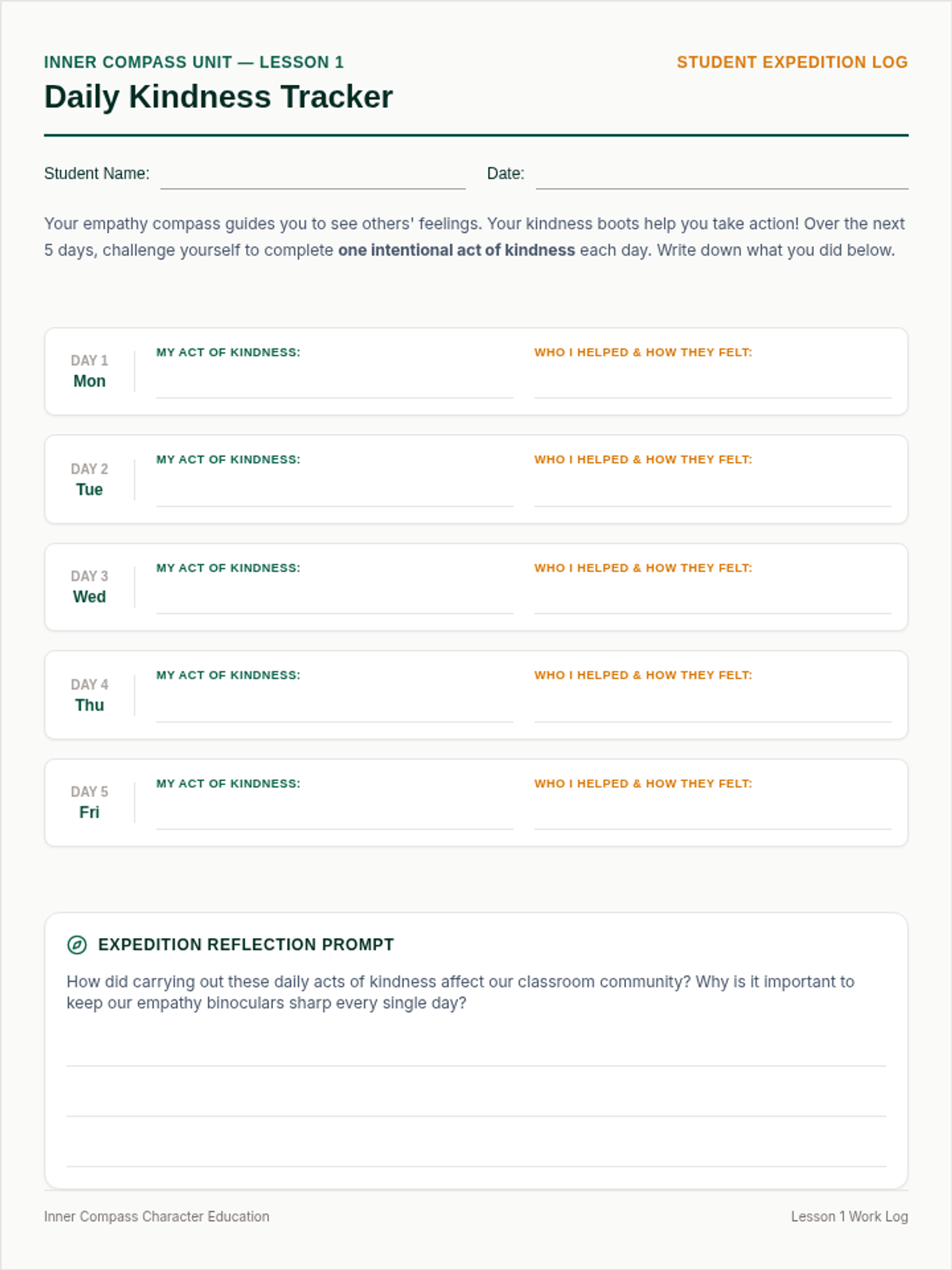
A comprehensive multi-day social-emotional learning unit that empowers students to monitor their internal weather, build emotional empathy with peers, and foster responsible decision-making during high-pressure emotional systems.
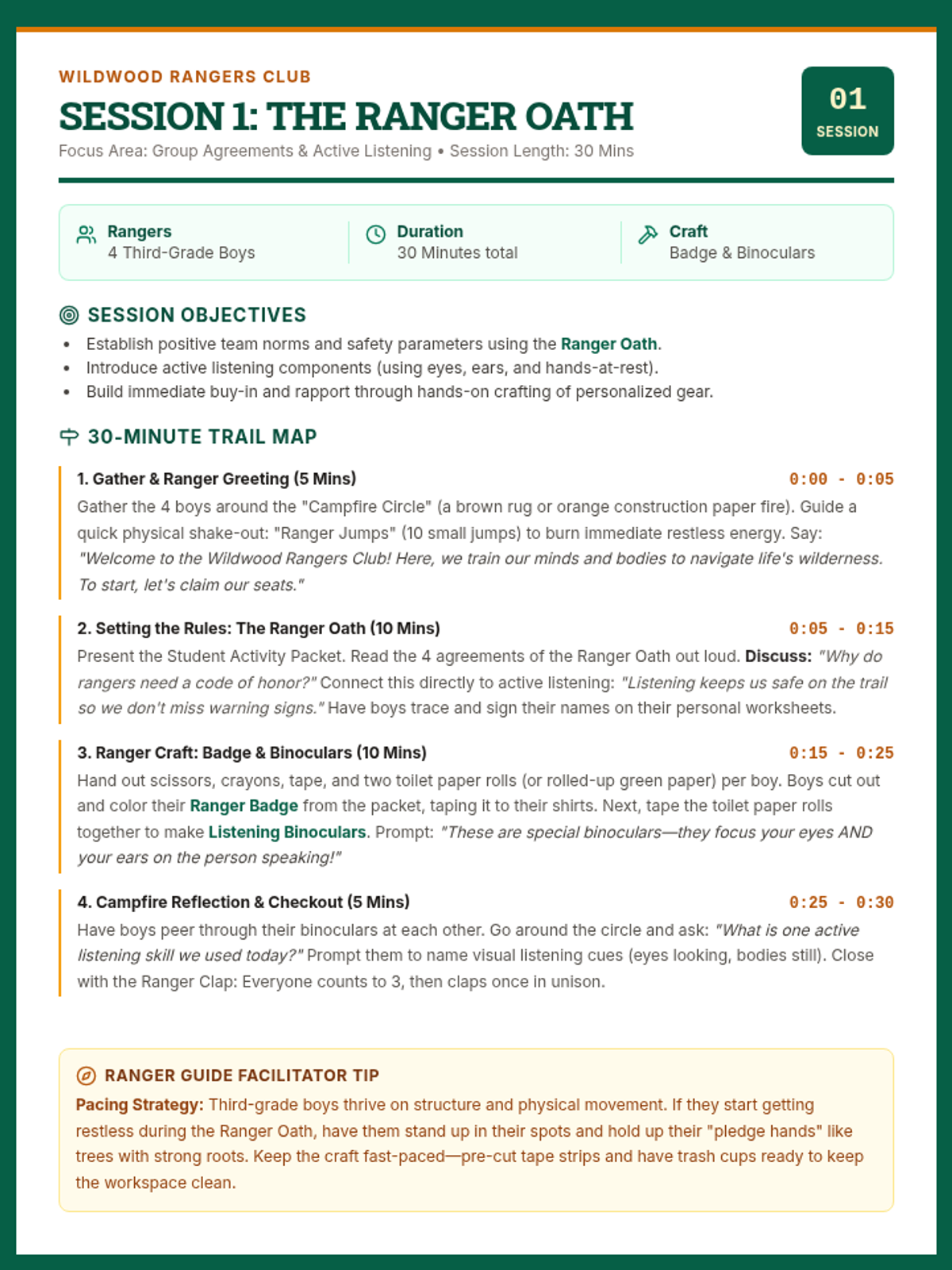
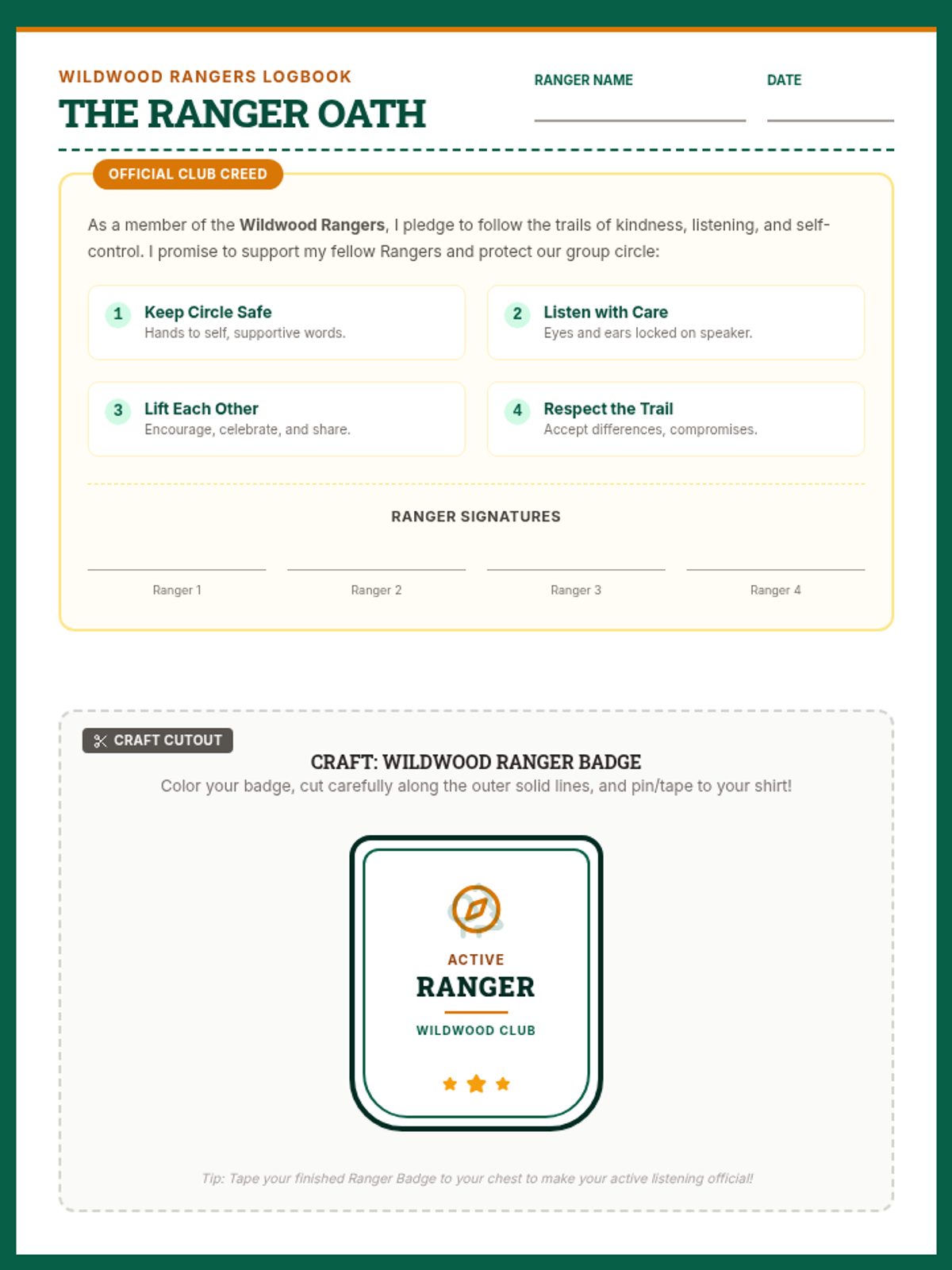
A 6-session social skills group program designed specifically for 4 third-grade boys. Built around a 'Wildwood Rangers' forest theme, the program develops active listening, emotional regulation, and conflict resolution through engaging, hands-on crafts and ranger challenges.
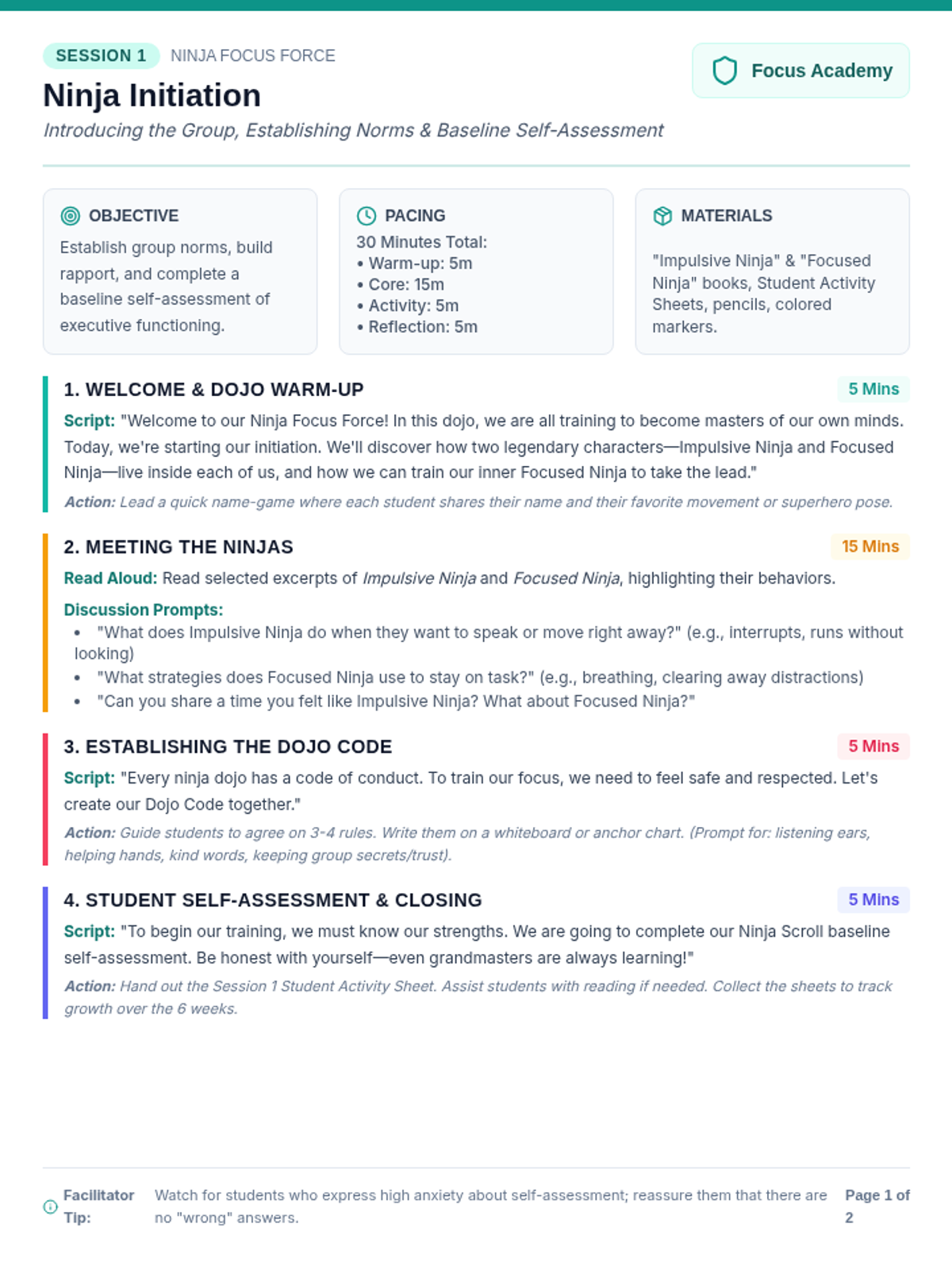
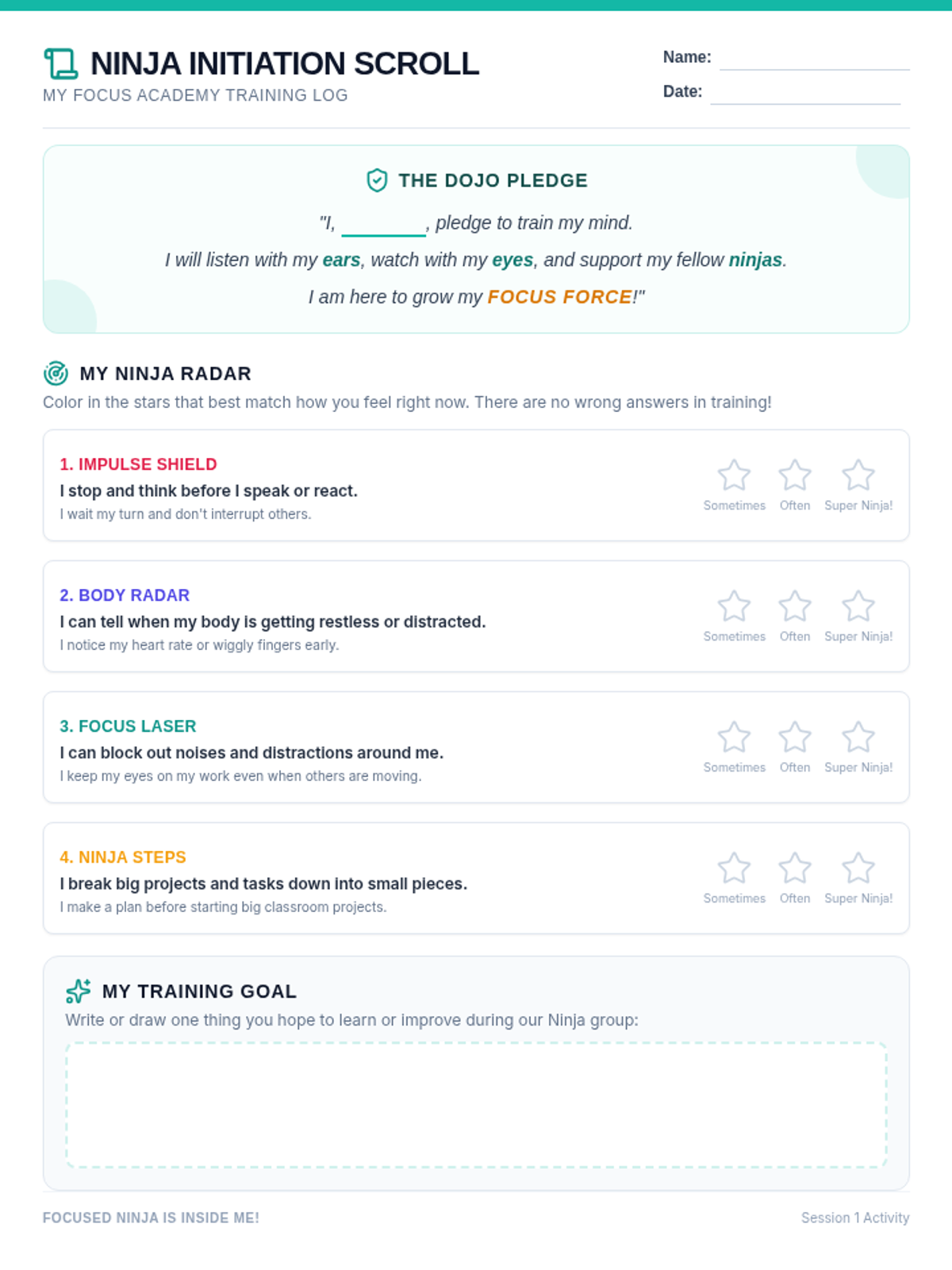
A comprehensive 6-week small group counseling curriculum for mid-elementary students focused on developing executive functioning skills through the lens of Impulsive Ninja and Focused Ninja. Includes weekly facilitator lesson guides, student activities, and teacher/parent collaboration tools.
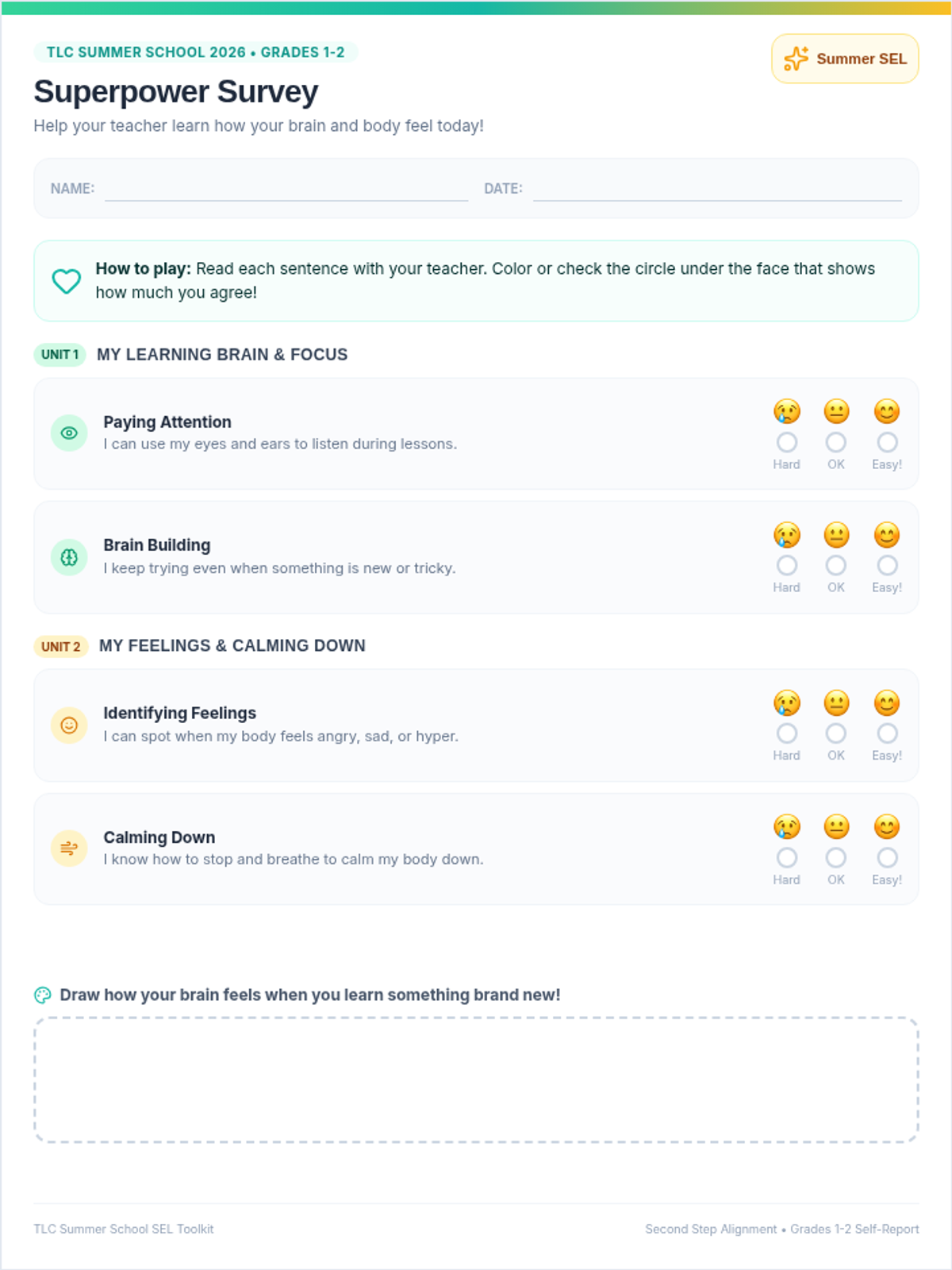
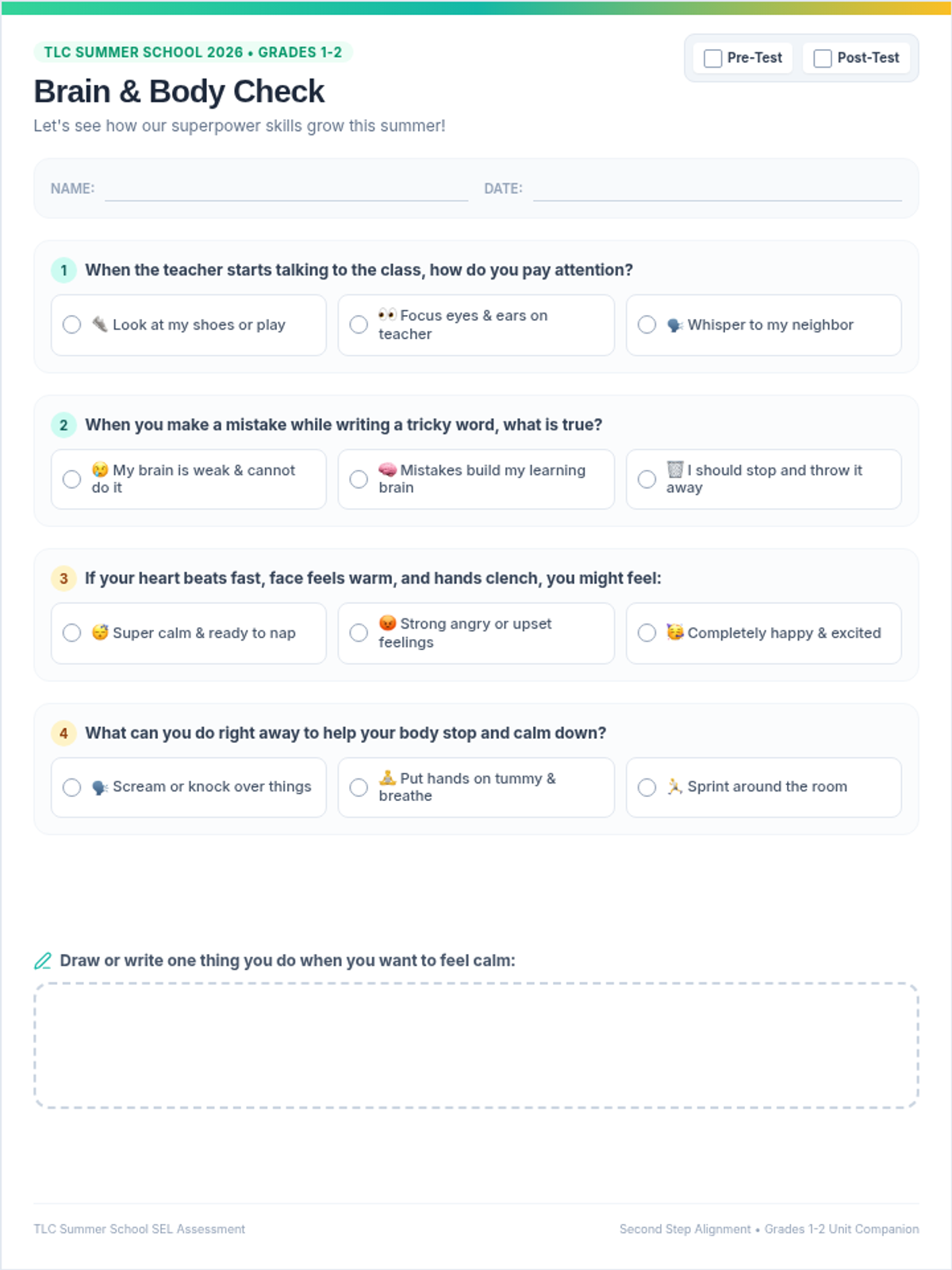
A comprehensive Social-Emotional Learning (SEL) toolkit for summer school programs based on Second Step verbiage. Features custom needs assessments, and pre/post-tests across three targeted grade bands (1-2, 3-4, and 5-6) covering Growth Mindset & Goal Setting and Emotion Management.
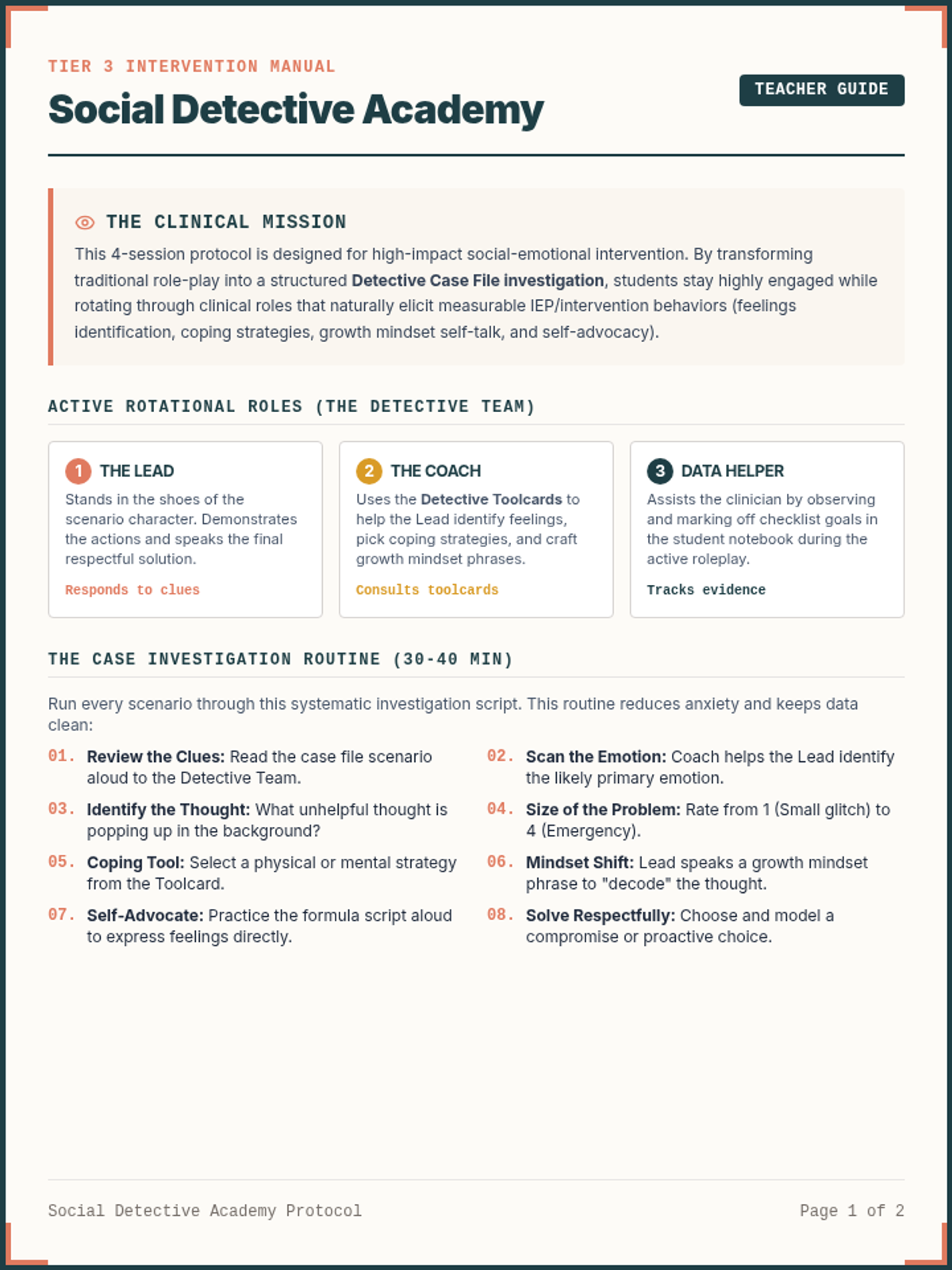
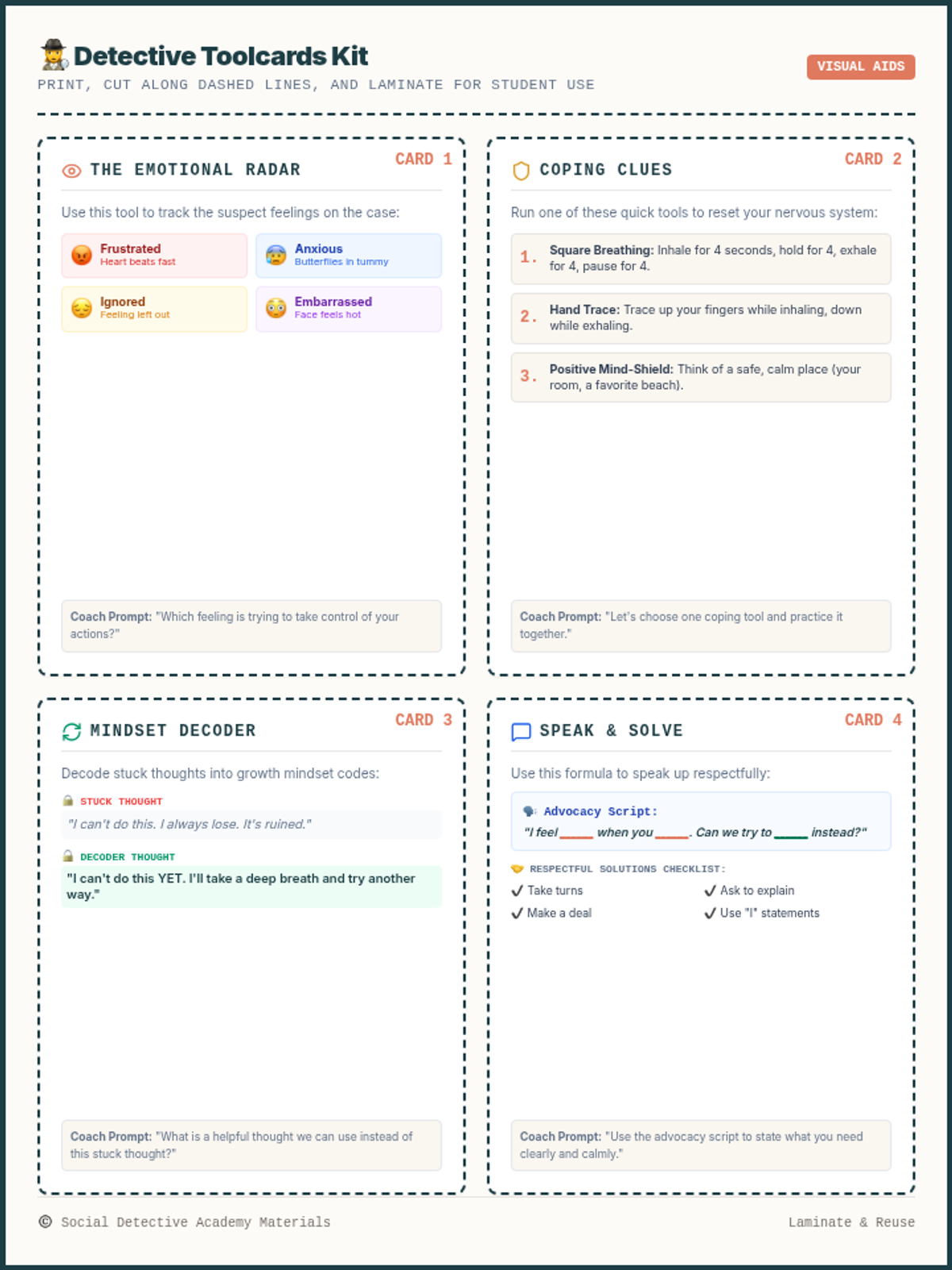
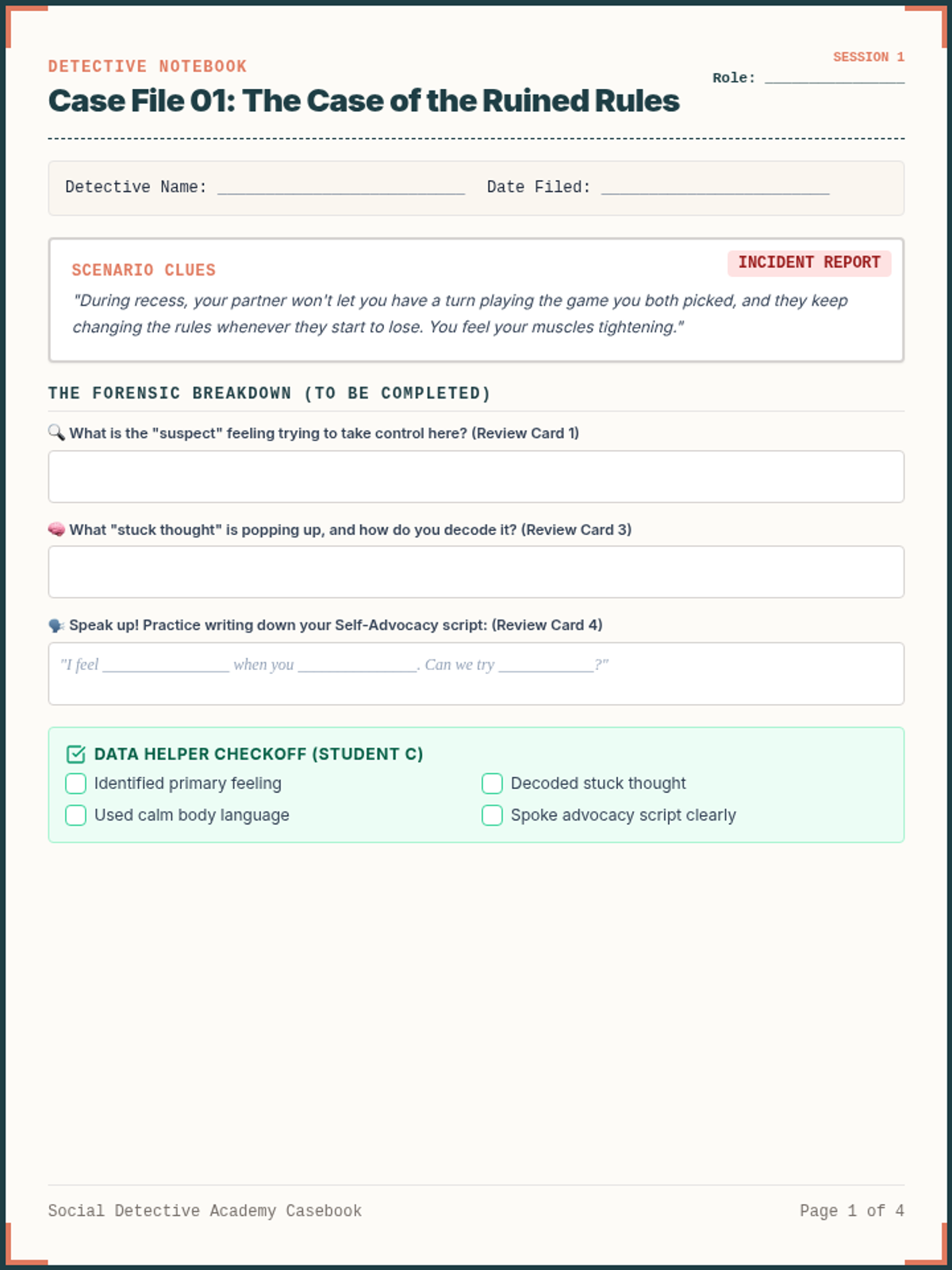
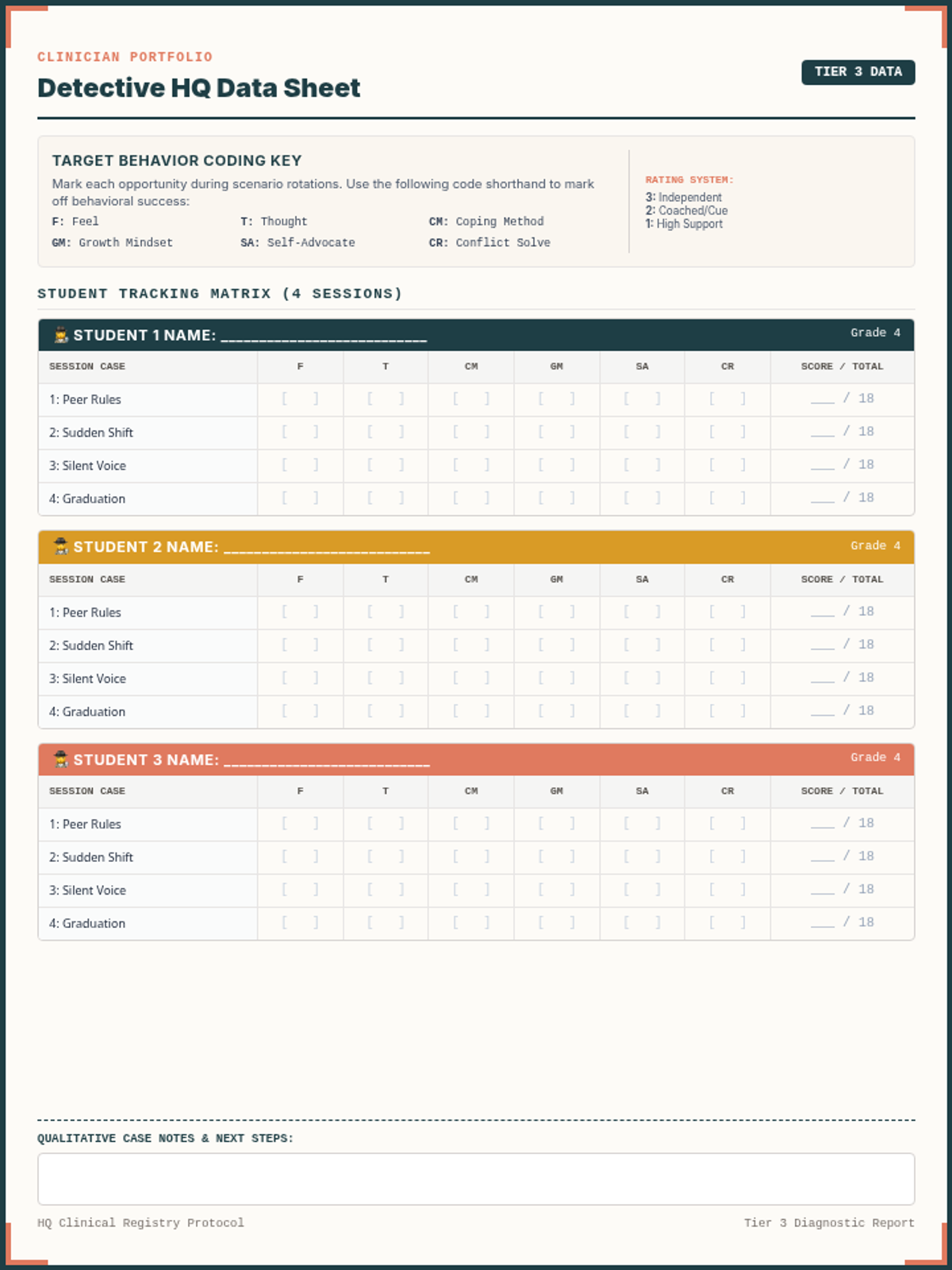
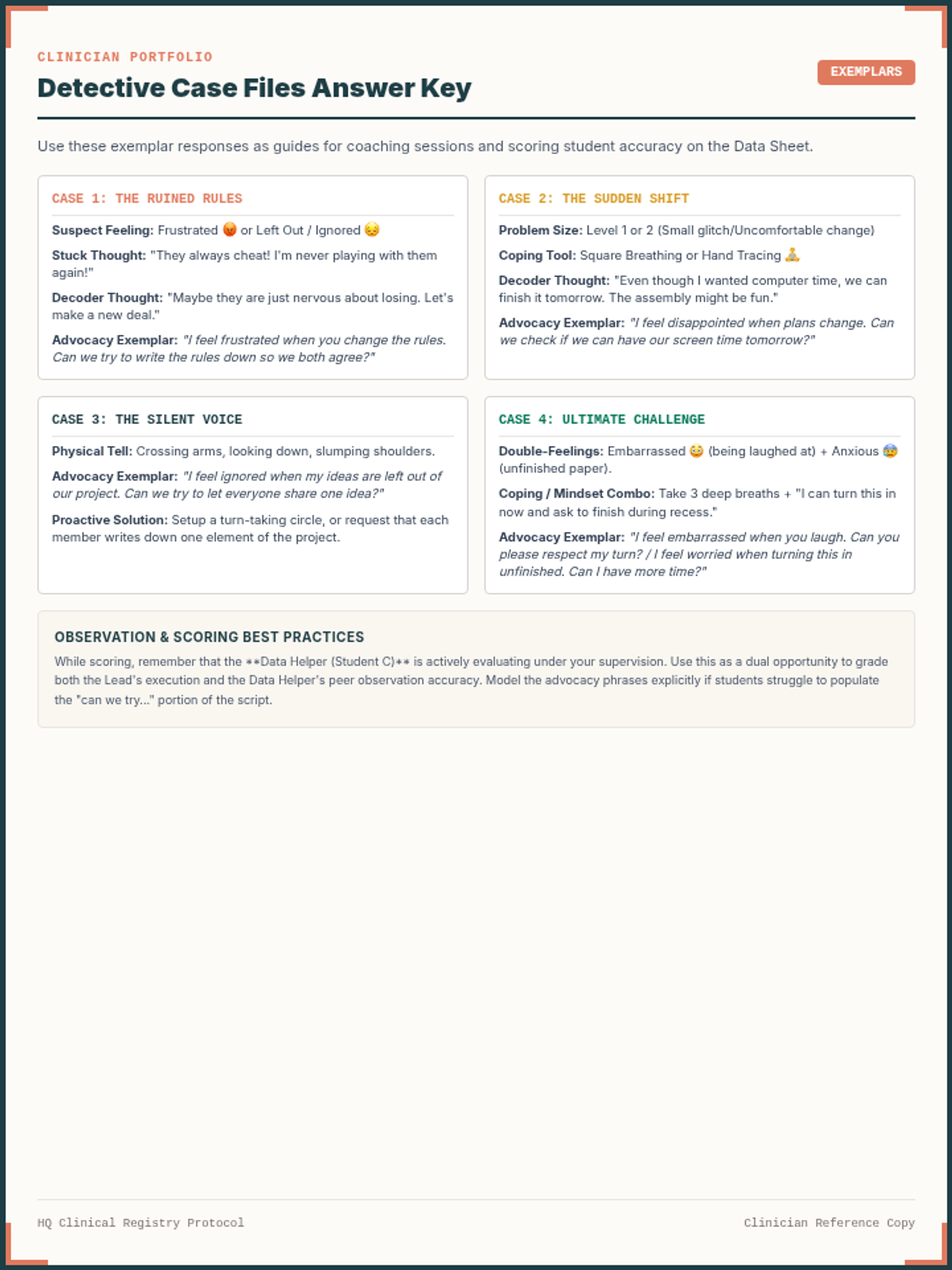
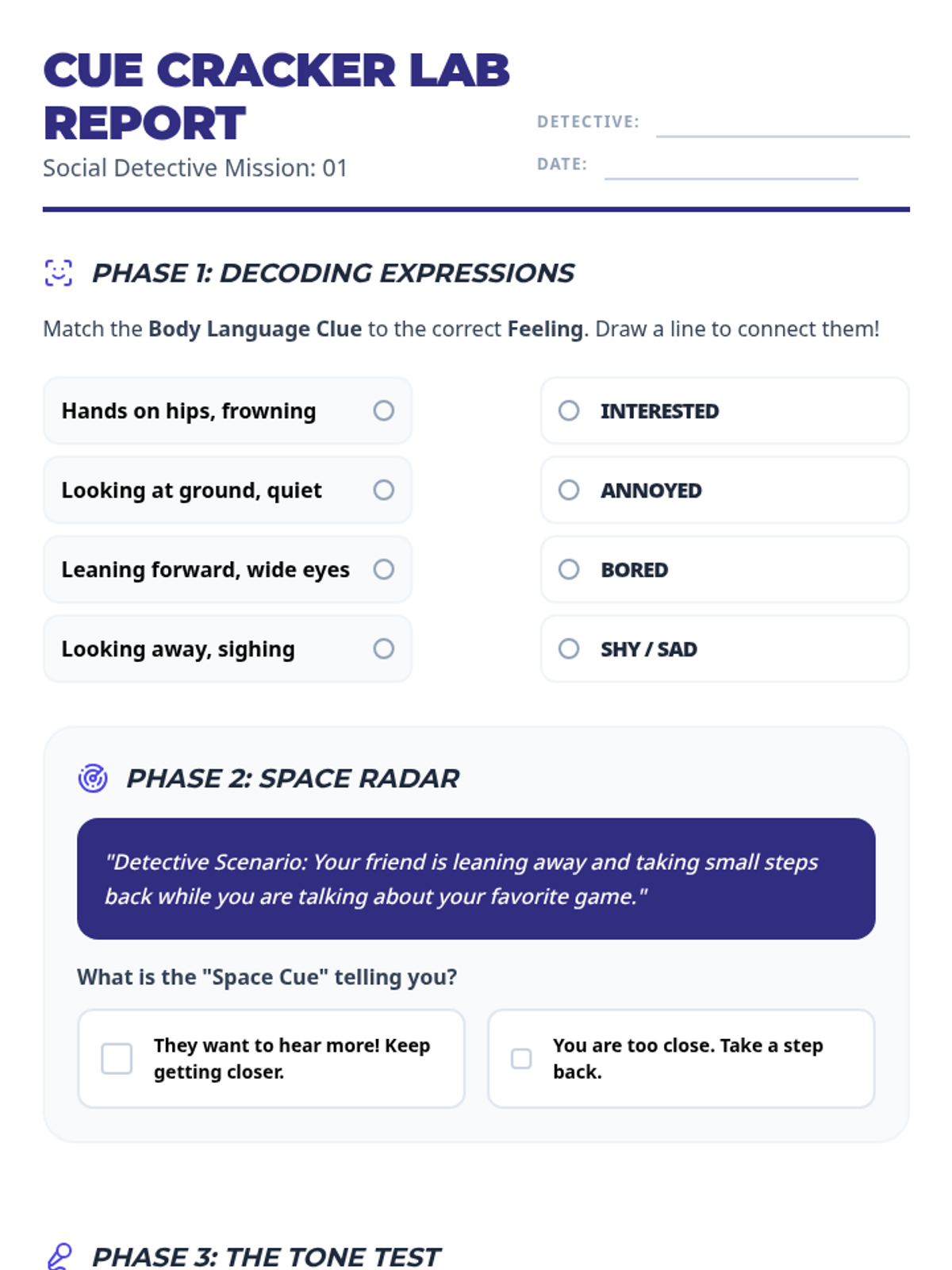
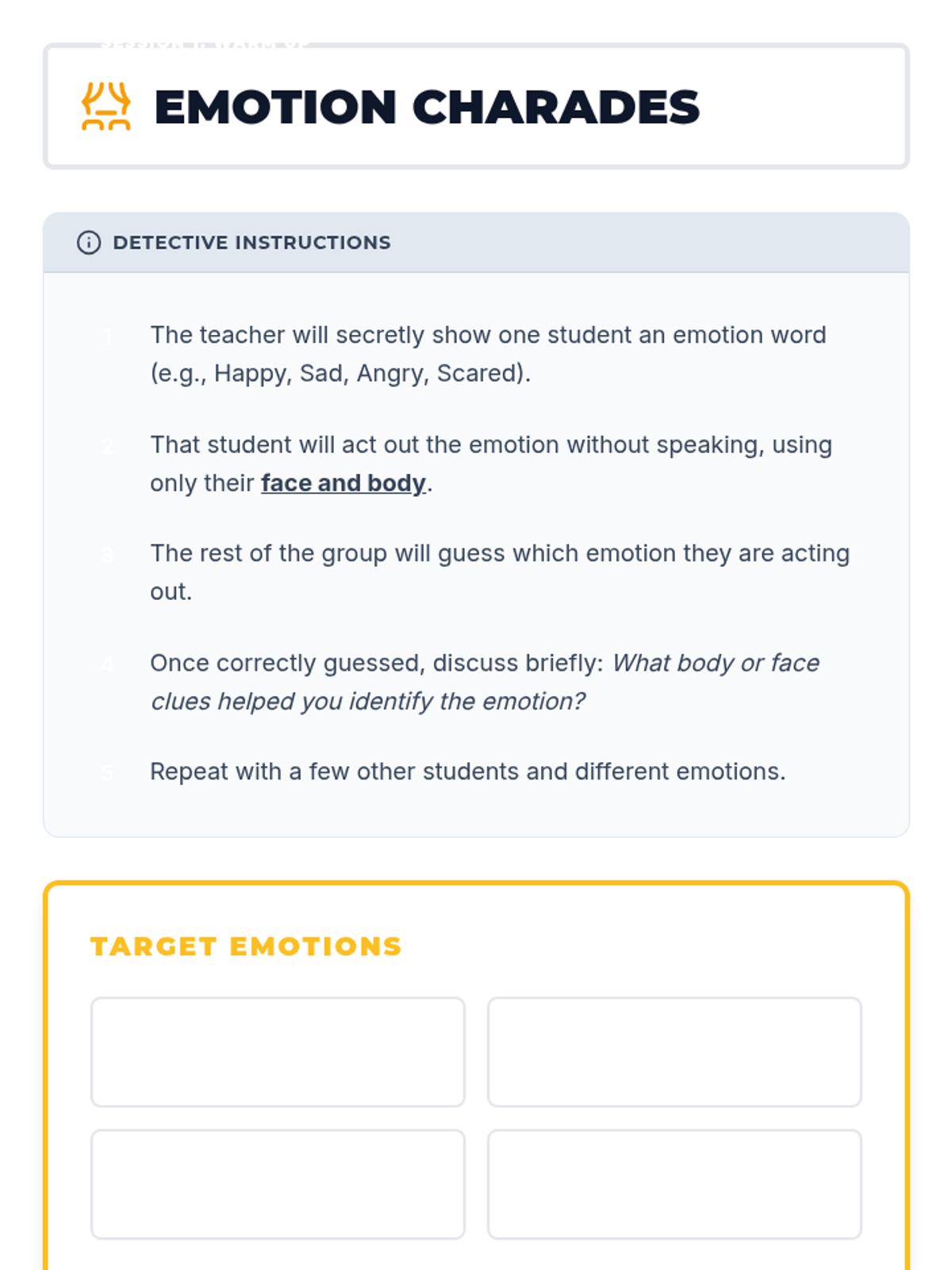
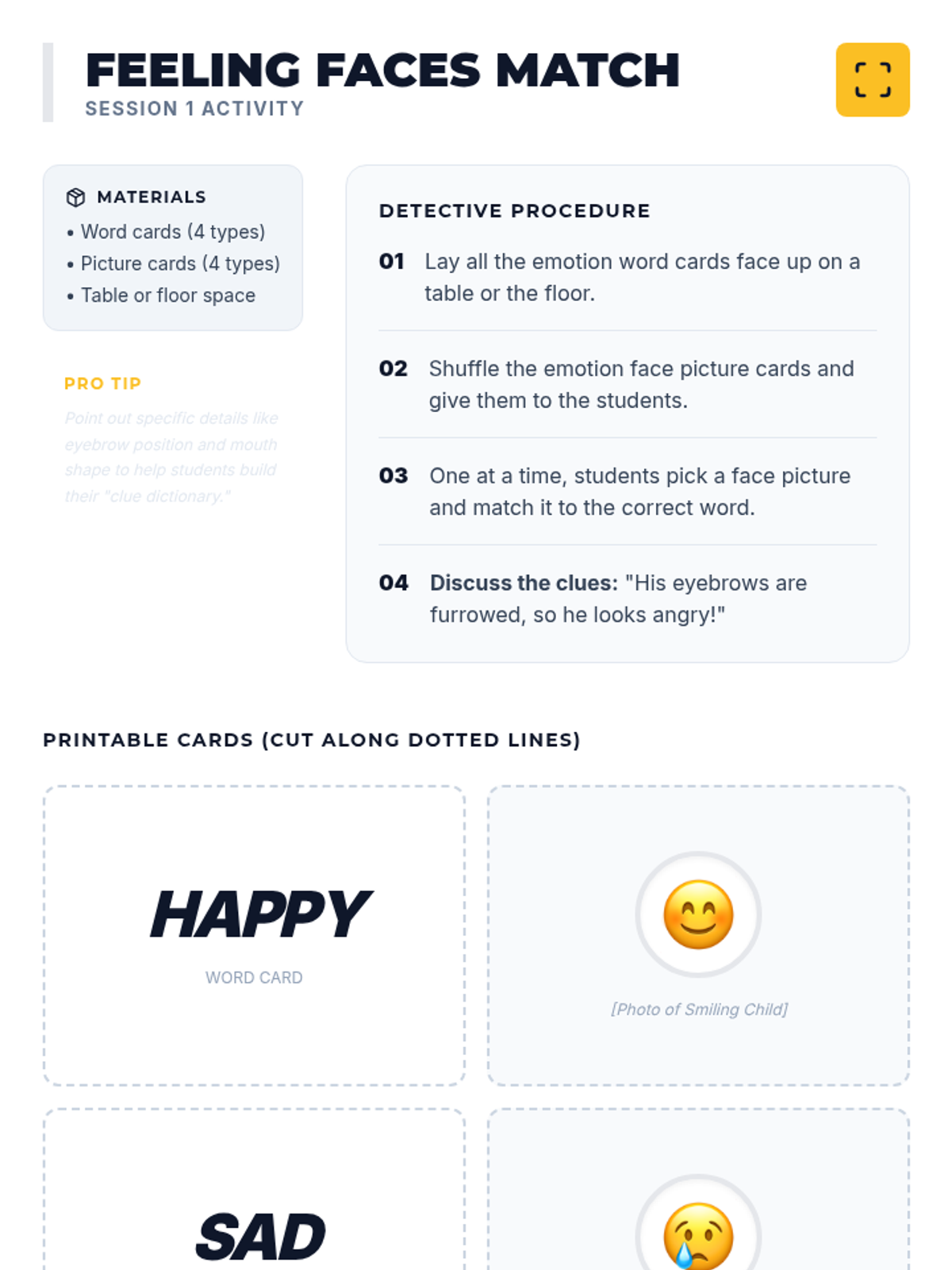
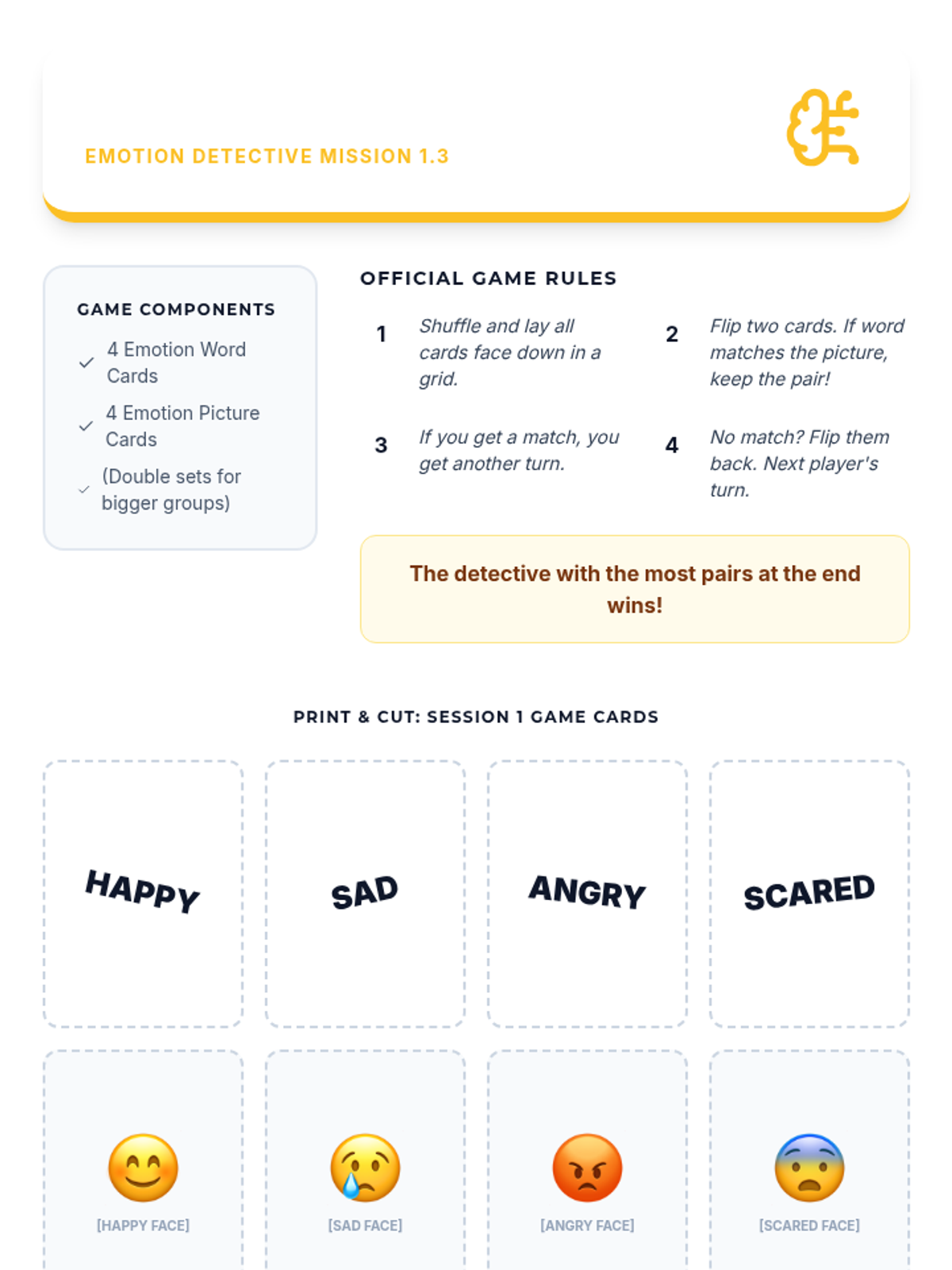
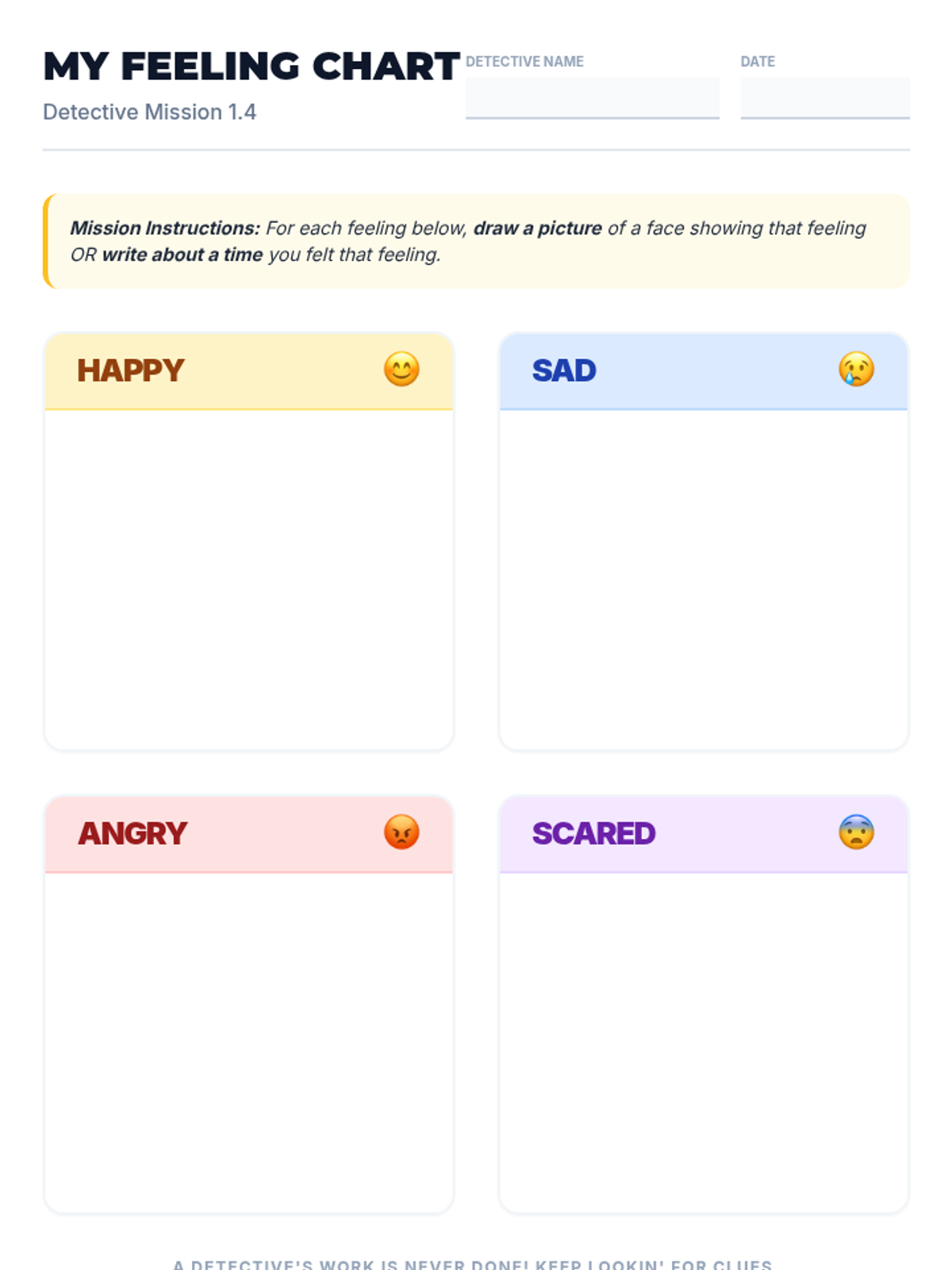
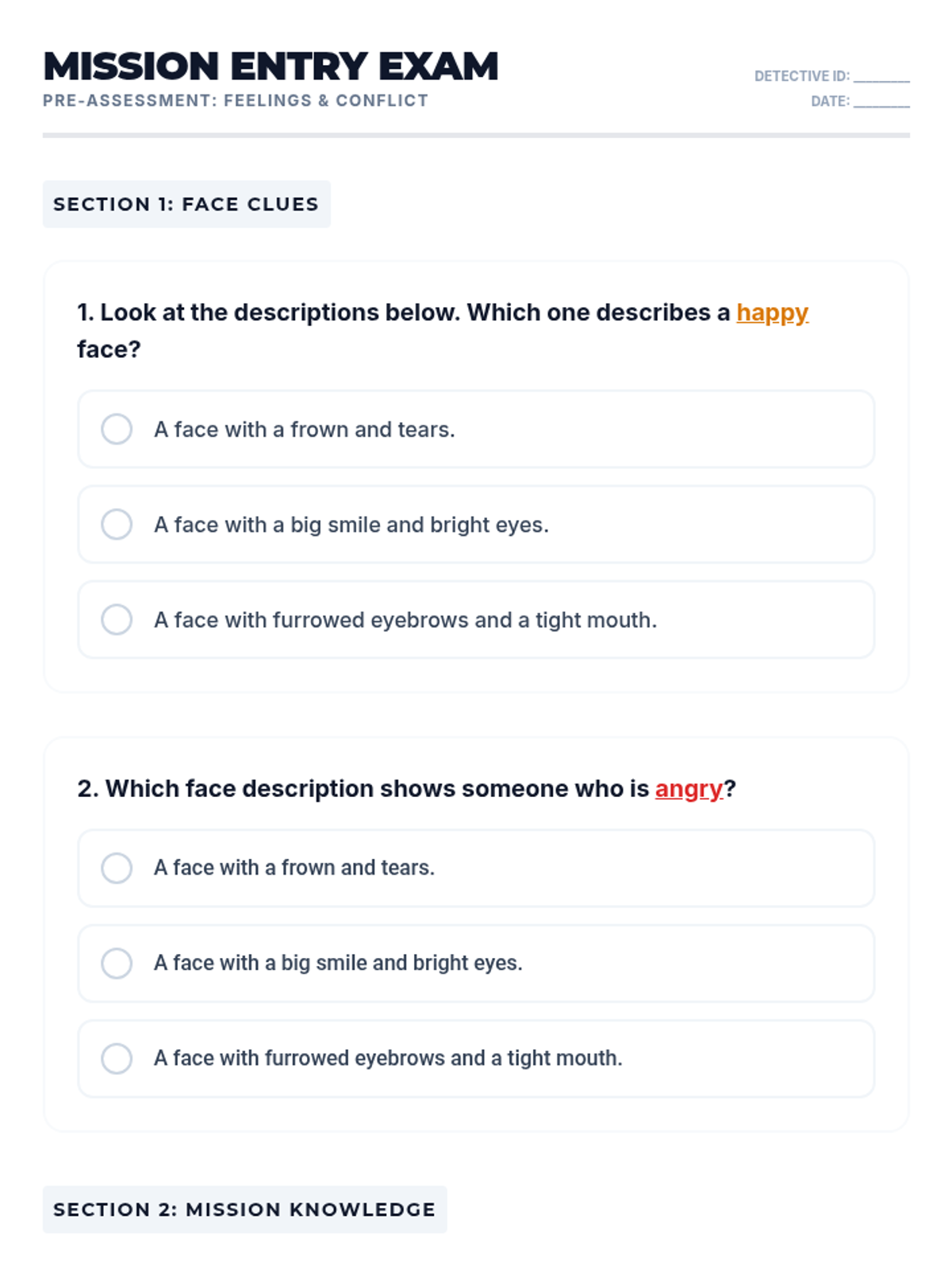
A cohesive 4-session social-emotional intervention sequence designed for small groups (Tier 3) to practice emotional regulation, self-advocacy, growth mindset, and conflict resolution using a fun, collaborative 'Social Detective' theme.
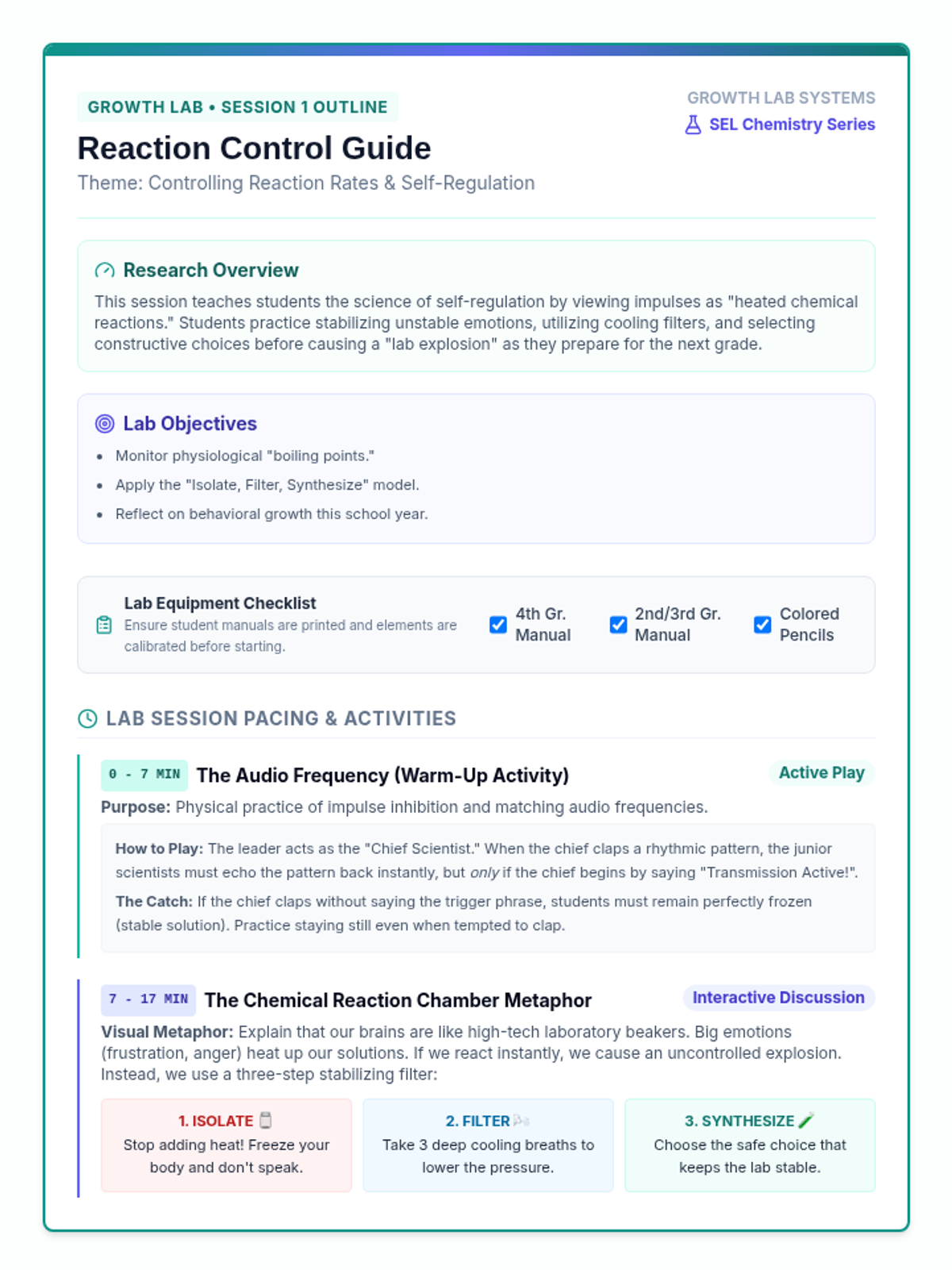
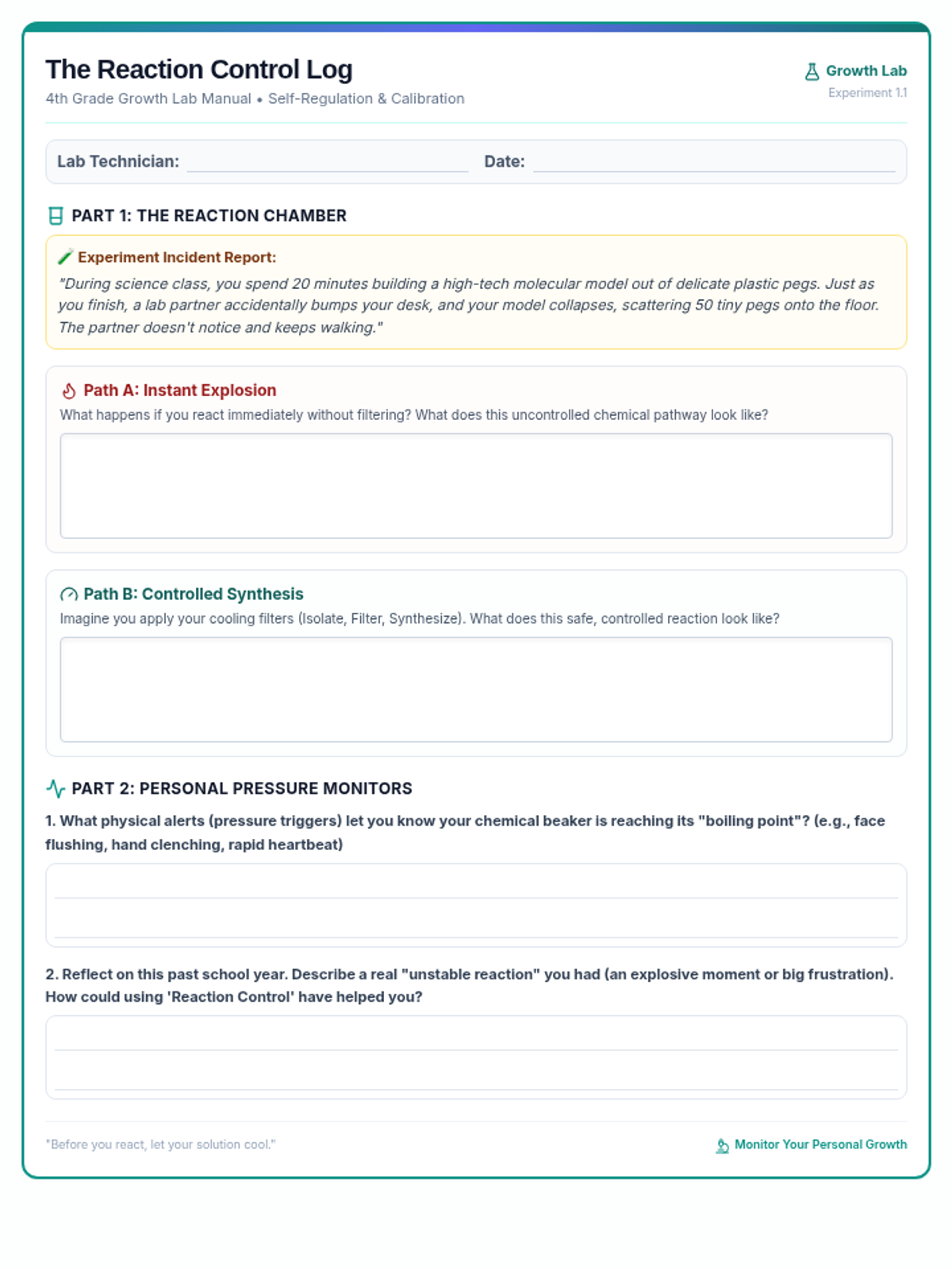
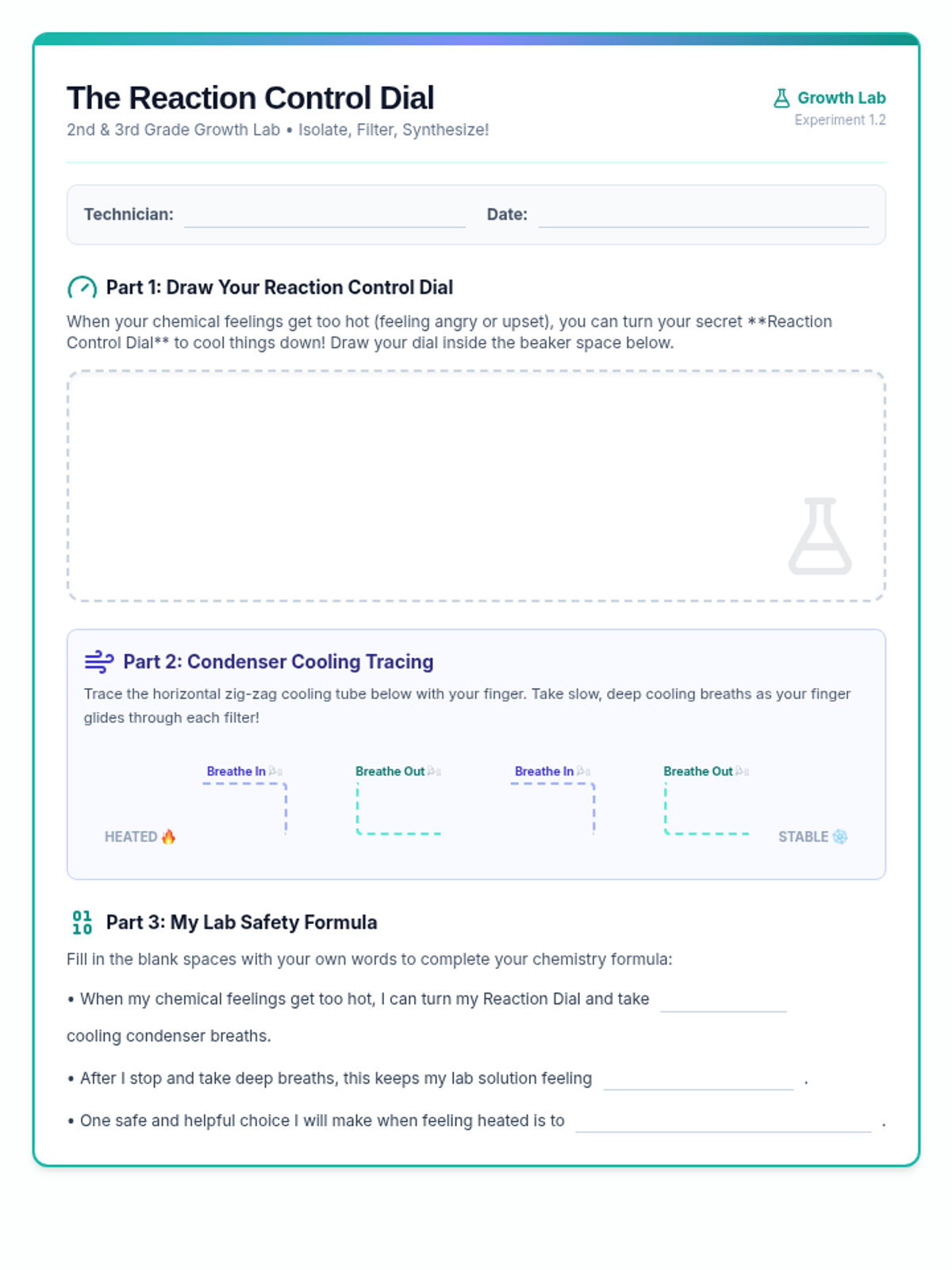
An end-of-year reflection and social-emotional learning series styled as a scientific laboratory. Students act as 'Growth Chemists' to study and control their reaction rates, transmit self-advocacy signals, and map out their senior scientist support network.
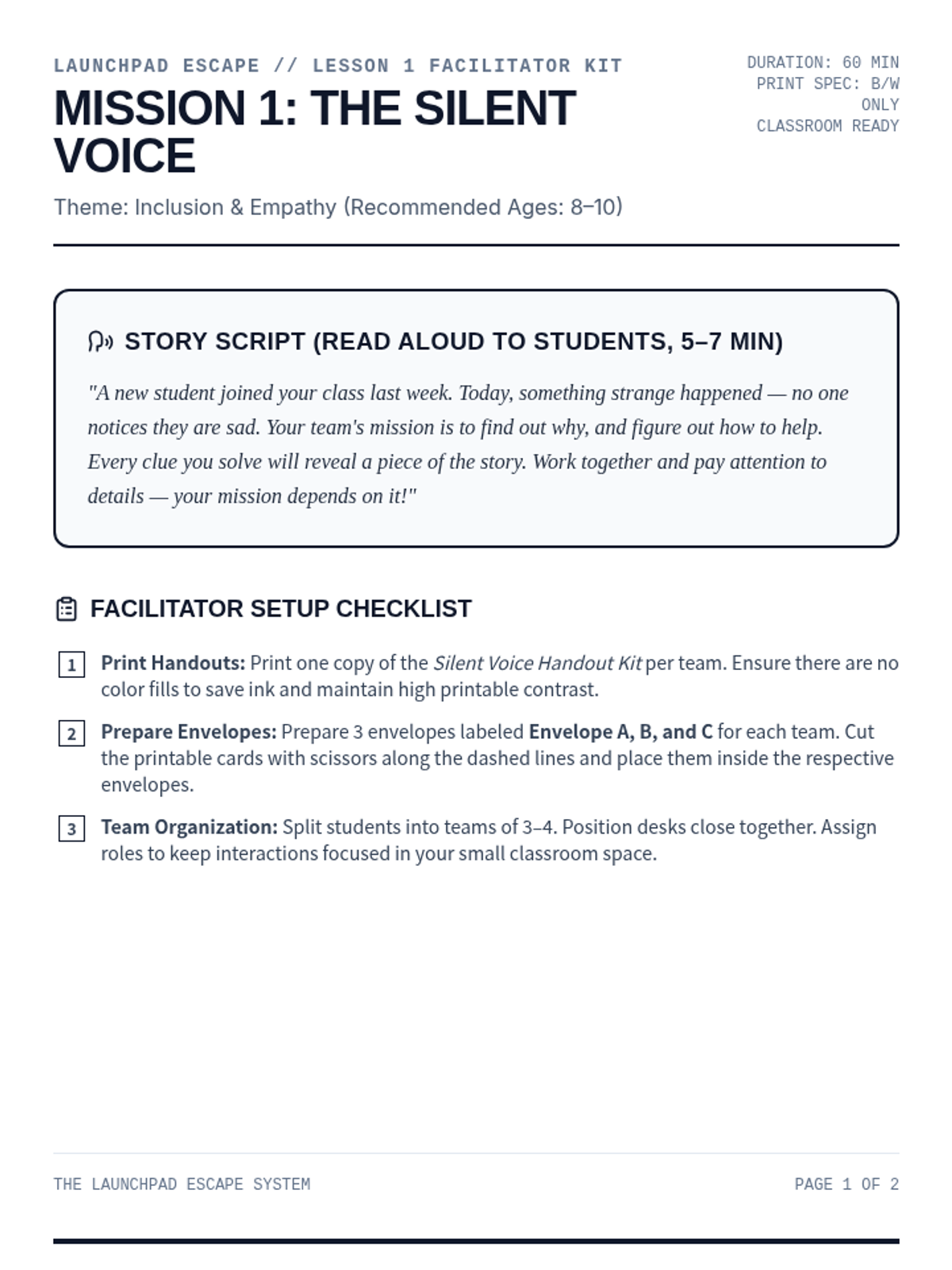
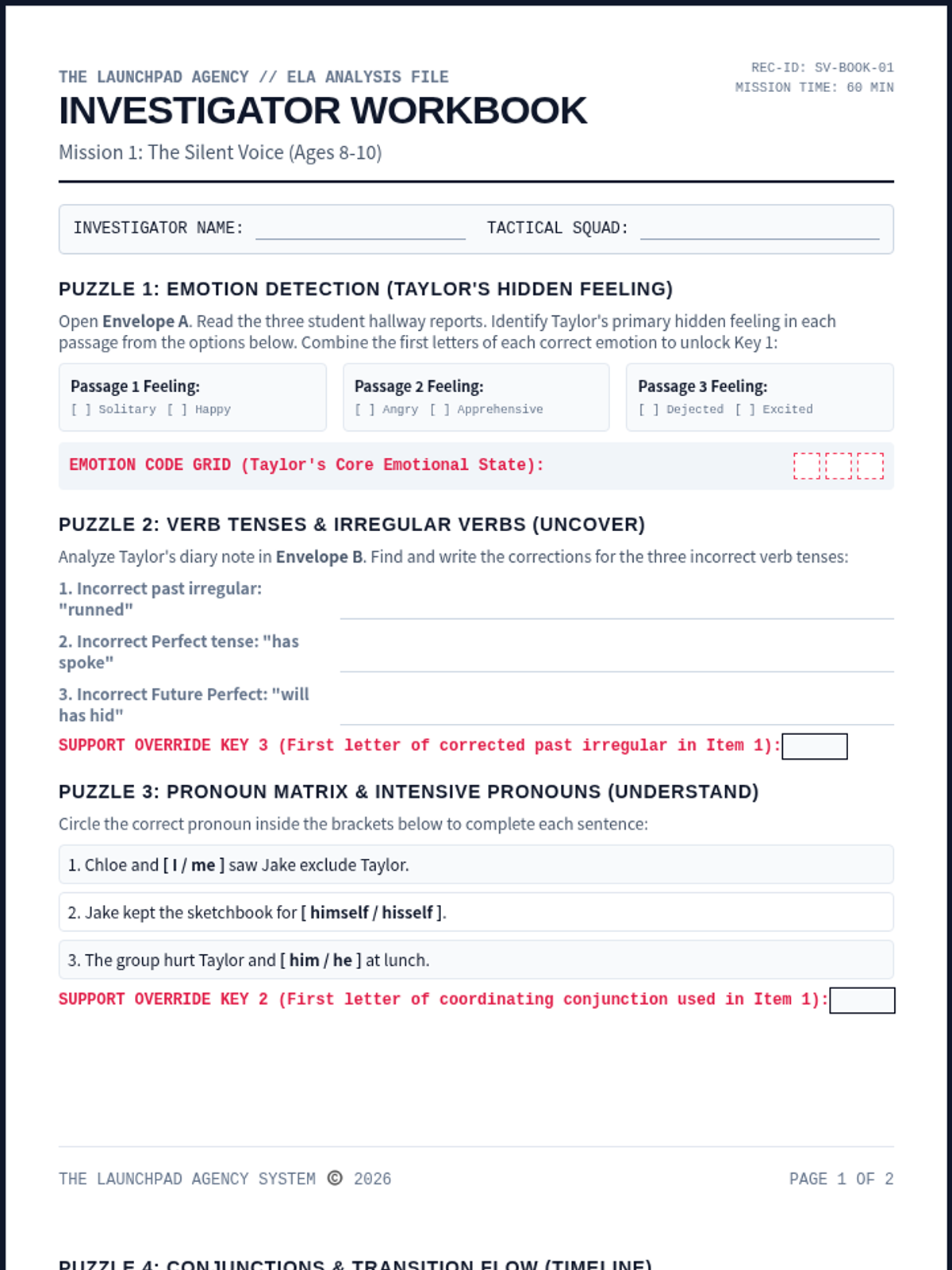
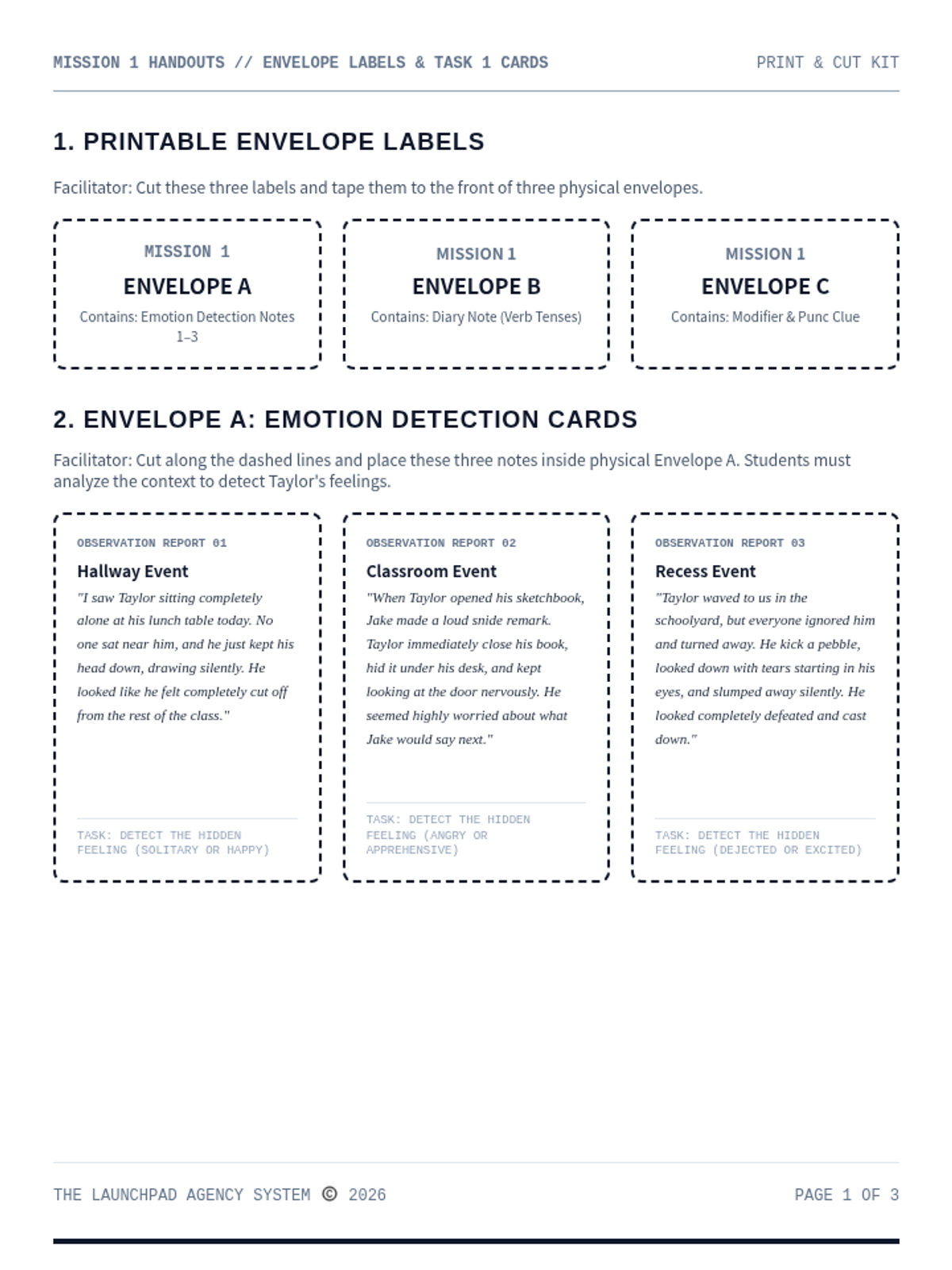
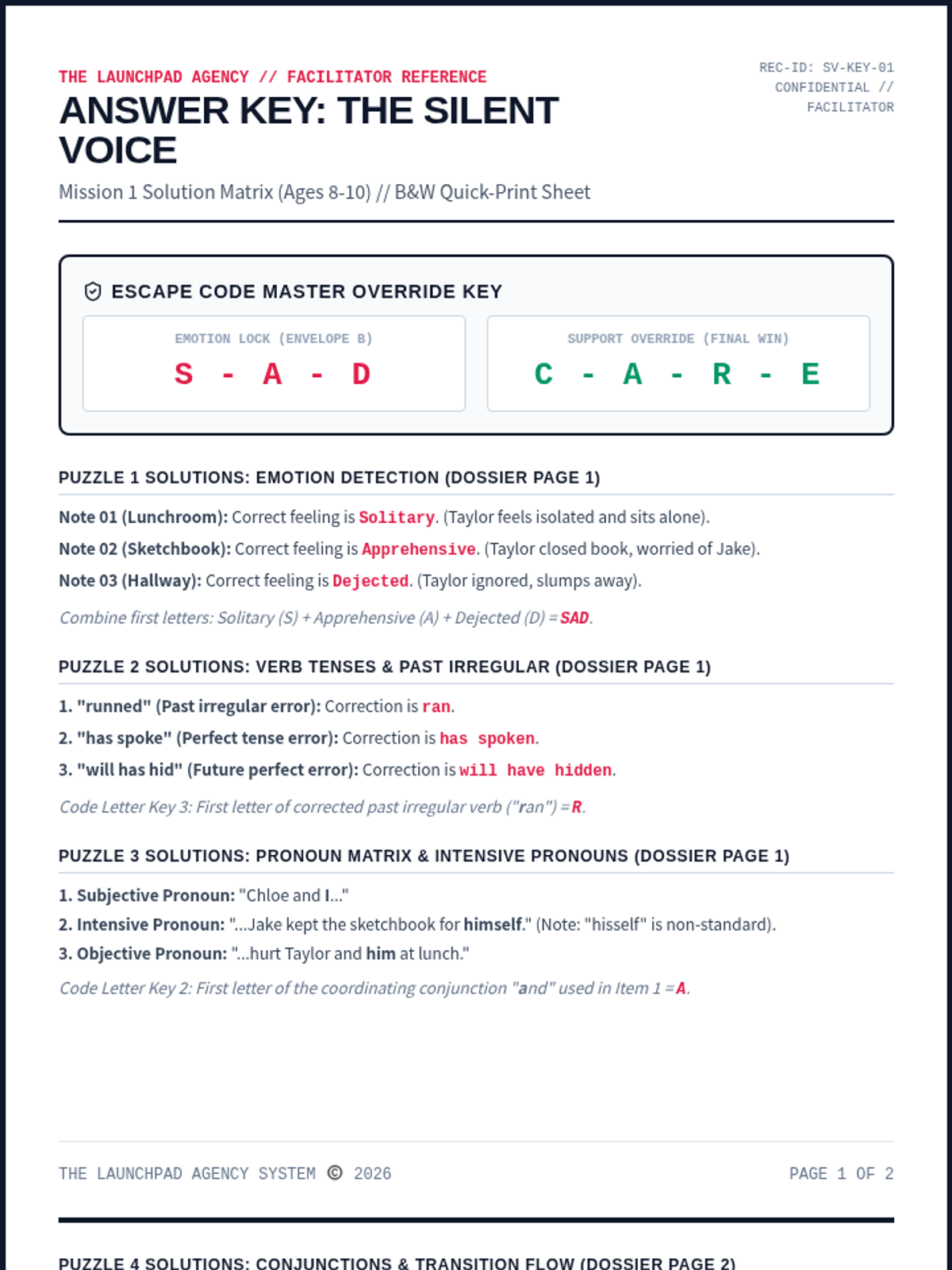
A high-stakes, collaborative tabletop escape curriculum. Missions are self-contained and fun, targeting academic anxiety, family duty, digital literacy, and friendship & peer pressure (e.g. someone left out, group conflict escalating, friend pressured to do wrong). Recruits build decision-making, social intelligence, and value systems.
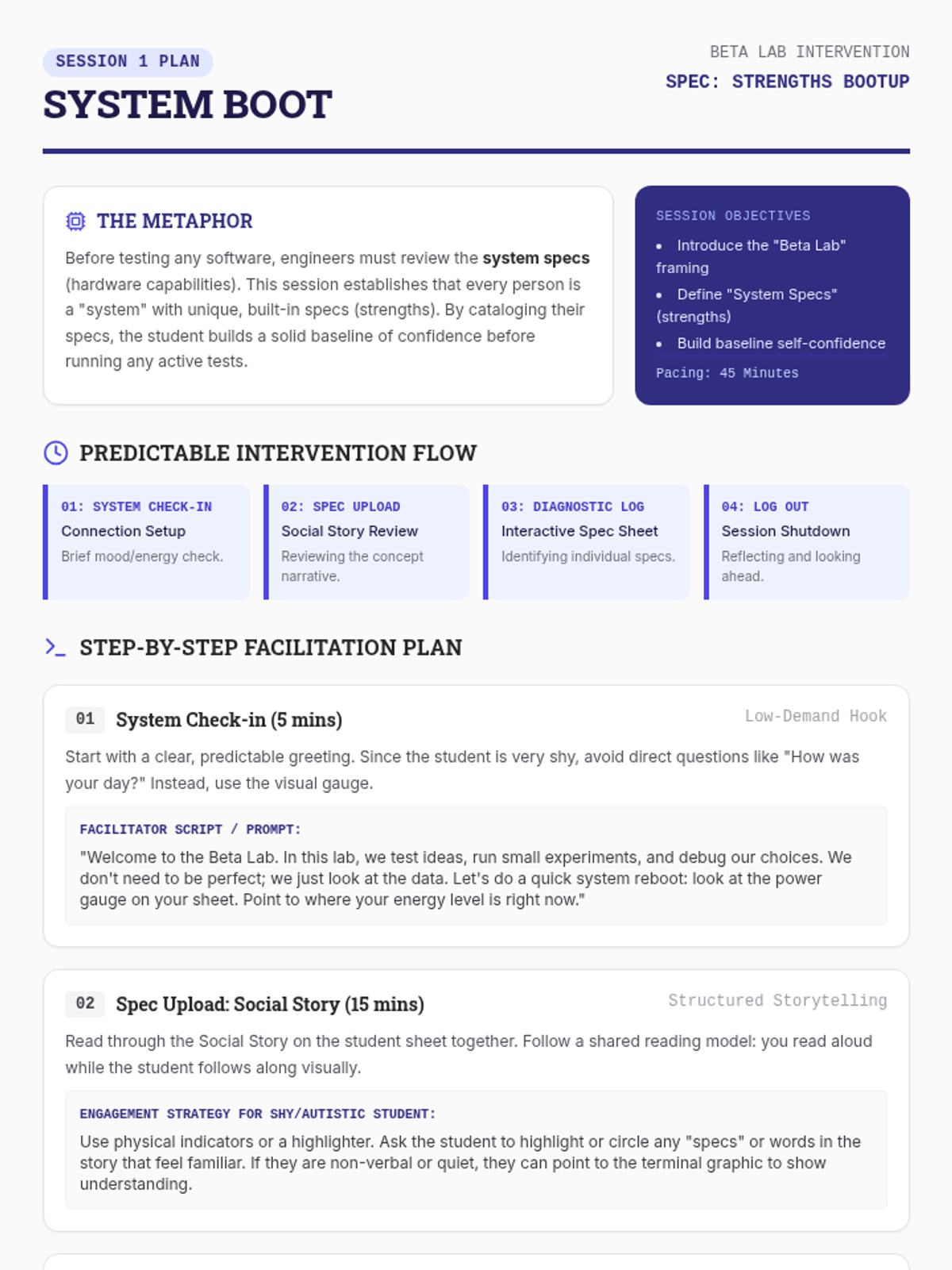
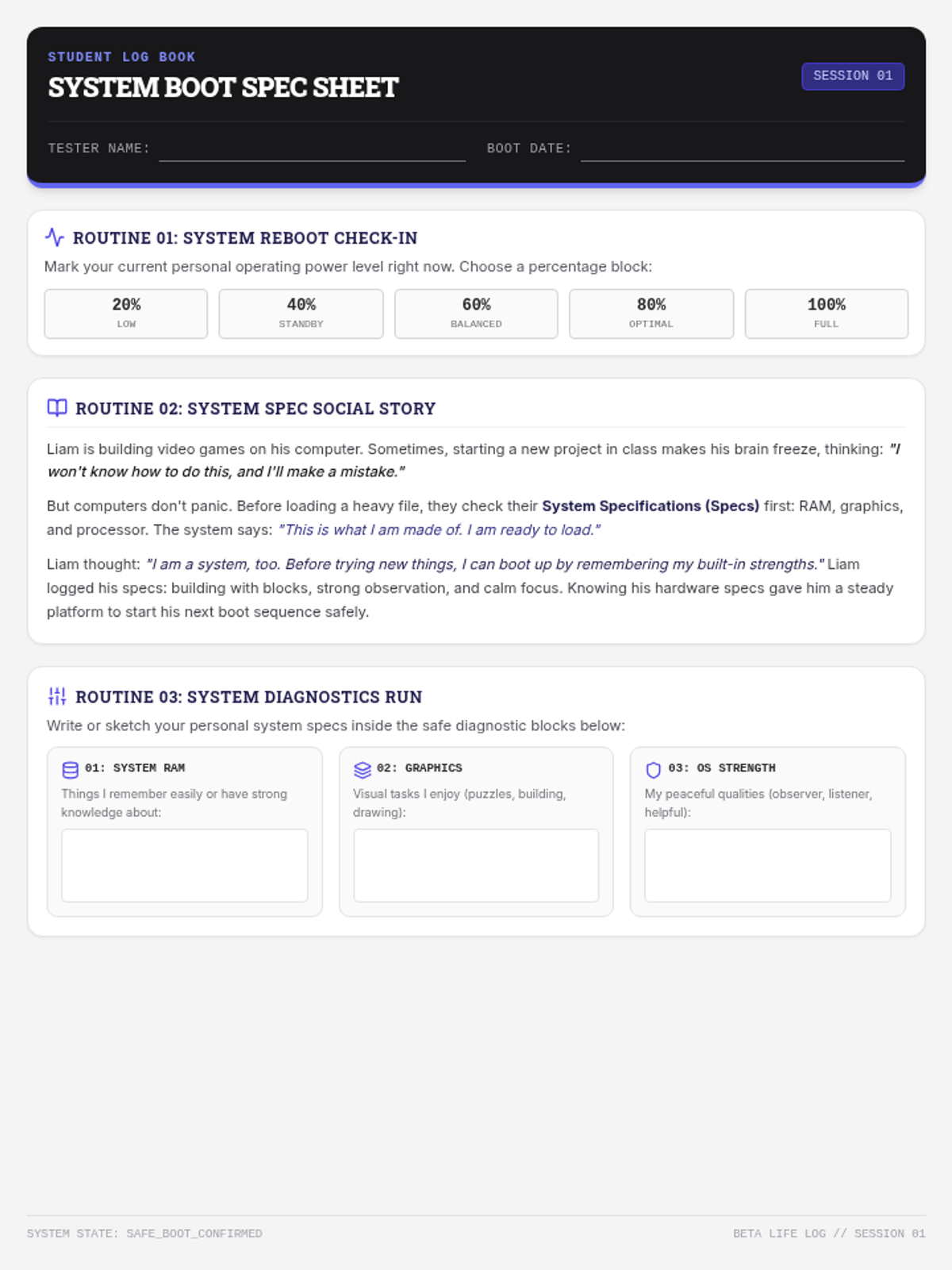
An 8-week social-emotional intervention sequence designed for neurodivergent and shy students. It uses a "Field Guide" and "Wildwood Scouting" metaphor to build self-confidence, ease the anxiety of trying new things, and structure decision-making.
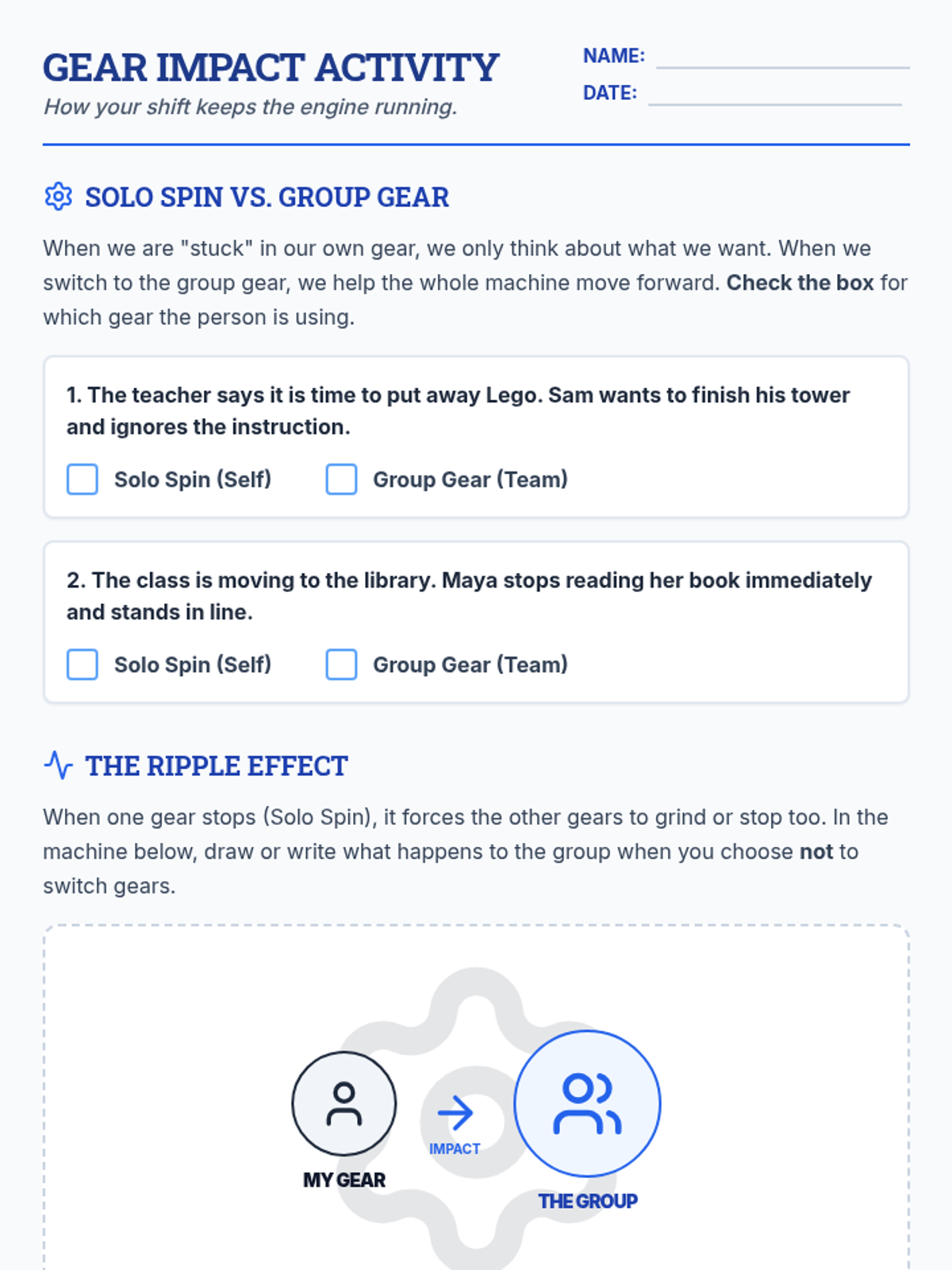
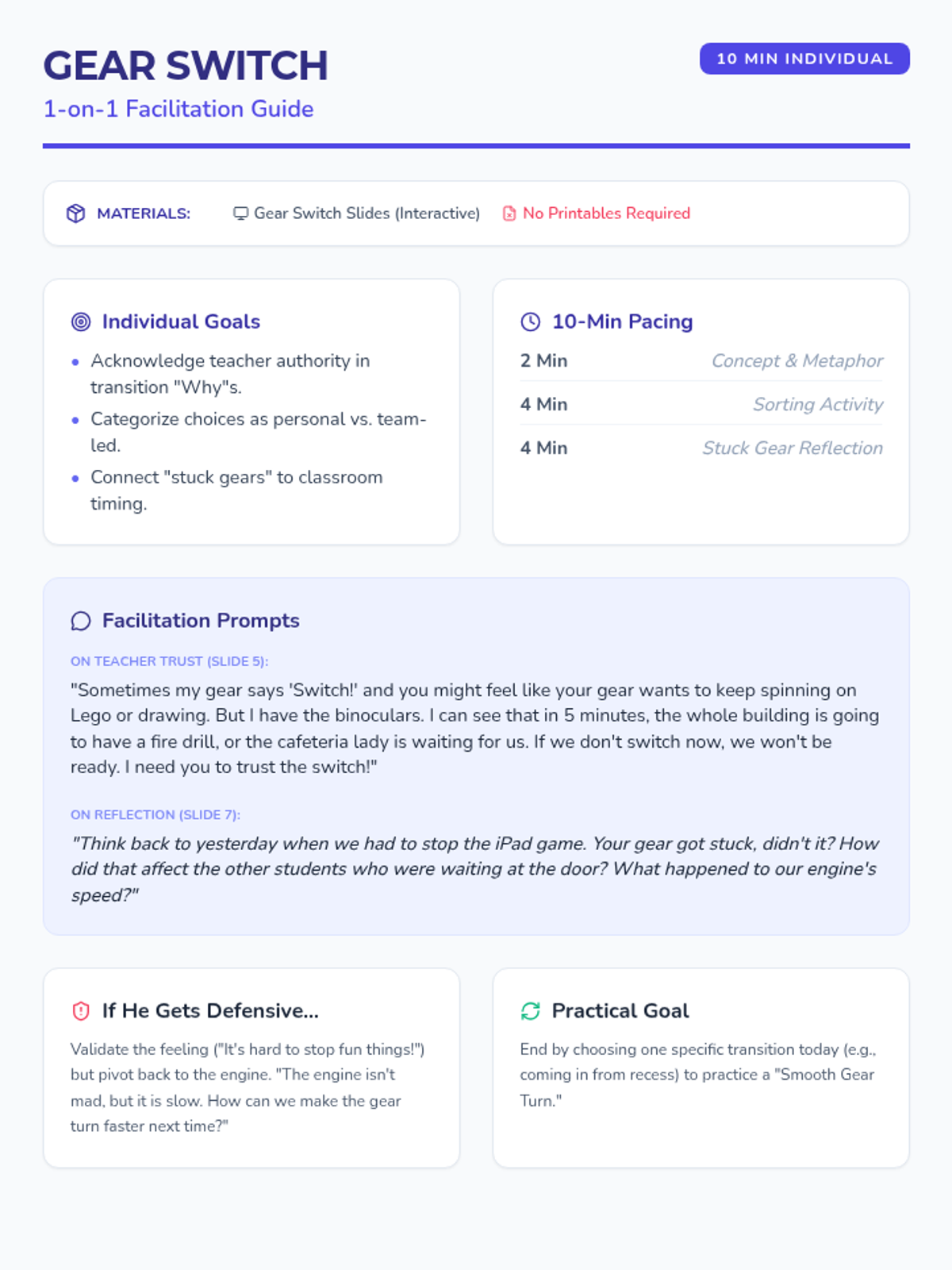
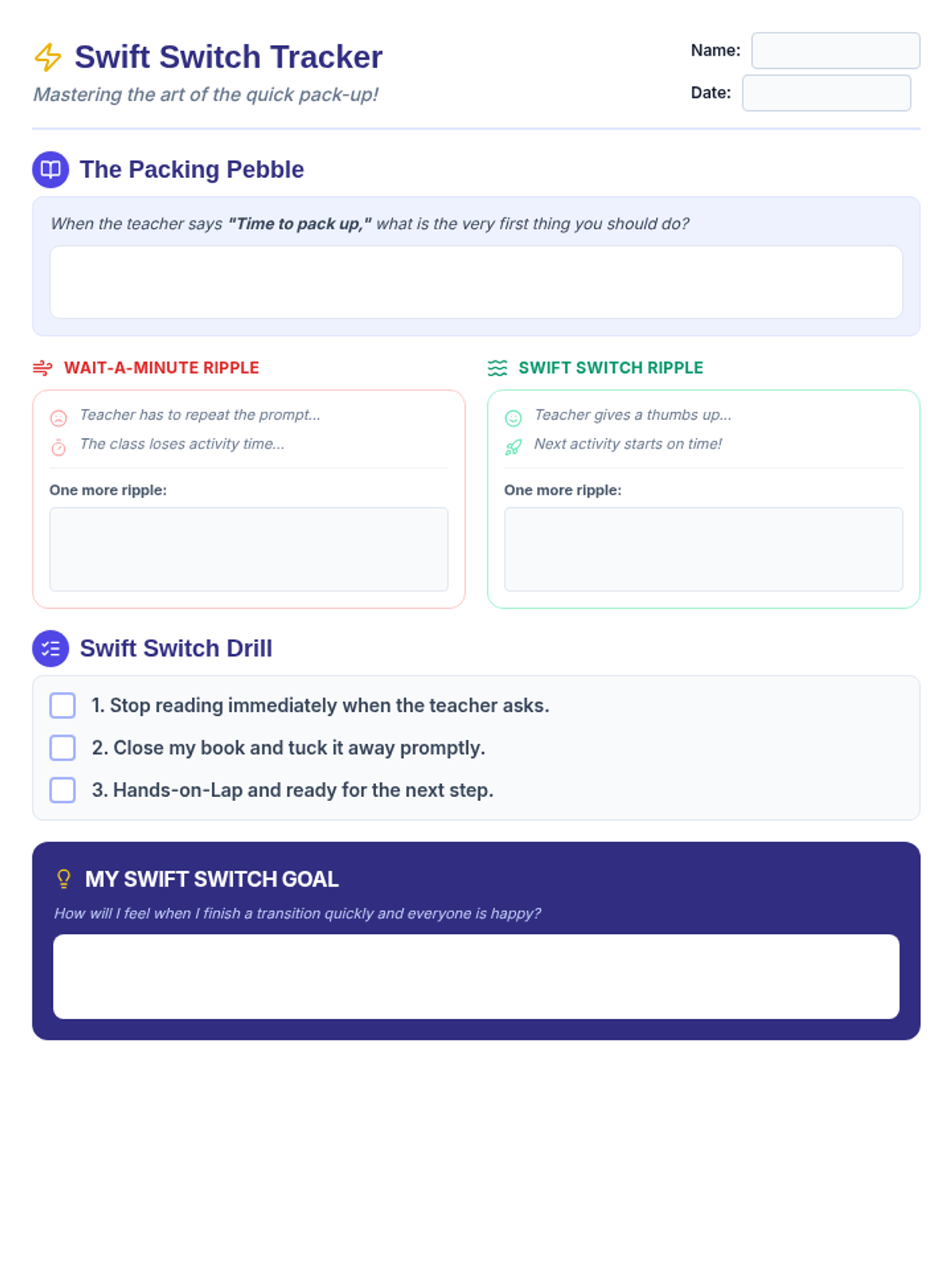
A two-part SEL sequence for a one-on-one session. It introduces the "Gear Switch" metaphor for transitions and follows up with a deeper look at personal responsibility and how "focusing on yourself" translates to group success.
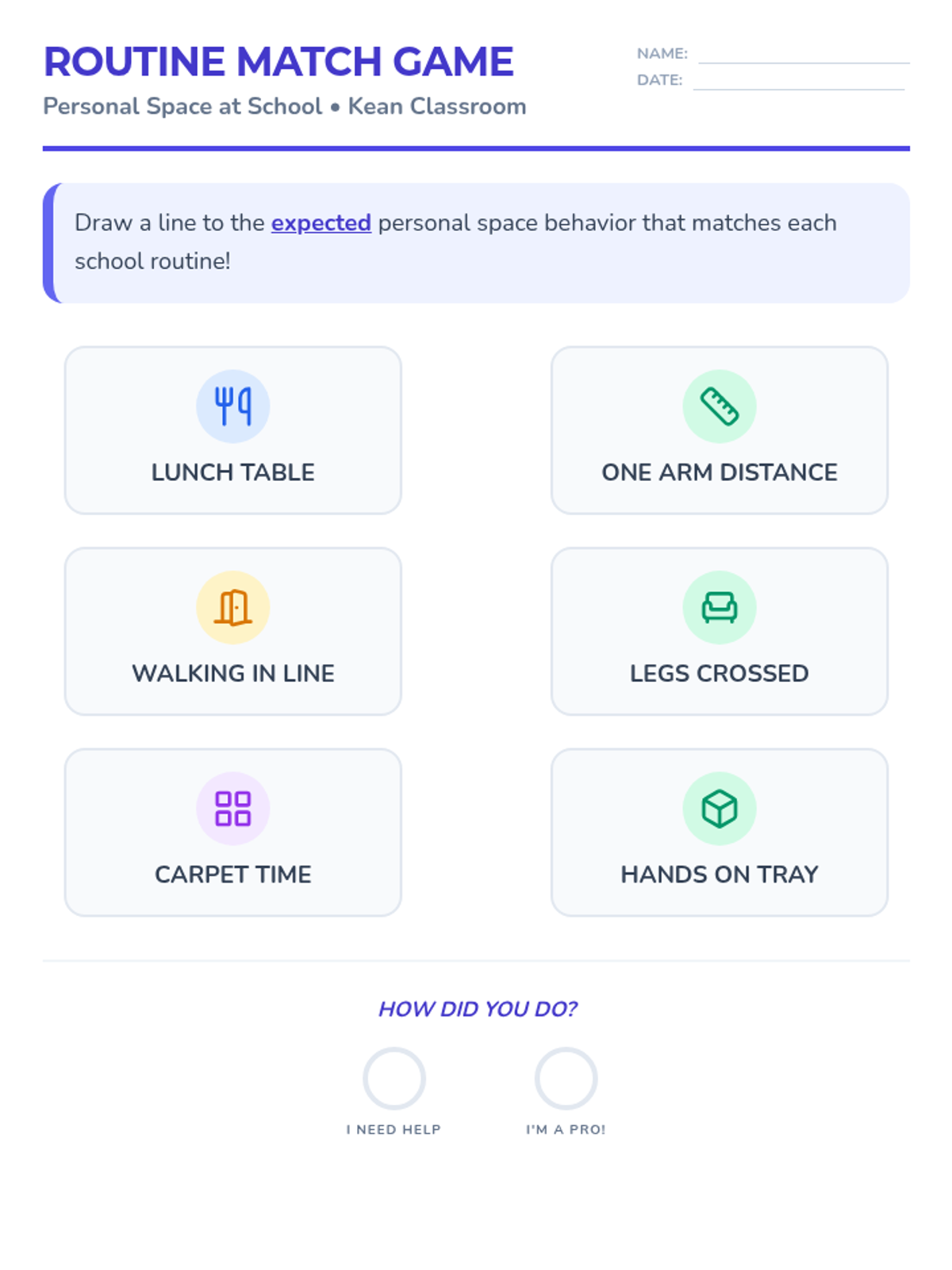
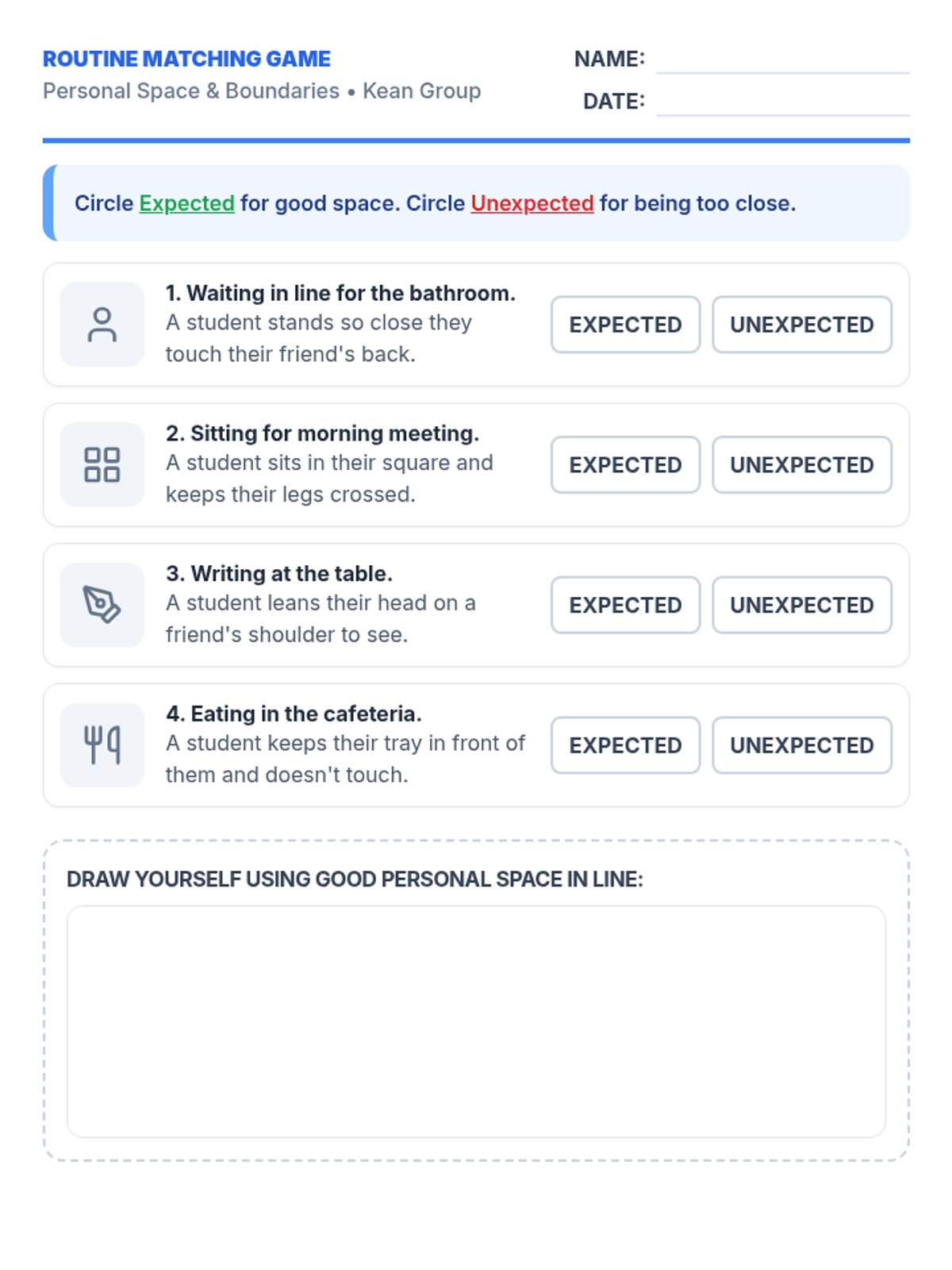
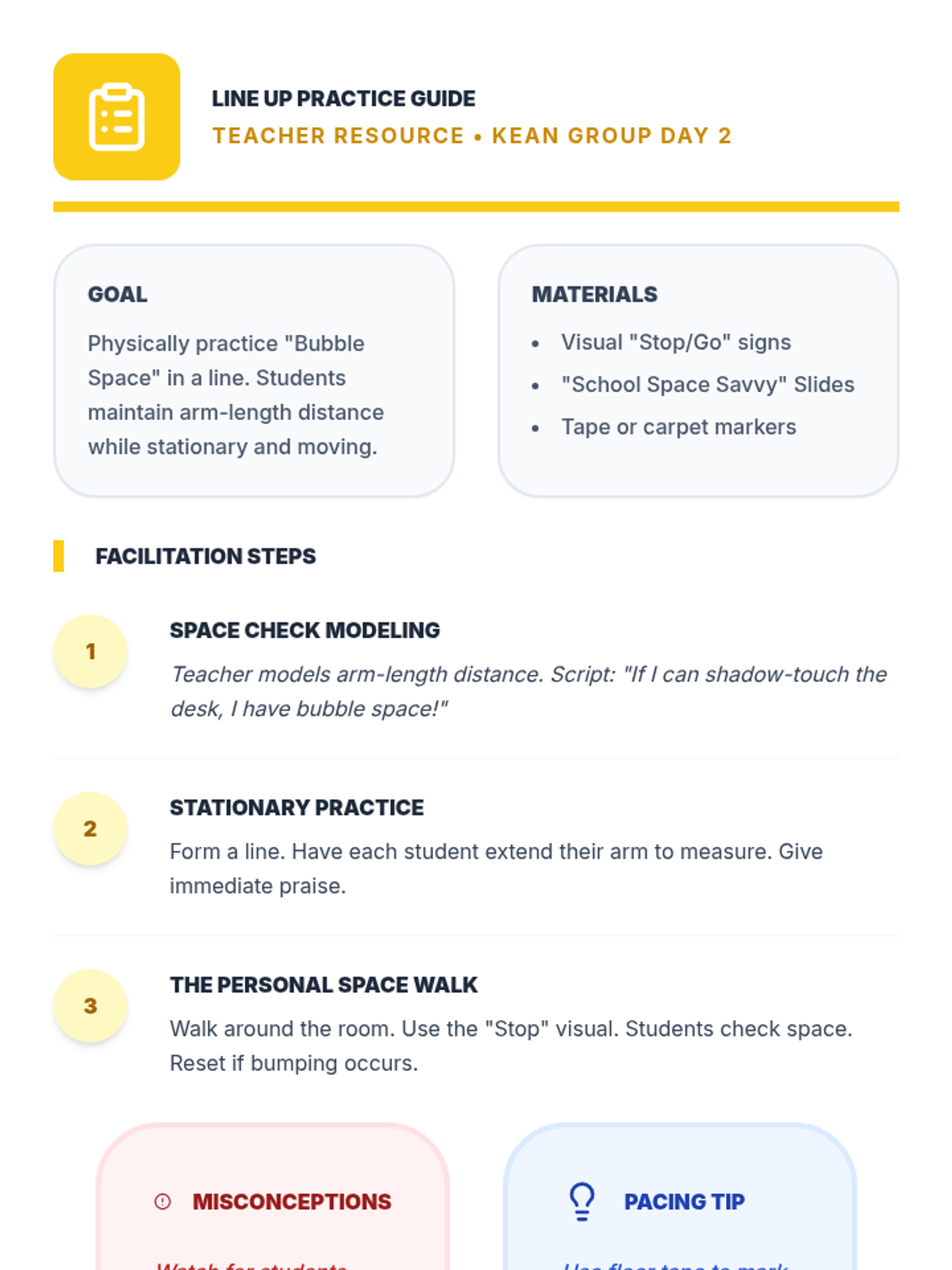
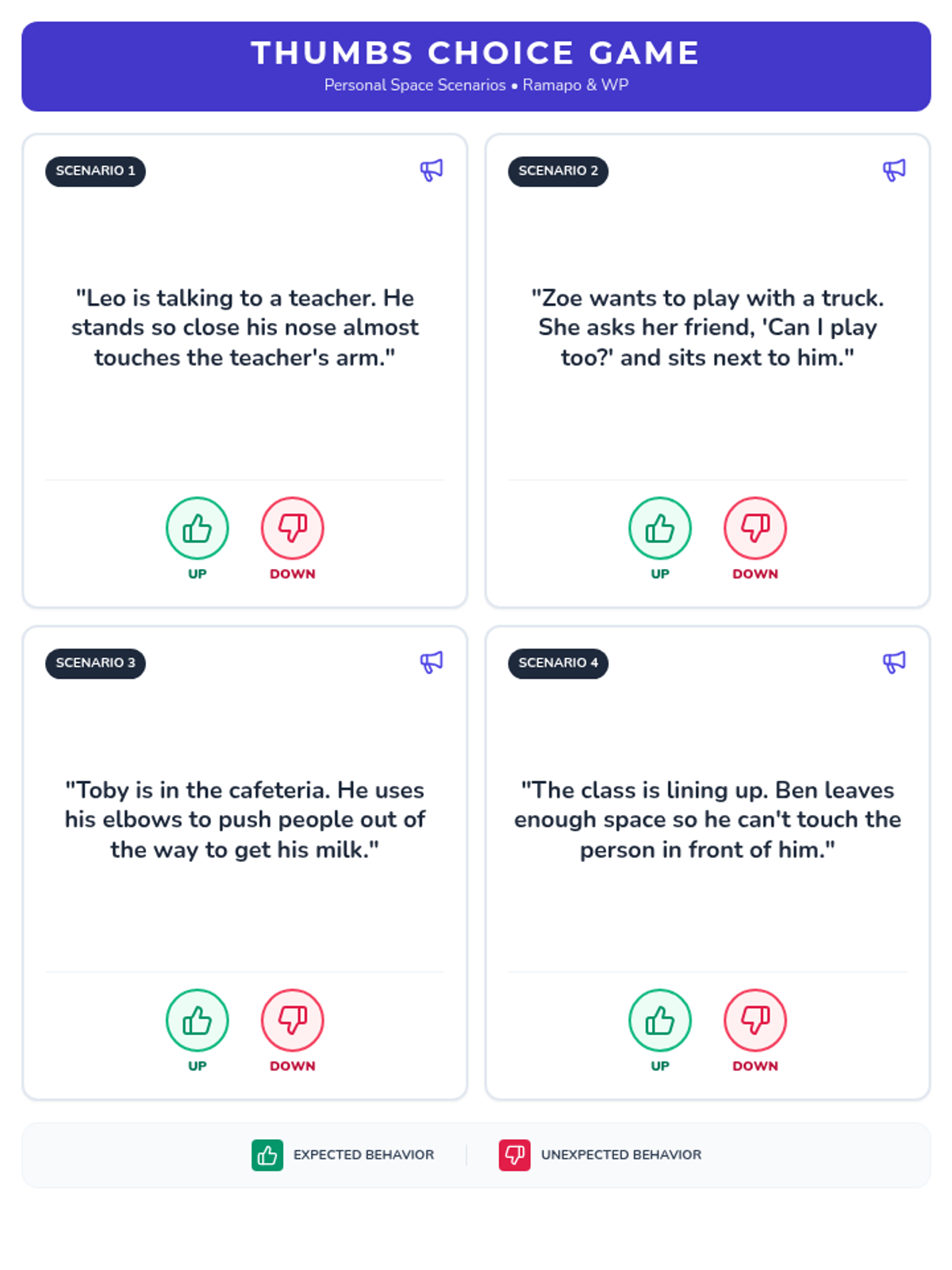
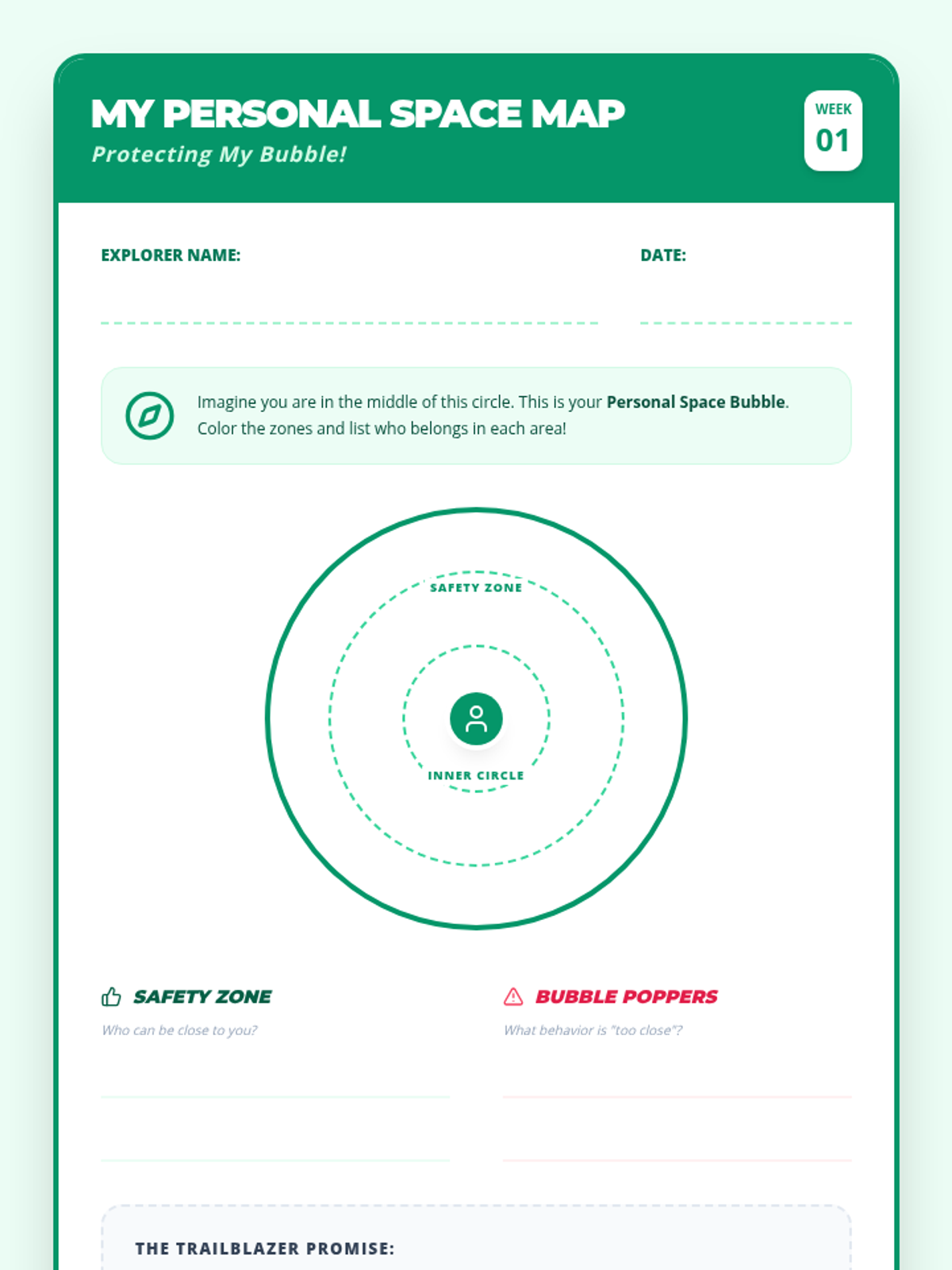
A comprehensive social skills unit focusing on personal space and boundaries across various school settings and routines for the week of May 25th. This unit differentiates for four distinct classroom groups (Kean, Ramapo, WP, and WashU) with tailored social stories and activities.
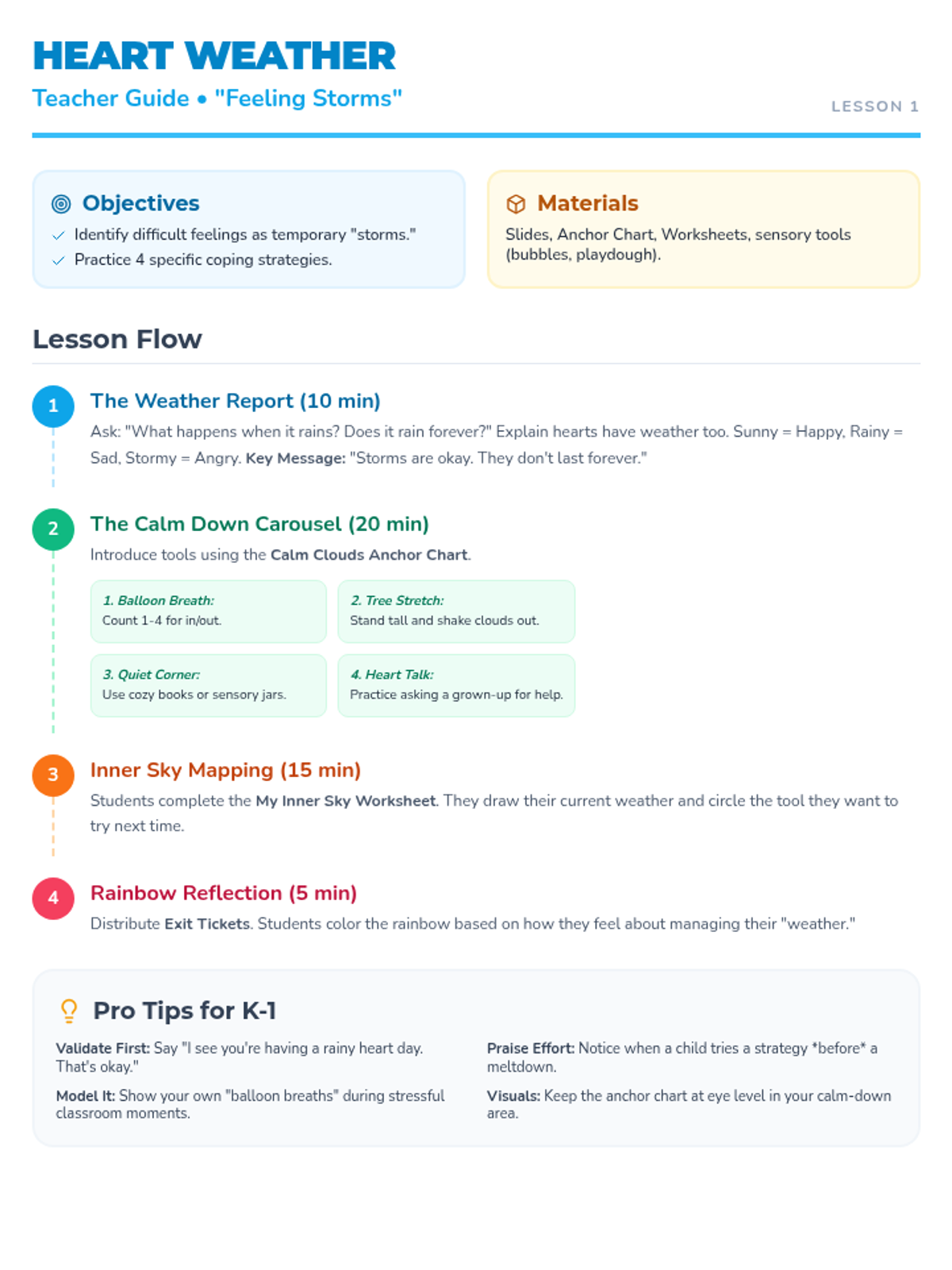
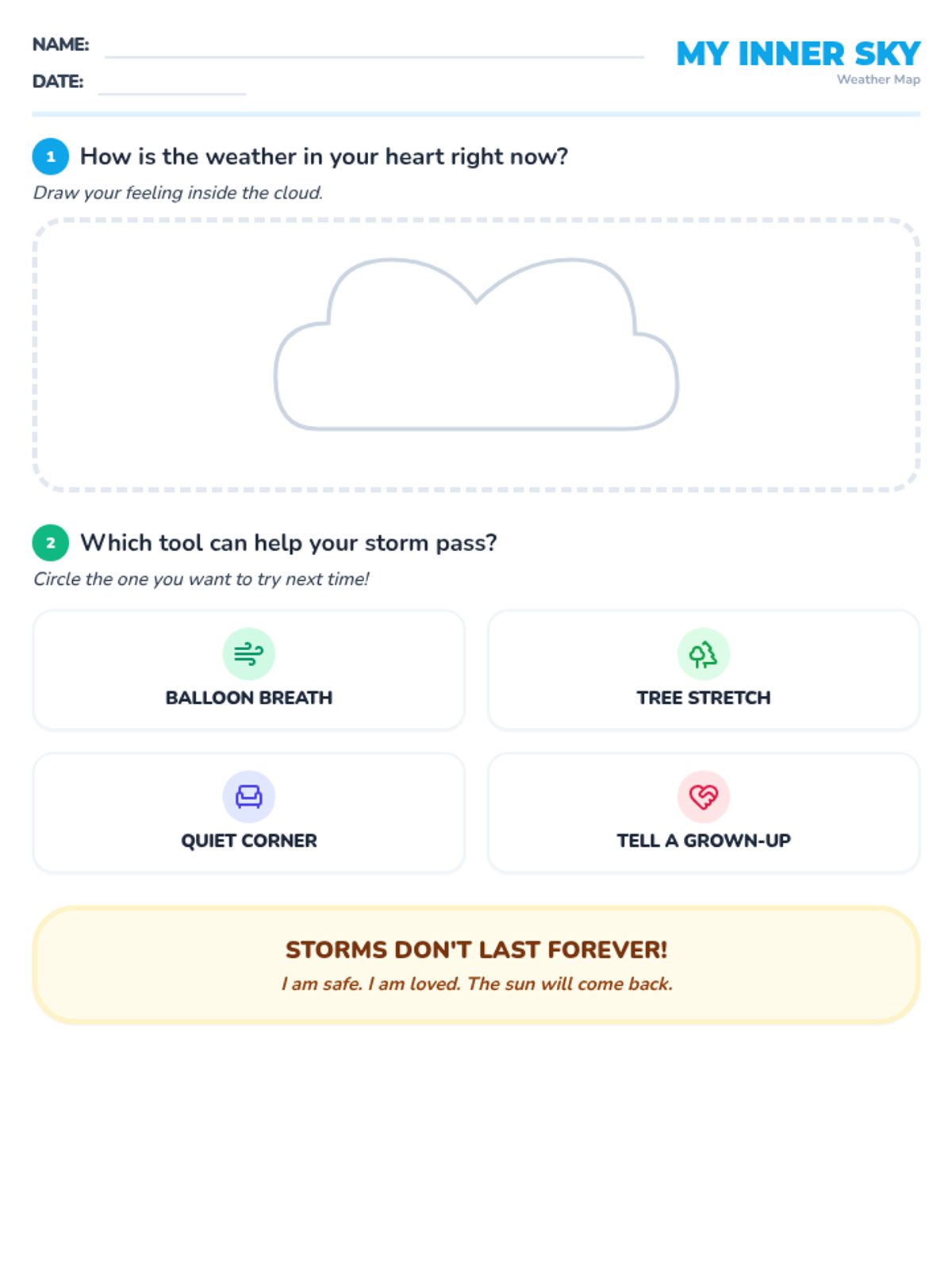
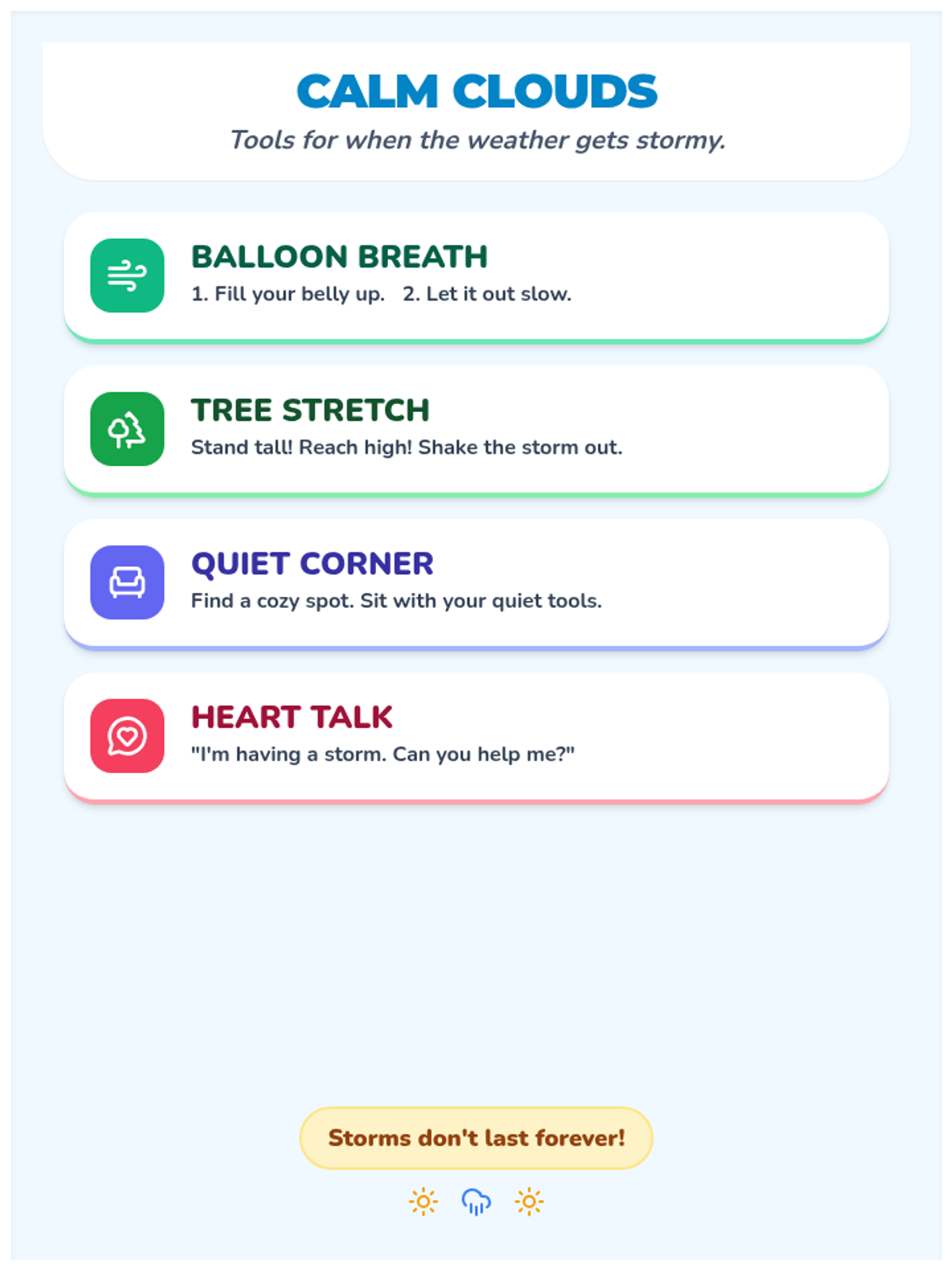
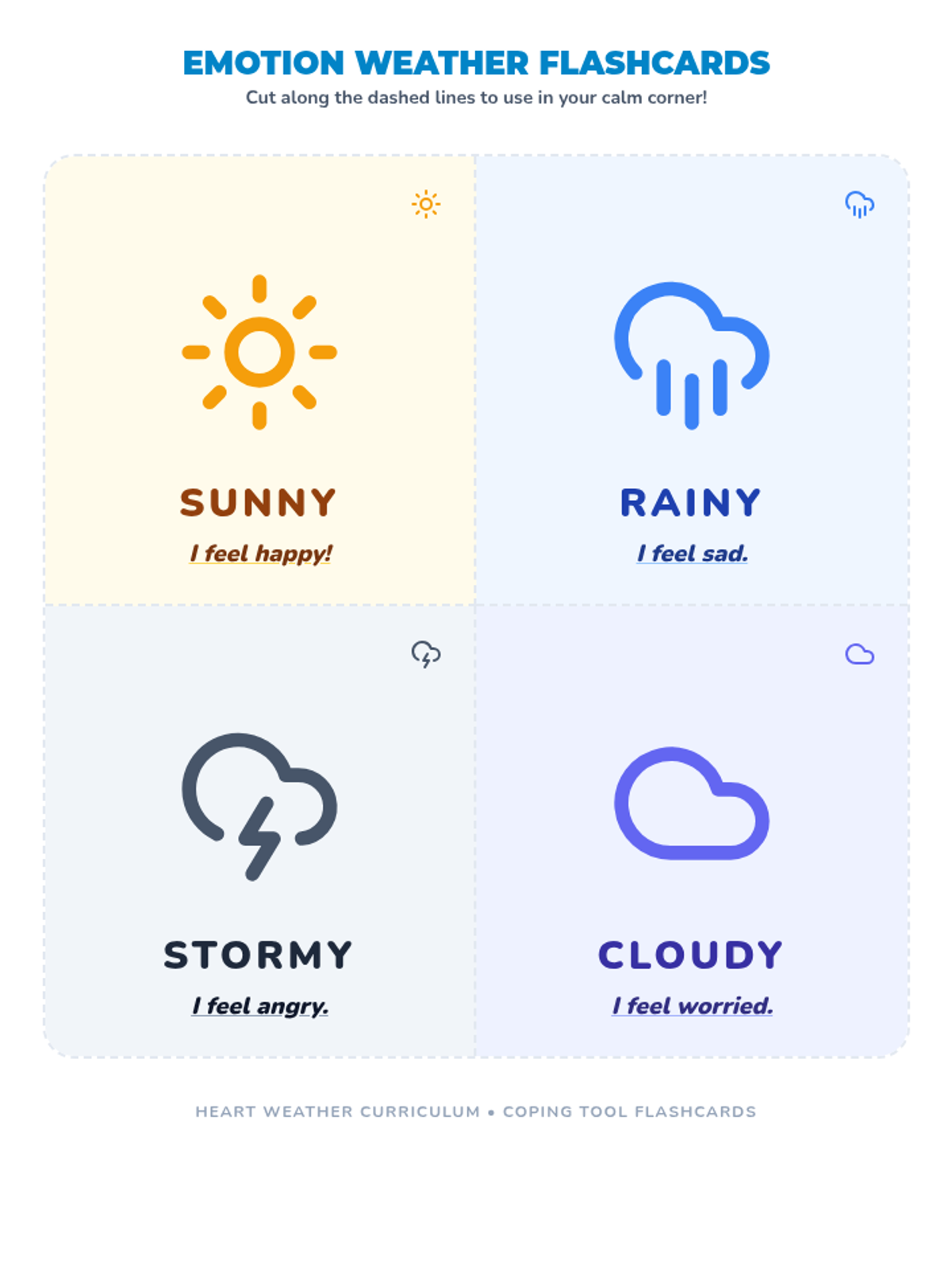
A social-emotional learning unit for K-1 students that uses the metaphor of weather to teach children how to recognize, accept, and manage difficult emotions using specific coping strategies.
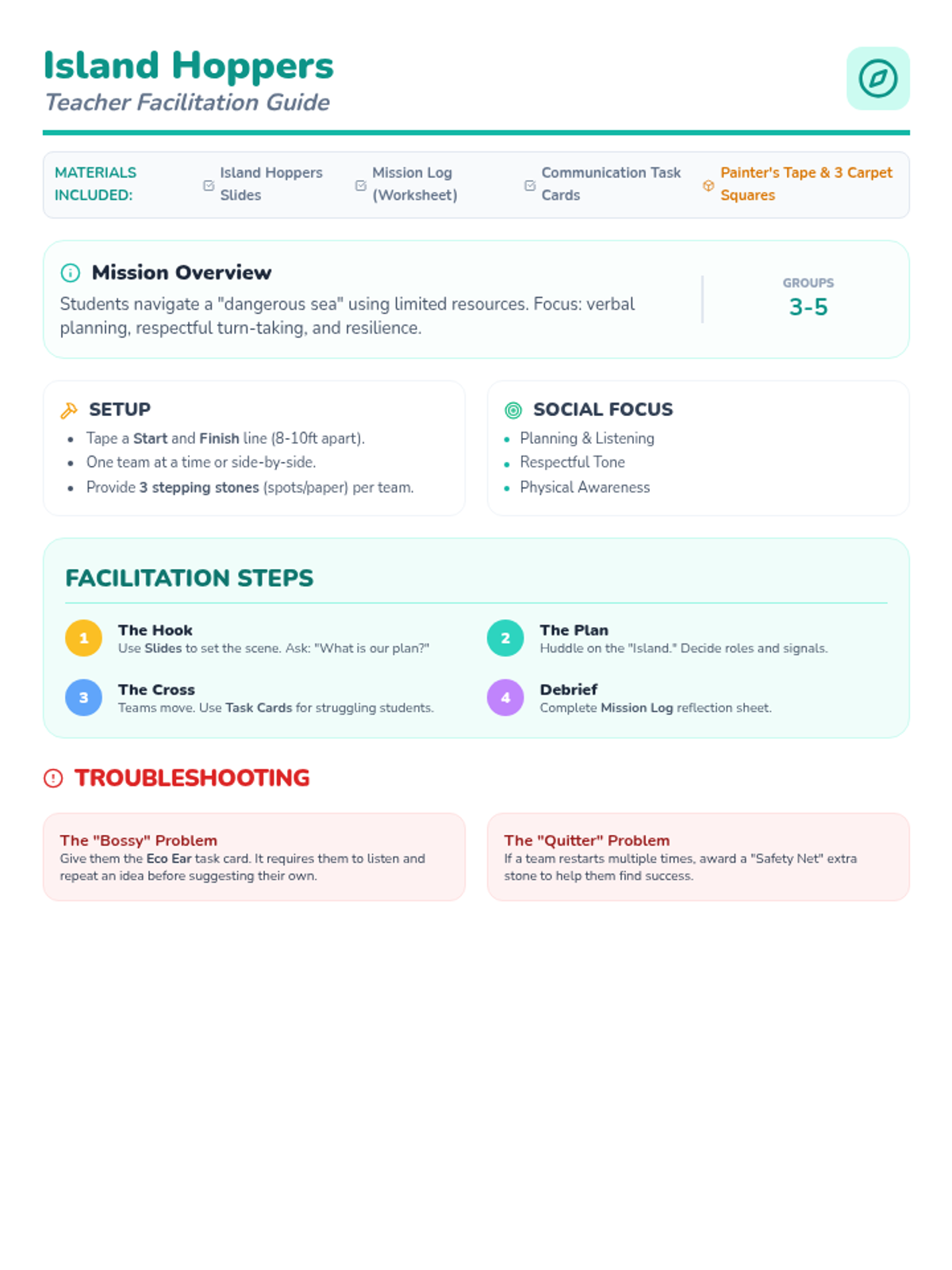
A series of lessons focused on social-emotional learning, specifically targeting teamwork, communication, and problem-solving through active play.
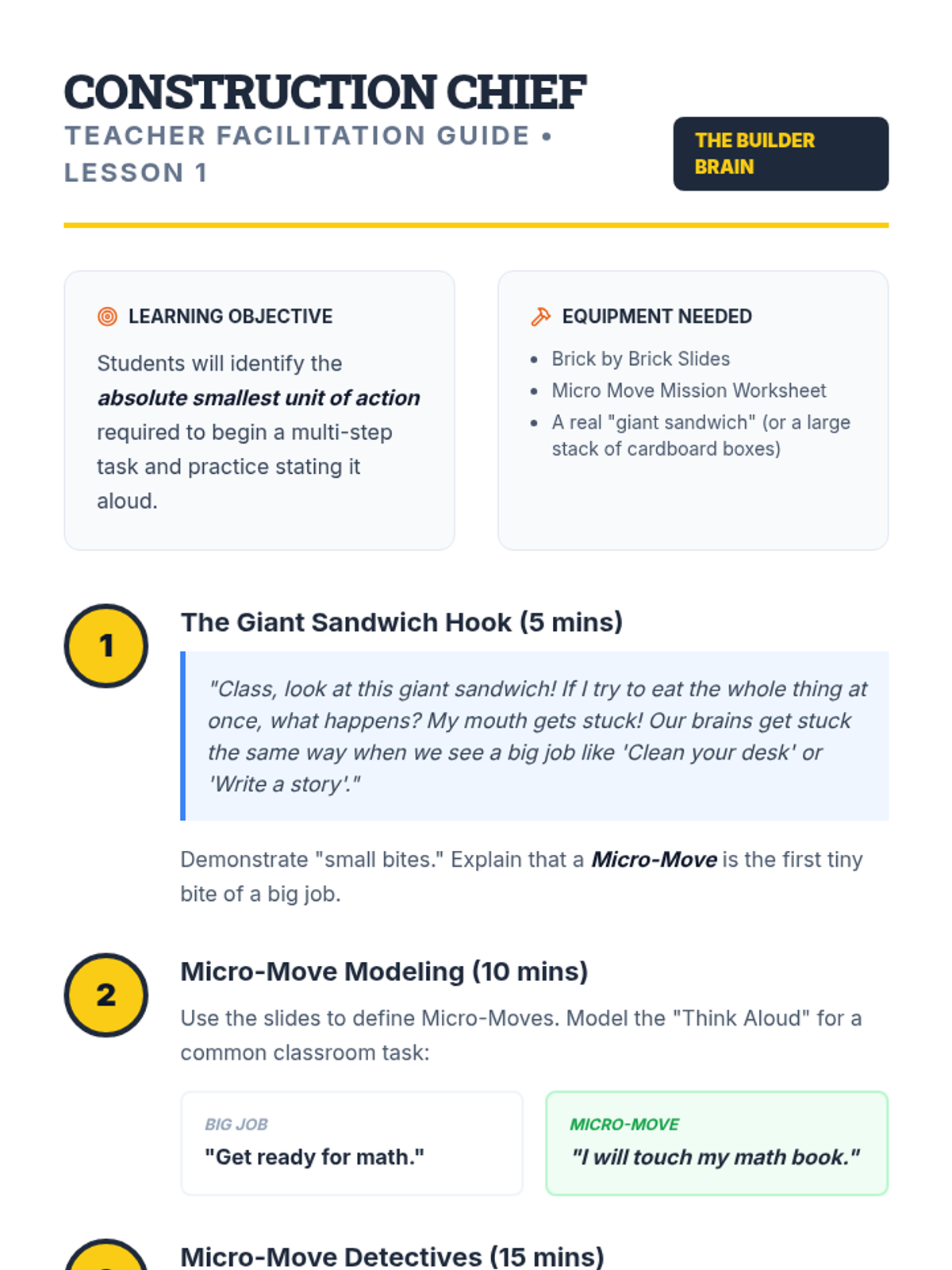
A counseling sequence focused on cognitive reframing and problem-scaling for high-energy students who enjoy hands-on construction and building activities.
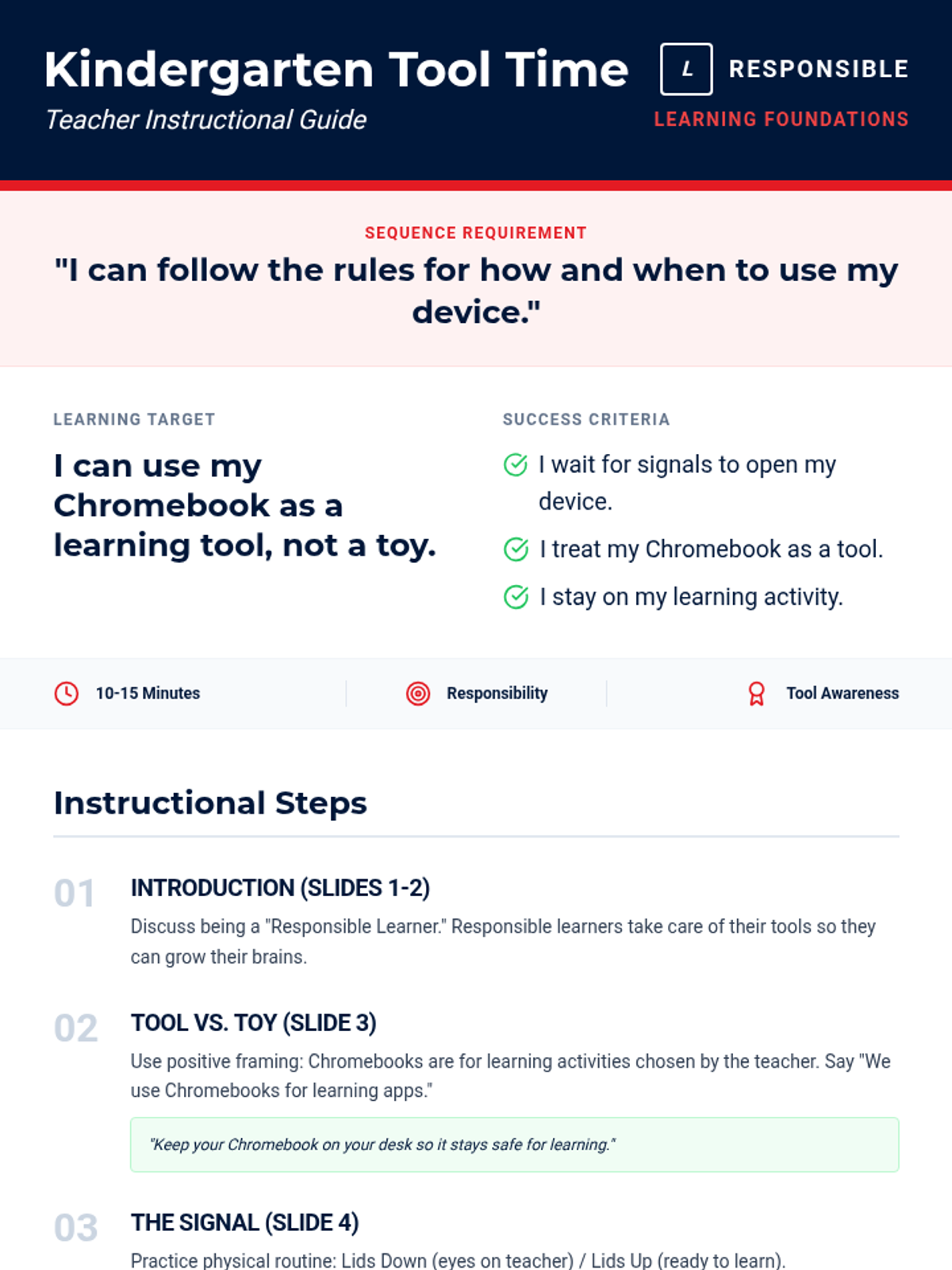
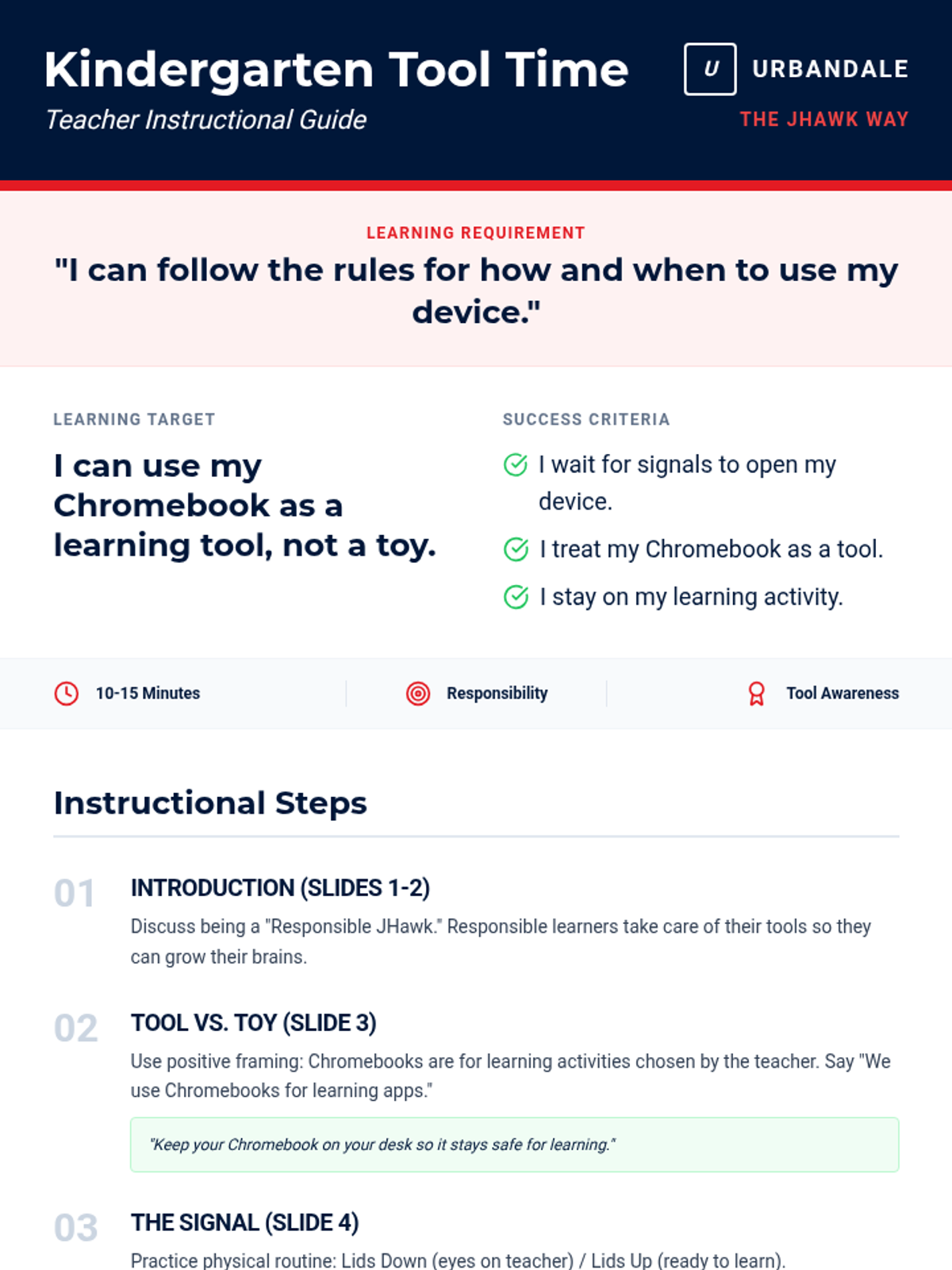
A comprehensive K-5 sequence focused on device responsibility and digital citizenship, centered on being Responsible. Lessons cover transitioning from devices as tools (K-1) to managing online distractions and maintaining integrity (4-5).
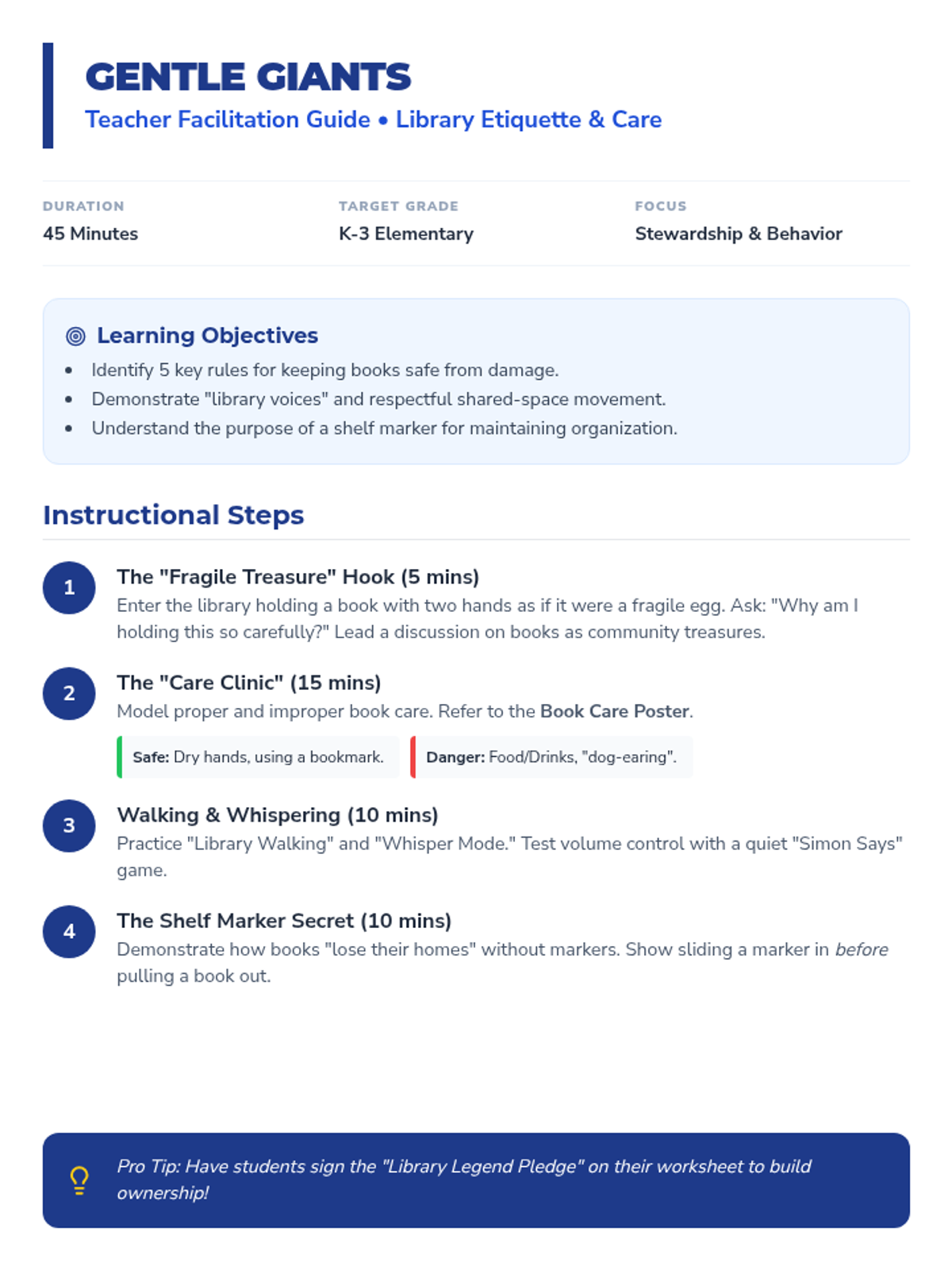
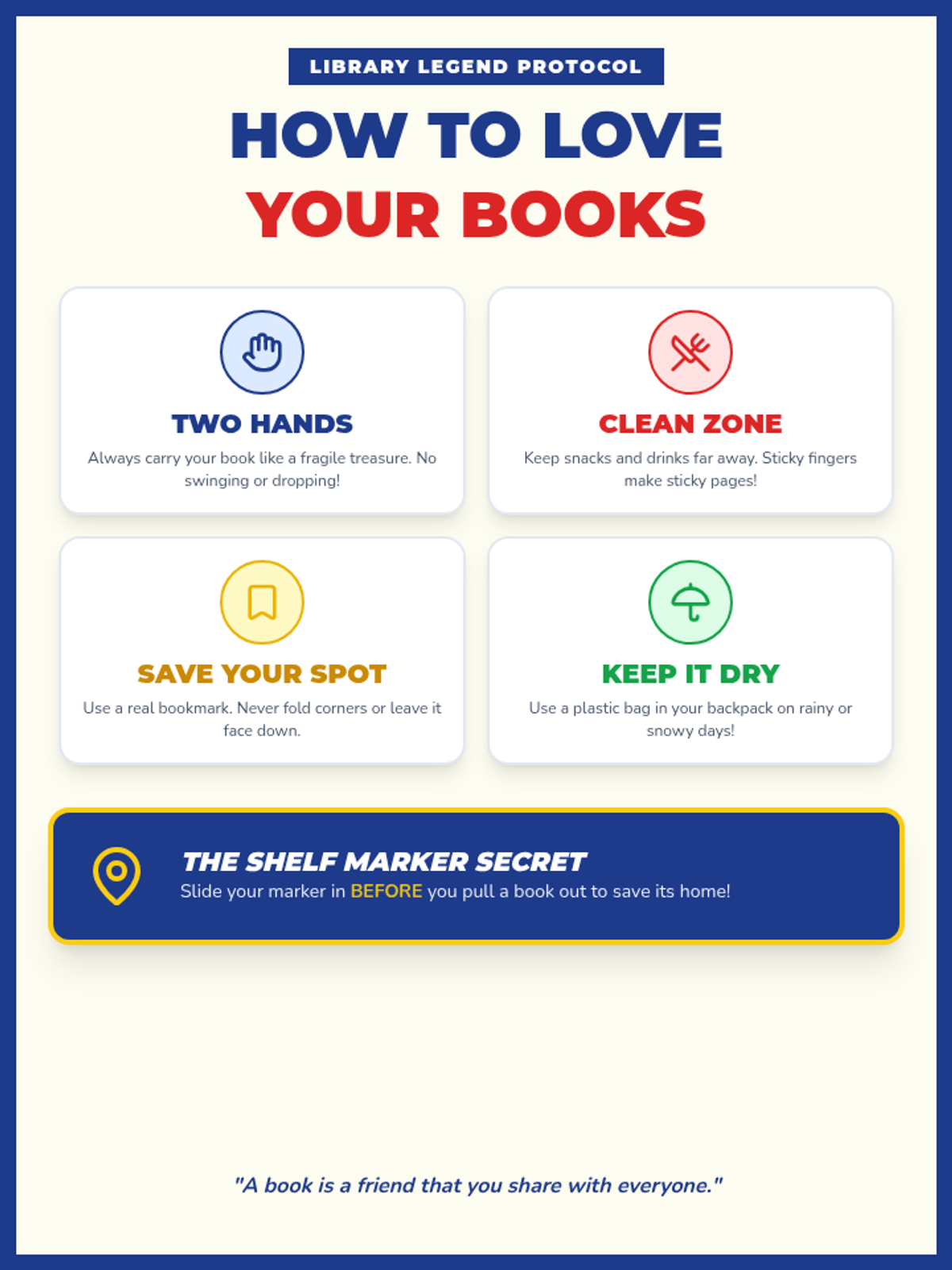
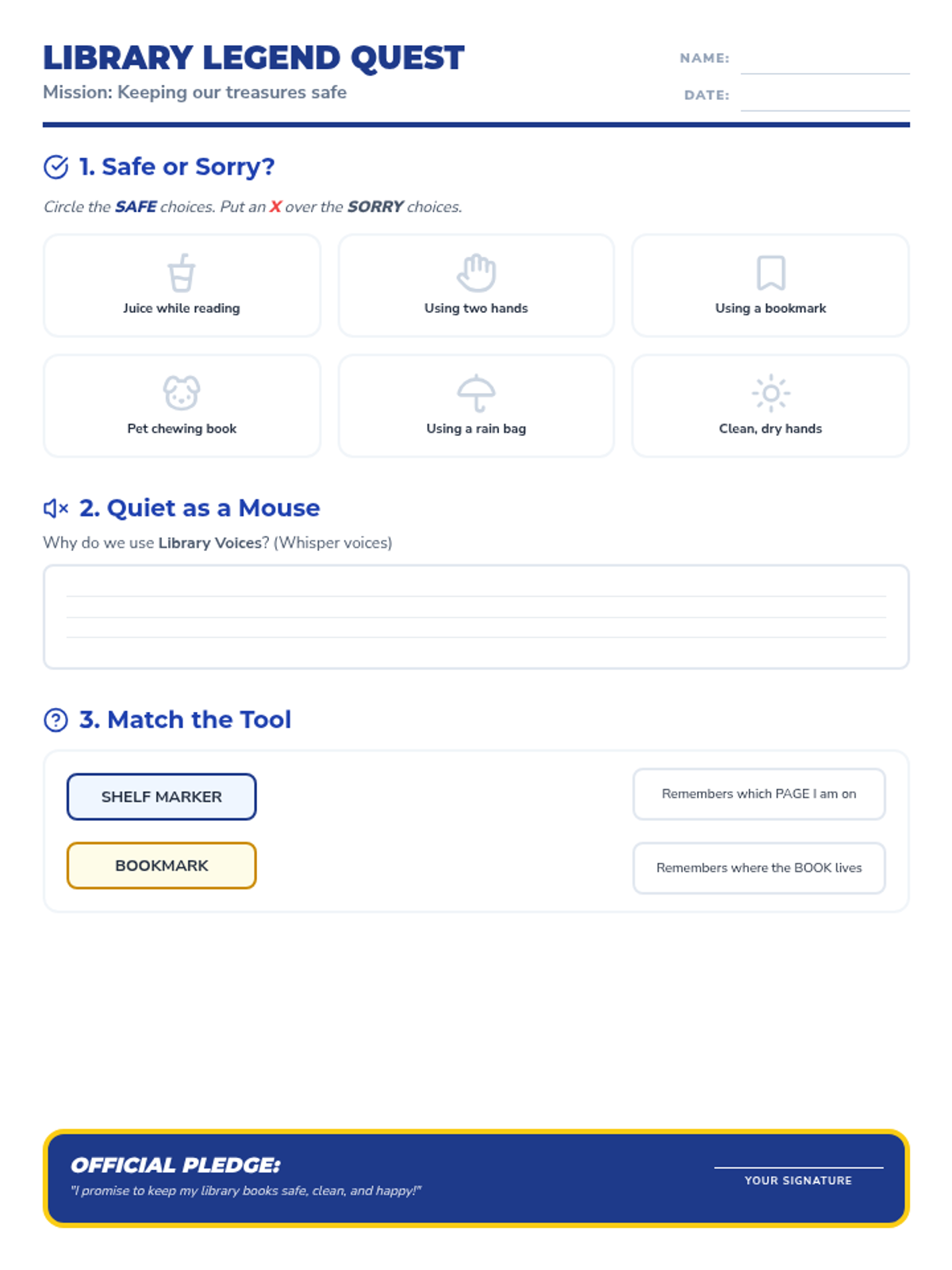
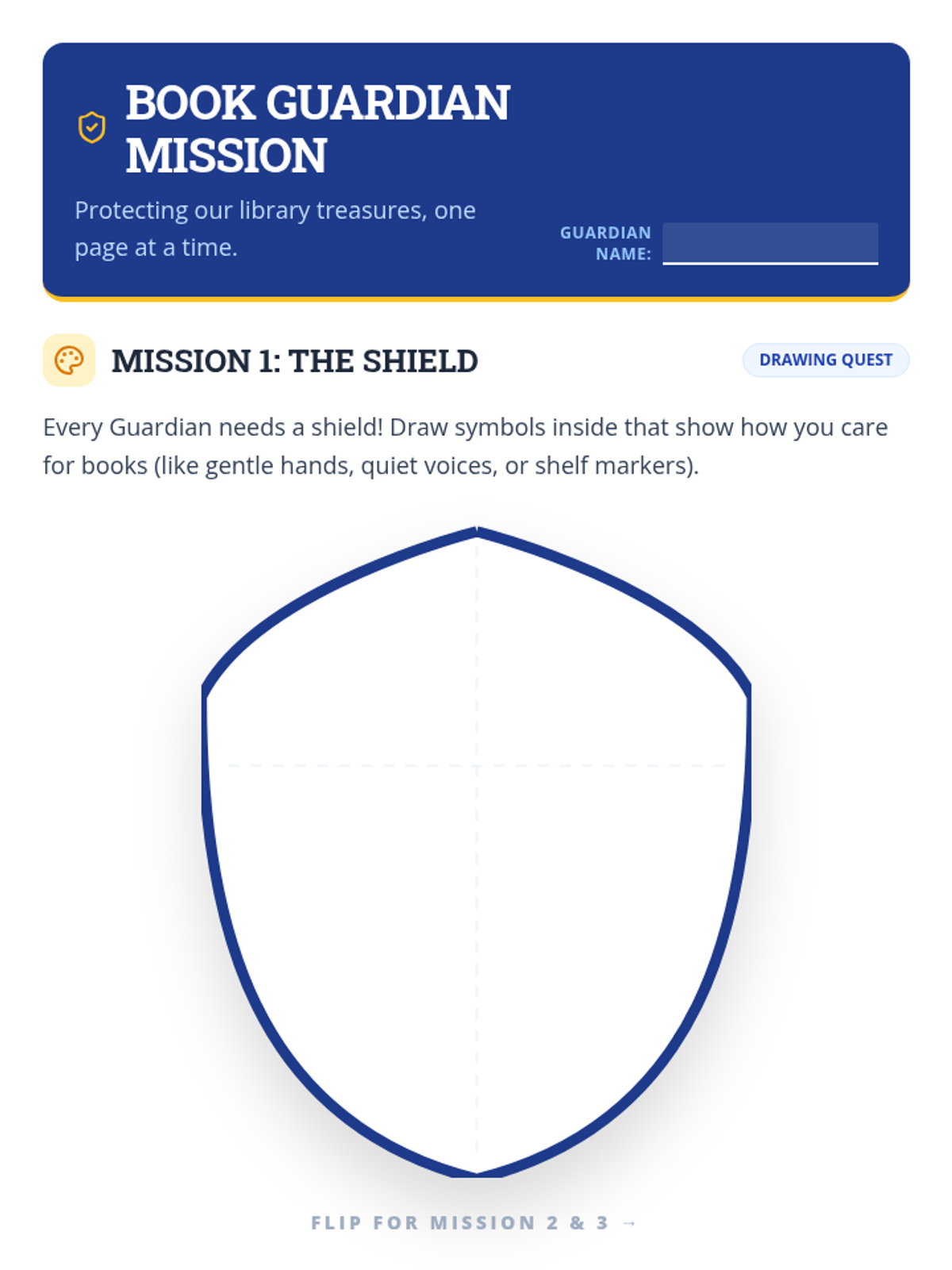
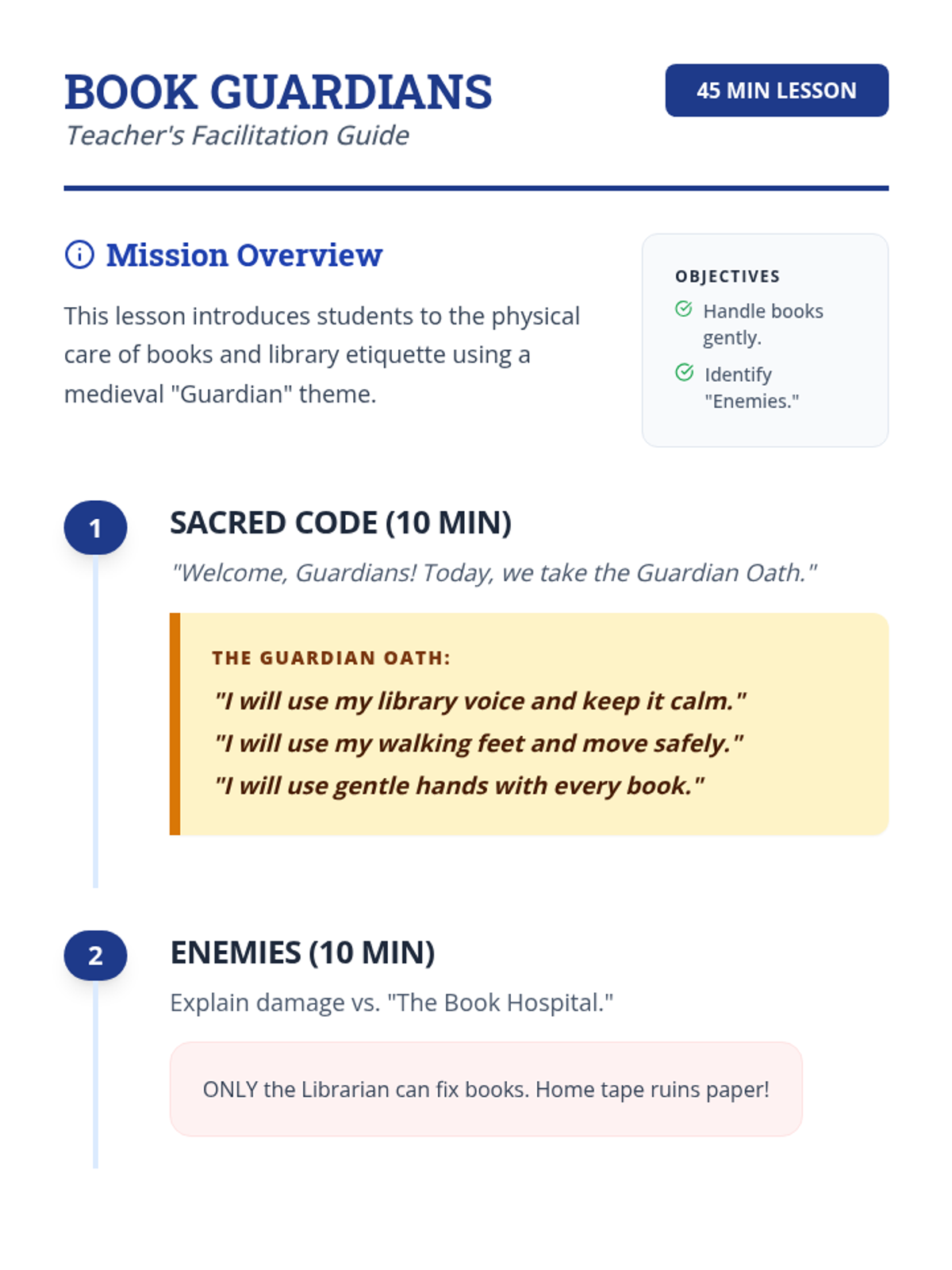
A comprehensive introduction to library navigation for elementary students, focusing on the dual pillars of respectful stewardship (book care and etiquette) and the functional systems of the library (checkout and return). Students progress from learning how to treat books as treasures to mastering the logistical 'loop' of borrowing materials.
A 4-part small group counseling sequence for 3rd graders focused on reading social cues, identifying healthy friendships, and resolving recess conflicts using a Problem-Solving Wheel. Students act as 'Social Detectives' to decode body language and master interpersonal skills.
A social-emotional learning unit focusing on classroom behavior, conflict resolution, and making positive choices for primary students.
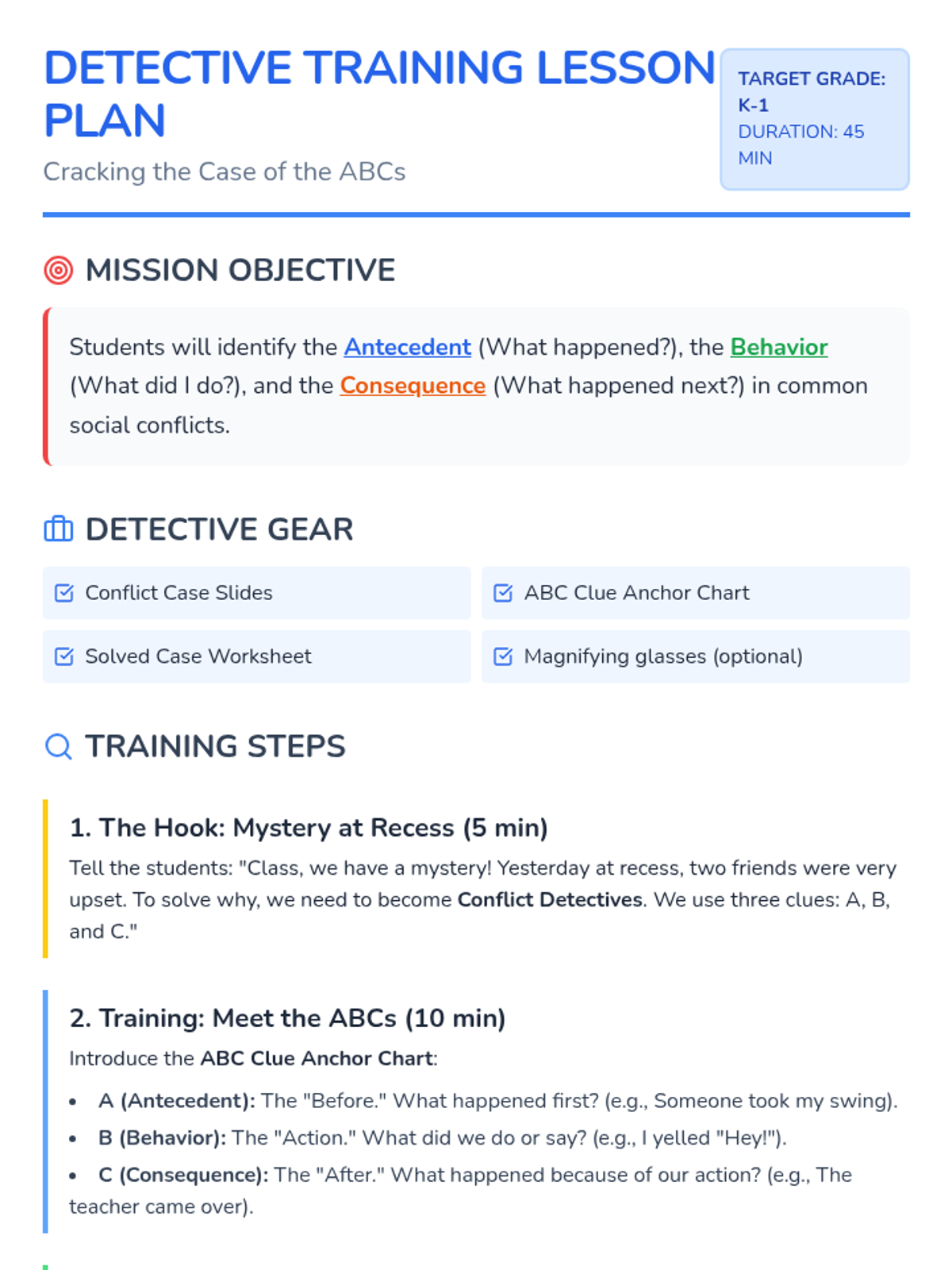
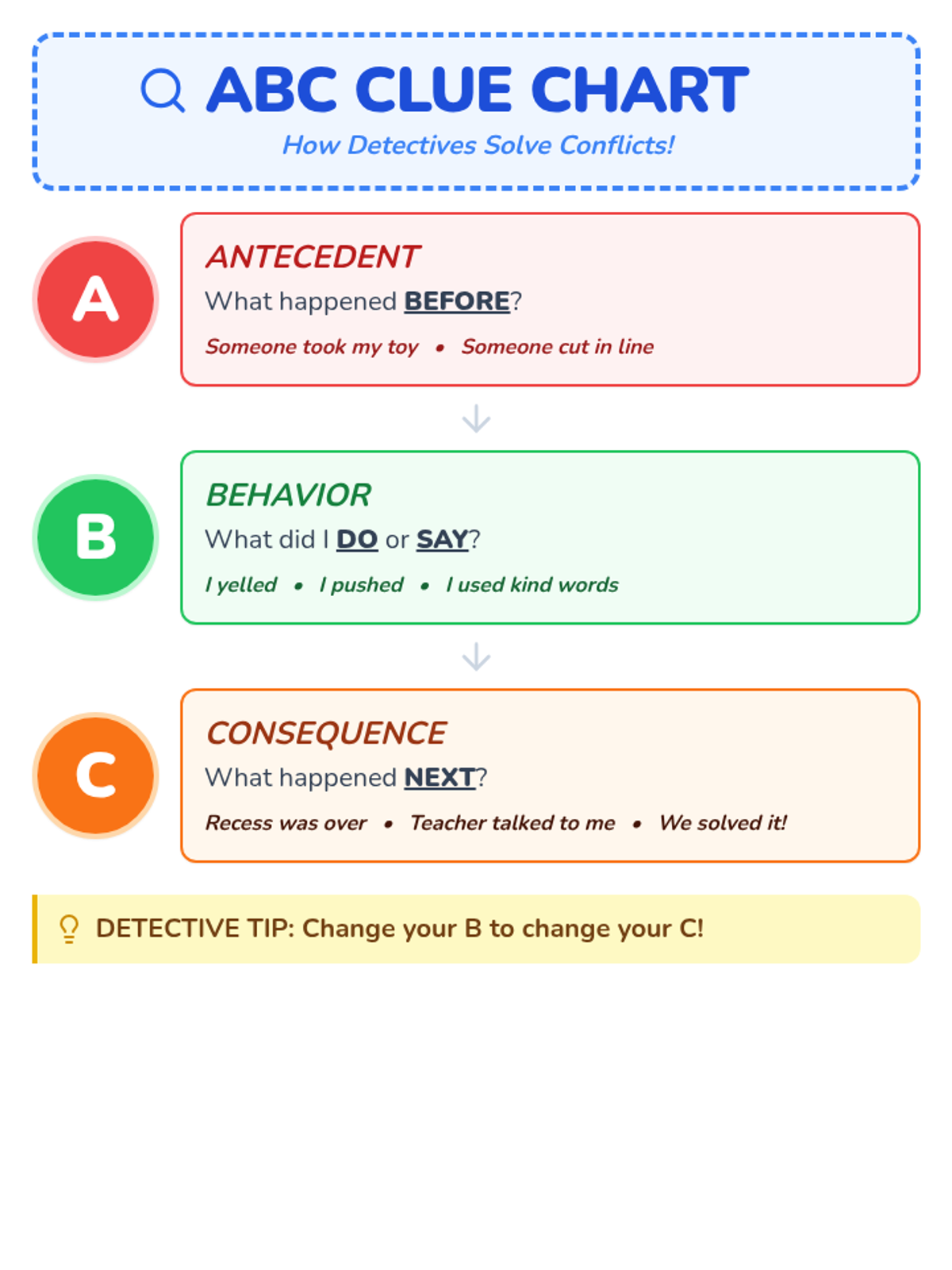
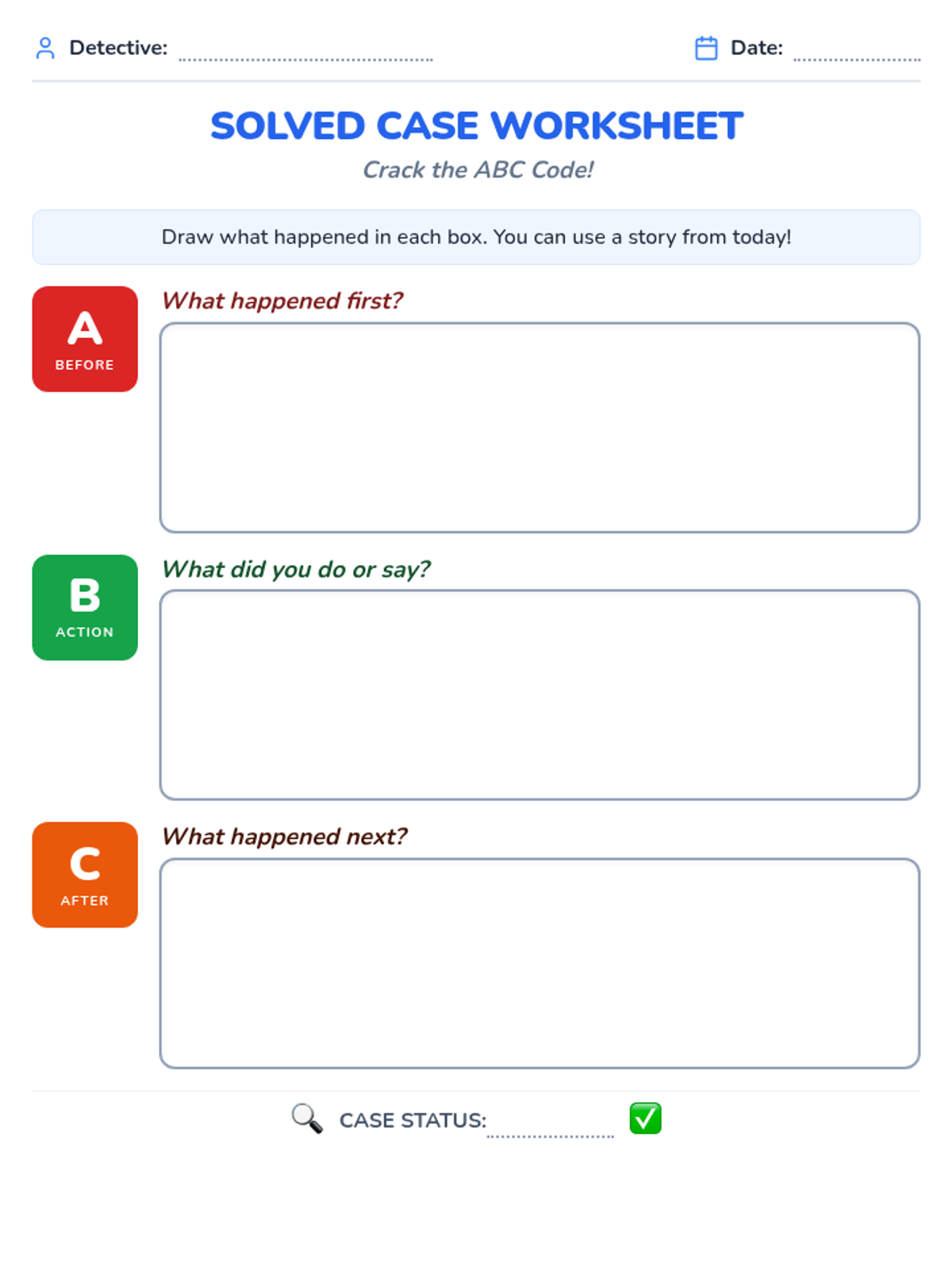
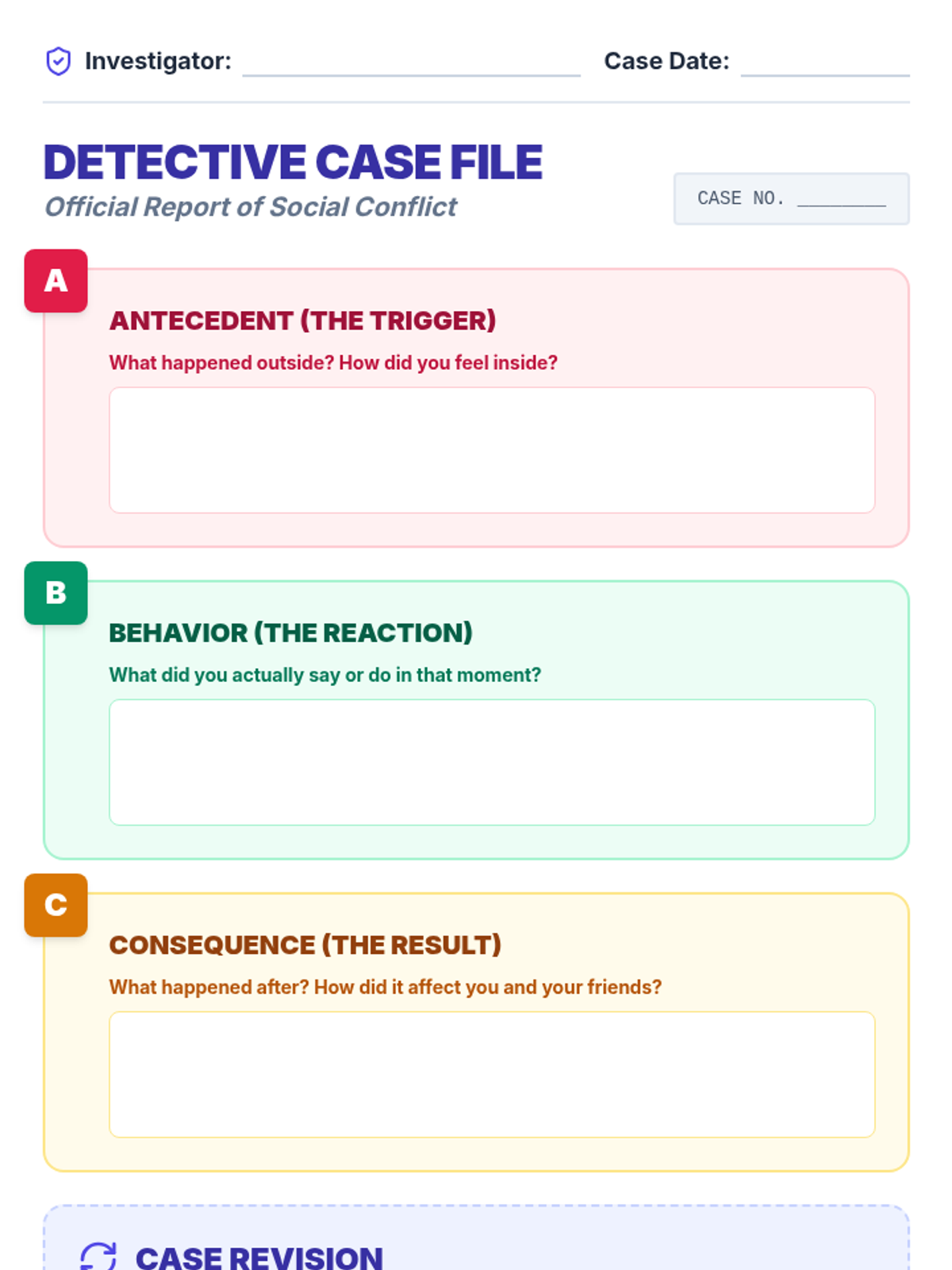
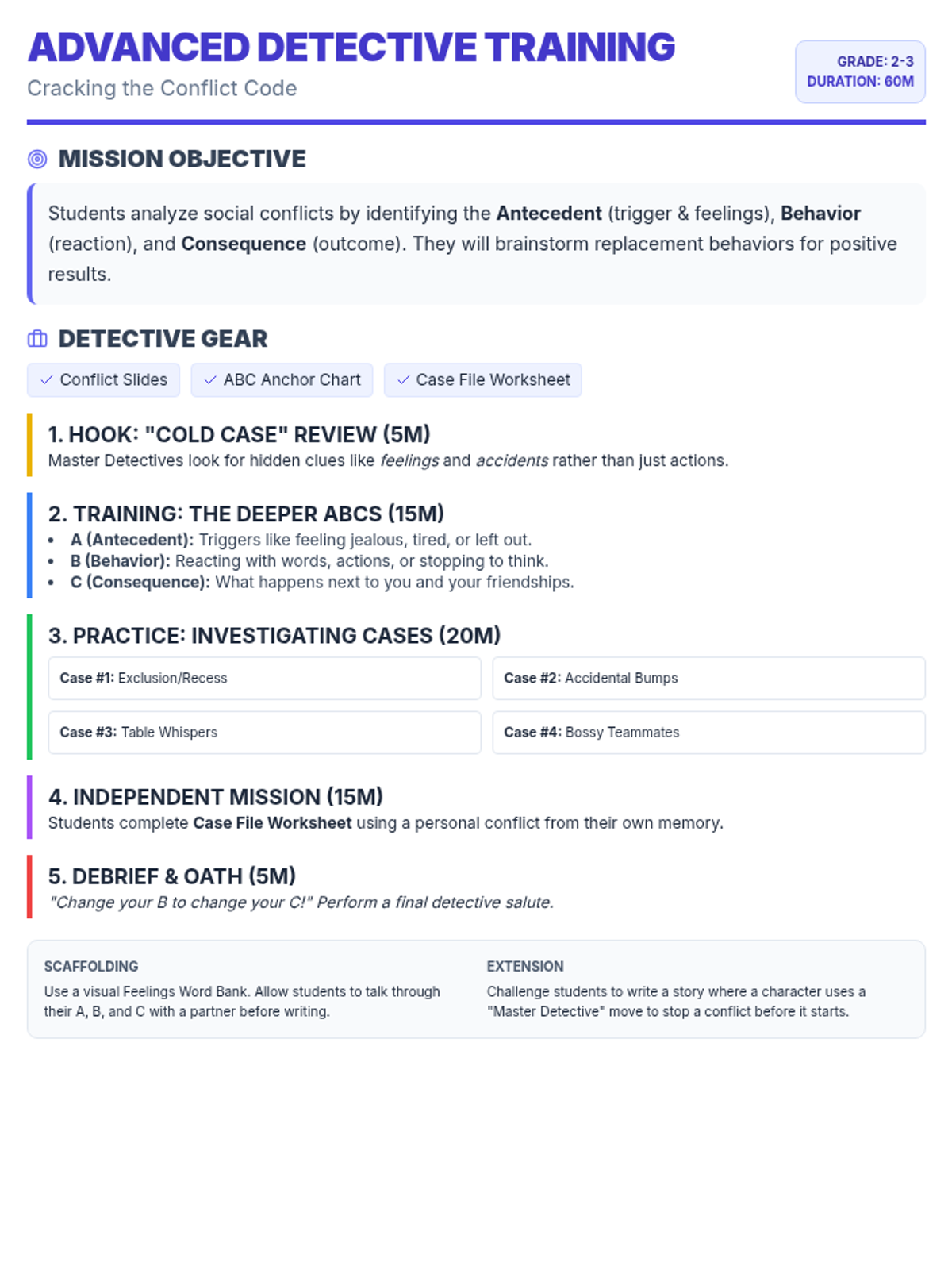
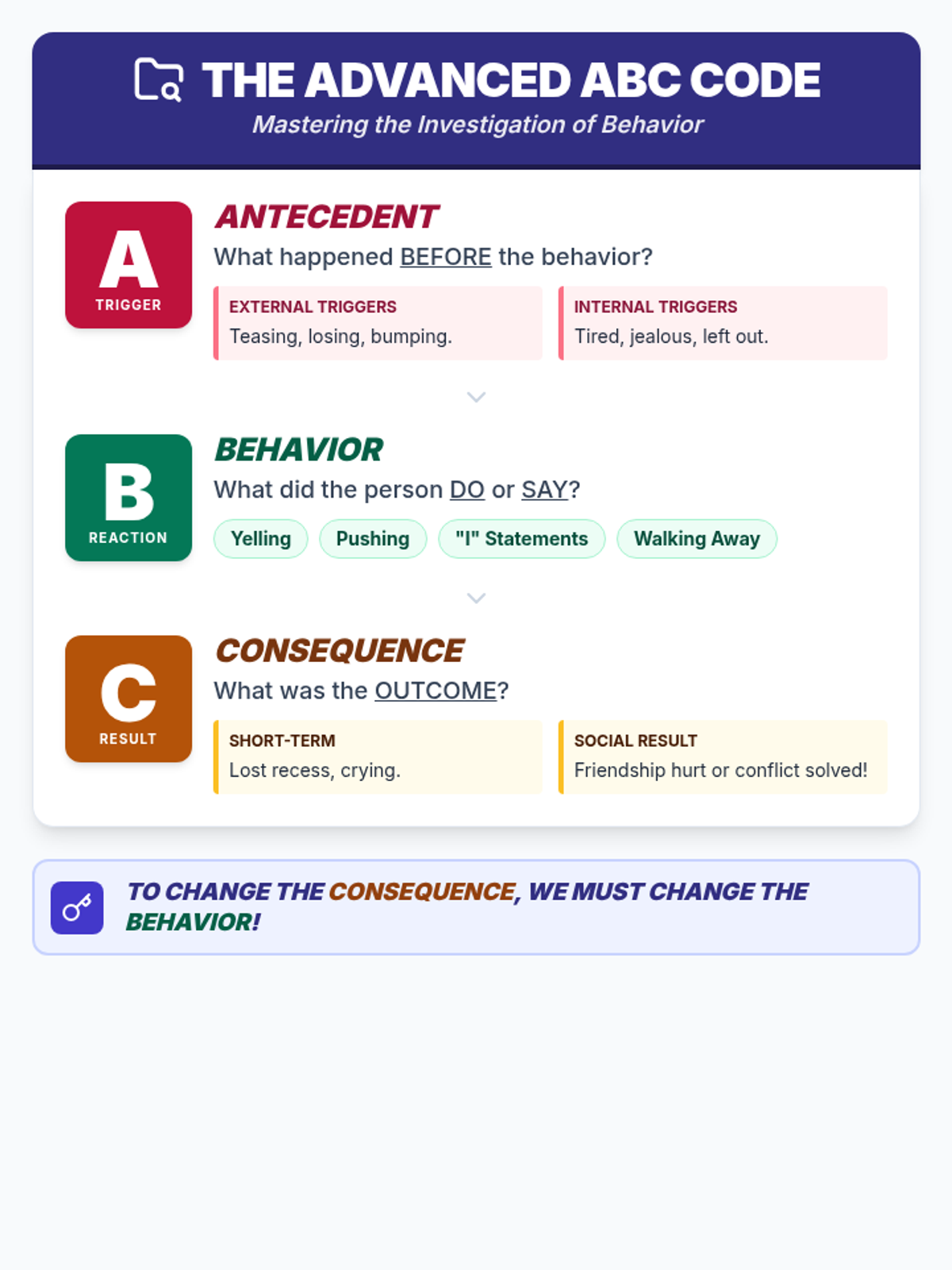
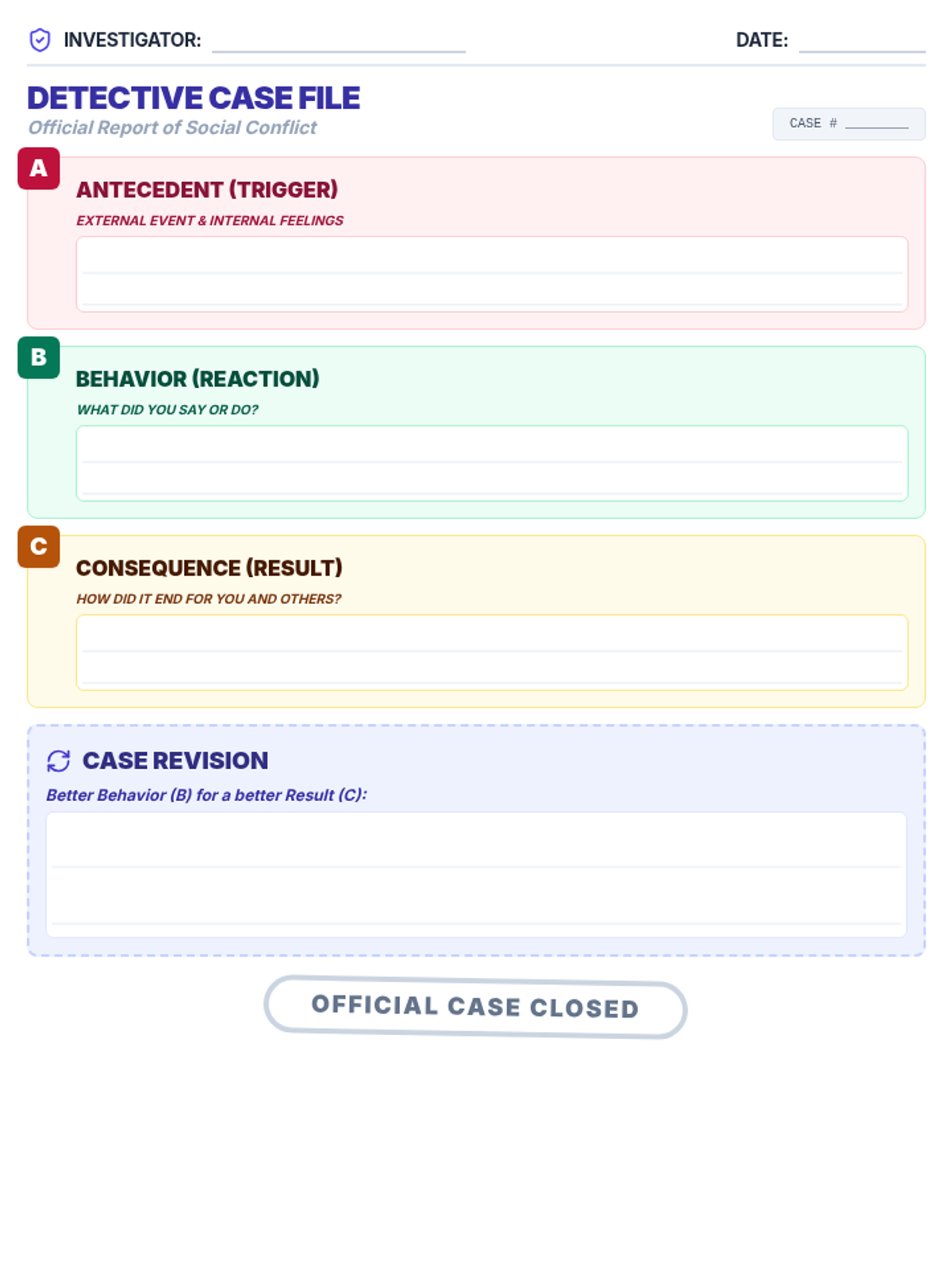
A comprehensive social-emotional learning sequence for elementary students (K-4) focusing on conflict resolution through the ABC model (Antecedent, Behavior, Consequence). Students learn to identify triggers, analyze their own behaviors, and work towards positive social outcomes.
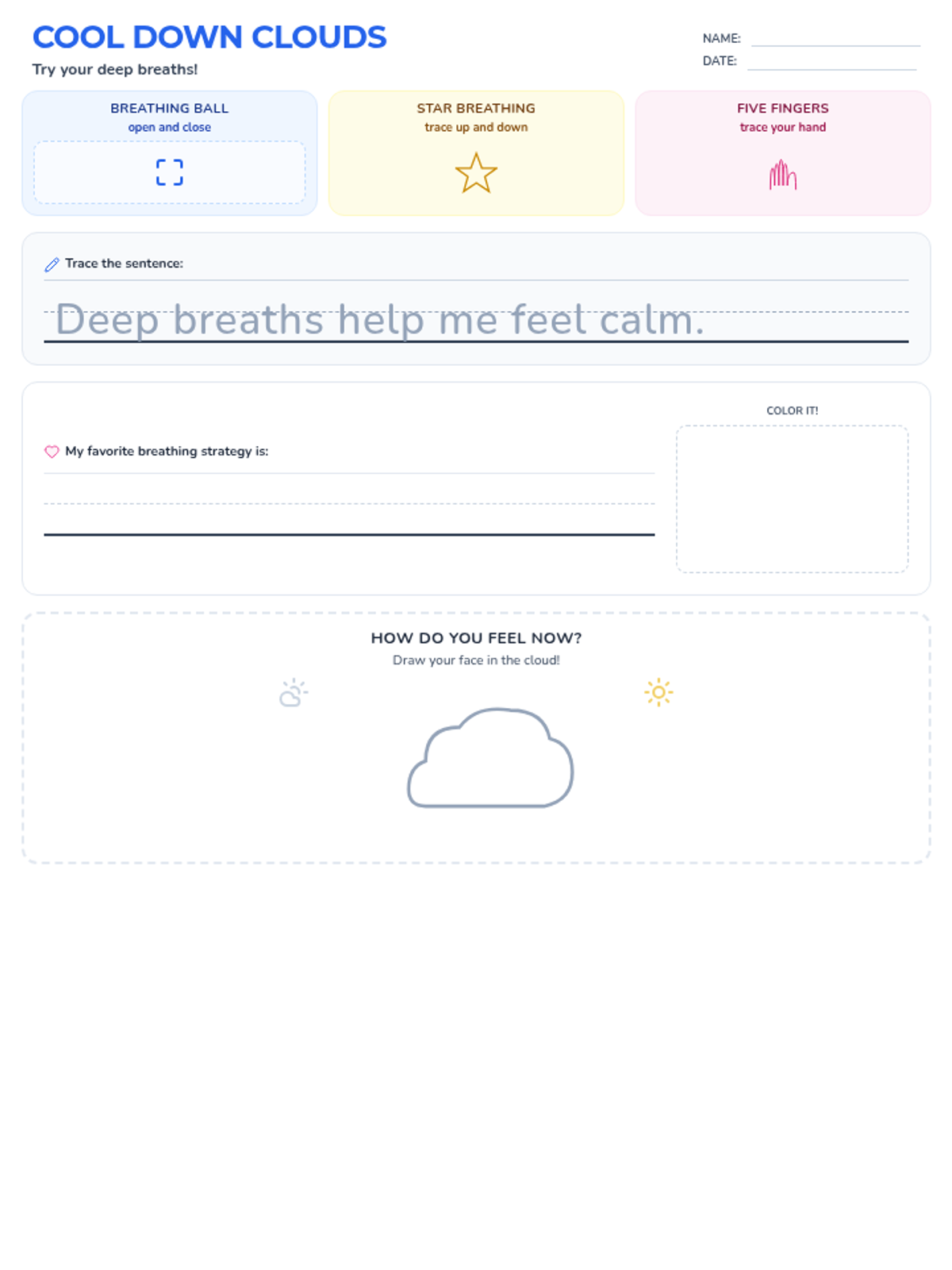
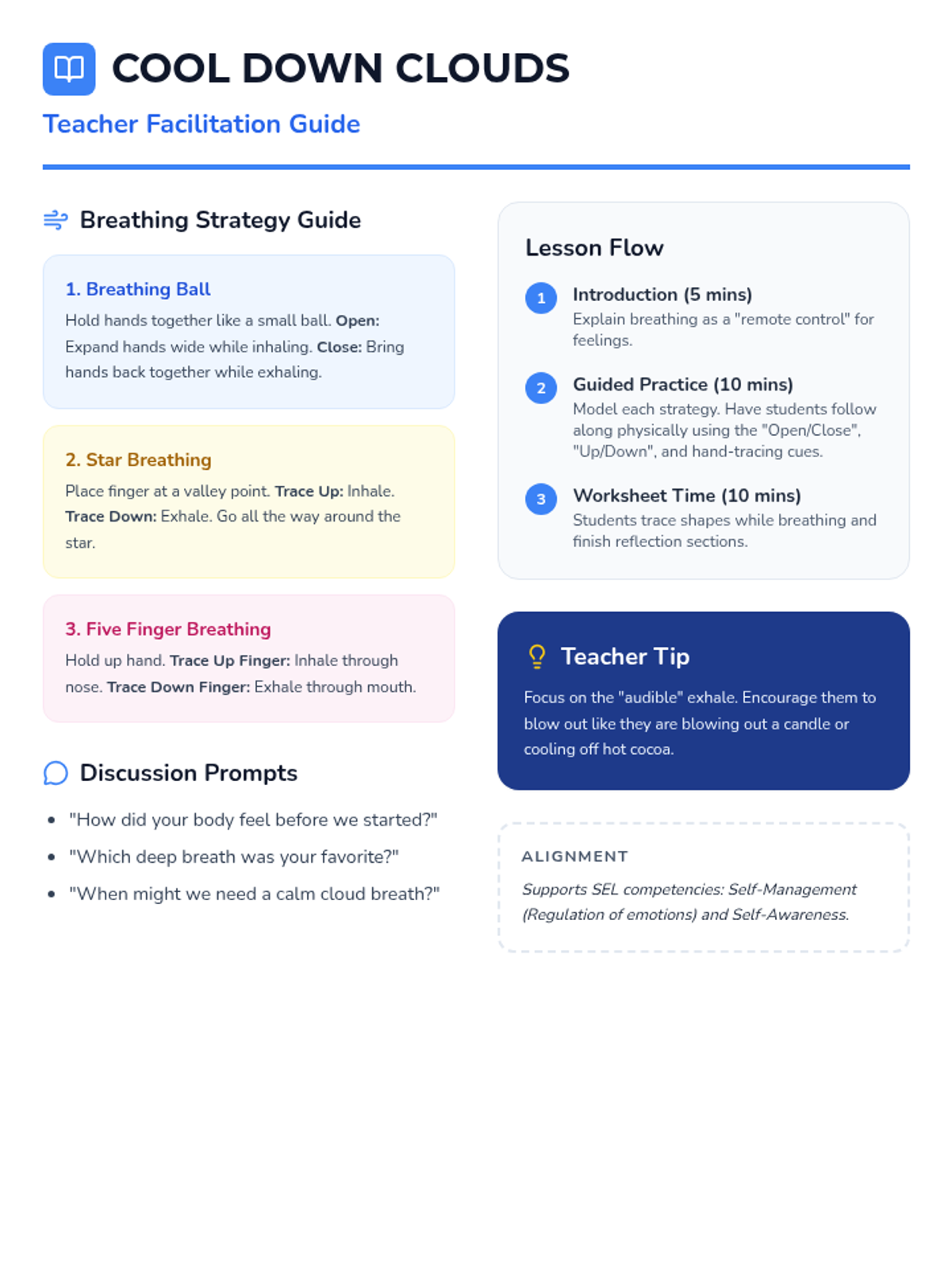
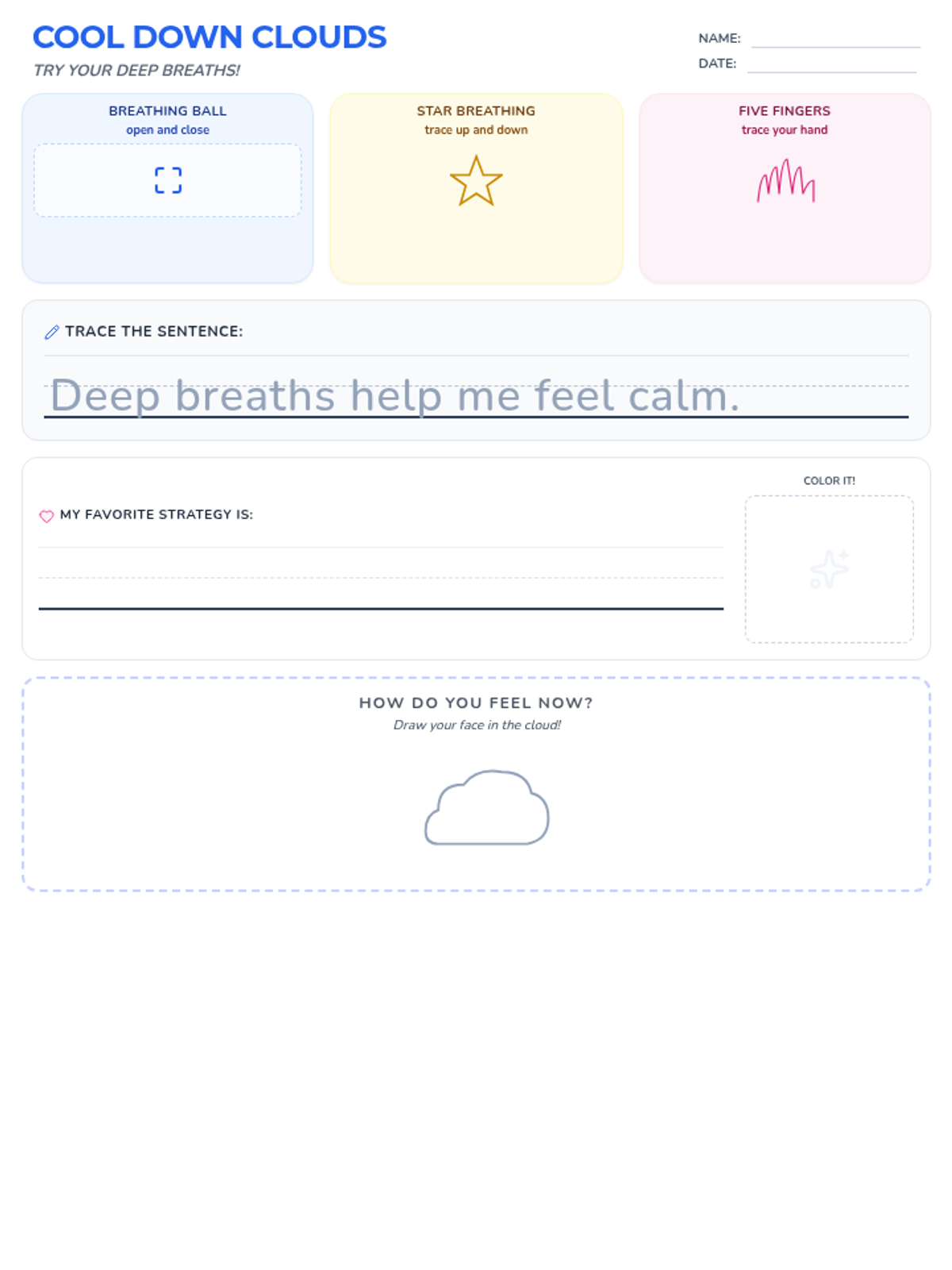
A progressive social-emotional learning sequence exploring mindful breathing techniques across different grade levels (K-5) to build self-regulation skills.
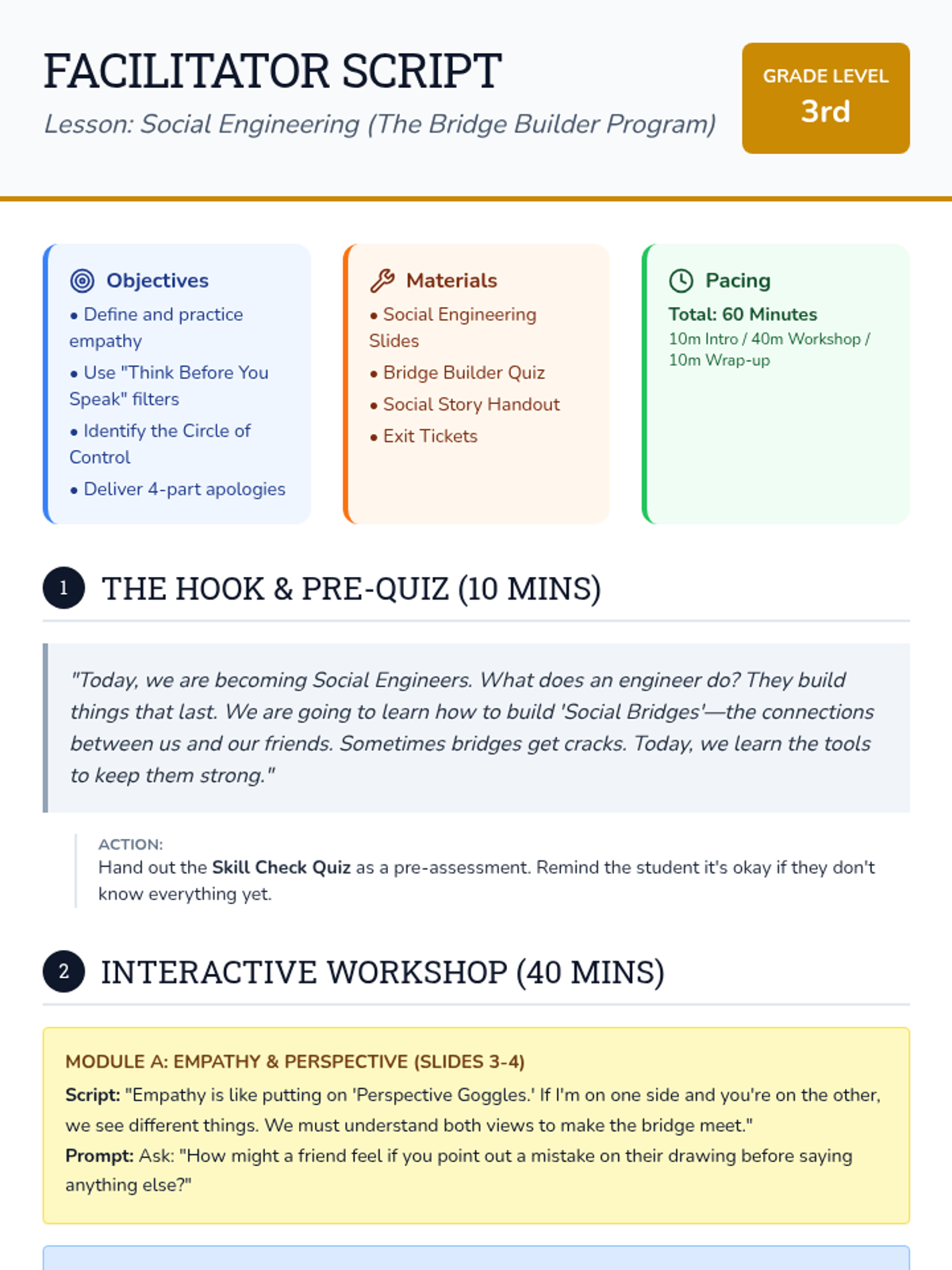
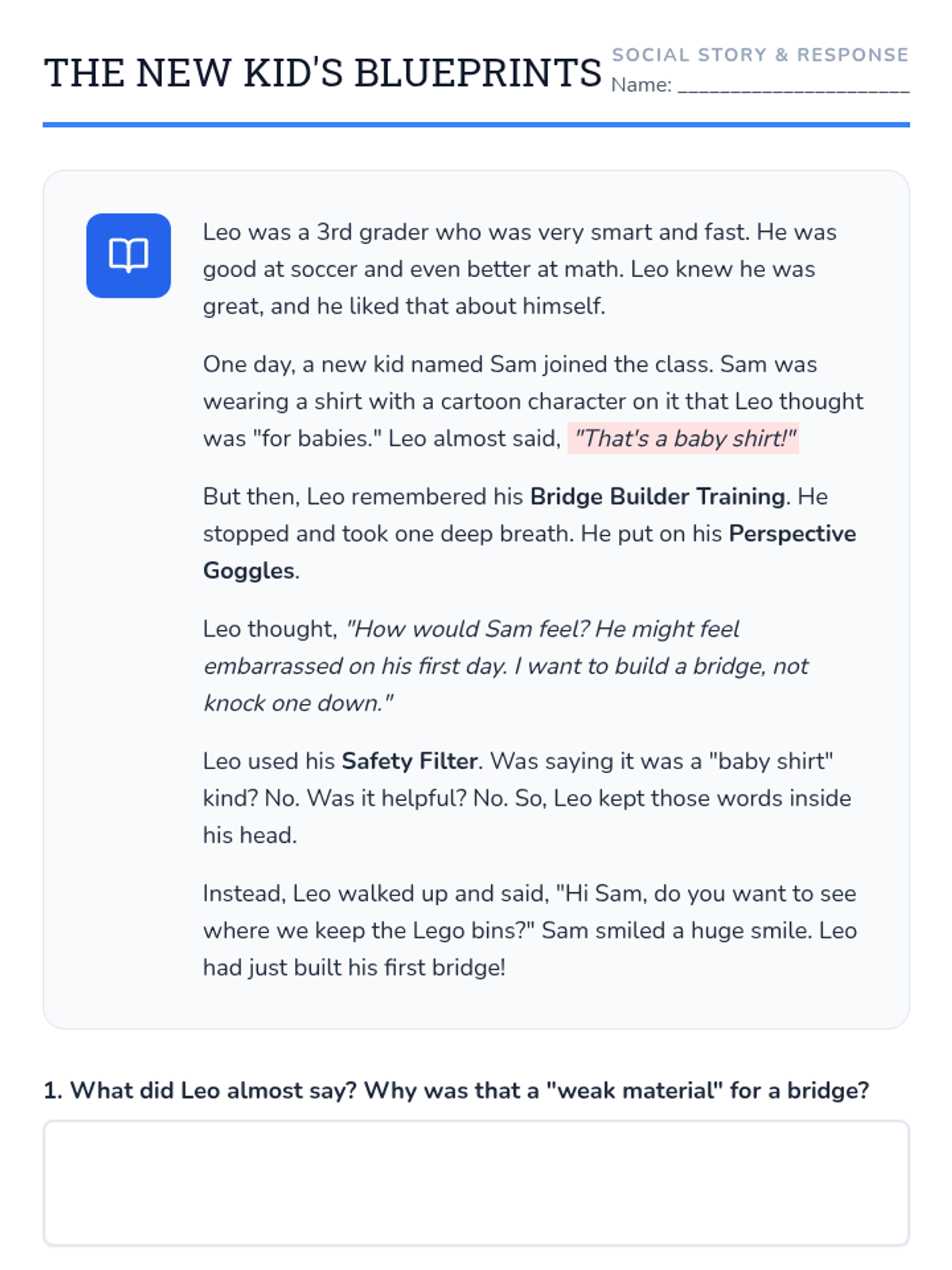
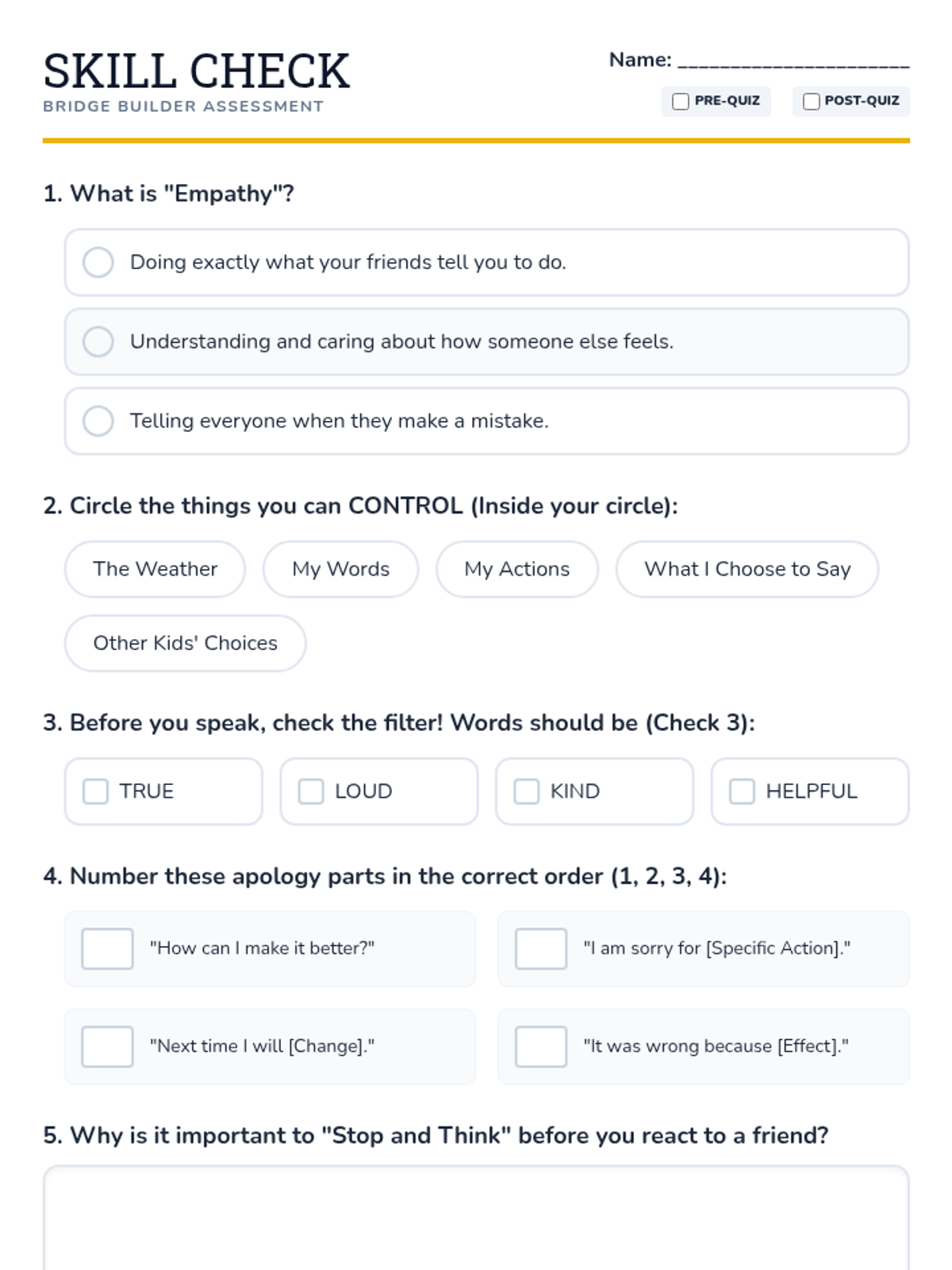
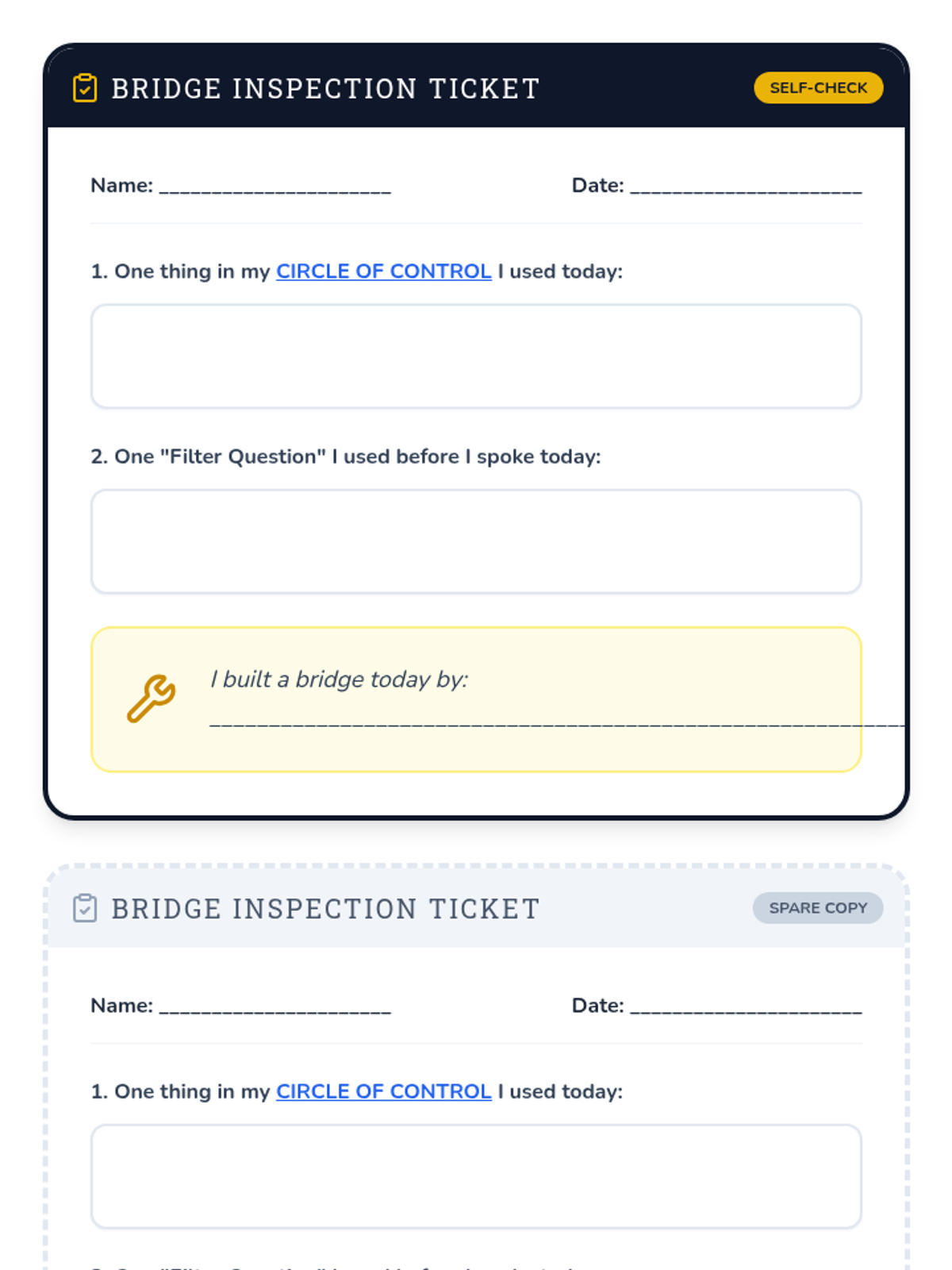
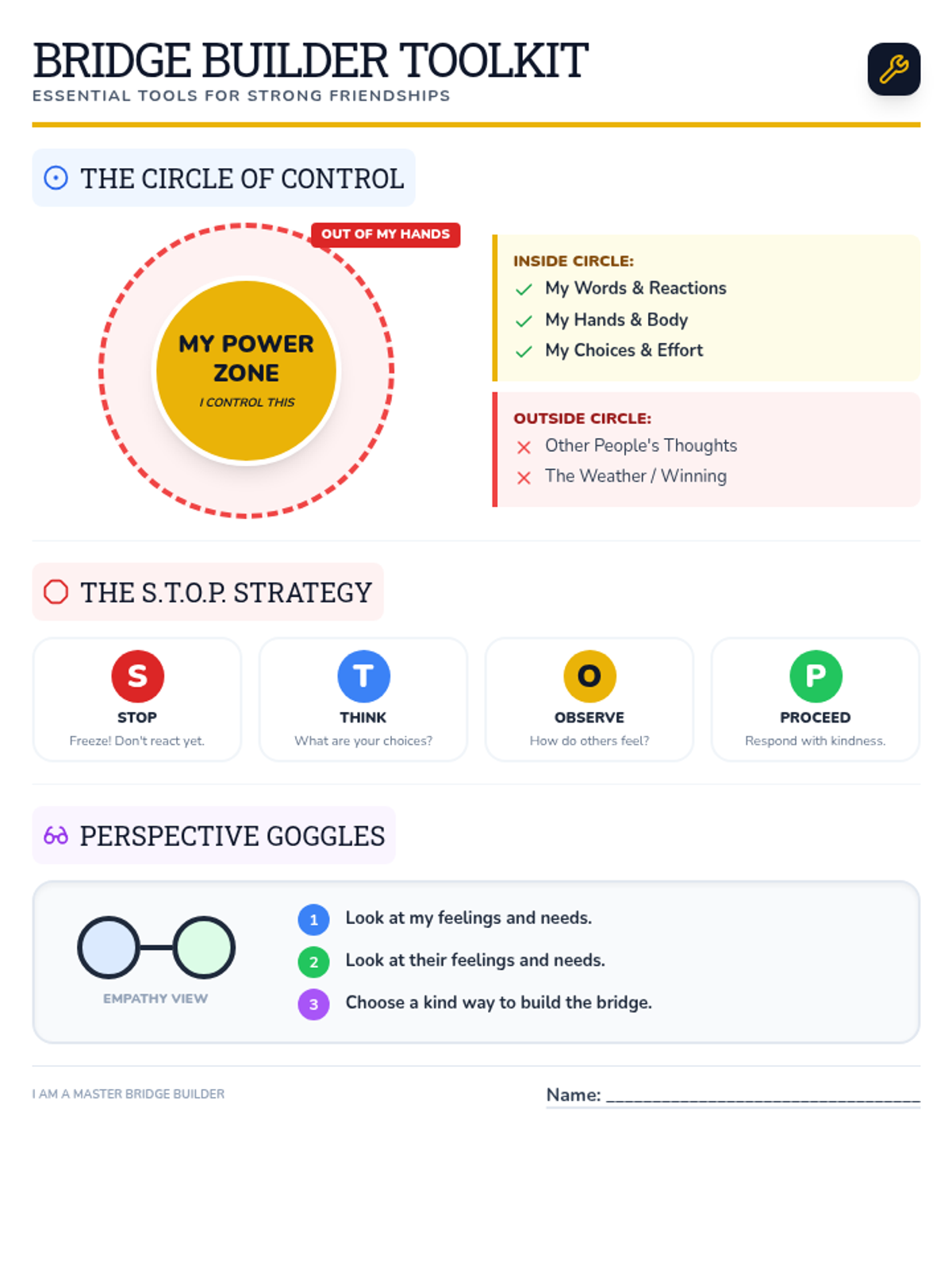
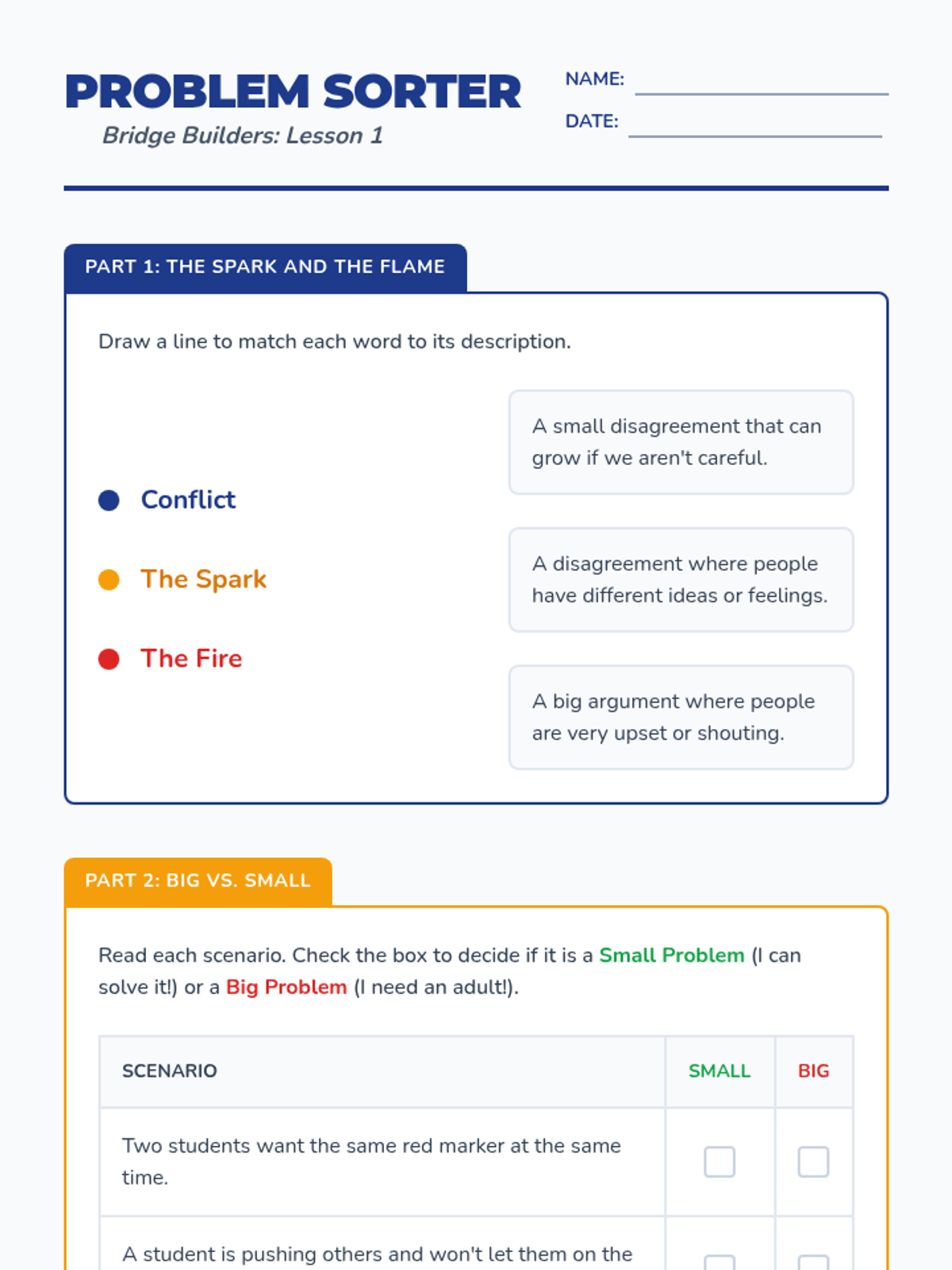
A comprehensive social skills program for 3rd graders focused on empathy, self-regulation, and conflict resolution using a 'Bridge Builder' metaphor.
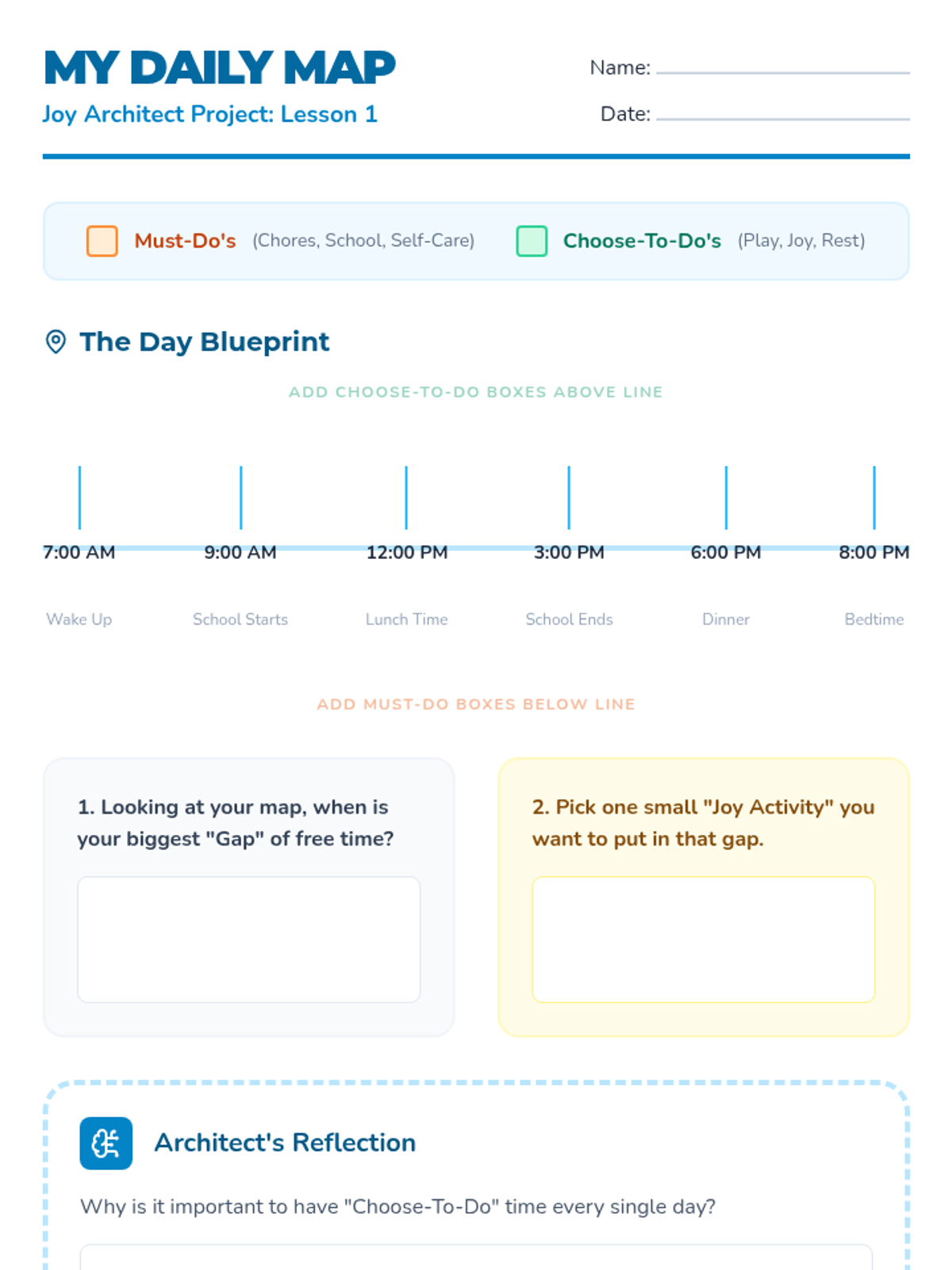
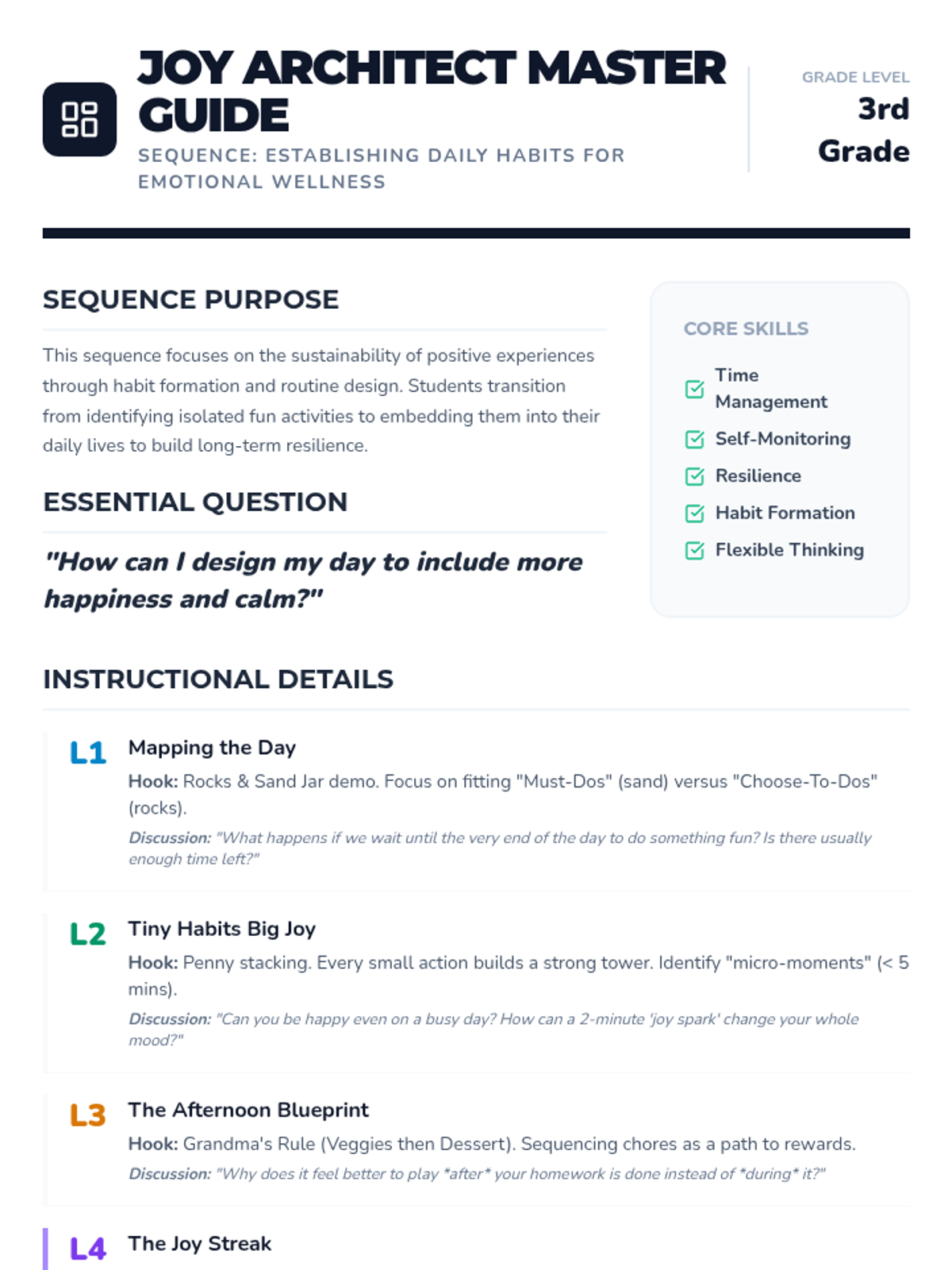
A 5-lesson unit for 3rd graders focused on building emotional resilience through habit formation. Students learn to audit their time, identify small 'micro-moments' of joy, and design balanced daily schedules that prioritize positive experiences.
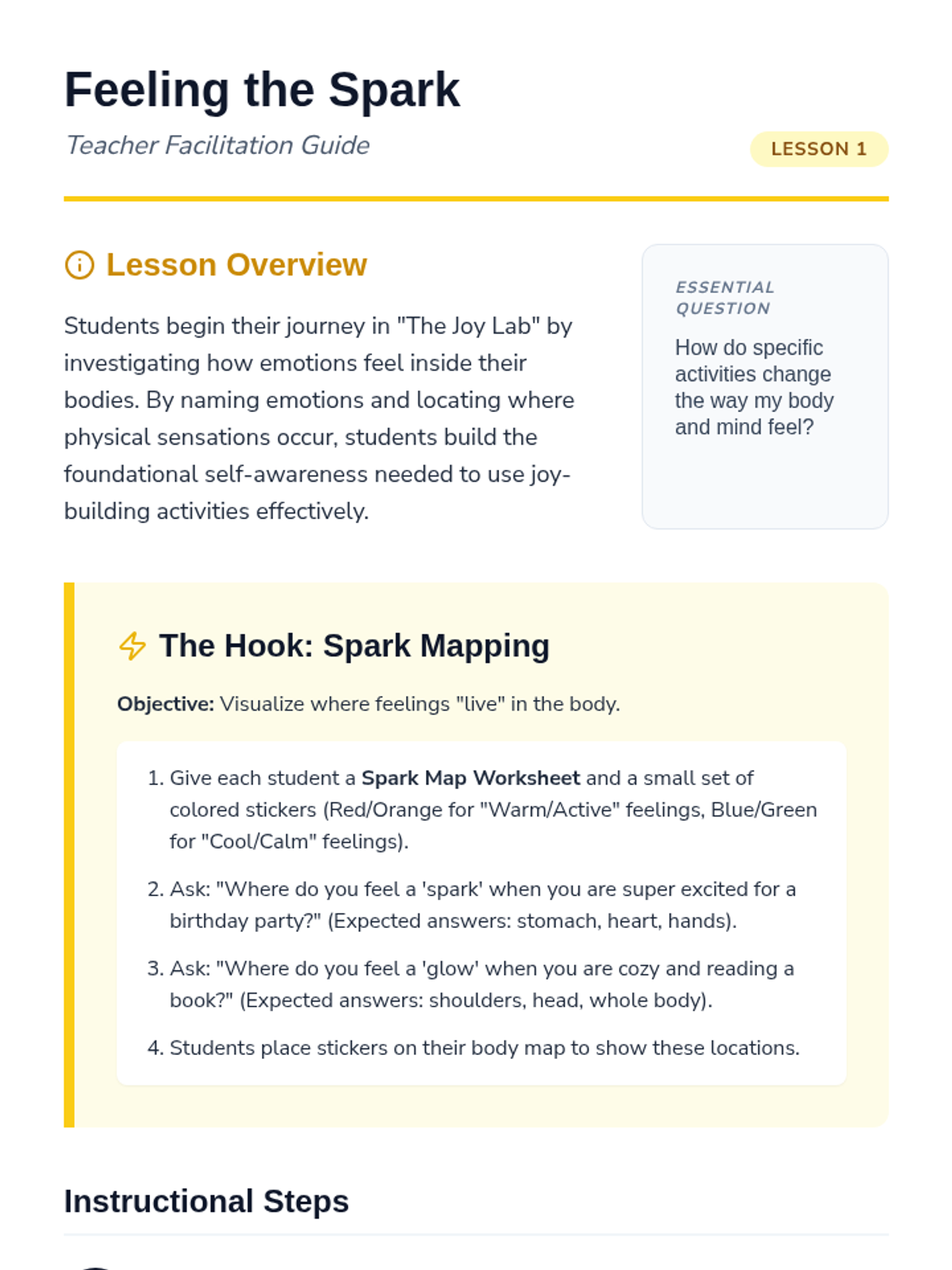
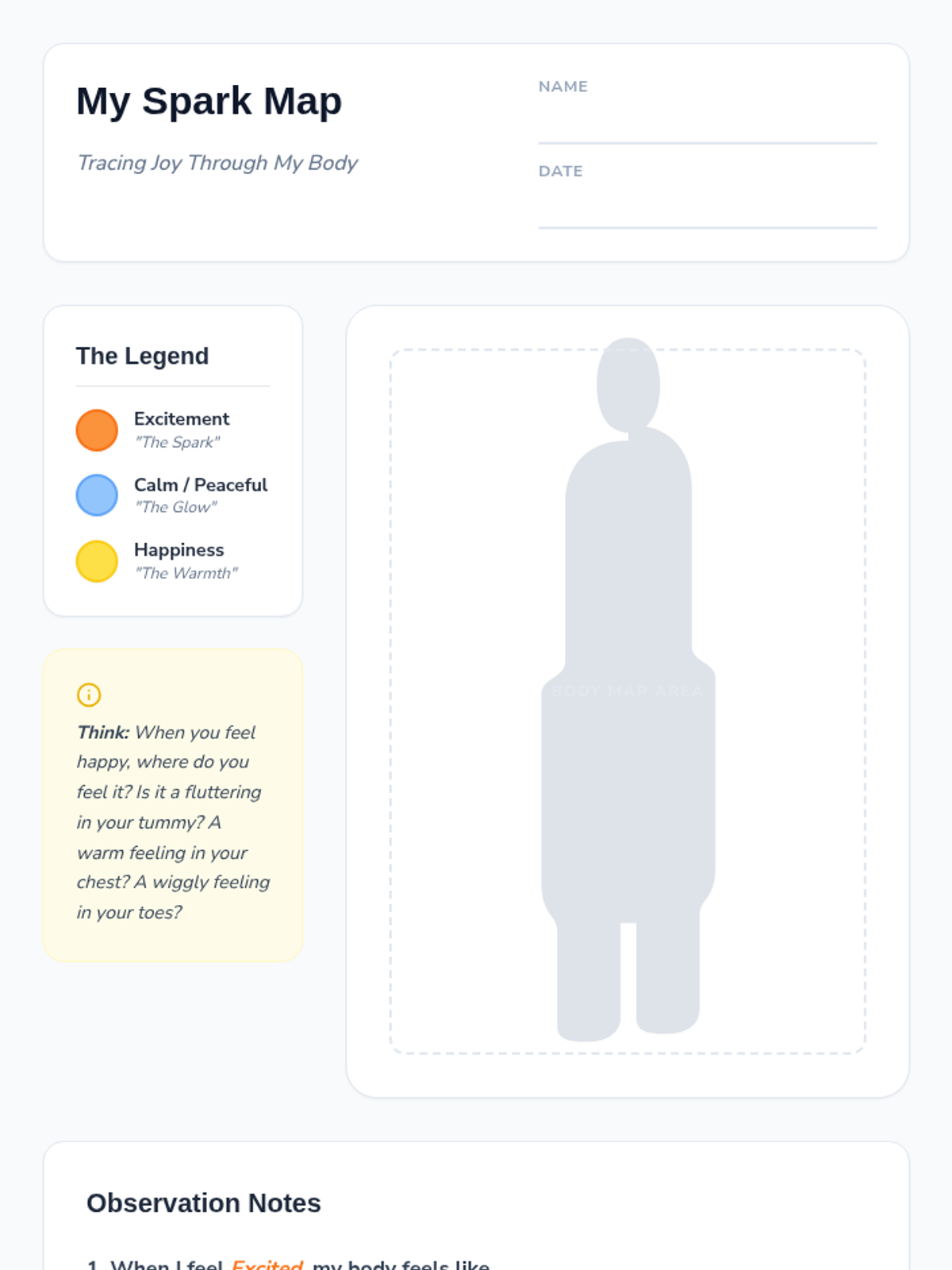
This sequence introduces 3rd-grade students to identifying personal sources of joy and satisfaction. It guides them through recognizing physical emotional shifts, inventorying interests, exploring sensory joy, categorizing activities by energy levels, and creating a personalized 'menu' of coping strategies for emotional regulation.
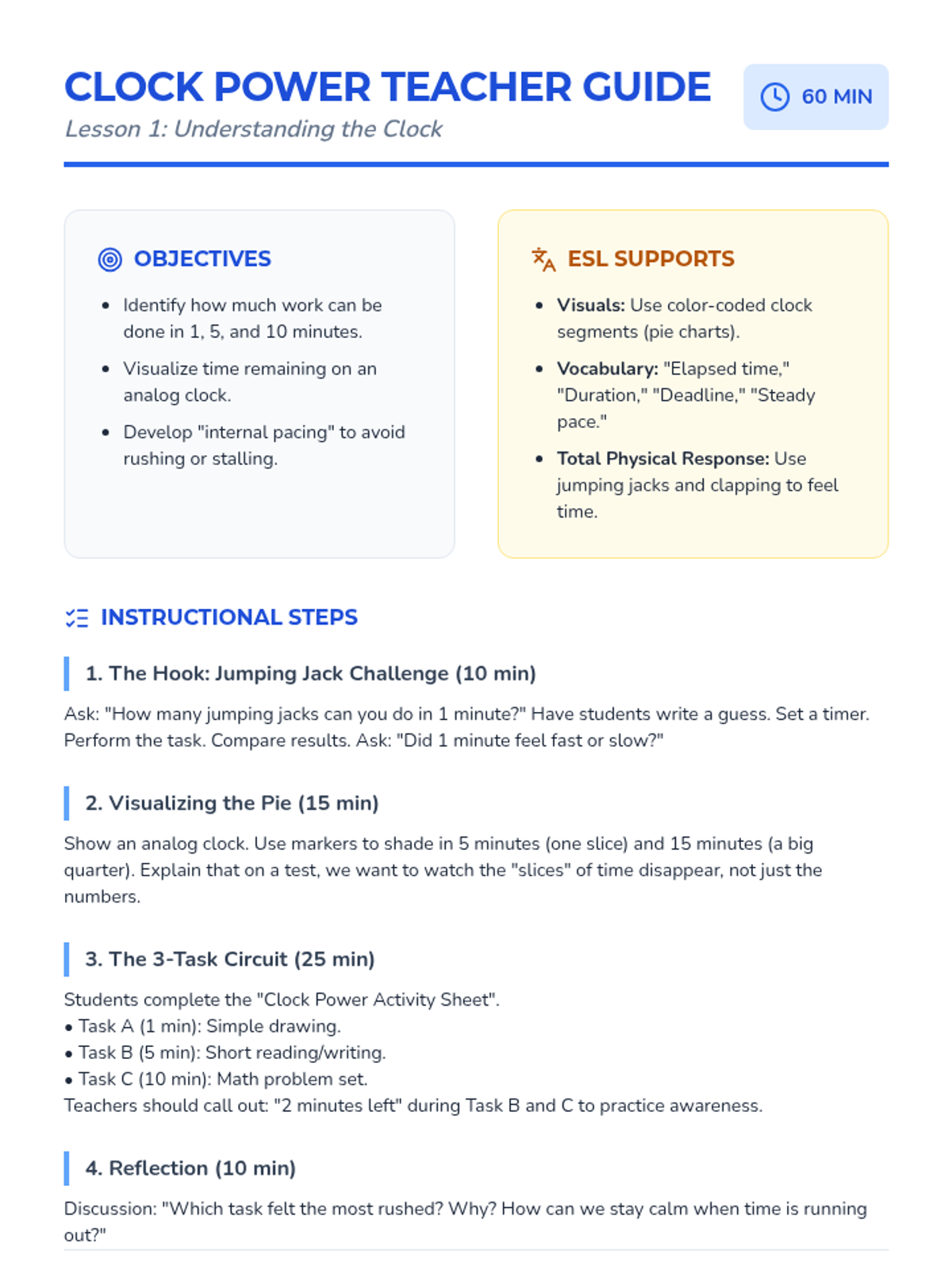
A sequence for 3rd Grade ESL students focused on developing executive functioning skills for timed testing. Students learn time perception, prioritization strategies, and review techniques to manage anxiety and improve performance.
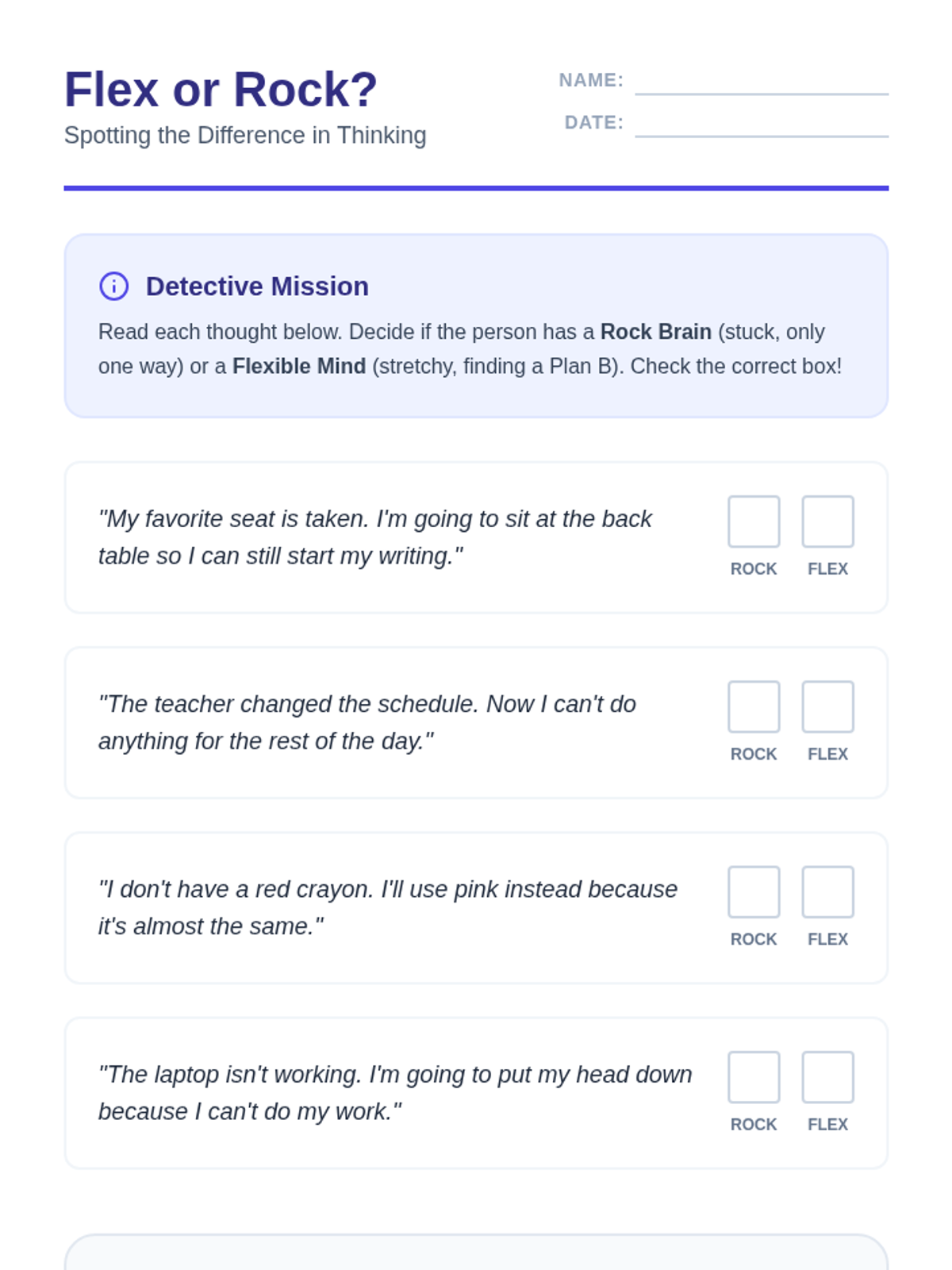
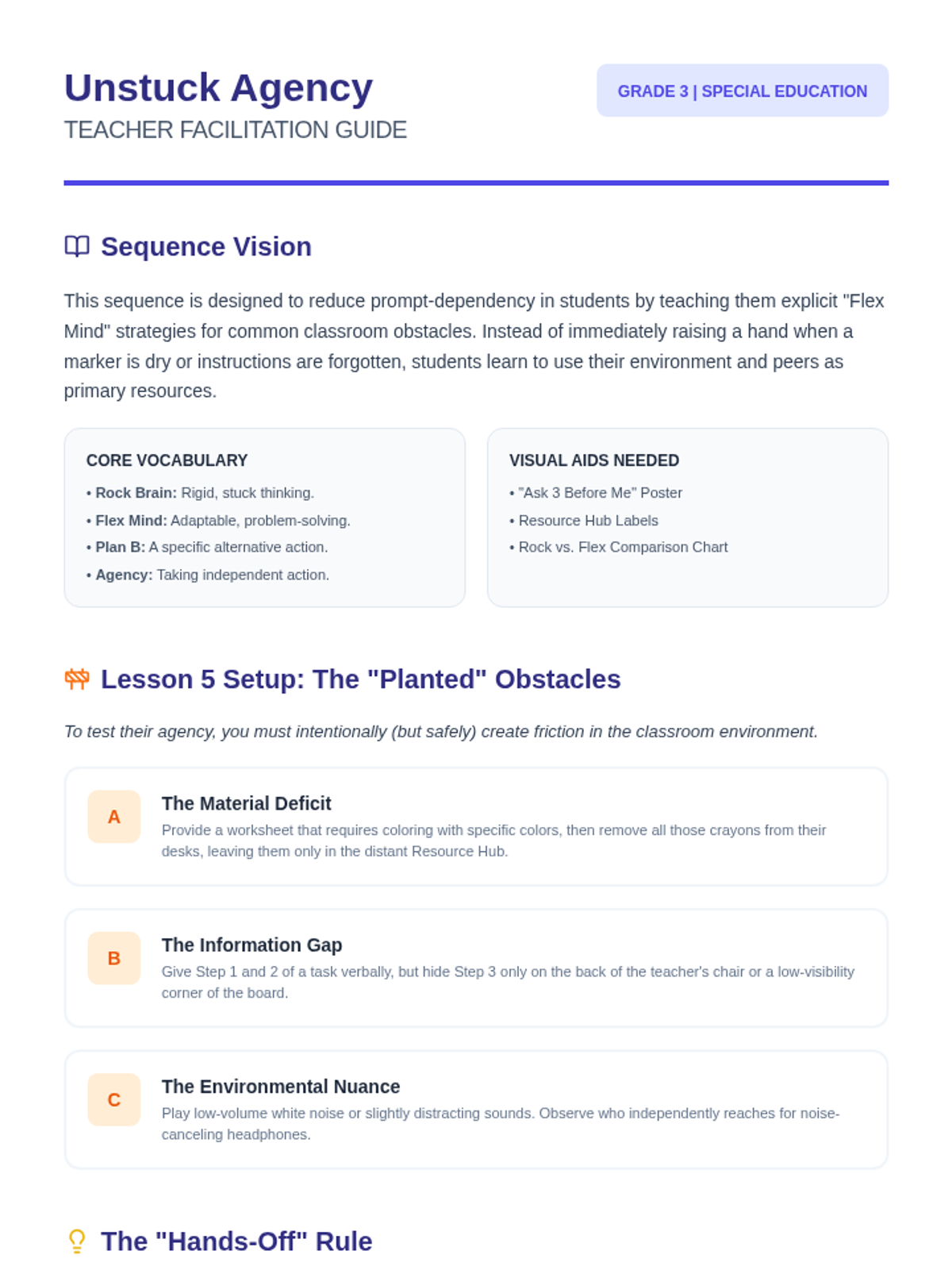
A 5-lesson sequence for 3rd-grade students focused on cognitive flexibility and independent problem-solving for classroom obstacles. Students move from understanding 'flexible thinking' to using a toolkit of strategies for material issues, forgotten instructions, and unexpected changes.
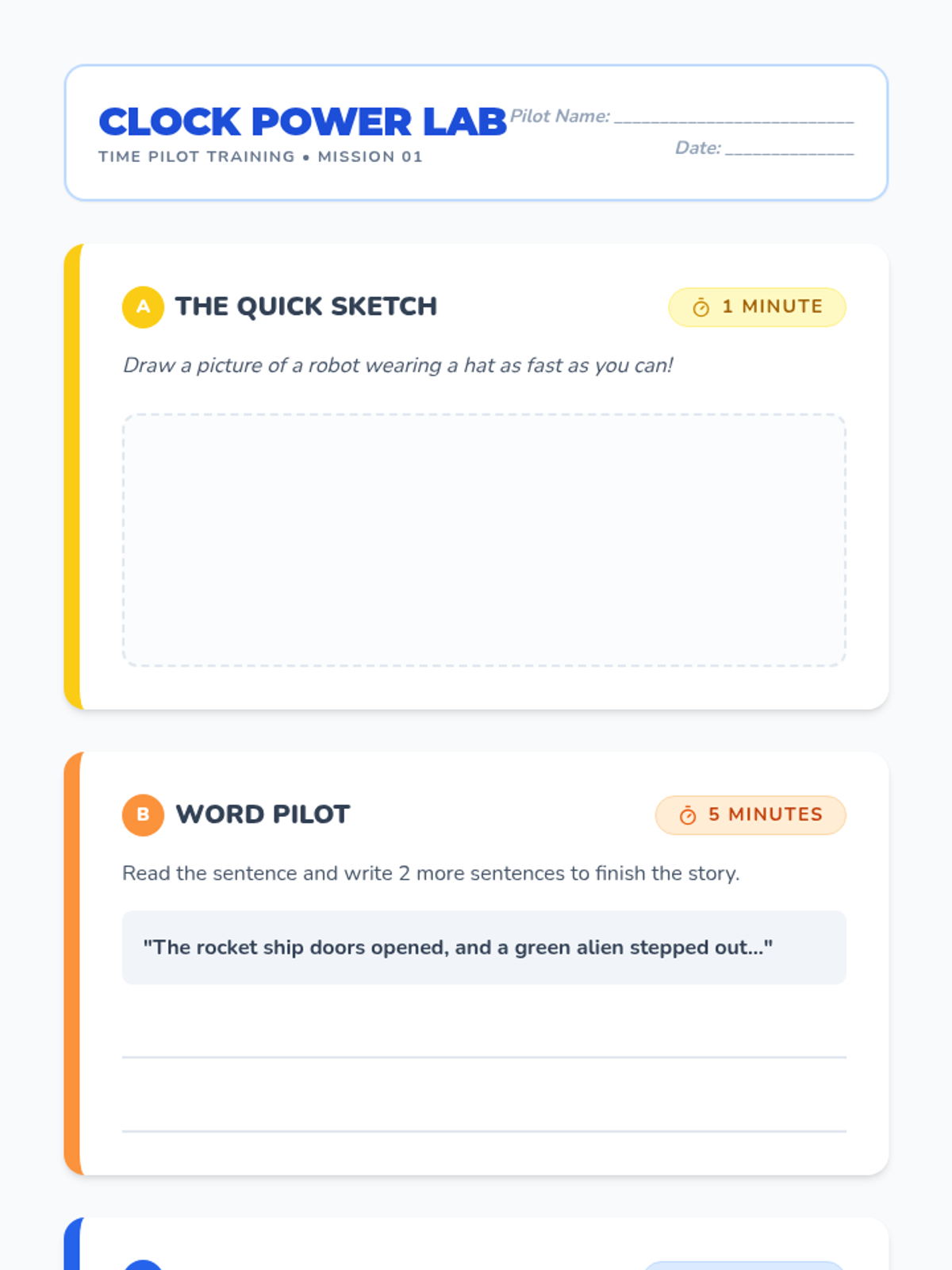
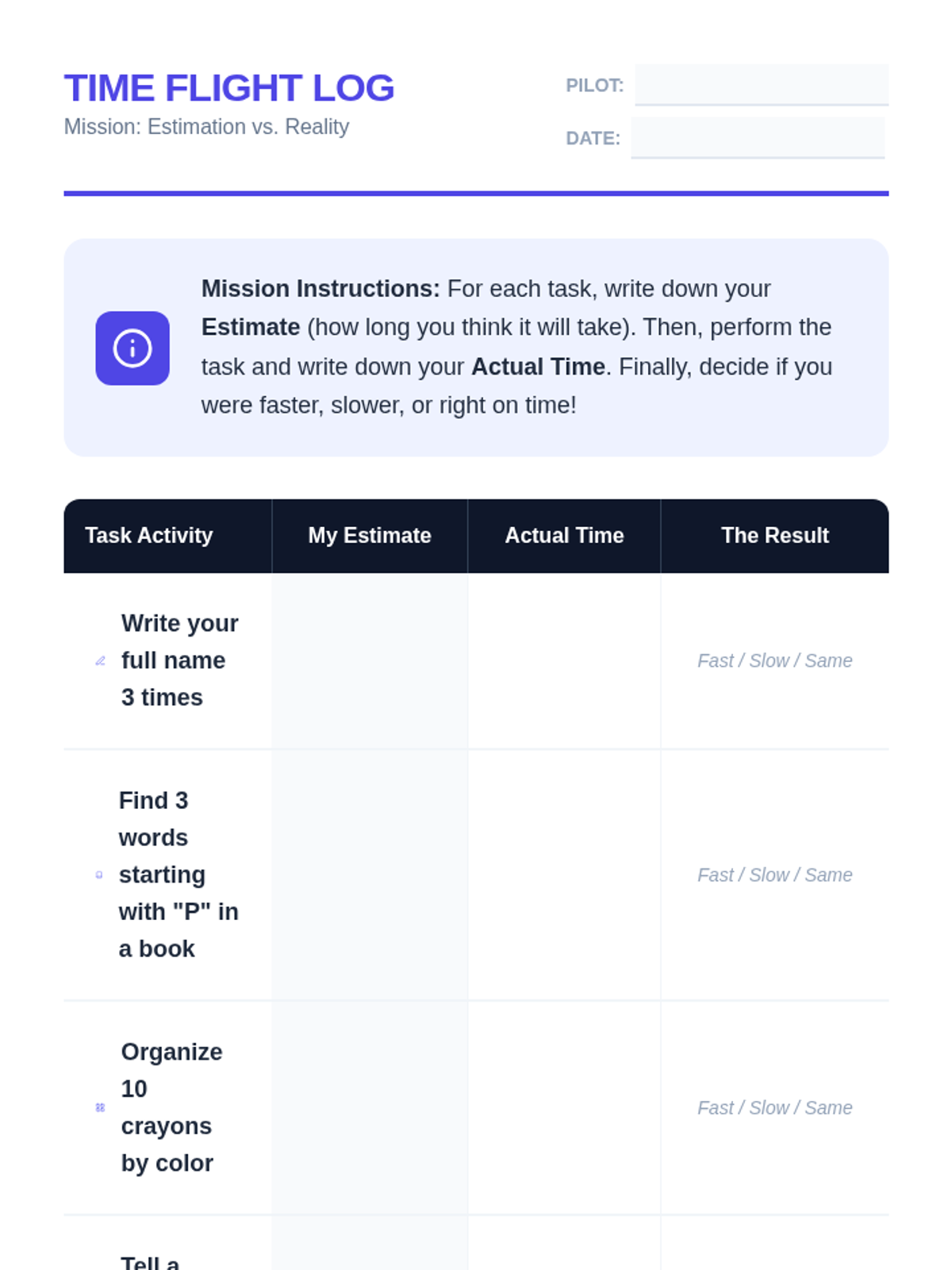
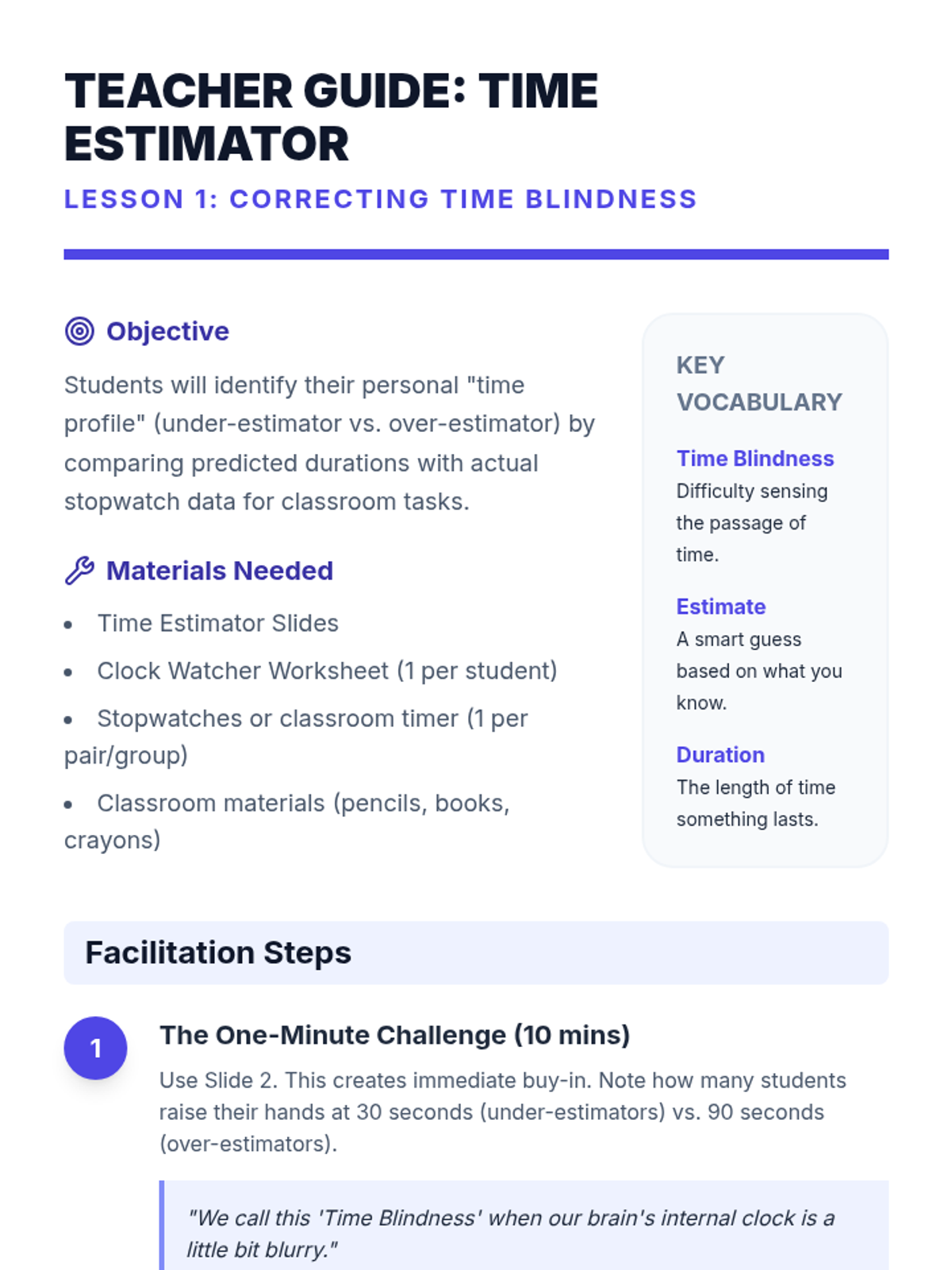
This sequence helps 3rd-grade students overcome 'time blindness' and master task prioritization through the 'Now-Next-Later' framework. Students practice time estimation, distinguish between urgency and interest, and learn to adapt plans when unexpected changes occur.
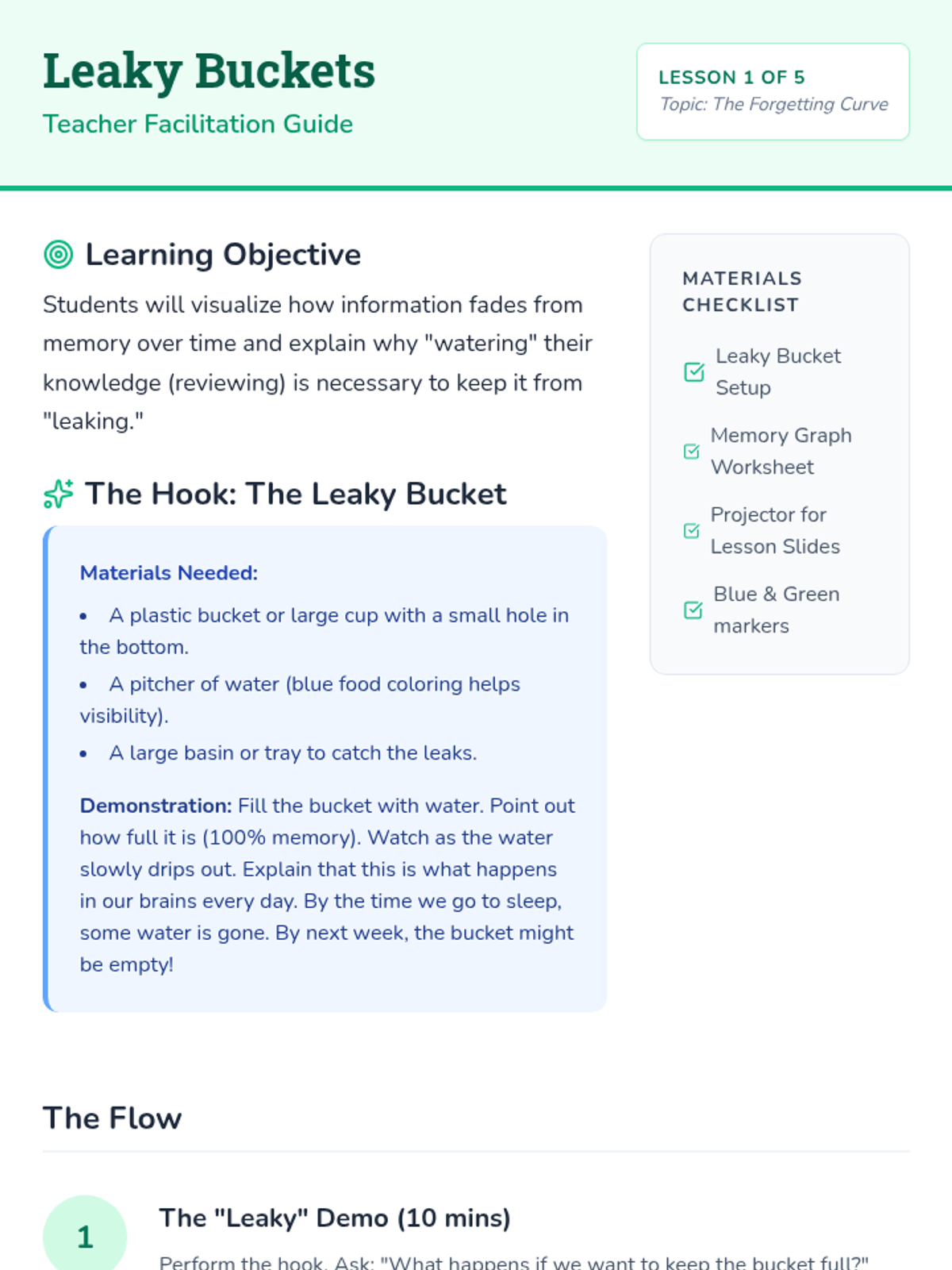
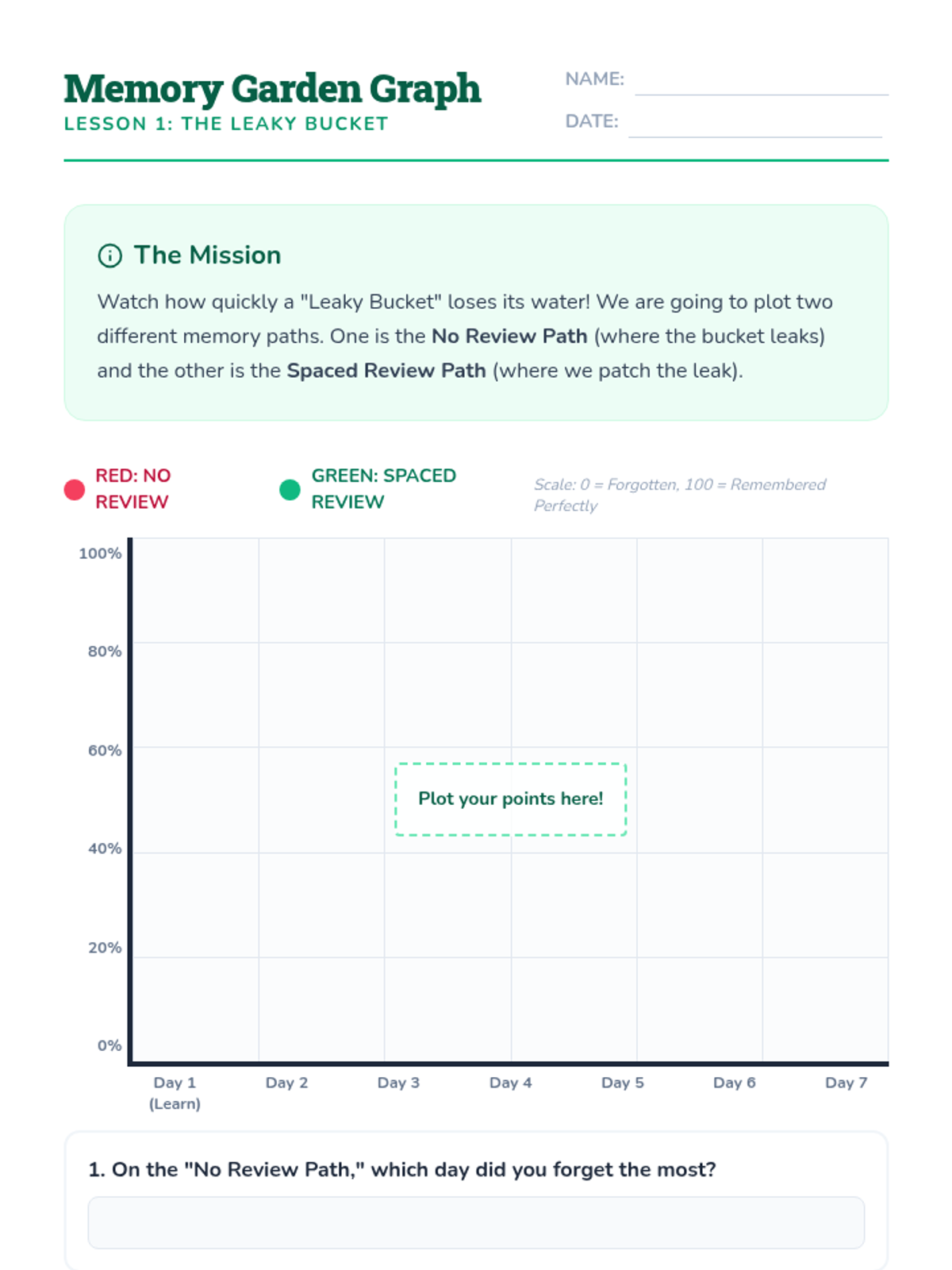
A 5-lesson unit for 3rd-grade students focused on memory retention strategies and executive function. Students learn about the forgetting curve, build visual review trackers, conduct experiments on spaced repetition, and use self-monitoring tools to maintain their 'Brain Garden' of knowledge.
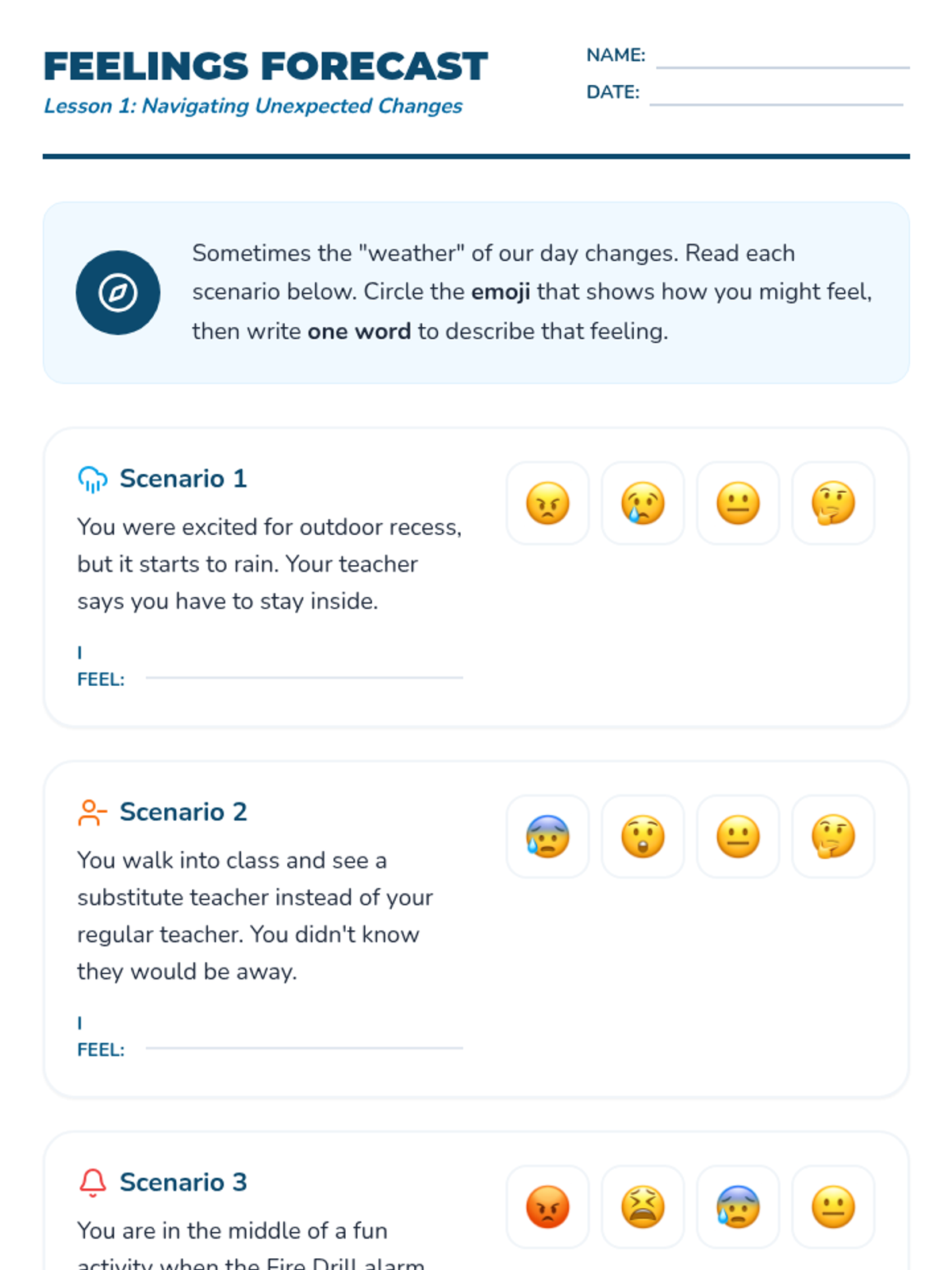
A sequence for 3rd Grade students focusing on cognitive flexibility and emotional regulation when plans change. Students learn to identify emotions, use calming strategies, and follow the 'Stop, Breathe, Ask' routine to manage transitions.
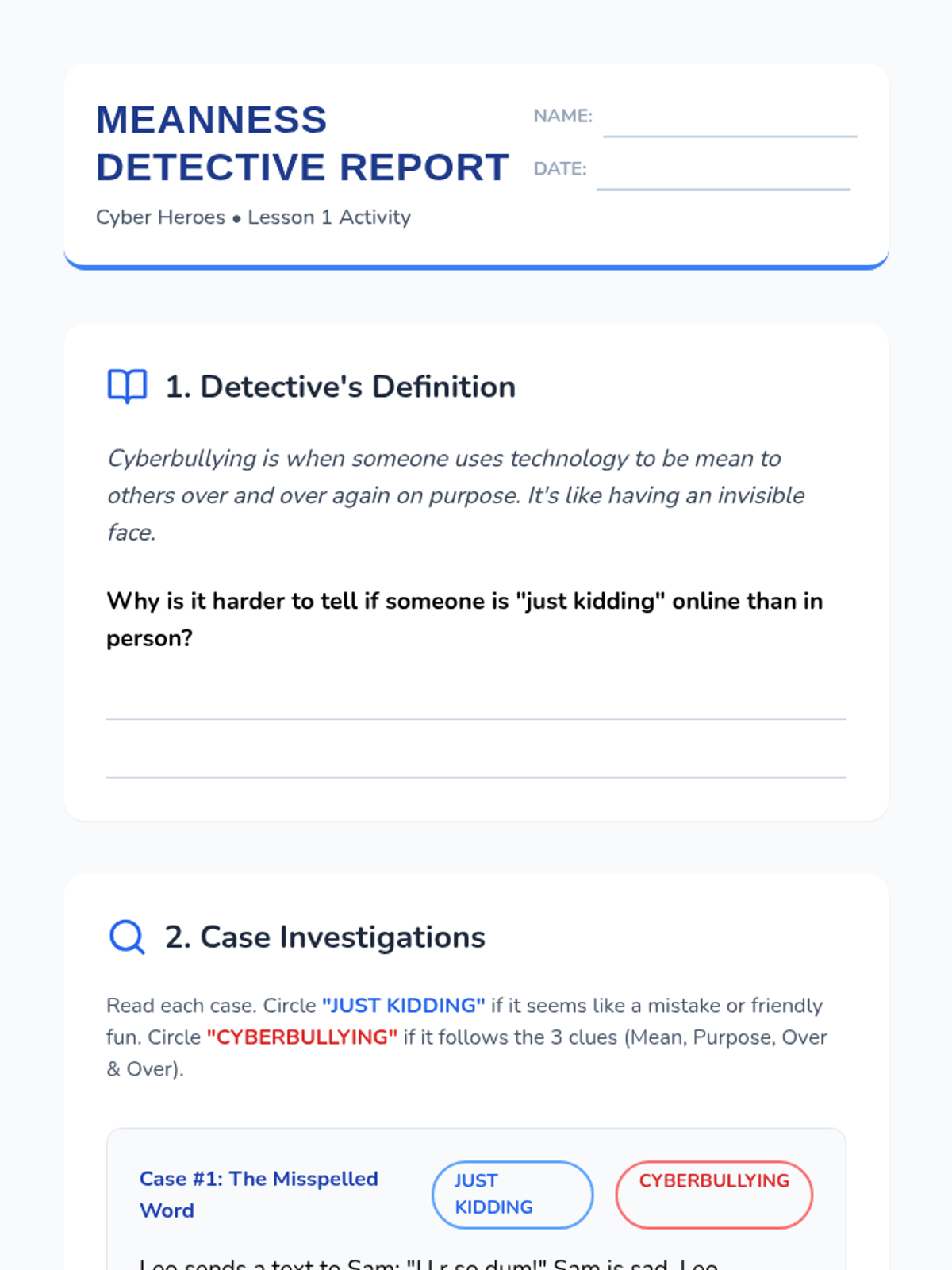
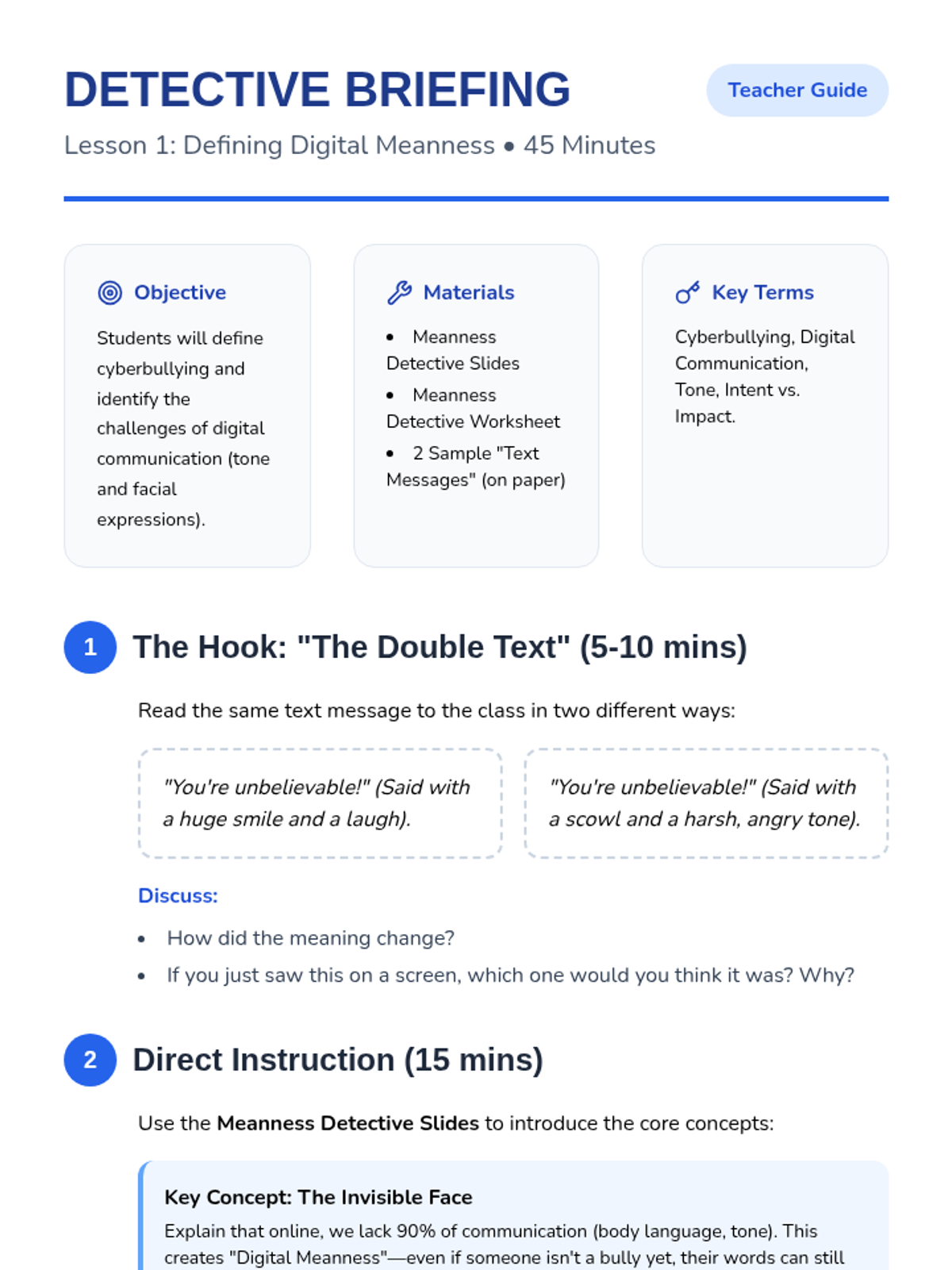
This 3rd-grade sequence empowers students to identify, respond to, and prevent cyberbullying. Through empathy-building activities like the 'Wrinkled Heart' and the practical 'Stop, Block, Tell' framework, students transition from being bystanders to active upstanders in digital spaces.
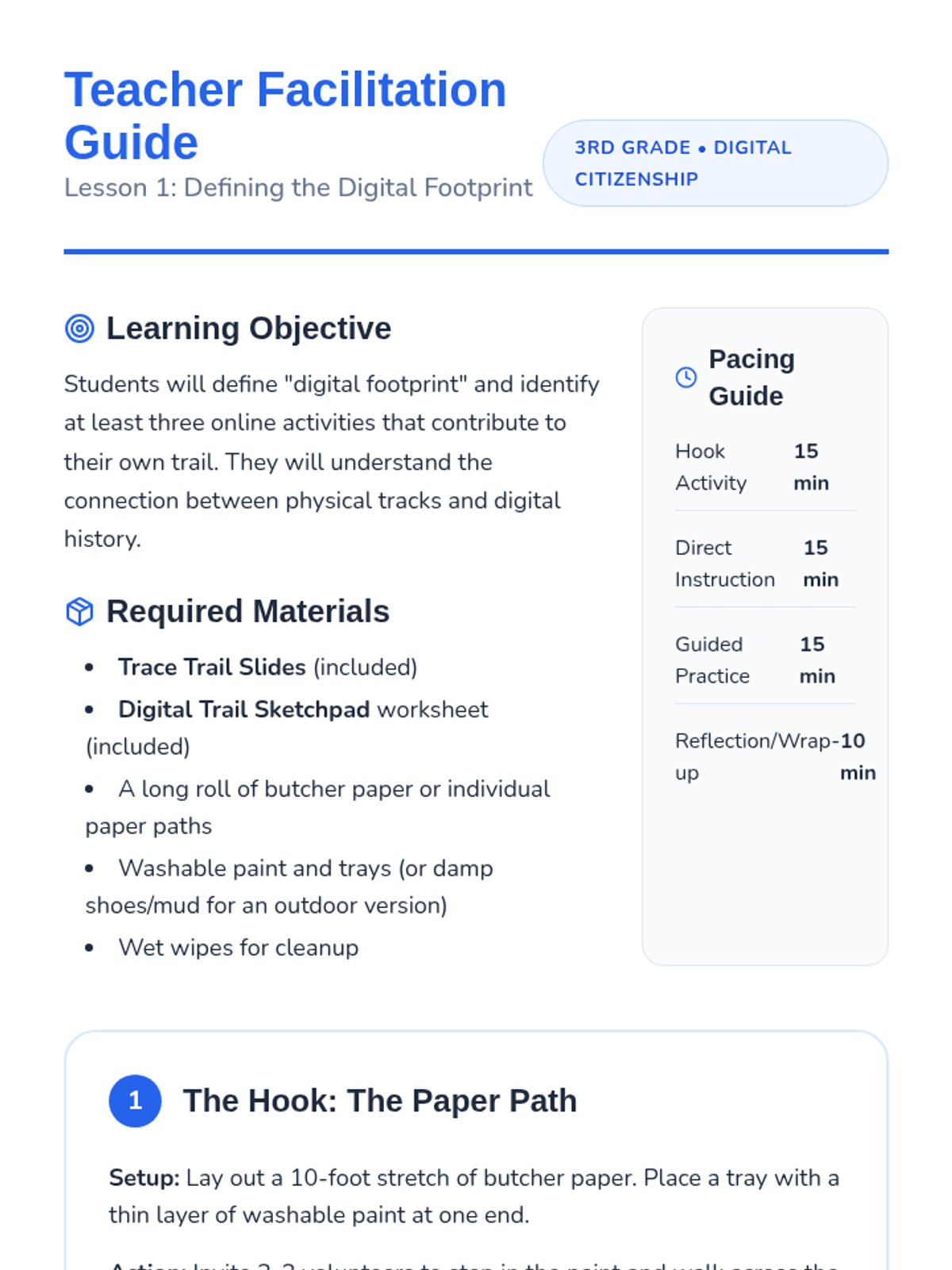
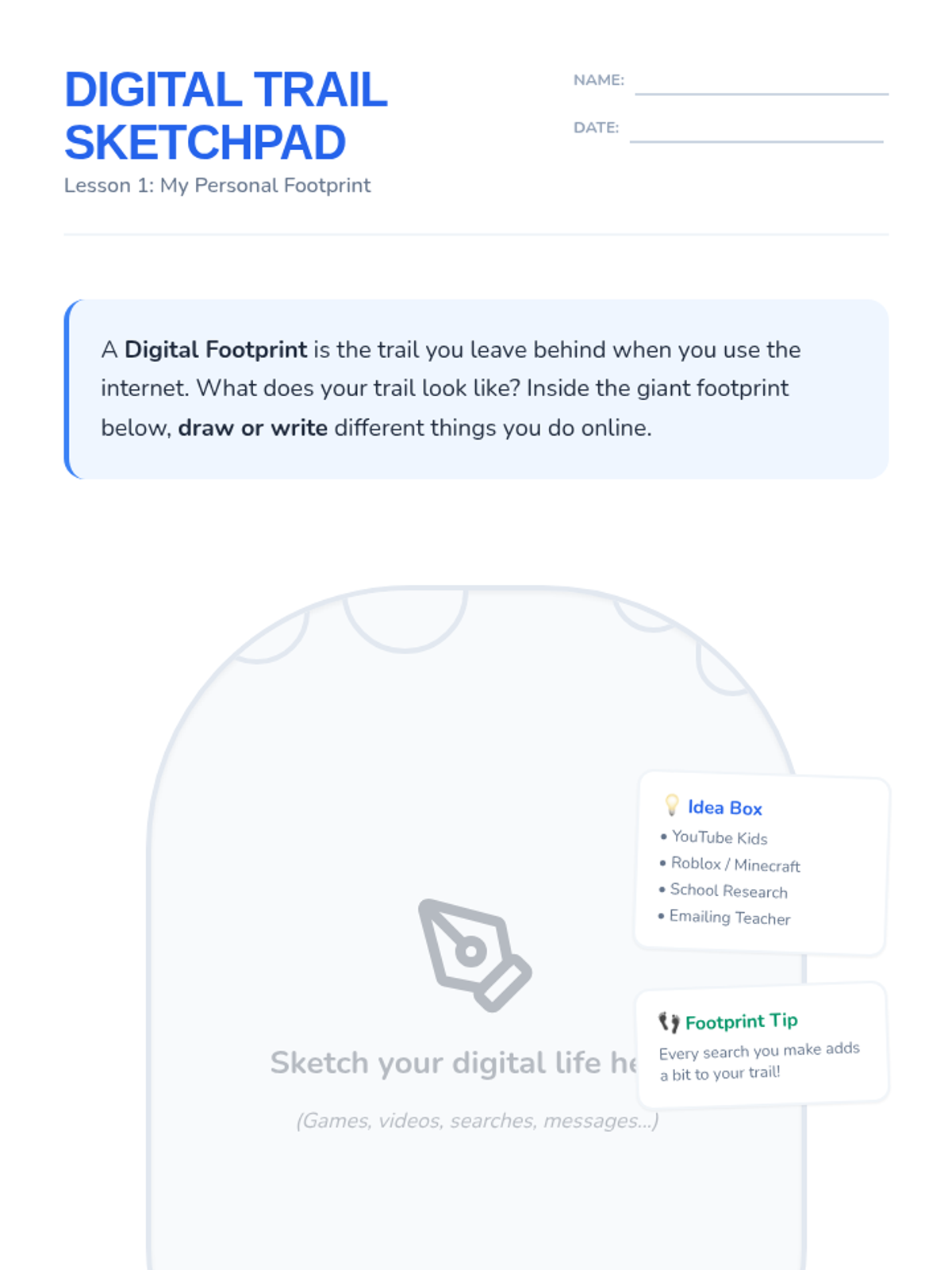
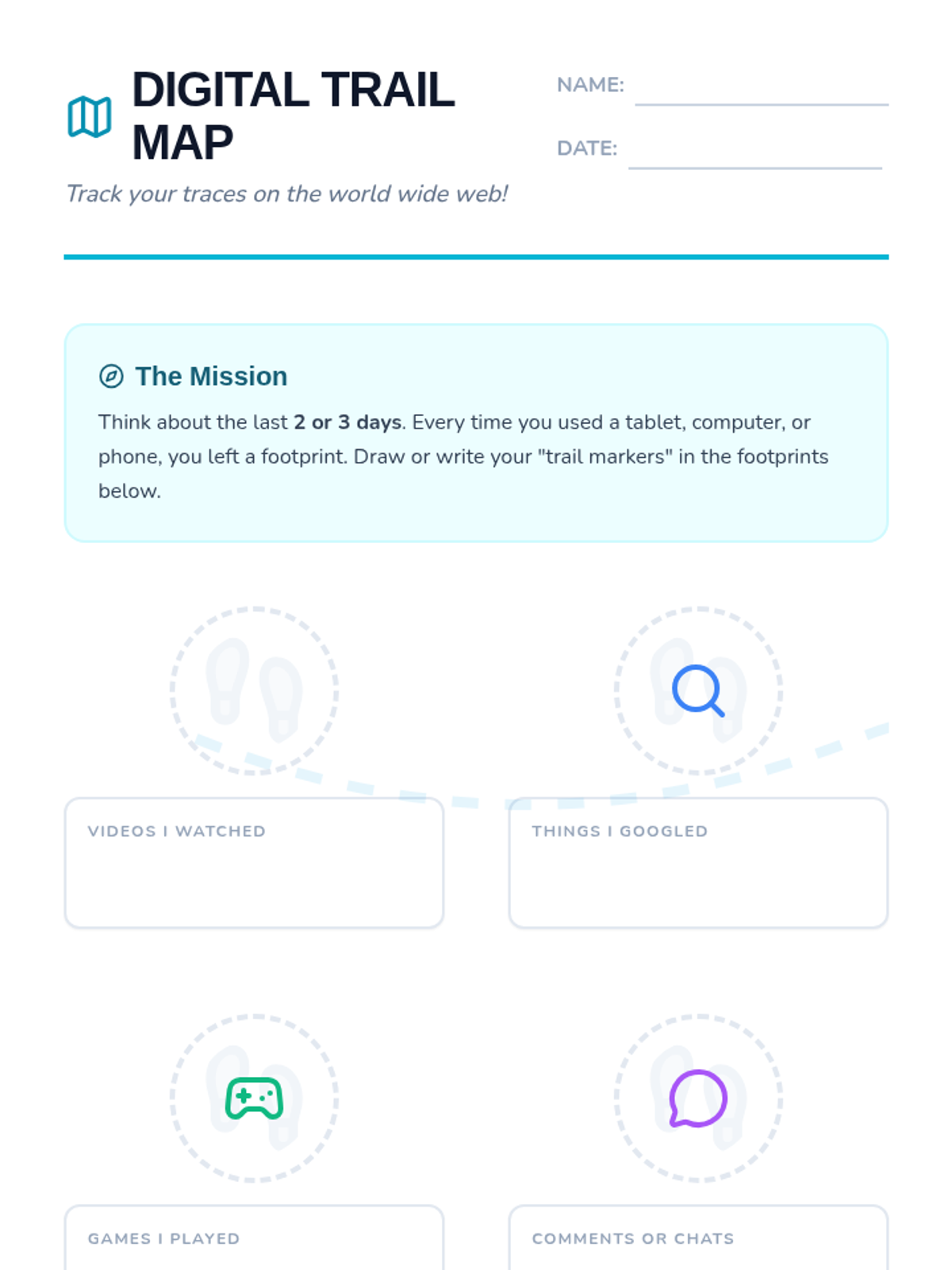
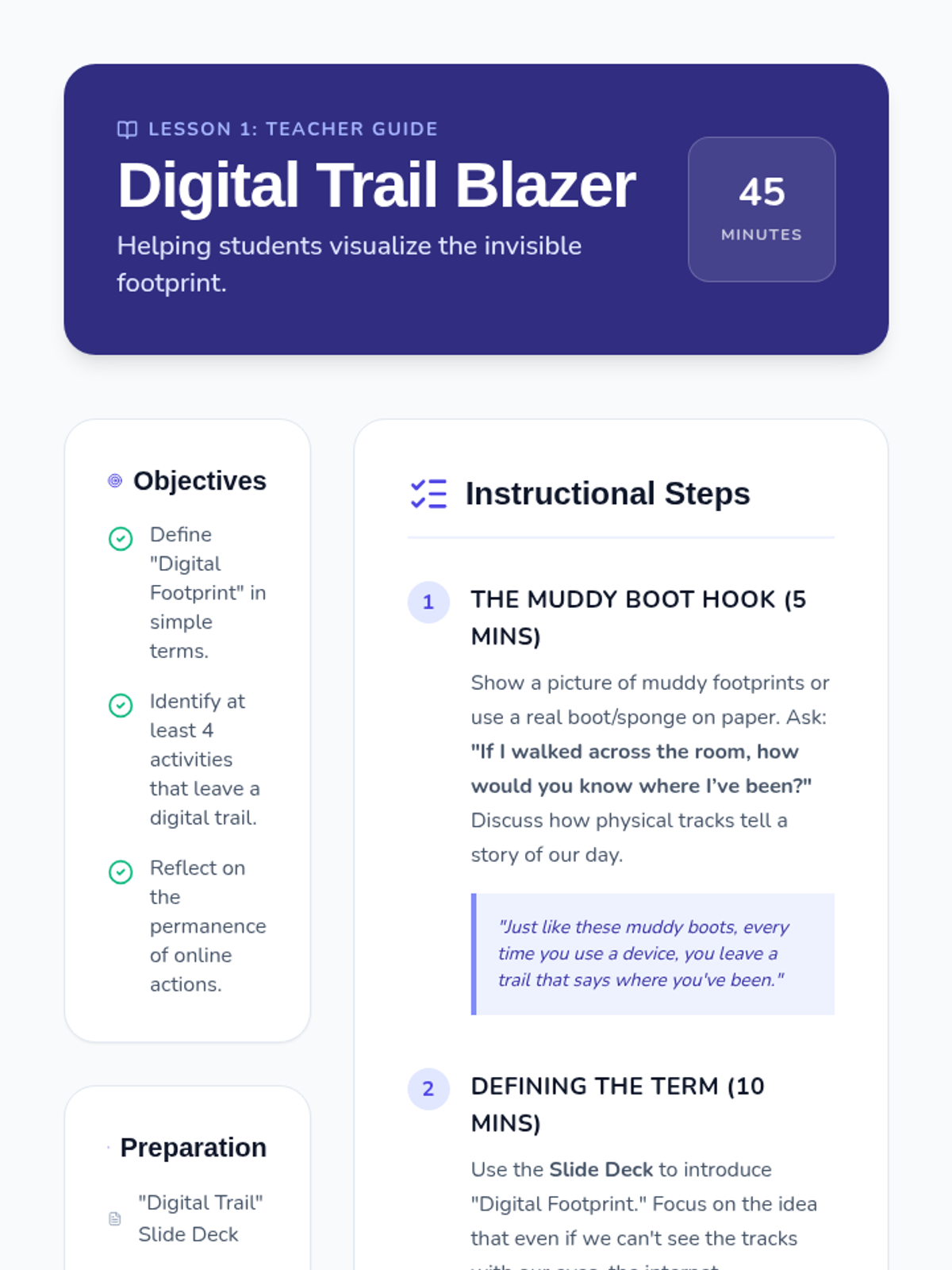
A 3rd-grade sequence focused on the permanence of online actions and building a positive digital reputation through the metaphor of a 'digital footprint'. Students learn that every click and post leaves a trail, exploring themes of digital permanence and responsible communication.
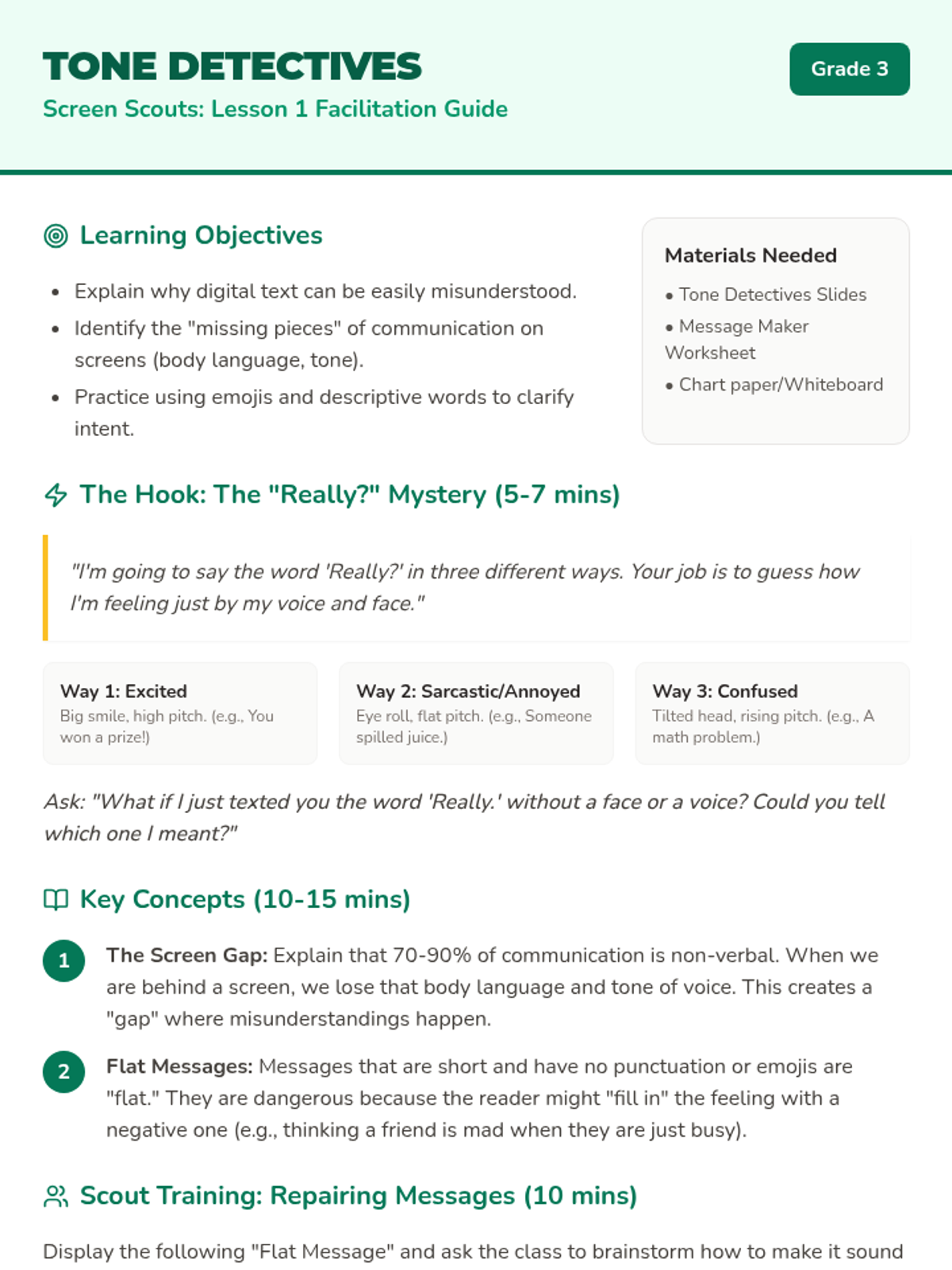
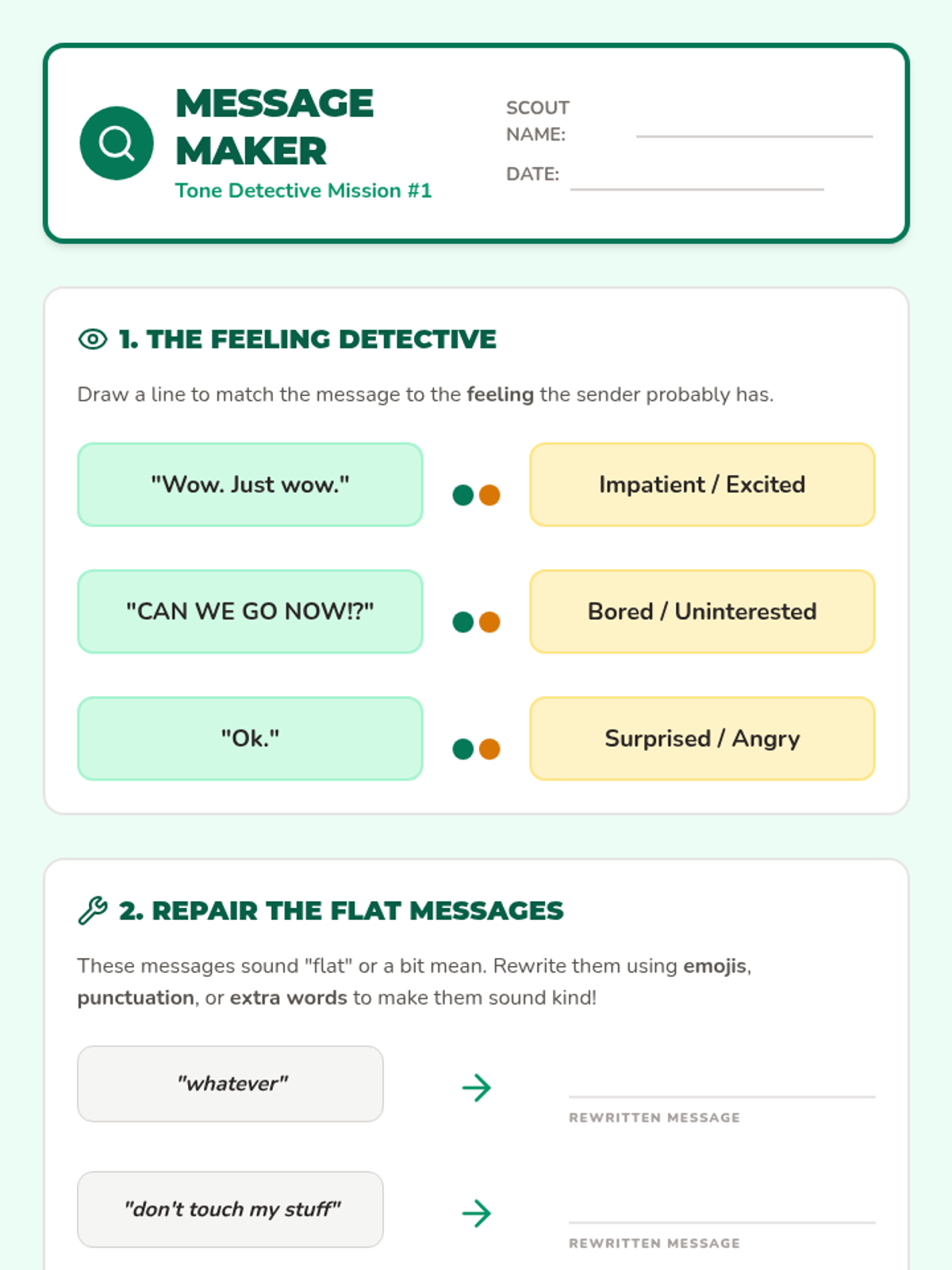
A 5-lesson sequence for 3rd graders focused on digital empathy, tone, cyberbullying prevention, media literacy, and creating a kind online community. Students learn to navigate digital spaces with kindness through the theme of being 'Screen Scouts'.
A 5-lesson sequence for 3rd-grade students exploring digital footprints, privacy, safe online identities, and the permanence of shared information. Students use metaphors like wet cement and toothpaste to understand their impact on the digital world.
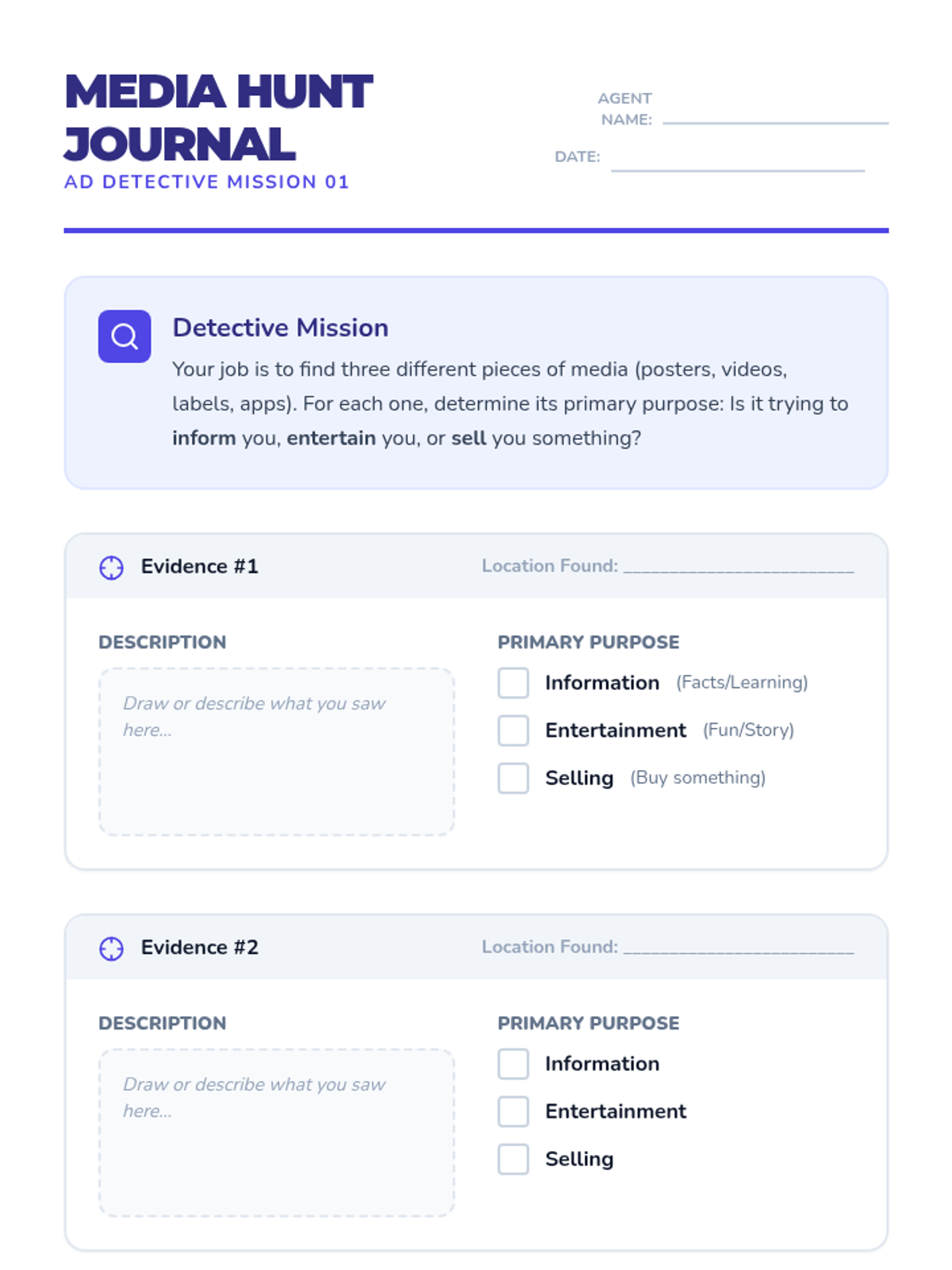
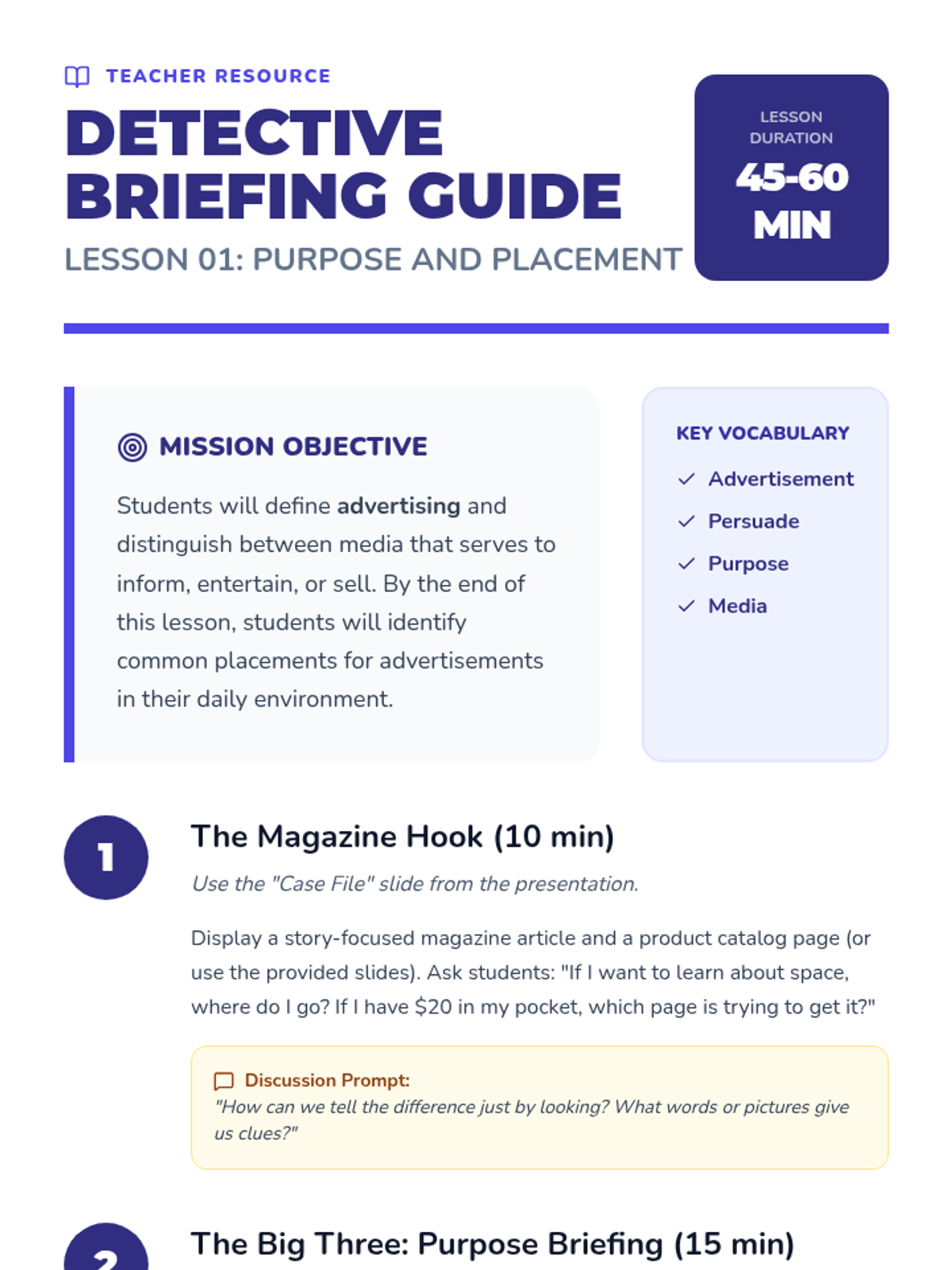
Students investigate the persuasive strategies used in commercials and print advertisements to understand how marketers influence consumer choices. The sequence covers advertising purpose, visual/auditory techniques, branding through logos and slogans, target audiences, and ethical advertising.
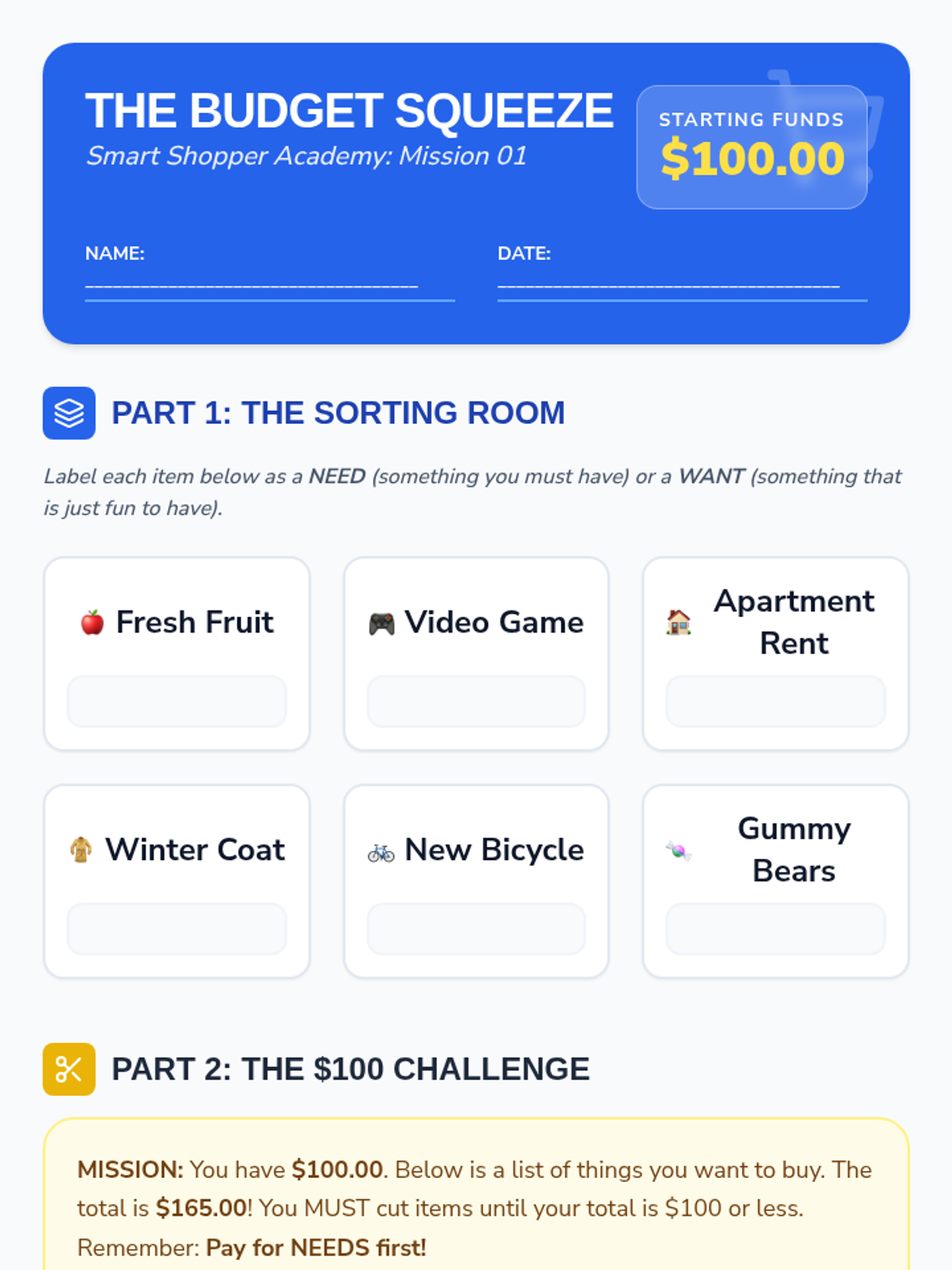
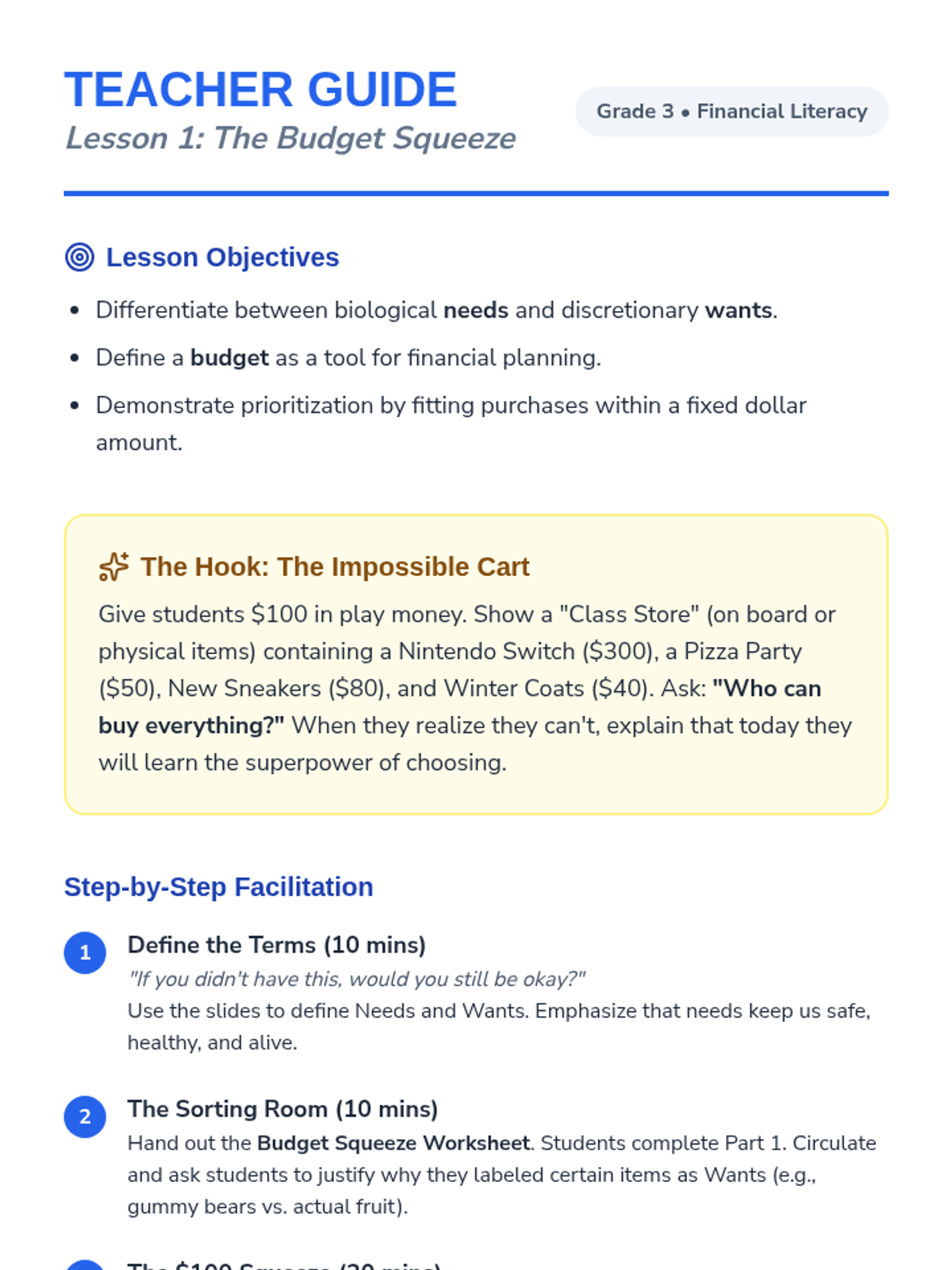
This sequence teaches 3rd-grade students how to make smart consumer choices by distinguishing needs from wants, comparing prices and quality, and identifying potential scams. Through hands-on simulations and critical thinking exercises, students develop the skills to manage a budget effectively and protect themselves in a digital marketplace.
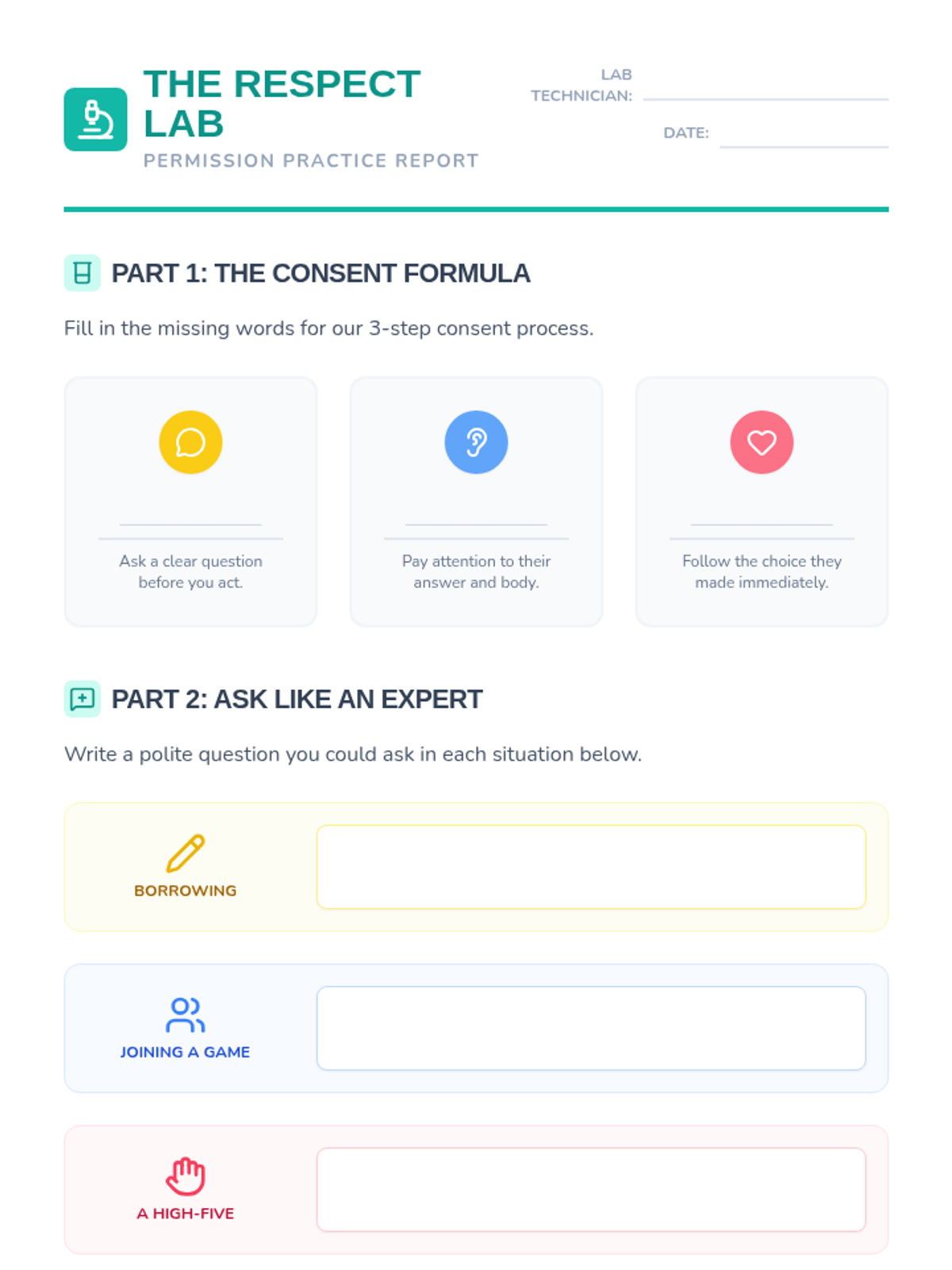
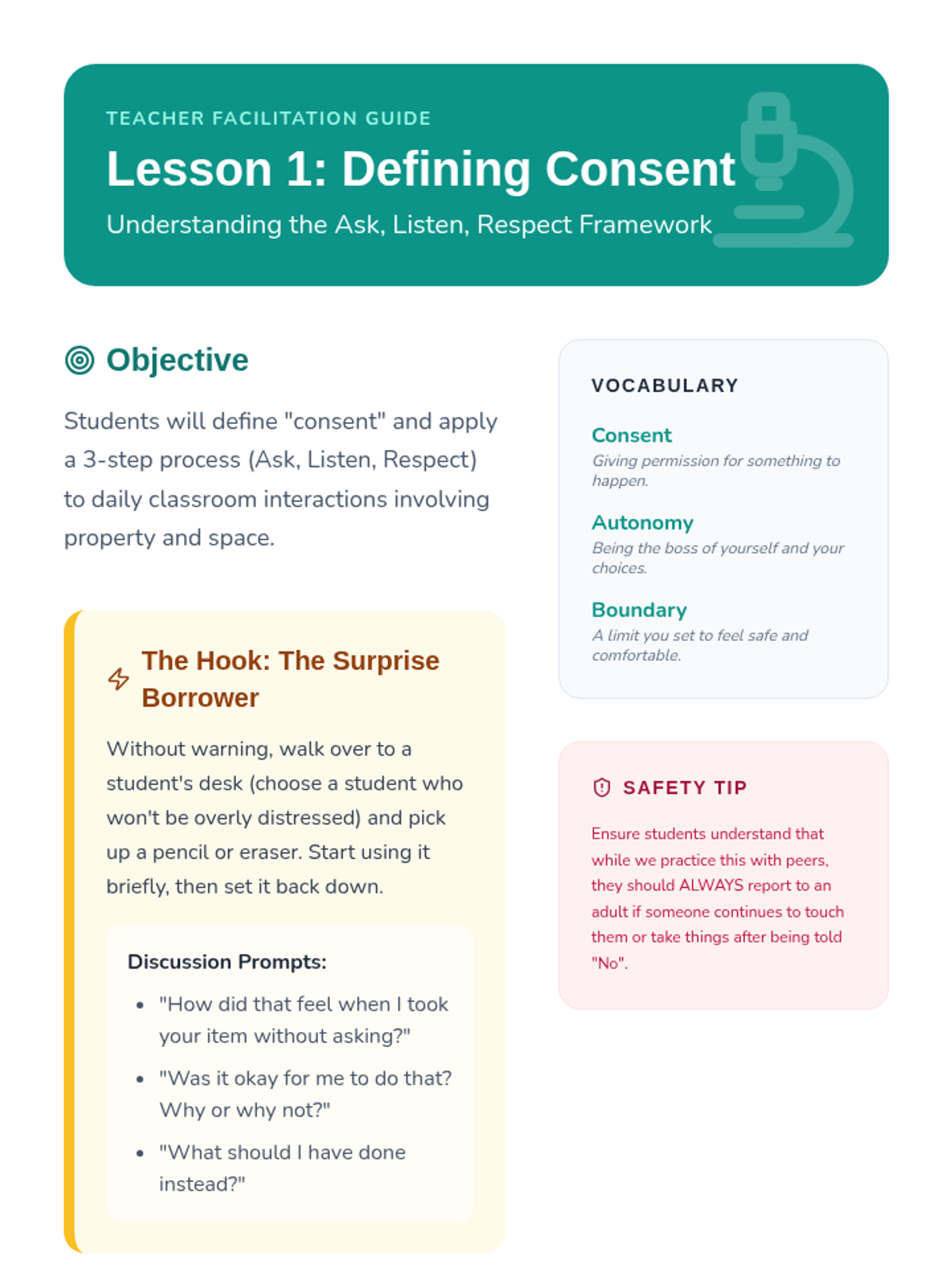
A 5-lesson sequence for 3rd graders exploring consent through daily interactions like borrowing, personal space, and physical touch. Students move from basic definitions to creating a shared classroom agreement.
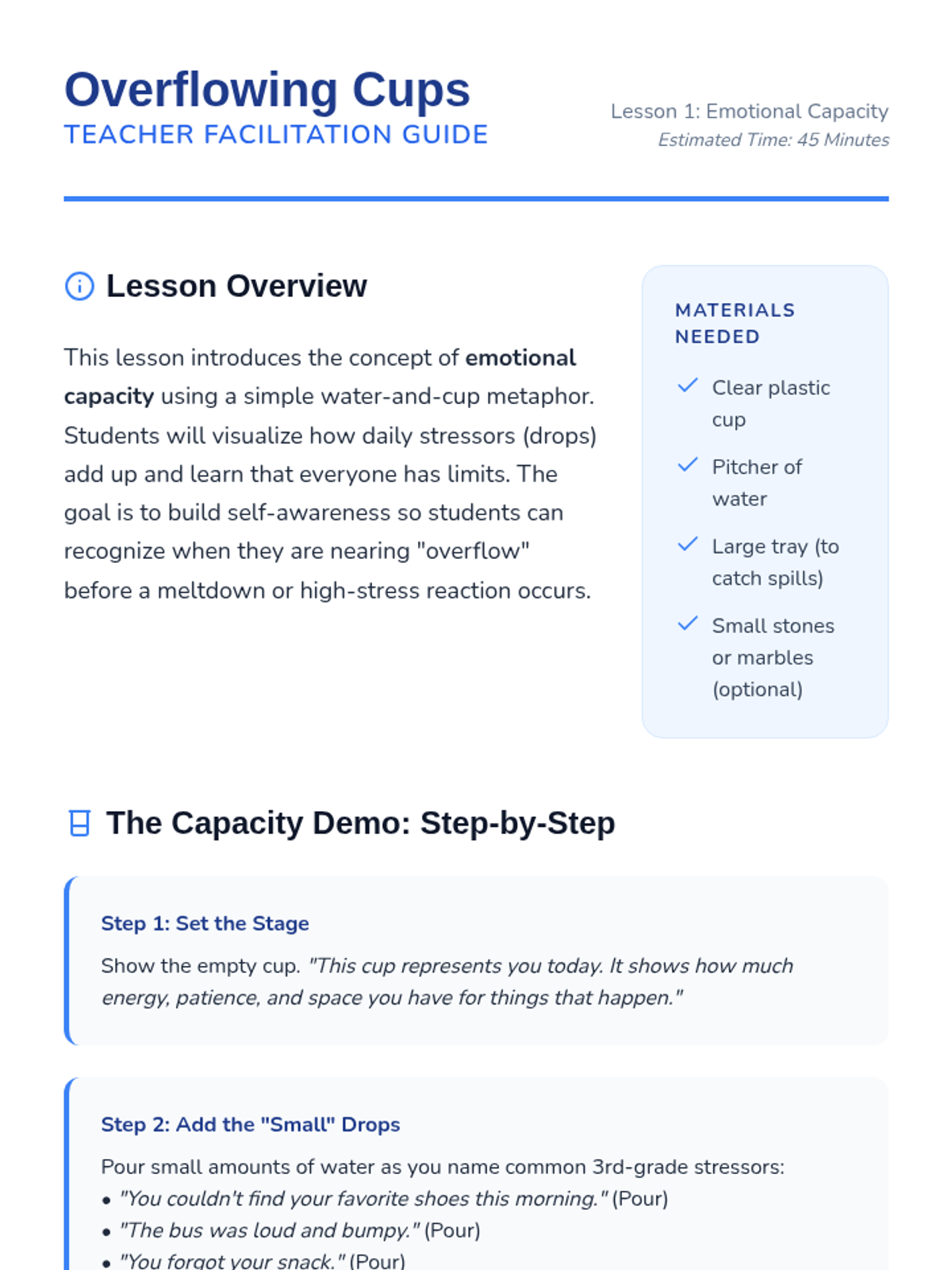
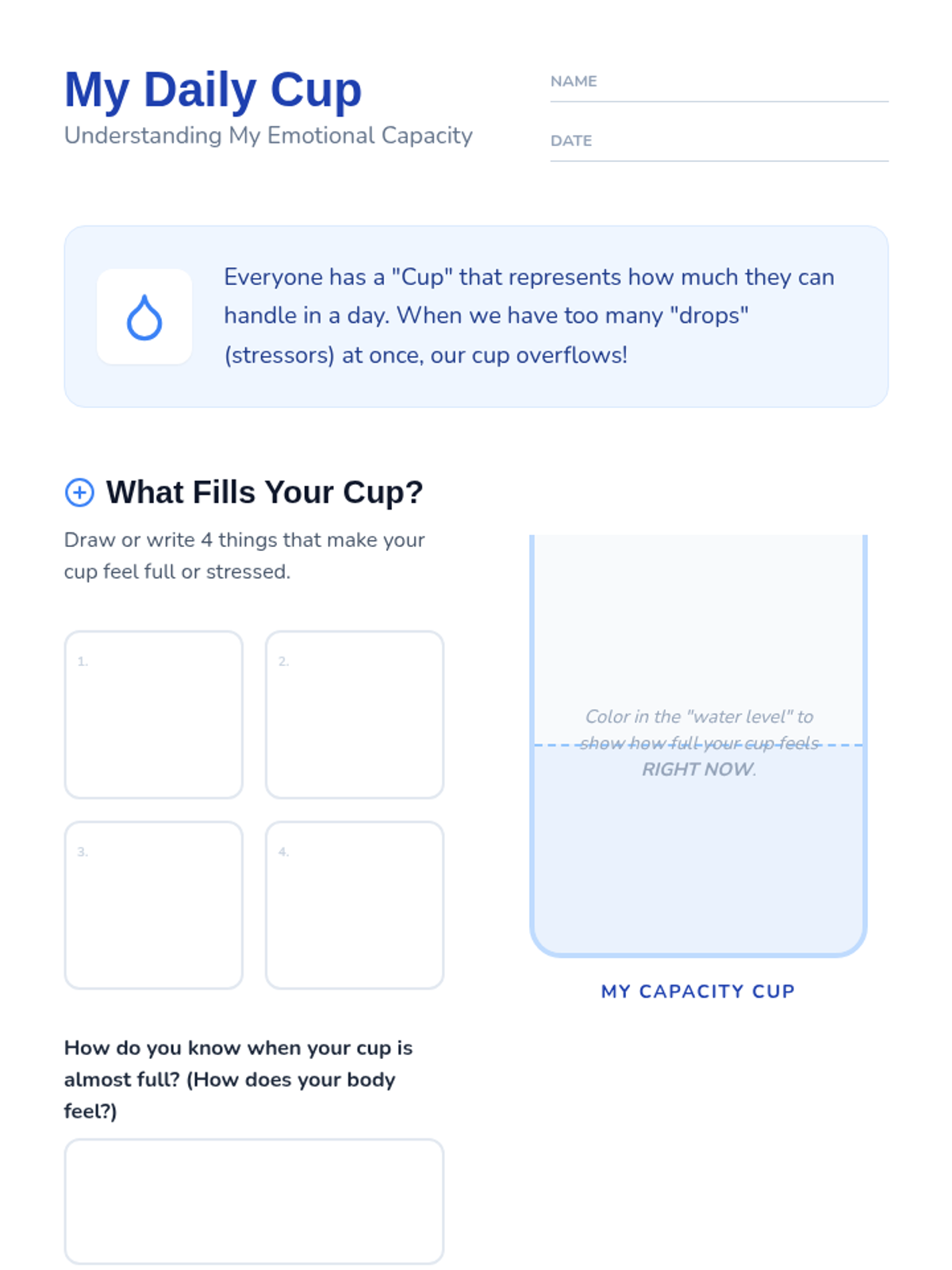
A sequence for 3rd Grade students on mental health and stress management, focusing on organizing time, setting boundaries, and preventing stress through proactive planning. Students explore metaphors like the 'capacity cup' and 'big rocks' to develop practical social-emotional skills.
A comprehensive 9-week social-emotional learning program for neurodivergent 3rd graders, focused on building regulation, communication, and resilience superpowers through one-on-one sessions.
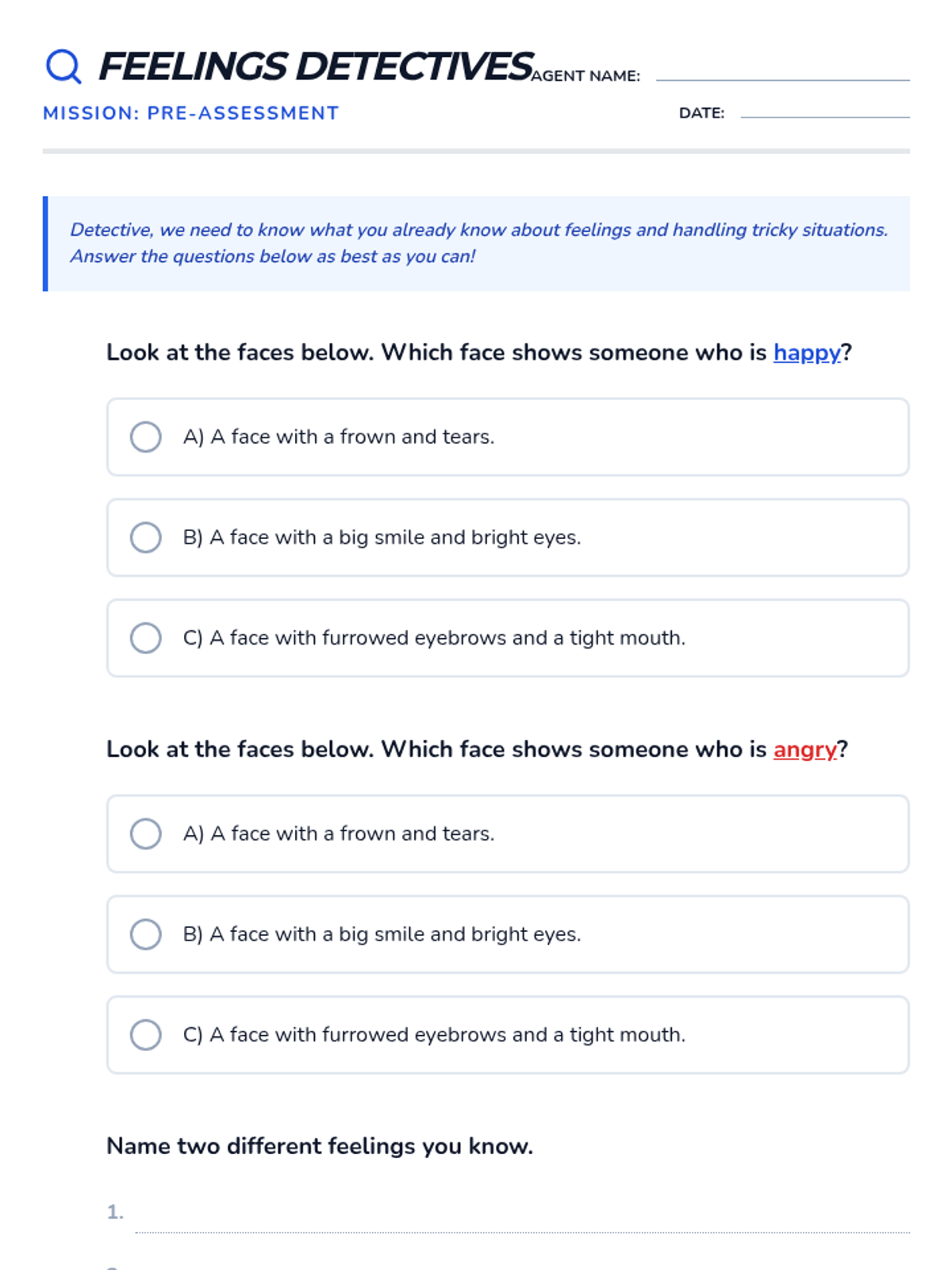
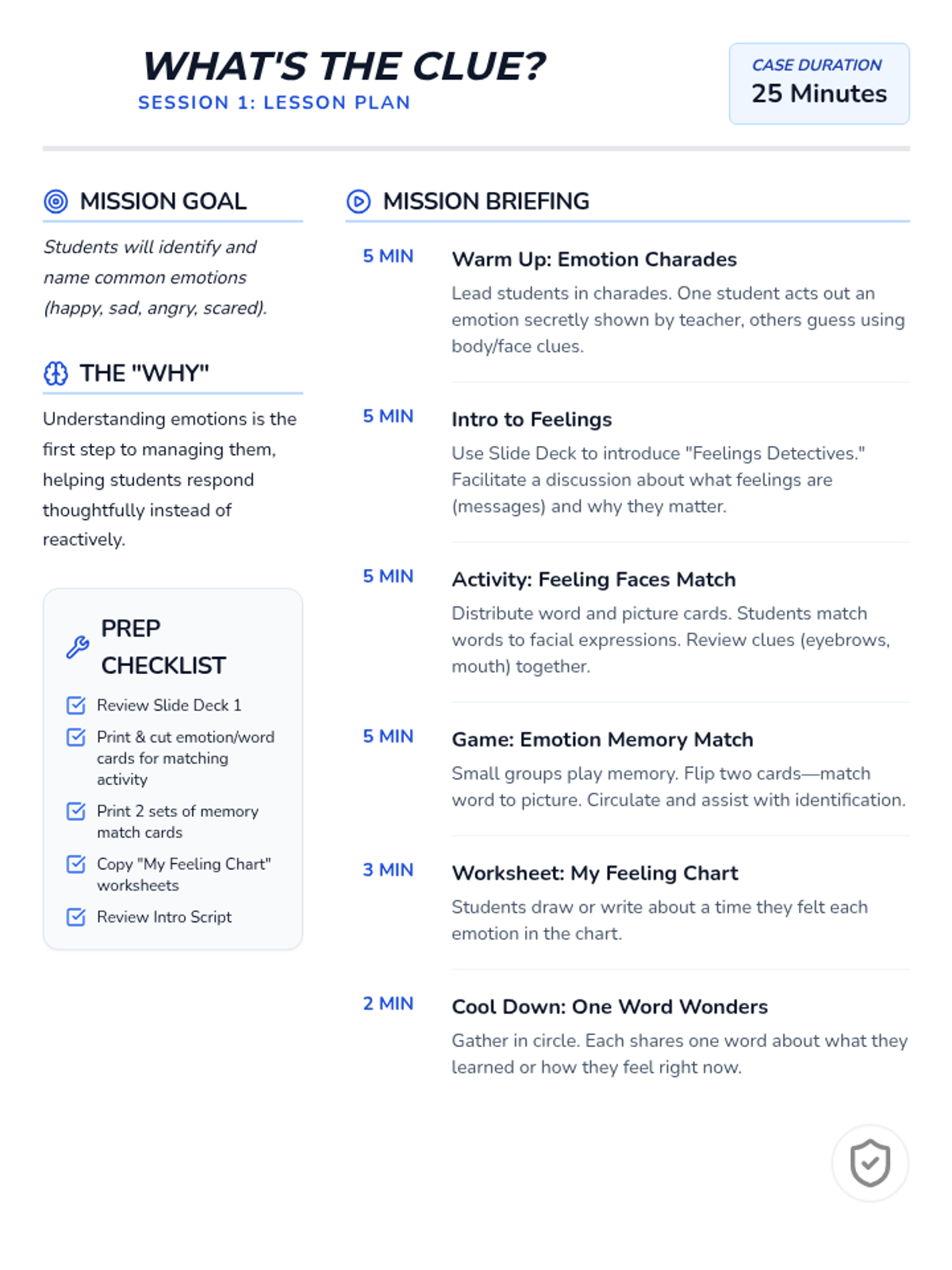
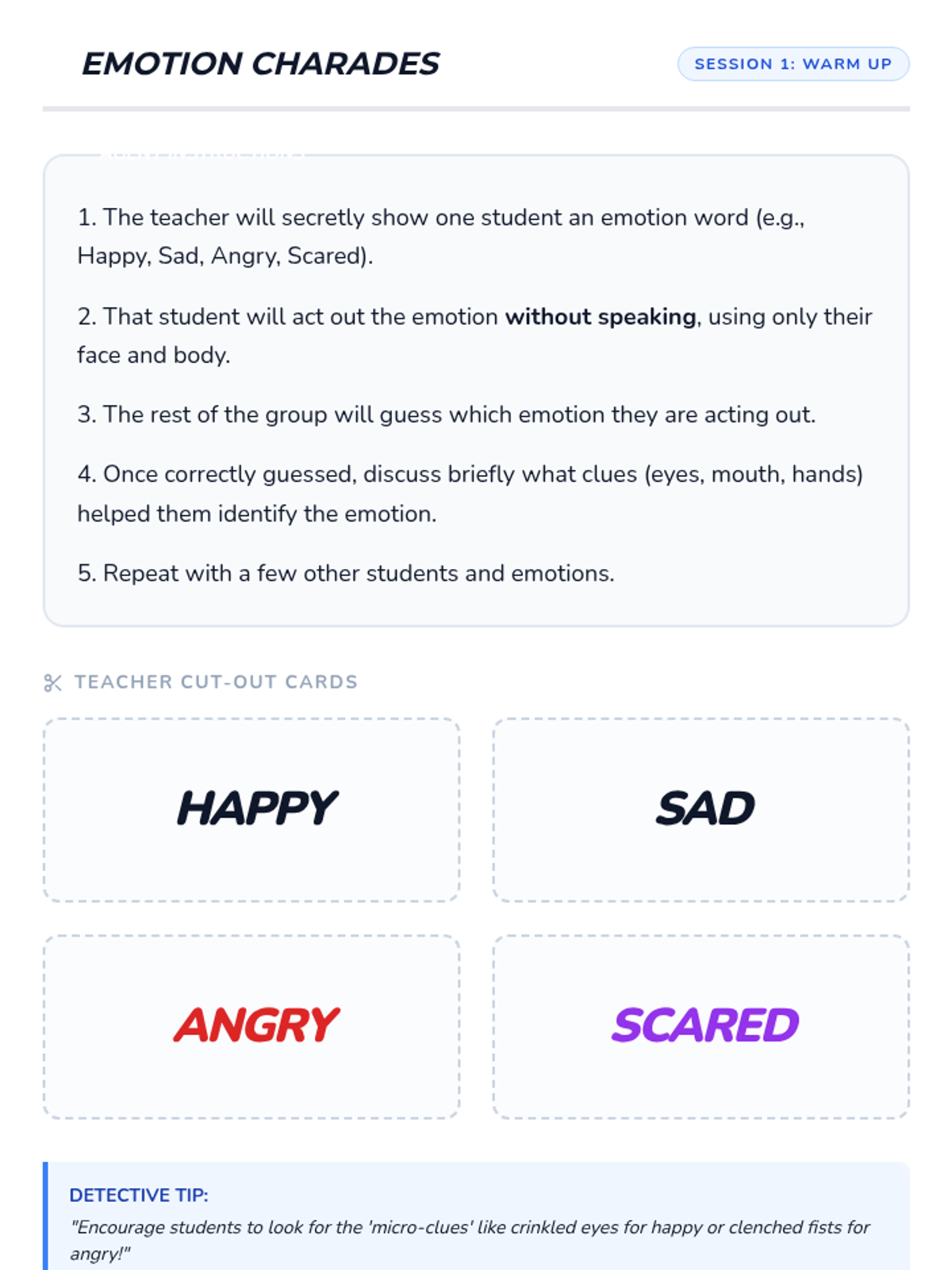
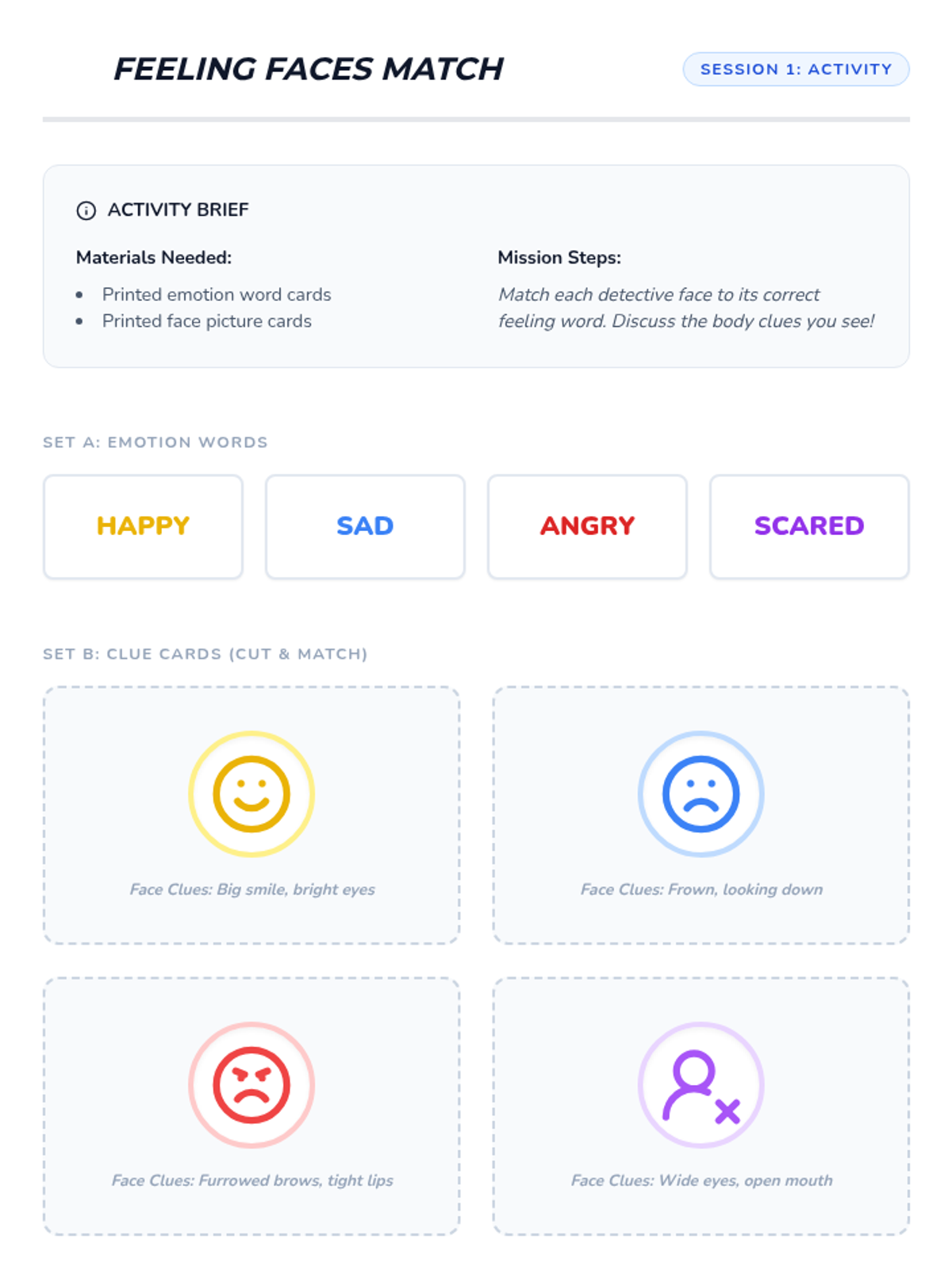
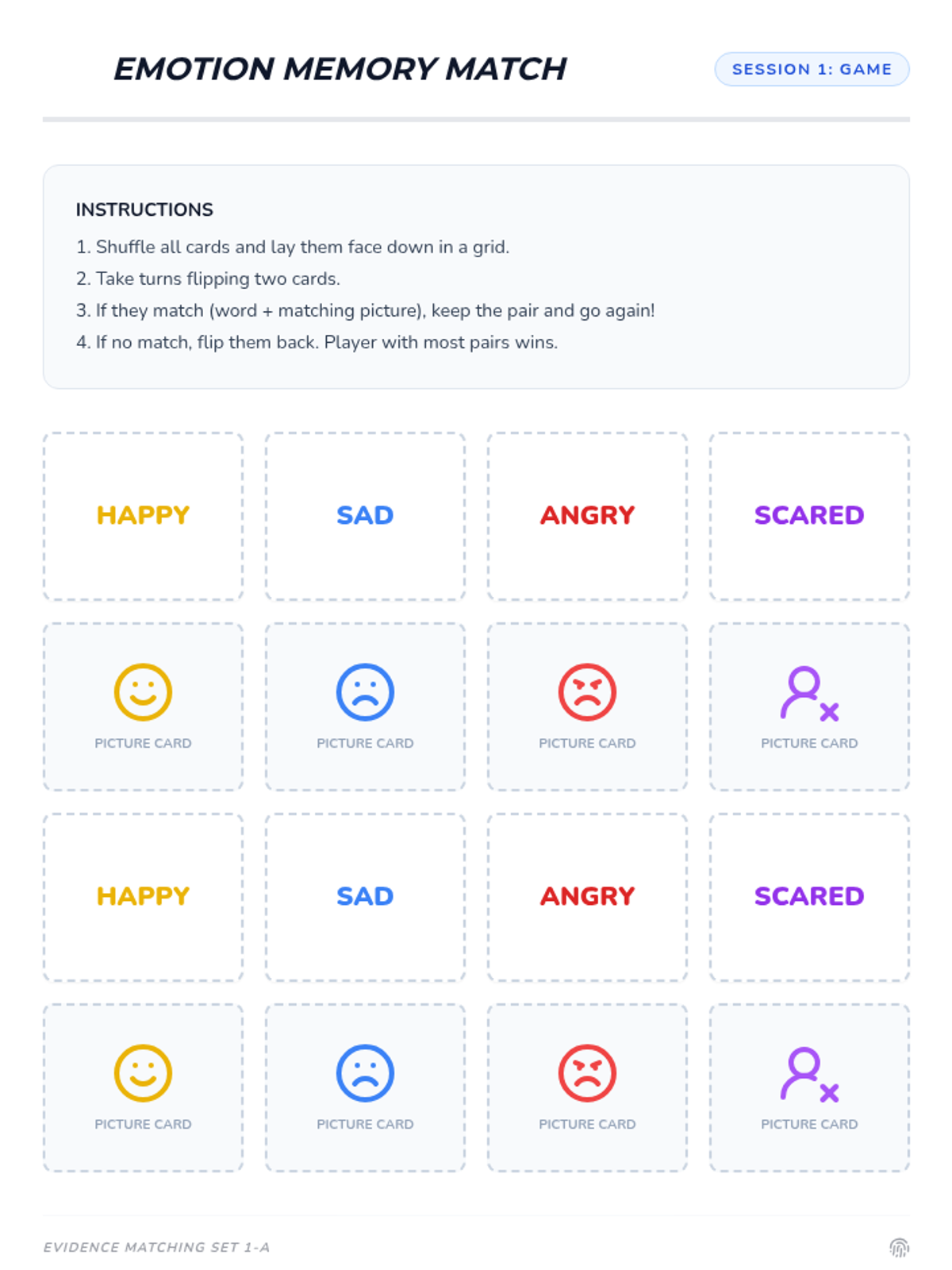
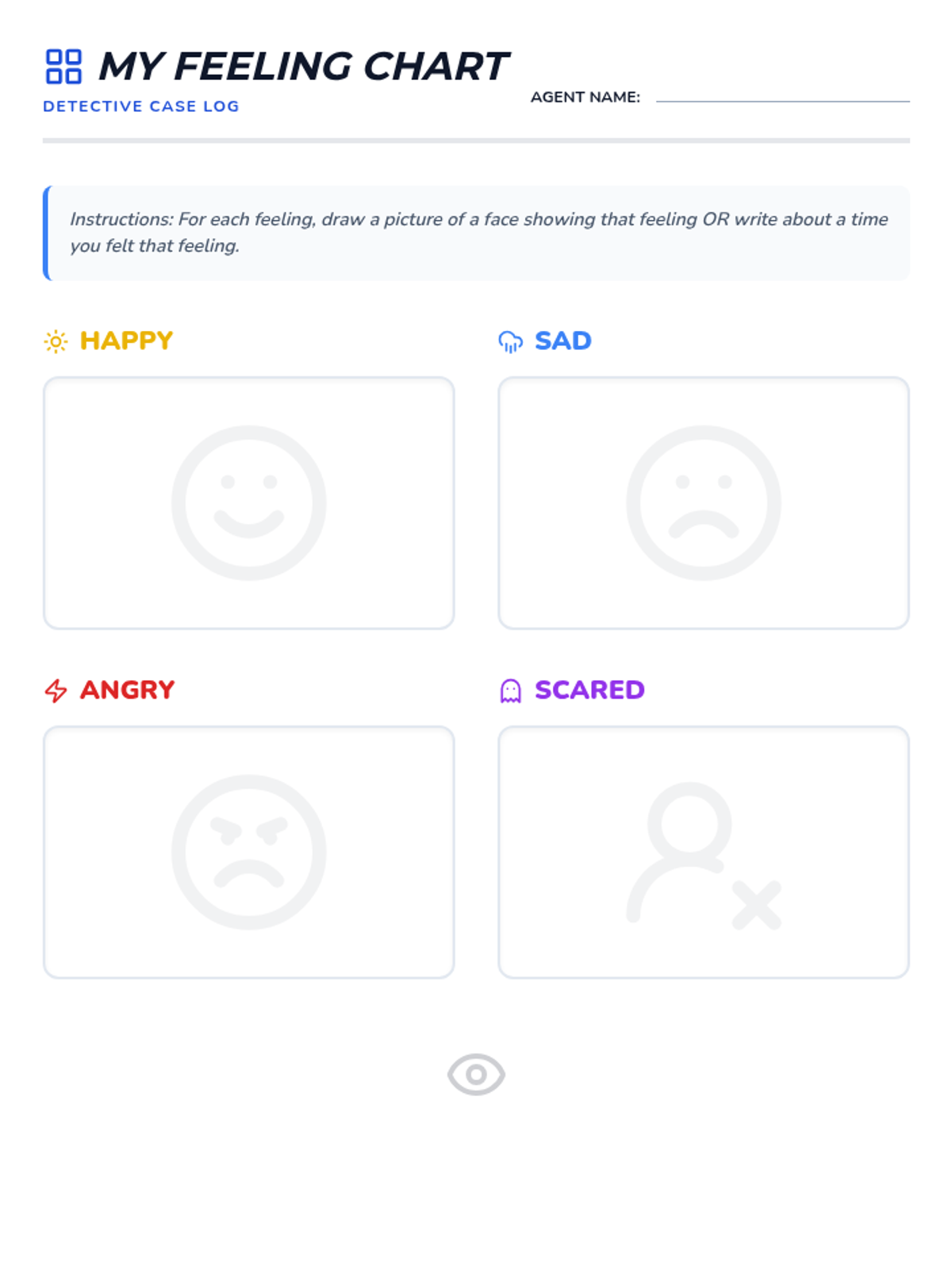
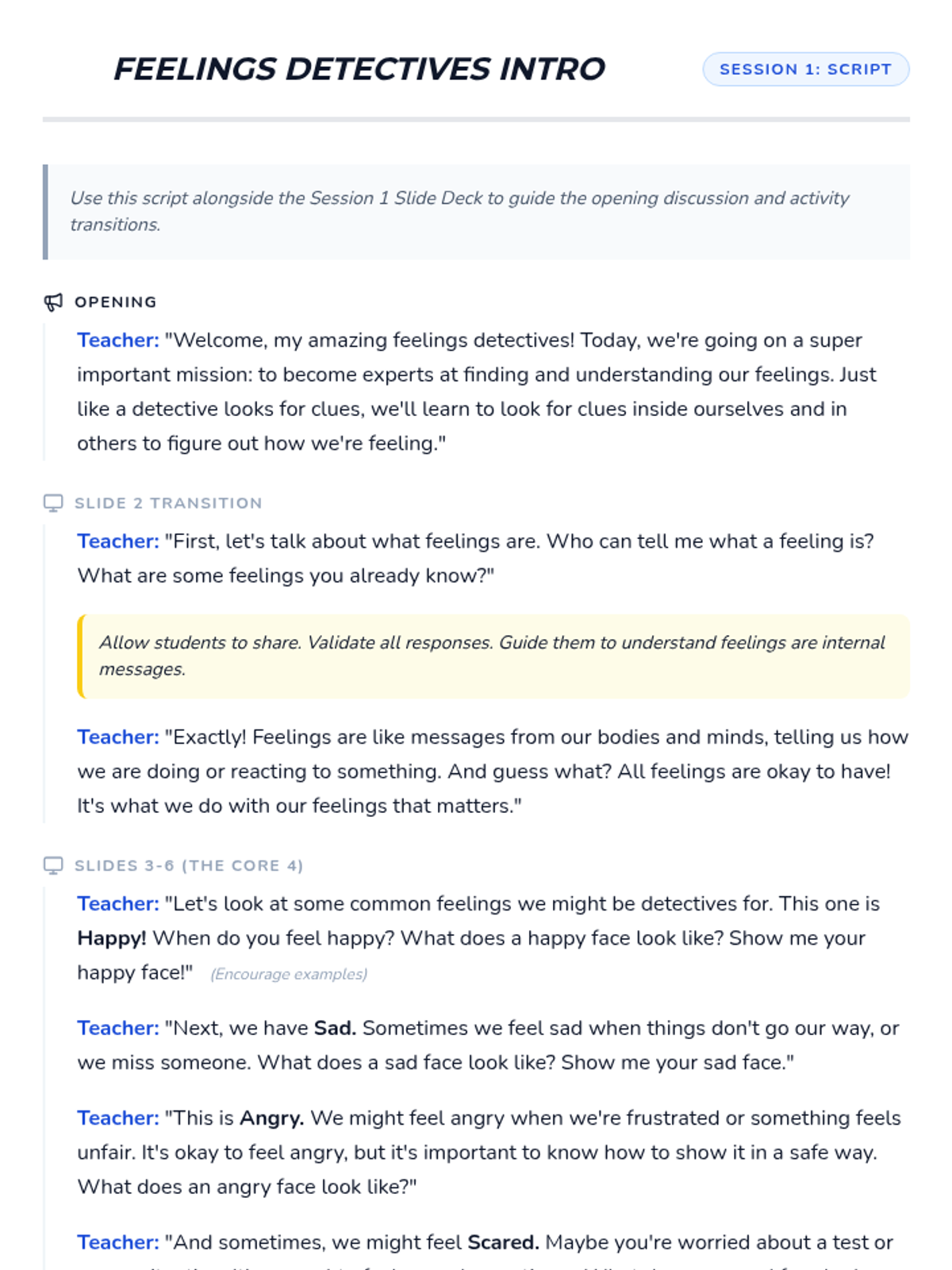
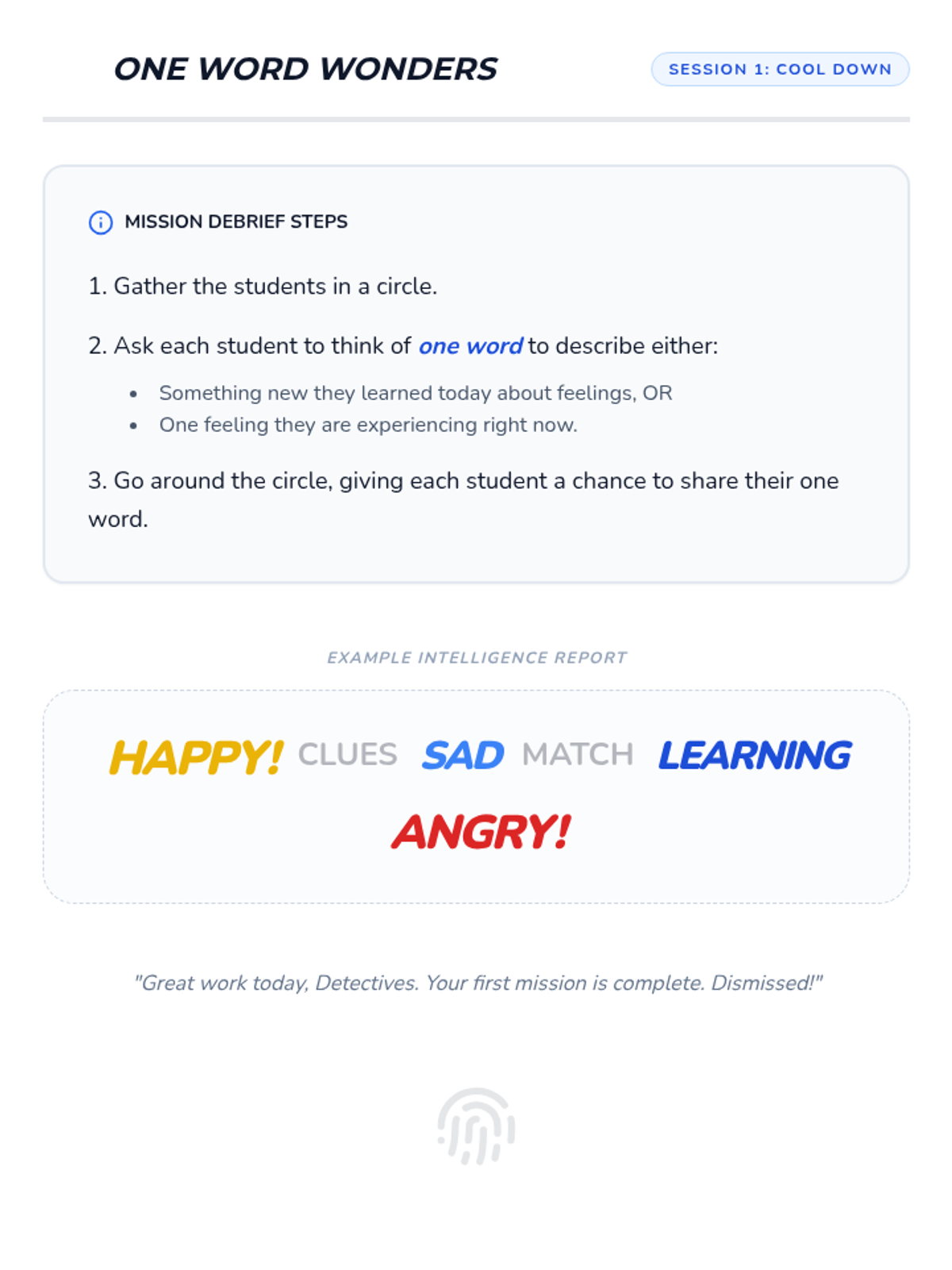
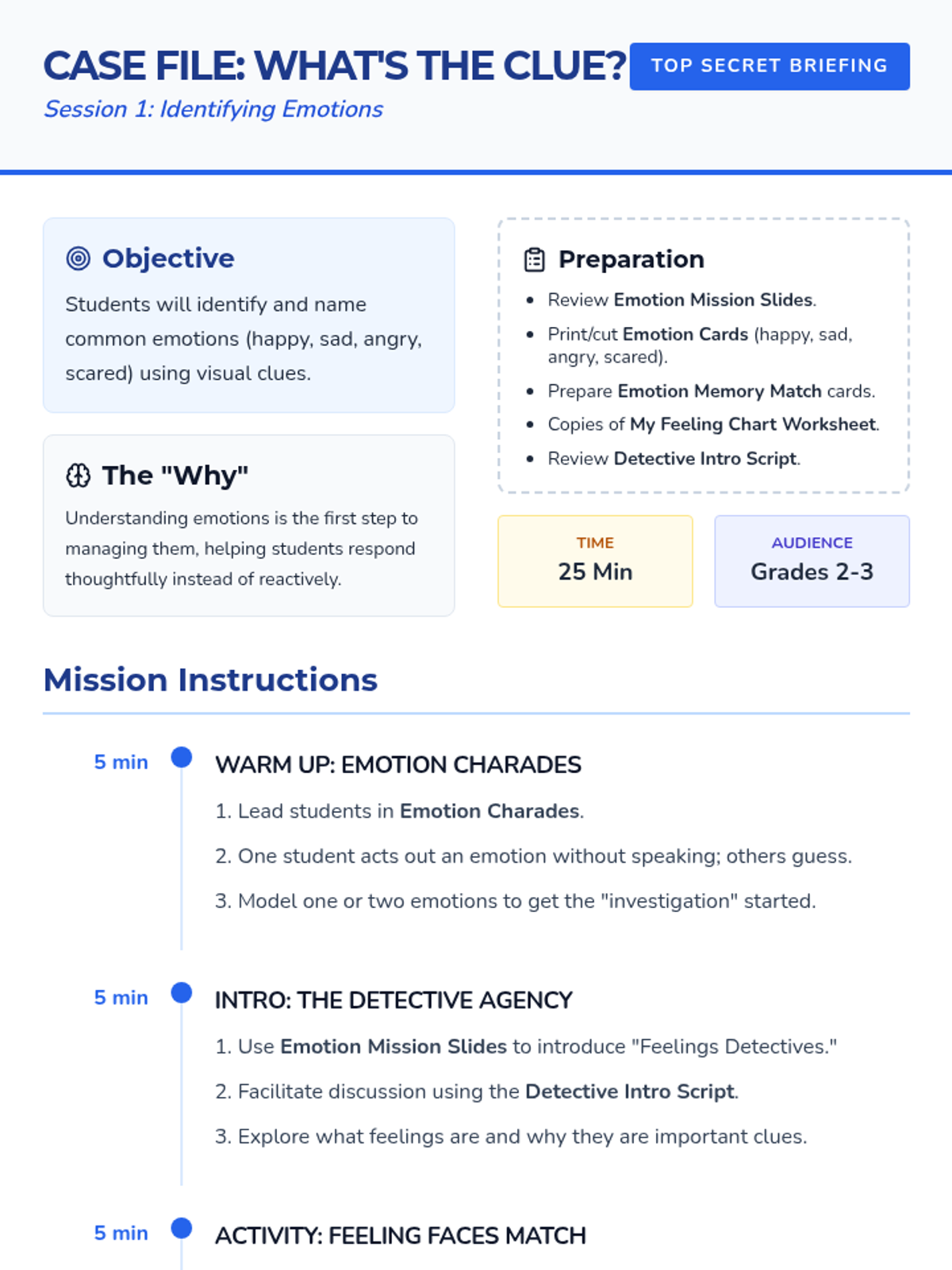
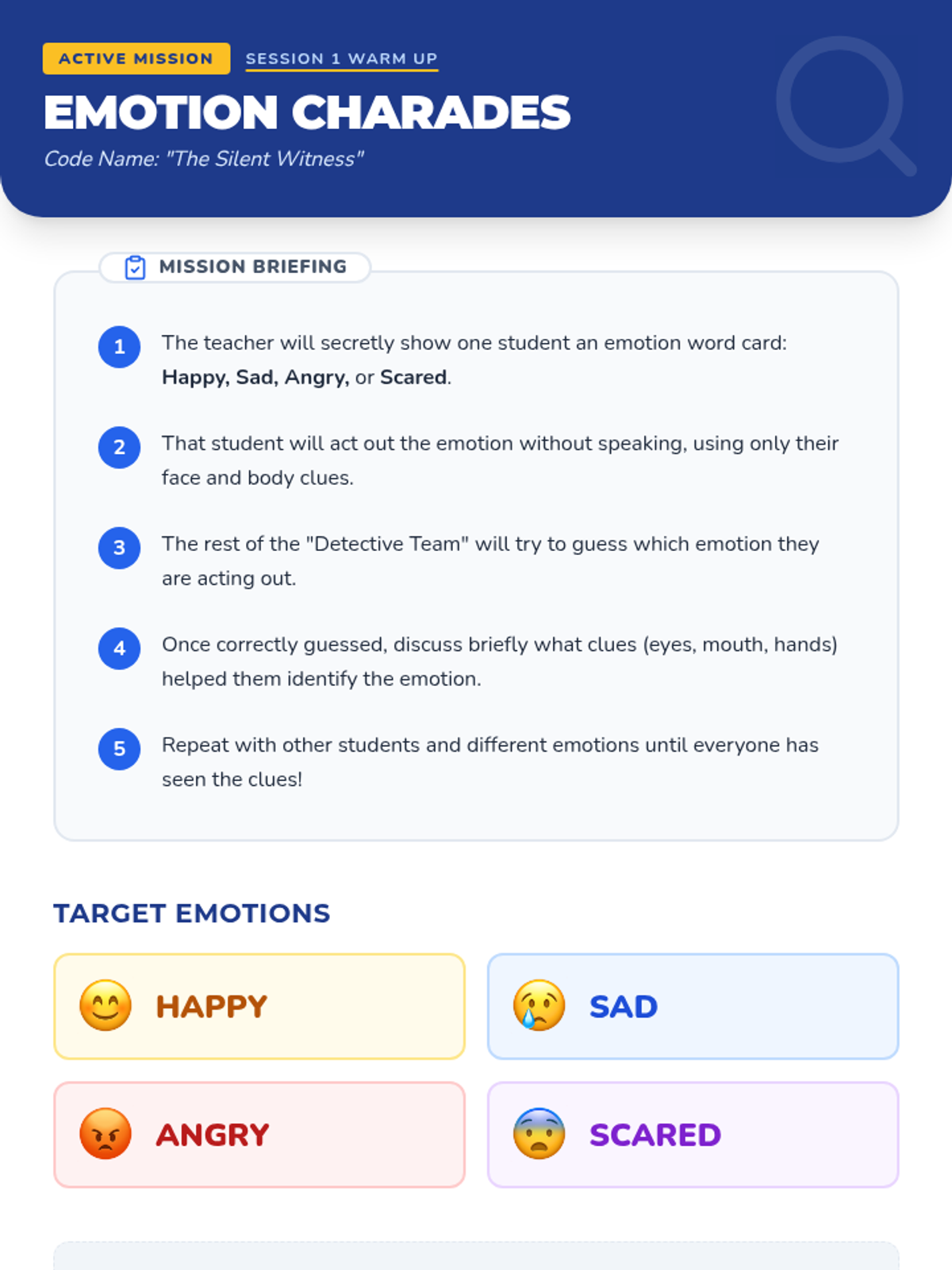
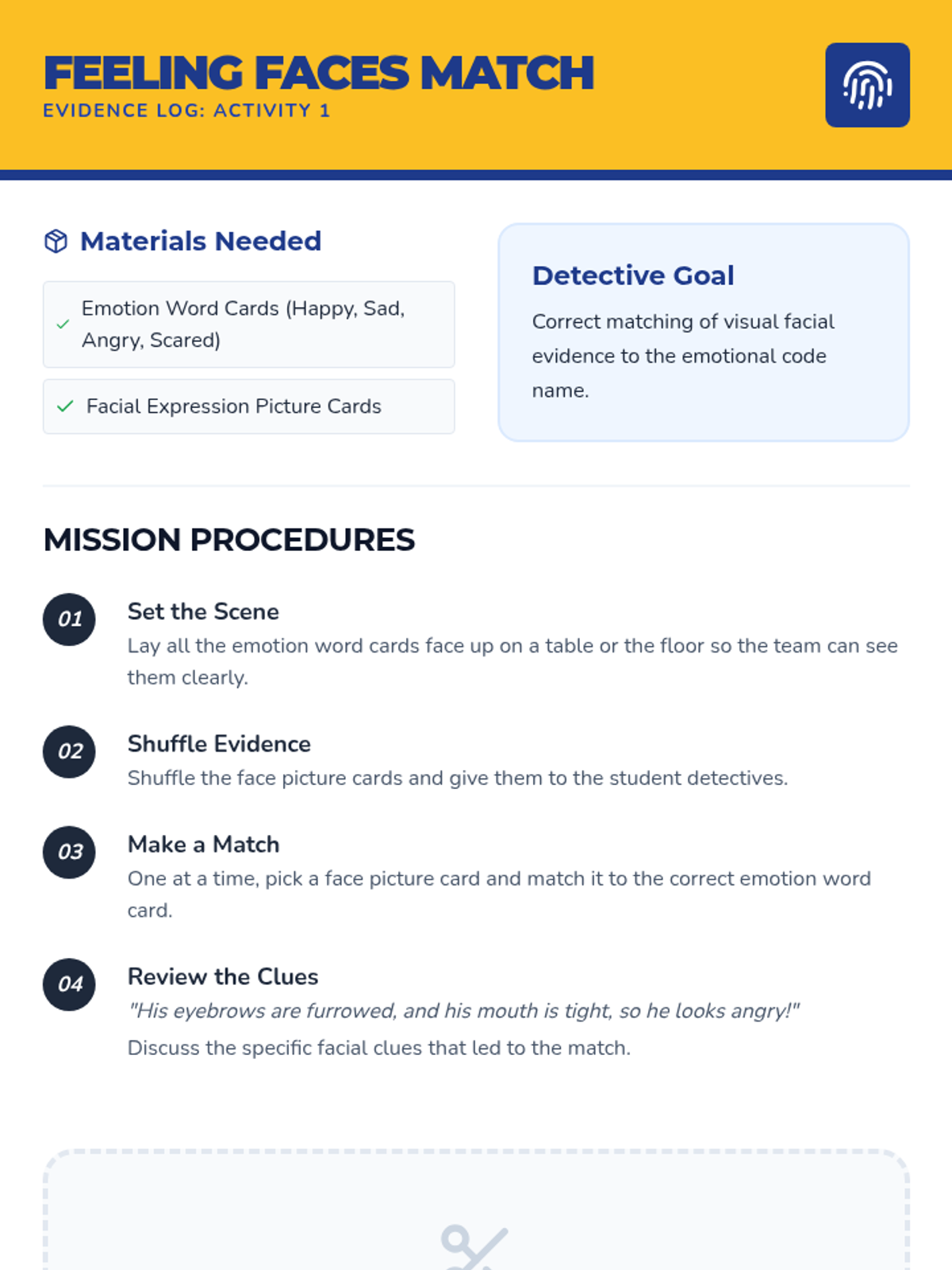
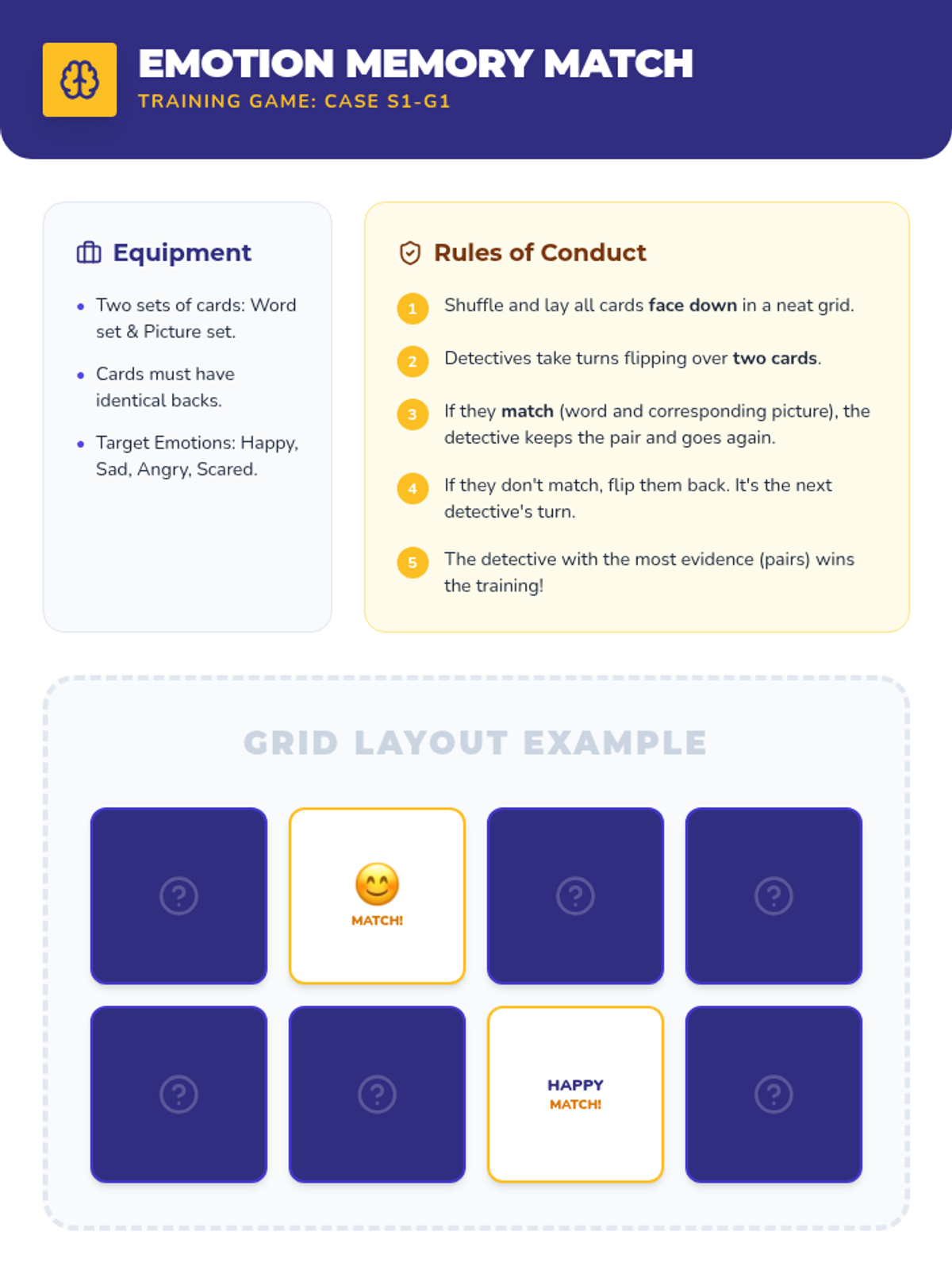
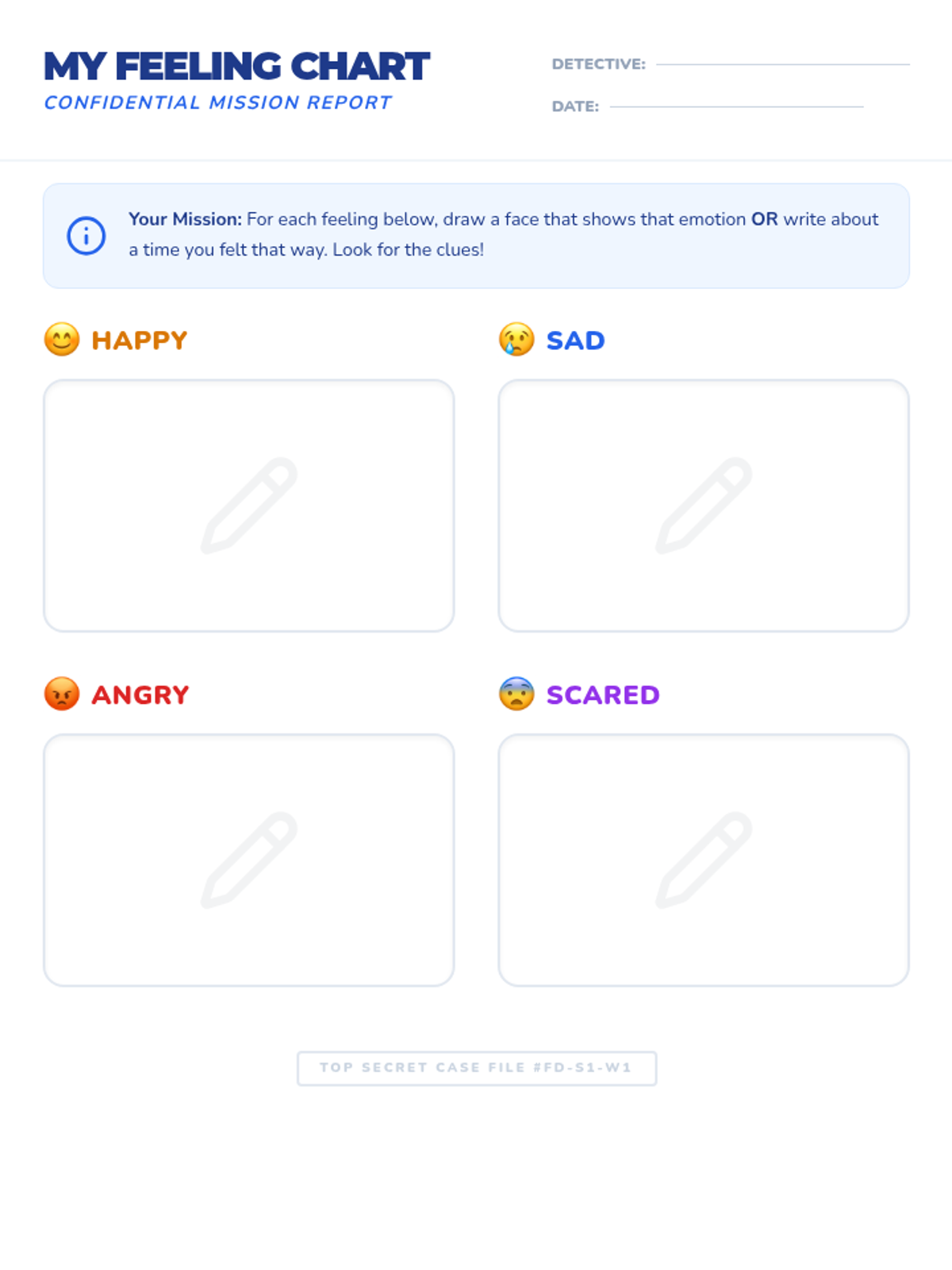
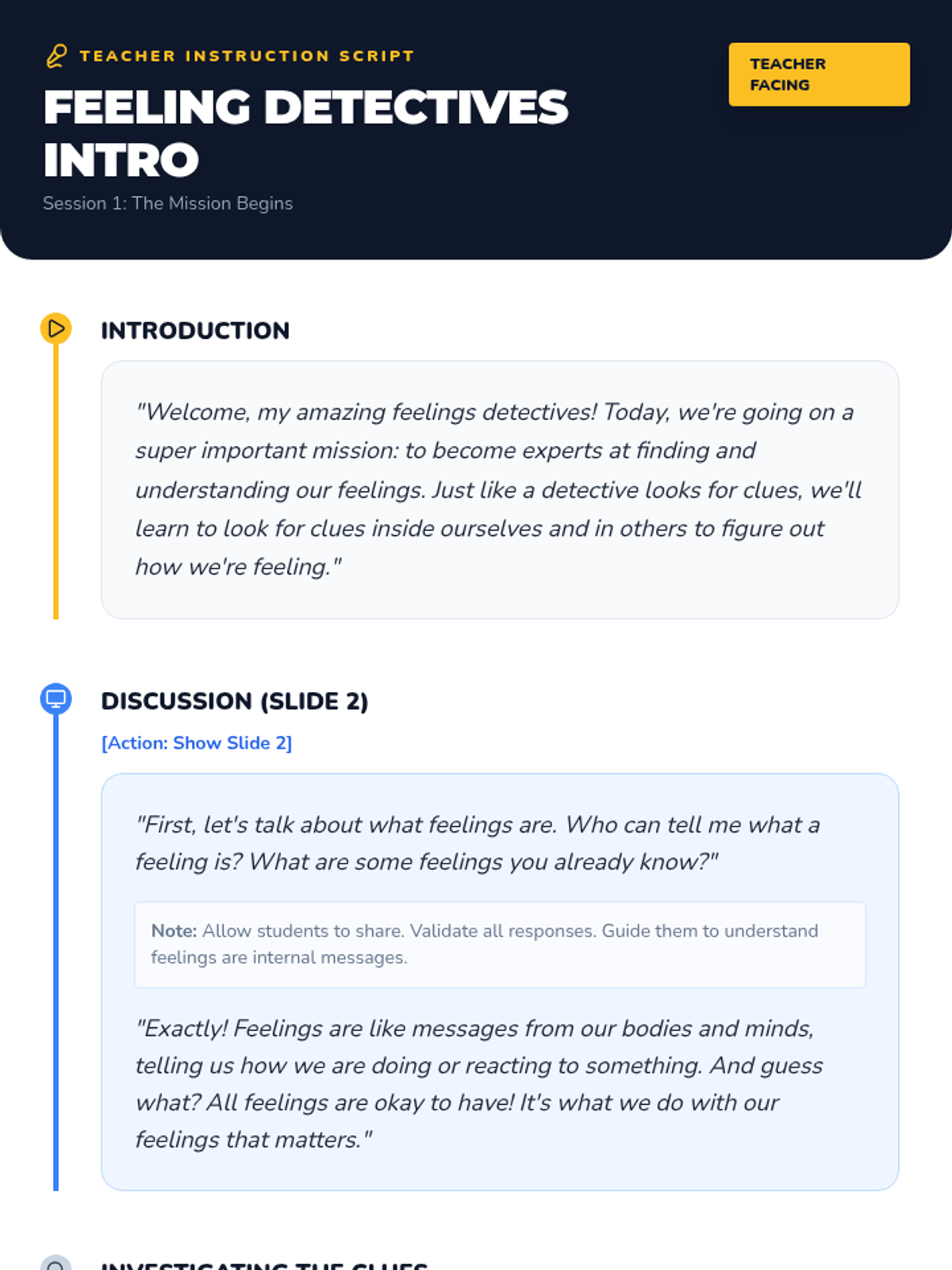
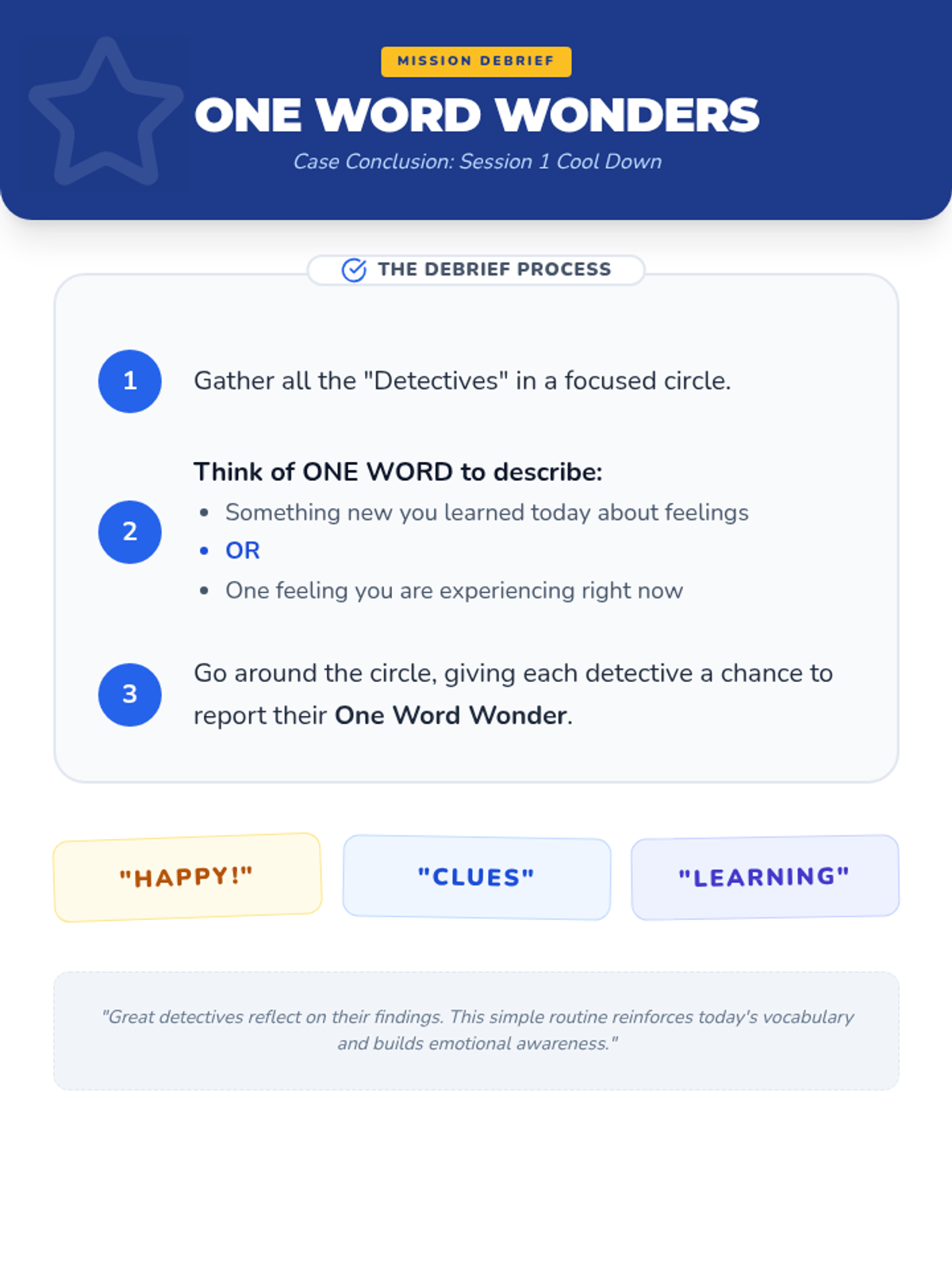
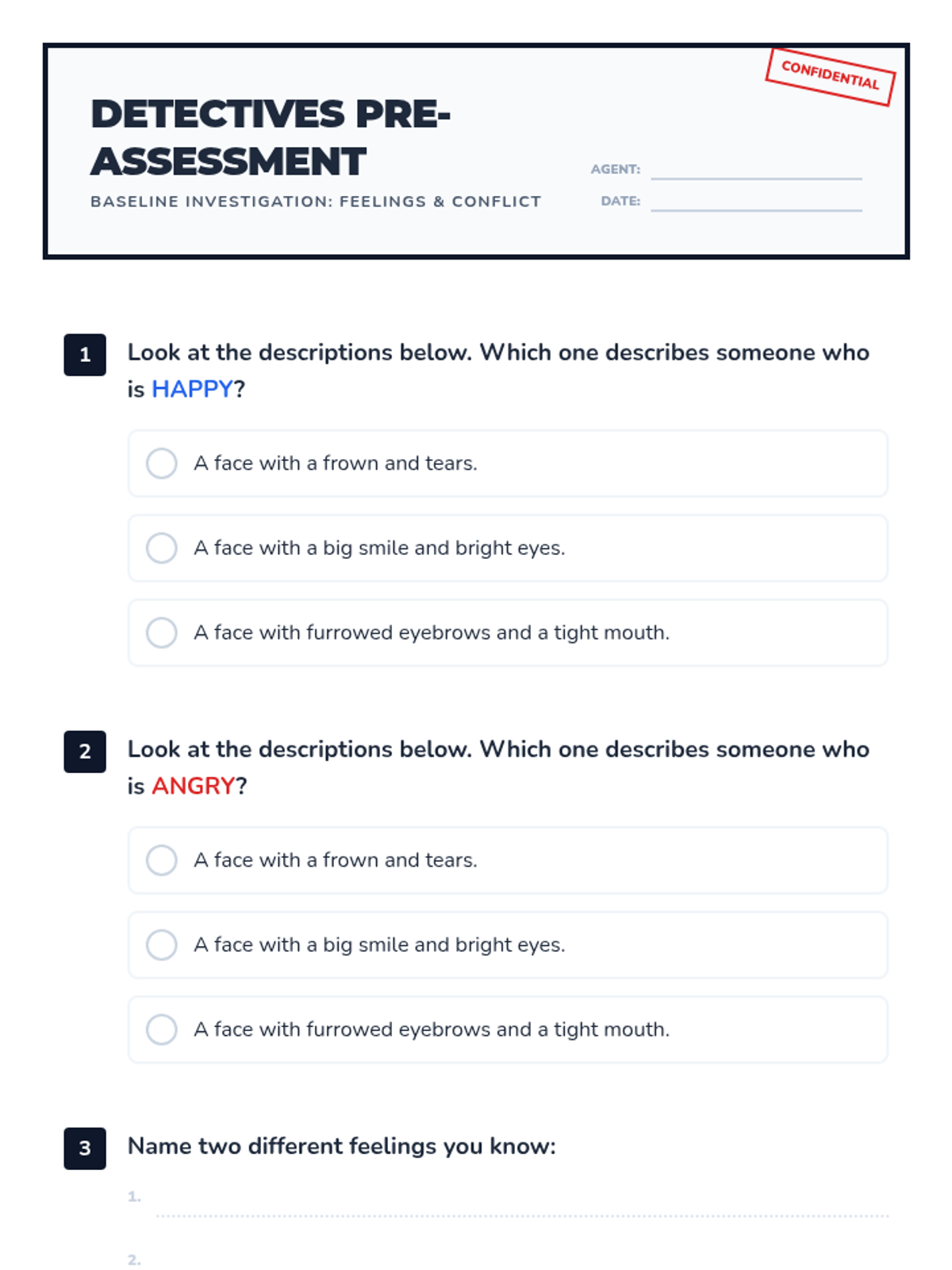
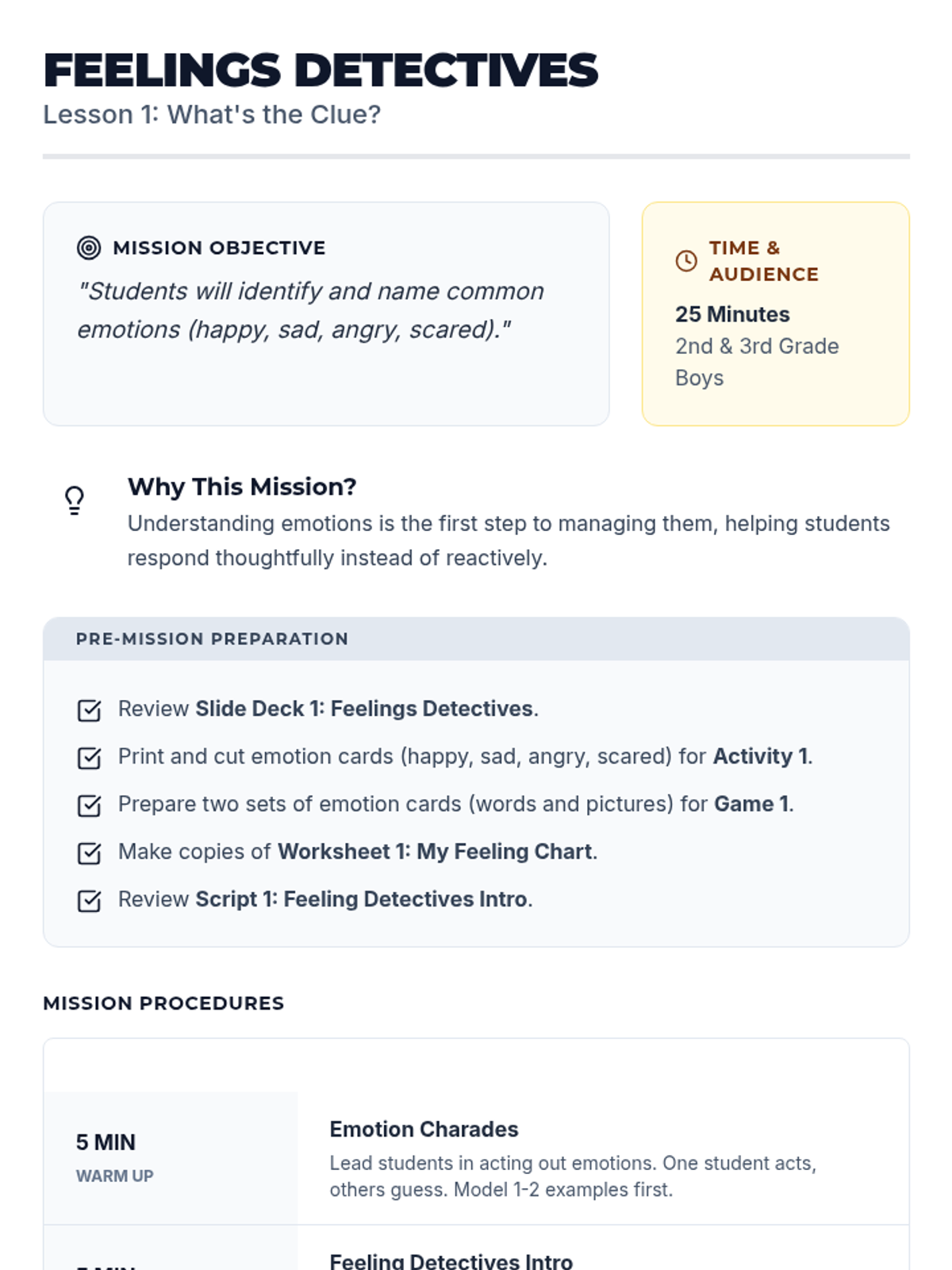
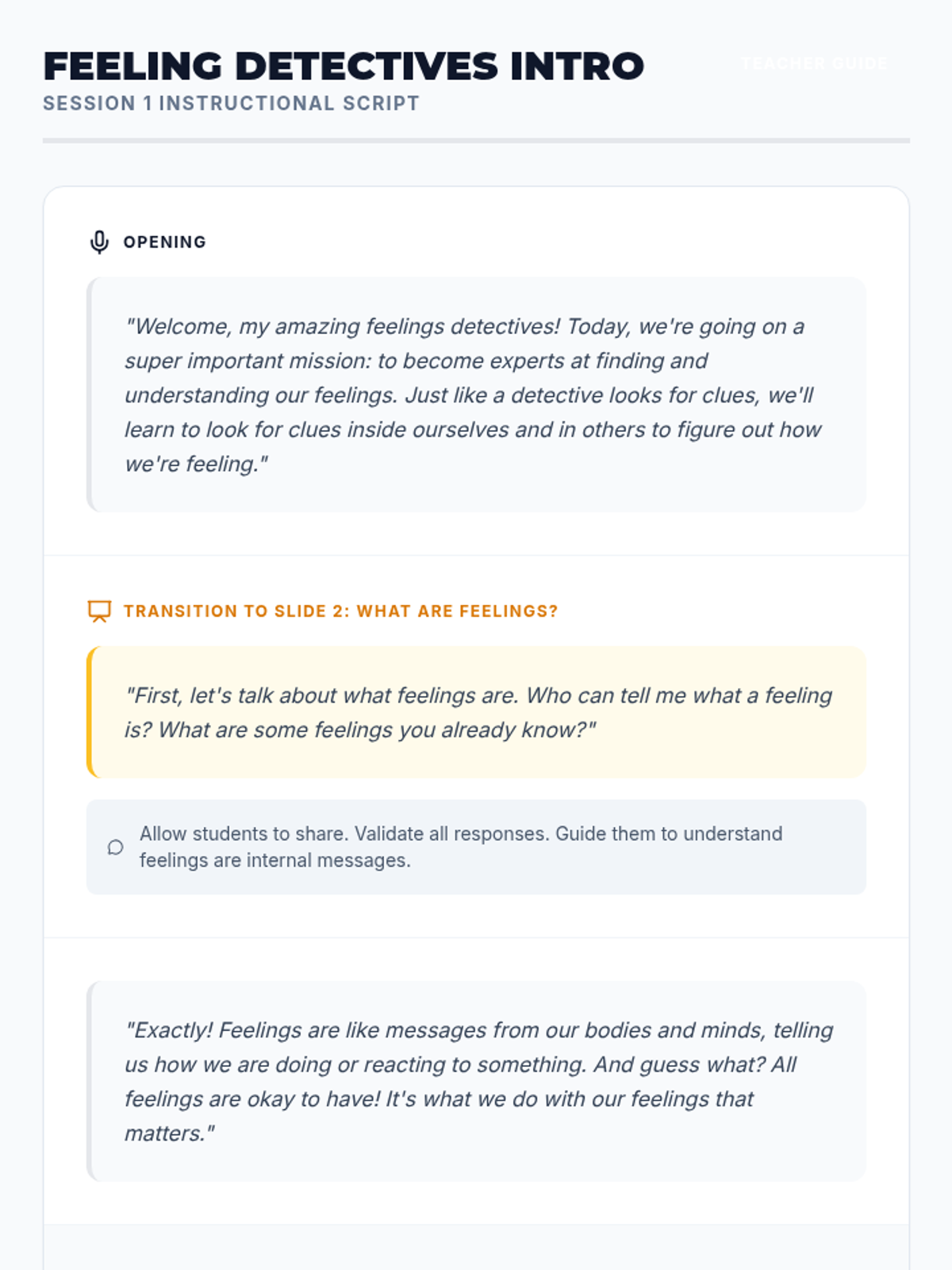
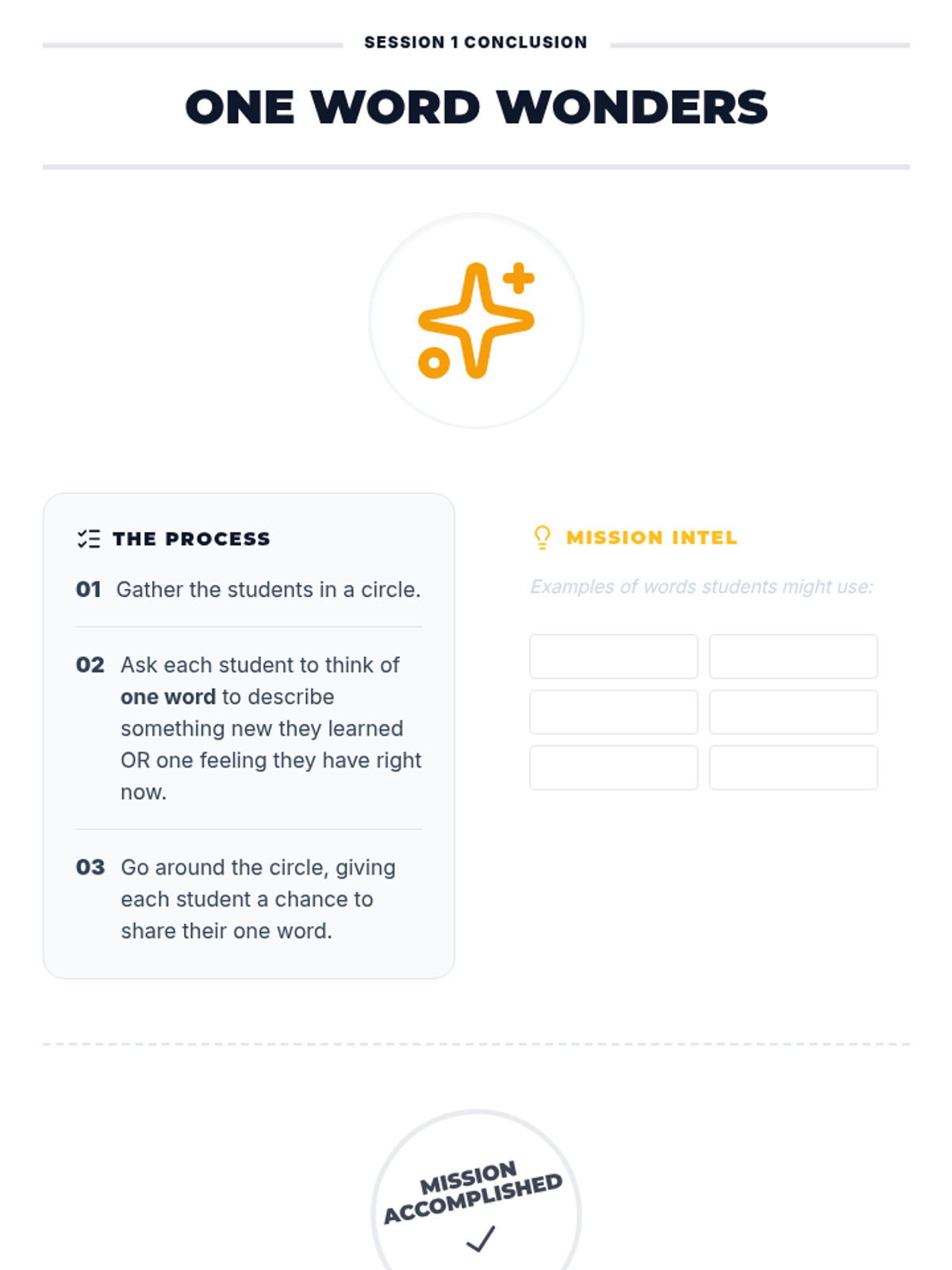
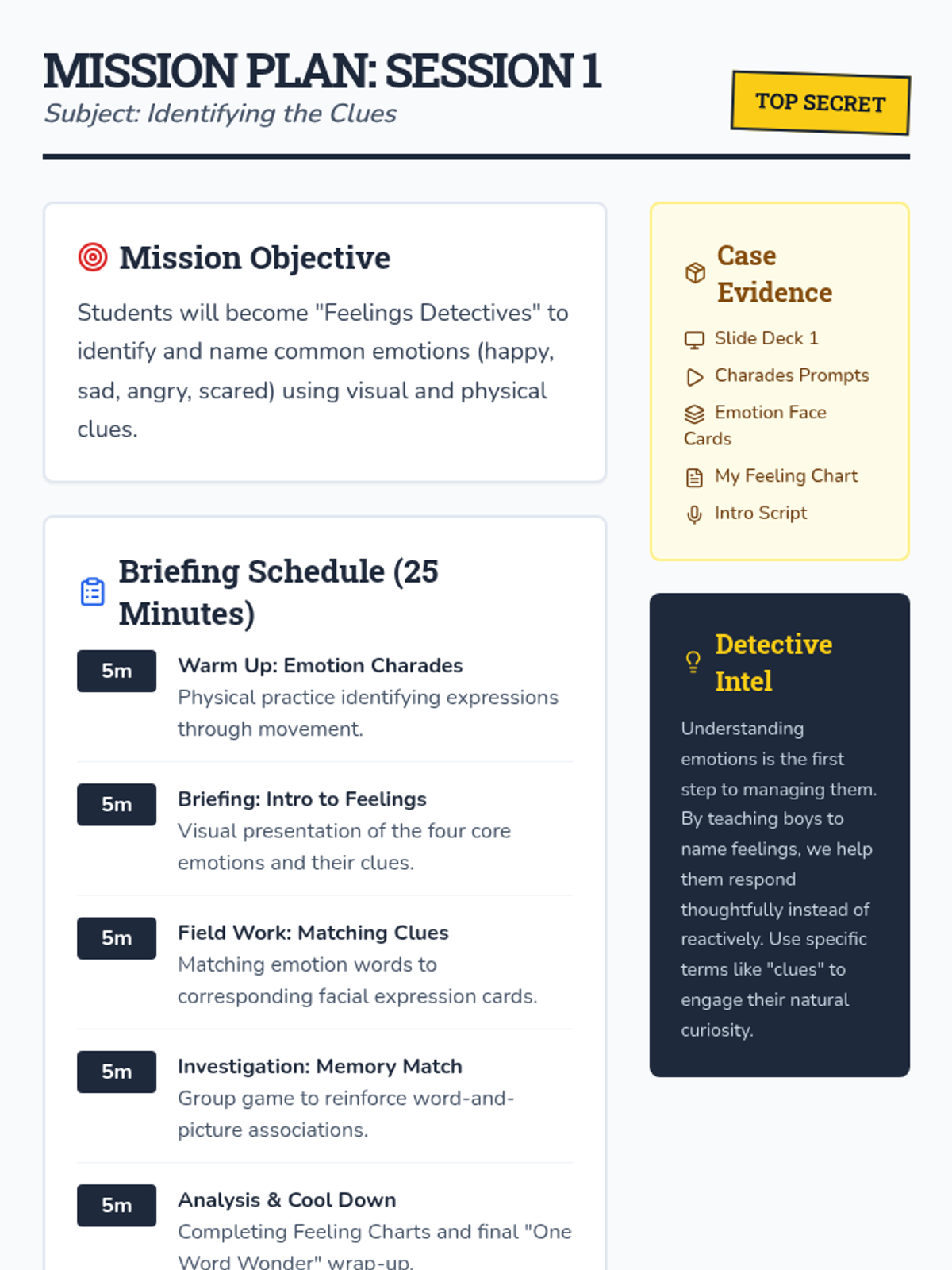
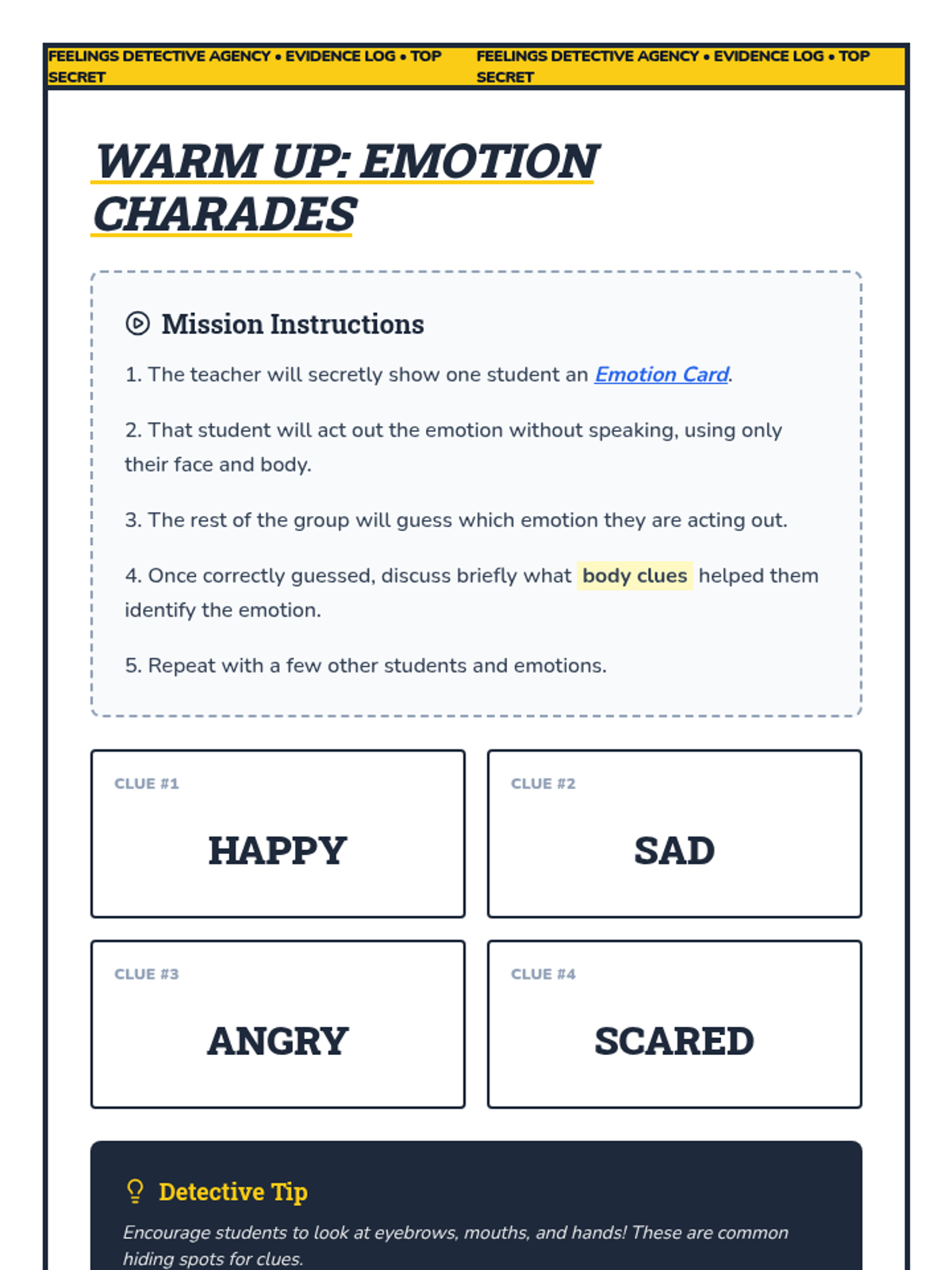
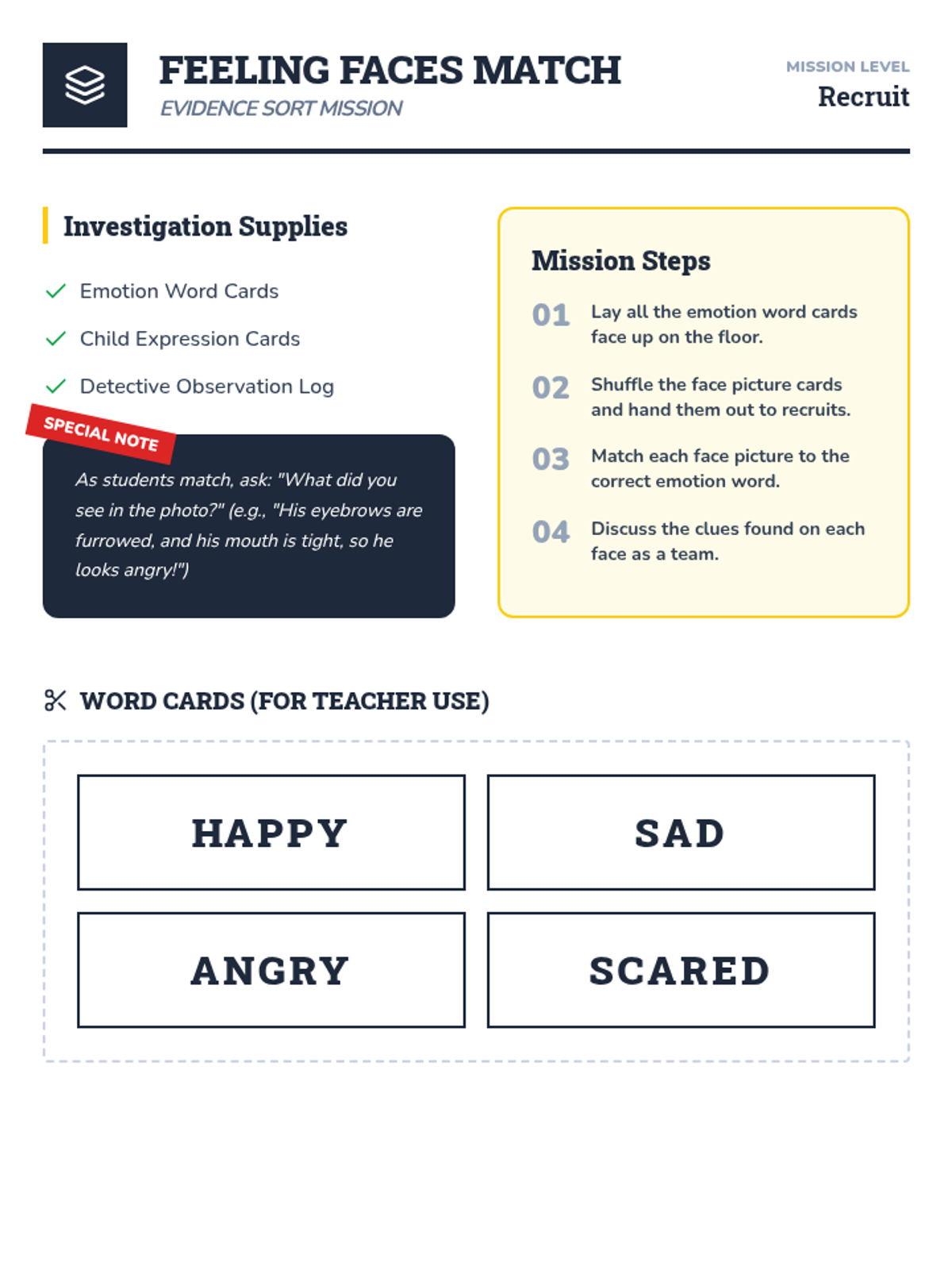
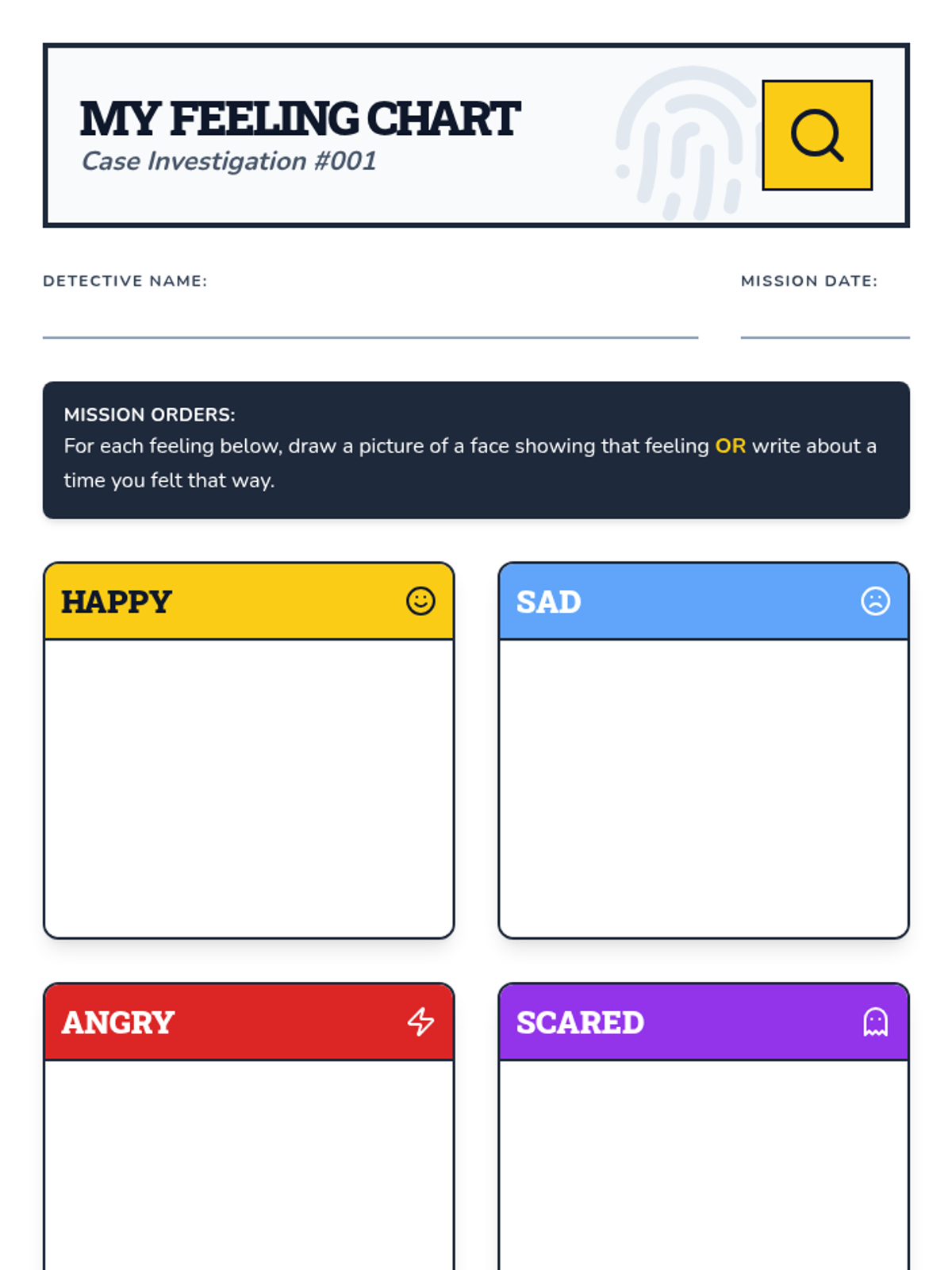
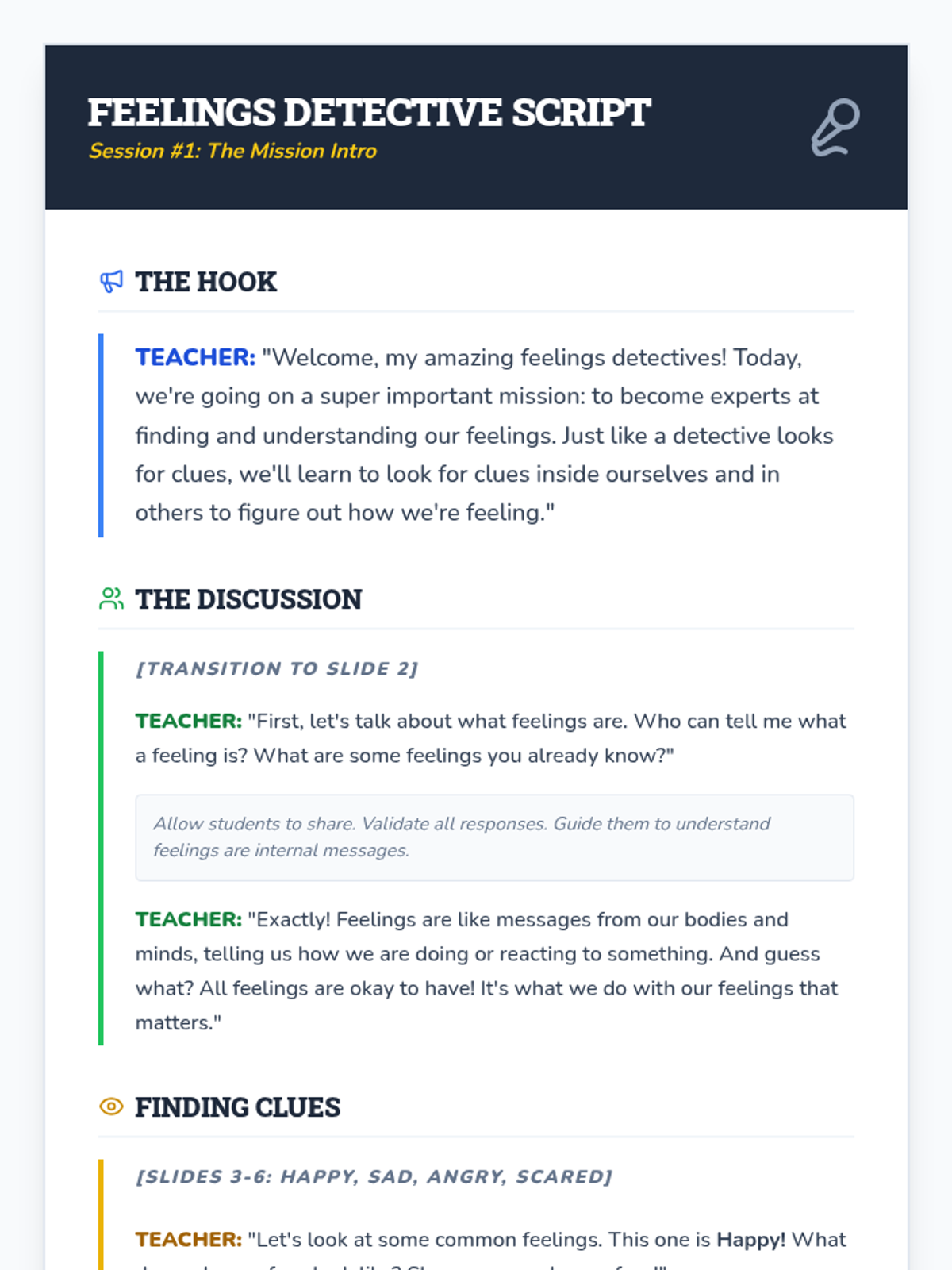
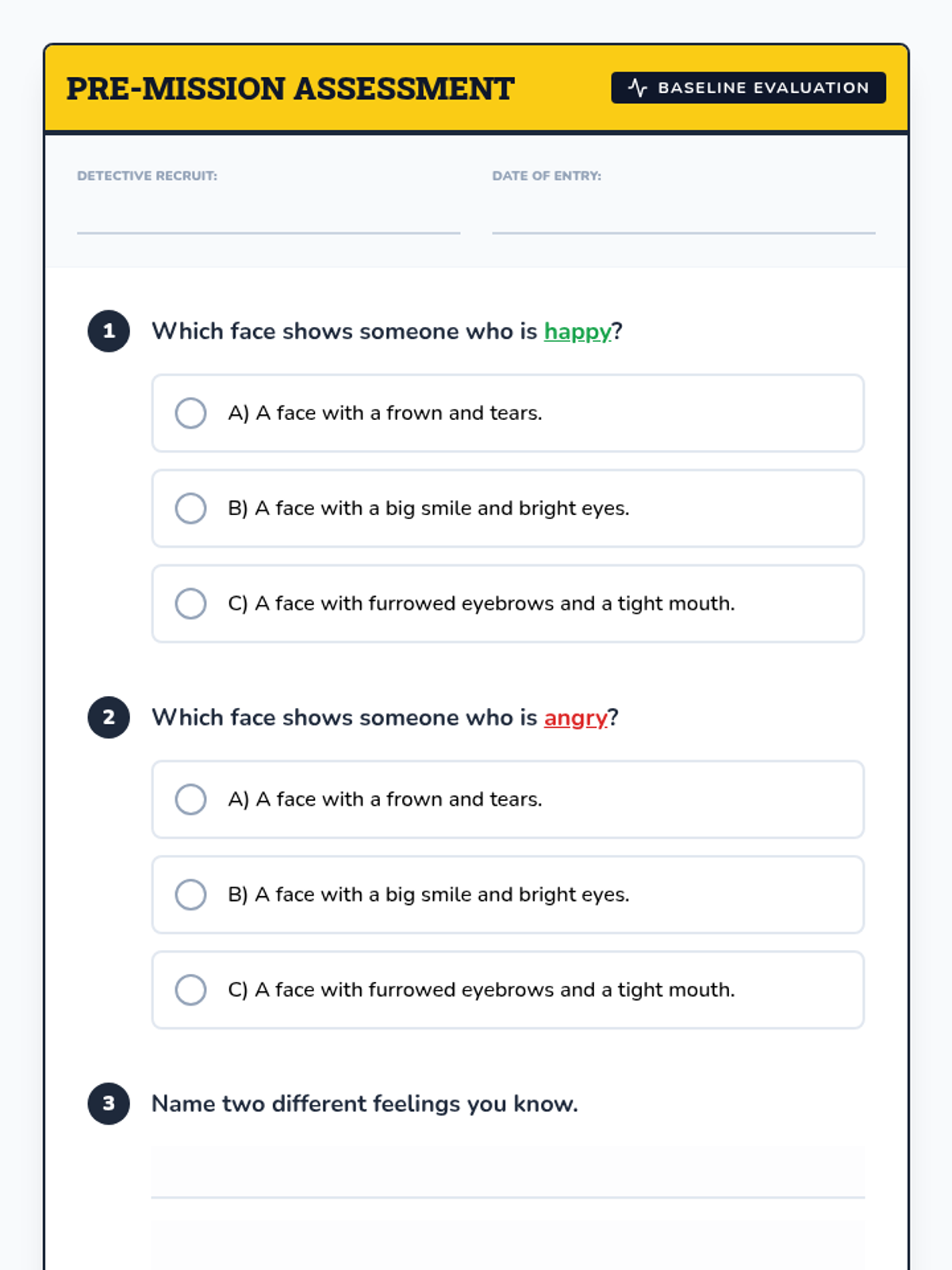
A six-session social-emotional learning program for 2nd and 3rd-grade boys focused on identifying emotions, physical regulation, and peaceful conflict resolution through a fun 'Feelings Detectives' theme.
A six-session social-emotional learning program for 2nd and 3rd-grade boys, focusing on identifying emotions, body clues, calming strategies, and conflict resolution through a detective-themed mission.
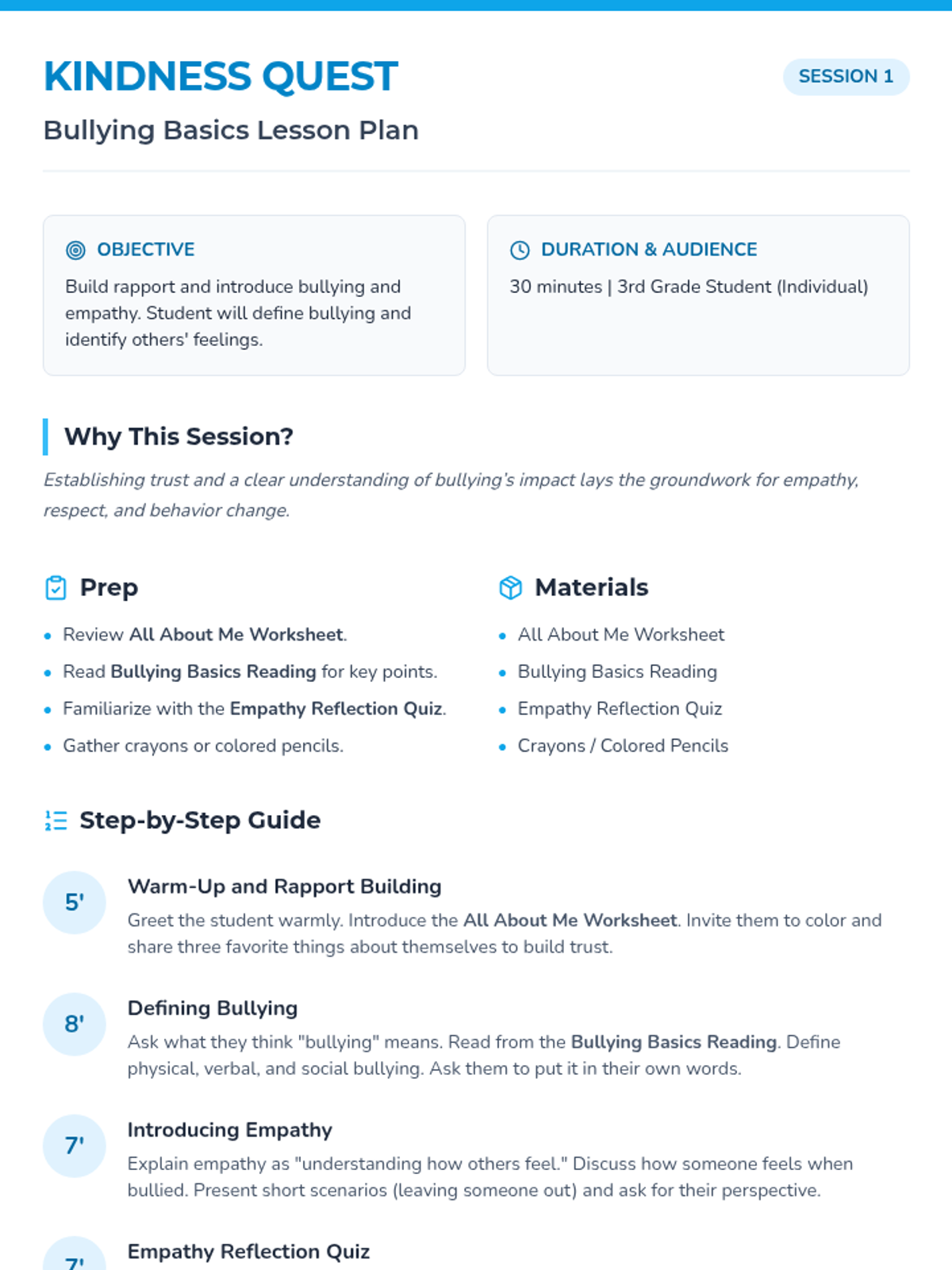
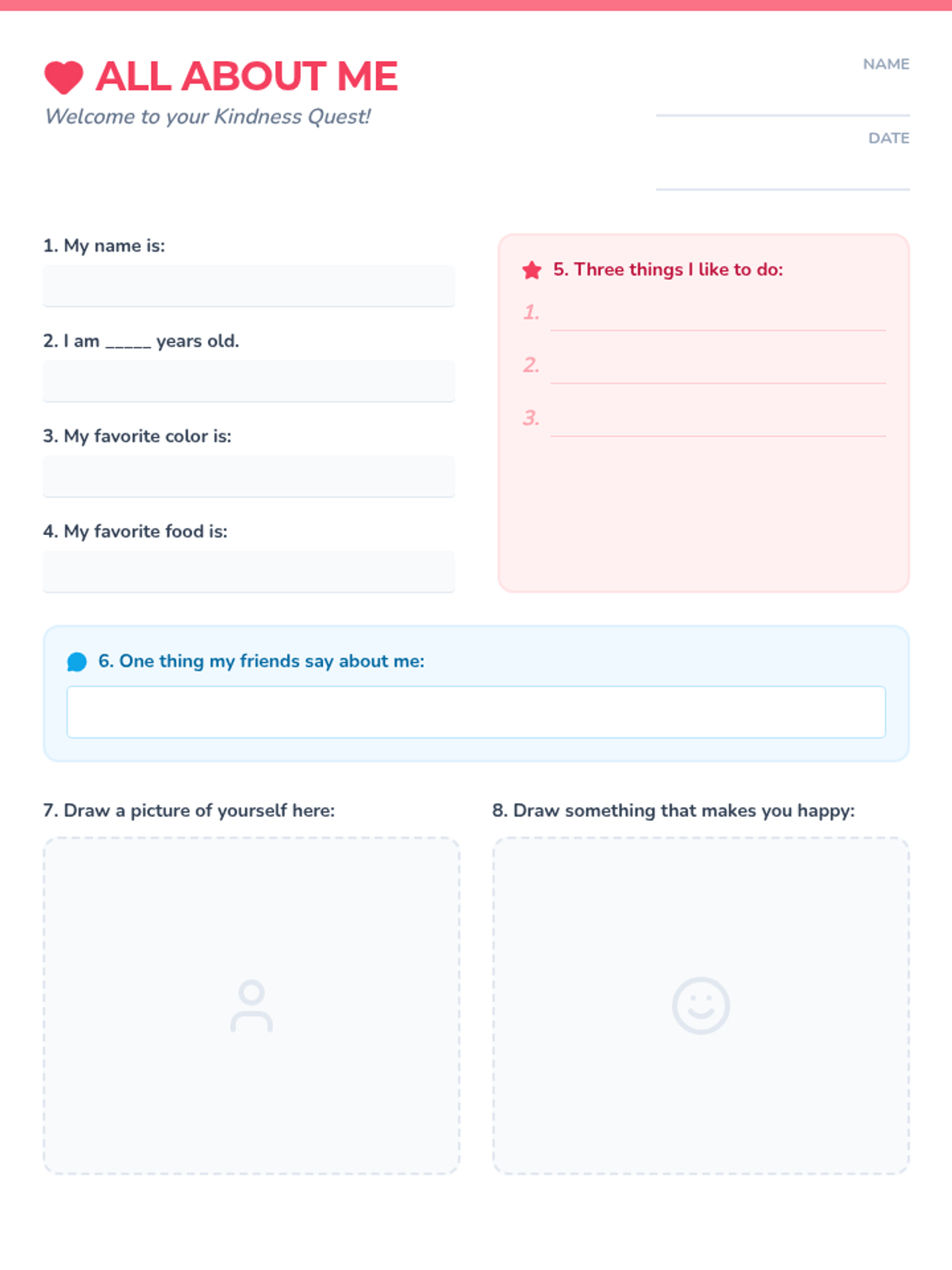
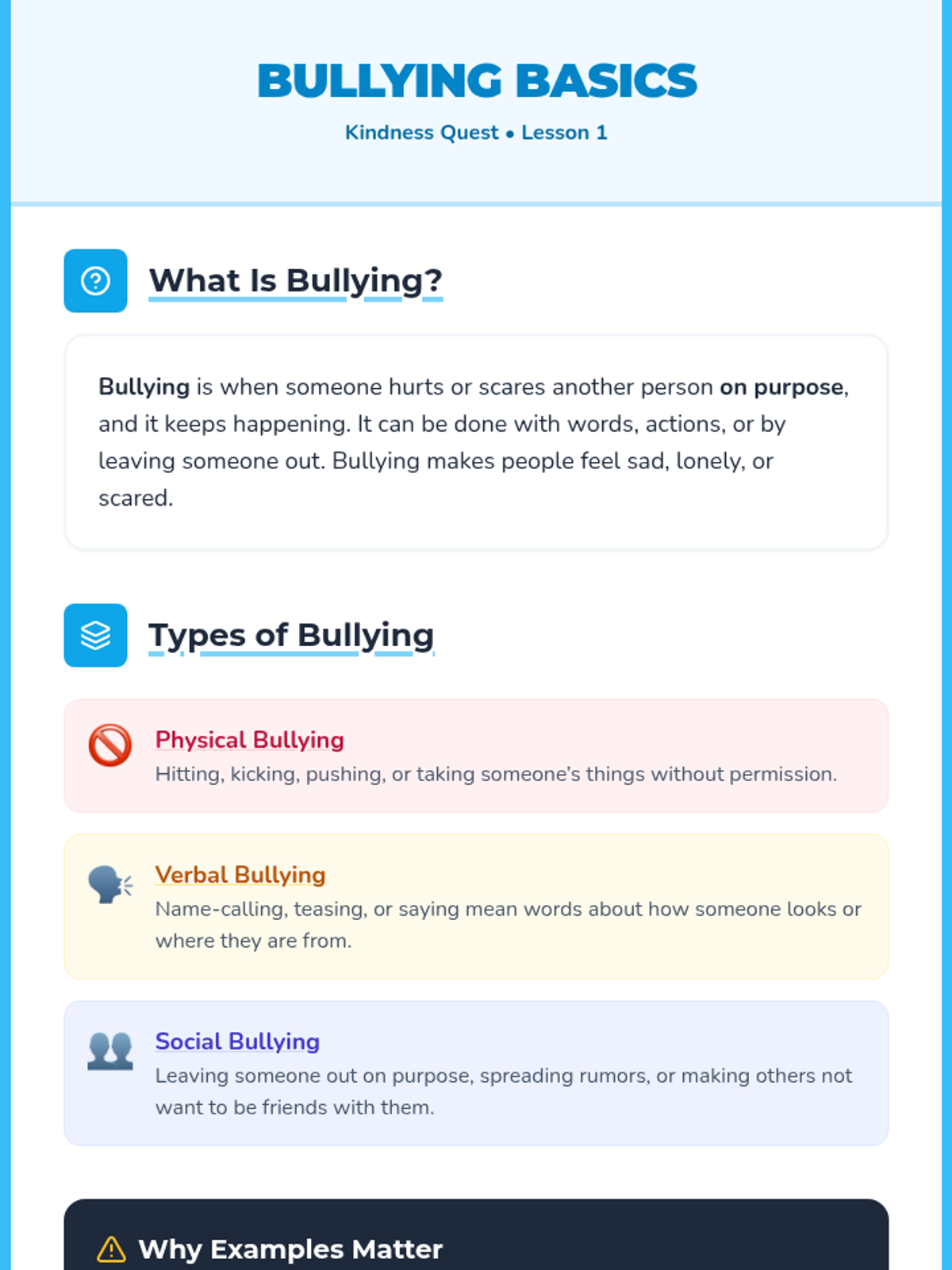
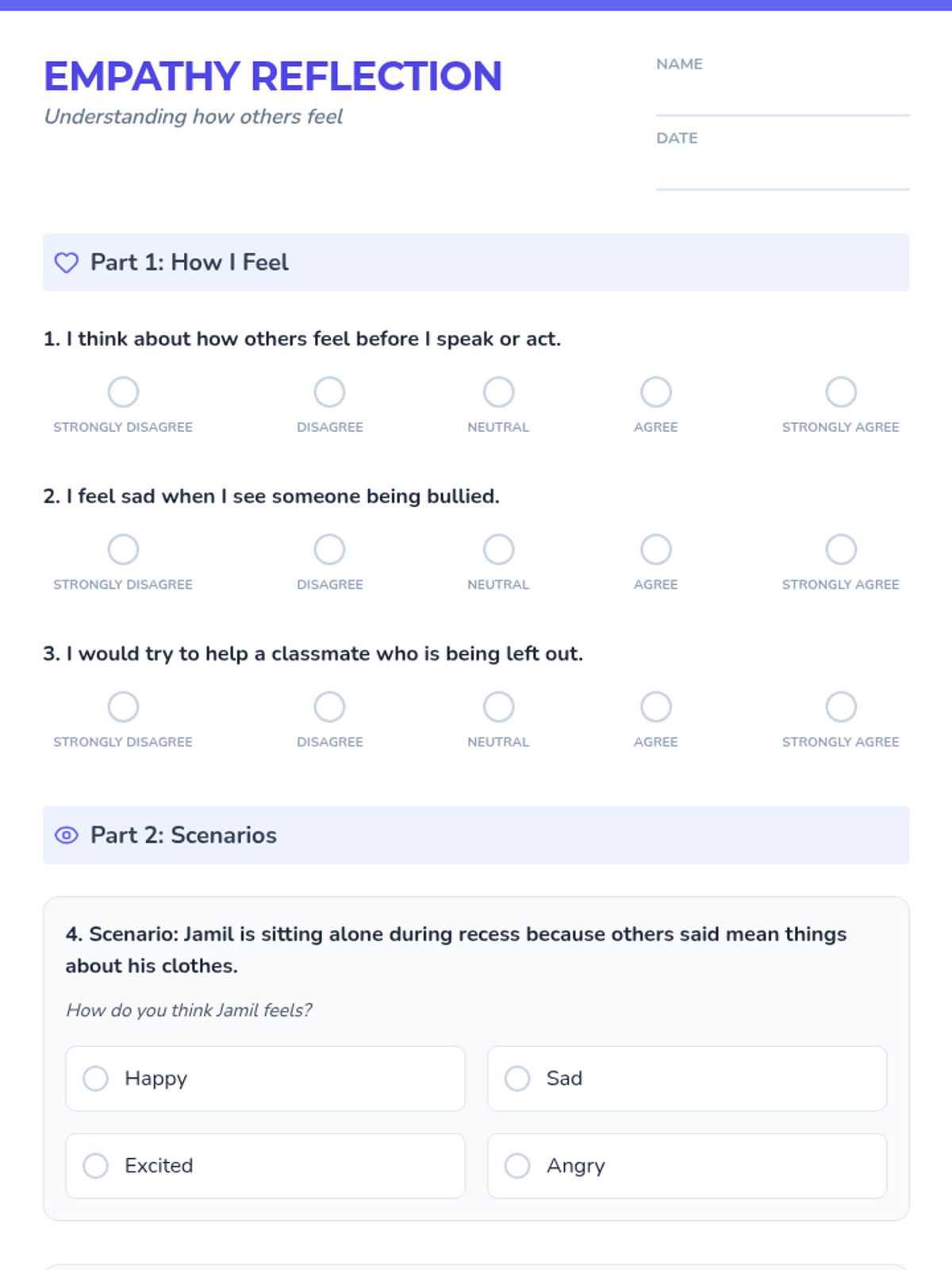
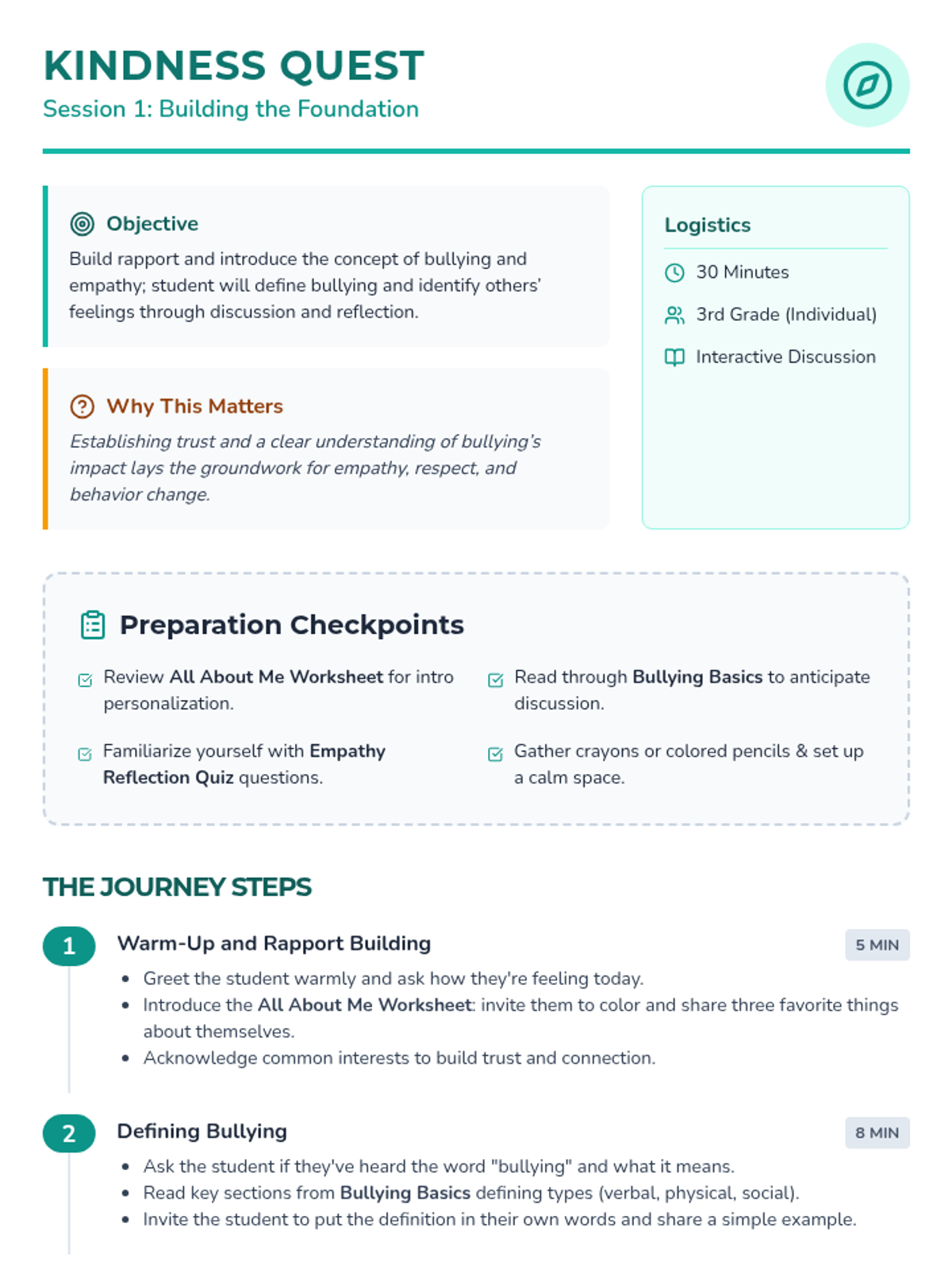
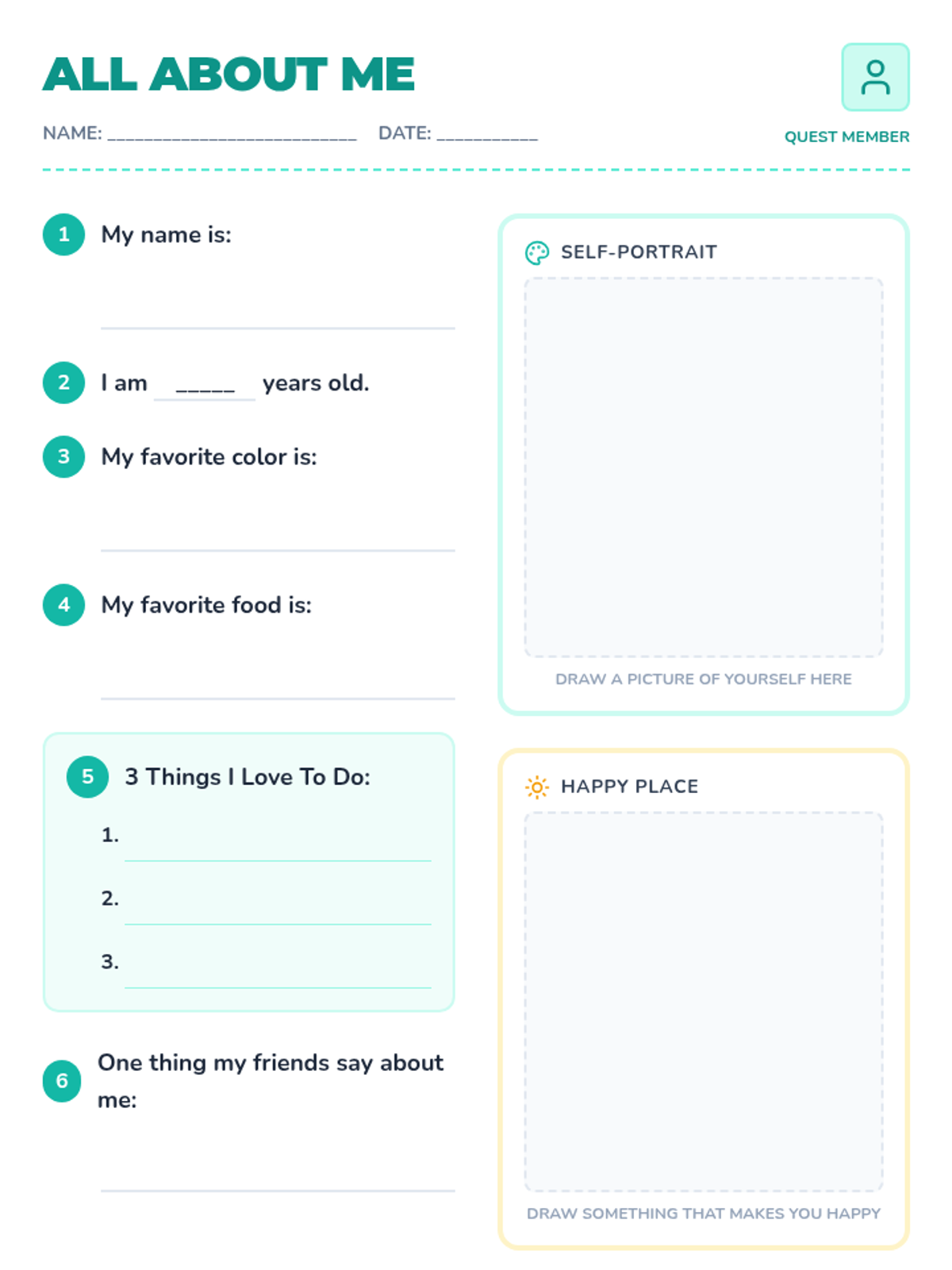
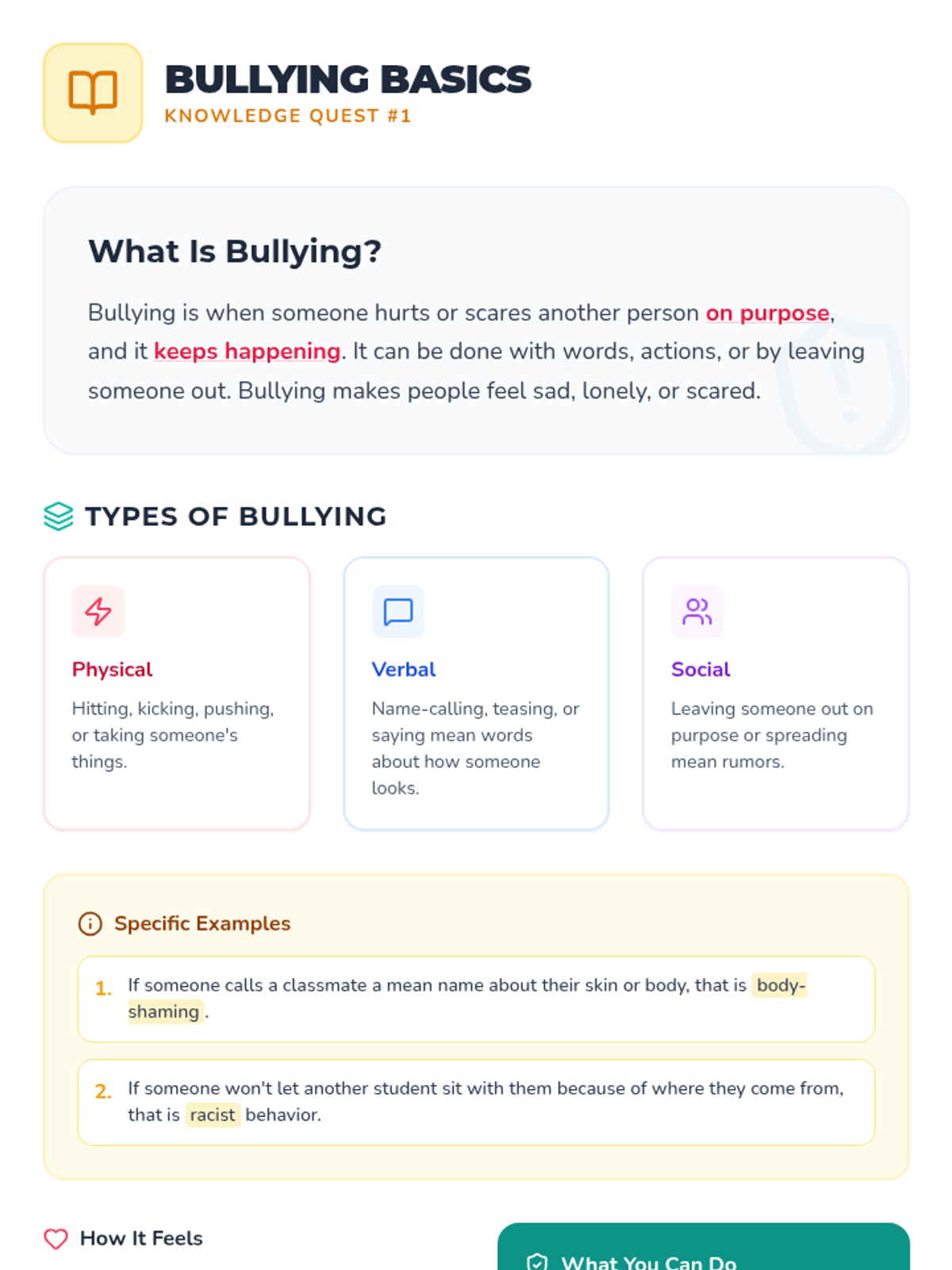
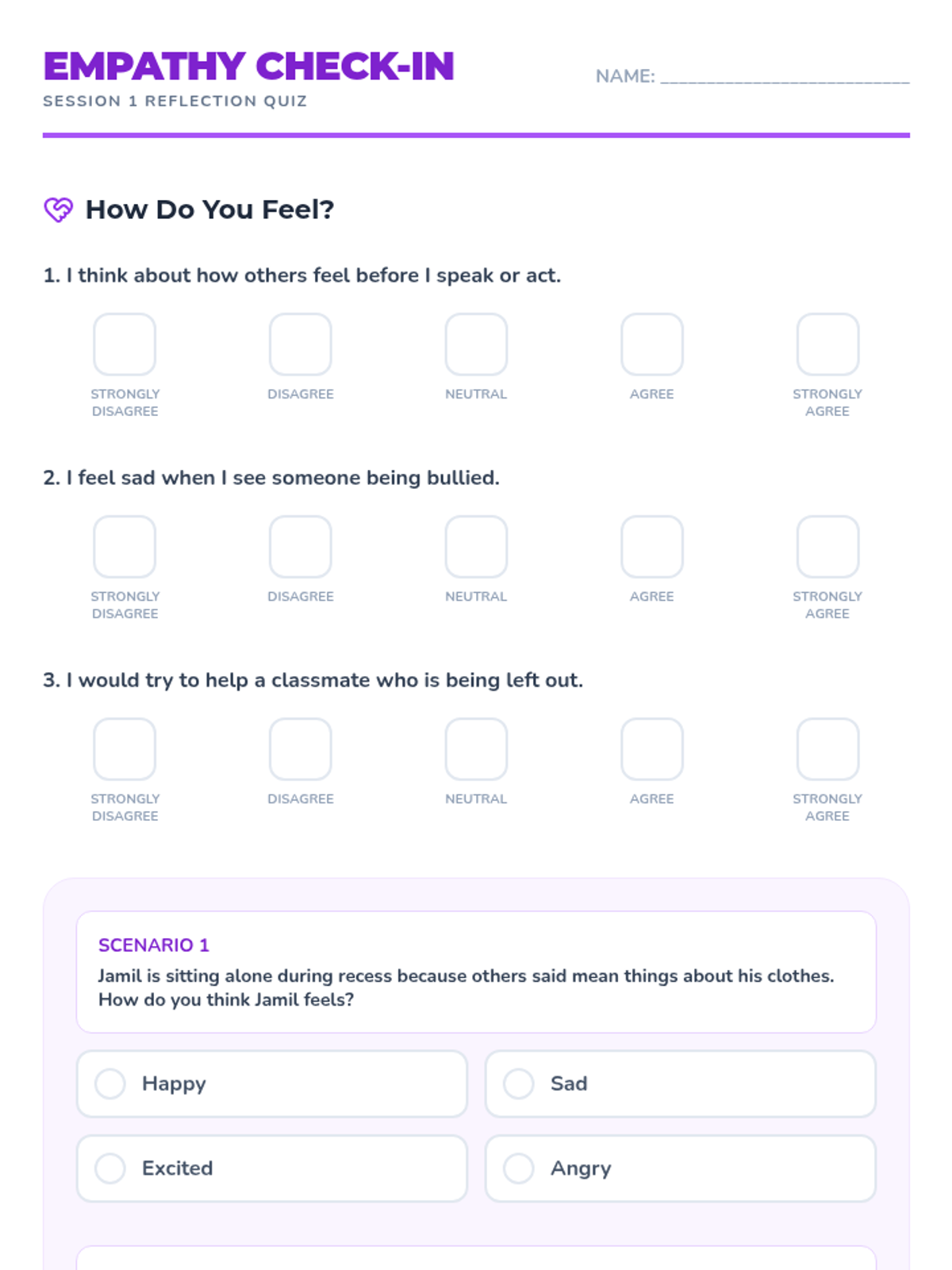
A 5-session individual program for a 3rd grader to understand and prevent bullying, focusing on race and body-shaming. Through readings, activities, and reflections, this series builds empathy, respect, and positive communication skills.
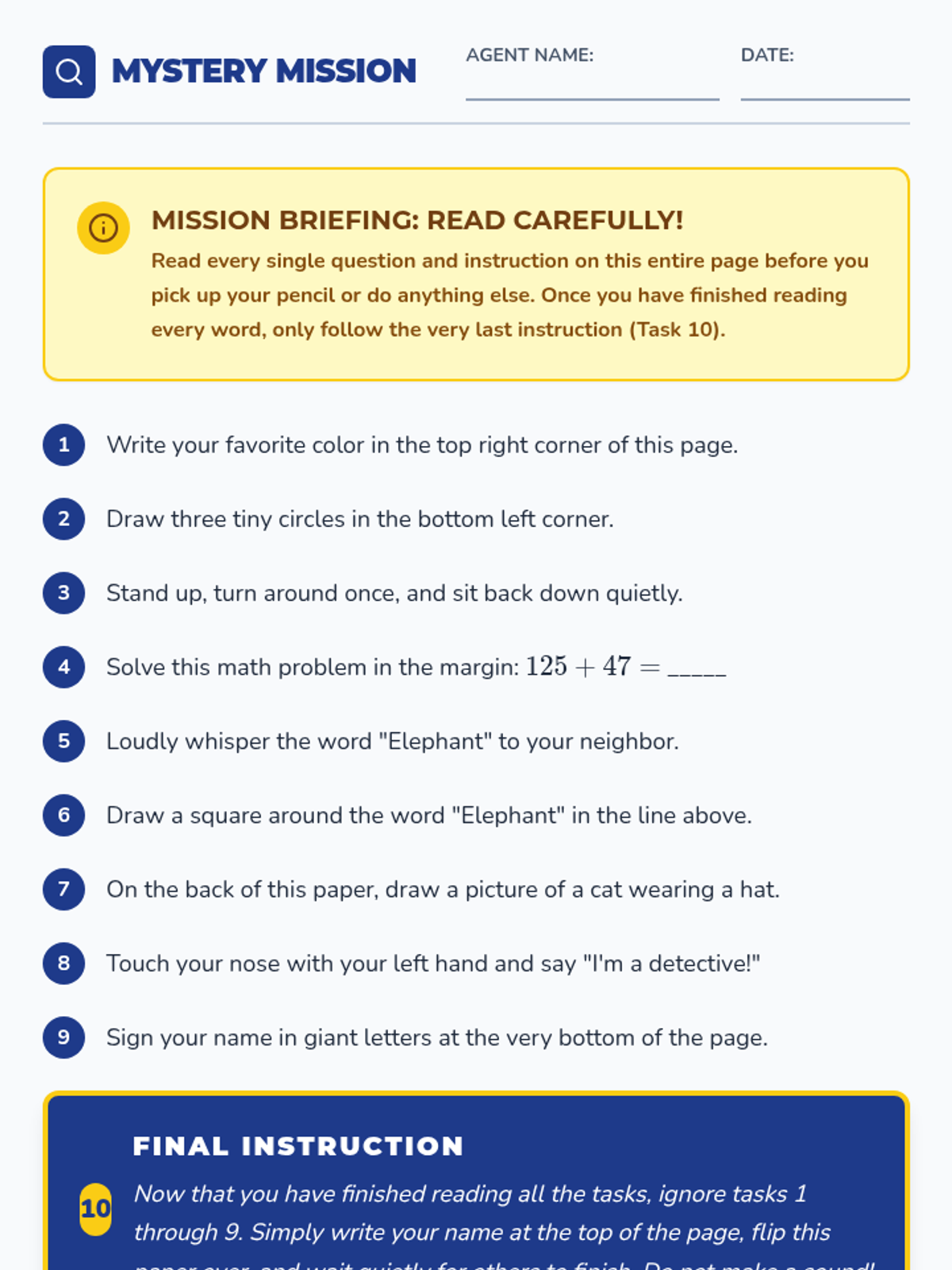
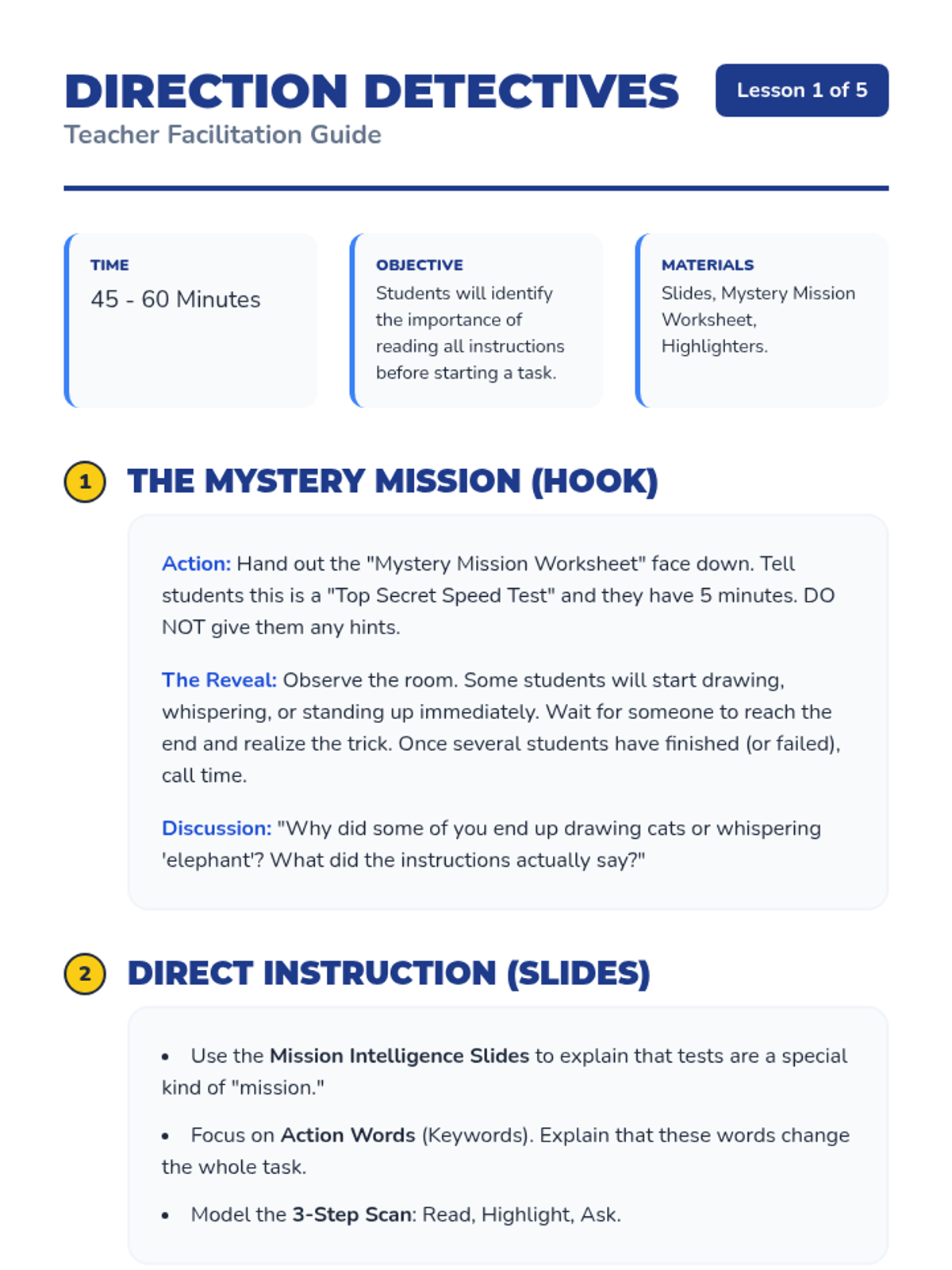
A 5-lesson unit for 3rd-grade students that demystifies assessments through a detective-themed approach. Students learn critical strategies like reading directions, process of elimination, finding evidence, managing anxiety, and checking their work.
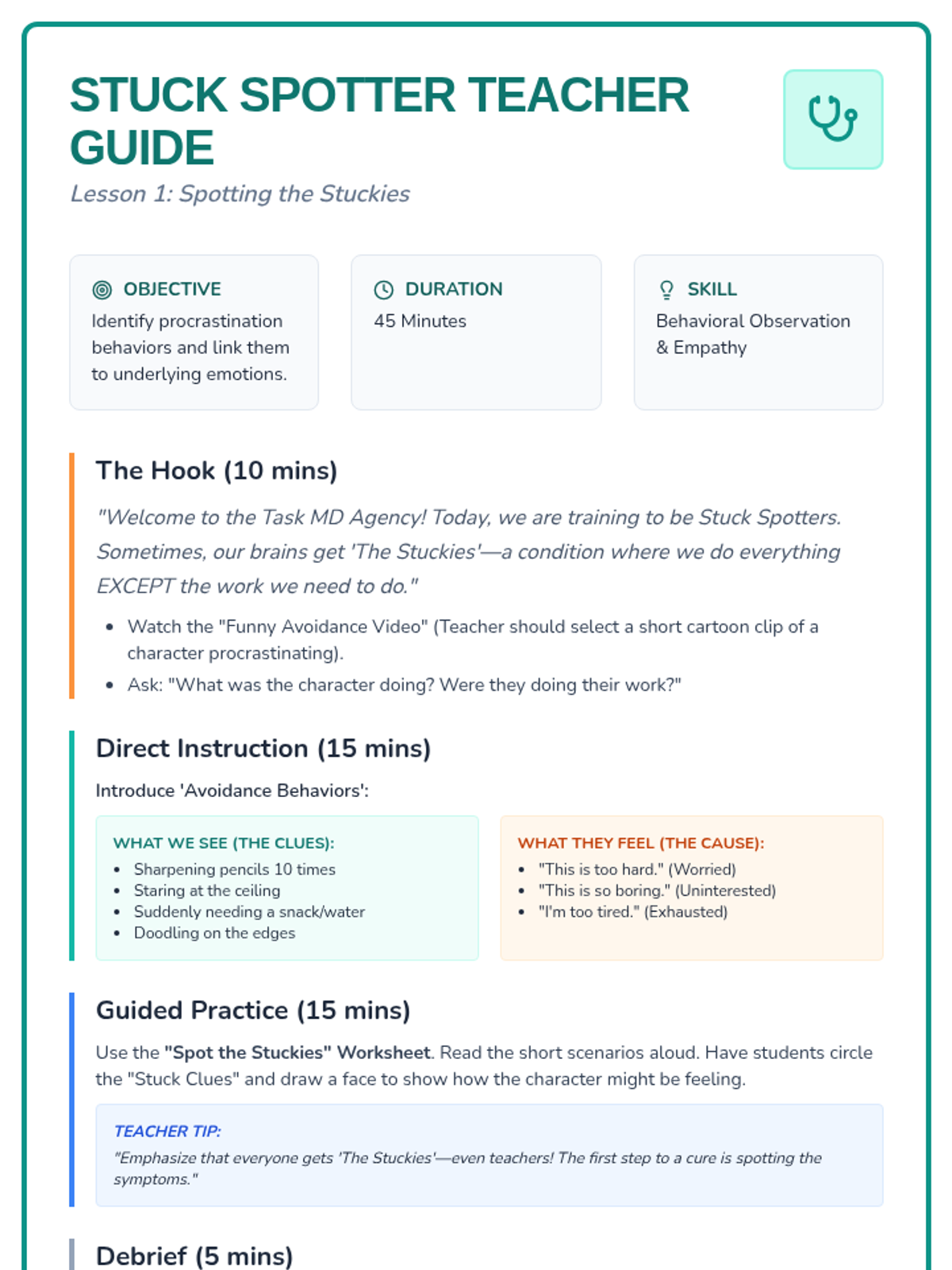
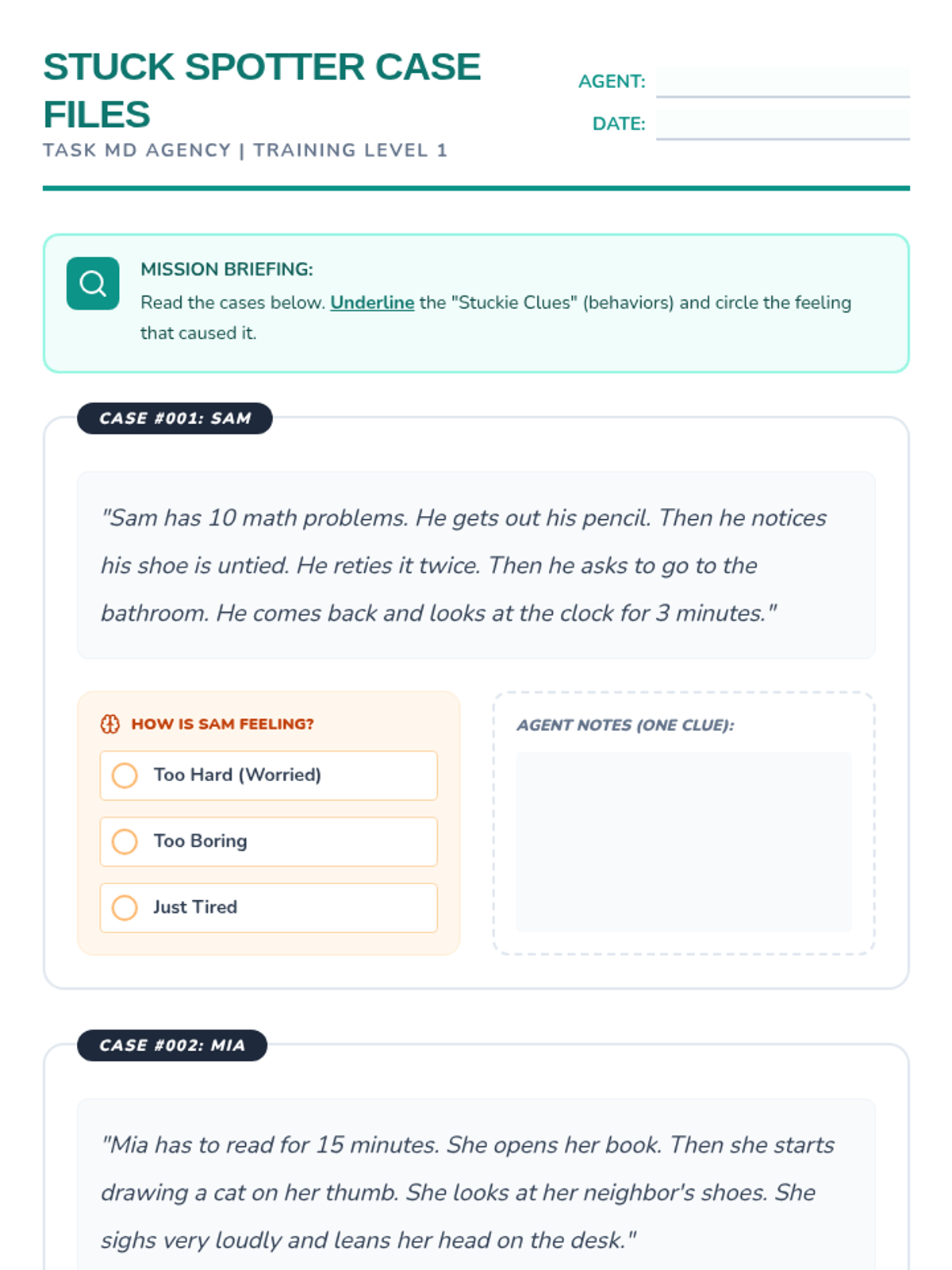
A sequence focused on helping students overcome emotional barriers to task initiation using a 'Task Doctor' theme. Students learn to identify avoidance behaviors, diagnose the root cause of being 'stuck', and prescribe effective self-talk solutions through role-play and reflection.
Students learn to use verbal prompts to break complex tasks down into manageable actions. The sequence moves from identifying the immediate first step to narrating a sequence of actions and troubleshooting challenges.
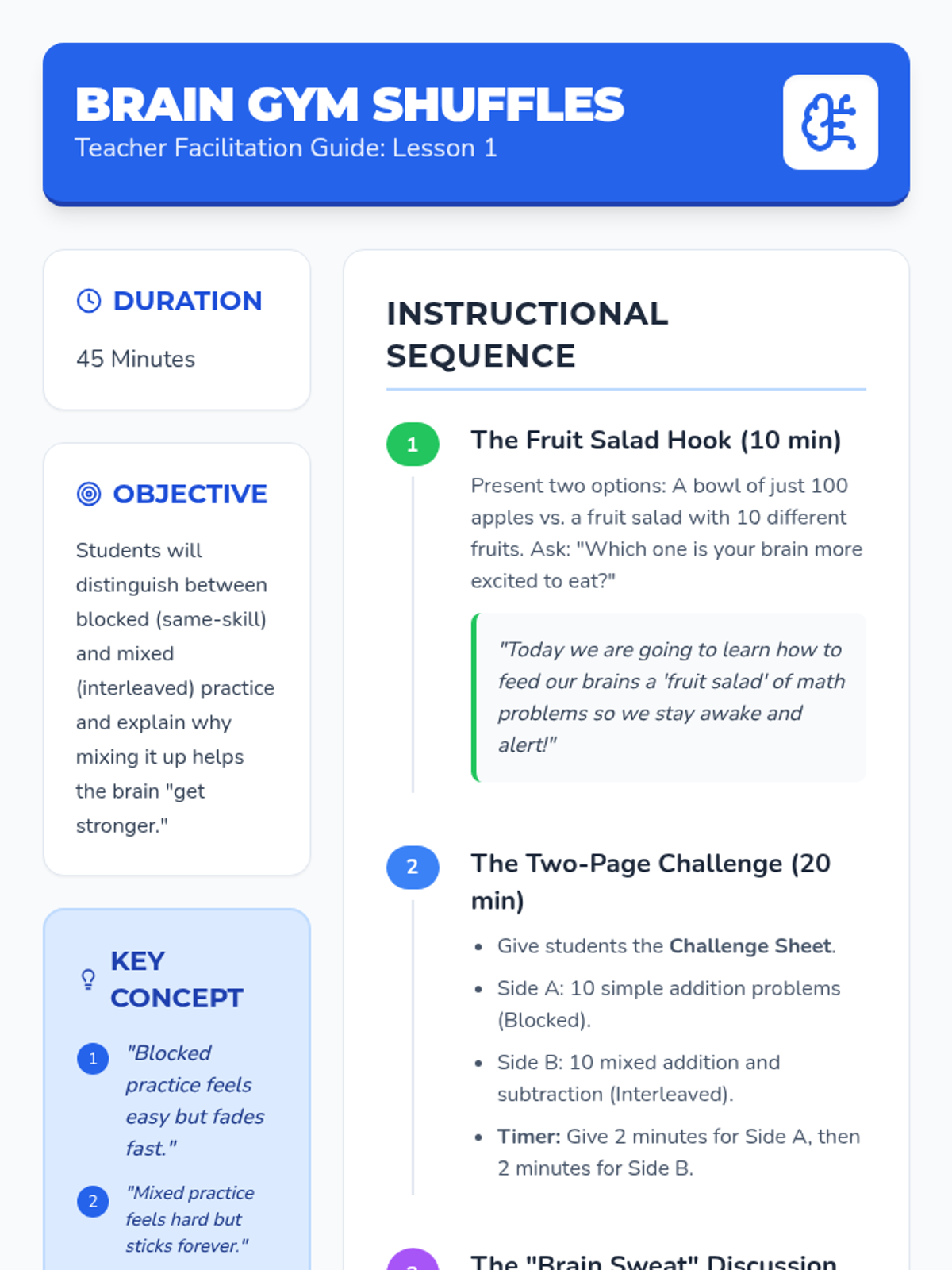
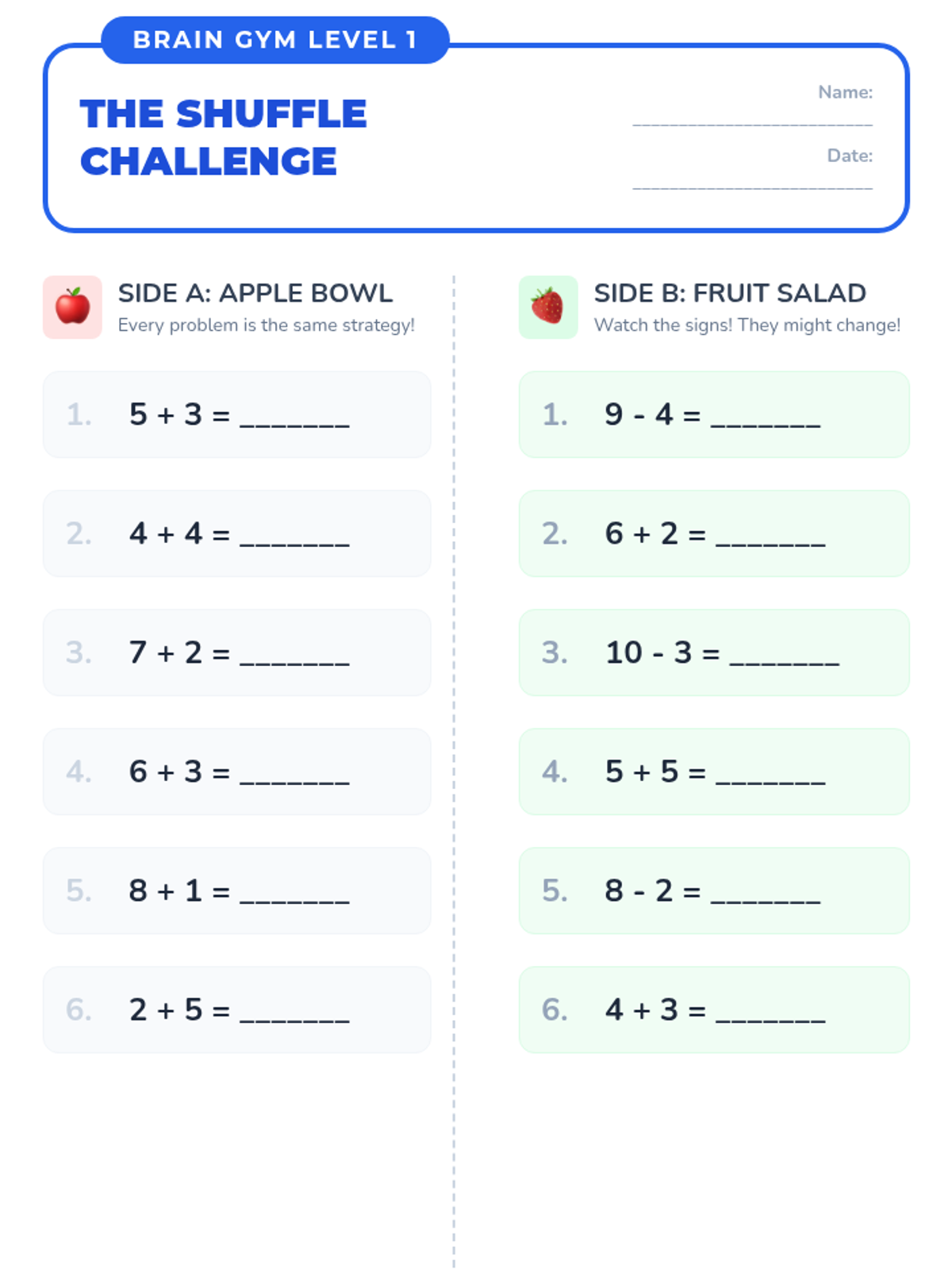
A 5-lesson sequence for 3rd-grade students focused on interleaved practice and spaced repetition. Students learn to move from blocked practice to mixed review to improve long-term memory and problem-solving flexibility.
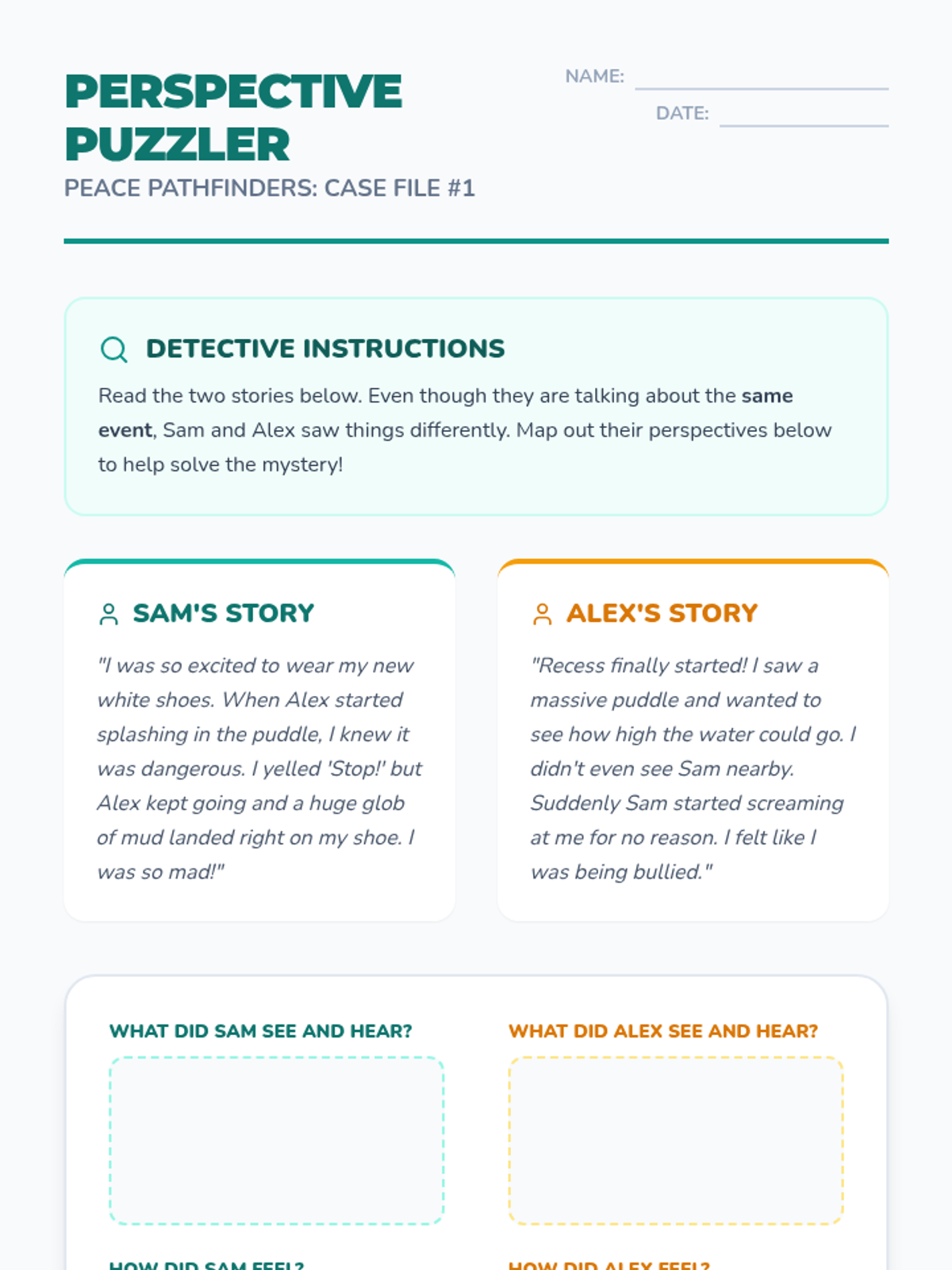
Students move from reactive emotional responses to proactive negotiation. They learn de-escalation, empathy through perspective-taking, and a structured 4-step 'Peace Path' to resolve playground and classroom conflicts independently.
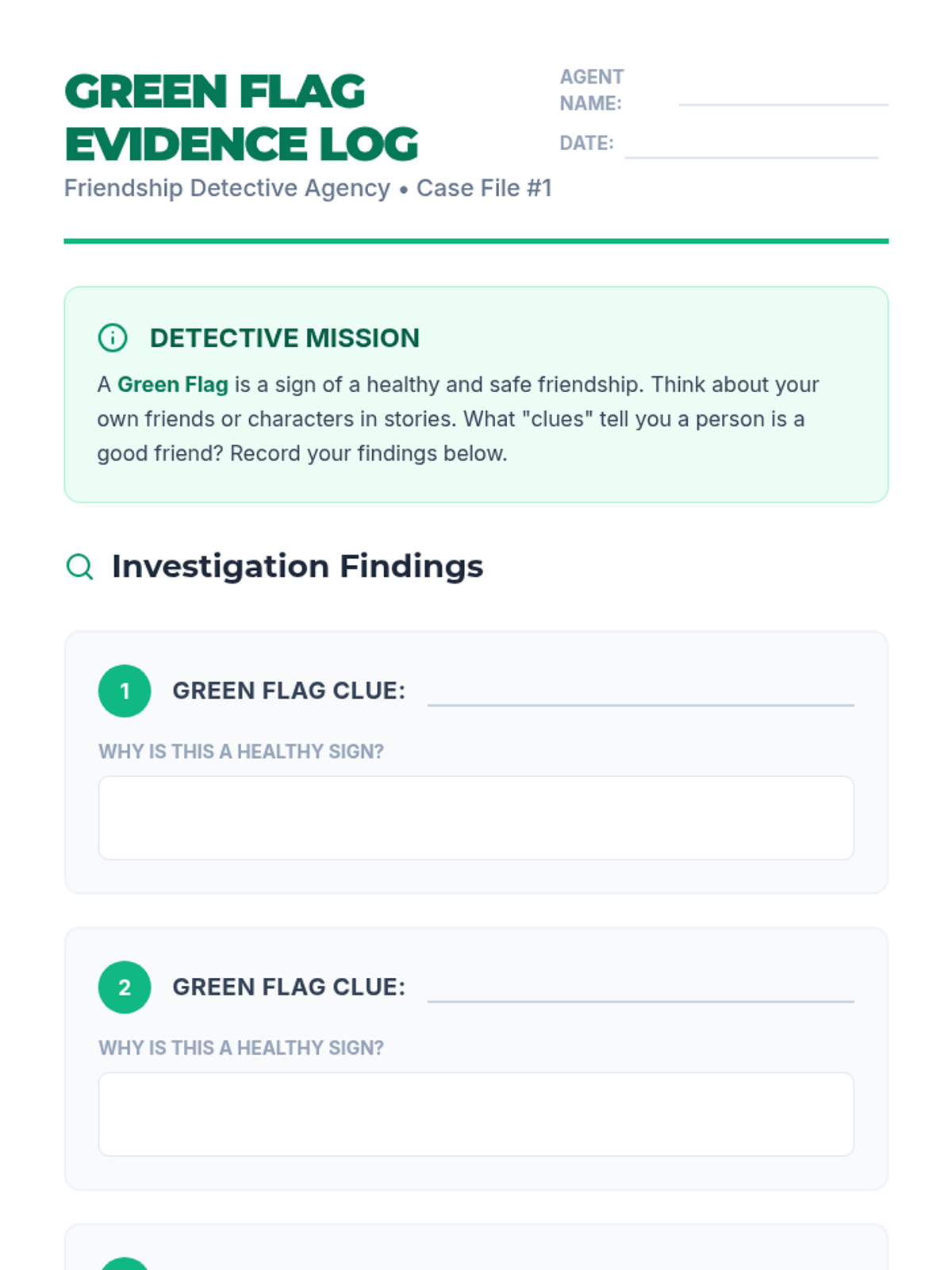
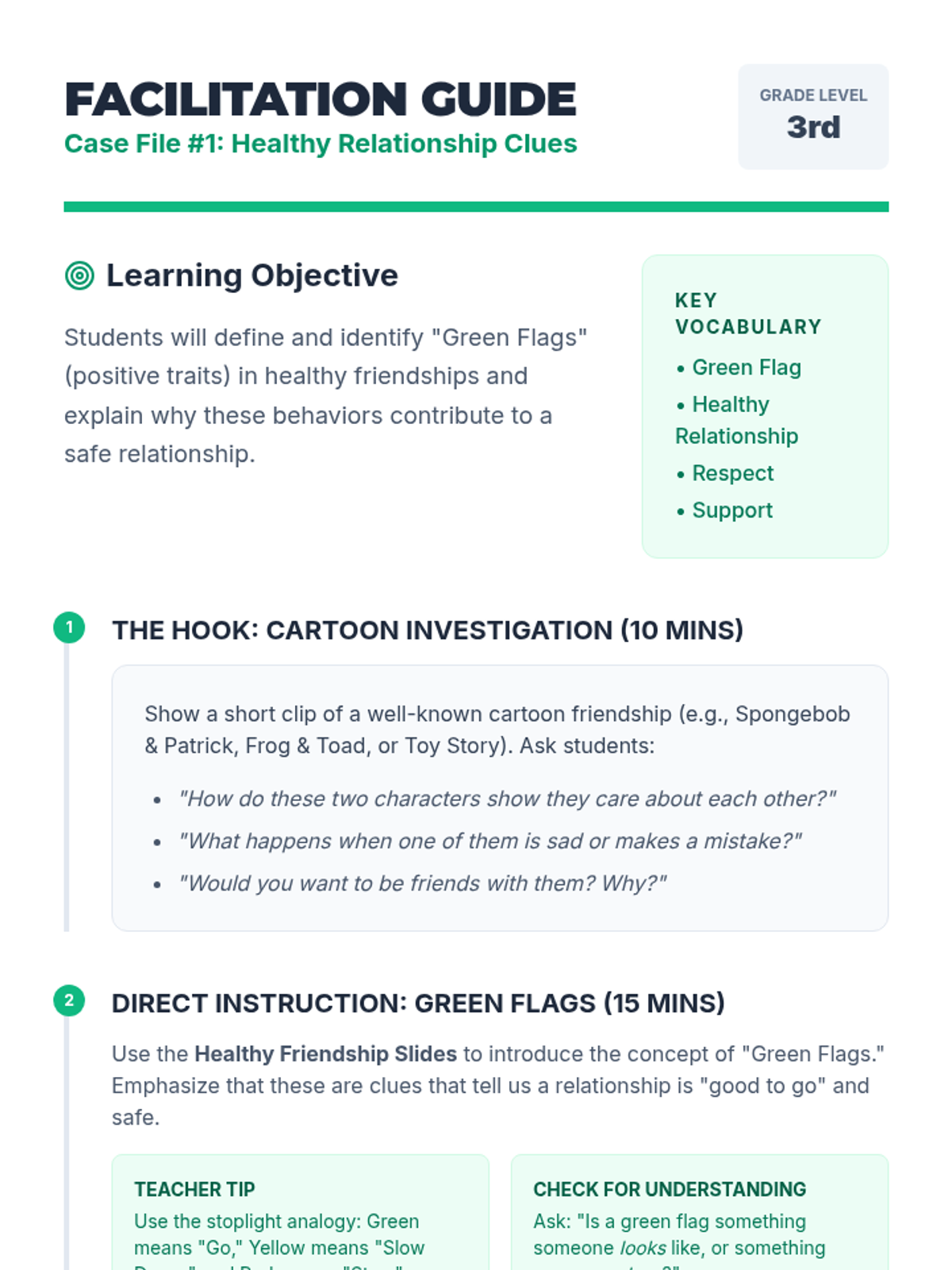
A 5-lesson unit where students become 'Friendship Detectives' to identify healthy and unhealthy relationship dynamics. Using case studies, sorting games, and creative projects, students learn to recognize green and red flags, distinguish between teasing and bullying, and resolve conflicts safely.
A 5-session individual Tier 3 program for 3rd graders focusing on empathy, body positivity, and anti-racism to prevent bullying. Through interactive readings and reflections, students build the confidence to stand up for themselves and others.
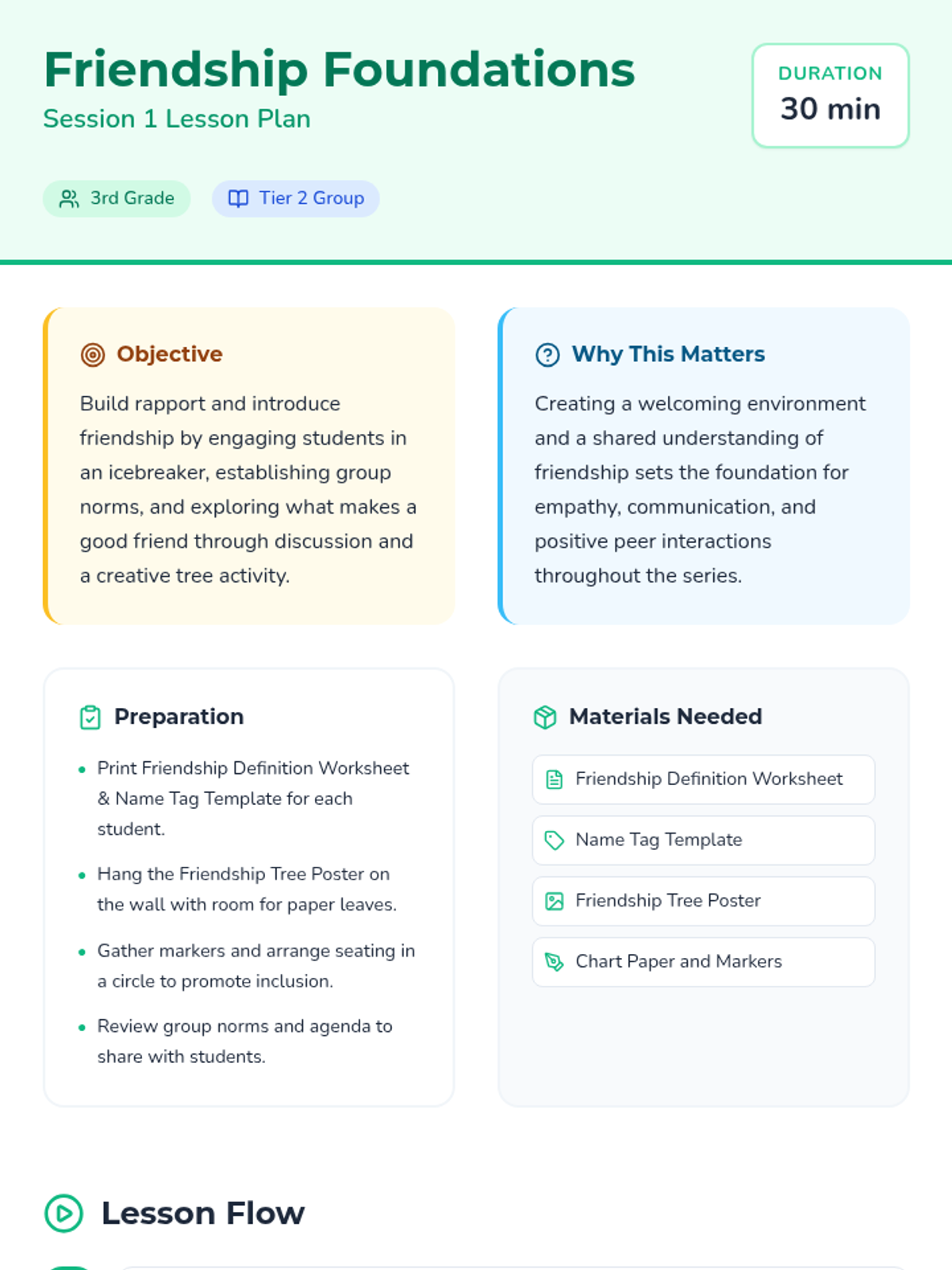
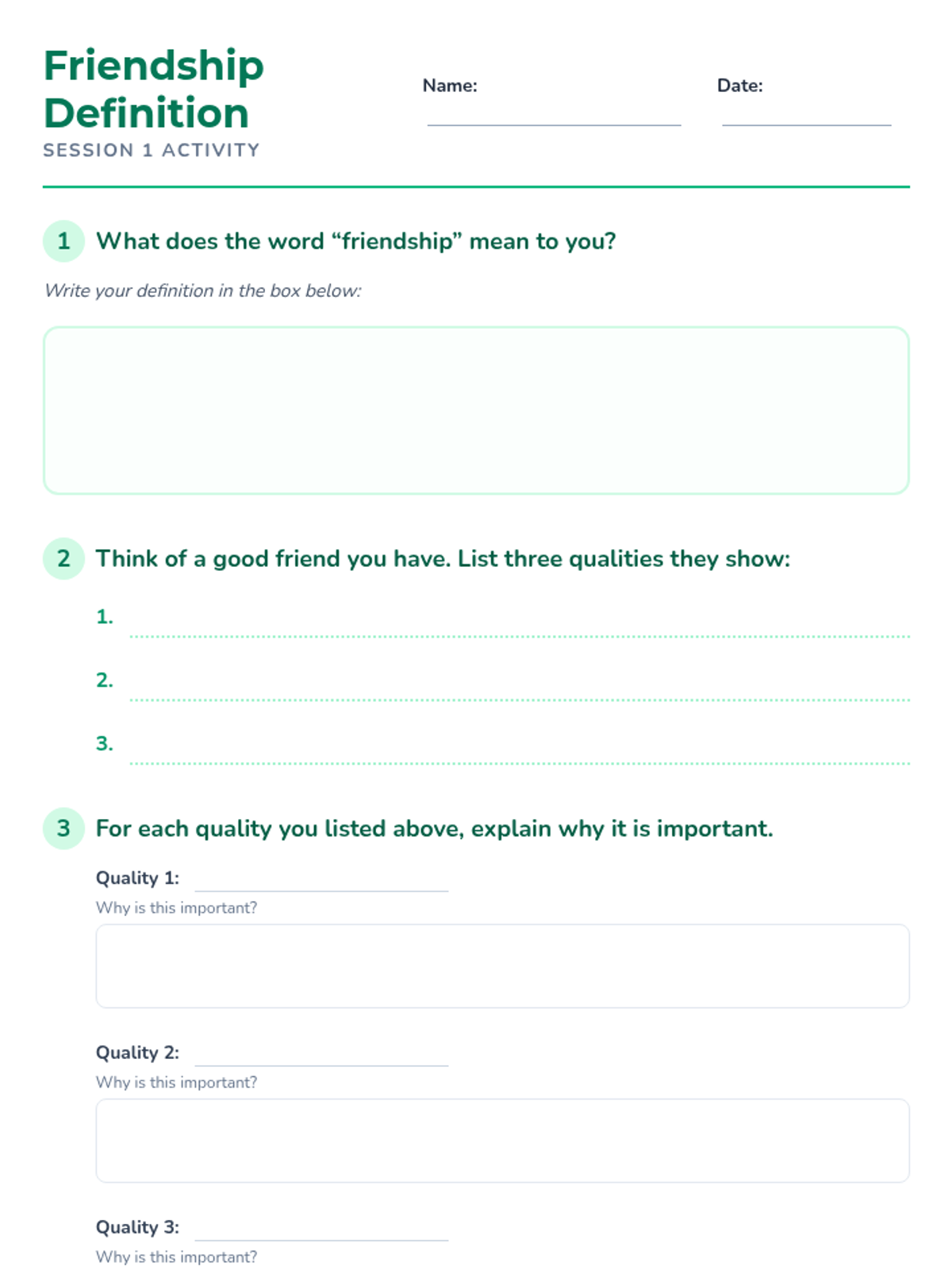
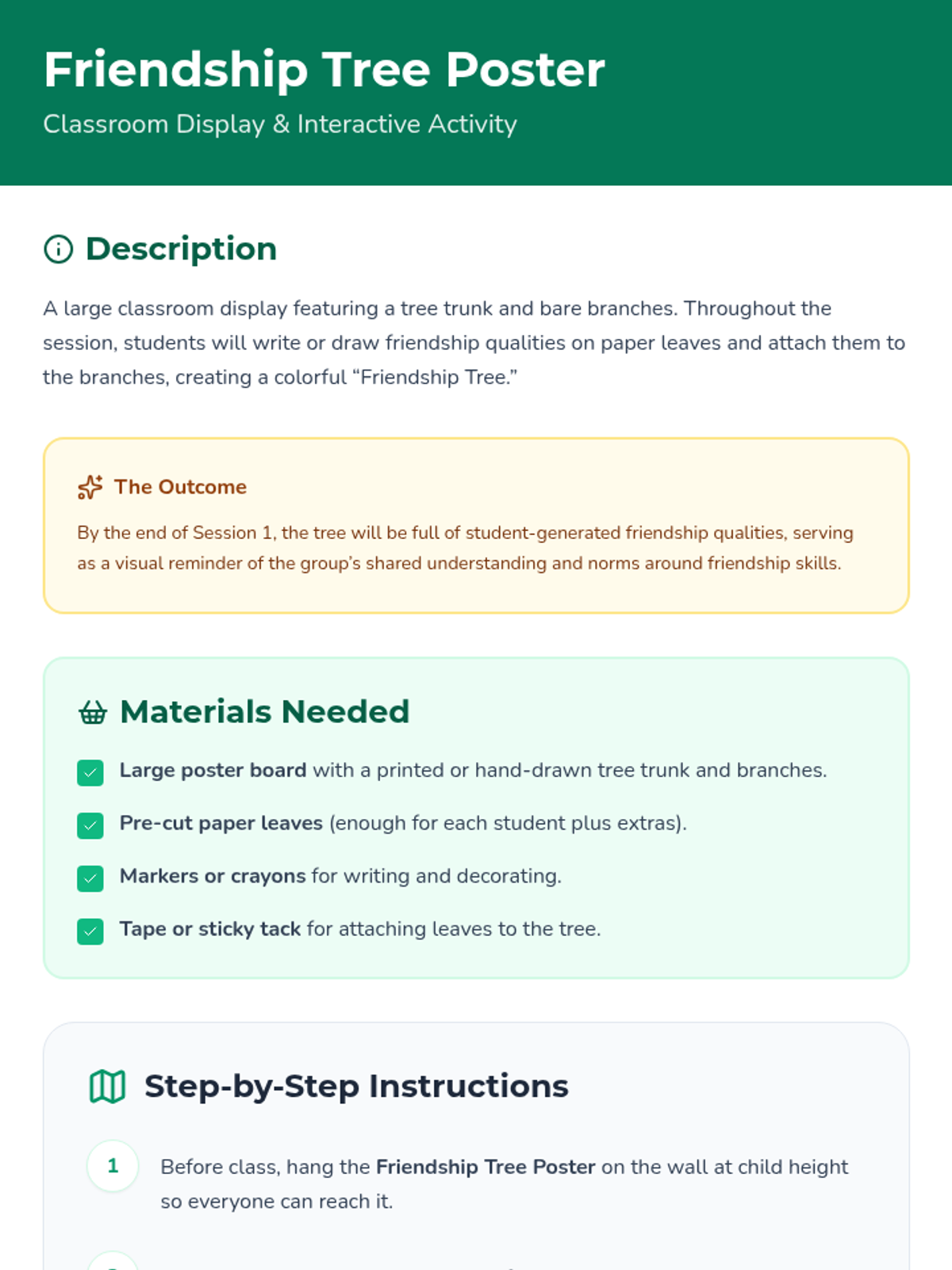
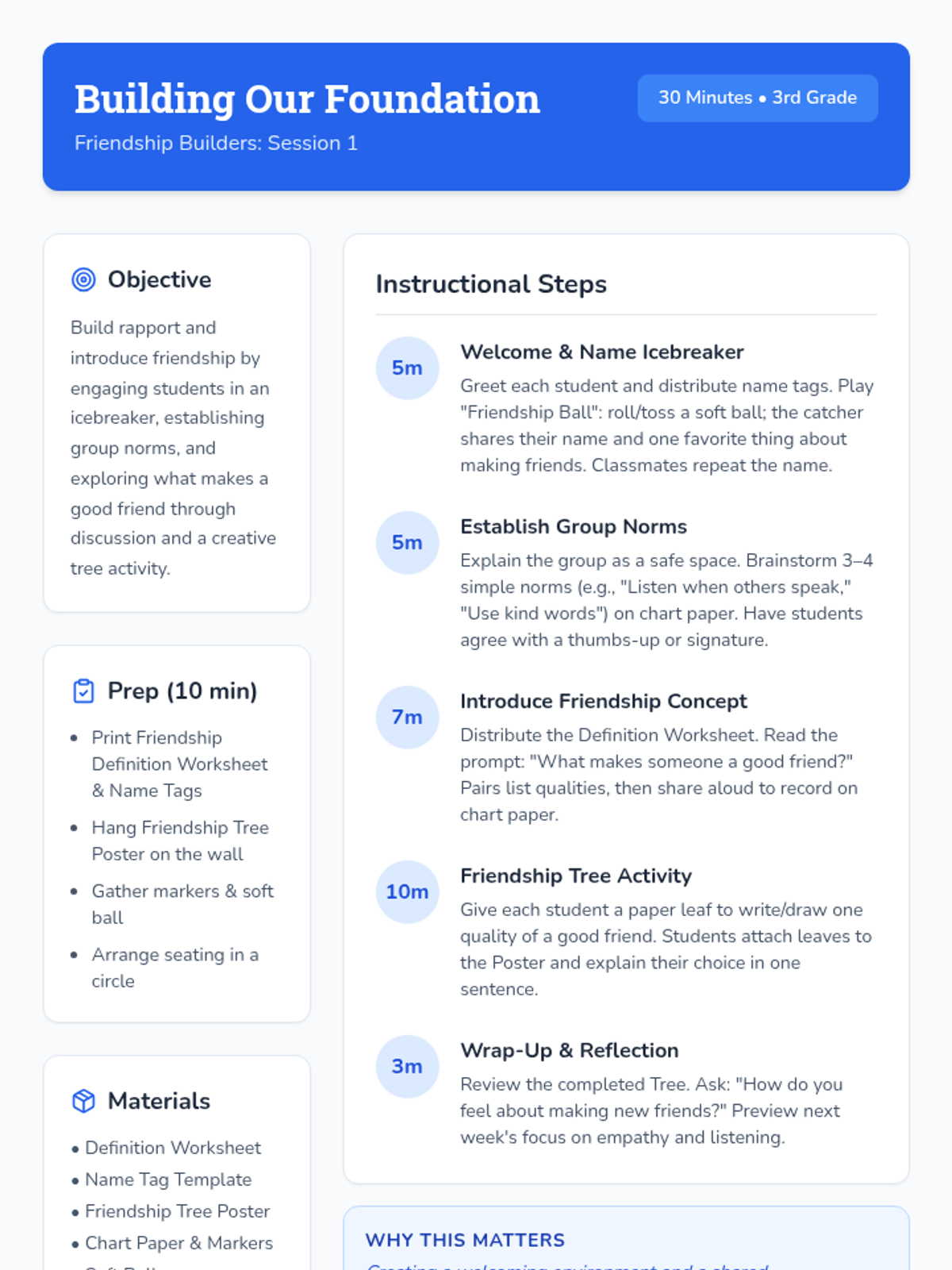
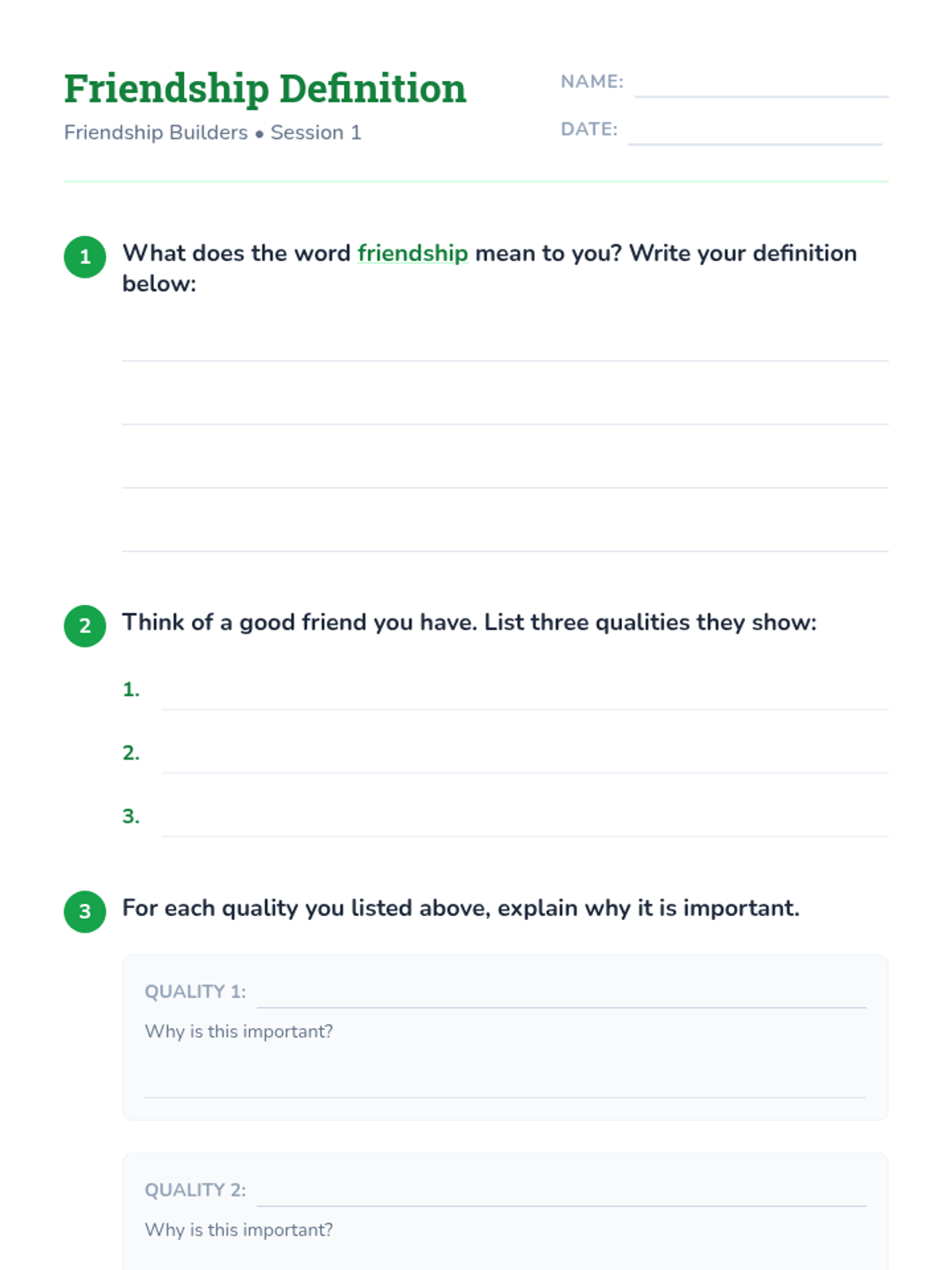
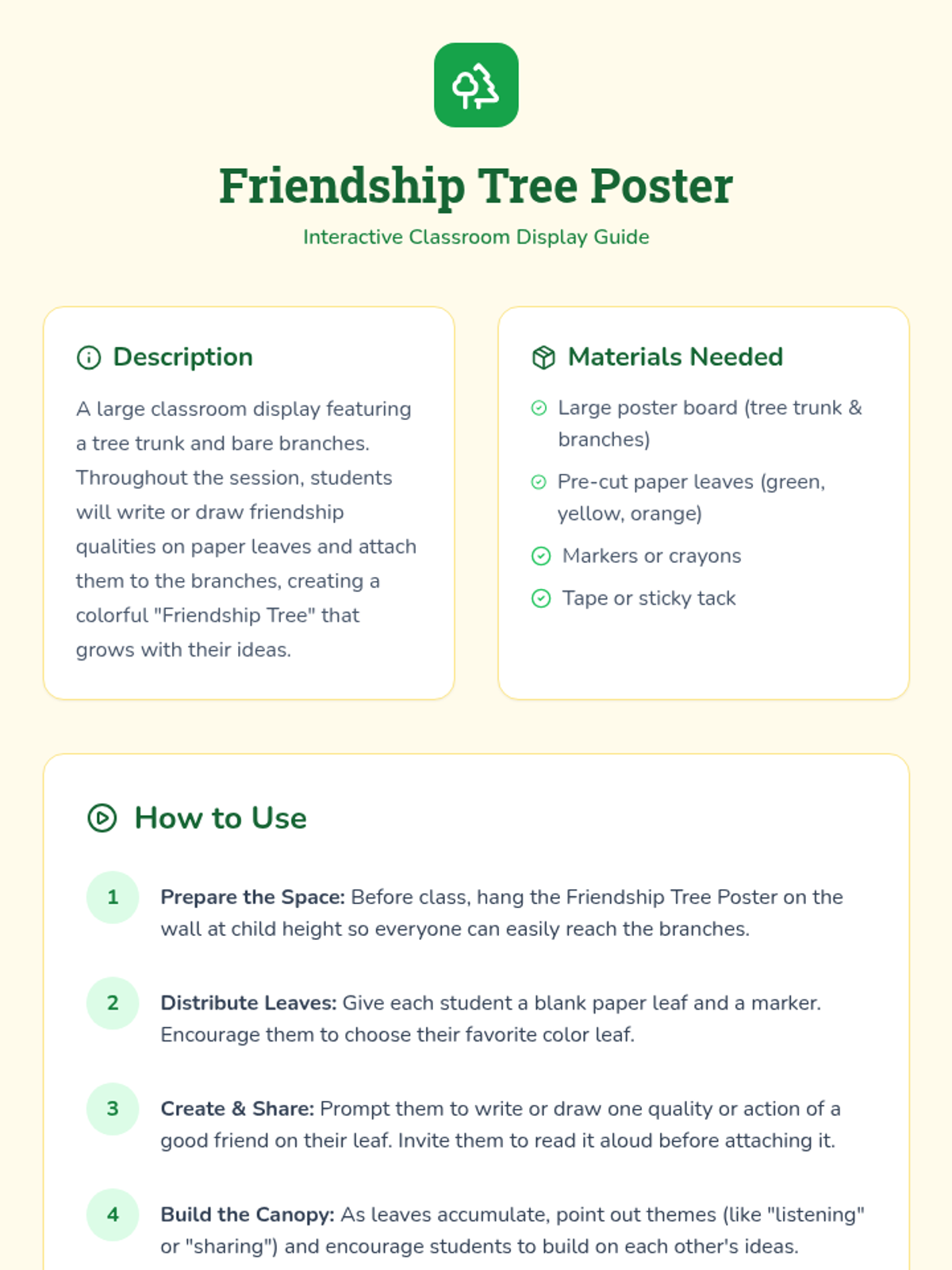
A 6-week Tier 2 social skills group for 3rd graders focused on empathy, communication, conflict resolution, and teamwork using a 'Friendship Tree' theme.
A six-session social-emotional learning program for 2nd and 3rd-grade boys focused on identifying emotions, understanding body clues, using calming strategies, and mastering conflict resolution. Students act as 'Feelings Detectives' on a mission to understand themselves and others.
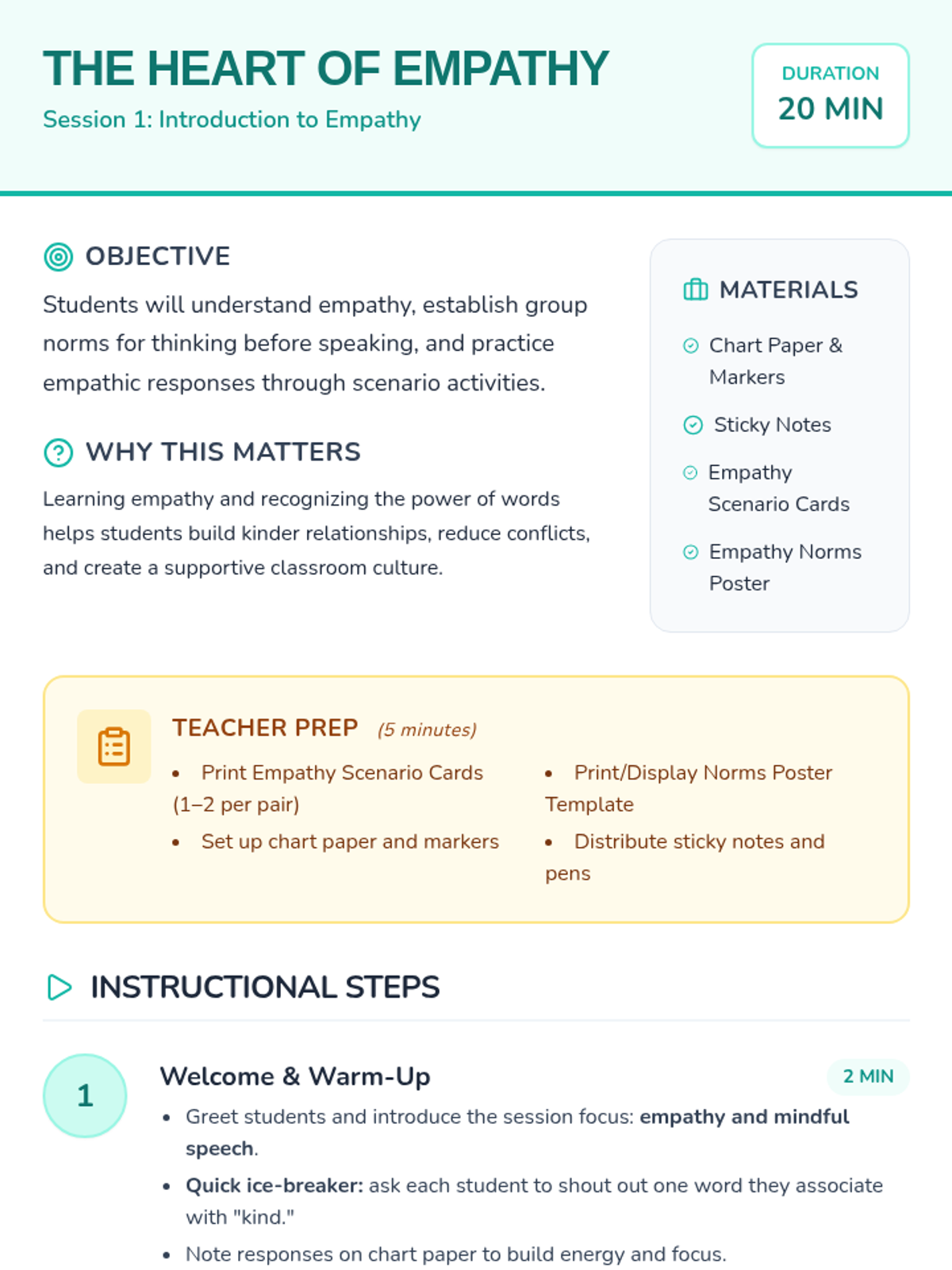
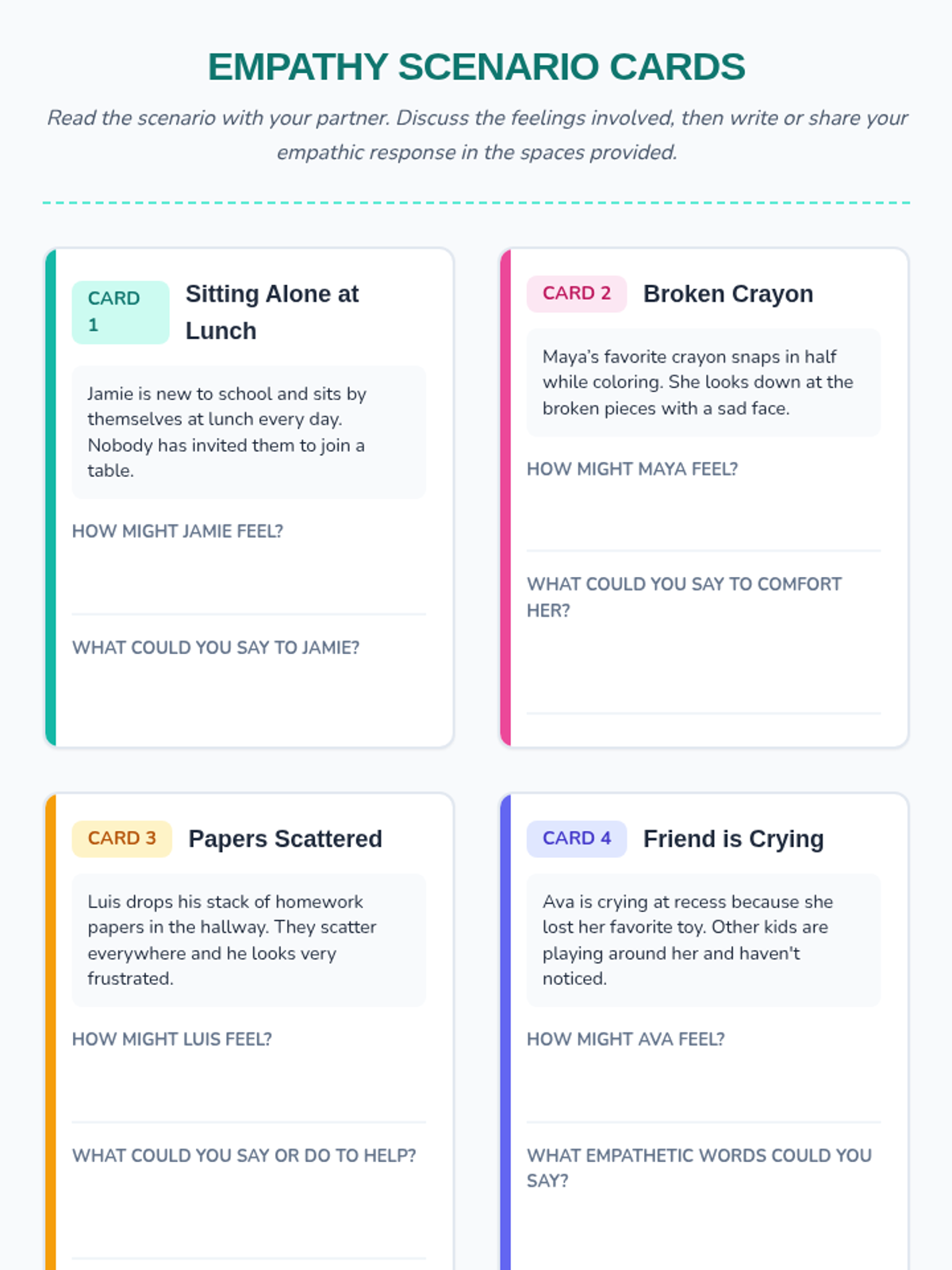
A four-session small-group series for third and fourth graders to develop empathy and the habit of thinking before speaking. Students explore the power of words, identify emotional triggers, practice empathic responses, and make personal commitments to kindness.
A 6-week Tier 2 group series for 3rd graders focused on building essential friendship skills, including empathy, active listening, conflict resolution, and teamwork, through interactive activities and reflection.
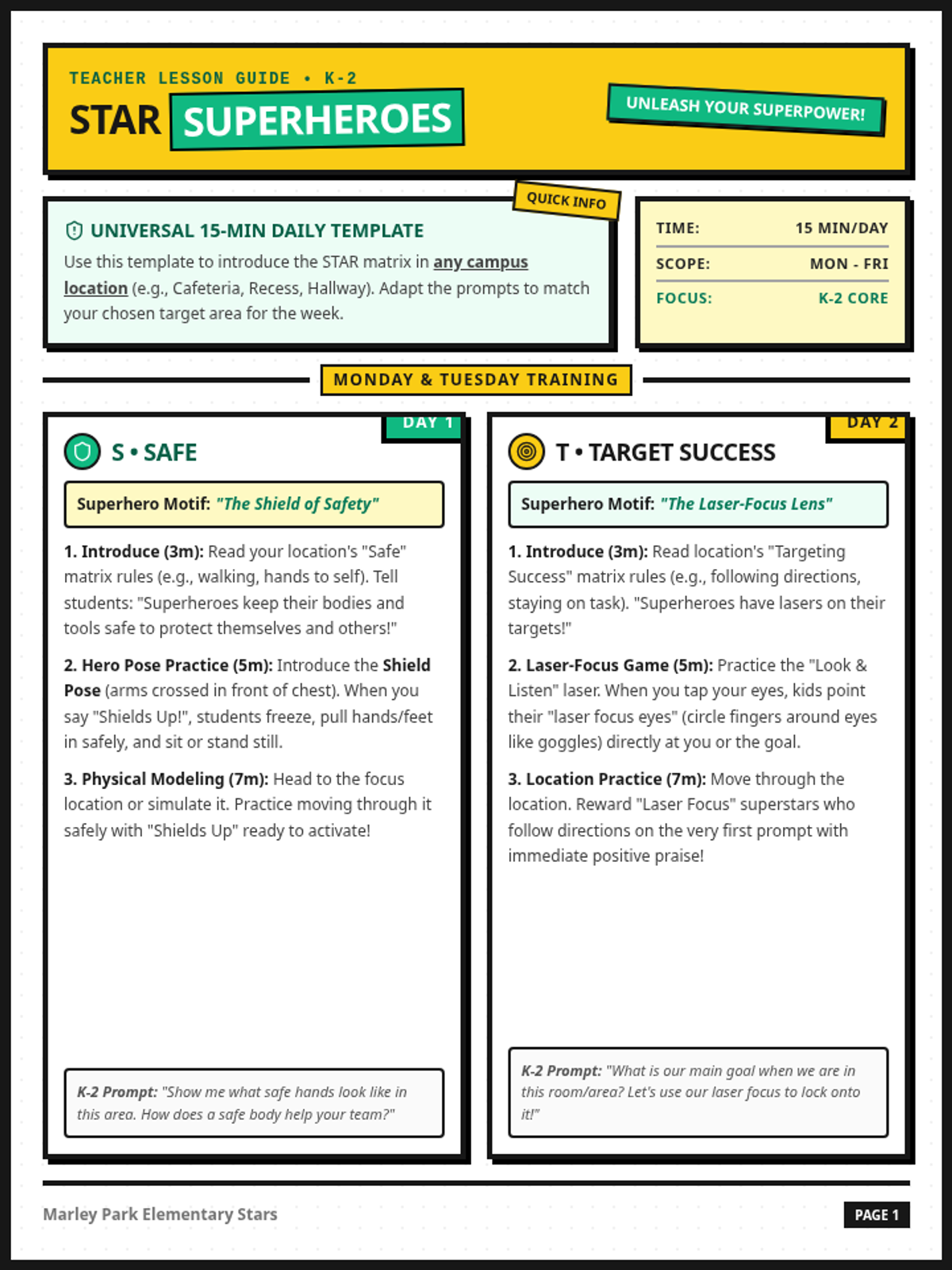
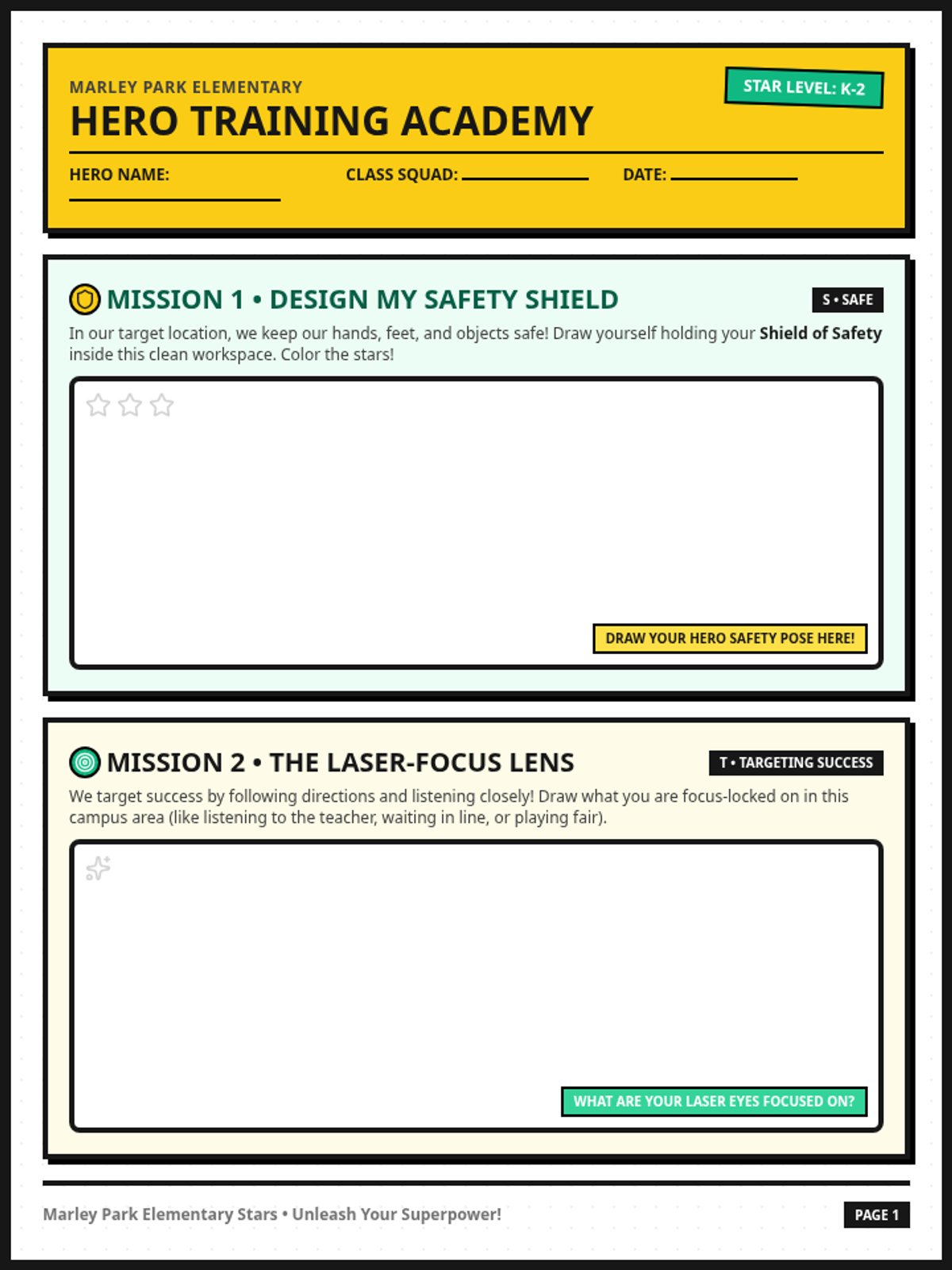
A comprehensive, 5-day universal lesson sequence designed to teach STAR expectations (Safe, Targeting Success, Acting with Integrity, Respectful & Responsible) across any campus location, customized for K-2, 3-5, and 6-8 with a superhero pop-art aesthetic.
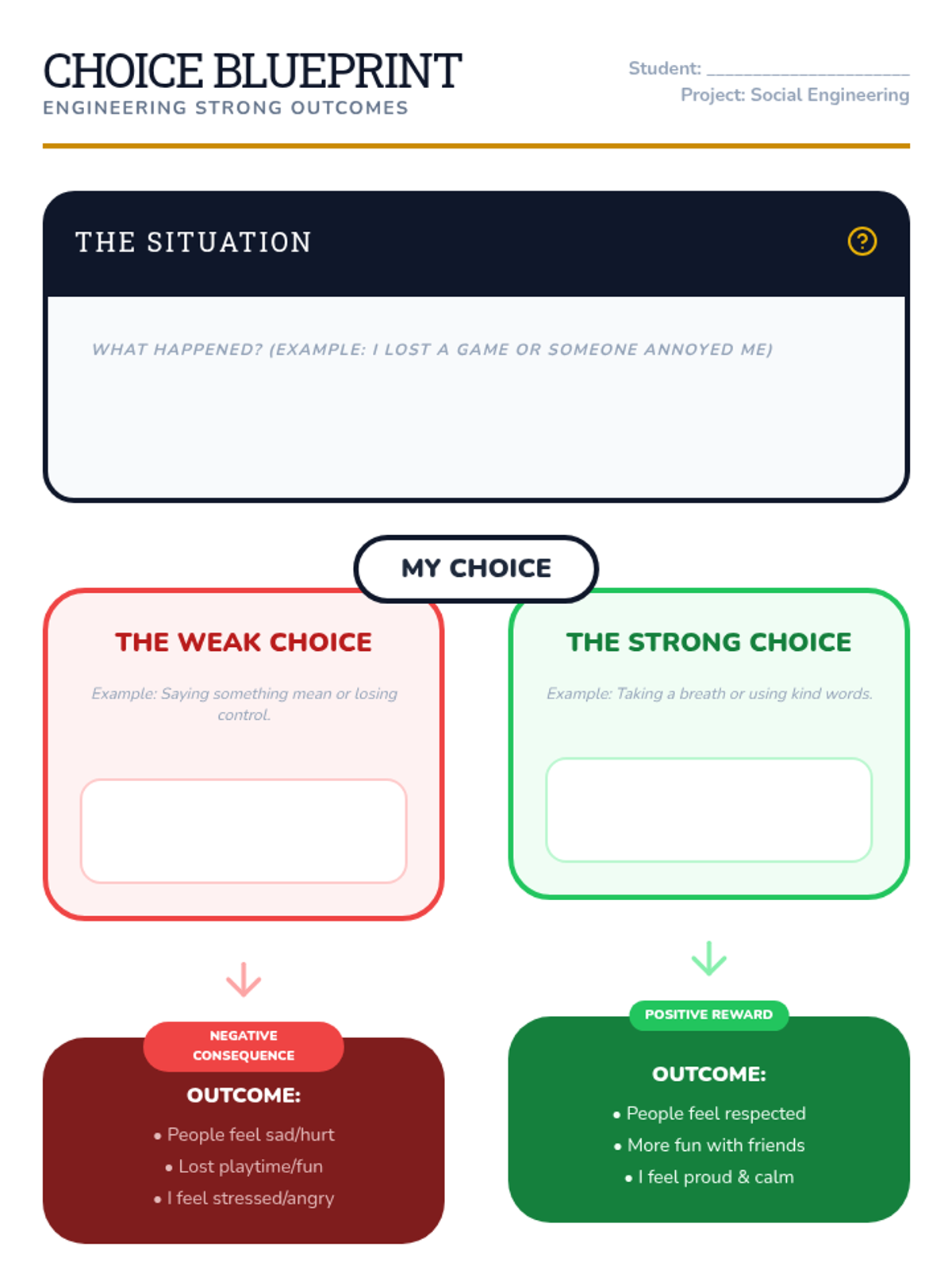
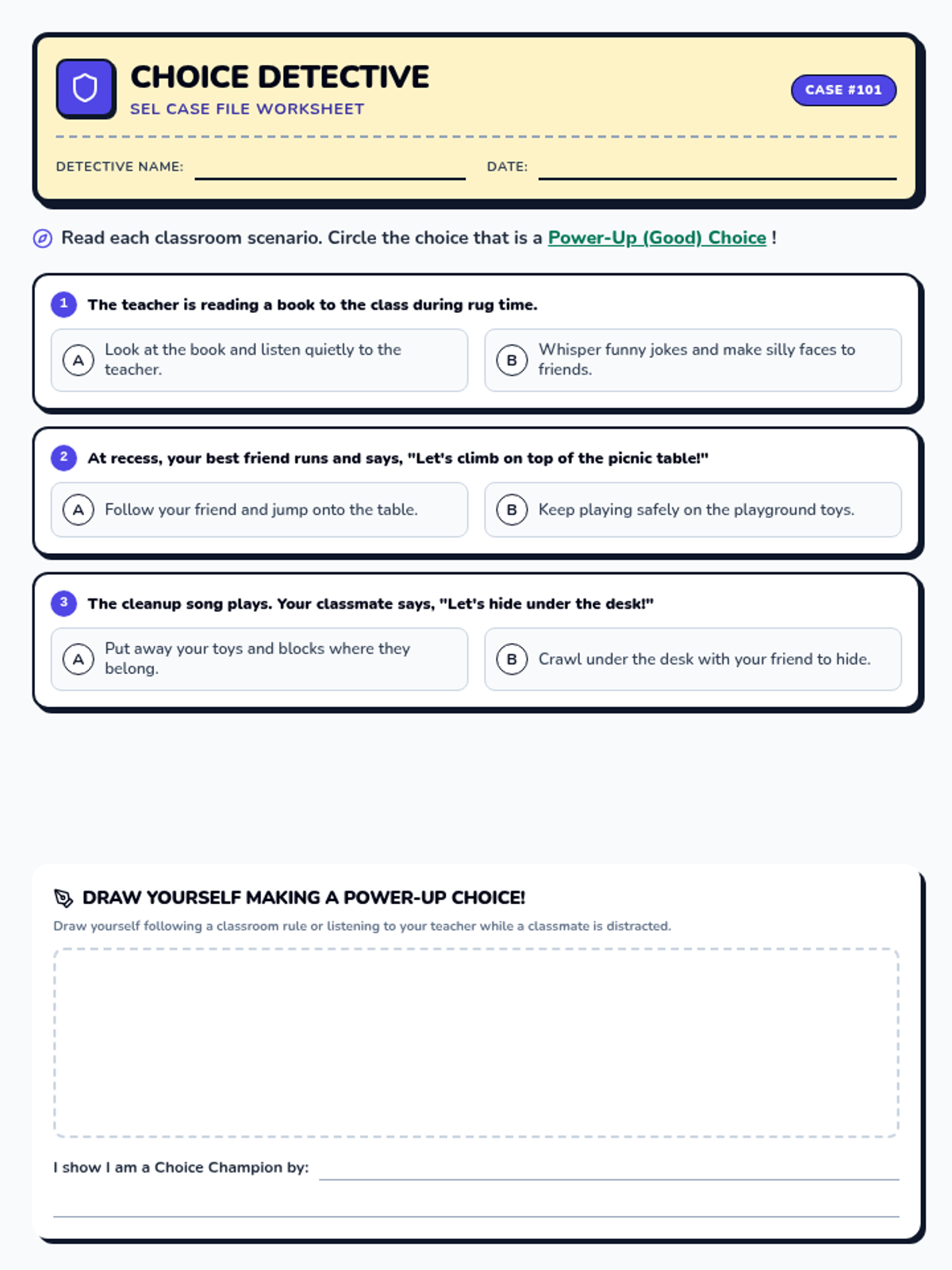
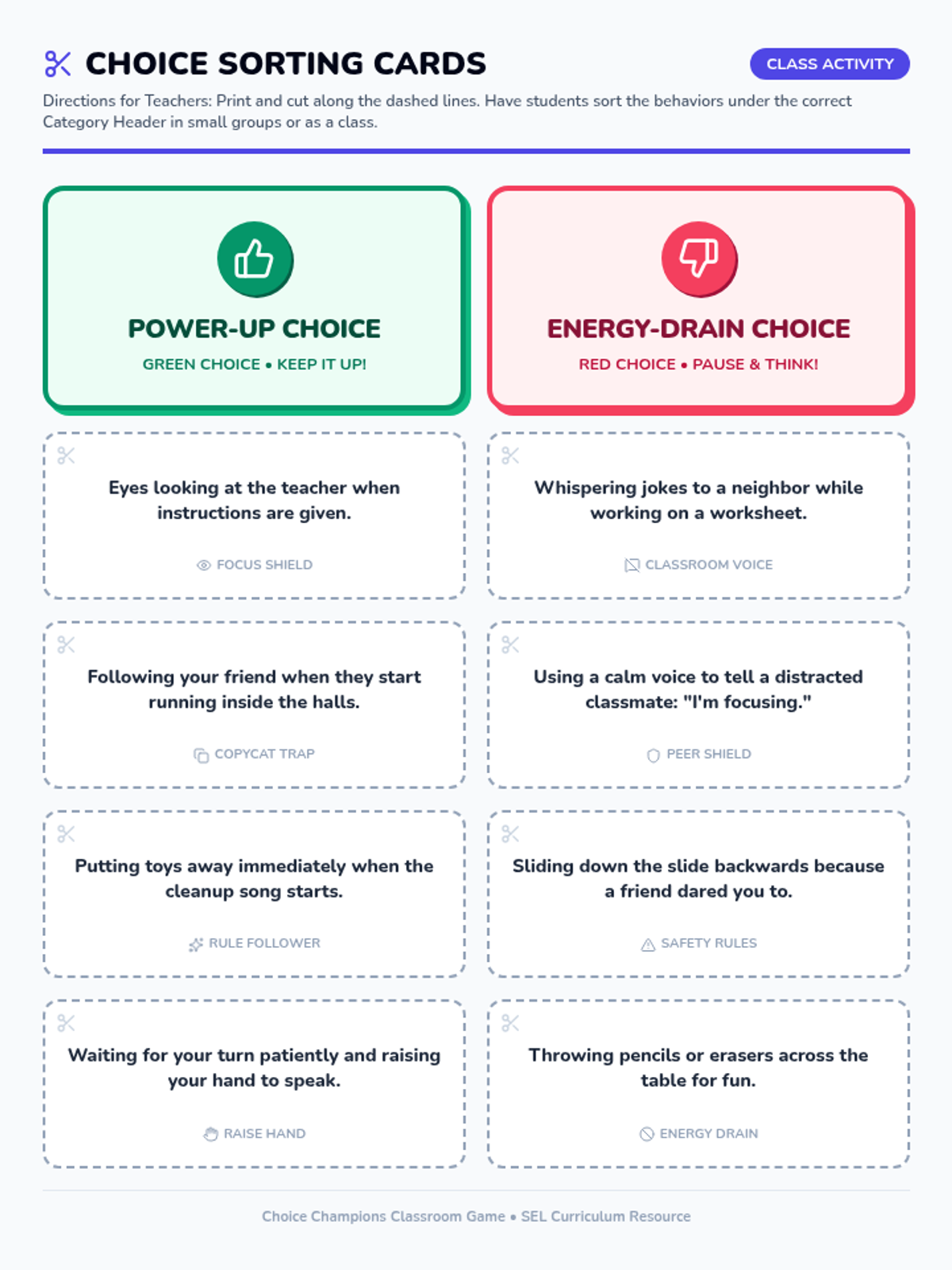
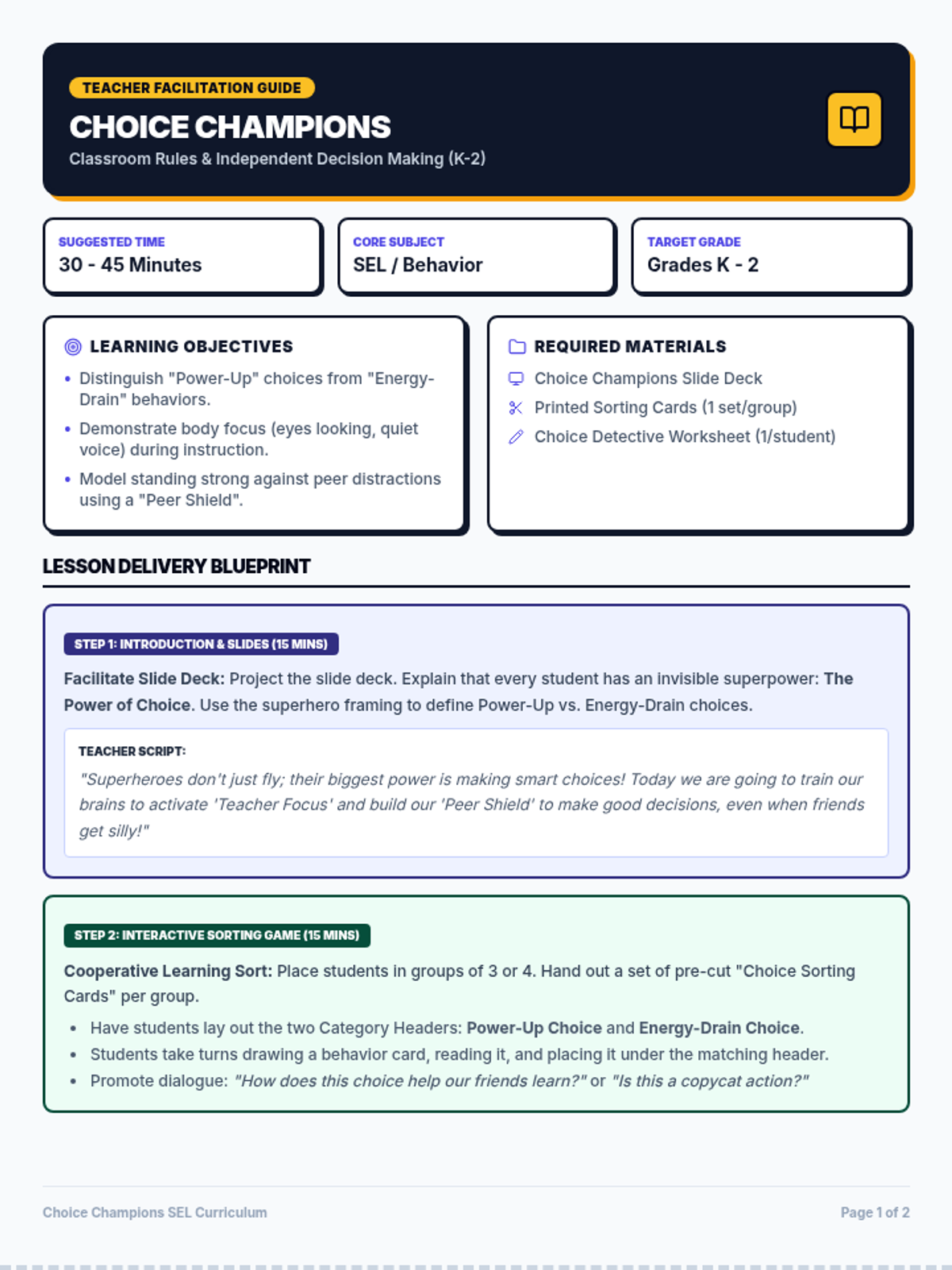
A social-emotional learning sequence for early elementary students to master classroom behavior, self-regulation, and peer conflict resolution. It features the 'Choice Champions' lesson on smart behavior choices and the 'Peace Pals' lesson on conflict coping skills.
A series of social-emotional and behavioral lessons to improve school-wide culture and student self-regulation.
A comprehensive introduction to library skills, covering both the physical care of books and the intellectual skills needed to find and evaluate information.
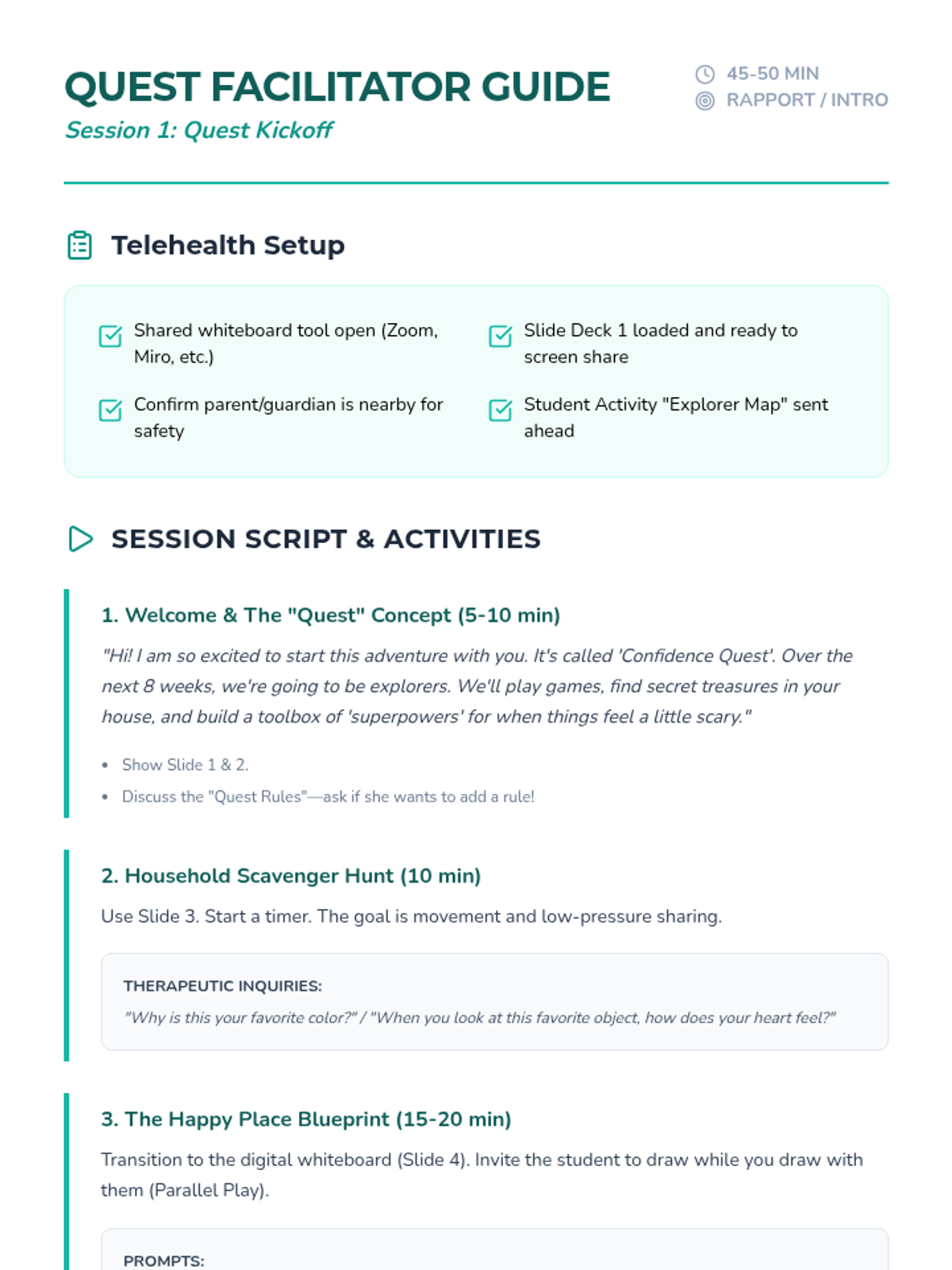
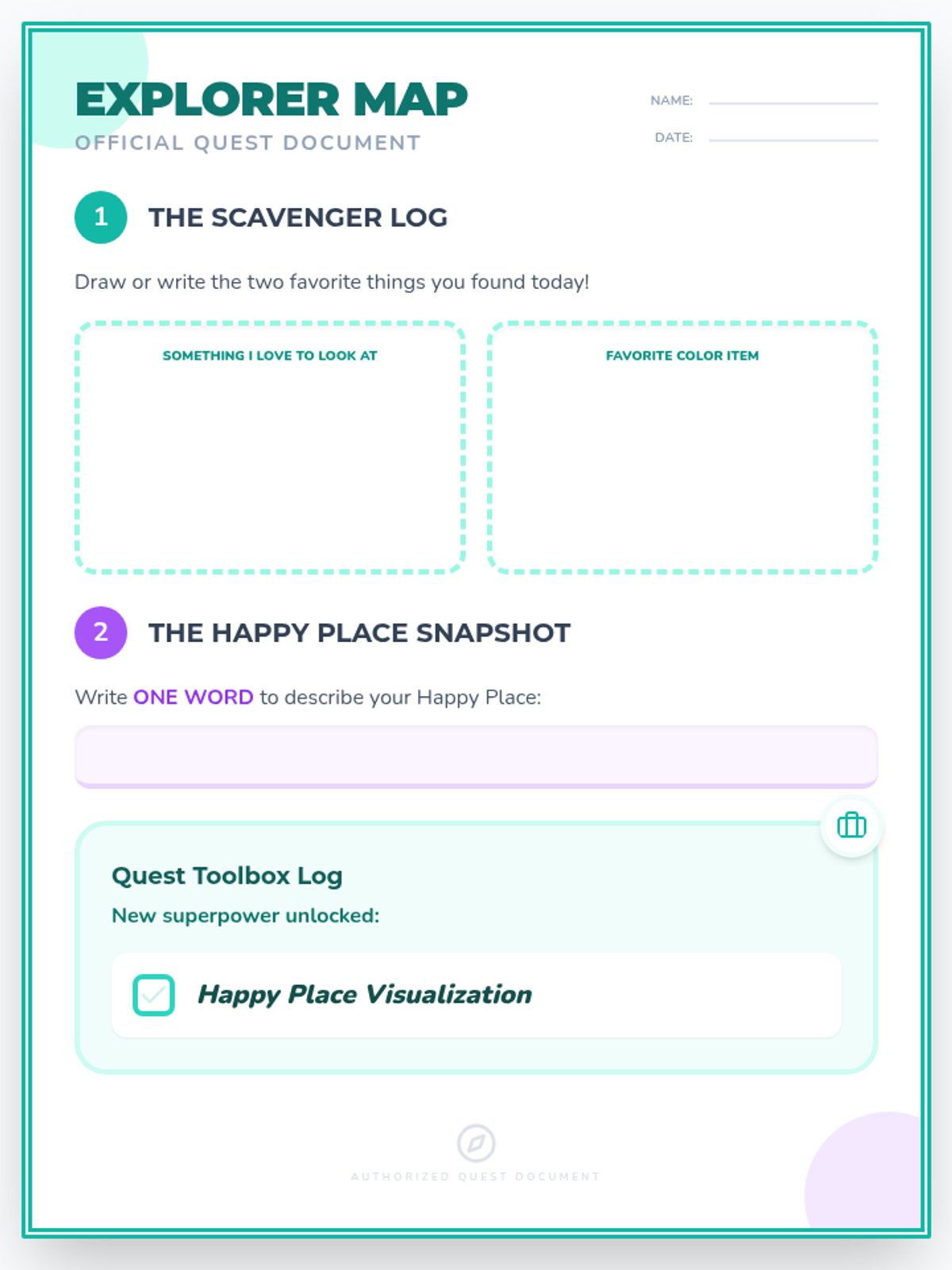
An 8-week telehealth play therapy program for an 8-year-old girl, focusing on social anxiety, self-confidence, and coping skills through scavenger hunts, bibliotherapy, and digital drawing.
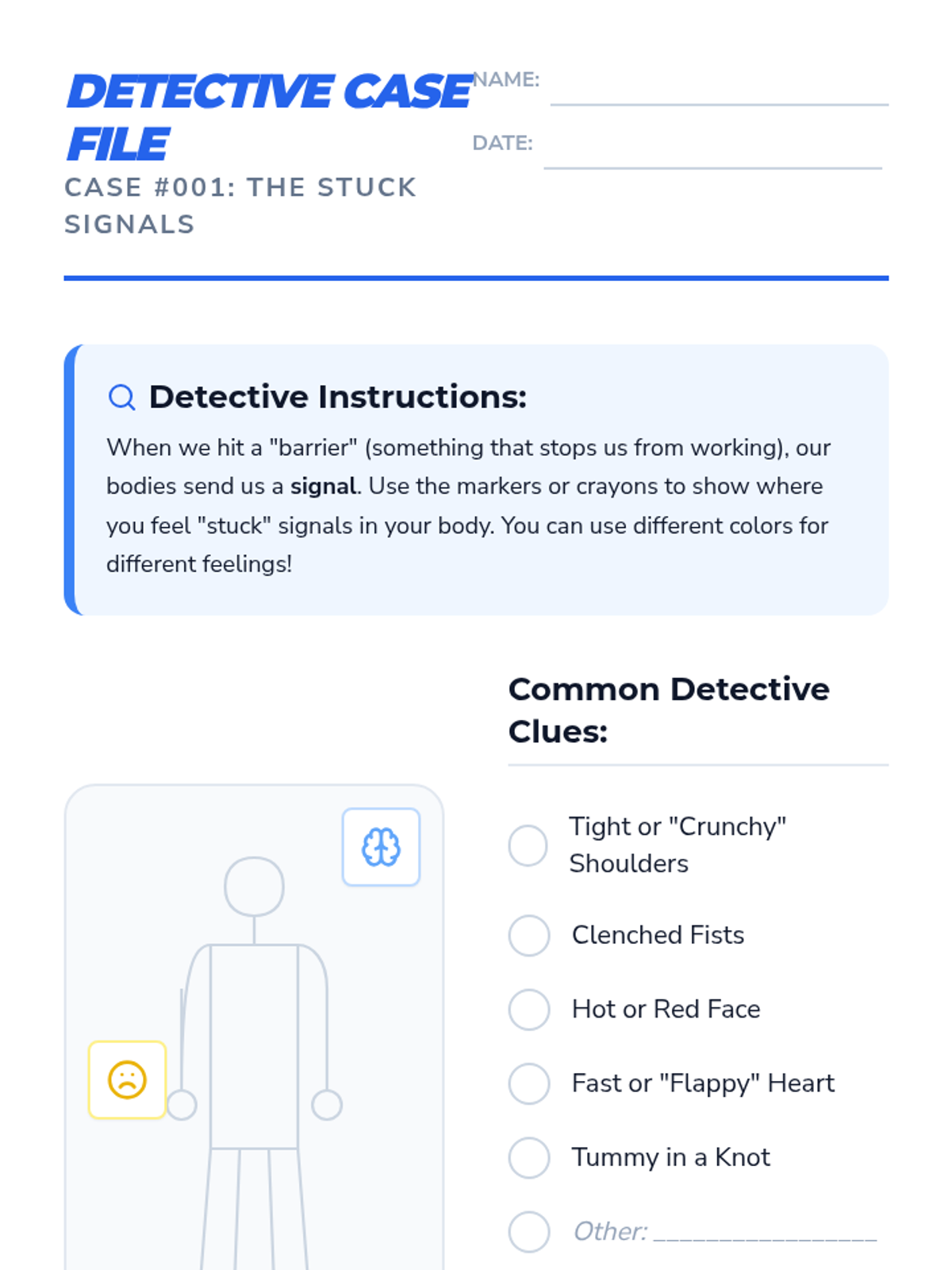
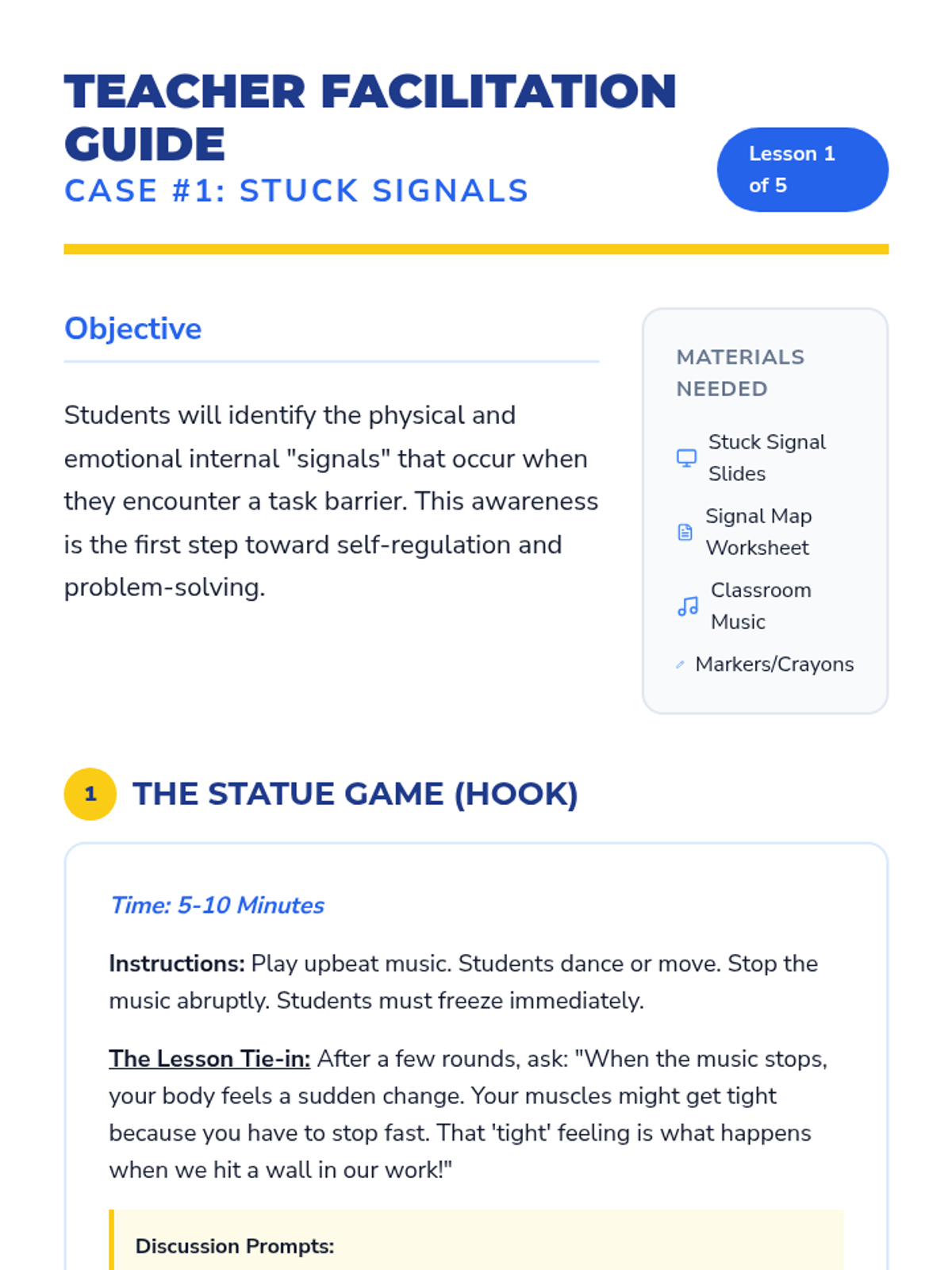
A 5-lesson unit for 3rd-grade students focused on identifying and categorizing obstacles that prevent task completion. Students learn to recognize internal emotional signals and external barriers (physical, informational, and environmental) to build self-advocacy and problem-solving skills.
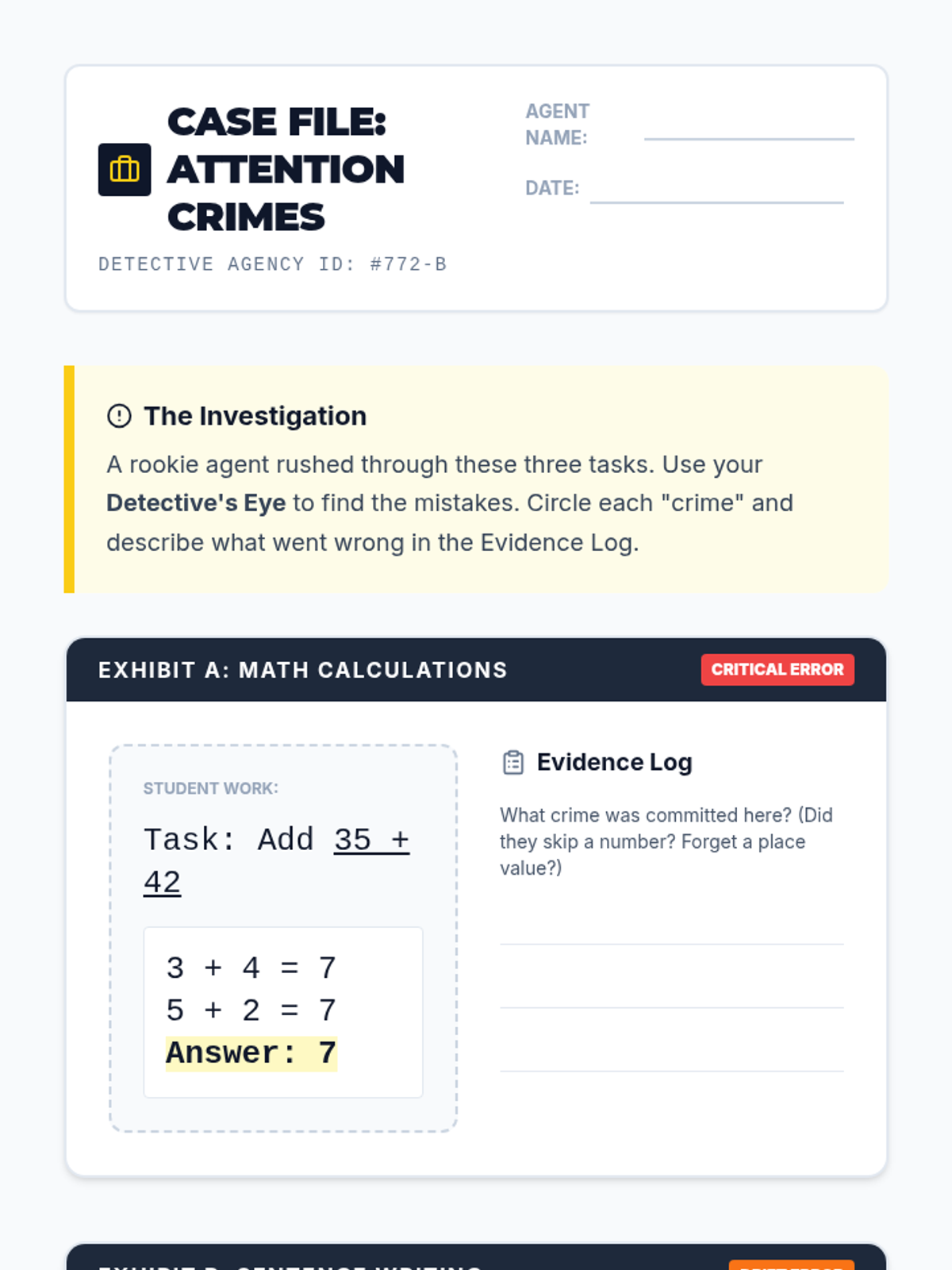
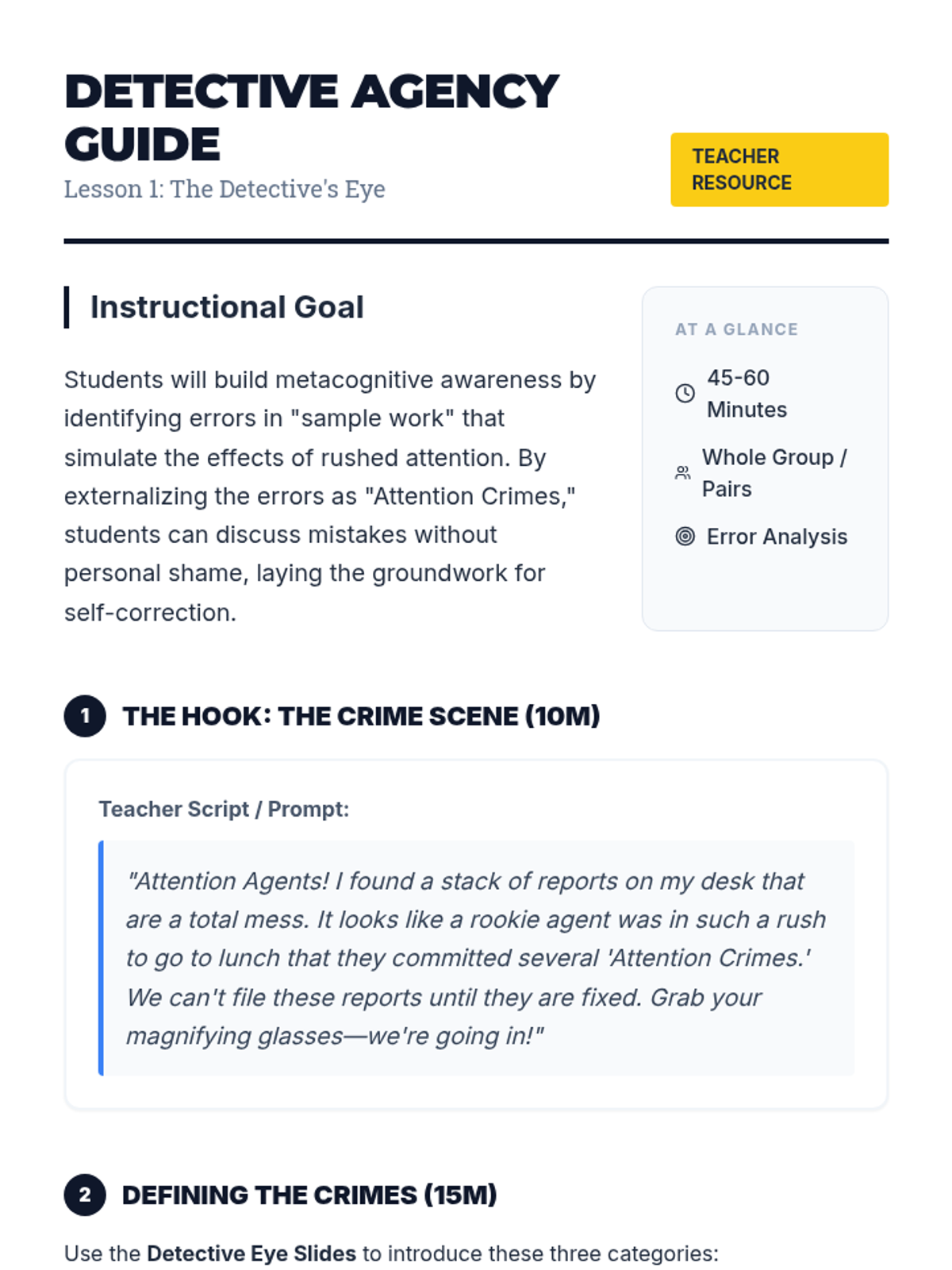
A 5-lesson unit for 3rd-grade students focused on metacognitive monitoring and self-correction. Using a detective theme, students learn to identify errors, use pacing strategies like 'Stop-and-Check', and monitor their own attention during complex tasks.
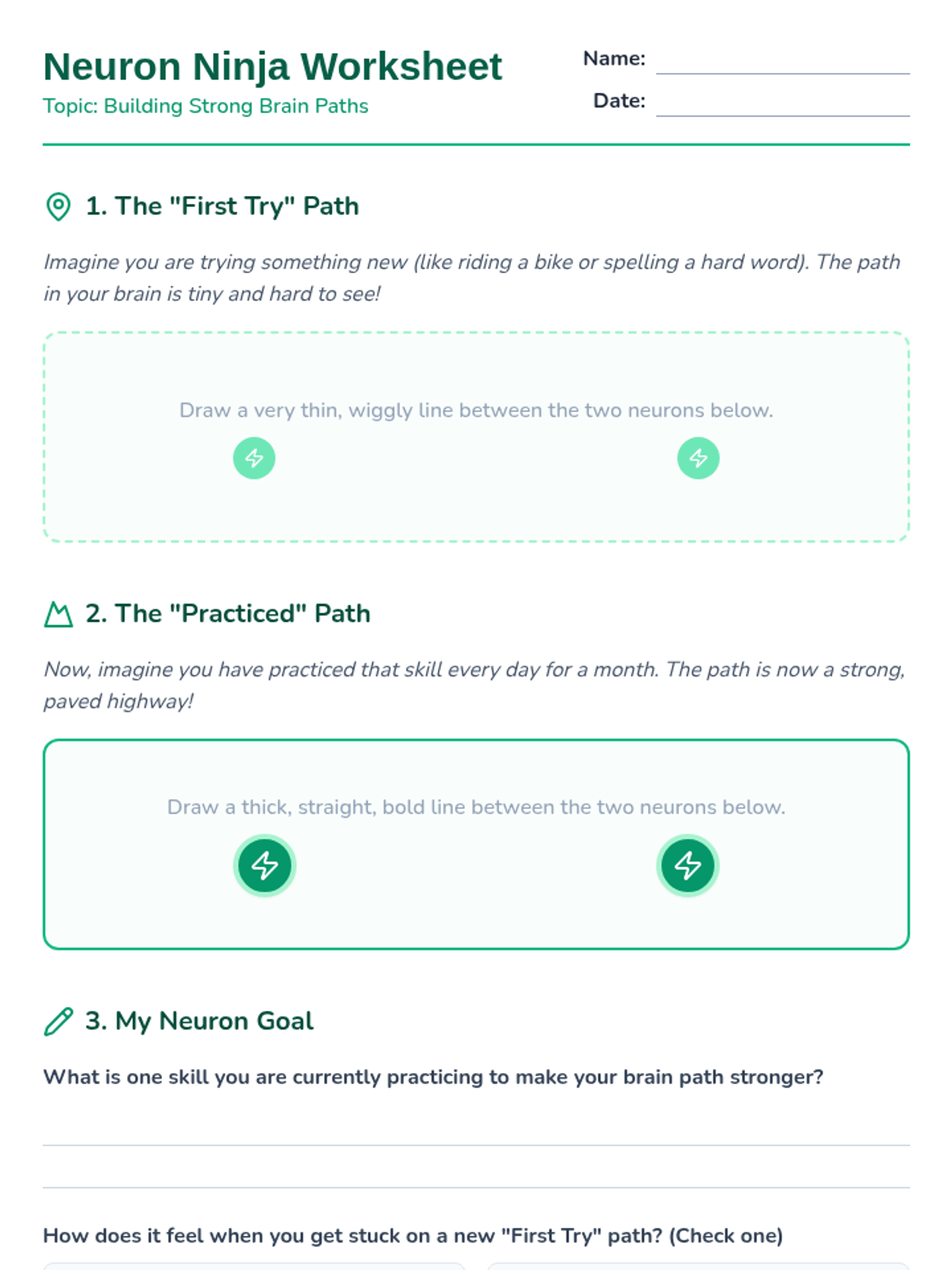
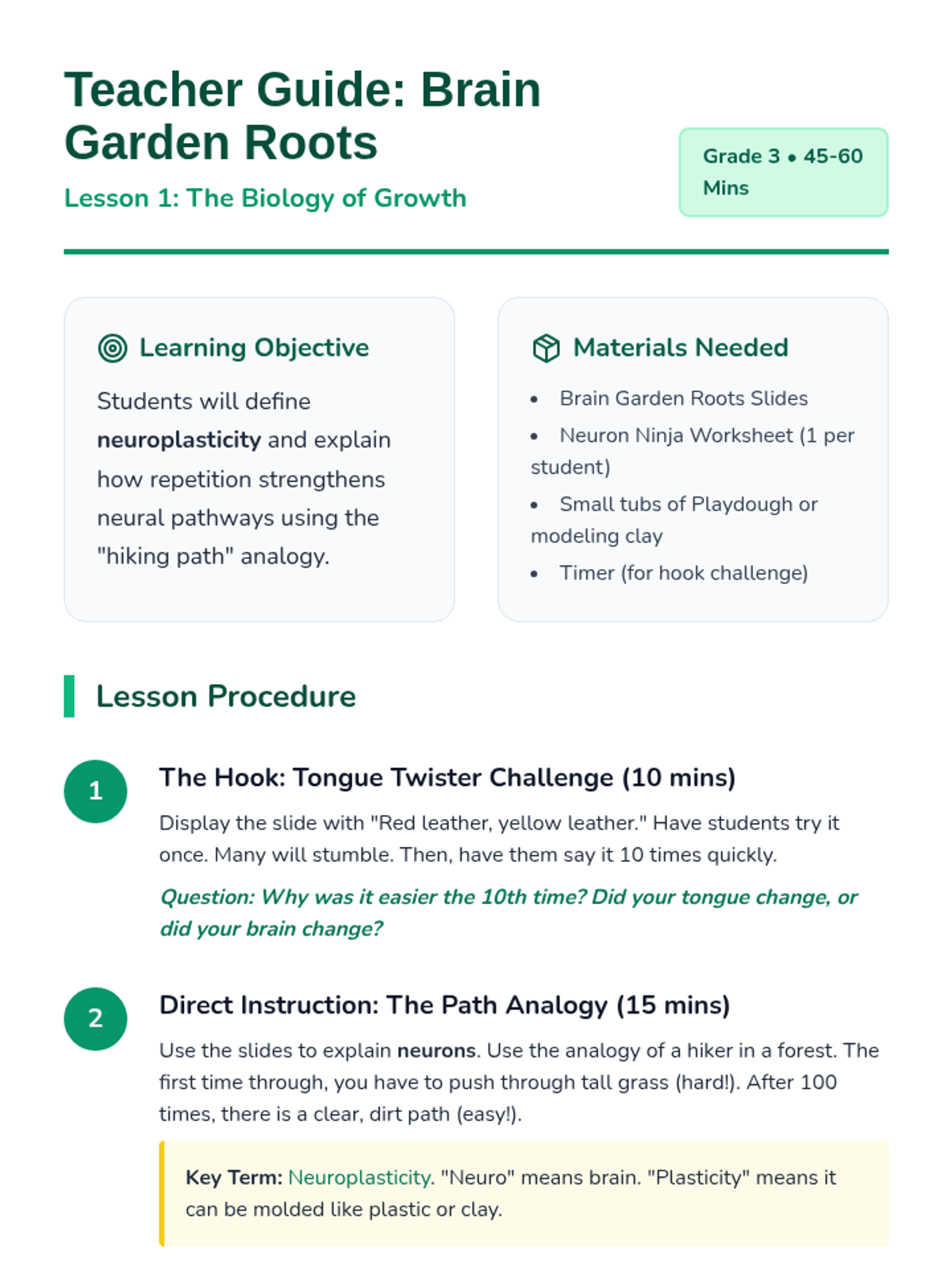
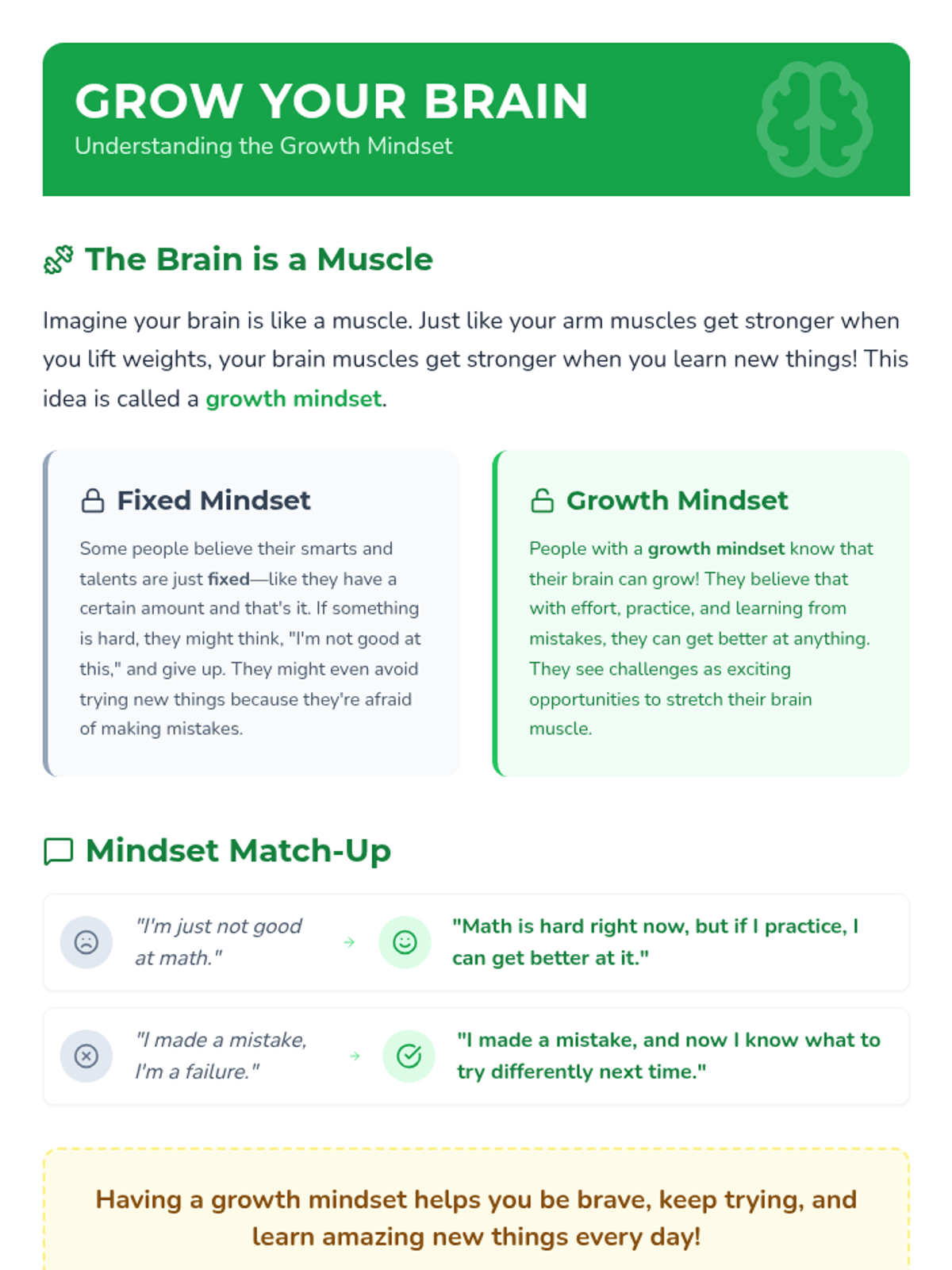
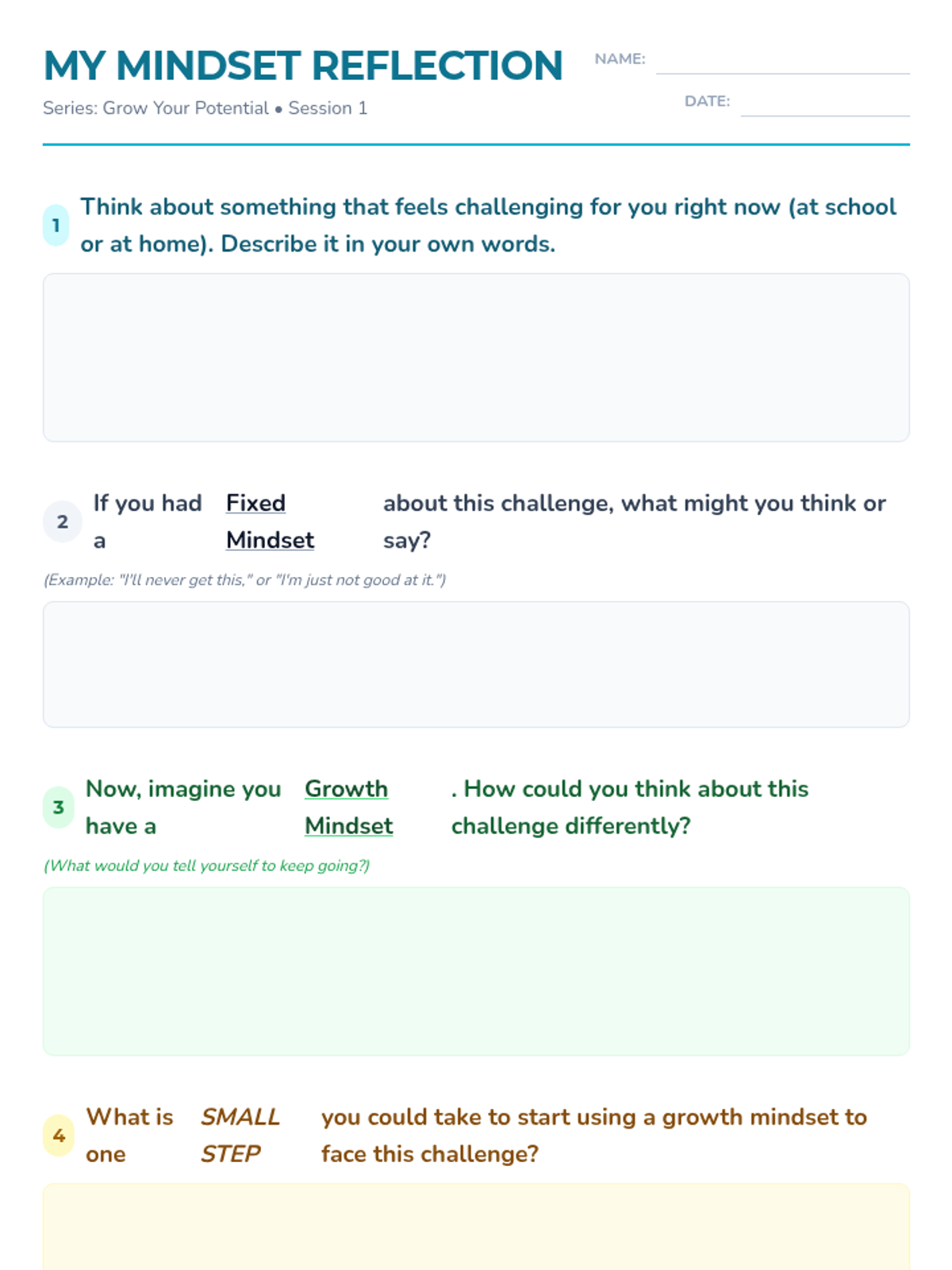
A 3rd-grade sequence focused on neuroplasticity and growth mindset. Students explore how their brains change through learning, differentiate between fixed and growth mindsets, and visualize their future selves.
This sequence equips 3rd-grade students with specific strategies to navigate disagreements during group work, moving from identifying triggers to expressing feelings and negotiating compromises. Students use case studies and role-plays to build a toolkit of resolution strategies for solving peer problems independently.
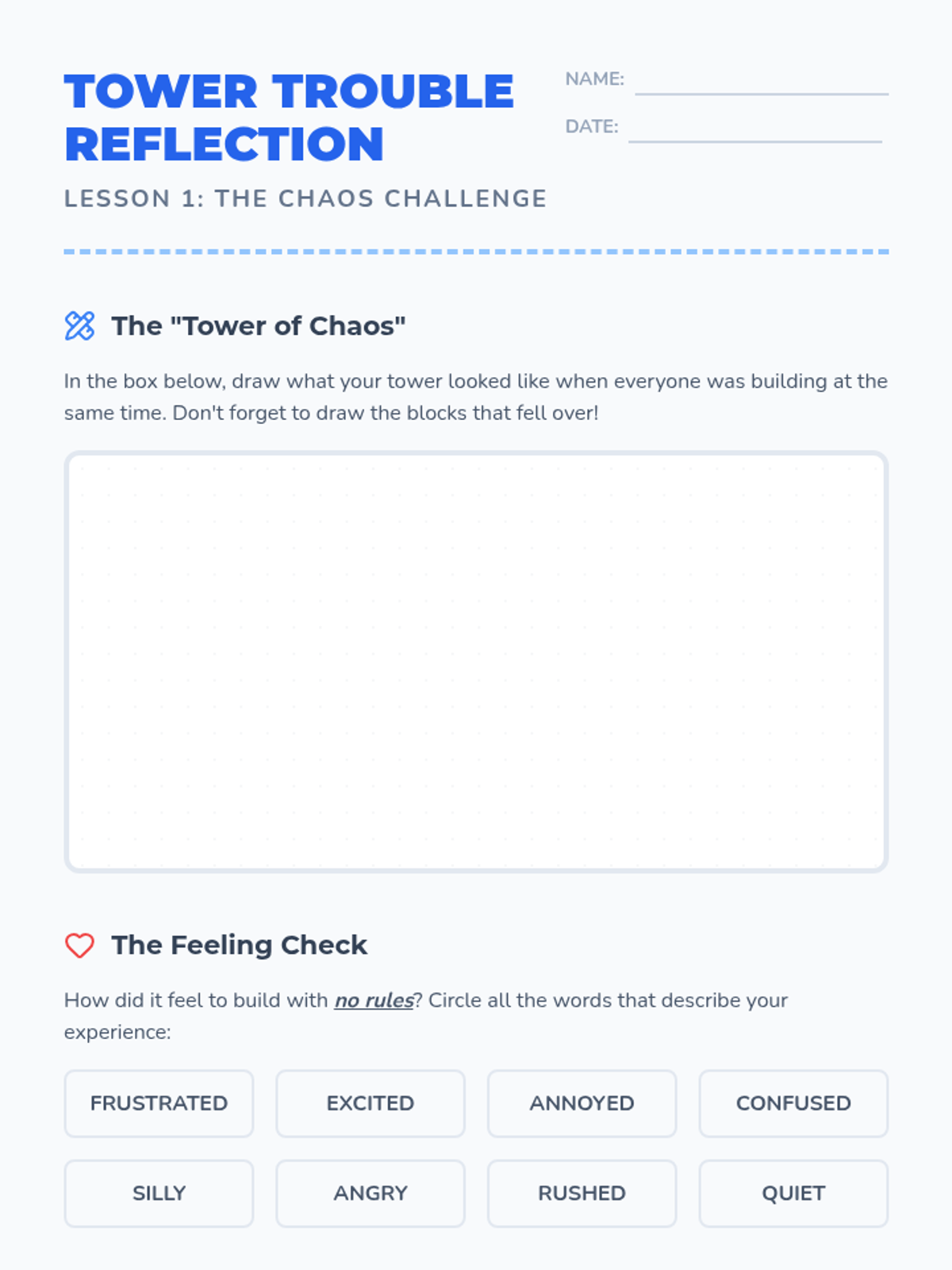
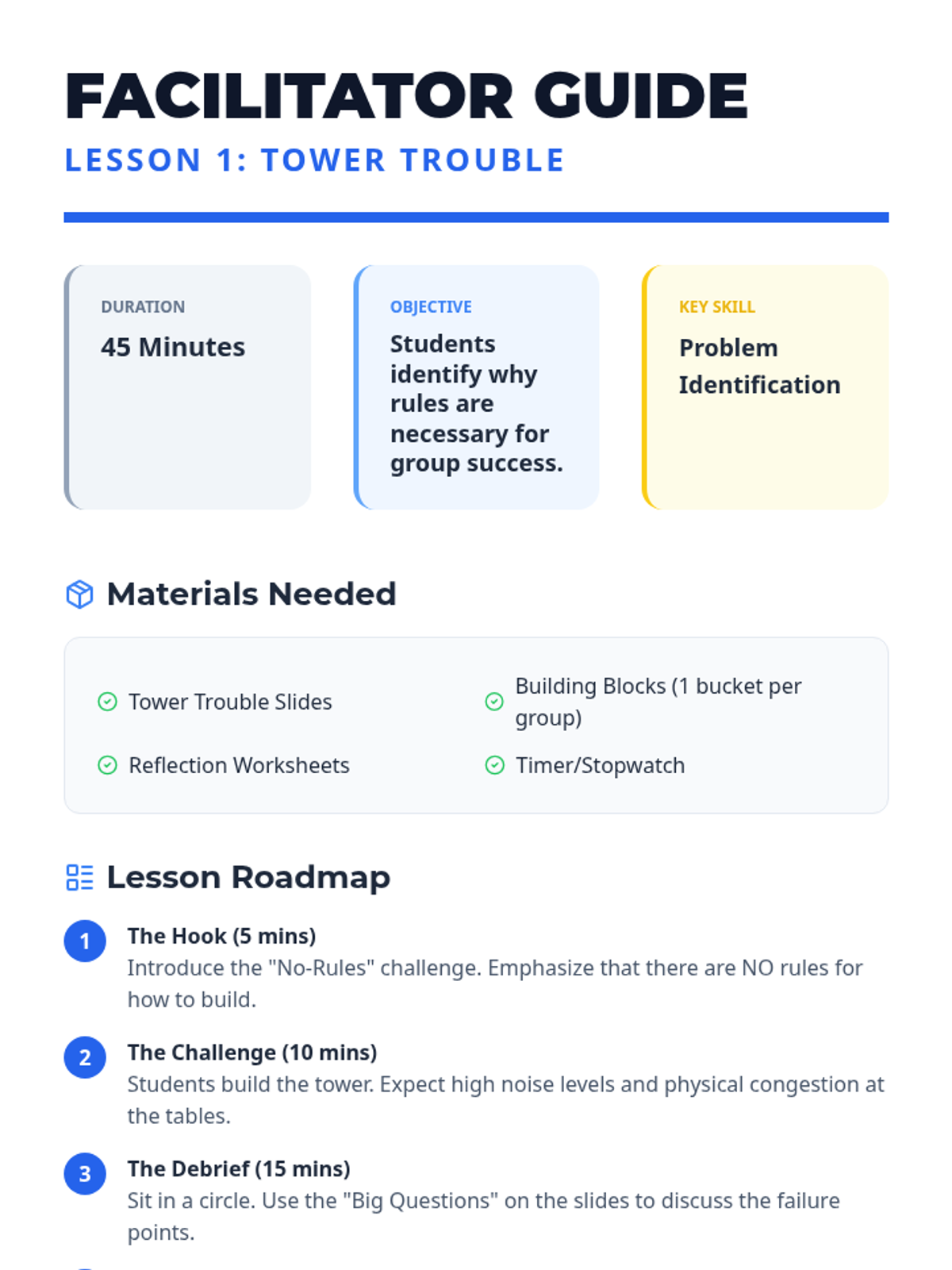
A series of 5 lessons for 3rd graders that explores the necessity of rules, turn-taking, and cooperation through hands-on challenges and game-based learning. Students move from experiencing the frustration of chaos to designing their own fair and inclusive games.
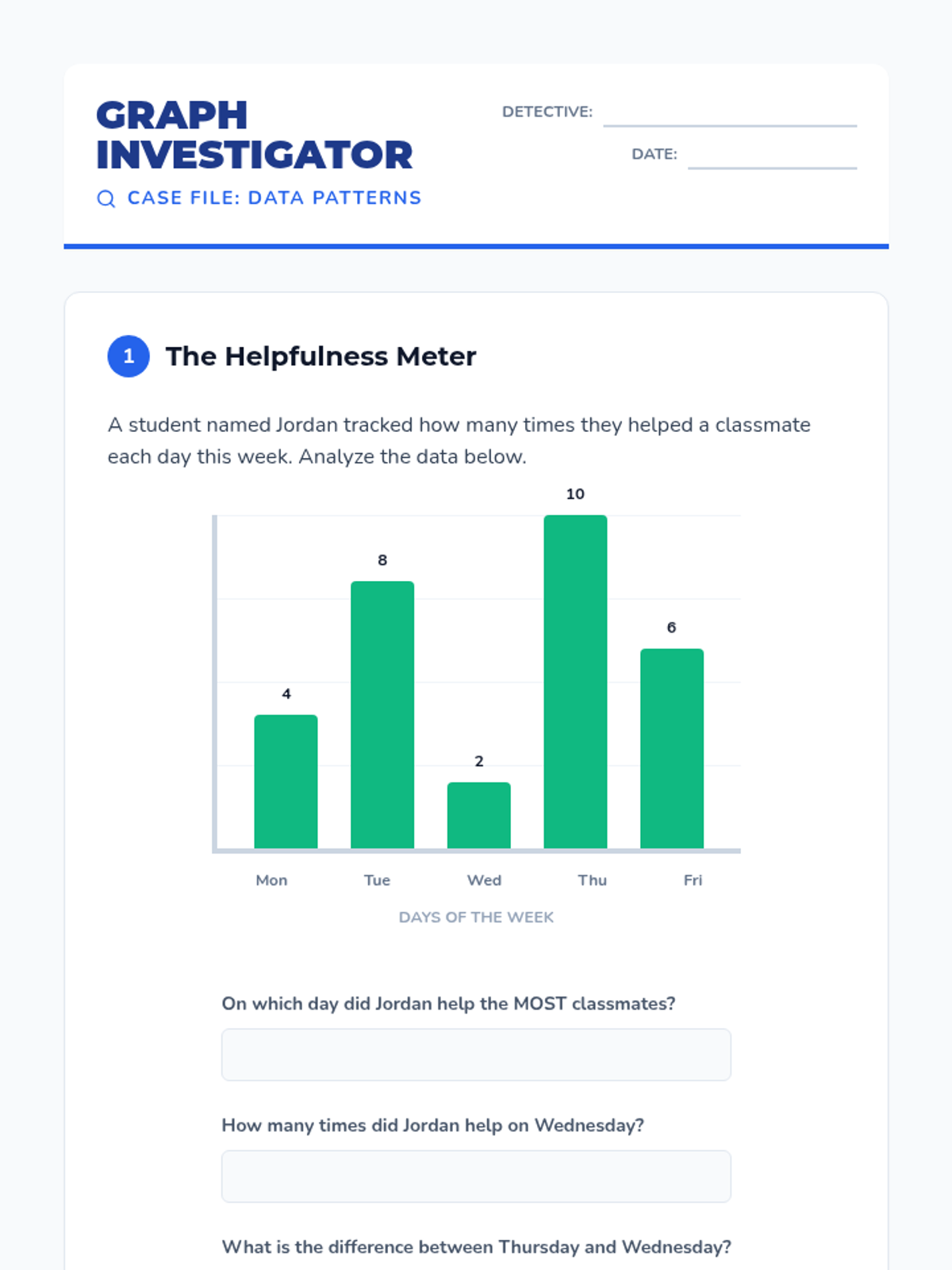
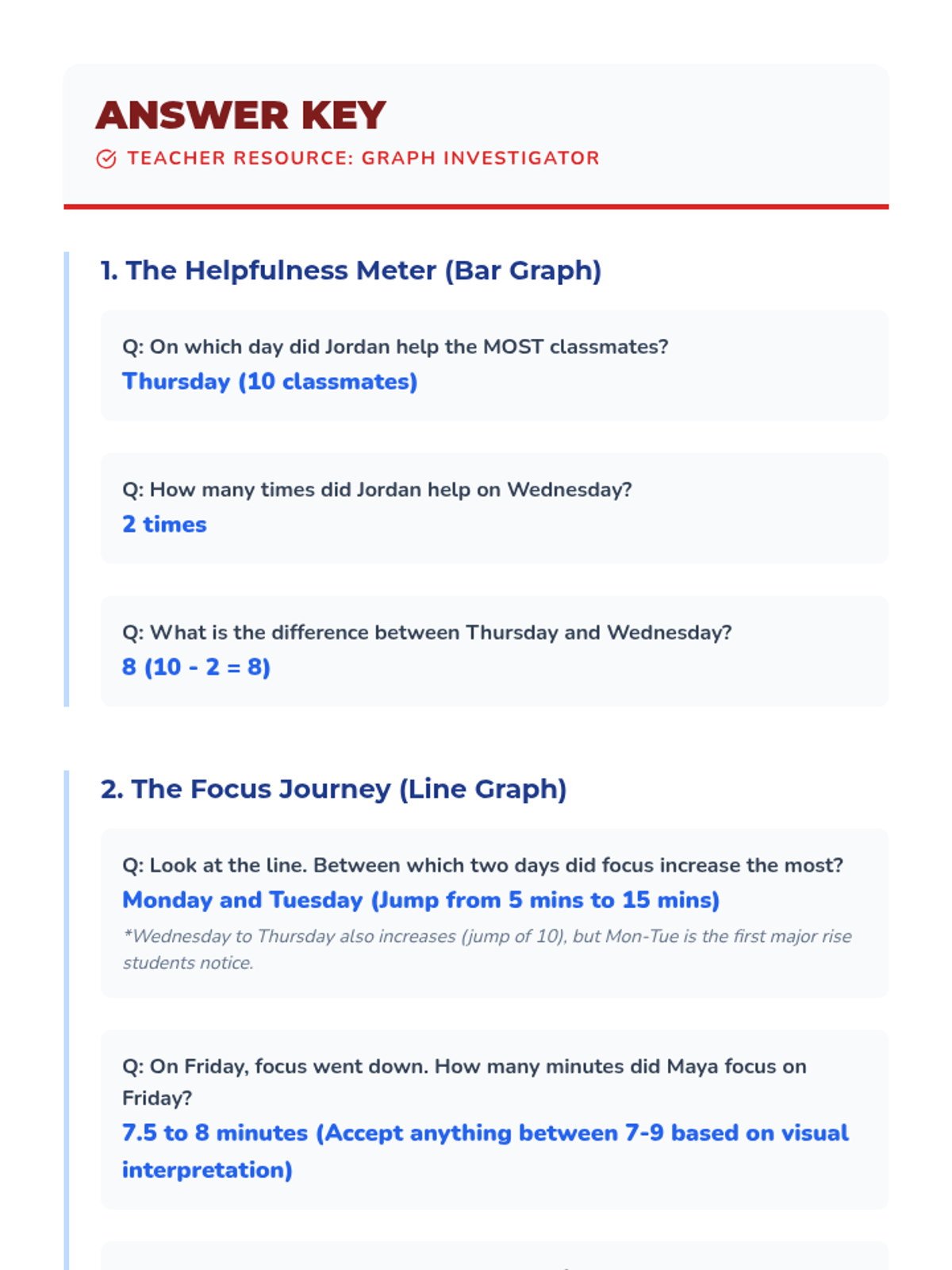
A 5-lesson sequence for 3rd graders that treats behavior tracking as a data science project. Students learn to interpret graphs, identify time-based and environmental triggers, and create evidence-based strategies for personal growth.
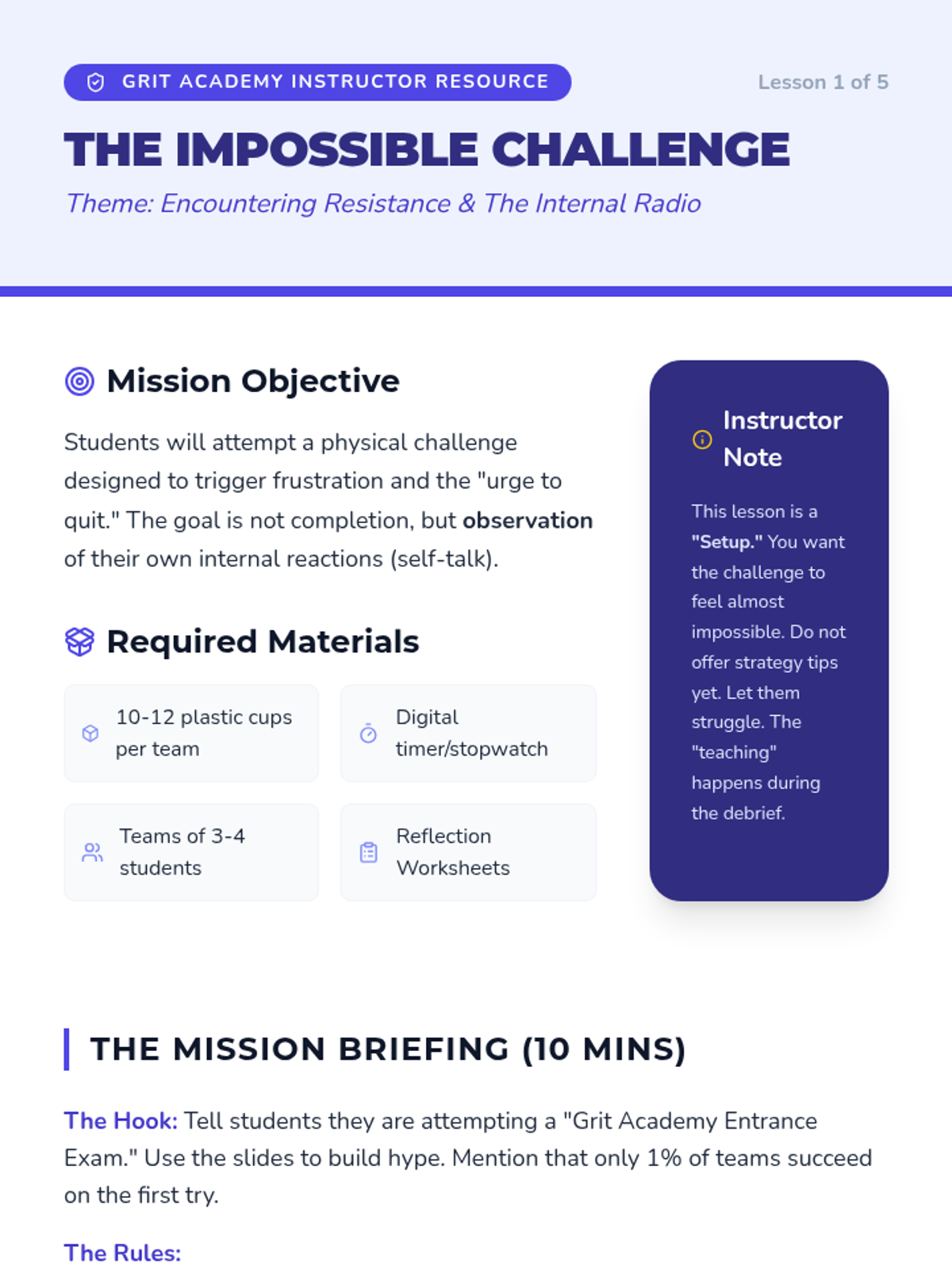
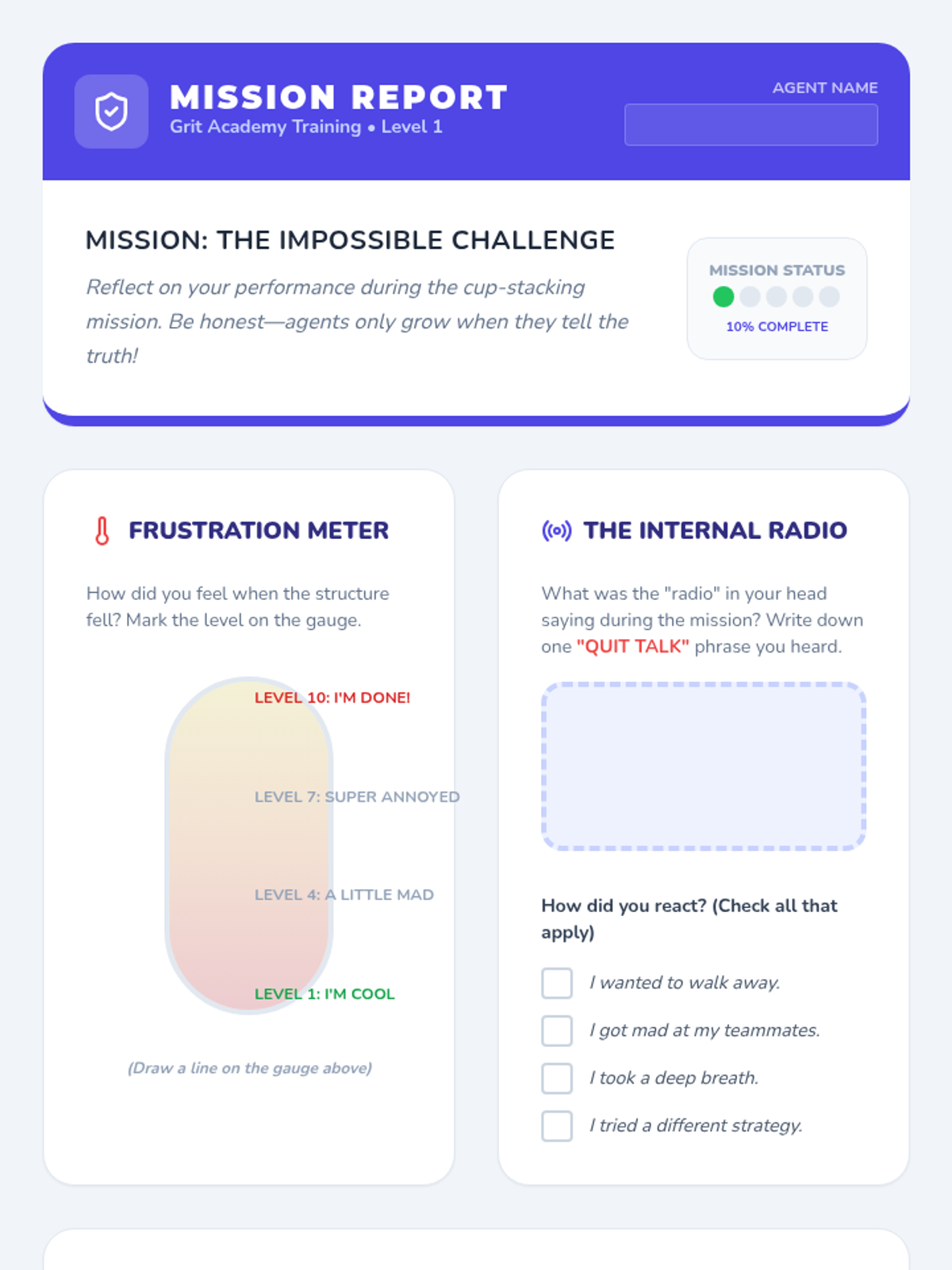
A 5-lesson sequence for 3rd grade students focused on developing internal motivation, grit, and resilience through game-based learning and simulations. Students learn to reframe failure, use positive self-talk, iterate on strategies, and connect hard work to their long-term purpose.
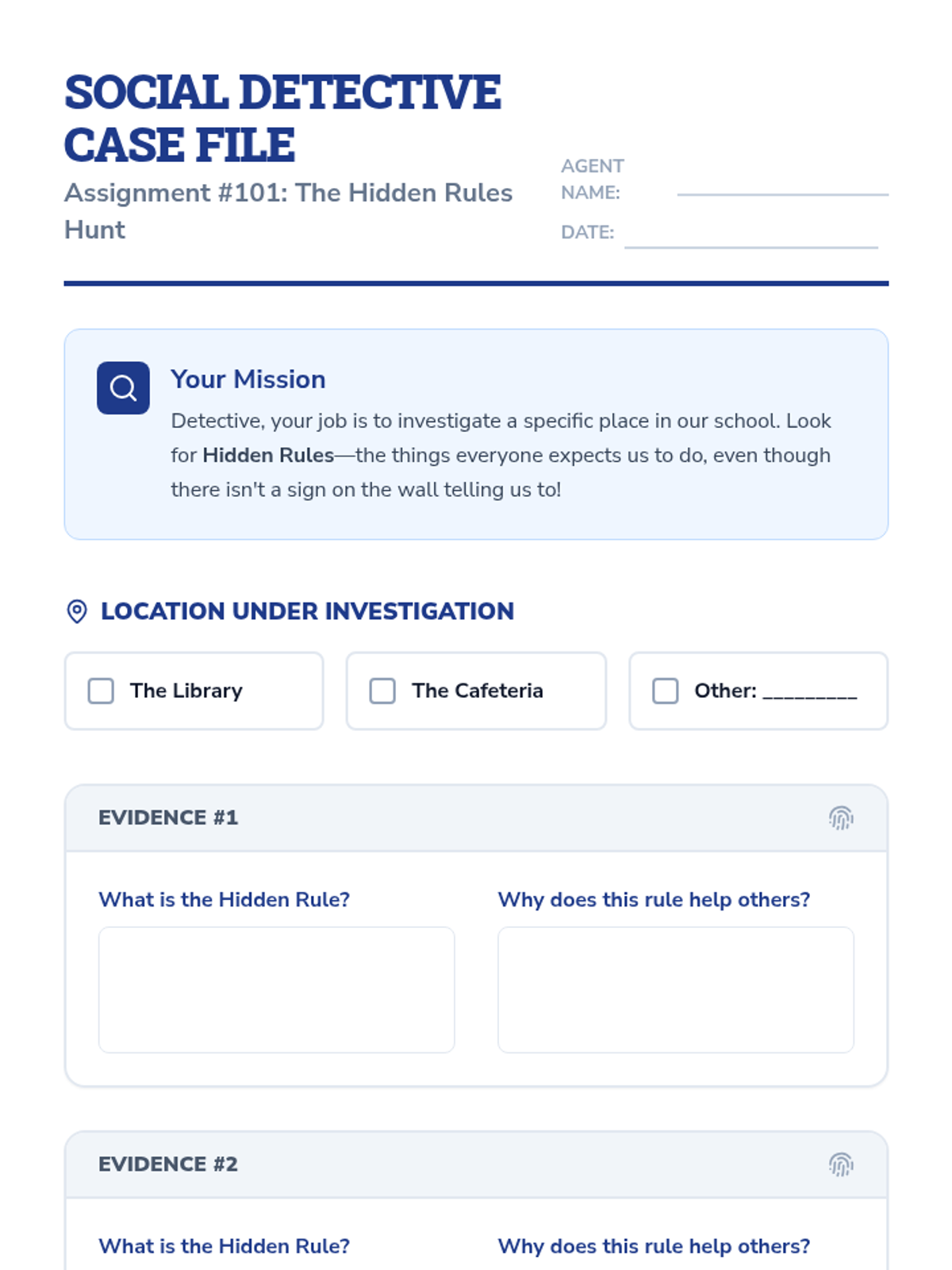
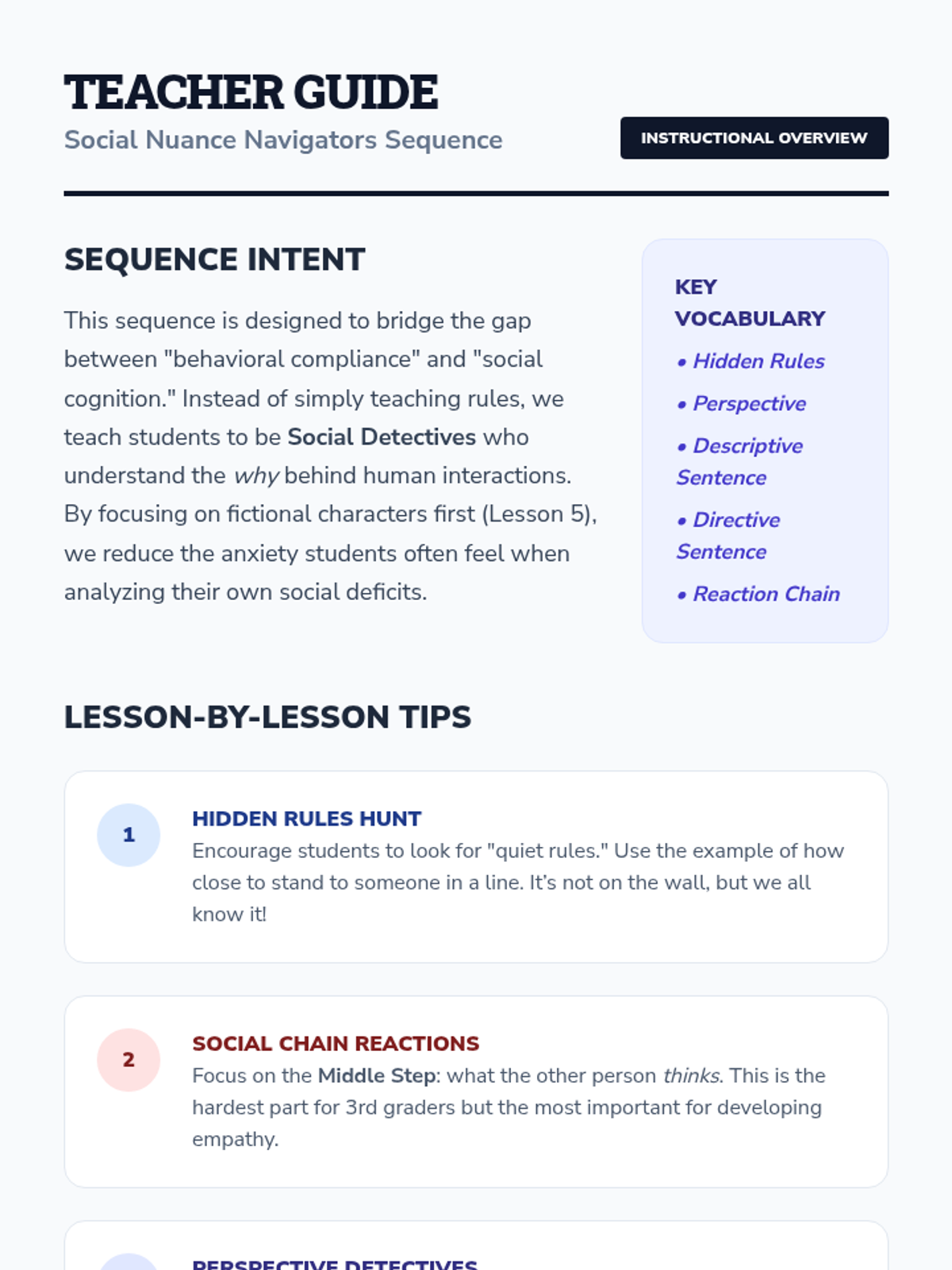
A 5-lesson sequence for 3rd graders focused on social cognition, perspective-taking, and the creation of social stories to navigate unwritten social rules. Students act as 'Social Detectives' to analyze scenarios, map cause-and-effect, and author supportive narratives for themselves and others.
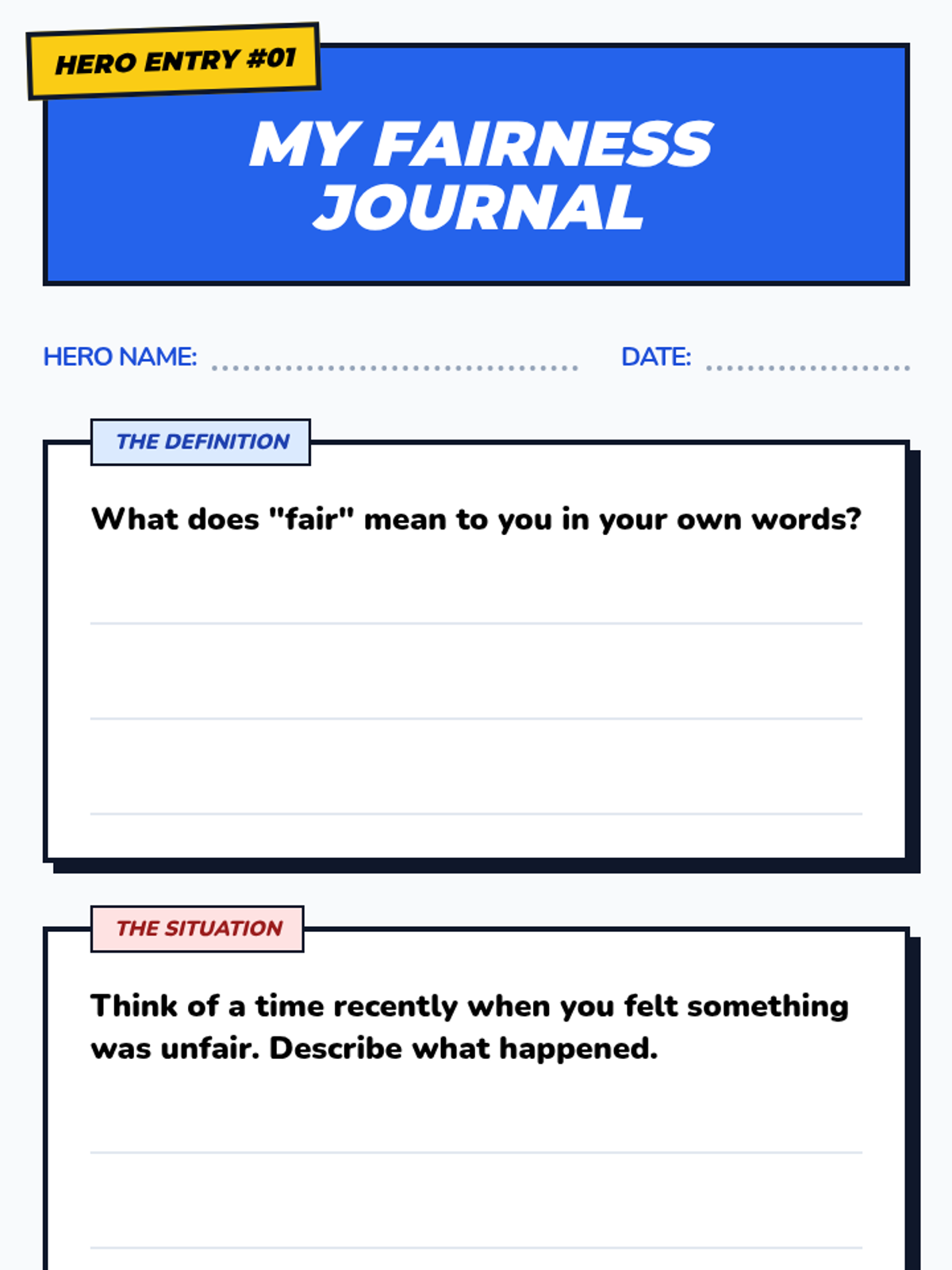
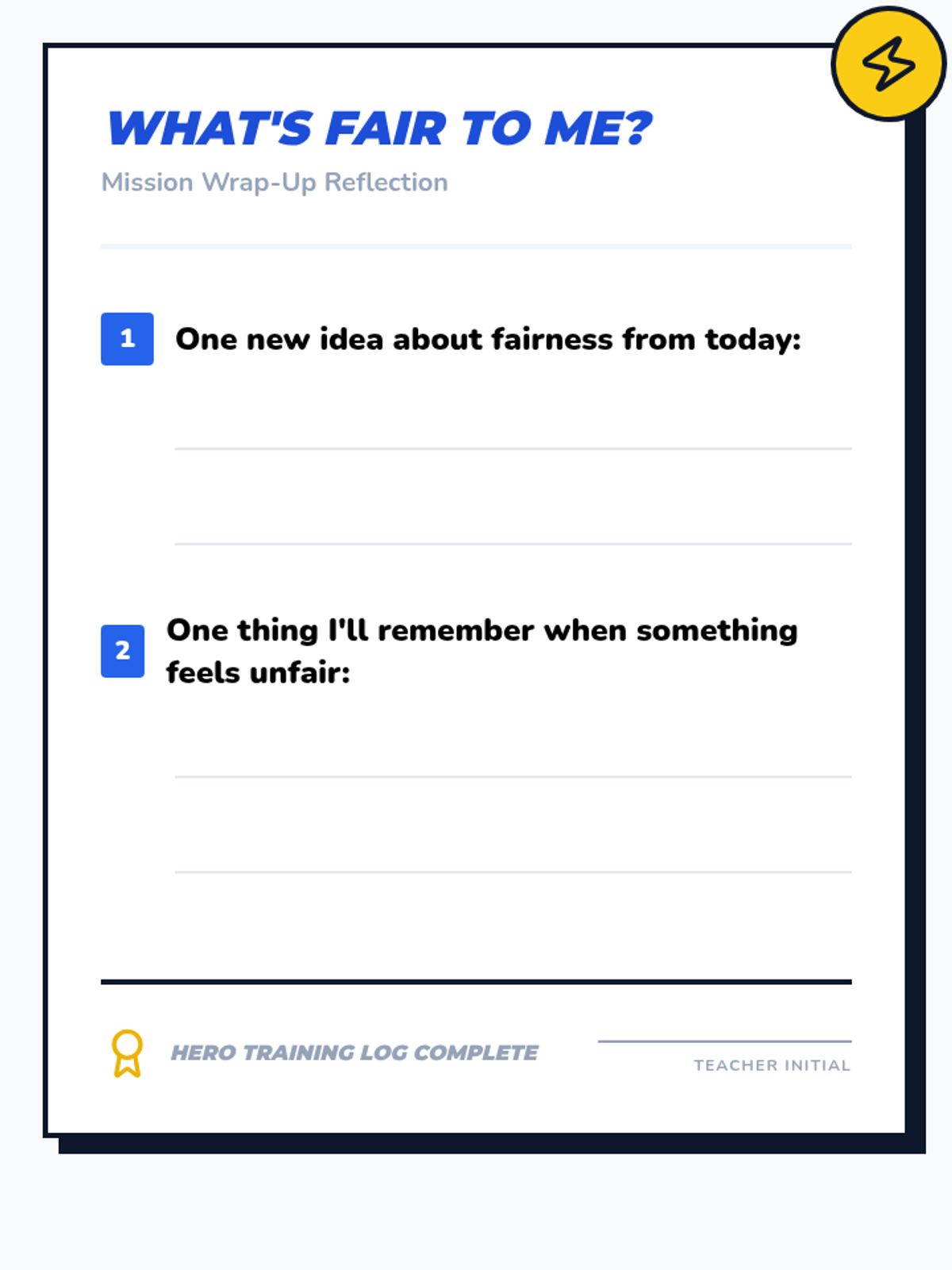
A 5-lesson sequence for 3rd graders focusing on the cognitive aspects of conflict resolution. Students learn to navigate perspectives, identify underlying needs, brainstorm Win-Win solutions, evaluate fairness, and reach a group consensus through negotiation.
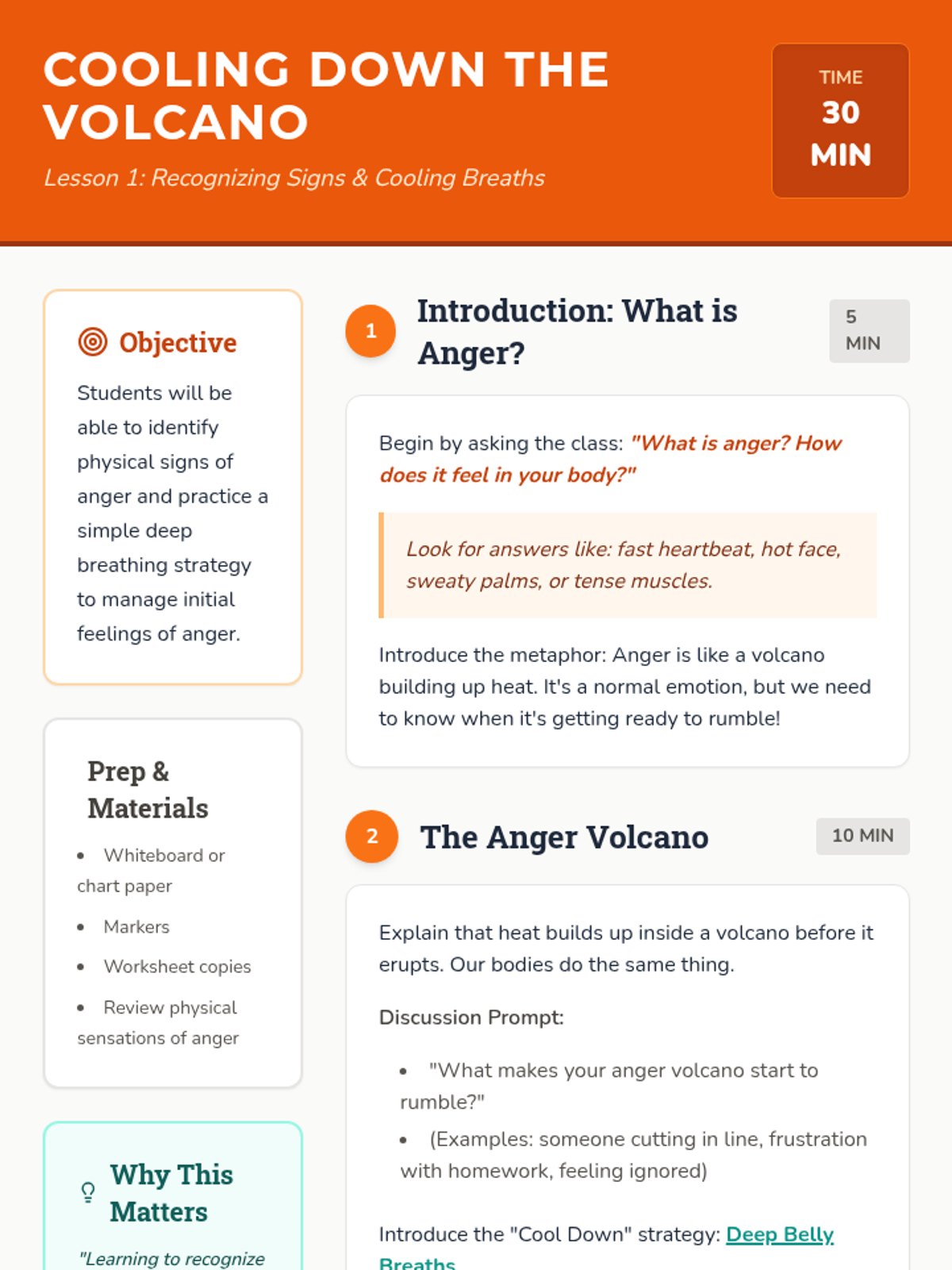
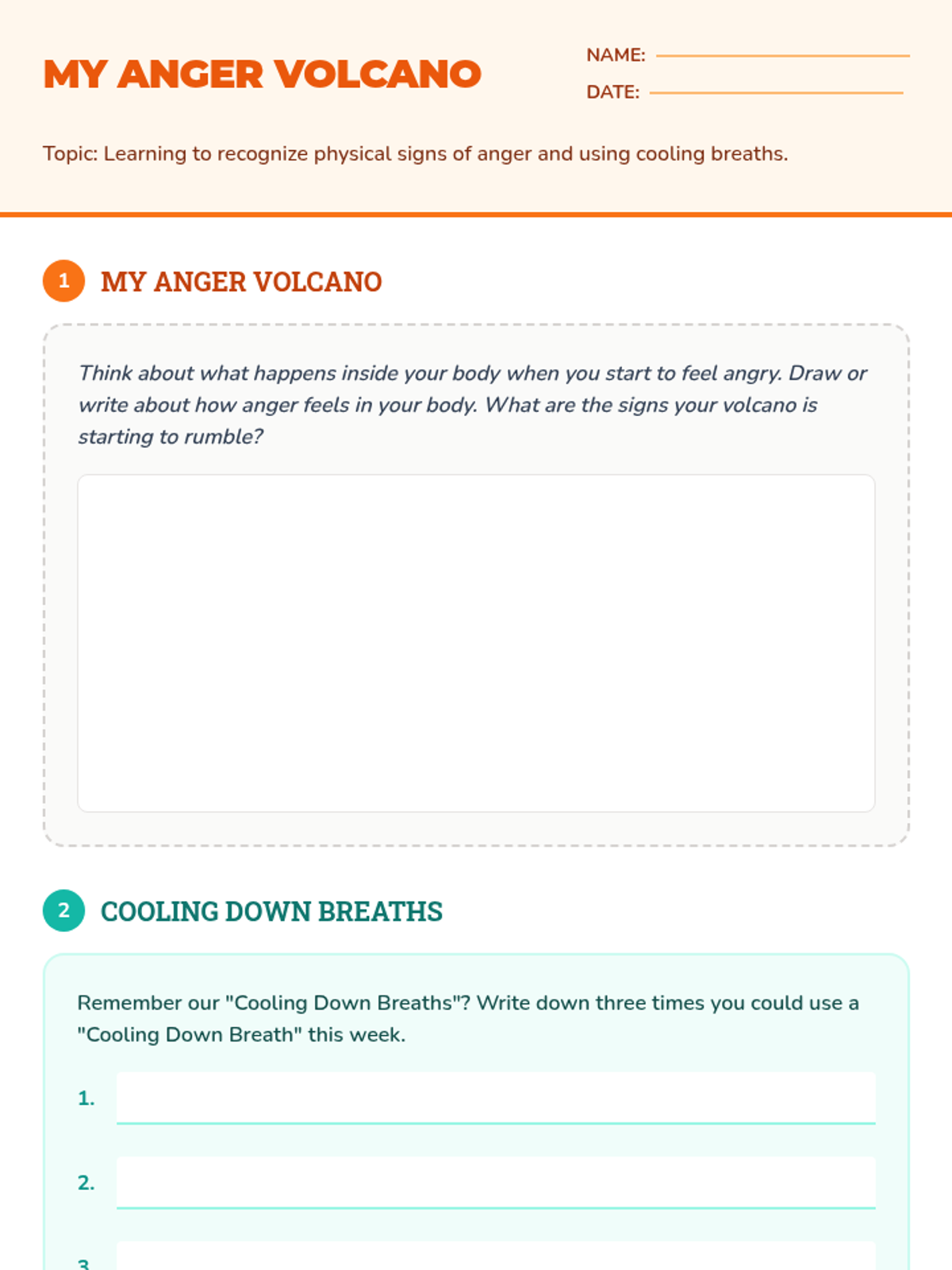
A 5-lesson sequence for third graders to identify, understand, and manage anger using the metaphor of a volcano, focusing on breathing, pausing, underlying emotions, and communication.
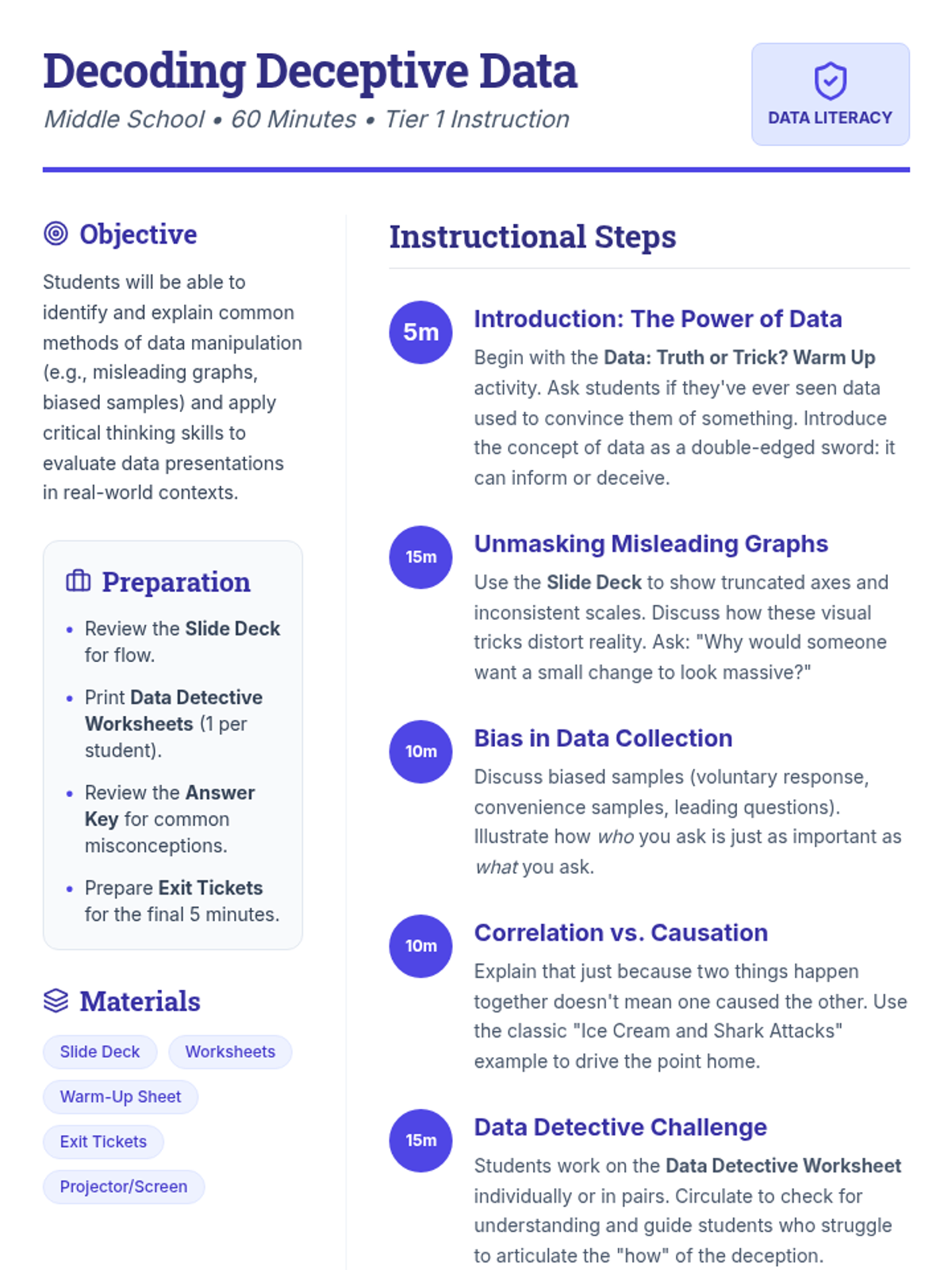
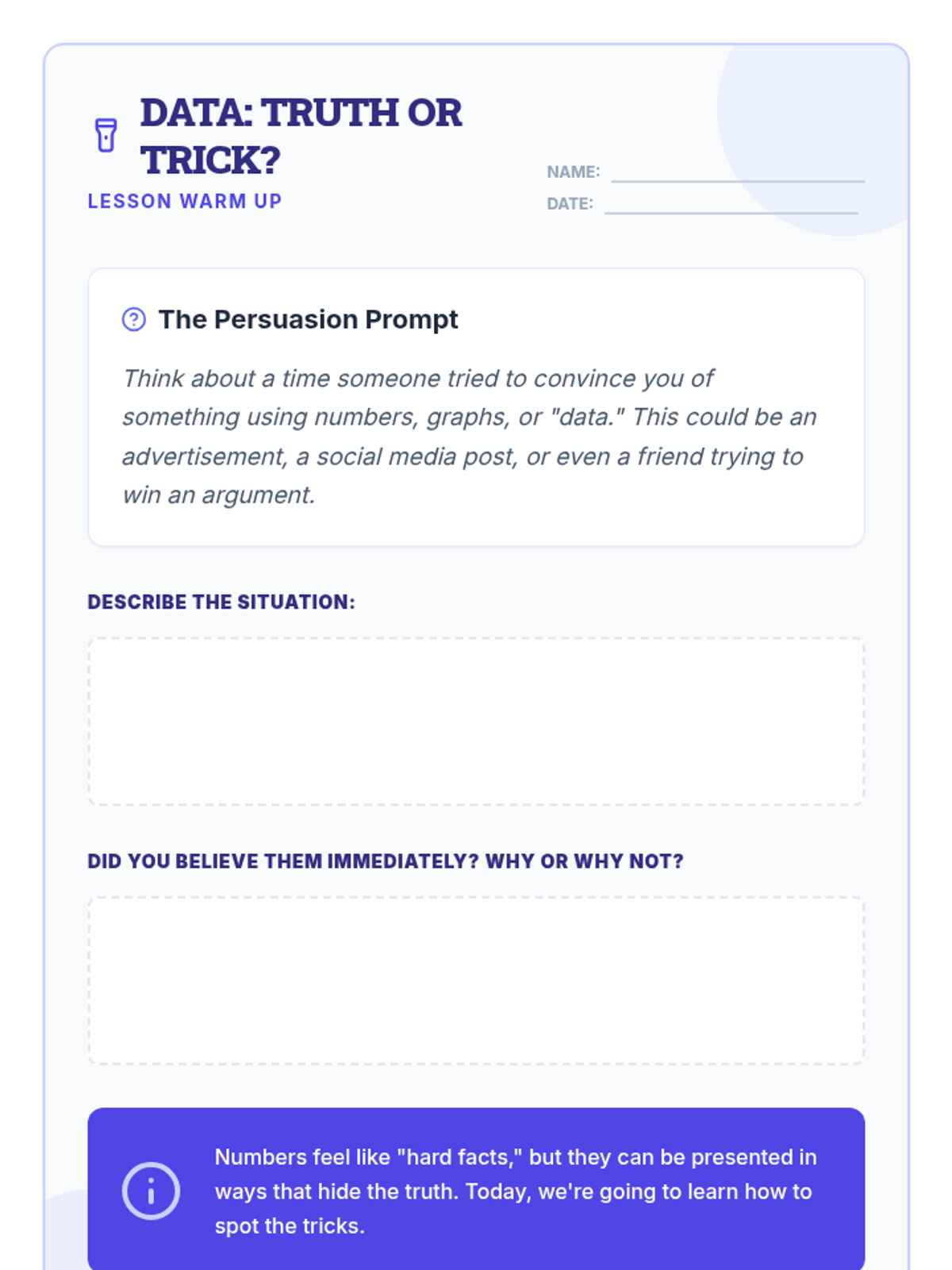
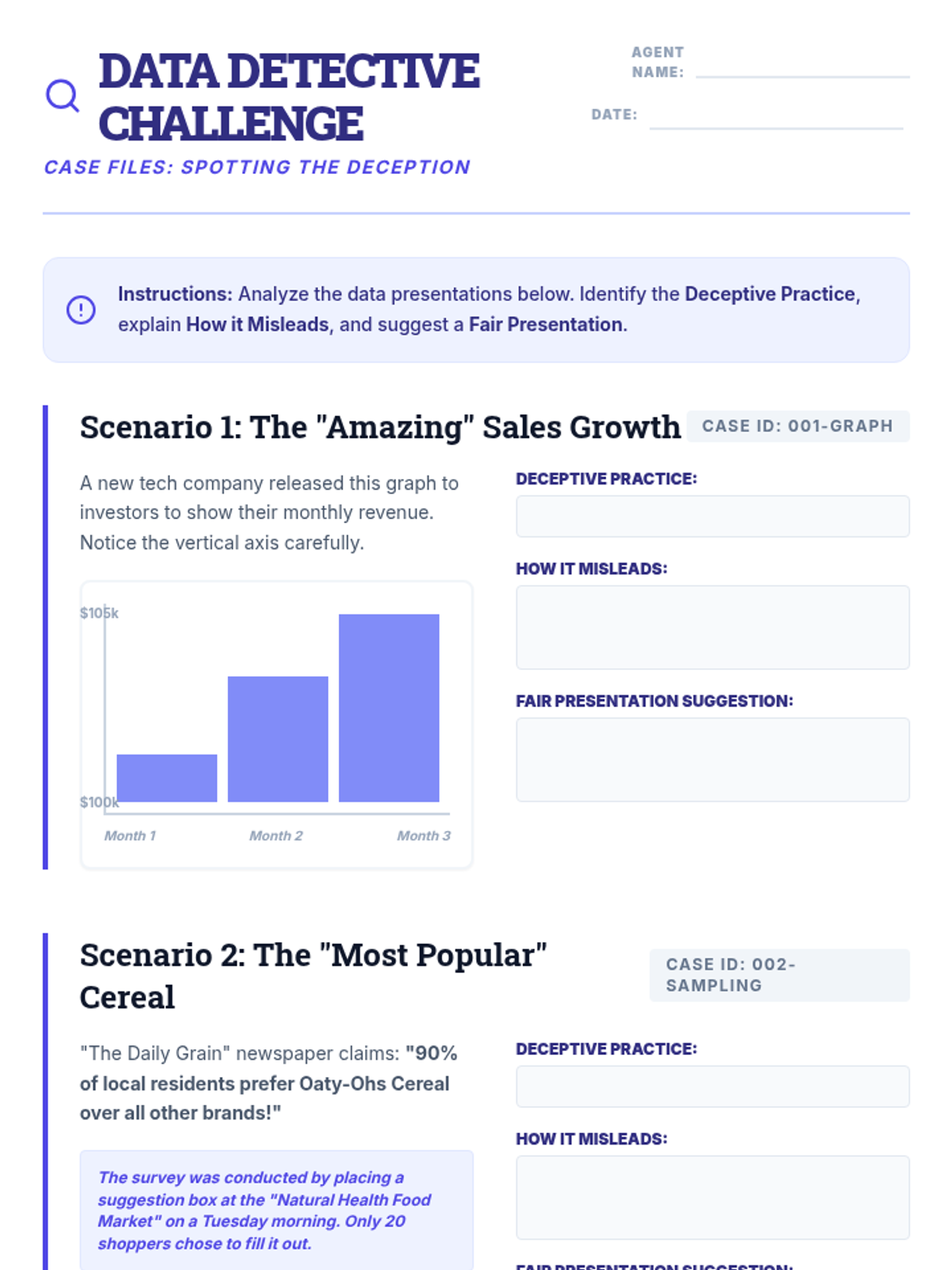
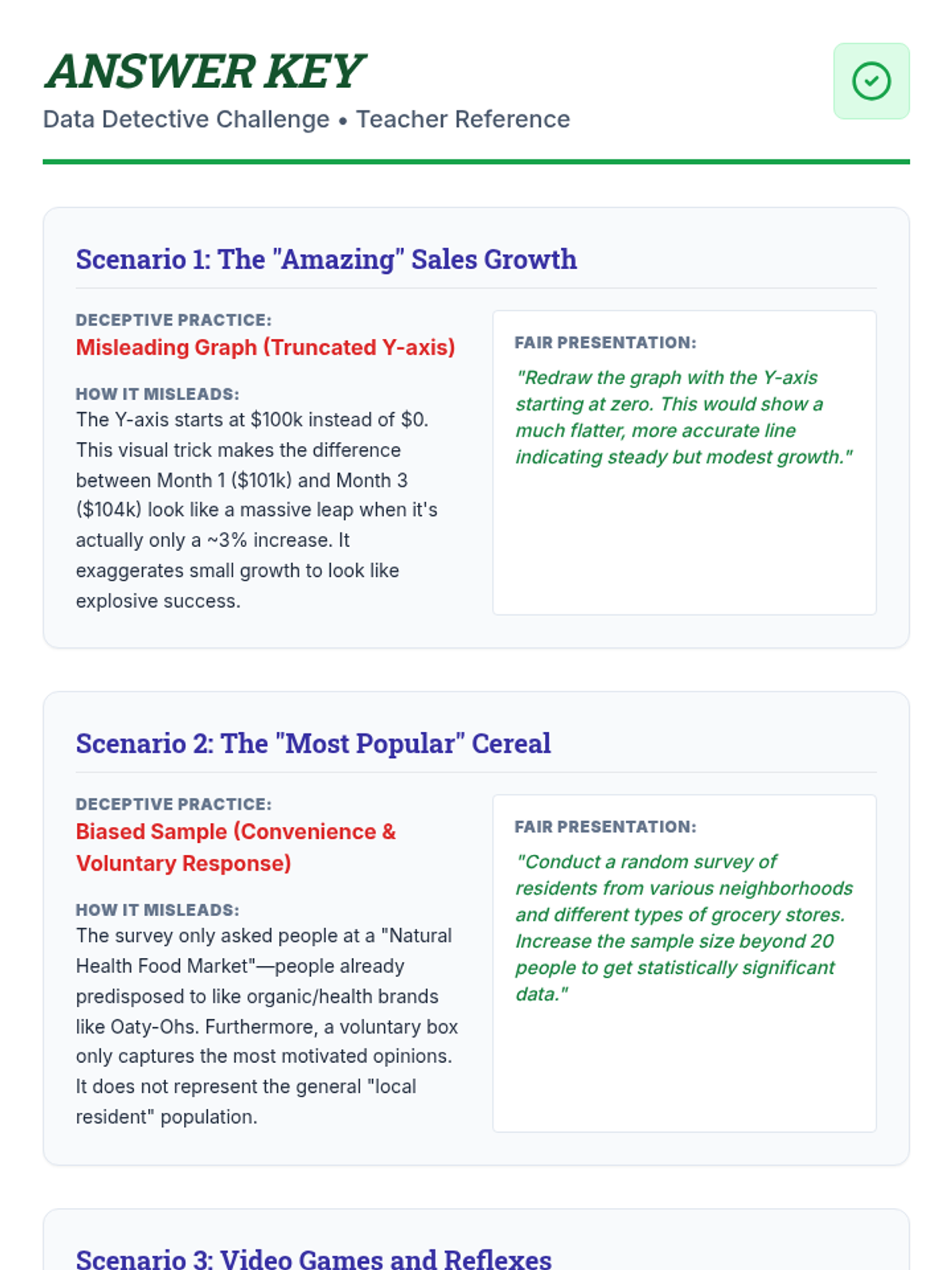
A collection of lessons focused on developing critical thinking and self-regulation skills, covering data literacy and emotional intelligence.
A six-session social-emotional learning program designed for 2nd and 3rd-grade boys. This sequence uses a 'detective' theme to teach emotion identification, body awareness, calming strategies, 'I statements', active listening, and collaborative problem-solving.
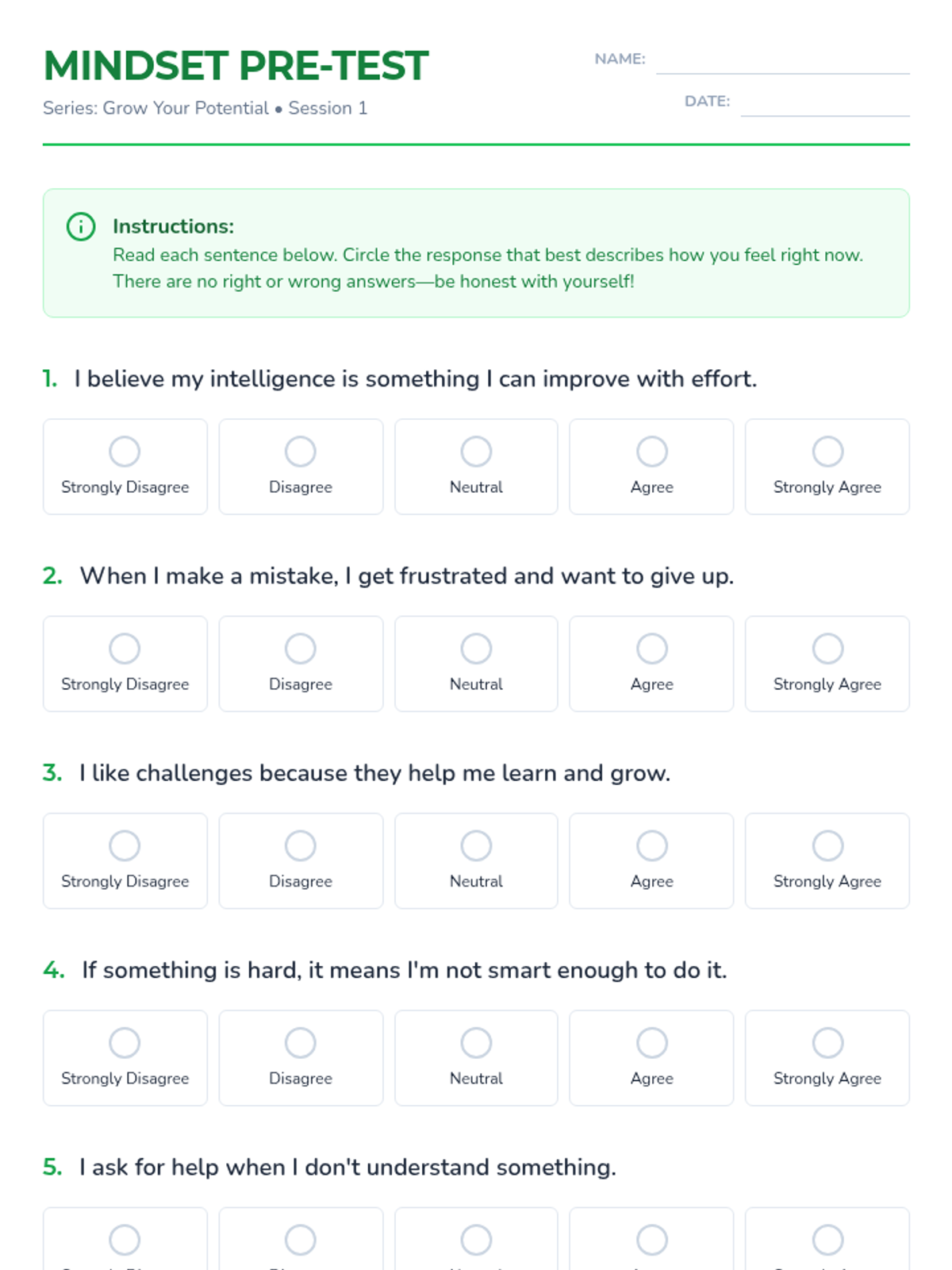
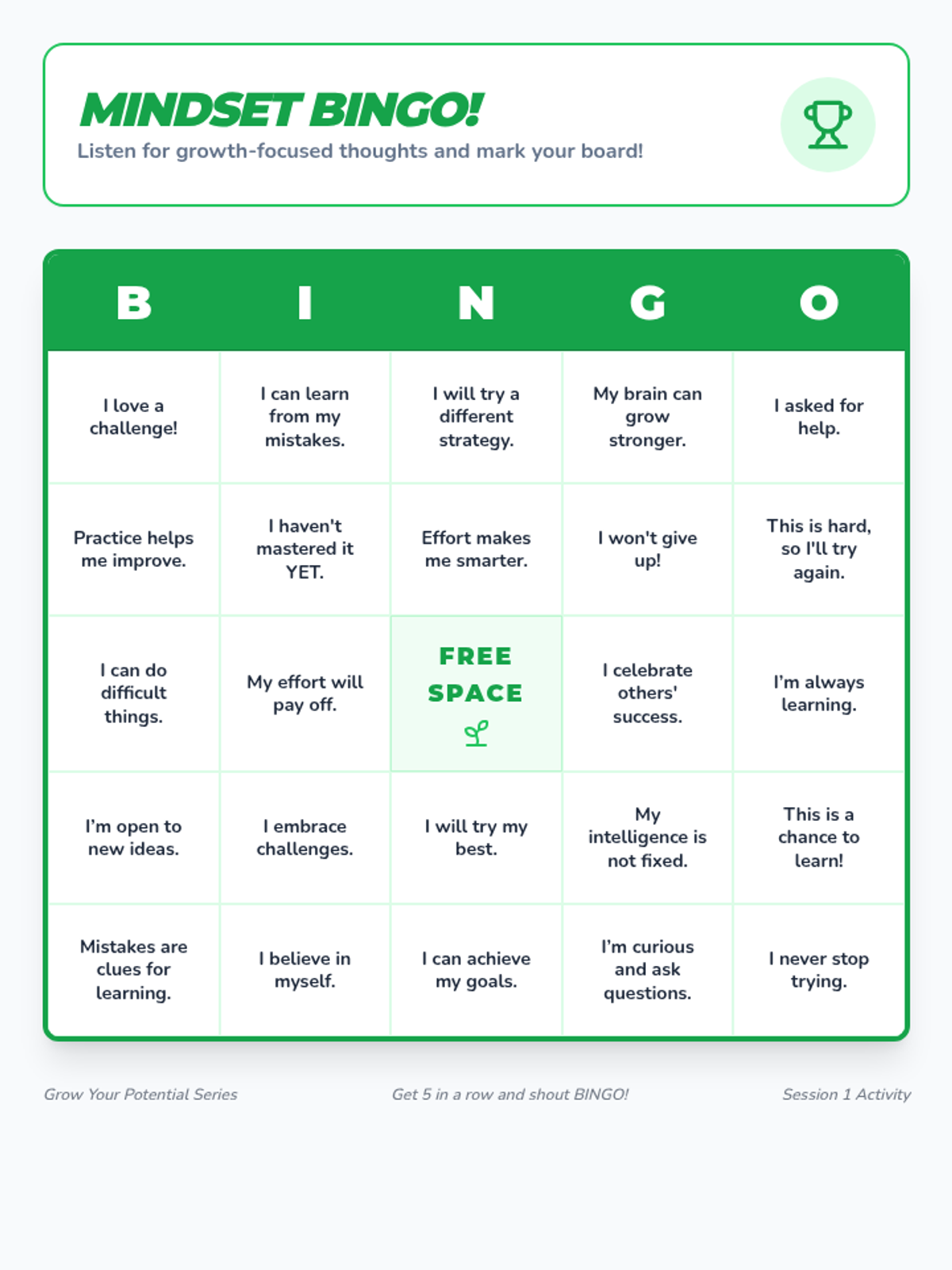
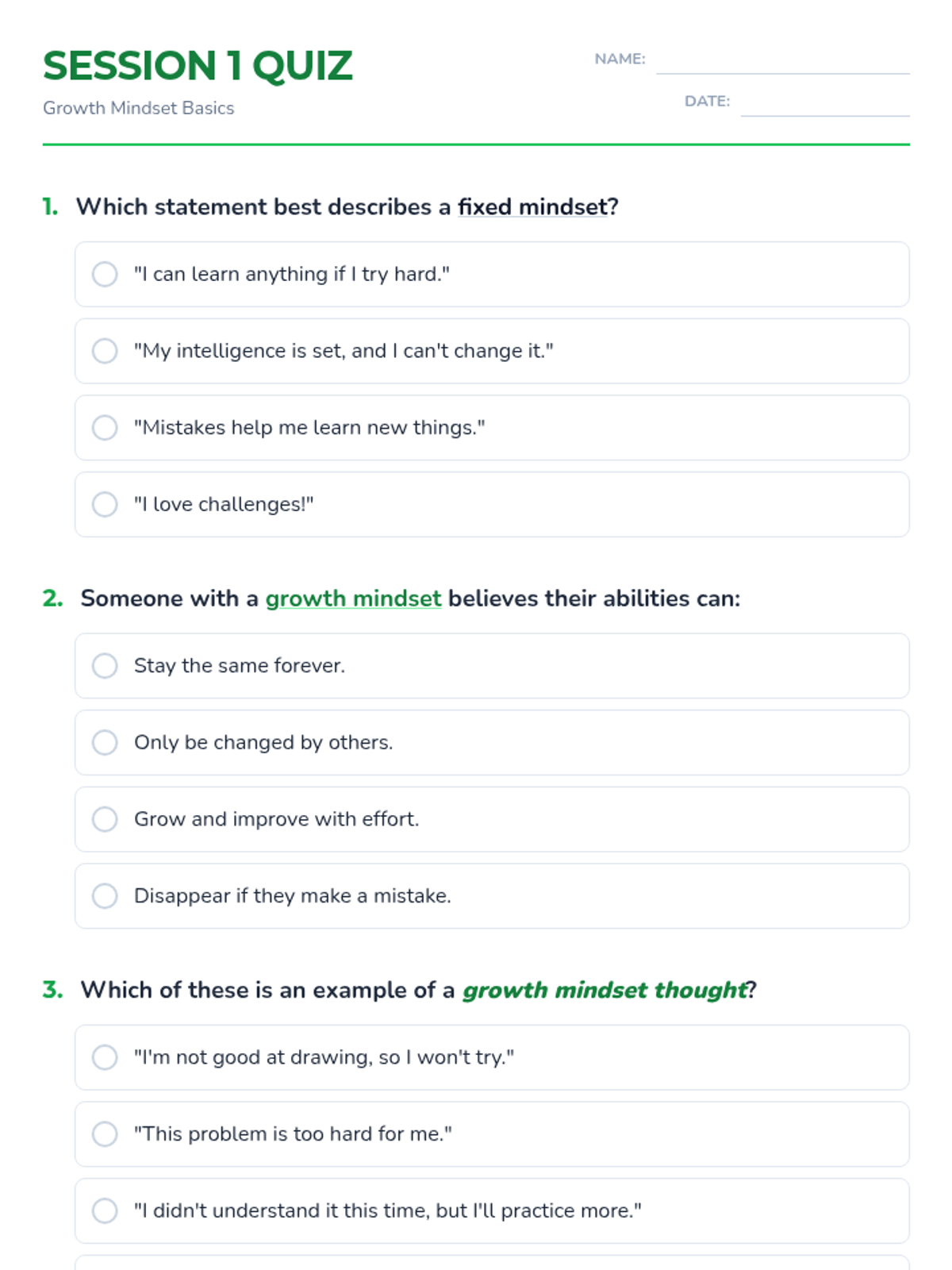
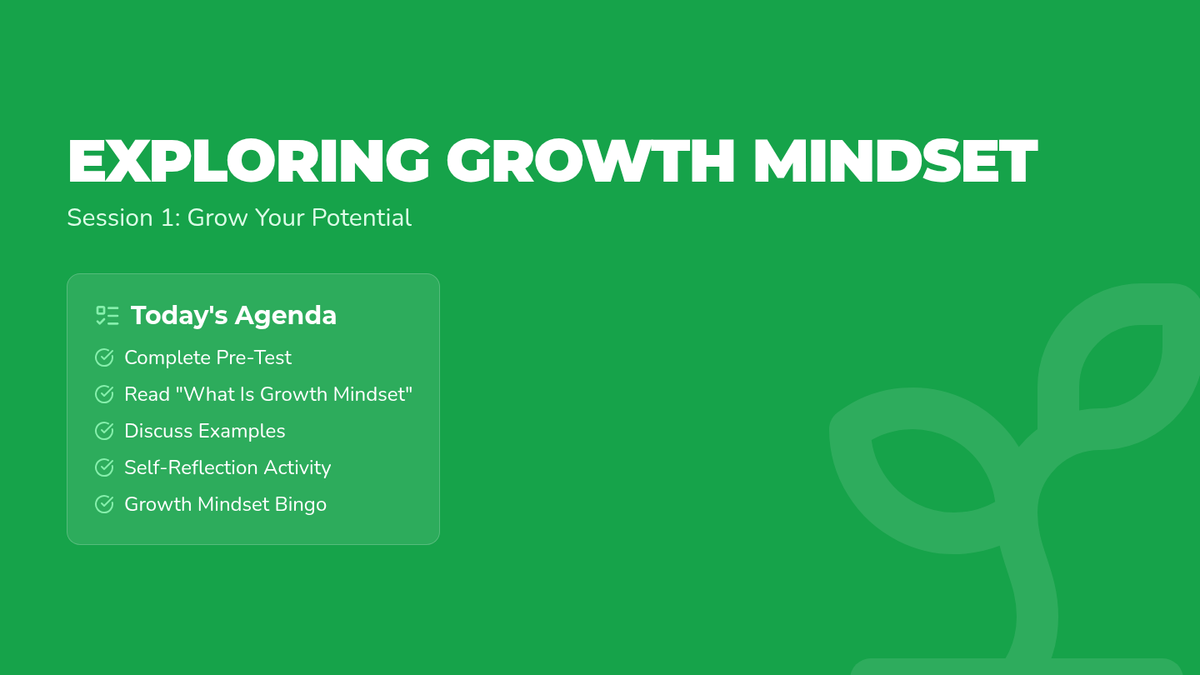
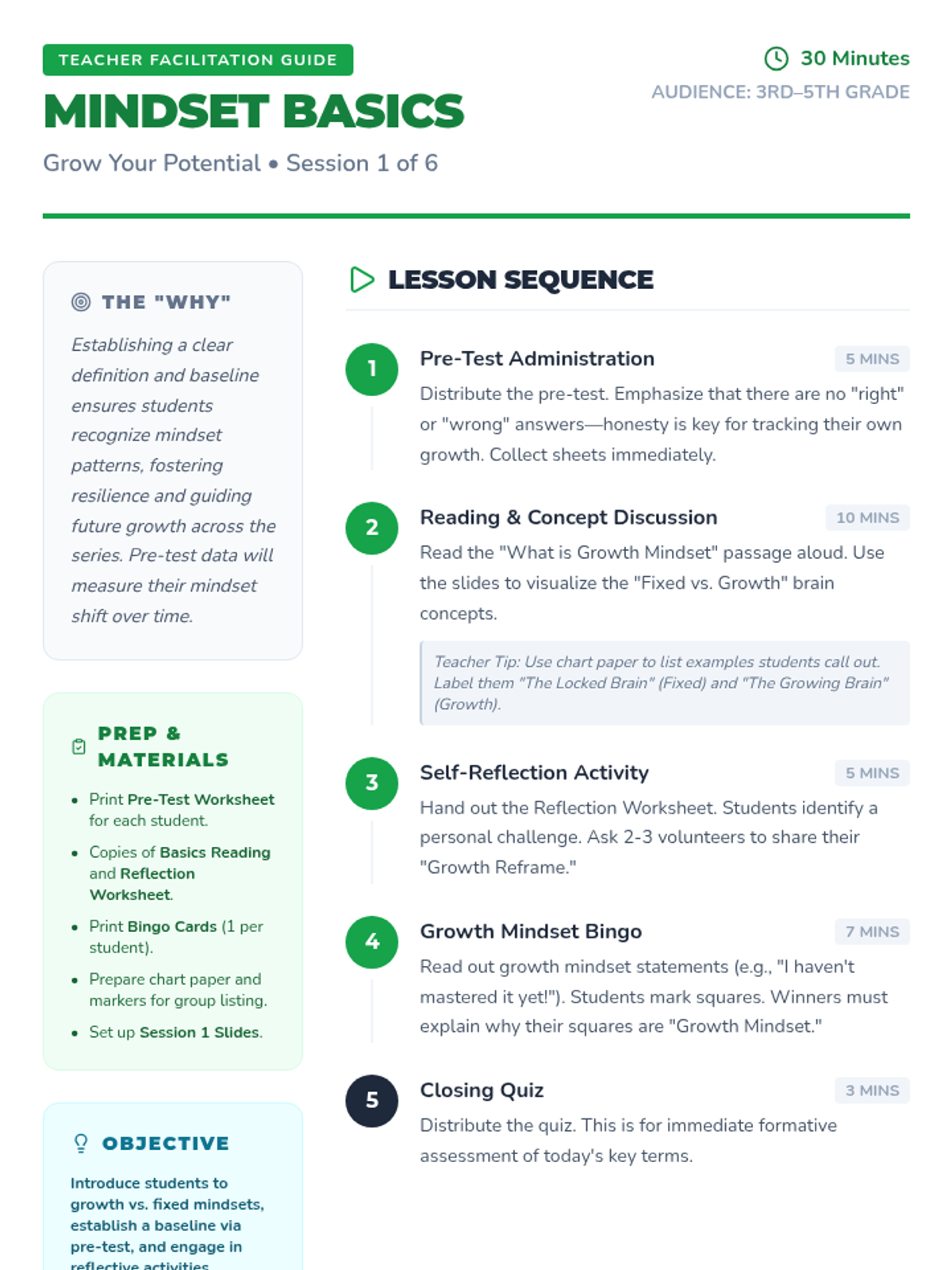
A 6-session series for 3rd-5th graders exploring growth mindset, the power of 'yet', learning from mistakes, and goal-setting through interactive activities and reflection.
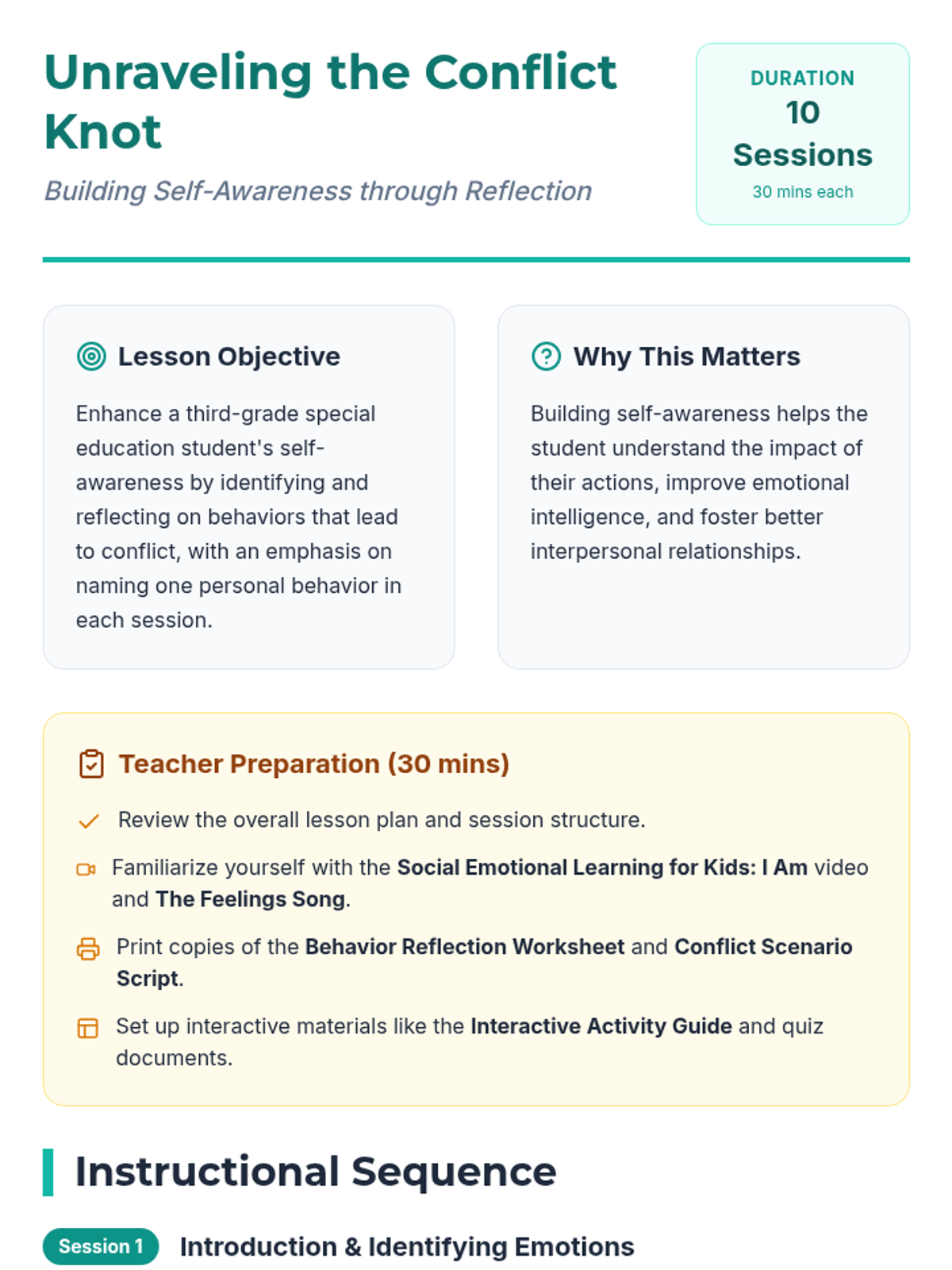
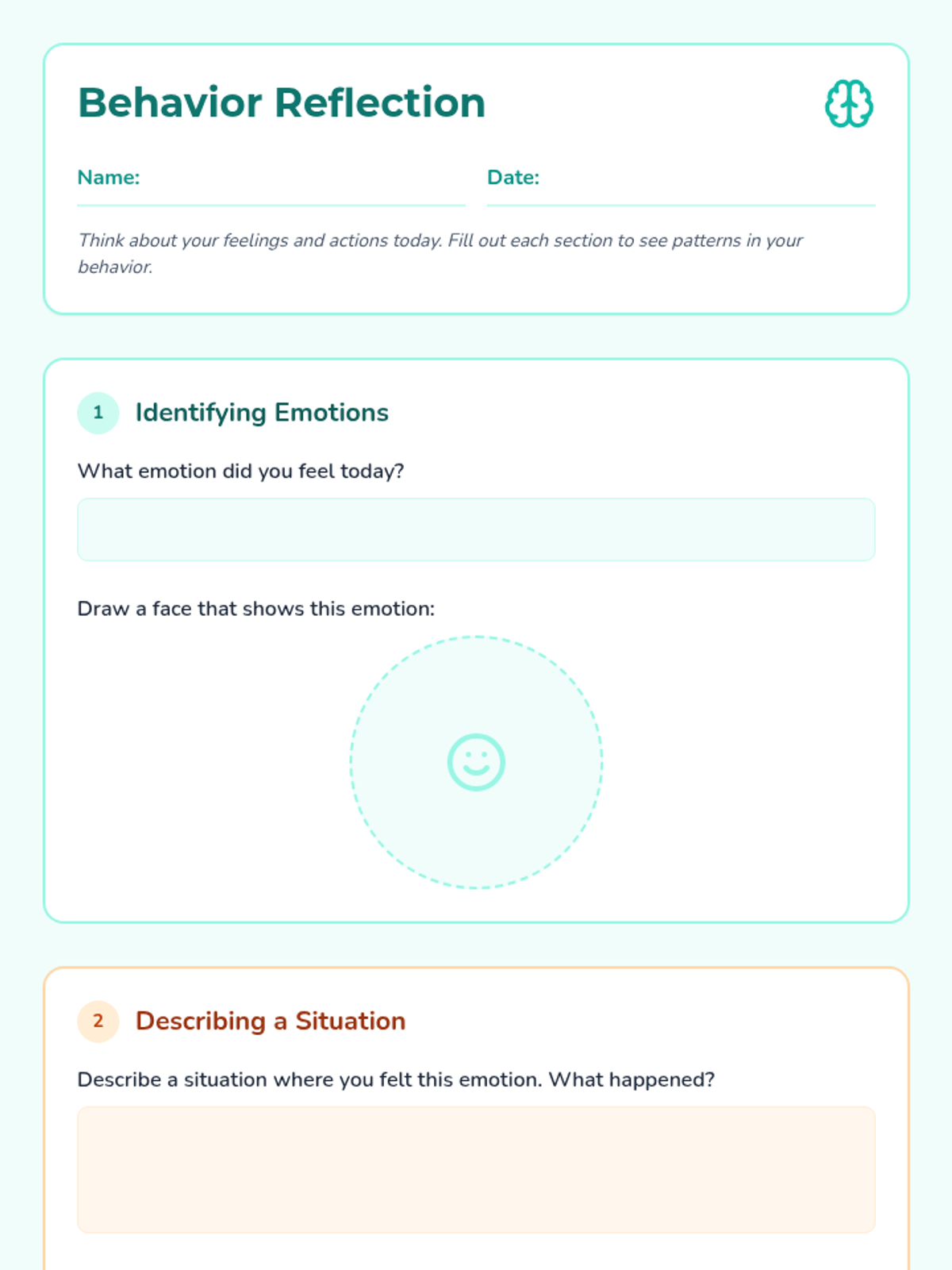
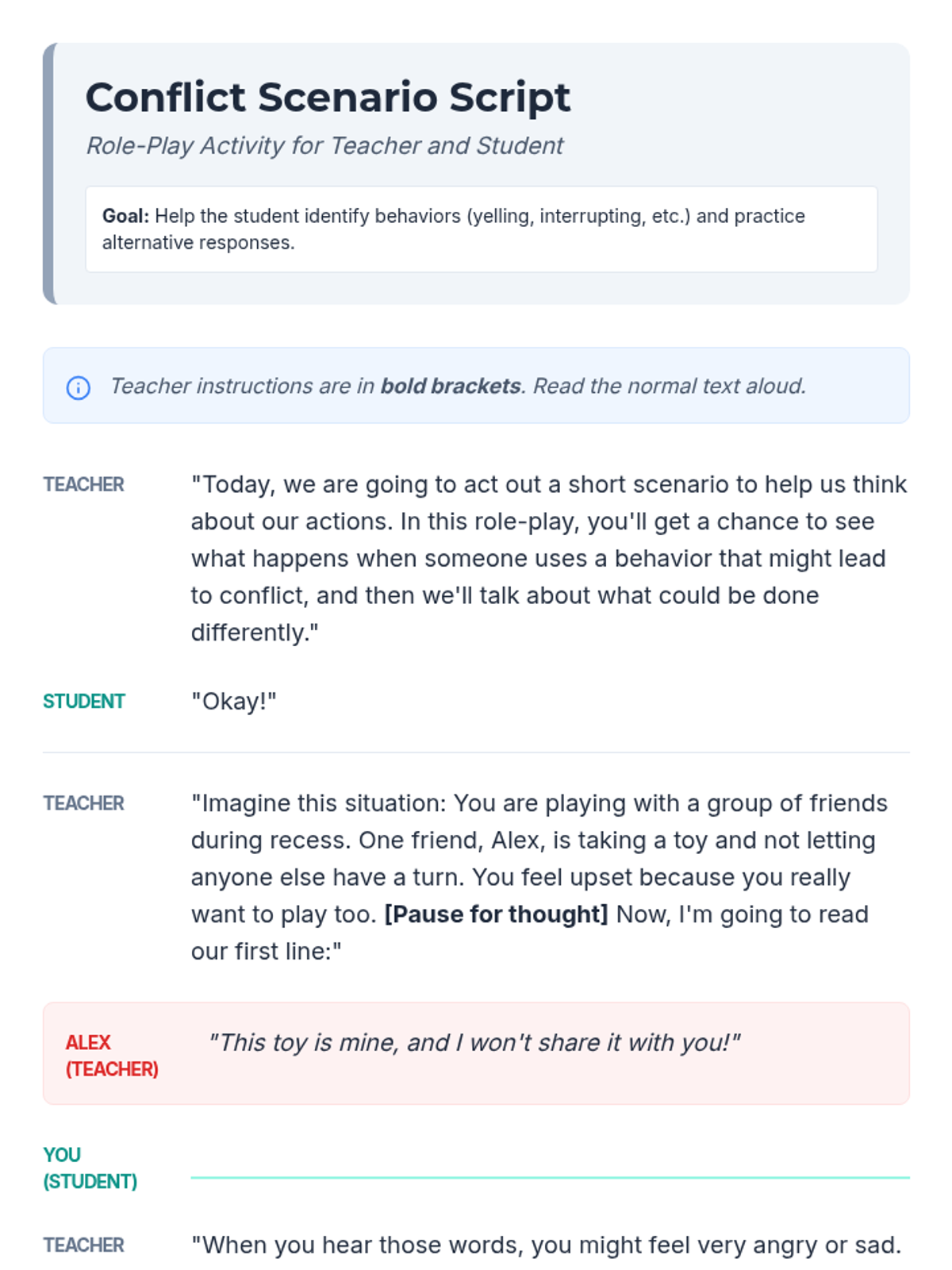
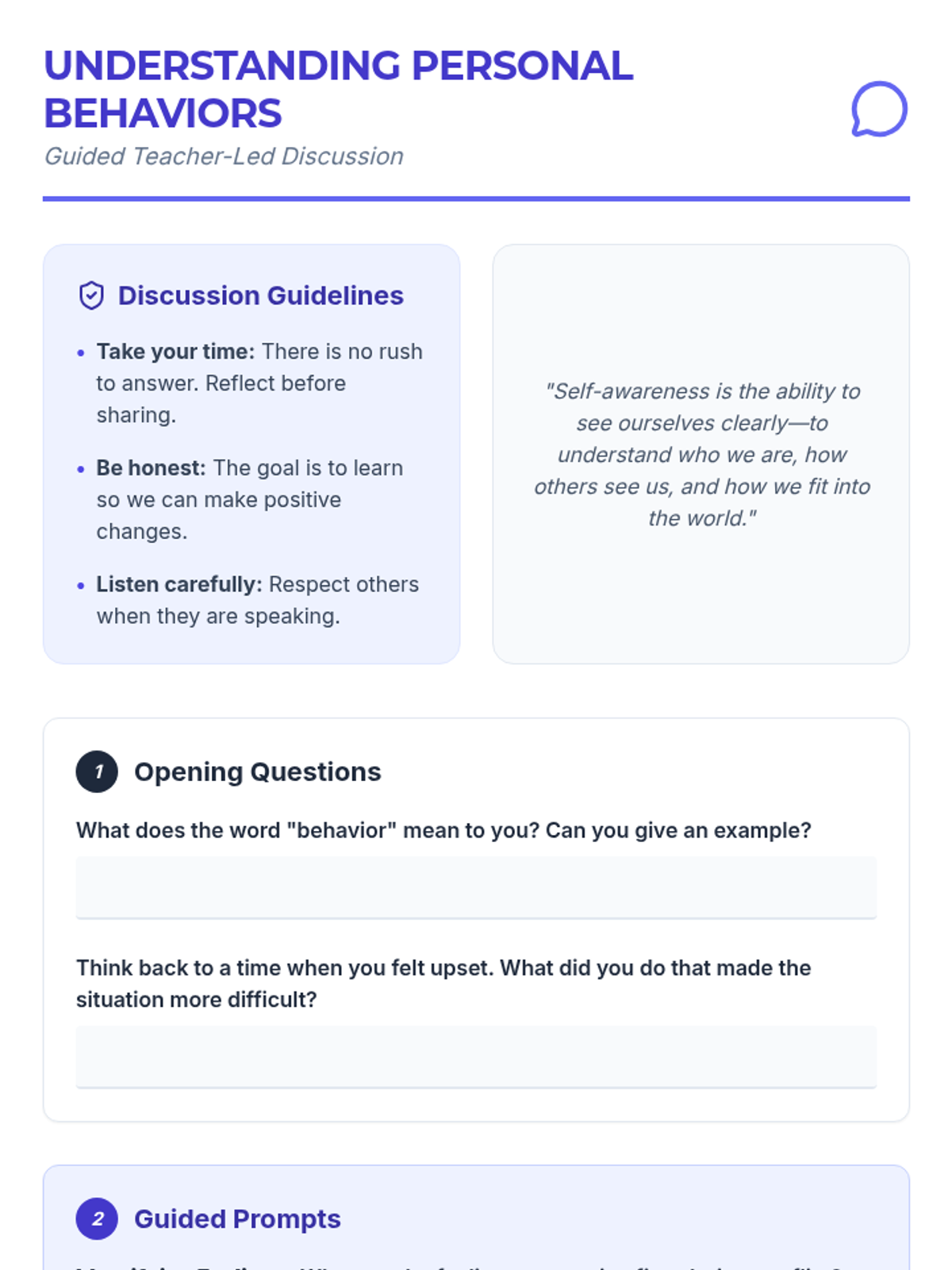
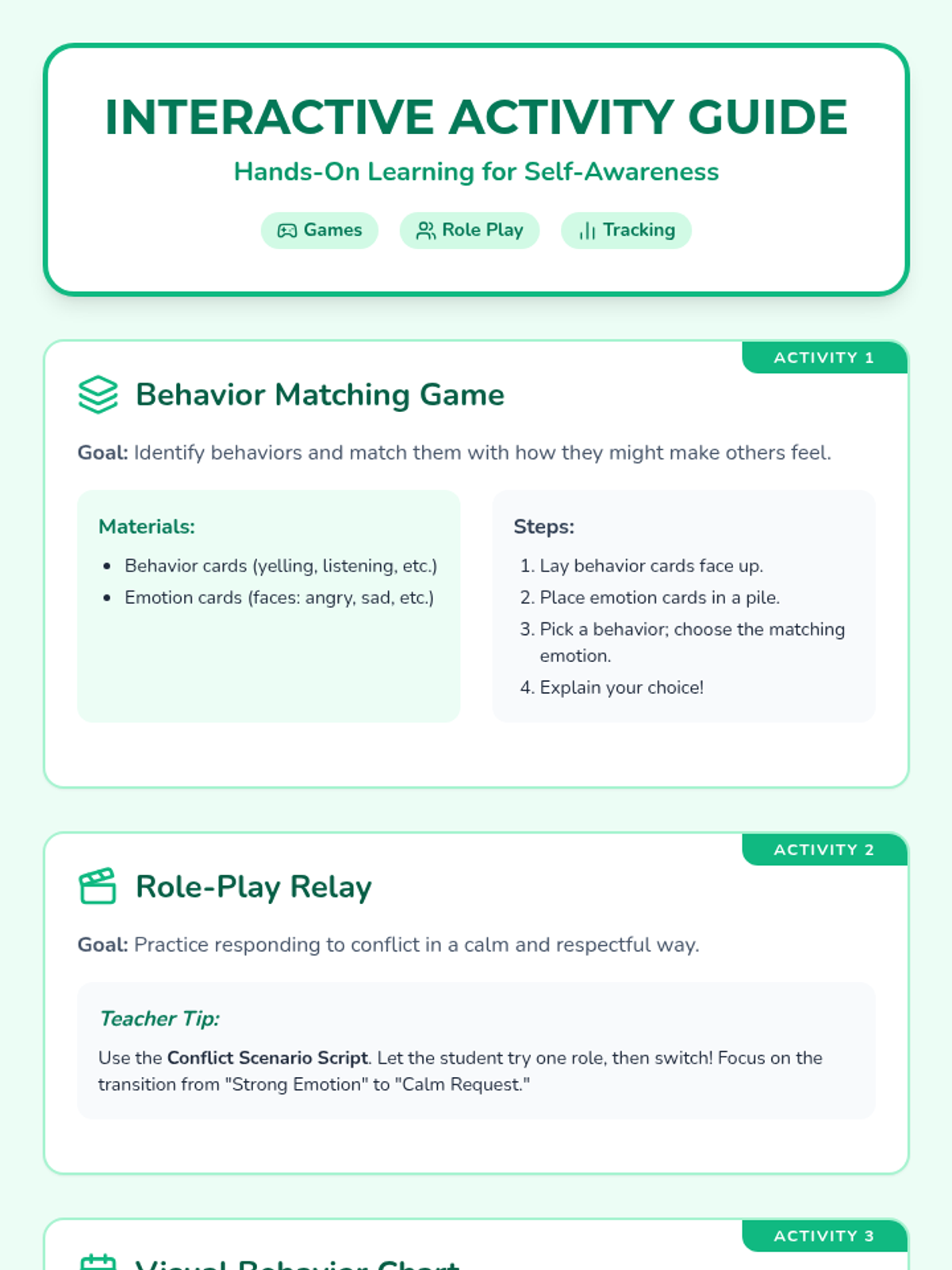
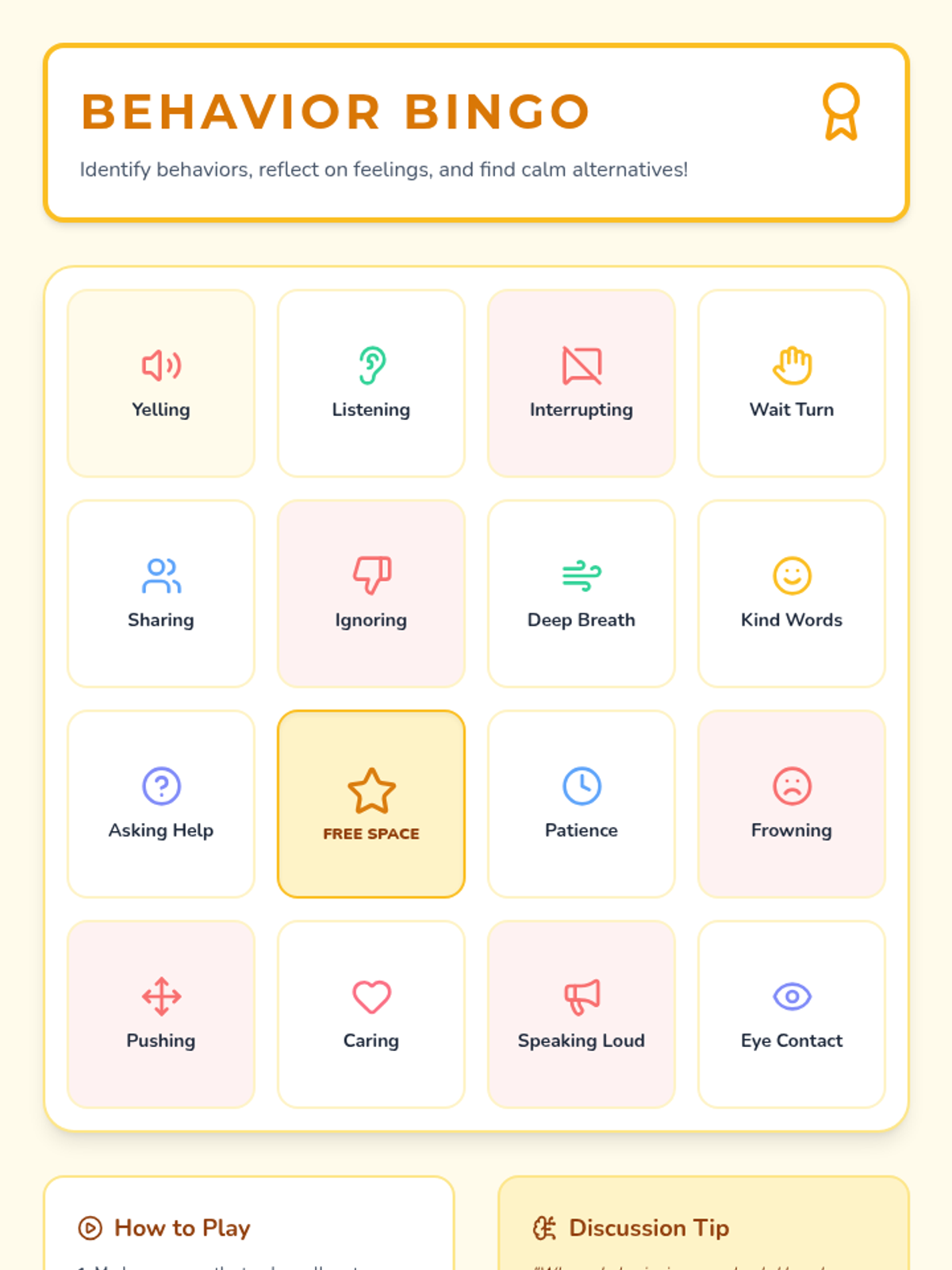
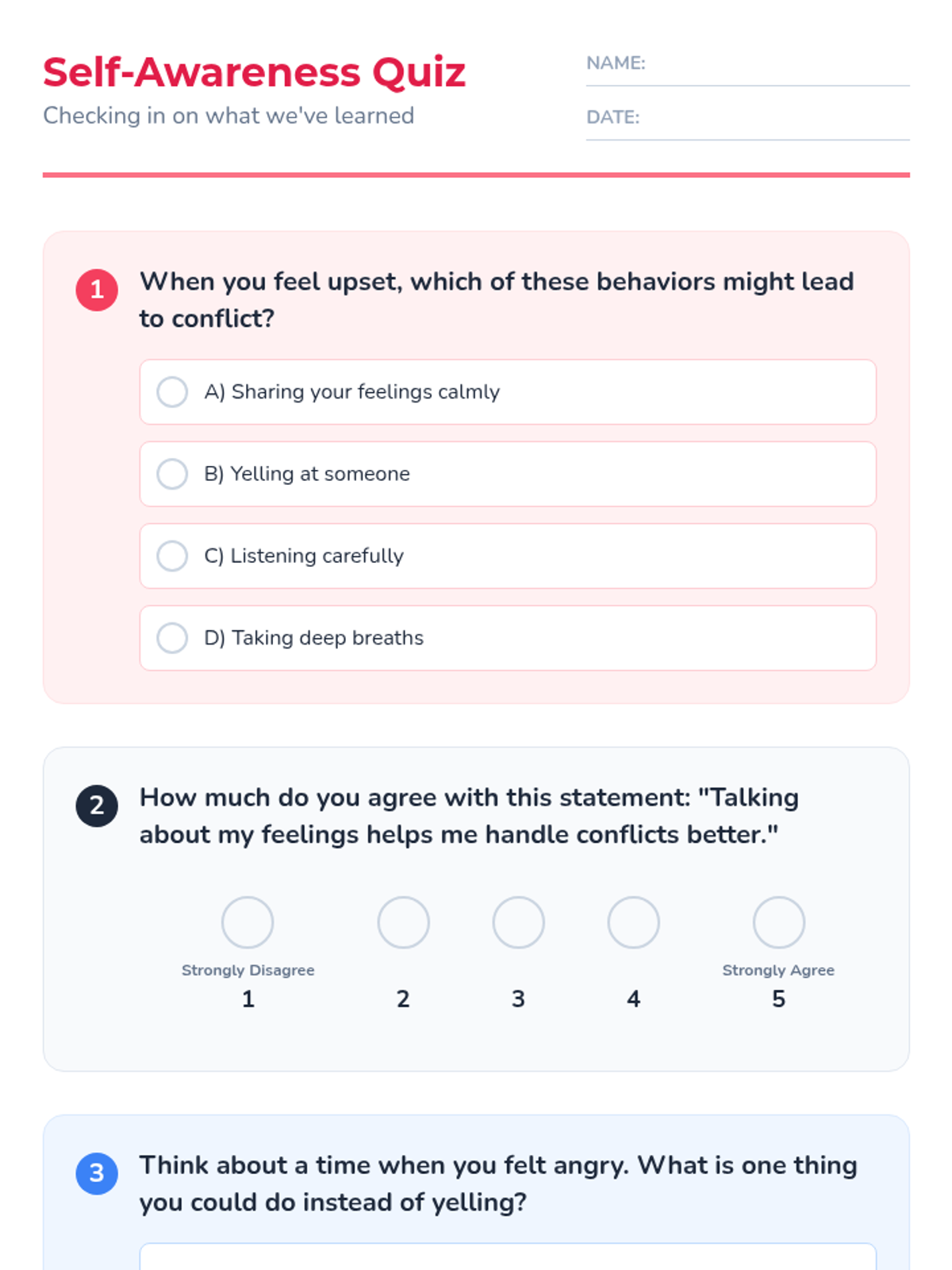
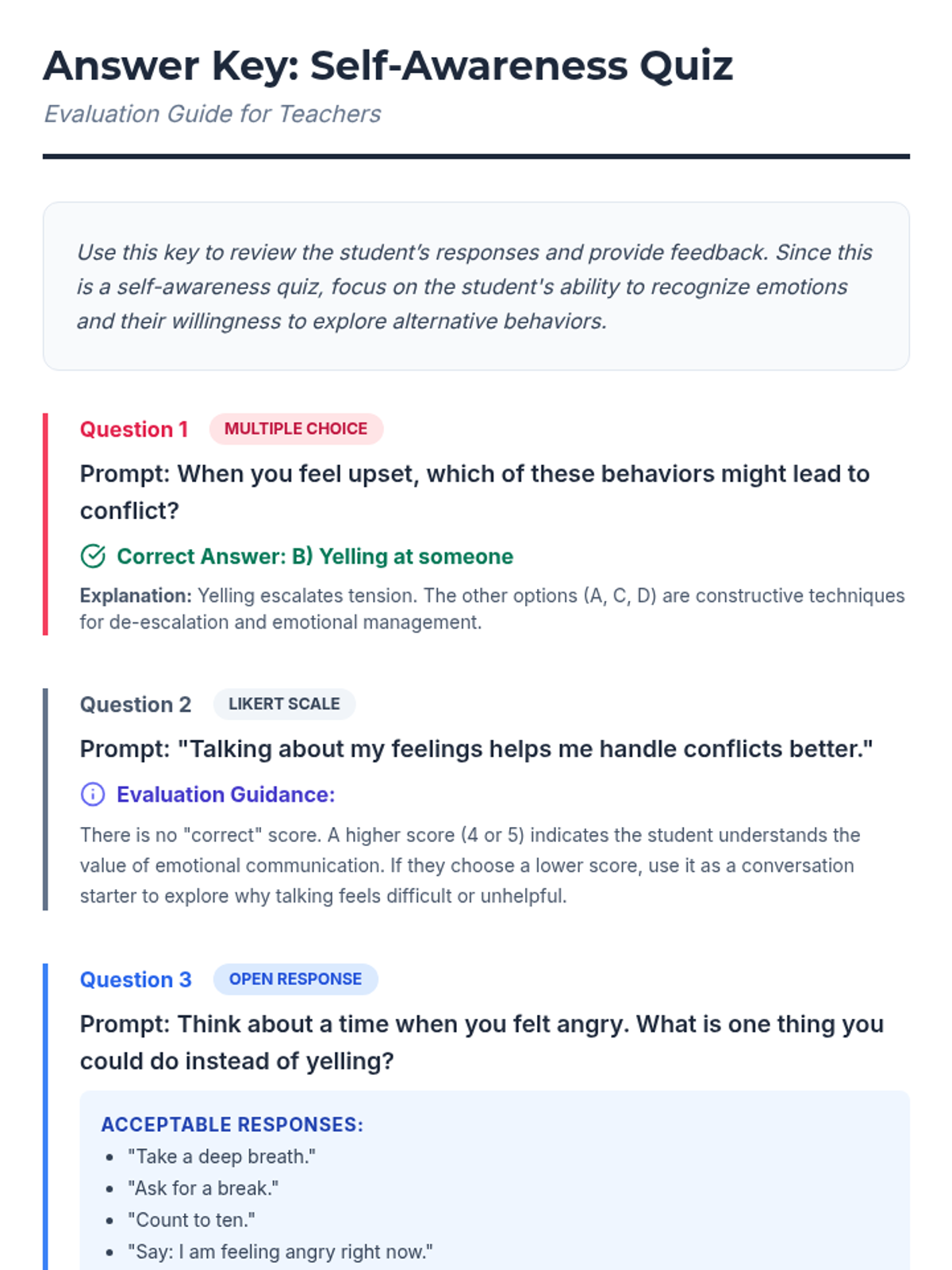
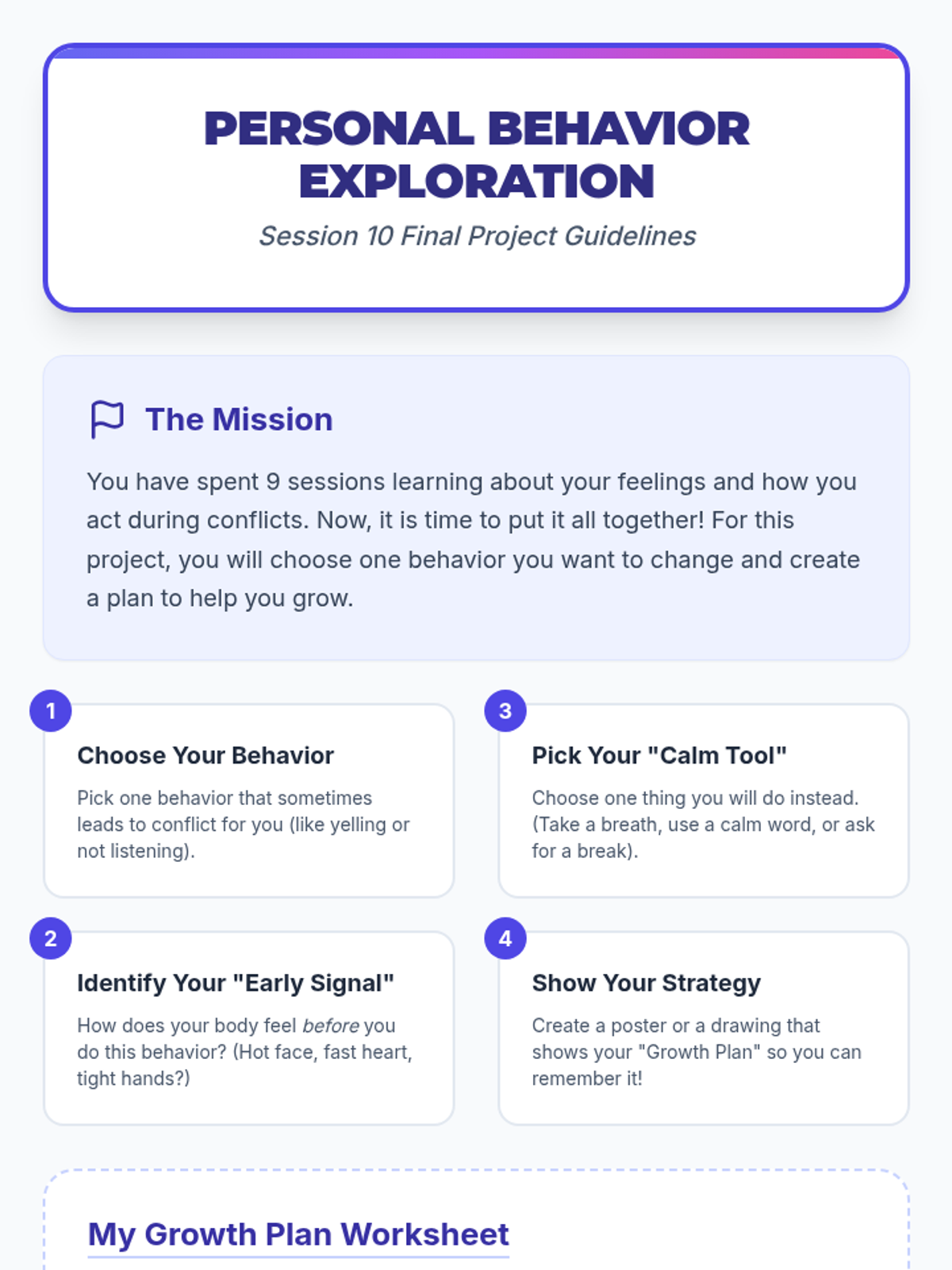
A 10-session social-emotional learning sequence for third-grade students to develop self-awareness by identifying and reflecting on personal behaviors that contribute to conflict. Students learn to recognize behaviors like yelling or interrupting and develop calm strategies for resolution.
A character education unit exploring crucial social-emotional skills across three dimensions: empathy and kindness, respect and active listening, and integrity and responsibility. Through interactive discussions, practical scenarios, and reflective exercises, students cultivate a stronger sense of self and community.
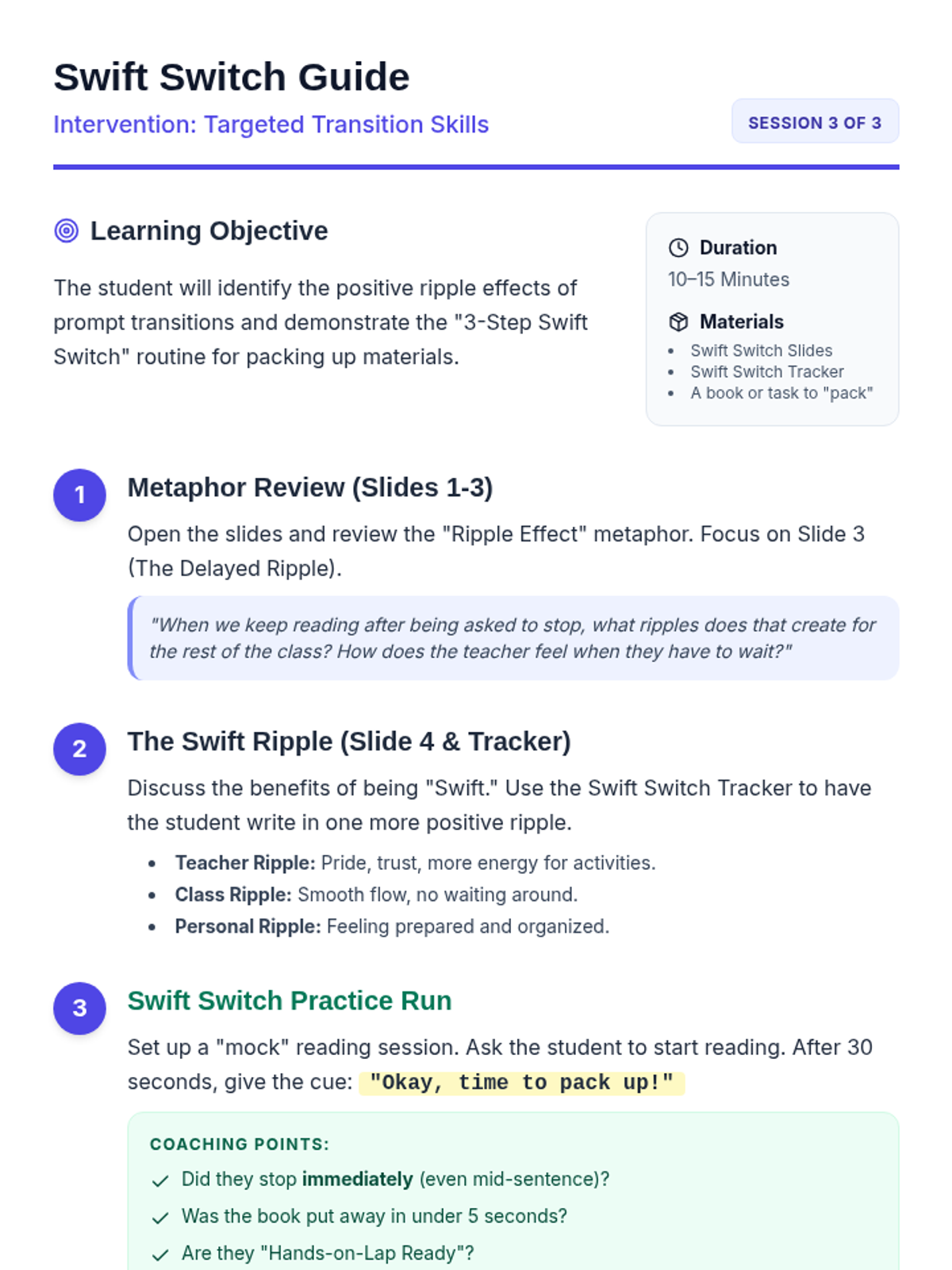
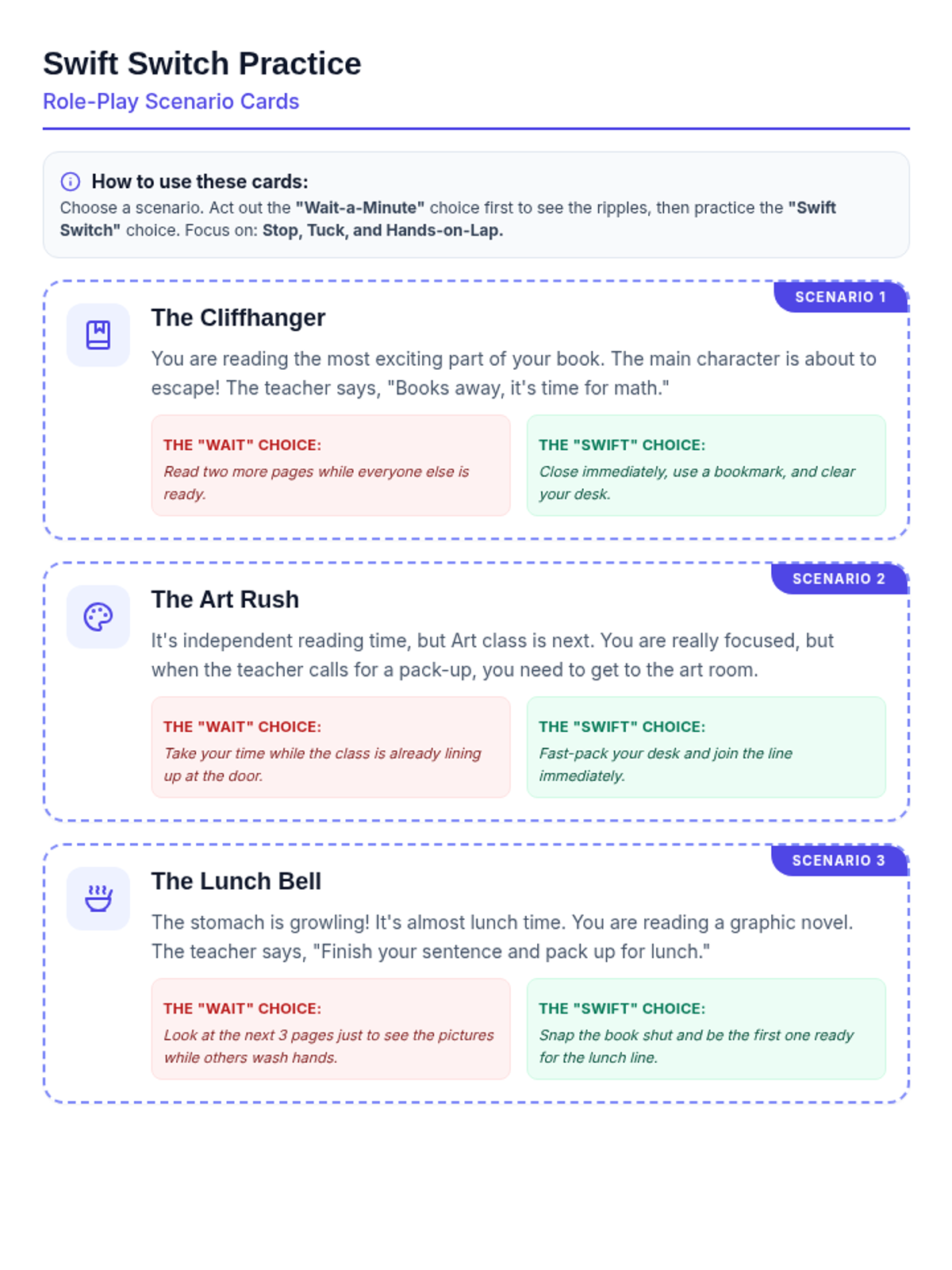
A multi-session intervention program designed to help students understand the classroom 'ripple effect' through perspective-taking and scenario analysis.
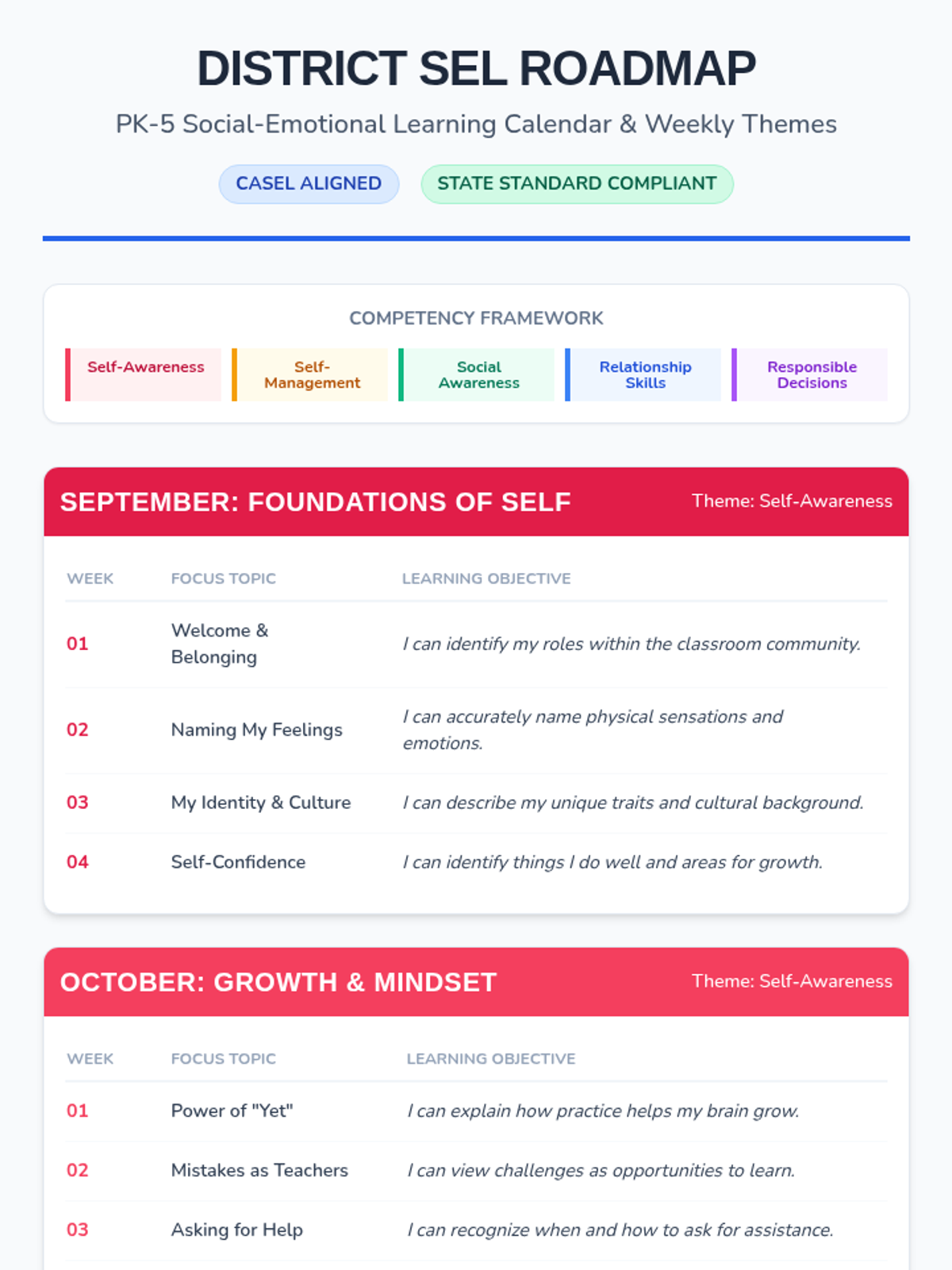
A comprehensive social-emotional learning framework for a school district, aligning CASEL competencies with a year-long monthly calendar and implementation tools for PK-5 educators.
A comprehensive K-5 sequence focused on device responsibility and digital citizenship, centered on the JHawk Way of being Responsible. Lessons cover transitioning from devices as tools (K-1) to managing online distractions and maintaining integrity (4-5).
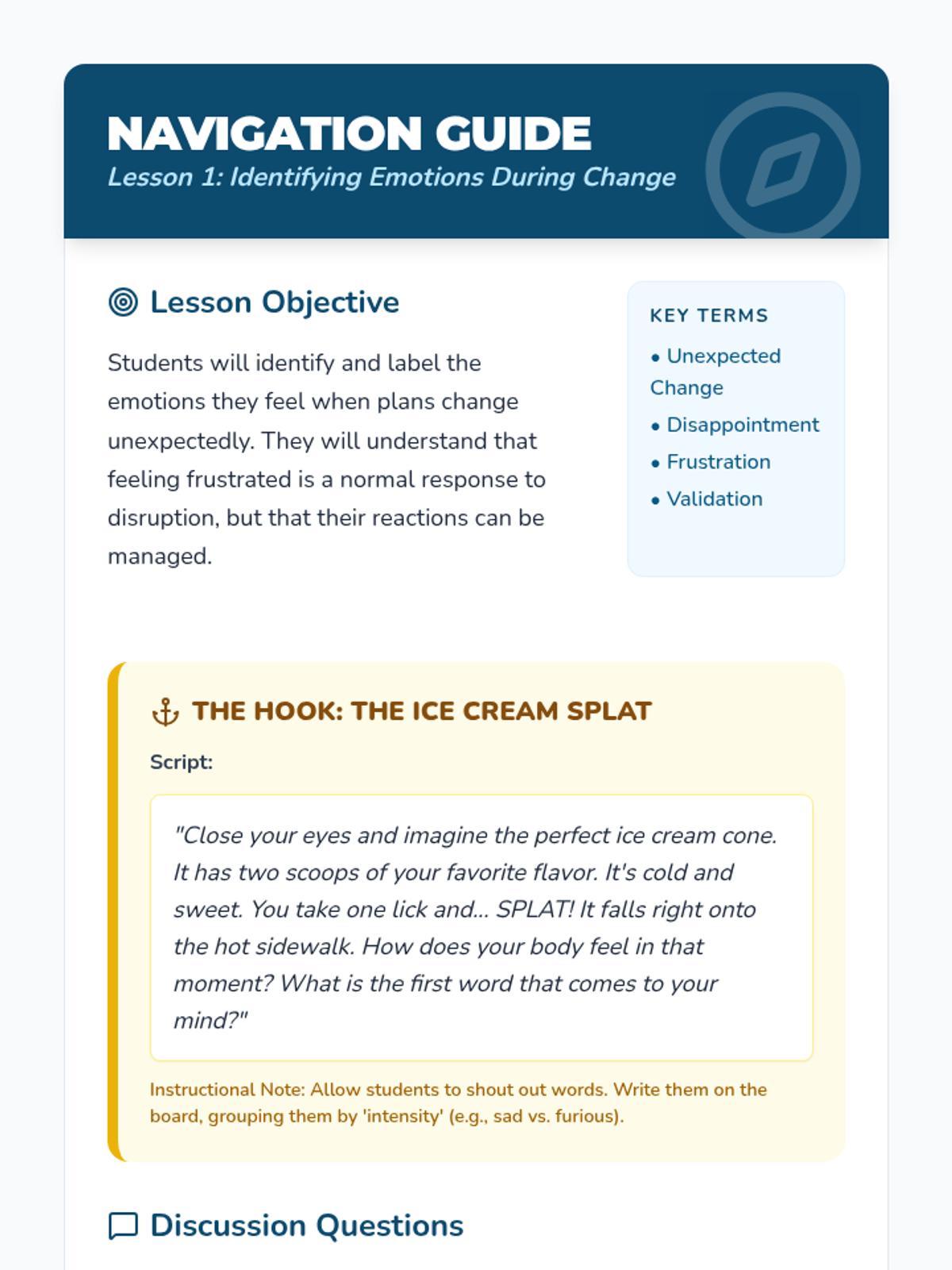
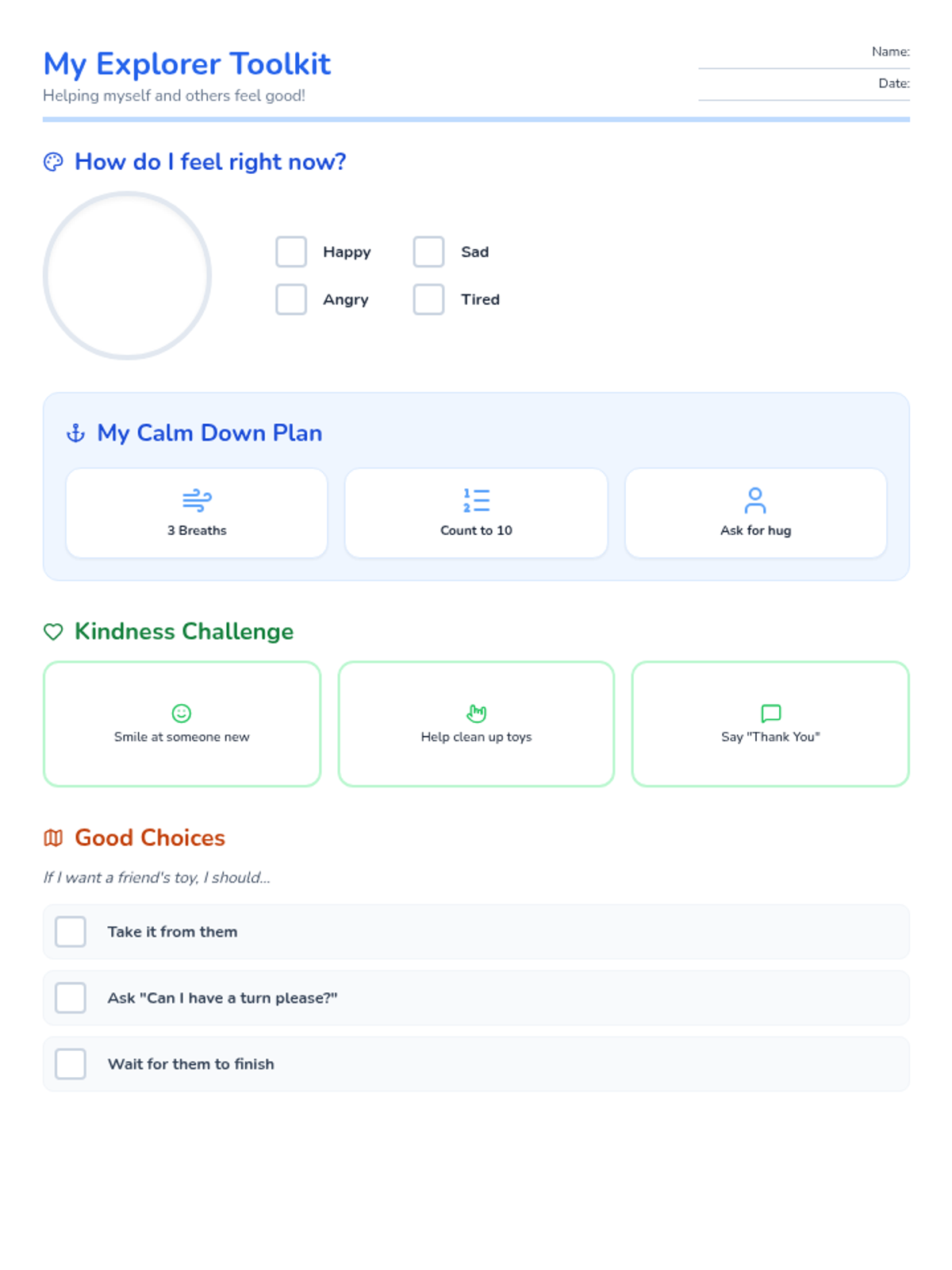
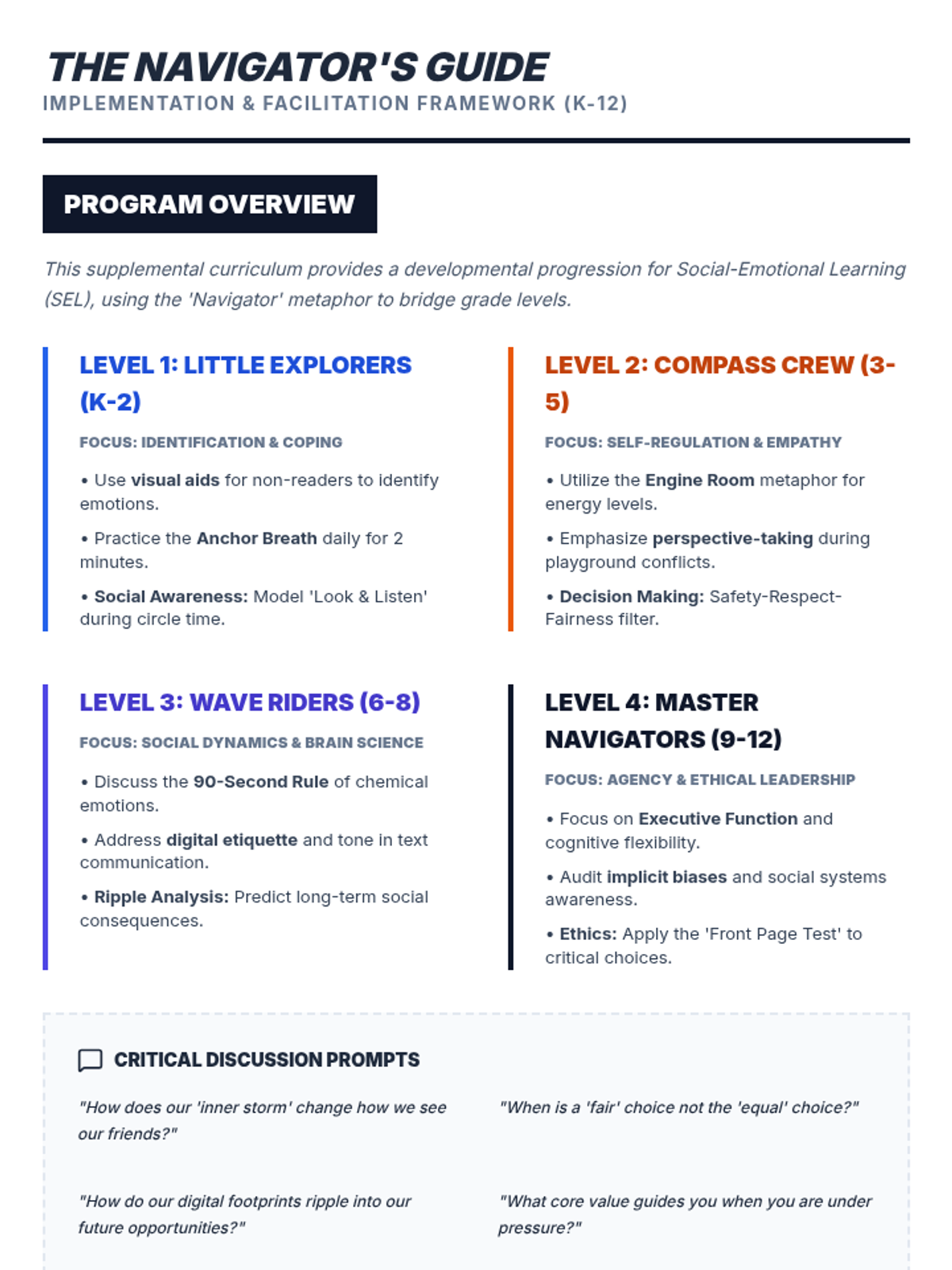
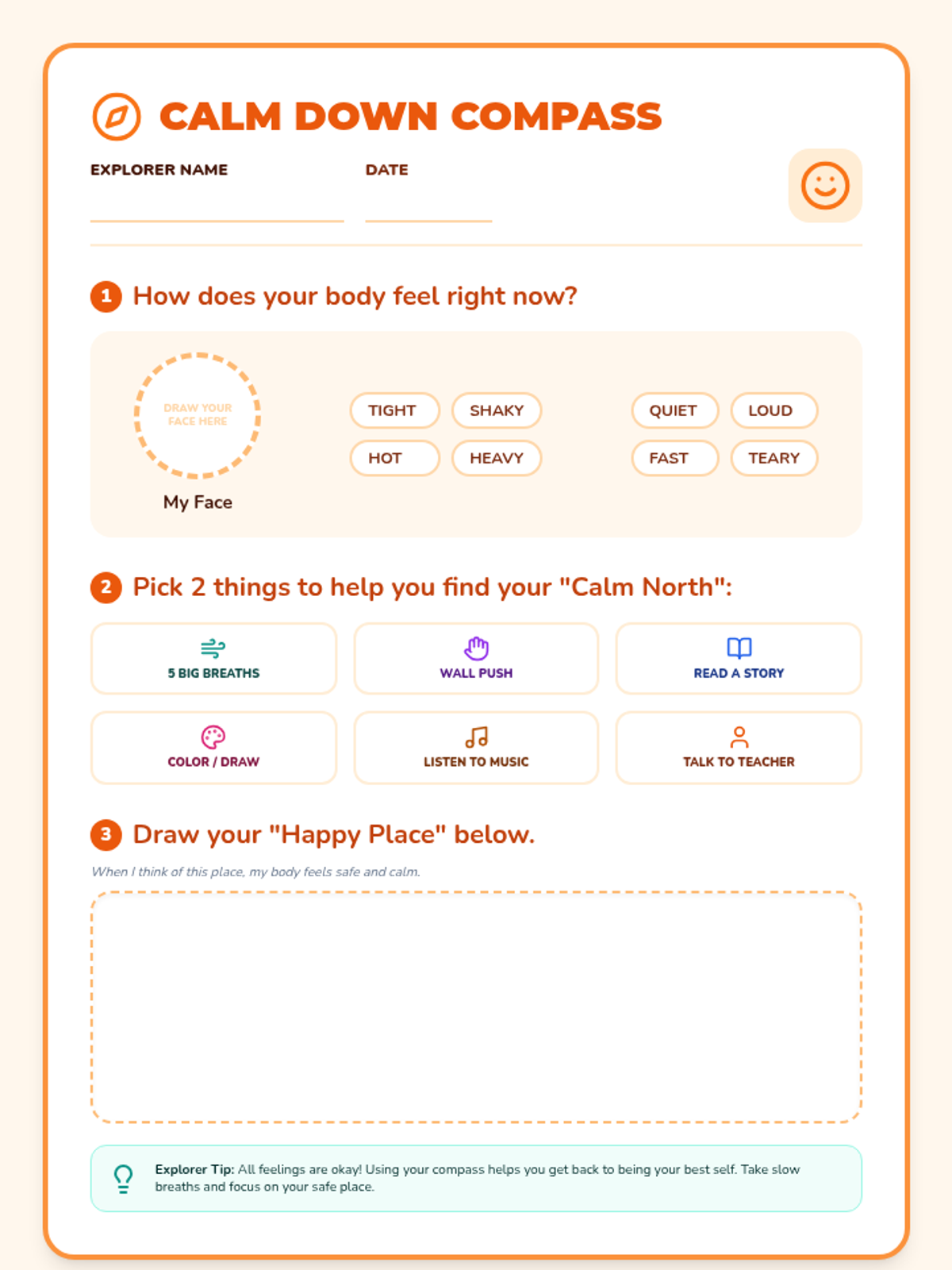
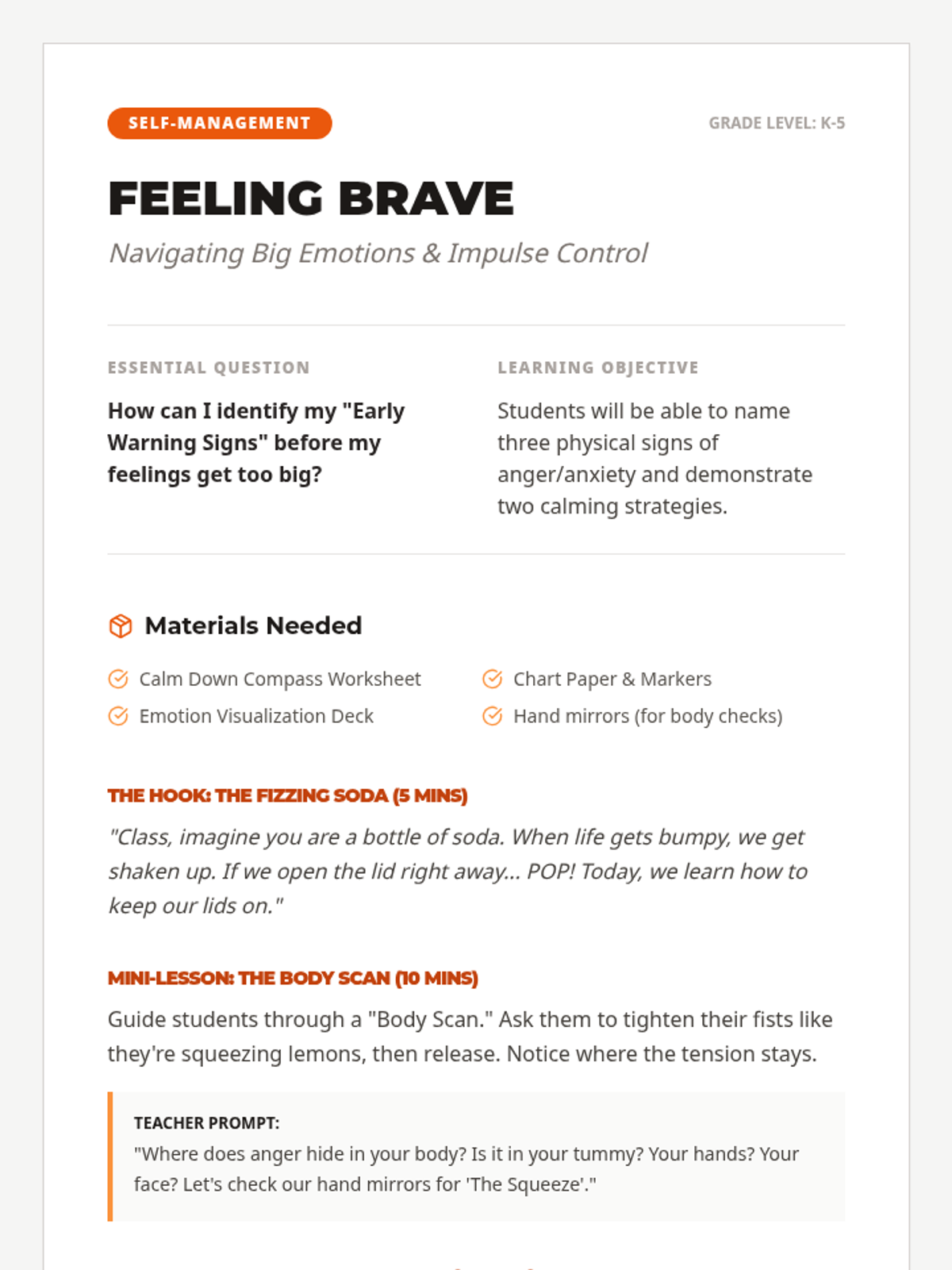
A comprehensive SEL curriculum designed for K-12 students, focusing on self-management, coping skills, social awareness, and responsible decision-making using a nautical 'Navigator' theme.
A comprehensive K-12 Social-Emotional Learning curriculum focusing on behavior regulation, social skills, and mental health resilience. This sequence provides a developmental pathway from emotional foundations in elementary school to complex coping strategies and social navigation in high school.
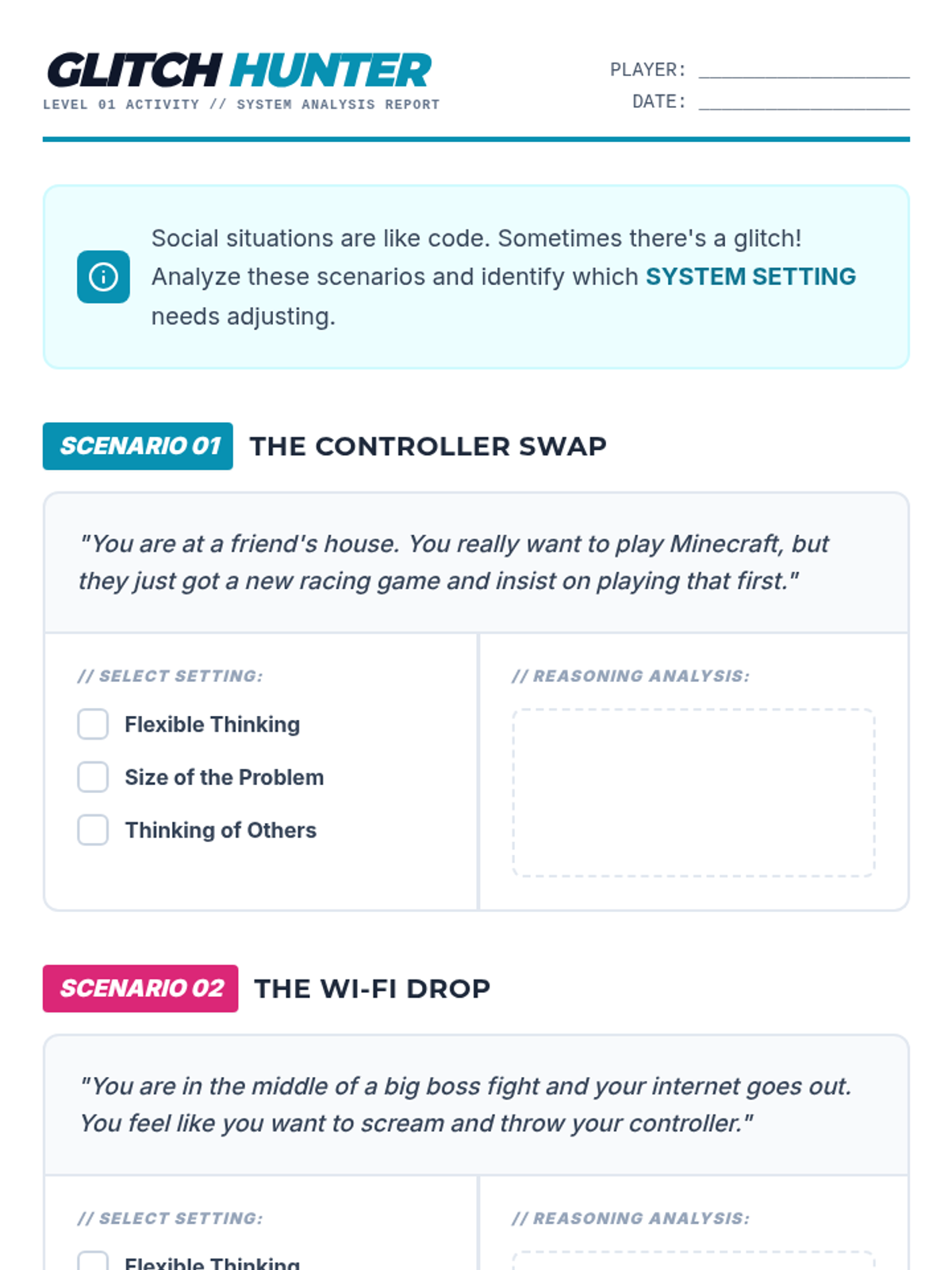
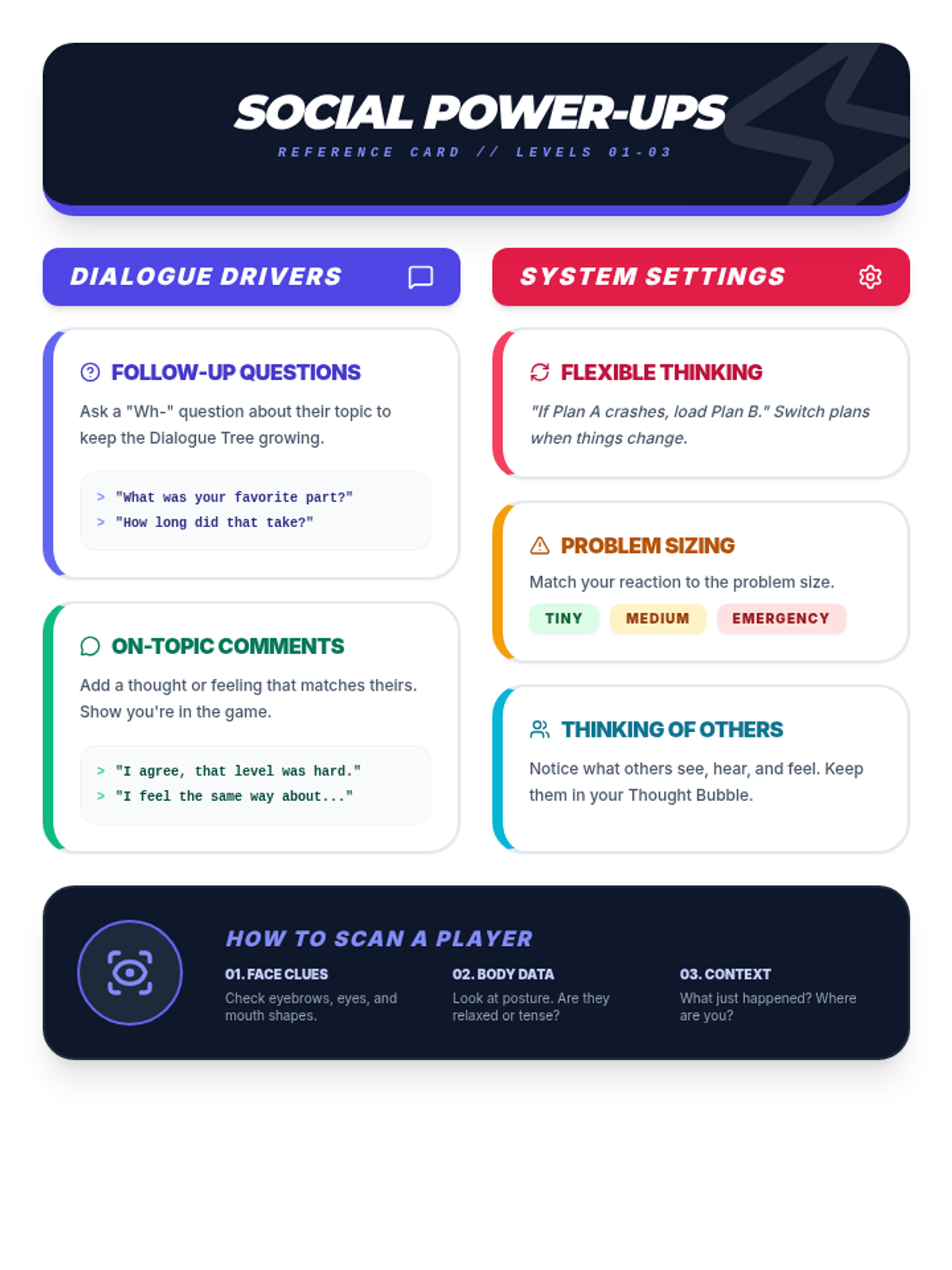
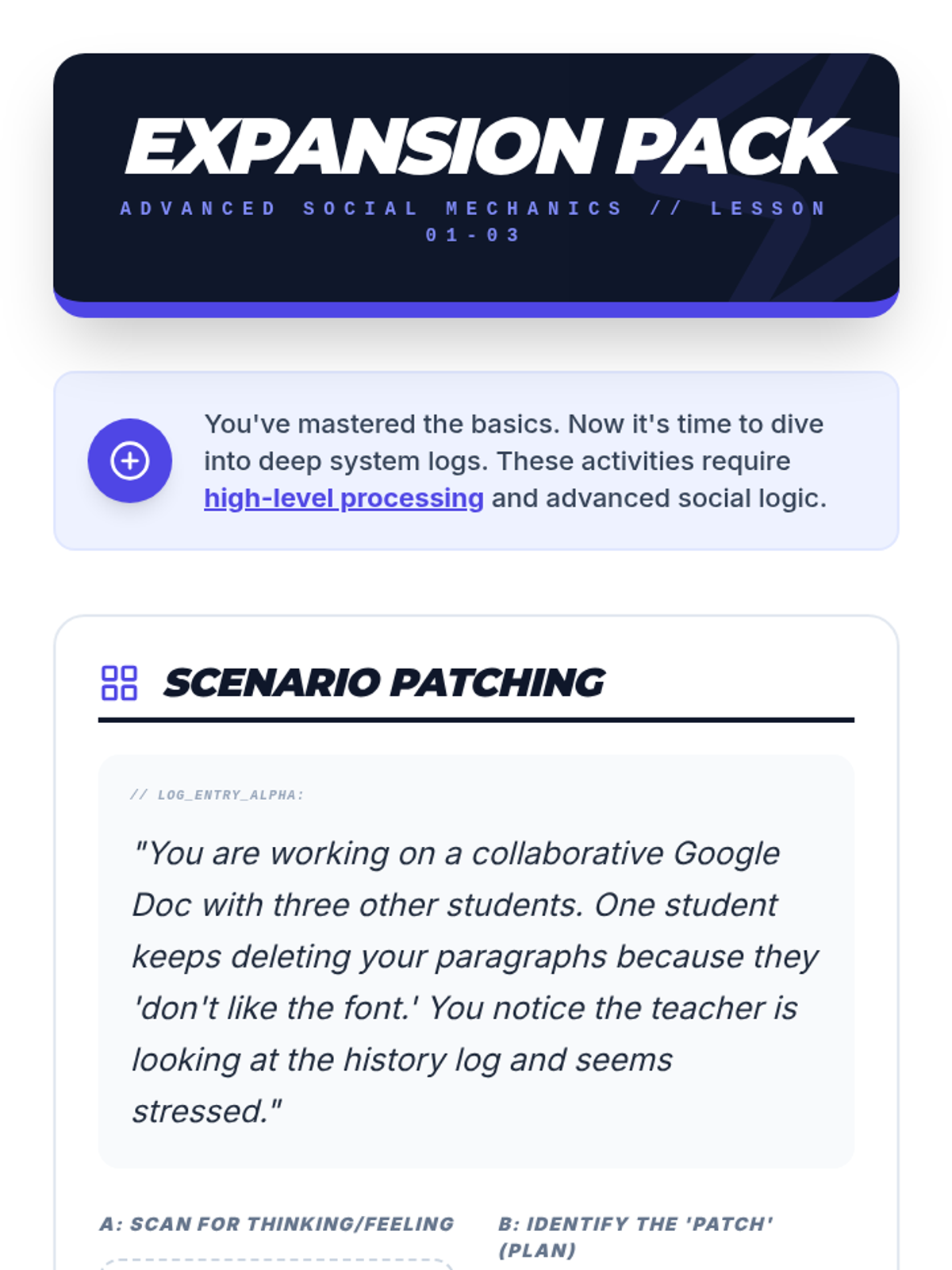
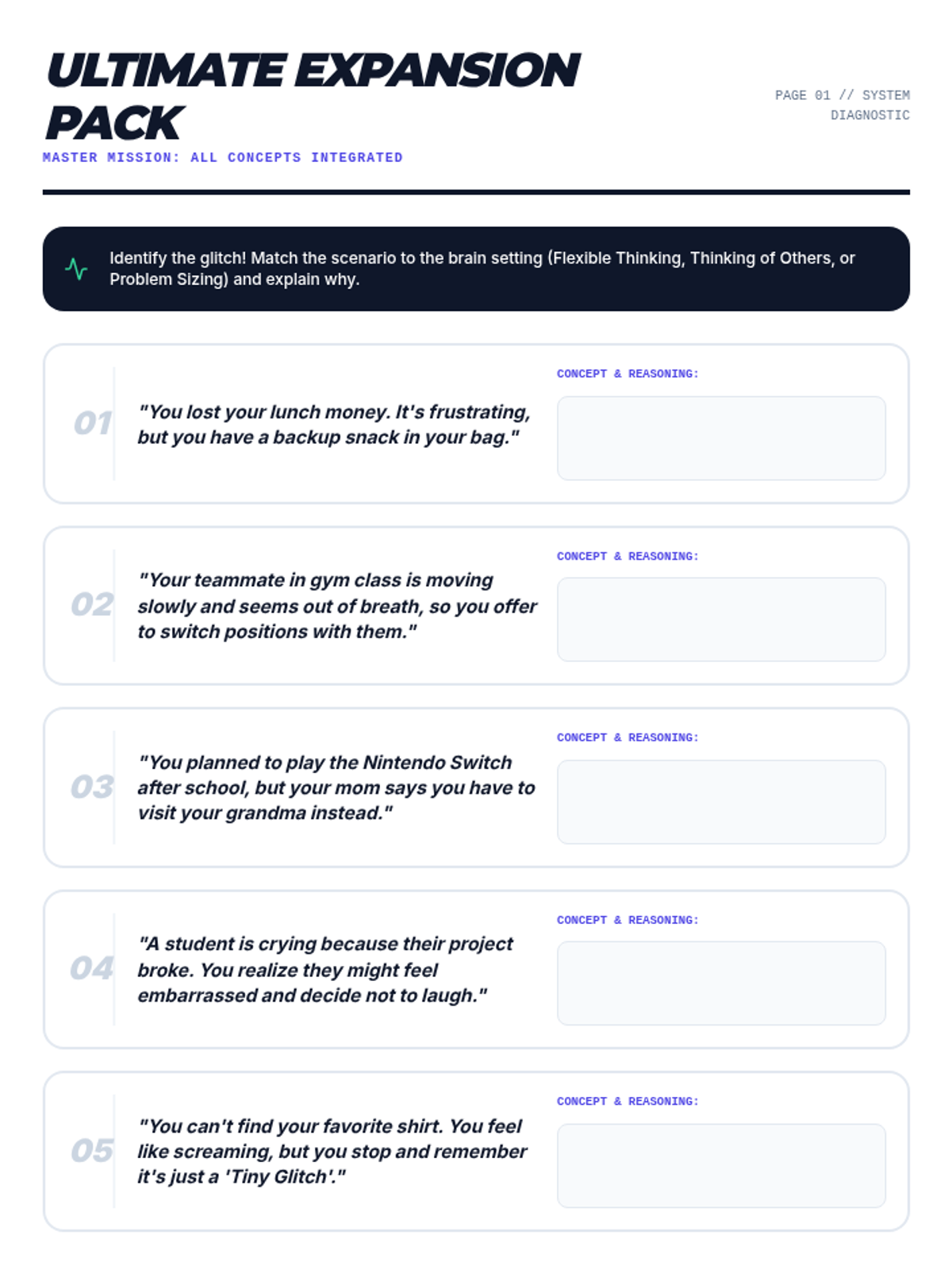
A video game-themed social skills sequence designed for high-ability students with autism. It uses gaming metaphors like 'glitches,' 'dialogue trees,' and 'system scans' to teach Social Thinking concepts, conversation drivers, and perspective-taking.
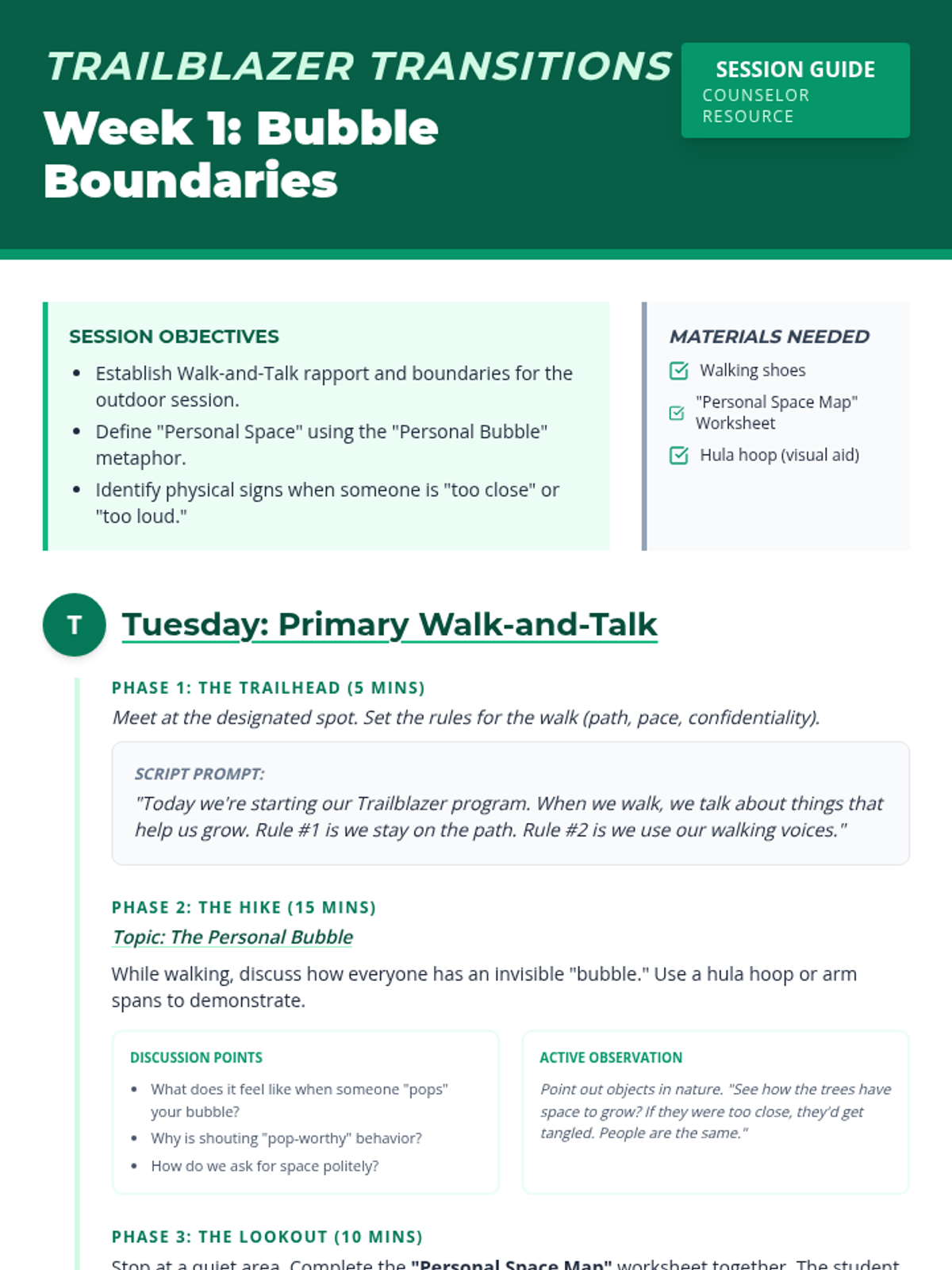
A 5-week school-based counseling program designed to improve student self-regulation and personal boundaries through walk-and-talk therapy and informal check-ins.
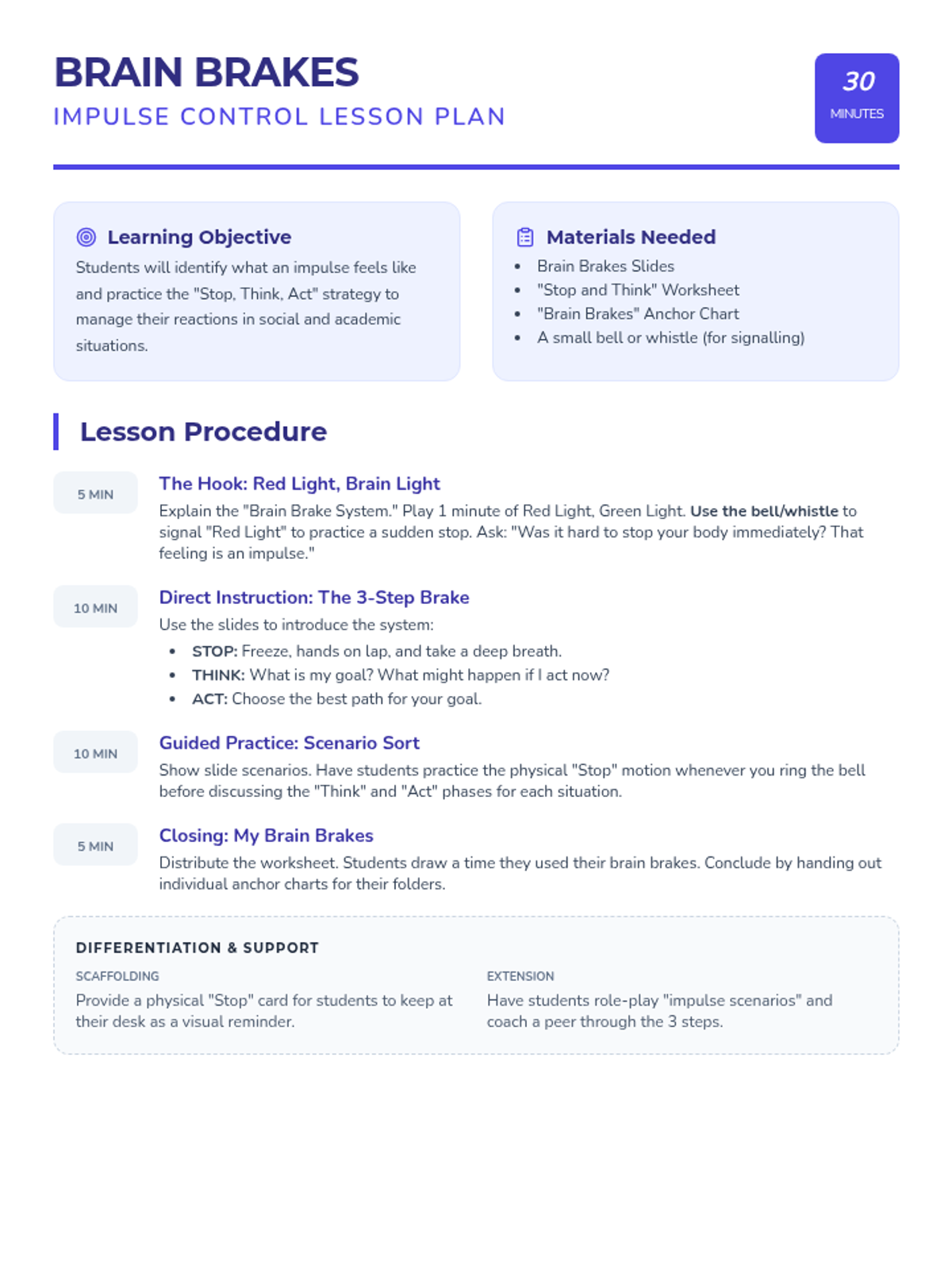
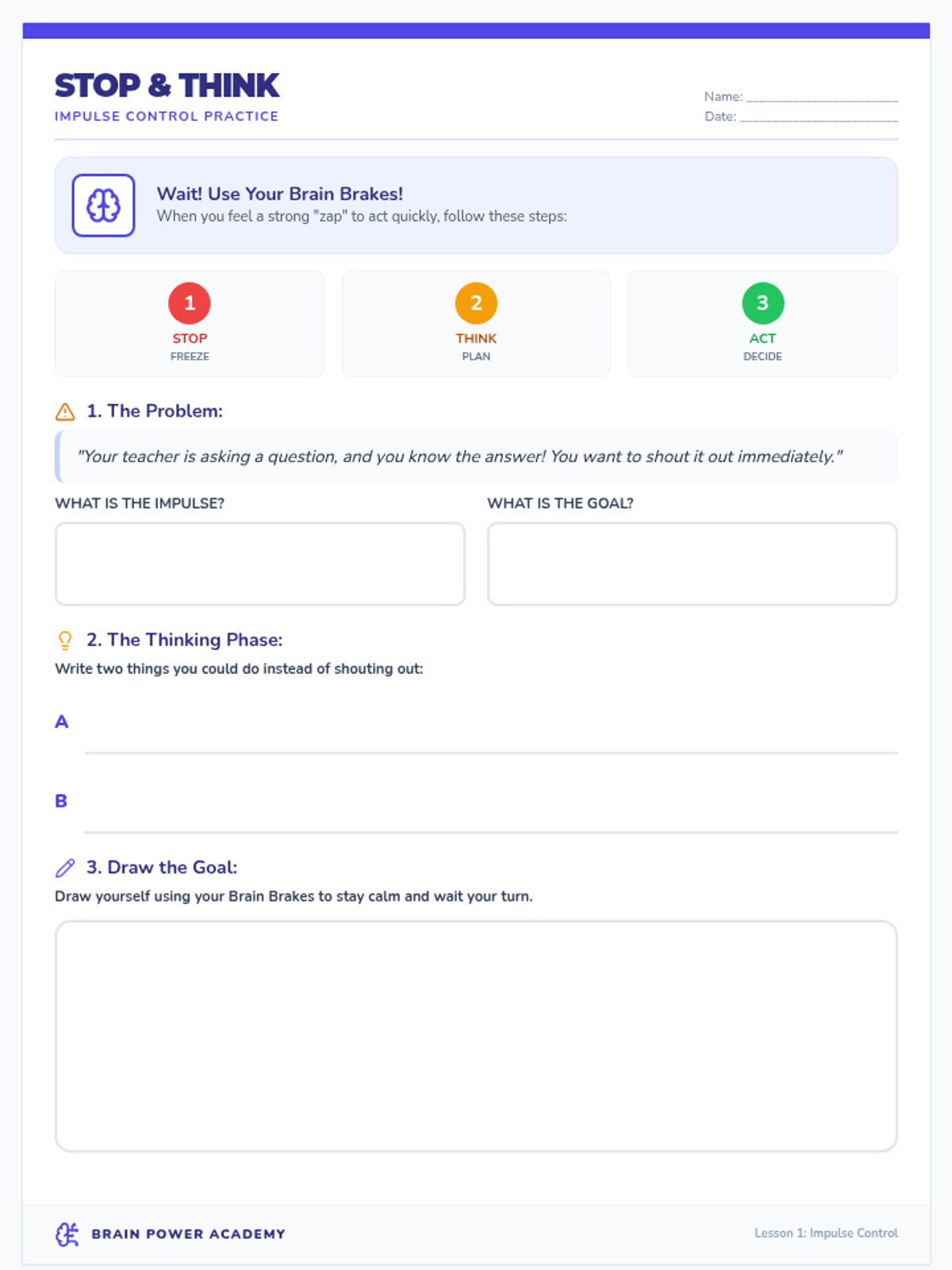
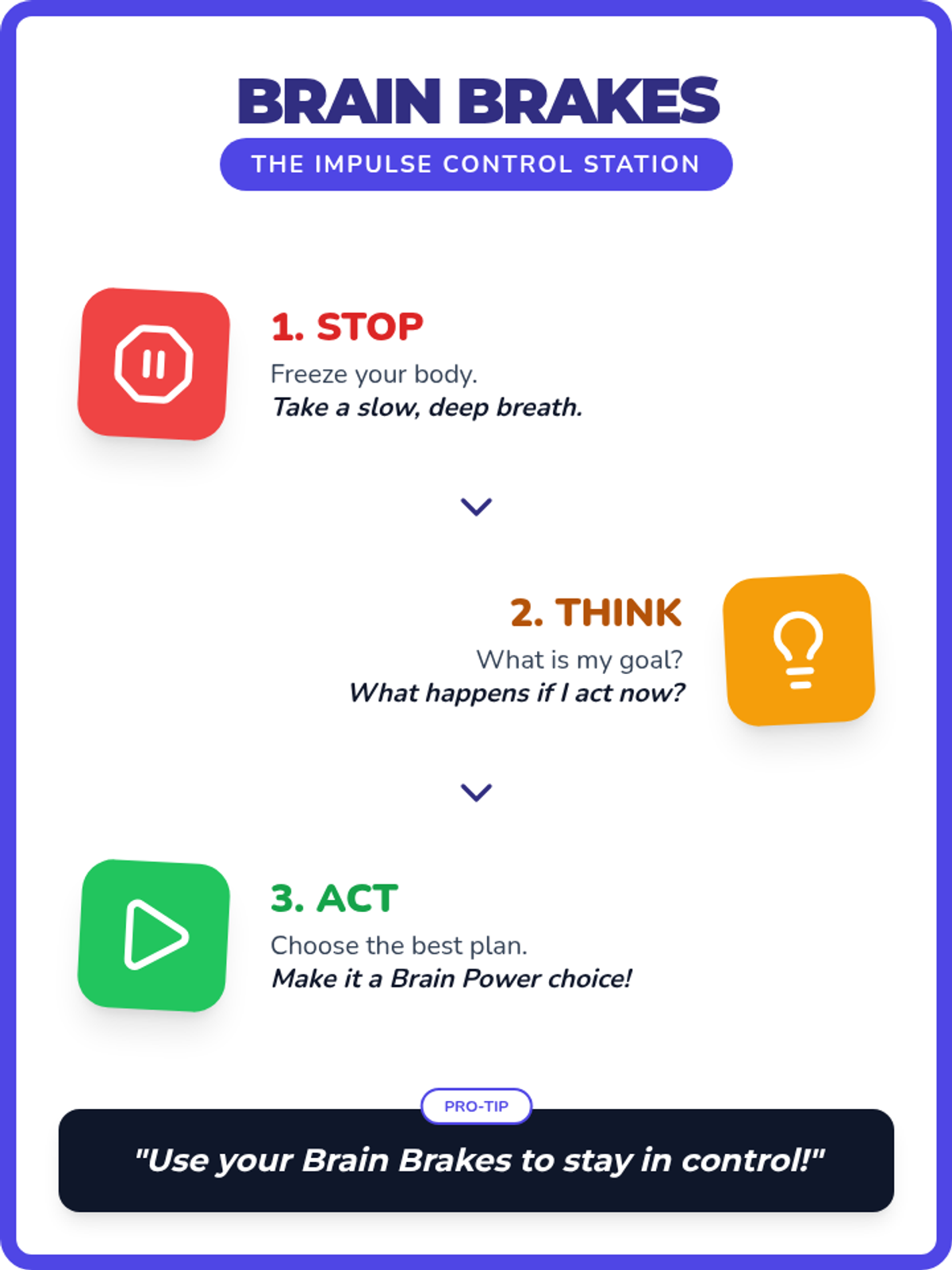
A comprehensive series of lessons designed to teach elementary students core executive functioning skills: impulse control, organization, flexible thinking, and working memory. The sequence uses a 'Brain Power Academy' laboratory theme to make cognitive concepts accessible and engaging.
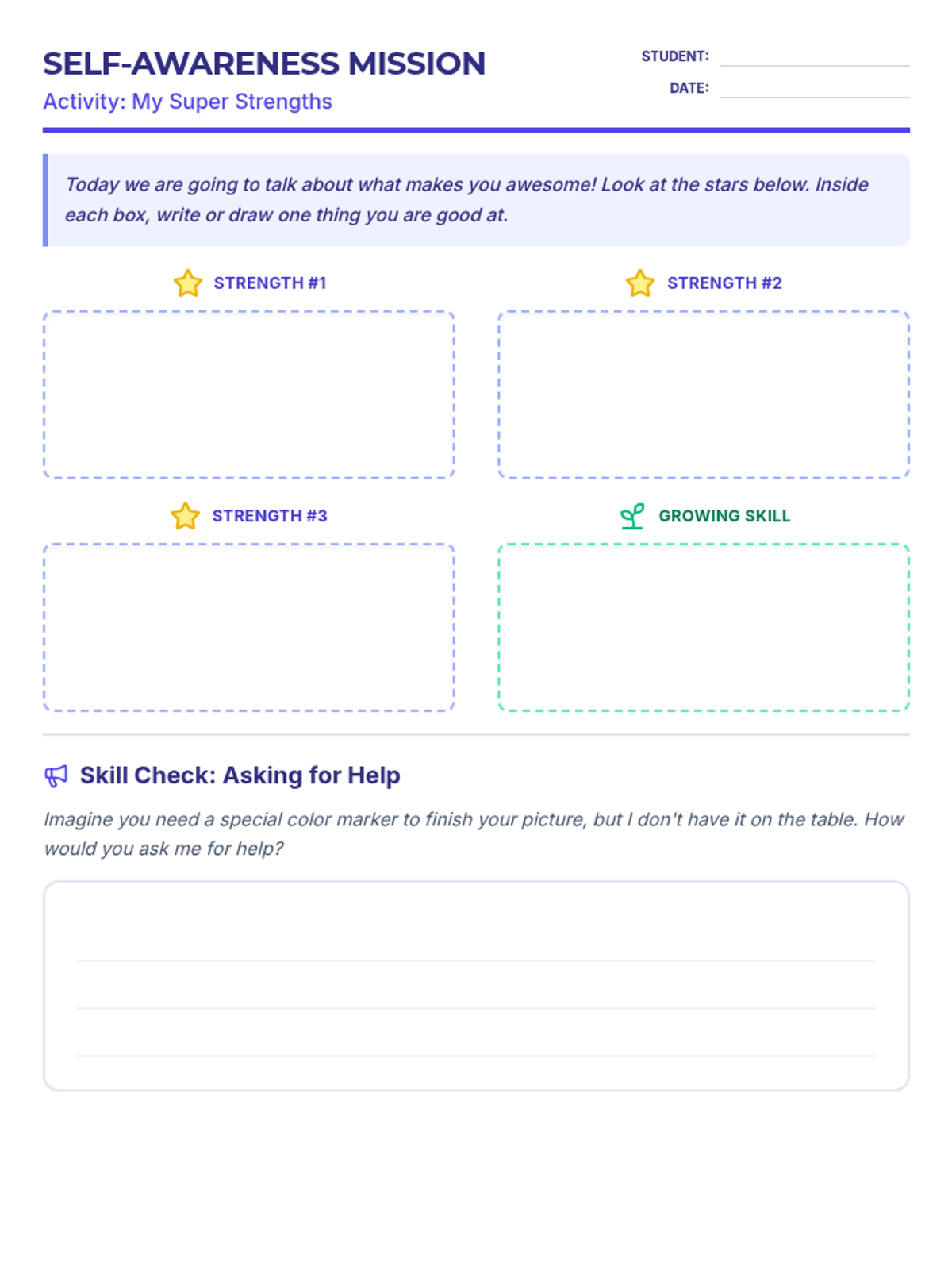
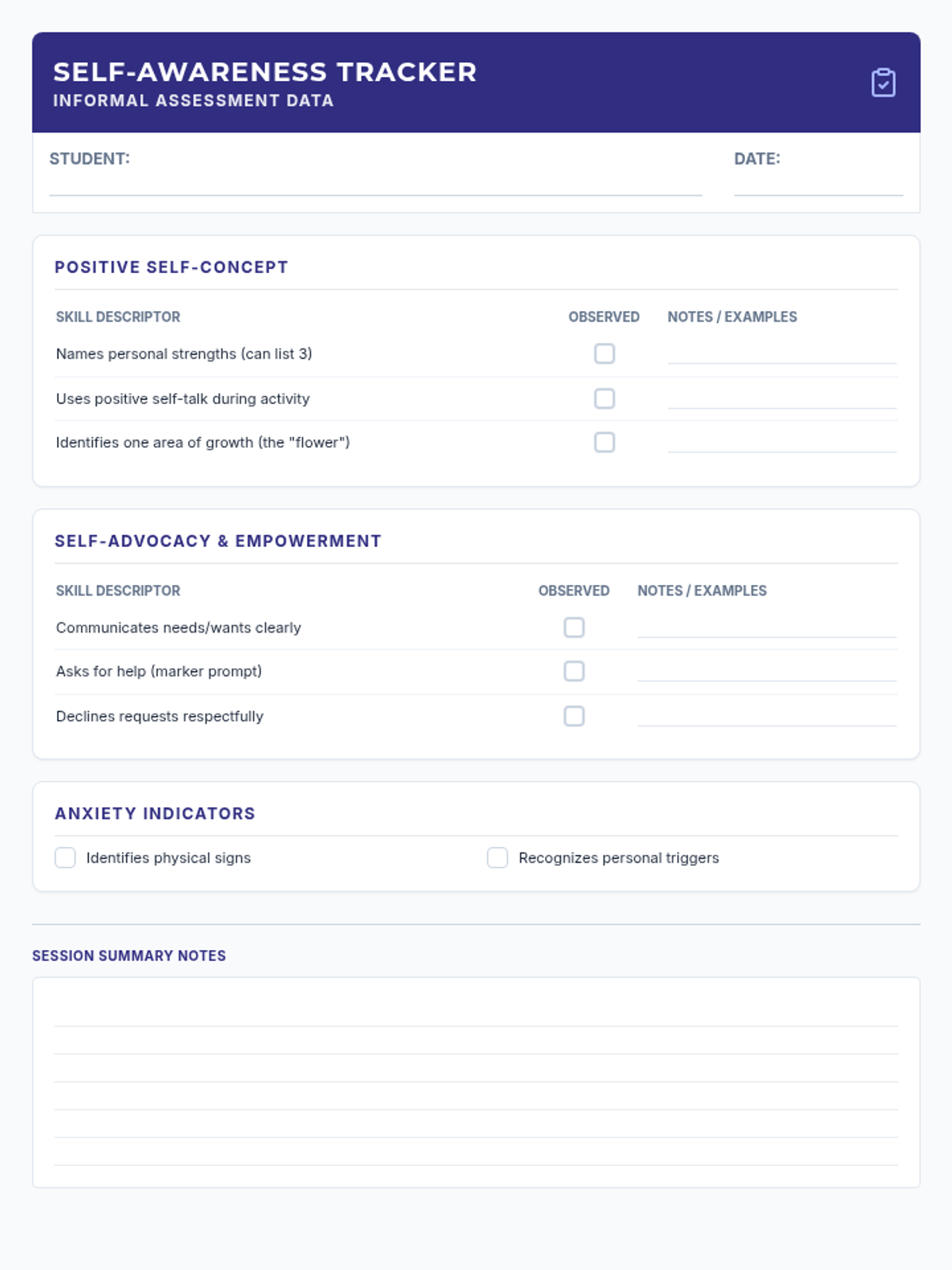
A series of five 15-minute assessment sessions designed for 3rd-5th grade special education students to collect data on key SEL competencies including Self-Awareness, Self-Management, Emotions, Relationship Skills, and Decision-Making.
A comprehensive 4-week SEL curriculum designed for twice-weekly counseling sessions, guiding students from basic self-advocacy to advanced collaborative problem-solving and emotional regulation.
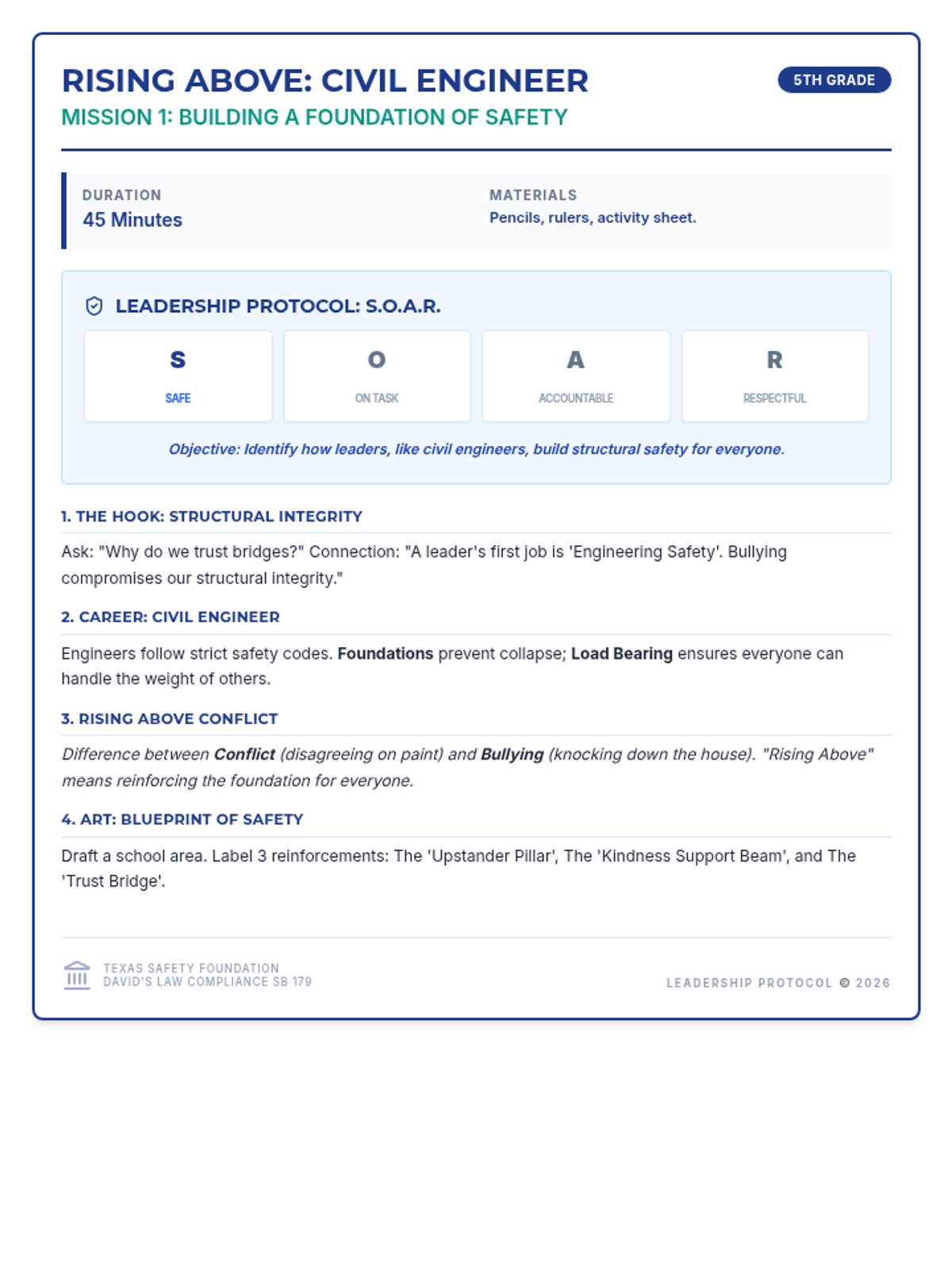
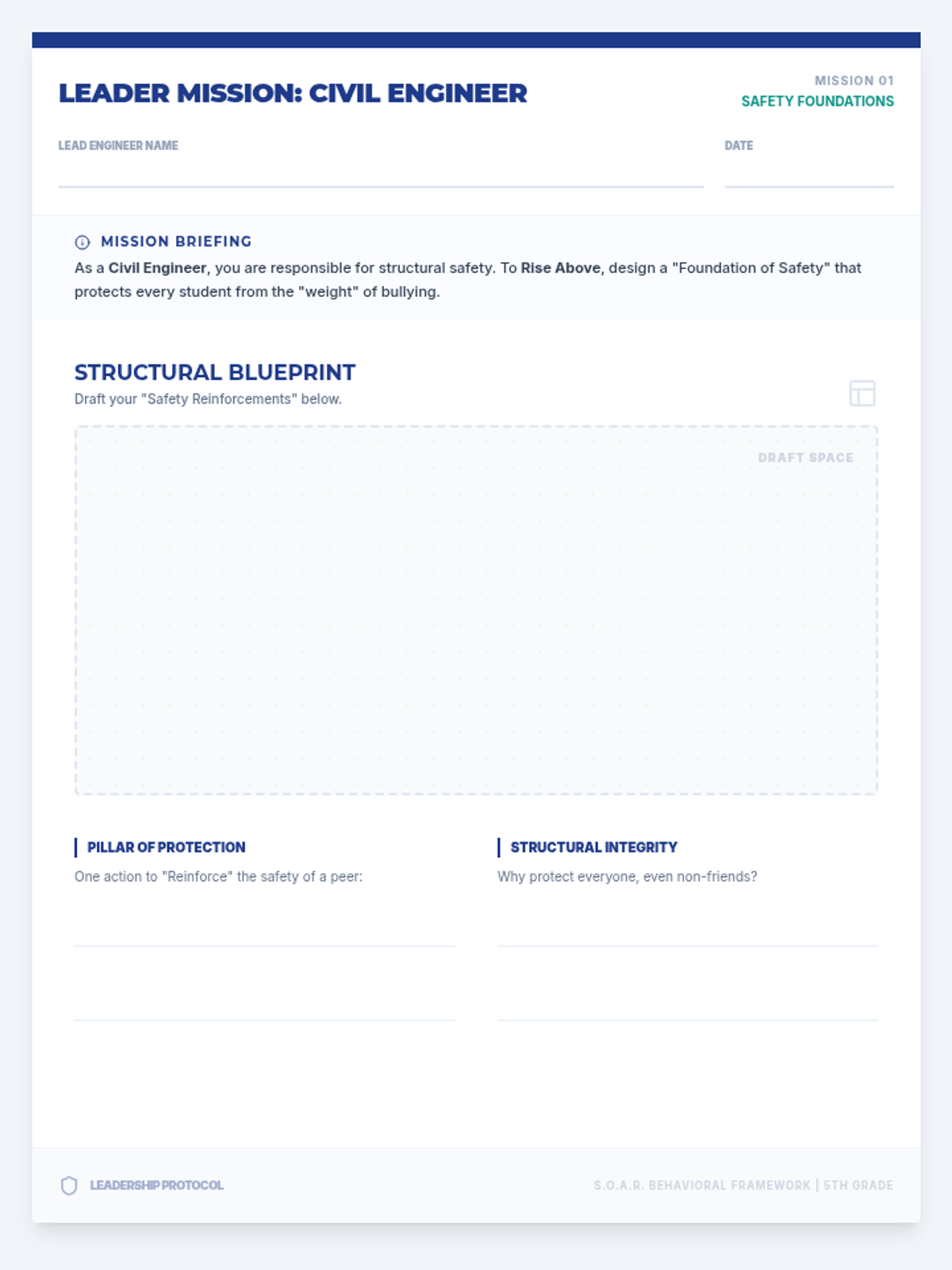
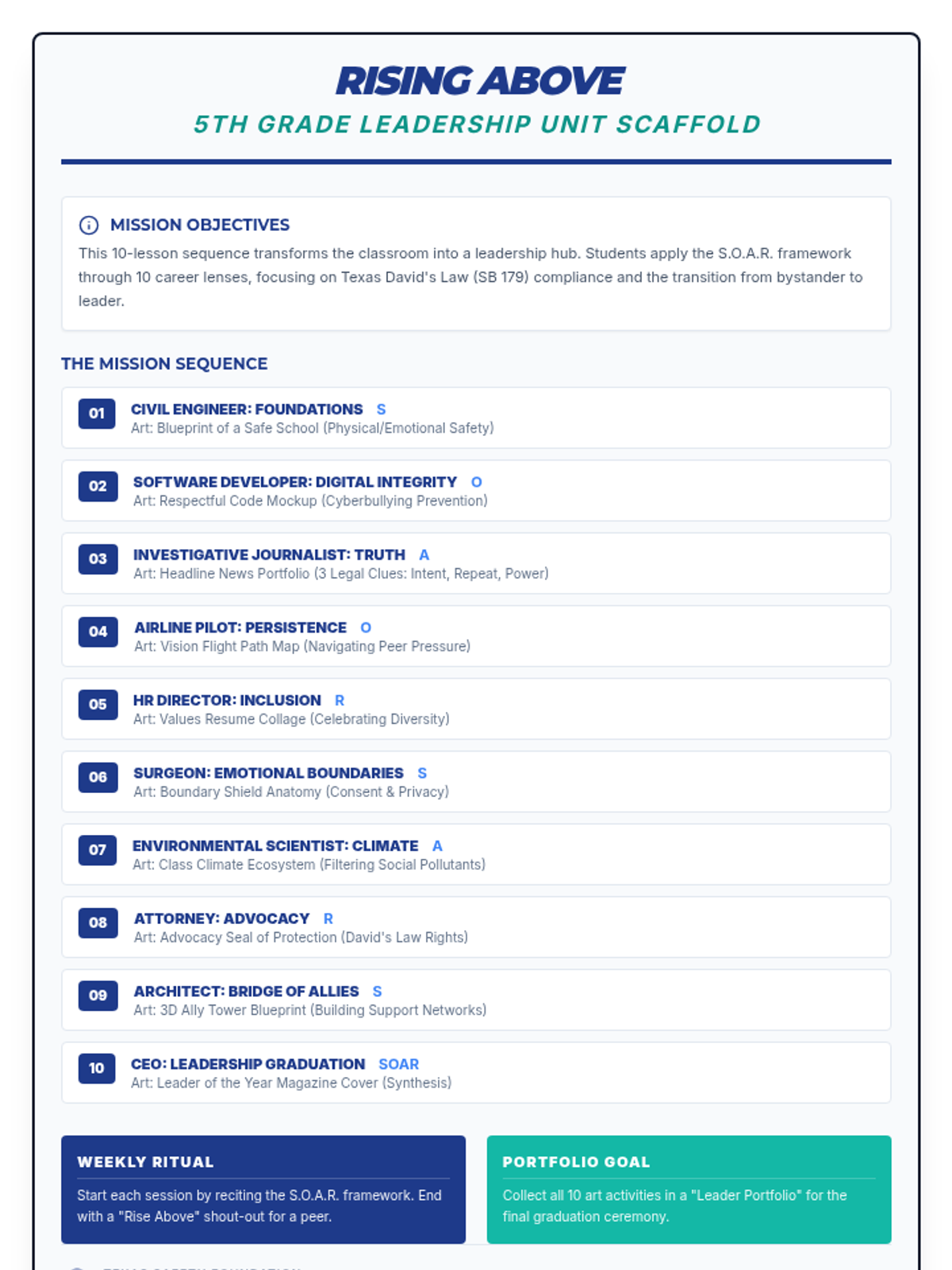
A comprehensive K-12 bullying prevention curriculum strictly aligned with Texas David's Law and TEC Chapter 37, focusing on the distinction between conflict and bullying, cyberbullying, and school safety. Now renamed to the Leadership Protocol.