Budgeting, saving, and investment strategies alongside practical skills for managing credit, taxes, and banking. Addresses insurance needs, employment income, and major purchase decisions to support comprehensive long-term financial planning.
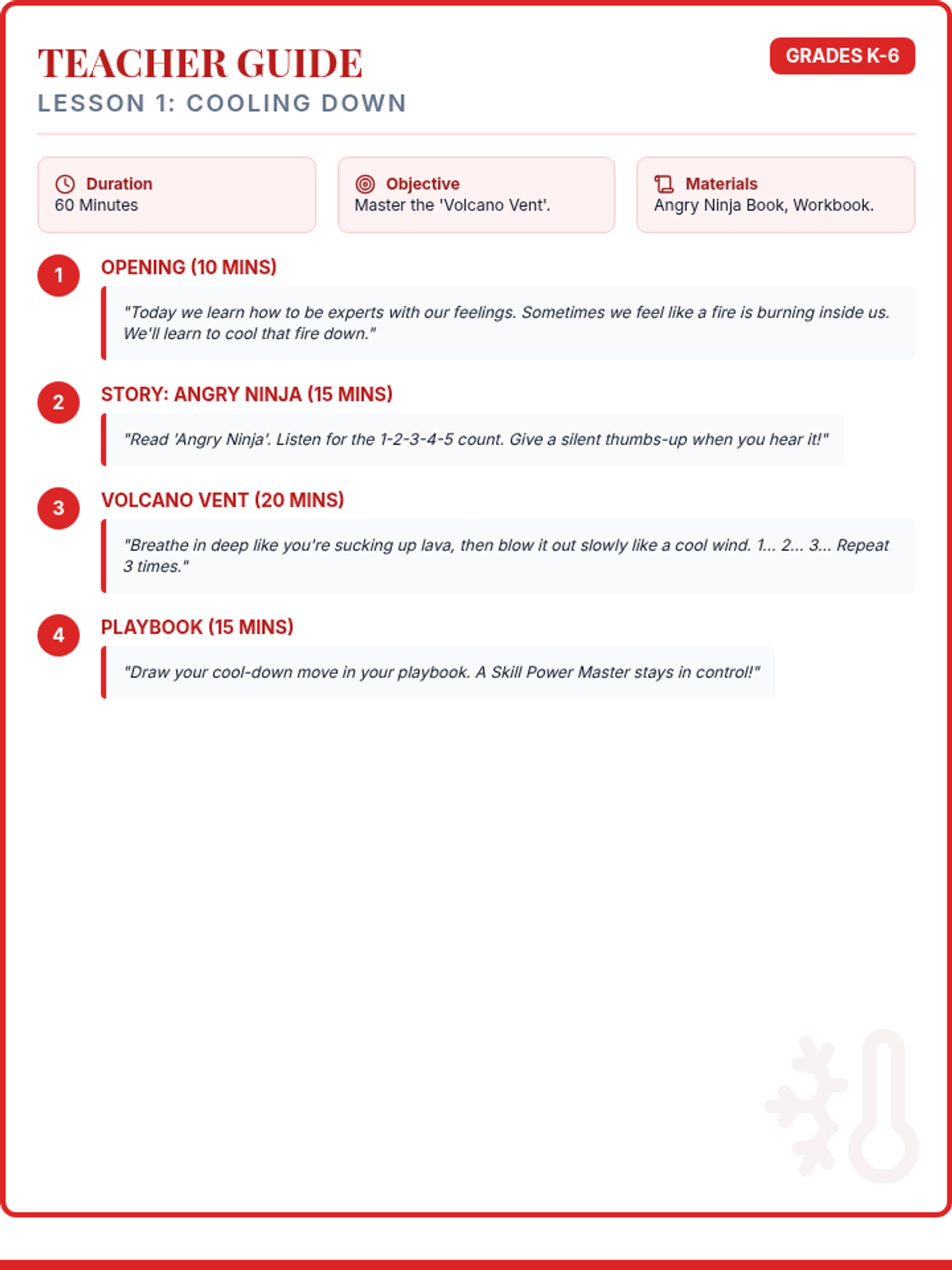
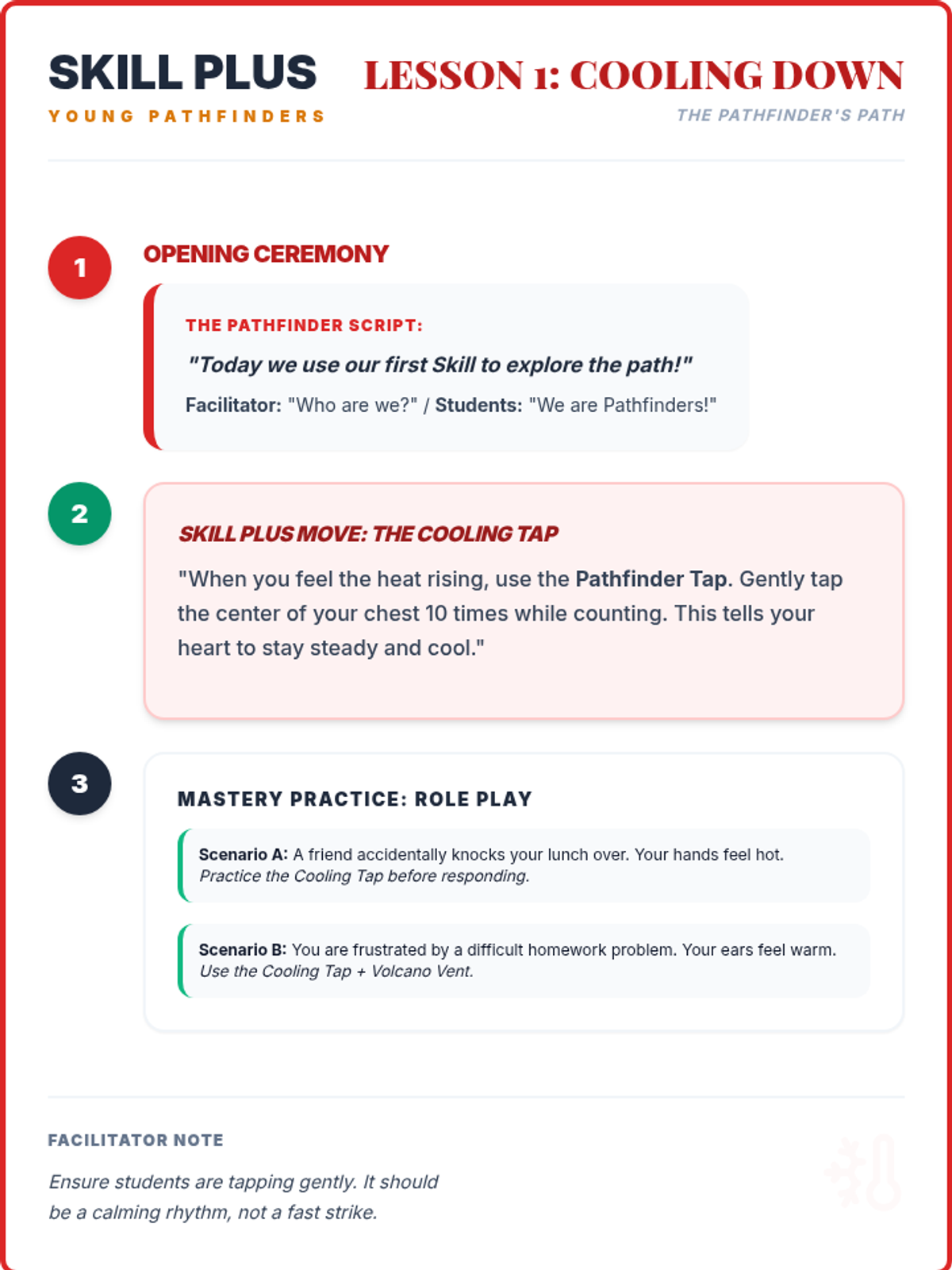
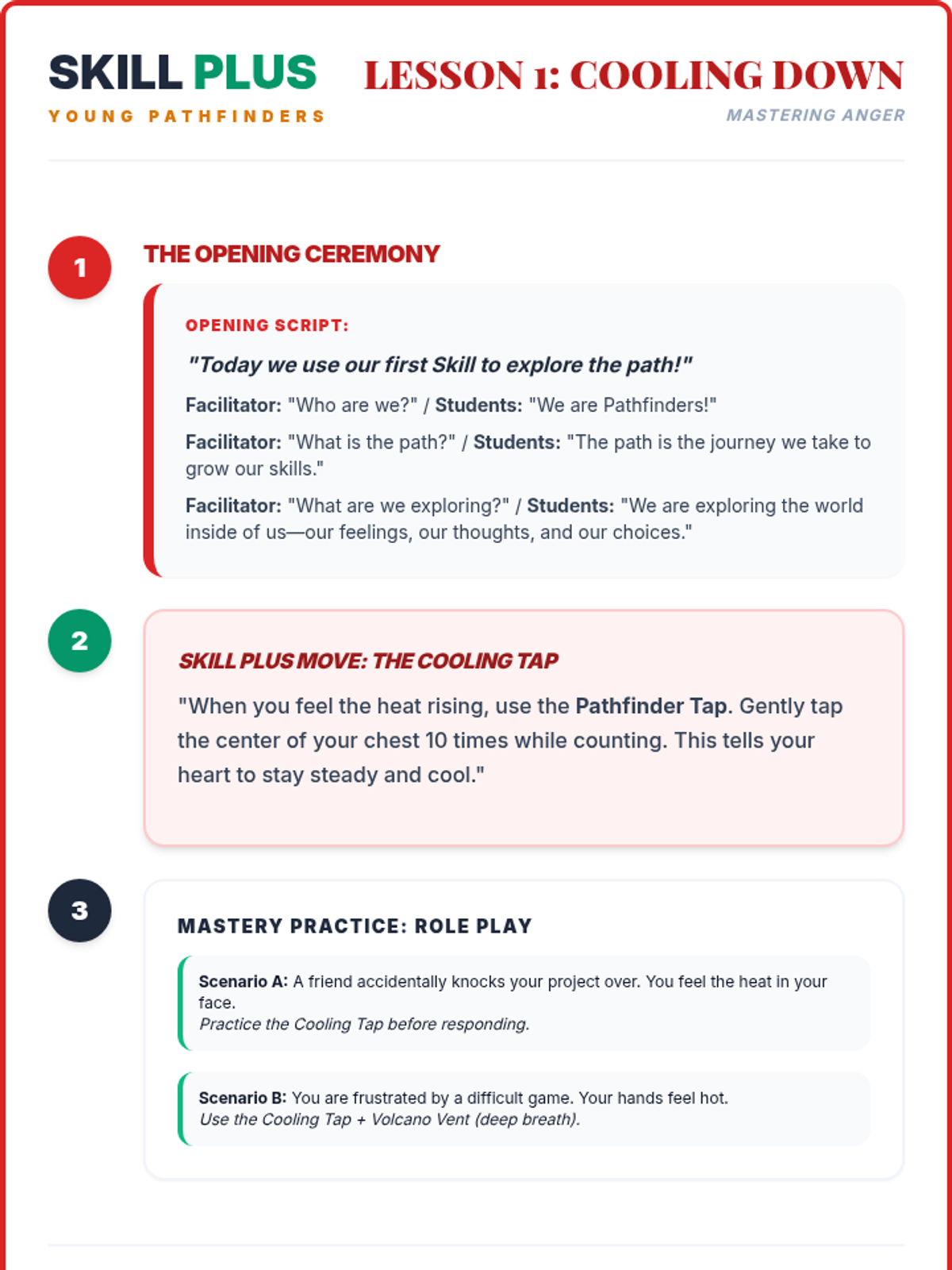
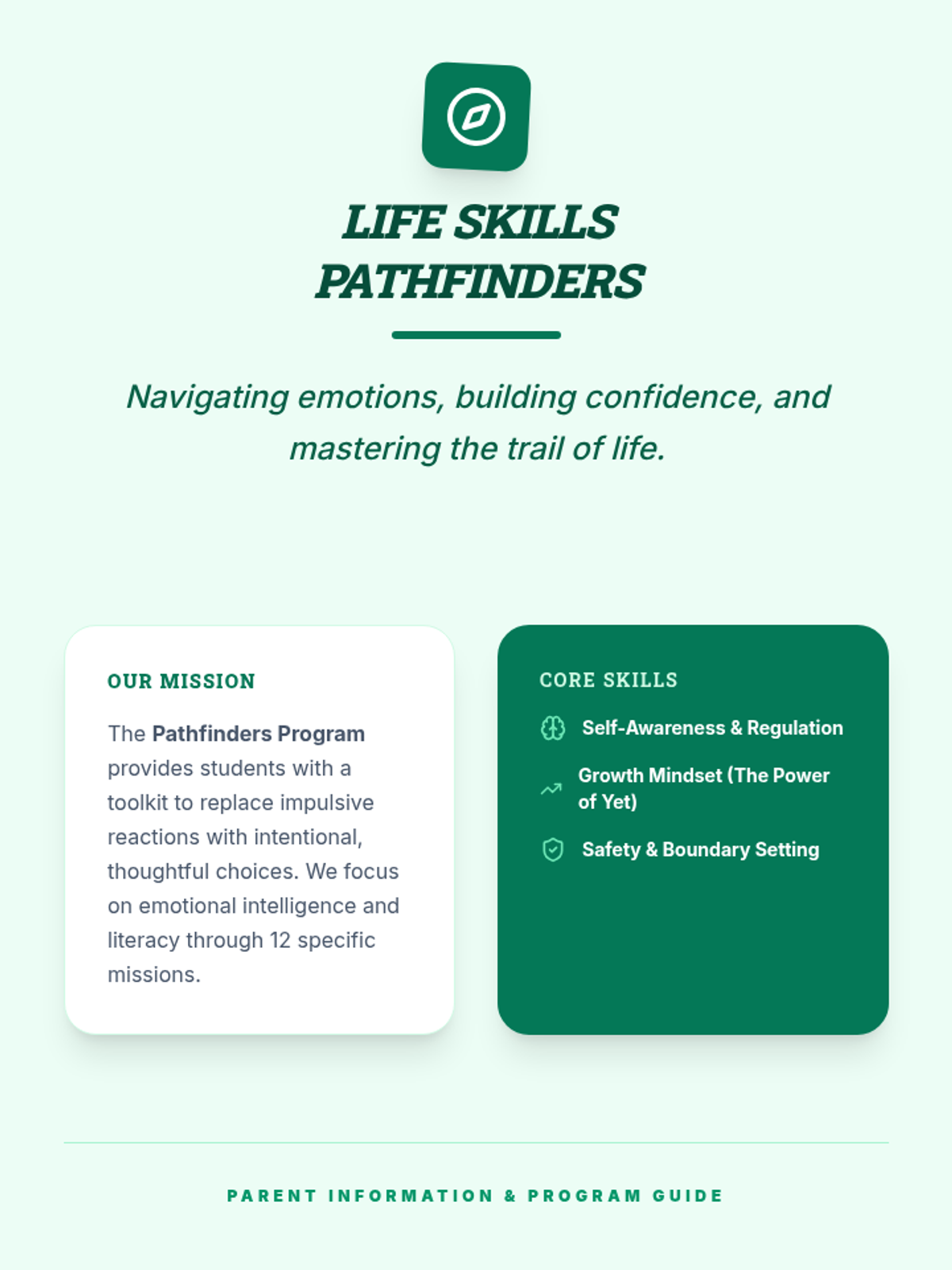
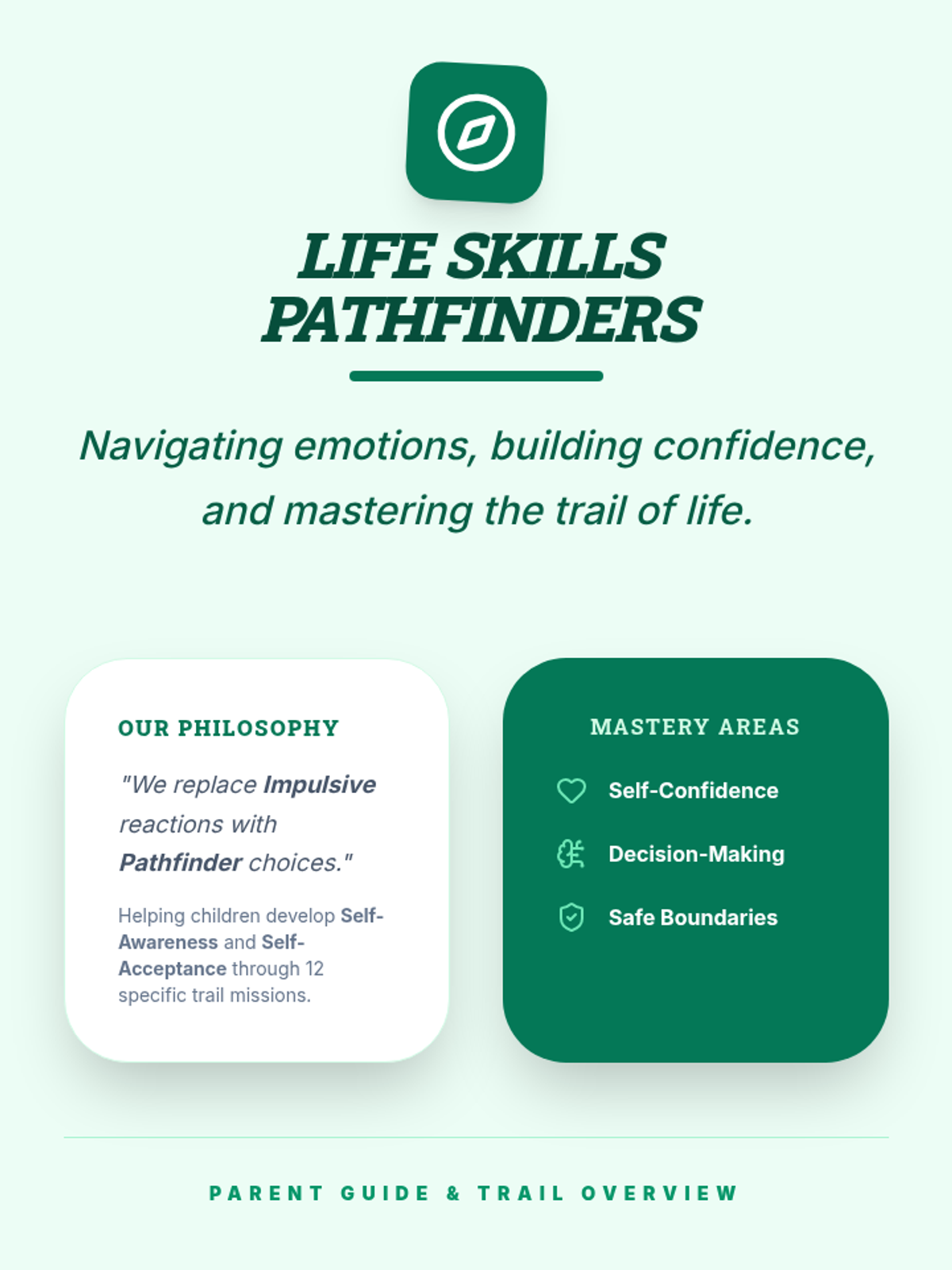
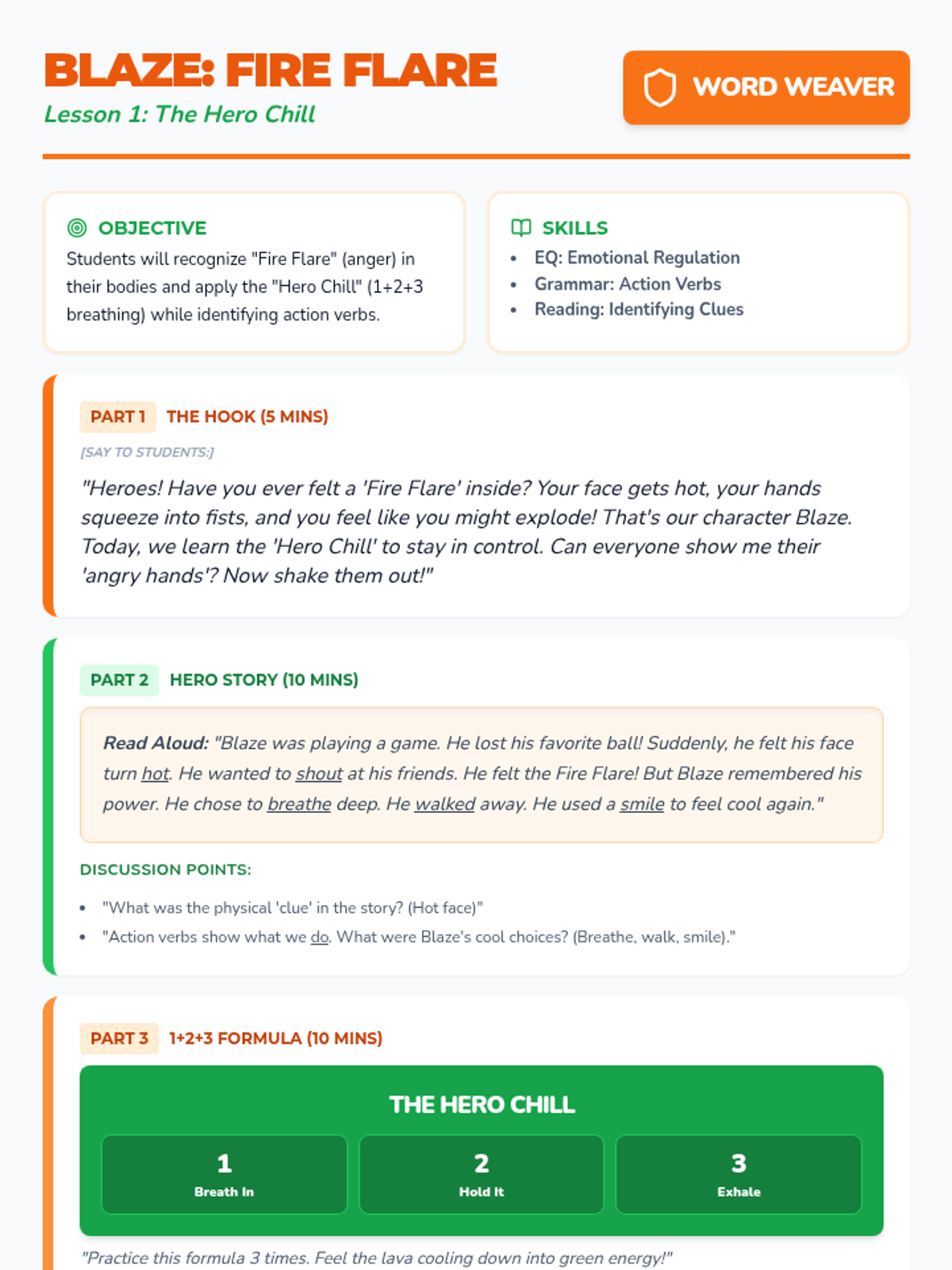
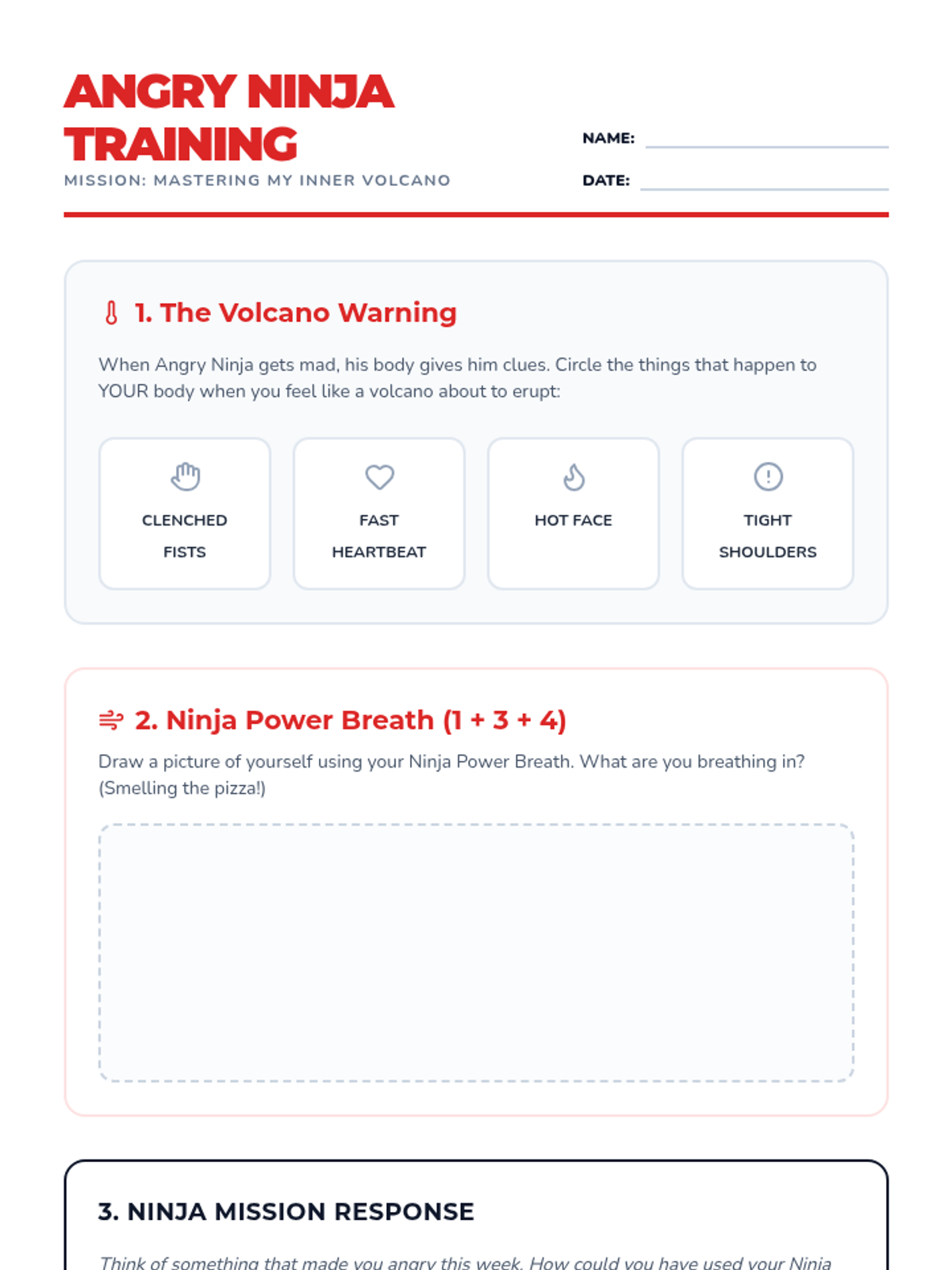
A 12-lesson social-emotional learning curriculum focusing on emotional regulation, growth mindset, life skills, and social intelligence for K-6 students. Graduates earn the title of 'Pathfinder Master'.
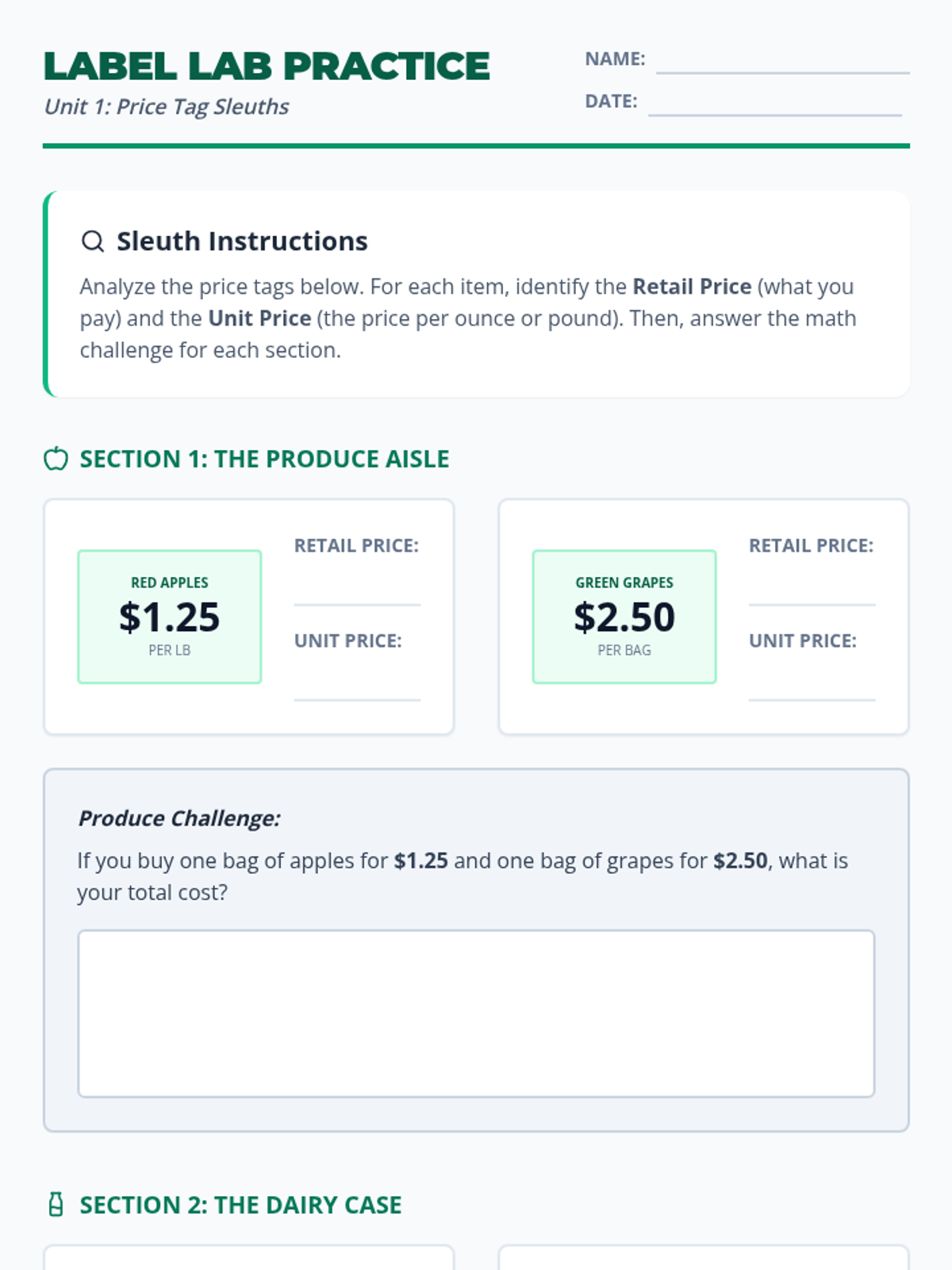
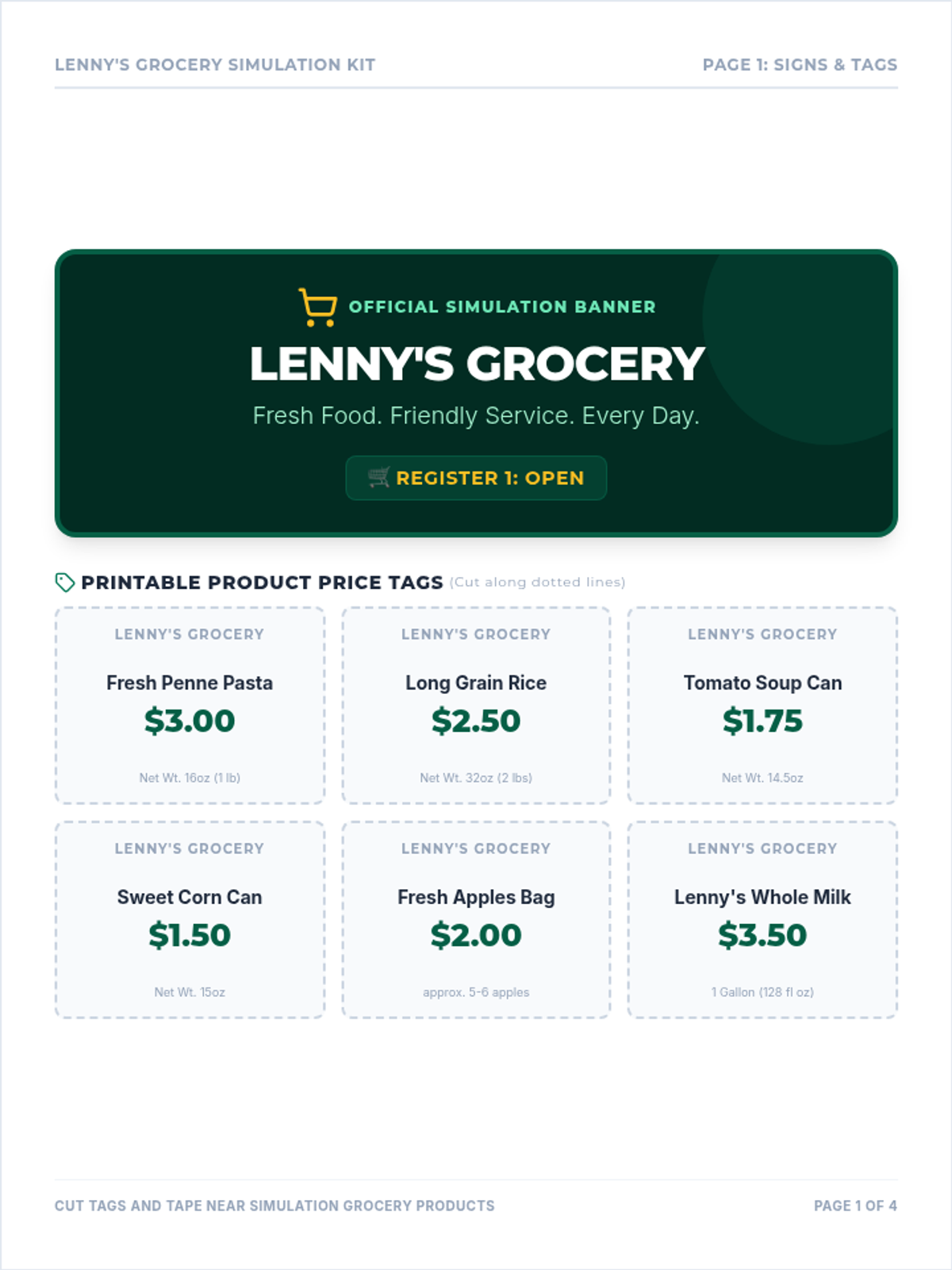
A 4-day life skills project focusing on grocery budgeting, price comparison, and decimal arithmetic through a supermarket-themed simulation.
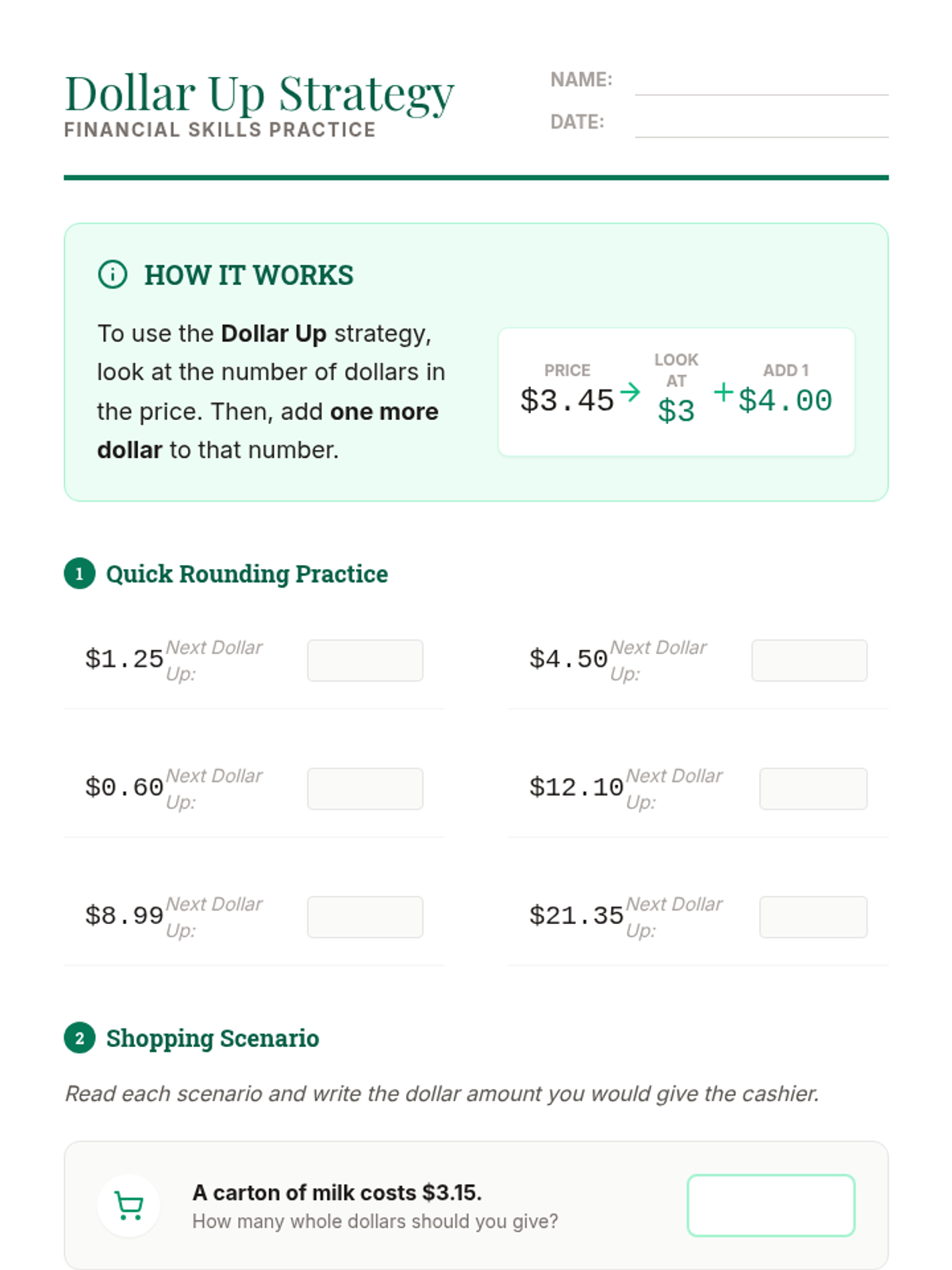
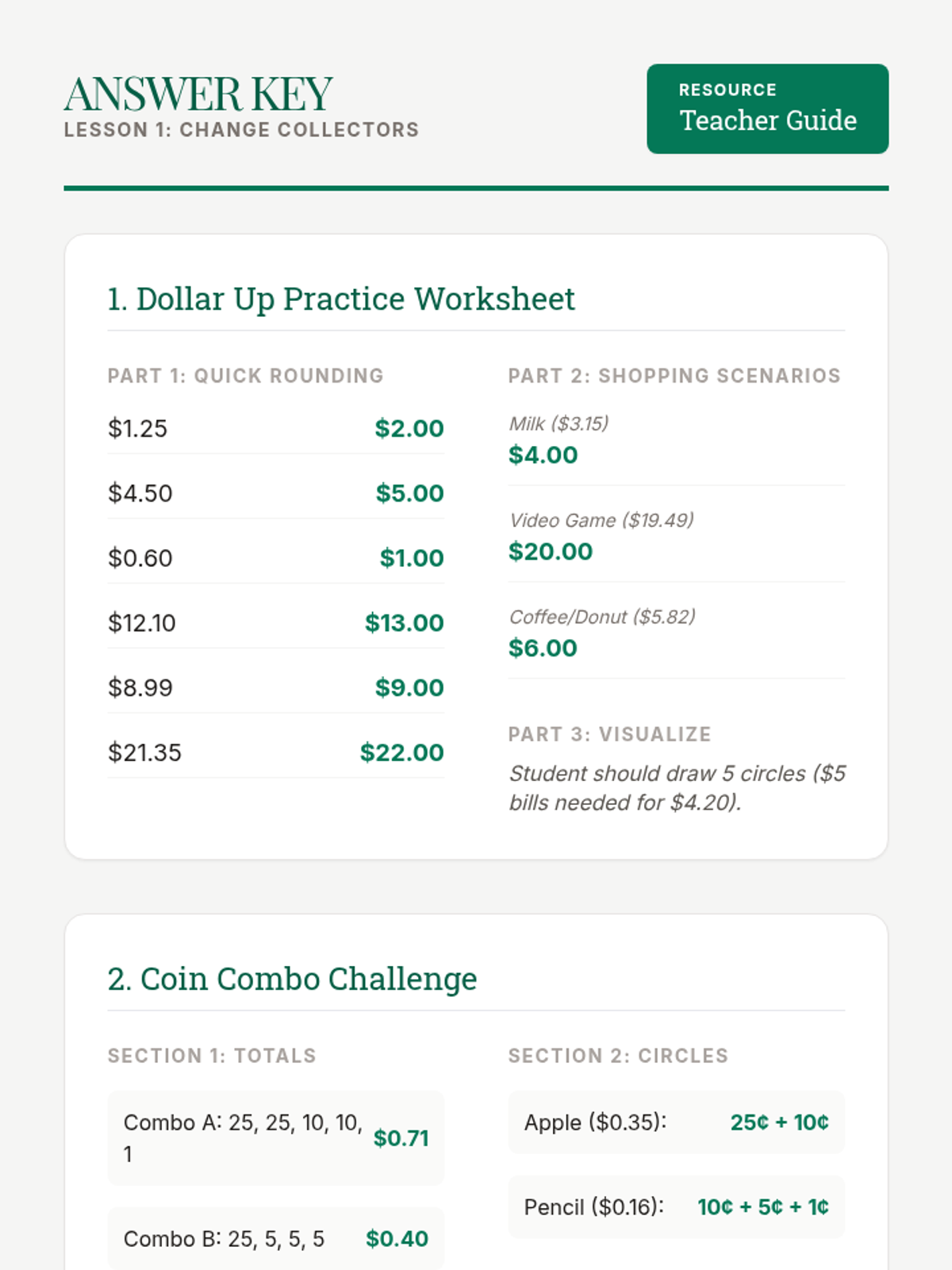
A comprehensive financial literacy sequence covering coin counting, the 'next dollar up' strategy, adding purchases, unit price ratios, and budget management. Students progress from basic money handling to complex real-world financial decision-making.
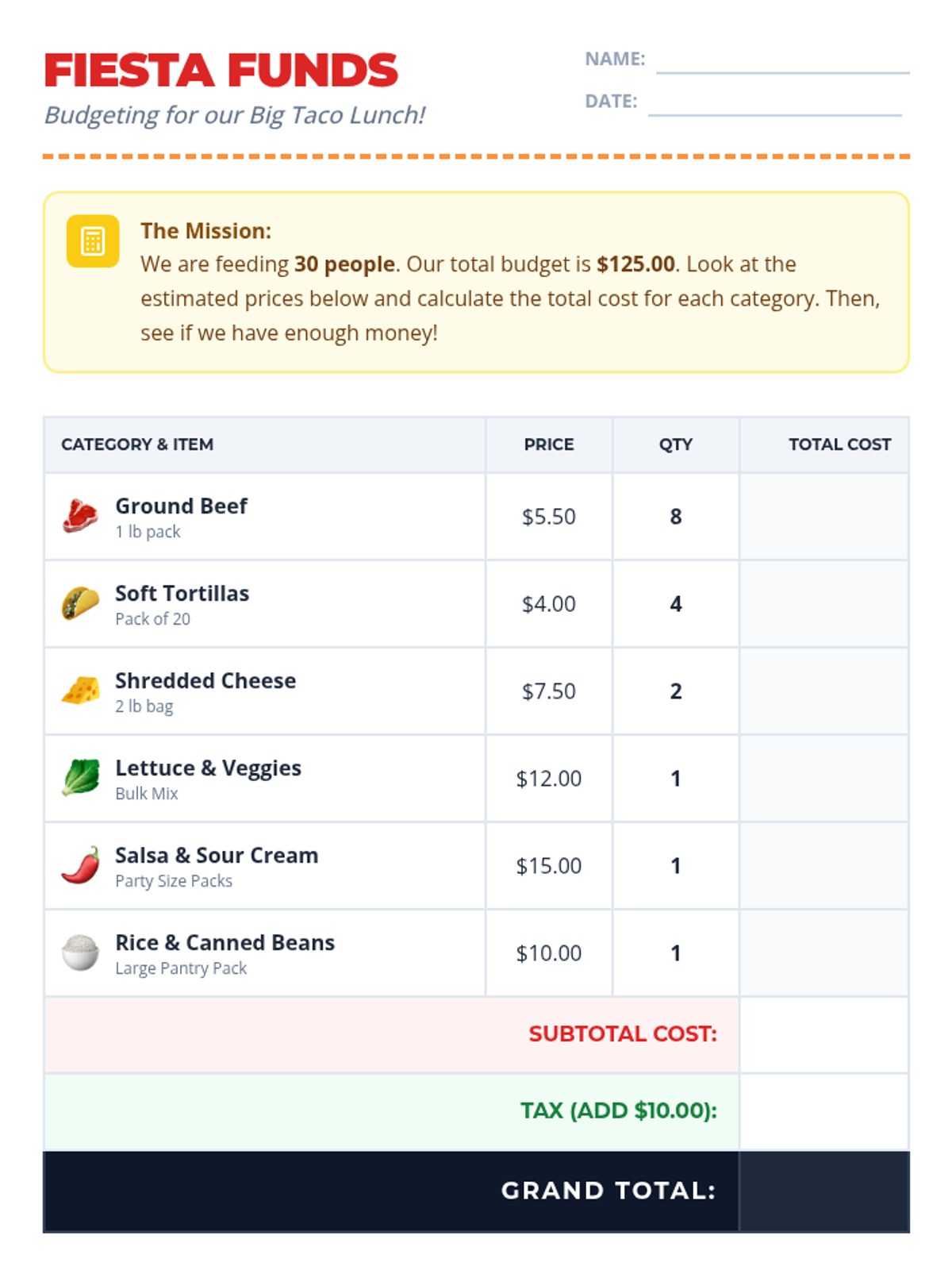
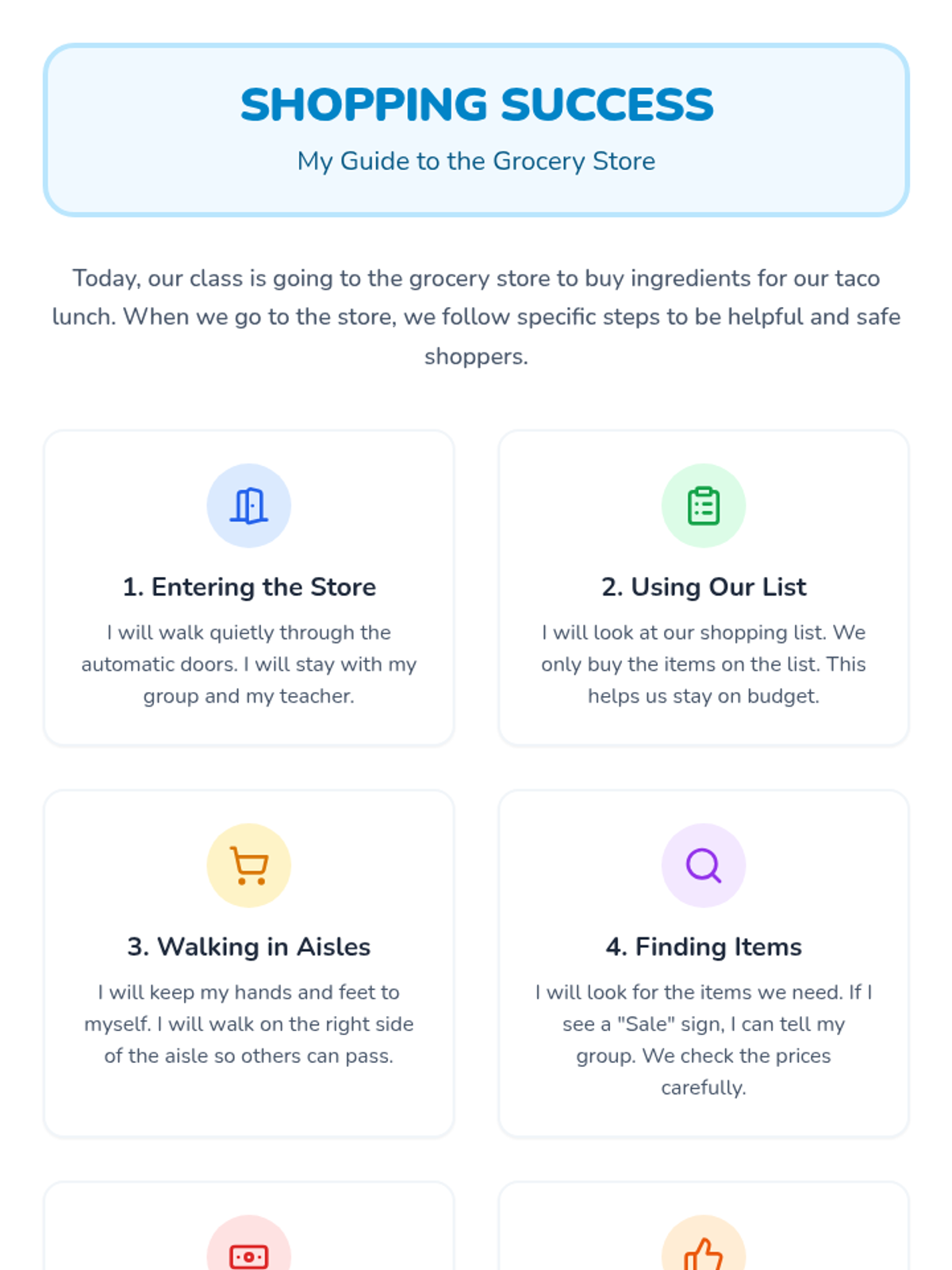
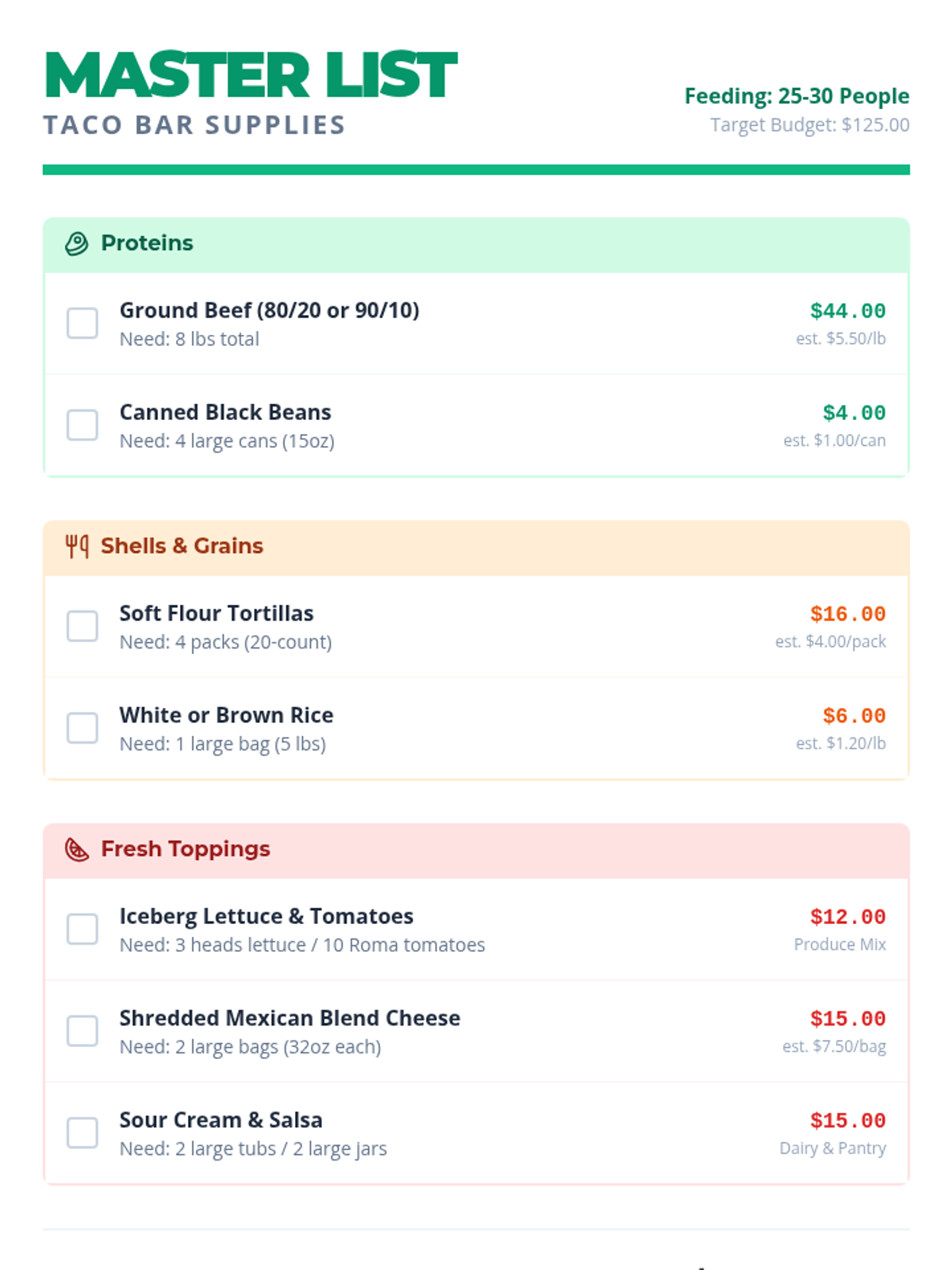
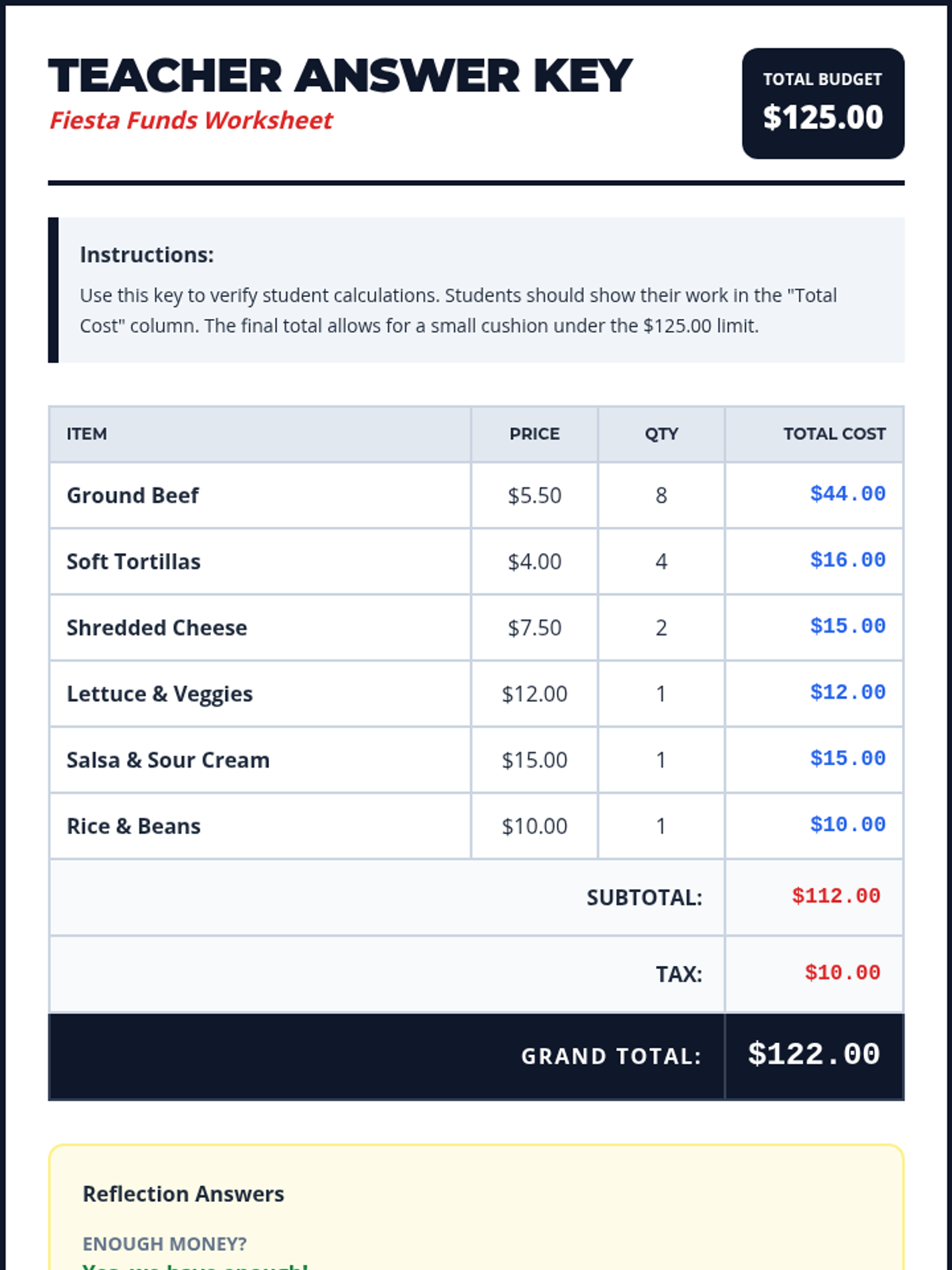
A comprehensive unit on planning, shopping for, and preparing a taco bar lunch for a large group. Students practice budgeting, community navigation, and culinary skills.
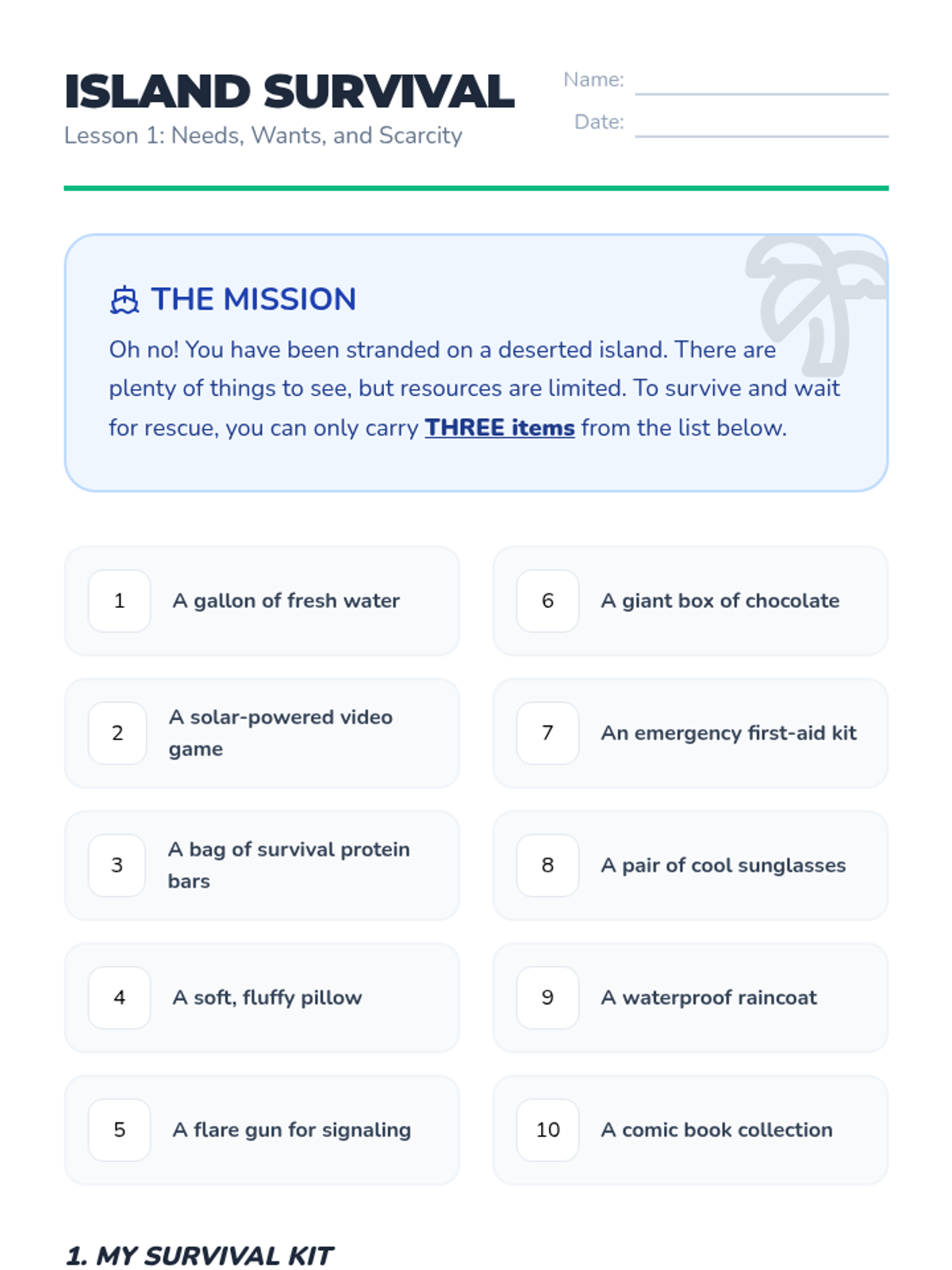
This sequence teaches 3rd-grade students how to make smart consumer choices by distinguishing needs from wants, comparing prices and quality, and identifying potential scams. Through hands-on simulations and critical thinking exercises, students develop the skills to manage a budget effectively and protect themselves in a digital marketplace.
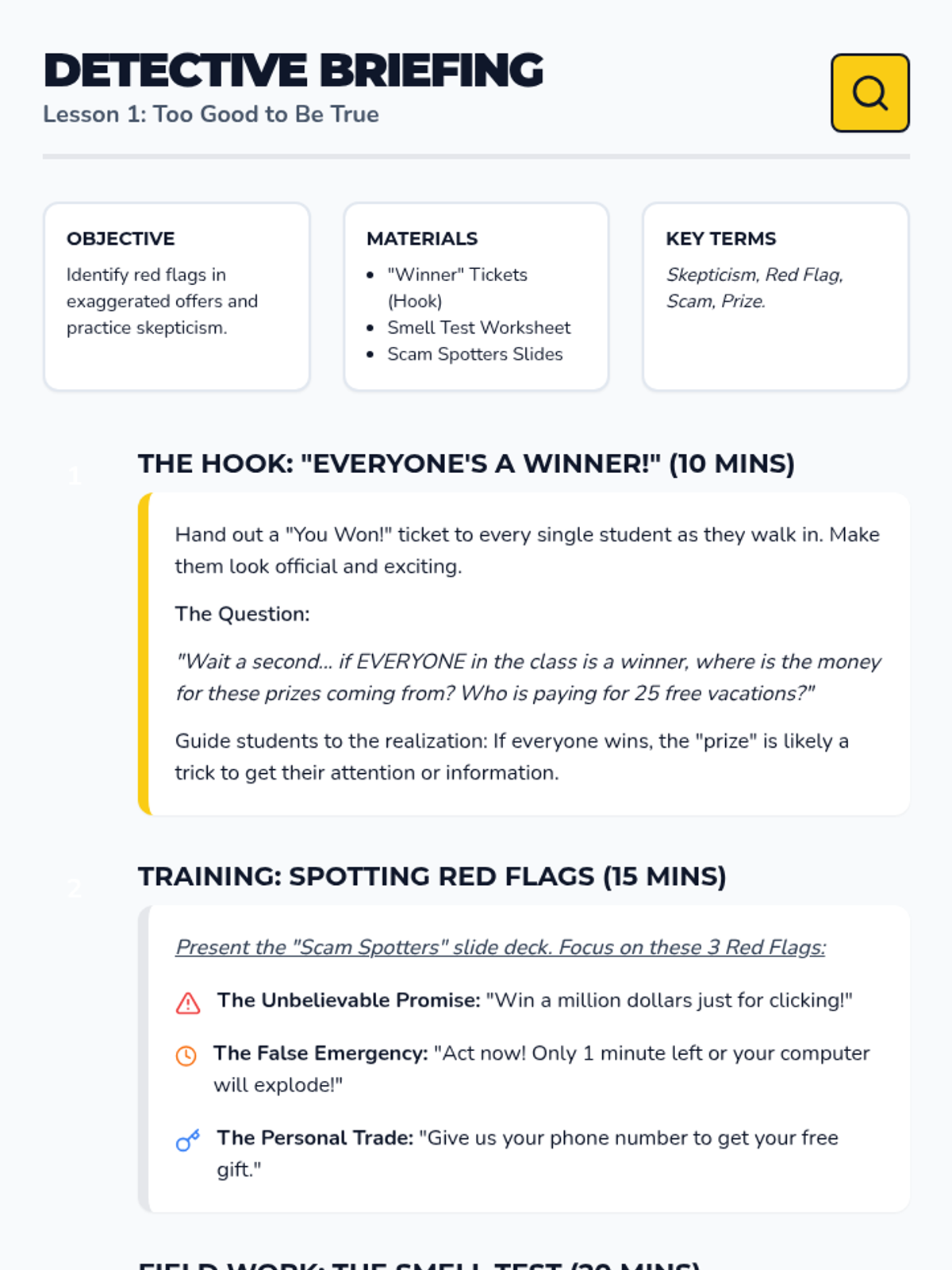
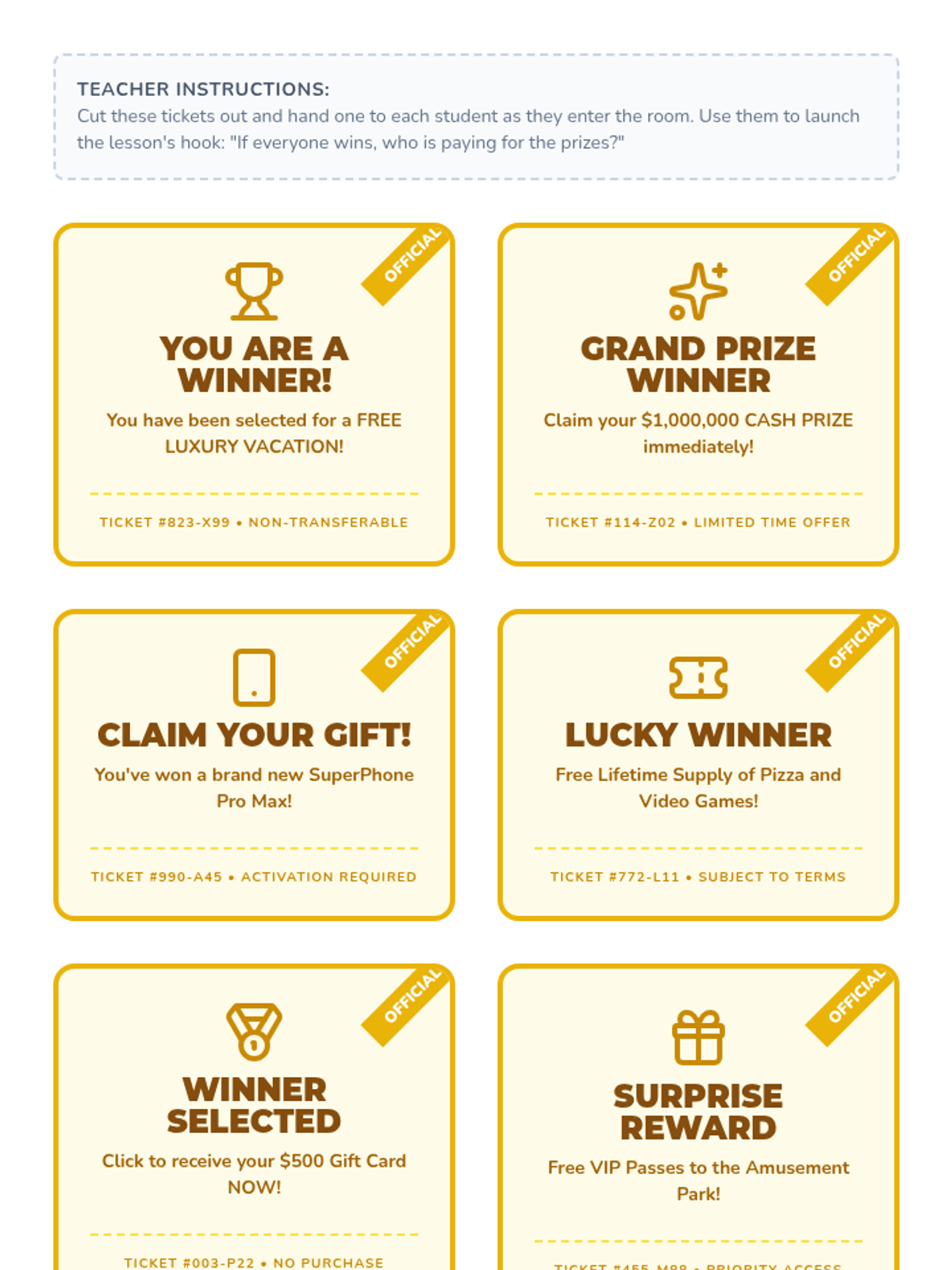
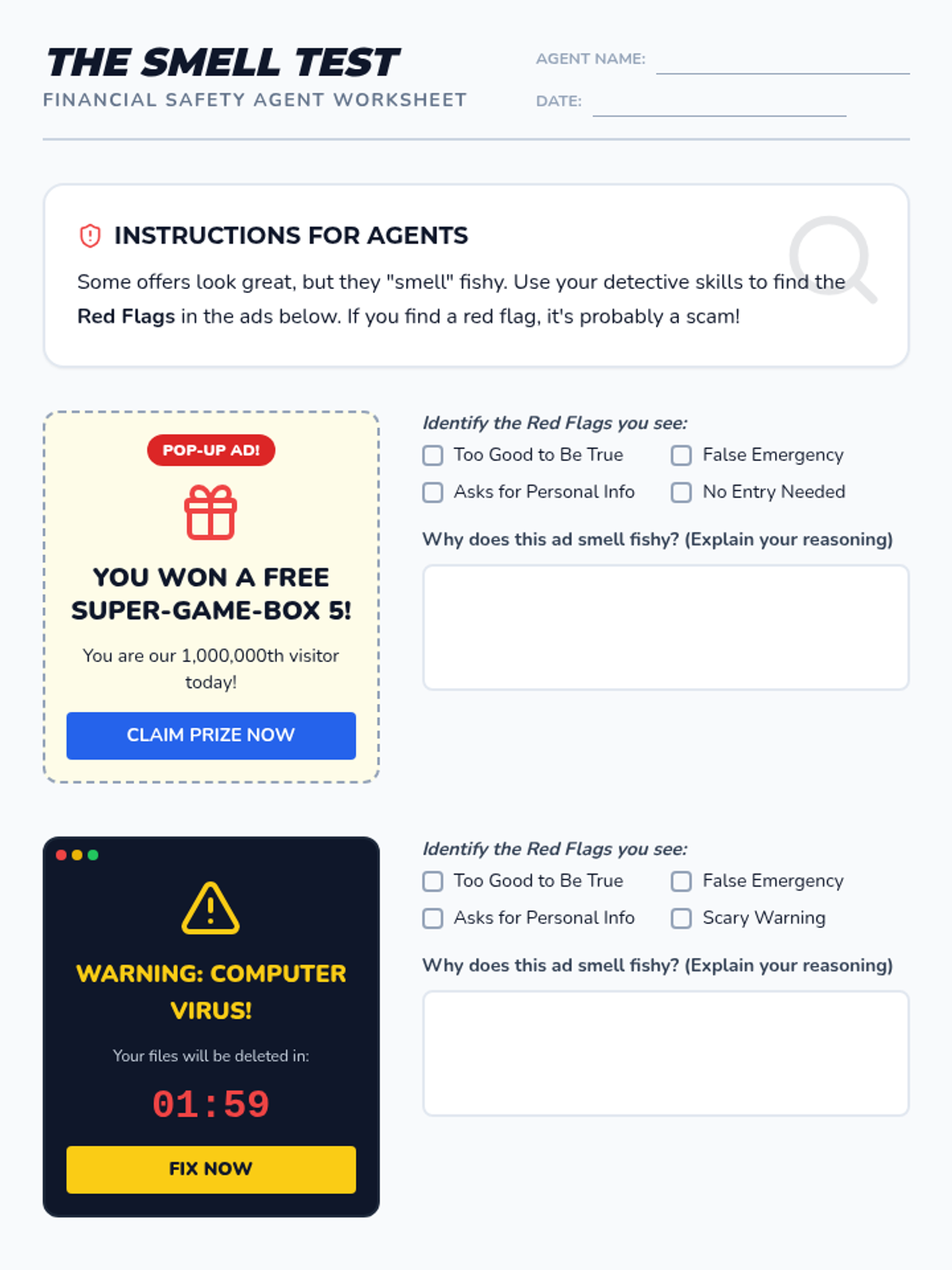
In this 5-lesson sequence, 3rd-grade students become 'Financial Safety Agents' to learn about consumer protection. They explore identifying scams, understanding digital in-game purchases, protecting personal information, reading fine print, and asserting their consumer rights when products are faulty.
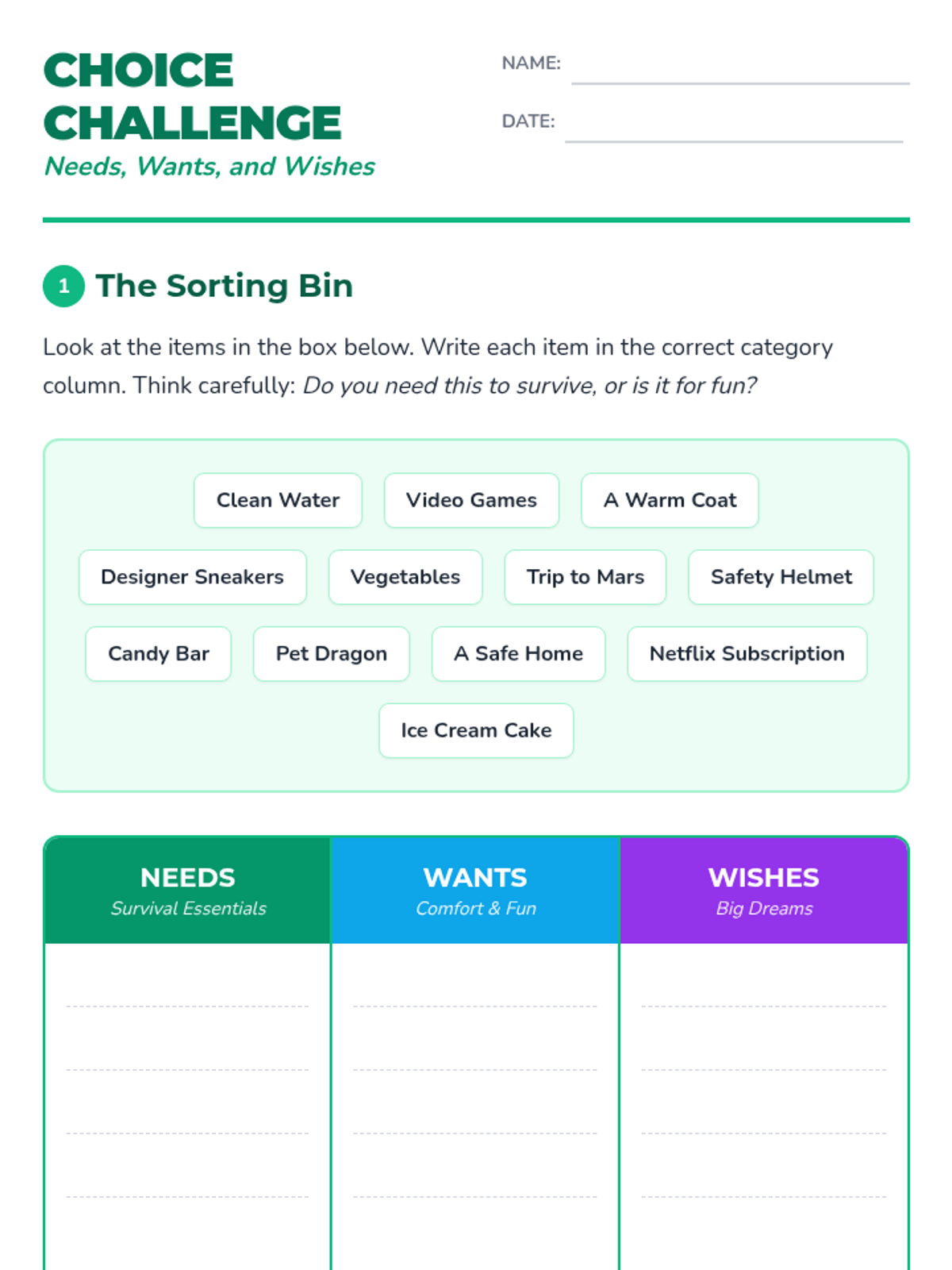
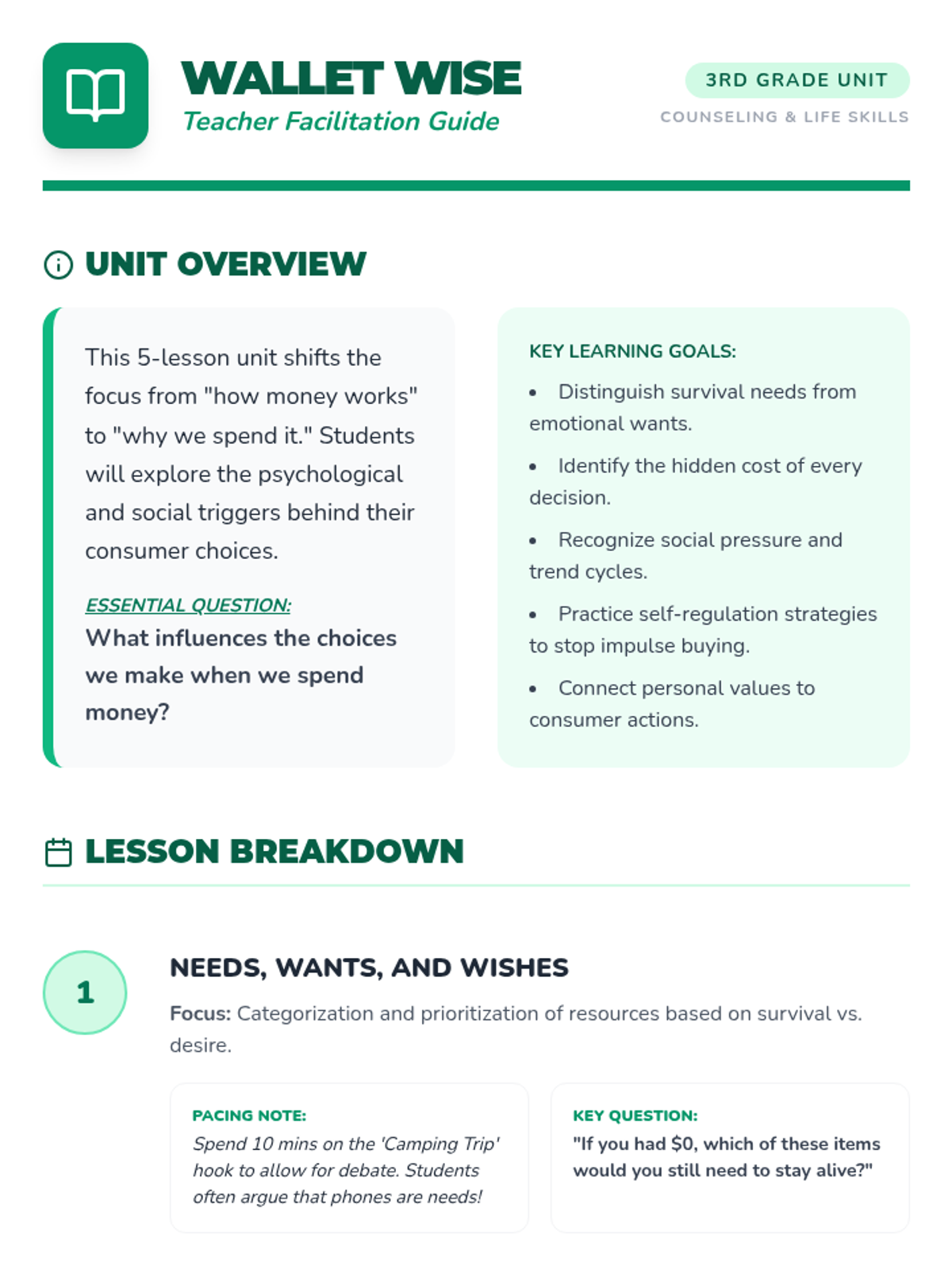
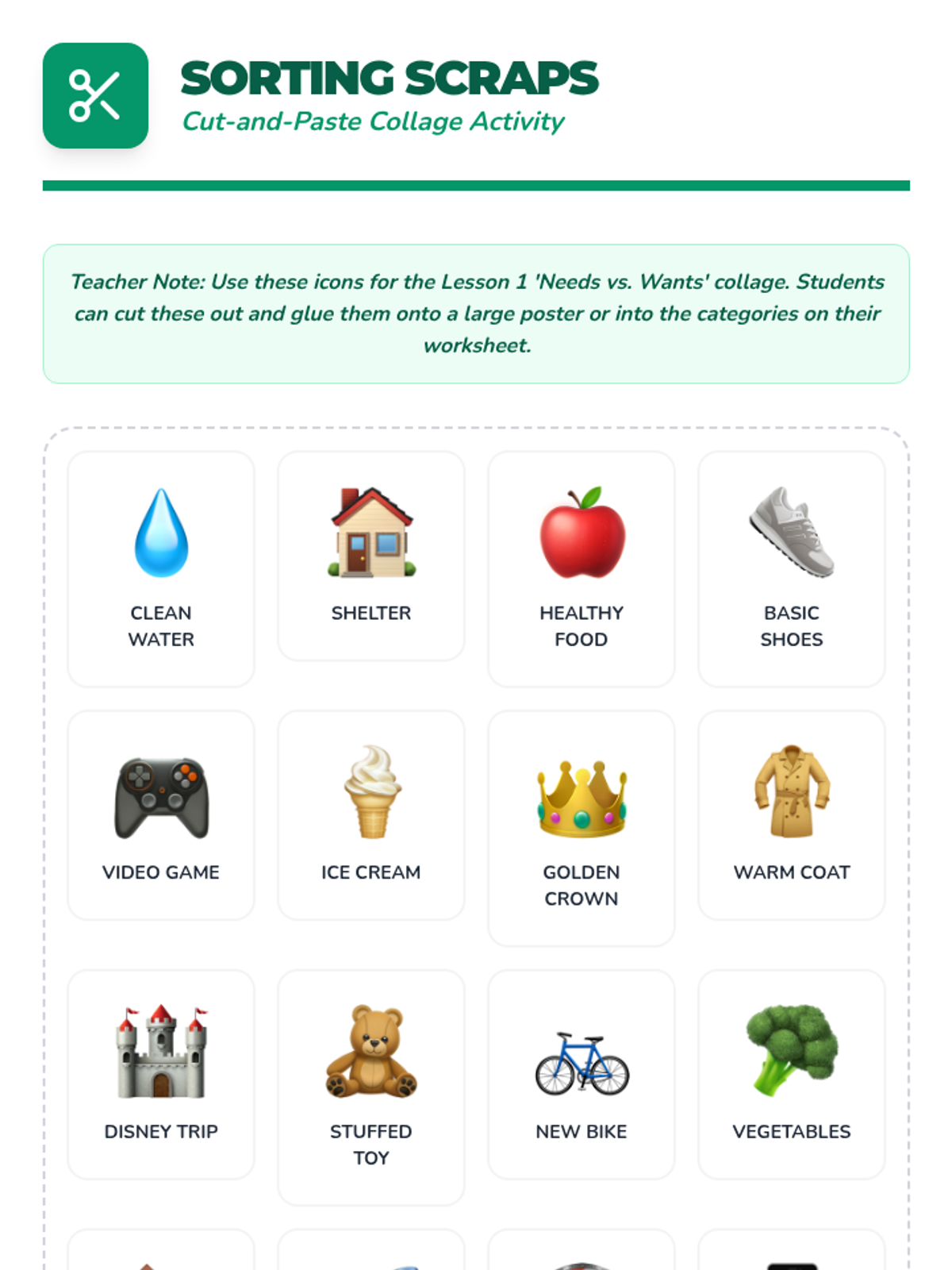
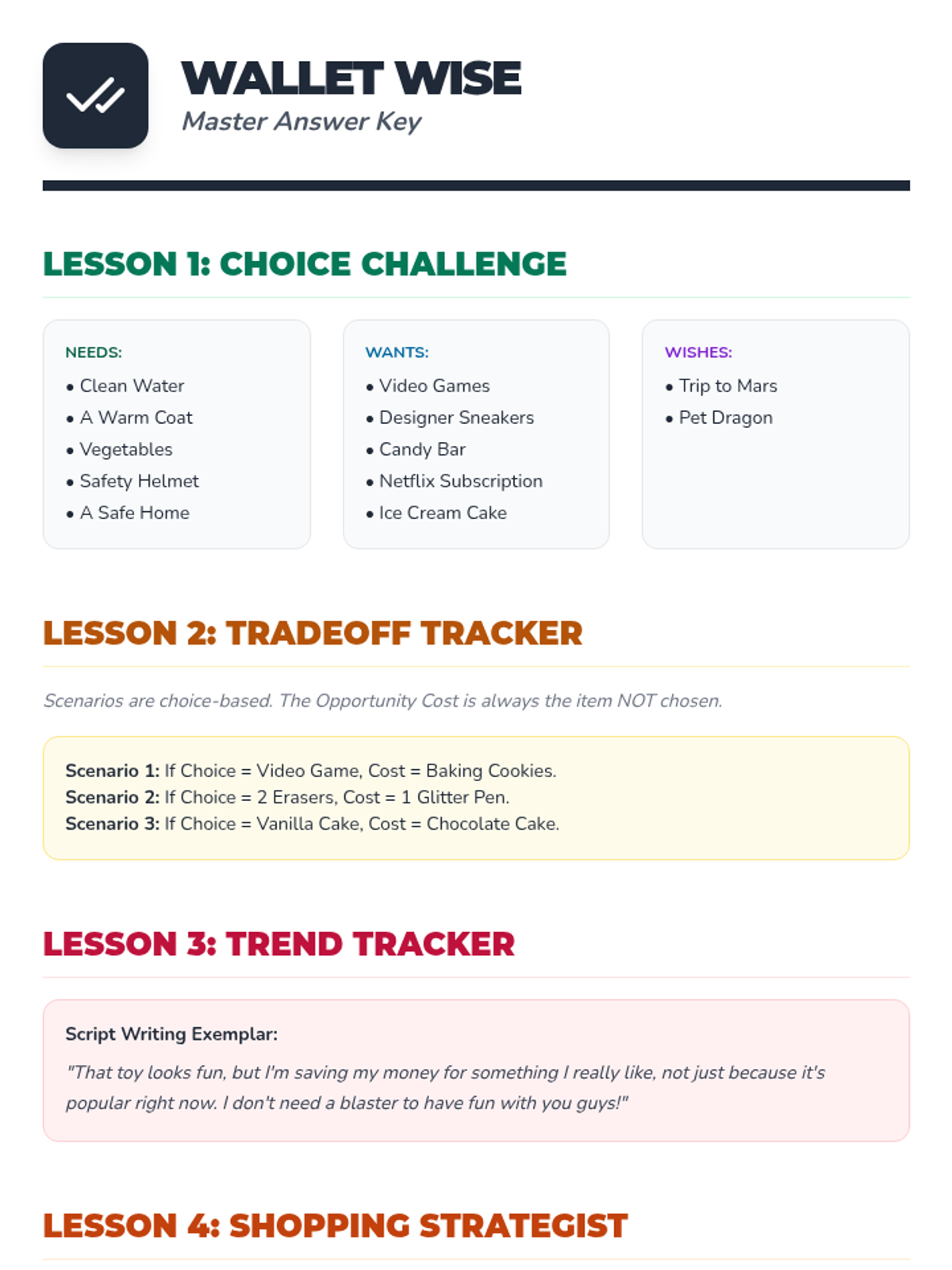
A comprehensive 5-lesson unit for 3rd grade students focusing on the psychological, social, and practical aspects of consumerism. Students will move from distinguishing basic needs and wants to understanding complex concepts like opportunity cost, peer influence, and value-based spending.
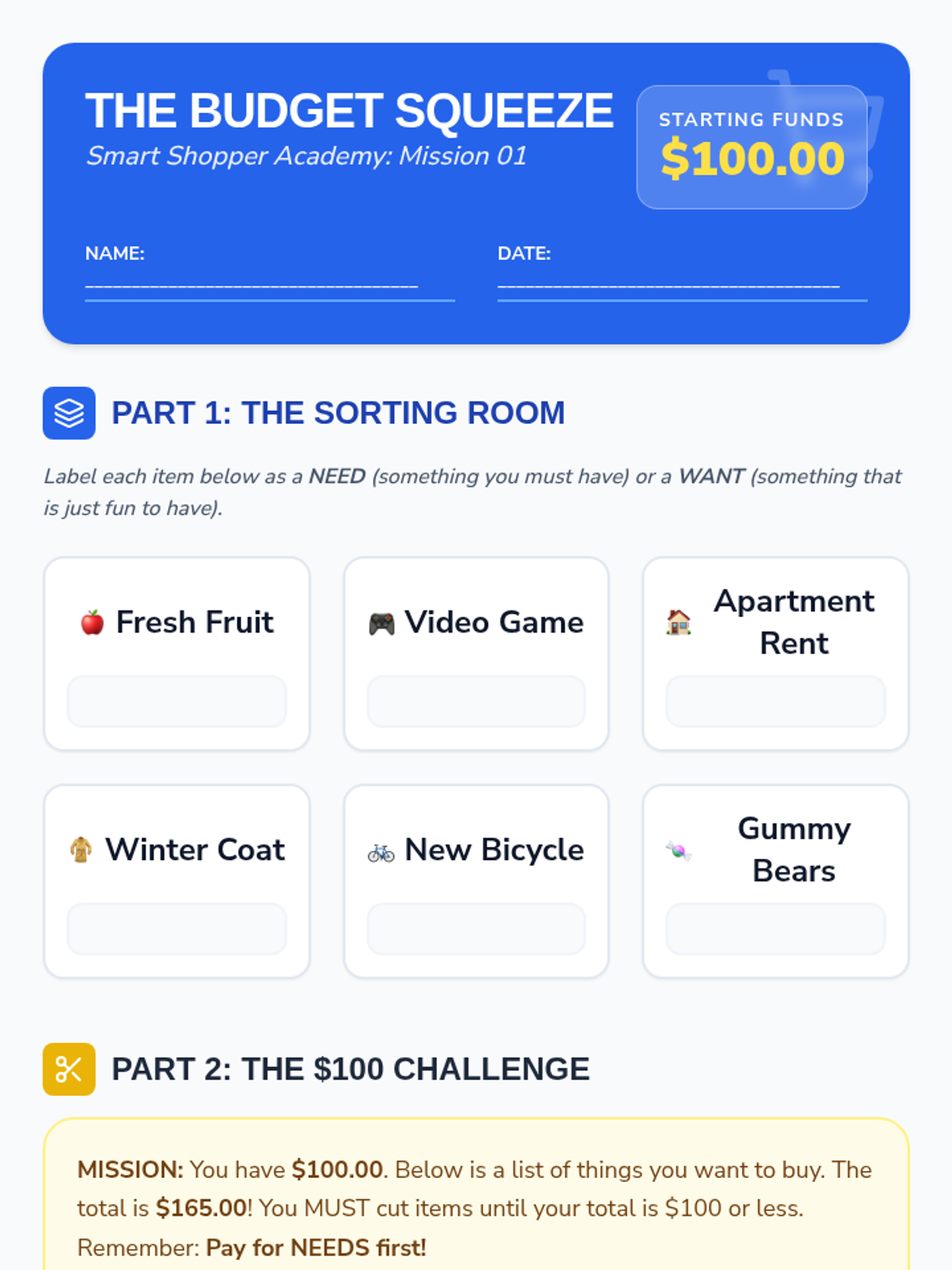
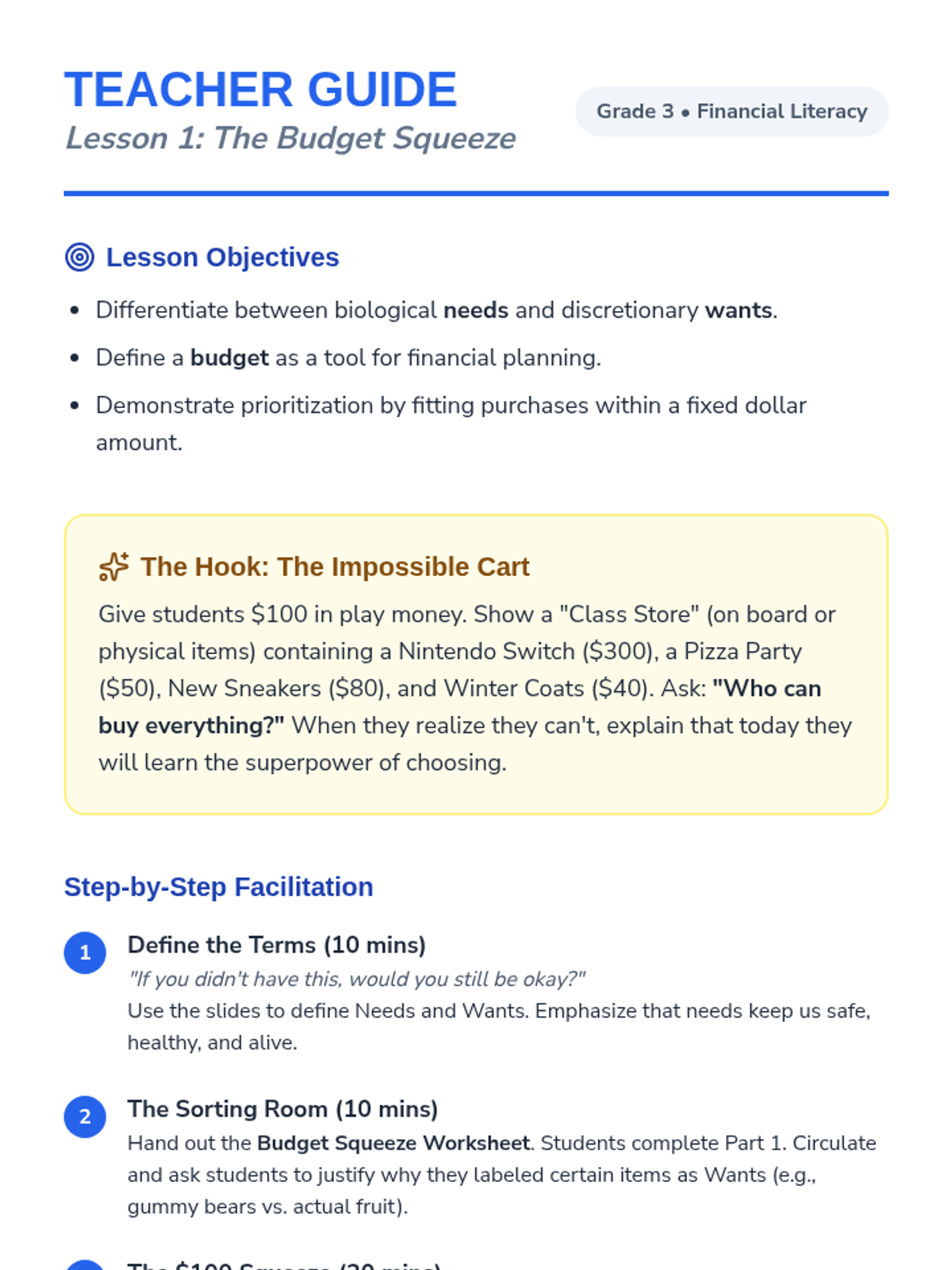
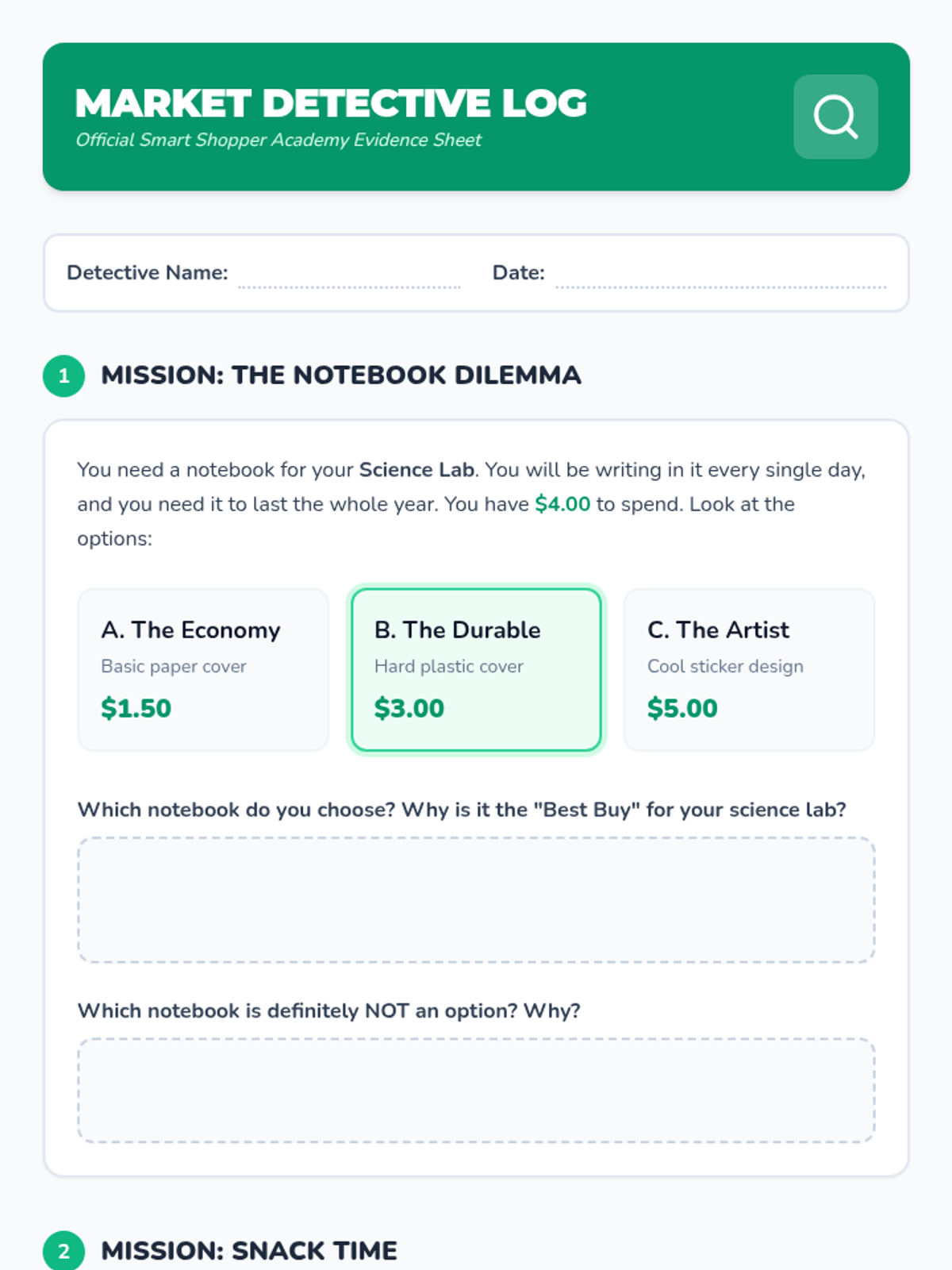
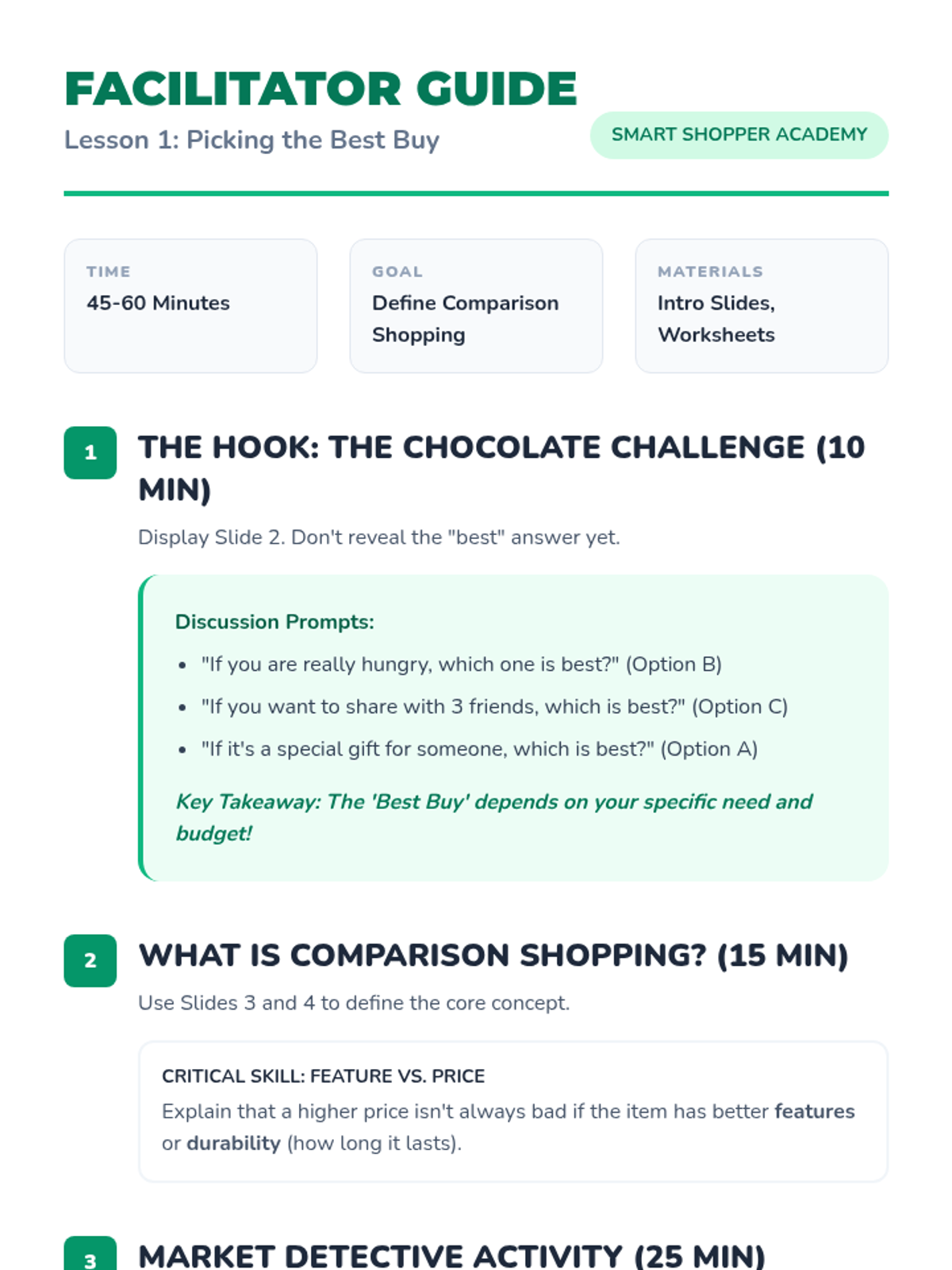
A 5-lesson unit for 3rd graders on the art of comparison shopping, brand evaluation, and strategic budgeting. Students use math and critical thinking to become 'Smart Shoppers' through simulations and hands-on activities.
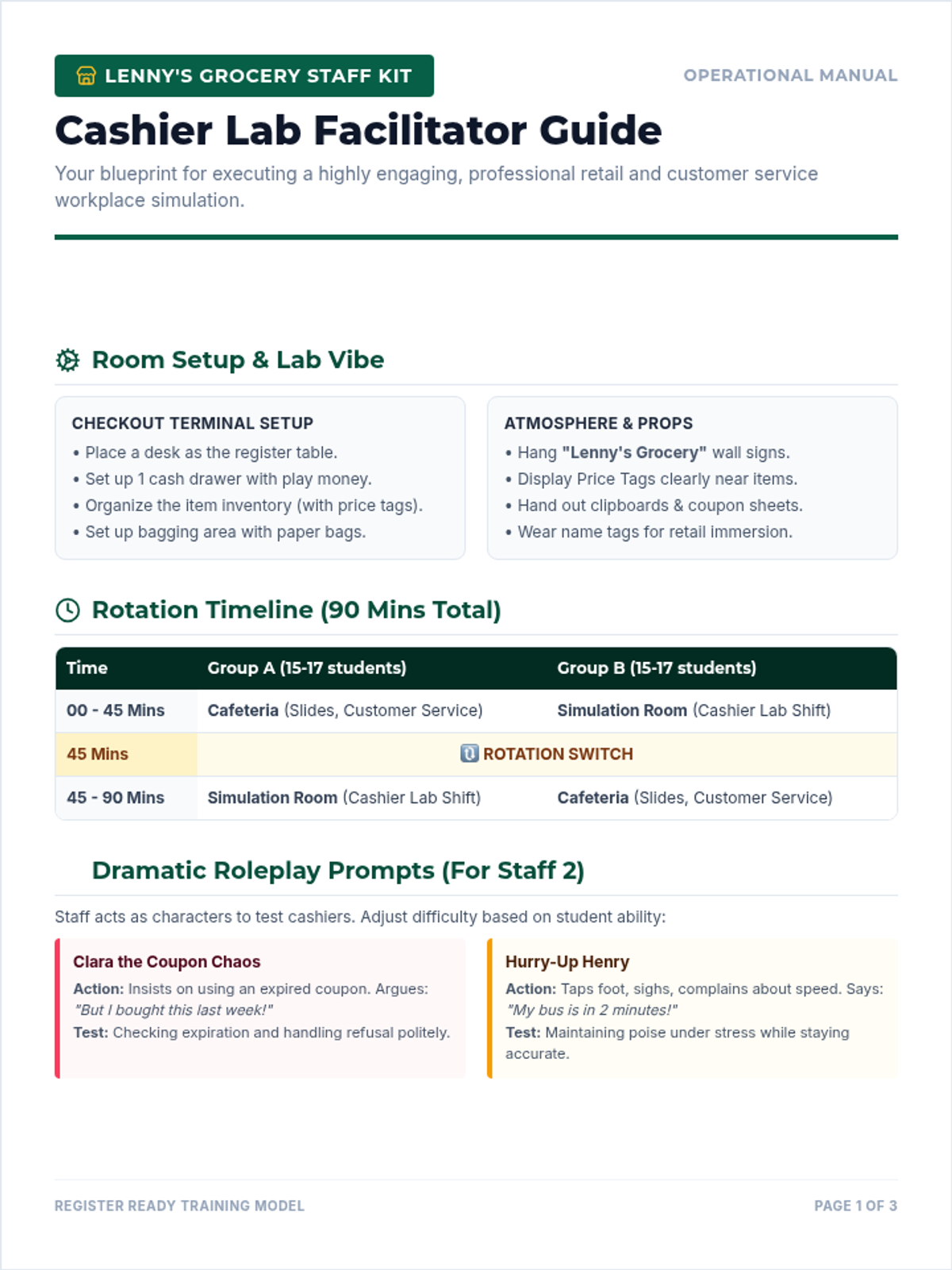
A comprehensive training program for real-world grocery cashier skills, featuring a classroom instruction slideshow and a hands-on store simulation lab.
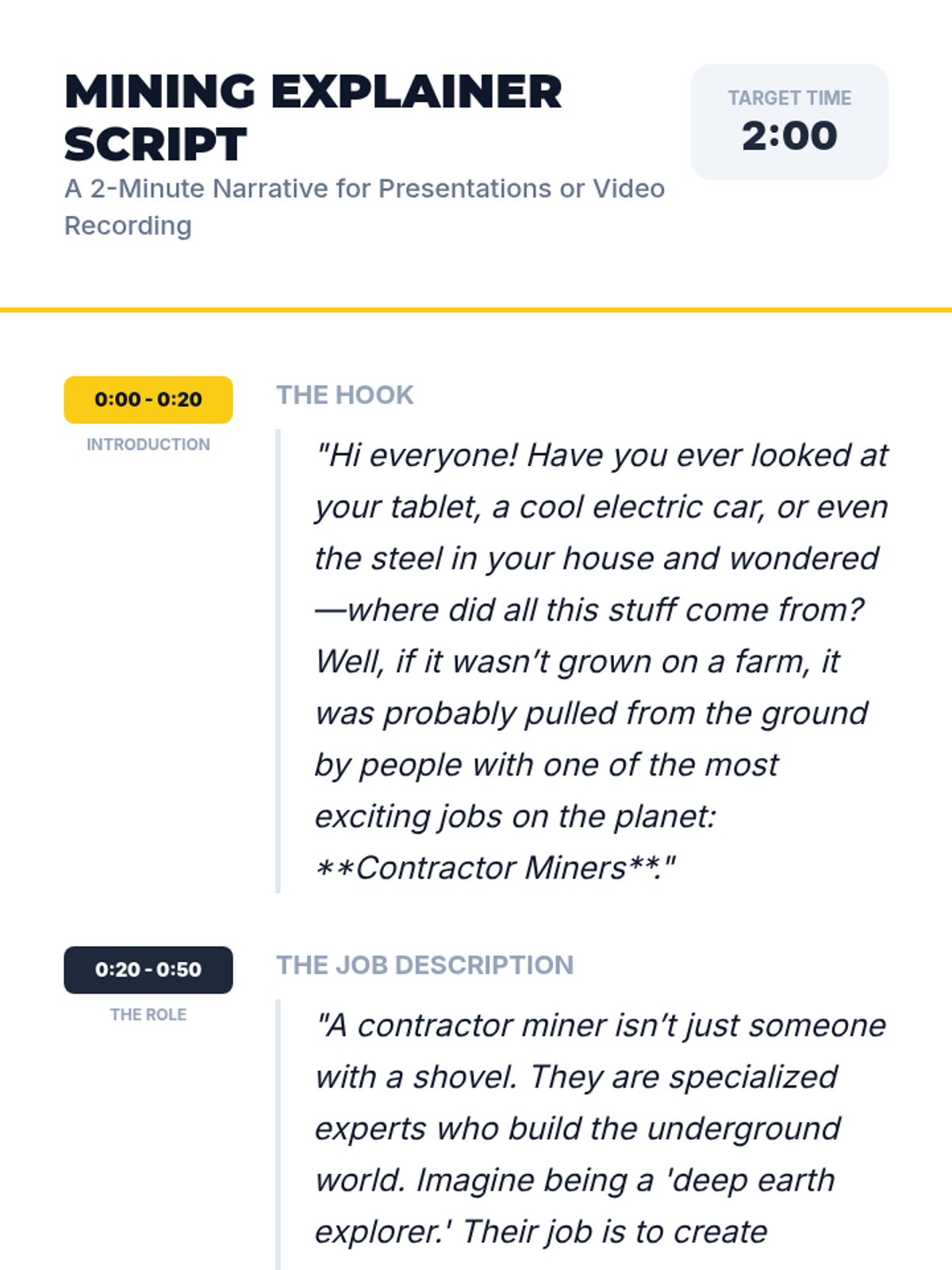
A series of resources designed to help elementary students explore diverse career paths through engaging visuals and real-world facts.
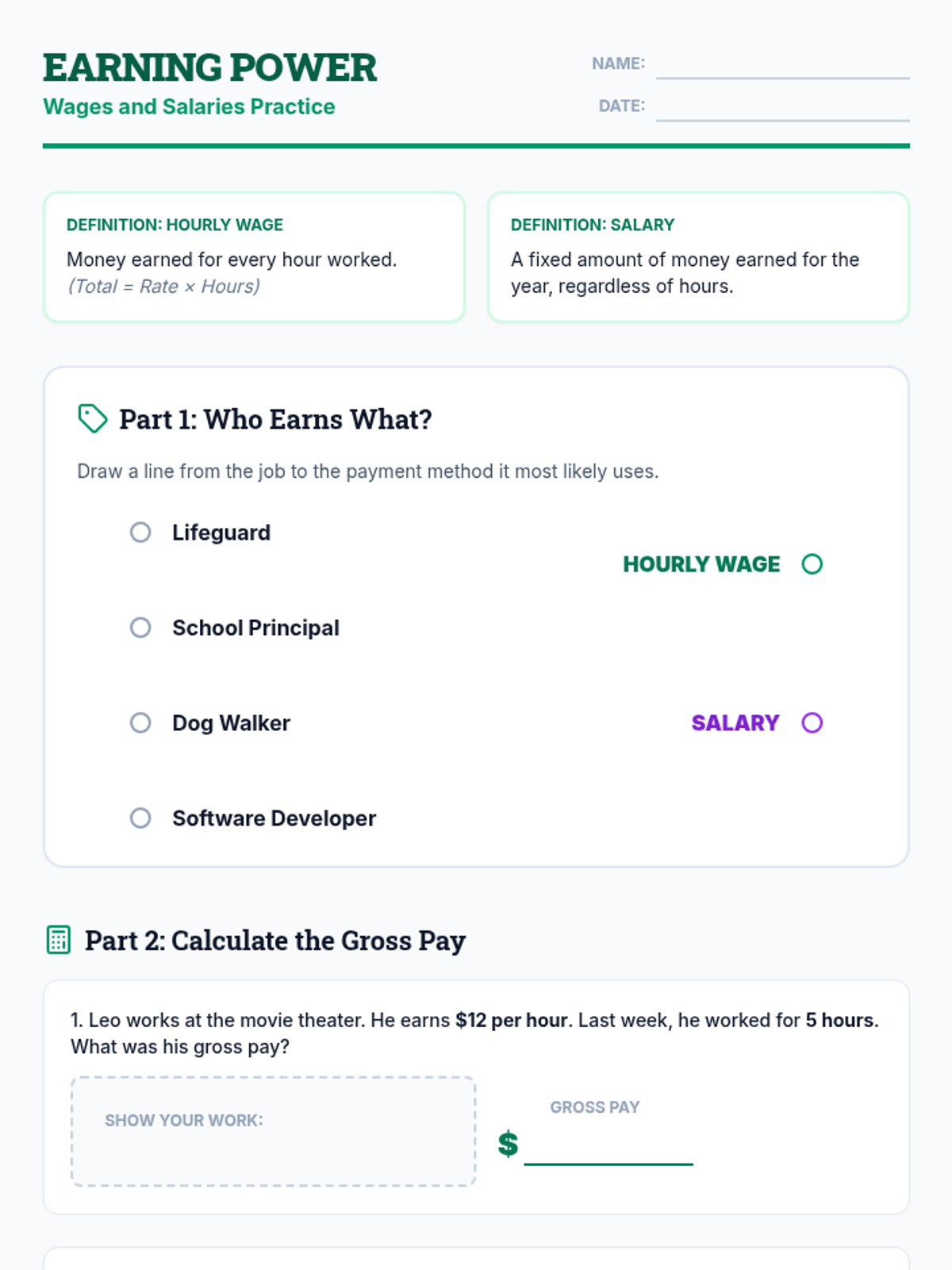
A comprehensive unit for 3rd-grade students exploring the concepts of gross pay, deductions, taxes, and net income. Through simulations, games, and real-world analysis, students learn how money is earned and how it contributes to community services.
A 5-lesson unit for 3rd graders exploring needs vs. wants, earning income, opportunity cost, savings goals, and creating balanced budgets through a classroom economy simulation.
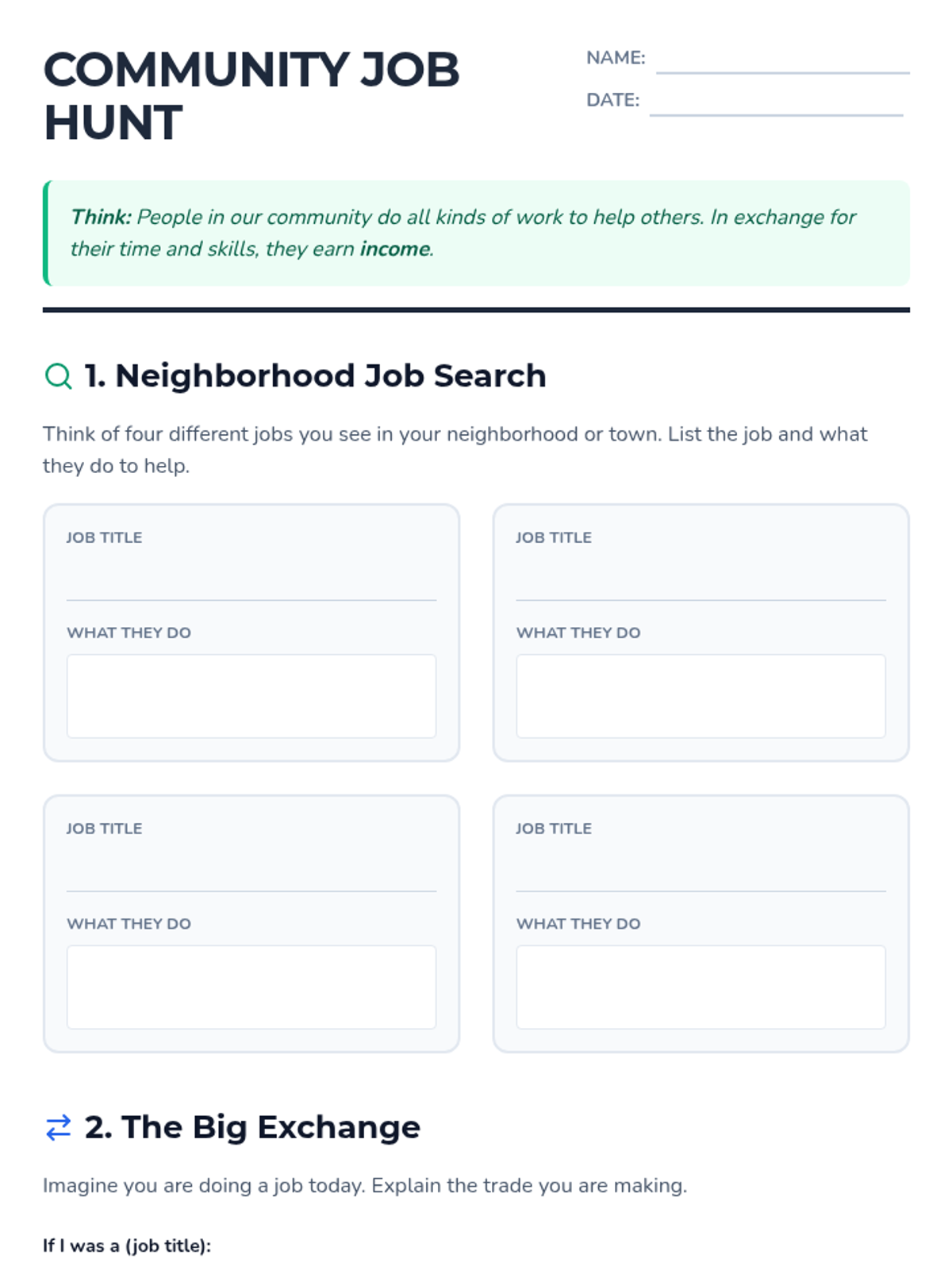
This sequence explores the relationship between education, jobs, and income. Students learn about budgeting, the impact of unexpected expenses, and the intrinsic value of all community work, addressing economic inequality through practical simulations and reflection.
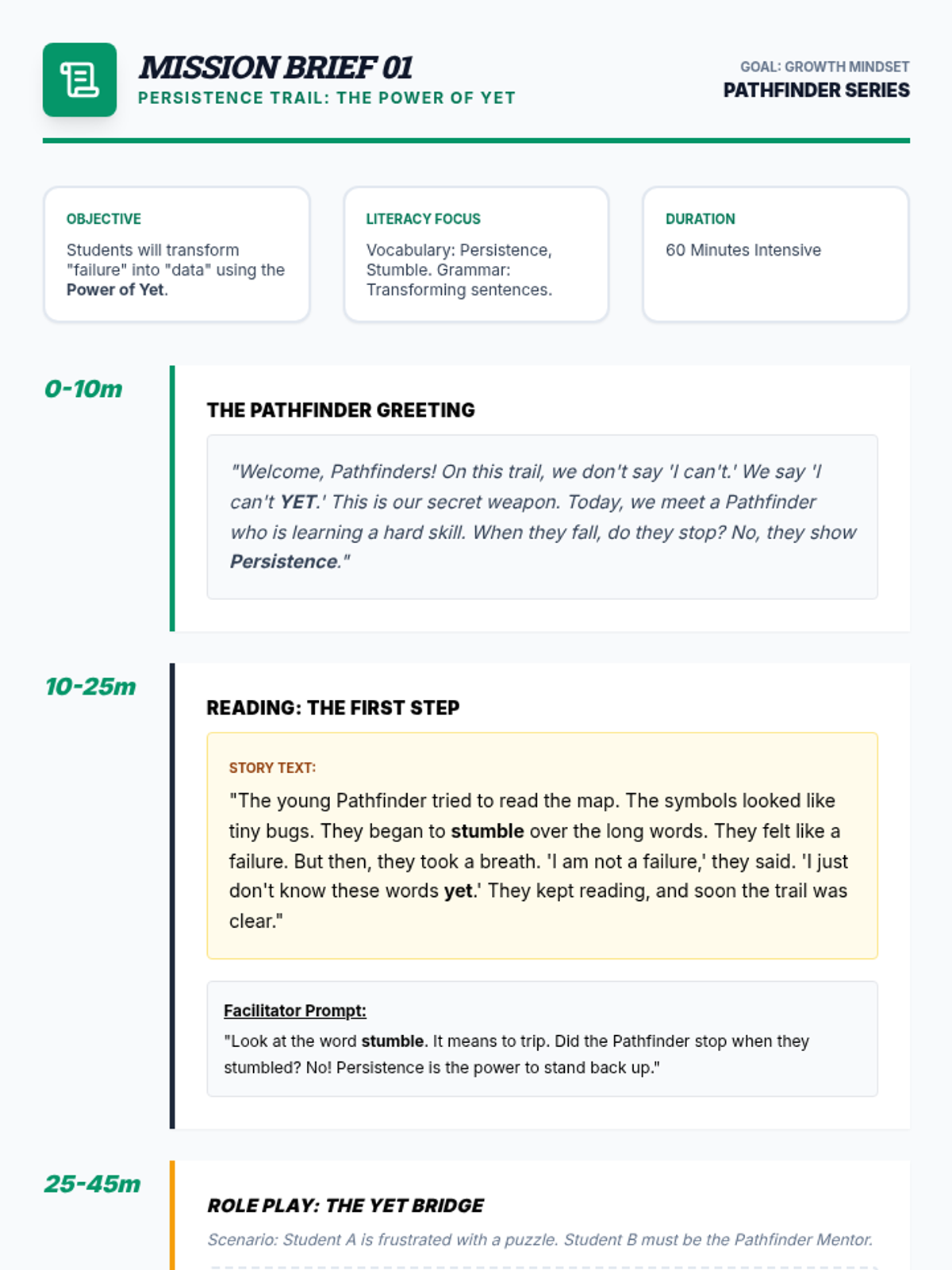
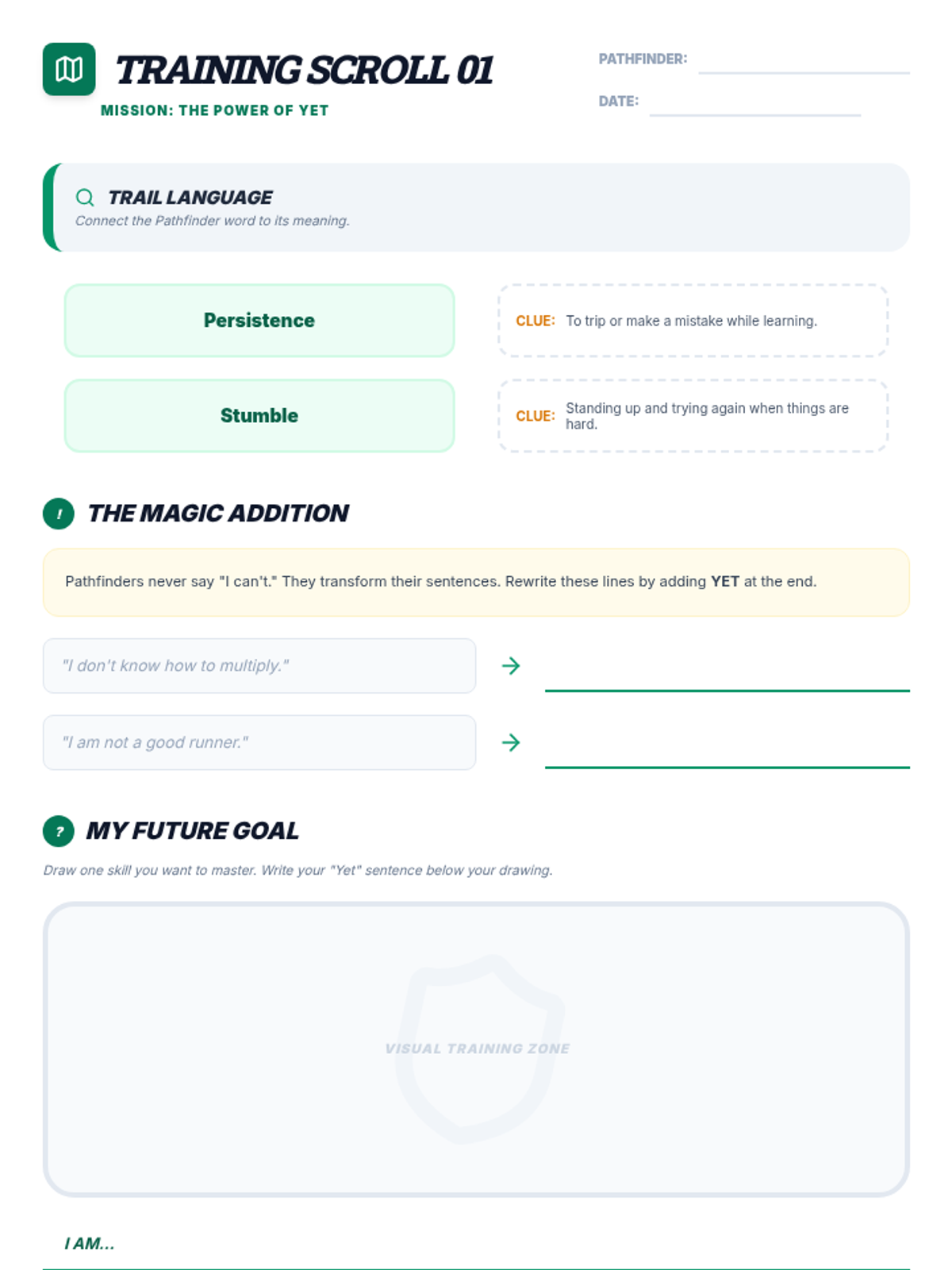
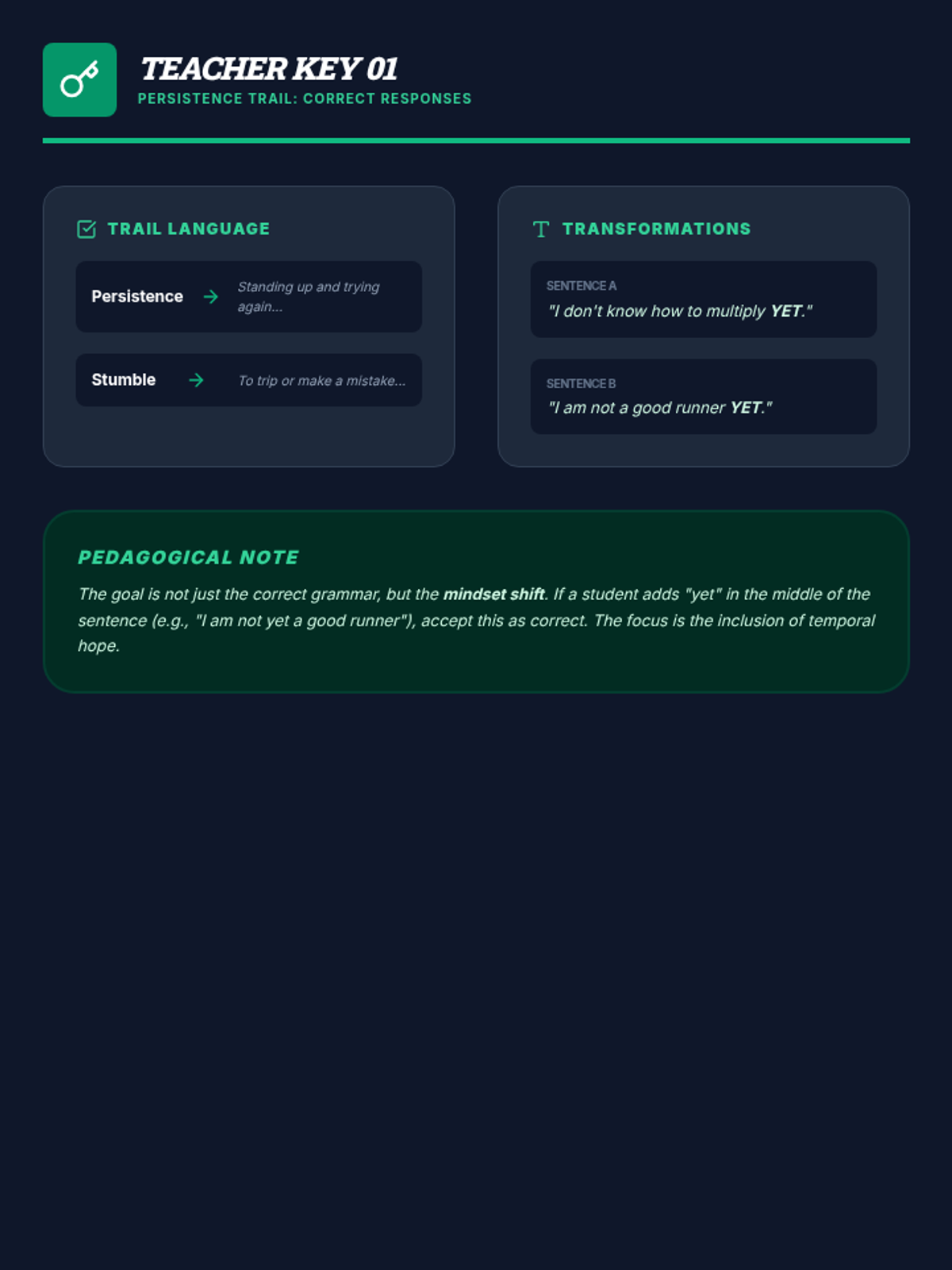
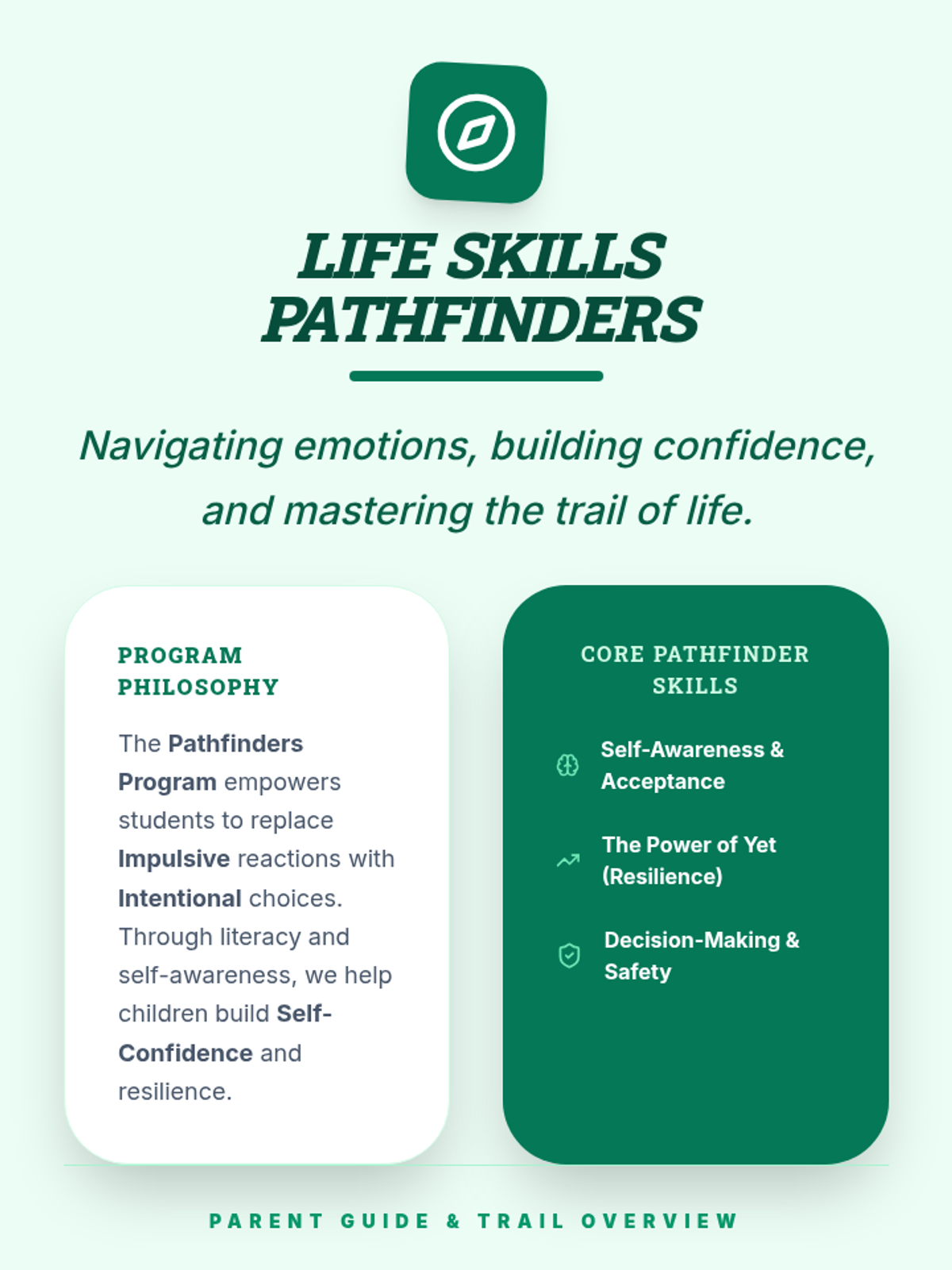
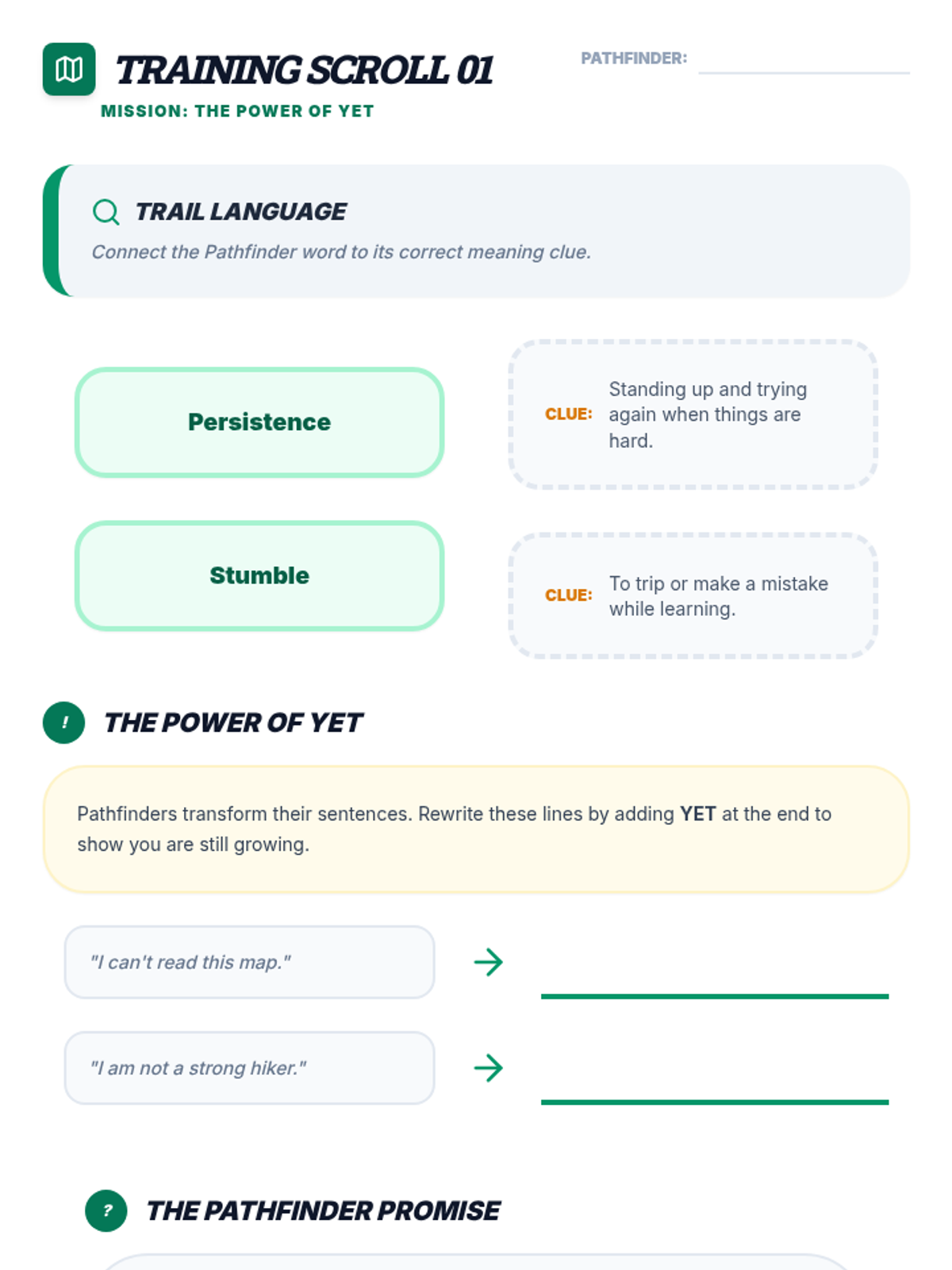
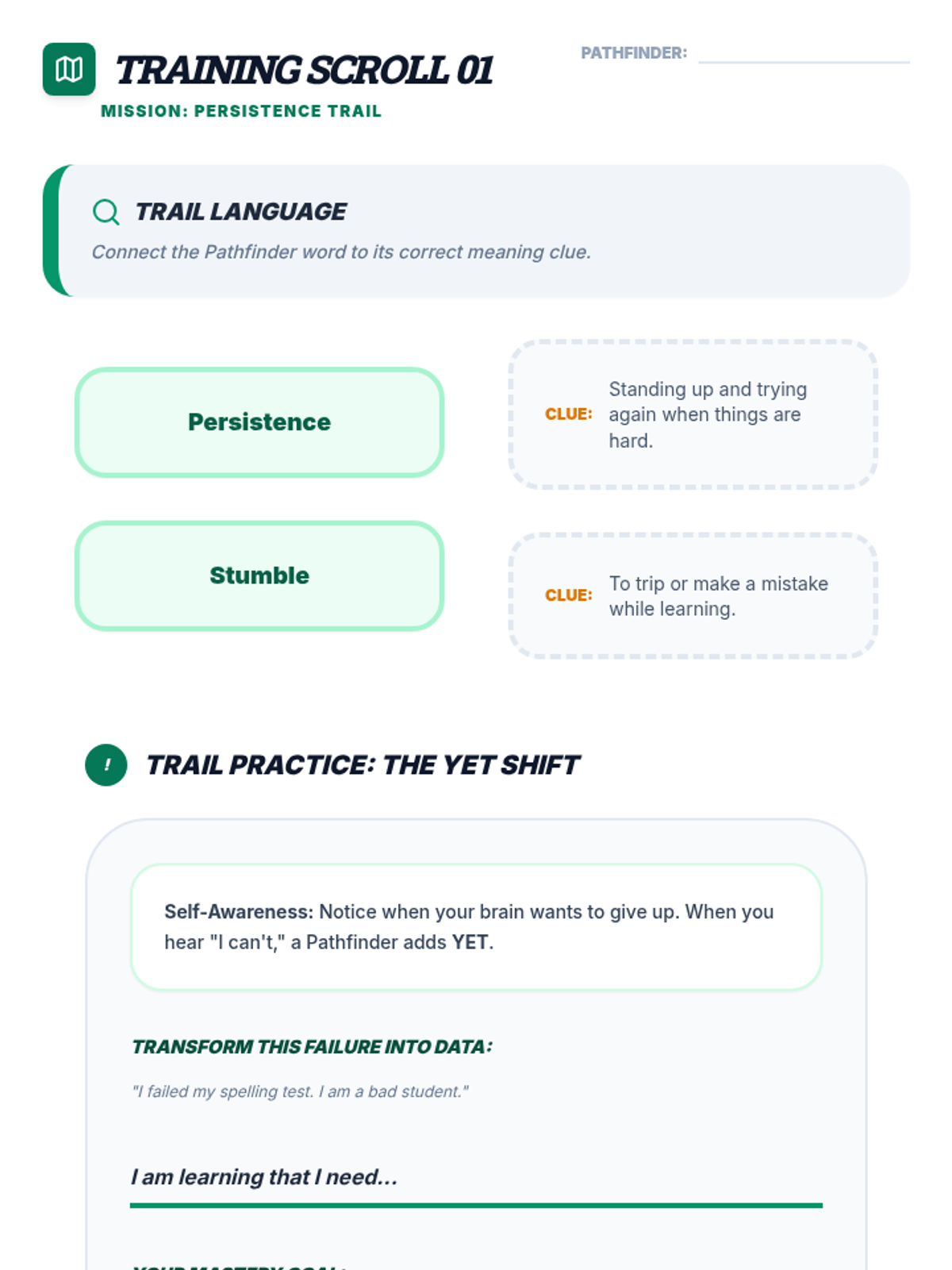
A 12-session emotional intelligence and literacy program designed for K-6 students. Using a 'Trailblazer' theme, Pathfinders develop self-awareness, confidence, and critical decision-making skills to replace impulsive reactions with thoughtful choices. Includes safety scenarios and practical tools for managing exam stress.
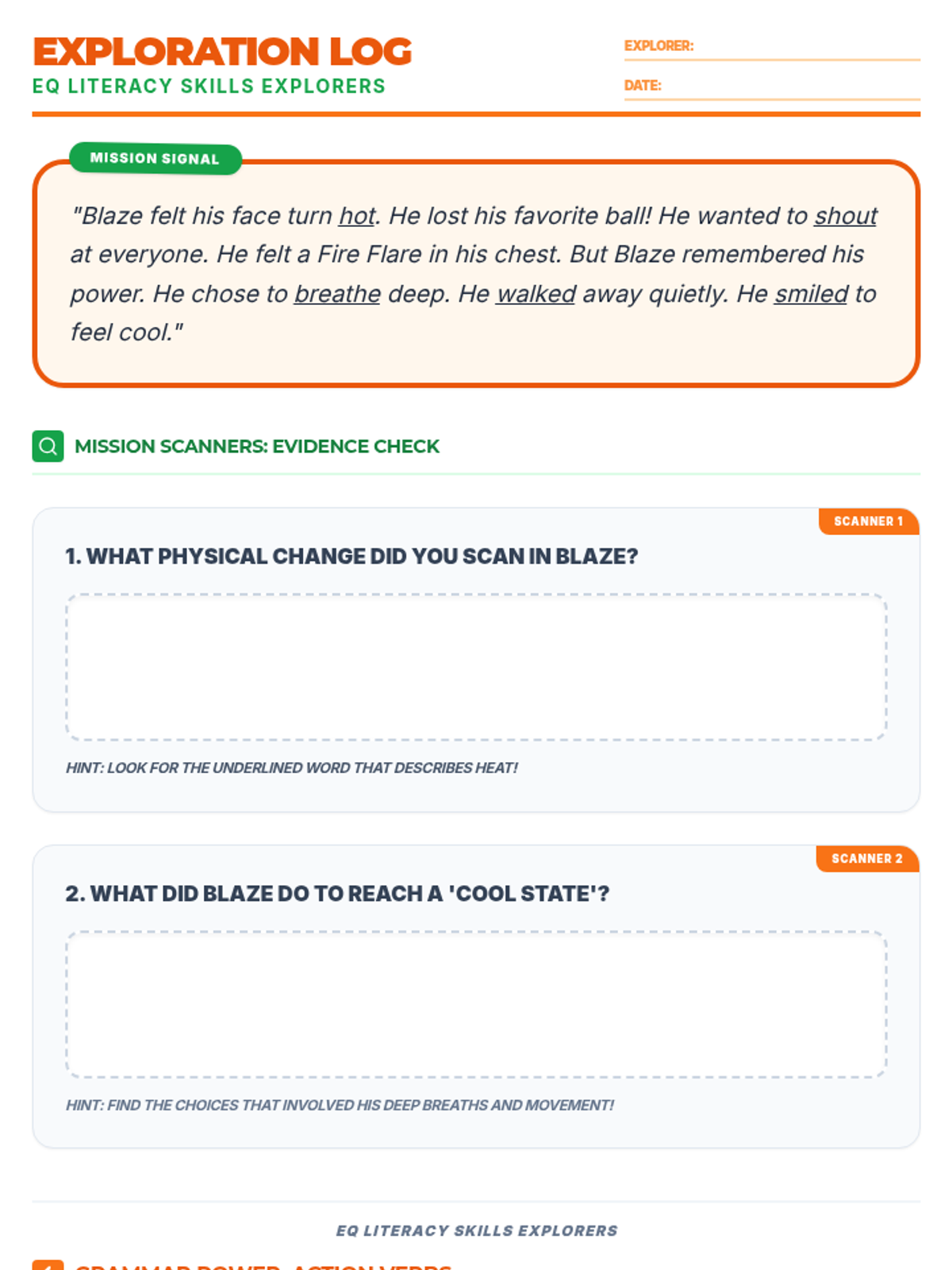
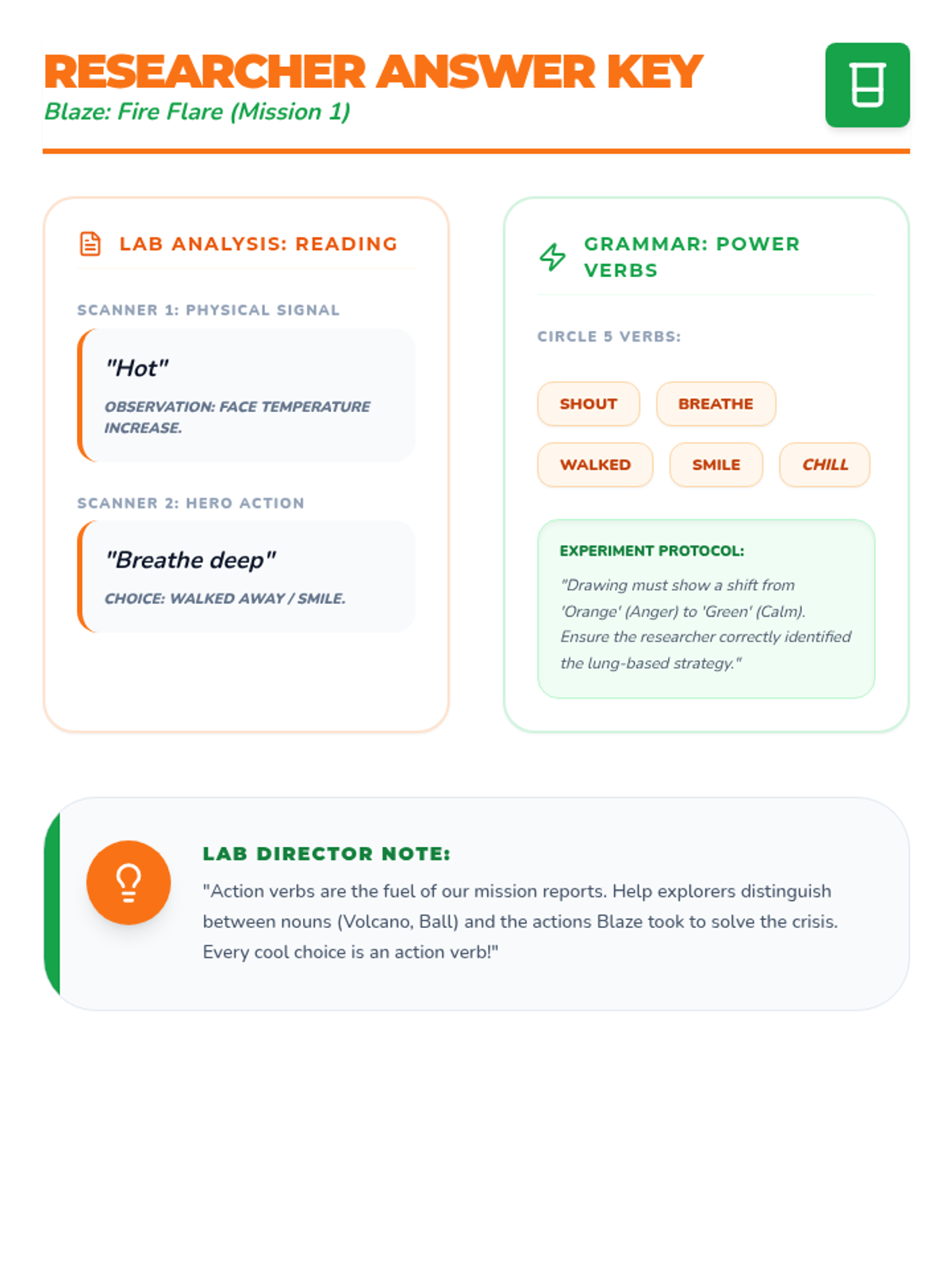
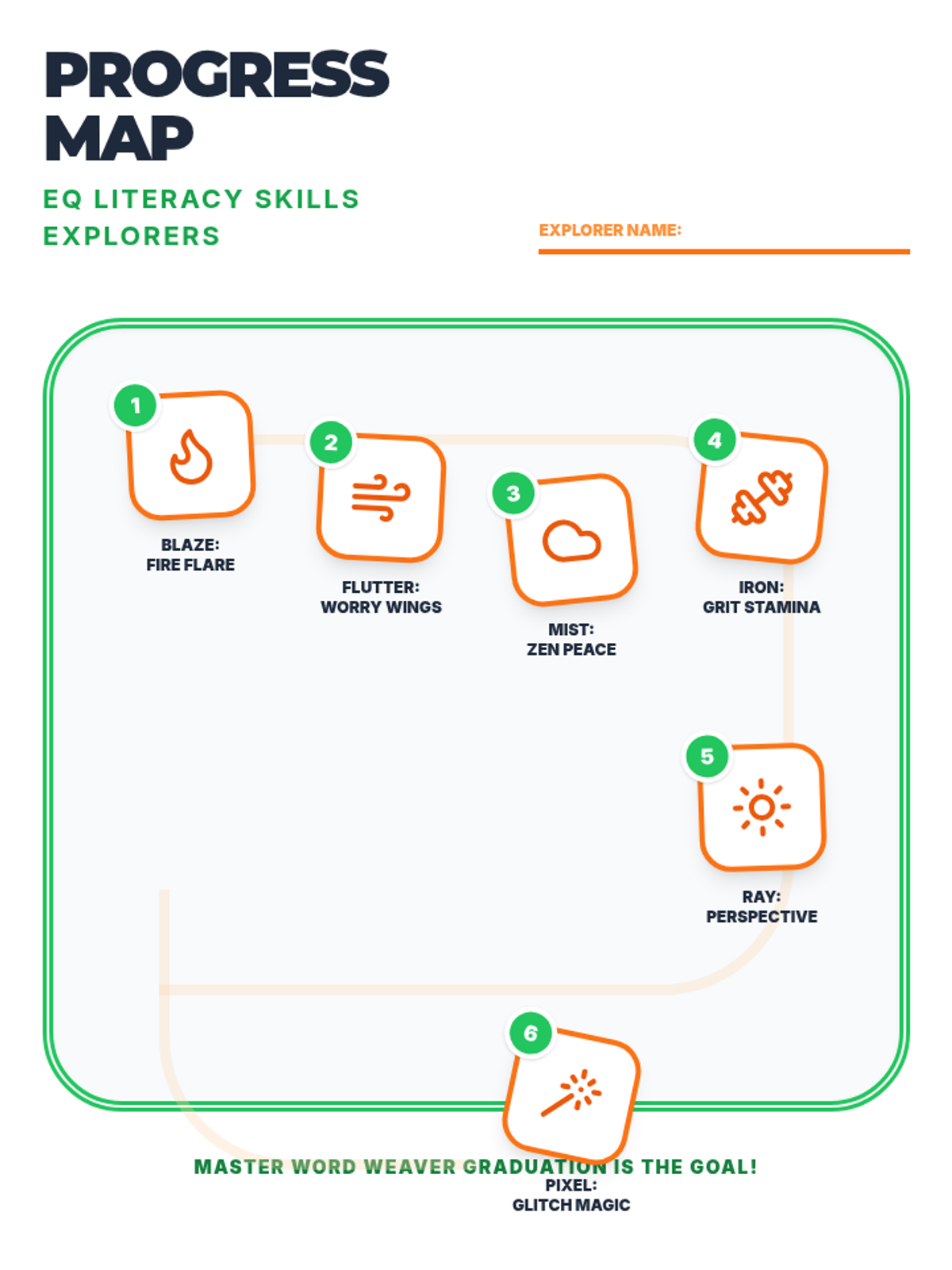
A 12-mission social-emotional and literacy adventure where students become 'Explorers', mastering big emotions and core reading/grammar skills along a winding discovery path.
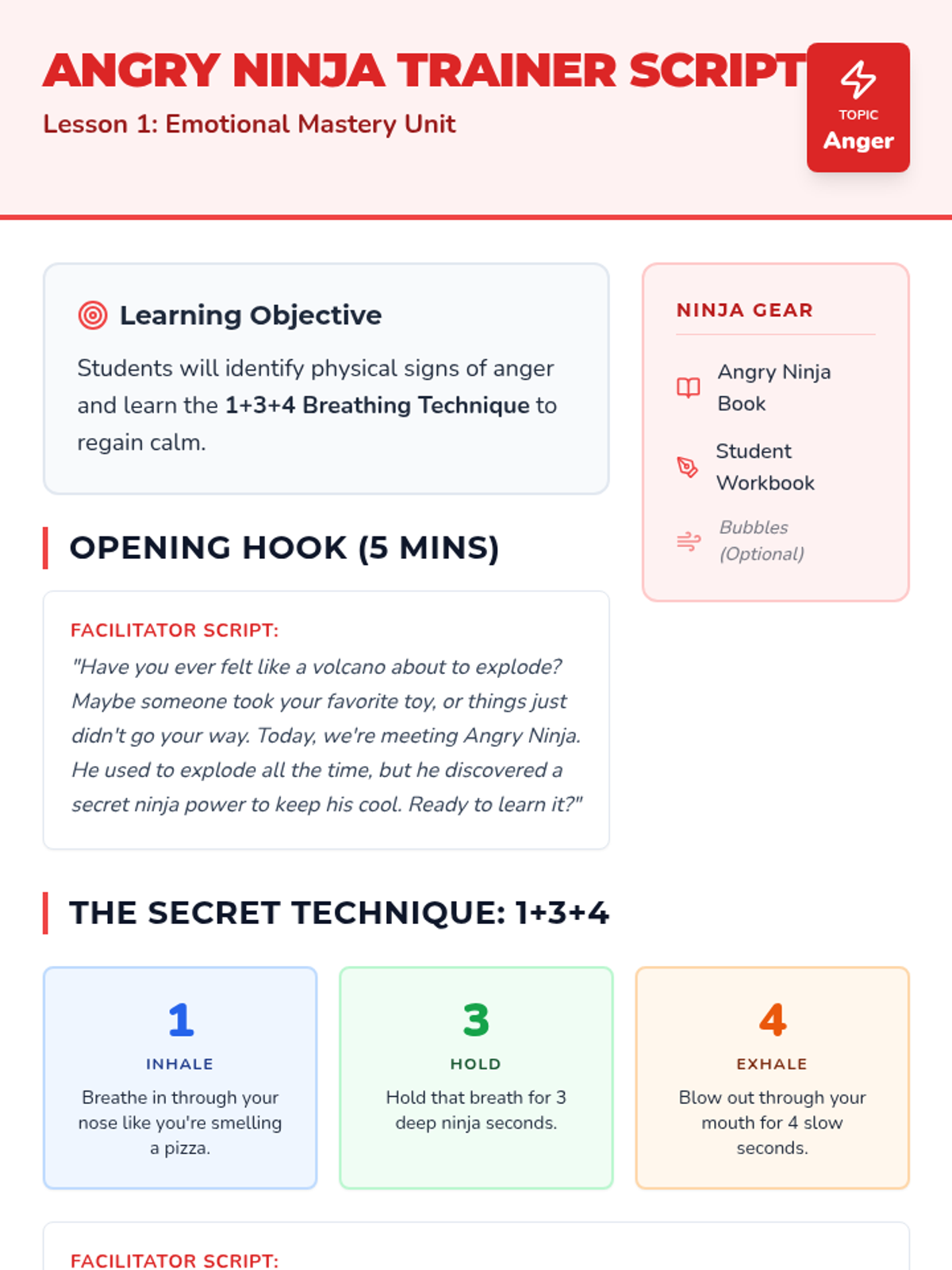
A comprehensive social-emotional learning curriculum designed to enhance essential life skills in elementary students, focusing on emotional mastery, growth mindset, and leadership through the Skill Power Plus framework. (Formerly Ninja Life Hacks).
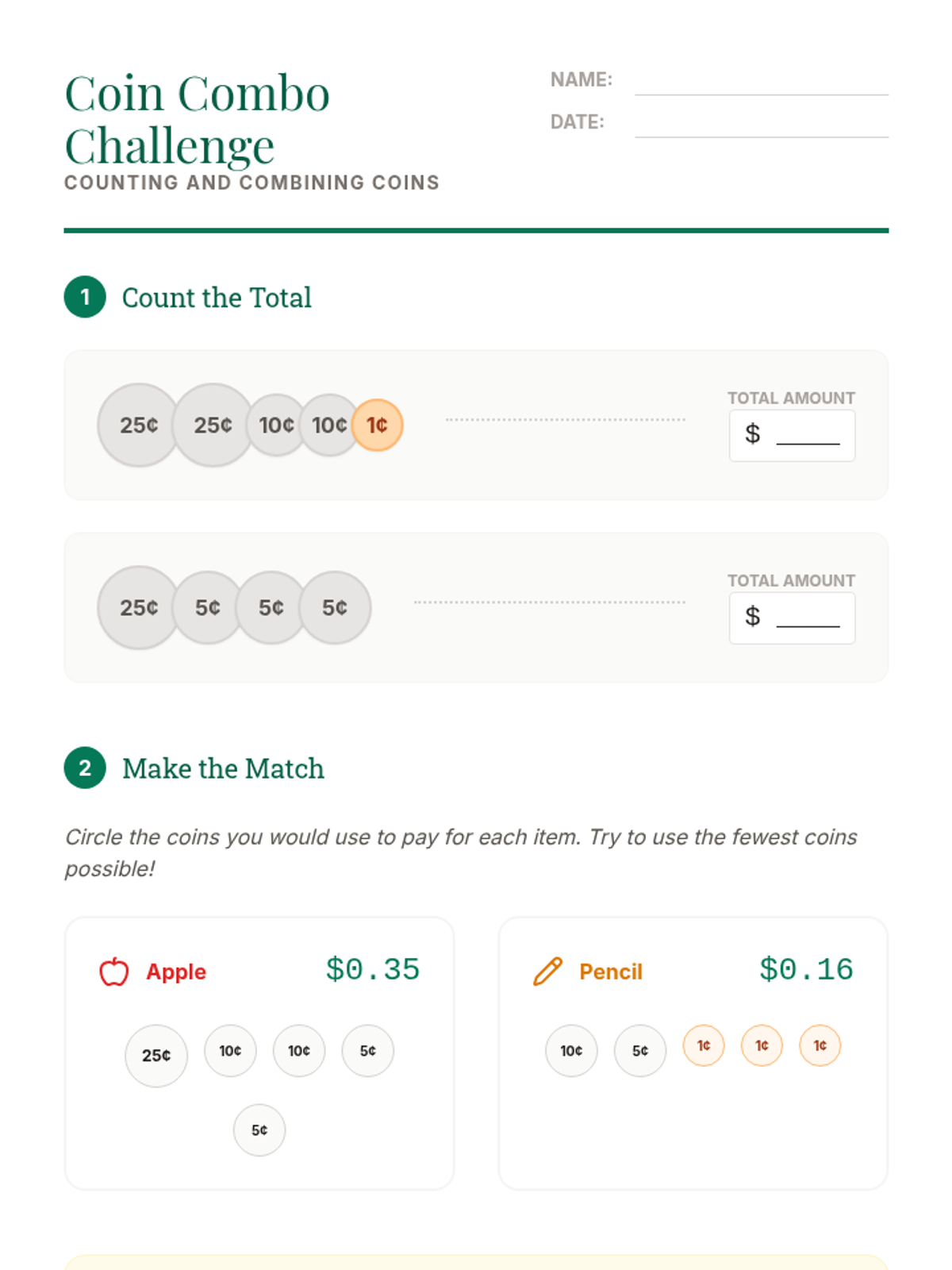
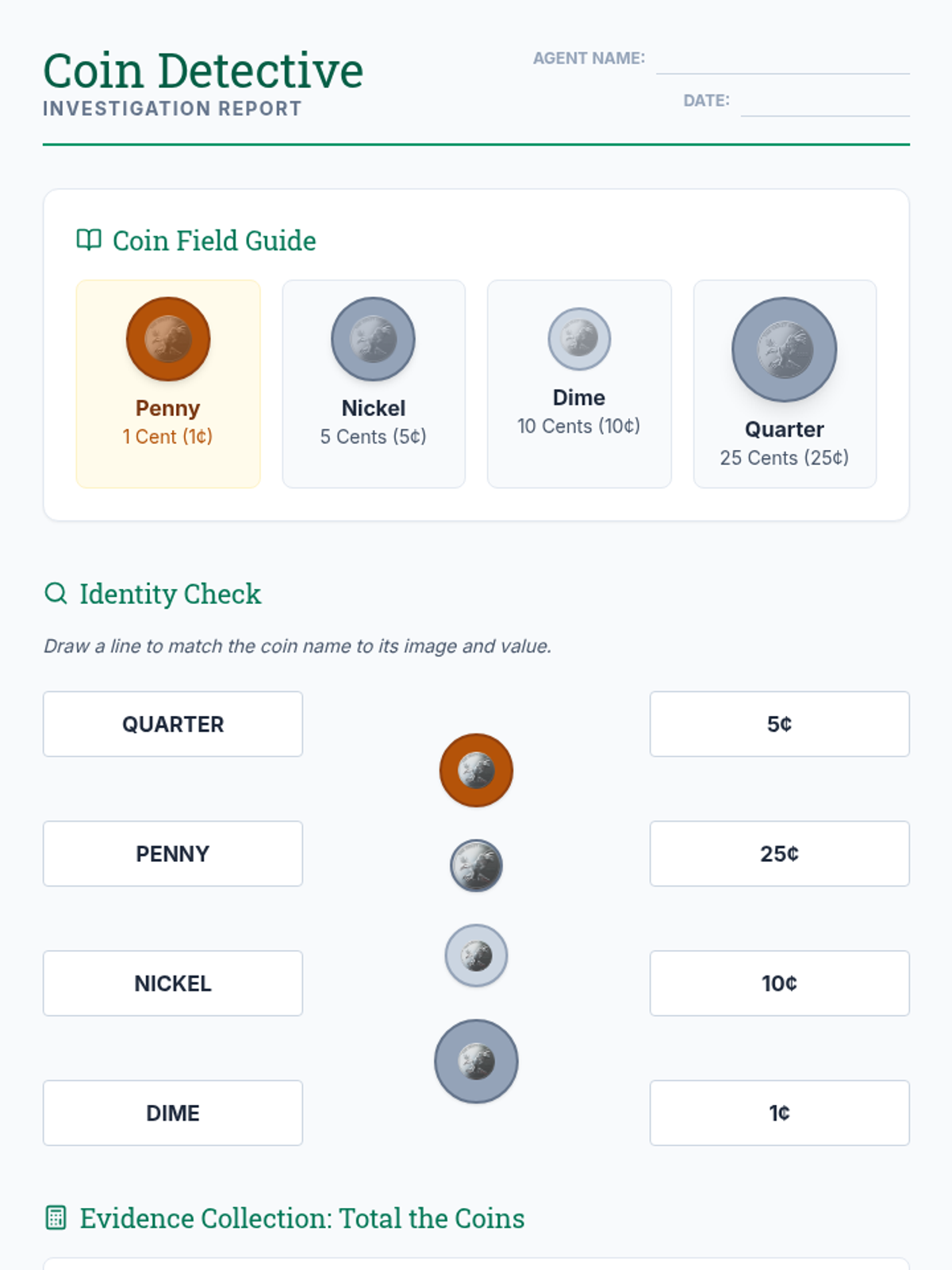
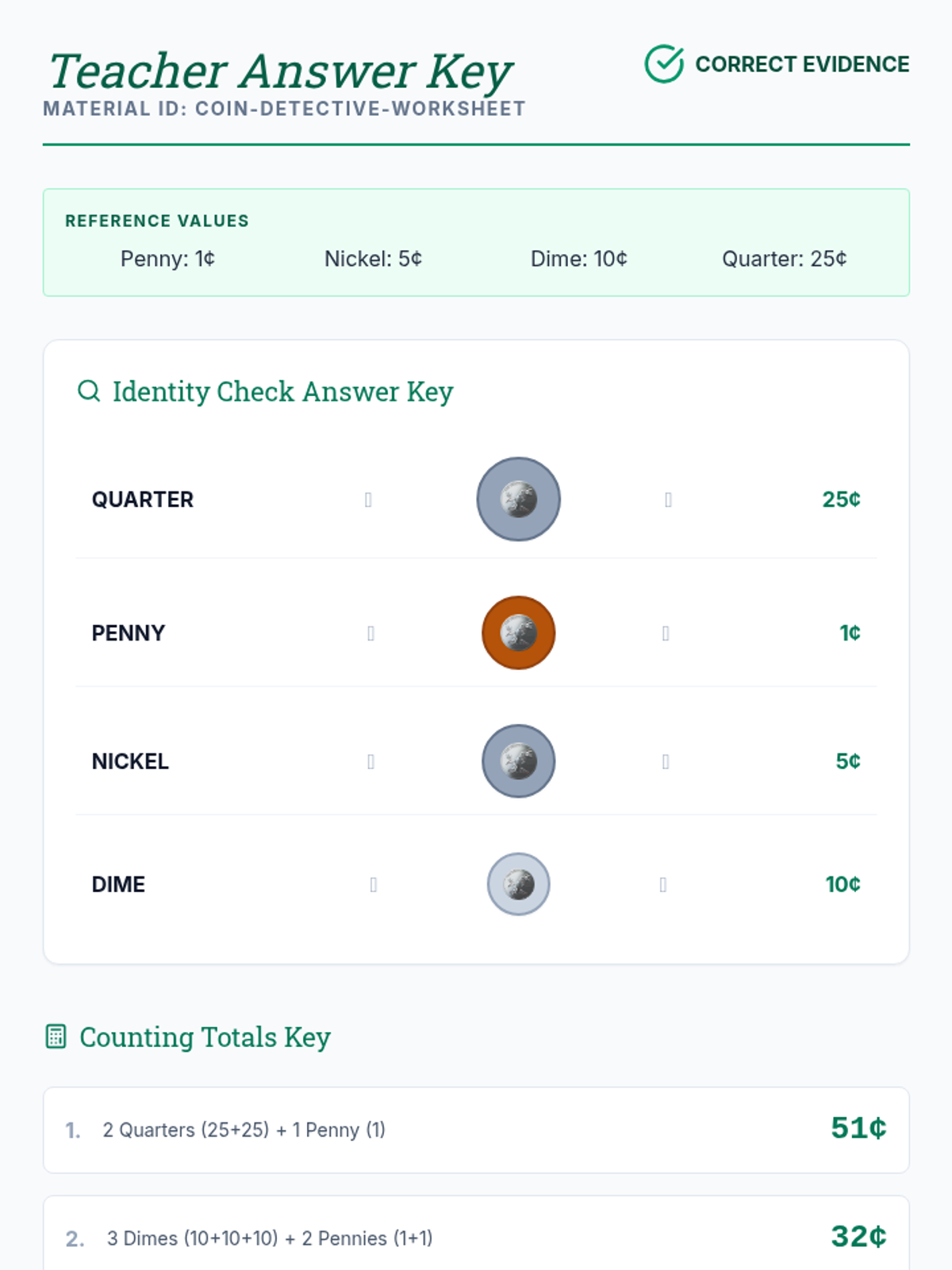
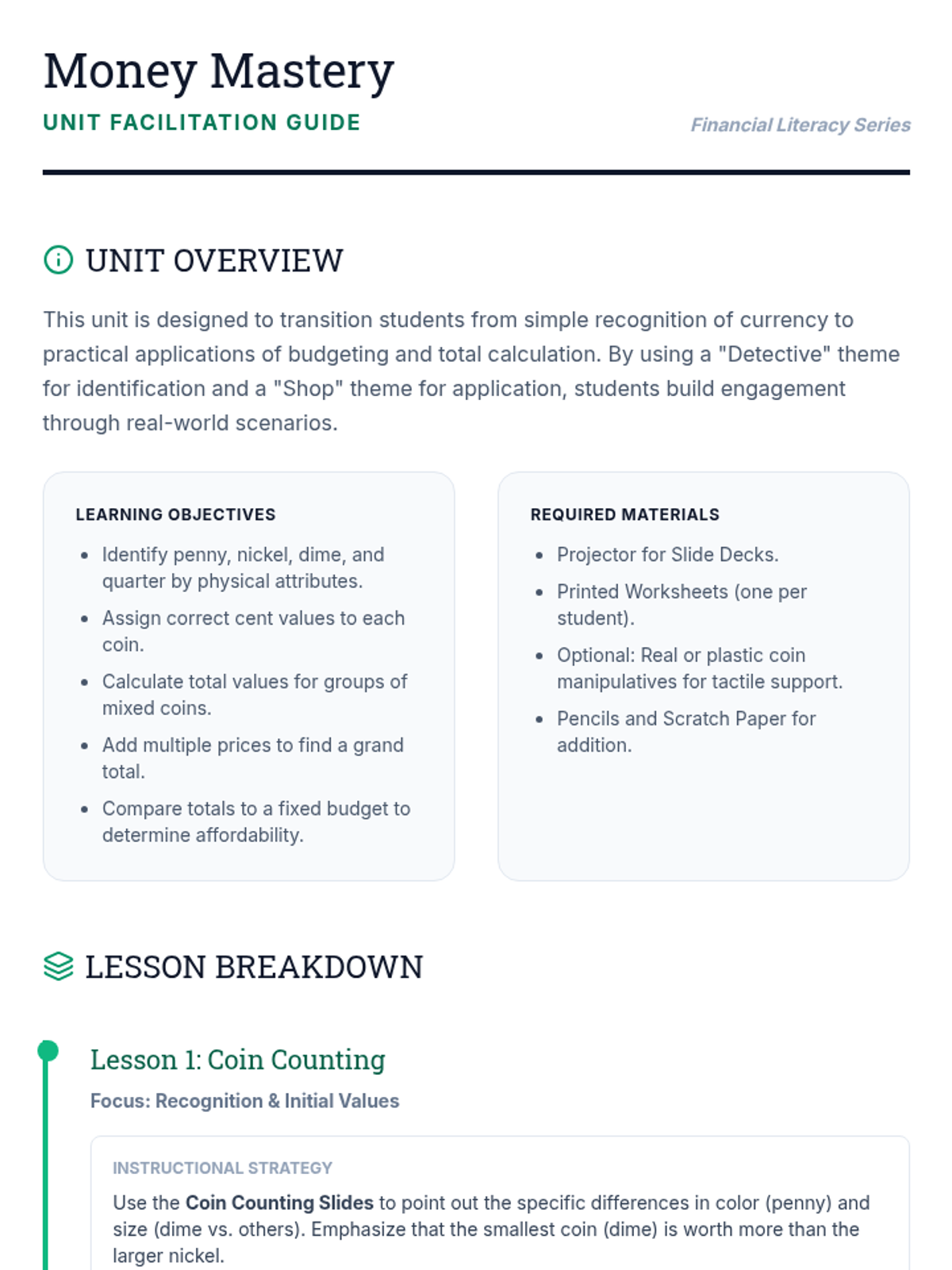
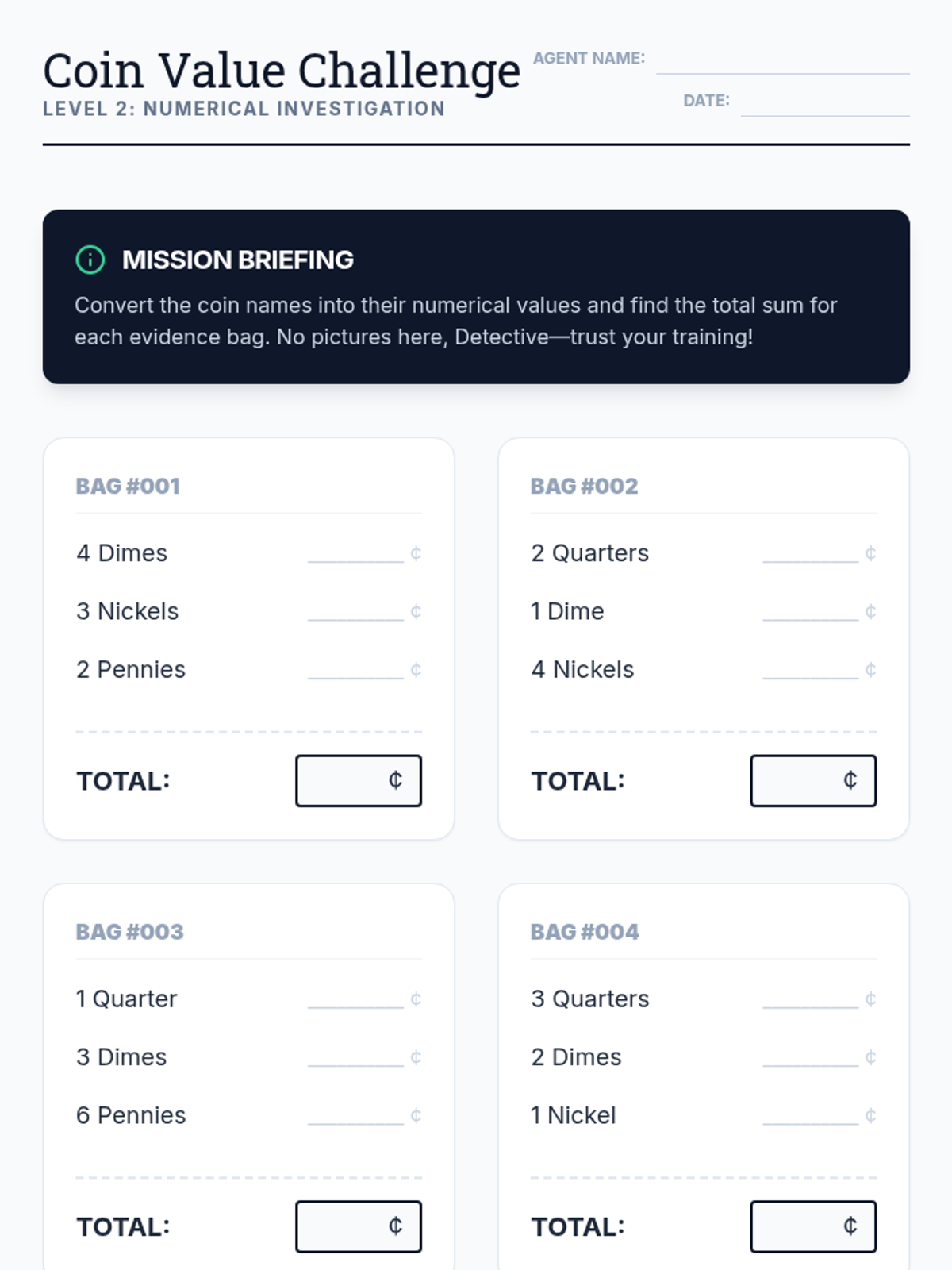
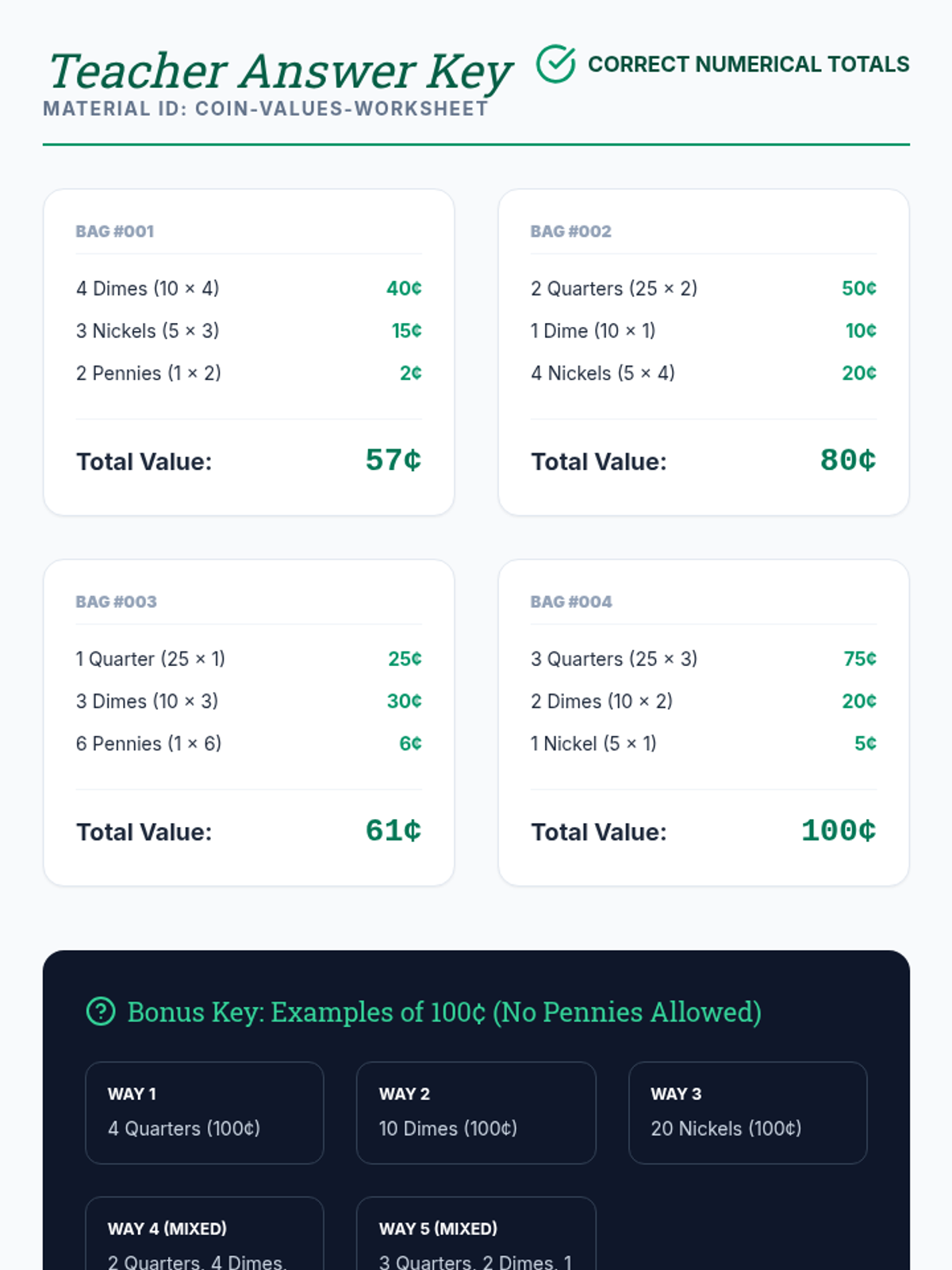
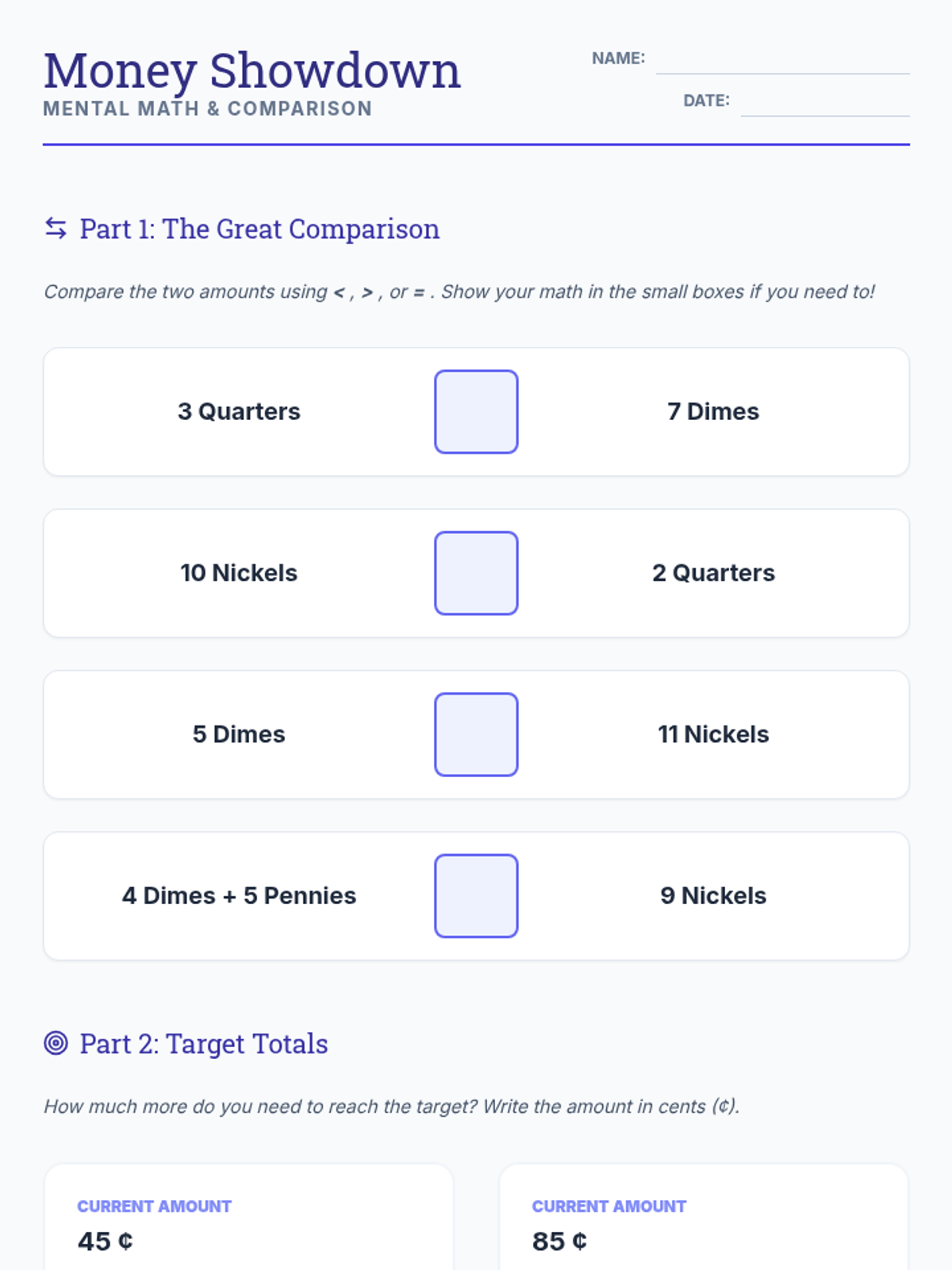
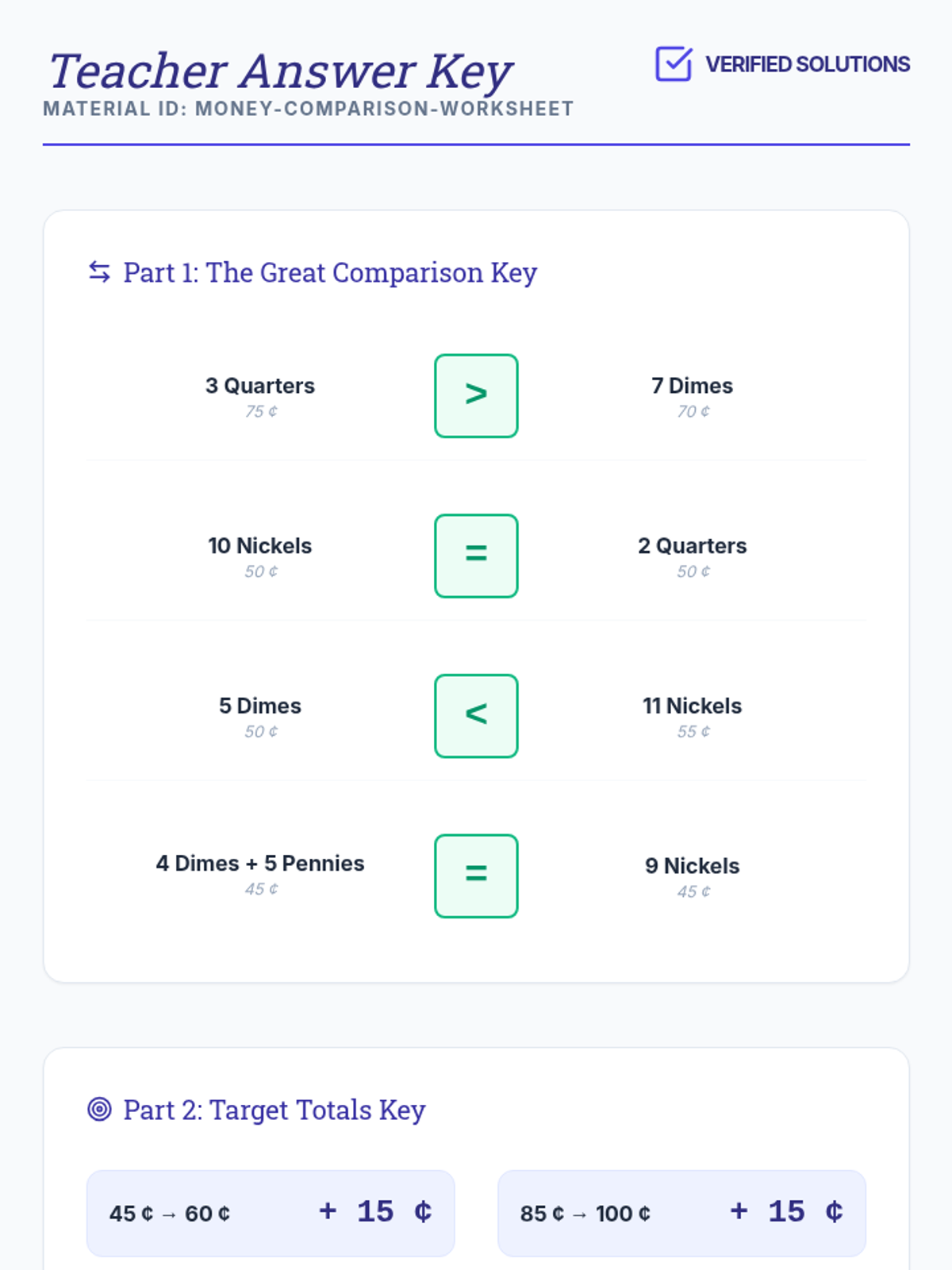
A comprehensive unit on essential financial literacy skills, ranging from basic coin identification to practical budgeting and total calculation.
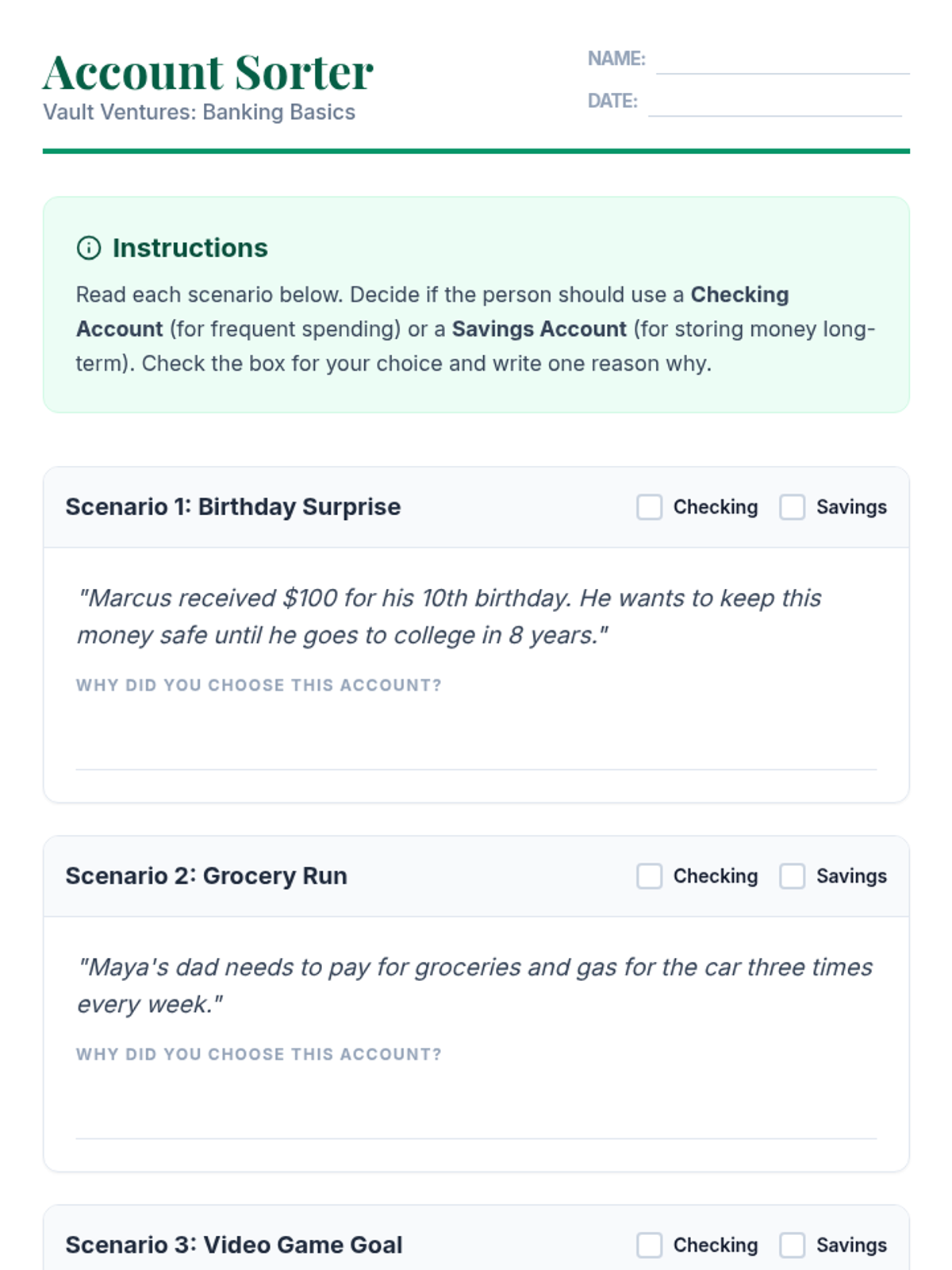
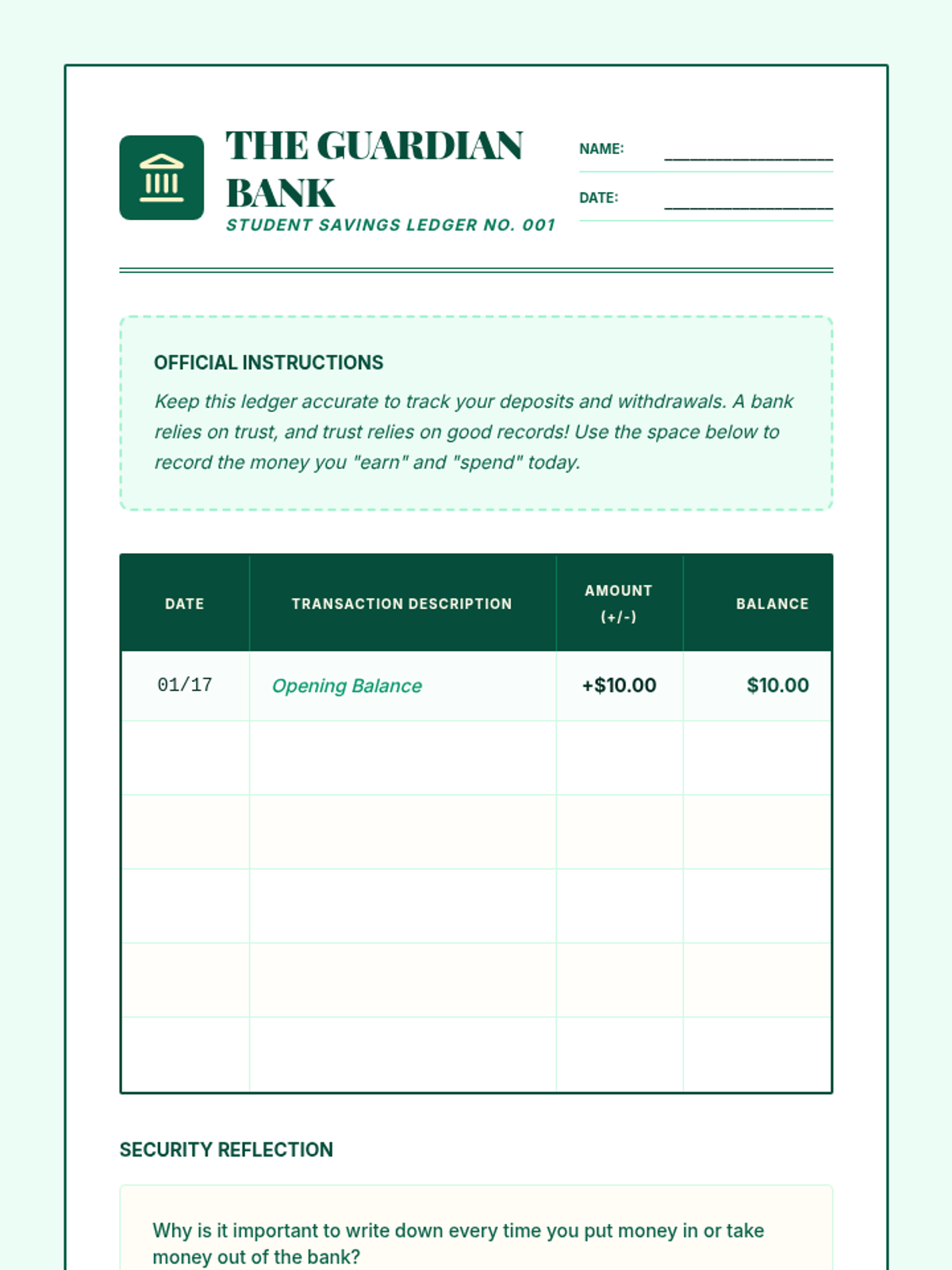
Students enter a simulated classroom economy to learn the mechanics of maintaining a bank account, including checking and savings distinctions, ledger maintenance, understanding fees, and account reconciliation.
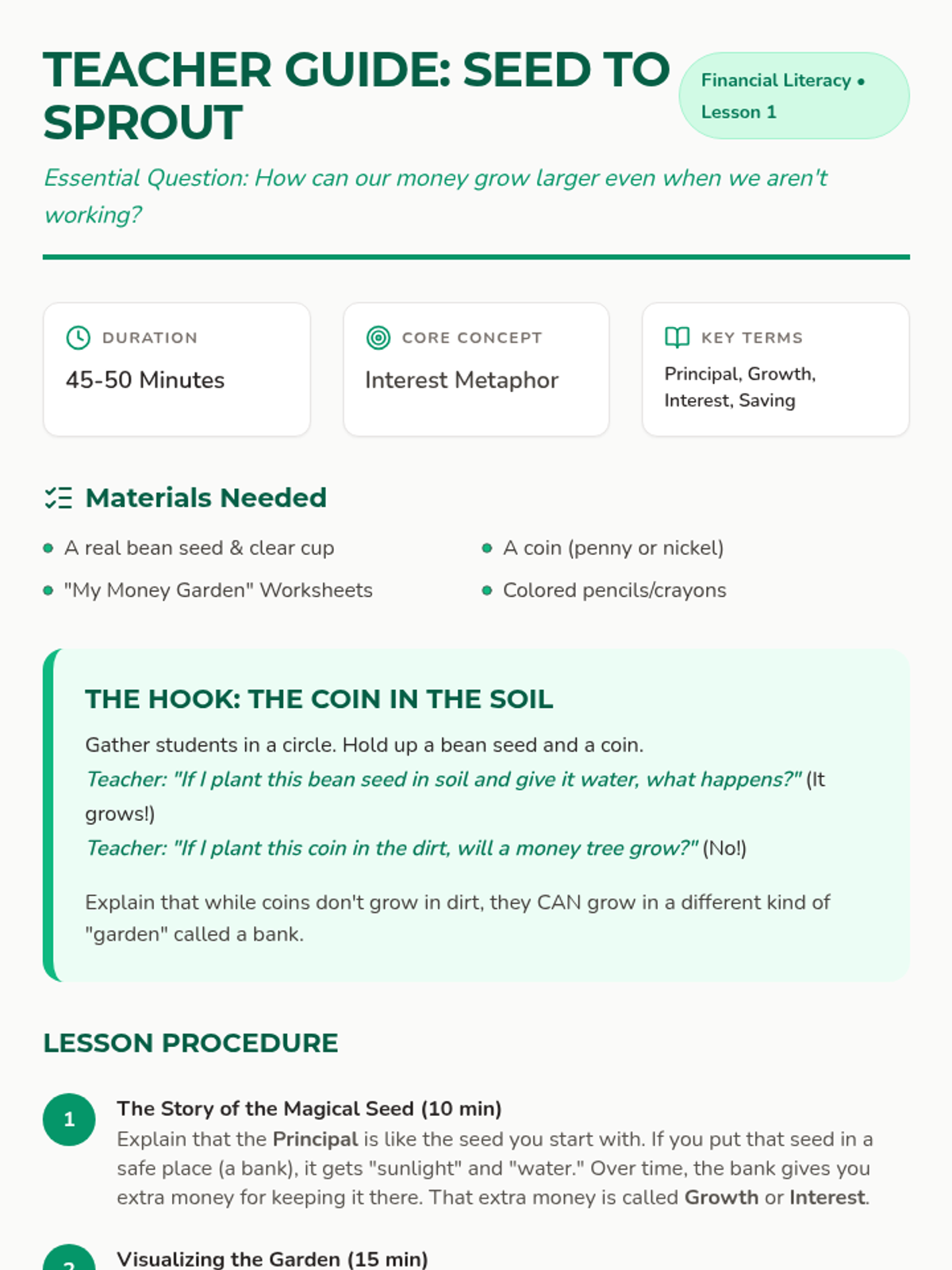
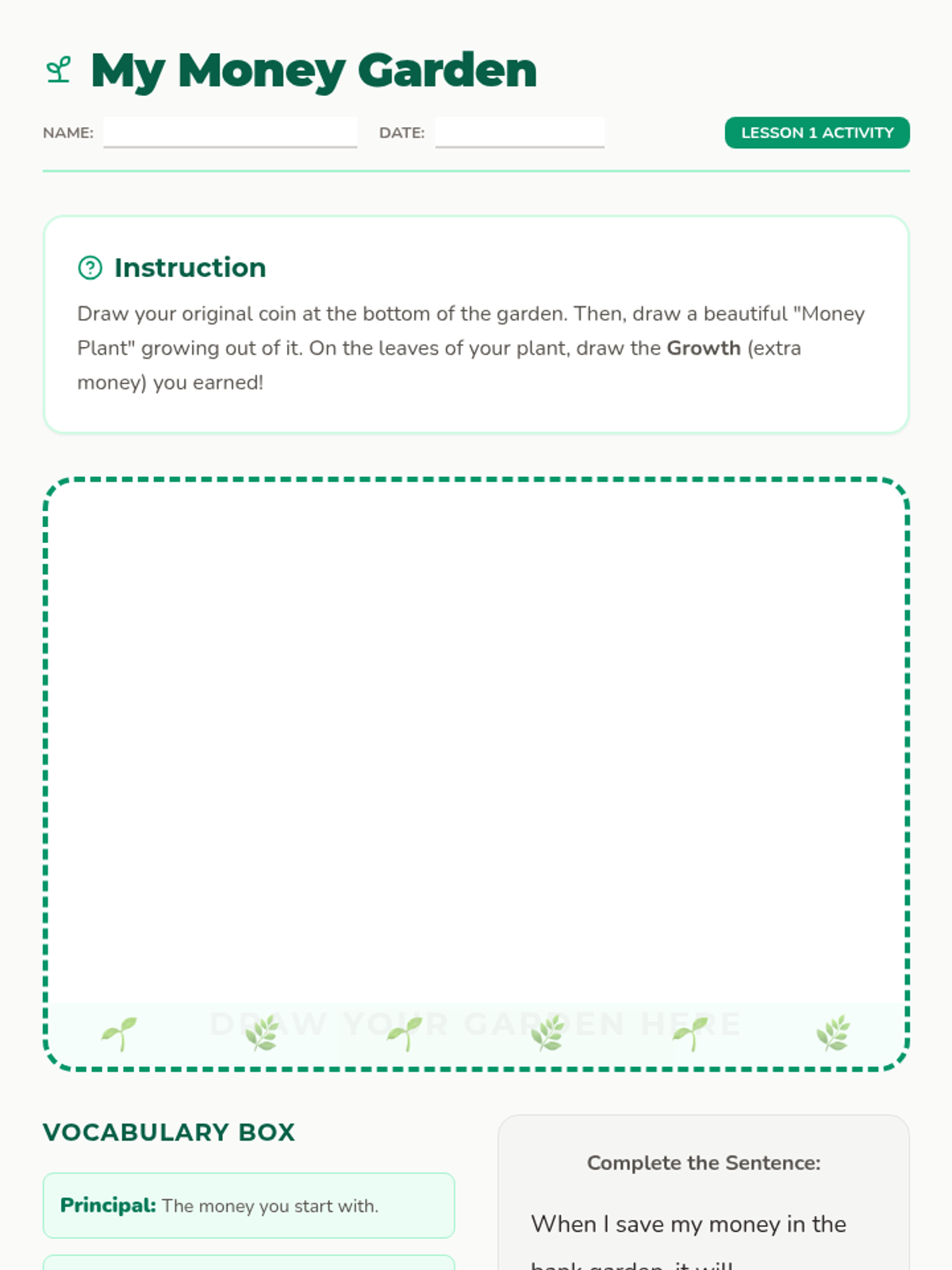
This sequence introduces 2nd-grade students to the concept of interest and money growth using a garden metaphor. Students explore how saving money in a bank leads to growth over time through simulations and hands-on activities.
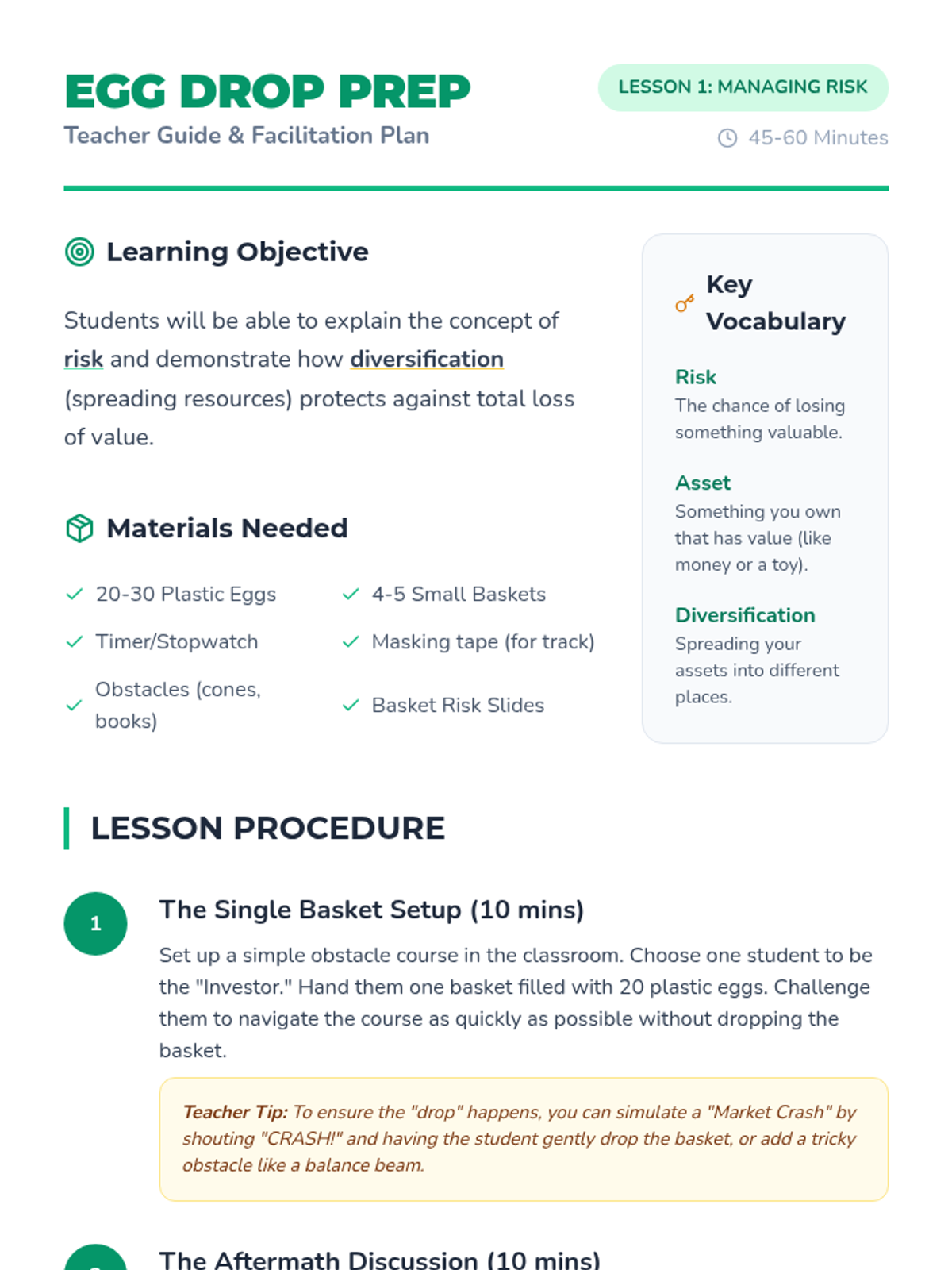
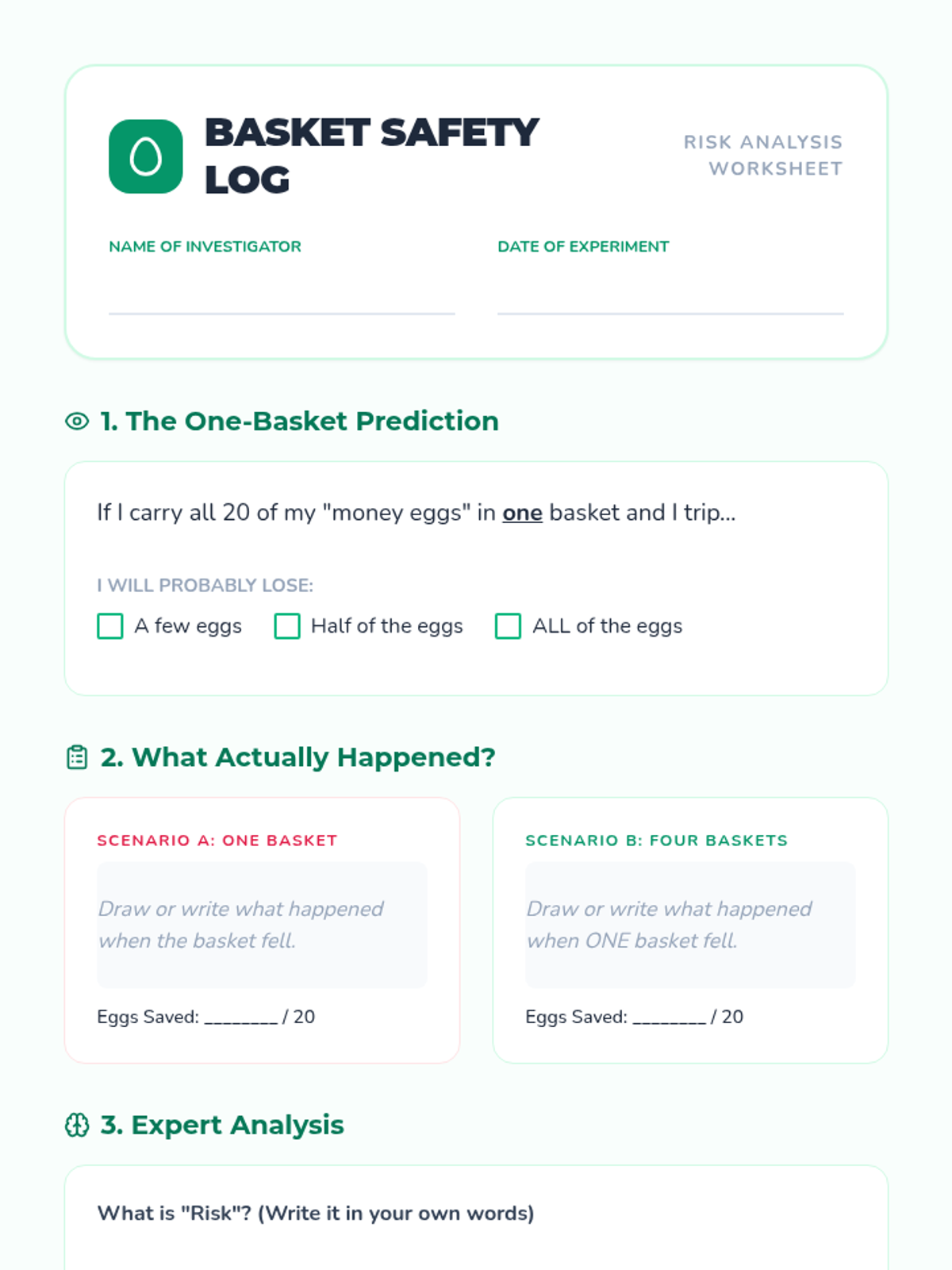
A 5-lesson sequence for 3rd graders on diversification and managing risk, using the 'eggs in one basket' and 'financial garden' analogies to teach asset allocation.
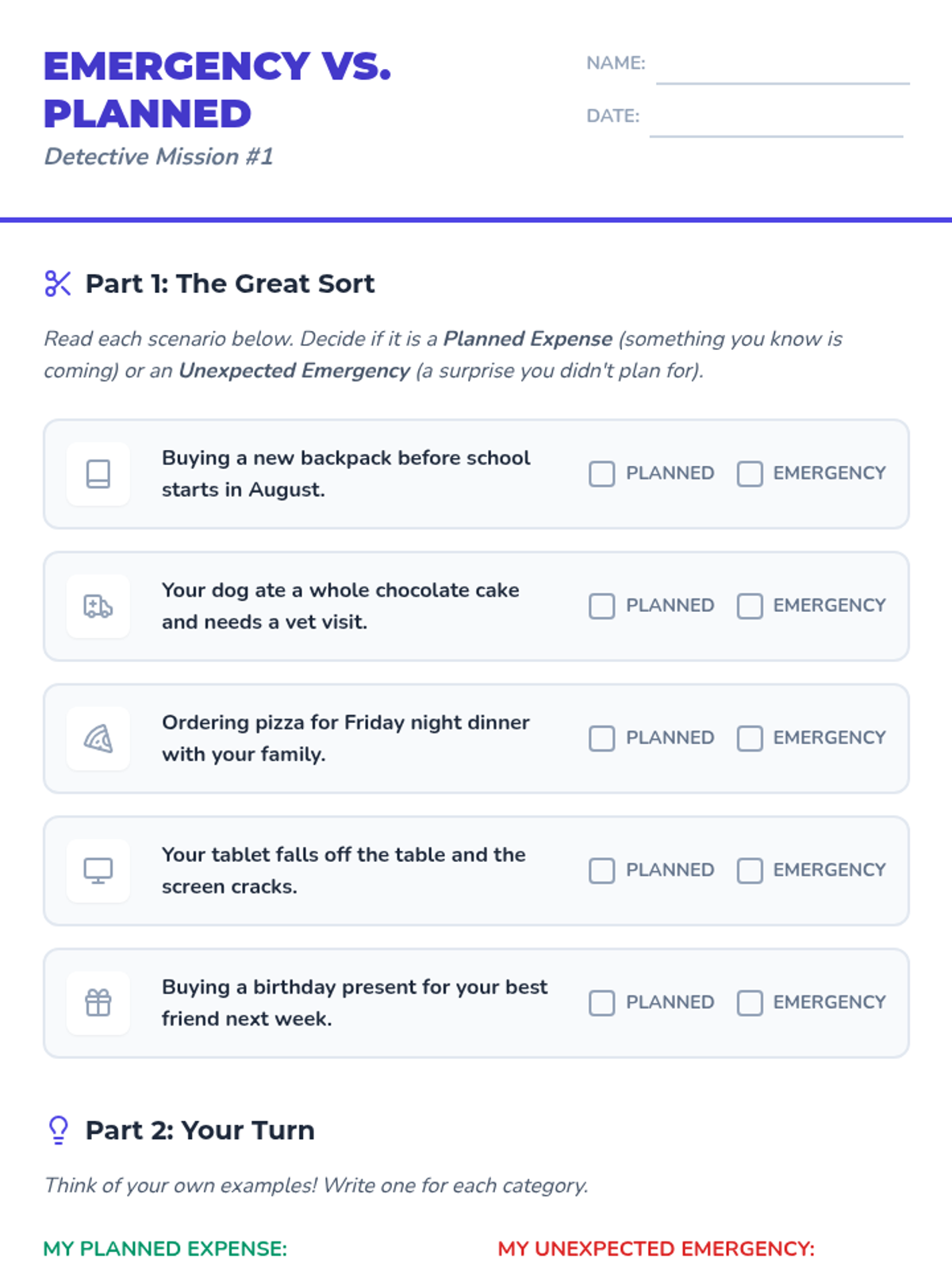
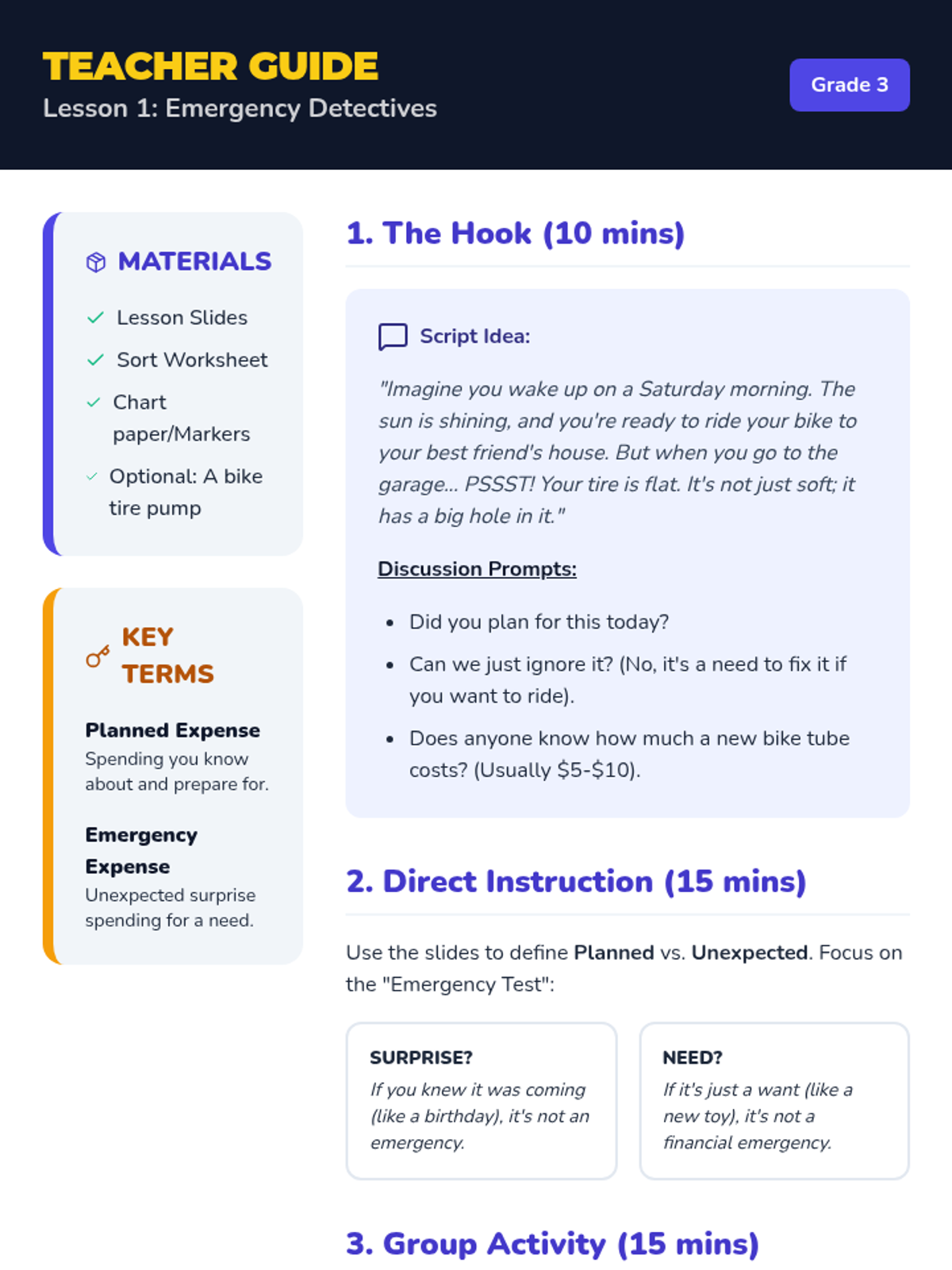
This sequence introduces 3rd-grade students to risk management and emergency funds. Through the 'Safety Net' metaphor and game-based learning, students learn to identify, plan for, and recover from unexpected financial events, building long-term financial resilience.
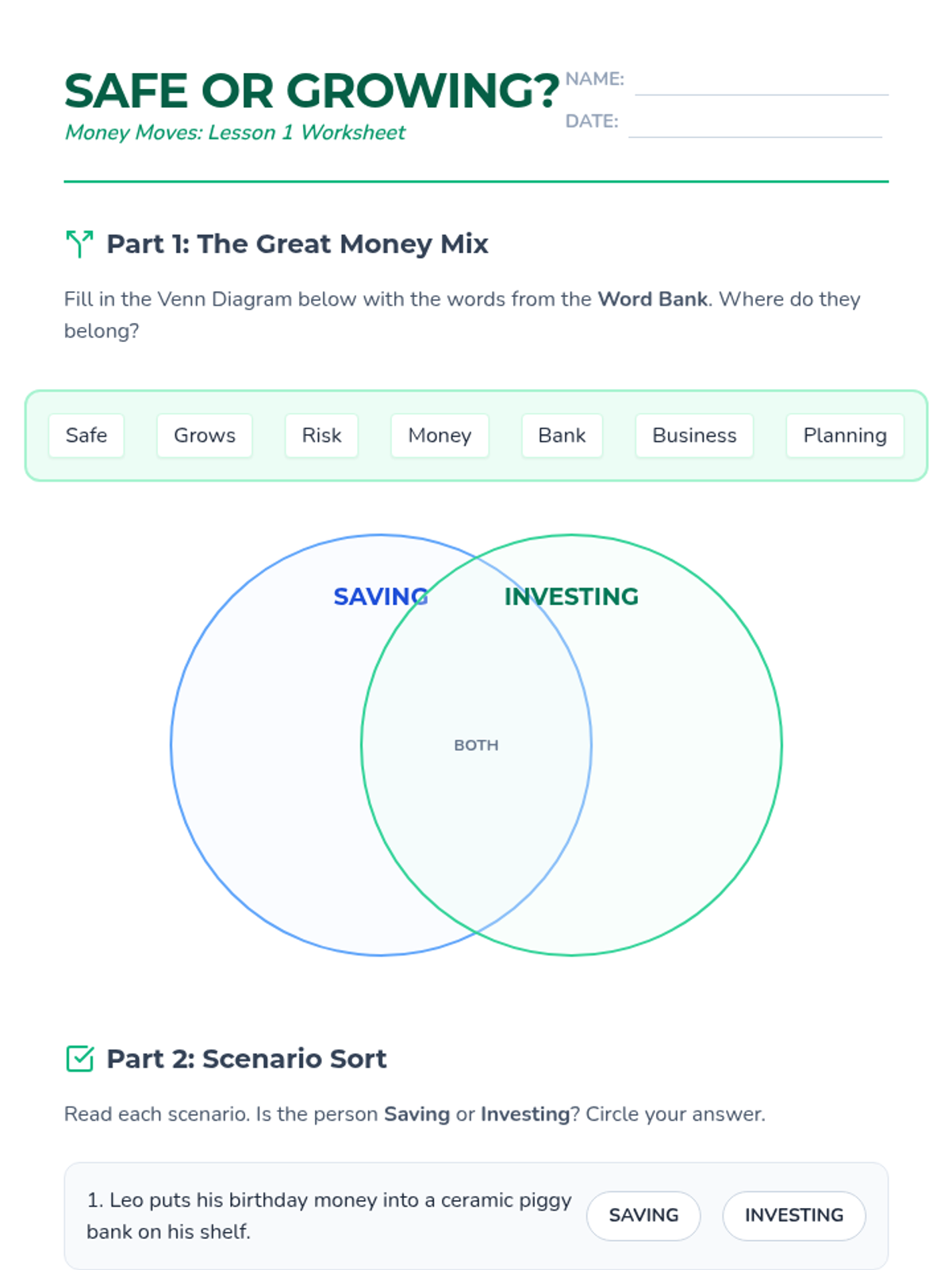
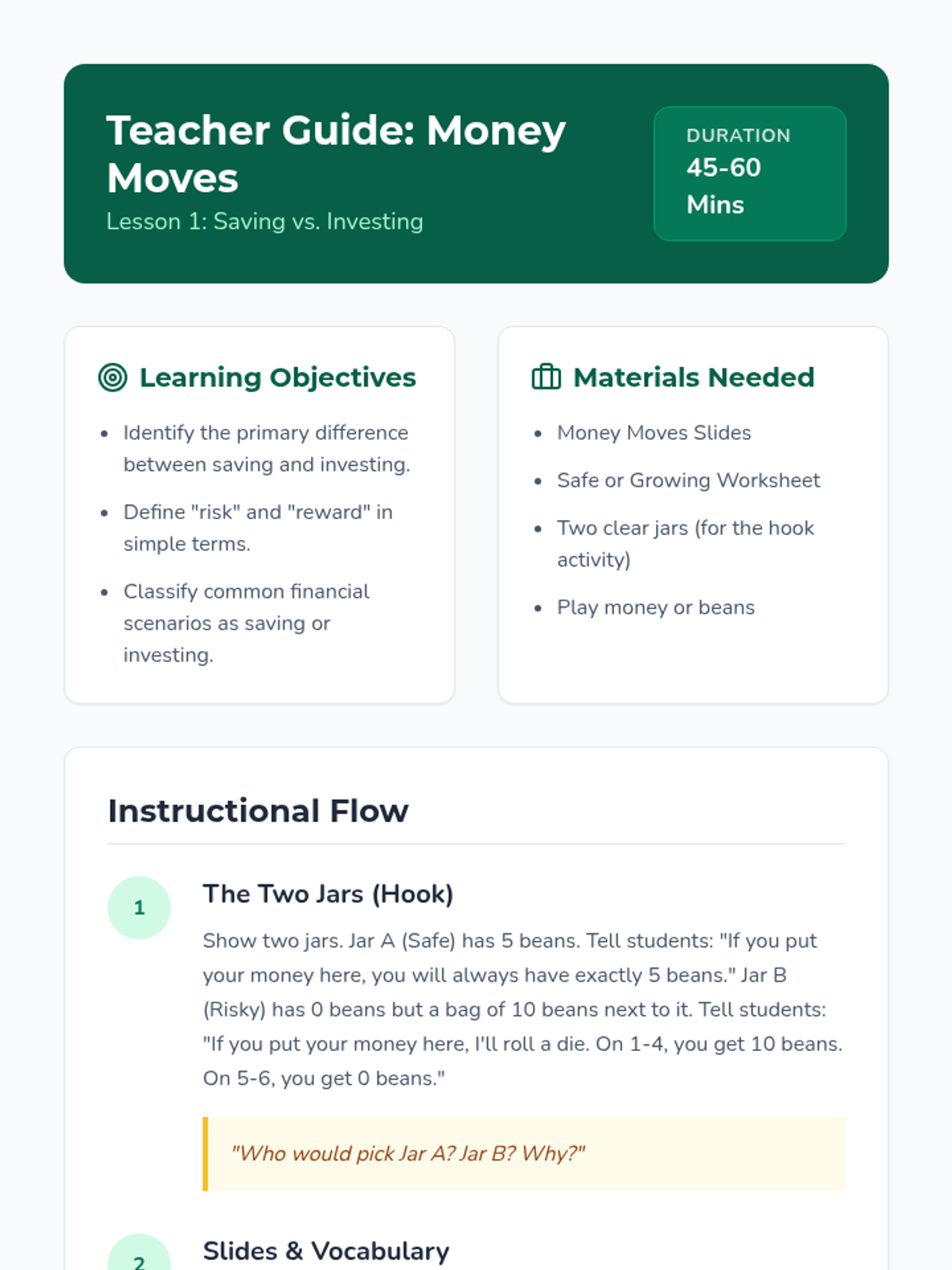
This sequence introduces 3rd-grade students to the basic concepts of investing by differentiating it from saving. Through the relatable 'lemonade stand' model, students learn about ownership, risk, reward, and long-term thinking.
A comprehensive 3rd-grade unit exploring the fundamentals of banking, interest, and the power of time in money growth through interactive simulations and visual experiments.
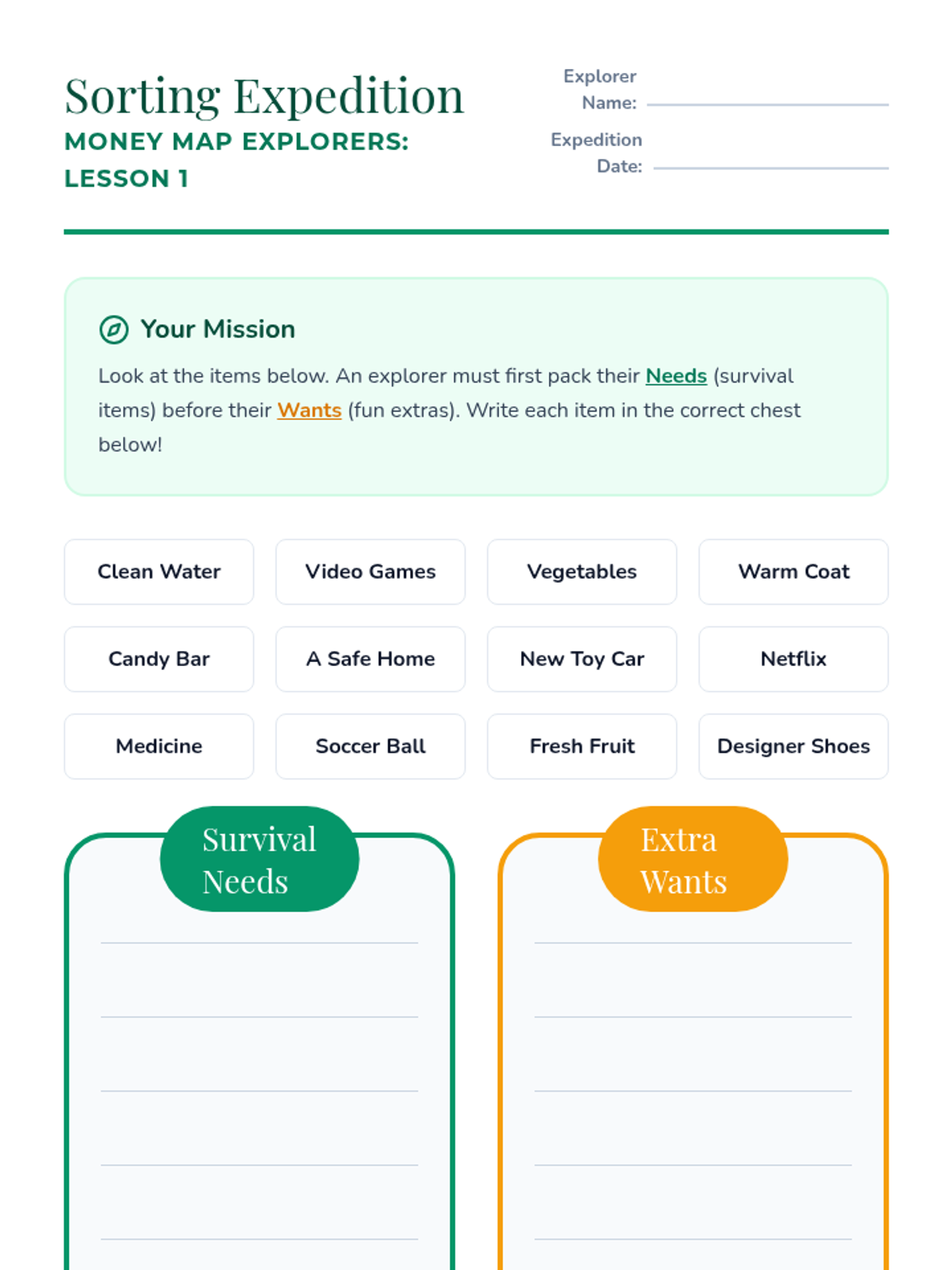
A 5-lesson unit for 3rd graders on financial literacy, focusing on distinguishing wants from needs, setting goals, understanding opportunity costs, and building a concrete savings plan. Students use a 'Money Map' theme to explore how today's choices shape their future treasures.
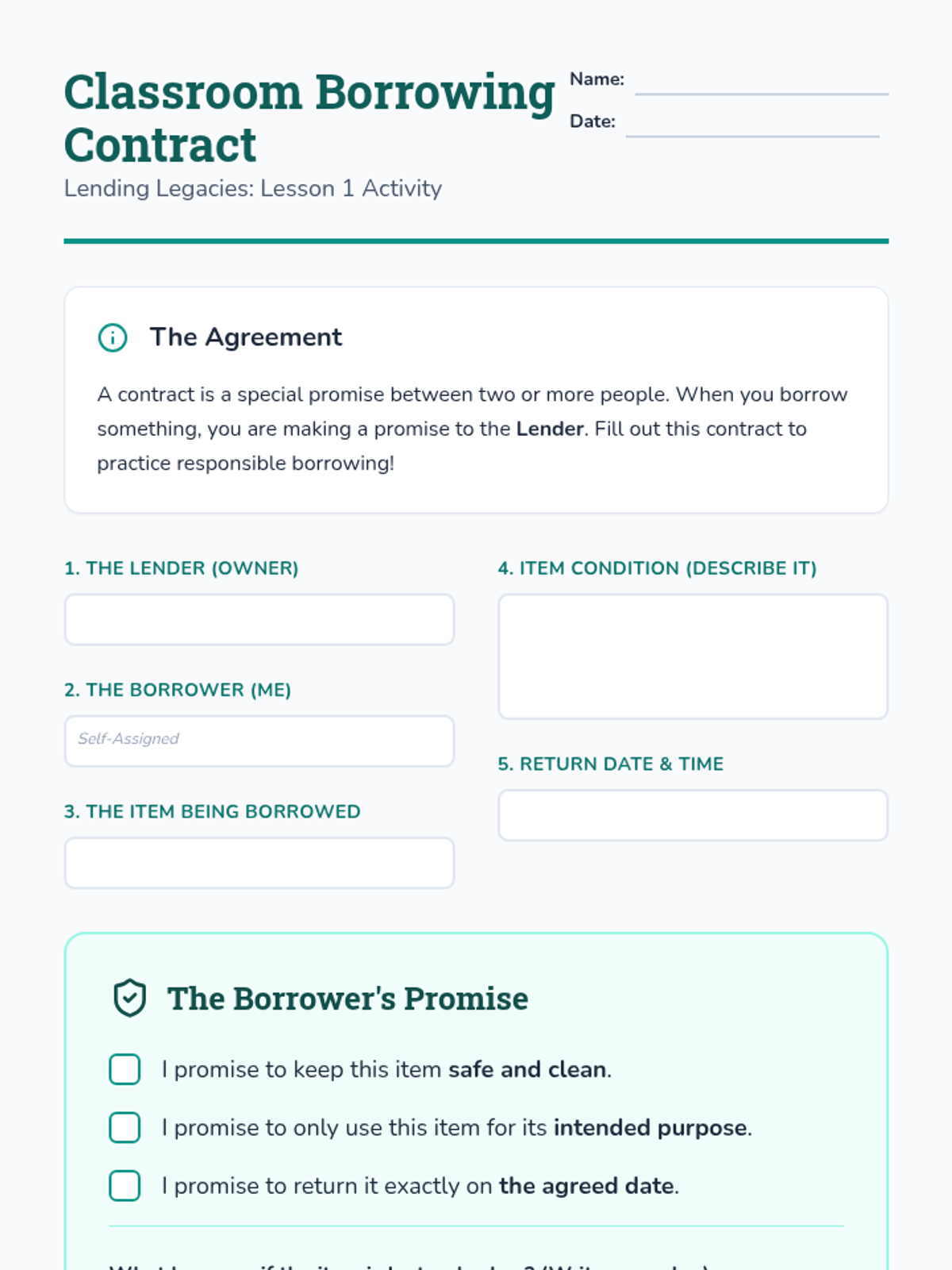
This sequence introduces 3rd-grade students to the concepts of credit, borrowing, and debt. Students move from basic borrowing of items to understanding financial credit, interest, and creditworthiness through engaging activities and case studies.
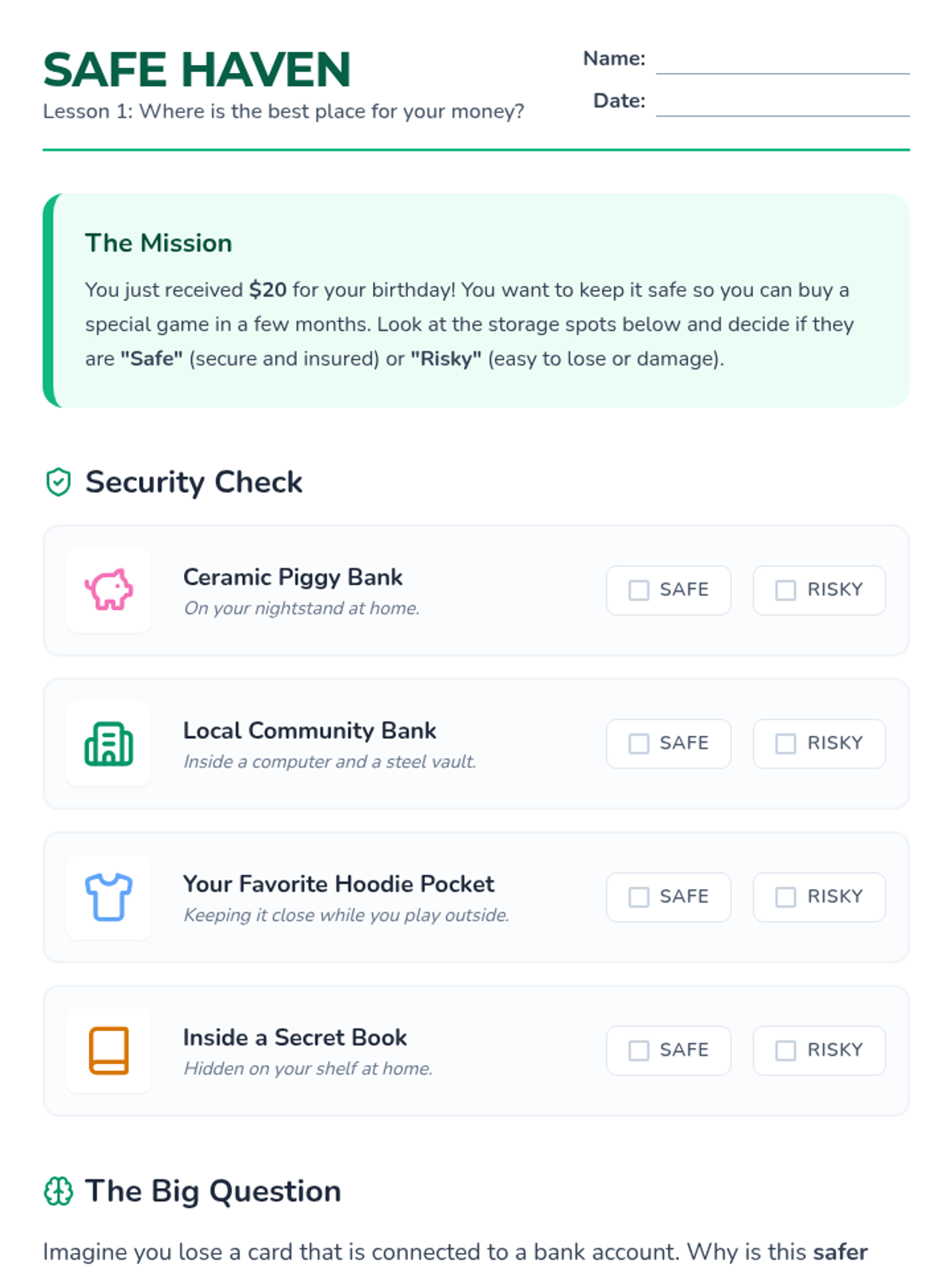
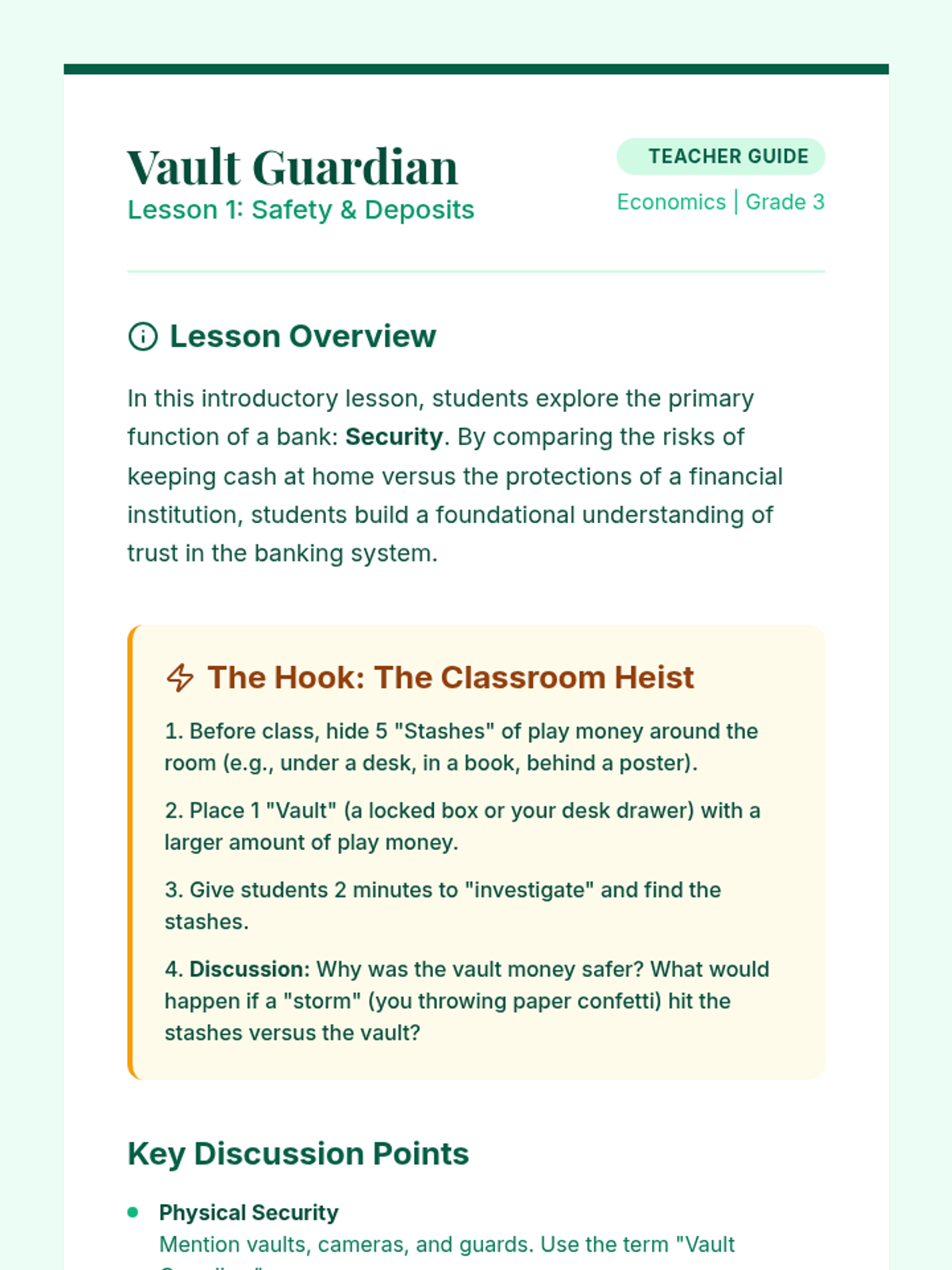
A 5-lesson sequence demystifying the role of banks as institutions that store money, lend capital, and facilitate the flow of currency. Students explore security, simple interest, lending systems, digital money, and participate in a final banking simulation.