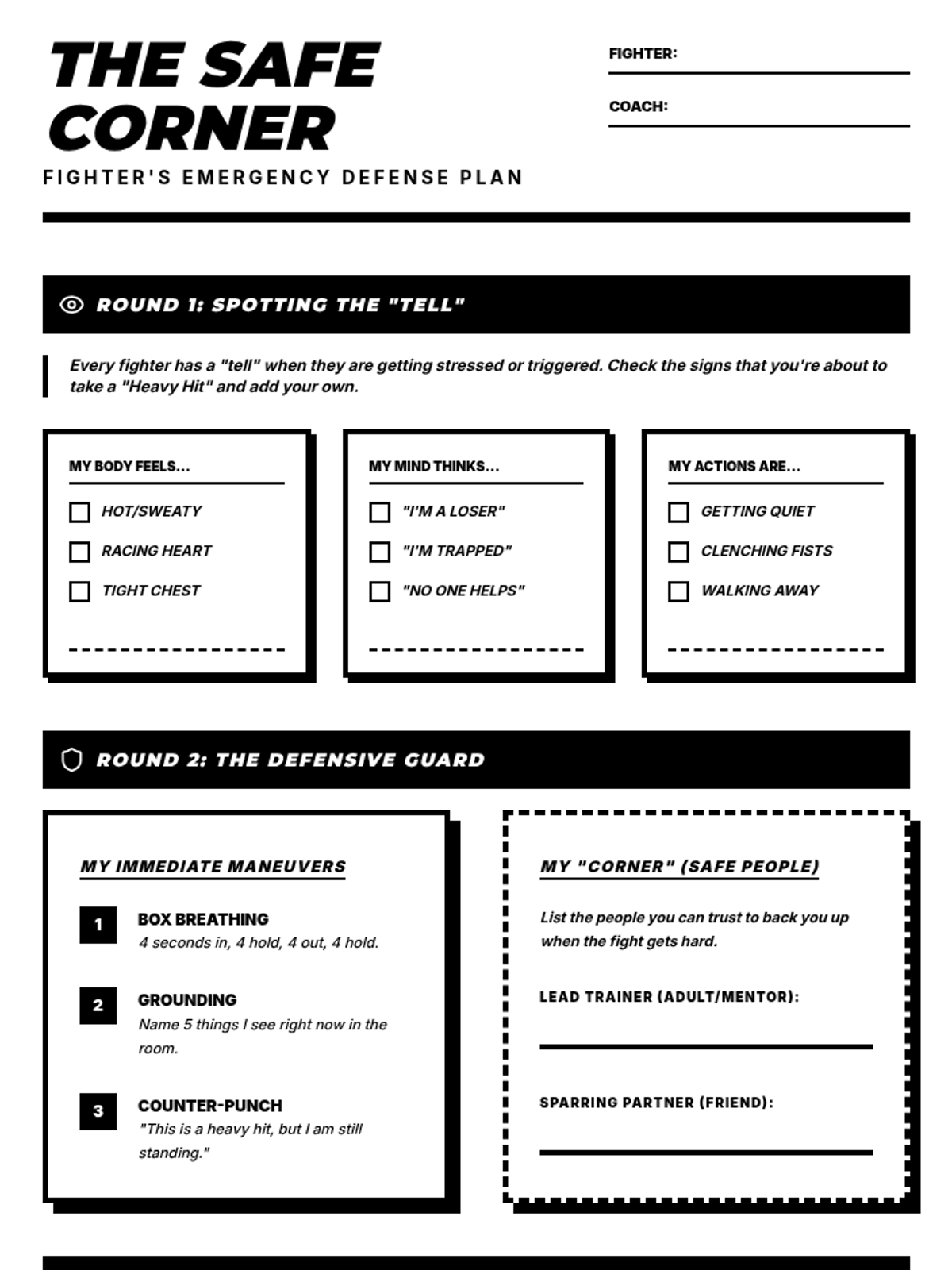
Identifies mental health crises and suicide warning signs while developing personal safety plans and grounding techniques. Equips users with peer gatekeeper skills and direct pathways to professional crisis resources and hotlines.
Provides strategies for handling pressure from peers to keep safety concerns secret.
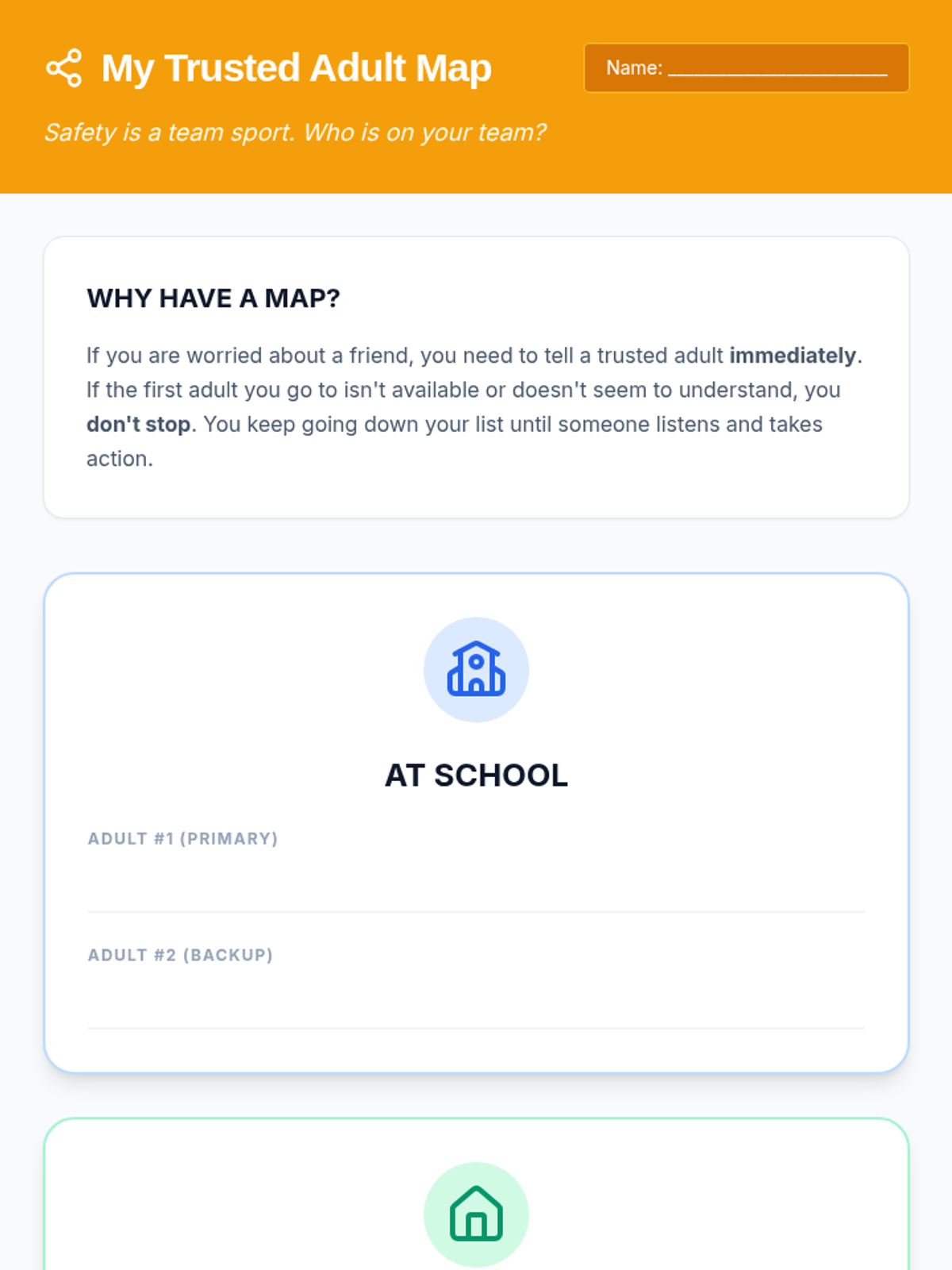
Empowers students to identify trusted adults and practice the script for reporting safety concerns.
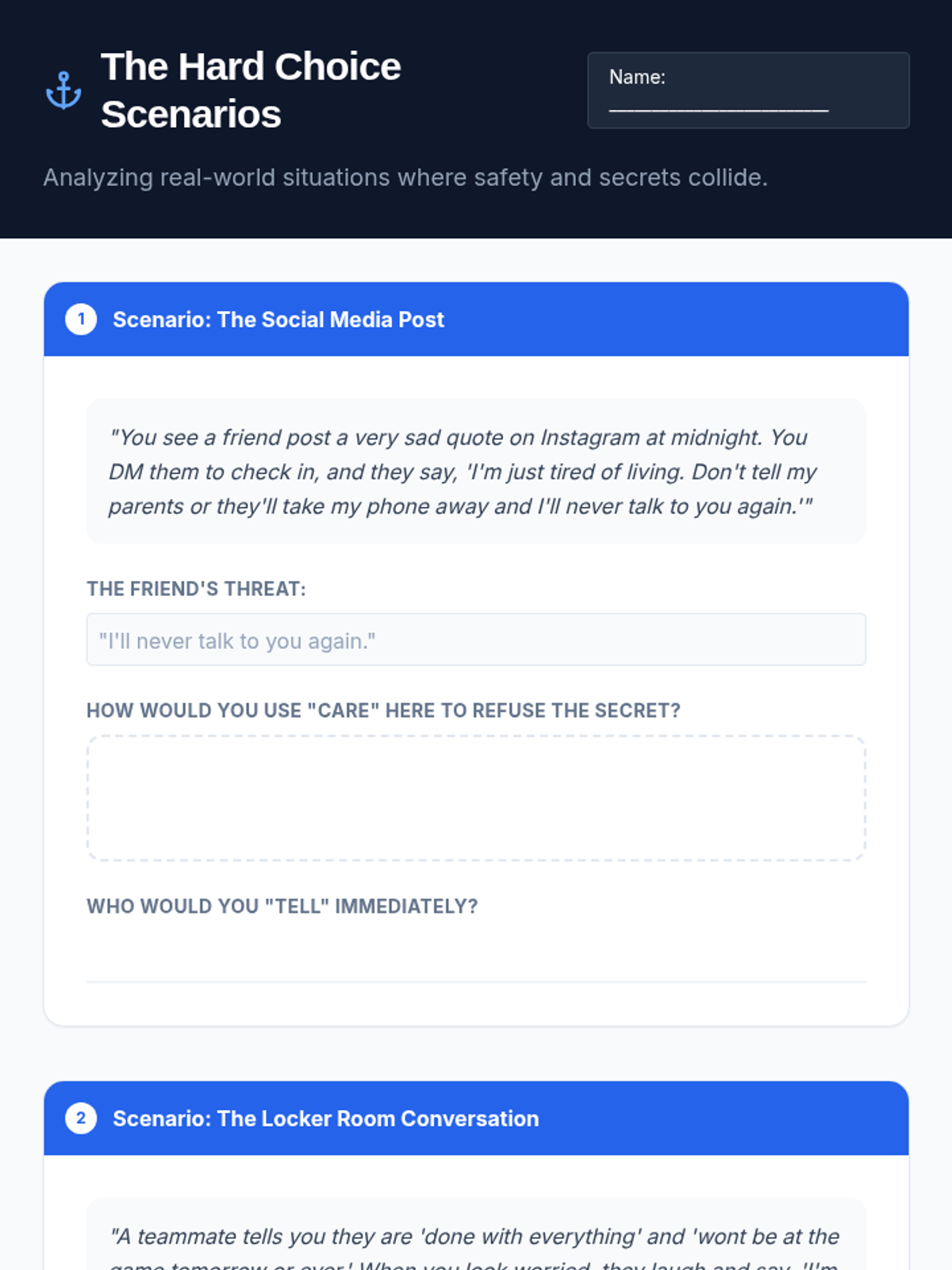
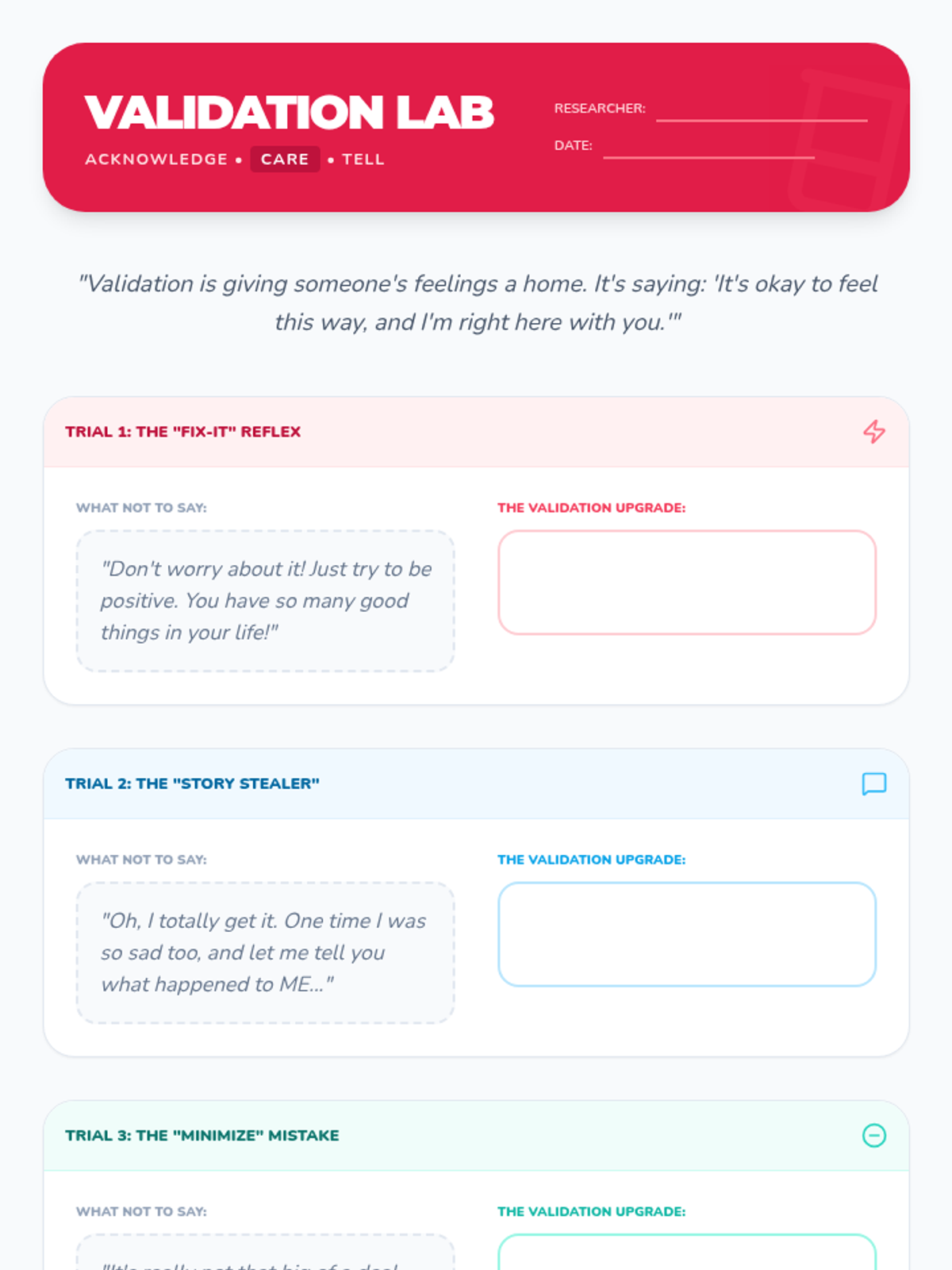
Teaches students how to express care and empathy without making dangerous promises of secrecy.
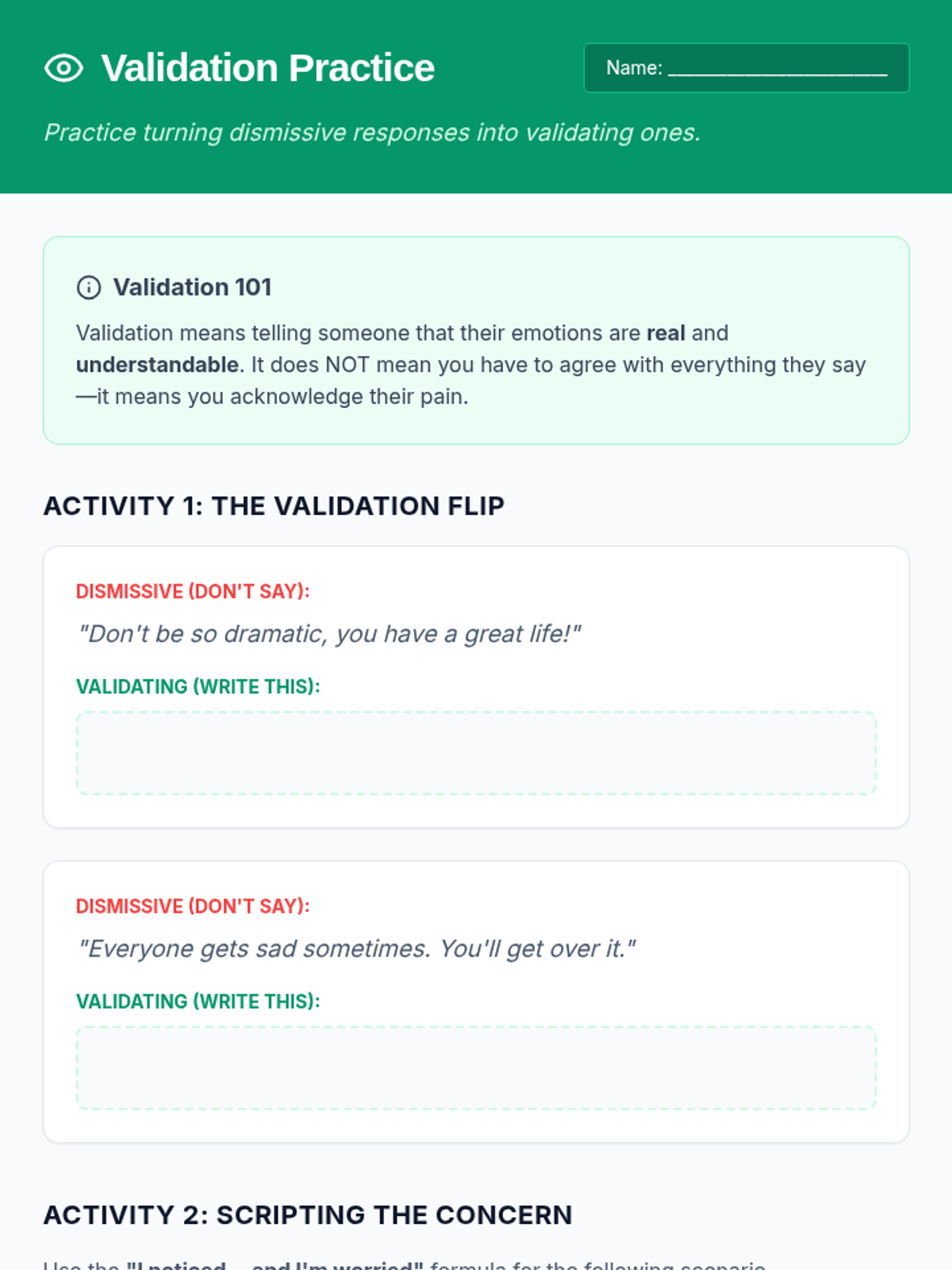
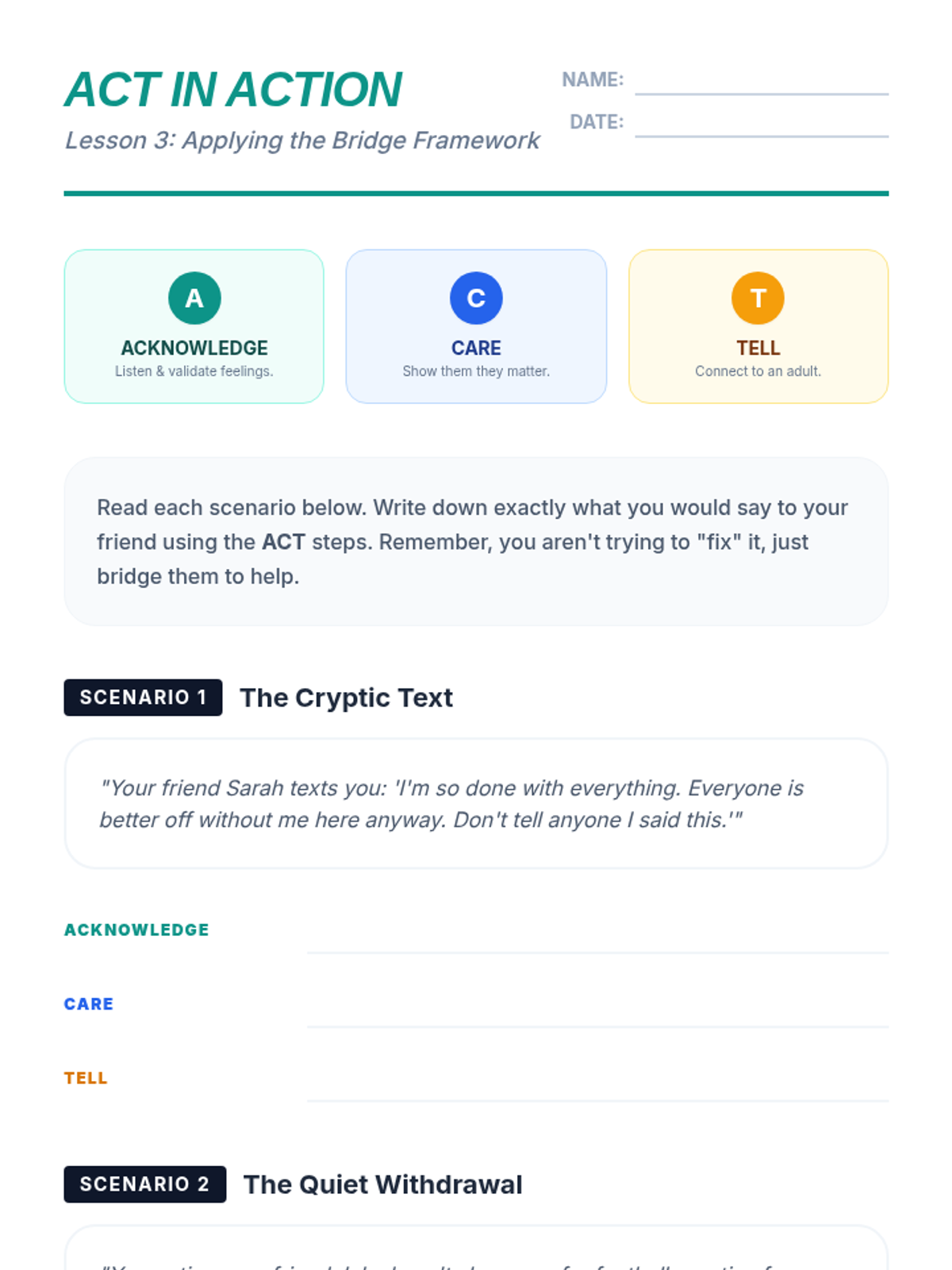
Focuses on the 'Acknowledge' step, teaching students how to use 'I' statements to validate a friend's feelings.
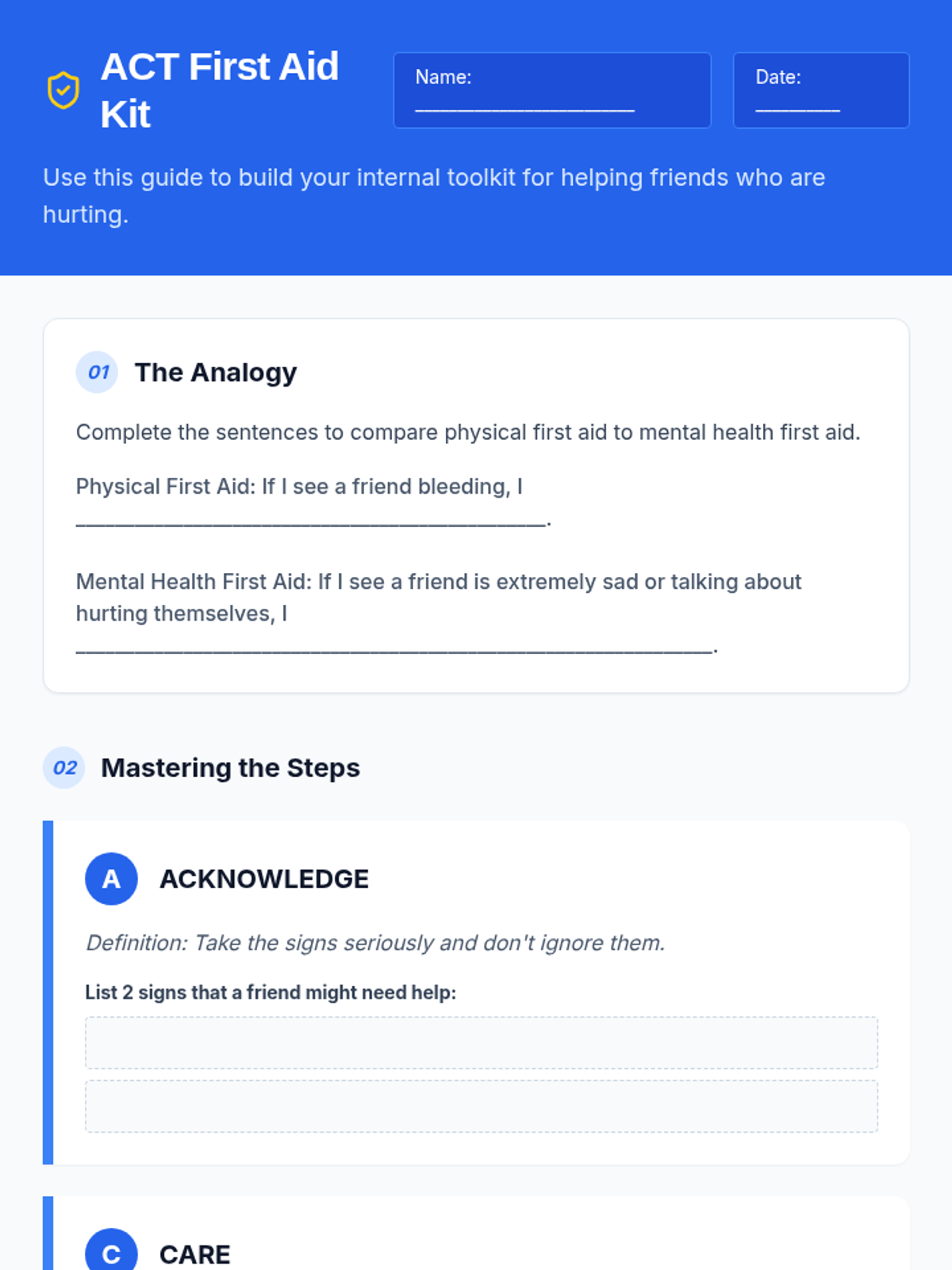
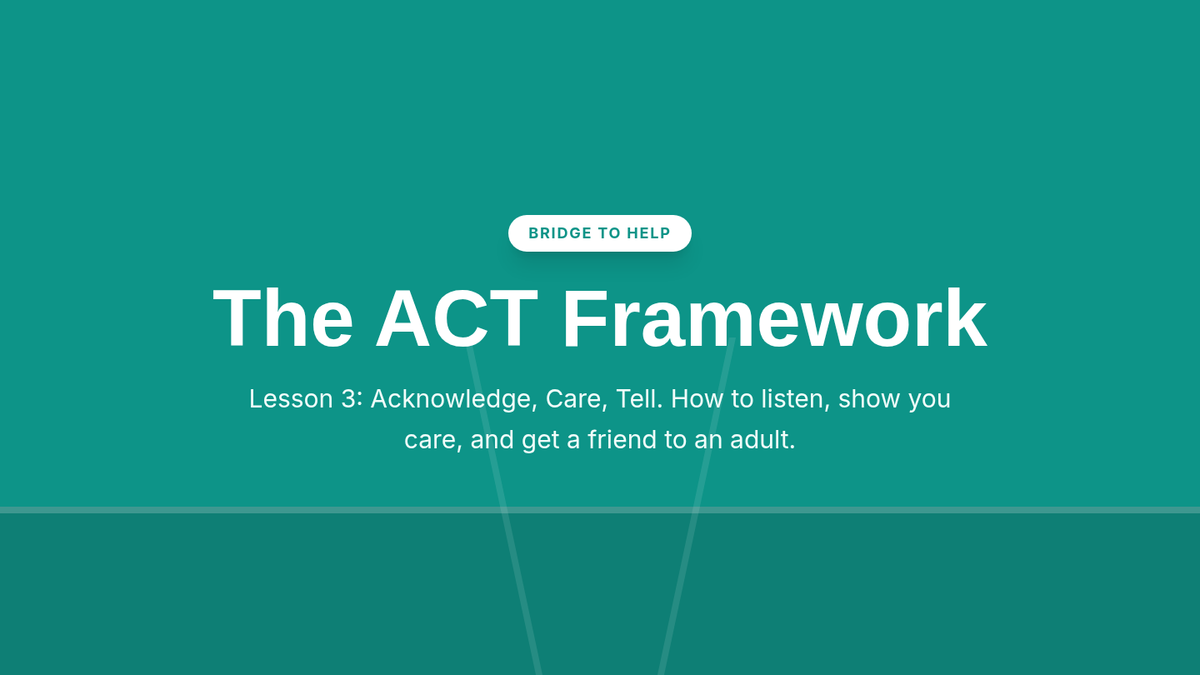
Introduces the A.C.T. framework using a first aid analogy to normalize mental health support and safety protocols.
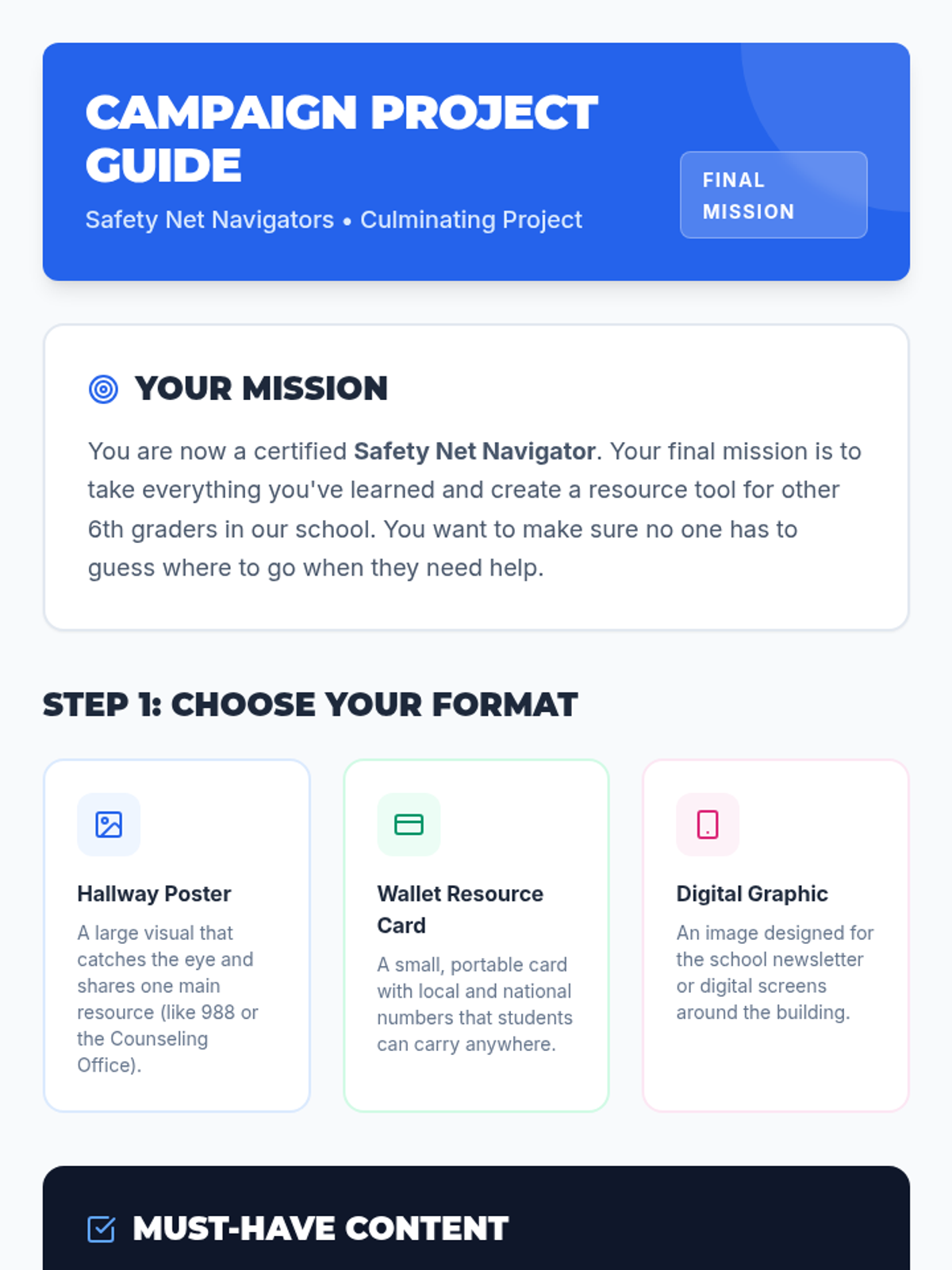
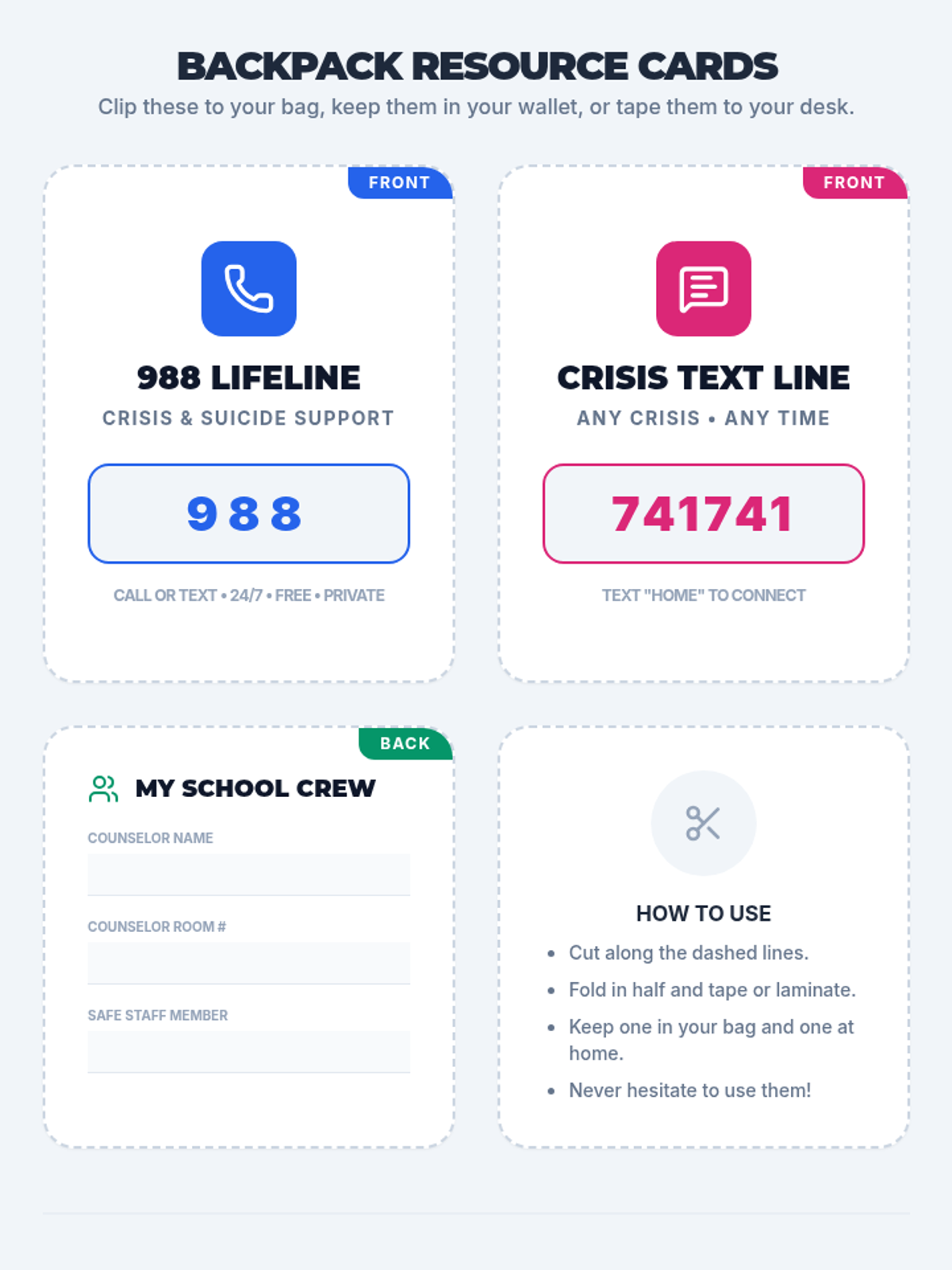
Students design and distribute resource maps or safety cards to their peers as a culminating community project.
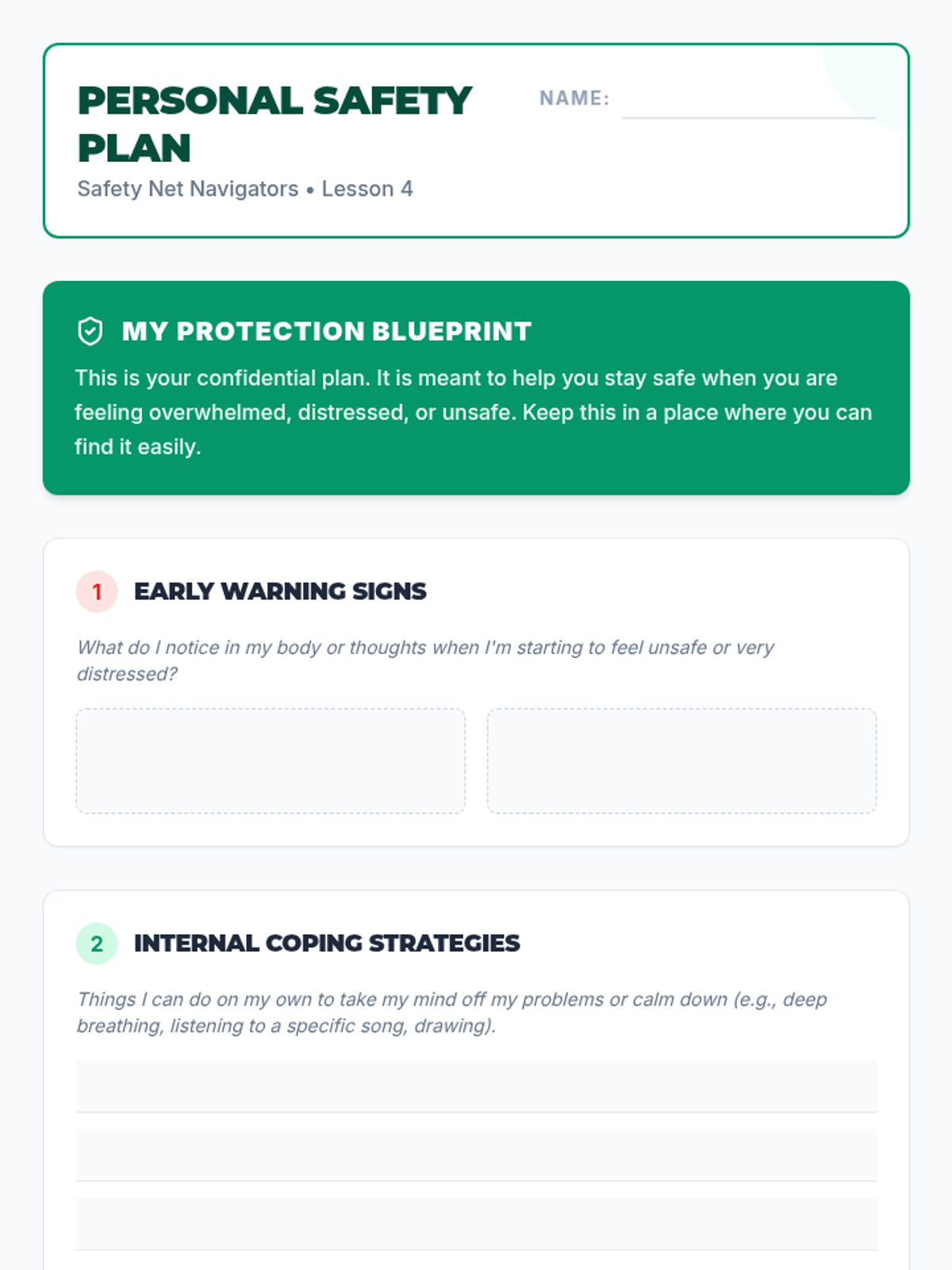
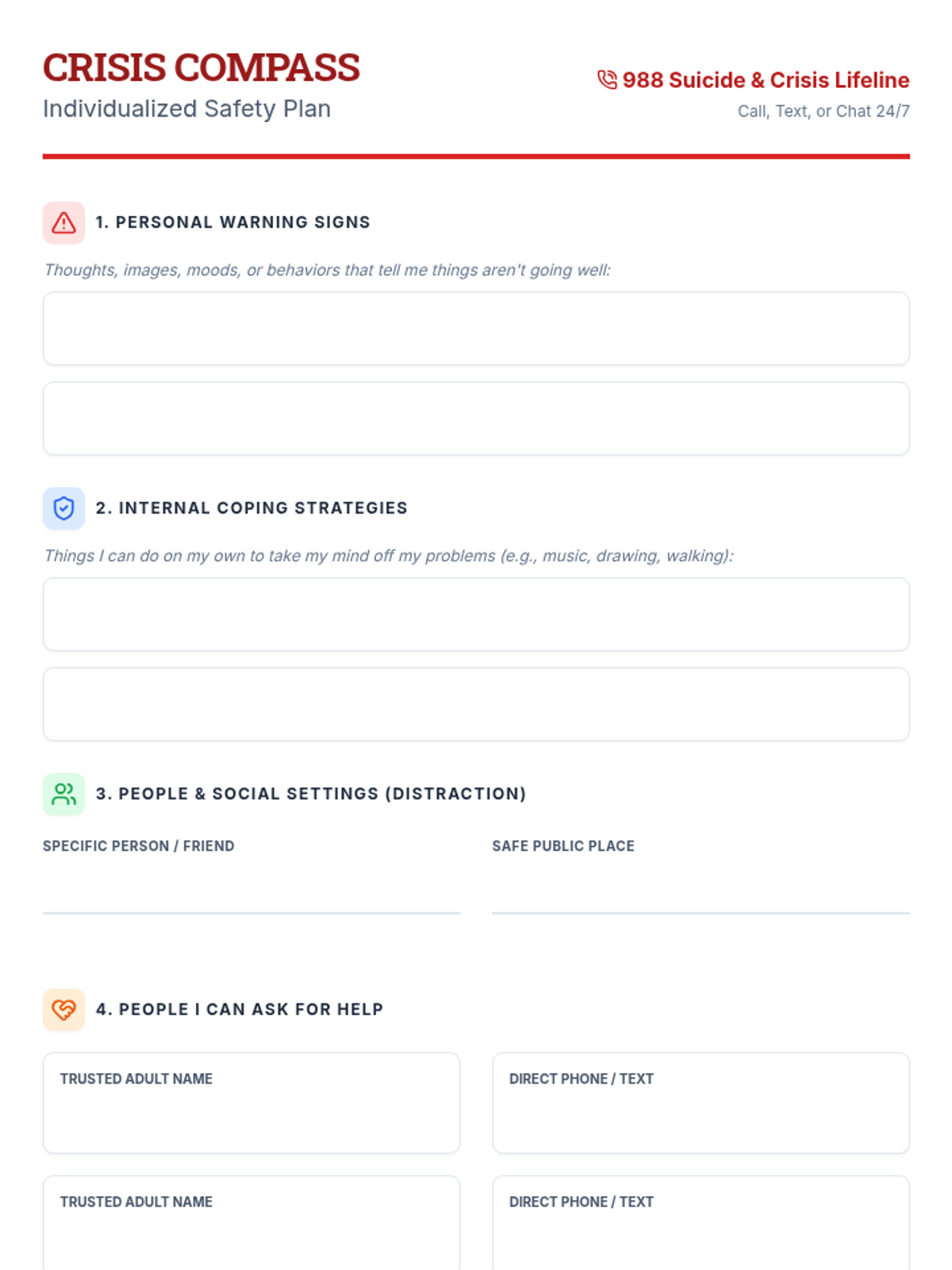
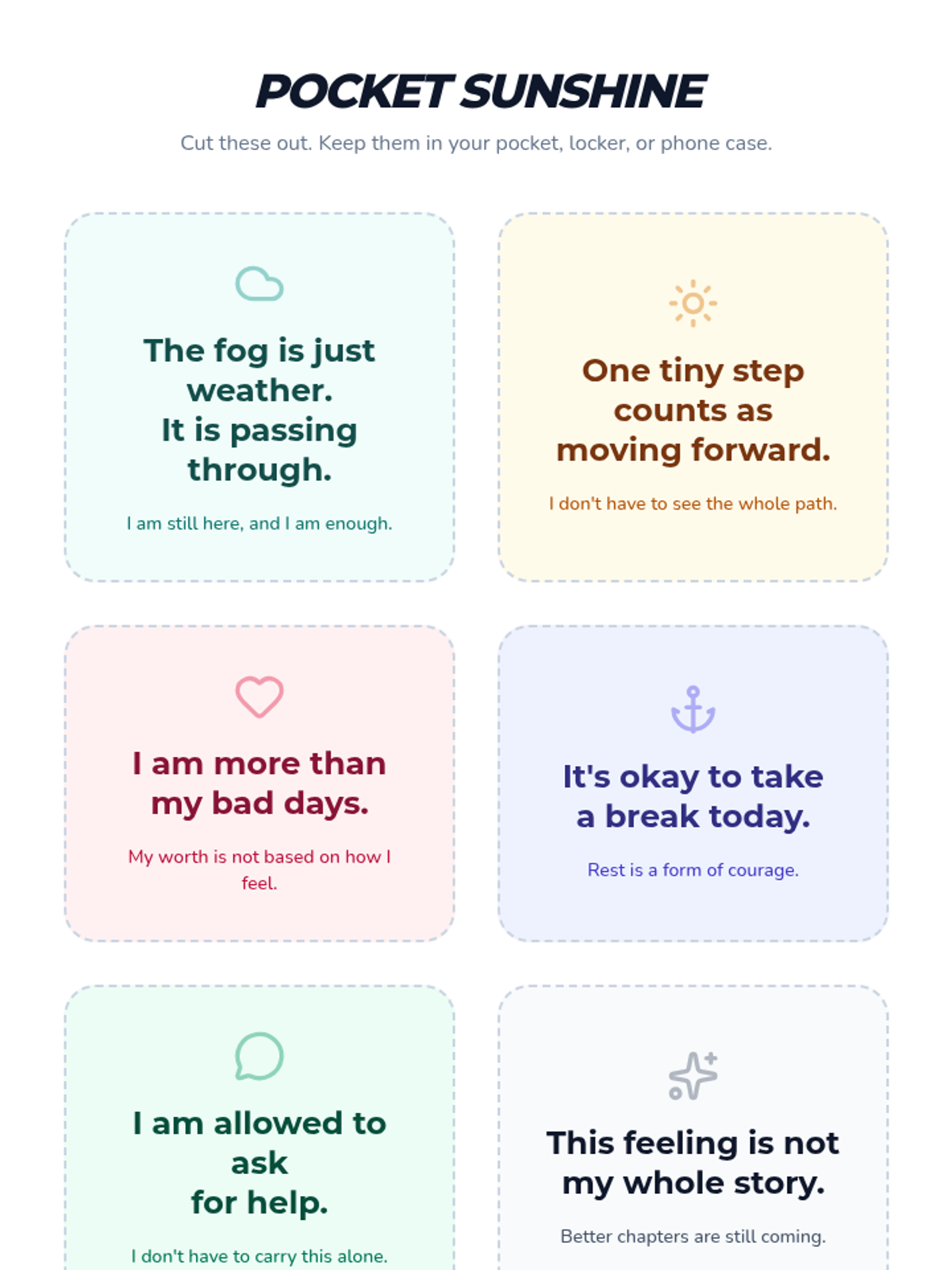
Students create personal safety plans and coping cards that list their specific trusted adults and self-regulation skills.
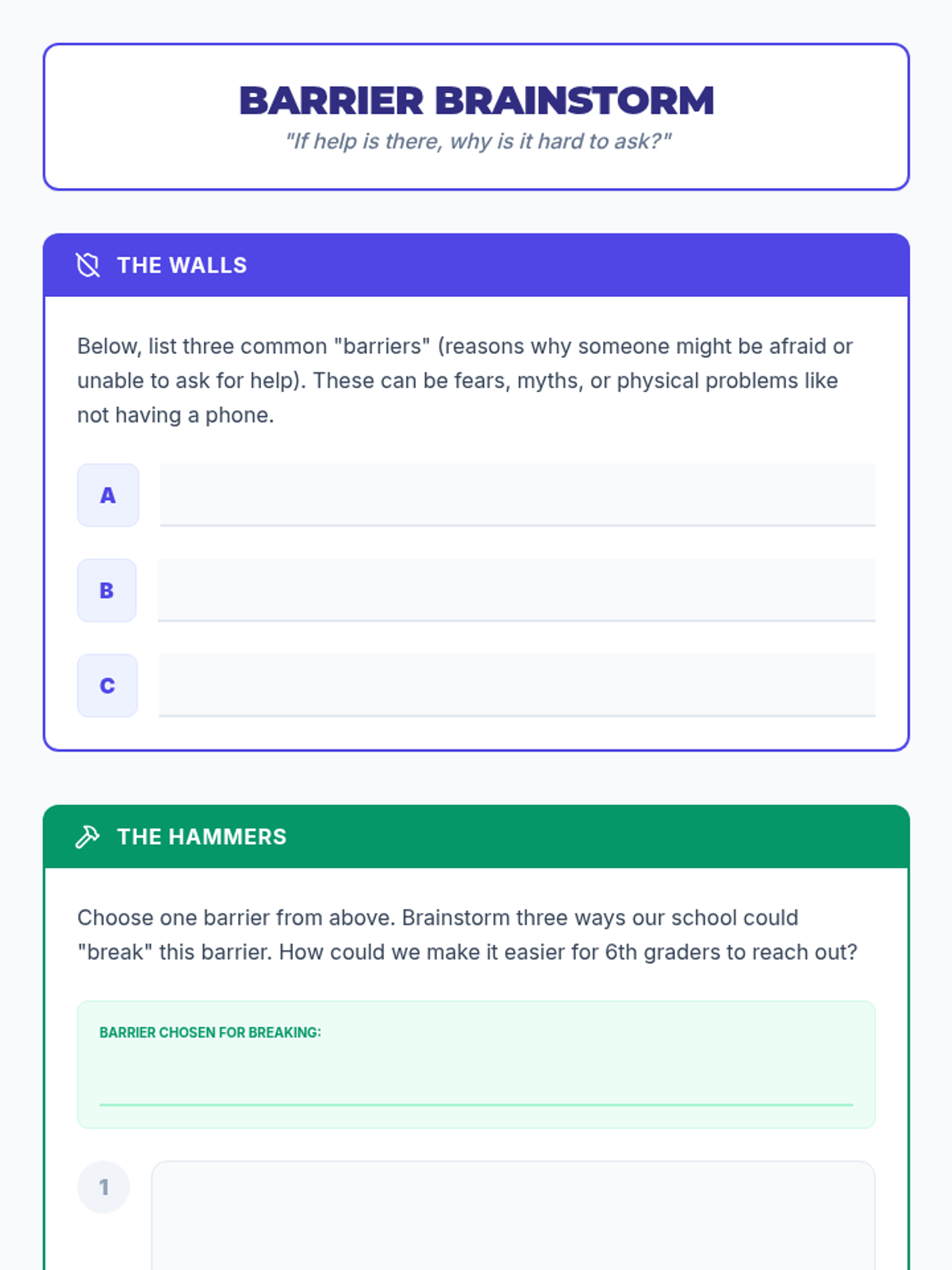
Students identify common barriers to seeking help and brainstorm cultural solutions to make asking for help easier.
Students learn about the 988 Suicide & Crisis Lifeline and the Crisis Text Line, ensuring they know help is available 24/7.
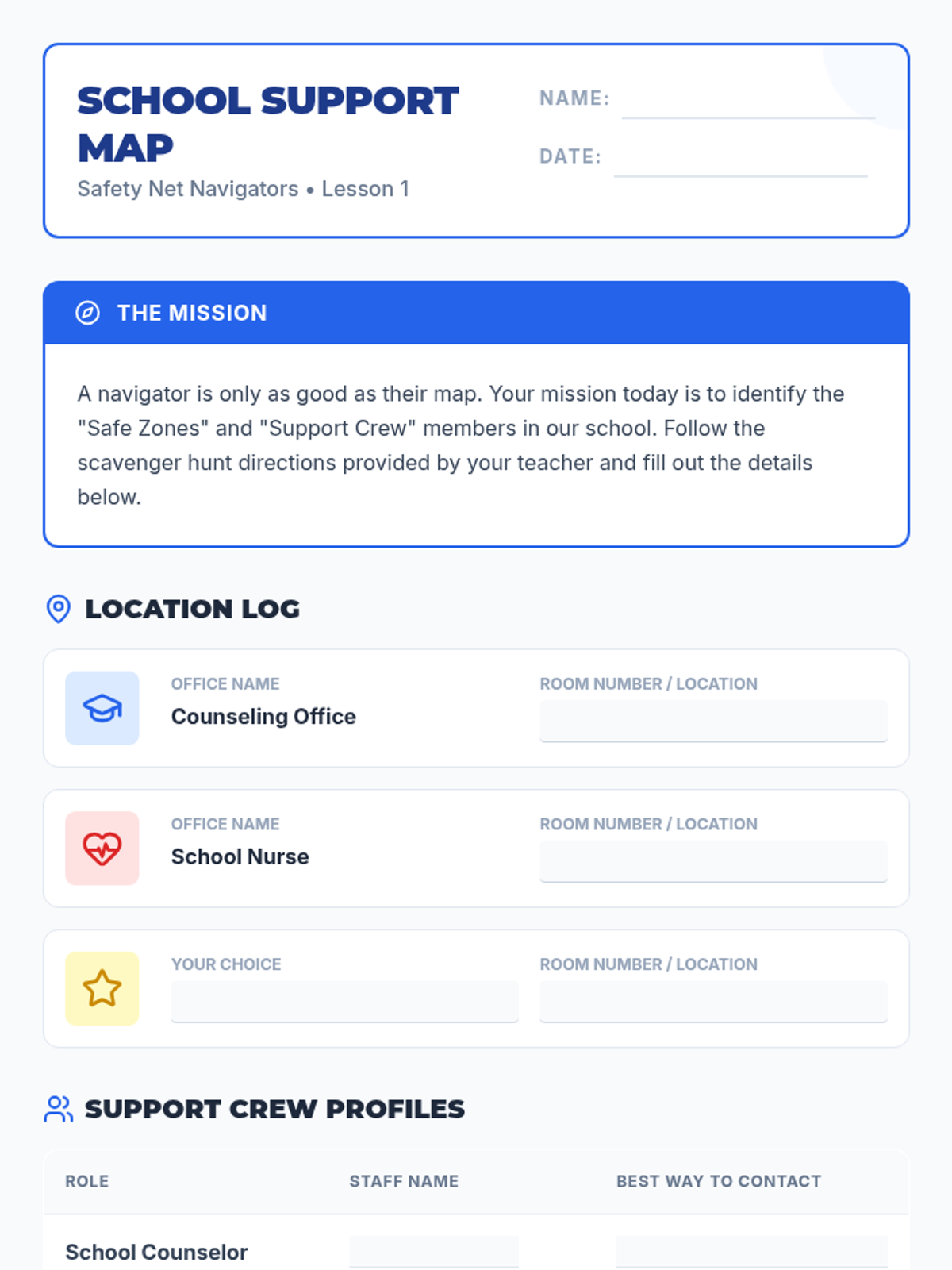
Students physically or virtually map out where support is located in their school building and identify the roles of support staff.
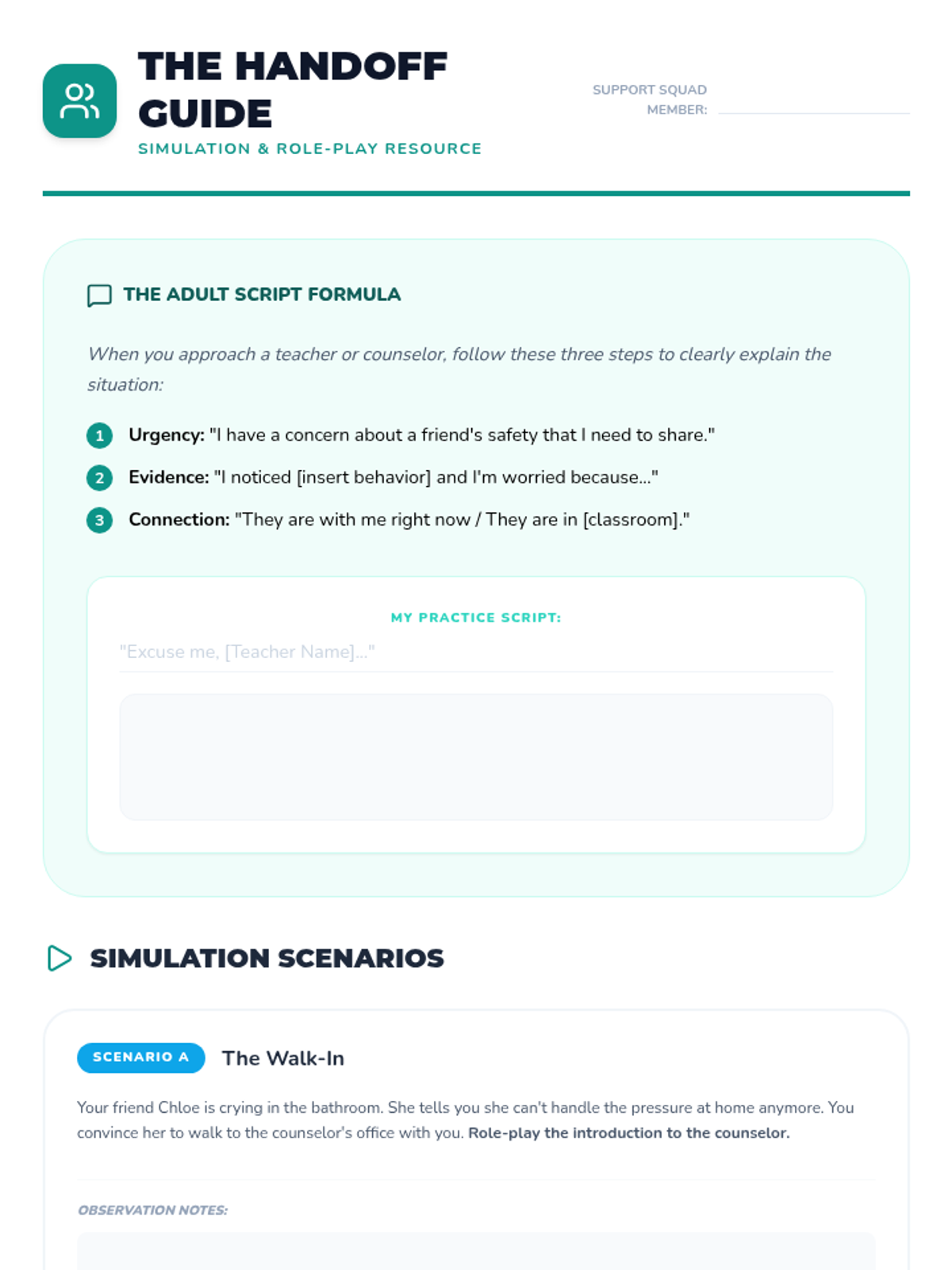
Students simulate the actual process of going to a guidance counselor or teacher with a friend (or on their behalf). They demystify what happens after the report is made.
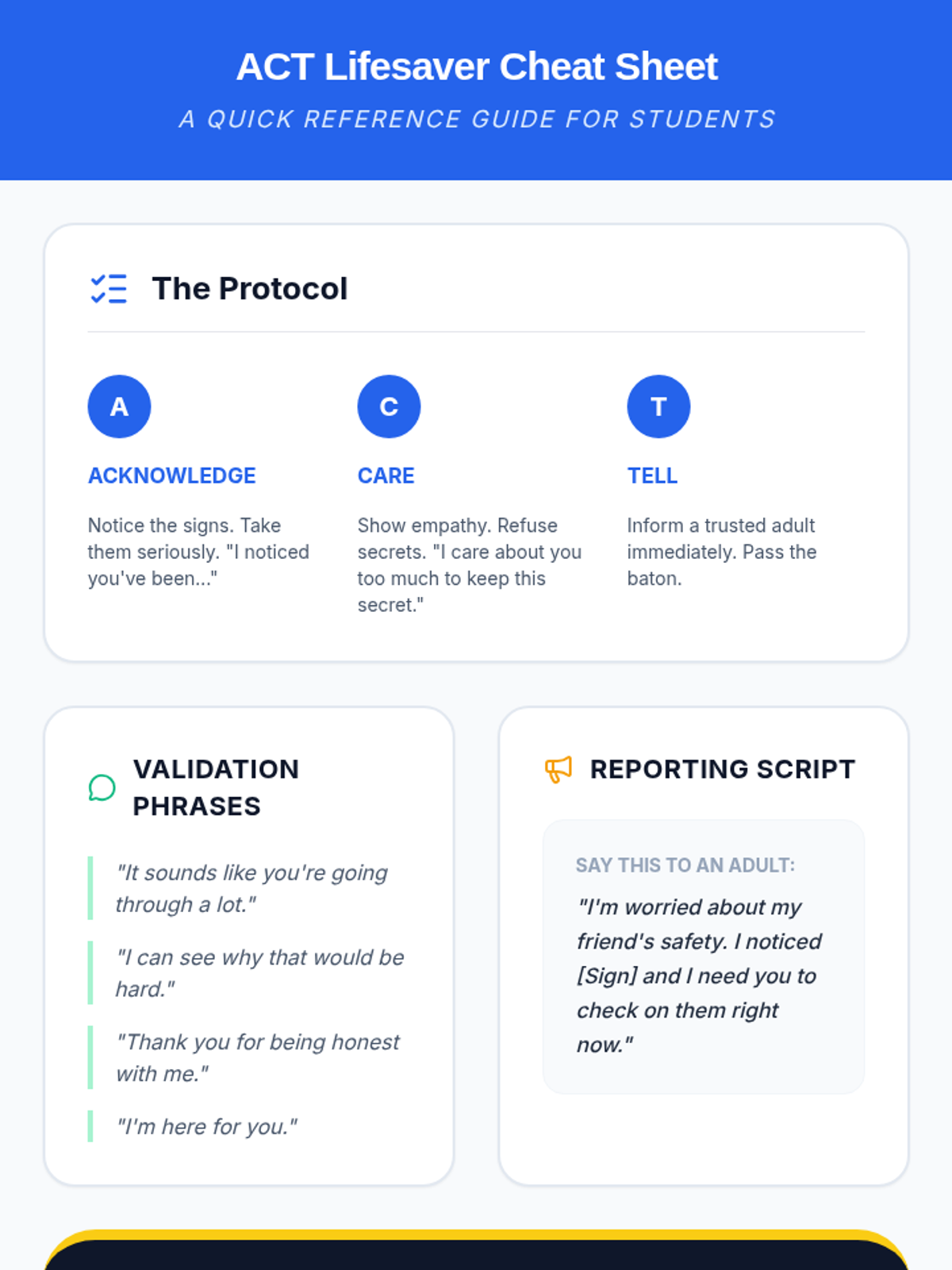
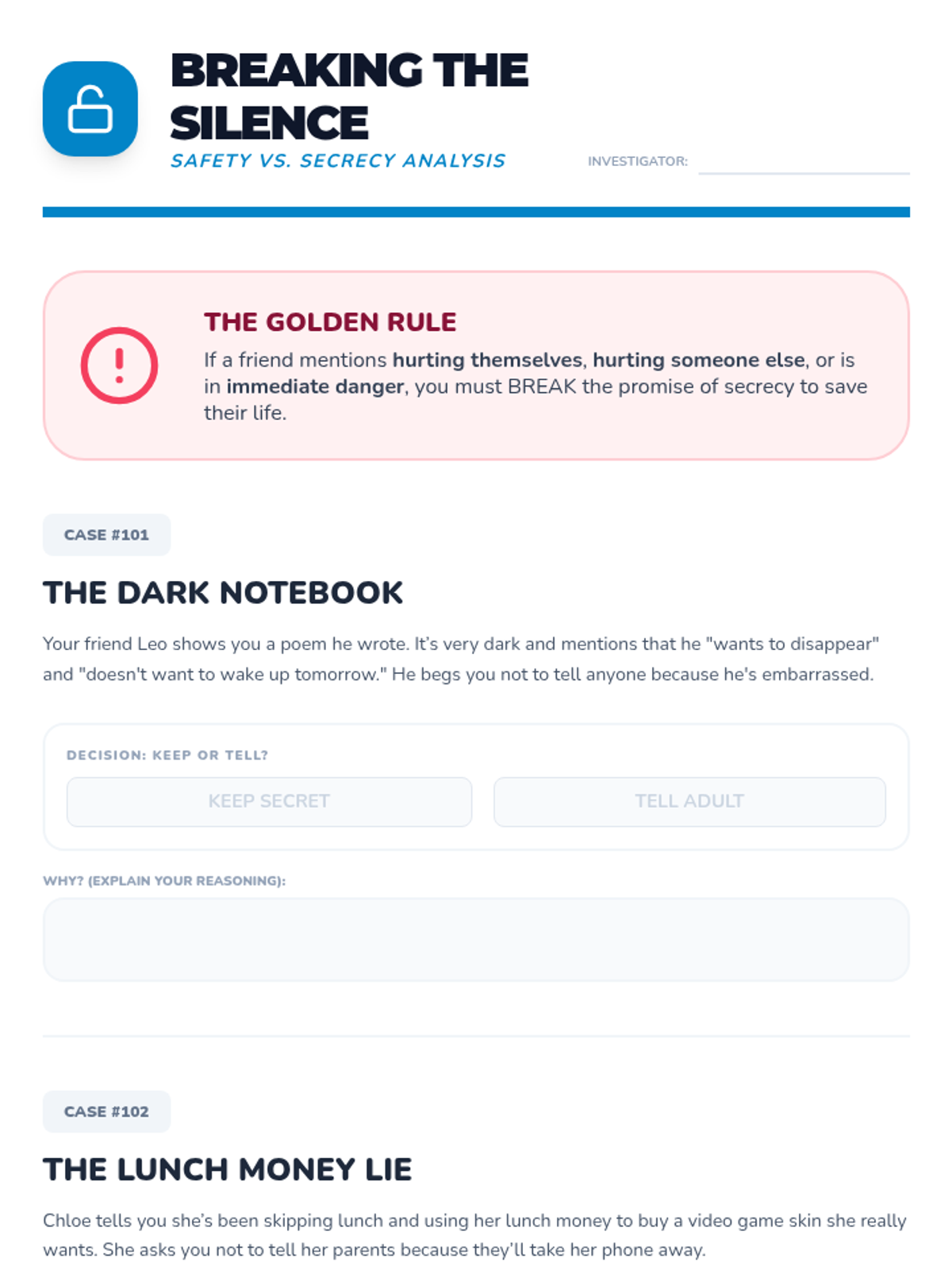
This critical lesson addresses the 'Tell' step. Students practice the transition phrase: 'I care about you too much to keep this a secret.' They discuss why safety overrides promises of secrecy.
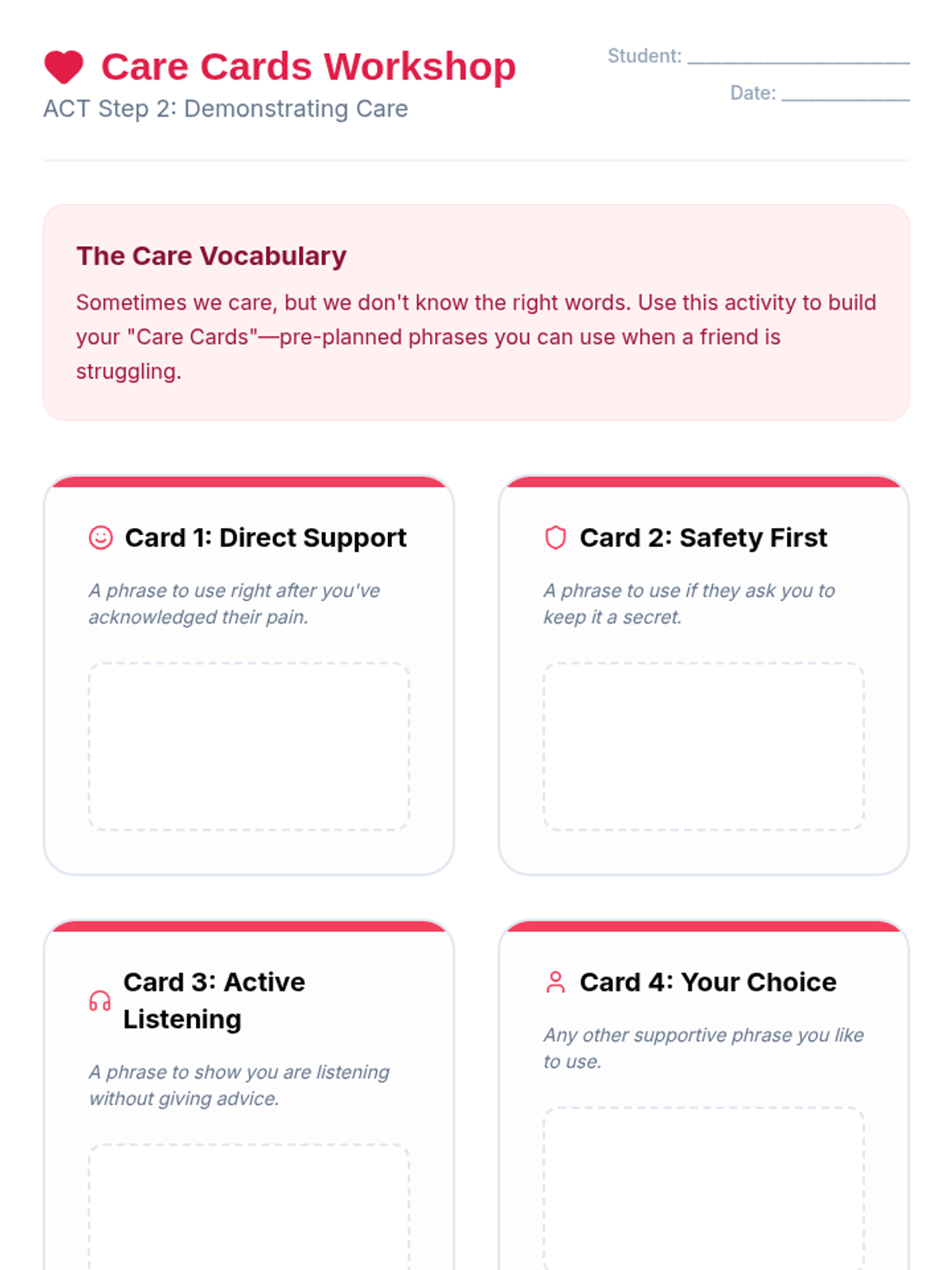
Focusing on the 'Care' part of ACT, students practice listening without interrupting or offering immediate advice. They learn validating phrases that help a distressed peer feel heard.
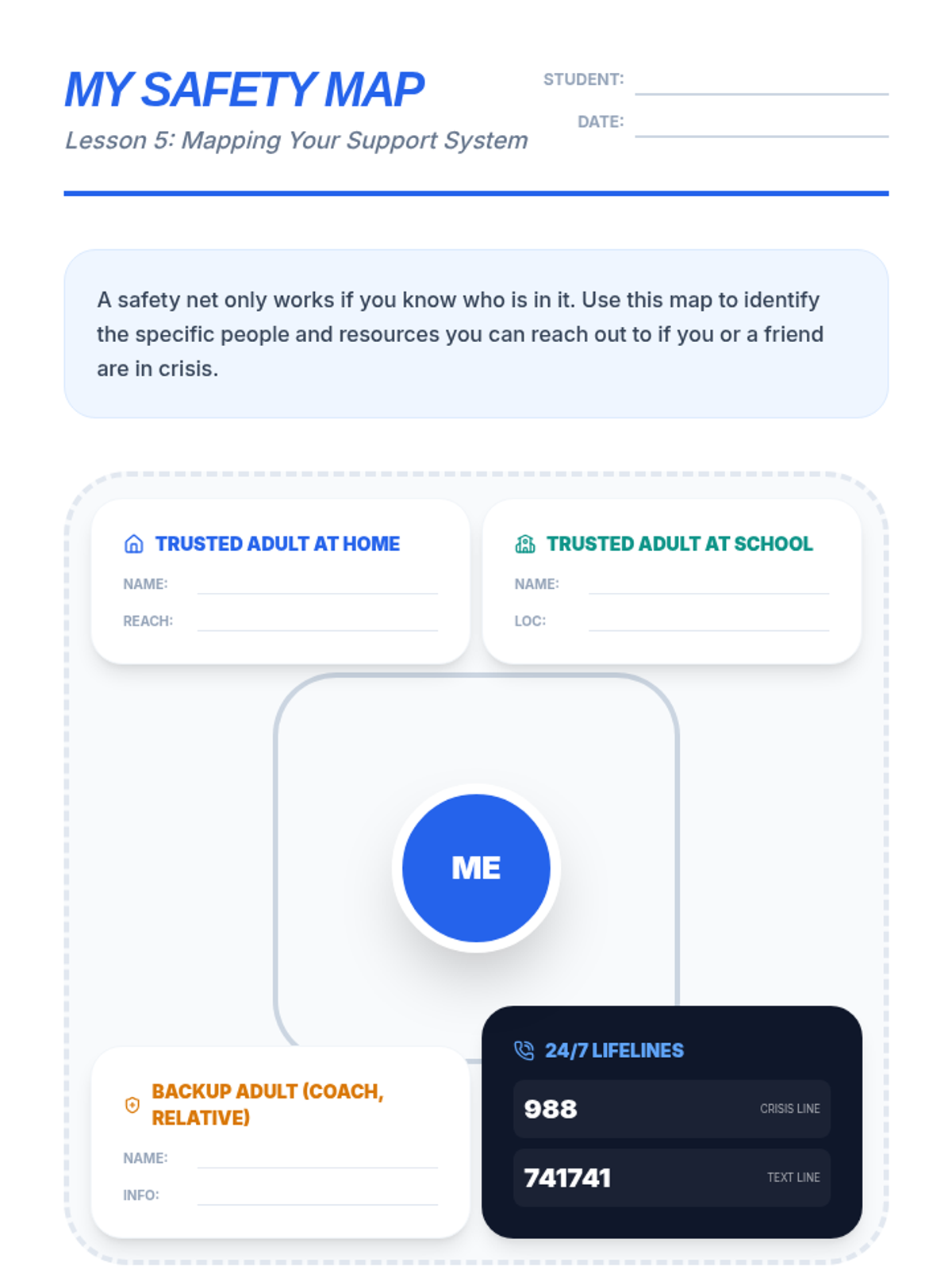
Students identify specific trusted adults and community resources, creating a personal safety map and 'Lifeline' contact list.
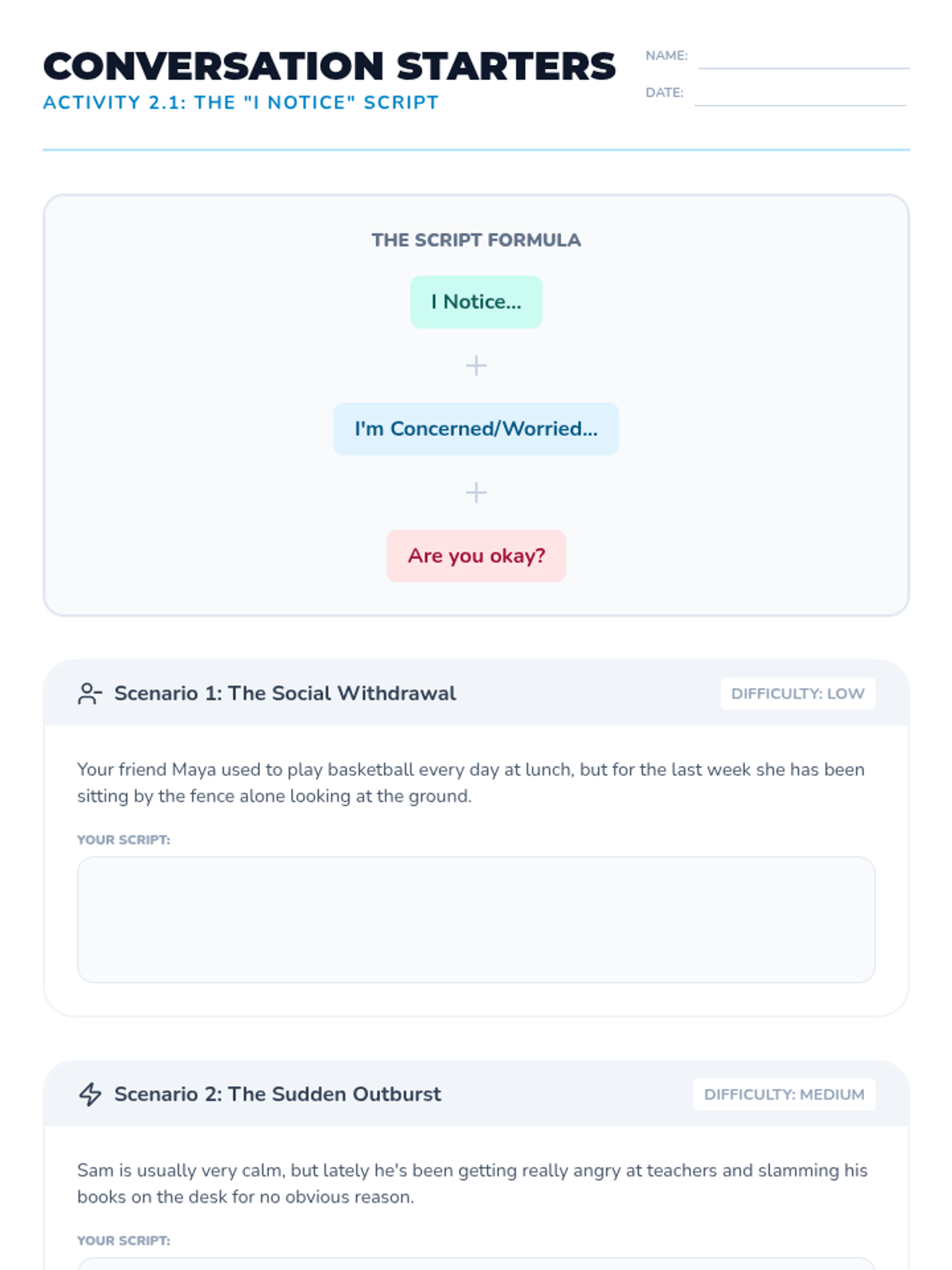
Students practice 'I notice' statements to open conversations without sounding accusatory. They role-play low-stakes scenarios to get comfortable asking 'Are you okay?' effectively.
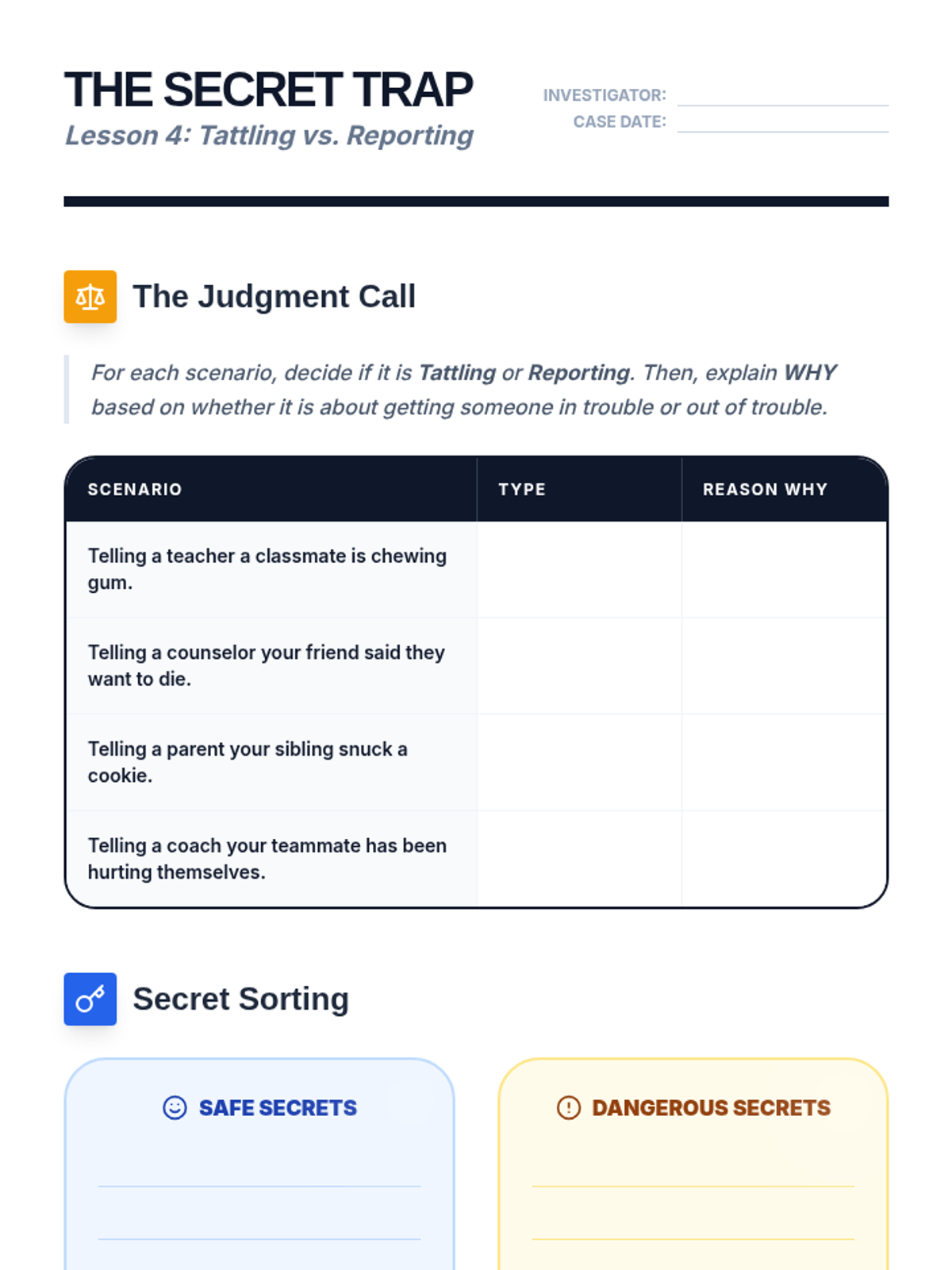
Dismantles the 'snitching' stigma by differentiating between tattling (getting someone in trouble) and reporting (getting someone out of trouble).
Introduces the Acknowledge, Care, Tell framework to help students validate peer feelings and bridge them to professional help.
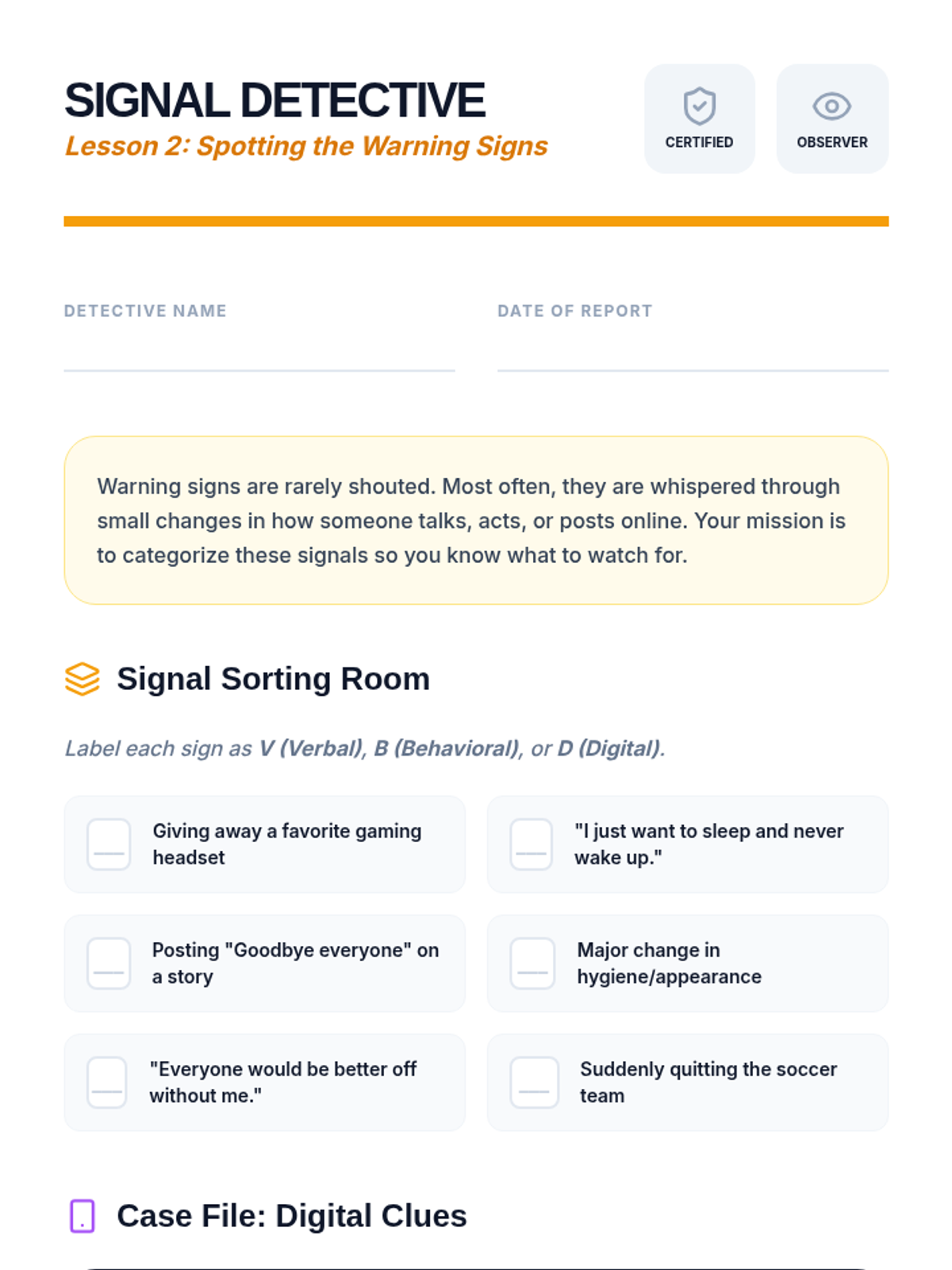
Focuses on recognizing verbal and behavioral red flags, including digital cues on social media, emphasizing that these signs require adult support.
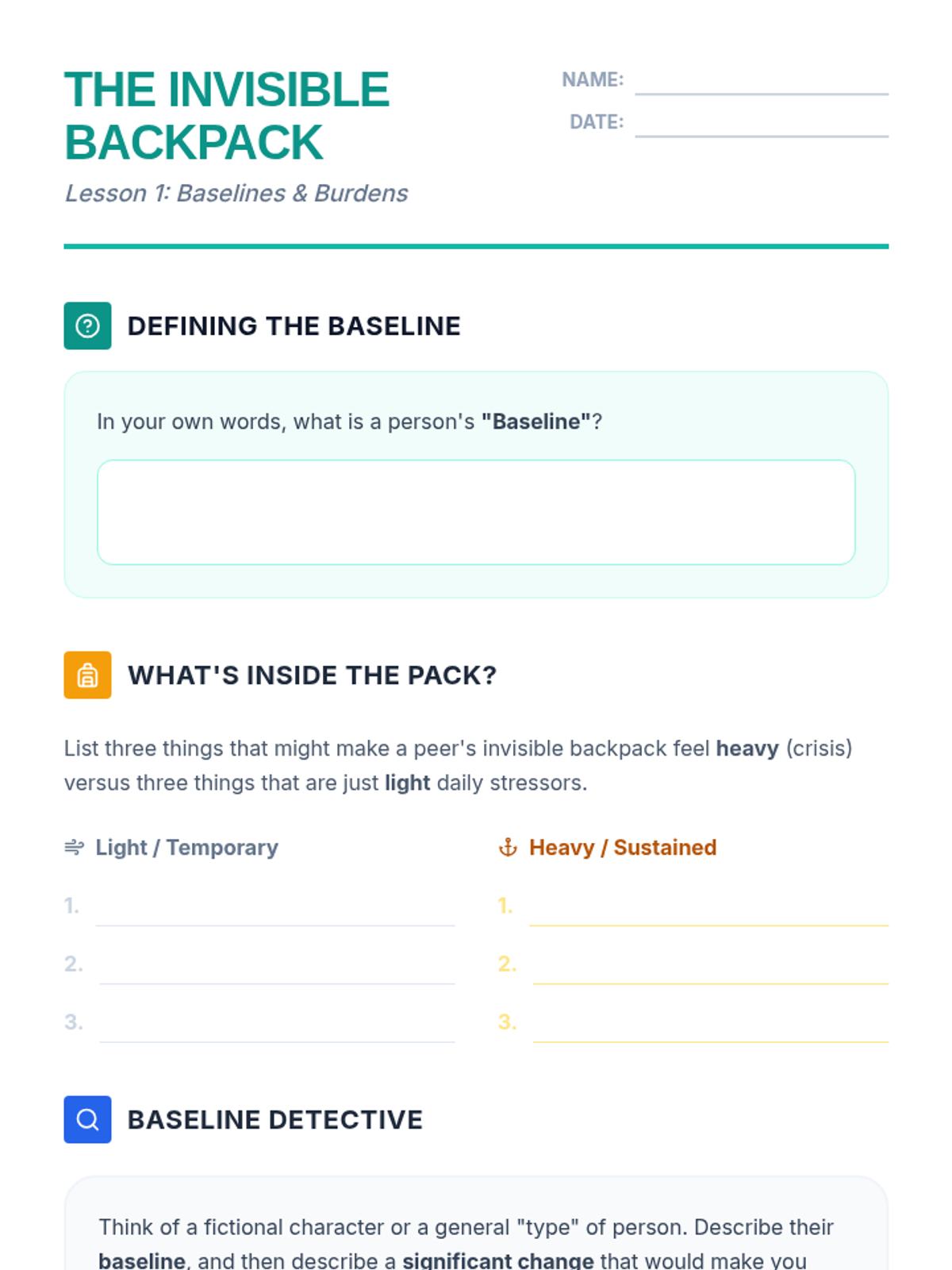
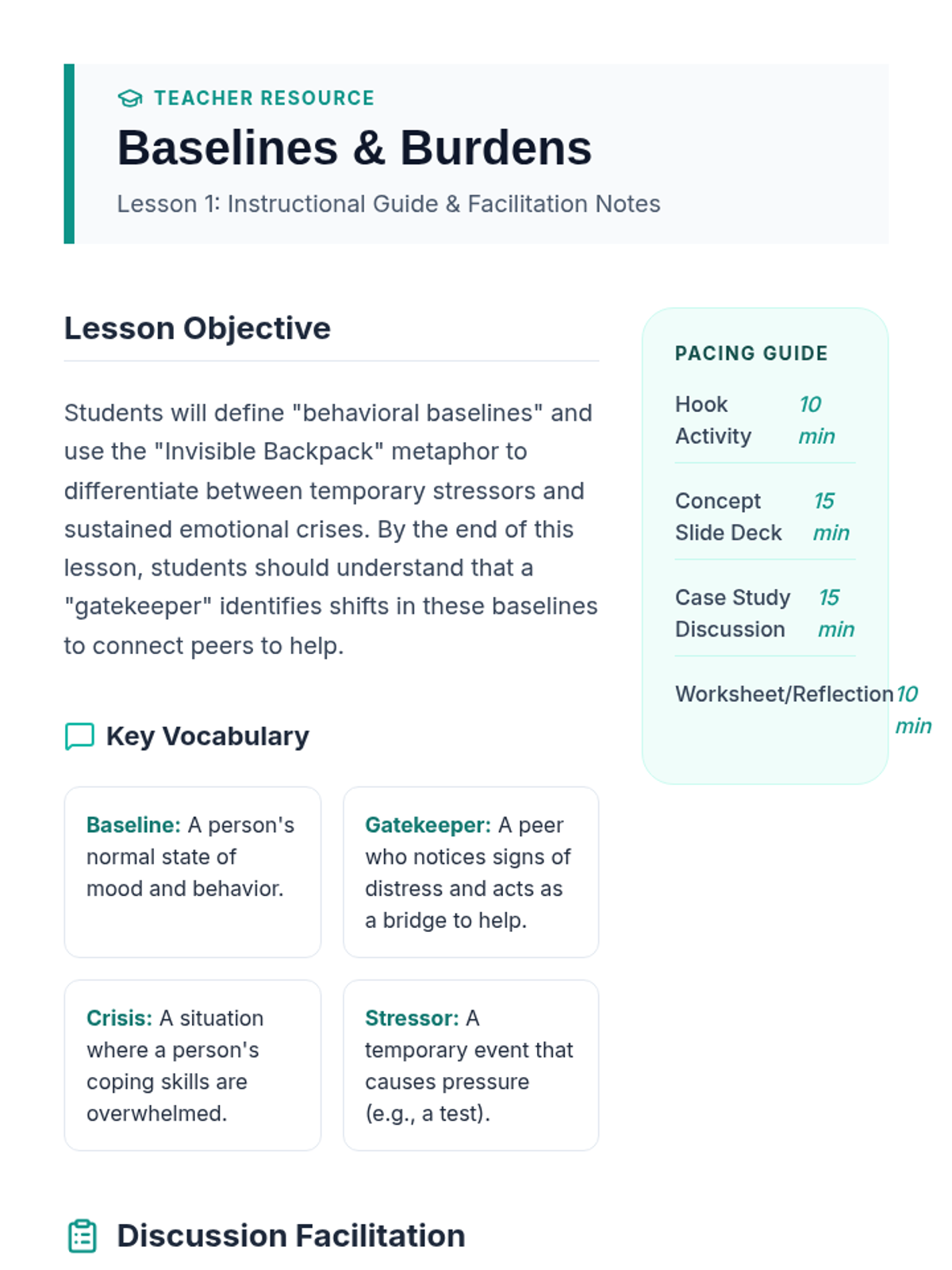
Students explore emotional baselines to identify significant behavioral changes, using the 'Invisible Backpack' metaphor to understand hidden burdens.
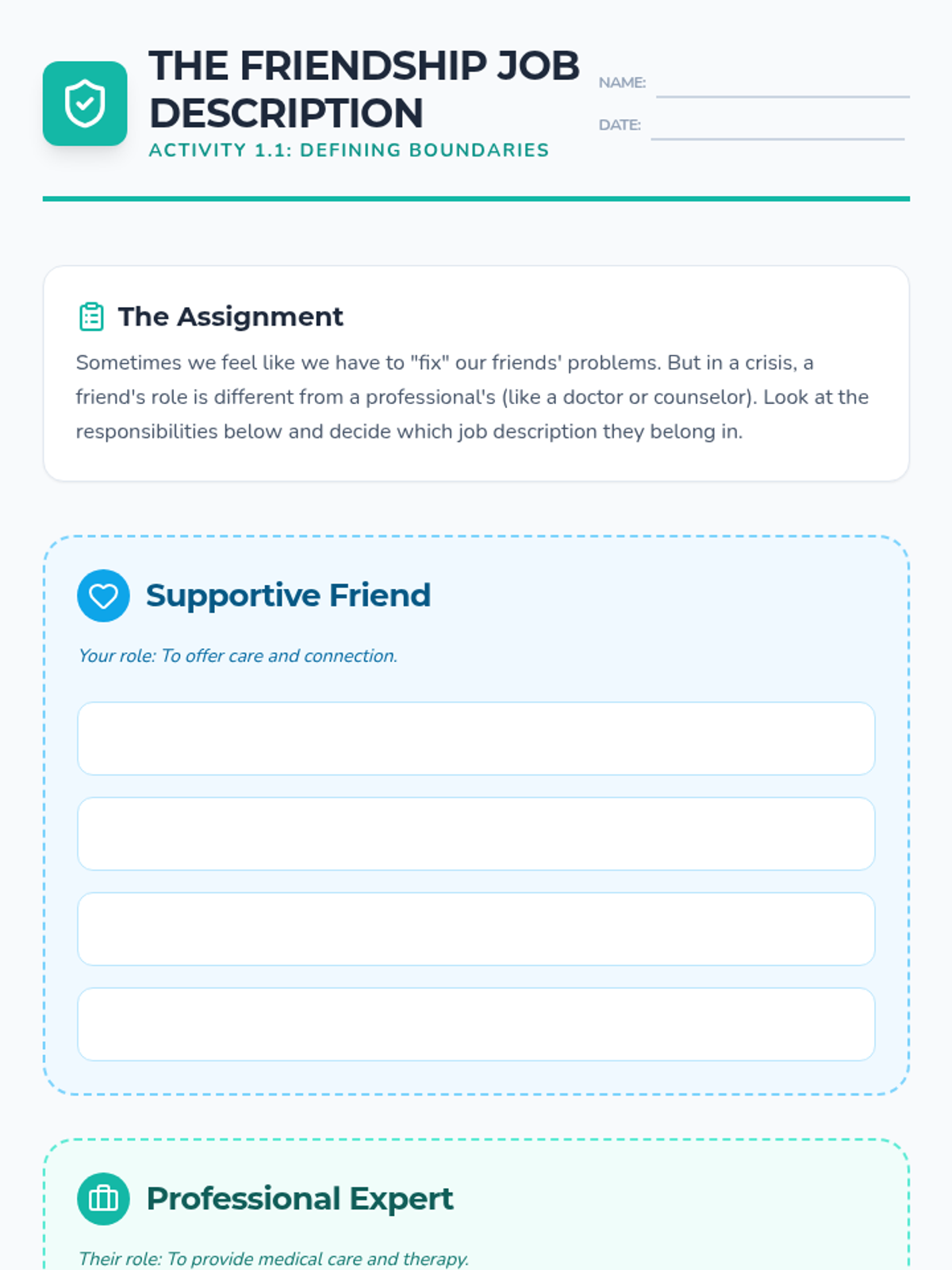
Students clearly define the boundaries of their role as a friend versus a professional. They learn that their job is to connect friends to help, not to solve the problem themselves.
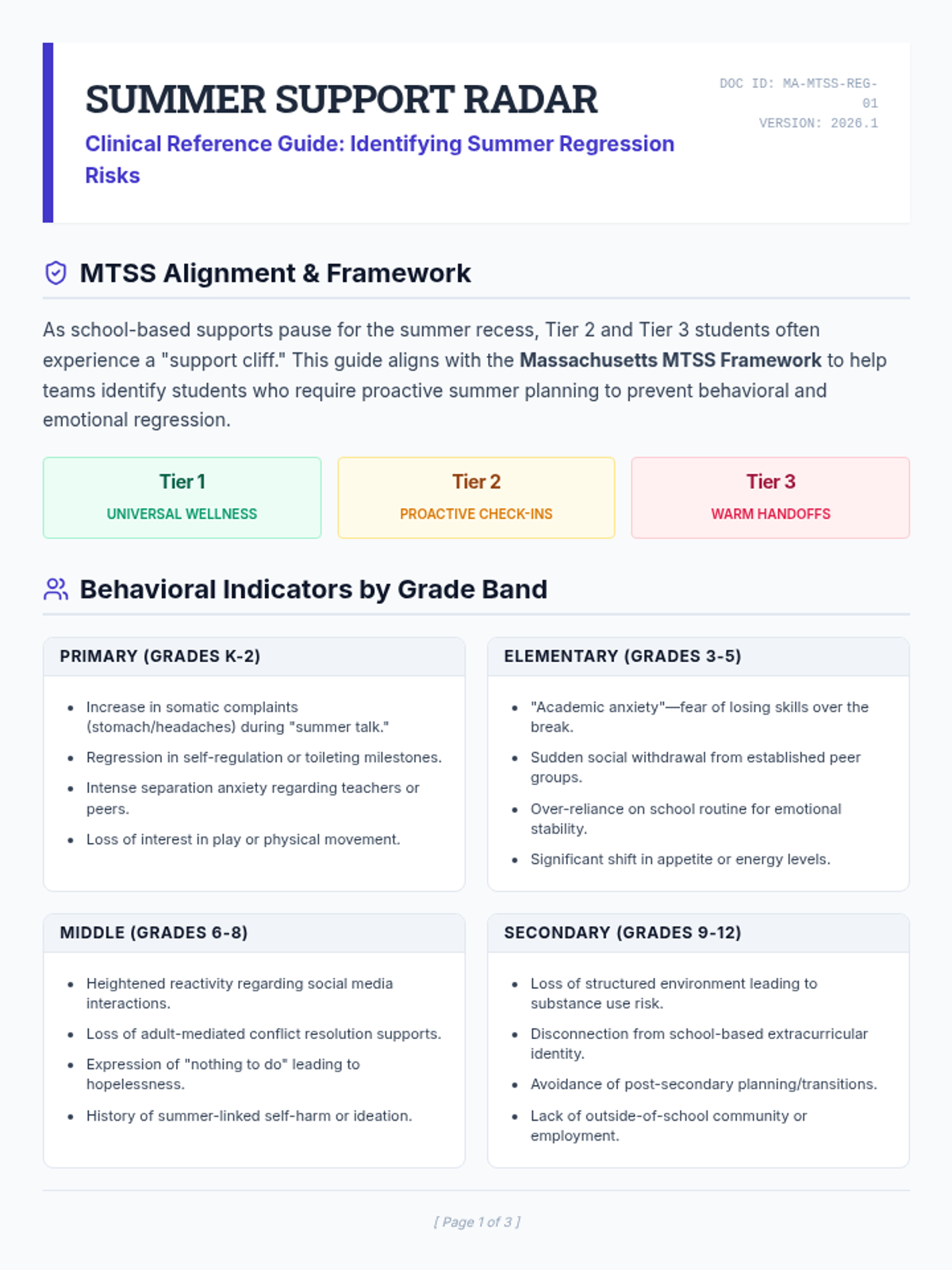
A professional toolkit for school counselors and educators to identify K-12 students at risk of mental health regression during summer break, including triage frameworks and handoff documentation.
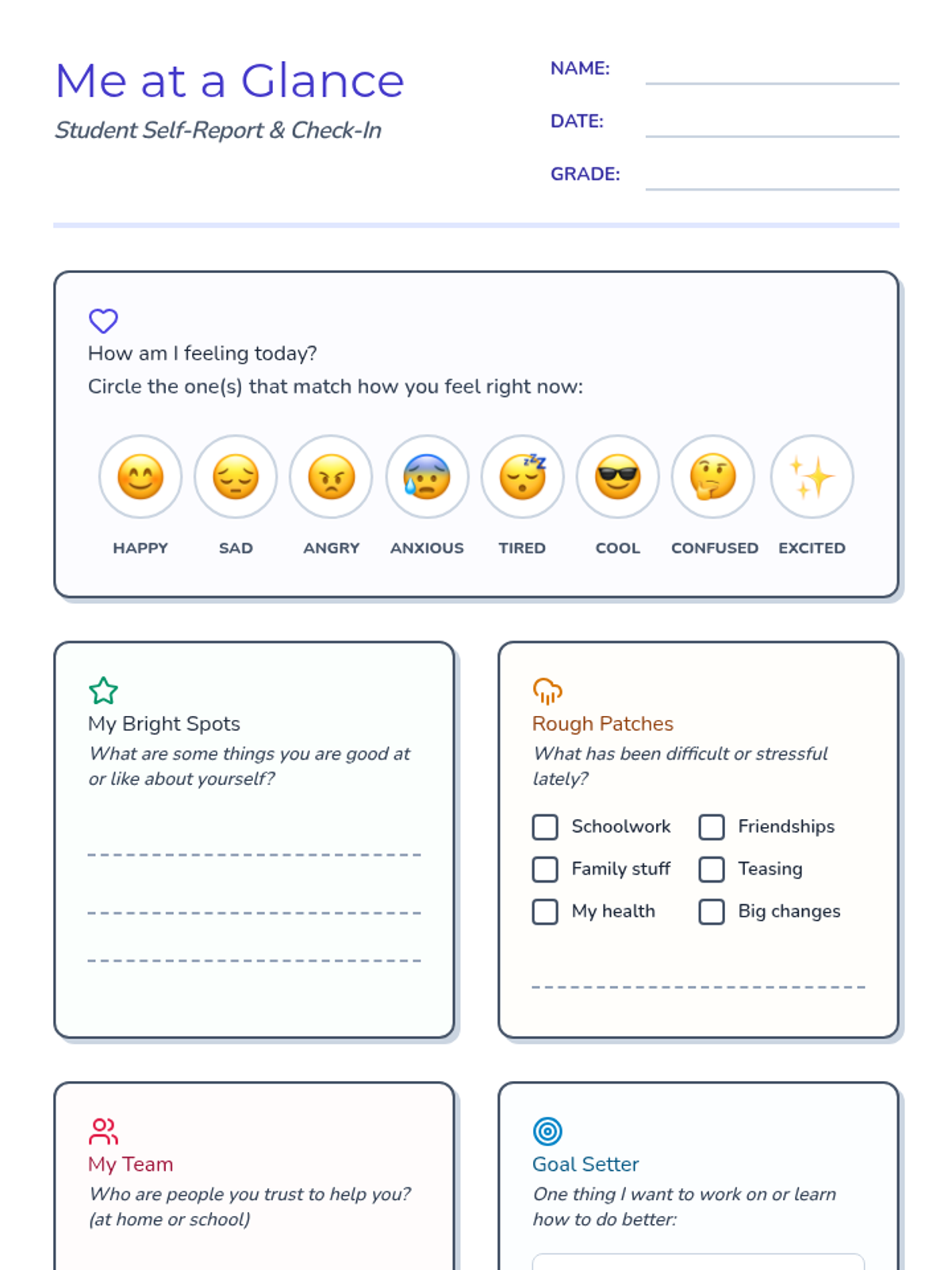
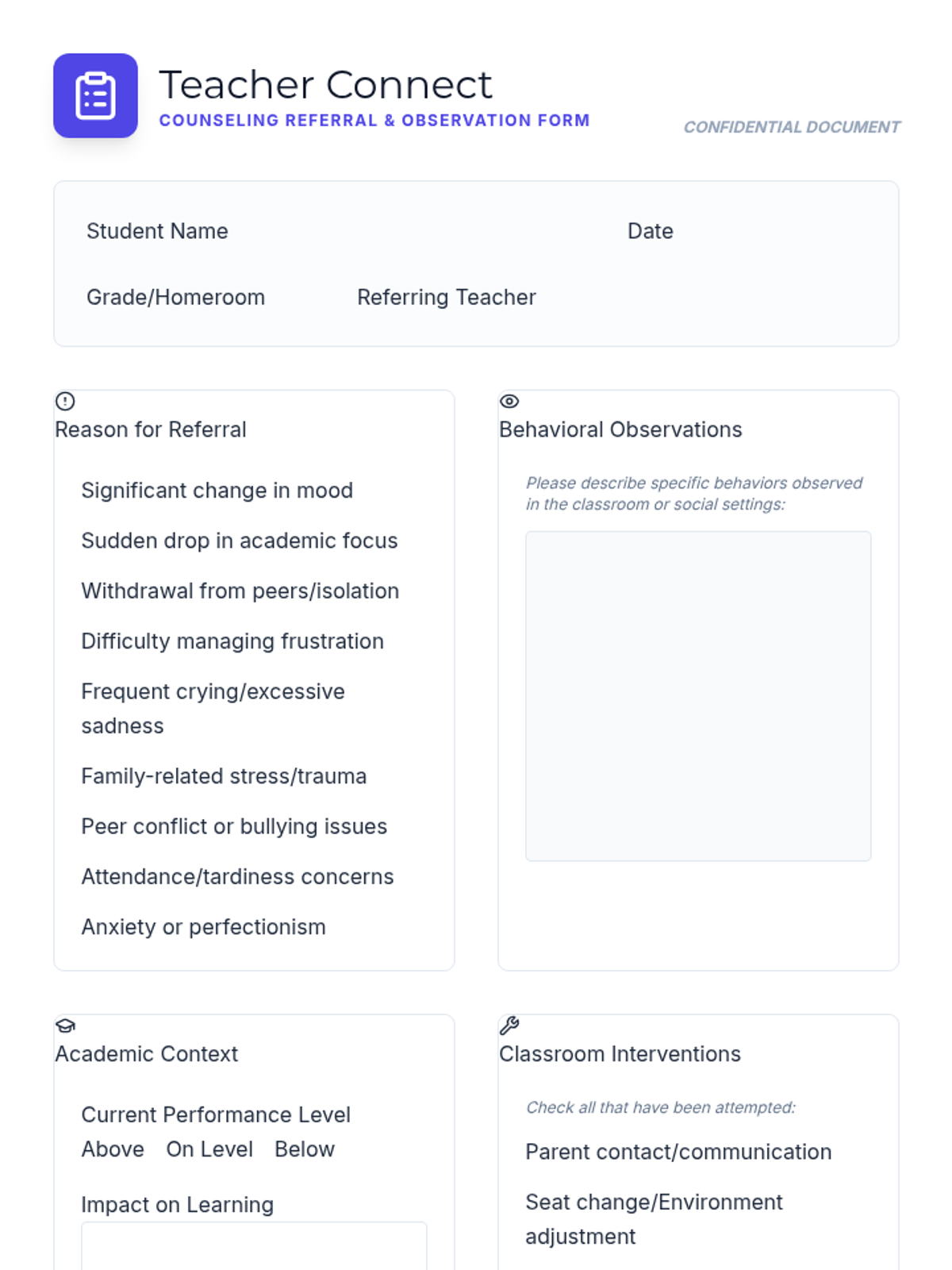
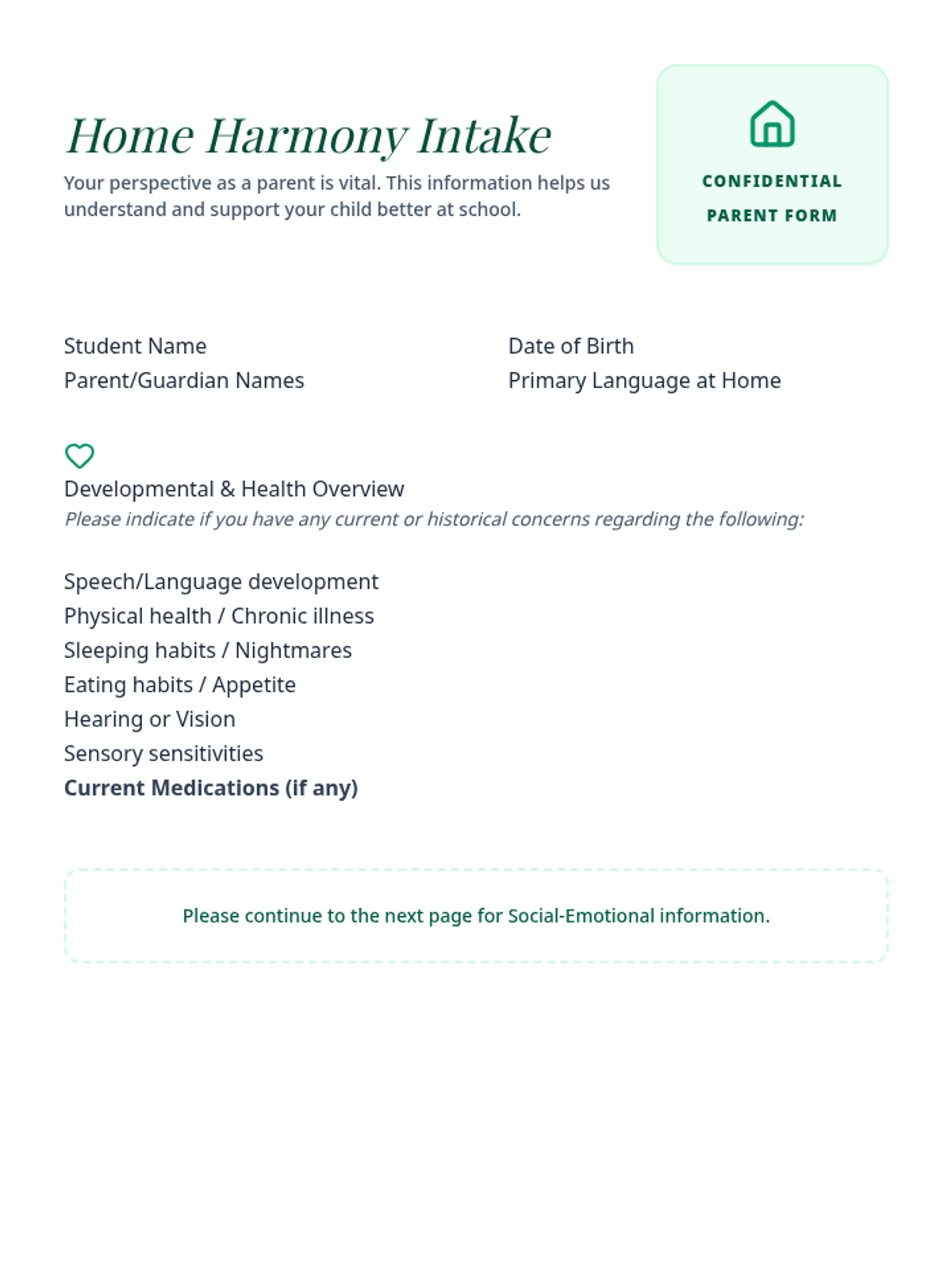
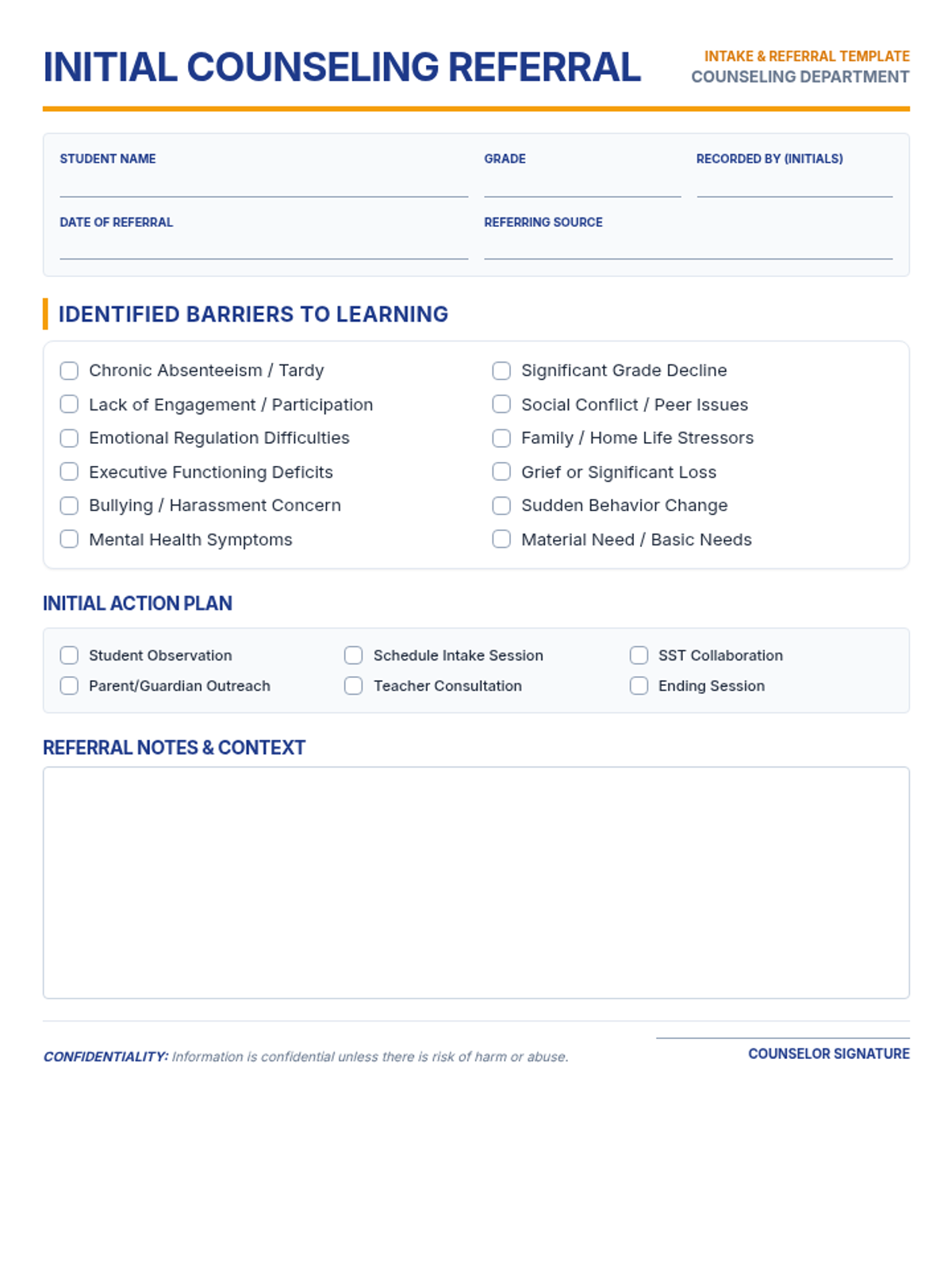
A collection of intake and referral forms for school counseling programs, focused on building a holistic understanding of a student's social-emotional needs through student, teacher, and parent perspectives.
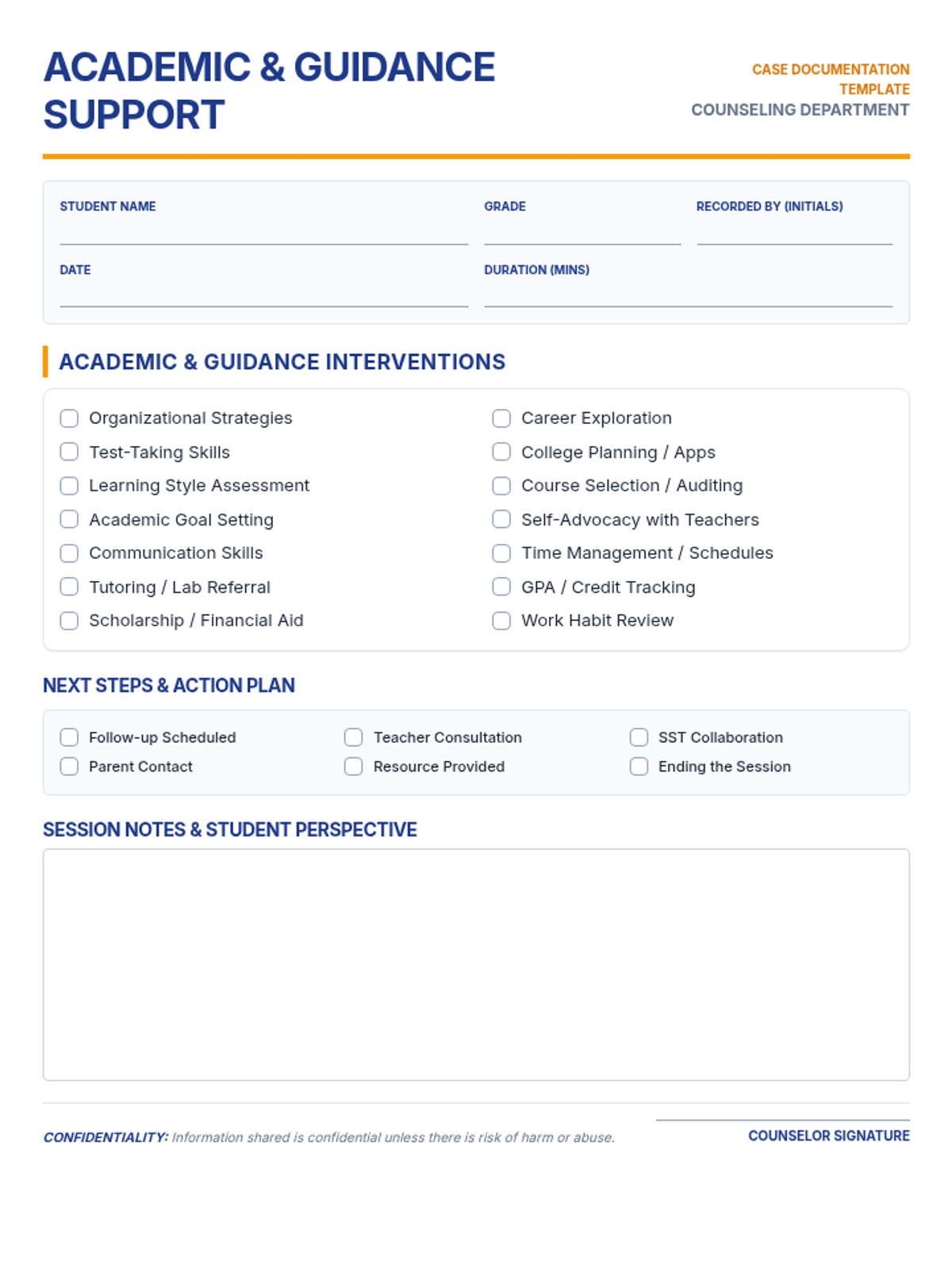
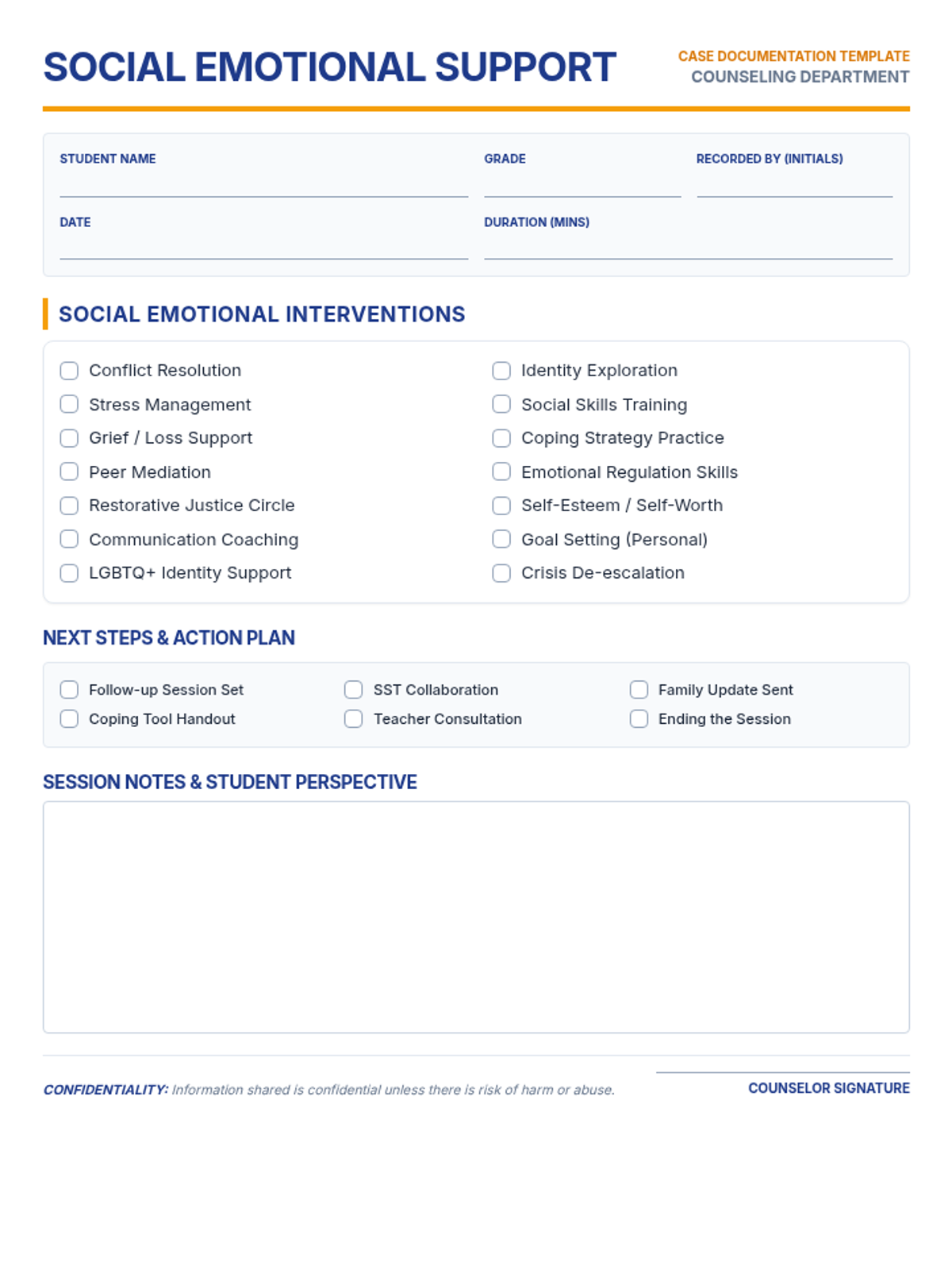
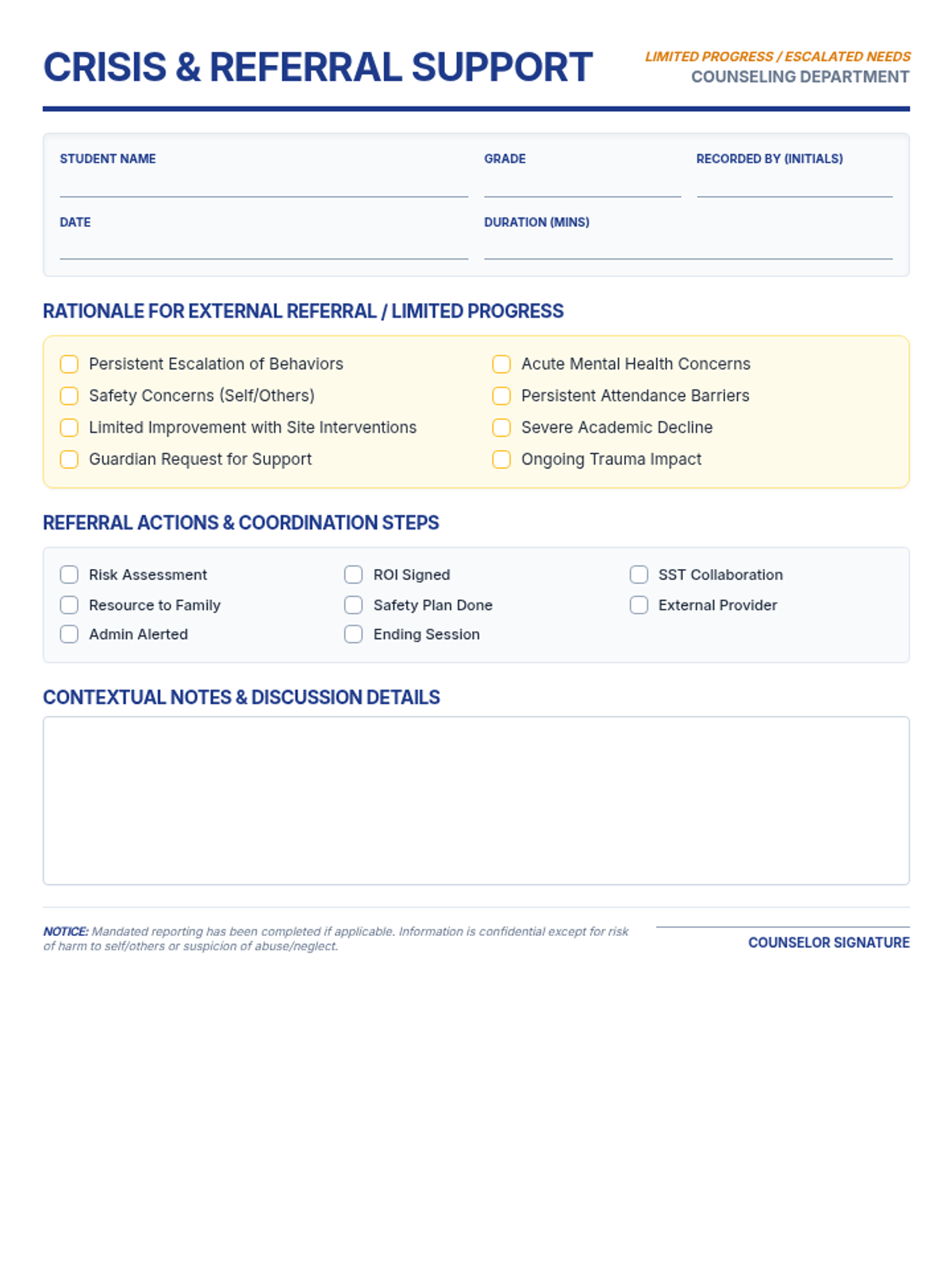
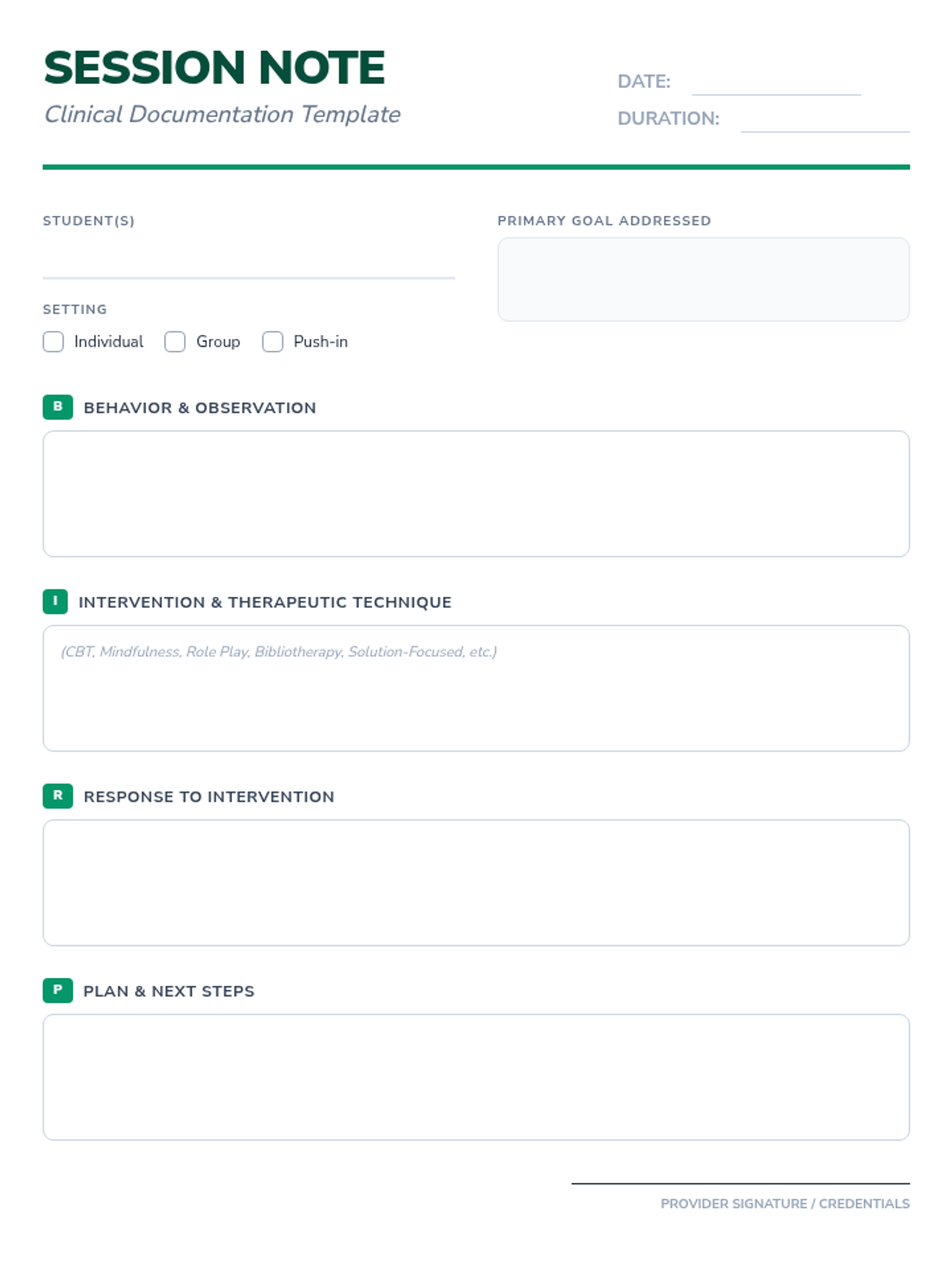
A suite of professional case note templates for school counselors, designed for efficiency and clarity in documenting student support sessions. These templates follow a blue and gold theme and utilize best-practice intervention checklists.
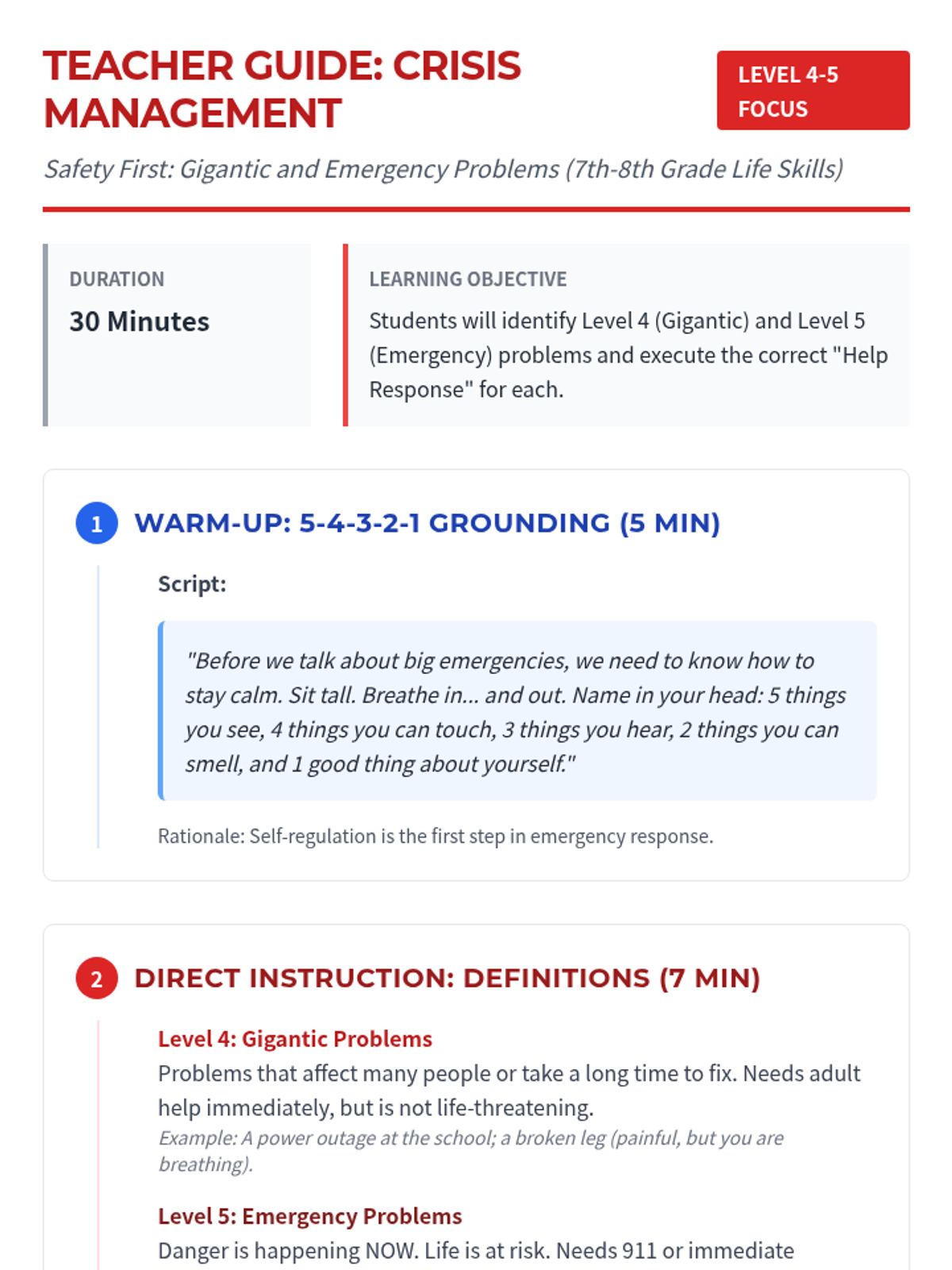
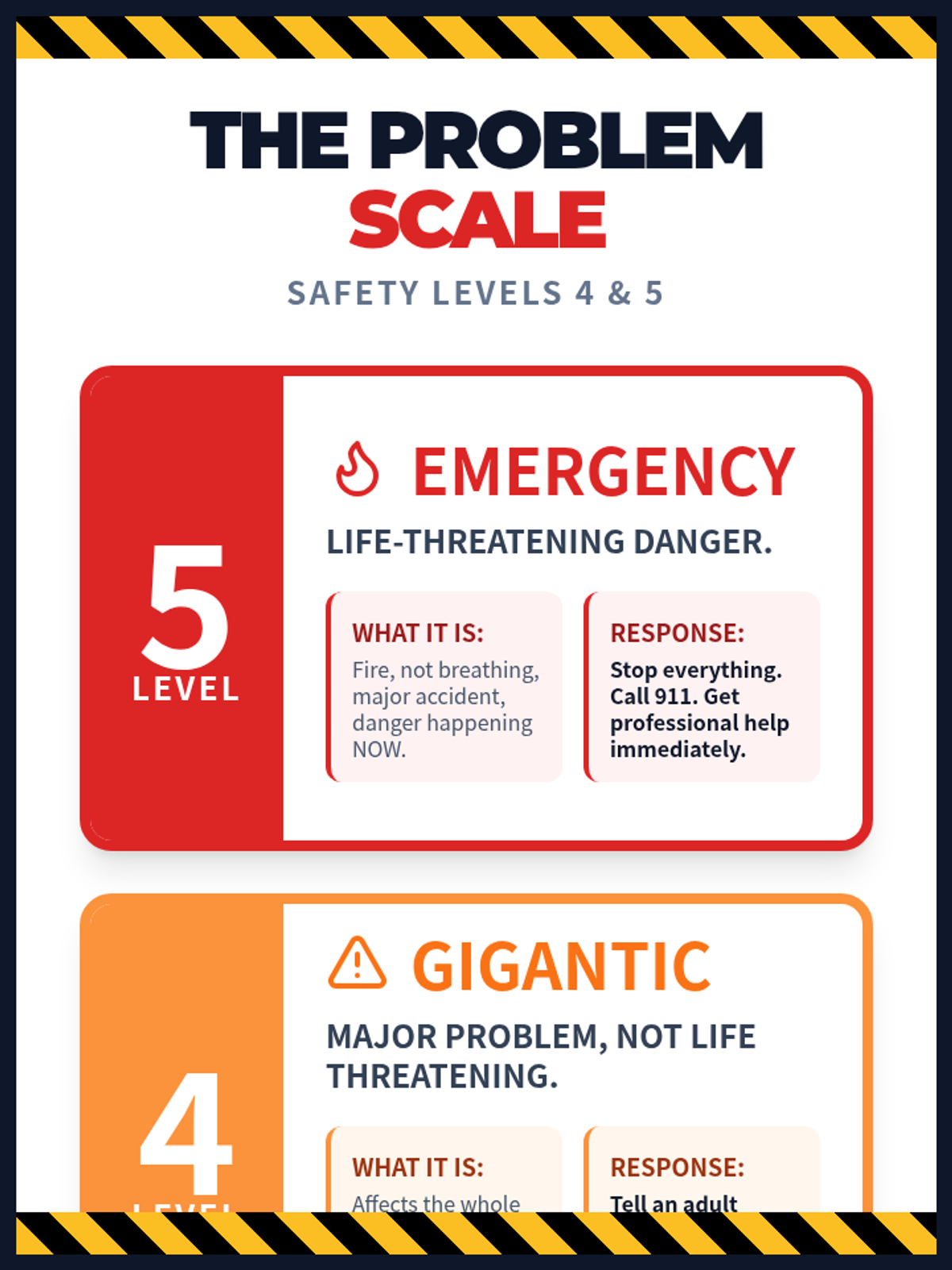
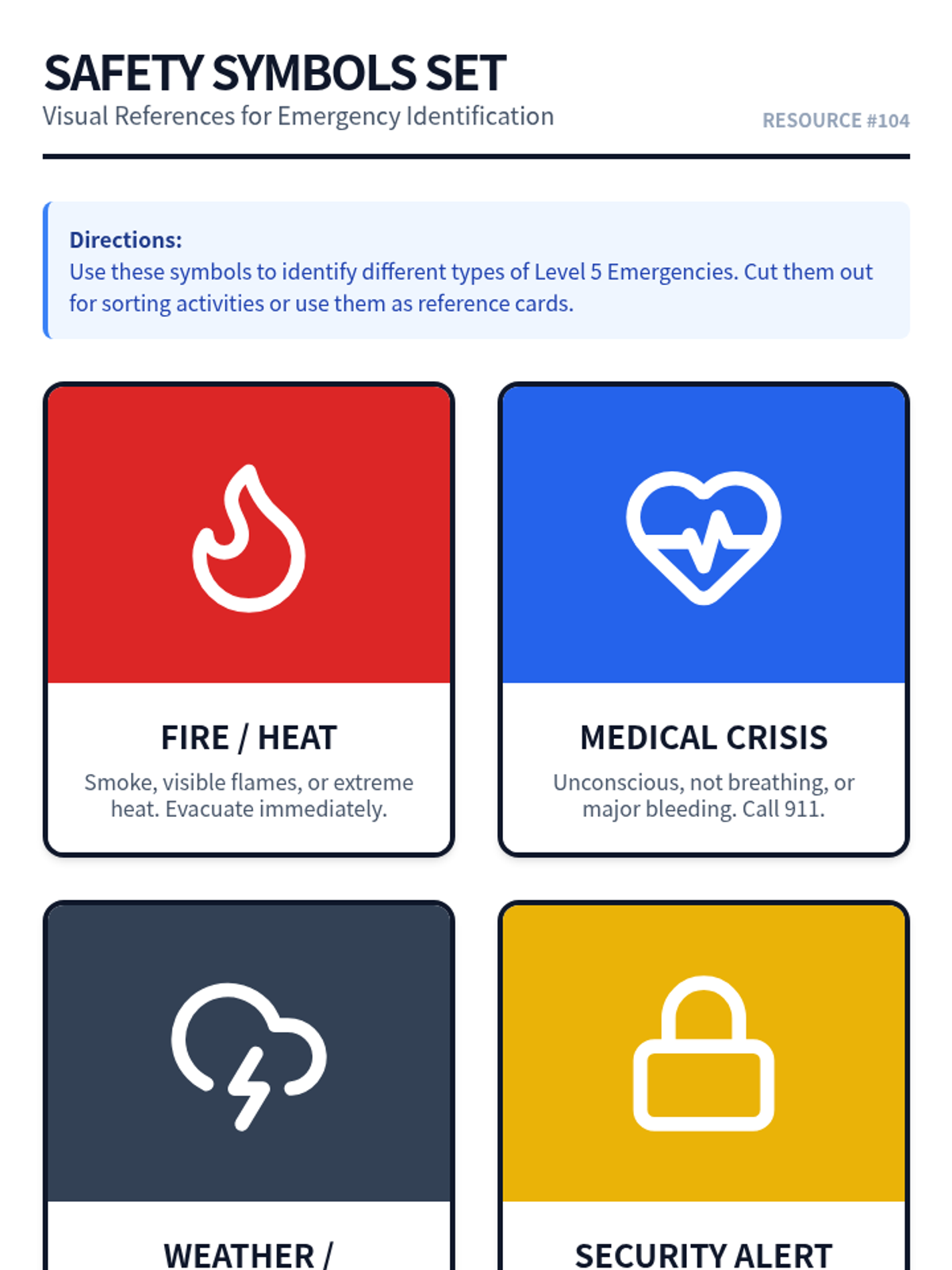
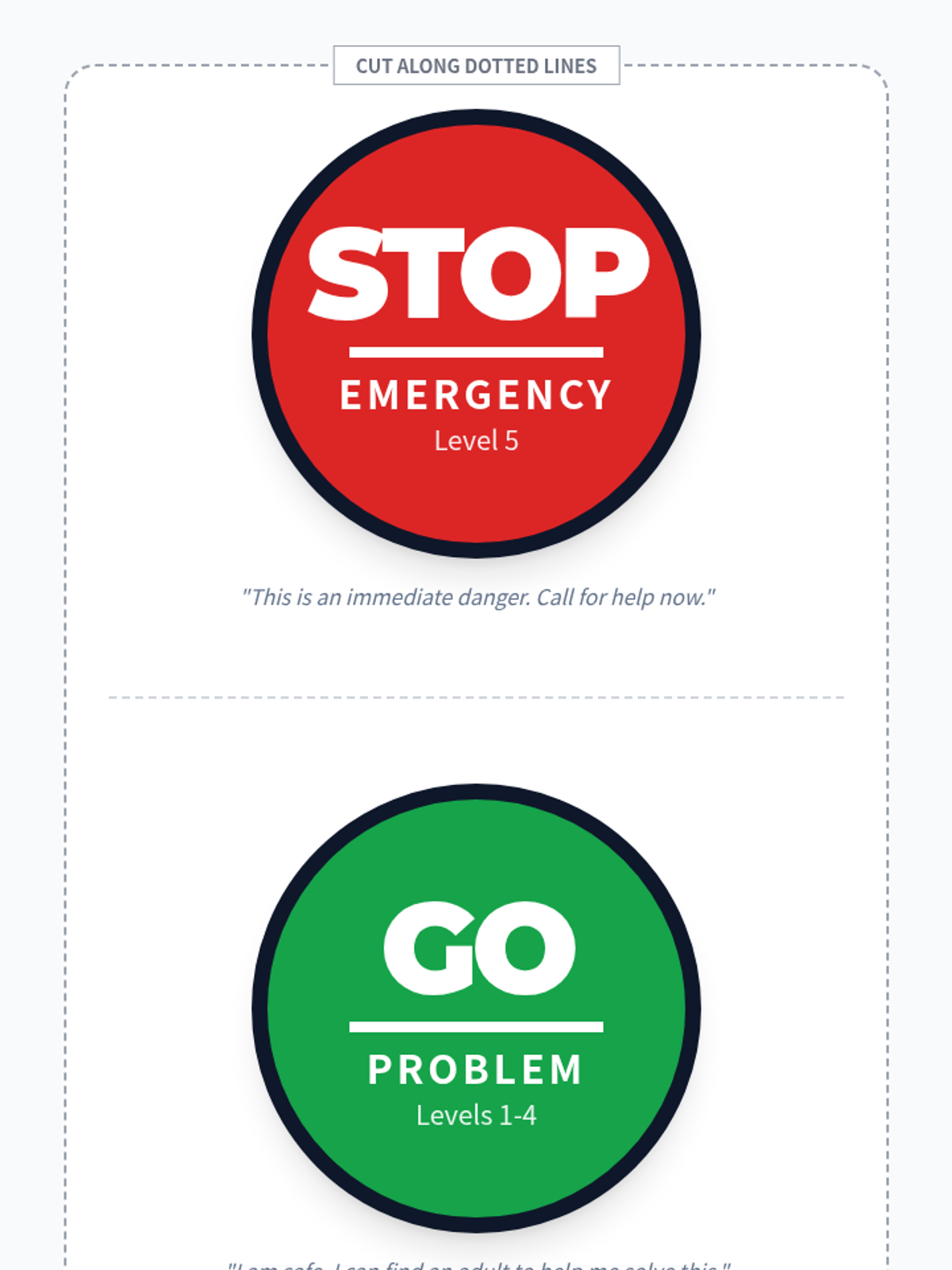
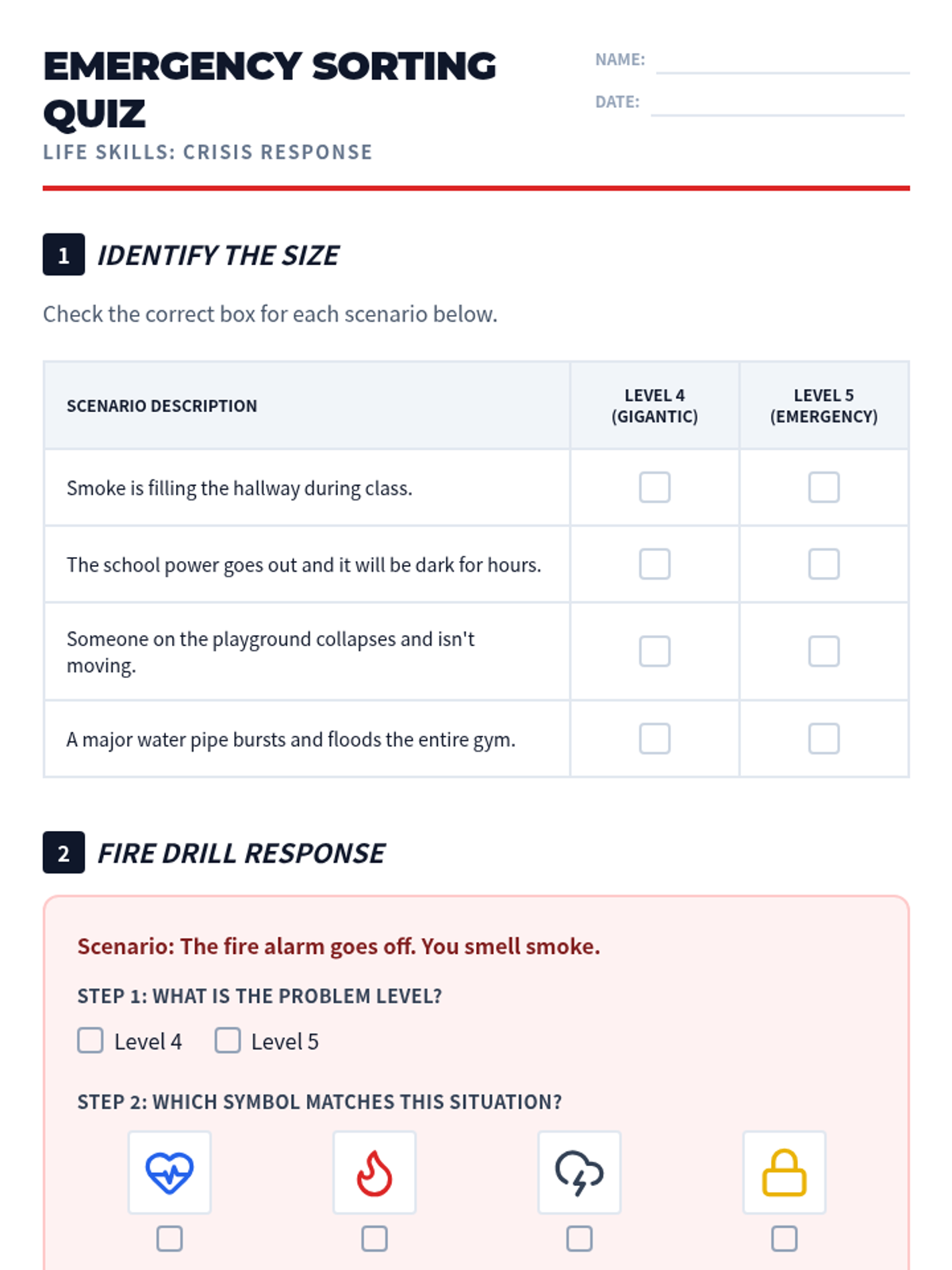
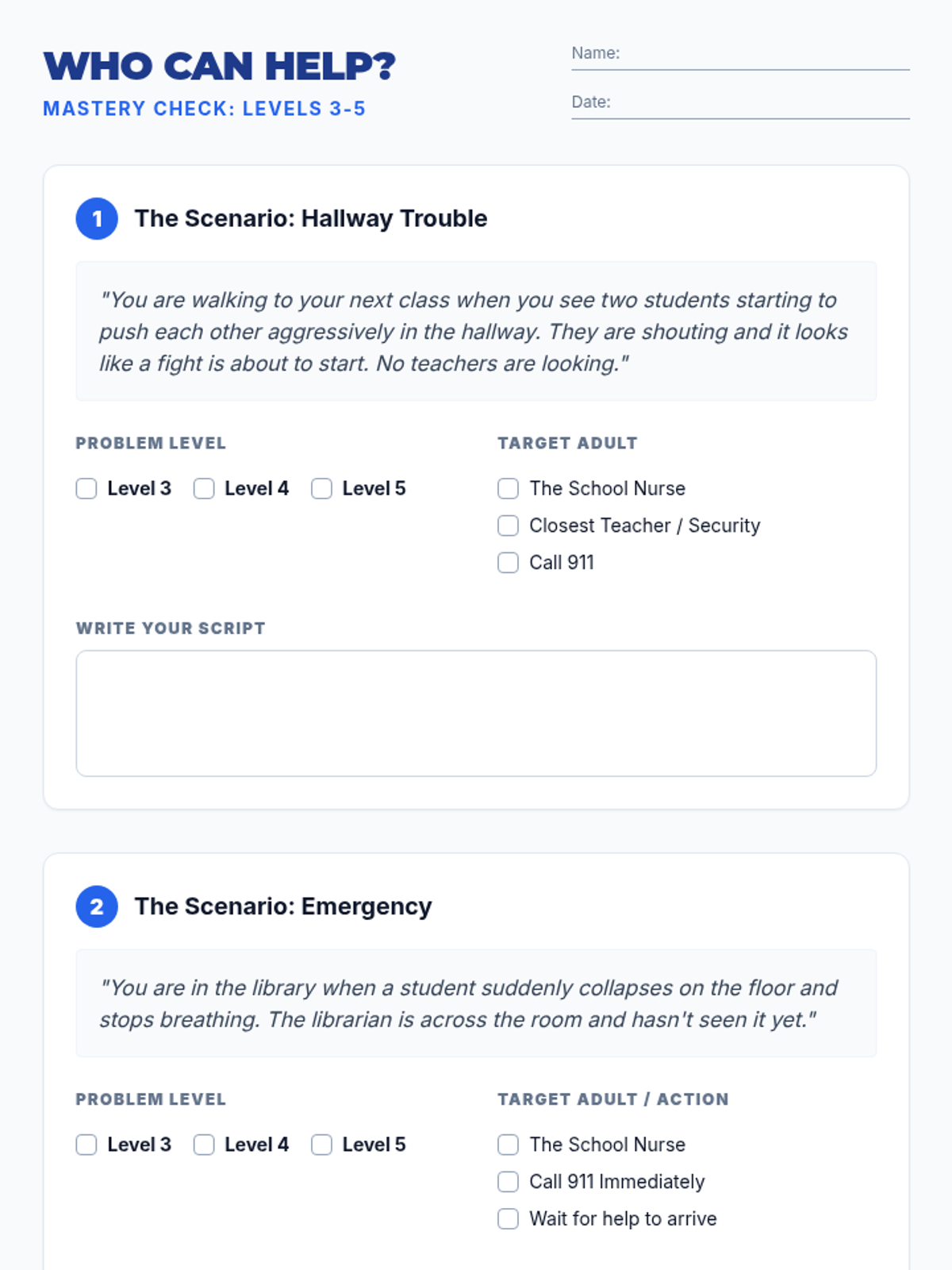
A 30-minute life skills lesson for middle schoolers on distinguishing between major crises (Level 4) and immediate life-threatening emergencies (Level 5), emphasizing when and how to get help.
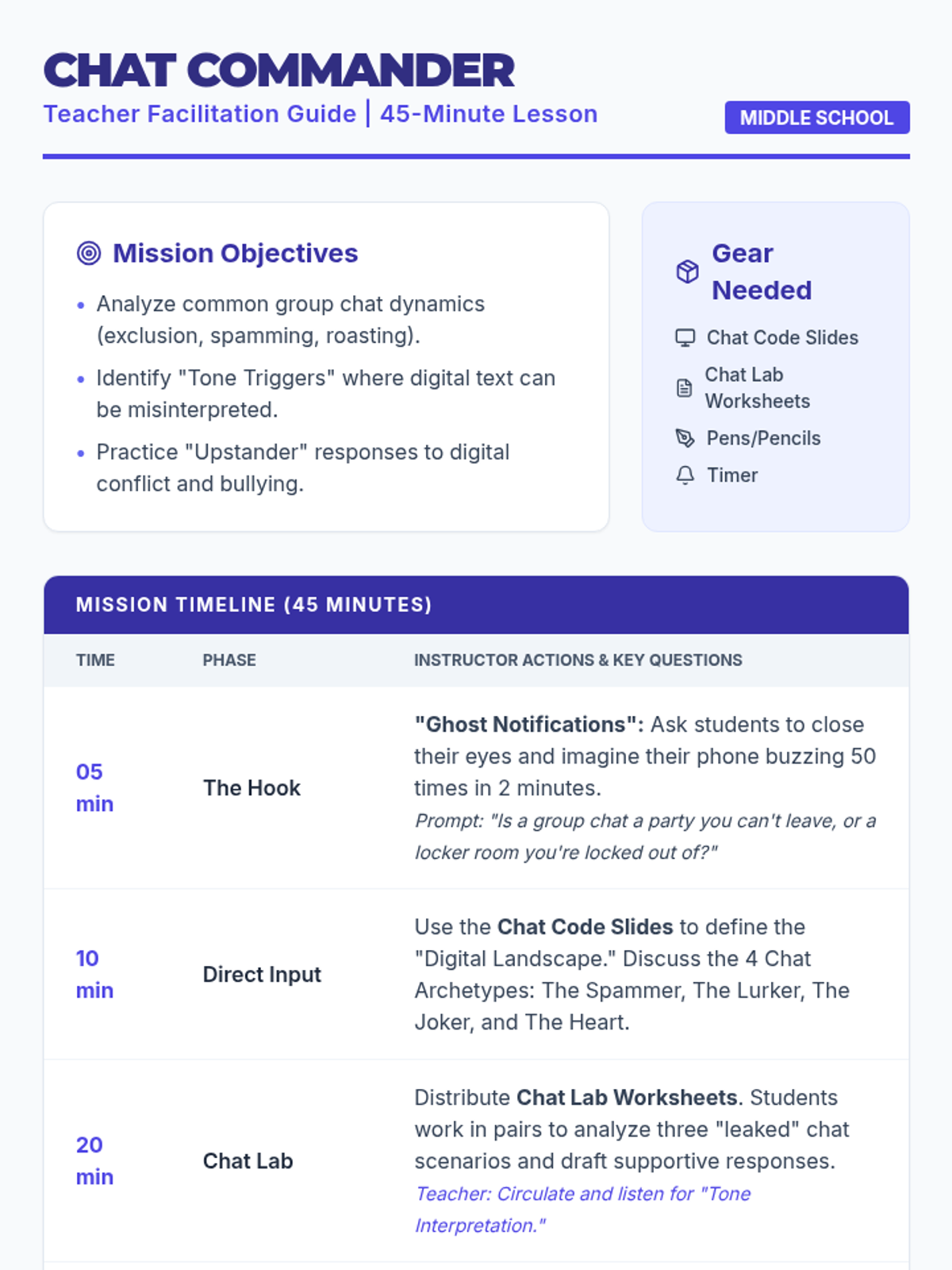
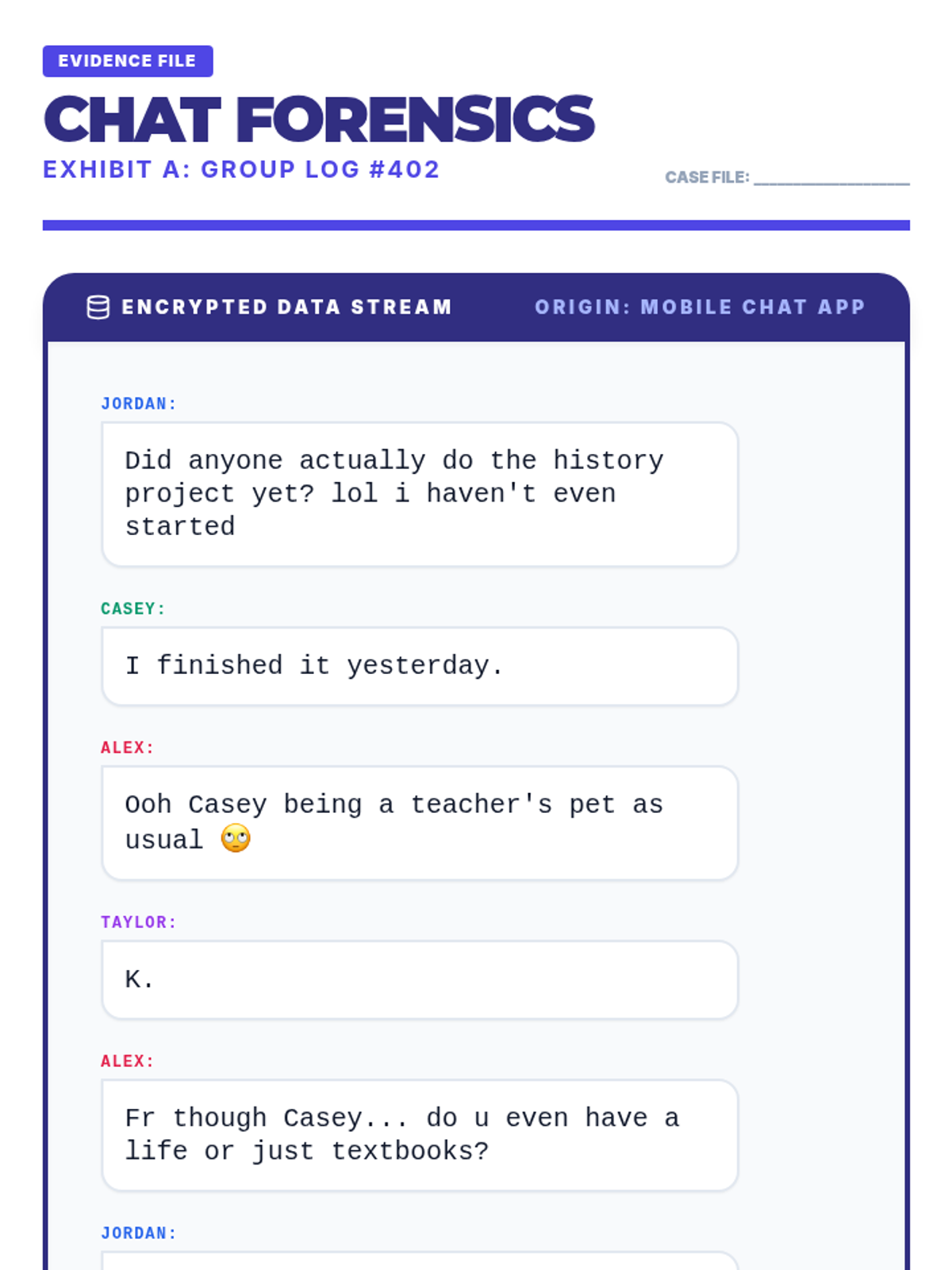
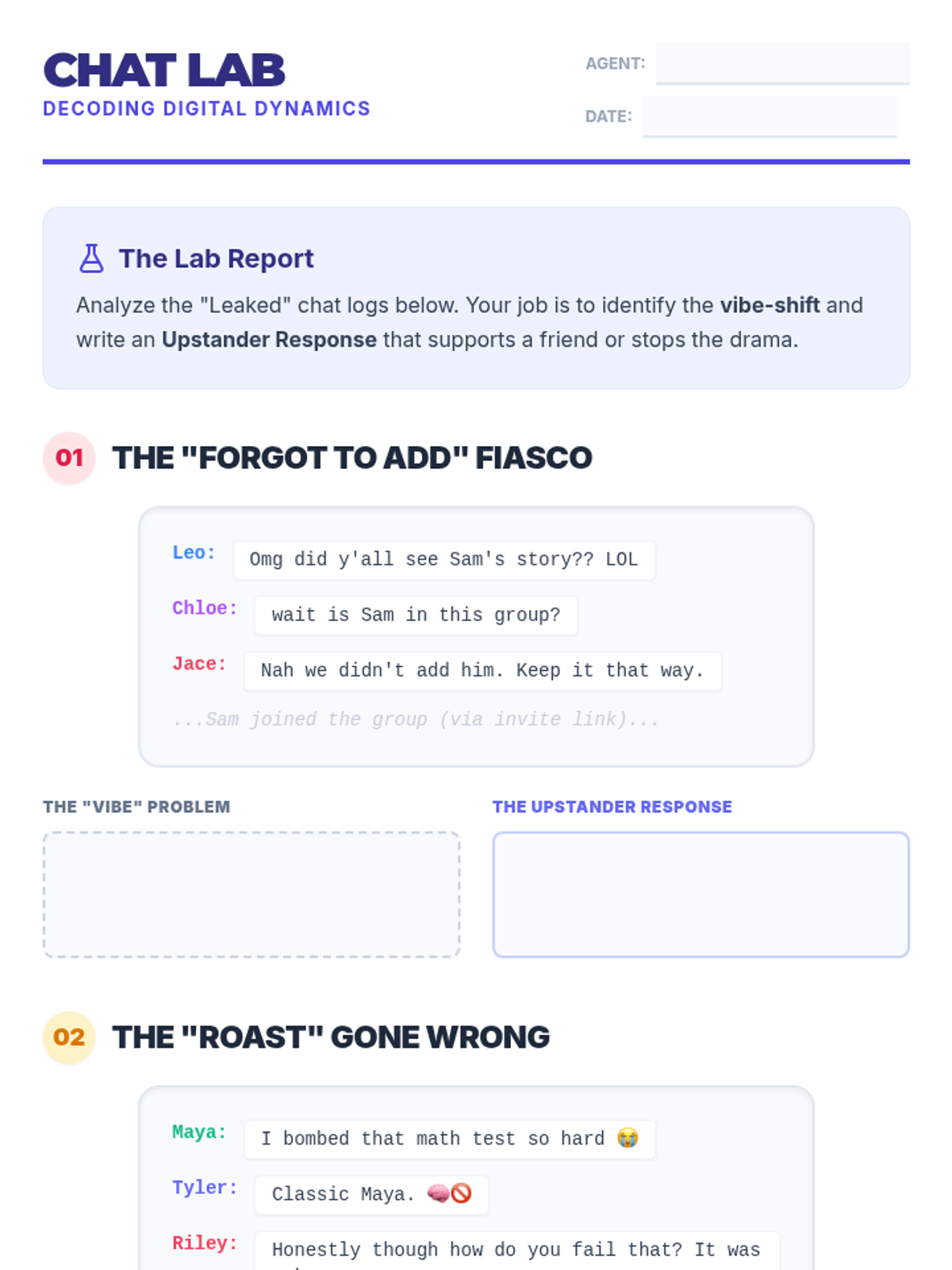
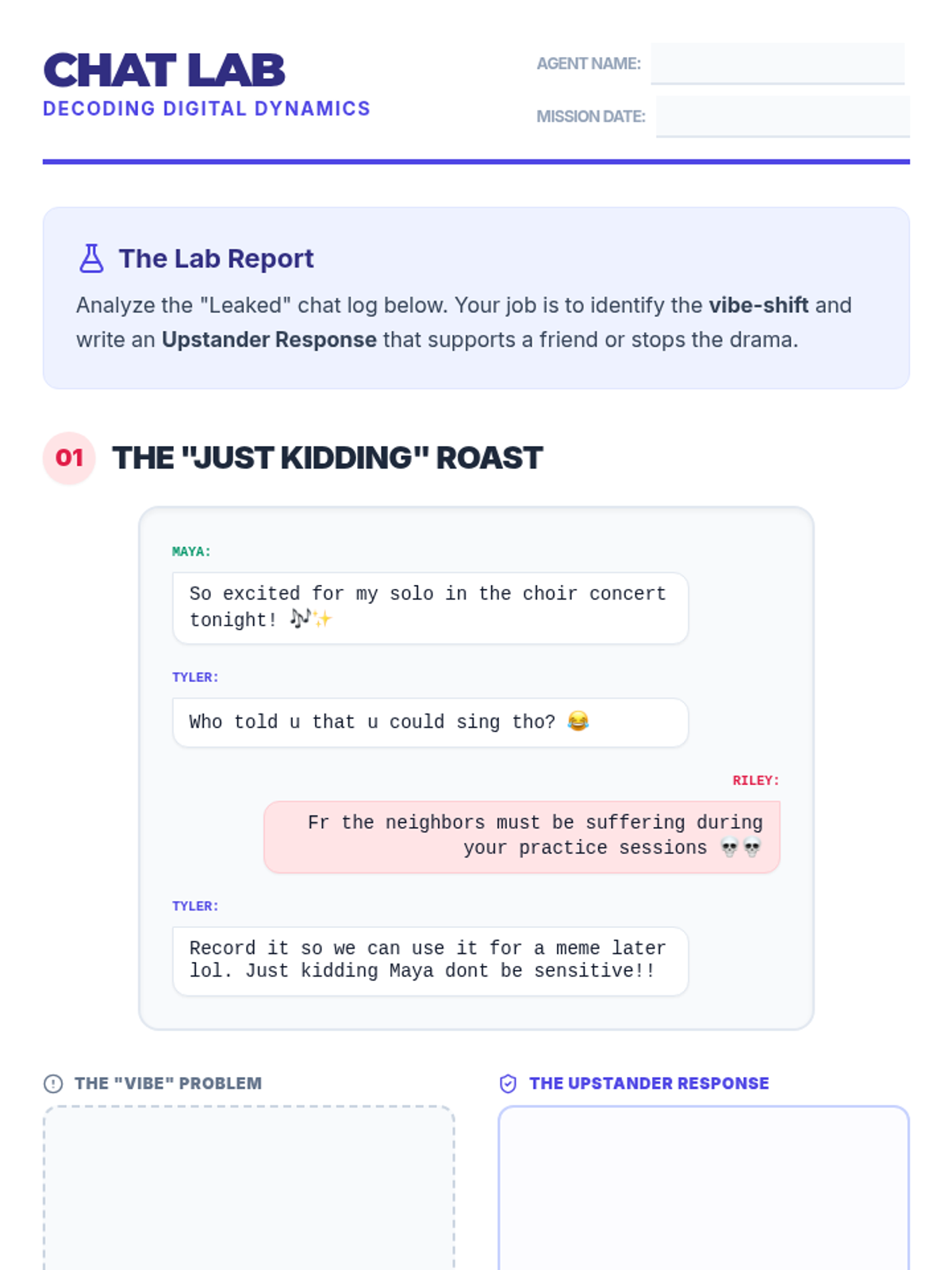
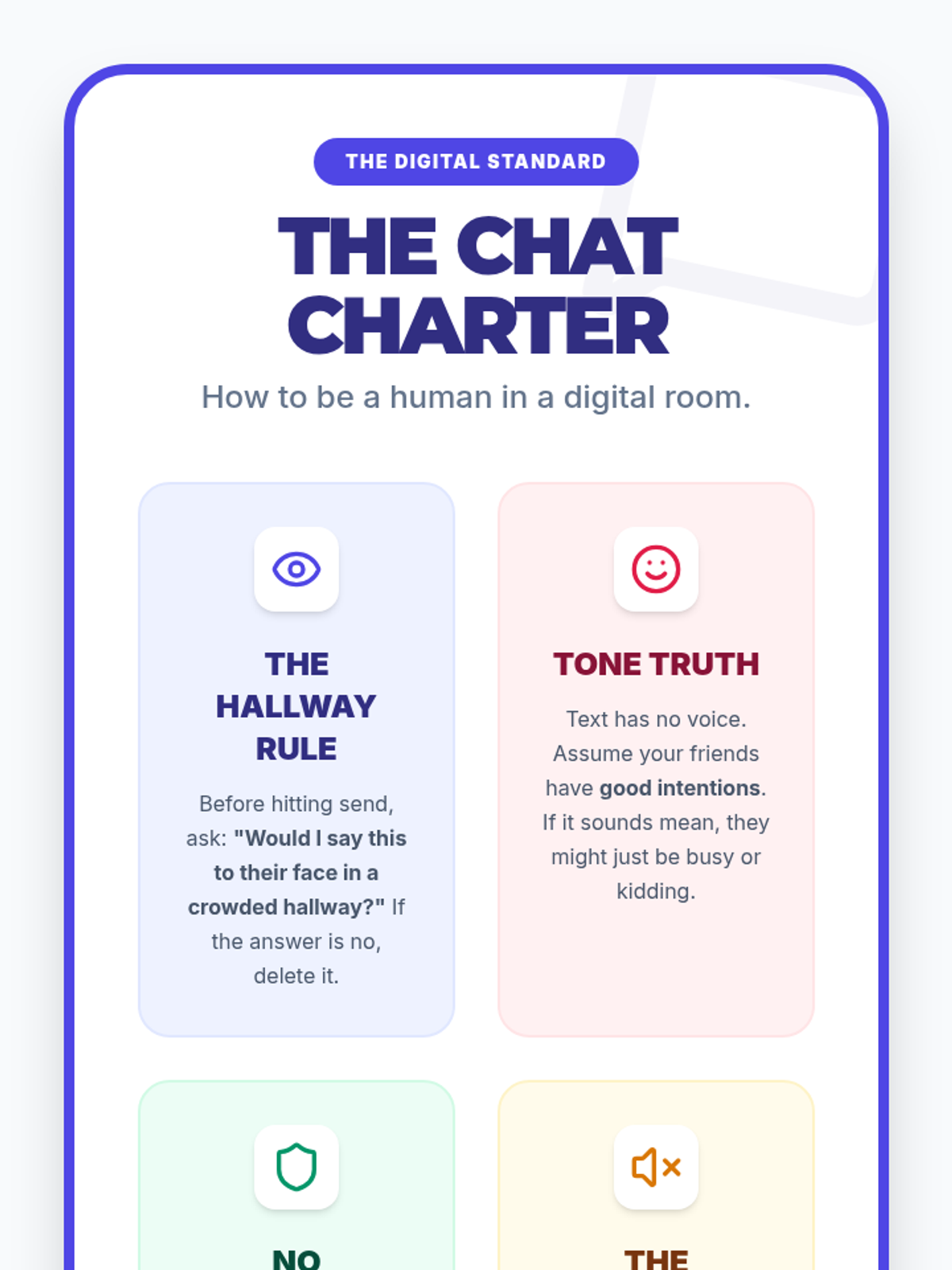
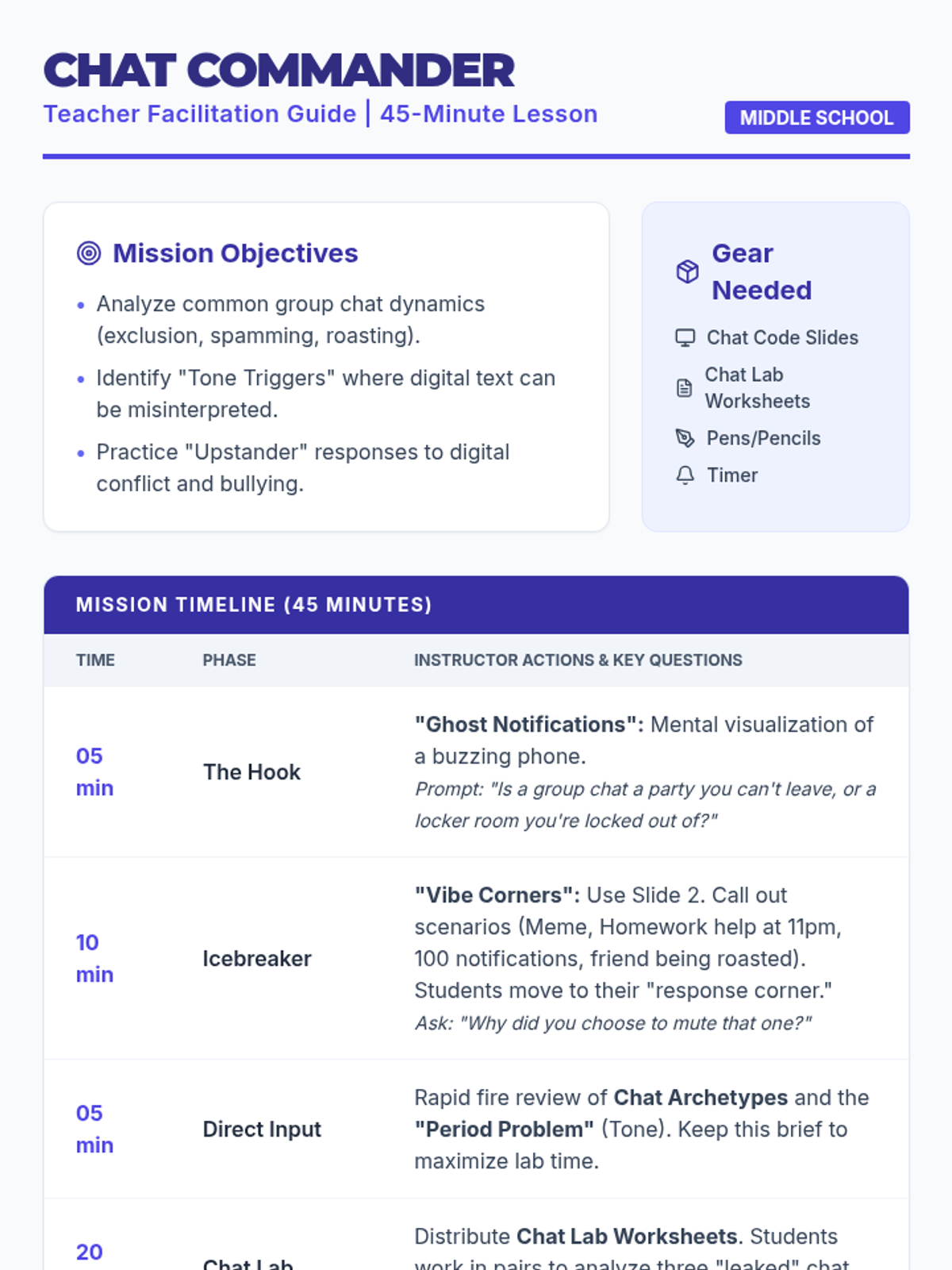
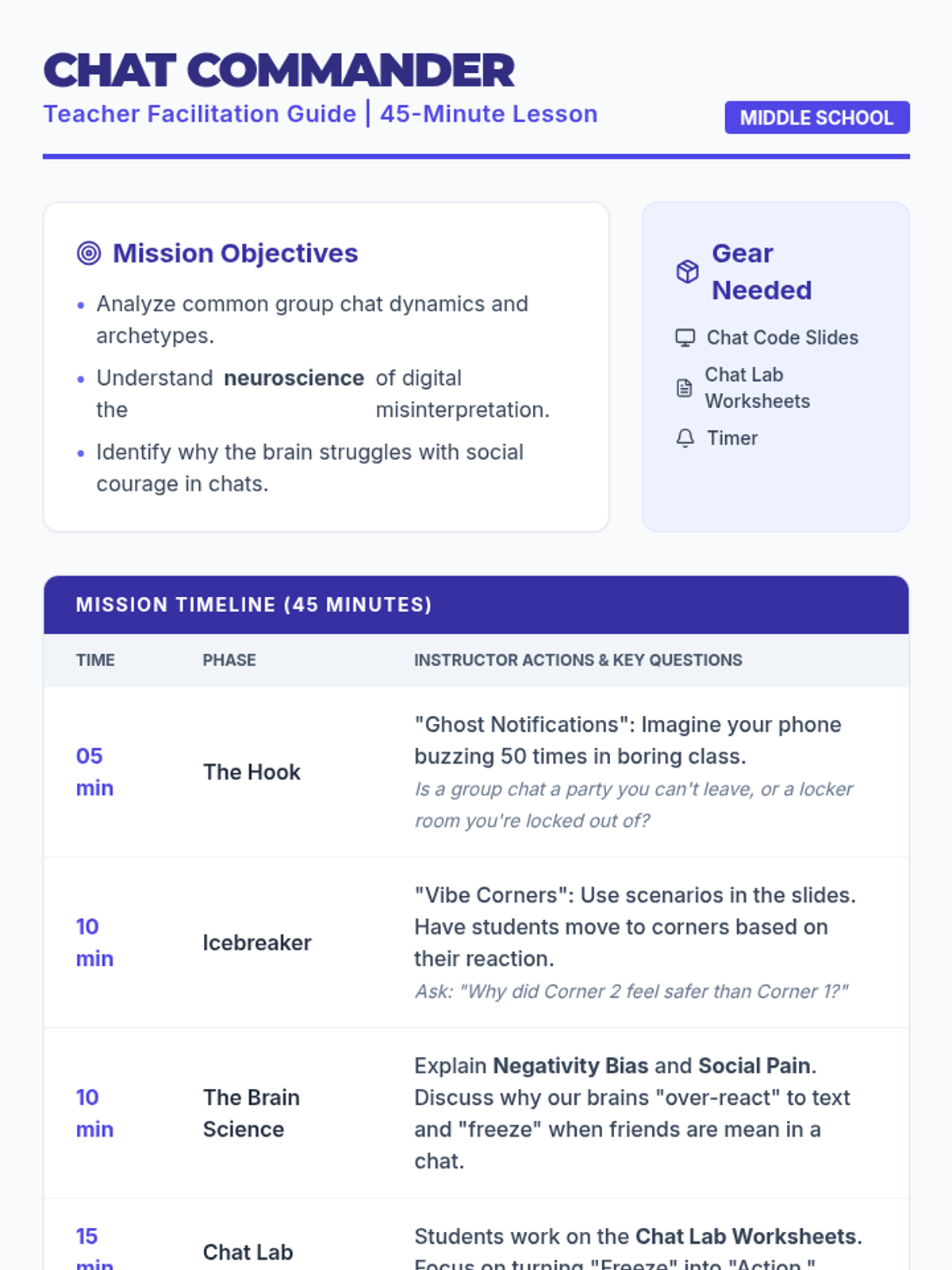
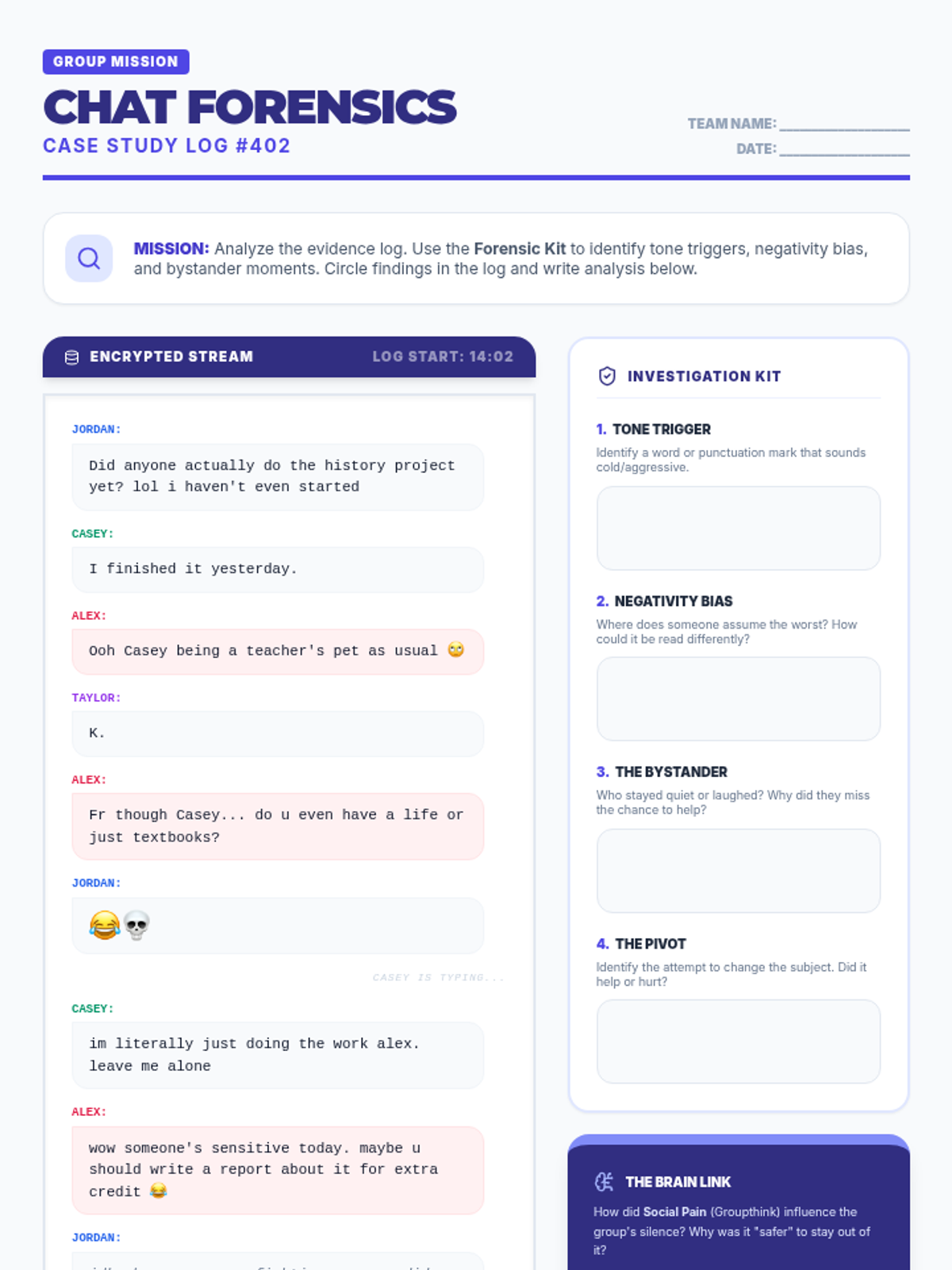
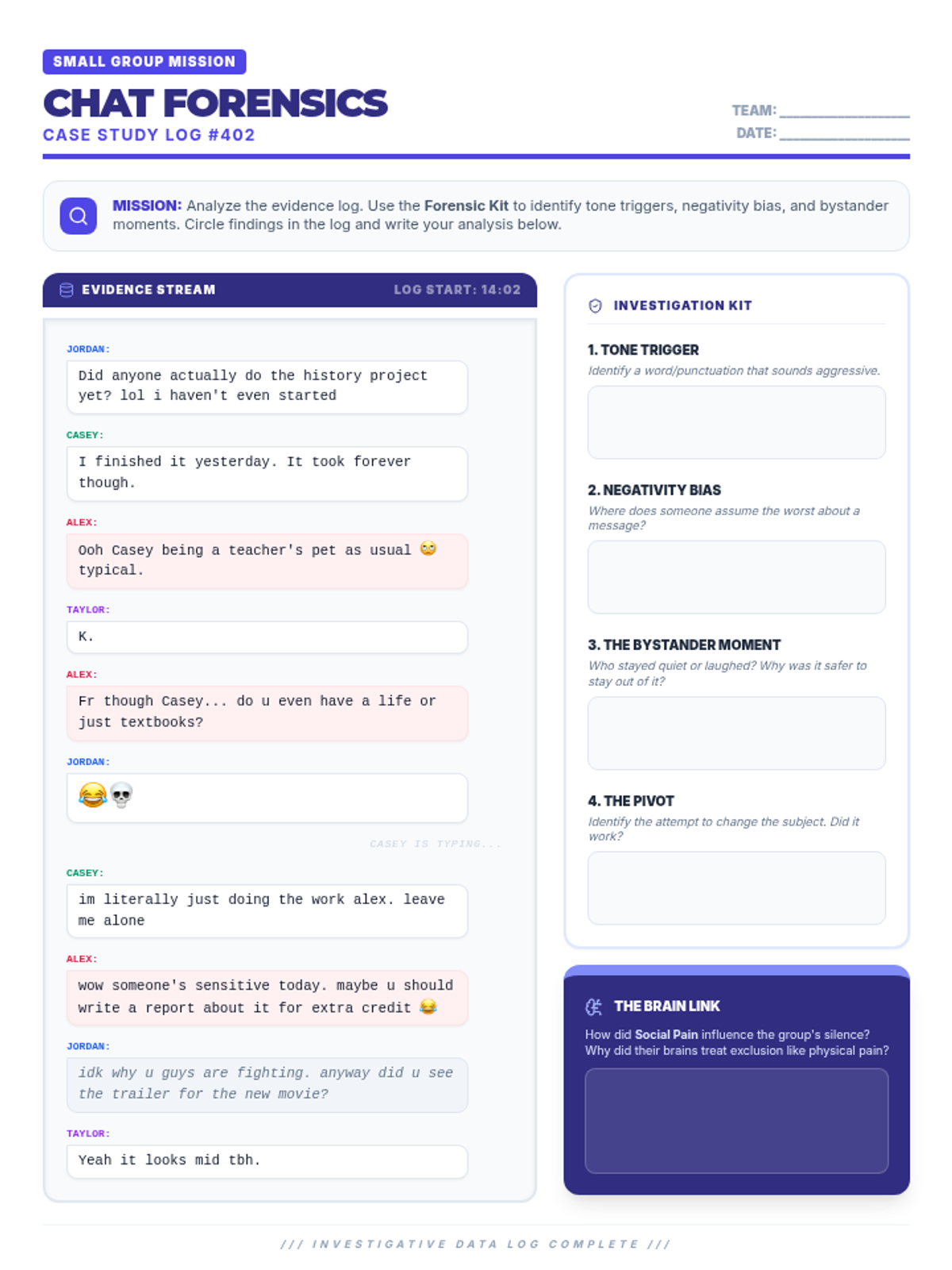
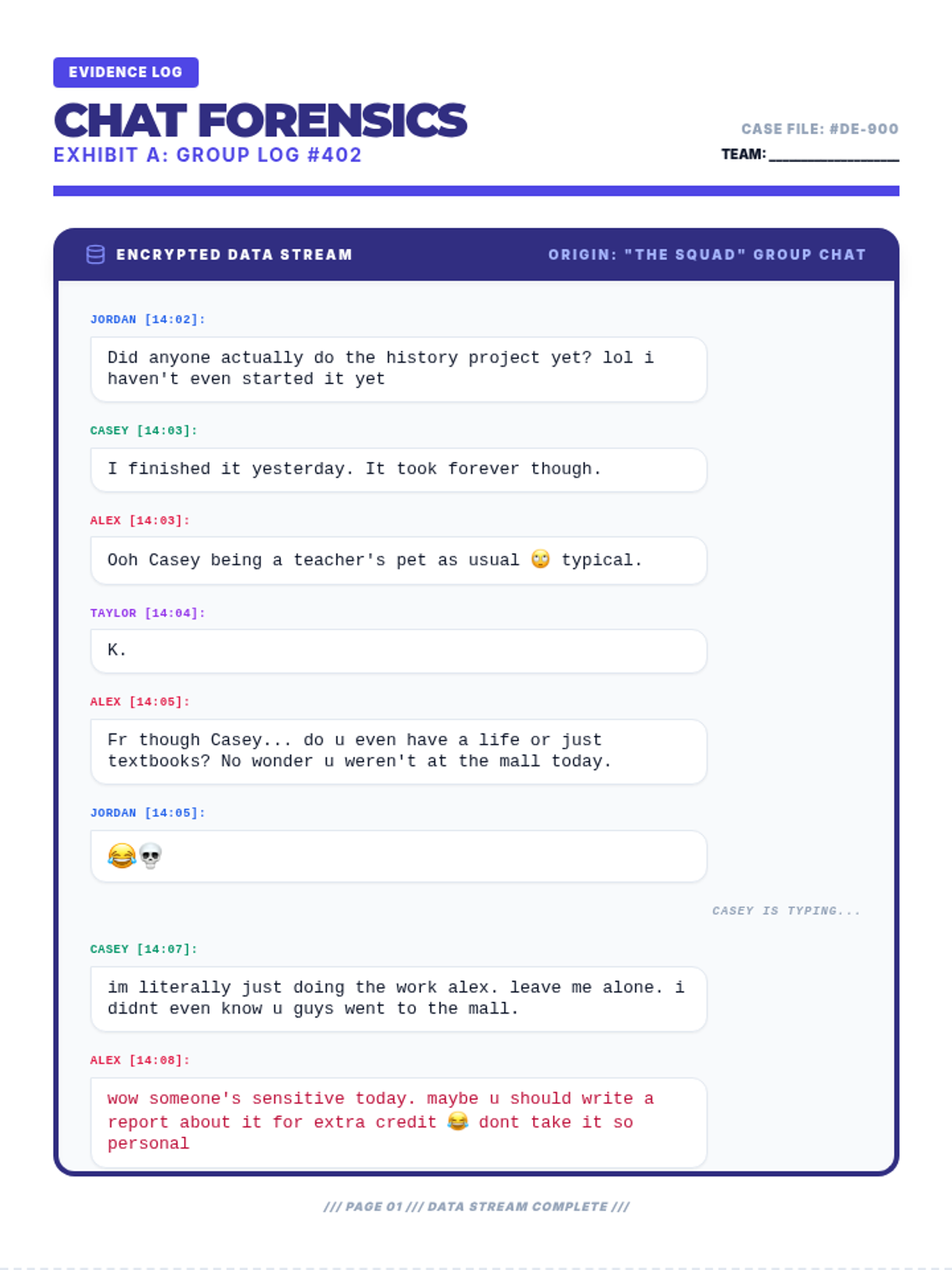
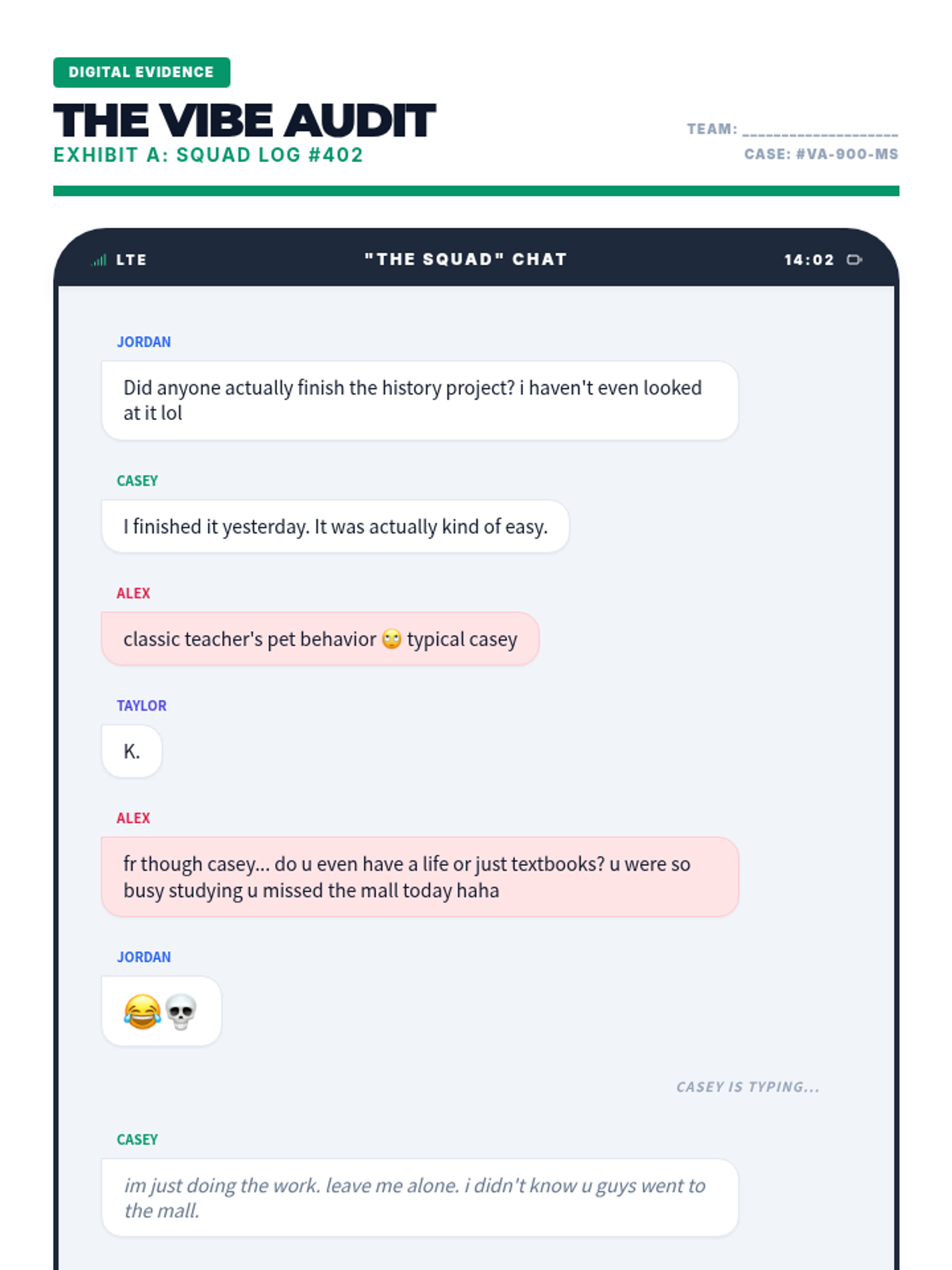
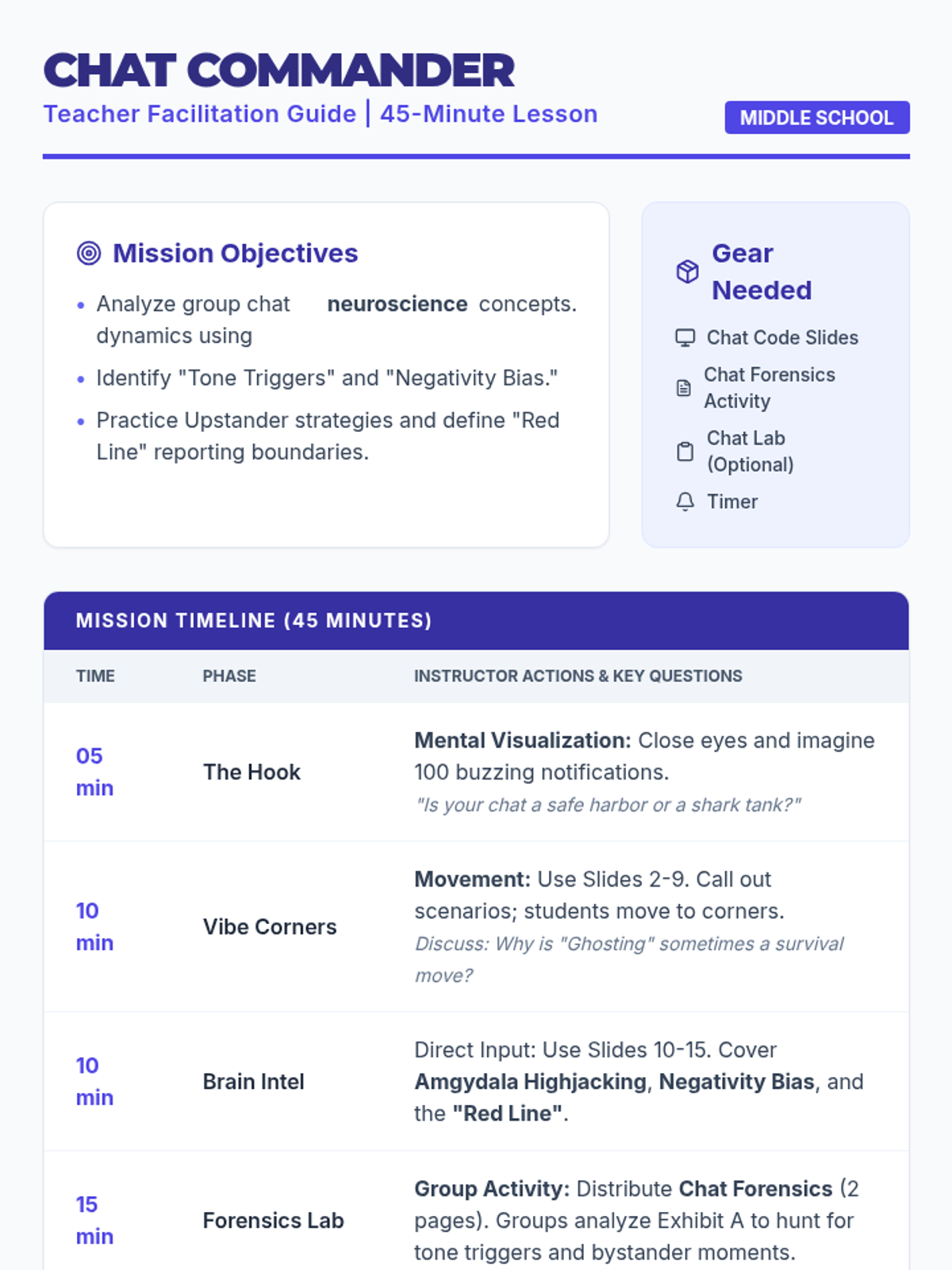
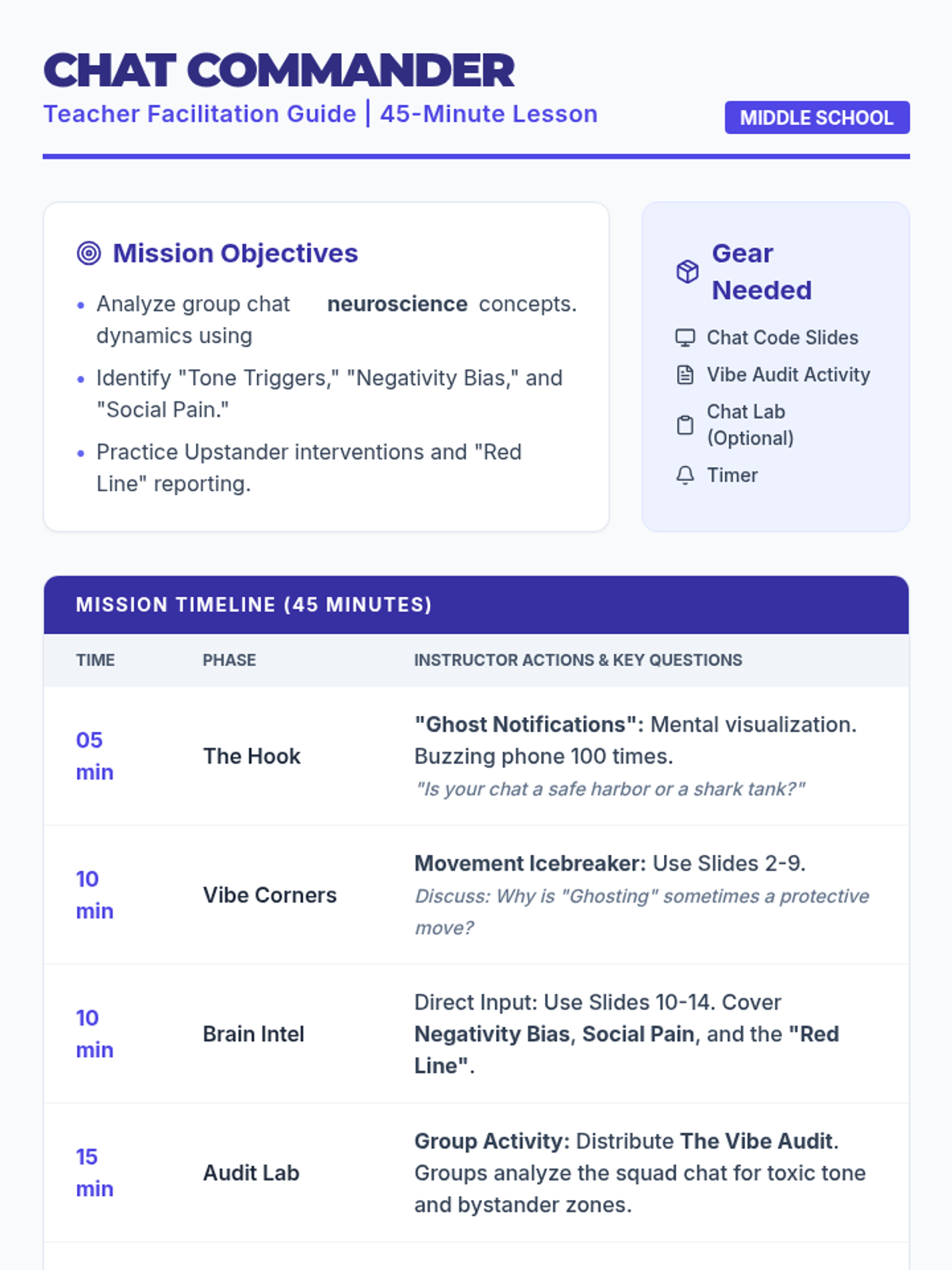
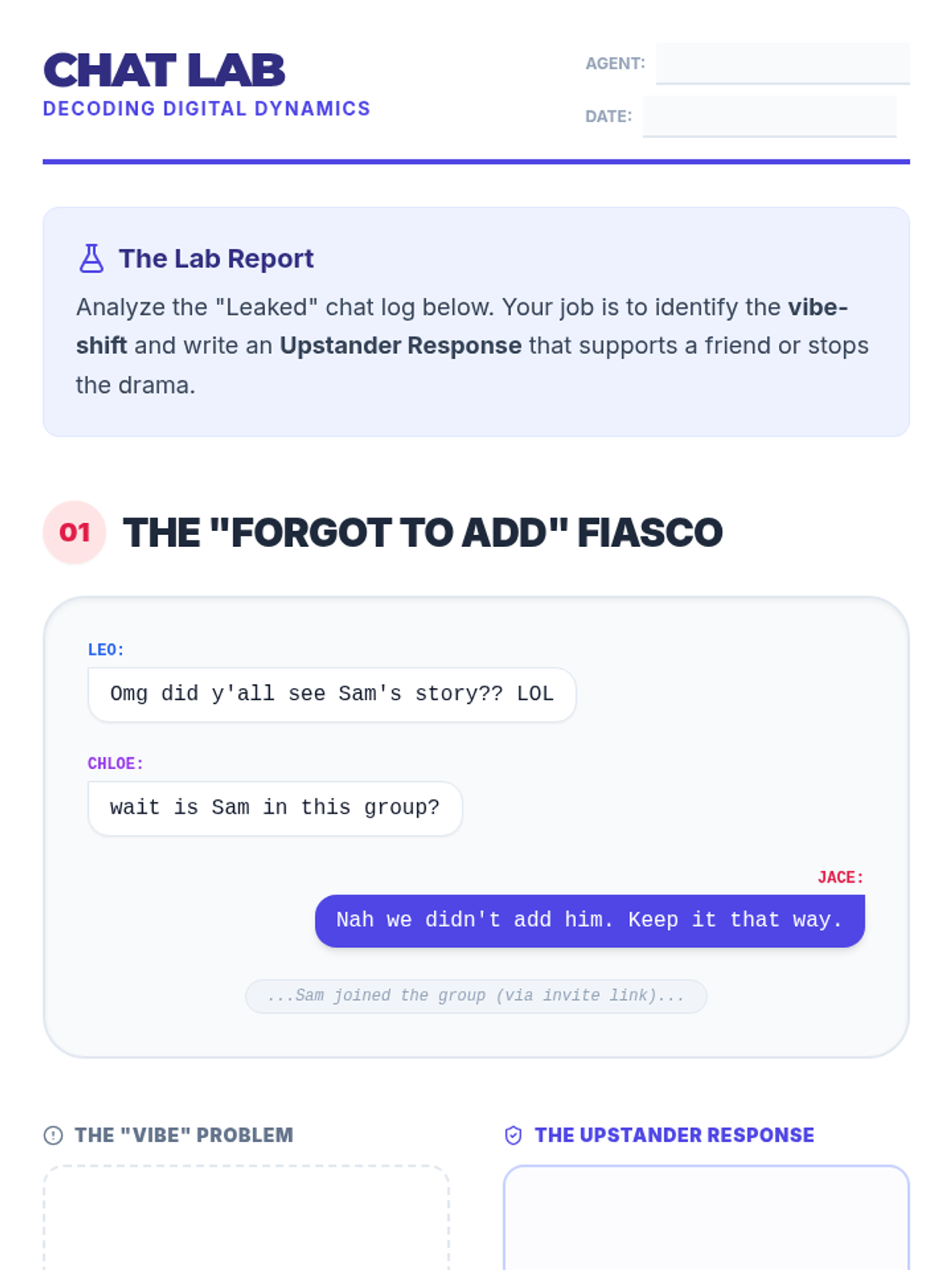
A 45-minute lesson designed for middle schoolers to navigate the social complexities of group chats, focusing on digital empathy, tone interpretation, and being a supportive 'upstander' in digital spaces.
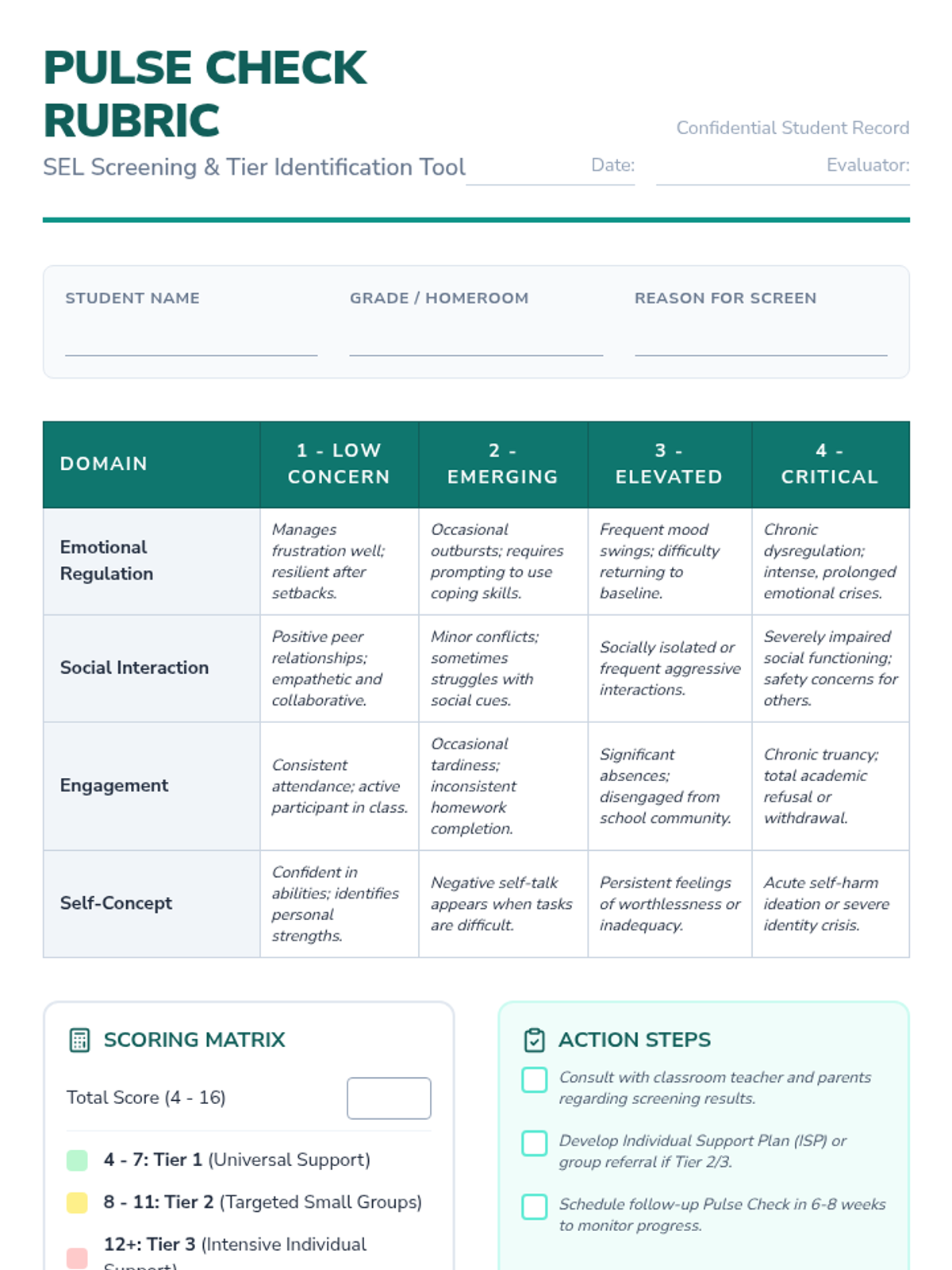
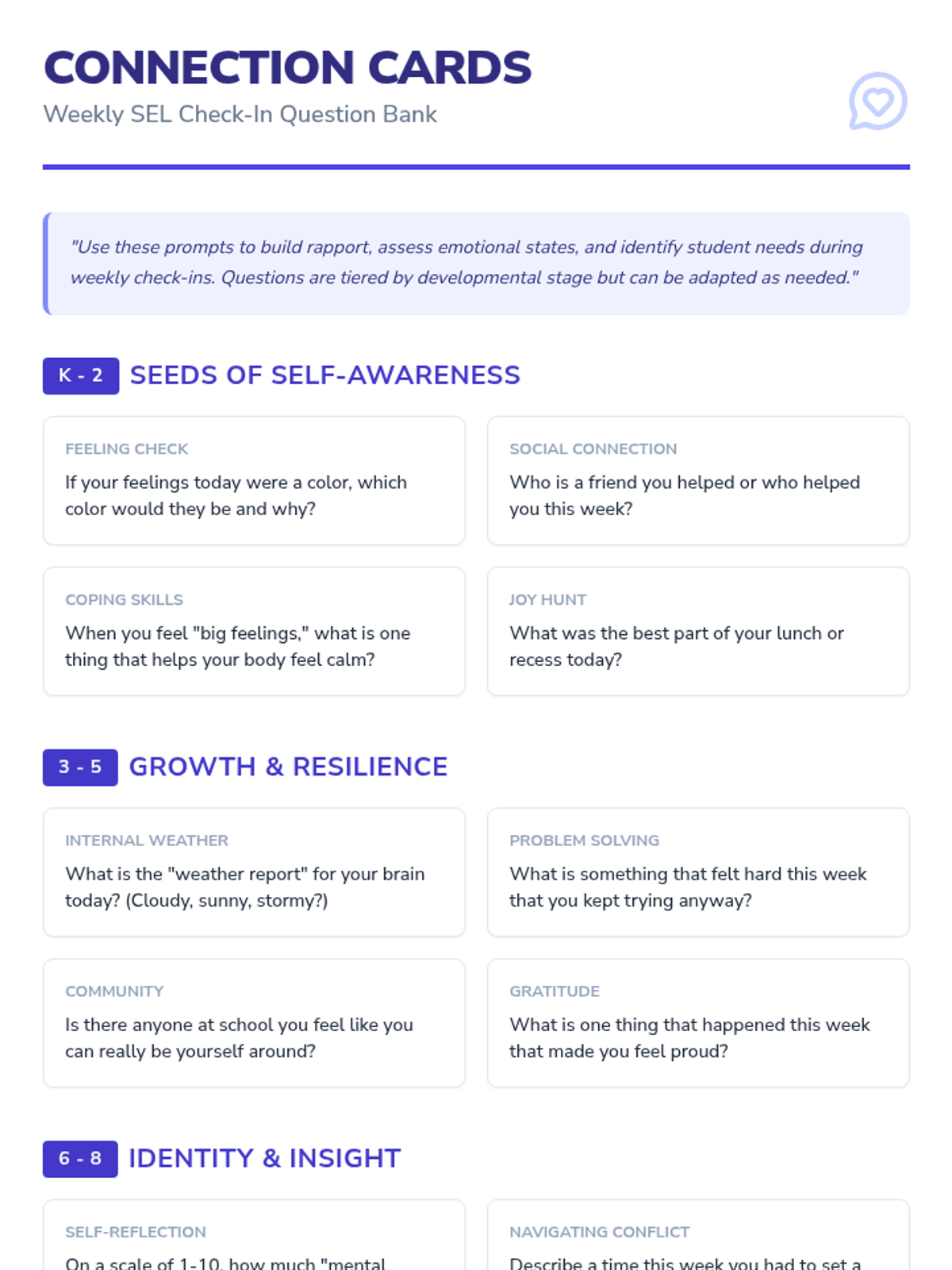
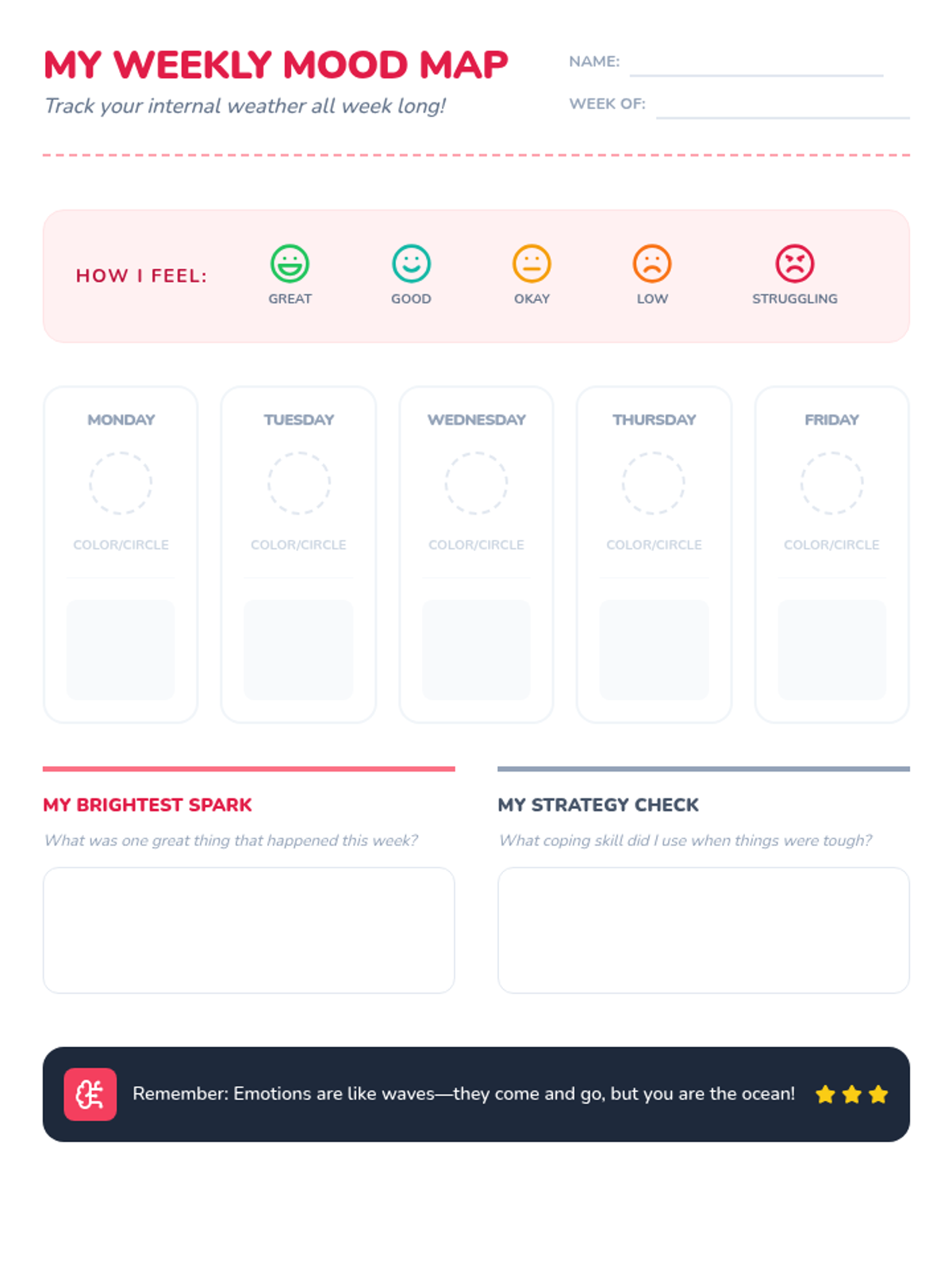
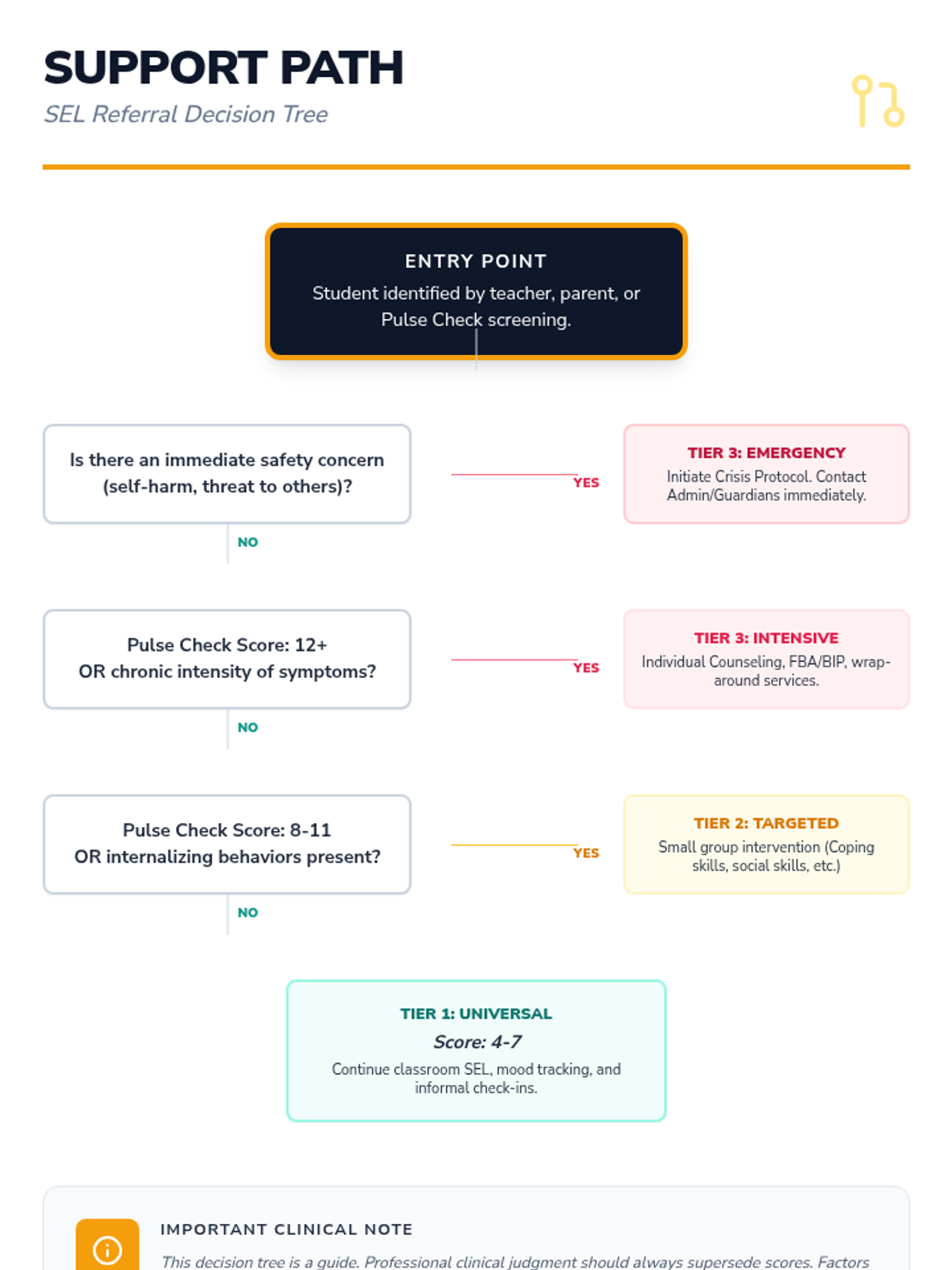
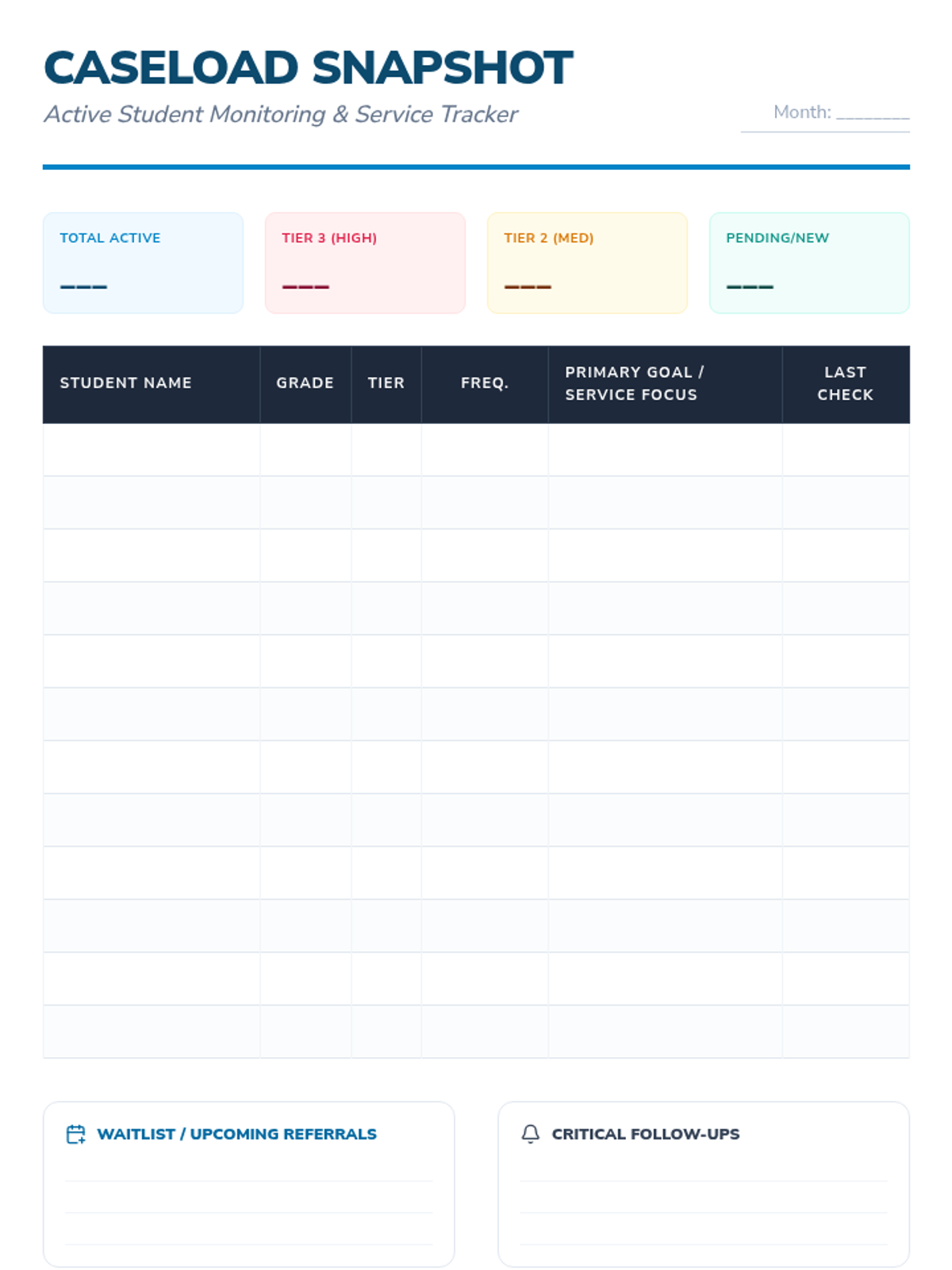
A comprehensive set of tools for school social workers to screen, monitor, and support students' social-emotional needs through structured rubrics and student-facing trackers.
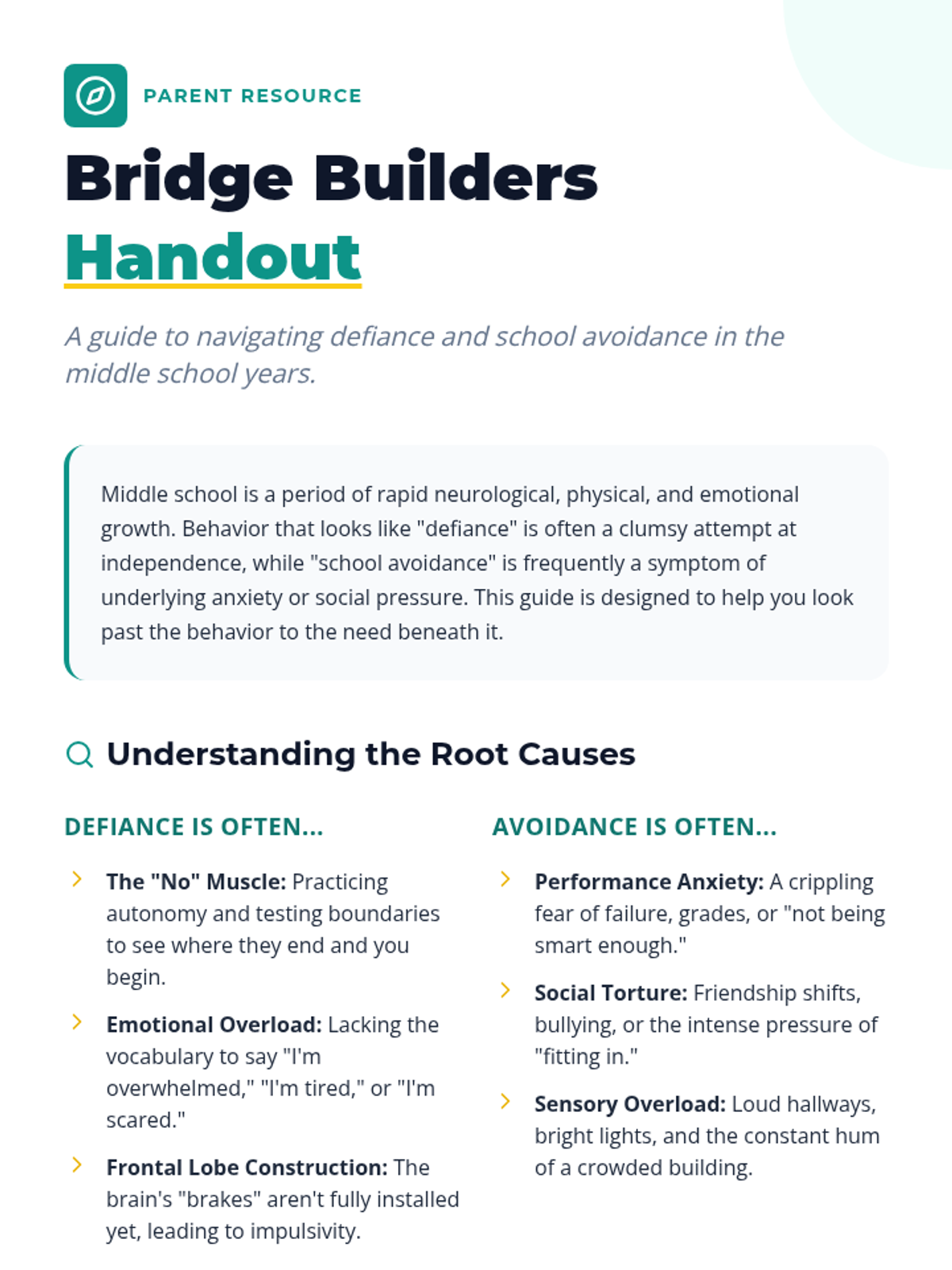
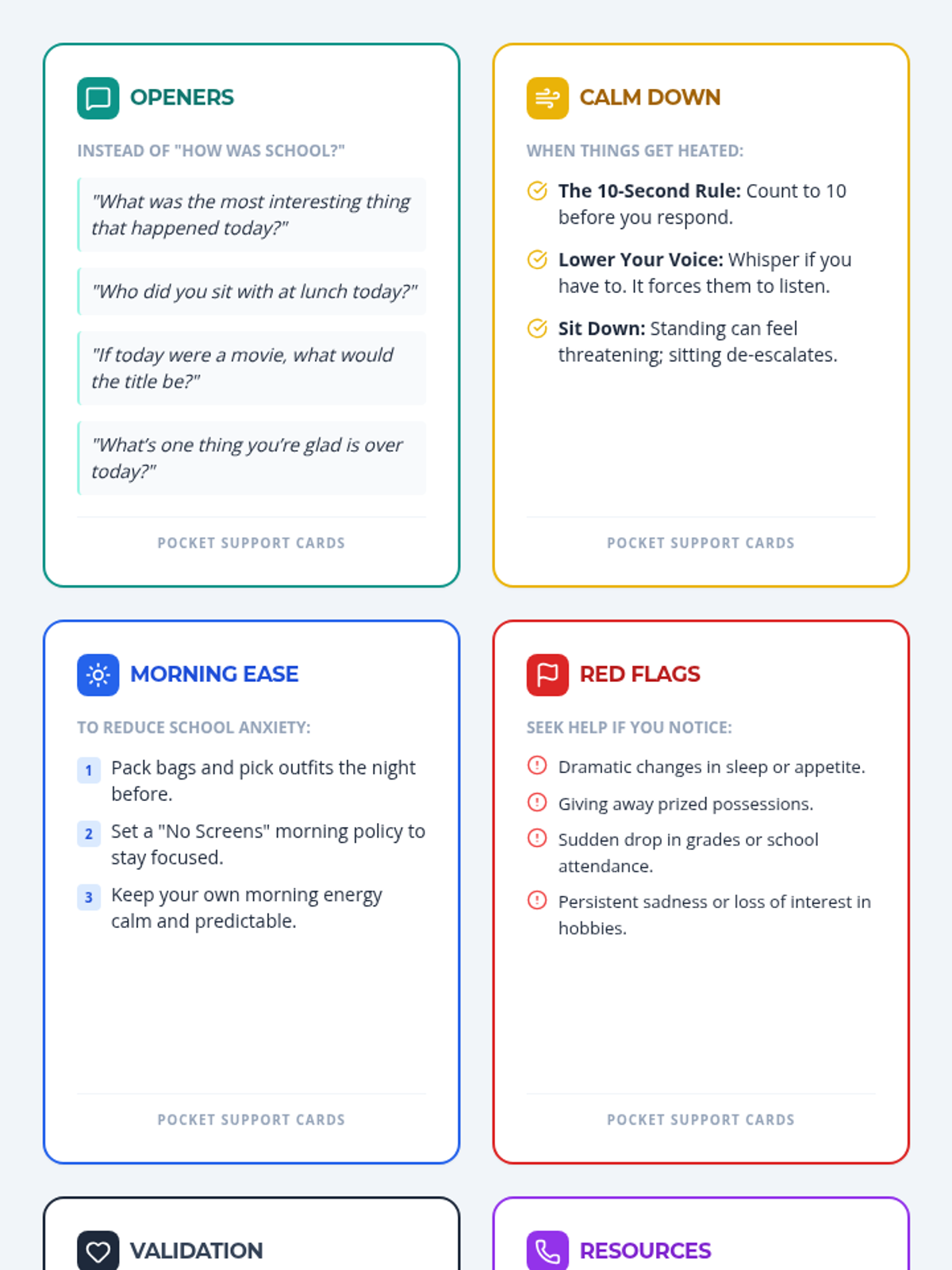
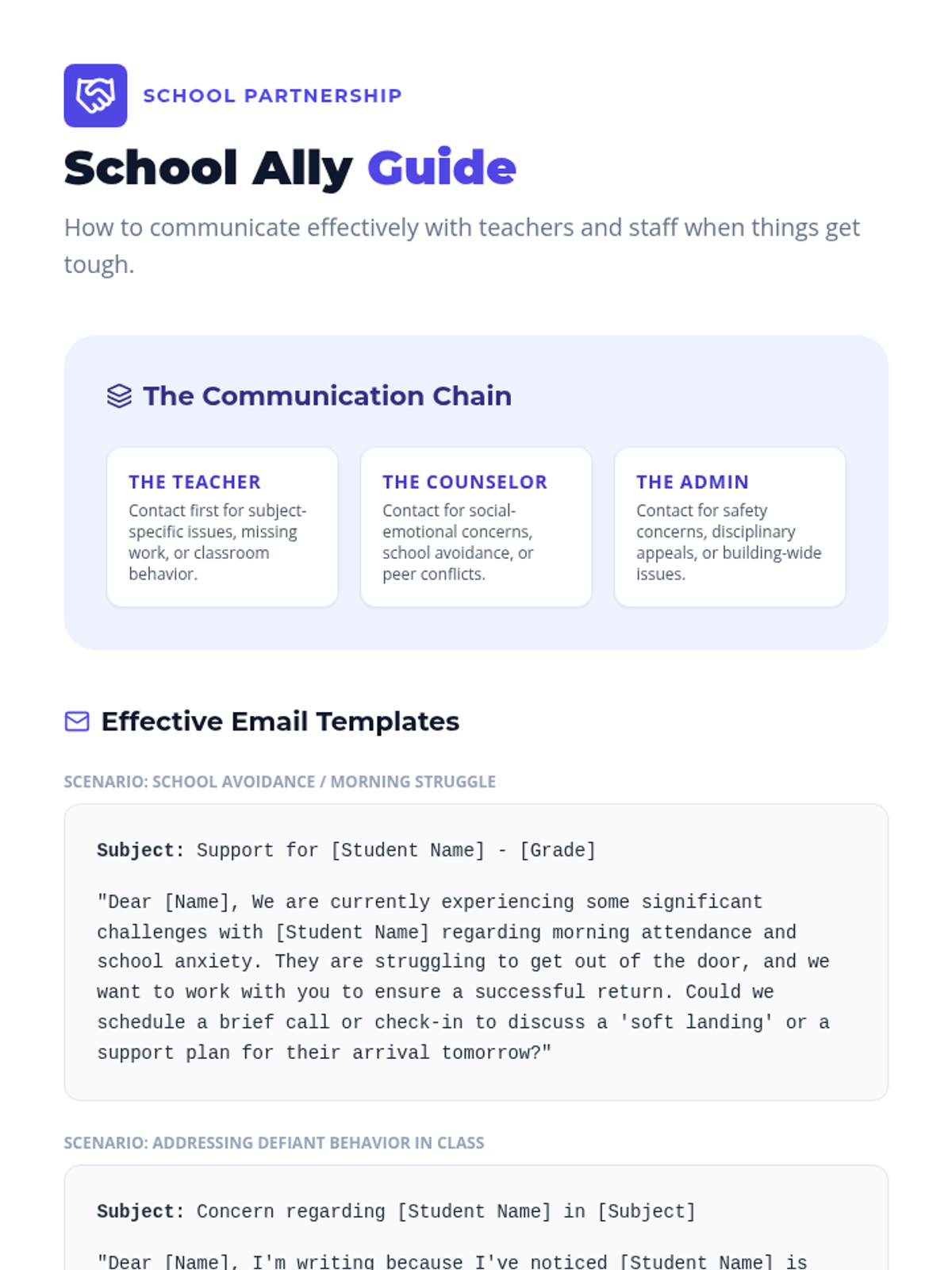
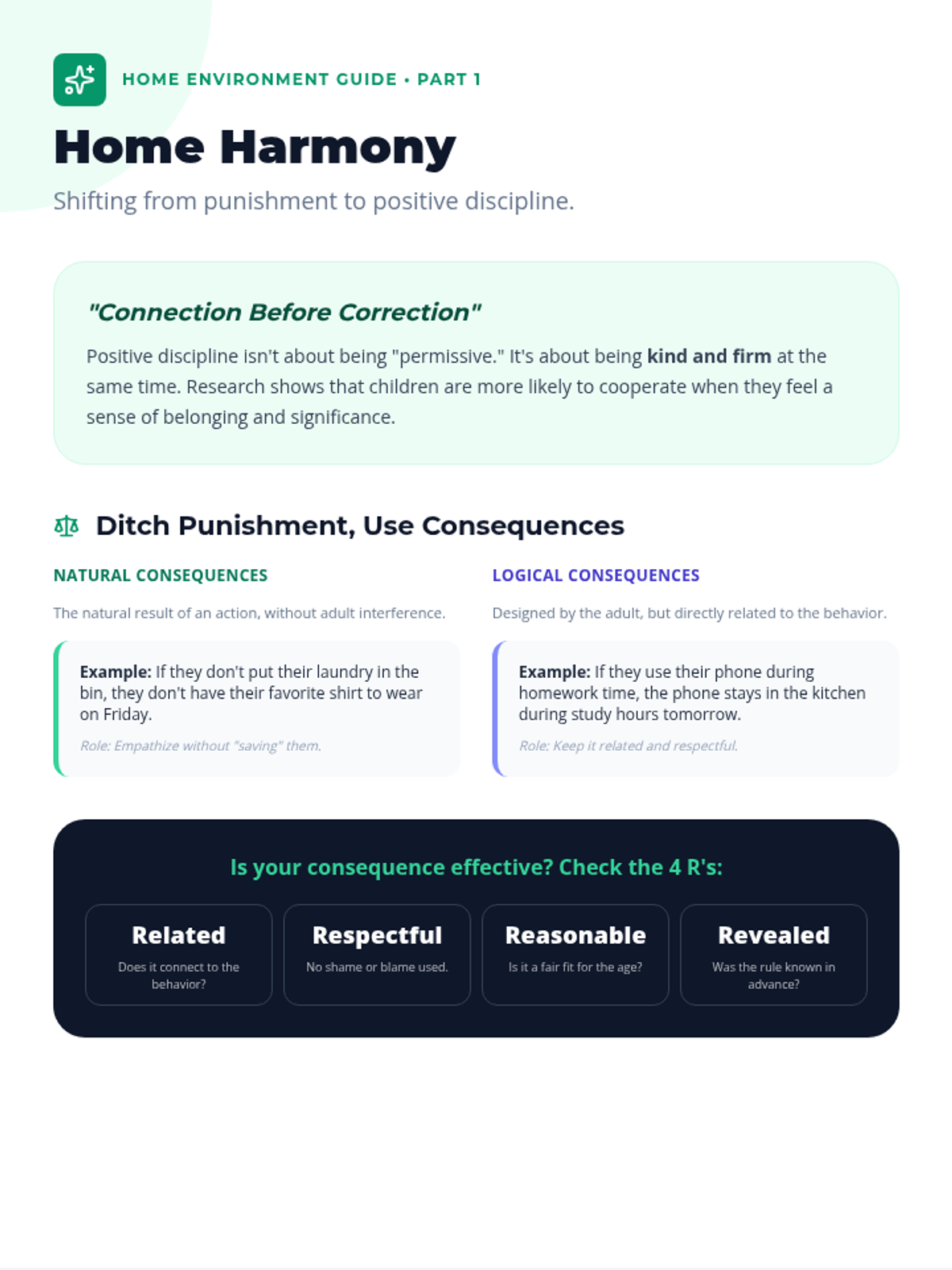
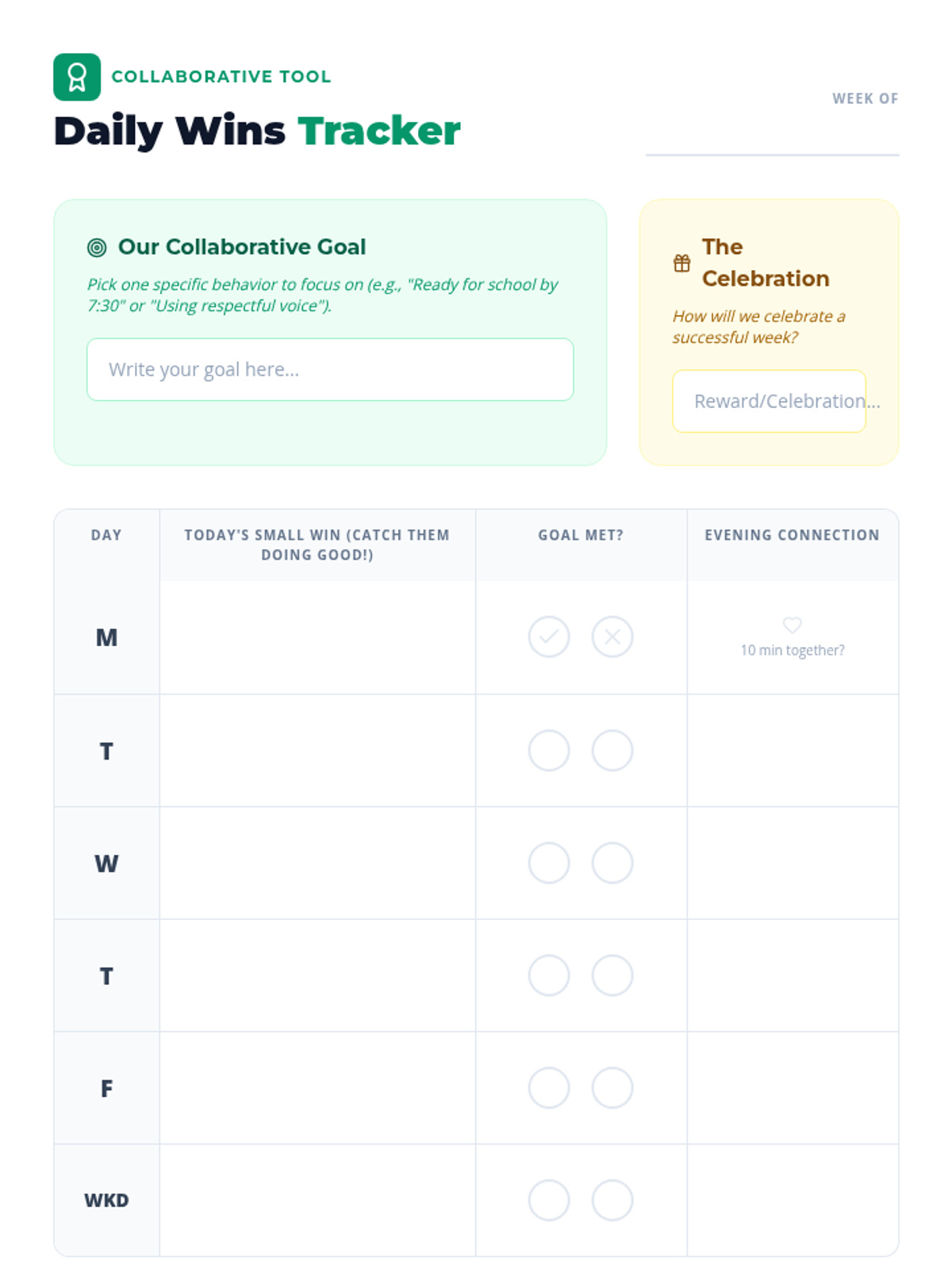
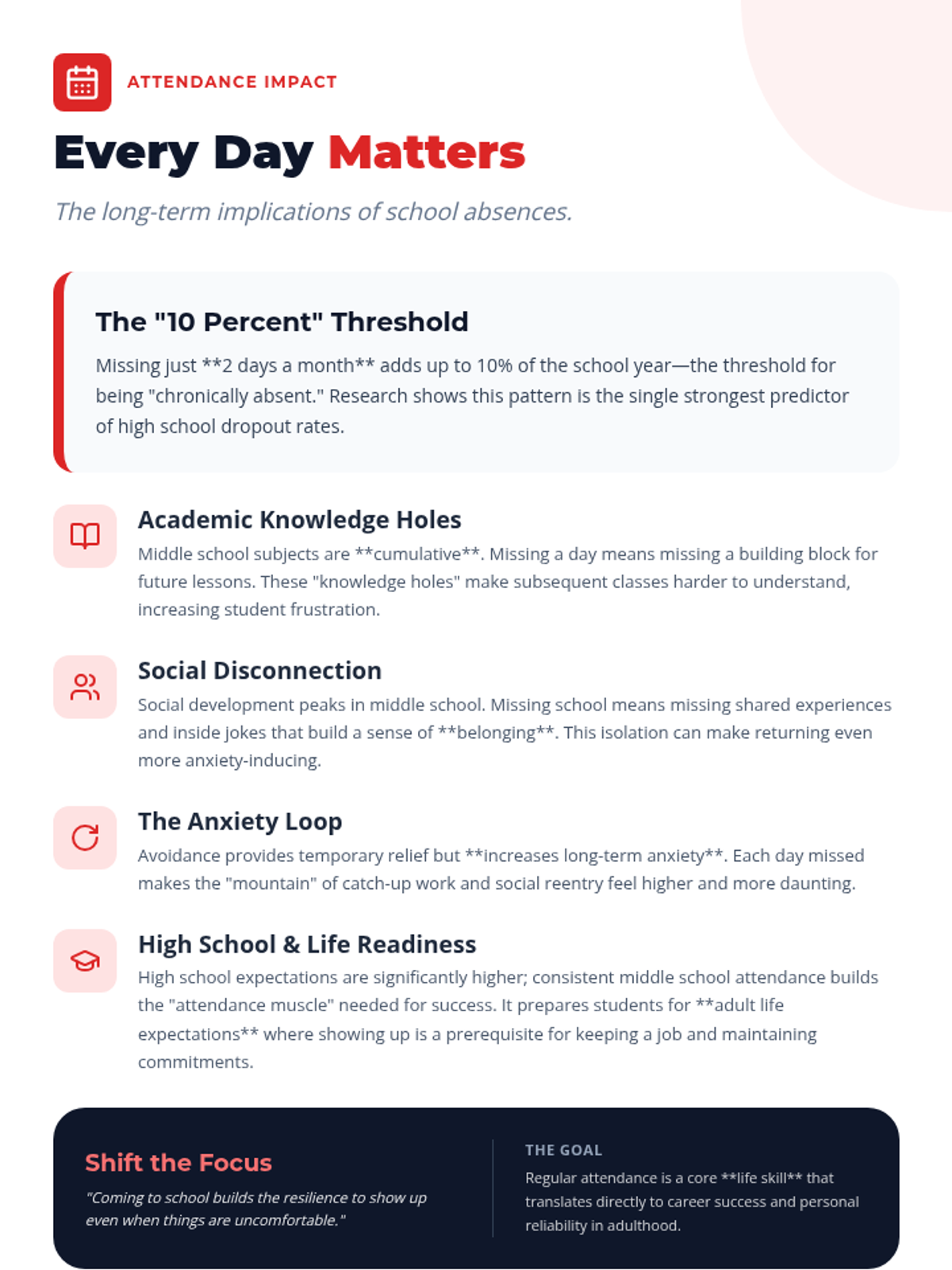
A collection of resources for parents of middle schoolers to navigate defiance and school avoidance with empathy and effective strategies.
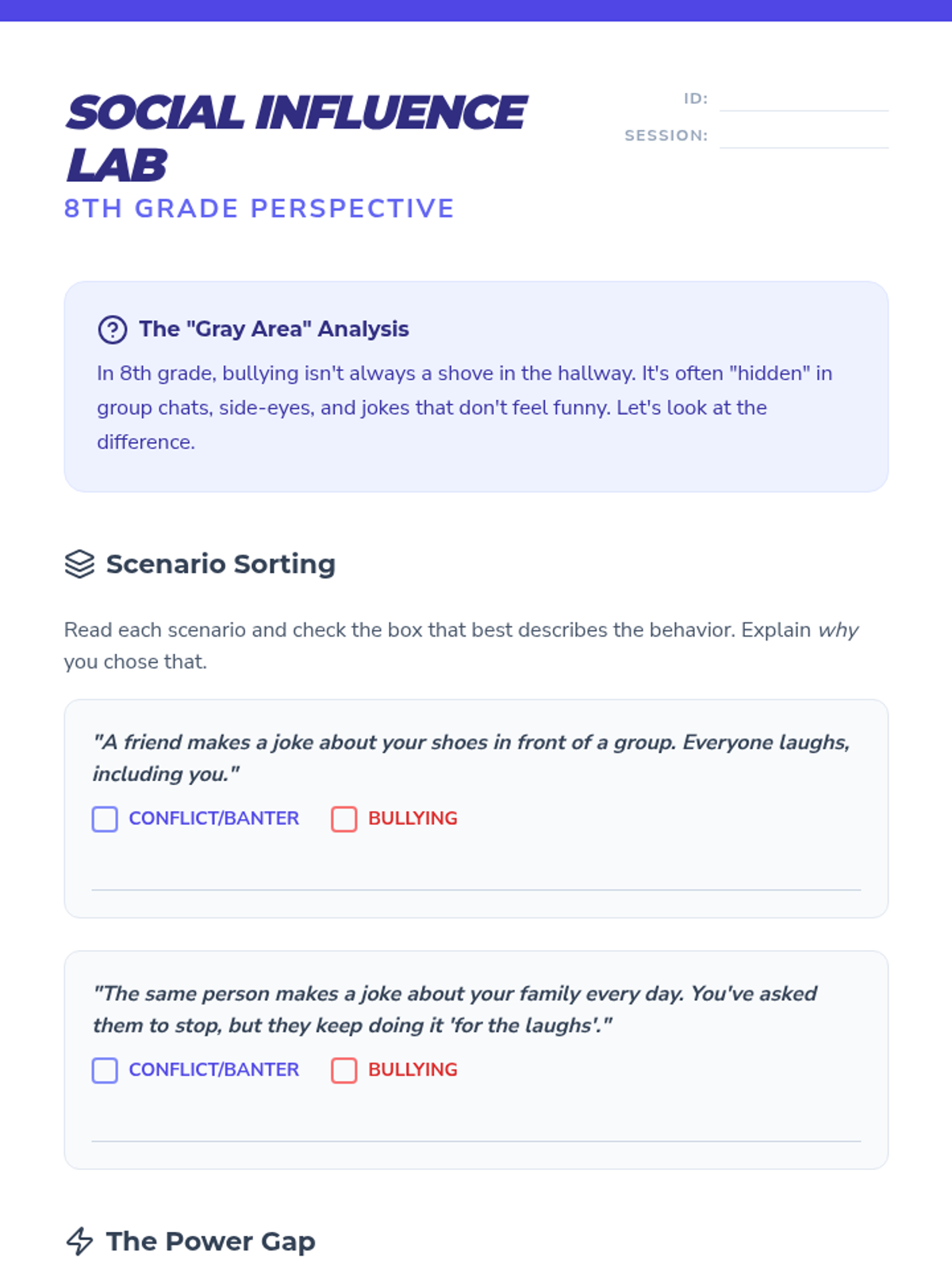
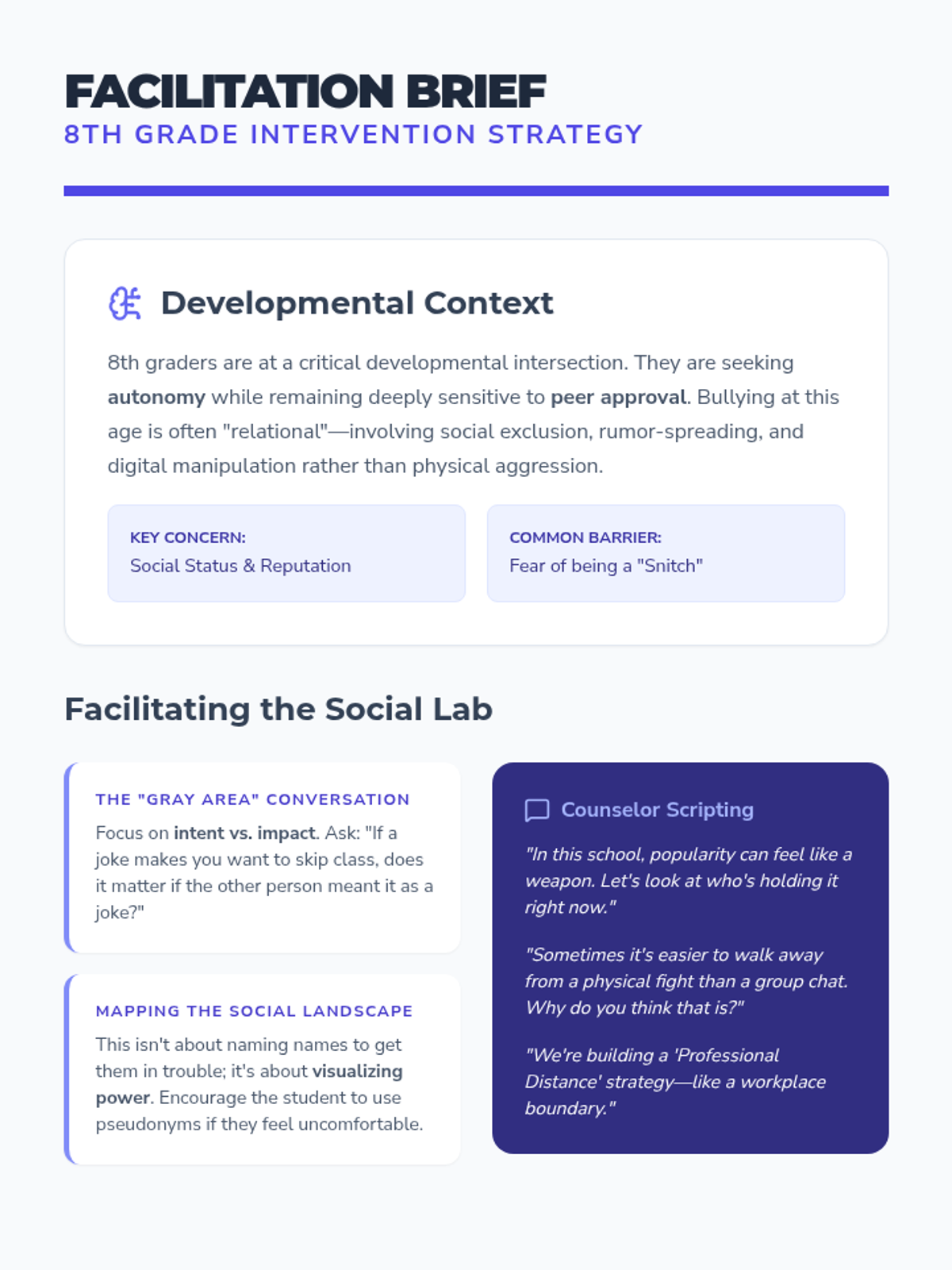
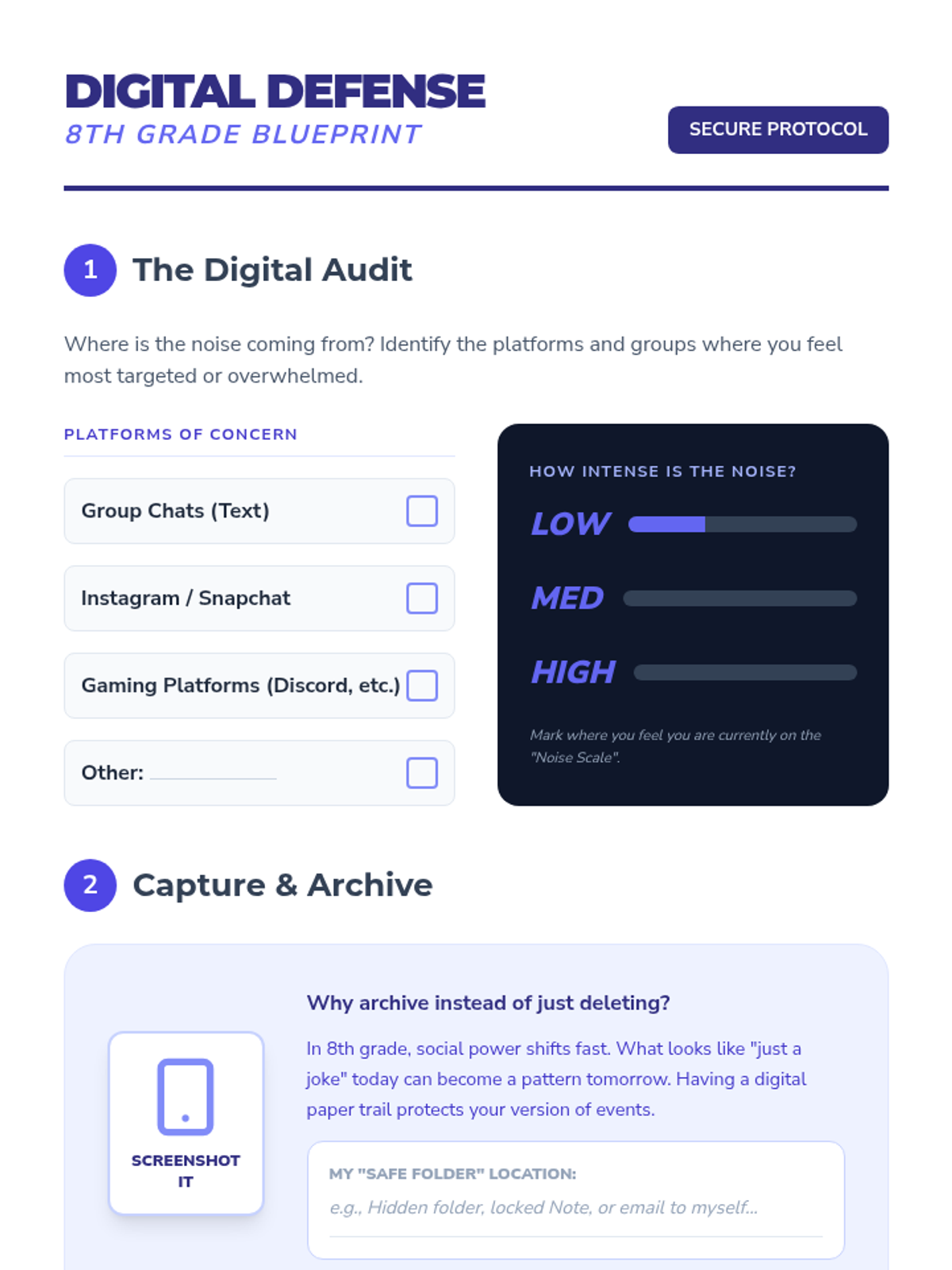
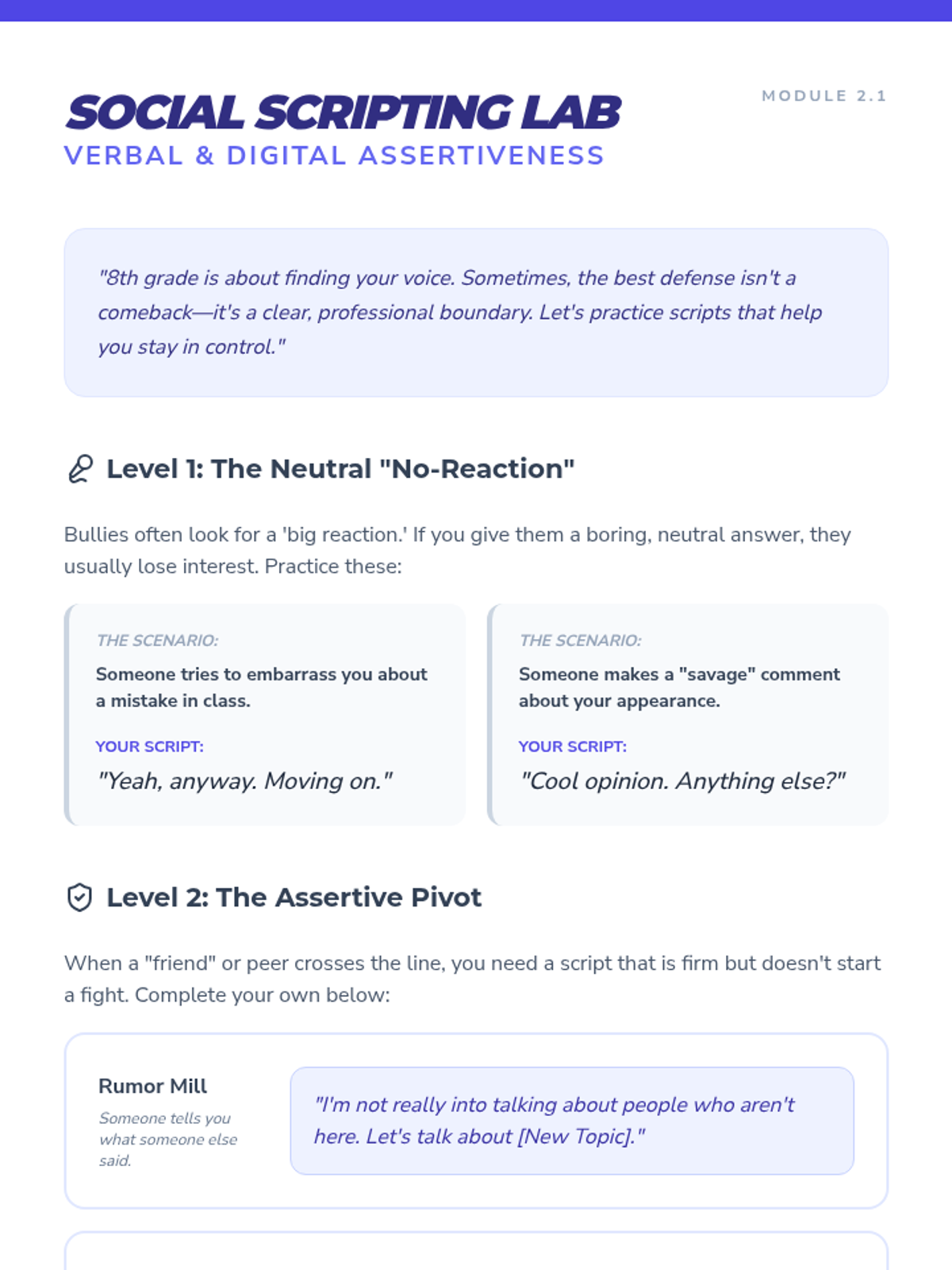
A specialized one-on-one intervention for 8th graders that tackles the nuances of middle school social power, digital harassment, and the 'gray areas' between joking and bullying.
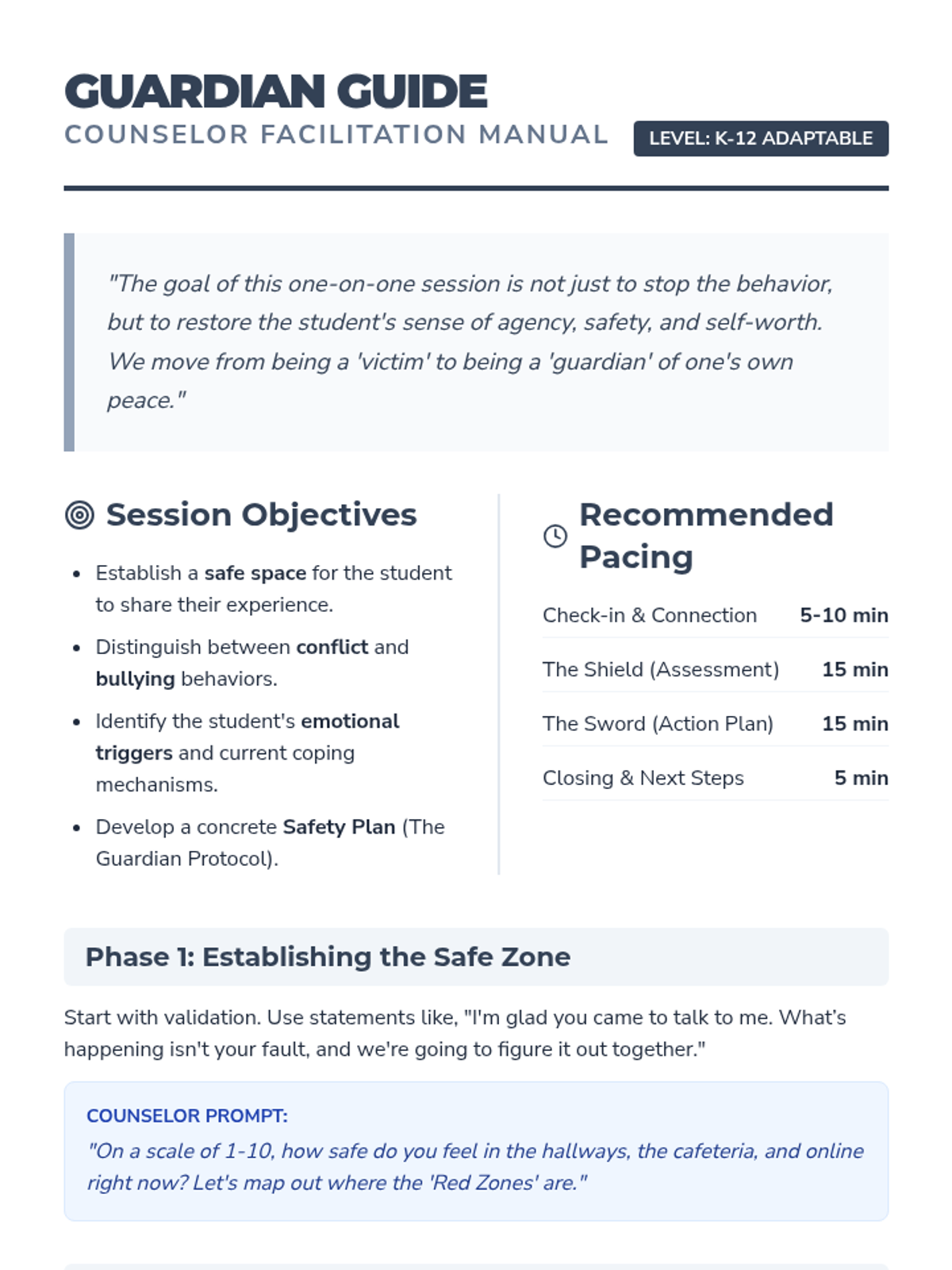
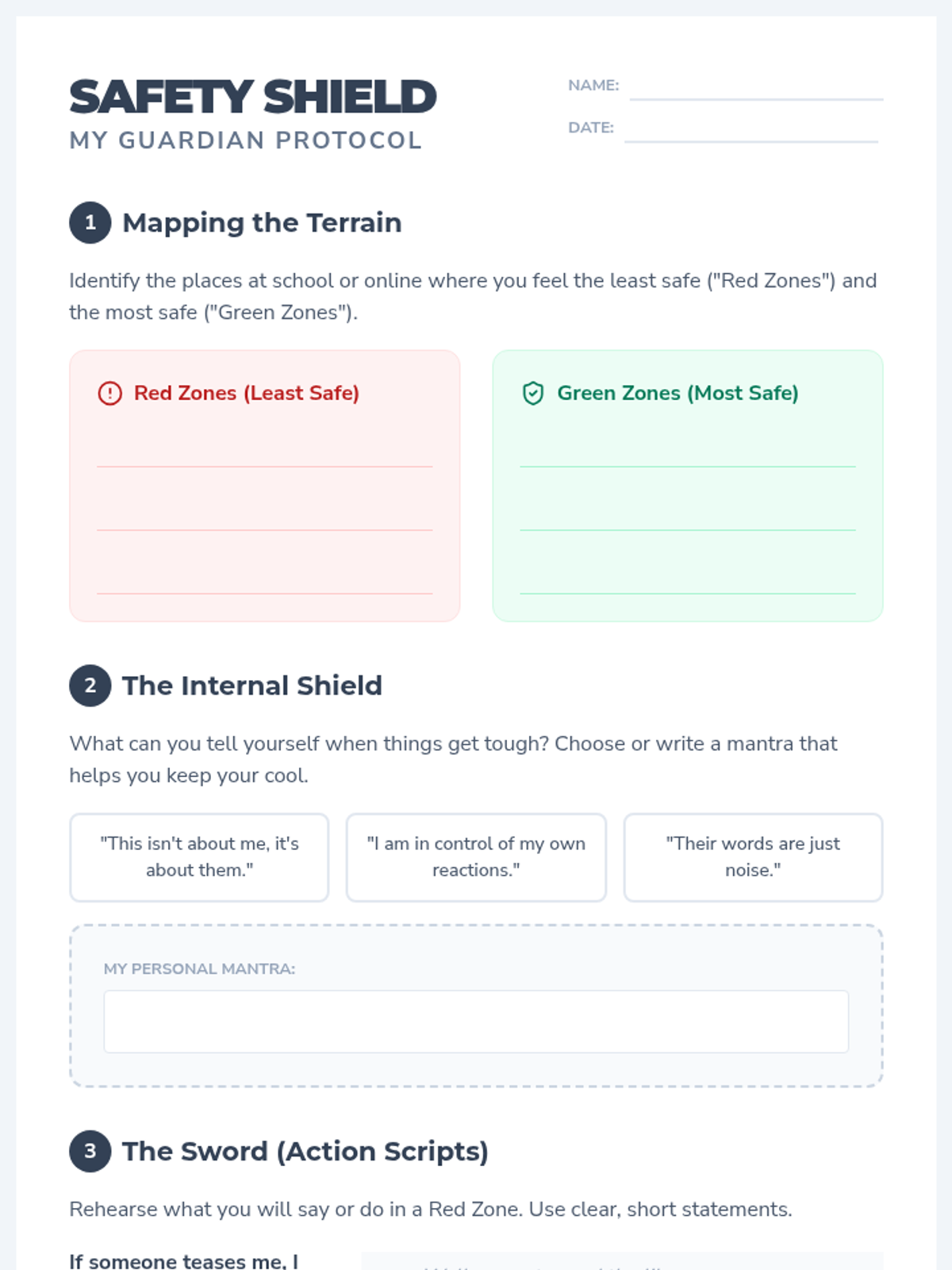
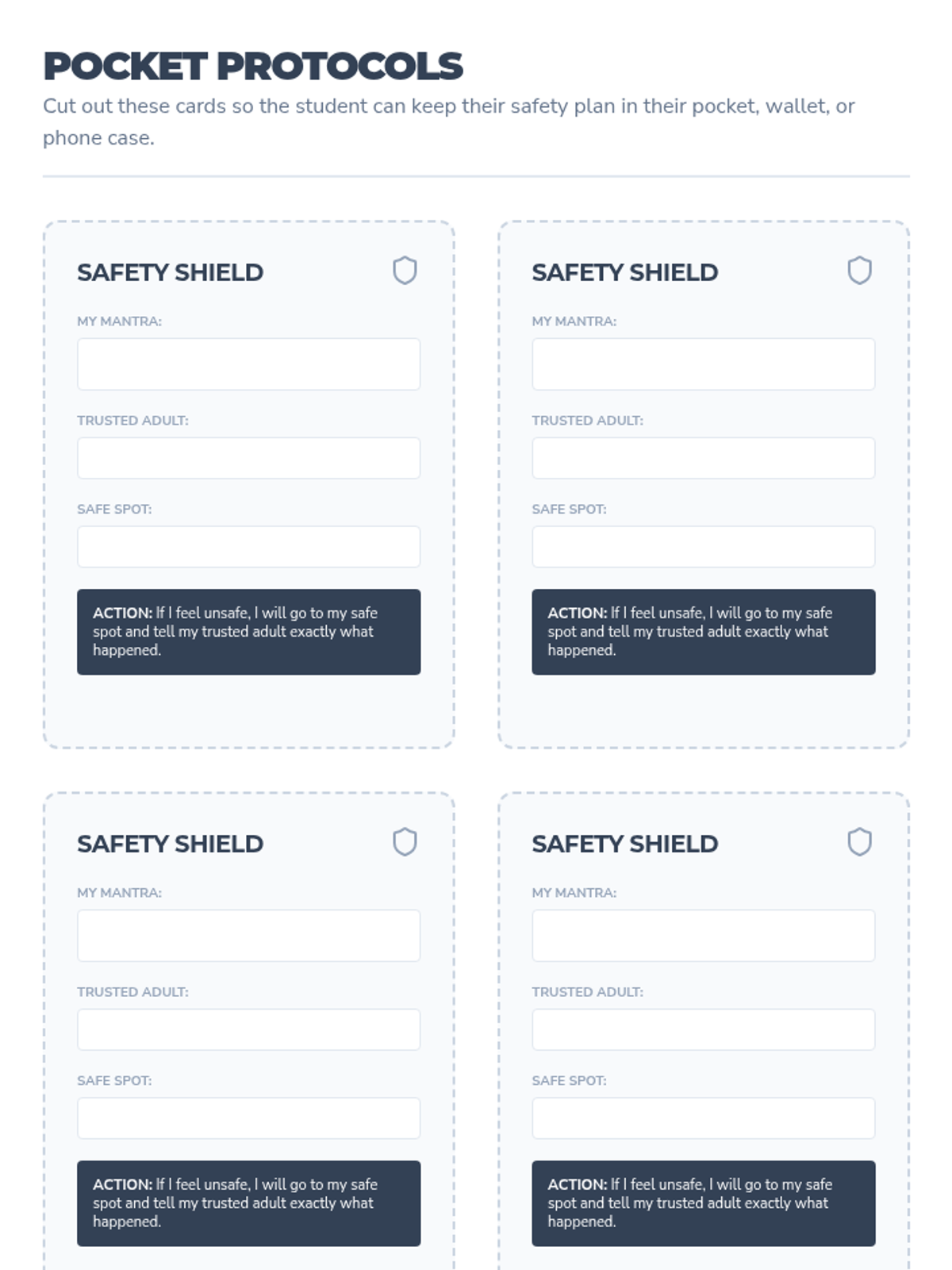
A comprehensive one-on-one intervention framework designed for school counselors and social workers to support students impacted by bullying. This lesson focuses on identifying bullying behaviors, building emotional resilience, and establishing concrete safety plans.
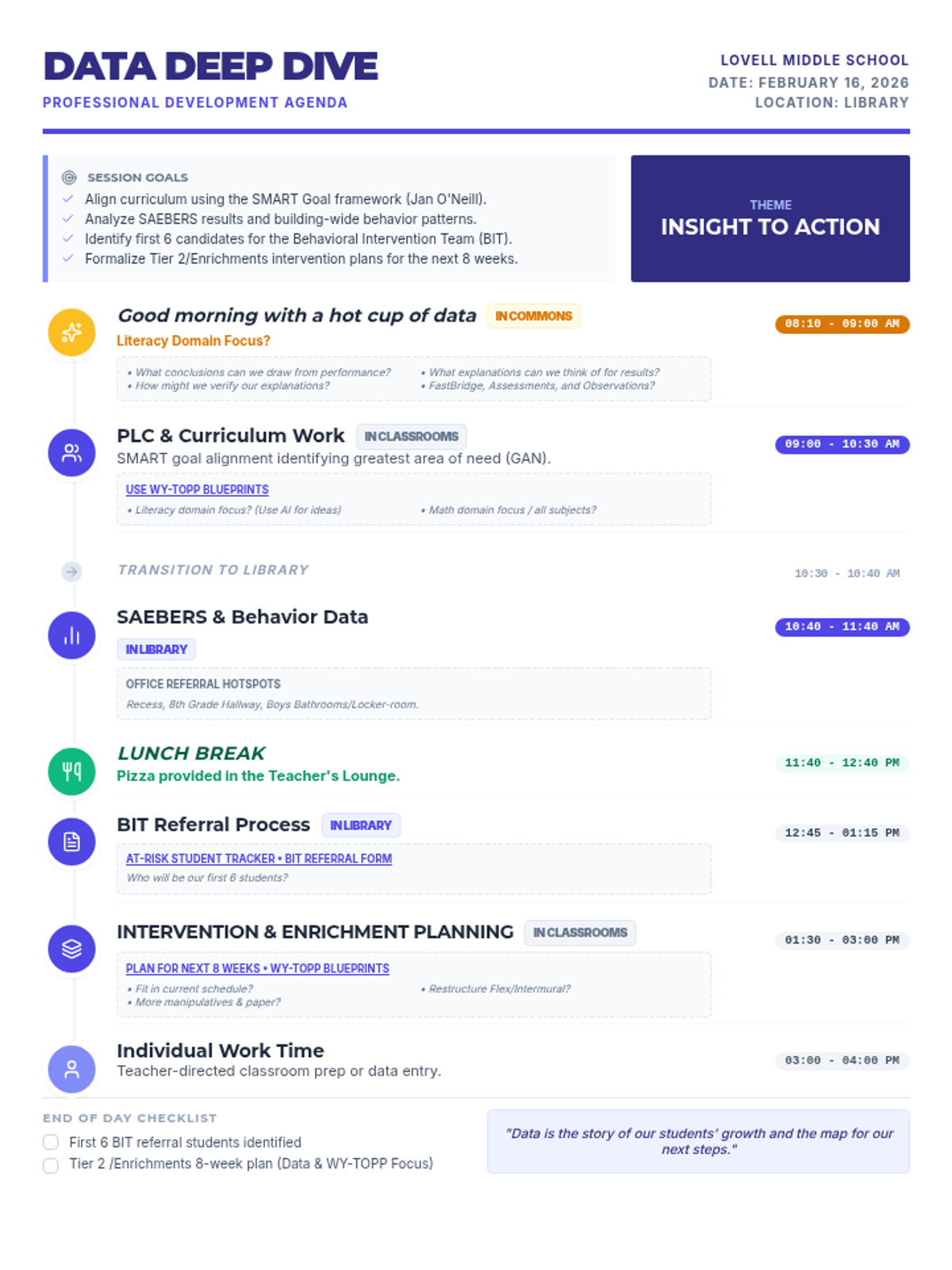
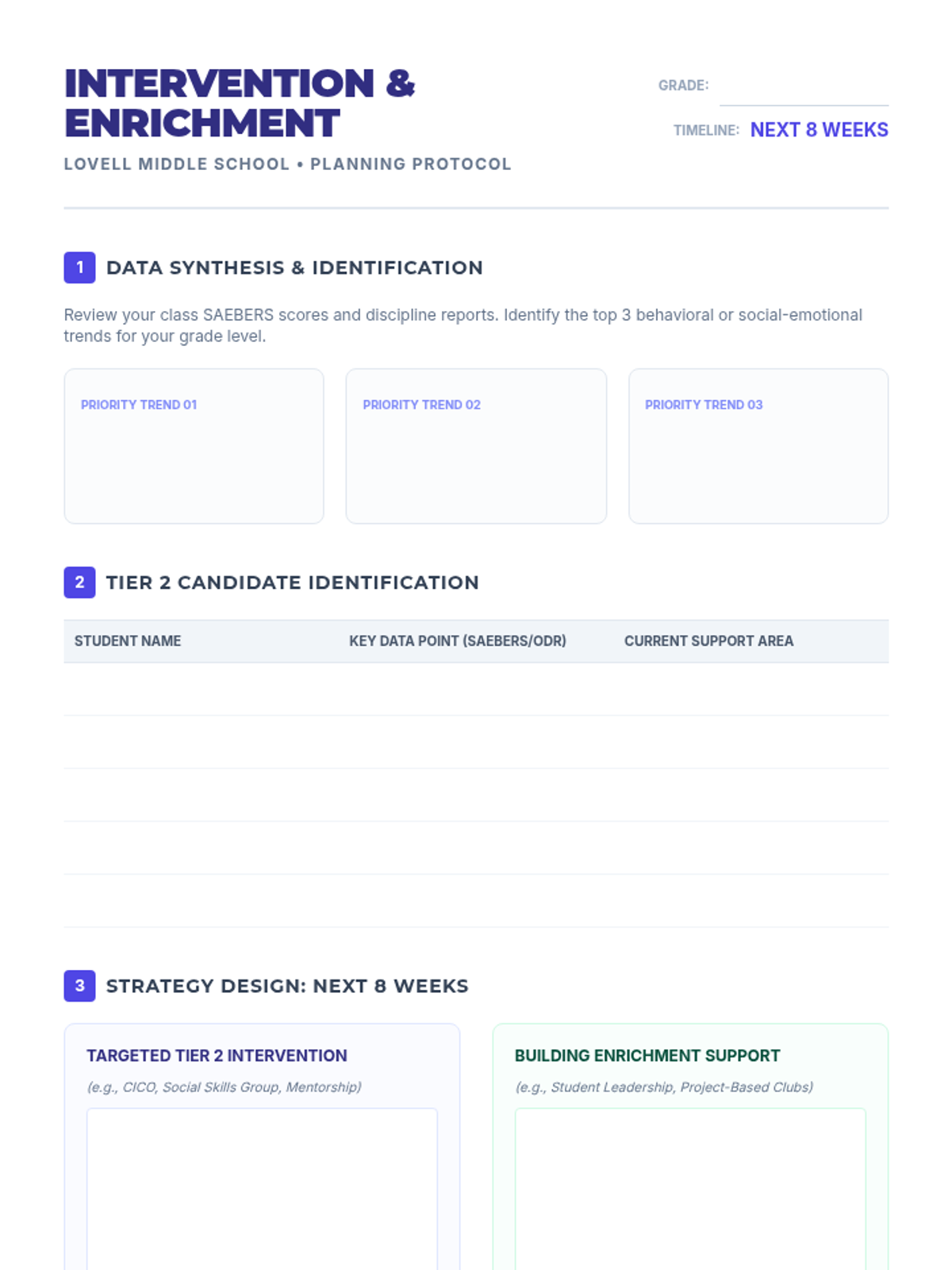
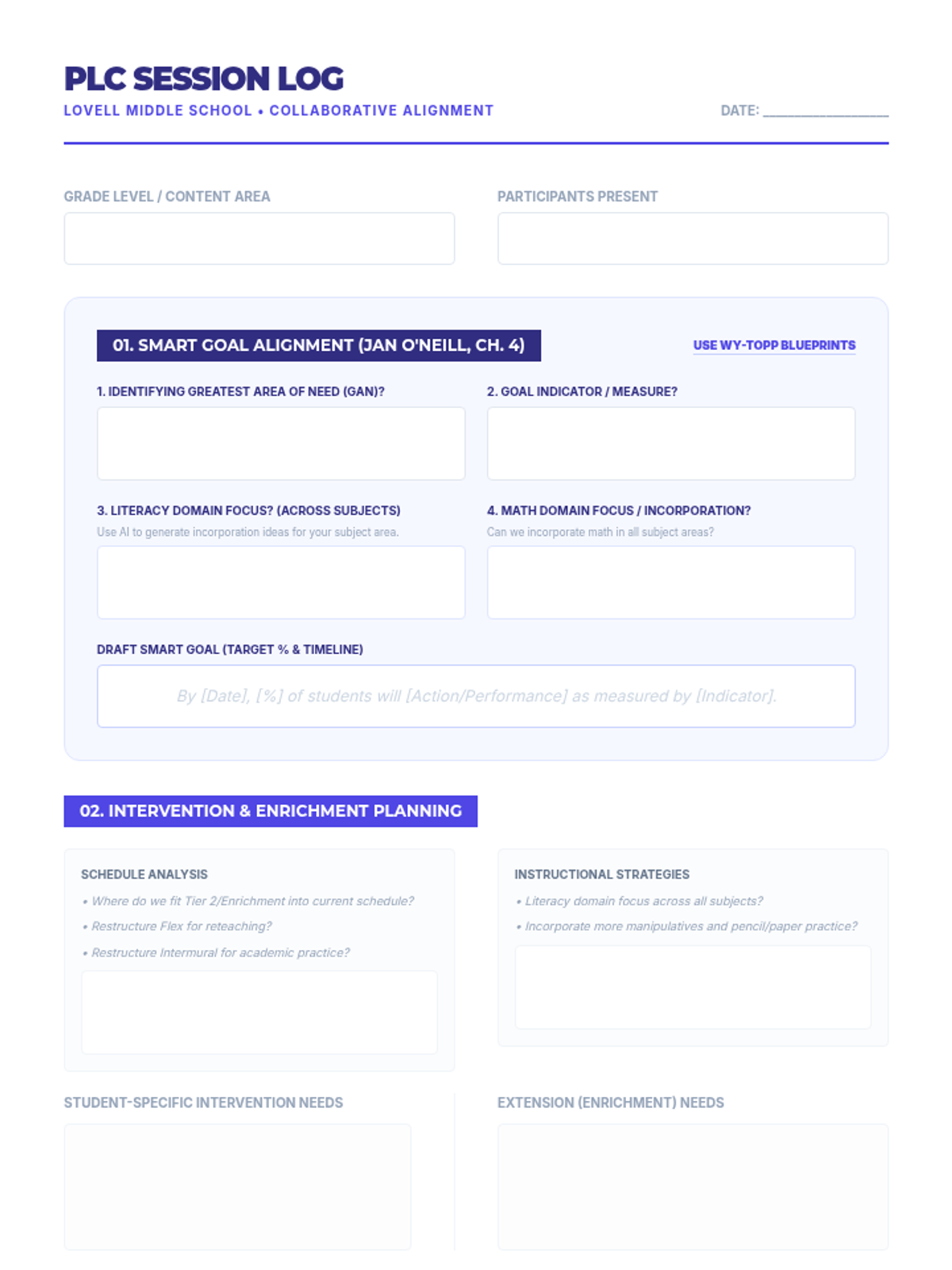
A professional development session focused on analyzing behavior data, social-emotional screening results, and developing intervention plans. Teachers will collaborate in PLCs and grade-level teams to create data-driven enrichment and support strategies.
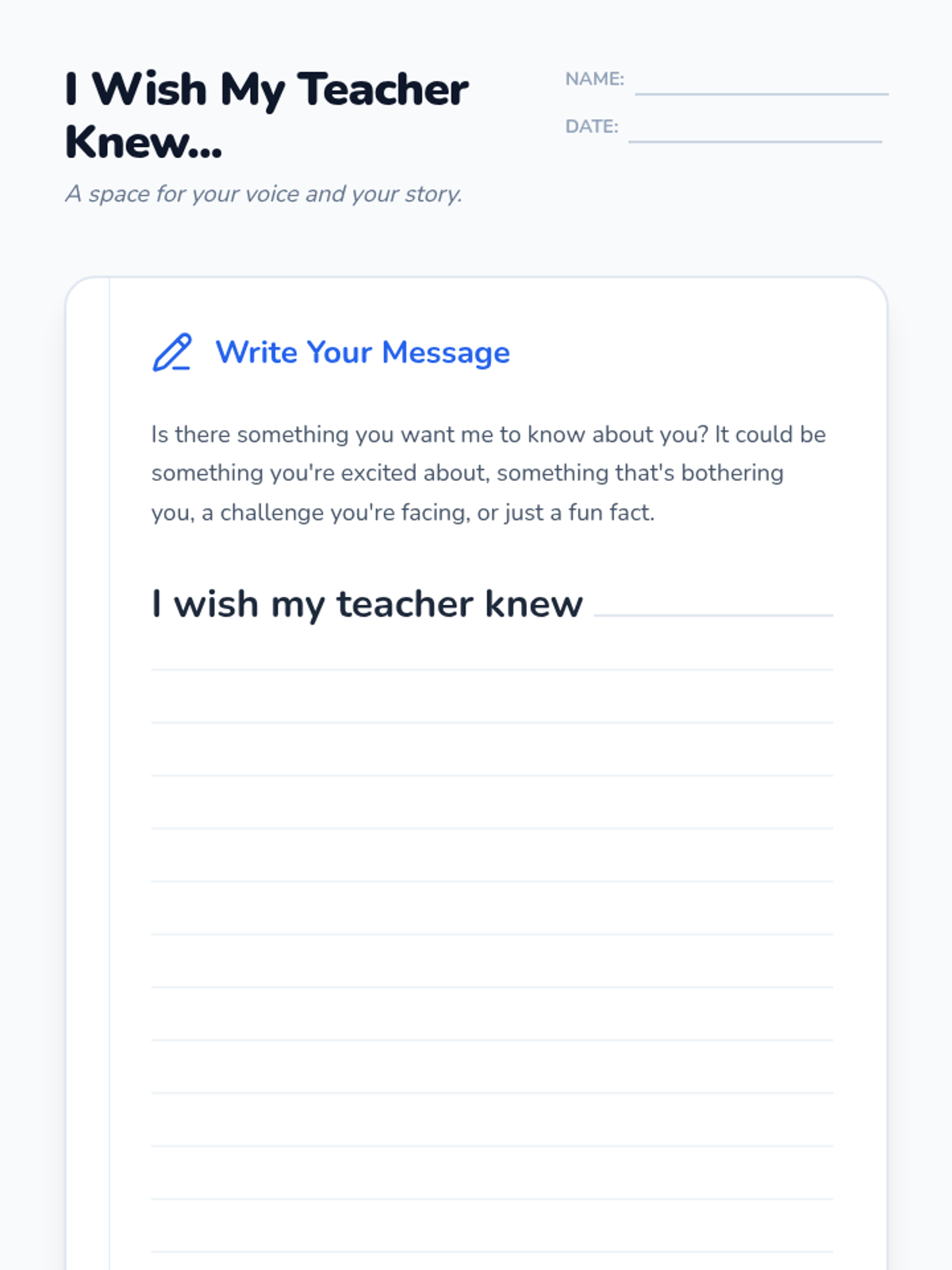
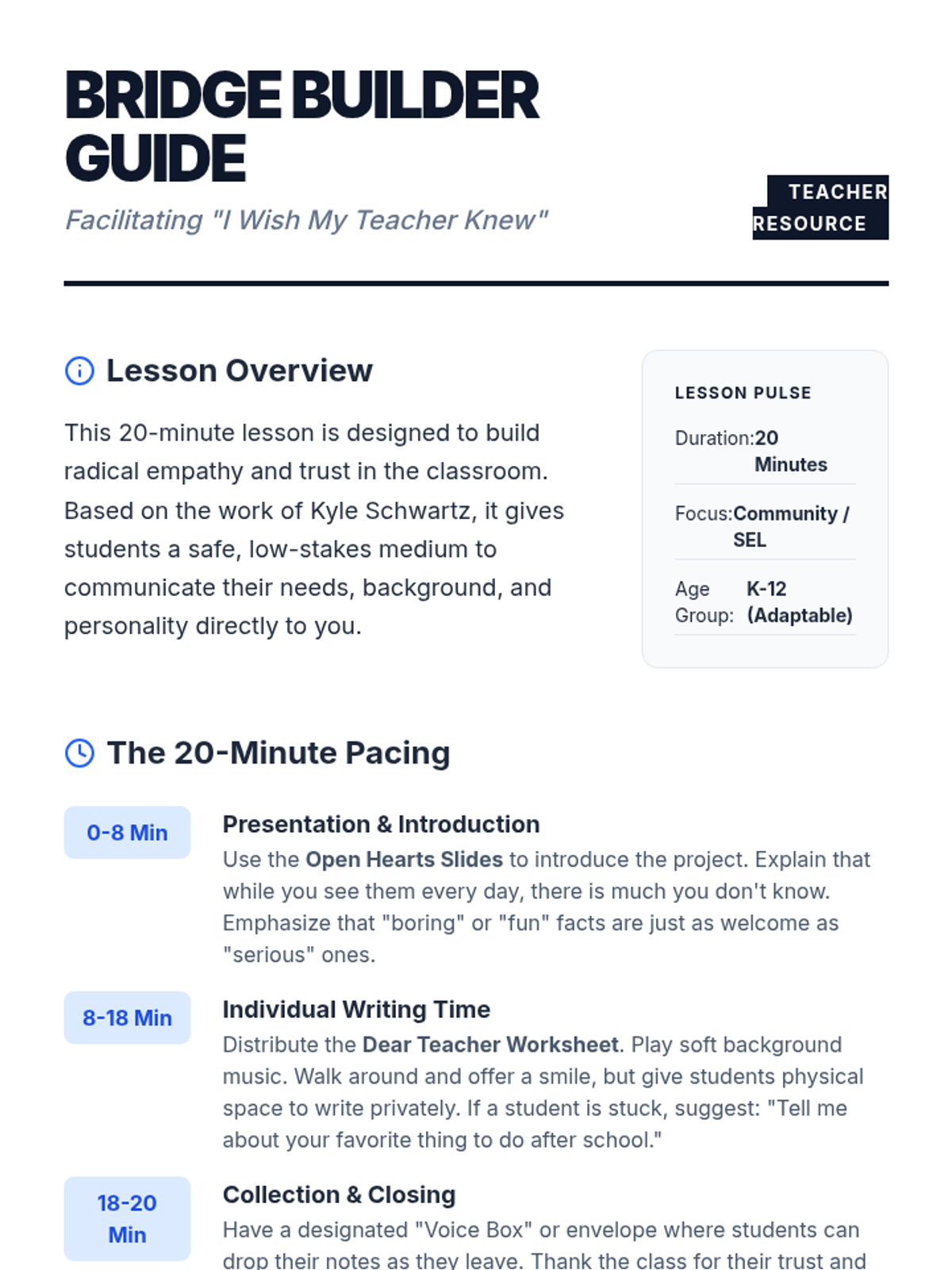
A short, impactful community-building lesson based on the "I Wish My Teacher Knew" project. Students share personal insights, needs, or stories with their teacher to build trust, empathy, and a stronger classroom community.
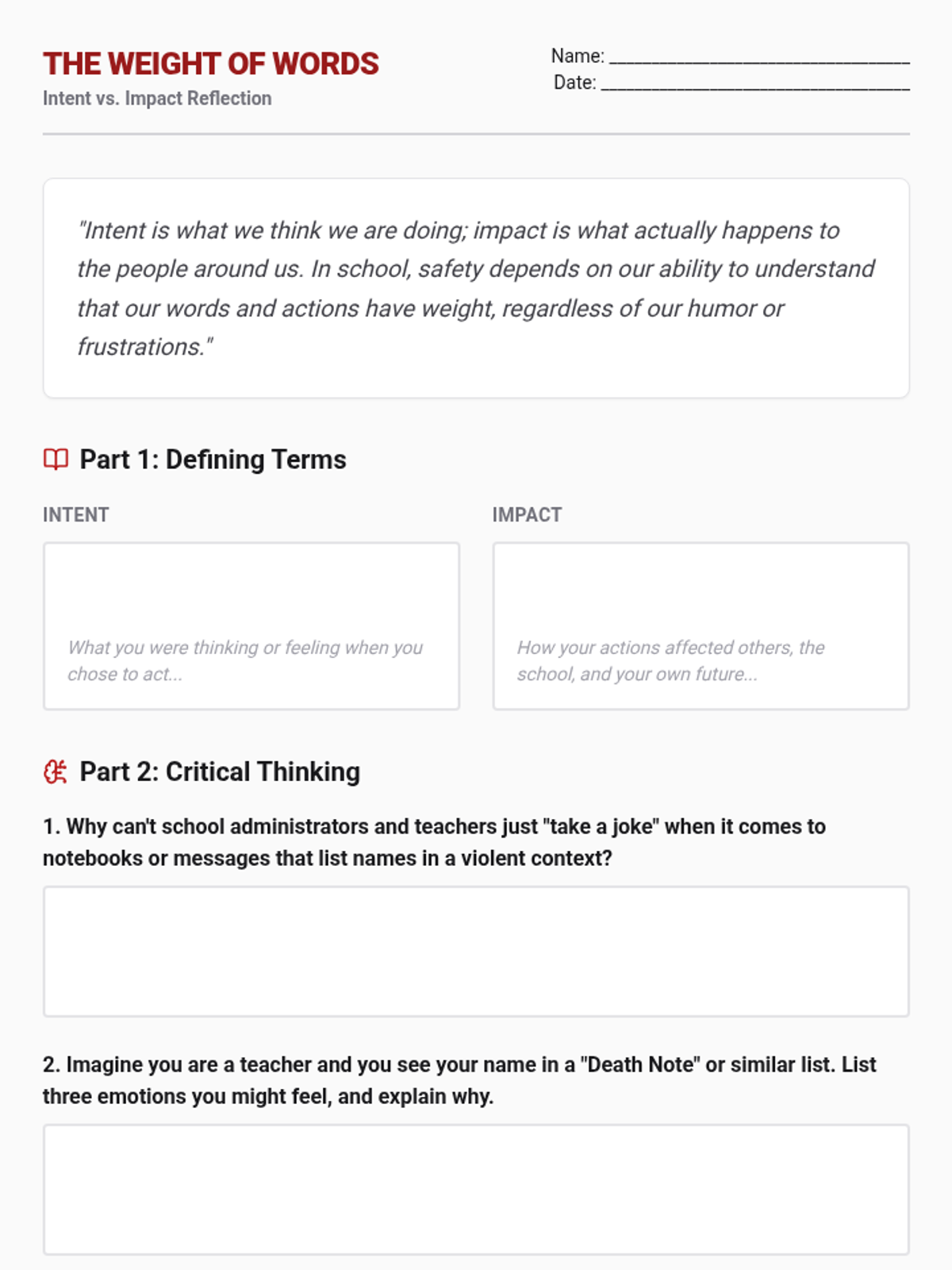
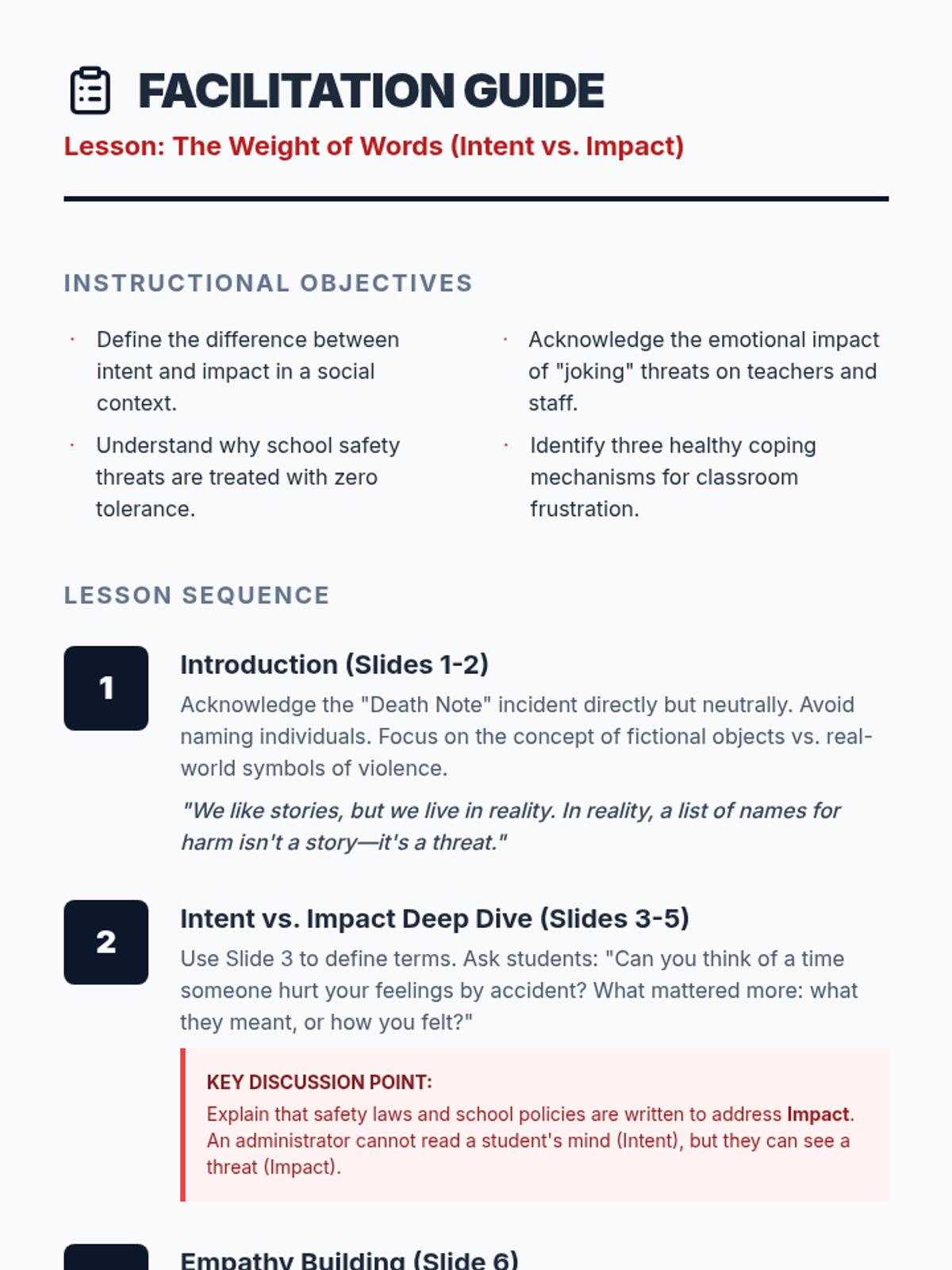
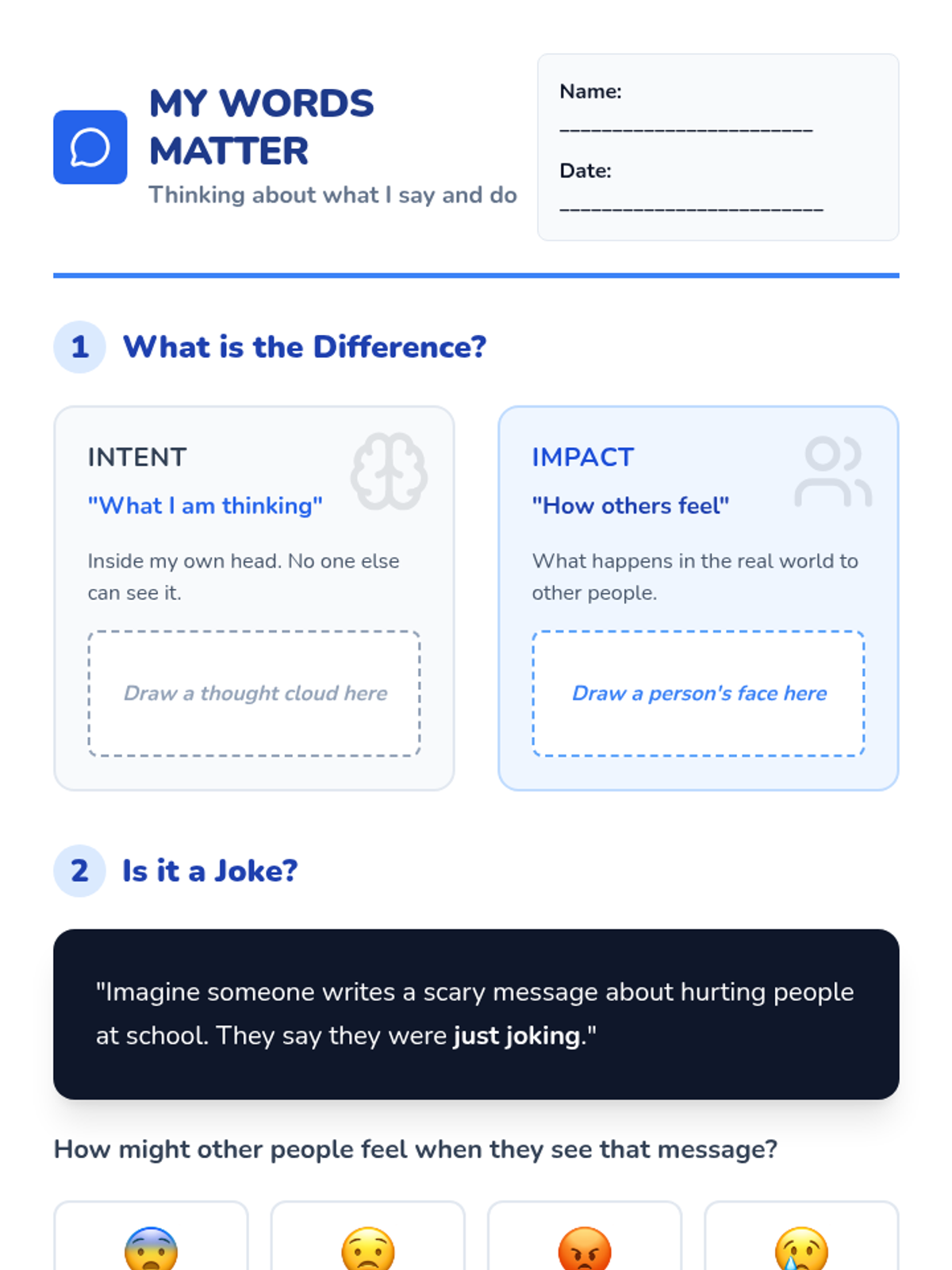
A psychoeducation lesson focusing on the critical difference between intent and impact in communication, exploring how words can affect school safety and community trust.
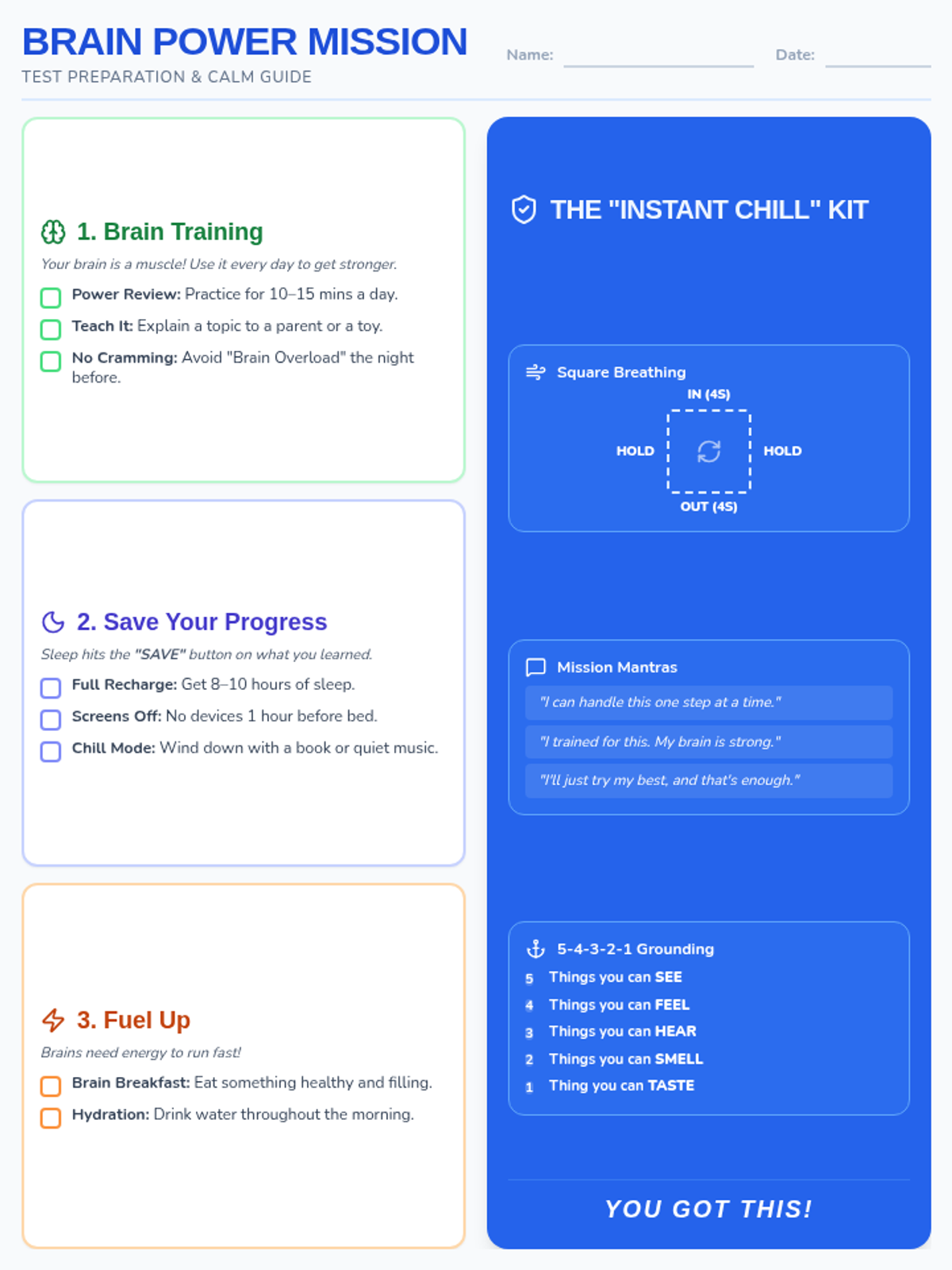
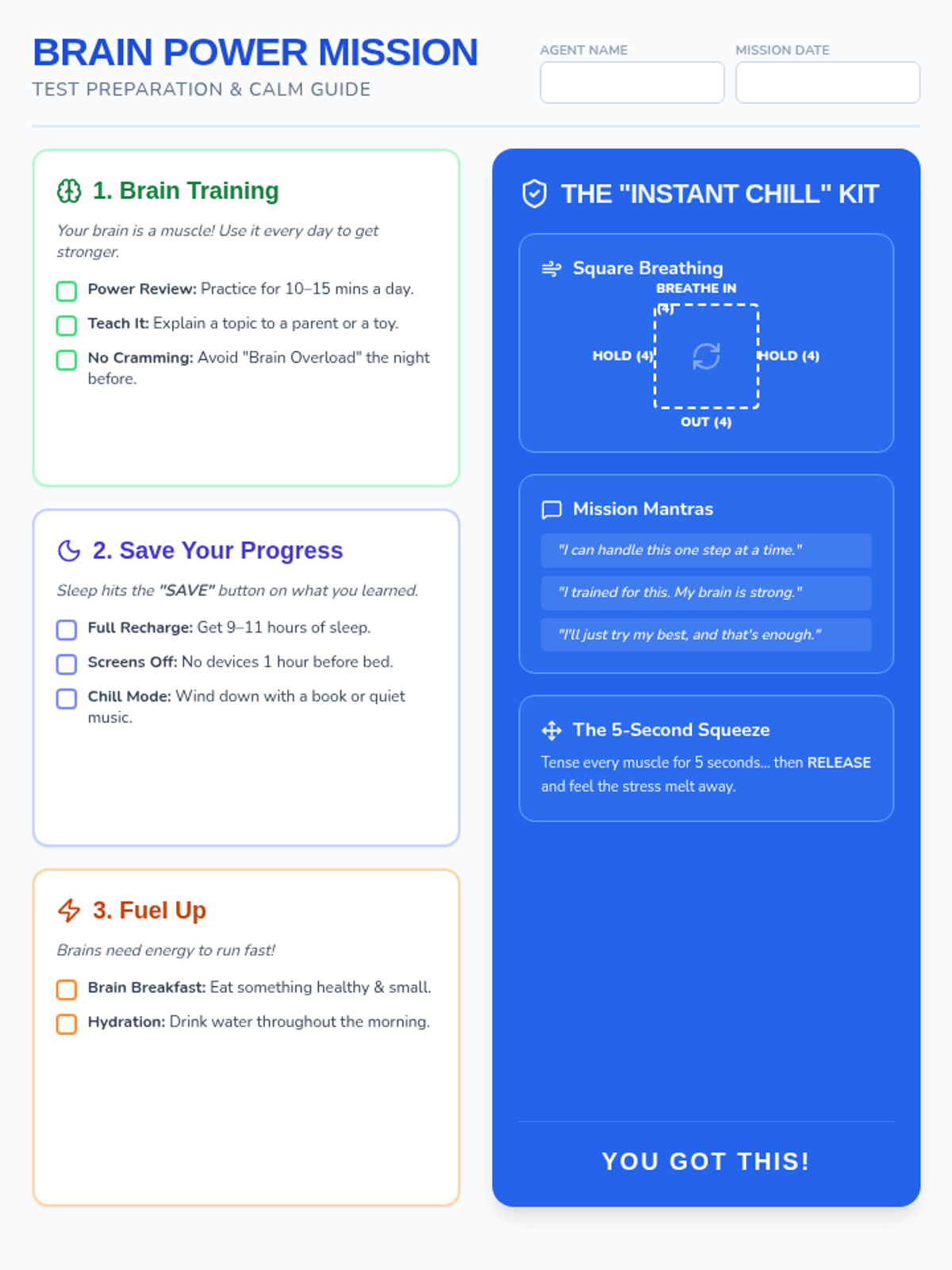
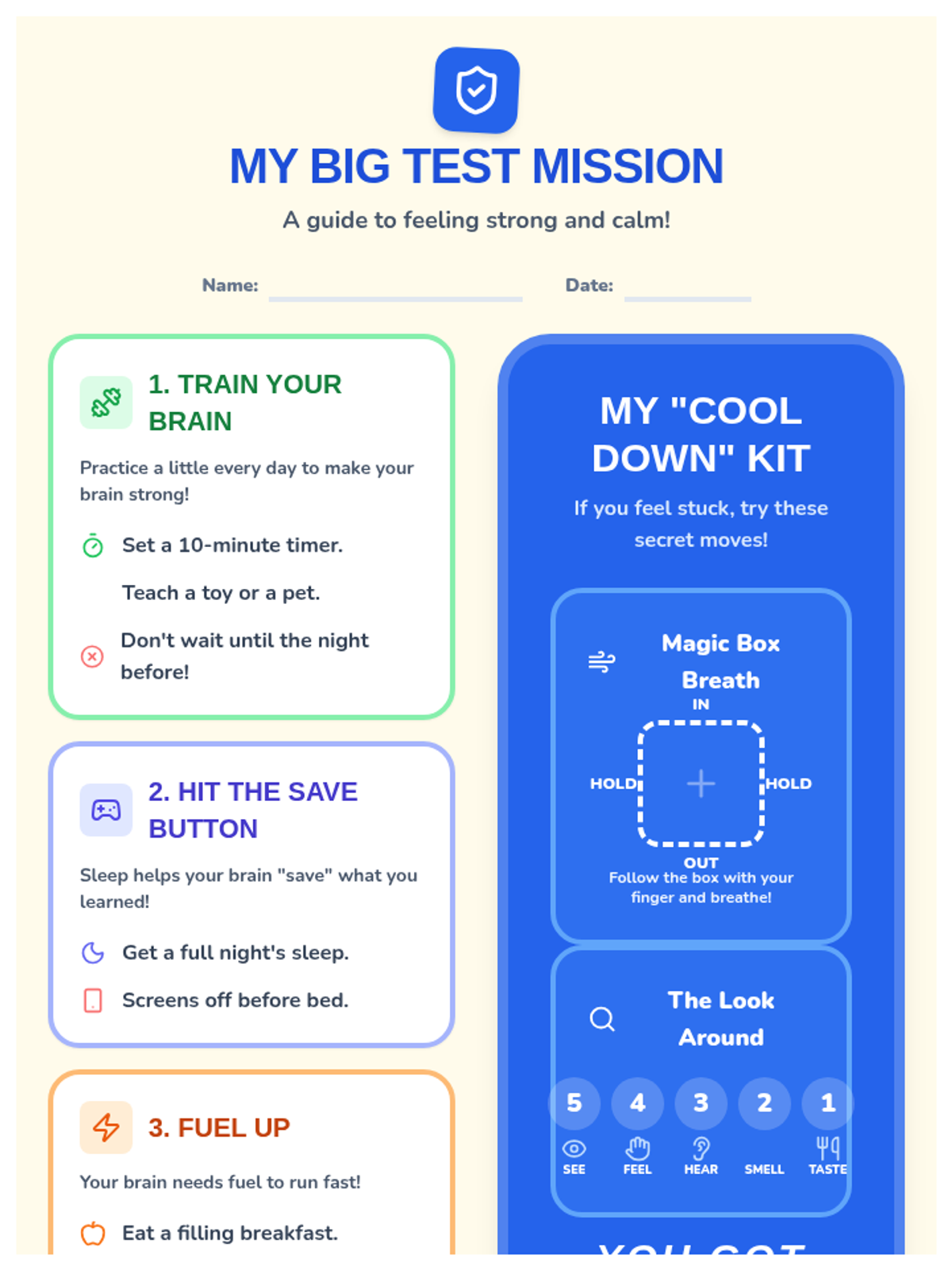
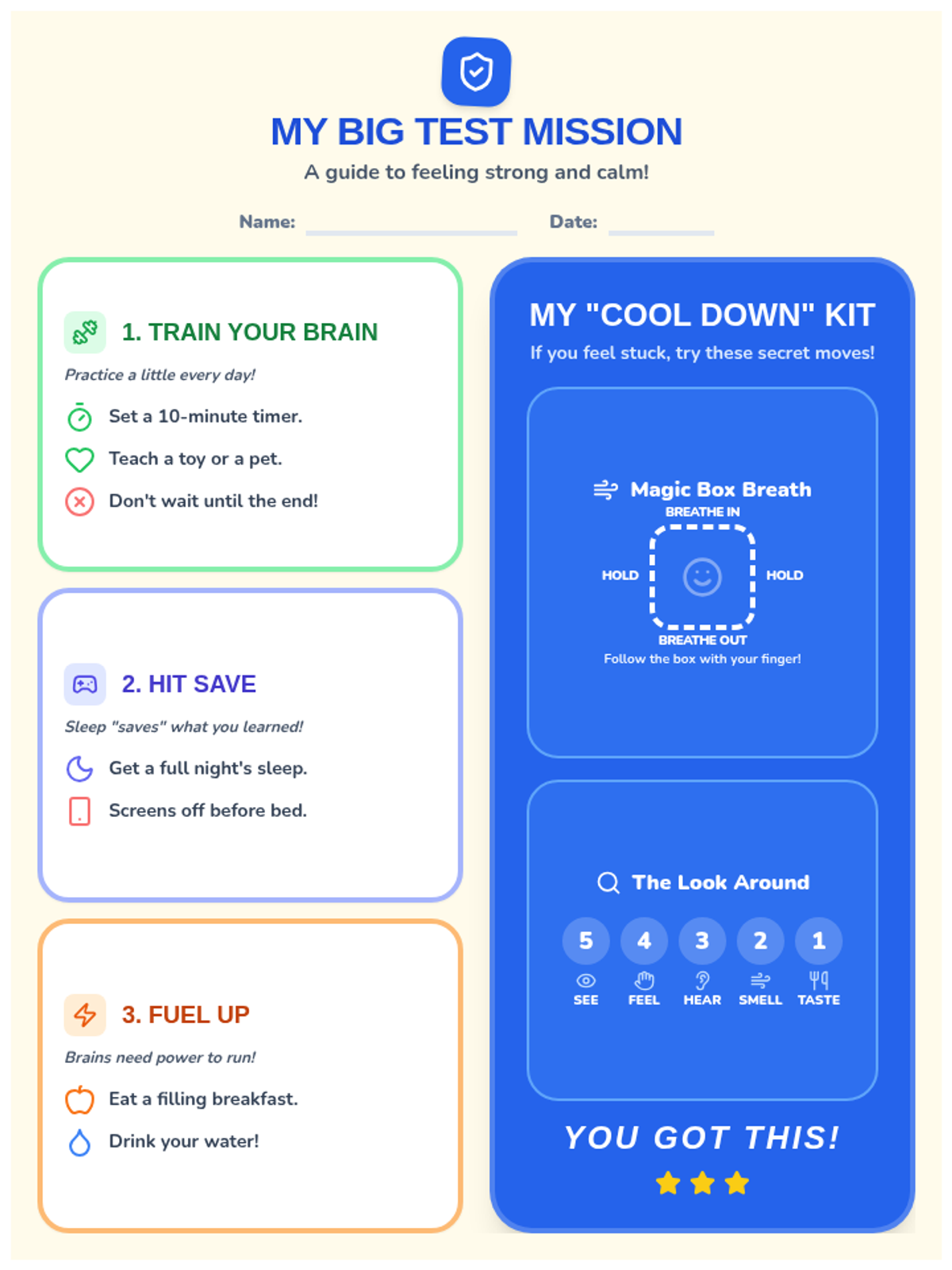
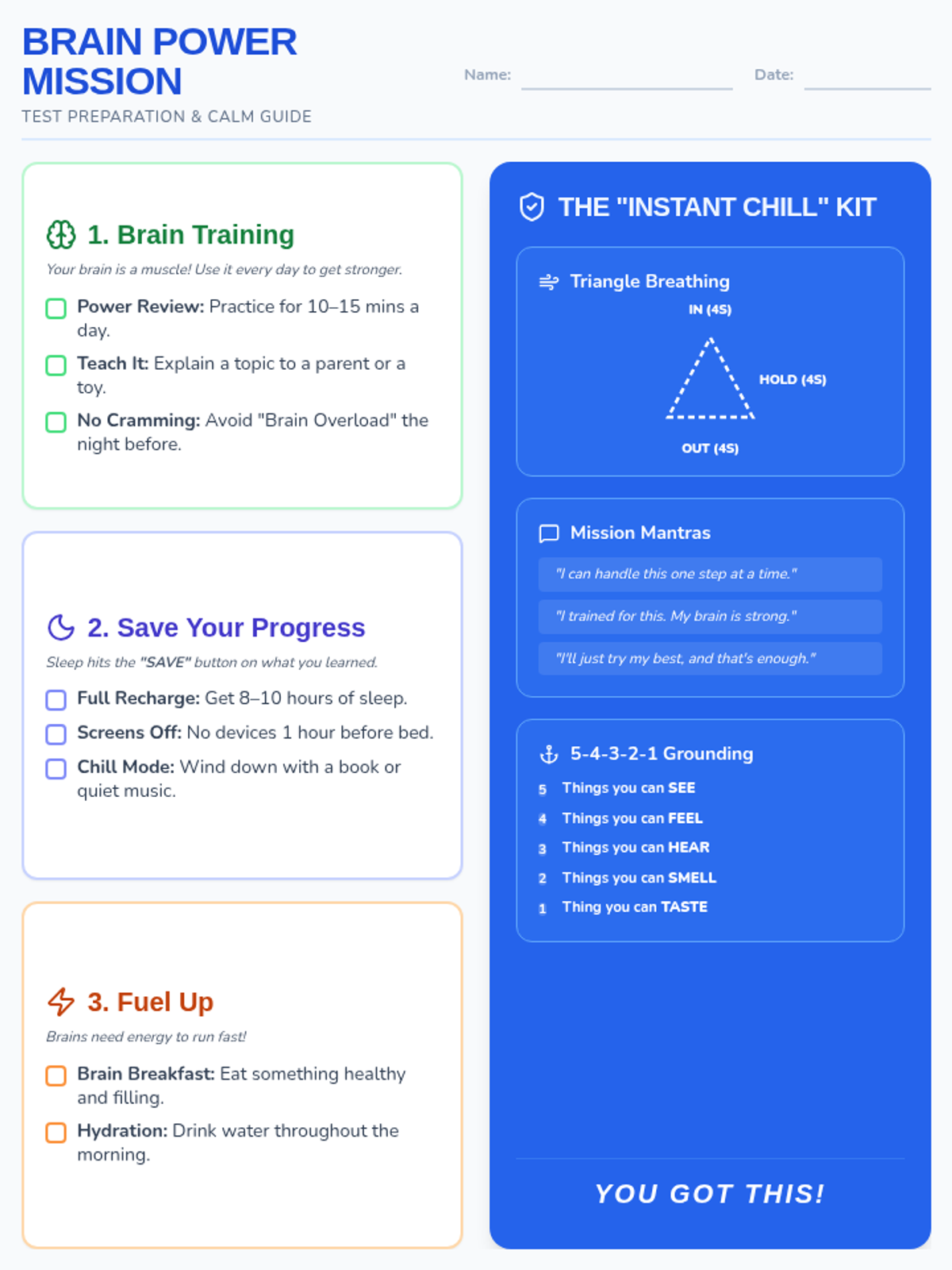
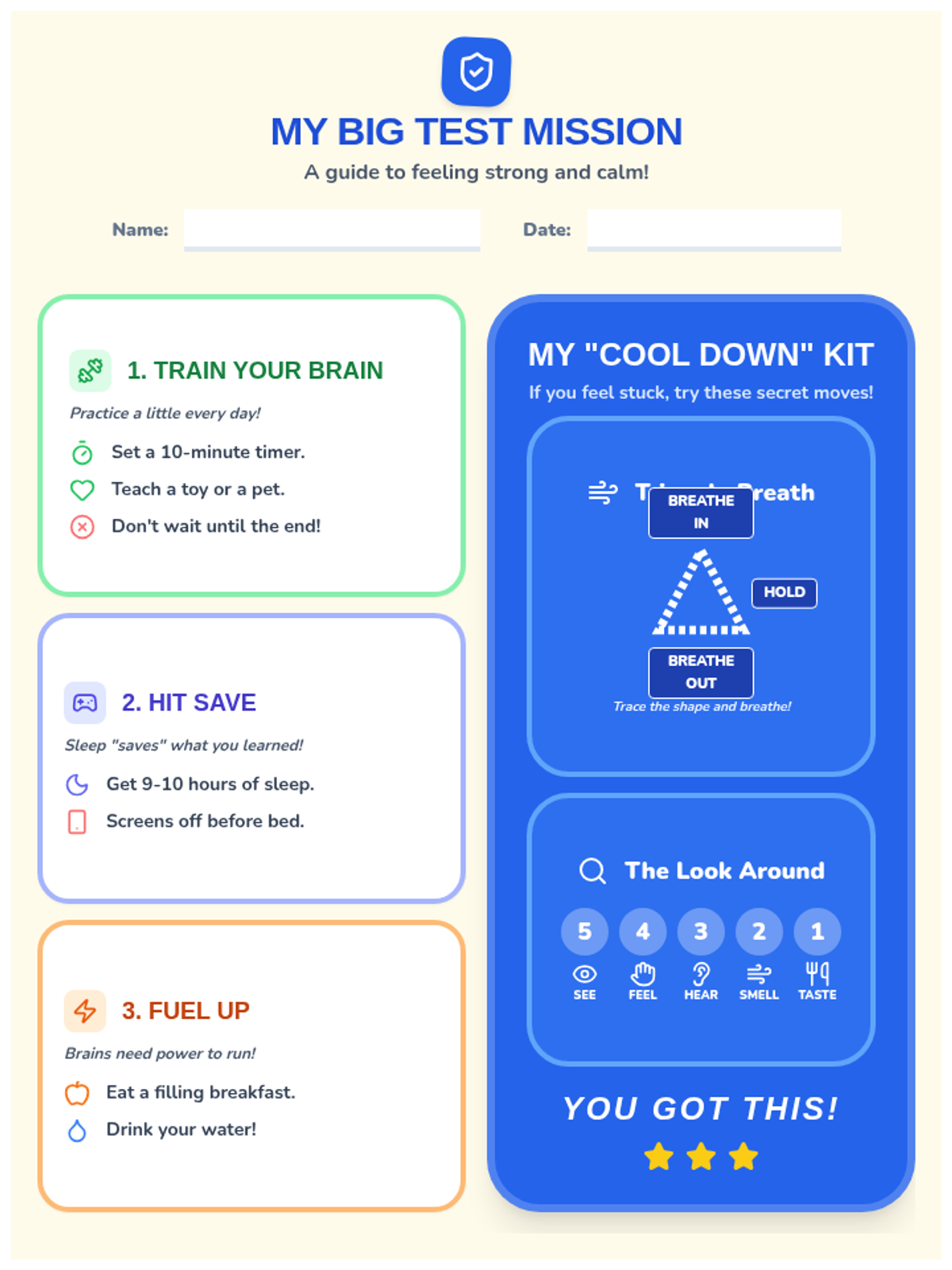
A social-emotional learning lesson for students in grades 3-6 to manage test anxiety through preparation strategies and in-the-moment coping skills.
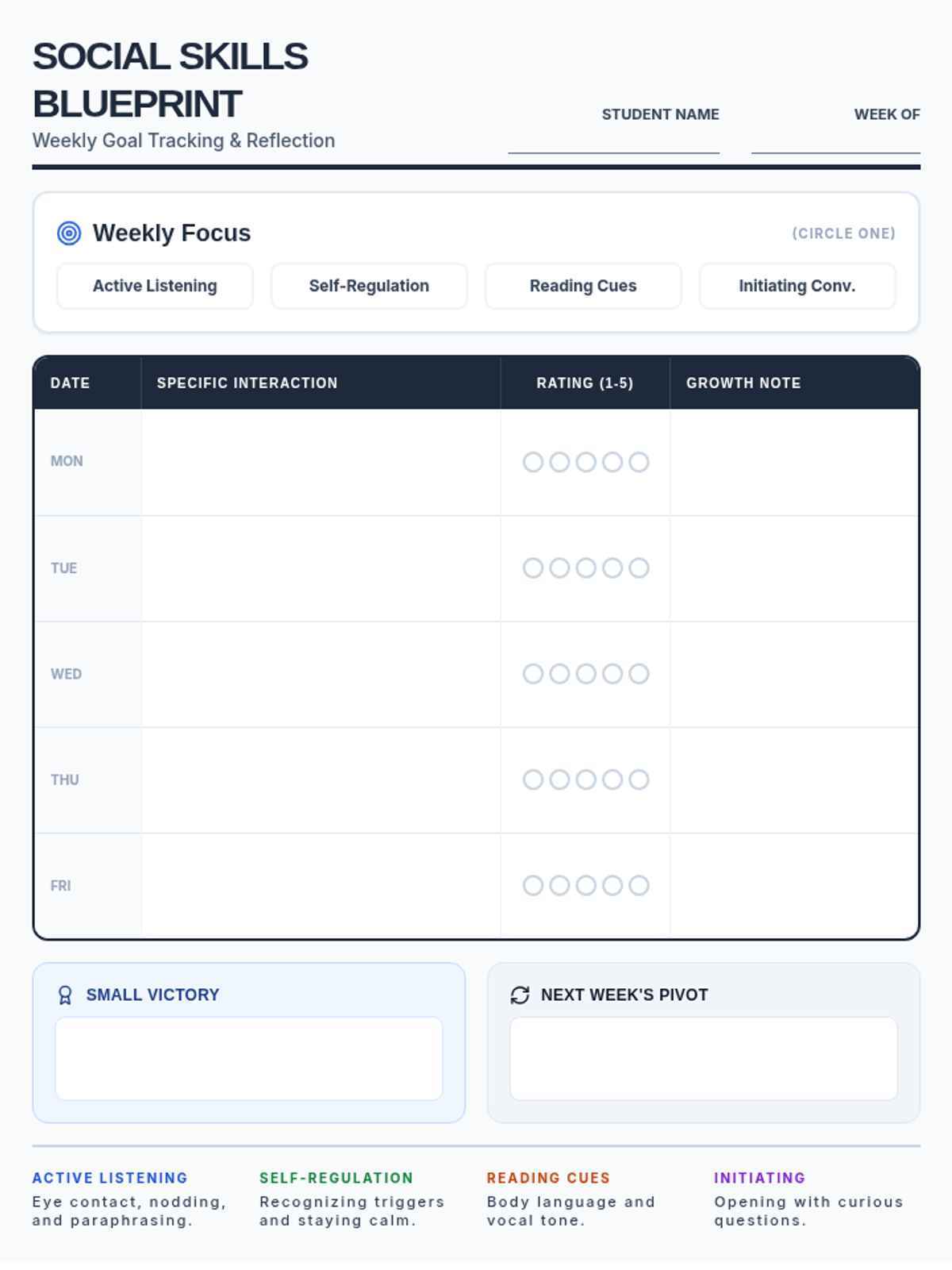
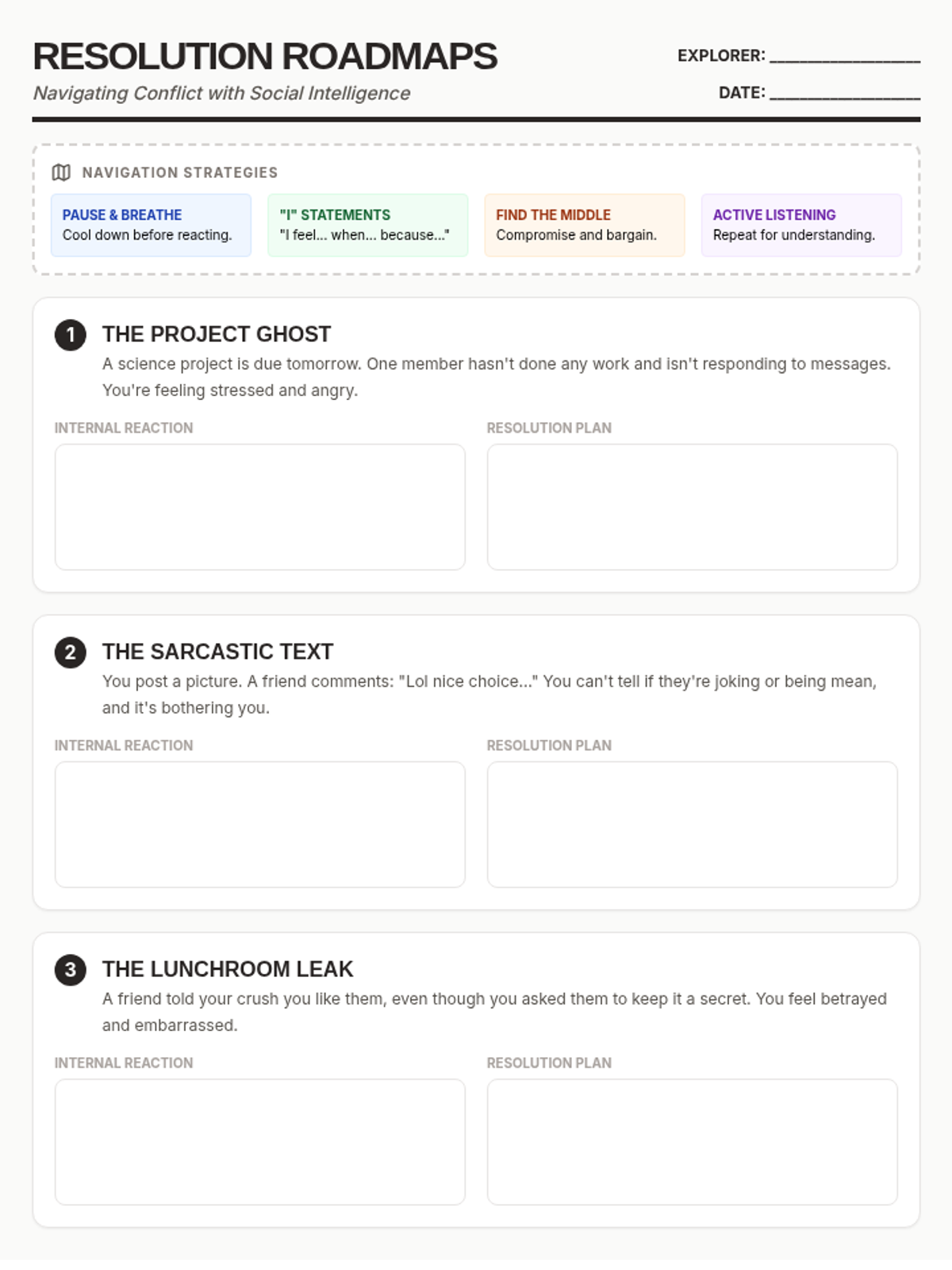
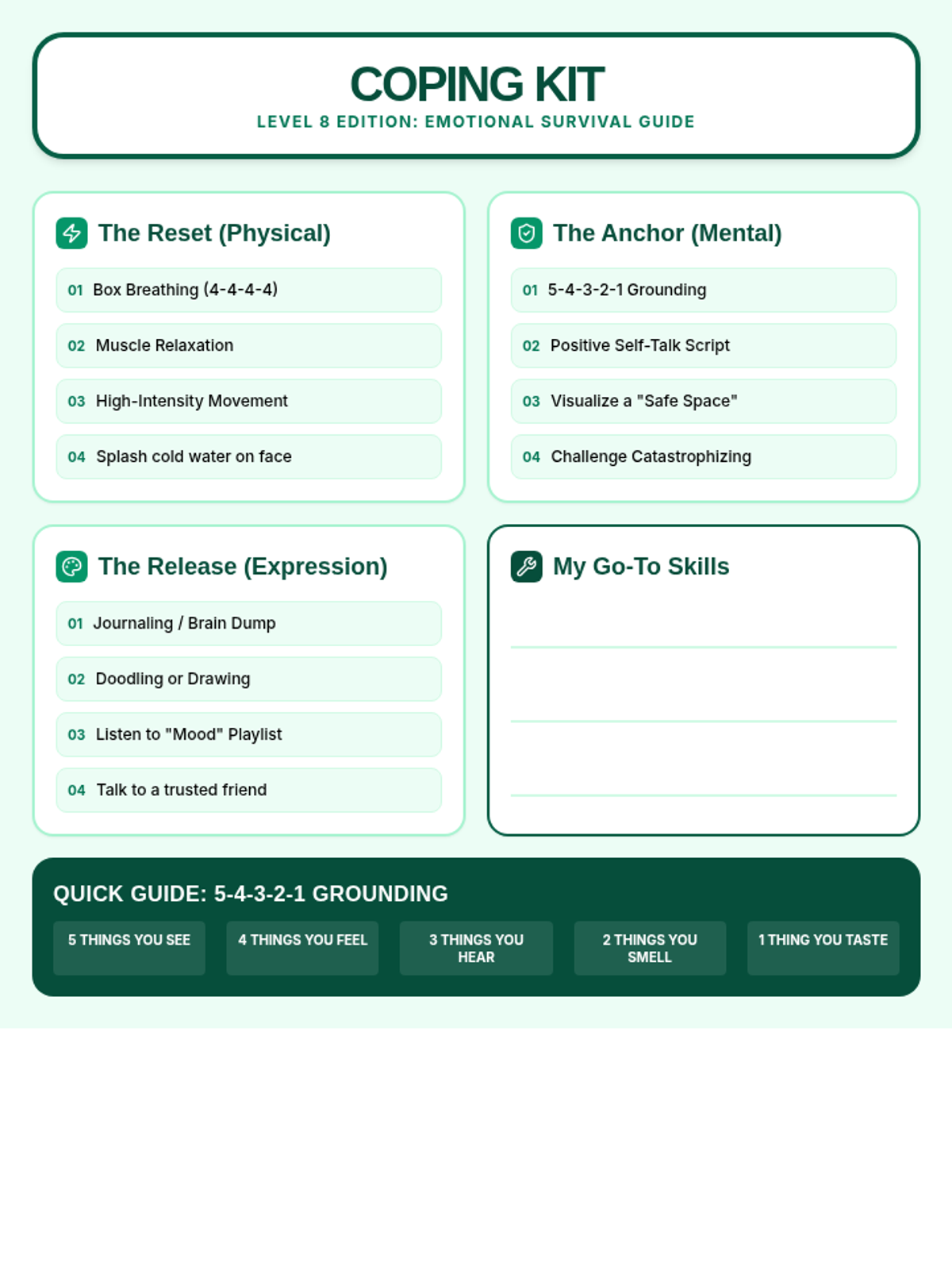
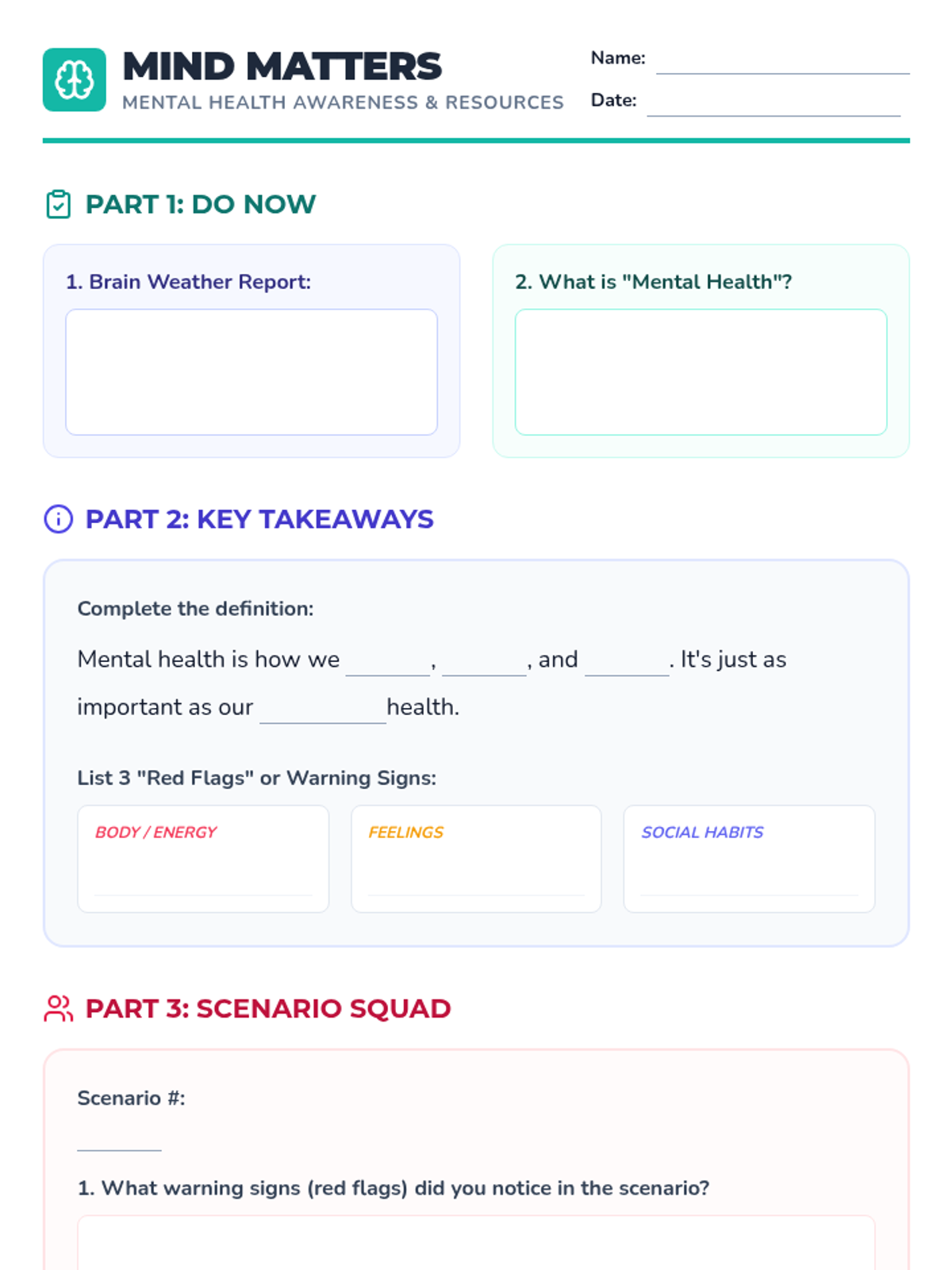
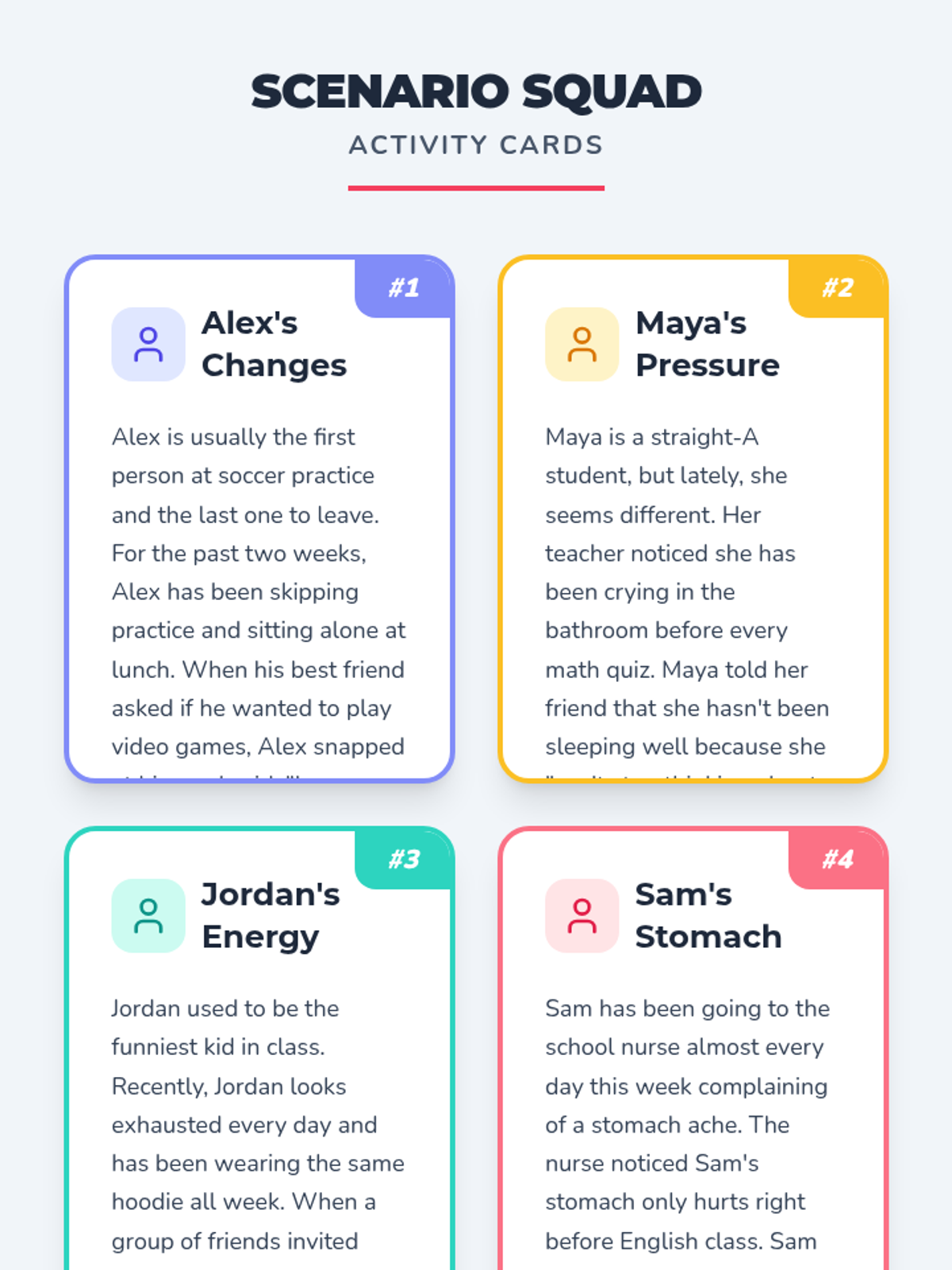
A comprehensive set of resources for middle and high school students focused on developing social-emotional intelligence, mental health awareness, and practical coping strategies. This lesson provides tools for self-tracking, group discussion, and hands-on practice with real-world scenarios.
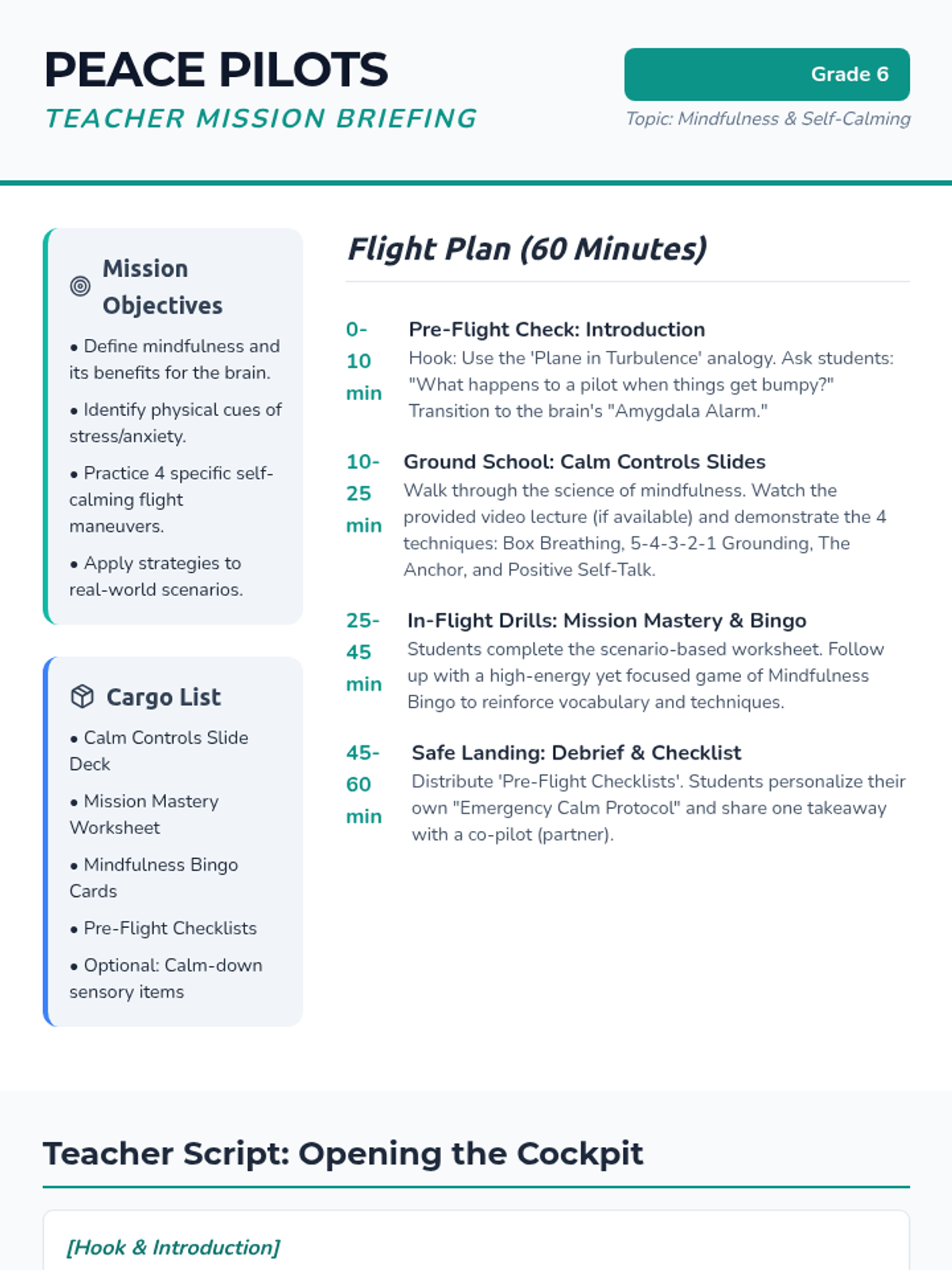
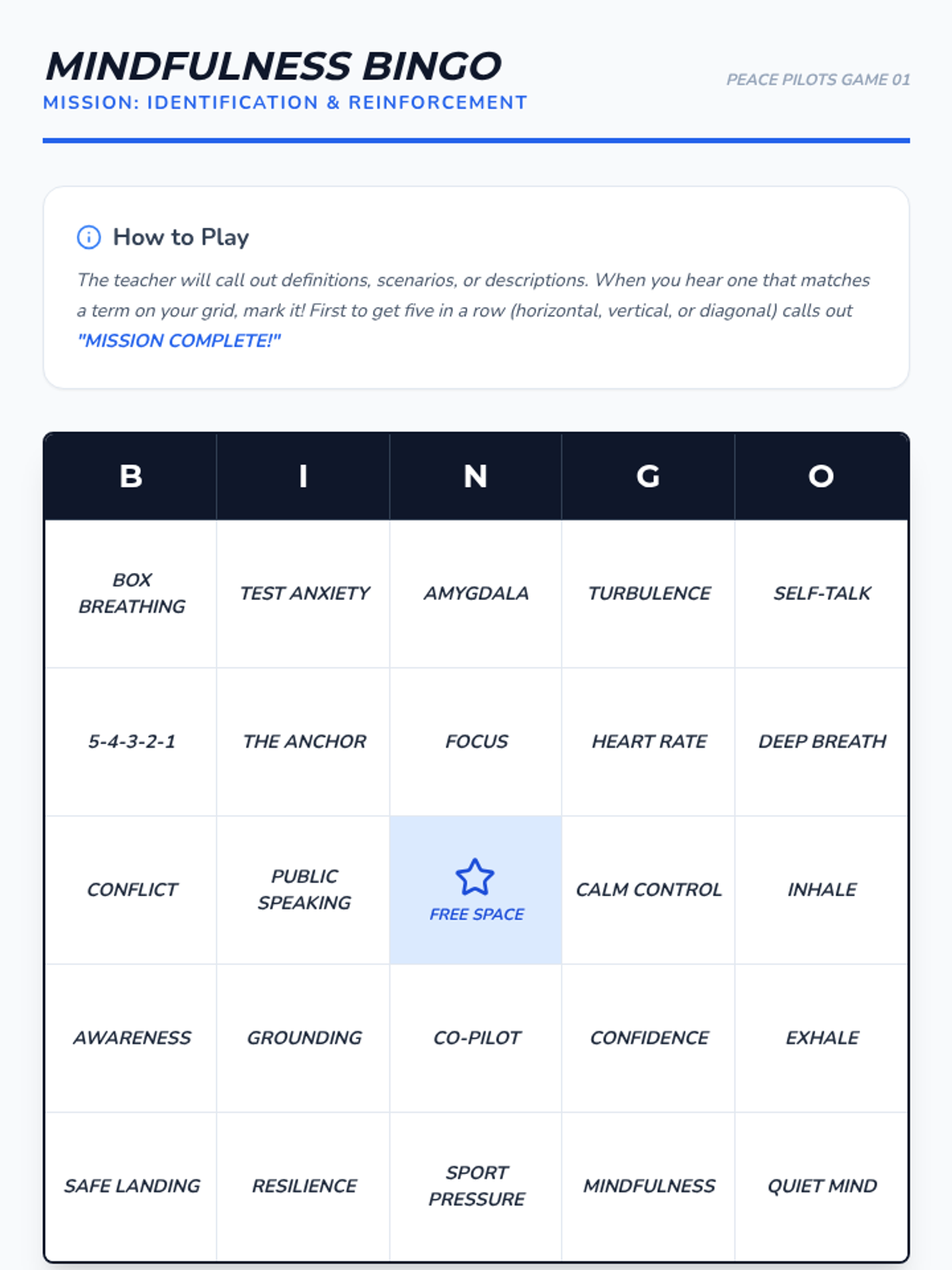
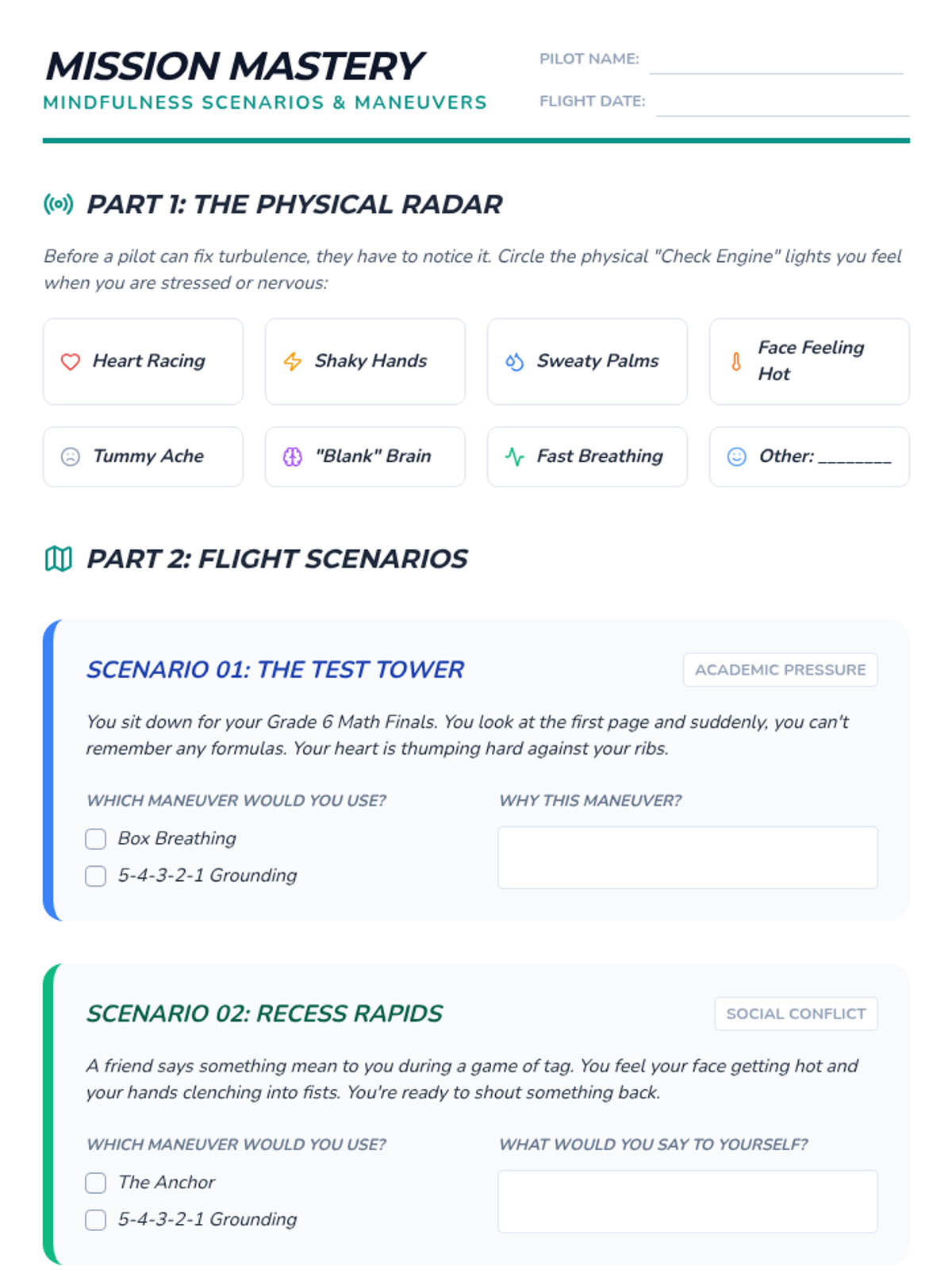
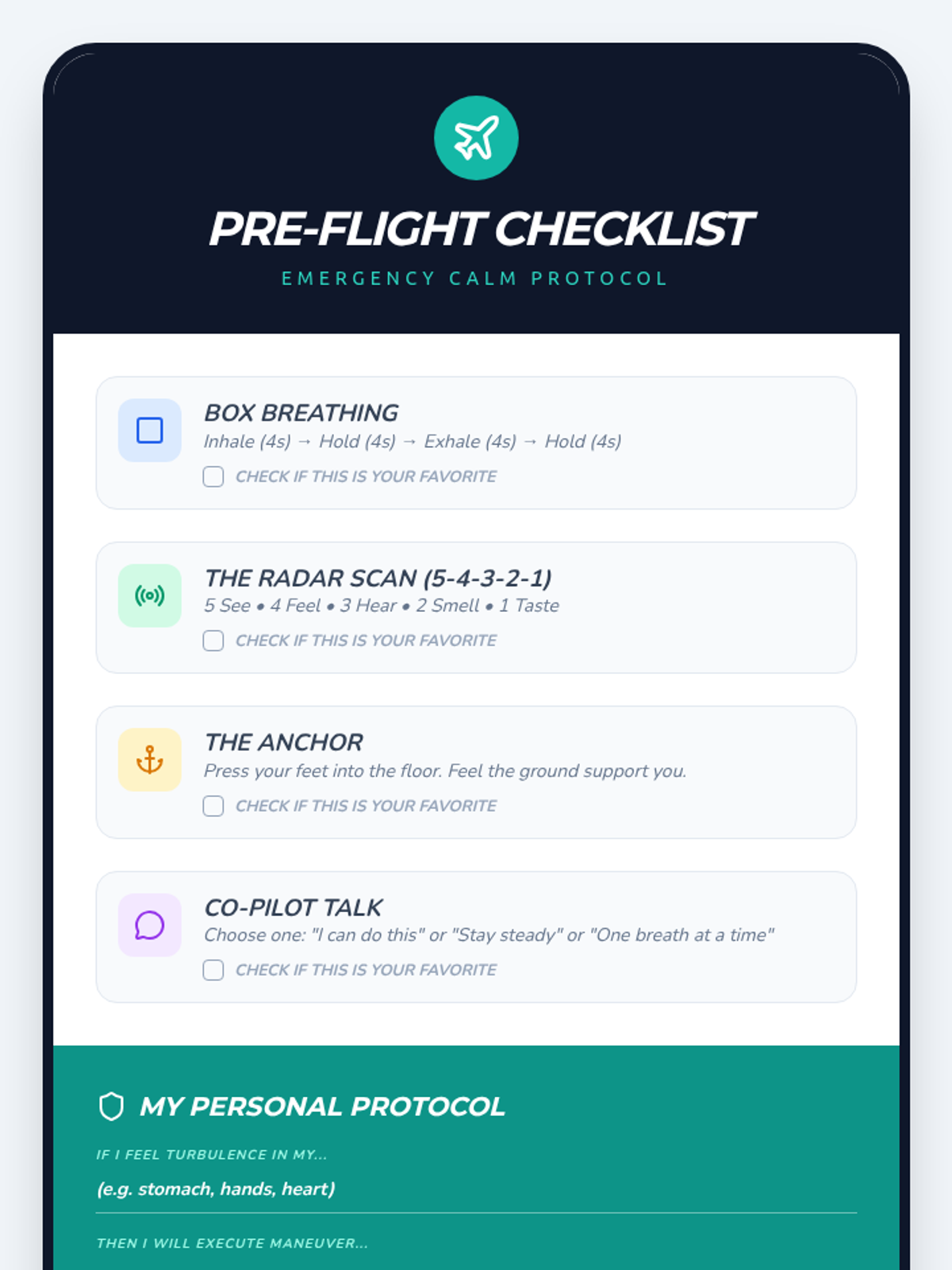
A comprehensive lesson for 6th graders on mindfulness and self-regulation techniques using a 'Peace Pilots' aviation theme. Students learn to navigate test anxiety, playground conflicts, and performance nerves through practical strategies and guided practice.
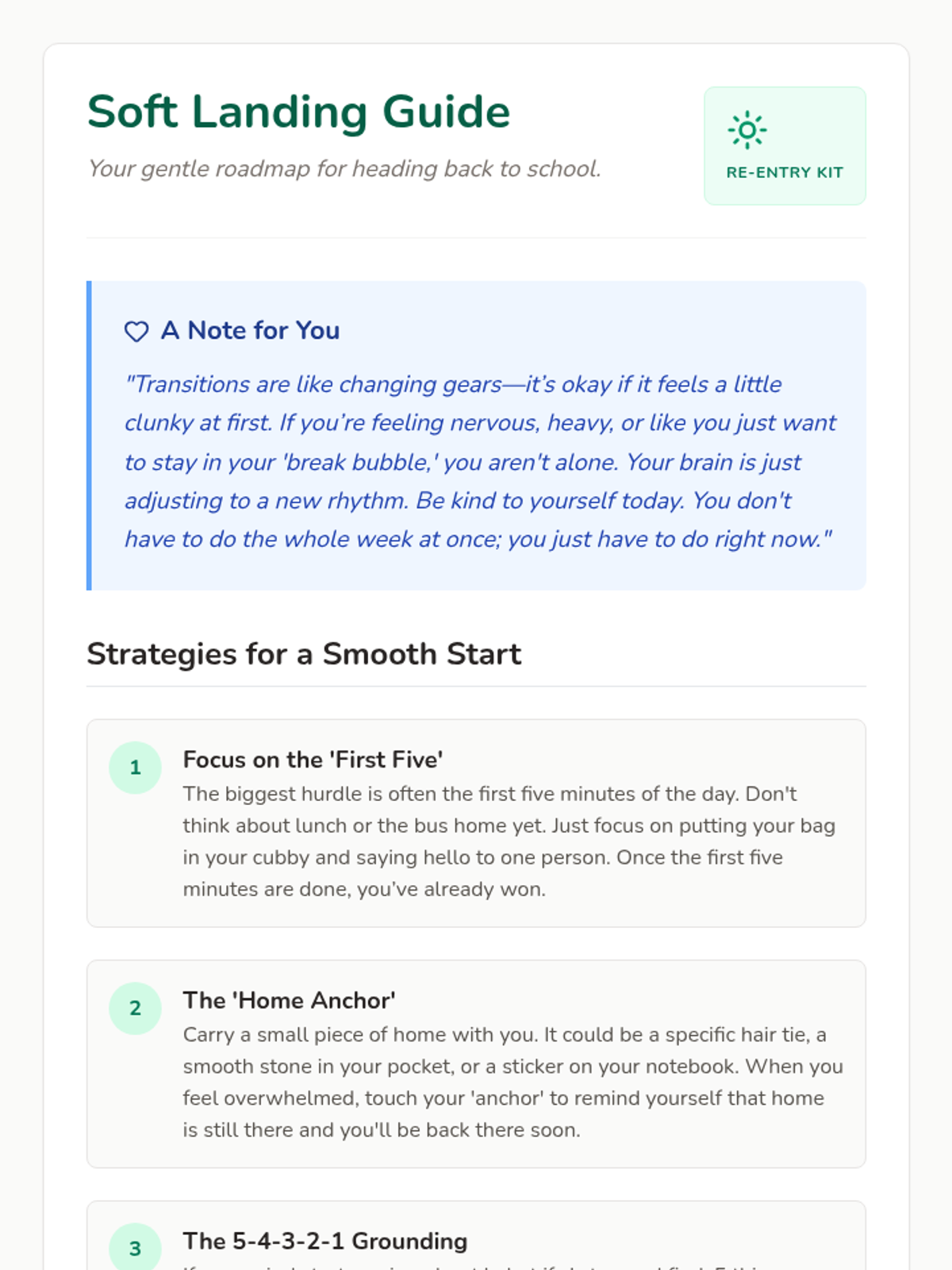
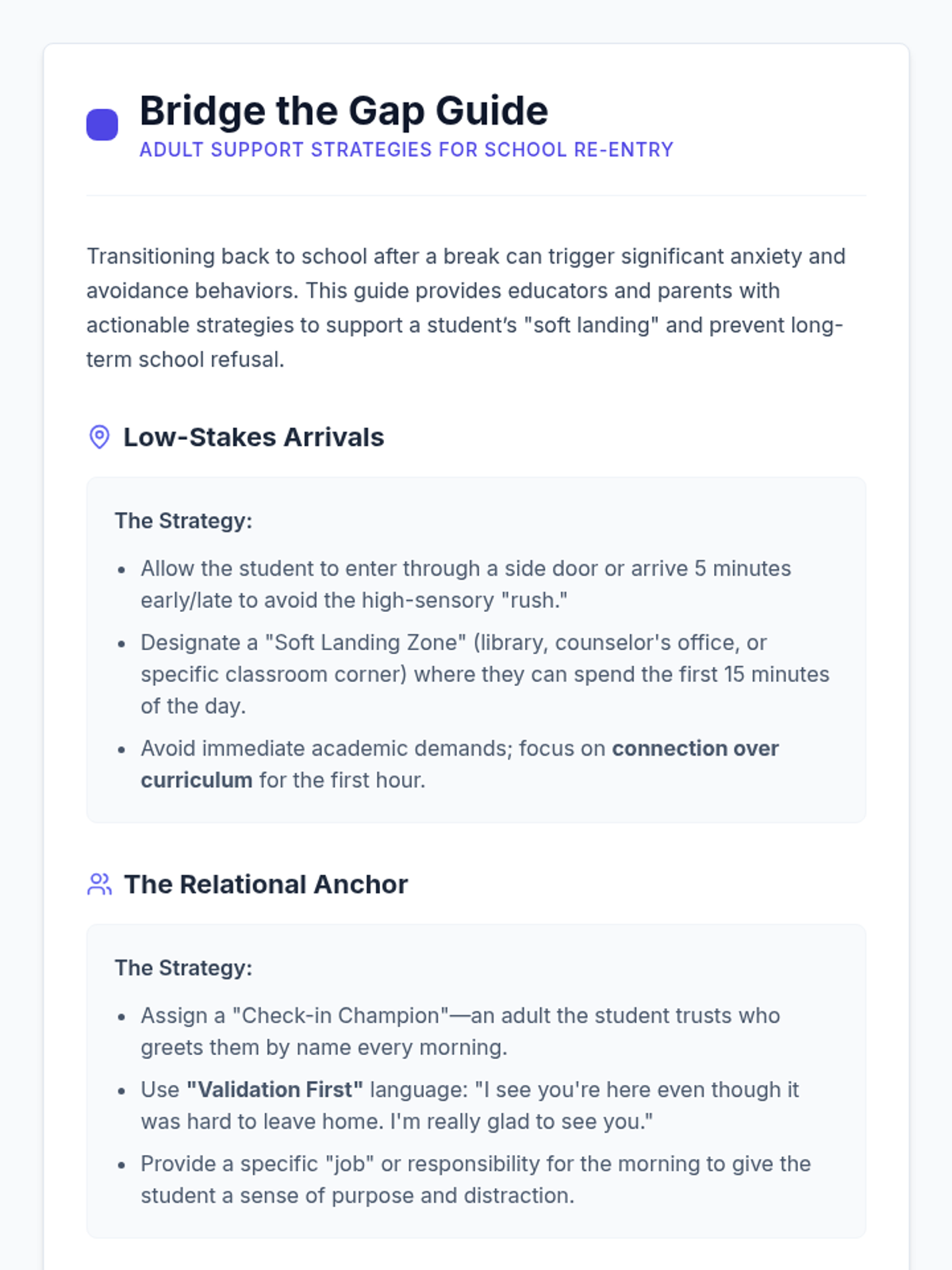
A supportive lesson focused on easing school-re-entry anxiety and providing concrete strategies for students transitioning back after a break.
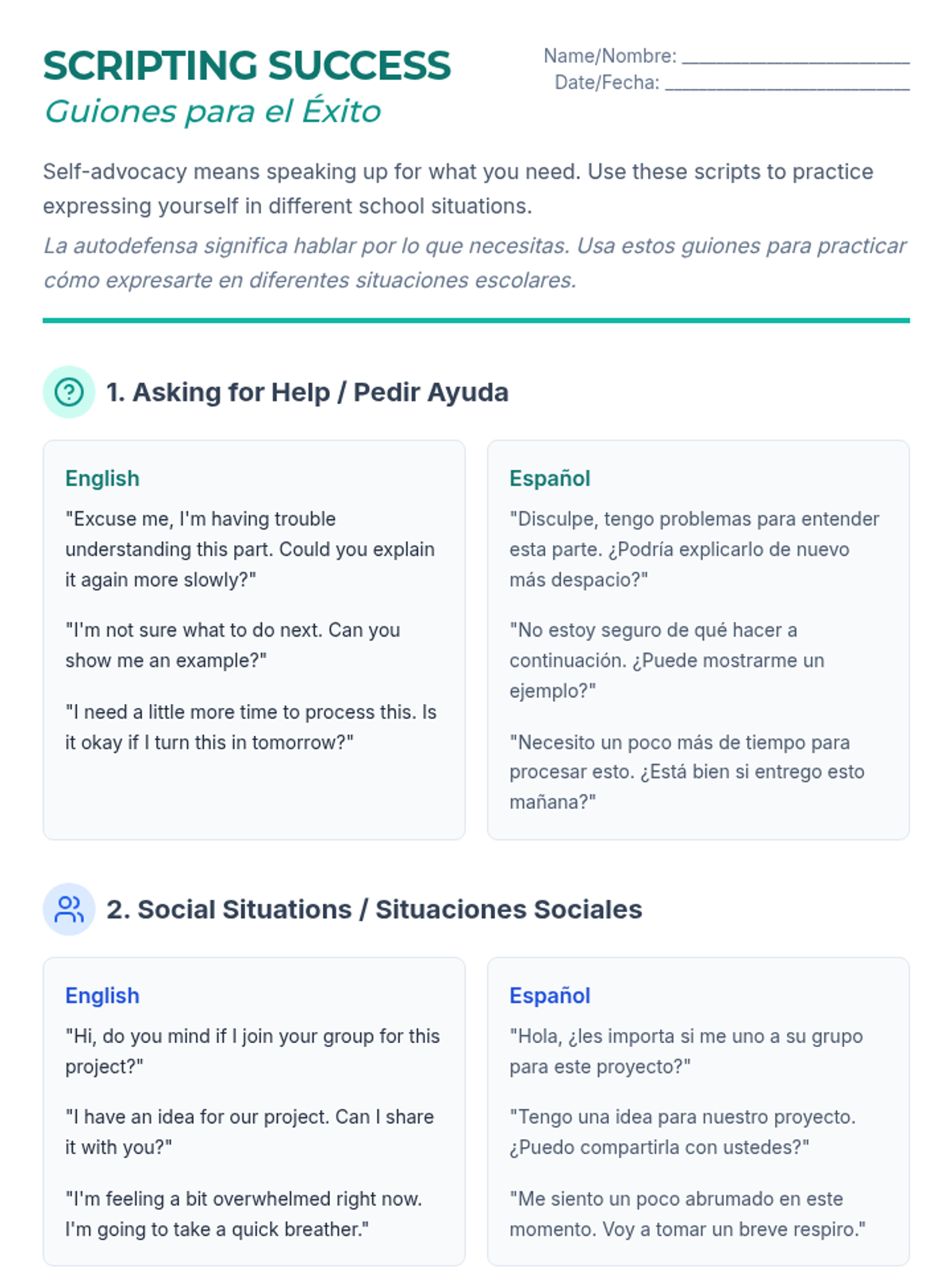
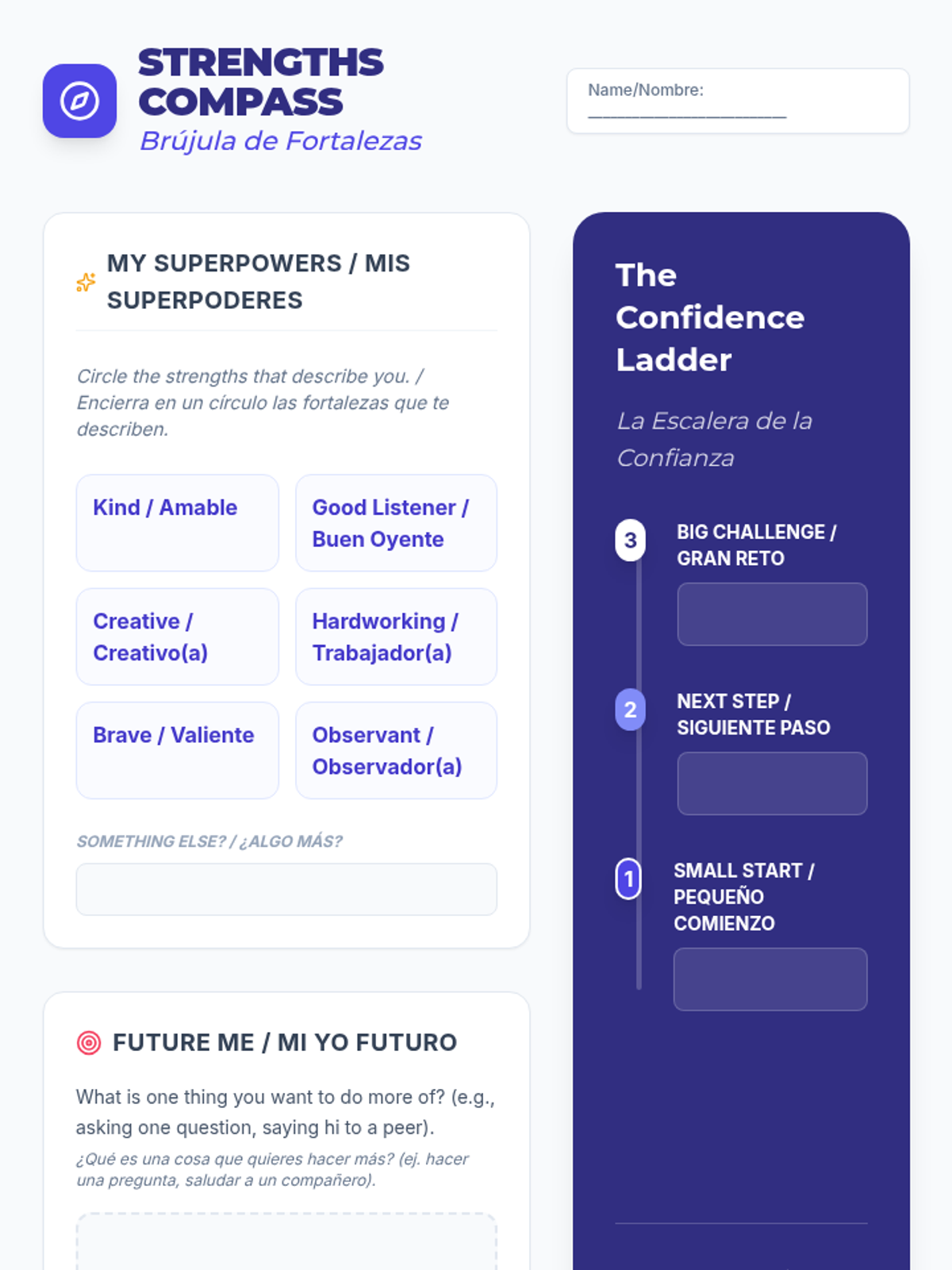
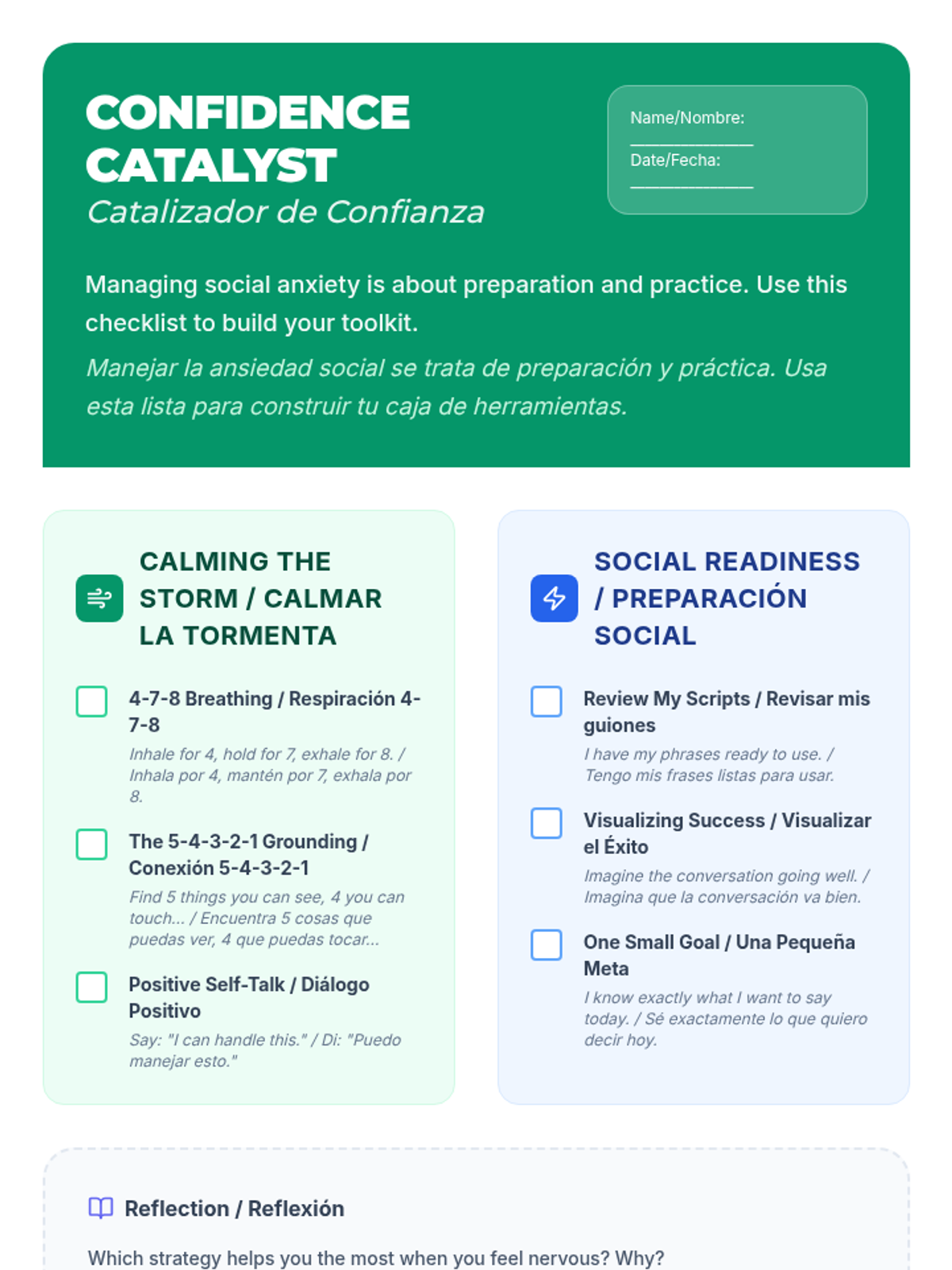
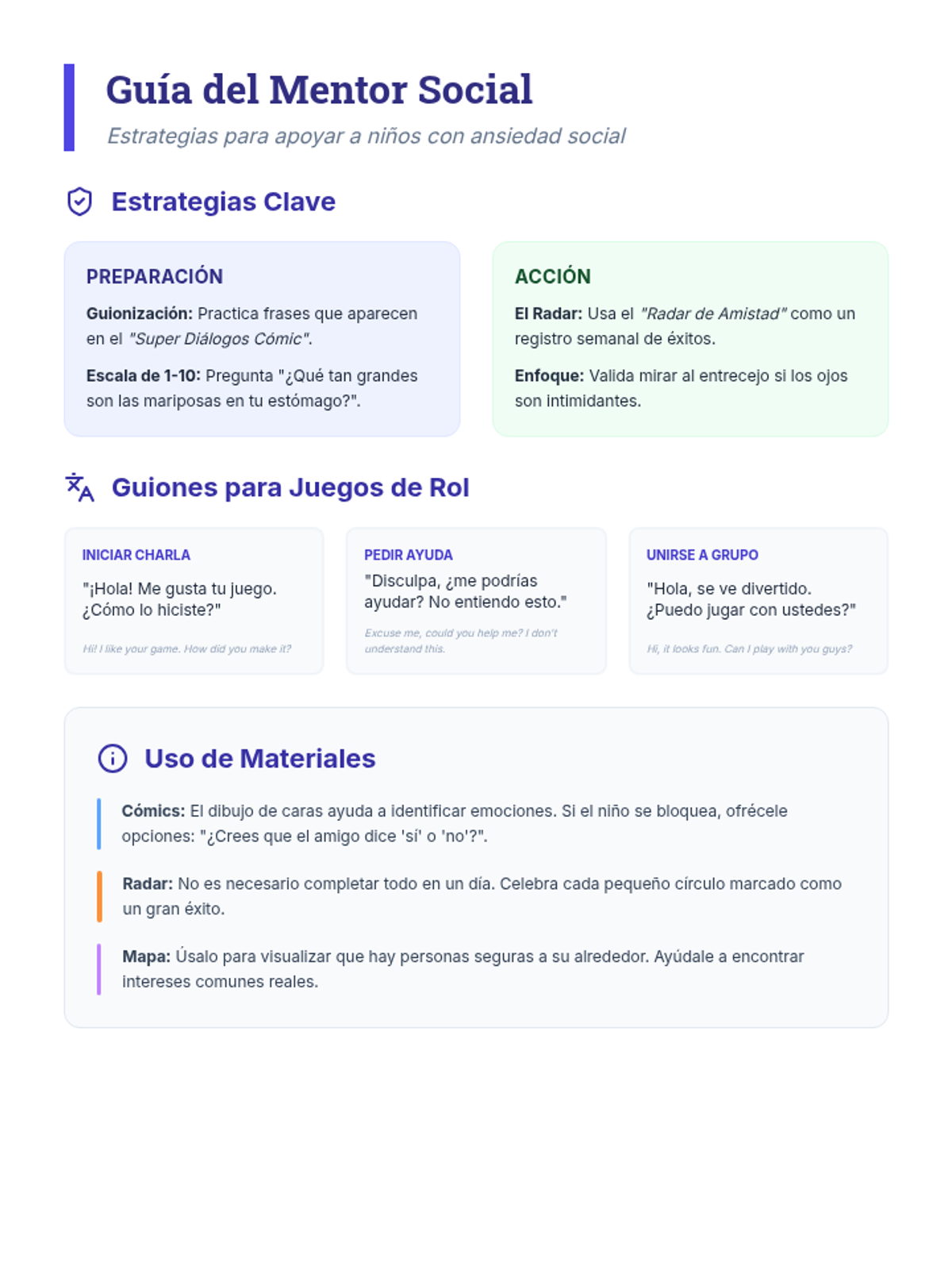
A collection of bilingual resources designed to help a shy Spanish-speaking student identify personal strengths, manage social anxiety, and practice self-advocacy through structured scripts and visual goals.
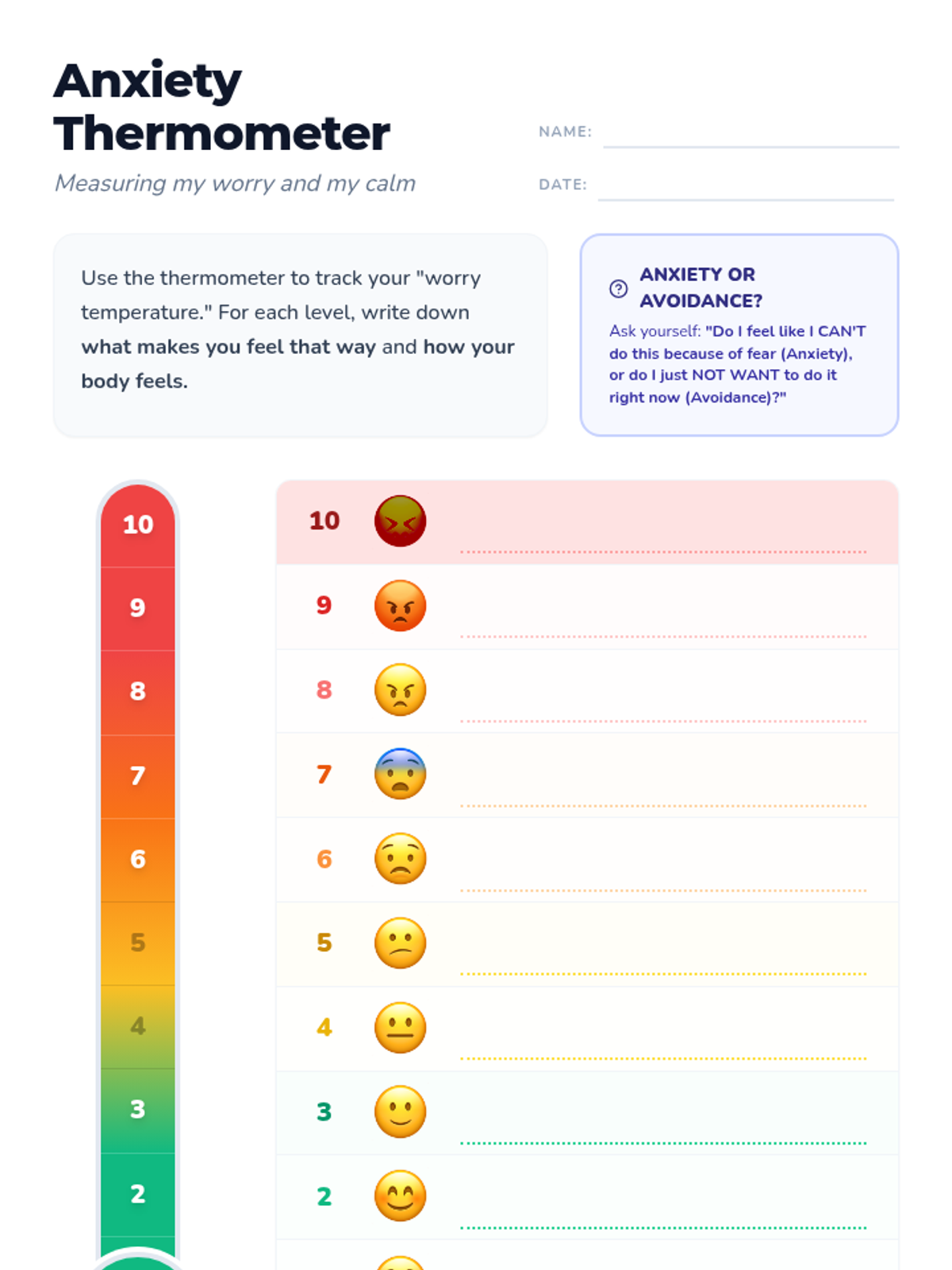
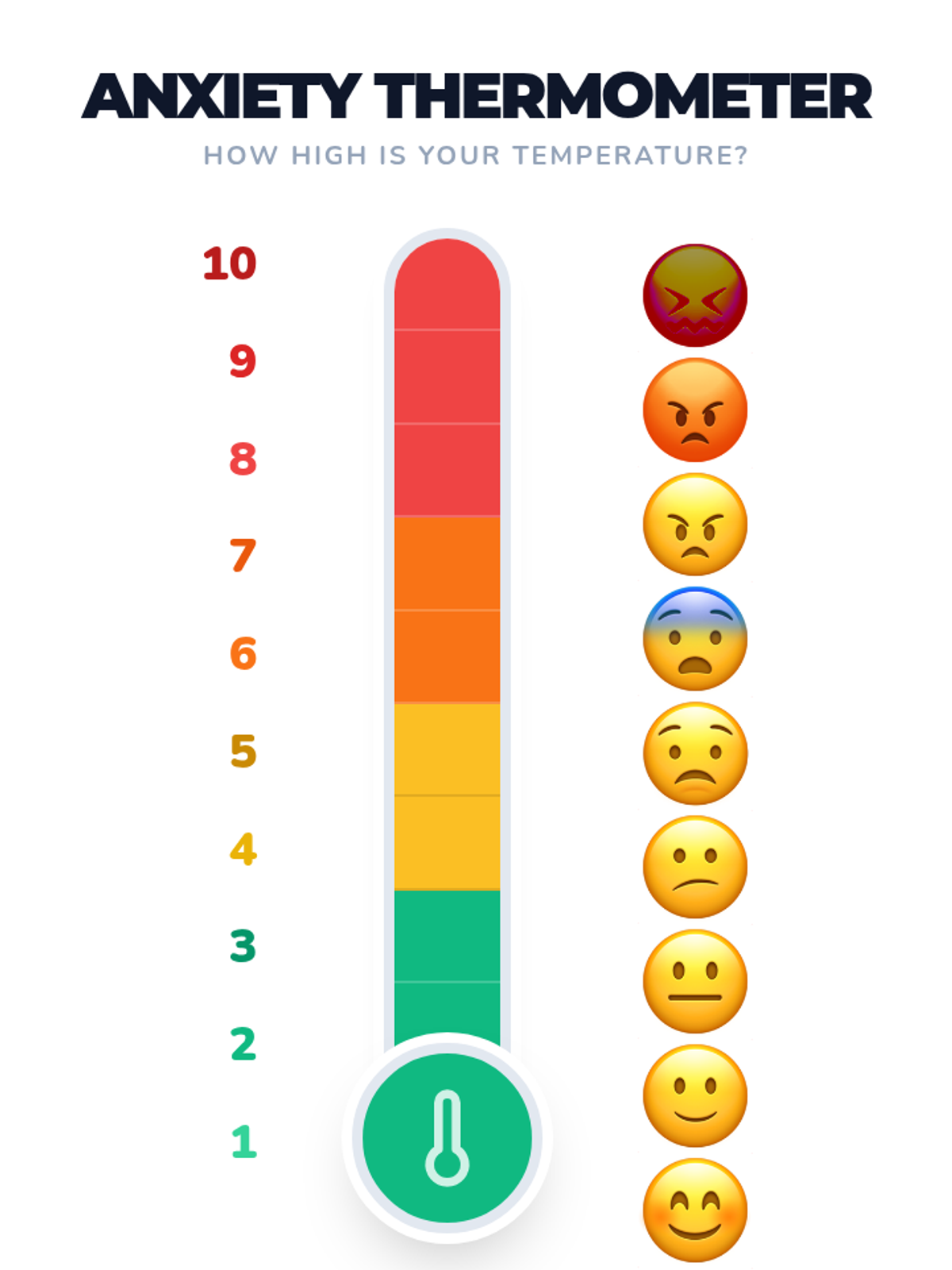
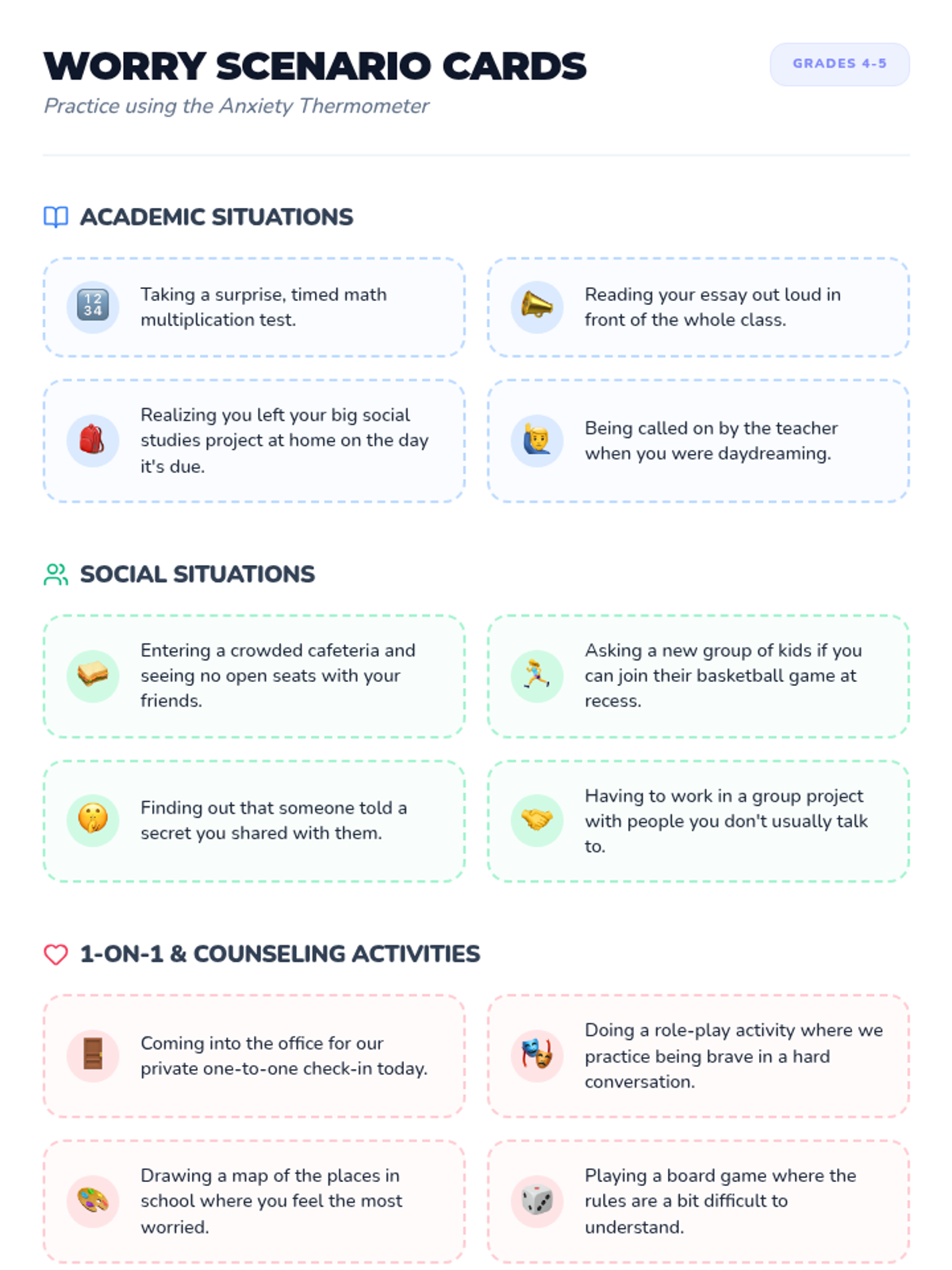
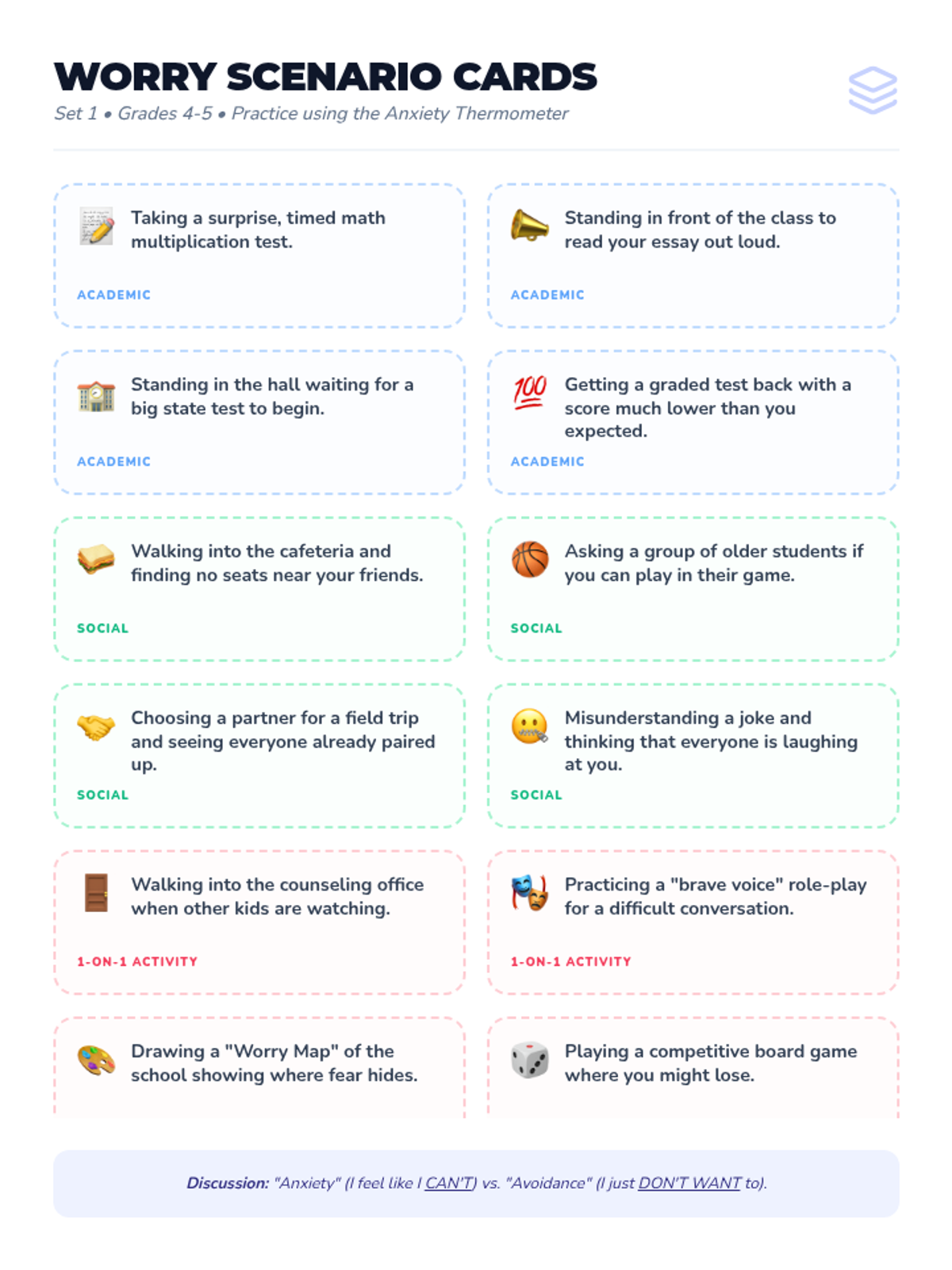
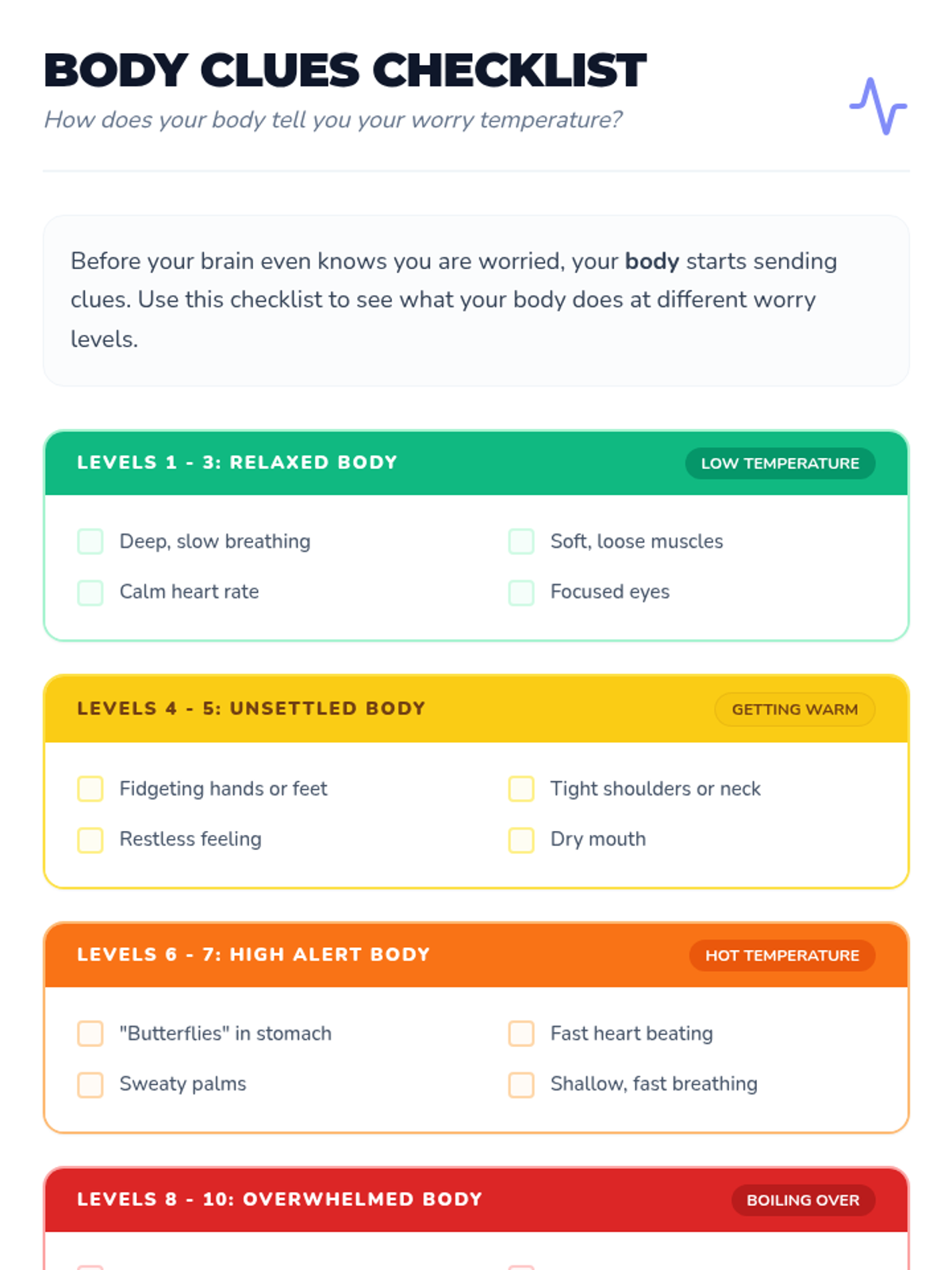
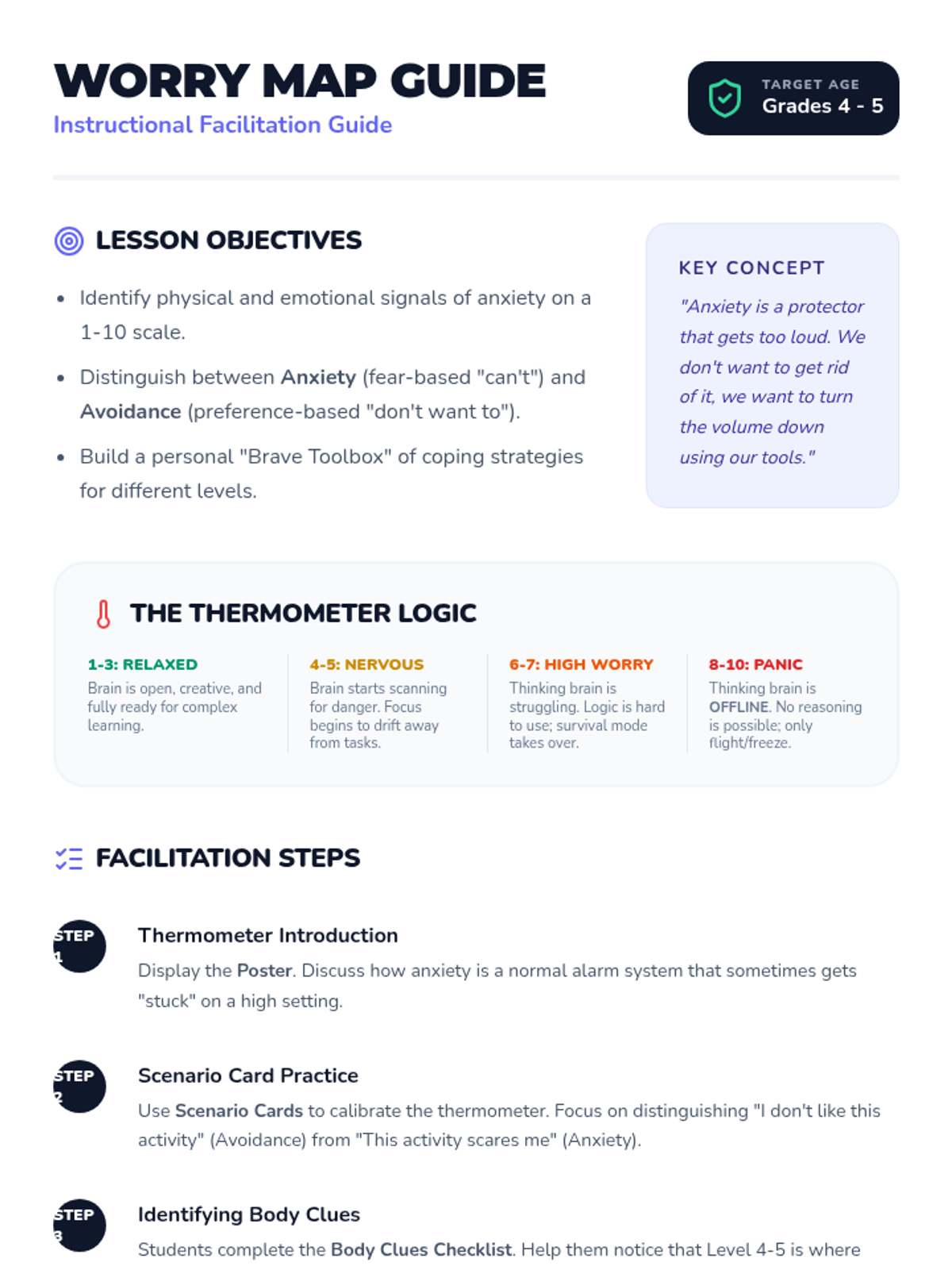
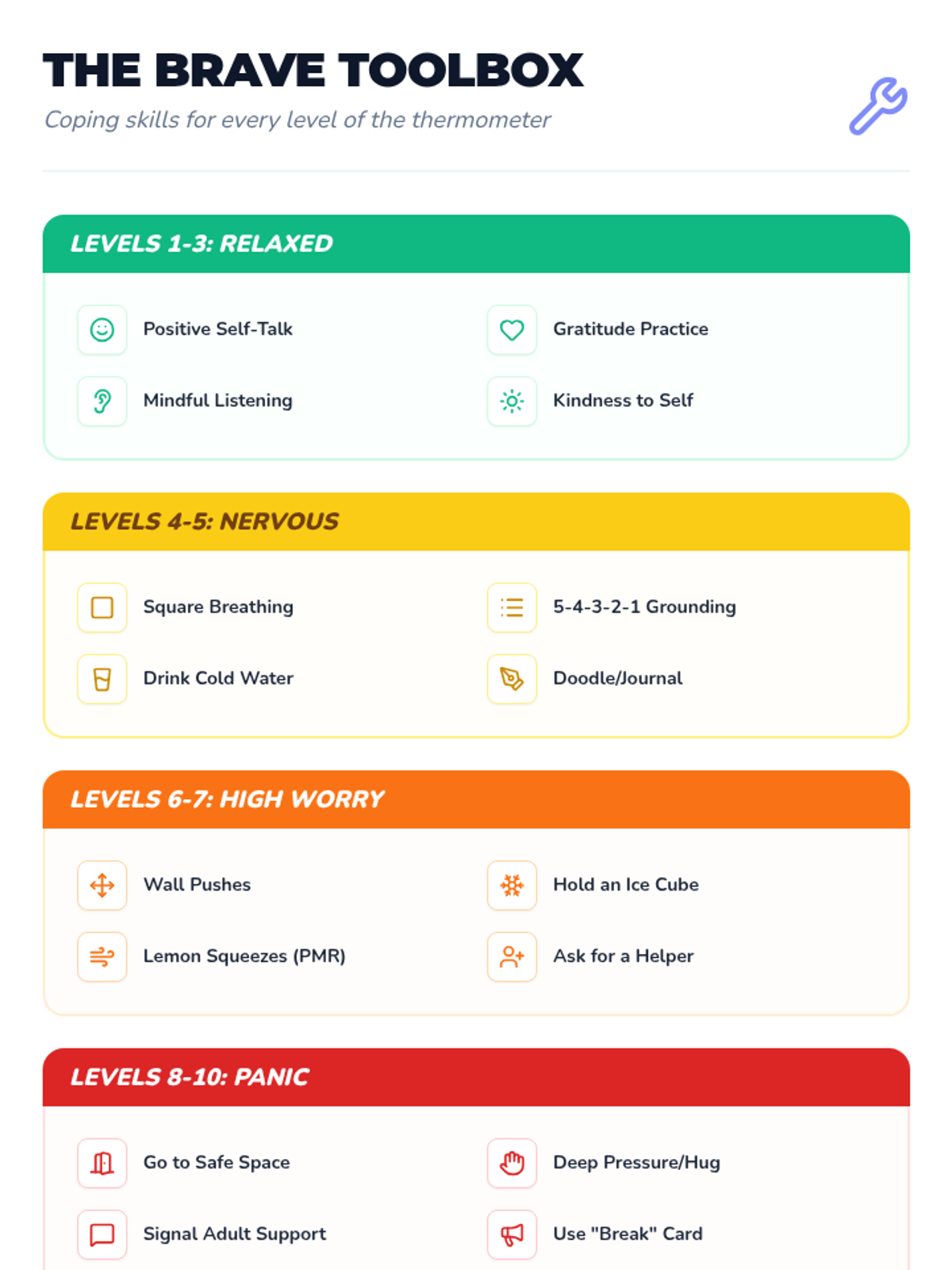
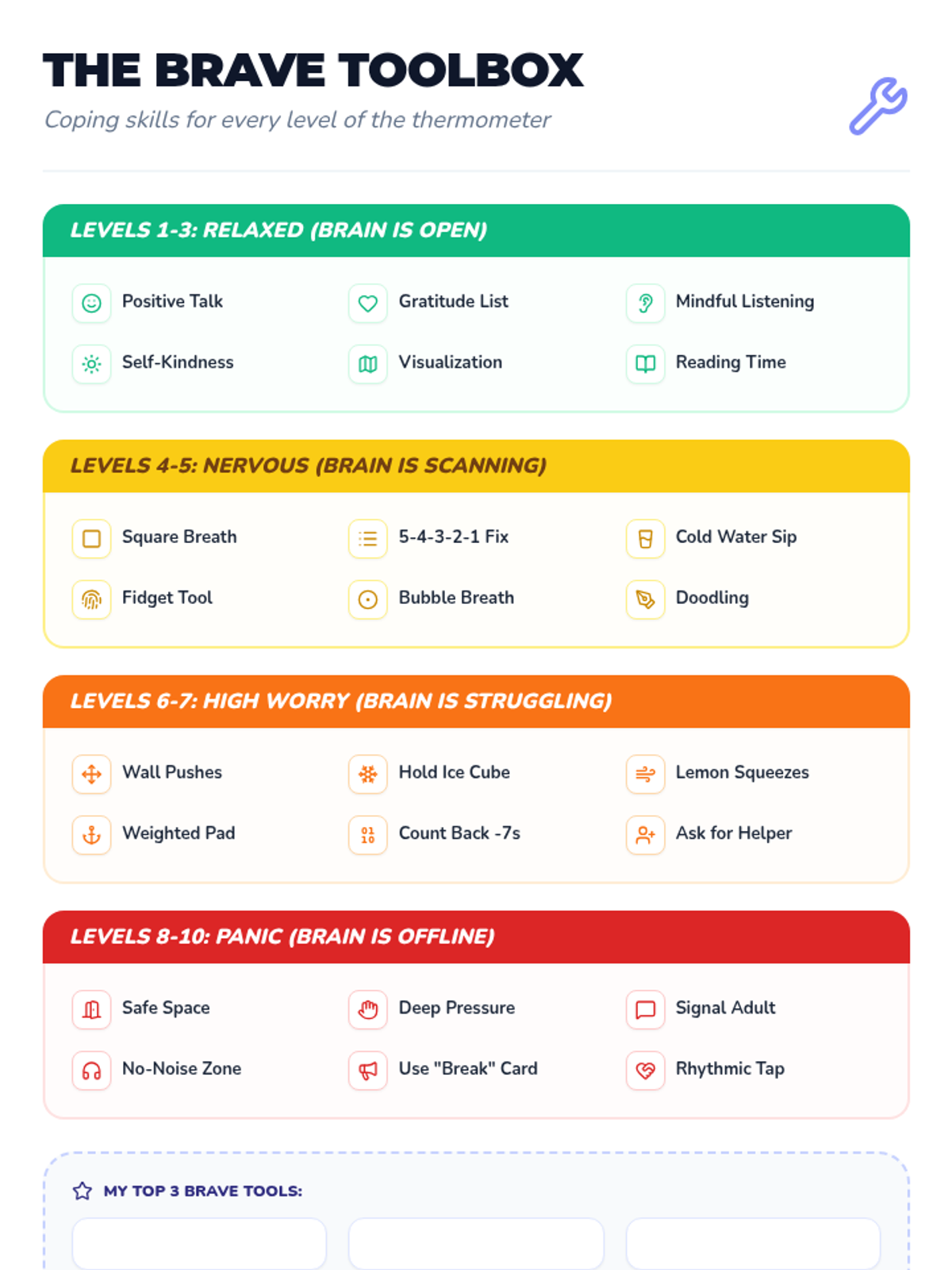
A lesson designed to help students identify and track their anxiety levels using a 10-level thermometer. It includes reflective tools to distinguish between anxiety-driven fear and simple avoidance.
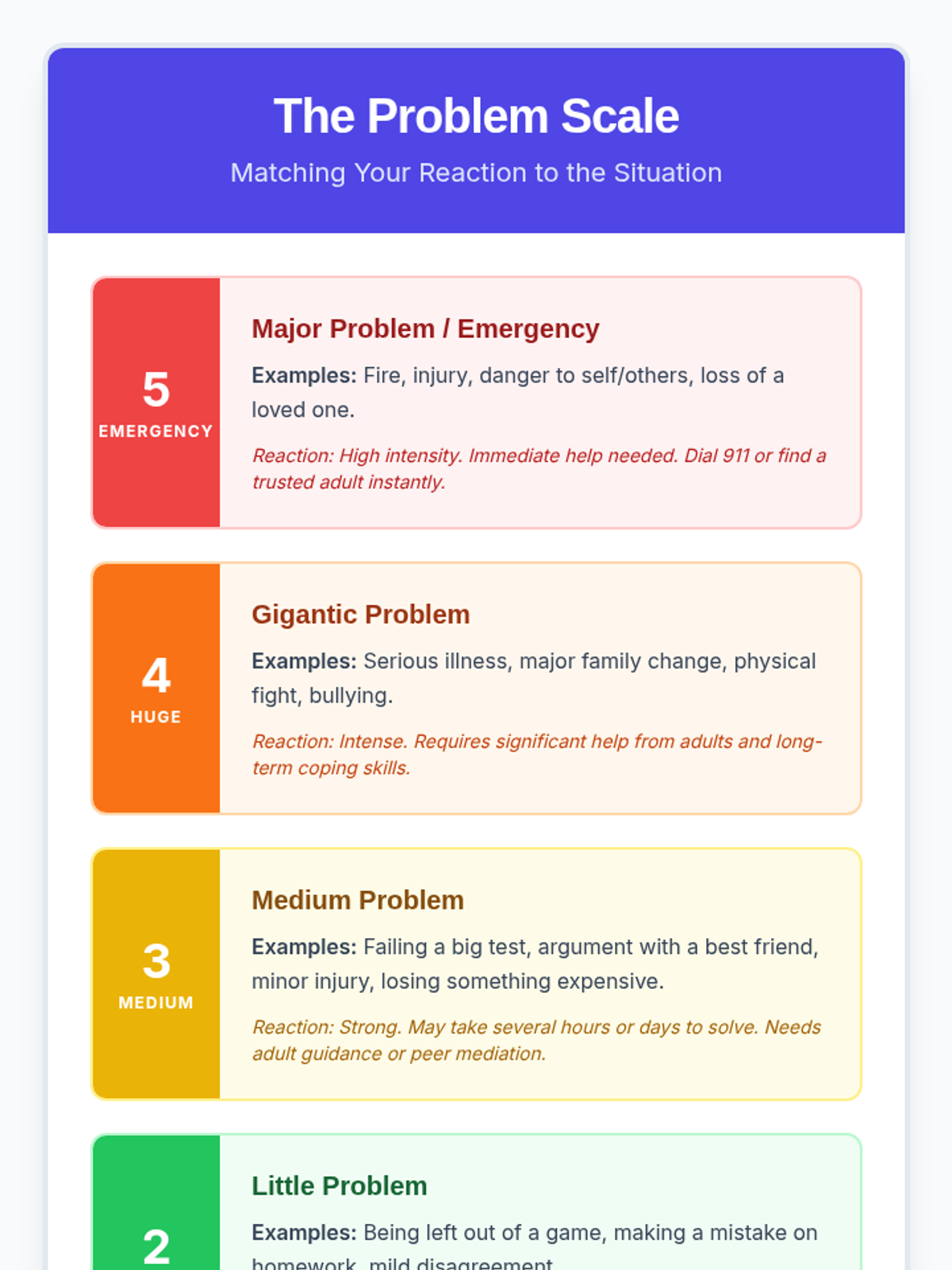
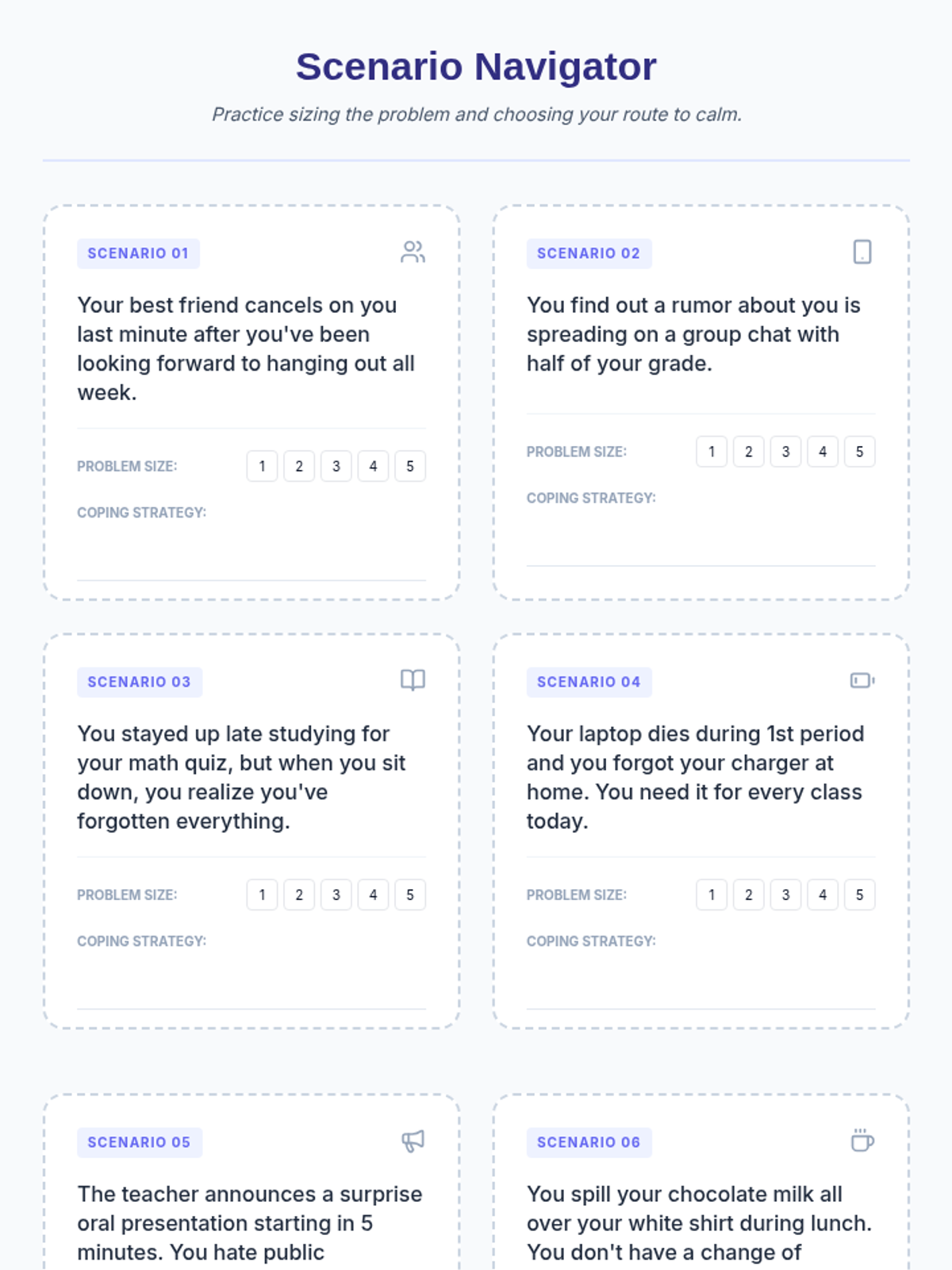
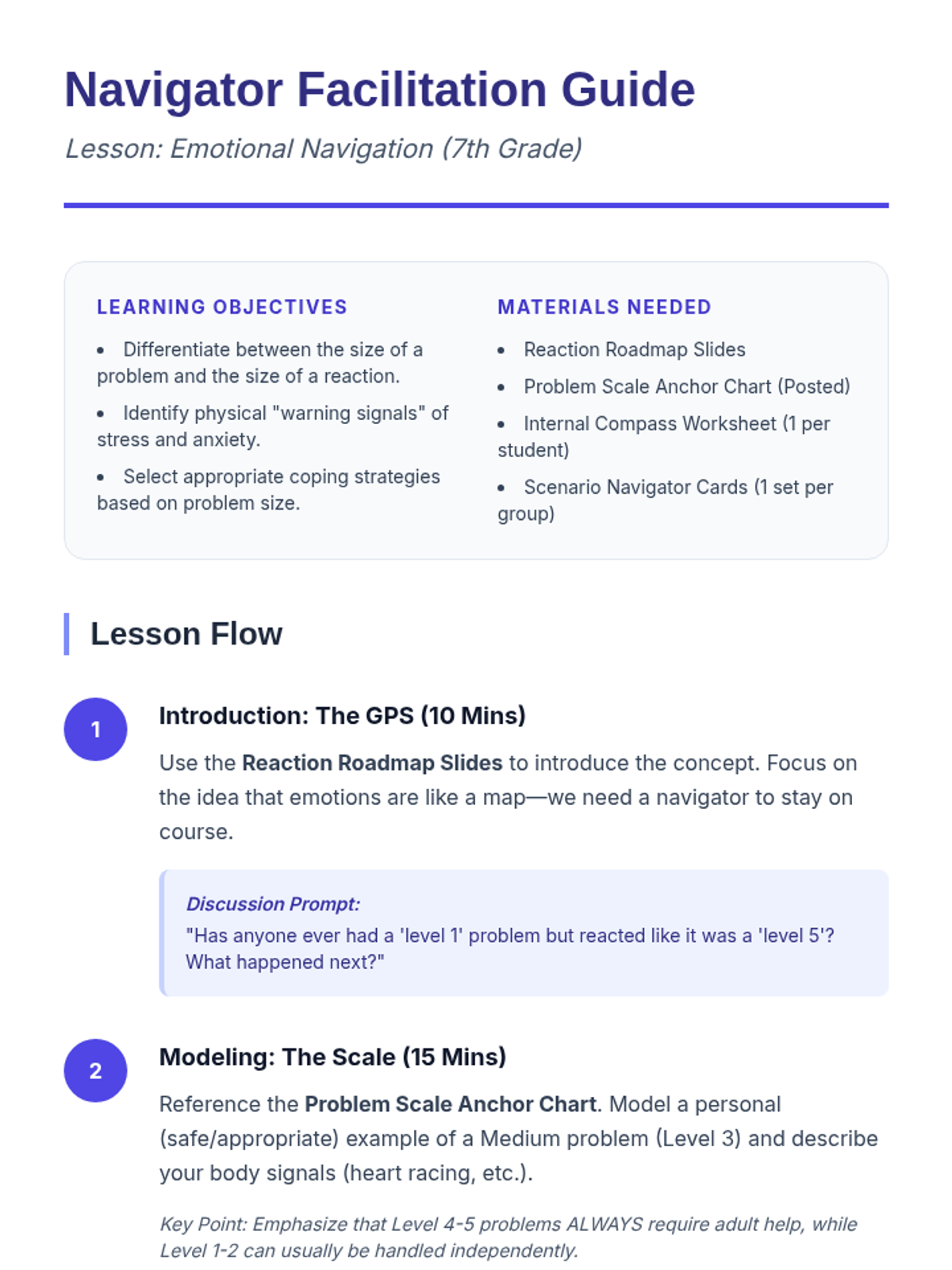
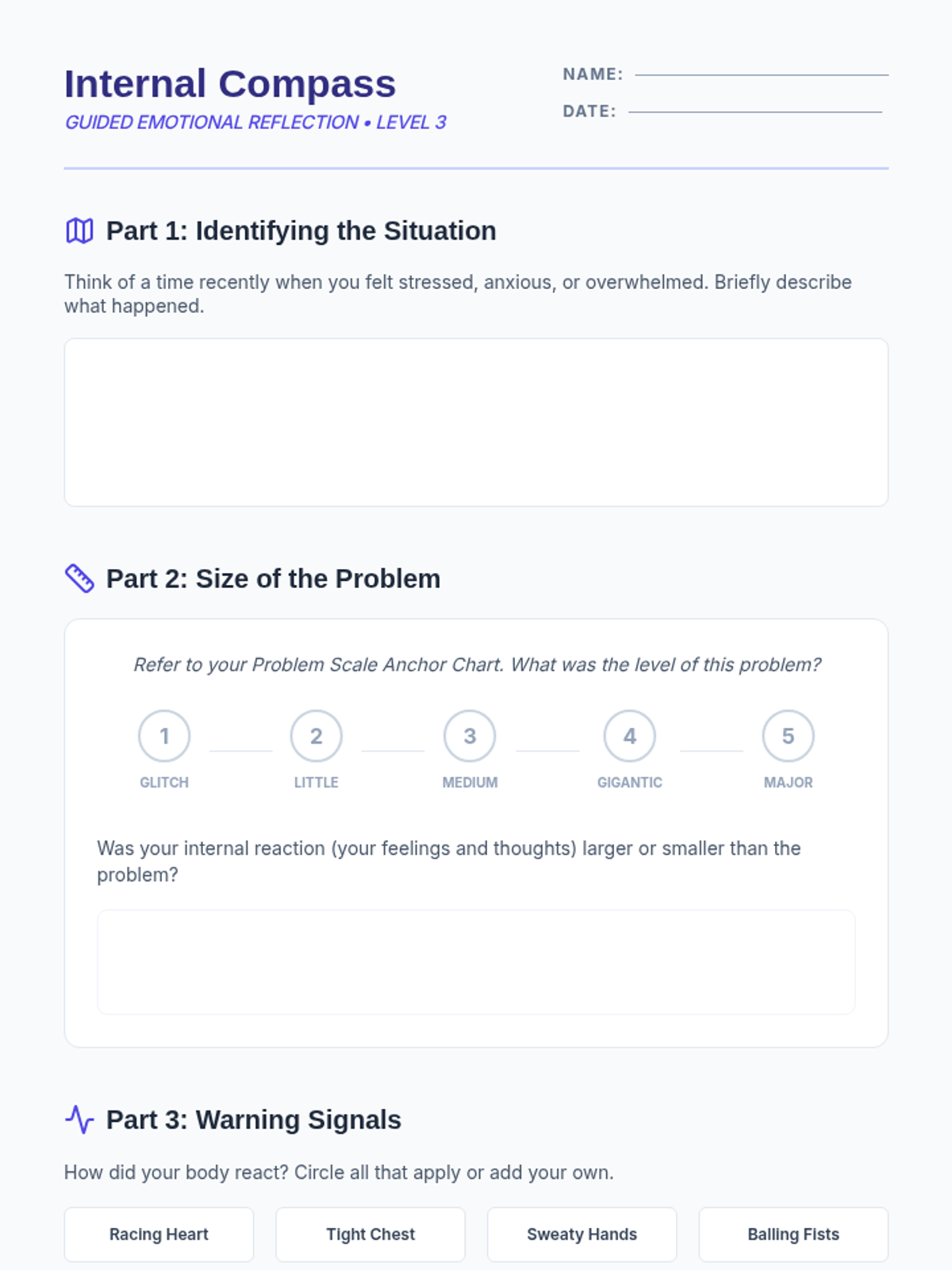
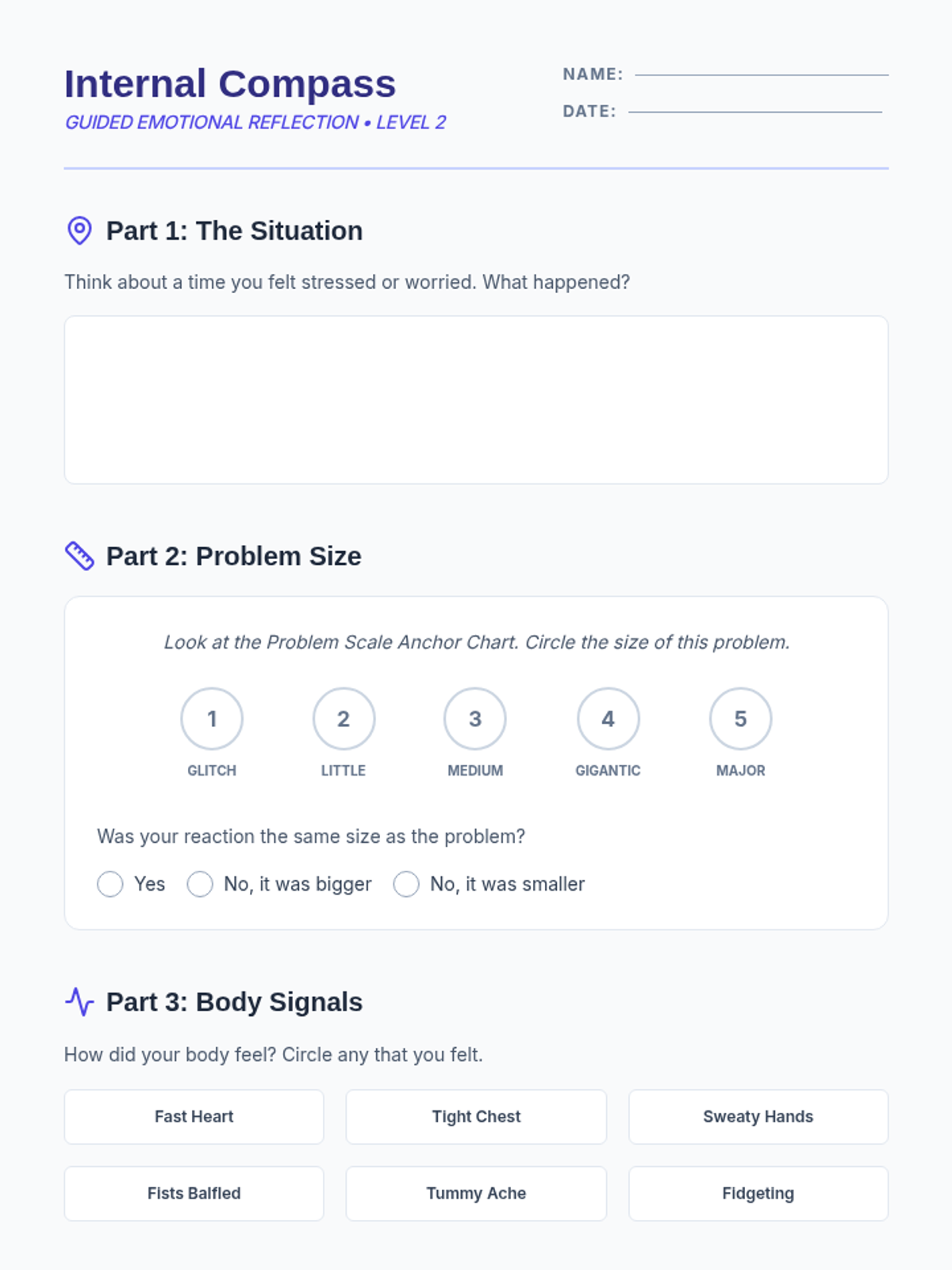
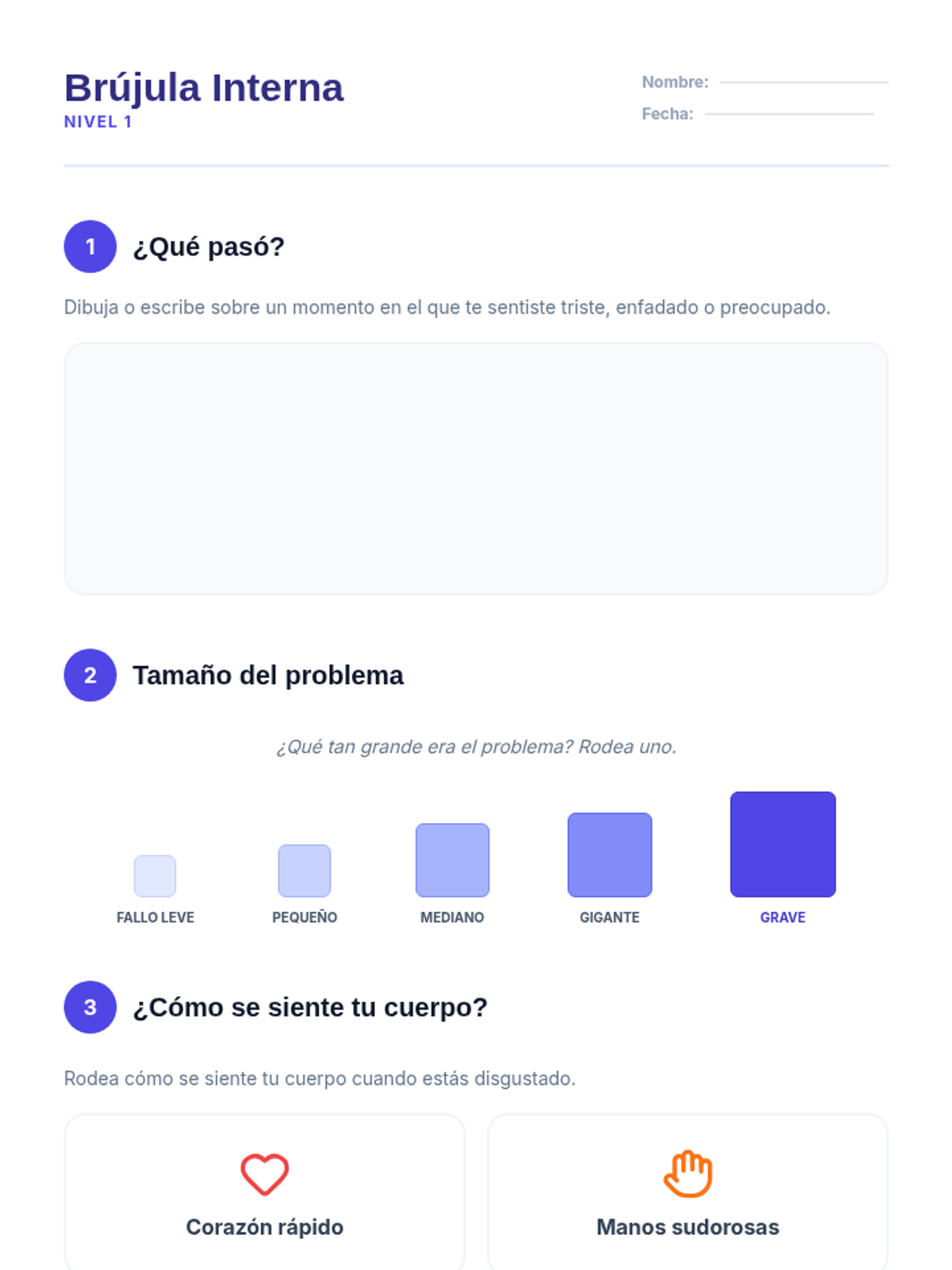
A lesson designed for 7th graders to identify the 'size' of their problems, match their emotional reactions accordingly, and build a toolkit of coping strategies for anxiety and stress.
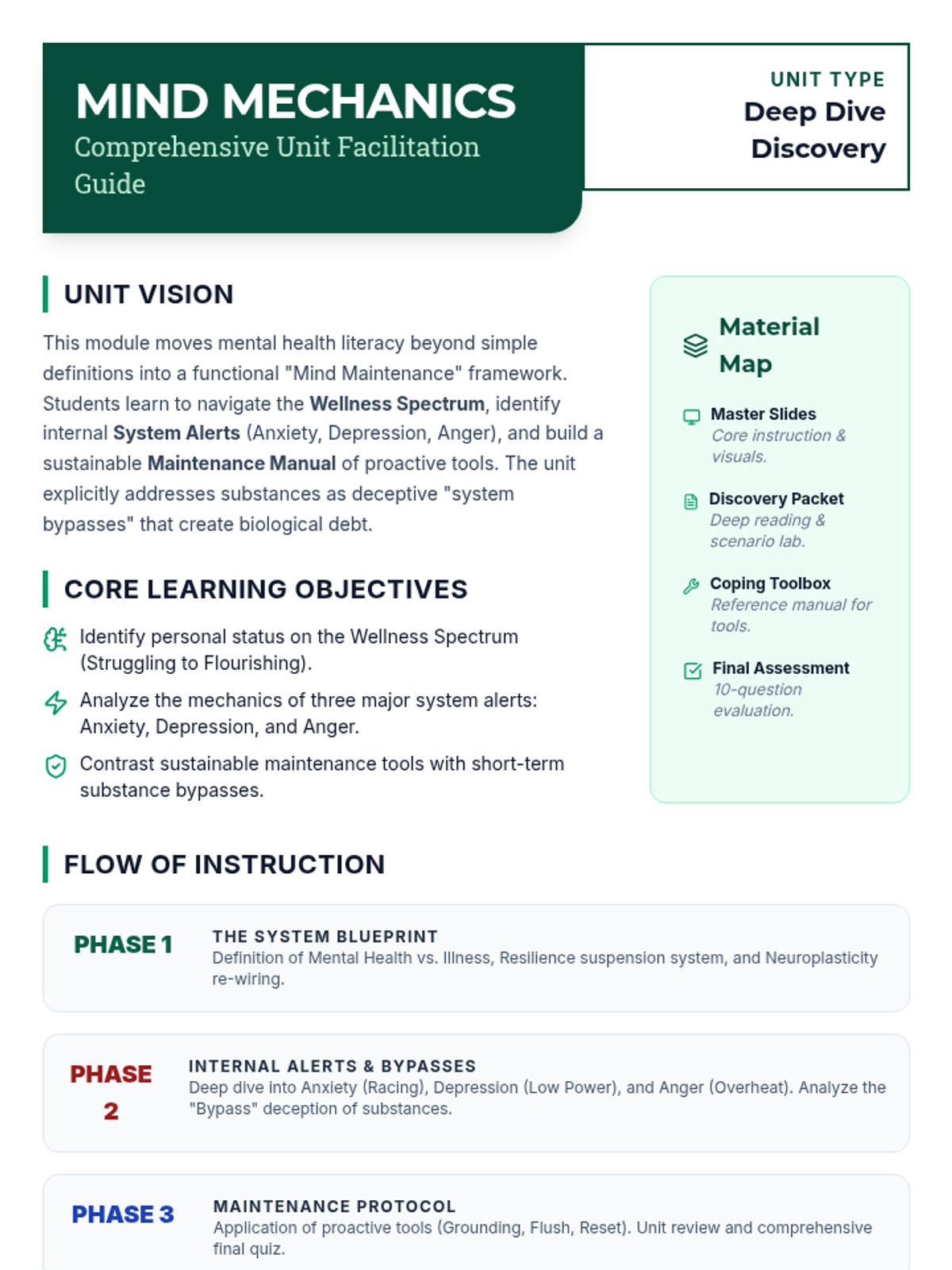
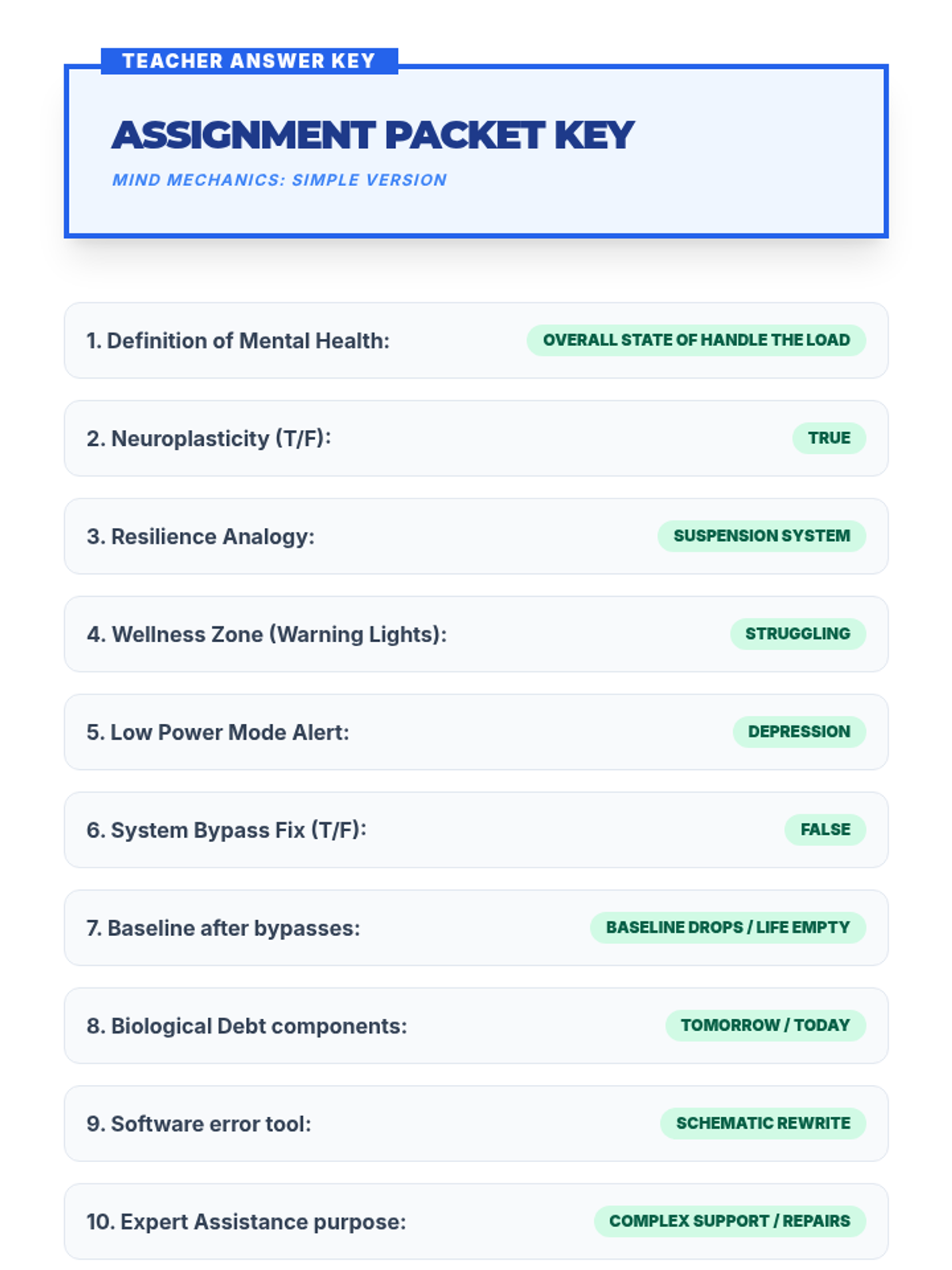
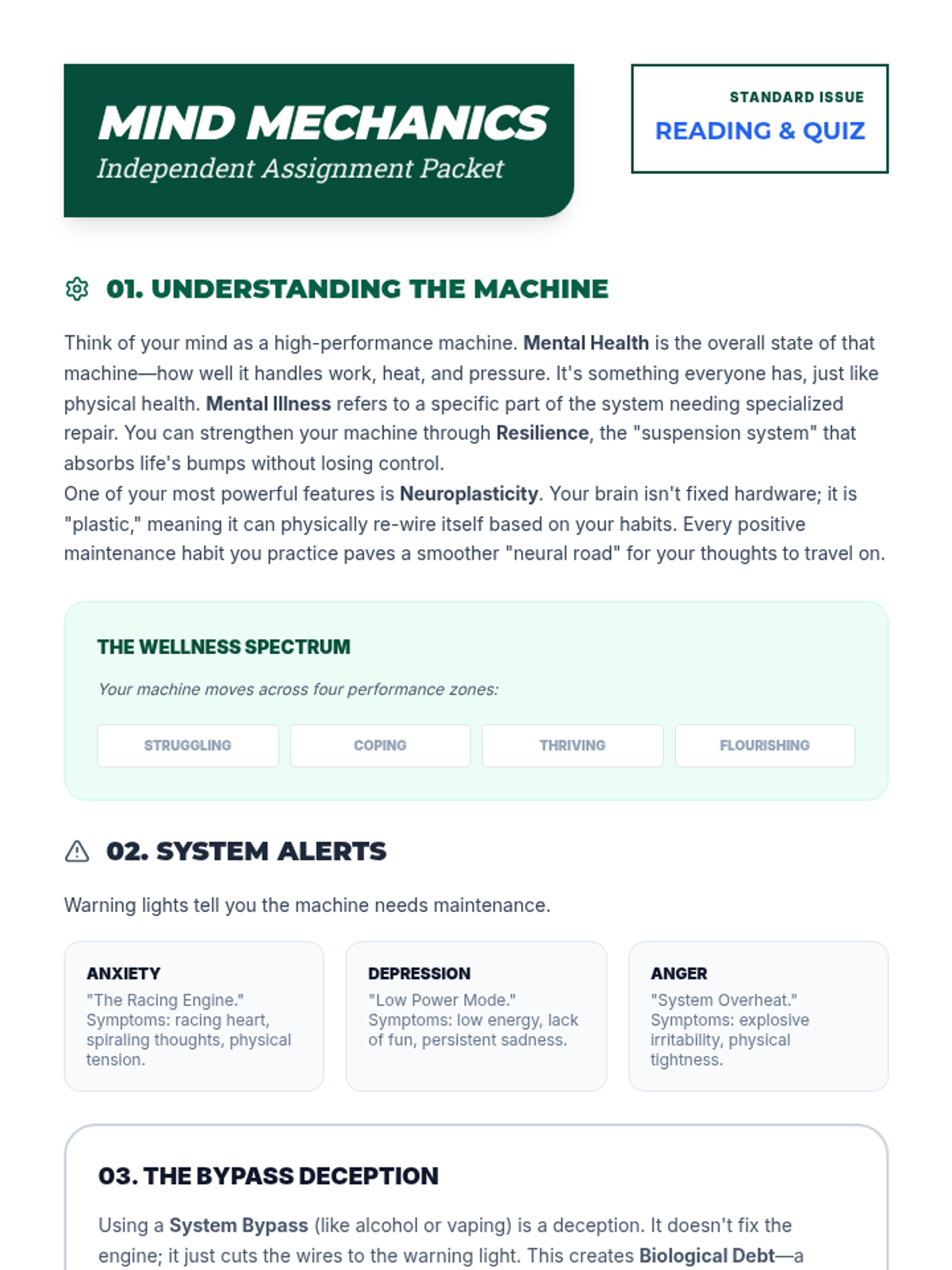
A comprehensive, in-depth unit on mental health literacy, identifying system alerts (Anxiety, Depression, Anger), and building a proactive coping toolkit. Includes detailed reading, scenario analysis, and a 10-question final assessment.
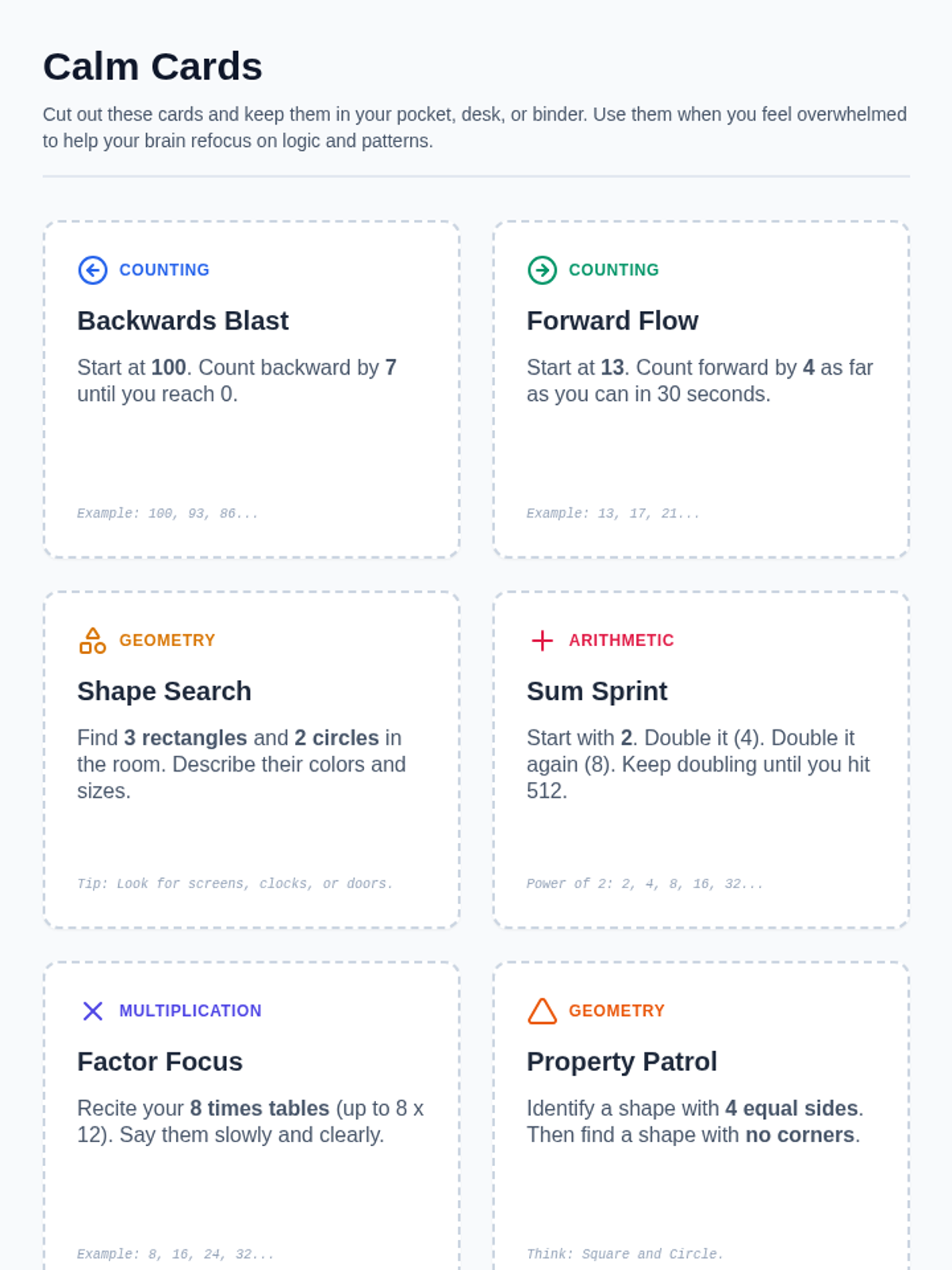
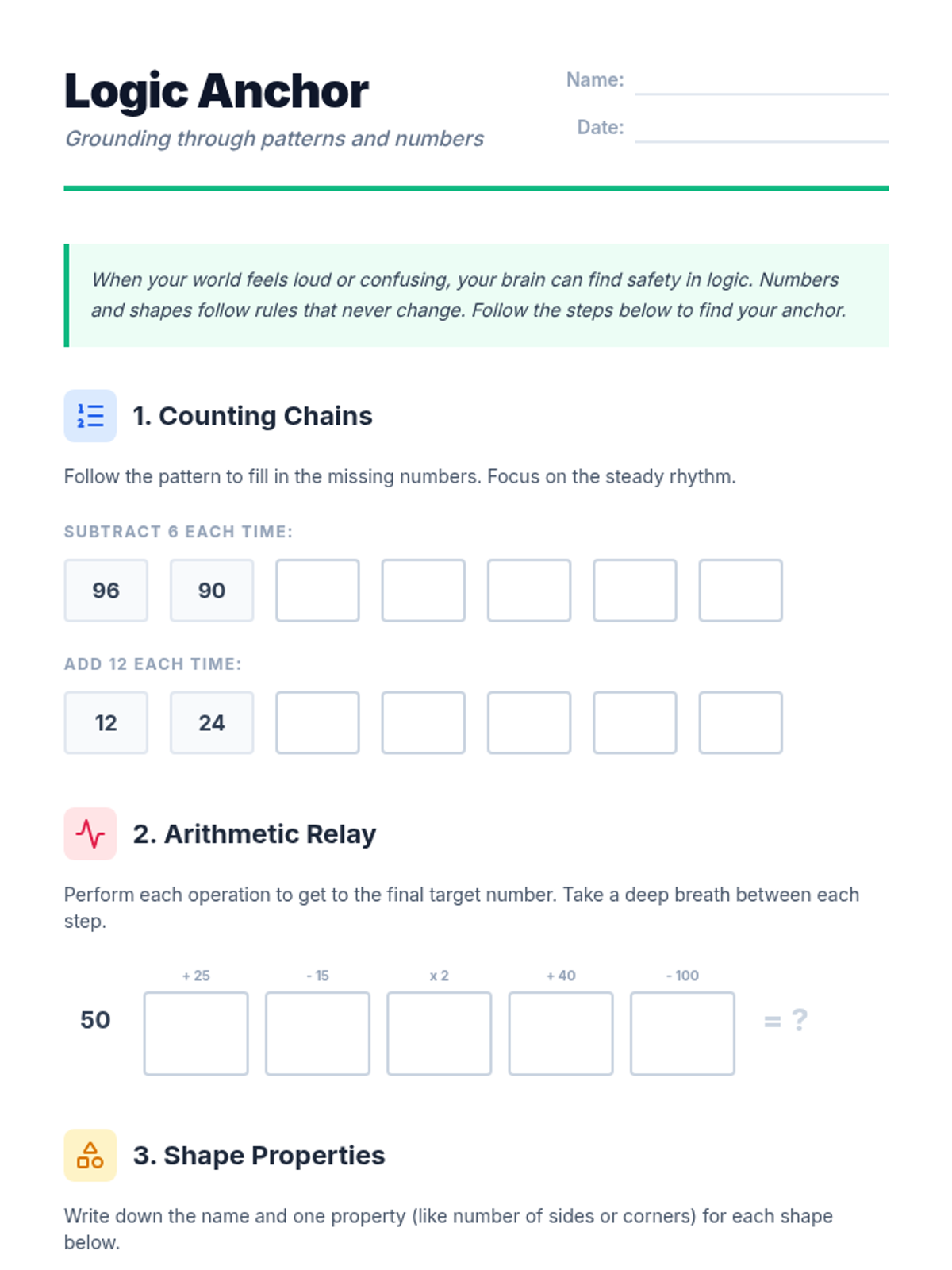
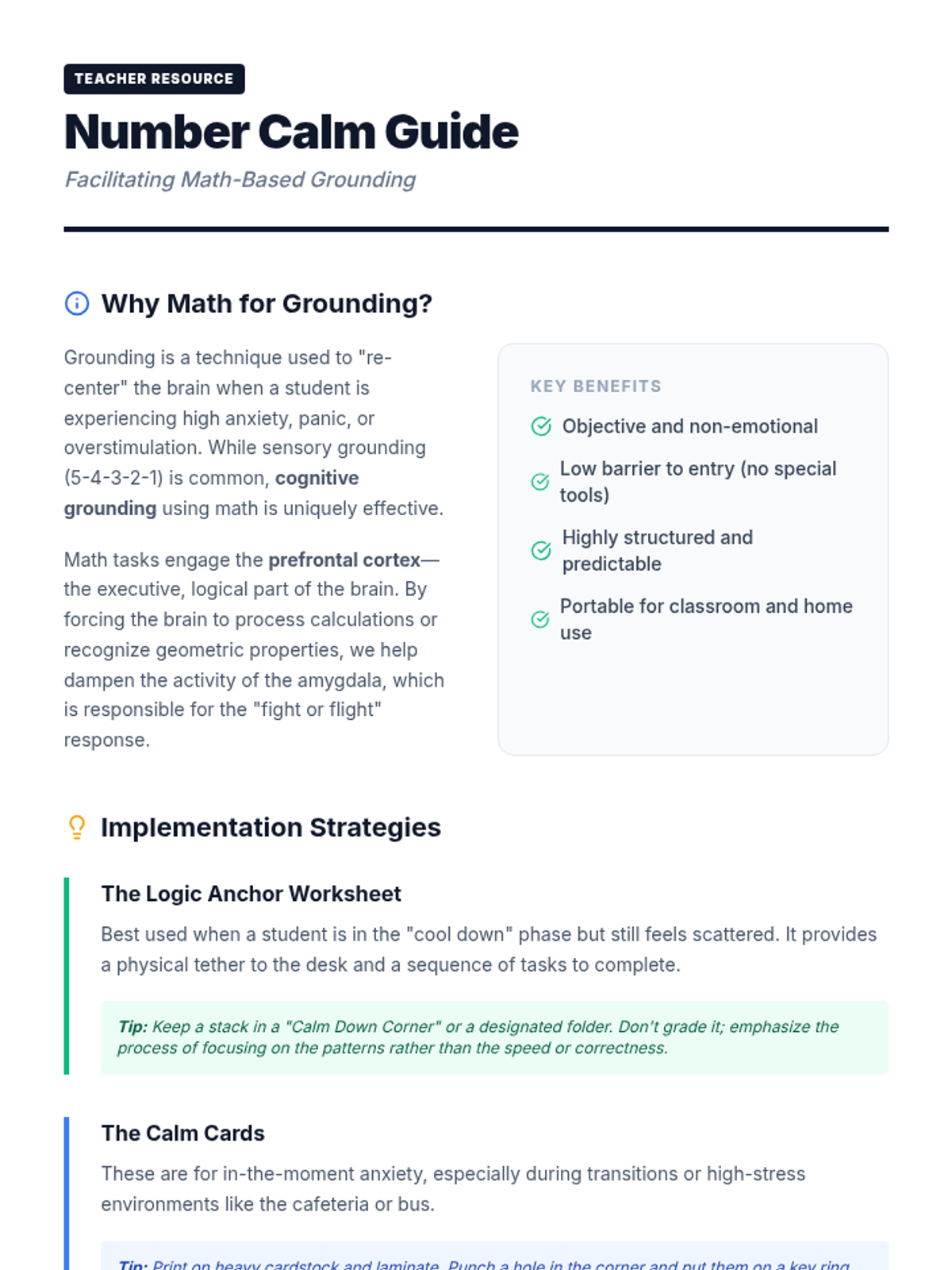
This lesson introduces math-based grounding techniques to help students manage anxiety or overstimulation by engaging the logical side of the brain. It includes portable prompt cards and structured worksheets featuring counting, arithmetic, and geometry challenges.
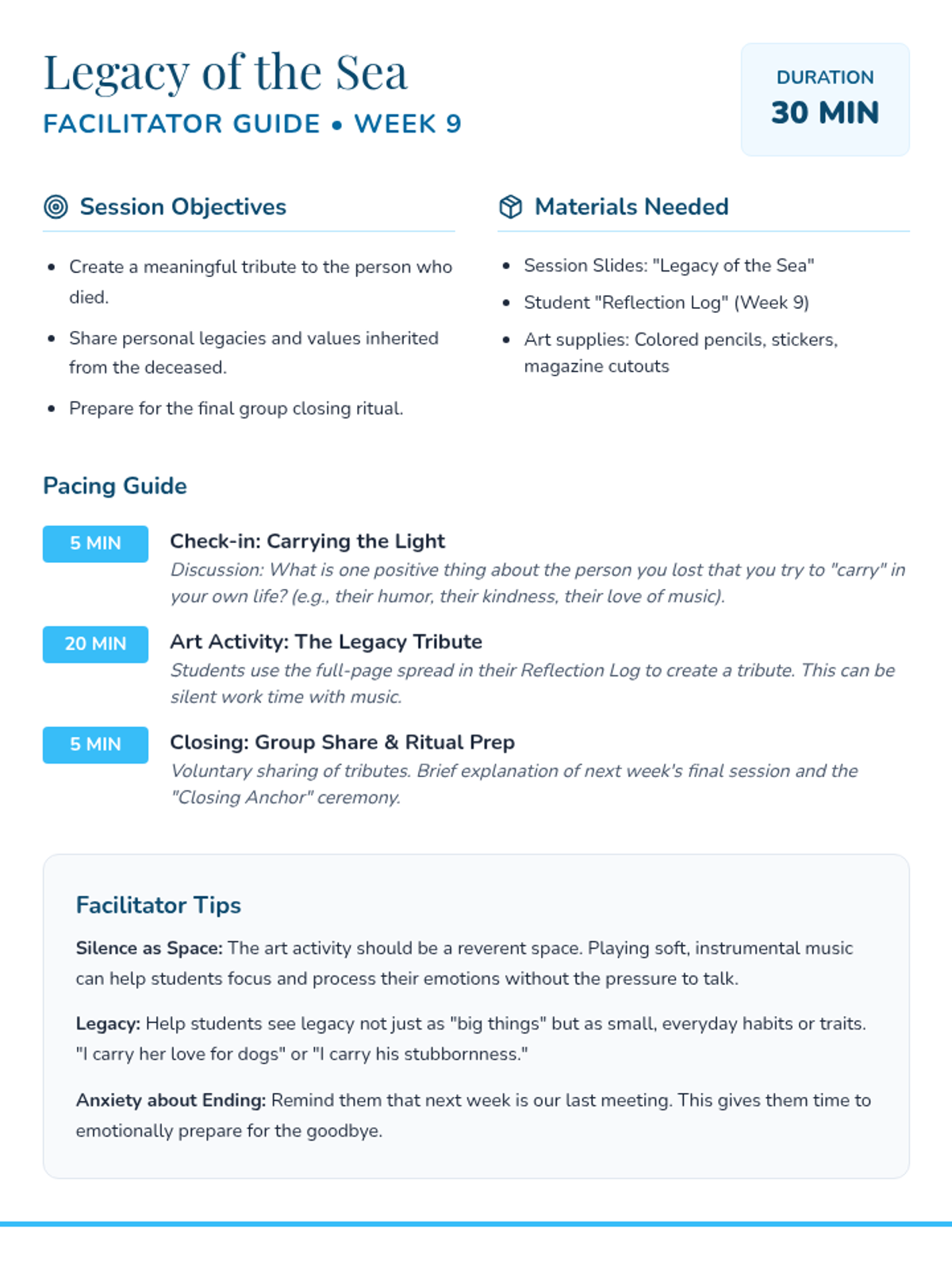
Creating meaningful ways to honor the person who died and maintaining their legacy.
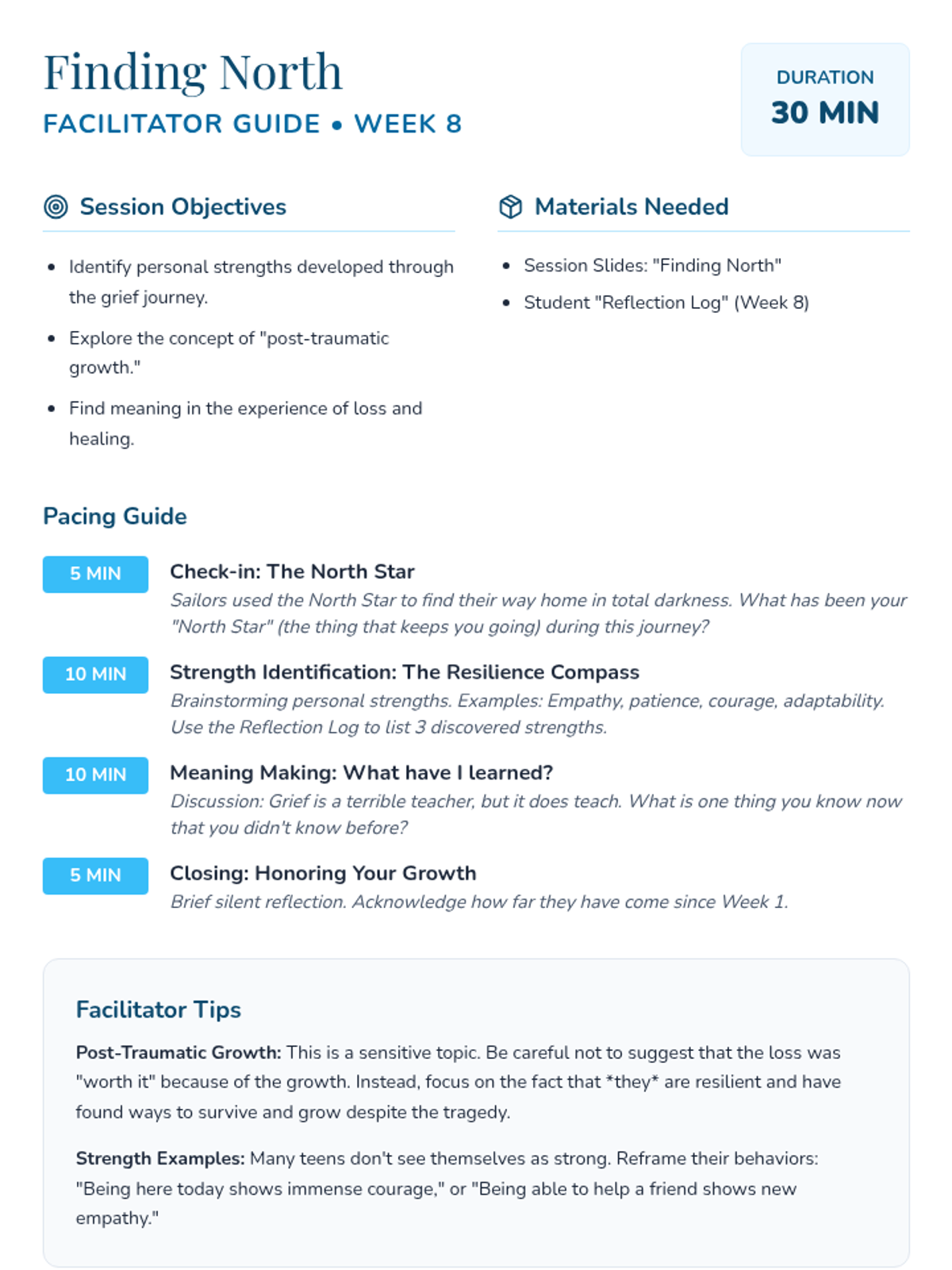
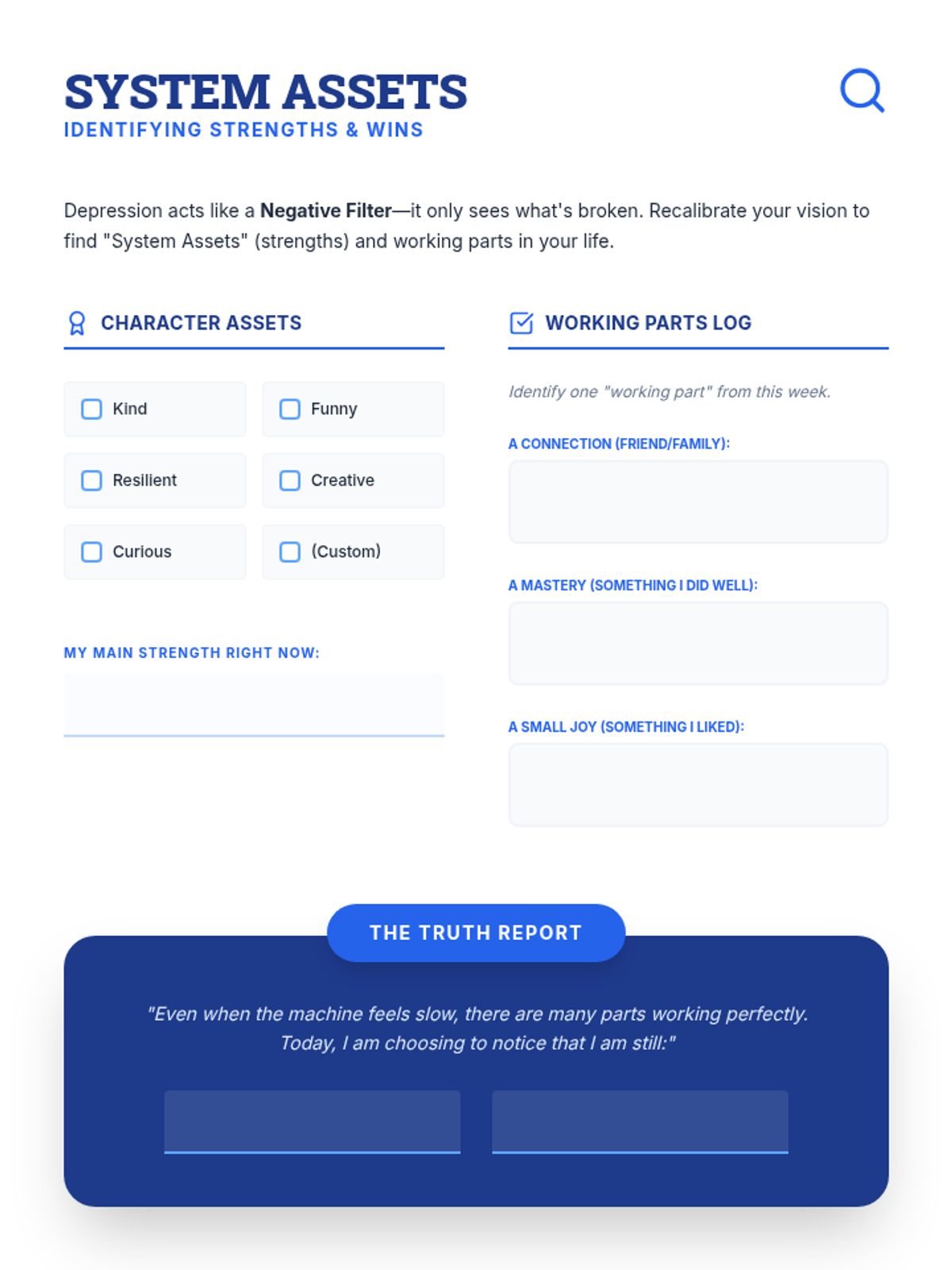
Identifying personal growth, strengths, and finding meaning in the journey toward healing.
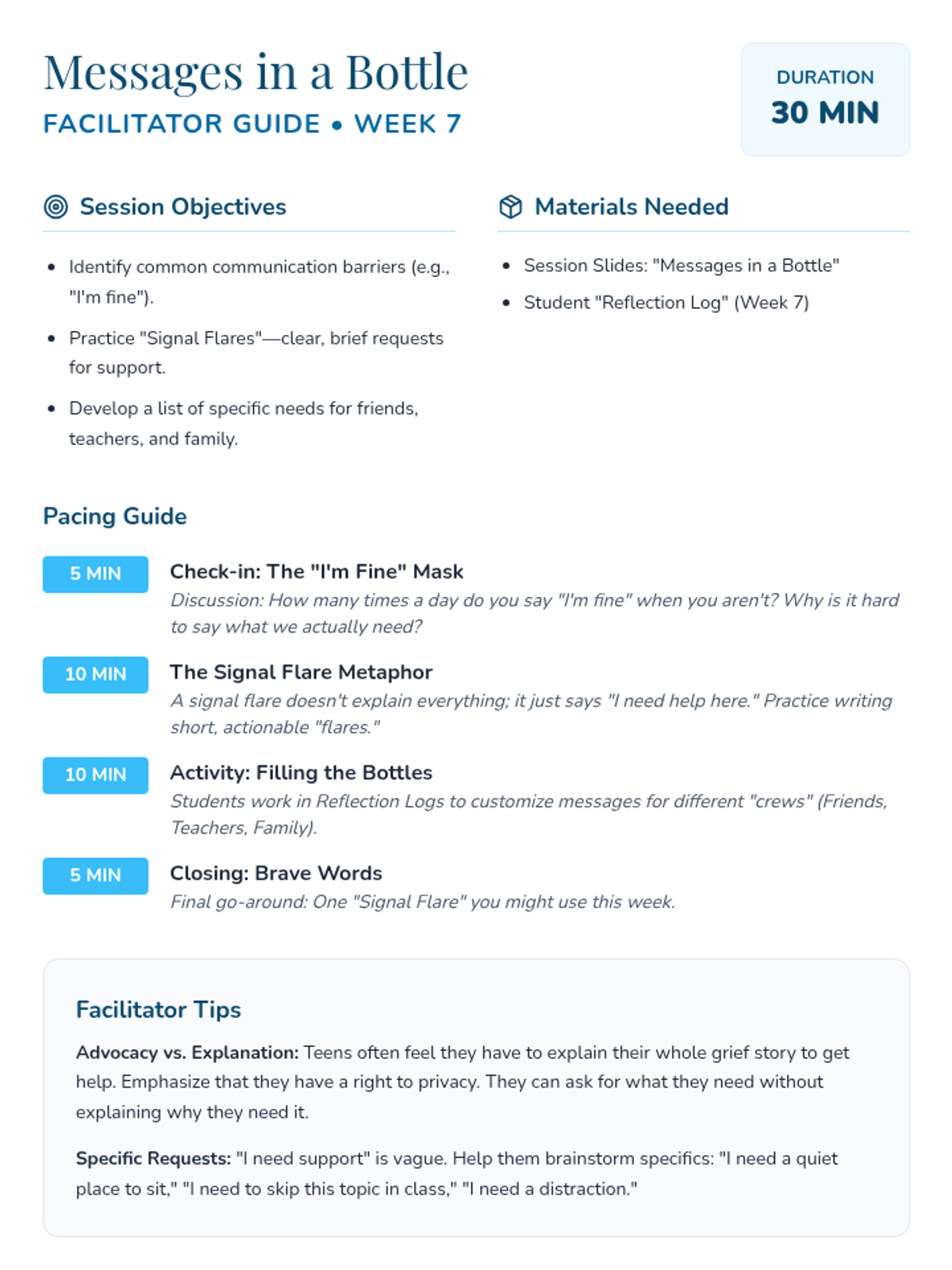
Developing self-advocacy and communication skills to share needs with friends, family, and teachers.
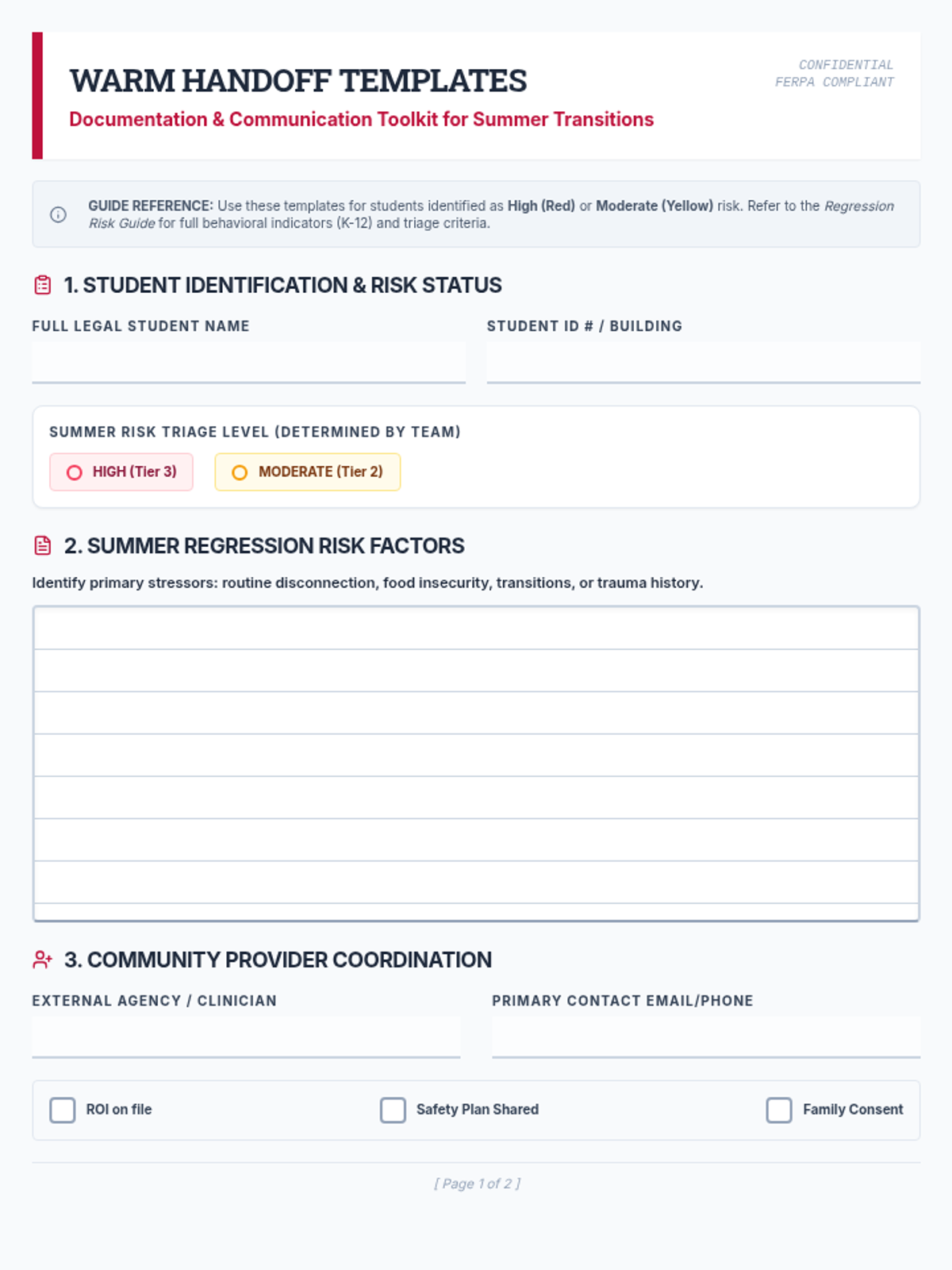
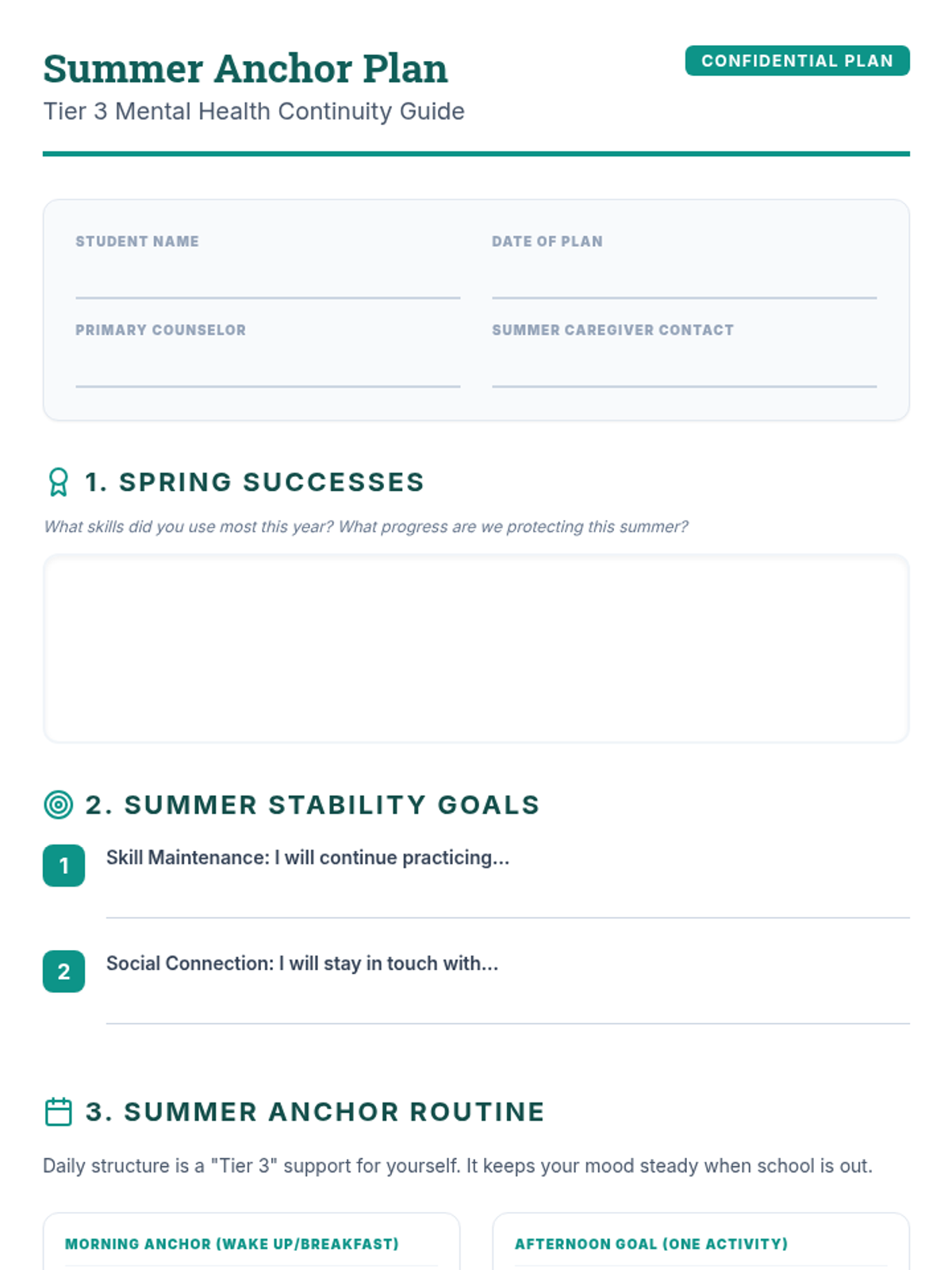
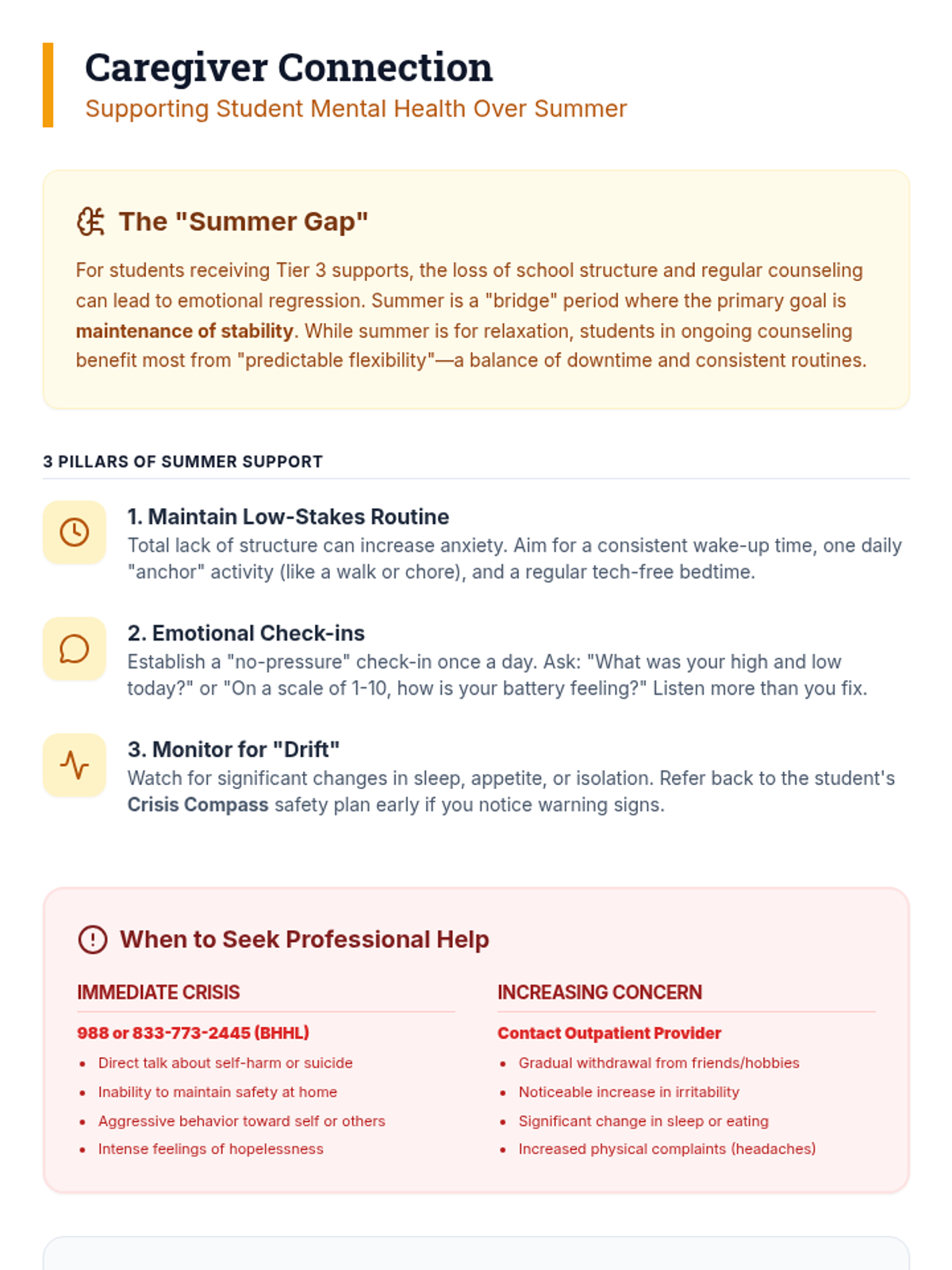
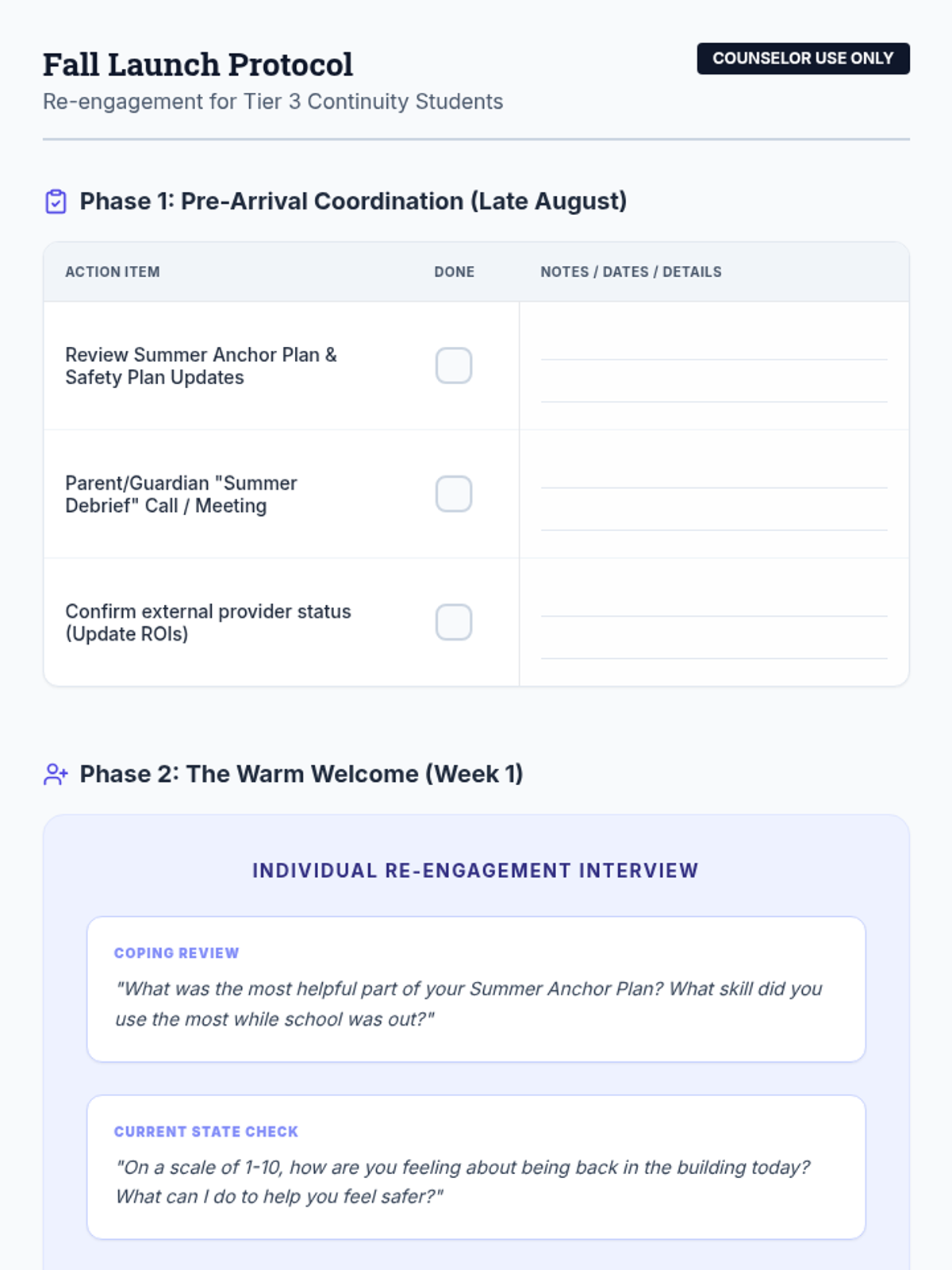
A structured framework for school counselors to facilitate the transition of Tier 3 students to summer break, ensuring continuity of care and crisis preparedness.
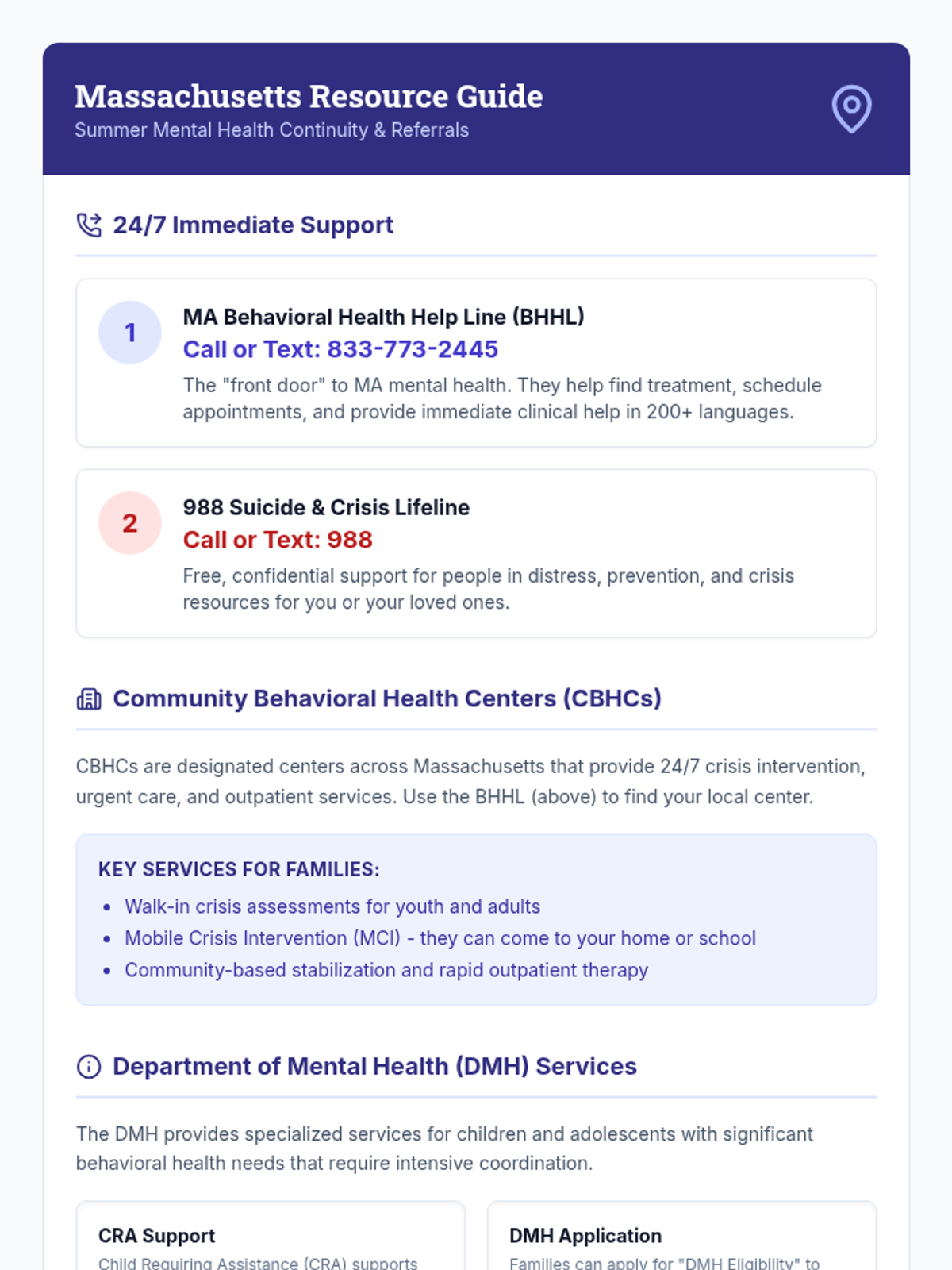
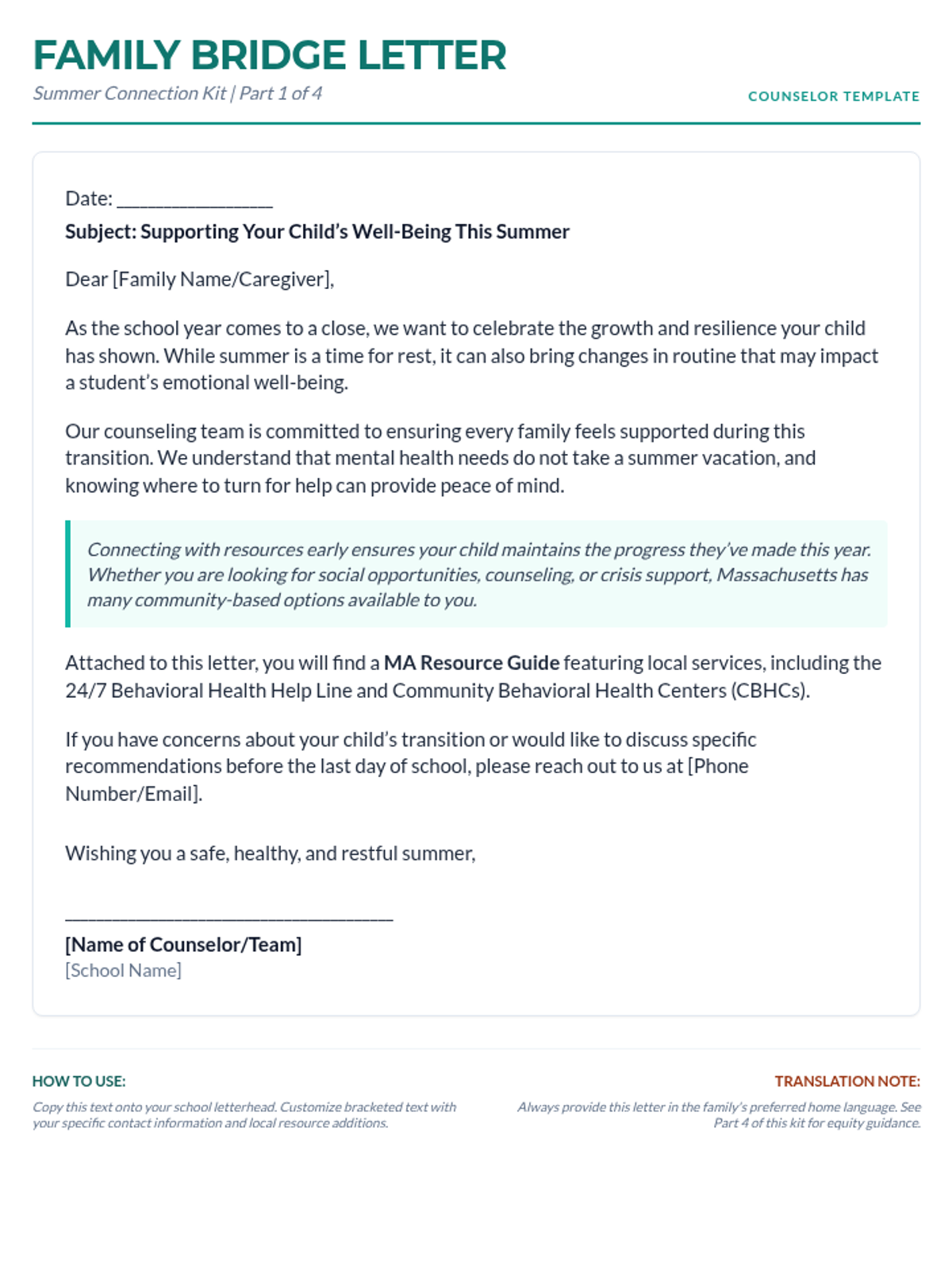
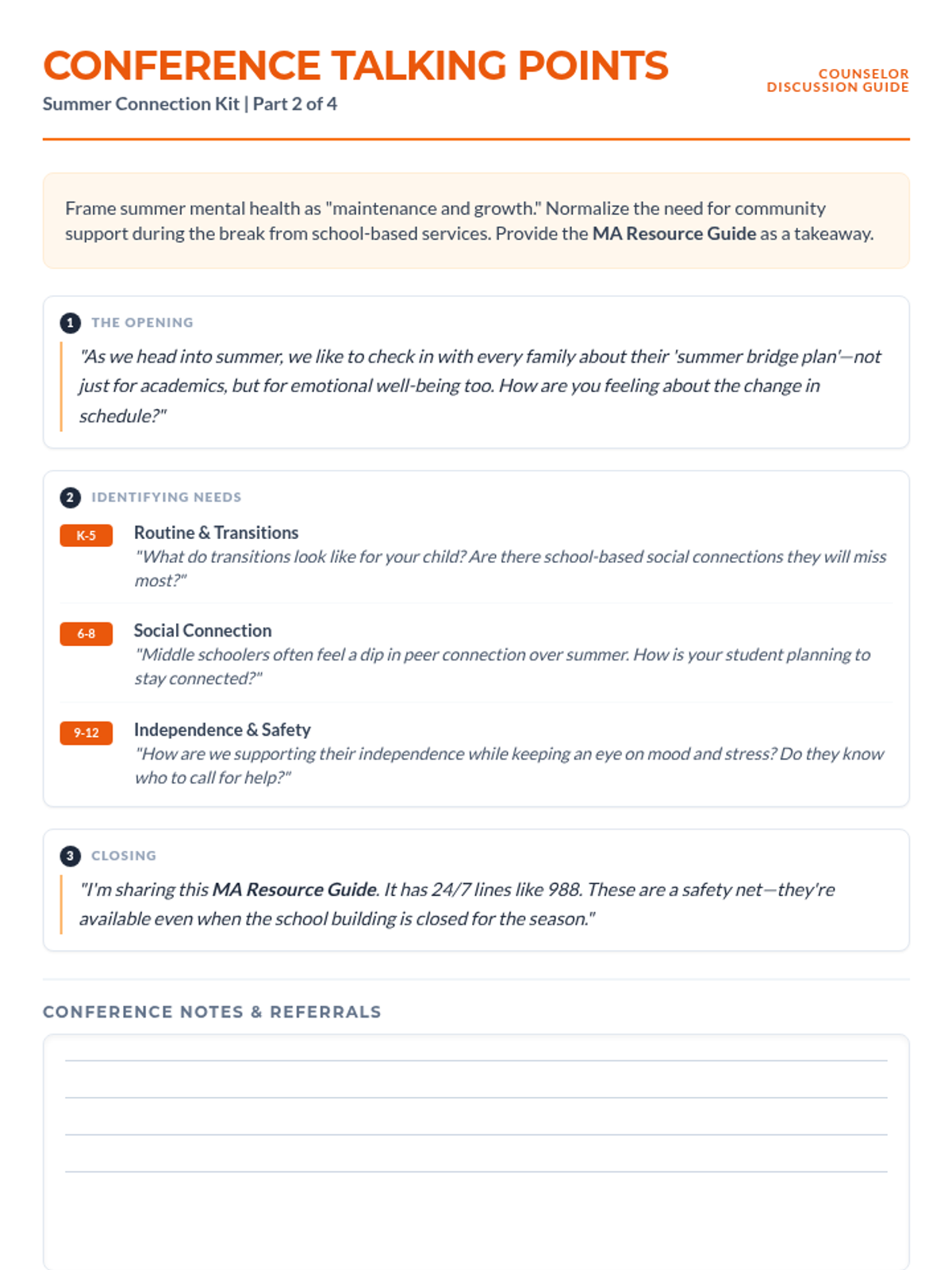
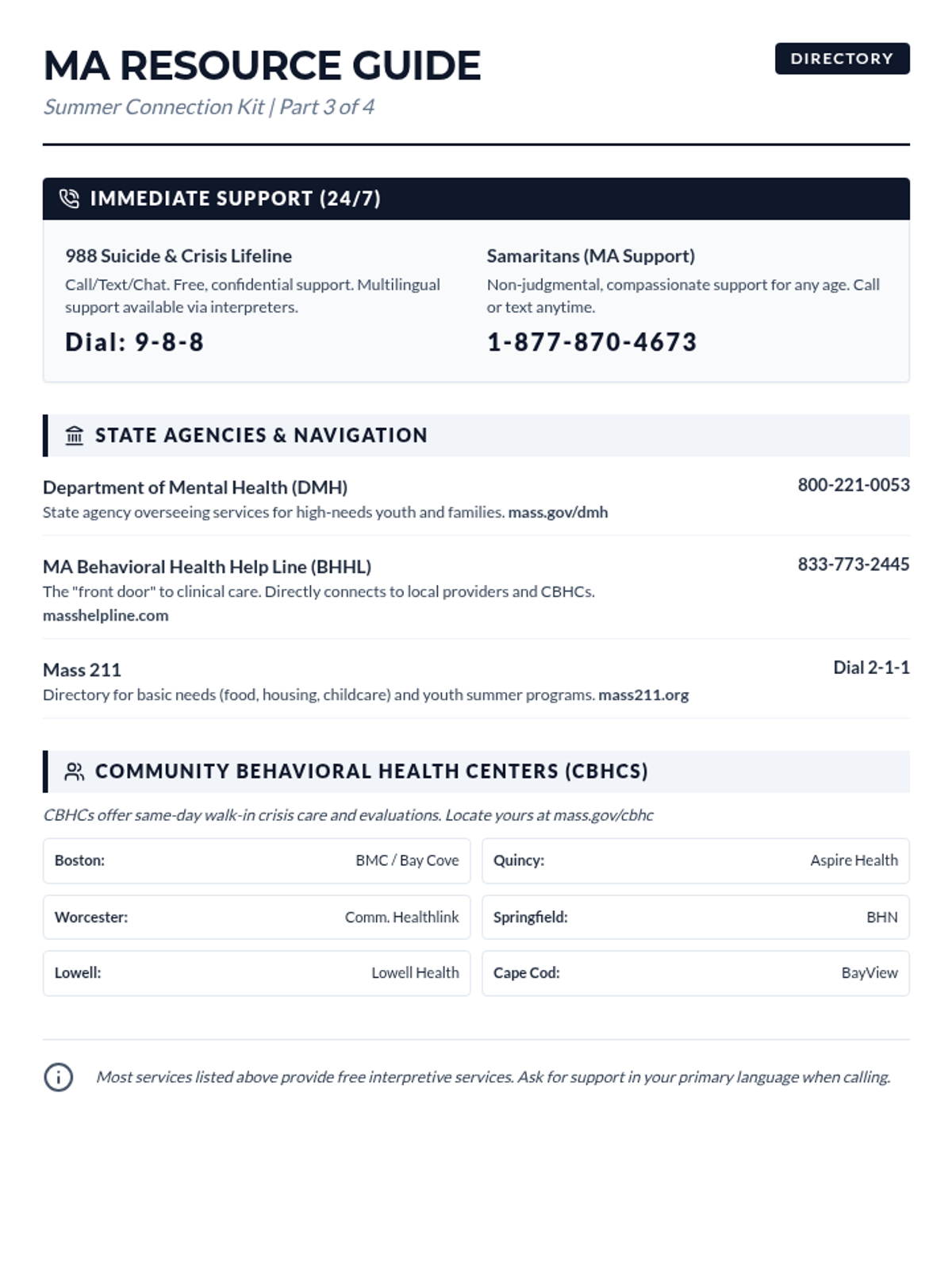
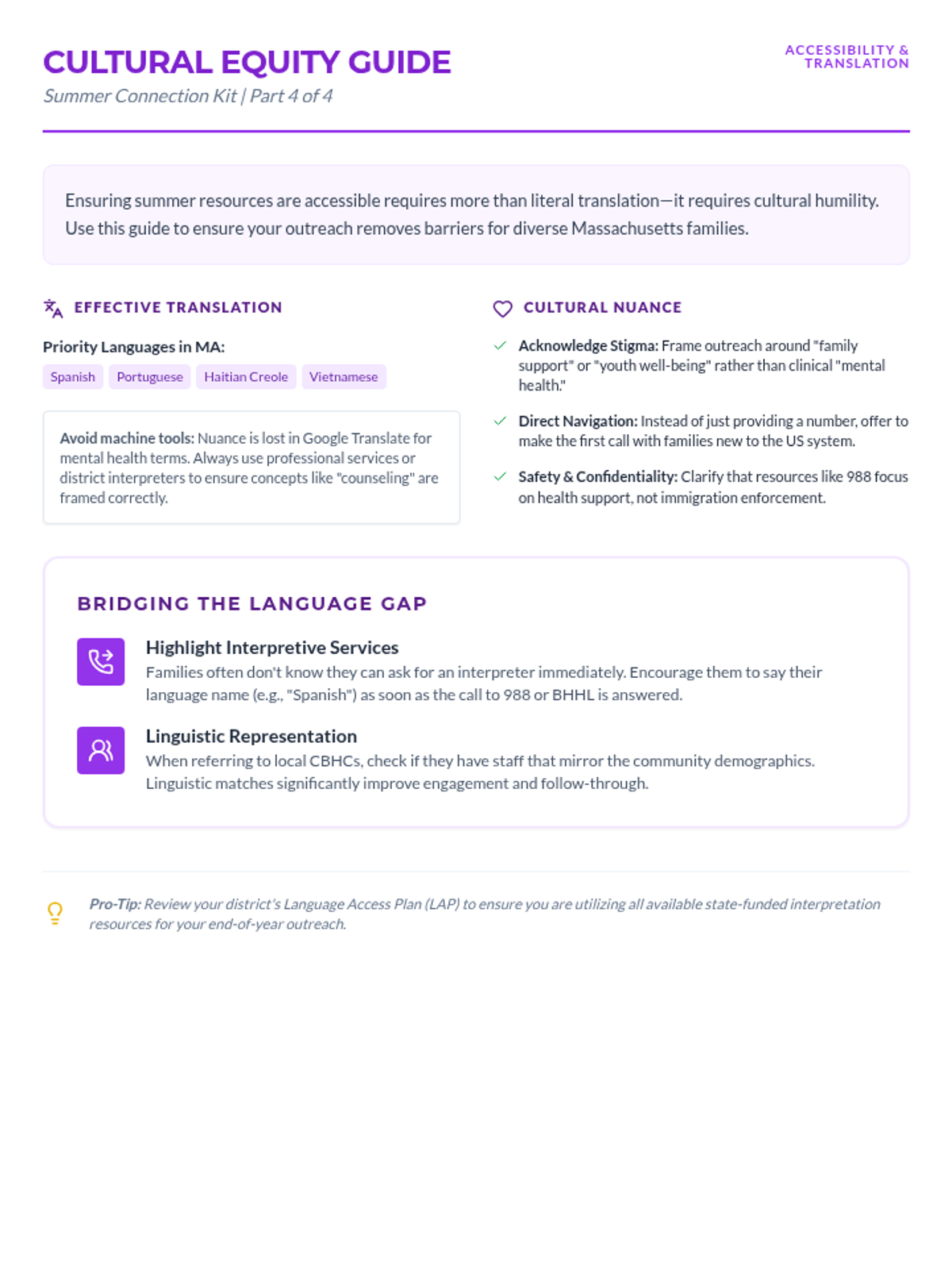
A comprehensive toolkit for school counselors to bridge the gap between school-year support and summer mental health resources for families in Massachusetts.
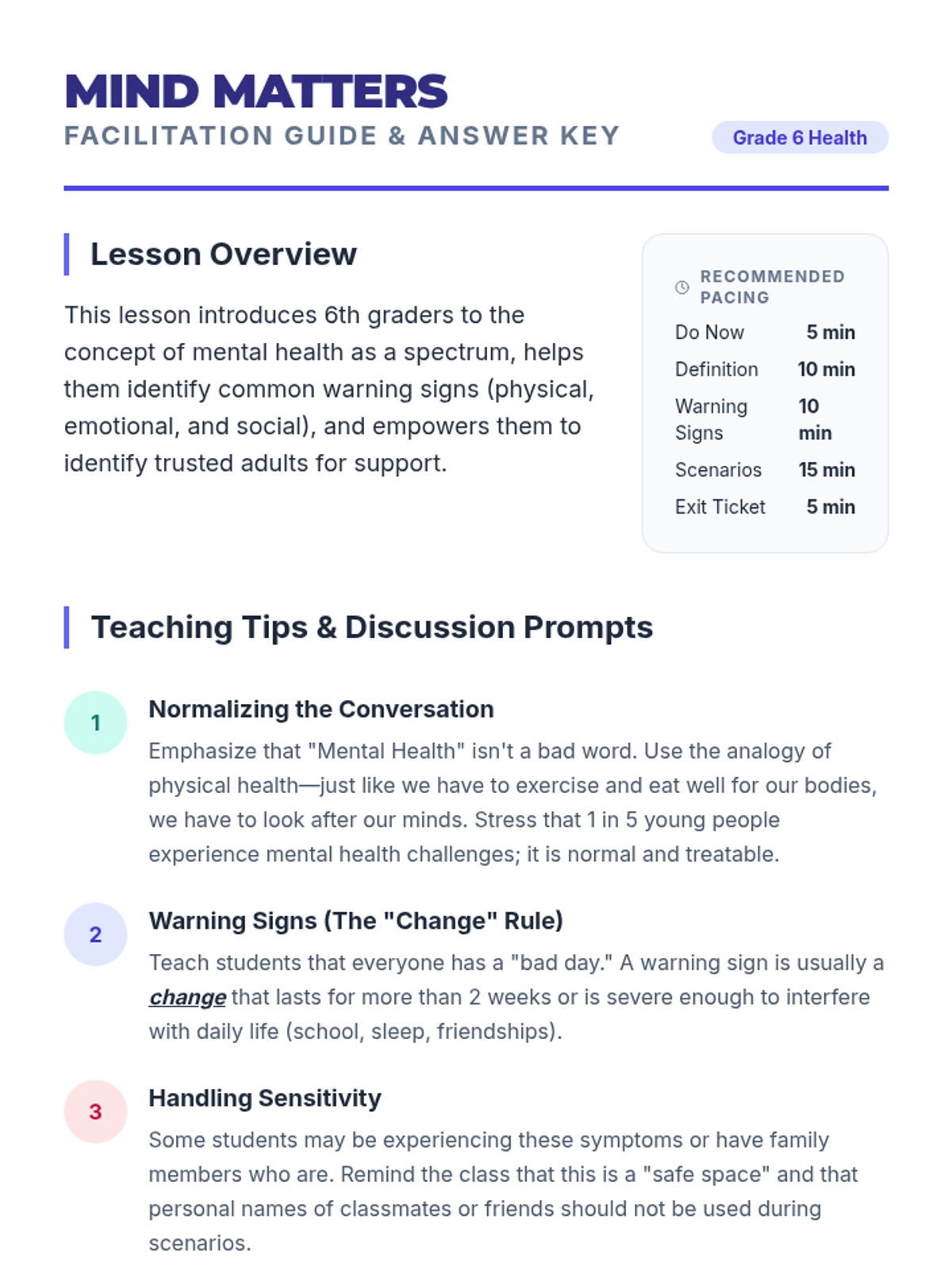
A comprehensive lesson for 6th graders on understanding mental health, identifying warning signs, and knowing which trusted adults to turn to for support.
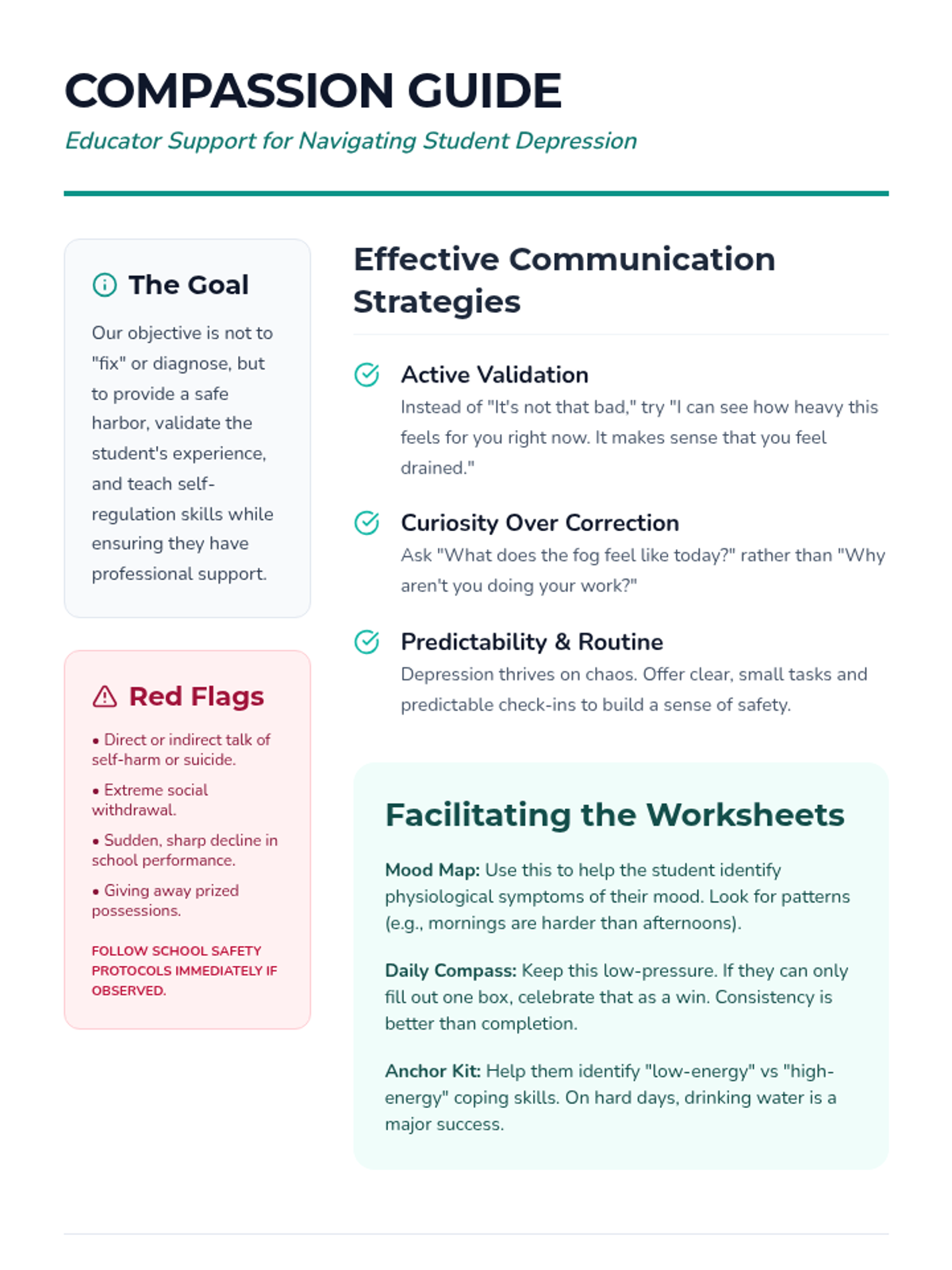
A supportive lesson for 7th-grade students to understand depression, identify emotions, and build a toolkit of coping strategies and self-care practices.
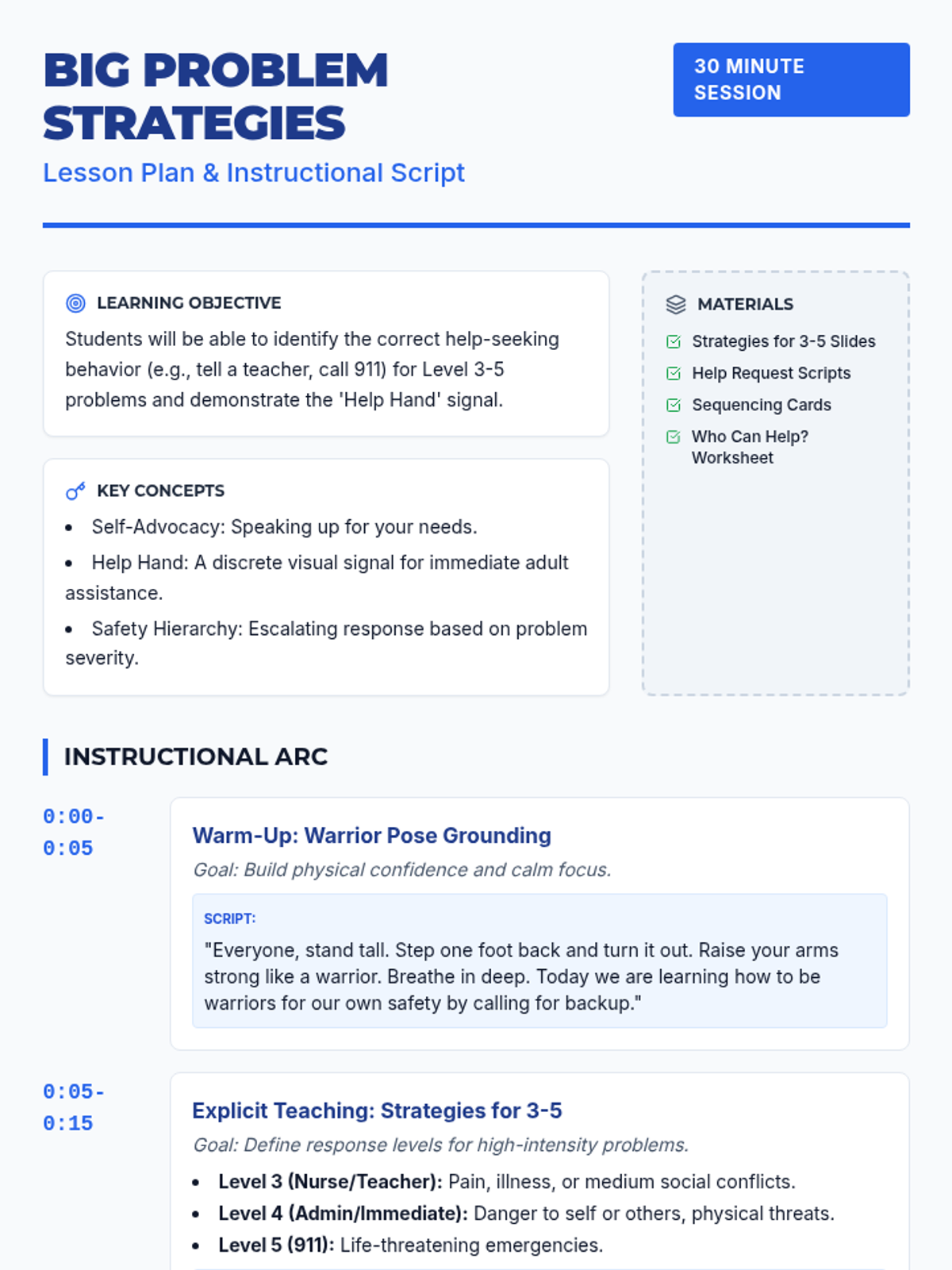
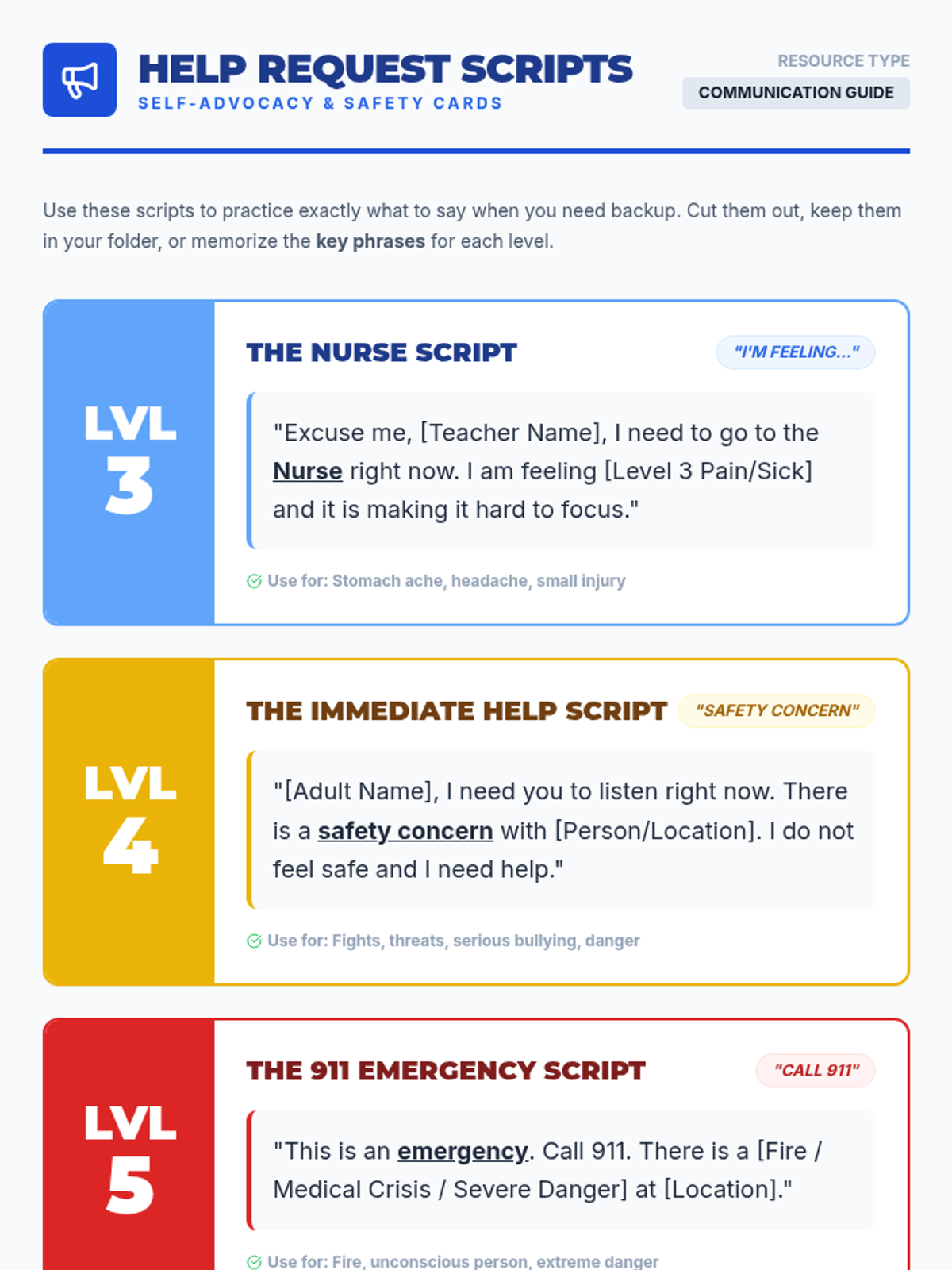
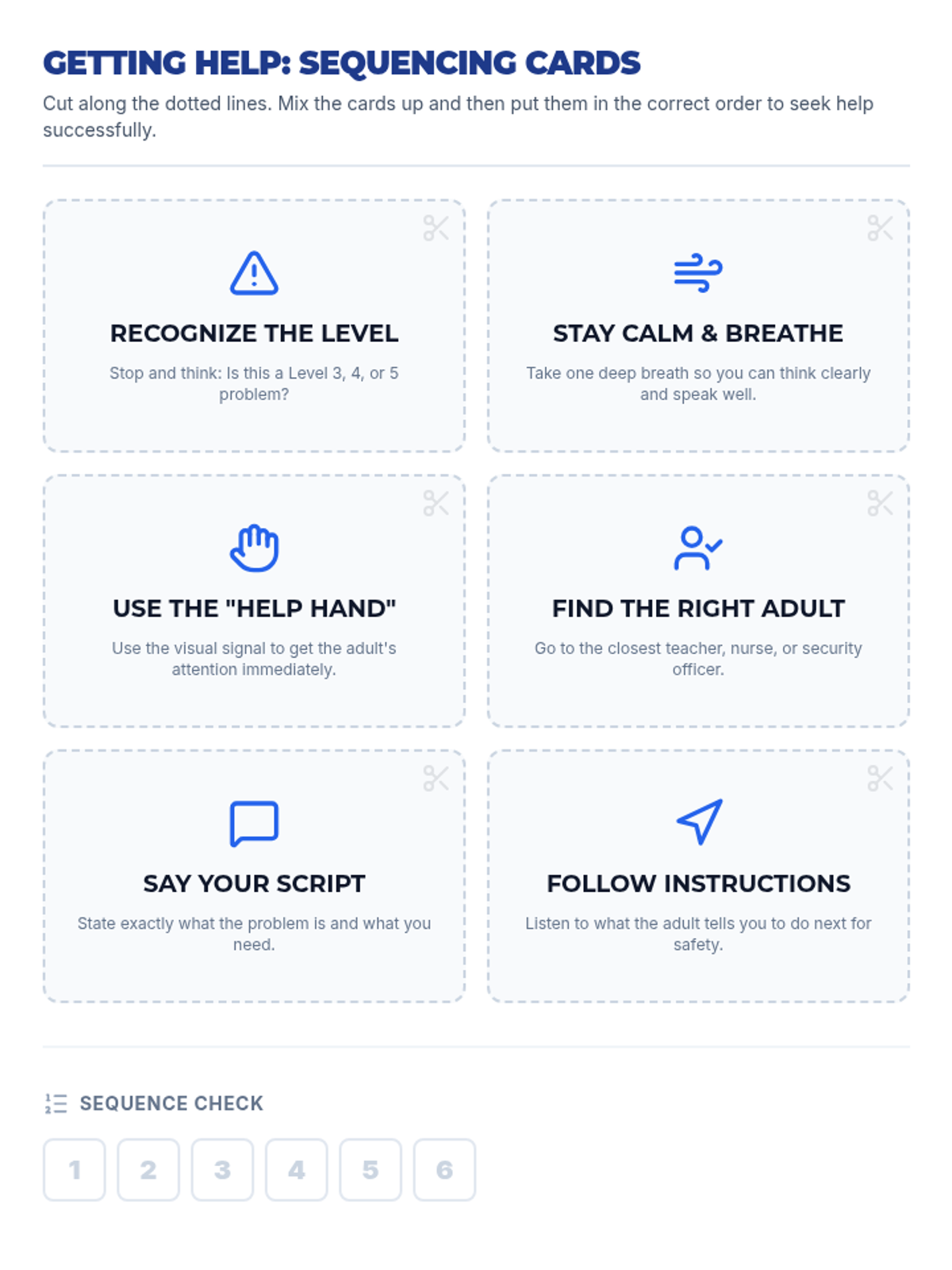
A 30-minute life skills lesson focused on identifying and executing help-seeking strategies for high-intensity (Level 3-5) problems, including using the 'Help Hand' signal and scripts for different emergency levels.
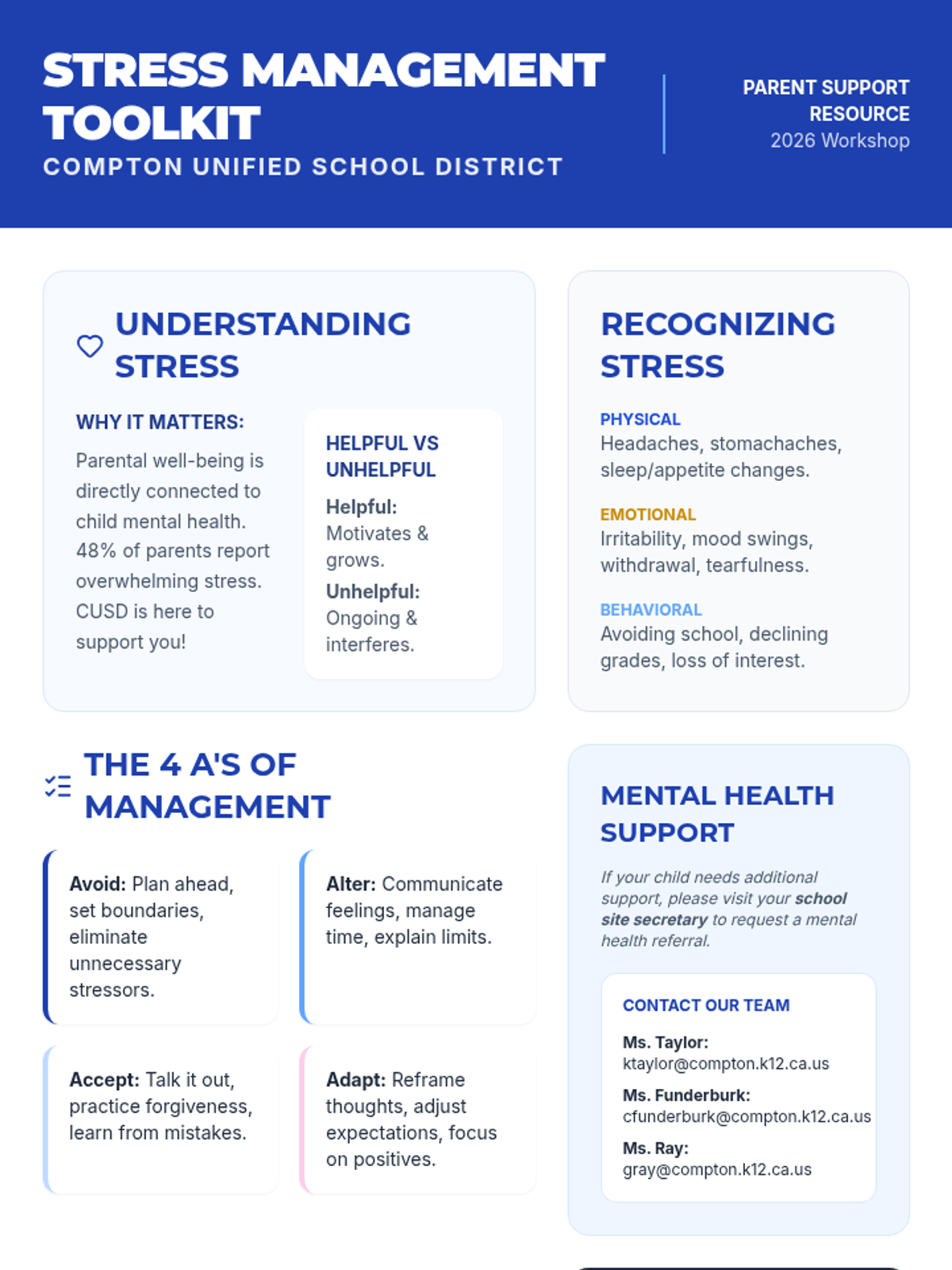
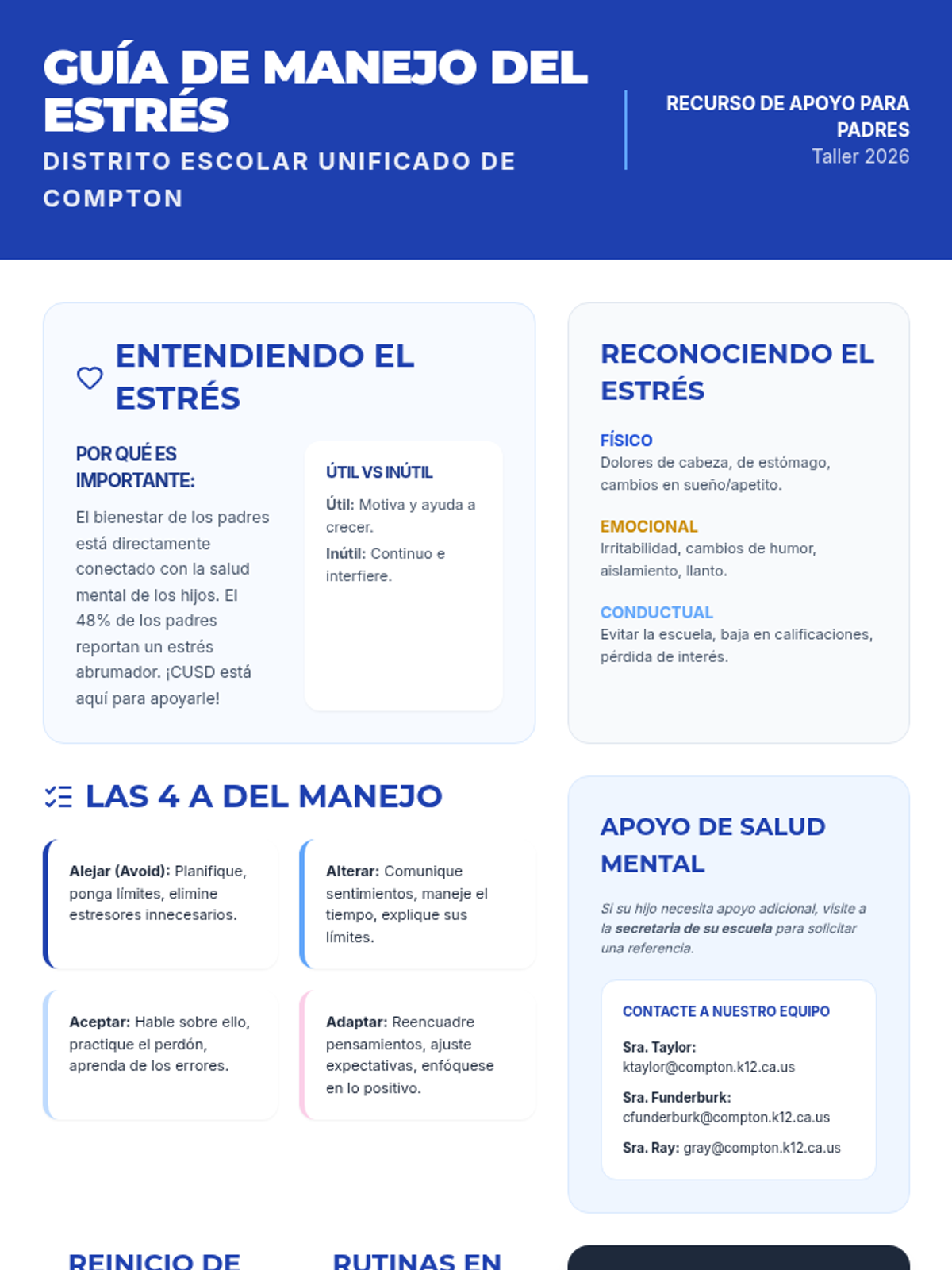
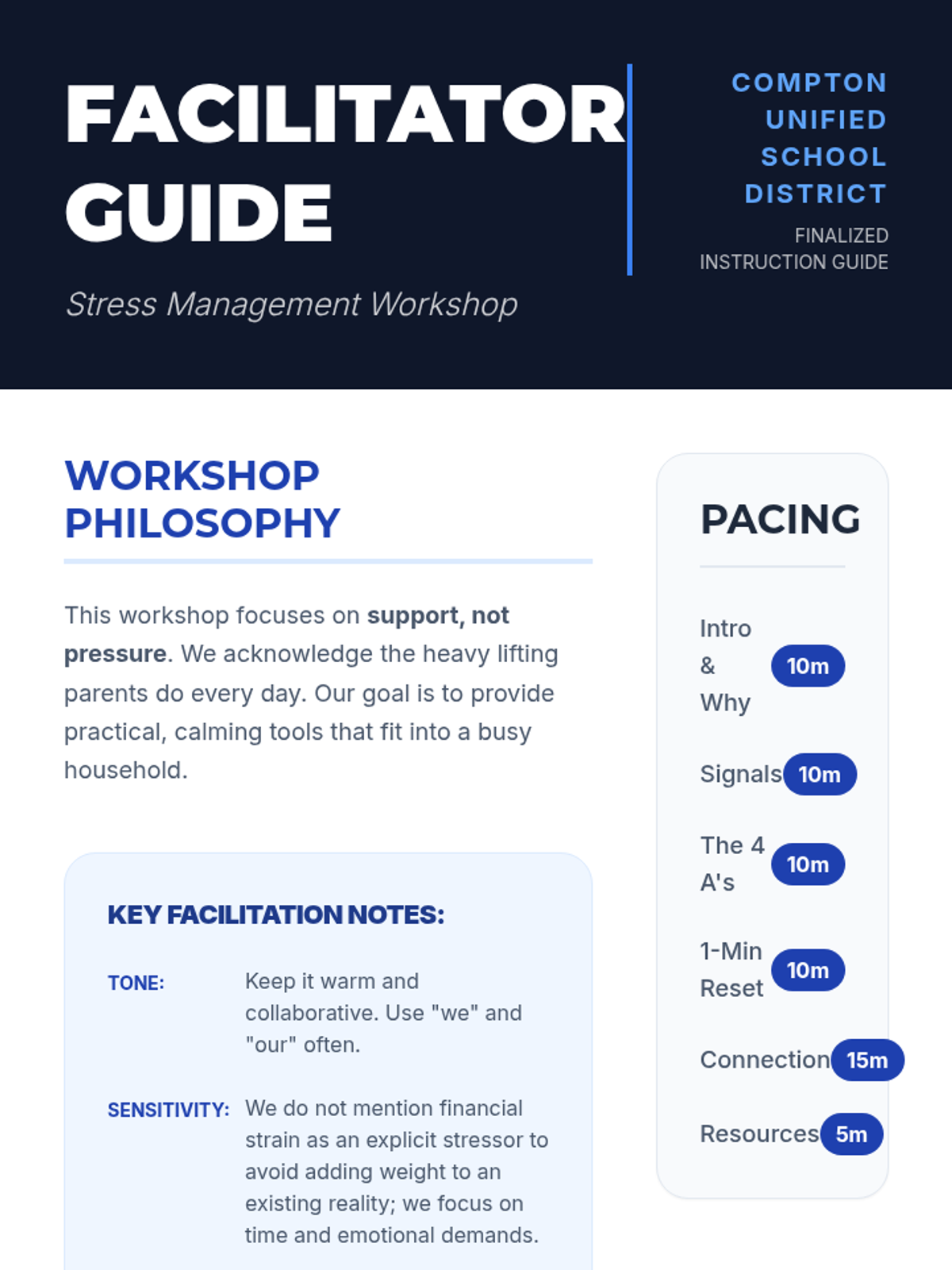
This lesson provides parents and caregivers with tools to distinguish between helpful and harmful stress, apply the 4 A's of stress management, and practice relaxation techniques with their children.
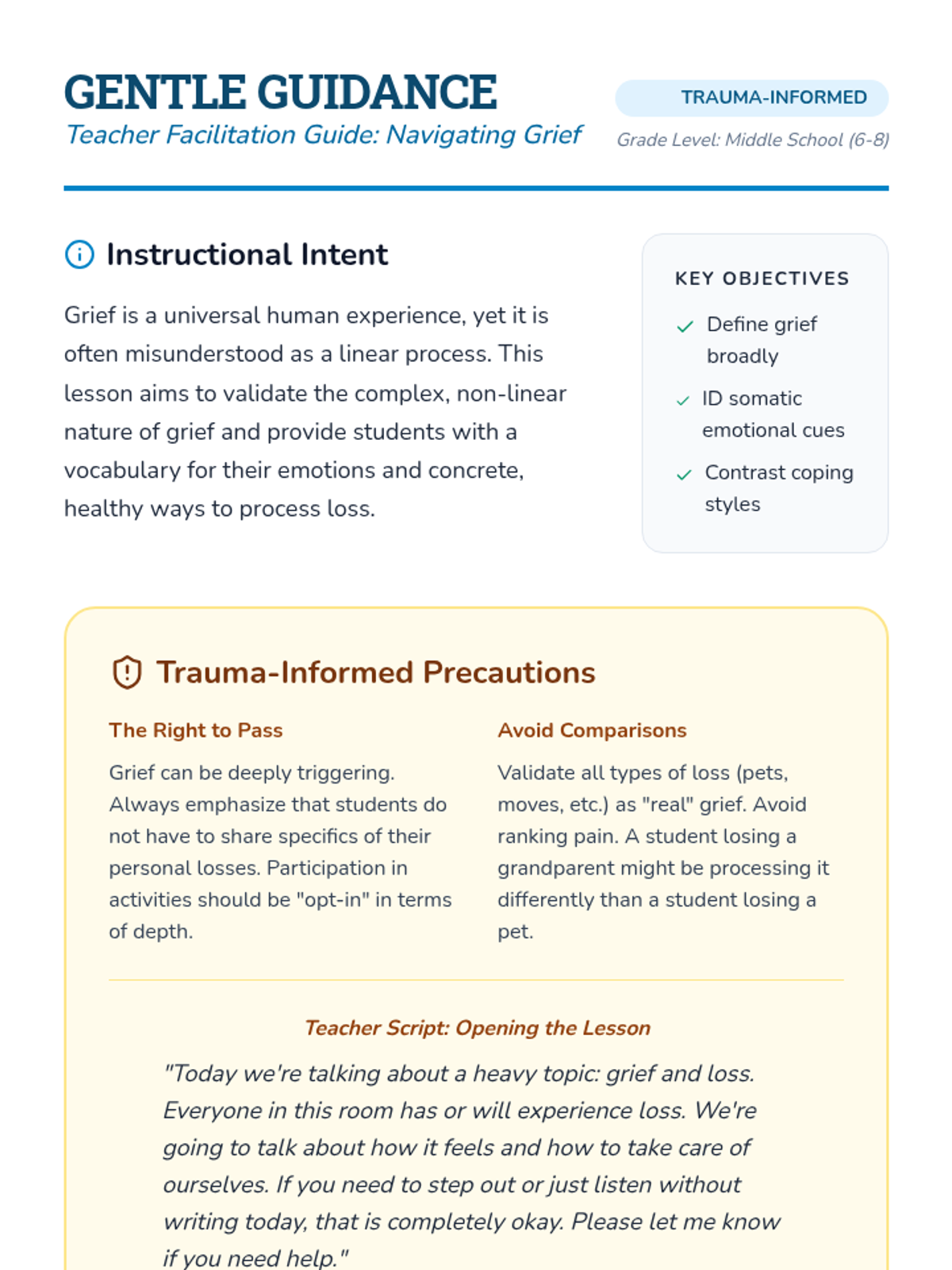
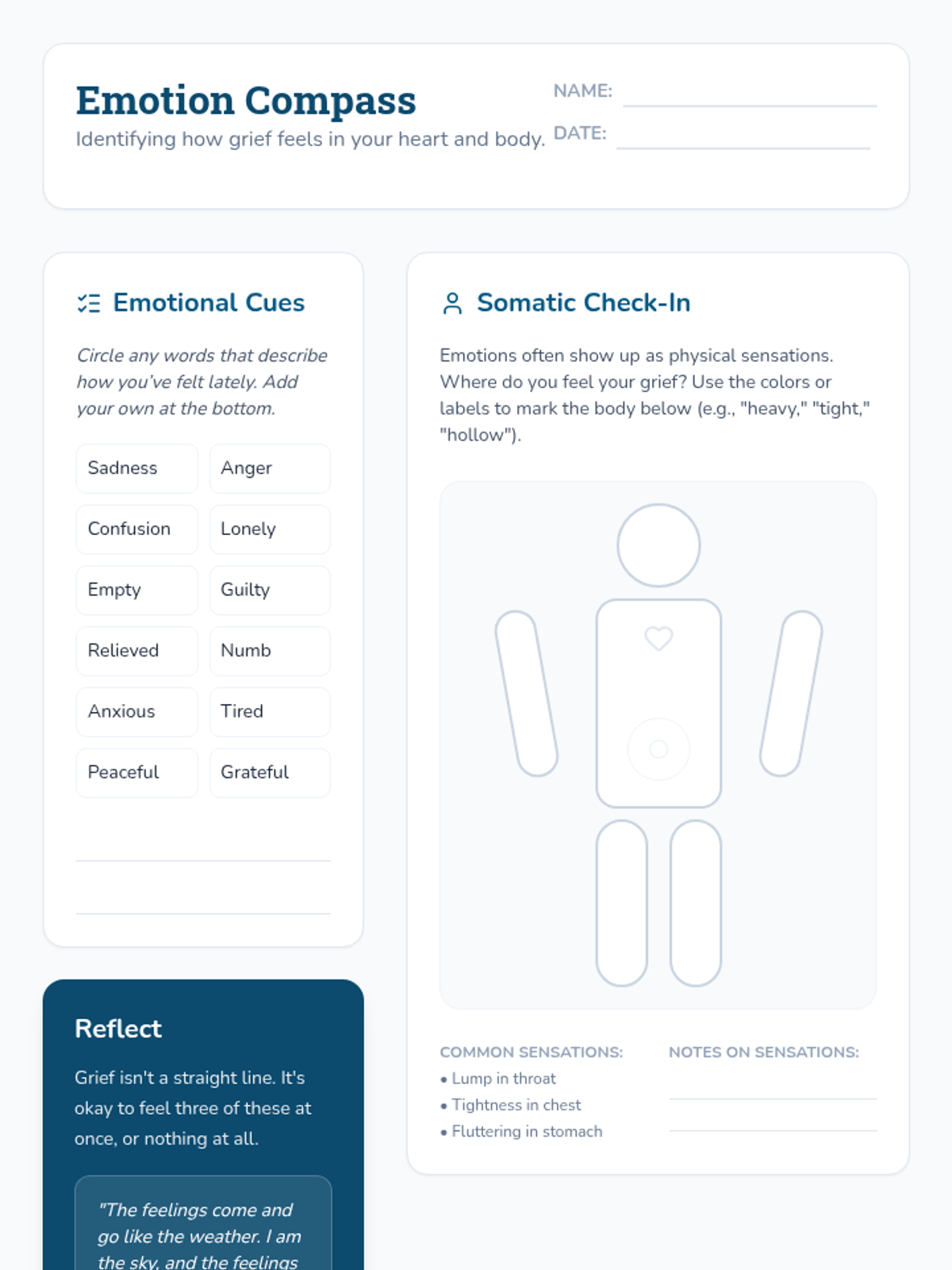
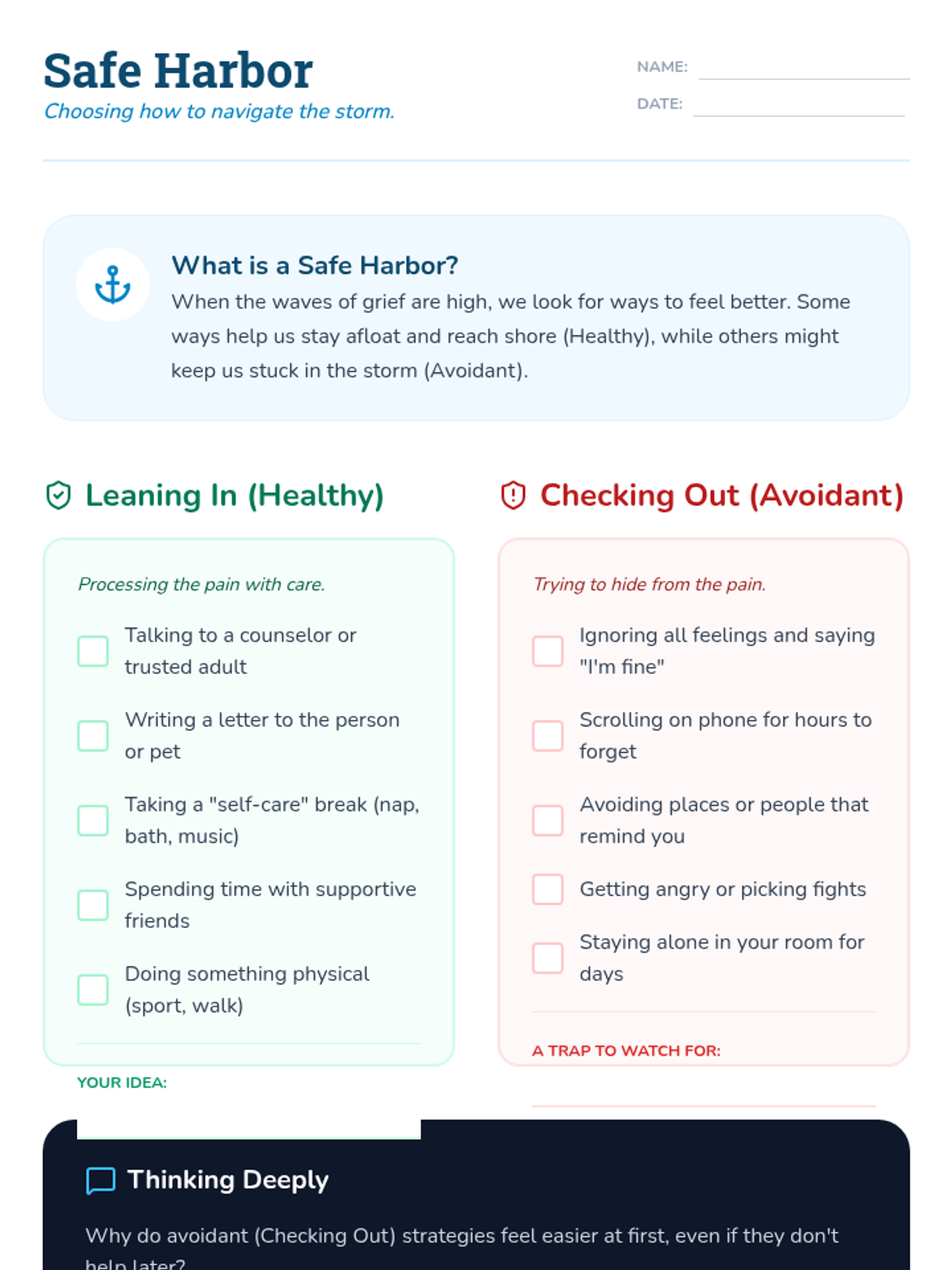
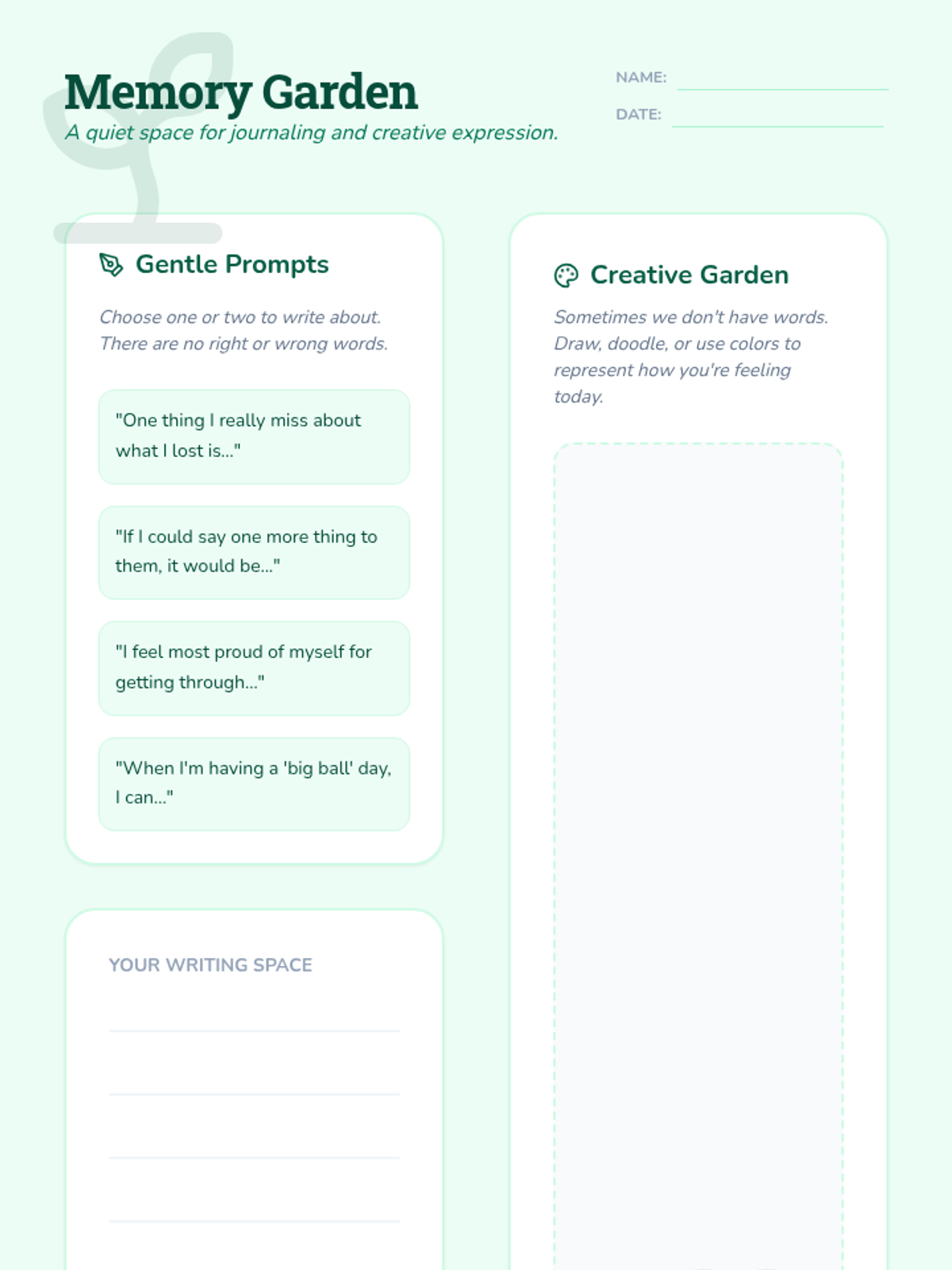
A trauma-informed SEL lesson designed to help middle schoolers understand grief as a natural process, identify complex emotions, and develop healthy coping strategies through creative expression and discussion.
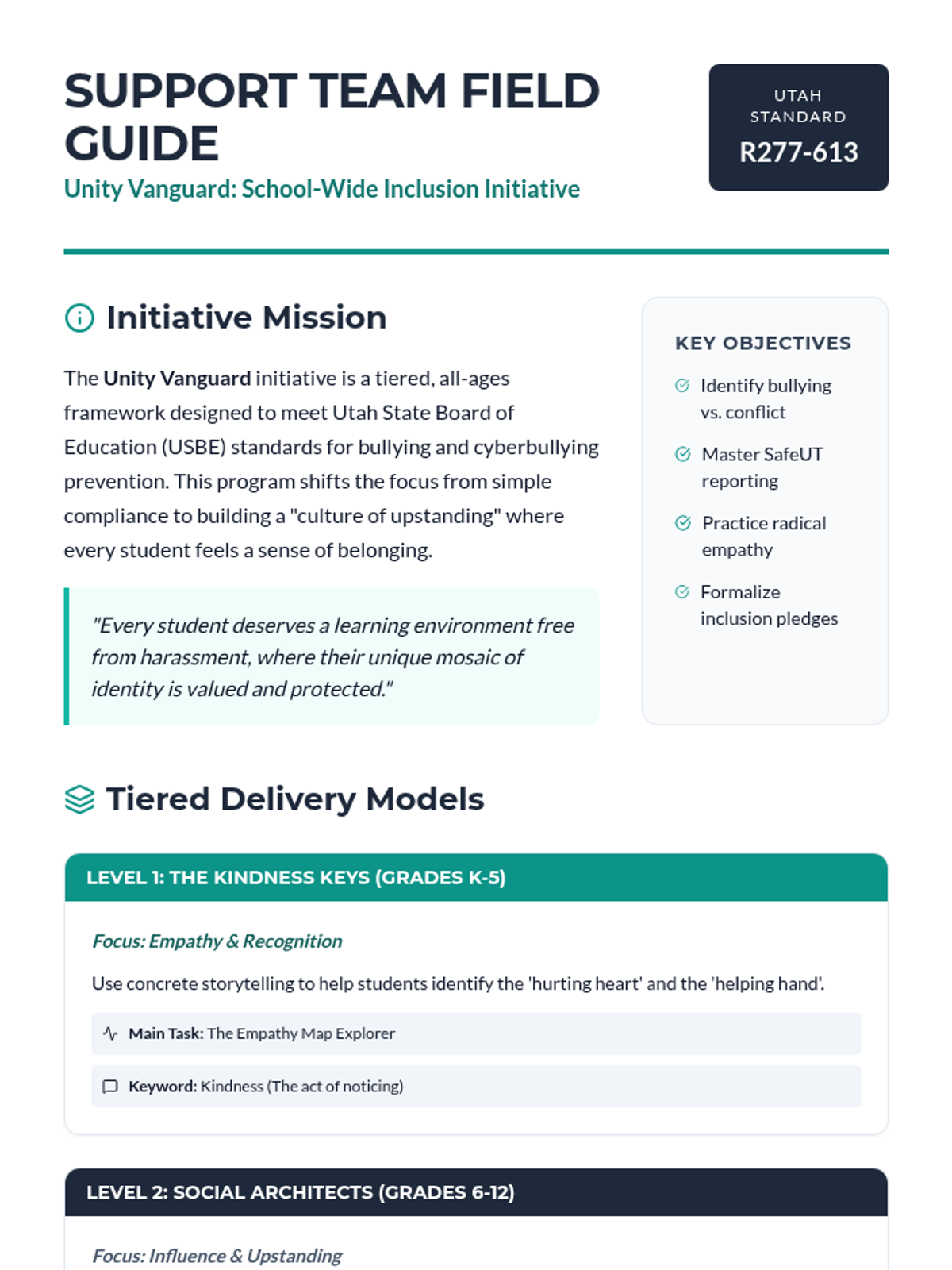
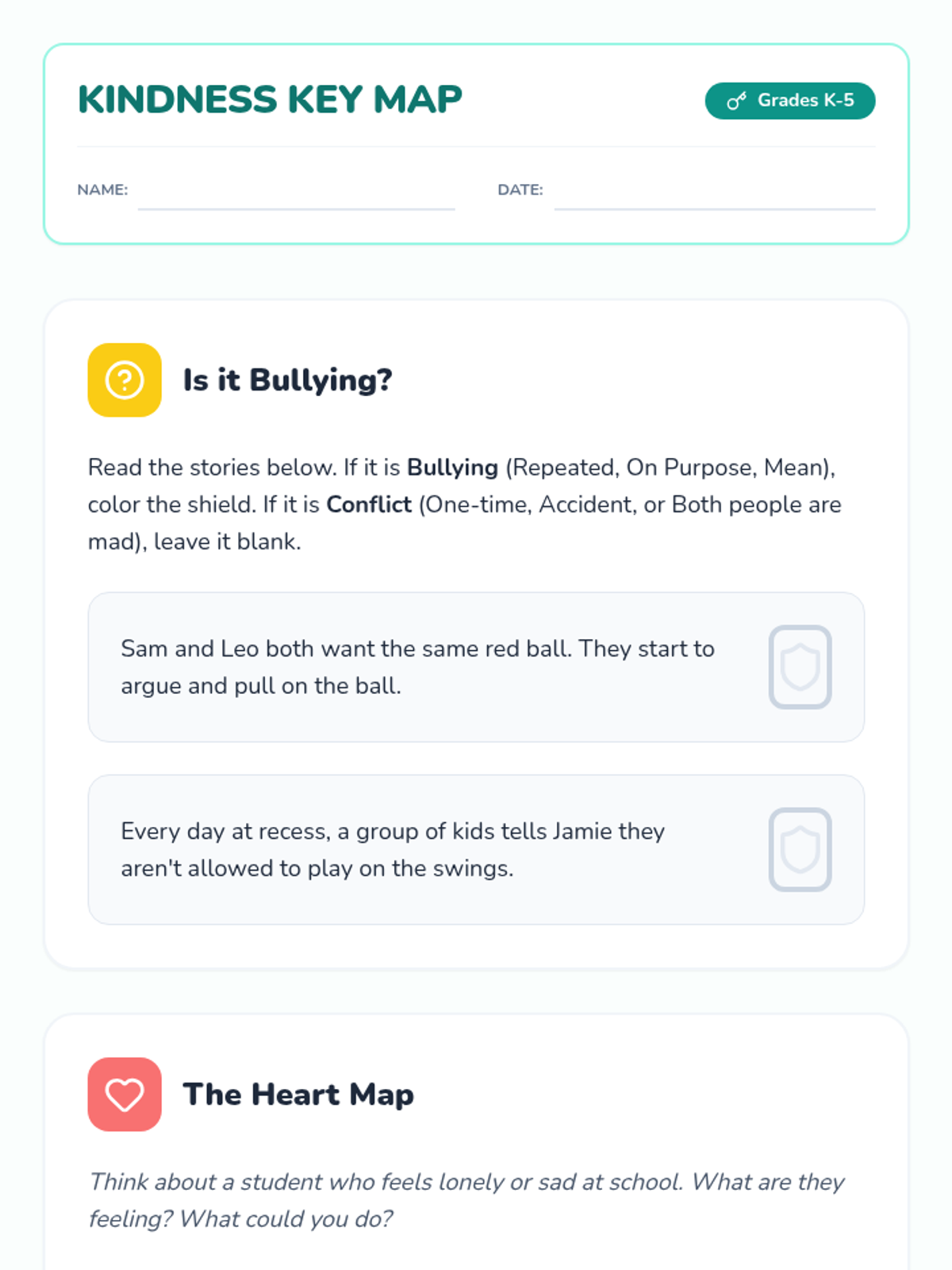
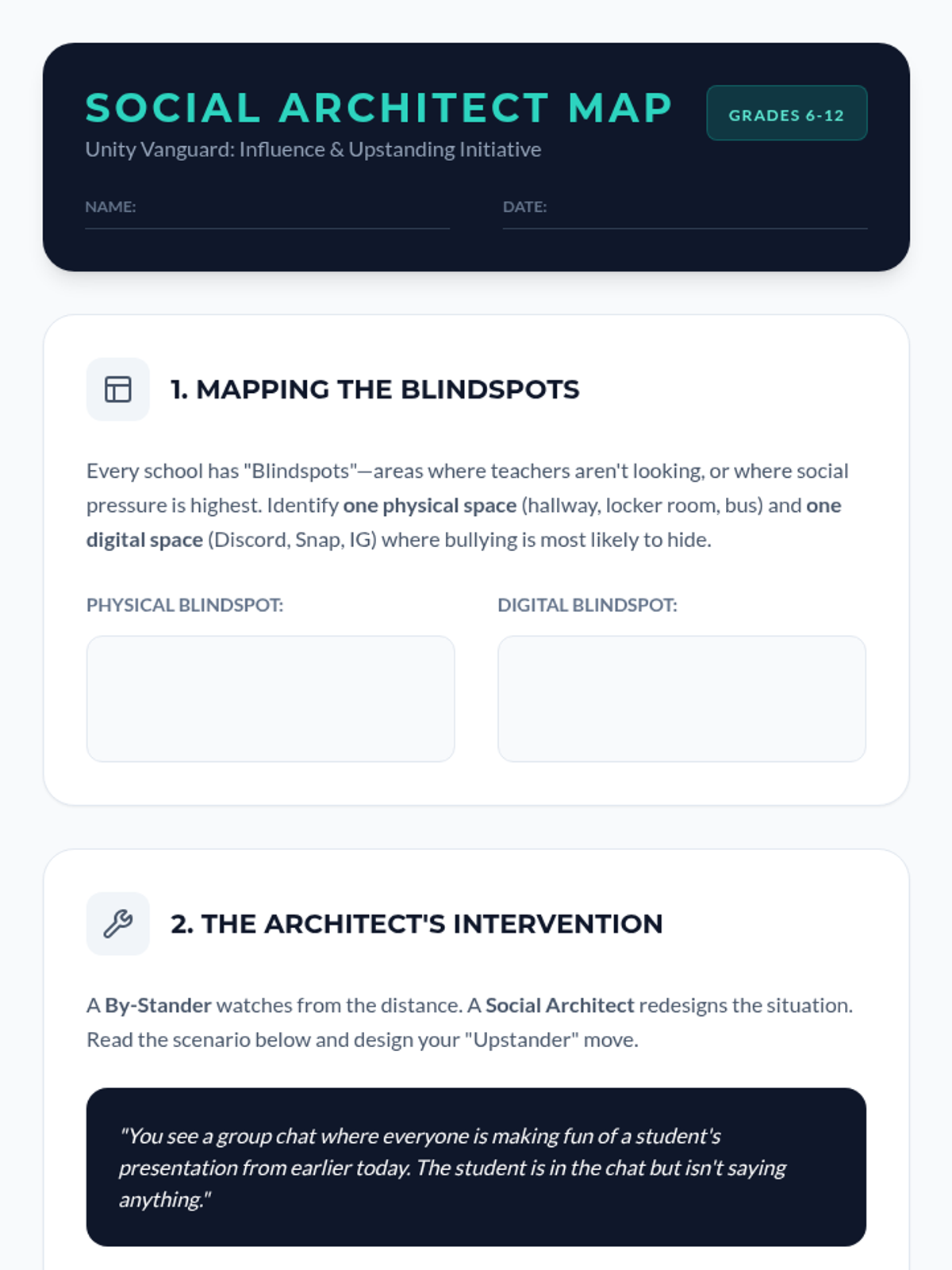
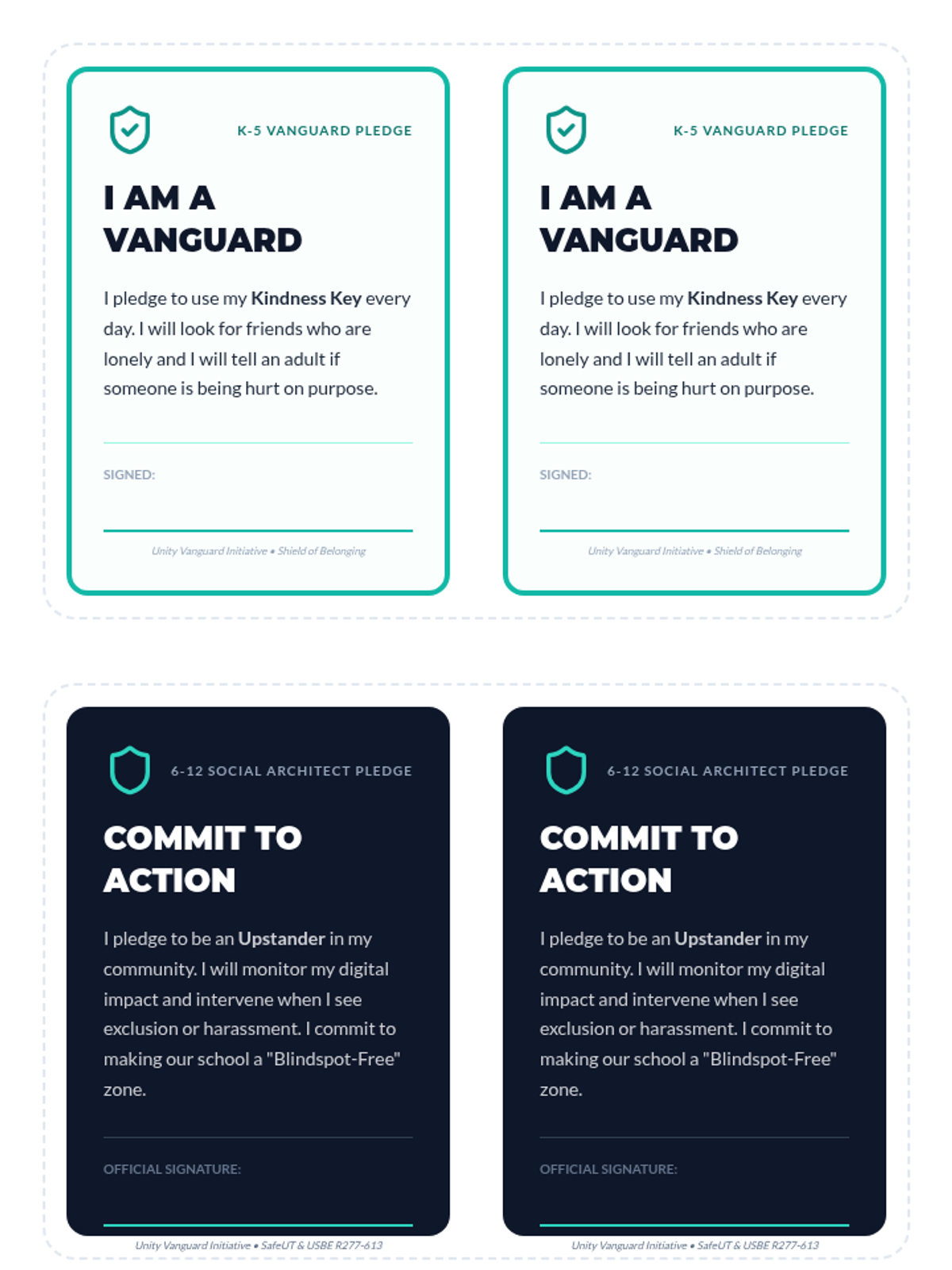
A school-wide initiative focused on identifying bullying behaviors, practicing empathy, and committing to an inclusive school culture through shared pledges. Includes tiered activities for K-12 students.
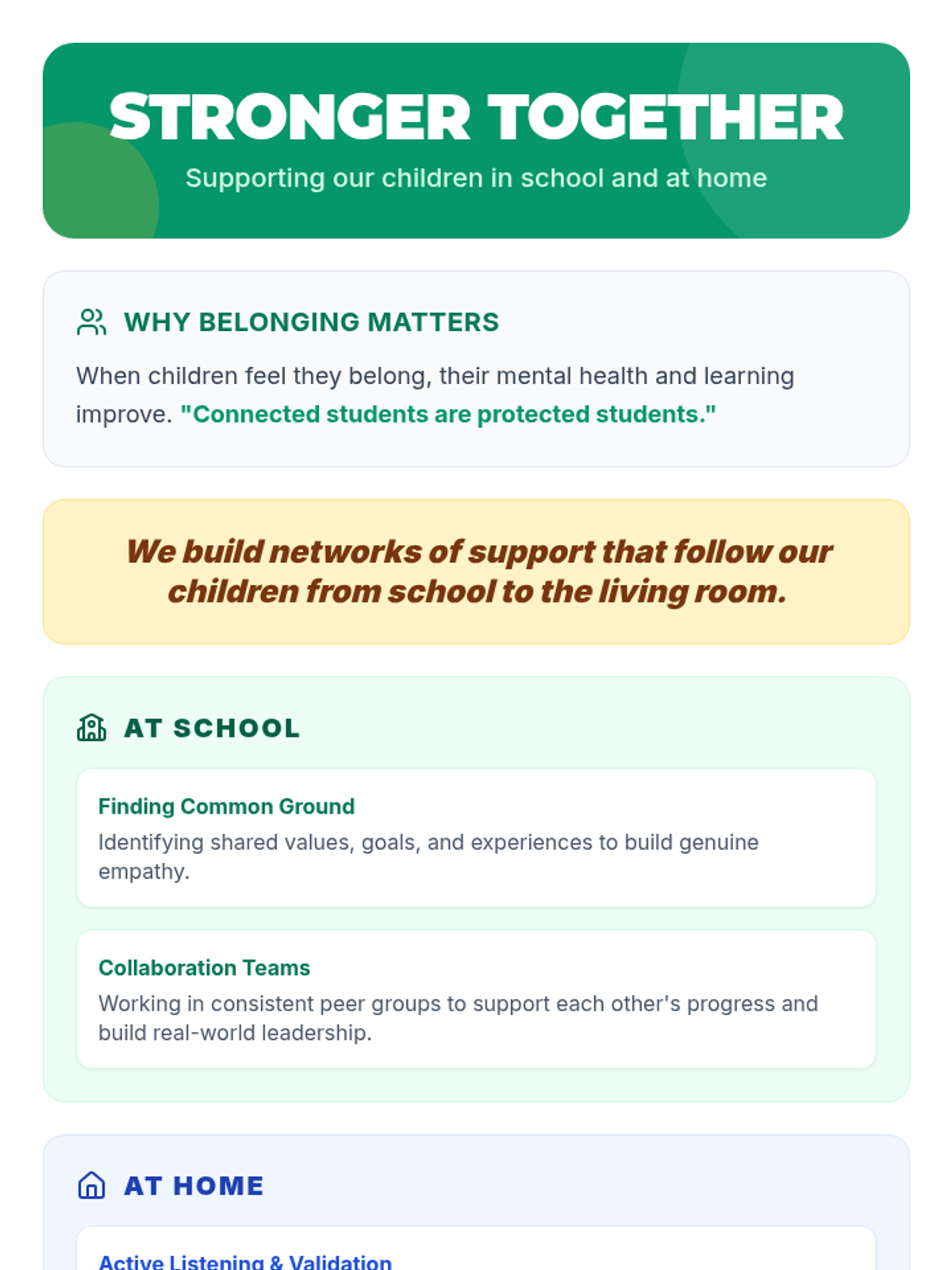
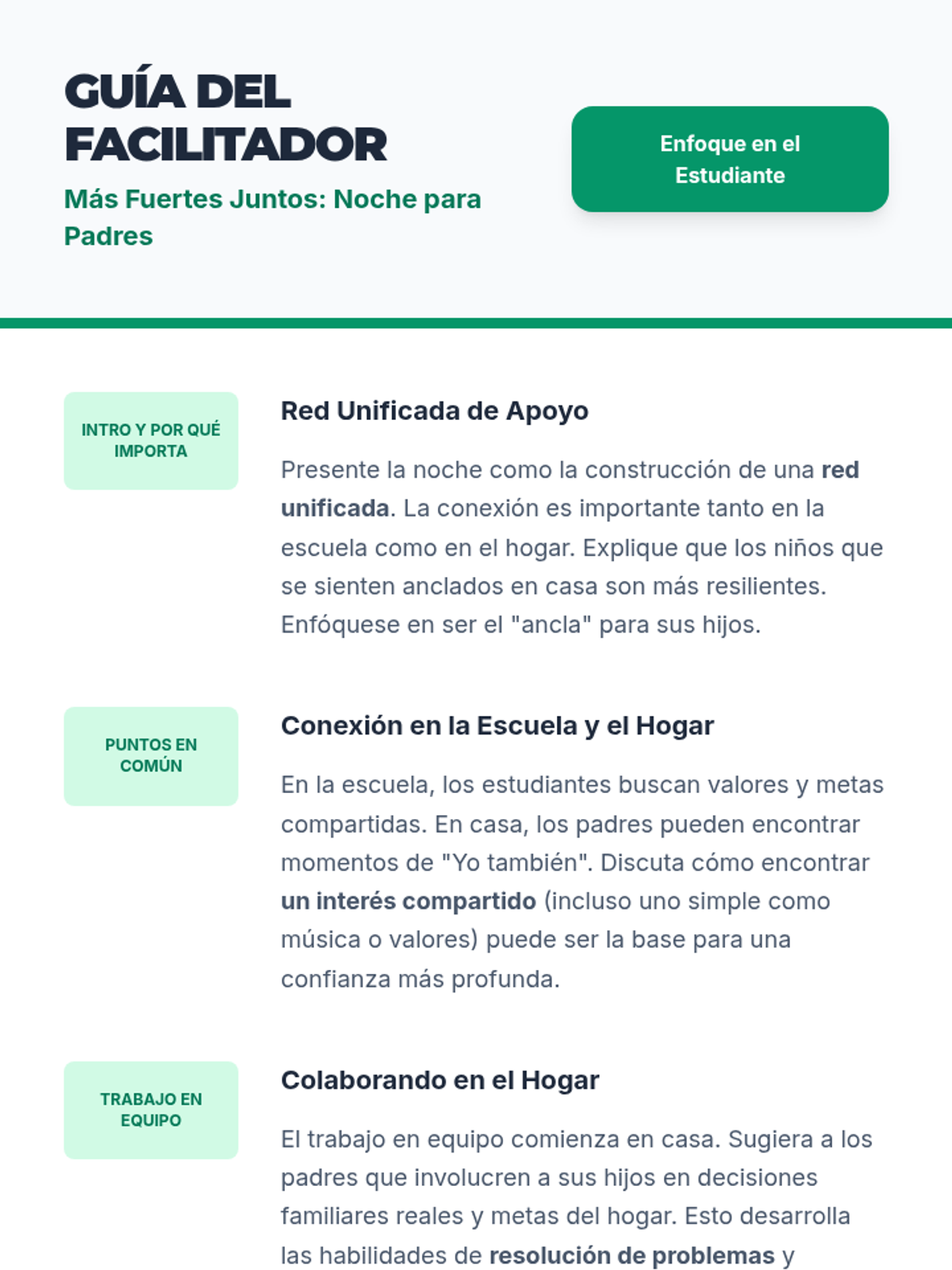
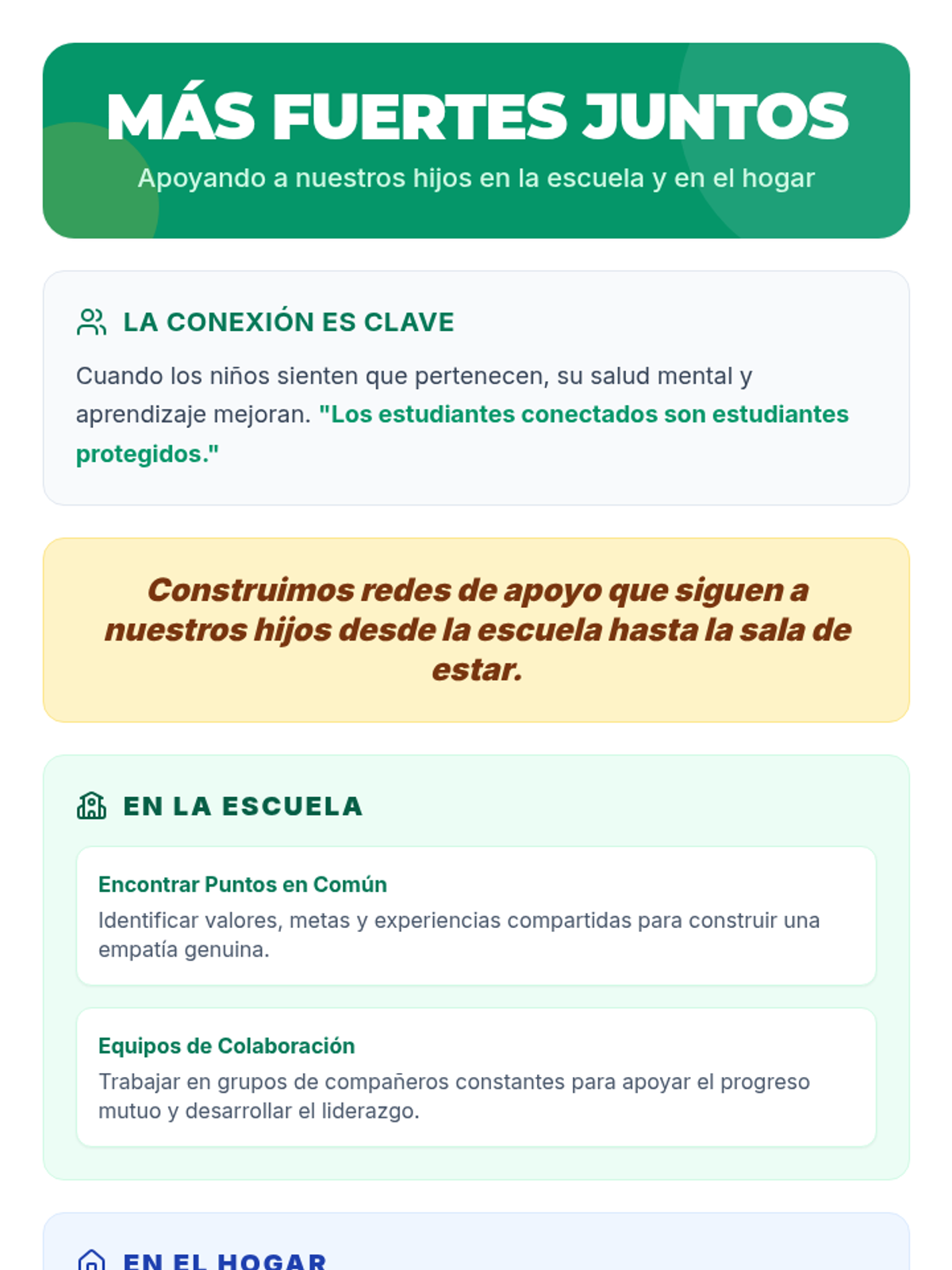
A comprehensive workshop for parents focused on building student connection, accountability, and relationship skills using the Move This World framework.
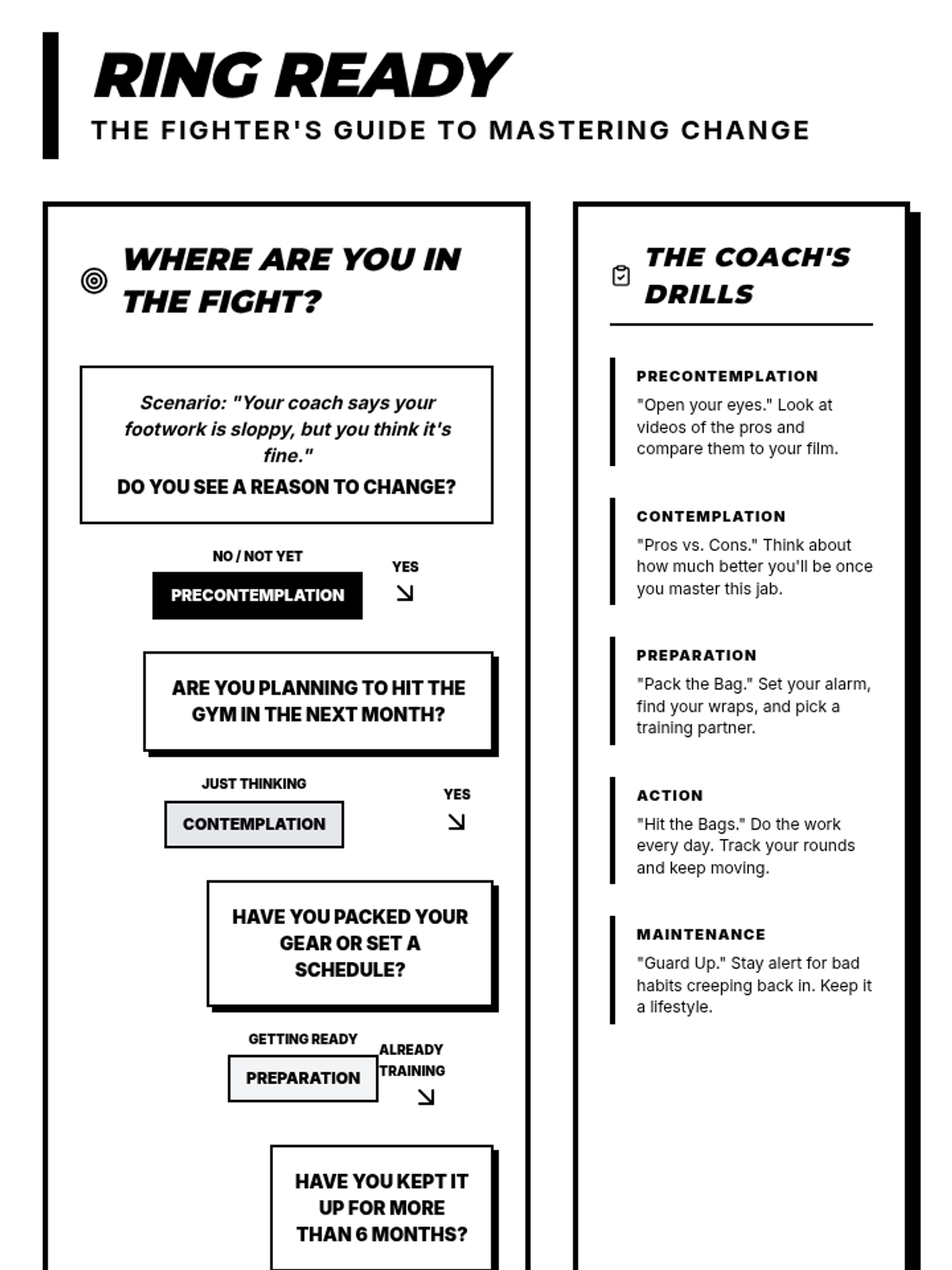
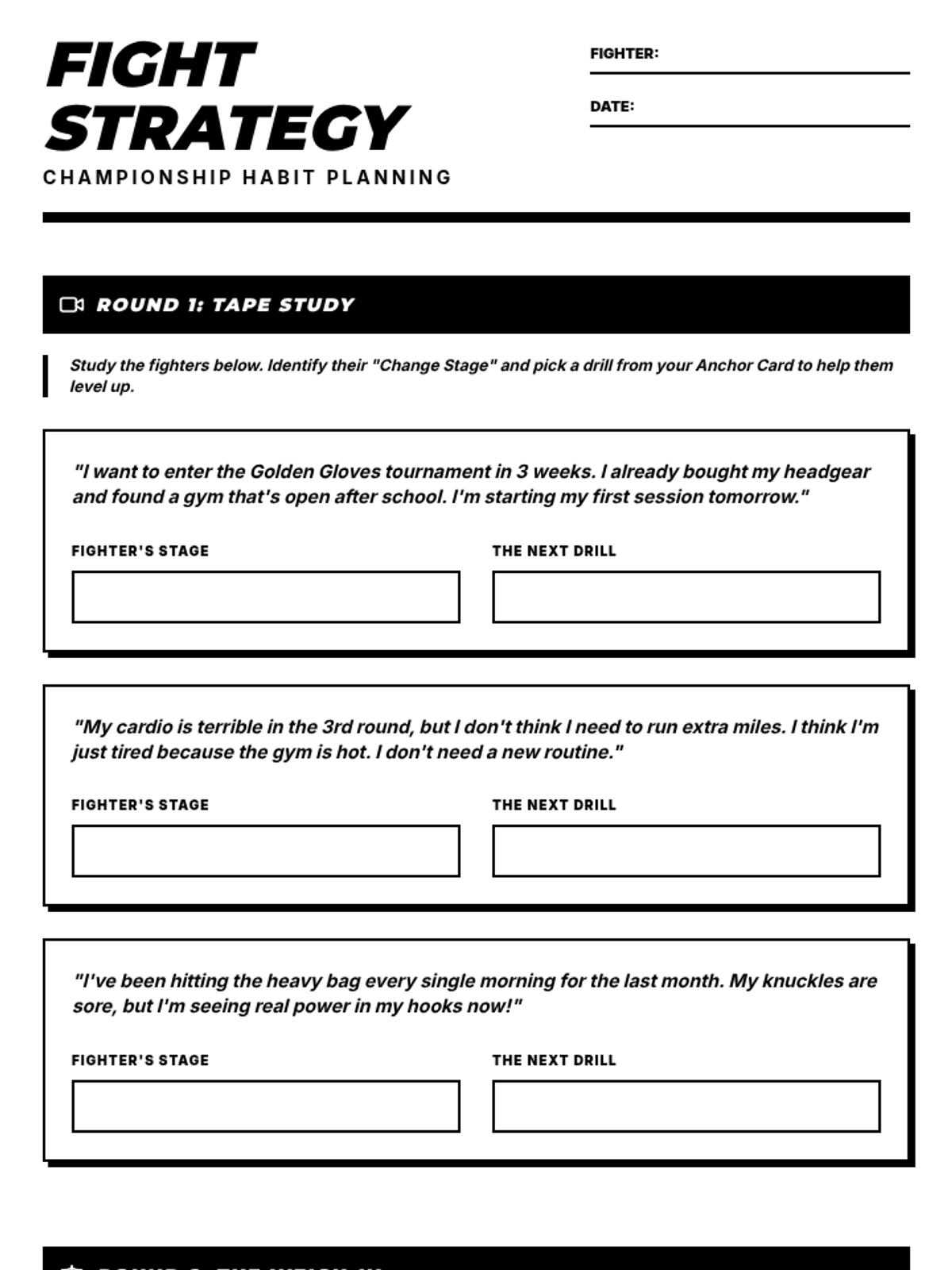
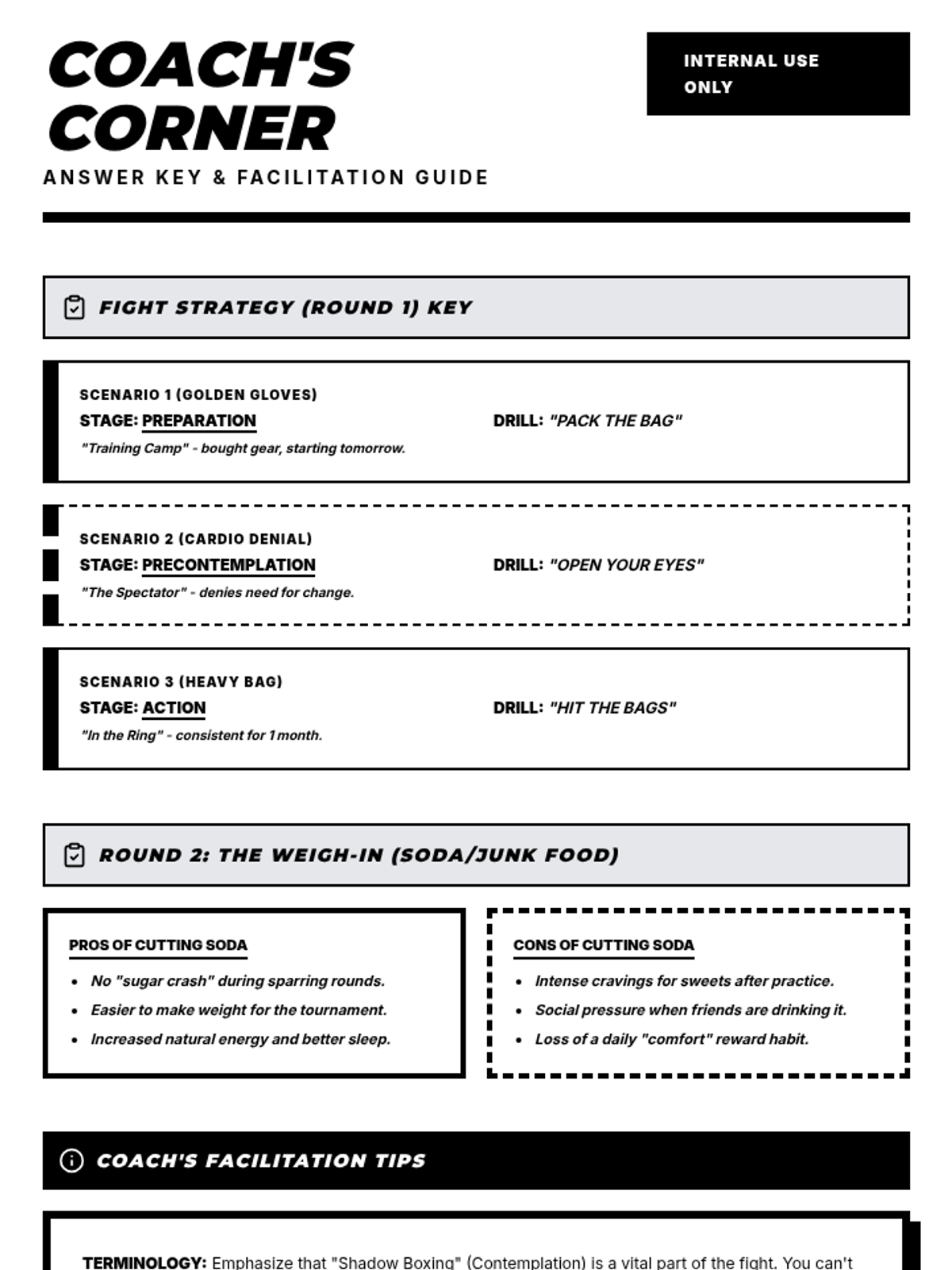
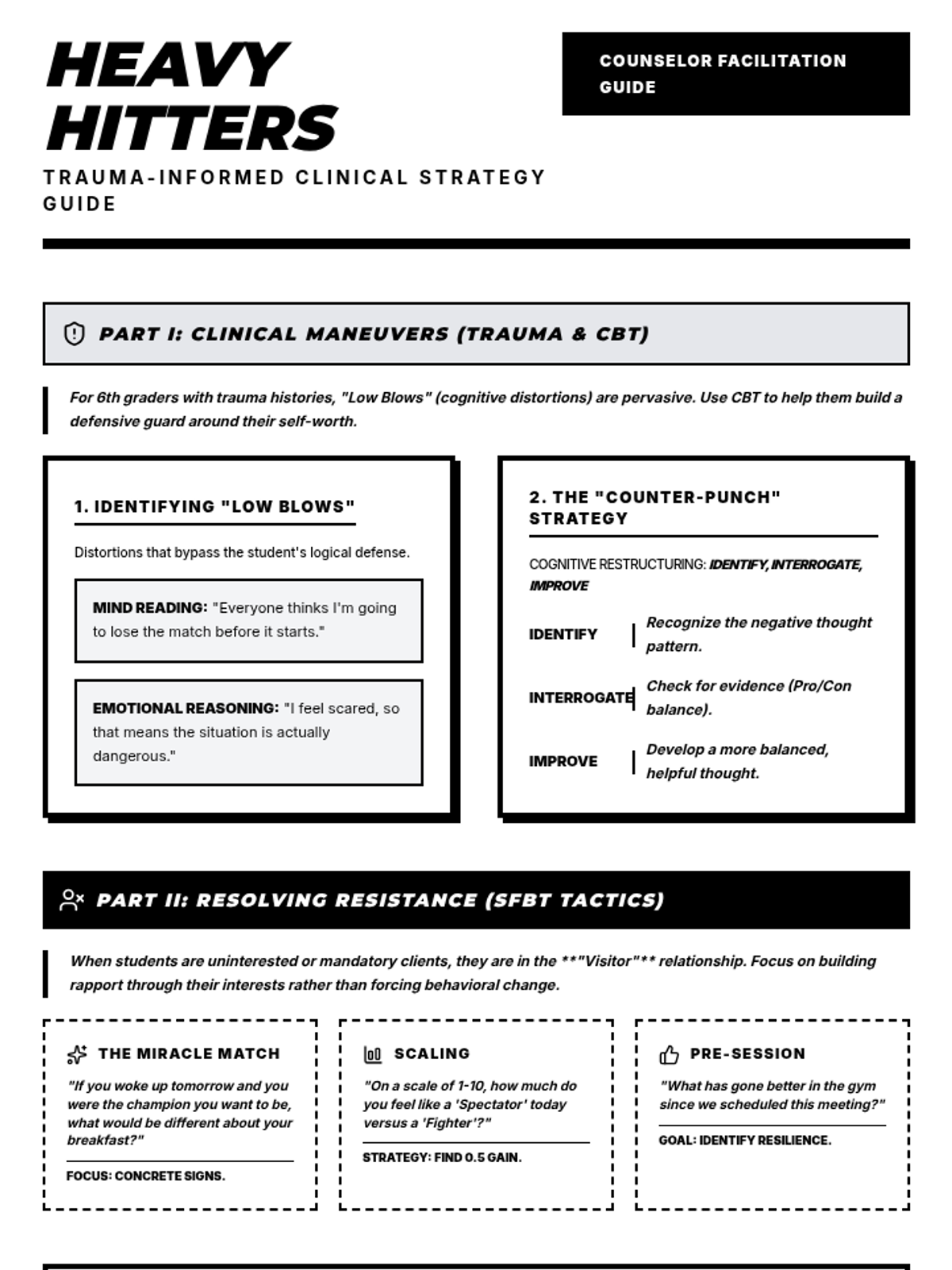
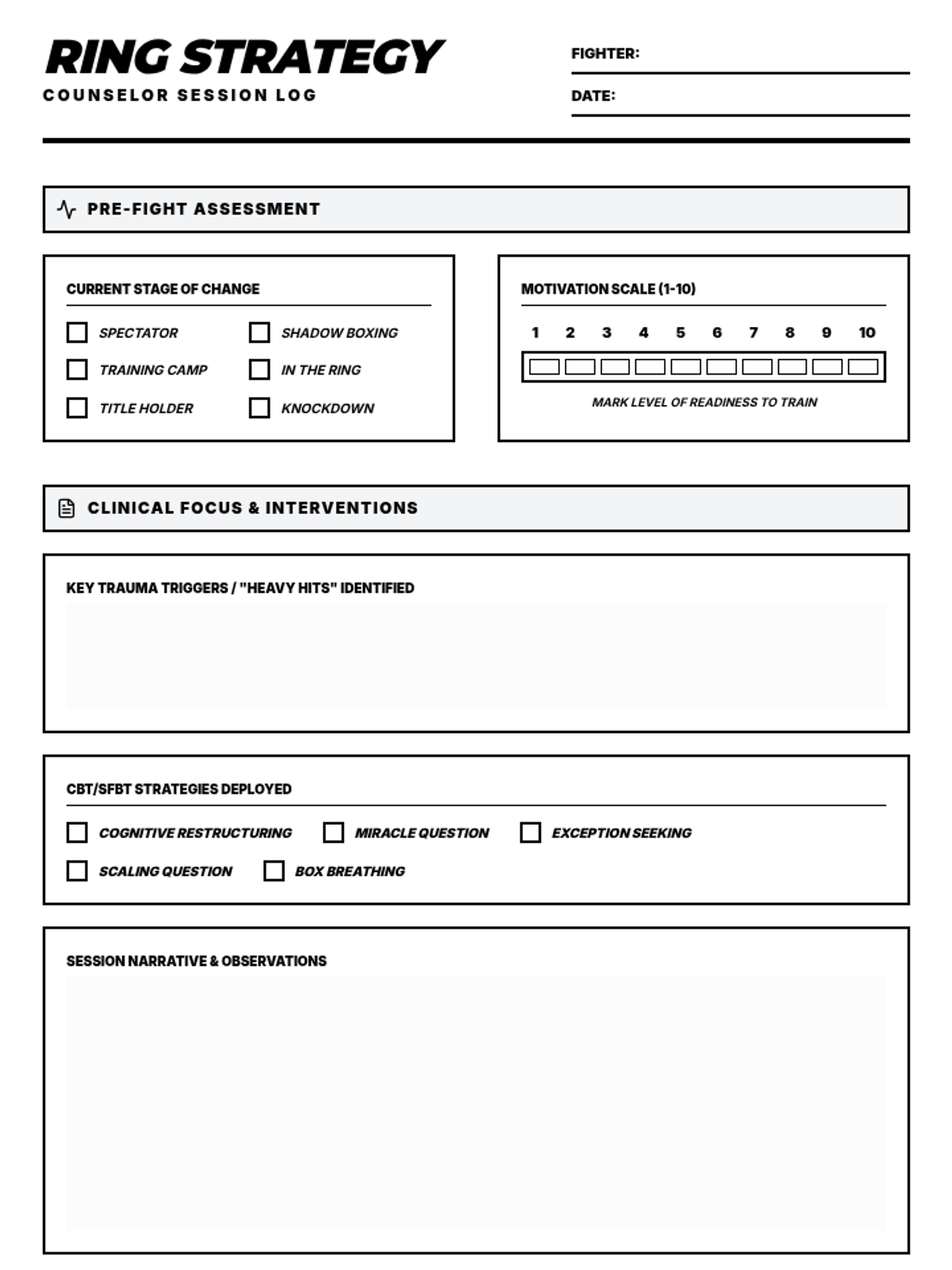
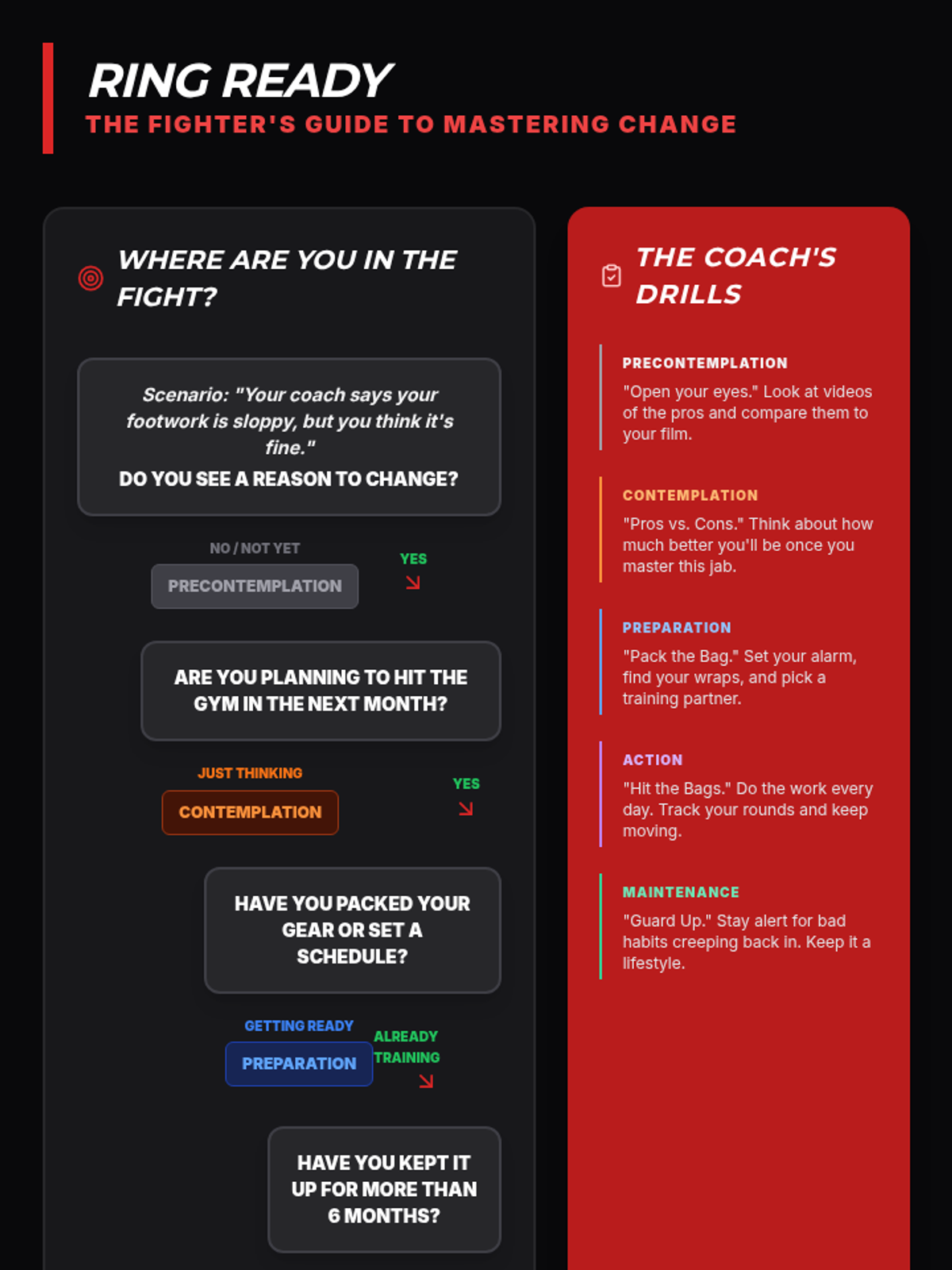
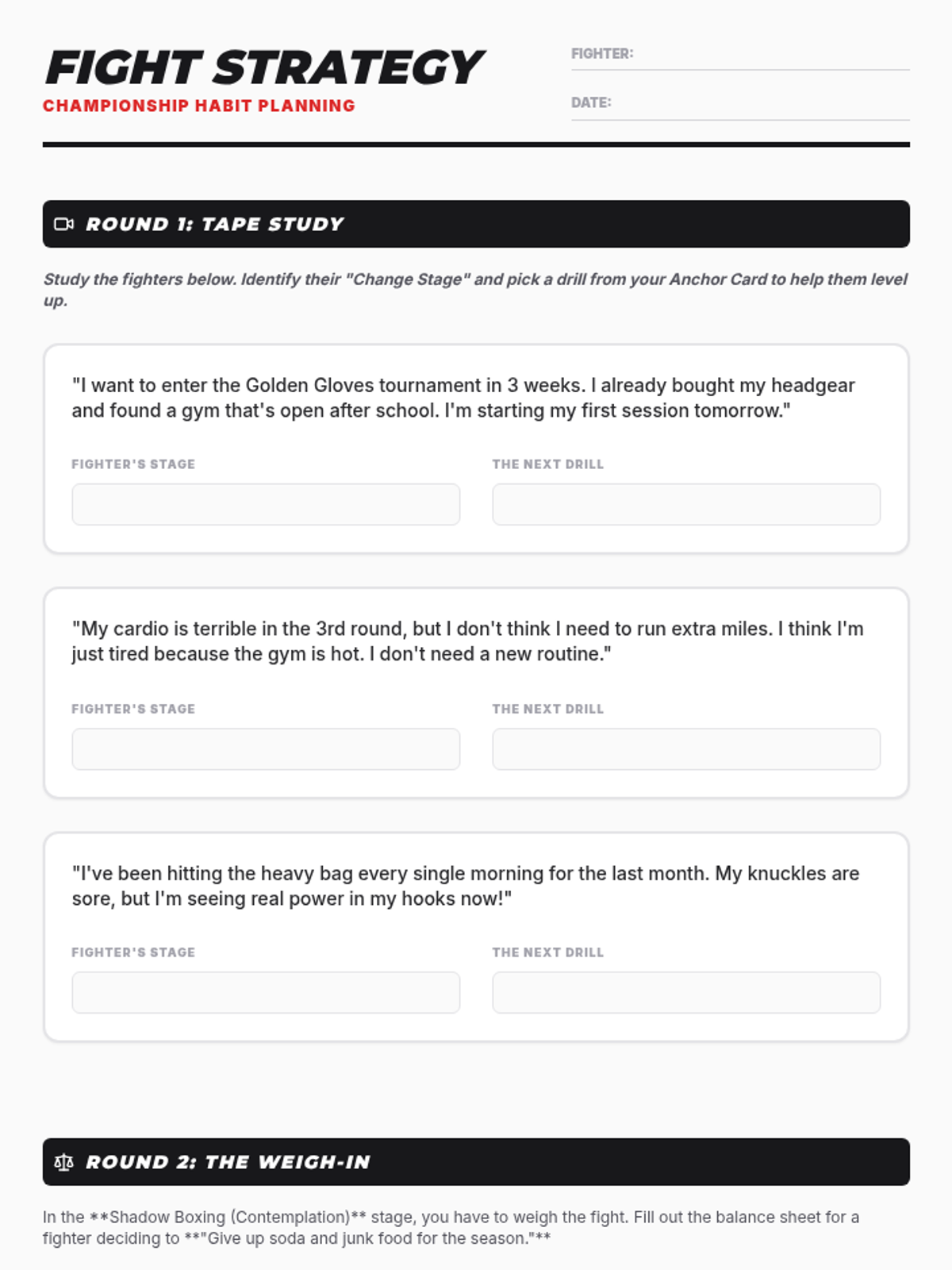
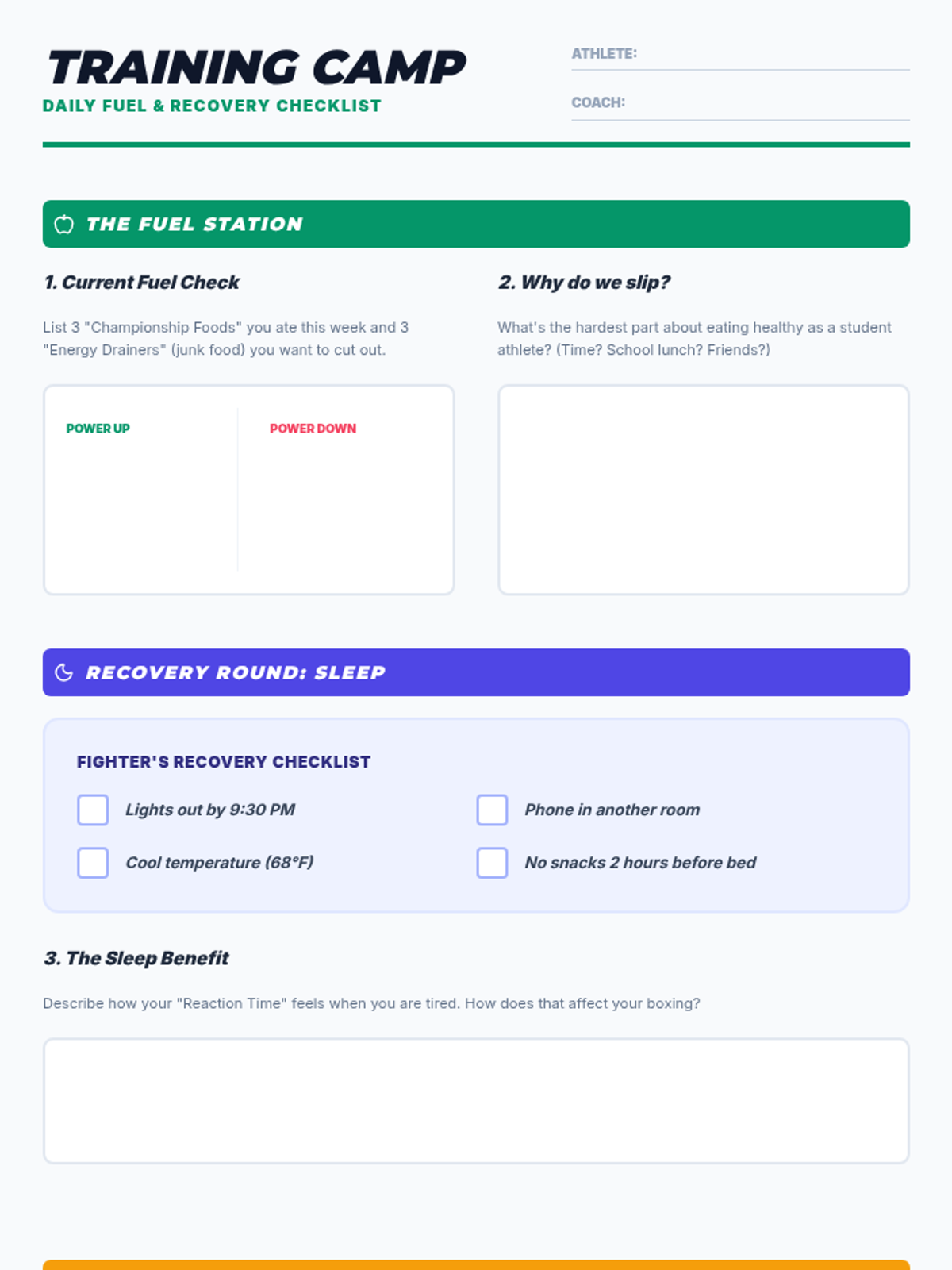
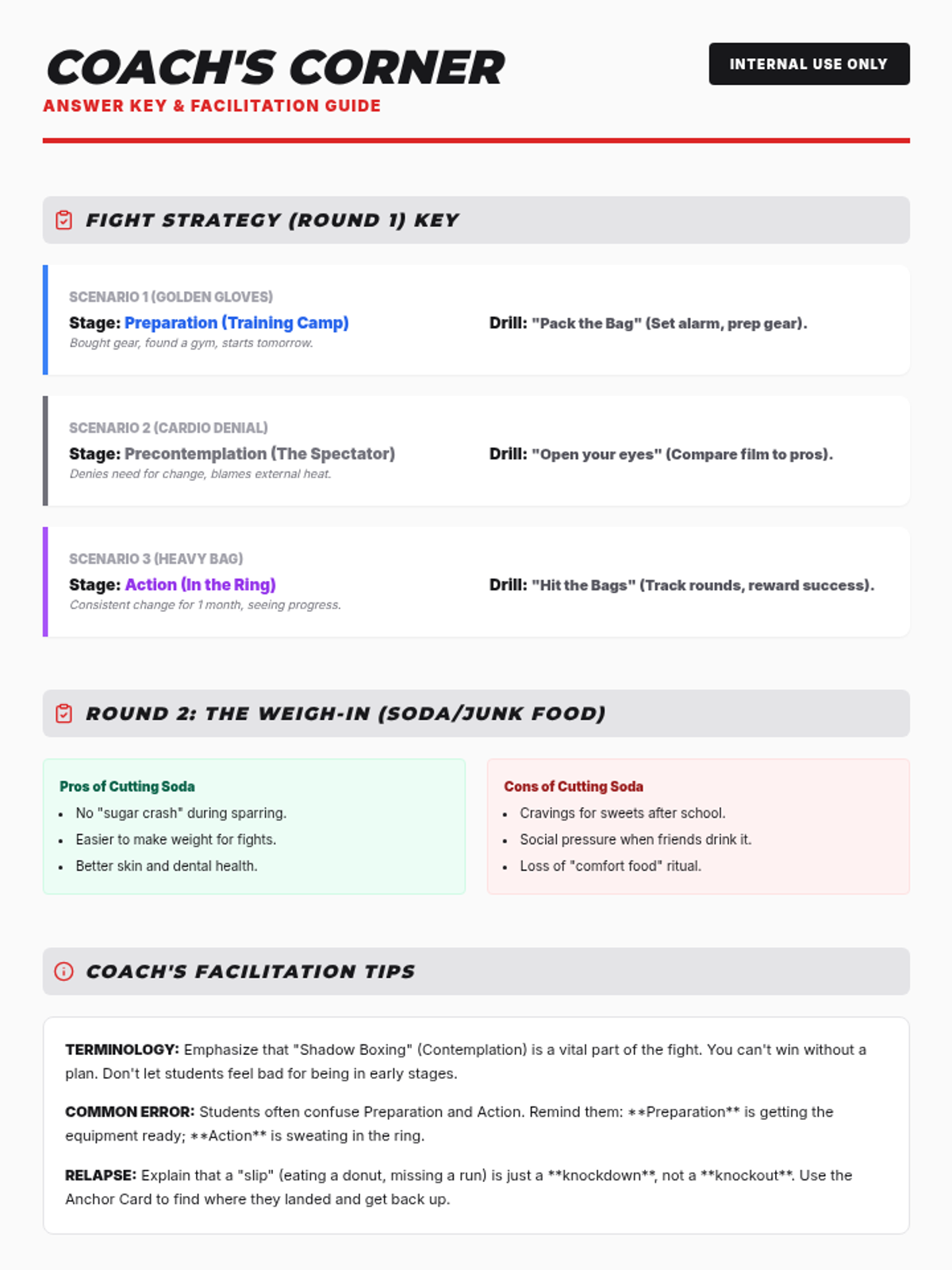
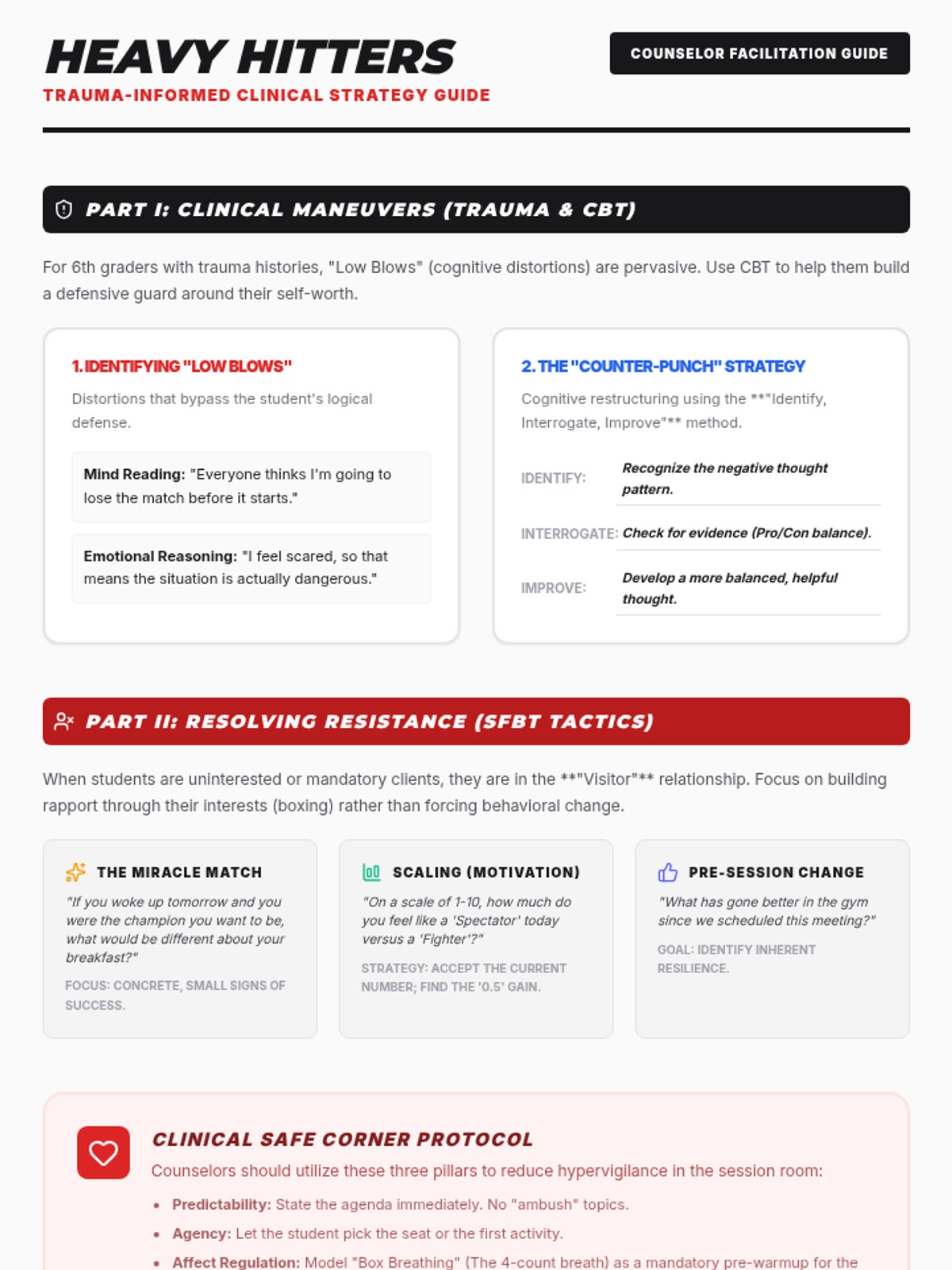
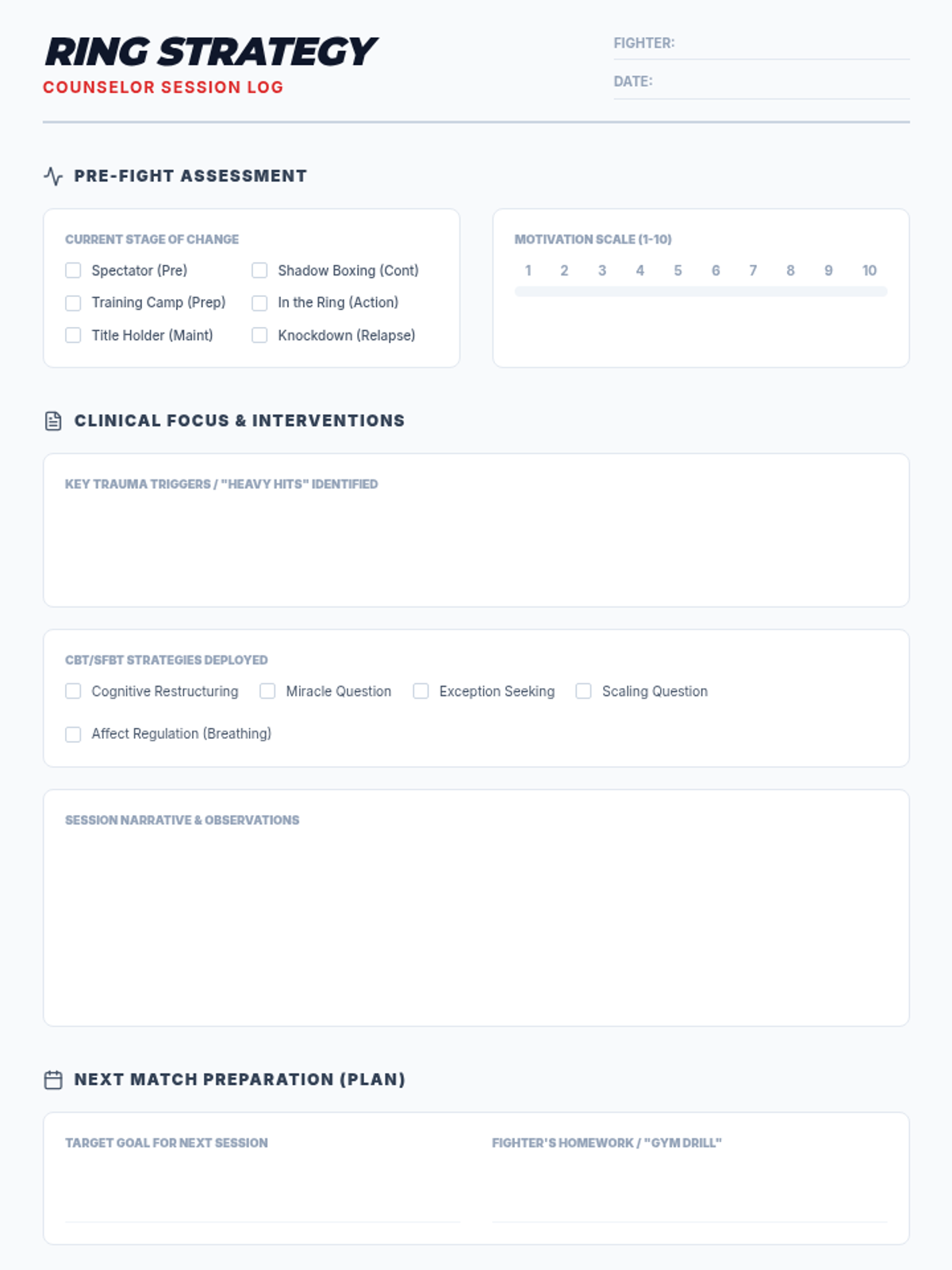
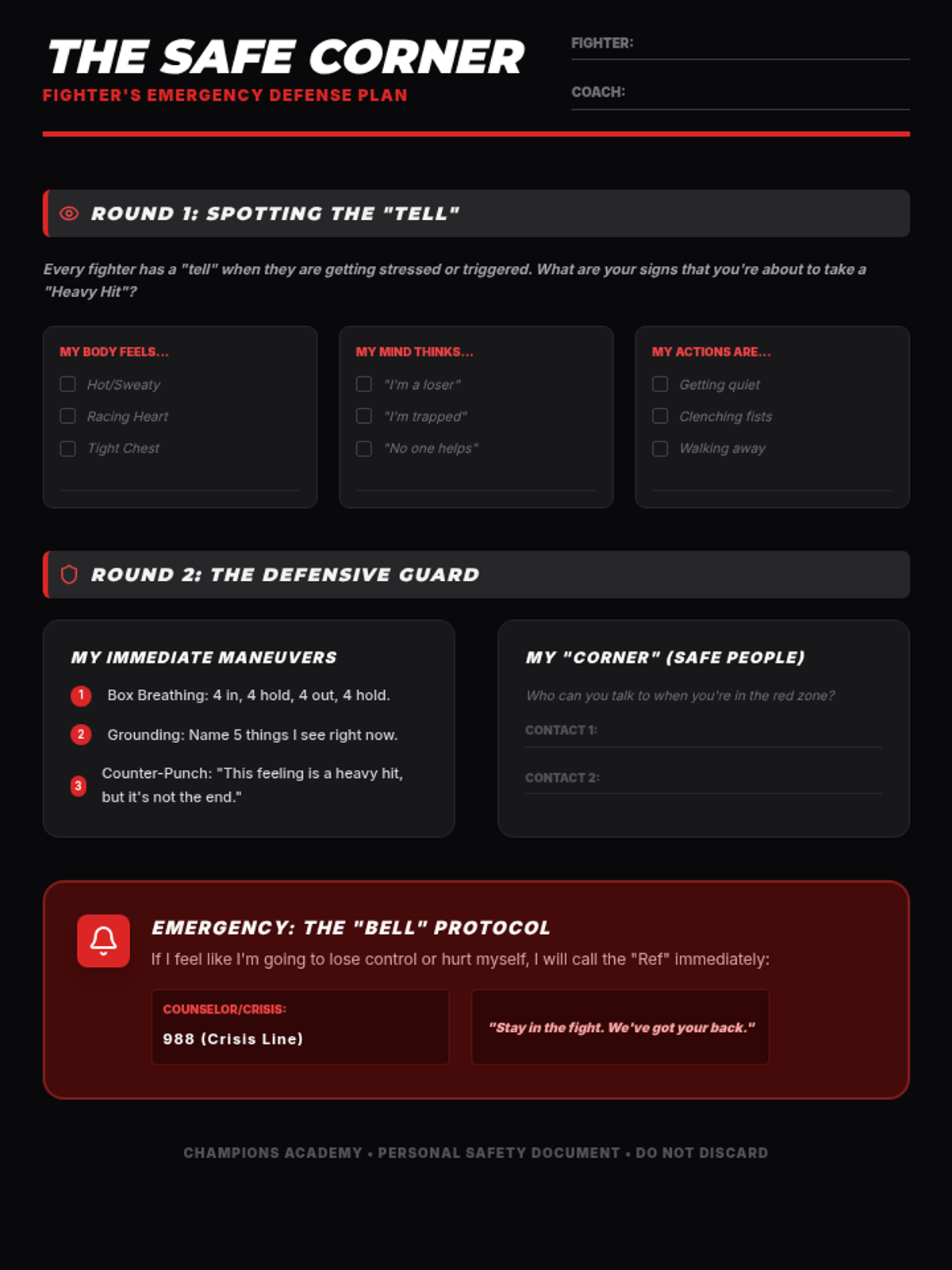
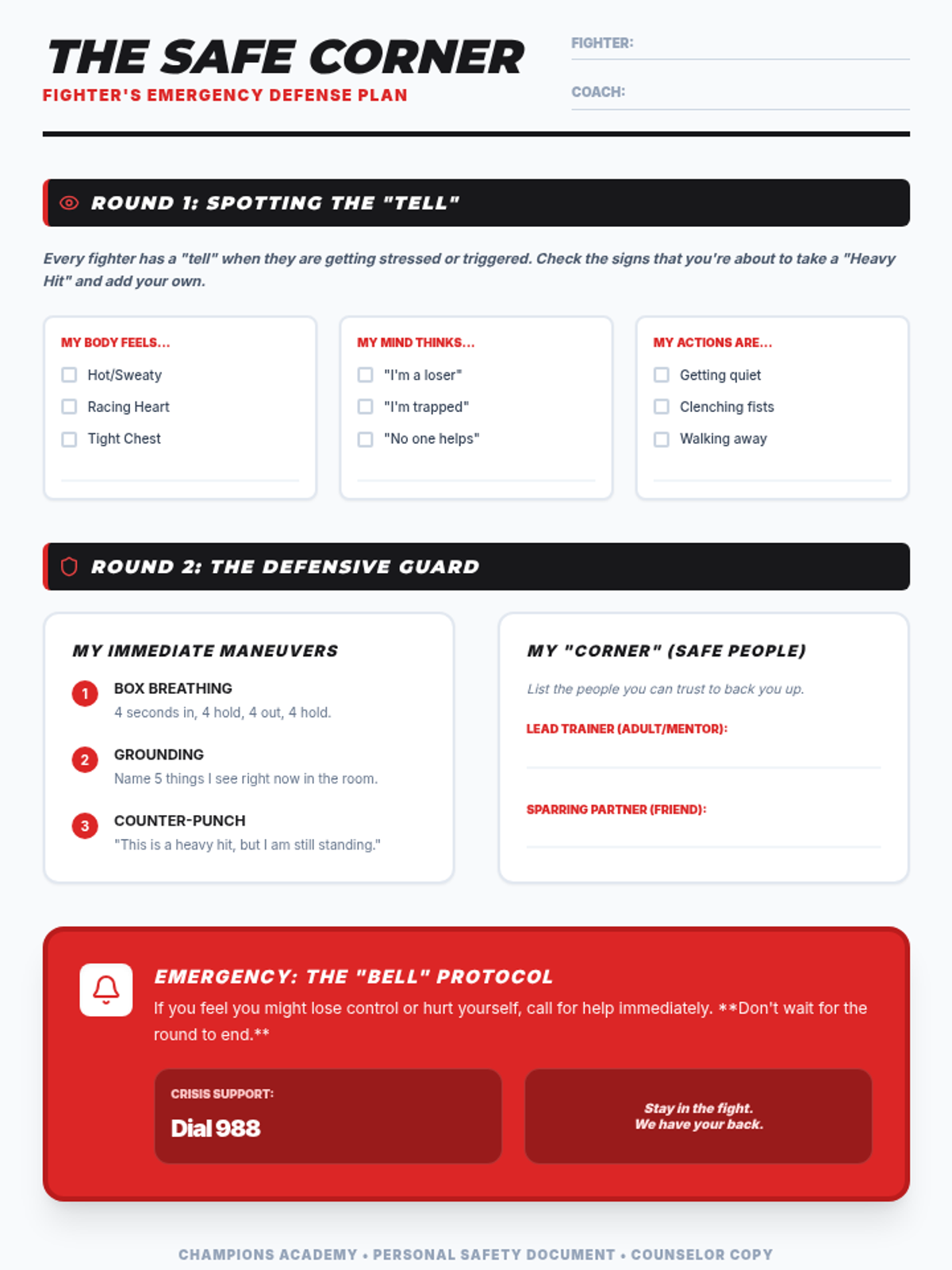
A high-energy guide to the Stages of Change model tailored for young athletes, using boxing metaphors to teach goal setting, habit formation, and mental toughness.
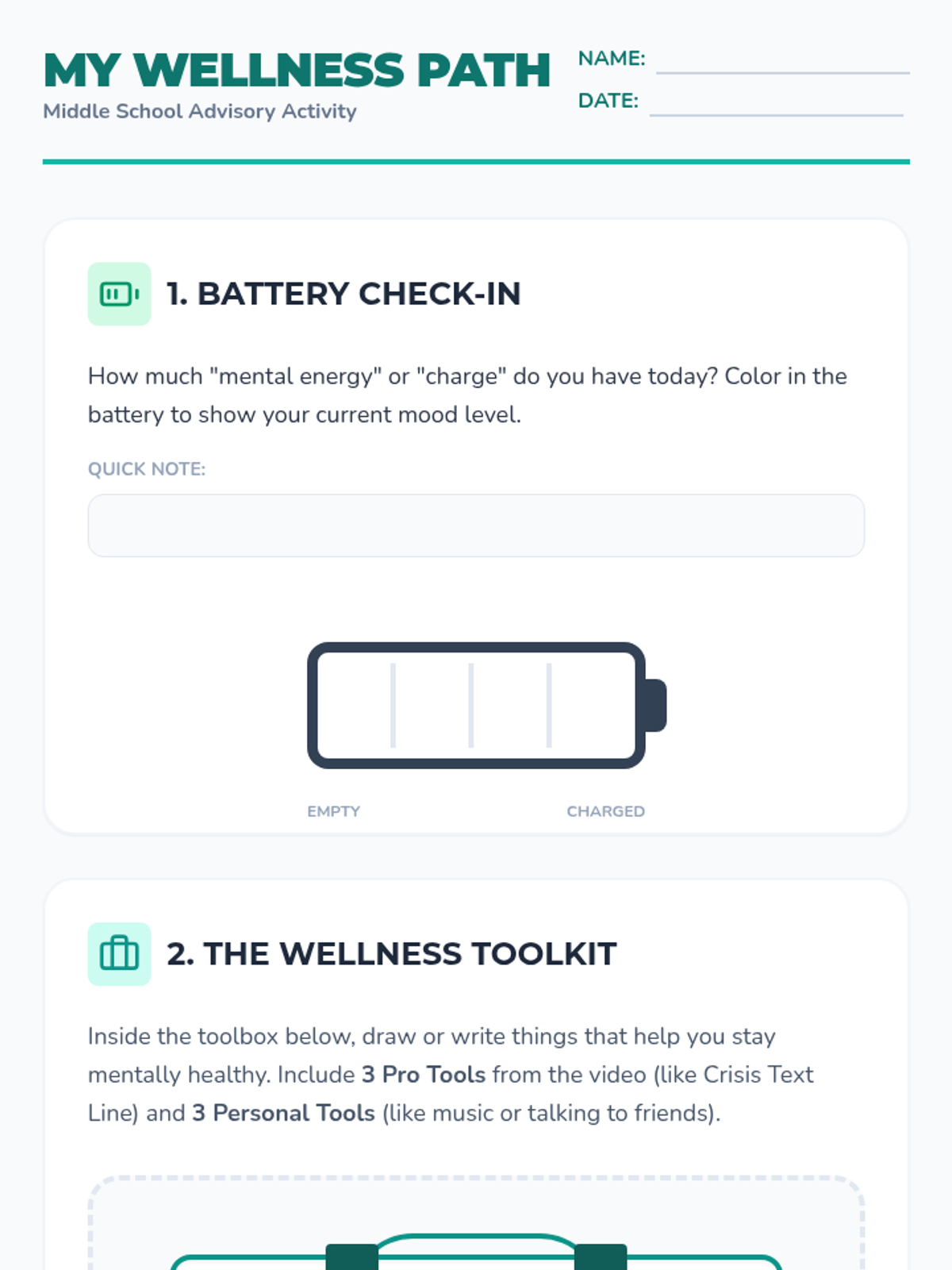
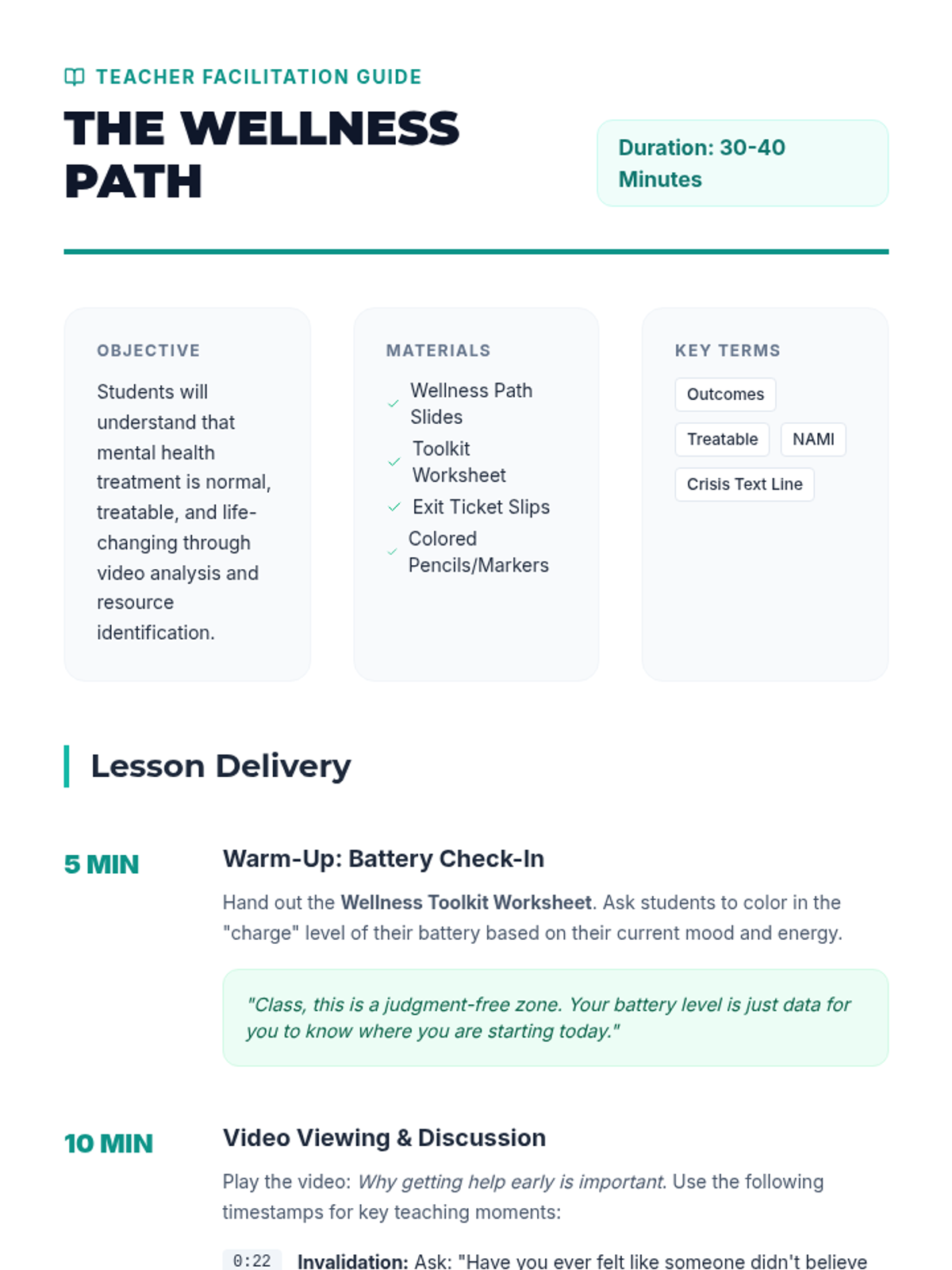
Students will understand that mental health treatment is normal and life-changing through a video analysis and a creative 'wellness toolkit' activity.
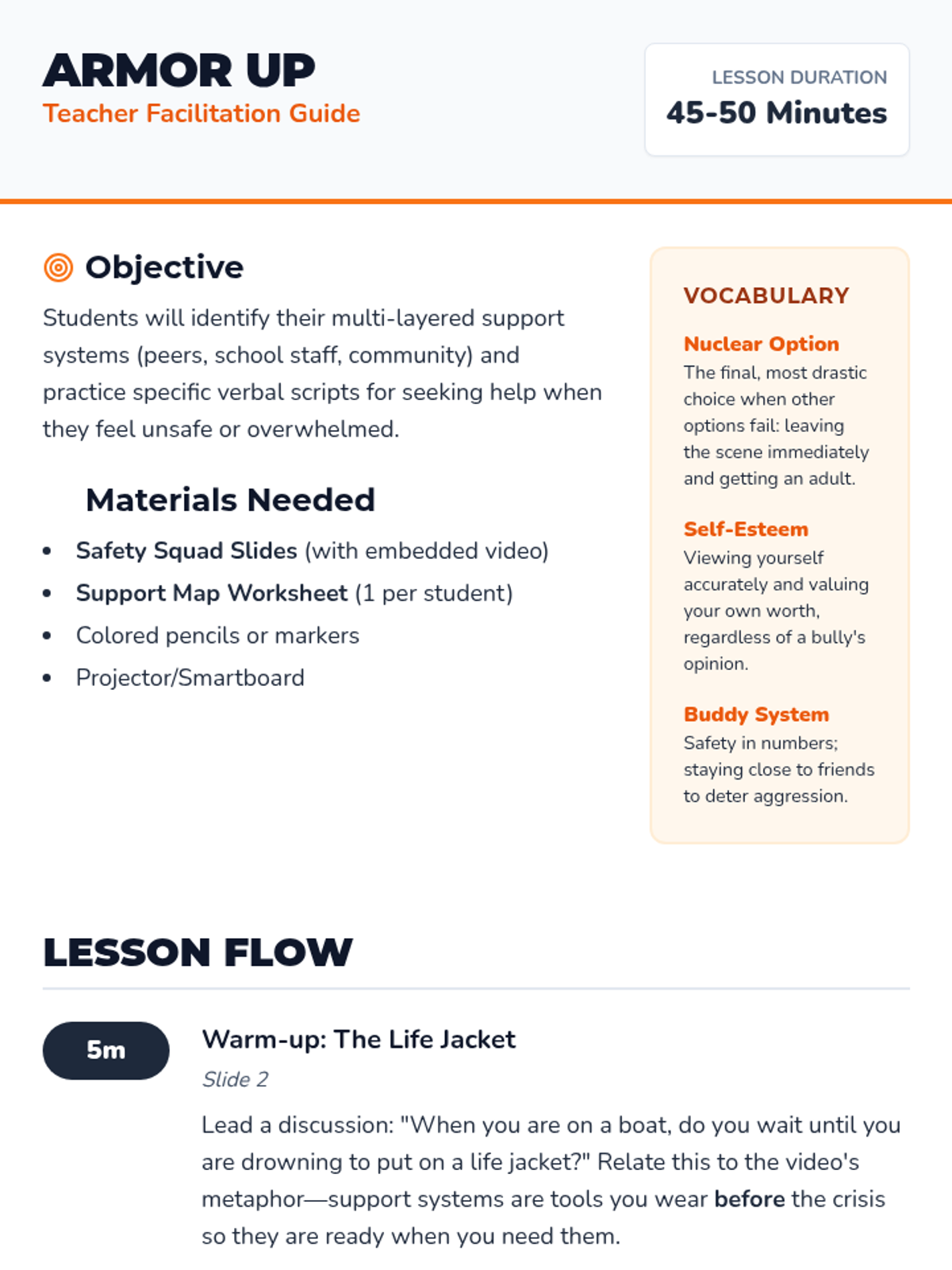
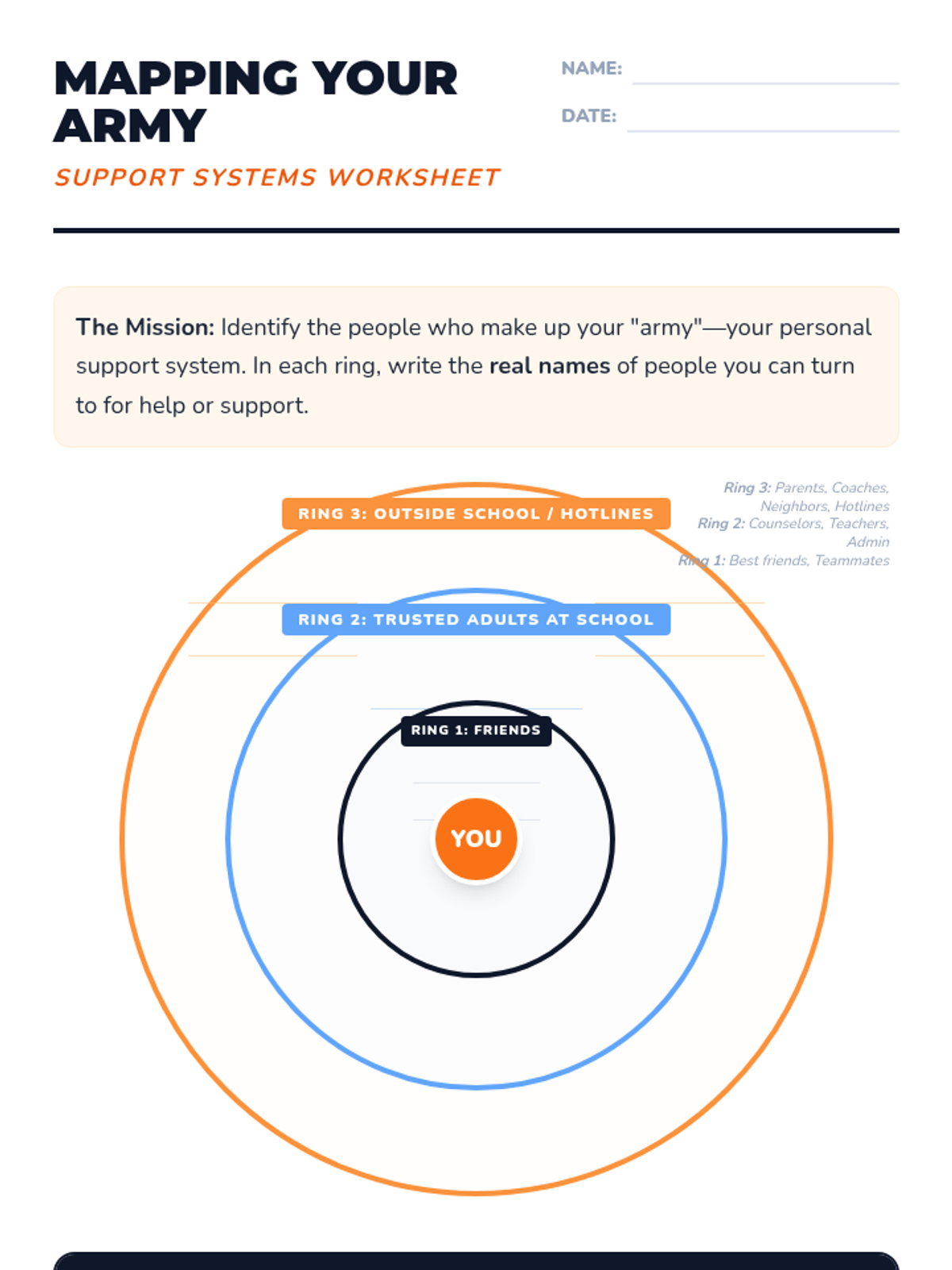
A lesson focused on identifying personal support systems and practicing specific scripts for seeking help during bullying or unsafe situations. Students create a visual map of their "army" and role-play the "nuclear option" for immediate intervention.
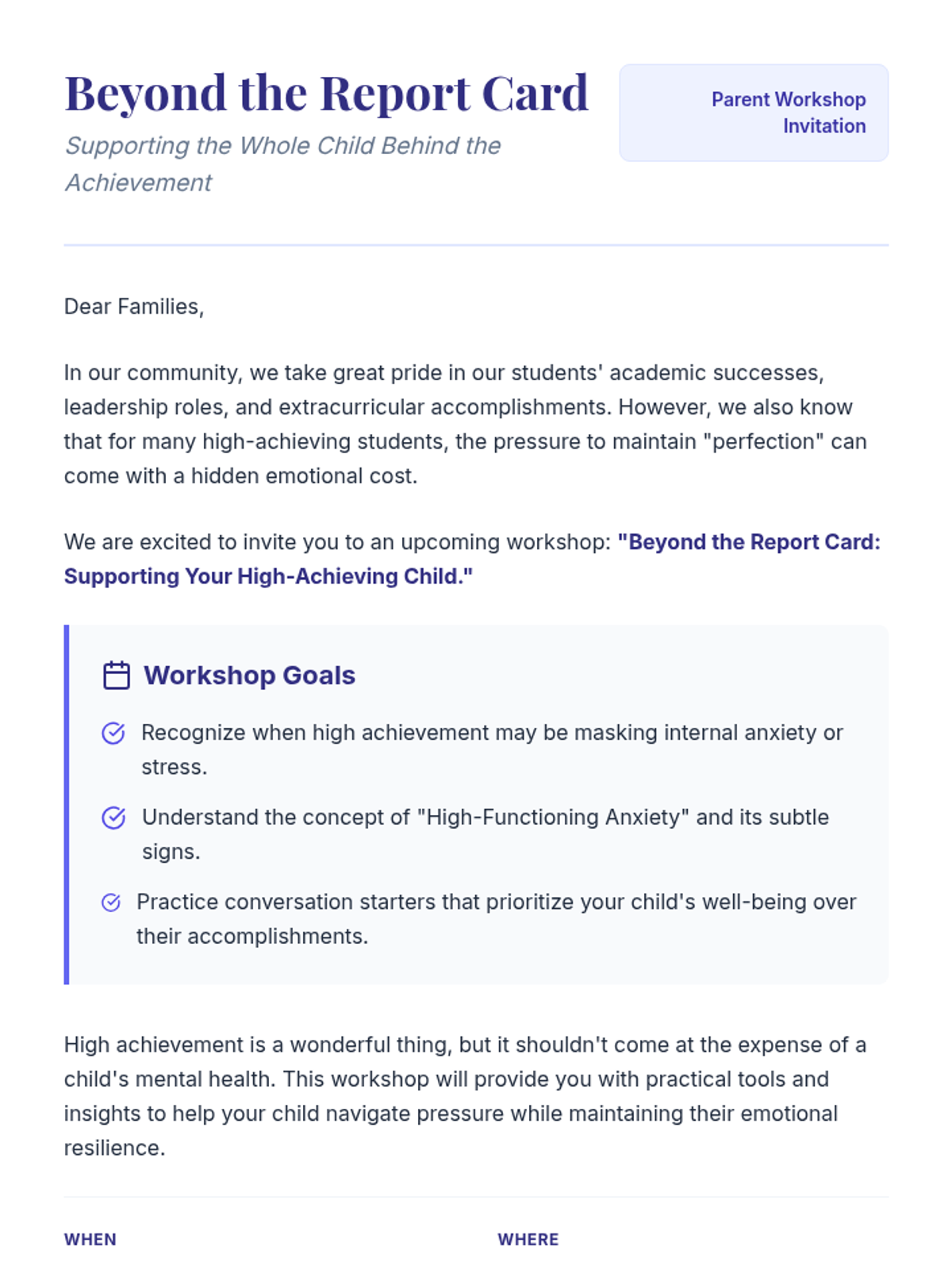
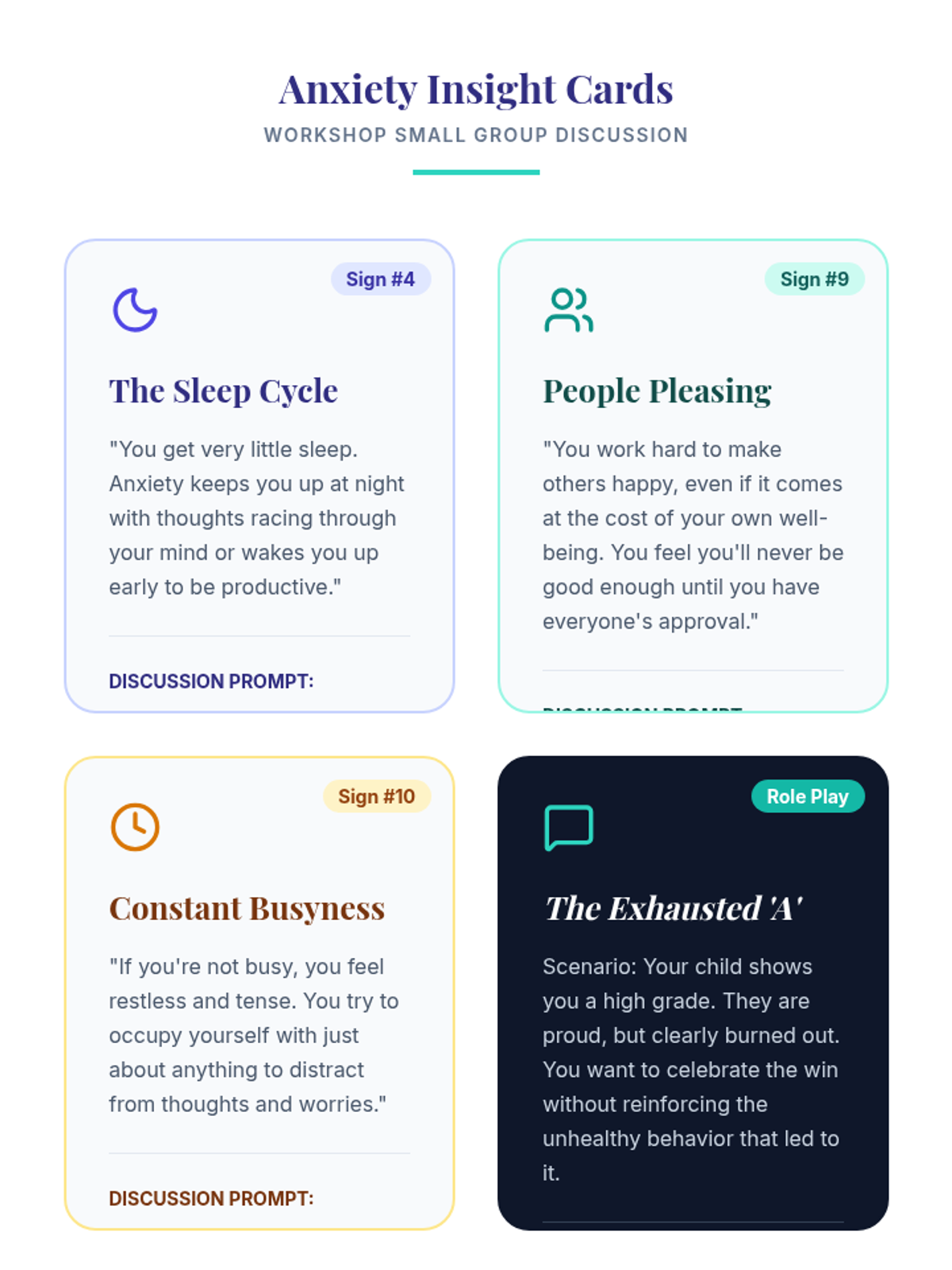
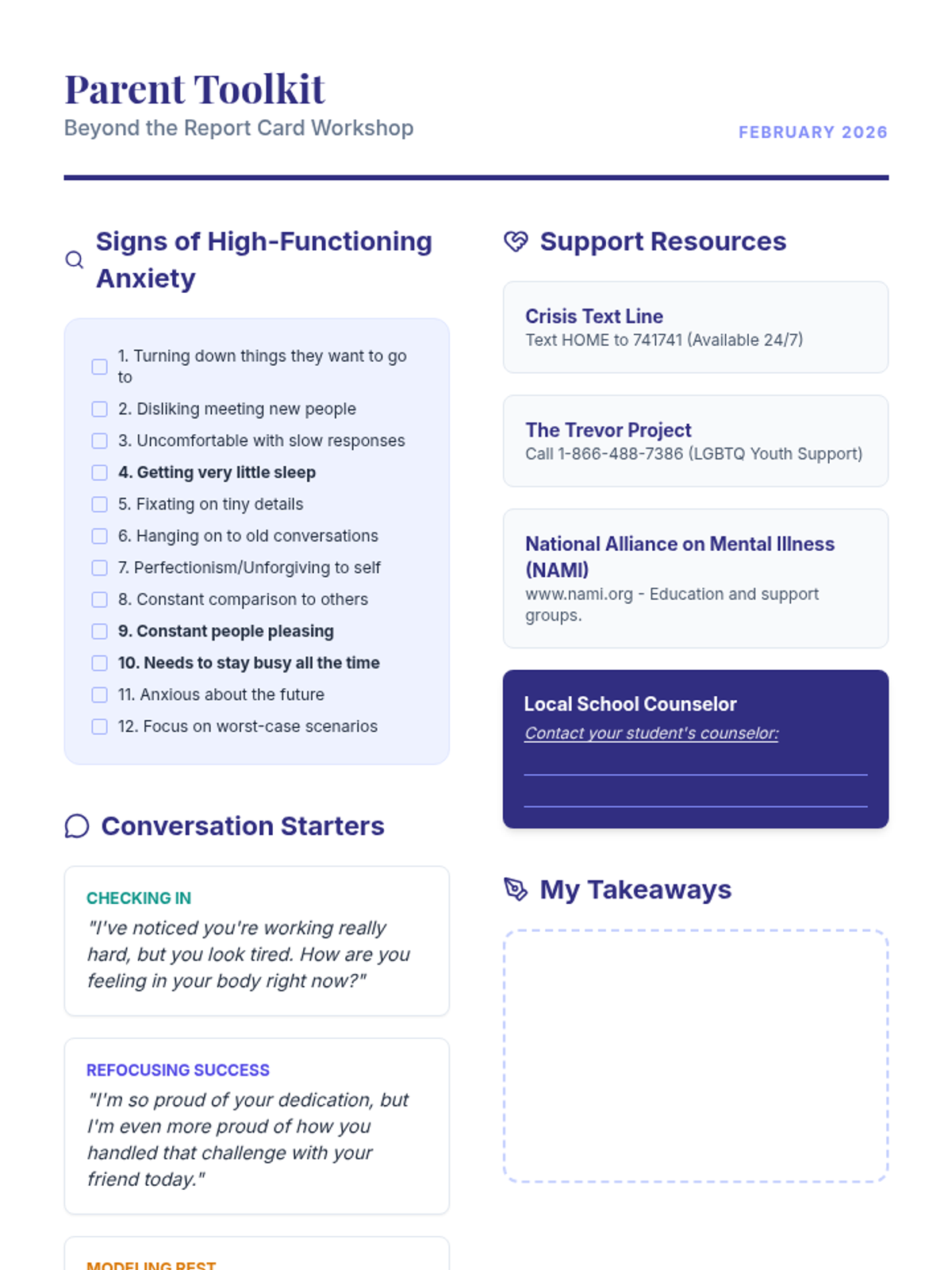
A focused workshop for parents to recognize that high grades can sometimes mask internal struggles, featuring video analysis and role-play to improve parent-child dialogue.
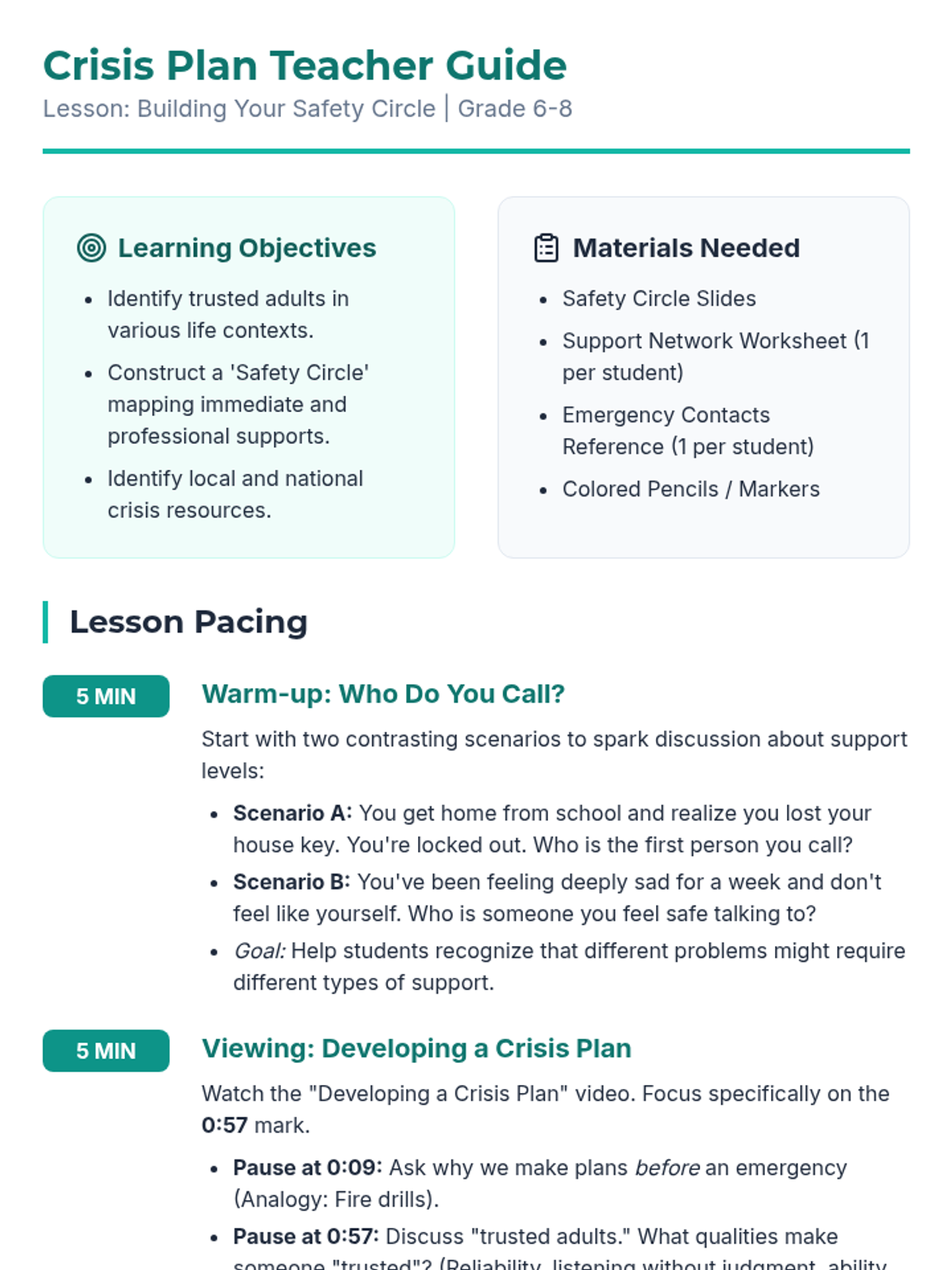
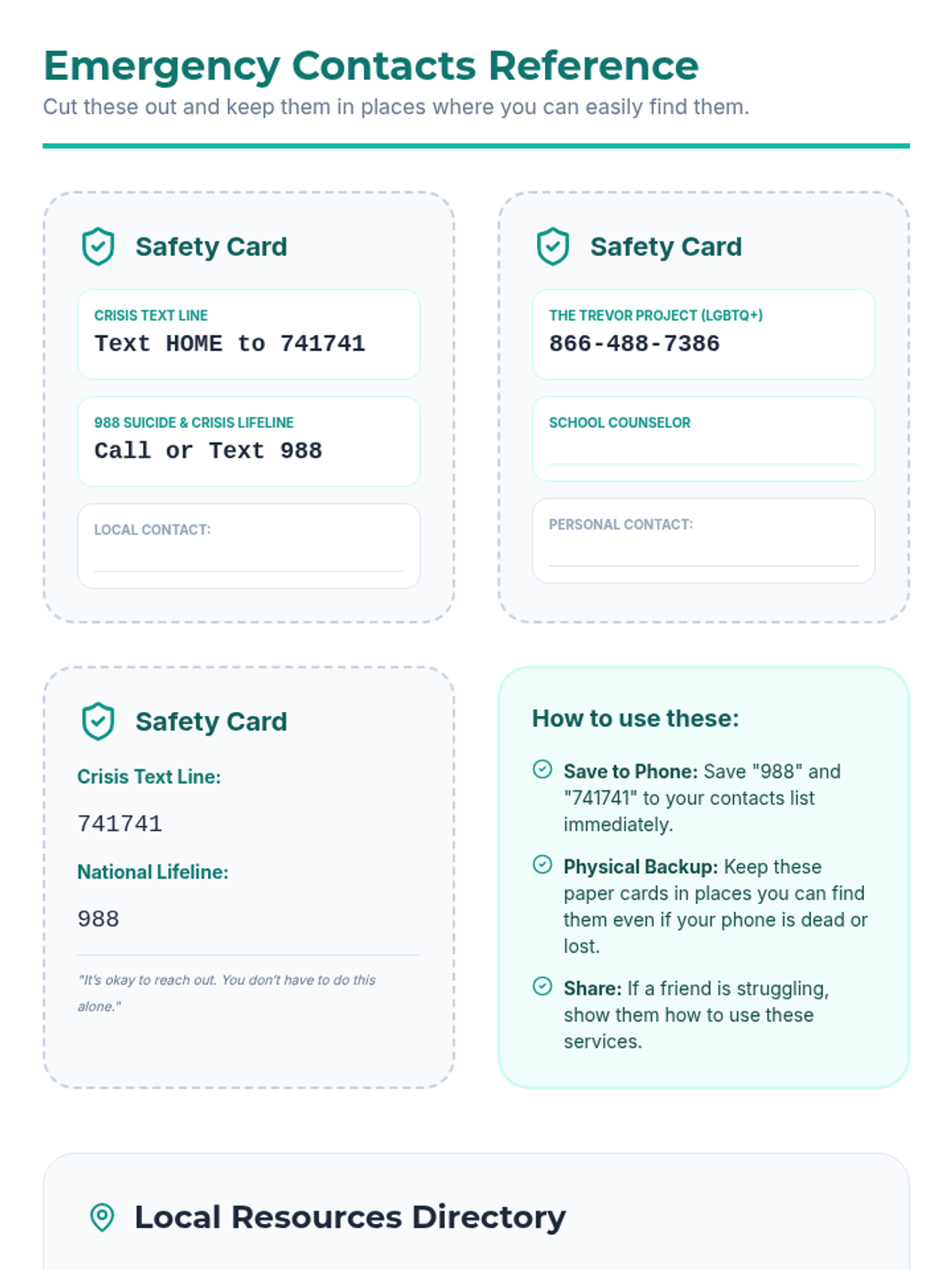
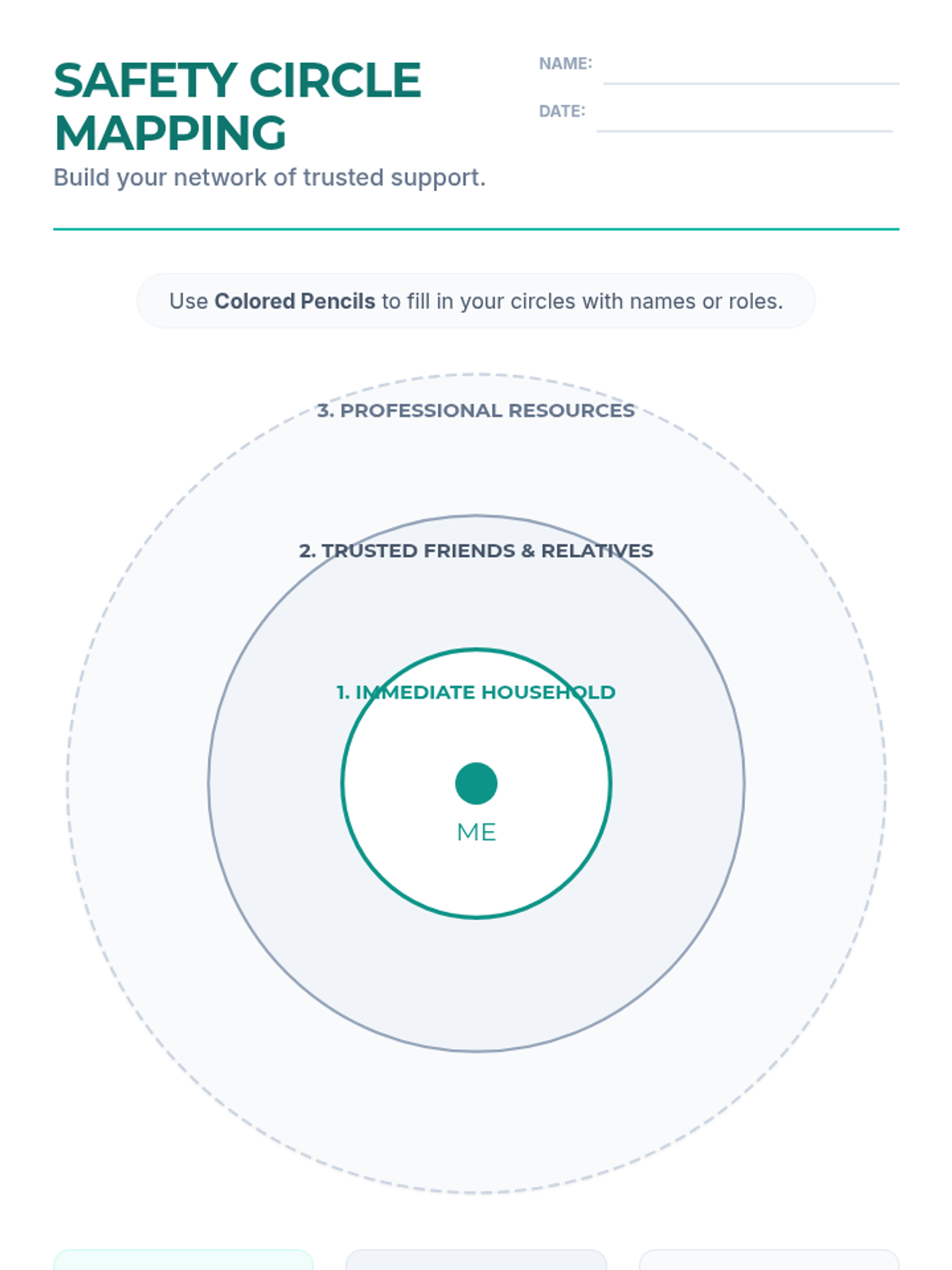
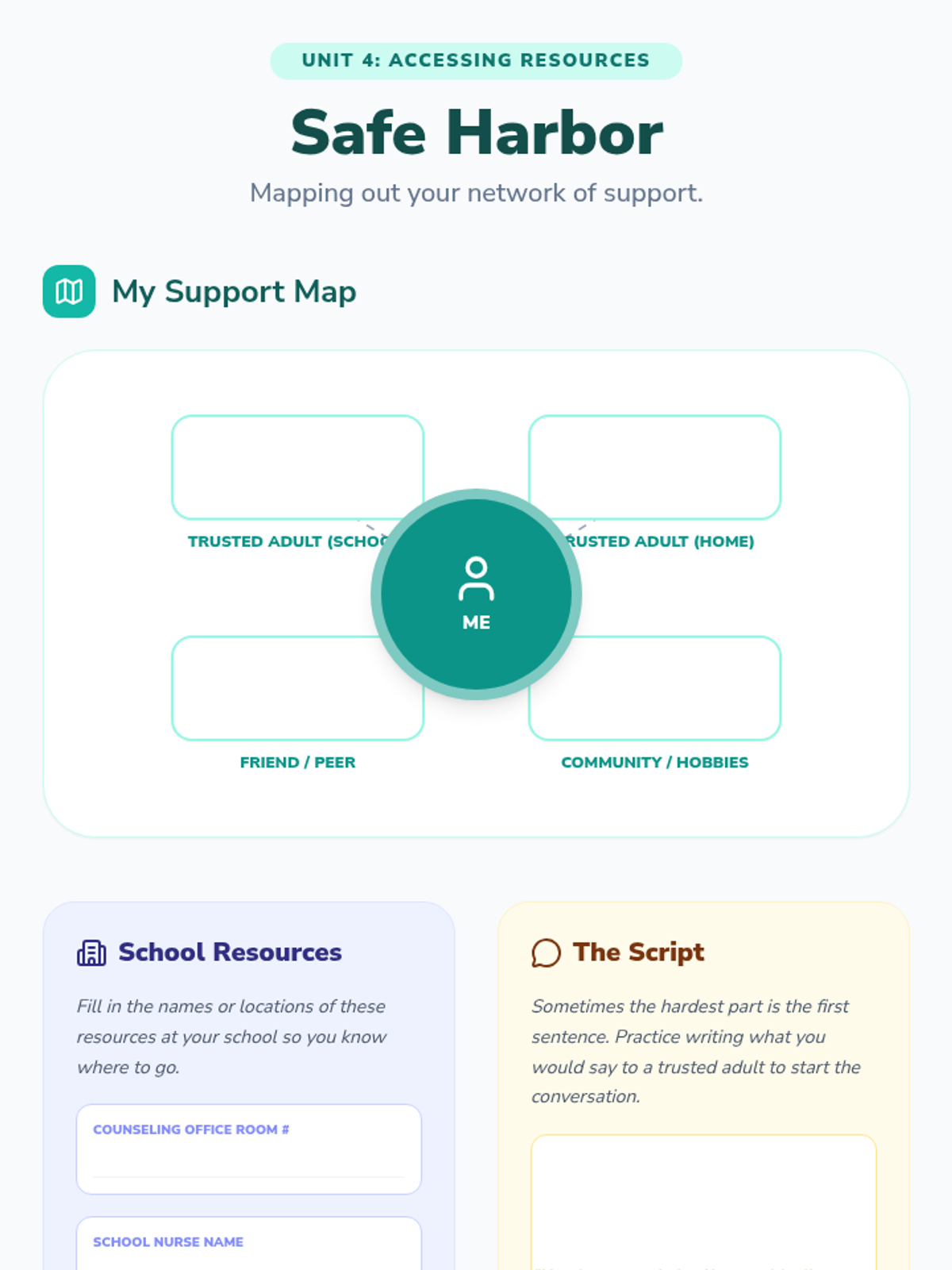
A lesson for middle schoolers to identify trusted adults and create a proactive mental health safety circle, including crisis resources and personal contact mapping.
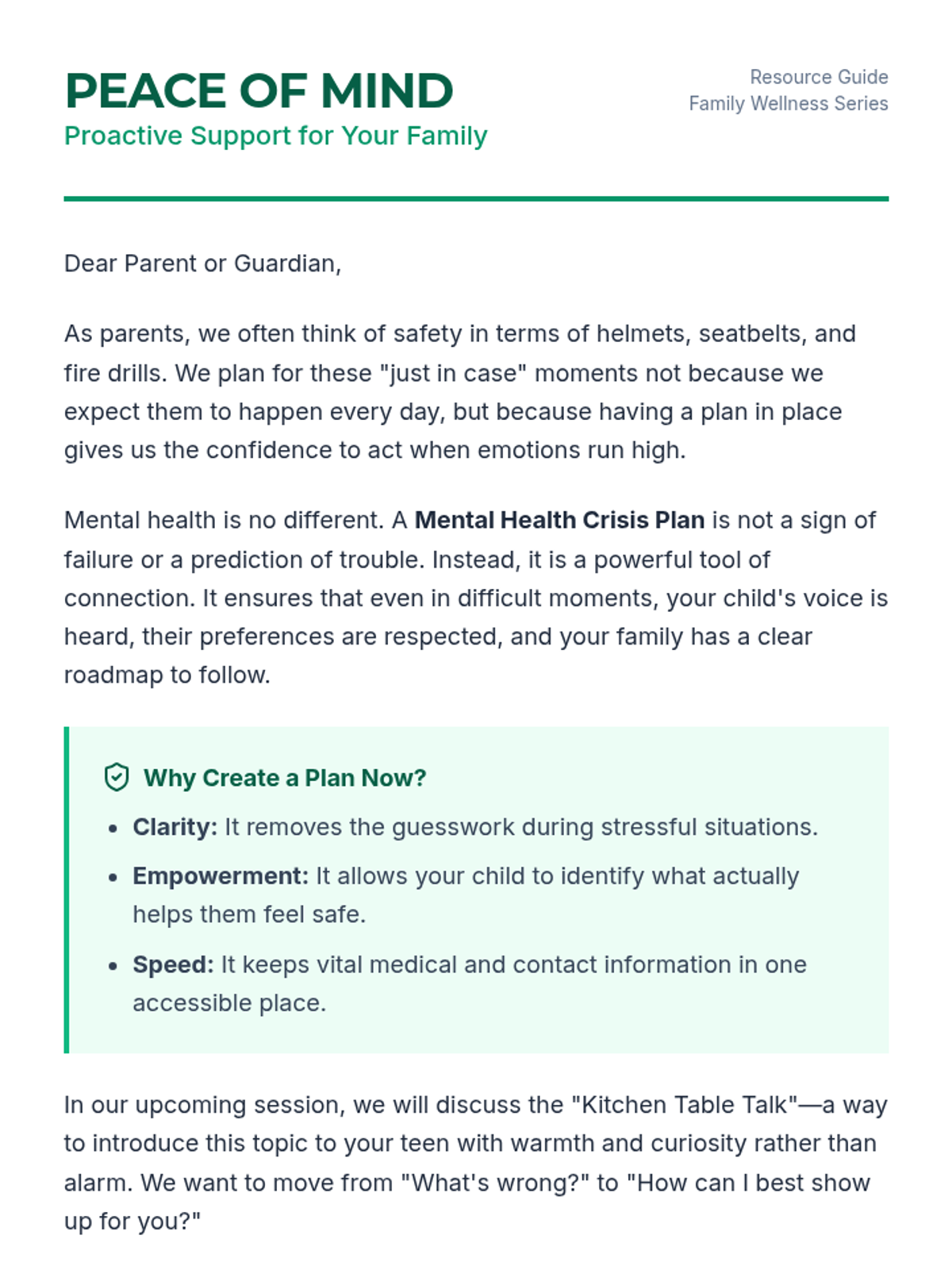
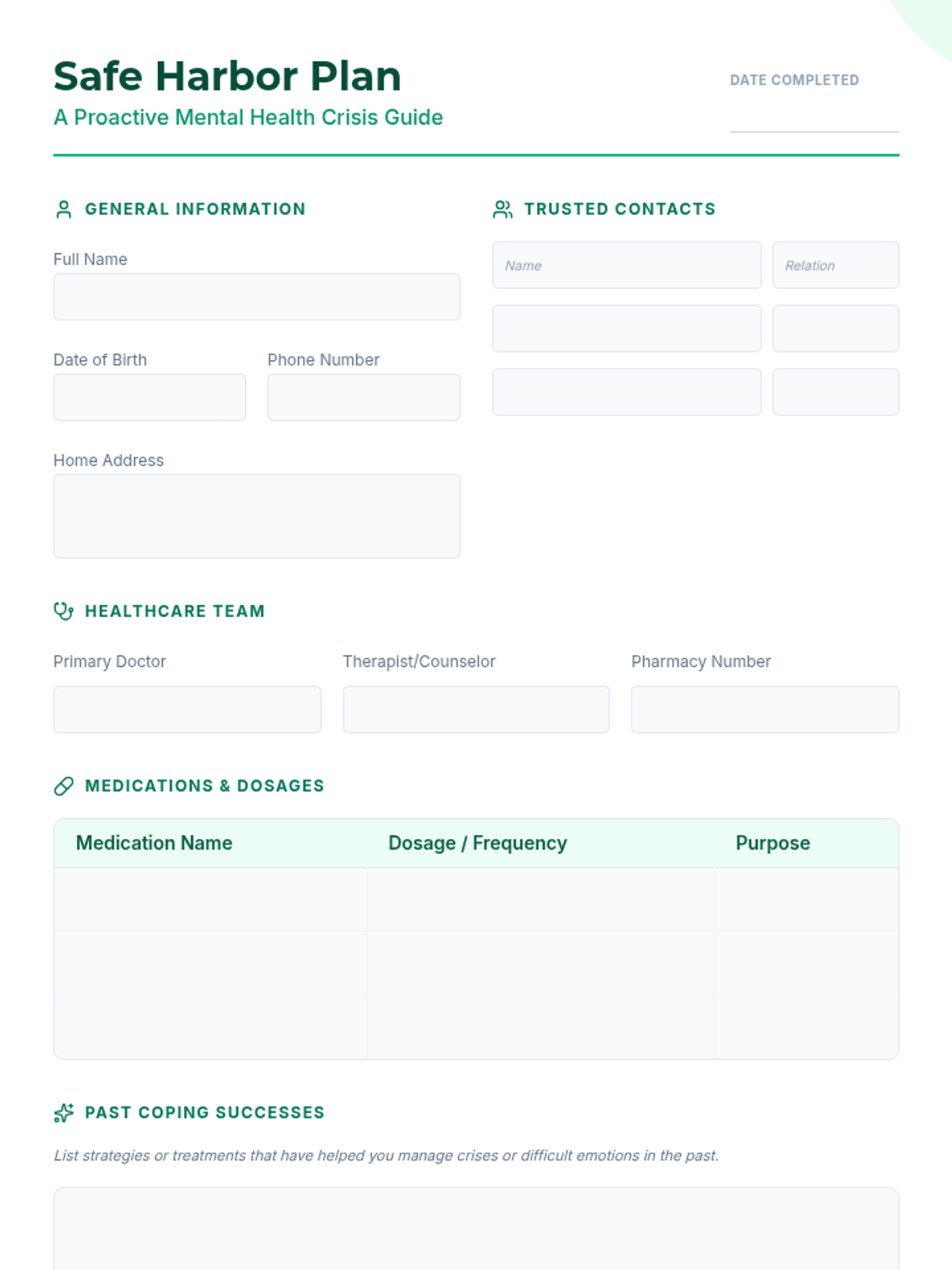
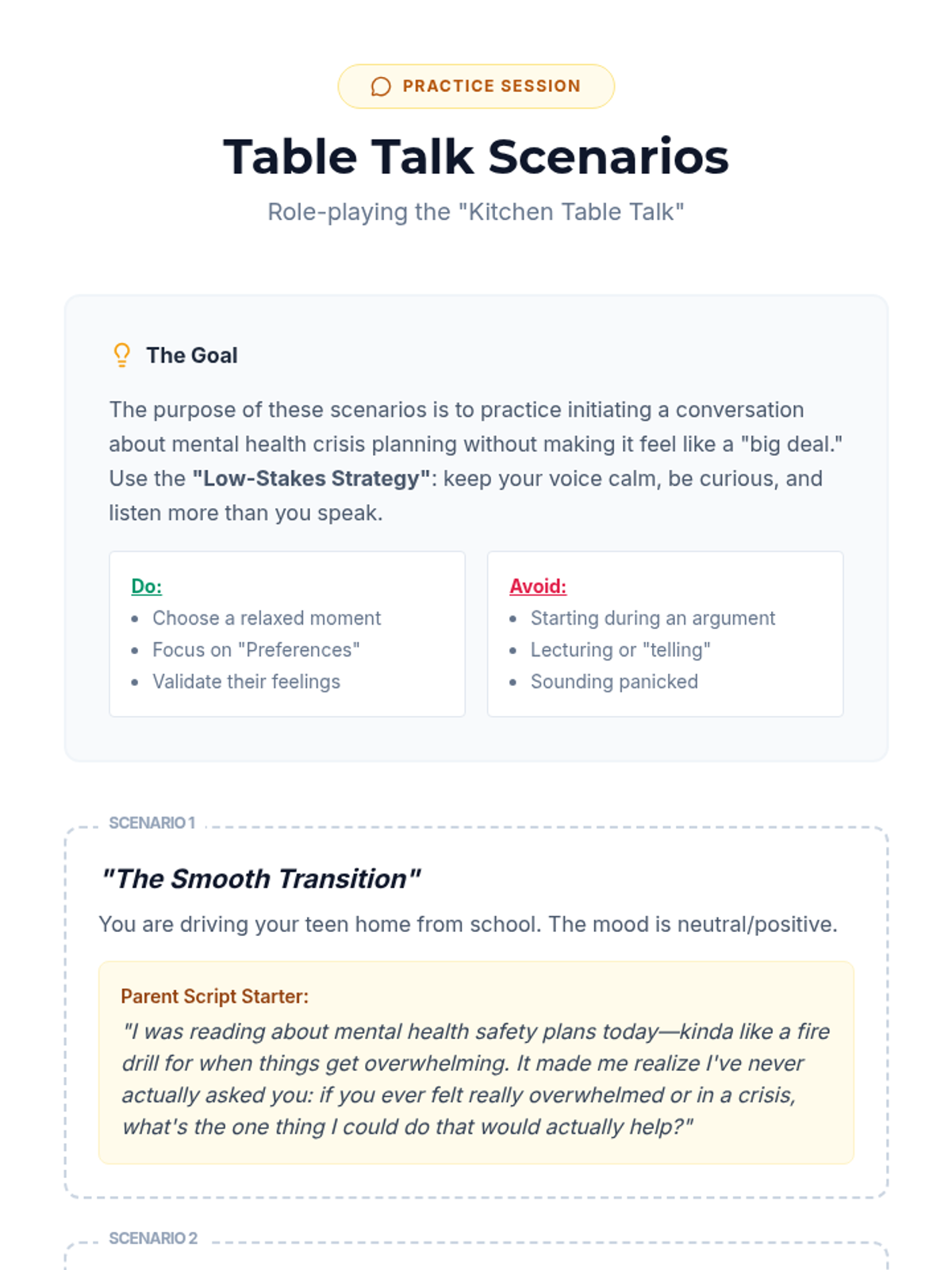
A guide for parents and guardians on how to proactively support their child's mental health through the creation of a crisis plan, emphasizing open communication and early preparation.
Teaches students how to identify trusted adults and navigate school and community mental health resources.
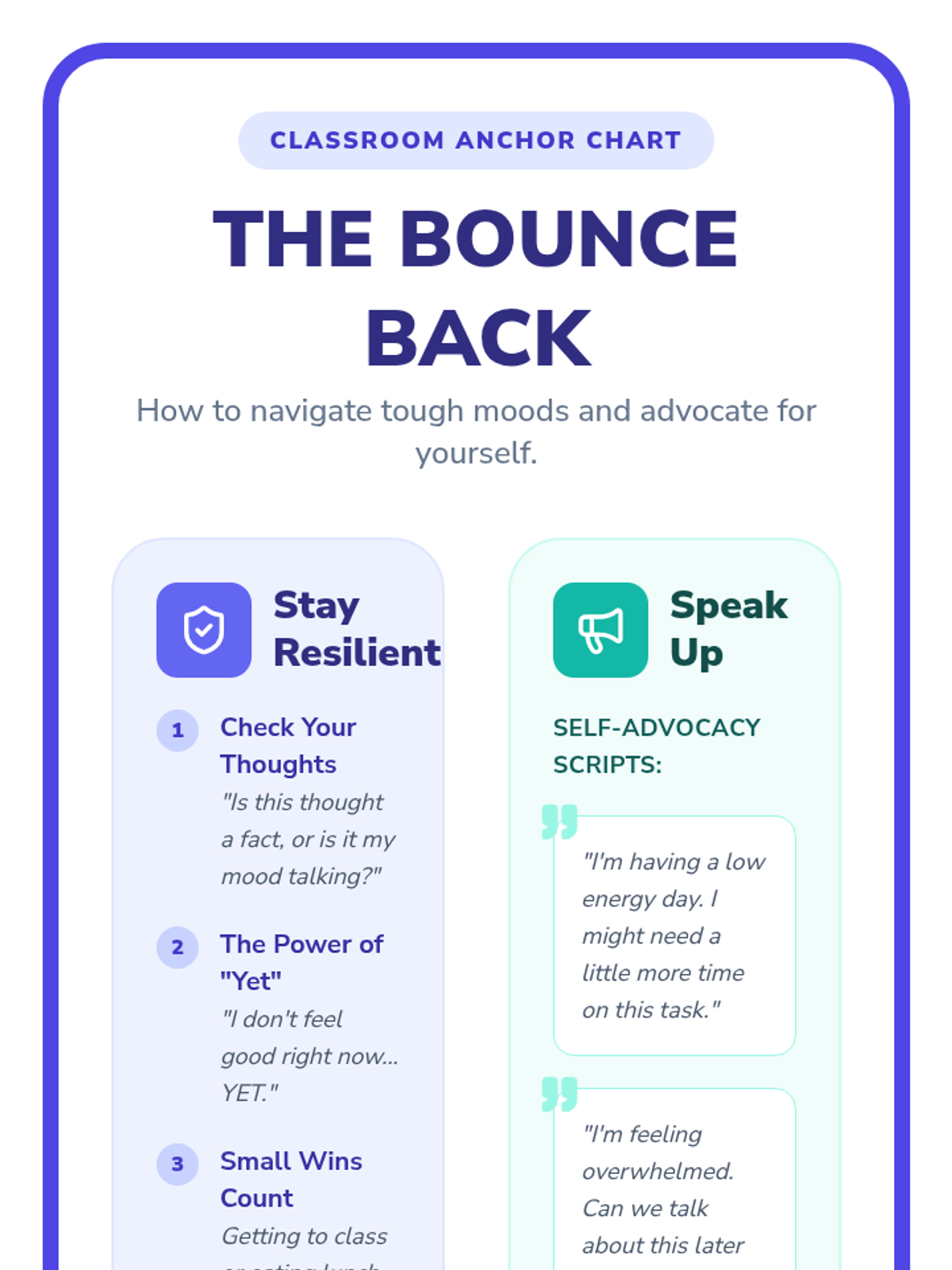
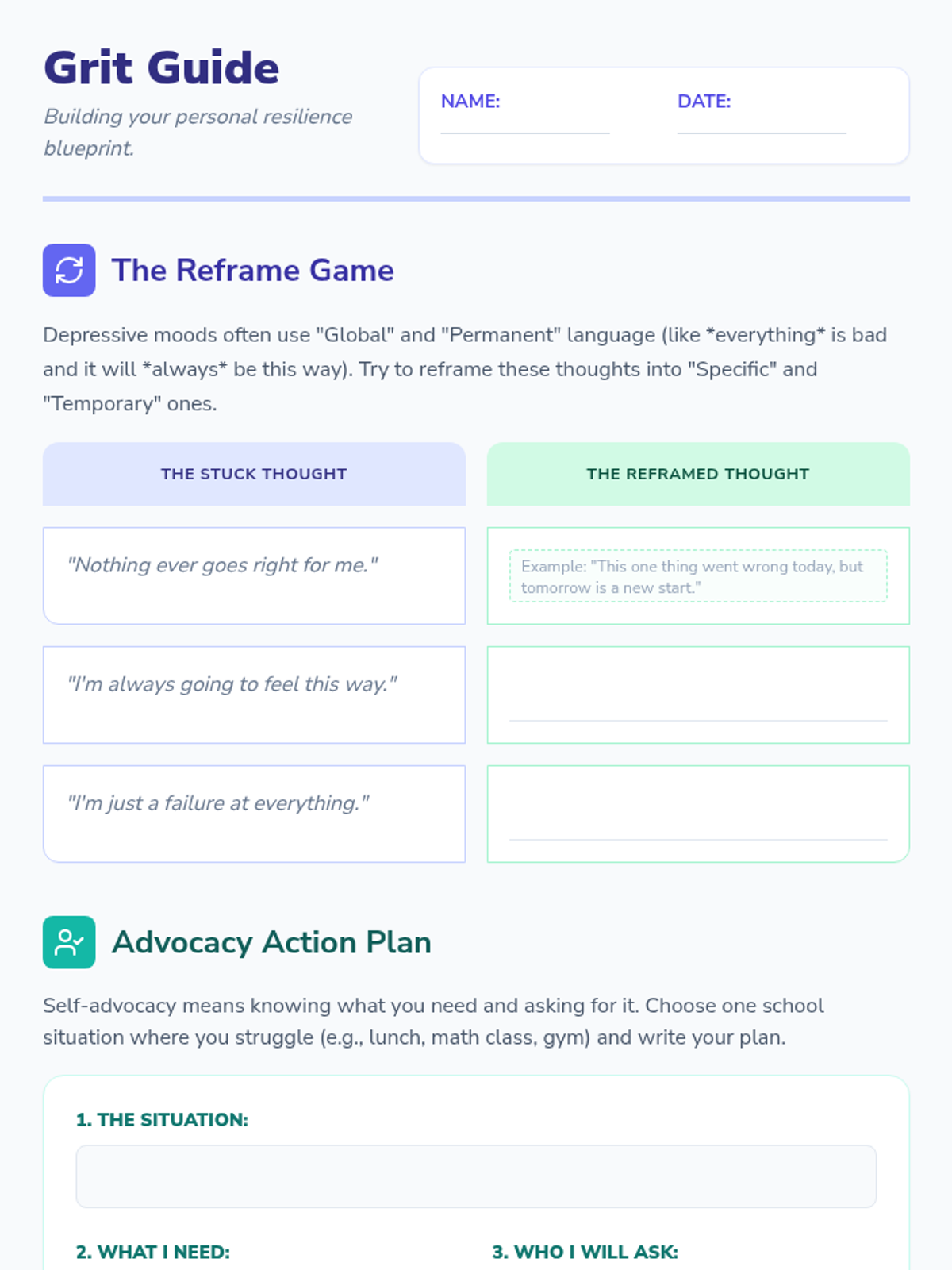
Focuses on building psychological resilience and learning how to advocate for one's own mental health needs.
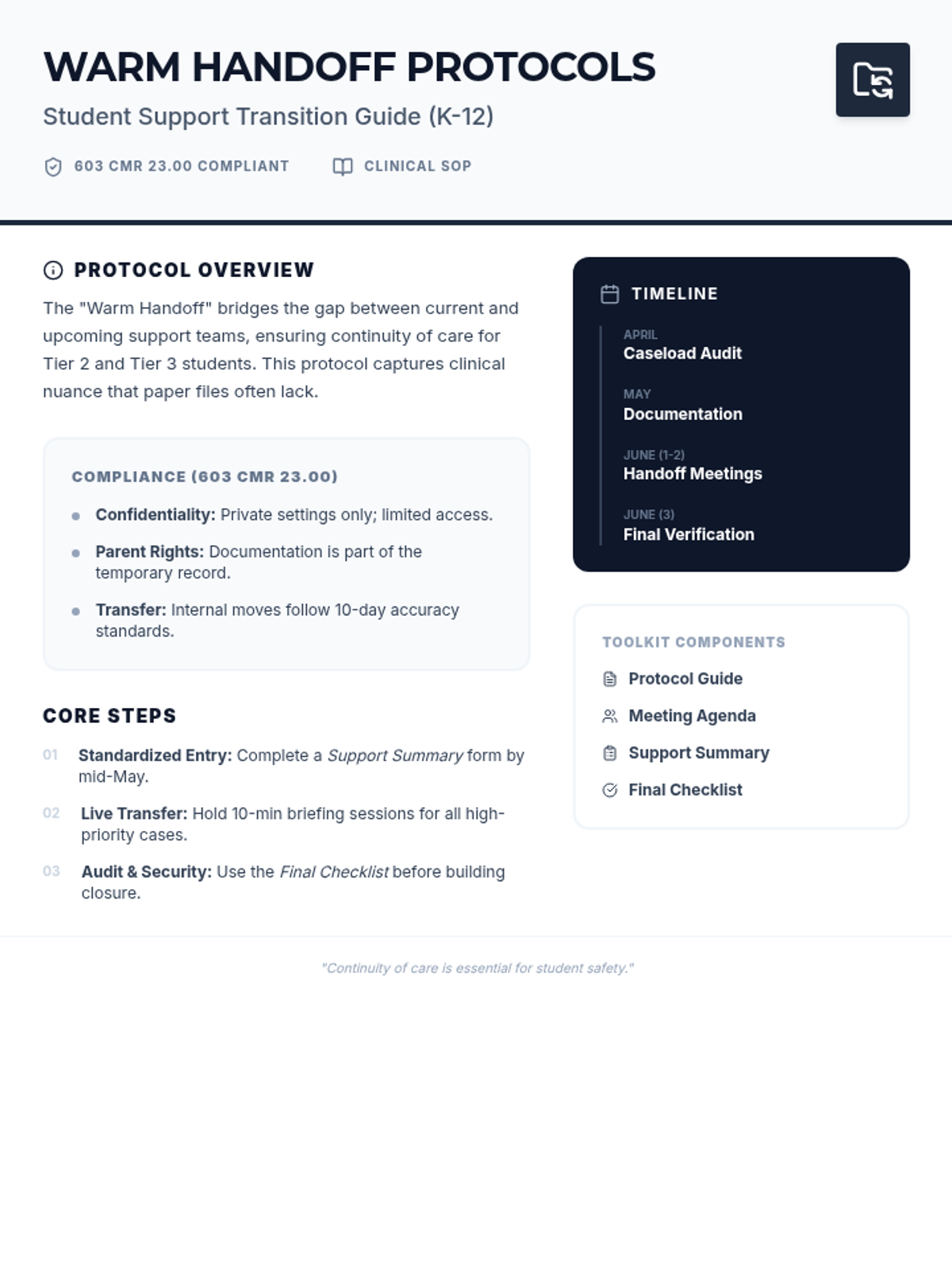
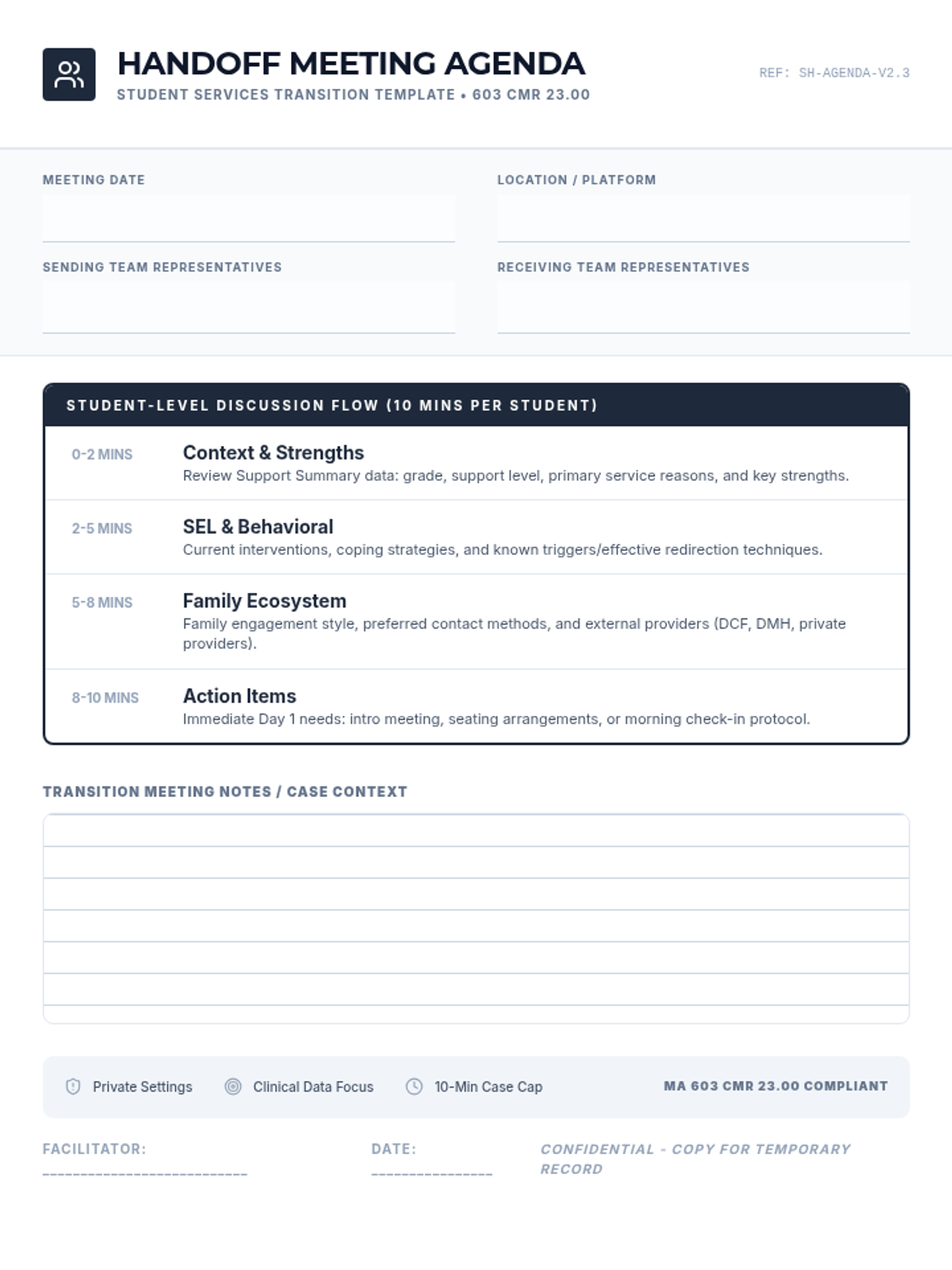
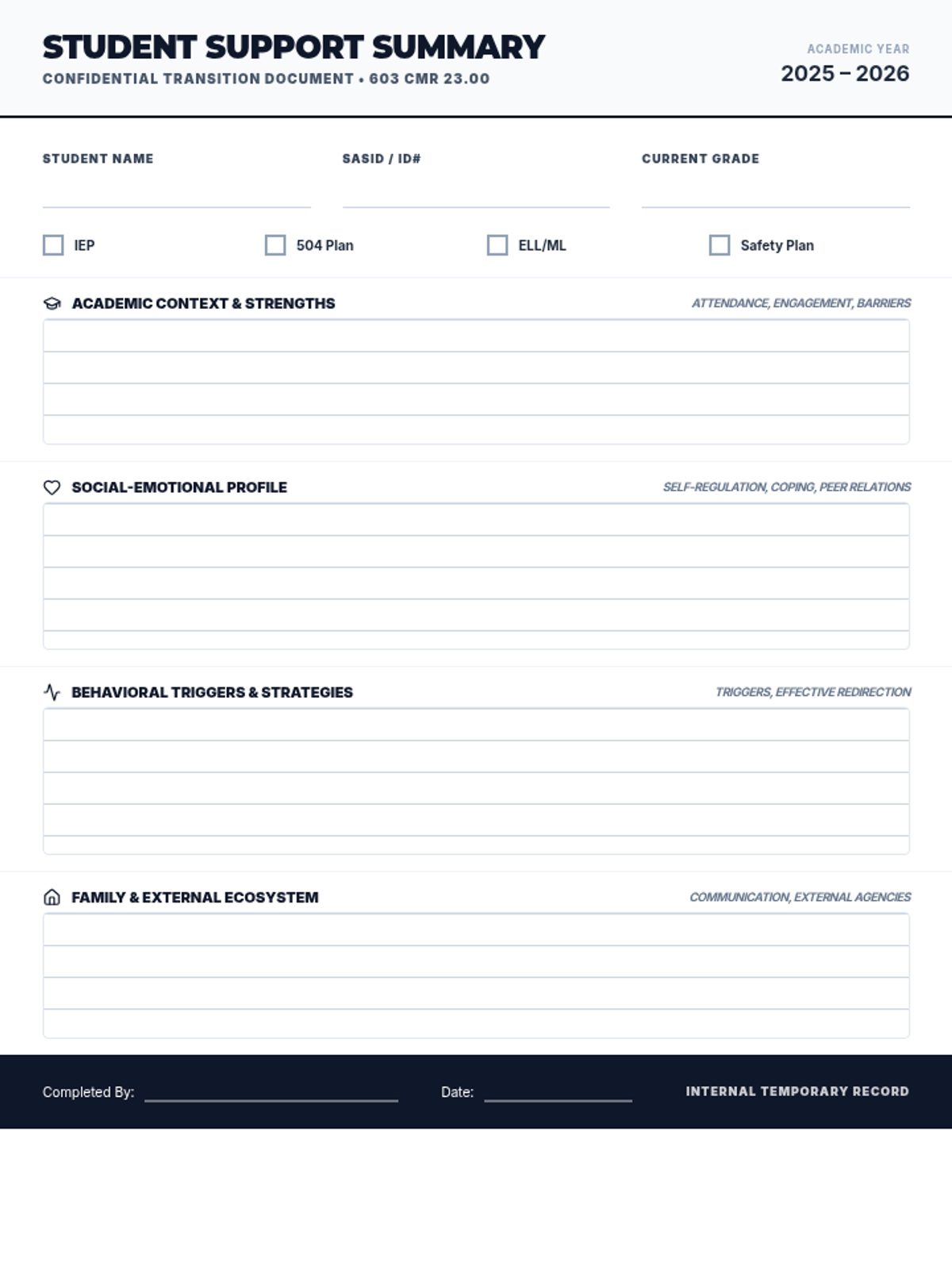
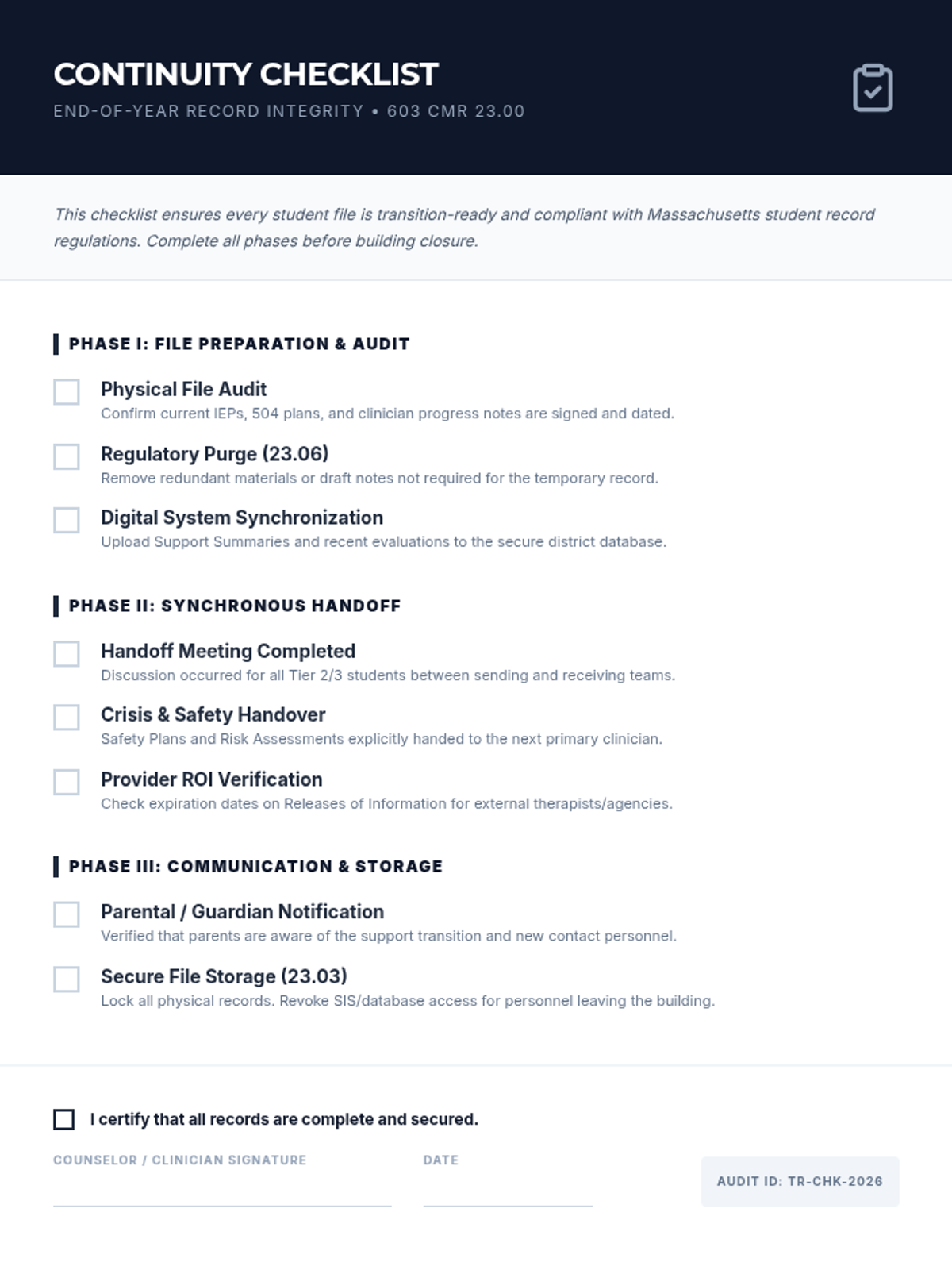
A comprehensive toolkit for K-12 school counselors and student services teams to ensure continuity of care during end-of-year transitions. It includes protocol guides, meeting structures, and documentation templates aligned with Massachusetts student records regulations.
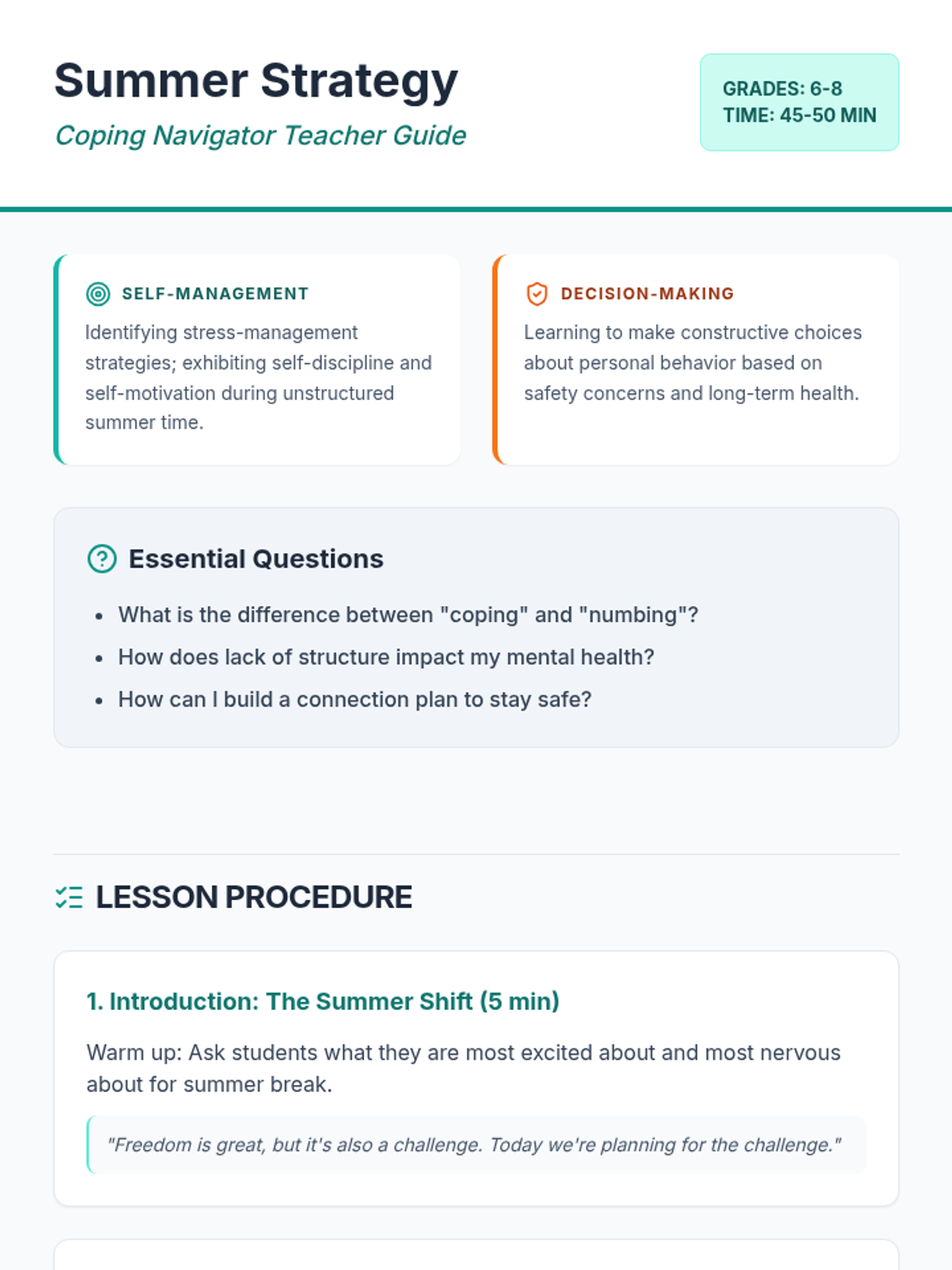
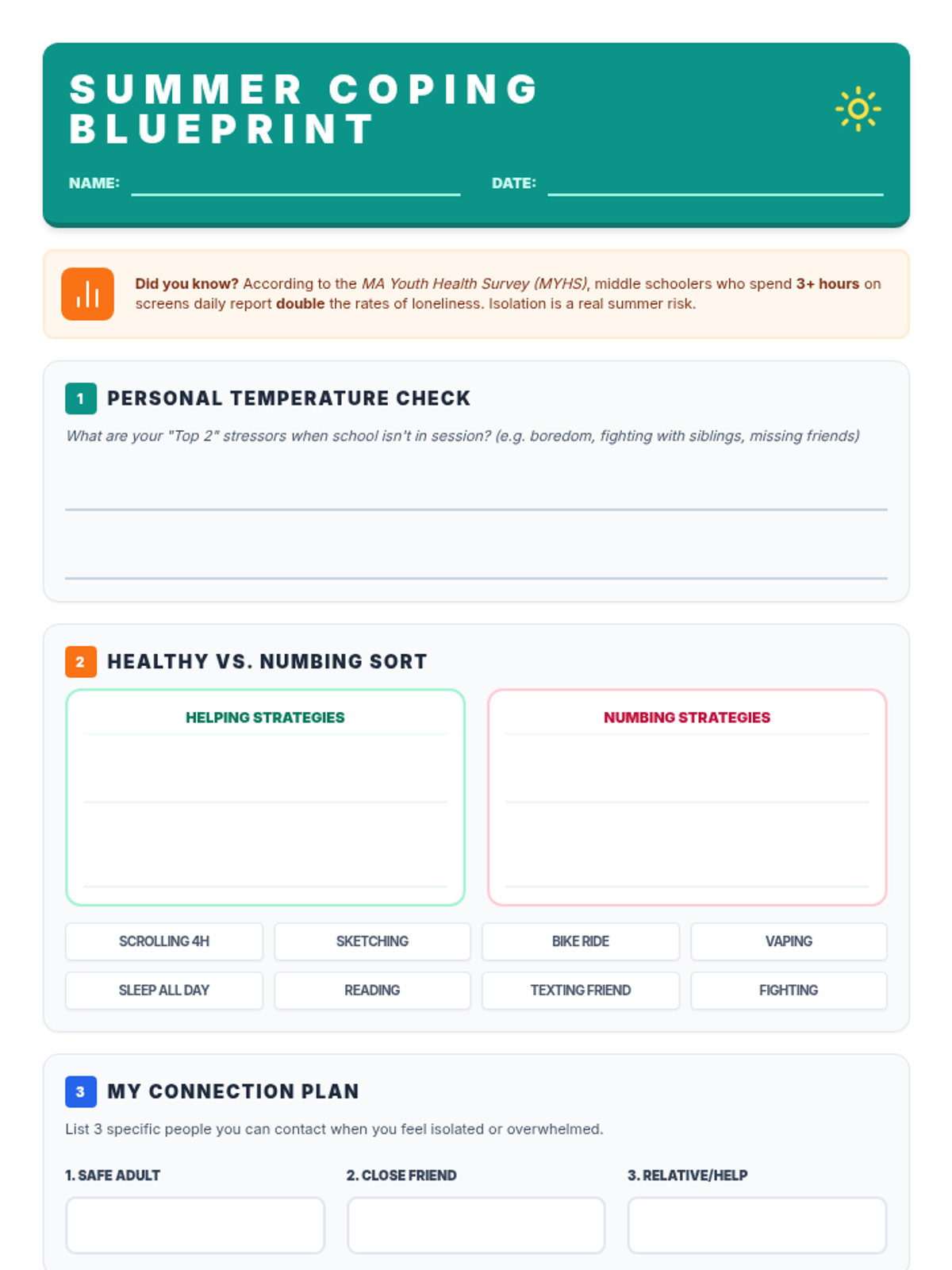
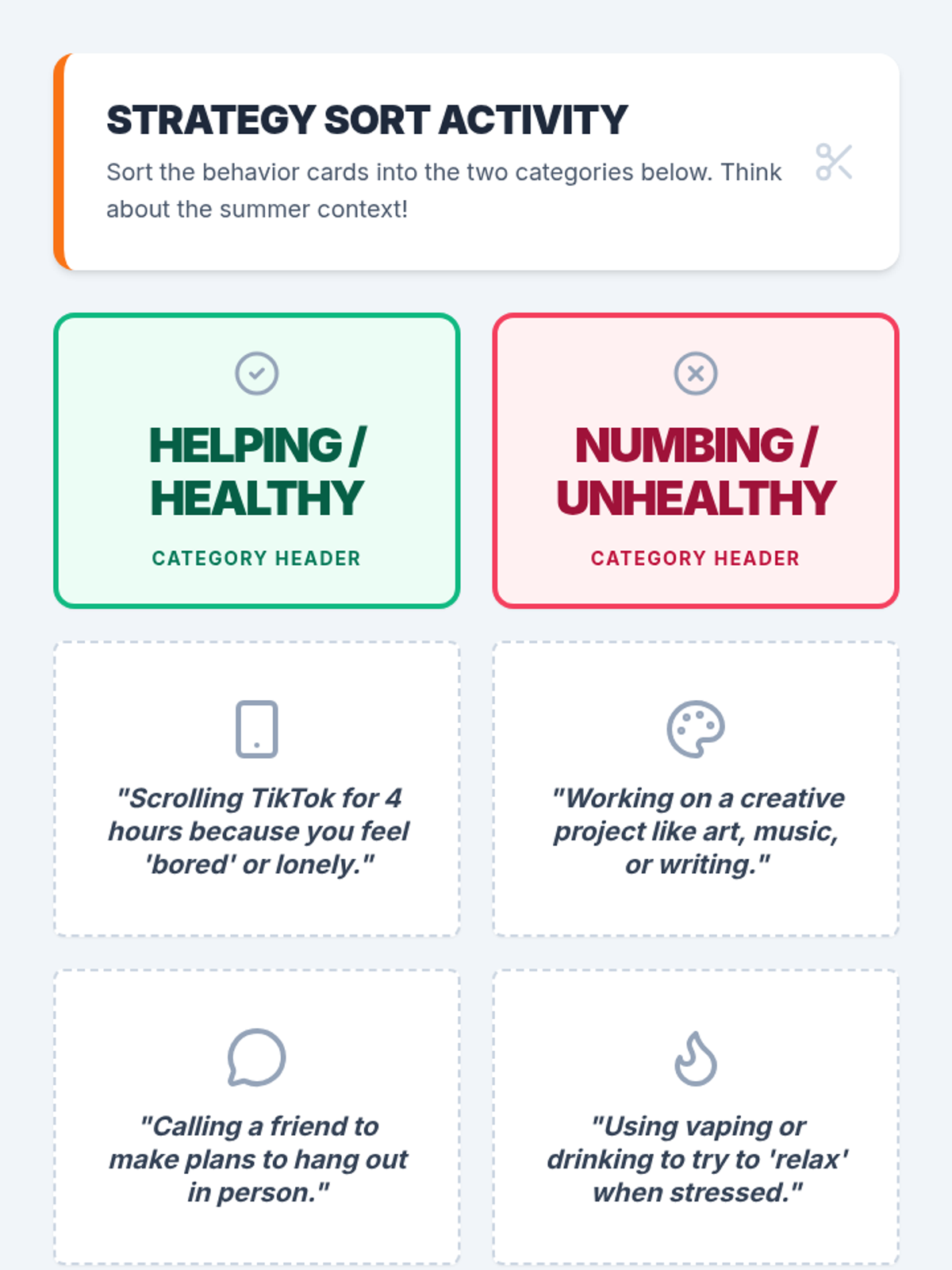
A middle school counseling lesson focused on distinguishing between healthy and unhealthy coping mechanisms for the summer break, using data-driven insights and CASEL-aligned strategies.
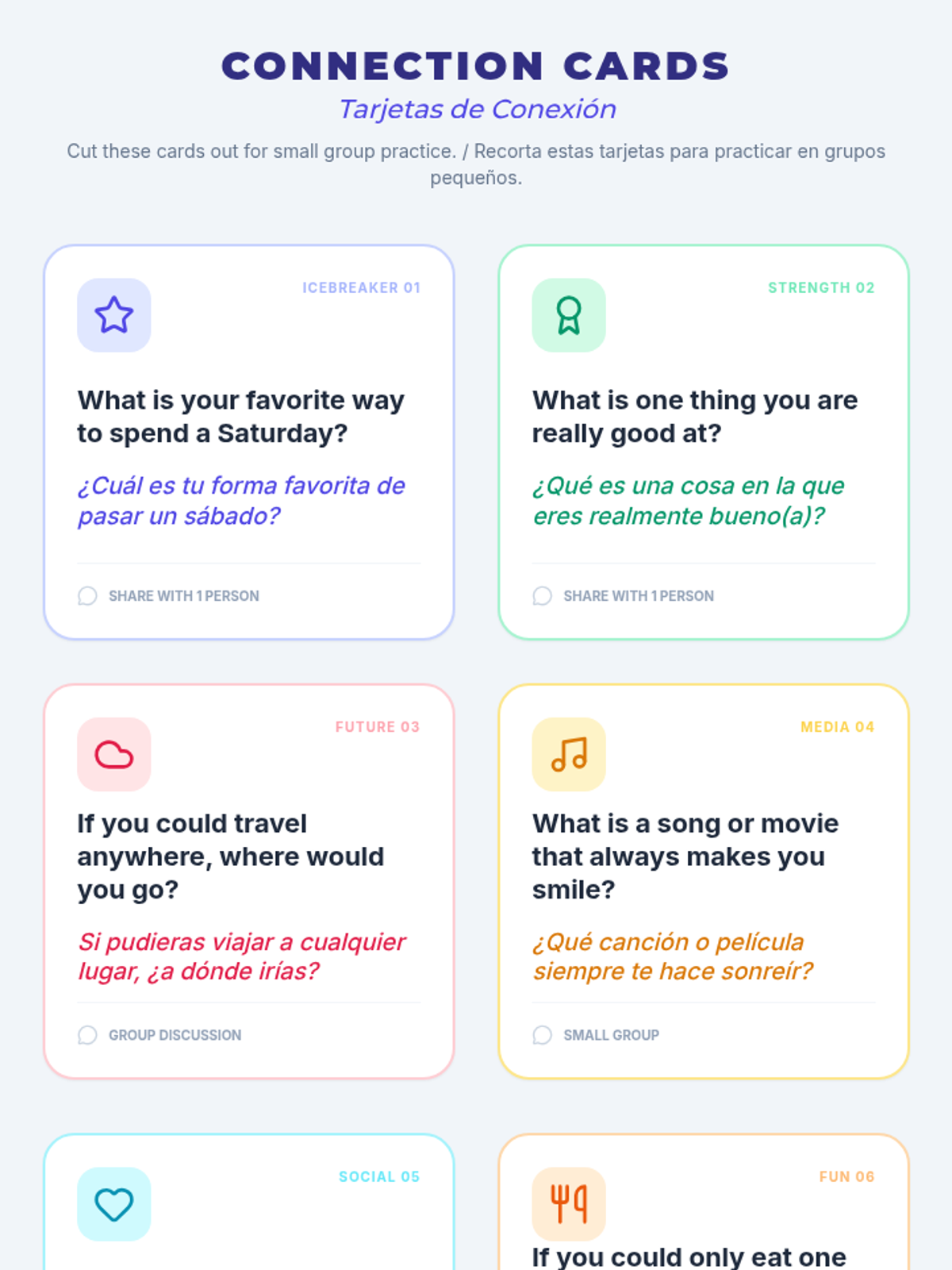
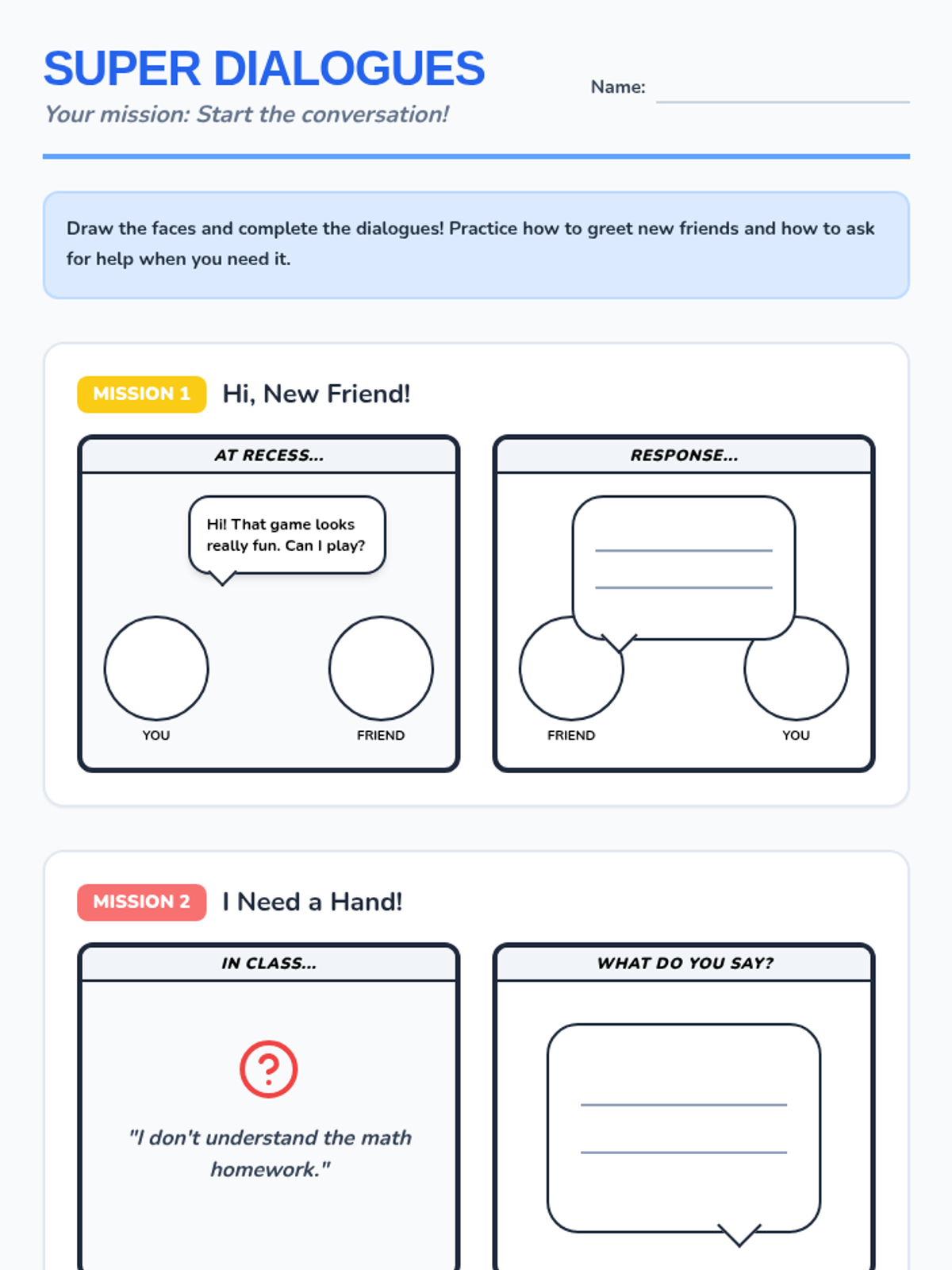
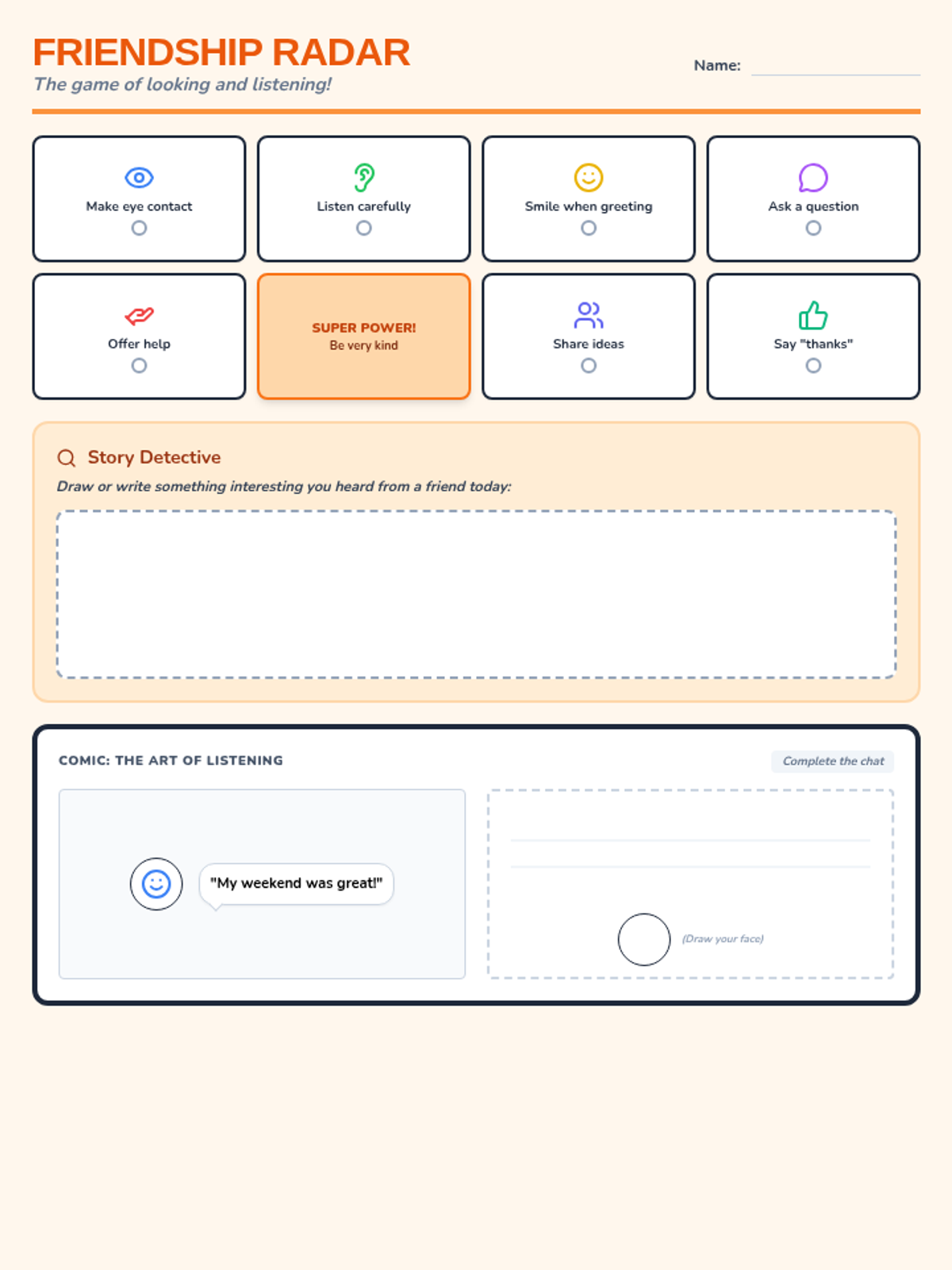
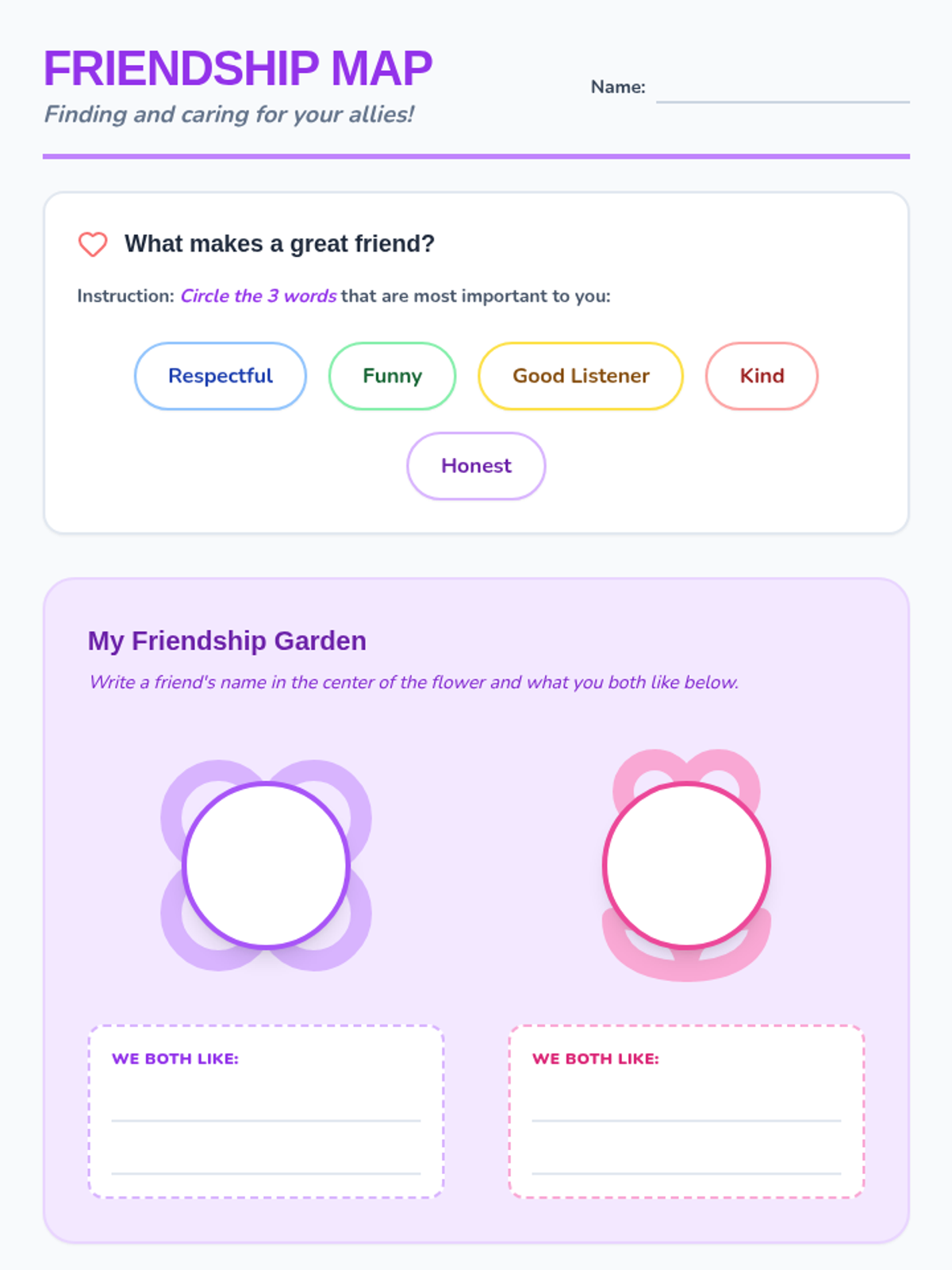
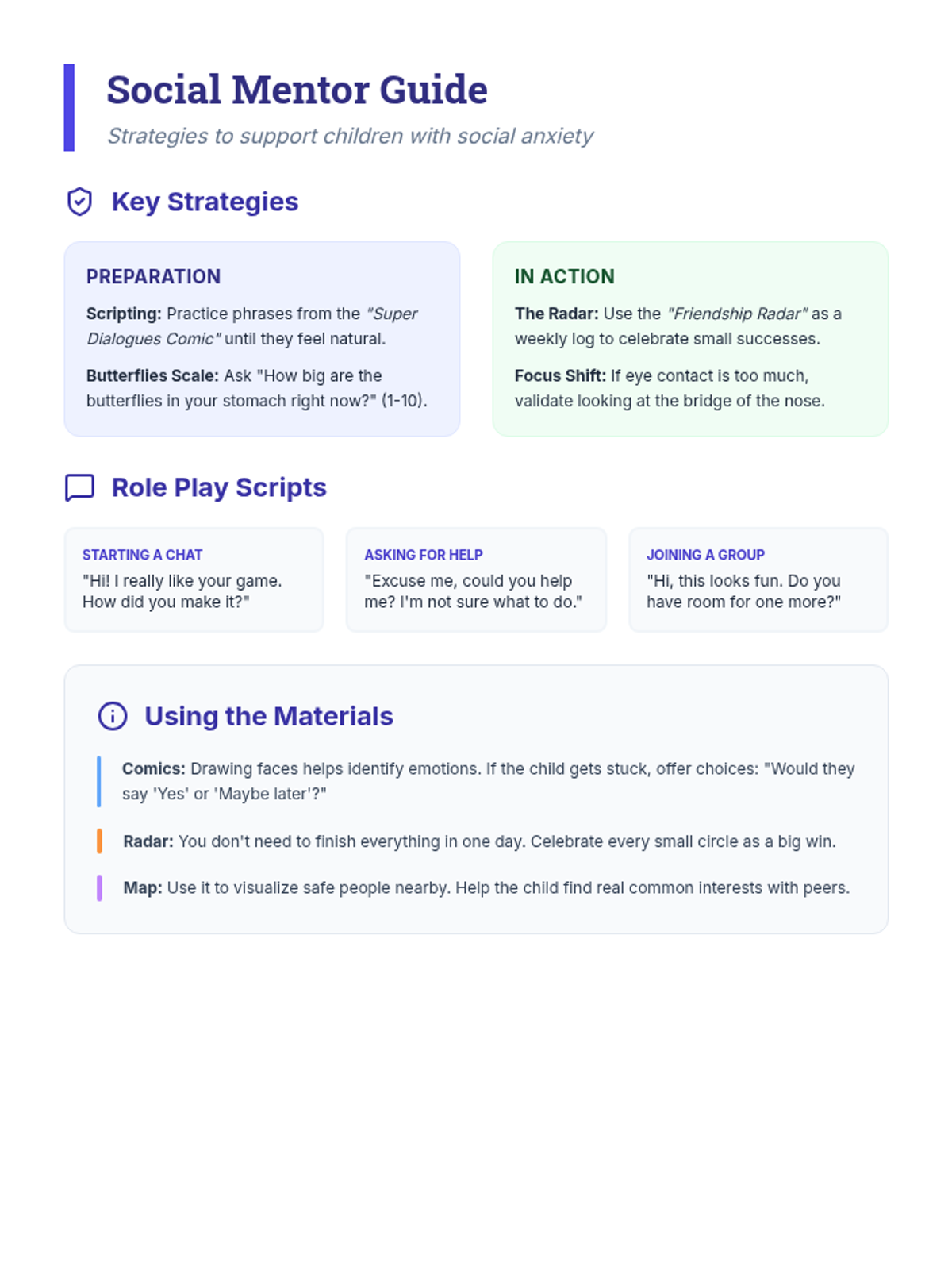
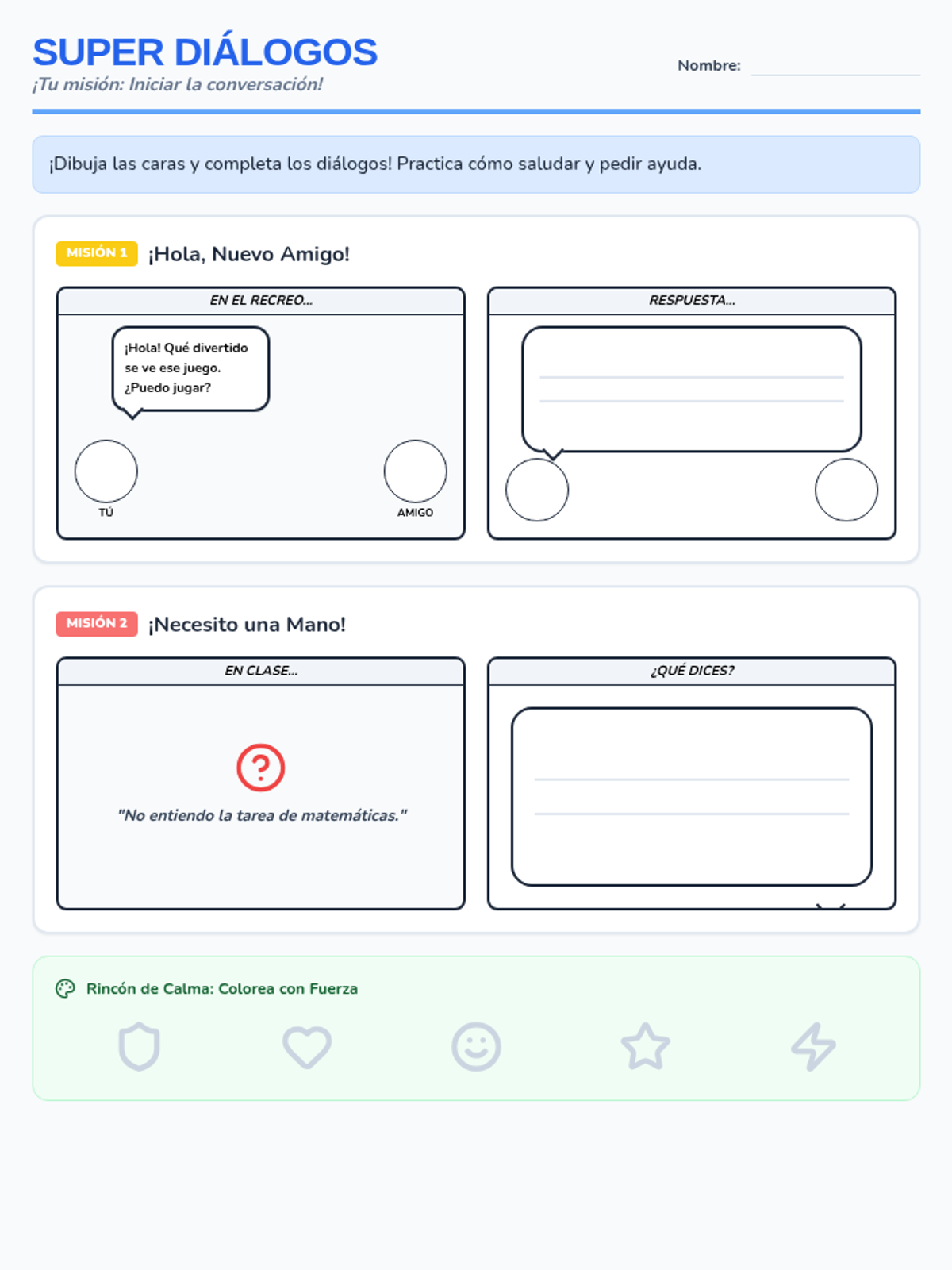
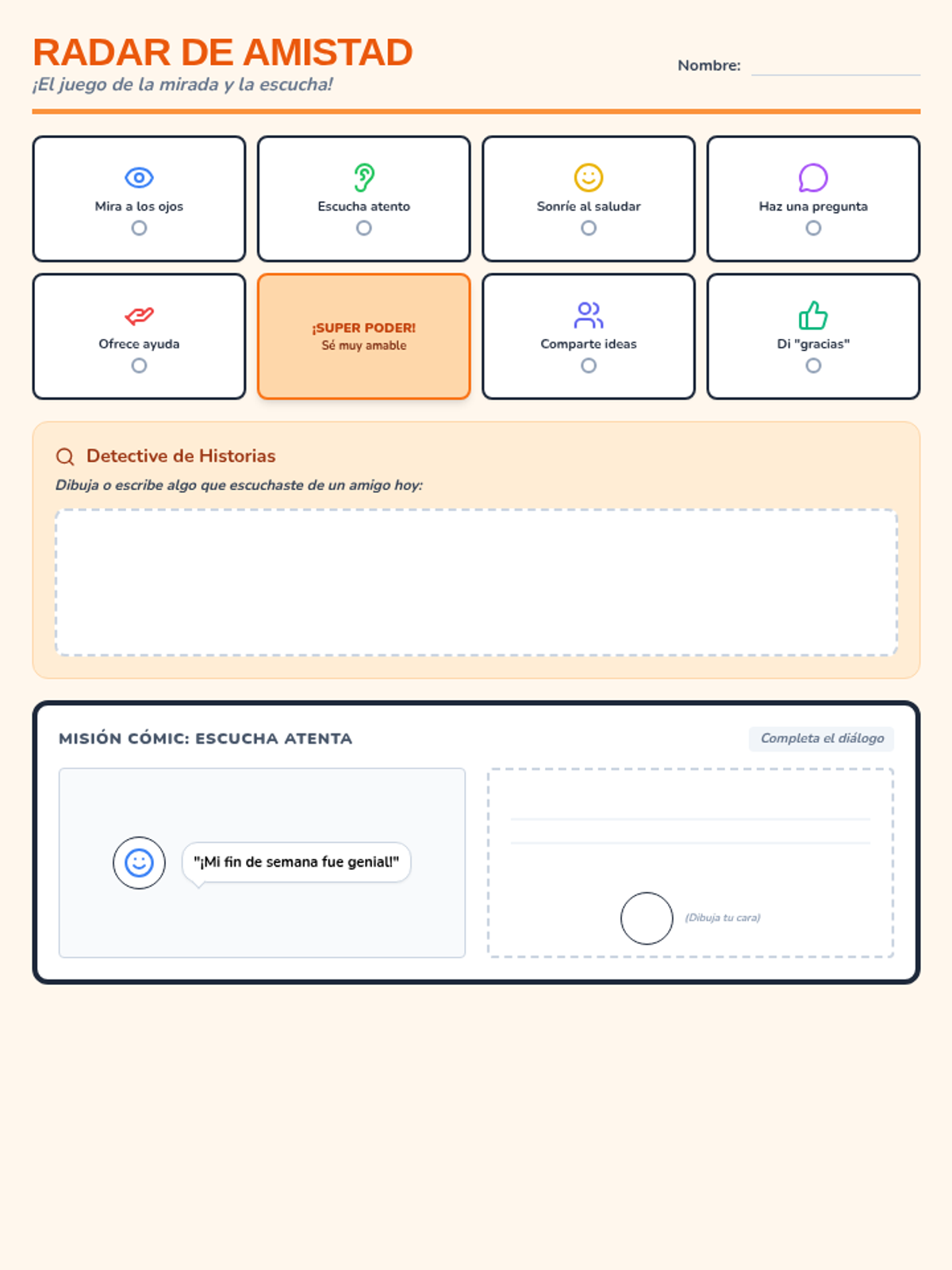
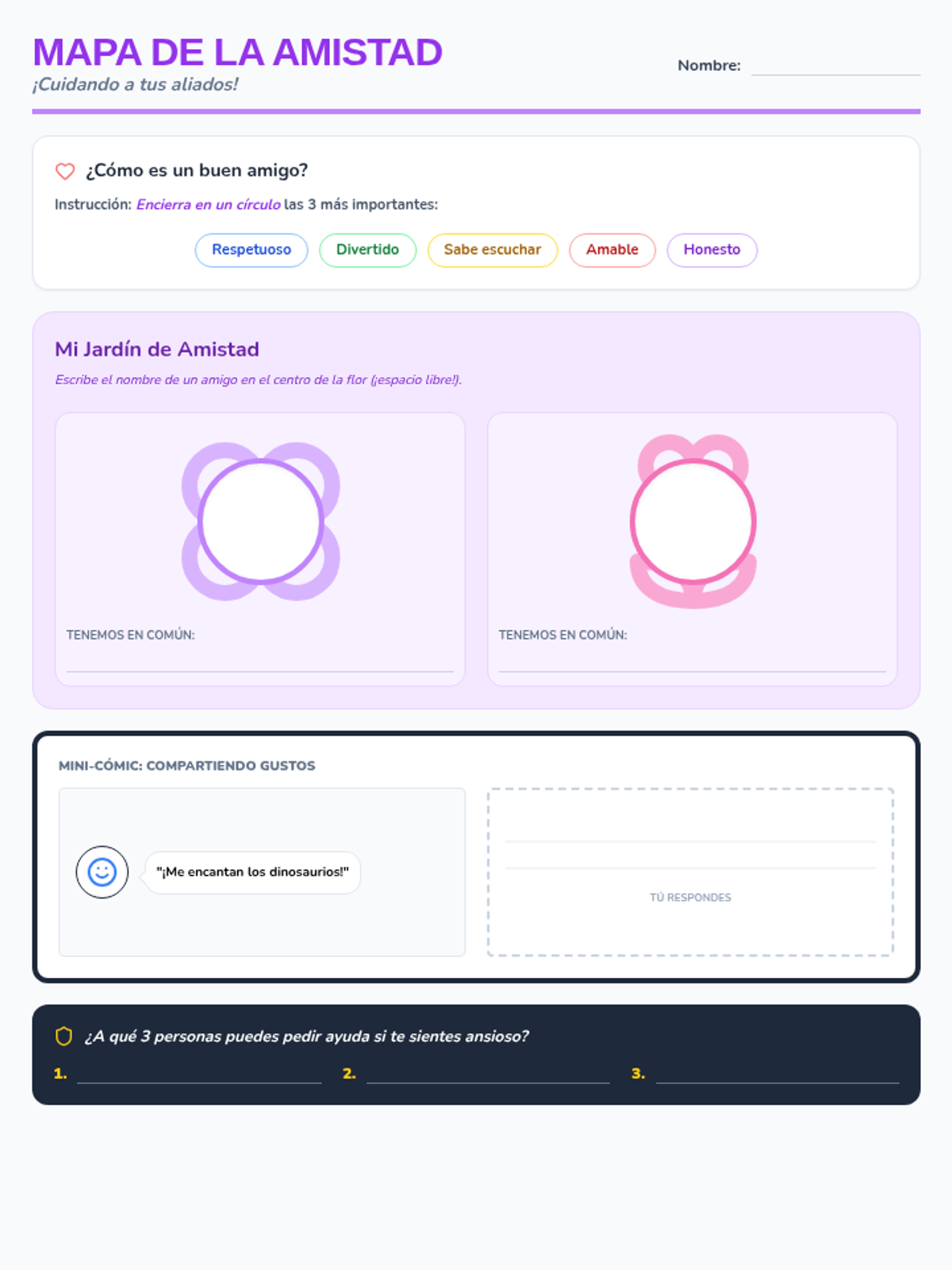
A series of interactive activities designed to help children navigate social interactions, manage anxiety, and strengthen their communication confidence in English.
Una serie de actividades interactivas diseñadas para ayudar a los niños a navegar las interacciones sociales, manejar la ansiedad y fortalecer su confianza al comunicarse en español.
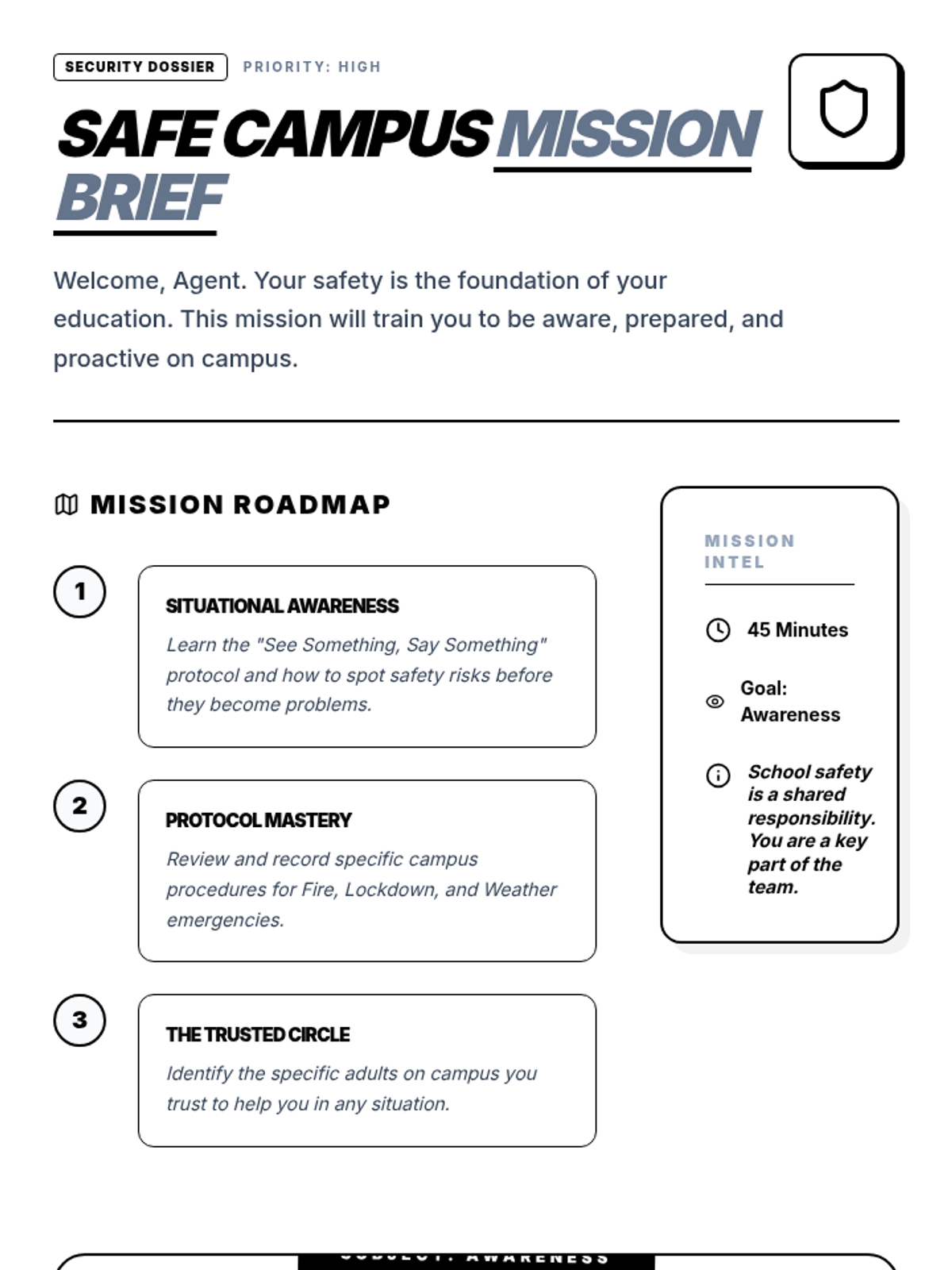
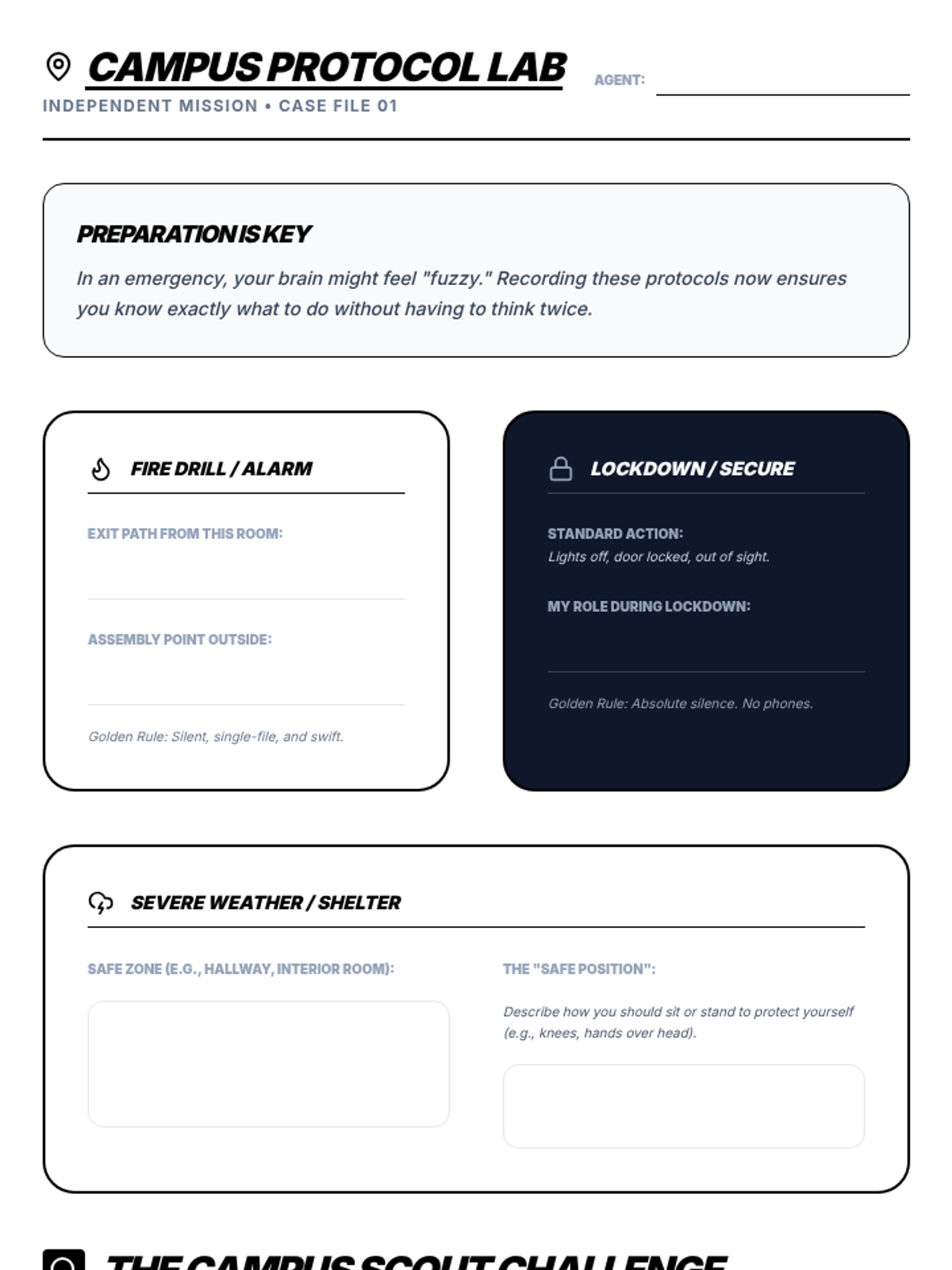
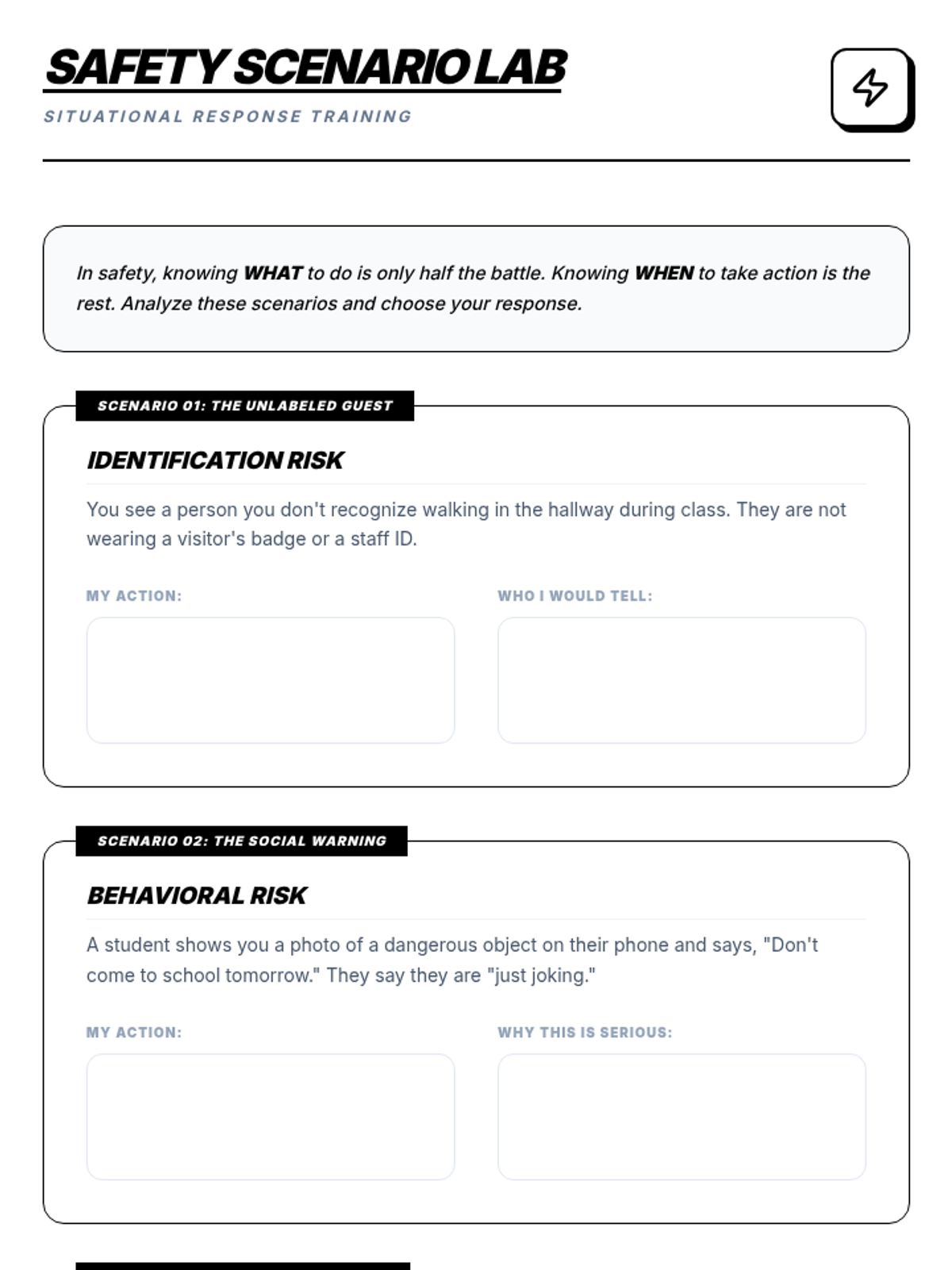
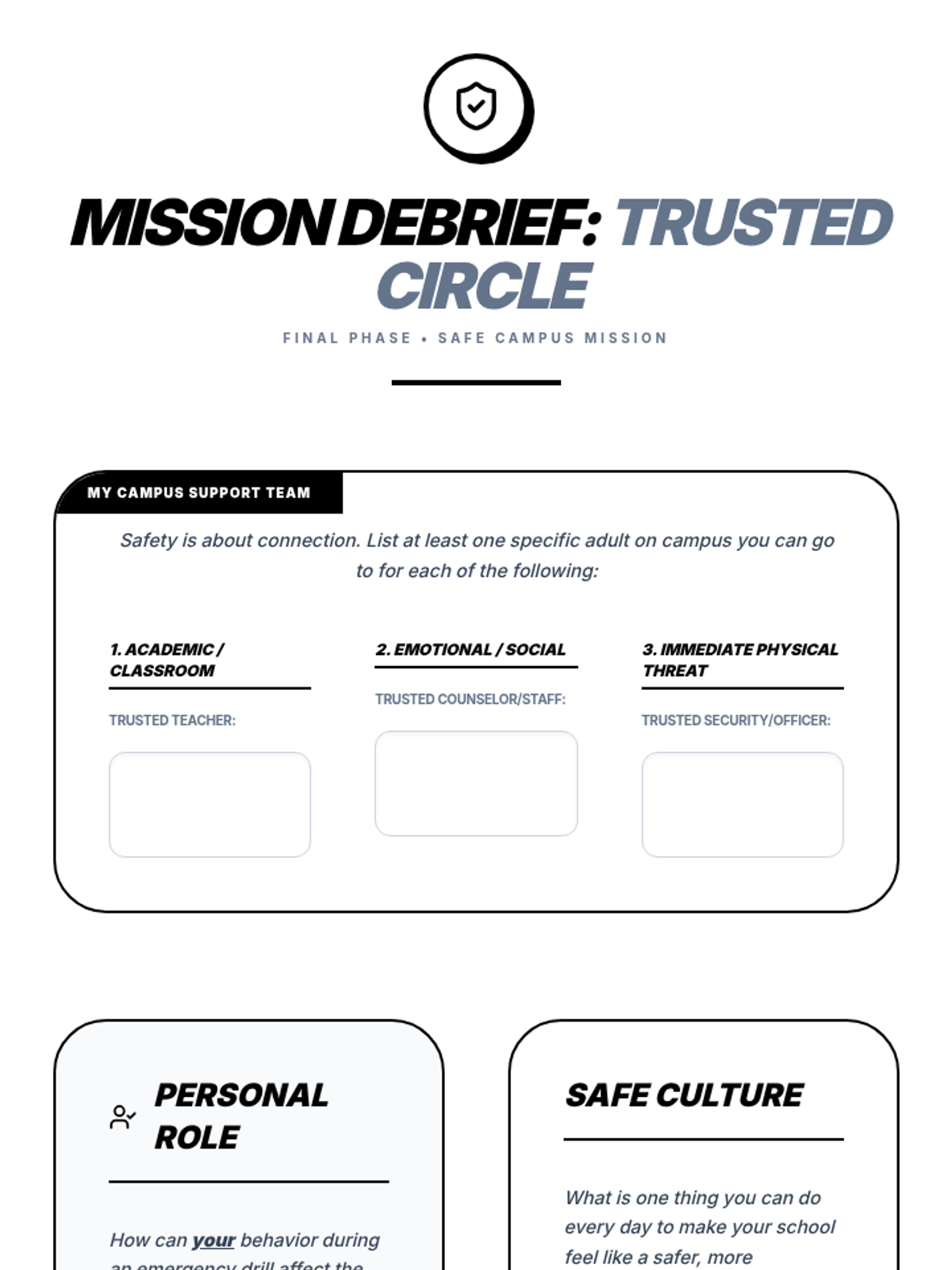
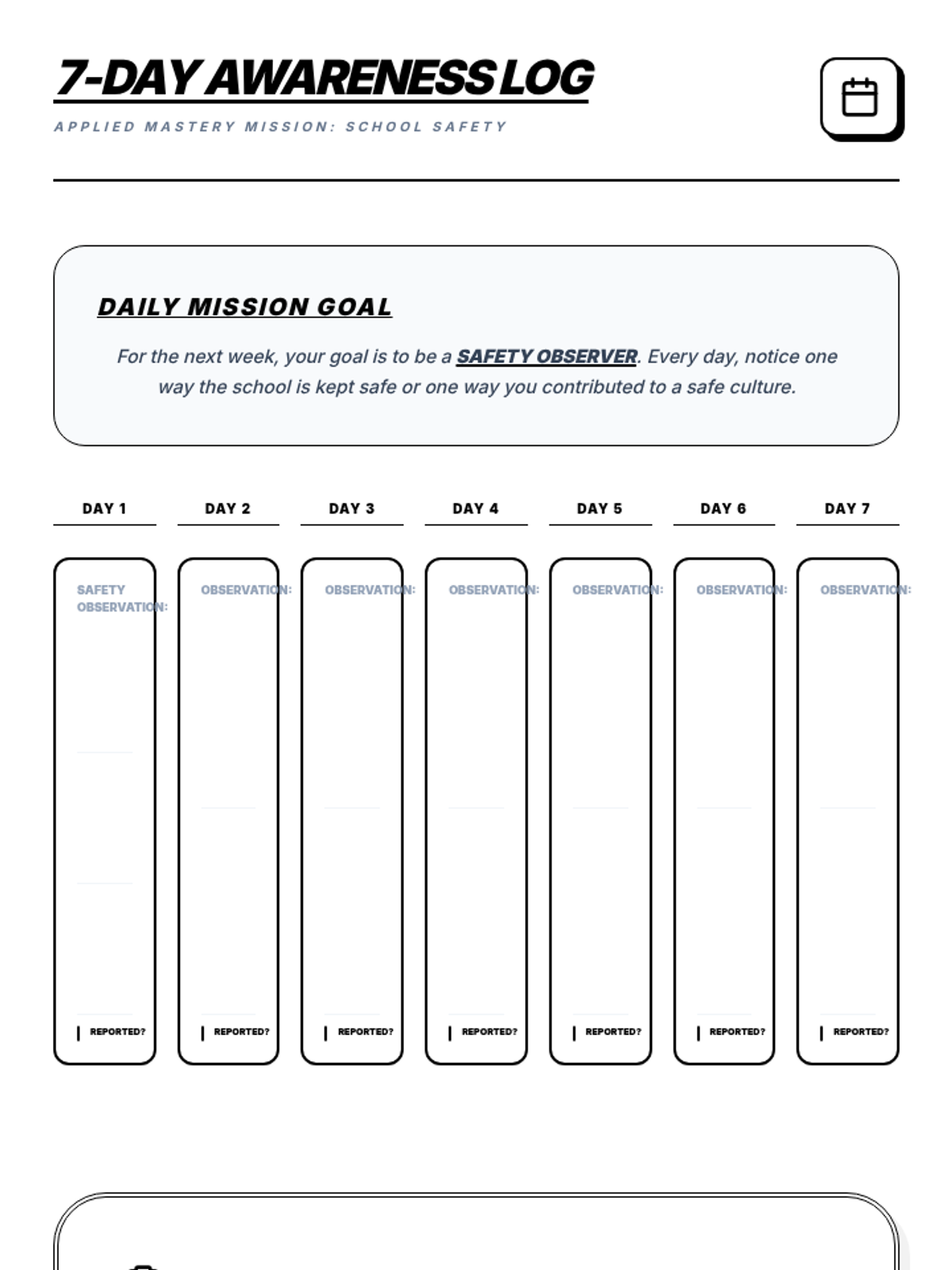
An independent mission for middle schoolers to develop situational awareness, learn campus safety protocols, and identify trusted adults for emergency communication.
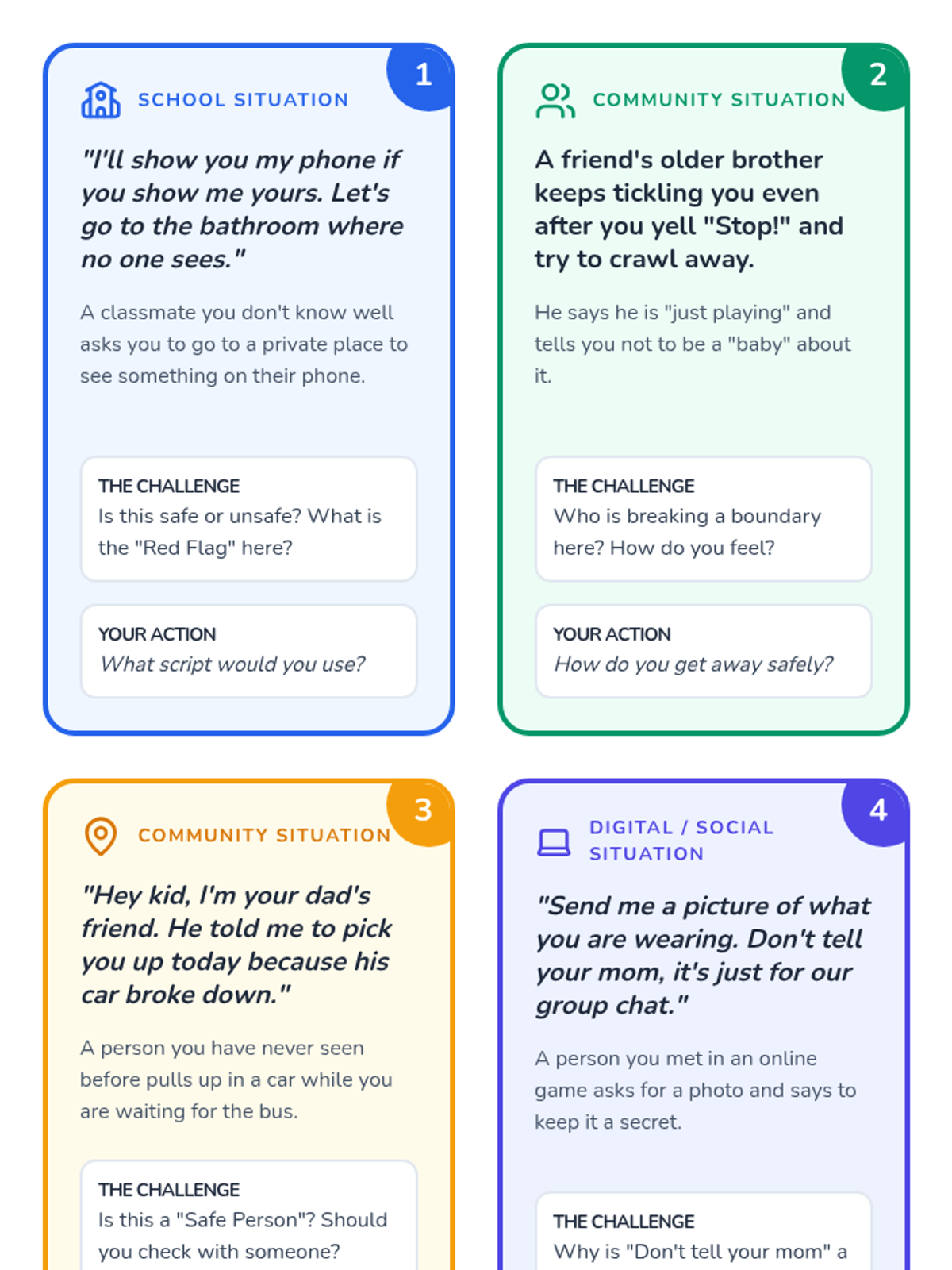
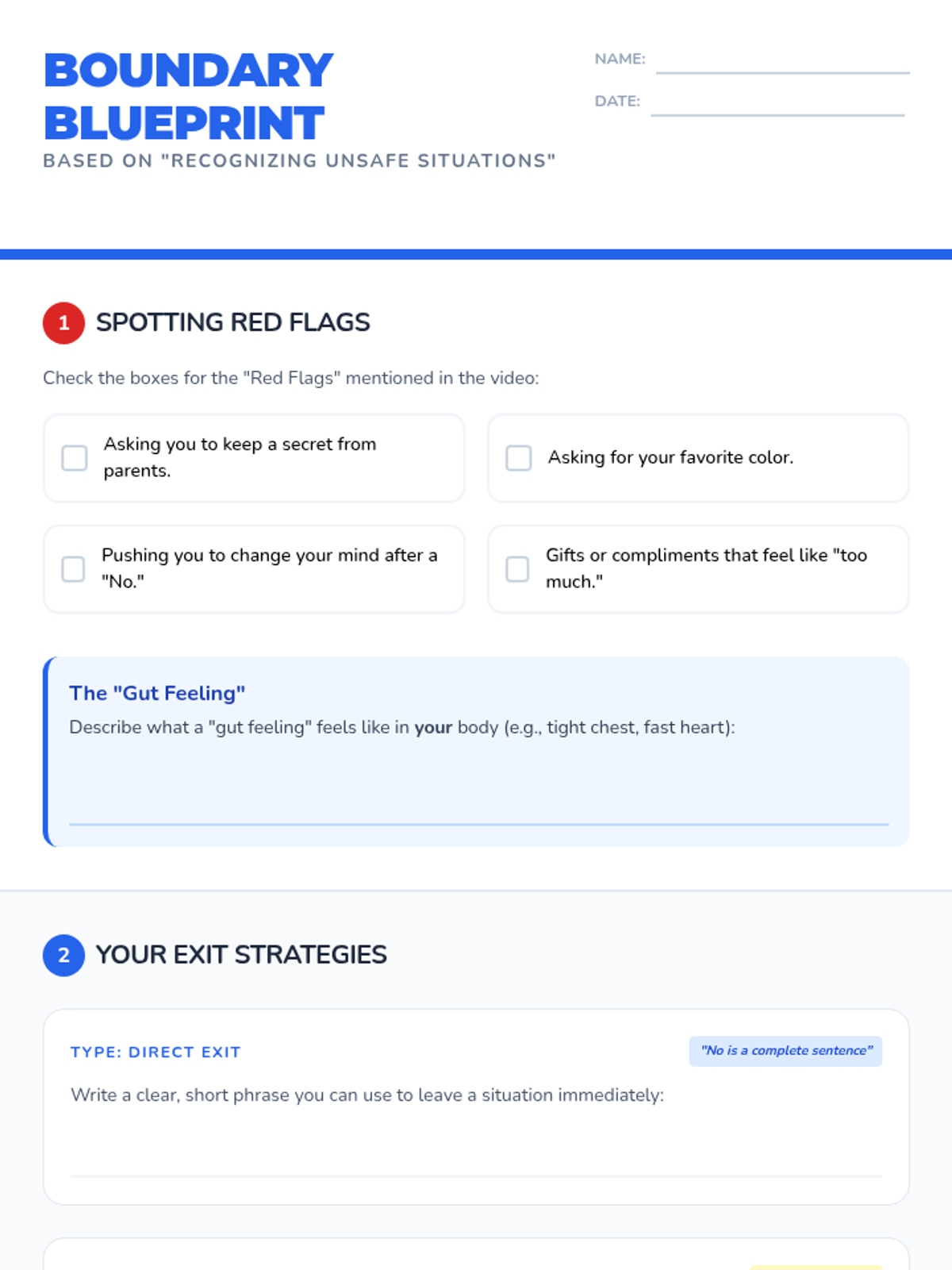
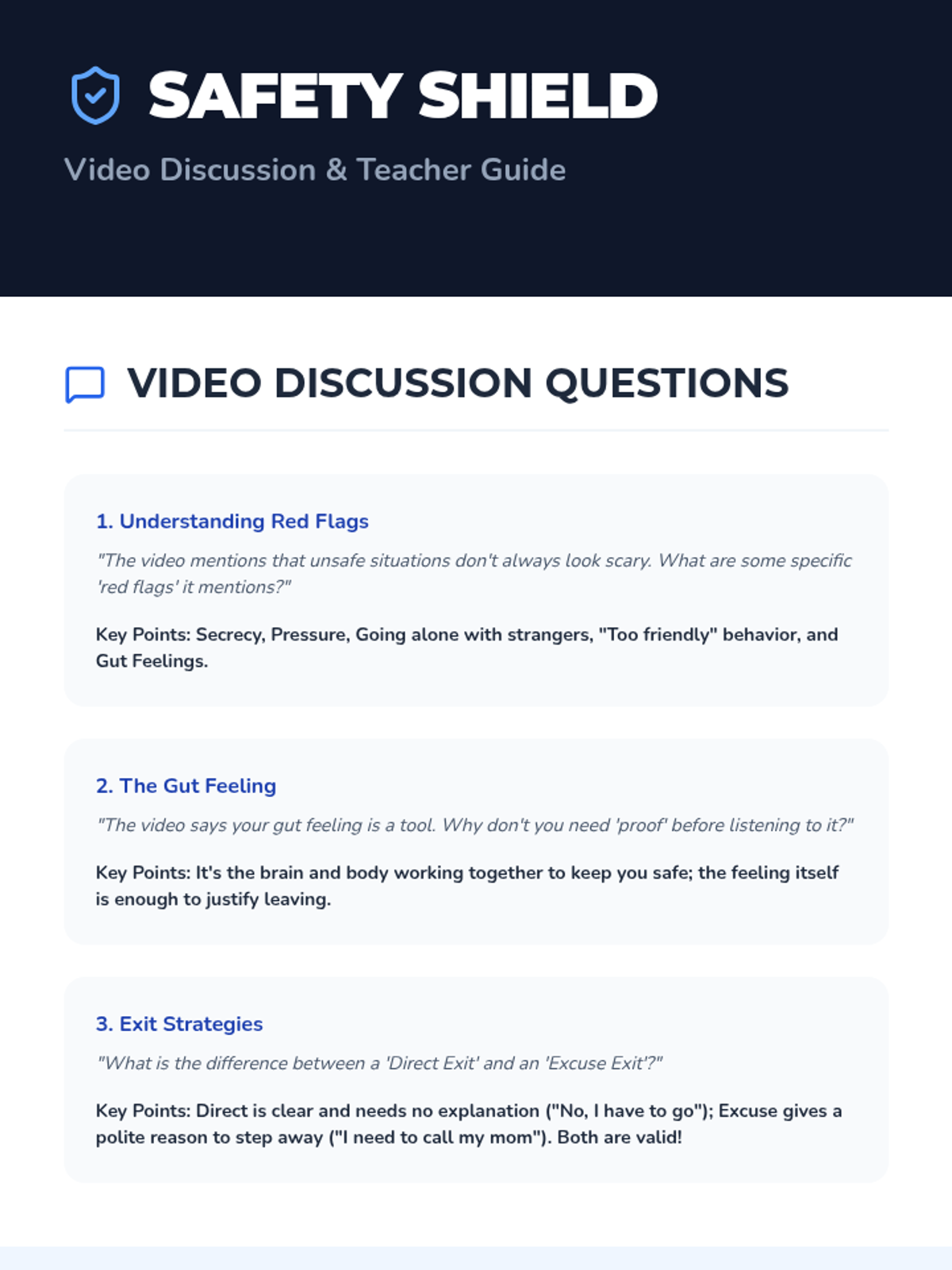
A comprehensive lesson on identifying unsafe social situations, setting physical and emotional boundaries with peers, and practicing assertive communication across school and community settings.
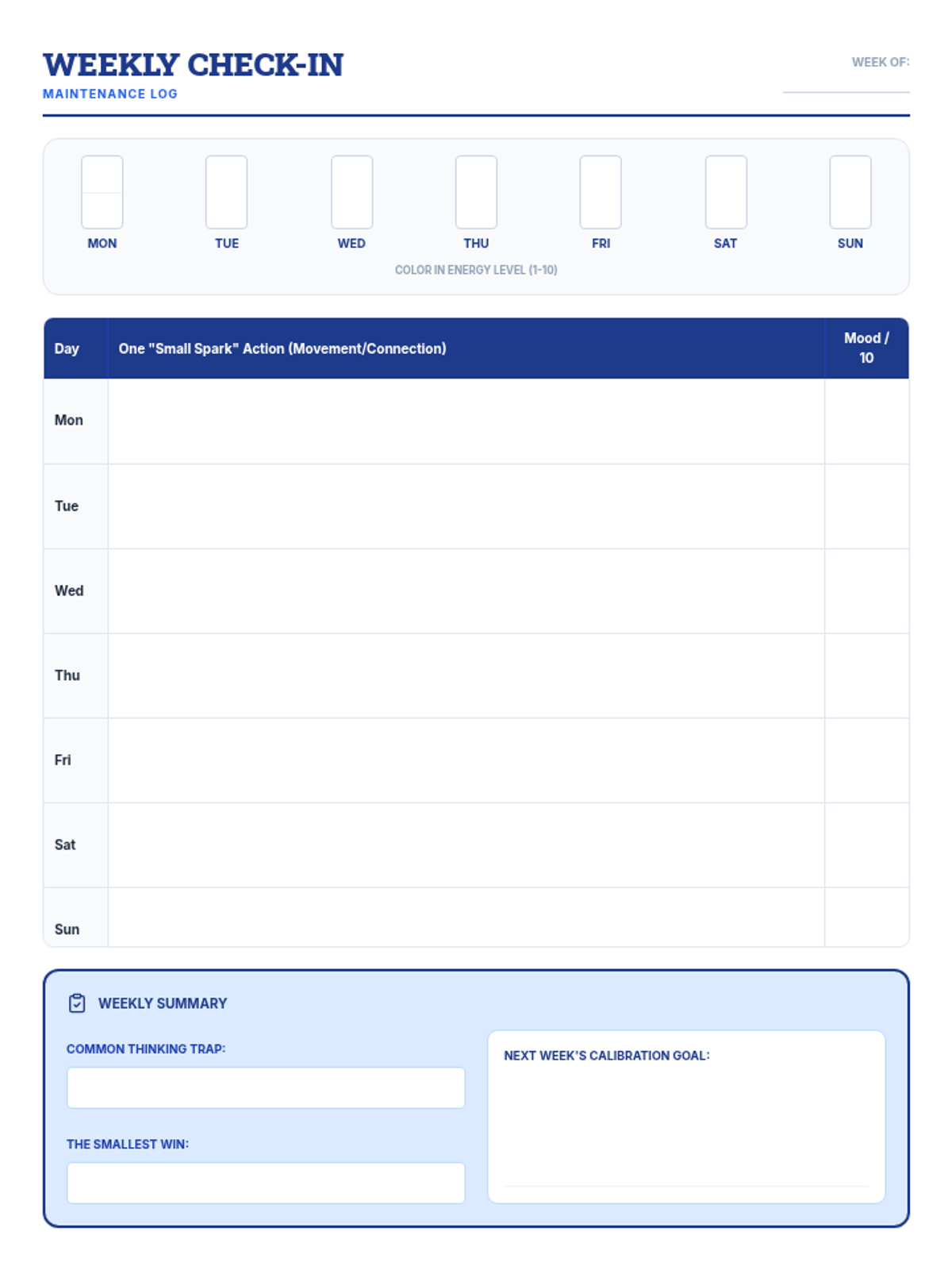
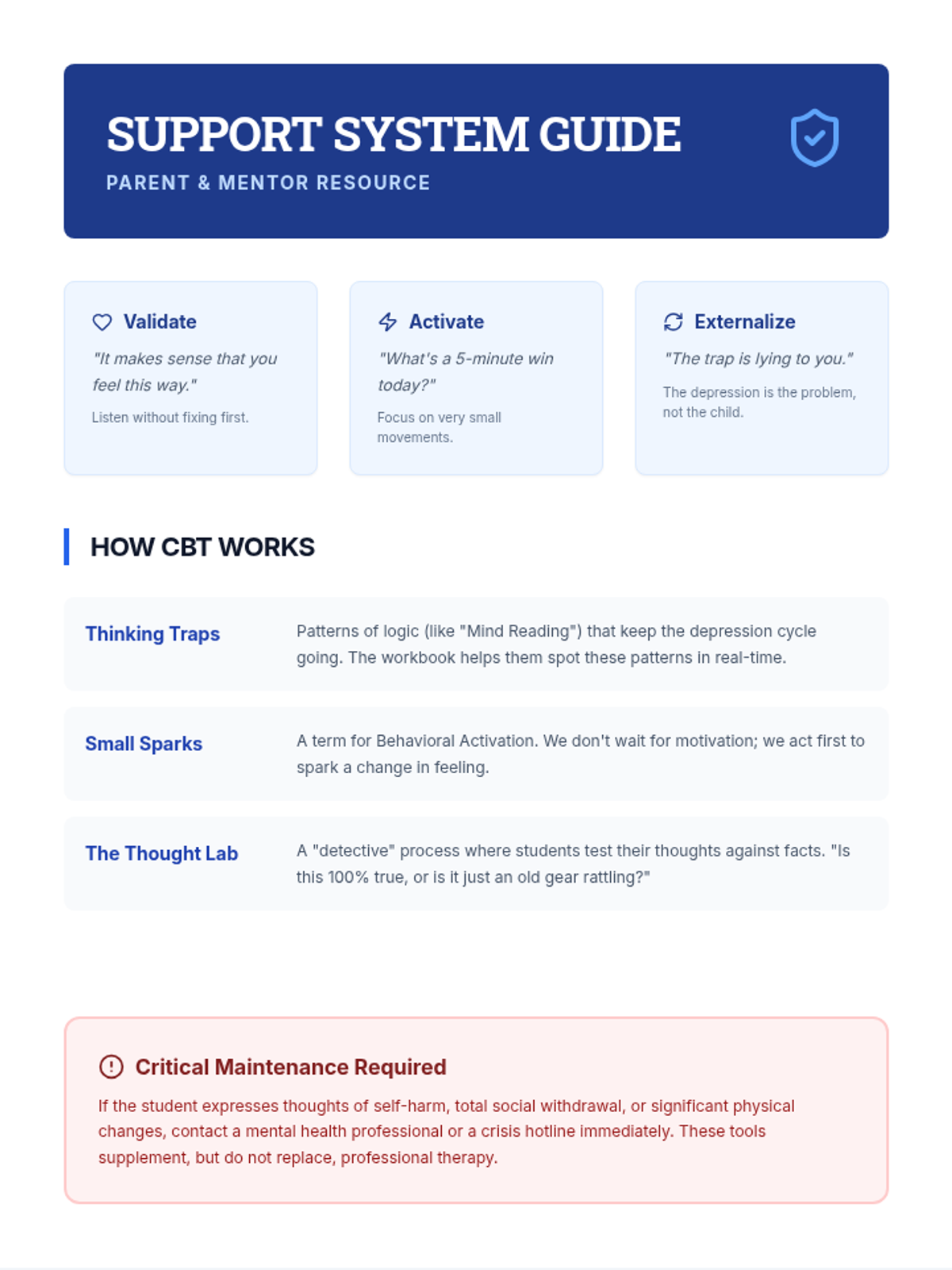
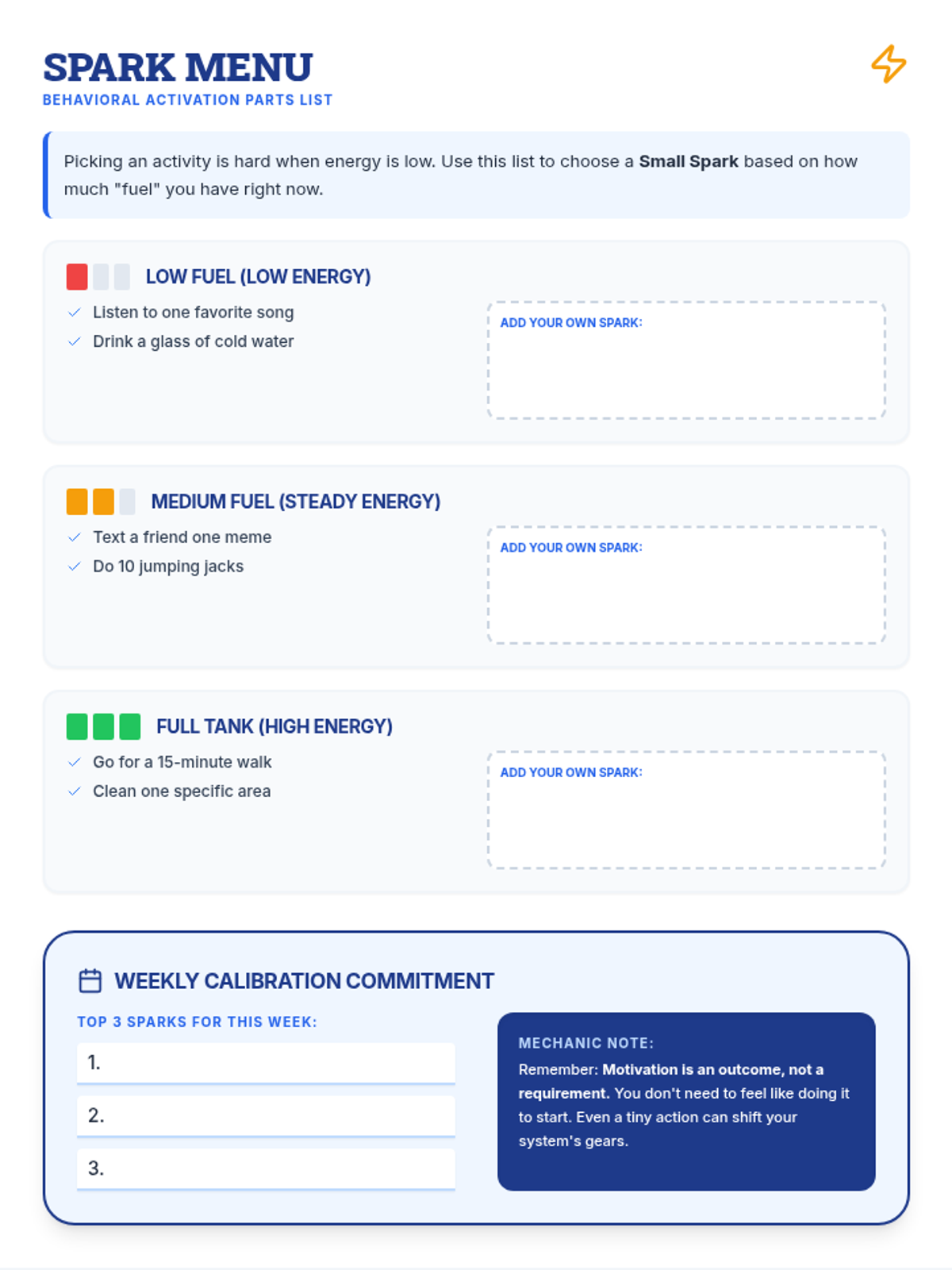
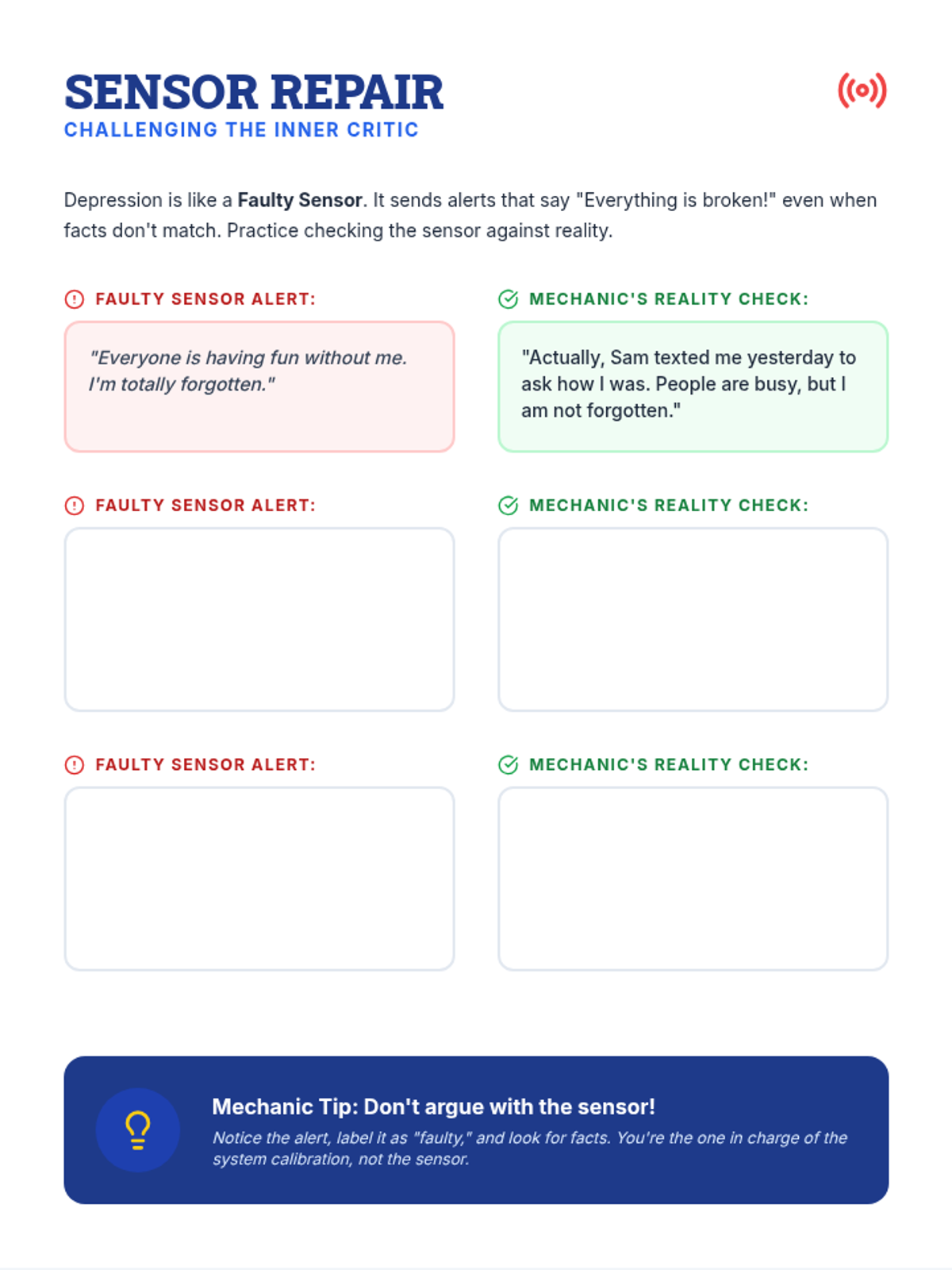
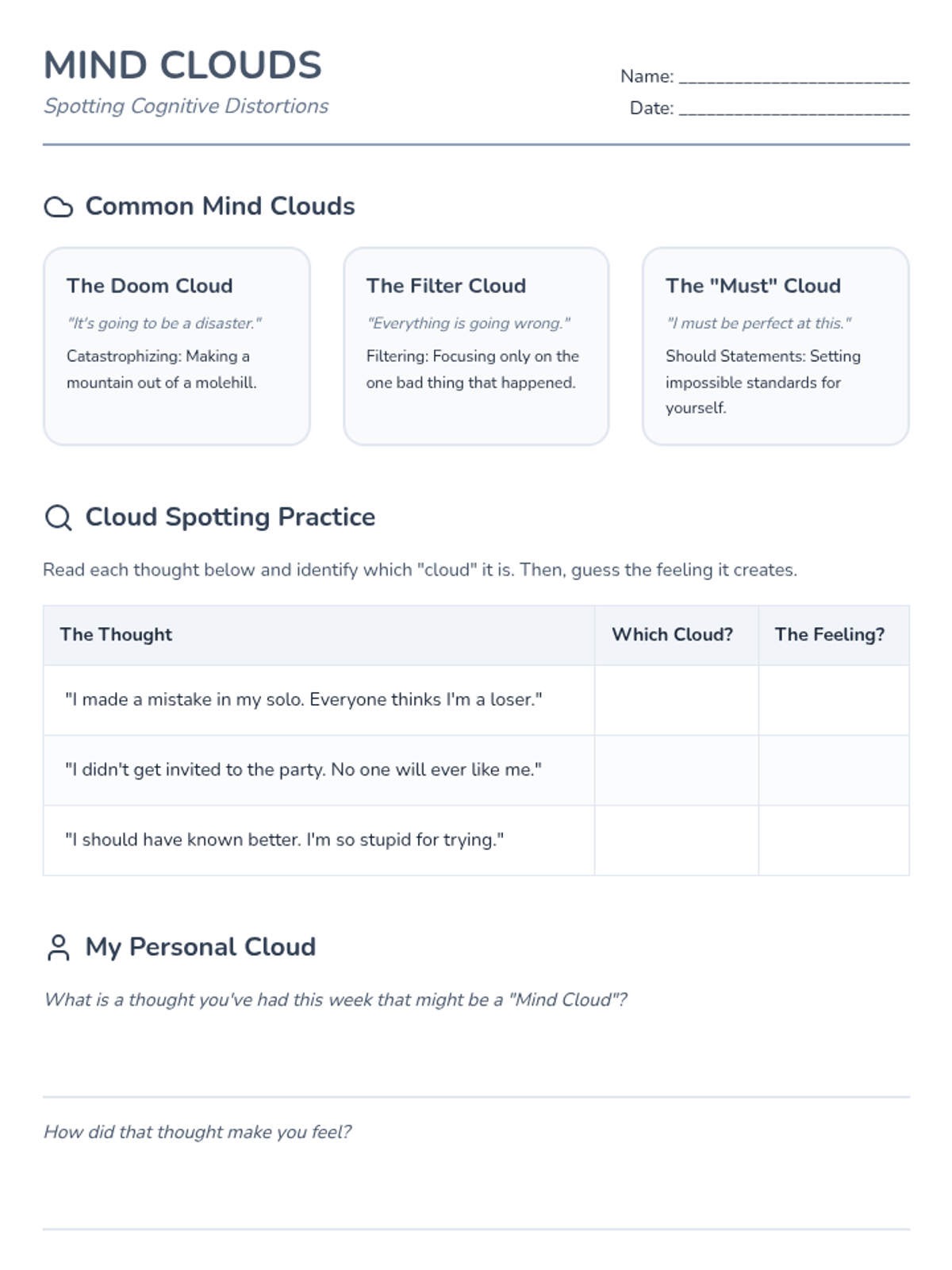
A CBT-based toolkit designed for middle school students to understand the connection between thoughts, feelings, and actions. It provides practical strategies for identifying negative thinking patterns and implementing small behavioral changes to improve mood.
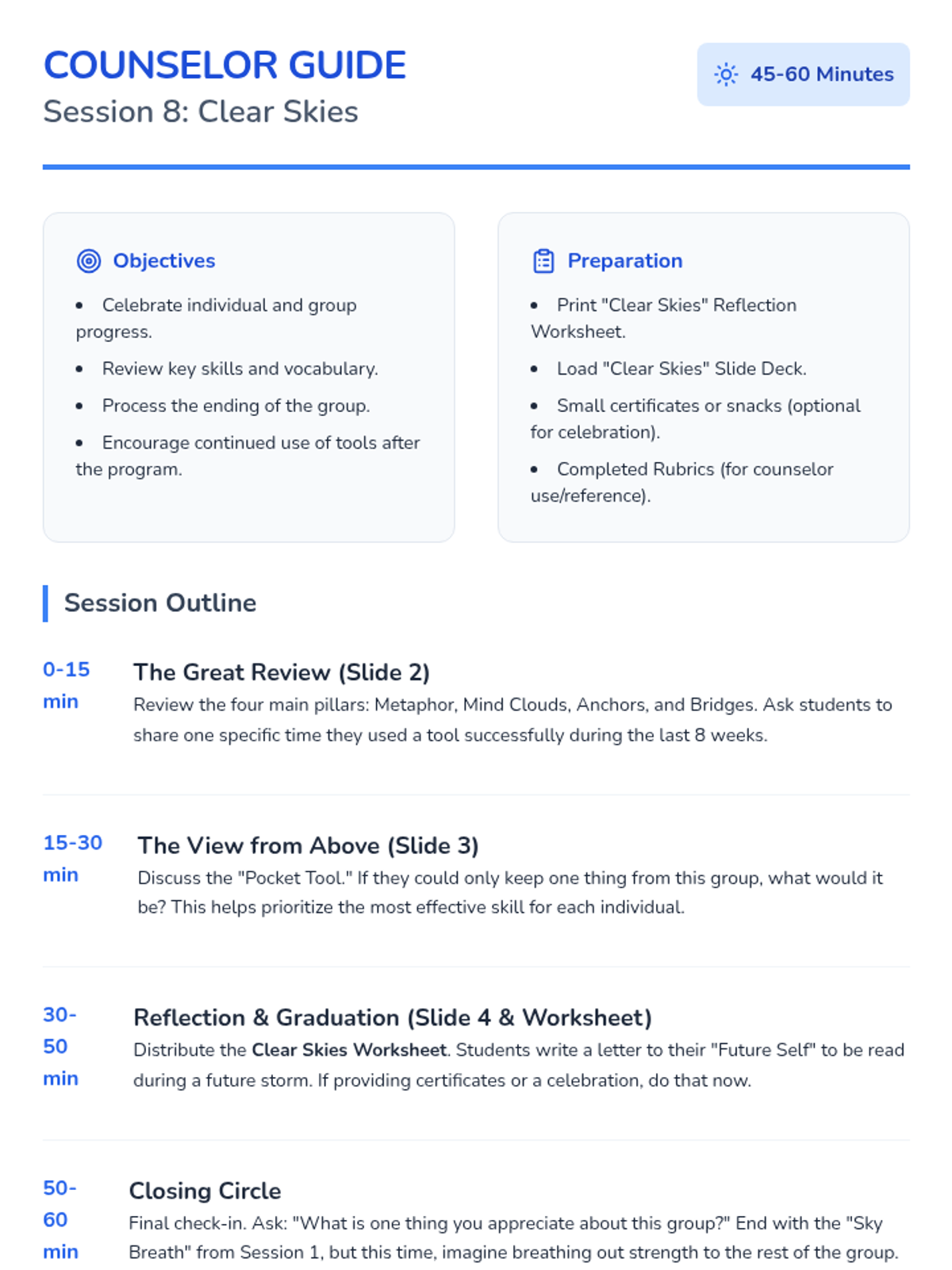
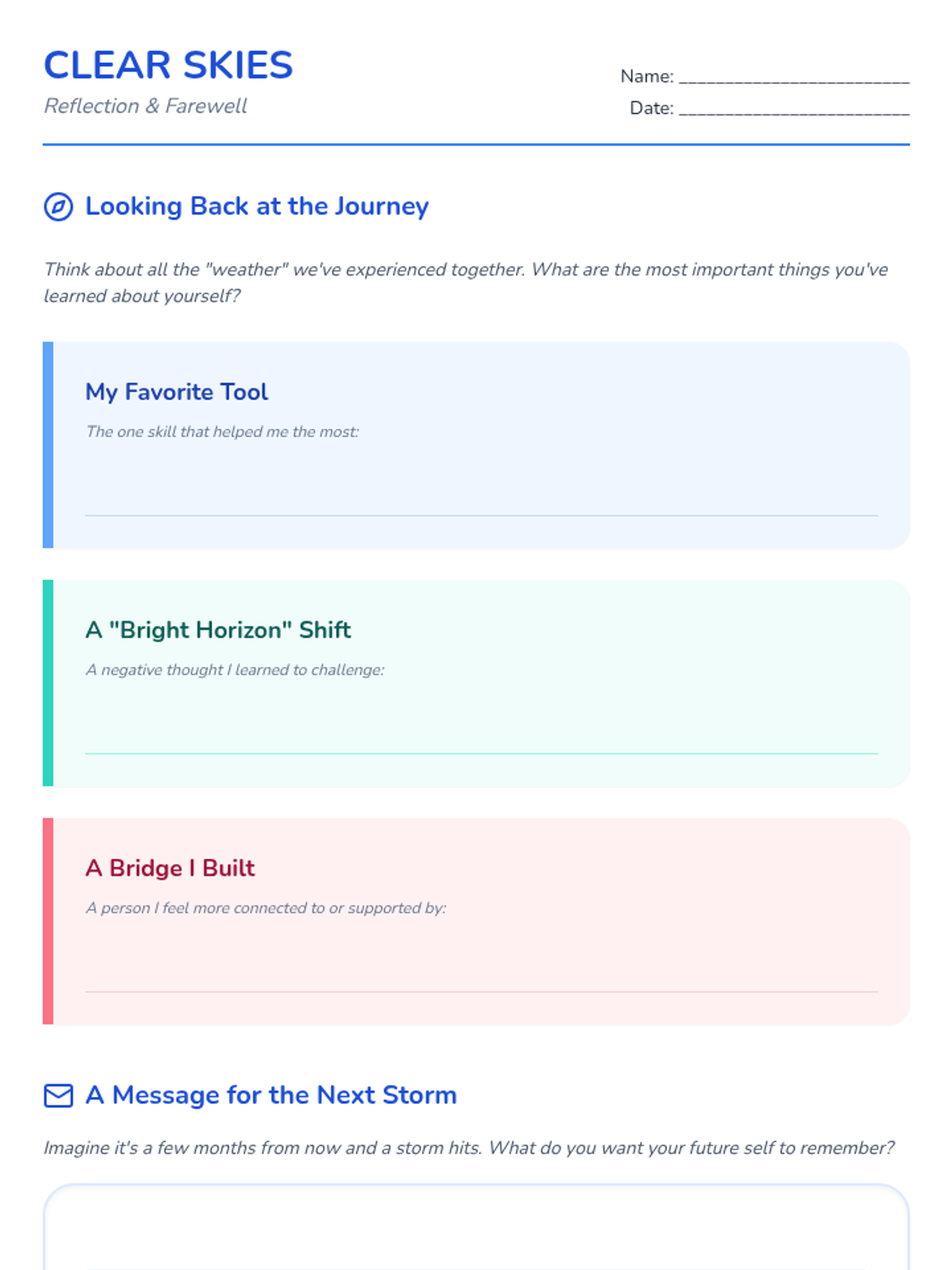
Concluding the group, celebrating progress, and preparing for life after the sessions.
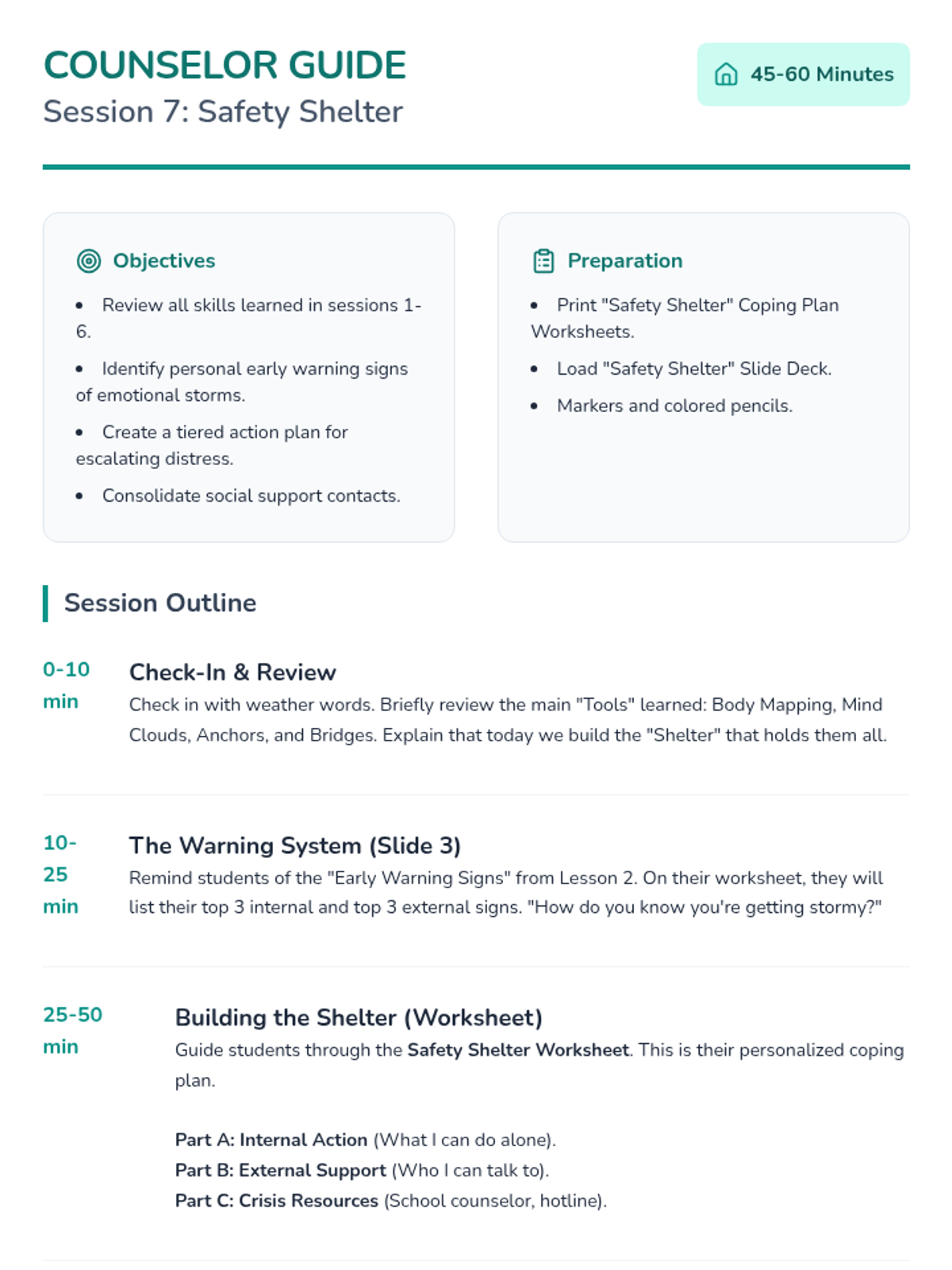
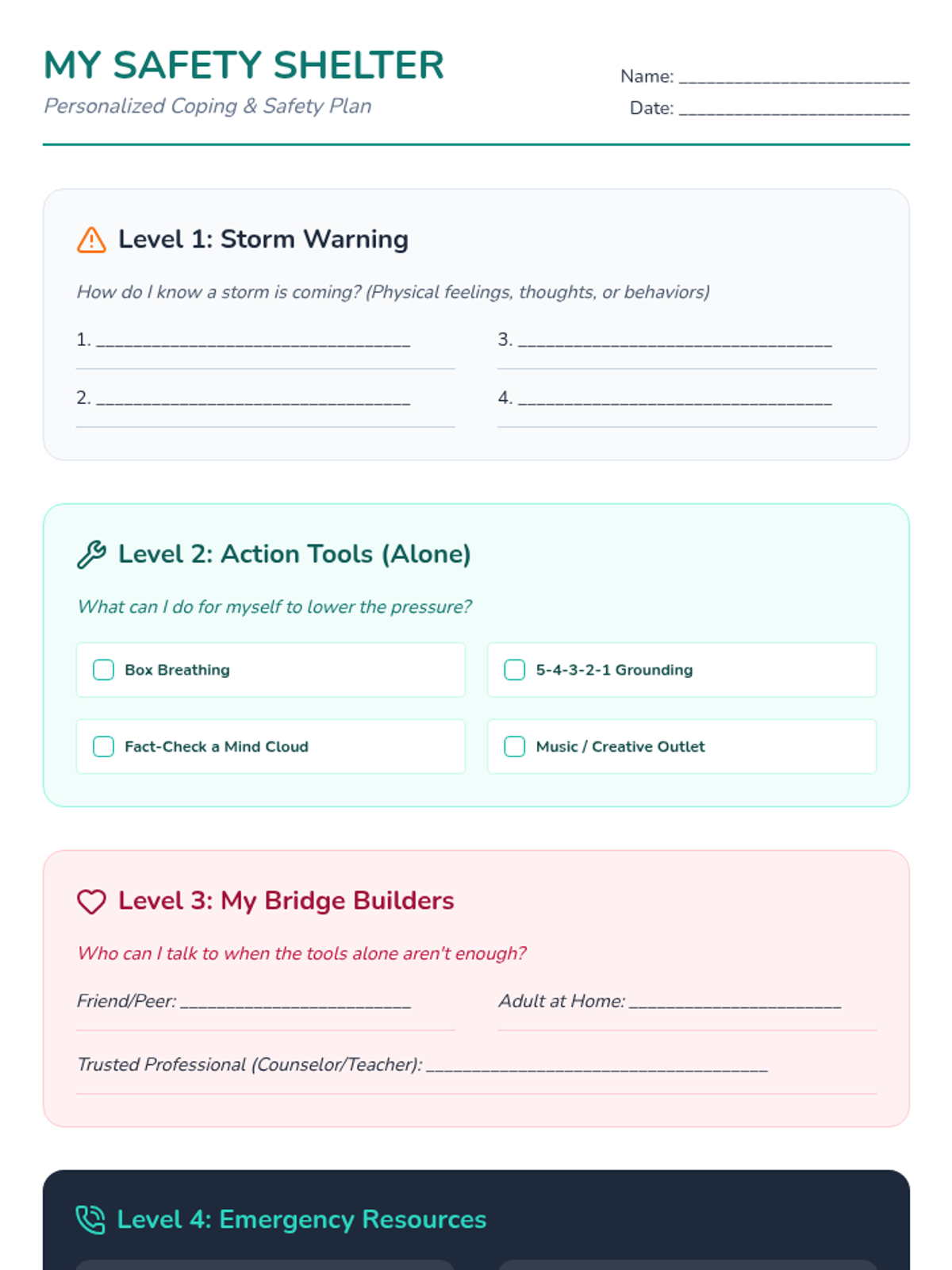
Creating a personalized coping plan and "safety shelter" for managing future emotional challenges.
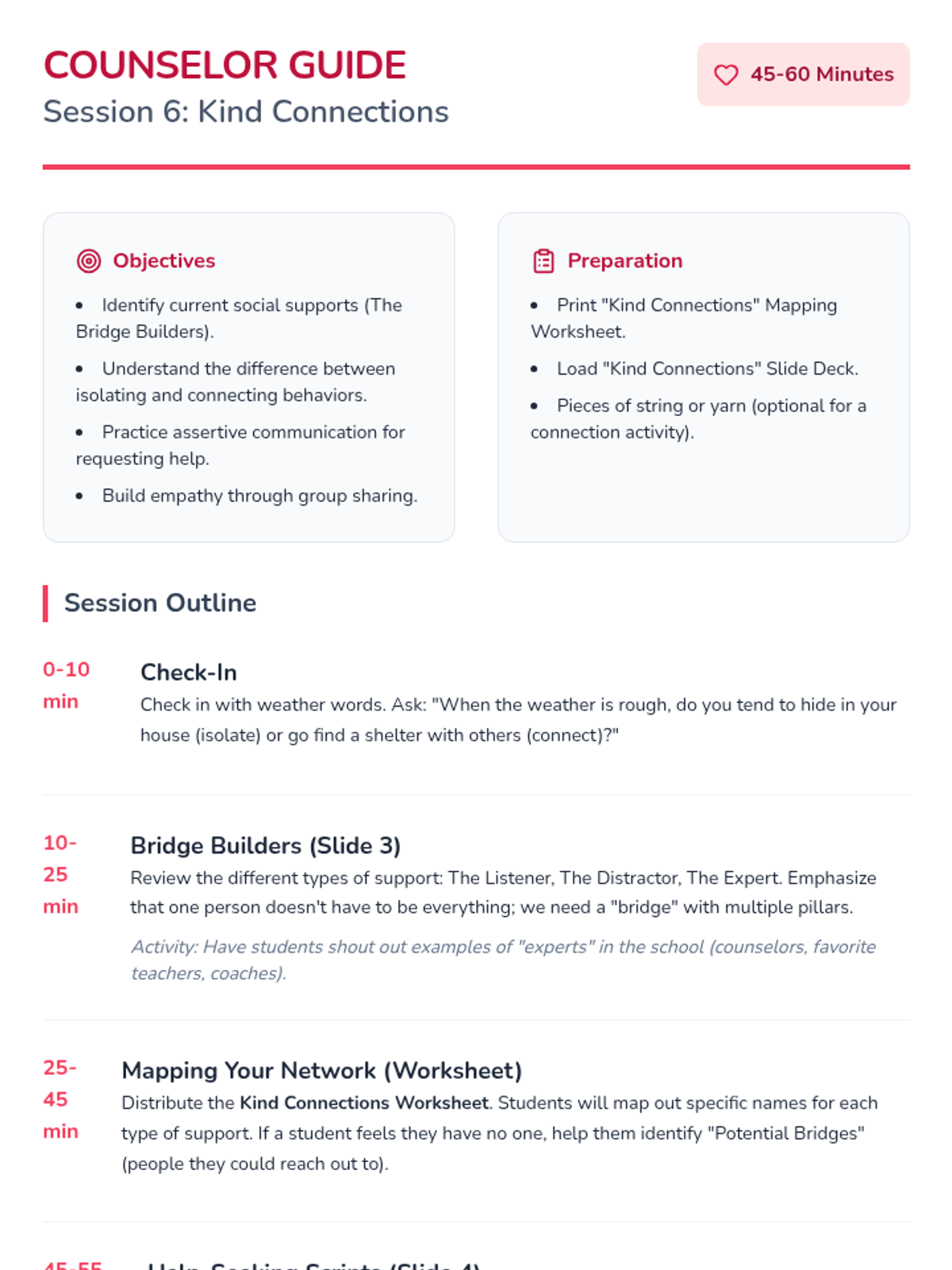
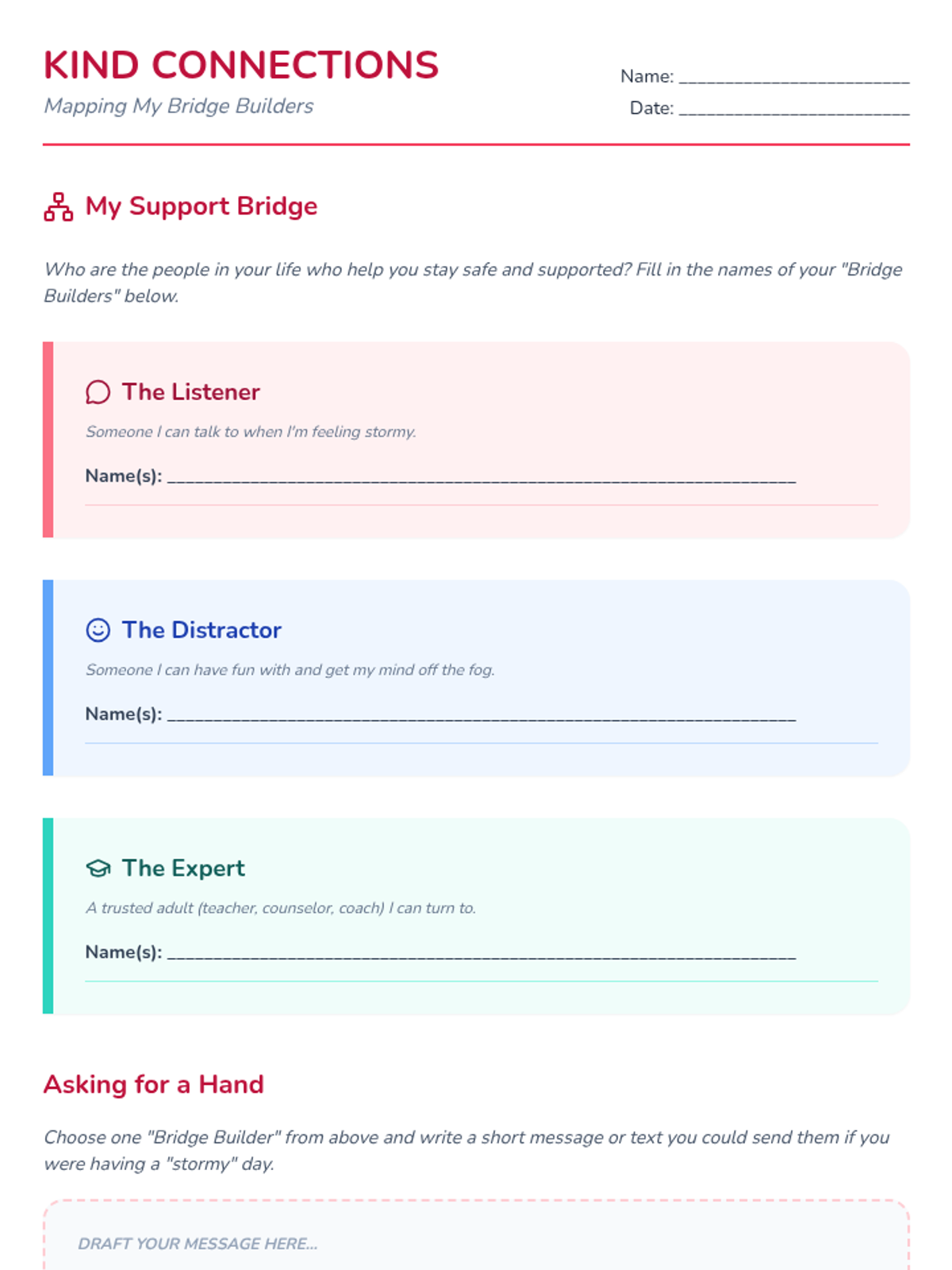
Developing interpersonal skills and identifying social supports to build a reliable safety net.
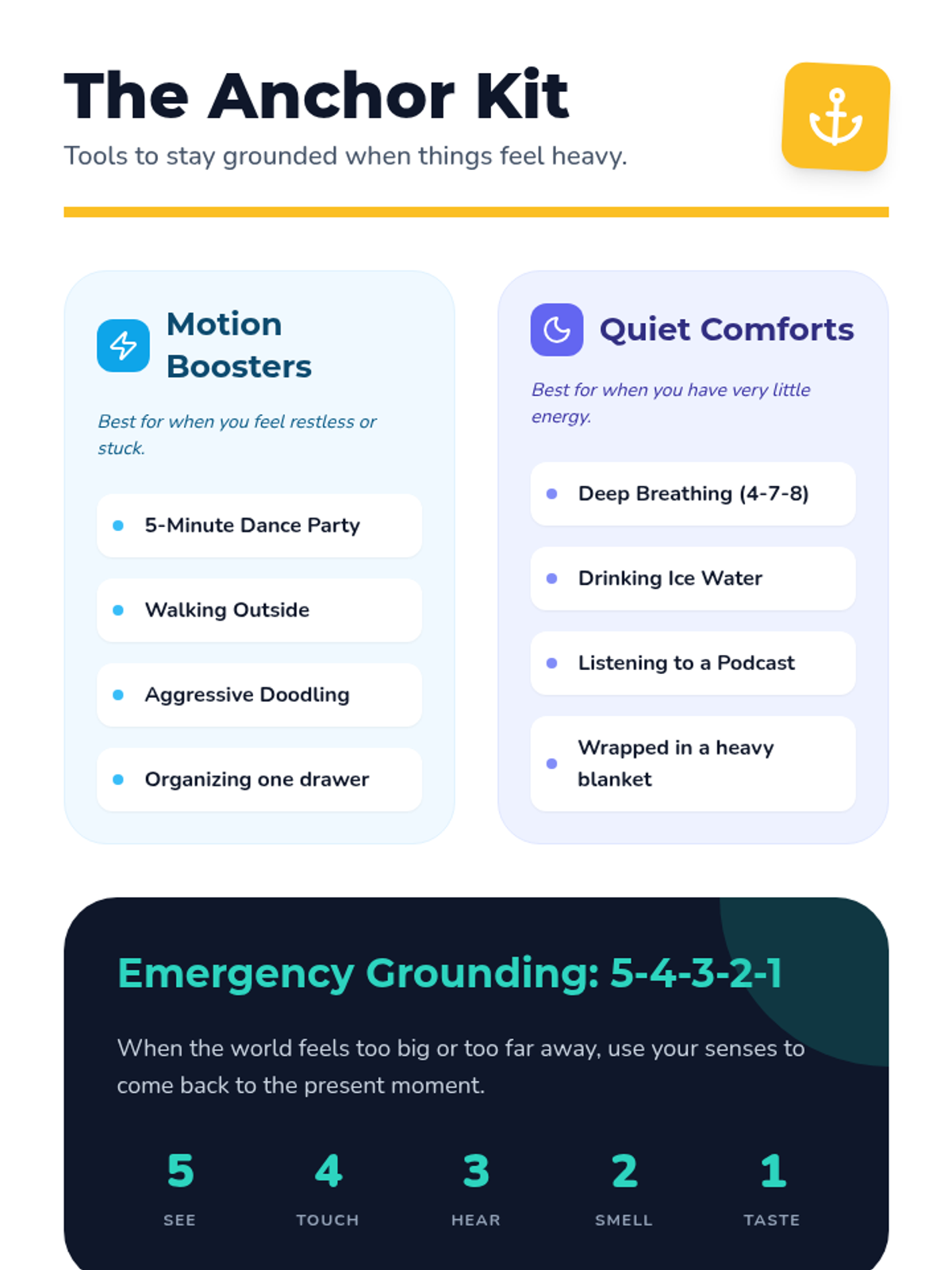
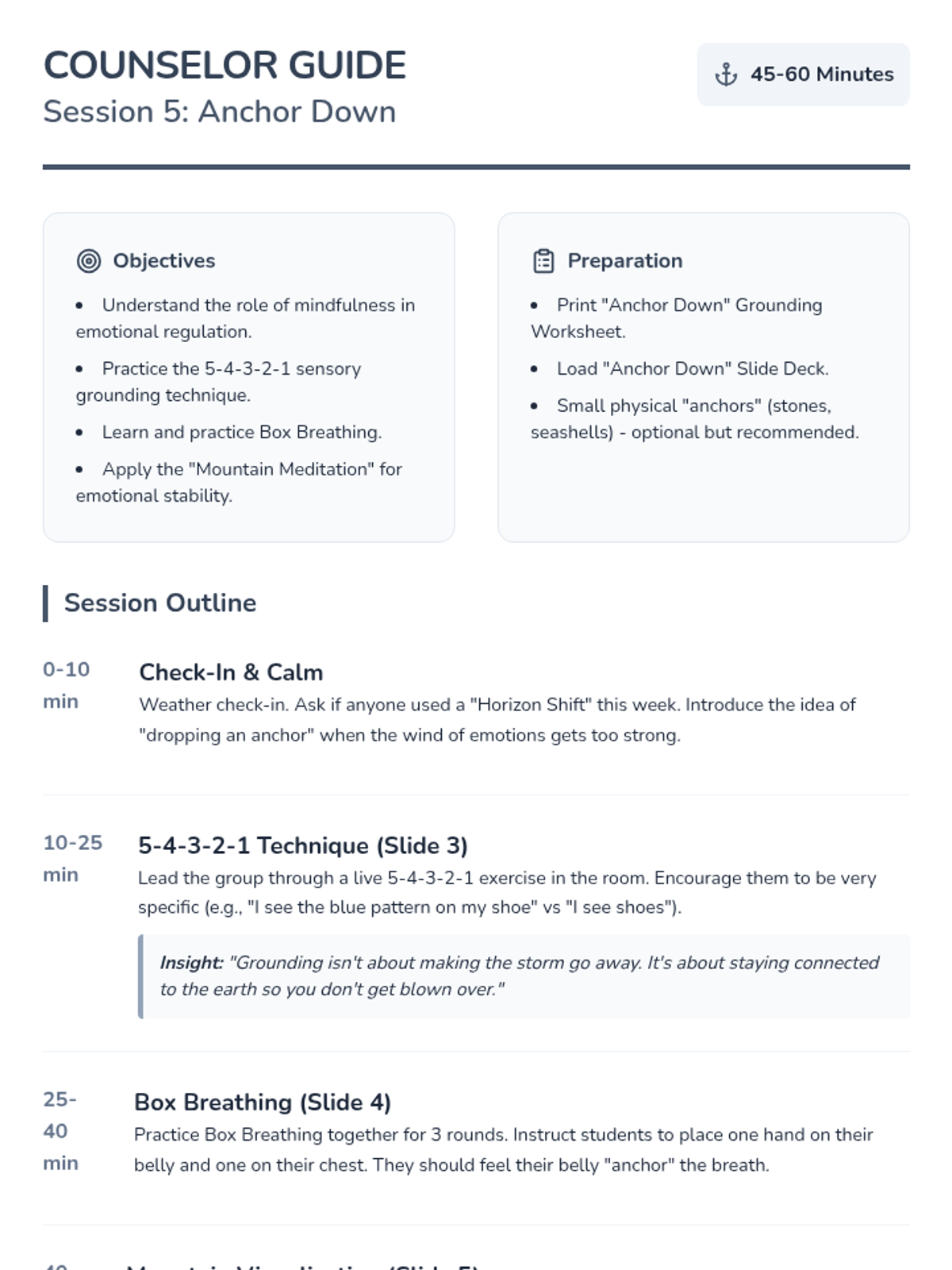
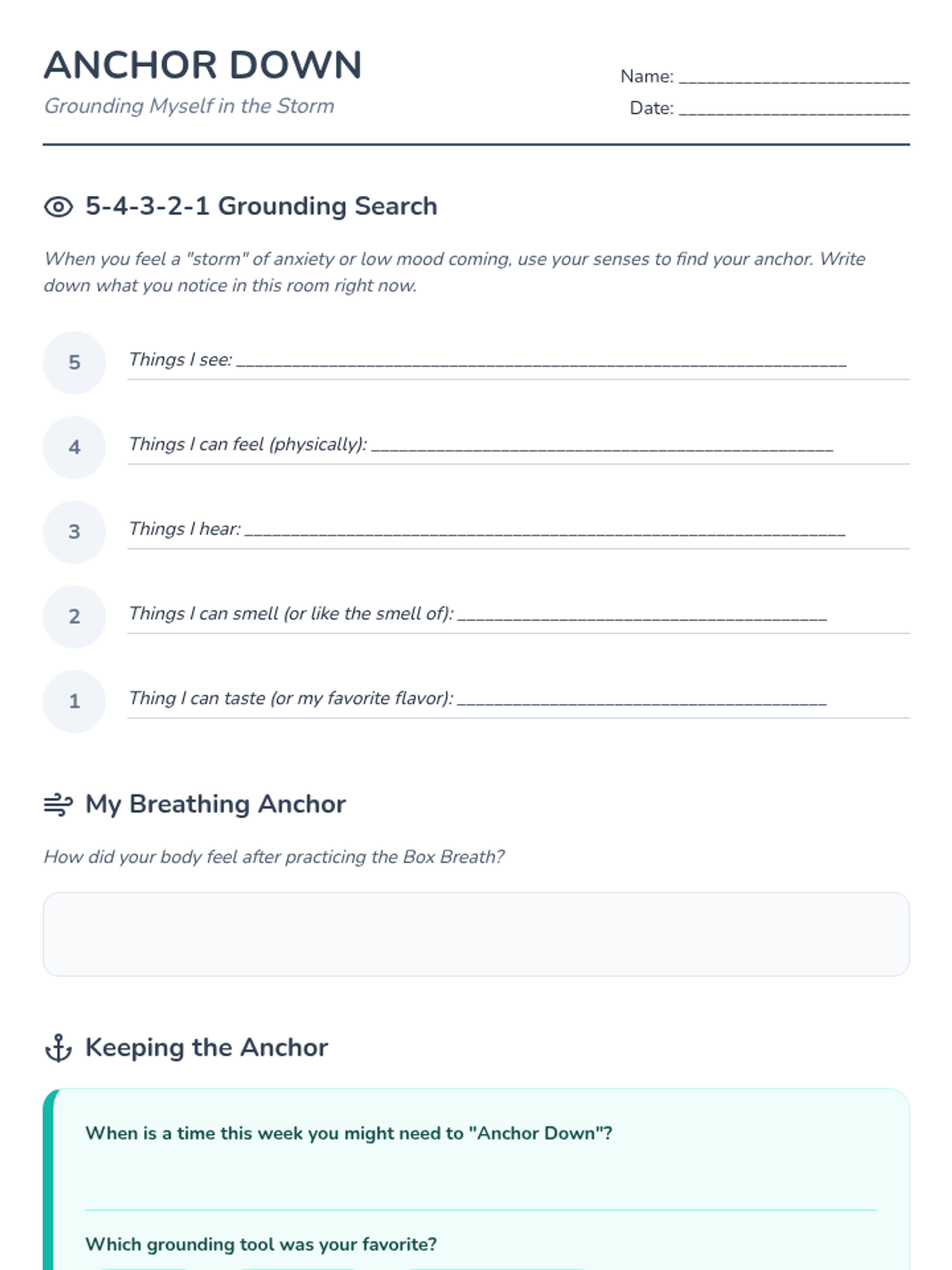
Focusing on mindfulness and grounding techniques to stay present and calm during periods of high stress.
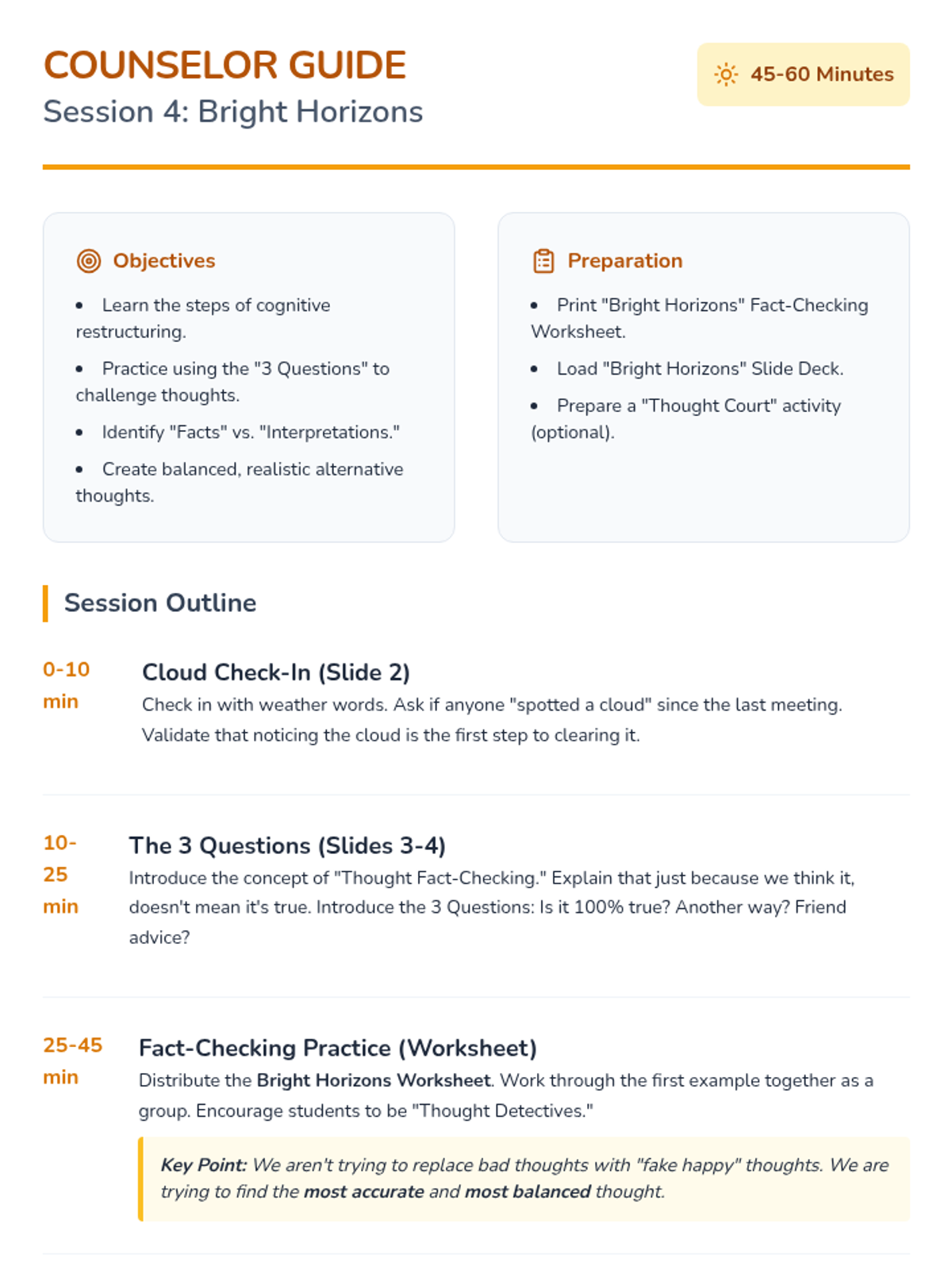
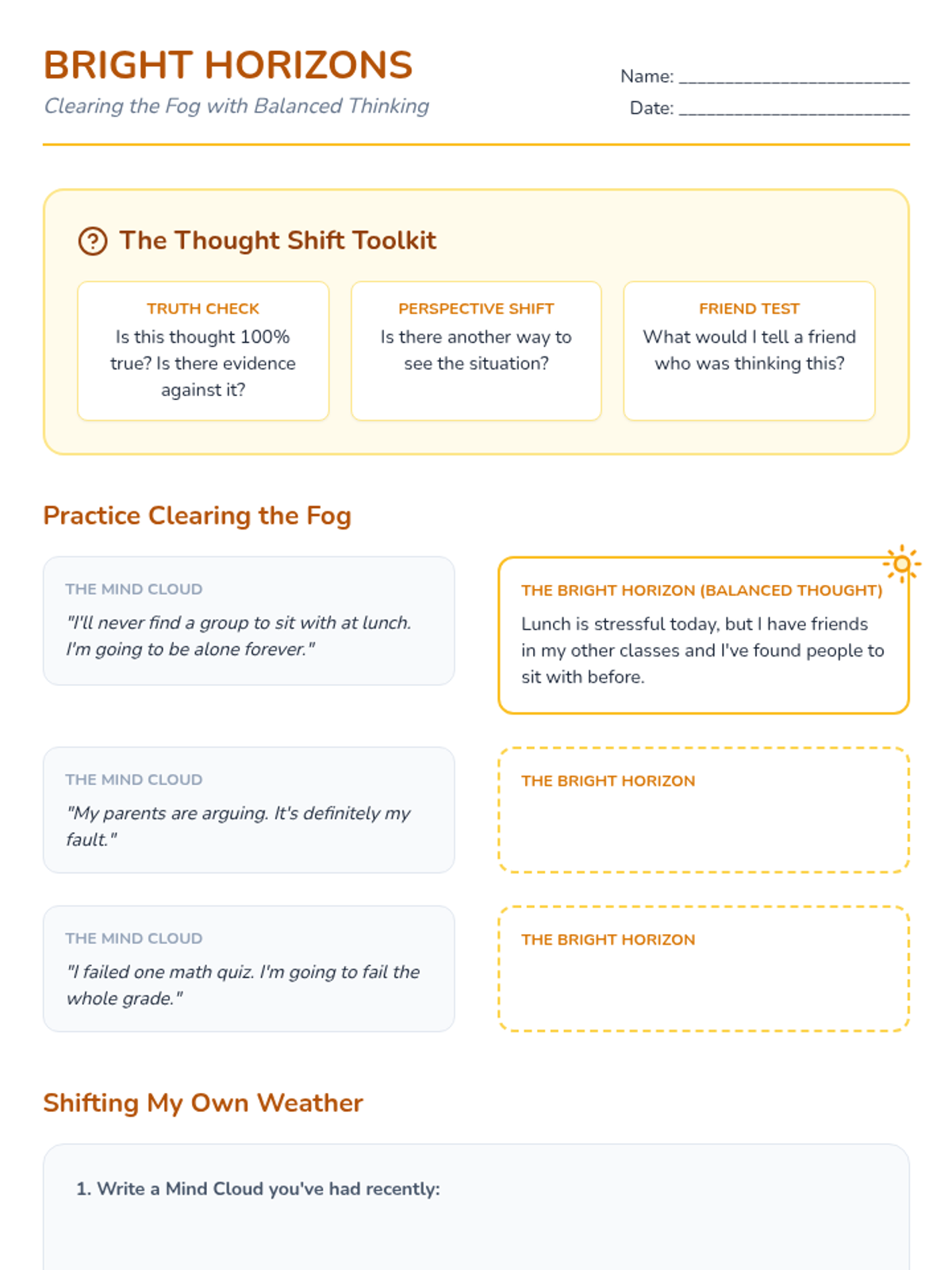
Teaching cognitive restructuring techniques to challenge distorted thoughts and find more balanced perspectives.
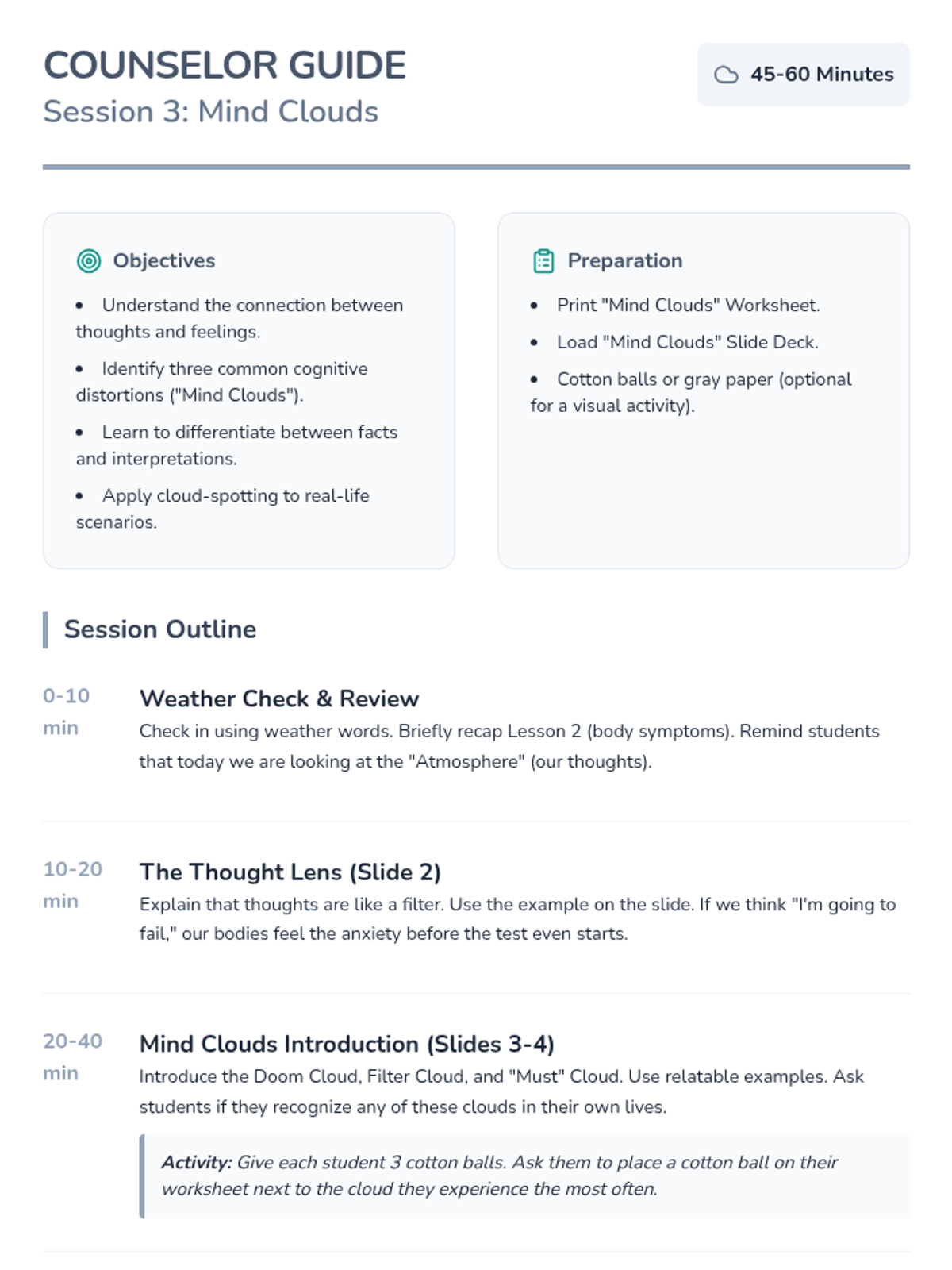
Introducing cognitive distortions and how negative thought patterns cloud our perception of reality.
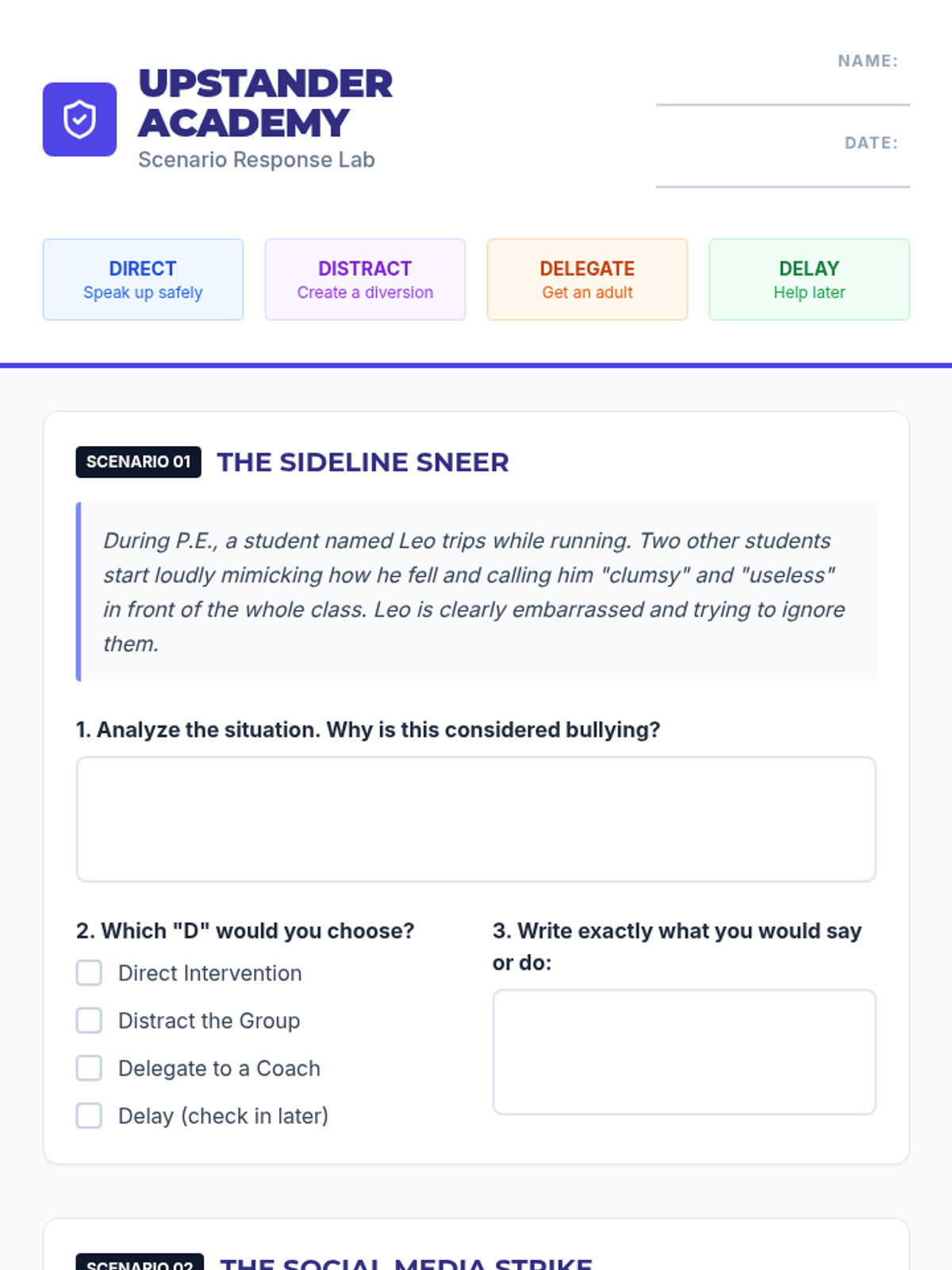
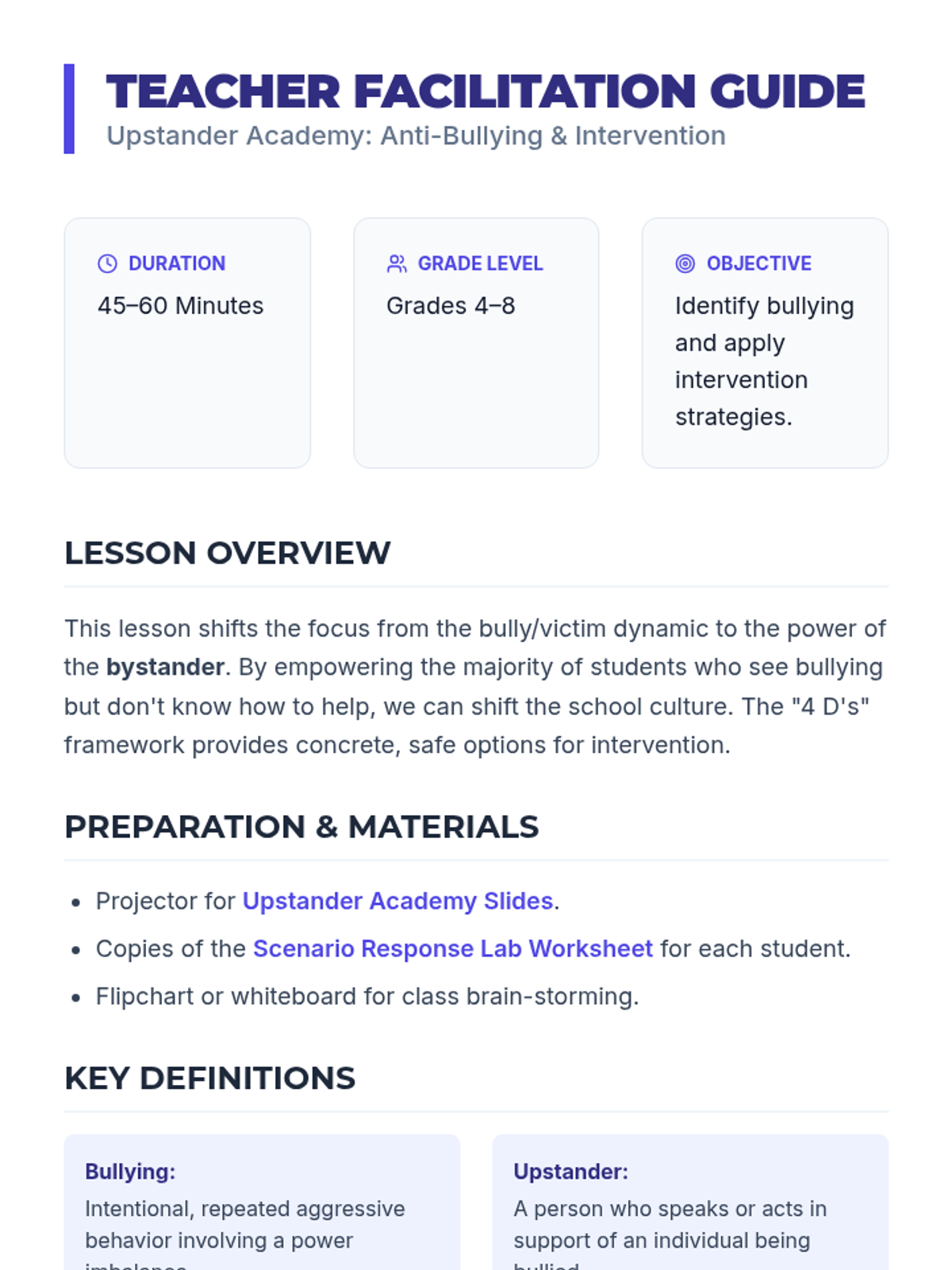
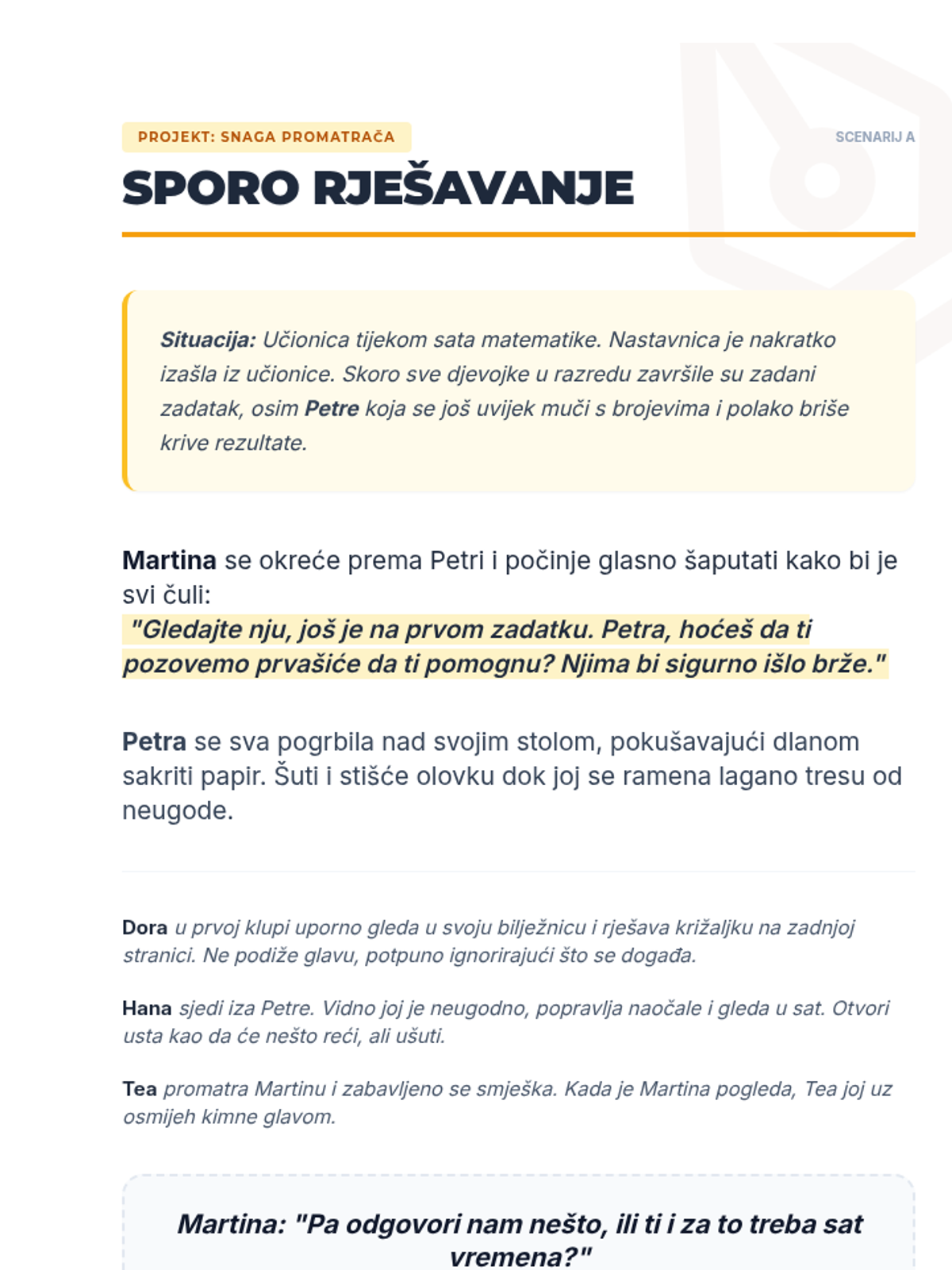
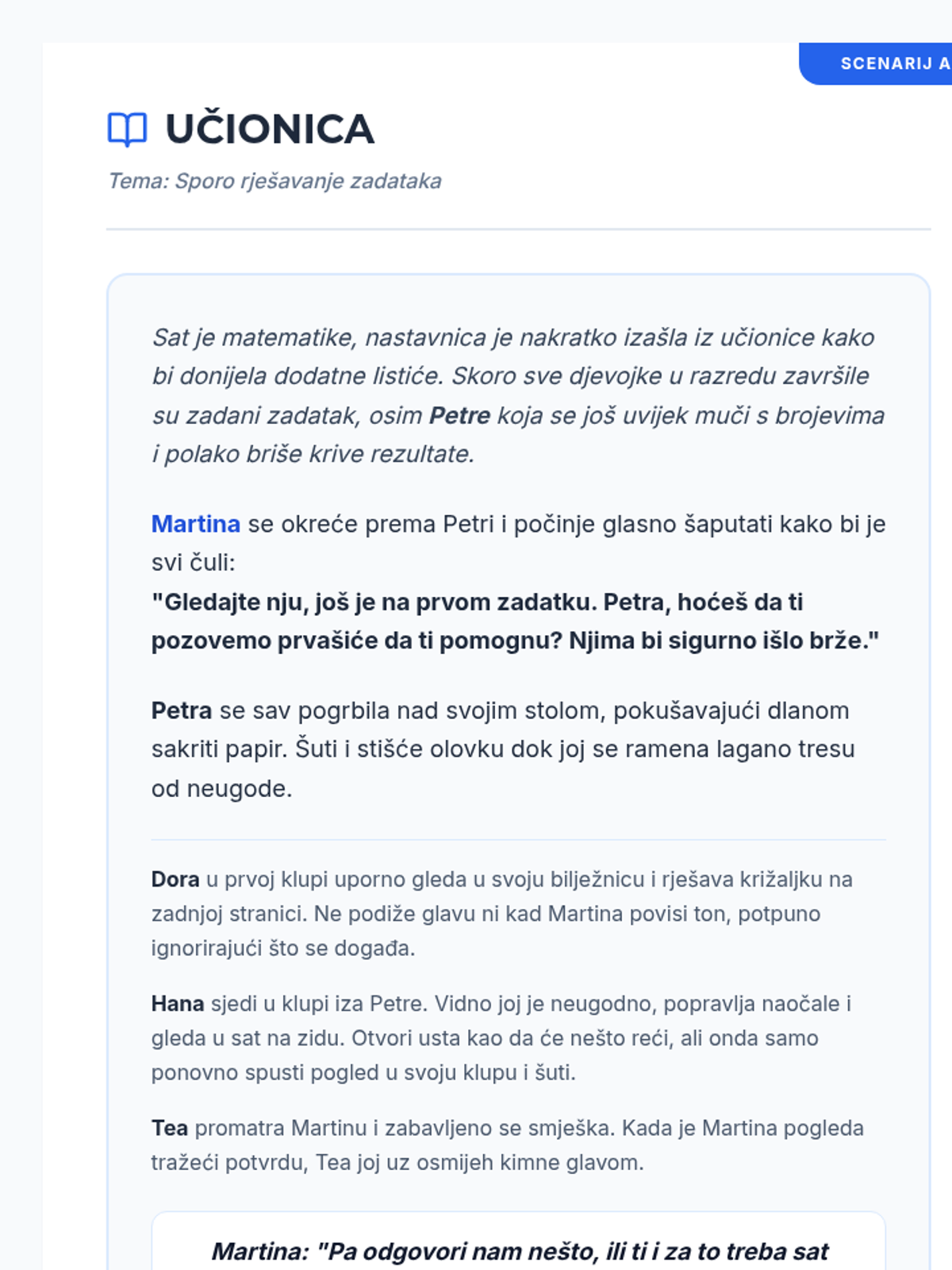
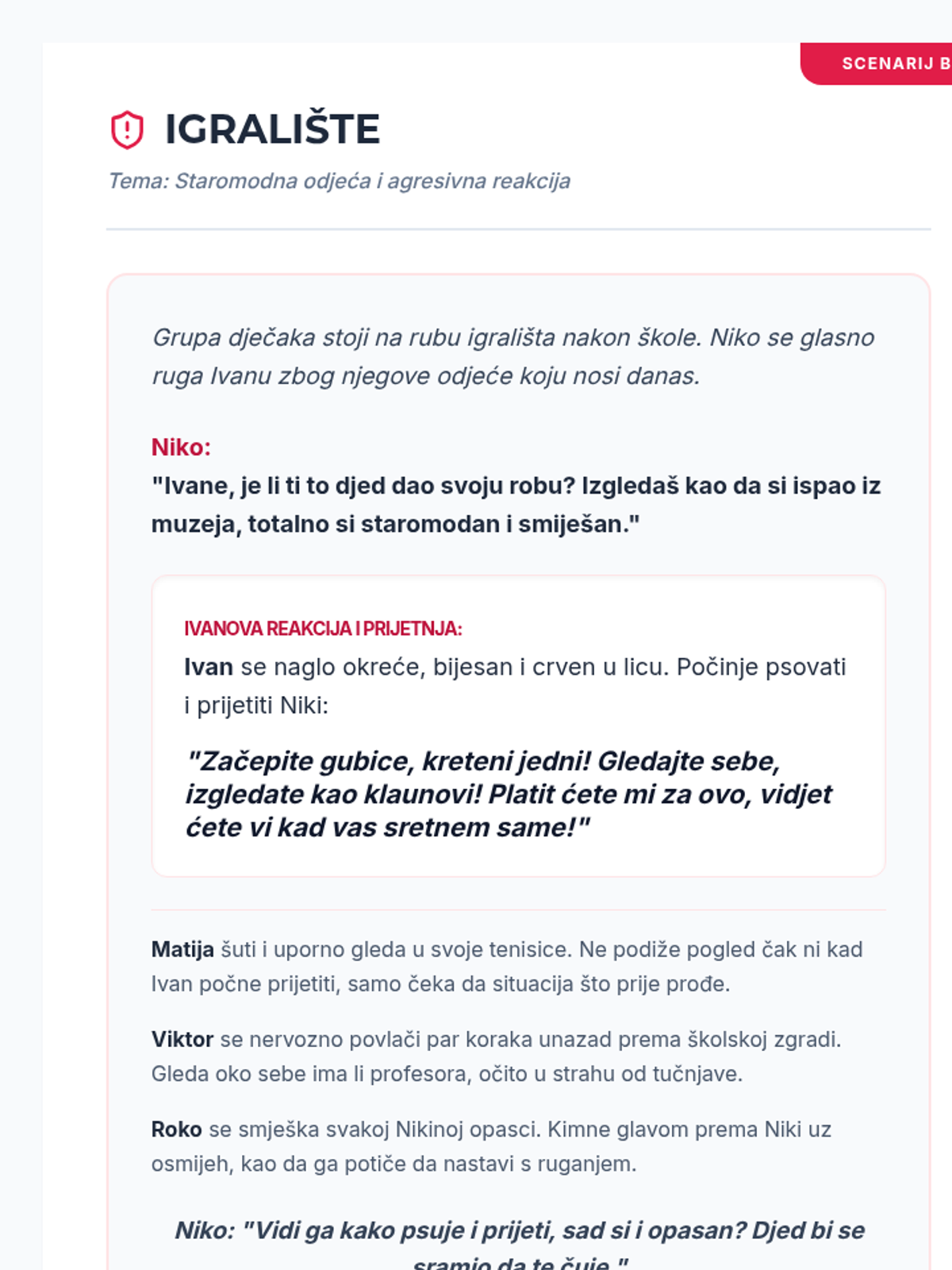
An empowering lesson designed for students in grades 4-8, focusing on identifying bullying behaviors, understanding the power of the bystander, and learning practical, safe strategies to become an 'upstander'.
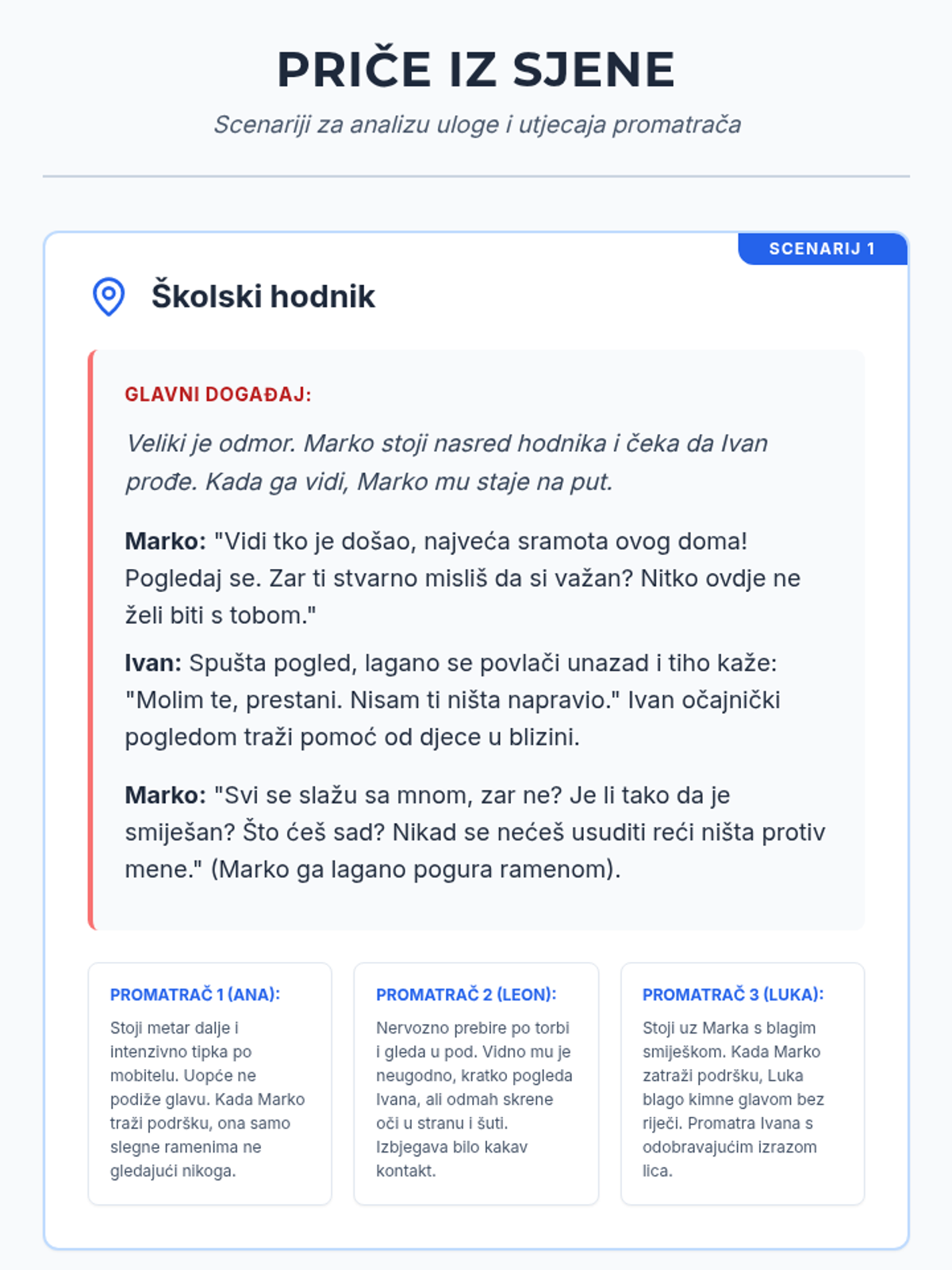
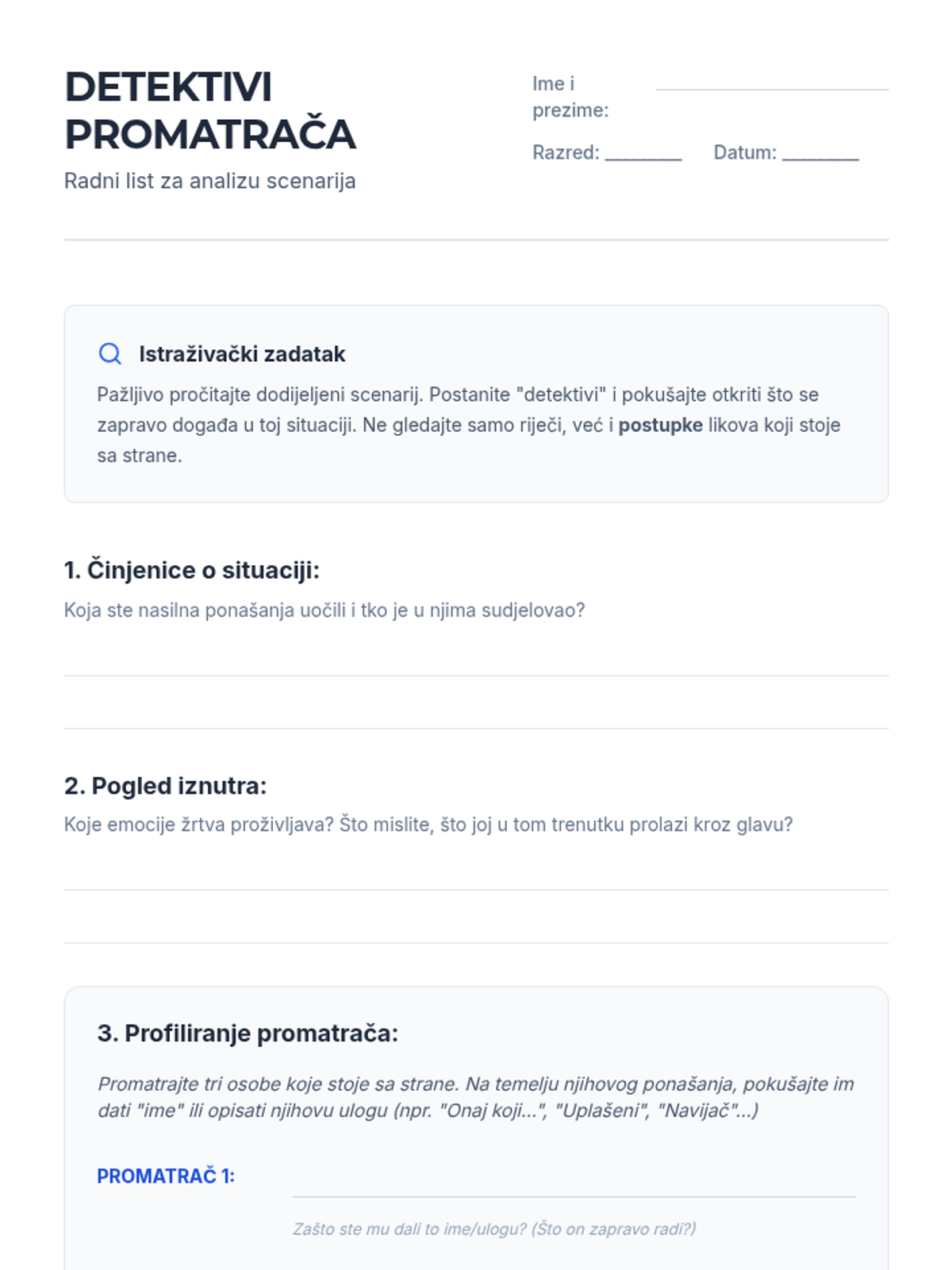
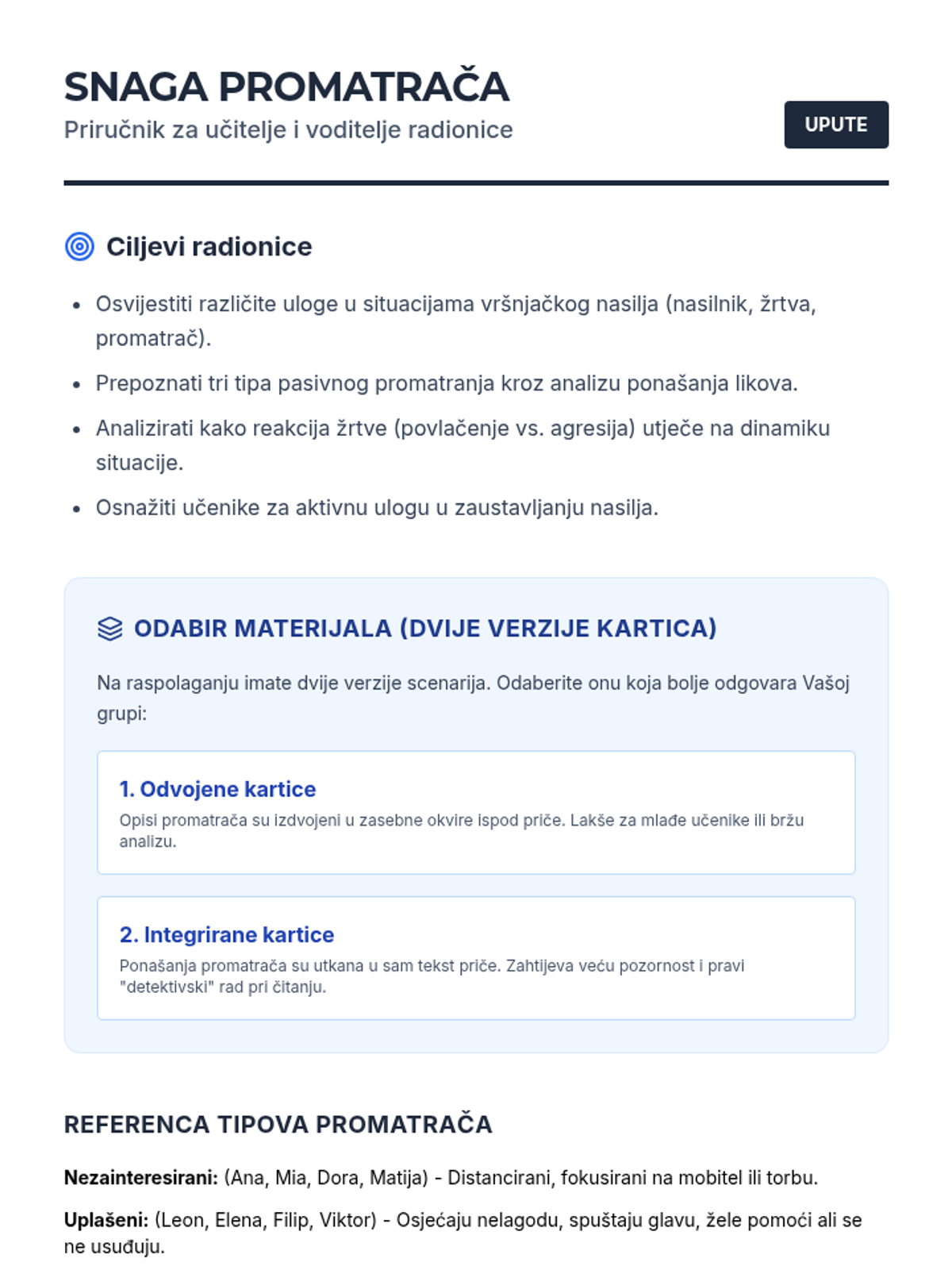
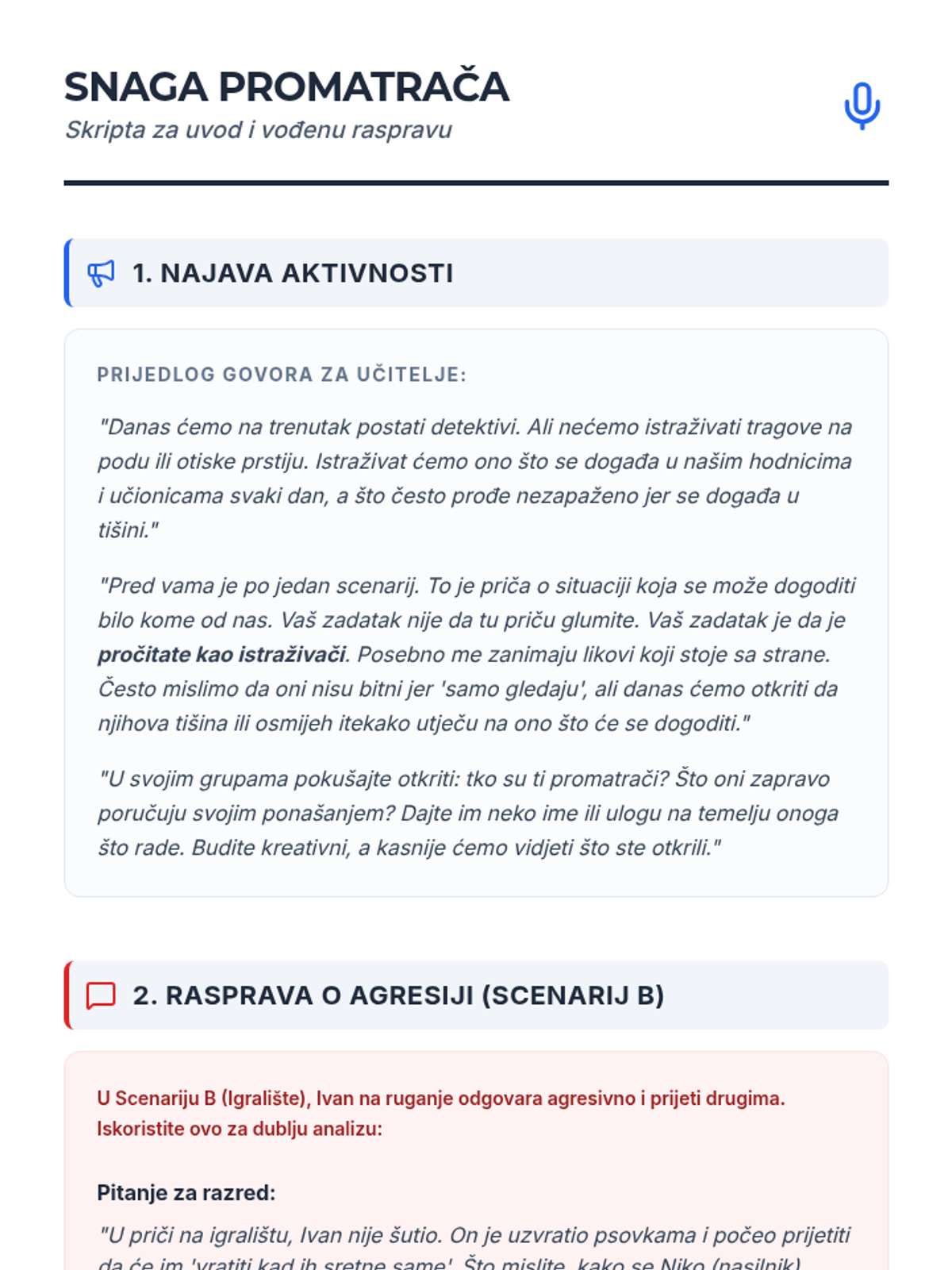
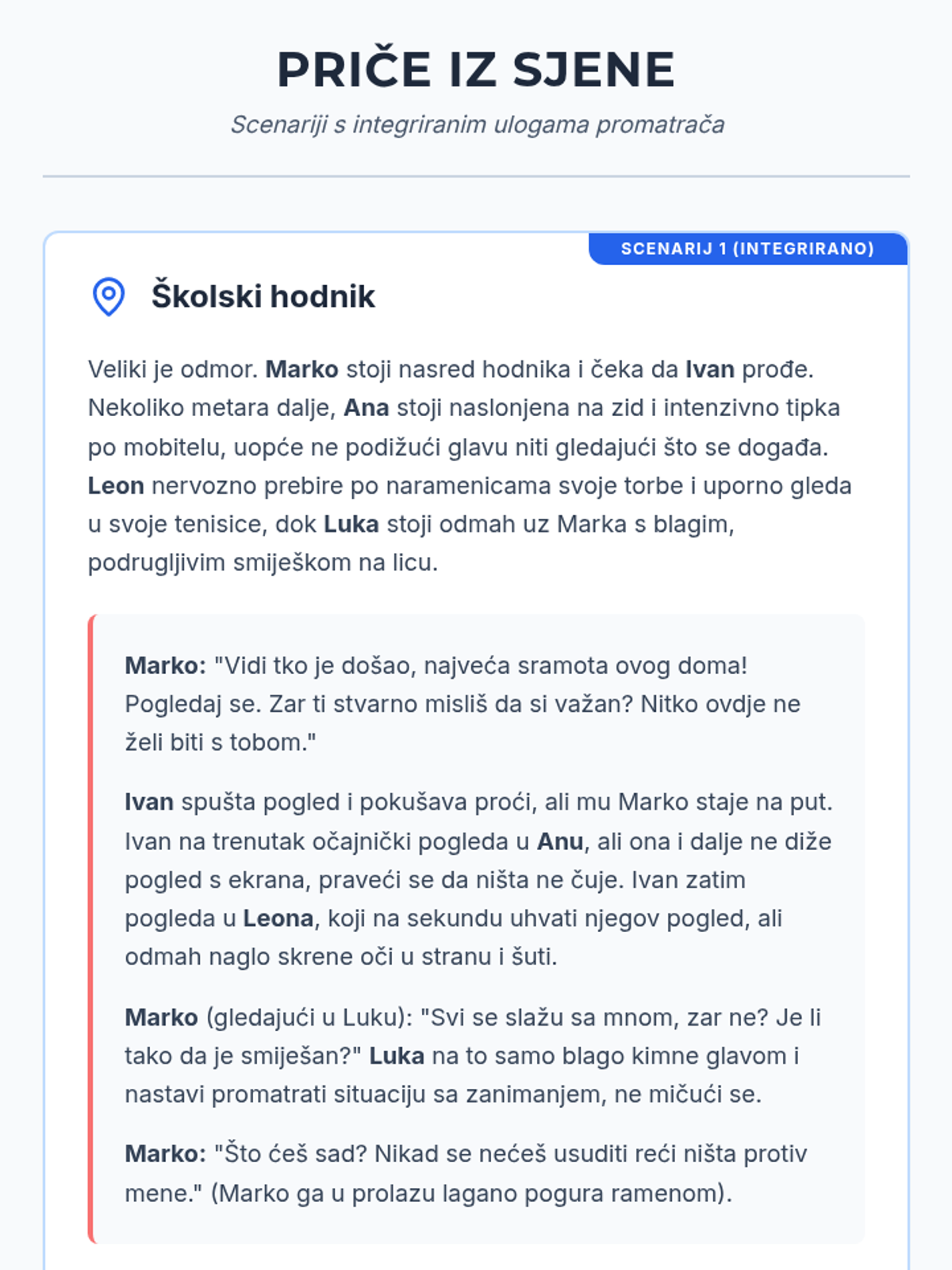
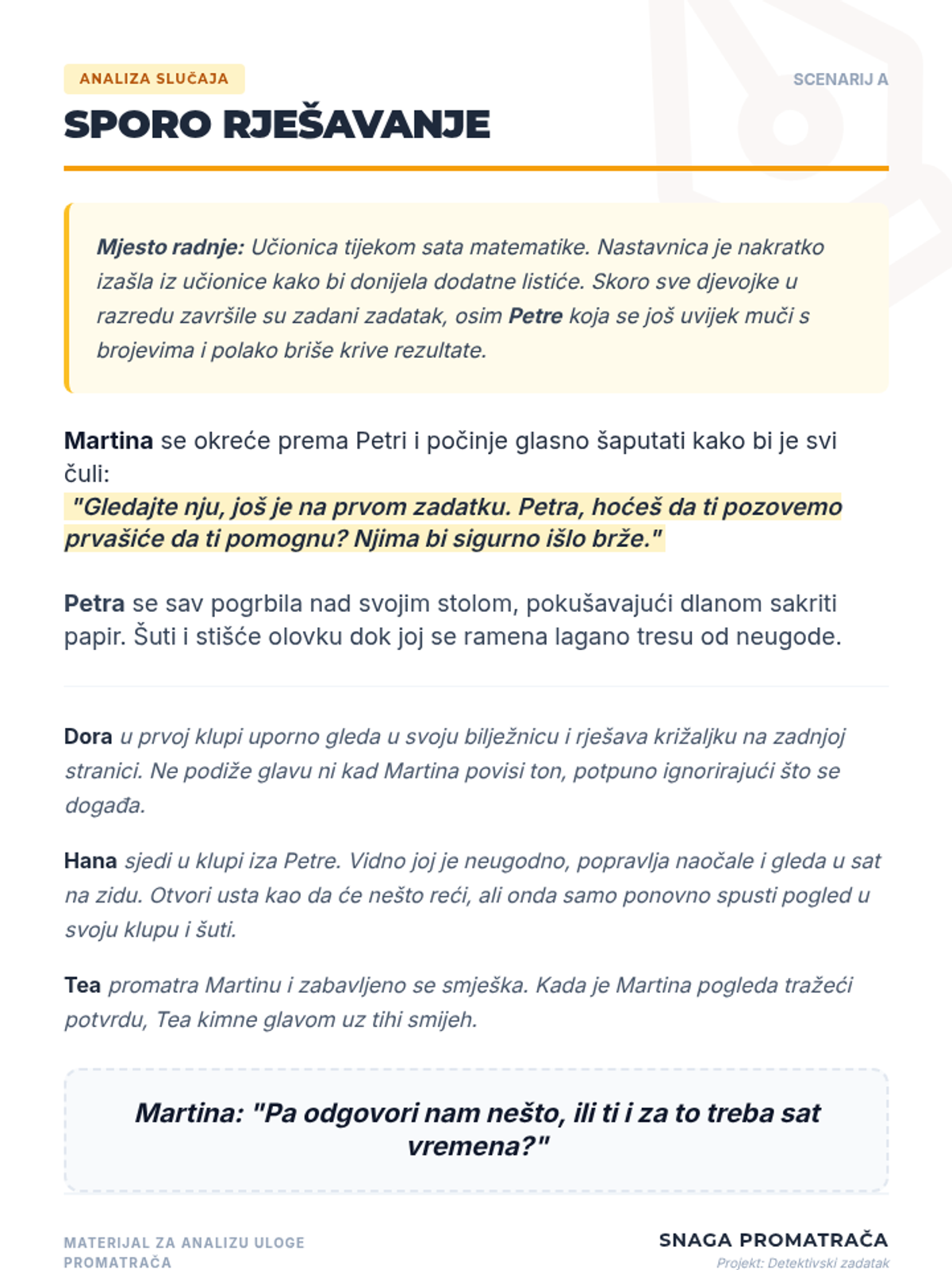
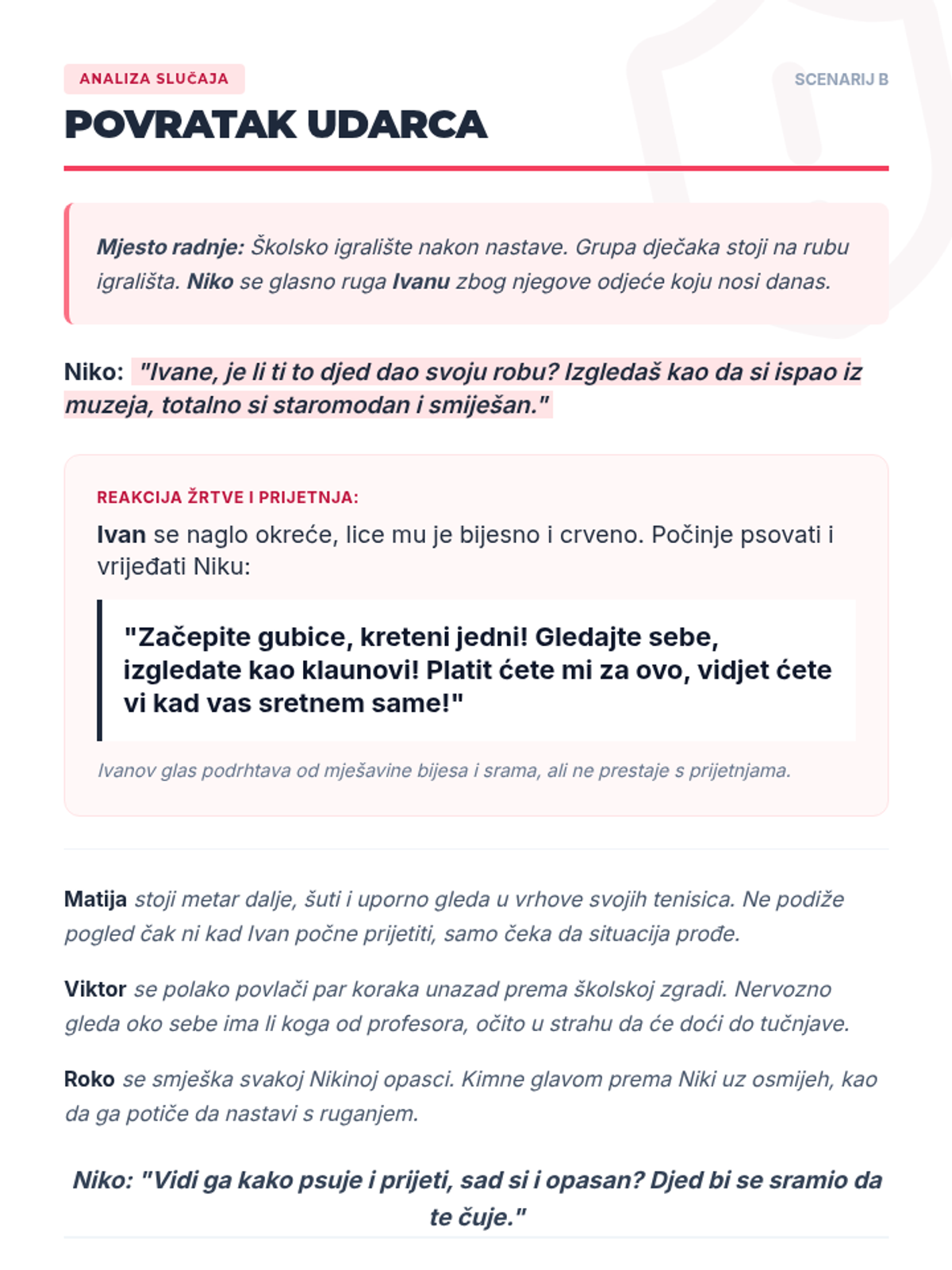
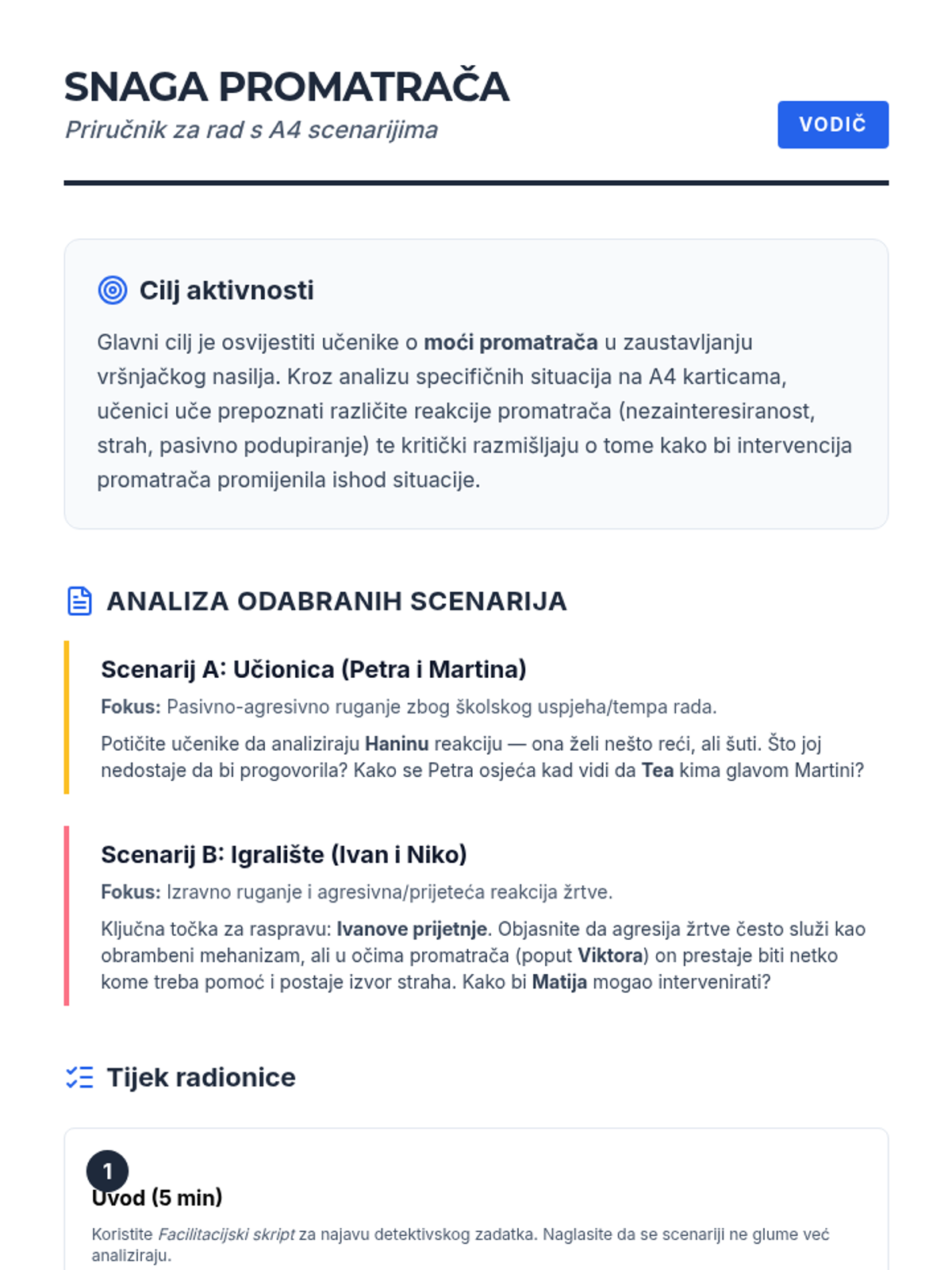
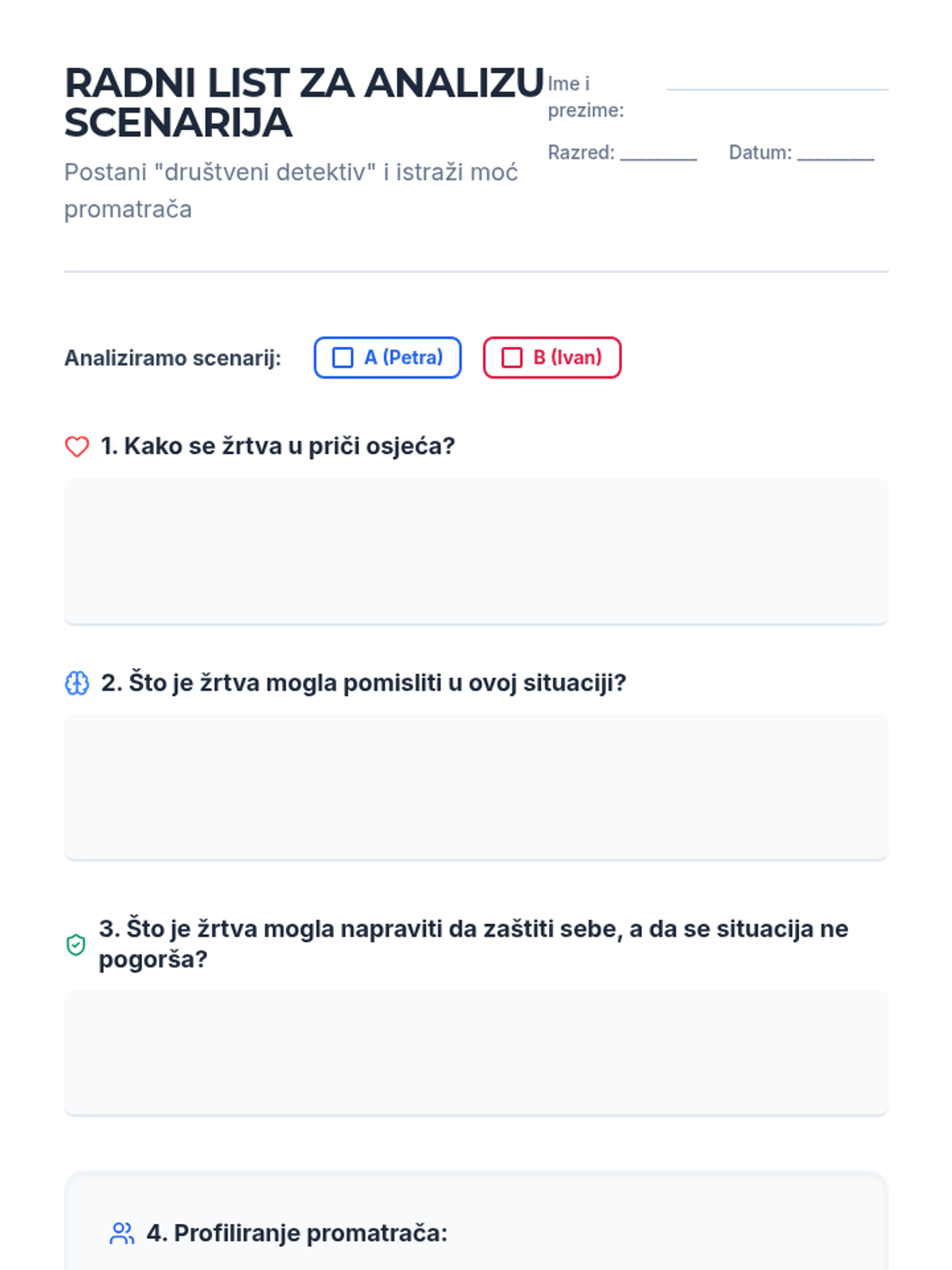
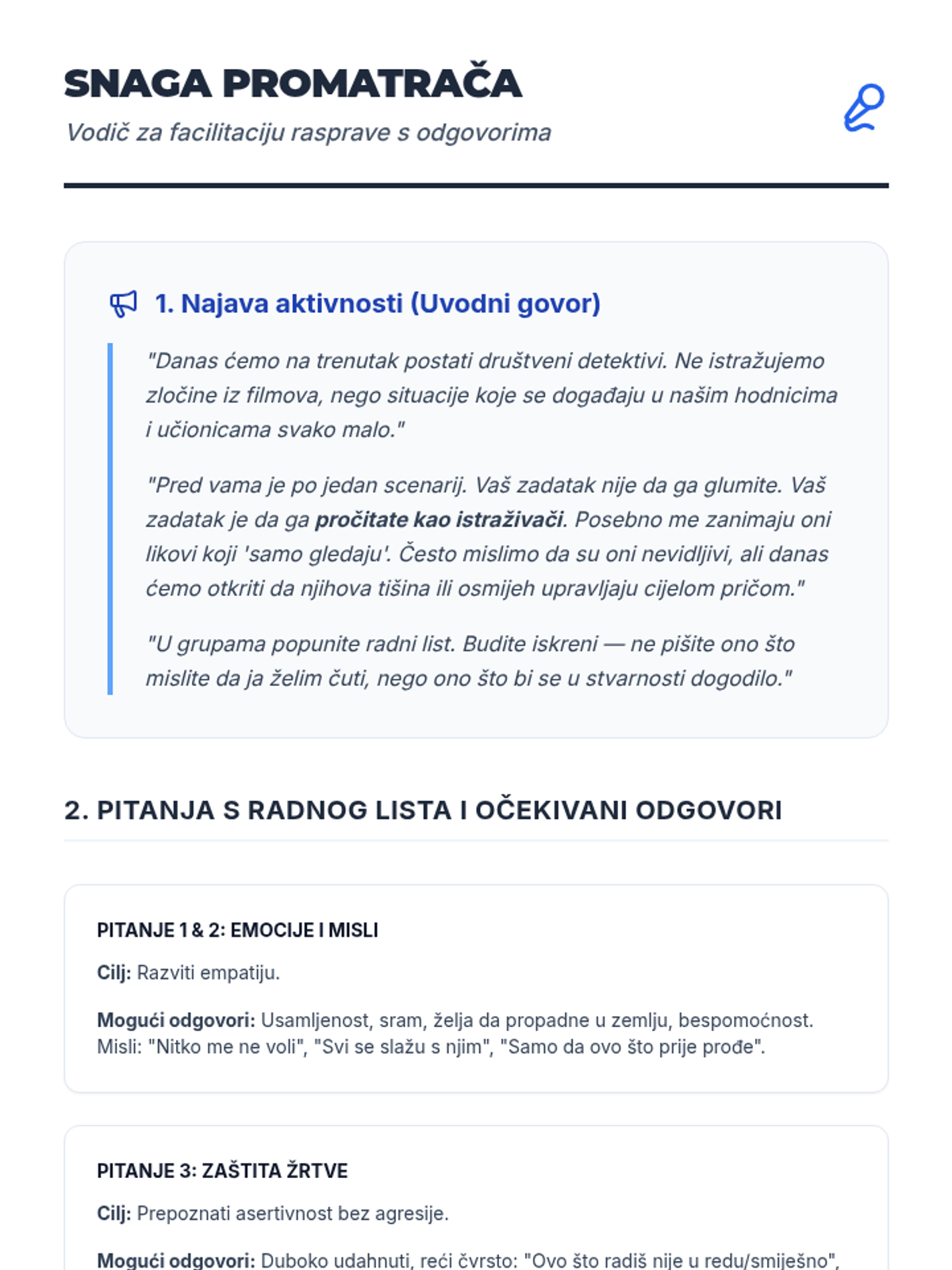
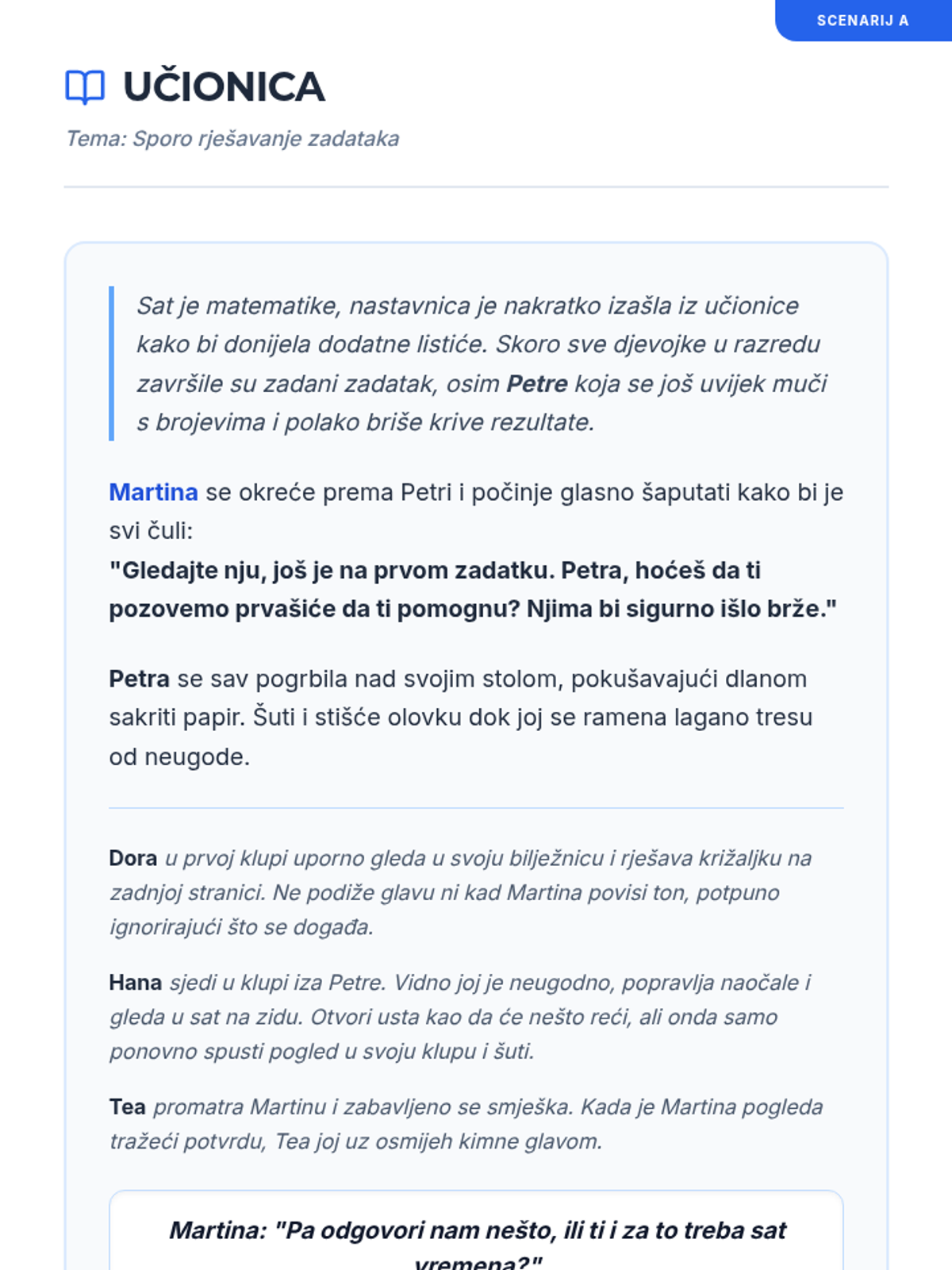
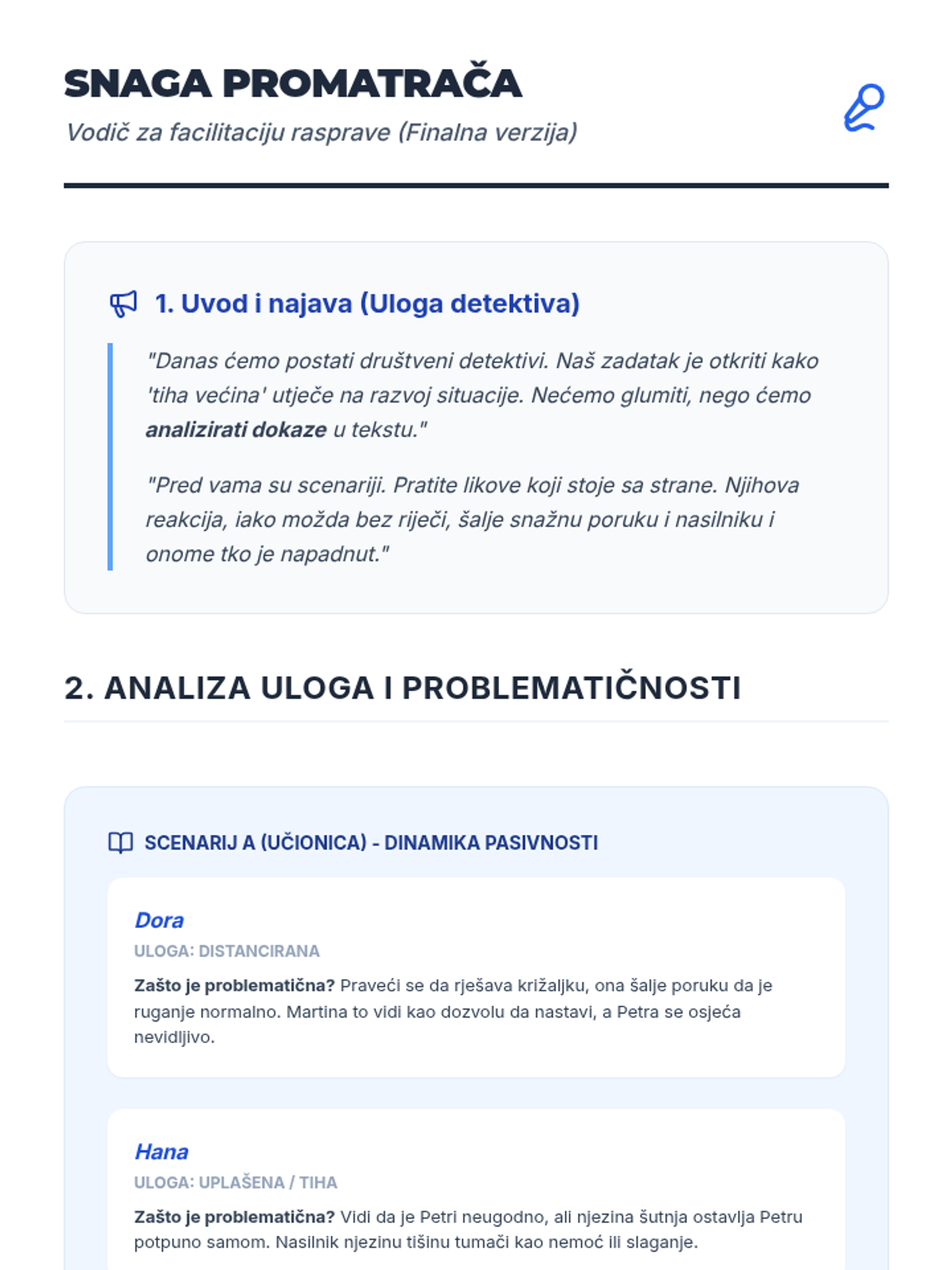
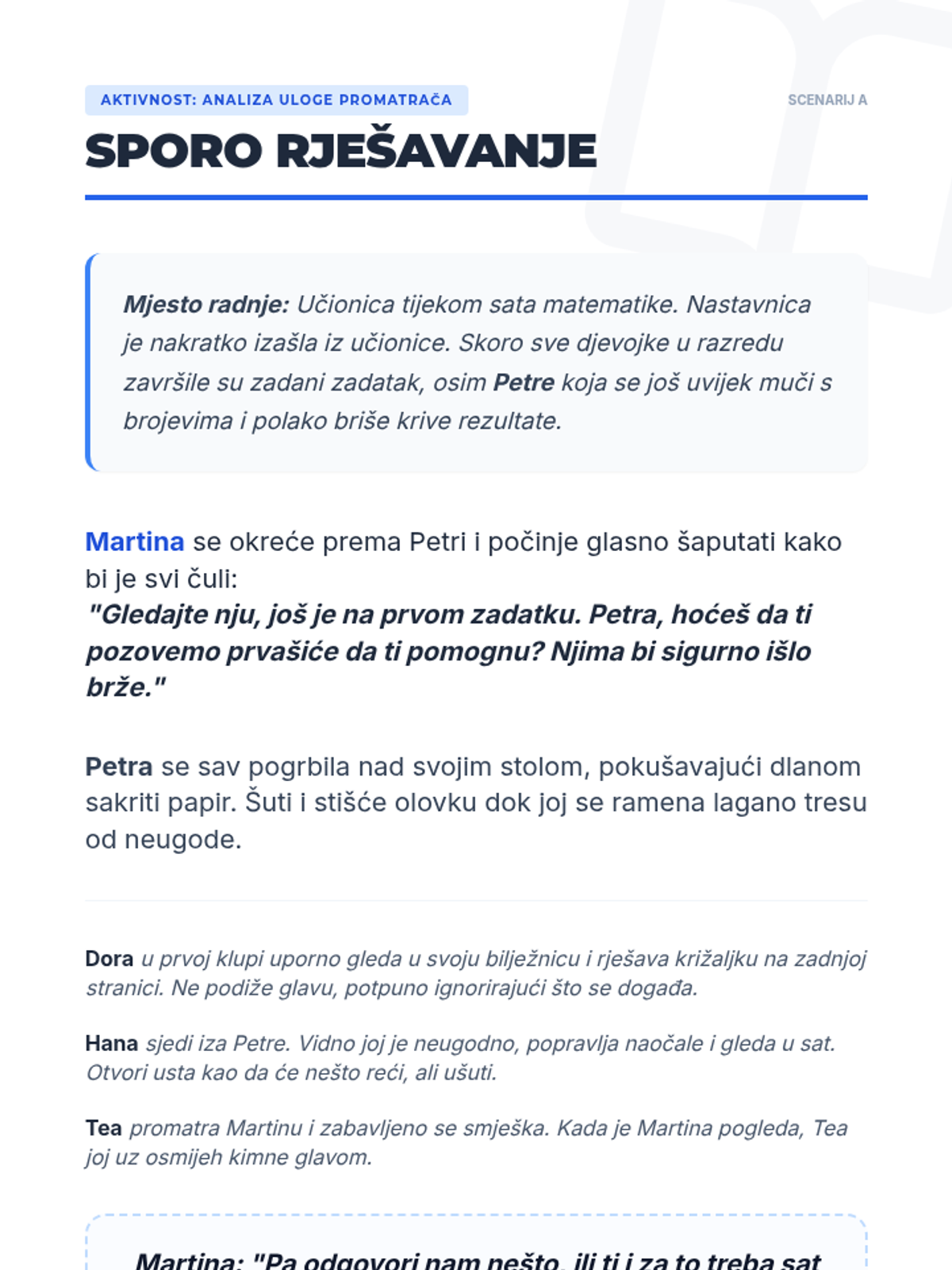
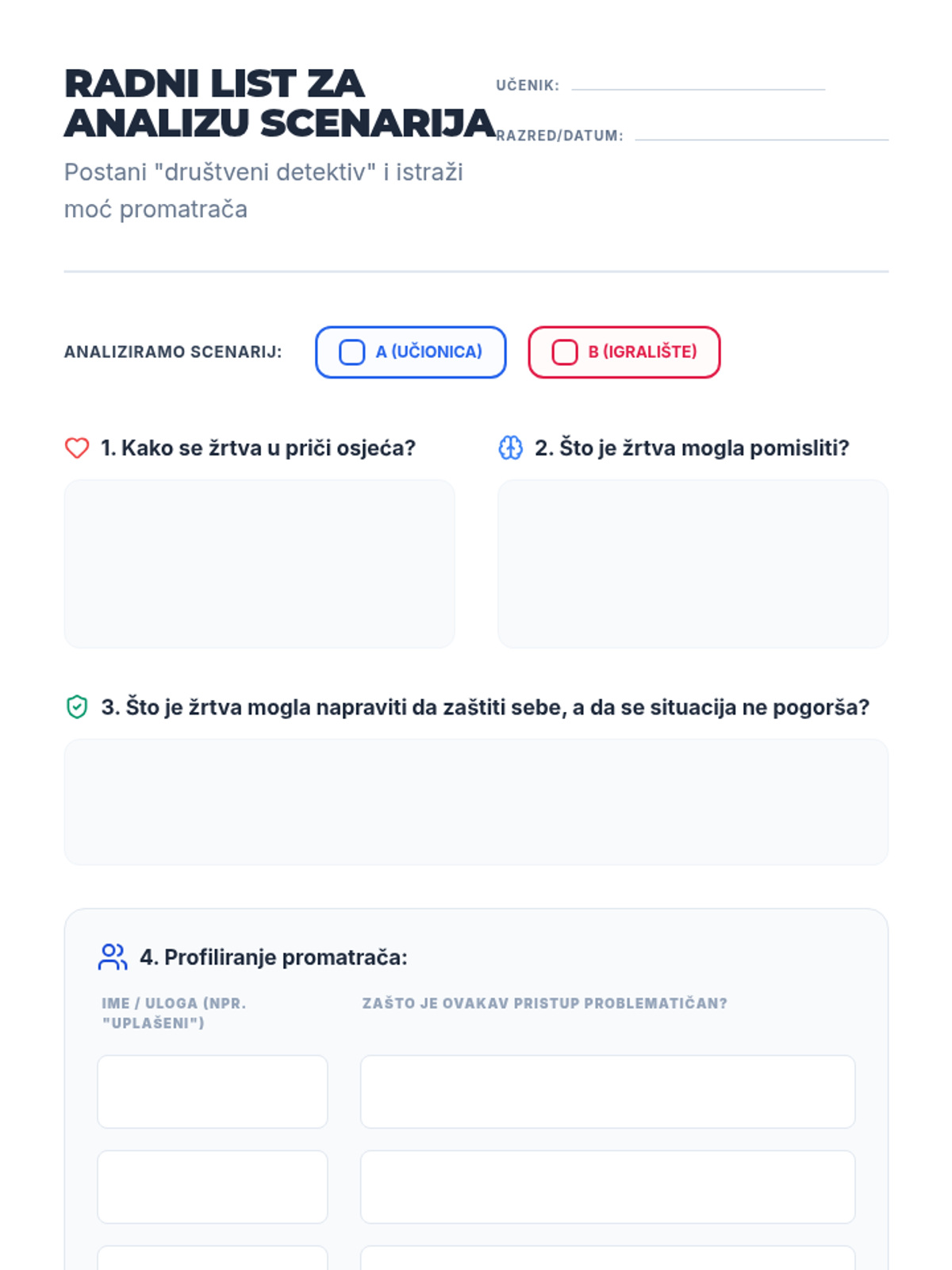
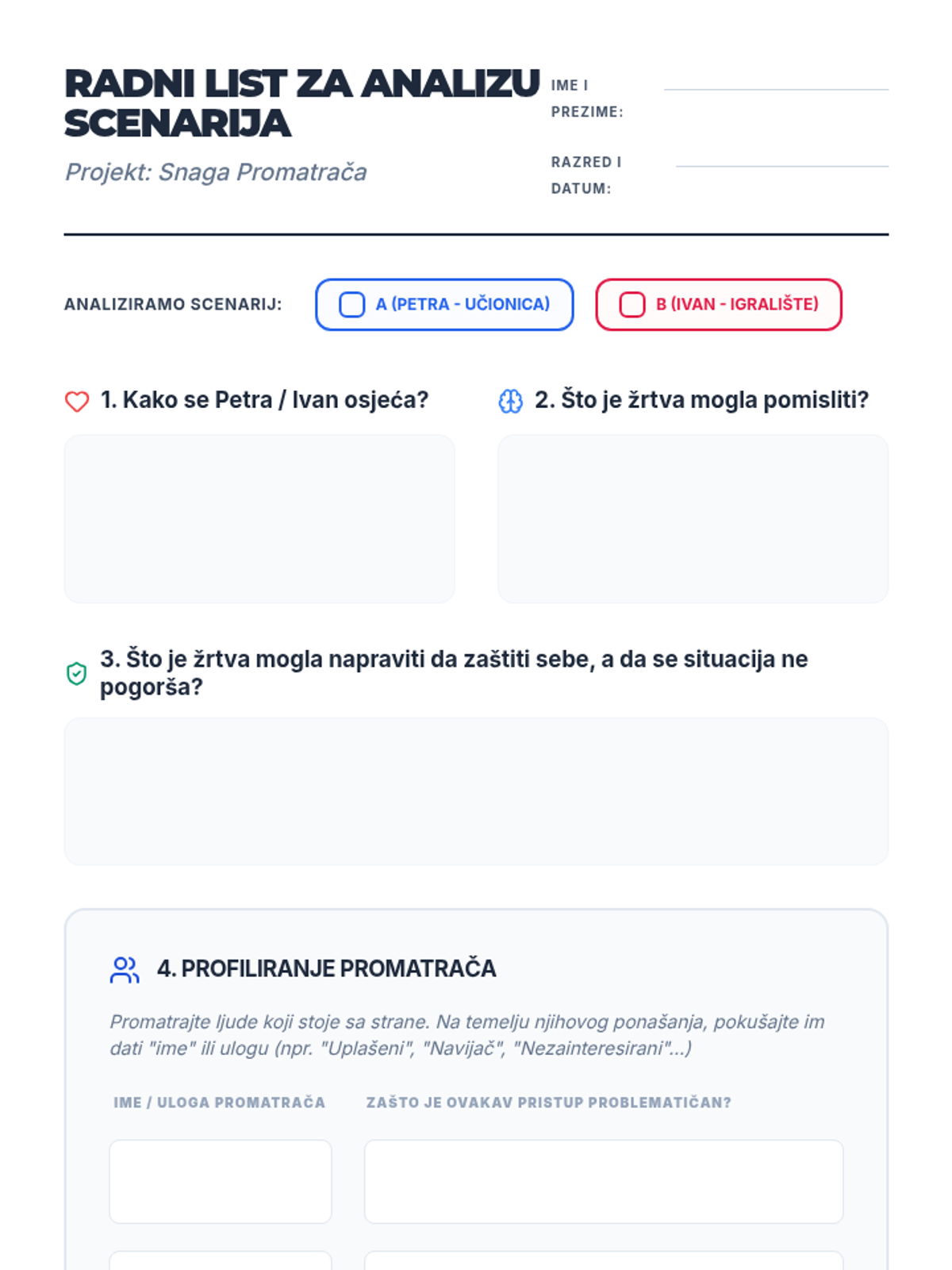
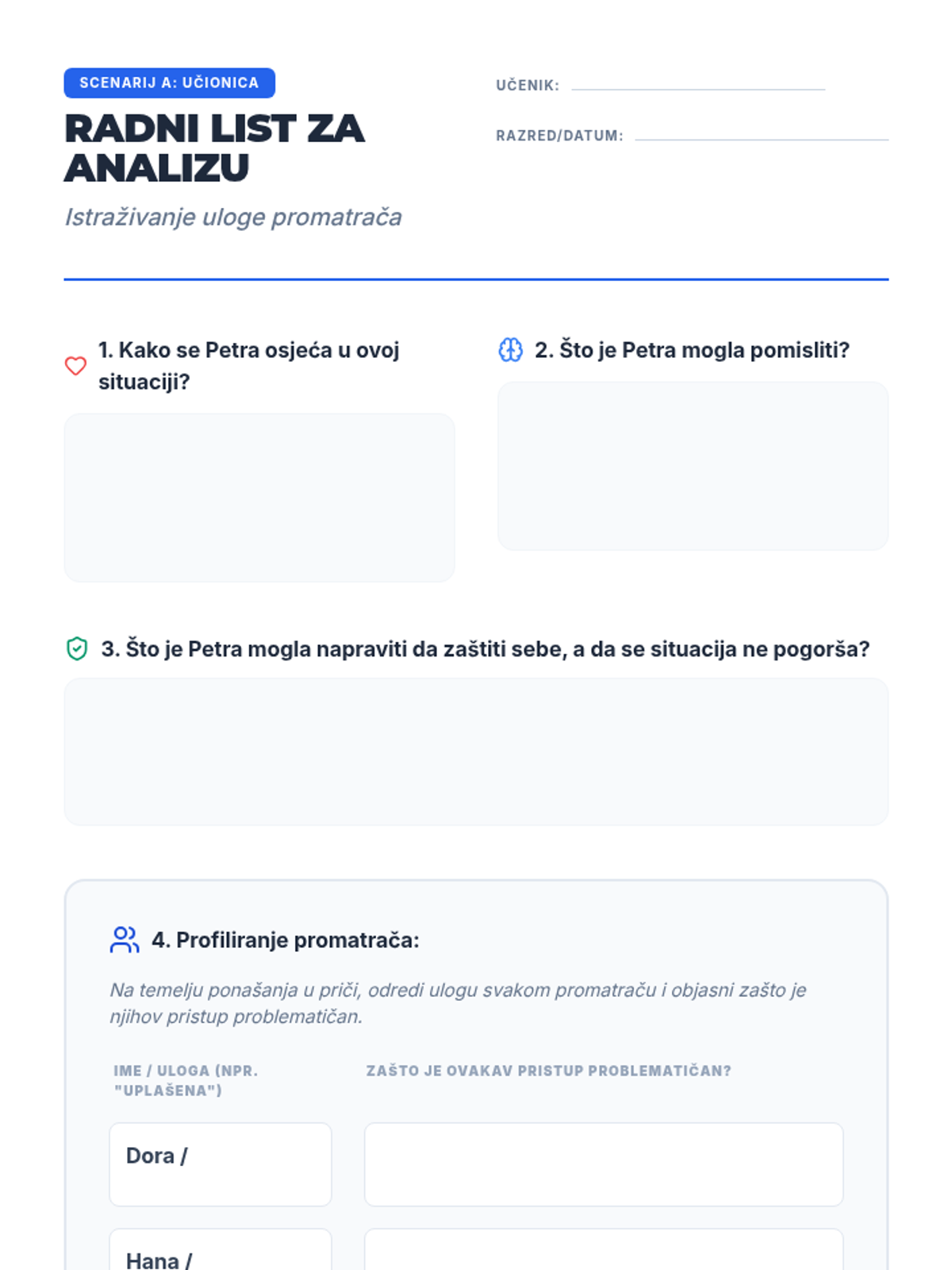
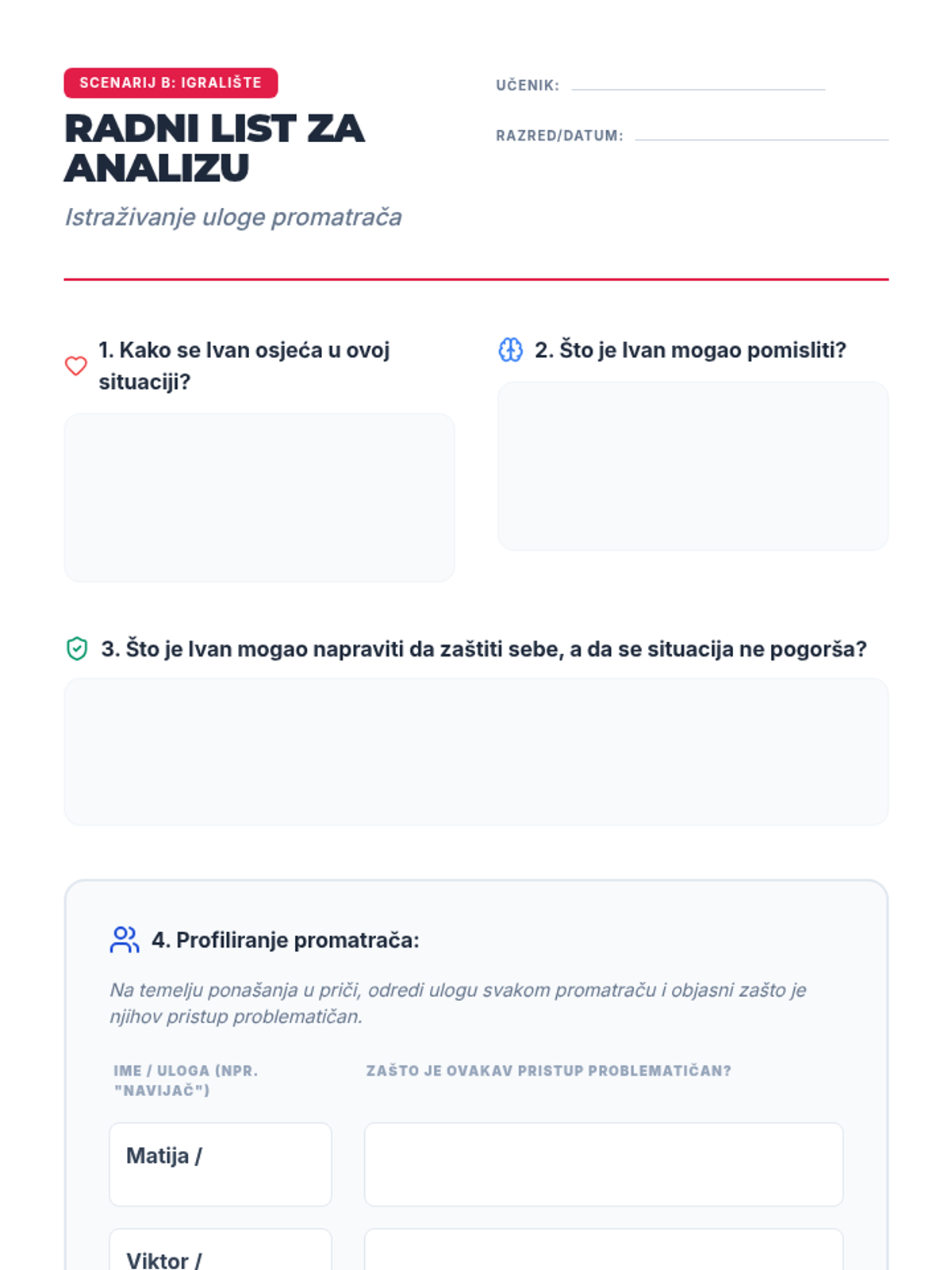
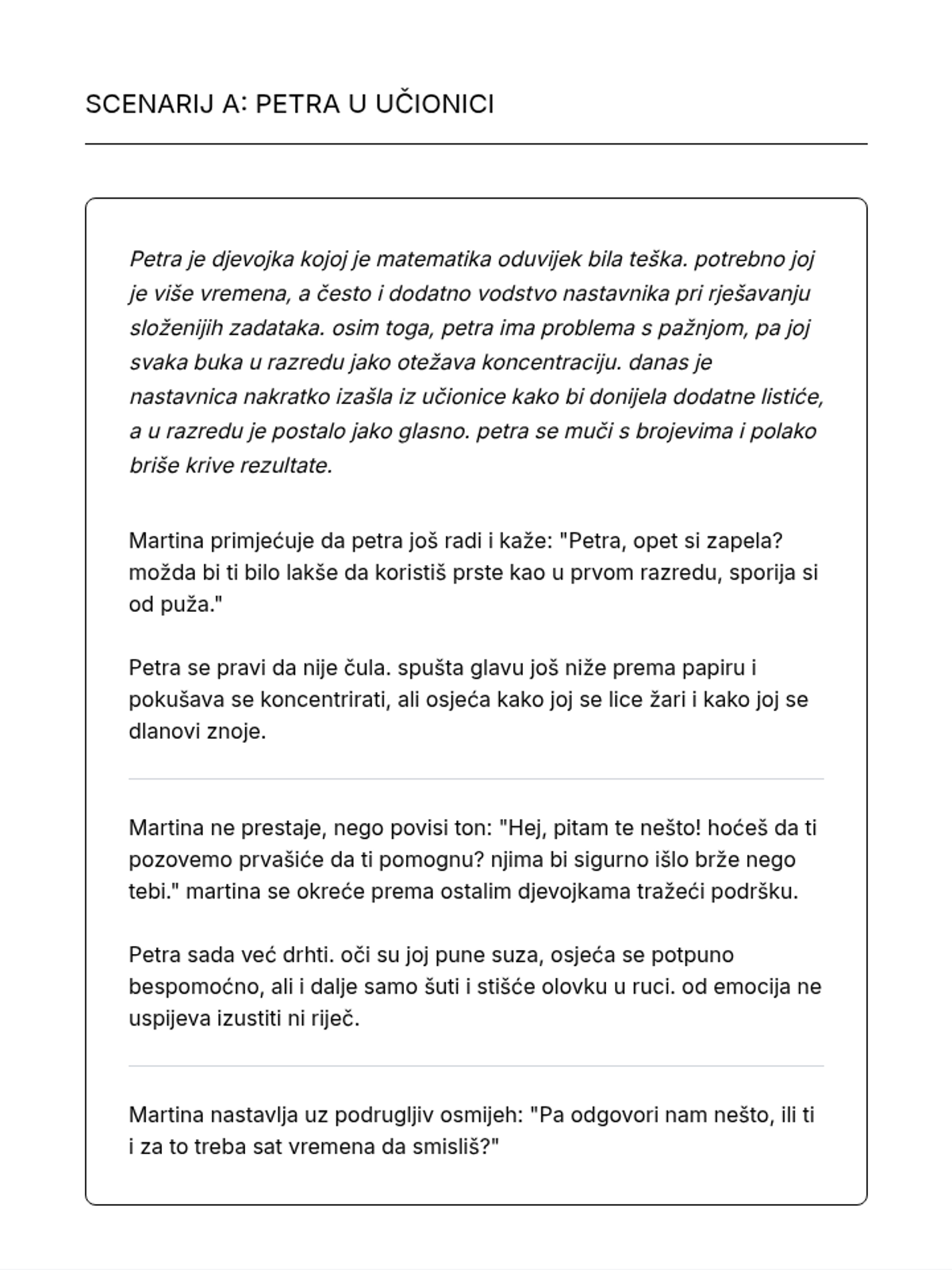
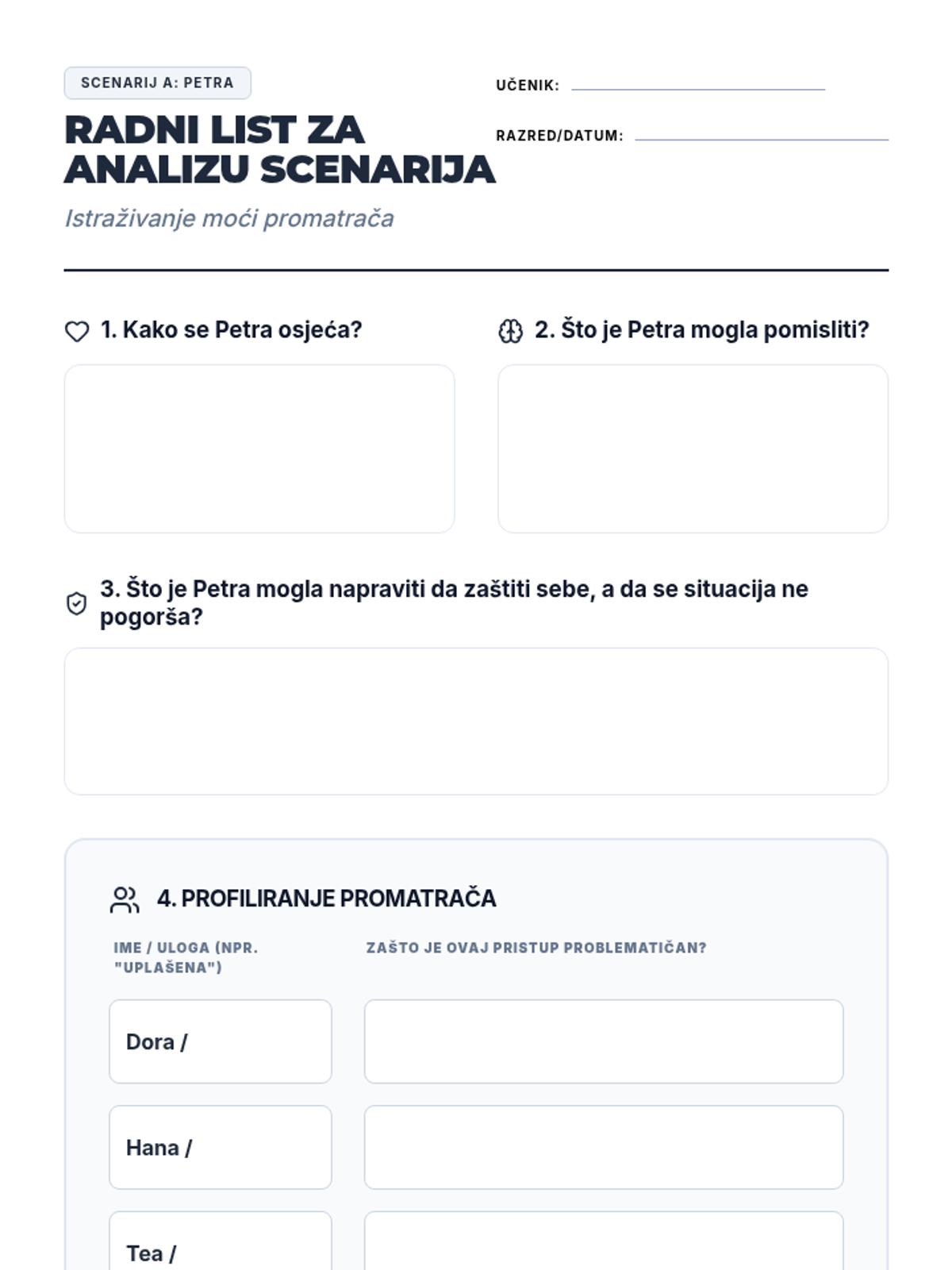
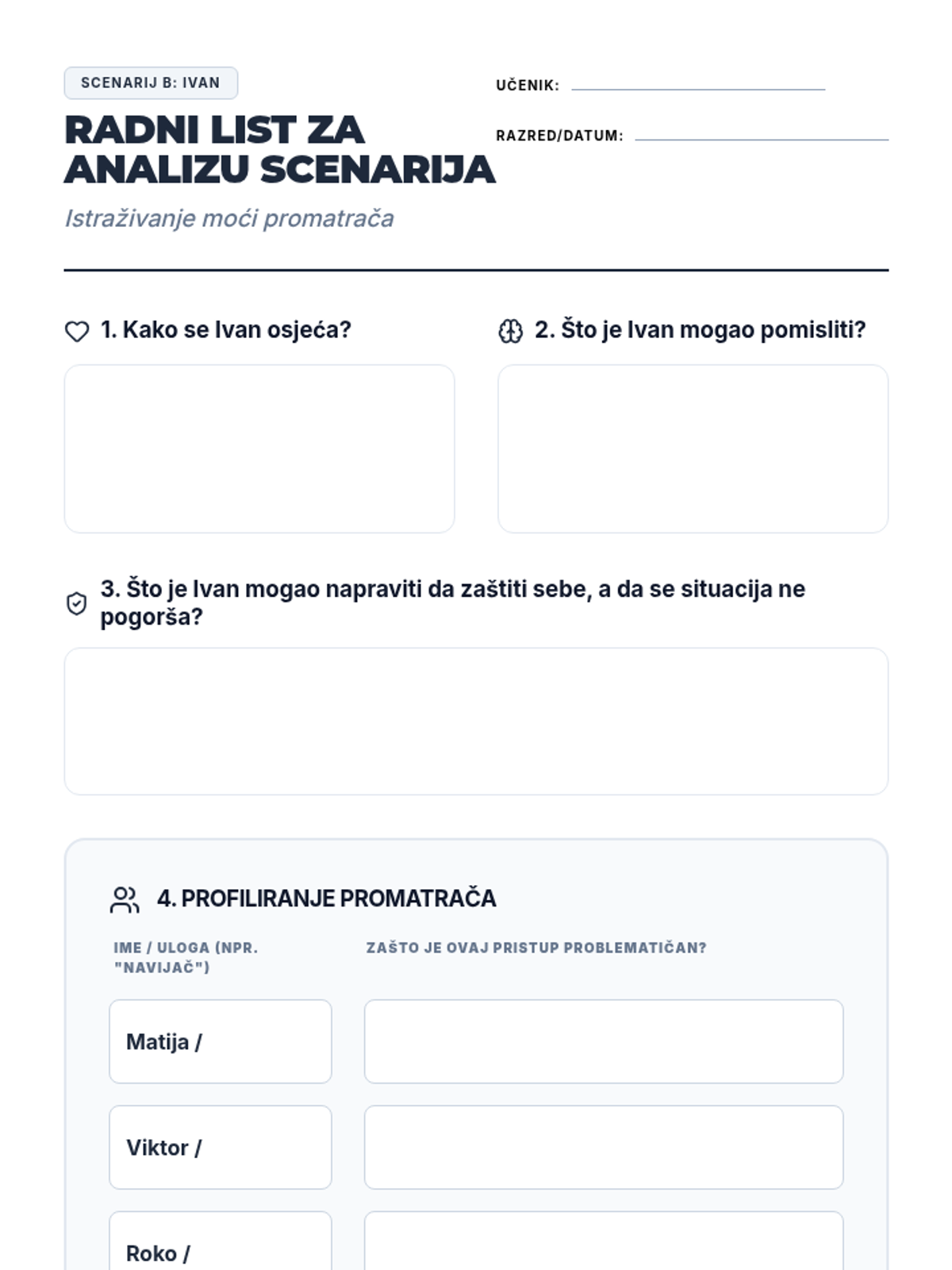
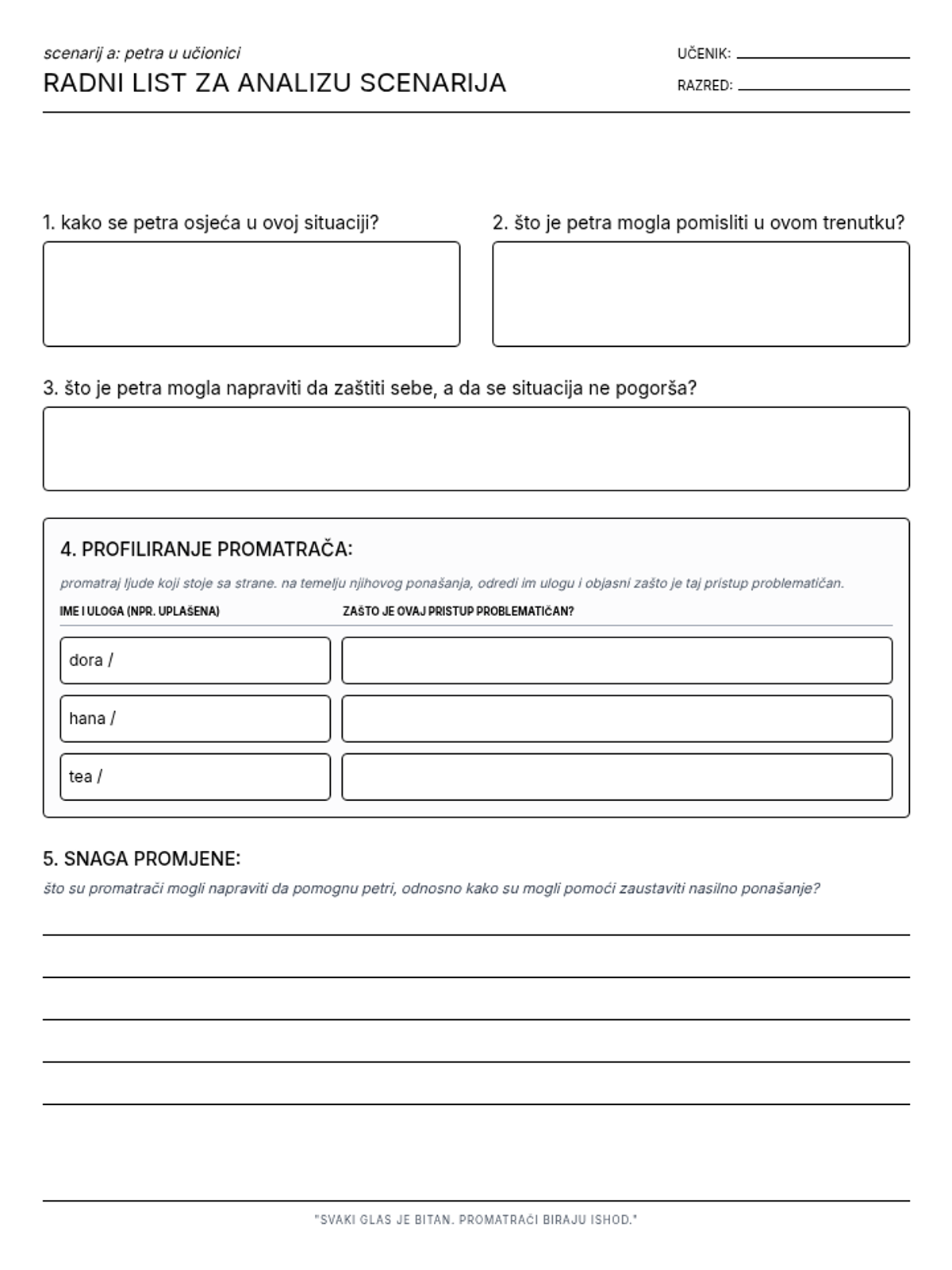
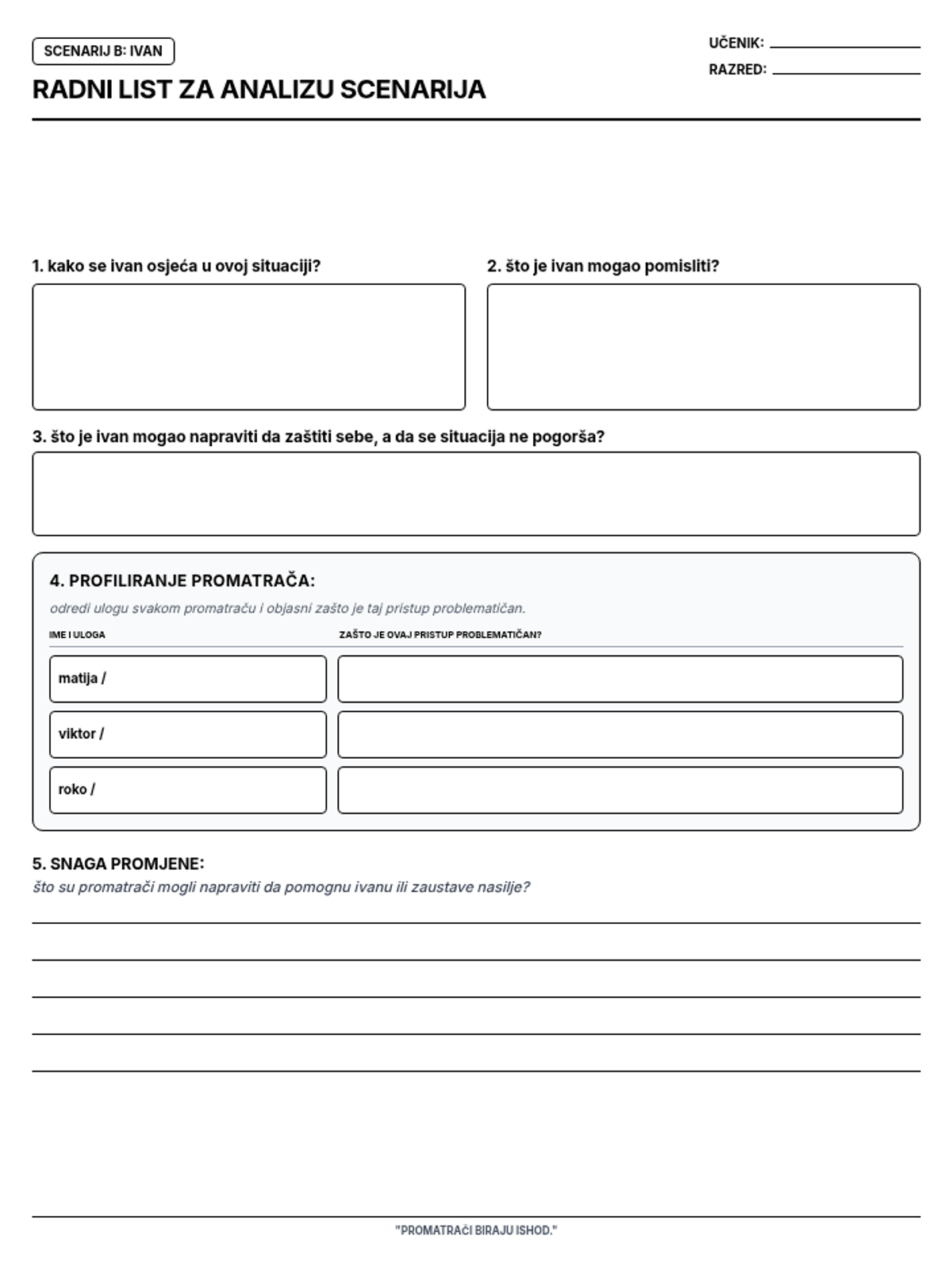
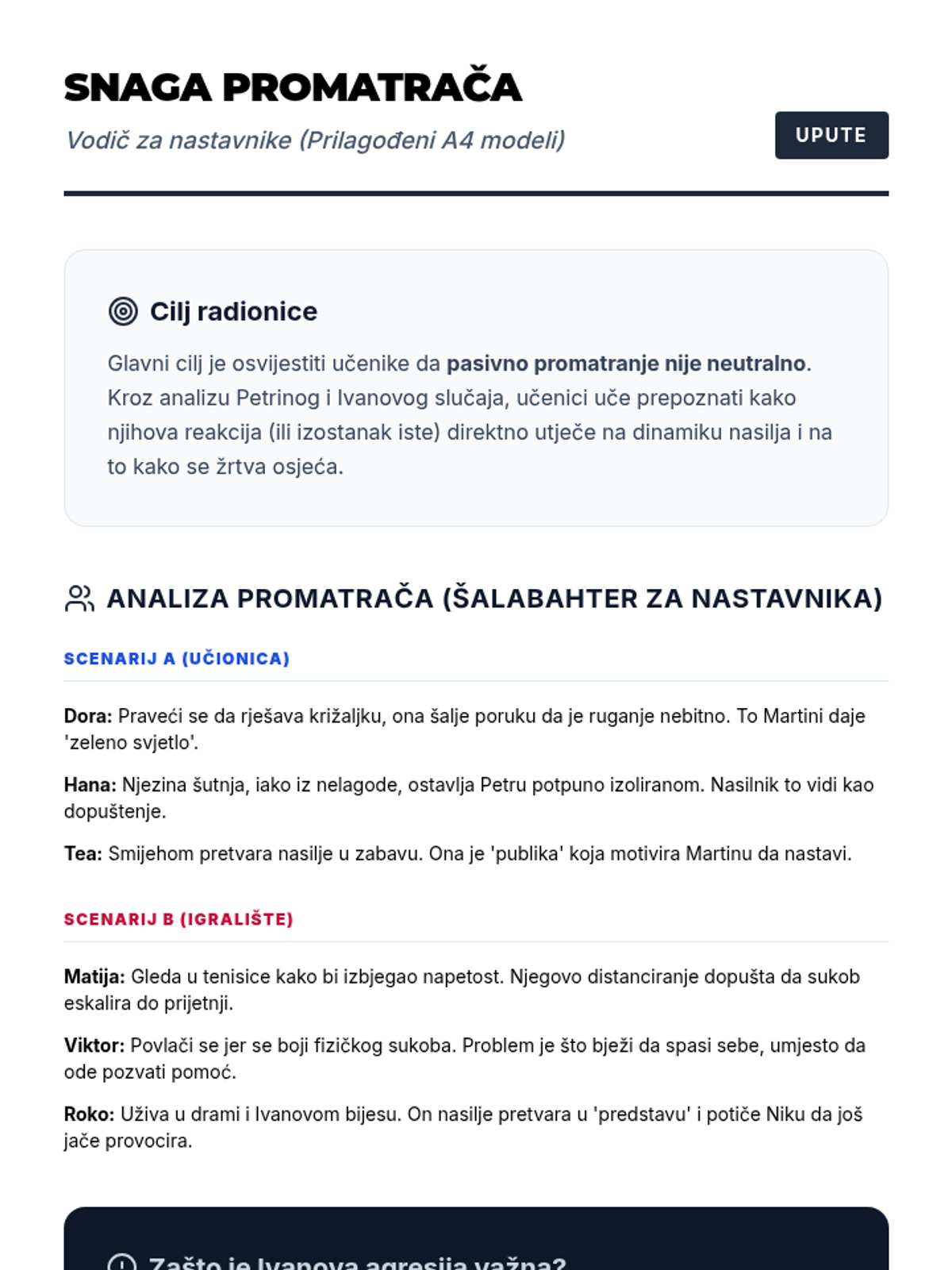
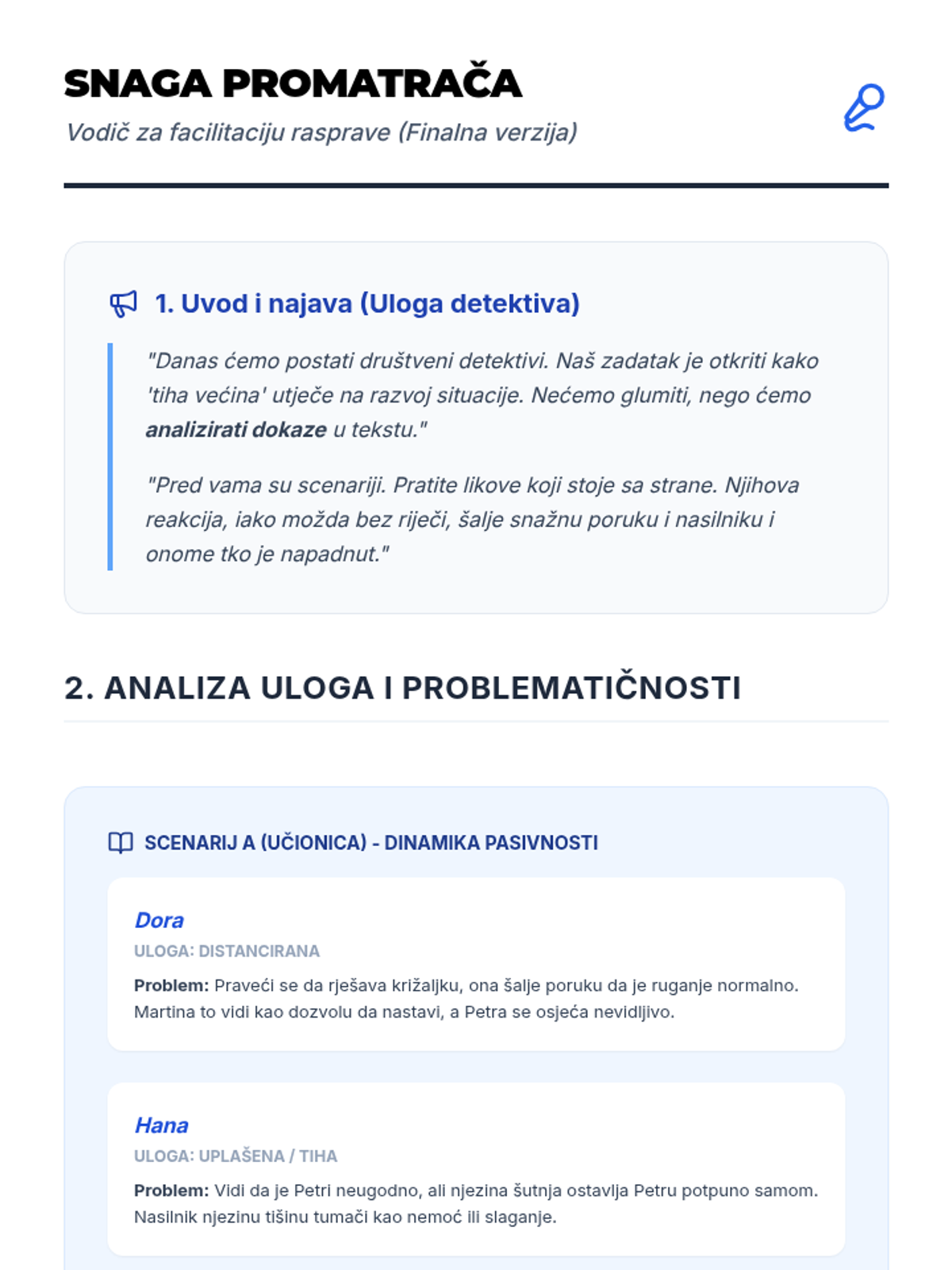
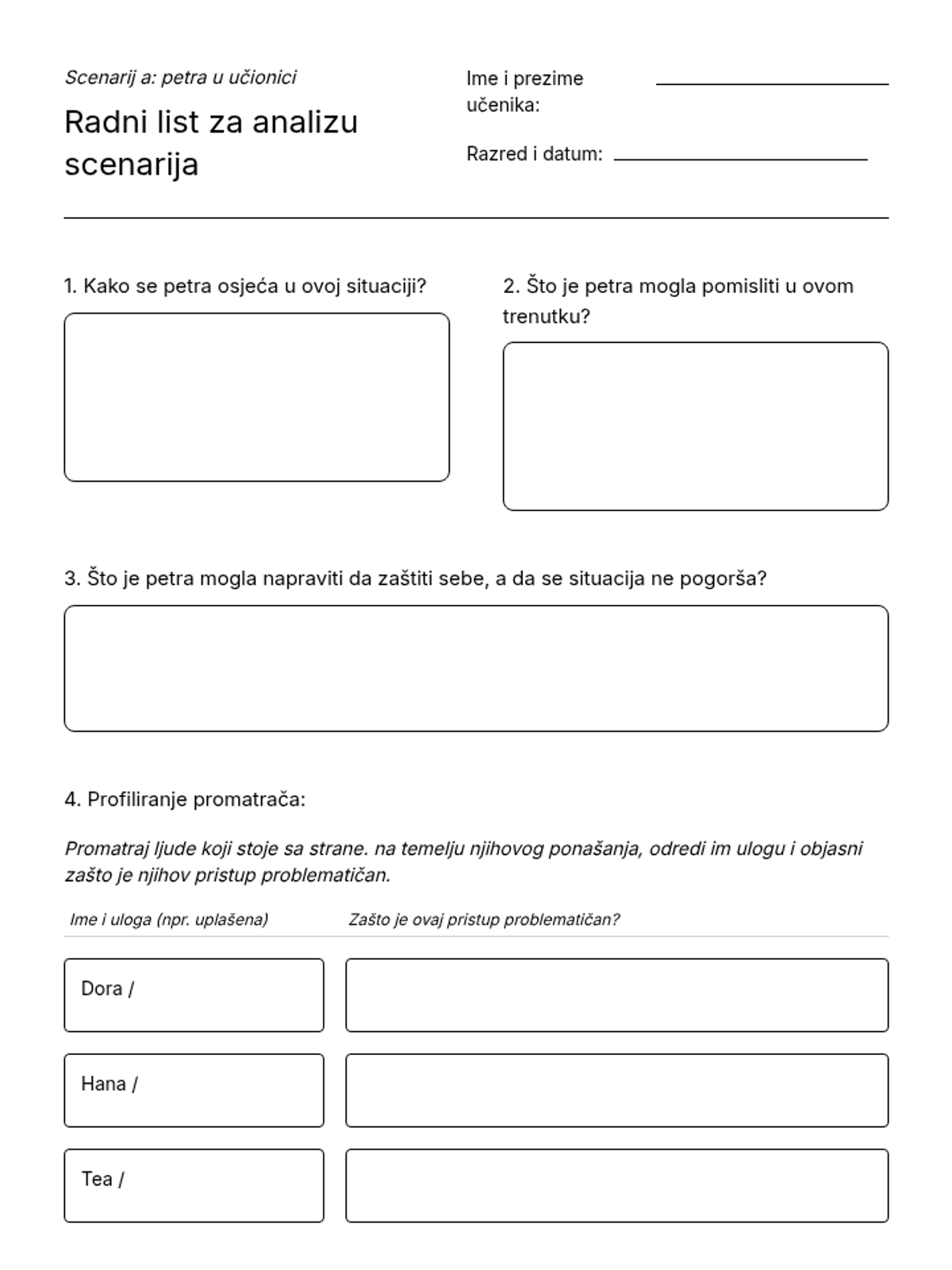
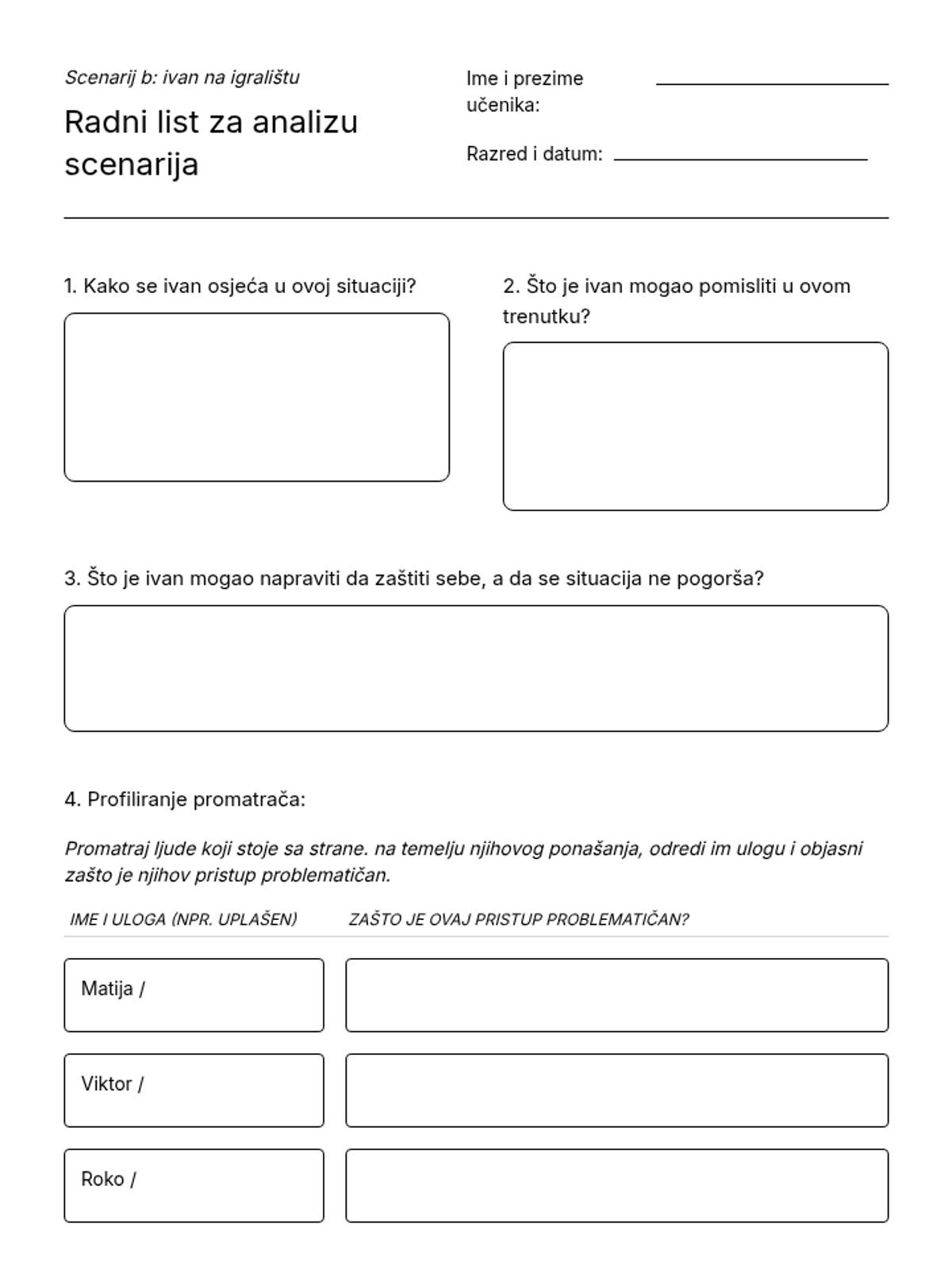
Ova lekcija usmjerena je na osvještavanje uloge promatrača u situacijama vršnjačkog nasilja kroz analizu pisanih scenarija i kritičko razmišljanje o mogućim intervencijama.