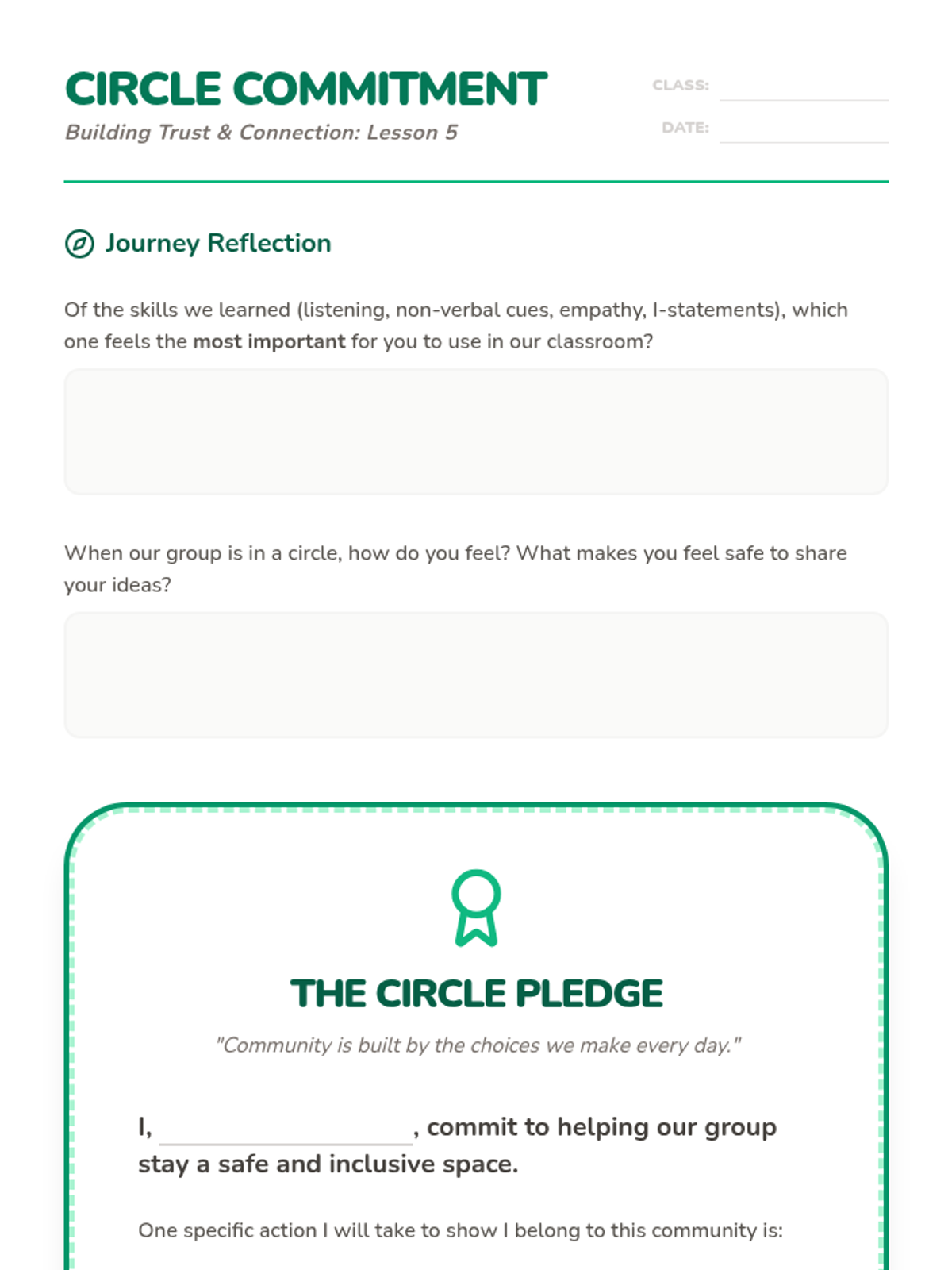
Peer relationship navigation, conversational turn-taking, and stress management strategies within supportive group settings. Develops communal belonging through shared mental health education and collaborative skill practice.
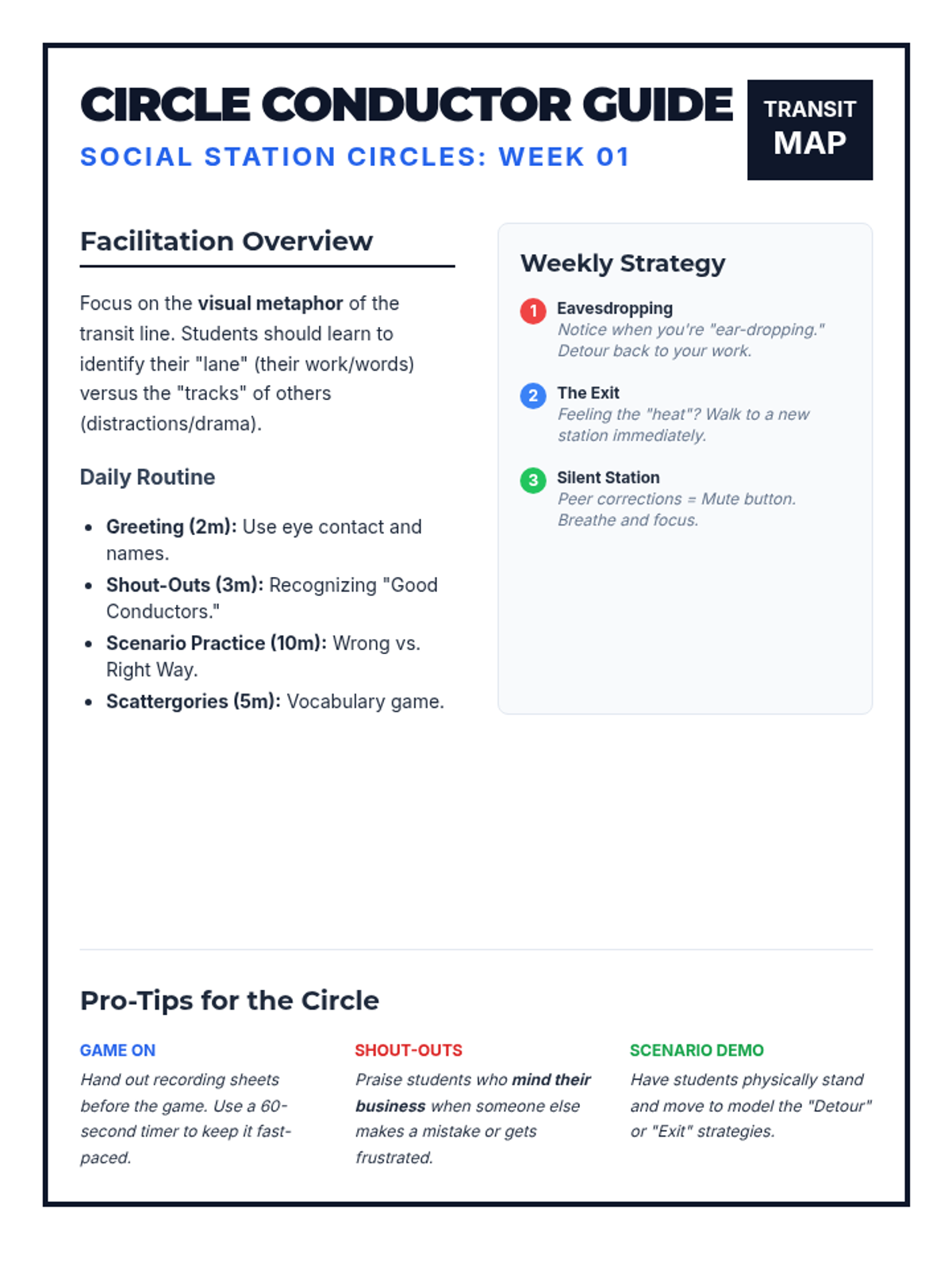
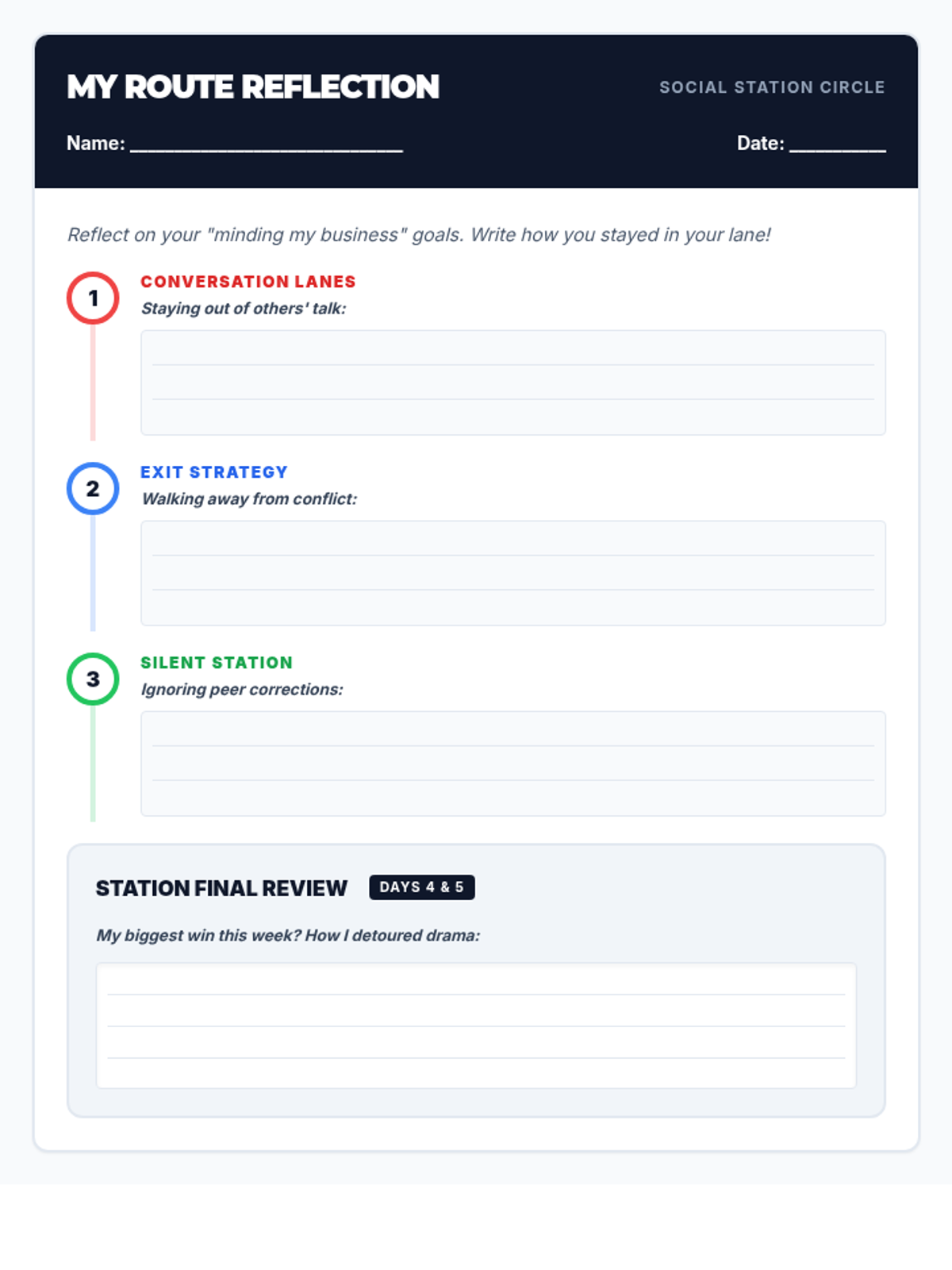
Day 5 covers staying focused and not contributing to classroom distractions.
Day 4 teaches students how to avoid drama and rumors by taking a 'detour'.
Day 3 addresses how to ignore peer corrections and focus on one's own work.
Day 2 focuses on the 'exit strategy' for walking away from rising conflict.
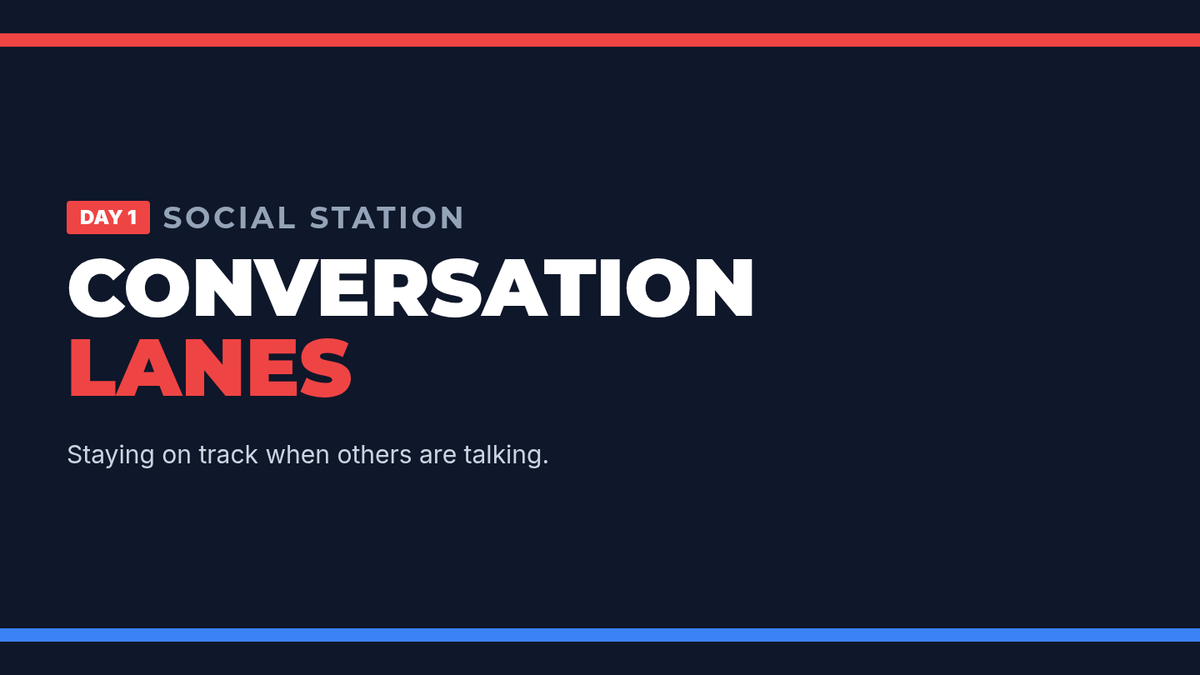
Day 1 focuses on staying out of others' conversations and 'ear-dropping' awareness.
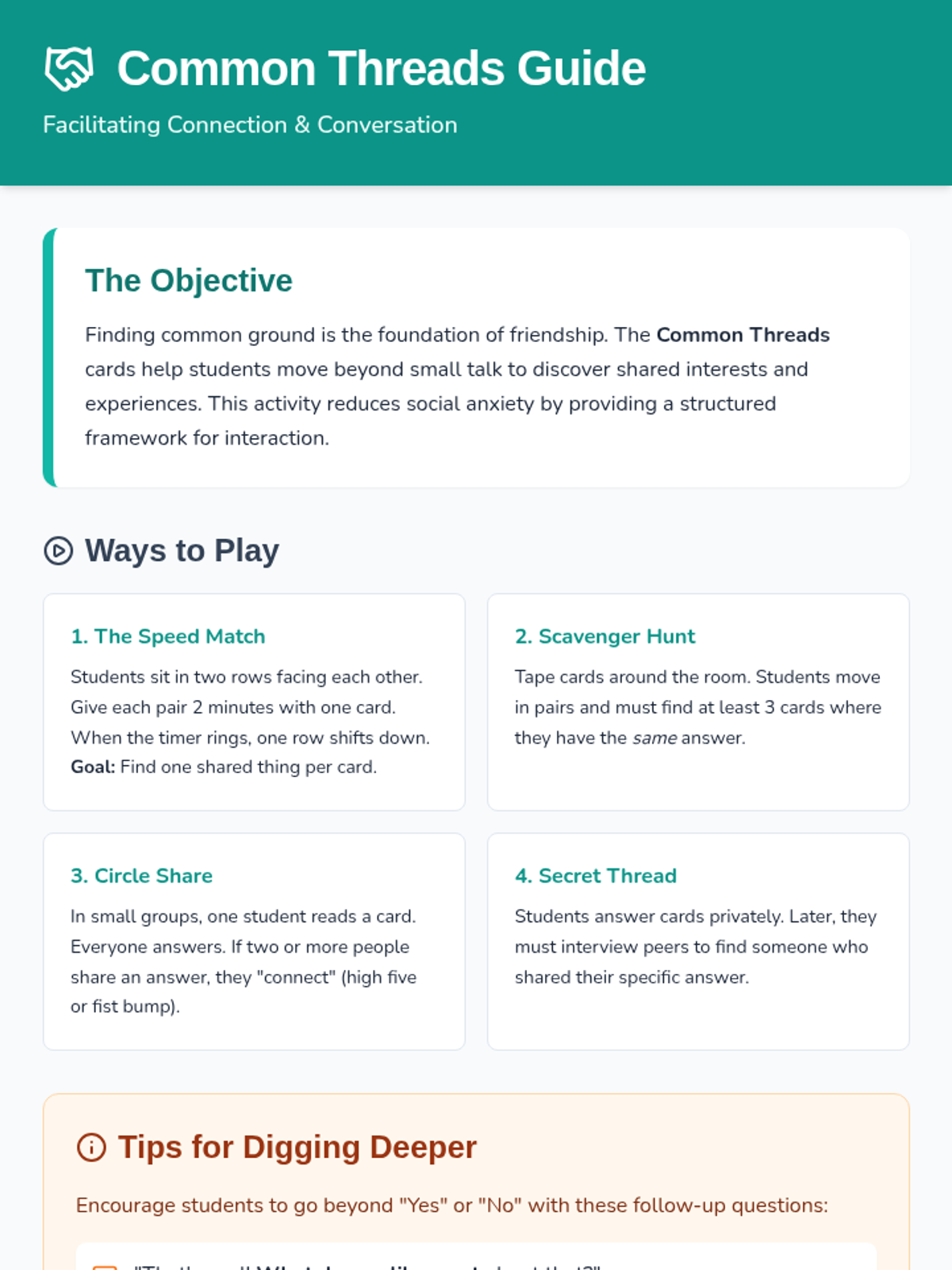
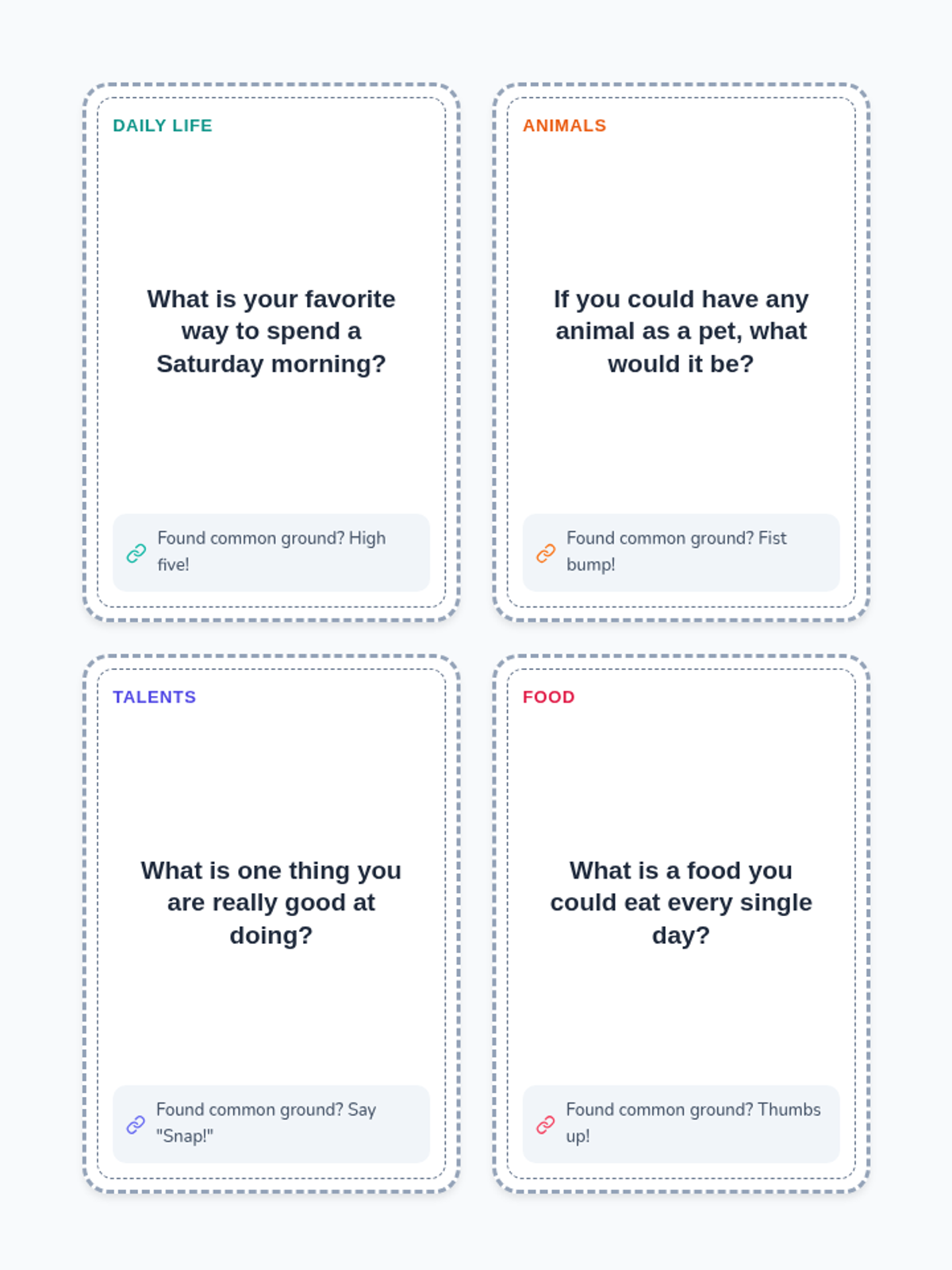
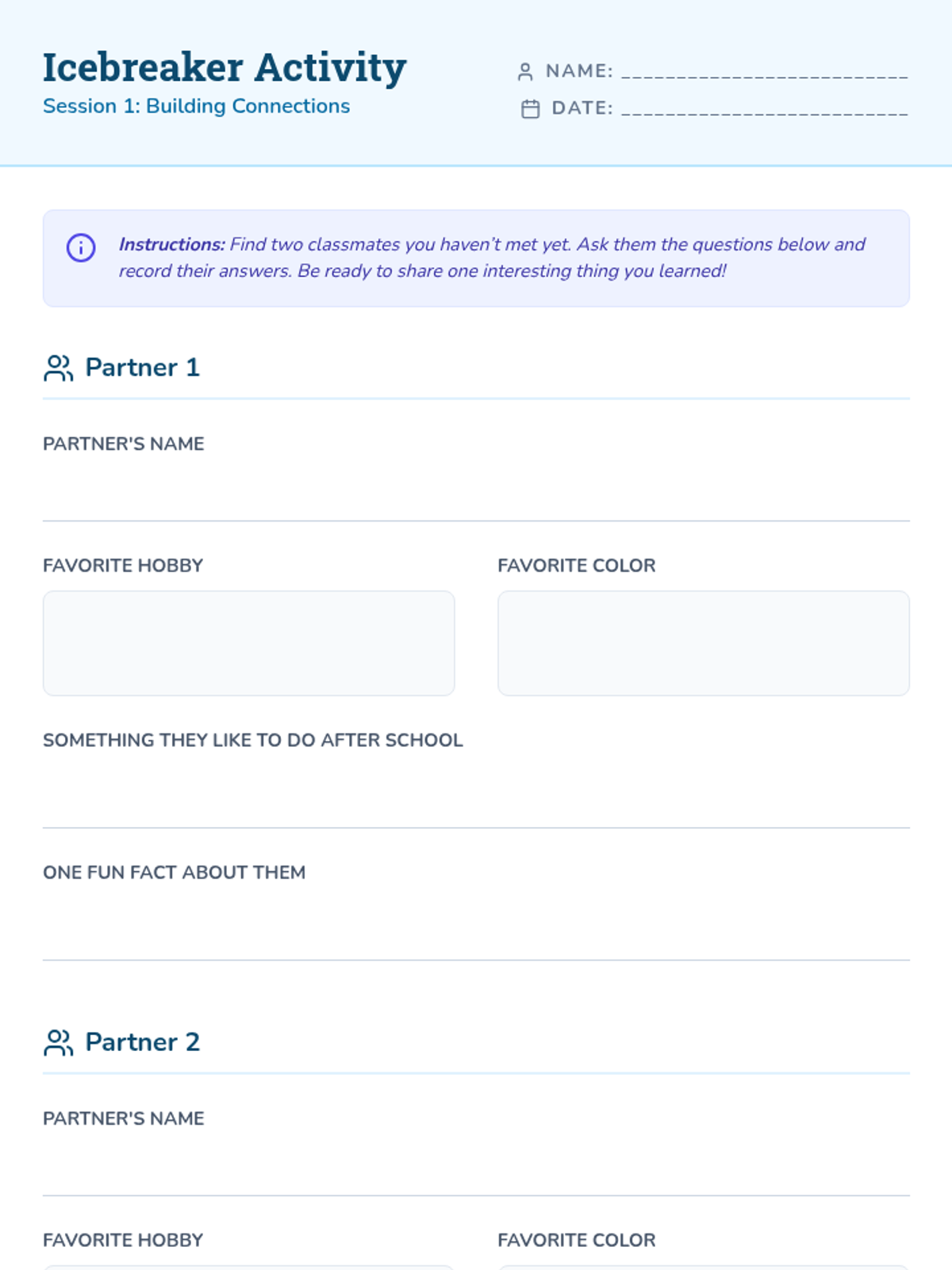
A social-emotional learning lesson focused on finding commonalities with peers through structured conversation. Students use conversation cards to discover shared interests and build connections.
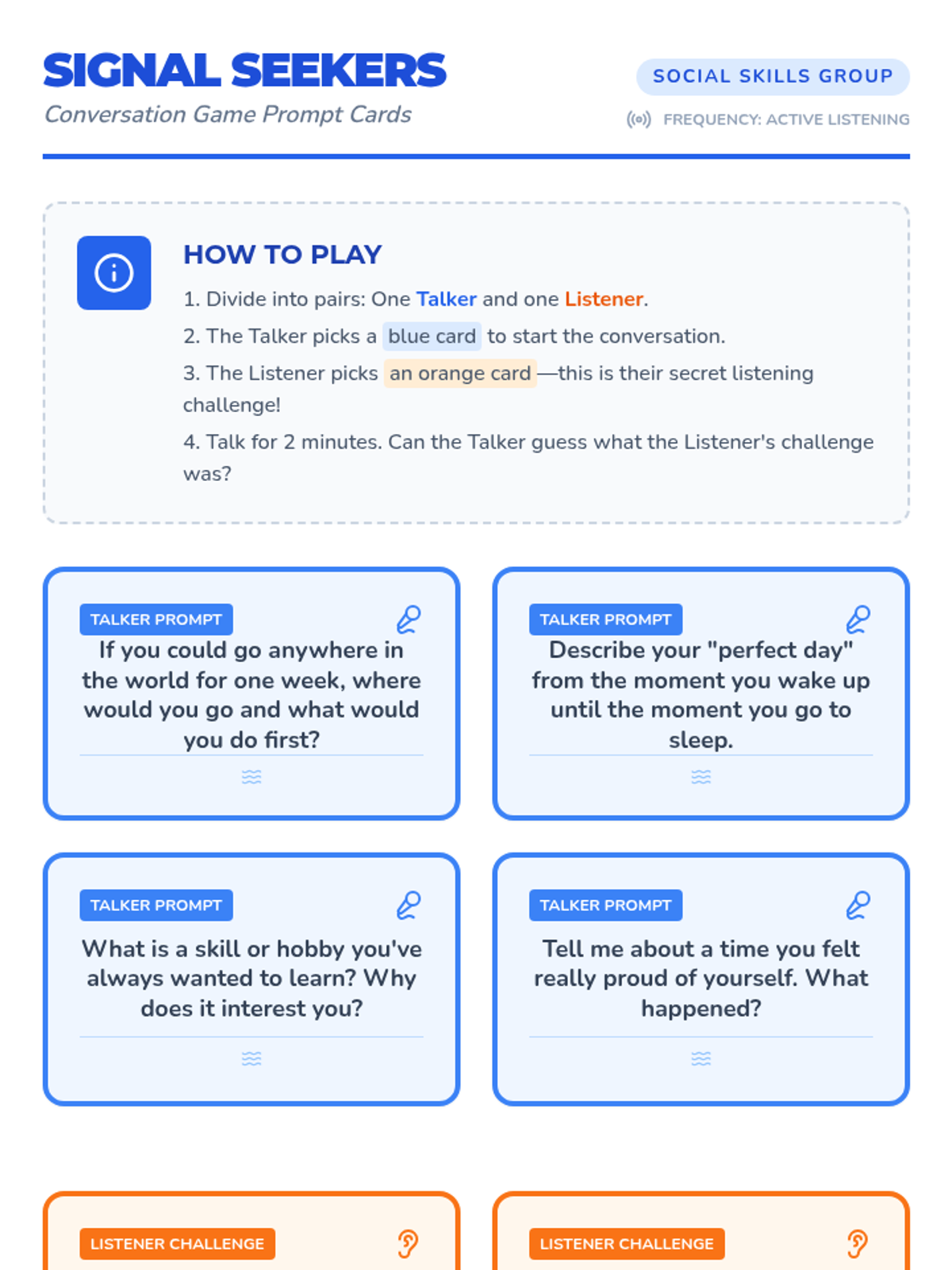
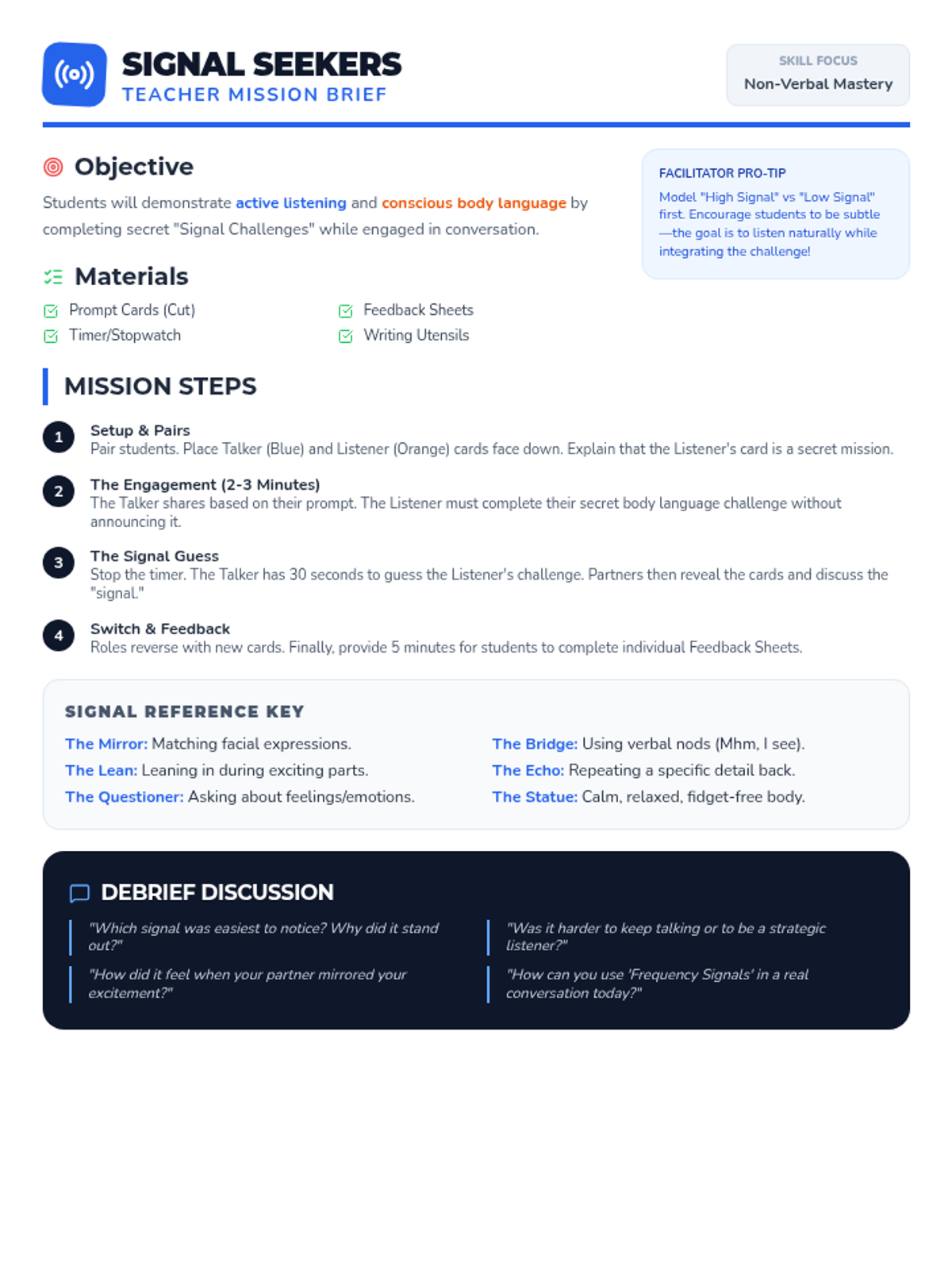
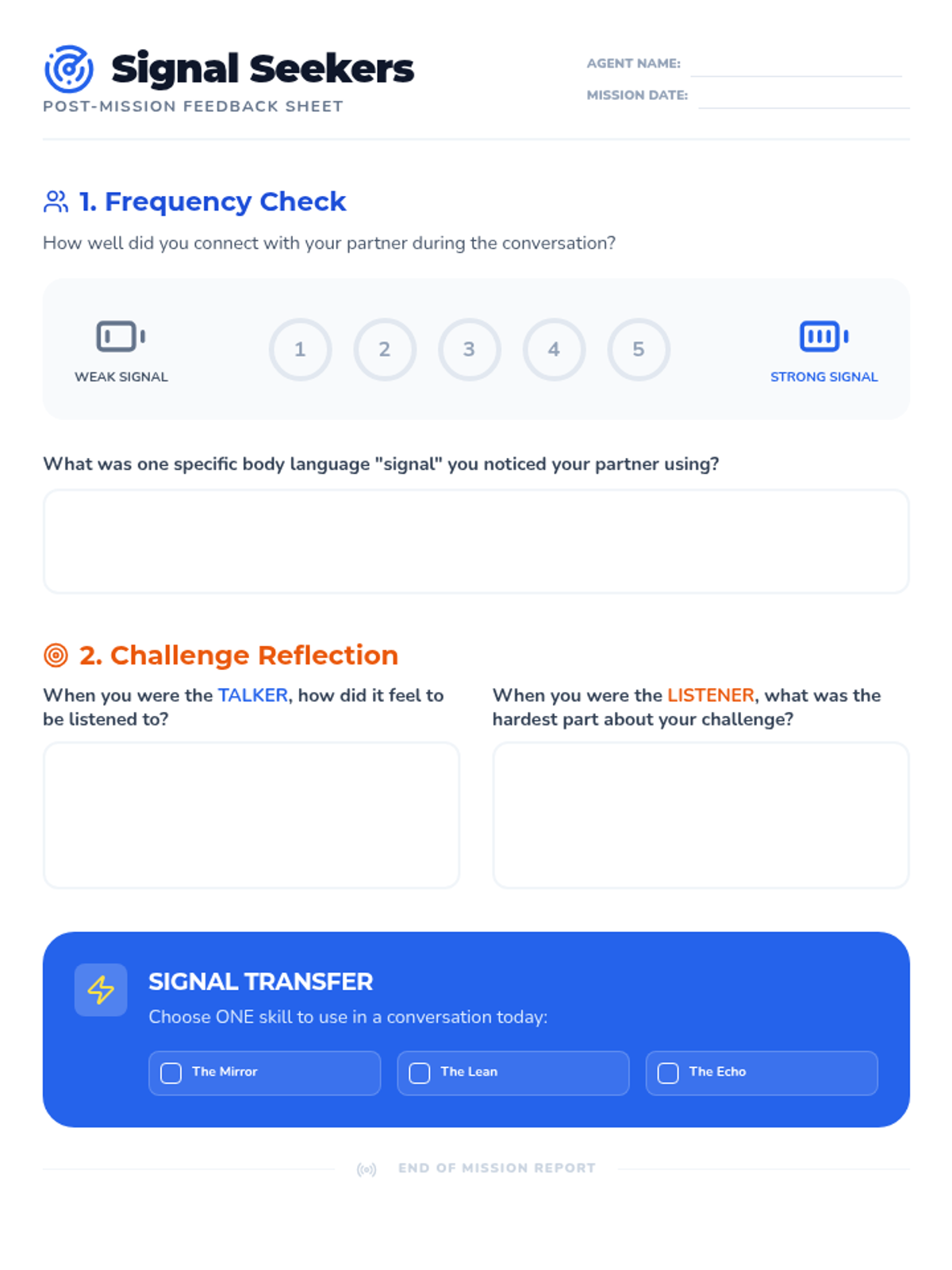
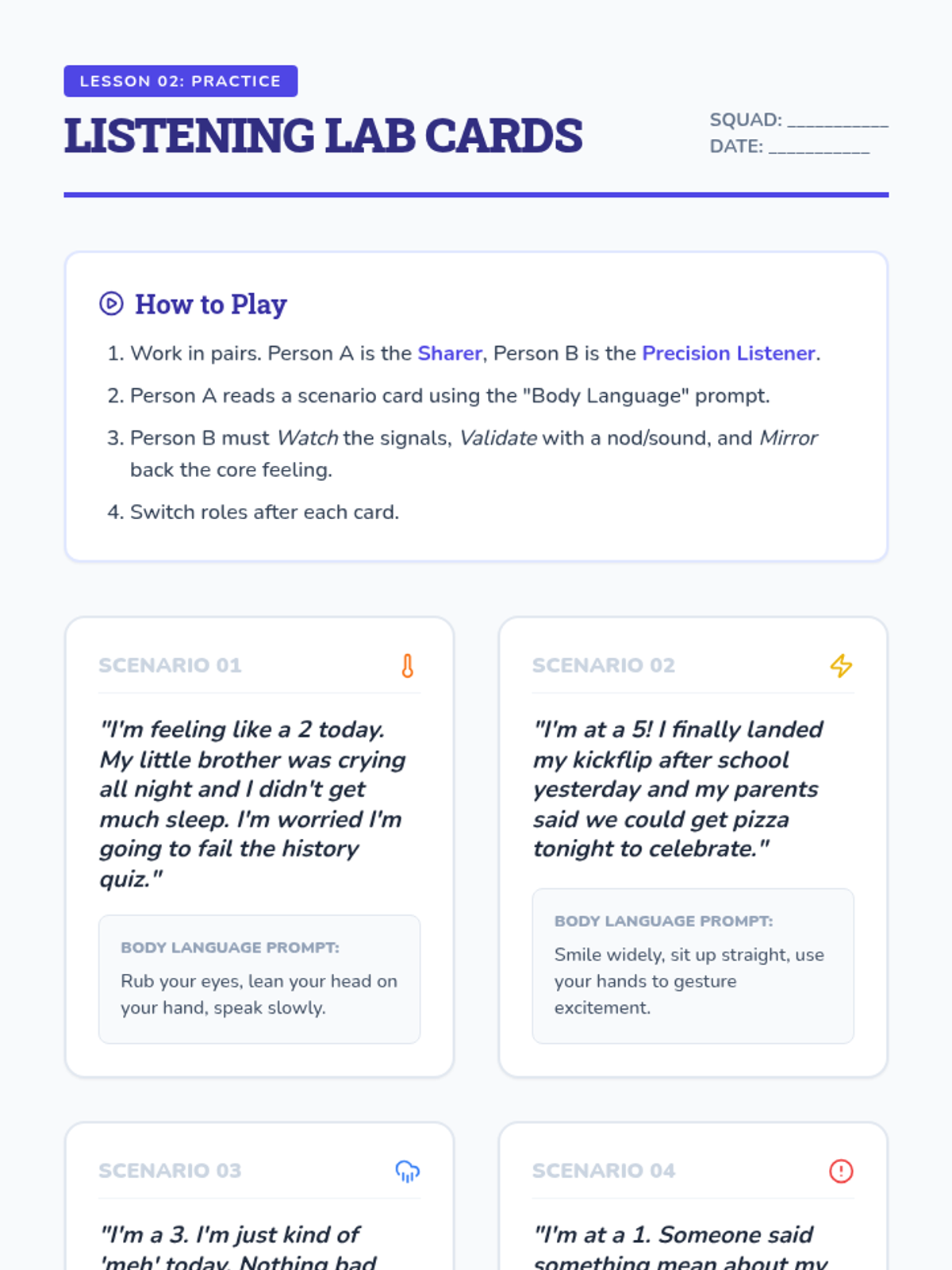
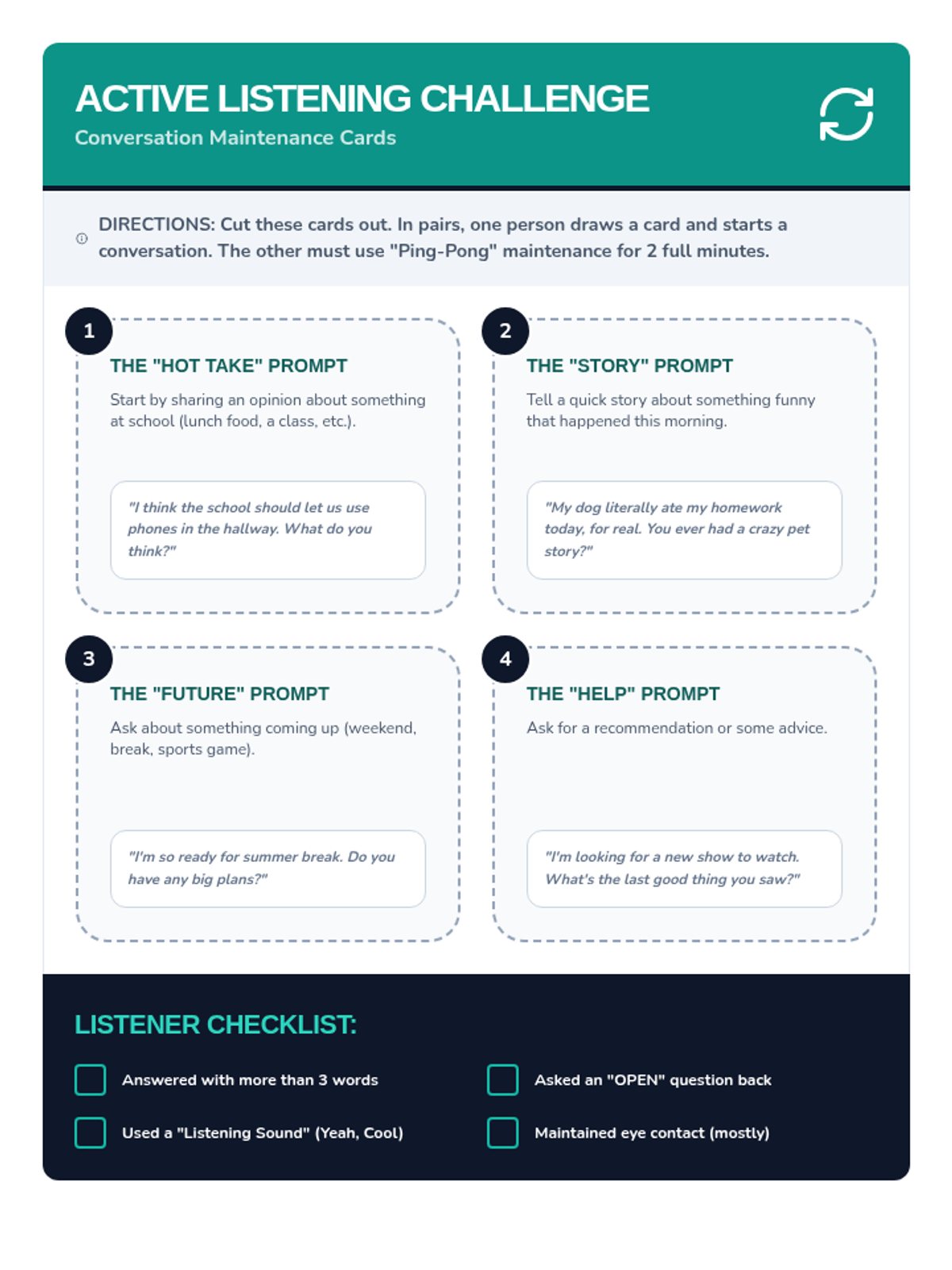
A dynamic conversation game where students practice active listening and non-verbal communication through 'Talker' prompts and 'Listener' challenges. Students learn to recognize and use body language to show they are truly engaged in a conversation.
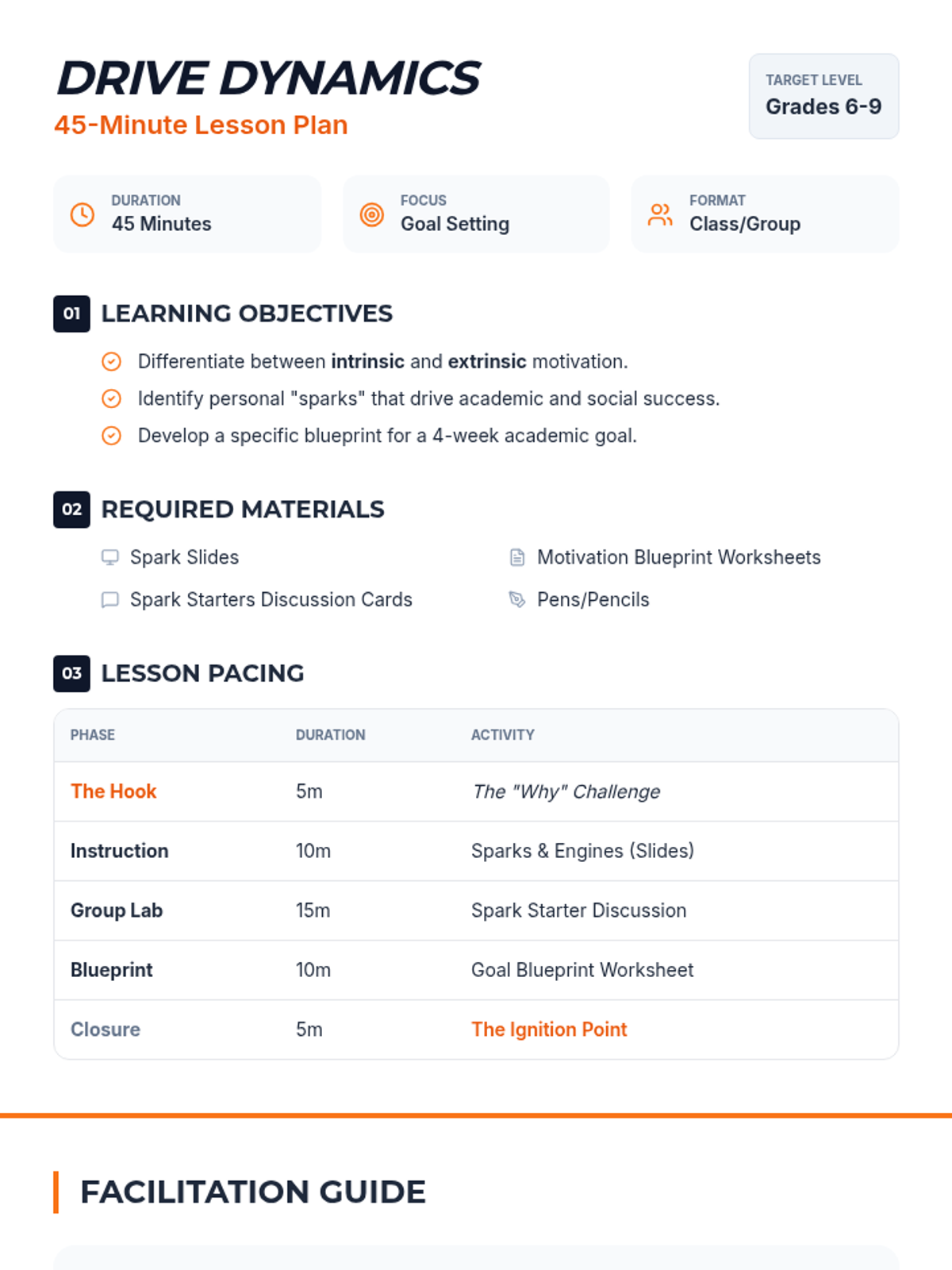
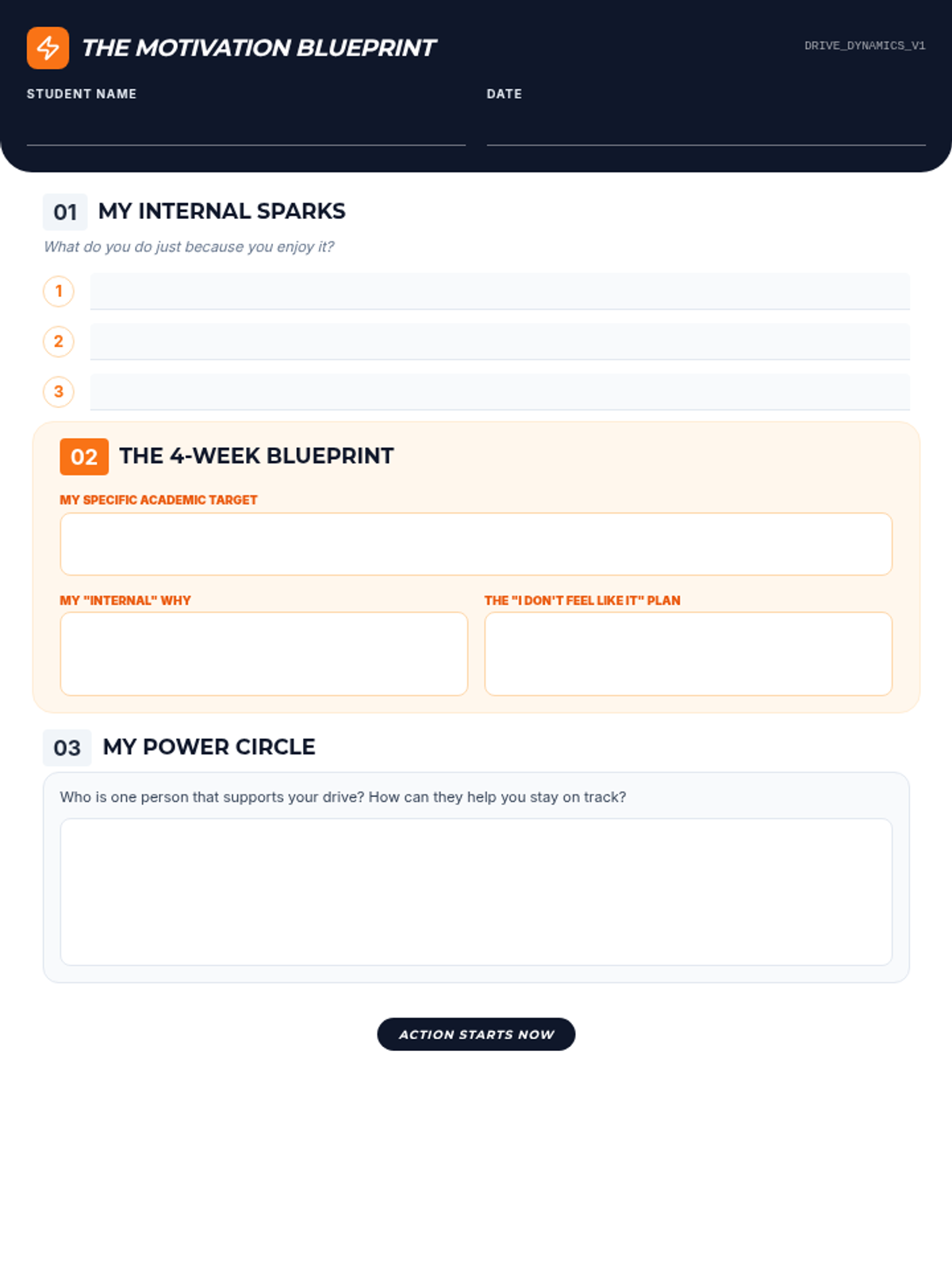
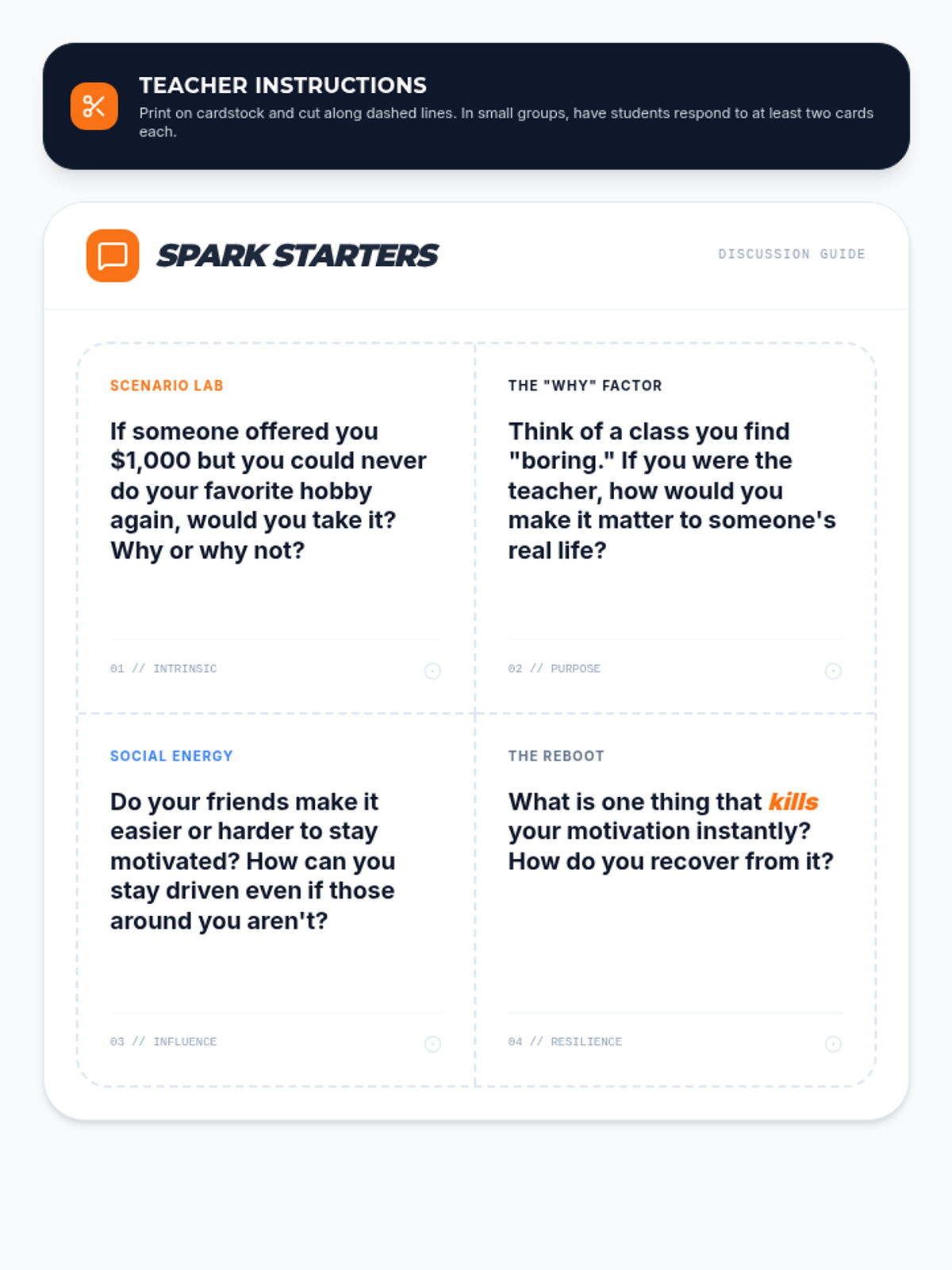
A comprehensive session focused on uncovering internal drivers, setting meaningful academic goals, and building social-emotional resilience through motivation strategies.
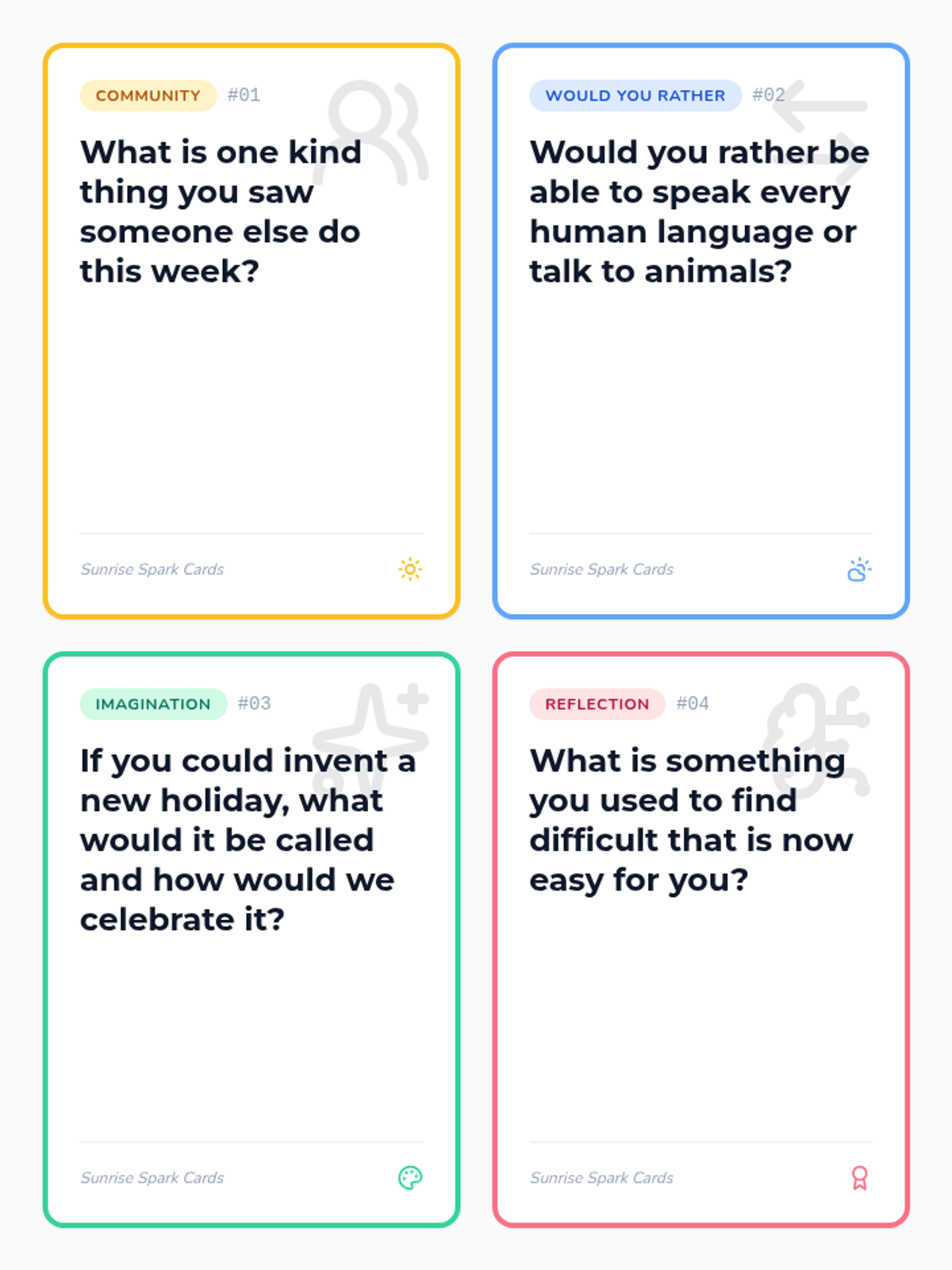
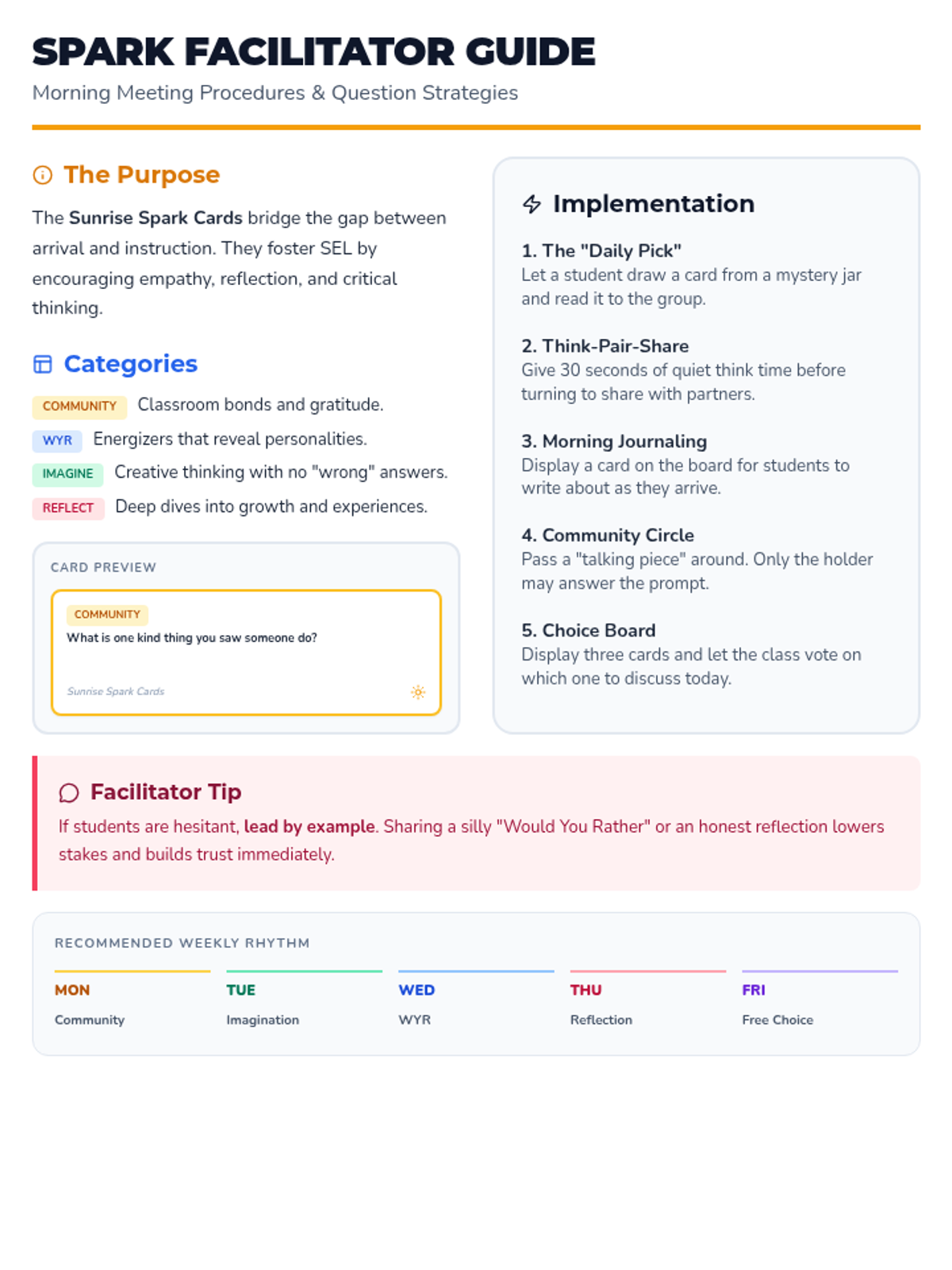
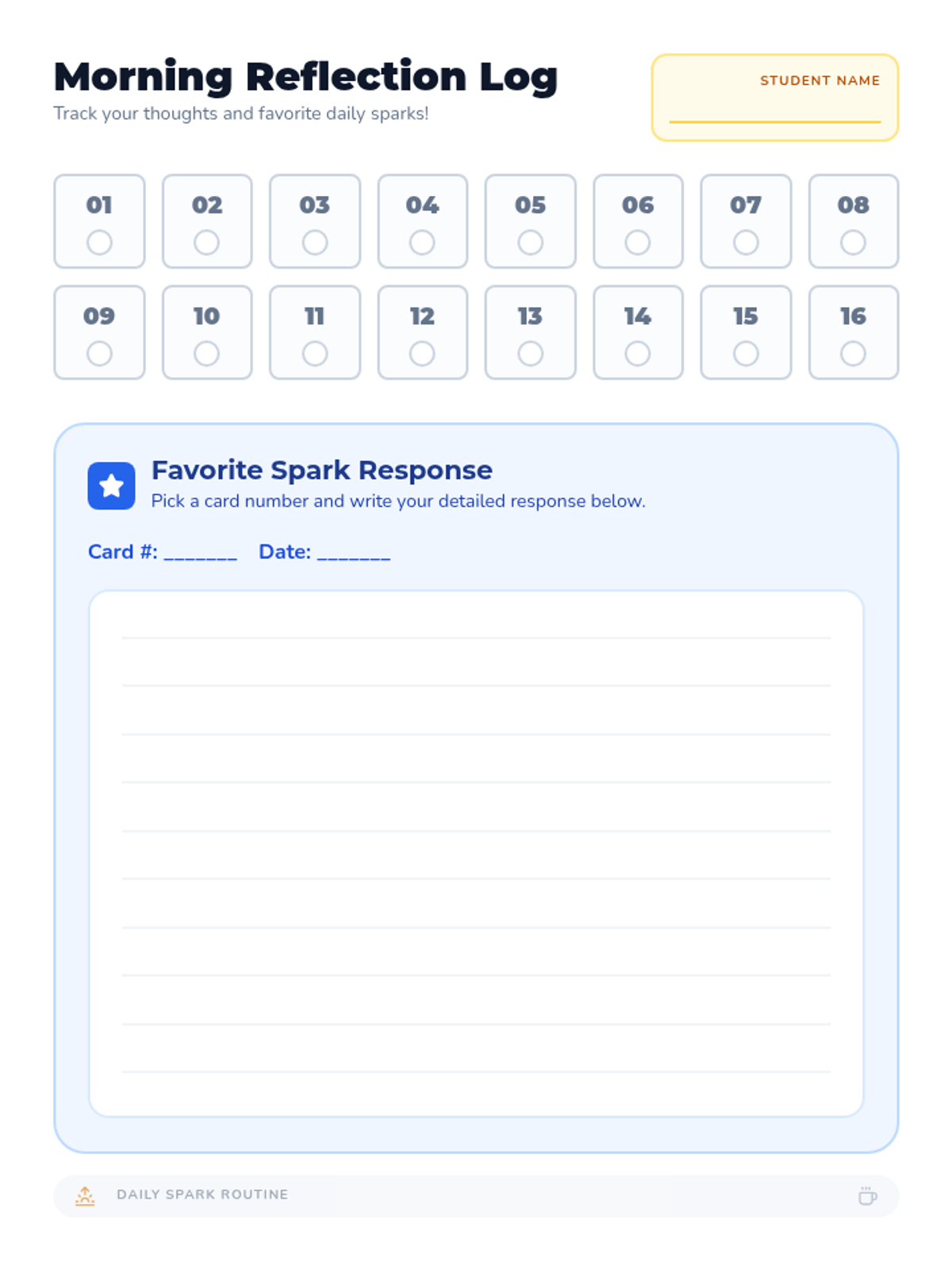
A collection of engaging morning meeting prompts designed to build community, spark creativity, and encourage reflection in upper elementary classrooms.
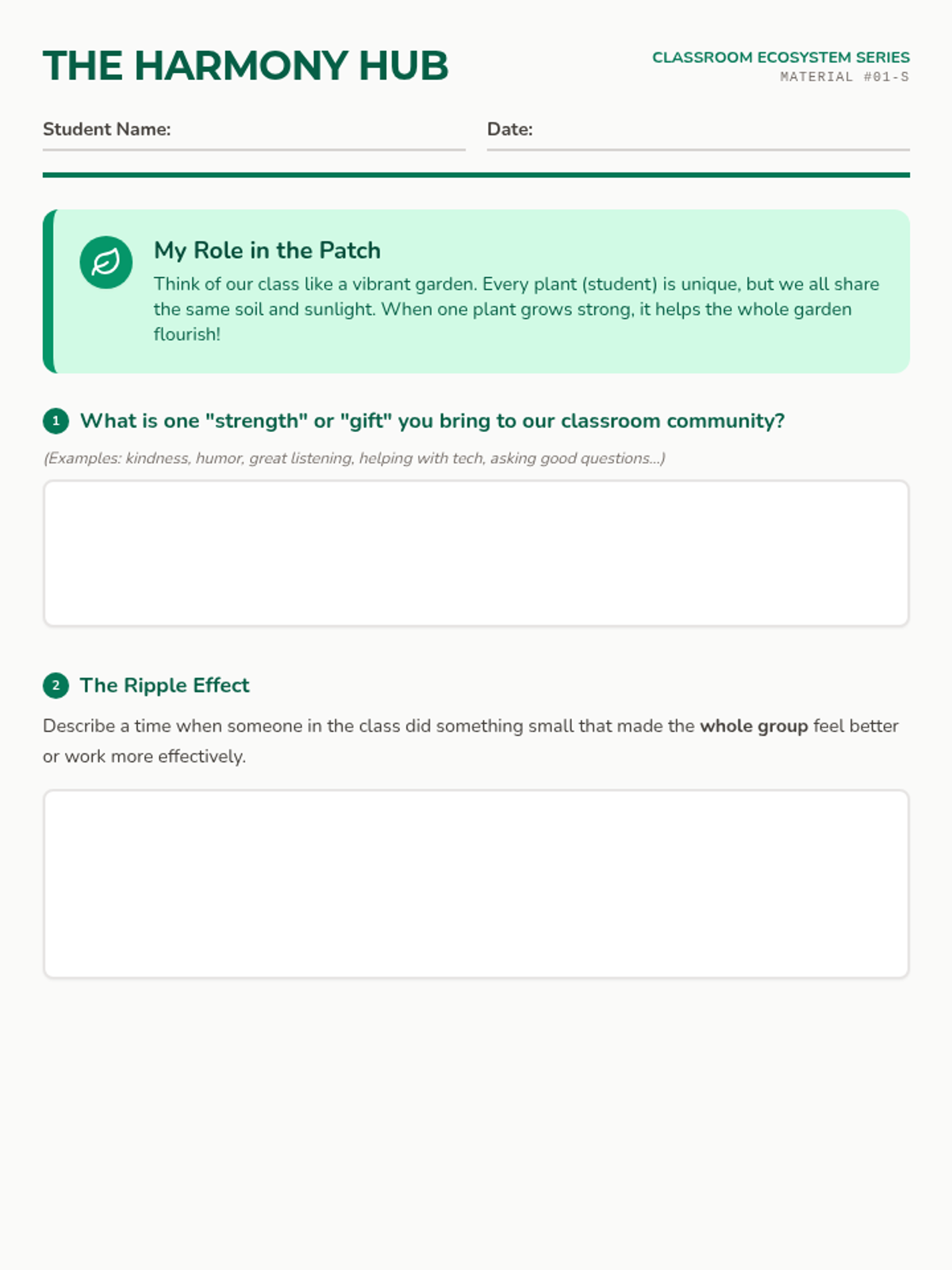
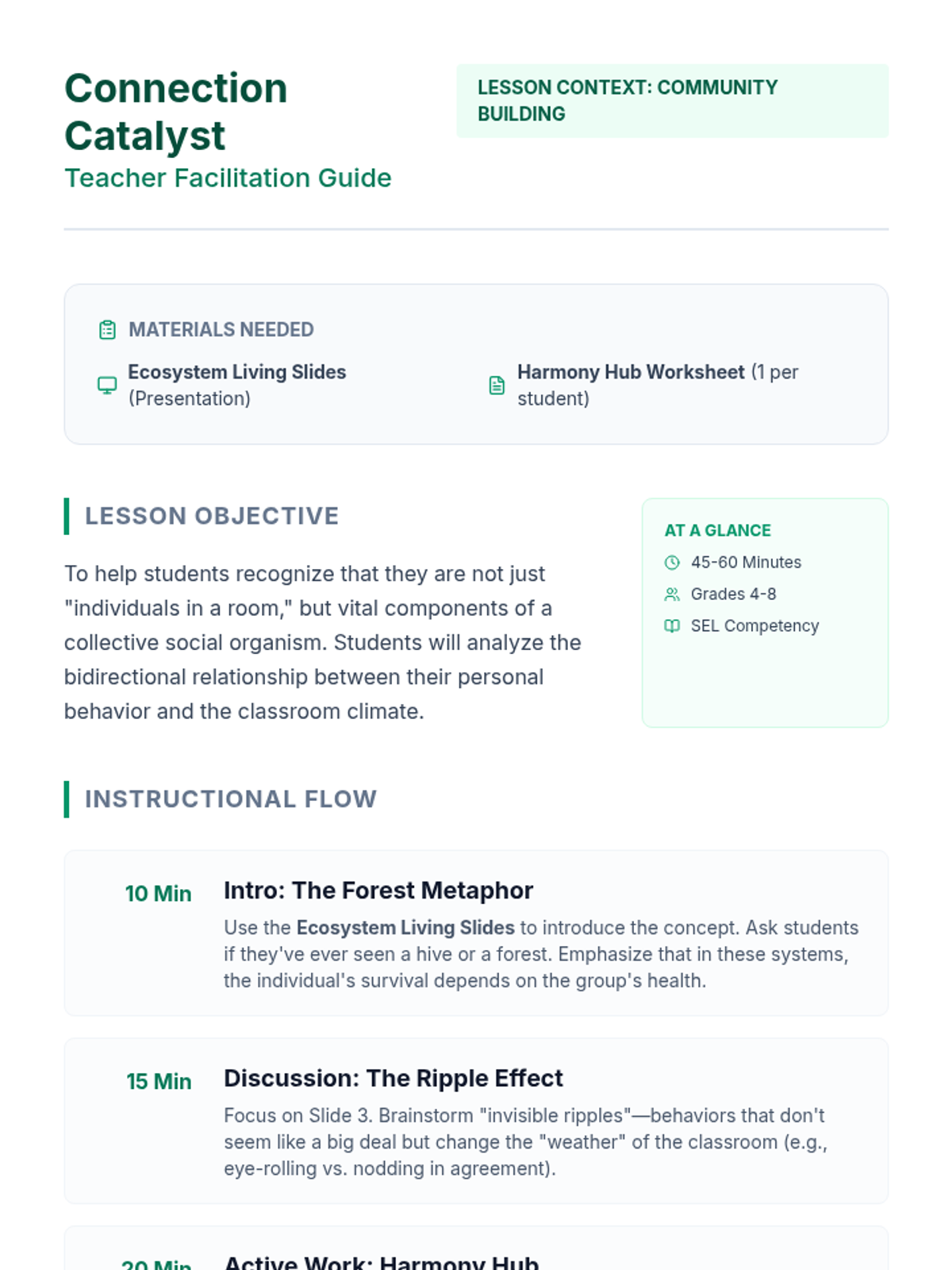
This lesson explores the dynamic between the individual student and the whole class, using an ecosystem metaphor to understand how personal actions shape the collective environment. Students will reflect on their contributions and the importance of a supportive classroom community.
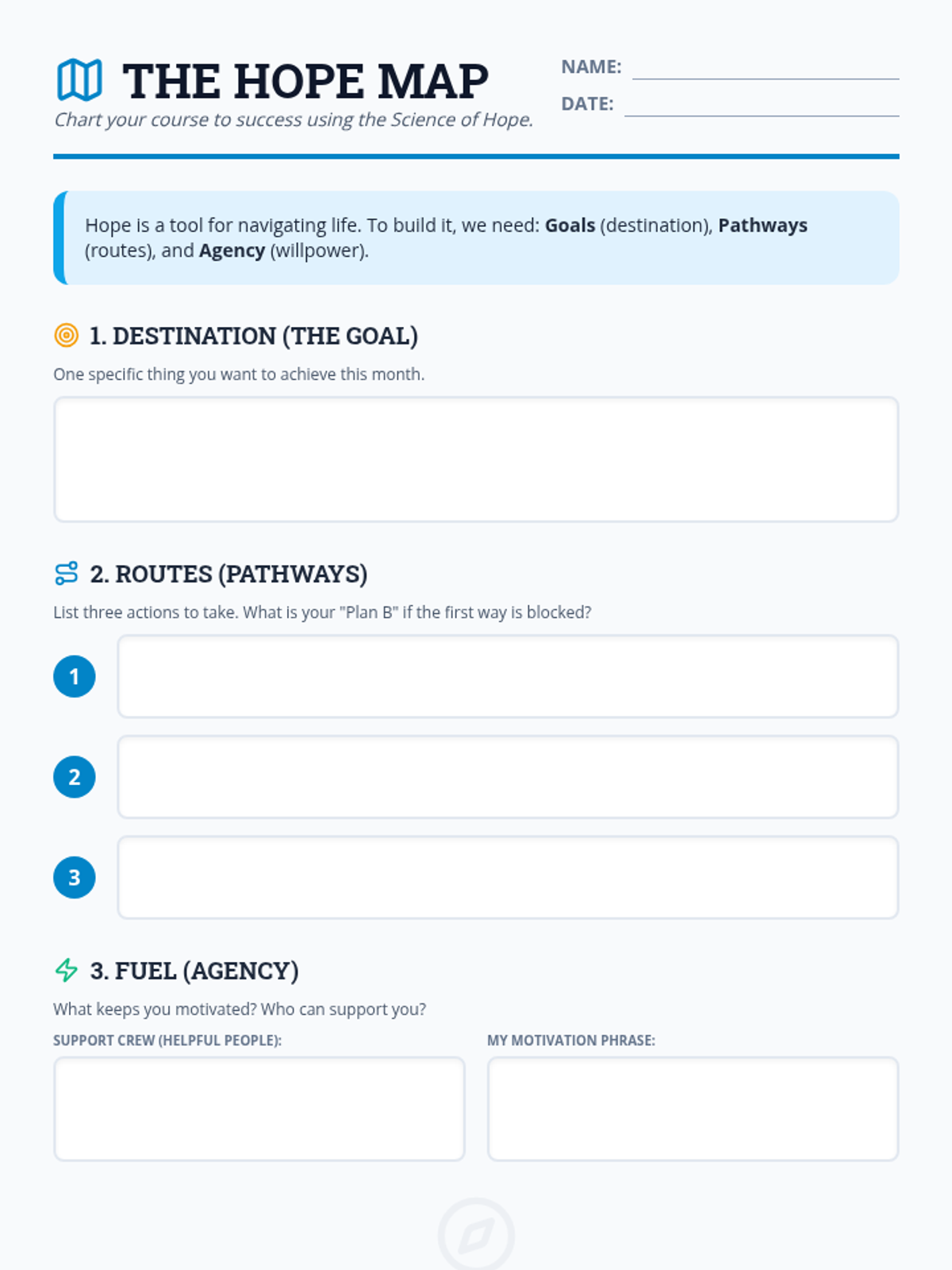
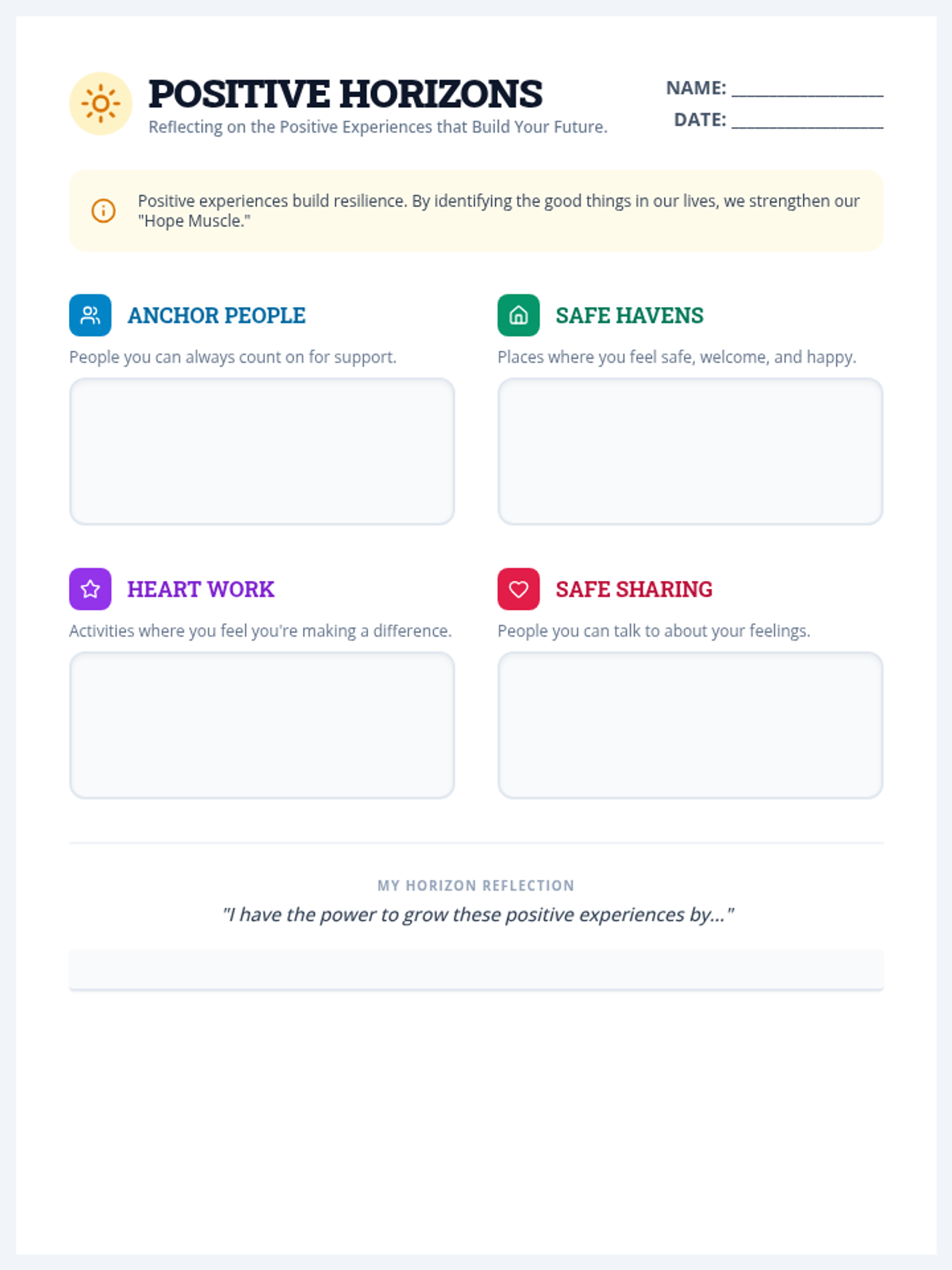
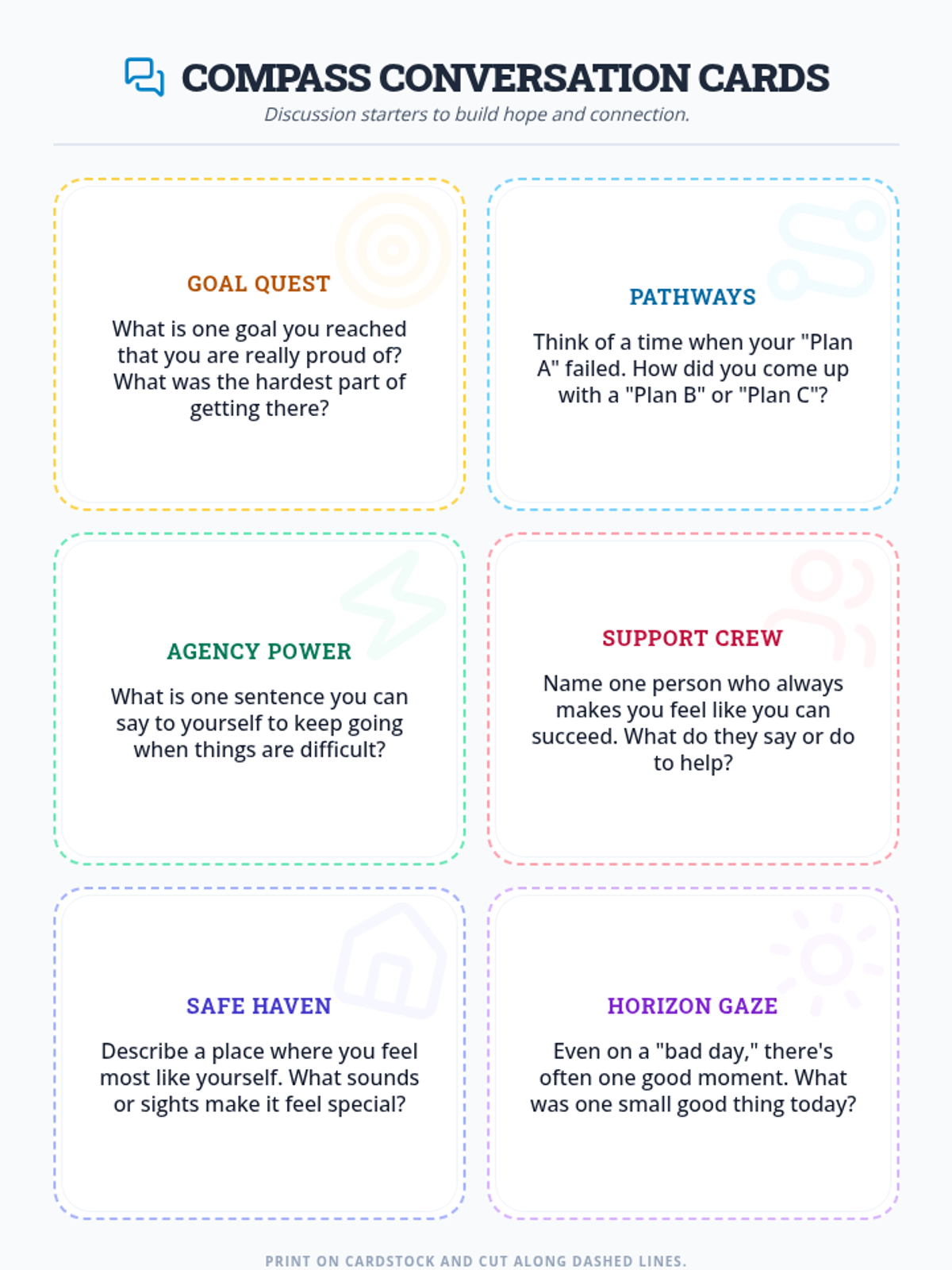
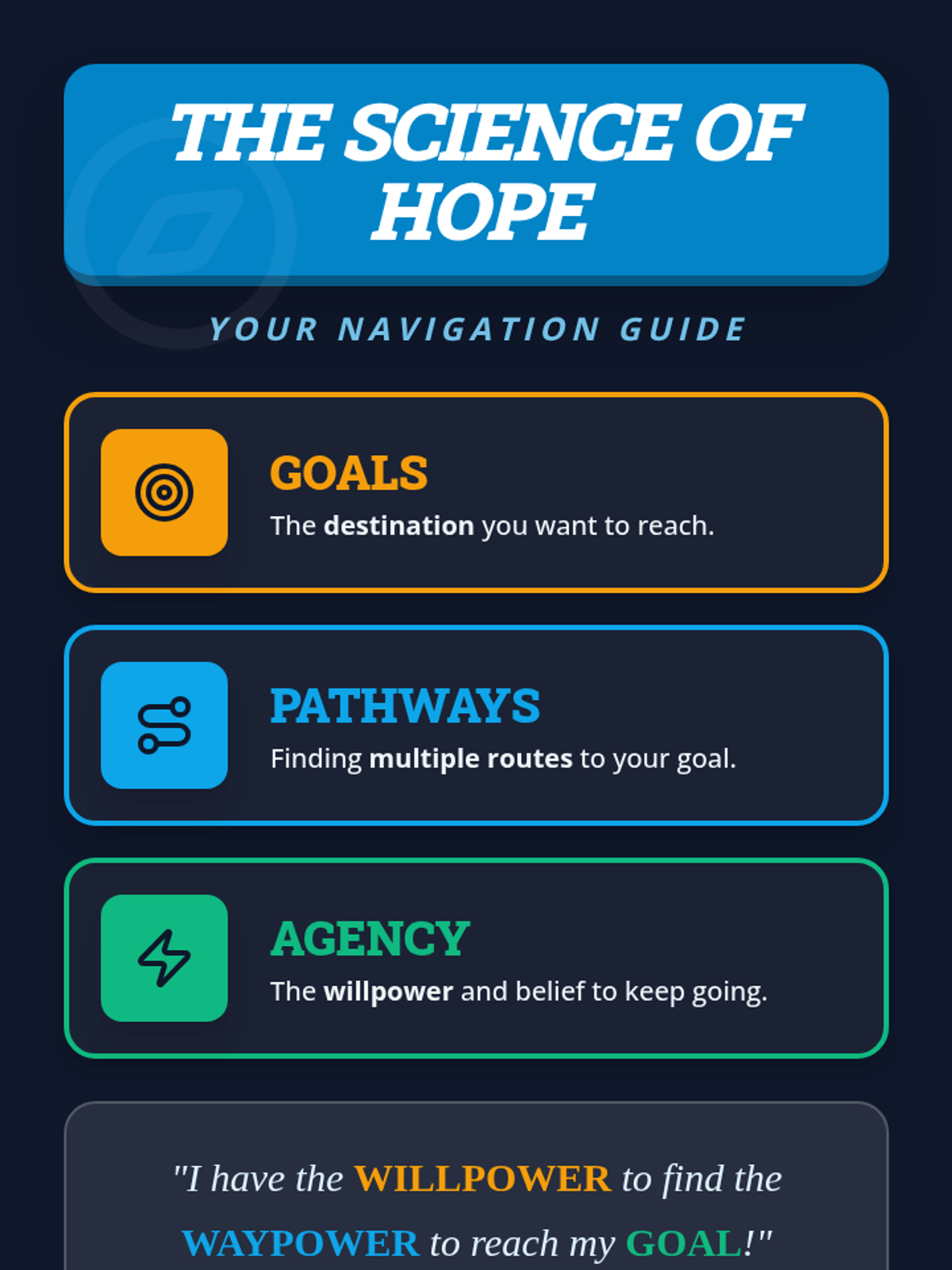
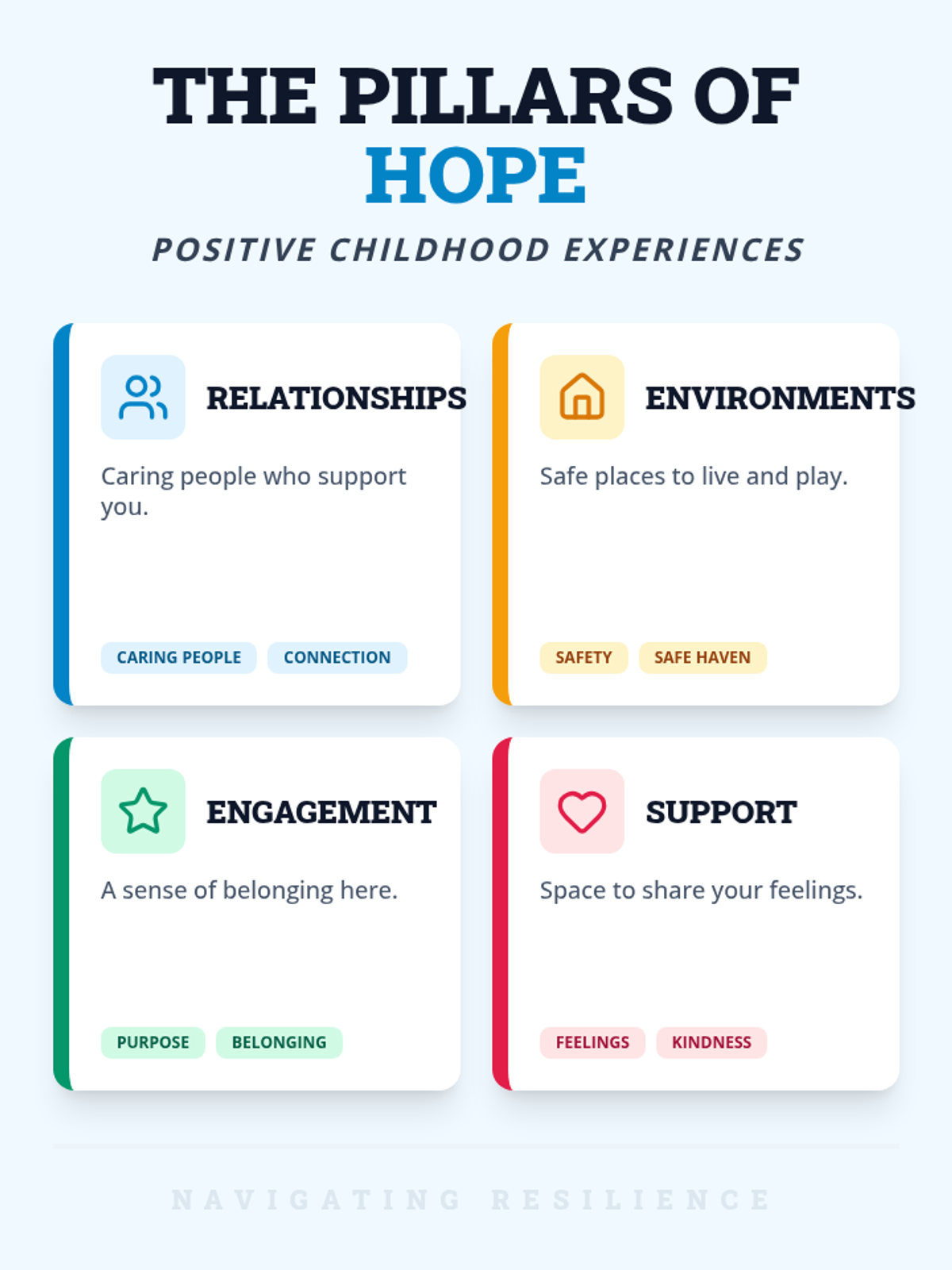
This lesson introduces students to the components of hope (Goals, Agency, Pathways) and the importance of positive childhood experiences. Students will reflect on their strengths, set practical goals, and identify the support systems that help them navigate life.
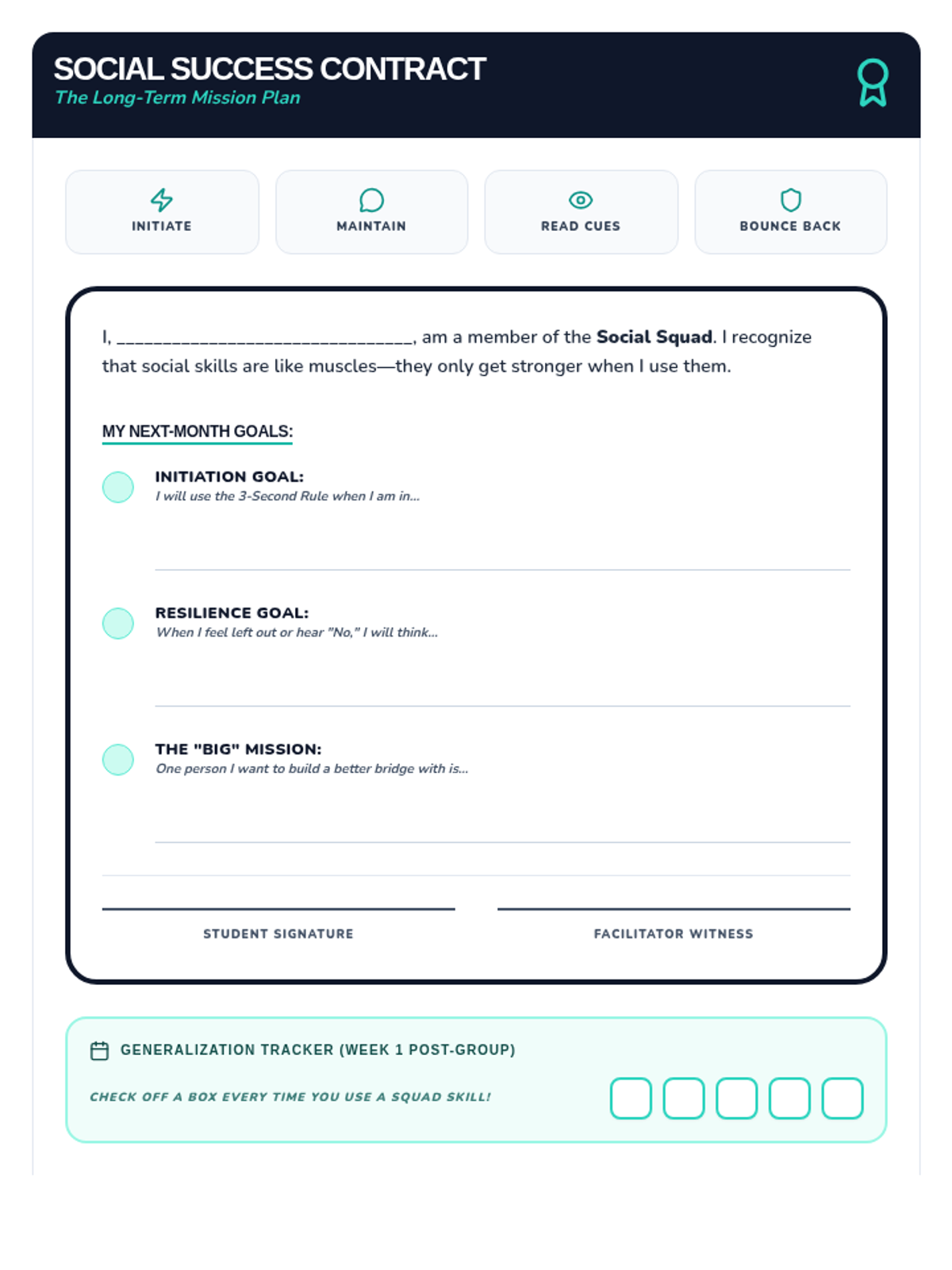
Learning strategies for repairing damaged peer relationships and creating a long-term generalization plan for social success.
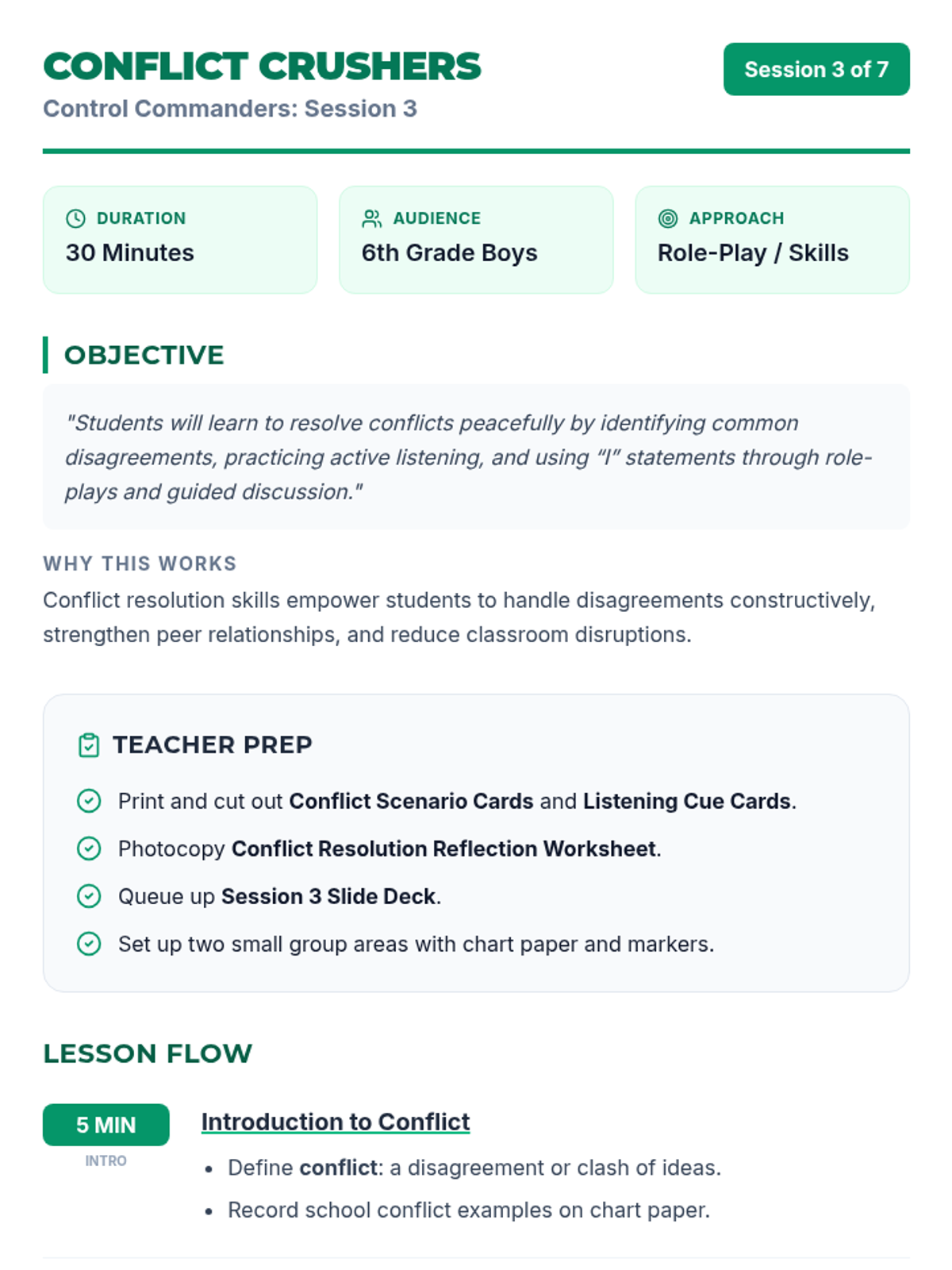
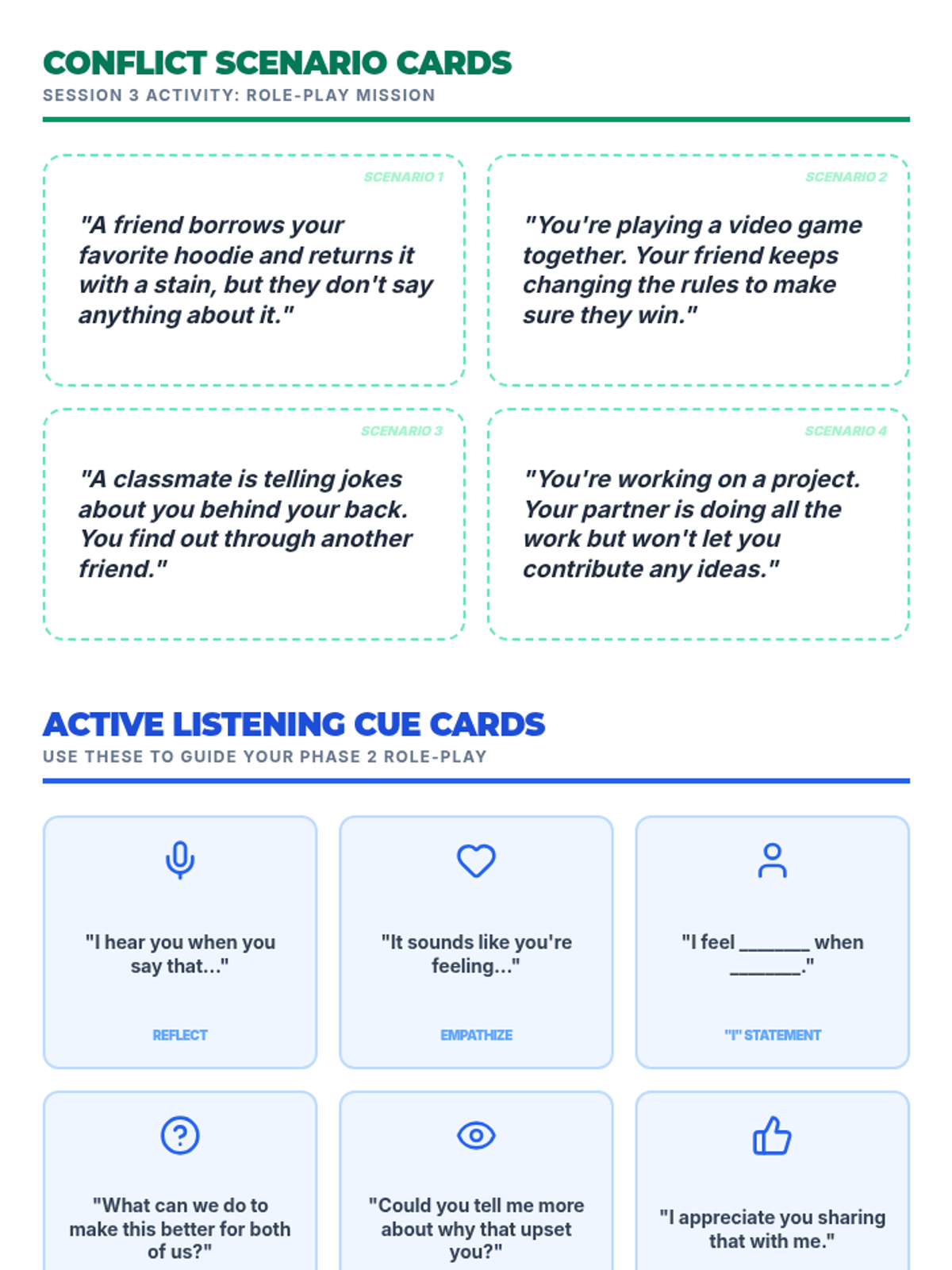
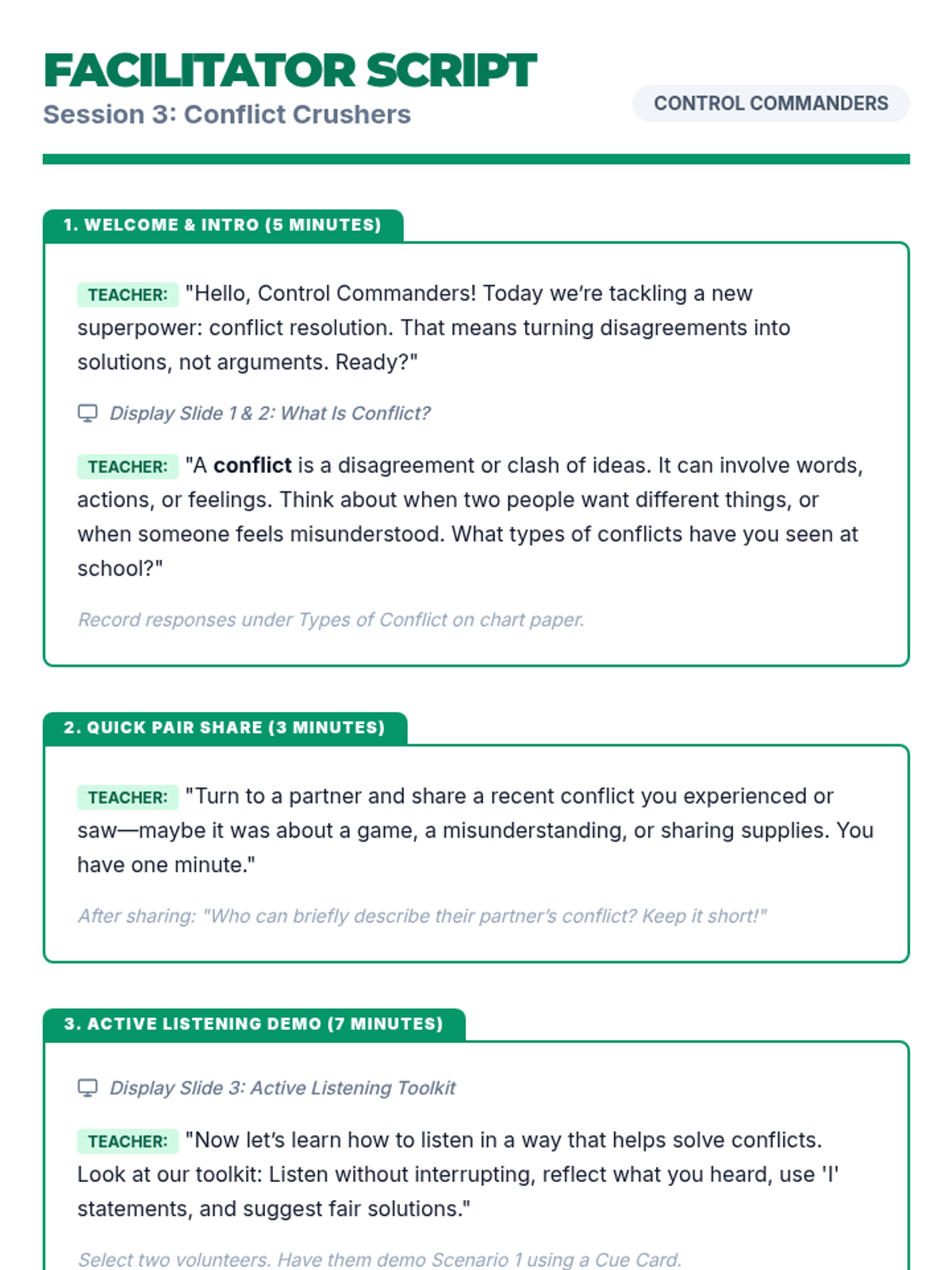
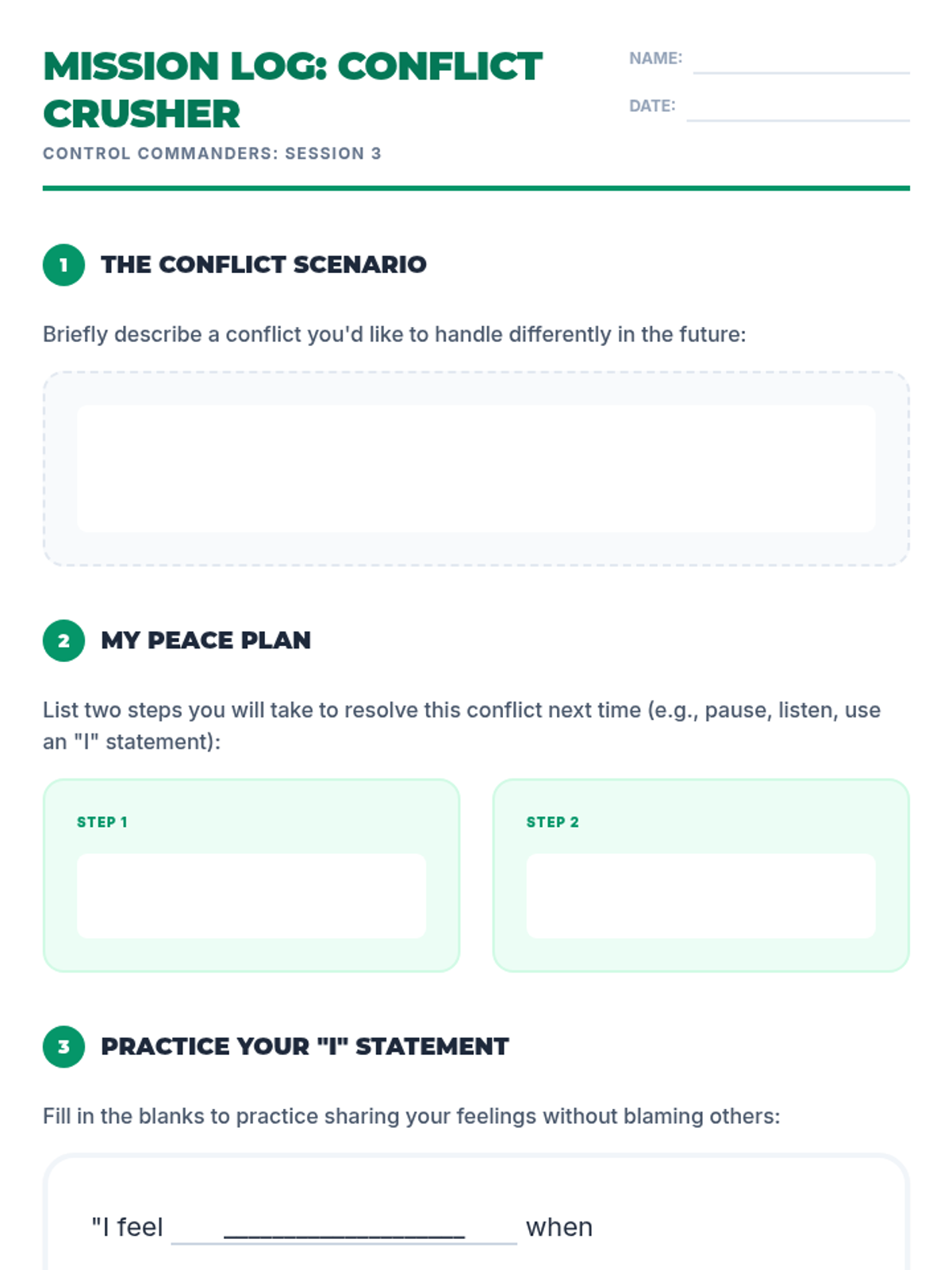
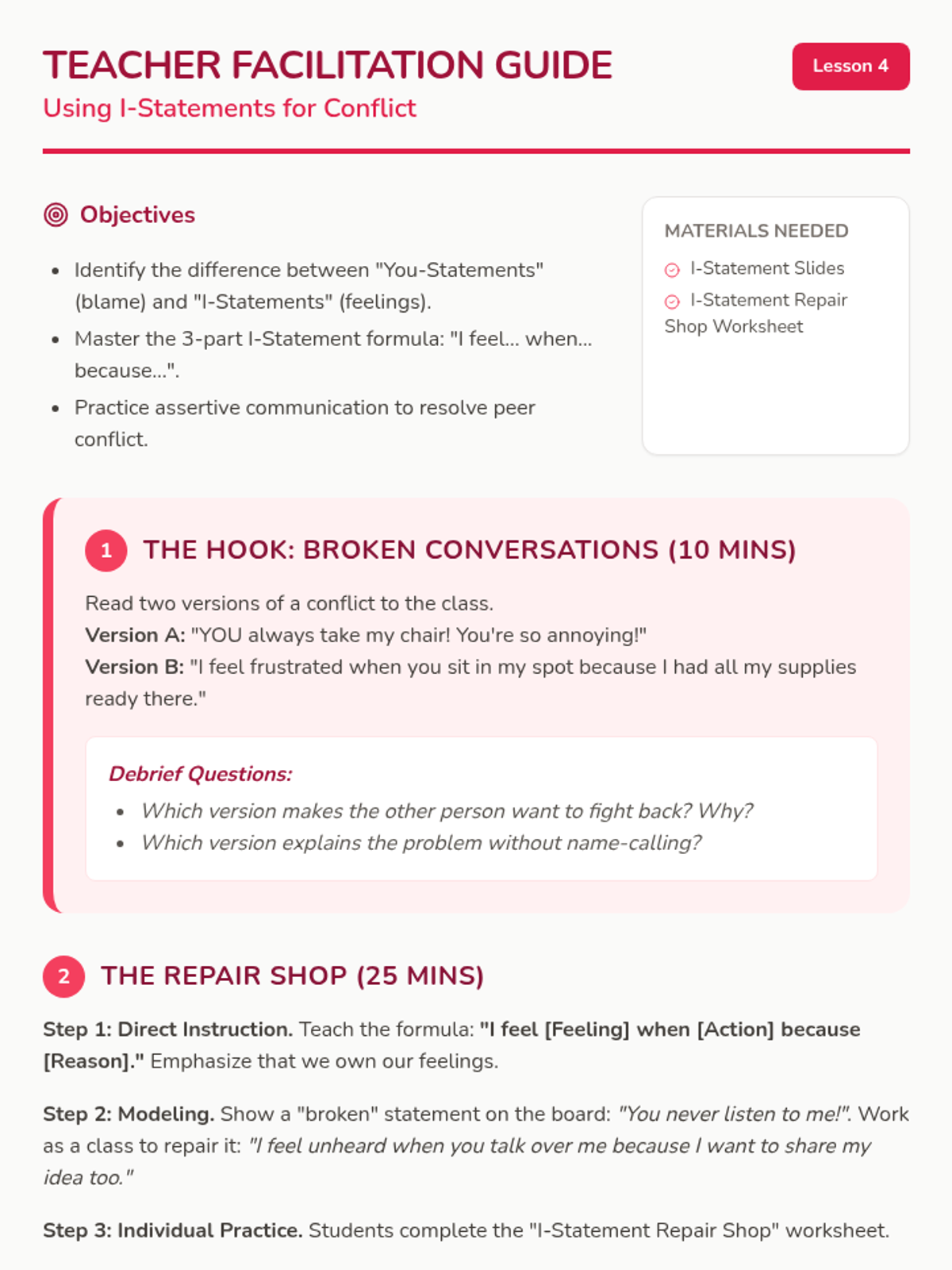
Students learn to resolve disagreements using active listening techniques and "I" statements in real-world scenarios.
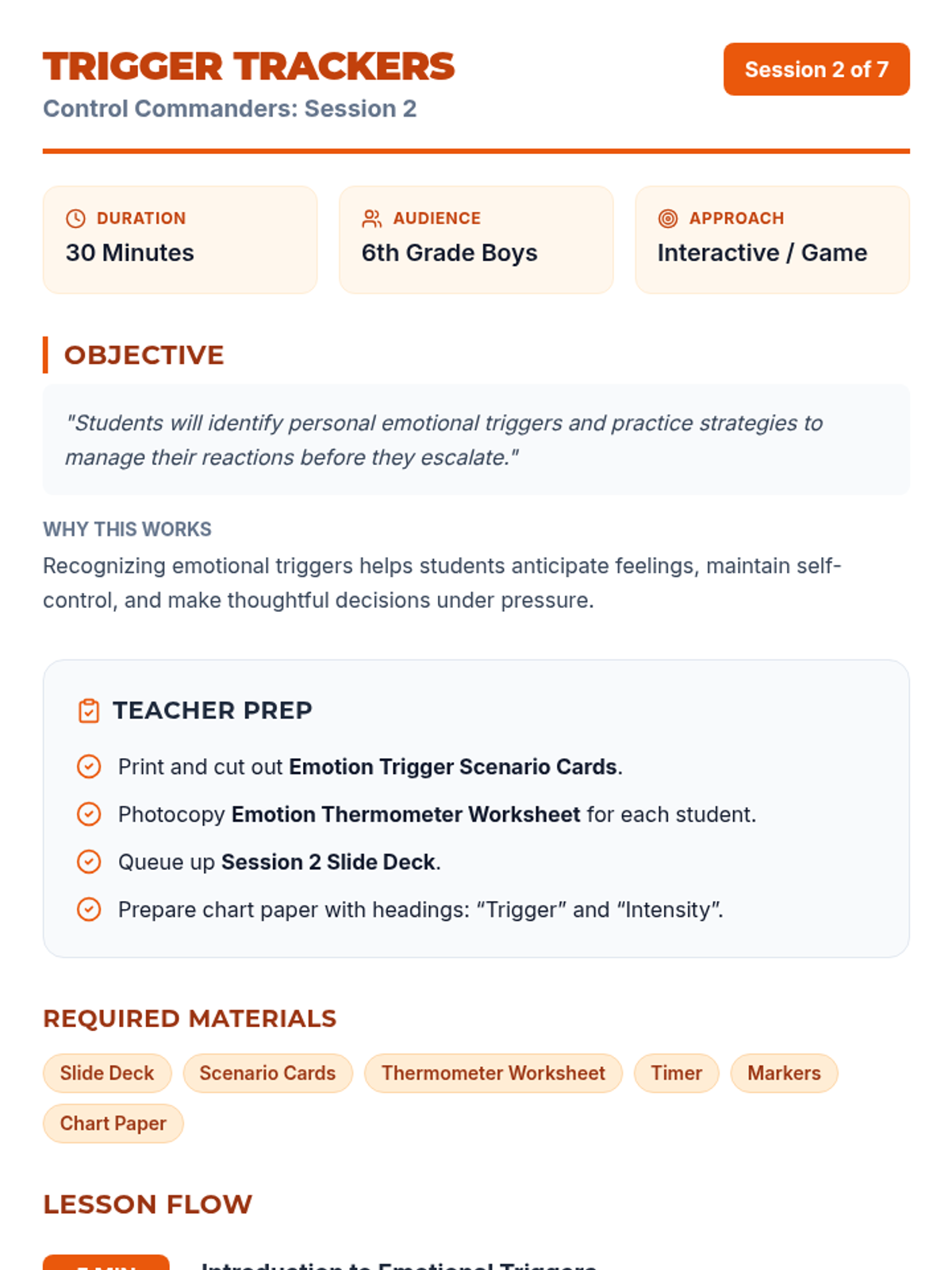
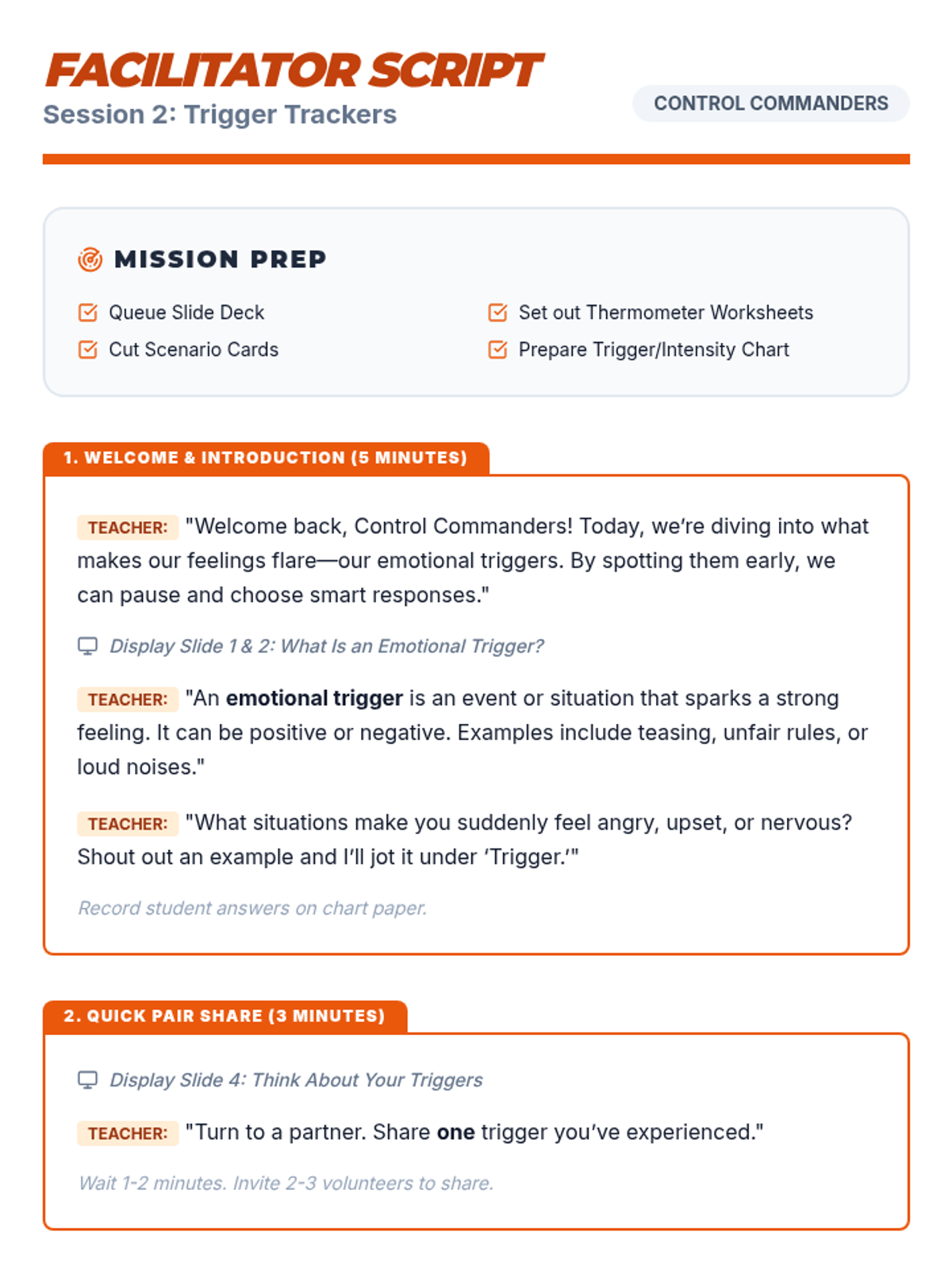
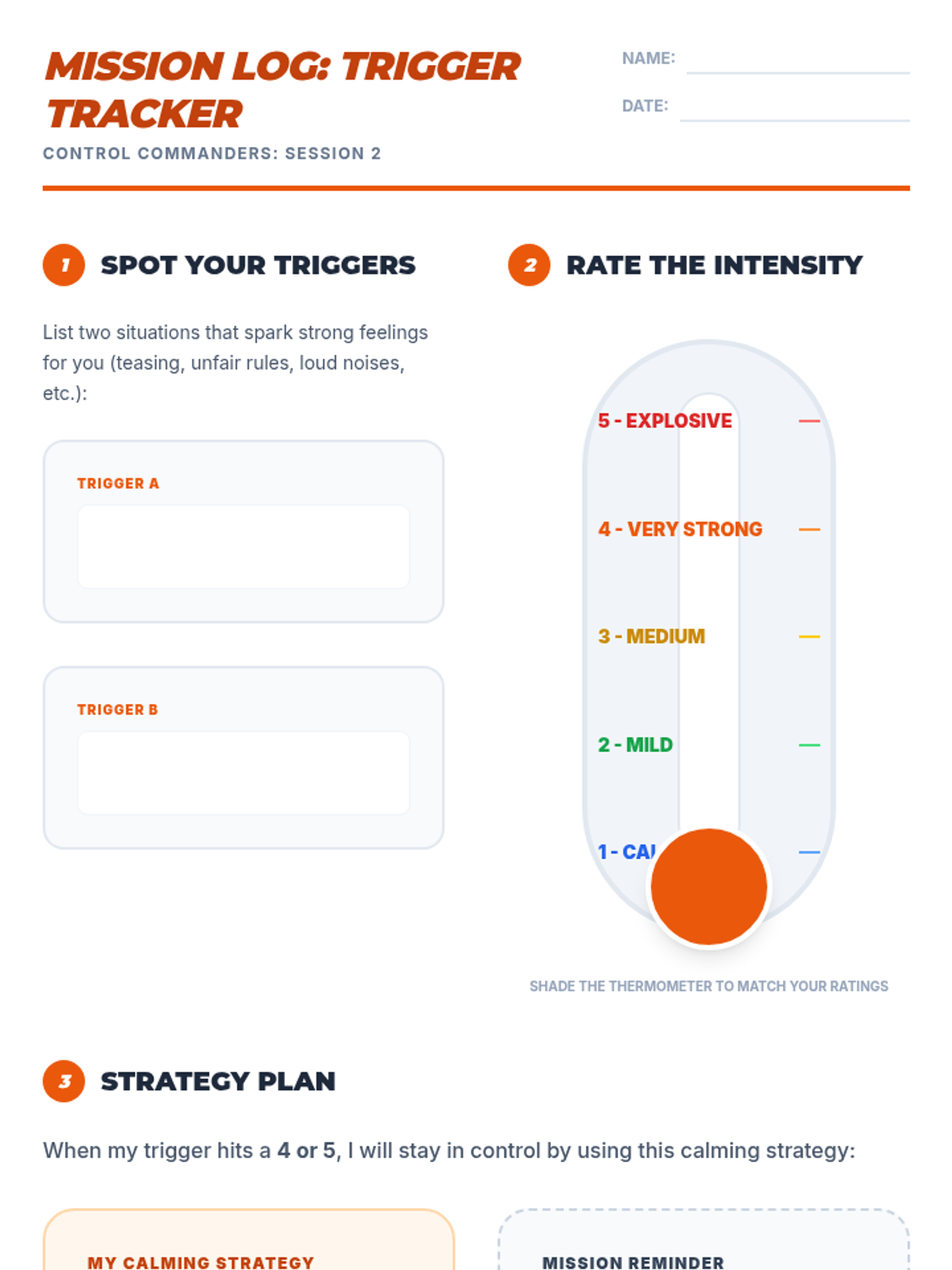
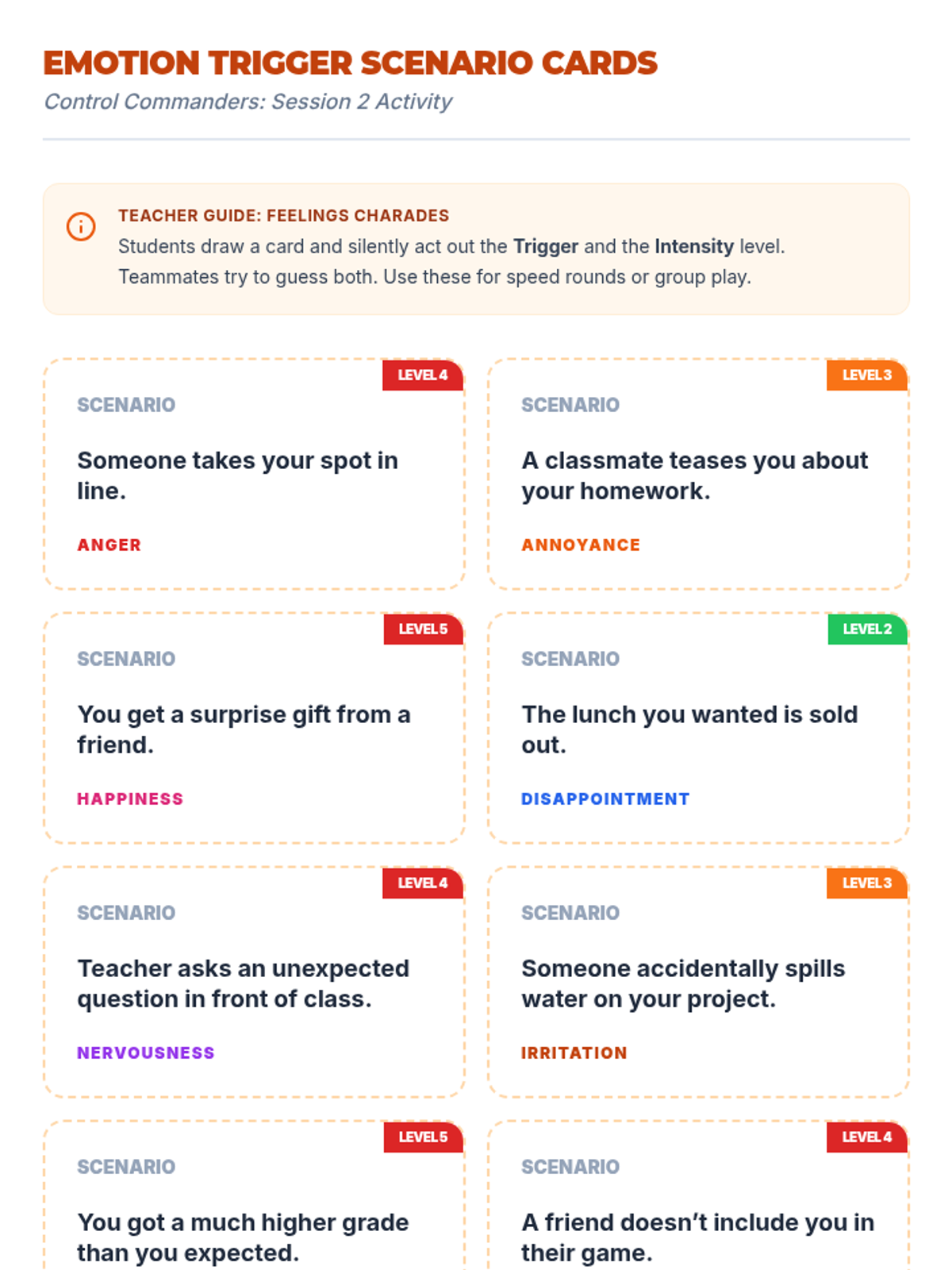
Students identify personal emotional triggers and use an "Emotion Thermometer" to rate intensity and plan calming strategies.
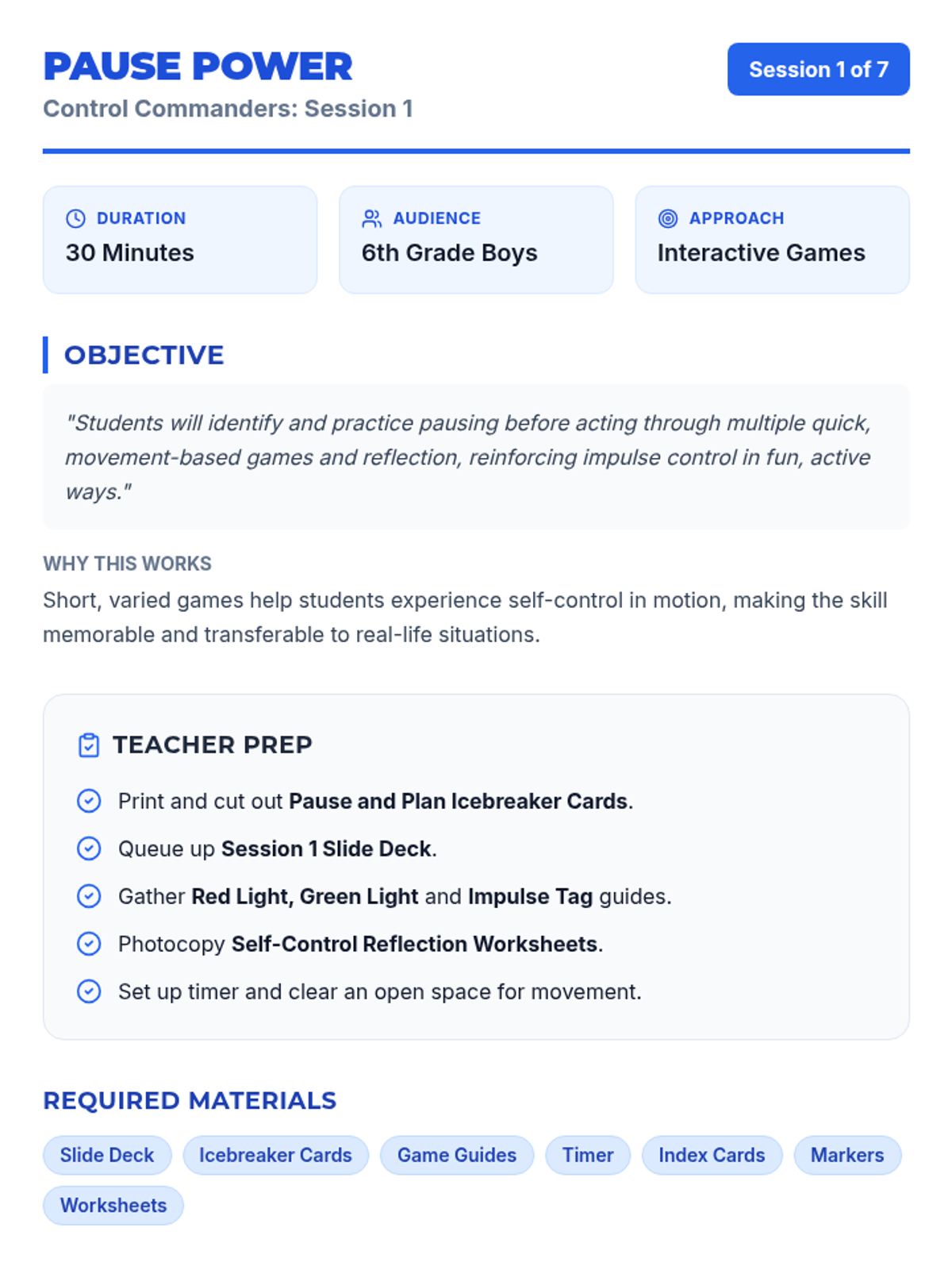
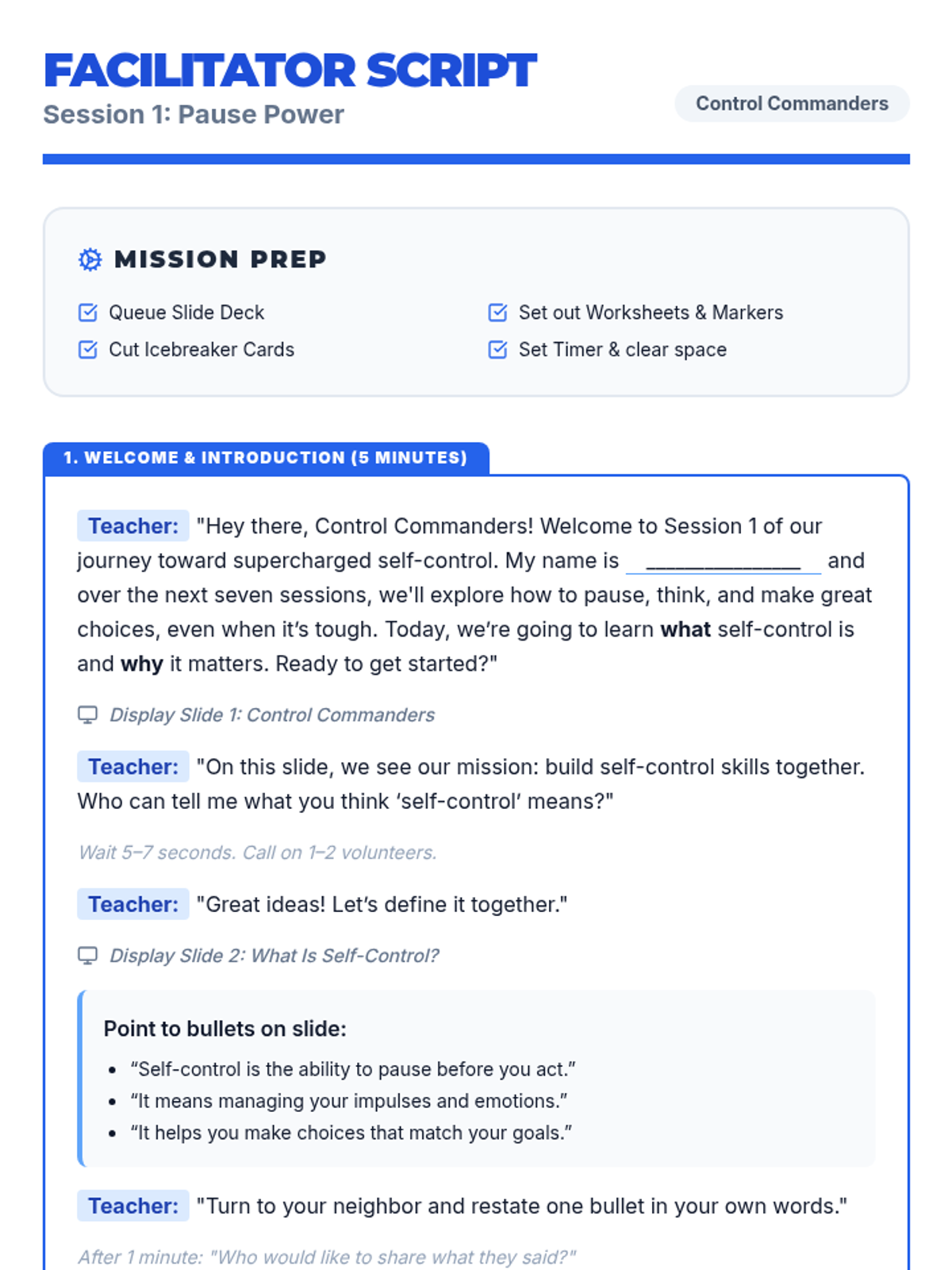
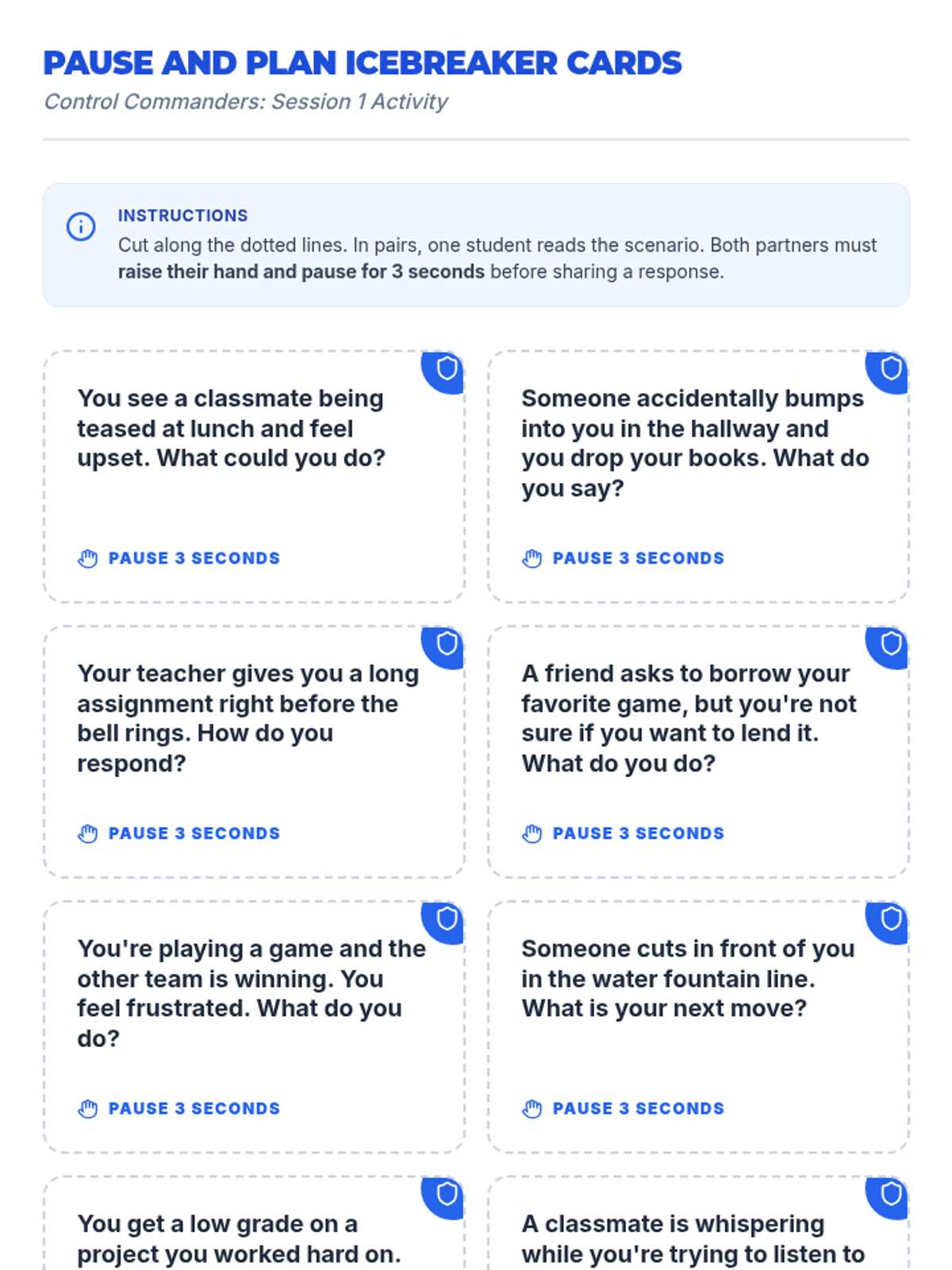
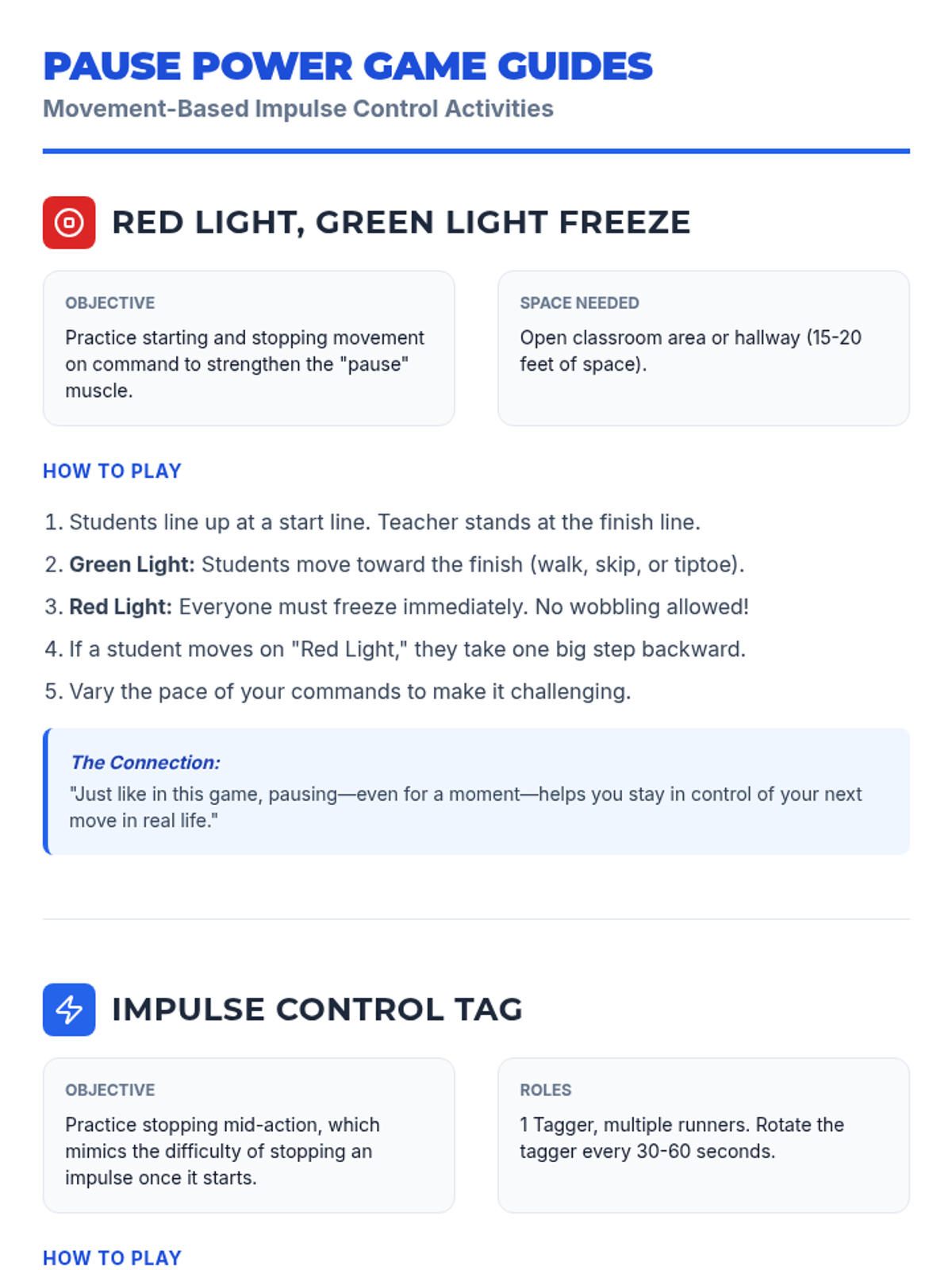
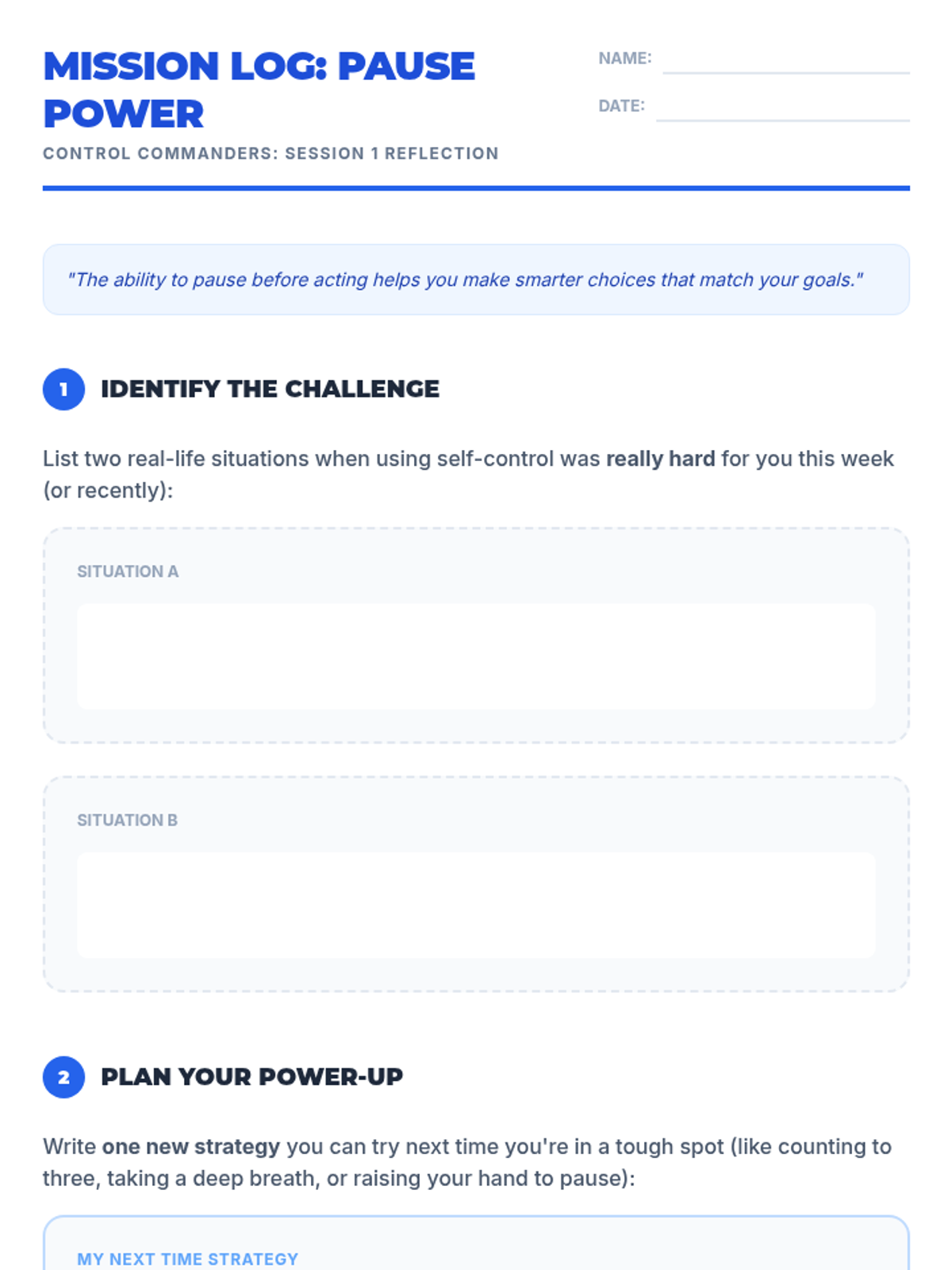
Students define self-control and practice the "Pause and Plan" strategy through movement games and reflection.
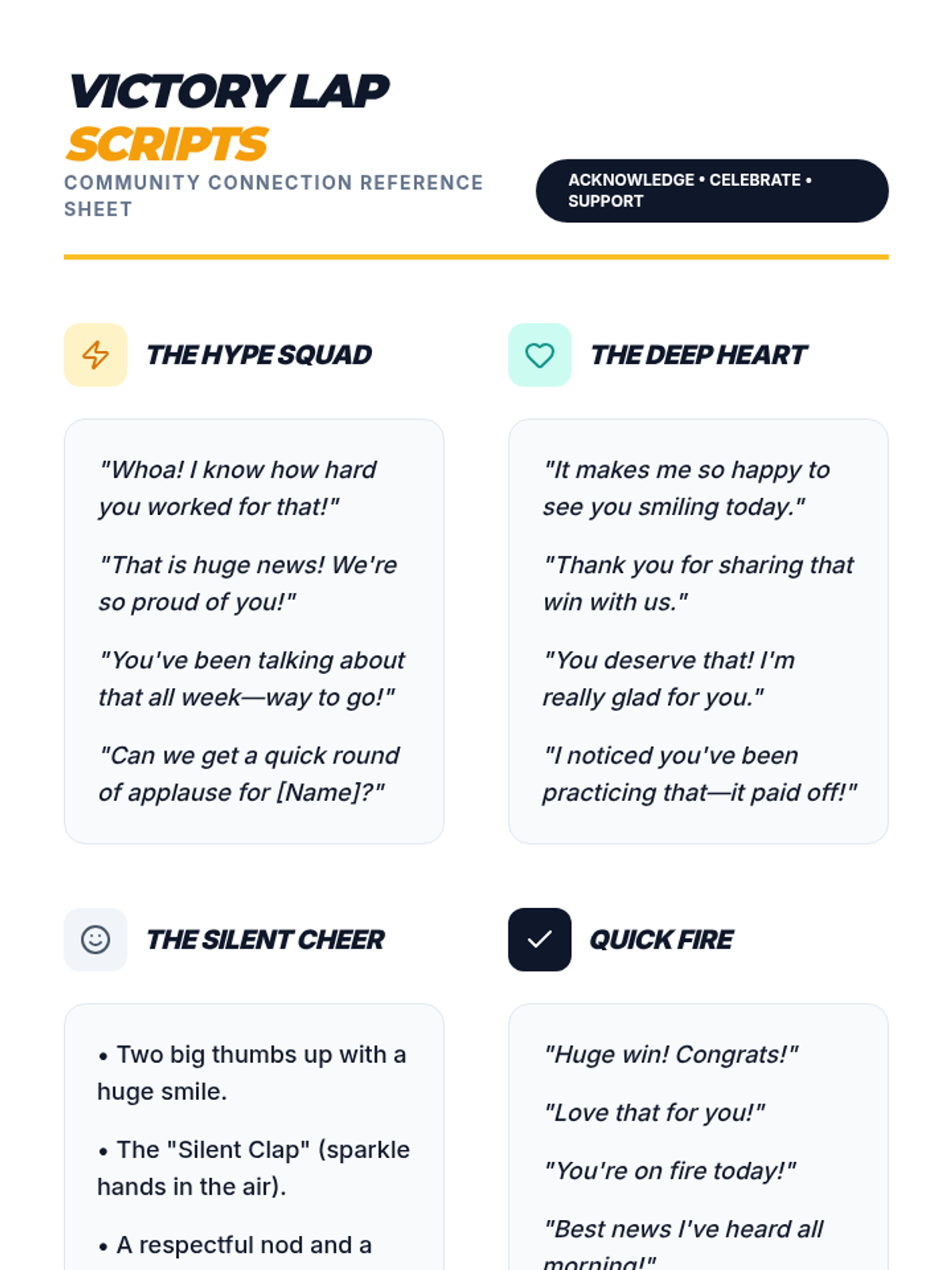
The sequence ends with learning how to check in on positive news and celebrate peer successes authentically.
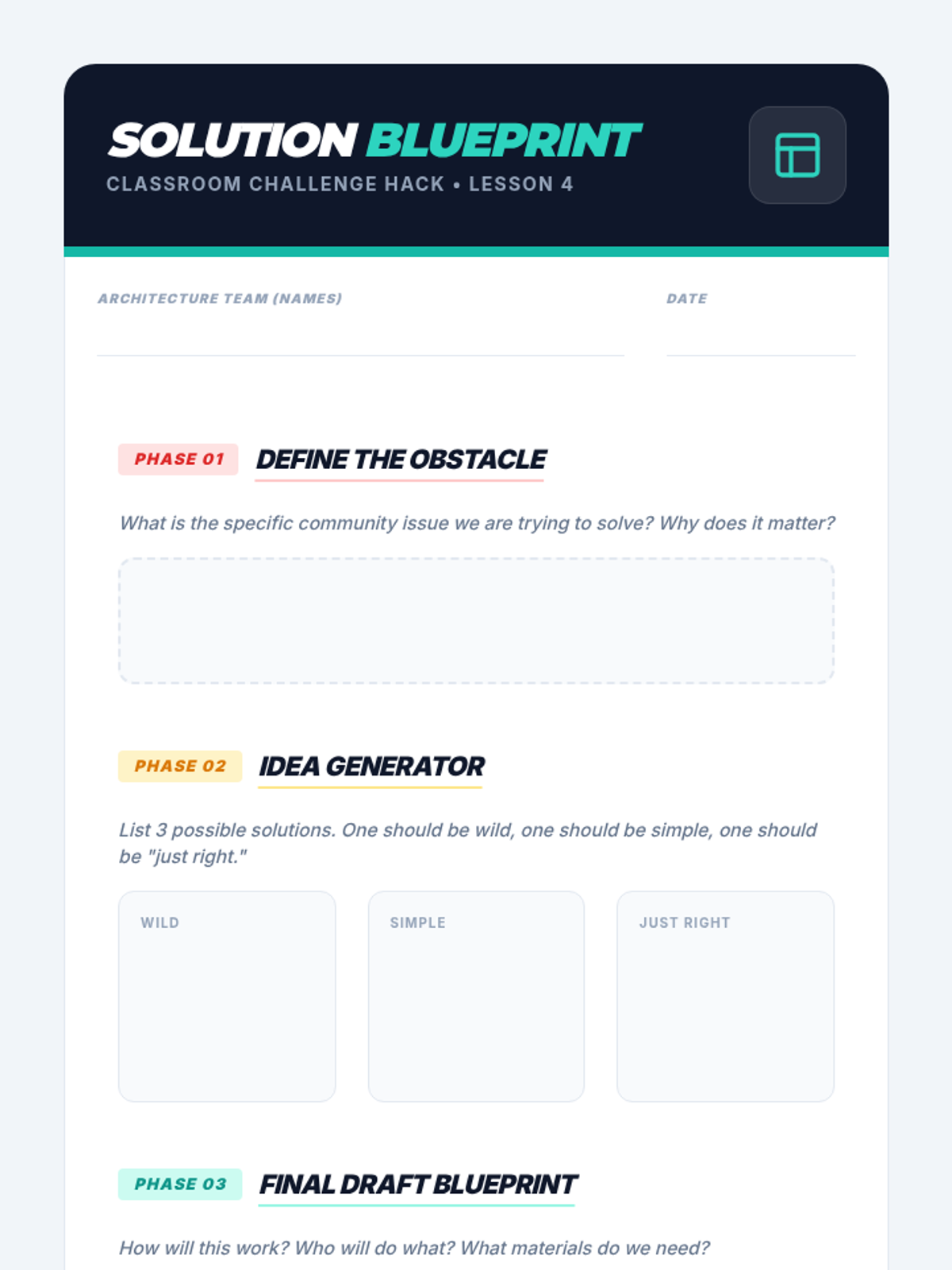
Using anonymized issues from check-ins, students practice solving community problems together during the morning meeting block.
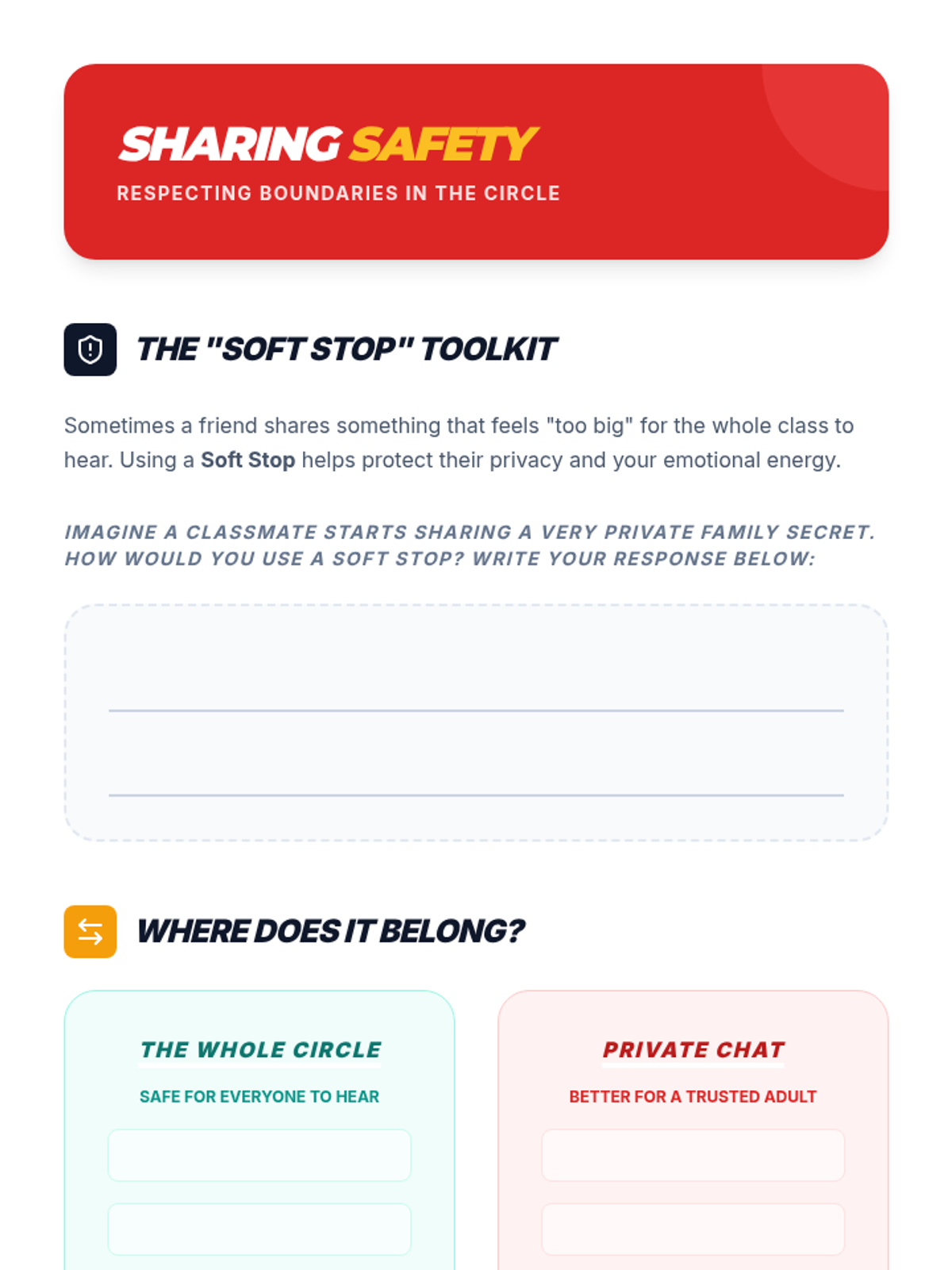
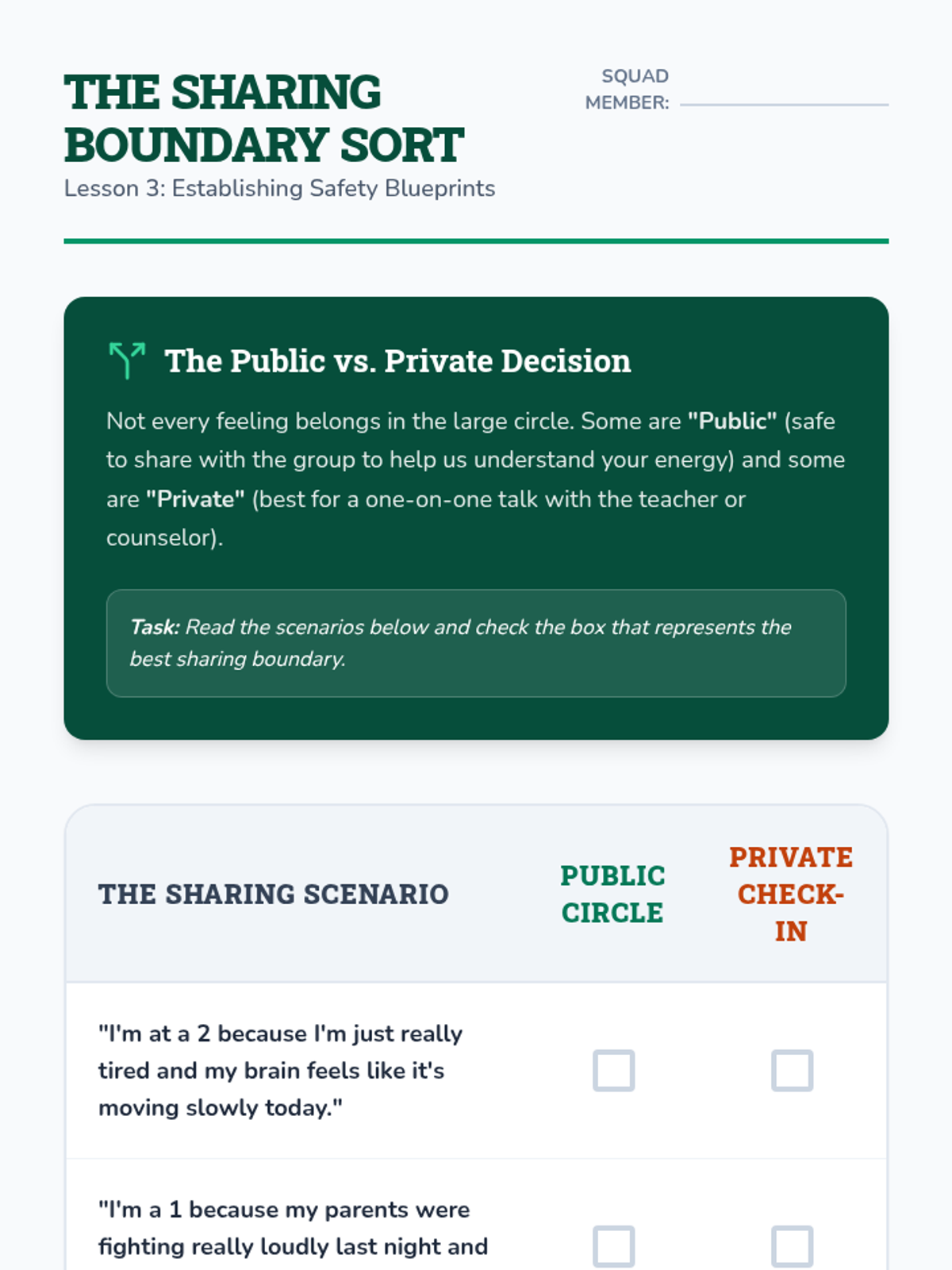
Students learn the concept of 'time and place' for sharing personal issues and how to protect their own emotional bandwidth.
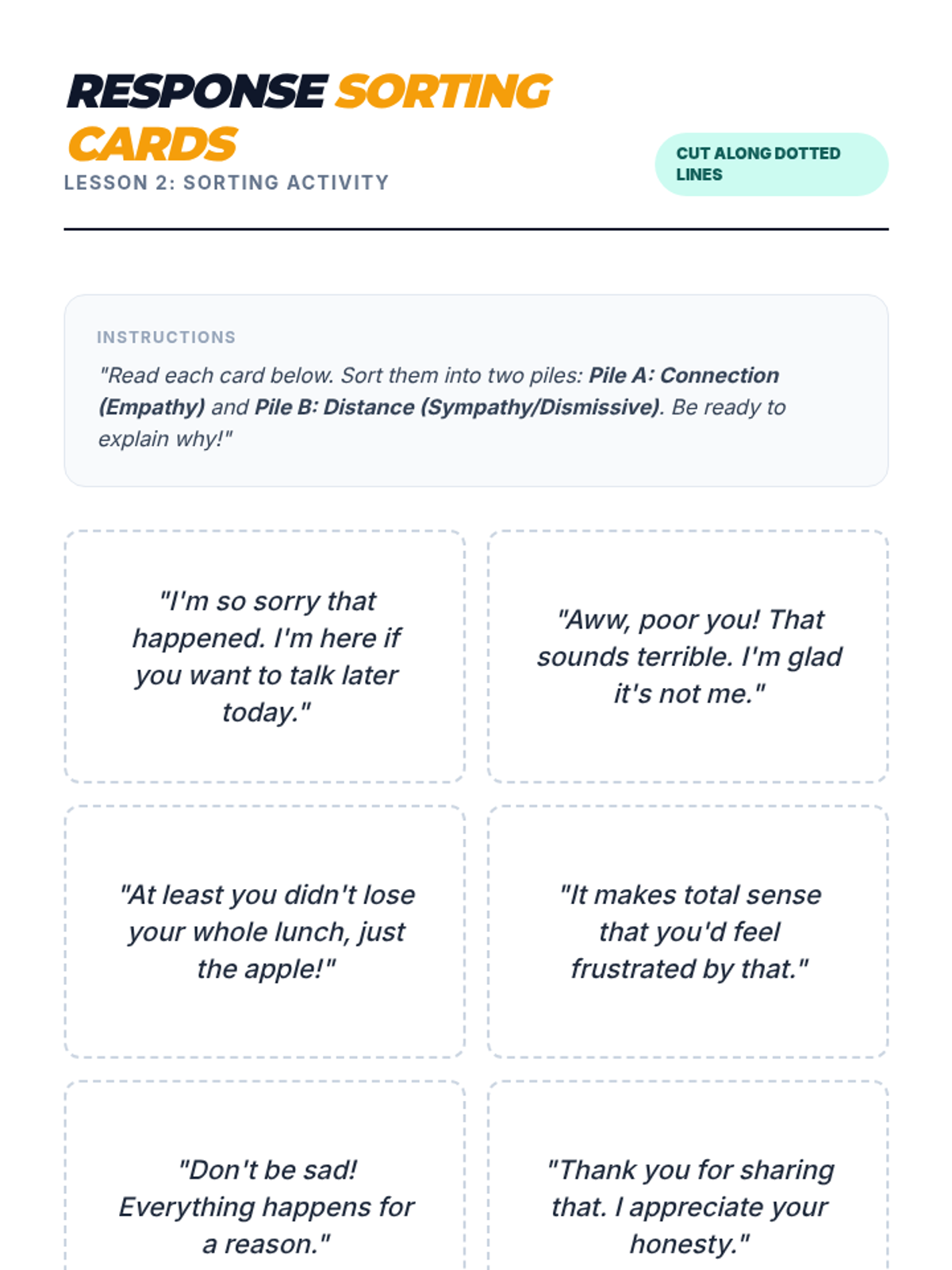
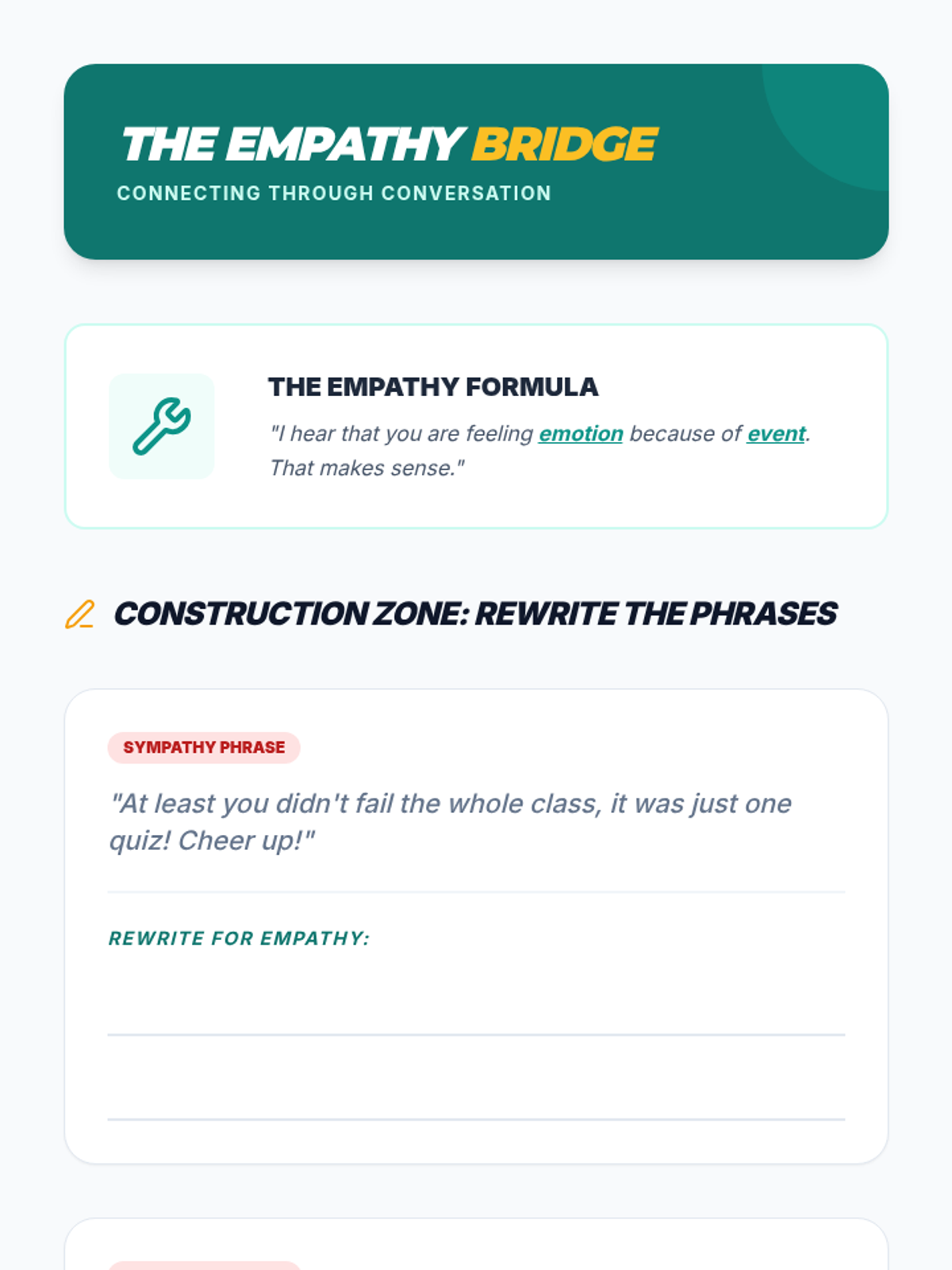
The class differentiates between pitying someone and empathizing with them, learning appropriate verbal responses to peer sharing.
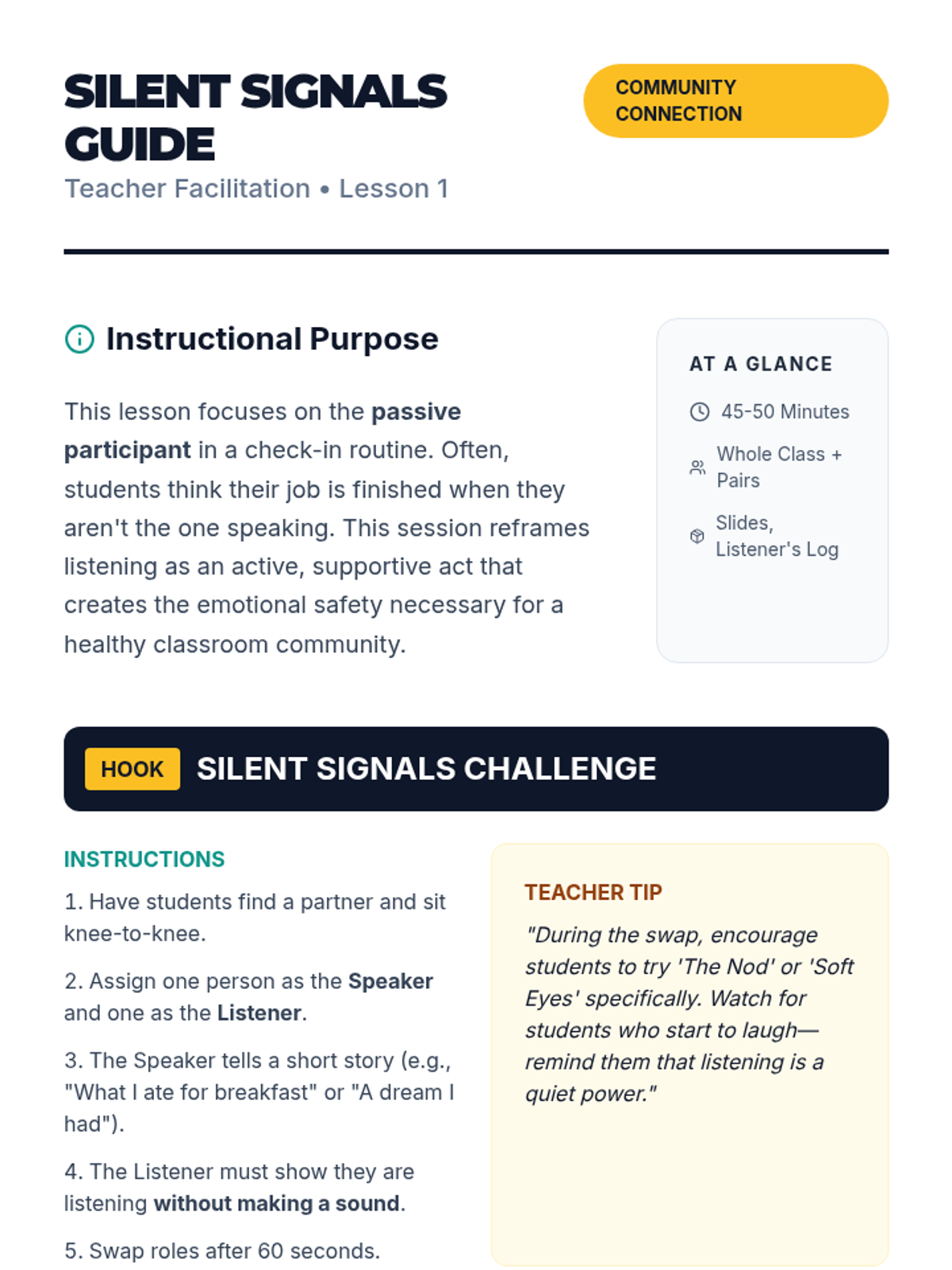
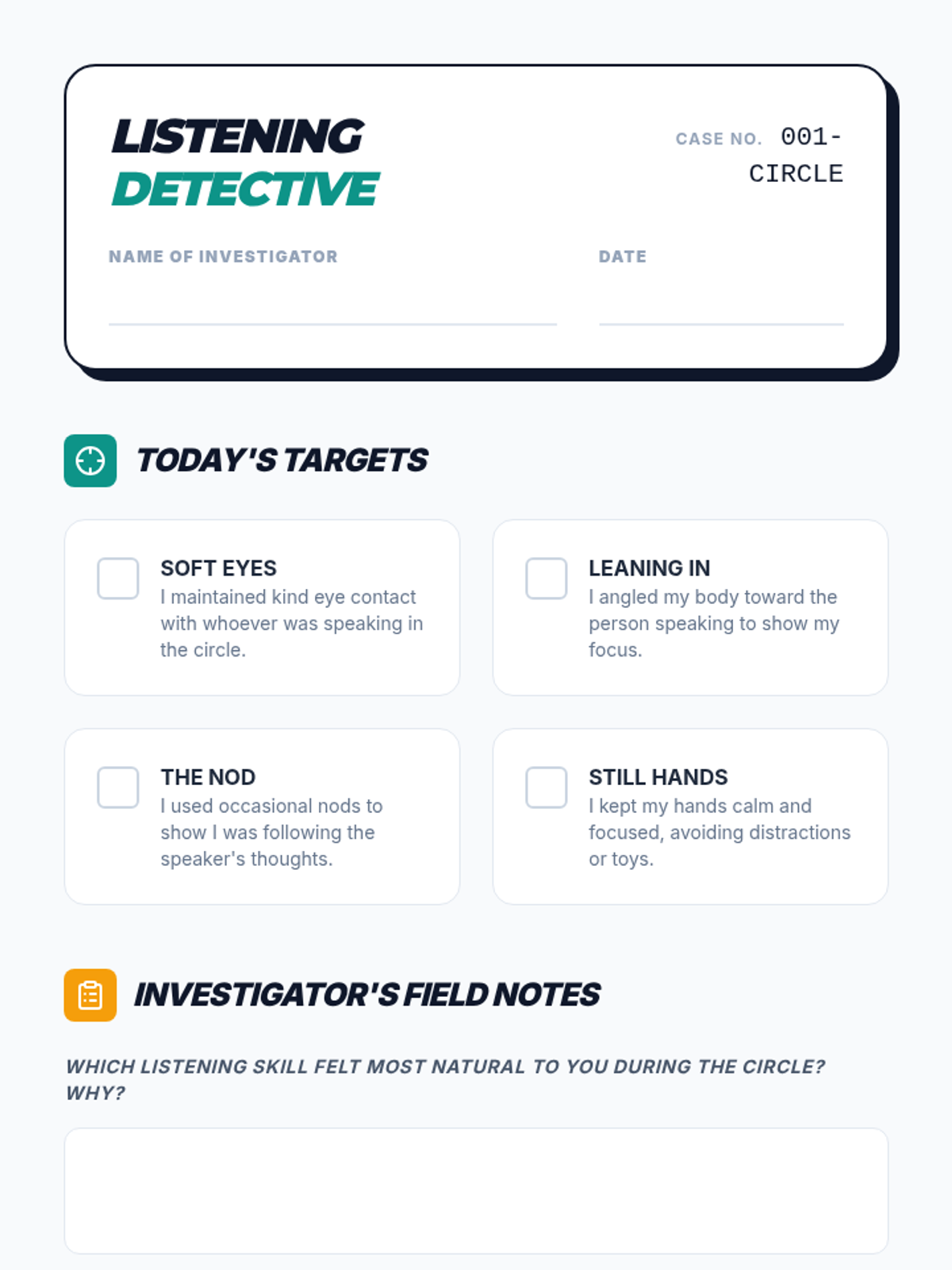
Students explore what it means to be an active listener during a check-in circle, practicing non-verbal cues that show support without interrupting.
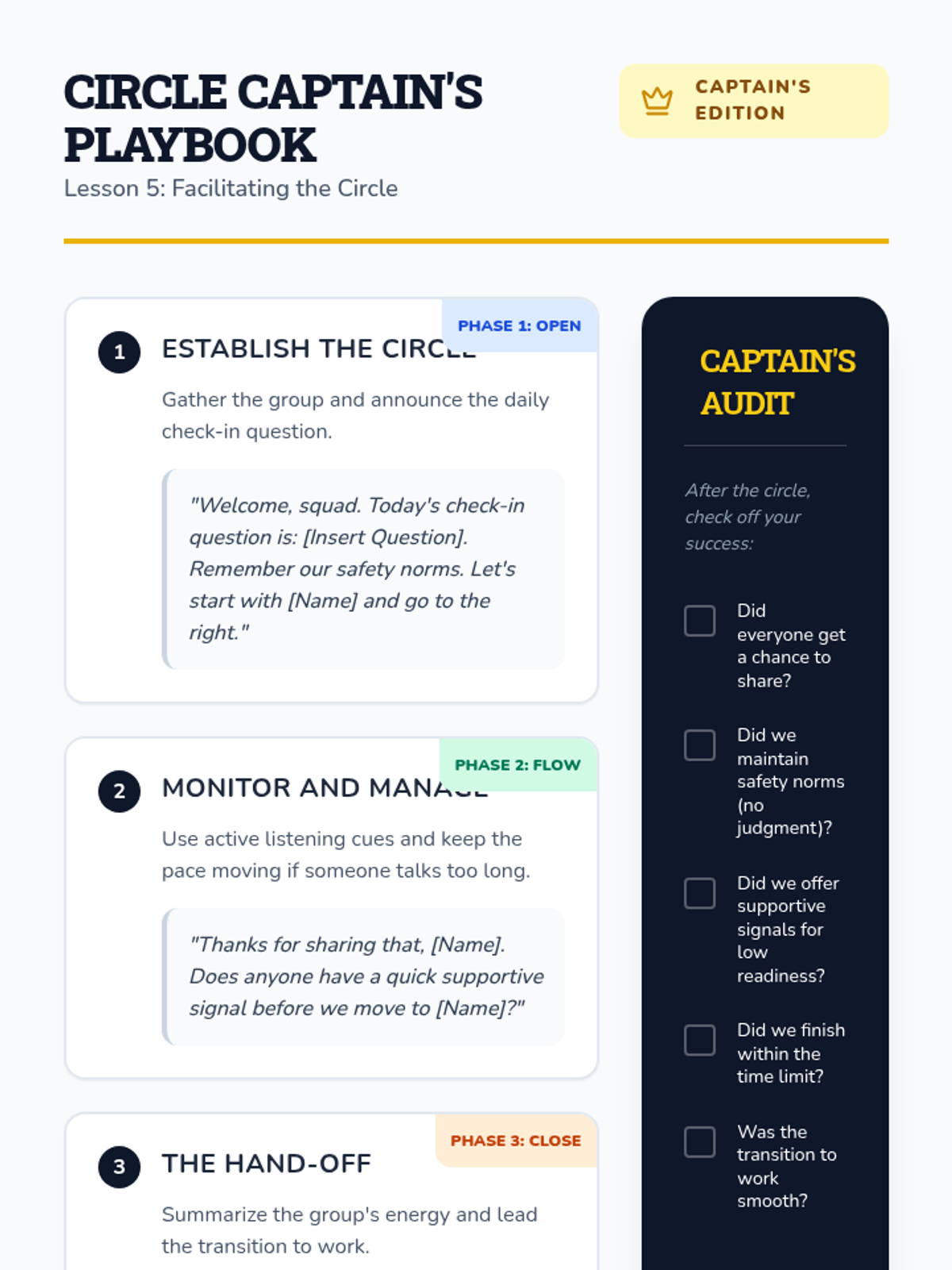
Students step into leadership roles to facilitate mock check-in circles. They practice time management, ensuring equitable participation, and smooth transitions from check-in to academic tasks.
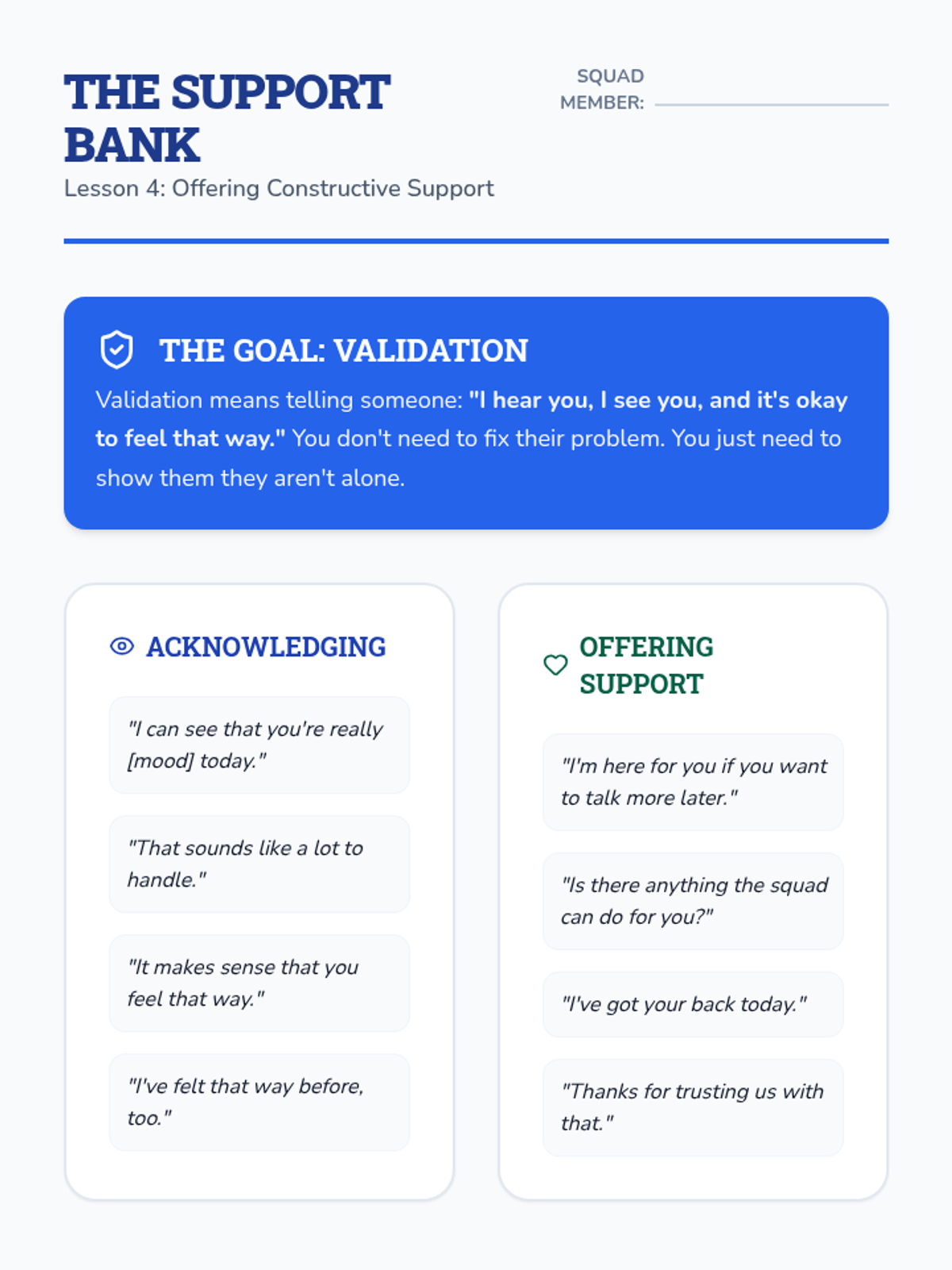
Teaches students how to offer constructive support using specific sentence stems. The focus is on validation and empathy rather than trying to immediately 'fix' a peer's problem or feelings.
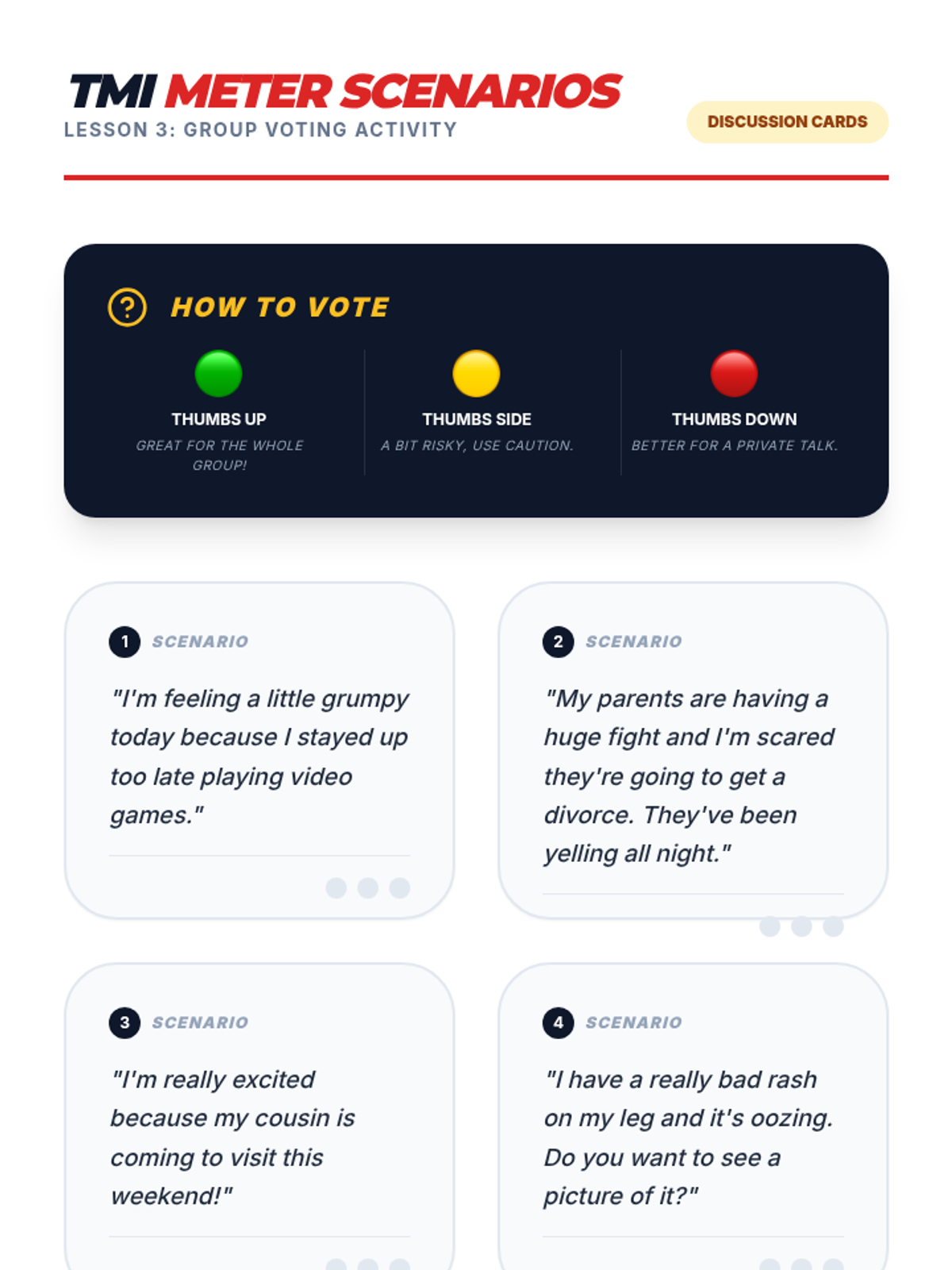
Students collaborate to establish 'rules of engagement' for sharing. They learn to distinguish between 'public' shares for the group and 'private' shares that require one-on-one teacher support.
Focuses on developing active listening skills specifically for peer check-ins. Students practice non-verbal validation and 'mirroring' techniques to ensure their peers feel heard and understood without judgment.
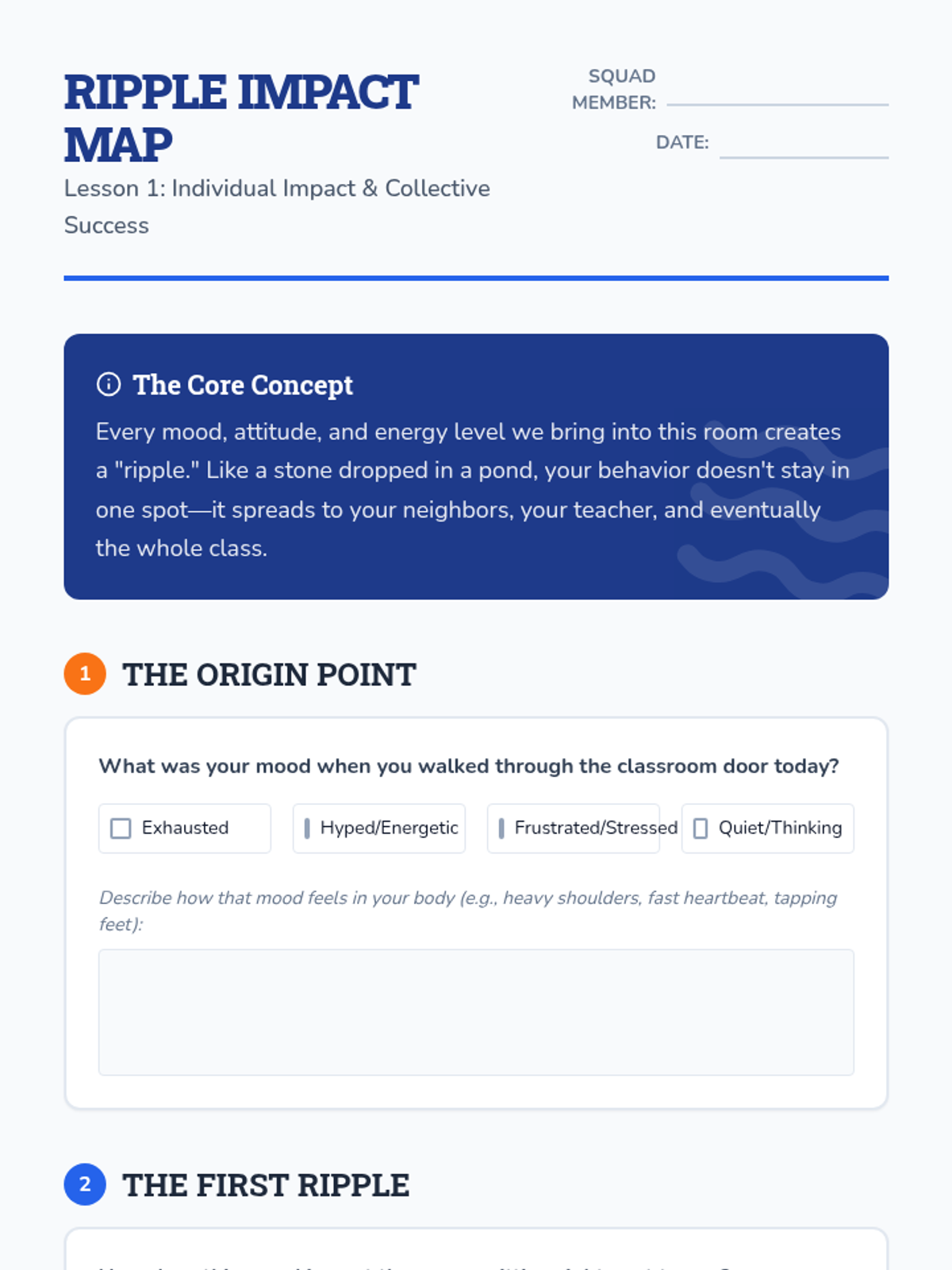
Students explore how individual moods and behaviors create a 'ripple effect' that impacts the entire classroom community. Through a domino simulation, they learn that checking in is a collective responsibility for the team's success.
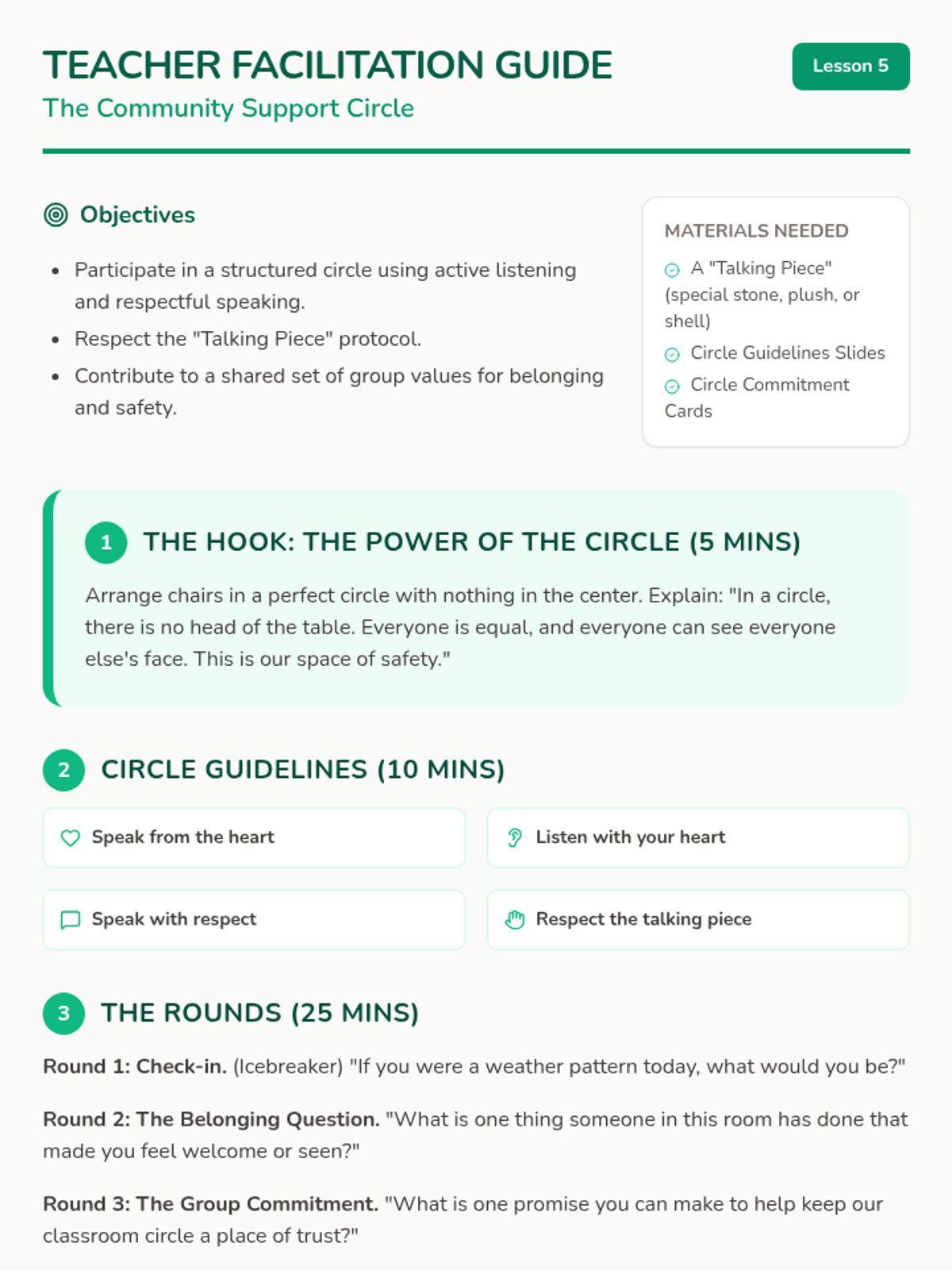
Students participate in a structured community circle to synthesize skills, listening without interruption and offering group support.
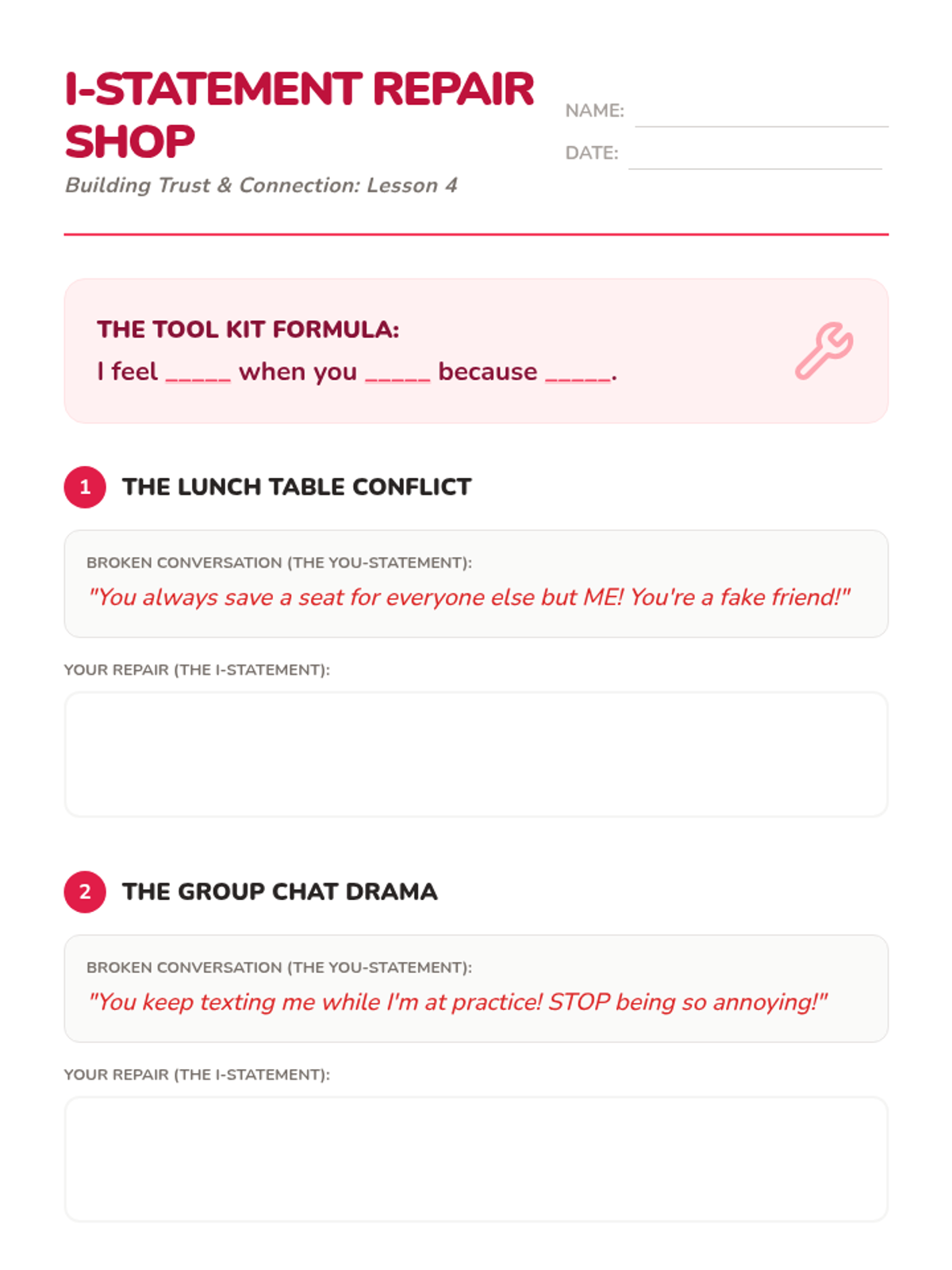
The class learns to use I-statements to express feelings without blame, transforming accusatory language into constructive dialogue.
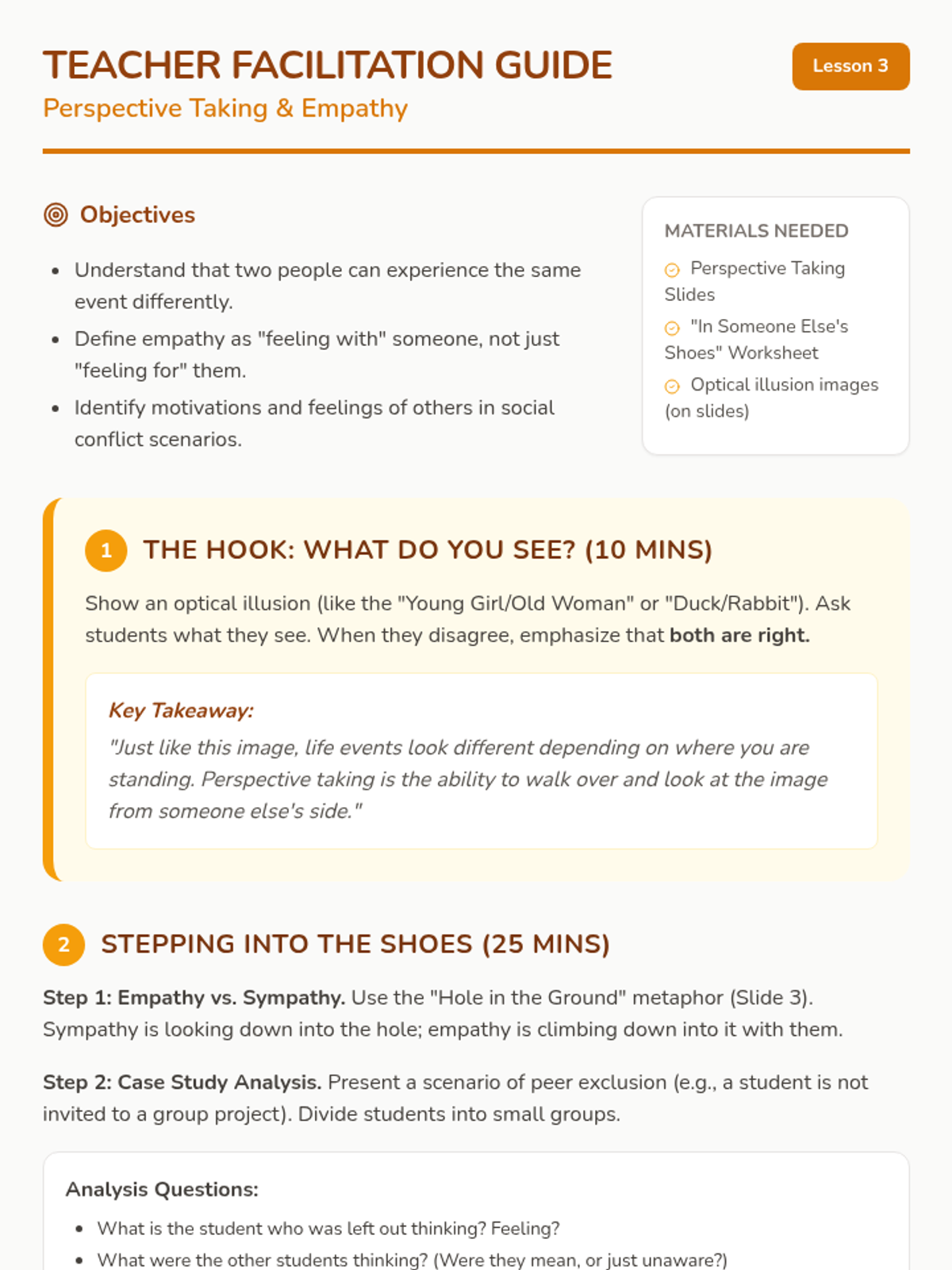
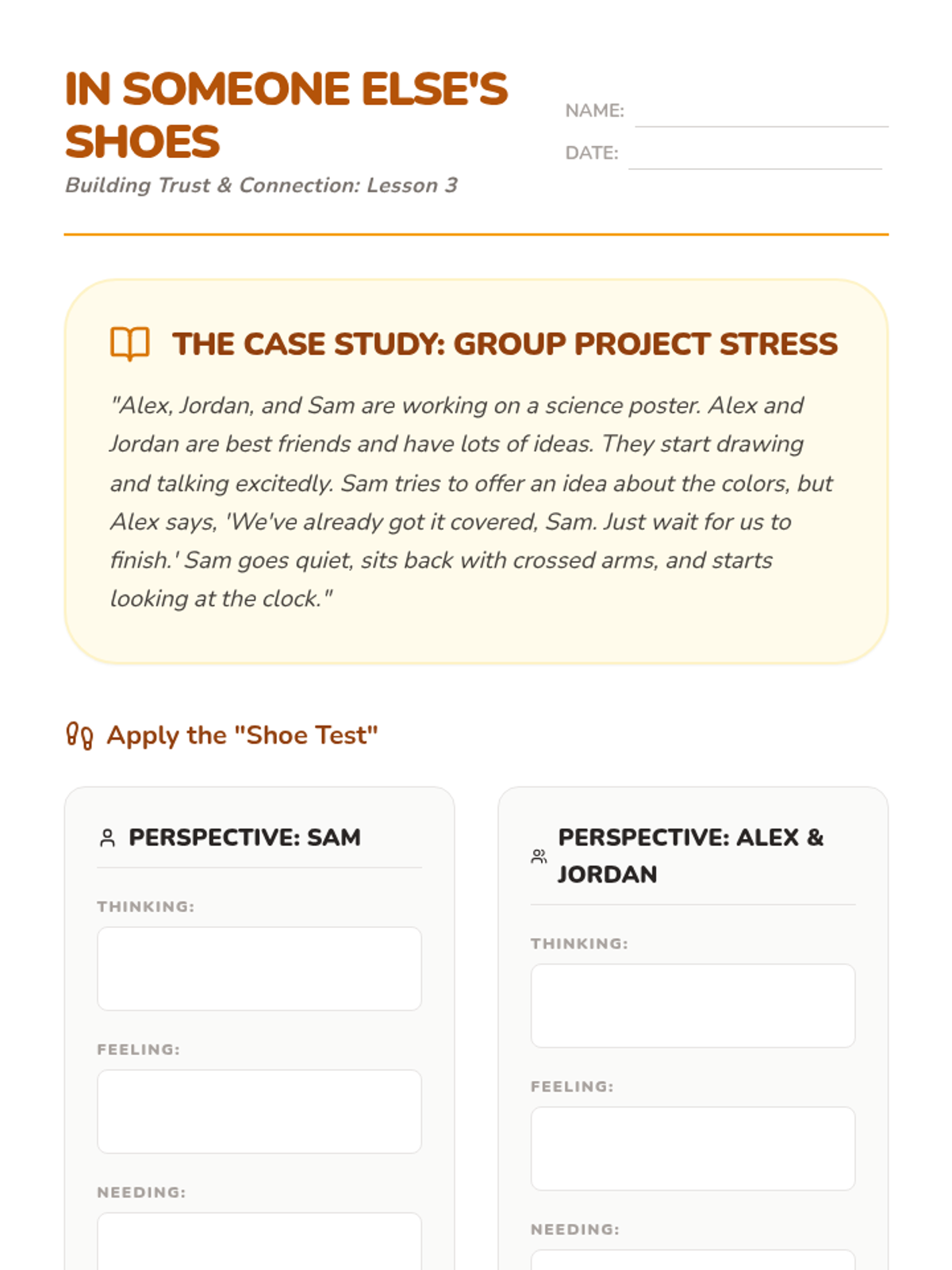
Students analyze case studies to understand multiple viewpoints and practice empathy by 'stepping into the shoes' of others.
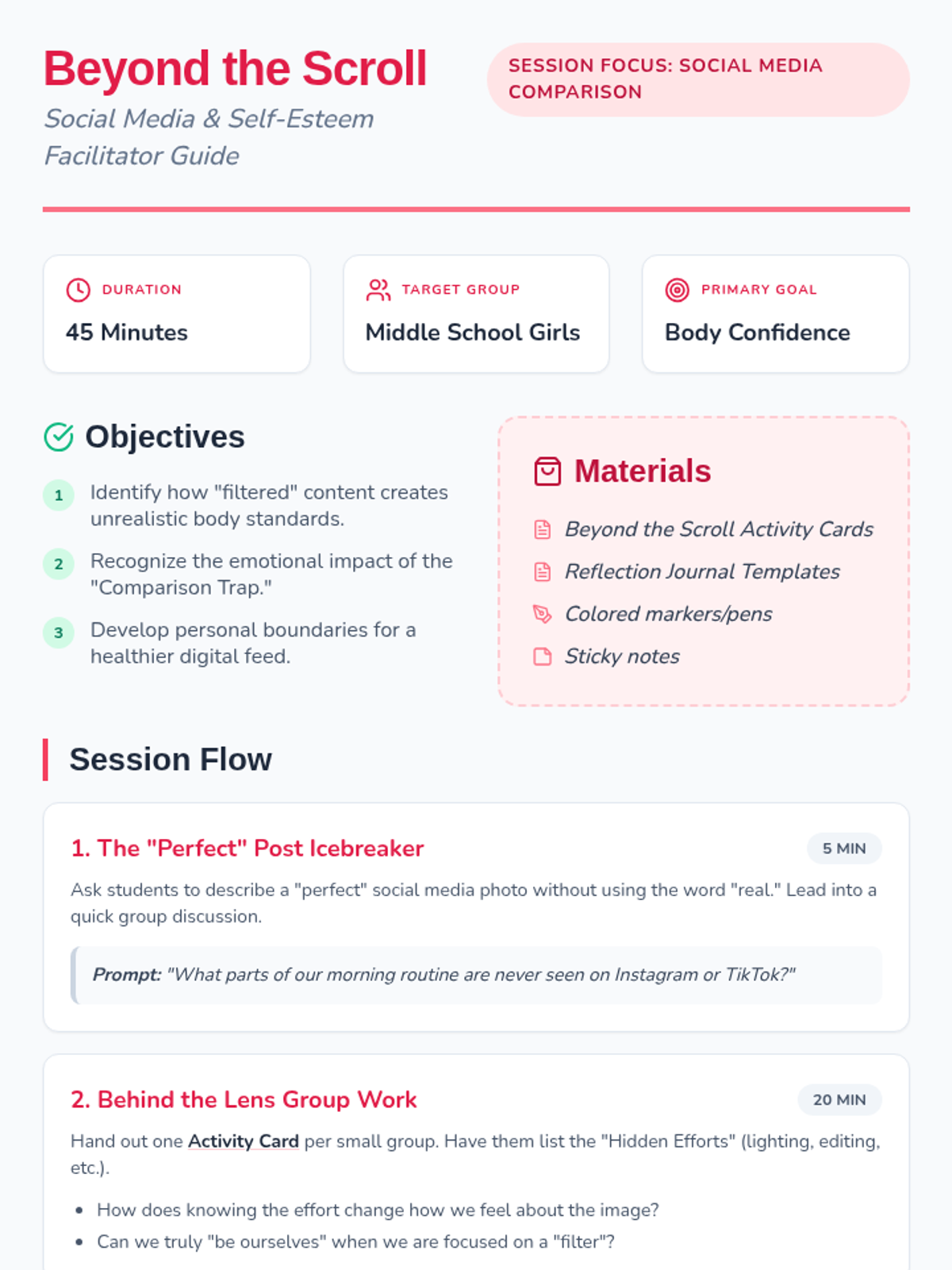
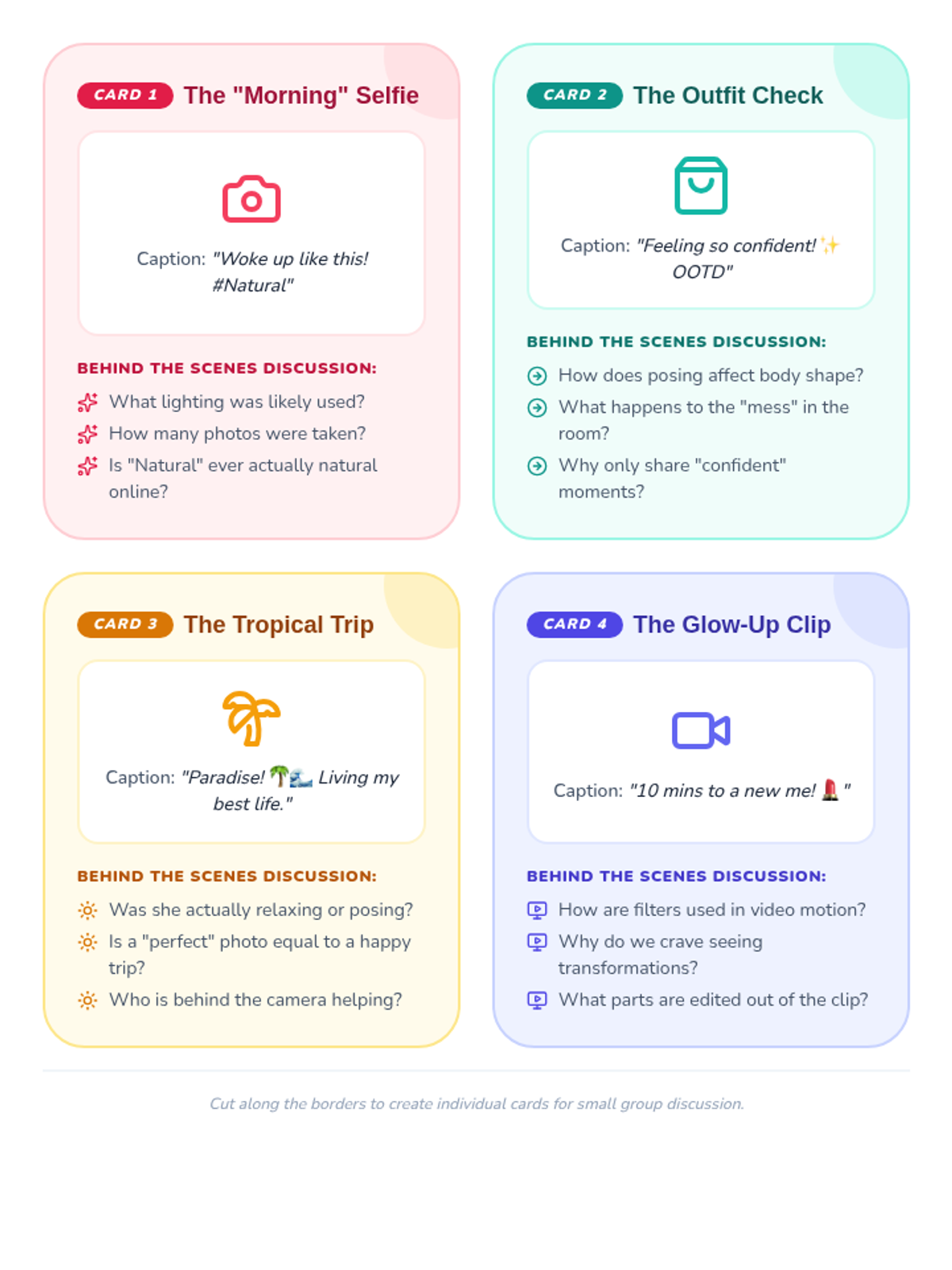
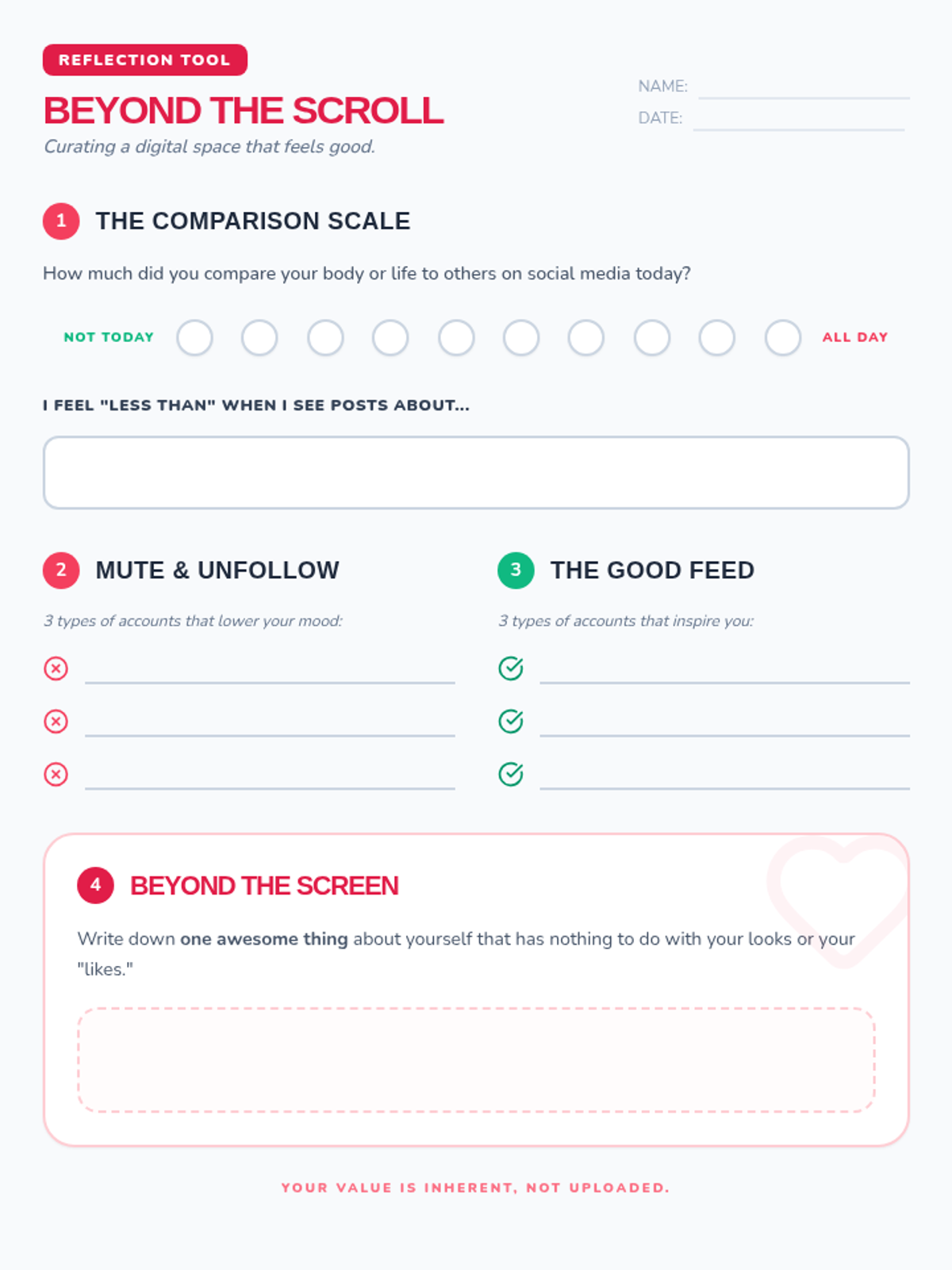
A 45-minute counseling session focused on the impact of social media comparison and body image for middle school girls, featuring group discussions and creative reflection.
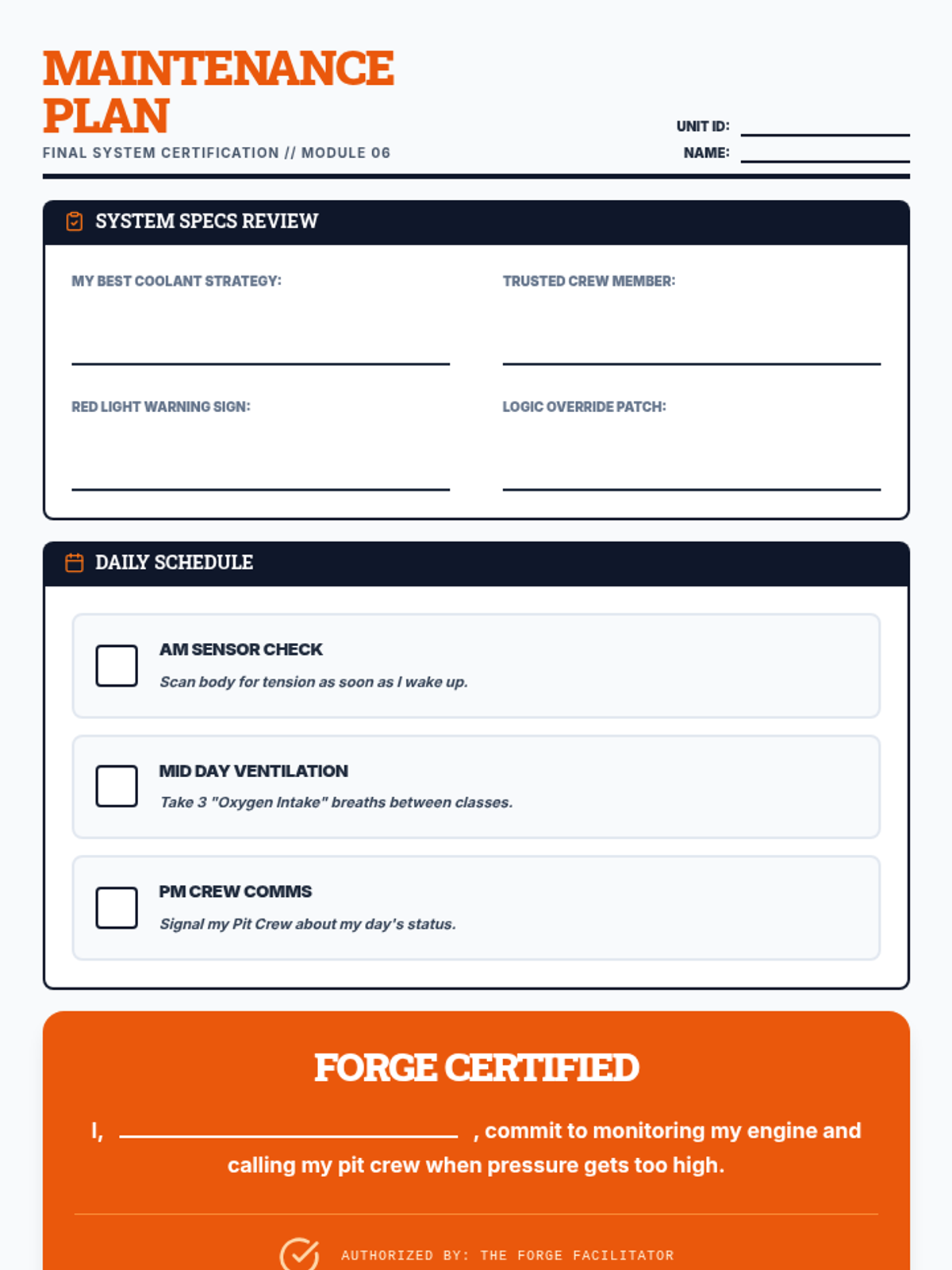
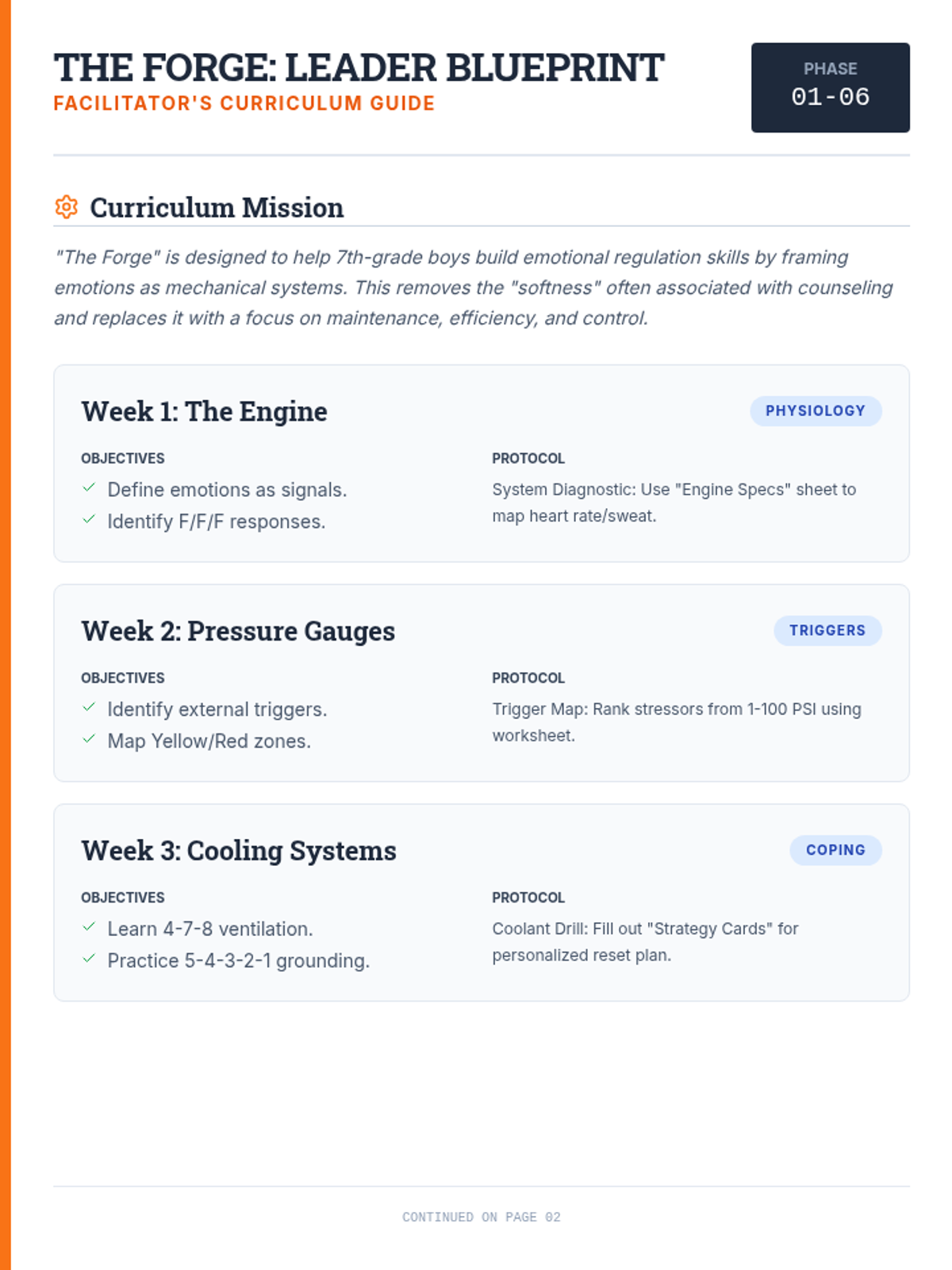
Reviewing the full curriculum and creating a personalized 'Maintenance Plan' for long-term emotional regulation.
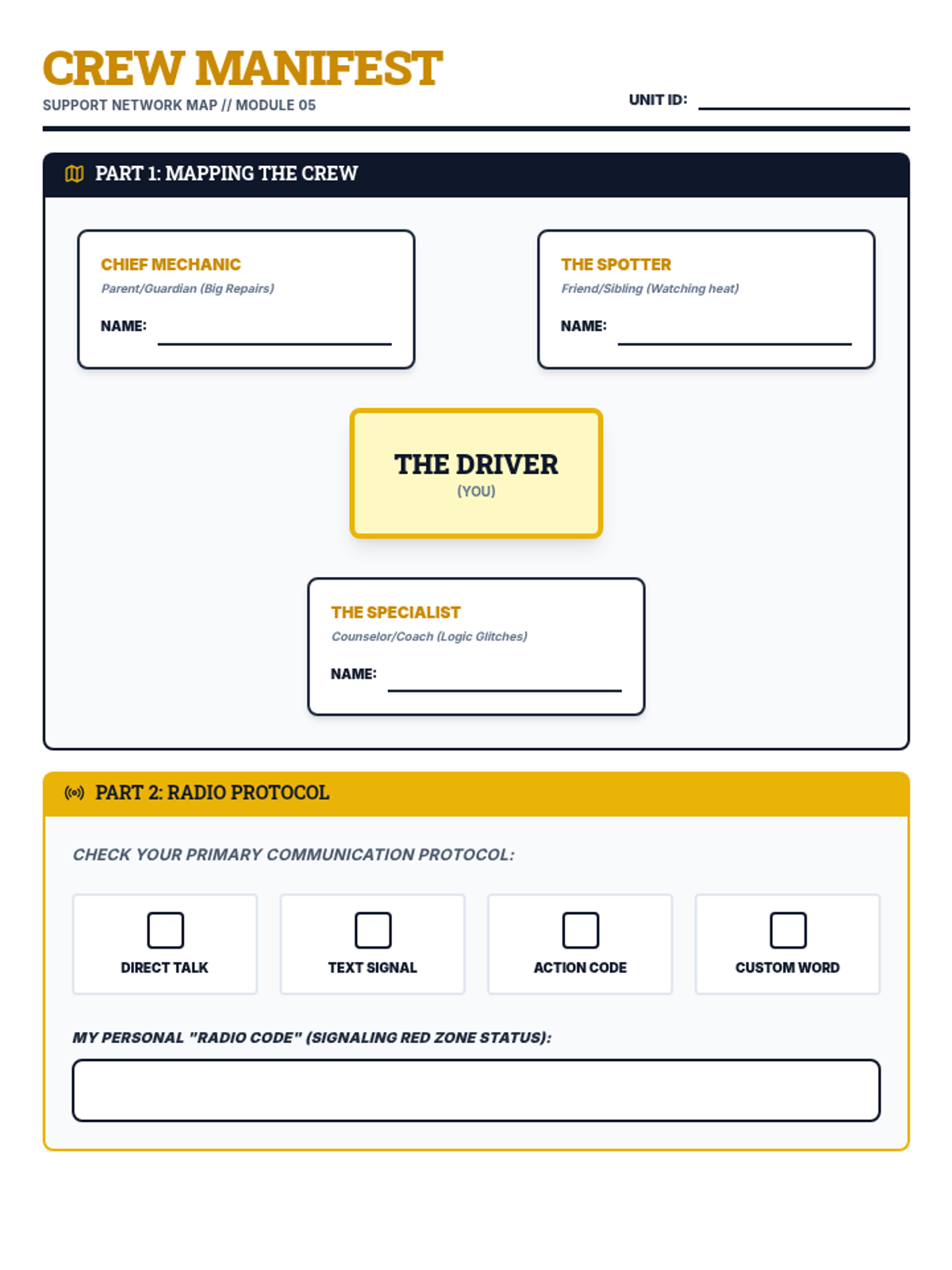
Building a 'Pit Crew' of support and learning how to communicate needs effectively under pressure.
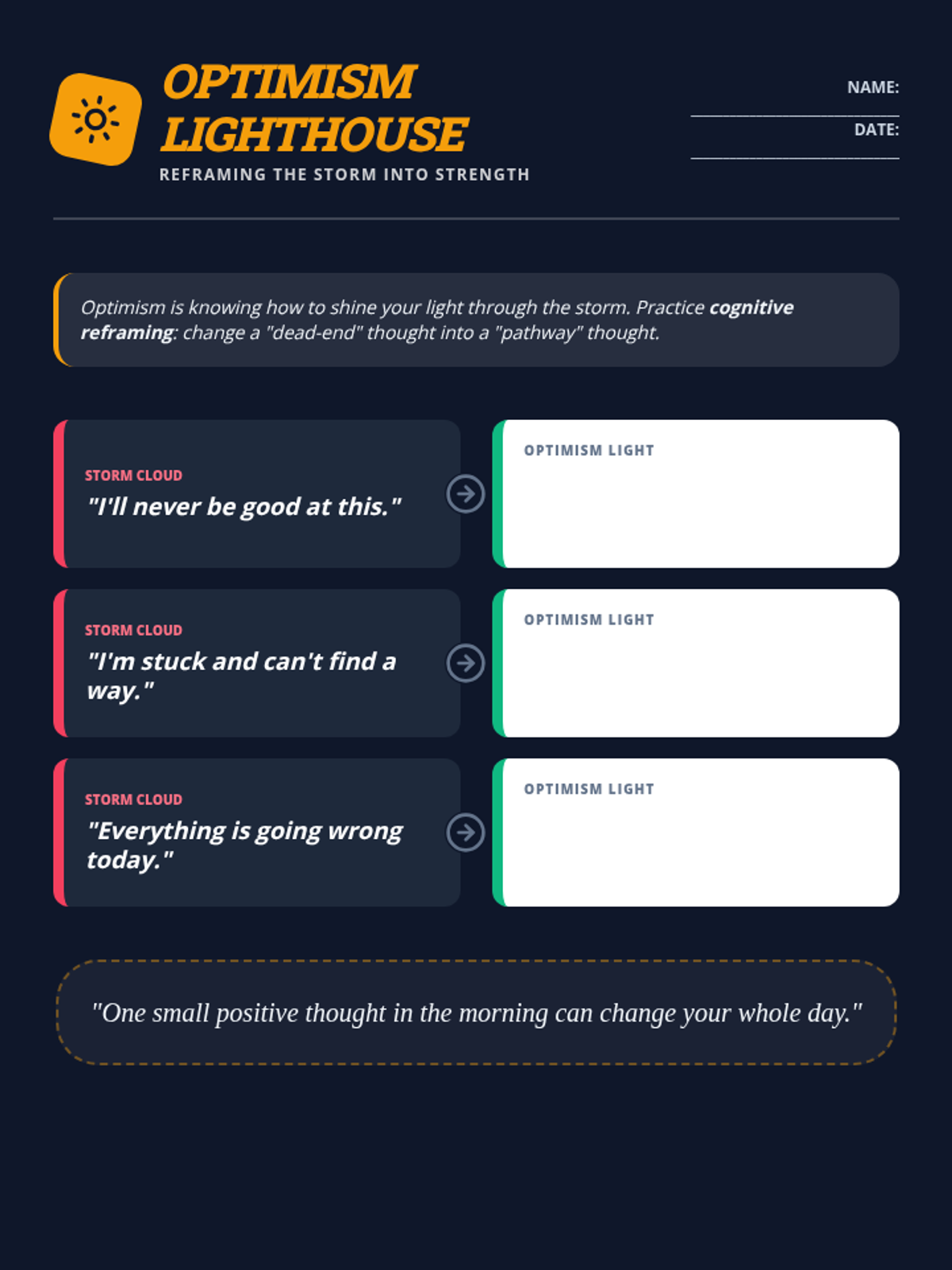
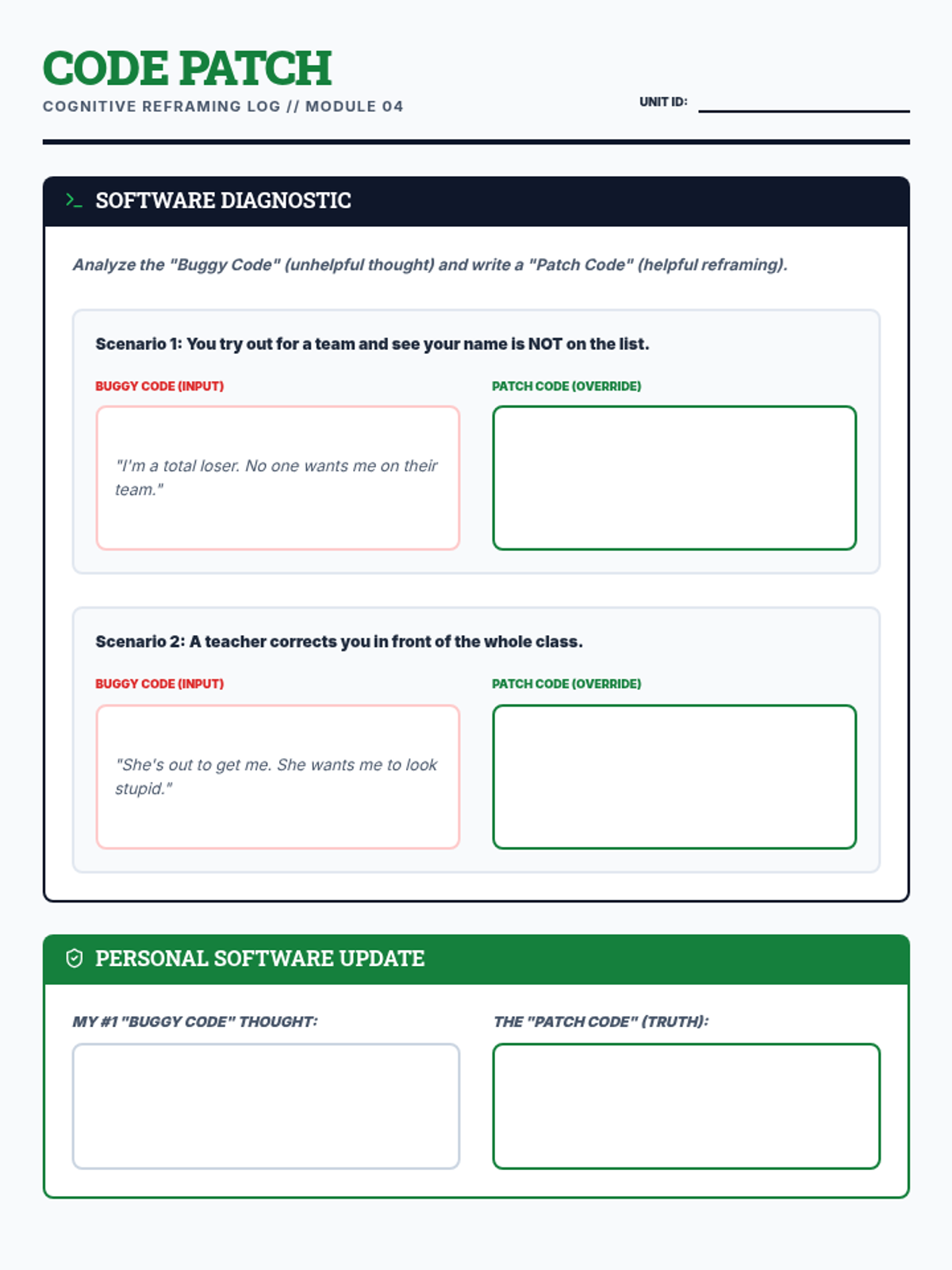
Learning to 're-wire' negative thought patterns and use cognitive reframing to change emotional outcomes.
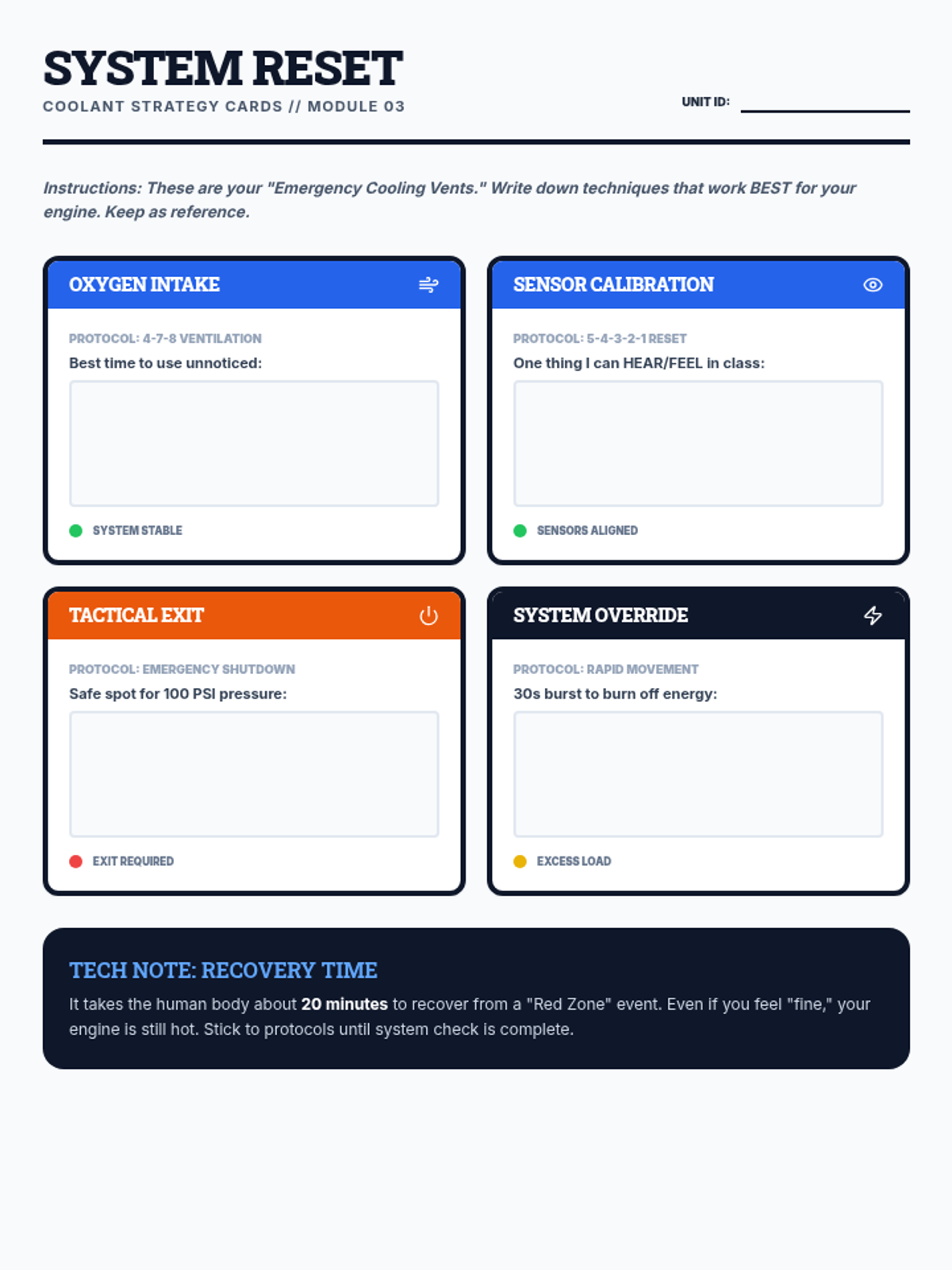
Developing immediate 'Cooling Systems' for intense emotions, including breathing techniques and sensory grounding.
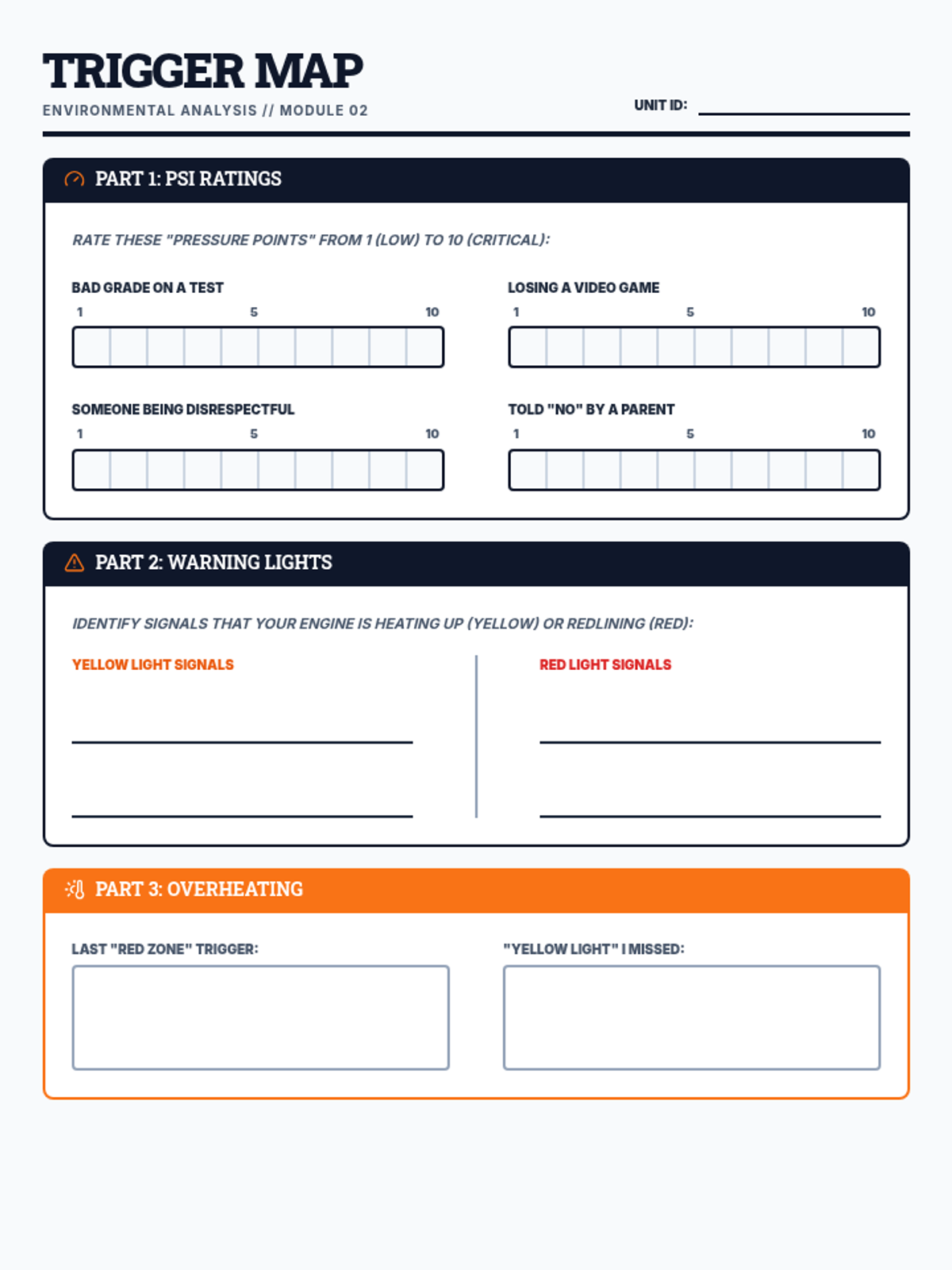
Identifying internal and external triggers and learning to read 'Pressure Gauges'—the physical warning signs of emotional escalation.
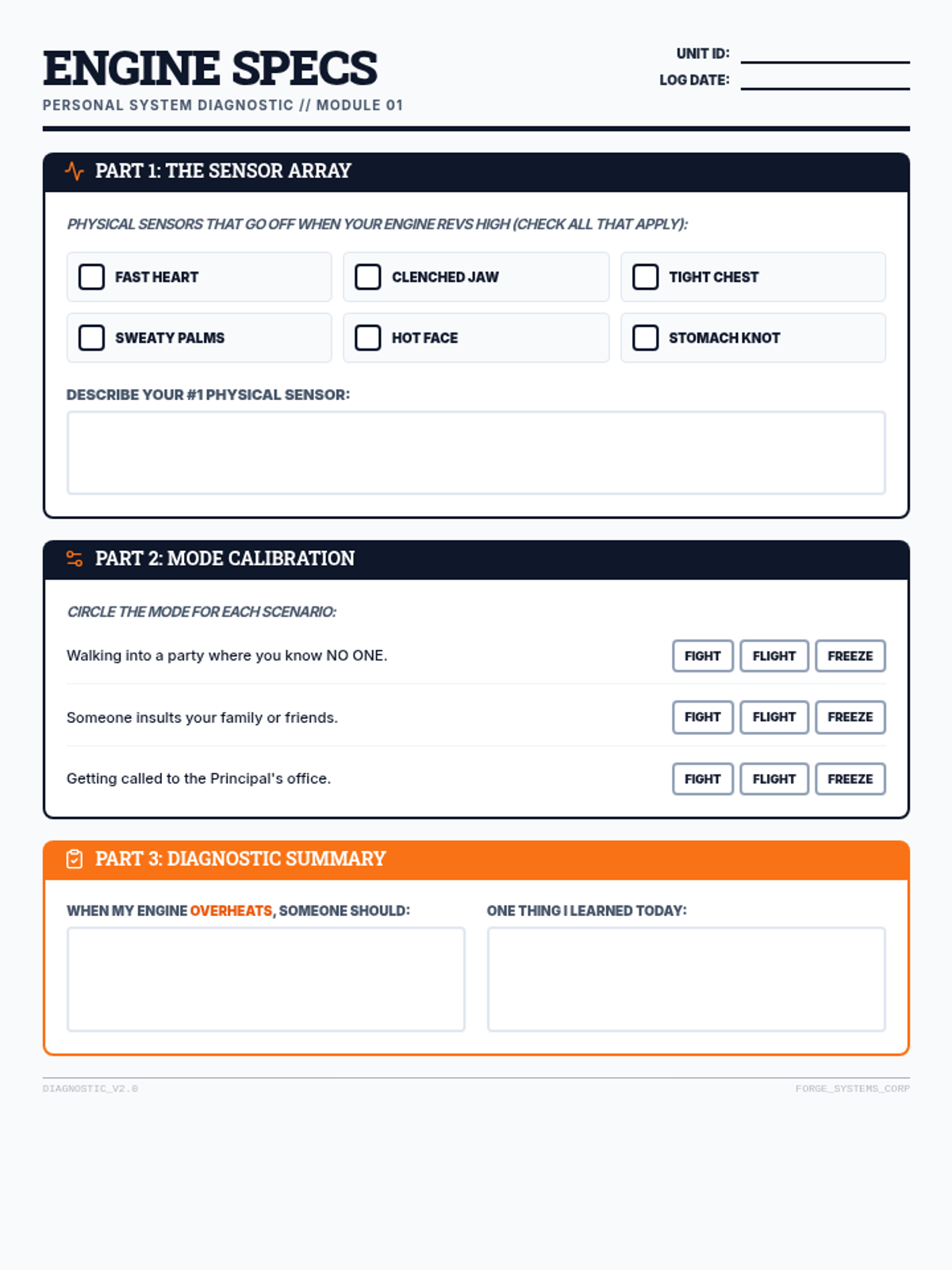
Understanding the 'Engine' of our emotions, focusing on why we feel things and the physical sensations associated with different states.
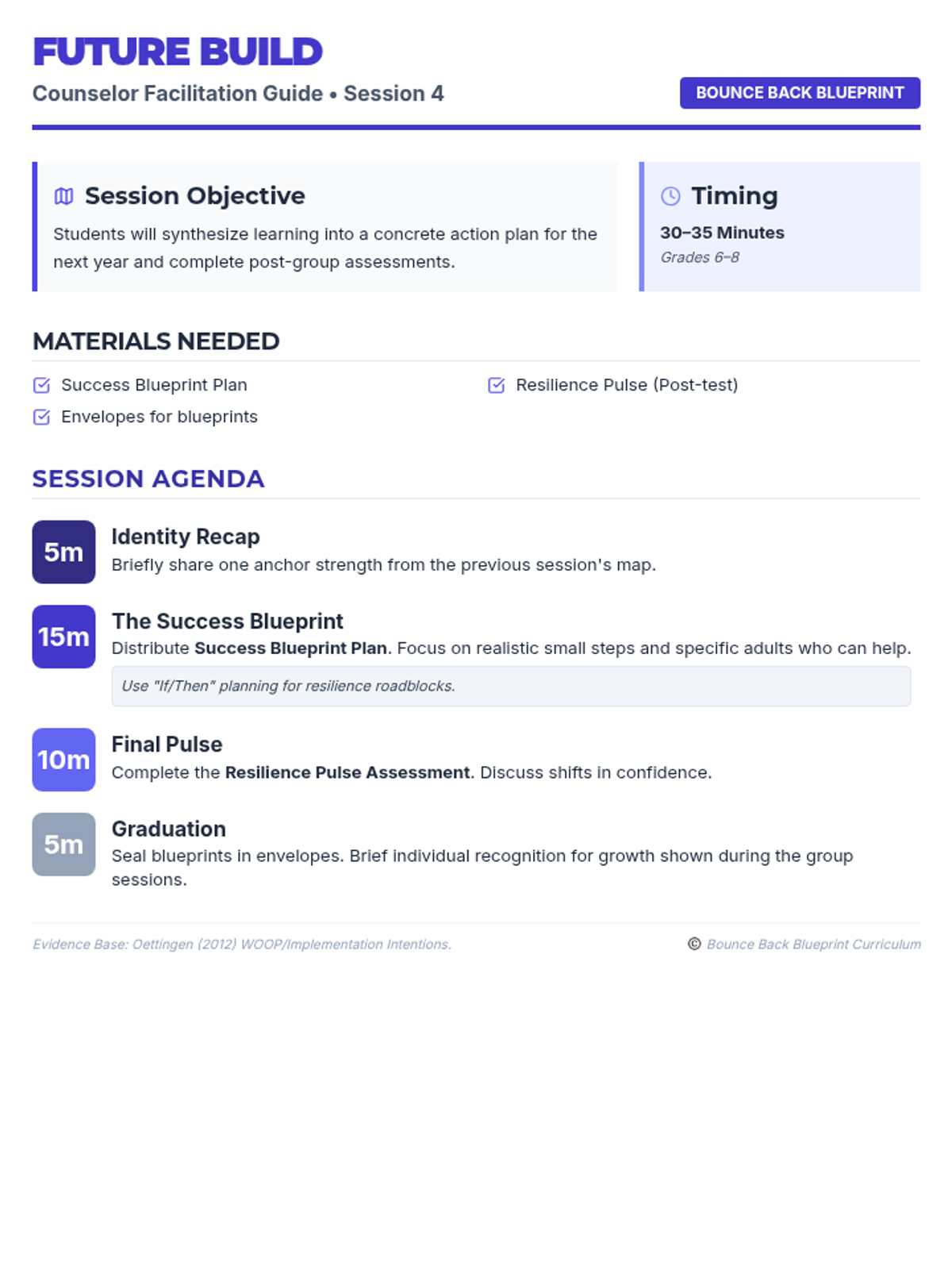
Developing a concrete action plan for the upcoming academic year and conducting a post-intervention assessment.
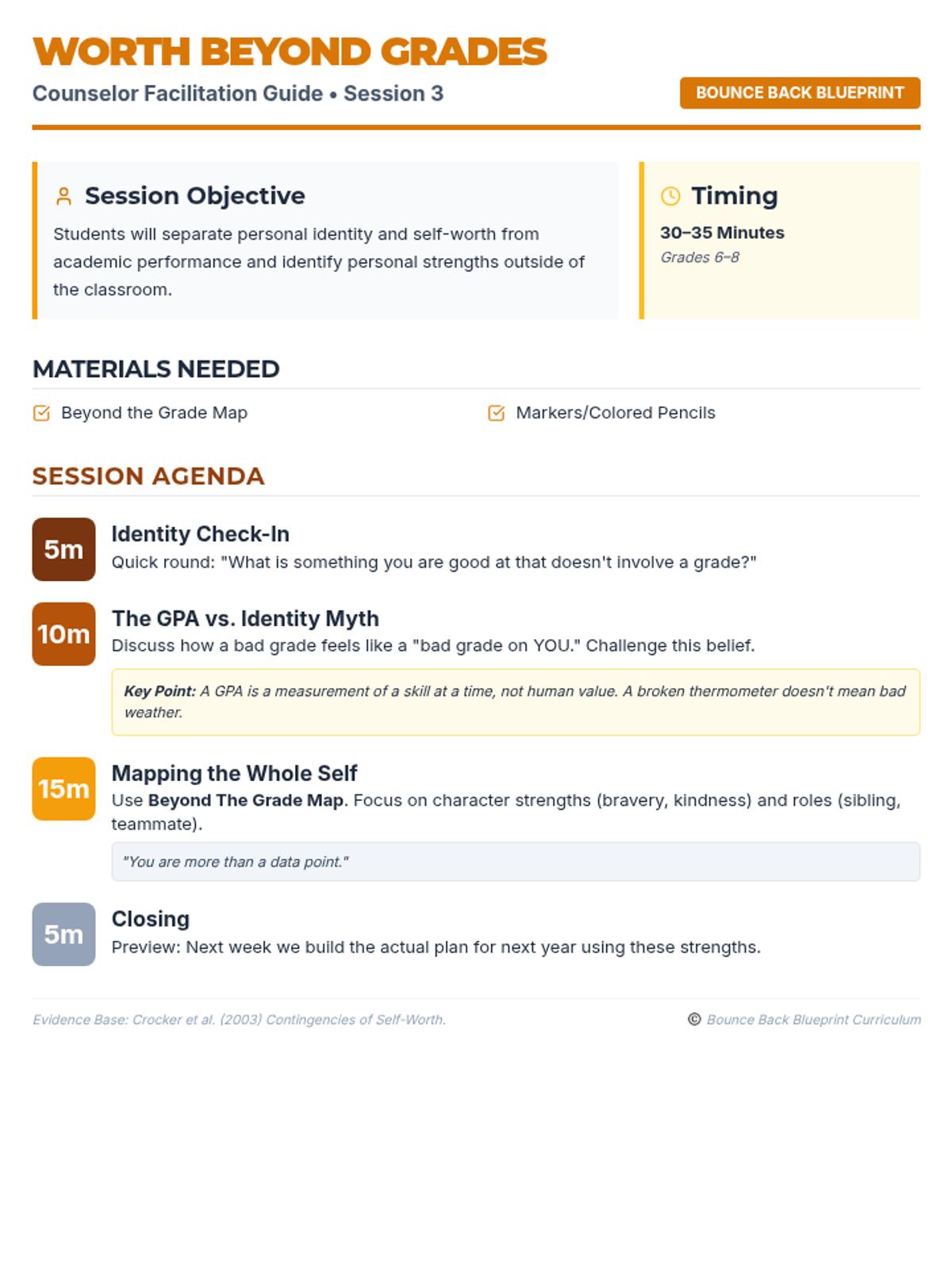
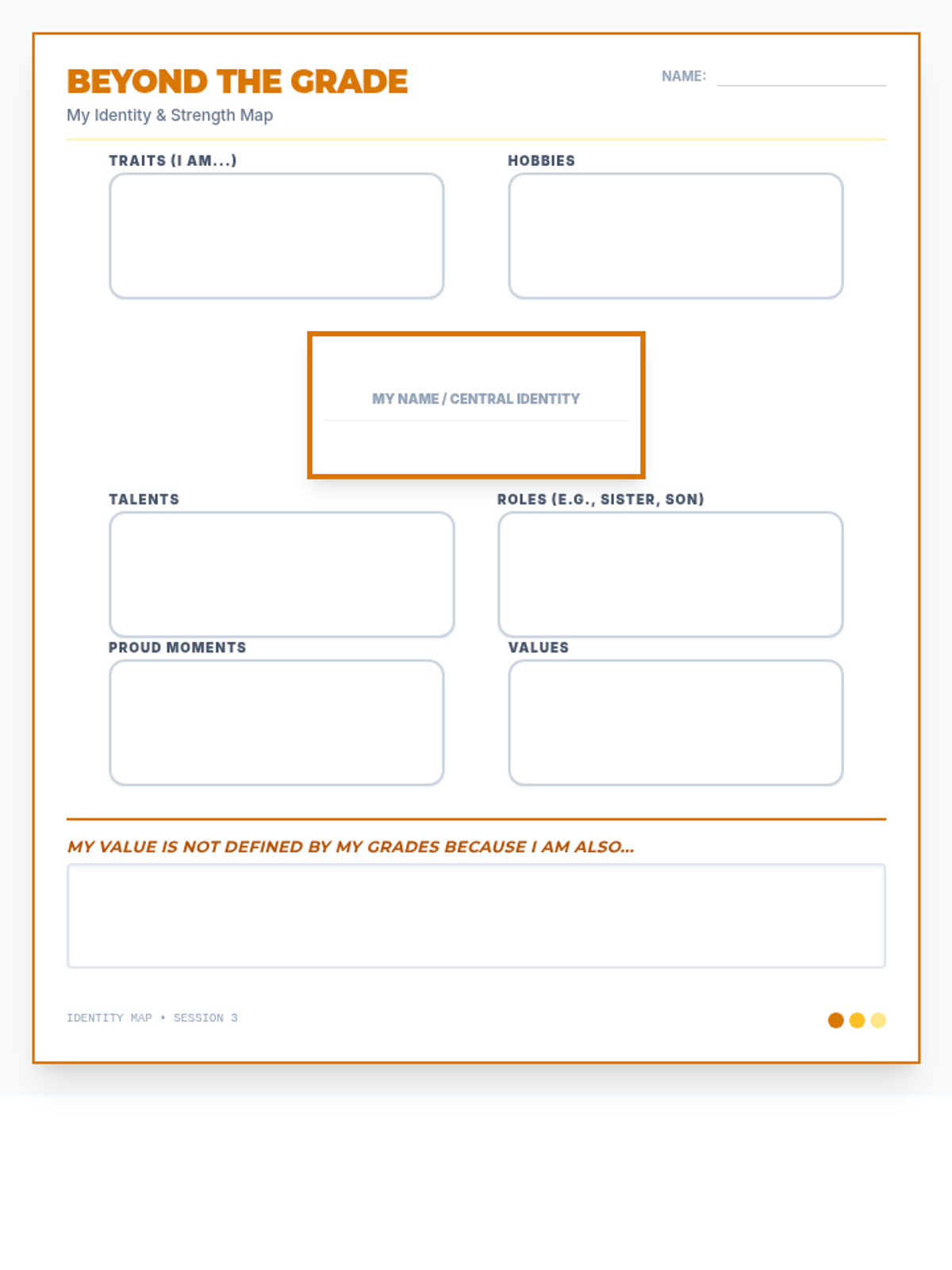
Differentiating personal worth from academic performance and identifying individual strengths outside of school.
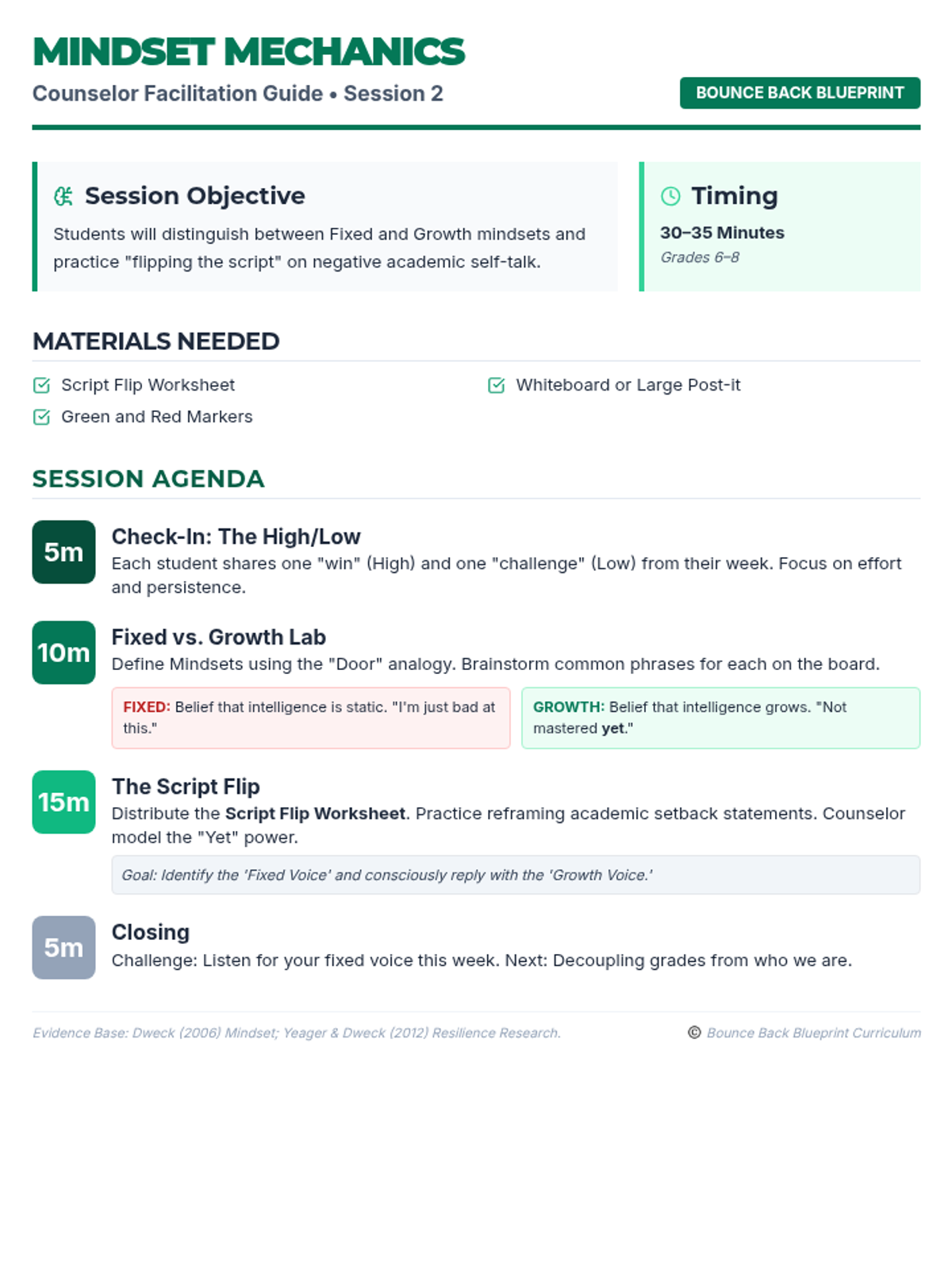
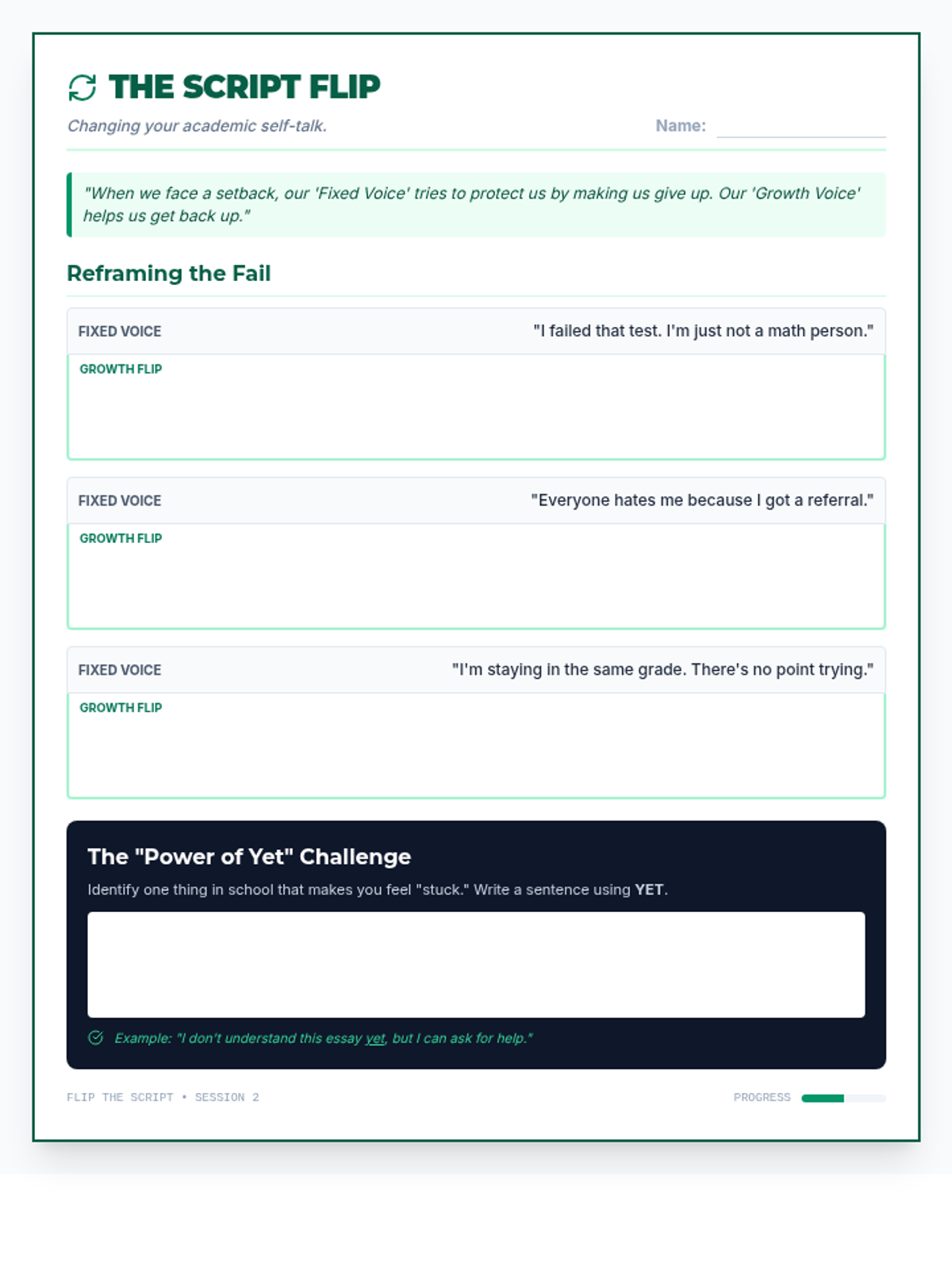
Exploring the difference between fixed and growth mindsets and practicing cognitive reframing of academic failures.
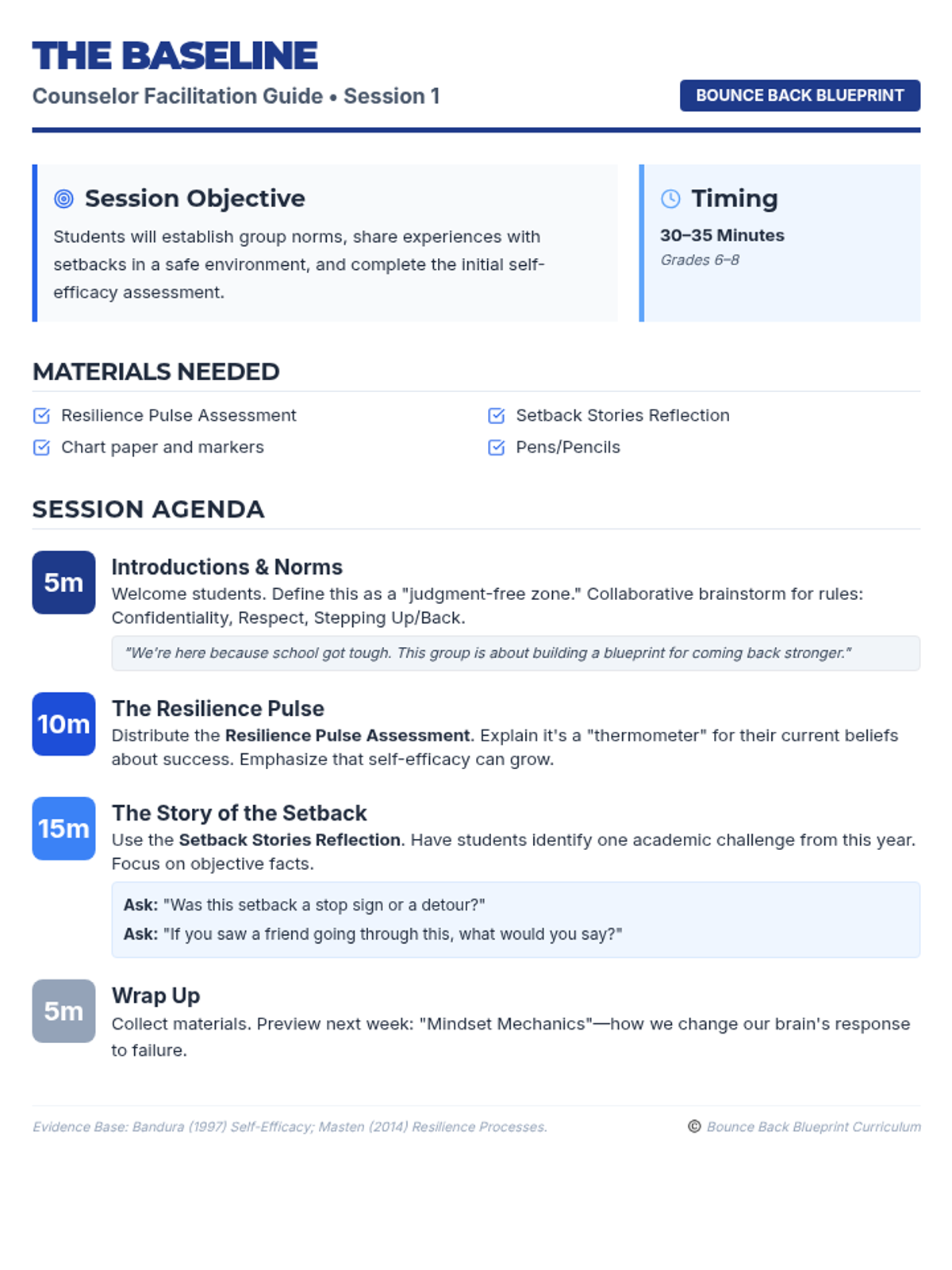
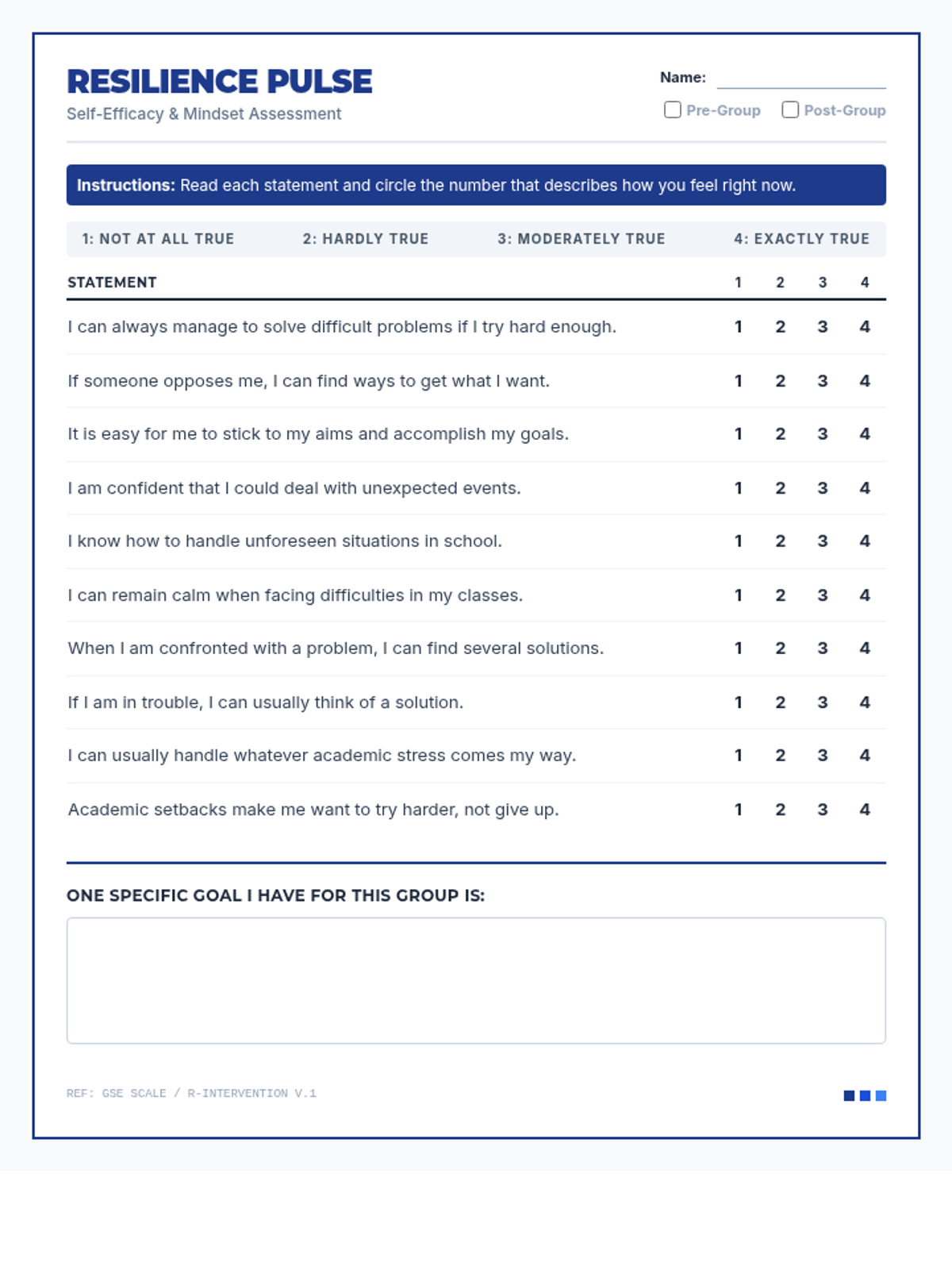
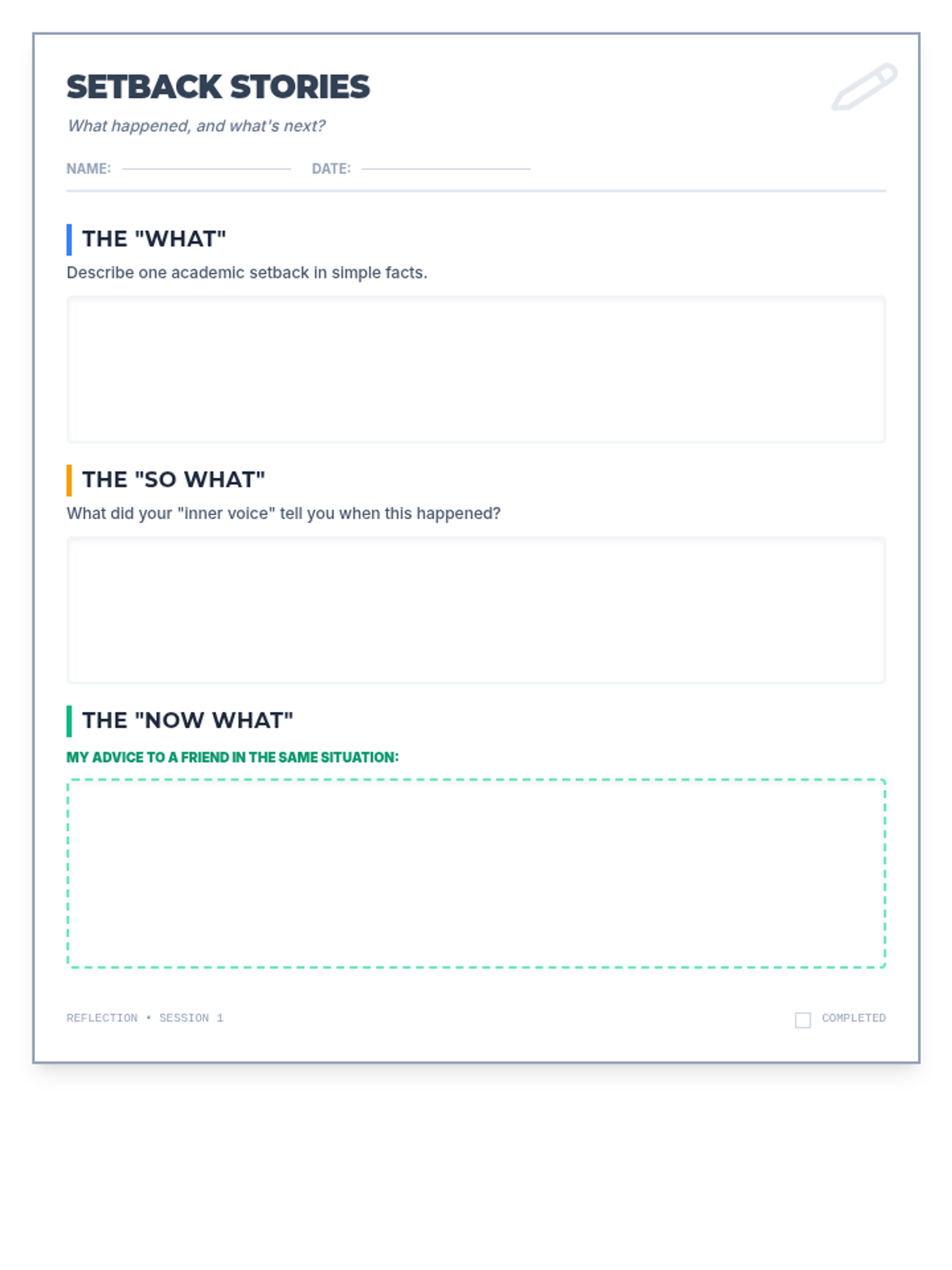
Introduction to the group, establishing norms, and assessing baseline self-efficacy regarding academic challenges.
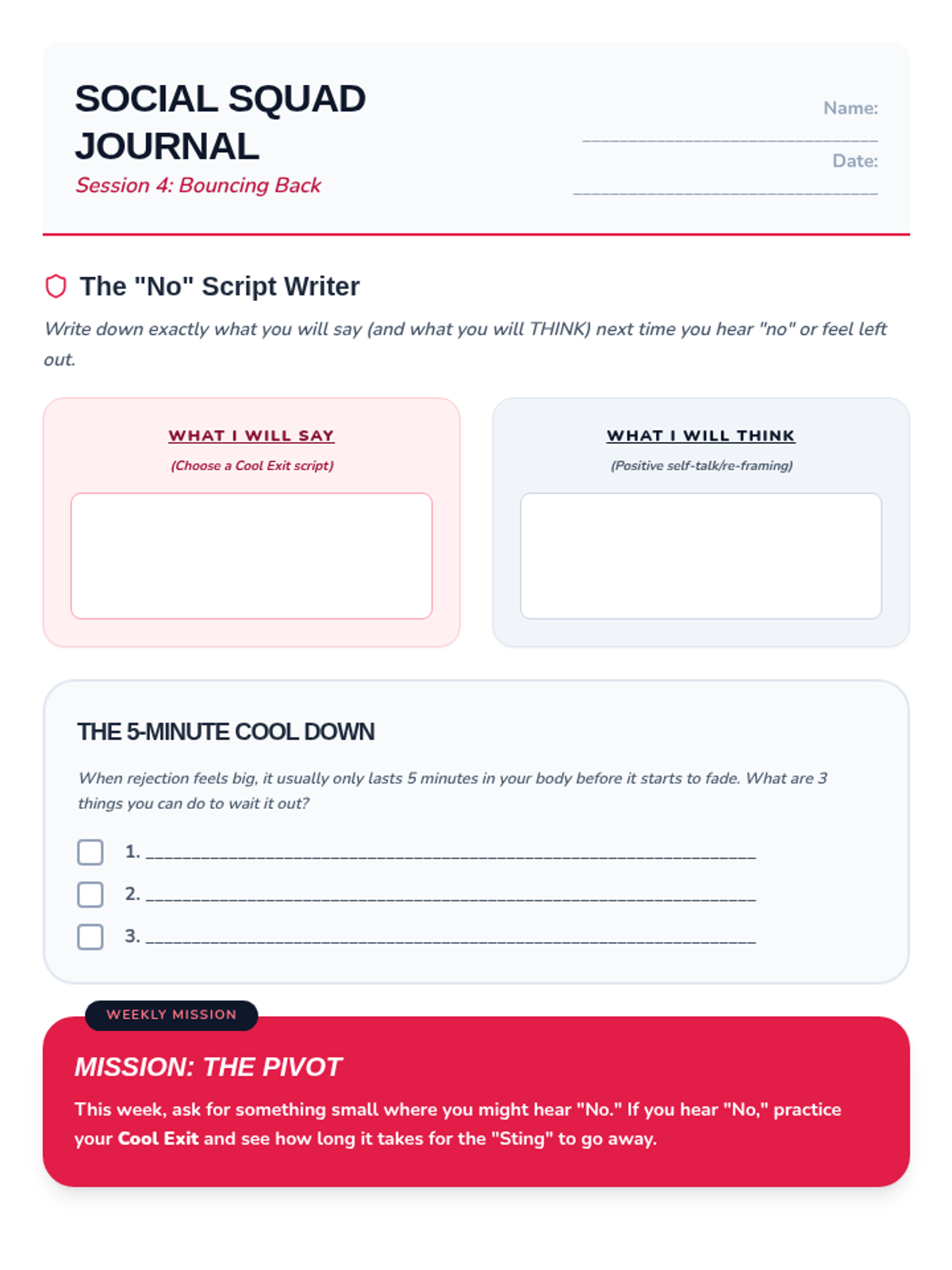
Building resilience by learning how to handle social rejection and setbacks without losing confidence or acting out.
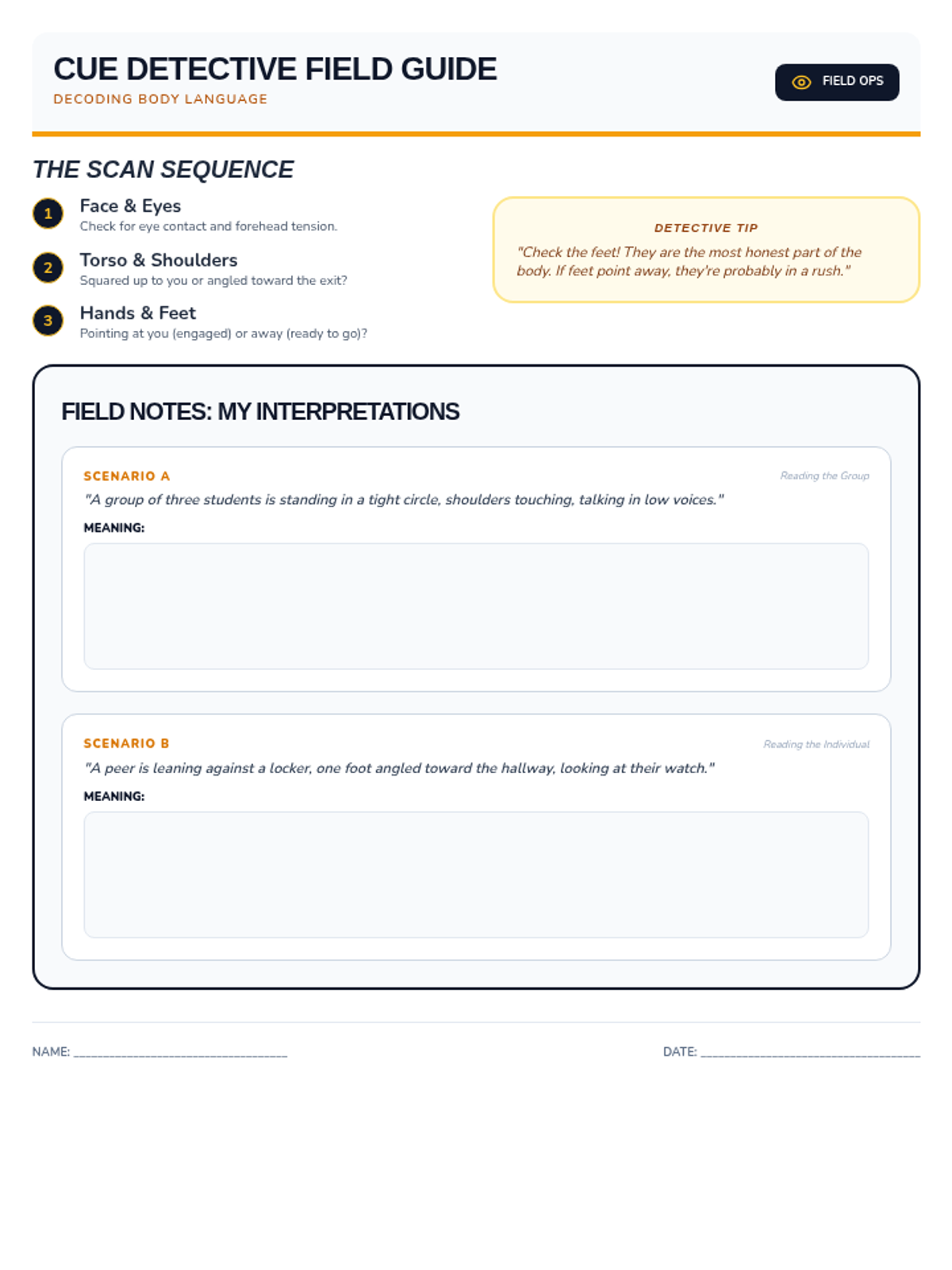
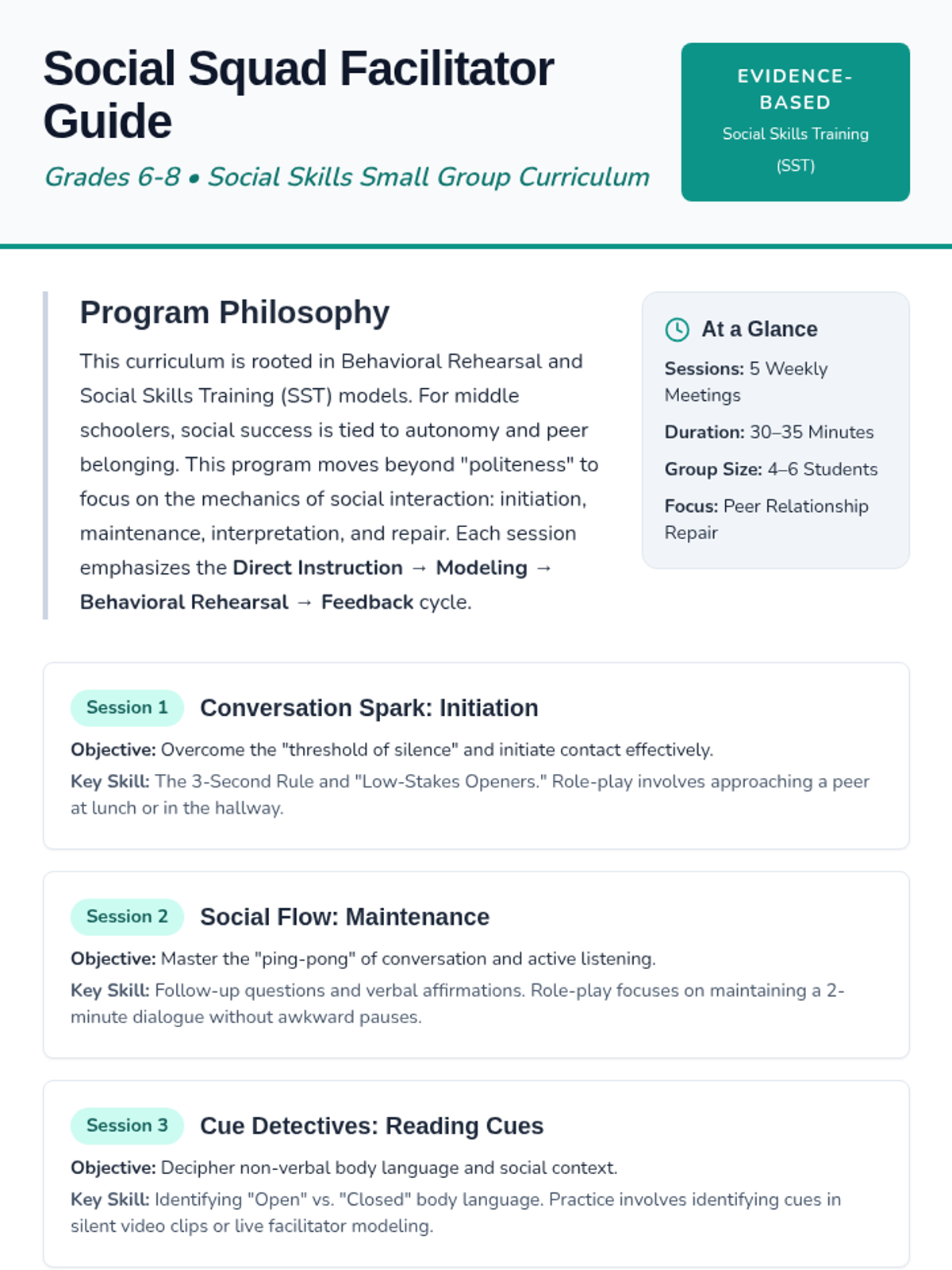
Identifying and interpreting non-verbal social cues, body language, and tone of voice to better 'read the room.'
Developing skills to maintain conversations through active listening, asking open-ended questions, and managing social 'ping-pong.'
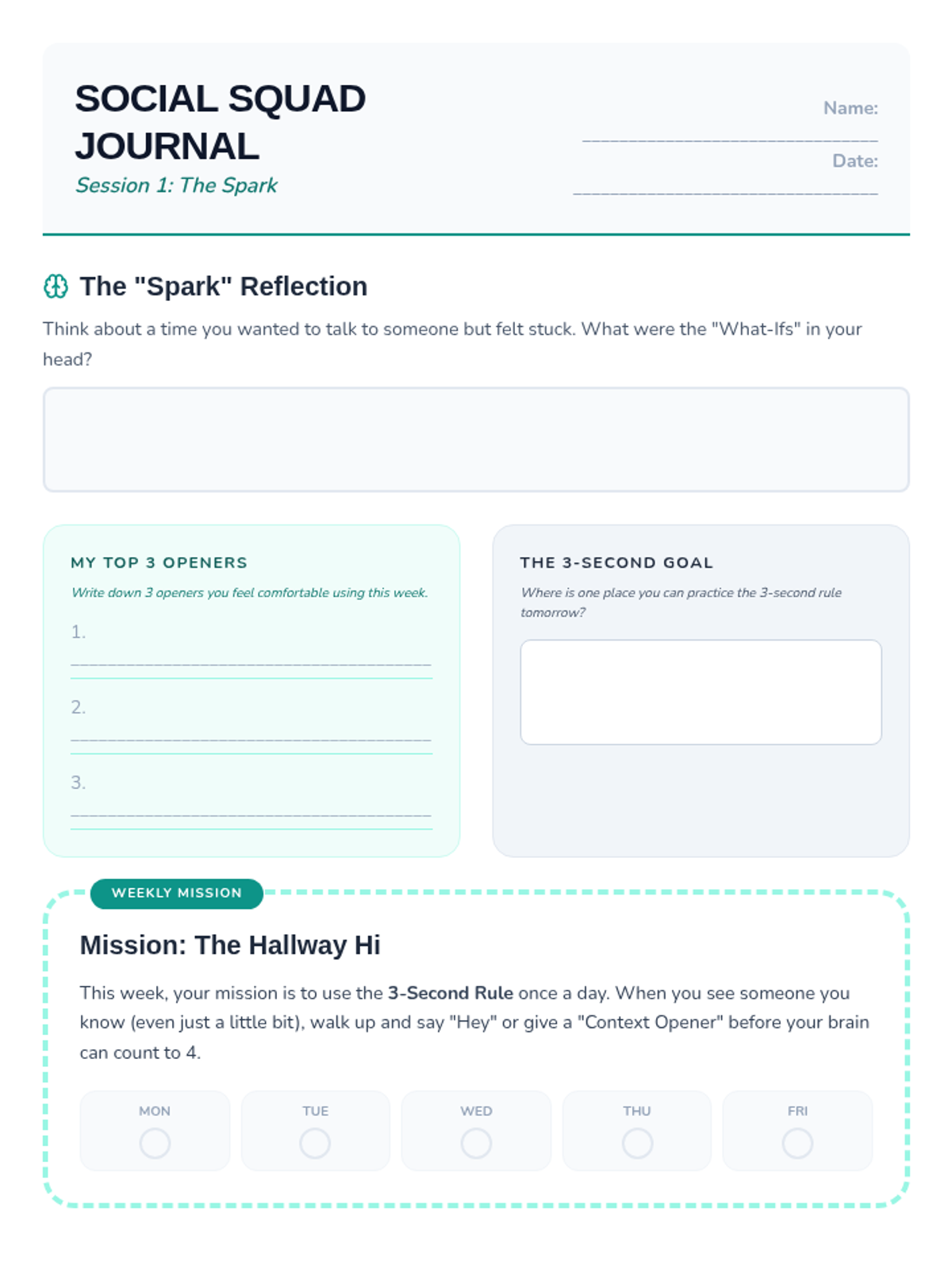
Introduction to group norms and learning how to effectively initiate conversations with peers using the 'Three-Second Rule' and 'OARS' model.
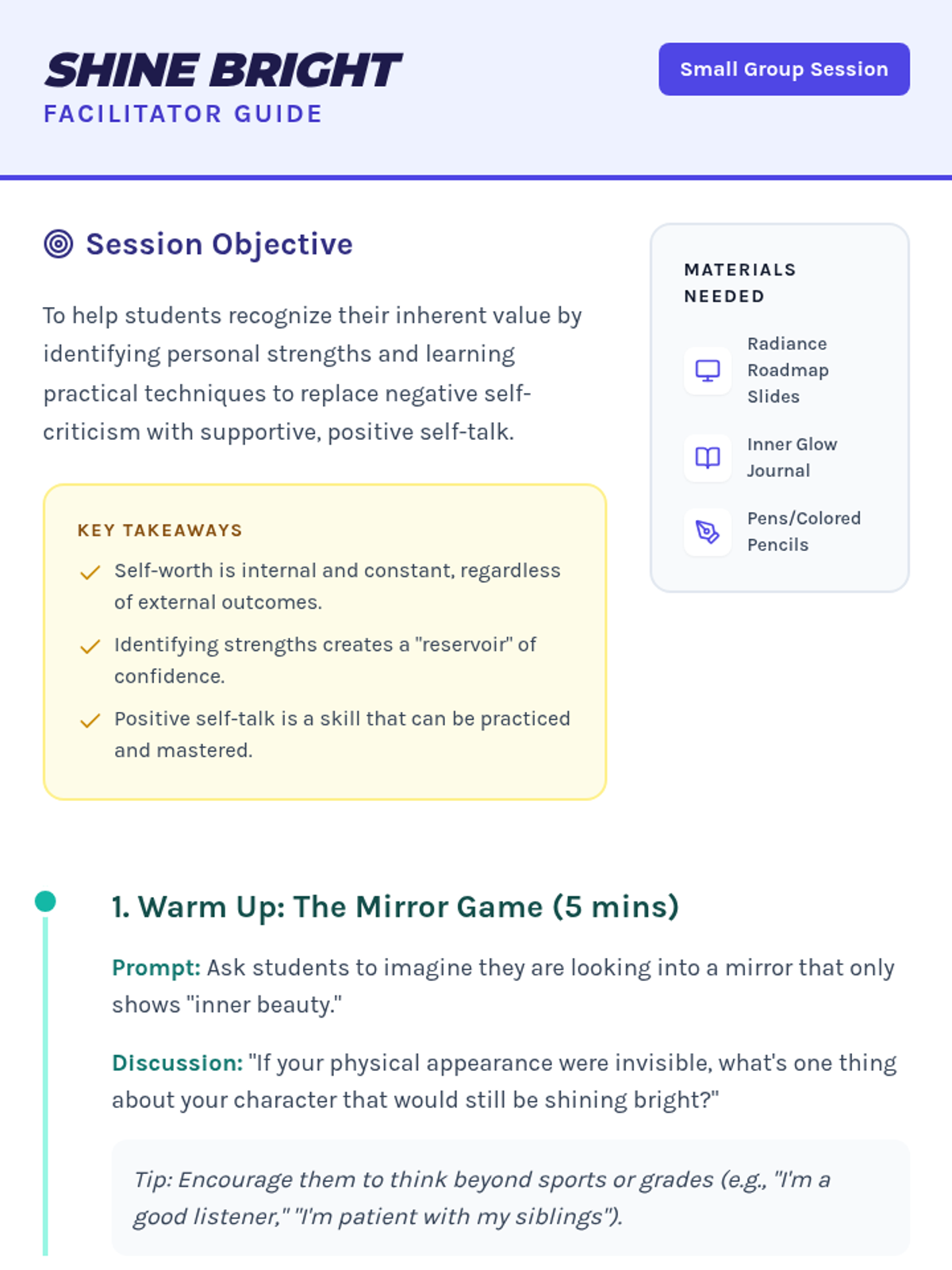
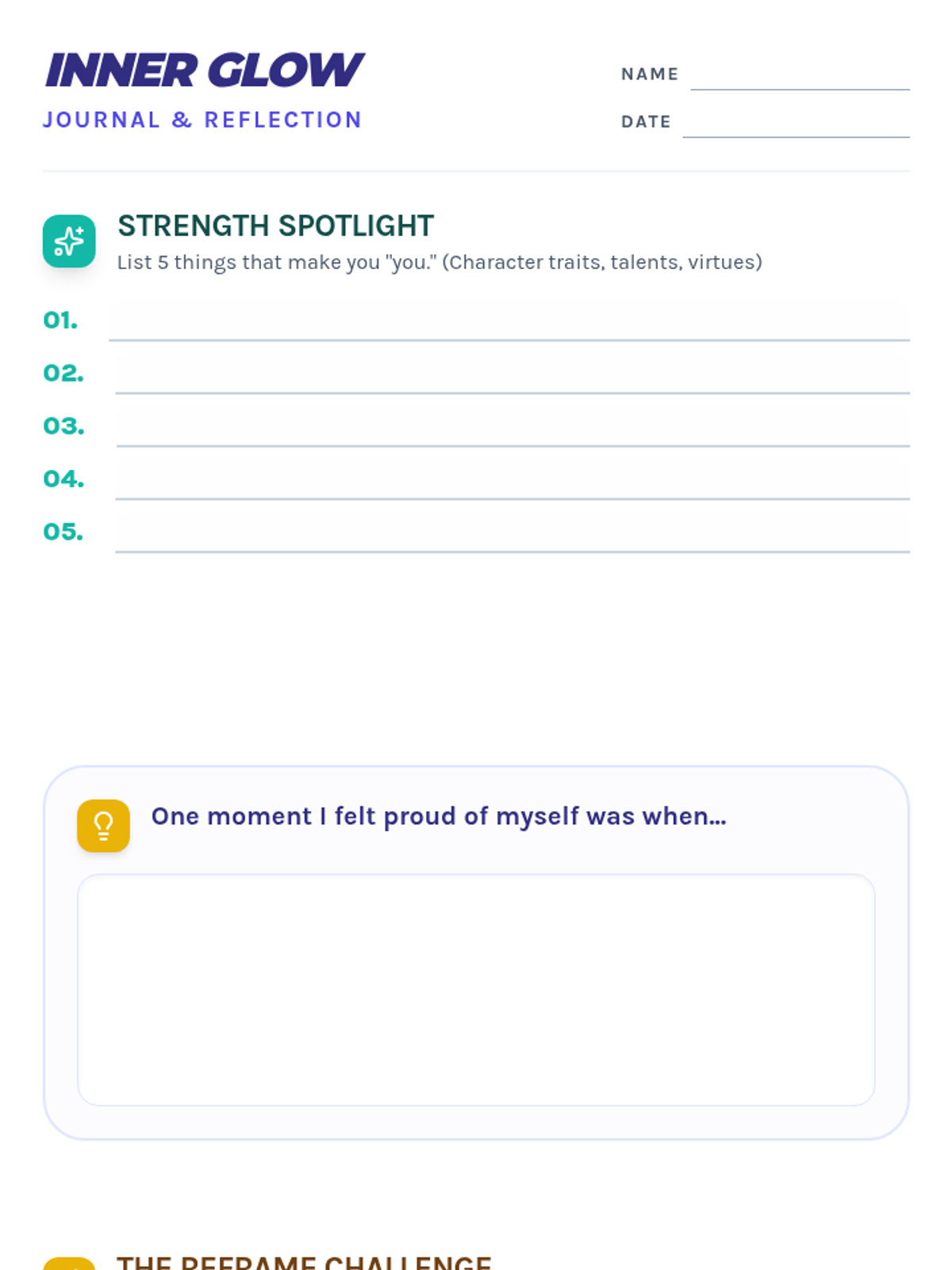
A lesson designed for small groups to explore self-worth by identifying individual strengths and mastering the art of positive self-talk through guided discussion and reflection.
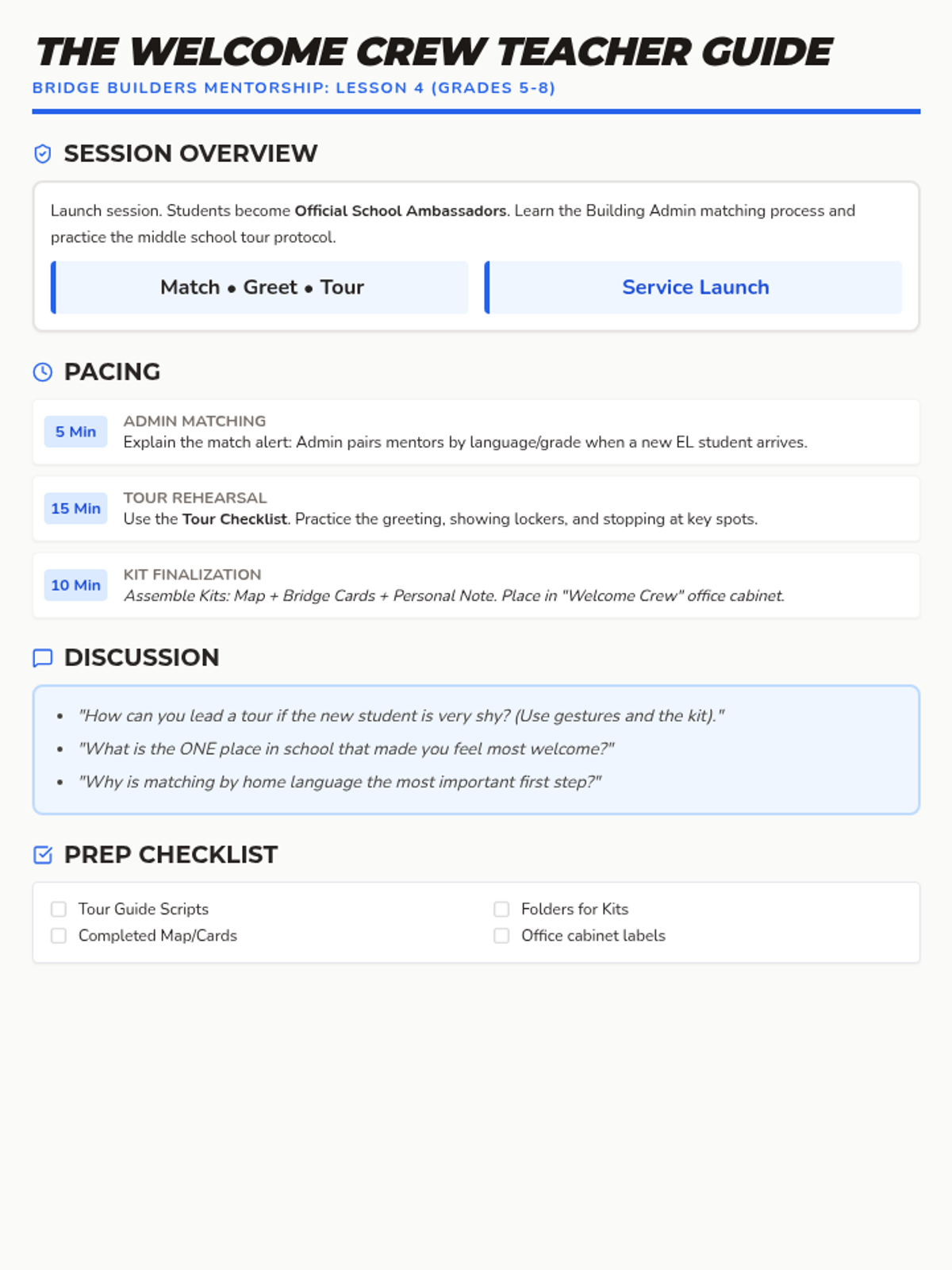
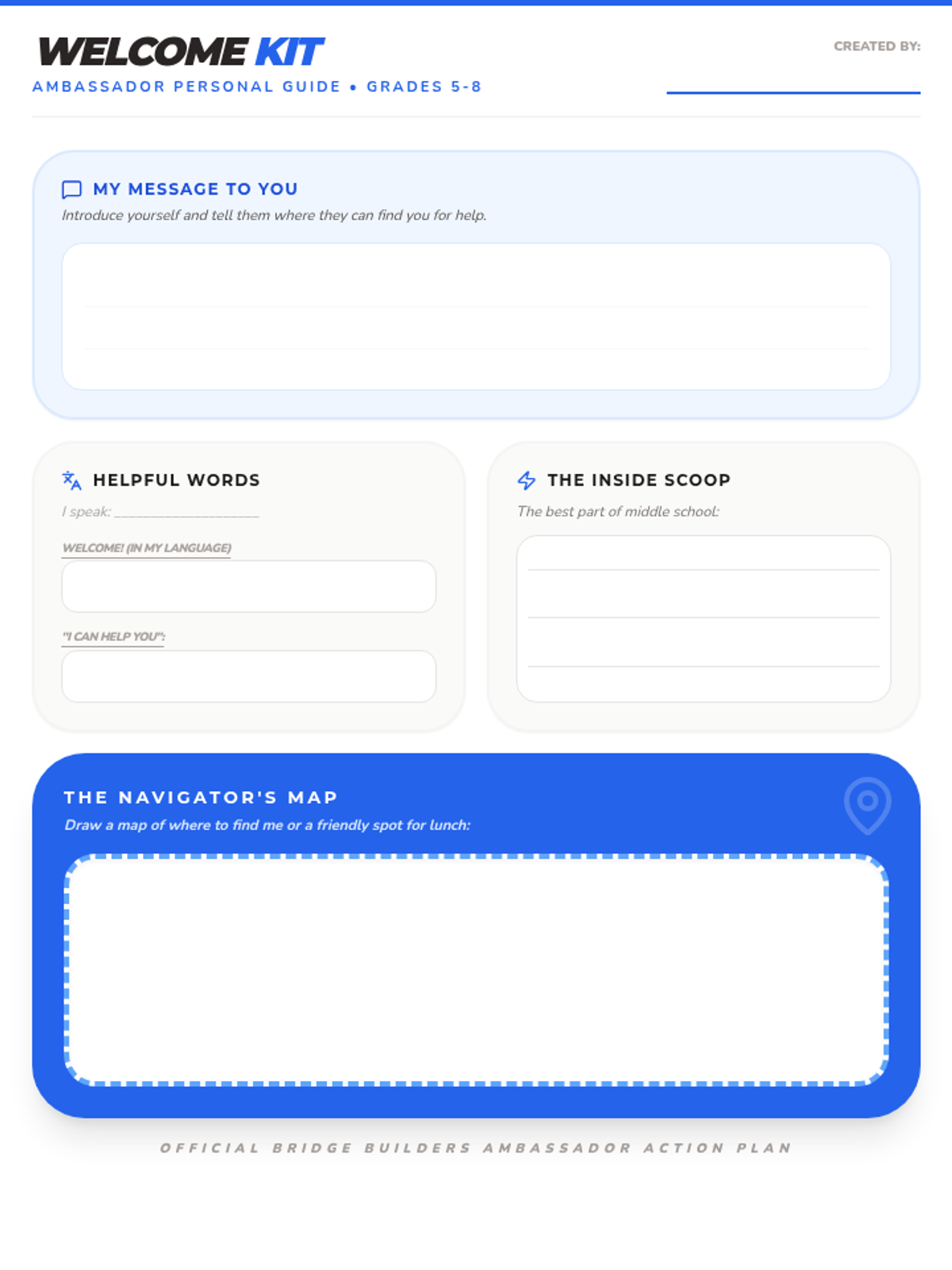
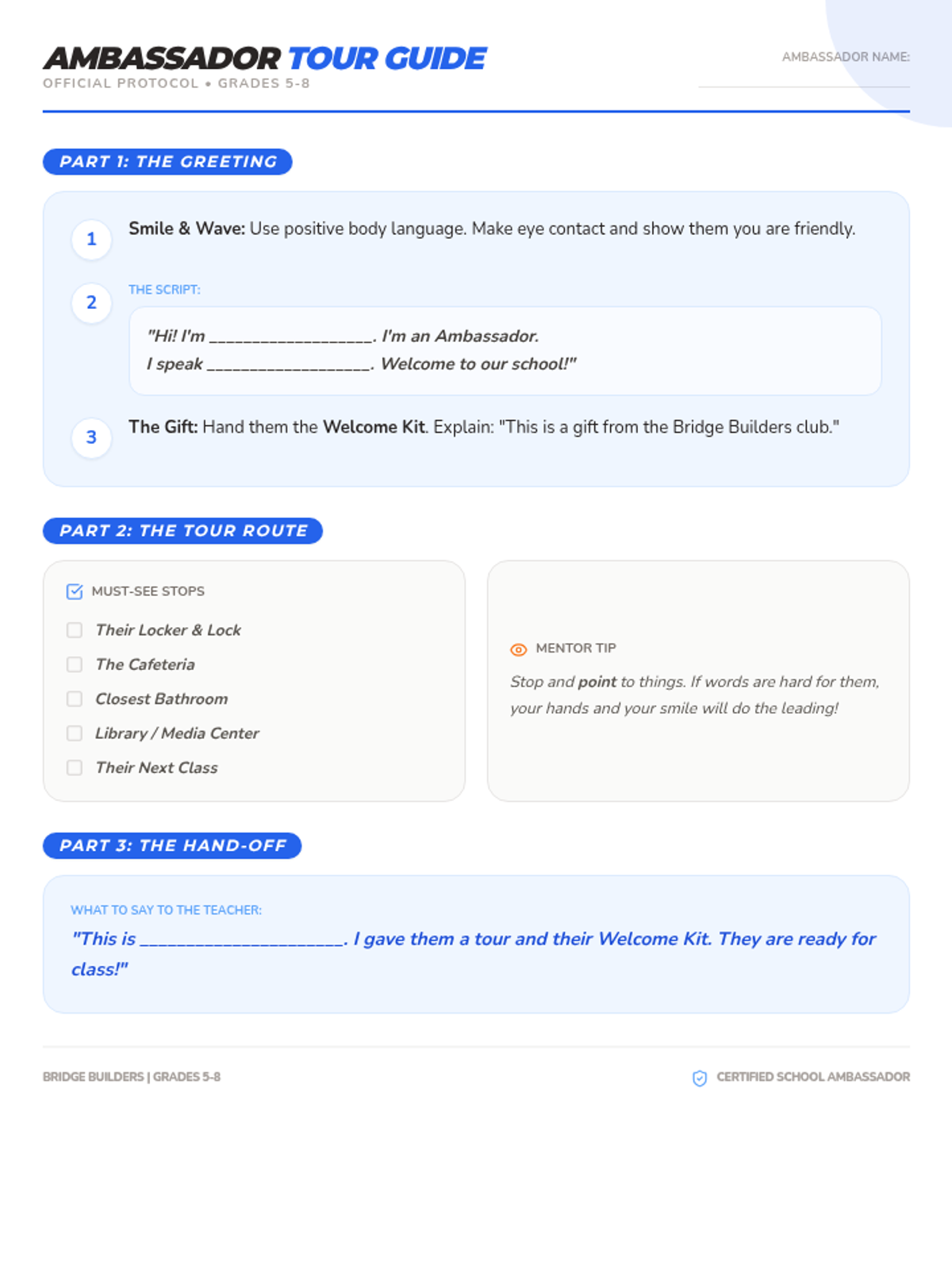
Students finalize their 'Welcome Kits' and develop a concrete action plan for how they will introduce themselves to new students throughout the year.
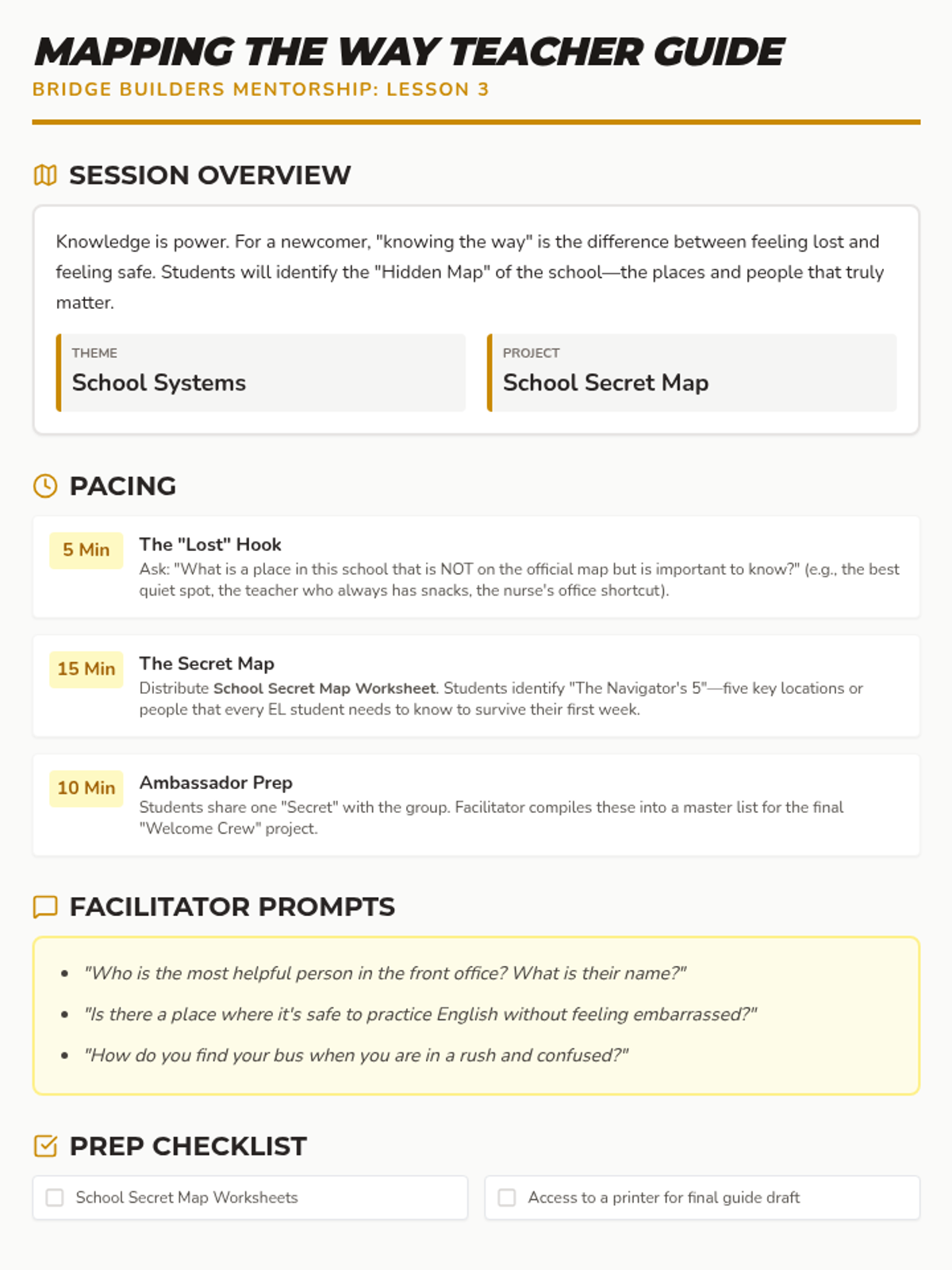
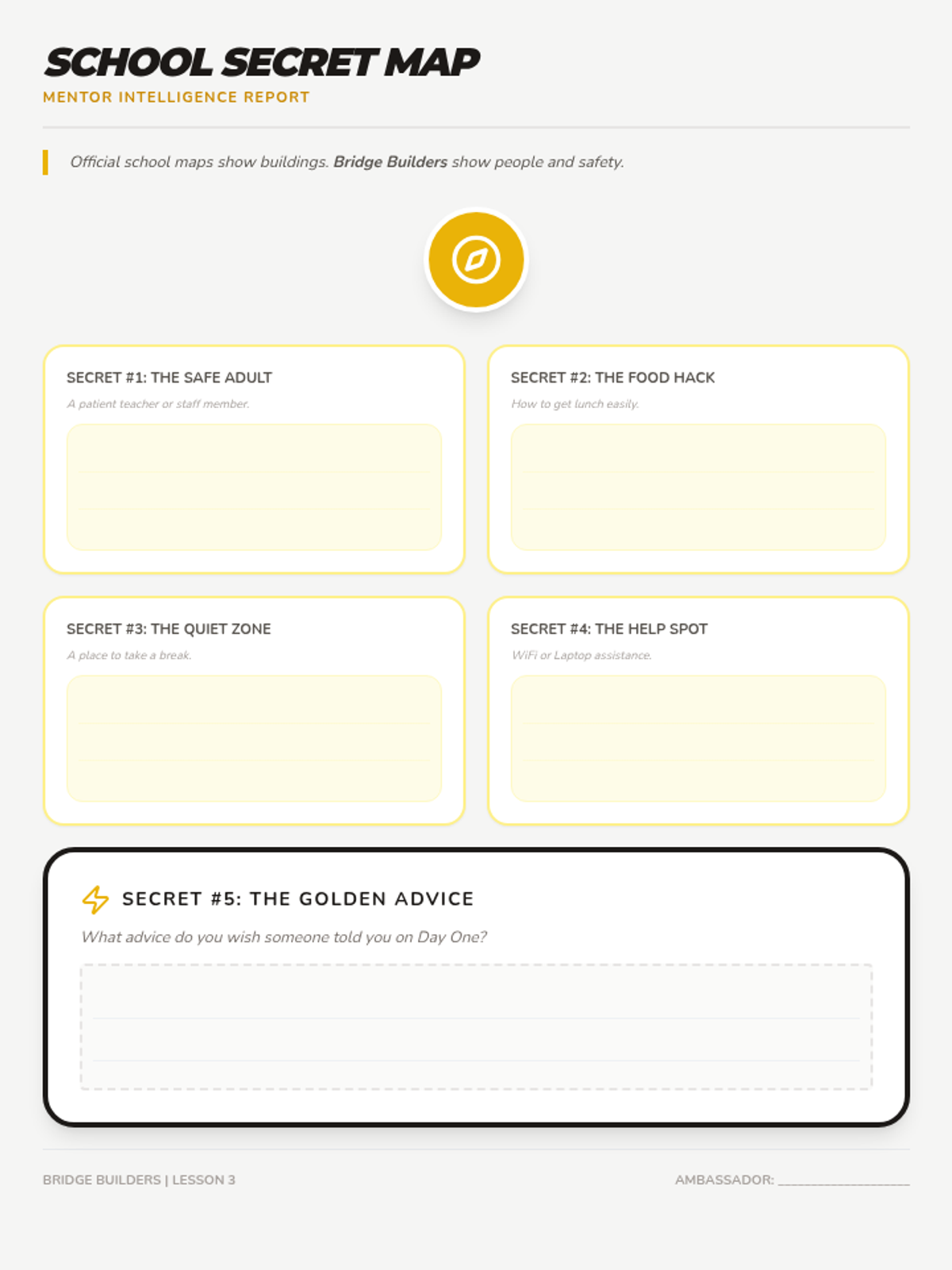
Students identify key people and places in the school that are essential for new students to know, creating a 'hidden map' of support.
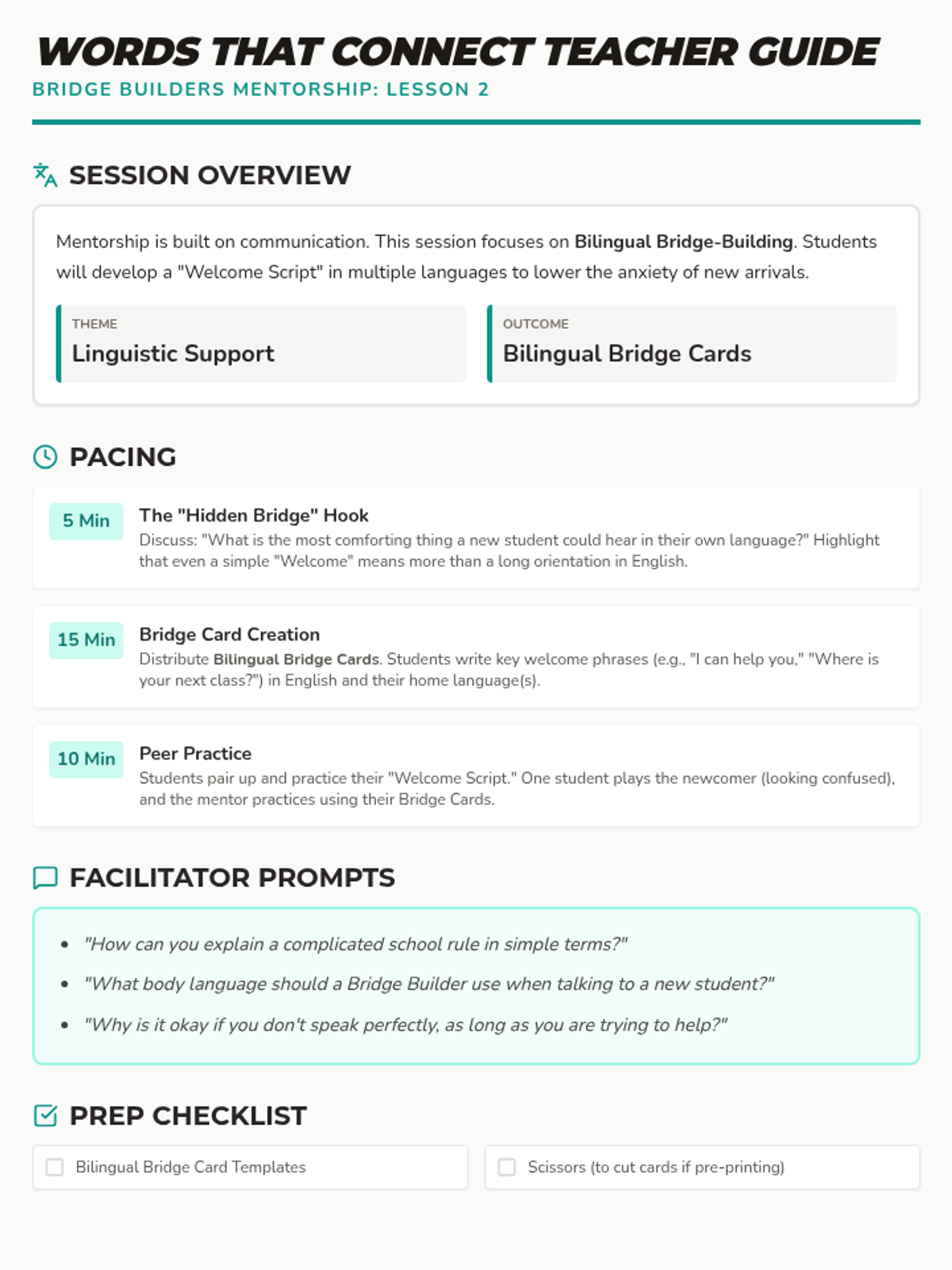
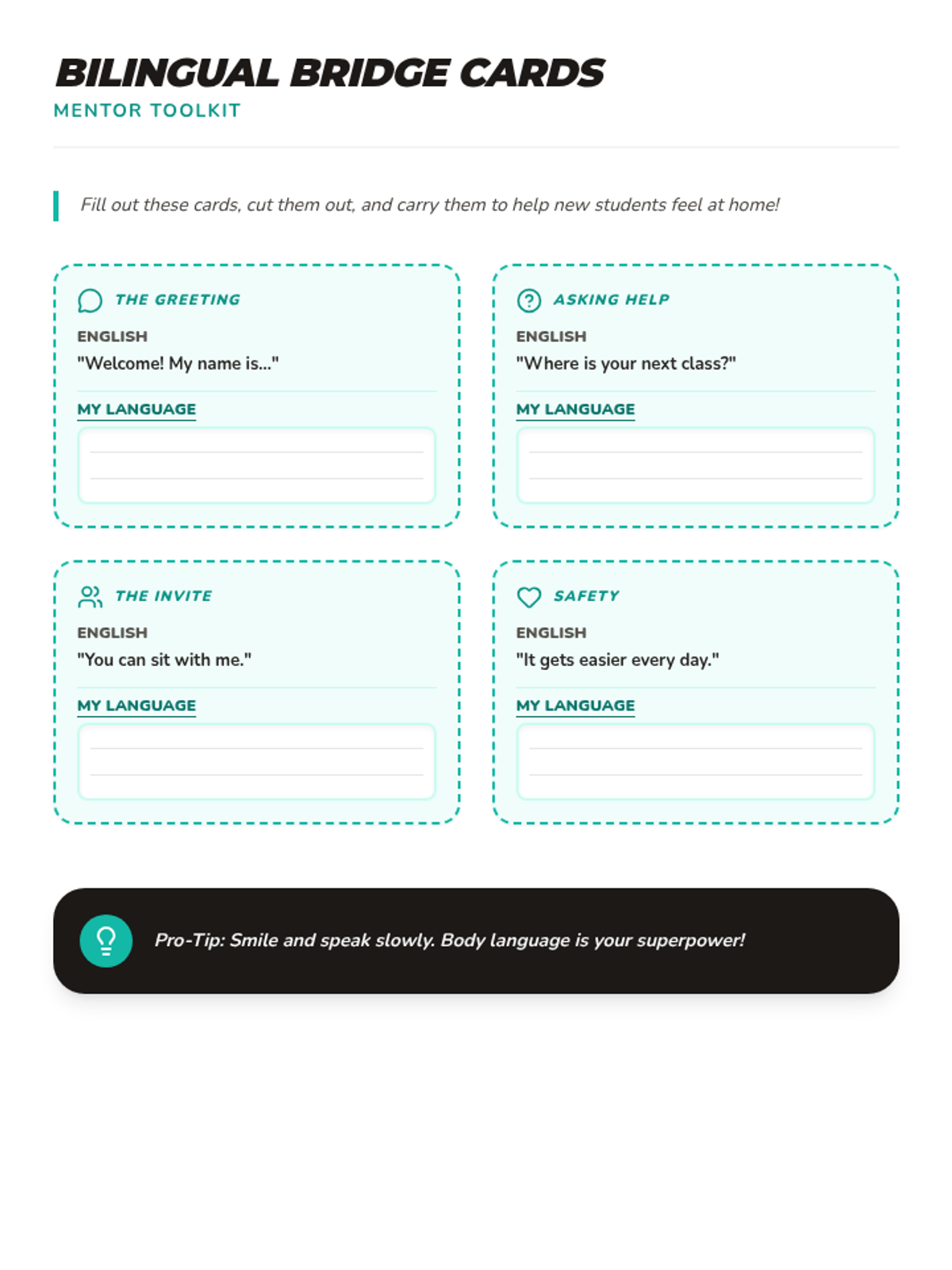
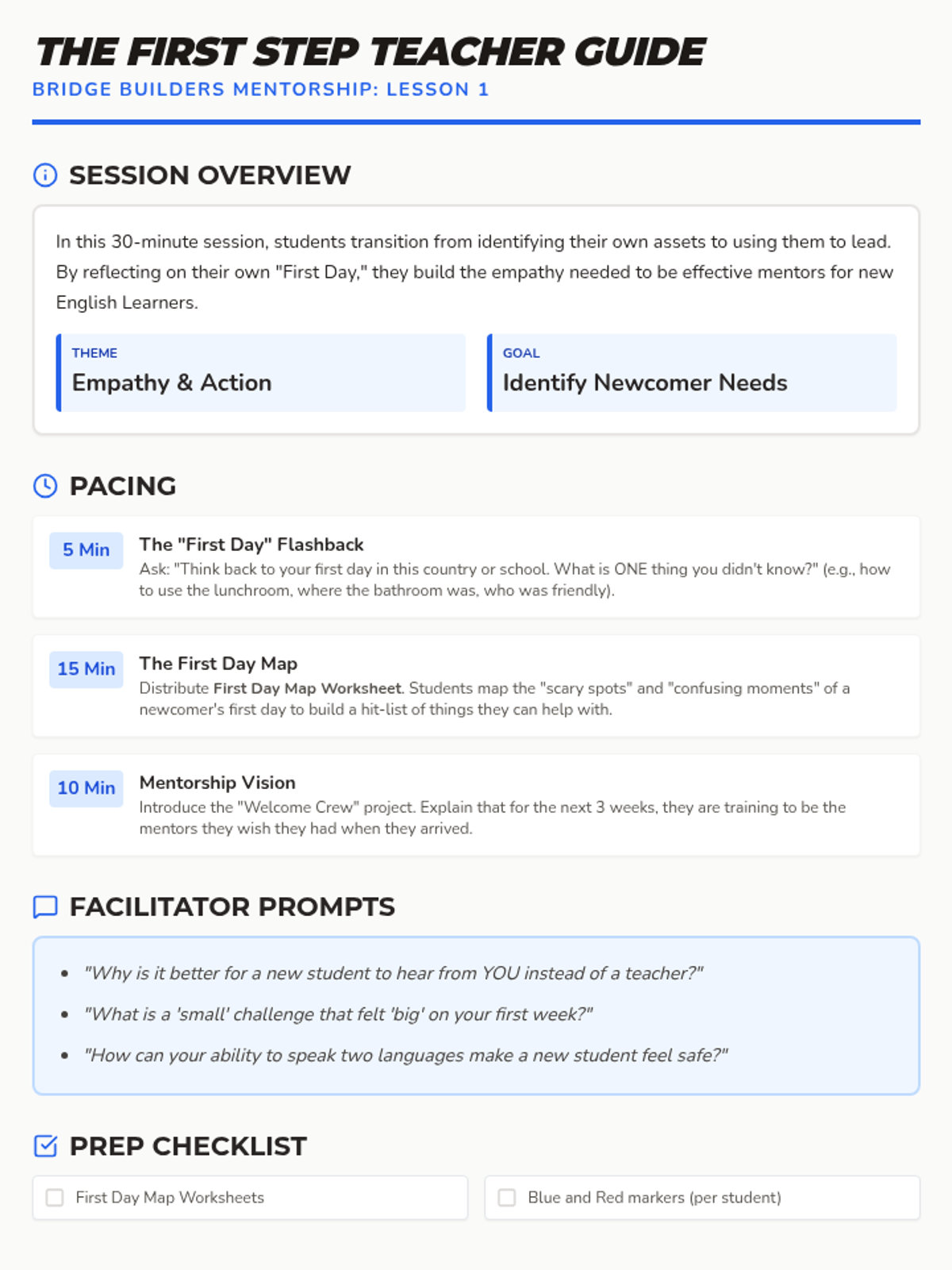
Students practice bilingual communication and develop a set of 'connector' phrases in multiple languages to help new students feel heard and seen.
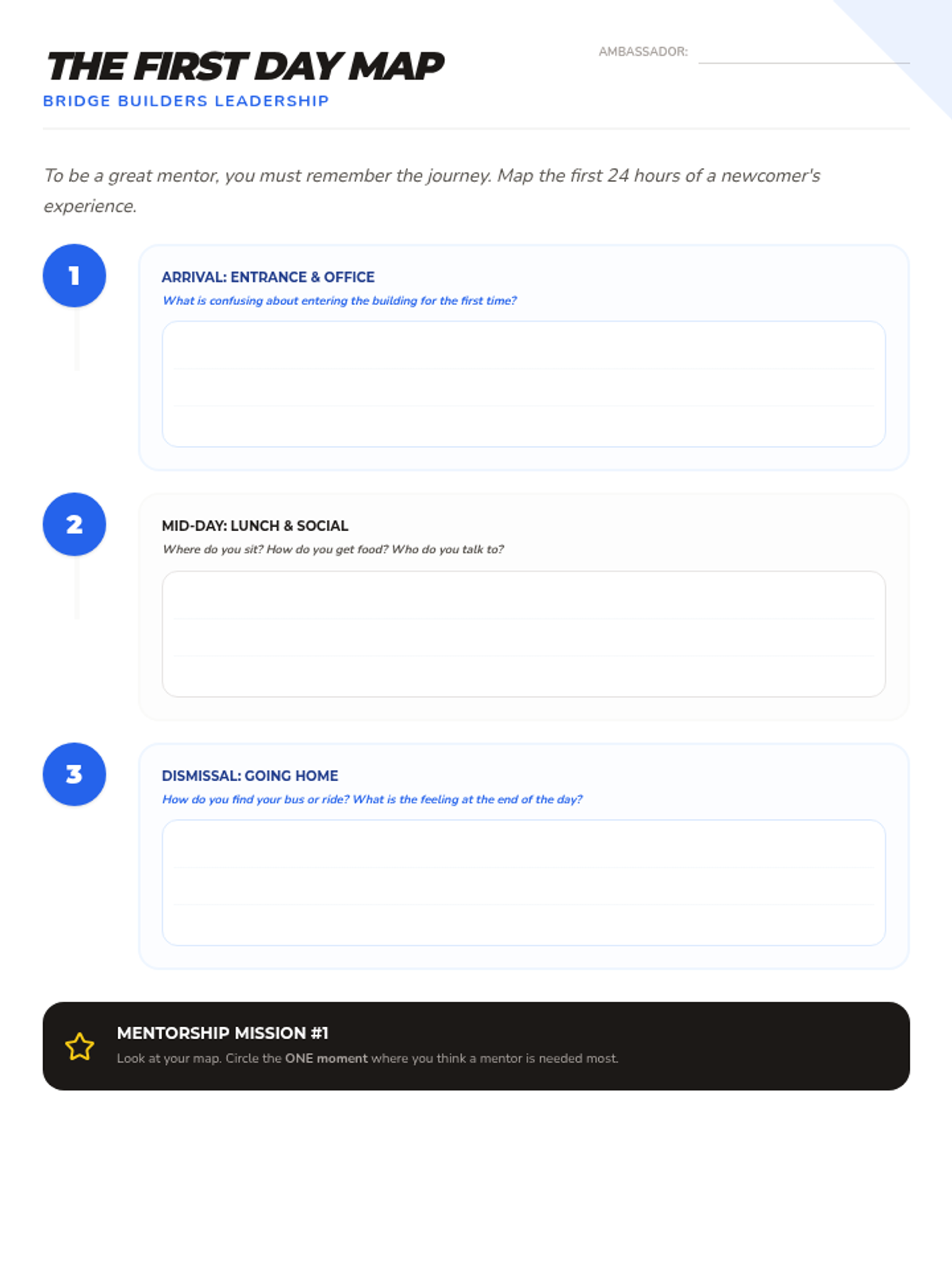
Students reflect on their own experiences as new arrivals to build empathy and identify the specific challenges new English Learners face on their first day.
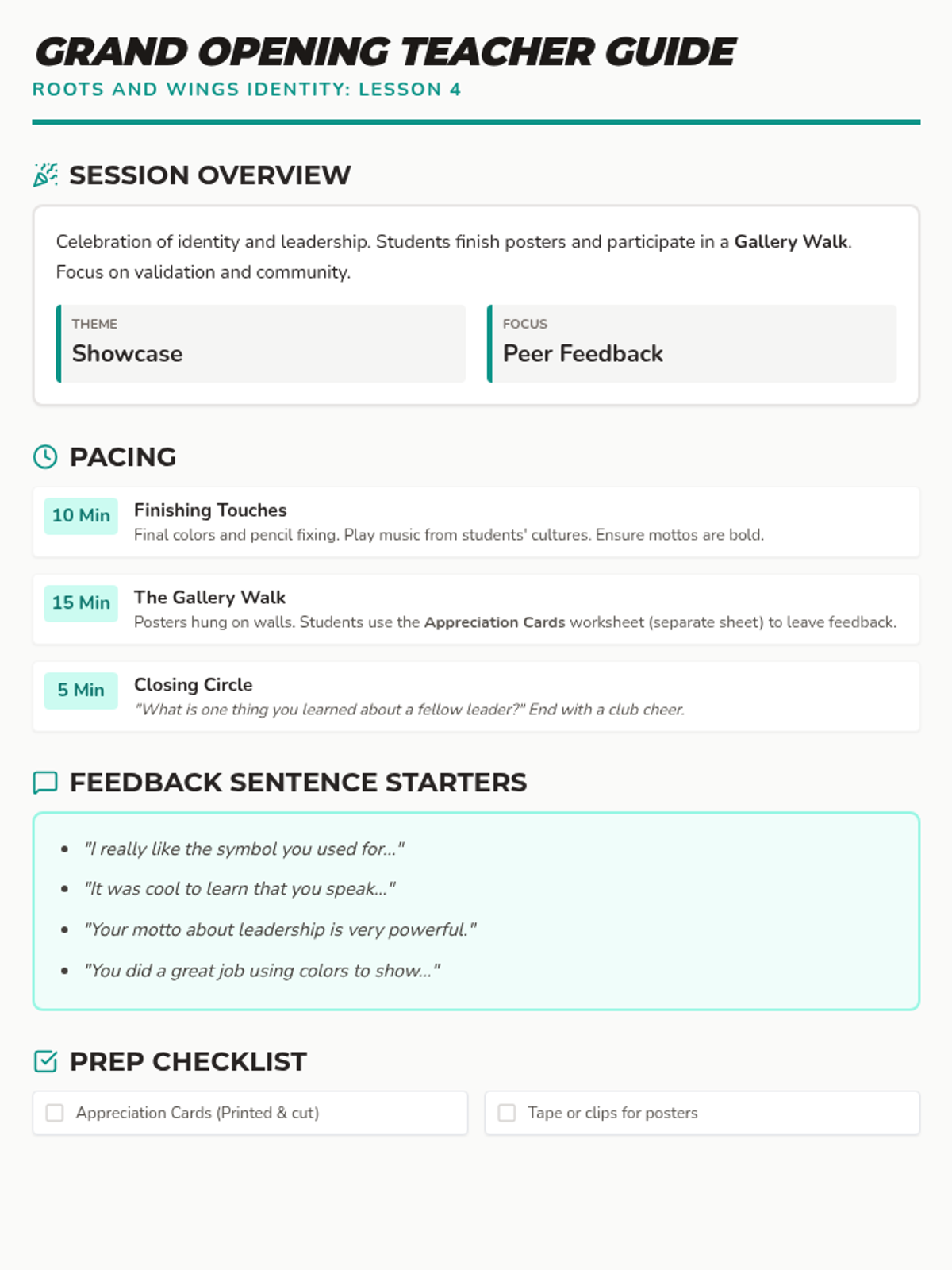
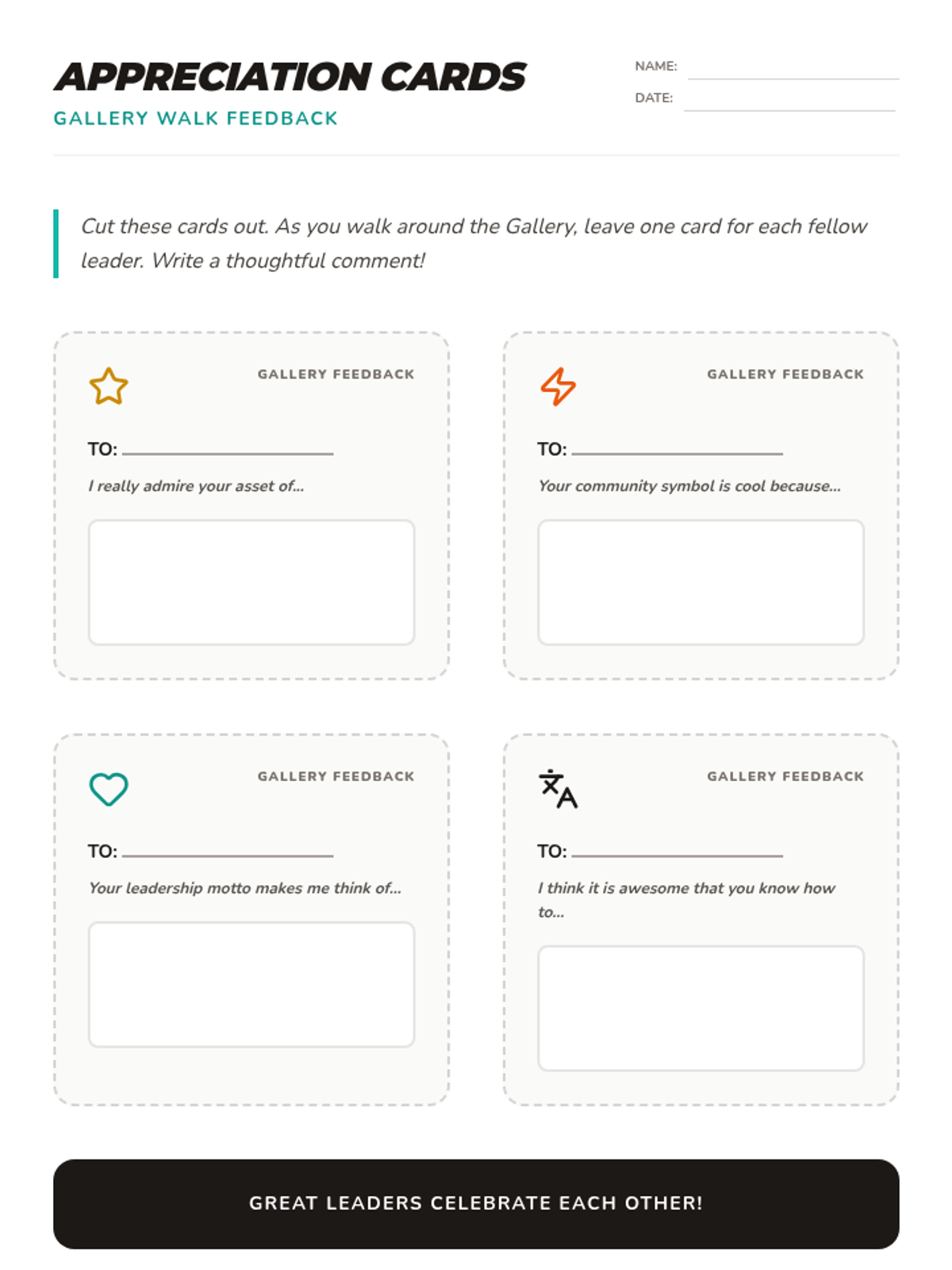
A celebratory session where students finalize their posters and participate in a gallery walk to share their work with the club.
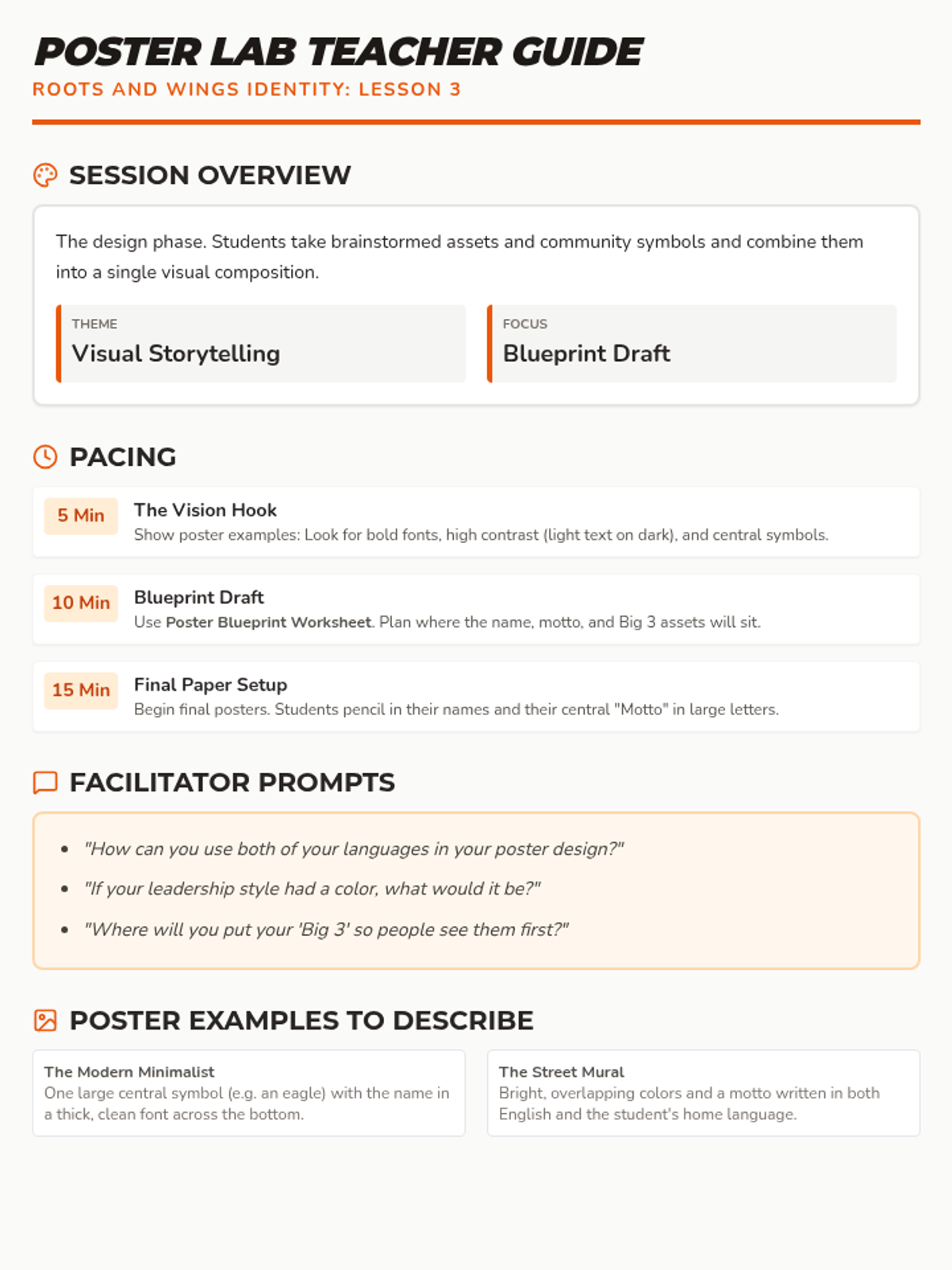
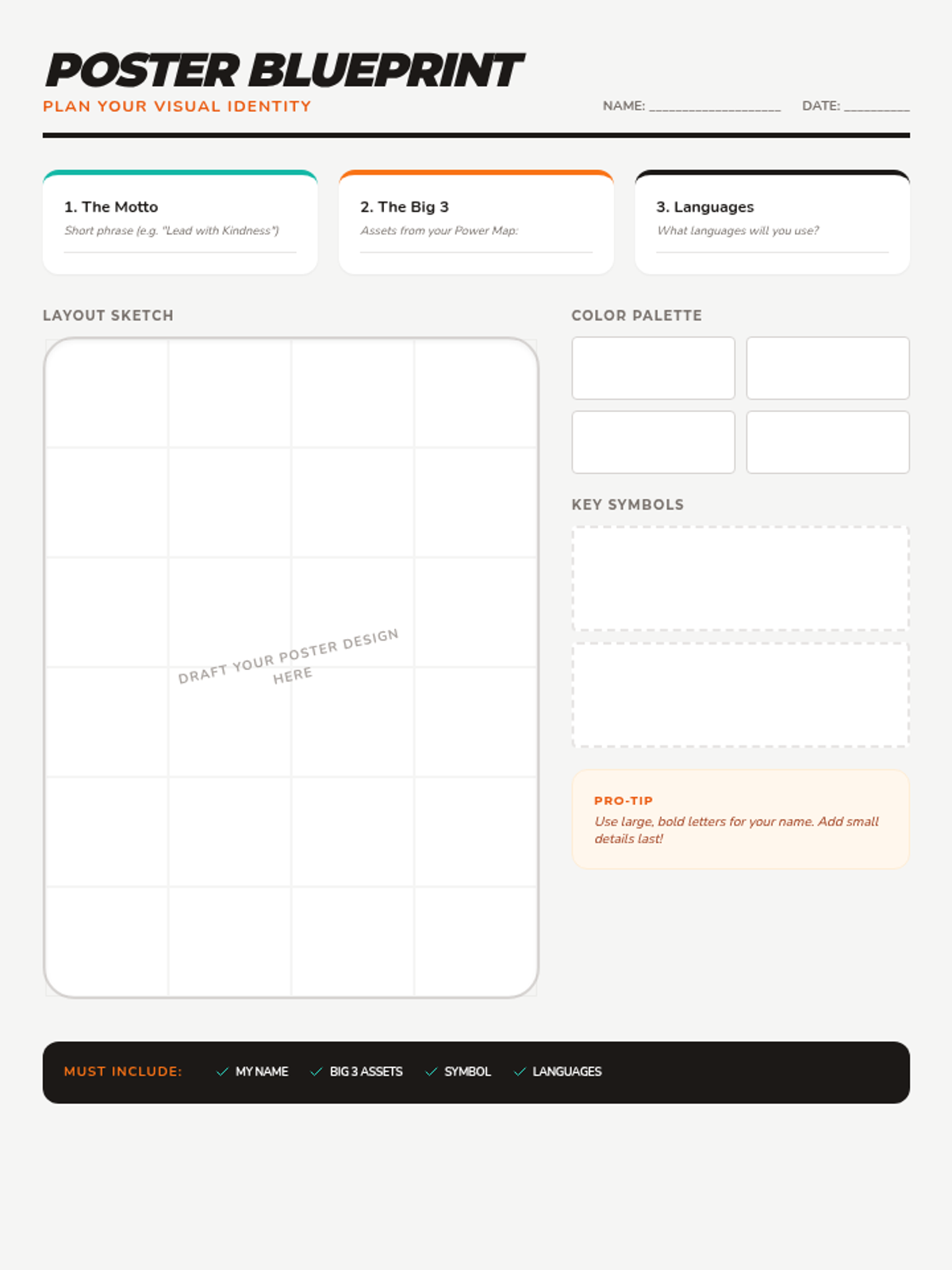
Students begin the design process for their visual identity posters, selecting symbols, colors, and words that represent their unique leadership style and background.
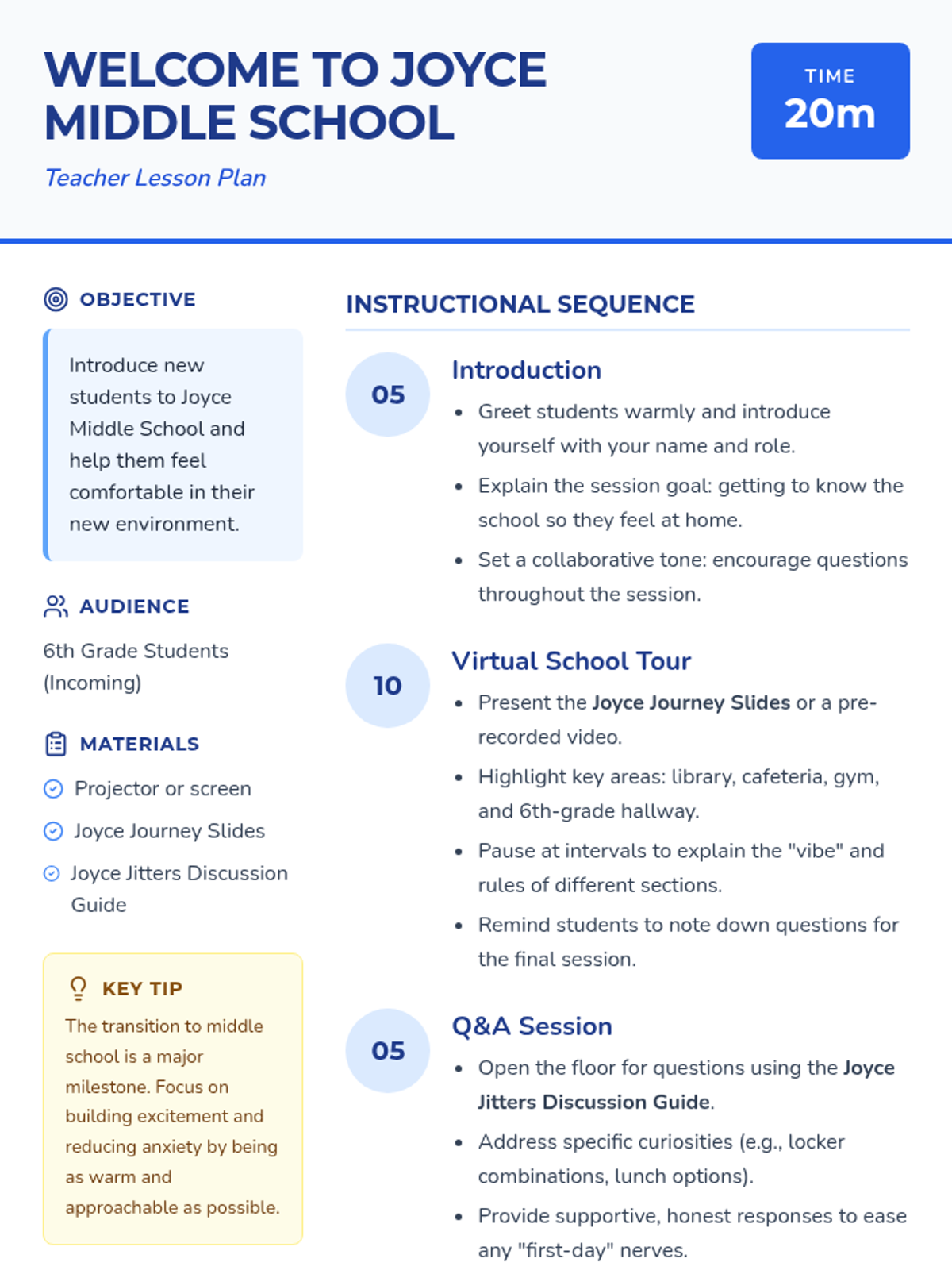
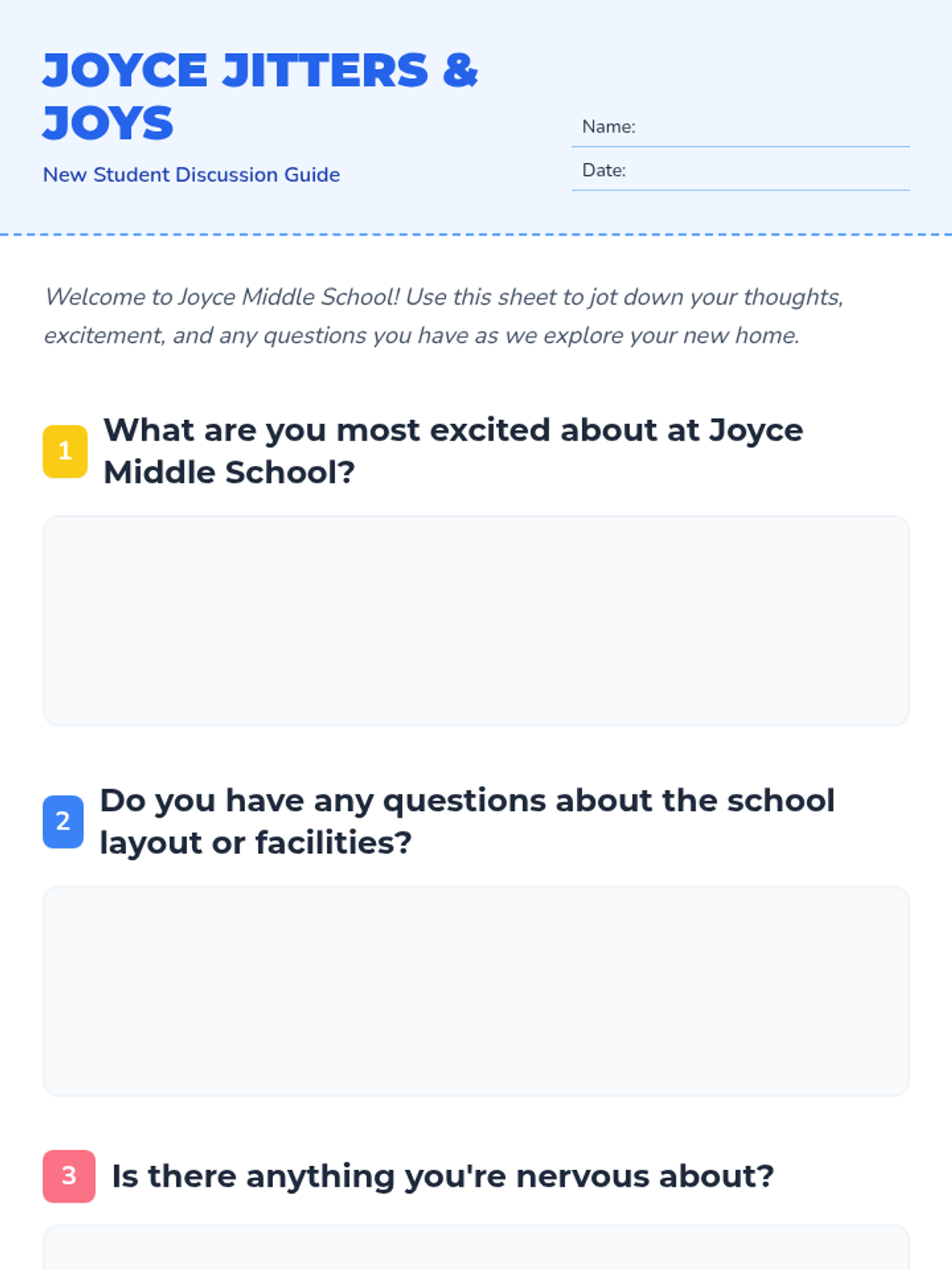
A warm orientation lesson for incoming 6th graders to Joyce Middle School, featuring a school tour and Q&A session.
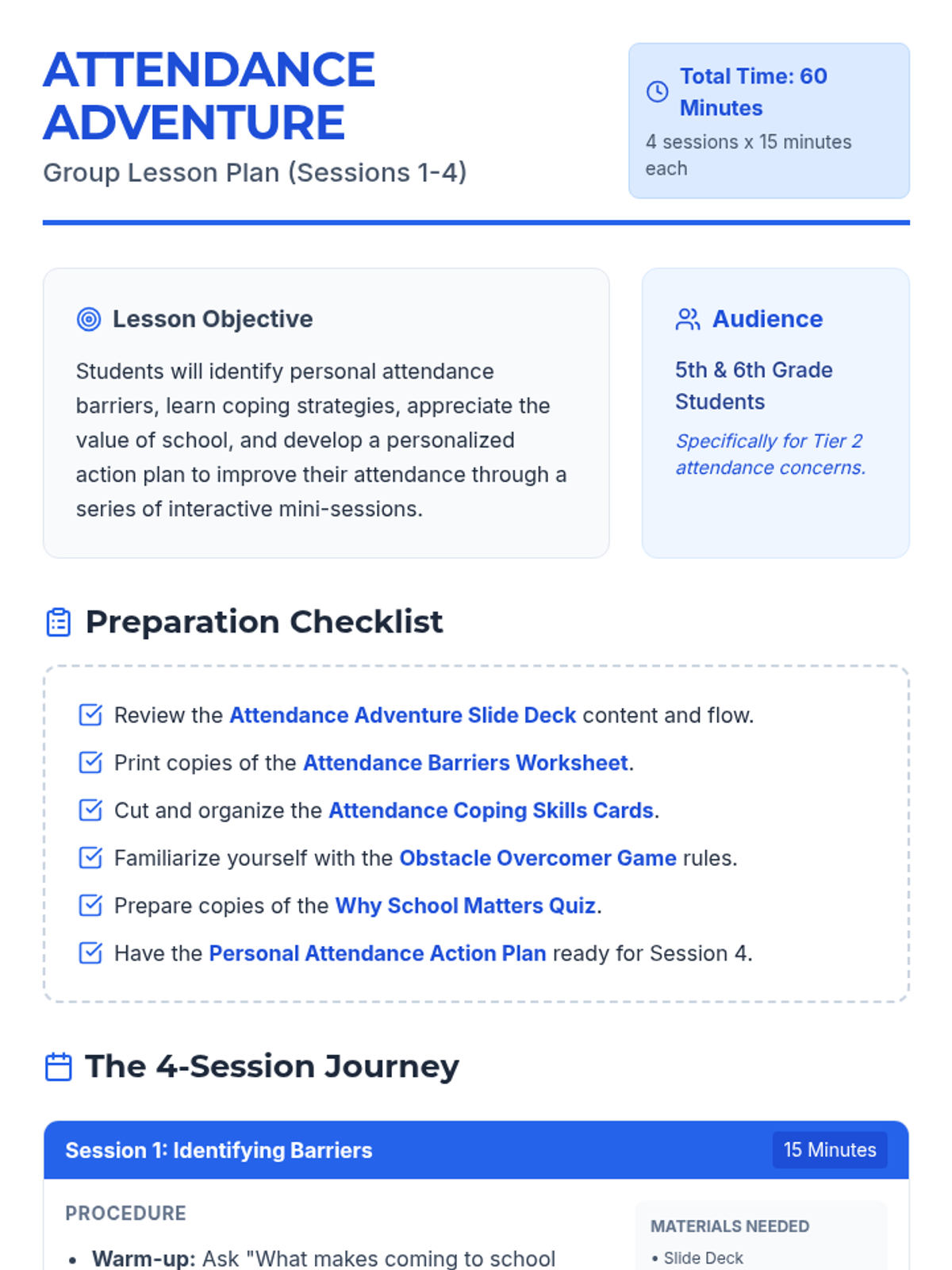
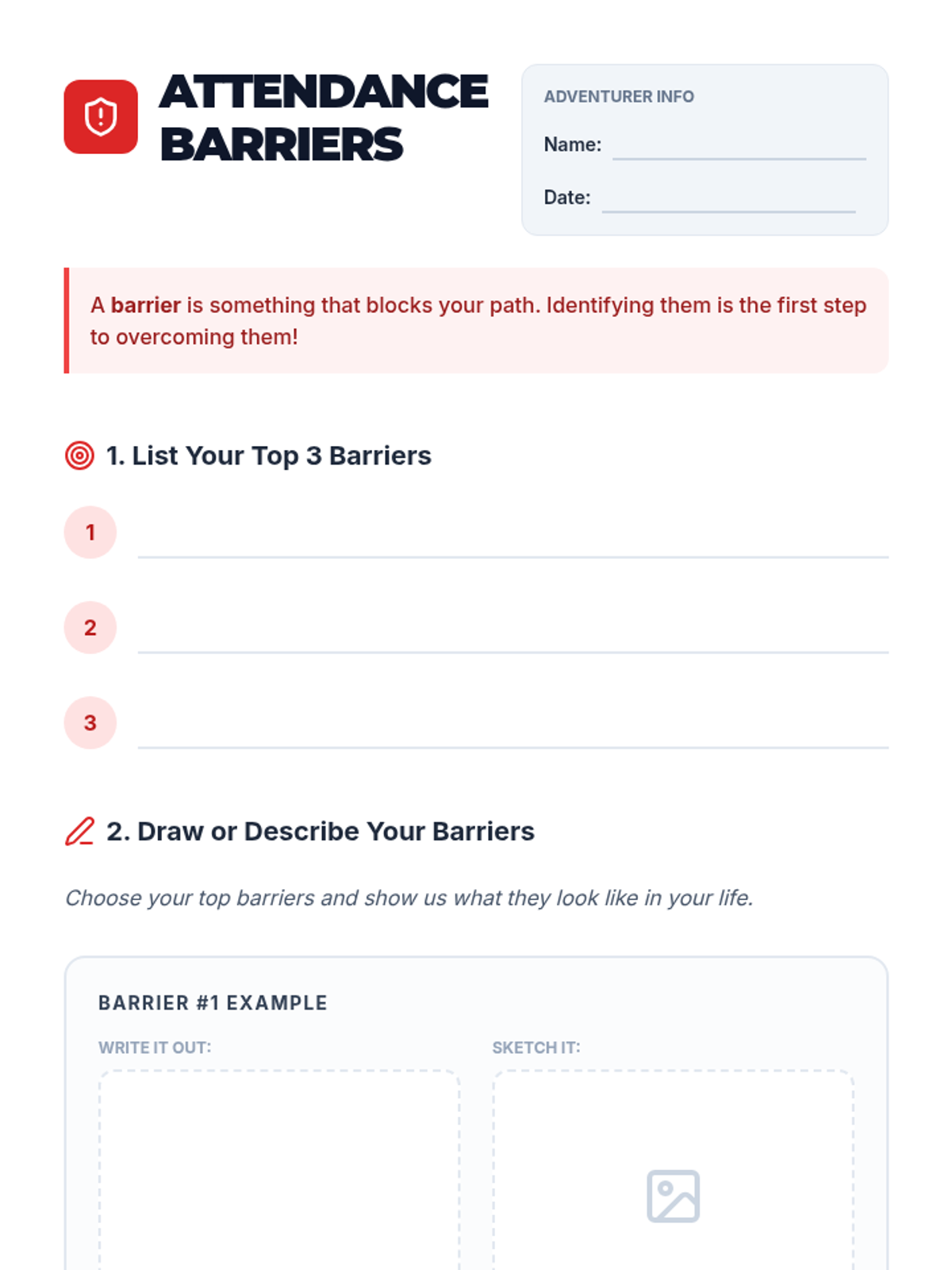
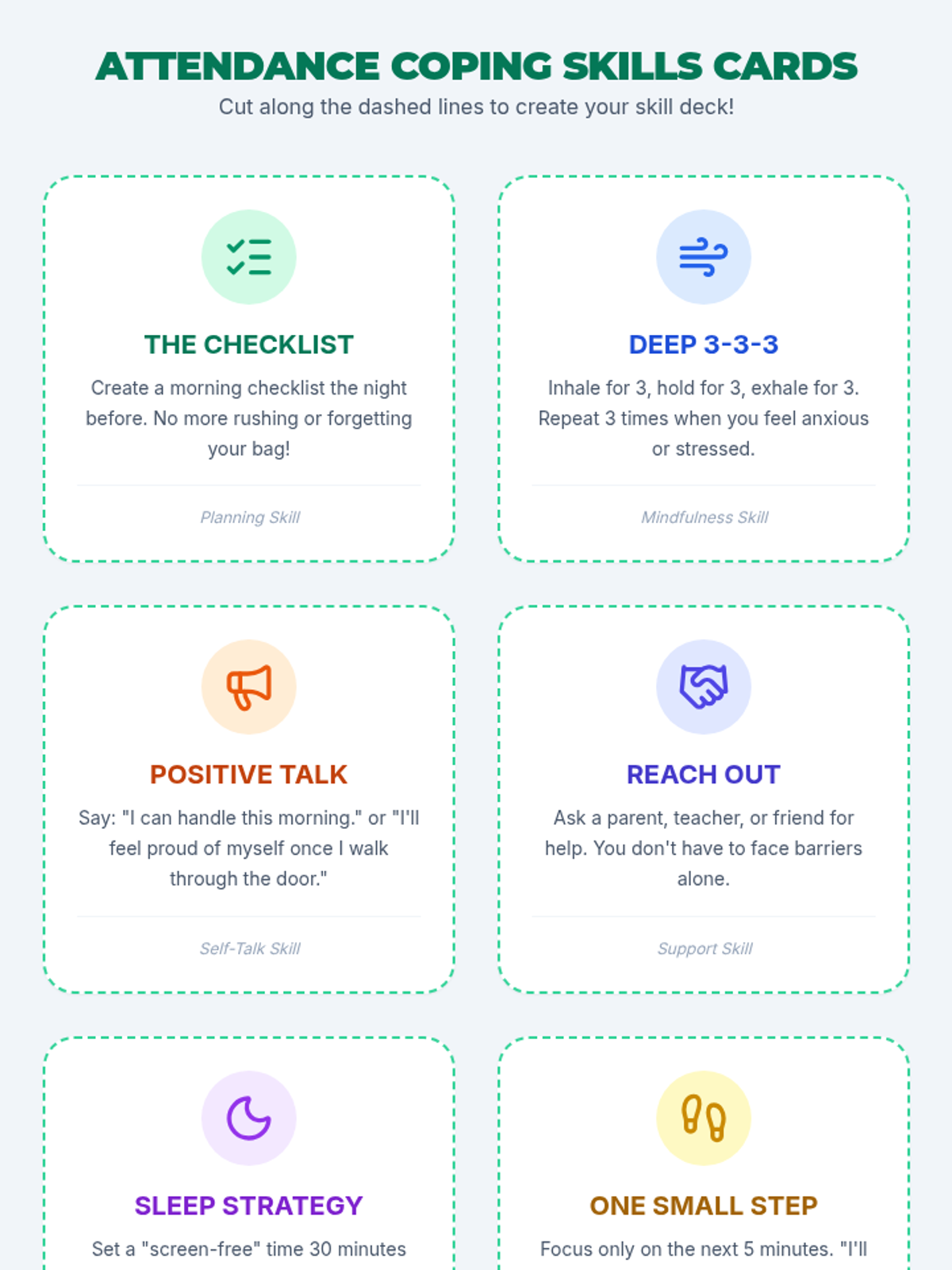
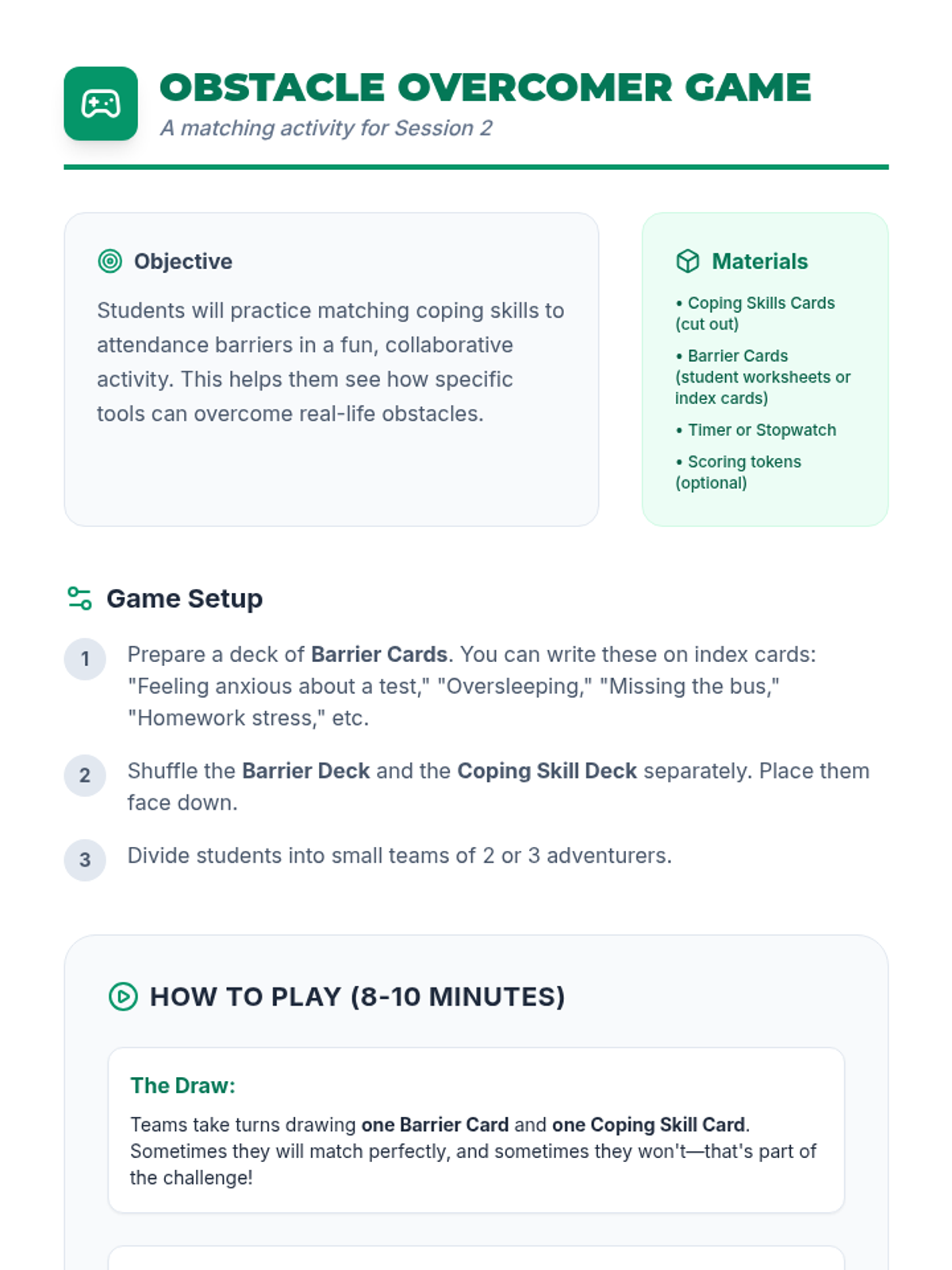
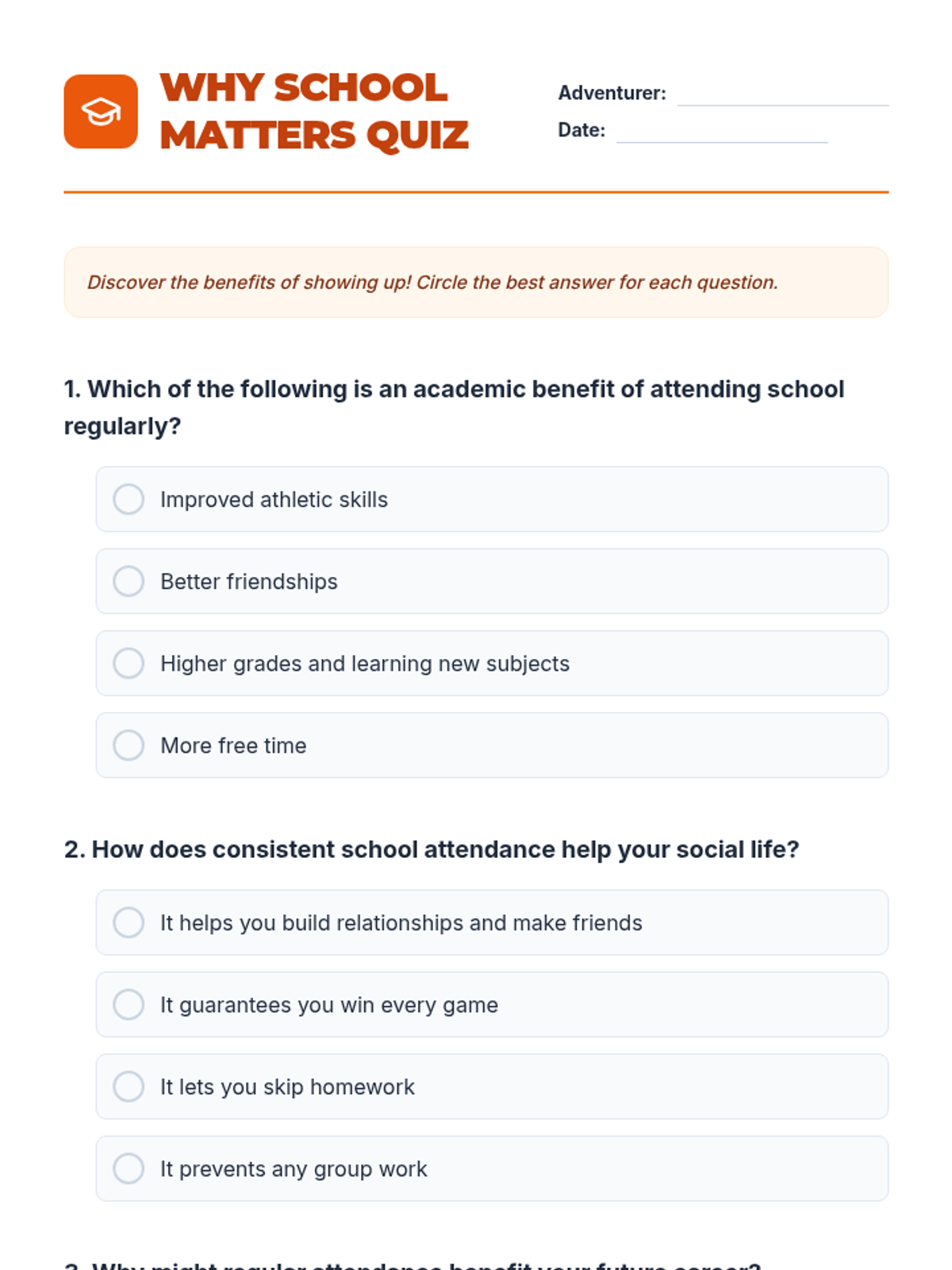
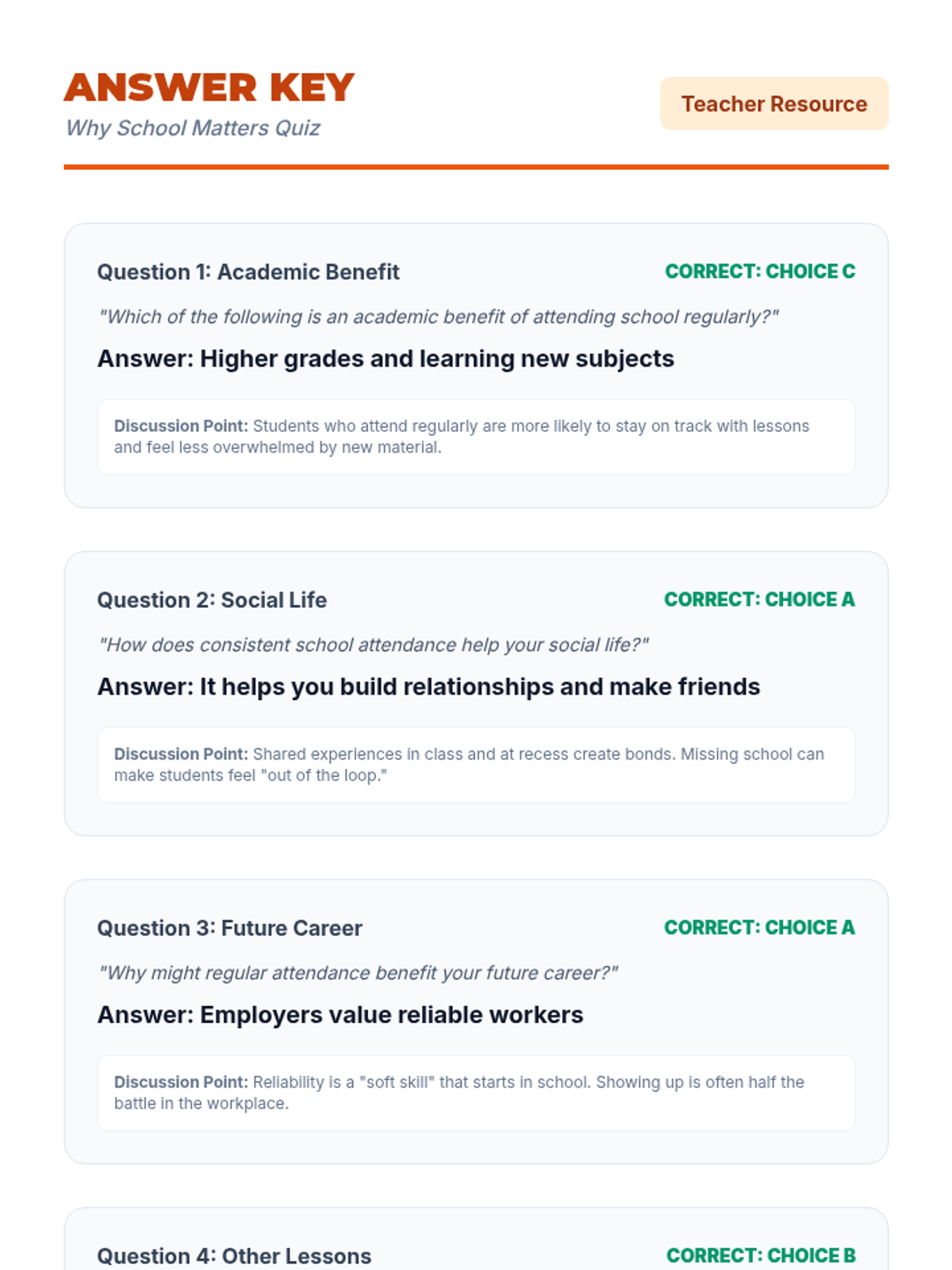
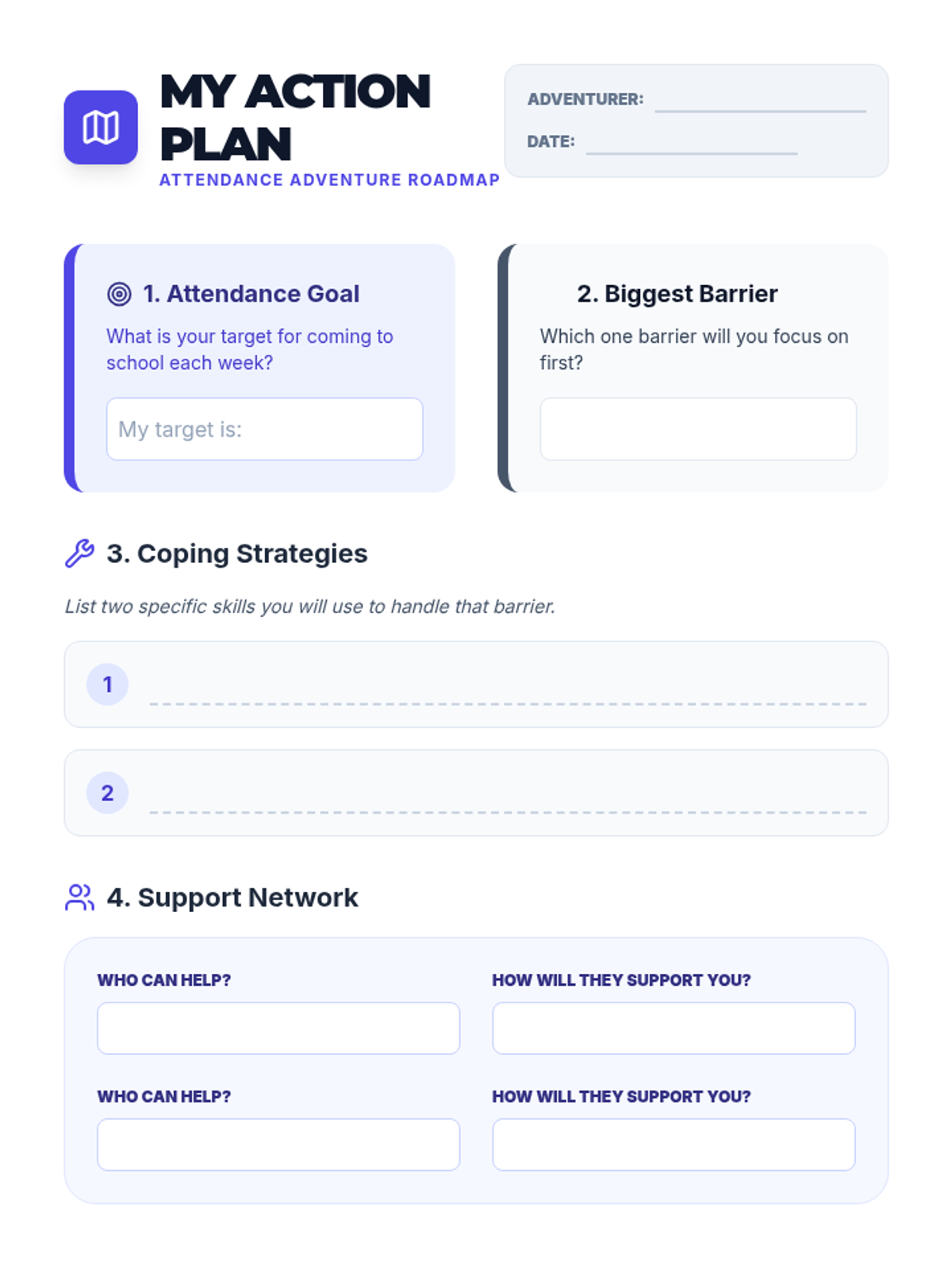
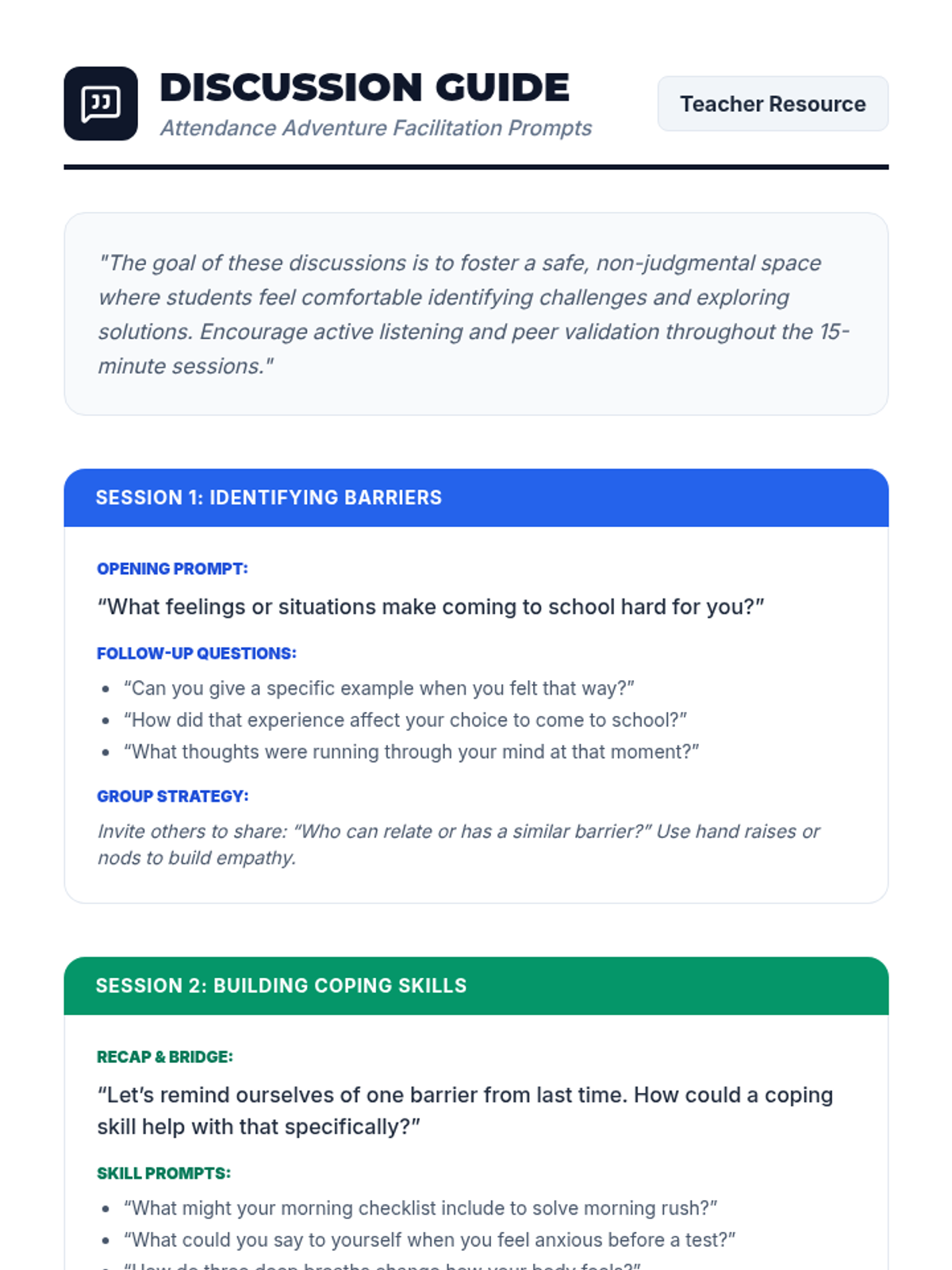
This lesson covers four 15-minute sessions designed to help students identify personal attendance barriers, learn coping strategies, understand the value of school, and create an action plan.
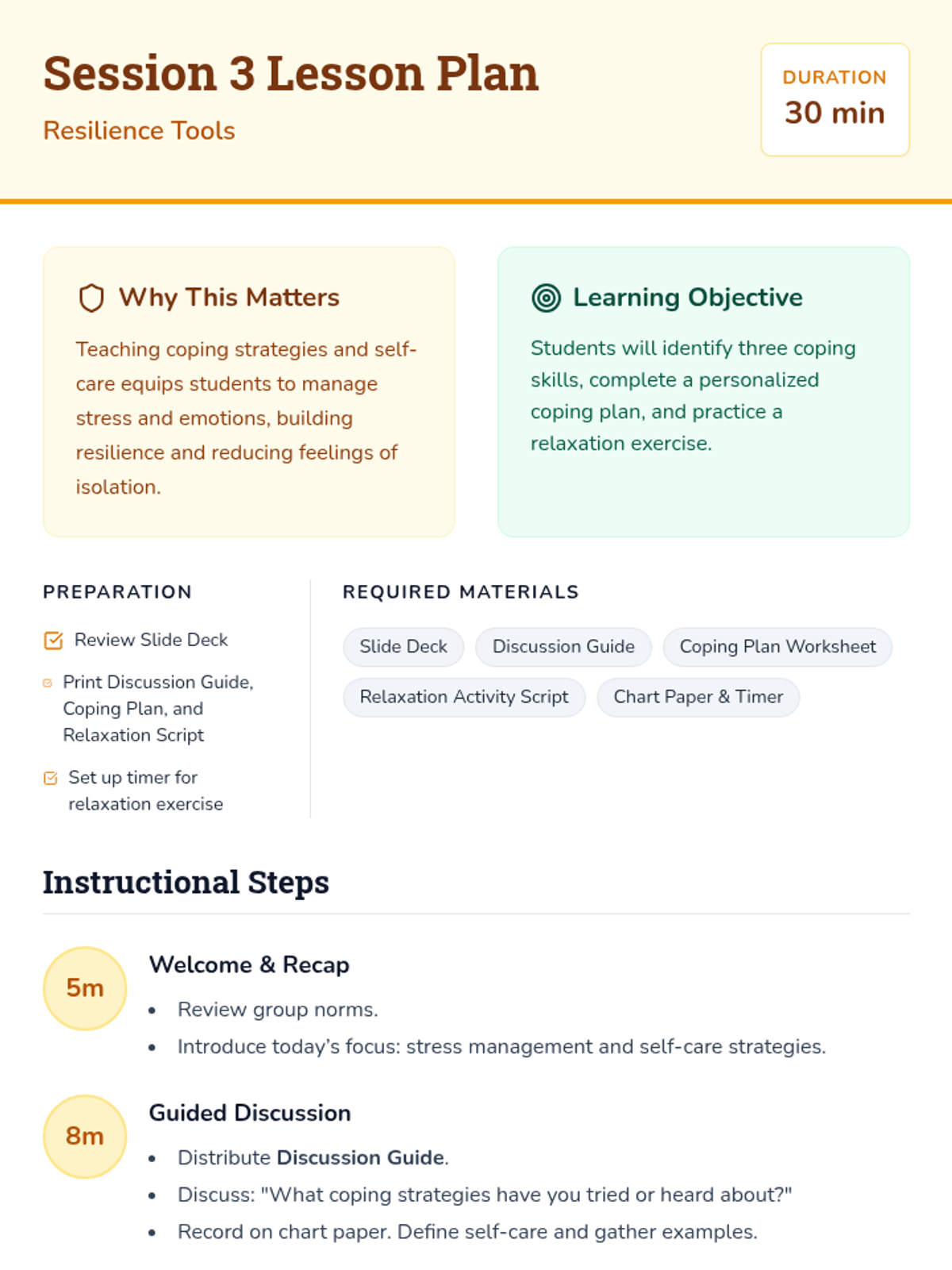
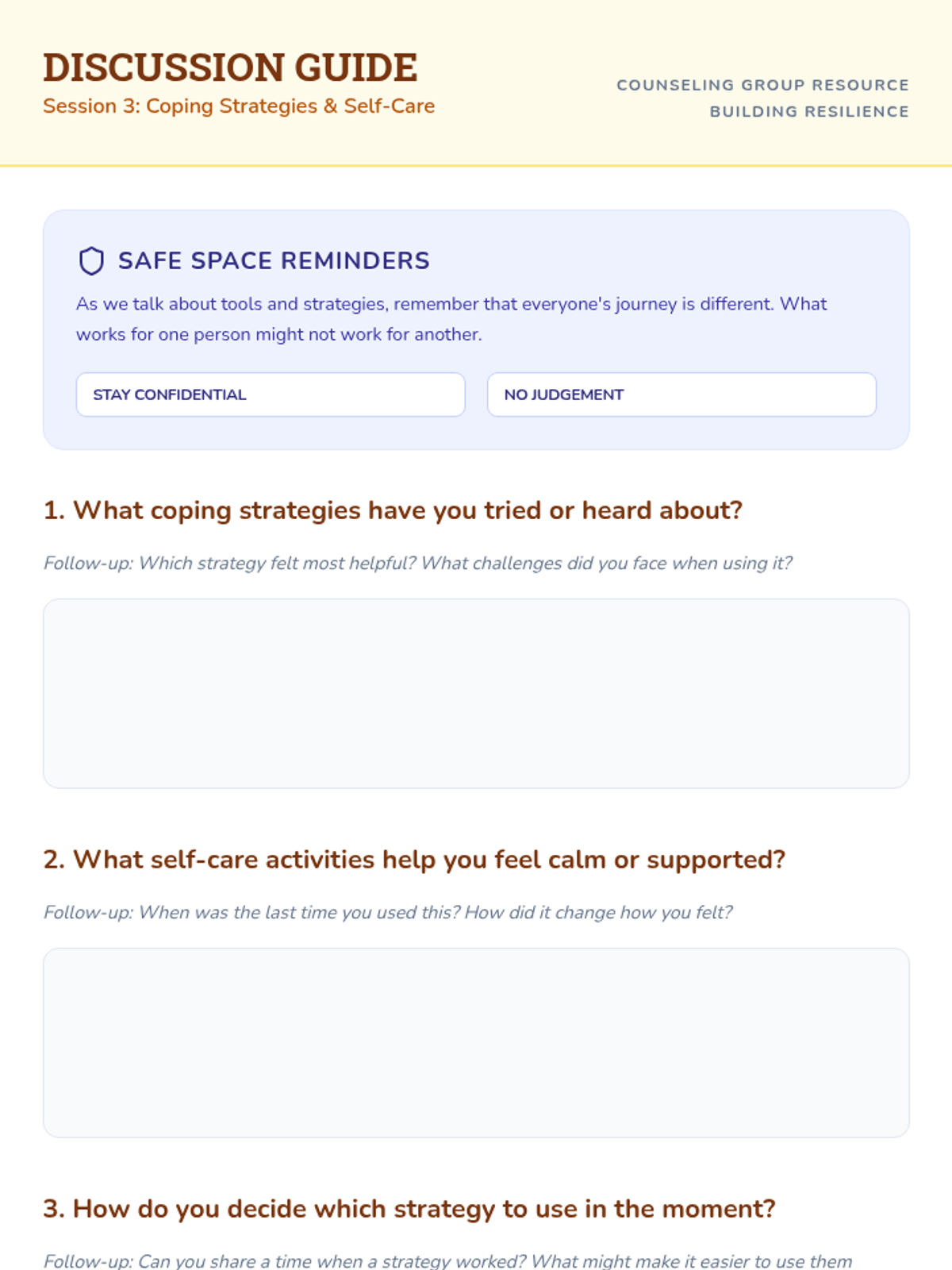
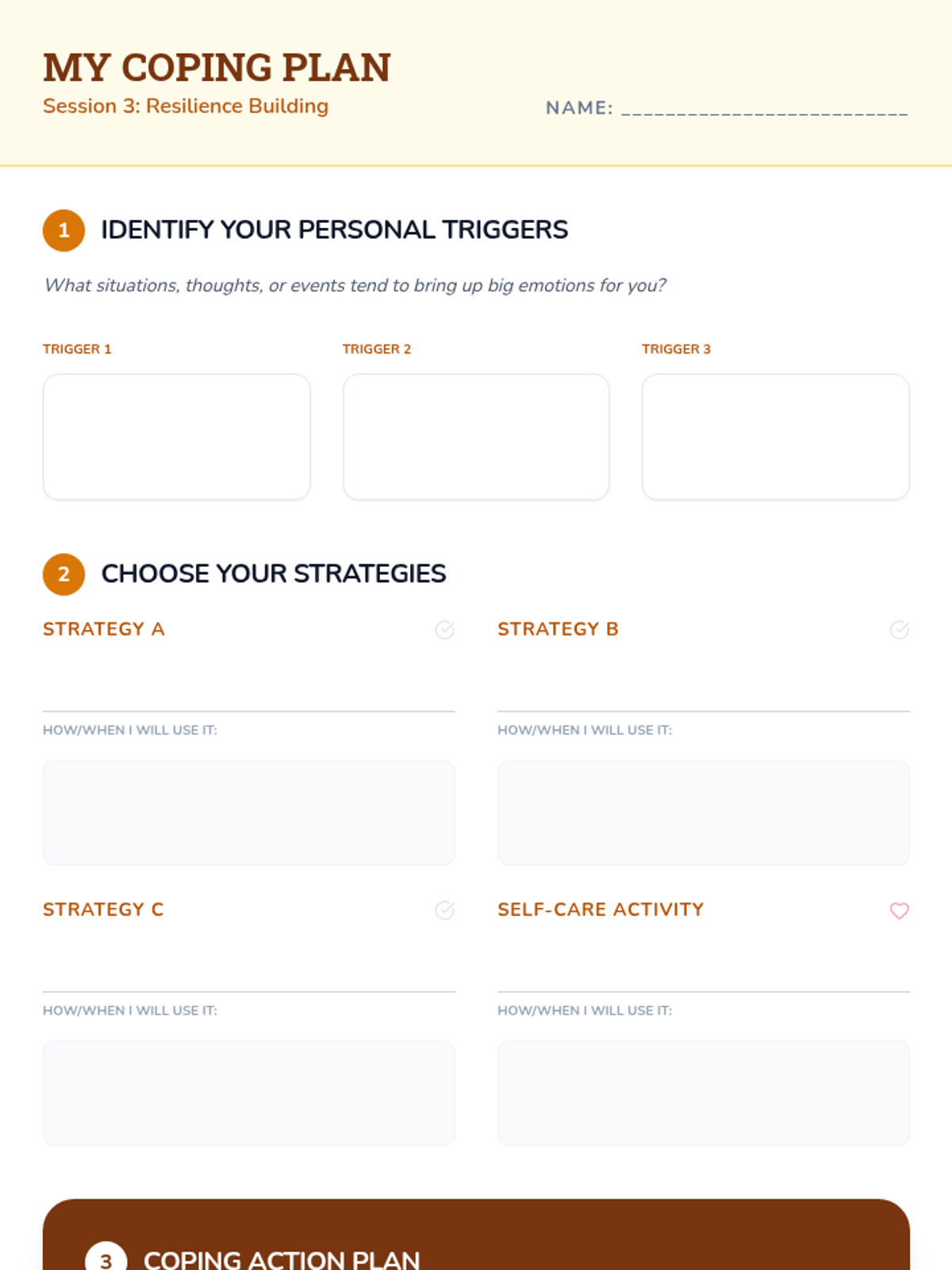
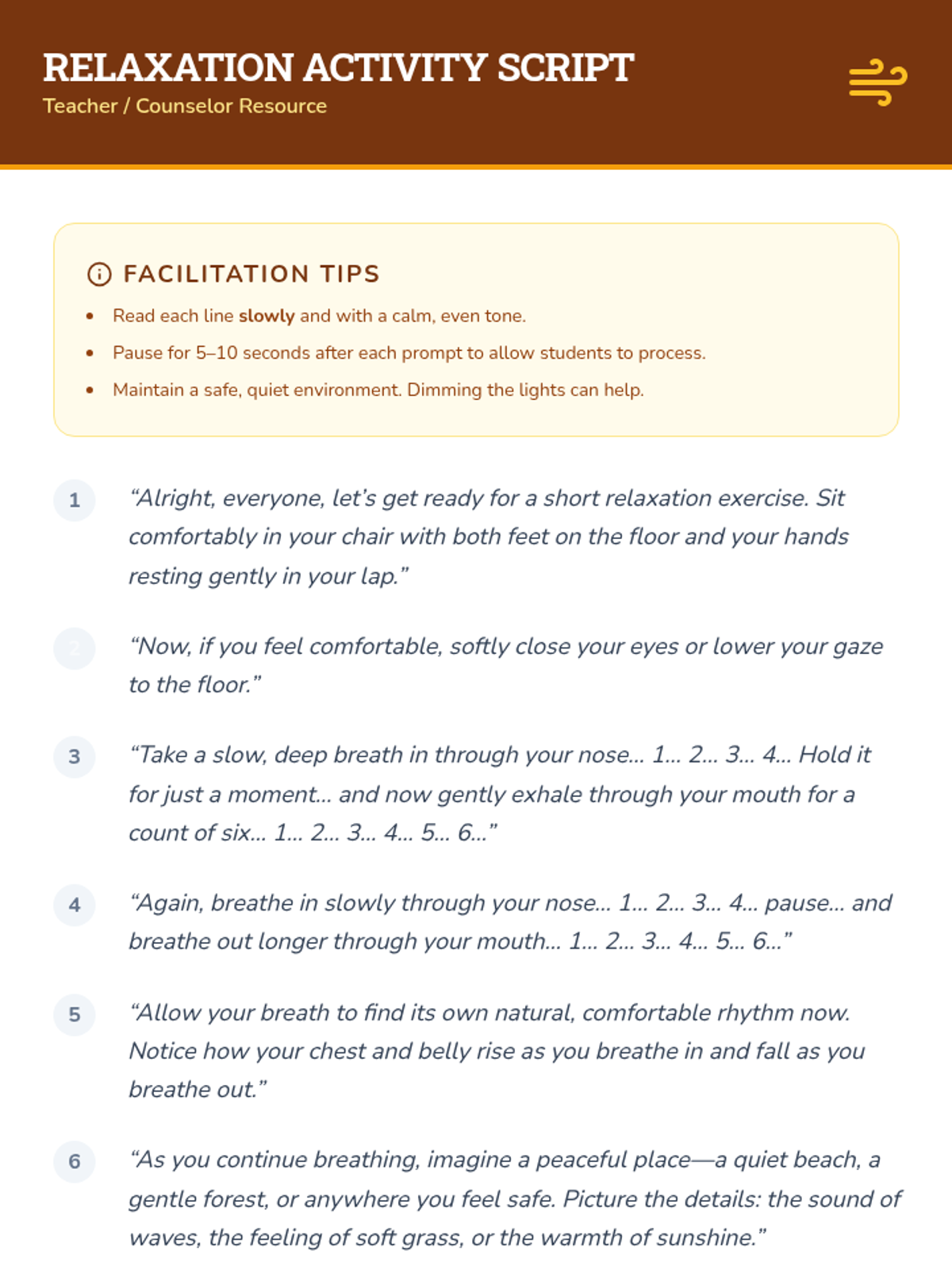
Exploring and practicing practical coping strategies and self-care techniques to manage stress and difficult emotions.
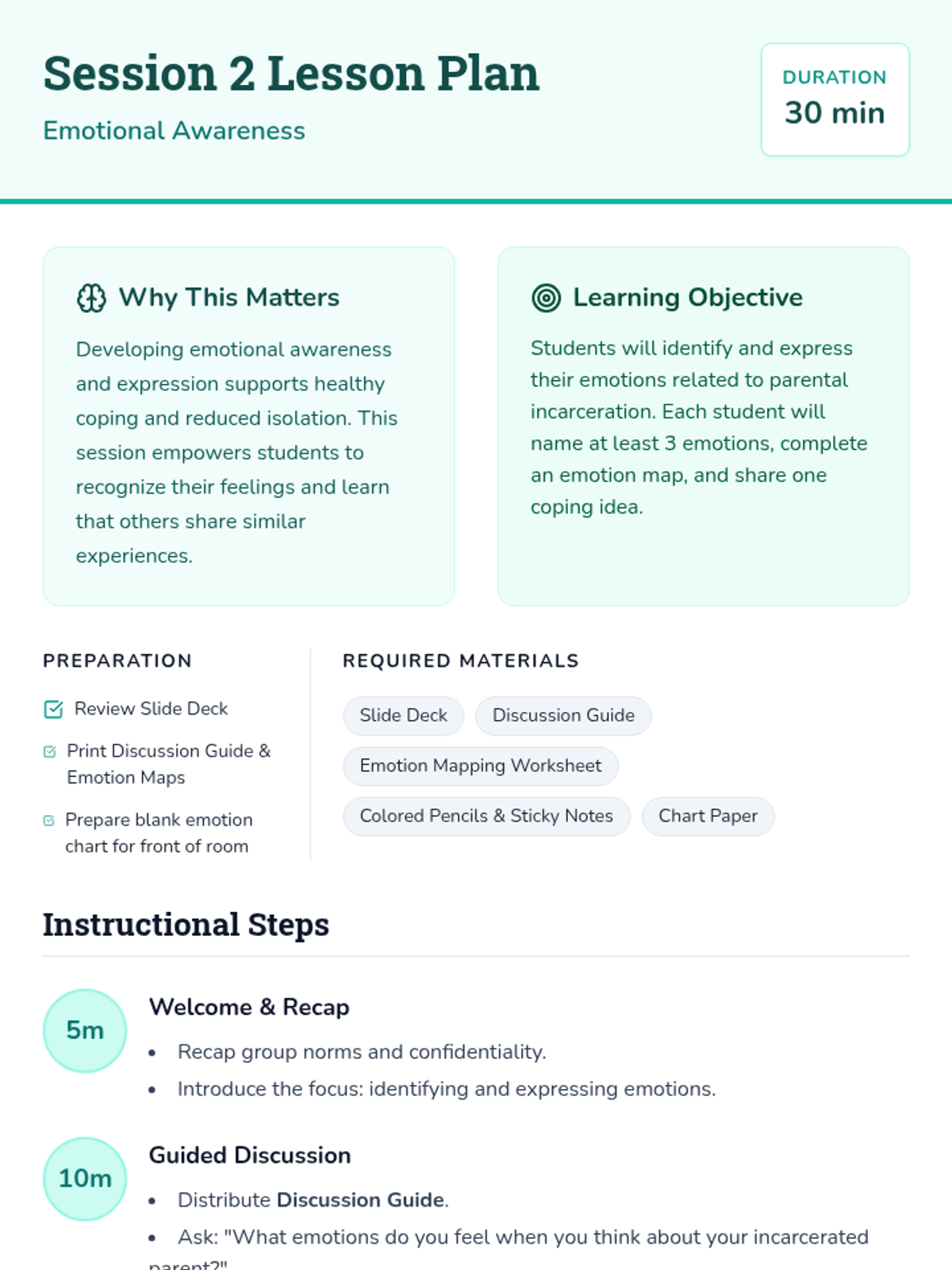
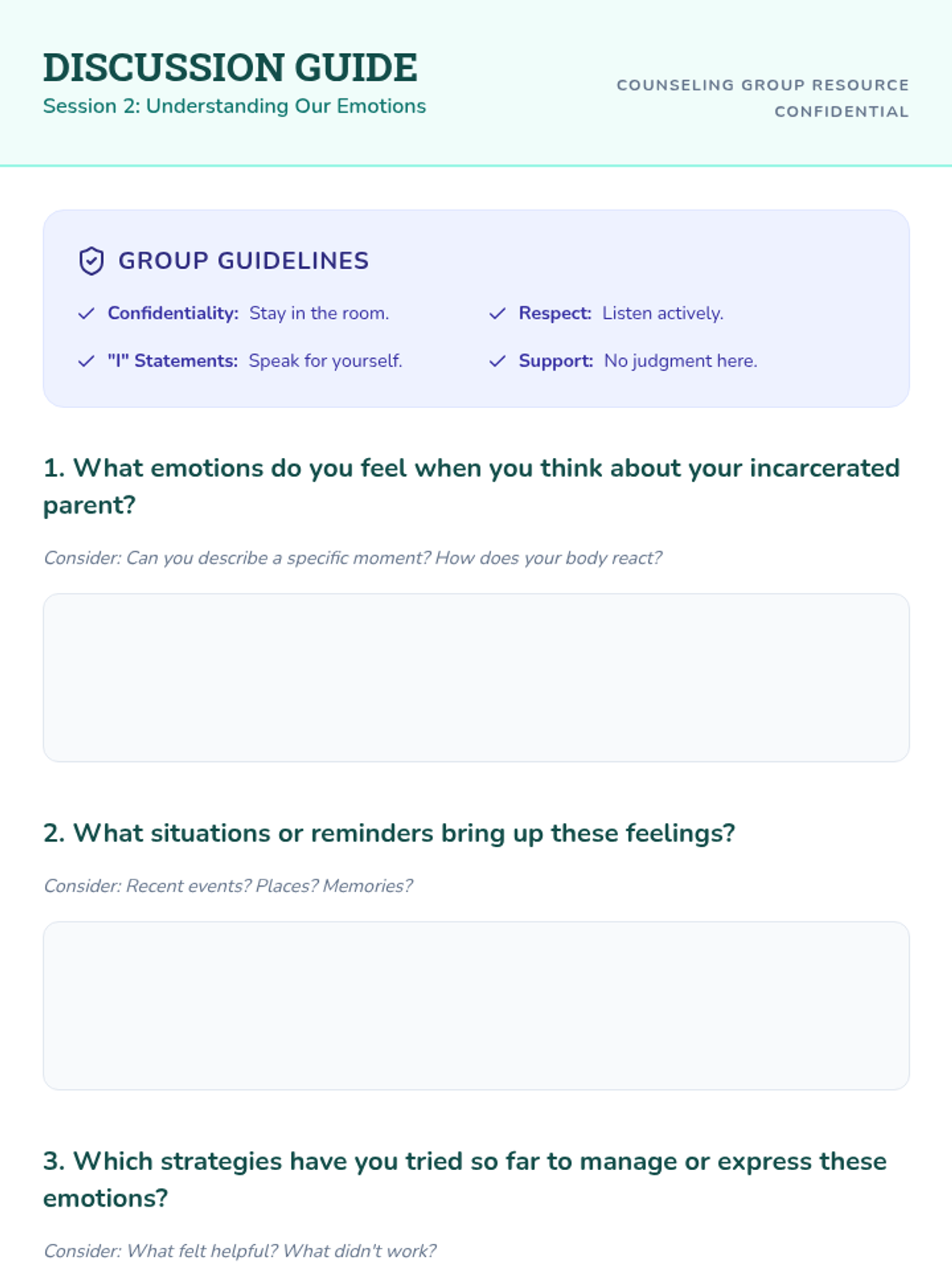
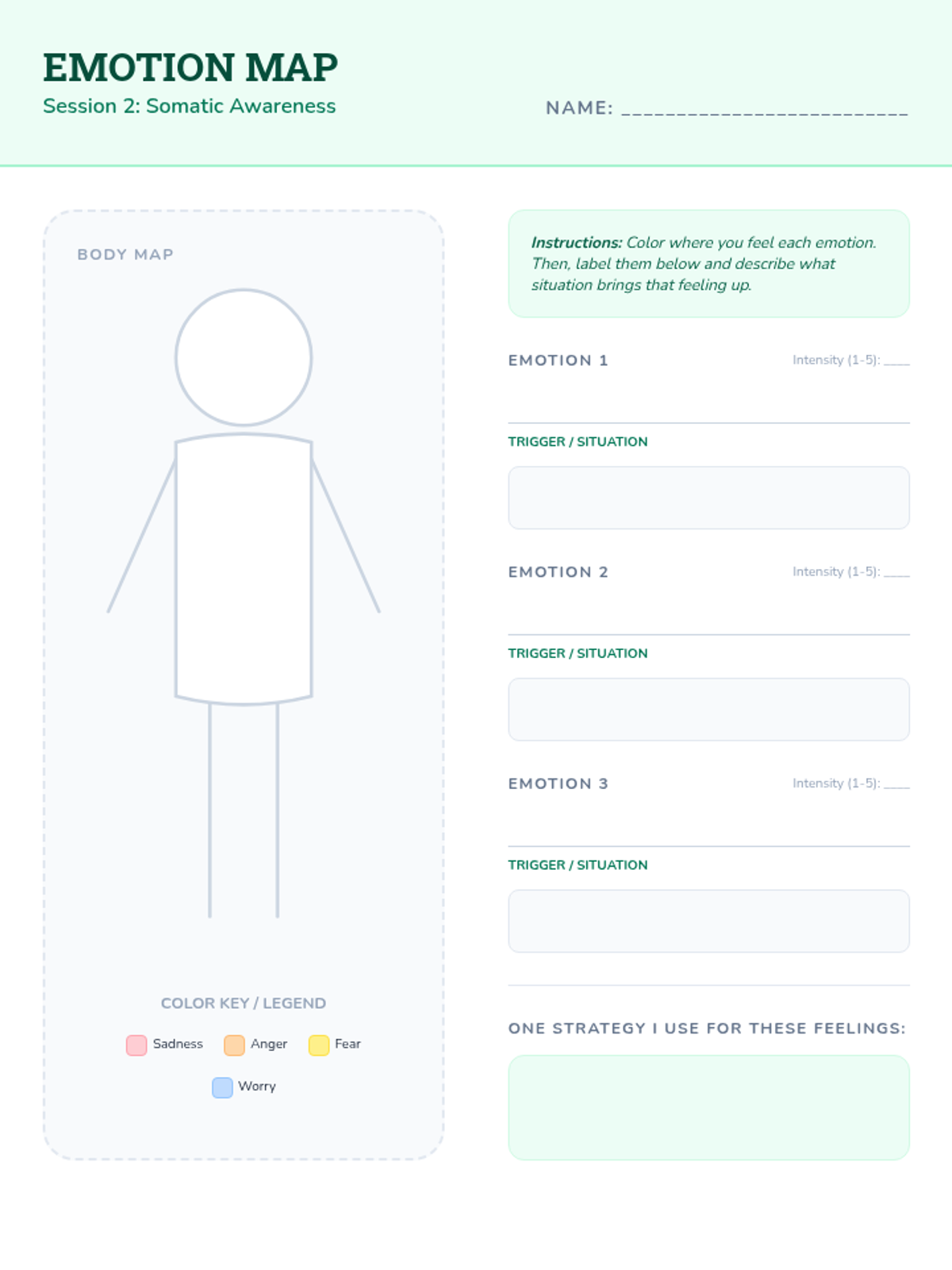
Identifying and expressing complex emotions related to parental incarceration through guided discussion and somatic mapping.
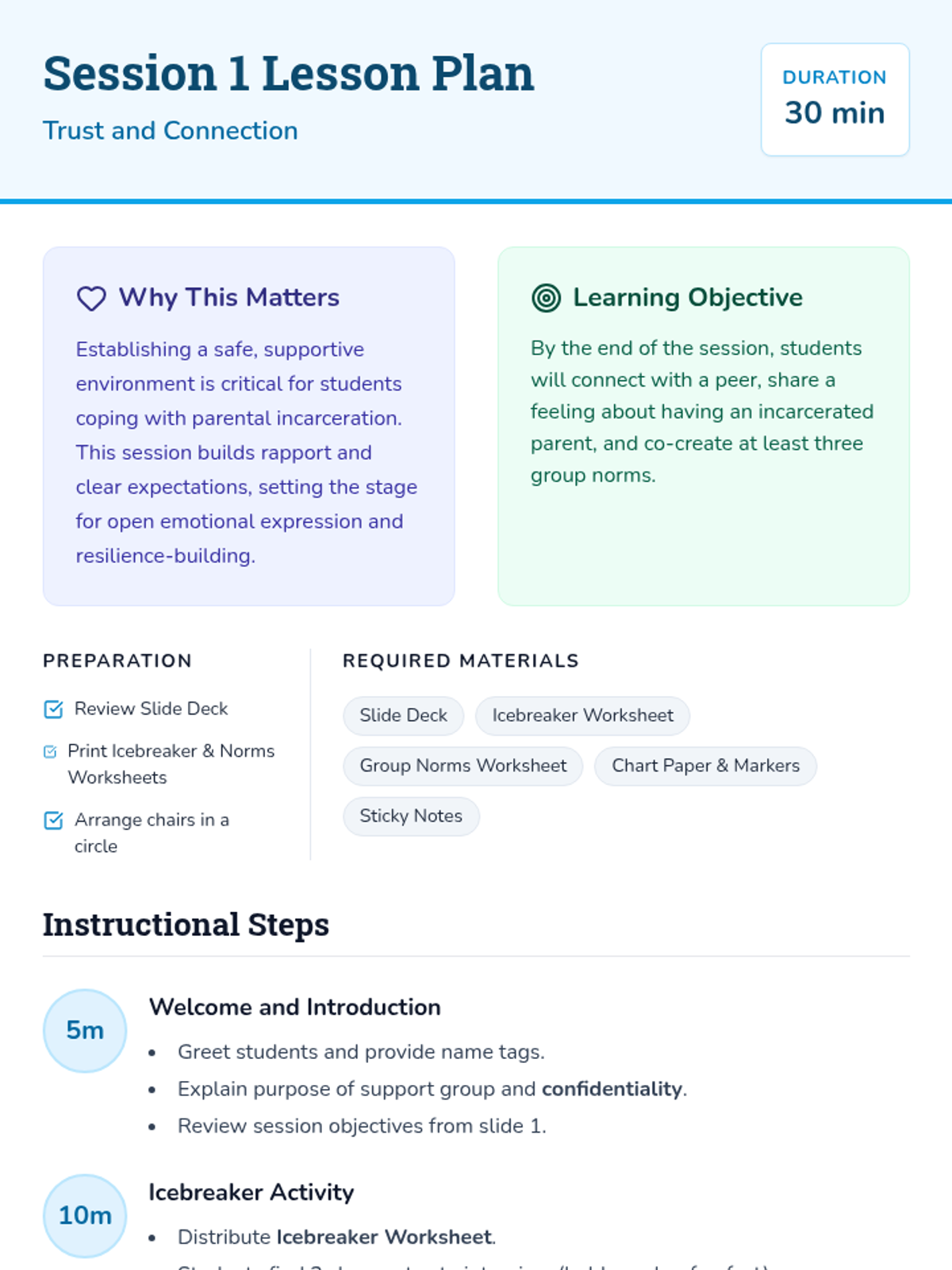
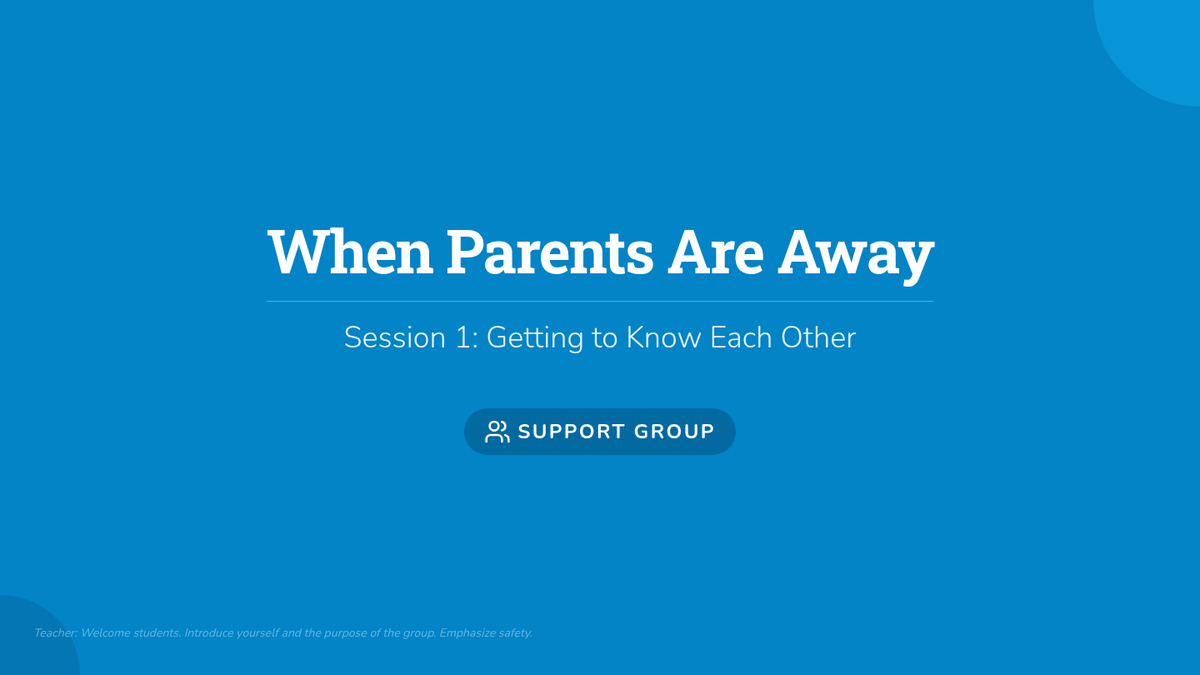
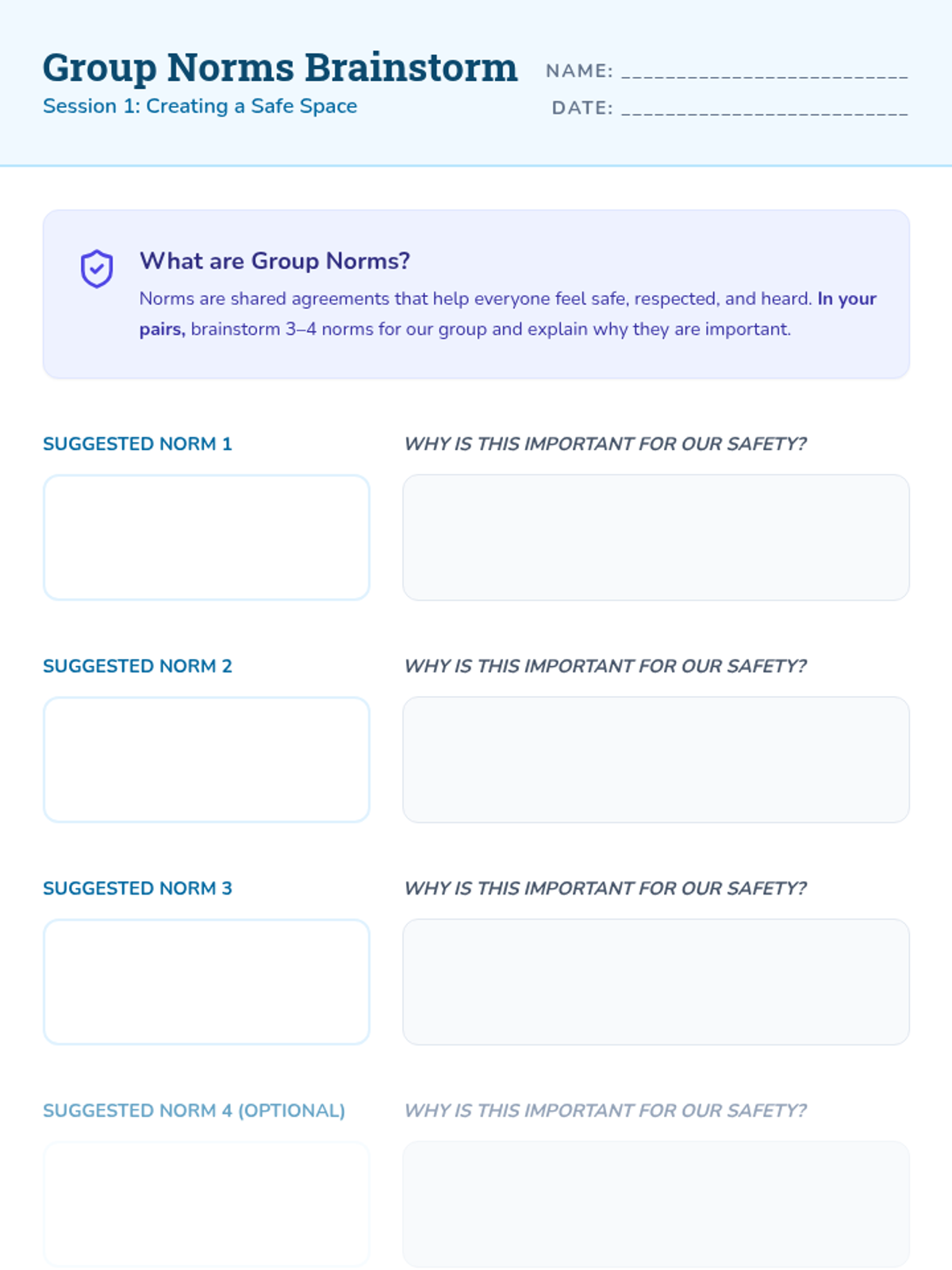
Establishing a safe, supportive environment by building rapport, setting clear expectations, and co-creating group norms.
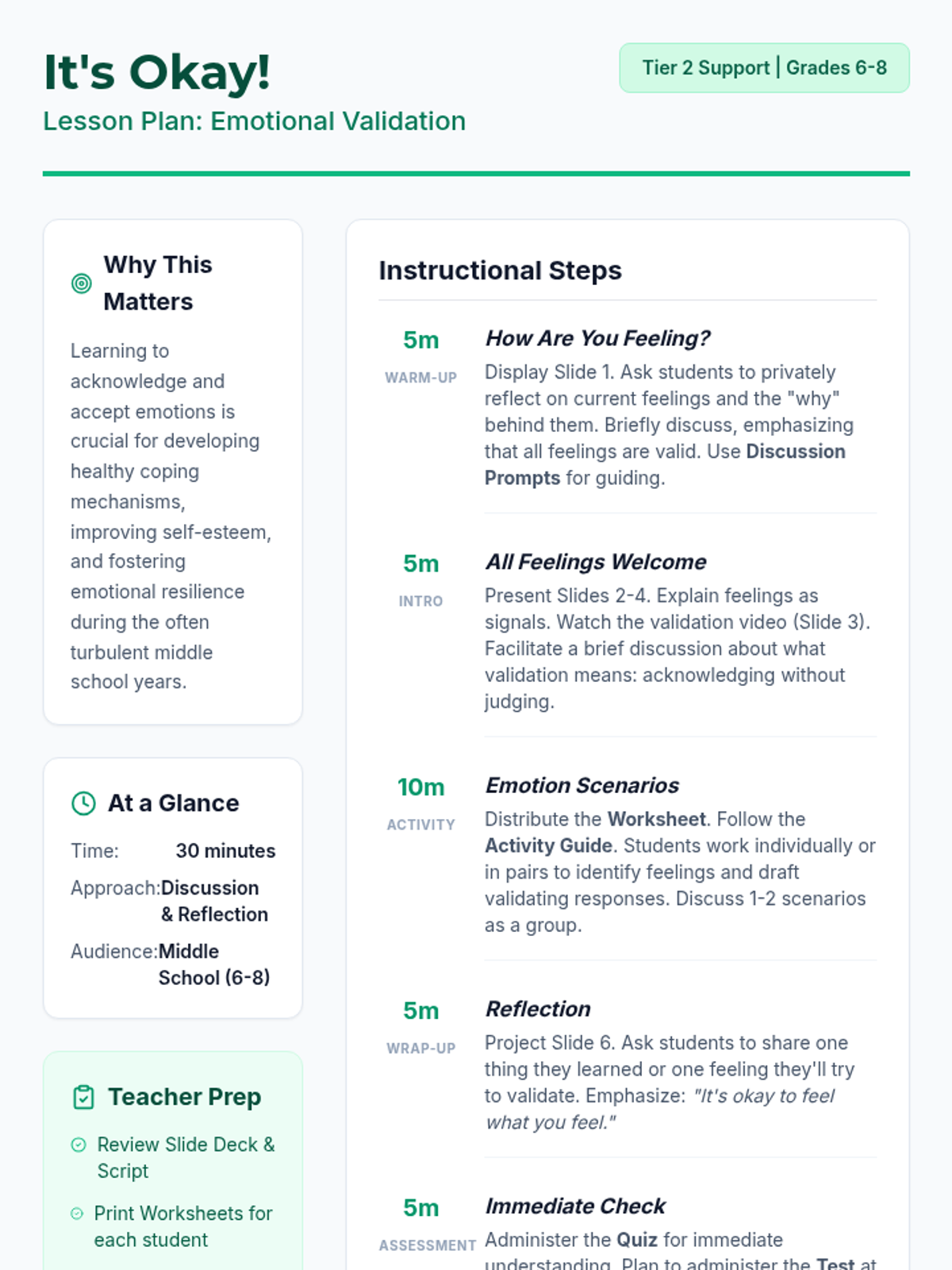
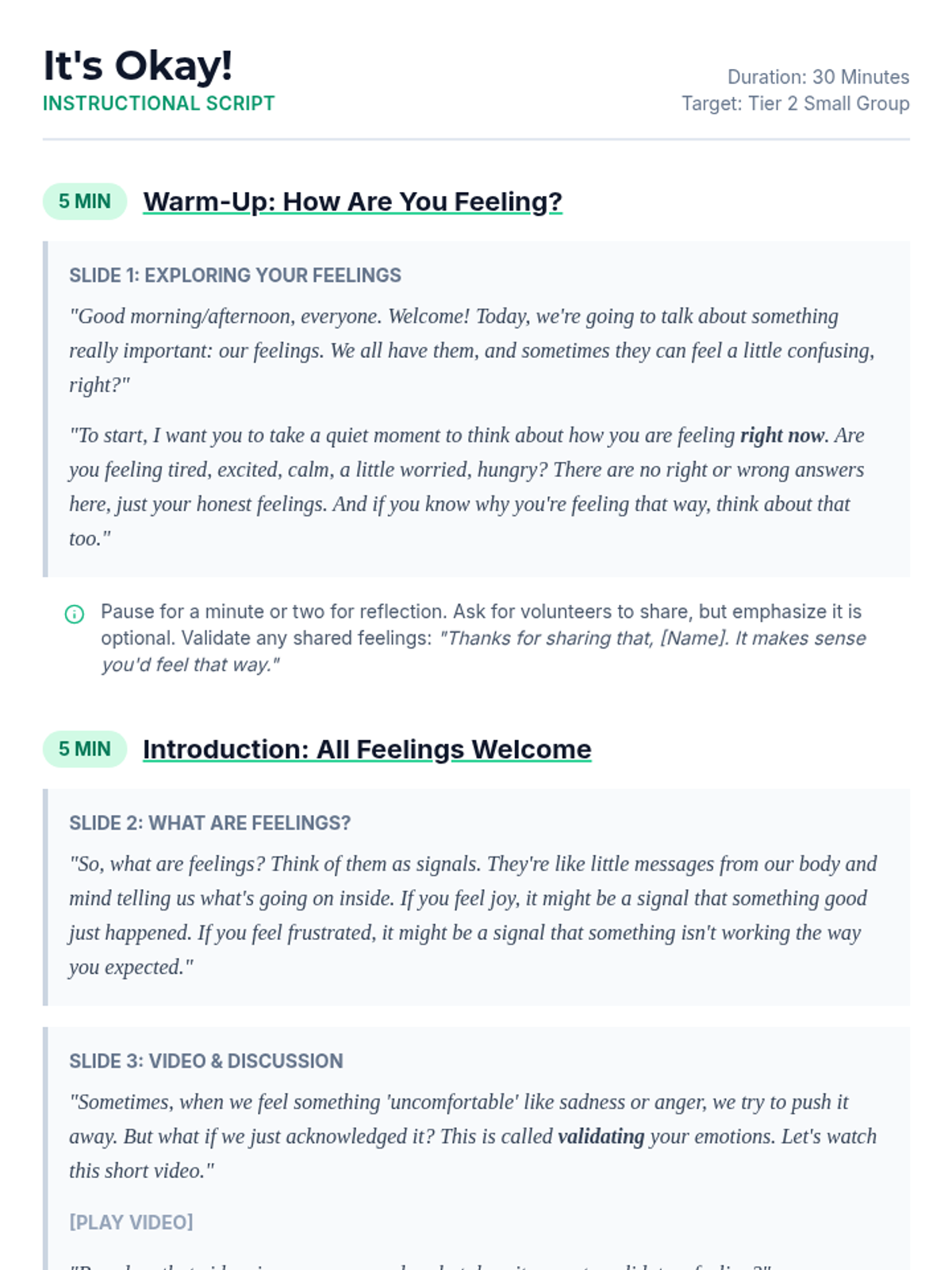
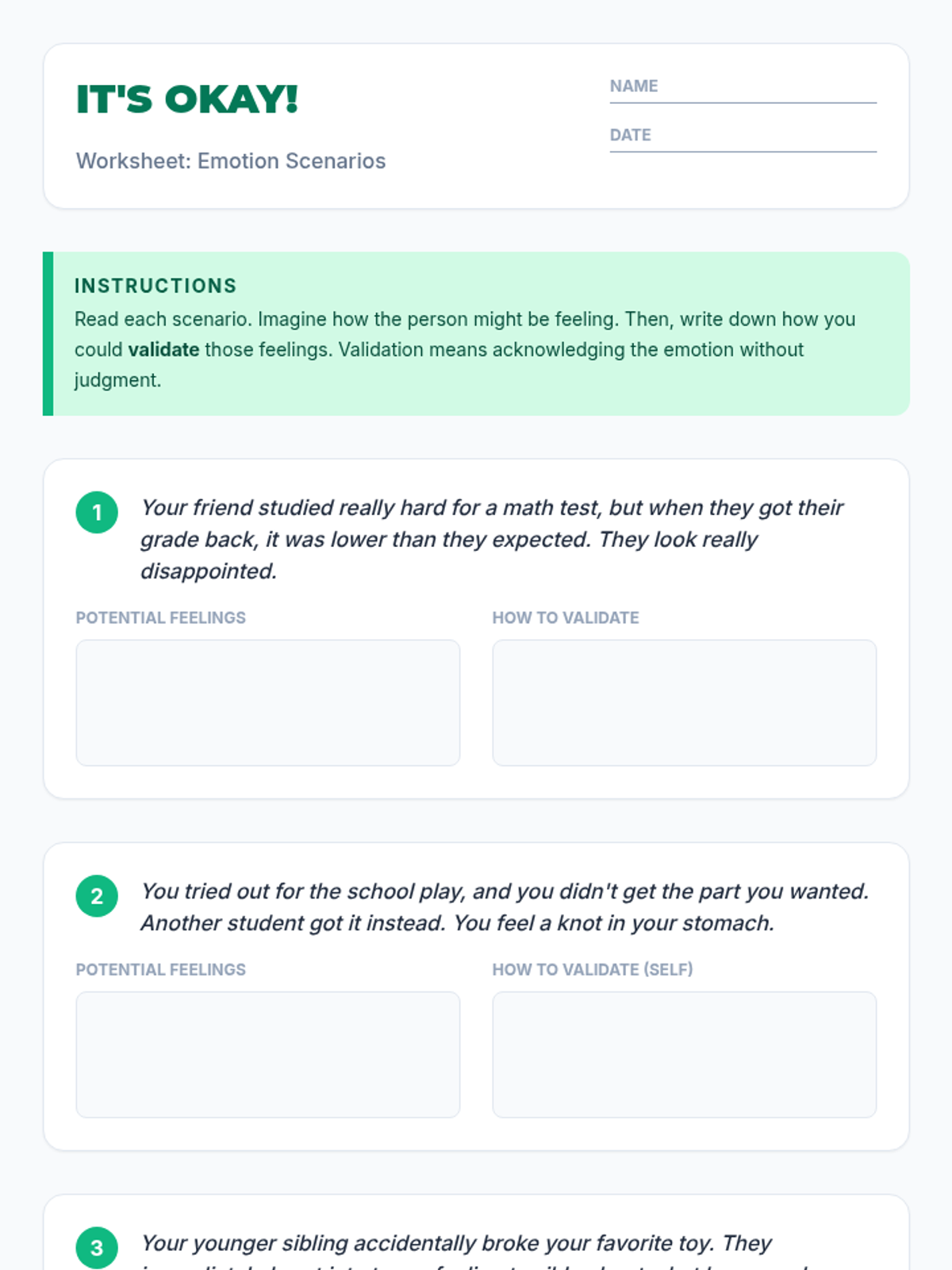
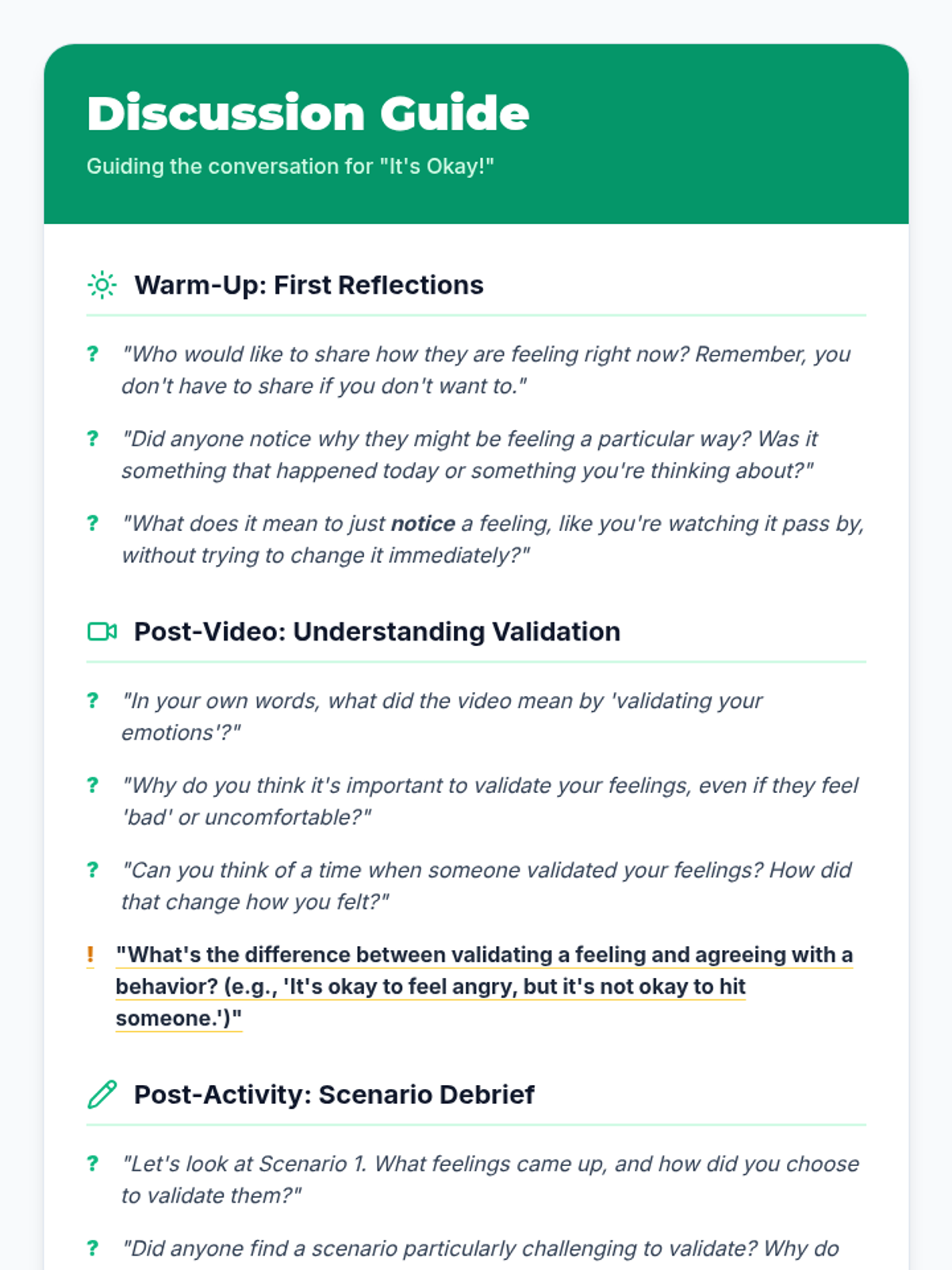
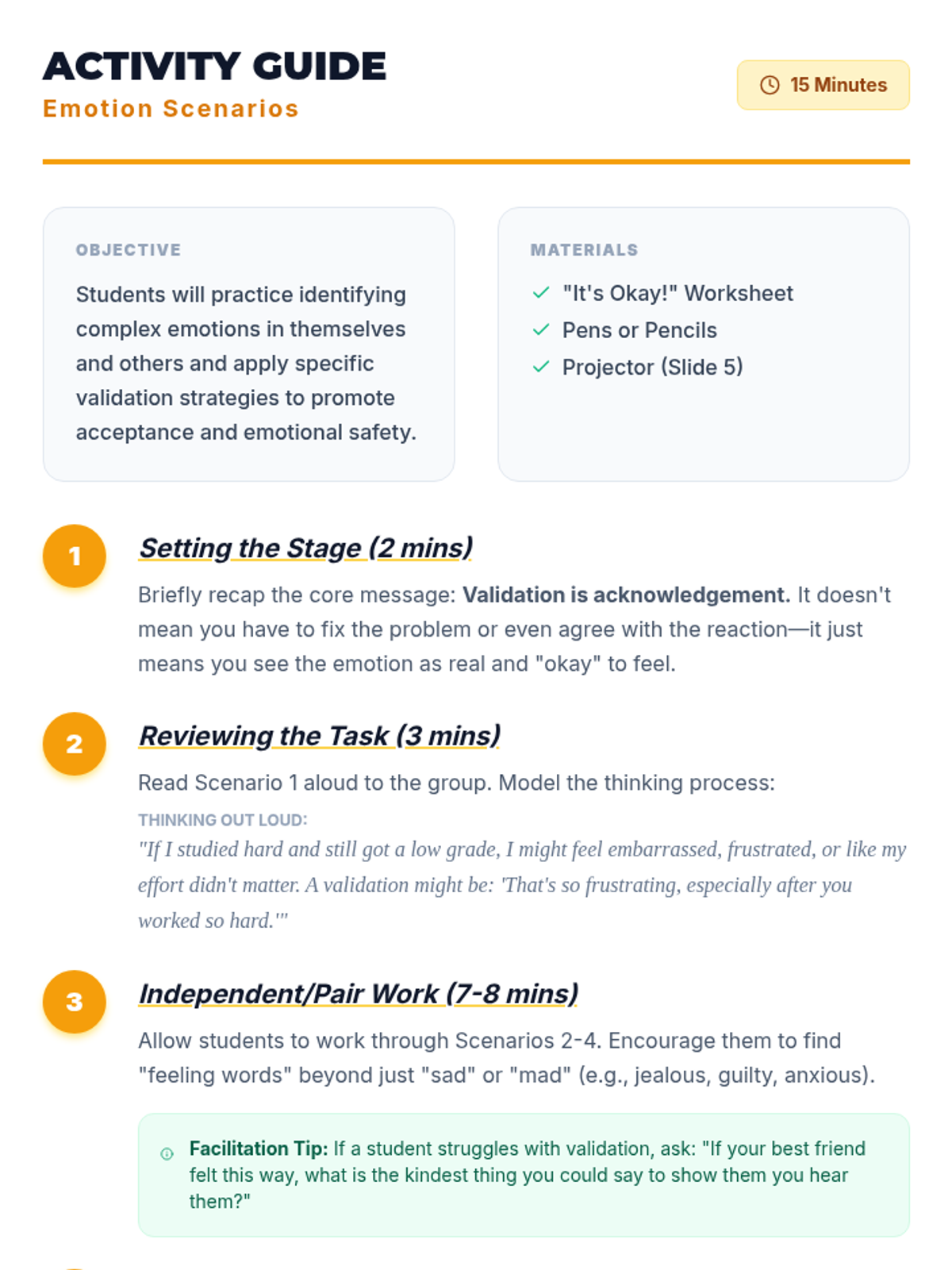
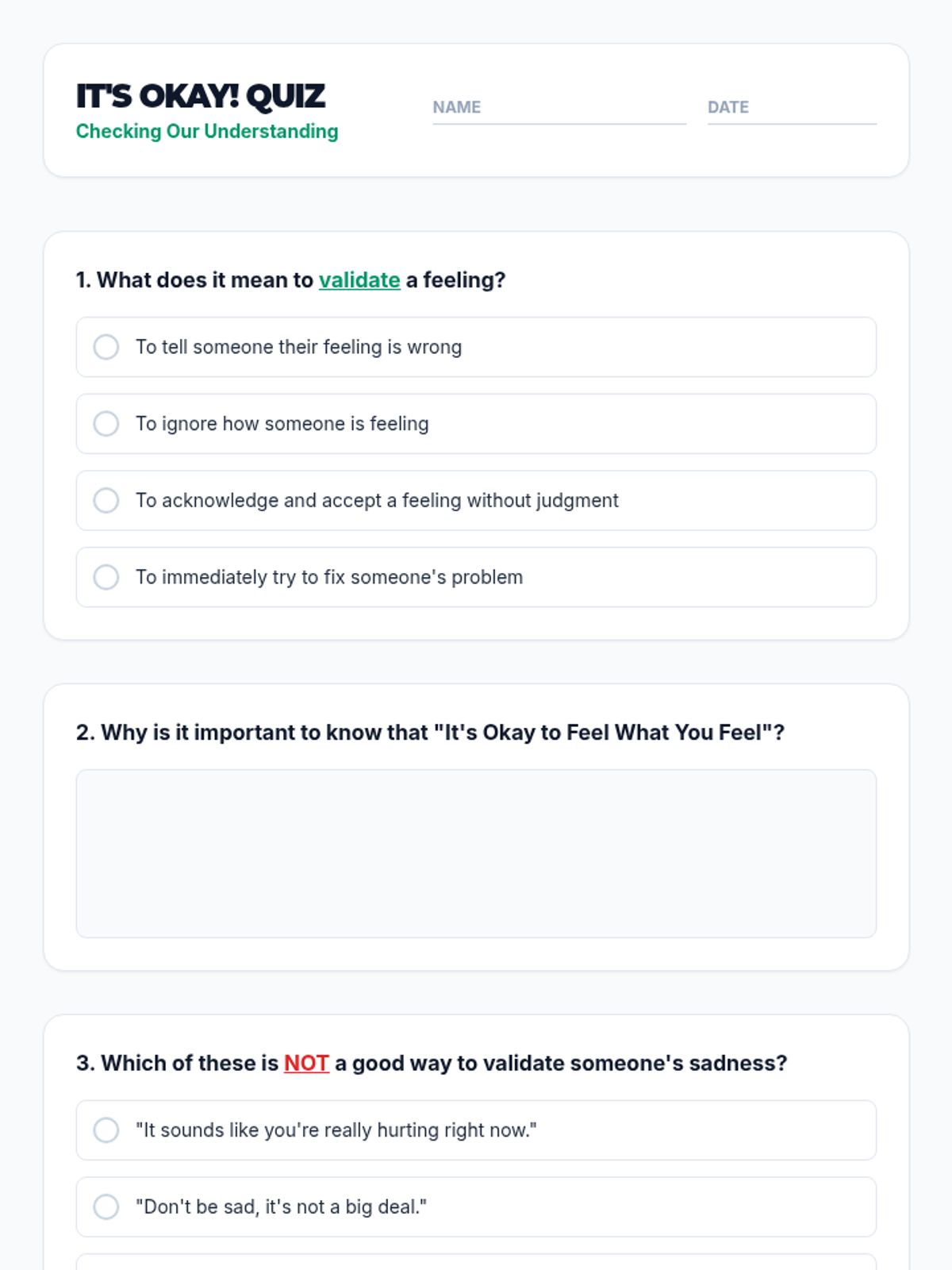
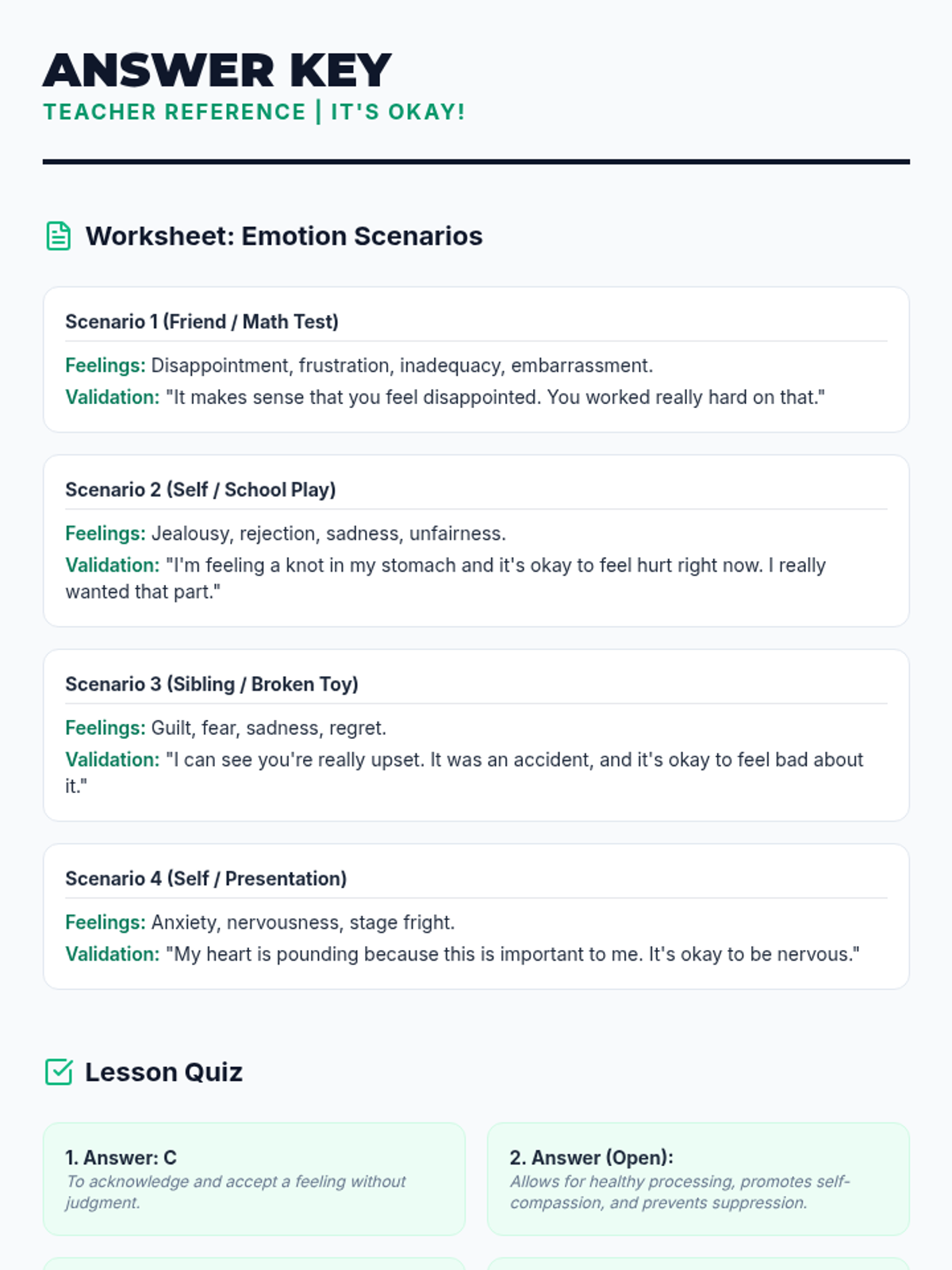
A 30-minute Tier 2 group lesson for middle schoolers focusing on emotional intelligence, identifying feelings, and practicing self-compassion through validation.
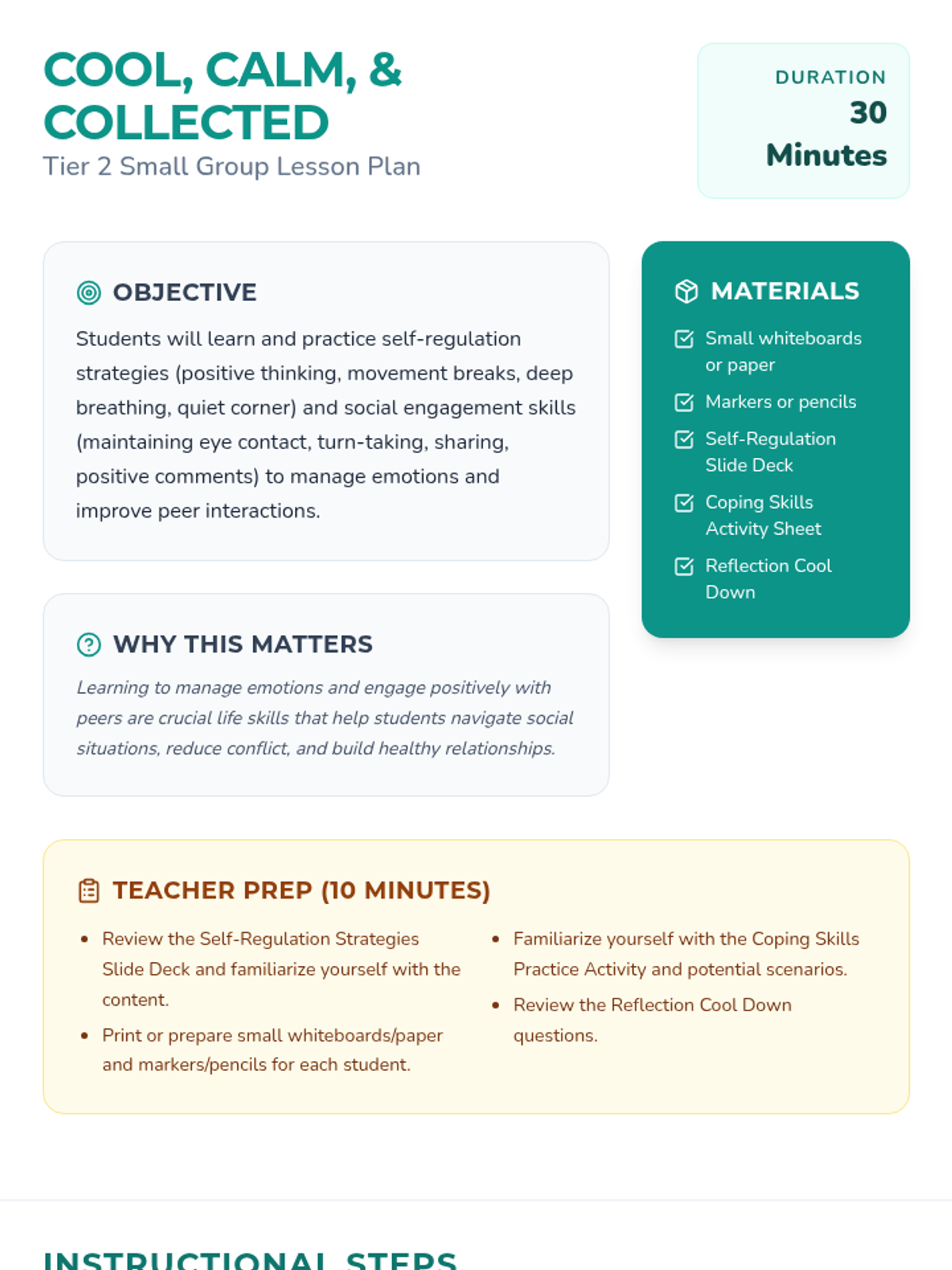
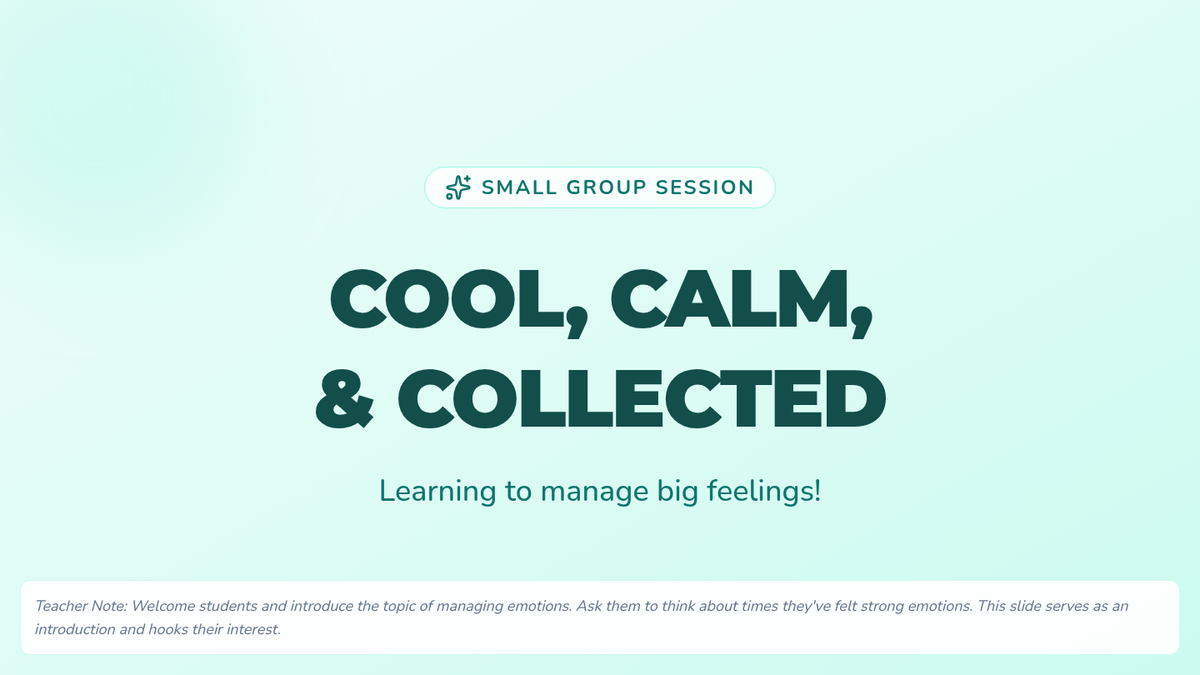
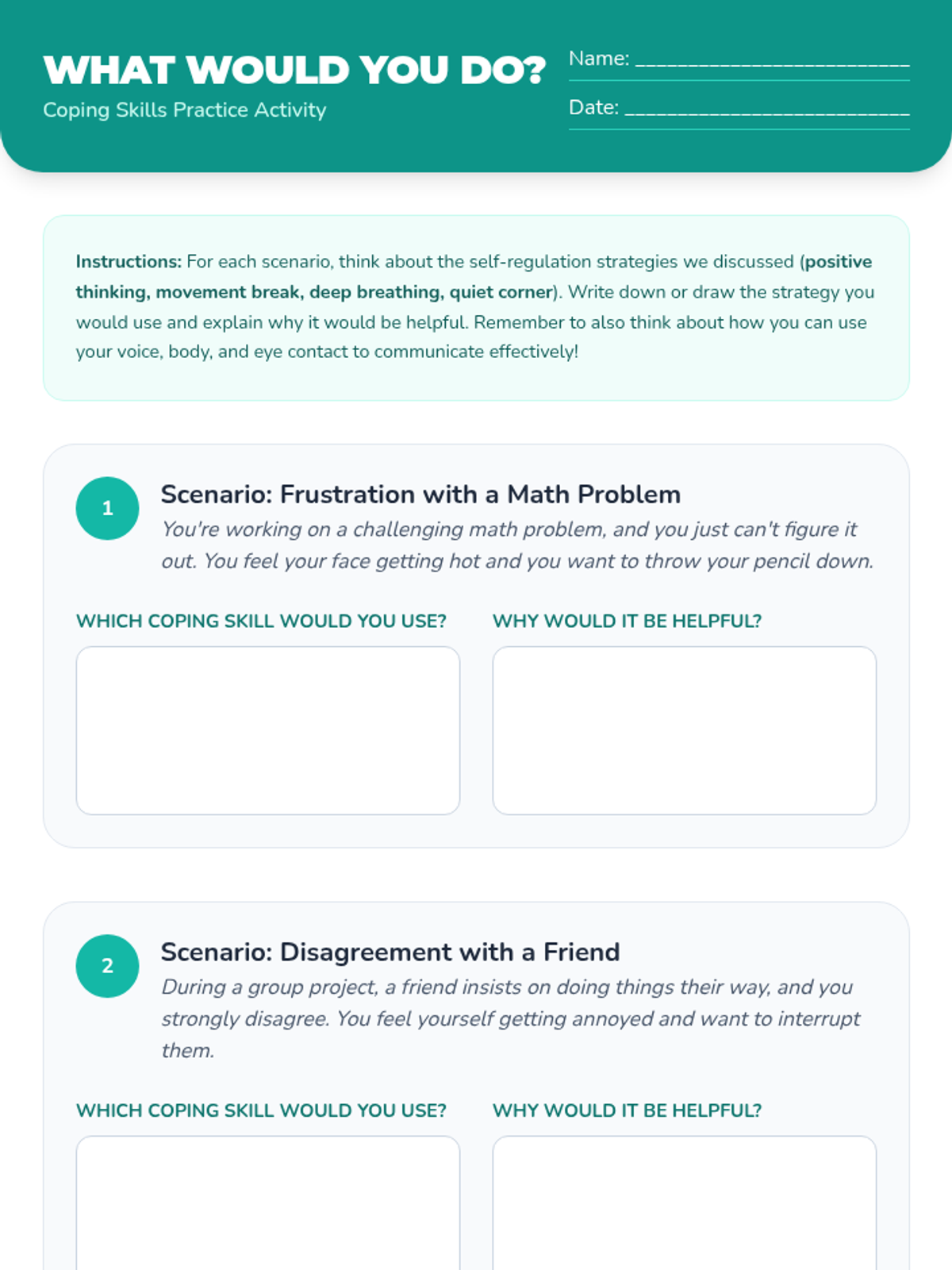
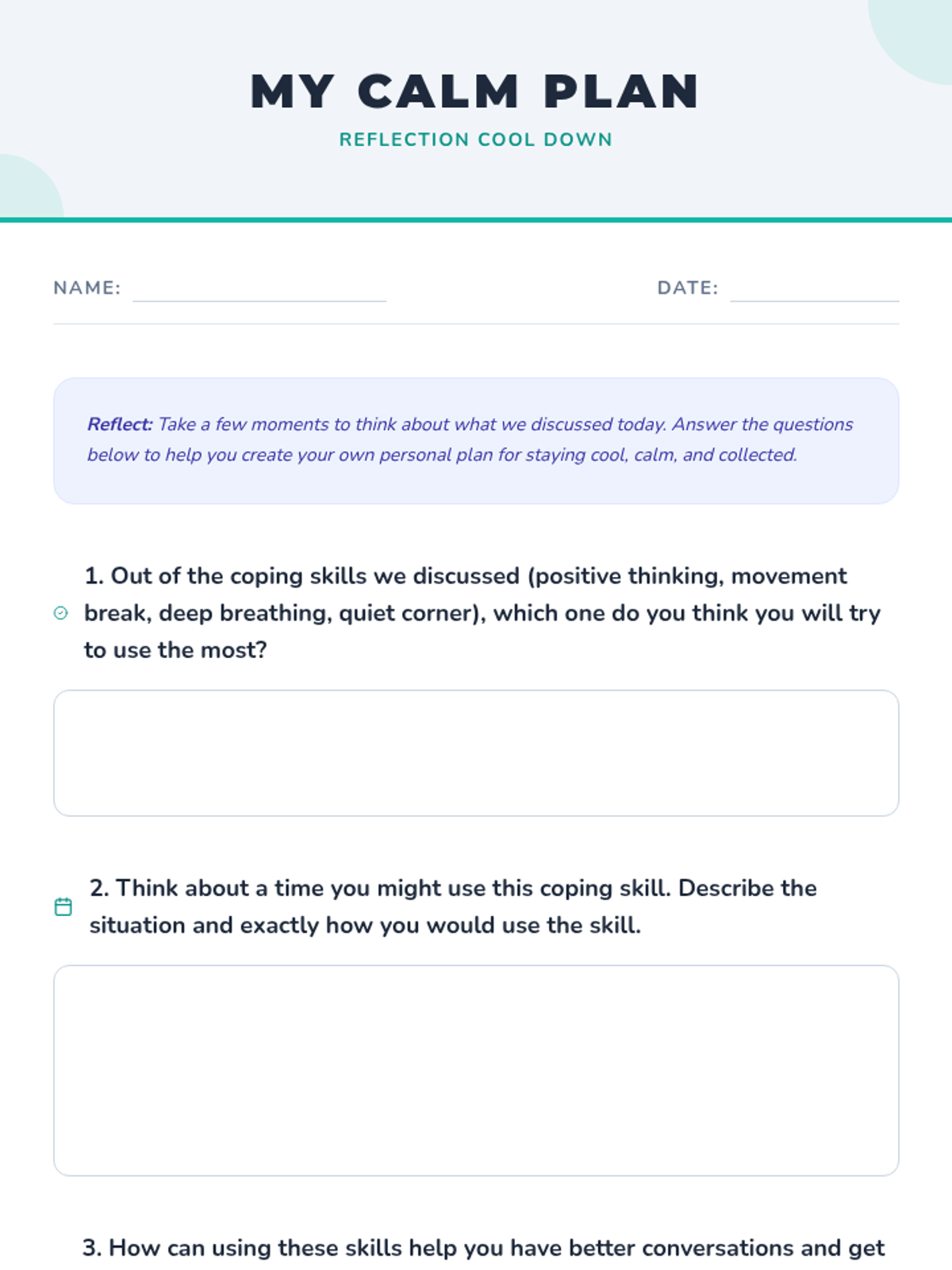
A Tier 2 small group lesson for 6th graders focused on managing strong emotions through self-regulation strategies and improving peer relationships with prosocial behaviors.
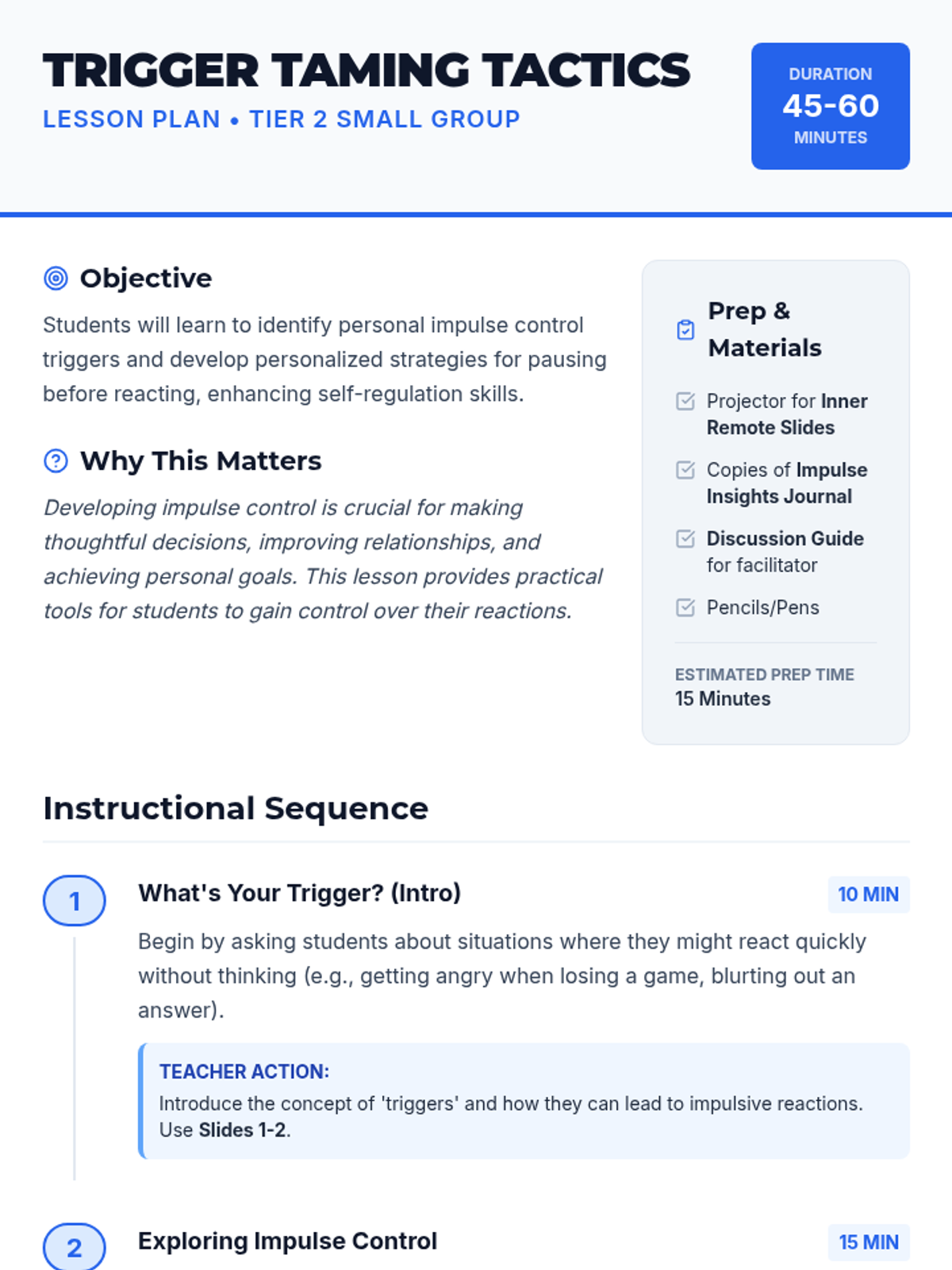
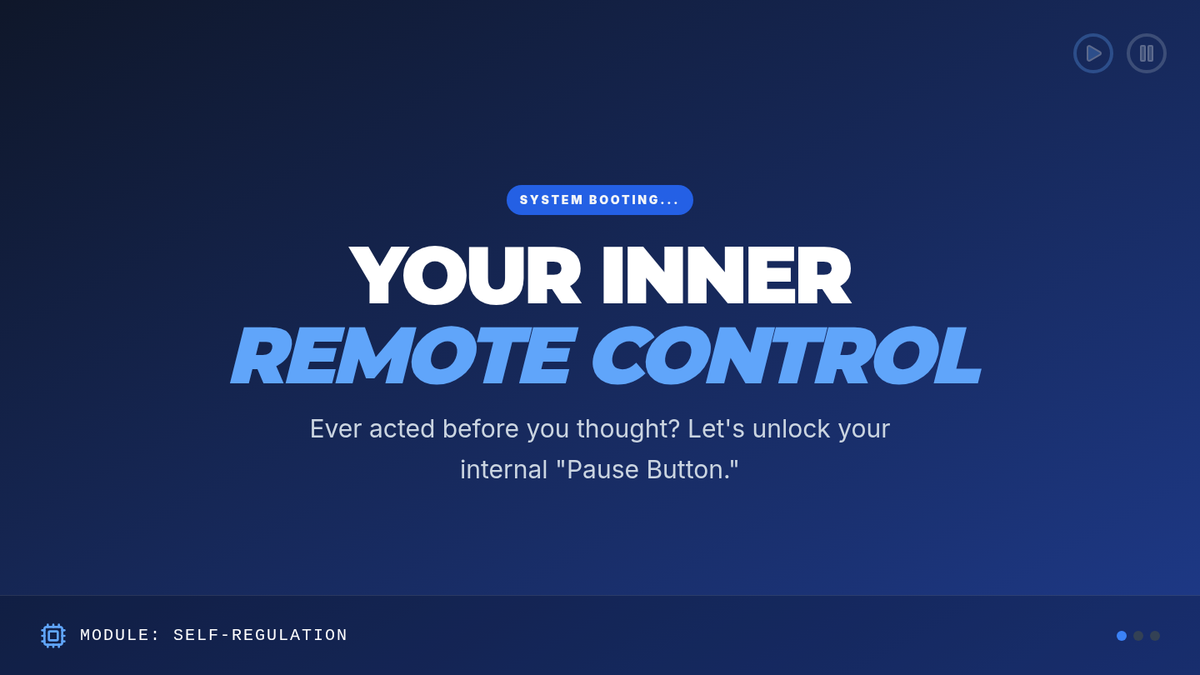
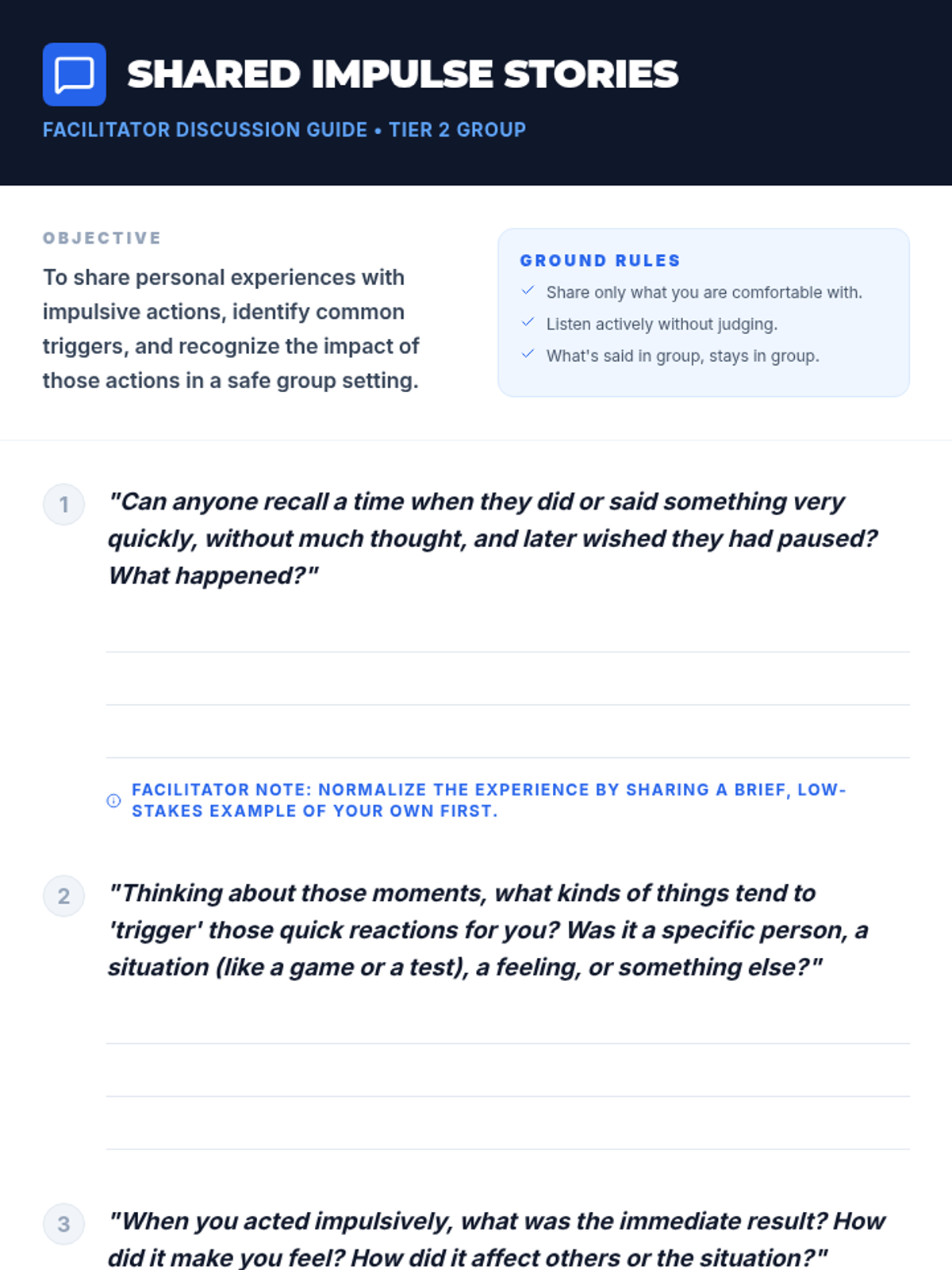
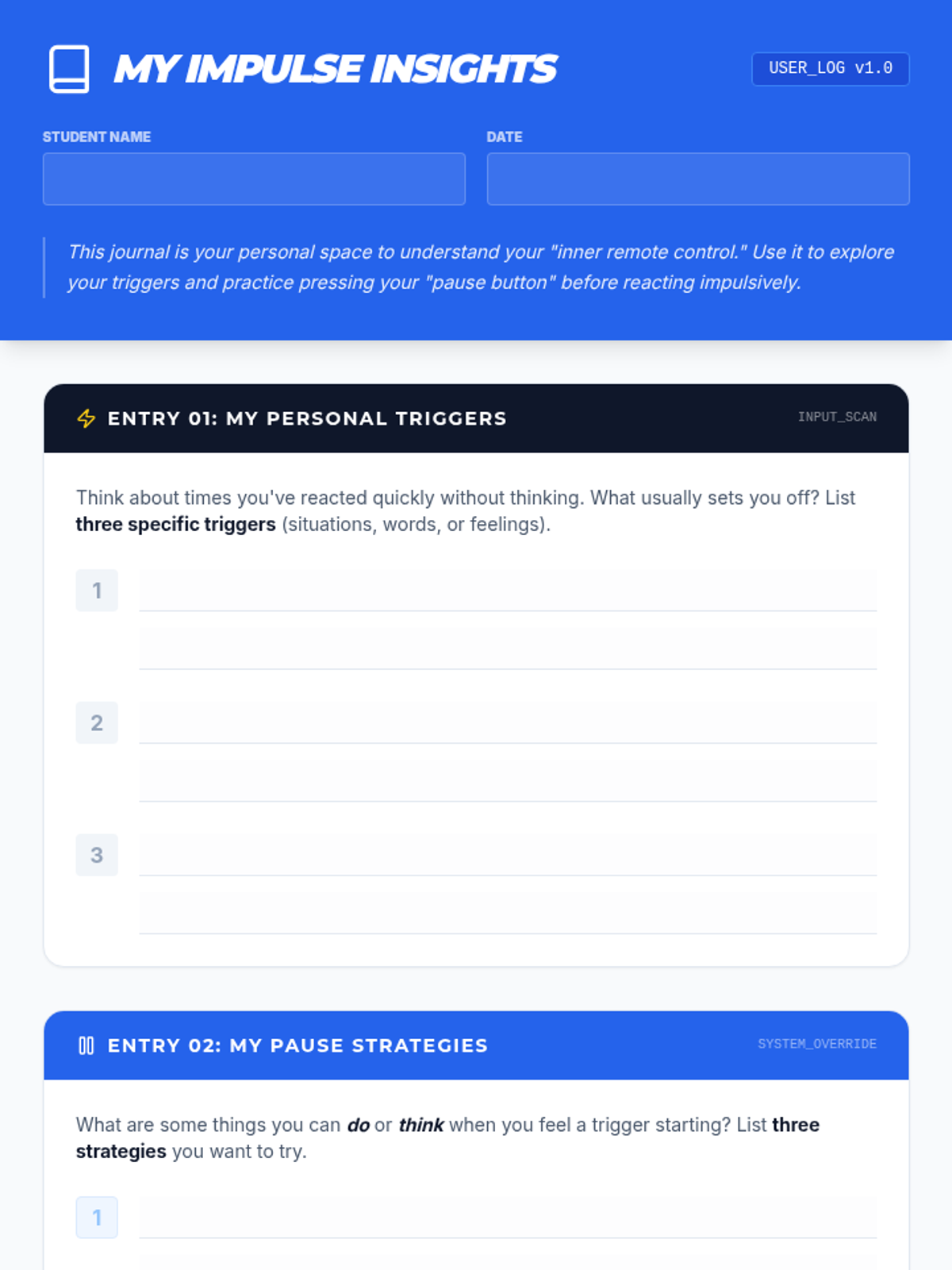
A Tier 2 small group lesson for middle schoolers to identify personal impulse triggers and develop 'pause button' strategies for better self-regulation.
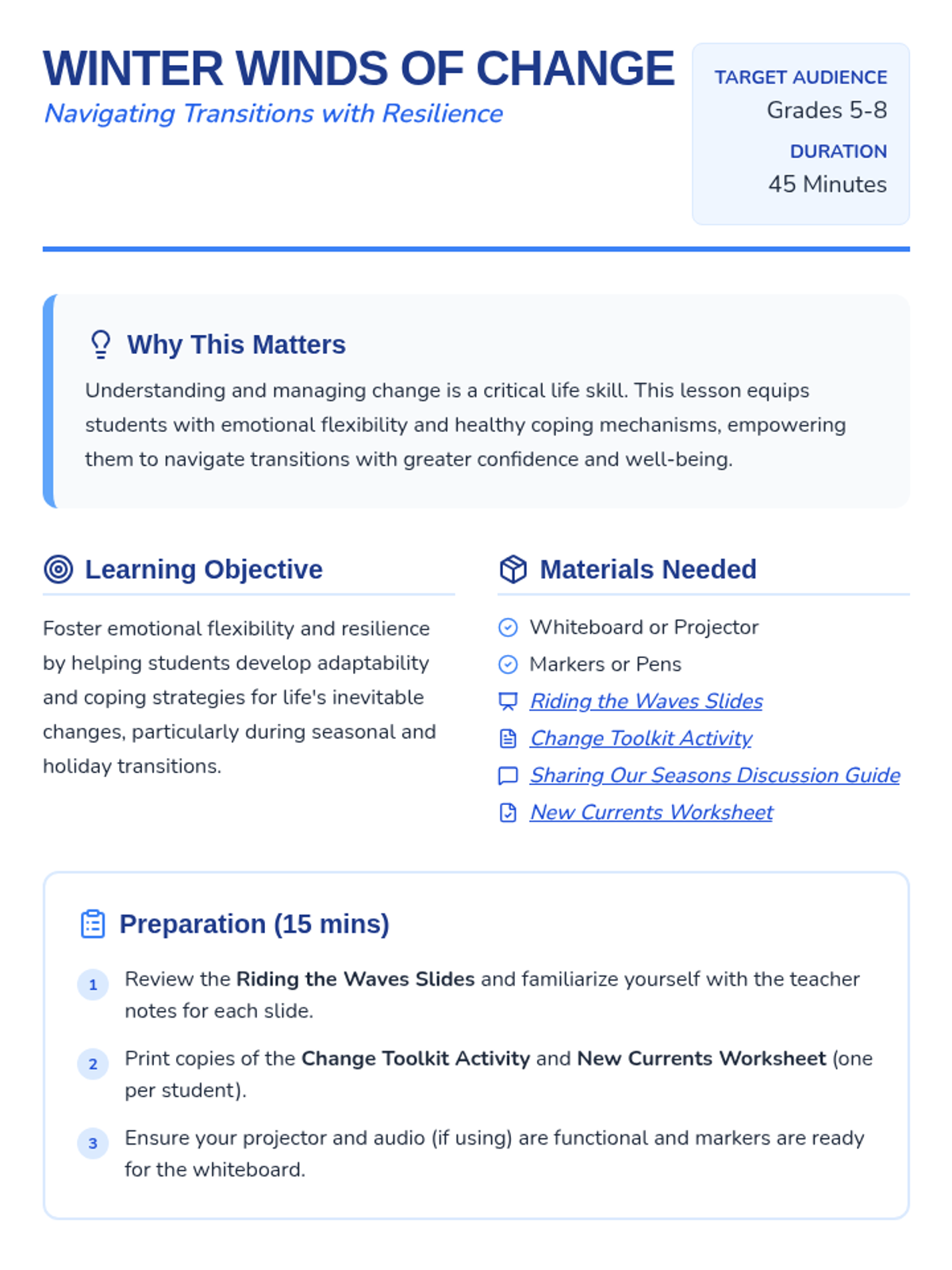
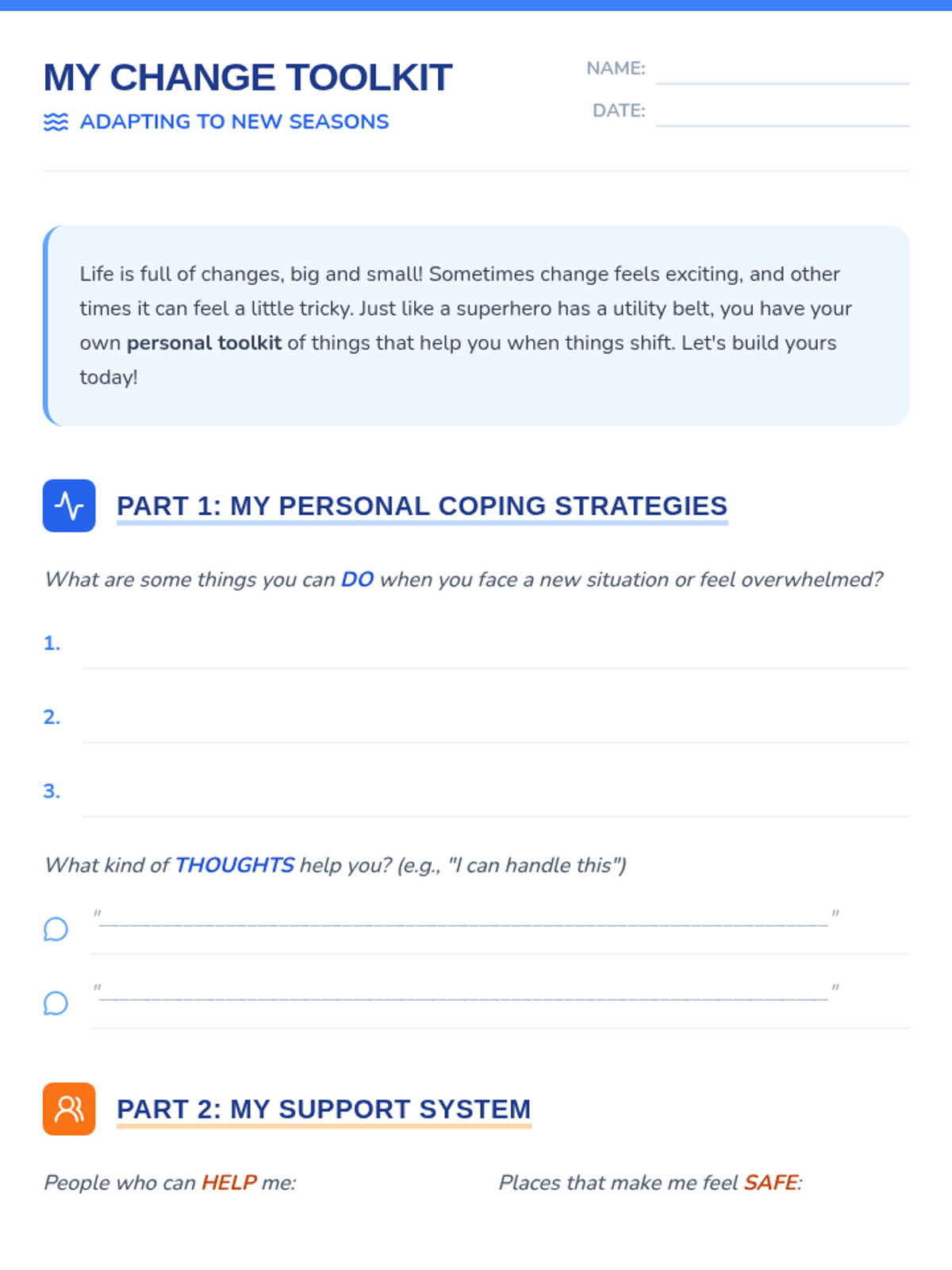
A 45-minute social-emotional learning lesson for grades 5-8 focused on developing adaptability and resilience through seasonal transitions and life changes. Students will identify emotions linked to change, build a personalized 'Change Toolkit' of coping strategies, and discuss ways to embrace new routines with confidence.
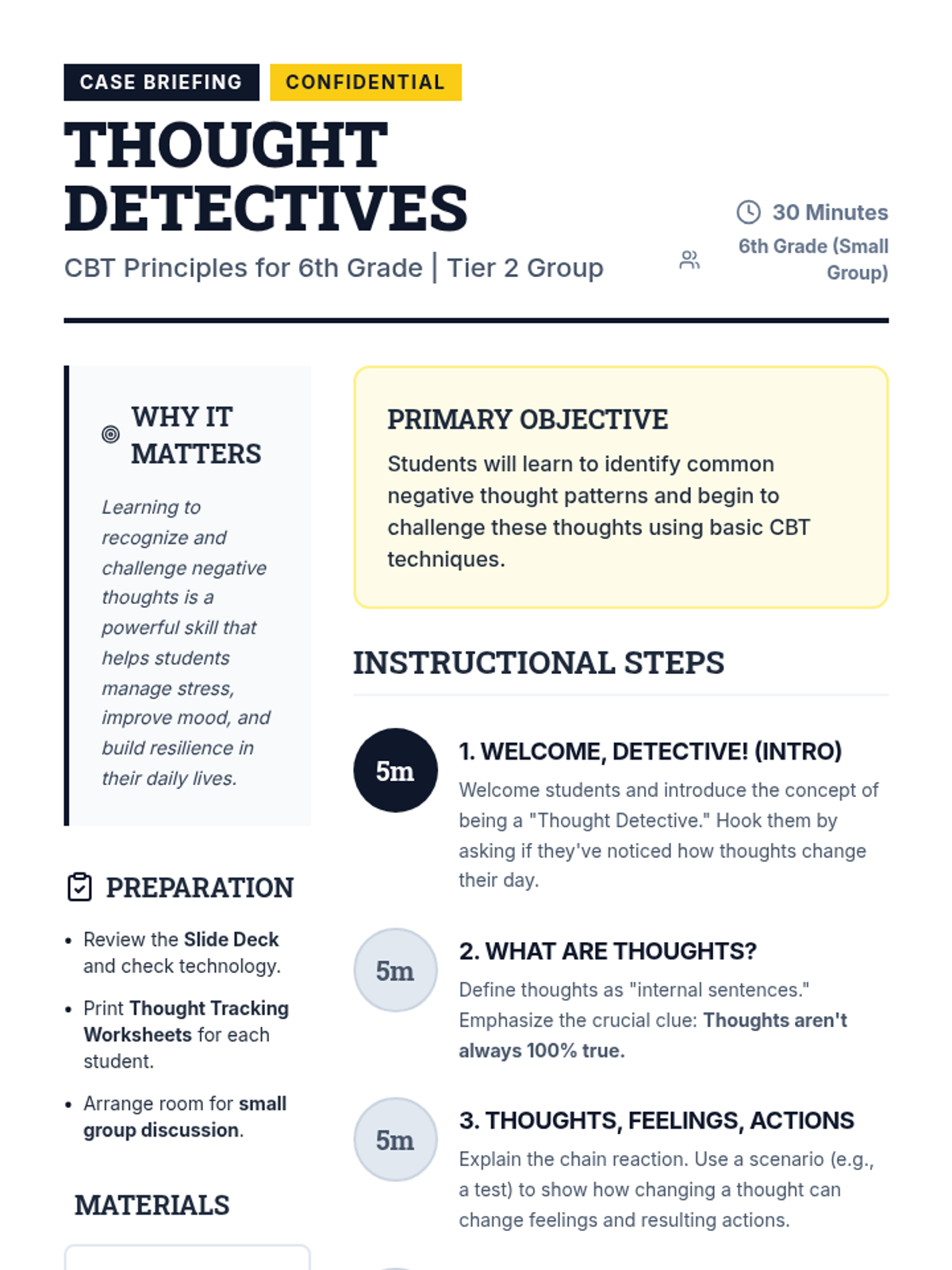
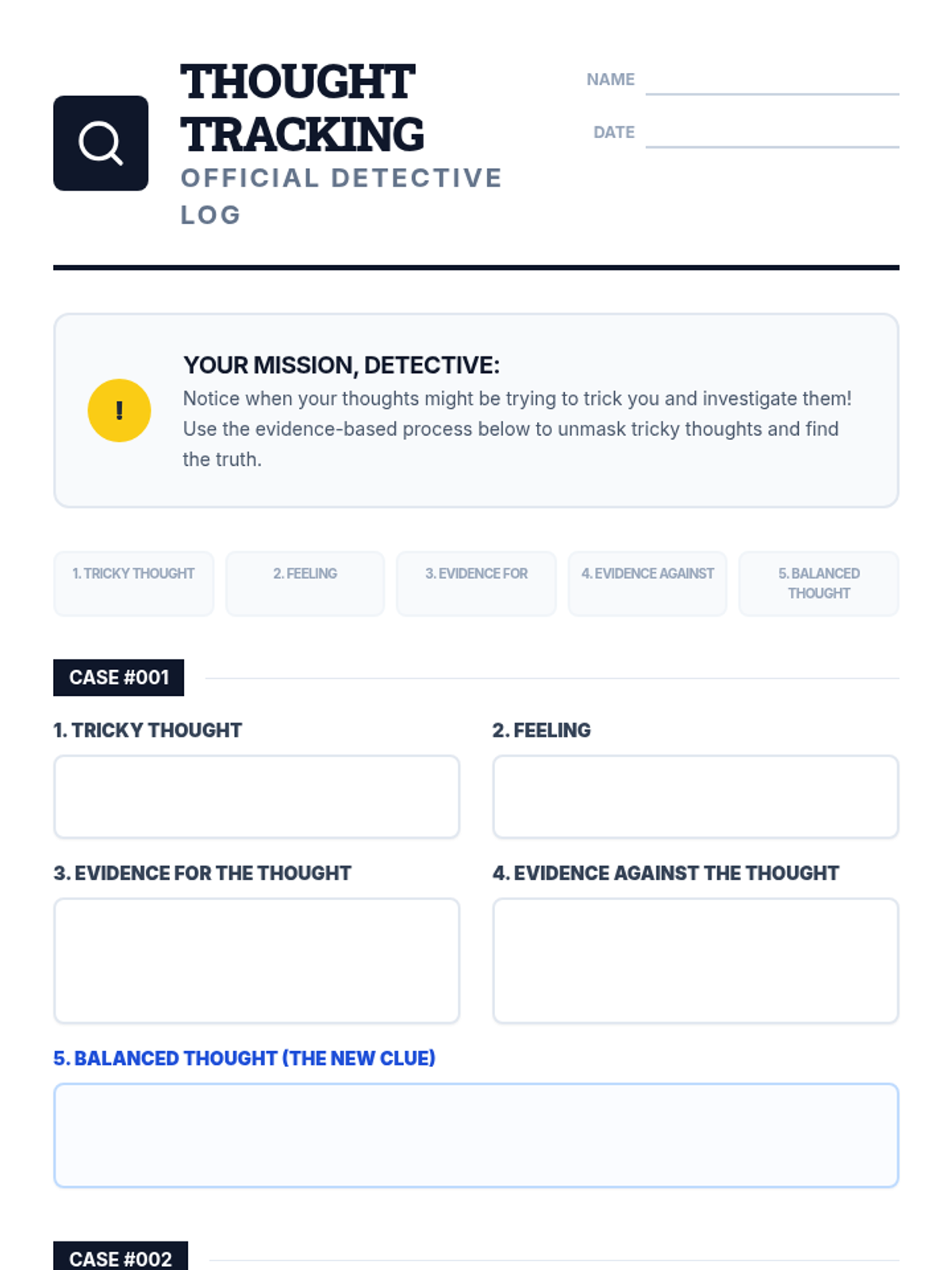
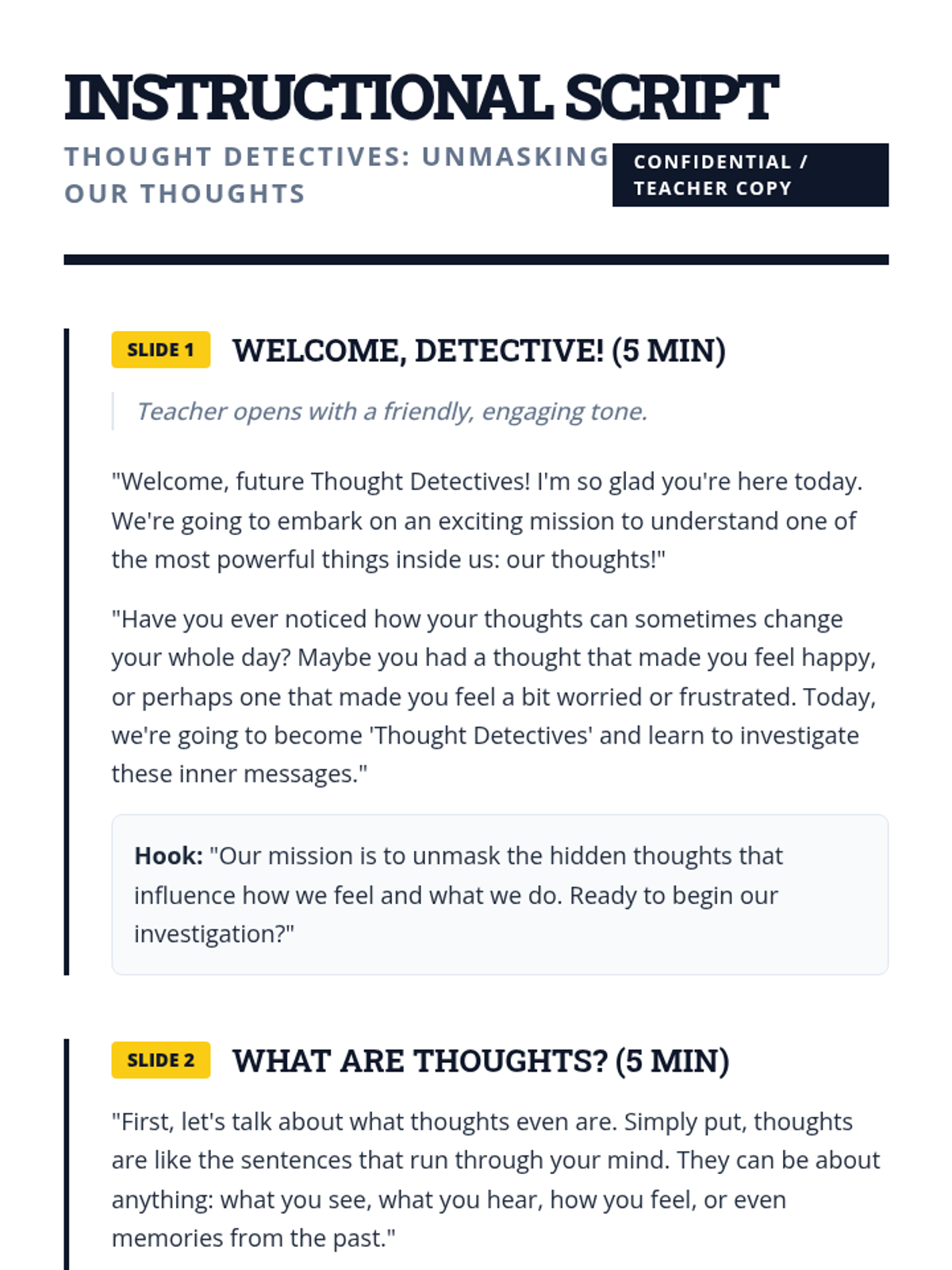
This lesson introduces 6th-grade students to Cognitive Behavioral Therapy (CBT) principles, helping them identify and challenge negative thoughts in a small group setting using a detective-themed approach.
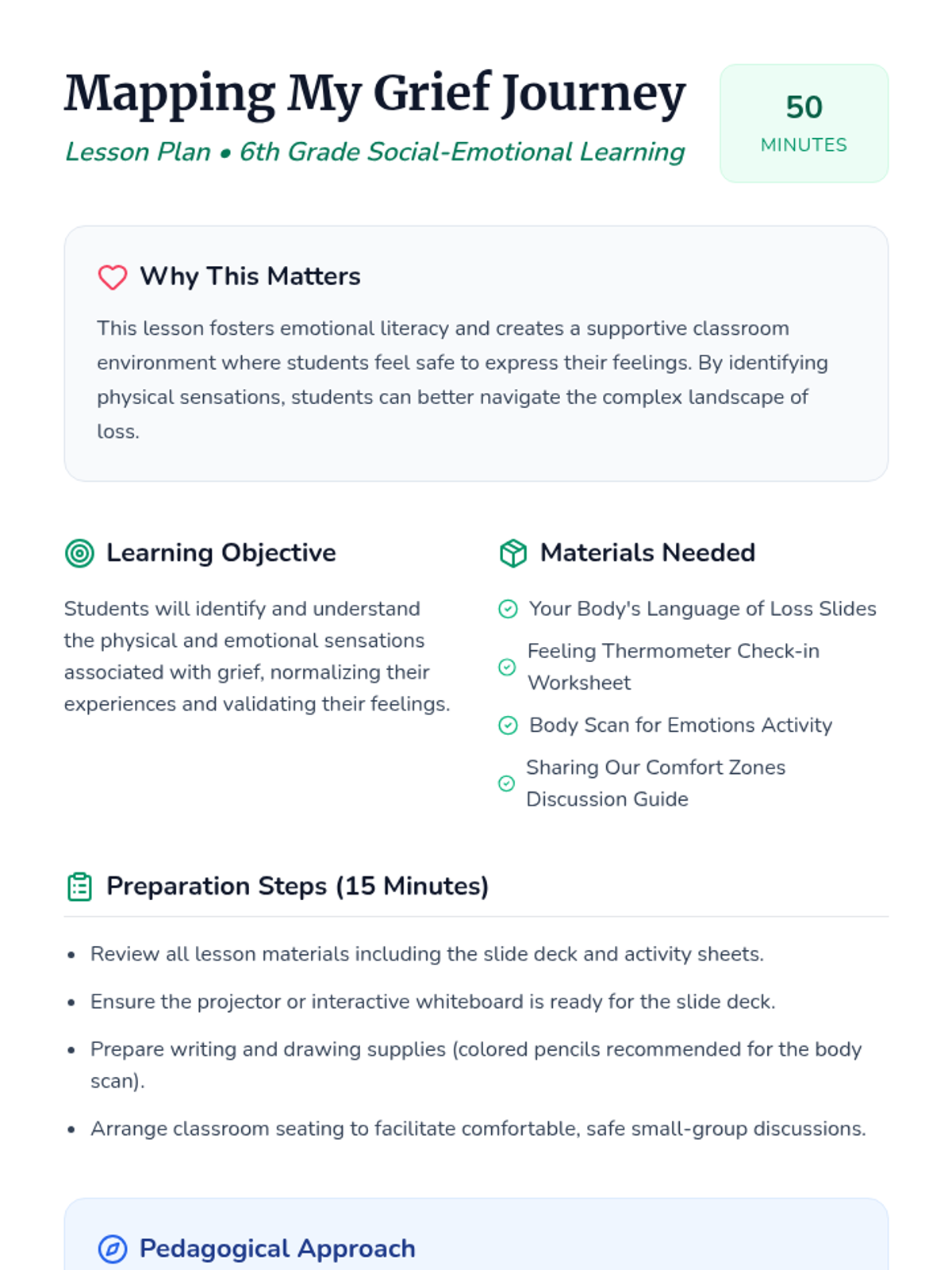
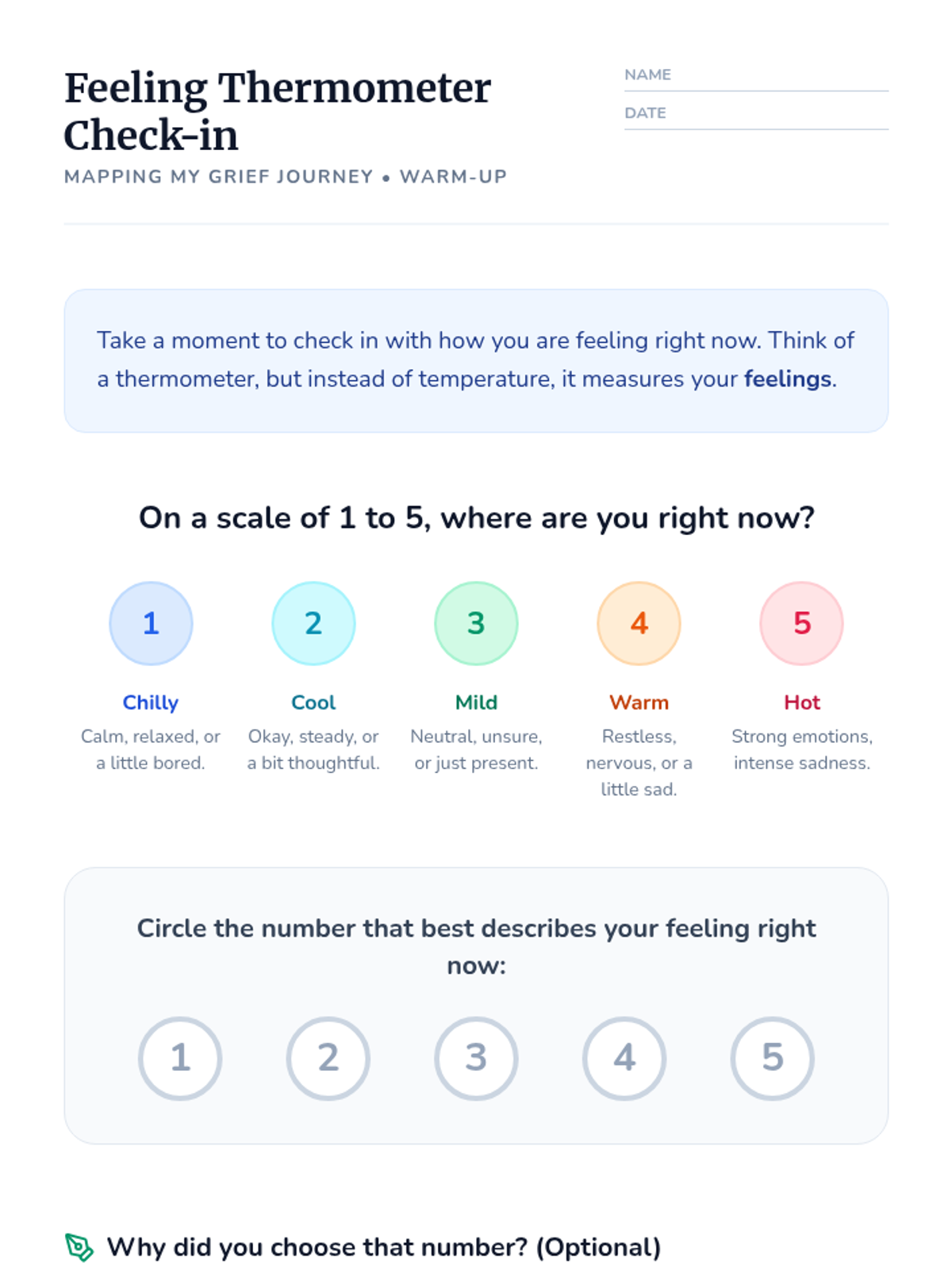
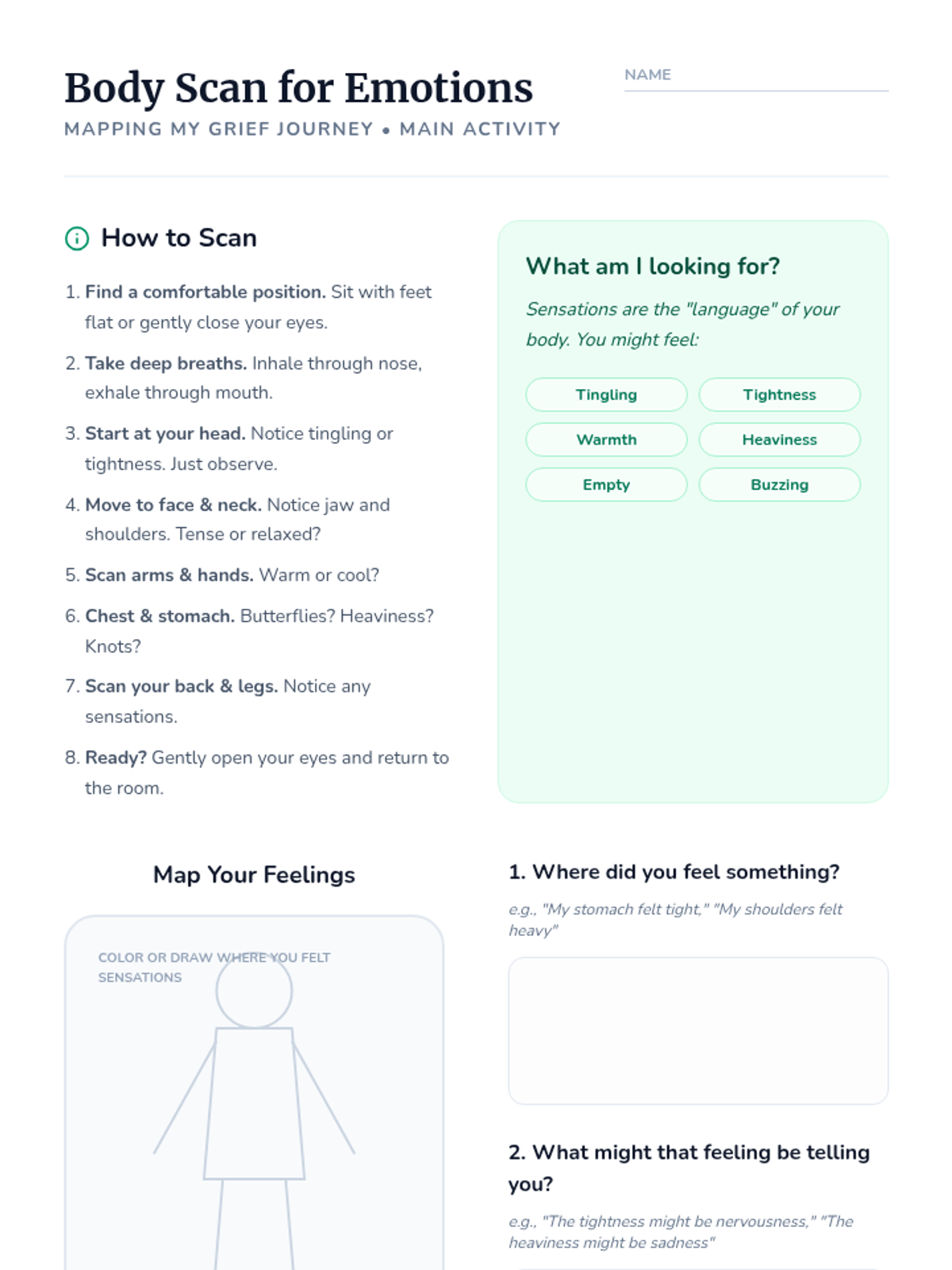
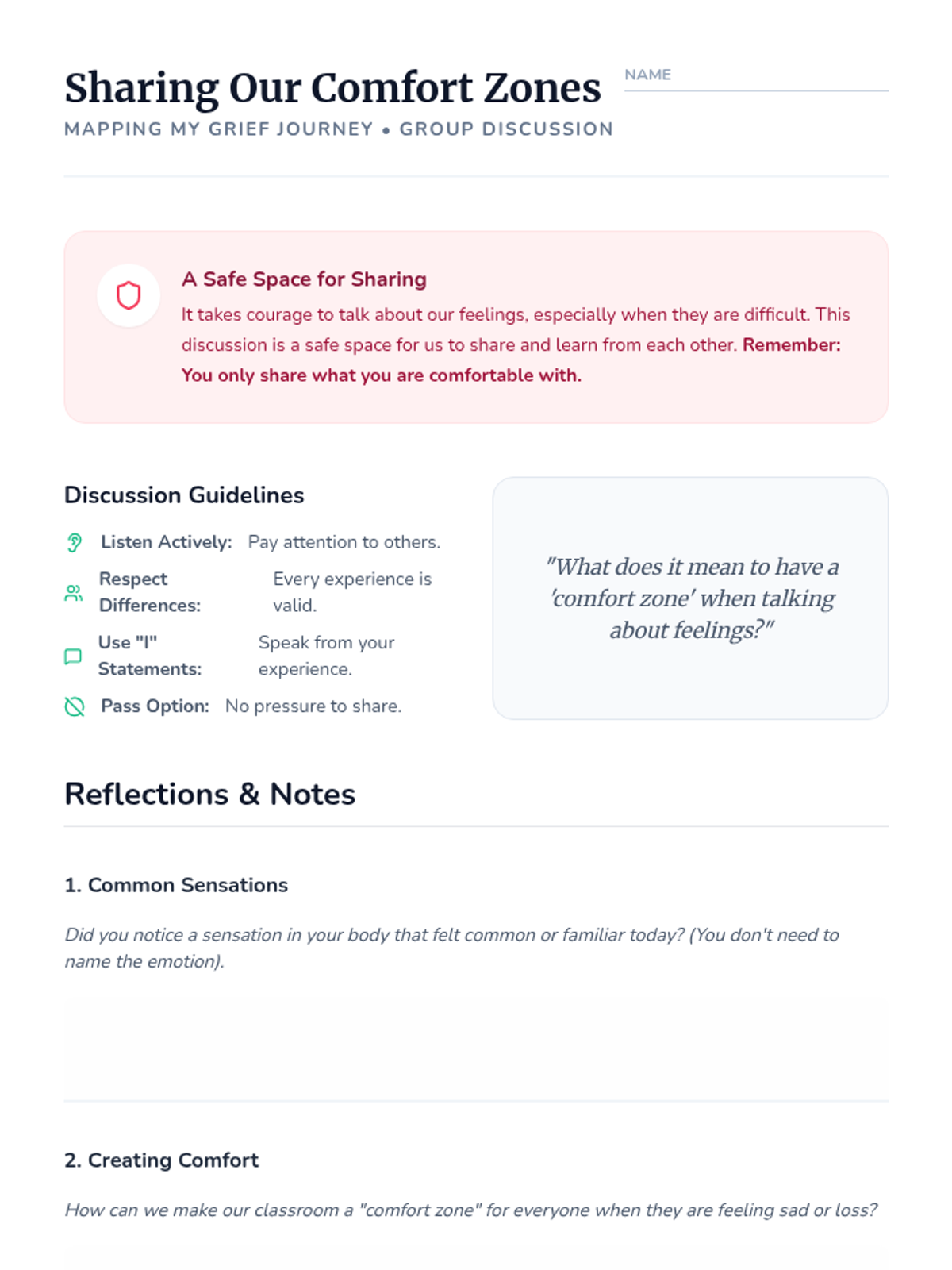
This lesson helps 6th-grade students identify and understand the physical and emotional sensations associated with grief. Through guided discussion and a body scan activity, students will learn to normalize their experiences and develop self-compassion.
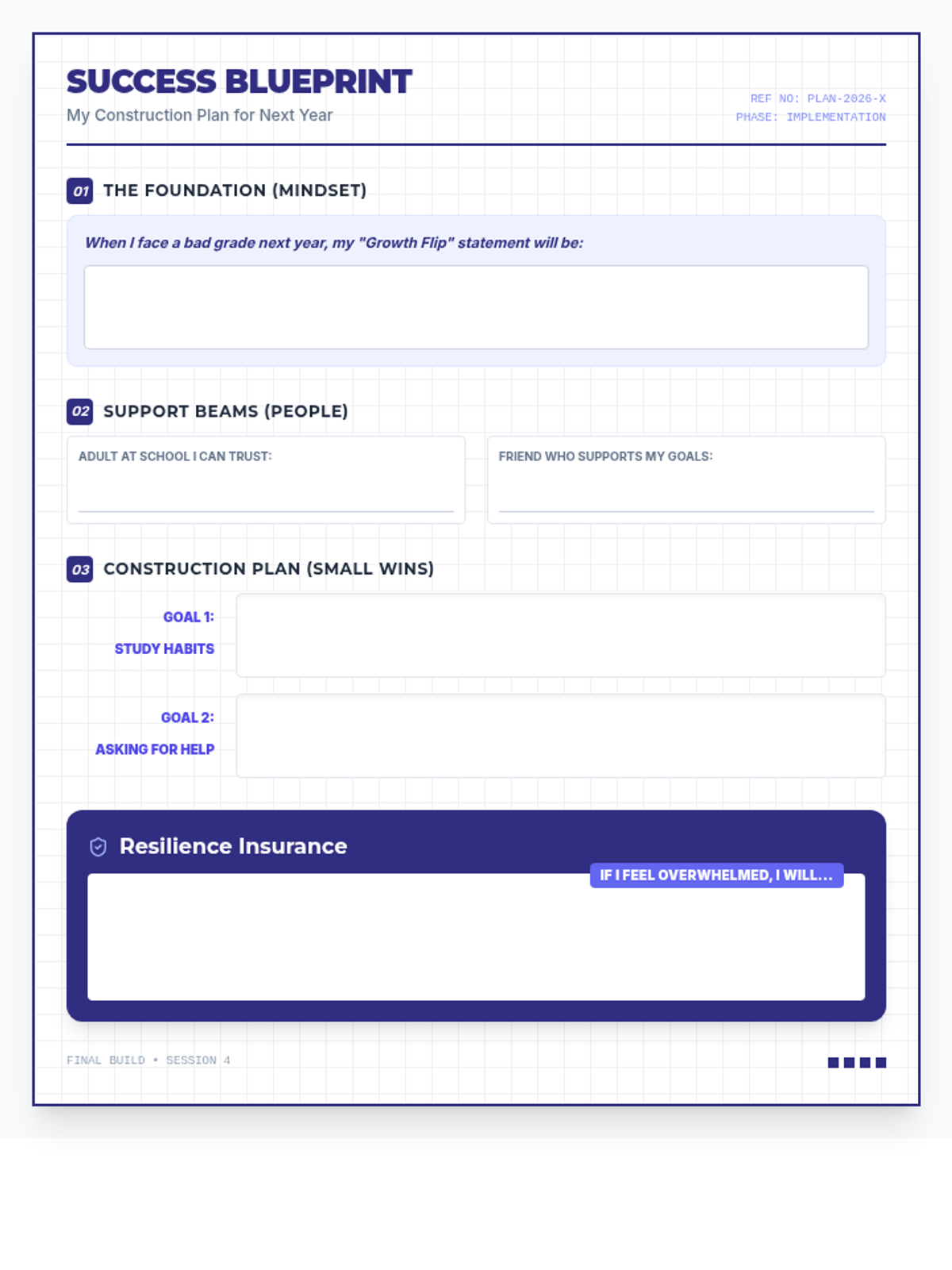
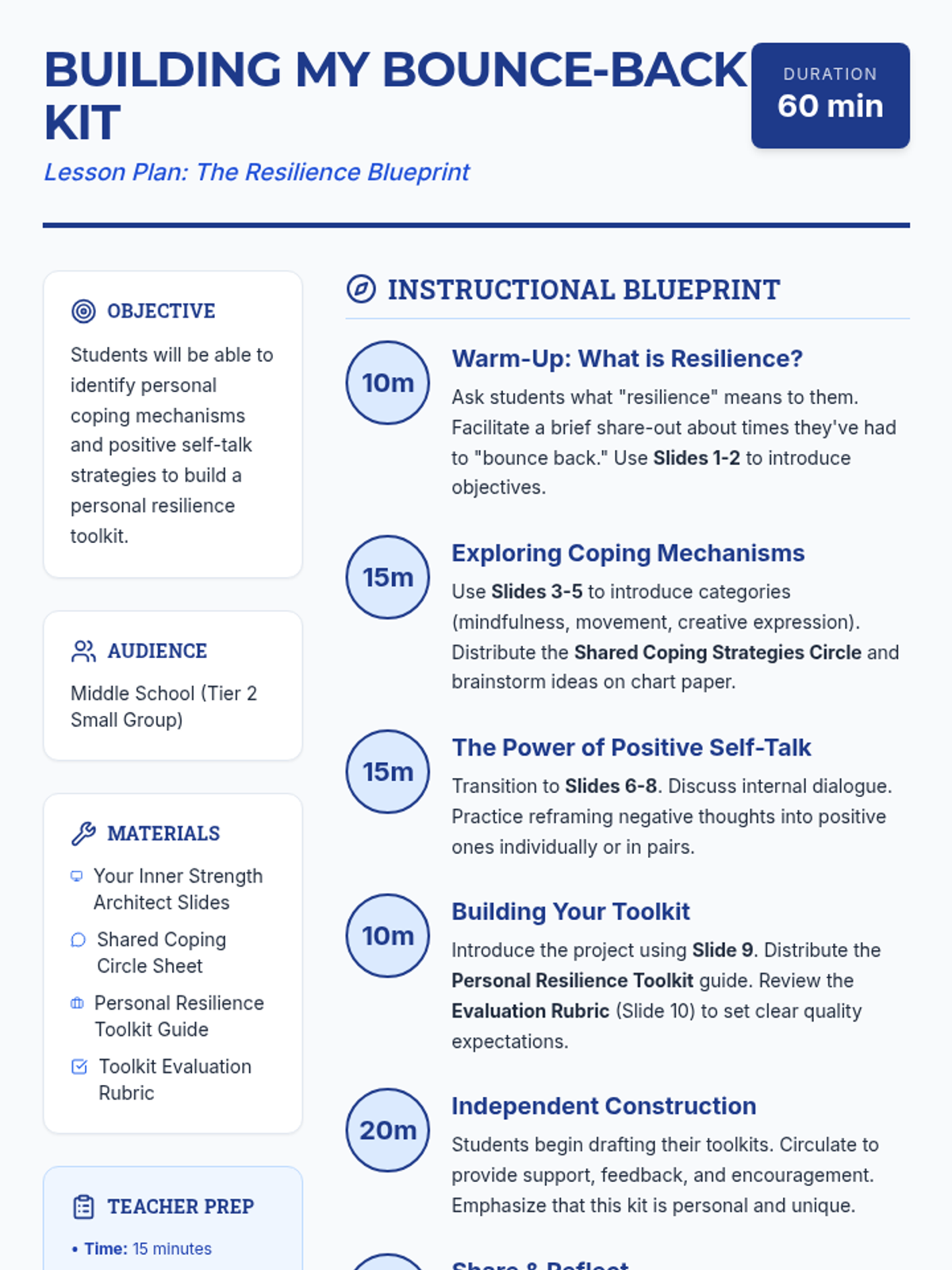
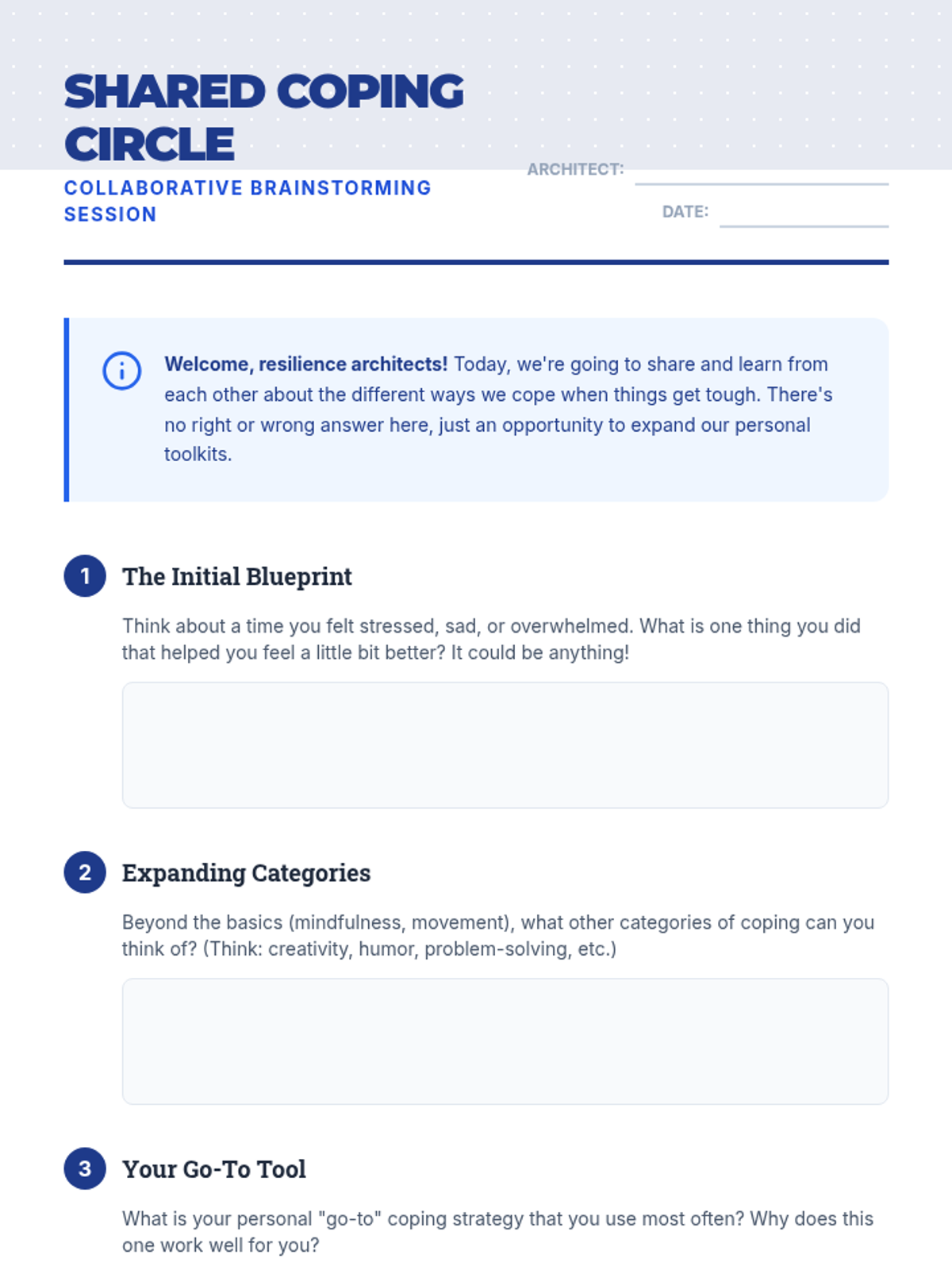
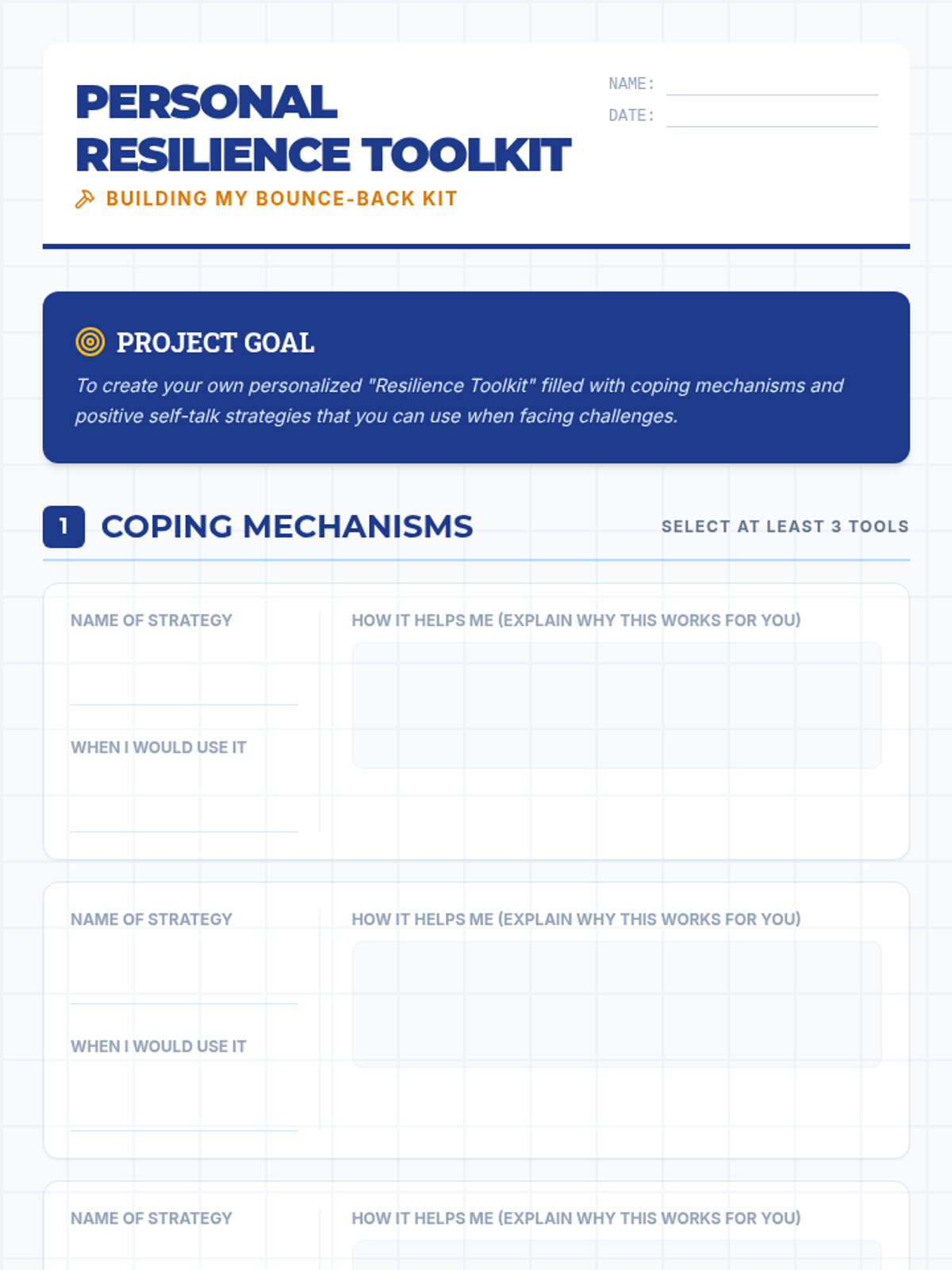
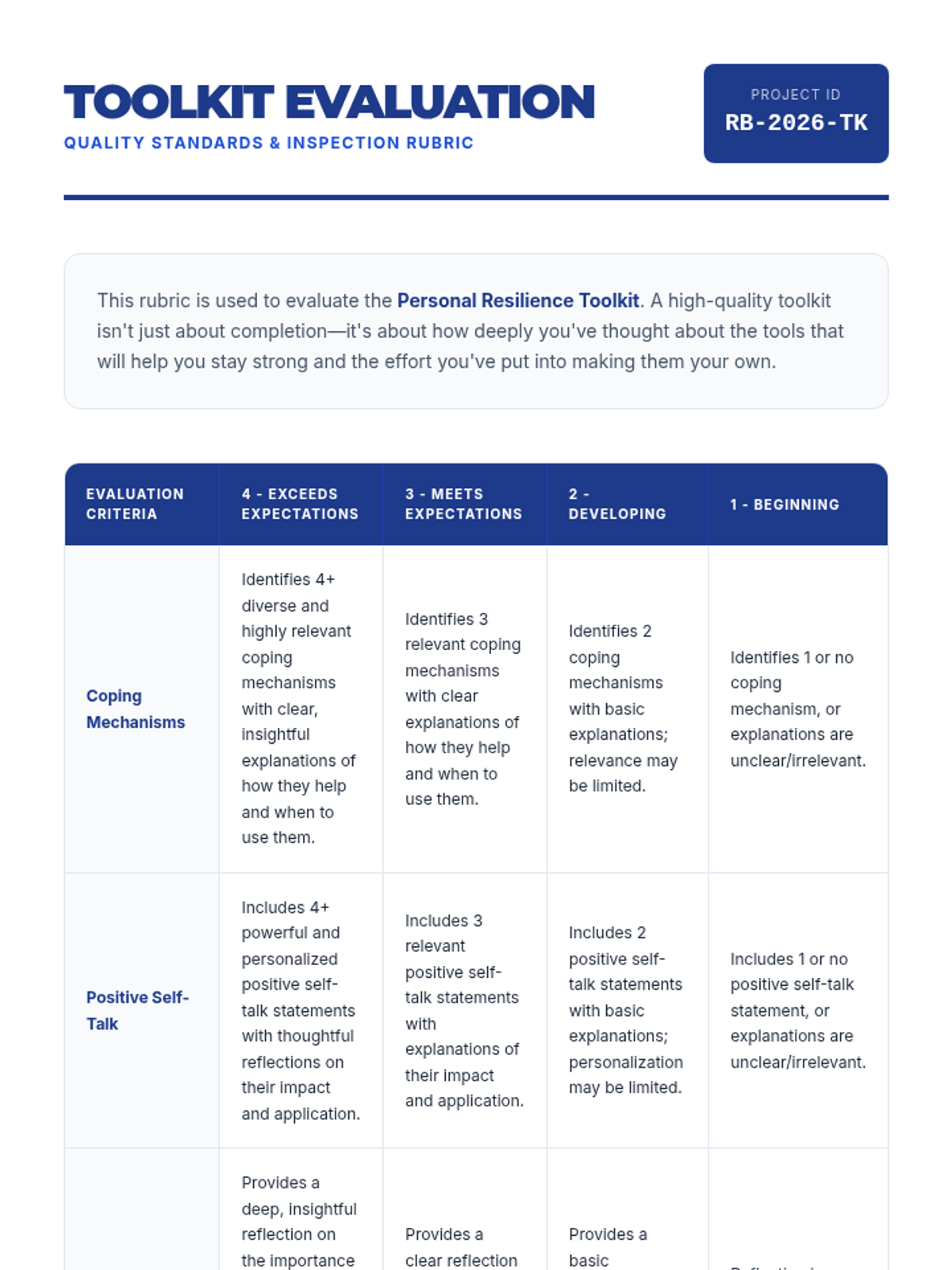
A Tier 2 small group lesson for middle schoolers to build a personal resilience toolkit, focusing on coping mechanisms and positive self-talk strategies through the metaphor of an architect building a blueprint.