Mindful breathing and body scan meditation techniques integrated with daily self-care routines. Develops strategies for balancing life demands and advocating for personal wellness needs.
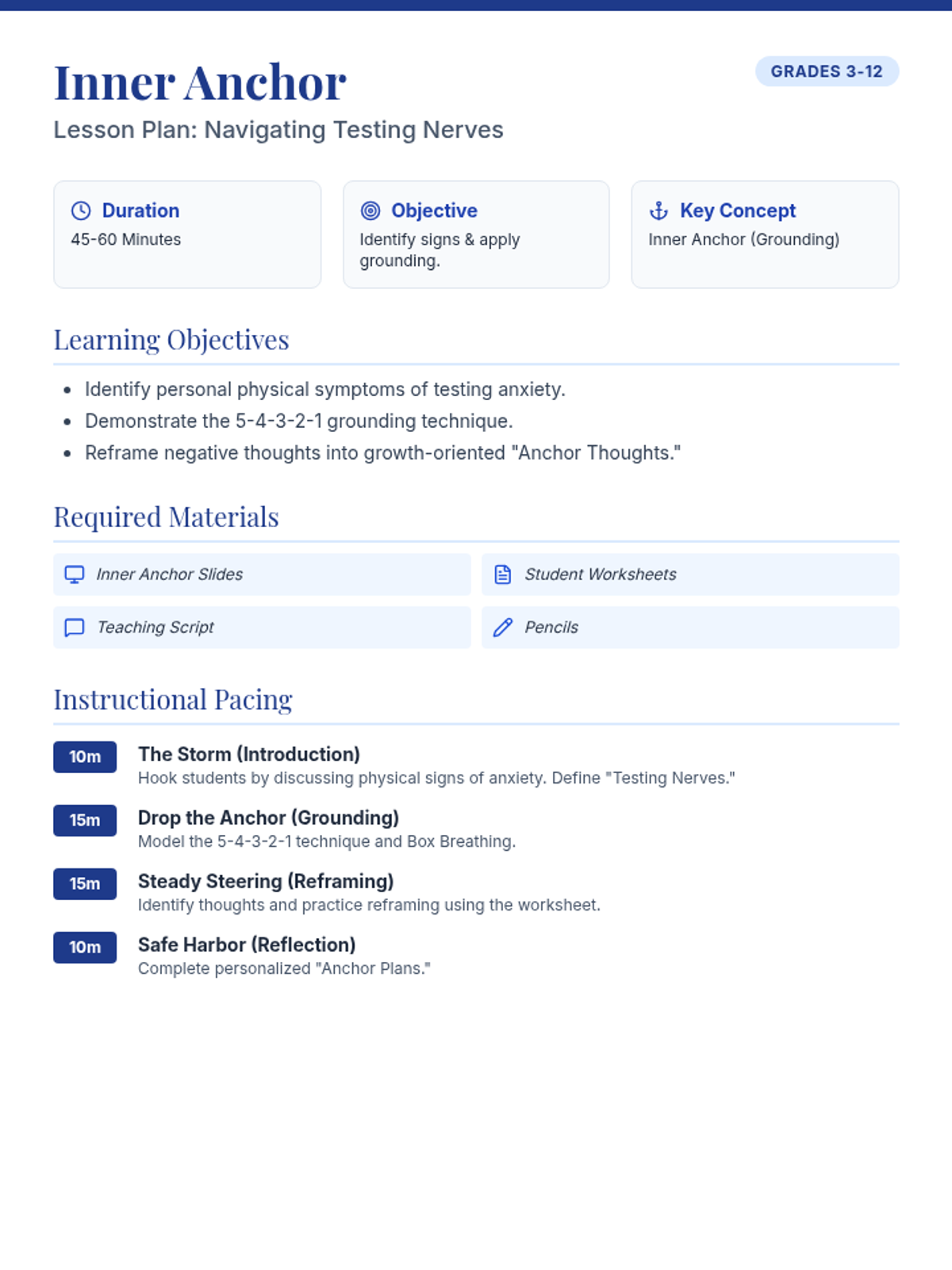
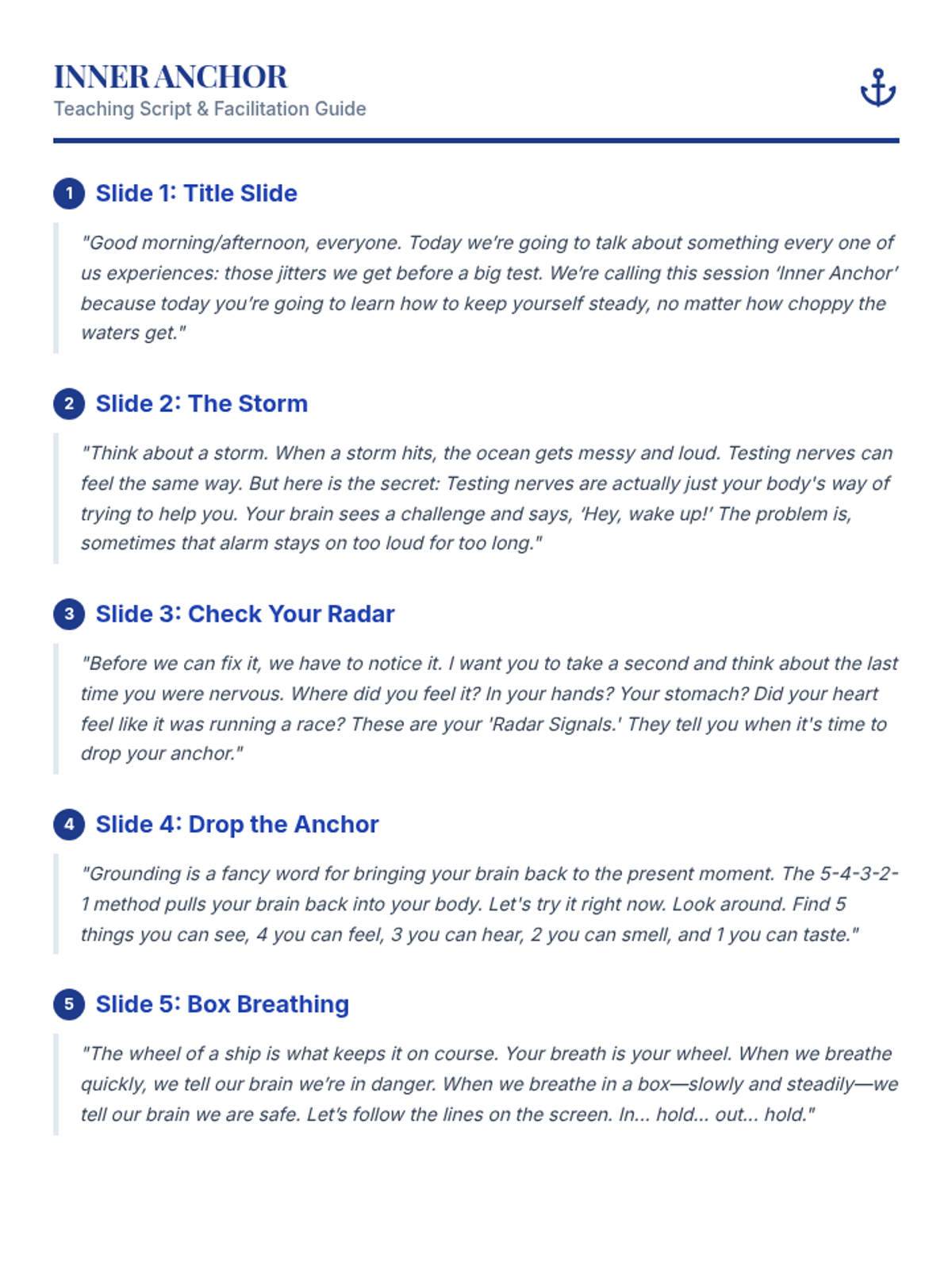
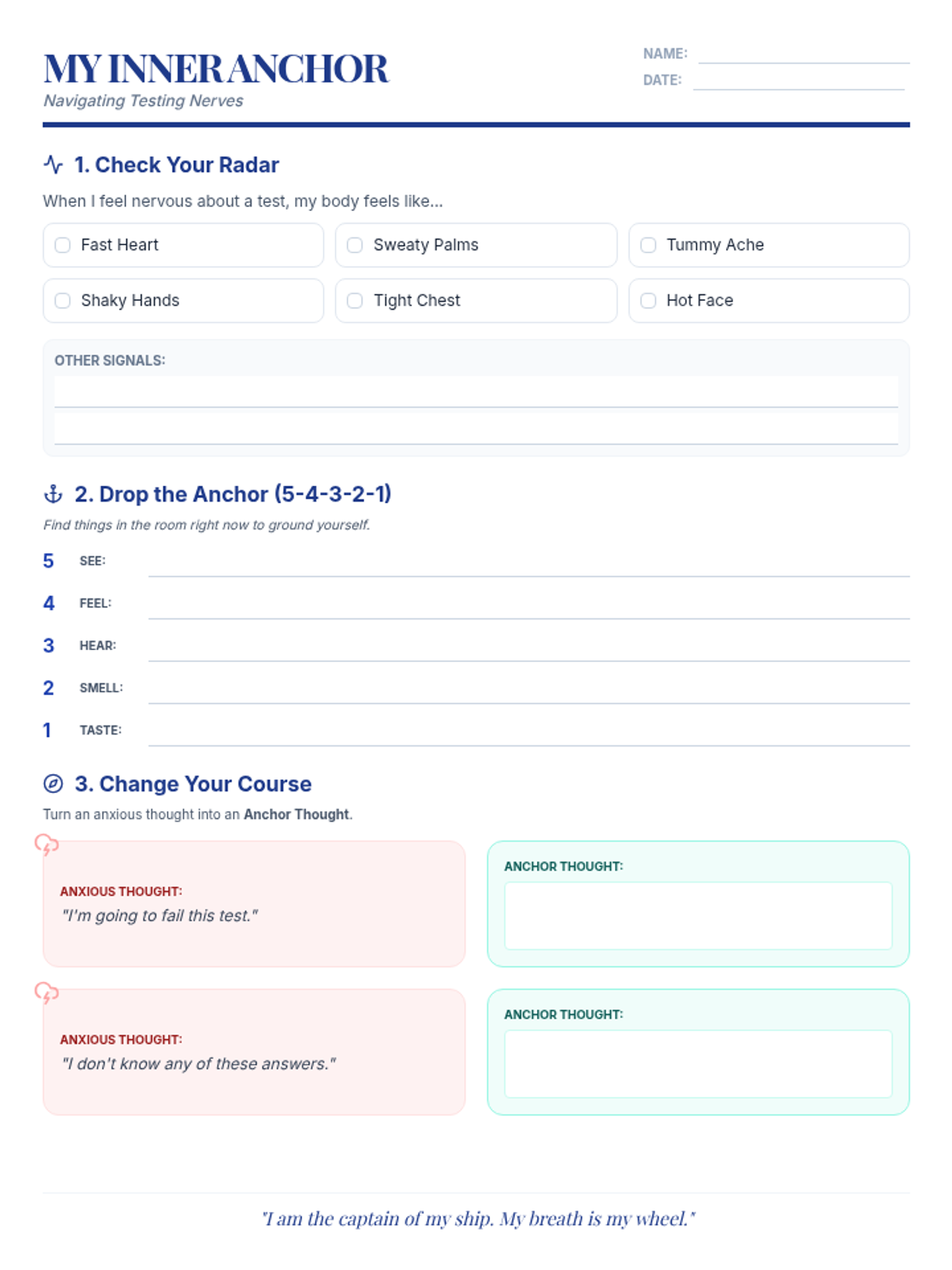
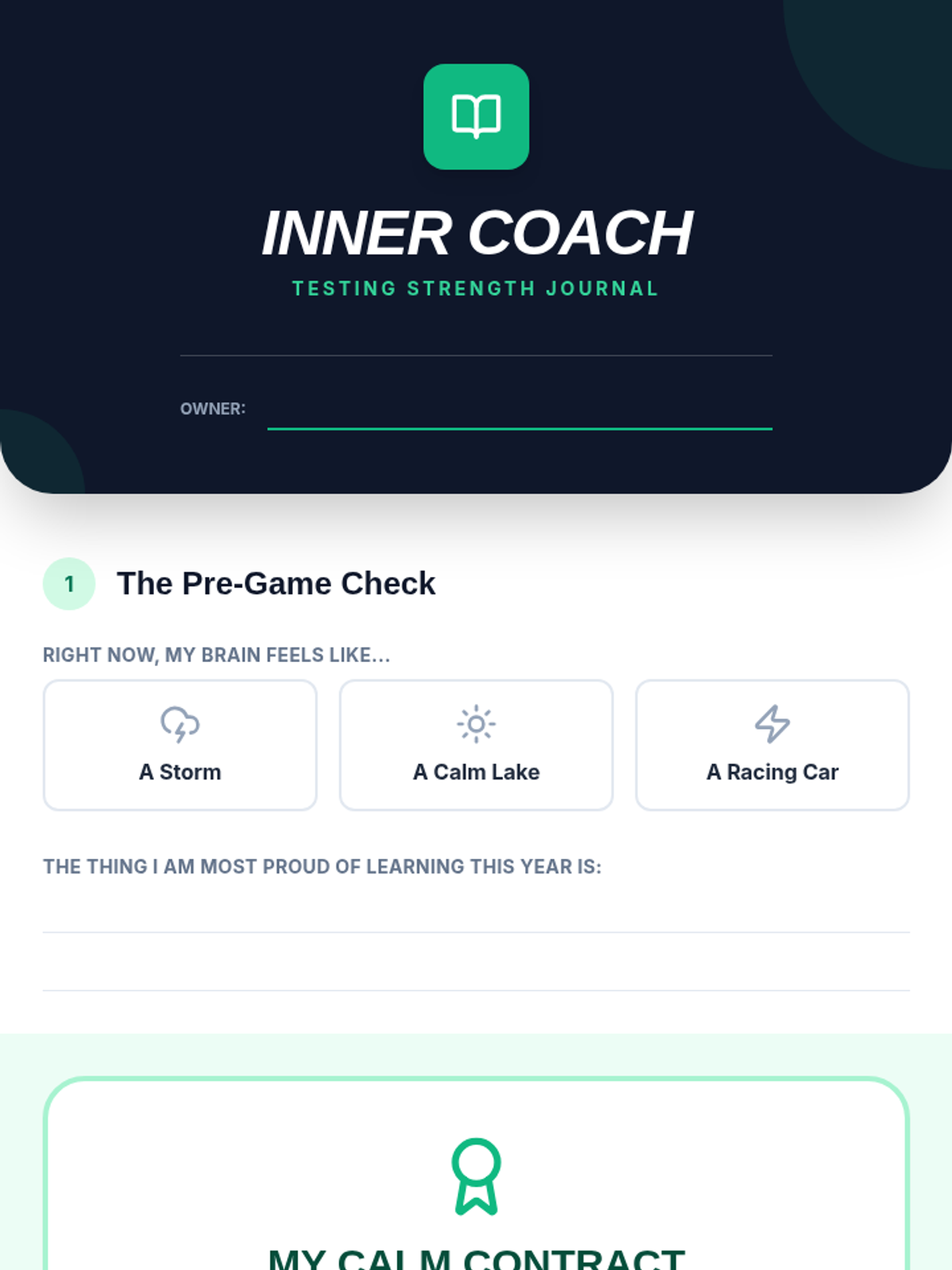
A comprehensive emotional regulation toolkit for students to manage testing anxiety using maritime-themed grounding techniques and cognitive reframing.
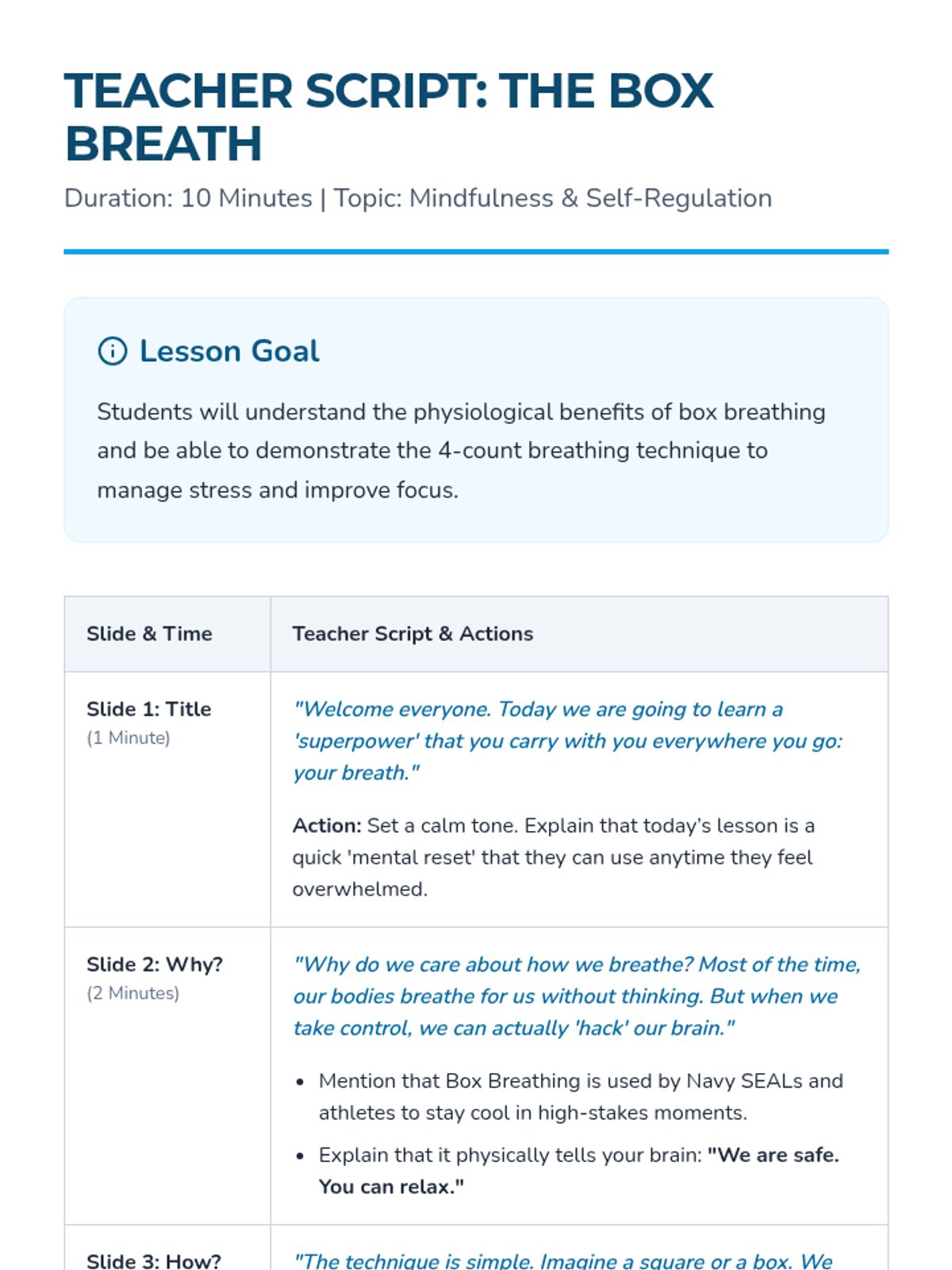
A quick 10-minute introduction to box breathing, a powerful stress-relief technique, featuring a guided video and classroom practice.
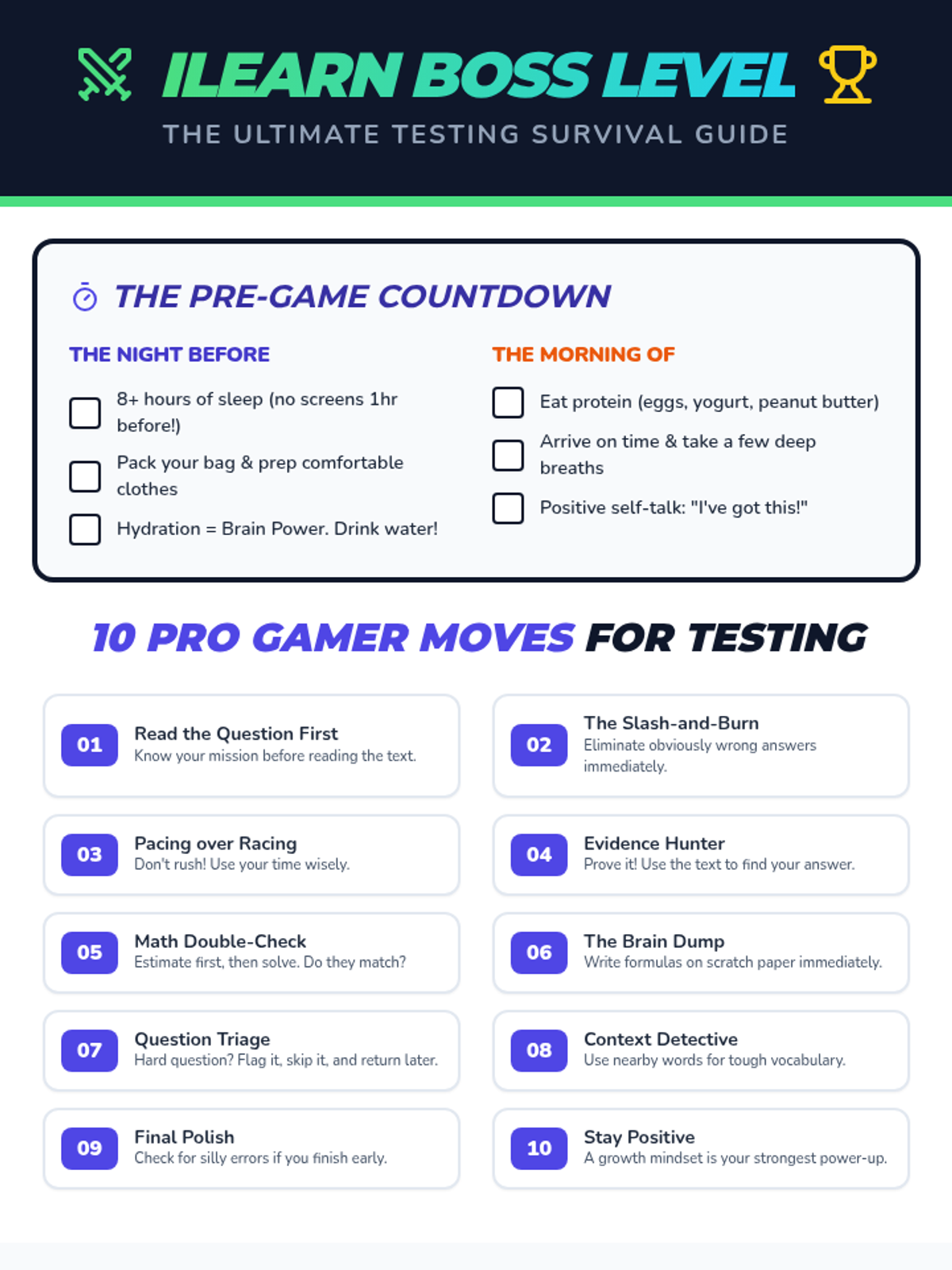
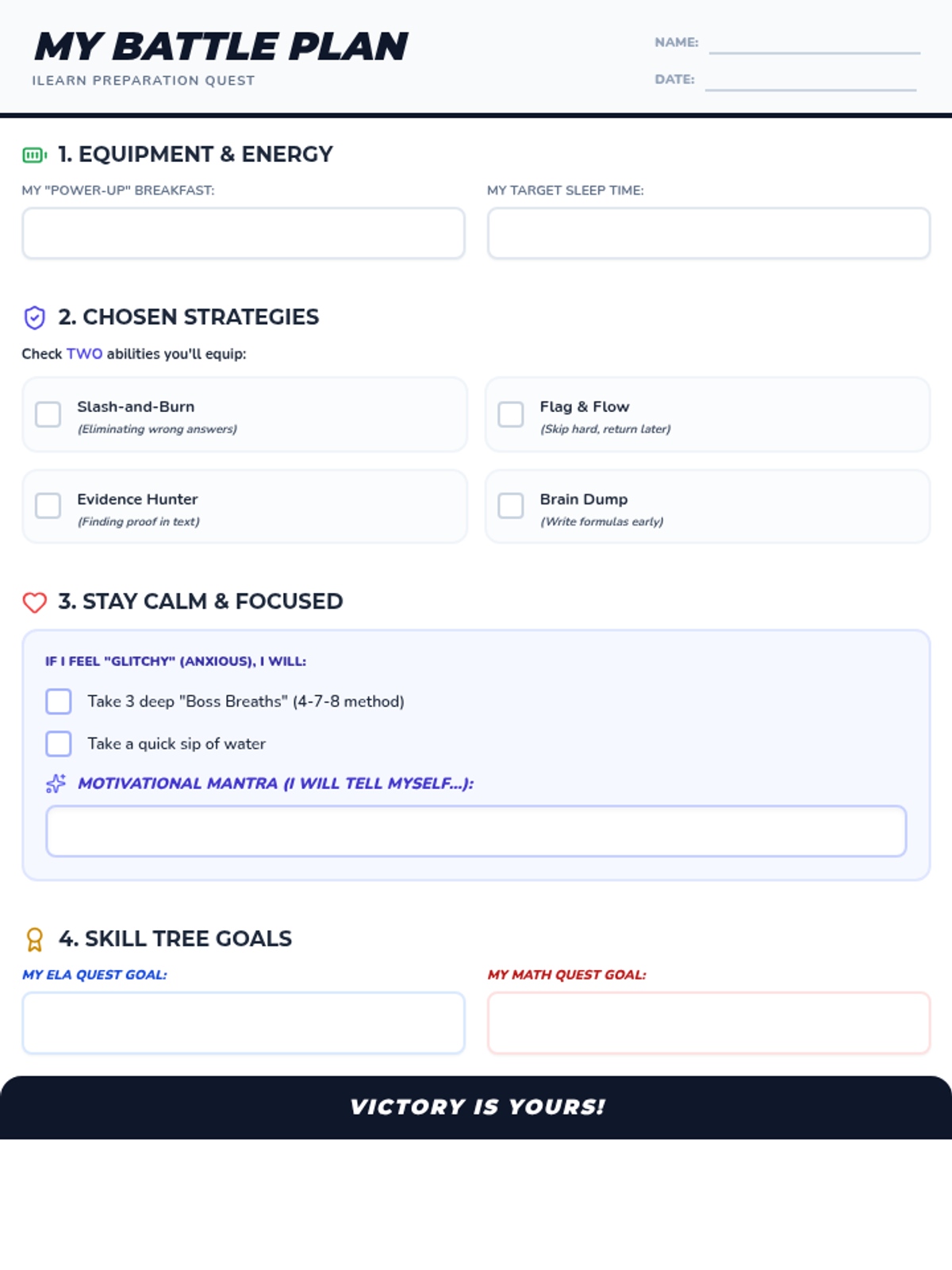
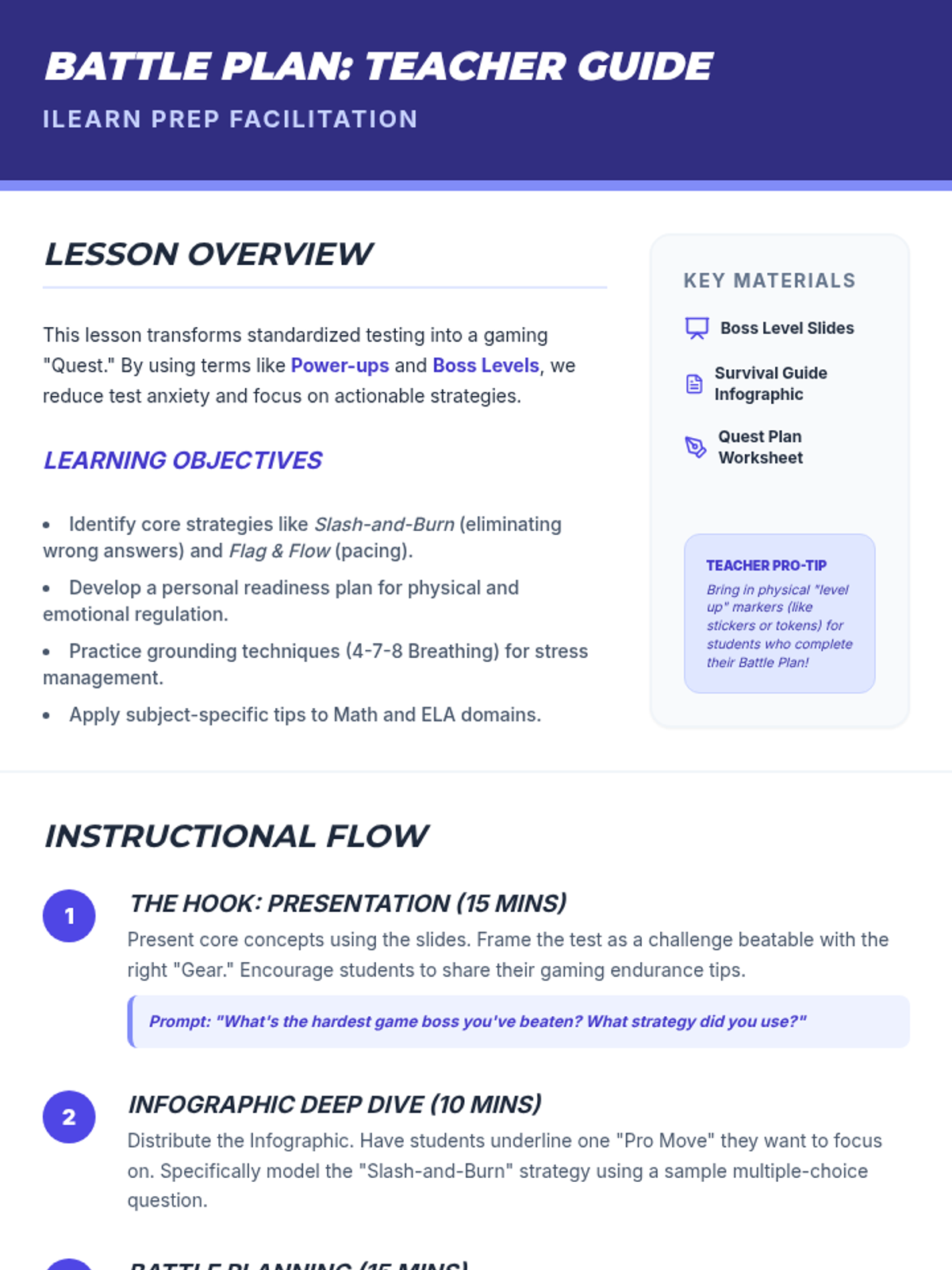
A comprehensive preparation lesson for the ILEARN assessment, focusing on test-taking strategies, physical readiness, and emotional regulation through a high-energy gaming theme.
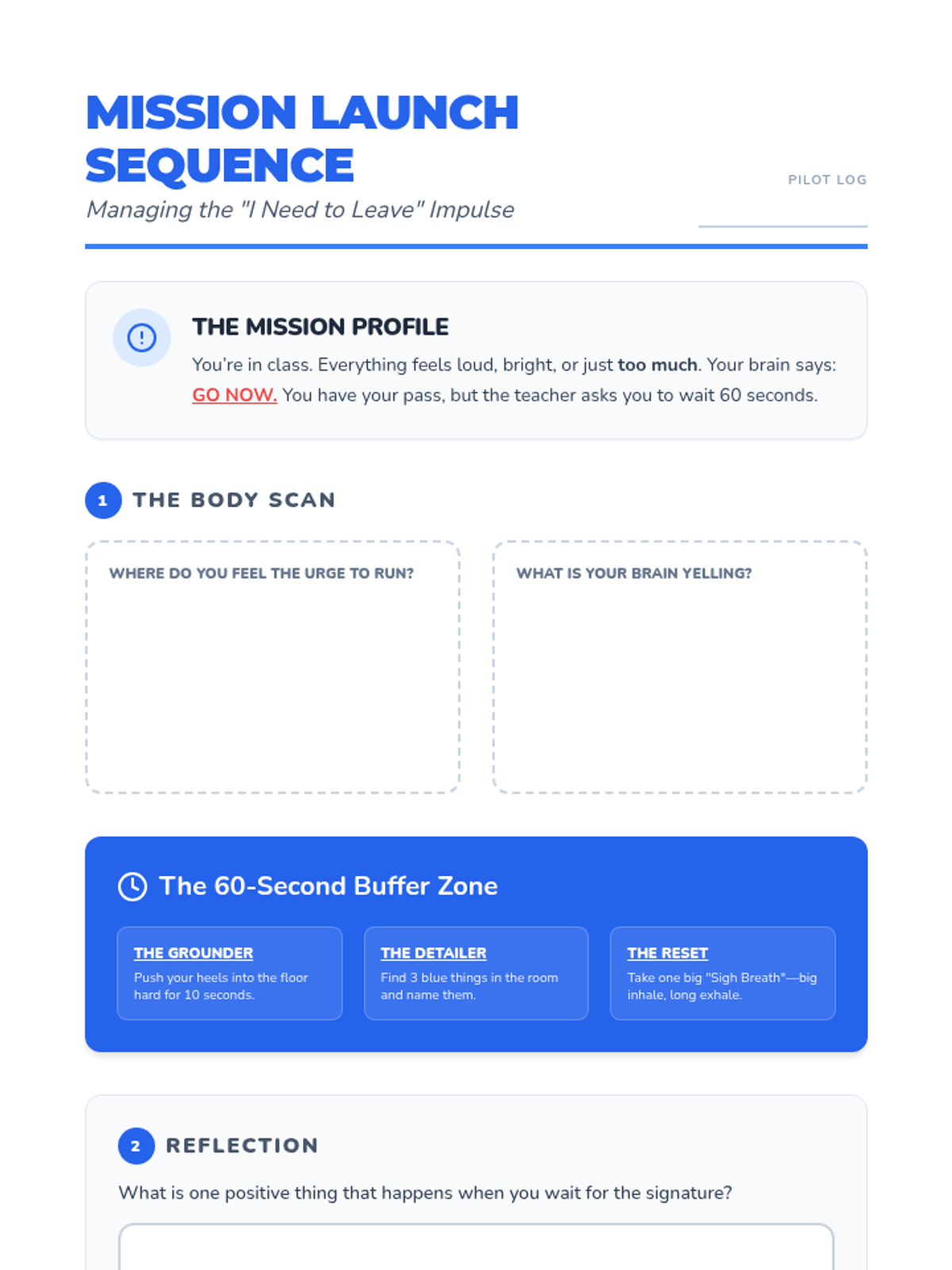
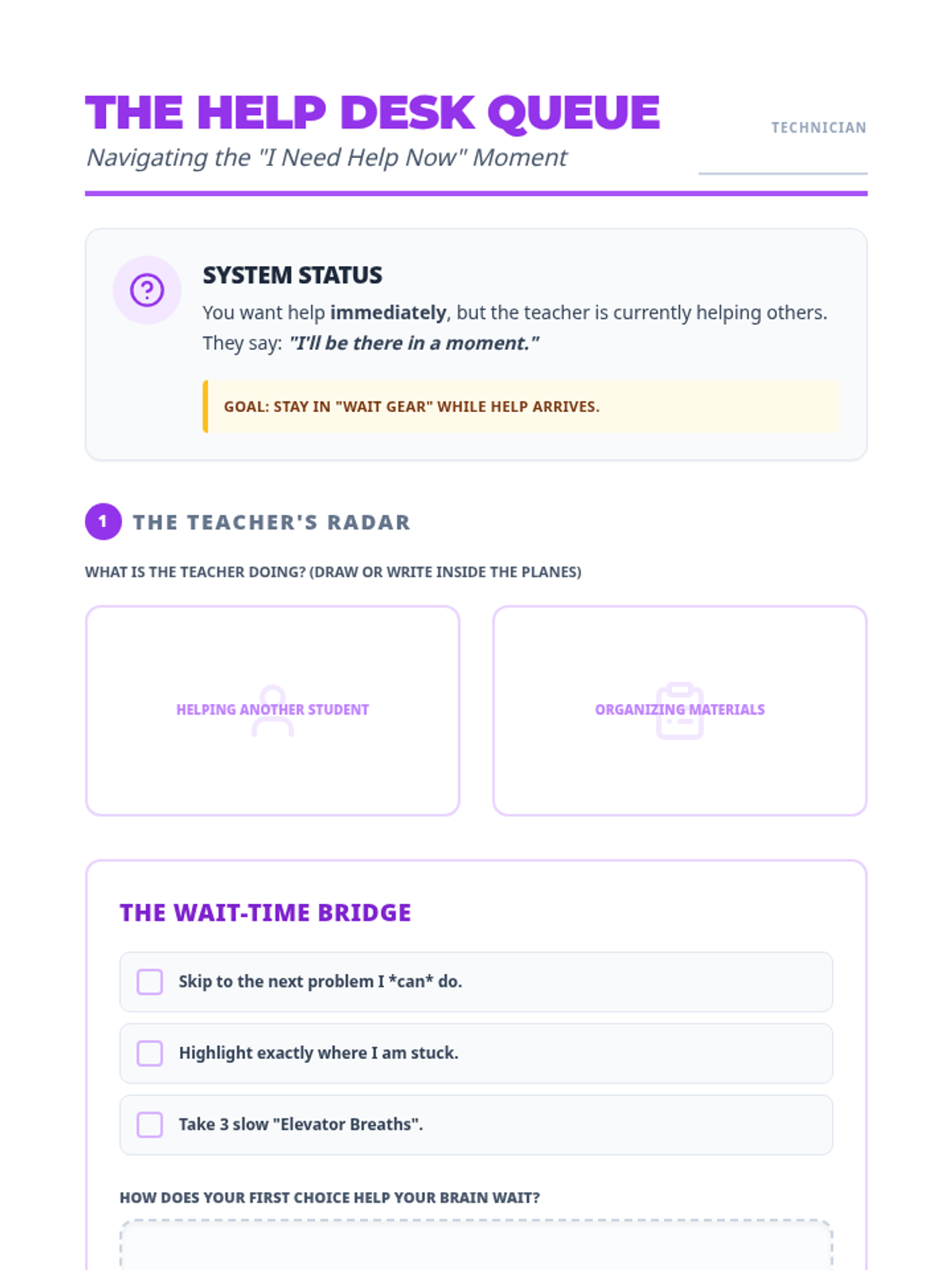
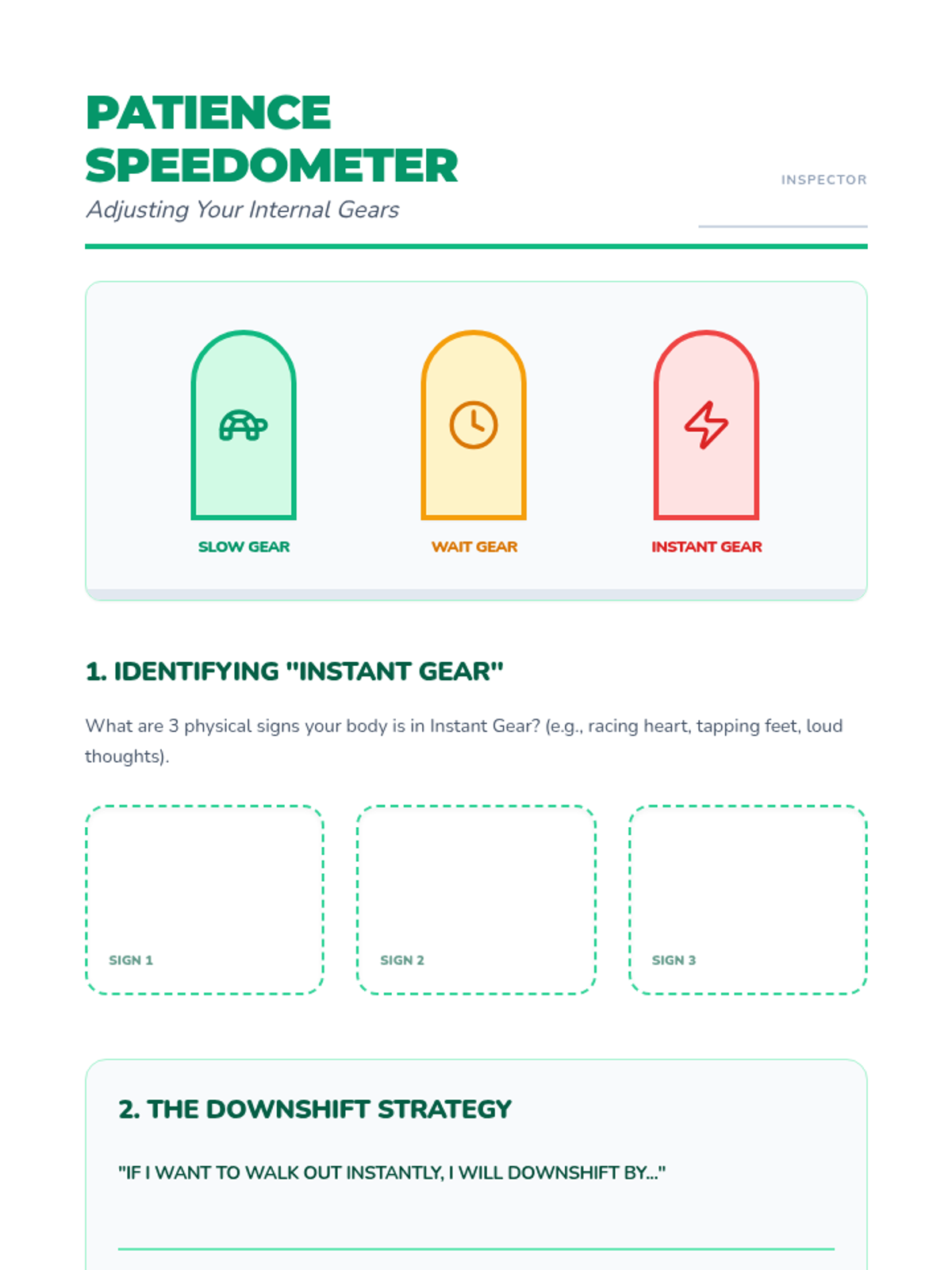
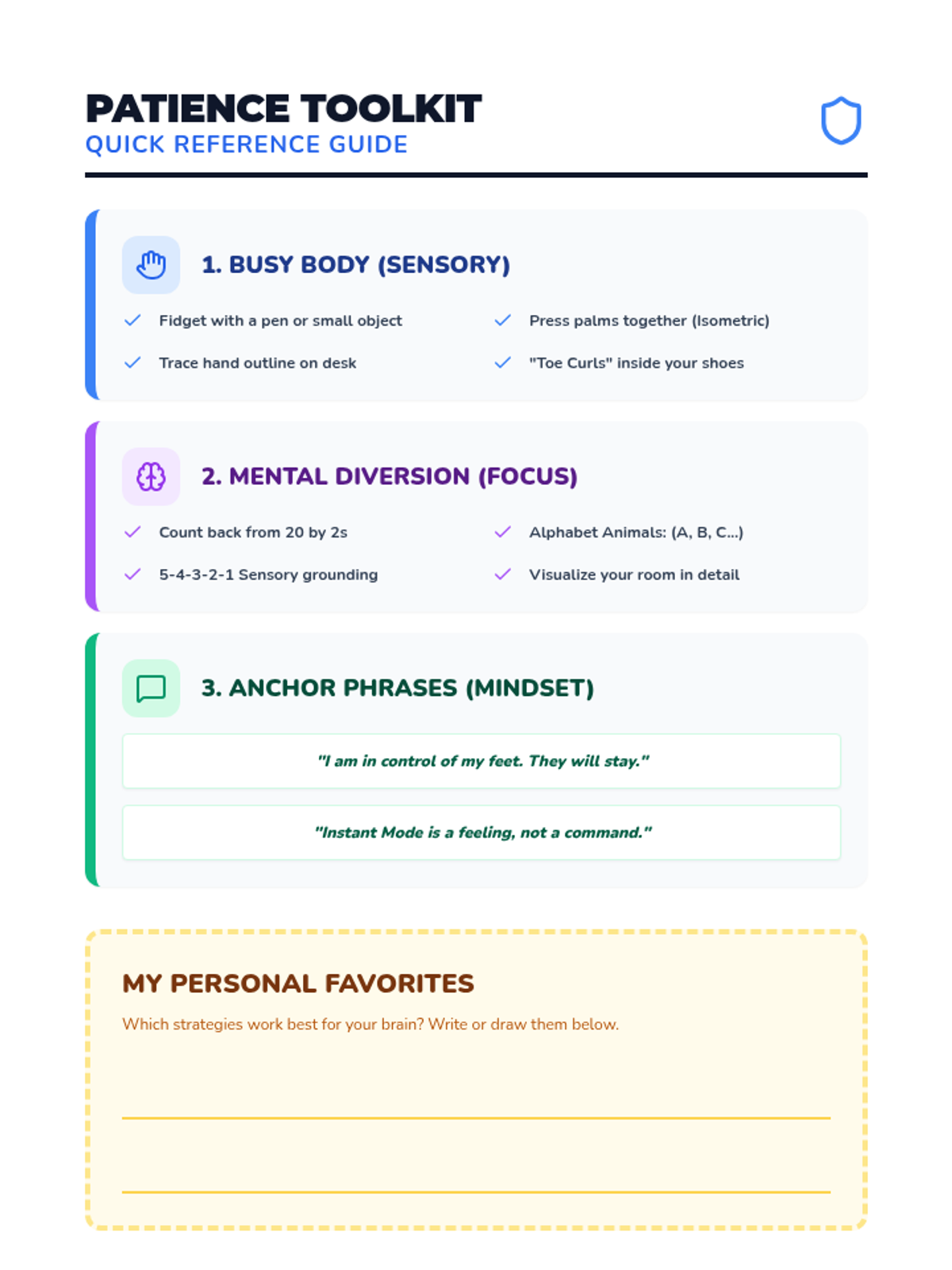
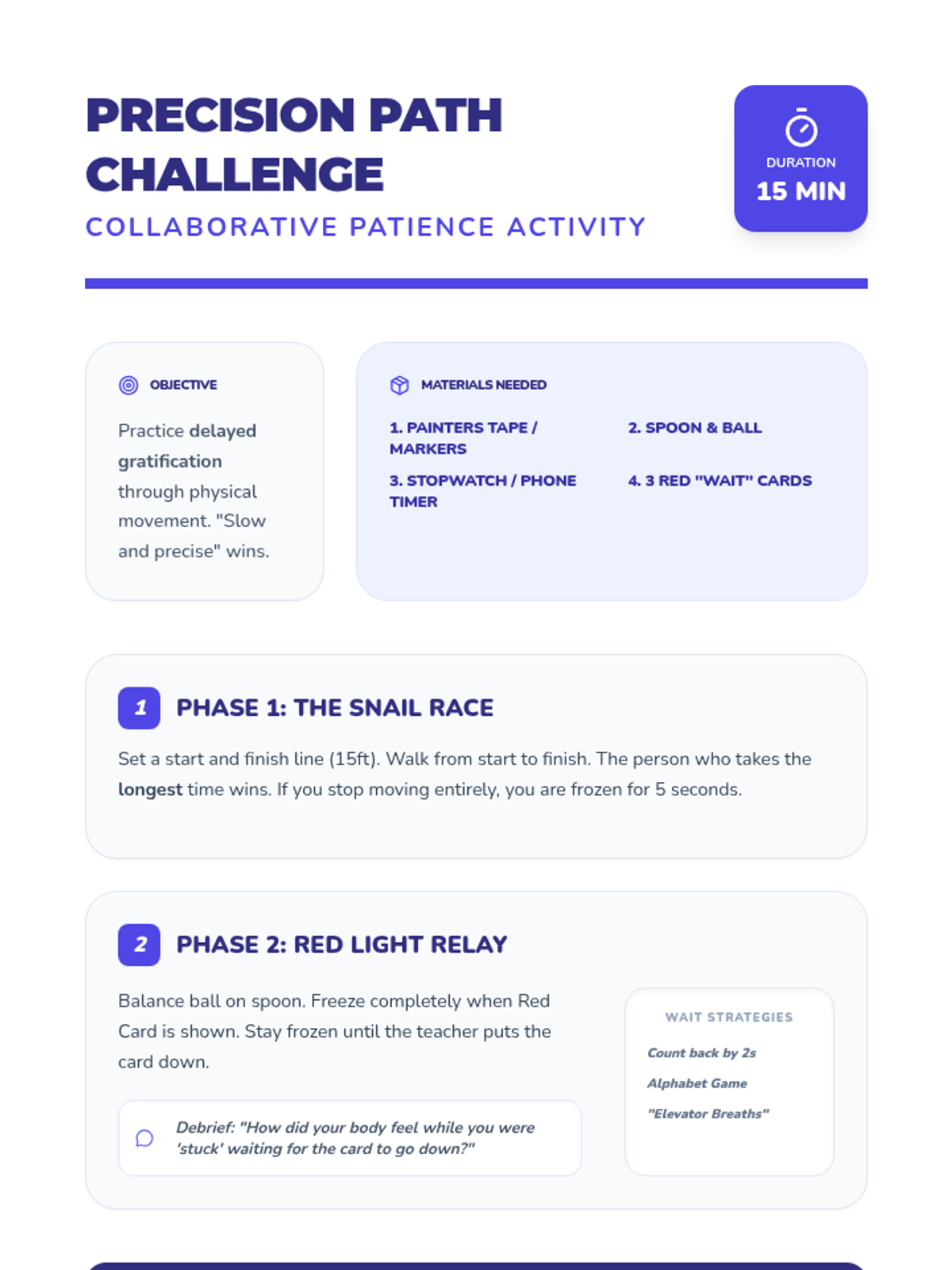
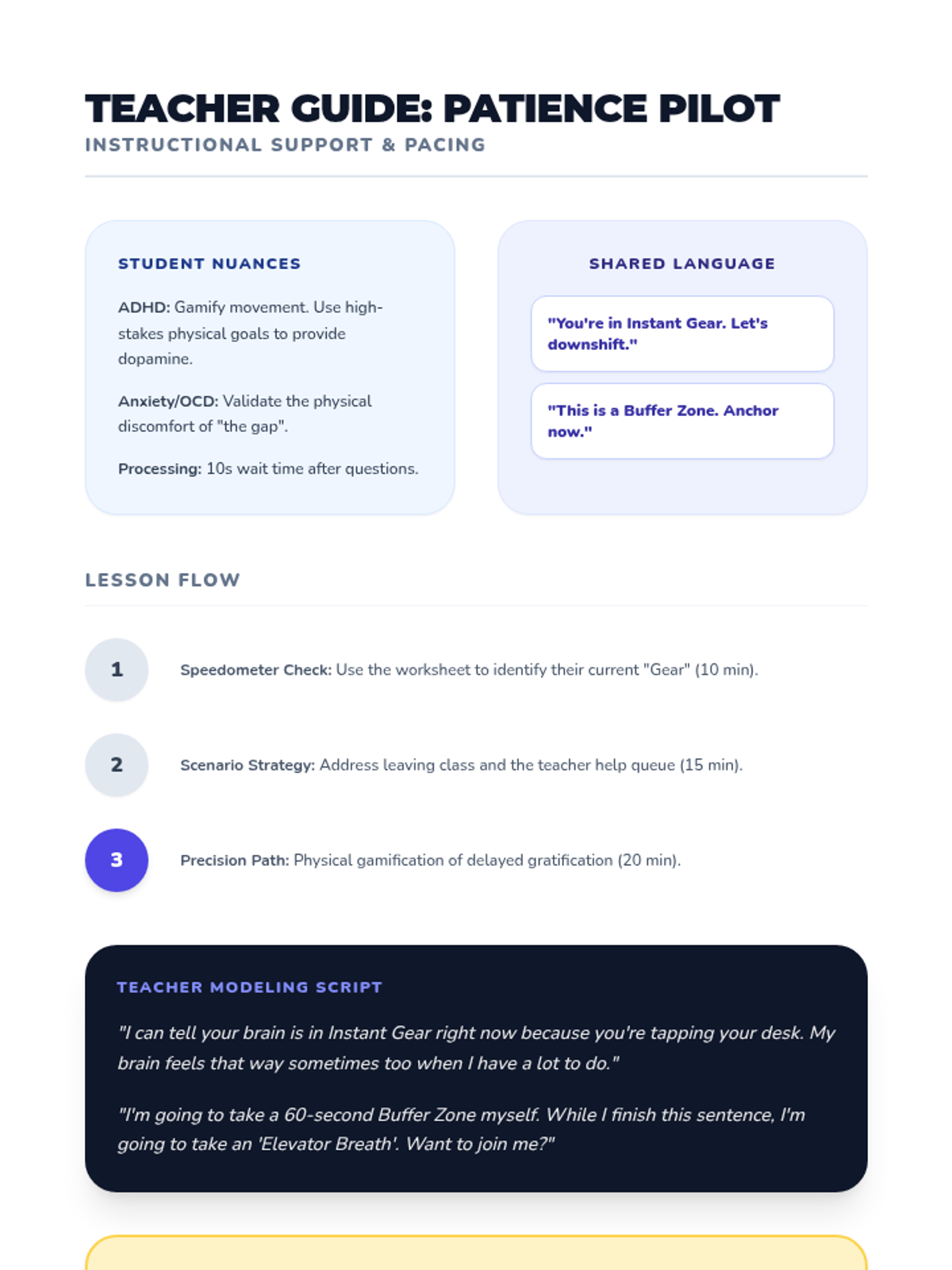
This lesson introduces the concept of the 'Waiting Gap' and provides practical tools for managing the physical and emotional urge to act instantly. Includes worksheets on specific classroom scenarios and a movement-based activity for building delayed gratification.
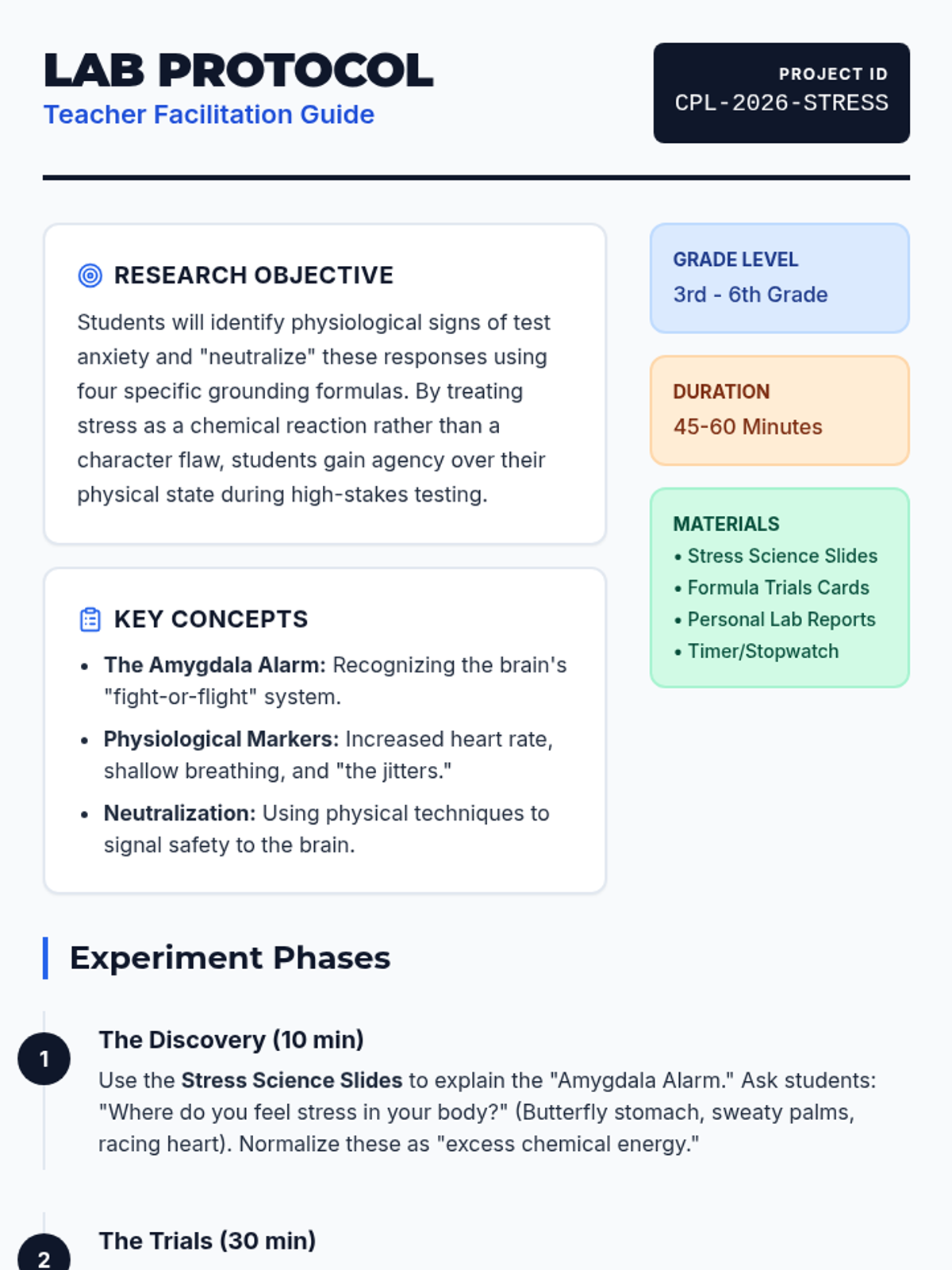
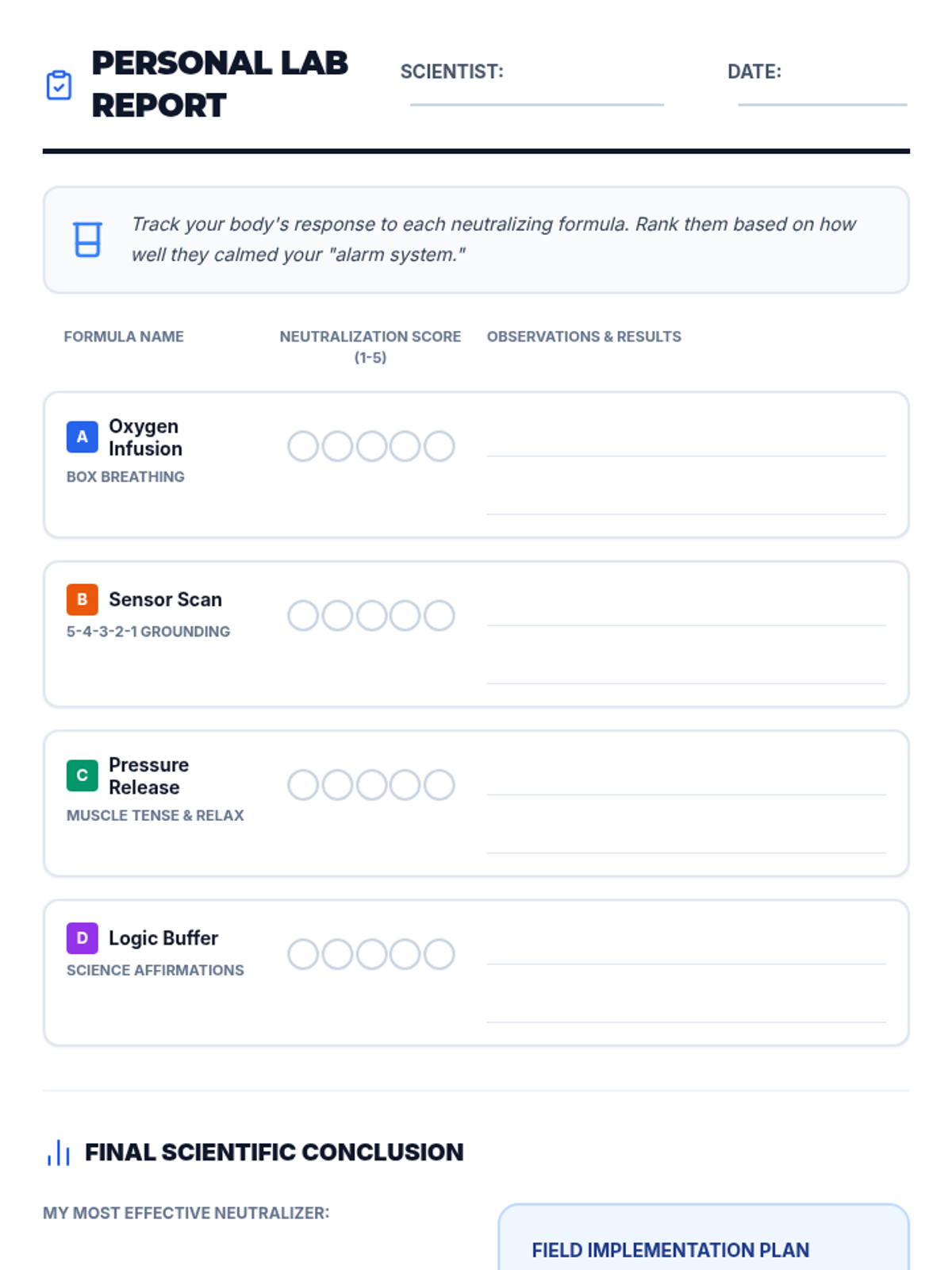
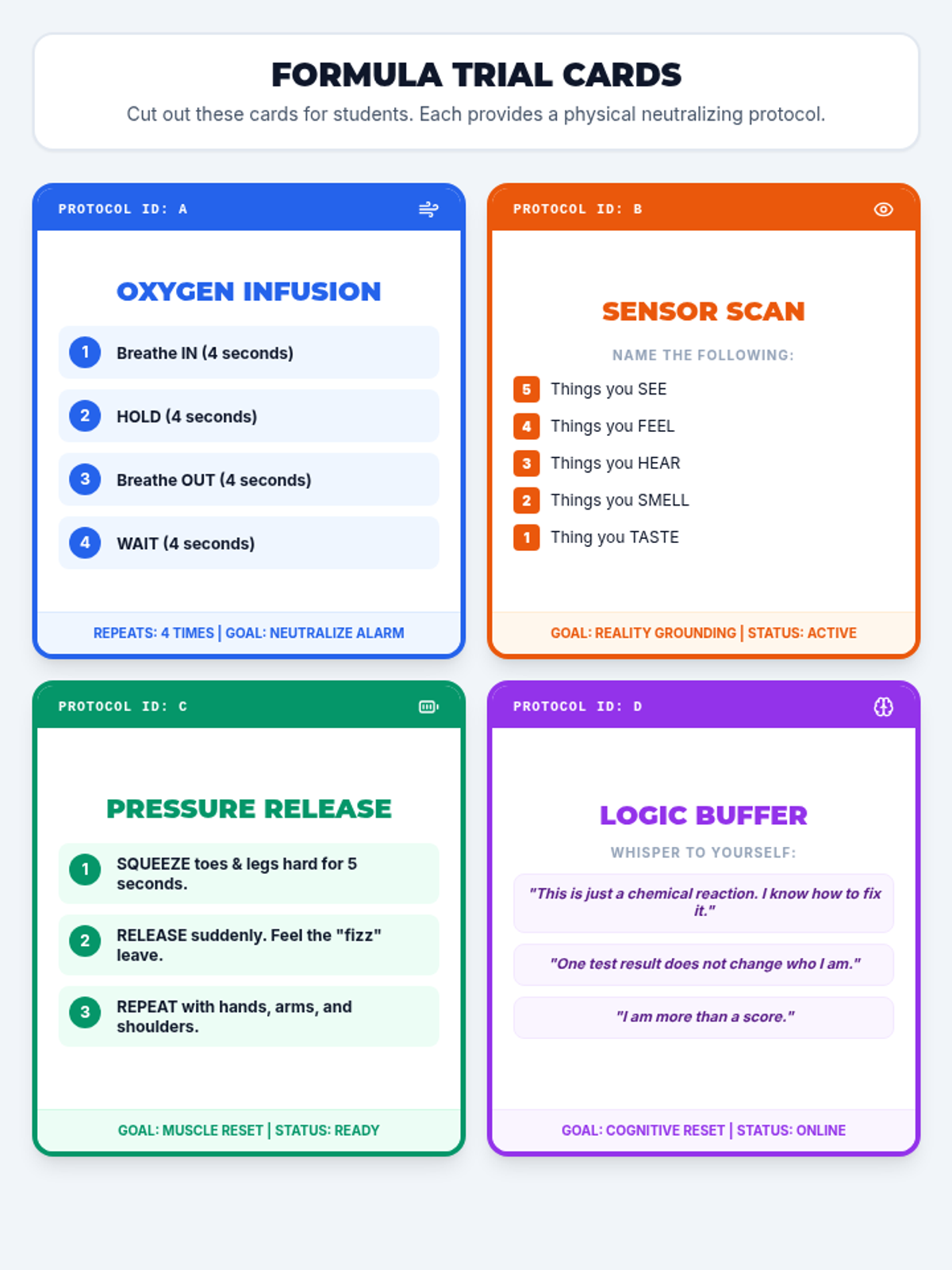
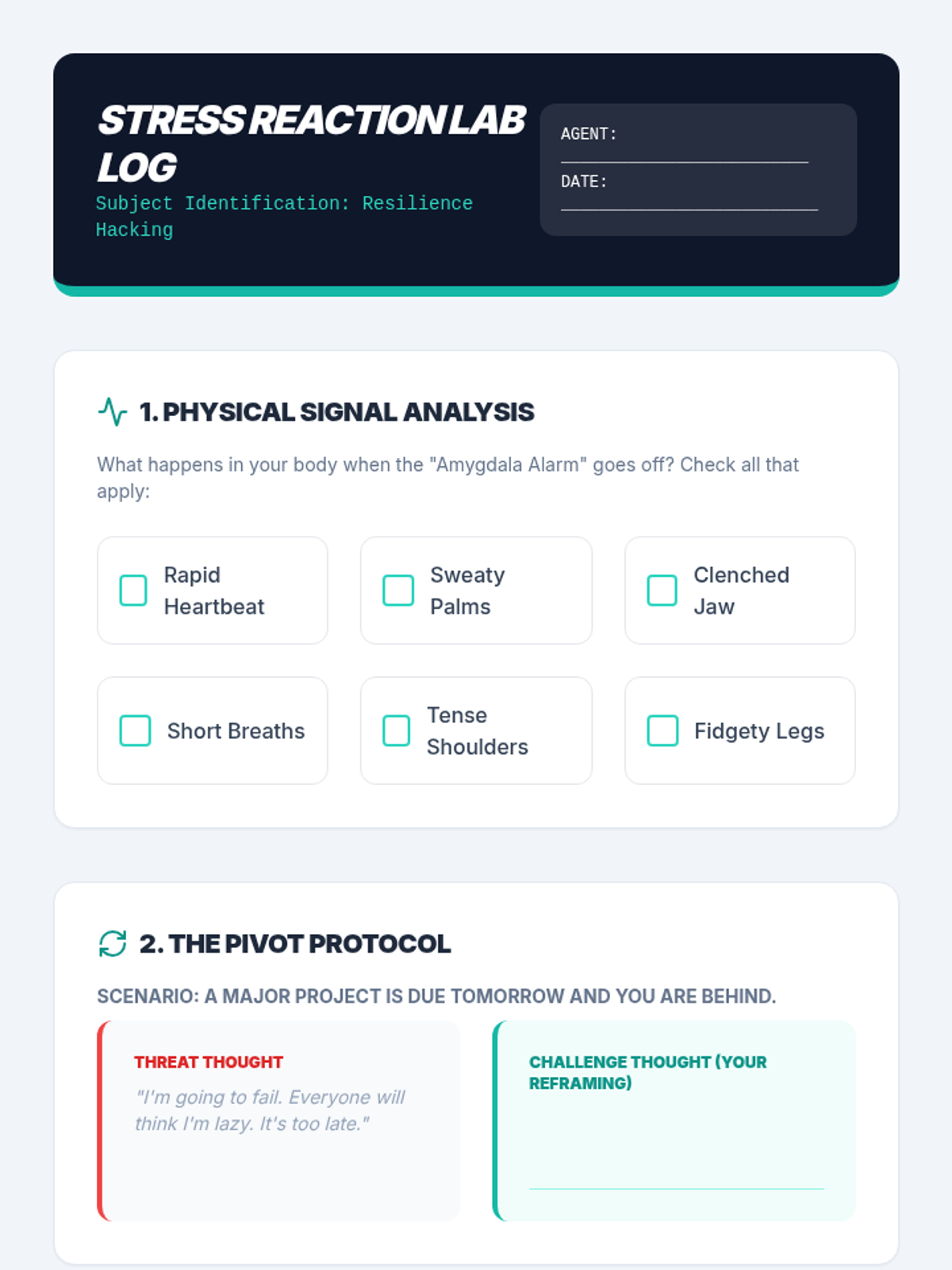
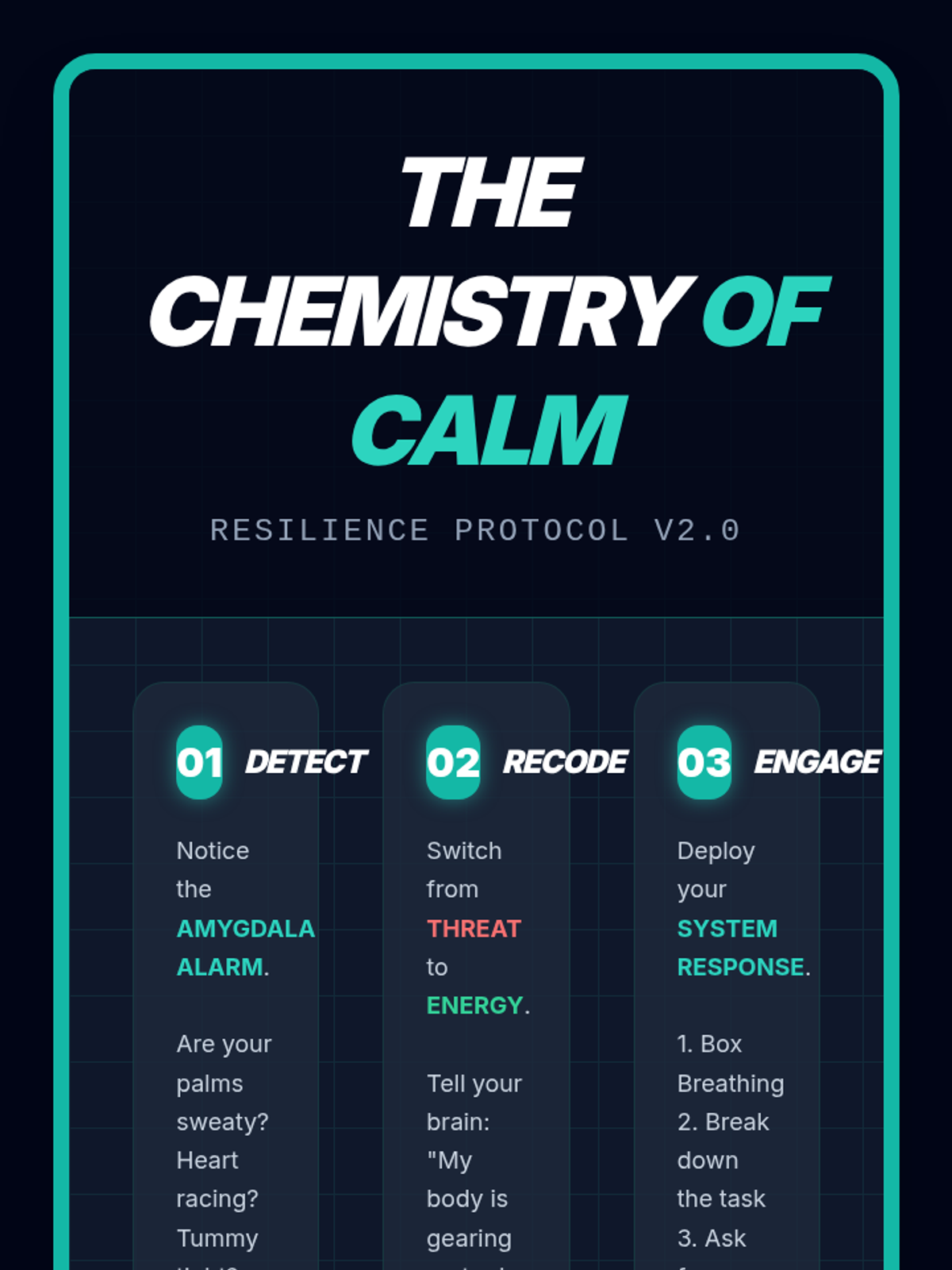
A science-themed lesson that teaches students to manage test anxiety by treating their physical stress responses as laboratory experiments, testing different 'calm-down formulas' to find their personal best stress-neutralizers.
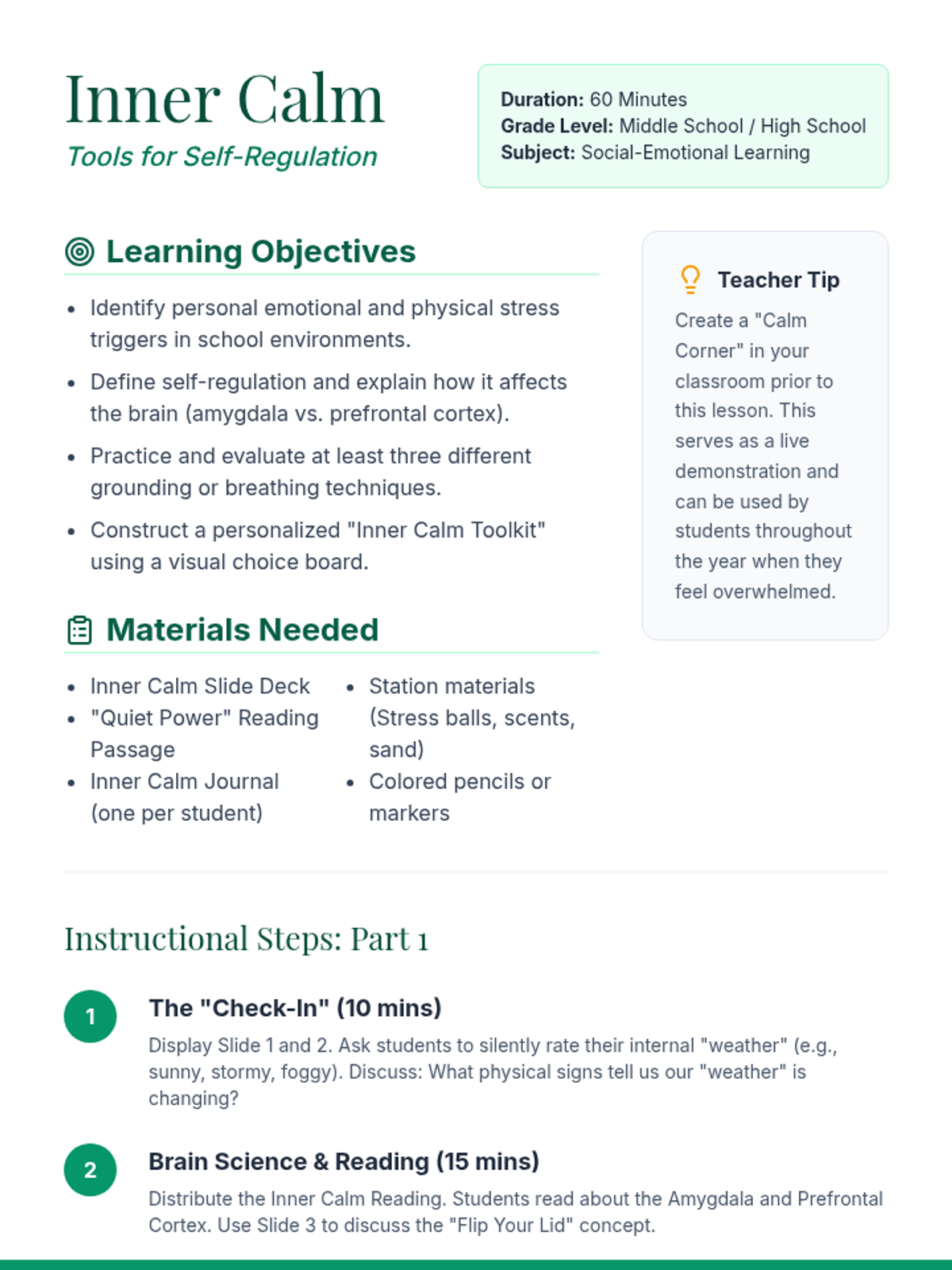
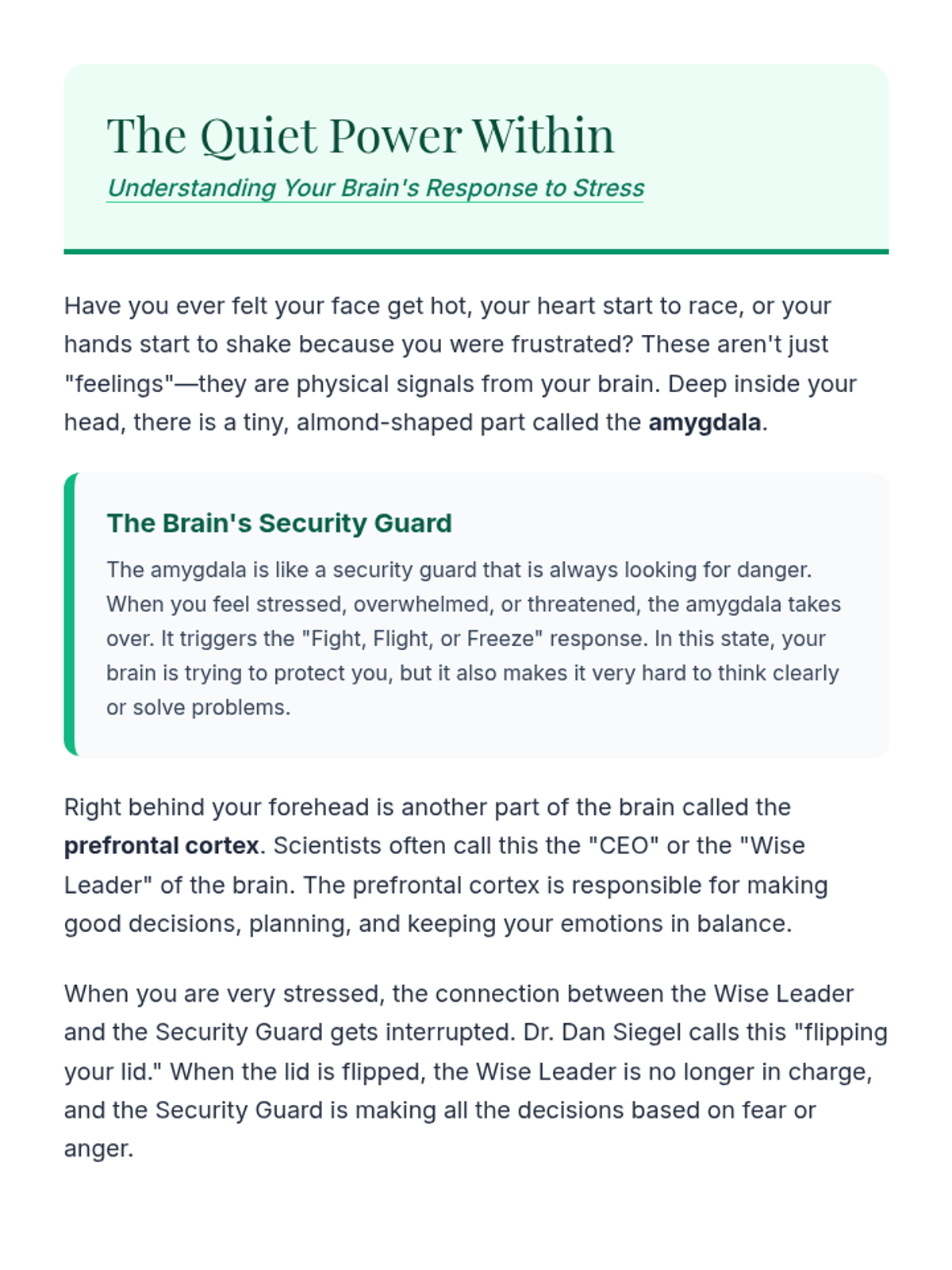
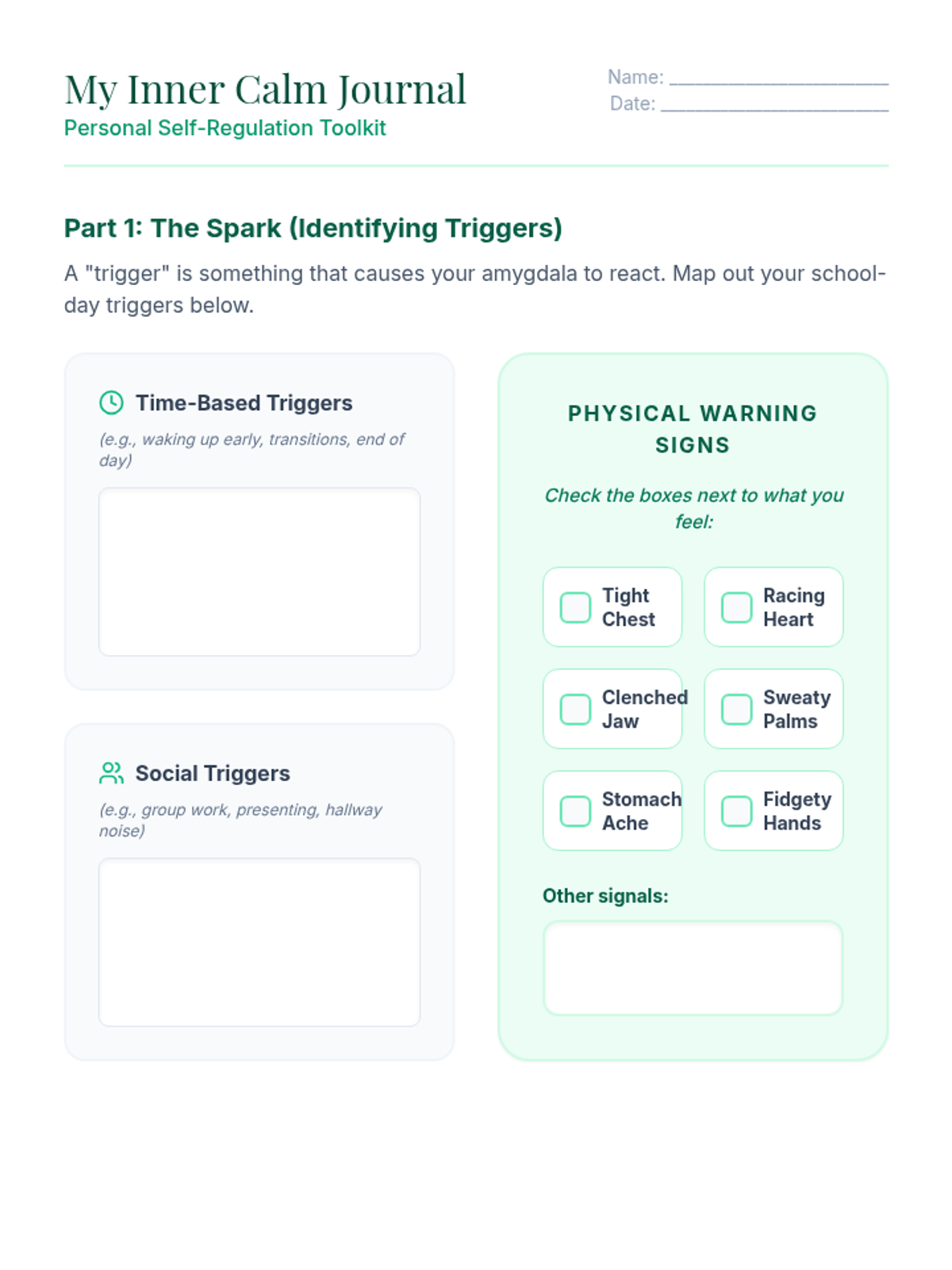
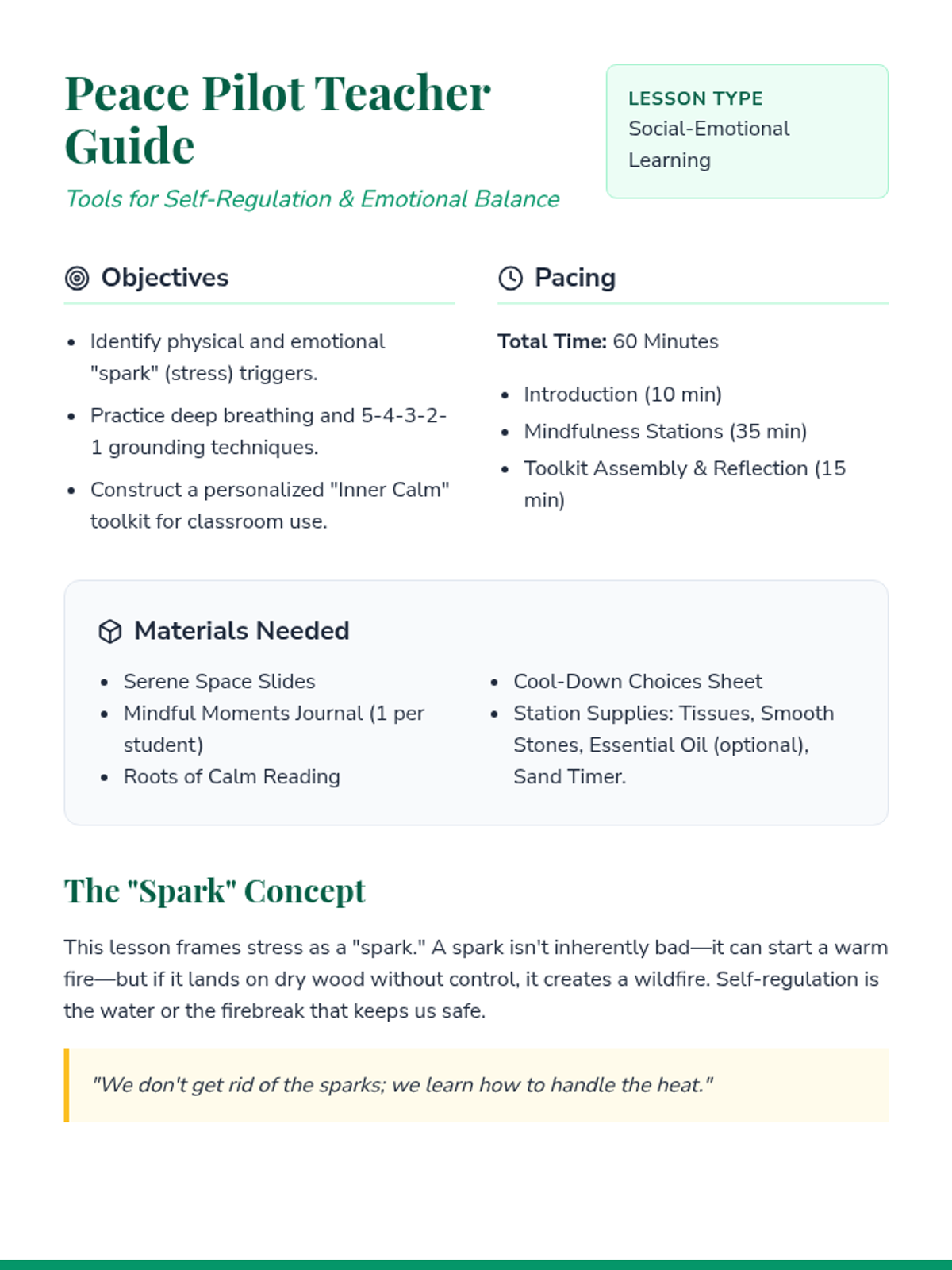
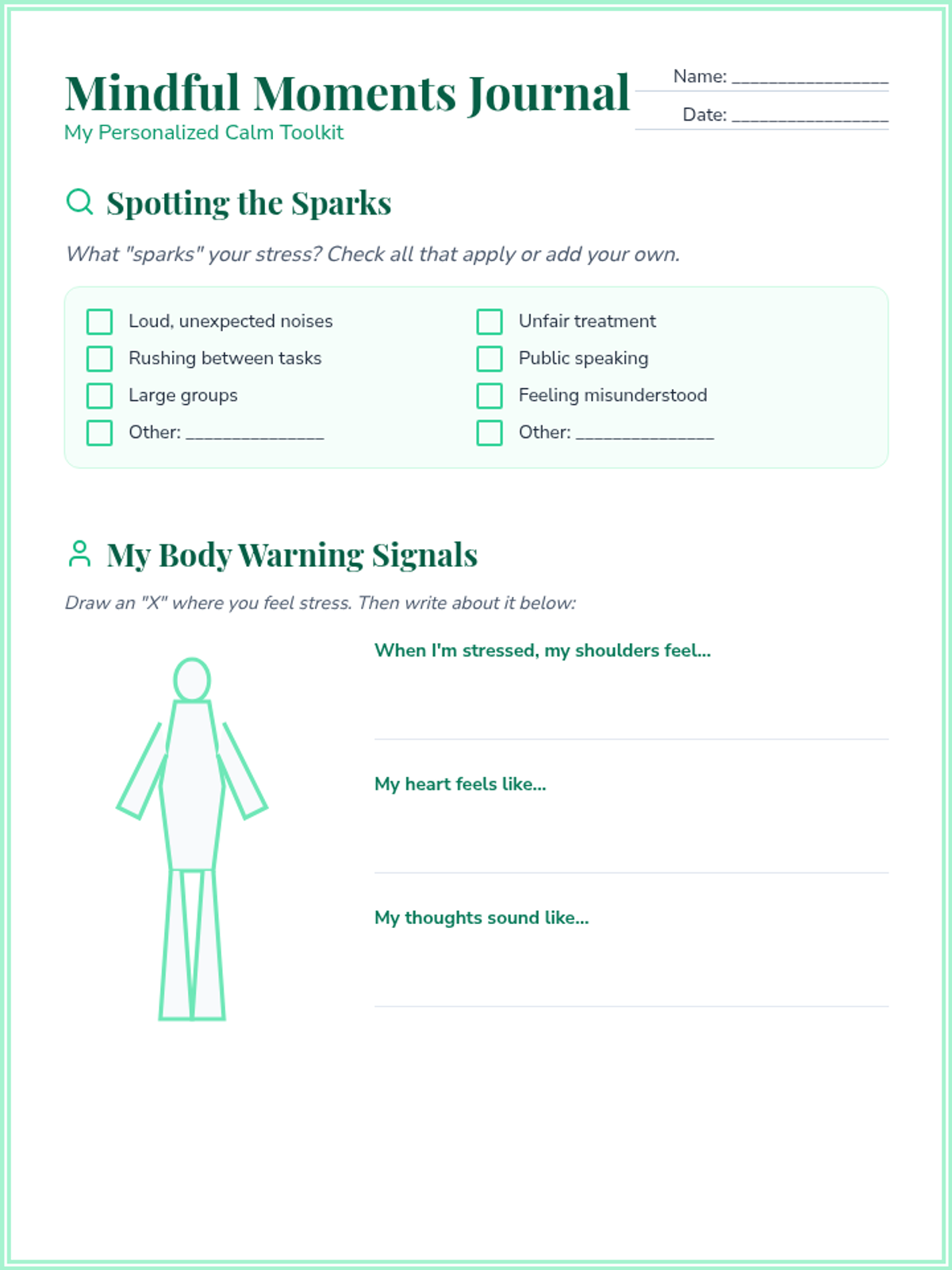
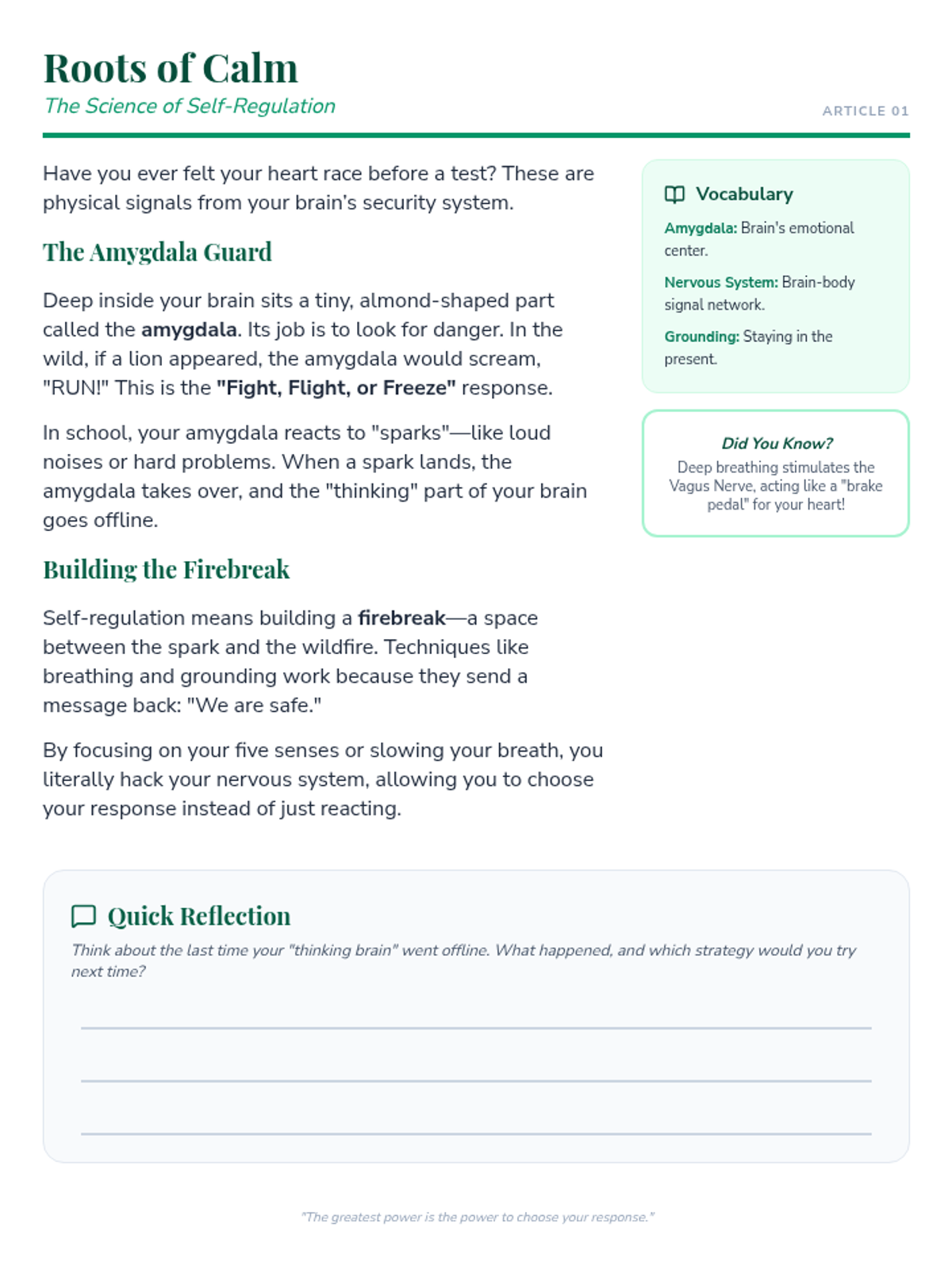
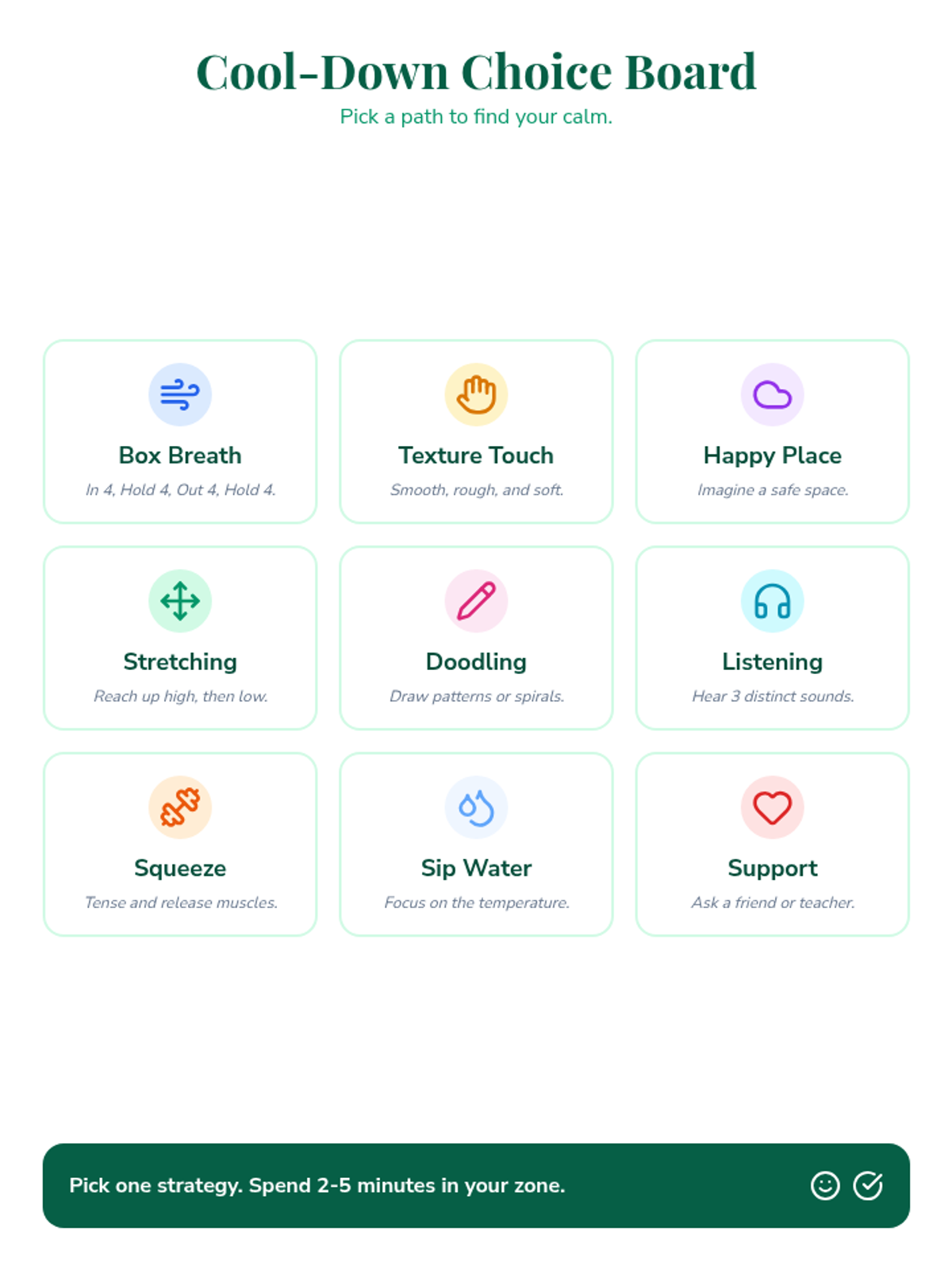
A comprehensive lesson on self-regulation where students identify stress triggers and build a personalized toolkit of mindfulness and grounding strategies.
Students explore personal stress triggers and develop a personalized toolkit of mindfulness and grounding strategies through hands-on stations and reflective journaling.
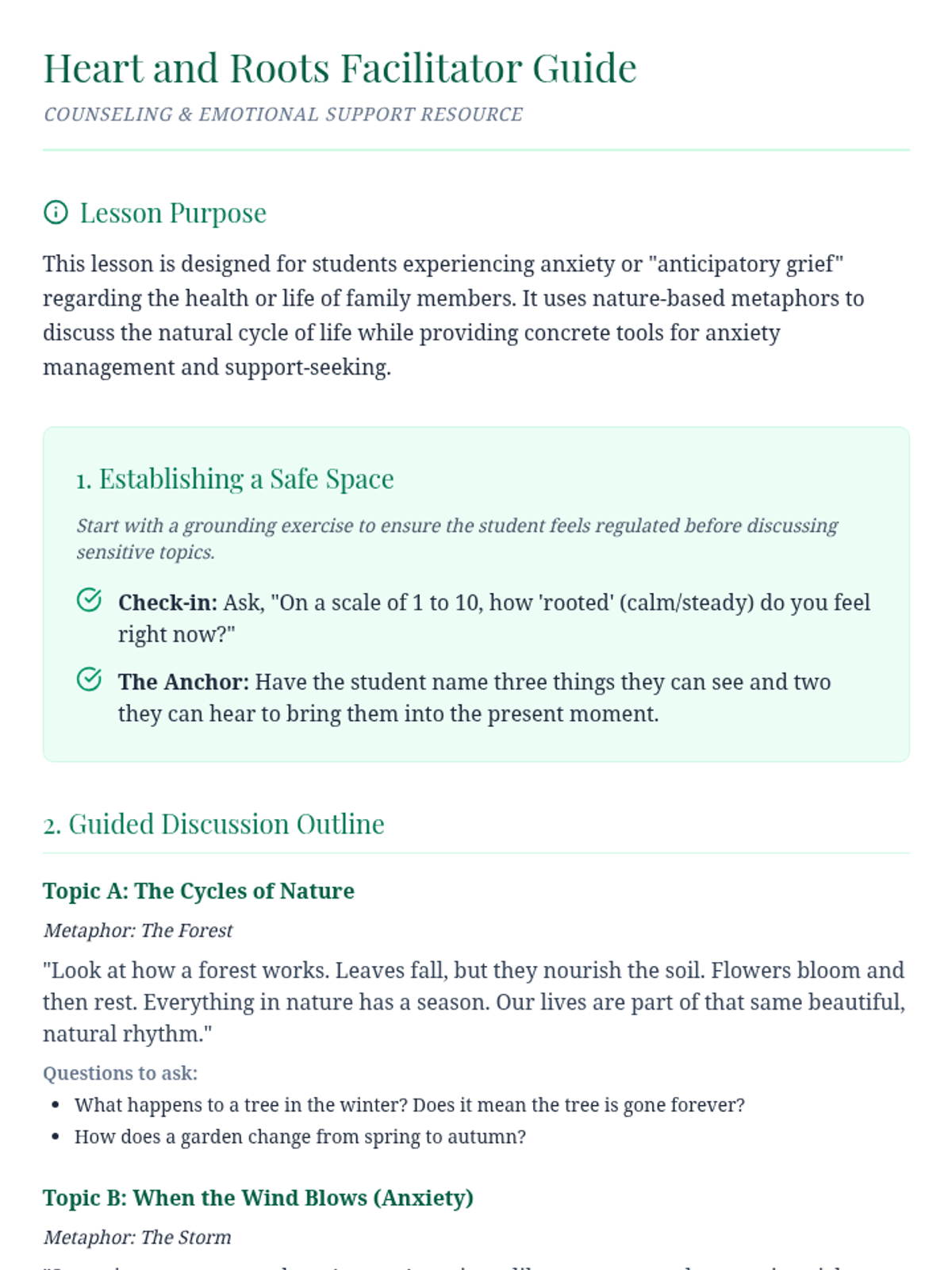
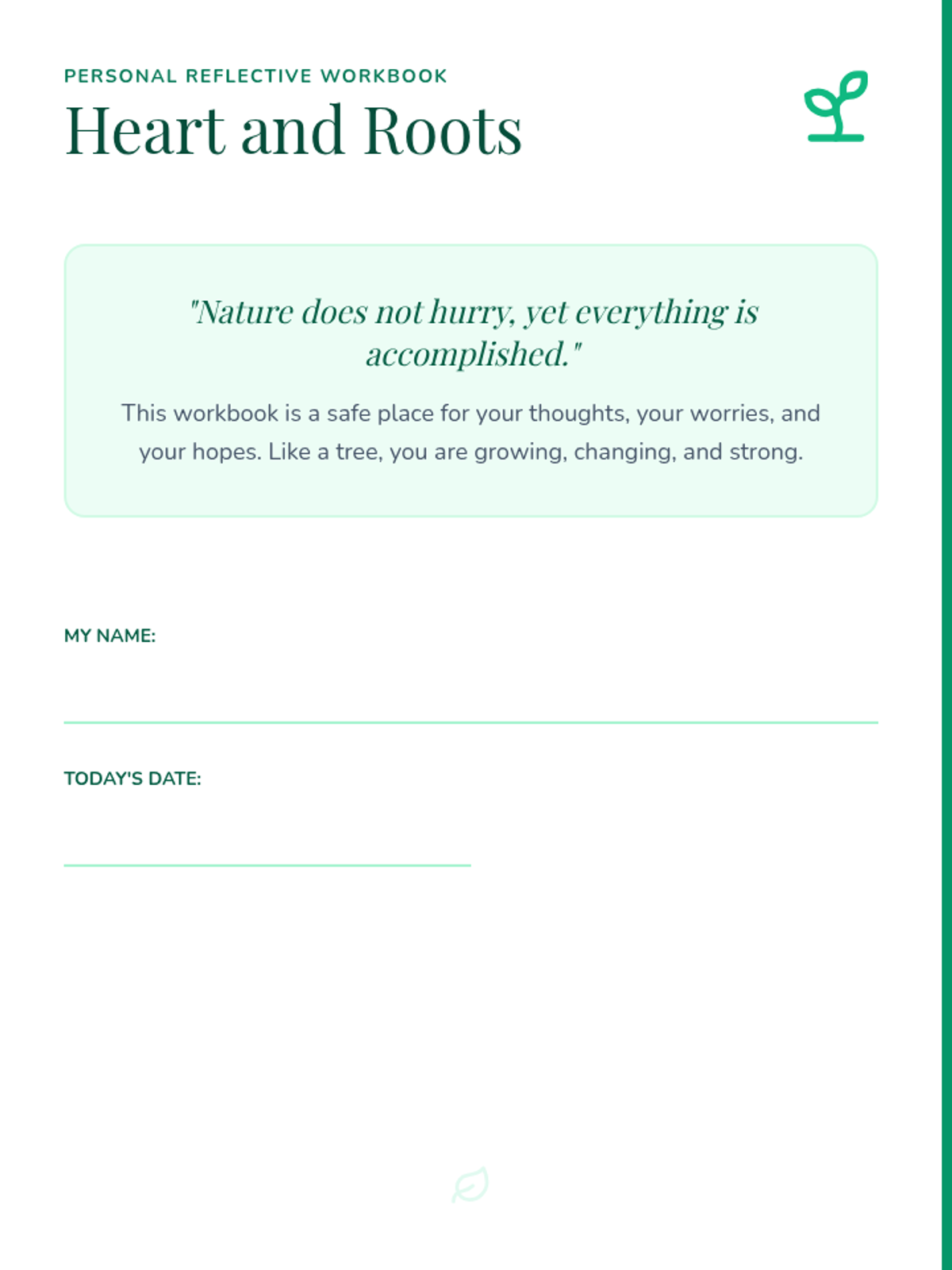
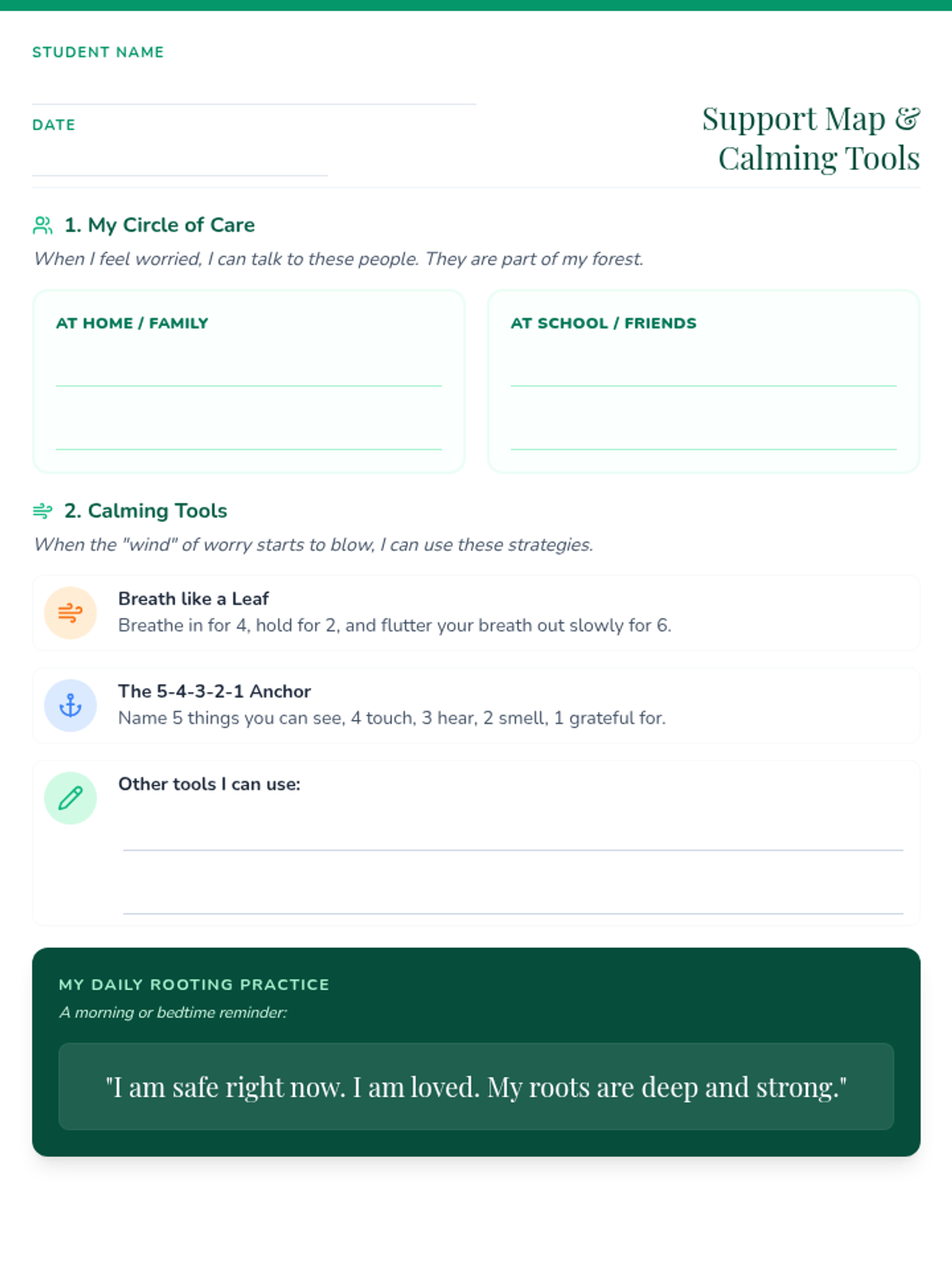
A sensitive and supportive lesson designed to help students navigate anxiety regarding the loss of loved ones through nature metaphors, expressive art, and identifying support systems.
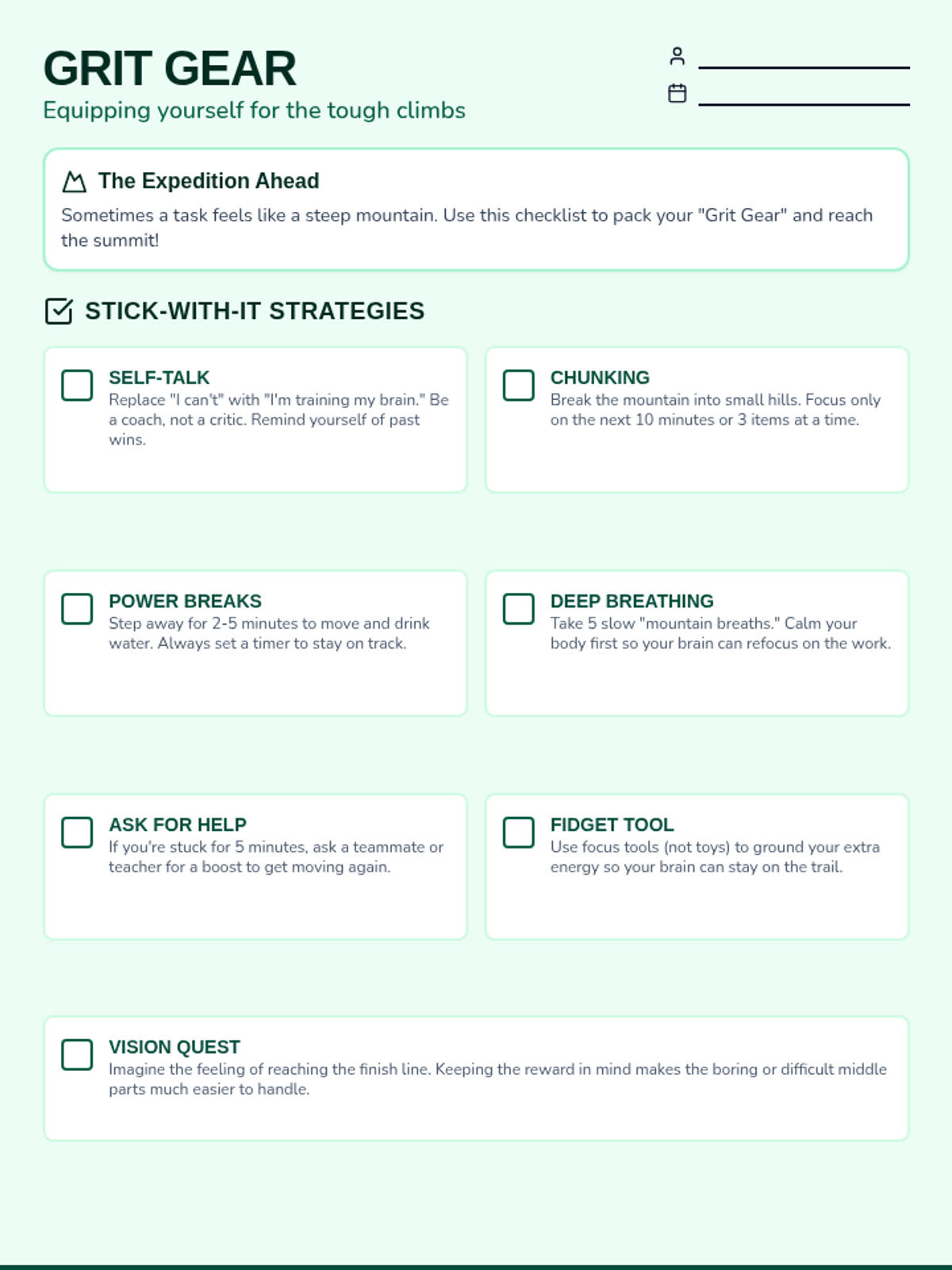
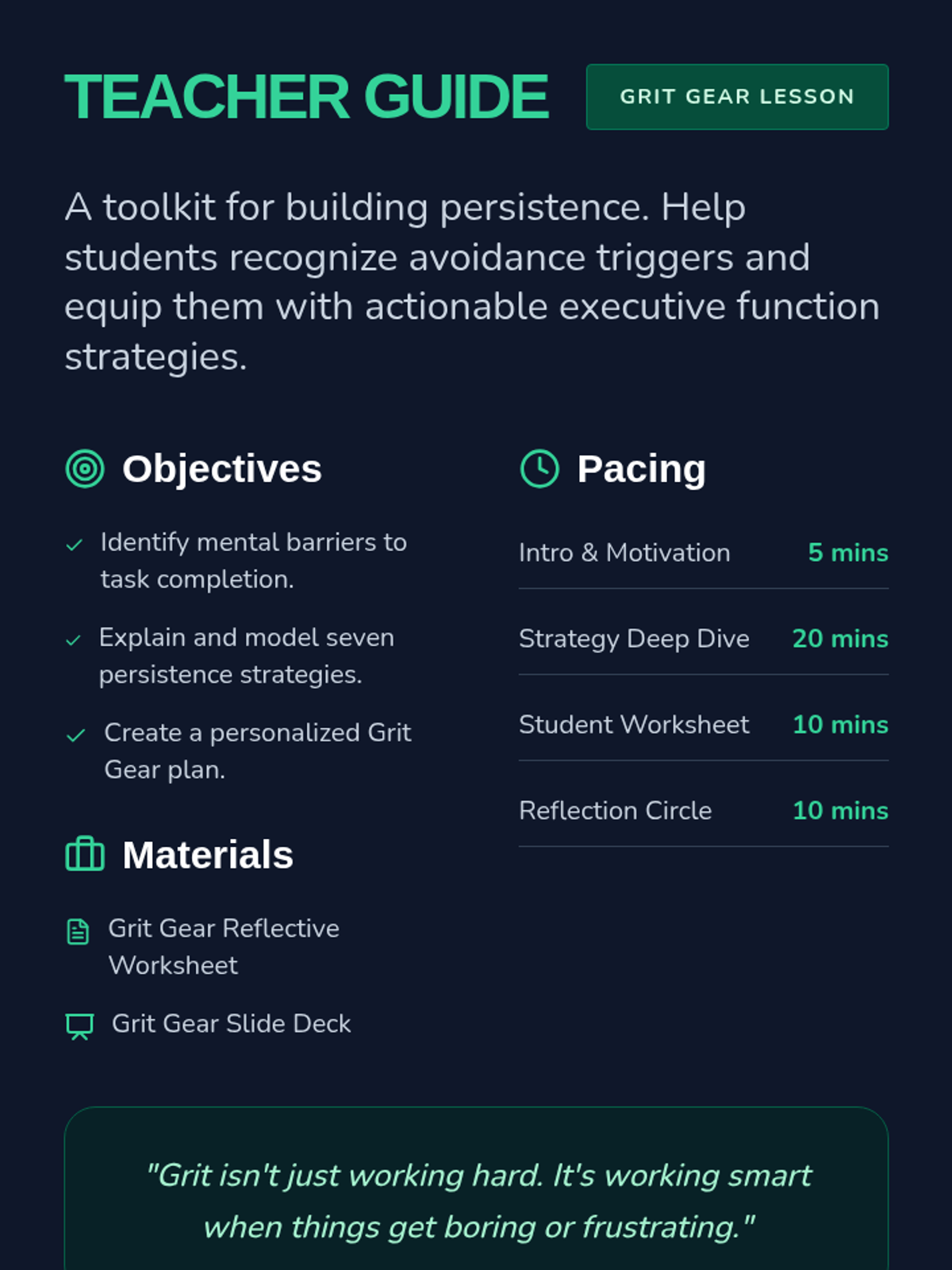
A lesson focused on equipping students with practical strategies to maintain focus and persistence during difficult or monotonous tasks.
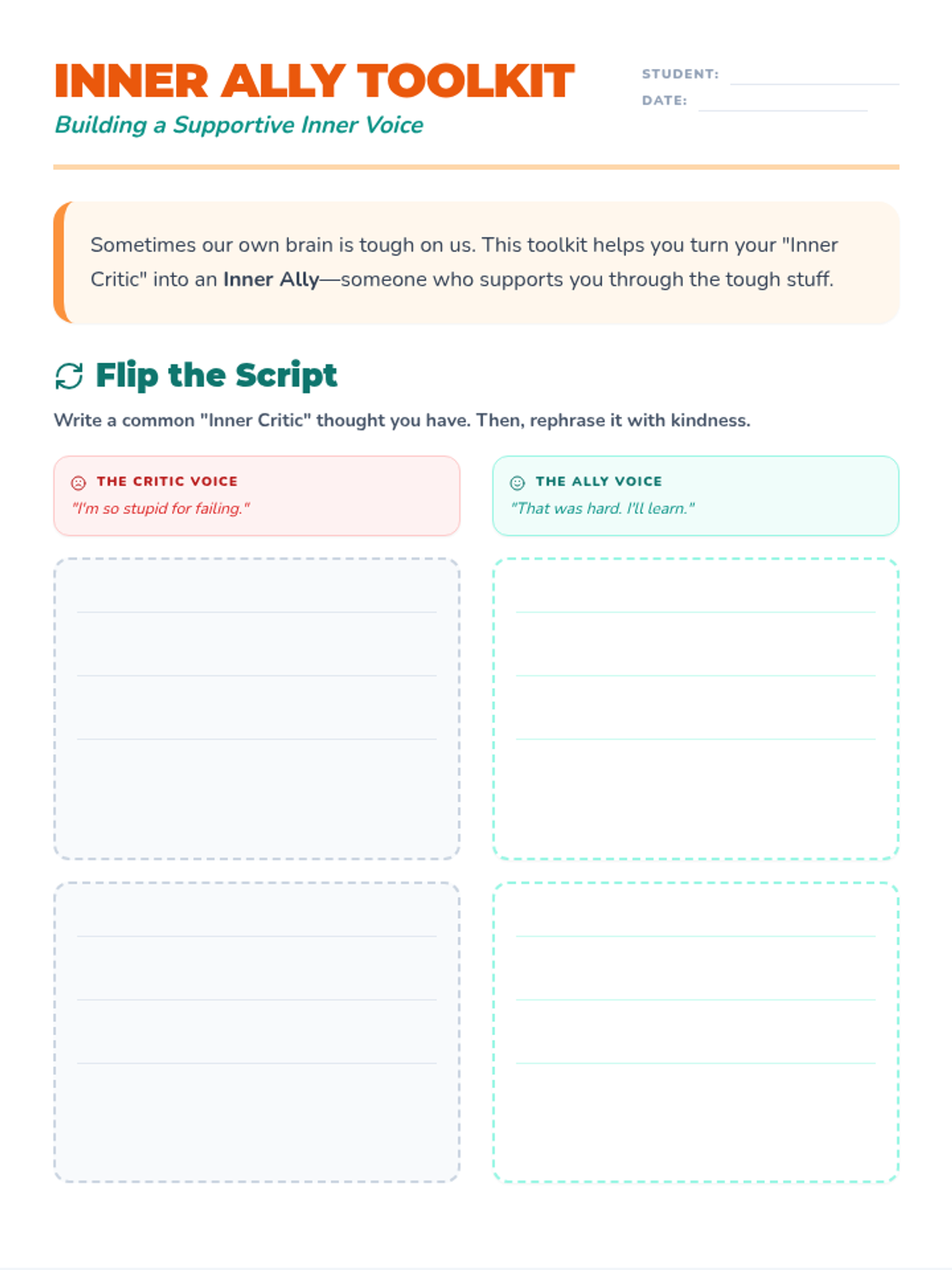
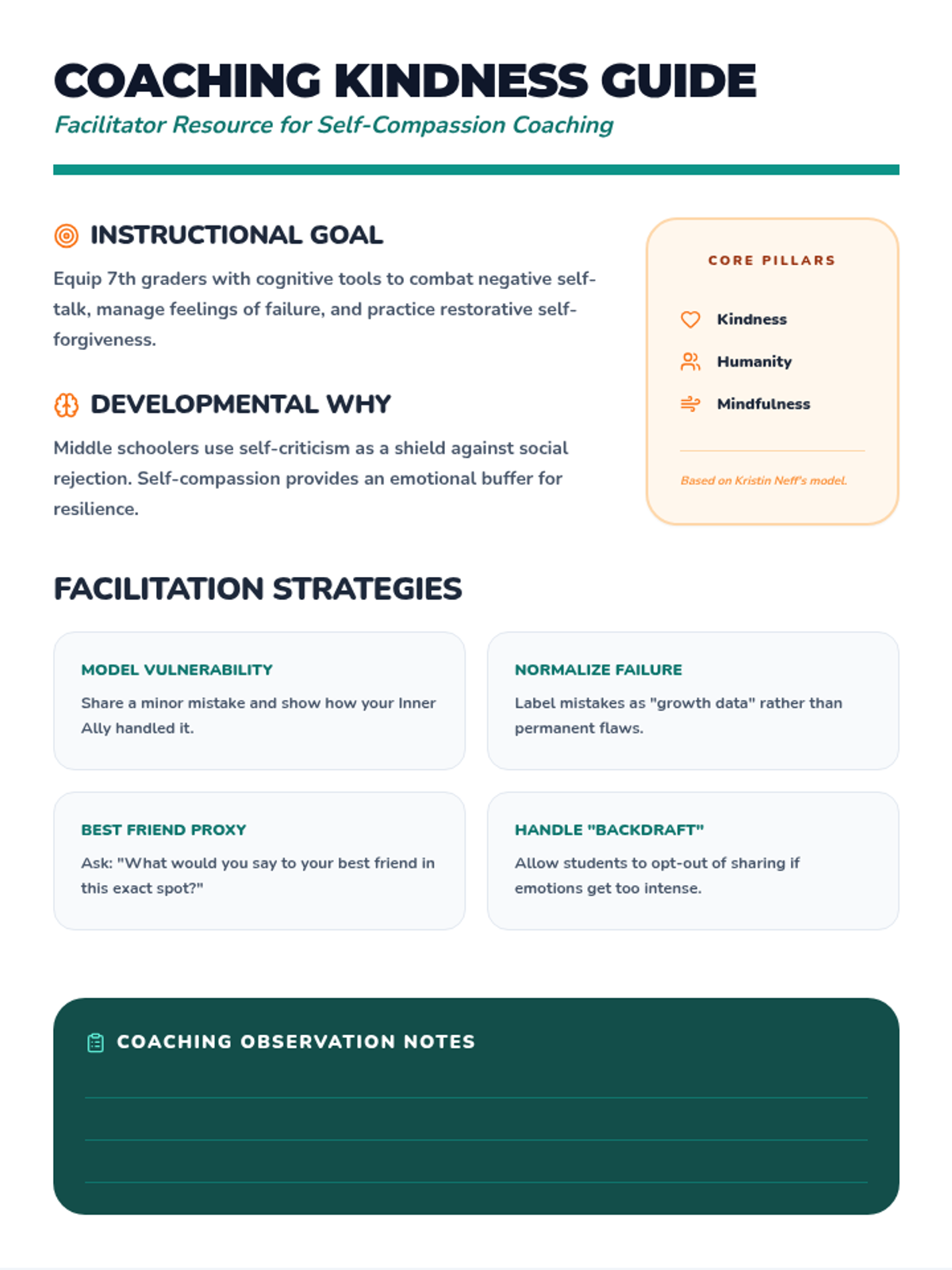
A supportive lesson for middle schoolers focused on developing self-compassion and the ability to forgive oneself after mistakes or difficult days. Students learn to identify their inner critic and cultivate a kind, supportive inner voice.
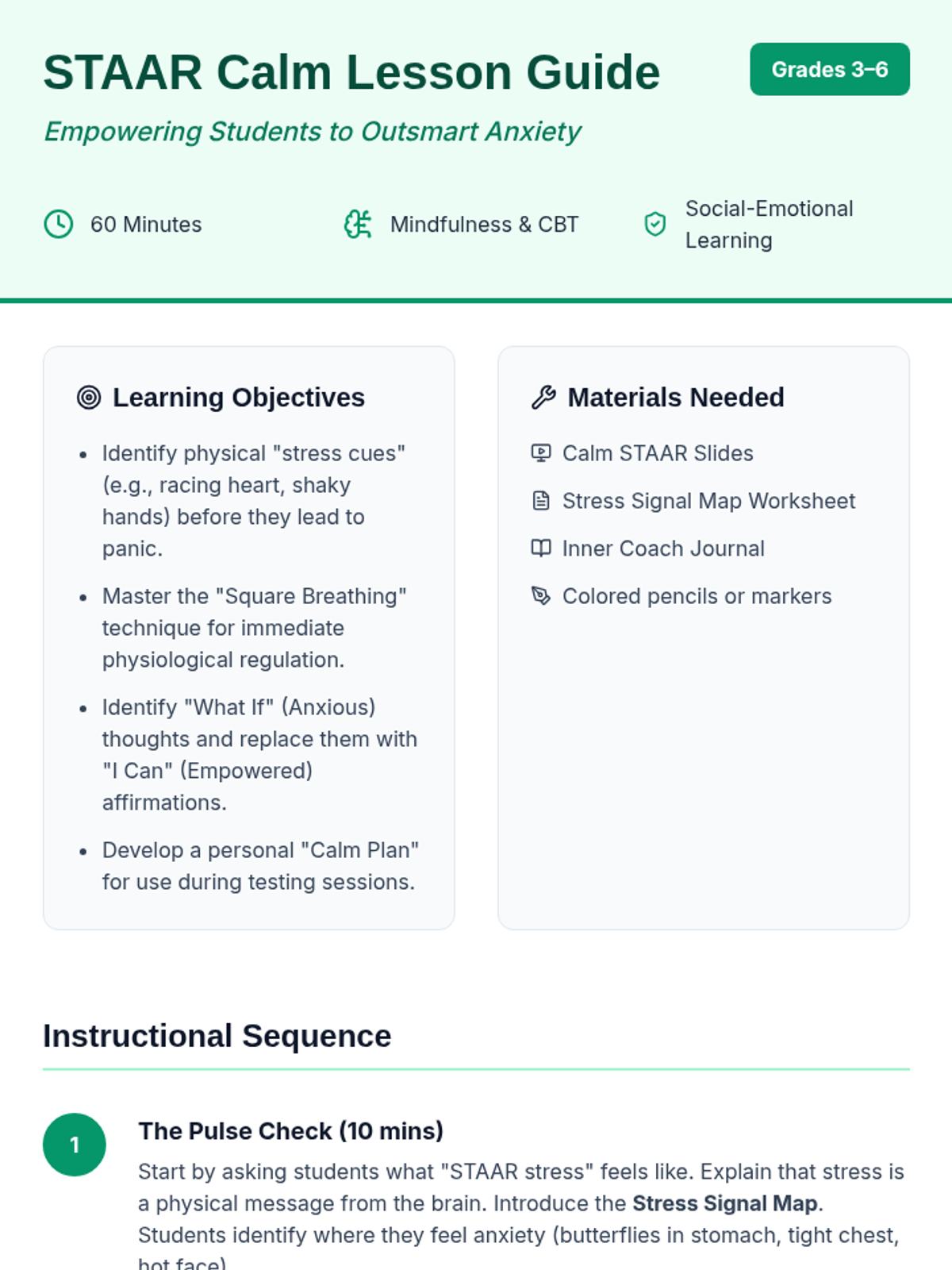
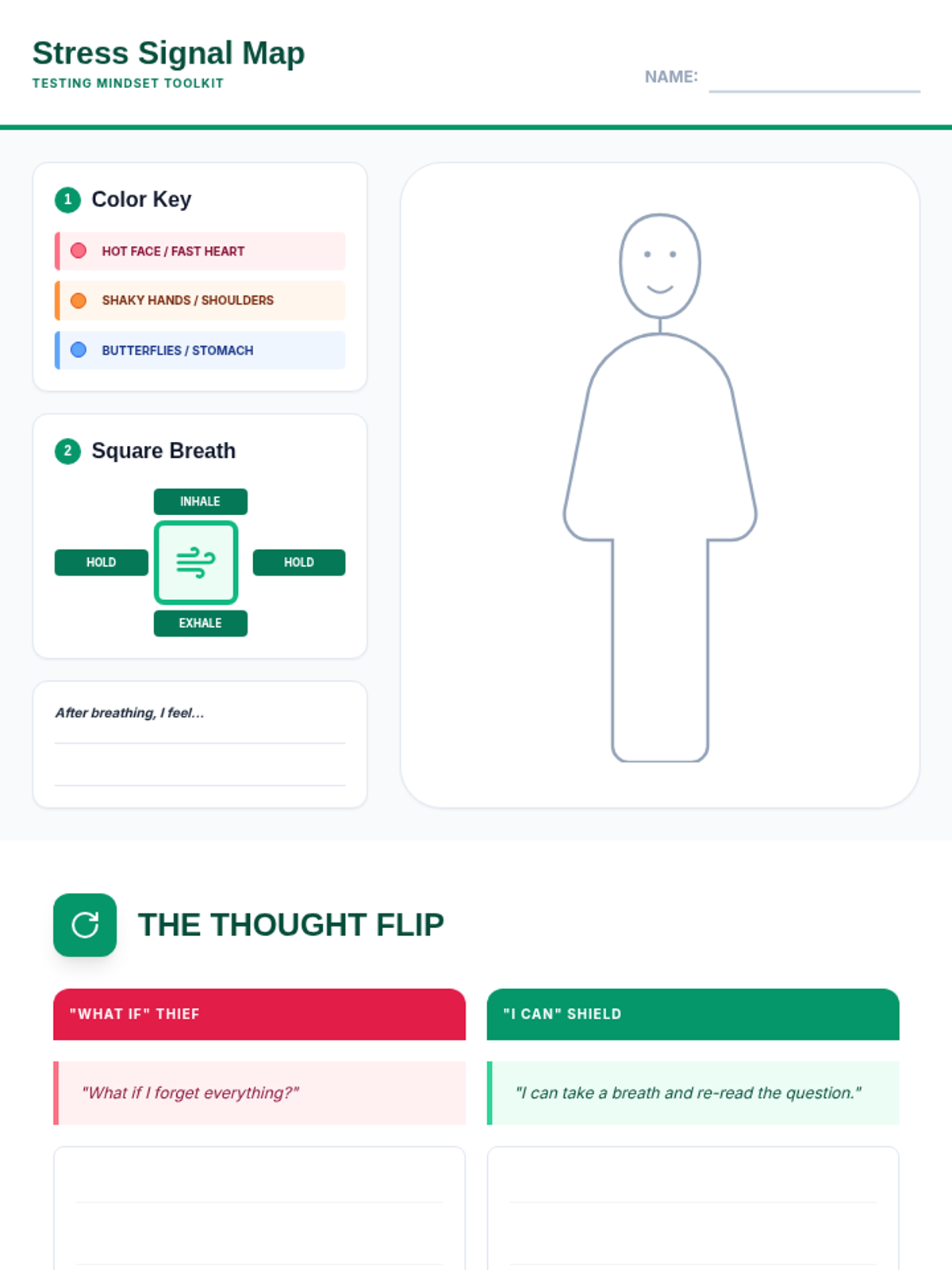
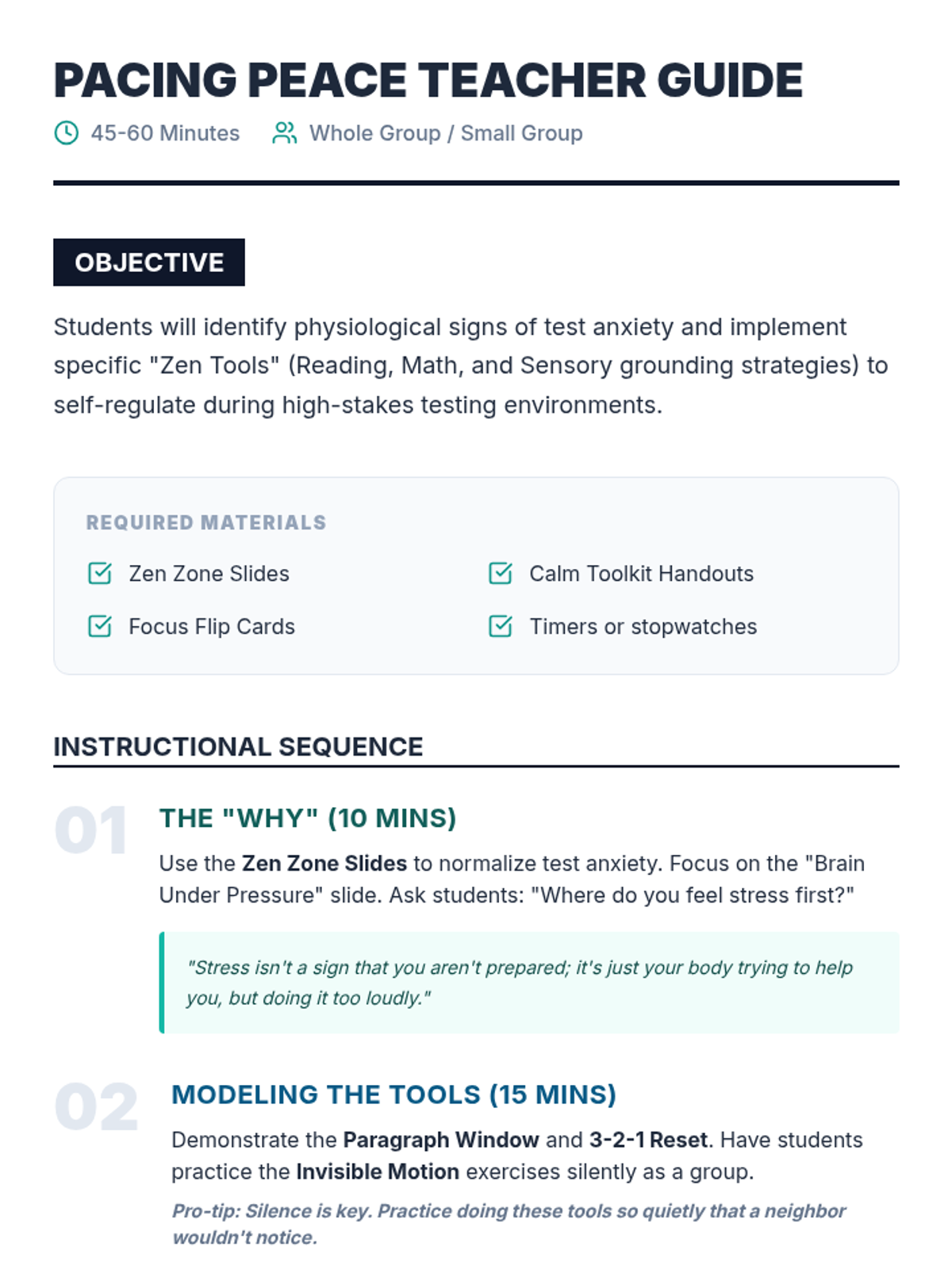
A comprehensive mindfulness workshop designed to equip 3rd-6th grade students with practical tools to manage testing anxiety, focusing on physiological awareness and cognitive reframing.
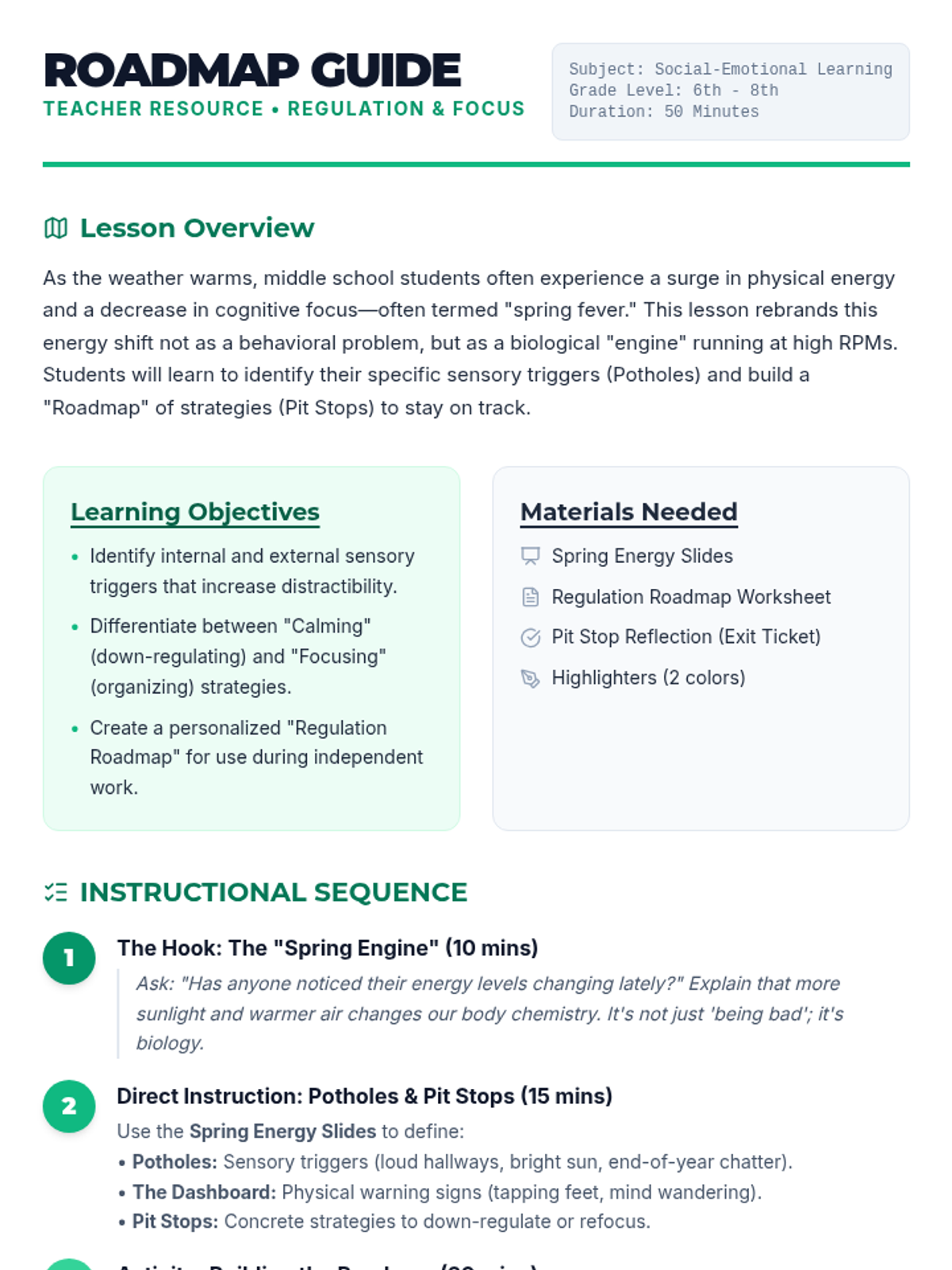
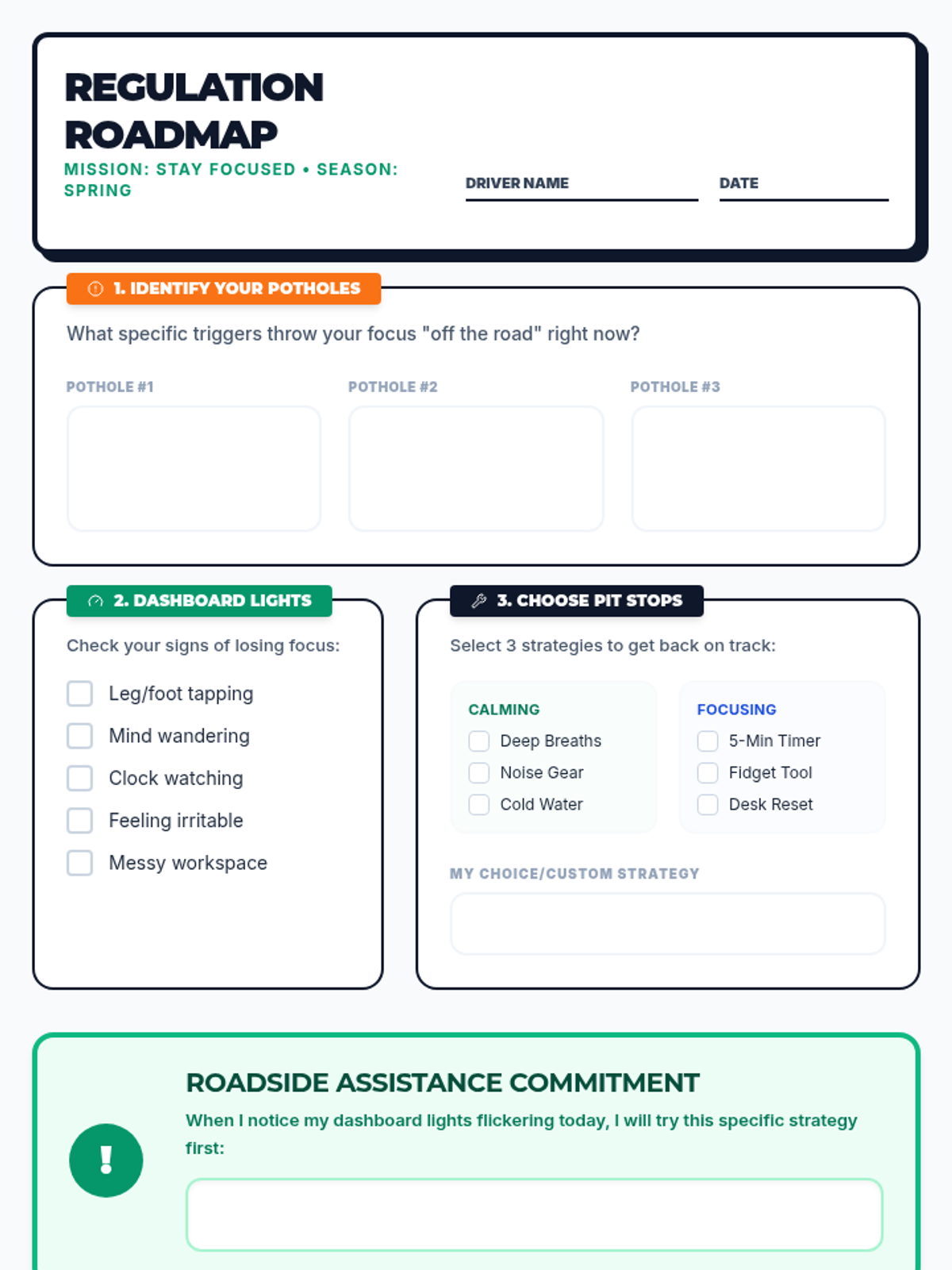
This lesson helps middle school students identify sensory triggers associated with seasonal energy shifts and develop a personalized regulation roadmap of calming and focusing strategies. Students explore the physiology of 'spring fever' and create a practical toolkit for maintaining focus during high-energy periods.
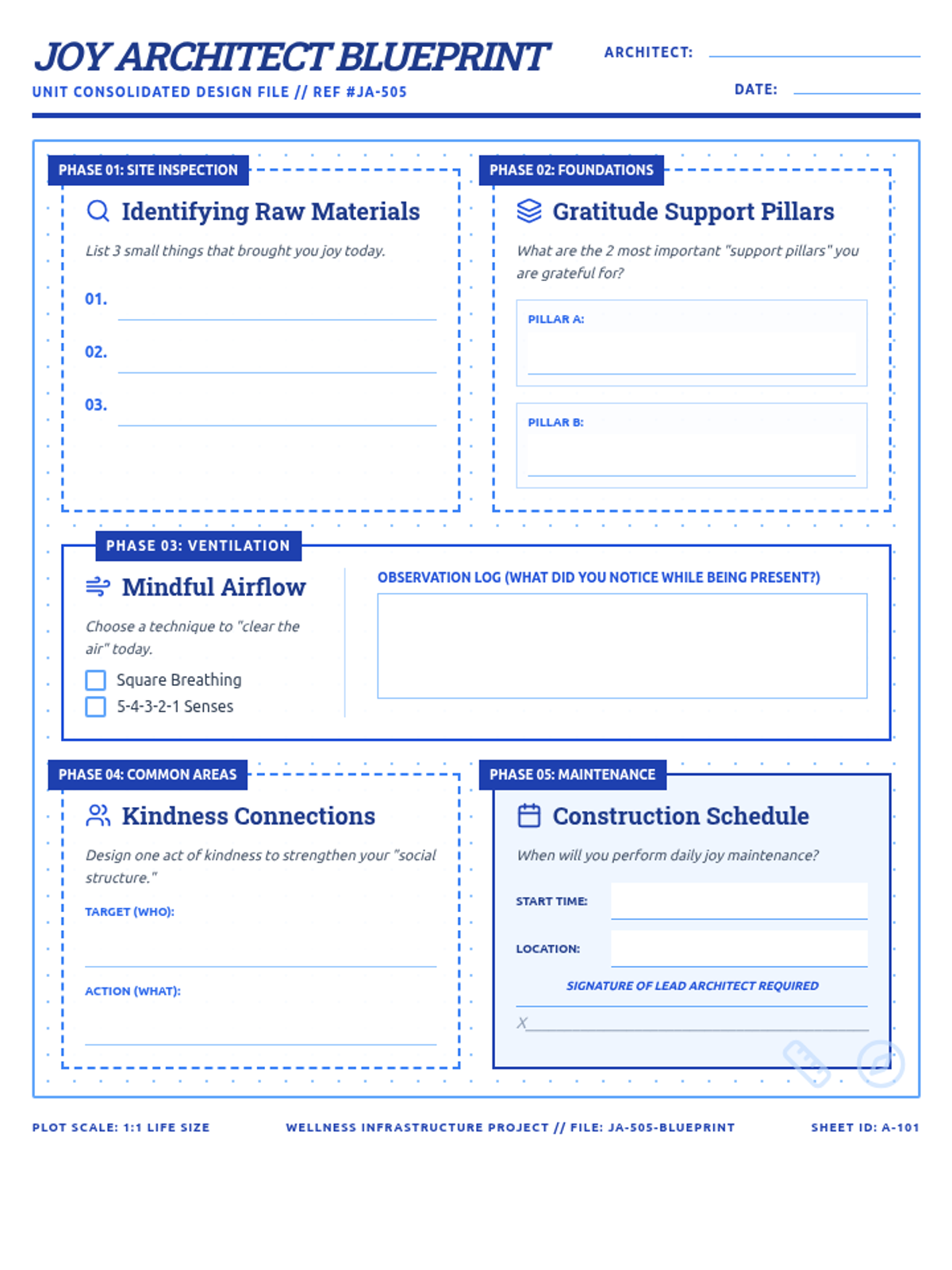
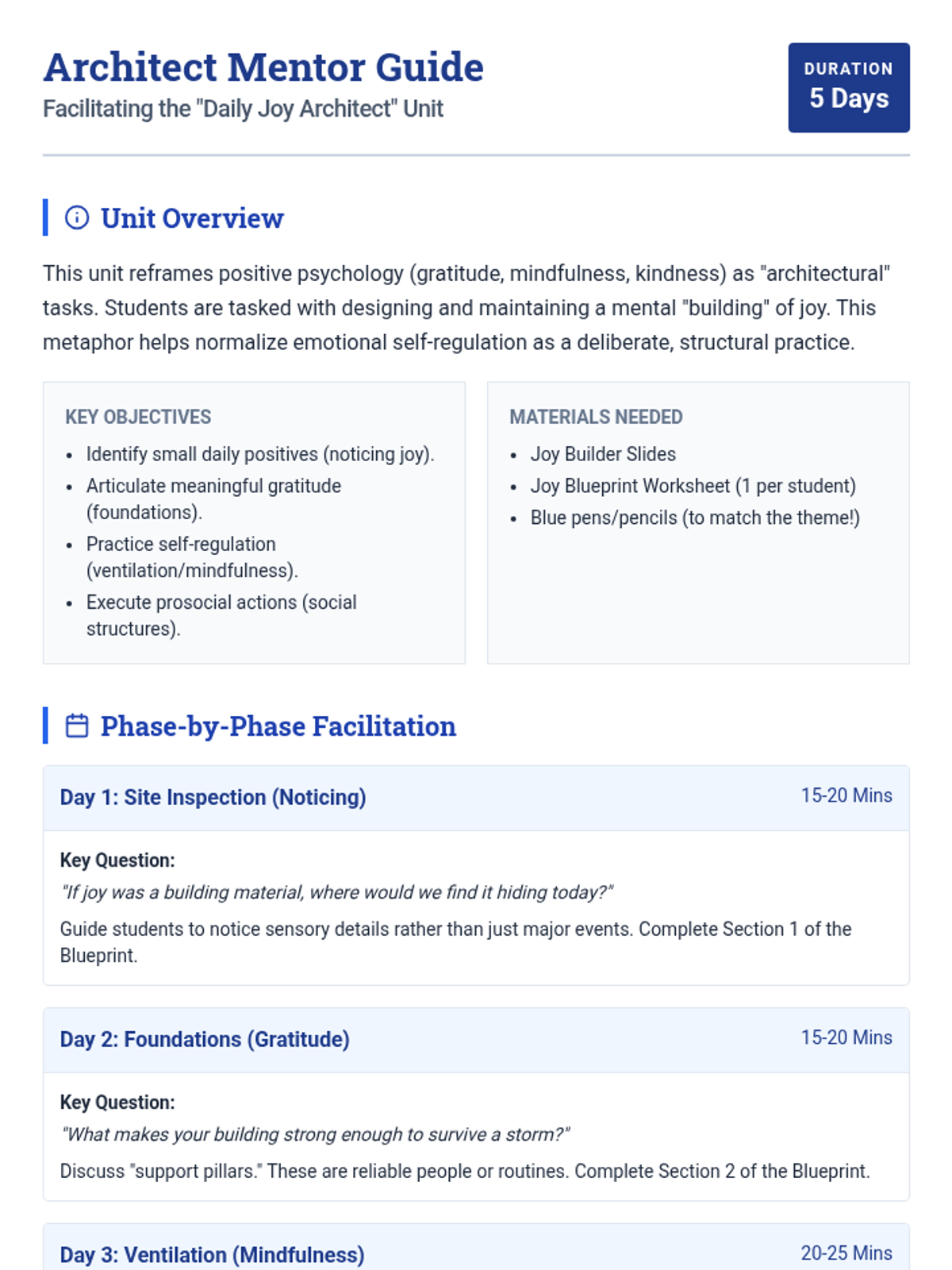
Finalizing the daily routine by creating a 'construction schedule' to keep the joy architecture maintained over time.
Students learn to identify 'raw materials' of joy—small, positive moments in their daily lives—and begin their joy site inspection.
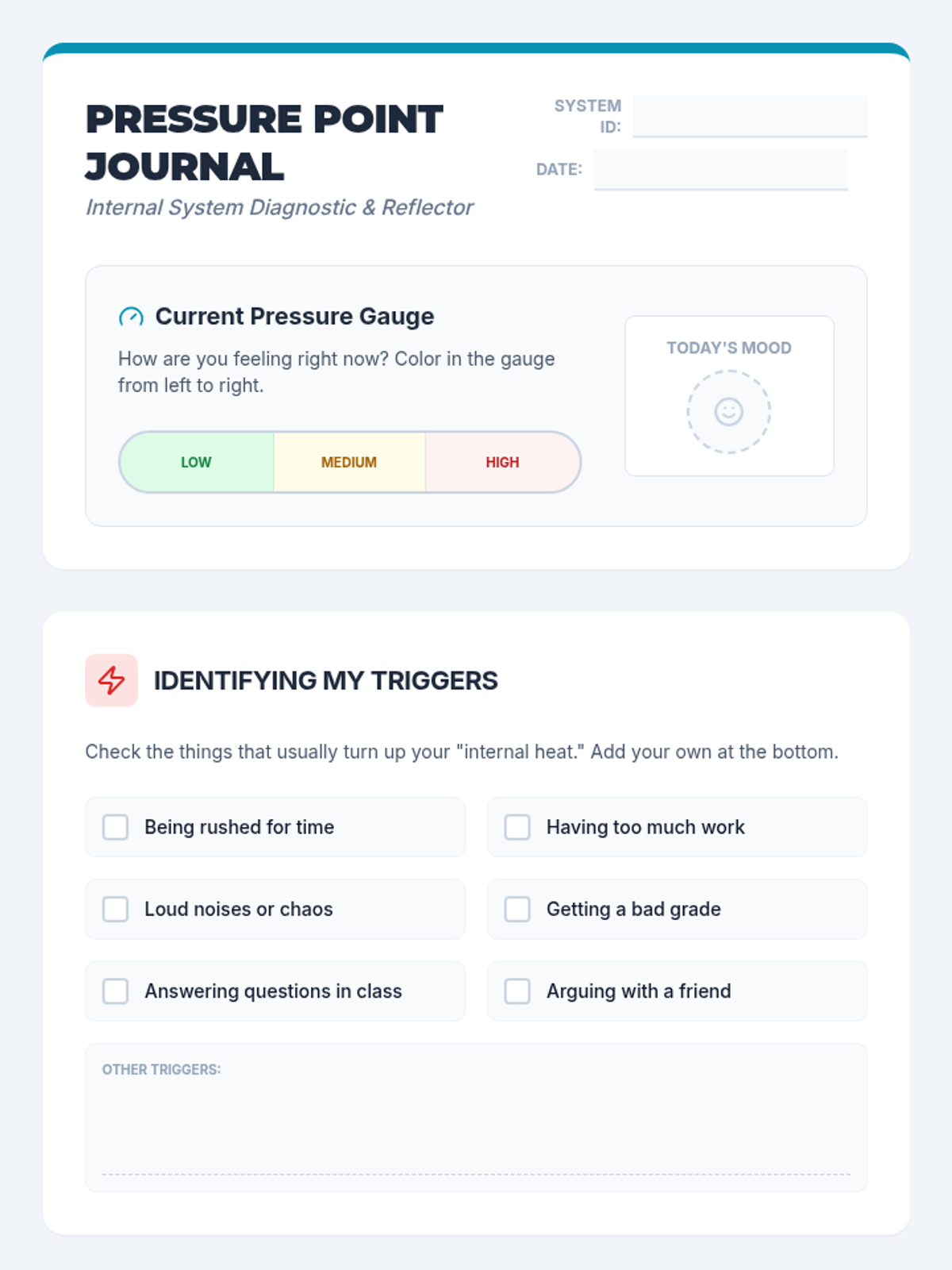
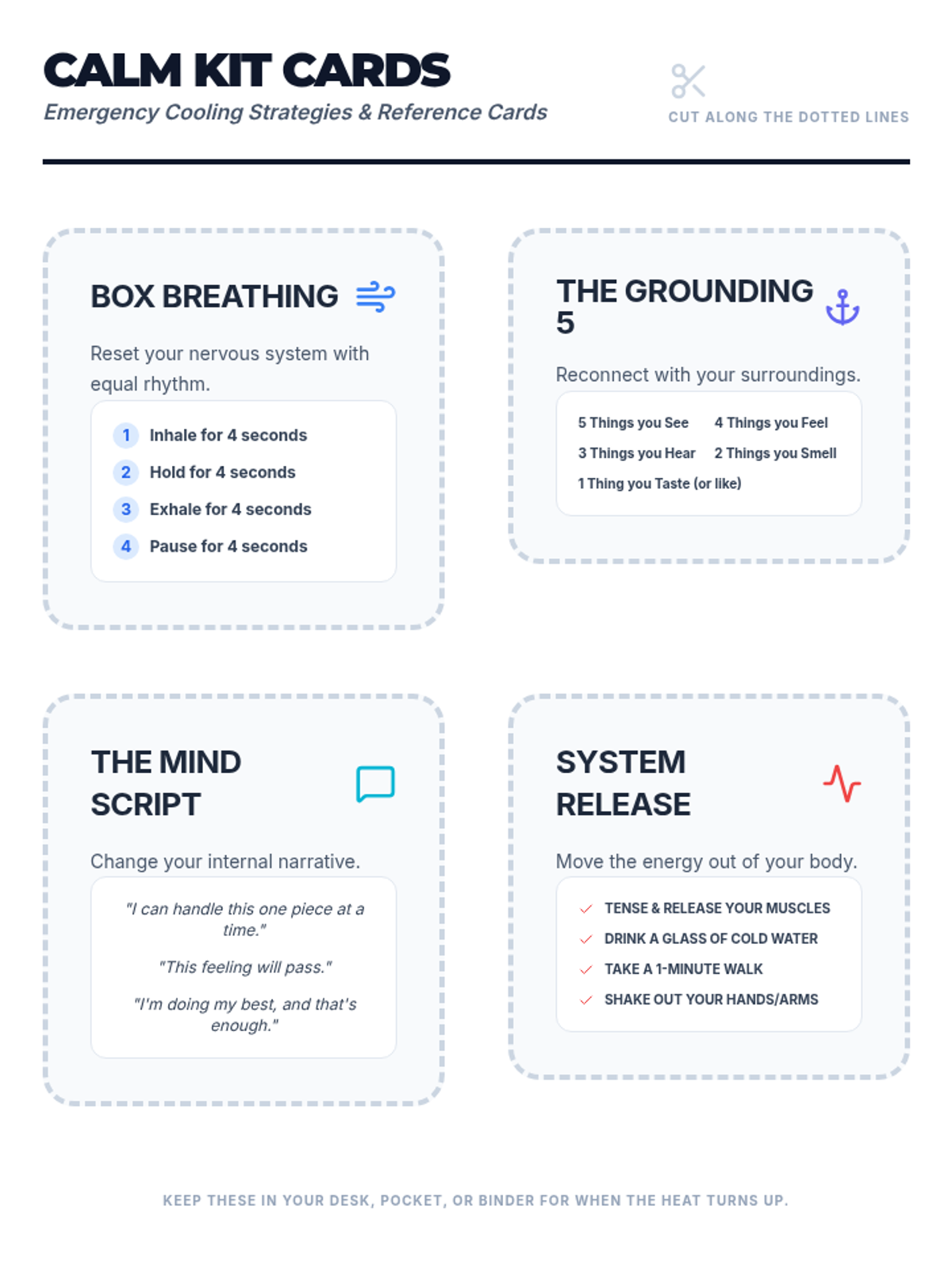
A self-reflection follow-up lesson focused on identifying emotional triggers and practicing coping strategies to manage stress and pressure.
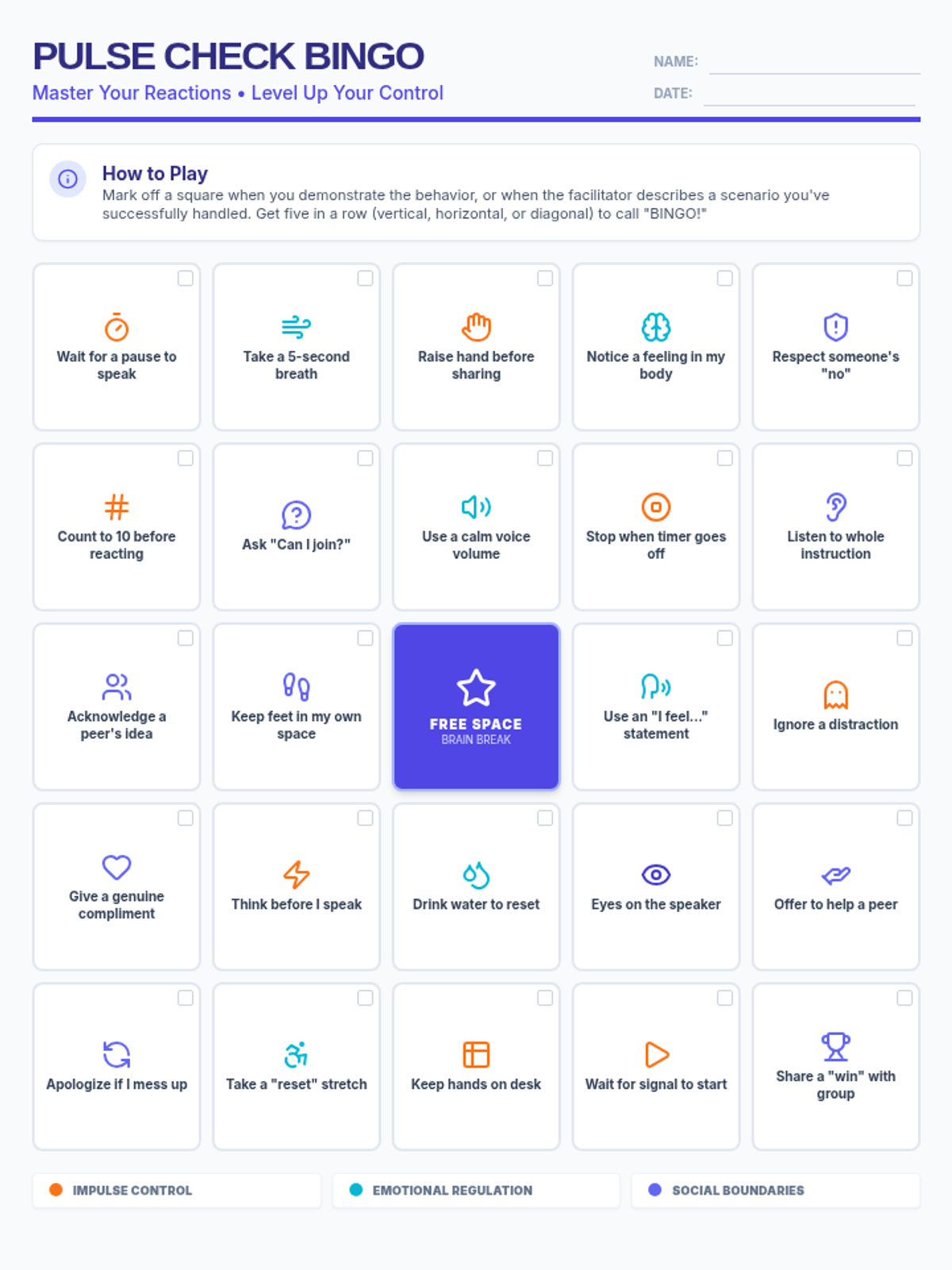
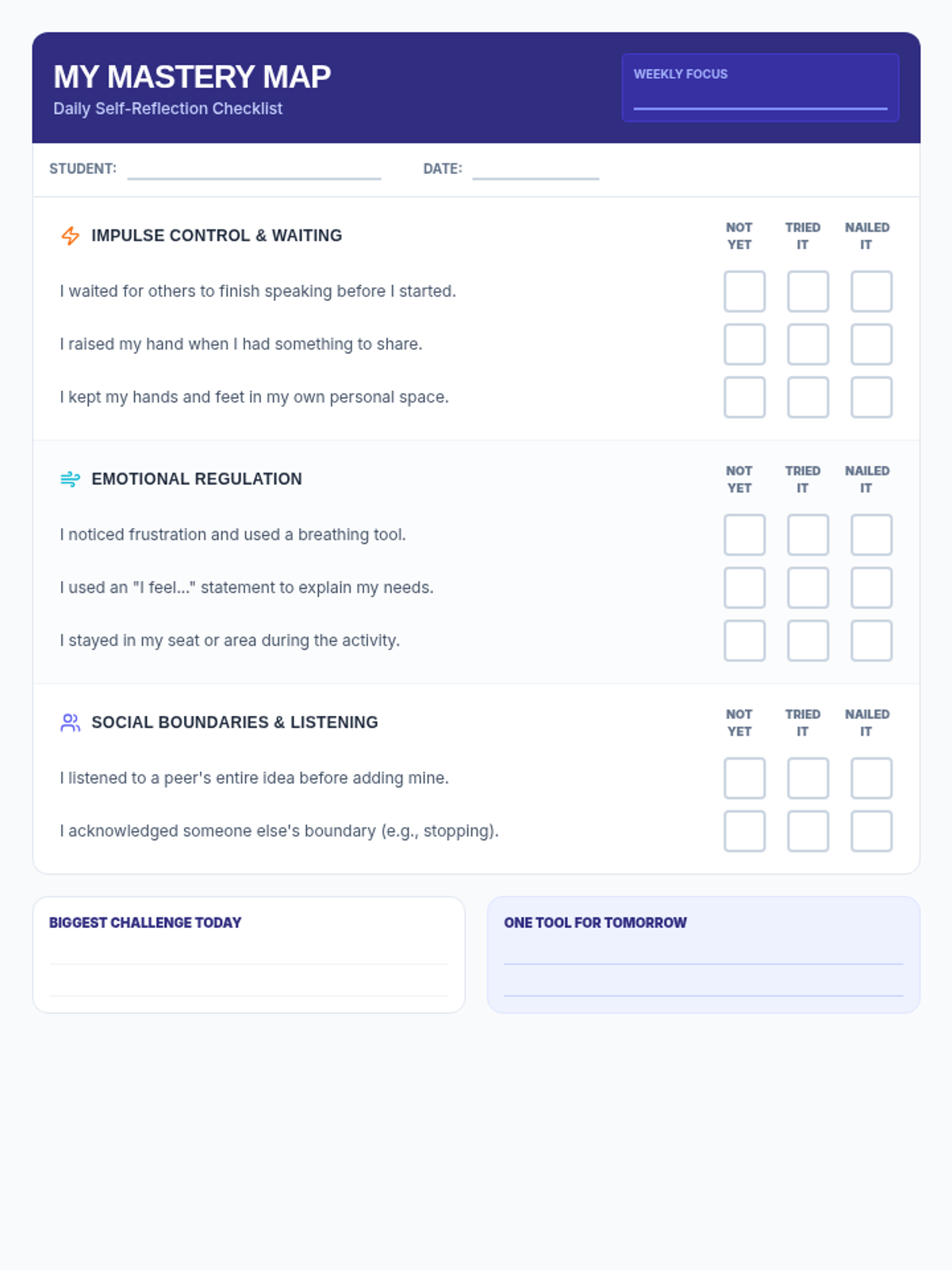
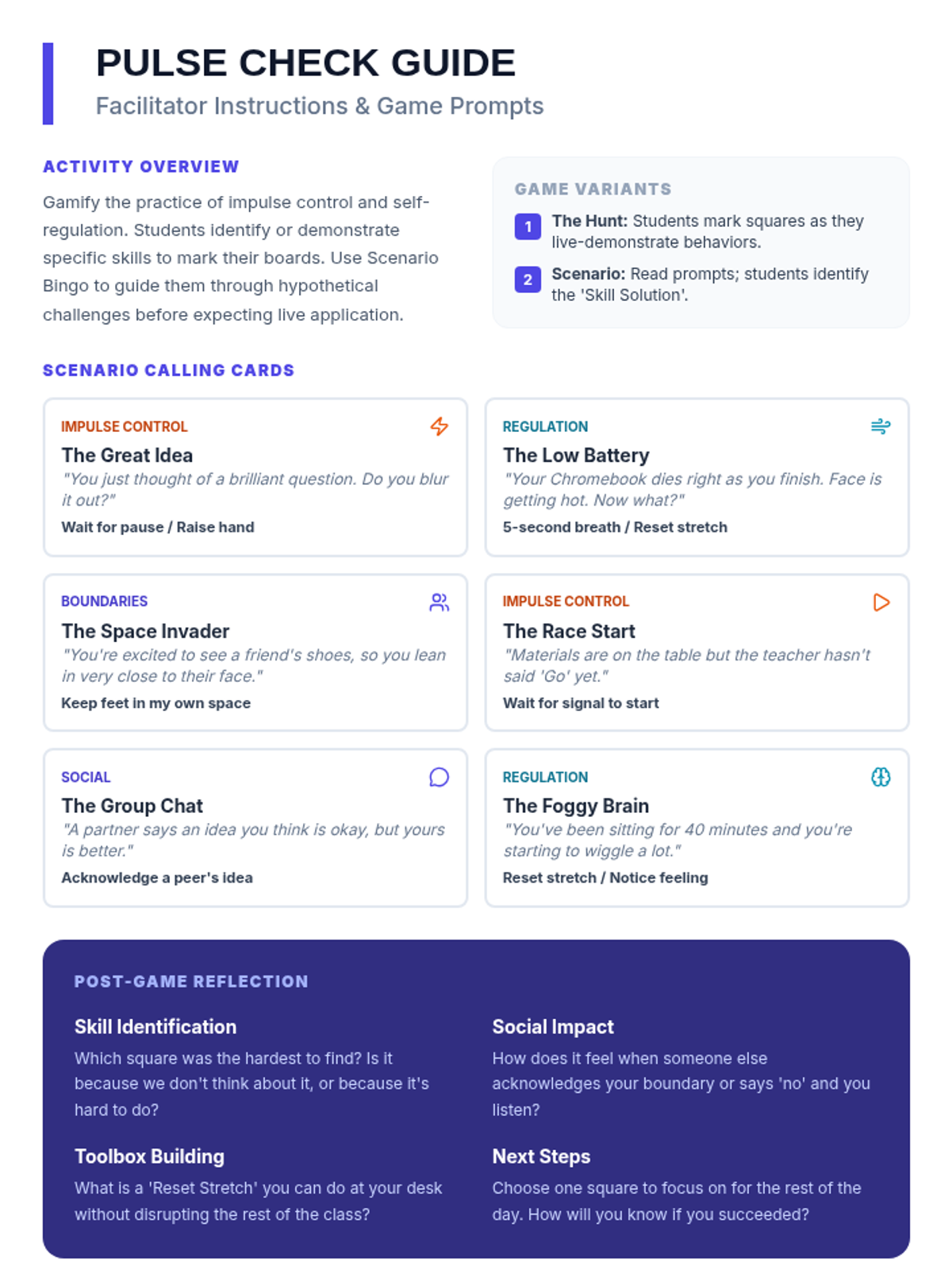
A lesson focused on developing self-regulation, impulse control, and social awareness for middle school students through interactive gameplay and reflection.
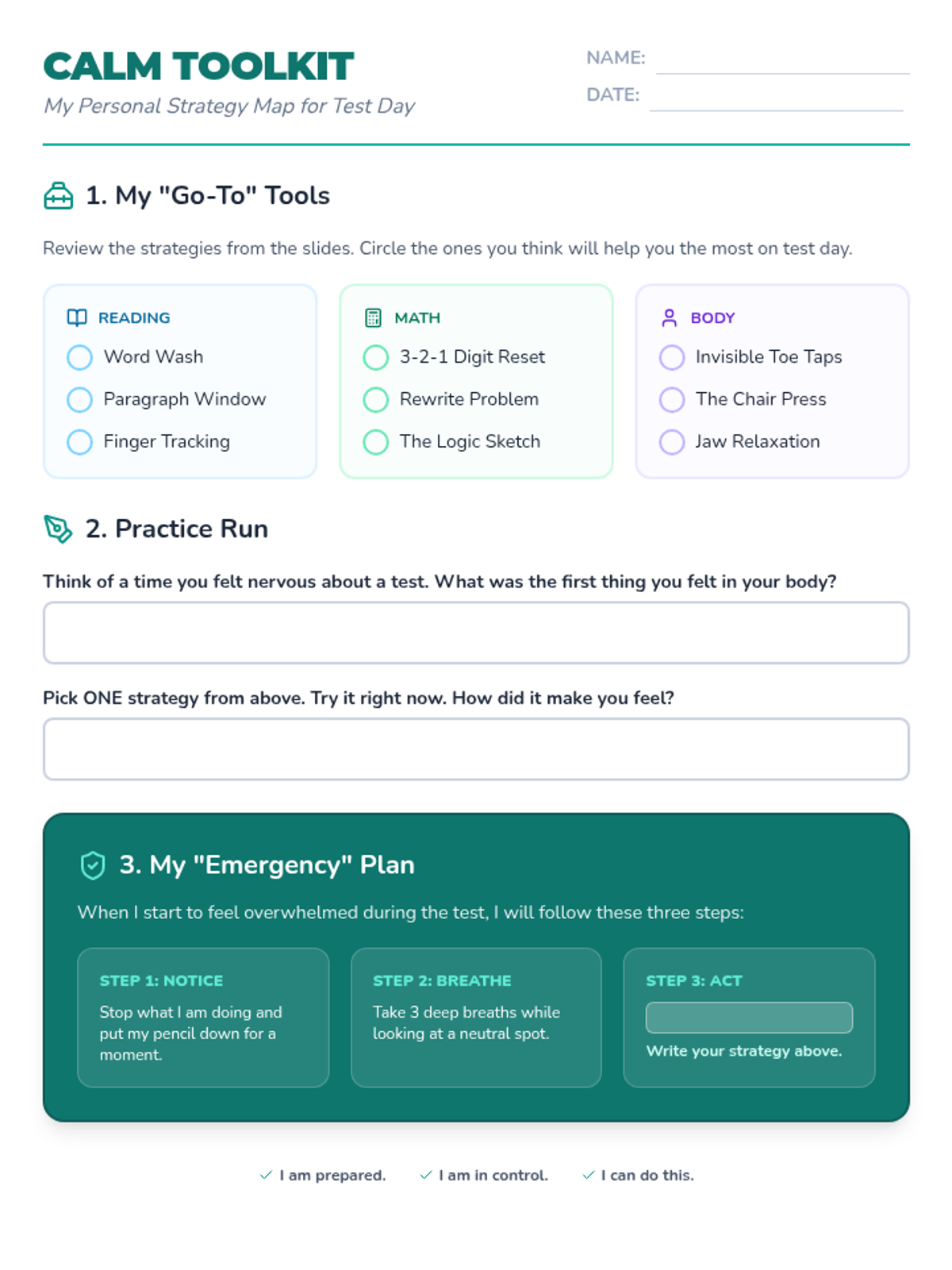
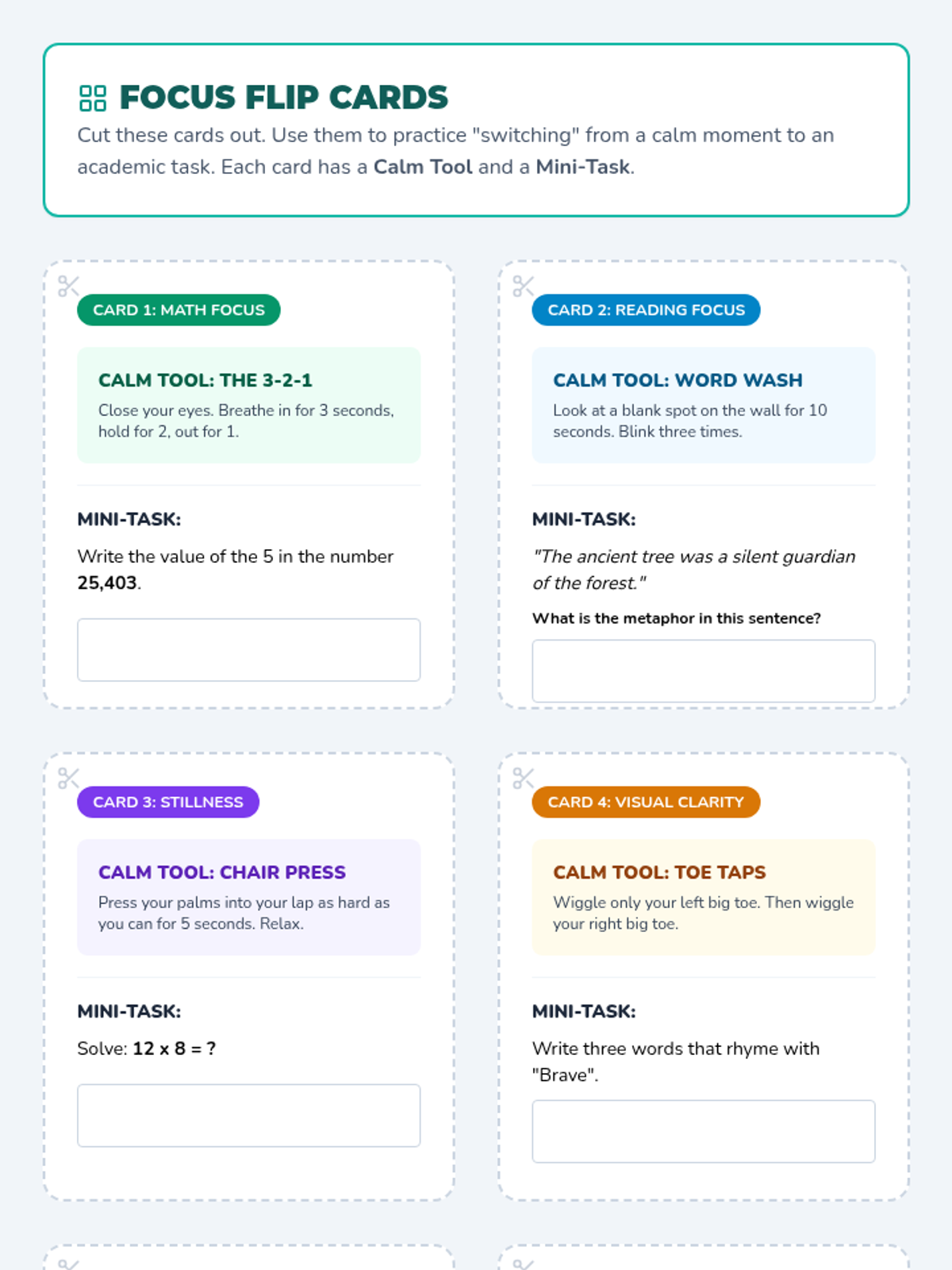
A lesson designed to equip students with practical mindfulness and grounding techniques specifically tailored for the stresses of state testing in Reading and Math, plus strategies for managing physical restlessness.
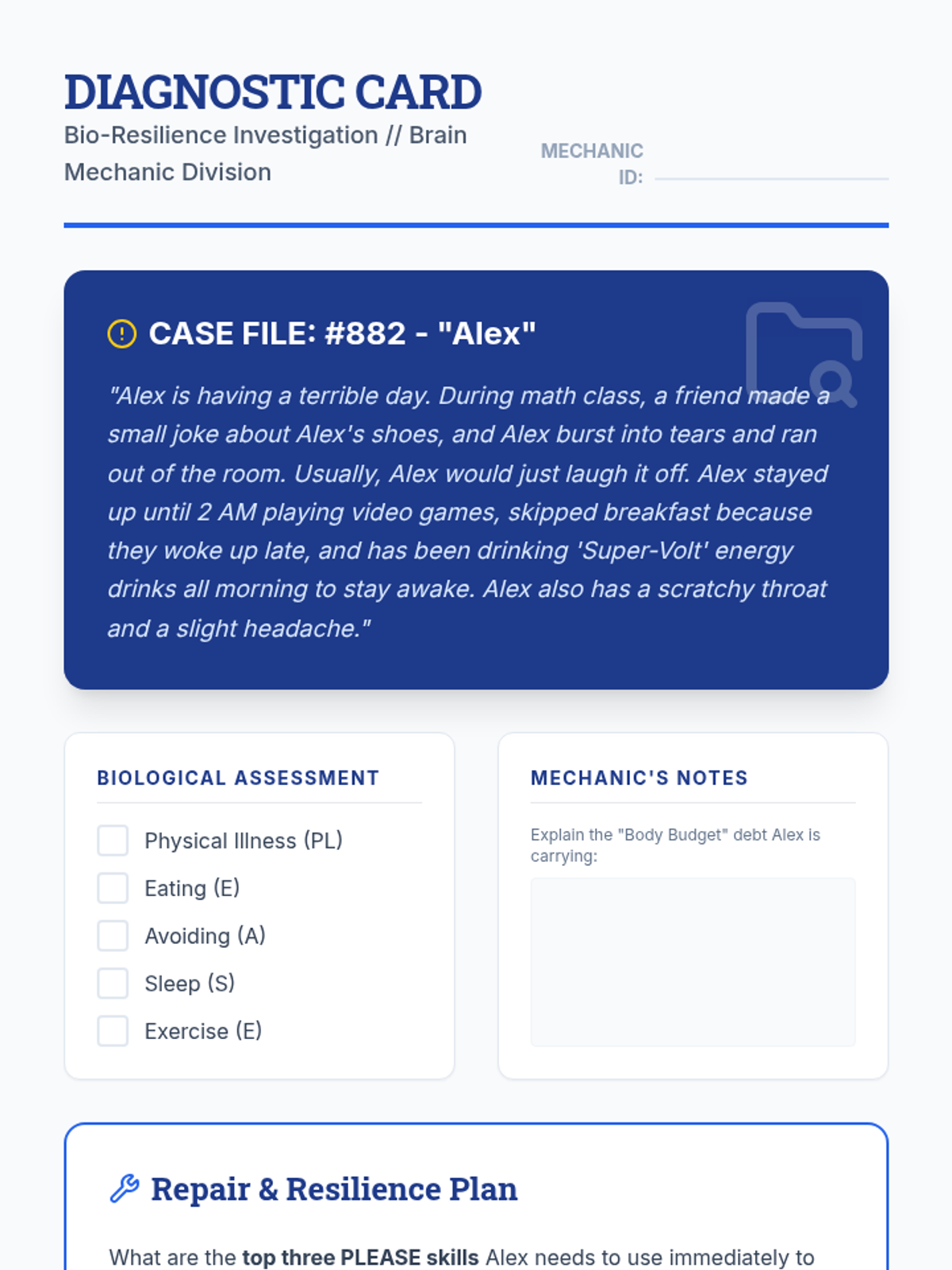
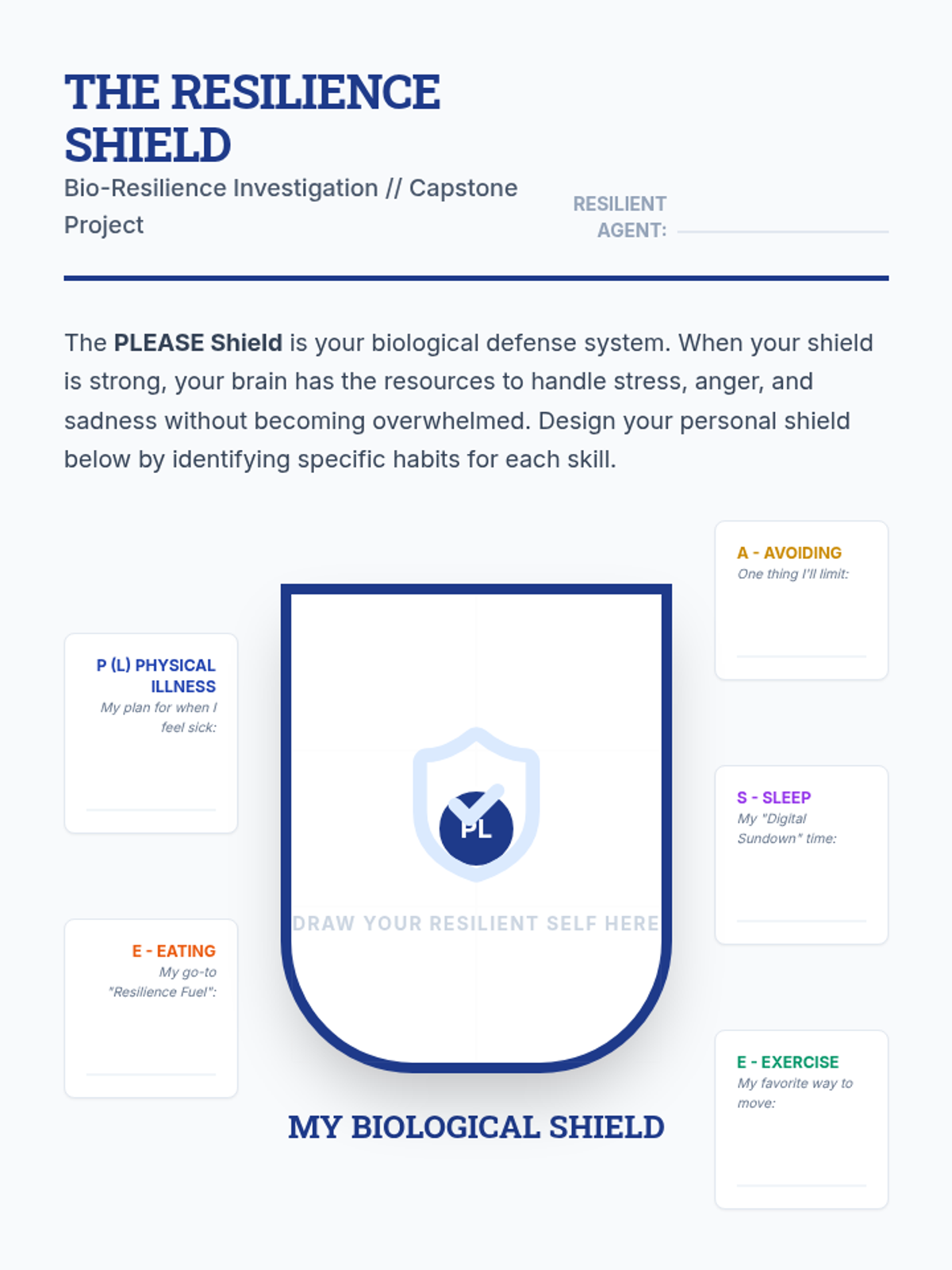
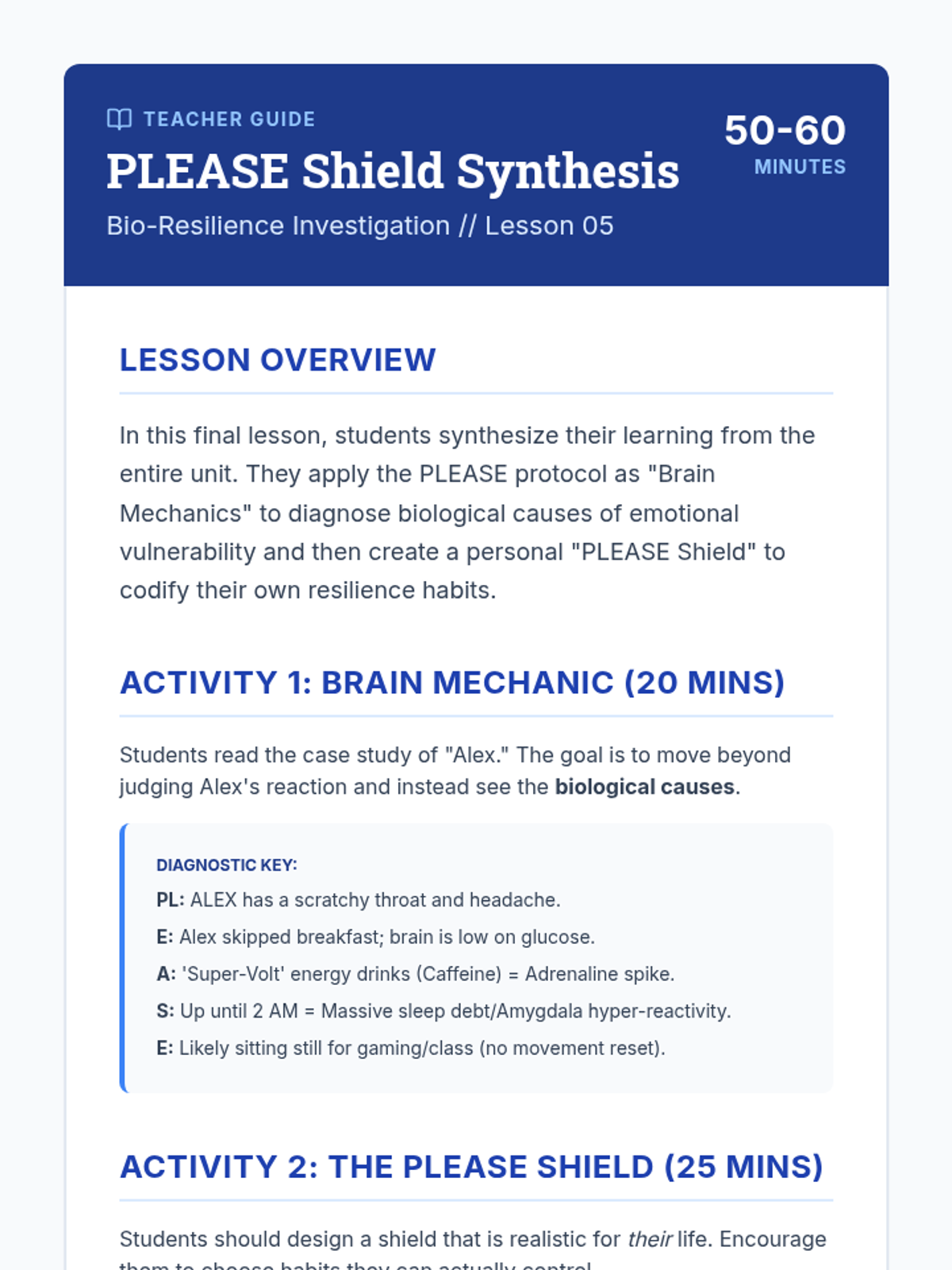
Students bring together all elements of the PLEASE protocol to create a scientific diagram and act as 'Brain Mechanics' to diagnose emotional vulnerability in fictional scenarios.
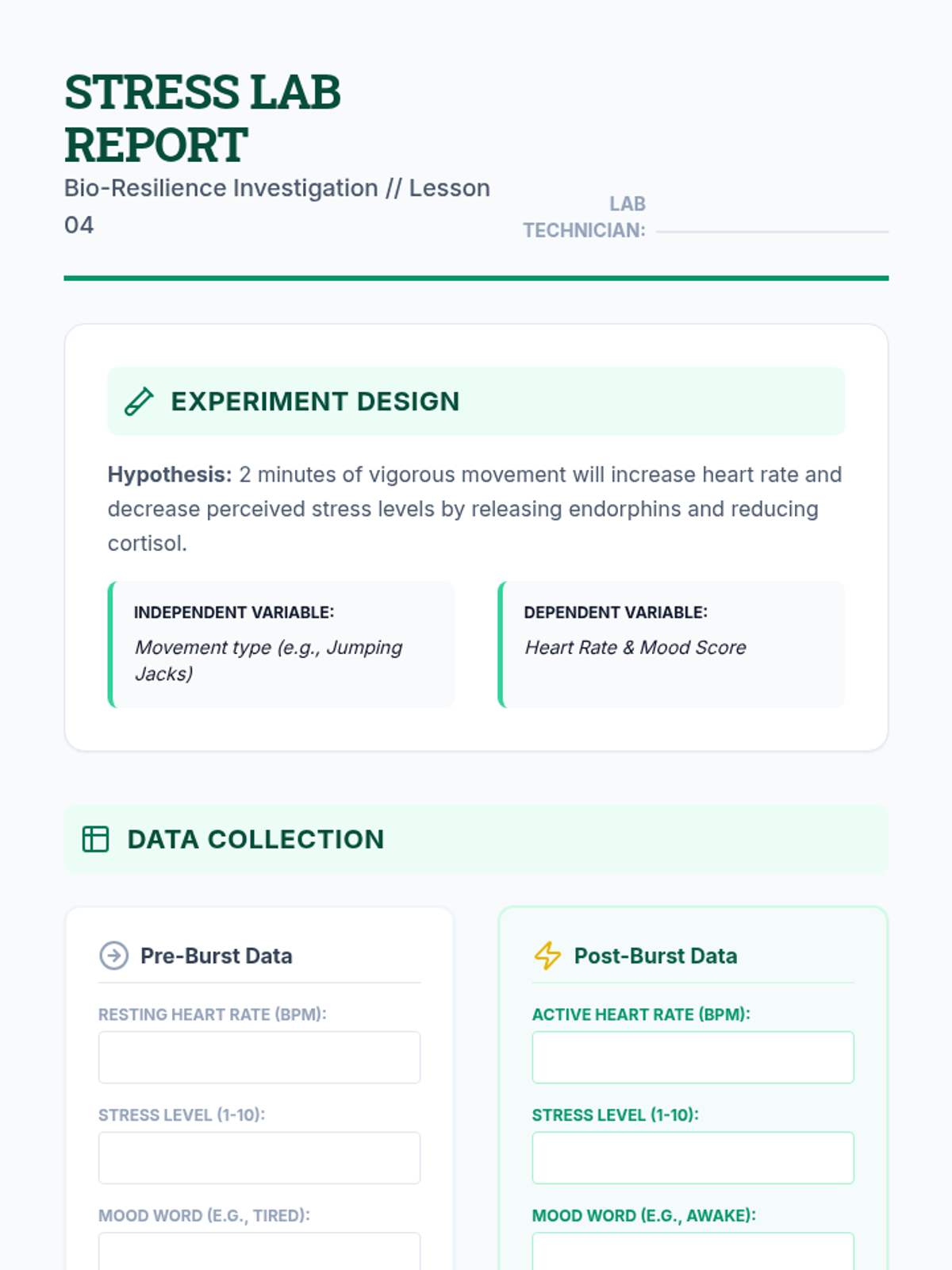
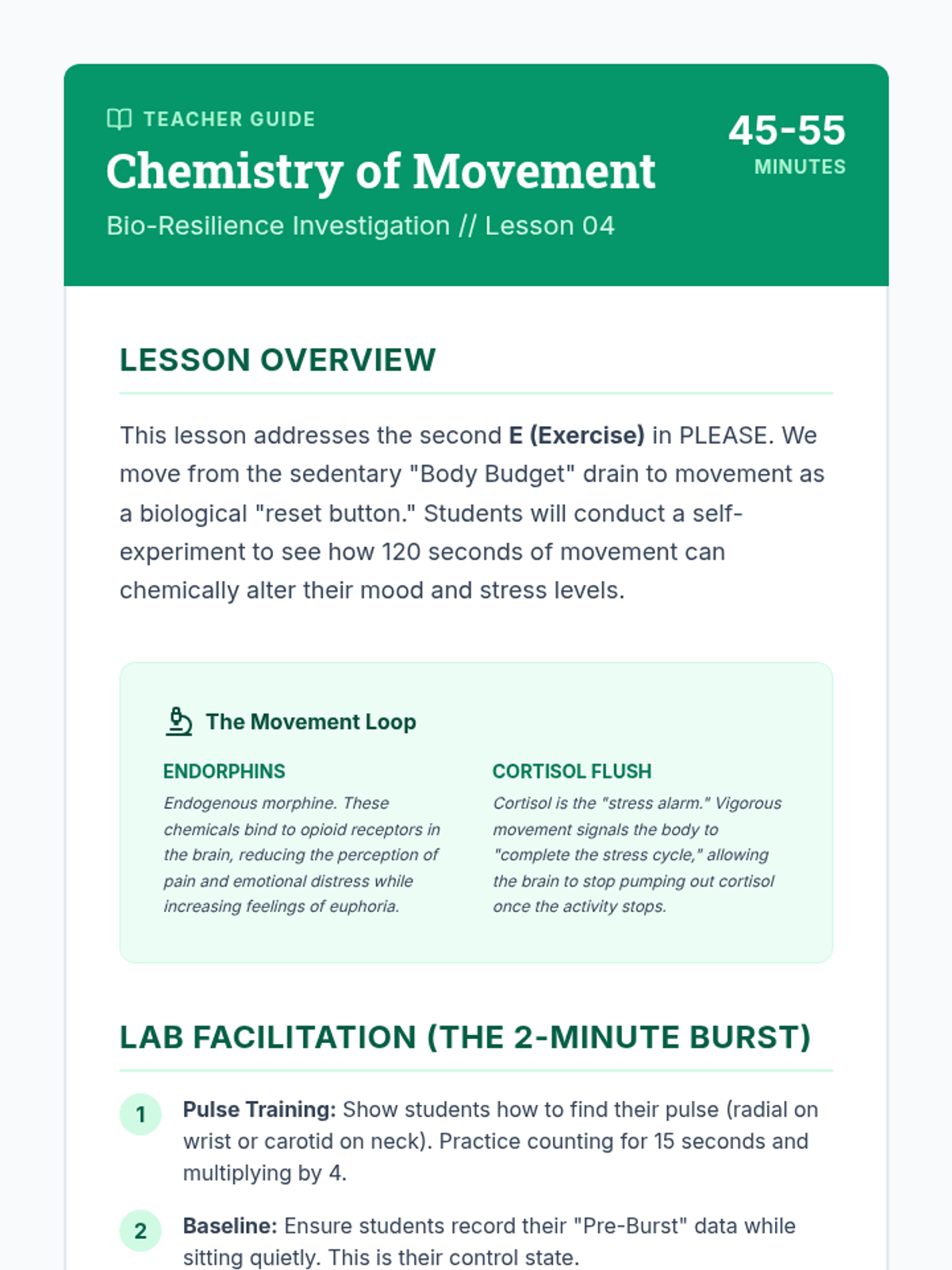
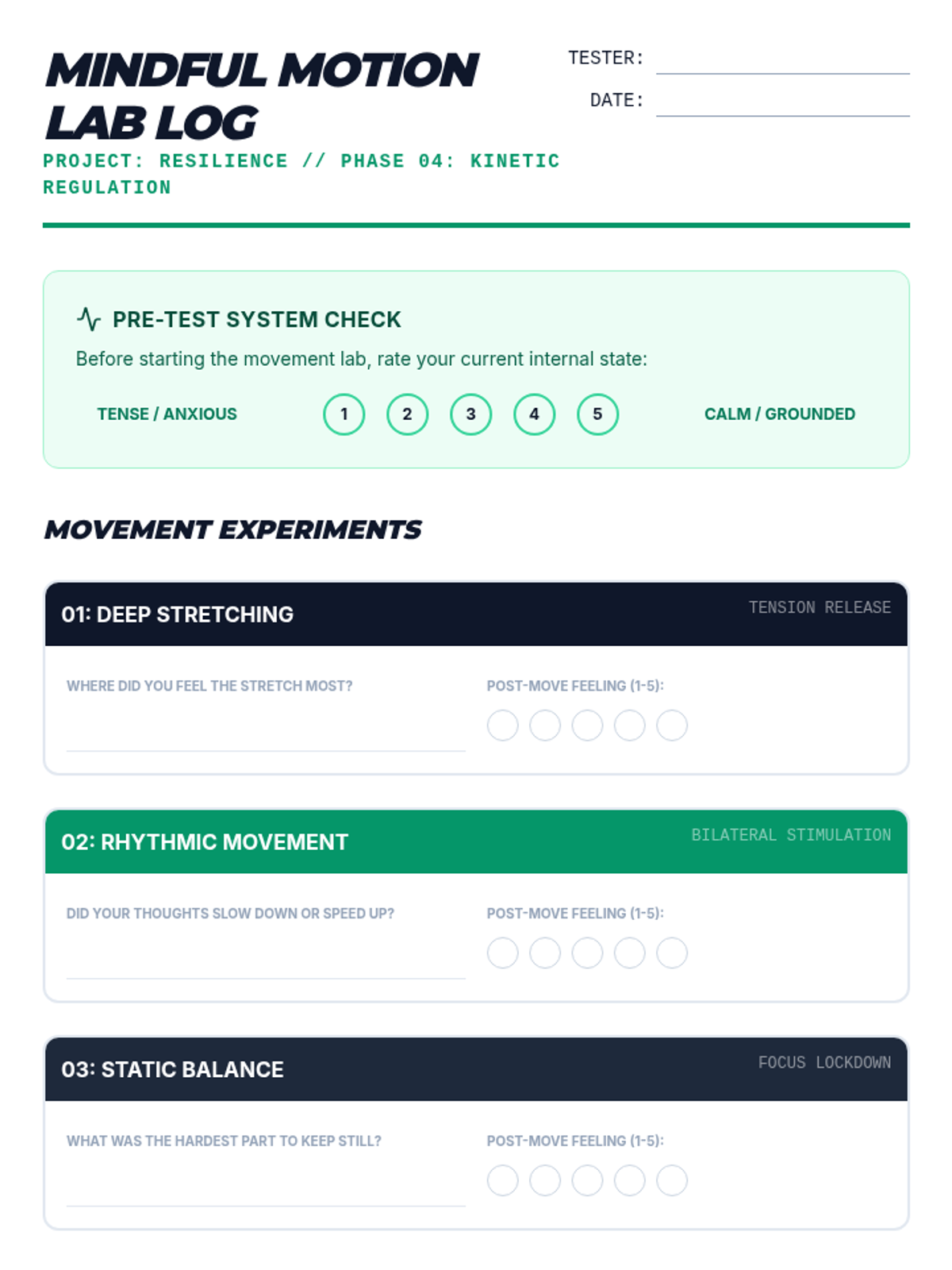
Students investigate the neurochemistry of exercise, specifically how movement releases endorphins and reduces cortisol. They test short bursts of activity to measure immediate changes in perceived stress levels.
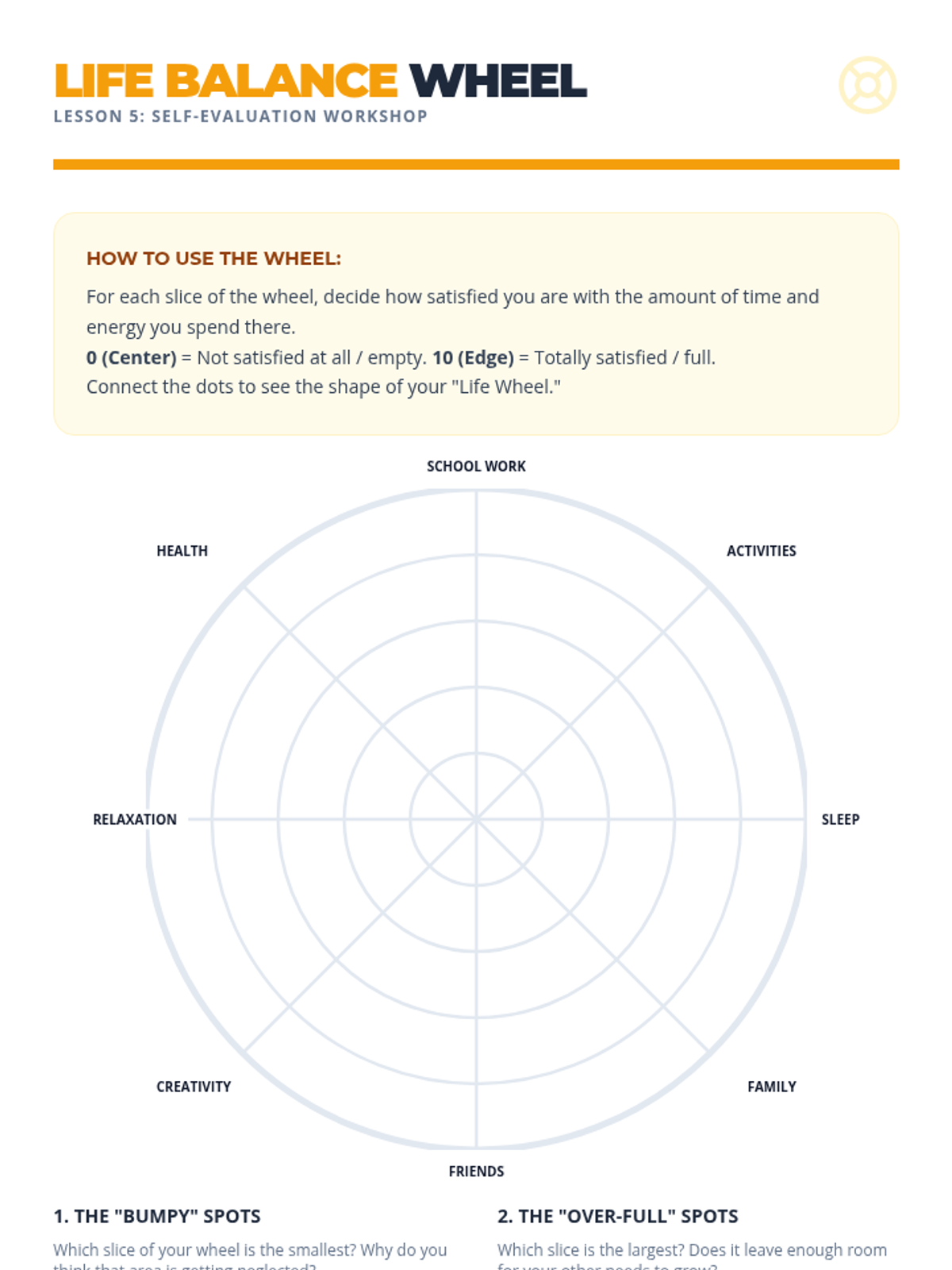
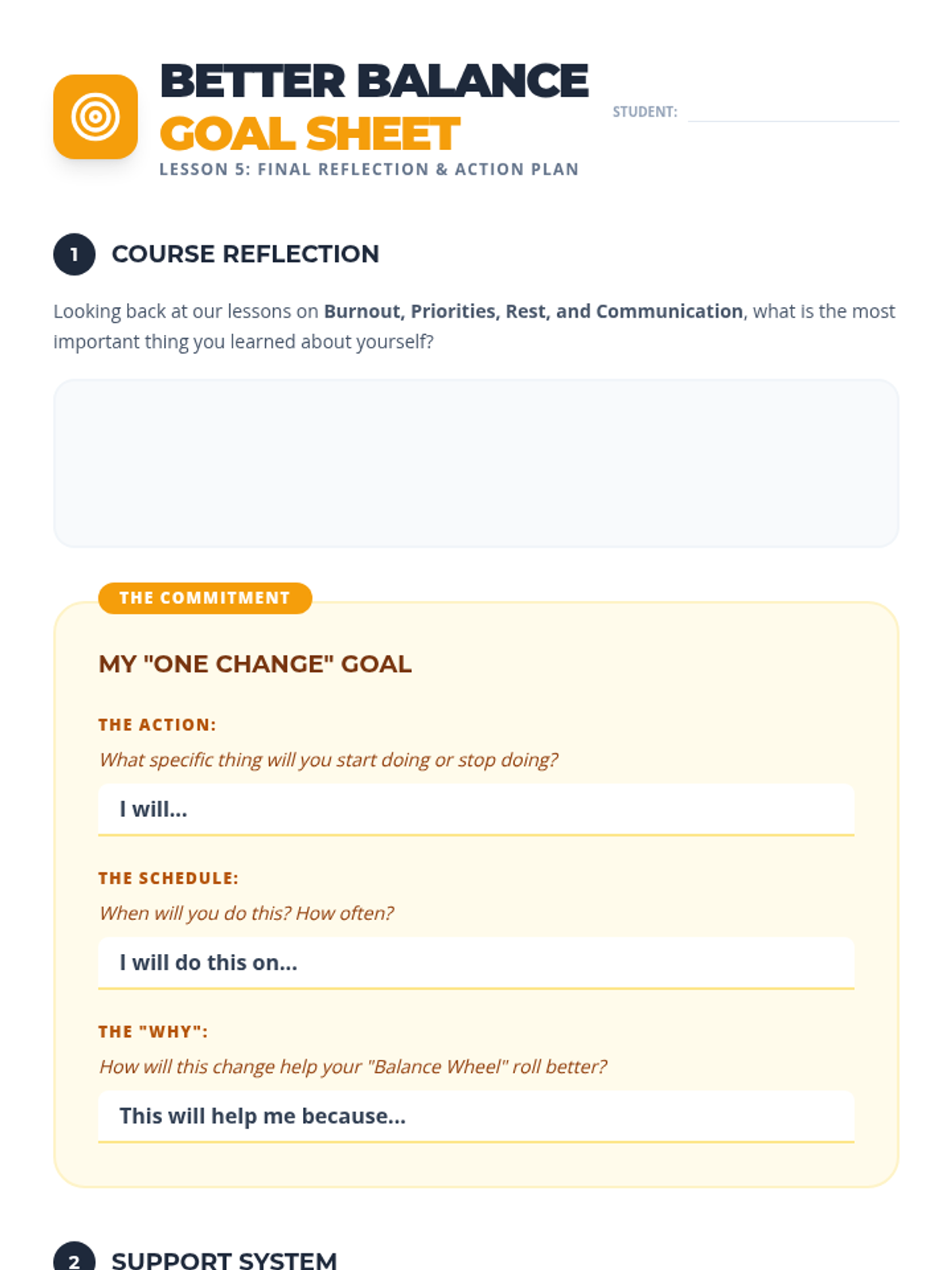
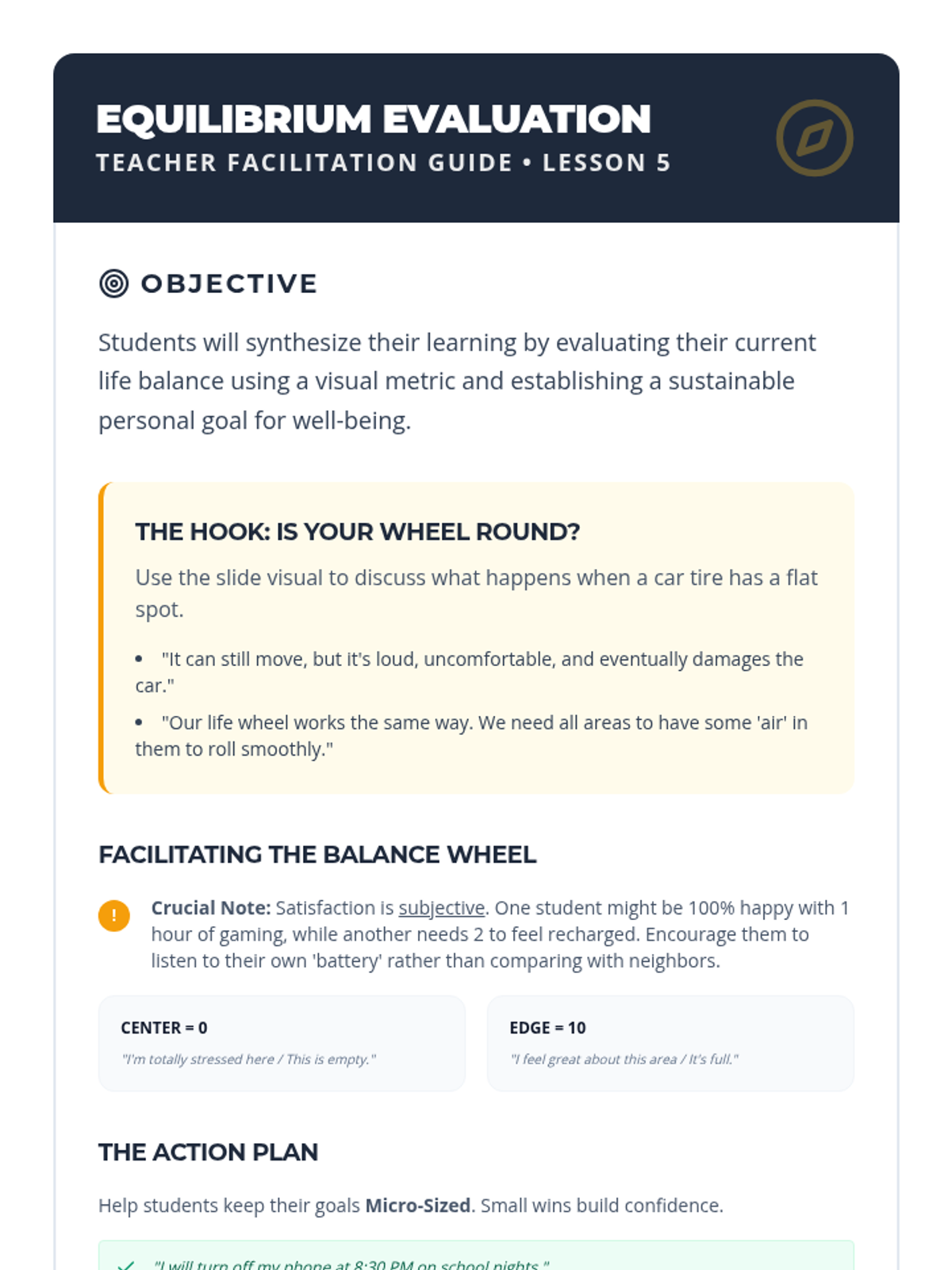
Students evaluate their current life balance using a visual 'Balance Wheel' and set a concrete goal for maintaining well-being.
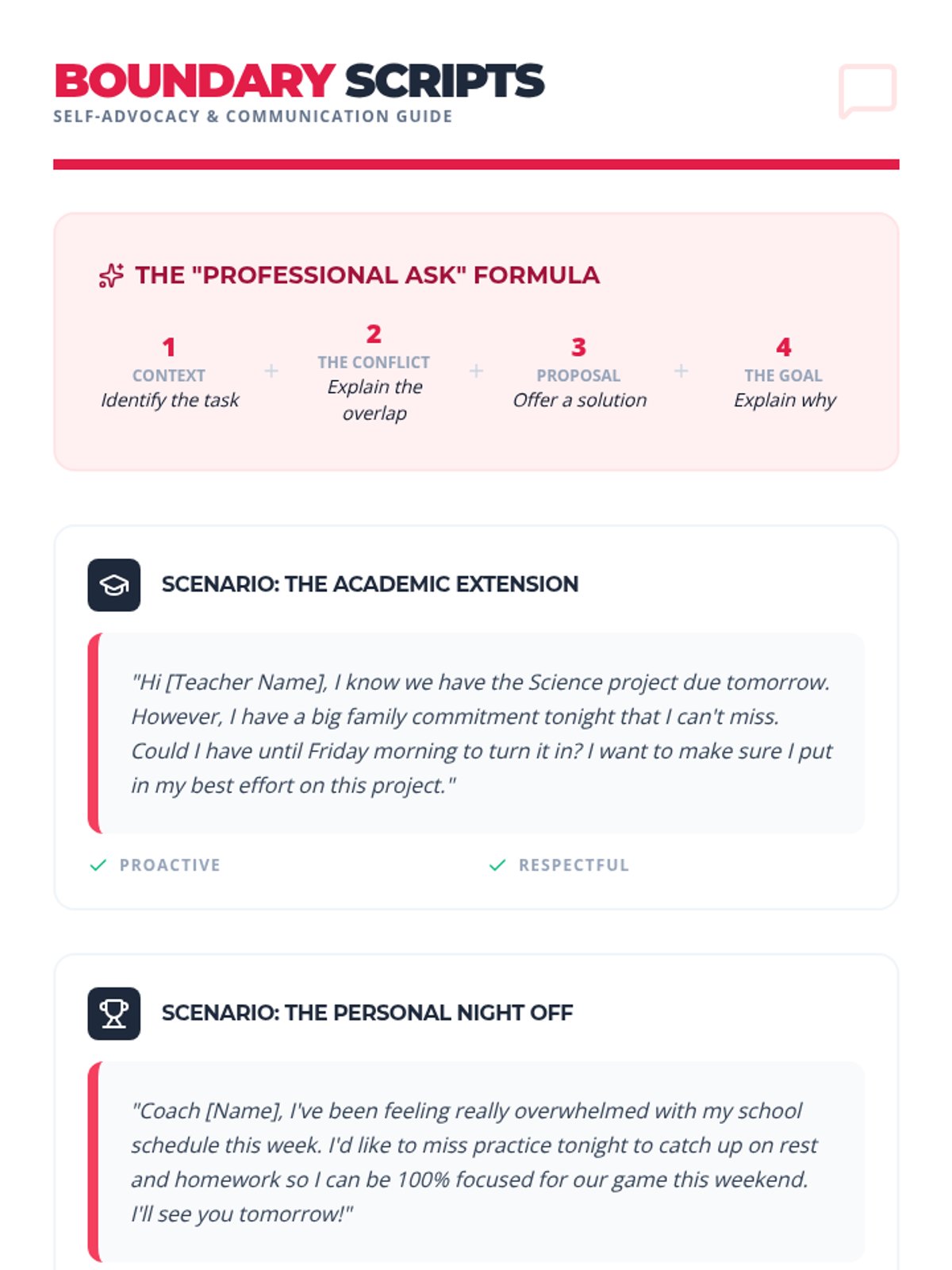
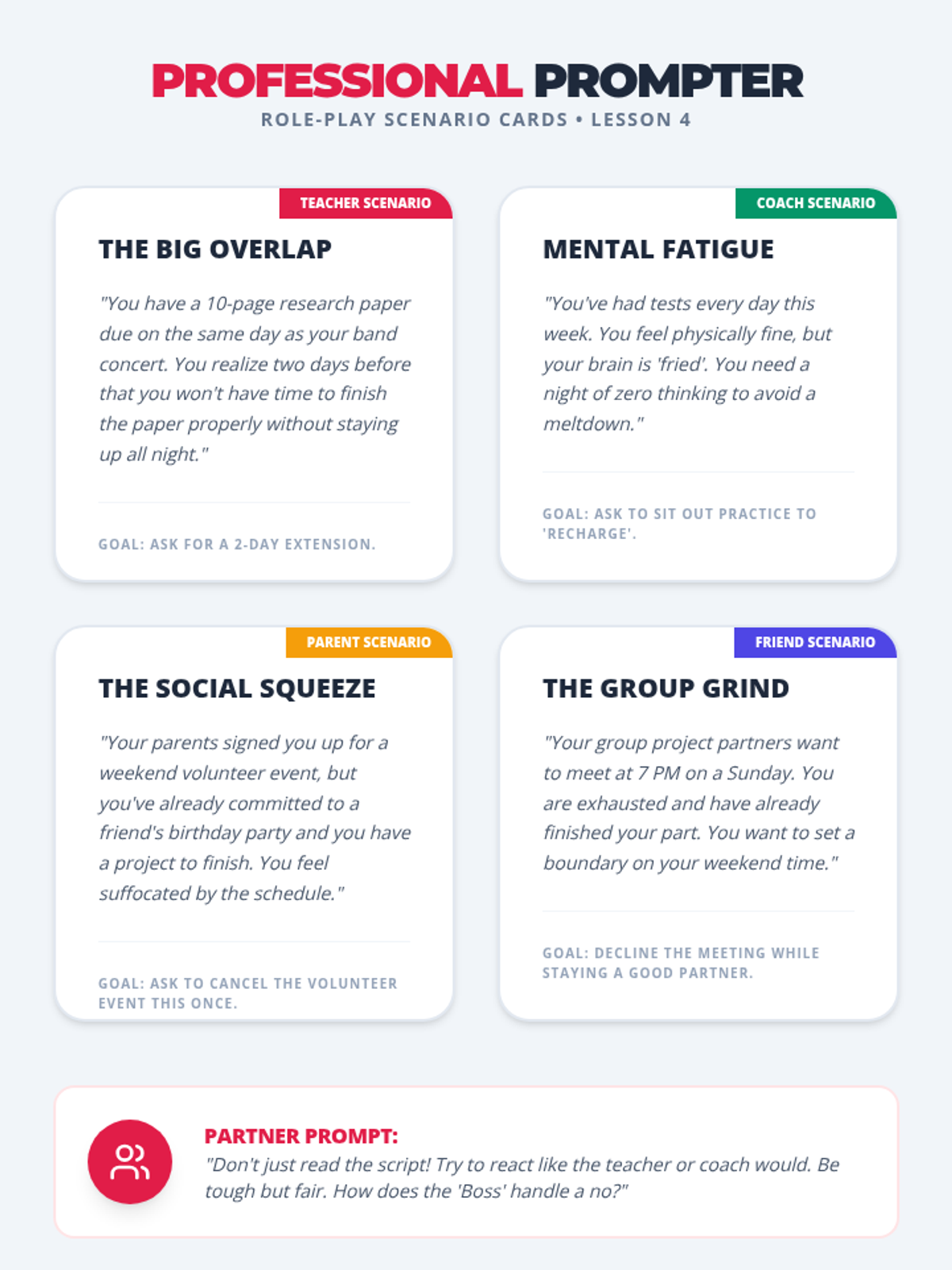
Students develop and practice proactive communication strategies for asking for help or setting boundaries with authority figures.
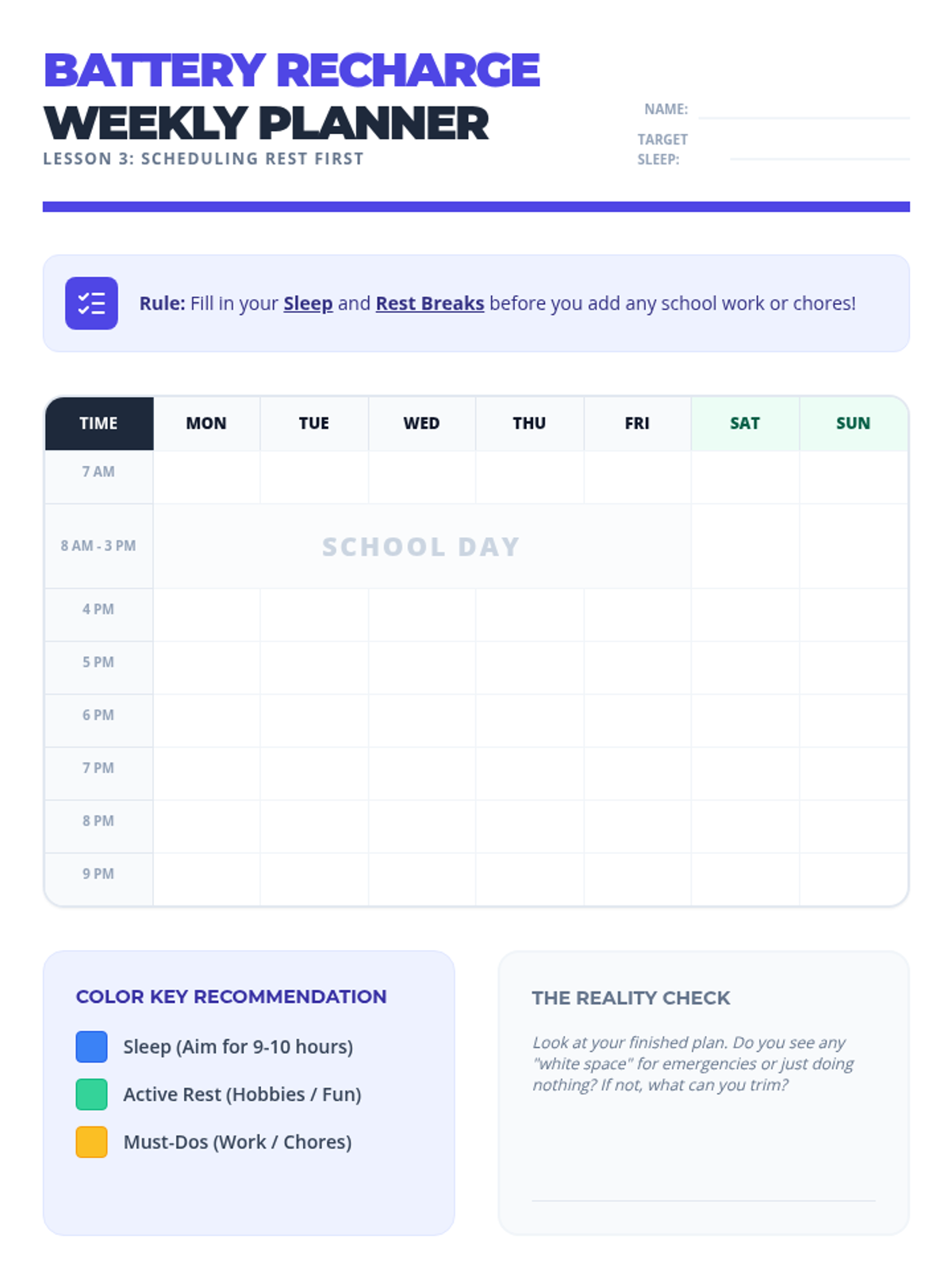
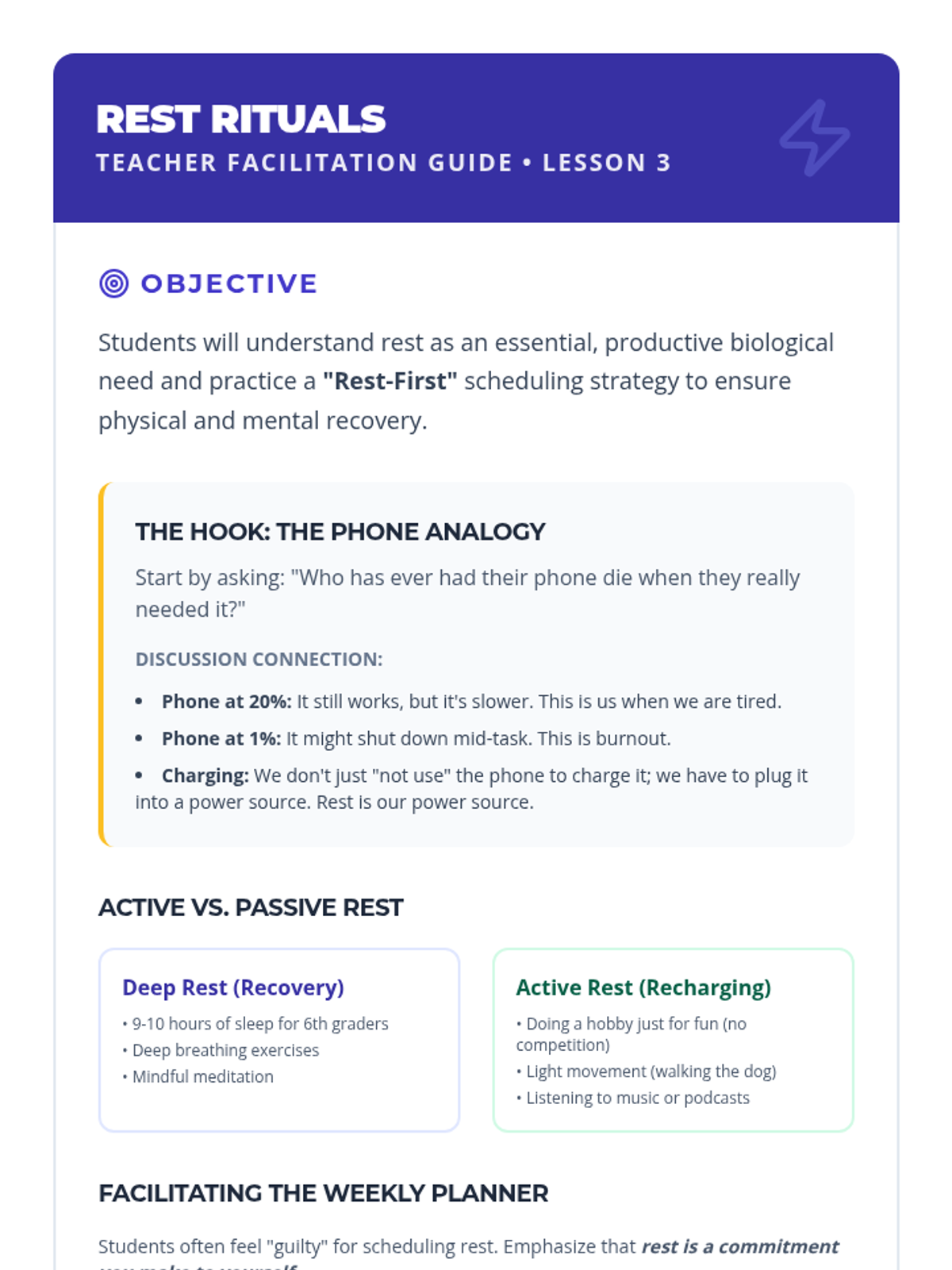
Students explore the necessity of rest and sleep as active components of a healthy schedule, creating a weekly plan that prioritizes 'recharge' time.
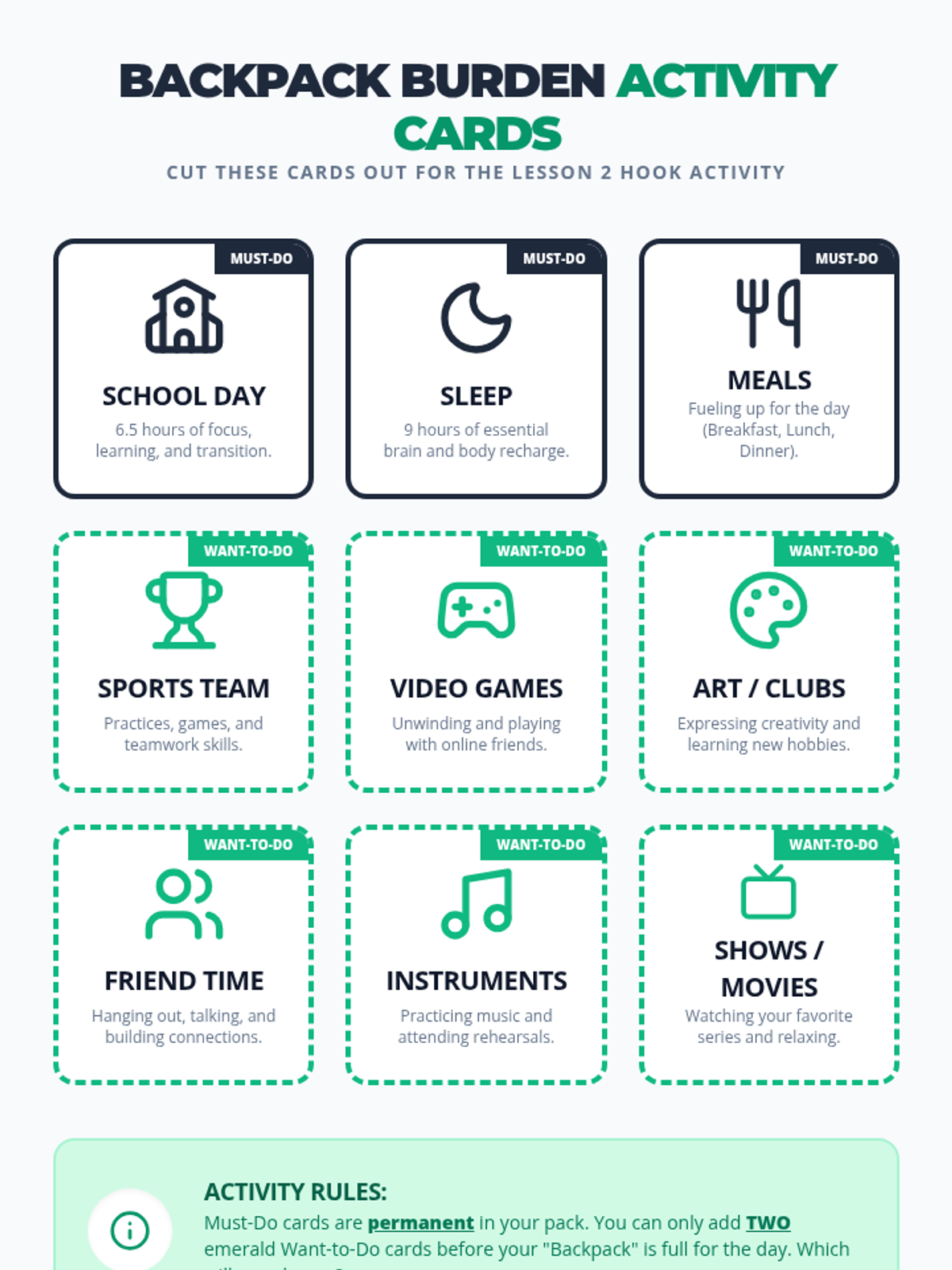
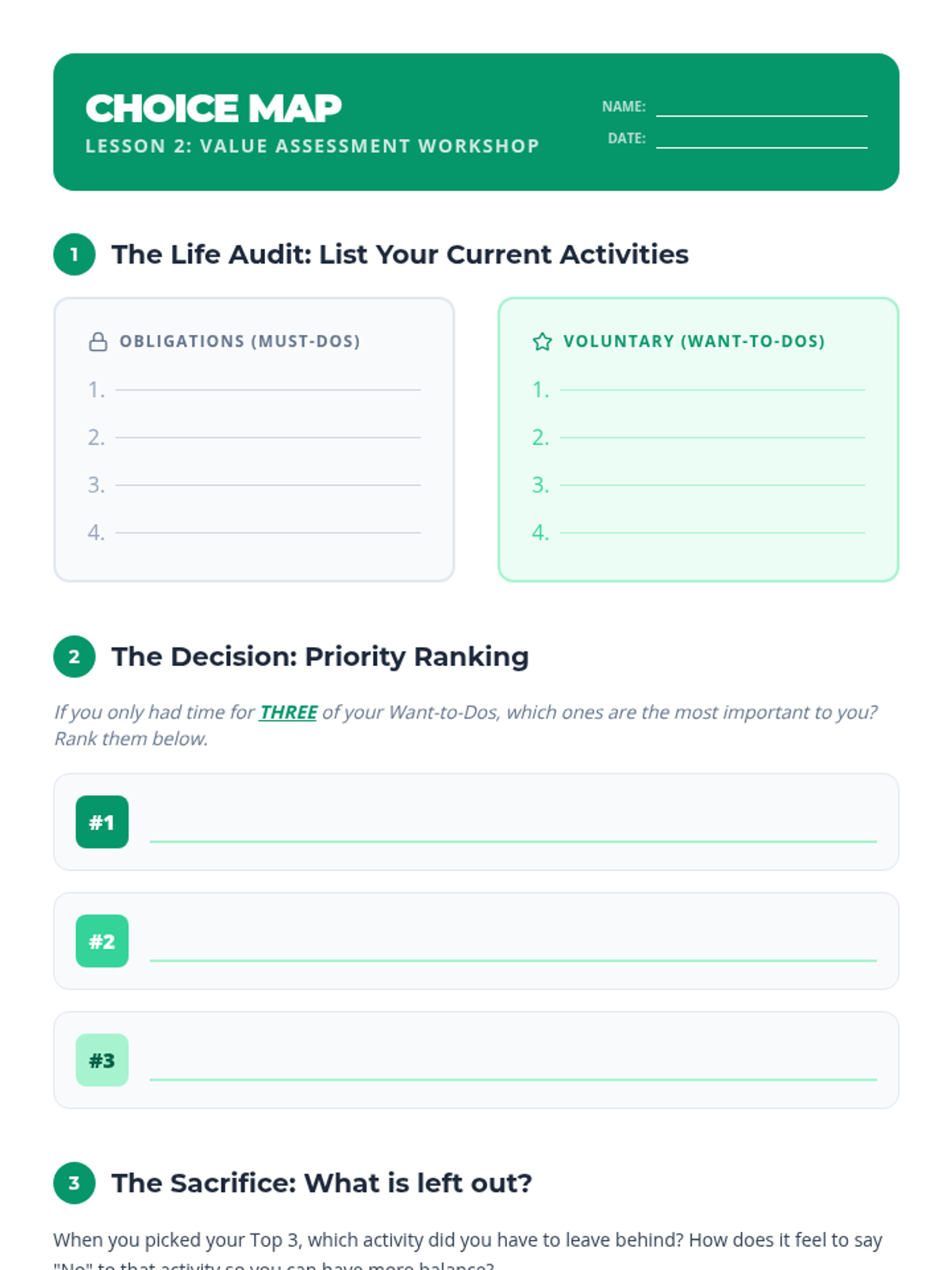
Students learn to distinguish between mandatory obligations and voluntary activities, practicing the art of making trade-offs.
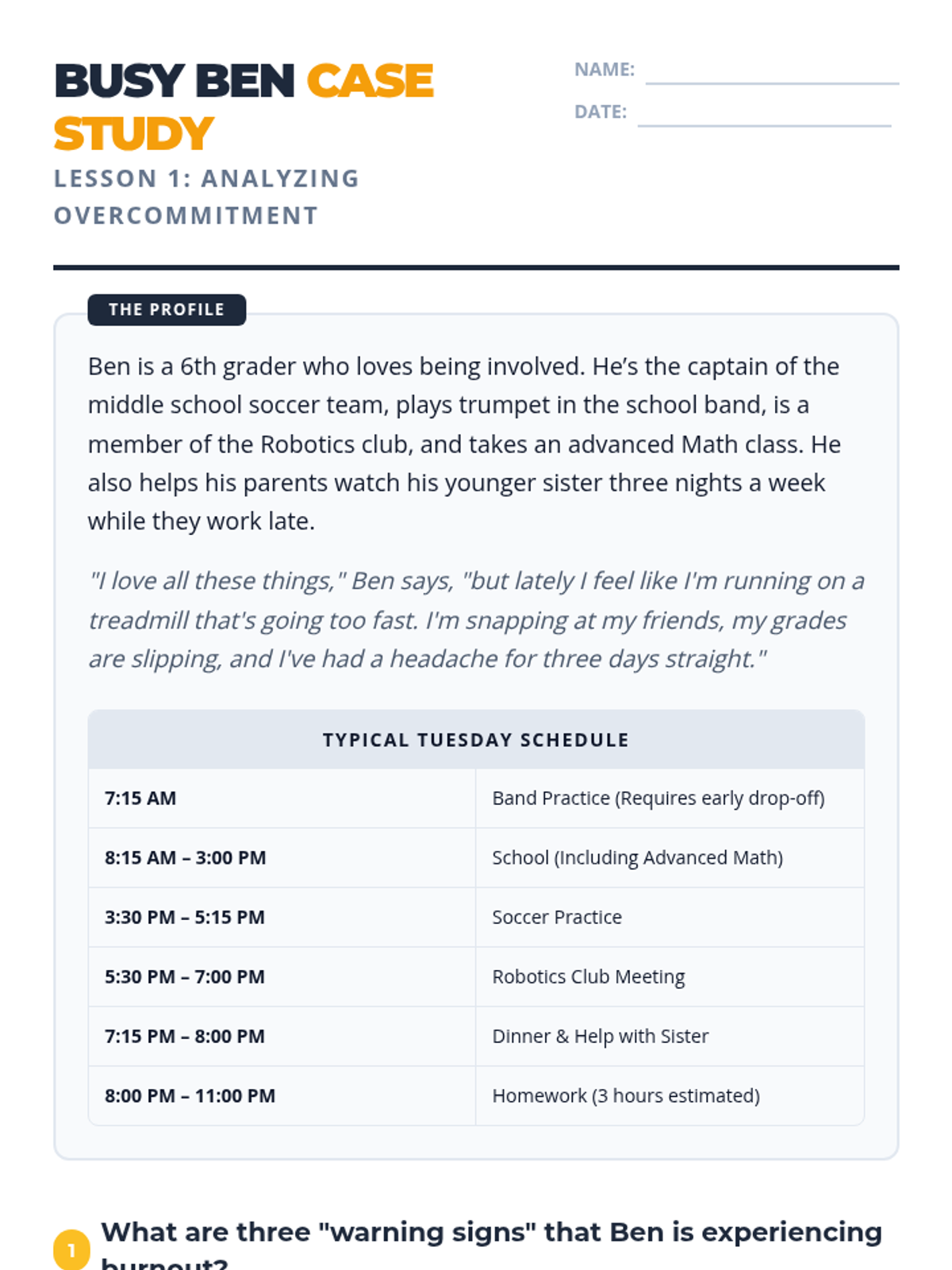
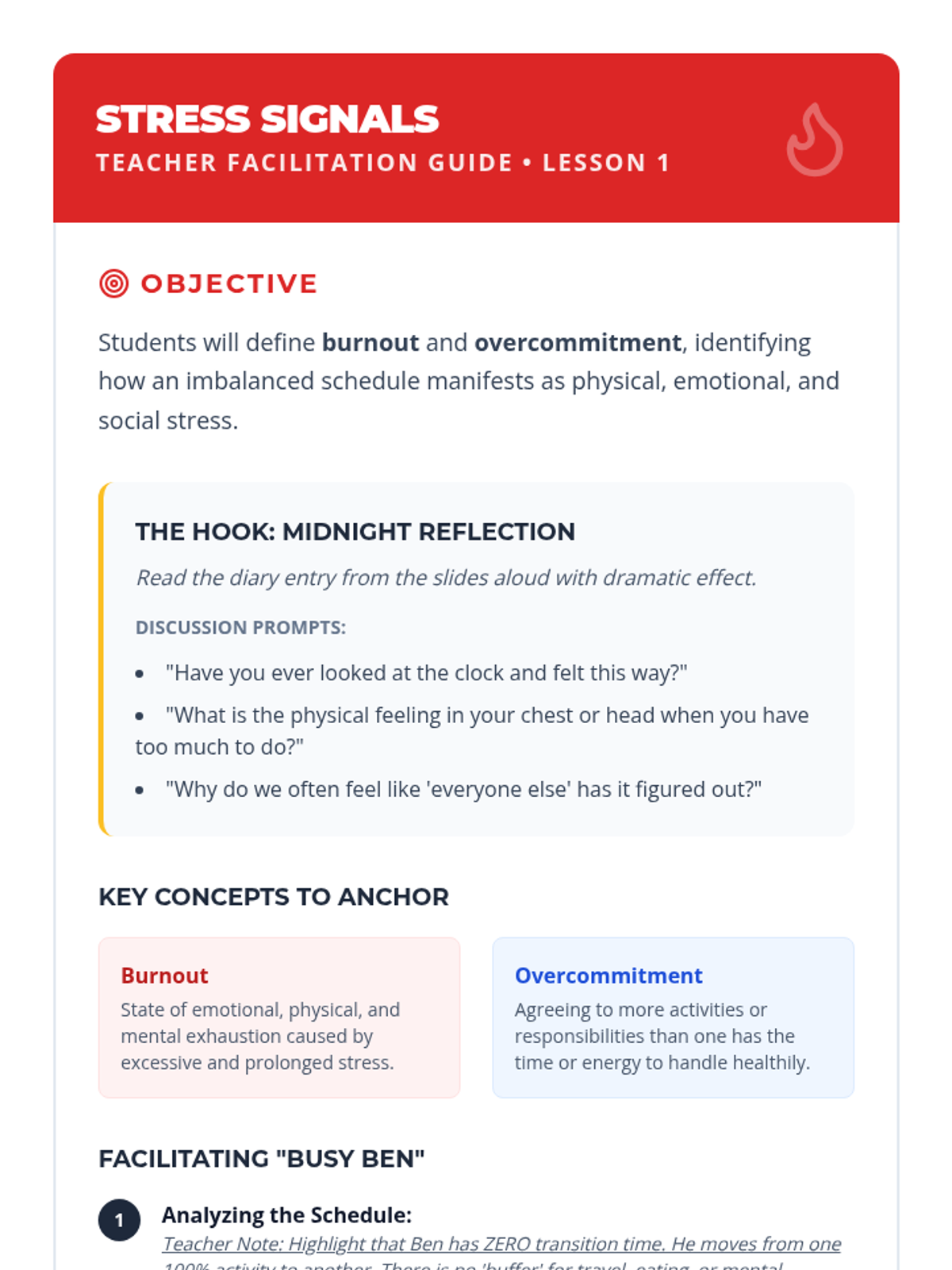
Students analyze the signs and consequences of overcommitment through a fictional case study of a student experiencing burnout.
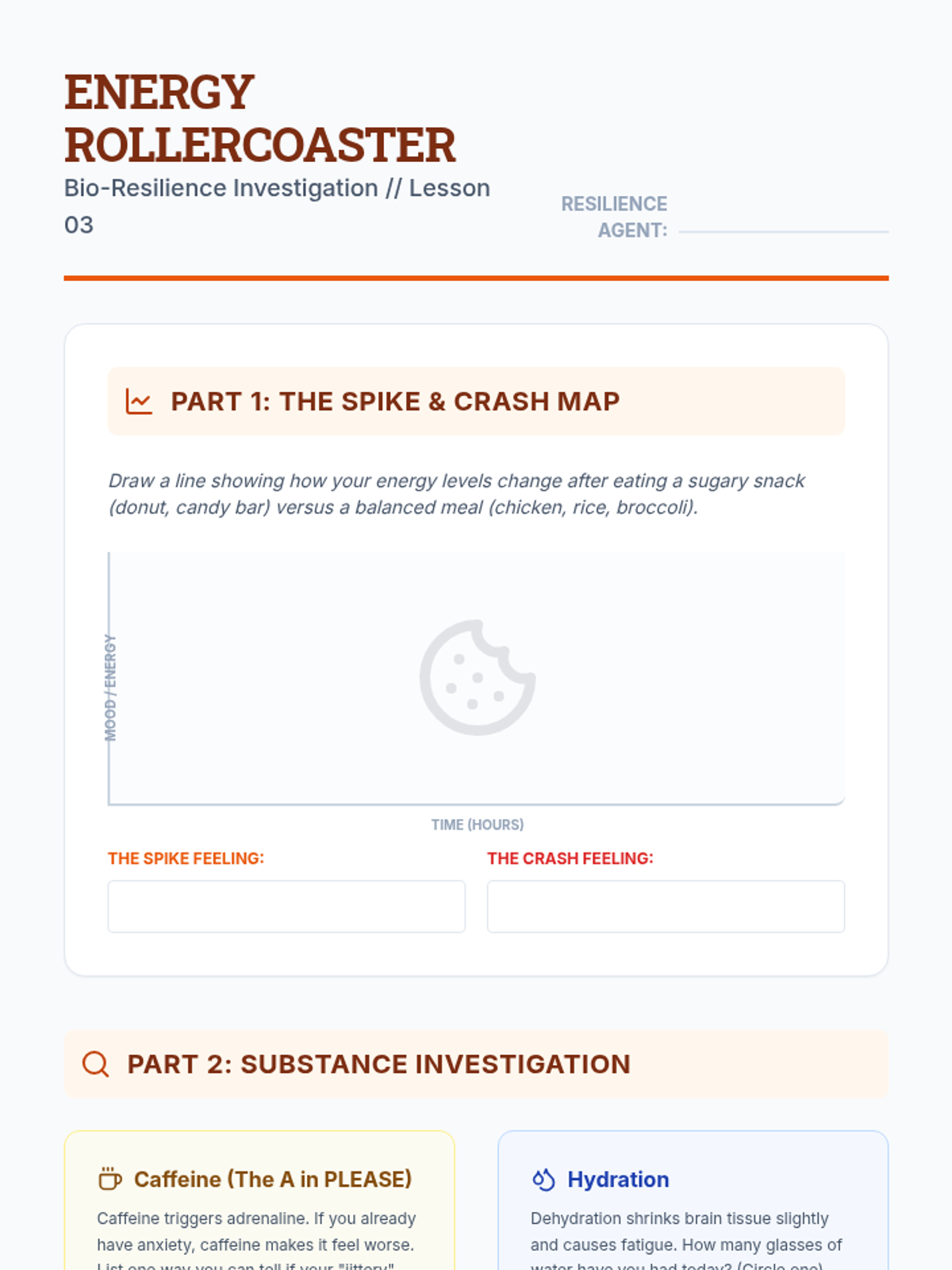
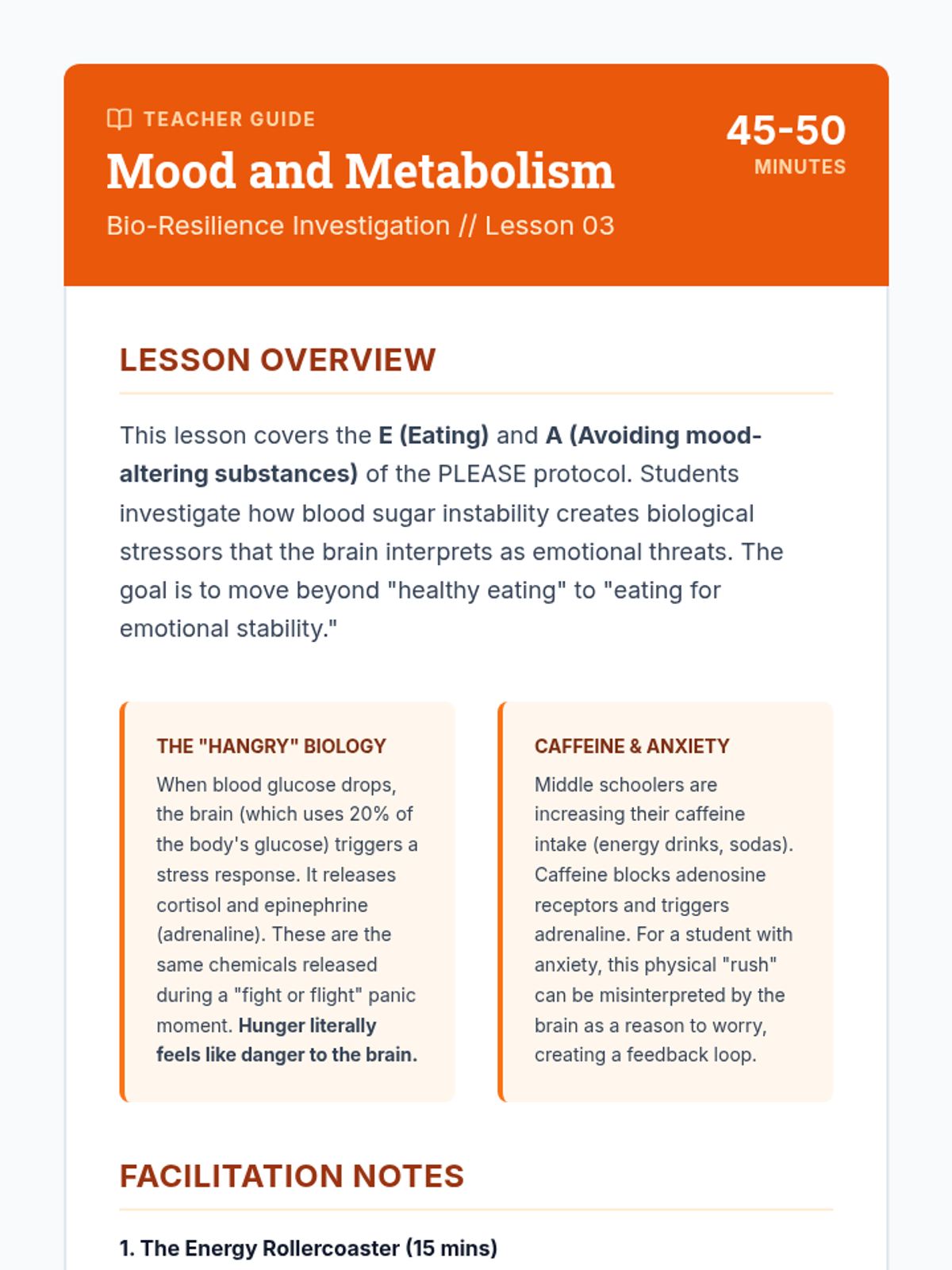
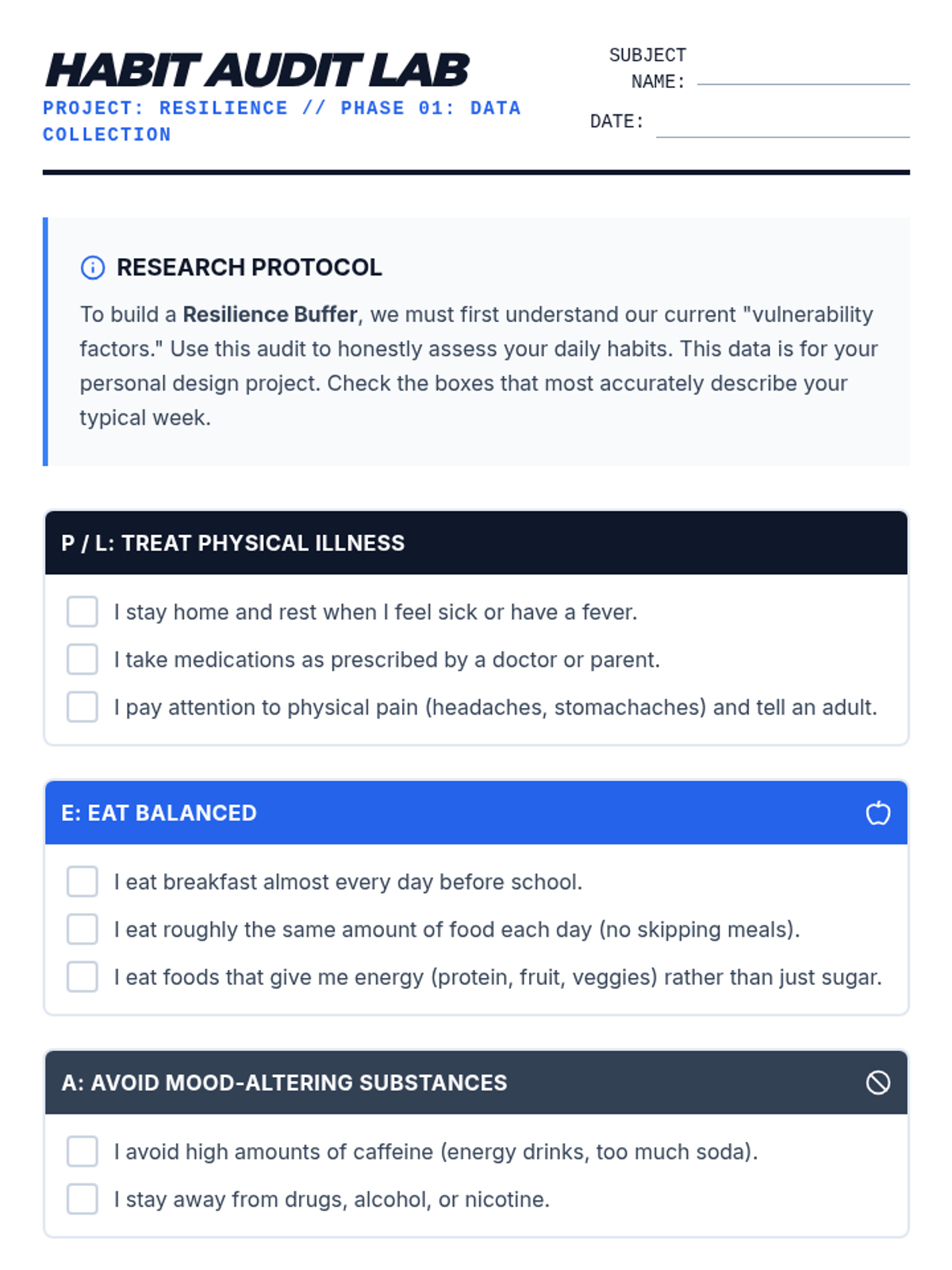
Focusing on the 'E' (Eating) and 'A' (Avoiding) parts of PLEASE, students explore how blood sugar spikes and caffeine crashes mimic anxiety and irritability.
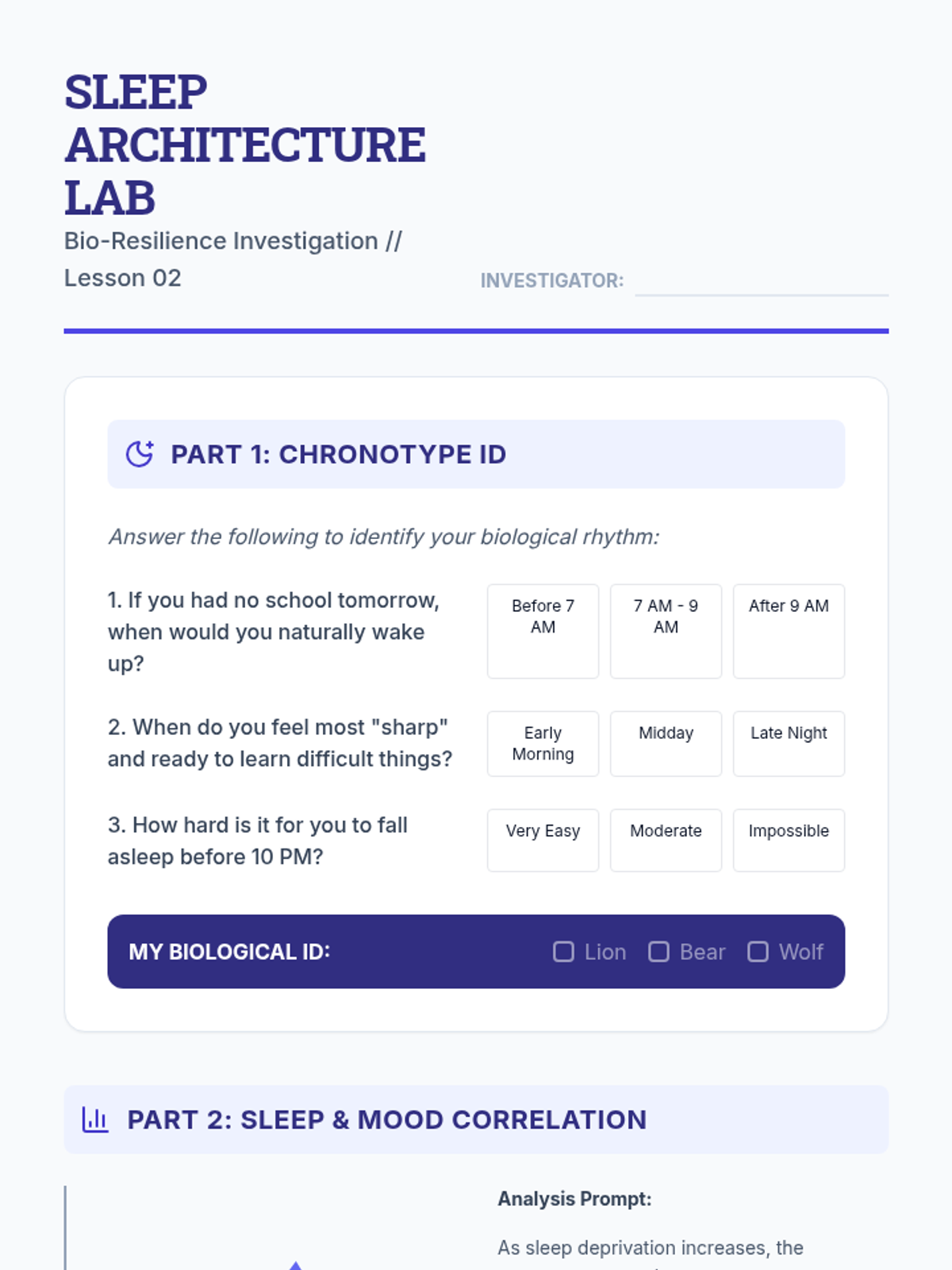
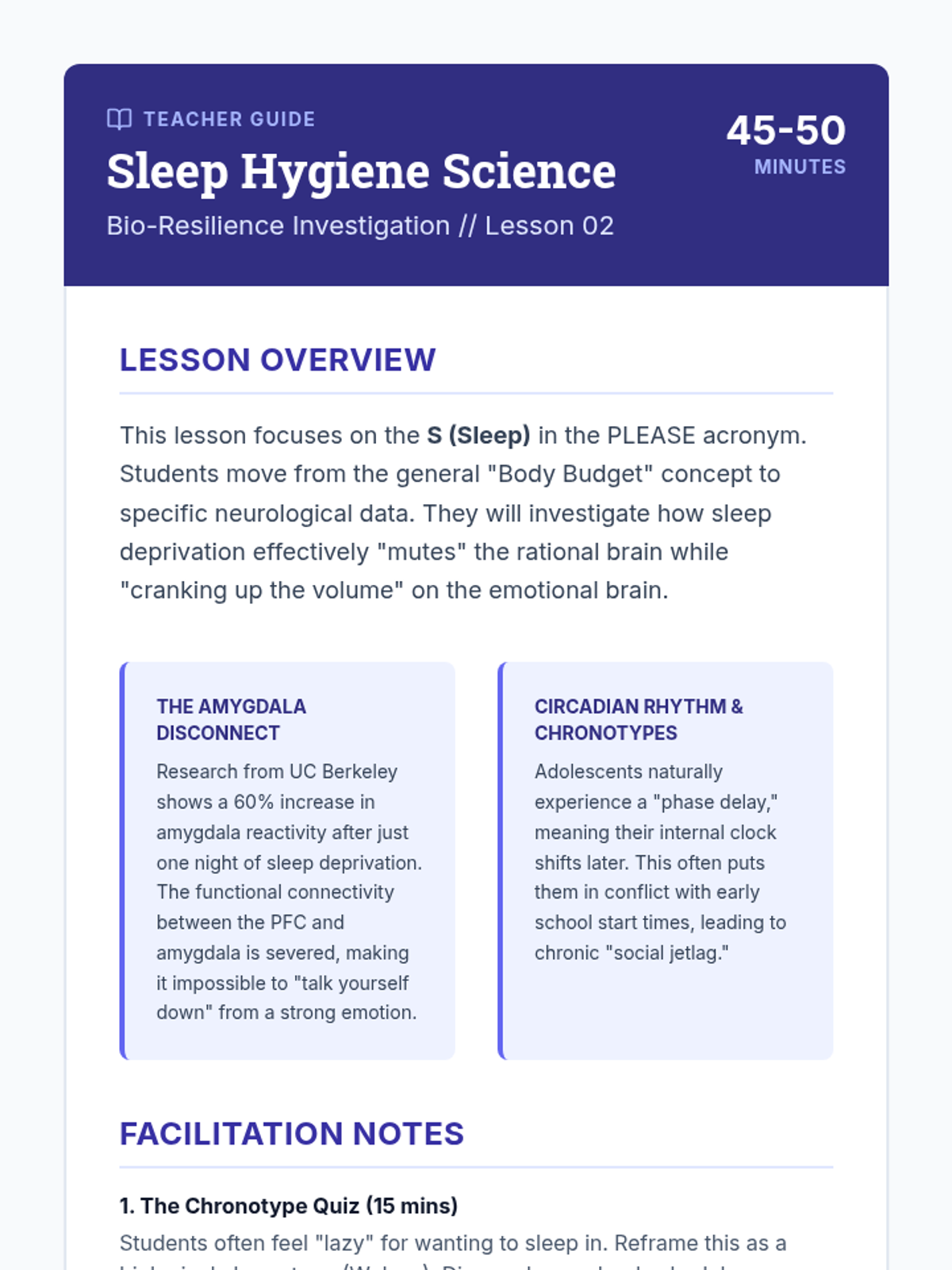
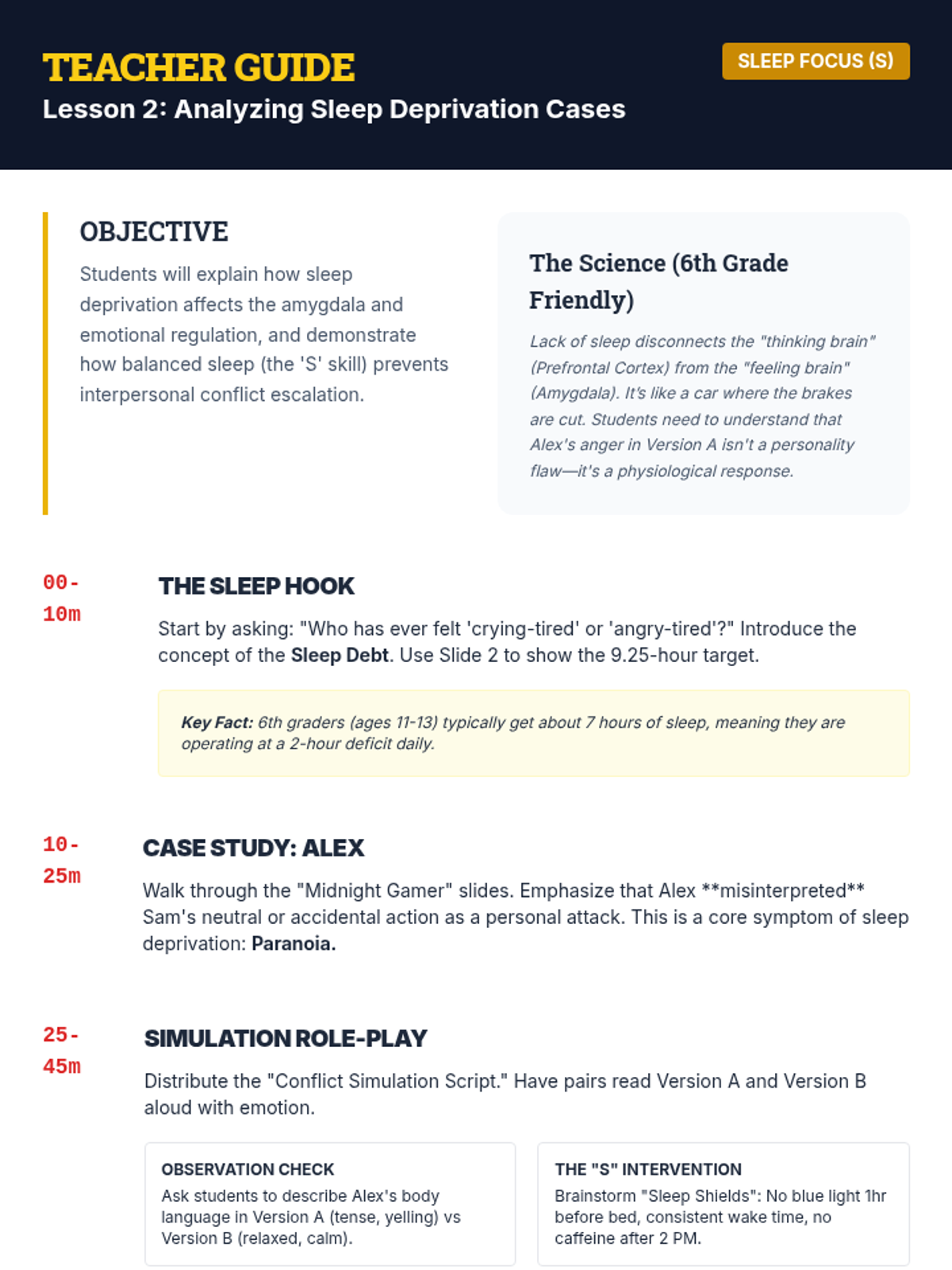
Students research the effects of sleep deprivation on the brain's emotional centers and analyze the biological necessity of sleep for resilience.
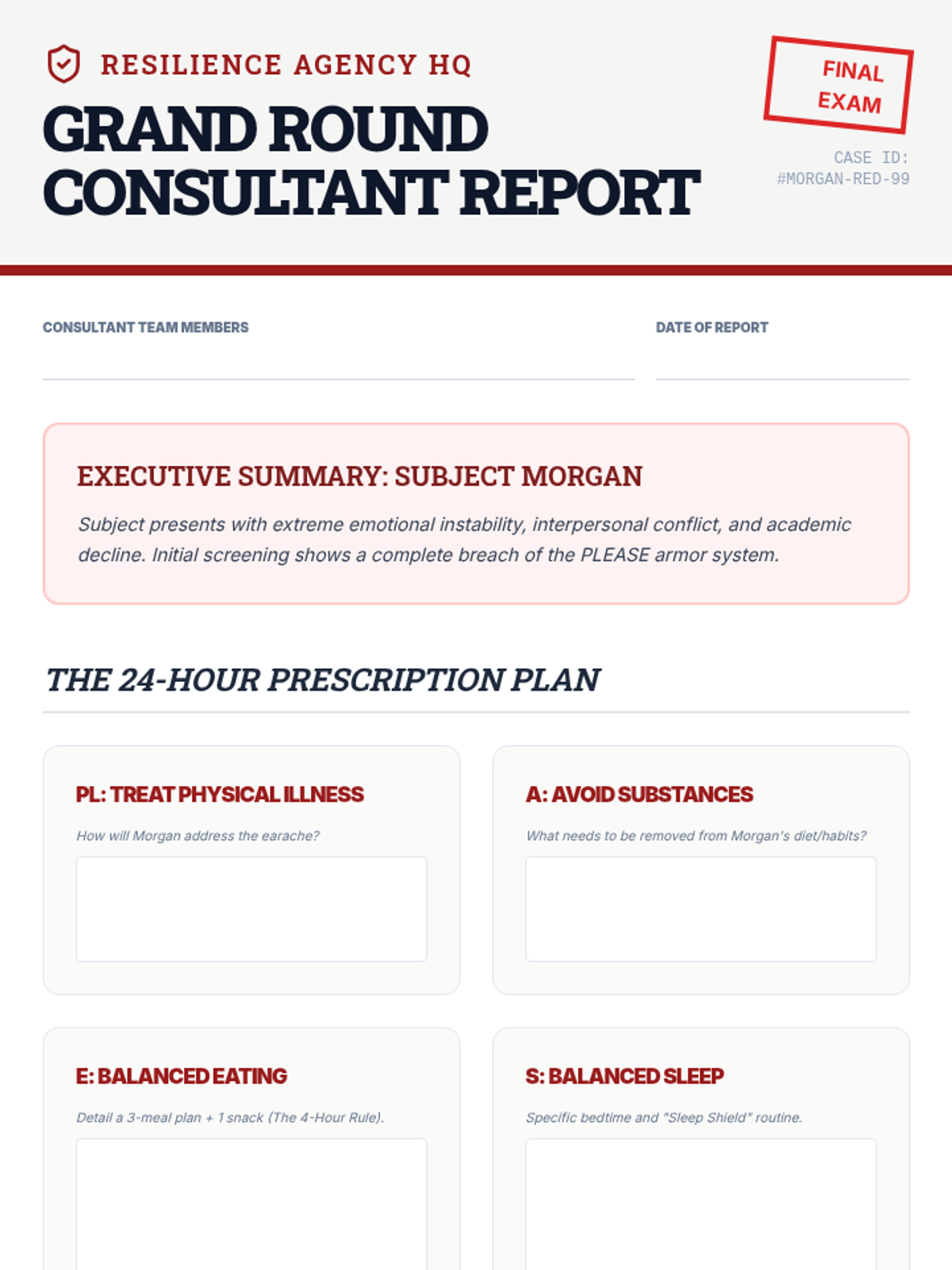
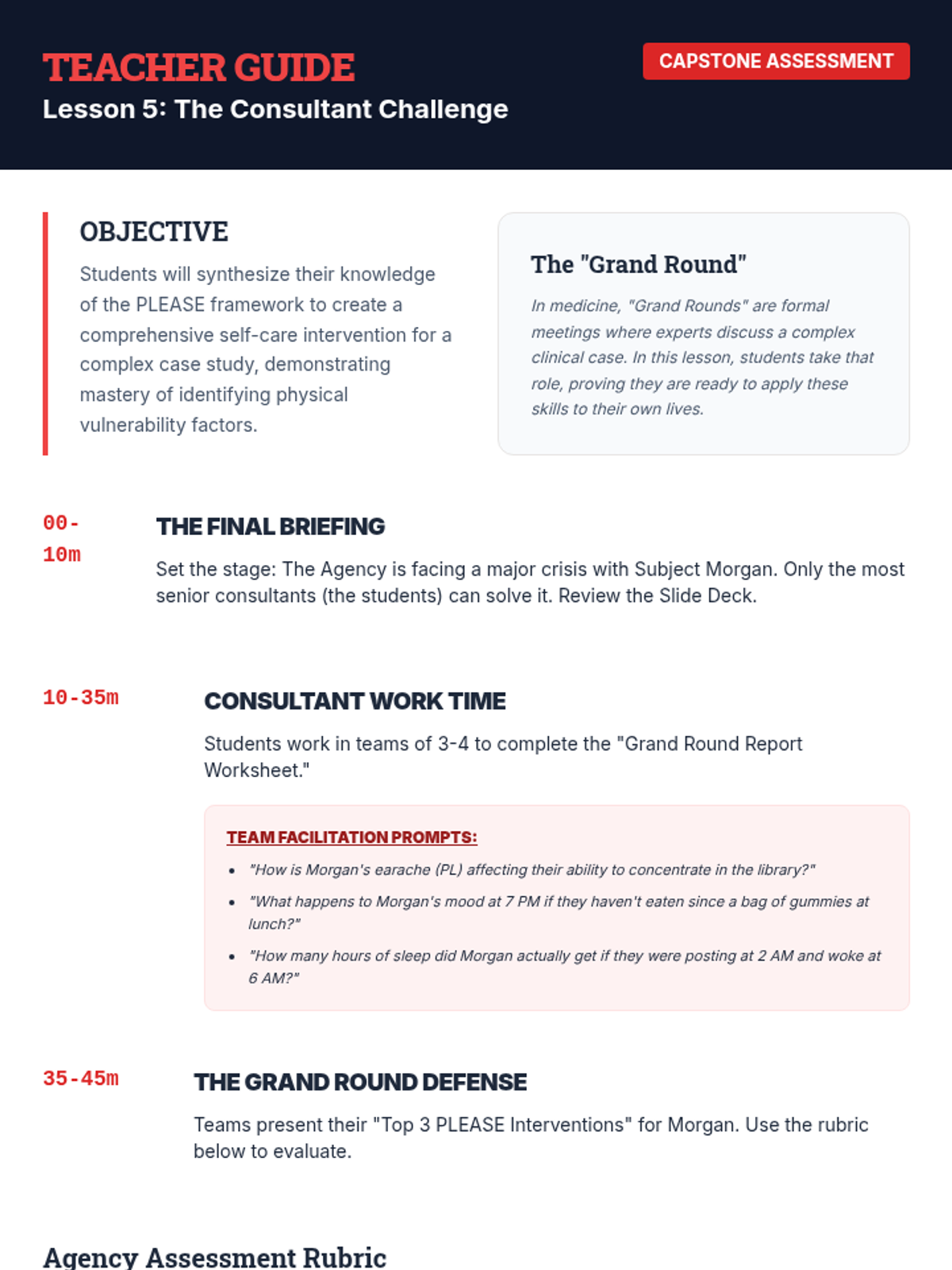
In a final 'Grand Round' challenge, student teams create a comprehensive PLEASE prescription for a complex behavioral case.
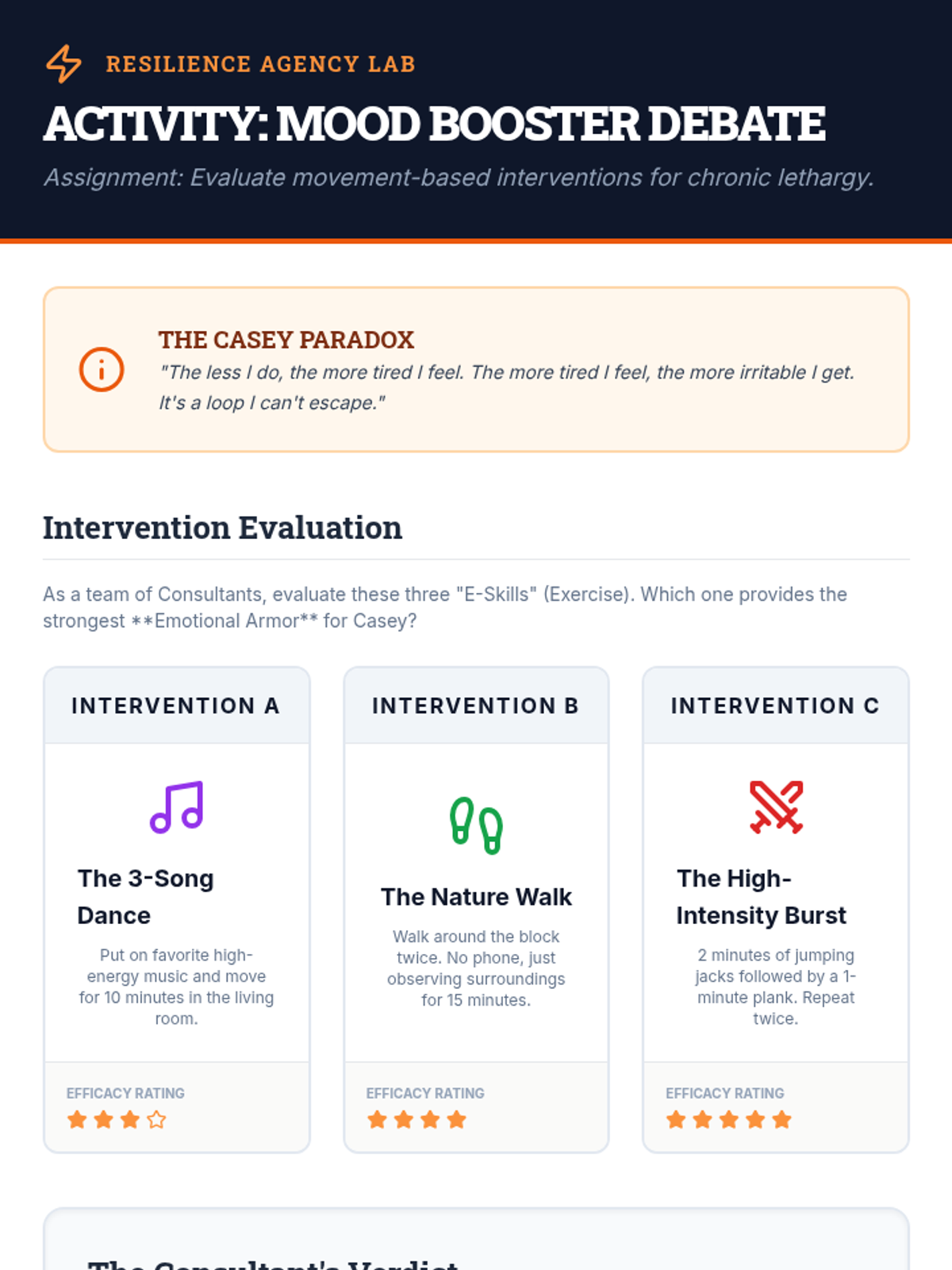
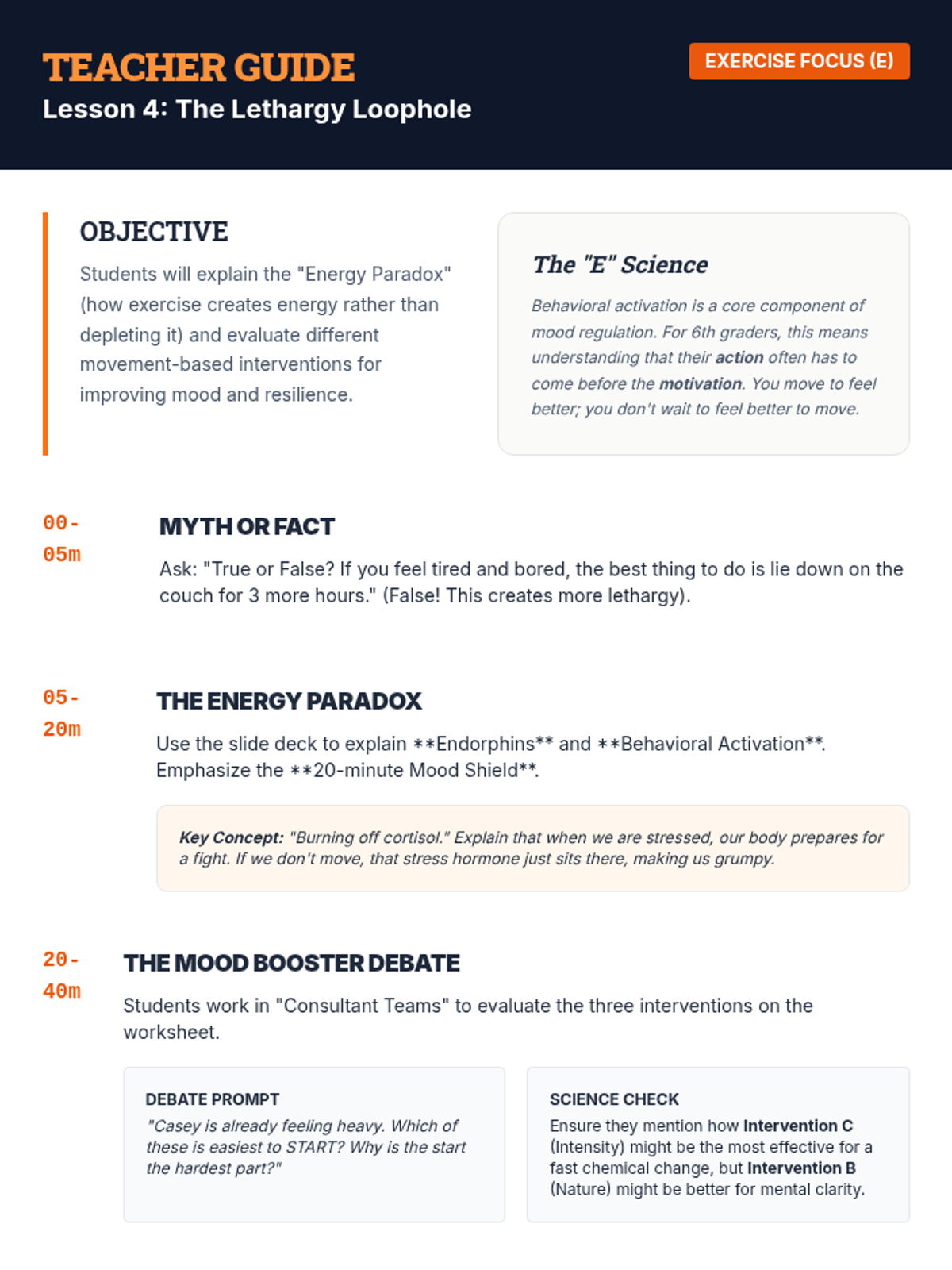
Students explore the energy paradox—how exercise boosts mood—and debate the effectiveness of movement-based interventions.
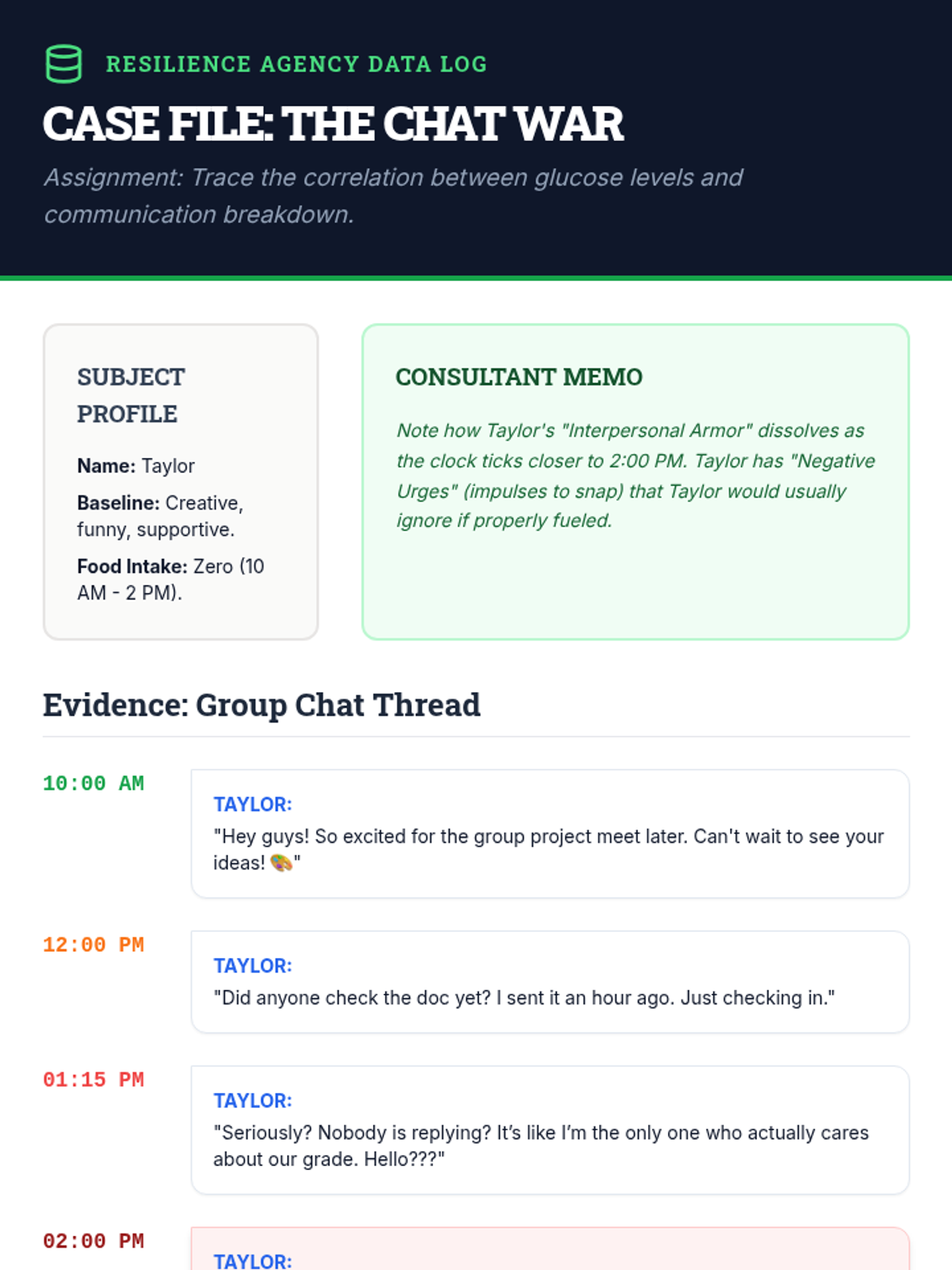
Students map the connection between blood sugar, meal timing, and emotional regulation through a text message timeline.
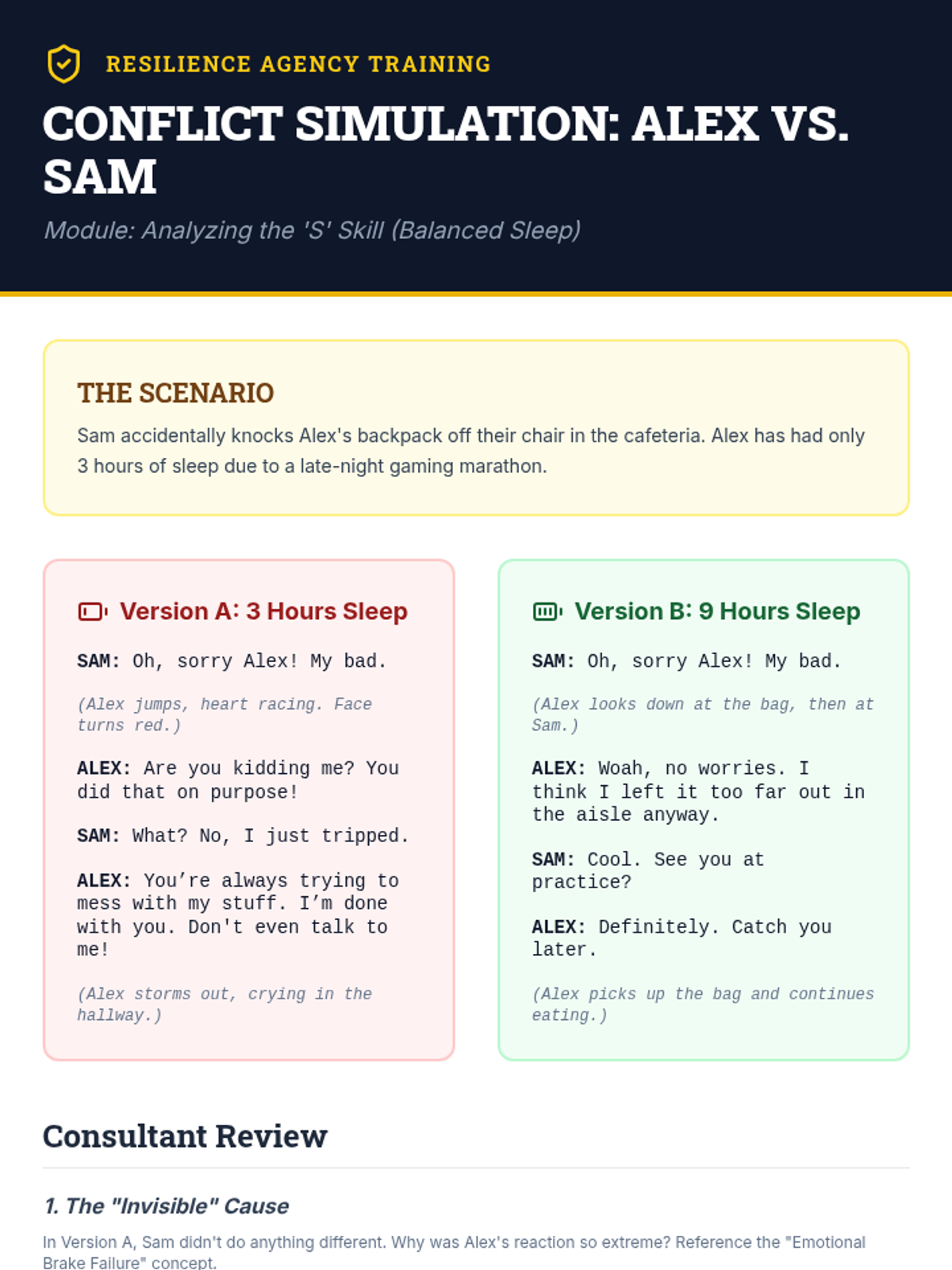
Students examine how sleep deprivation impacts mood and role-play conflict resolution with and without proper rest.
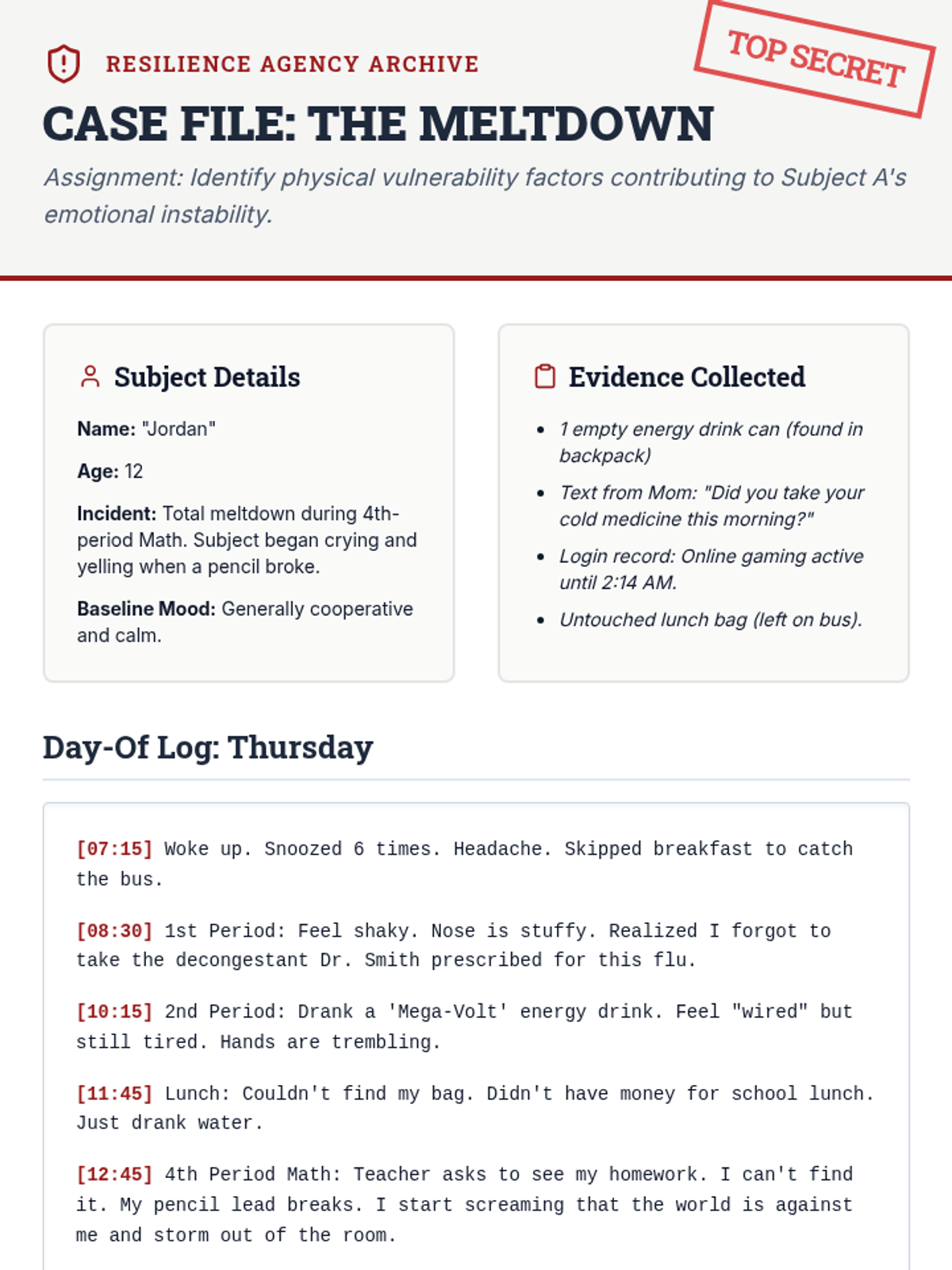
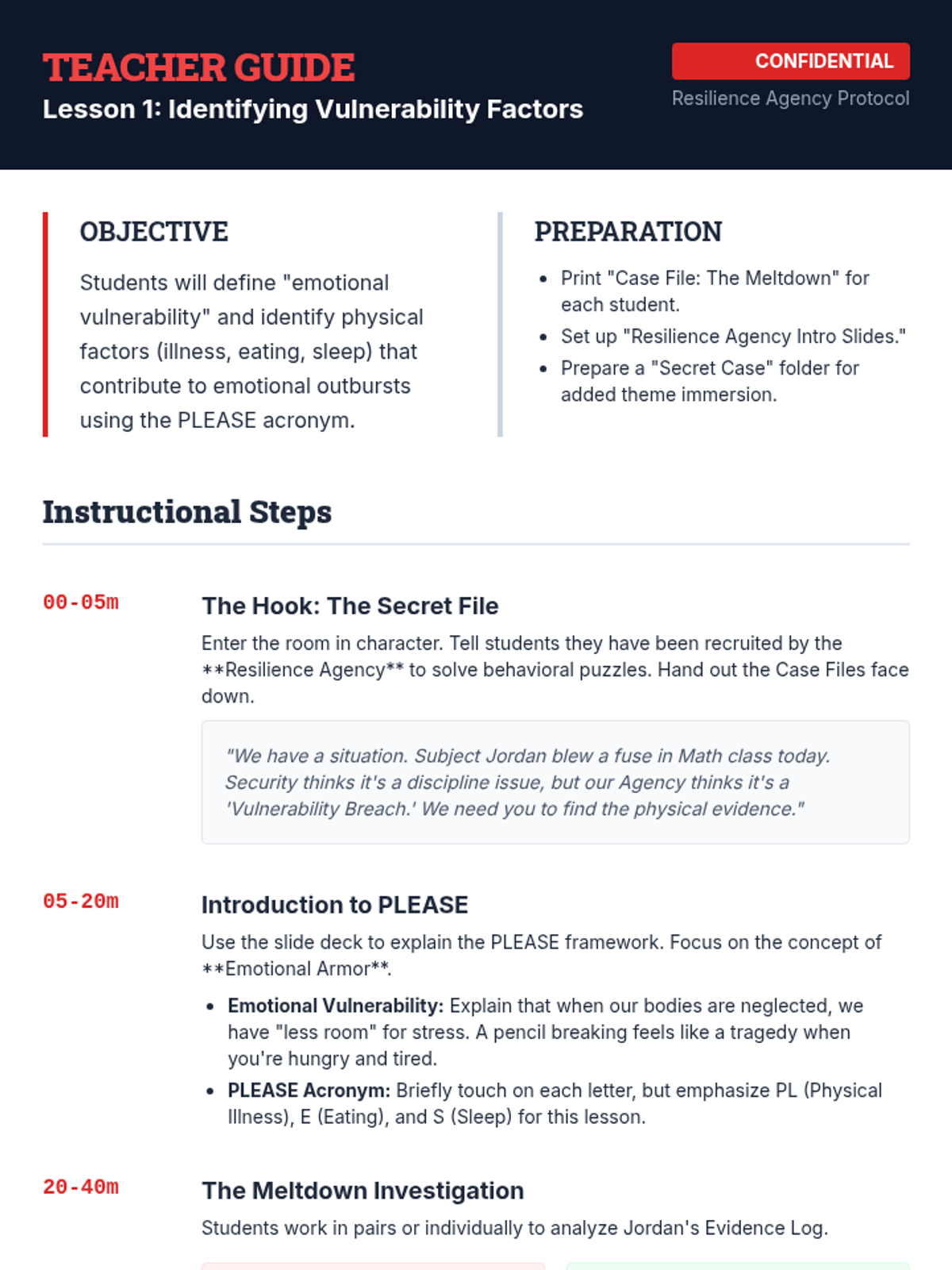
Students are introduced to the PLEASE framework and use evidence from a character's daily log to identify physical vulnerability factors.
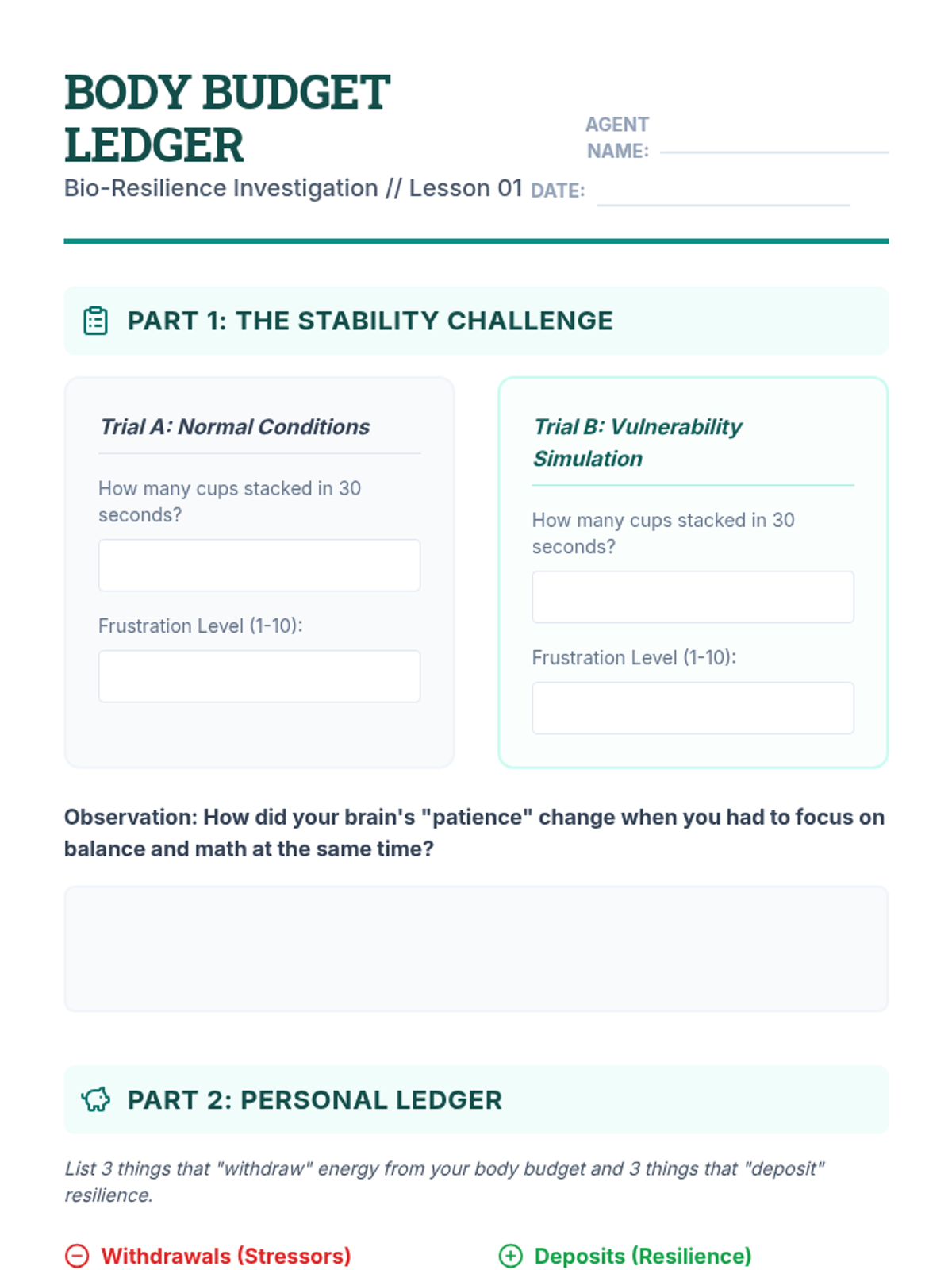
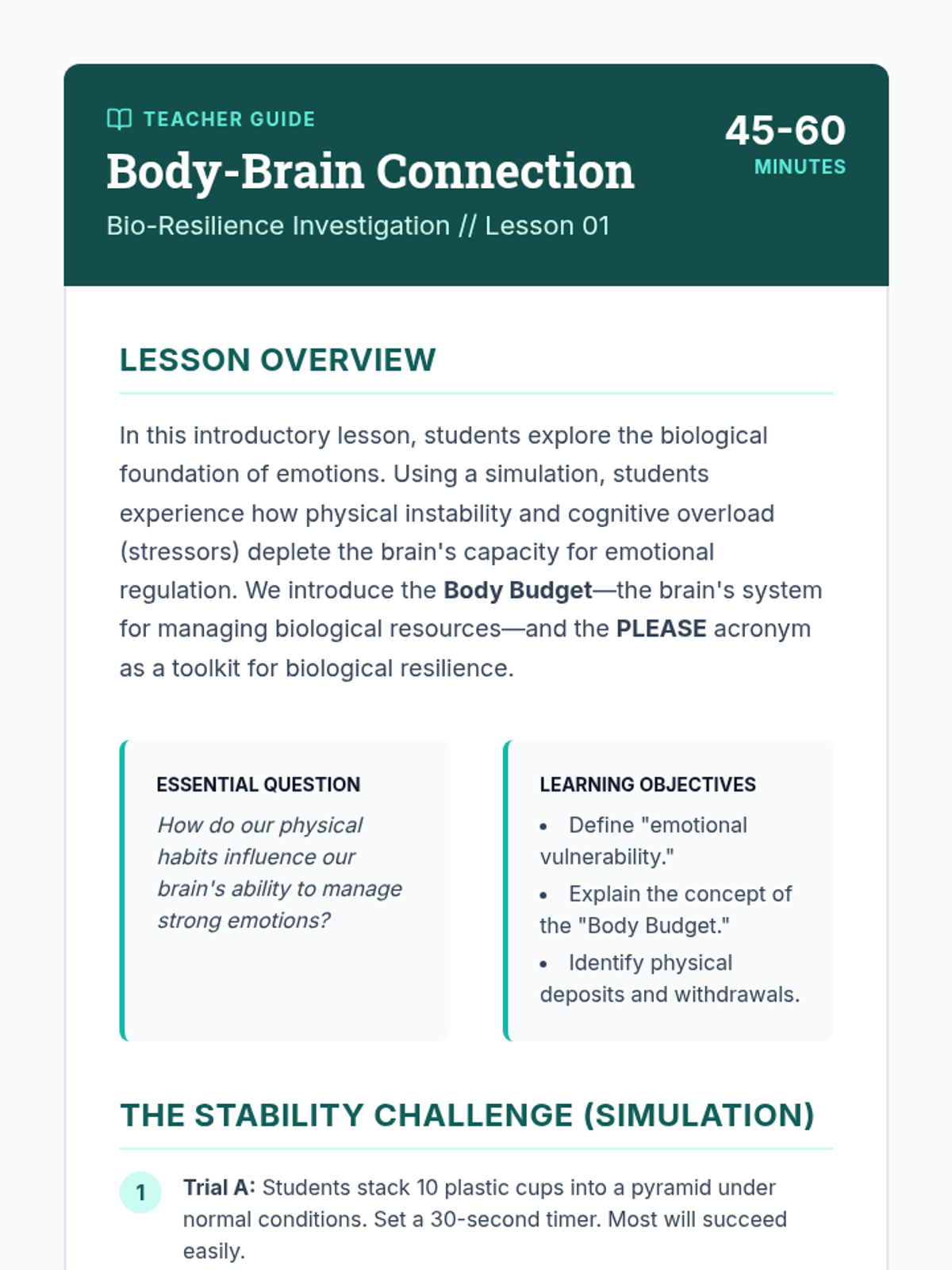
Students explore the concept of the 'Body Budget' and how physical stressors lead to emotional vulnerability through a simulation.
Students synthesize their learning into a final Resilience Routine and visual tracker, writing a letter to their future selves.
Students explore non-competitive movement as a tool for mindfulness and grounding, distinguishing it from competitive sports.
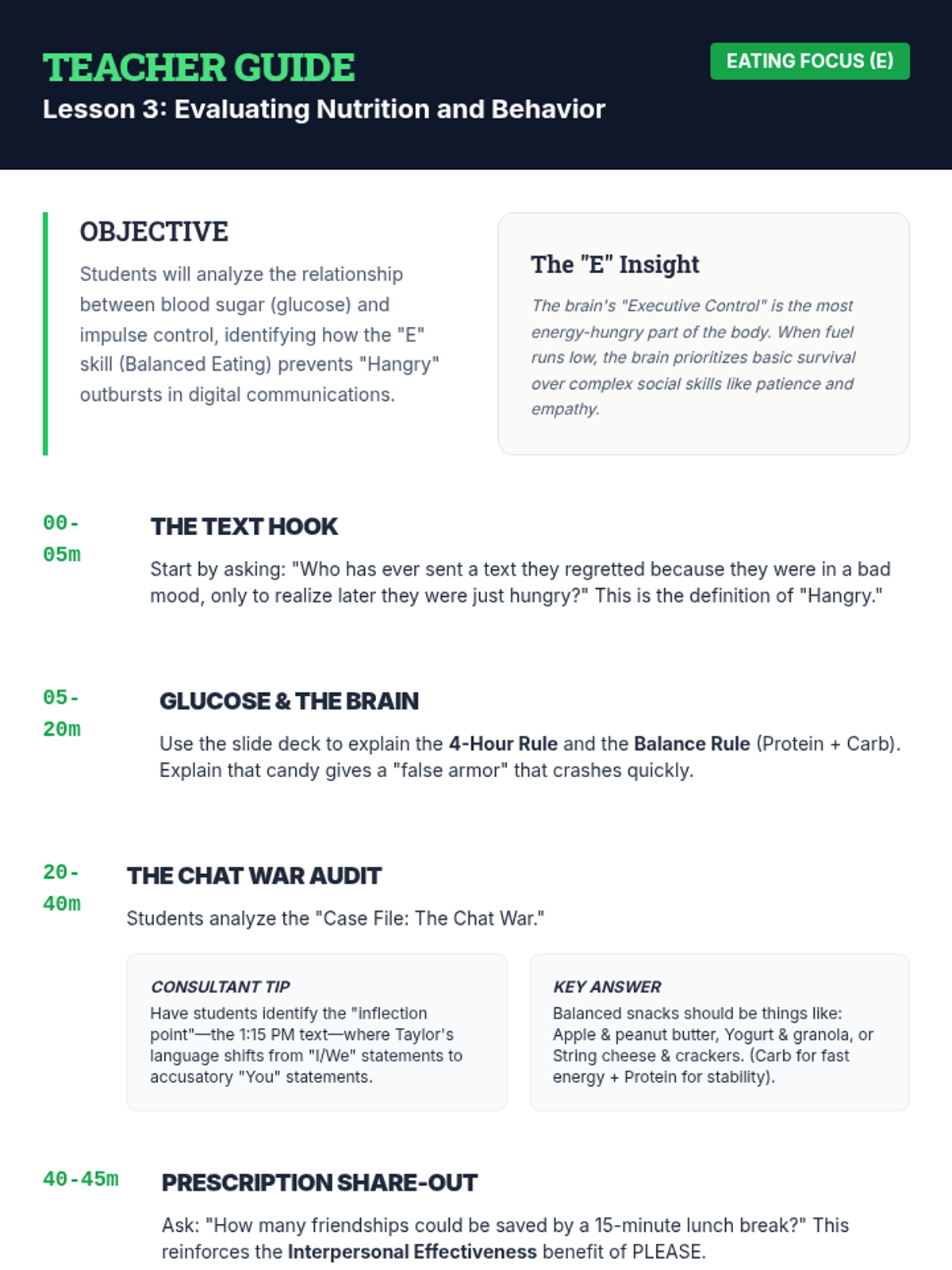
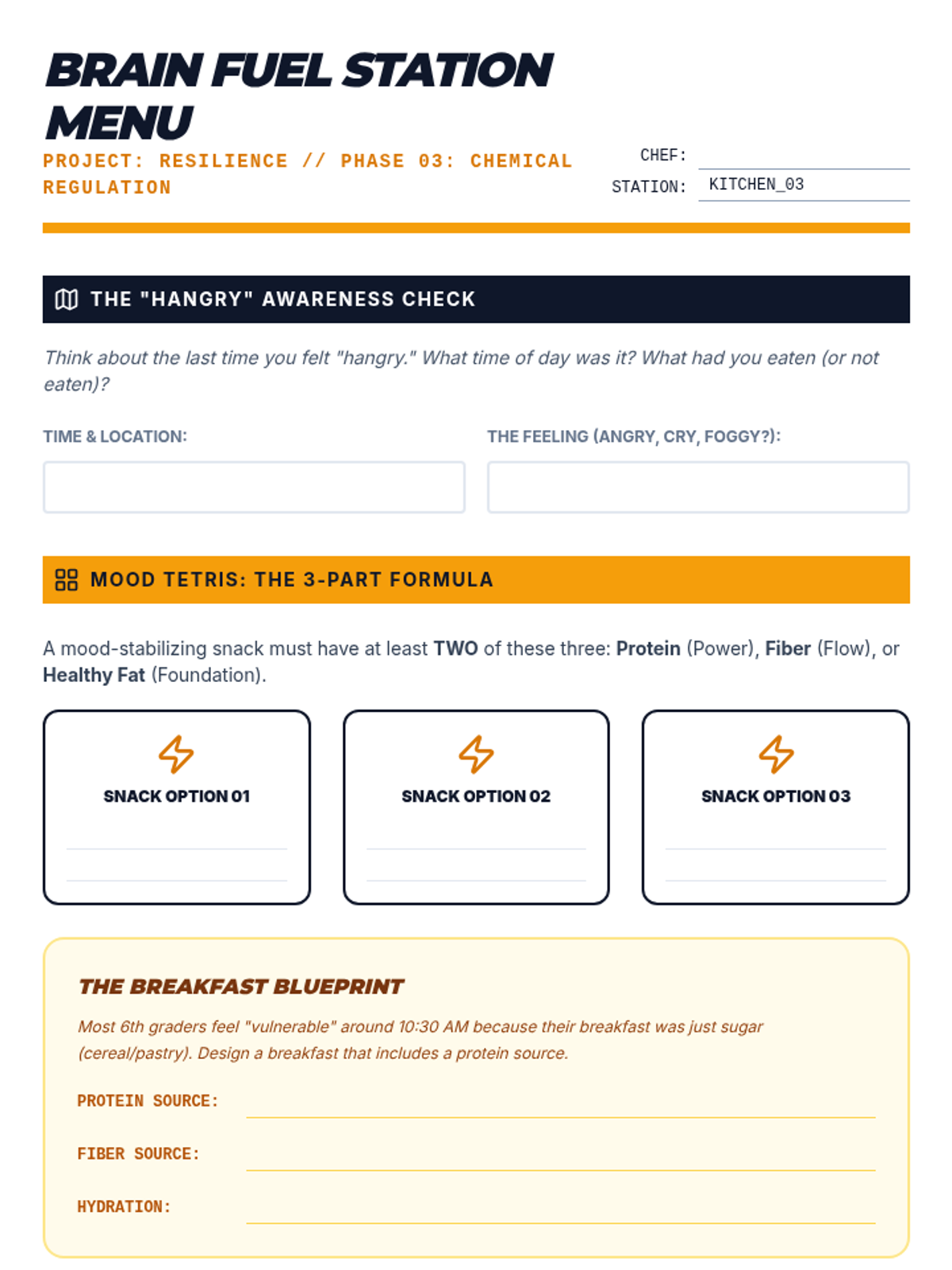
Students learn about the connection between nutrition and mood, creating a menu of balanced snacks to prevent 'hangry' emotional outbursts.
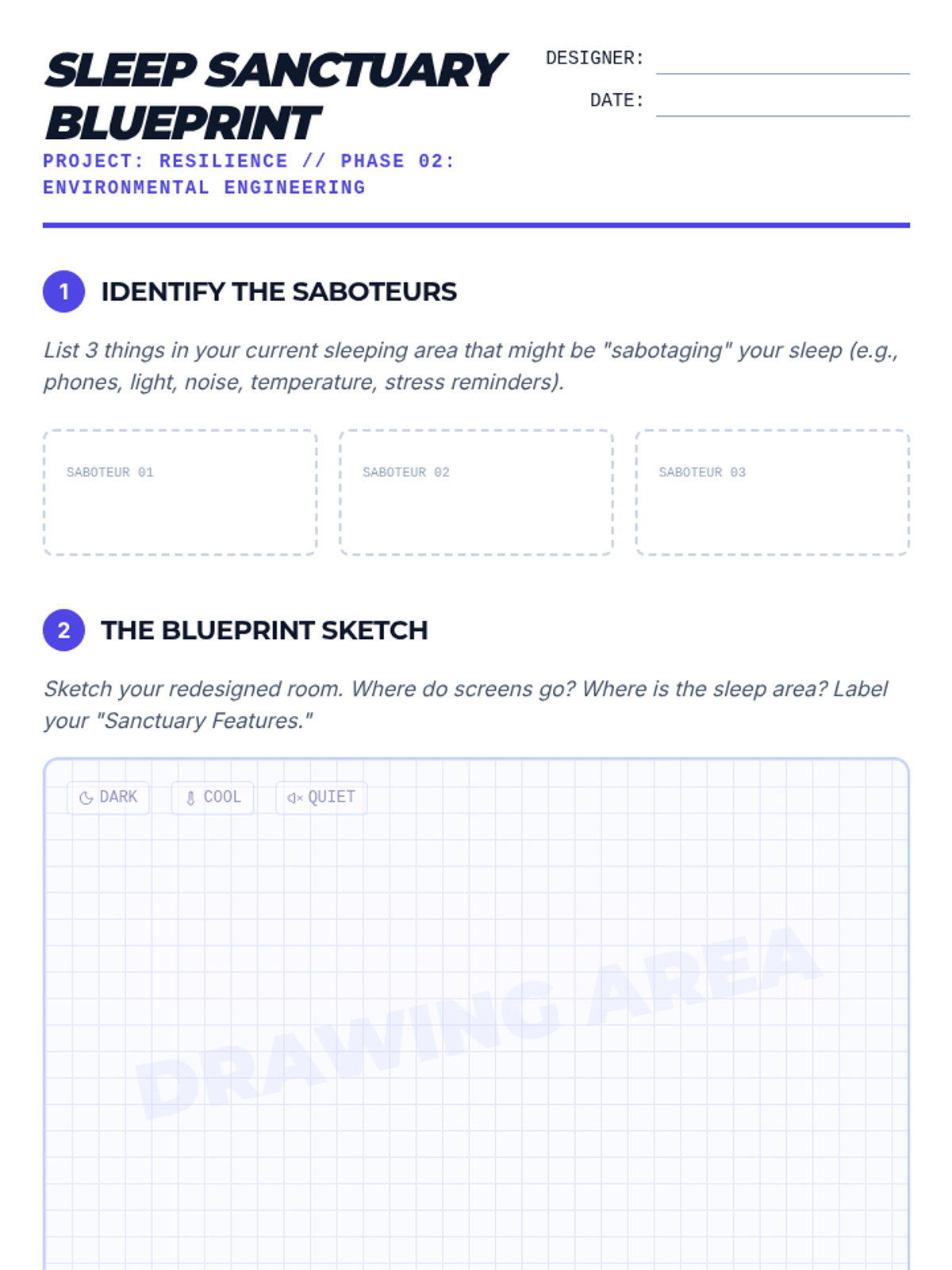
Students explore sleep hygiene principles and redesign a hypothetical bedroom environment for optimal rest and emotional regulation.
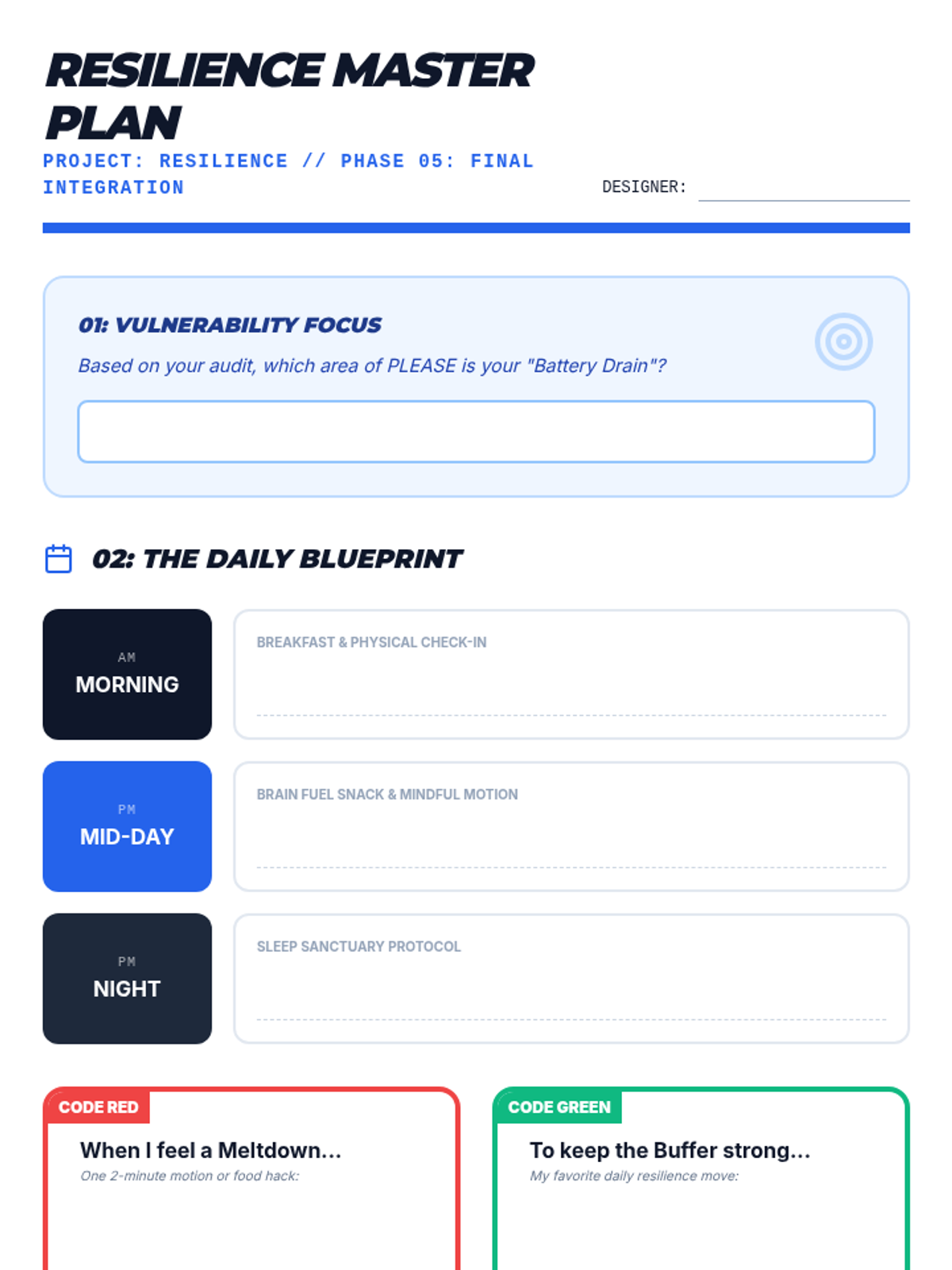
Students introduce the PLEASE acronym and use a self-assessment tool to track current behaviors, identifying a primary vulnerability area to focus on.
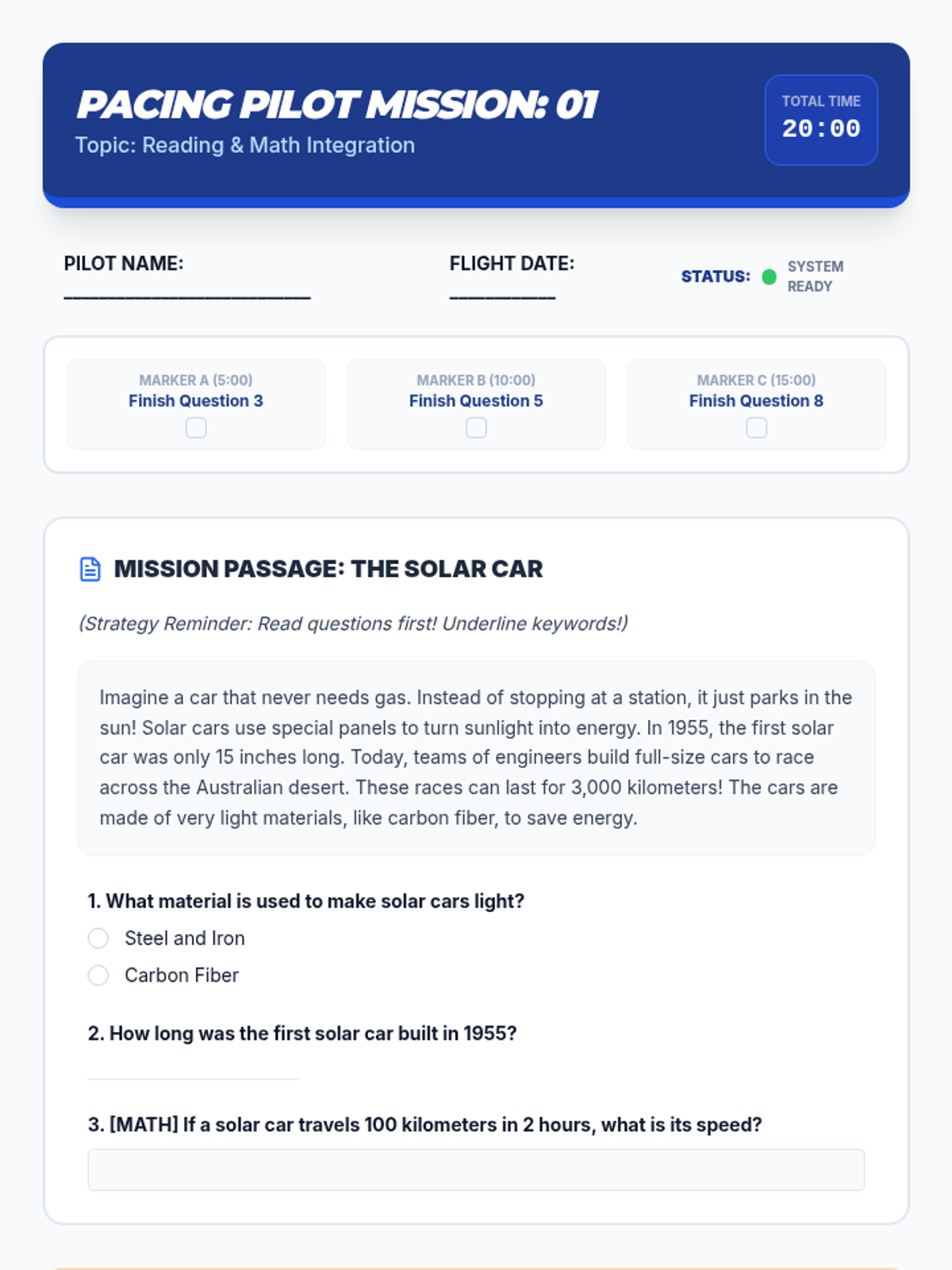
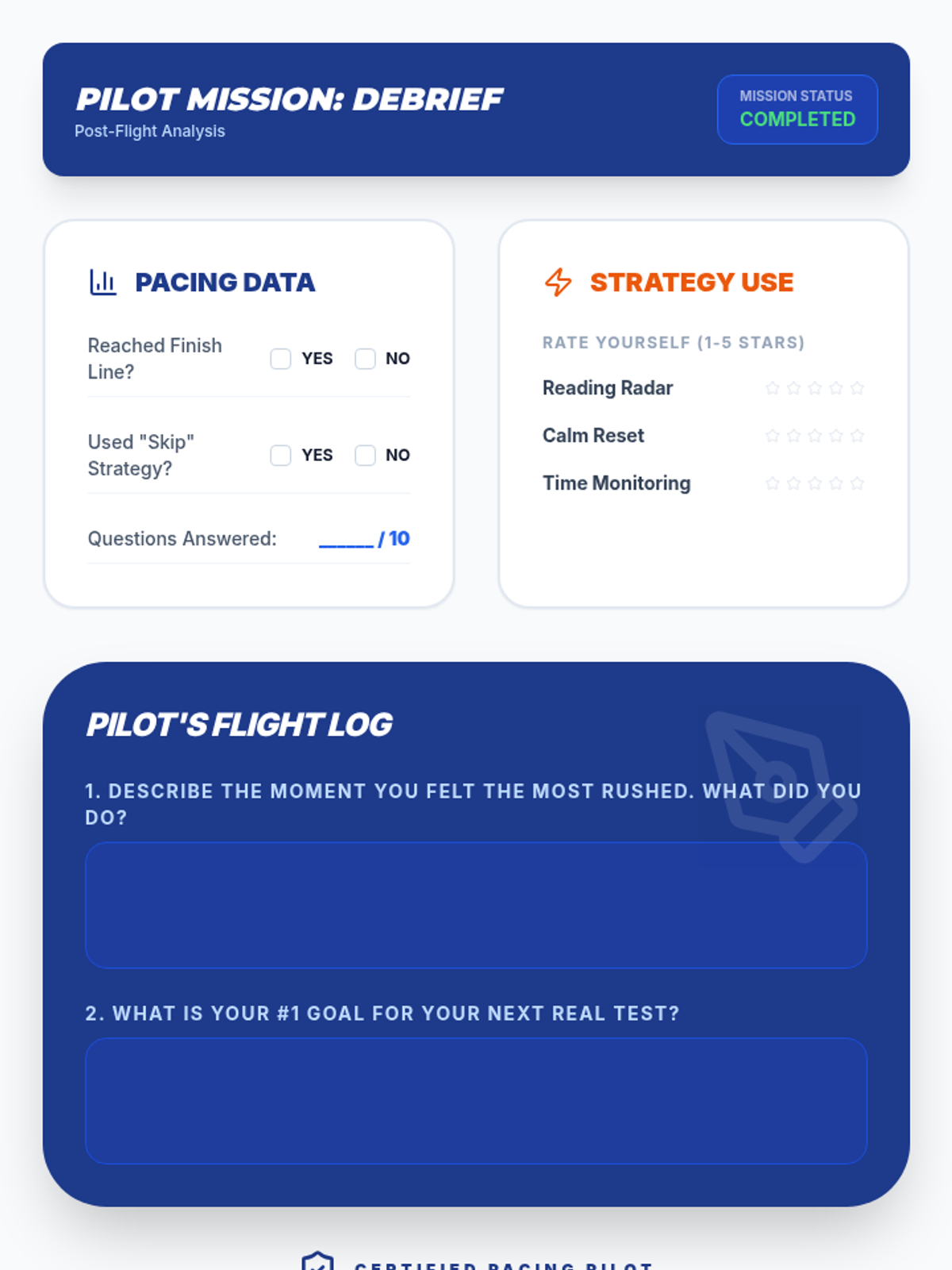
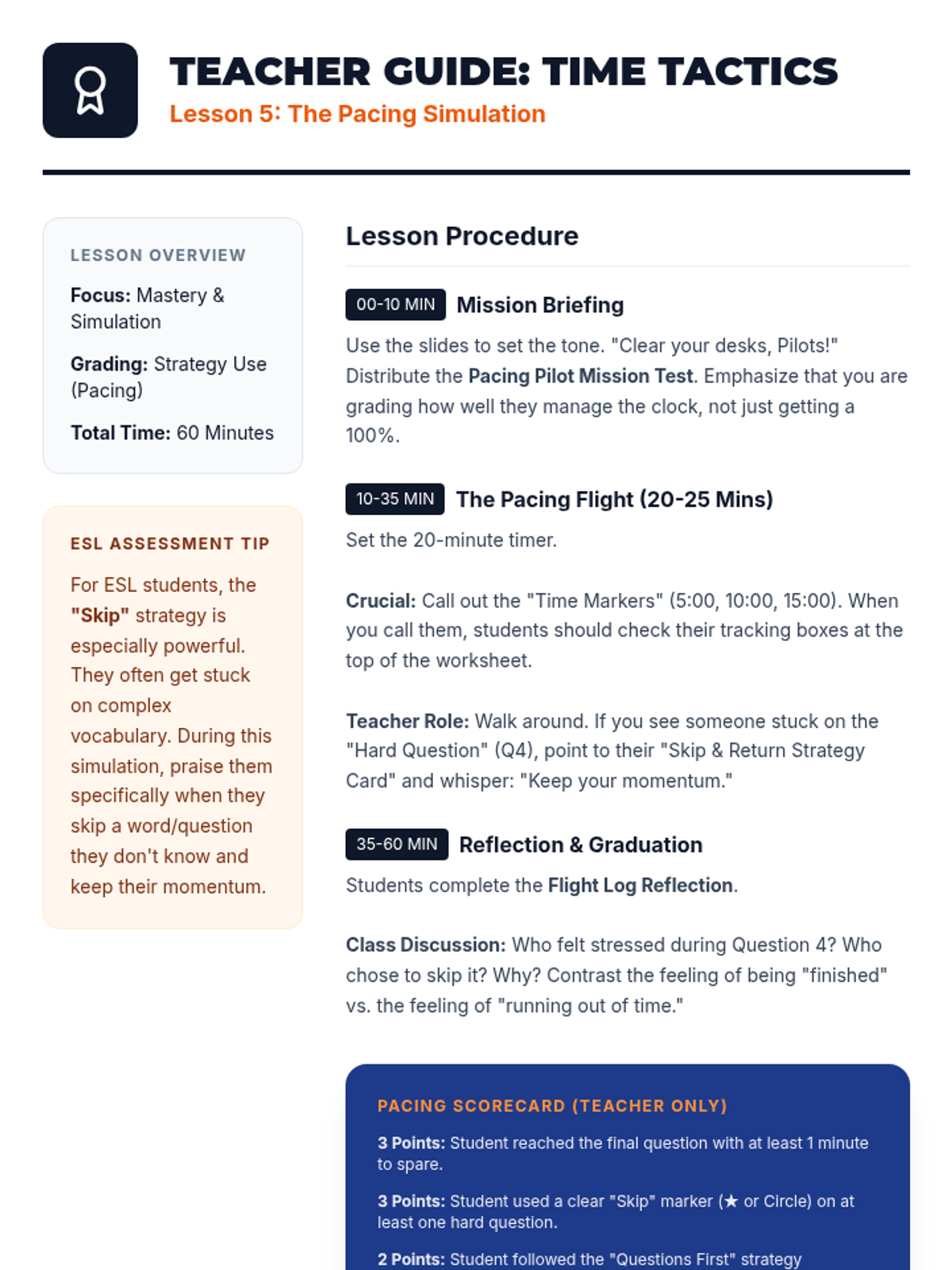
A simulated test session where students are graded on their ability to hit specific pacing markers and reflect on their performance.
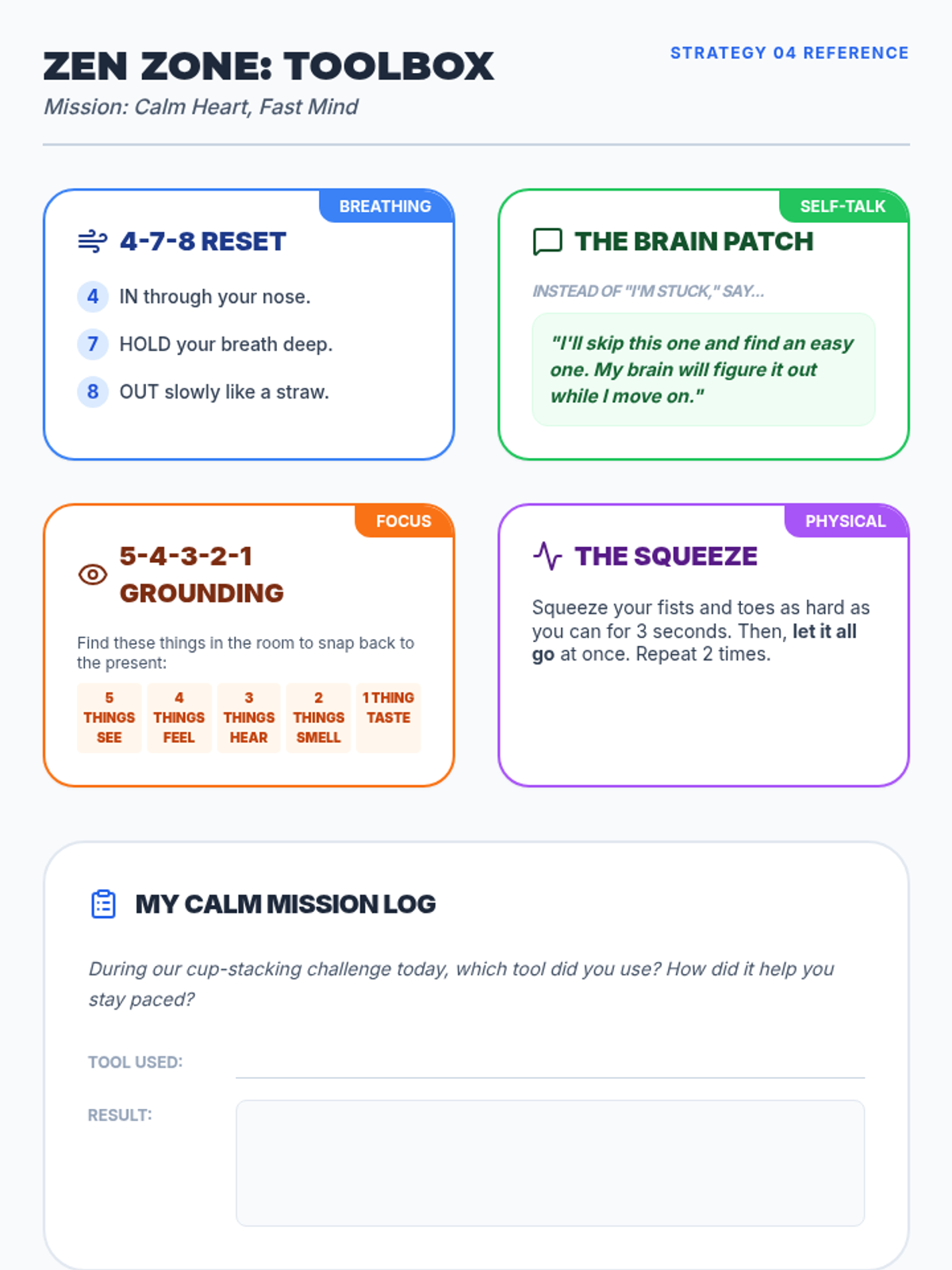
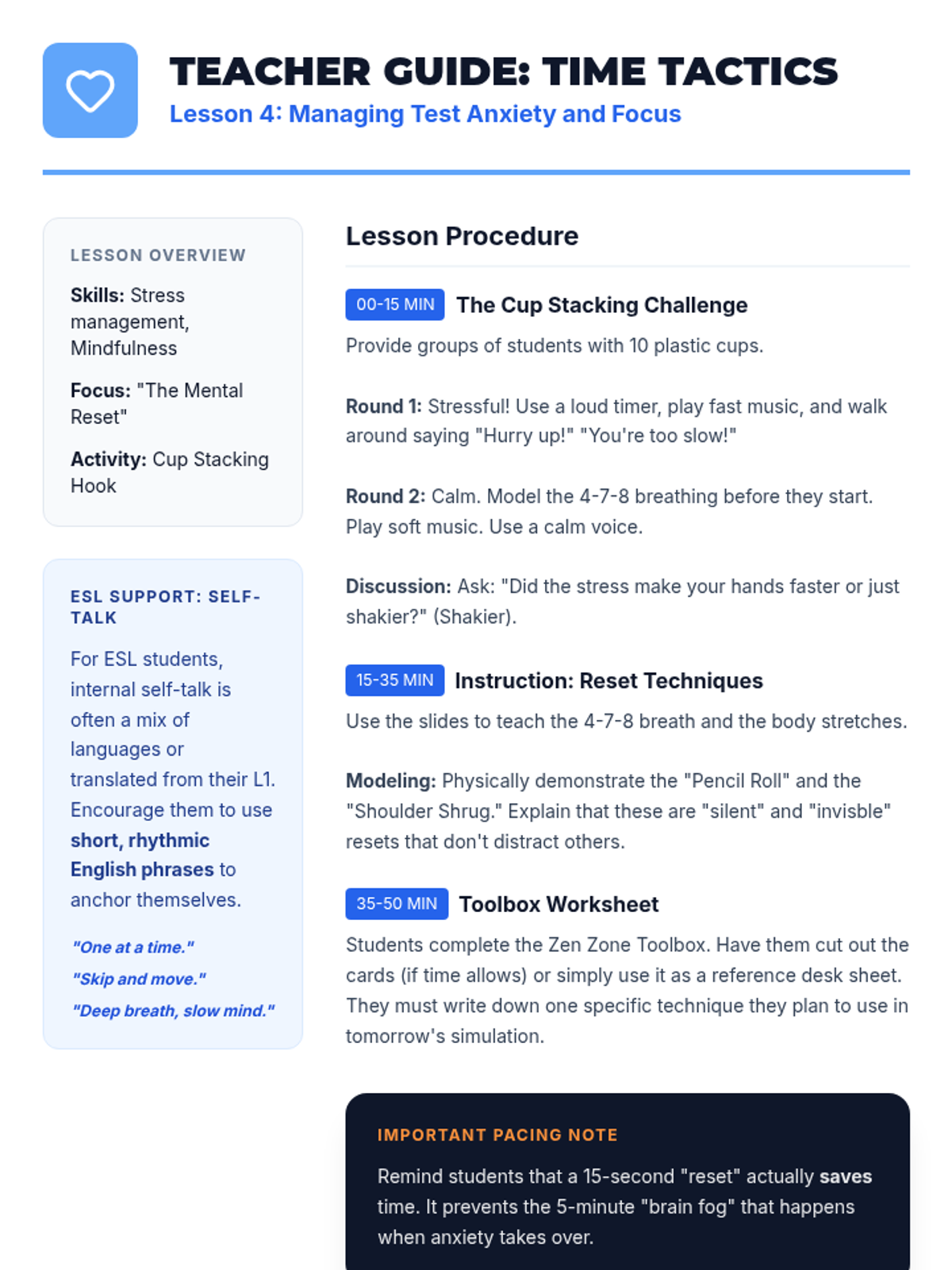
Teaches students physiological and mental reset techniques to stay calm and focused when the clock is ticking.
Focuses on reading strategies like 'questions first' to save time and improve focus during long reading comprehension sections.
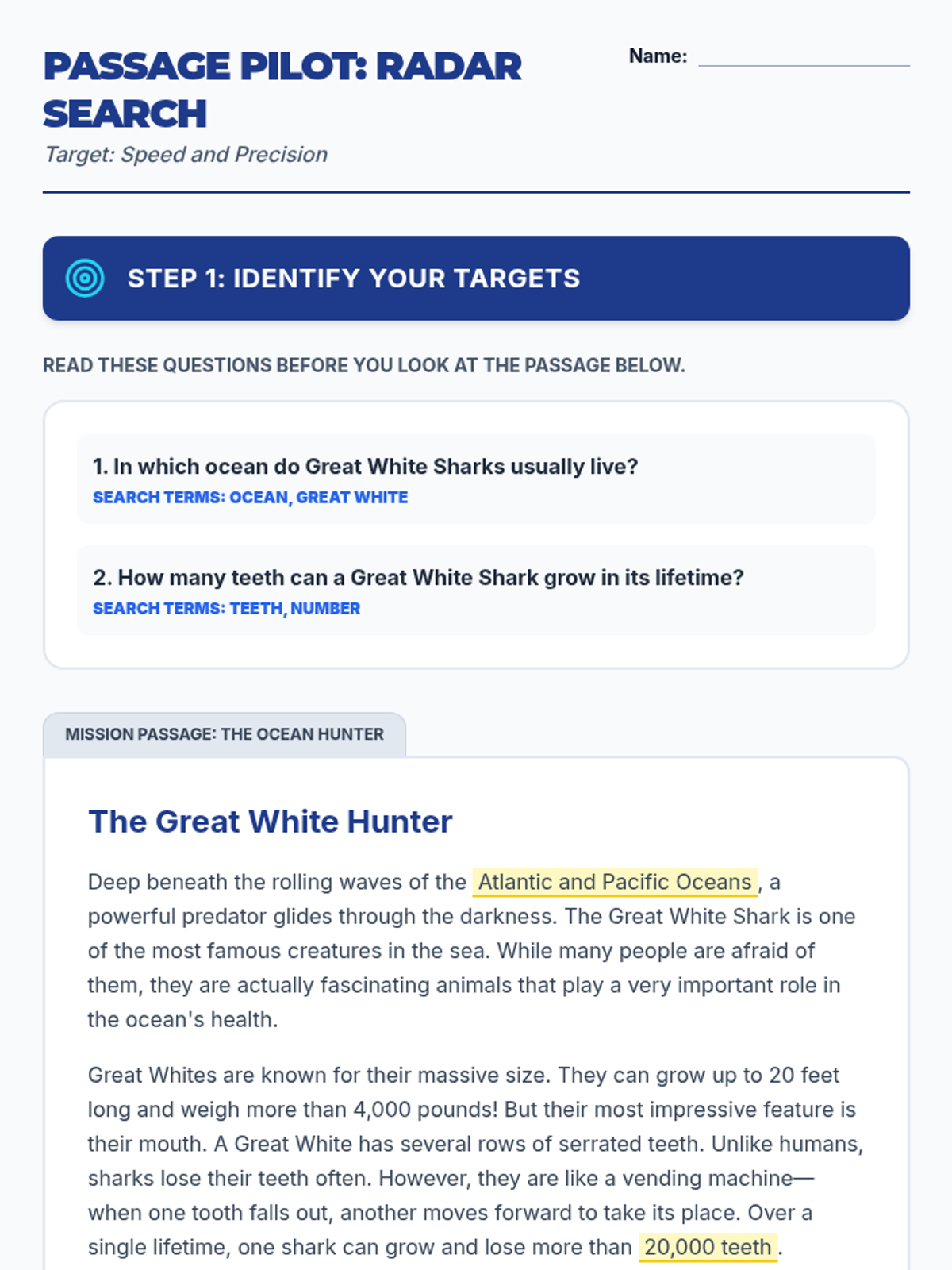
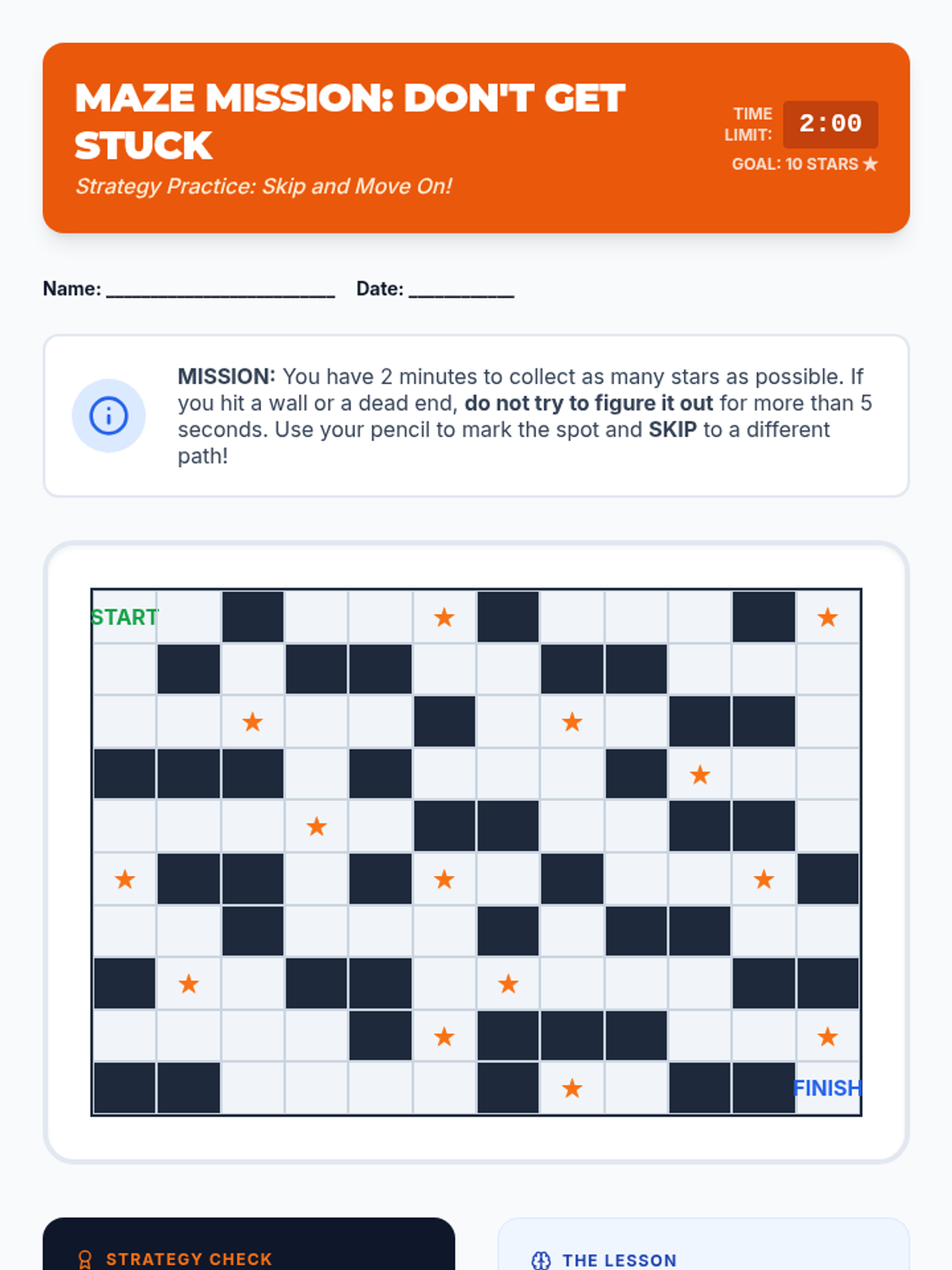
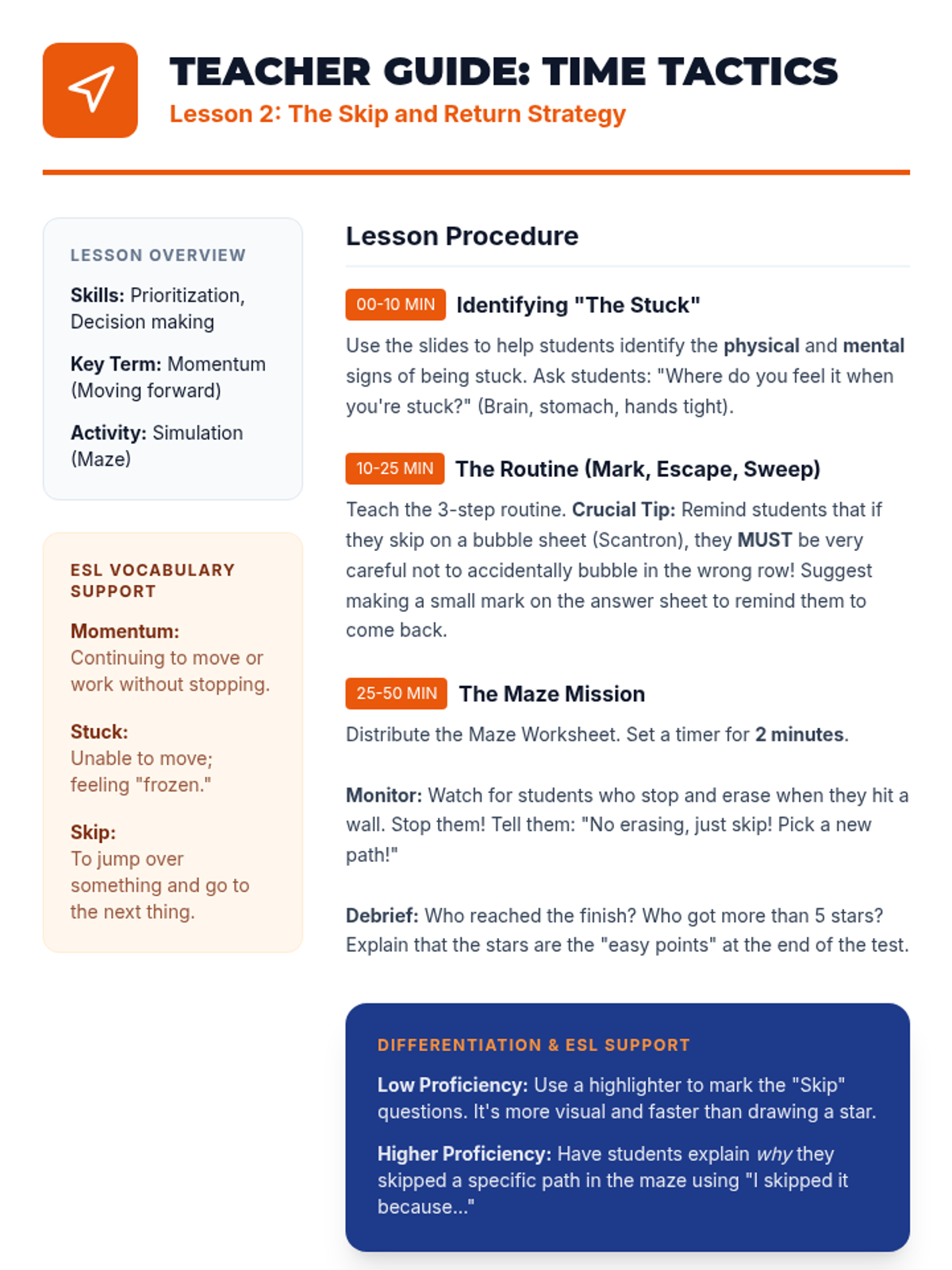
Students practice identifying when they are stuck and learn the 'skip and return' method to maximize their points by answering easy questions first.
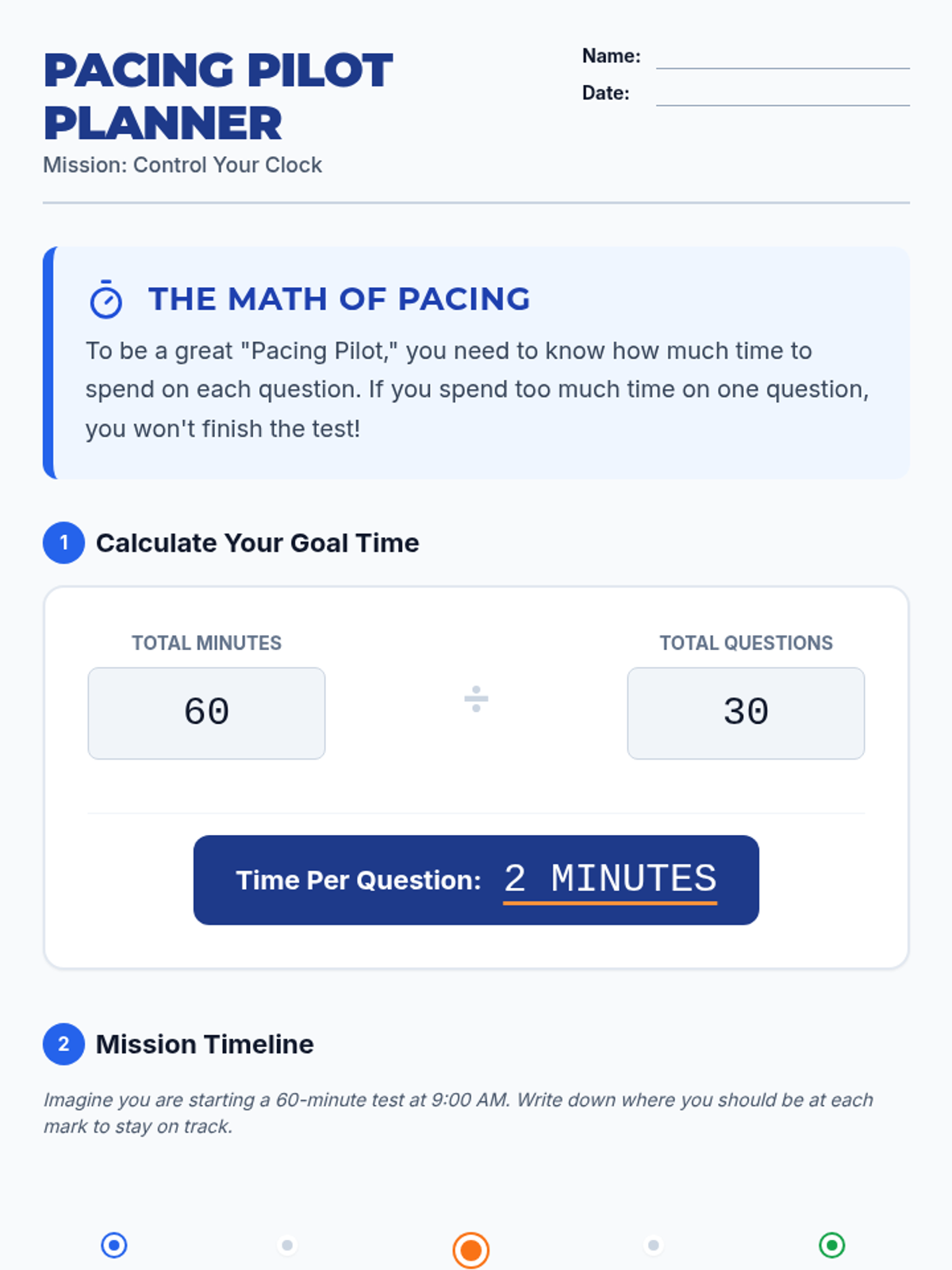
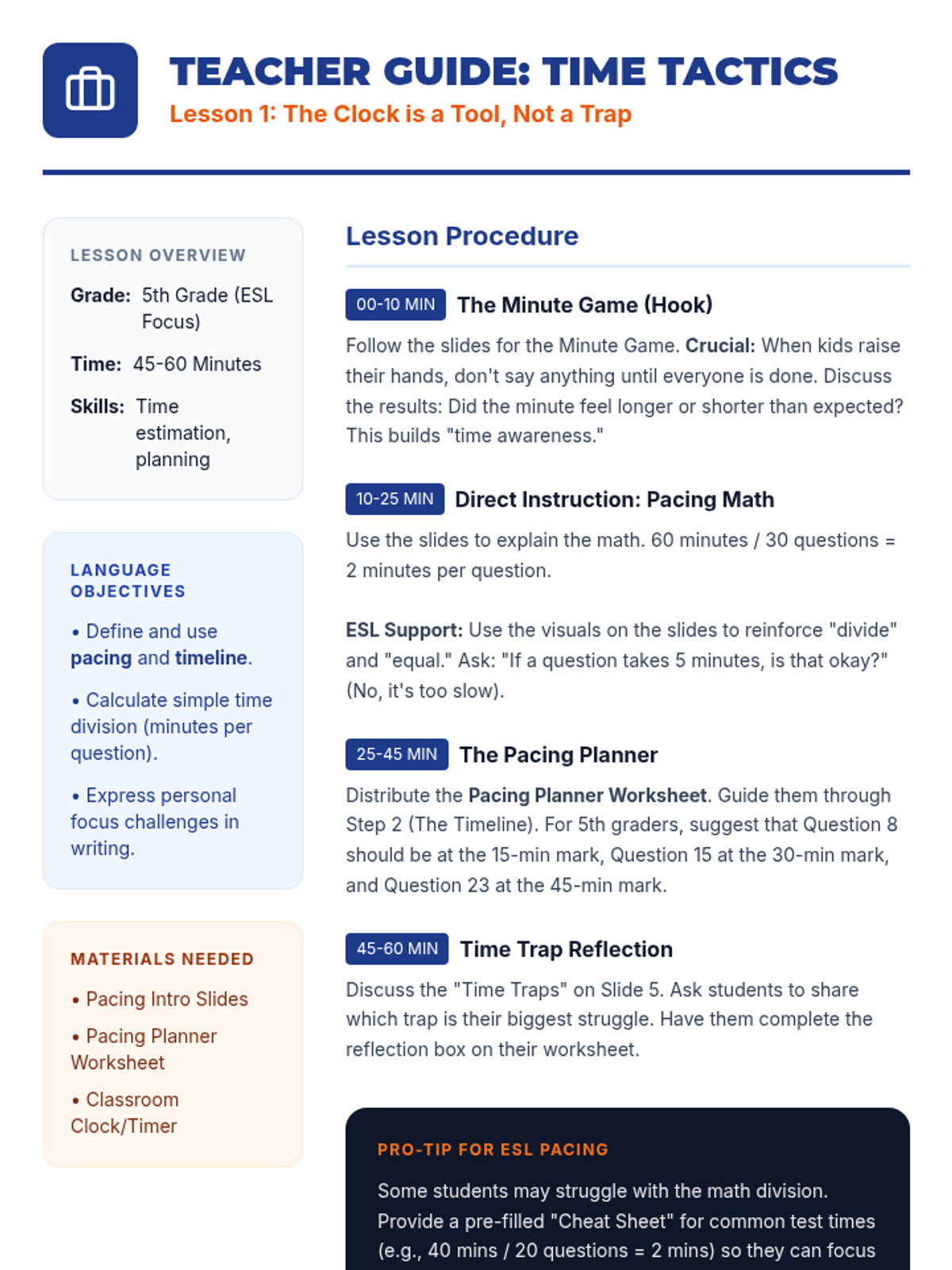
Students learn the basics of pacing by breaking down total test time and creating visual pacing guides to avoid the 'time trap.'
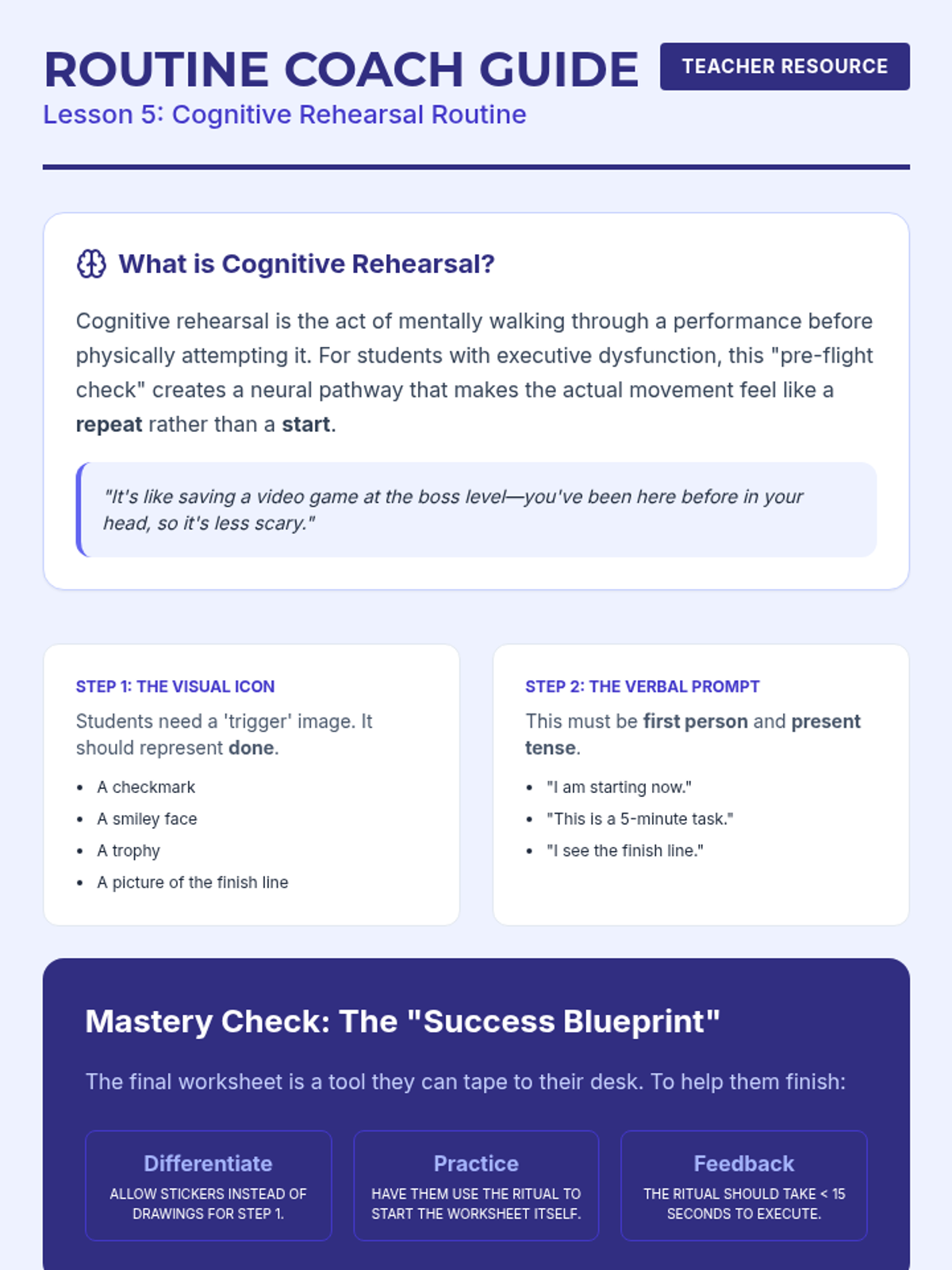
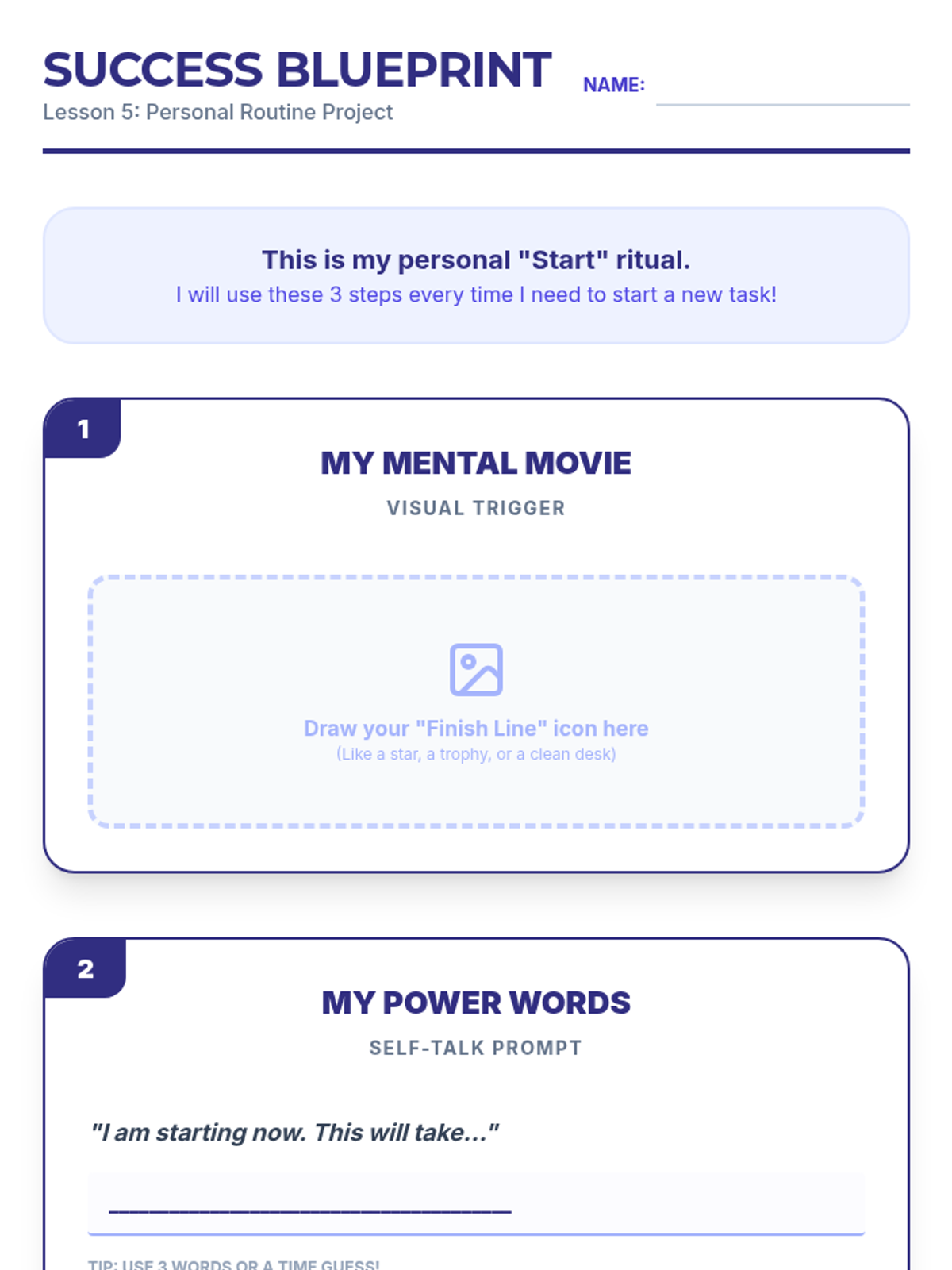
Students create a personal storyboard or checklist that combines a visual icon with a verbal prompt for task initiation.
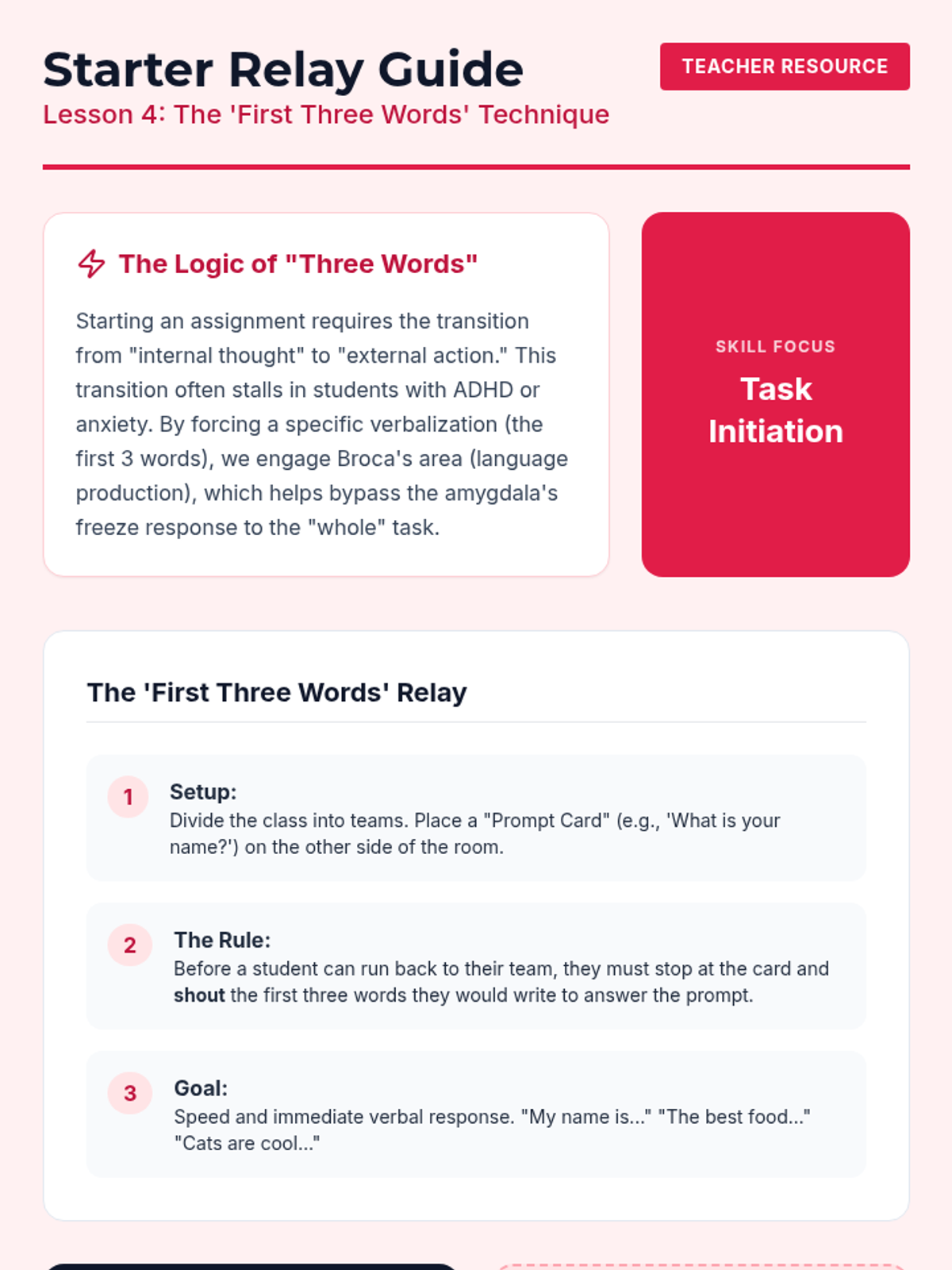
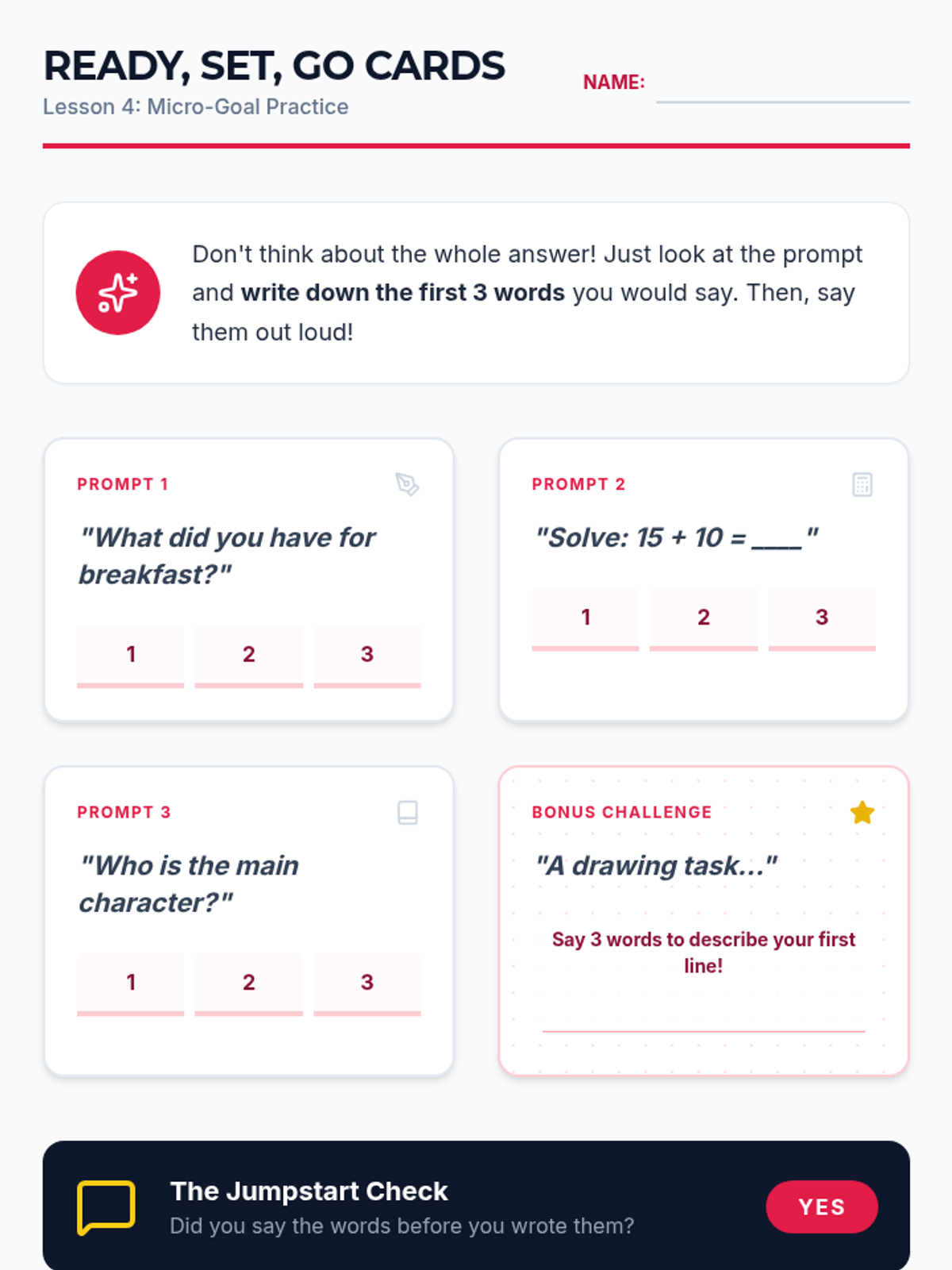
Students learn to identify the first three words of a task to lower the barrier to entry and engage the brain's language center.
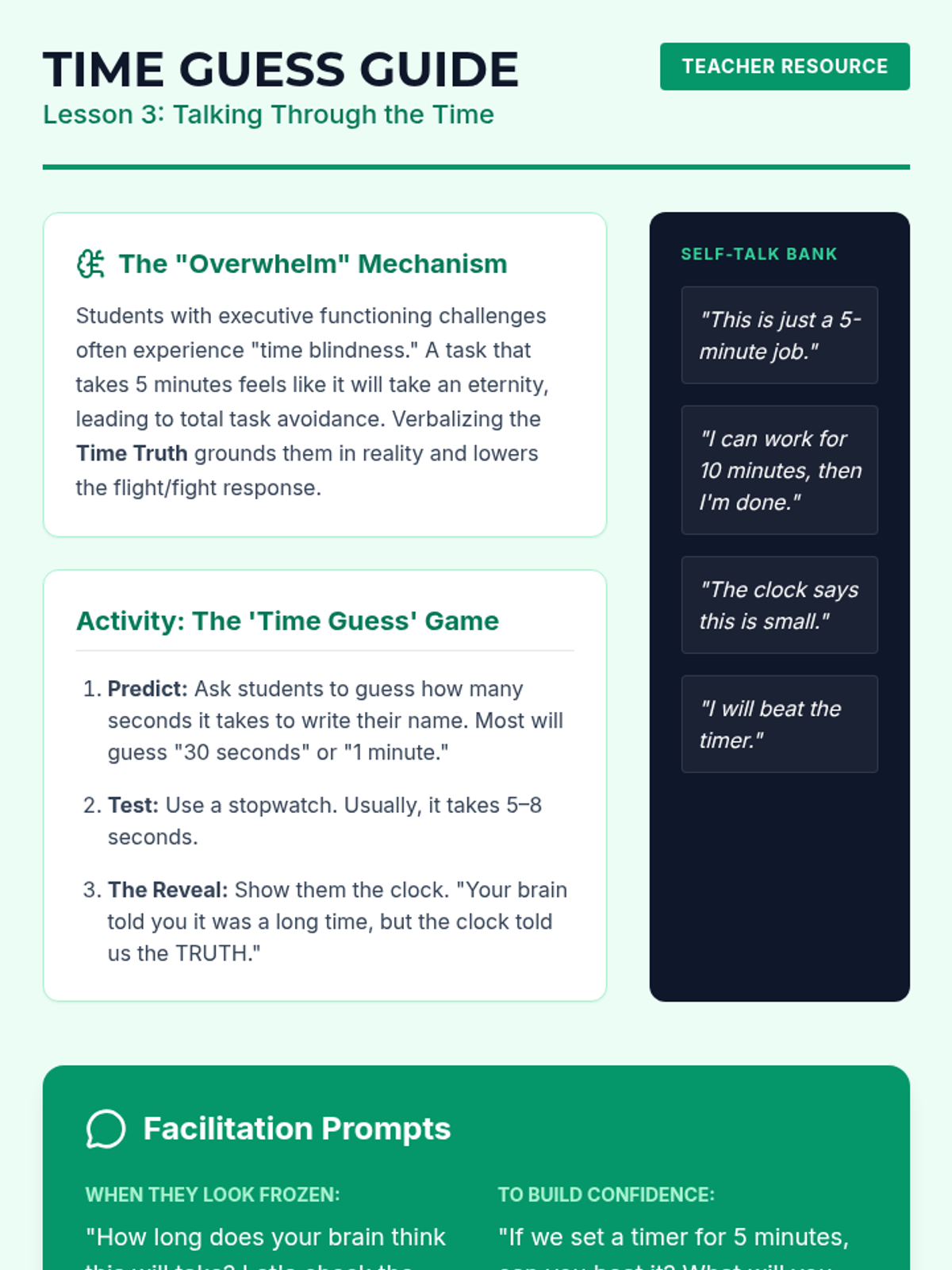
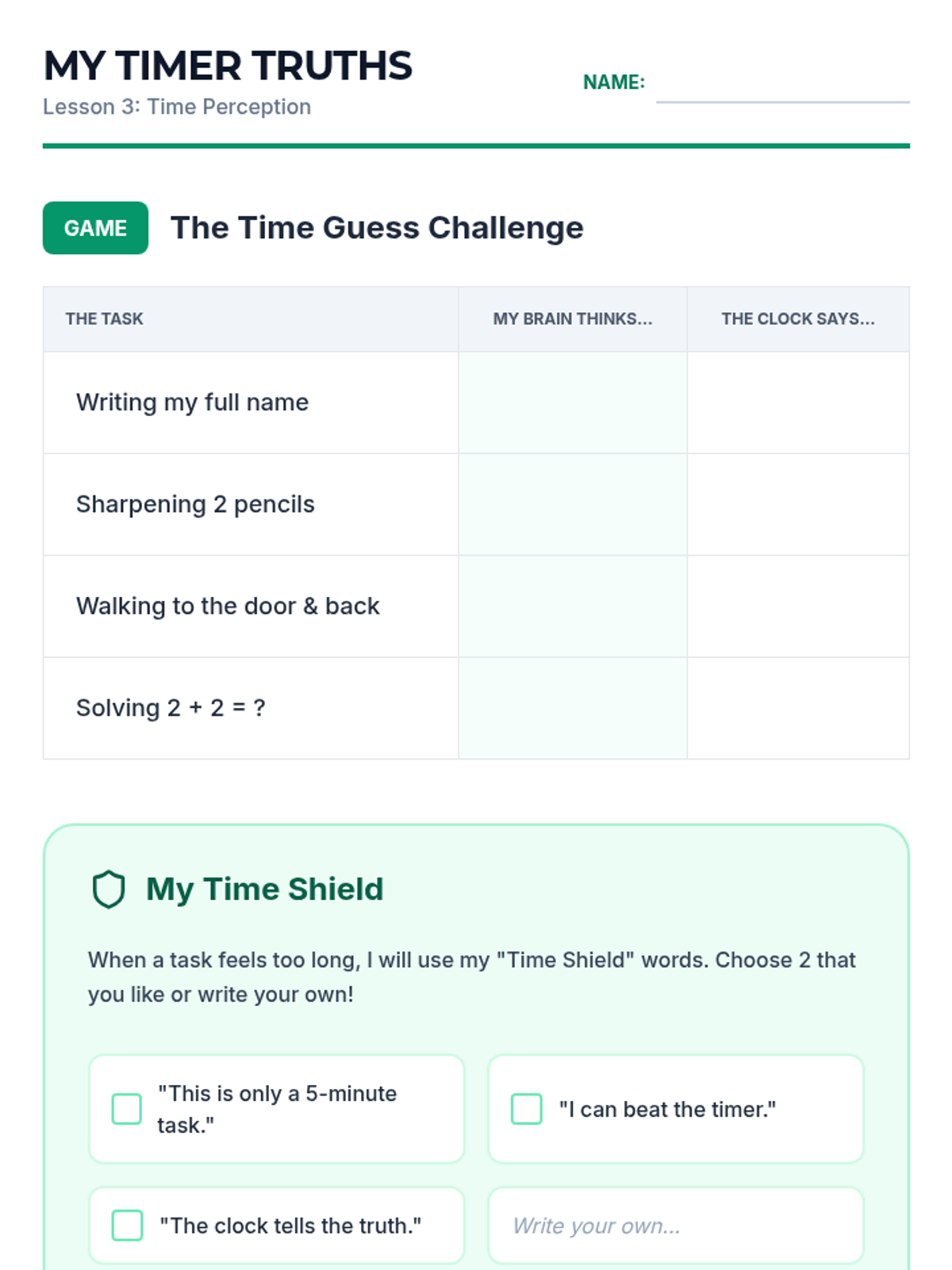
Students learn to estimate time and use verbal reassurance to reduce overwhelm.
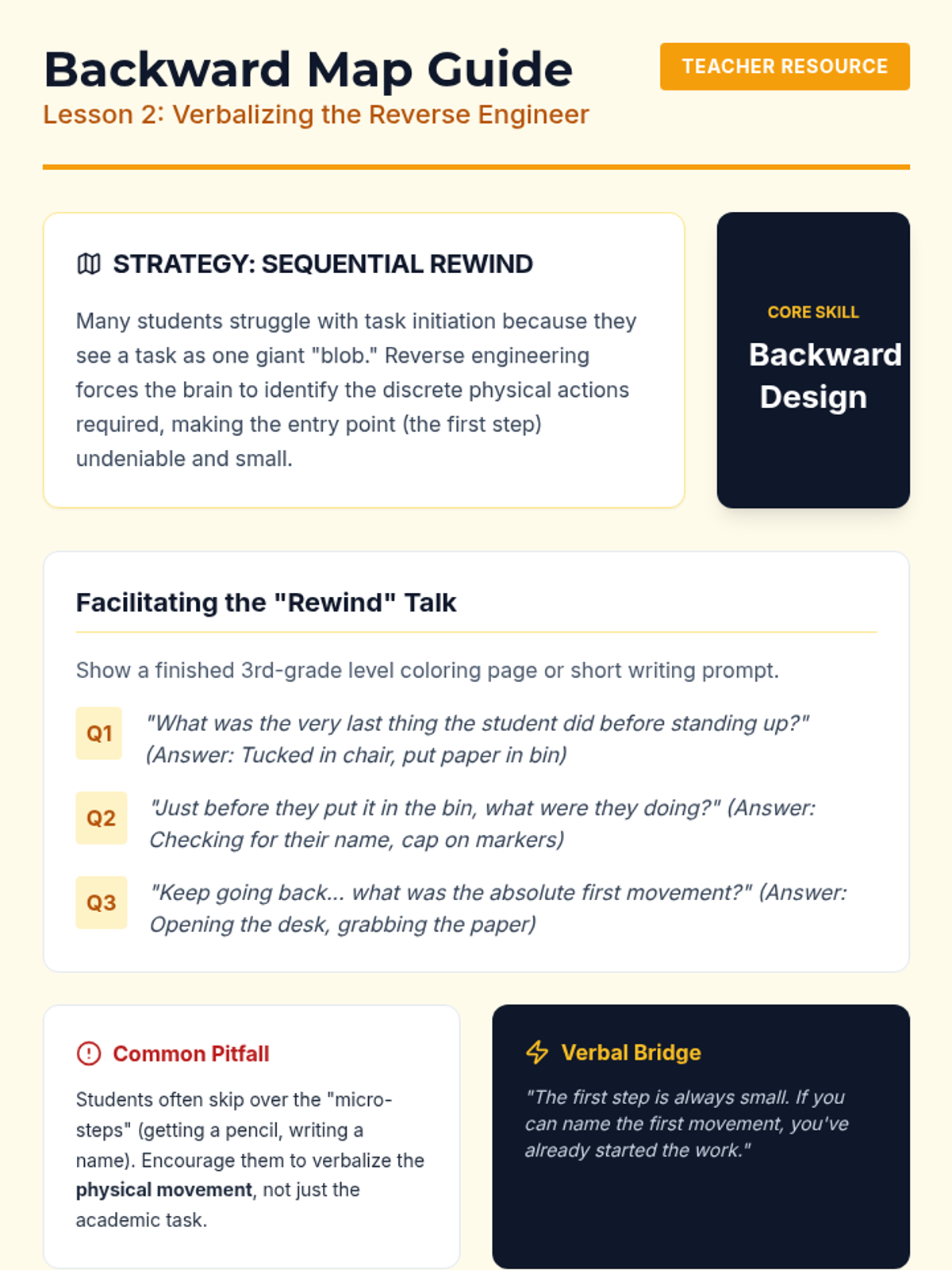
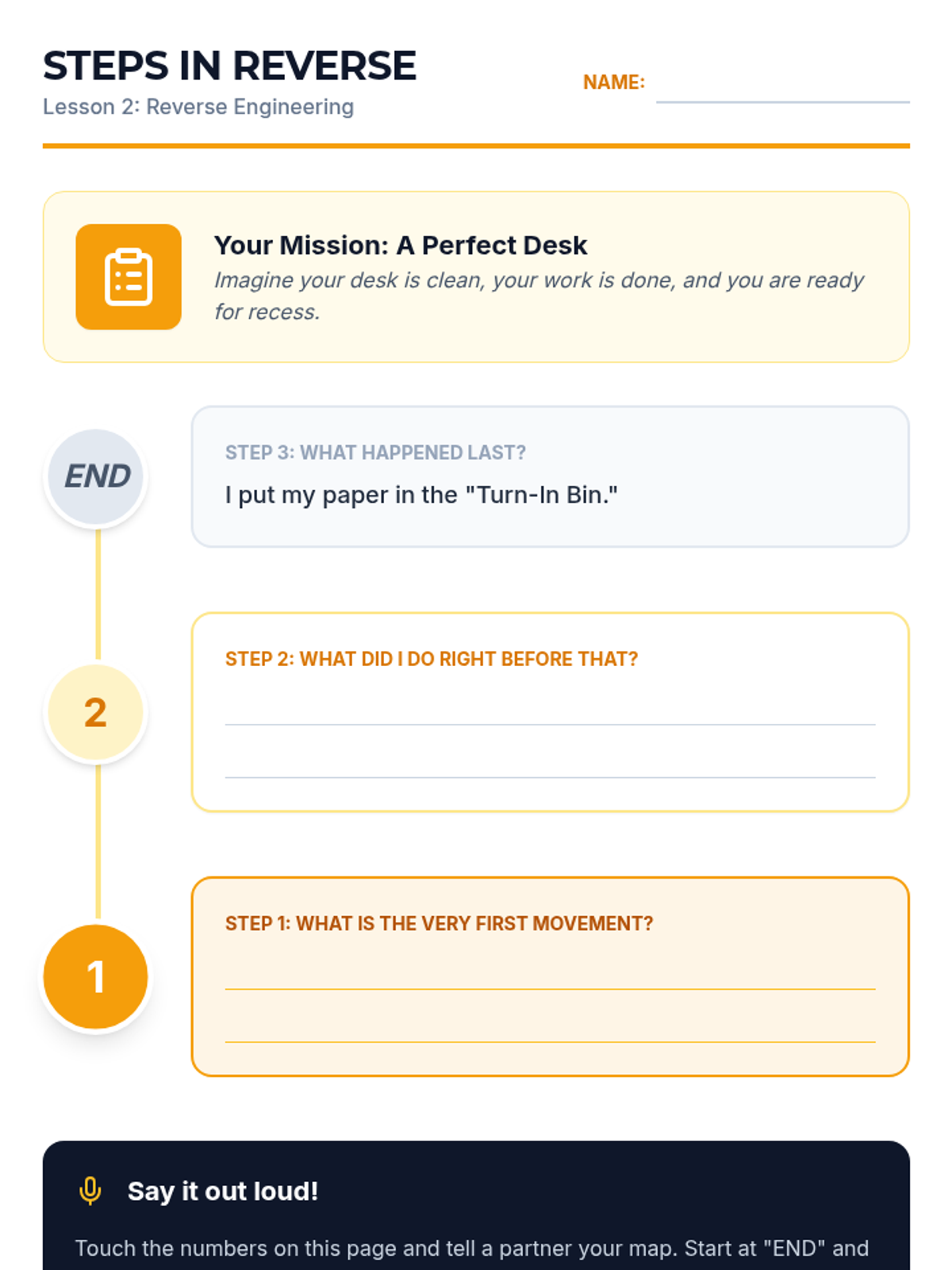
Students talk backward through the steps of a completed sample to make the first step obvious and approachable.
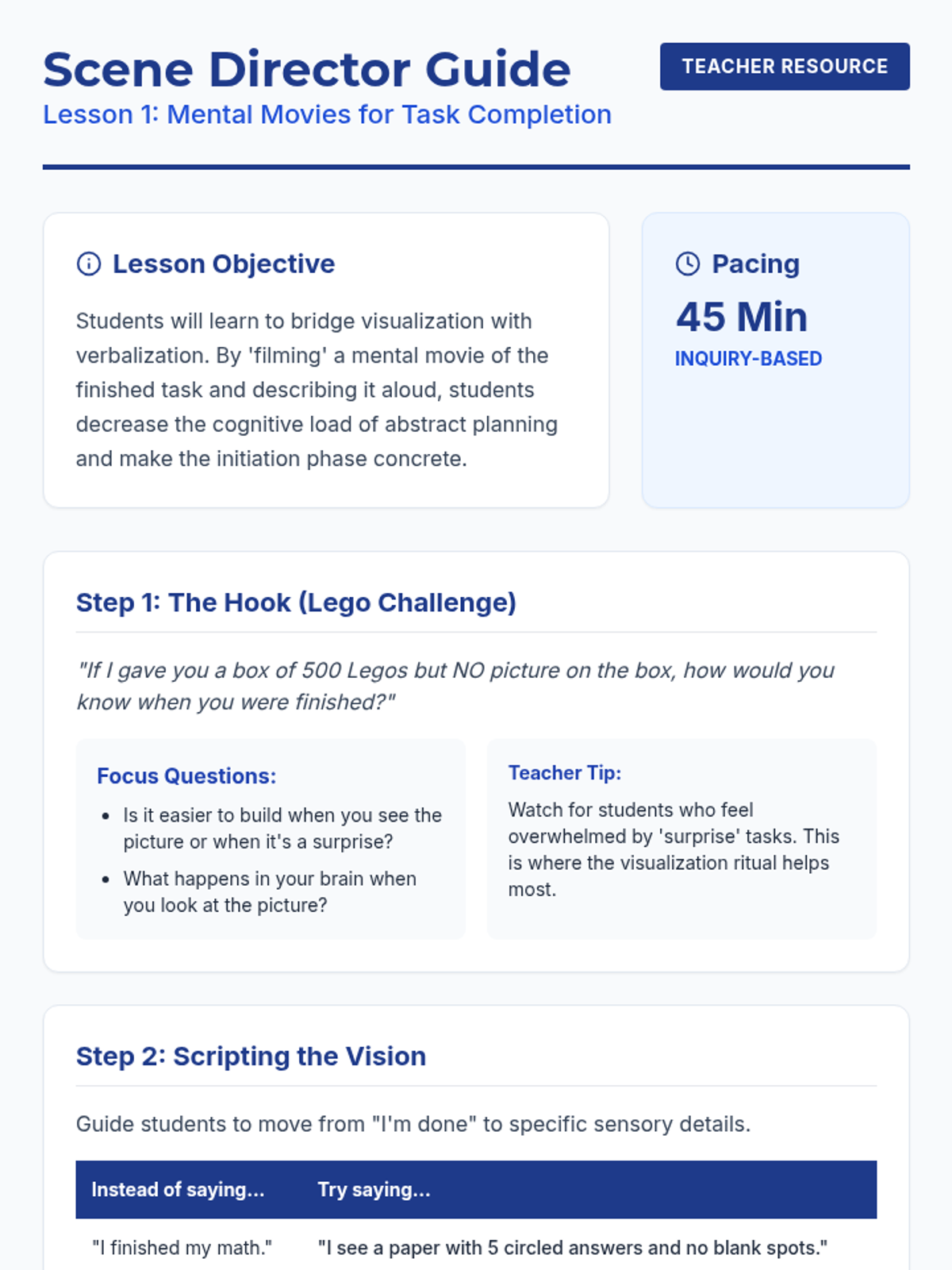
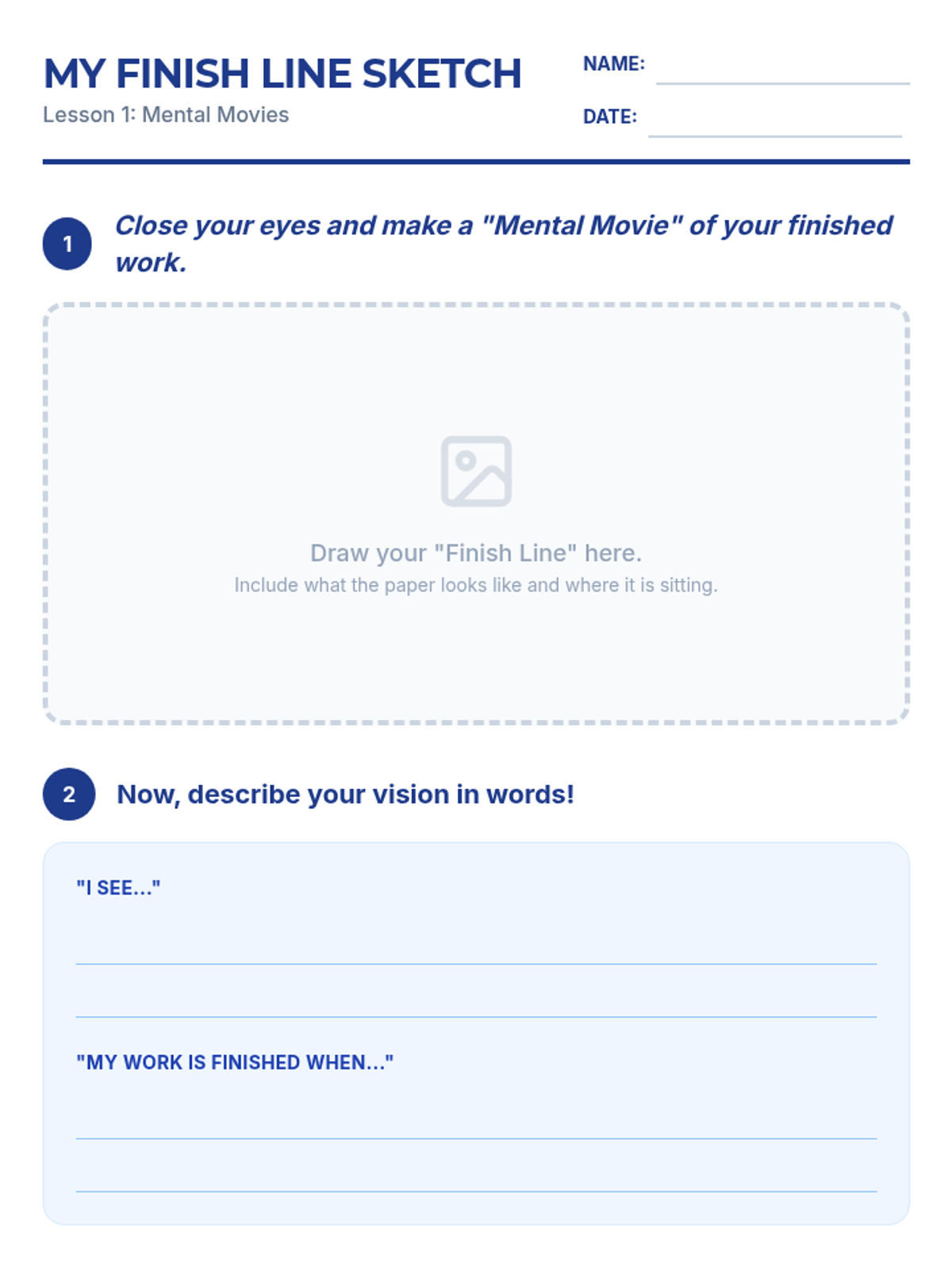
Students practice closing their eyes and creating a detailed mental image of what 'finished' looks like before describing it aloud.
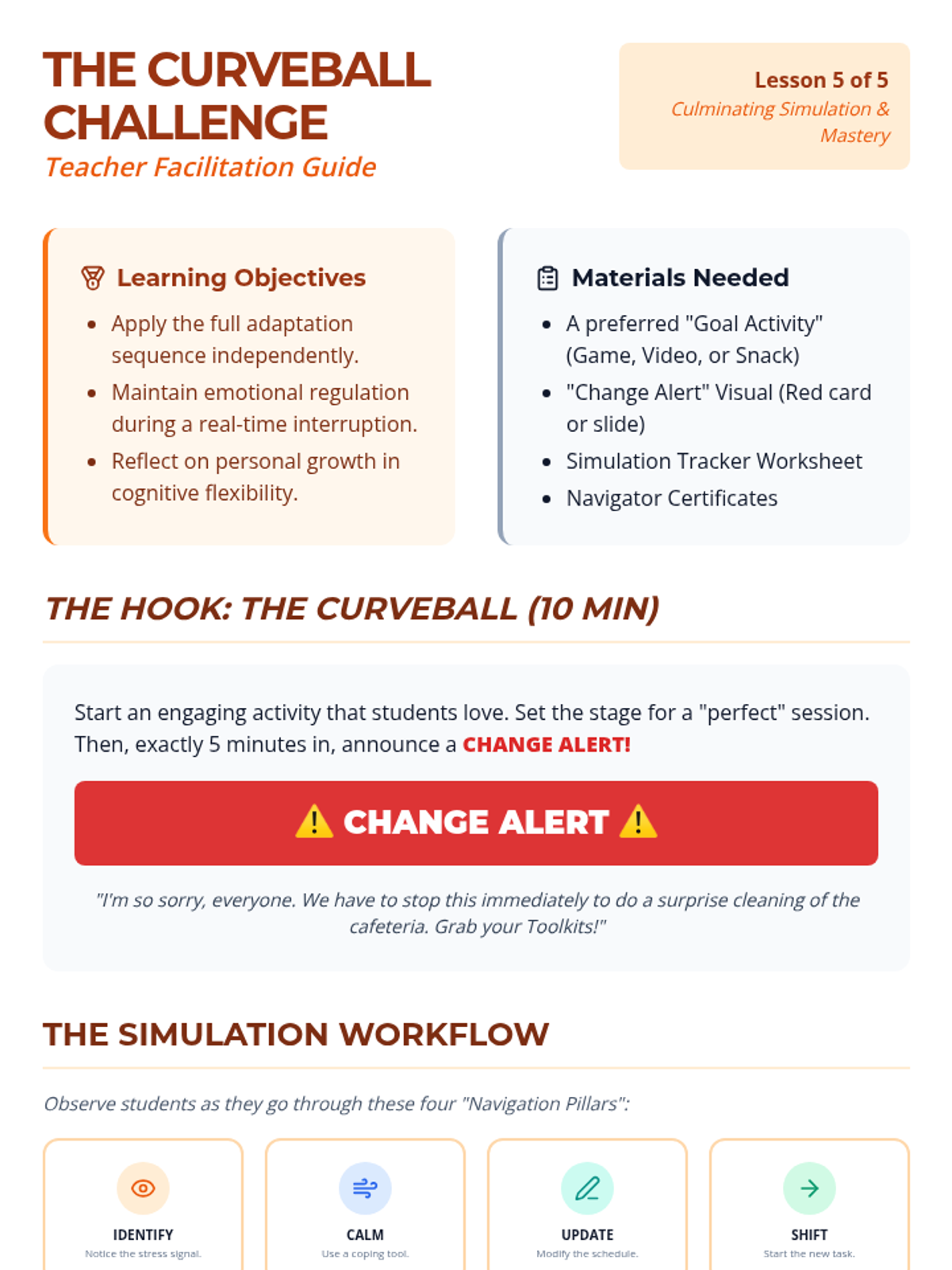
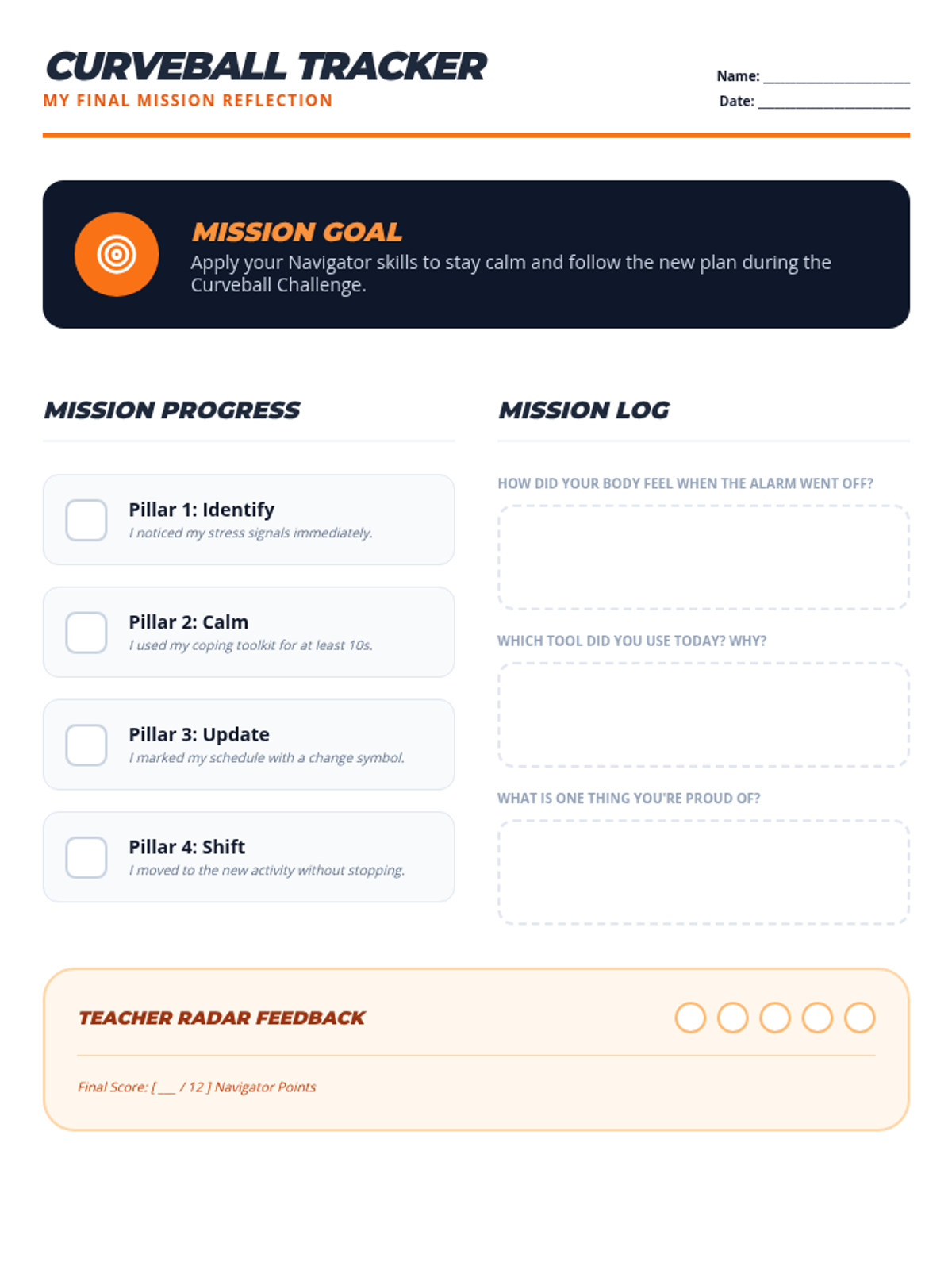
A culminating simulation where students apply their learned sequence of checking schedules, using coping tools, and transitioning during an intentional interruption.
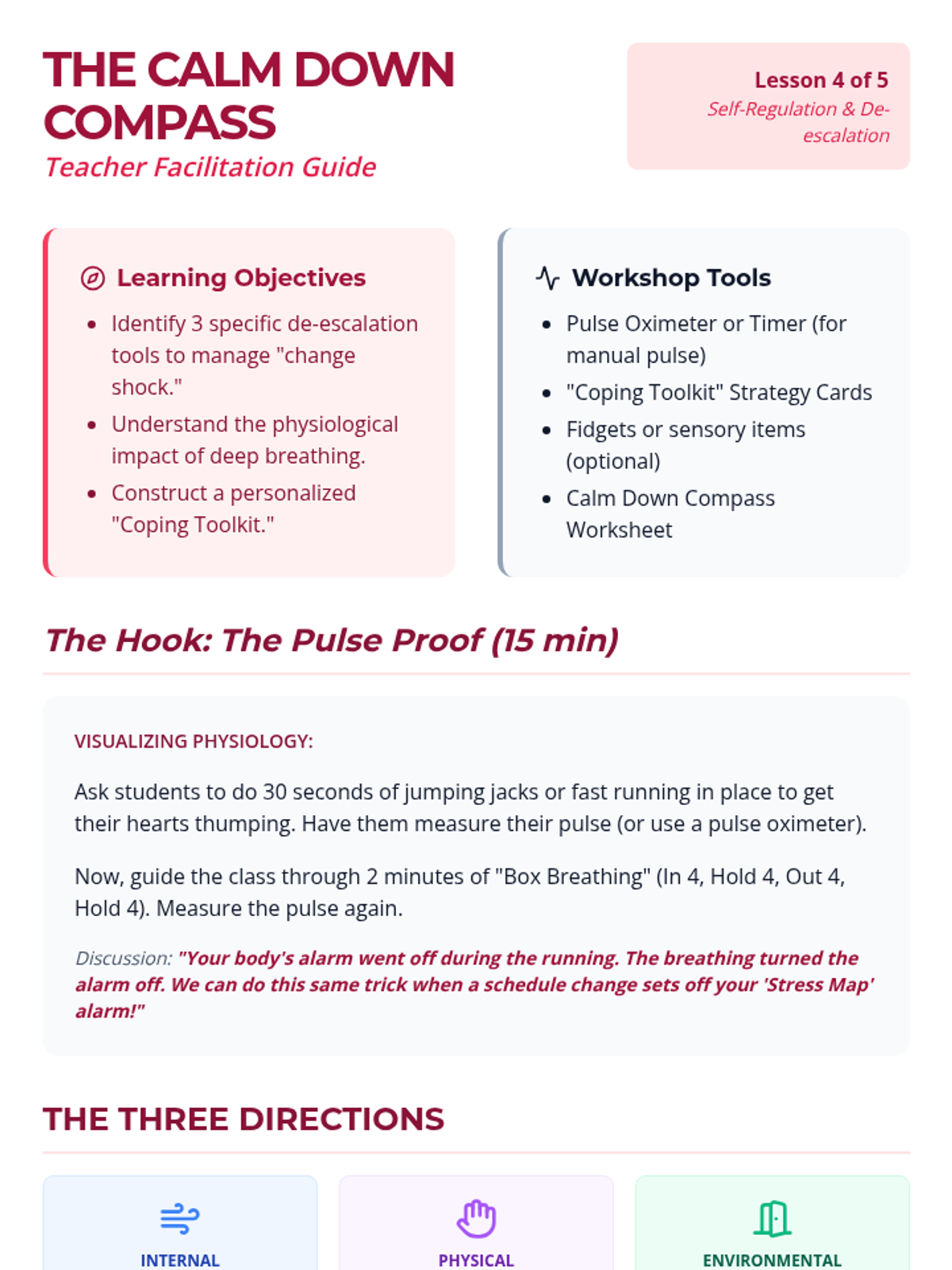
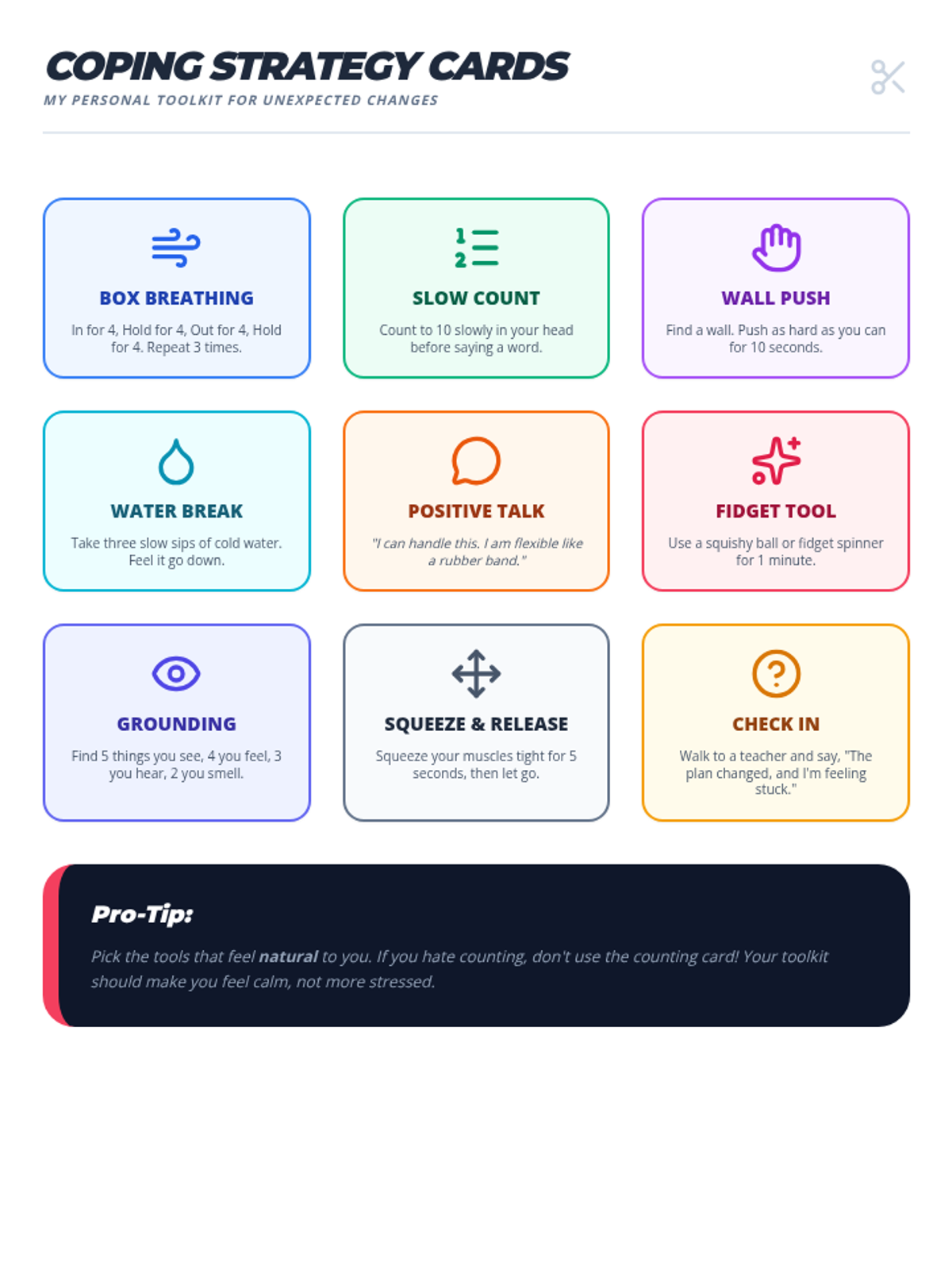
Students identify and practice specific de-escalation tools, such as deep breathing and sensory breaks, to manage the immediate shock of a schedule change.
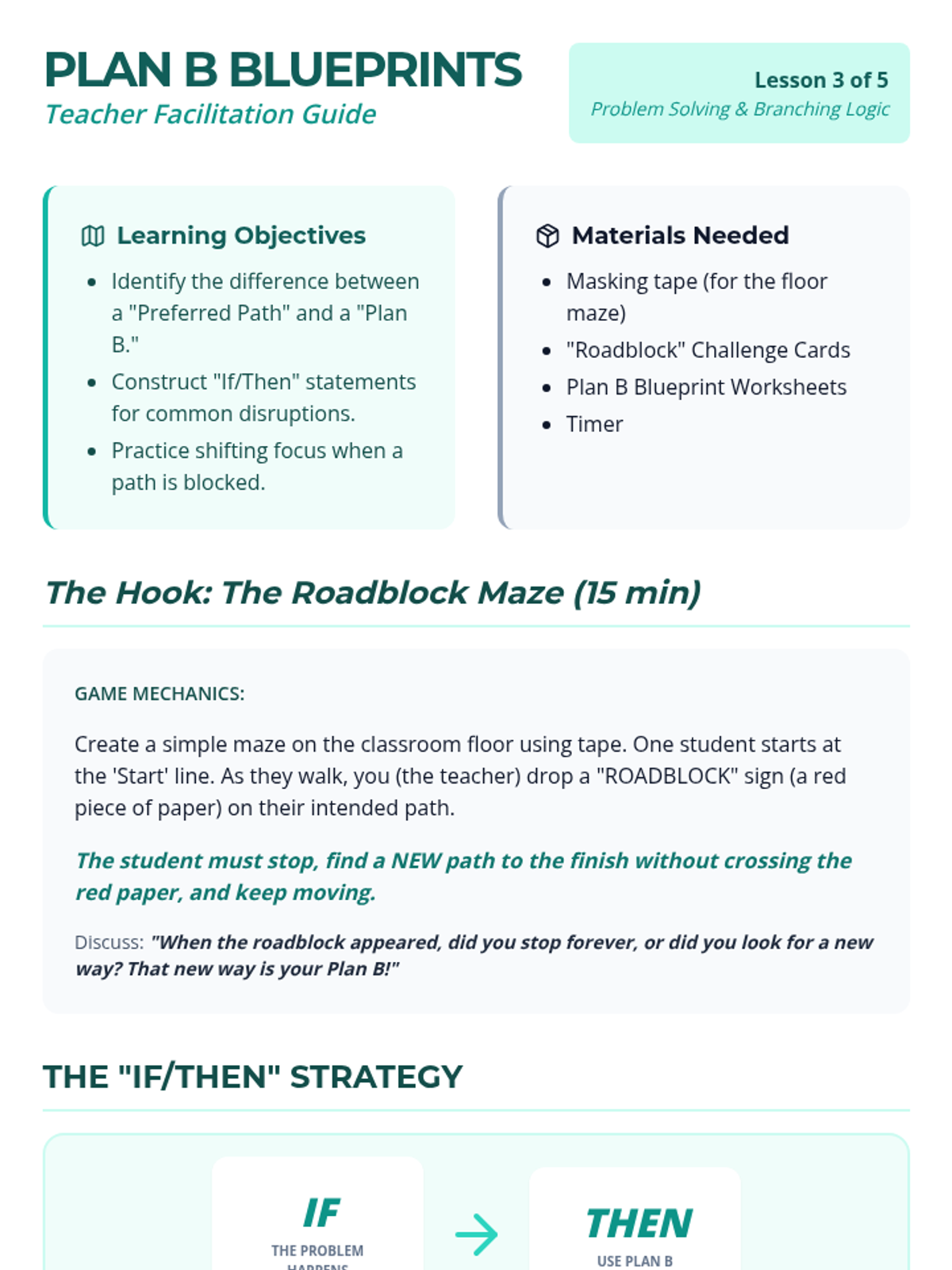
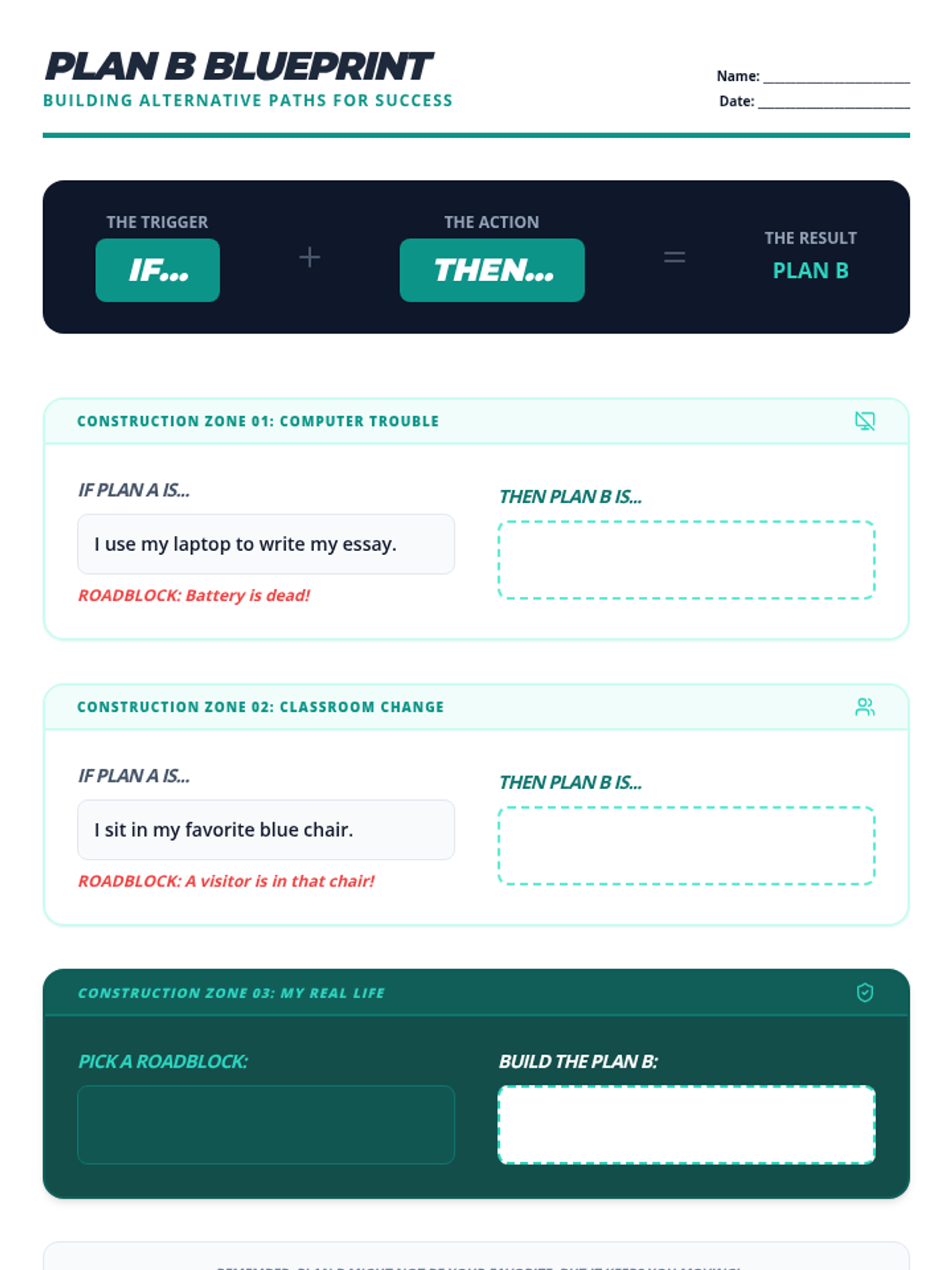
Students learn 'If/Then' logic to proactively generate 'Plan B' scenarios for common disruptions, building the mental pathways needed to shift focus.
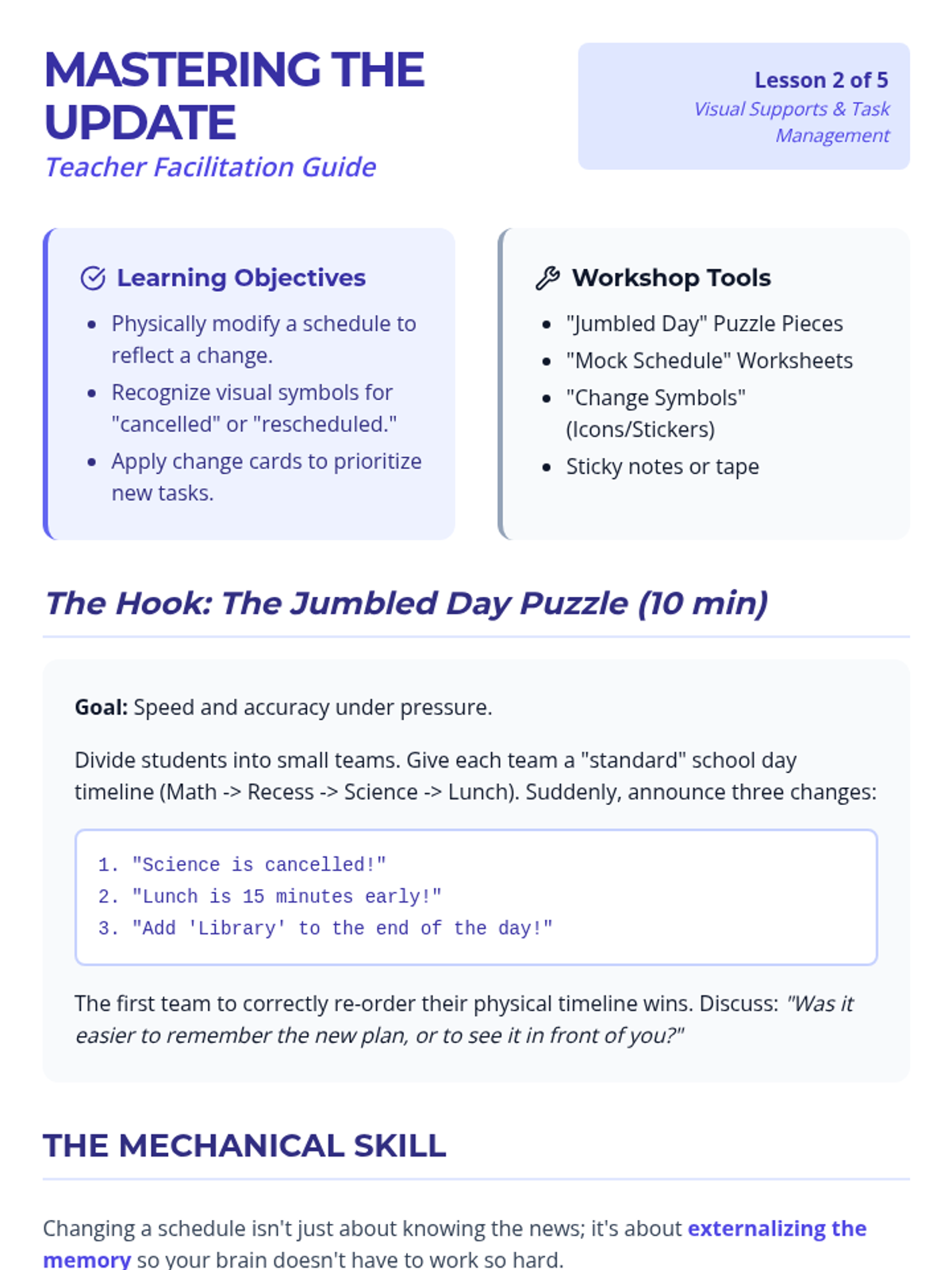
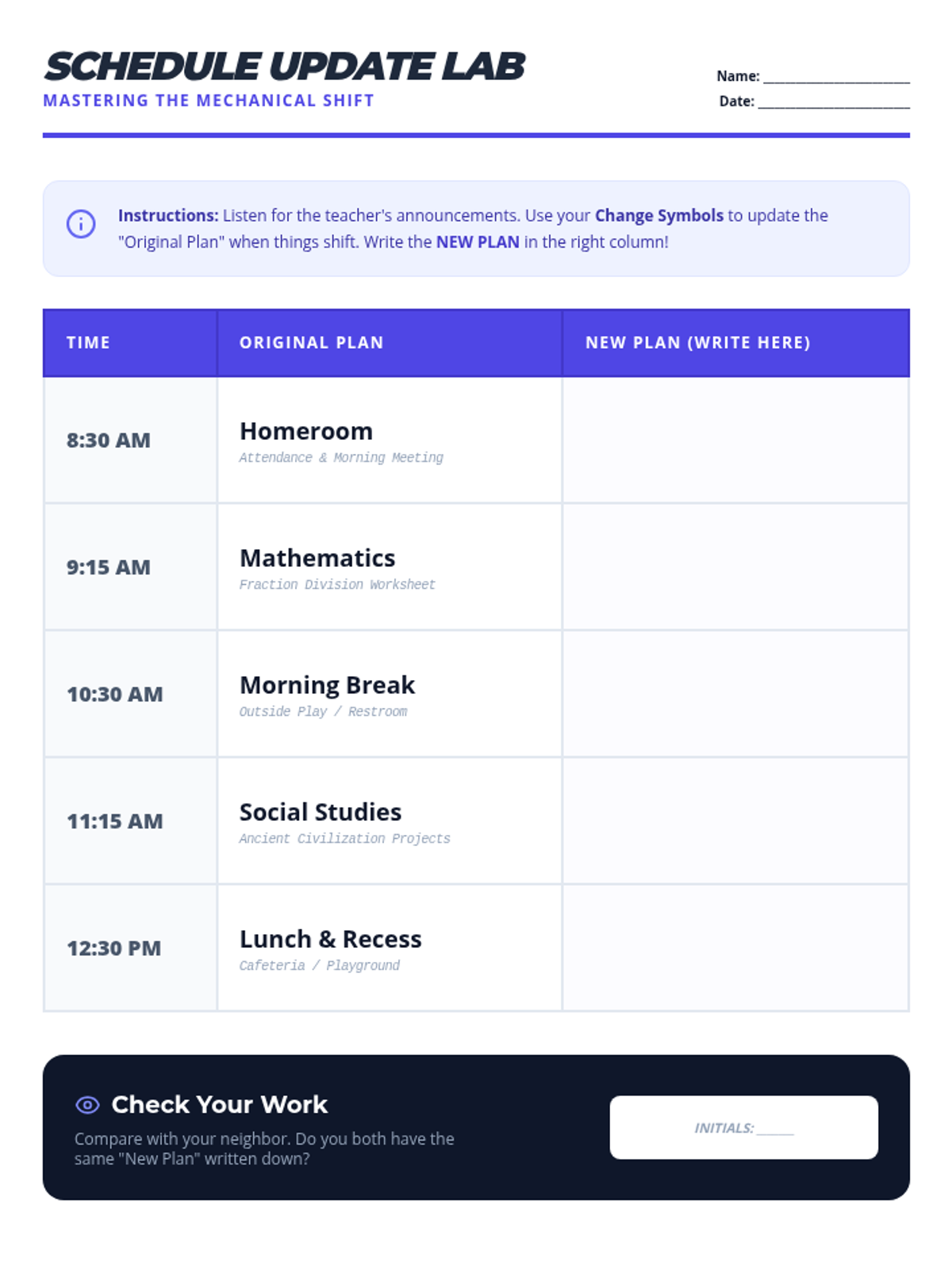
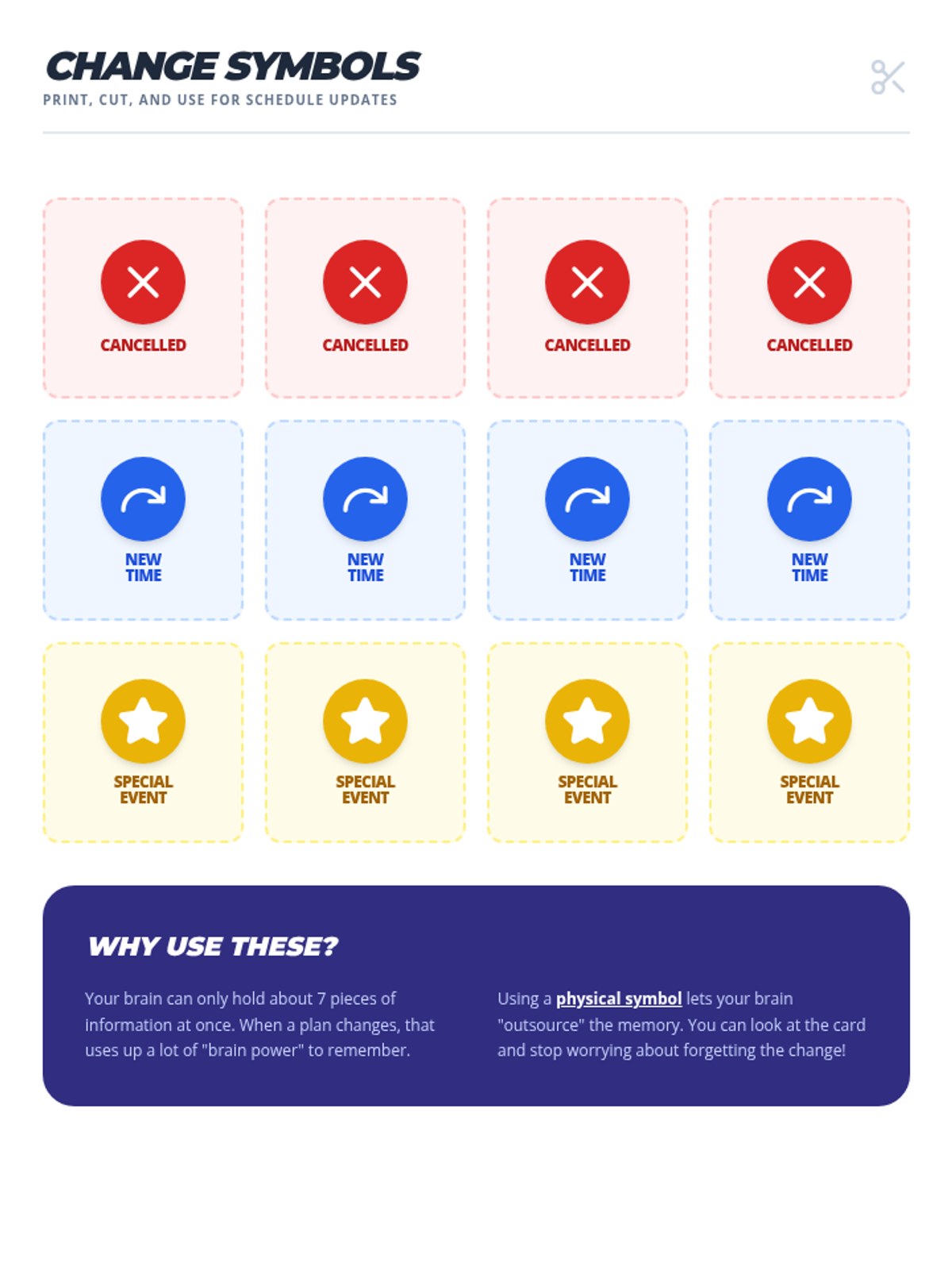
Students practice the mechanical skills of updating visual schedules using 'change cards' and symbols to physically acknowledge and integrate schedule adjustments.
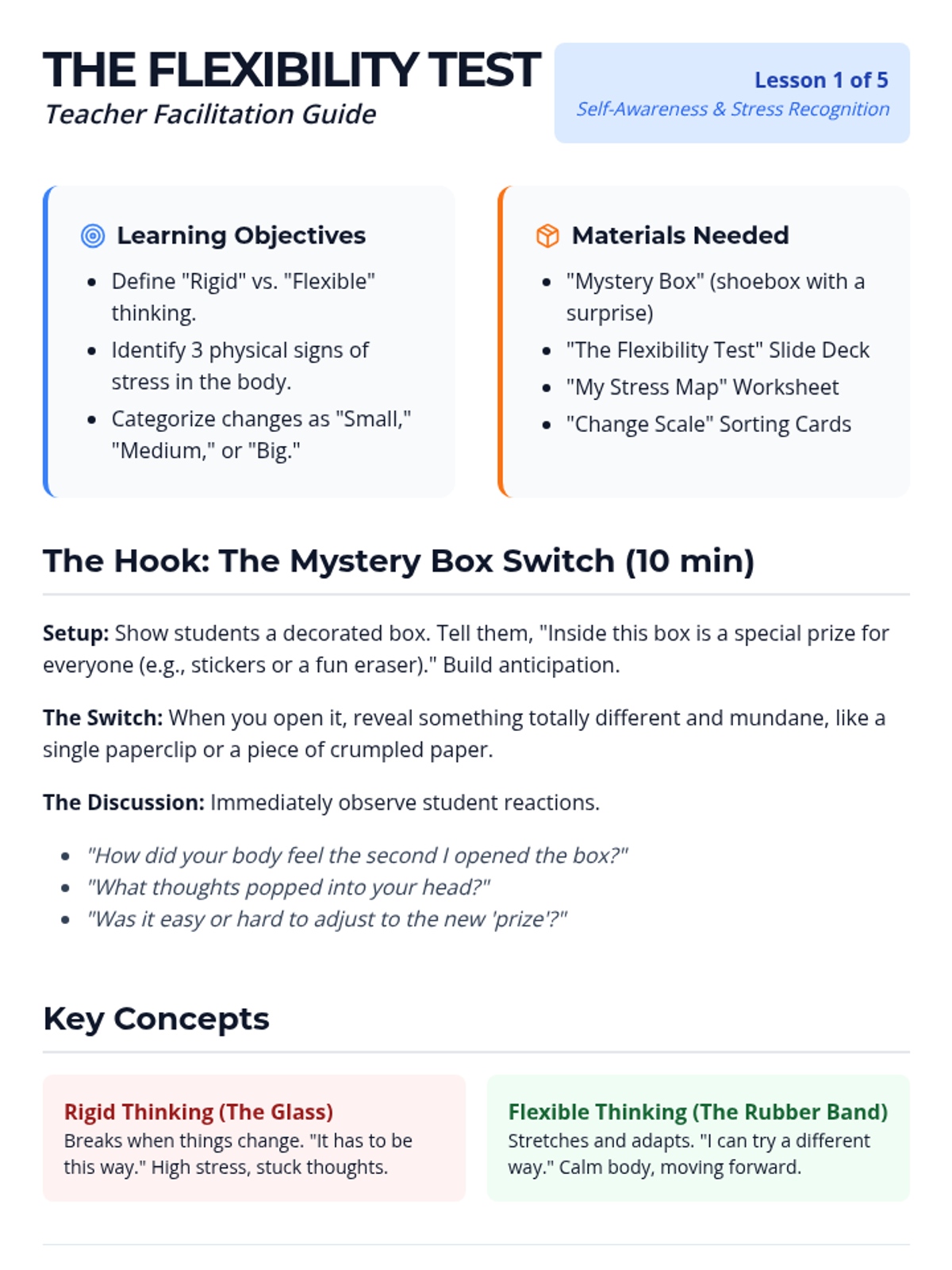
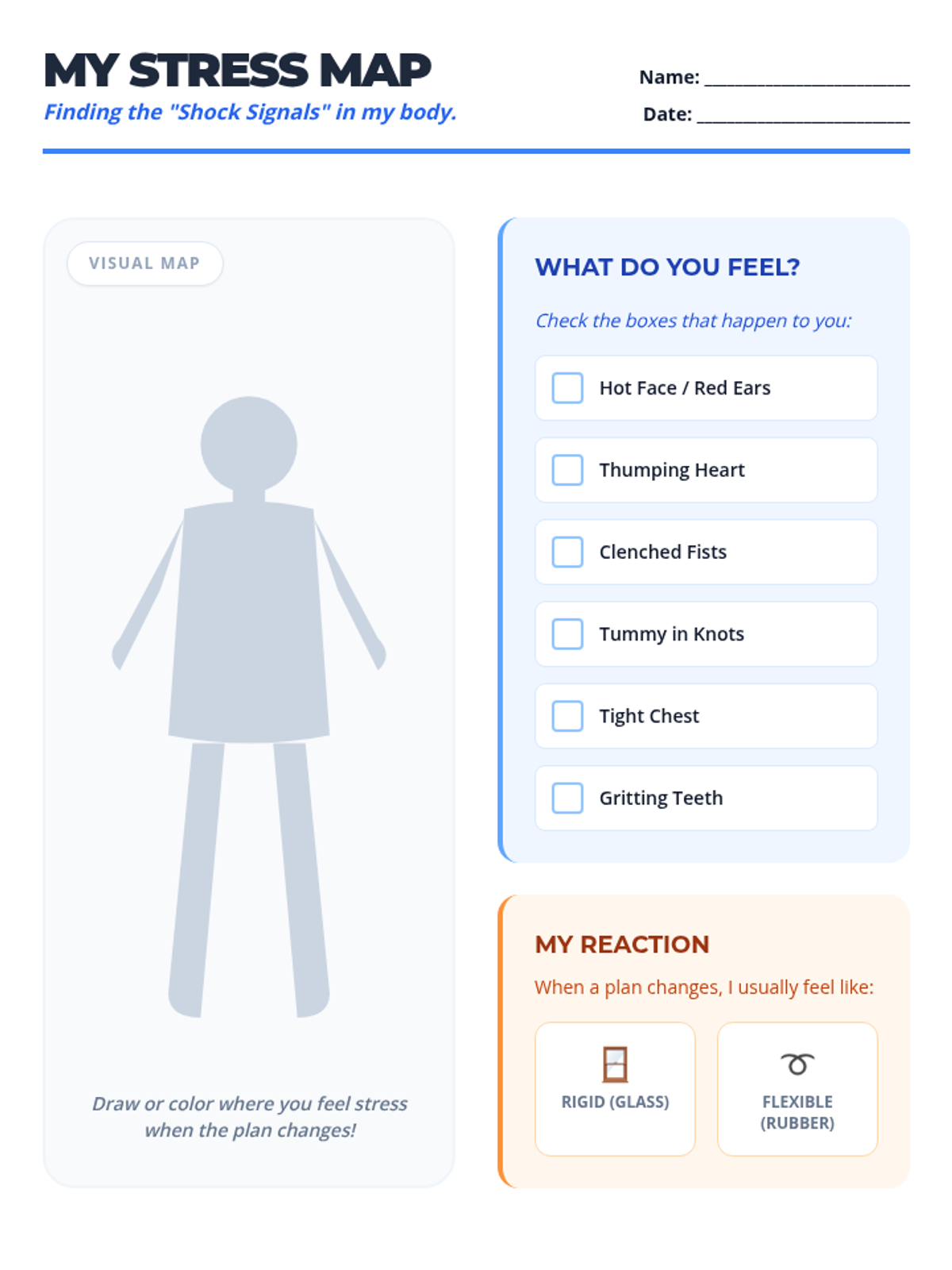
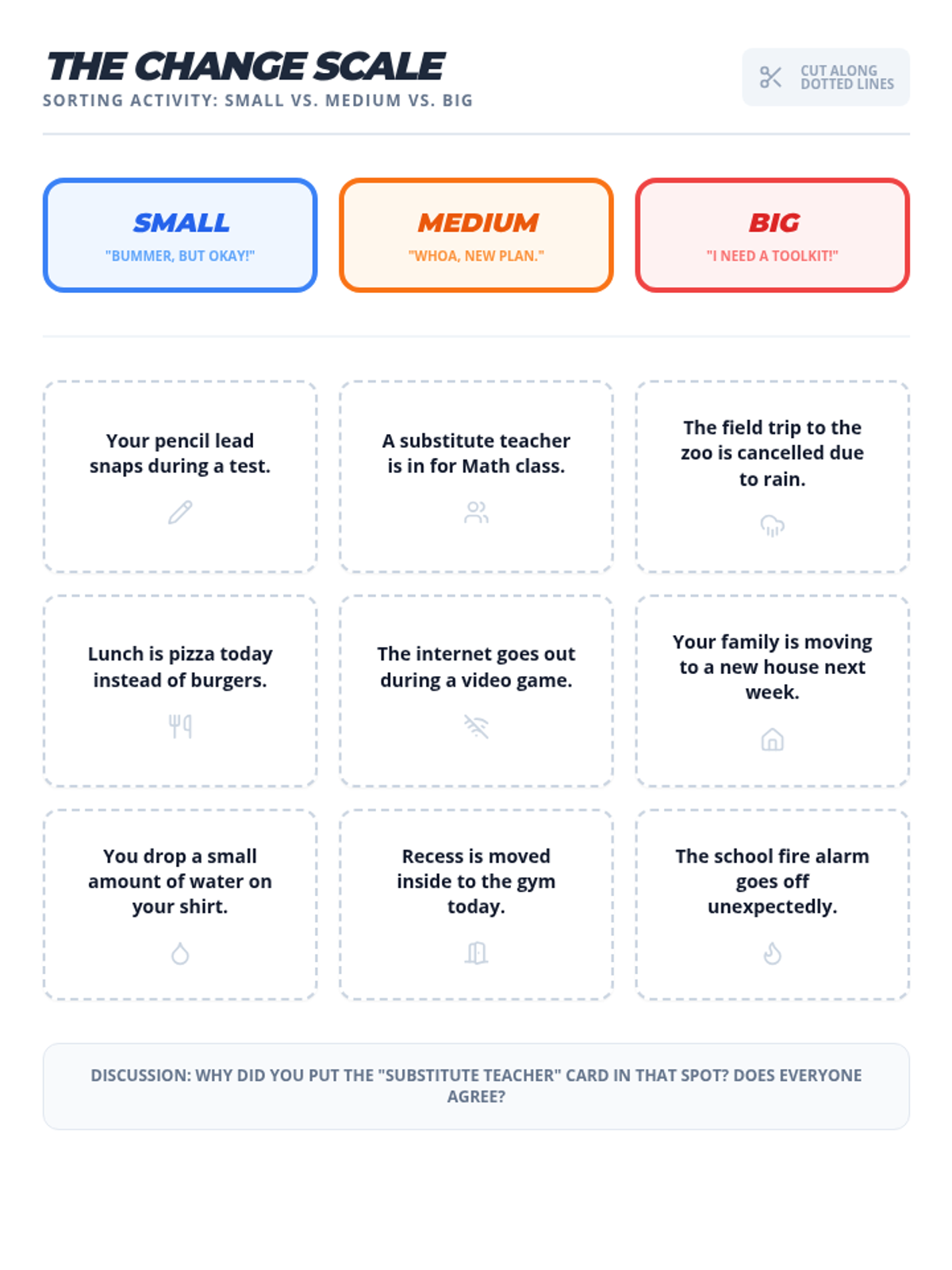
Students explore cognitive rigidity vs. flexibility, identify physical stress signals, and classify different scales of change to build self-awareness during disruptions.
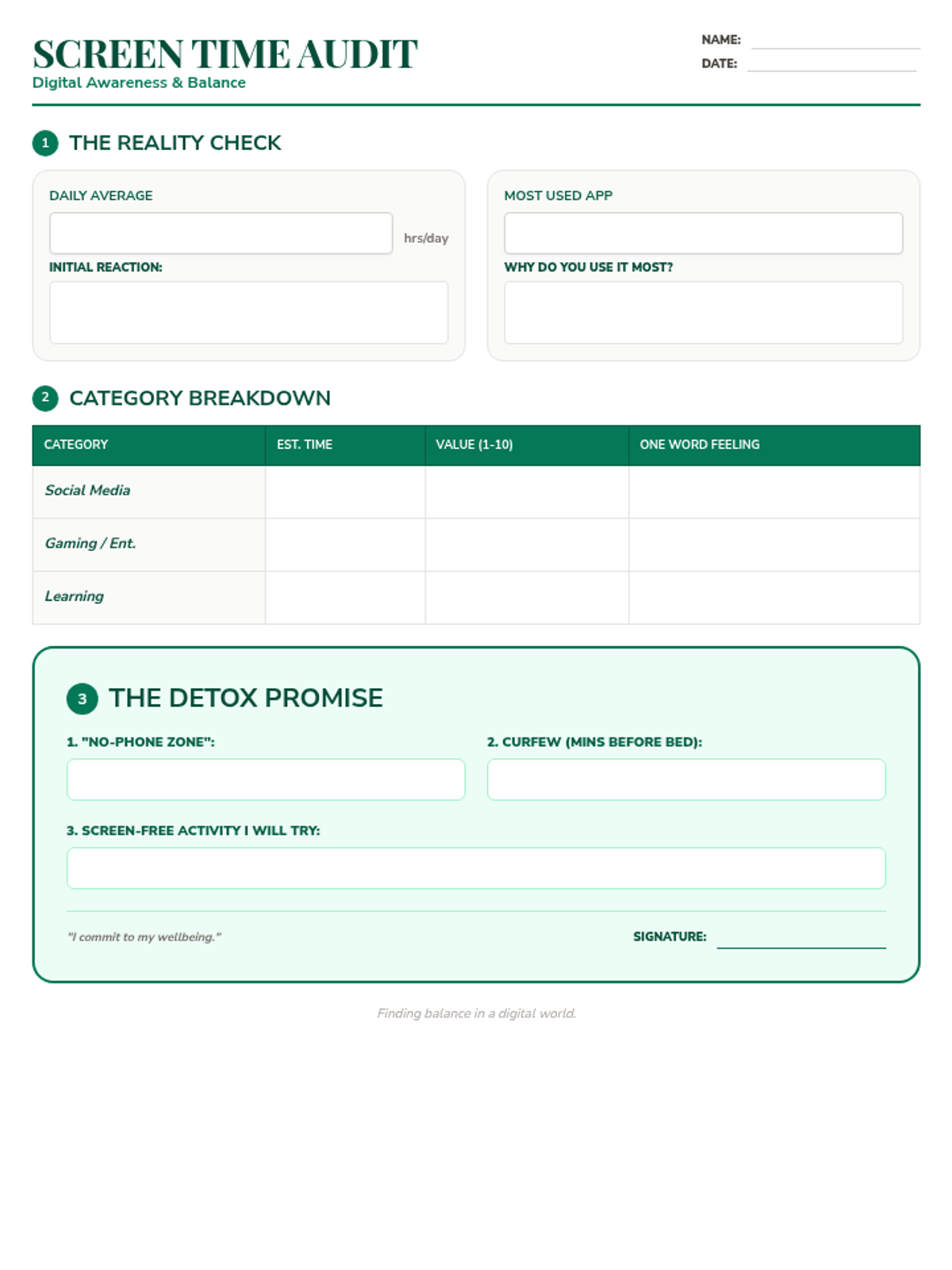
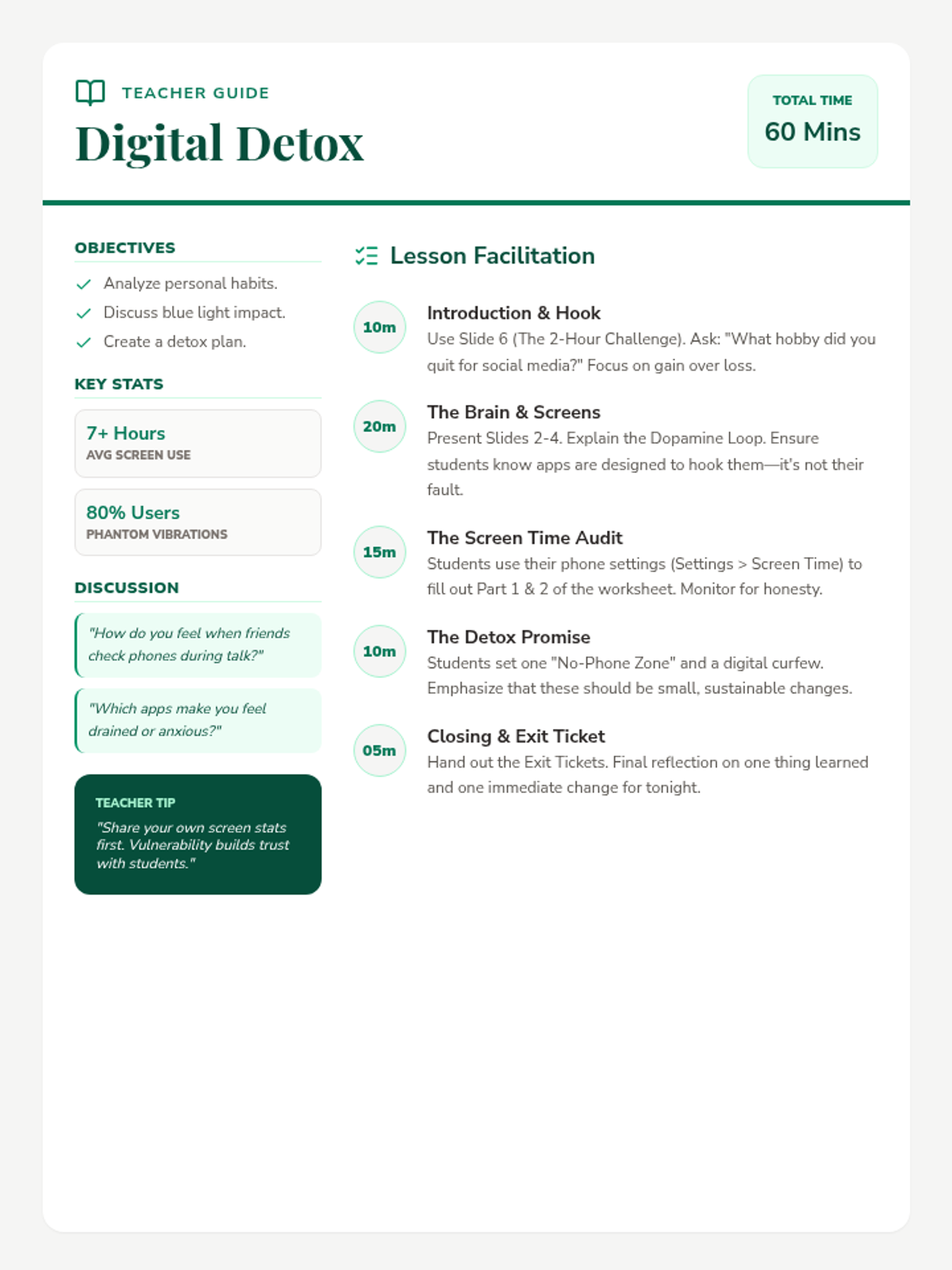
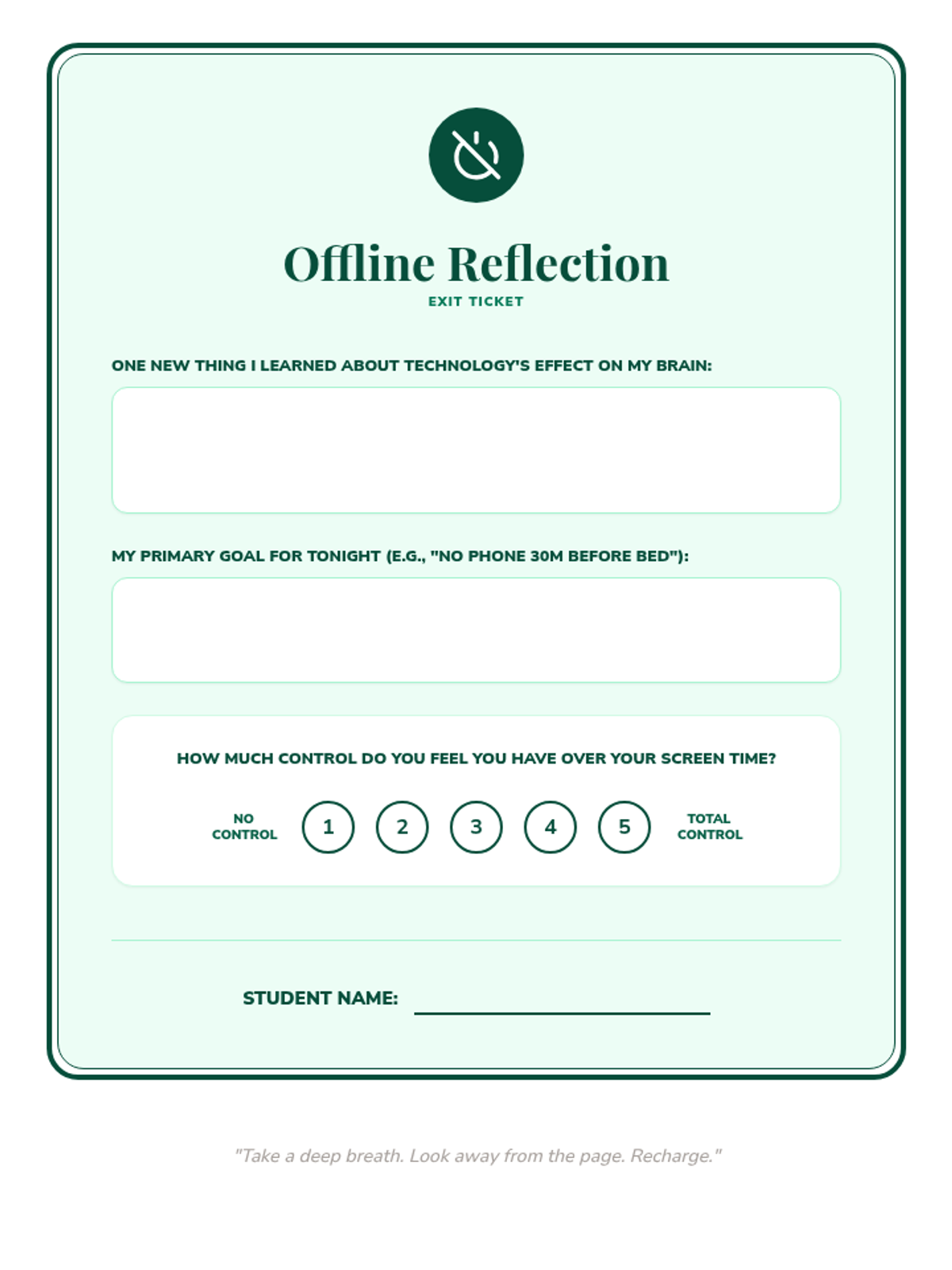
A lesson designed to help students understand the impact of excessive screen time and develop healthy, sustainable digital habits through reflection and goal-setting.
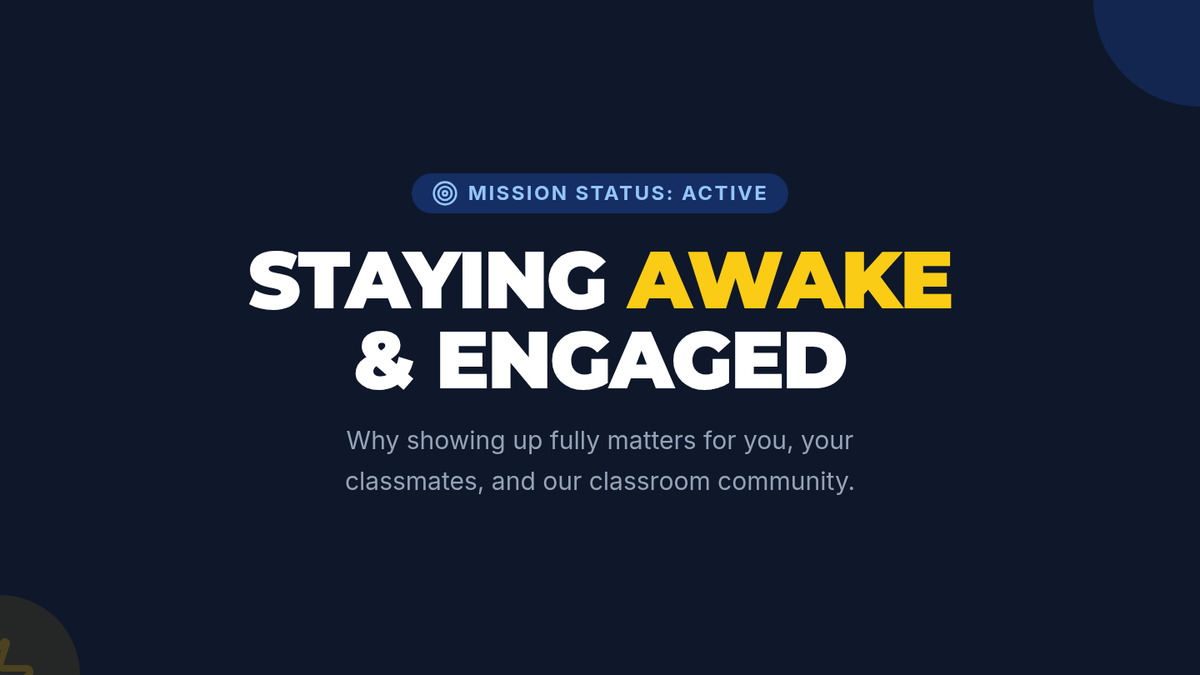
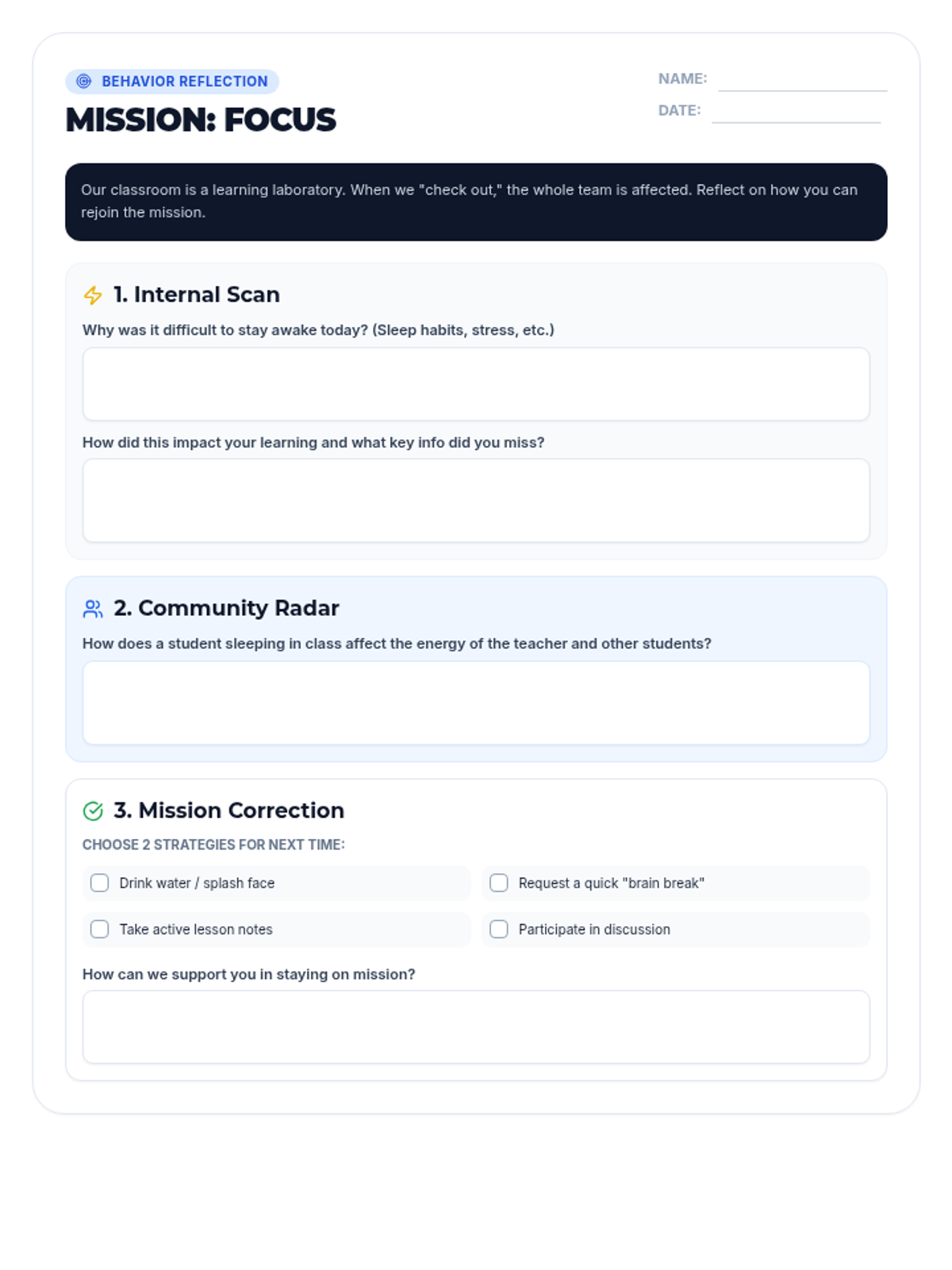
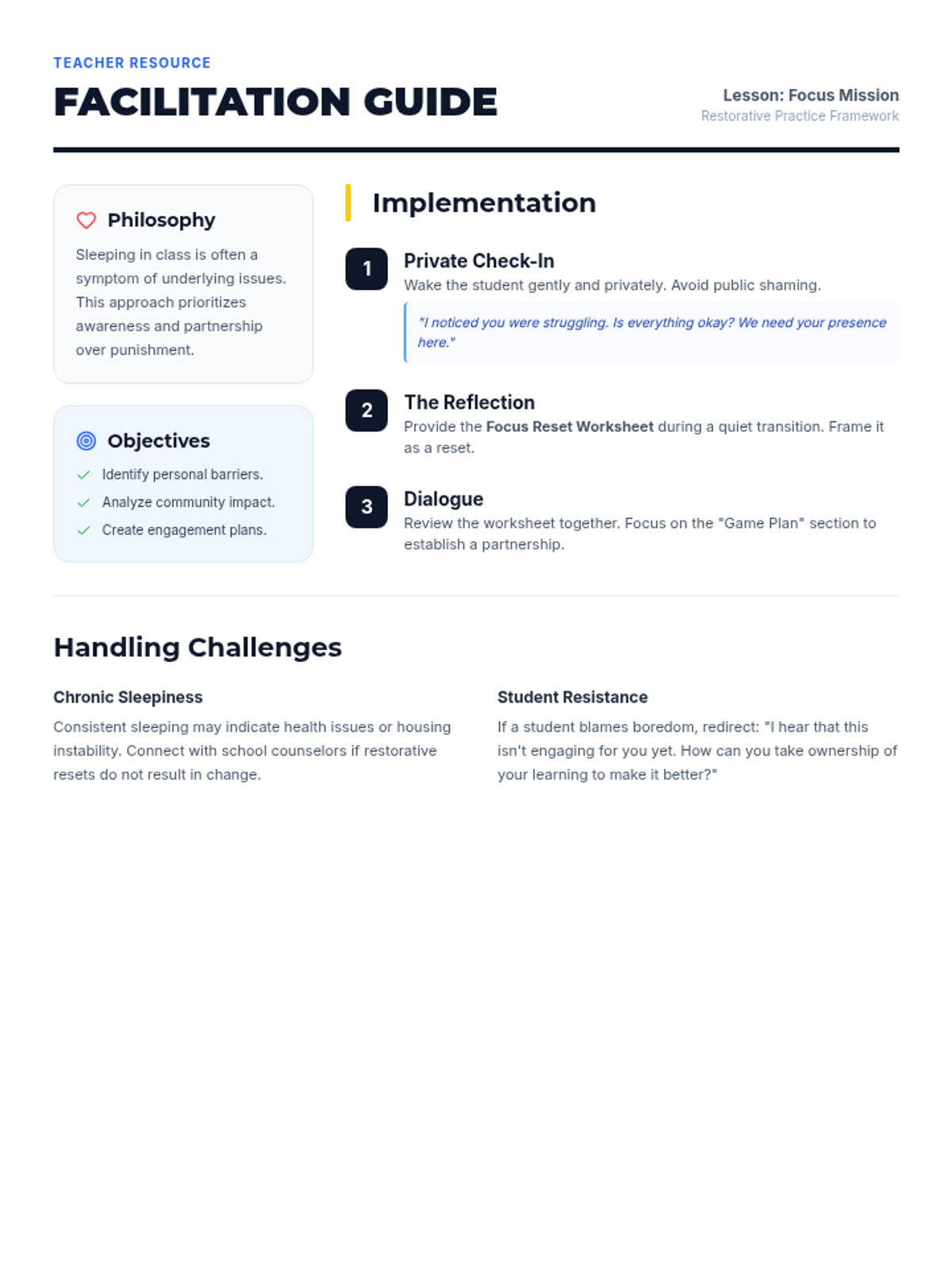
A restorative lesson designed to help students understand the importance of staying awake and engaged in class, focusing on personal success and classroom community respect.
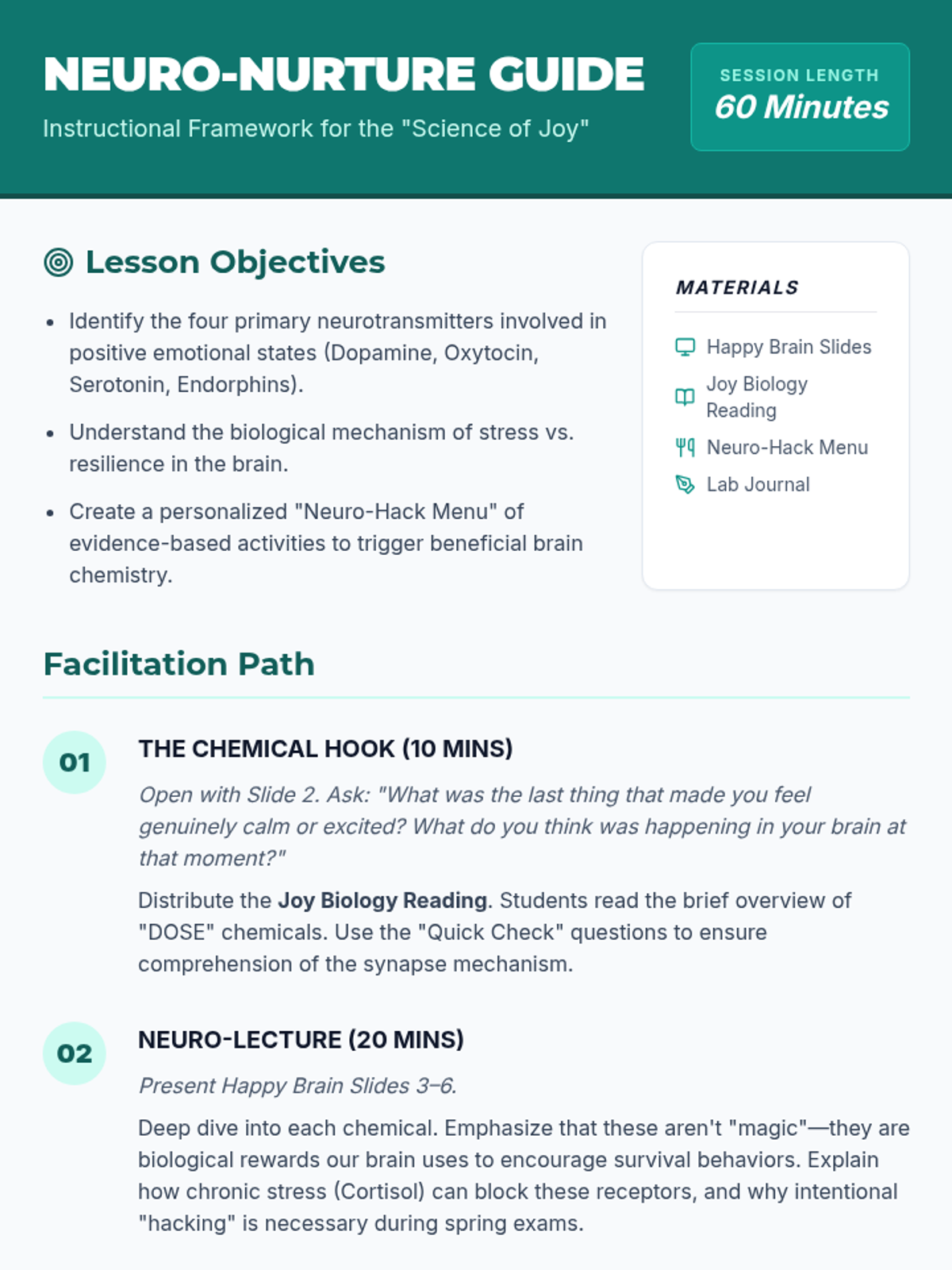
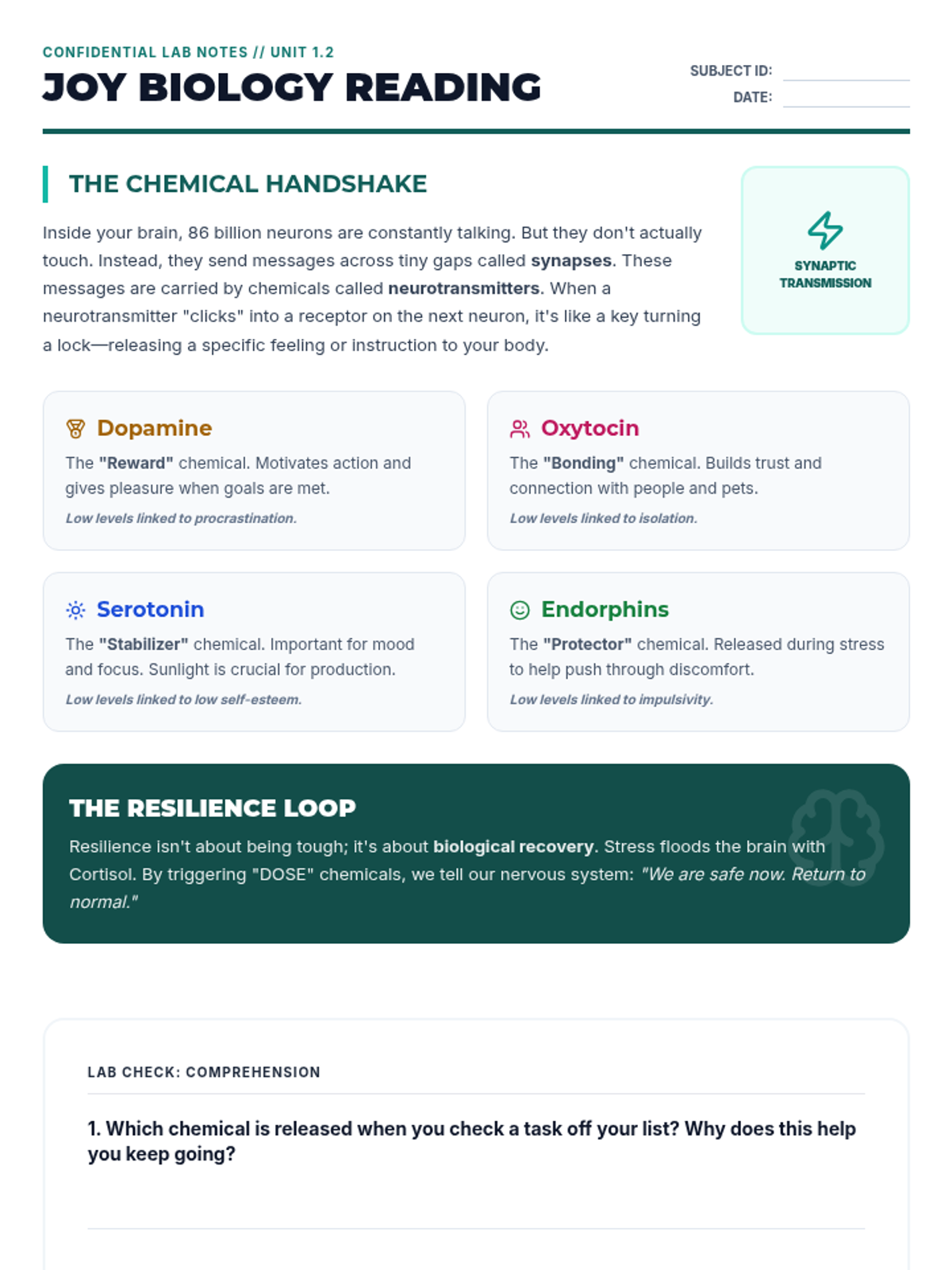
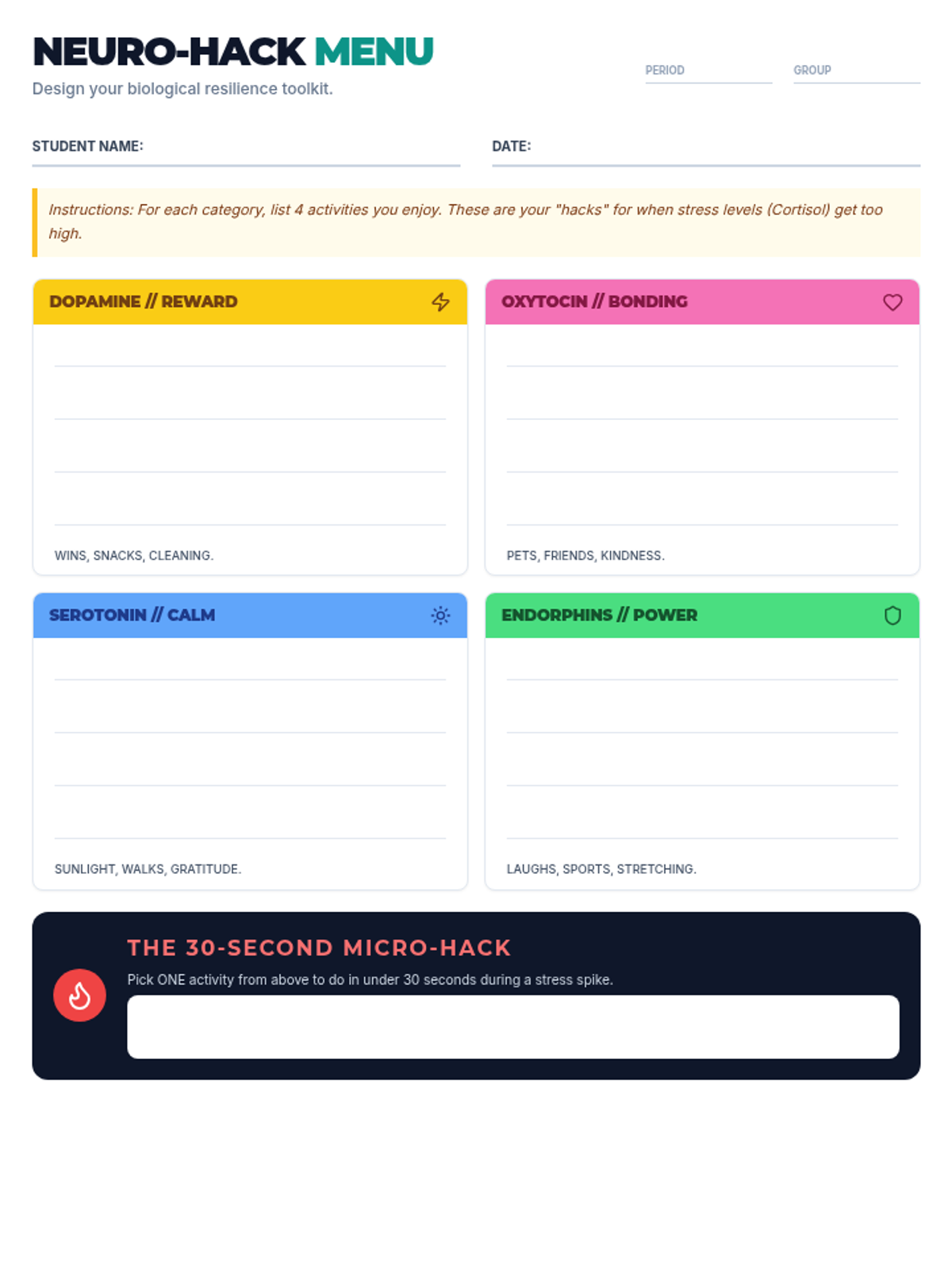
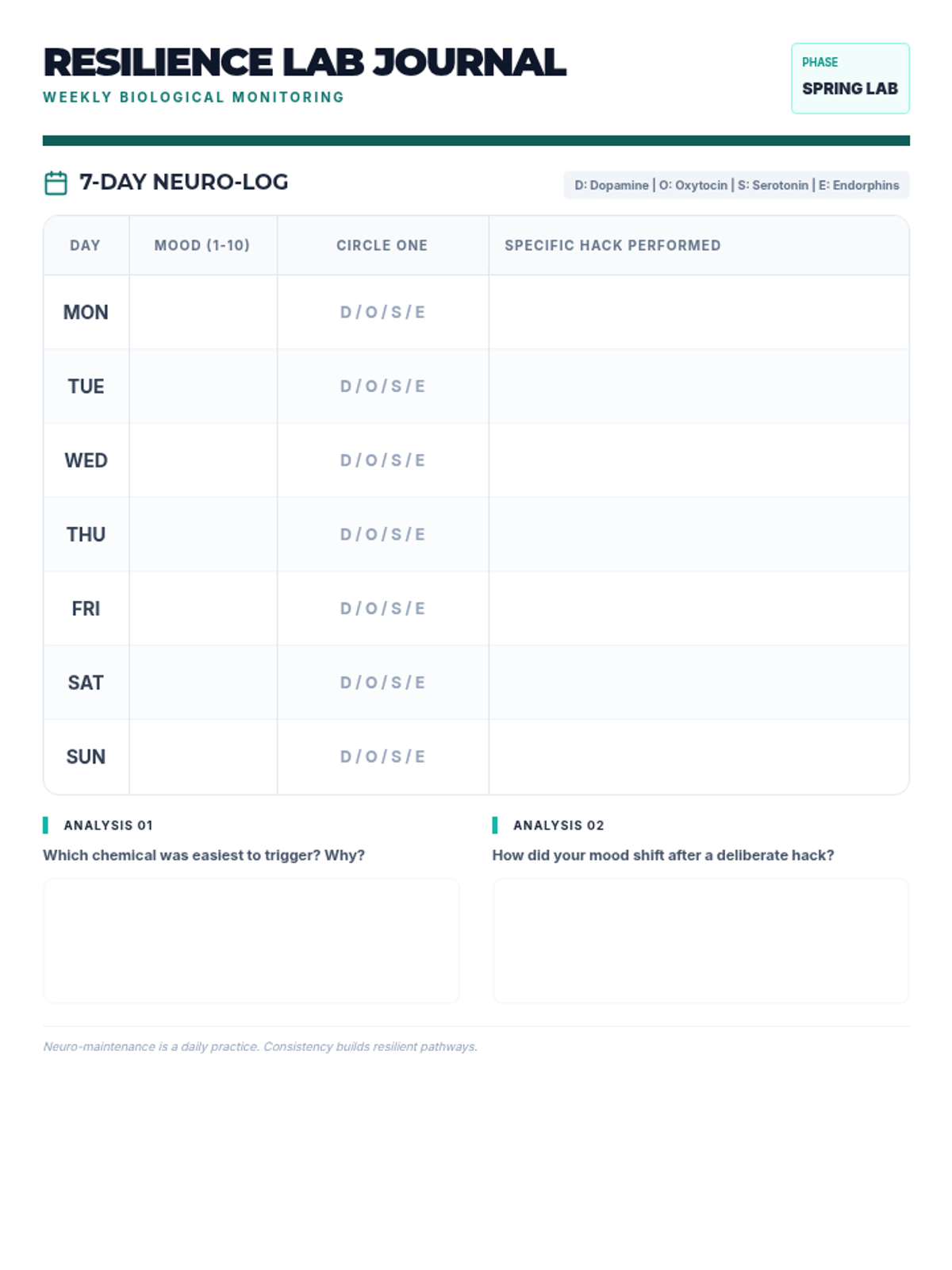
A lesson exploring the neurological basis of joy and resilience, providing students with biological tools to manage stress through the 'DOSE' neurotransmitters (Dopamine, Oxytocin, Serotonin, and Endorphins).
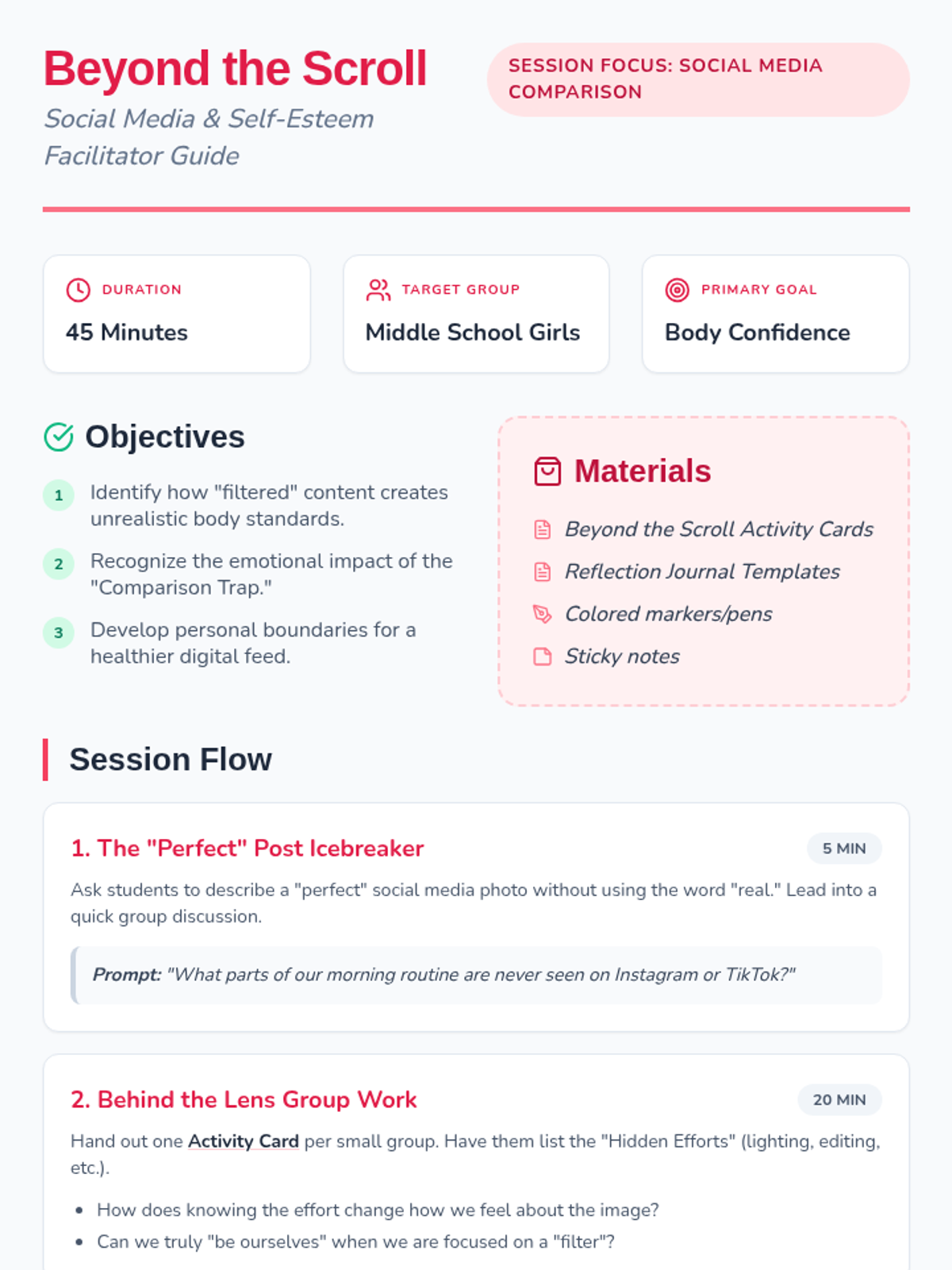
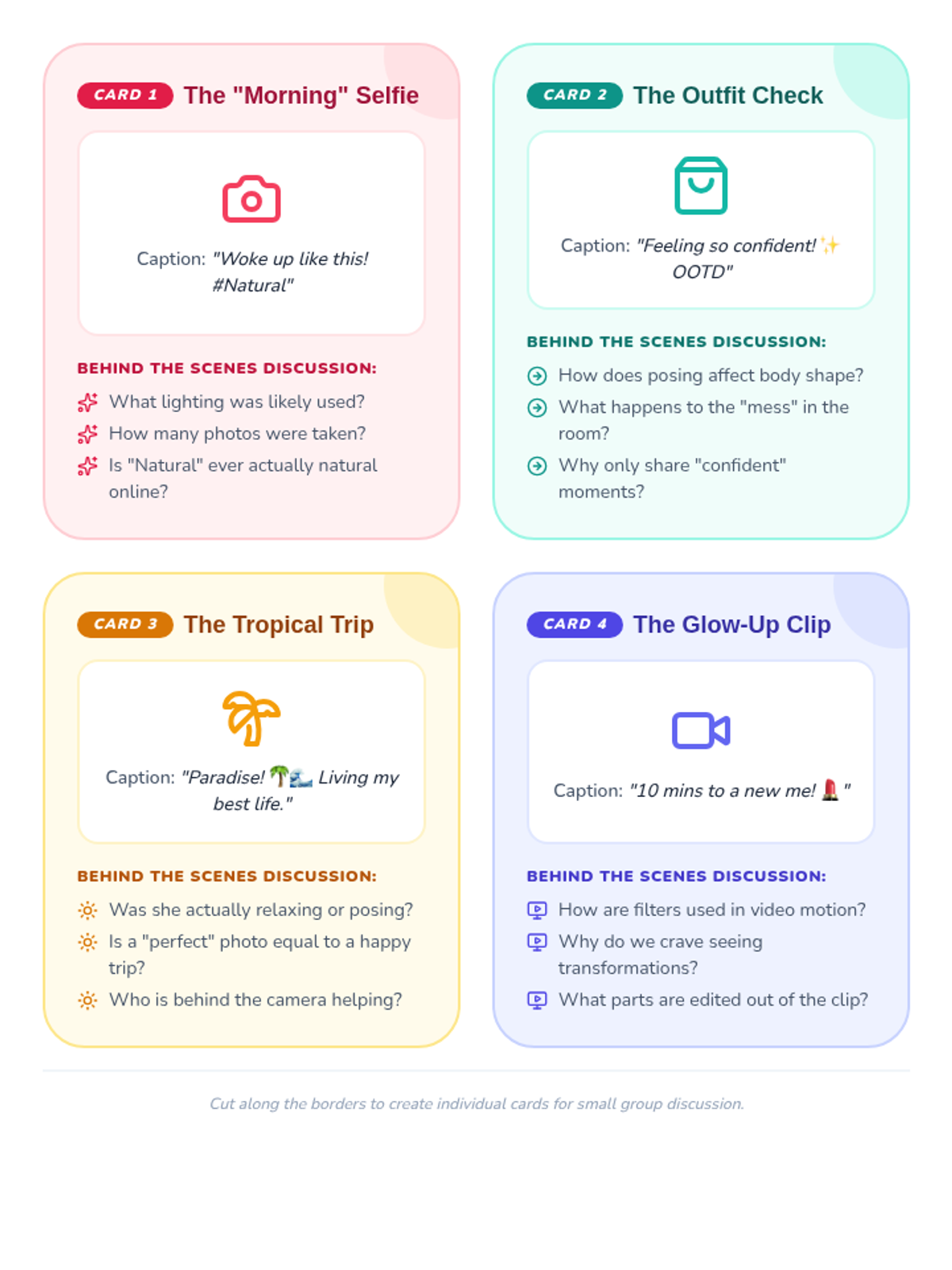
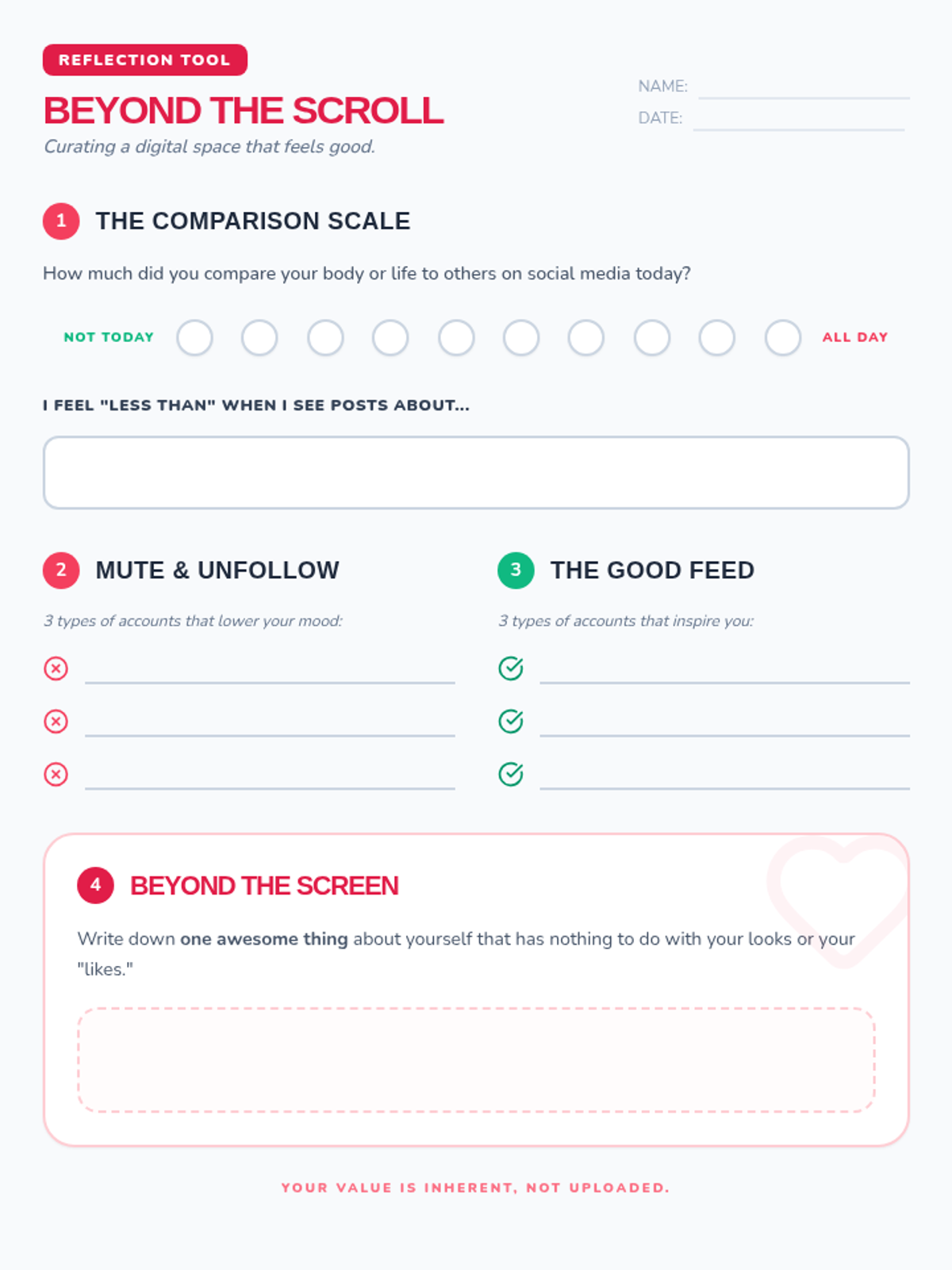
A 45-minute counseling session focused on the impact of social media comparison and body image for middle school girls, featuring group discussions and creative reflection.
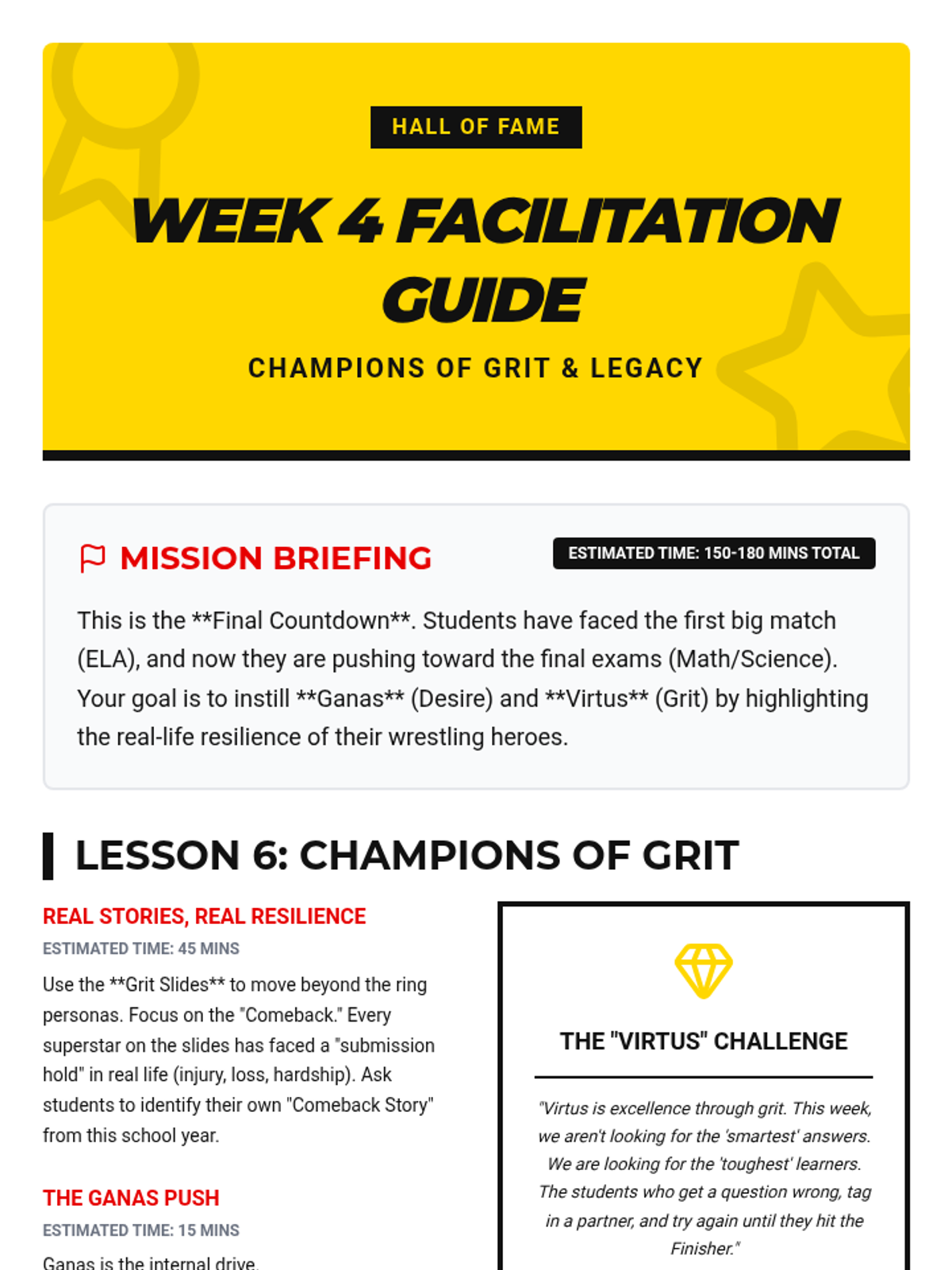
Examining real-life challenges faced by WWE stars to inspire resilience, grit, and the 'Ganas' required for the final push.
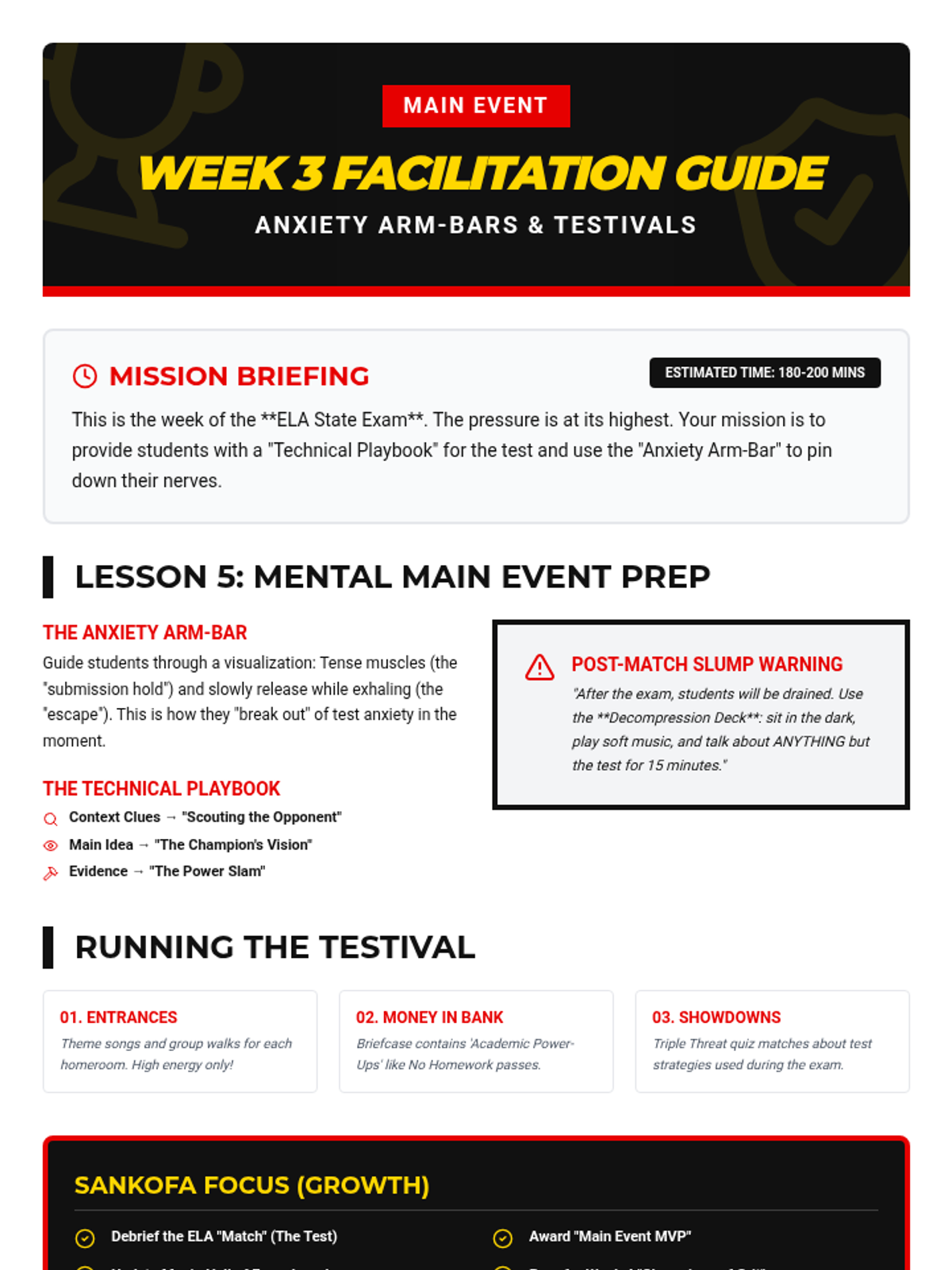
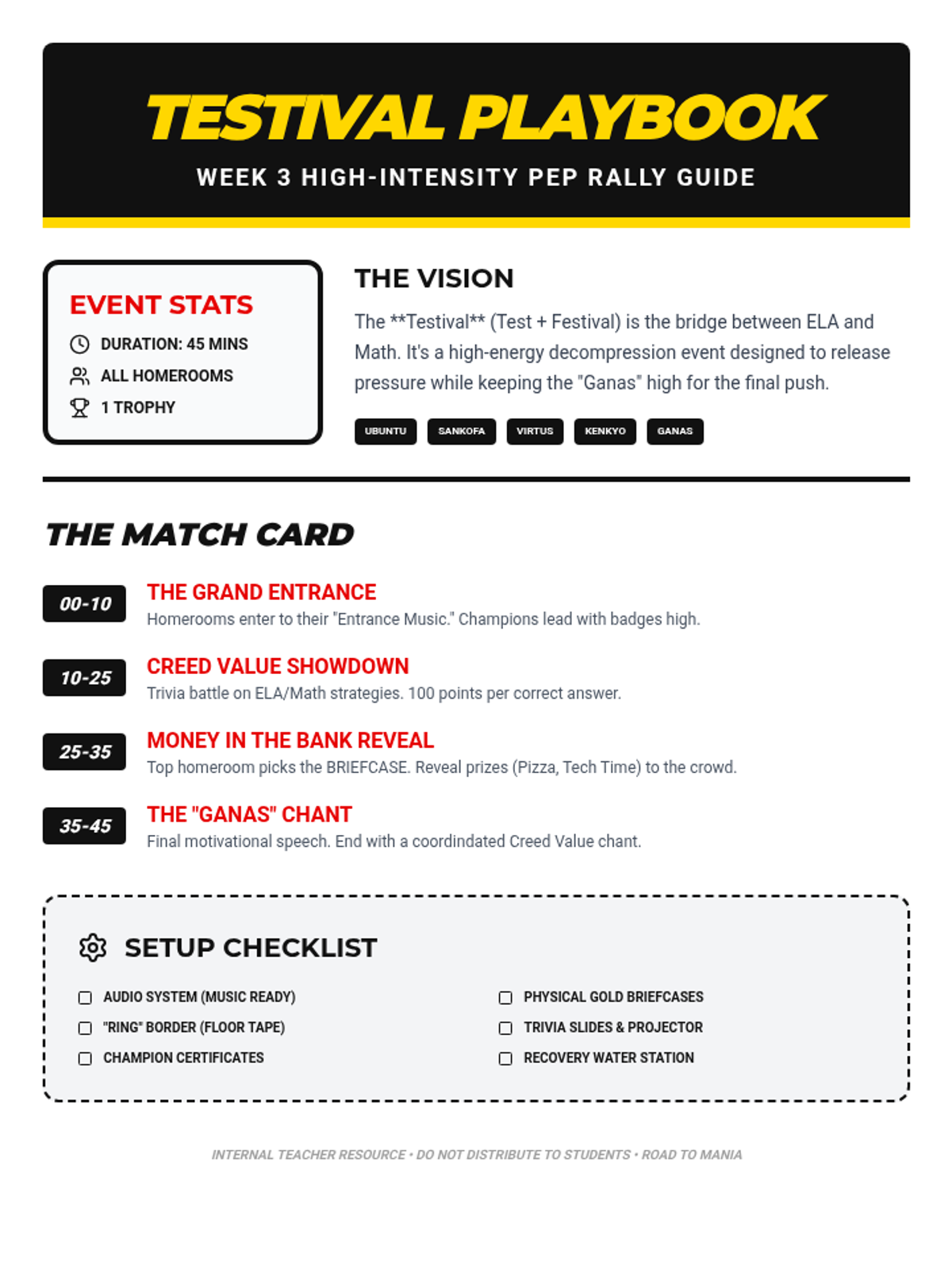
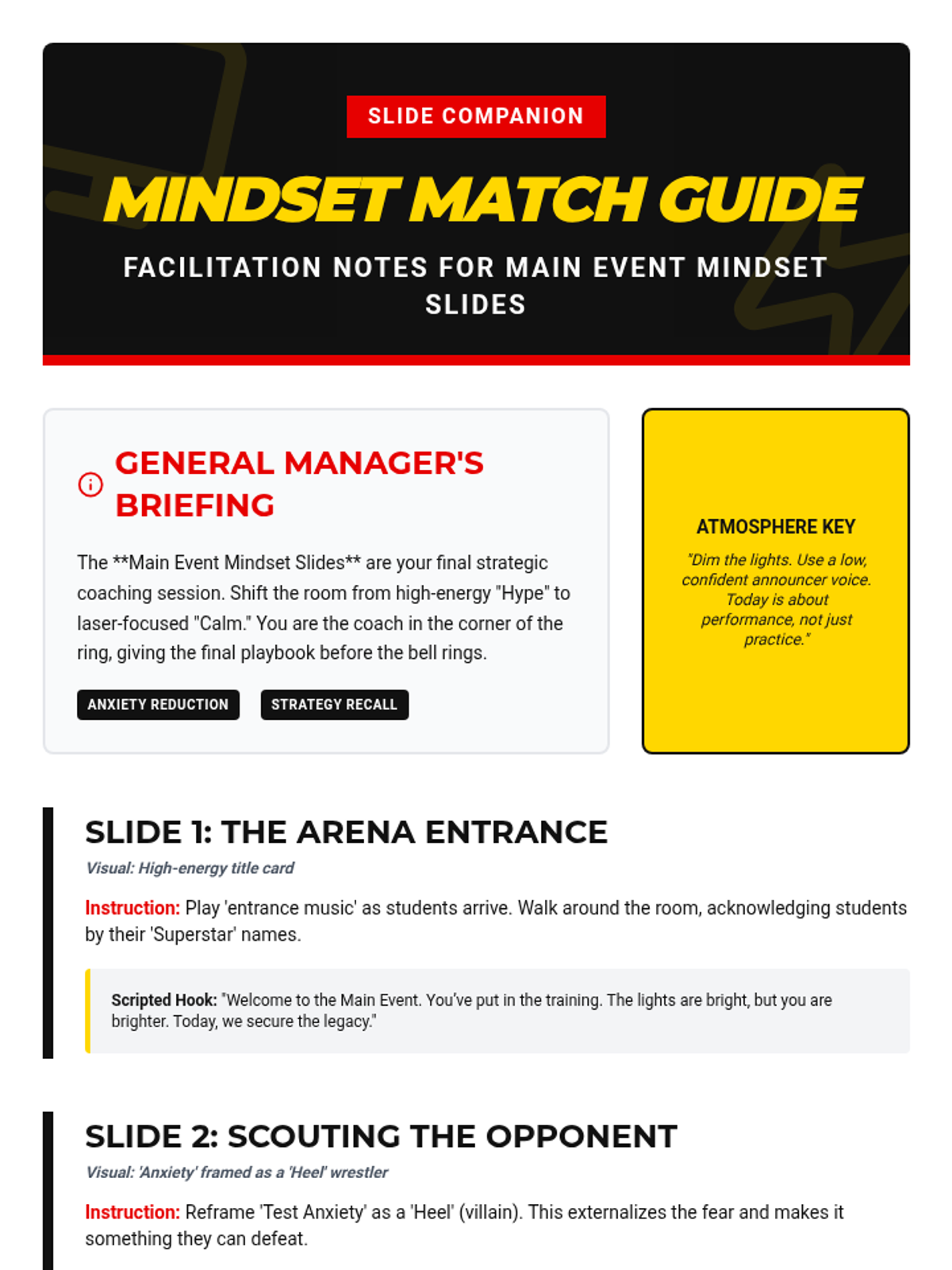
Addressing test anxiety and ELA state exam preparation, including decompression strategies to stay 'main event' ready.
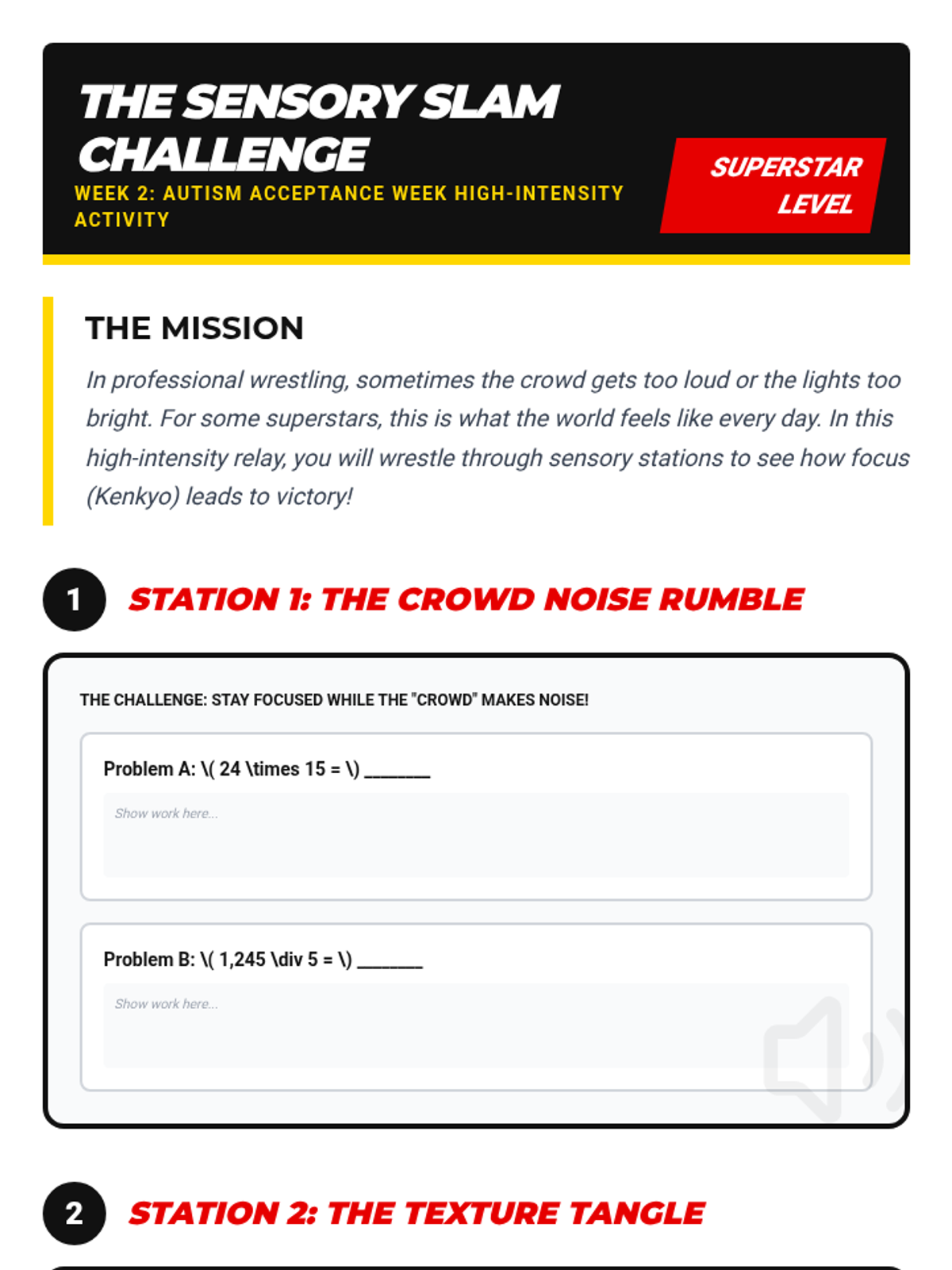
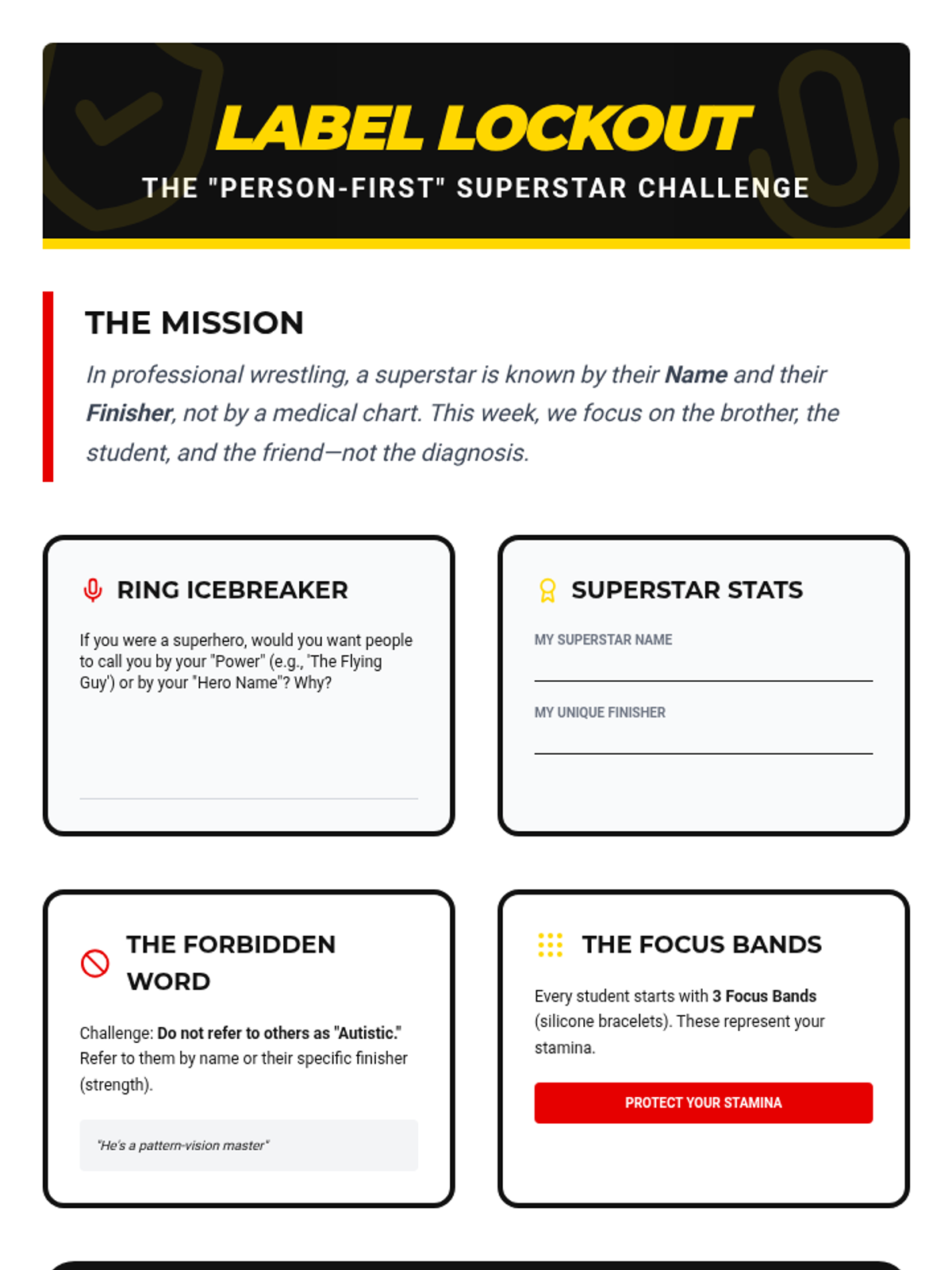
A high-energy activity focusing on inclusivity and celebrating different ways of thinking and 'wrestling' with challenges.
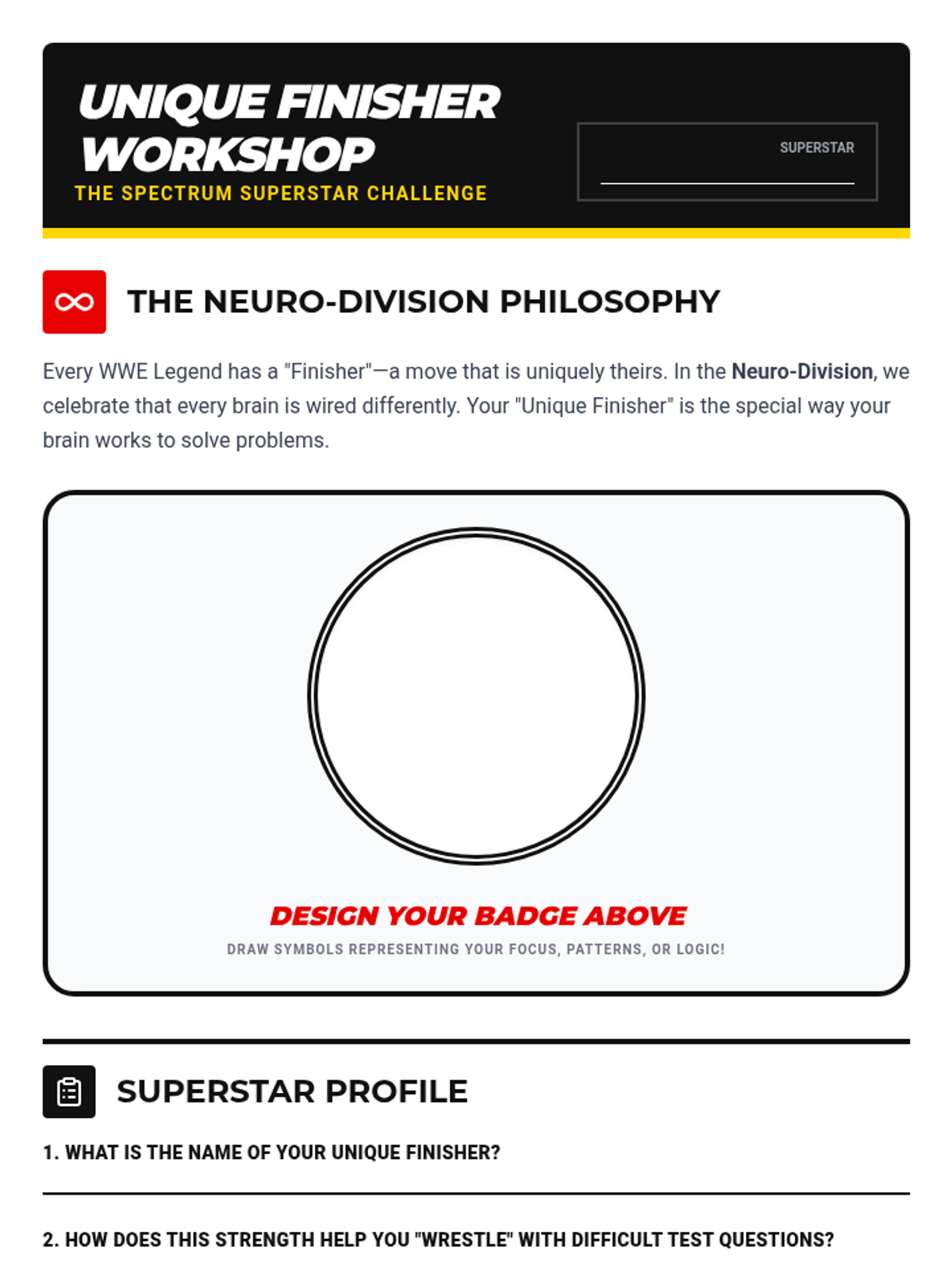
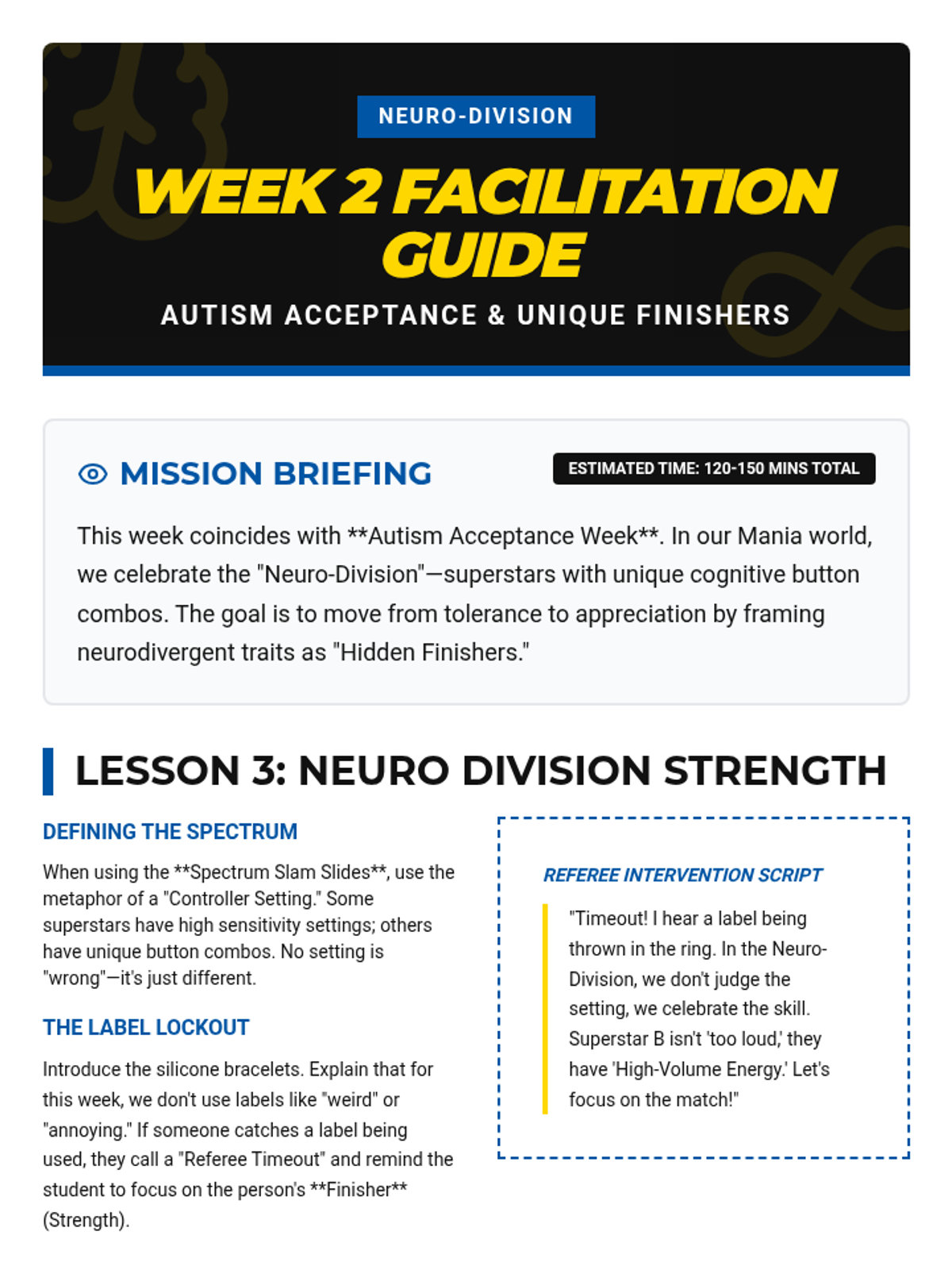
The first of two activities celebrating Autism Acceptance Week, highlighting the unique 'finishers' and strengths of neurodivergent individuals.
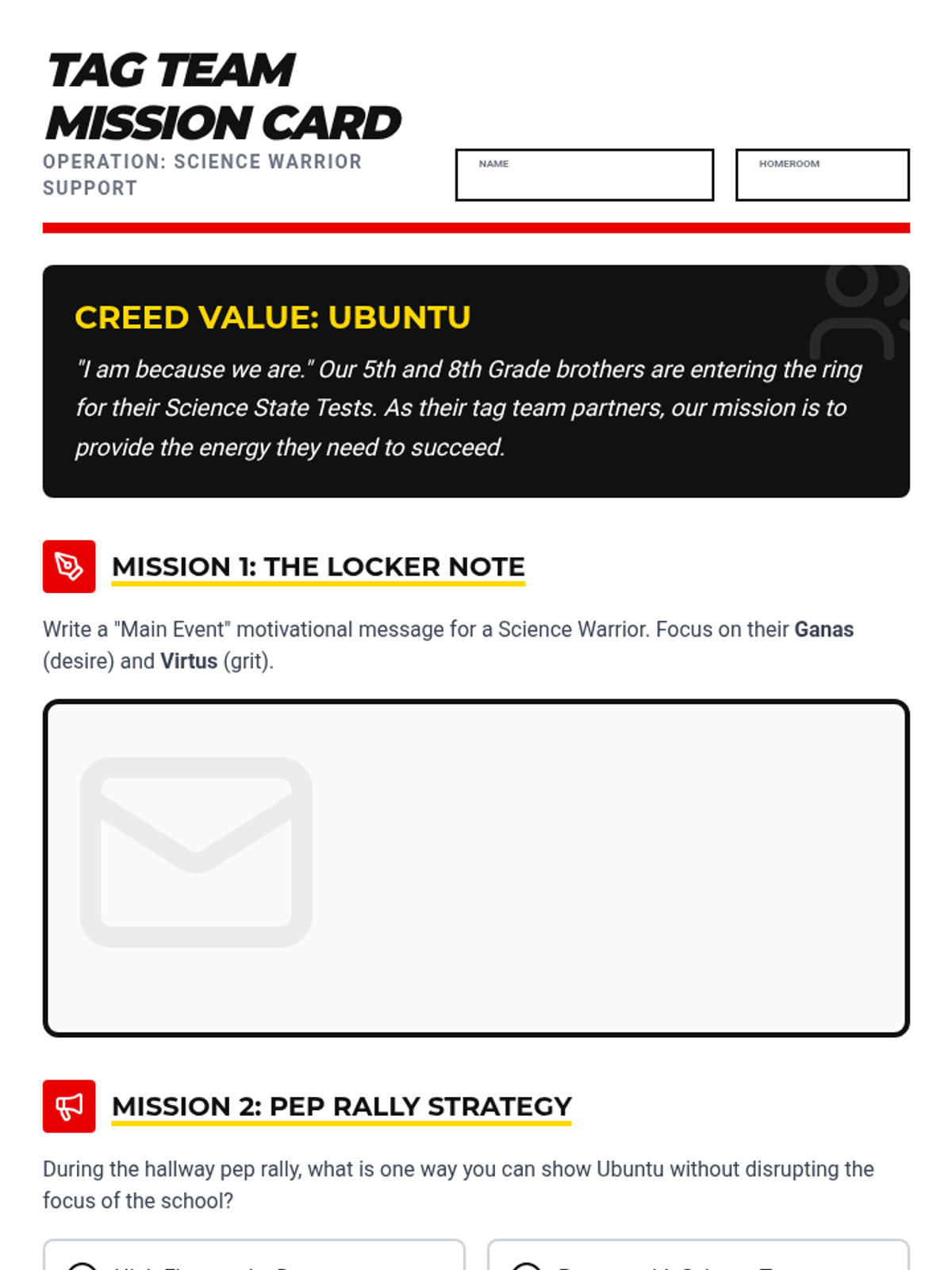
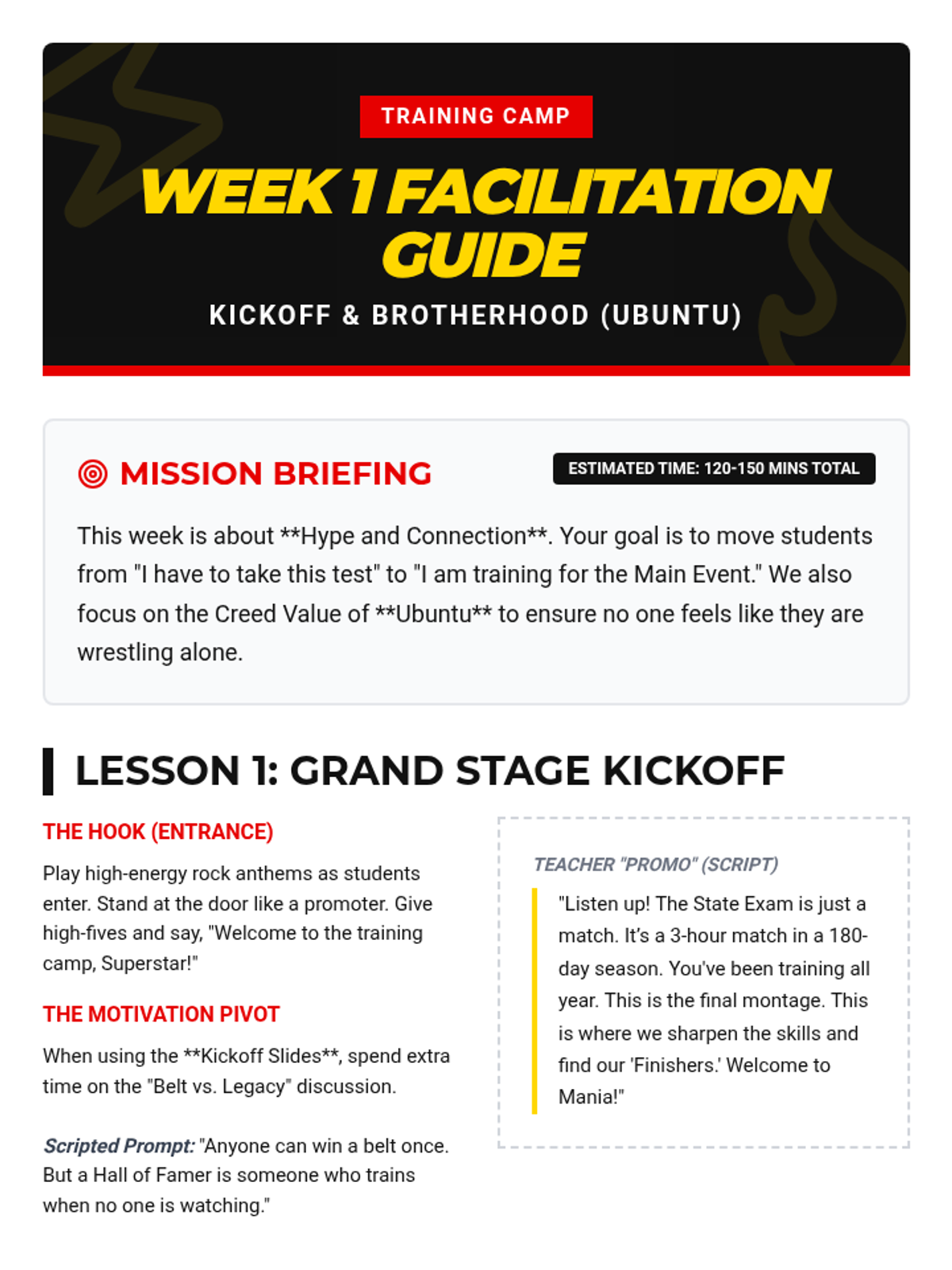
Focus on the Creed Value of Ubuntu and brotherhood, preparing students to support their peers during science test pep rallies.
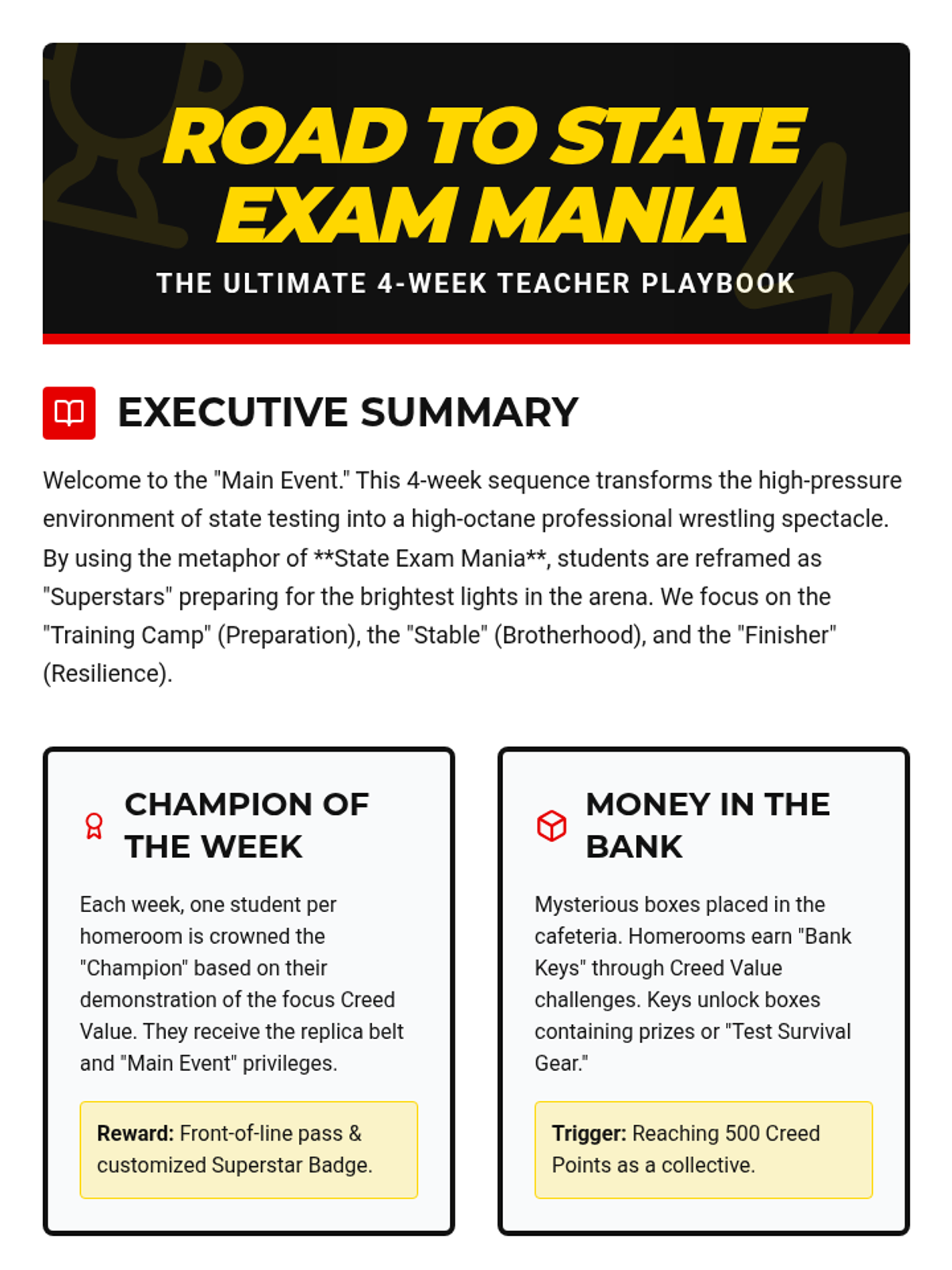
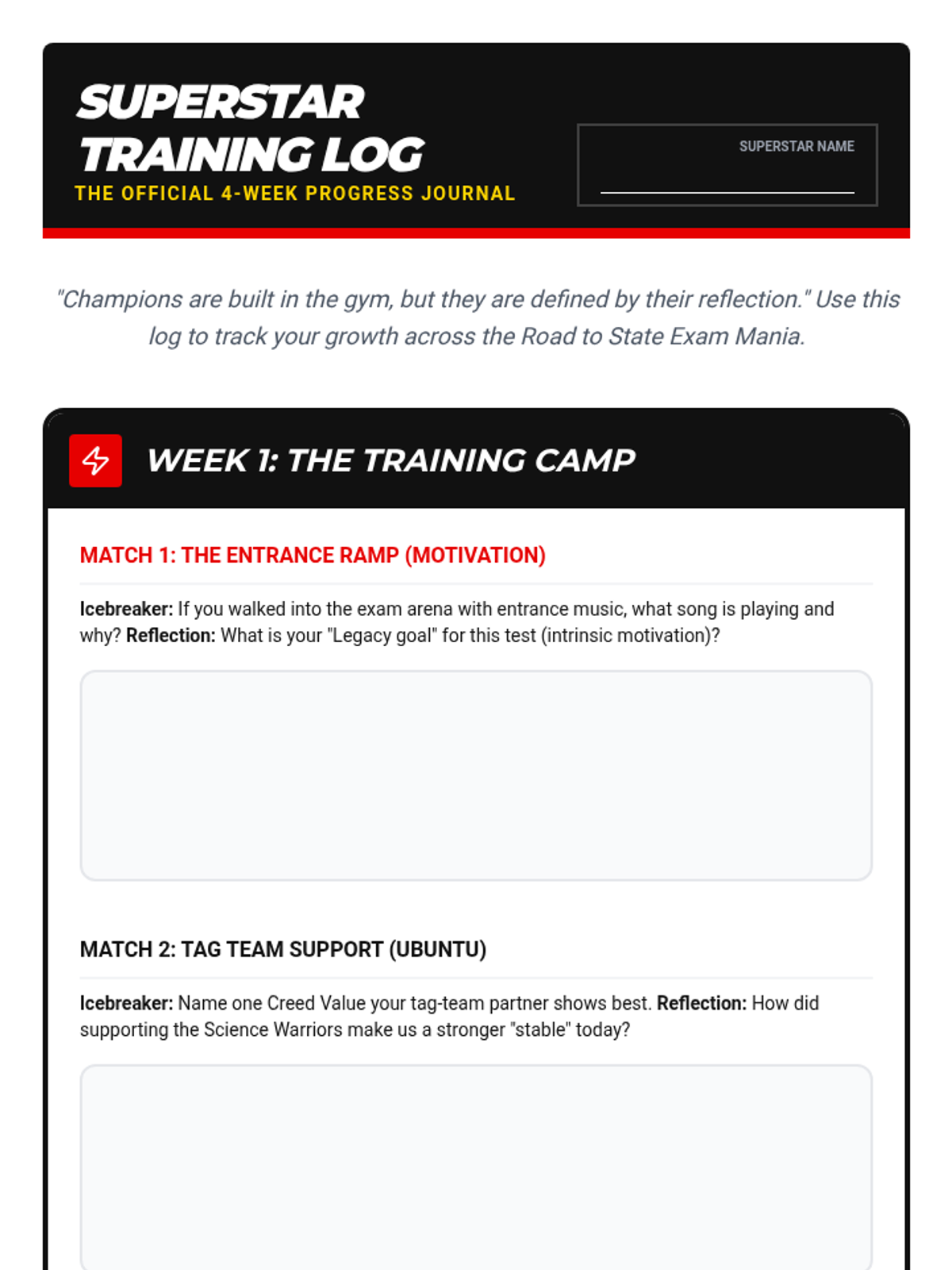
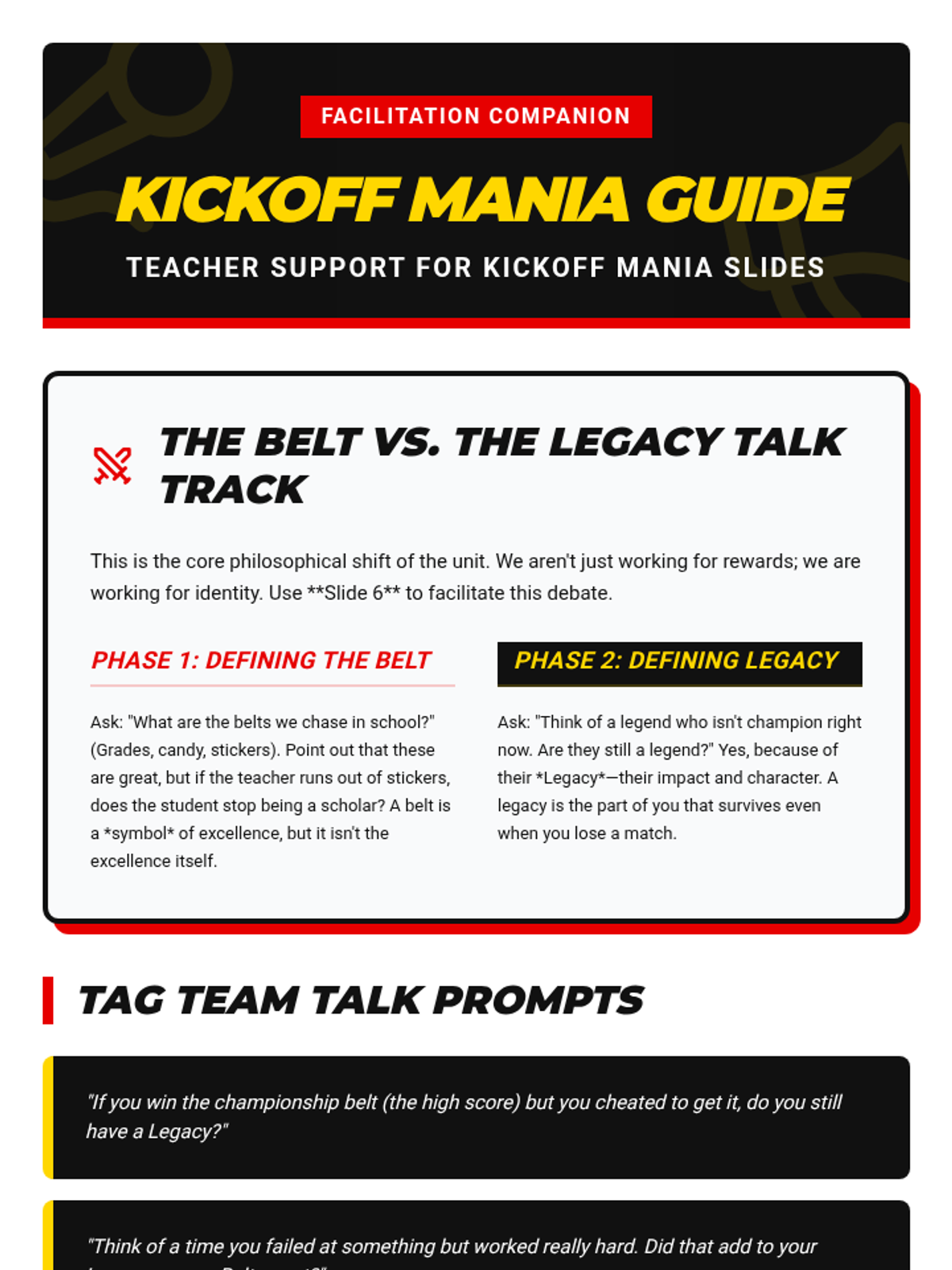
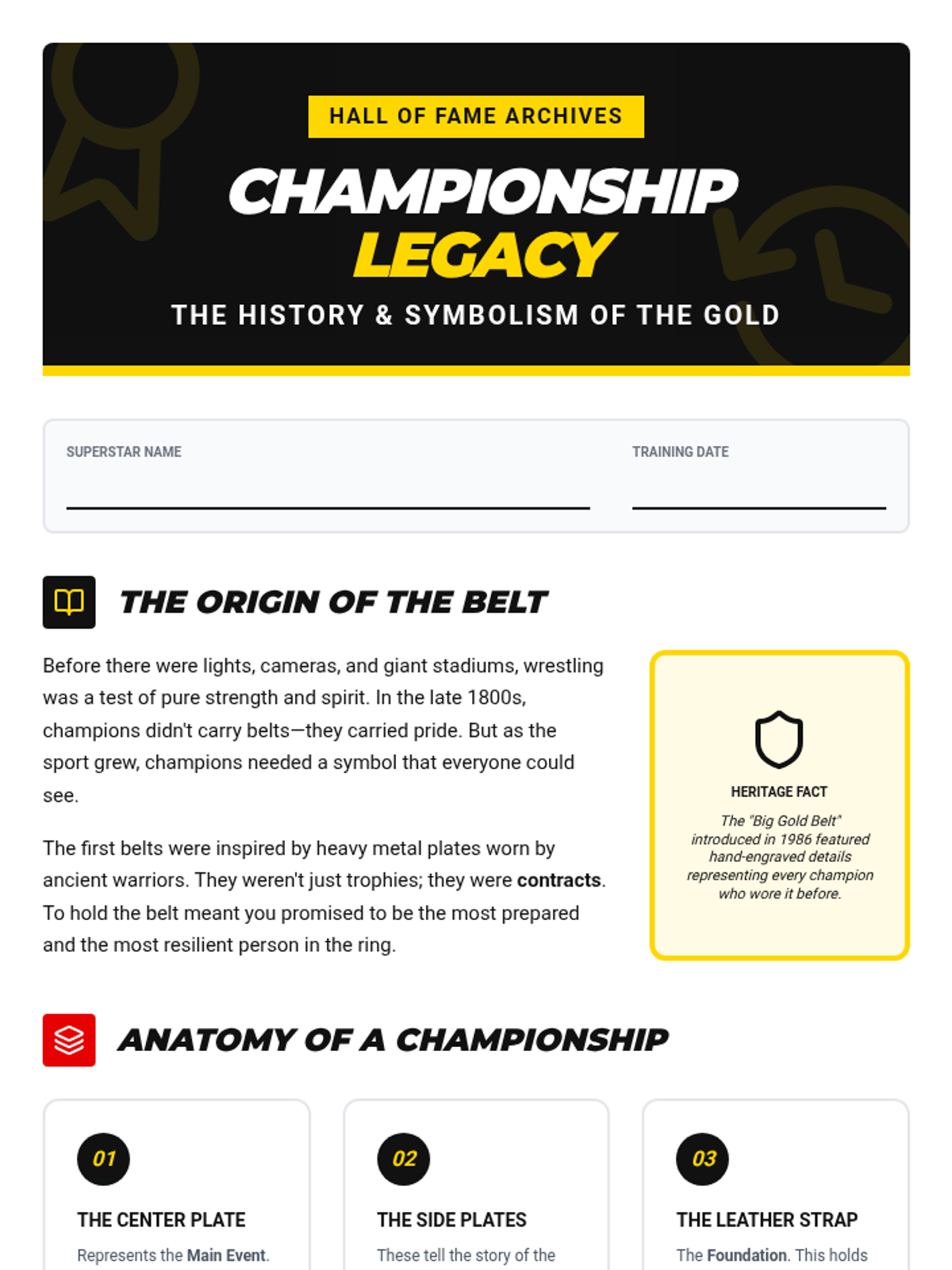
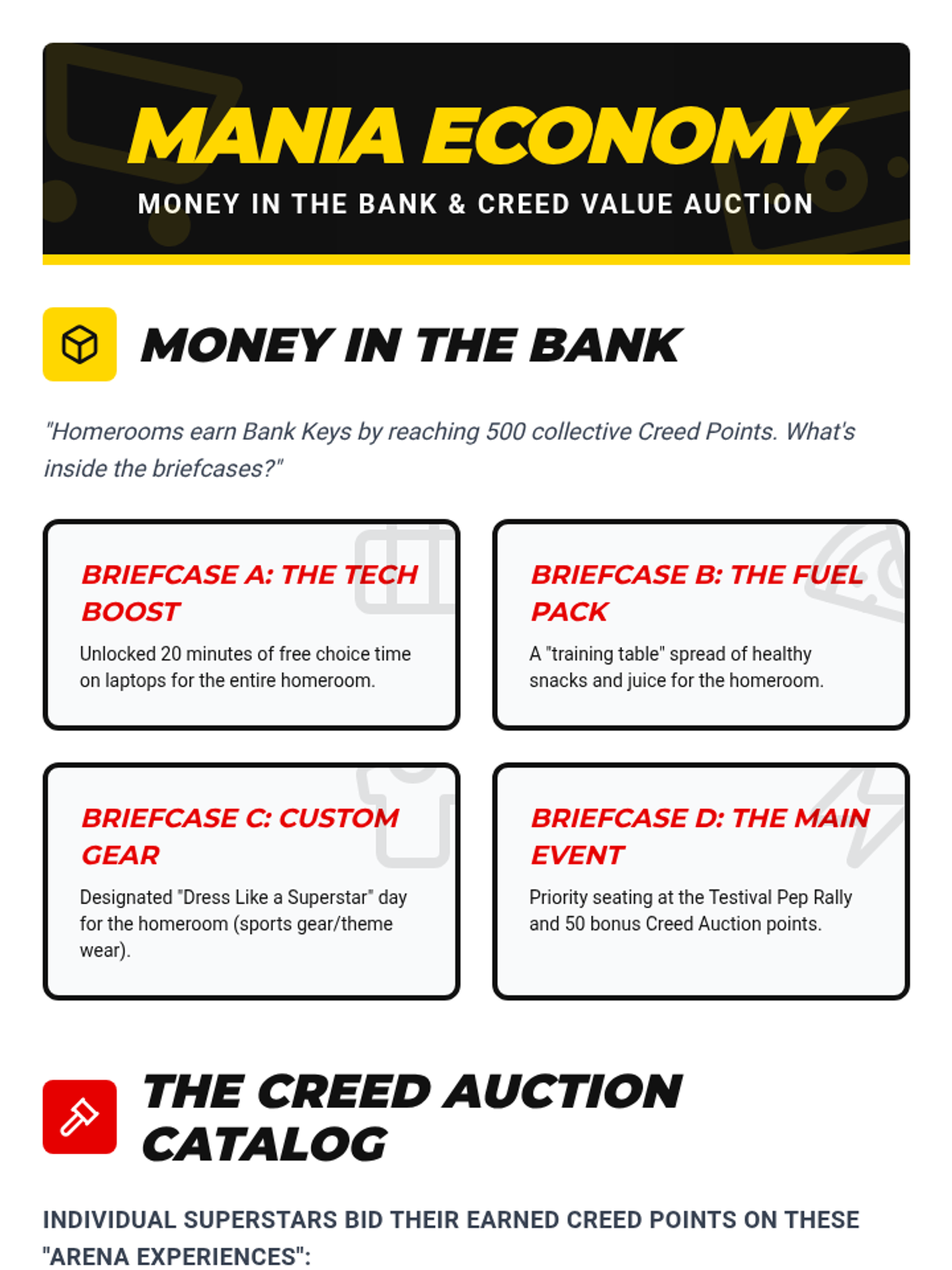
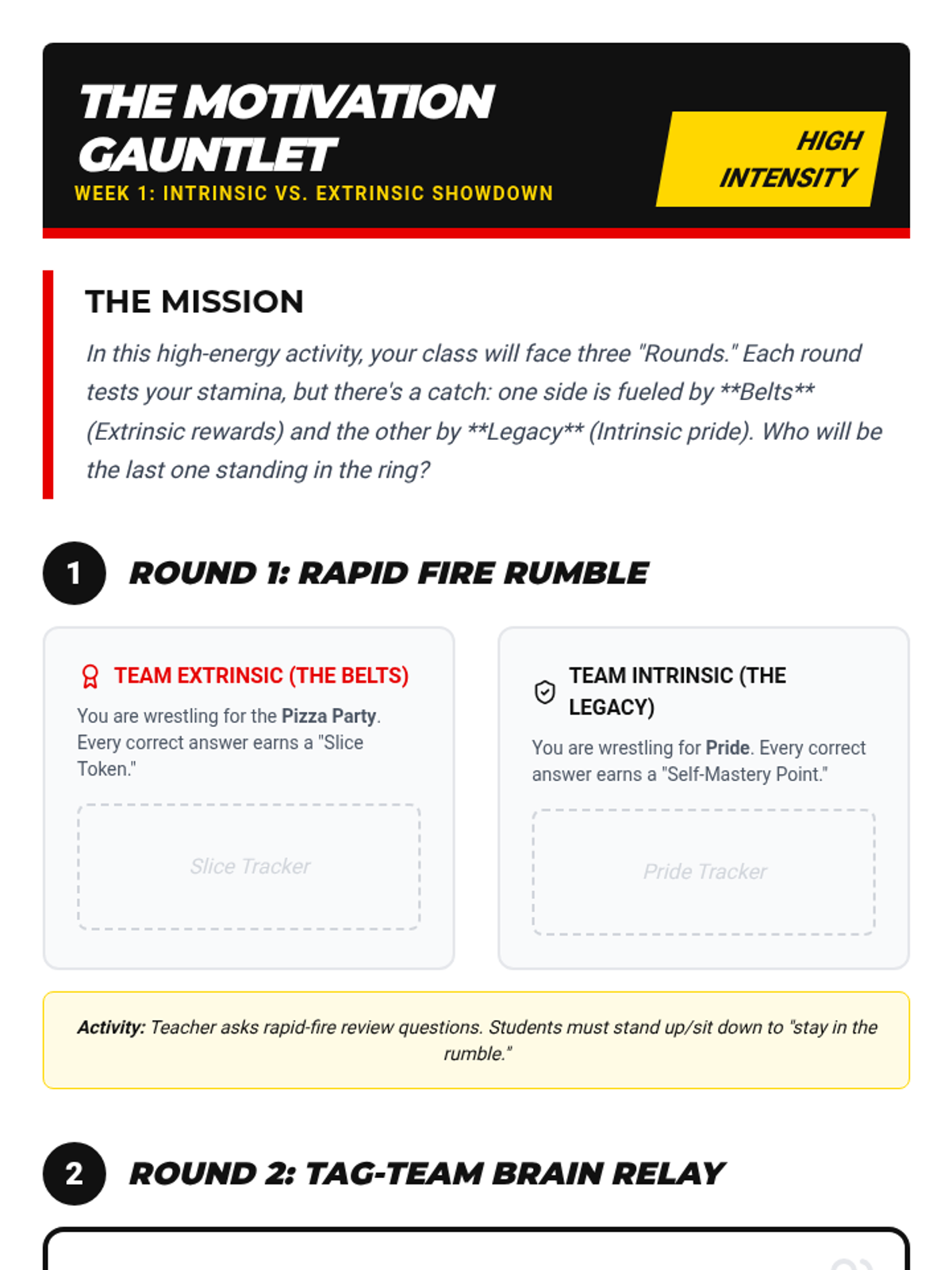
Introduce the 'State Exam Mania' theme, focusing on the difference between intrinsic and extrinsic motivation using the metaphor of championship belts vs. personal legacy.
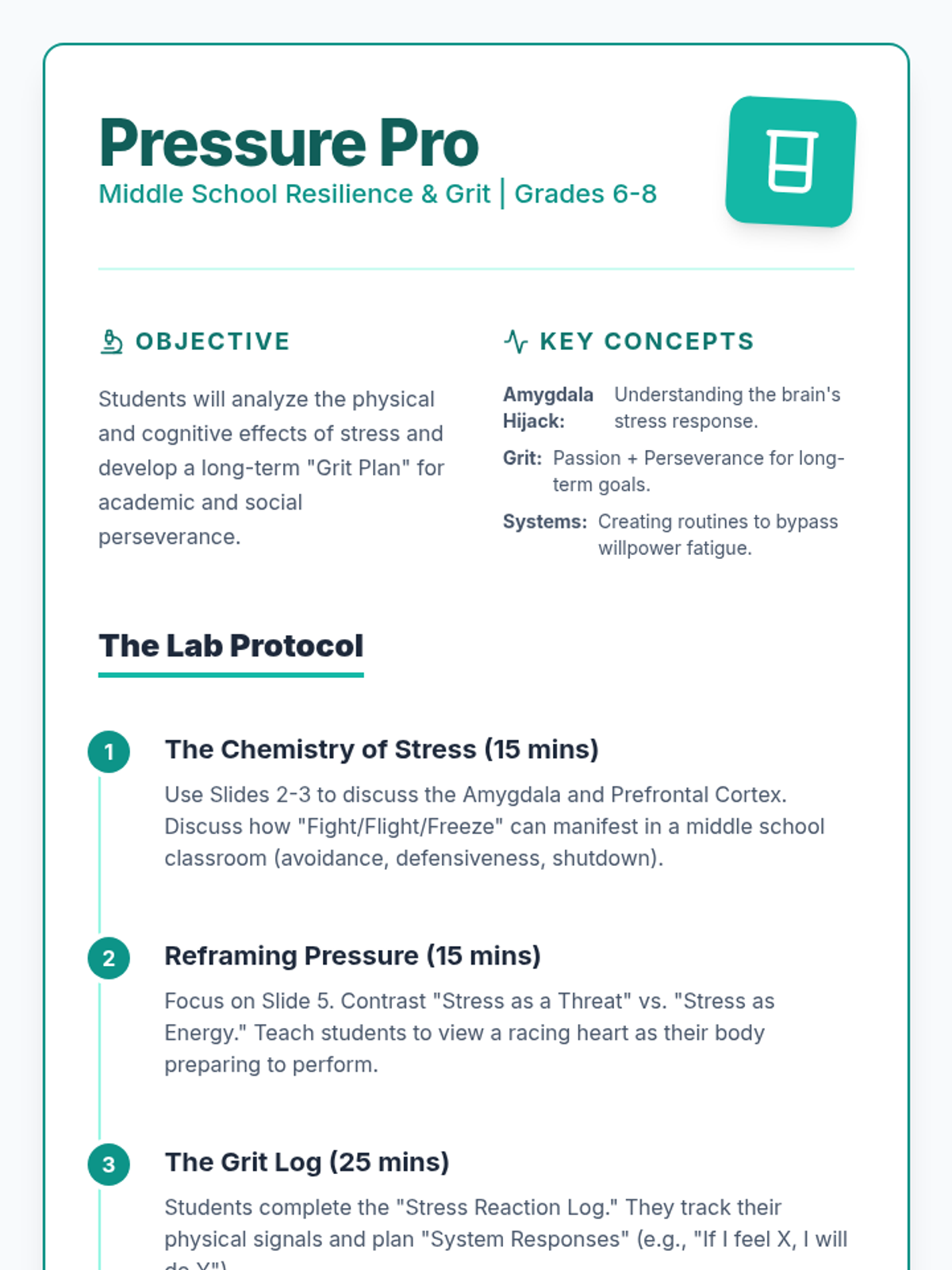
Explores the science of stress, long-term perseverance (grit), and developing a personal resilience plan for navigating middle school transitions.
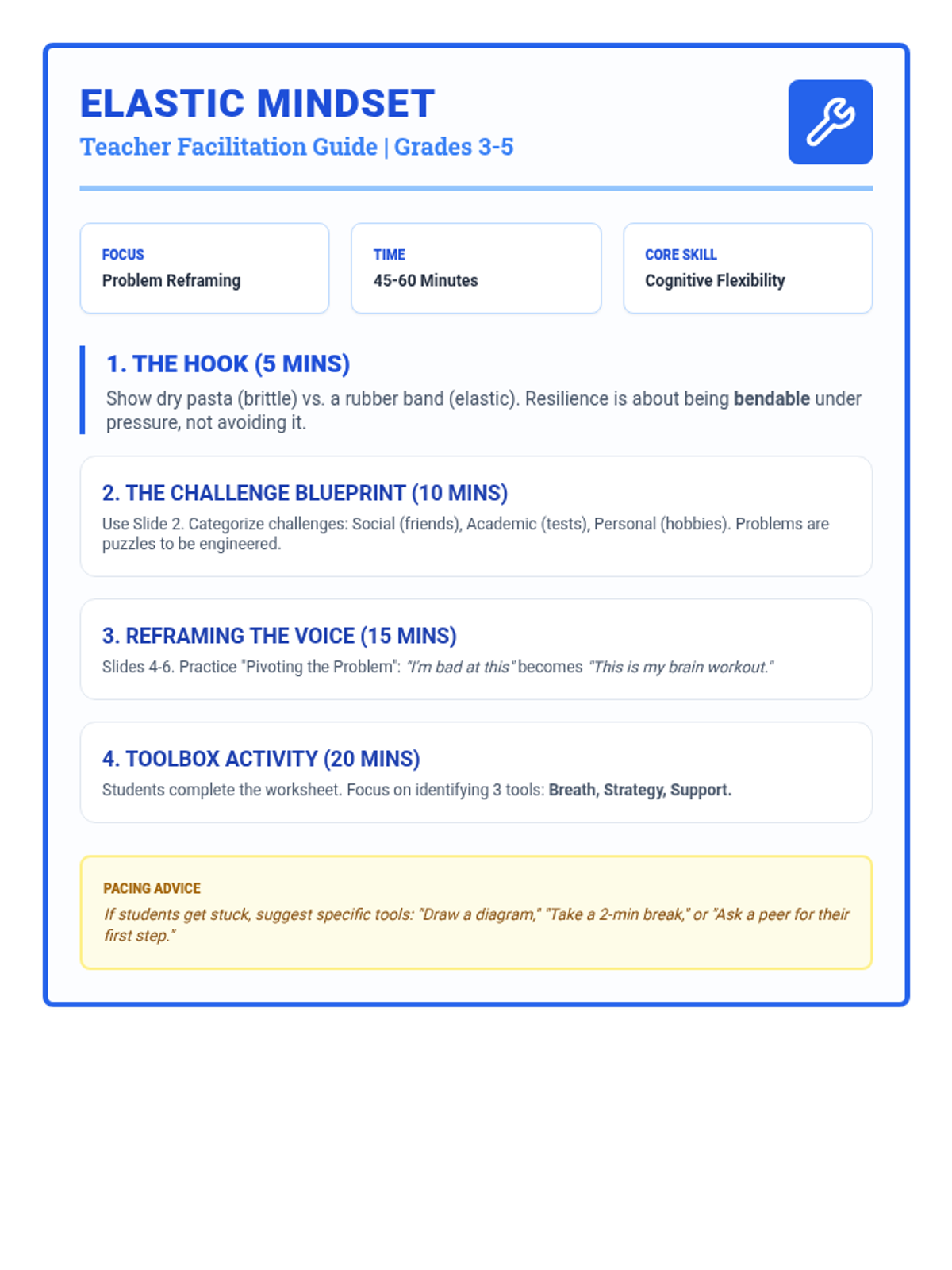
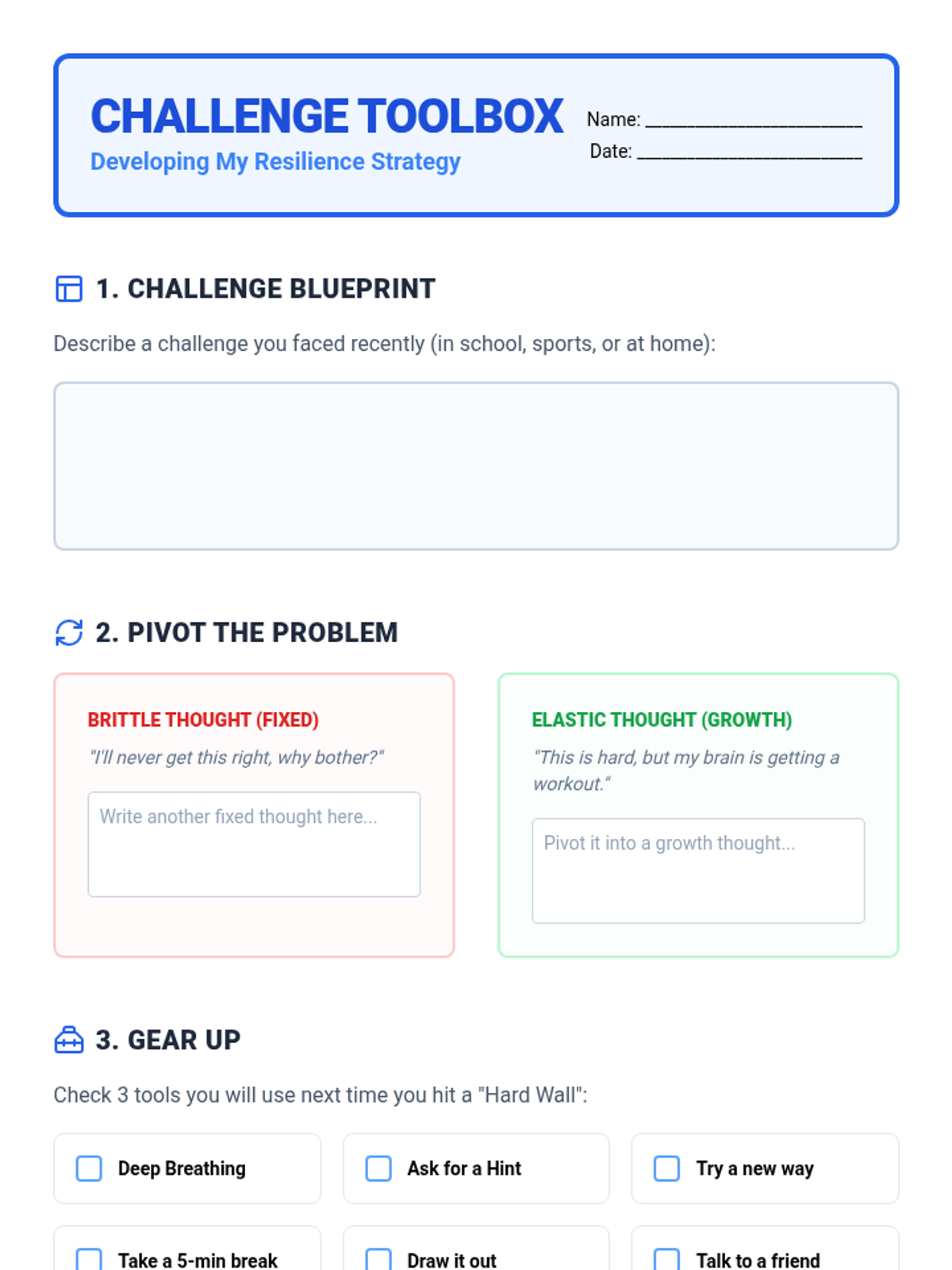
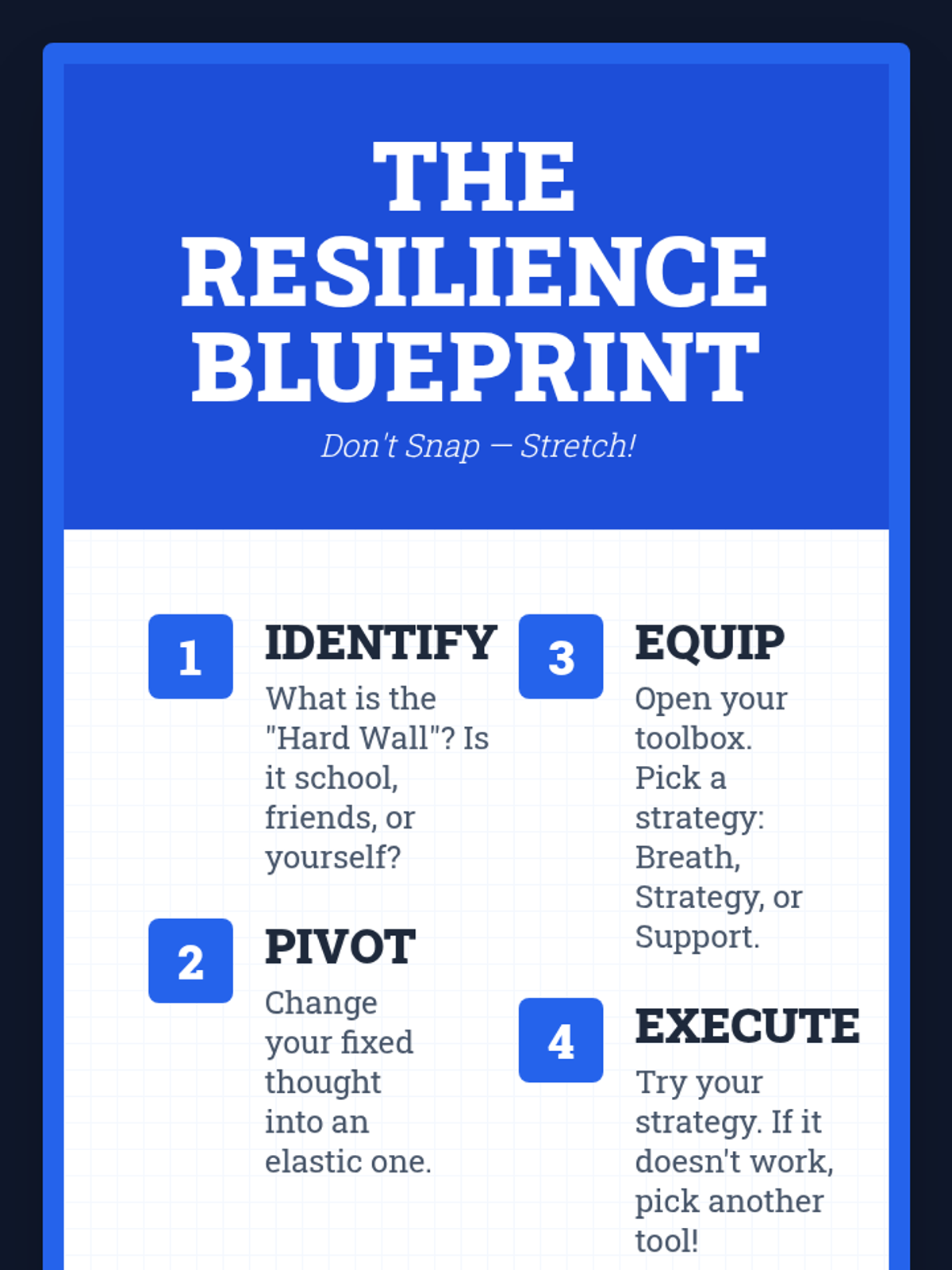
Teaches students to identify challenges, reframe negative thoughts, and build a 'toolbox' of coping strategies for social and academic hurdles.
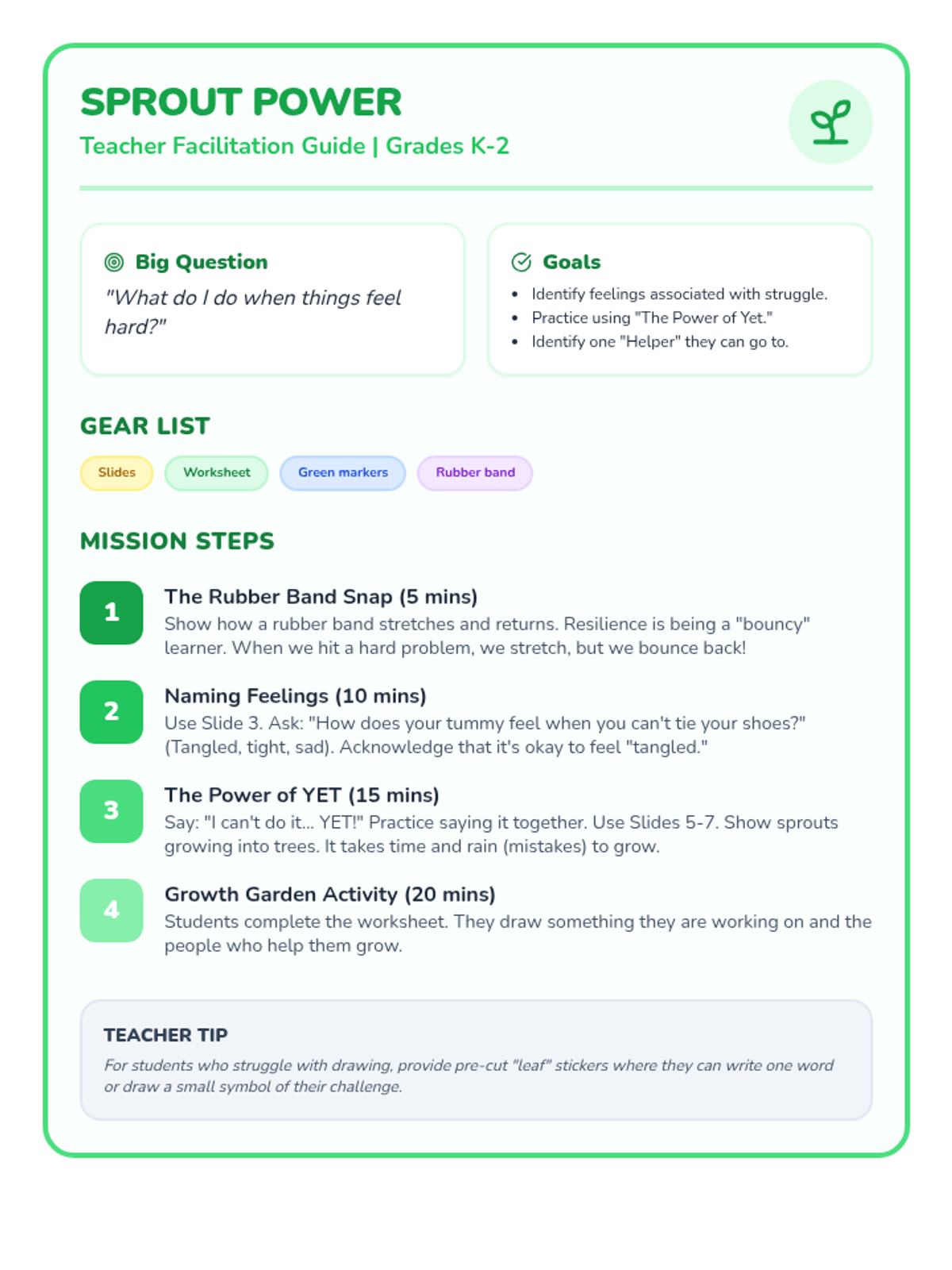
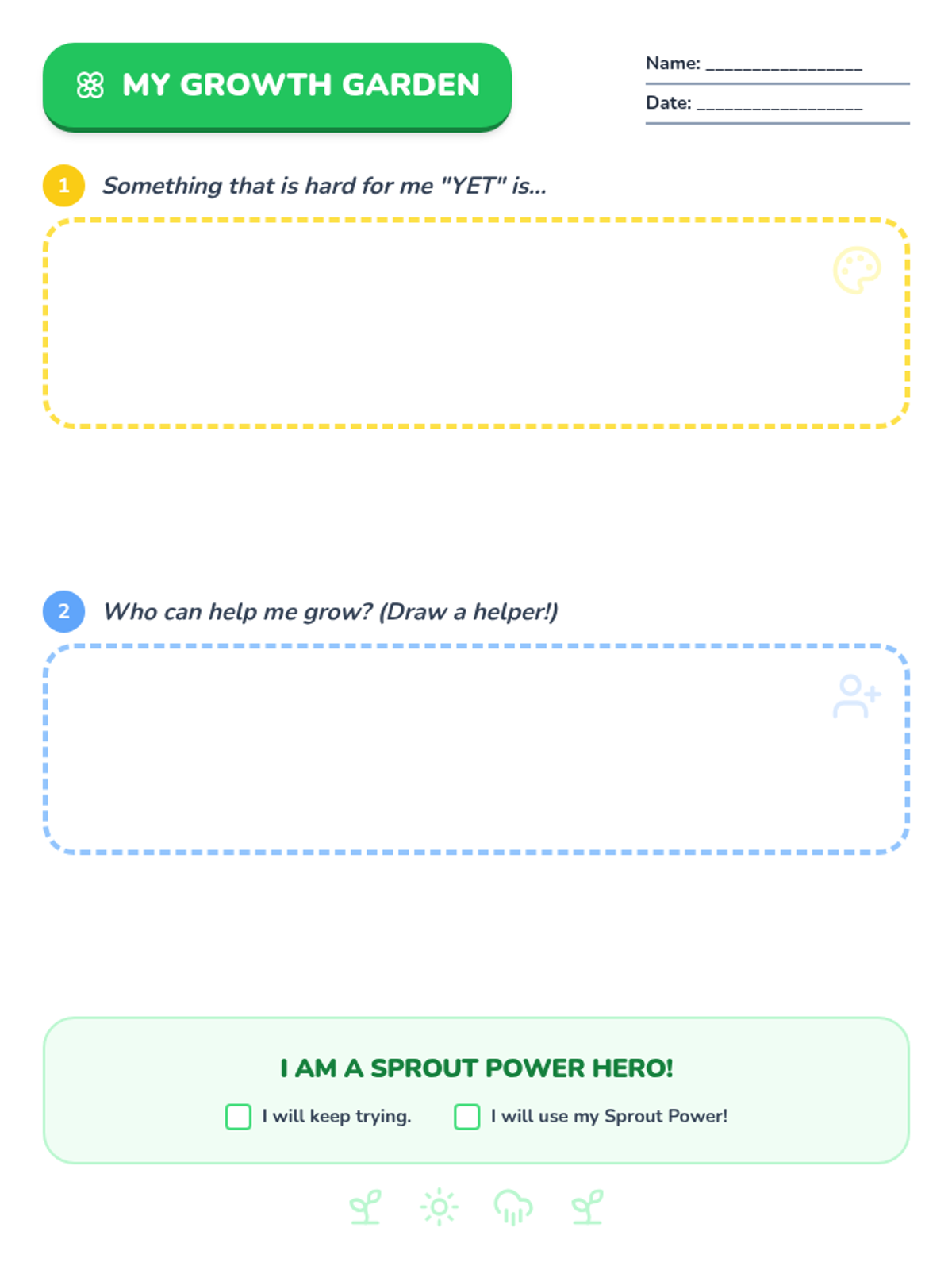
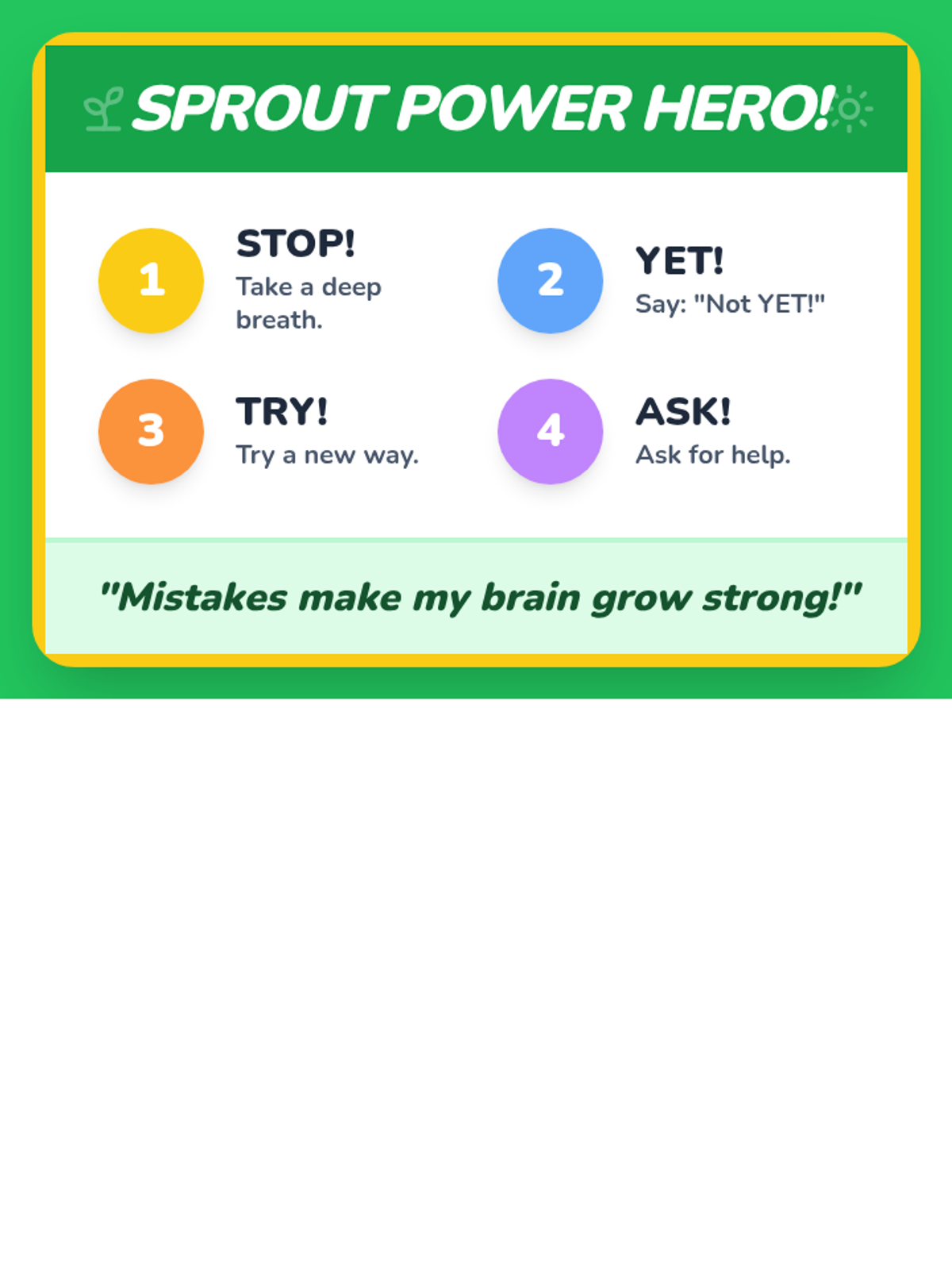
Focuses on naming emotions, understanding that mistakes help us grow, and using the 'Power of Yet' to build early resilience.
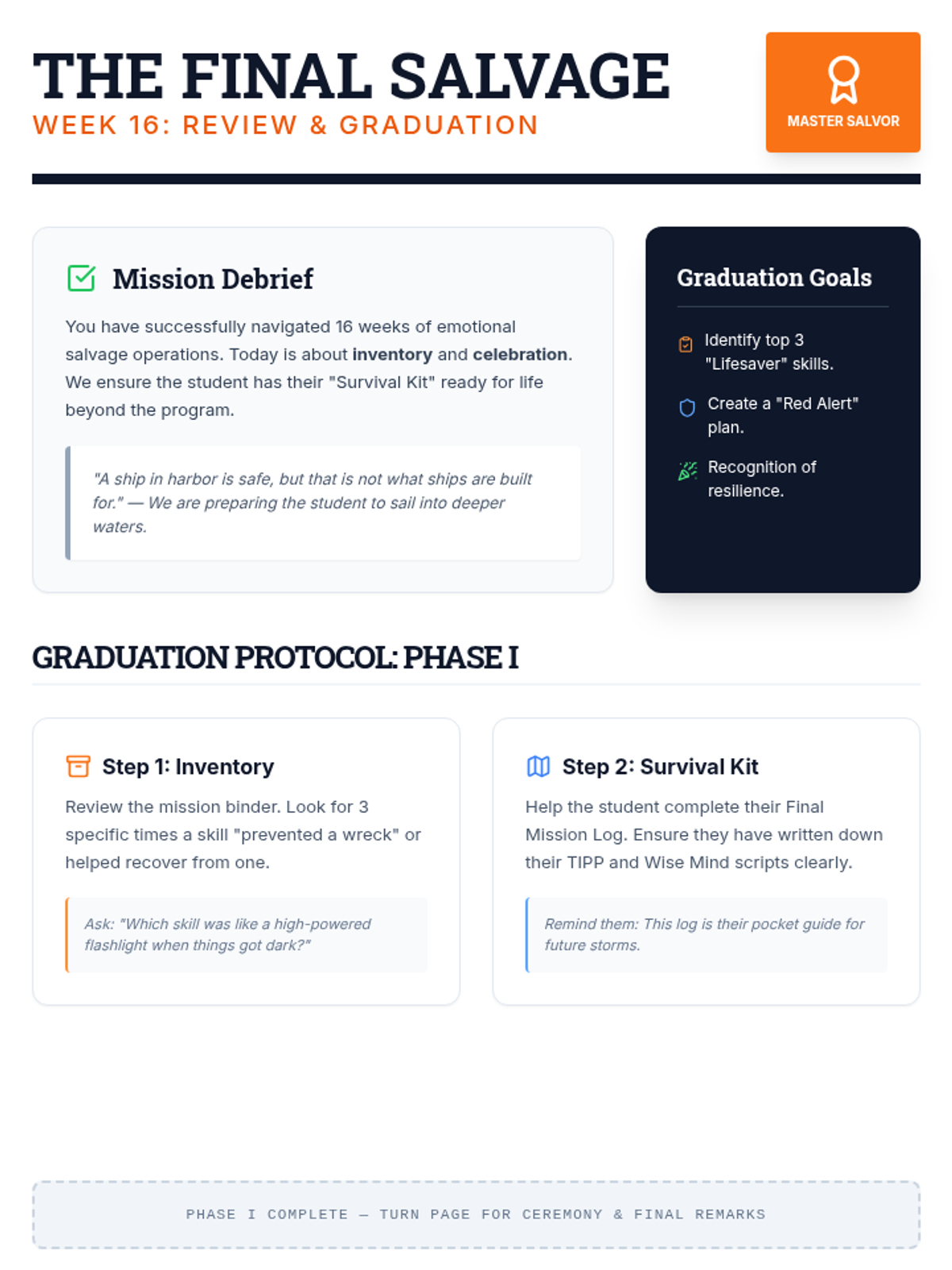
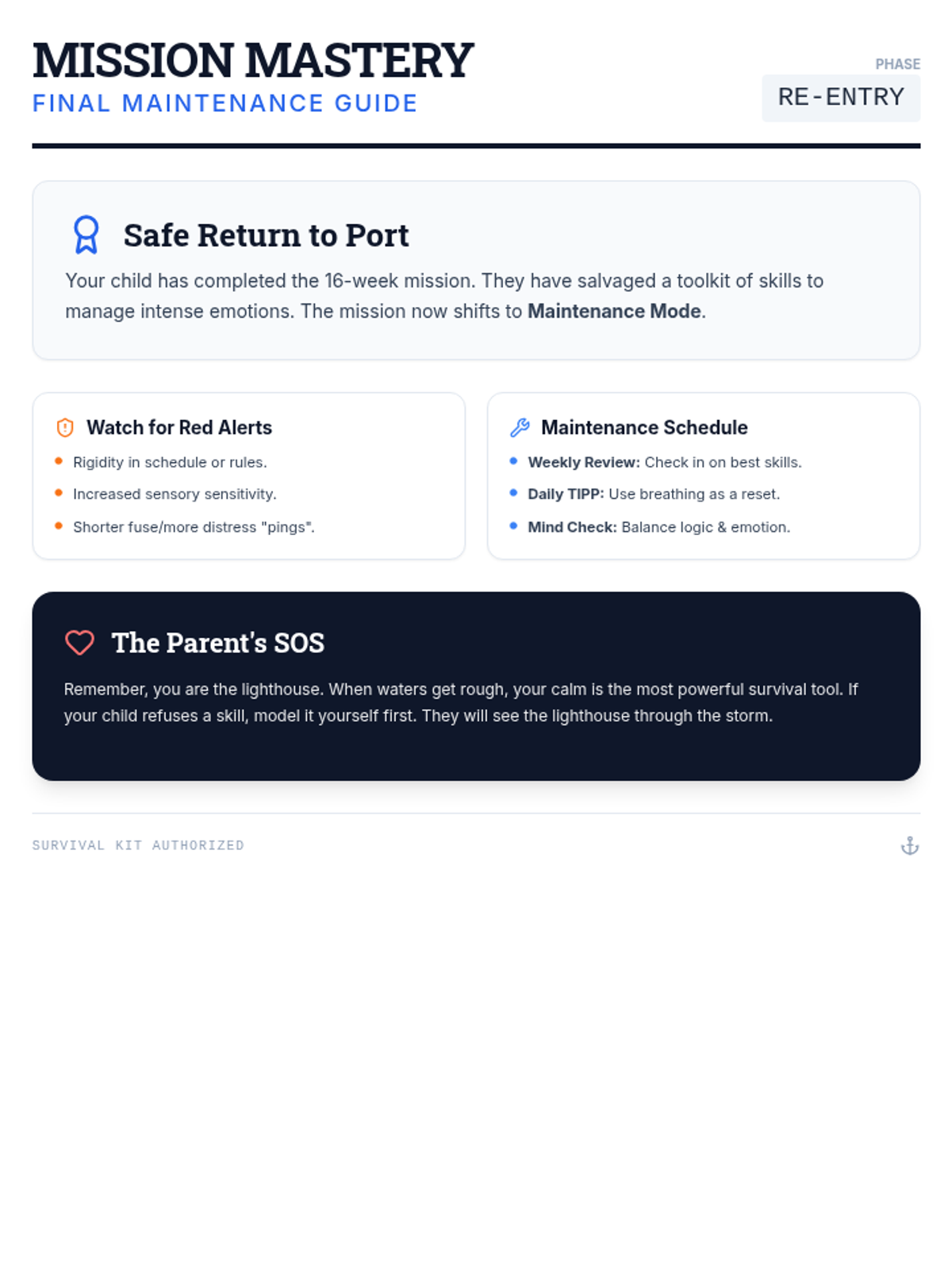
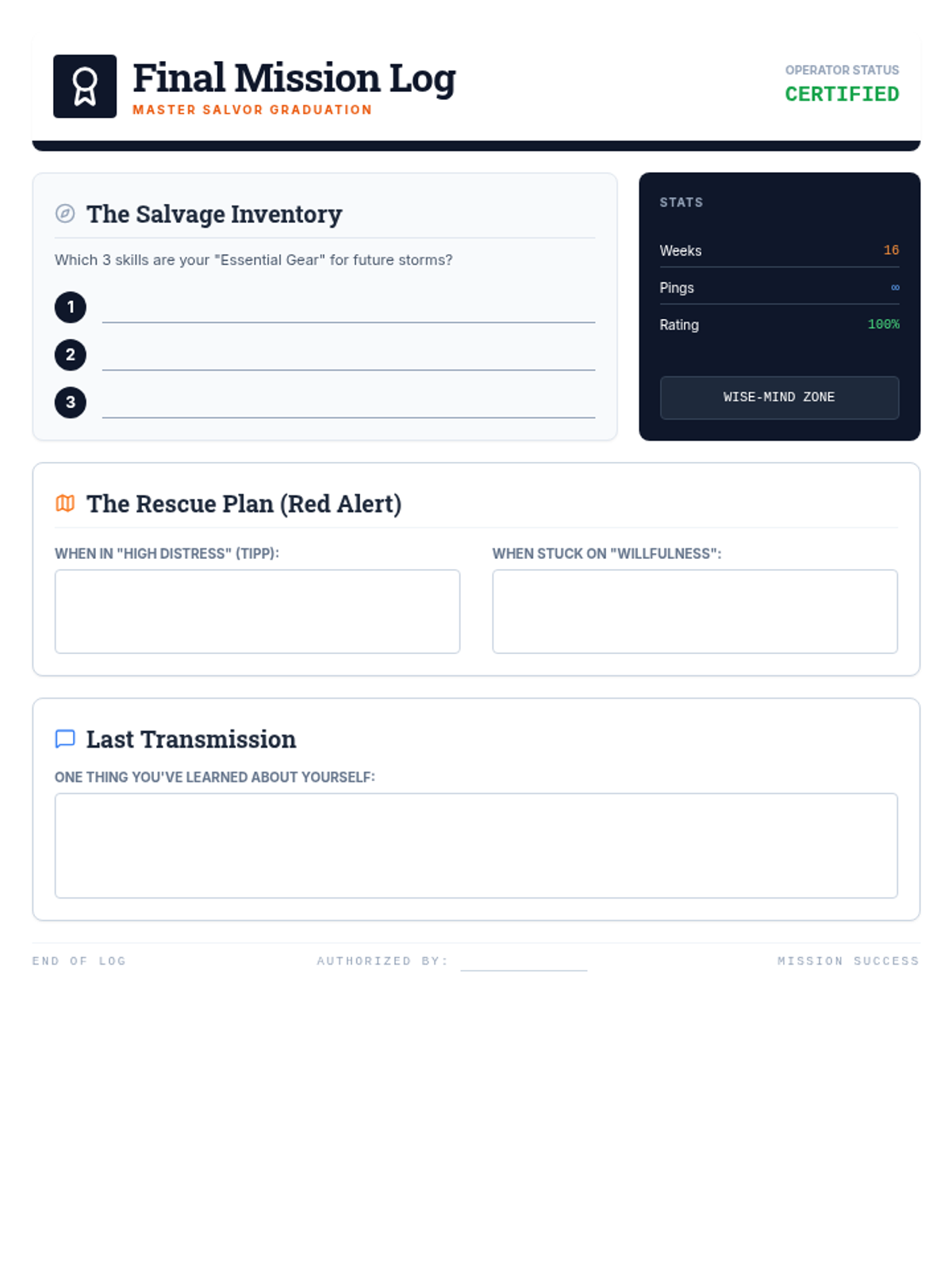
Comprehensive review and graduation from the Survival and Salvage DBT program.
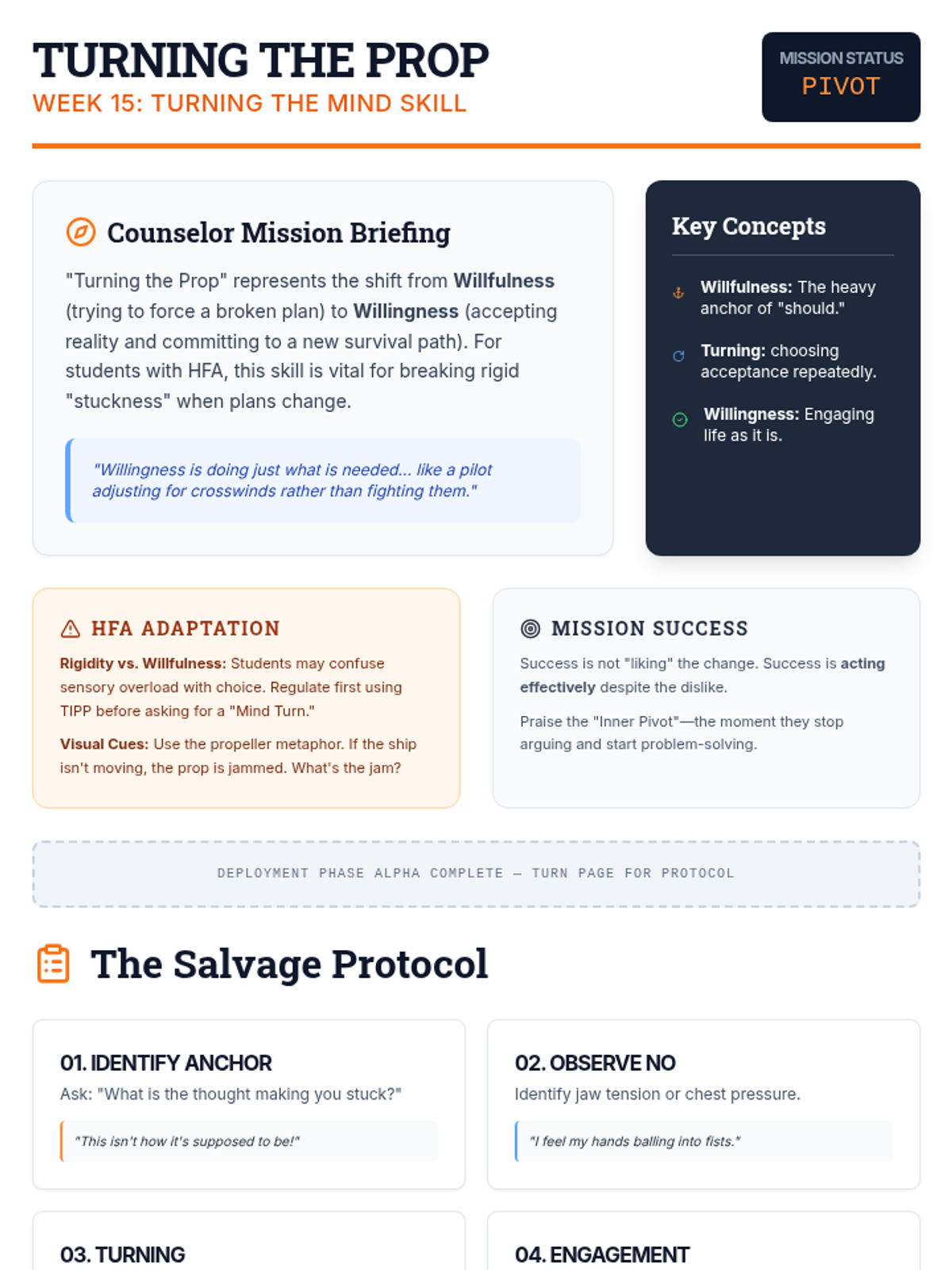
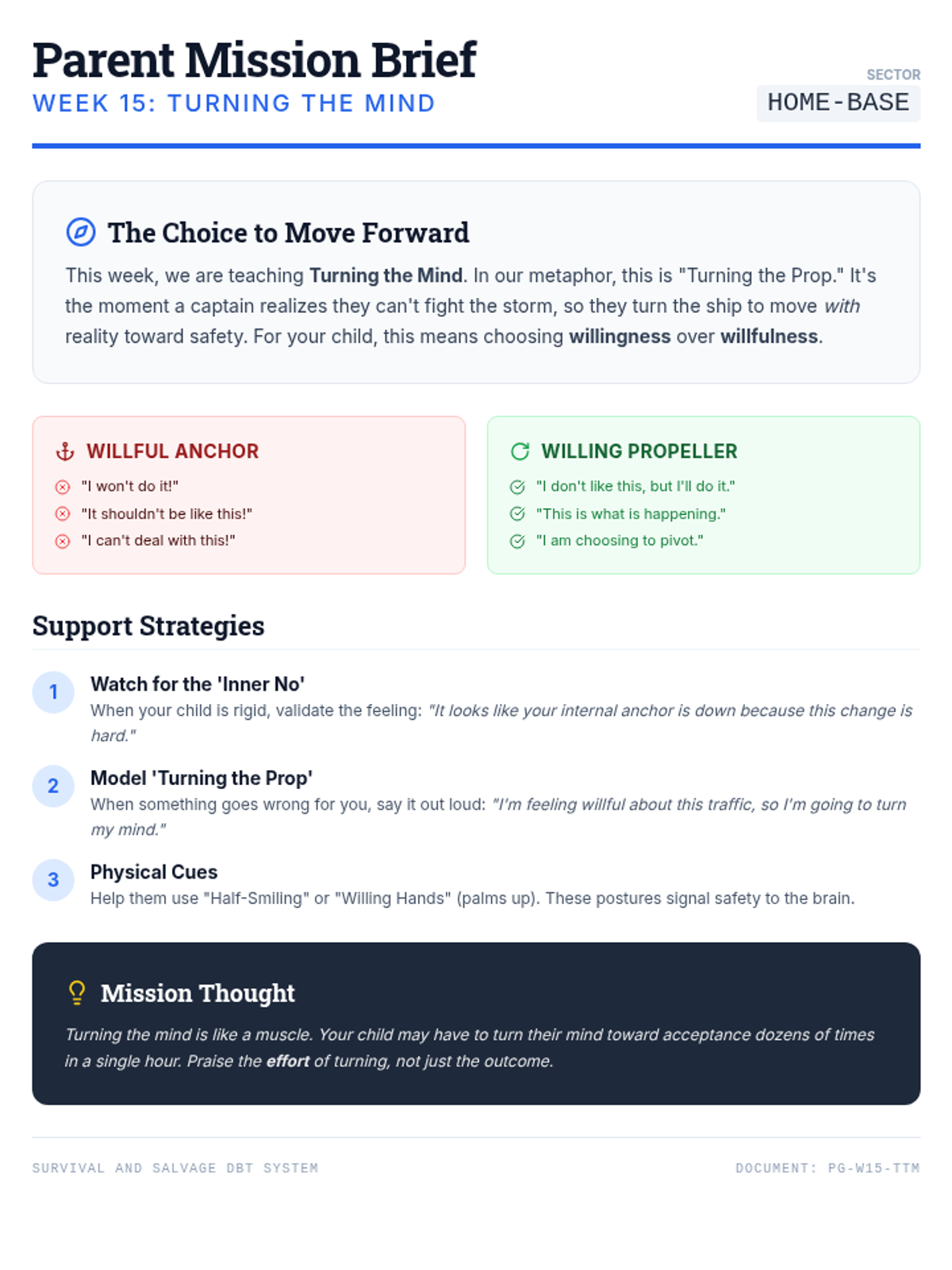
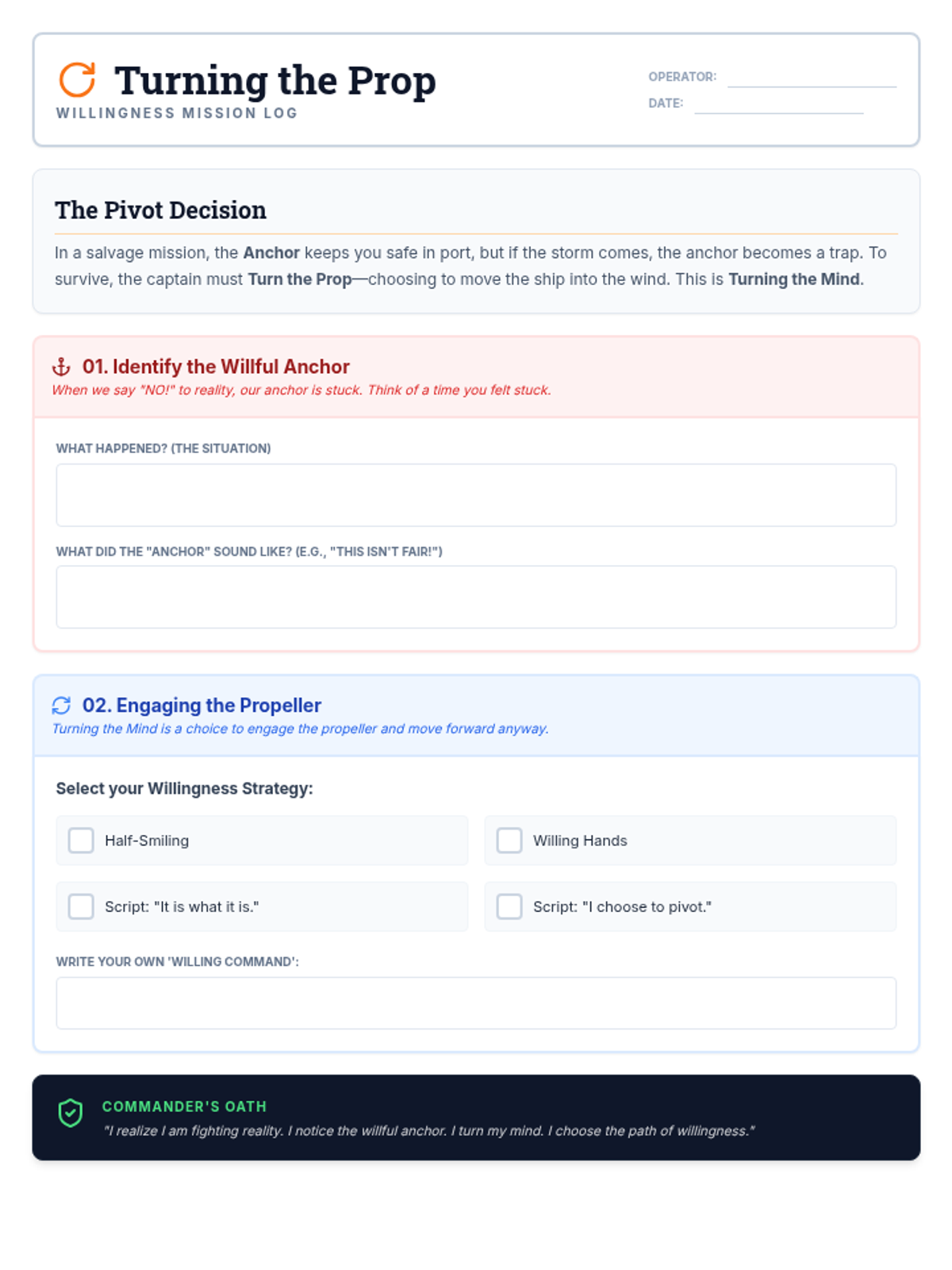
Committing to a new path (Turning the Mind) using the decision to pivot from salvage to survival.
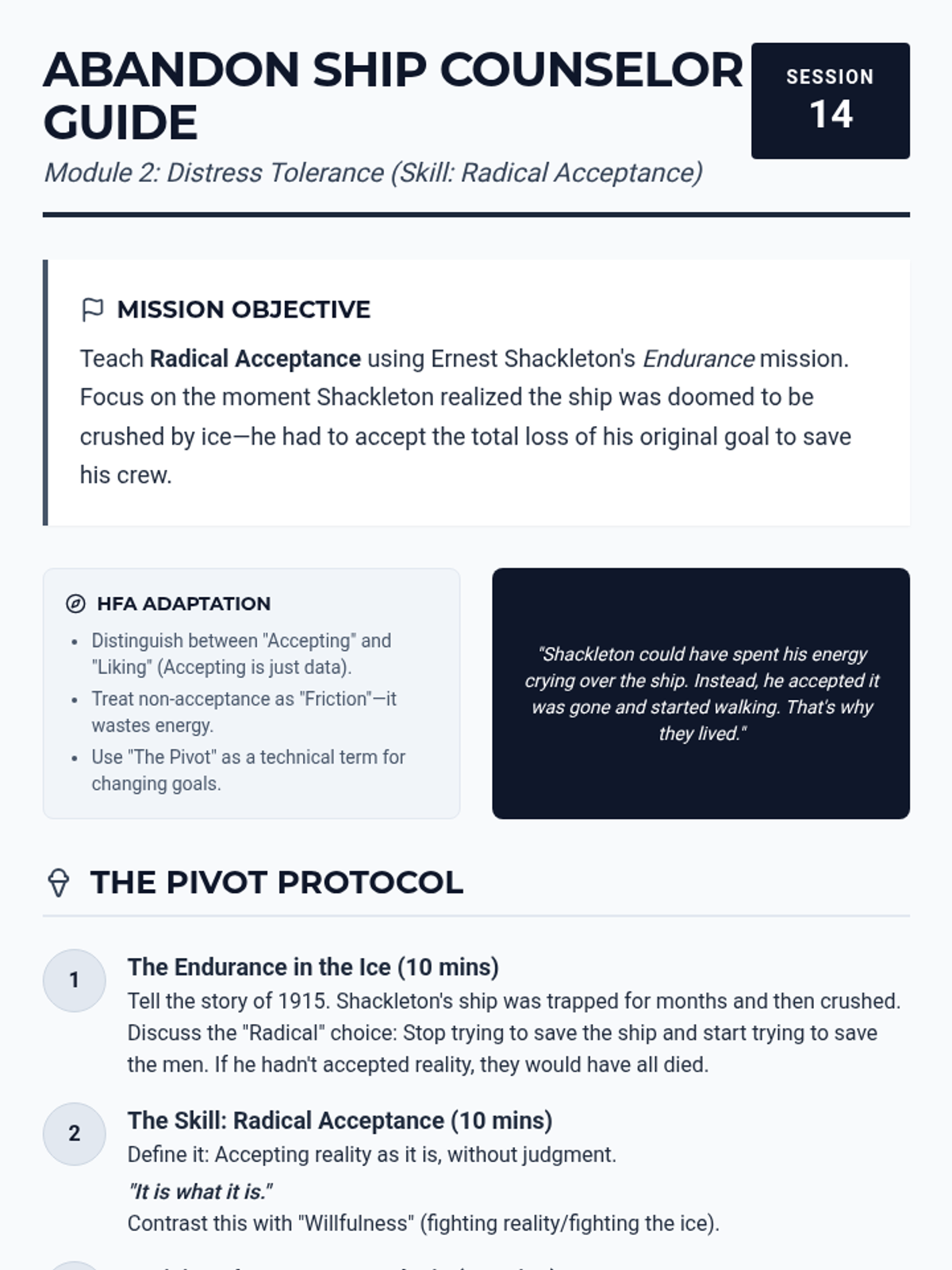
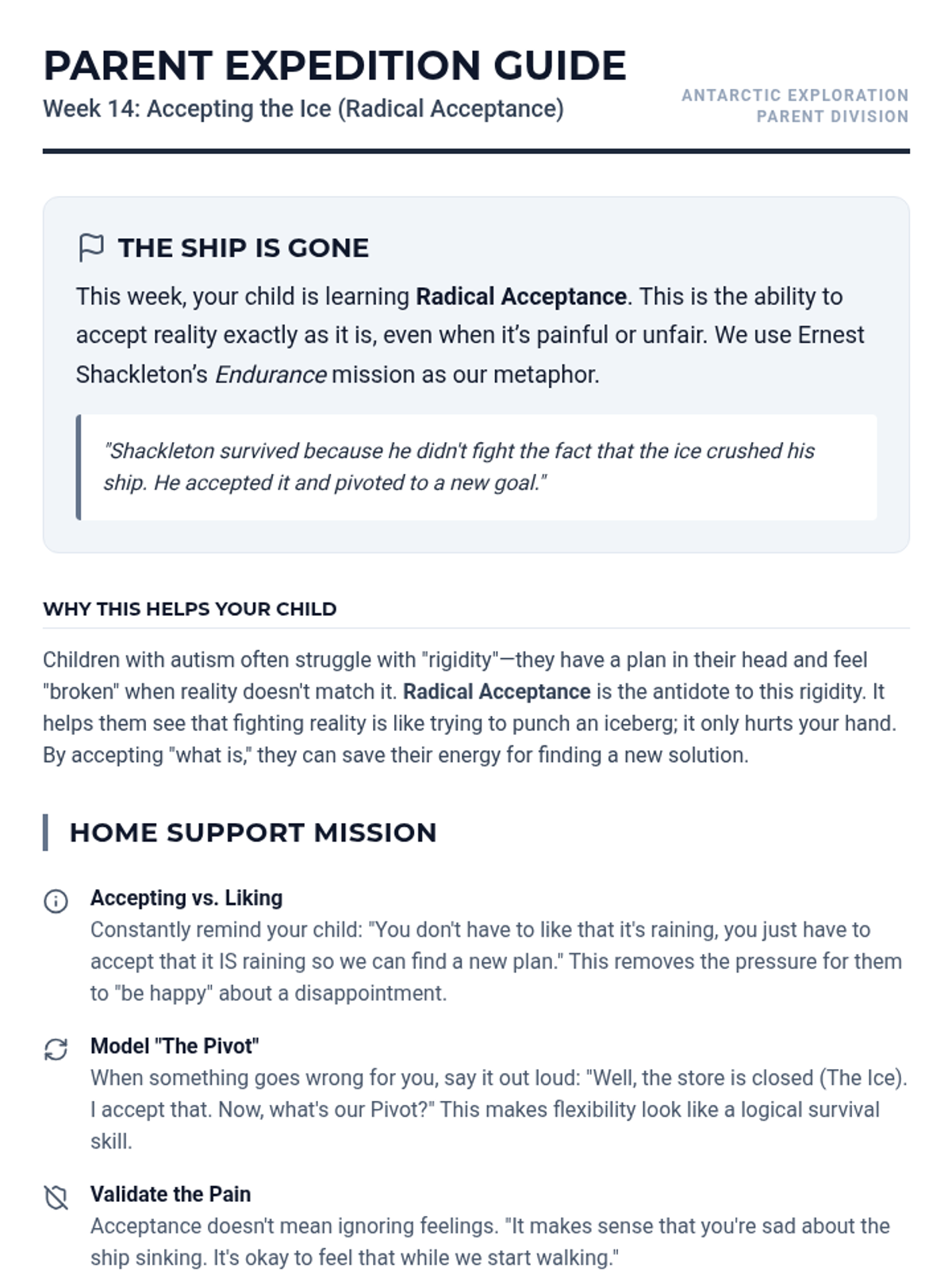
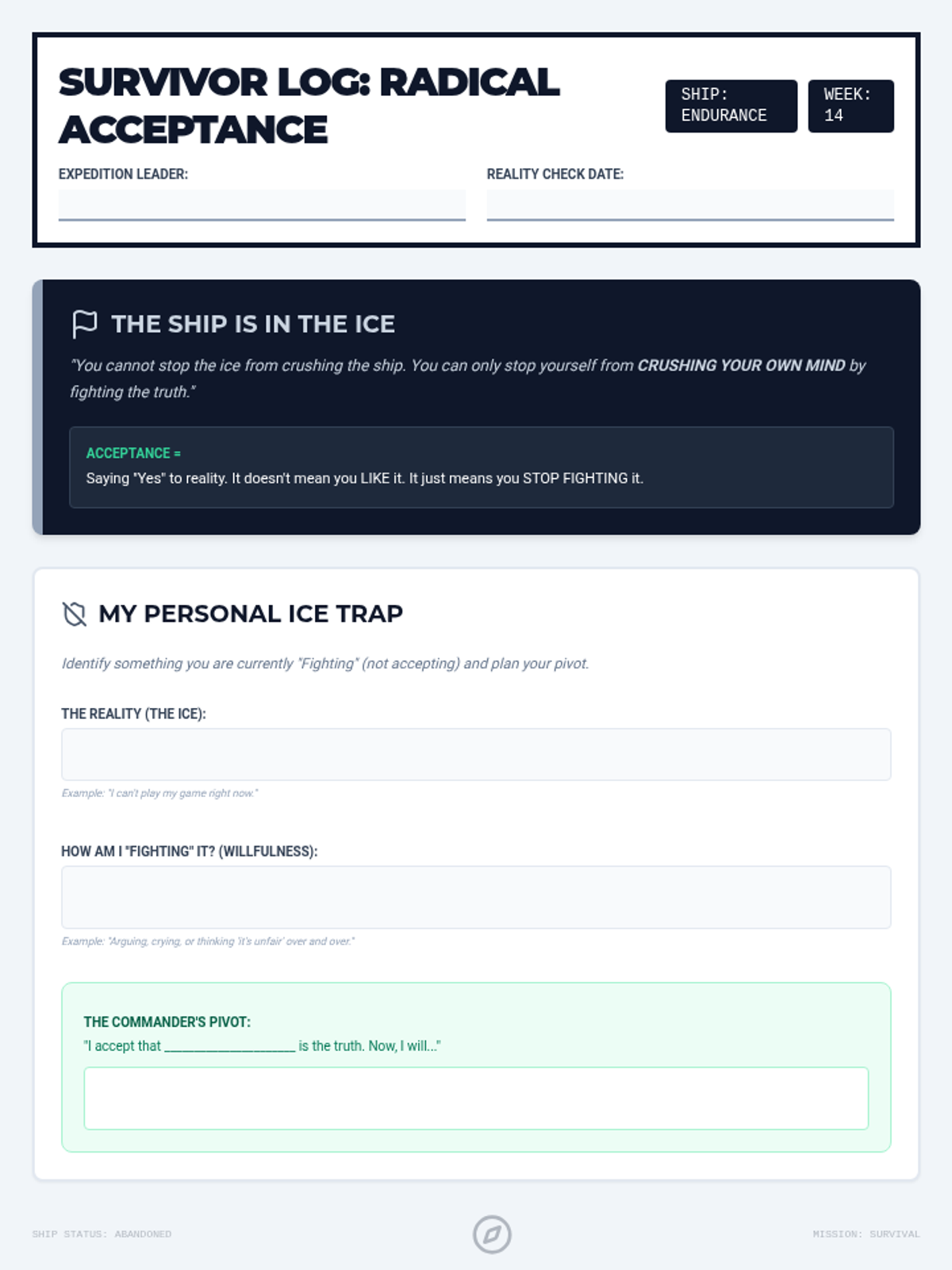
Accepting reality without judgment (Radical Acceptance) using Shackleton's Endurance survival story.
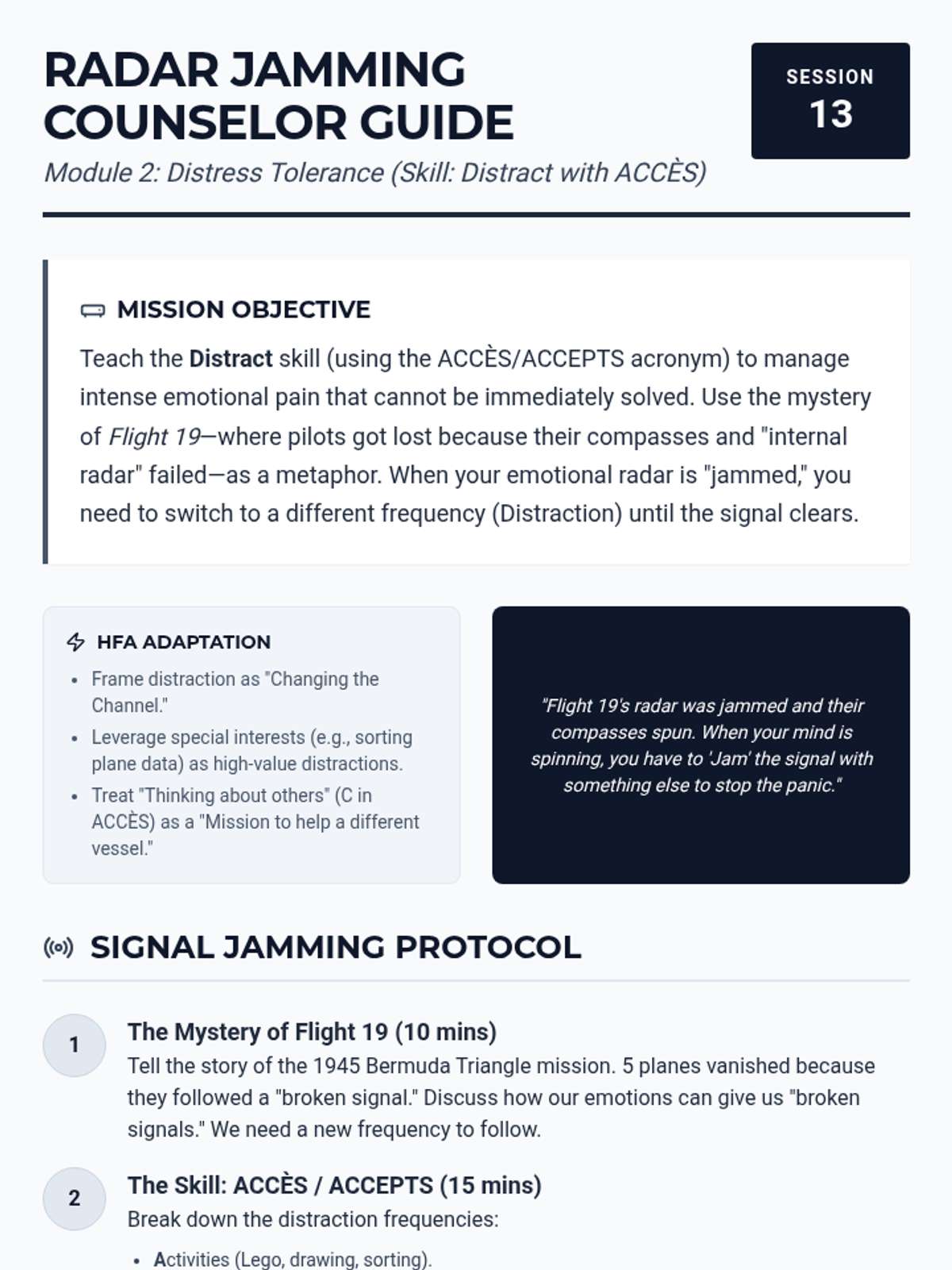
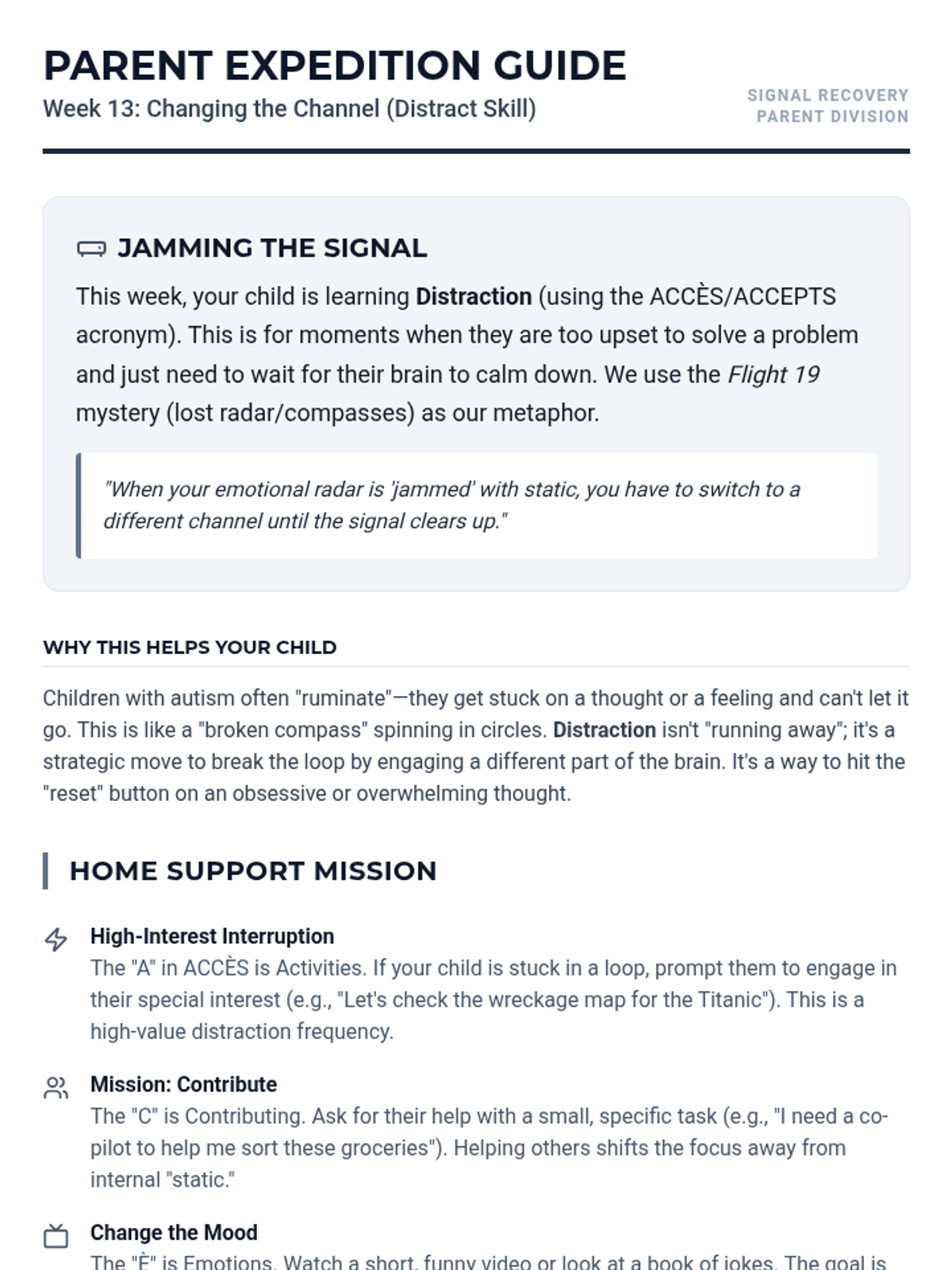
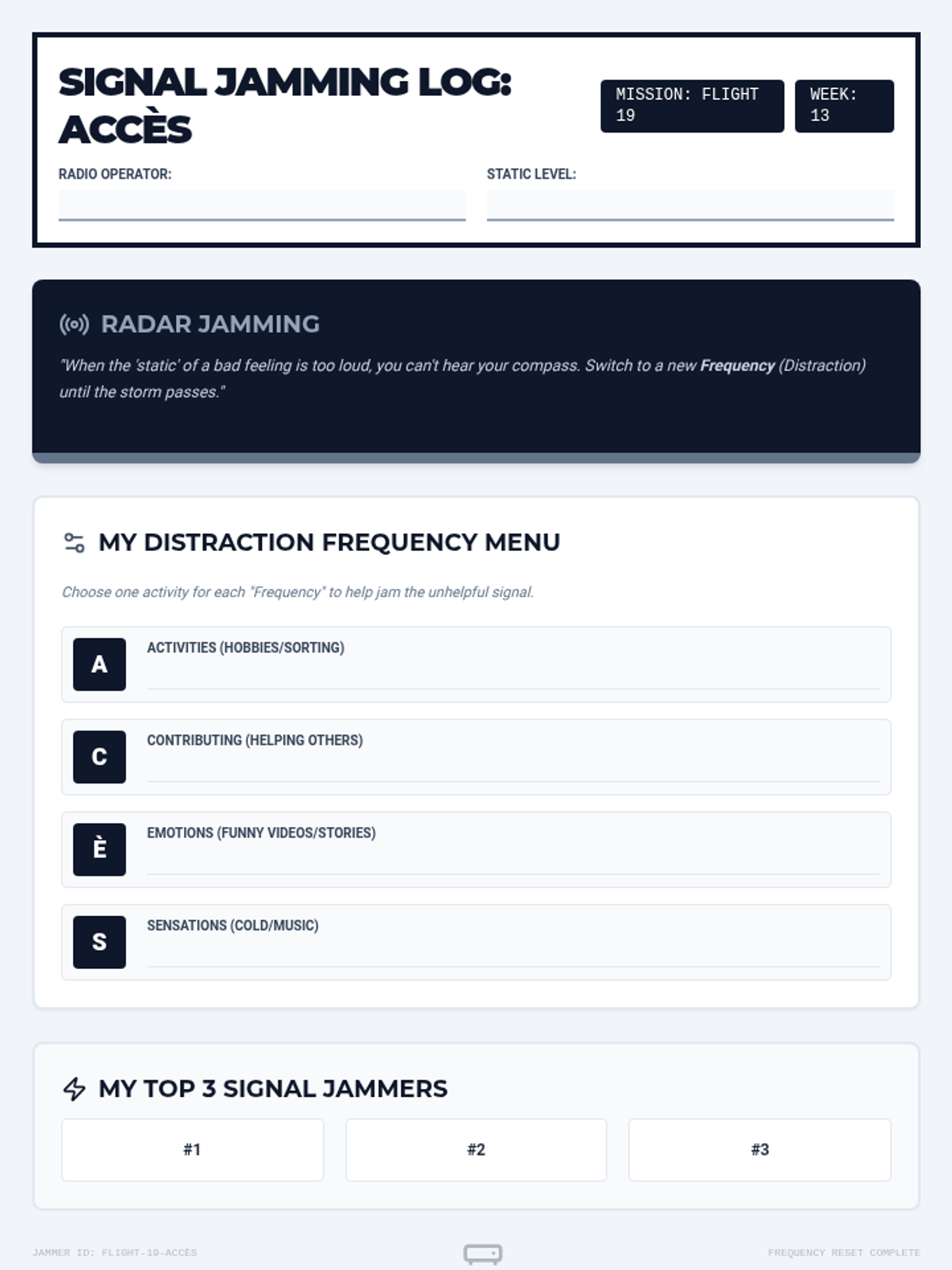
Using distraction and ACCÈS skills to manage distress, using the radar jamming metaphors of the Flight 19 mystery.
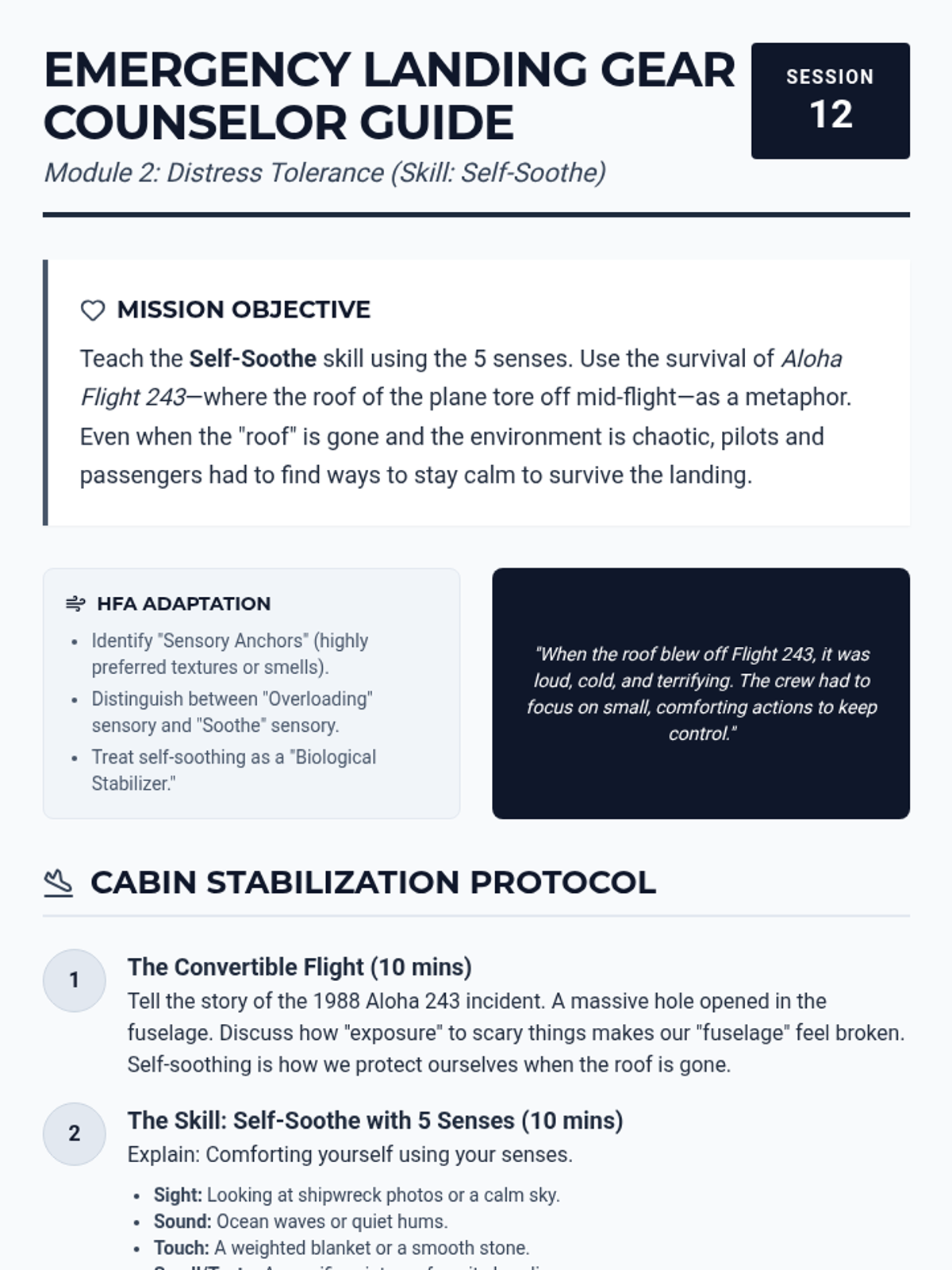
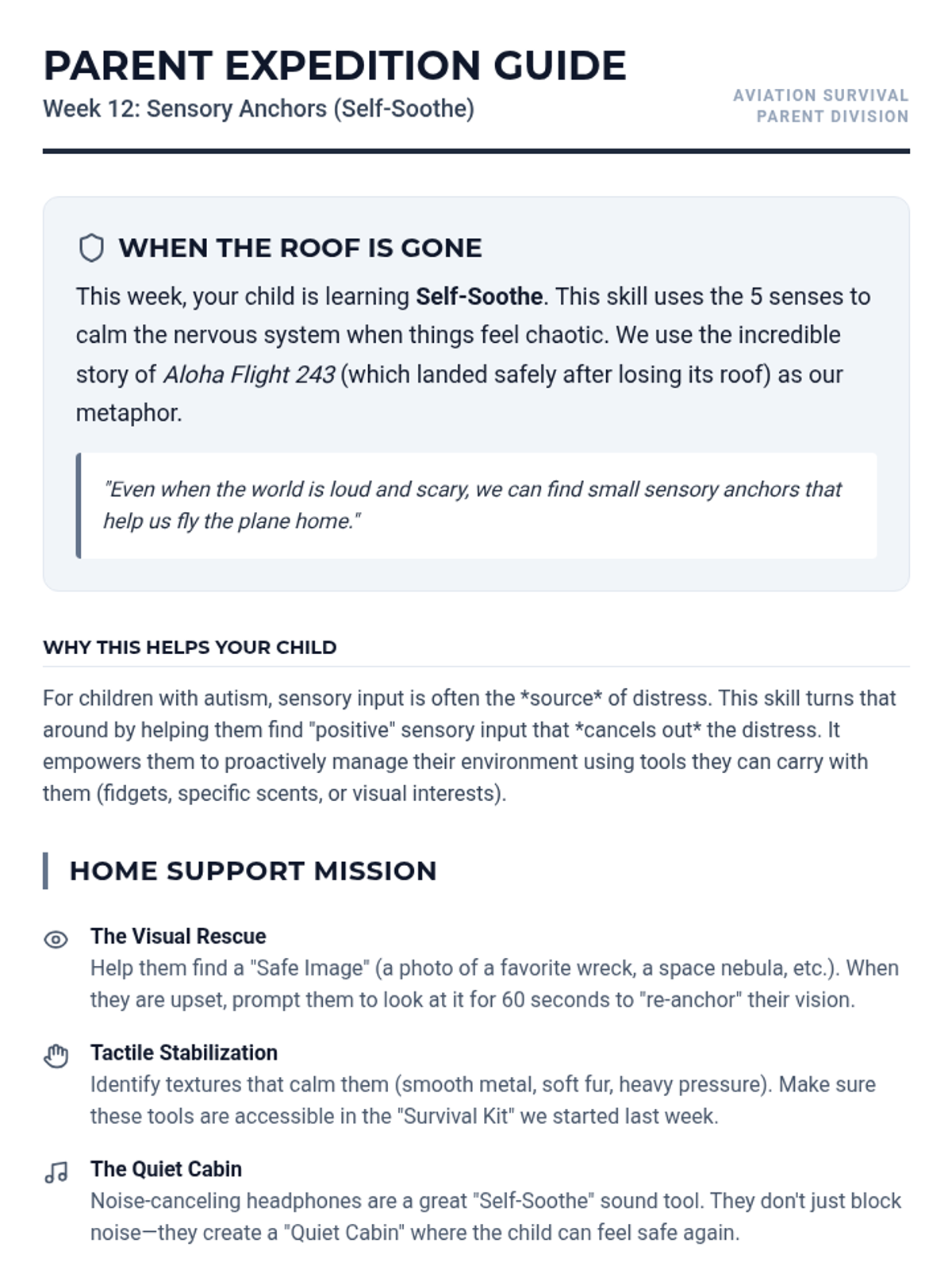
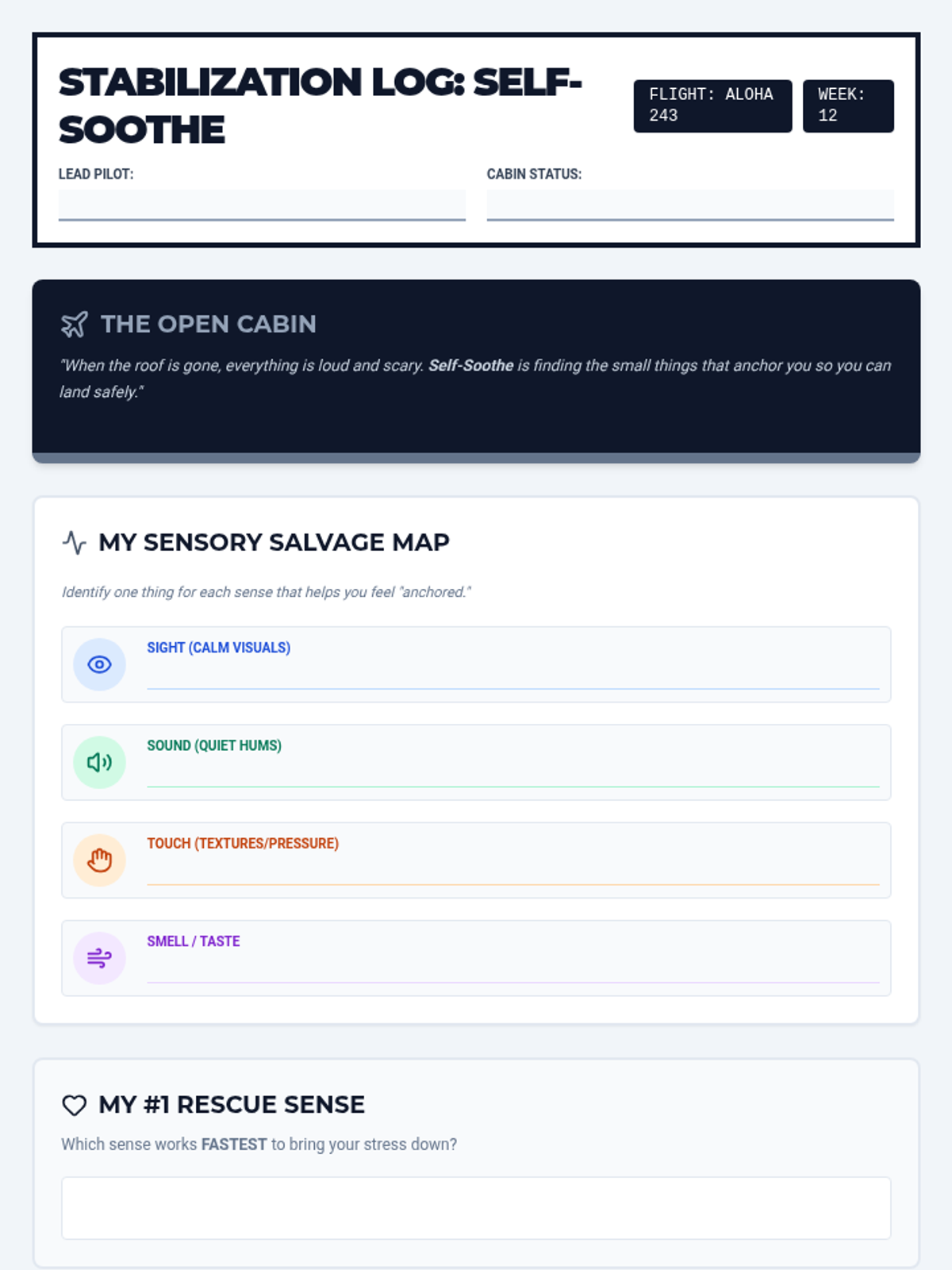
Developing self-soothing techniques (Self-Soothe) using the survival of Aloha Flight 243 after losing its roof.
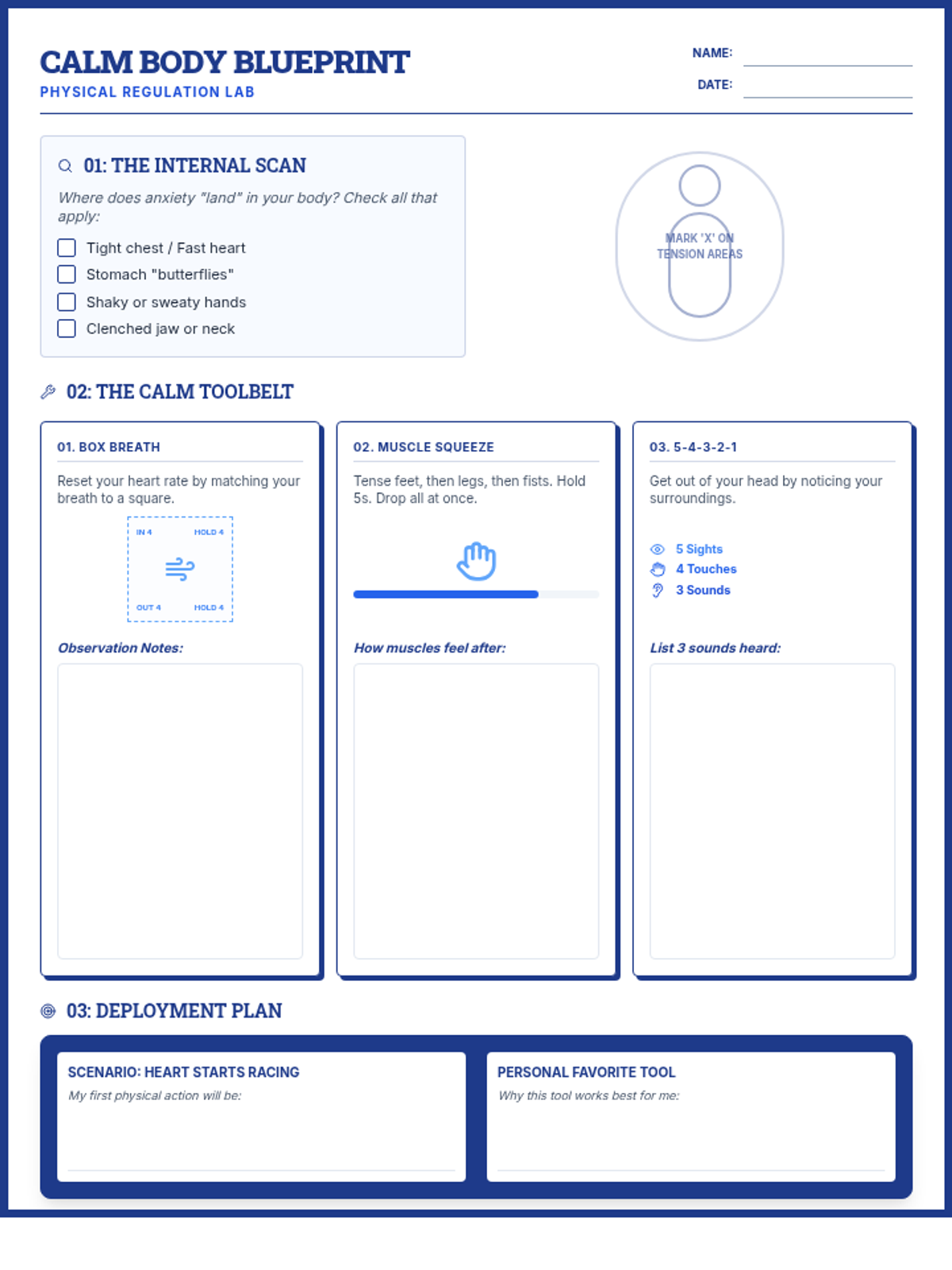
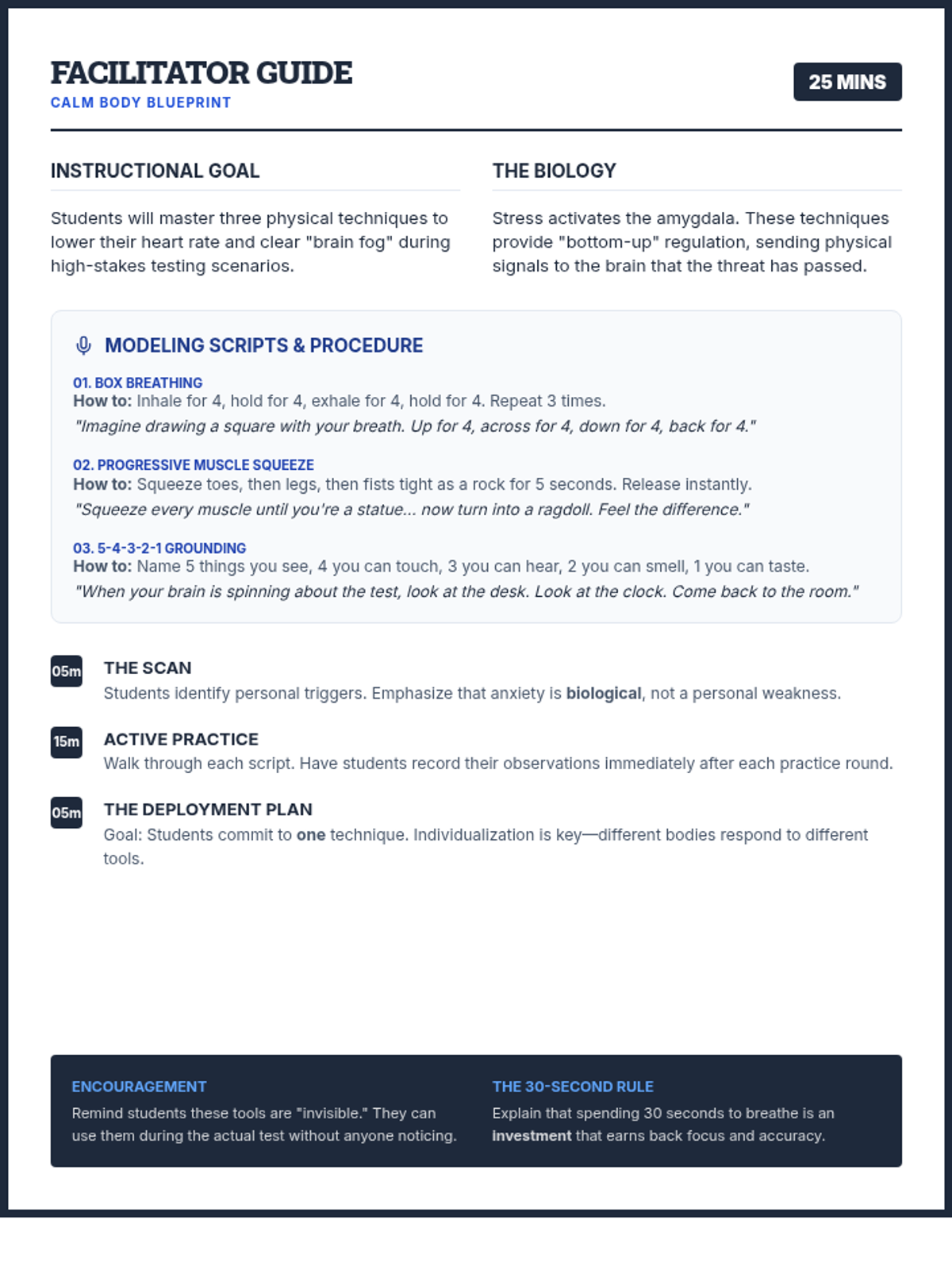
This lesson helps students identify physical symptoms of testing anxiety and practice three concrete physical relaxation techniques: Box Breathing, Progressive Muscle Relaxation, and Grounding.
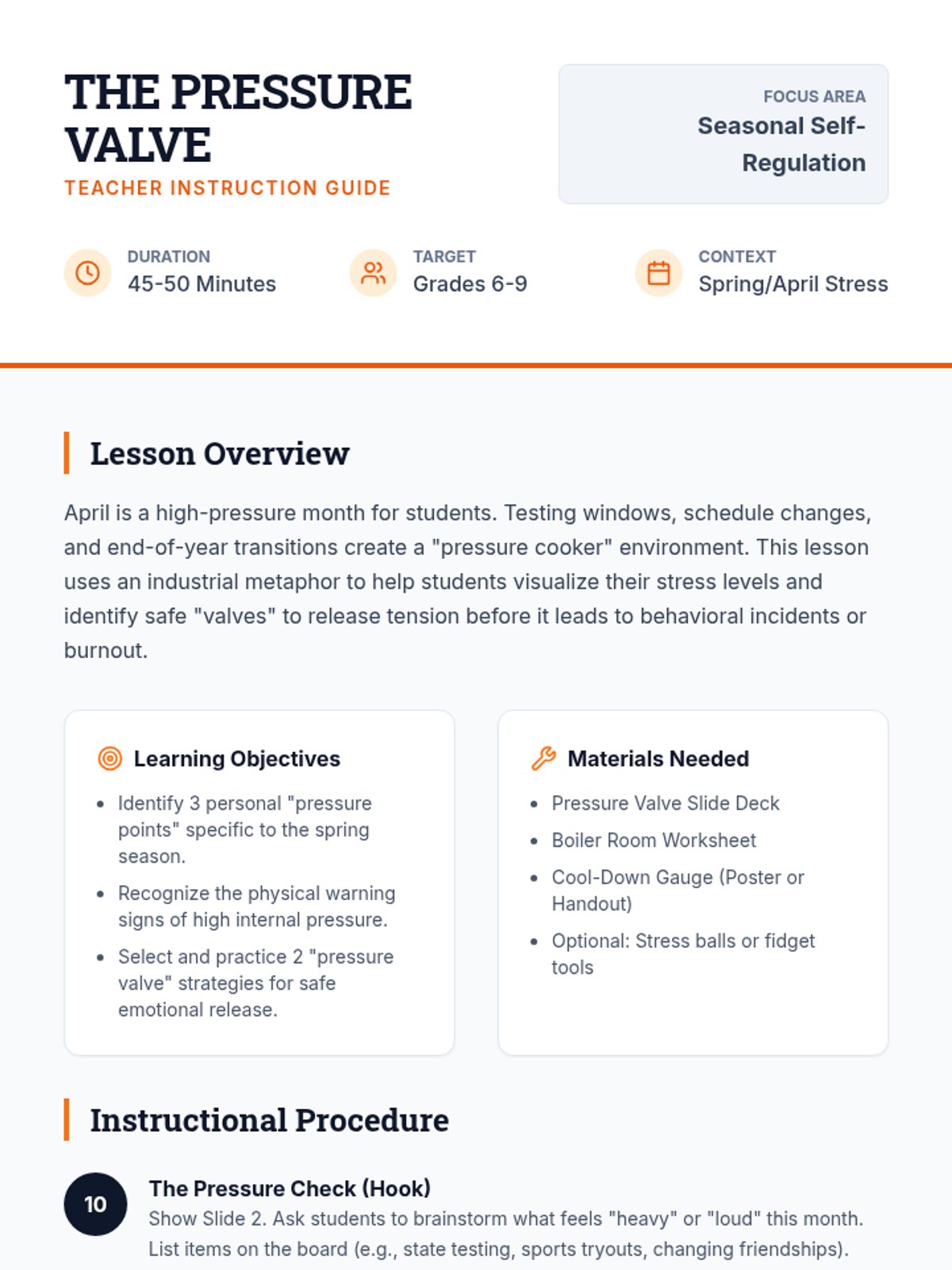
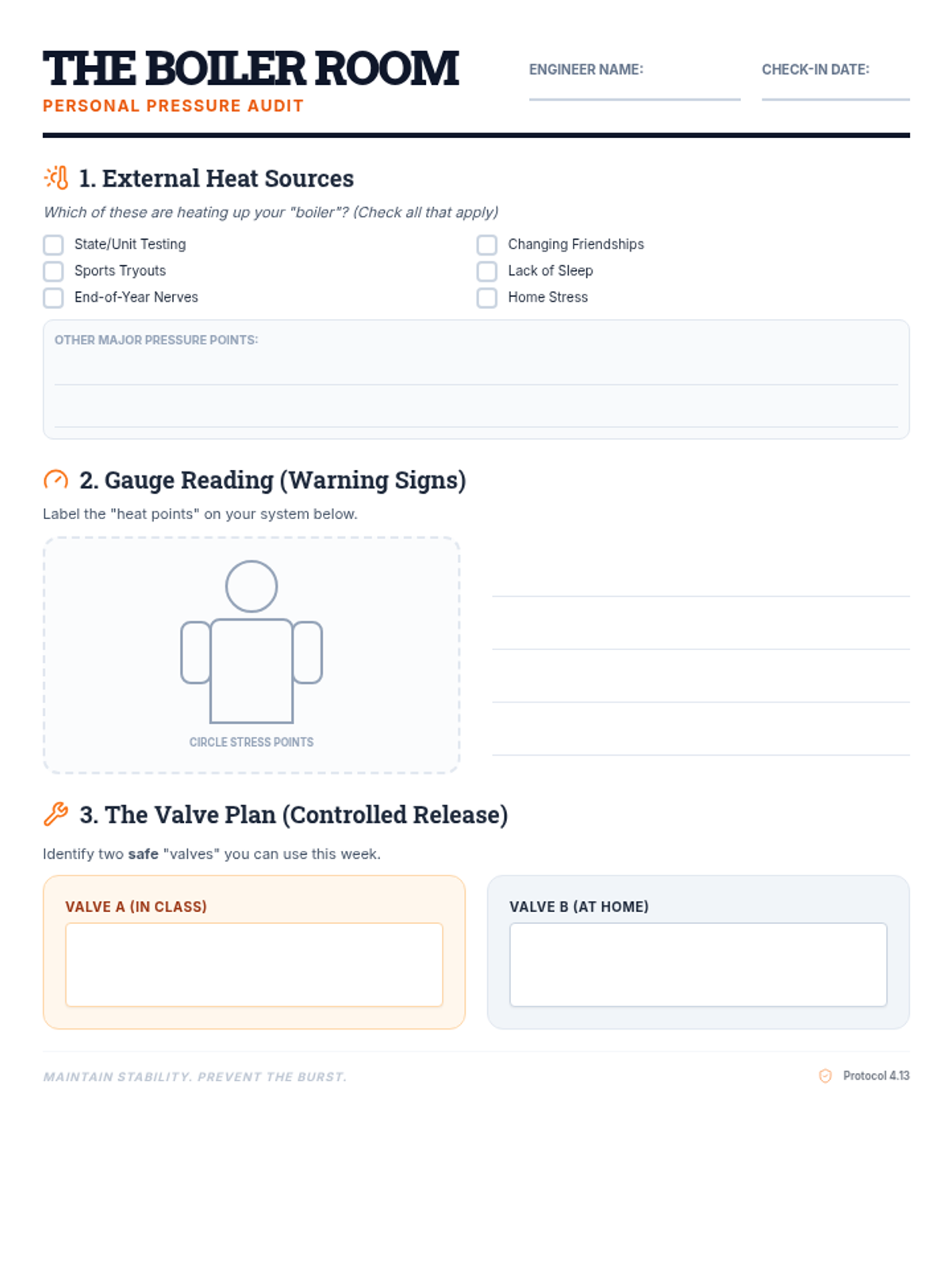
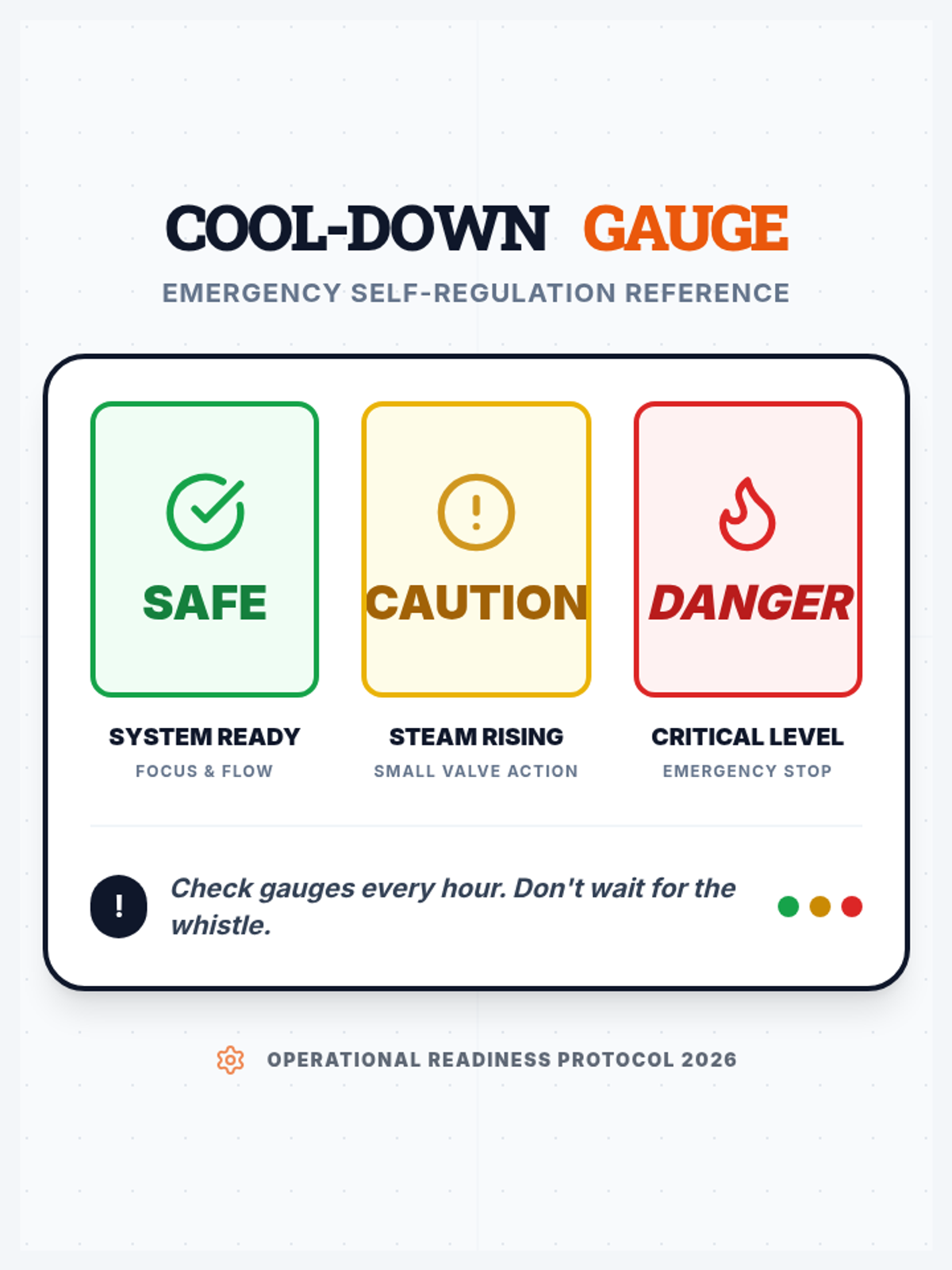
A lesson designed to help students manage the specific stressors of April, such as testing and transitions, using the 'Pressure Valve' metaphor for self-regulation.
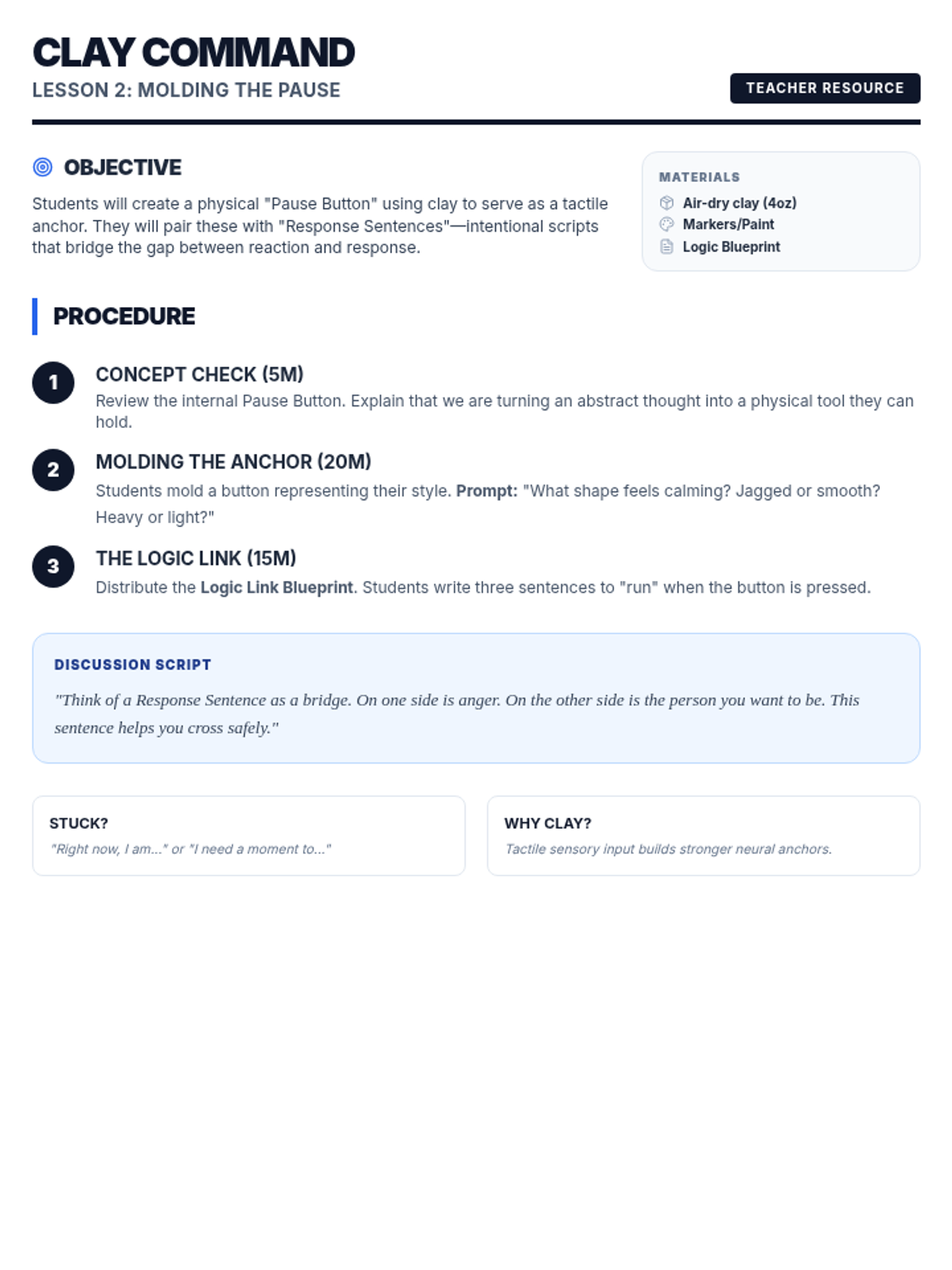
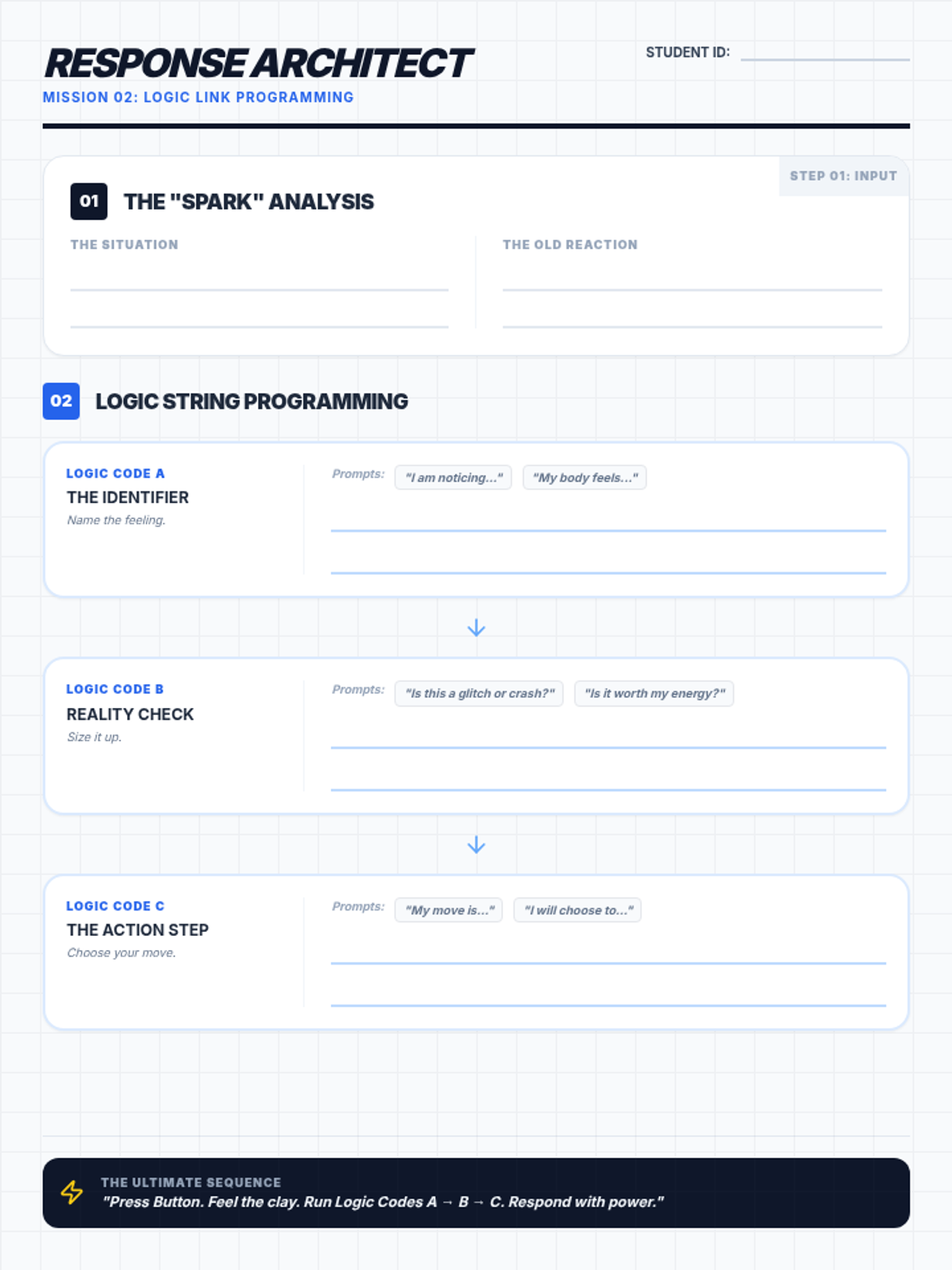
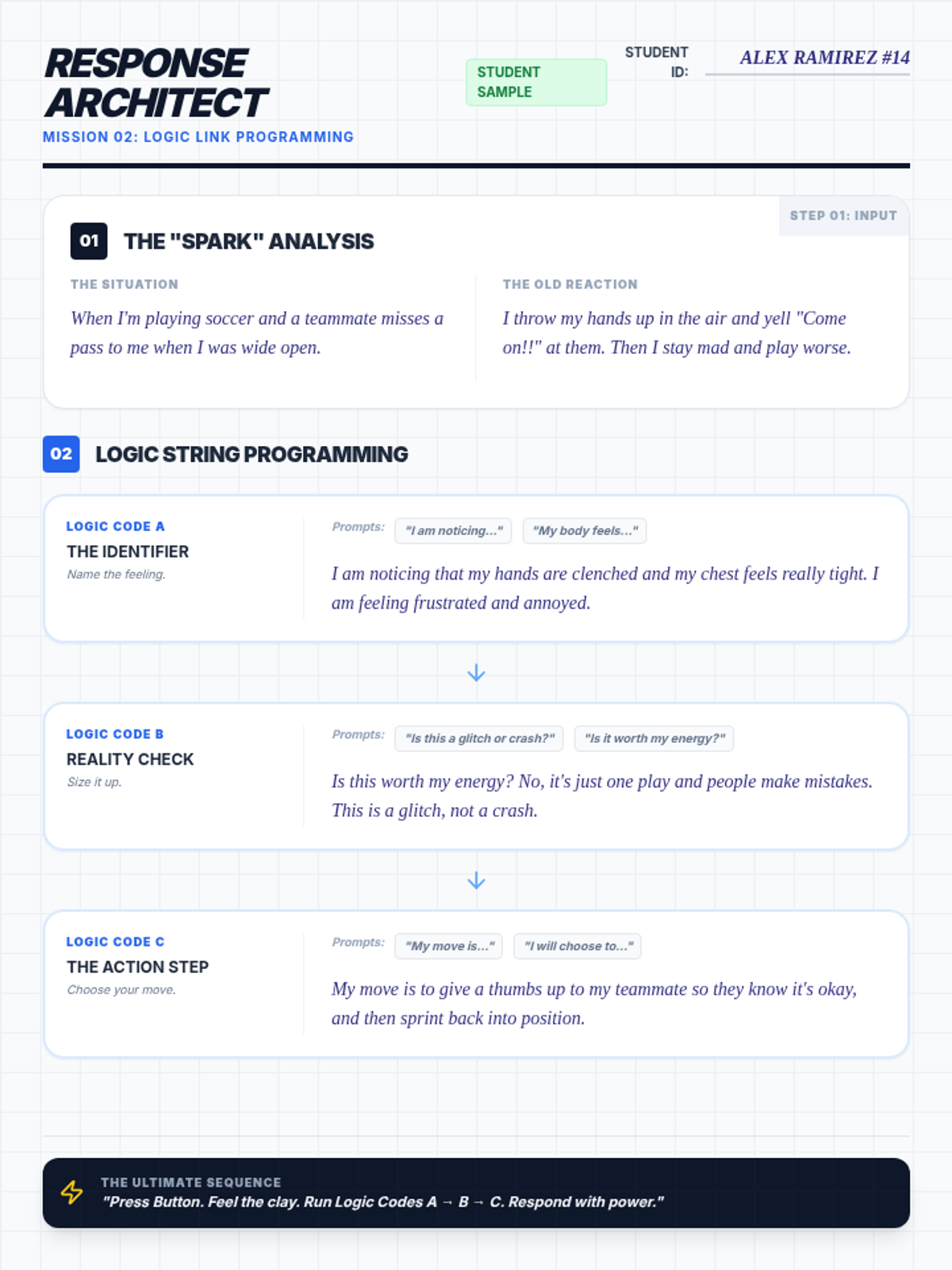
A hands-on creative session where students mold physical 'Pause Buttons' out of clay to serve as tactile anchors for emotional regulation. Students pair their physical buttons with 'Response Sentences' that help them transition from reaction to intentional response.