An introductory lesson for Pre-K students to observe, identify, and describe daily weather patterns and how they affect our lives.
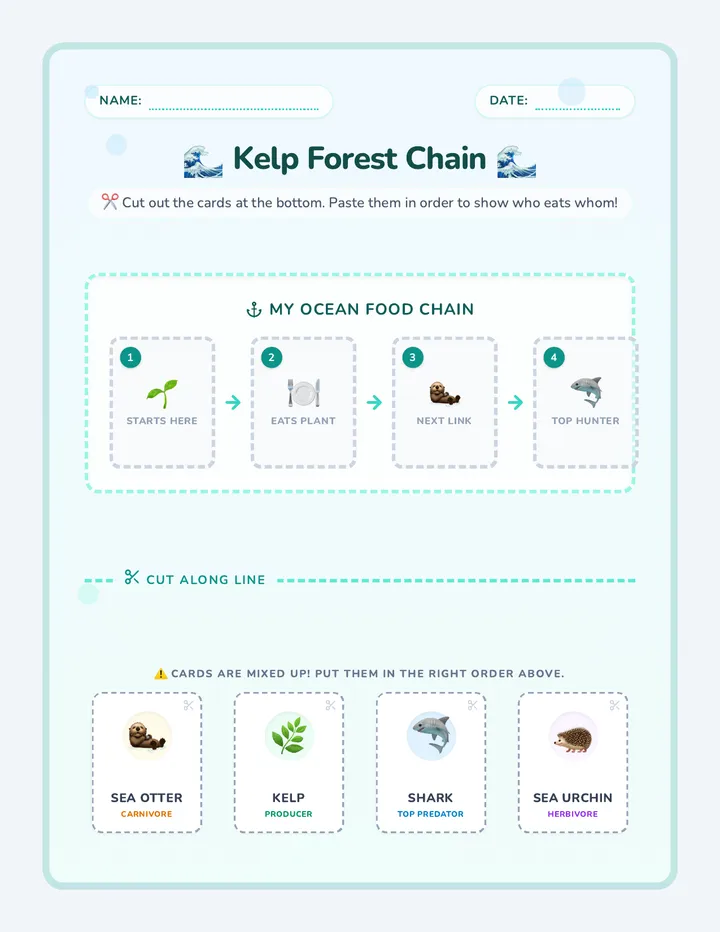
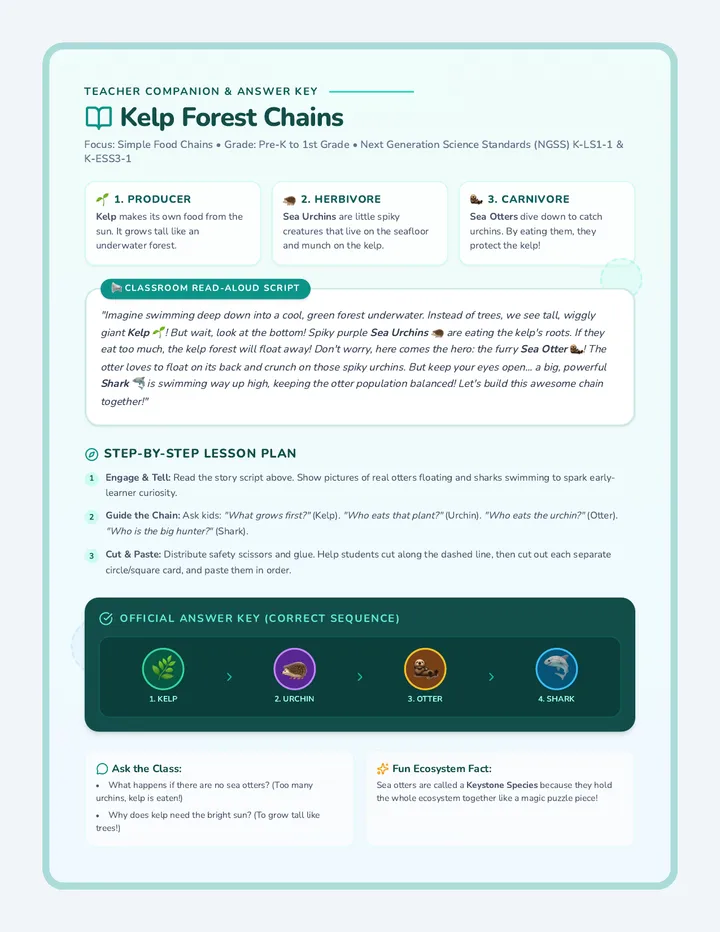
A hand-on science lesson for early learners (Pre-K to 1st grade) to understand simple ocean food chains using the kelp forest ecosystem. Students explore how energy moves from kelp to urchins, otters, and sharks through a tactile cut-and-paste activity.
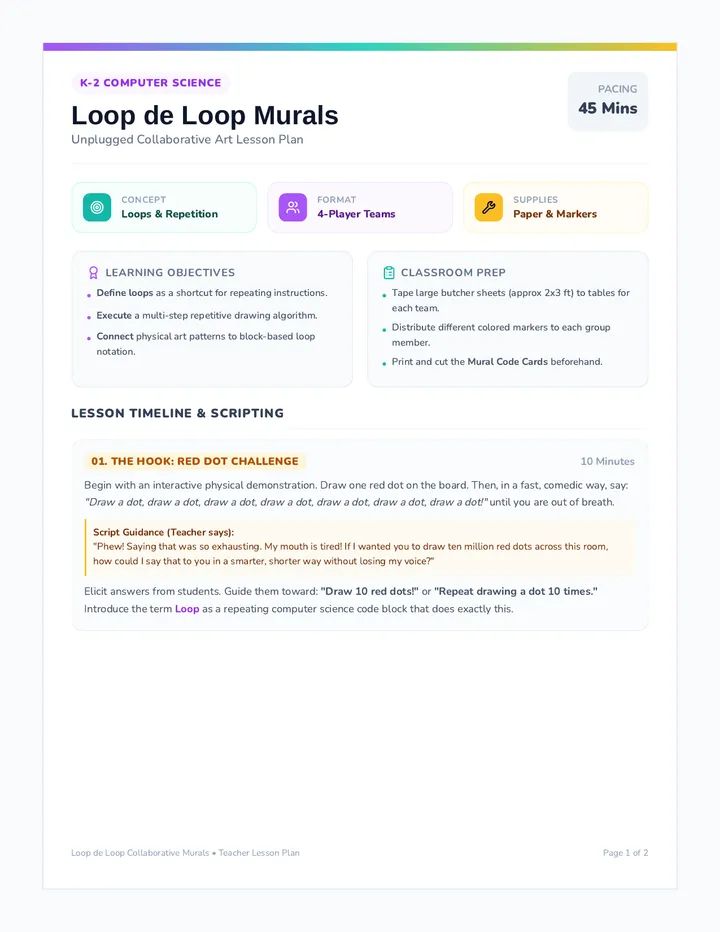
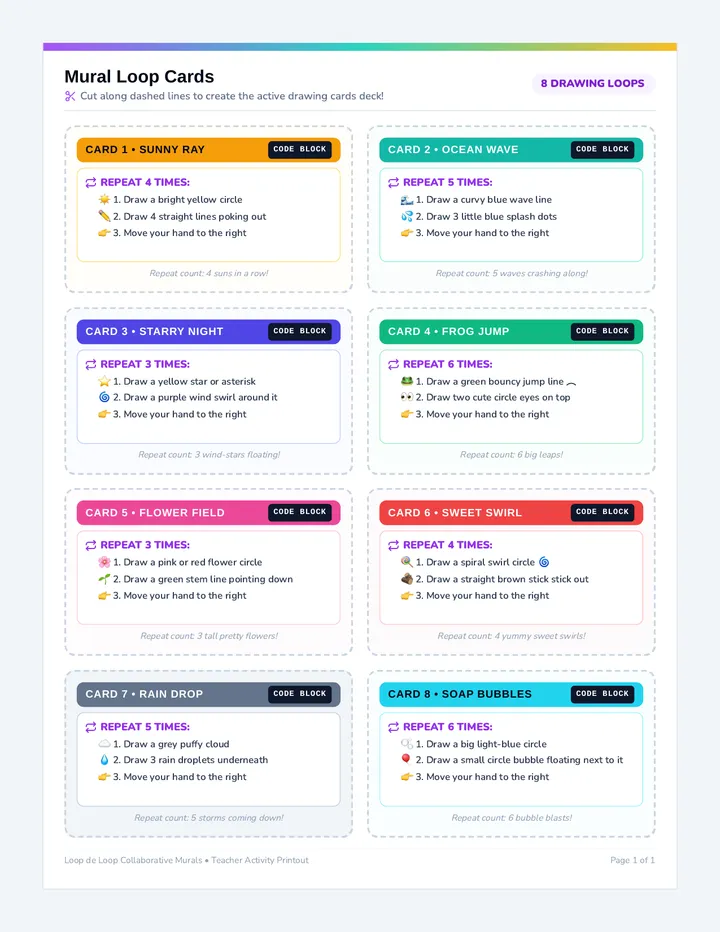
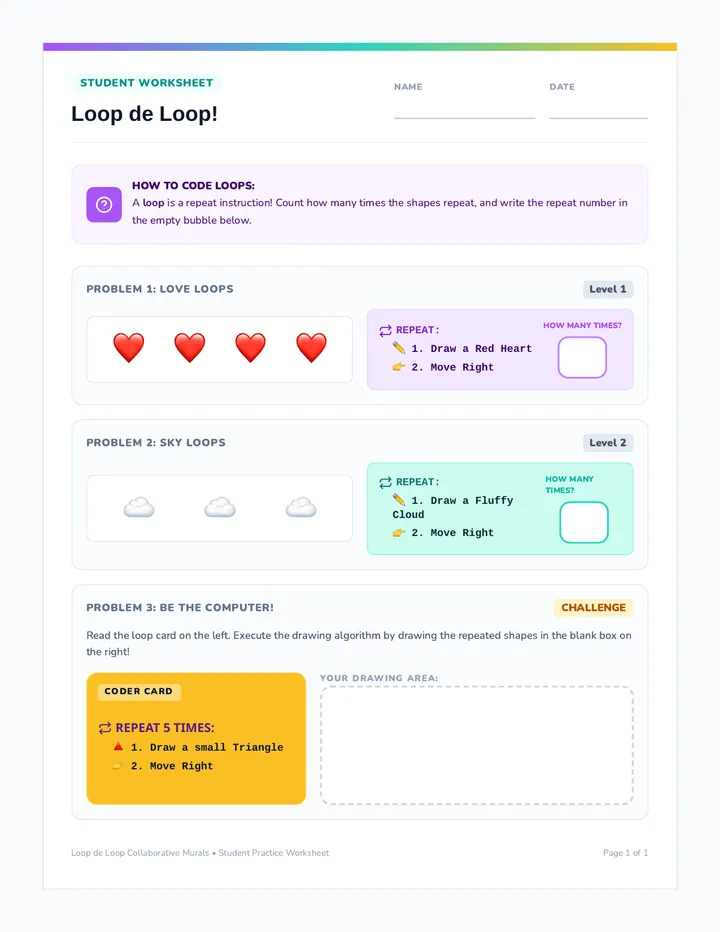
An active, hands-on unplugged computer science lesson for K-2 students. Students learn the concept of loops (repetition) by creating collaborative art masterpieces using simple drawing algorithms.
A lesson on oceanography covering shorelines, coastal features, and the deep seafloor, adapted with a friendly My Little Pony decorative theme and chunked, accessible text for Standard Modified Special Education students.
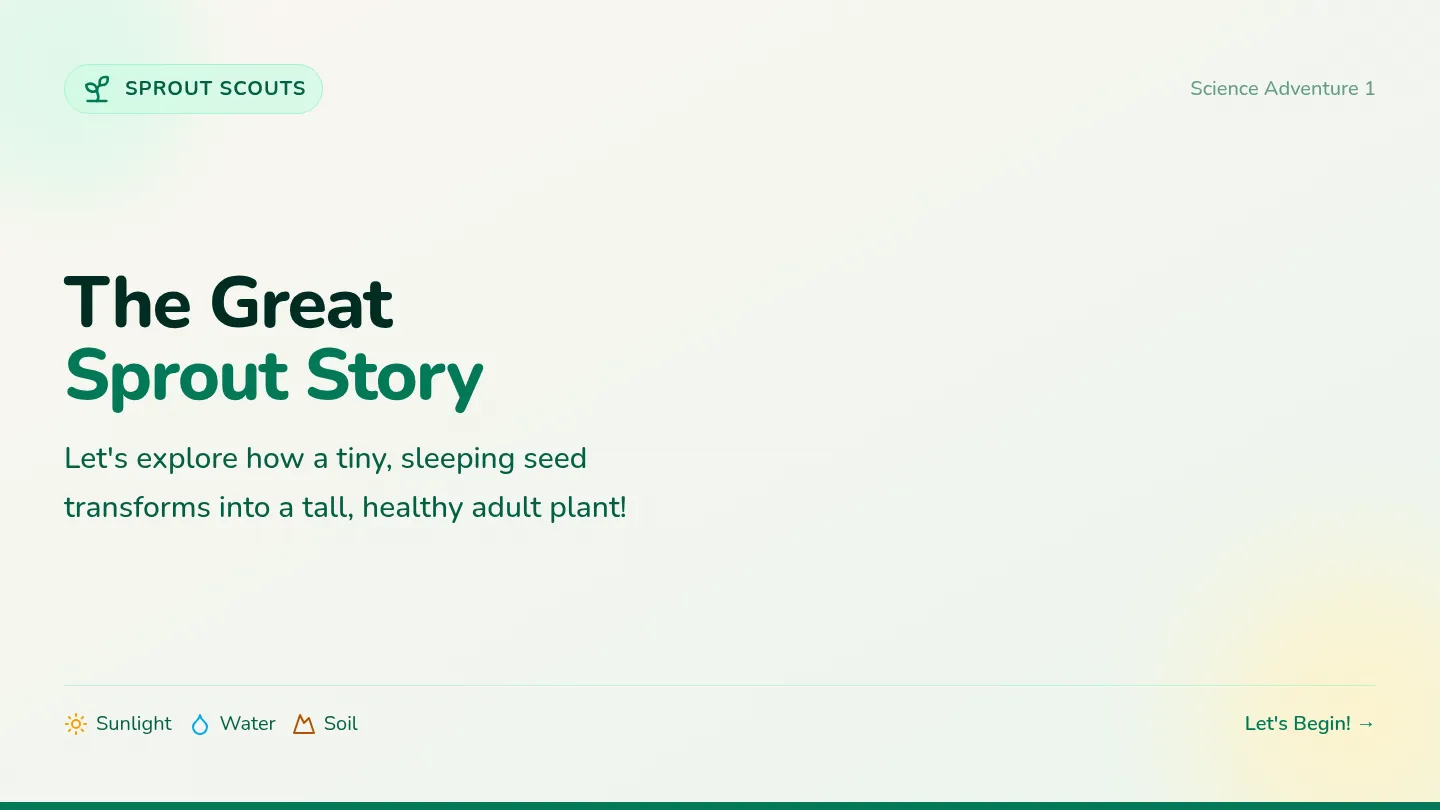
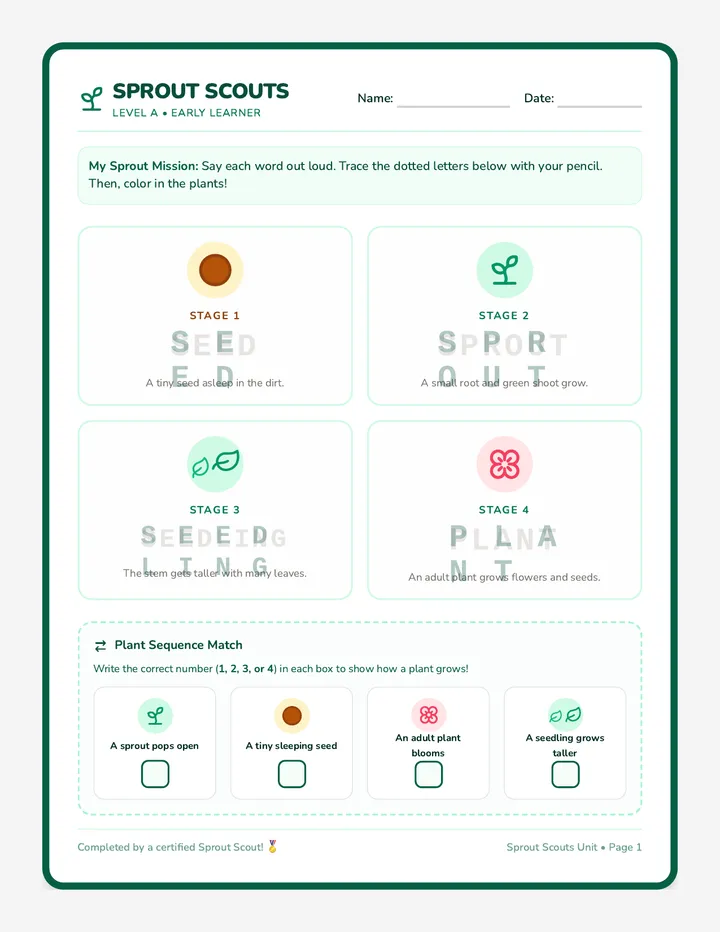
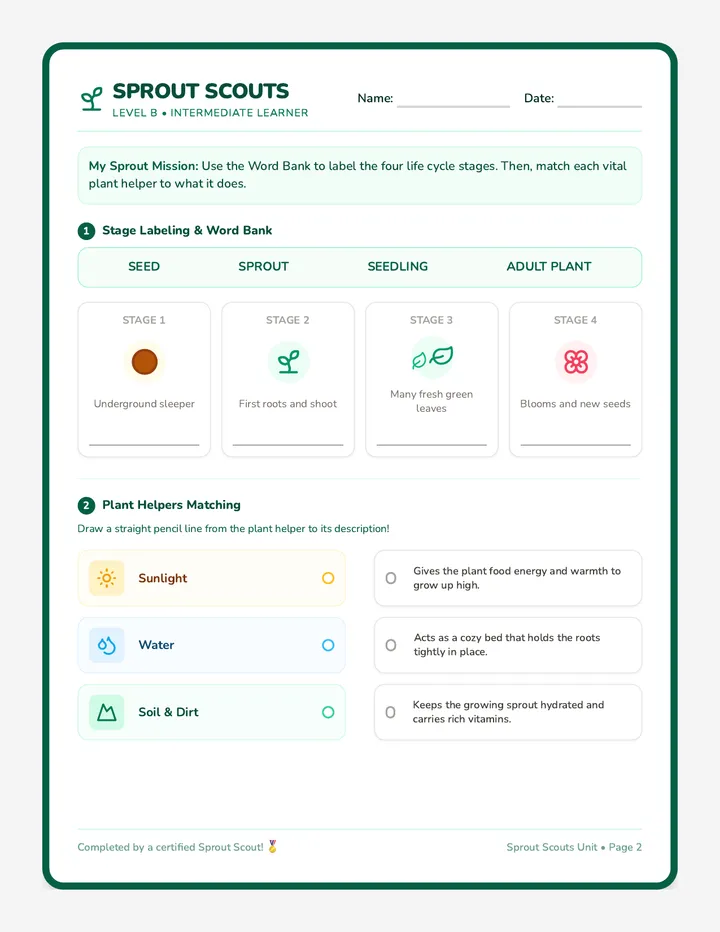
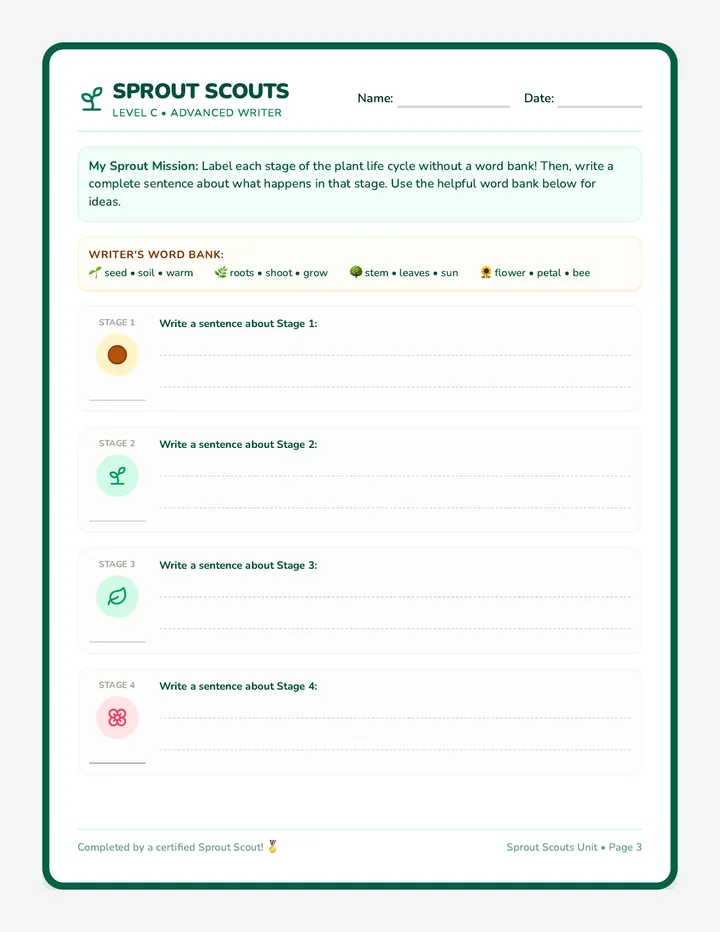
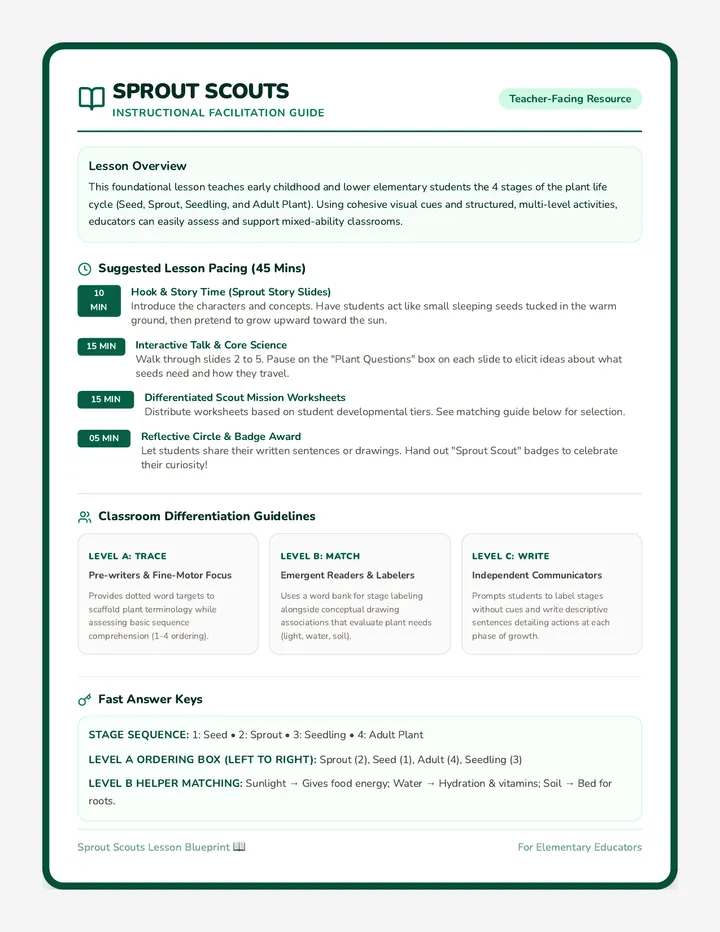
A foundational biology lesson exploring the simple life cycle of a plant from seed to sprout to adult. Includes interactive slides, a comprehensive teacher guide, and three tiers of differentiated worksheets to support early writers, matchers, and independent sentence-builders.
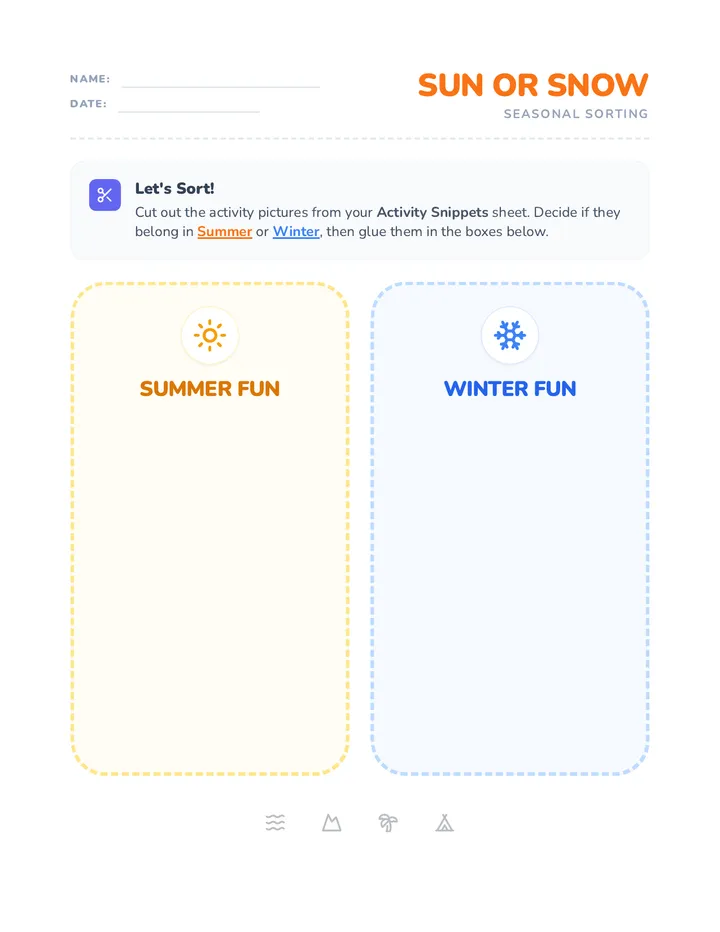
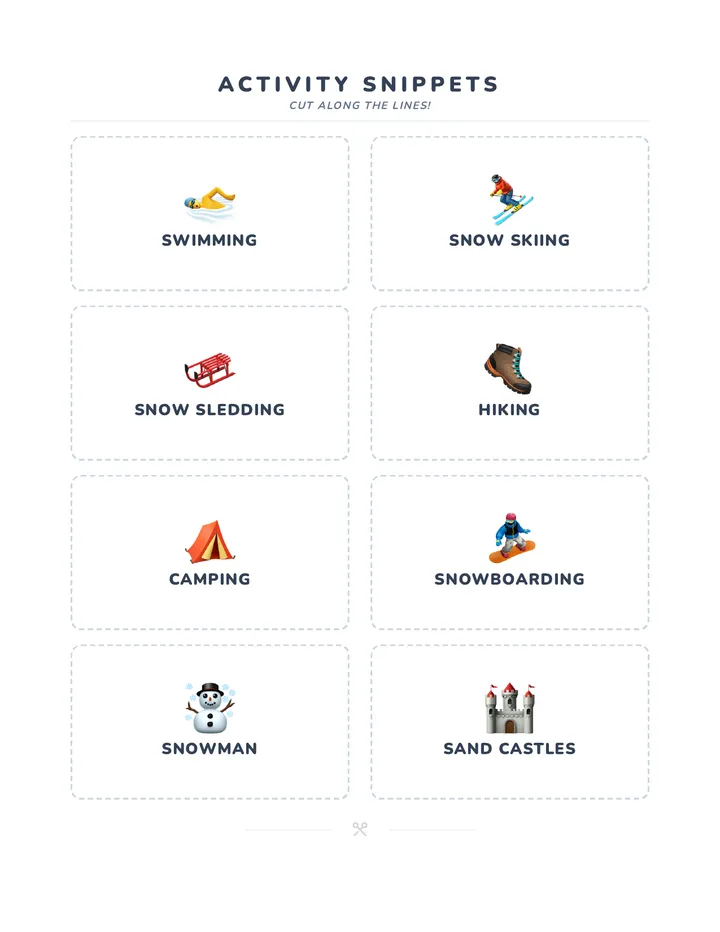
A hands-on categorization activity for kindergarteners to distinguish between summer and winter activities using cut-and-paste techniques.
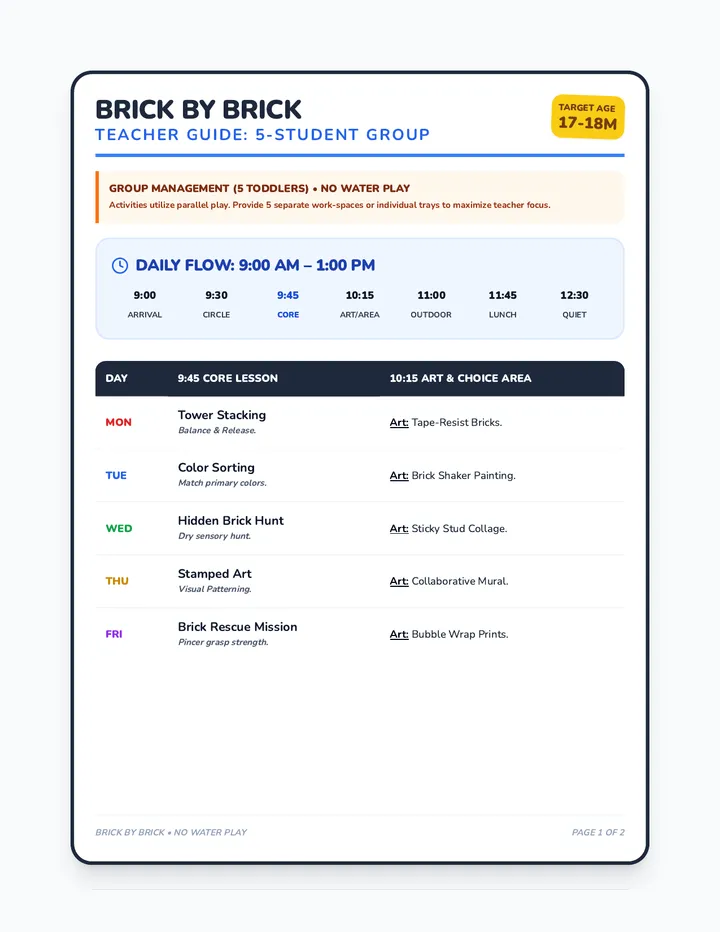
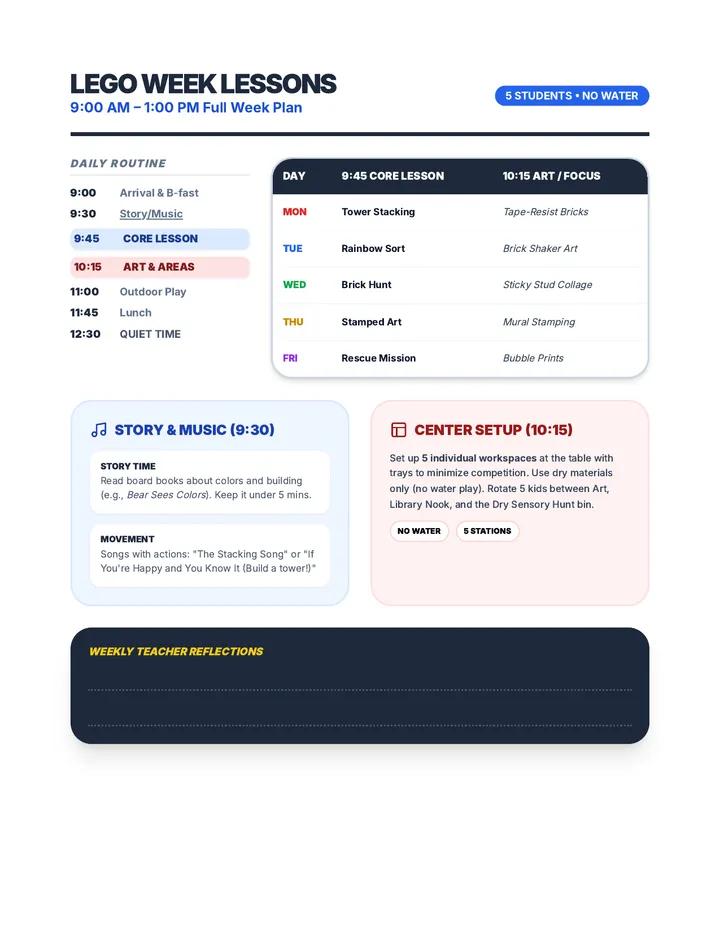
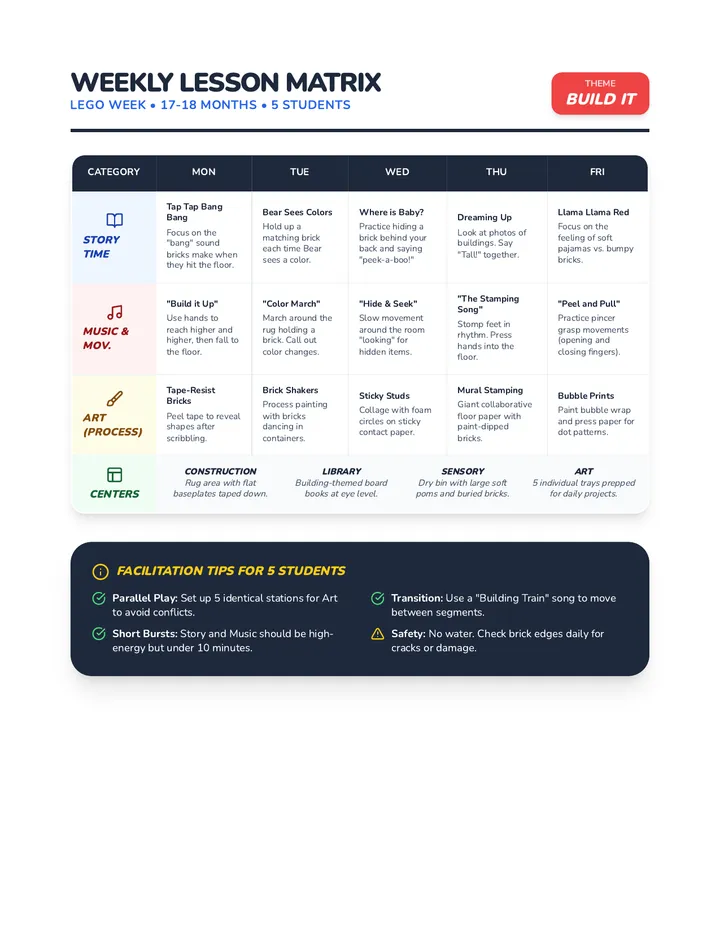
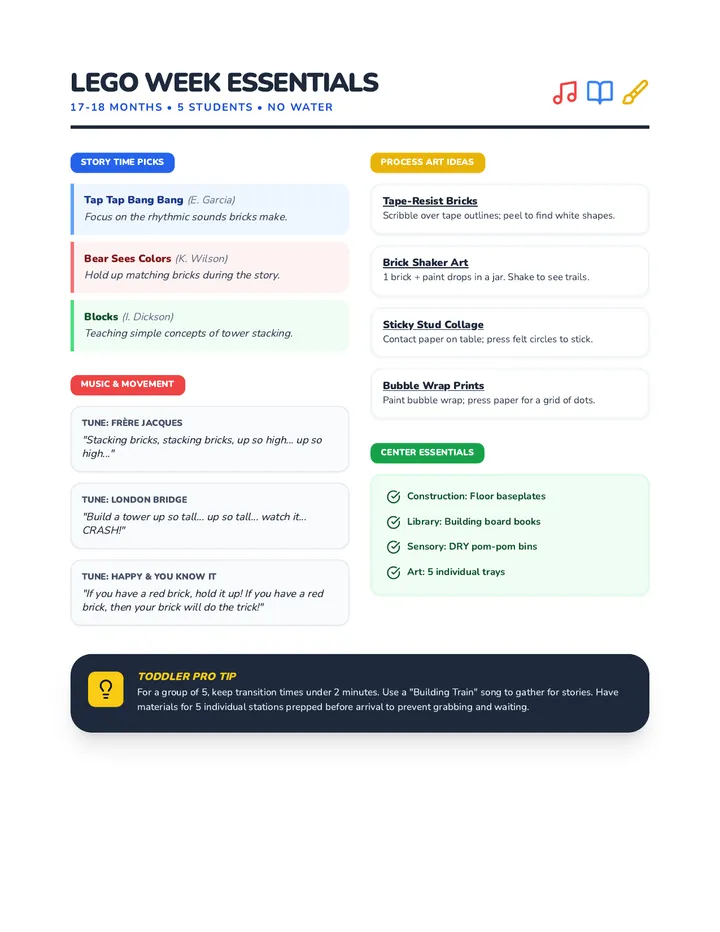
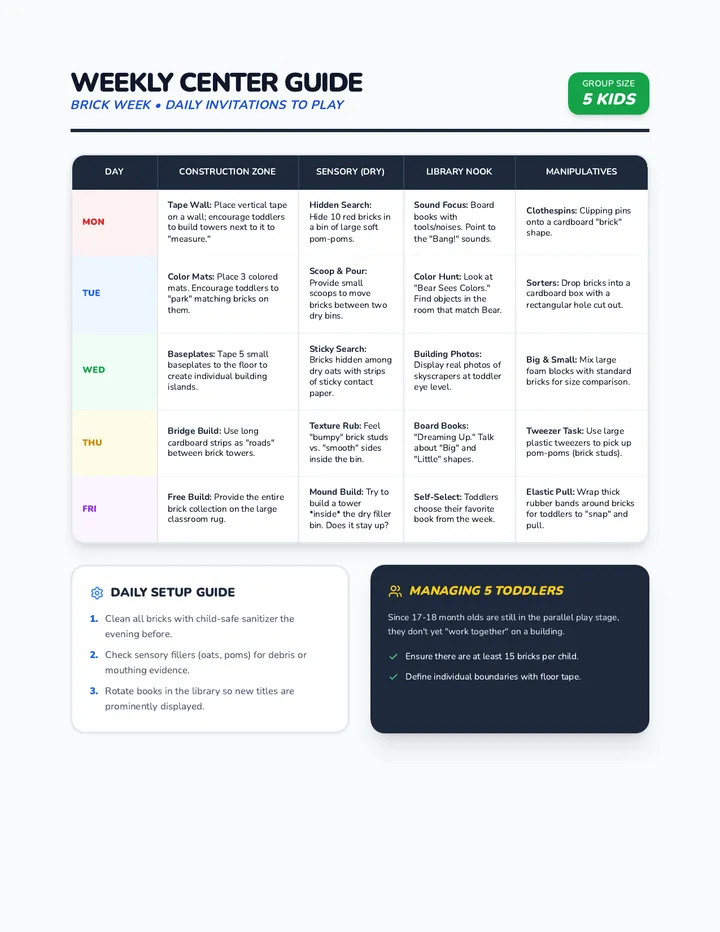
Challenges toddlers to use their problem-solving skills to 'rescue' bricks from different materials like tape or playdough, enhancing finger strength.
Uses bricks as unconventional tools for artistic expression. Toddlers learn about shapes and patterns through stamping and paint exploration.
A dry sensory experience where toddlers search for bricks hidden among soft materials. Focuses on tactile exploration and object permanence.
Introduces basic color identification using primary colored bricks. Toddlers explore grouping and matching in a low-pressure, playful environment.
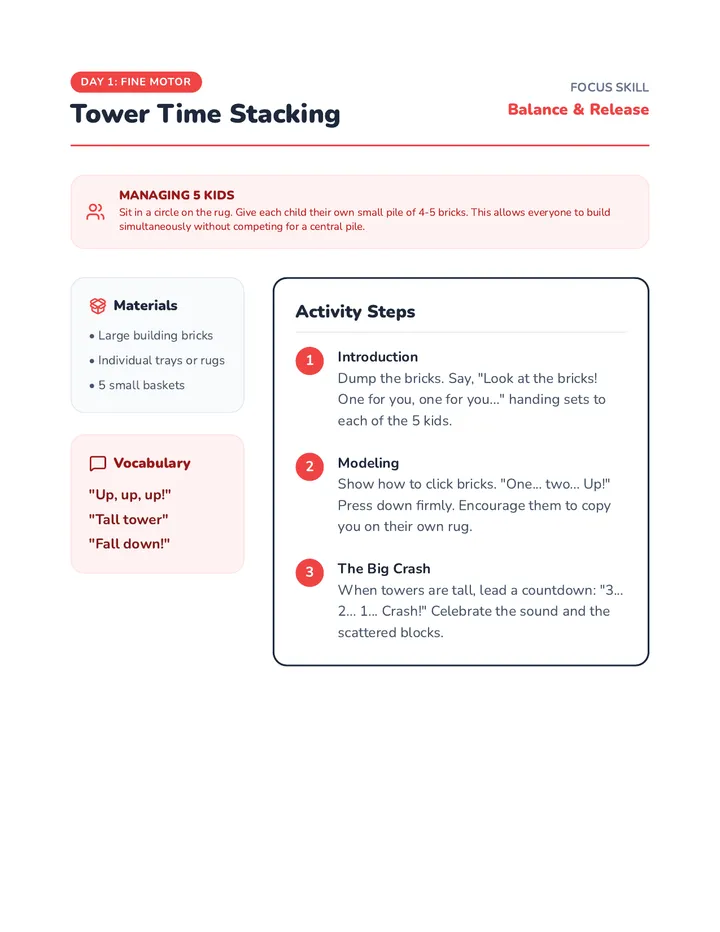
Focuses on the fundamental skill of vertical stacking and the concept of balance. Toddlers practice grasp and release while building coordination.
A hands-on exploration of water as a natural material of the Earth, focusing on where it is found and its basic properties for Pre-K students.
A visual exploration of common farm animals designed for preschool and kindergarten students. This lesson focuses on visual recognition and categorization through high-contrast image cards.
A 30-minute introduction to the four seasons and how we dress for different types of weather. Students will learn to identify seasonal patterns and select appropriate clothing for each.
A fun, visual zoo scavenger hunt designed for Pre-K students to identify and observe specific animals during a field trip.
A fun, visual field trip experience for Pre-K students to explore specific animal species at the zoo through a scavenger hunt and guided discussion.
A hands-on botany lesson where Pre-K students plant seeds in clear containers to observe root growth and learn about the life cycle of plants through daily journaling.
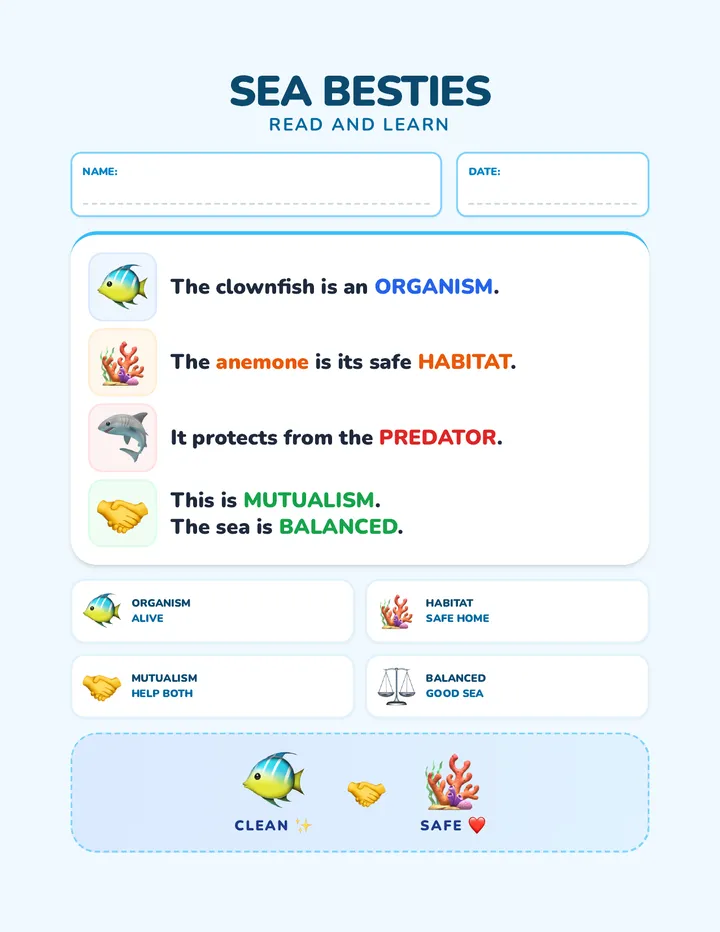
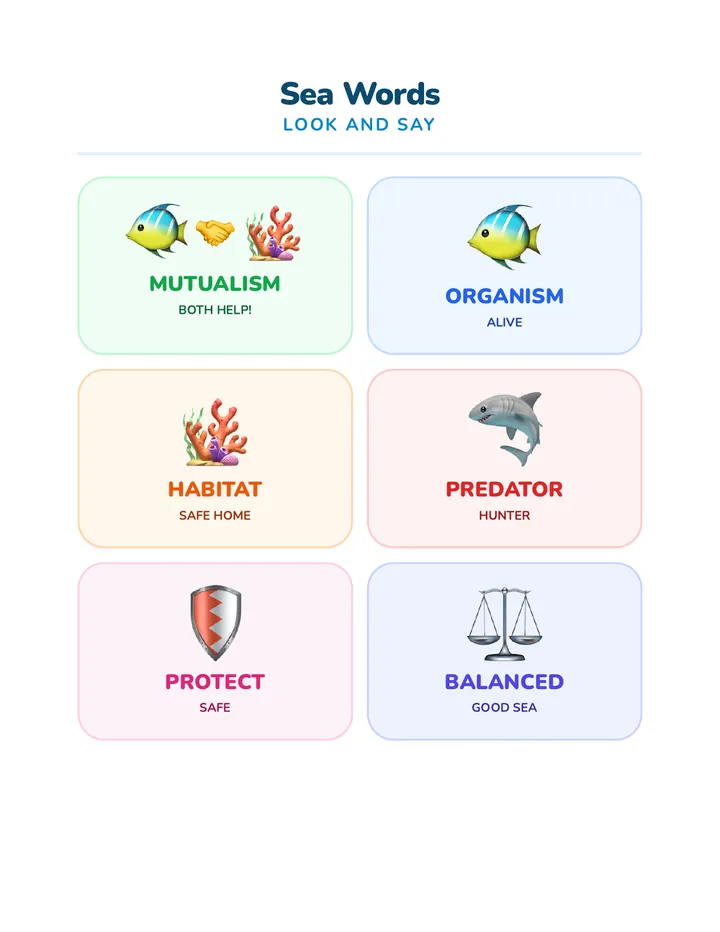
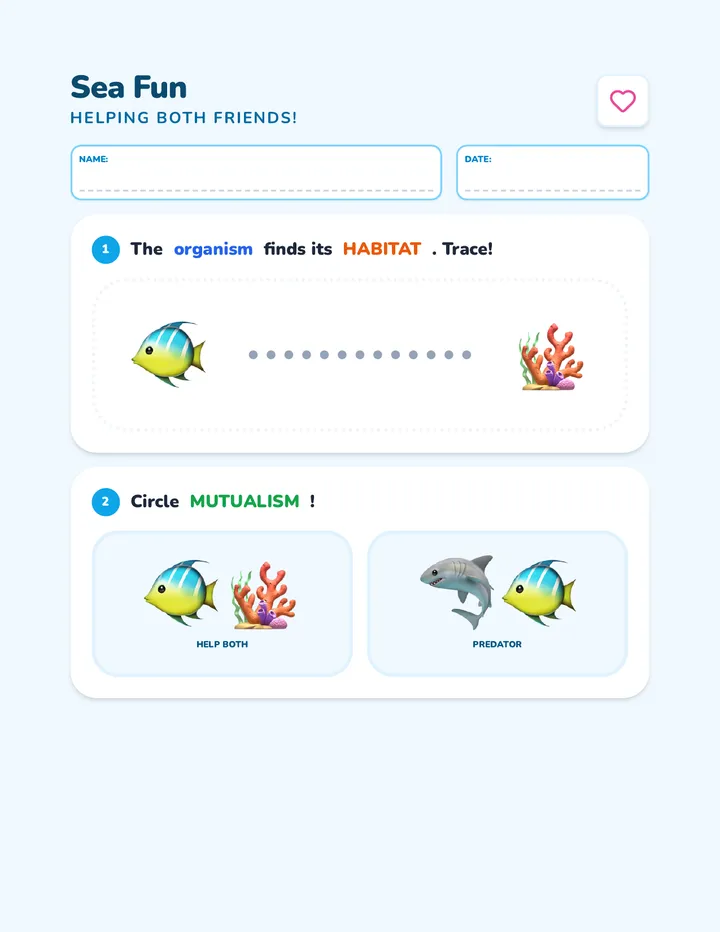
A simple introduction to the symbiotic relationship between clownfish and sea anemones, designed for Pre-K students with limited formal education (SLIFE). The lesson uses high-contrast visuals and basic vocabulary to explain how these ocean animals help each other.
An introductory lesson for Pre-K students to explore the materials that make up the Earth's surface: dirt, rocks, and water through sensory observation and sorting.
A hands-on introduction to the four basic needs of animals (food, water, shelter, and air) designed for preschool learners through play-based exploration and visual sorting.
An introductory lesson for Pre-K students to explore the three states of water (solid, liquid, and gas) through hands-on manipulatives, sensory play, and creative activities.
A hands-on introduction to gravity where Kindergarten students predict and observe how different objects fall to the ground.
A welcoming set of resources for a school Open House, featuring a habitat-themed activity for students and families.
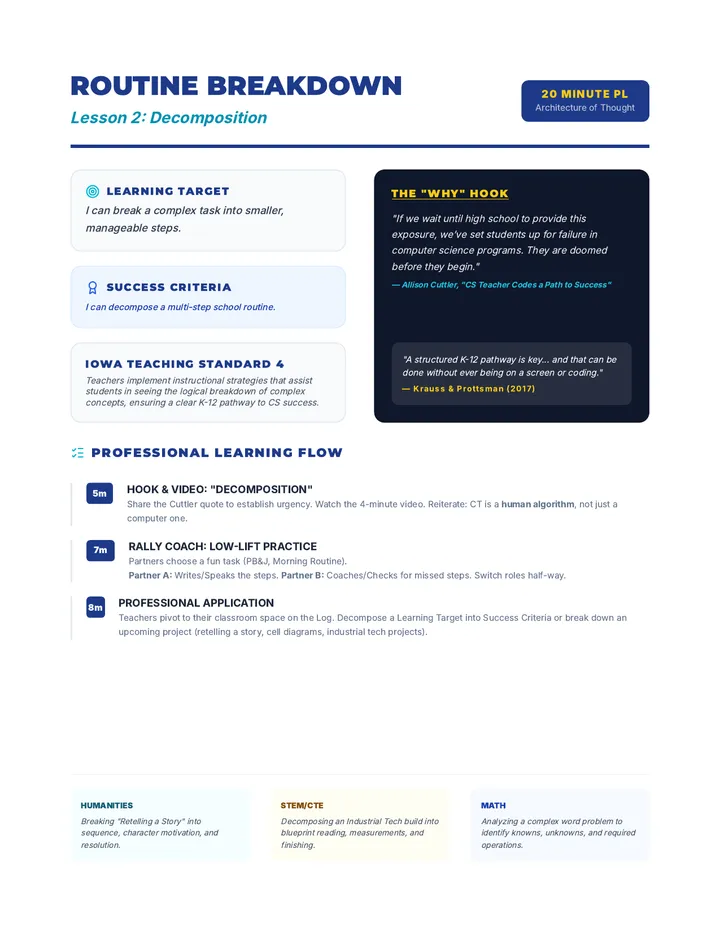
Teachers learn to break complex tasks into smaller, manageable steps using classroom routines and Iowa Core standards as examples.
Une leçon d'éveil sensoriel pour les élèves de maternelle, centrée sur la découverte des textures à travers le toucher. Les élèves apprennent à identifier et nommer les sensations : dur, mou, doux et piquant.
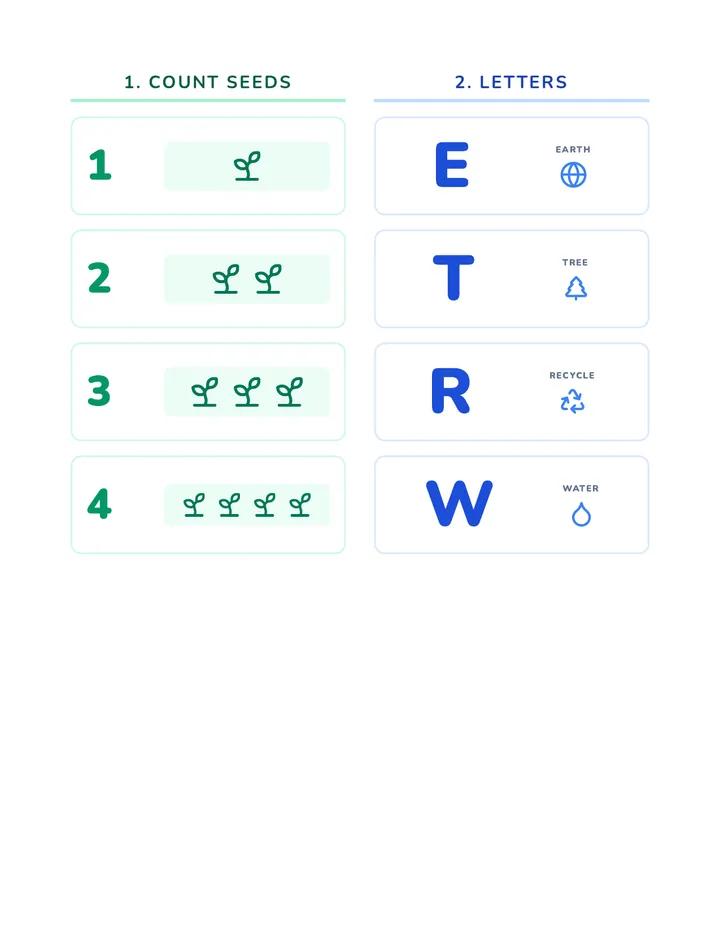
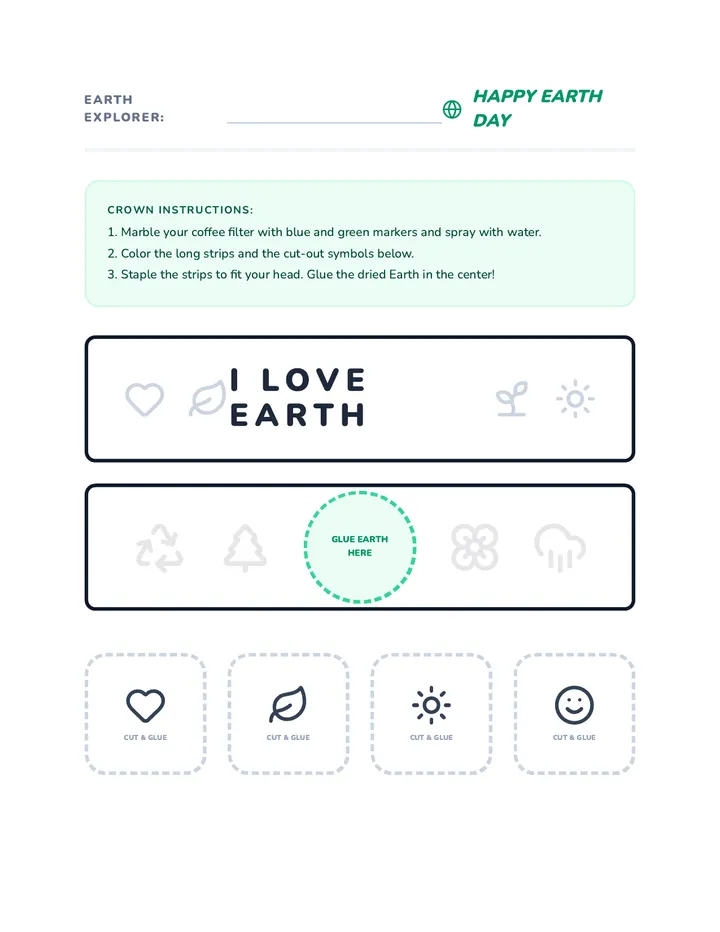
A full-day Earth Day adventure for Pre-K students exploring measurement (heavy vs. light), sorting recyclables, and celebrating our planet through art and play centers.
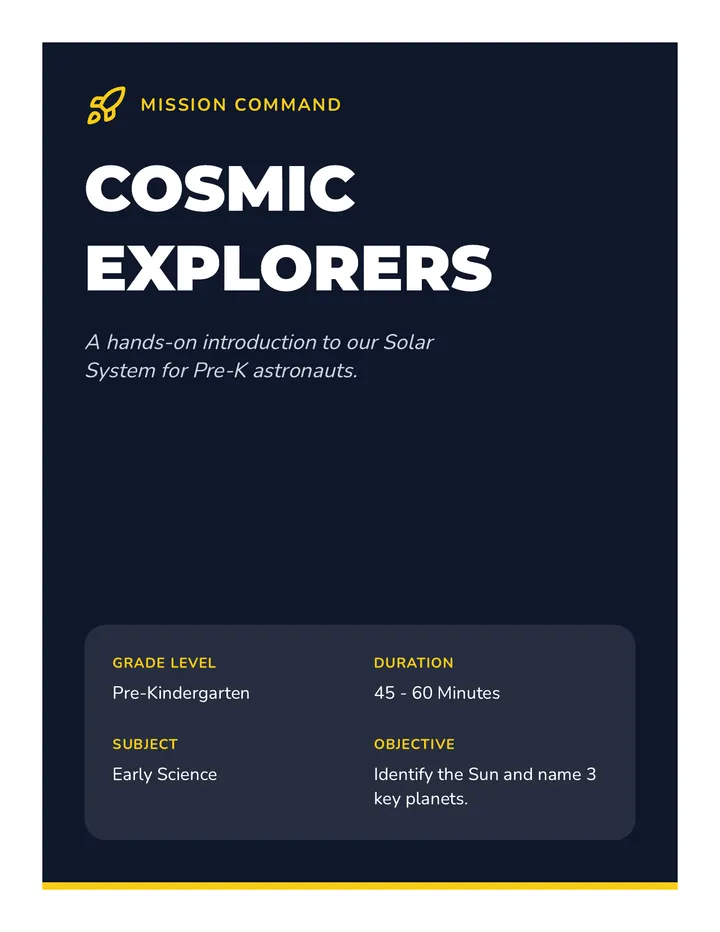
An introductory lesson for Pre-K students to explore the Sun, Moon, and eight planets through music, movement, and hands-on activities.
Meeting the new chicks and learning about gentle care and observation.
A dramatic play and movement-based lesson exploring the physical effort of hatching.
A focus on communication and sound as chicks begin to peep and tap within their shells.
Exploring what happens inside the egg through fine motor play and visual aids.
An introduction to the incubator and the concept of 'waiting' for life, focusing on sensory warmth and careful observation.
A sensory-focused lesson for Pre-K students to explore garden textures like soft, smooth, and prickly through hands-on exploration and visual aids.
A review lesson where students sort various chores into push or pull categories and participate in a class-wide 'Chore Challenge' game.
An introduction to the concept of 'Pull' through tasks like opening drawers, raking leaves, and pulling a wagon.
An introduction to the concept of 'Push' through common household tasks like sweeping, vacuuming, and pushing a grocery cart.
A fun and engaging animal-themed coloring book that encourages students to identify, draw, and color 51 different animals. This lesson focuses on animal diversity and recognition through a creative field-guide approach.
A foundational phonics lesson focused on identifying and matching initial consonant sounds through detective-themed activities and hands-on matching.
A focused activity on identifying and distinguishing between vowels and consonants using the visual style of plastic reading rods.
A hands-on sensory center lesson where students explore plastic animal toys to learn basic science concepts like classification, anatomy, and habitats while building descriptive vocabulary.