A foundational geometry lesson focused on identifying the three sides of a right triangle (hypotenuse, opposite, and adjacent) relative to a reference angle, designed for cross-categorical special education settings with high visual support.

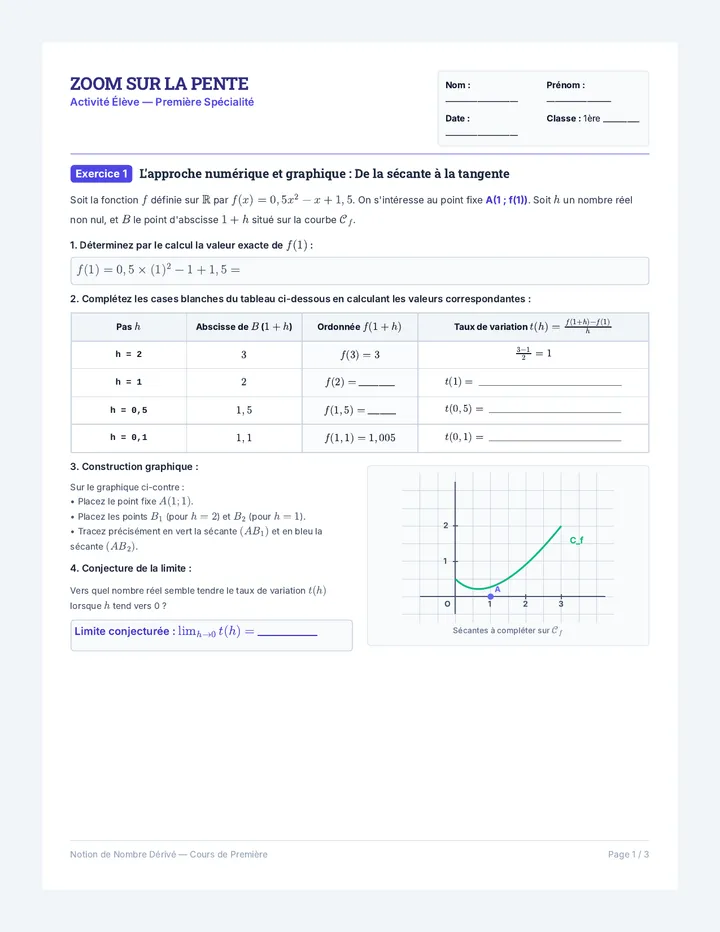
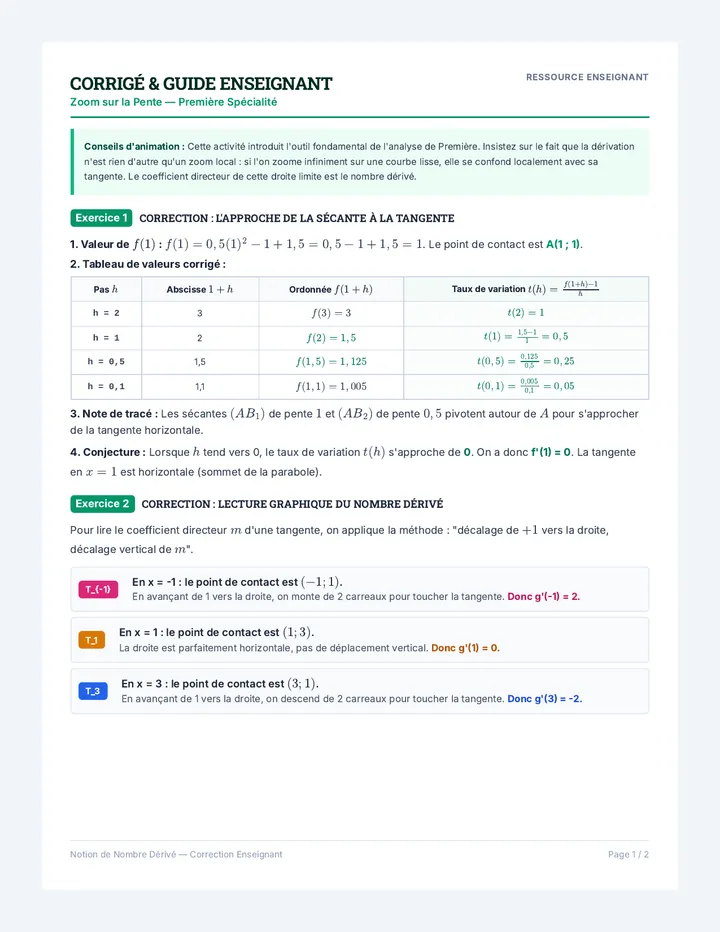
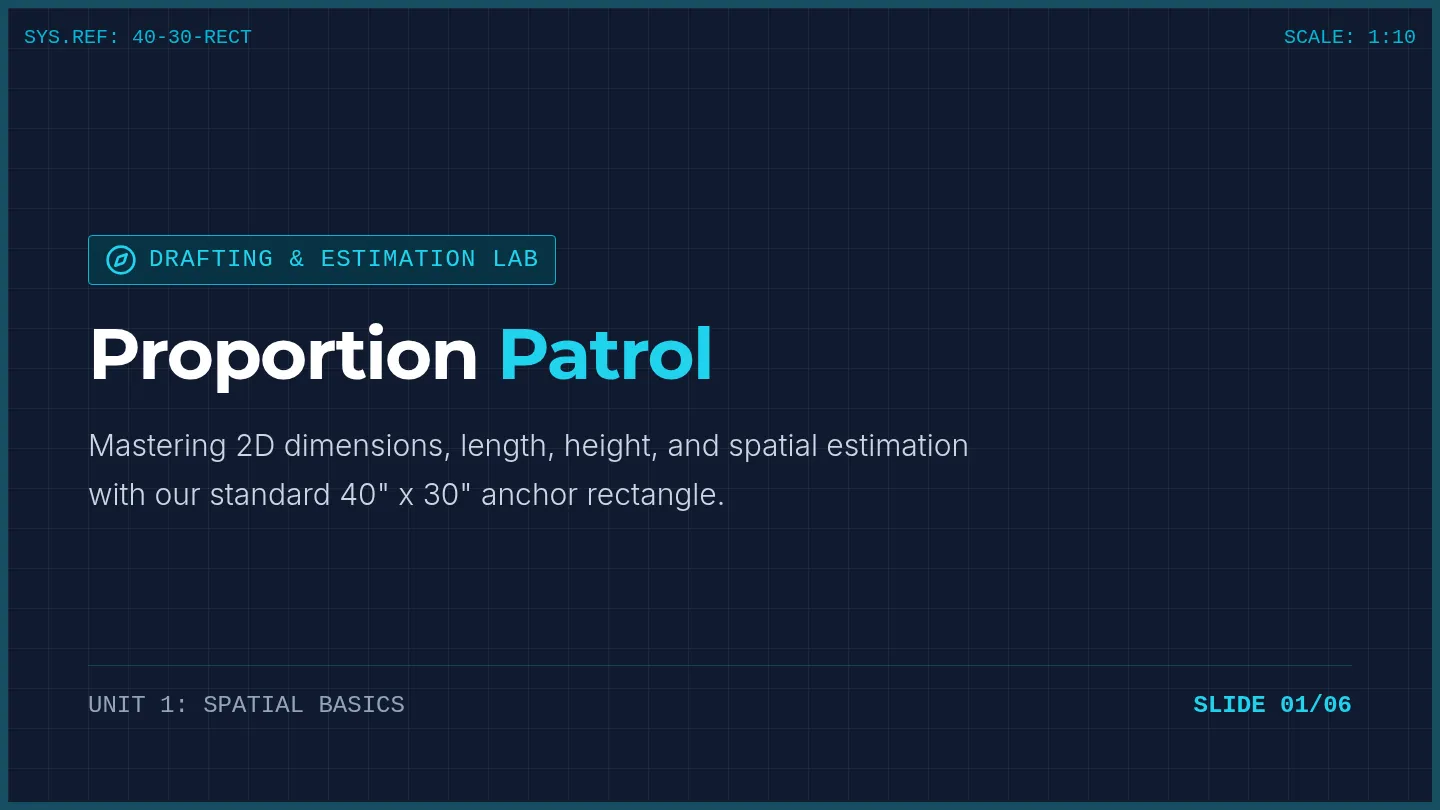
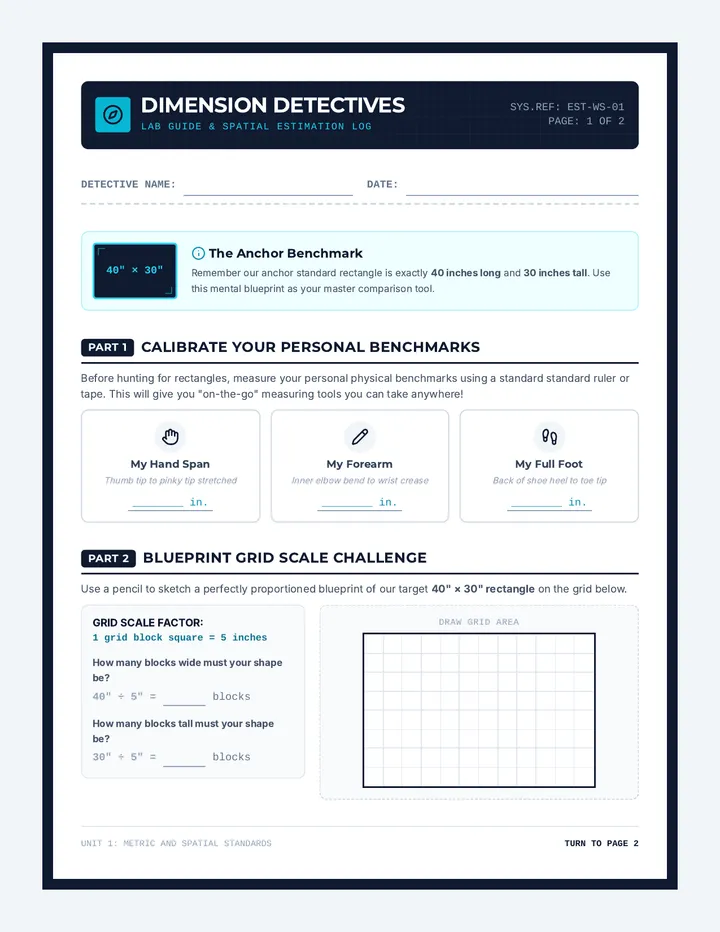
A lesson focused on the geometric and algebraic relationships of parallel and perpendicular lines, teaching students how to identify slopes and write new equations using a technical blueprint aesthetic.
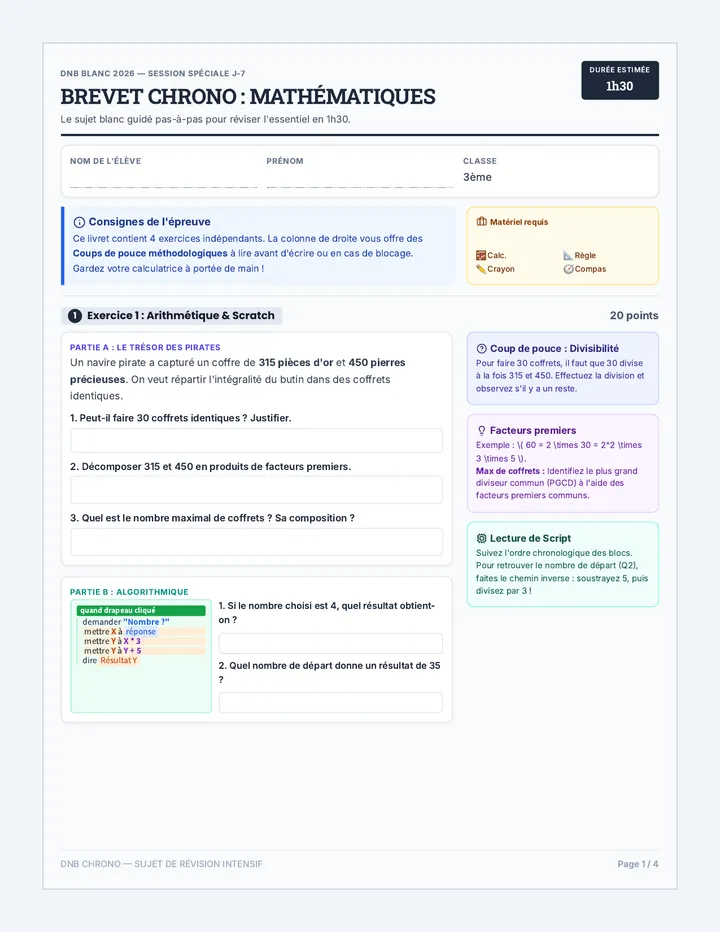
Une évaluation complète sur les équations et inéquations du premier degré pour les élèves de seconde professionnelle, incluant les exercices de base et des problèmes contextualisés.
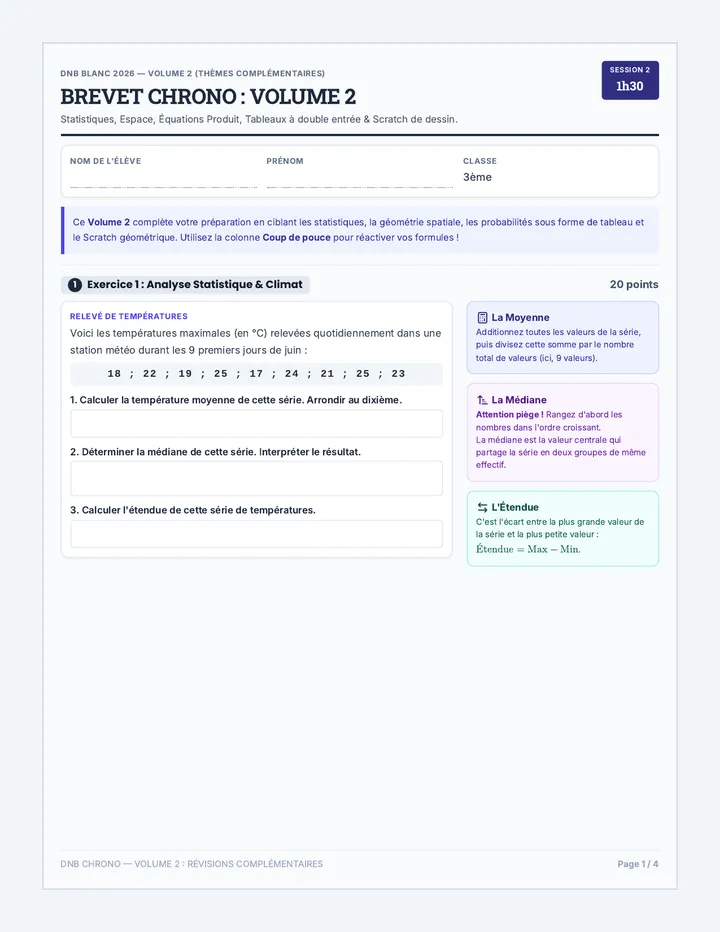
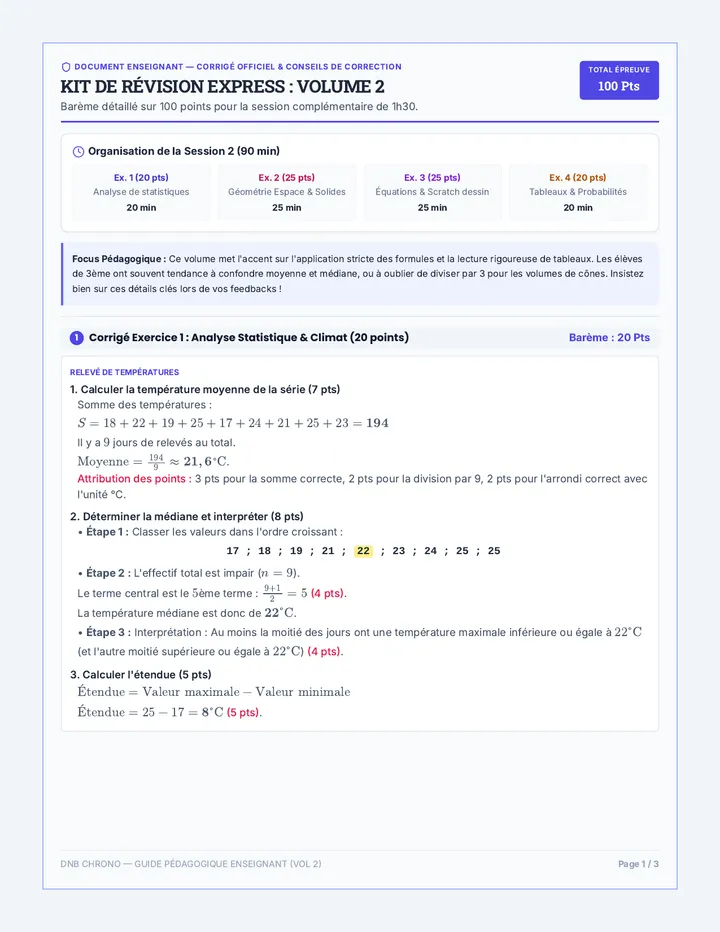
Leçon focalisée sur les bases des statistiques à une variable : du recueil de données brutes à leur analyse graphique, avec un focus sur l'utilisation de LibreOffice Calc.
Une leçon complète sur les statistiques à une variable, couvrant la collecte de données, l'organisation en tableaux et la représentation graphique à travers divers exercices pratiques et activités d'introduction.
A comprehensive lesson covering geometric transformations (translations, reflections, rotations, and dilations) and the fundamentals of geometric proofs, including logical reasoning and triangle congruence.
A comprehensive math lesson focused on solving one-step addition and subtraction equations using a secret agent 'Operation Equation' theme, specifically designed for middle school SPED students with heavy visual scaffolding.
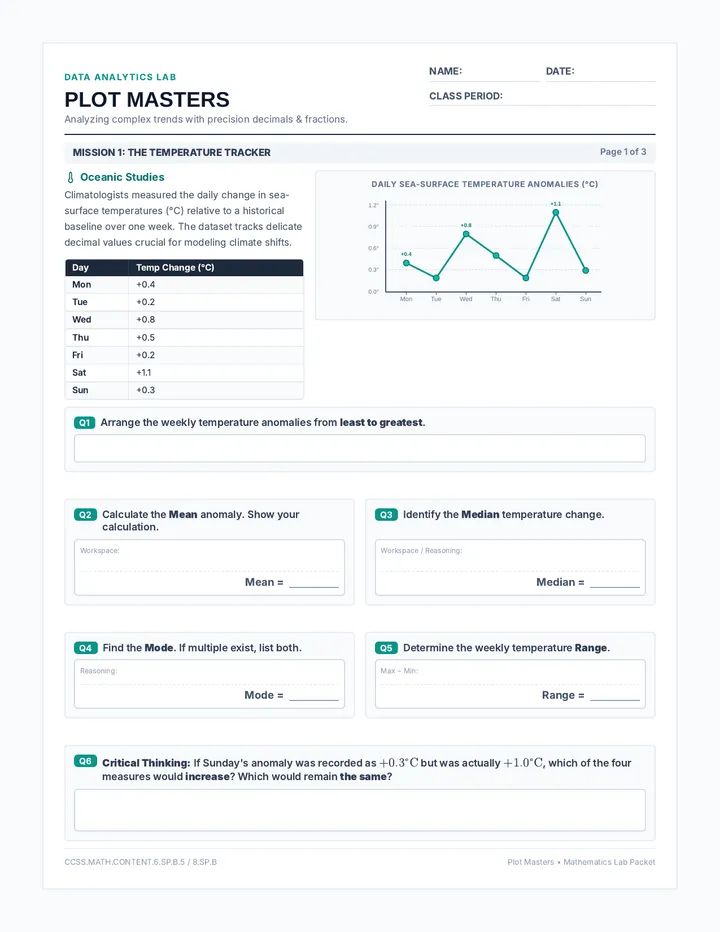
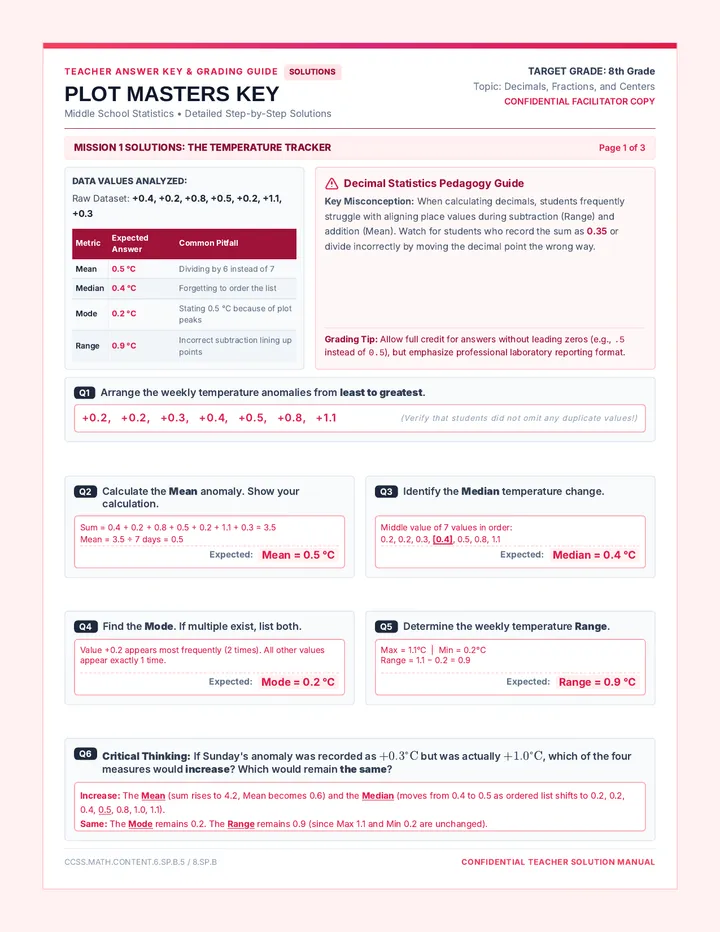
A comprehensive 90-minute math lesson focused on organizing data into intervals and creating/interpreting histograms using test score data. Students act as 'Data Detectives' to uncover trends in numerical information.
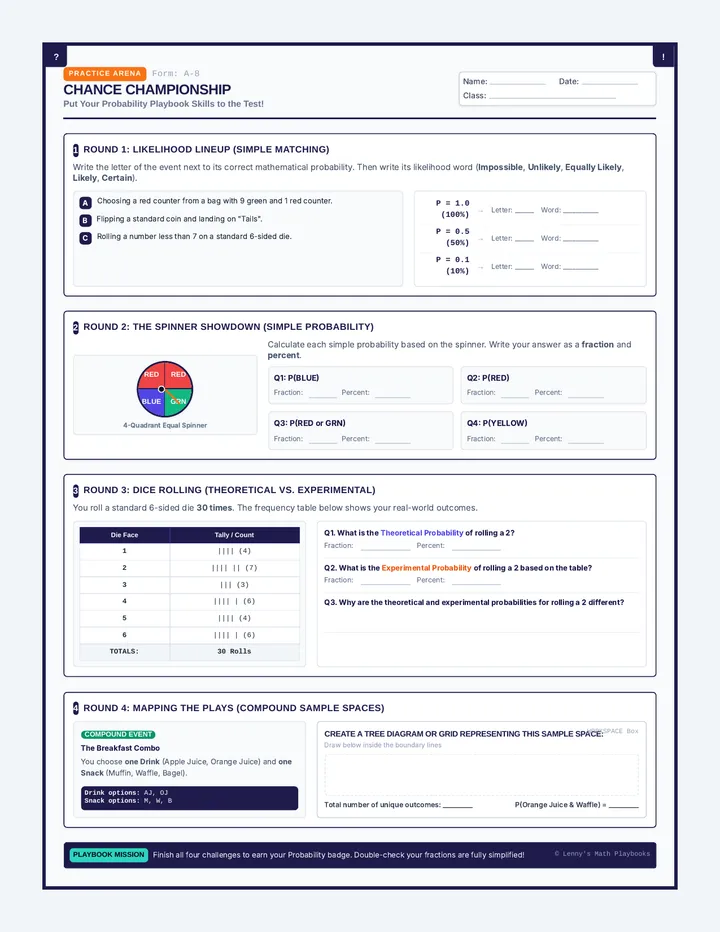
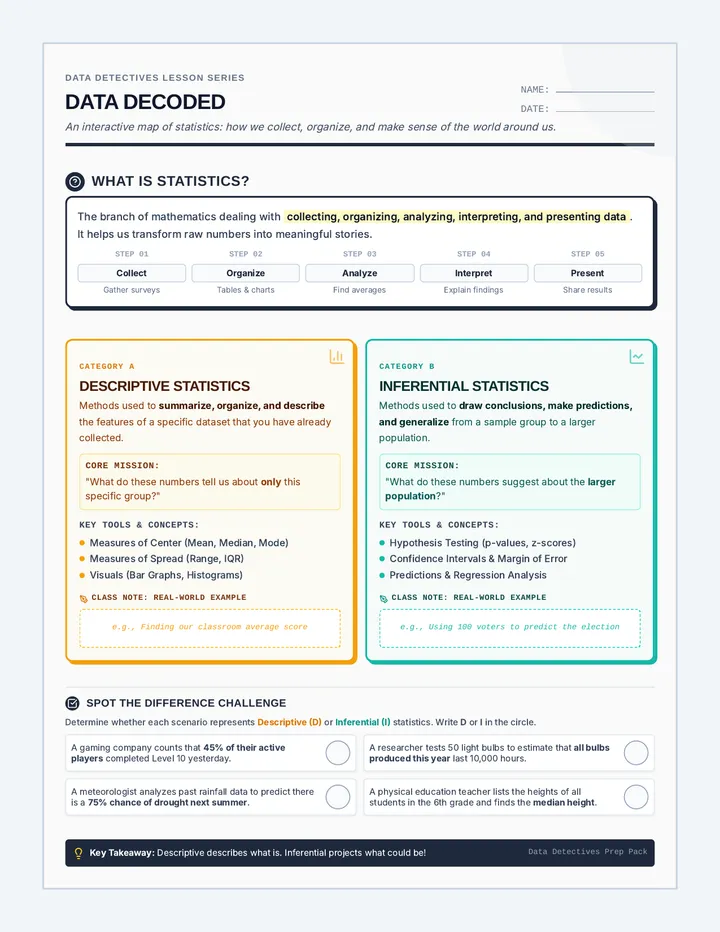
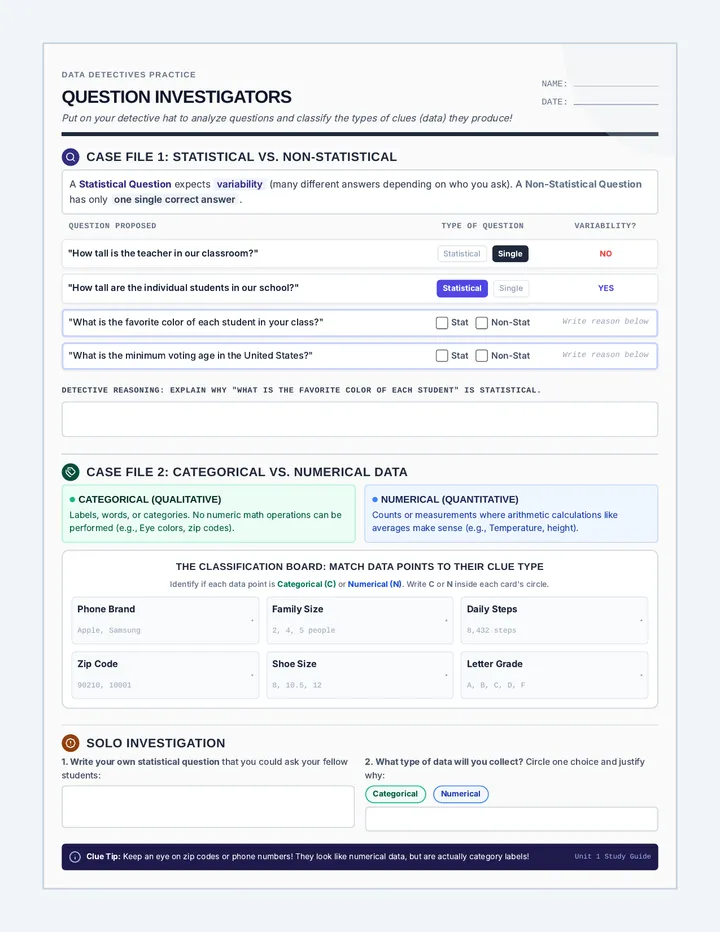
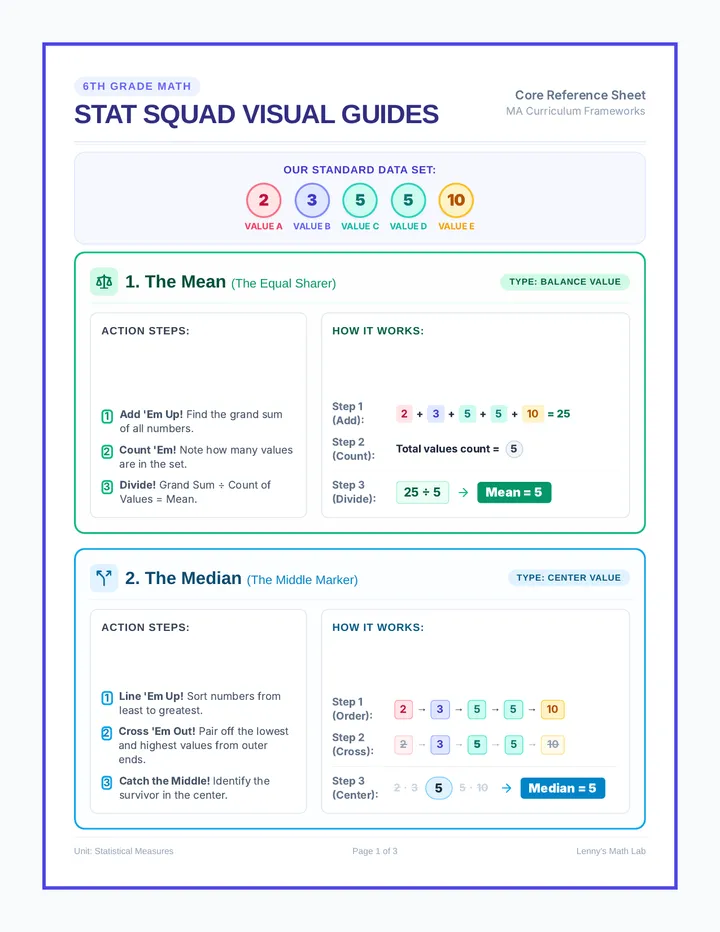
An all-in-one review lesson covering the five major 6th-grade math domains. Designed for IEP support with visual scaffolds and simplified 2-option choices.
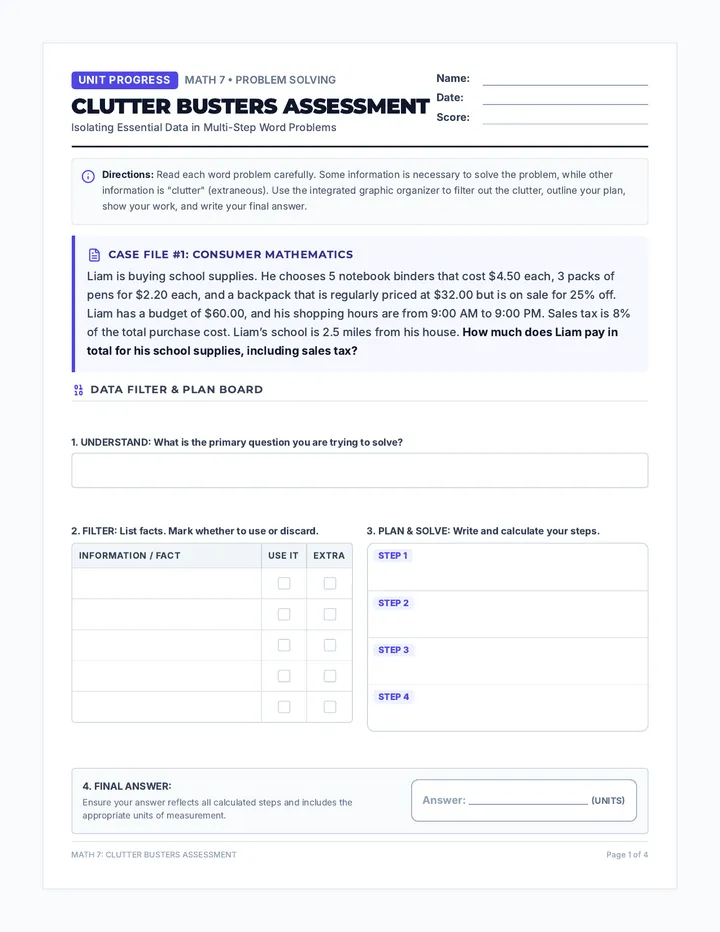
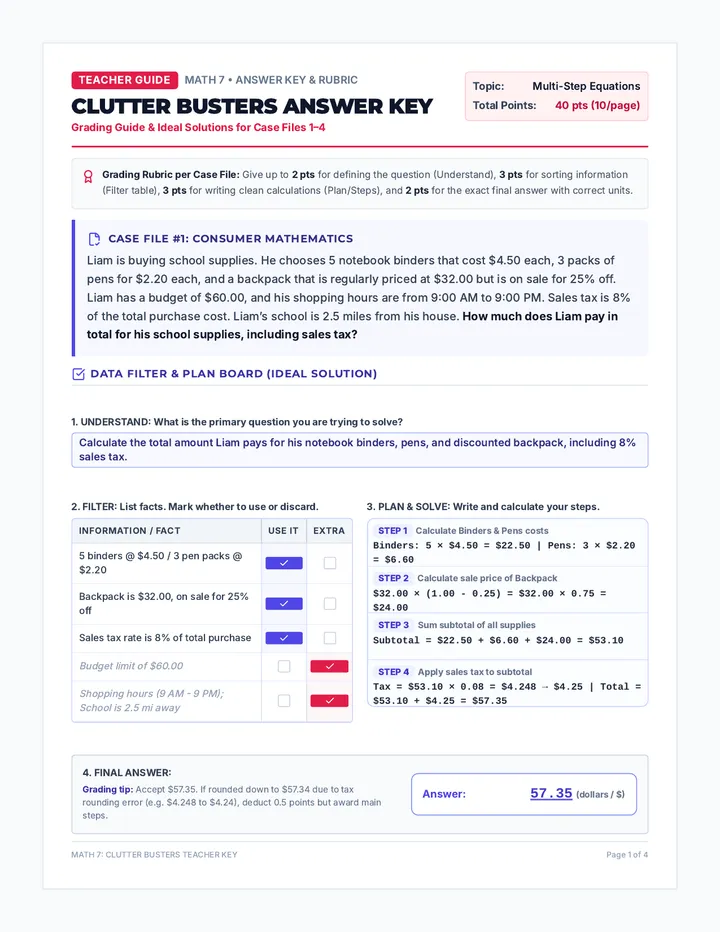
A math assessment focusing on basic exponent rules and real-world percentage applications involving sales tax and discounts.
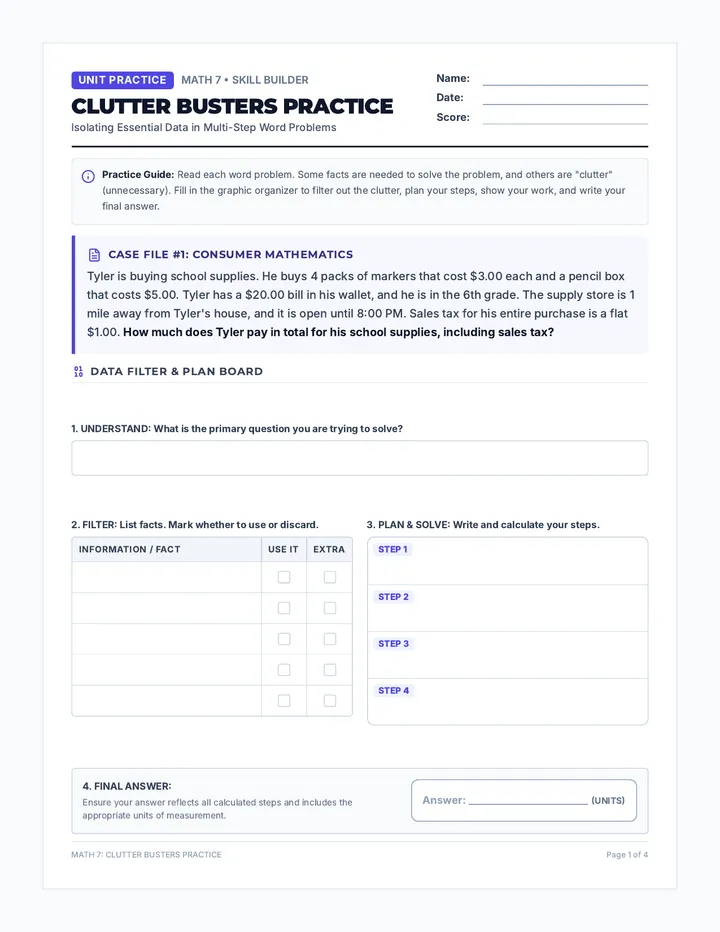
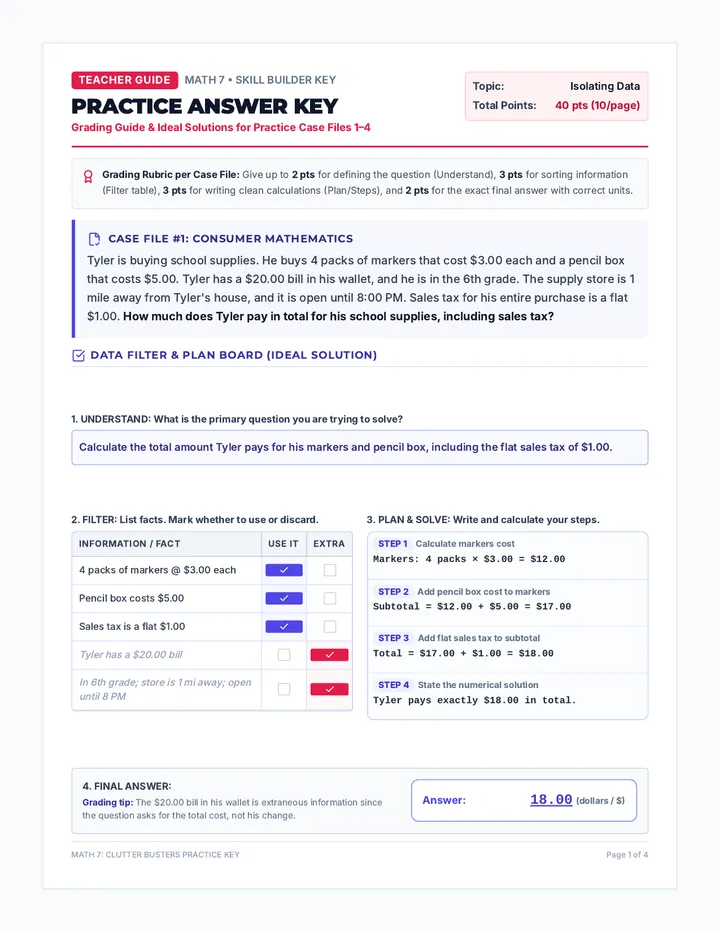
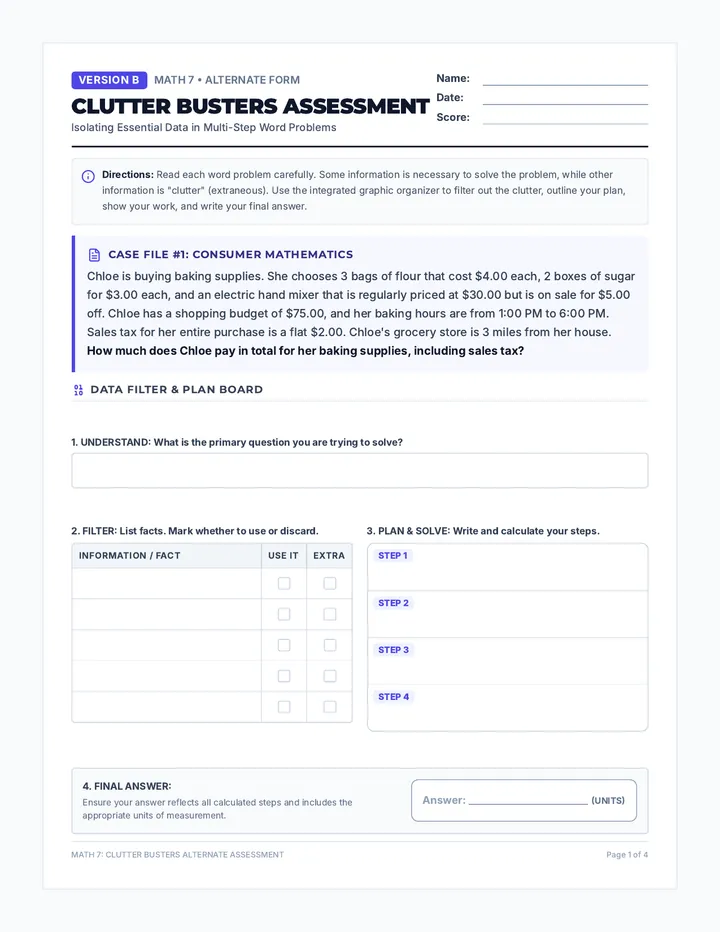
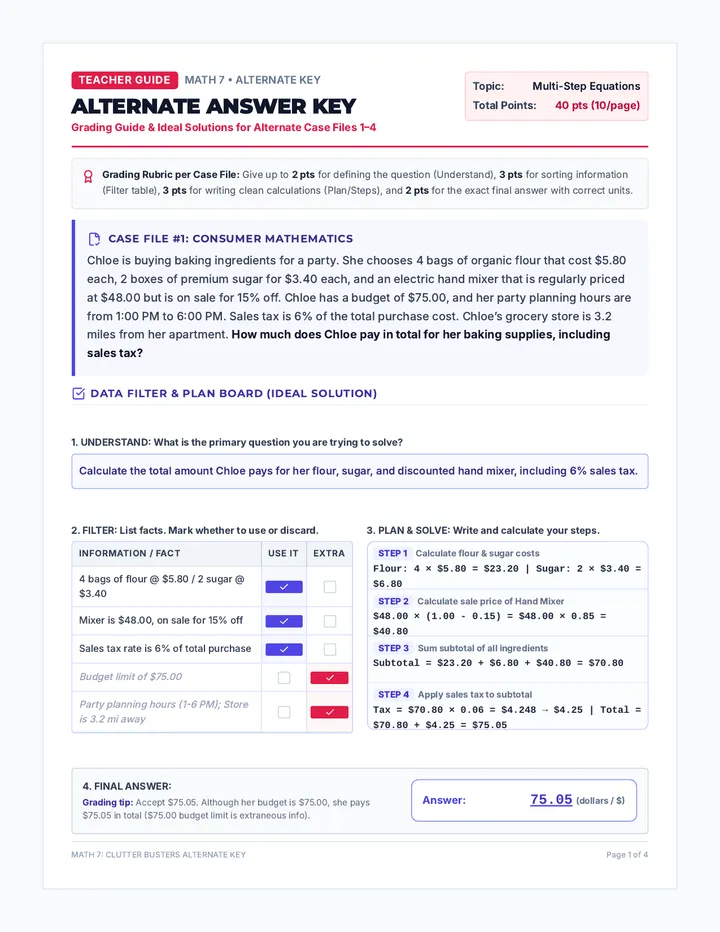
A lesson focused on applying exponent rules, percentage calculations, and basic arithmetic to real-world financial scenarios and budgeting. Includes two differentiated versions of a comprehensive unit test to support varied learning needs.
A comprehensive review of exponential and logarithmic functions, focusing on graphing attributes, transformations, inverse relationships, solving equations, and data modeling based on Texas Algebra 2 standards.
A quick assessment focusing on solving quadratic equations that result in complex solutions using the Quadratic Formula and Completing the Square.
A lesson focusing on the practical application of the Distance Formula and the logical structure of SAS and ASA congruence proofs.
A deep dive into the fundamental properties of operations, focusing on the distributive, commutative, associative, identity, and inverse properties through a comprehensive 35-question extra credit challenge.
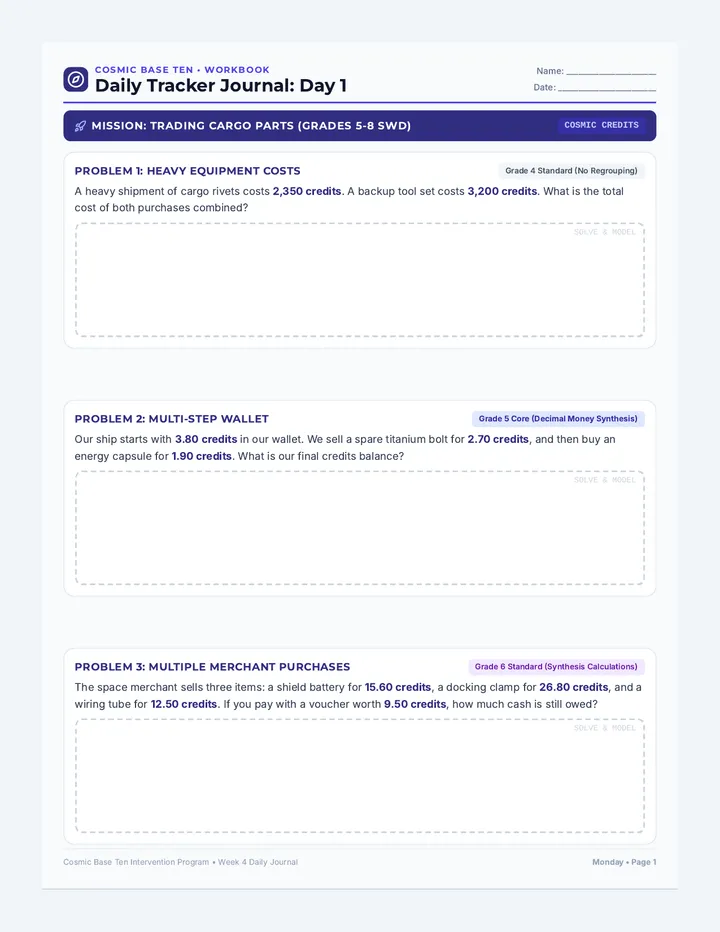
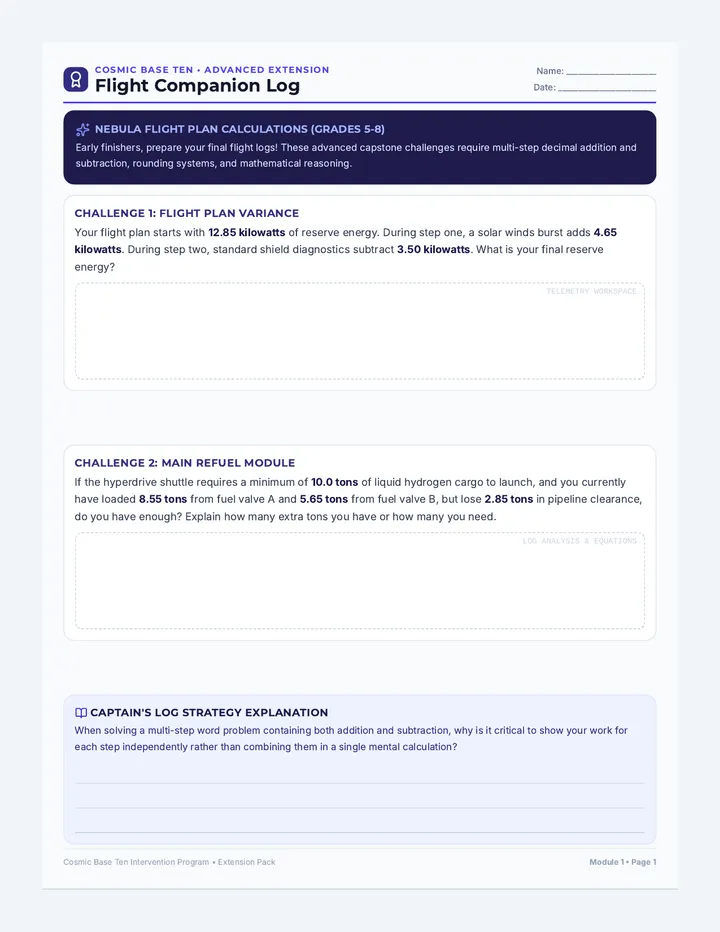
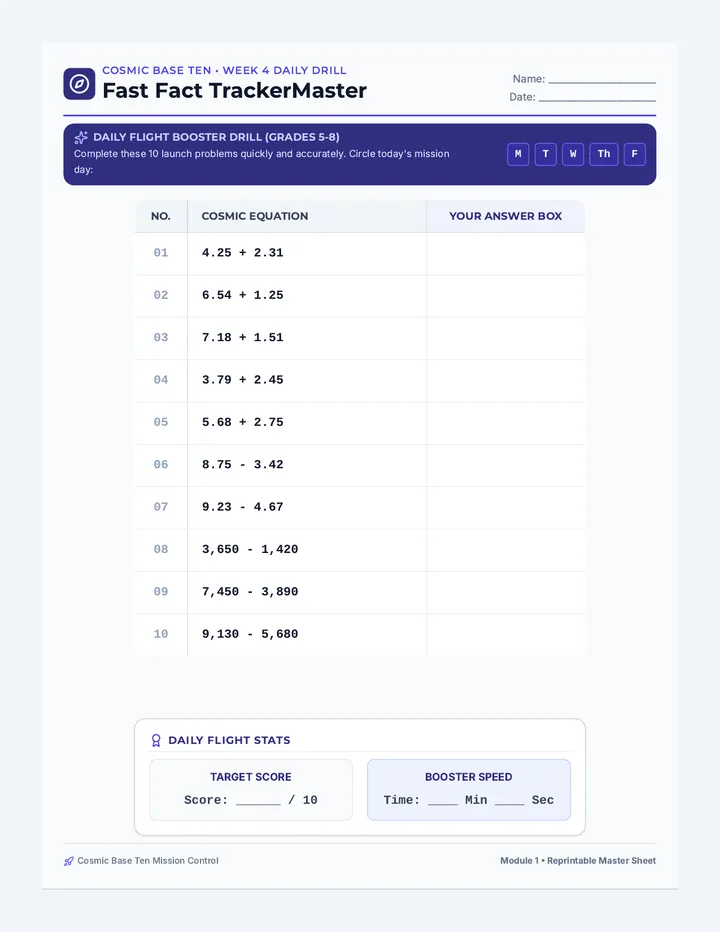
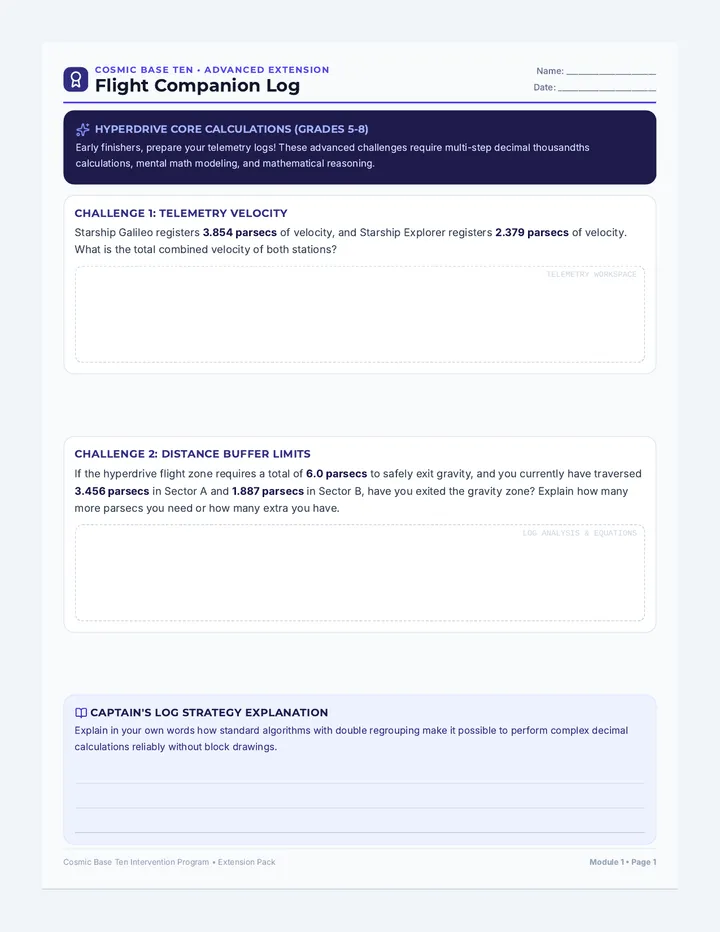
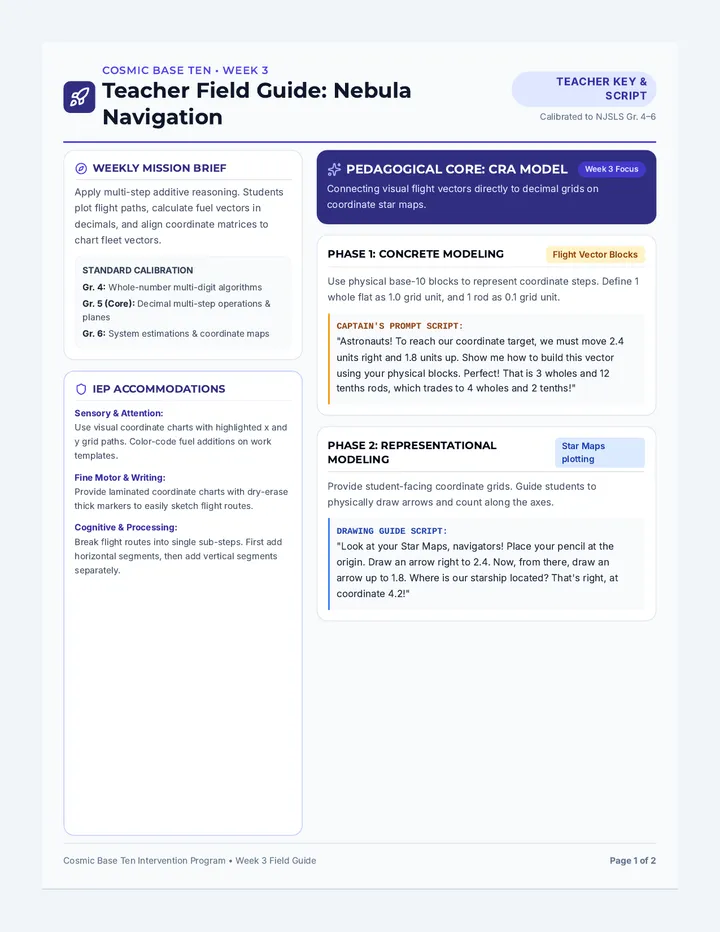
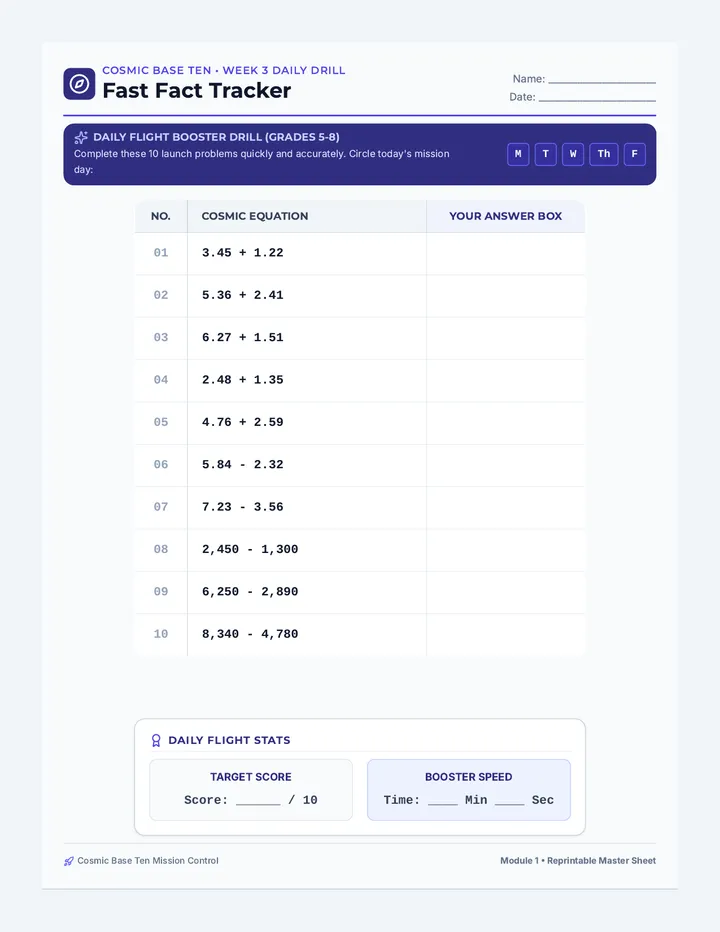
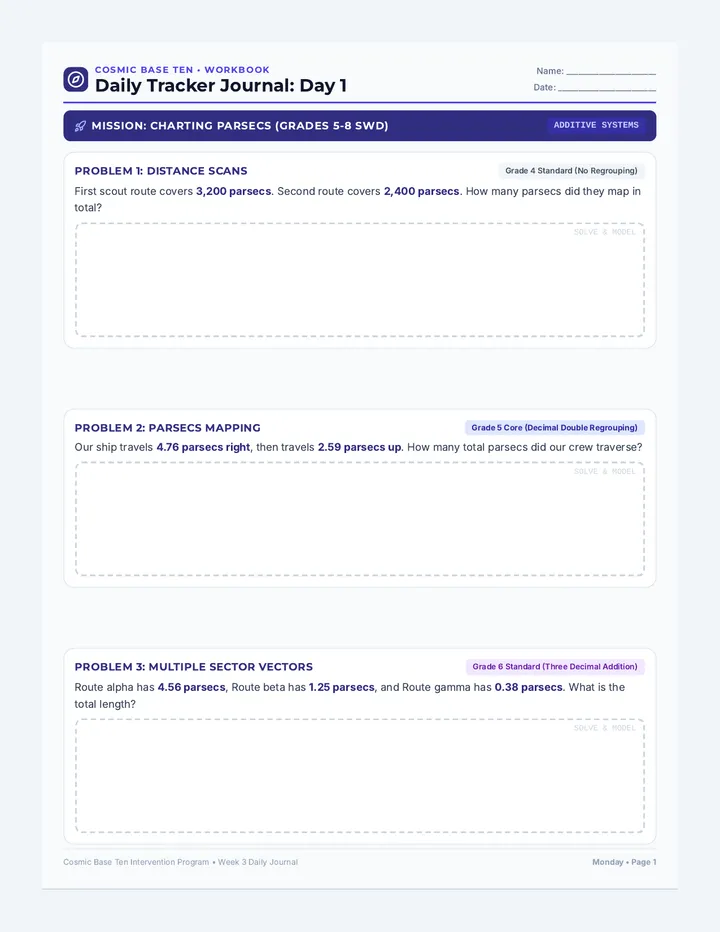
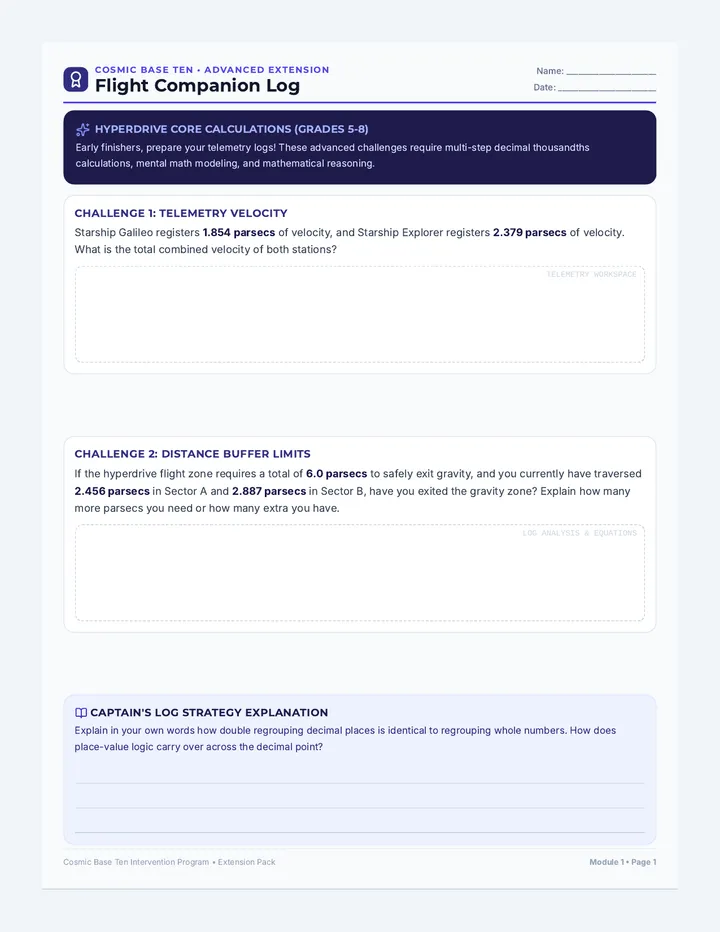
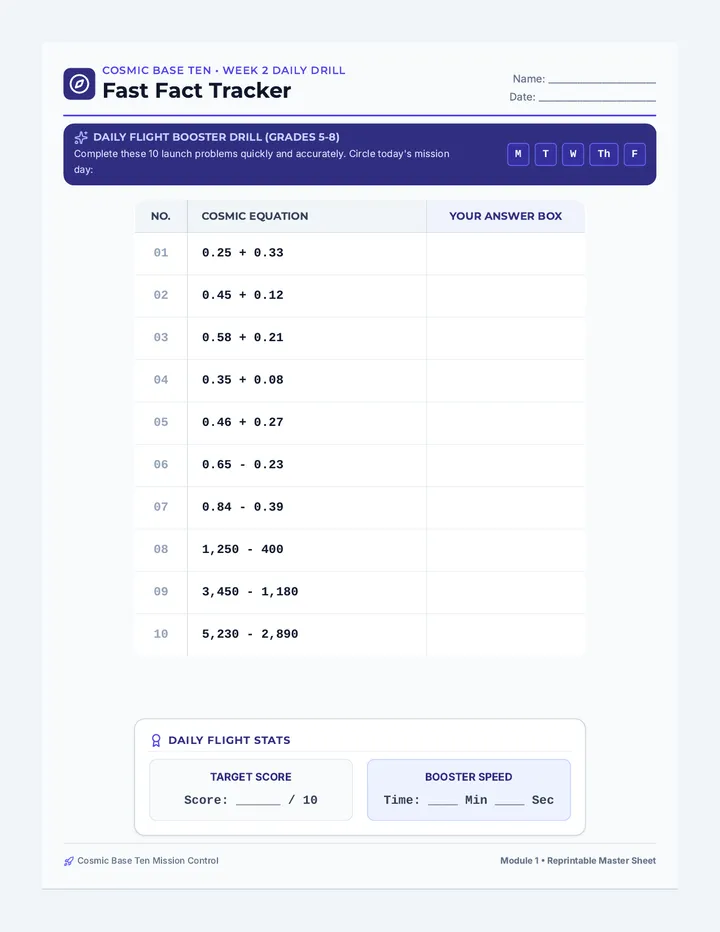
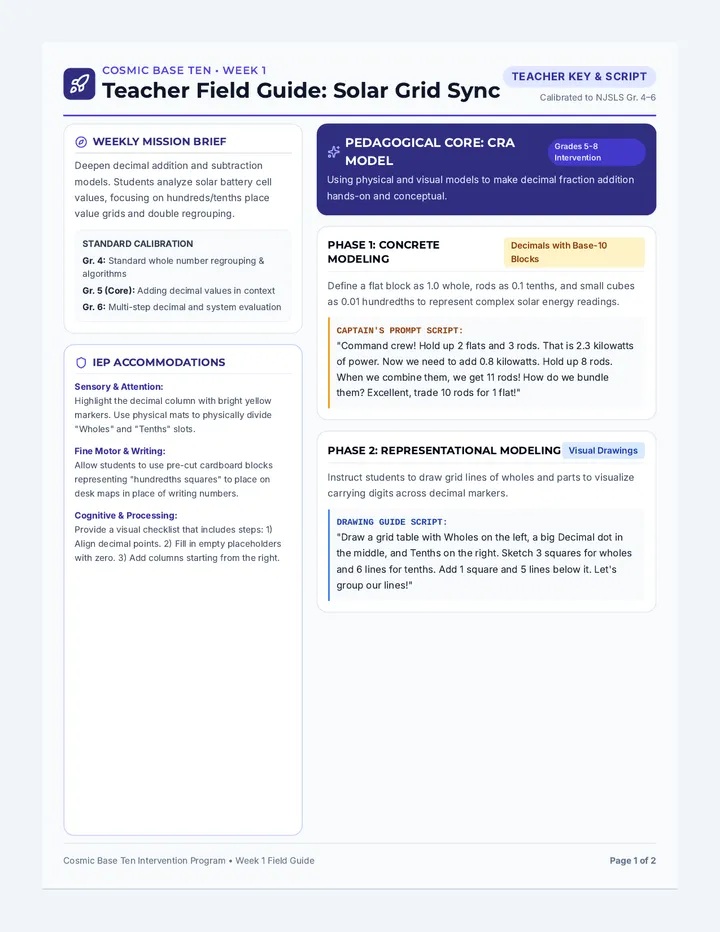
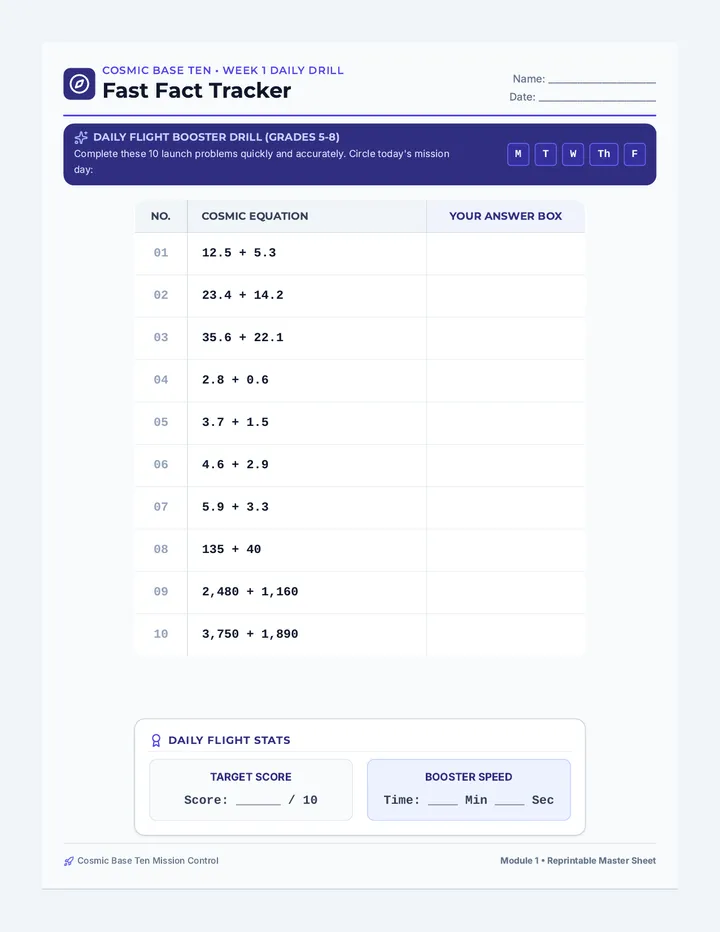
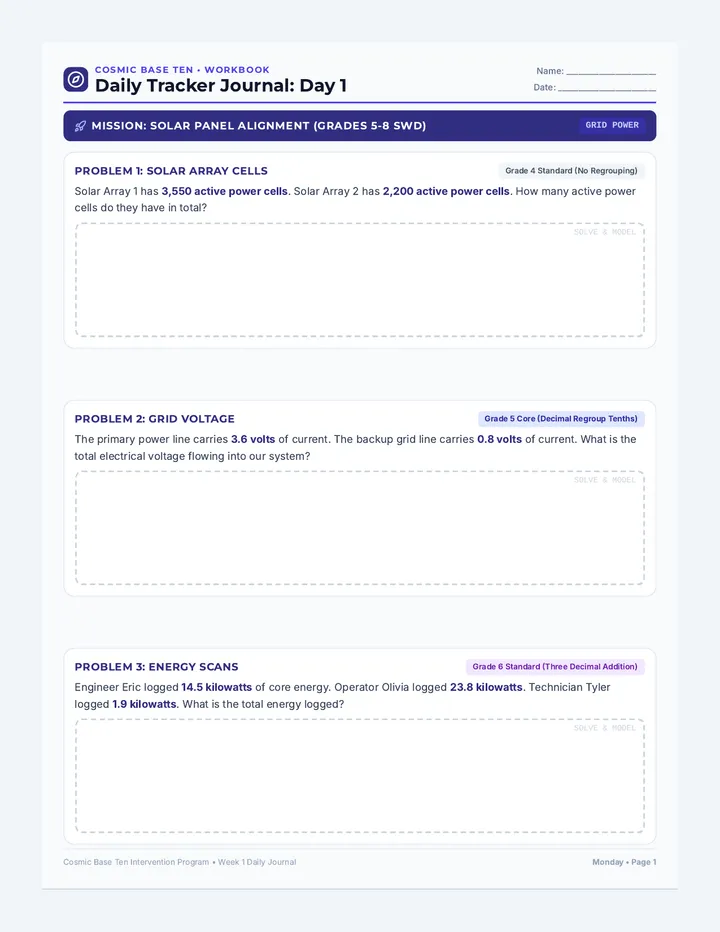
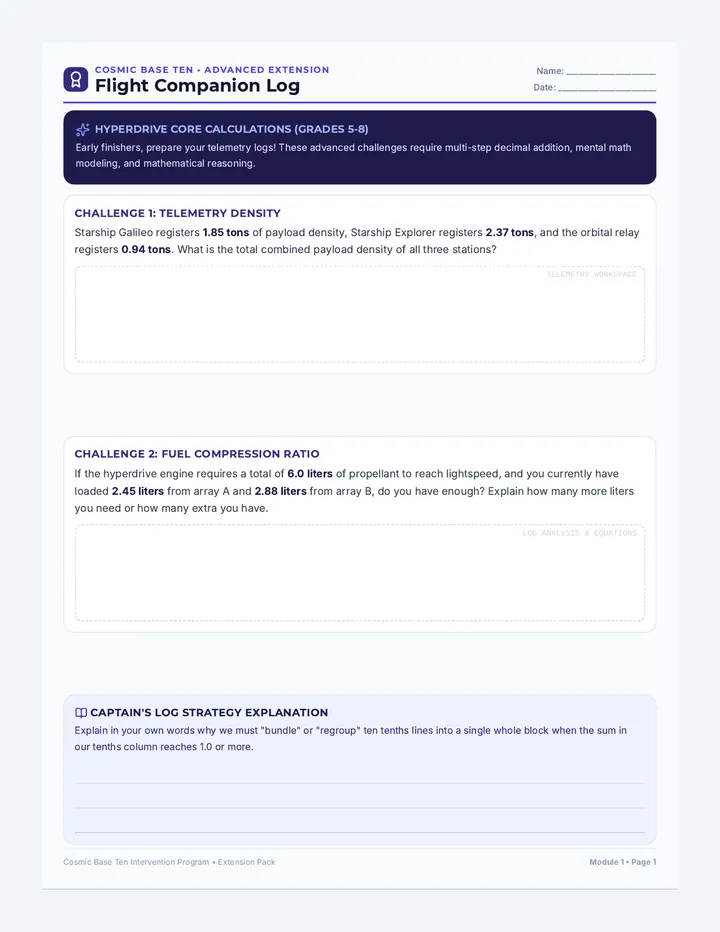
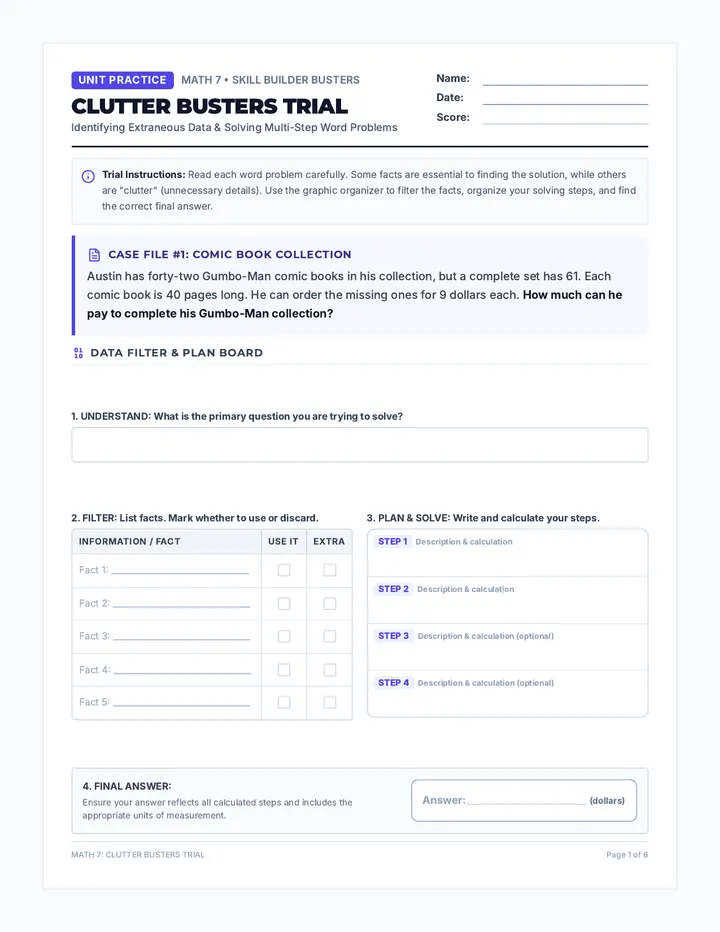
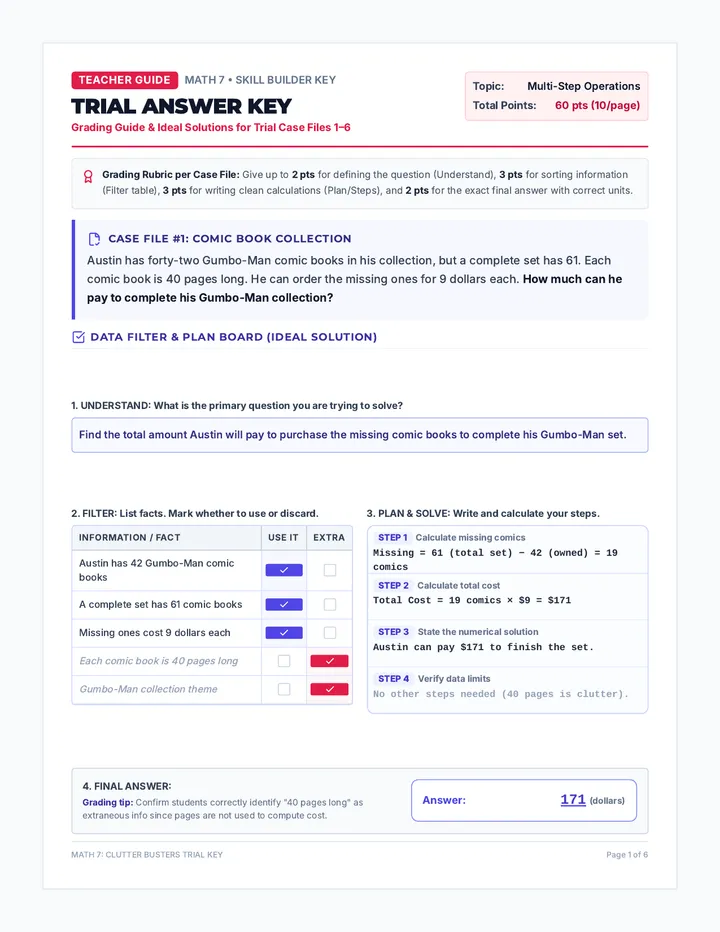
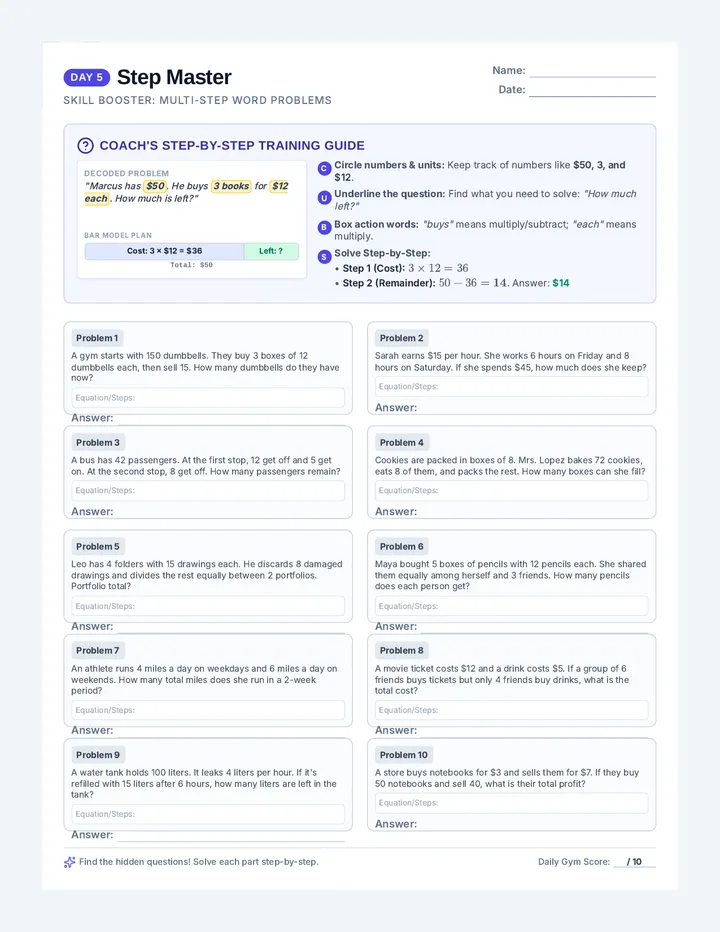
A collection of four diverse decimal practice activities covering addition, subtraction, comparison, rounding, and word problems for 7th-grade math students.
A comprehensive 35-minute lesson on graphing quadratic functions in standard form, covering vertex, axis of symmetry, end behavior, and zeros.
Review and assessment of literal equation mastery through multi-step problems.
A stations-based exploration of physics formulas like force, velocity, and Ohm's law.
Applying formula manipulation to geometric formulas for area, perimeter, and volume.
Introduction to literal equations by connecting the logic of solving standard equations to rearranging variables.
Comprehensive assessment of ratio and proportion skills, covering all algebraic complexities introduced in the unit.
Advanced proportion solving involving the distributive property and variables on both sides. Contexts include business comparisons and mixture problems. (Task 3)
Solving proportions that result in two-step equations. Focuses on contexts like construction, currency conversion, and wage calculations. (Task 2)
Introduction to proportions and solving one-step equations through cross-multiplication. Real-world contexts include recipe scaling and unit rates. (Task 1)
A lesson focused on the product and quotient properties of logarithms, specifically adding and subtracting logs. Designed with heavy scaffolding for a math resource setting.
This lesson introduces exponential growth and decay functions, focusing on modeling real-life situations, identifying growth and decay factors, and analyzing key attributes of exponential models. Students will transition from Algebra 1 foundations to advanced Algebra 2 applications using the standard model \(y = ab^x\).
A scaffolded introduction to the four-quadrant coordinate plane, using a navigation theme to help students master plotting points with visual aids and step-by-step guides.
Summative assessment covering intercepts, vertex, AOS, and solving quadratic equations using various methods.
Comprehensive review of unit targets including graphing features and all solving methods.
Synthesizing solving methods (graphing, factoring, formula) and choosing the most efficient strategy for different quadratic forms.
Using the quadratic formula to solve equations and the discriminant to determine the nature of the roots.
Solving quadratic equations by factoring and identifying x-intercepts using the Zero Product Property.