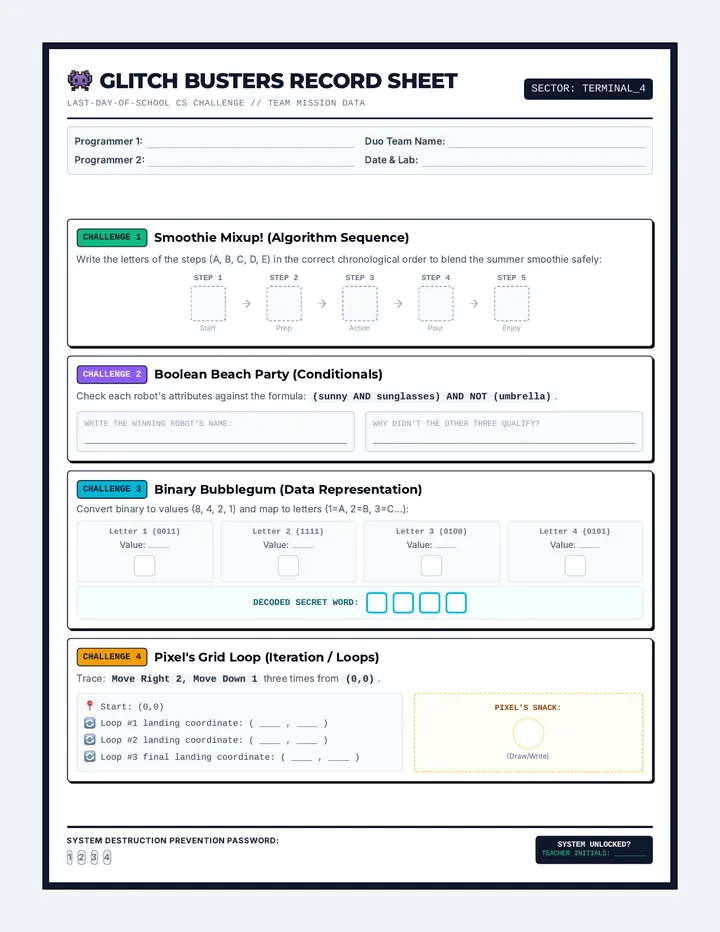
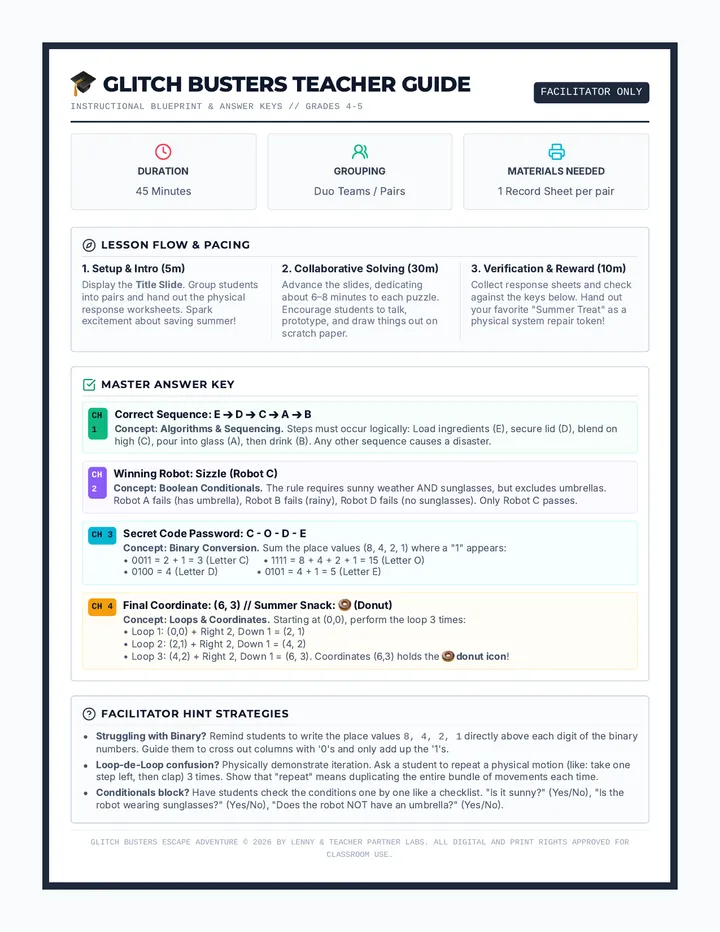
Students learn the rules computers use to talk (protocols) by creating their own strict communication rules and simulating the 'handshake' required for a secure connection.
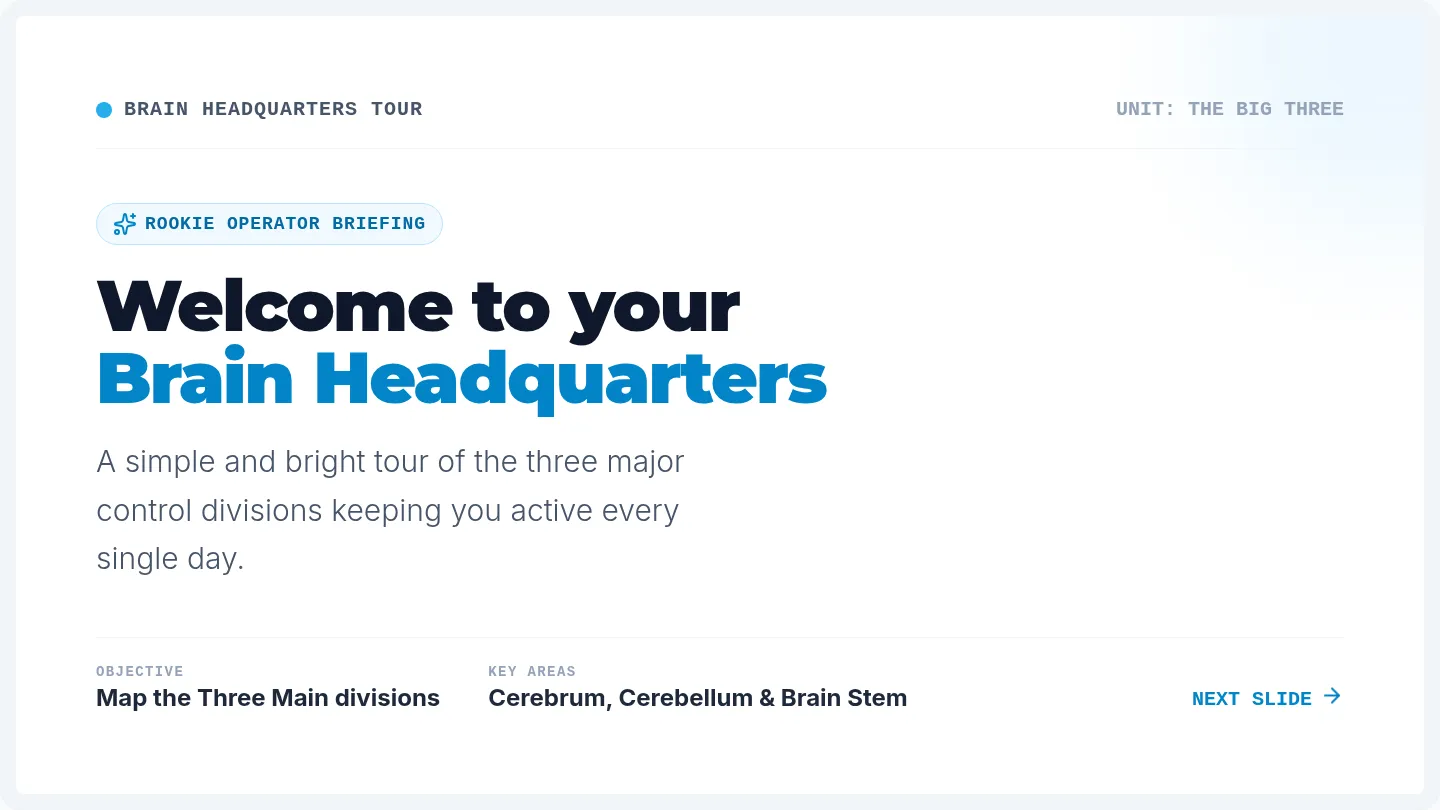
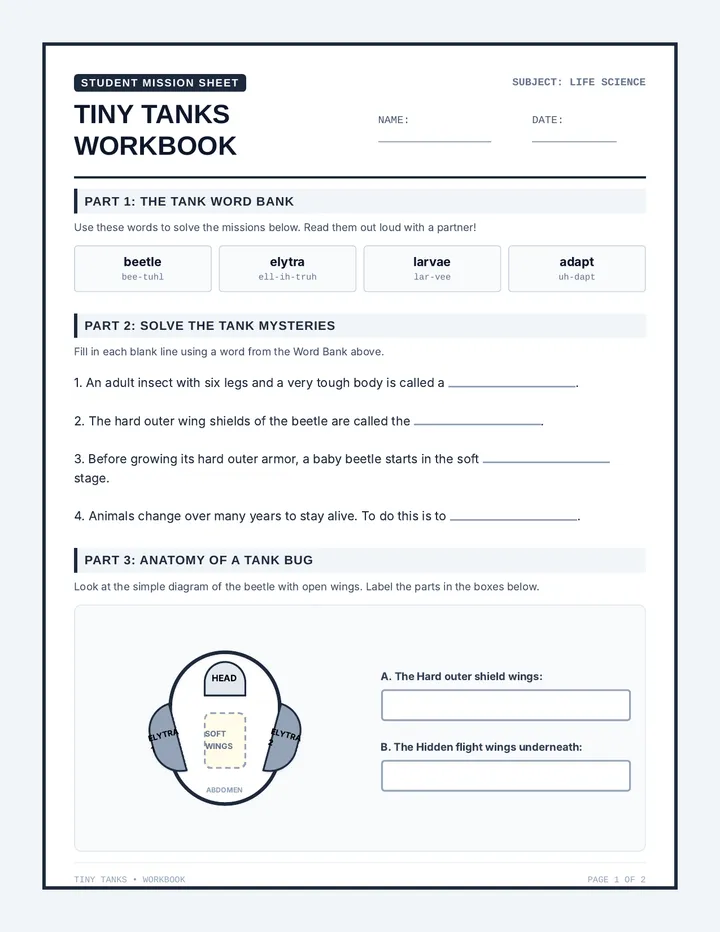
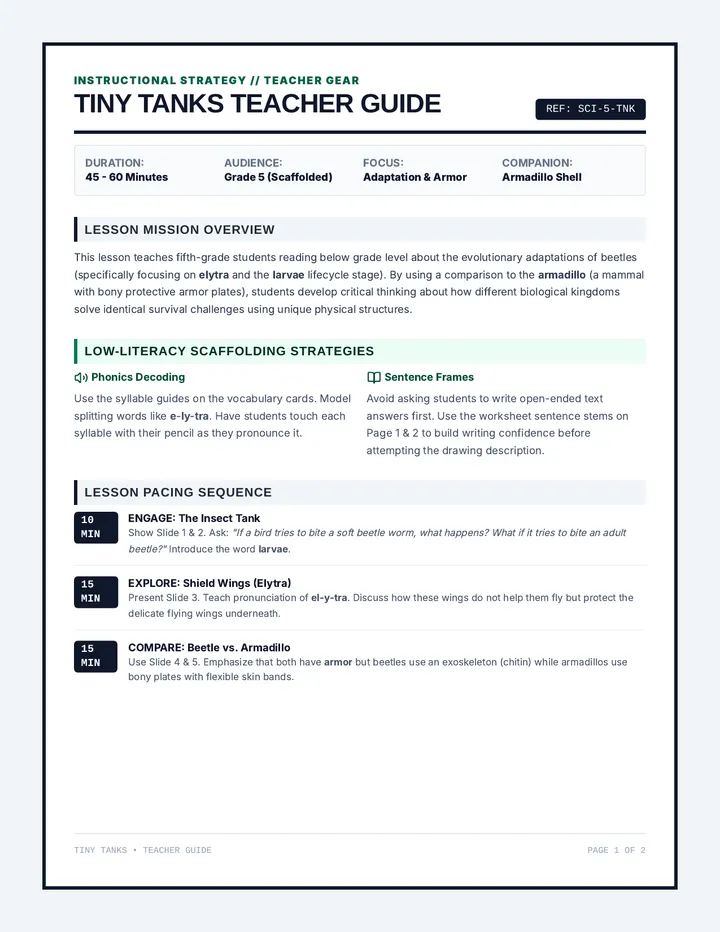
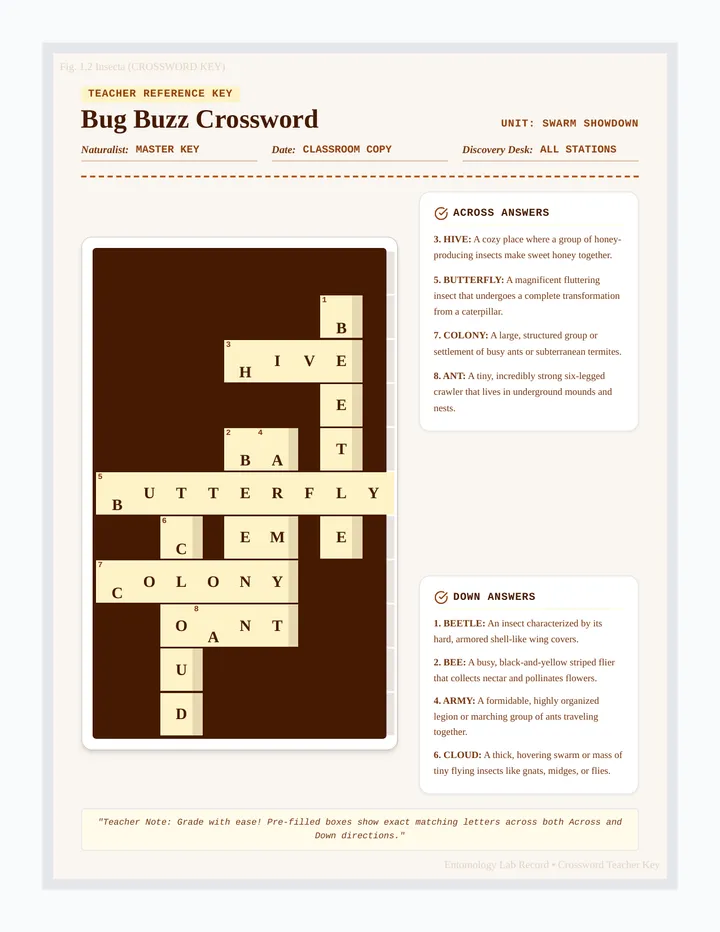
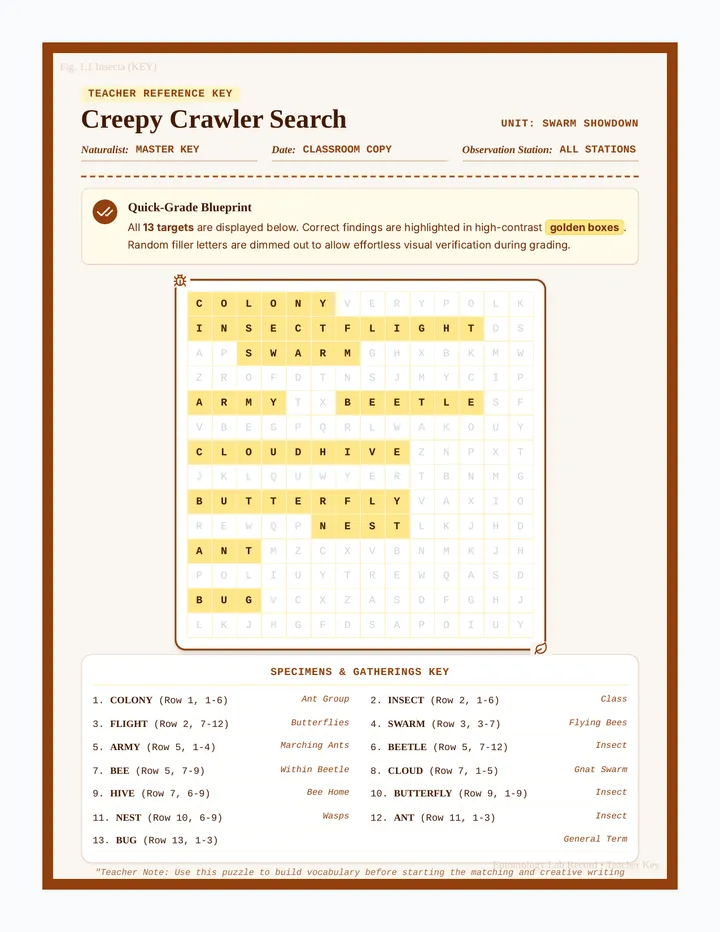
In this 45-minute lesson, Grade 5 ESL students learn to gather information from a digital source by taking organized notes on insect life cycles. Students practice identifying keywords, using visual symbols, and summarizing stages of metamorphosis.
How and why organisms use light for social interactions, communication, and complex behaviors. Students explore strategies like counter-illumination and burglar alarms.
How is light made? Students break down the chemical reaction of bioluminescence, exploring the interaction between luciferin, luciferase, and oxygen.
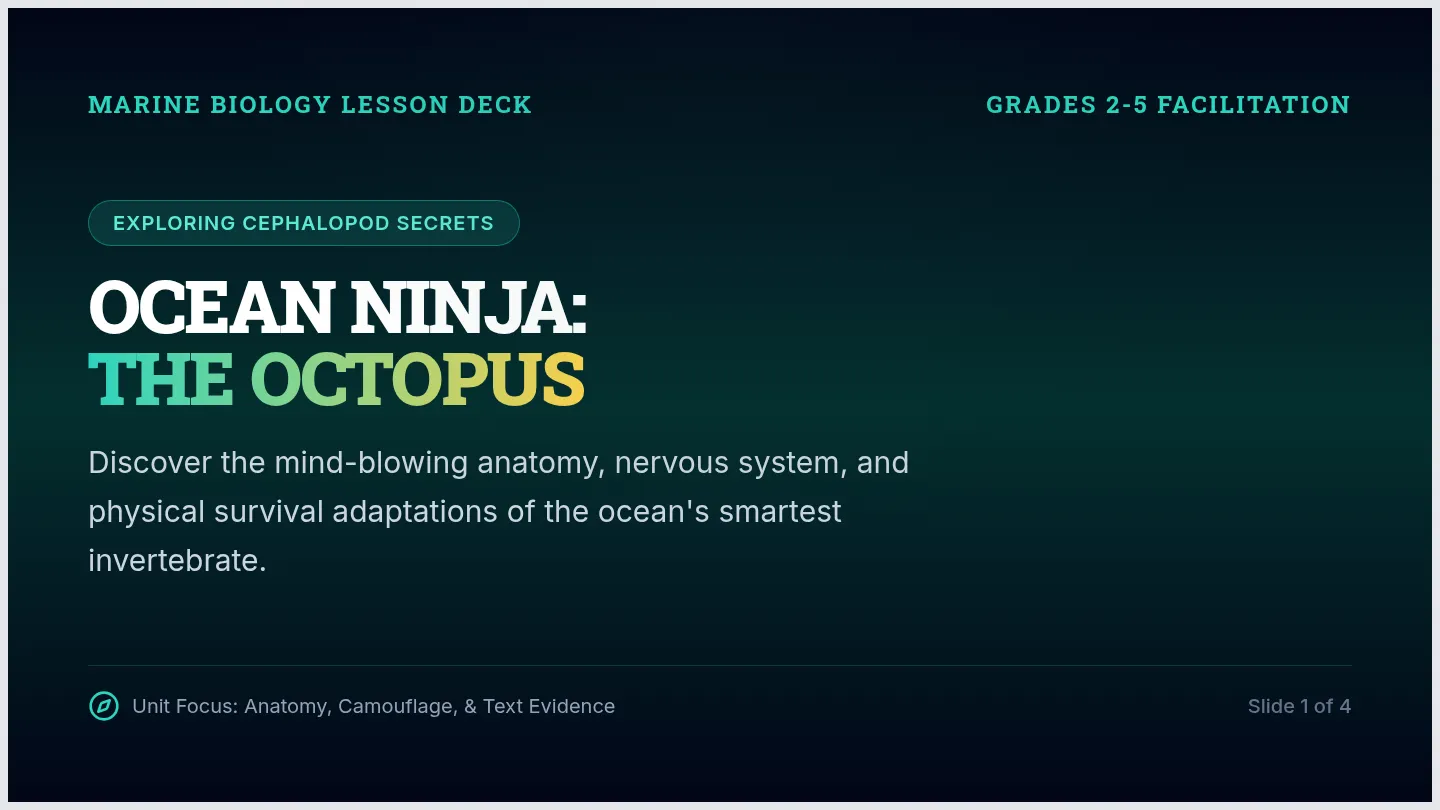
Discover the mysterious world of the deep ocean's midnight zone. Students explore how creatures create light in total darkness and identify the physical adaptations of bioluminescent marine life.
A foundational toolkit for setting up a physical engineering and maker space, covering physical layout, collaborative roles, and essential classroom routines.
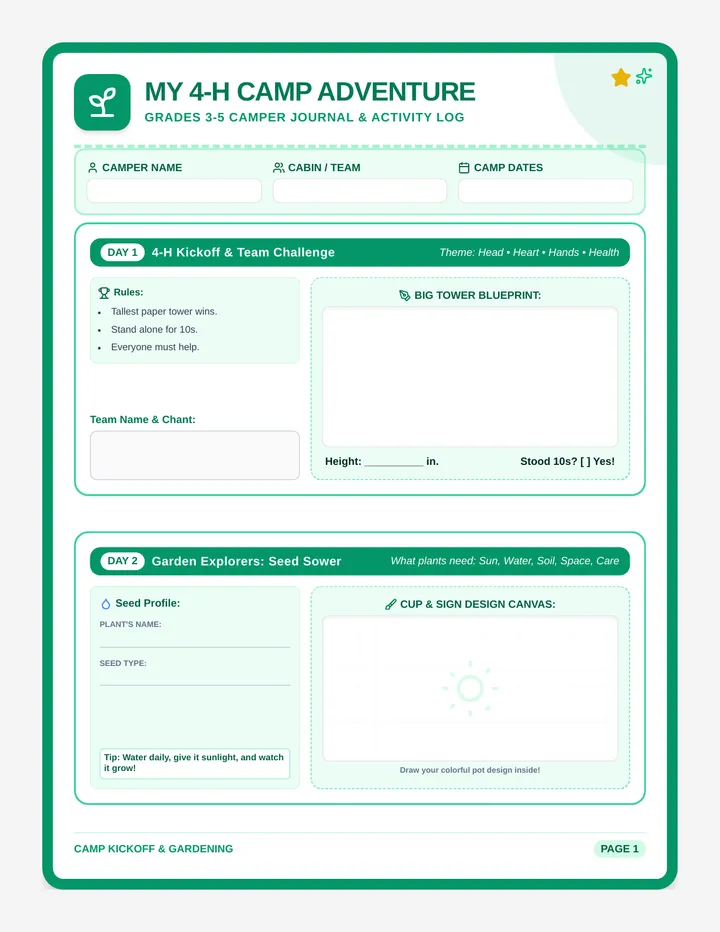
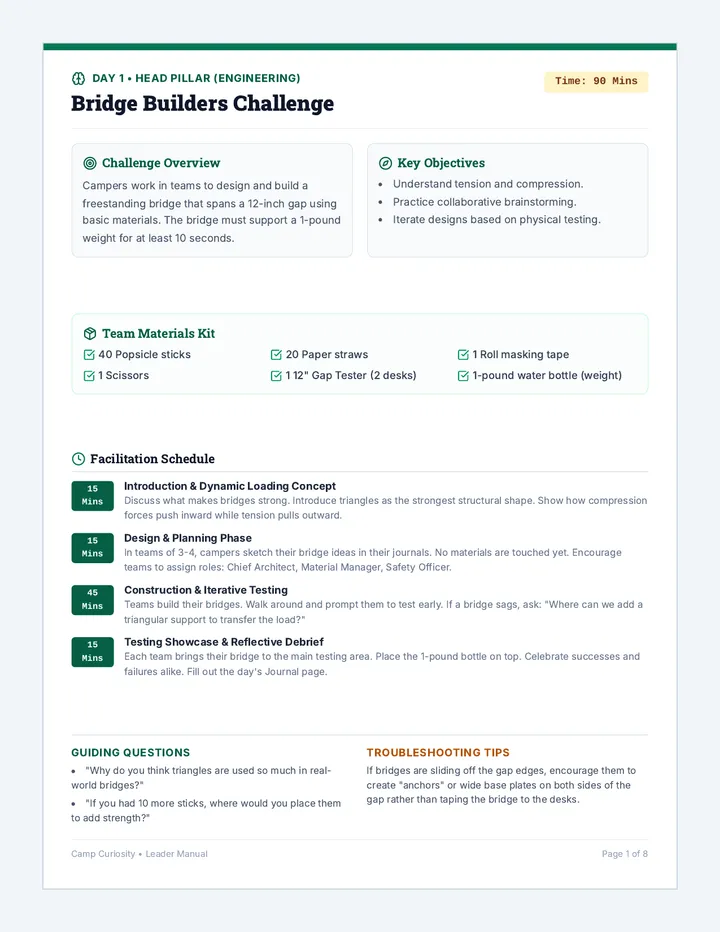
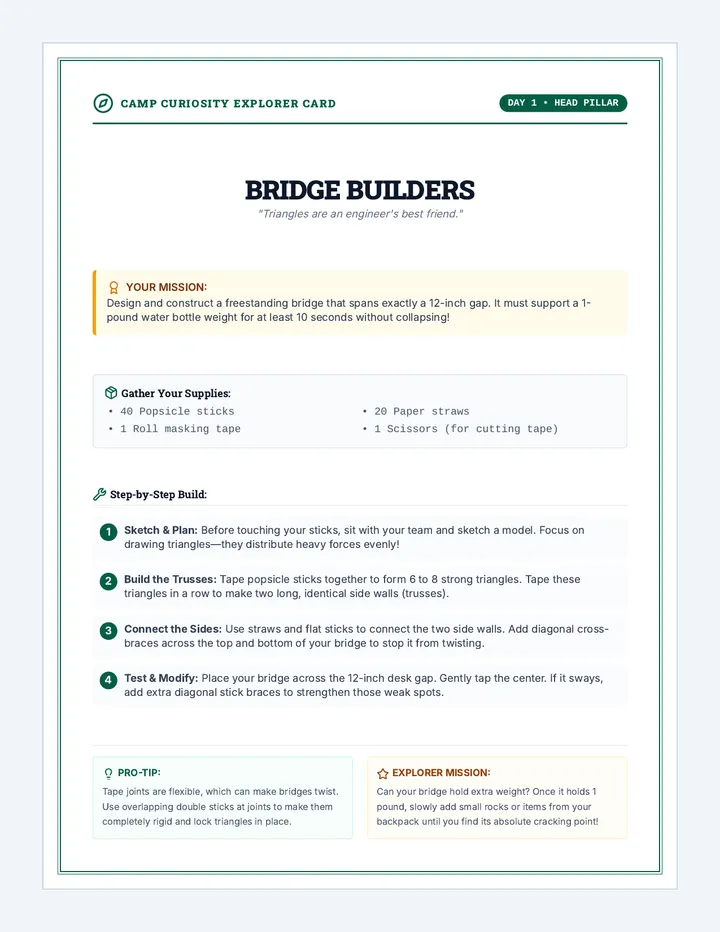
A high-stakes engineering challenge where students use the 4Cs and Computational Thinking to design, build, and document the ultimate cup tower structure.
A comprehensive lesson on invasive species prevention, featuring visual slides, a modified reading task for accessibility, and assessment tools. Students learn to identify pathways and implement global prevention strategies.
An investigation into exothermic reactions using hand warmers. Students observe and record temperature changes to understand how chemical energy transforms into heat energy.
A quick, creative wrap-up lesson where students apply their knowledge of soil conservation practices to design a sustainable farm plot and craft a persuasive pitch.
A comprehensive lesson on invasive species featuring case studies of Lionfish, Spotted Lanternflies, Zebra Mussels, and Burmese Pythons. Students explore the scientific process and ecological impacts through simplified text and visual supports.
A comprehensive lesson for 5th graders covering the Artemis II mission, including crew details, mission goals, preparation, and its historical significance for future lunar exploration.
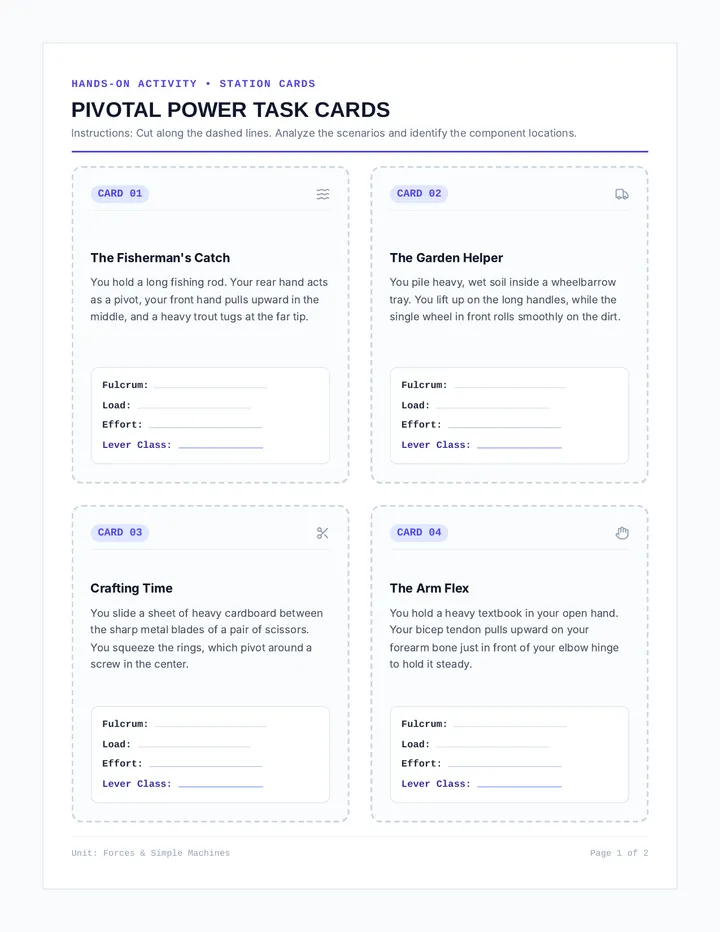
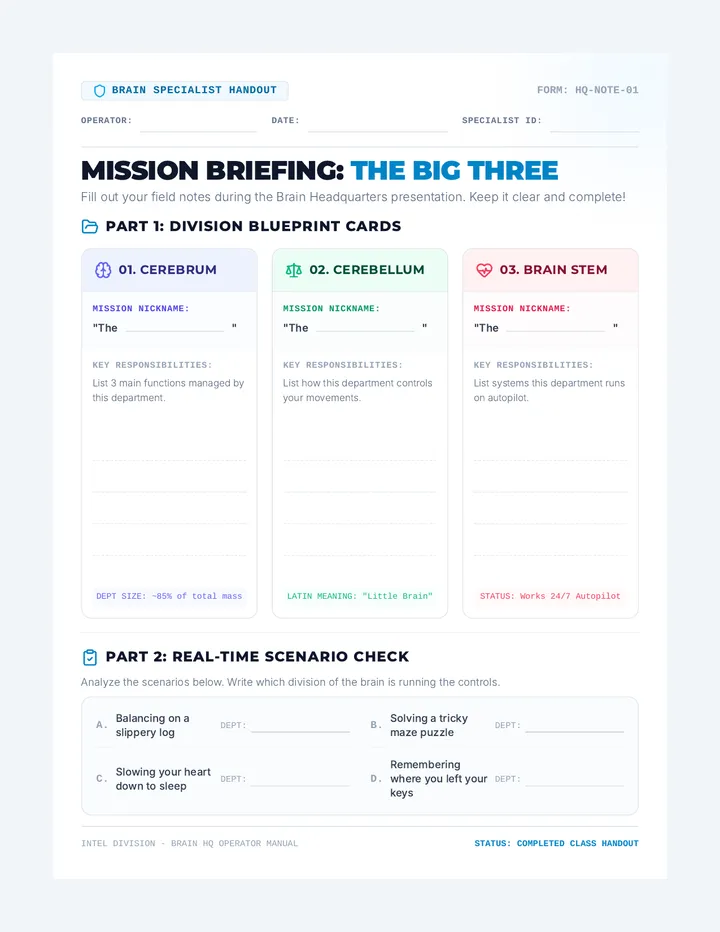
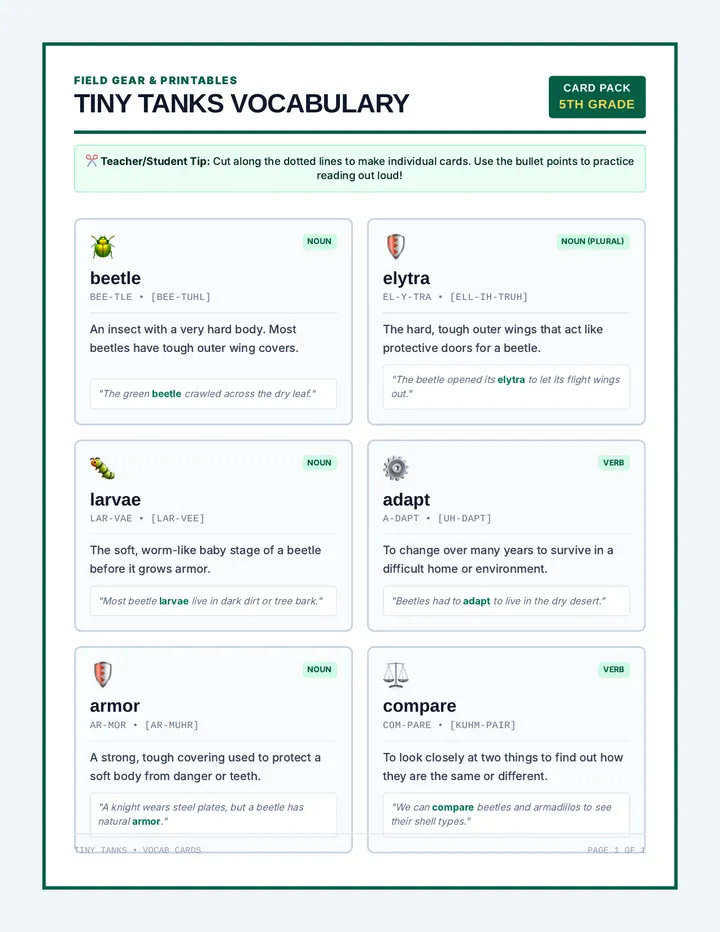
A lesson exploring the differences between vertebrates and invertebrates, focusing on mammals, reptiles, and insects through informational reading and classification activities.
The culminating lesson where students synthesize their knowledge of chloroplasts and mitochondria. They will conduct a 'Mission Moon-Base' hypothetical lab using the scientific method to balance a closed-loop life support system.
An introductory exploration of photosynthesis and the structure of chloroplasts, framing them as the 'solar kitchens' of the cell. Students will read differentiated texts and map out the inputs and outputs of the process.
An exploration of cellular respiration and mitochondria, framing them as the 'energy engines' that power life. Students will compare and contrast this process with photosynthesis to prepare for the final lab.
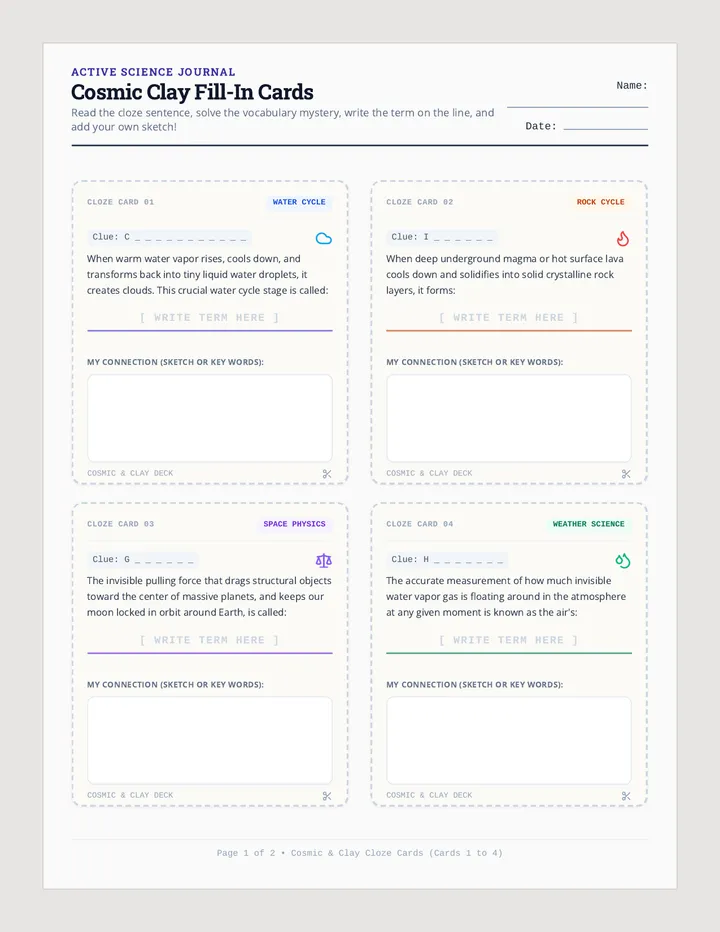
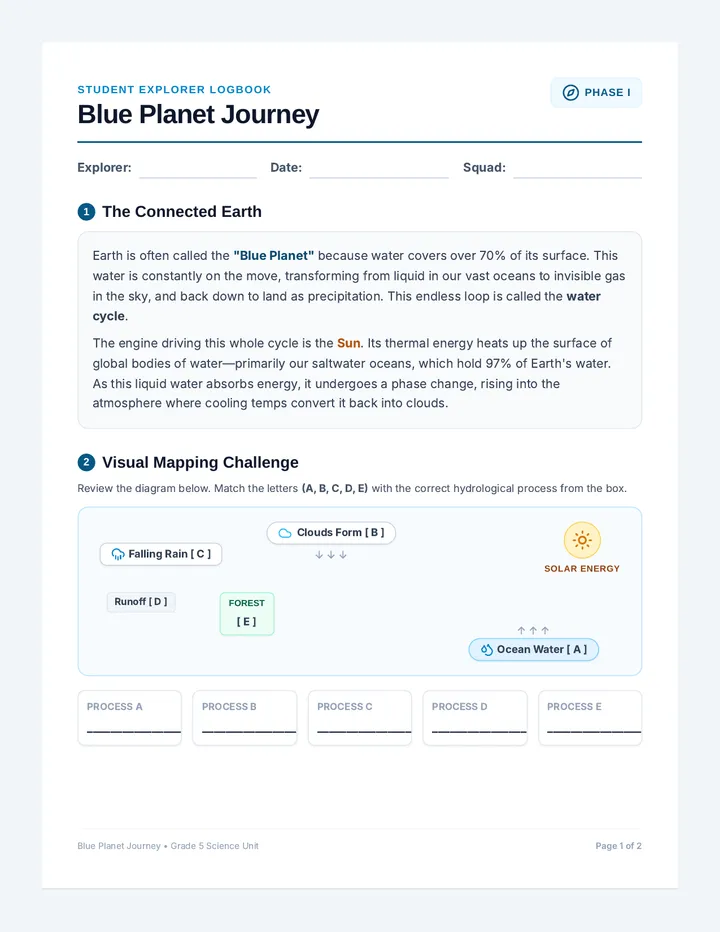
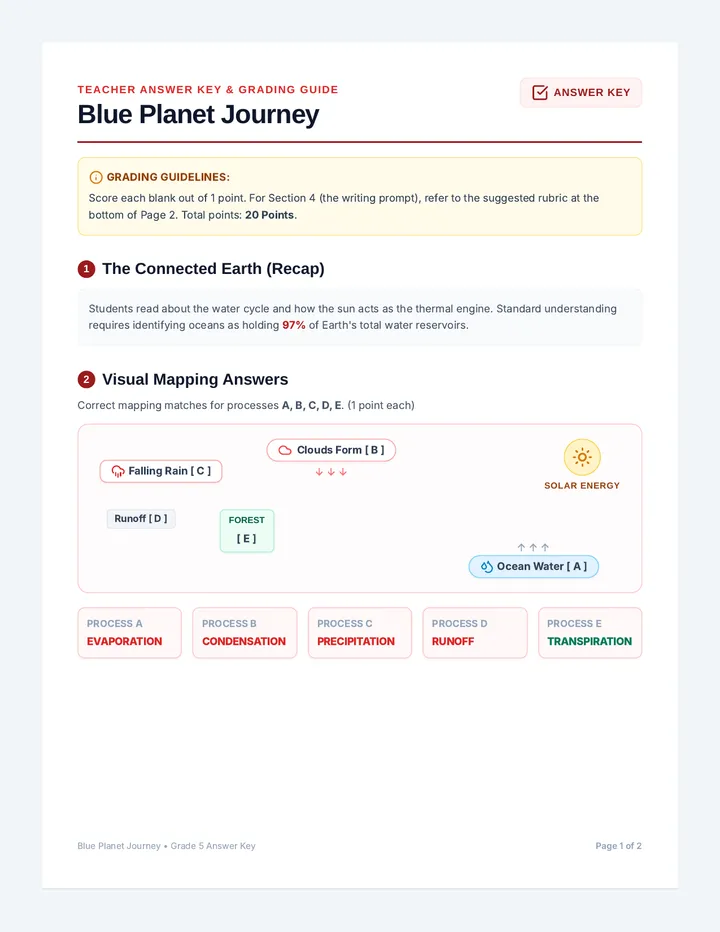
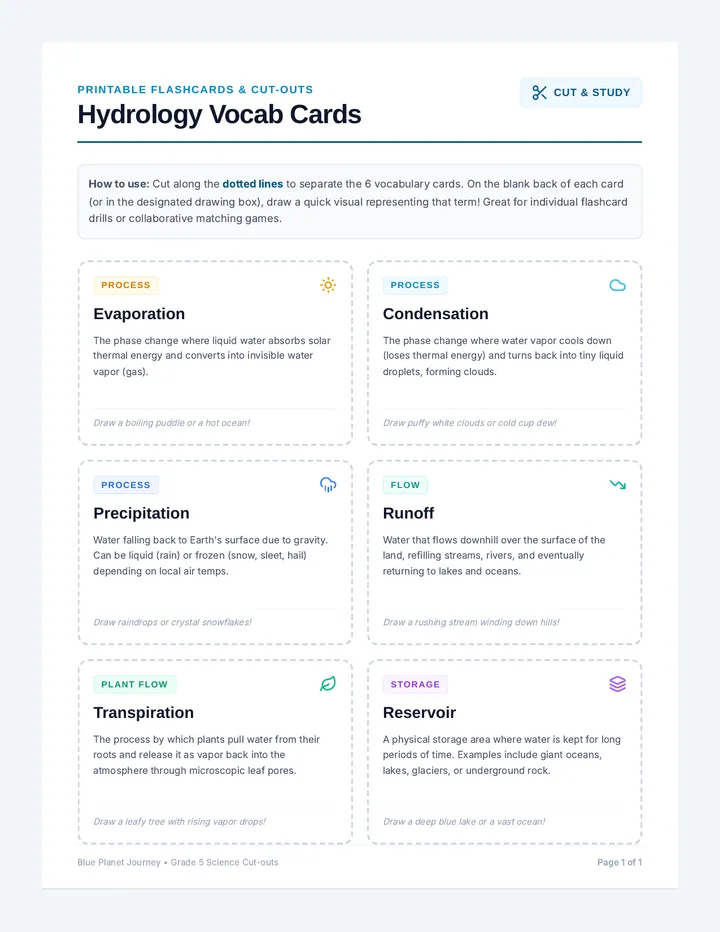
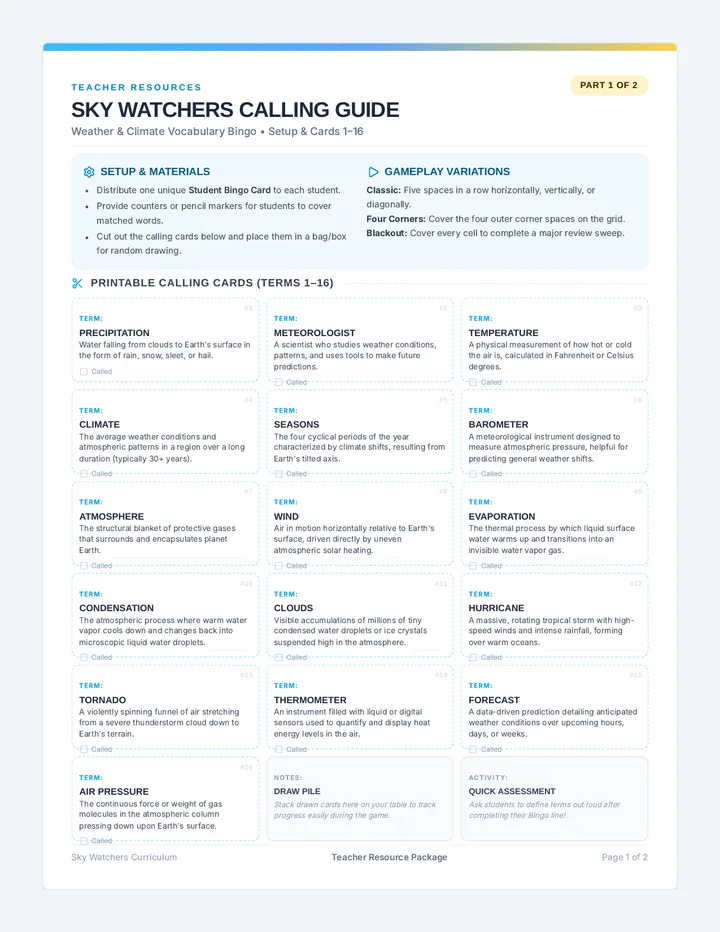
A foundational lesson on the three main stages of the water cycle: evaporation, condensation, and precipitation. Includes a visual anchor chart and a hands-on labeling activity.
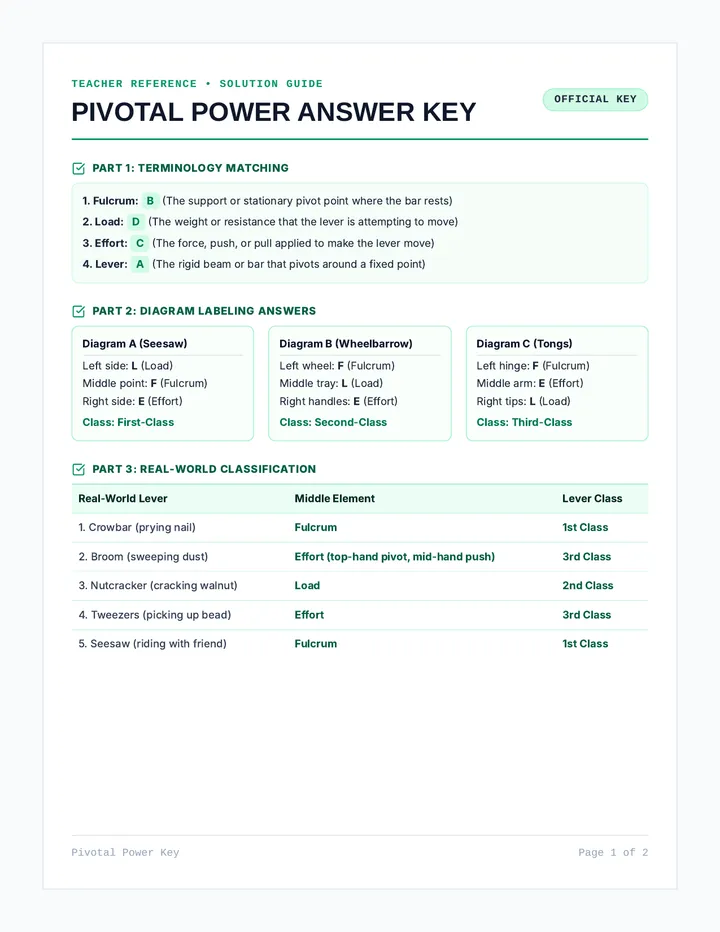
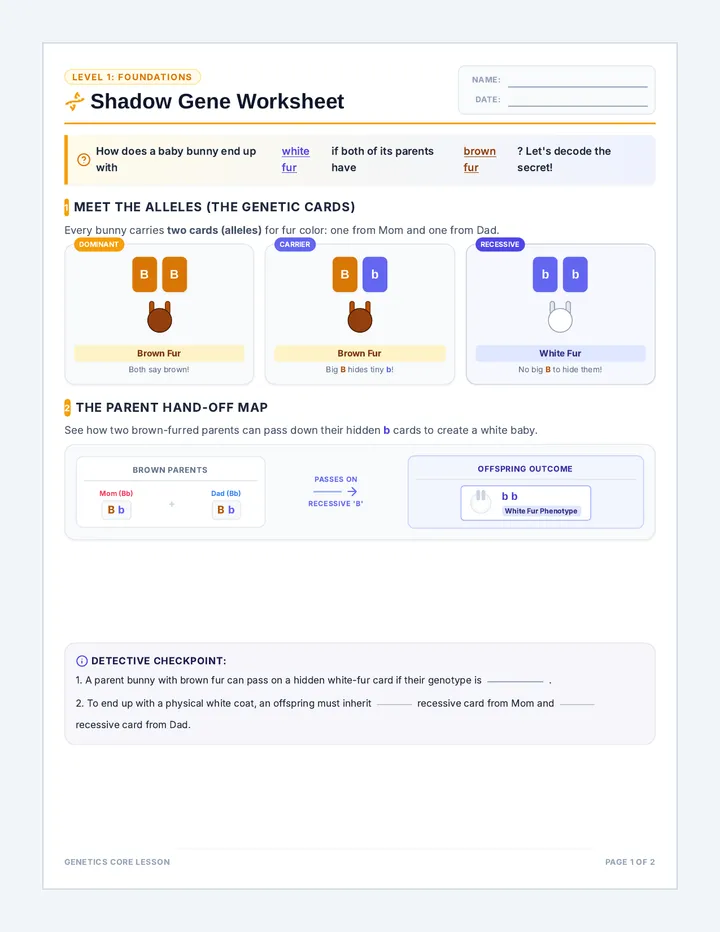
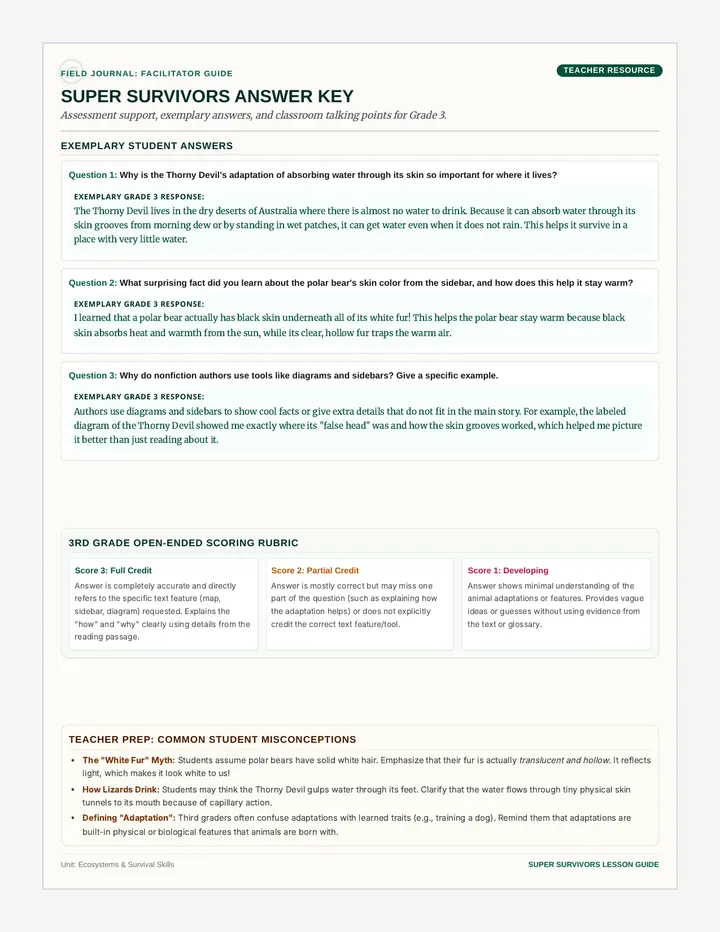
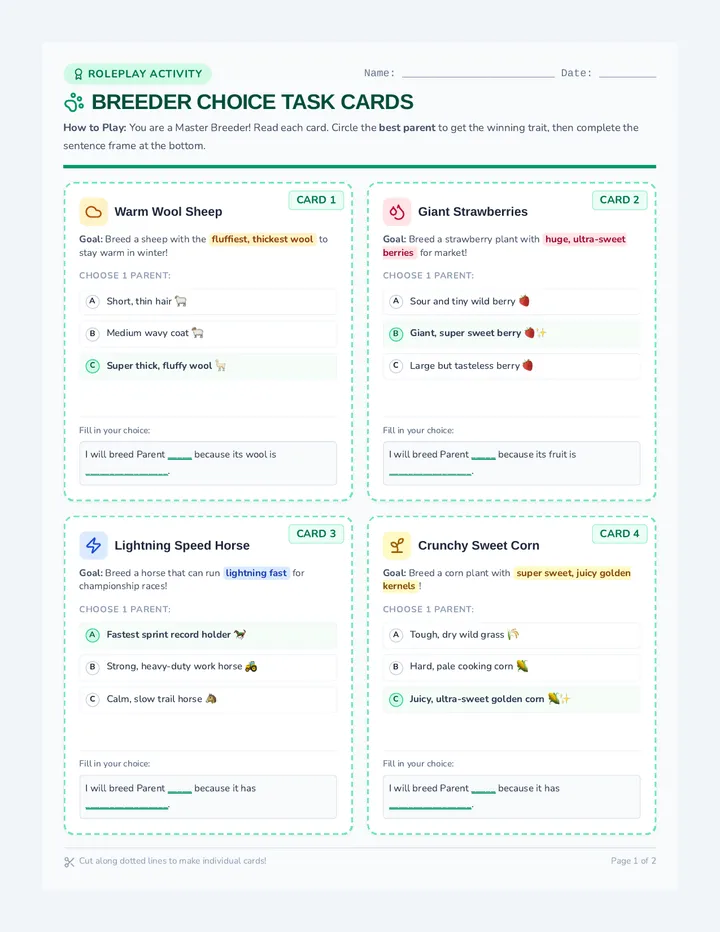
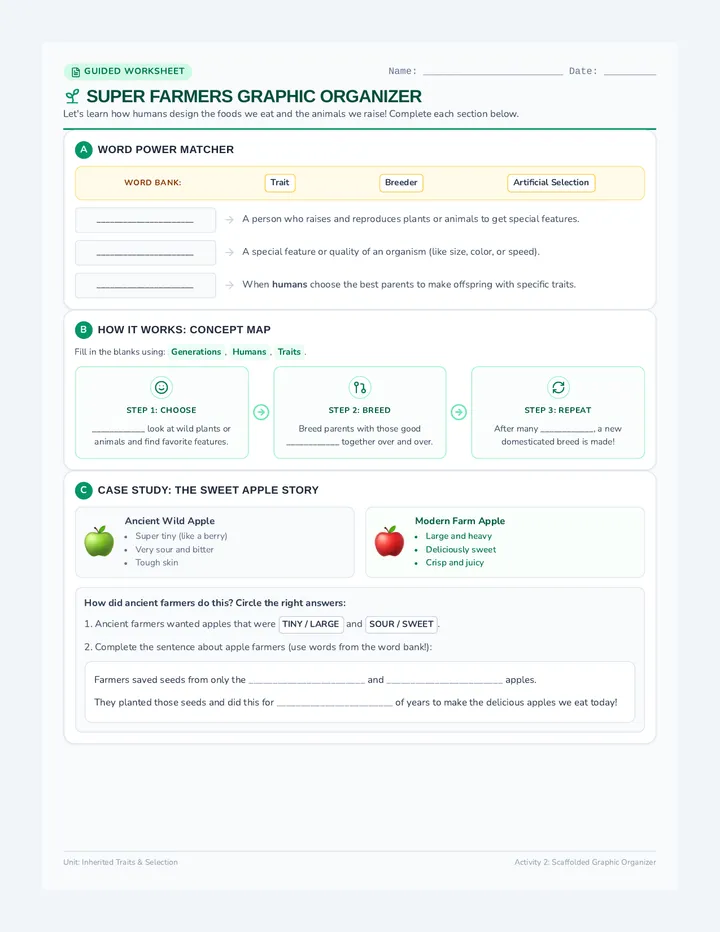
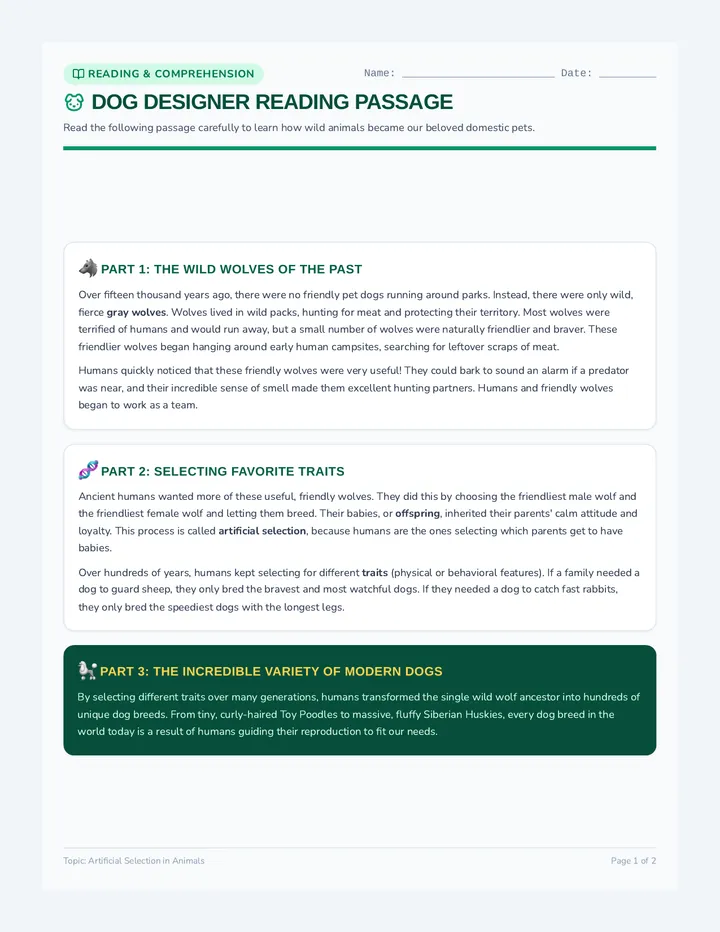
A lesson exploring how physical characteristics are passed from parents to offspring, differentiating between inherited traits, learned behaviors, and adaptations.
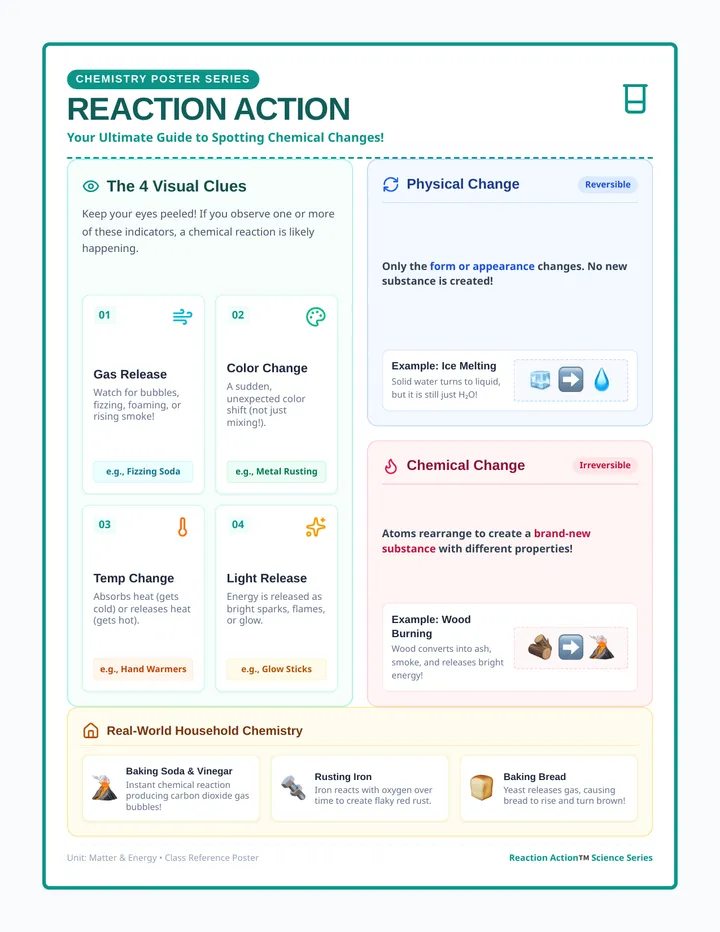
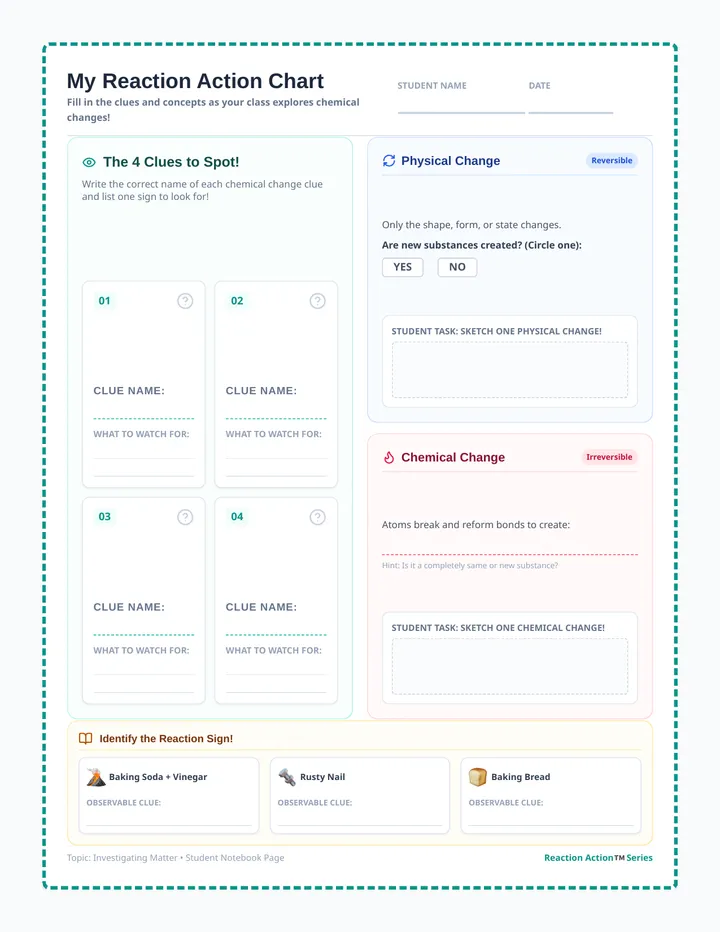
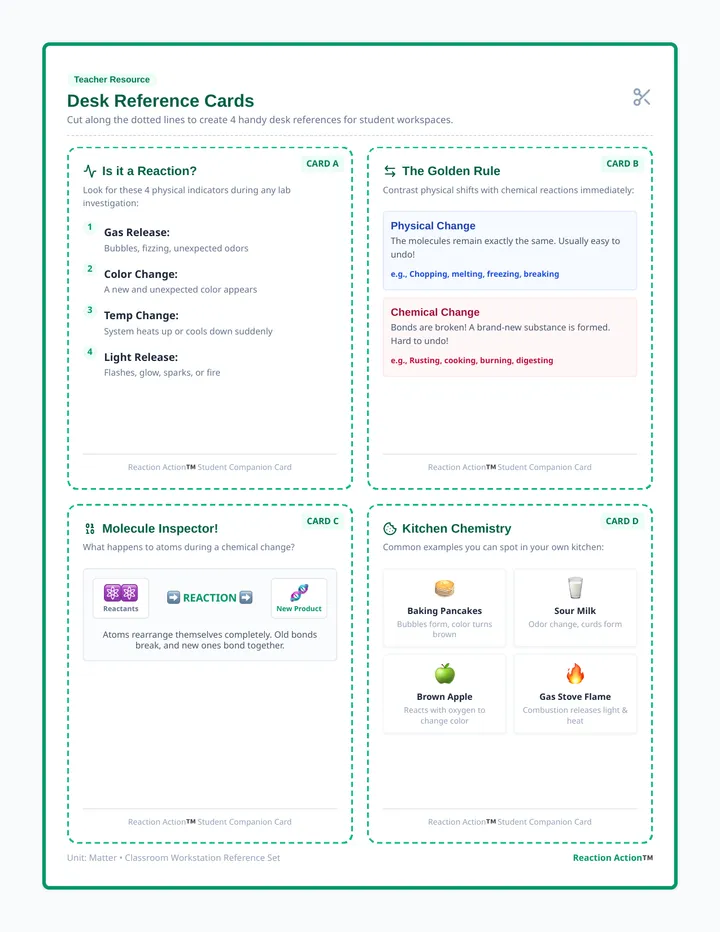
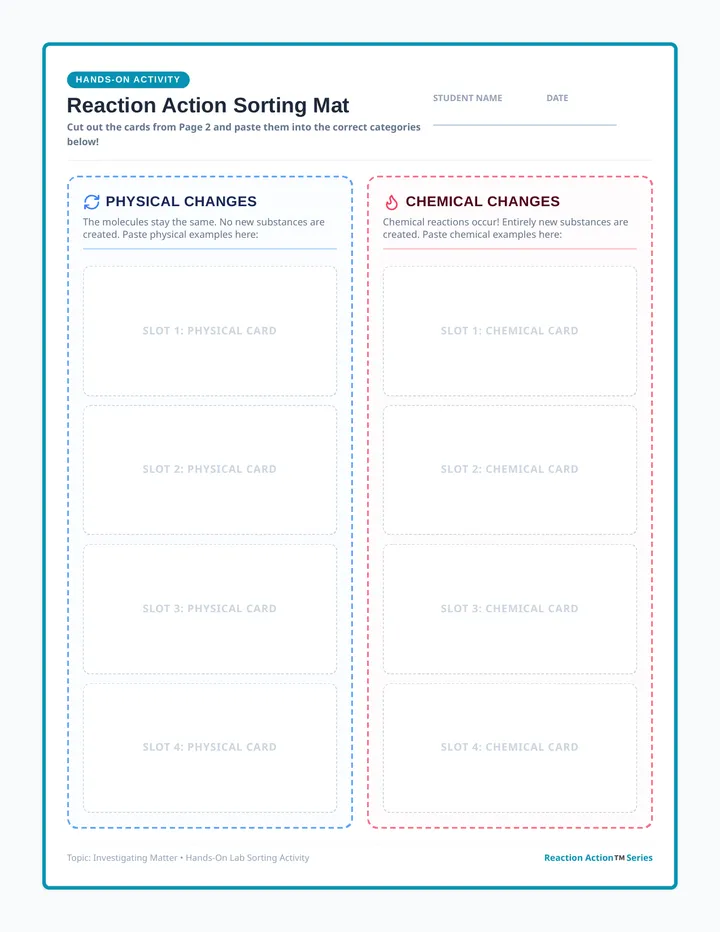
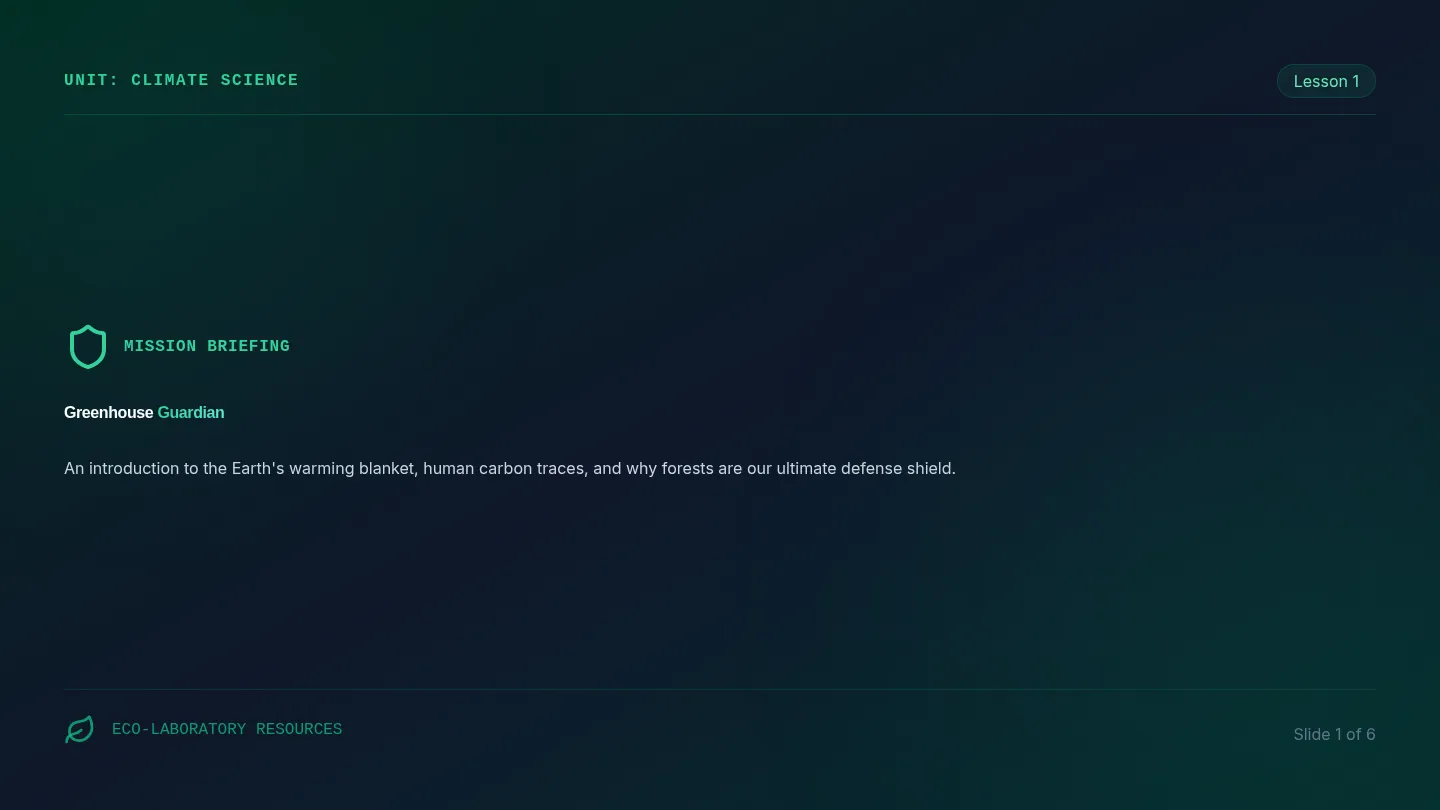
A comprehensive exploration of physical and chemical changes in matter, designed for Grade 5 and Grade 8 science standards. This lesson provides clear visual references for distinguishing between types of changes and understanding the conservation of mass.
A comprehensive Grade 5 Earth Science practice set focusing on NC Essential Standard 5.E.1. Students analyze weather maps, data tables, and water cycle diagrams to master weather prediction and cyclical patterns.
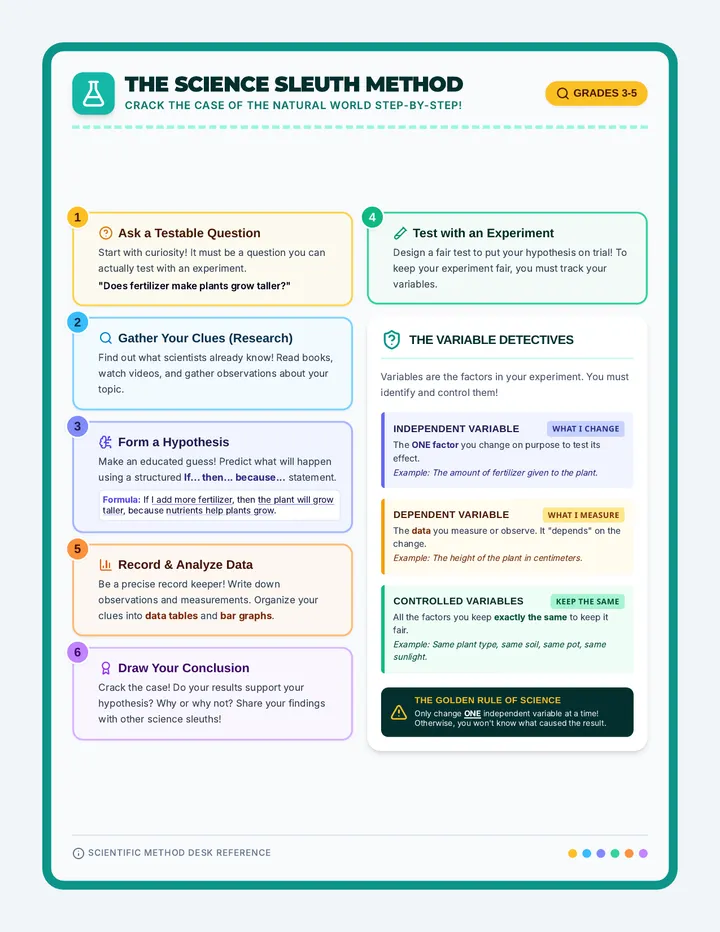
A diagnostic assessment focusing on Grade 5 Science and Engineering Practices, specifically data analysis, explanation construction, and evidence-based argumentation.
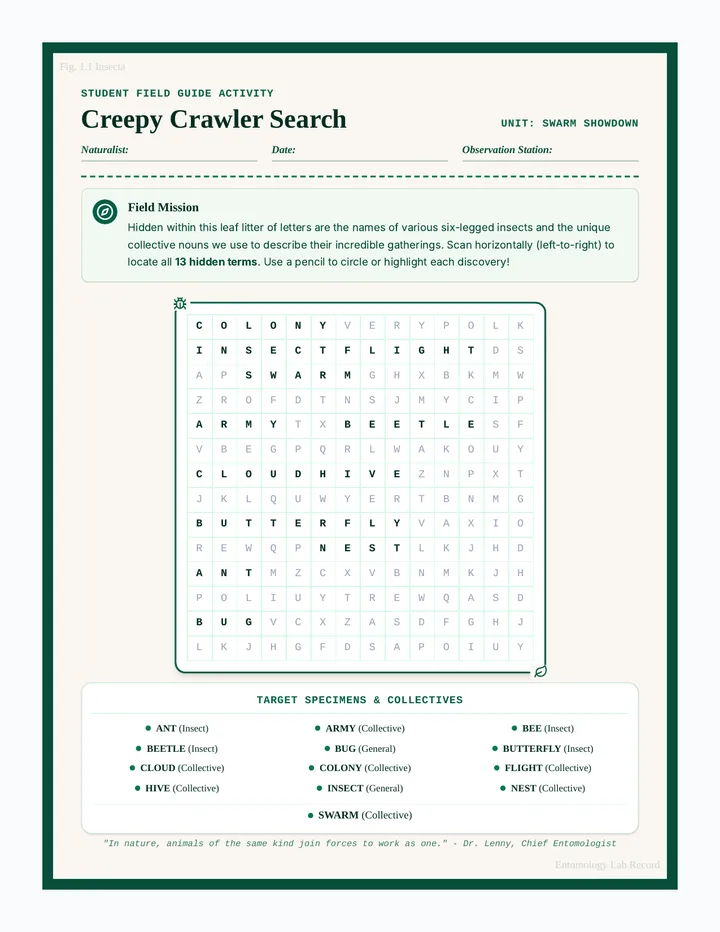
A diagnostic mini-assessment focused on Grade 5 NC Science standard 5.L.2, covering food webs, energy flow, and the interdependence of organisms within an ecosystem.
A targeted 5th-grade science lesson focusing on distinguishing physical and chemical changes for the NC EOG, featuring lab-based scenarios and evidence-based reasoning.
Students apply their knowledge of food webs and ecosystem dynamics to predict how changes—such as the removal of a species or an environmental shift—impact the balance of an ecosystem. This lesson focuses on the cause-and-effect relationships within terrestrial and aquatic habitats.
A comprehensive lesson covering ecosystem dynamics, energy flow, and environmental changes for upper elementary and middle school students.
A mini-assessment focused on NC Science Standard 5.L.3, exploring inherited traits, learned behaviors, and adaptations through EOG-style questions.
A quick check on students' understanding of physical and chemical changes in matter, specifically aligned with NC Standard 5.P.2.3. Students analyze lab scenarios to identify and justify types of changes.
A diagnostic mini-assessment focused on NC Grade 5 Science standards for weather (instruments, air pressure), the water cycle, and Earth's patterns (rotation and revolution).
A high-impact 20-minute mini-lesson focused on Grade 5 NC EOG standard 5.L.2. Students will learn to predict cascade effects in food webs and understand energy flow from producers to decomposers through the lens of 'what if' test scenarios.
A guided practice set for 5th-grade students to master Science and Engineering Practices (SEP) through interpreting graphs, tables, and models in preparation for the NC EOG.
A diagnostic assessment covering NC Grade 5 Science standard 5.P.2, focusing on physical and chemical properties, changes, and the law of conservation of mass through lab-based scenarios.
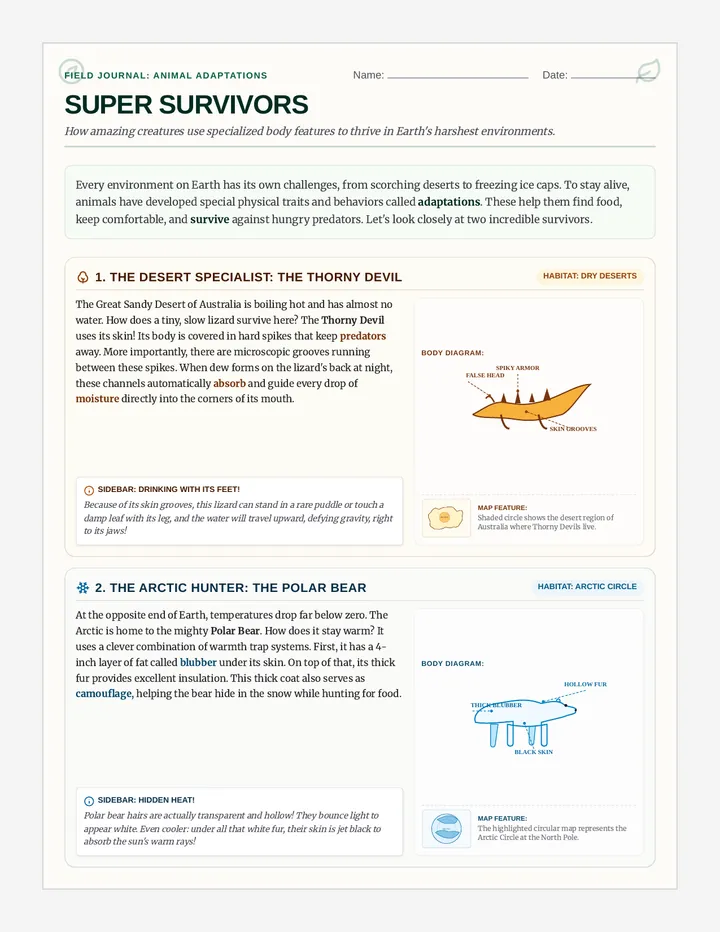
Students explore the various ways life from the past became preserved in stone, distinguishing between body and trace fossils while identifying specific preservation methods like amber, casts, and carbon films.
A lesson exploring the fundamental structures of plant and animal cells, focusing on the nucleus, cell wall, and cell membrane, and how these parts differ between cell types.
A relative dating investigation set in Jellystone Park, where students use geologic principles to solve picnic basket heists and uncover the history of the park's rock formations.
This lesson provides students with a comprehensive reference guide for North Carolina Grade 5 Science standards LS.5.2.1-3, focusing on ecosystem dynamics, energy flow, and population changes. Students will use this tool to master food web vocabulary and predict the ripple effects of environmental shifts within an ecosystem.
A 20-minute outdoor investigation where students compare the diversity of life in two different micro-habitats to understand patterns of biodiversity. This lesson integrates art through scientific sketching and a nature color hunt.
A 60-minute lesson introducing biomimicry—solving human problems by copying nature's designs—tailored for 5th graders reading at a 4th-grade level. Students will analyze non-fiction examples of nature-inspired inventions and apply problem-solving skills to design their own nature-based solution.
Students explore the essential relationship between plants and pollinators, identifying how they depend on each other for survival. The lesson culminates in a hands-on project where students design a pollinator-friendly garden tailored to their local ecosystem.
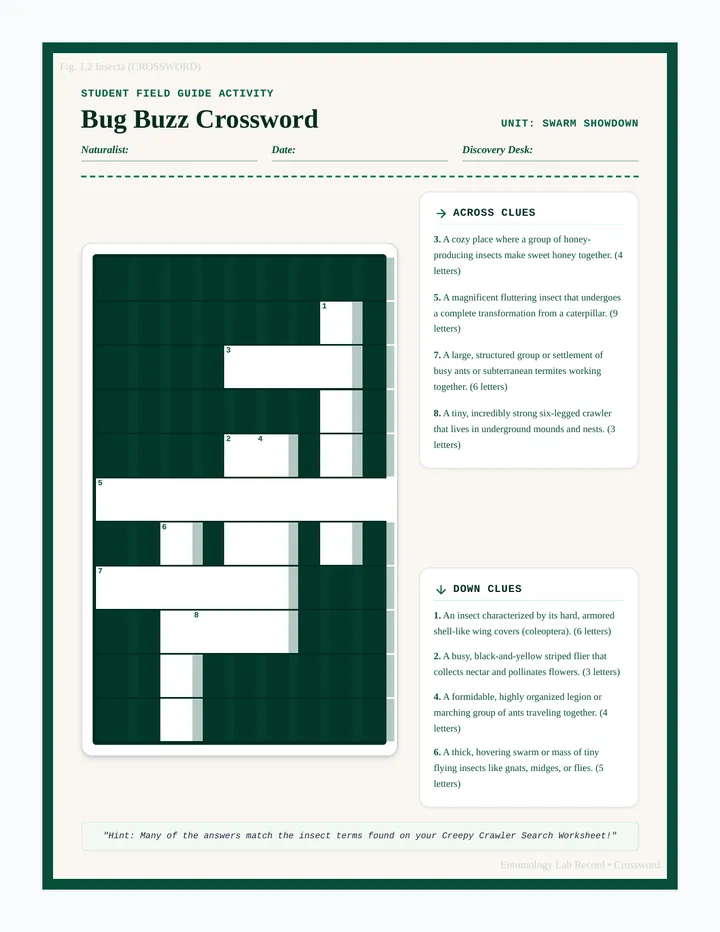
A hands-on gardening lesson that turns natural distractions into learning opportunities. Students learn seasonal planting, water conservation, tool safety, and wildlife cohabitation through the lens of being 'Earth Architects'.
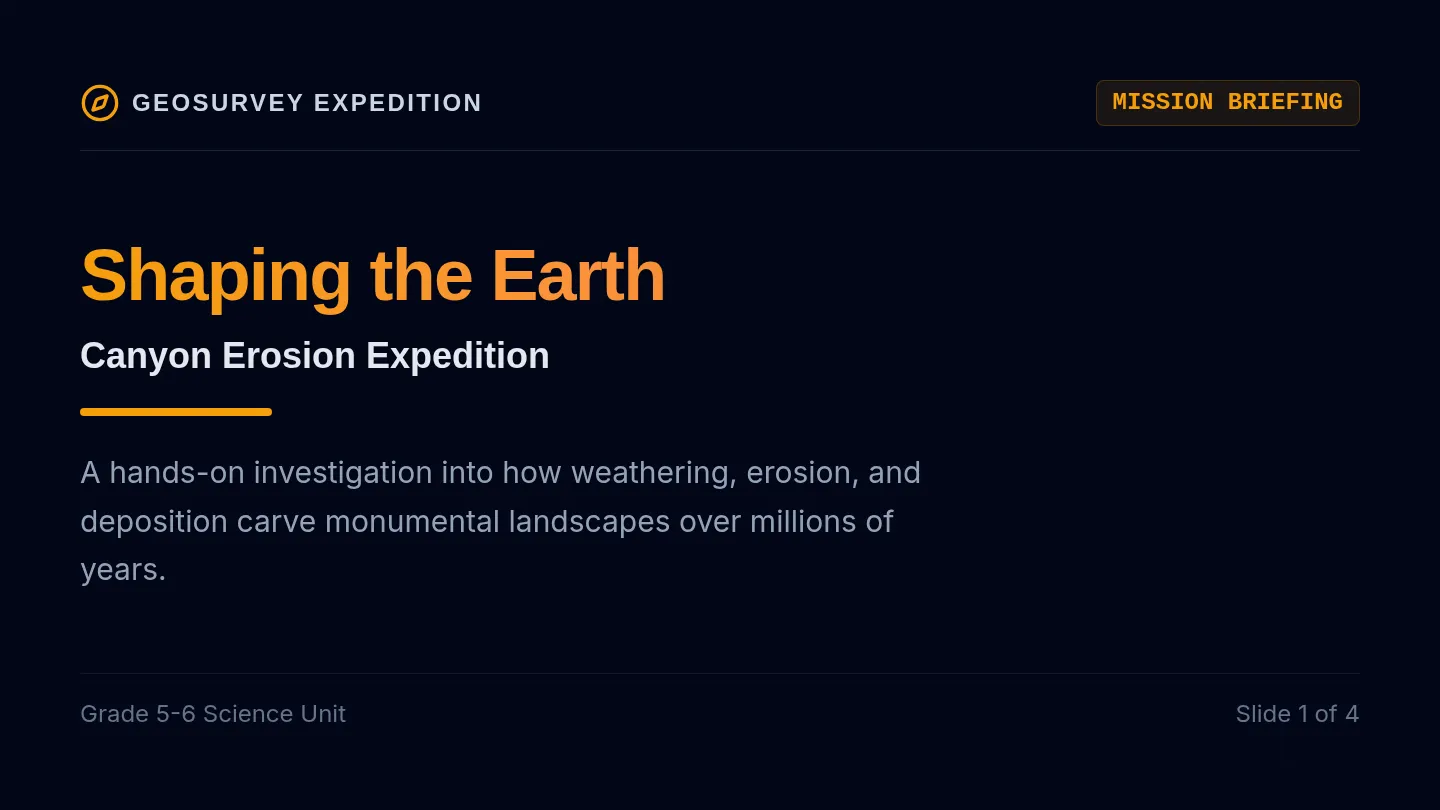
A comprehensive science lesson exploring how mechanical/chemical weathering and erosion shape North Carolina's unique geography, from the Blue Ridge Mountains to the Outer Banks. Includes hands-on modeling and EOG-style assessment.
Students investigate North Carolina's fossil record to discover how organisms and environments have shifted over millions of years, using real-world fossil evidence to reconstruct ancient ecosystems.
Students explore the flow of energy through North Carolina's diverse ecosystems, identifying the roles of producers, consumers, and decomposers while predicting the impacts of ecological disruptions. This lesson aligns with NCSCOS 5.L.2 by focusing on how energy moves from the sun through various organisms in a food web.
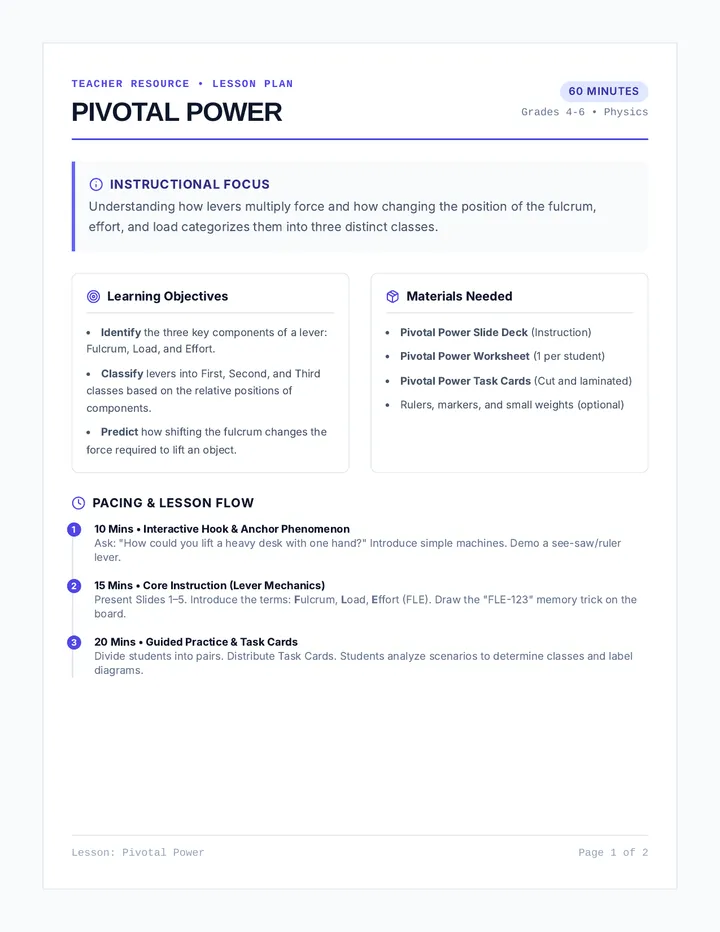
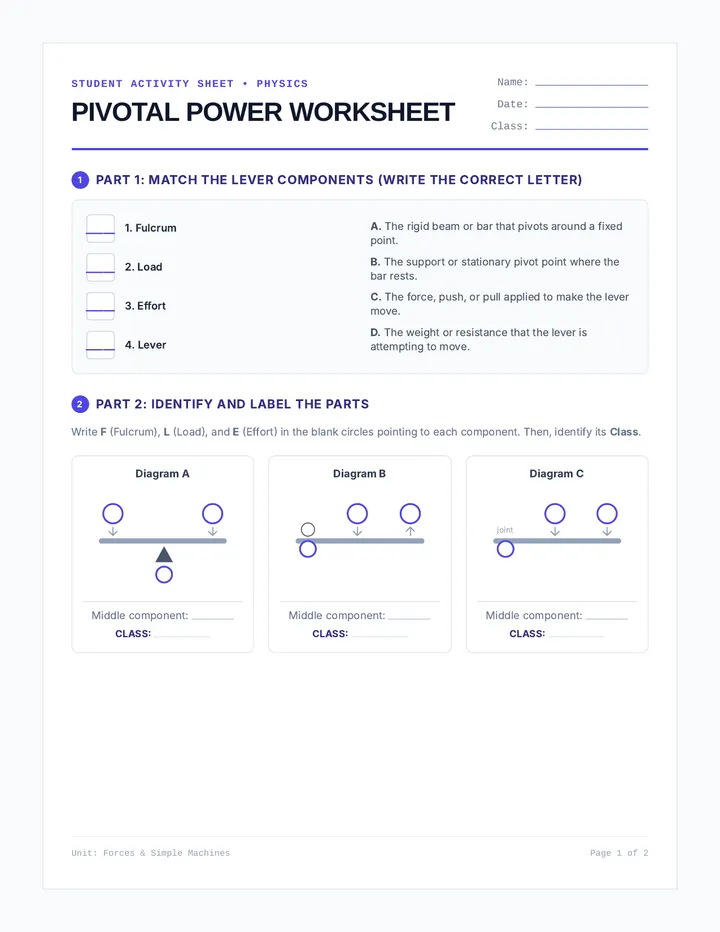
A comprehensive Grade 5 Science lesson on the six simple machines and mechanical advantage, featuring North Carolina specific examples and EOG-style practice.
A comprehensive lesson on soil formation and the unique soil profiles across North Carolina's three regions. Students act as 'Soil Scouts' to investigate weathering, decomposition, and regional soil properties through instruction, a hands-on lab, and EOG-style assessment.
Students explore the properties of light and sound, focusing on how they travel, reflect, and are absorbed. The lesson includes hands-on experiments to compare these two forms of energy and understand their wave-like nature.
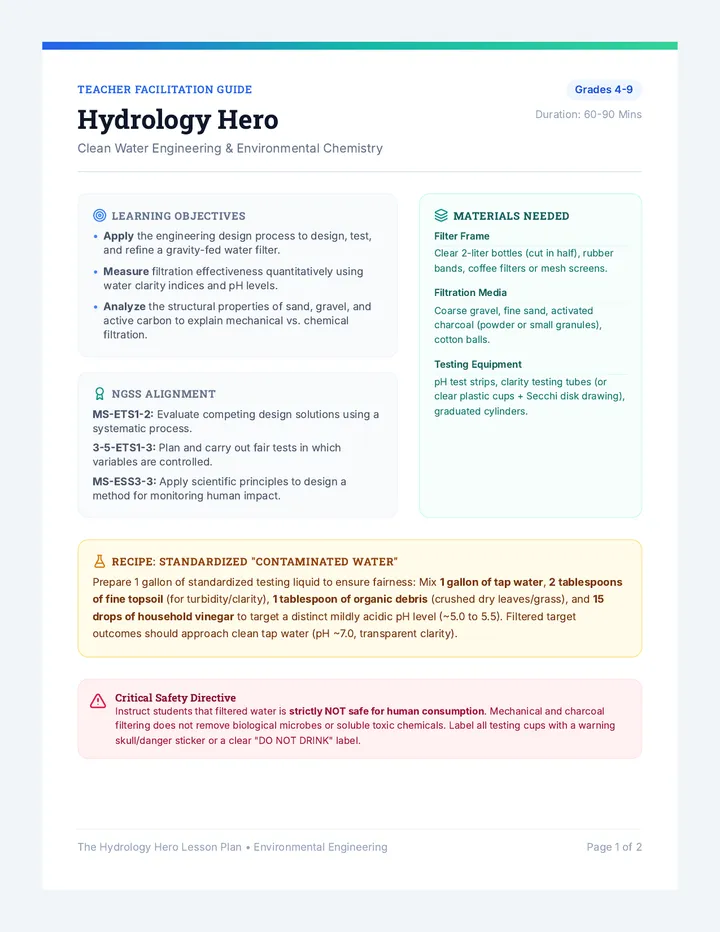
Students investigate the physical properties of mixtures and solutions, exploring how different substances can be combined and separated using methods like filtration, magnetism, and evaporation while maintaining their original identities.
A high-energy, station-based review session designed to build testing stamina and subject-switching agility for NC EOGs. Students rotate through ELA, Math, and Science challenges in timed 'sprints'.
A comprehensive investigation into how thermal energy drives phase changes in matter, featuring particle modeling and North Carolina-specific weather phenomena. Students explore solids, liquids, and gases through the lens of kinetic molecular theory at a 5th-grade level.
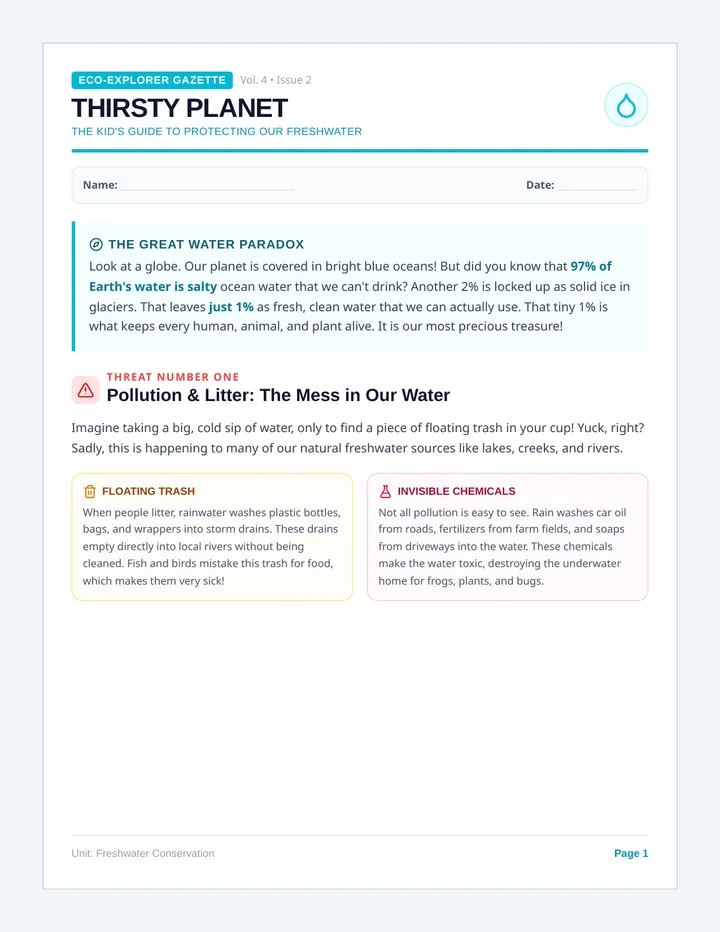
Students explore how urbanization, agriculture, and pollution affect North Carolina's diverse ecosystems and investigate real-world conservation solutions through a case study of the Neuse River Basin.
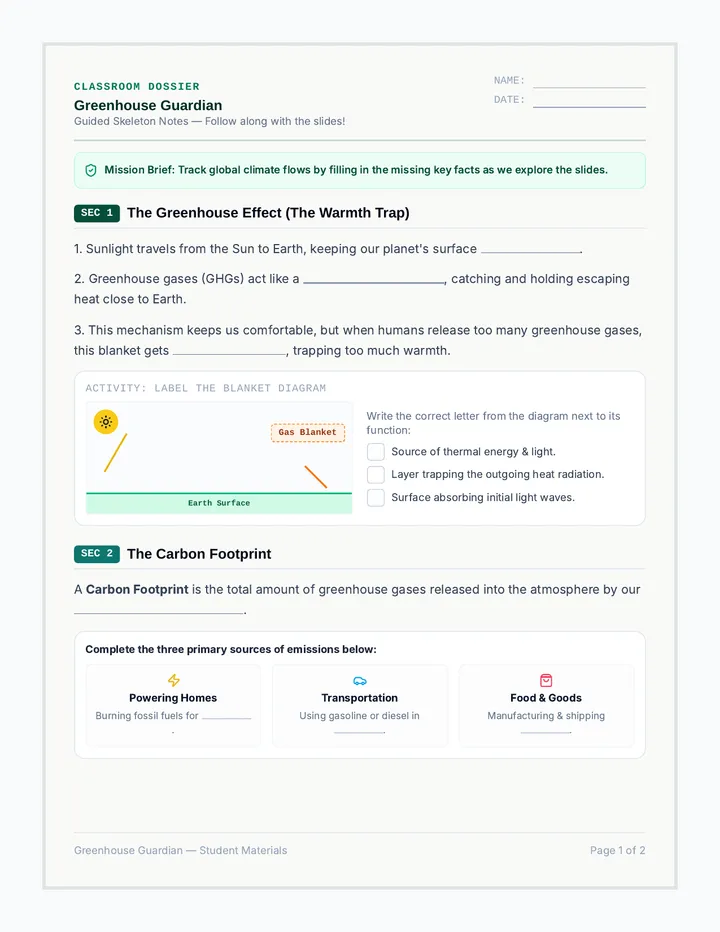
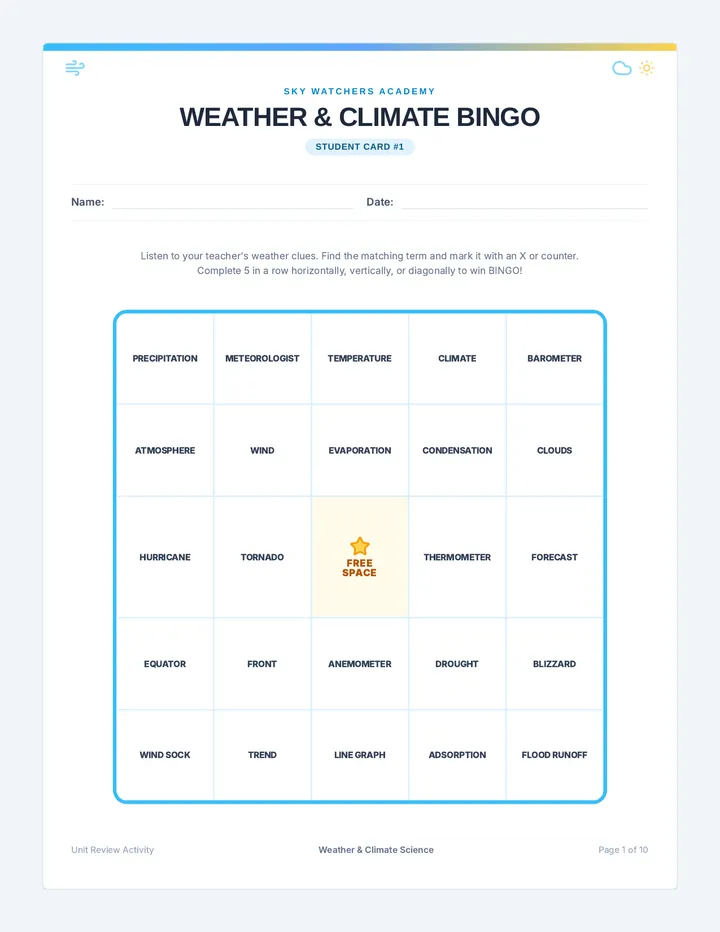
A comprehensive lesson on weather instruments and data collection tailored for NC 5th Grade Science standards, focusing on real-world observation and EOG preparation.