Students become 'Grammar Doctors' to diagnose and treat common modal verb errors, focusing on agreement and the 'illegal' infinitive form. The lesson includes a video deep-dive, a surgical worksheet activity, and a creative dialogue extension.
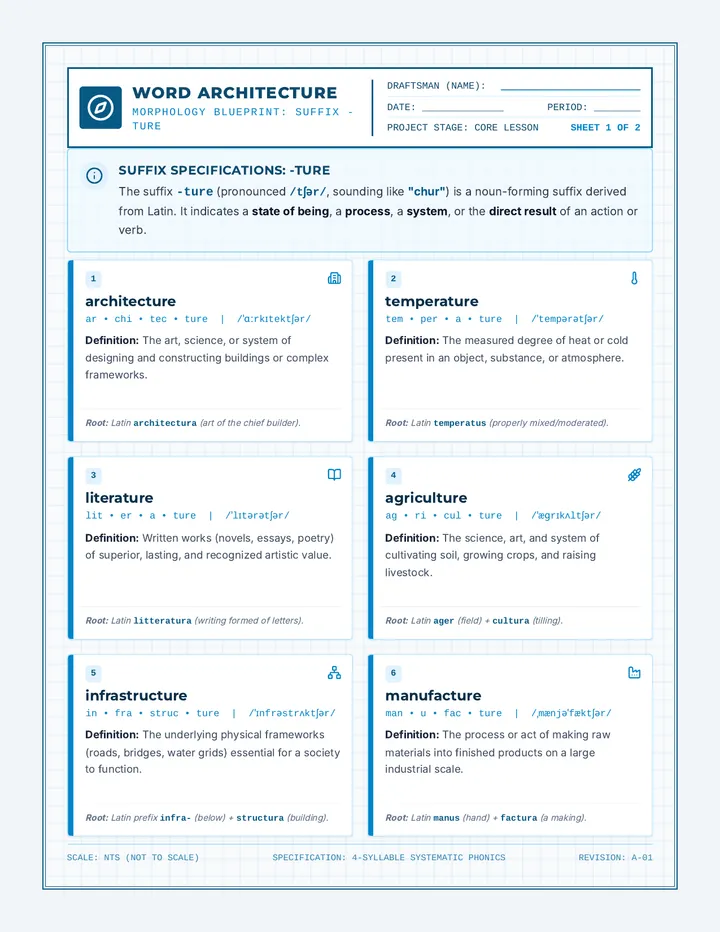
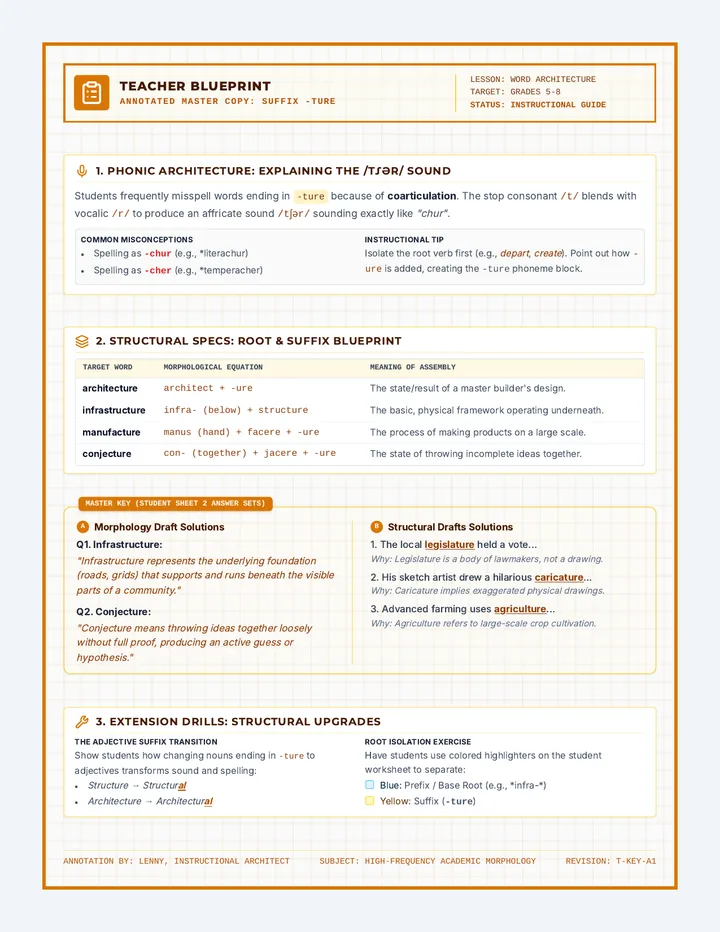
A middle school vocabulary lesson exploring 3-to-4 syllable academic words ending in the suffix -ture. Students examine pronunciation, morphological structure, definitions, and applications through a technical drafting/blueprint theme.
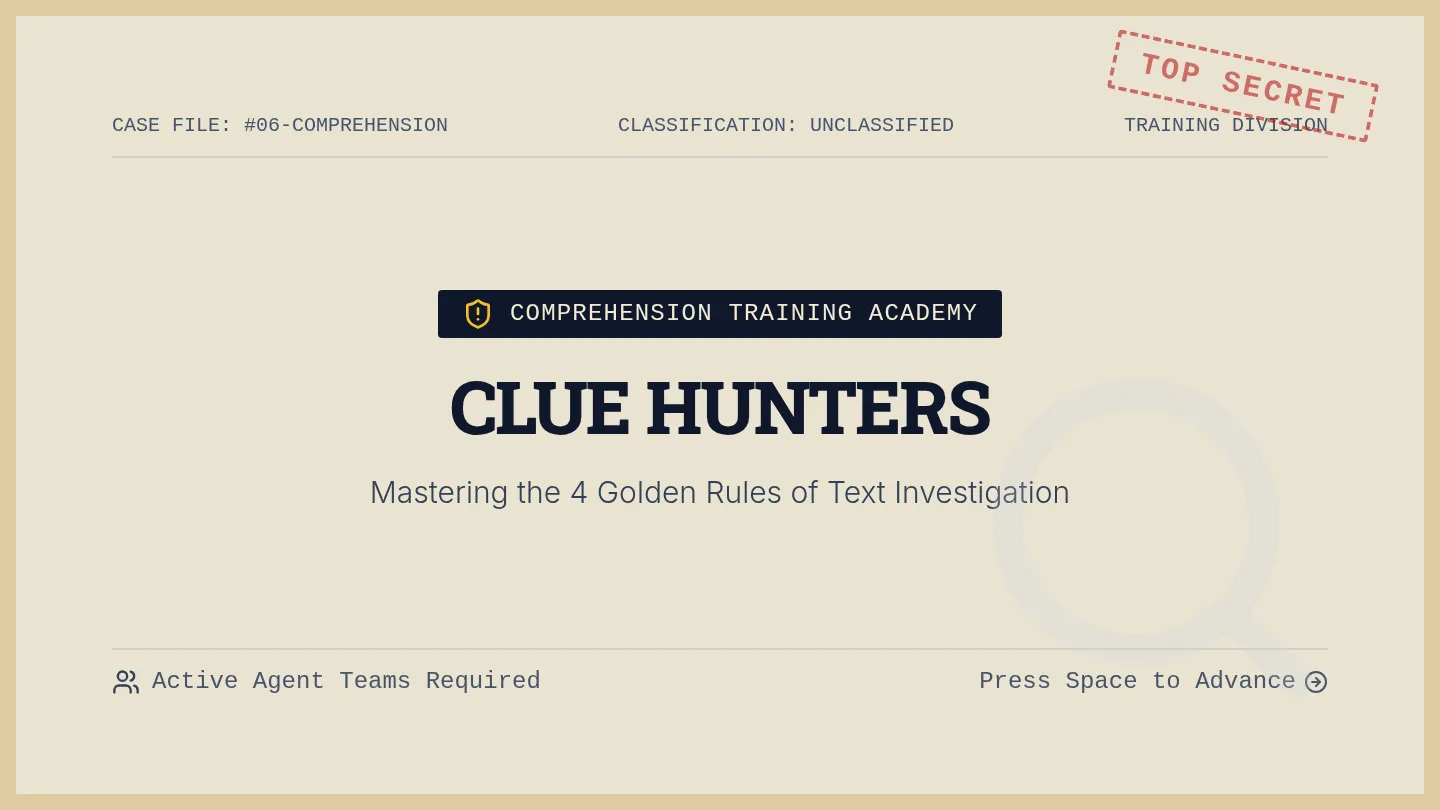
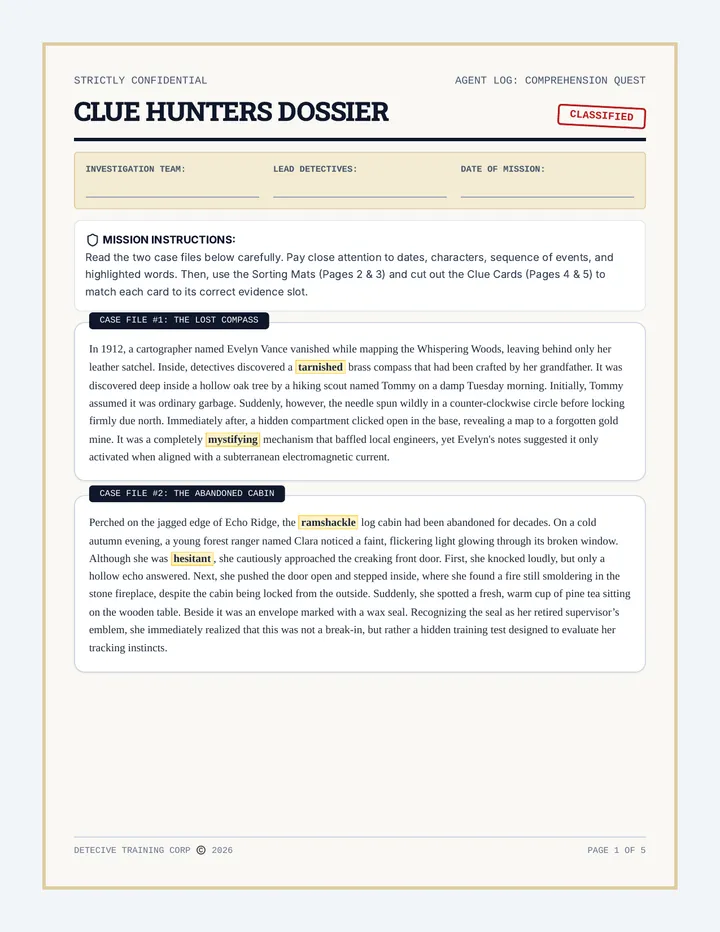
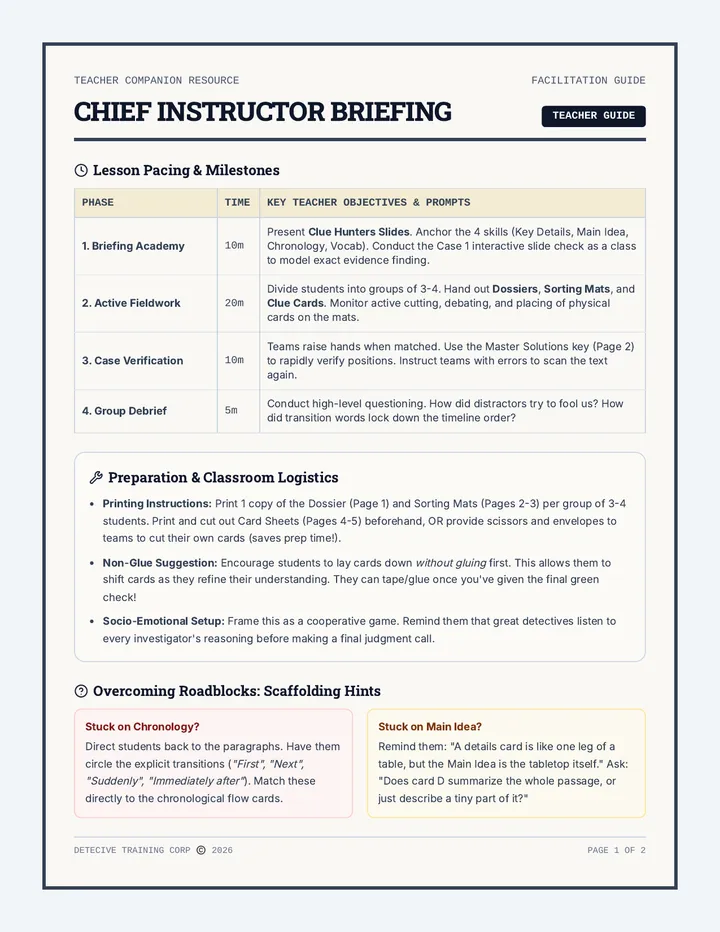
A hands-on, collaborative game-based lesson where students master core 6th-grade reading comprehension skills—finding key details, main ideas, sequencing, and vocabulary in context—by solving text-based mysteries using sorting mats and clue cards.
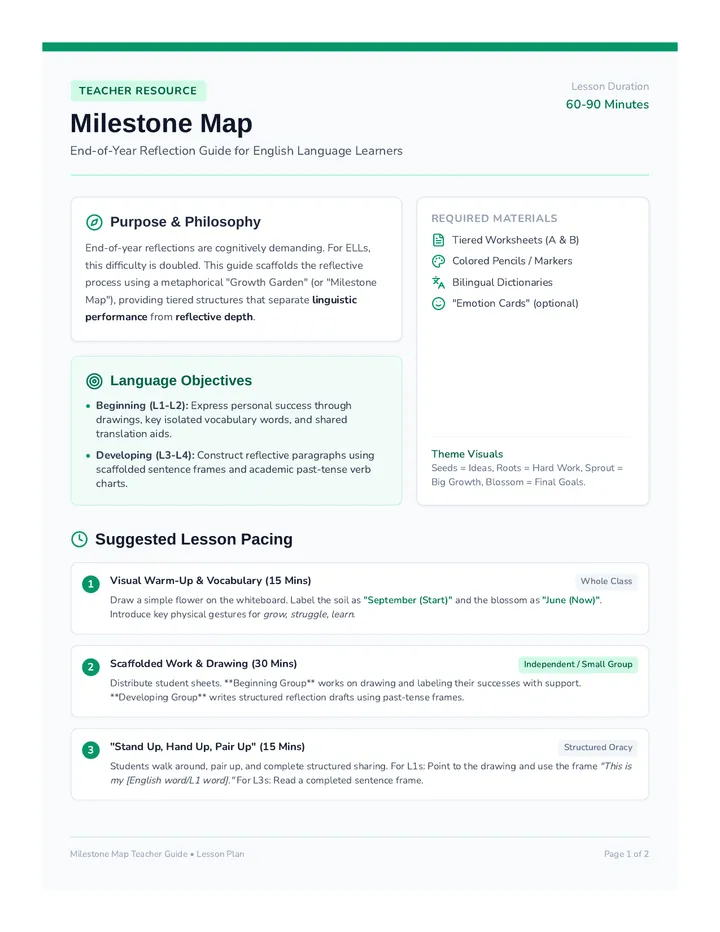
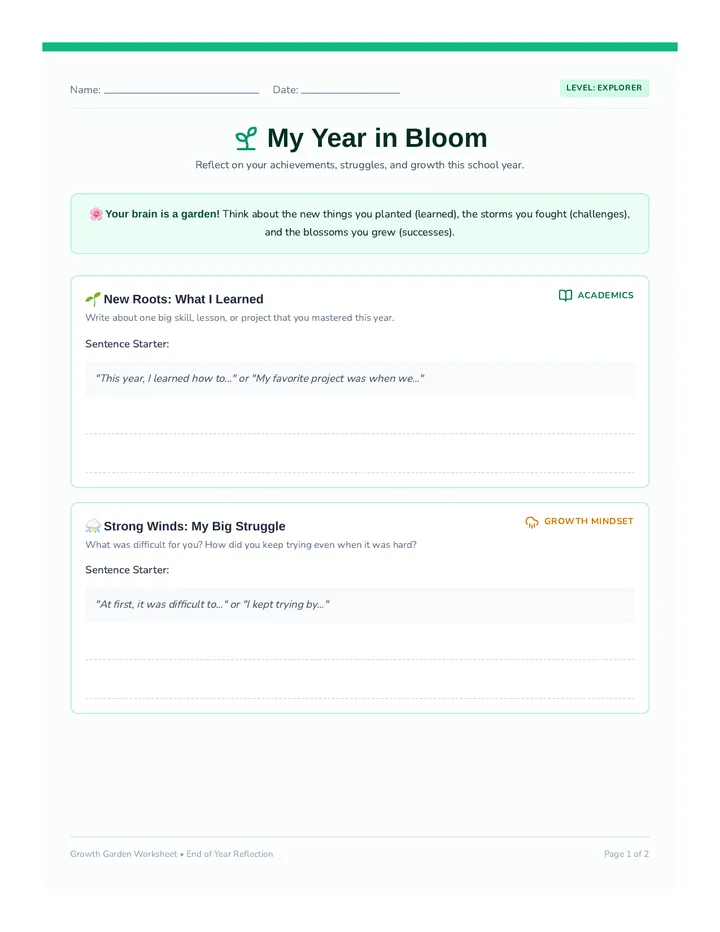
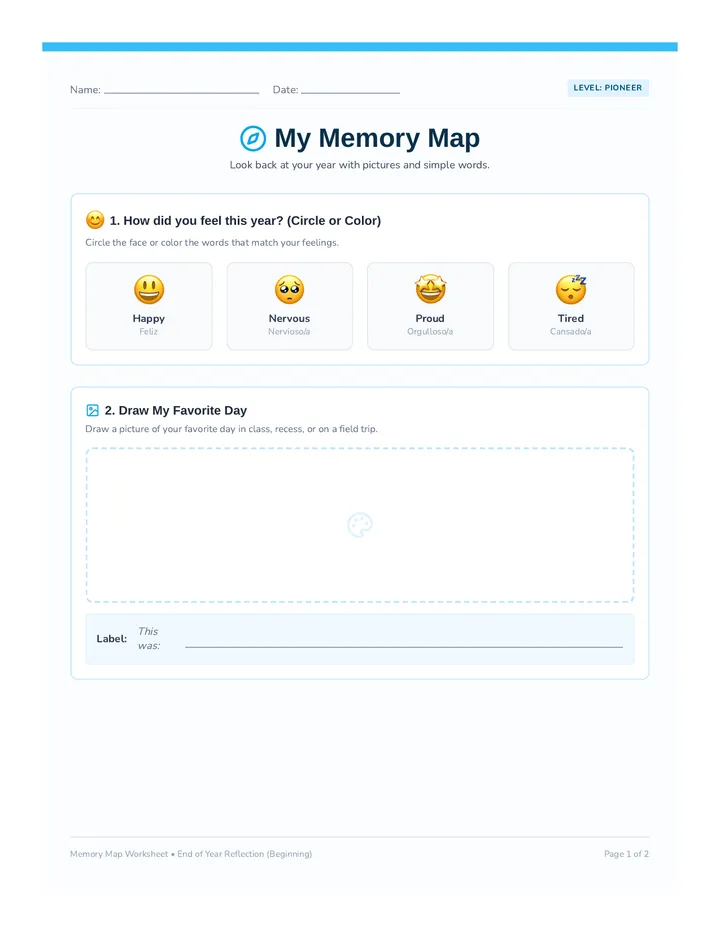
An end-of-year reflection lesson designed specifically for English Language Learners, featuring tiered worksheets for Beginning/Entering and Developing/Expanding levels, supported by a detailed facilitator guide.
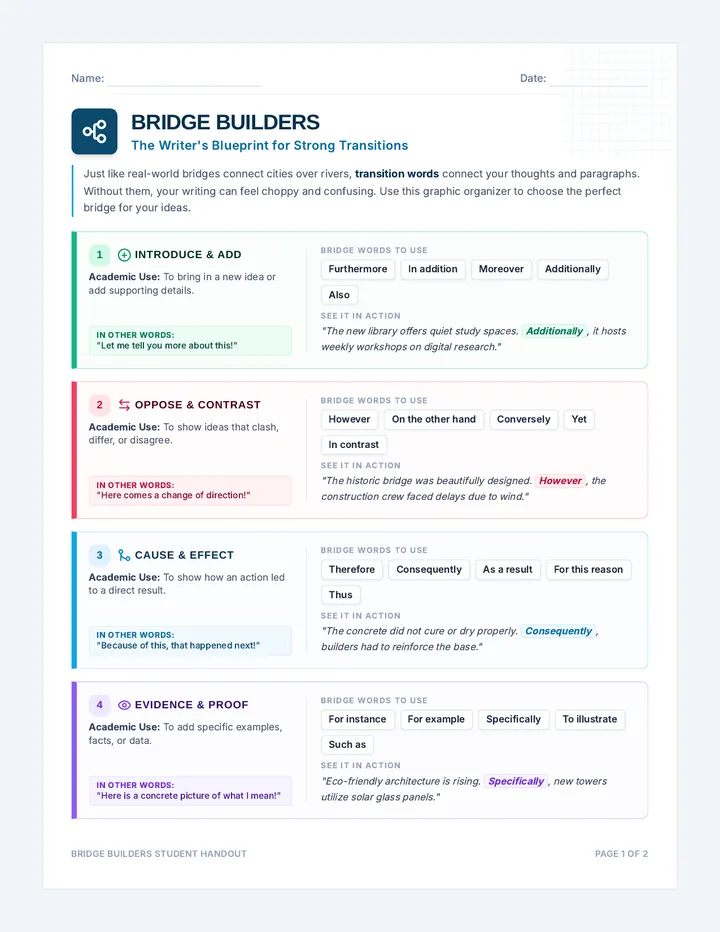
A comprehensive lesson focused on understanding and applying transition words to build logical, smooth connections between ideas in writing.
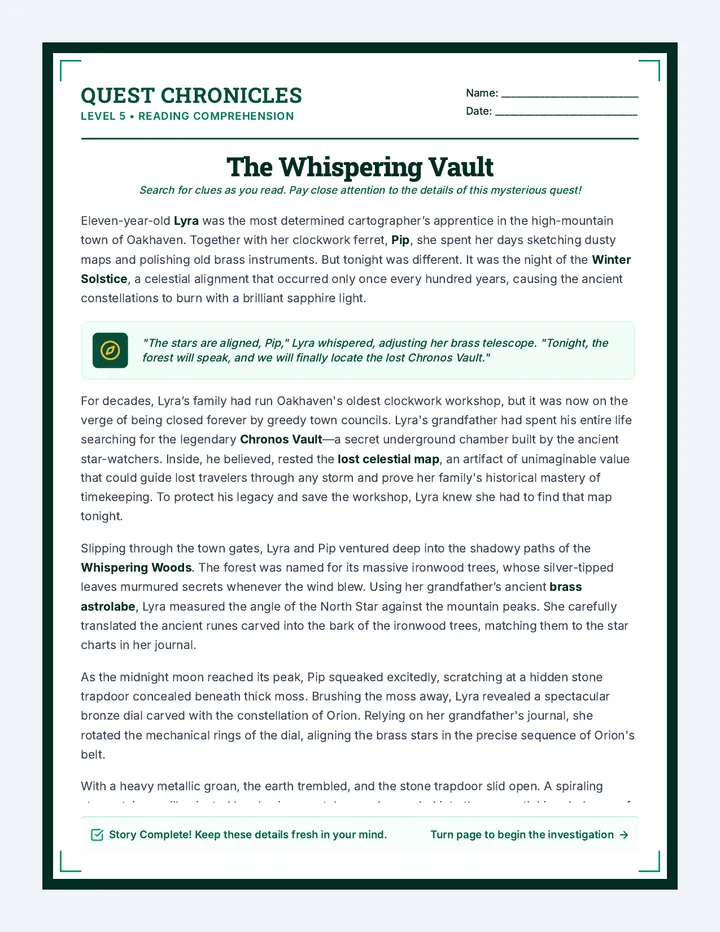
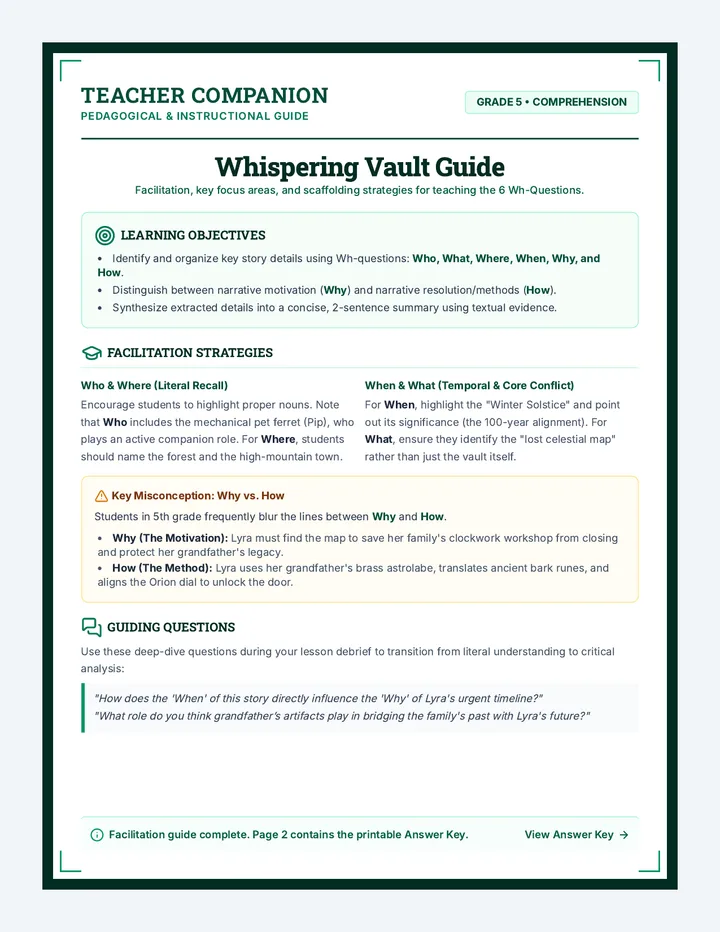
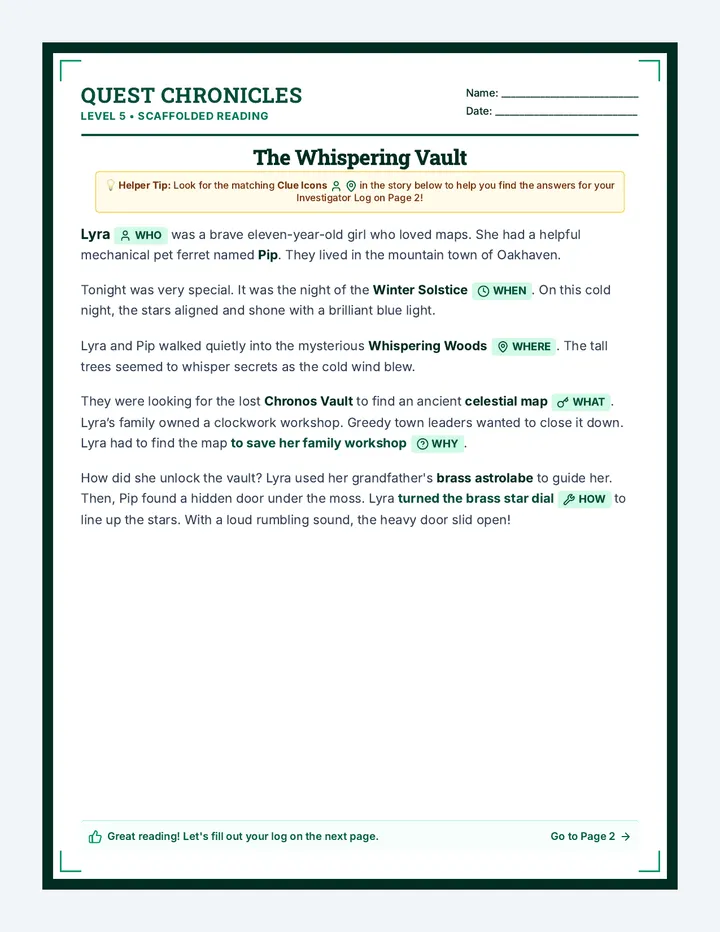
A 5th-grade comprehension lesson focused on identifying key story elements using Wh-questions (Who, What, Where, When, Why, How) within an engaging fantasy-adventure narrative.
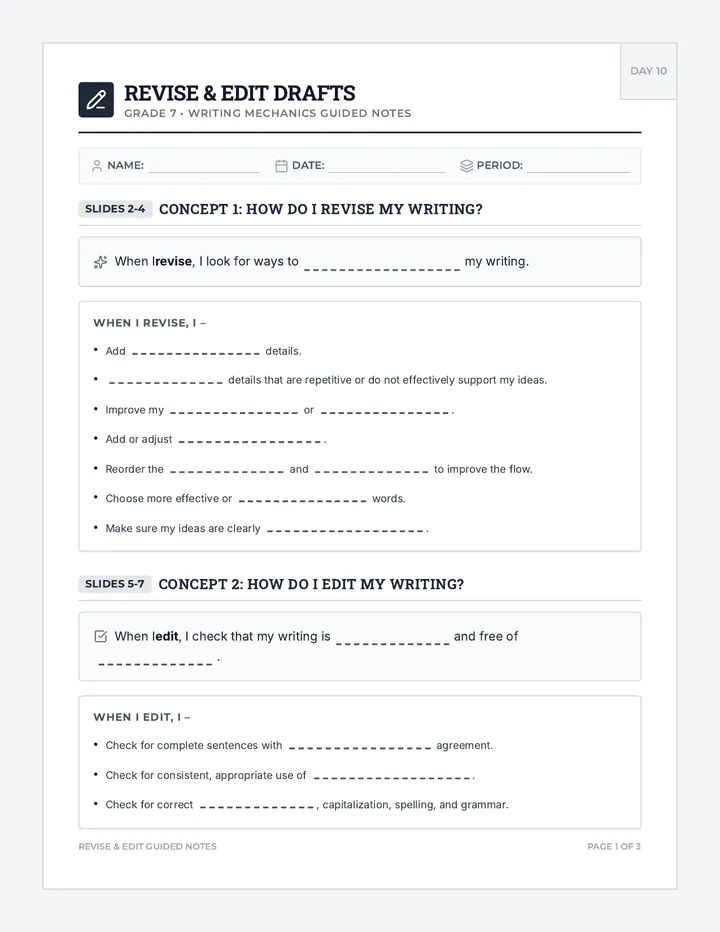
A lesson focused on teaching students how to systematically revise and edit writing drafts using clear strategies, sentence combining, and error correction.
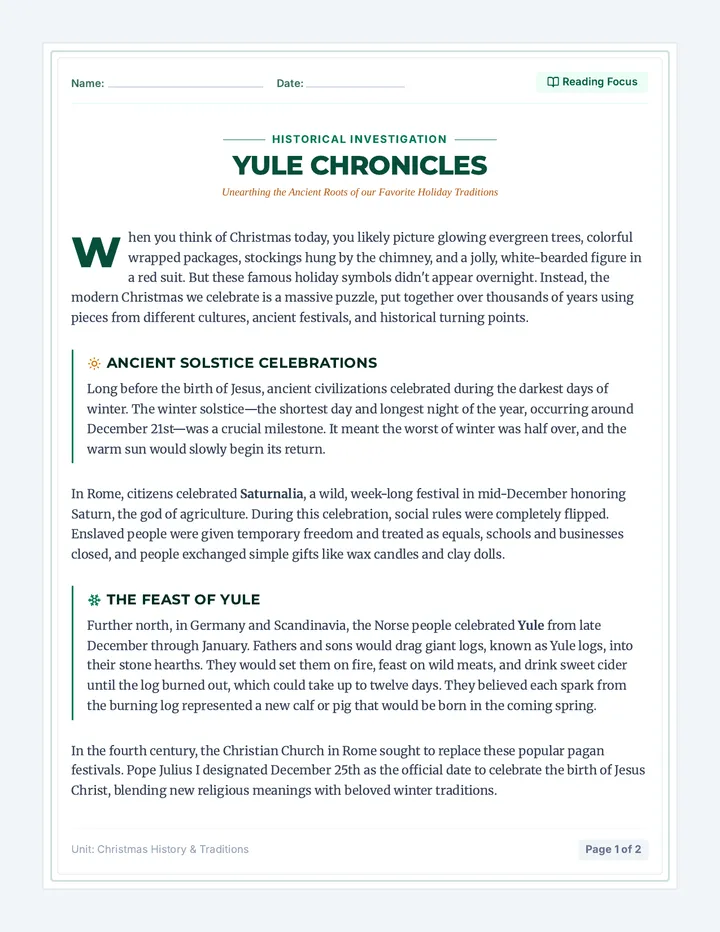
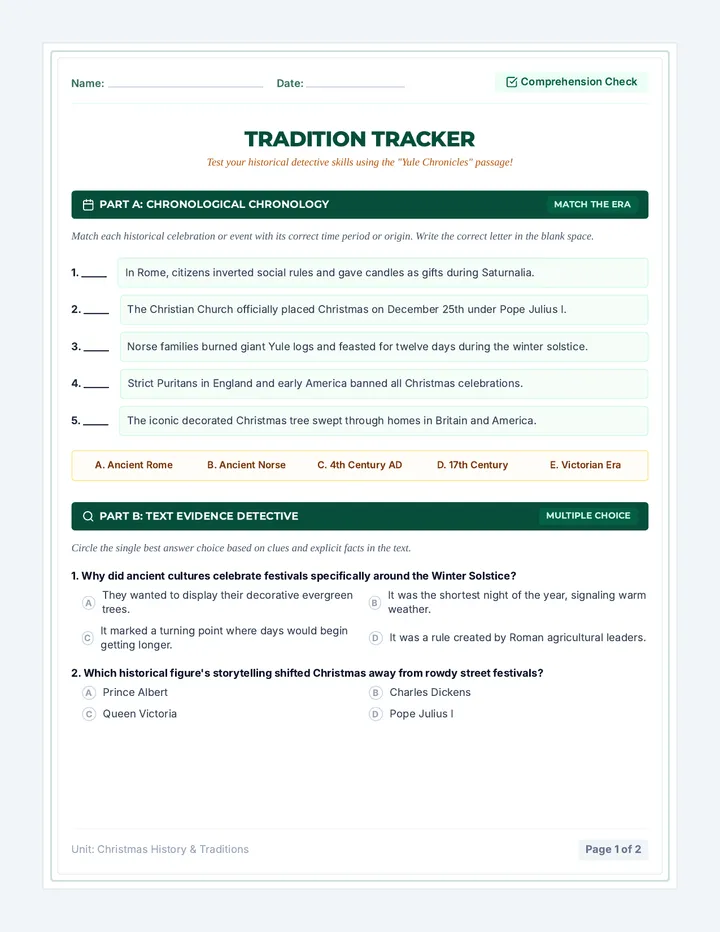
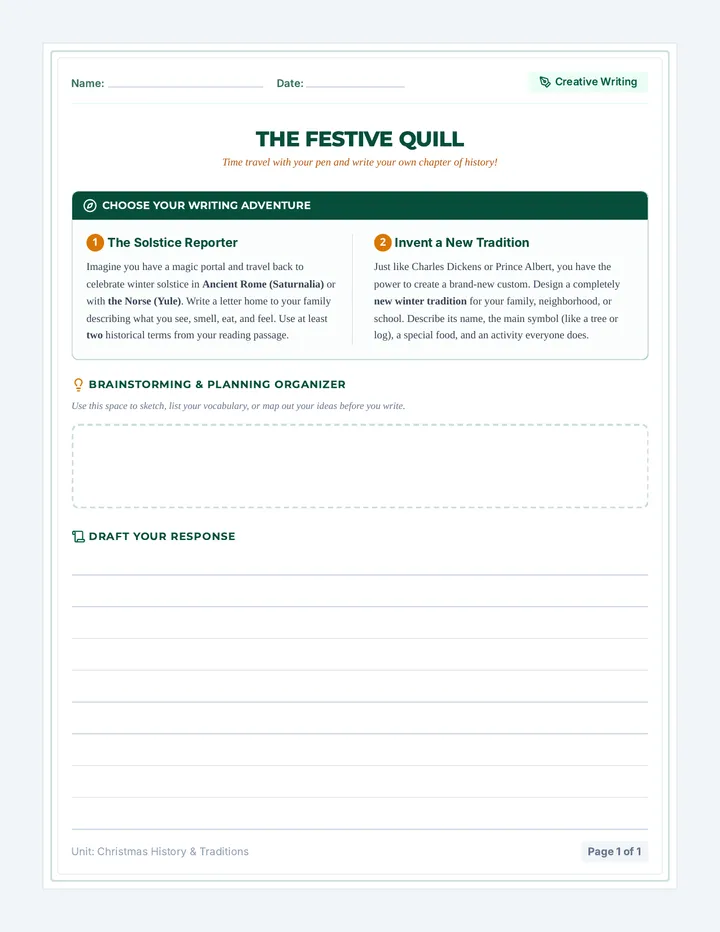
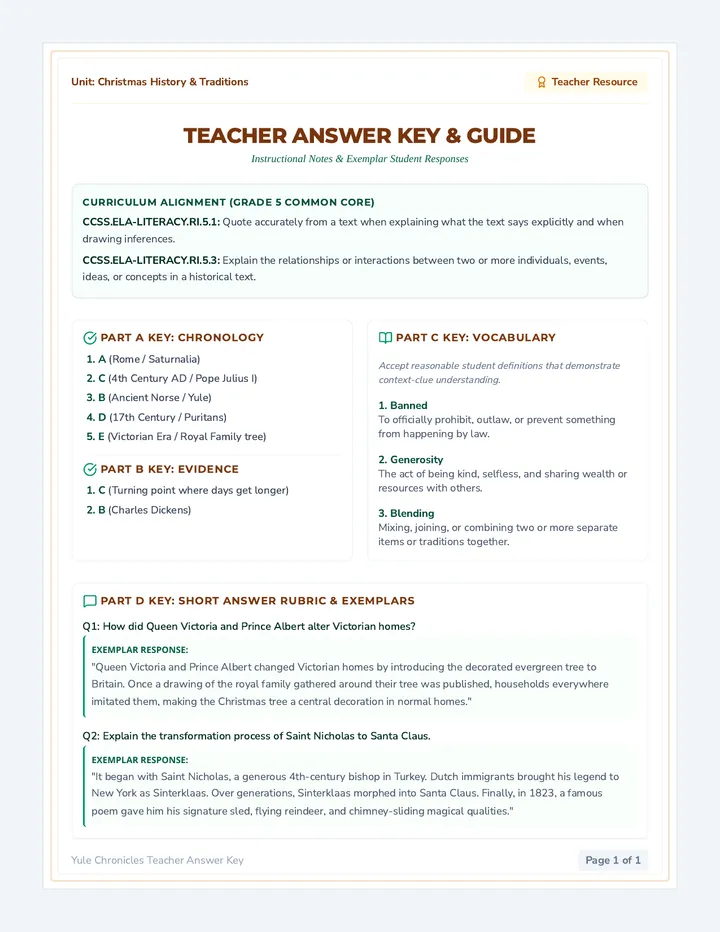
A comprehensive 5th-grade ELA lesson exploring the historical roots, evolution, and cultural symbols of modern Christmas traditions. It includes a historical reading passage, comprehension and vocabulary worksheets, and a creative writing extension.
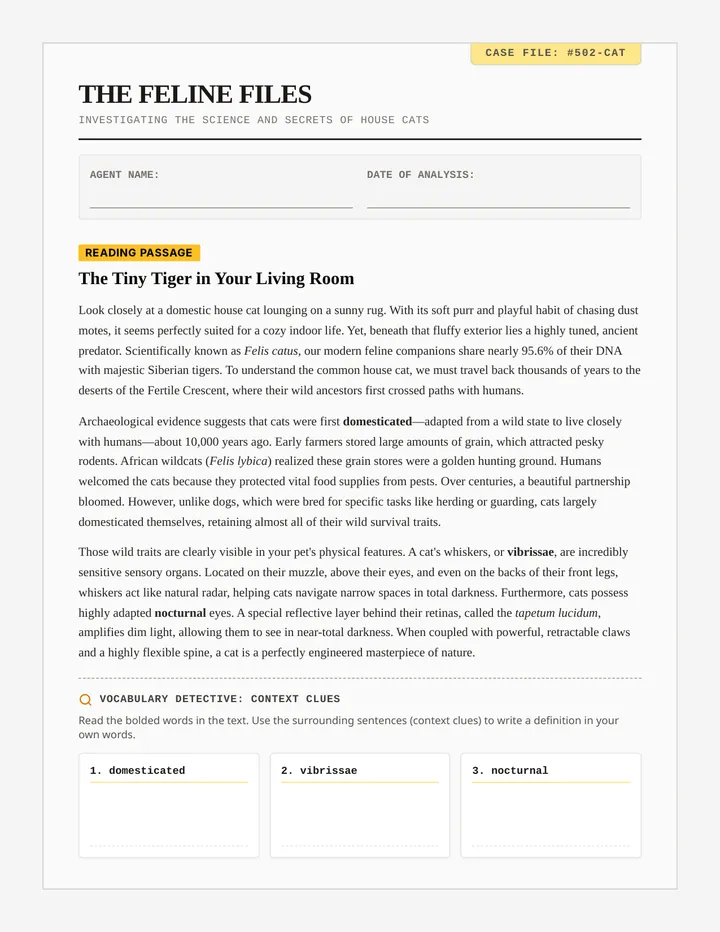
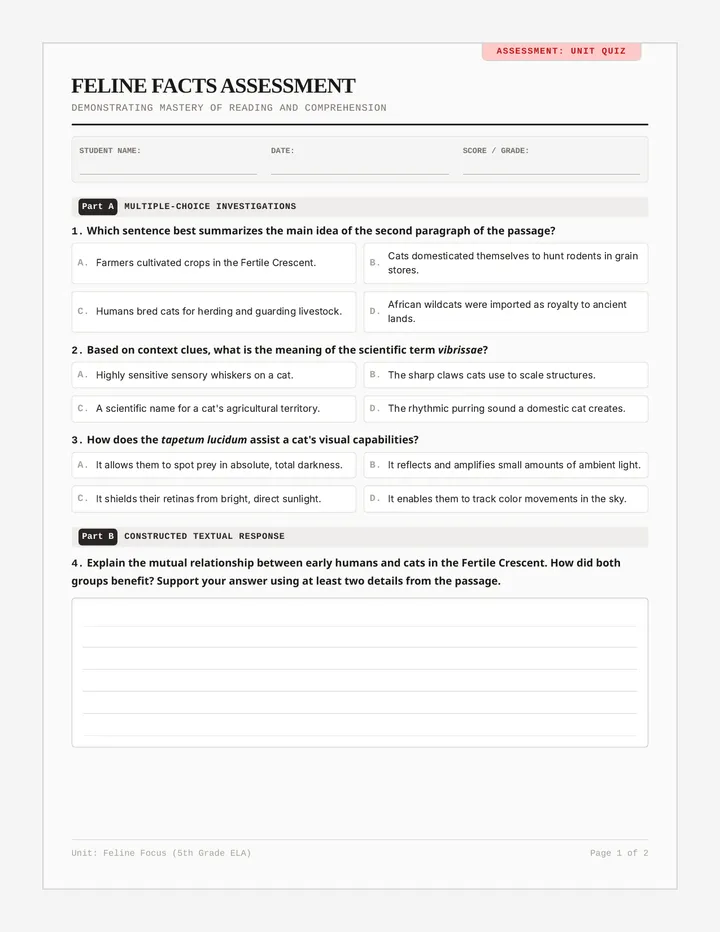
A comprehensive 5th-grade ELA lesson exploring the fascinating world of cats. Students read a rich non-fiction passage comparing domestic cats to their wild ancestors, analyze key vocabulary using context clues, identify main ideas, and distinguish feline facts from myths.
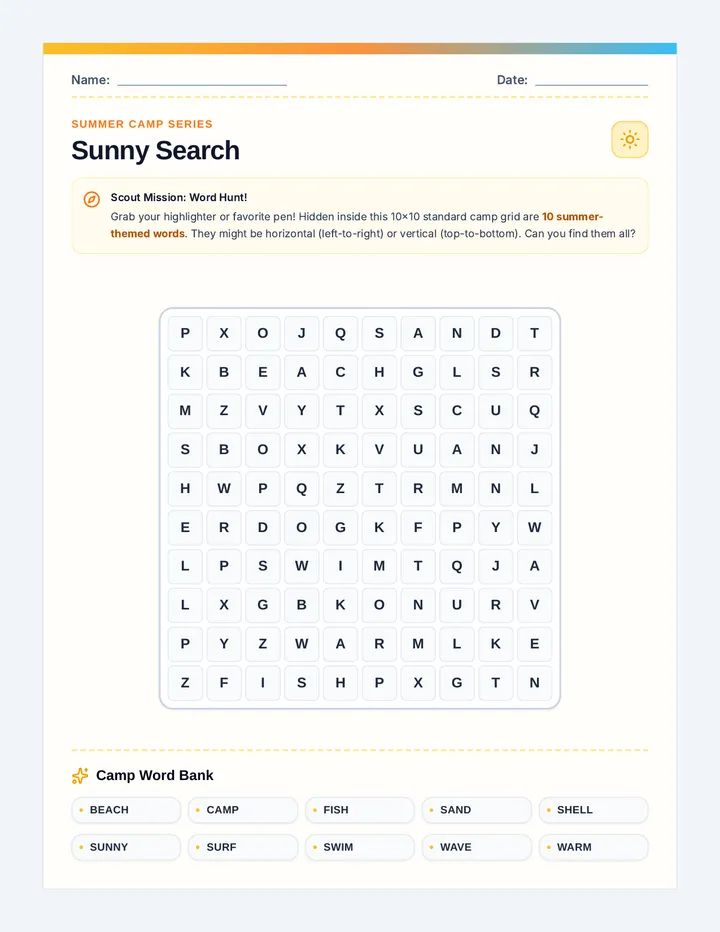
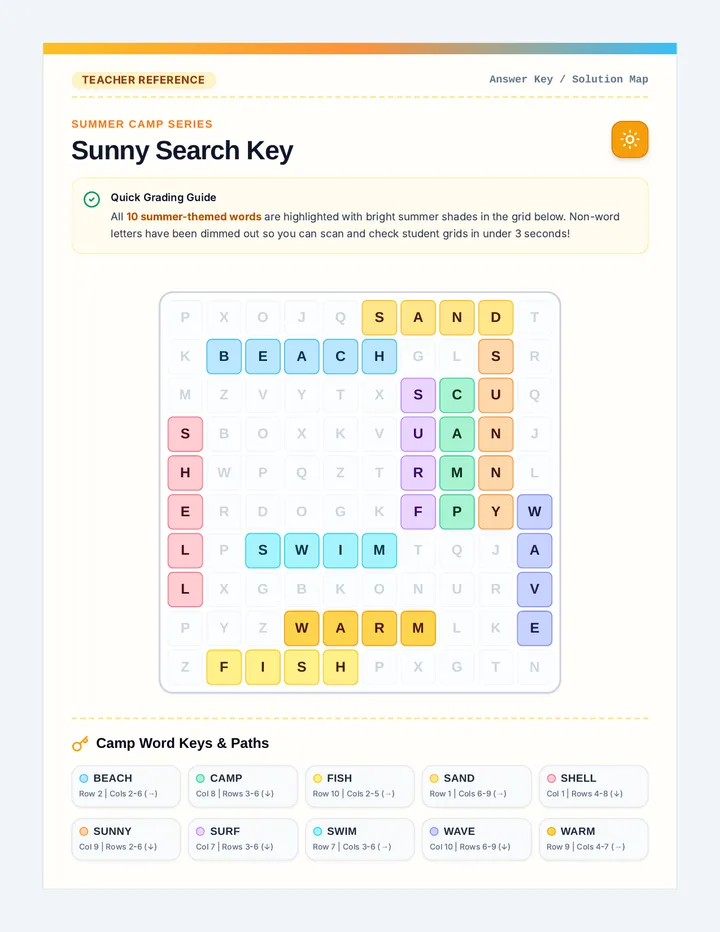
A fun, summer-themed word search lesson designed for standard grid gameplay with high-contrast elements suitable for highlight strips. Includes a clean 10x10 word search and a corresponding teacher answer key.
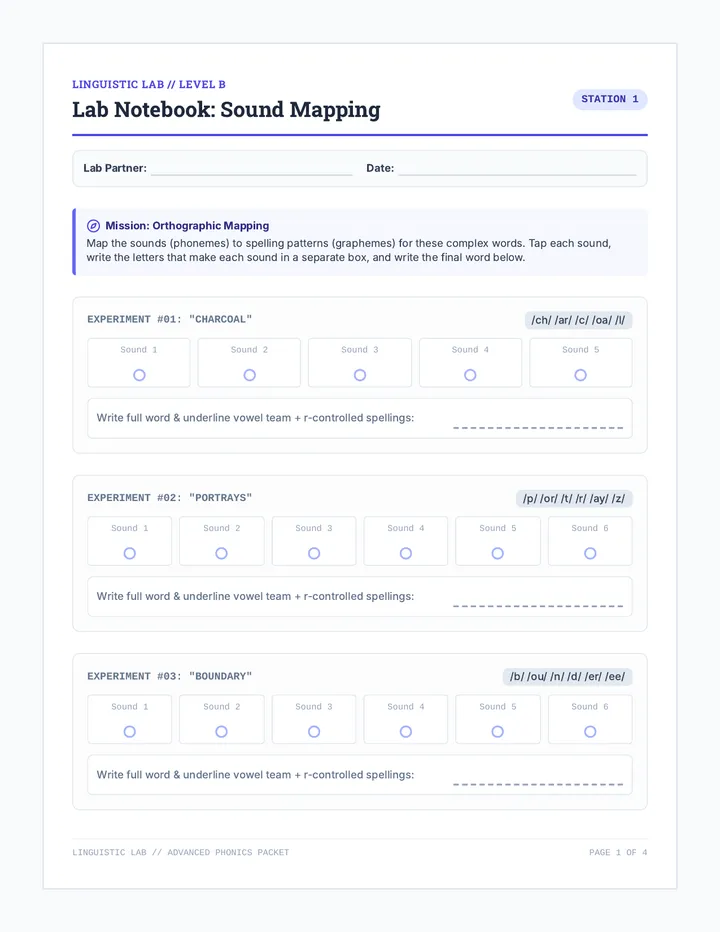
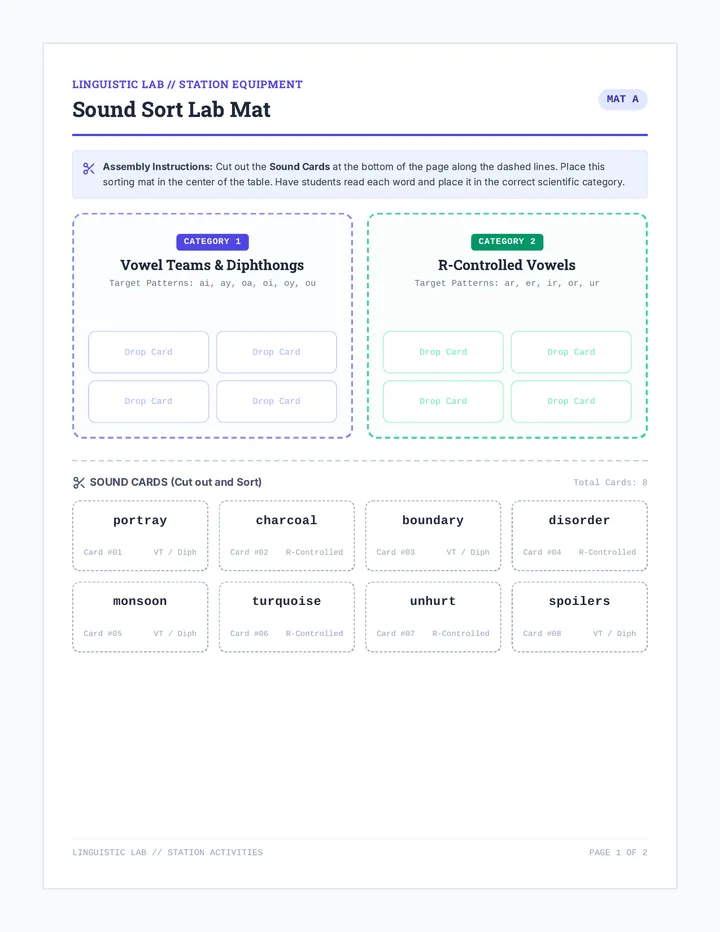
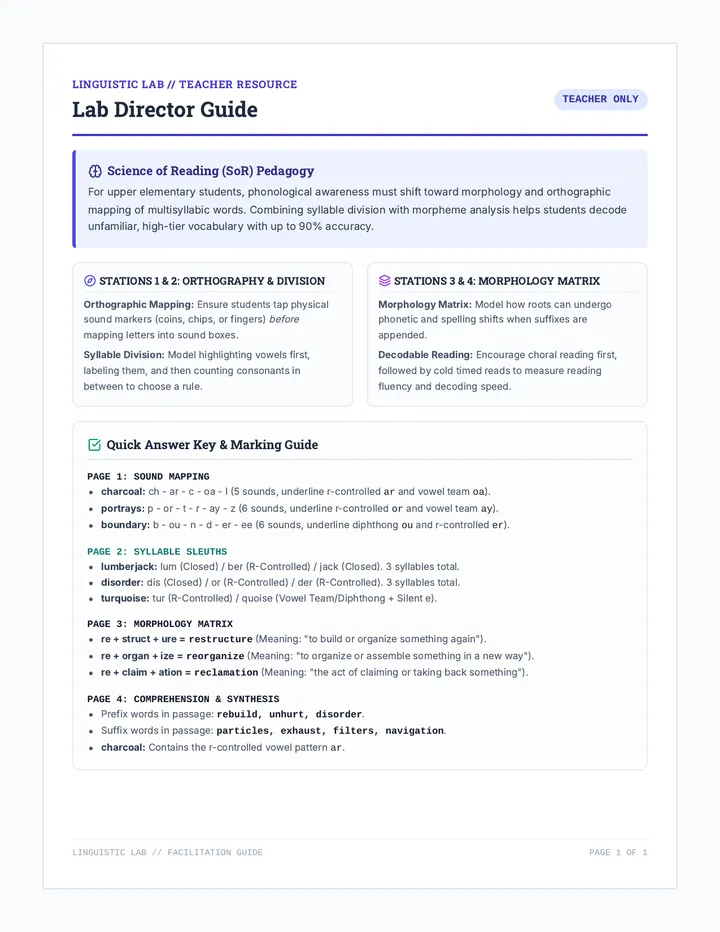
An interactive, Science of Reading-aligned phonics and morphology program for upper elementary students. It features multi-sensory station activities, orthographic mapping, syllable division practice, and morphological decoding tools.
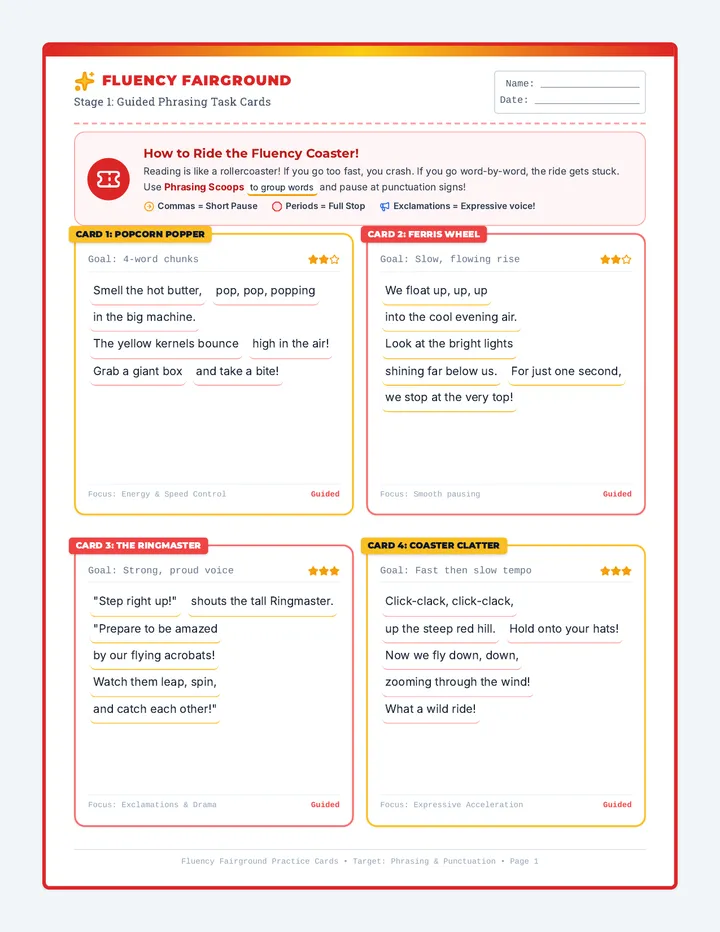
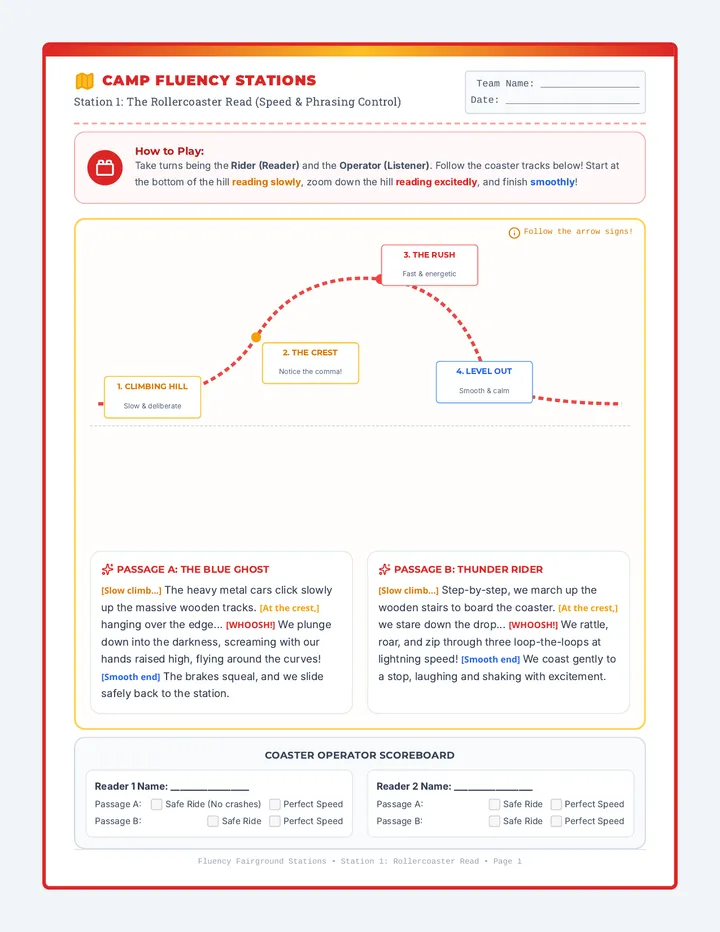
A high-energy, carnival-themed literacy package designed to boost oral reading fluency with a focus on phrasing and punctuation. Features print-and-cut phrasing task cards, partner-based carnival games, and a dramatic Reader's Theater script set under the Big Top.
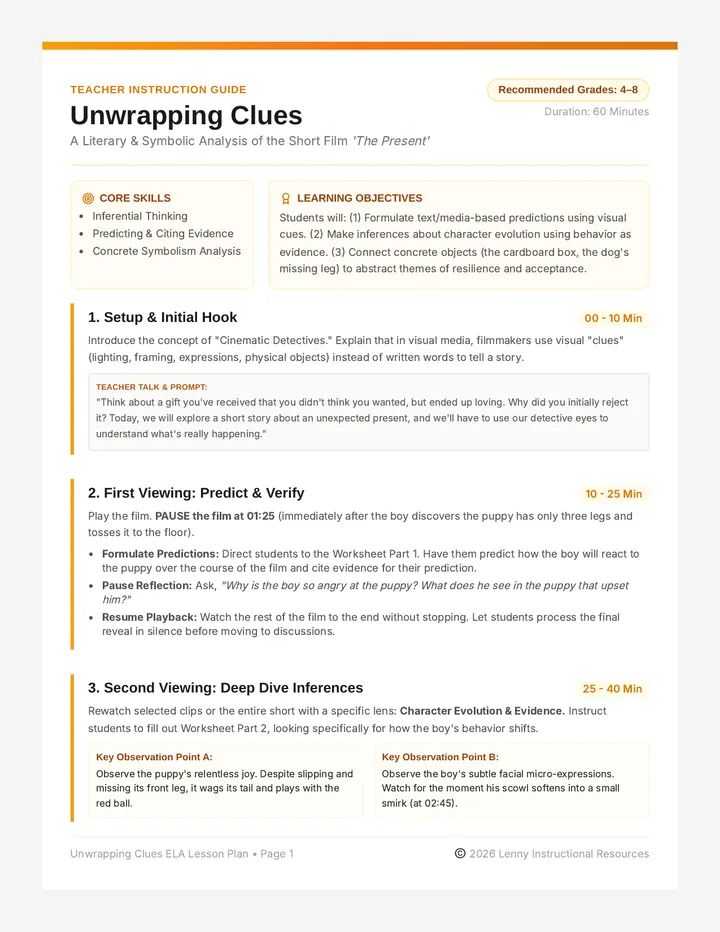
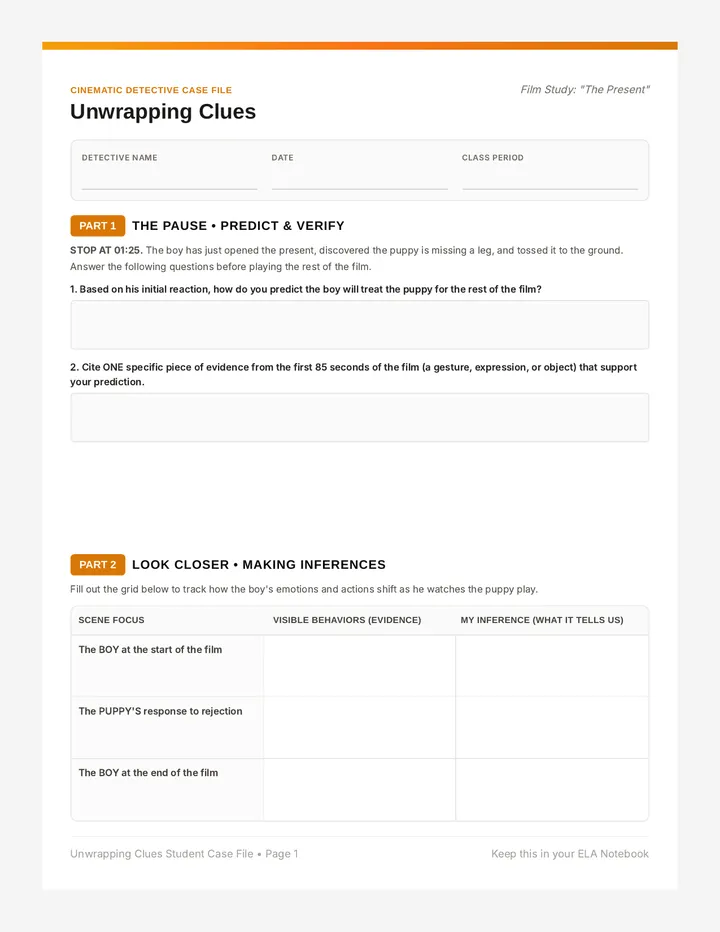
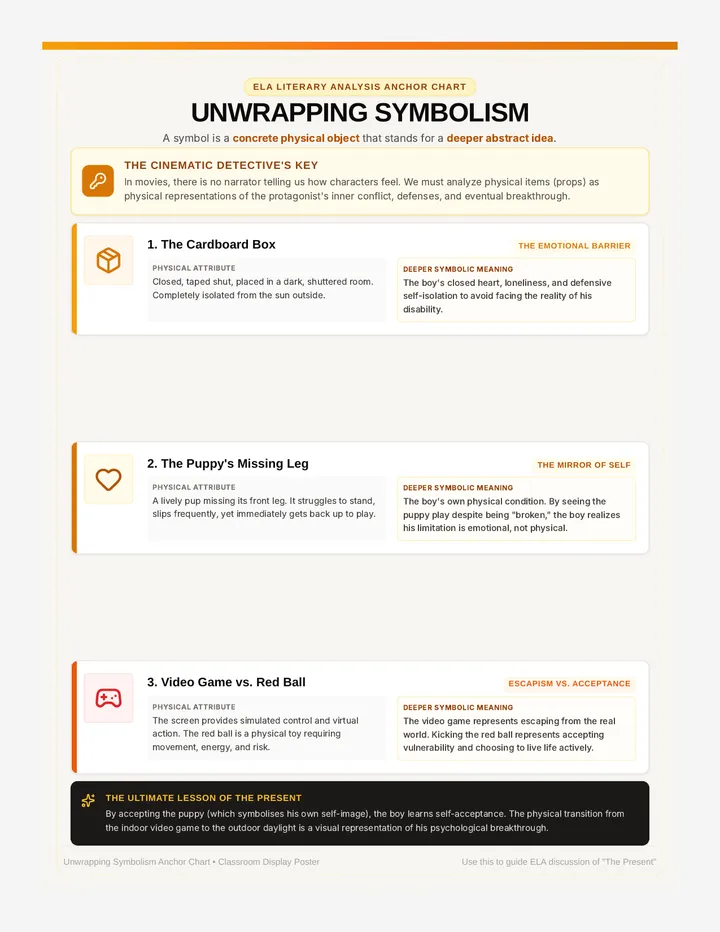
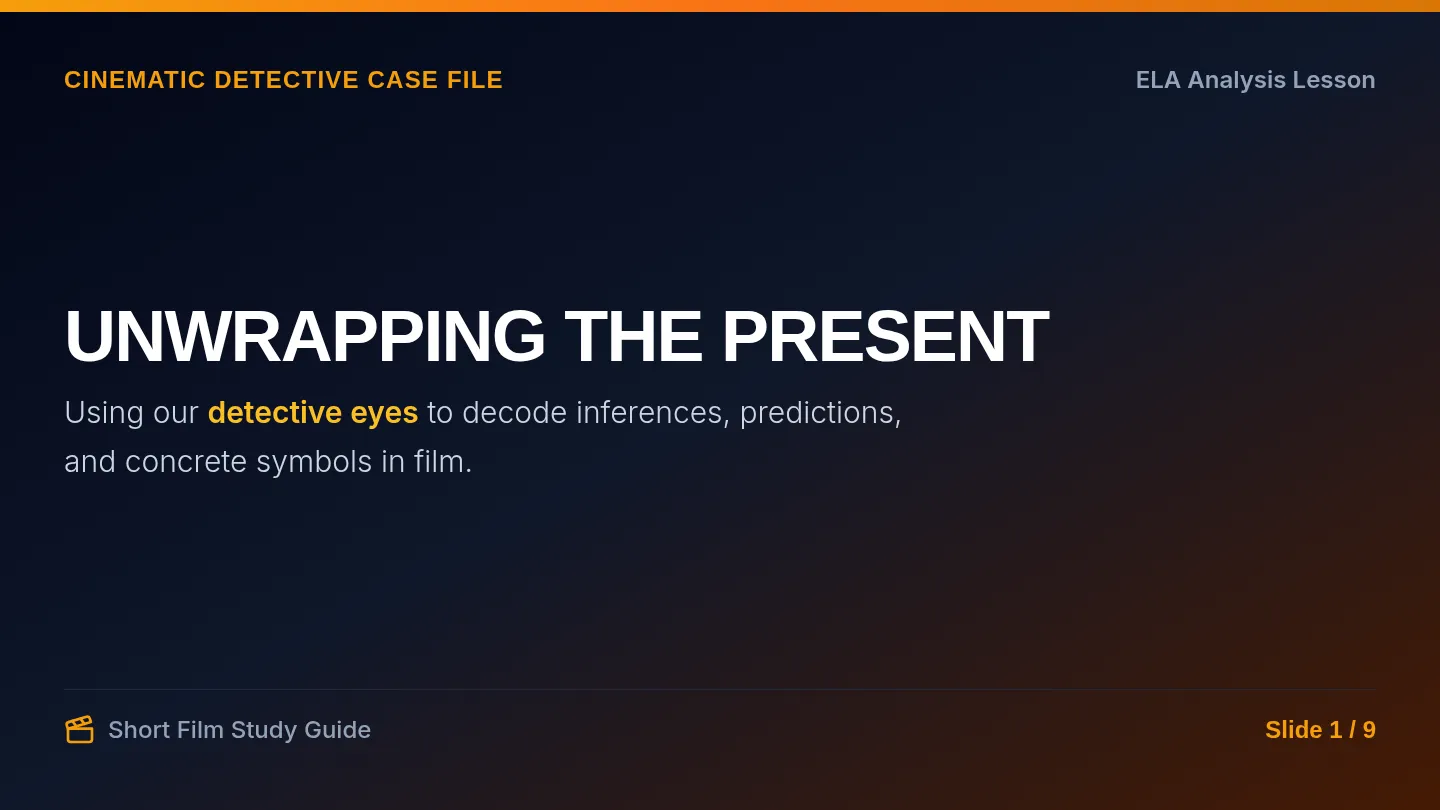
A comprehensive 60-minute ELA lesson focused on the animated short film 'The Present'. Students explore core reading skills—inferential thinking, prediction, citing evidence, and concrete symbolism—by analyzing the boy, the box, the dog, and the final reveal.
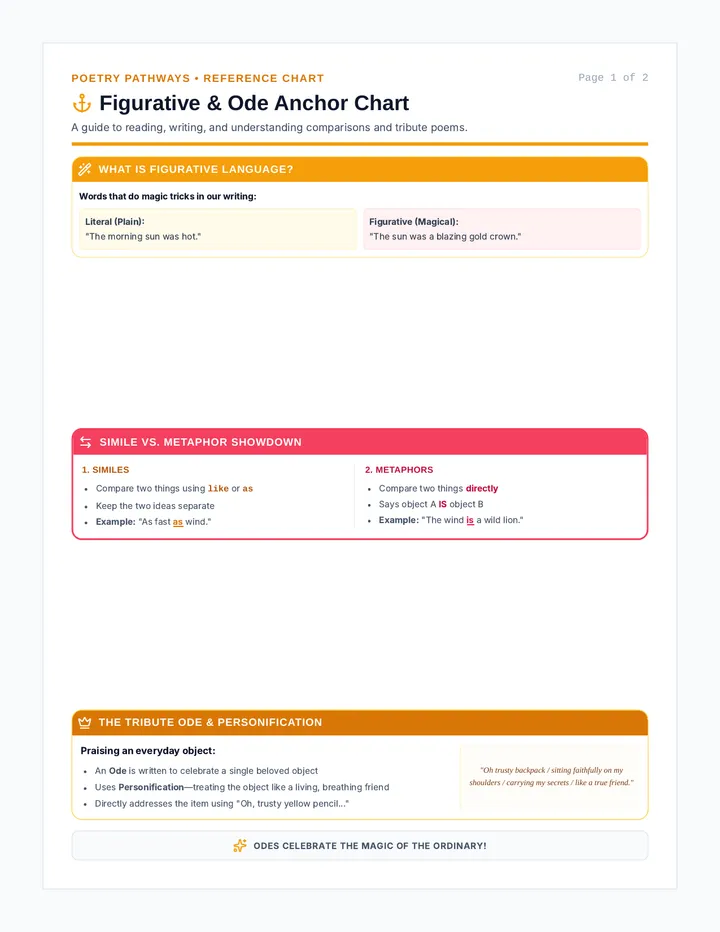
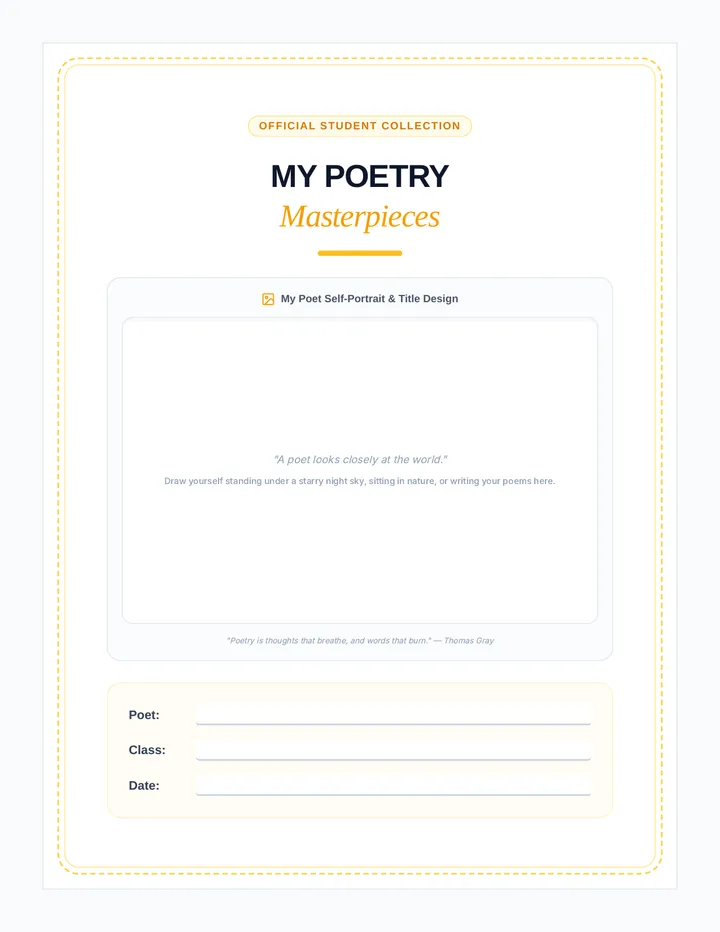
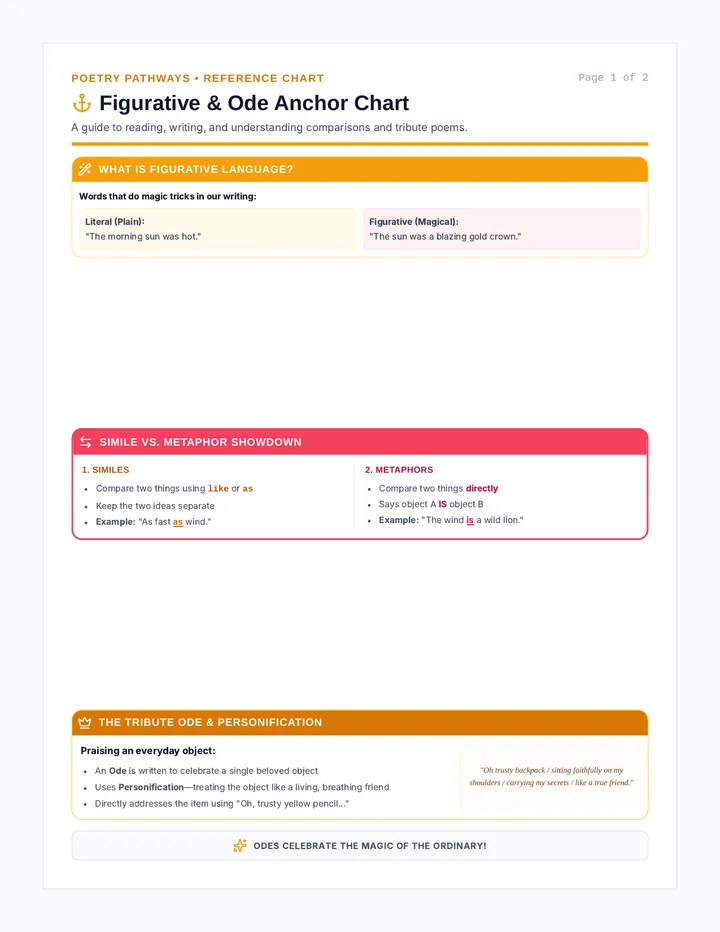
Focuses on using Metaphors and Similes to create powerful figurative imagery. Includes a final "My Poetry Masterpieces" portfolio cover and peer celebration review pages.
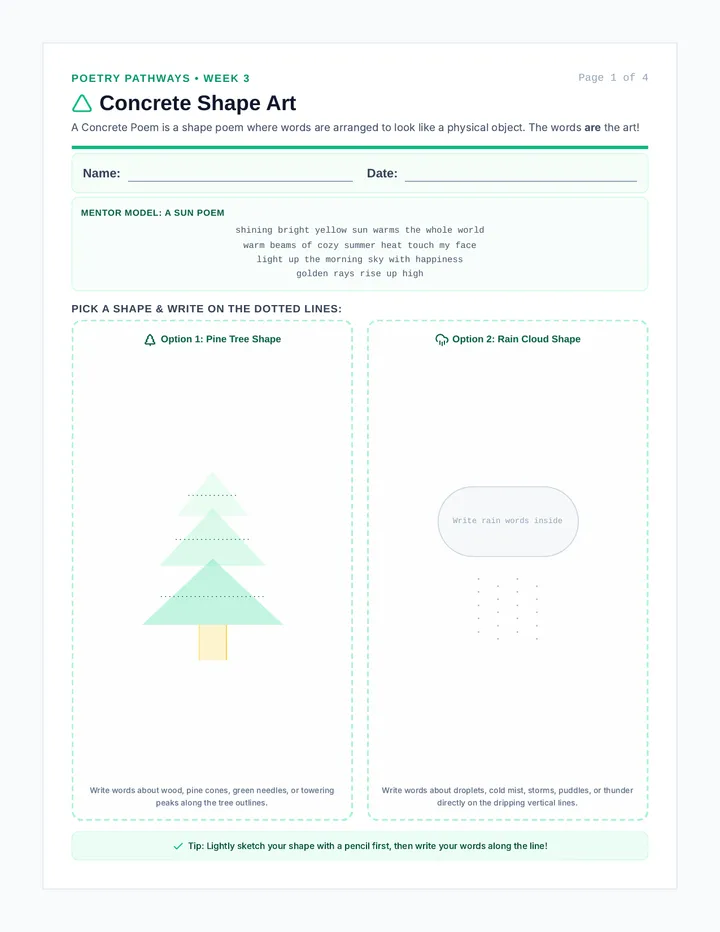
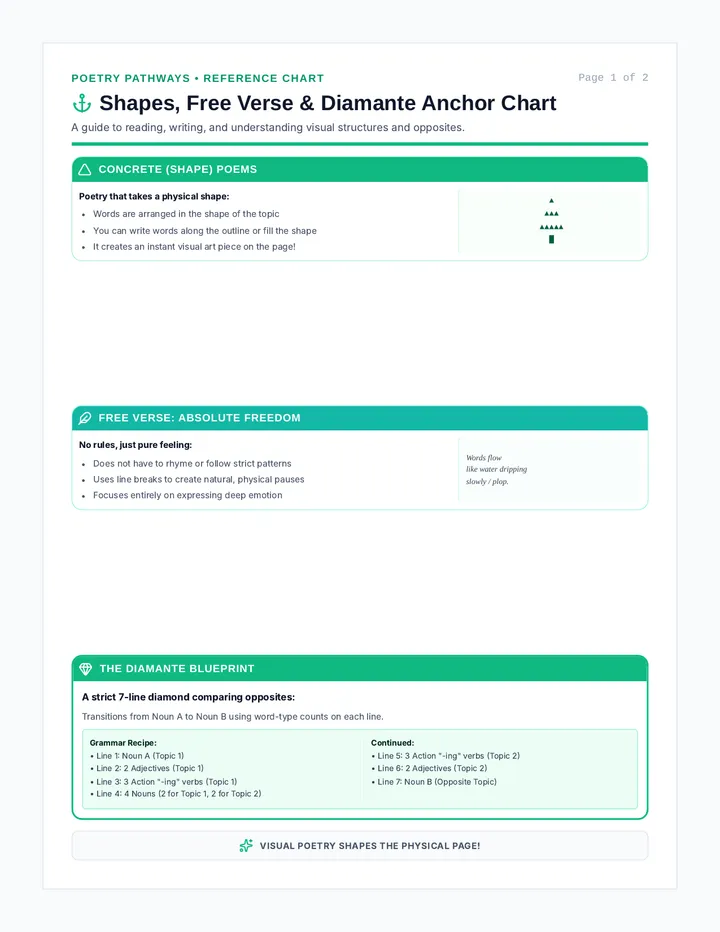
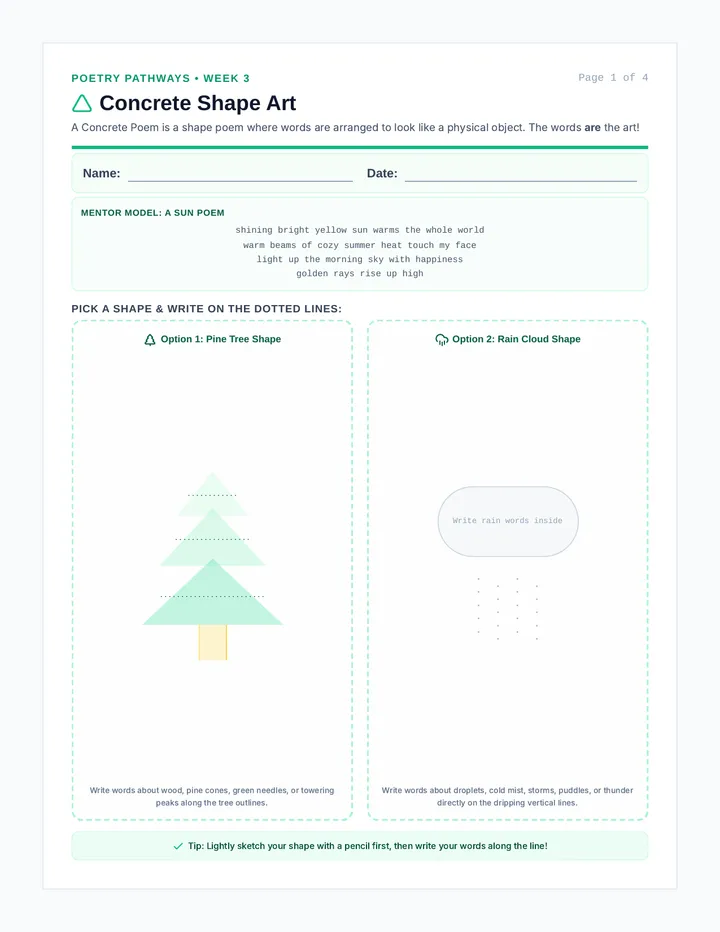
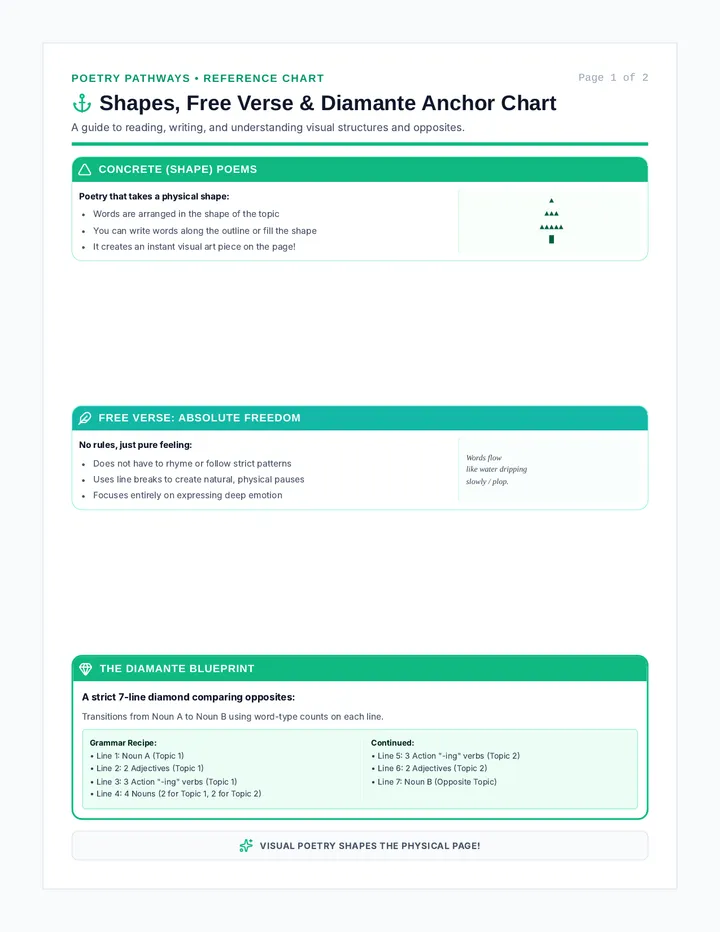
Focuses on shape, movement, and visual arrangement with Concrete (Shape) Poems and Free Verse. Provides scaffolded outline guides, word maps, and sensory feeling prompts.
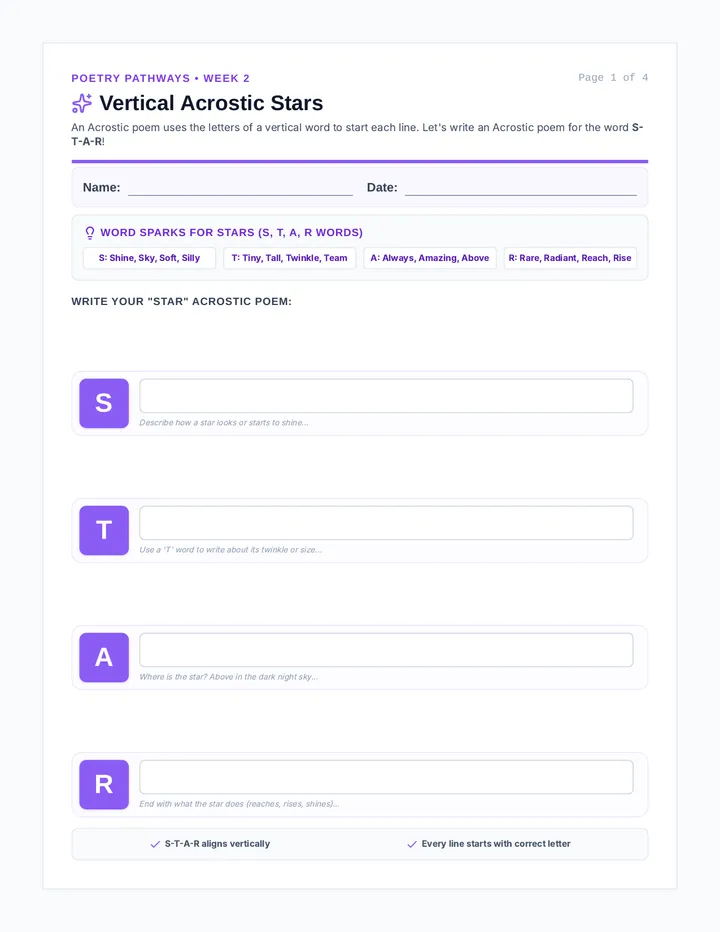
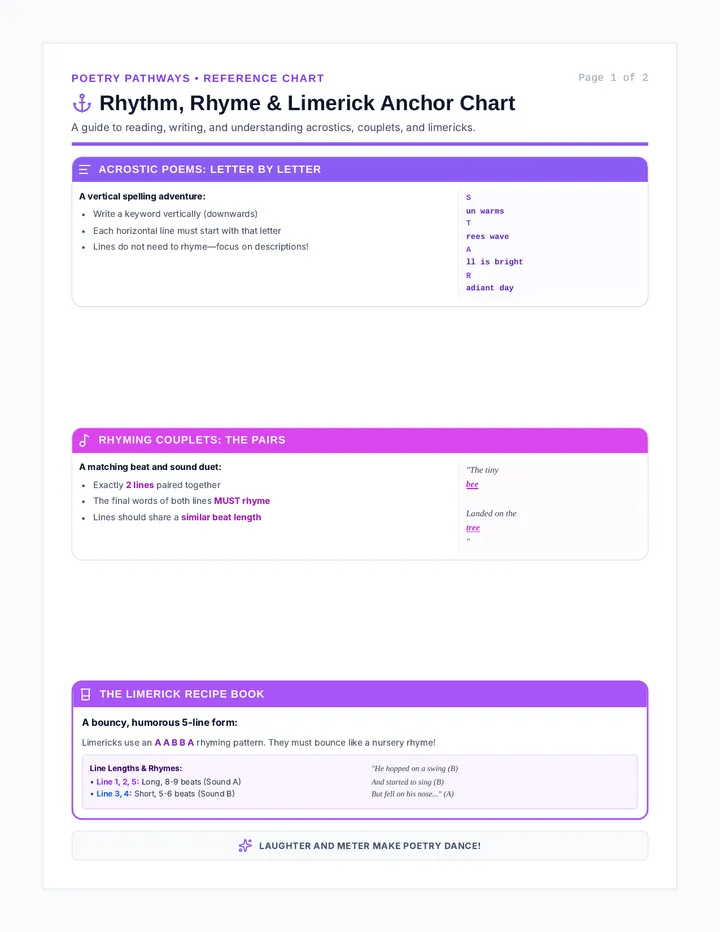
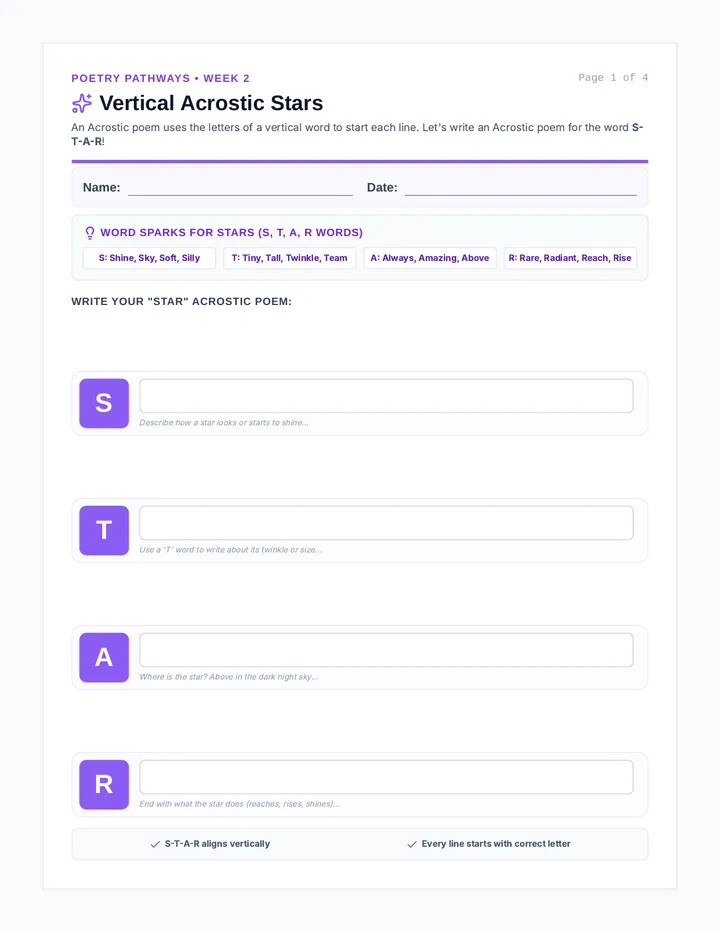
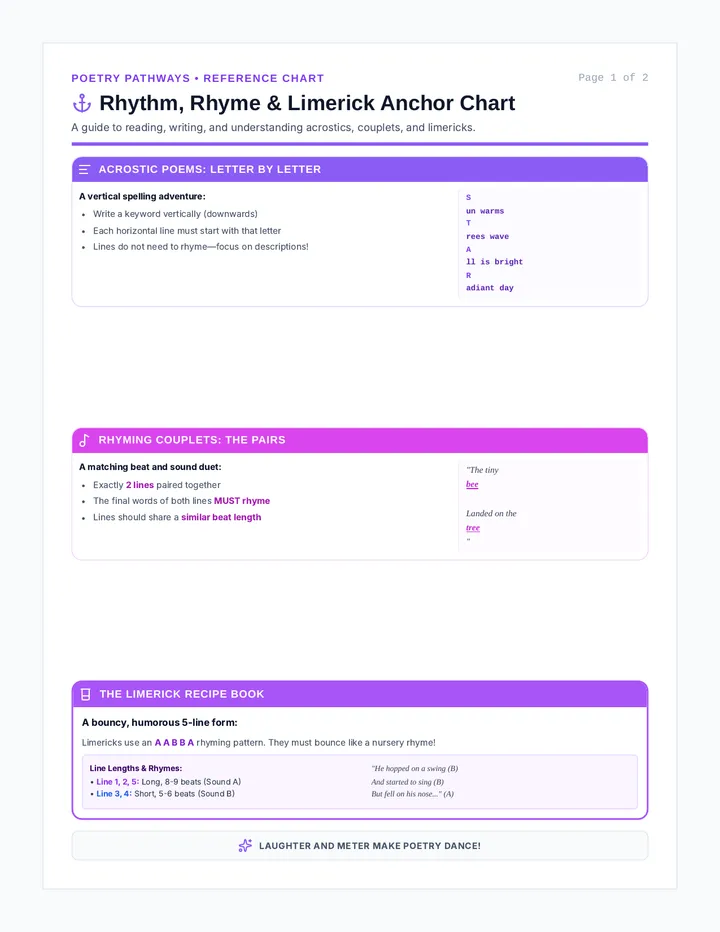
Focuses on structure, rhythm, and sound through Acrostic Poems and Rhyming Couplets. Offers step-by-step graphic templates, letter grids, rhyming dictionaries, and syllable beat counters.
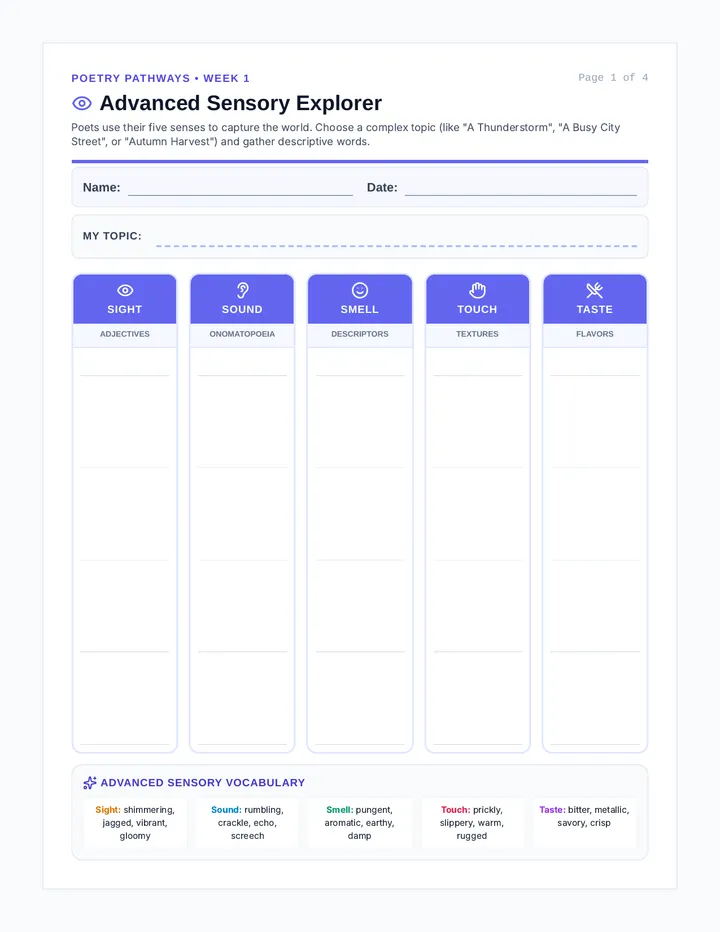
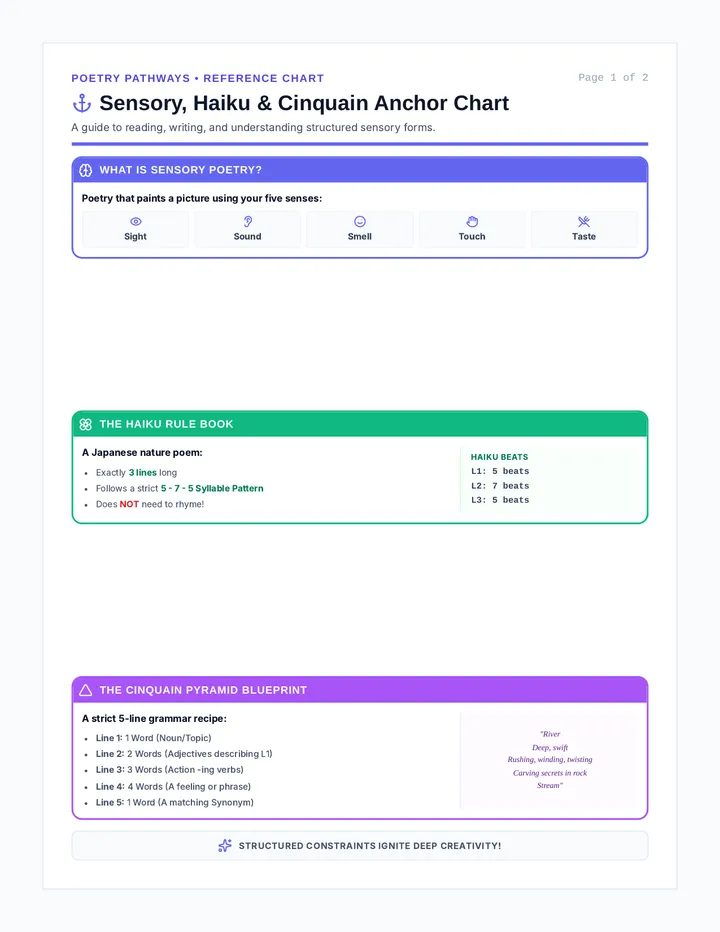
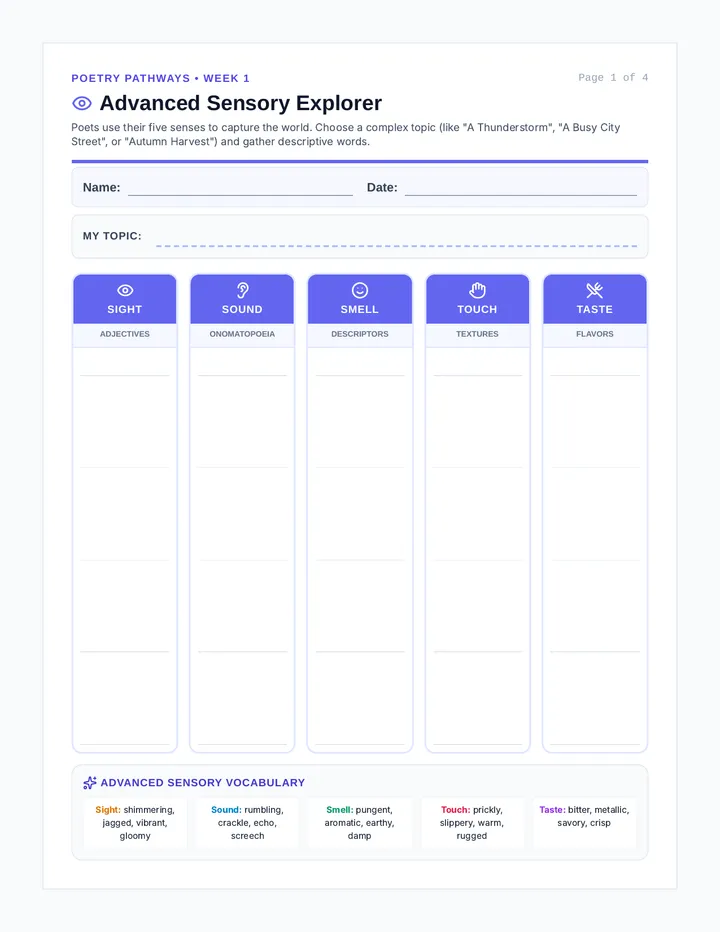
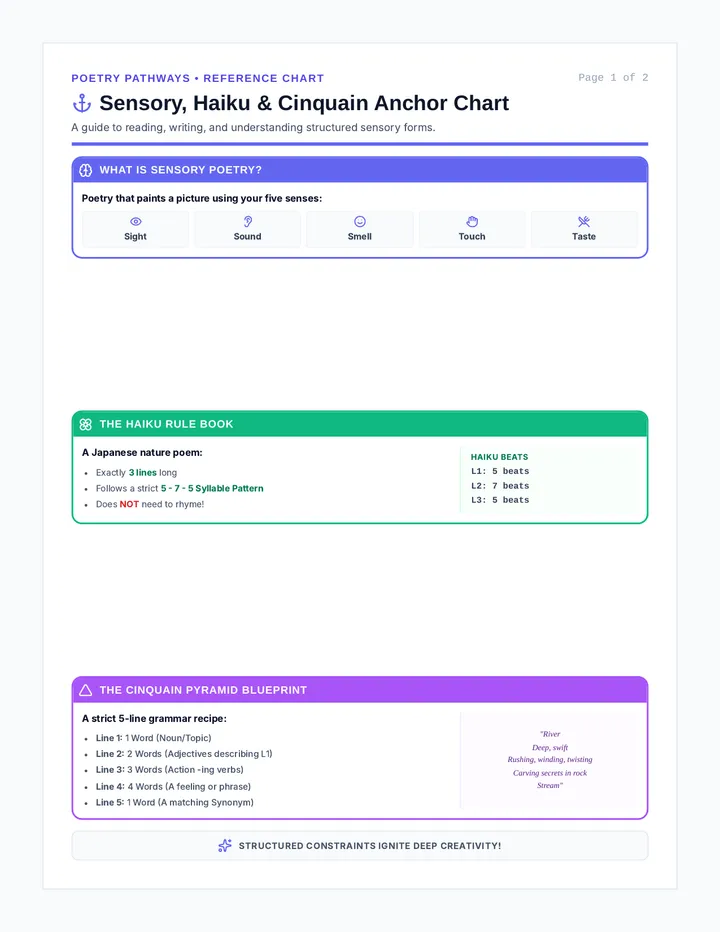
Focuses on Sensory and Color Poetry (Haiku and Color Poems). Students explore imagery using their five senses, utilizing highly visual sensory organizers, word banks, and syllable counters.
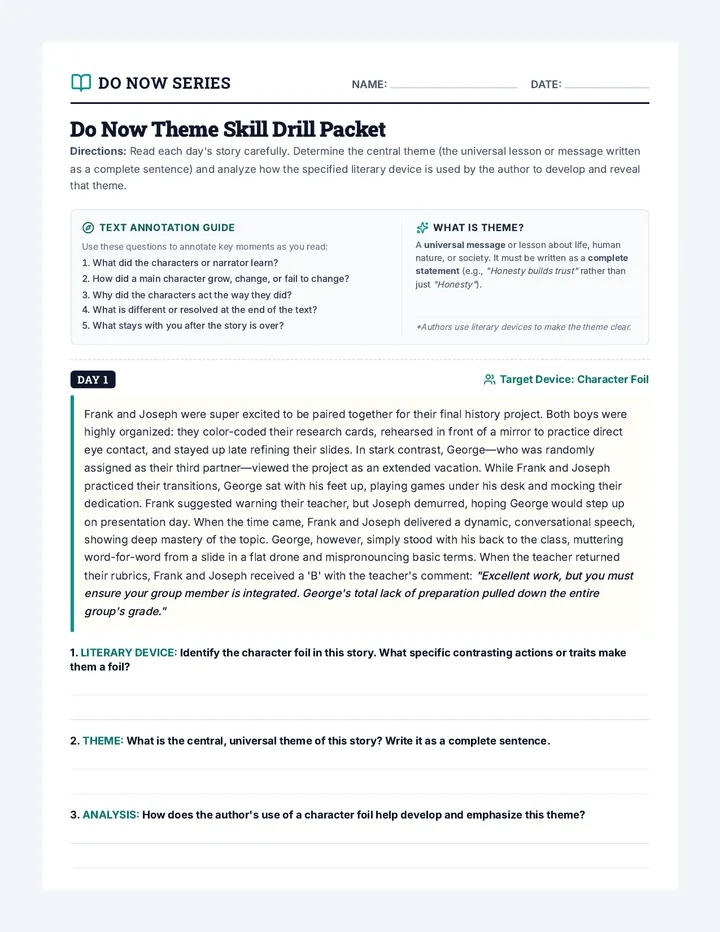
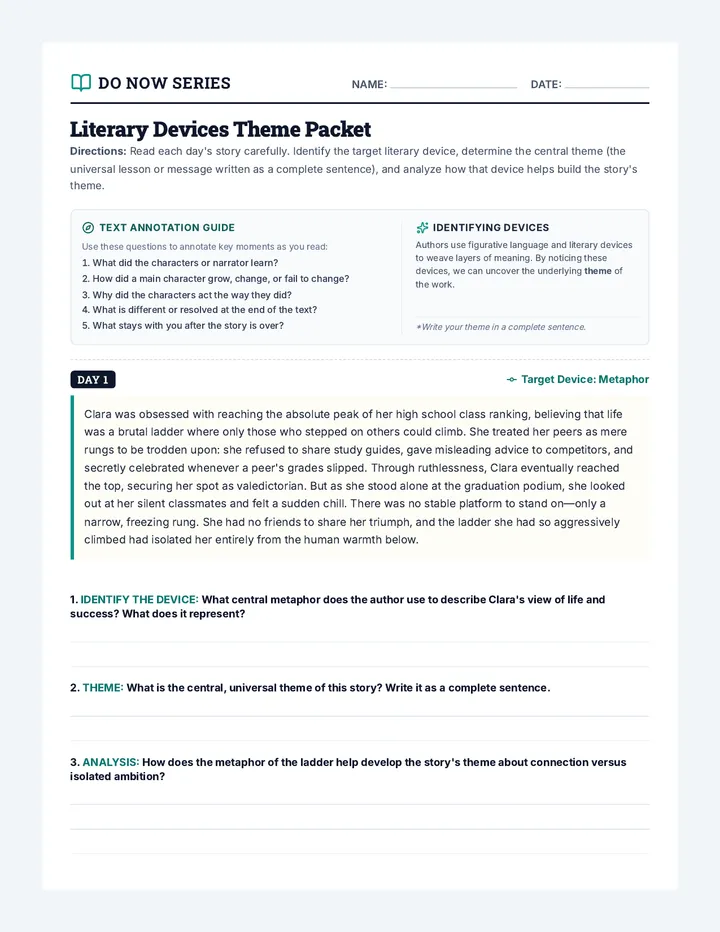
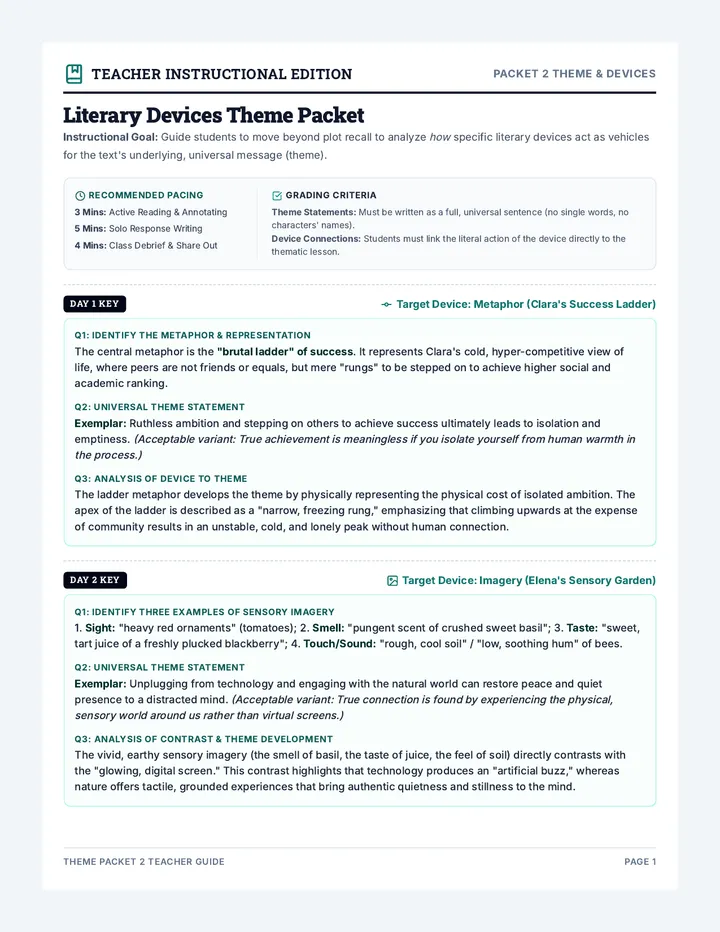
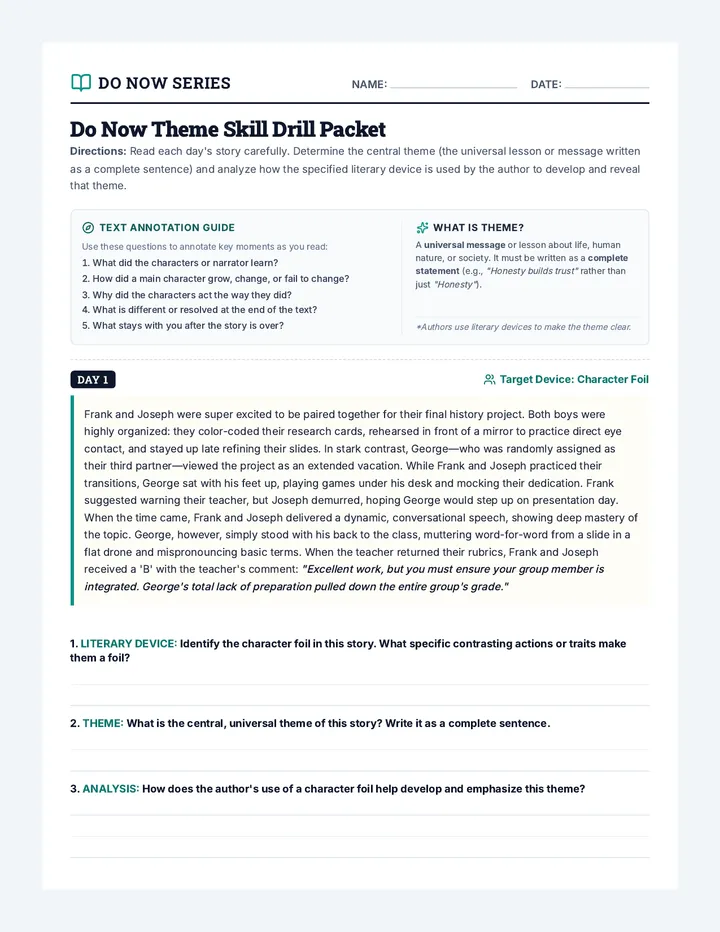
A cohesive lesson and drill series designed to help students master the connection between explicit literary devices and the central themes of literary texts.
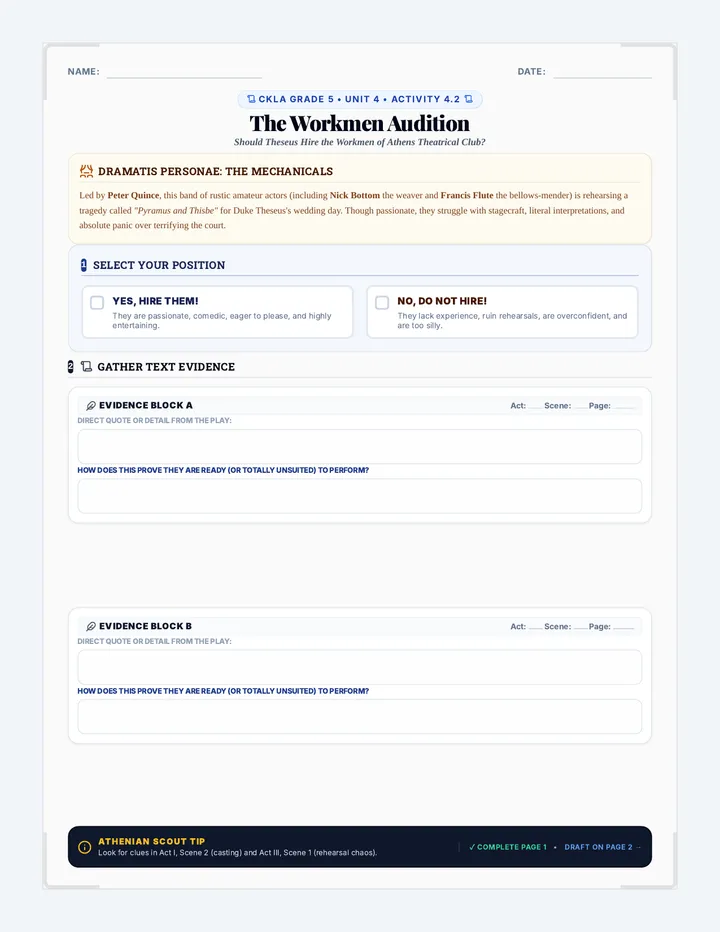
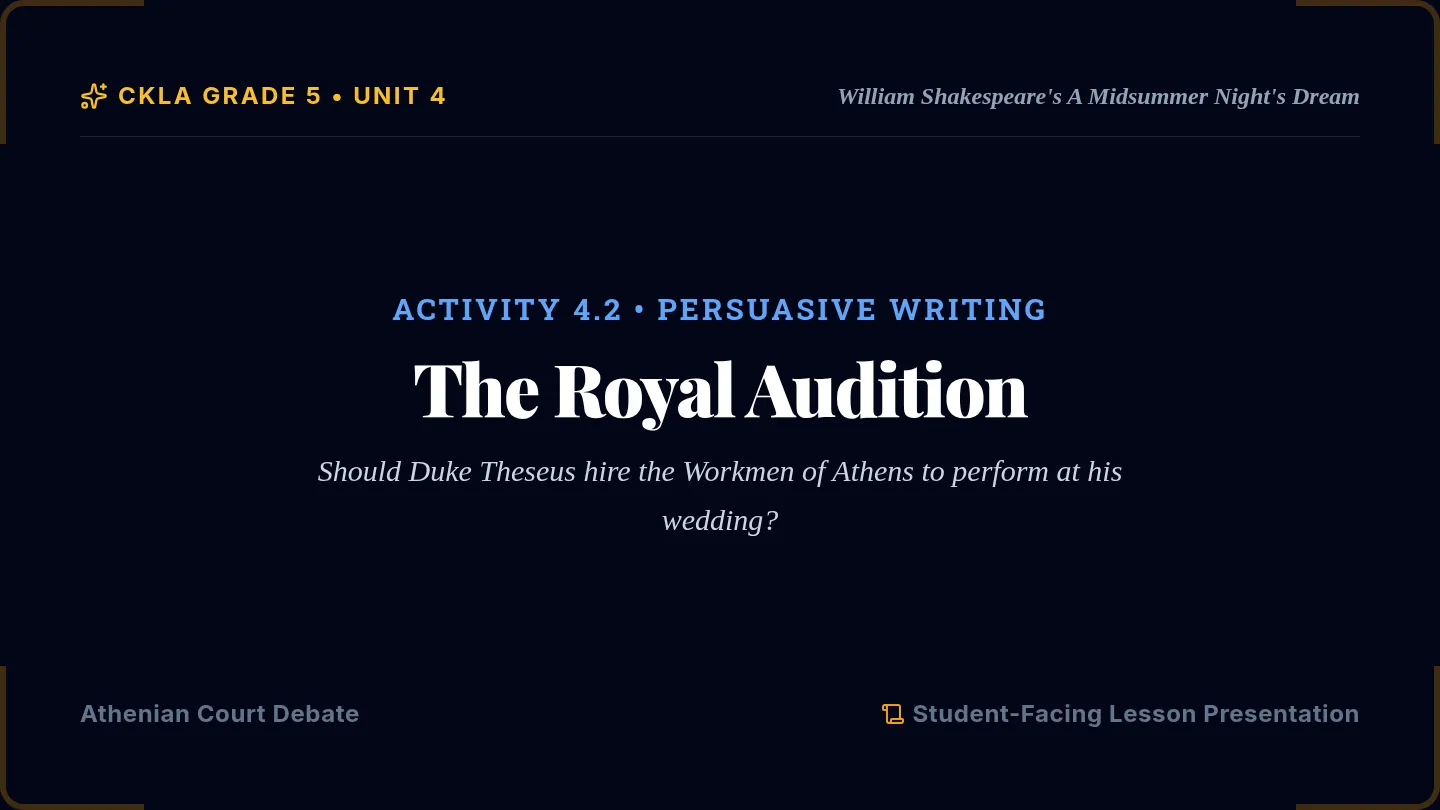
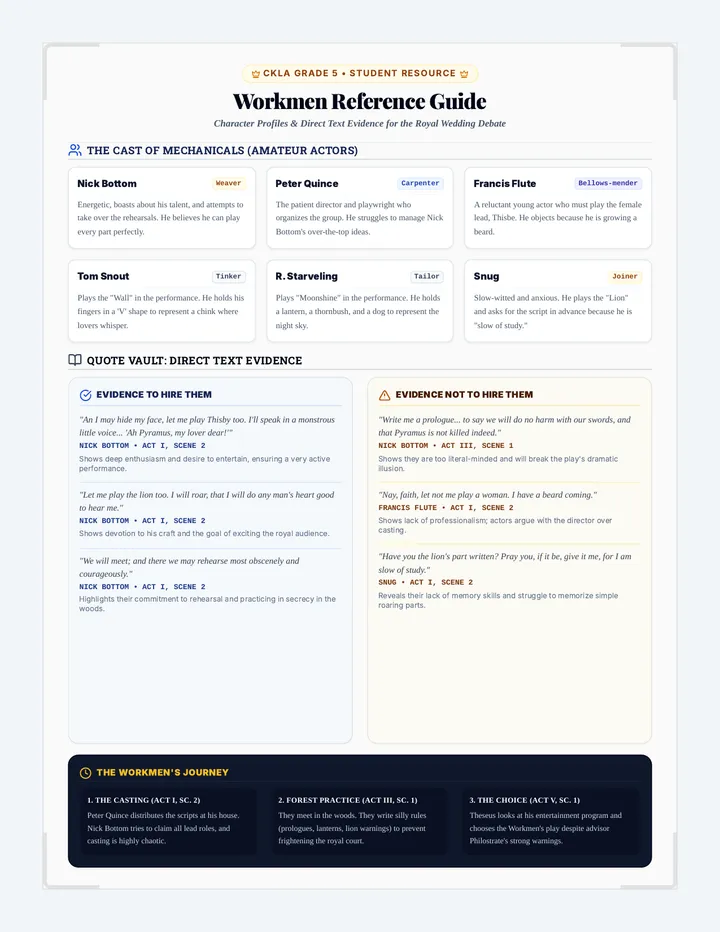
A comprehensive writing lesson centered around the CKLA Grade 5 persuasive prompt: 'Should Theseus hire the Workmen of Athens Theatrical Club?' Students gather text evidence about the mechanicals' theatrical abilities, weigh their strengths and weaknesses, and draft a structured persuasive paragraph.
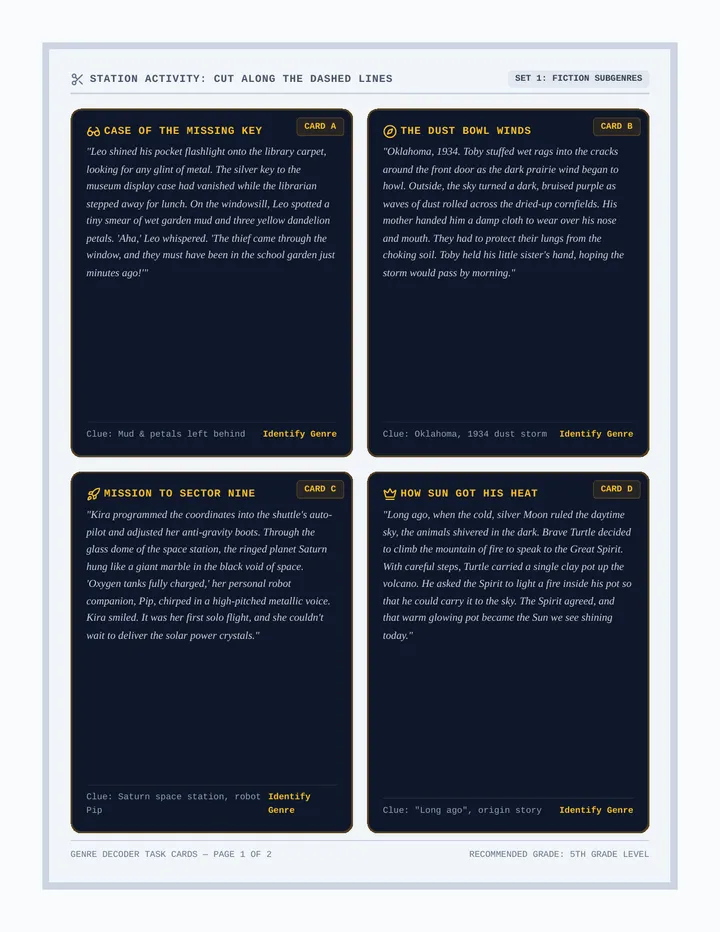
A comprehensive lesson designed for 5th-grade students to identify and distinguish between key literary genres, including fiction and nonfiction basics, and a modern mix of fantasy, science fiction, mystery, and adventure.
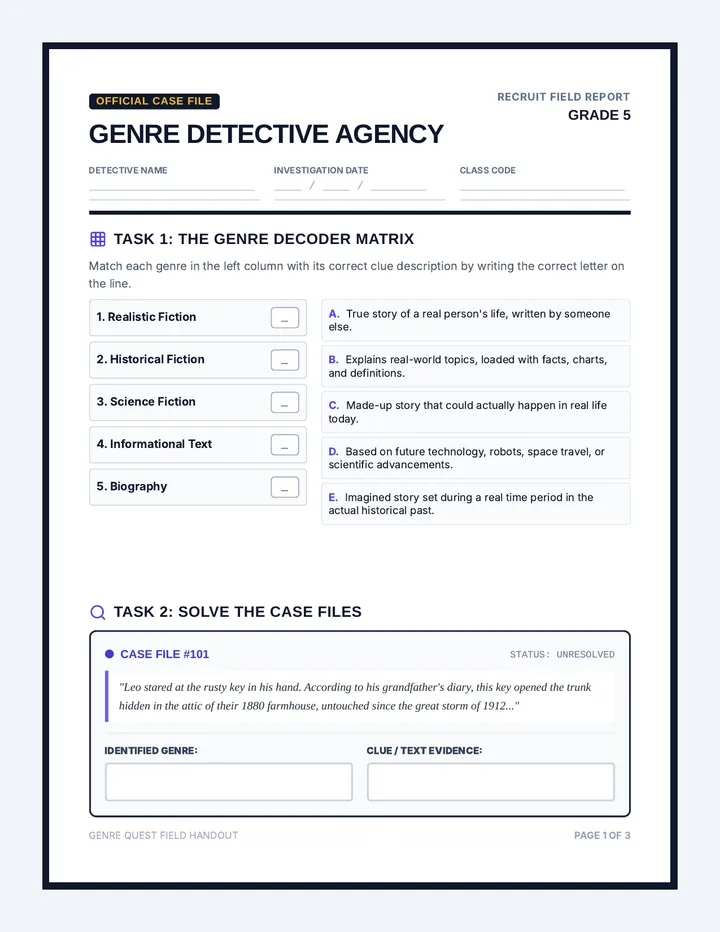
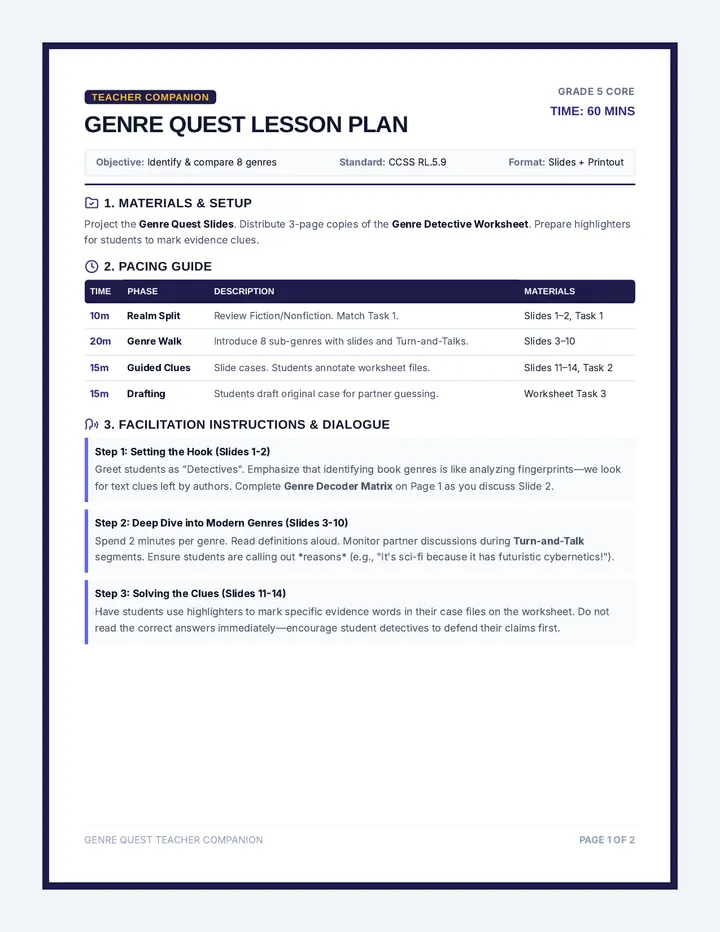
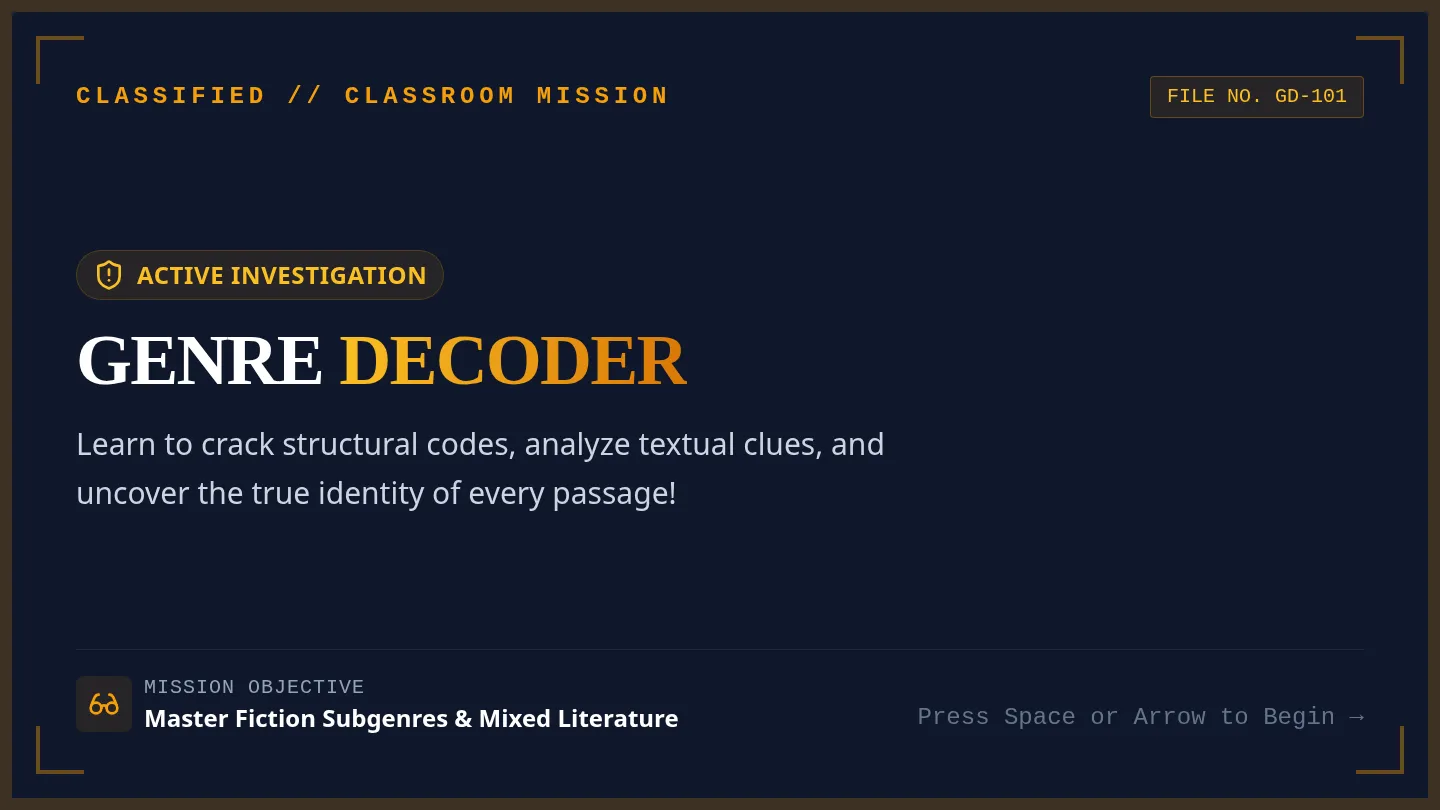
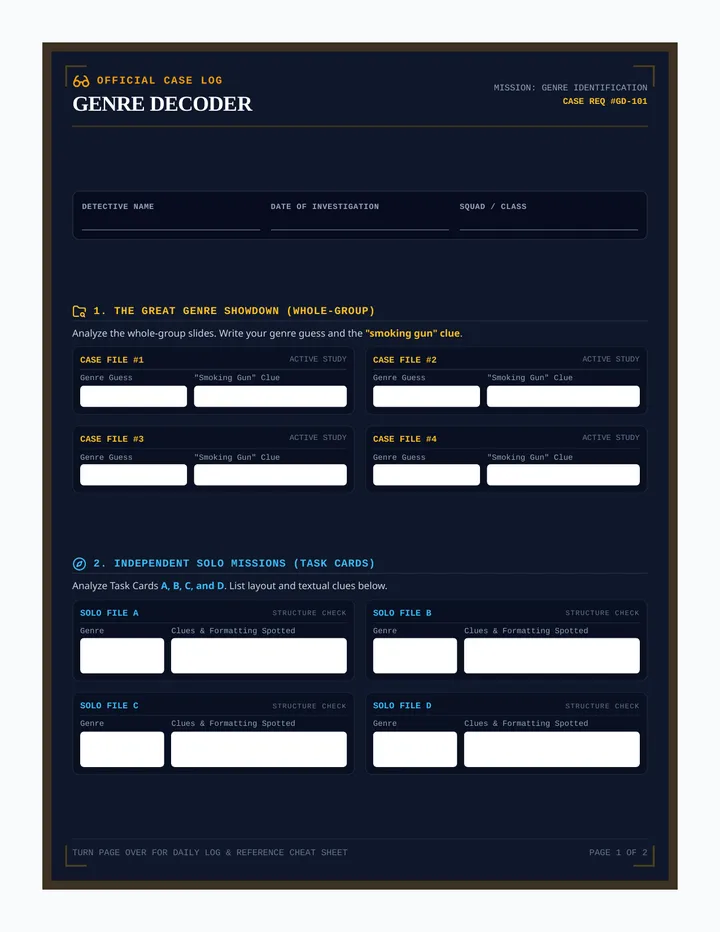
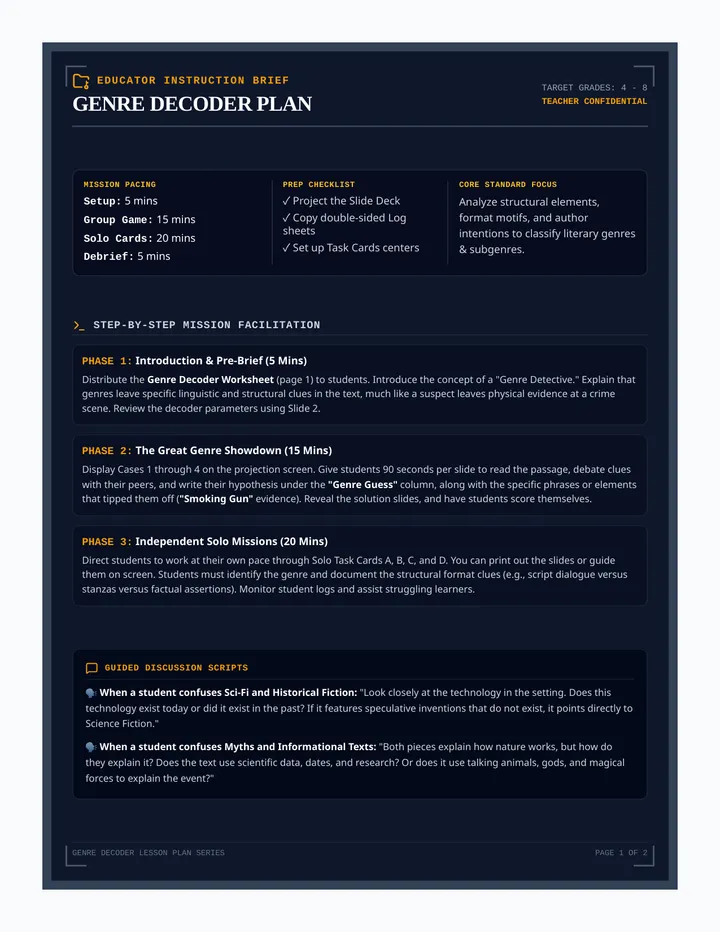
An interactive, gamified lesson where students become 'Genre Detectives' to identify fiction subgenres and mixed literature genres. Includes an interactive classroom presentation, a printable student recording sheet, and a comprehensive teacher guide with full answer keys.
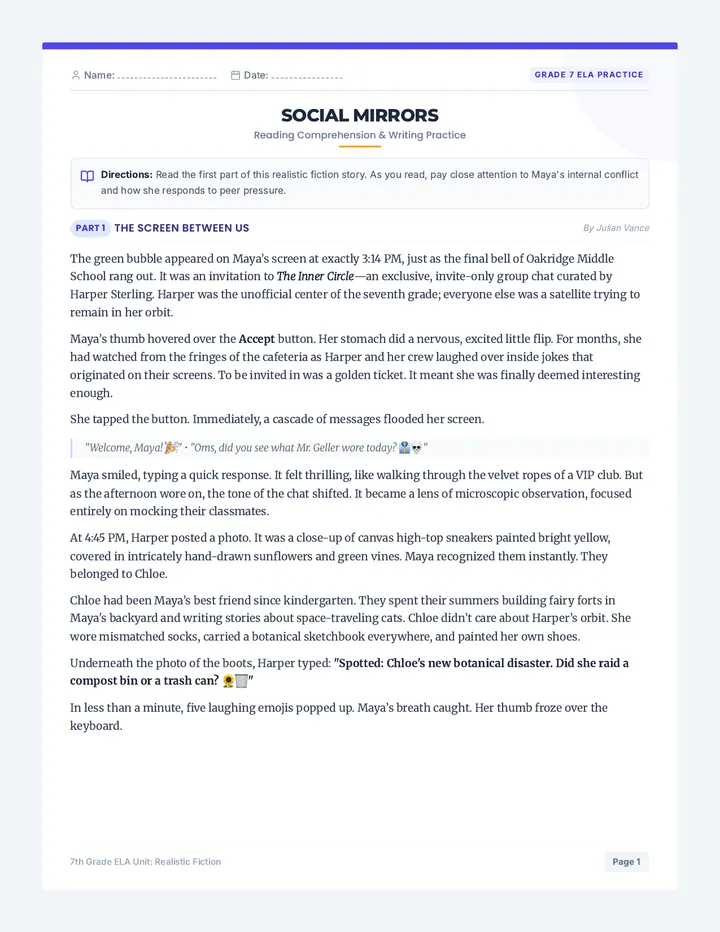
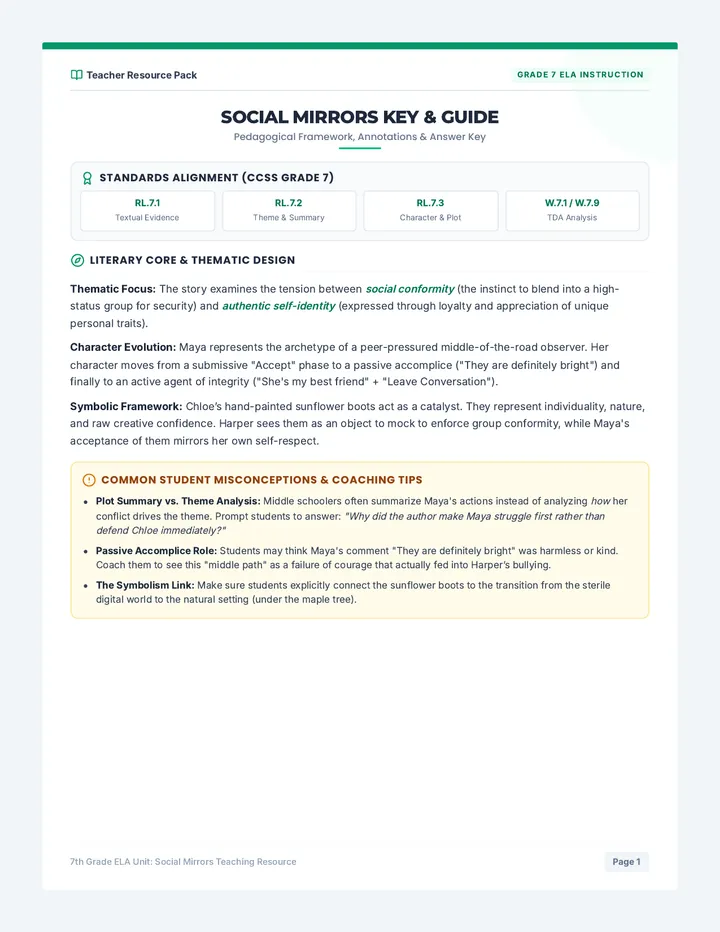
A rigorous 7th-grade reading and writing lesson centered around an engaging realistic fiction story about middle school peer dynamics, online group chats, and authentic friendships. Students read a high-interest passage, answer text-dependent comprehension questions, and write an analytical essay citing text evidence.
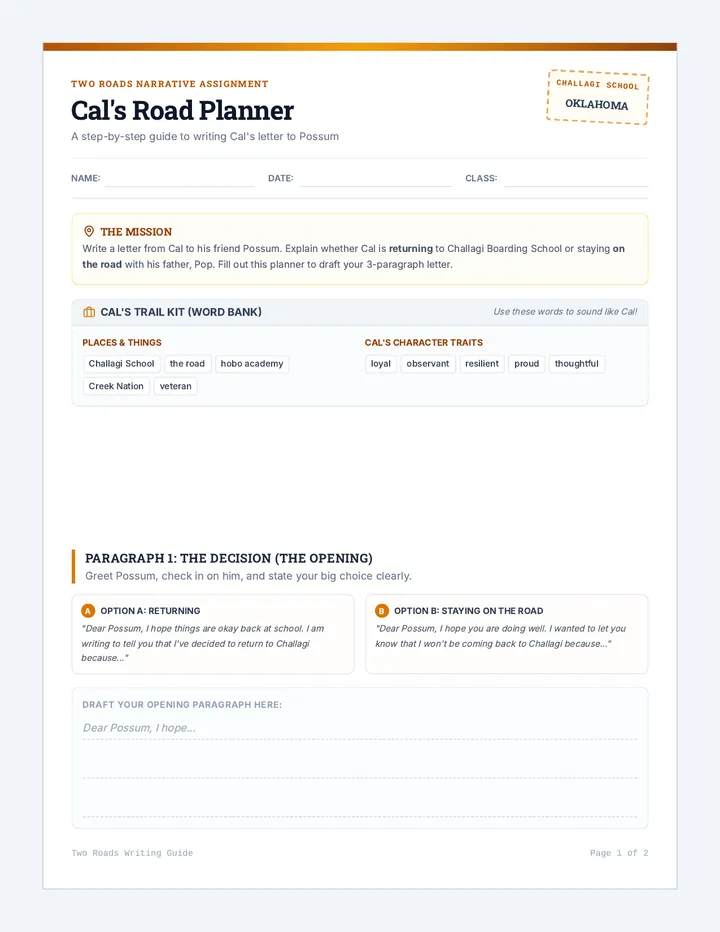
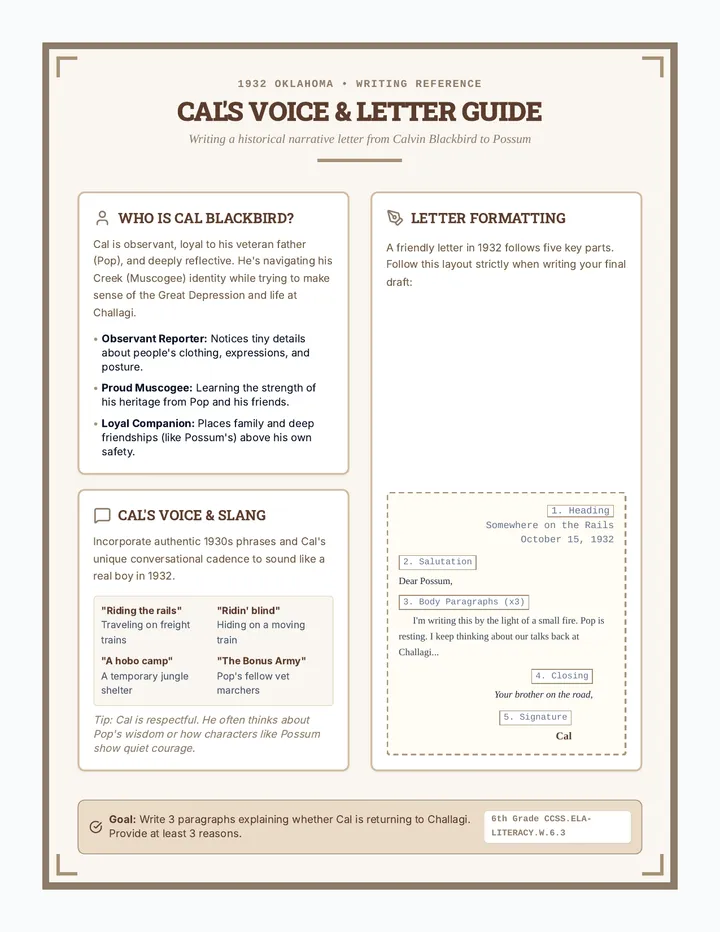
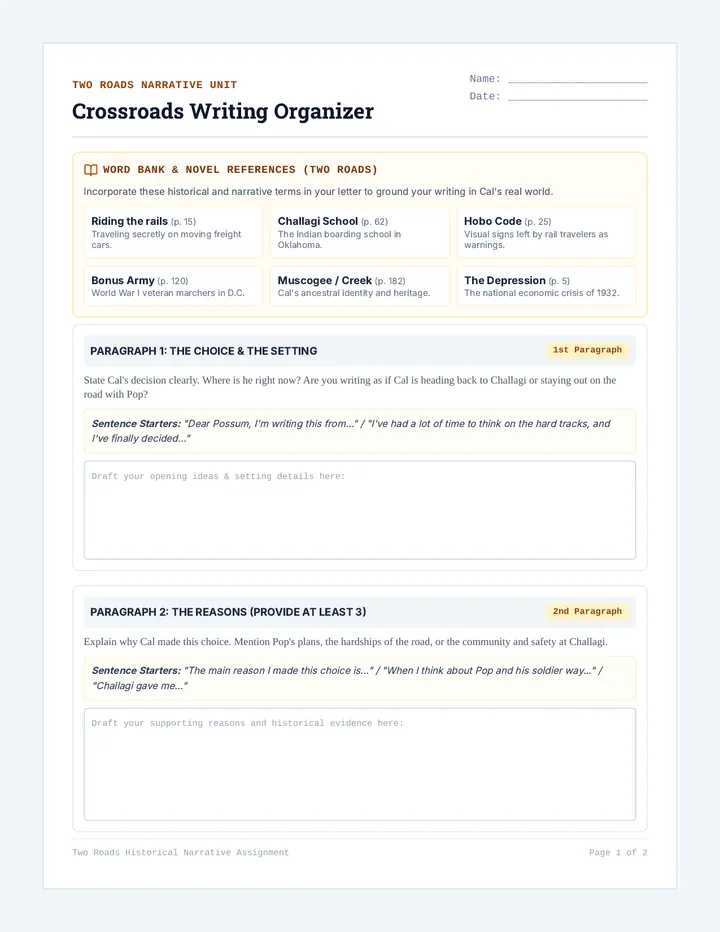
A planning and writing lesson centered around Joseph Bruchac's novel Two Roads, guiding students to write a structured narrative letter from Cal to Possum with differentiated scaffolding.
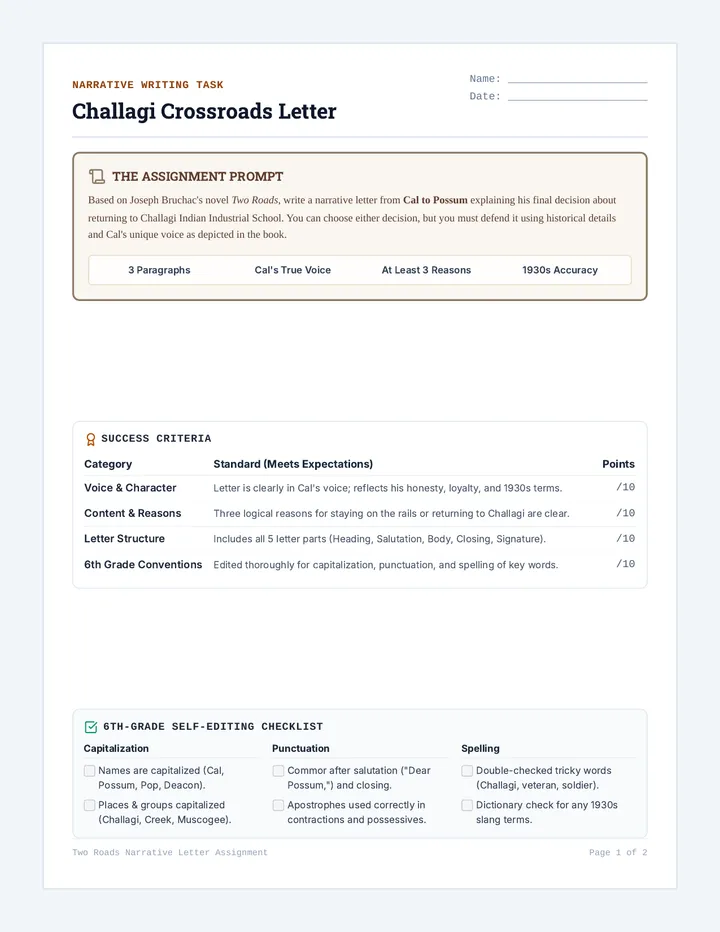
A narrative writing lesson based on Joseph Bruchac's novel *Two Roads*, where students write a three-paragraph letter from Cal to Possum detailing his decision about returning to Challagi Indian Industrial School. Includes an anchor chart, a graphic organizer, and a formal assignment sheet with editing support.
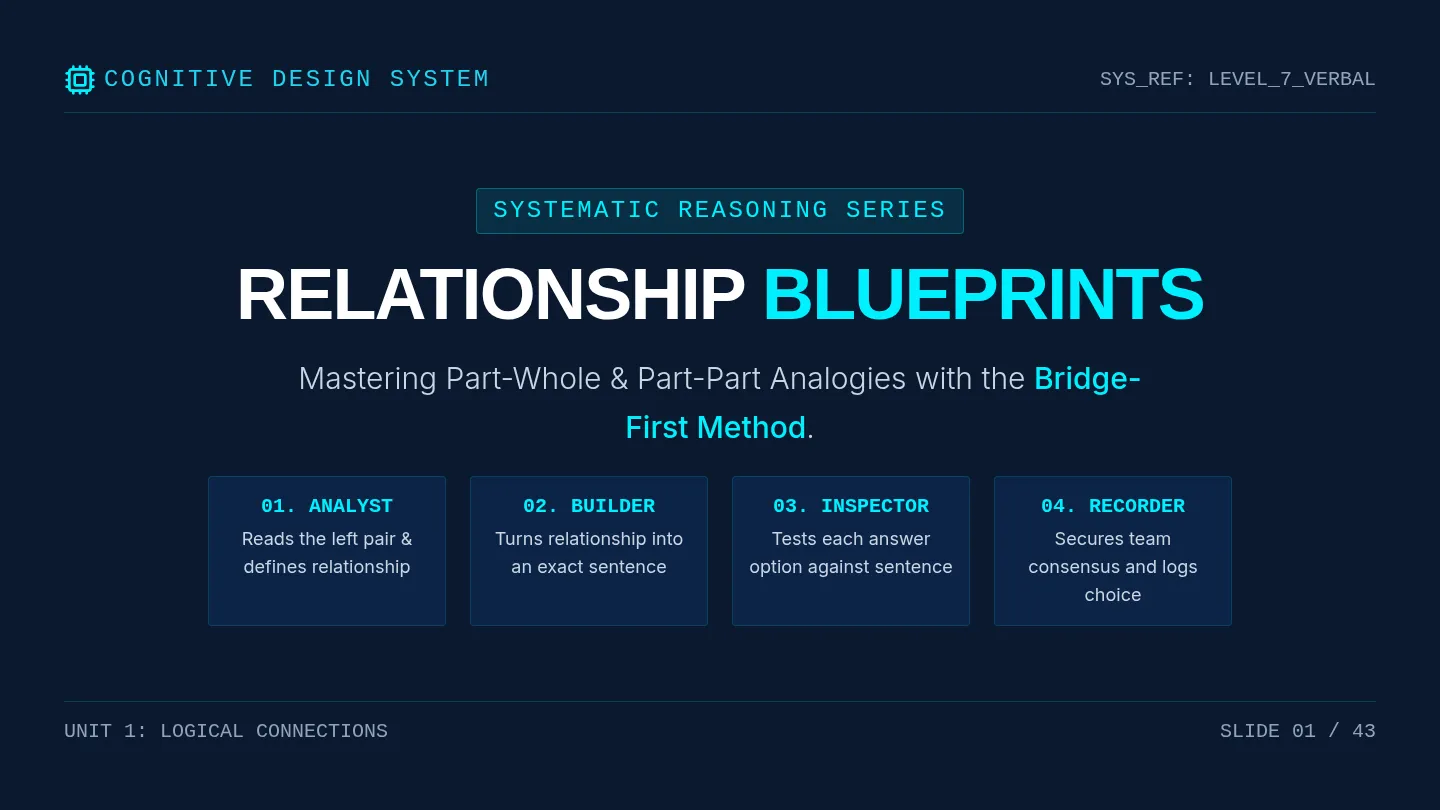
An interactive slide deck focusing on part-whole and part-part analogies for seventh graders, emphasizing the strategy of formulating the relationship before viewing multiple-choice options.
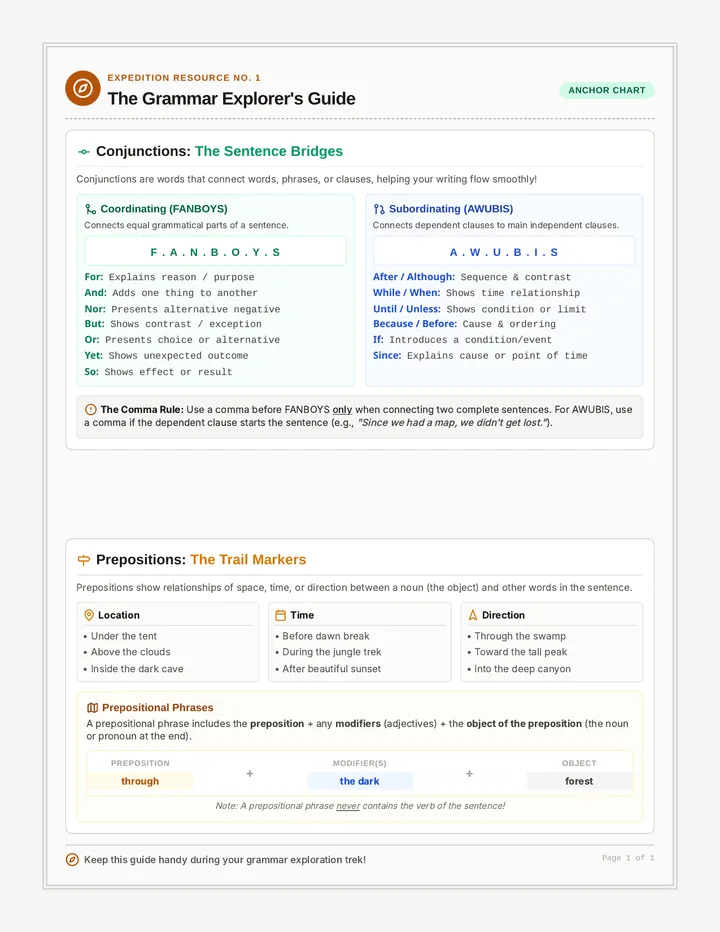
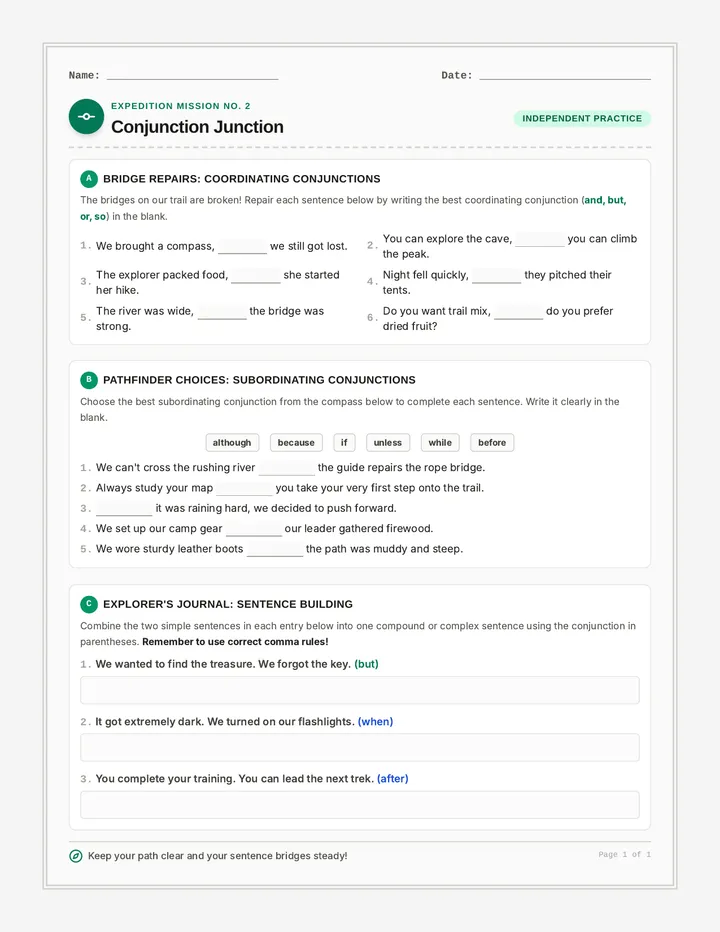
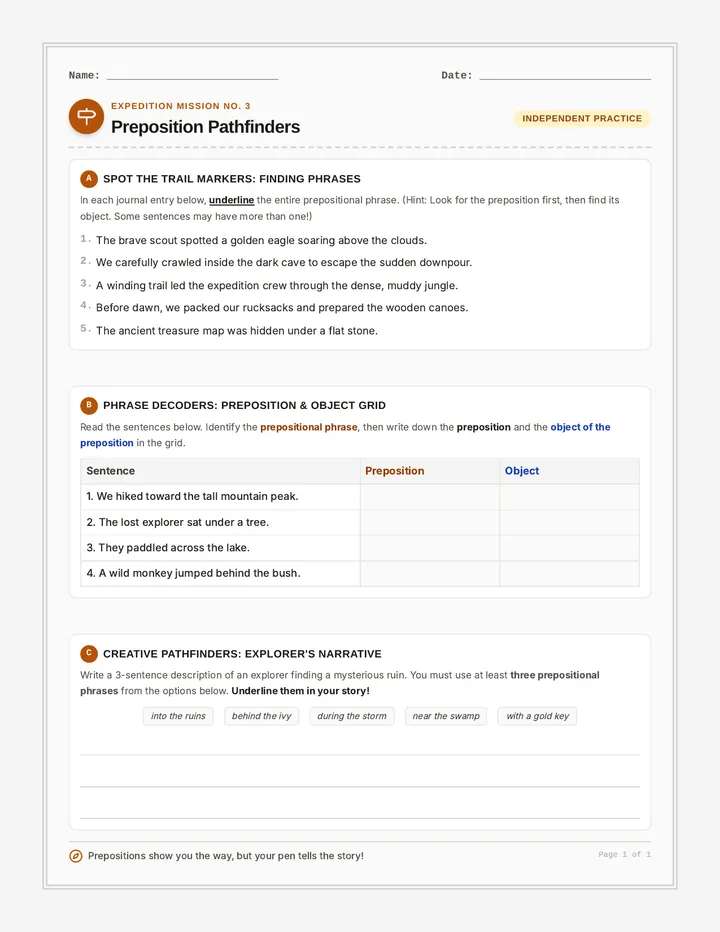
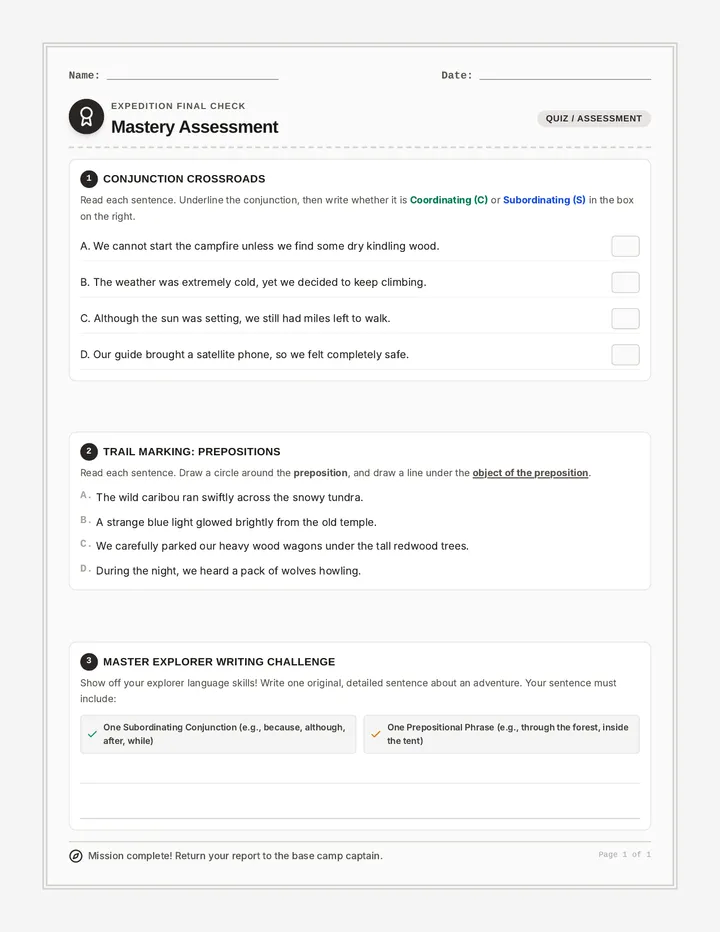
A comprehensive 5th-grade grammar unit focused on mastering conjunctions (coordinating and subordinating) and prepositional phrases through engaging, explorer-themed worksheets and reference tools.
Students compile their four-sentence creative stories into a comic strip layout, add simple illustrations, and celebrate their storytelling accomplishments.
Students resolve their story's problem, writing their fourth sentence using "Then, ..." and selecting a happy resolution symbol.
Students introduce a simple conflict or surprise for their character, writing a sentence with "Suddenly..." and problem-based action icons.
Students choose a creative setting (such as outer space or a magic forest) and write a sentence using "They are in..." with visual setting prompt cards.
Students invent a fictional character (such as a superhero or friendly animal) and write a sentence describing them using "This is..." and physical descriptors with visual symbols.
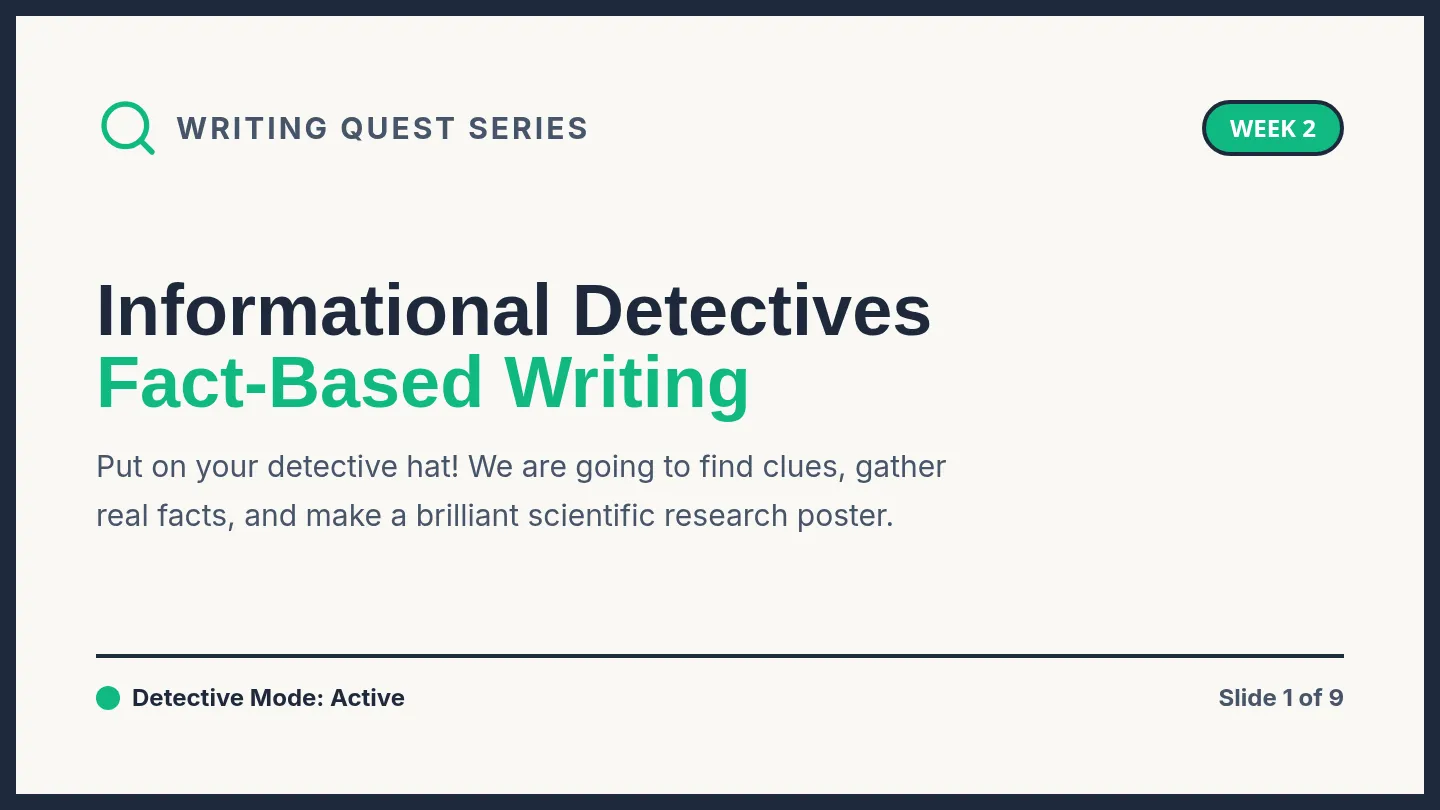
Students present their informational posters to peers using verbal or non-verbal communication supports, celebrating their factual discoveries.
Students assemble their key fact, evidence sentence, and concluding statement into a coherent, illustrated informational poster.
Students conclude their informational piece by writing a third sentence that summarizes their topic using a "Now you know about..." sentence starter and visual symbols.
Students locate visual evidence or supporting clues (such as food or habitat icons) to back up their first key fact, writing a second sentence using "It has..." or "It lives..." frames.
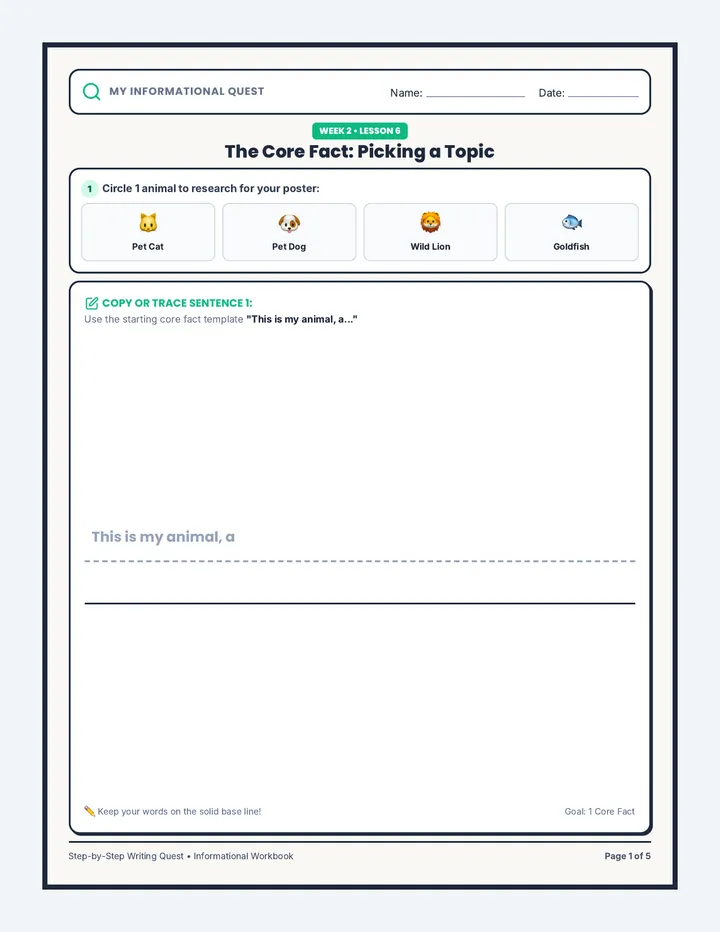
Students choose an informational topic (such as an animal or a local community job) and identify their first key fact using a visual matching organizer and "This is a..." sentence frame.
Students practice reading their three-sentence narratives to a peer or teacher, using visual communication boards as support, and celebrate their completed stories.
Students compile their first, middle, and ending sentences into a complete, logically sequenced three-sentence personal narrative, adding simple decorative illustrations.
Students conclude their personal narrative by writing about the final event using a "Last, I..." sentence starter, focusing on chronological closure and a simple emotion word.
Students continue their personal narrative by writing about the middle event using a "Next, I..." sentence starter and corresponding visual icons to show chronological order.
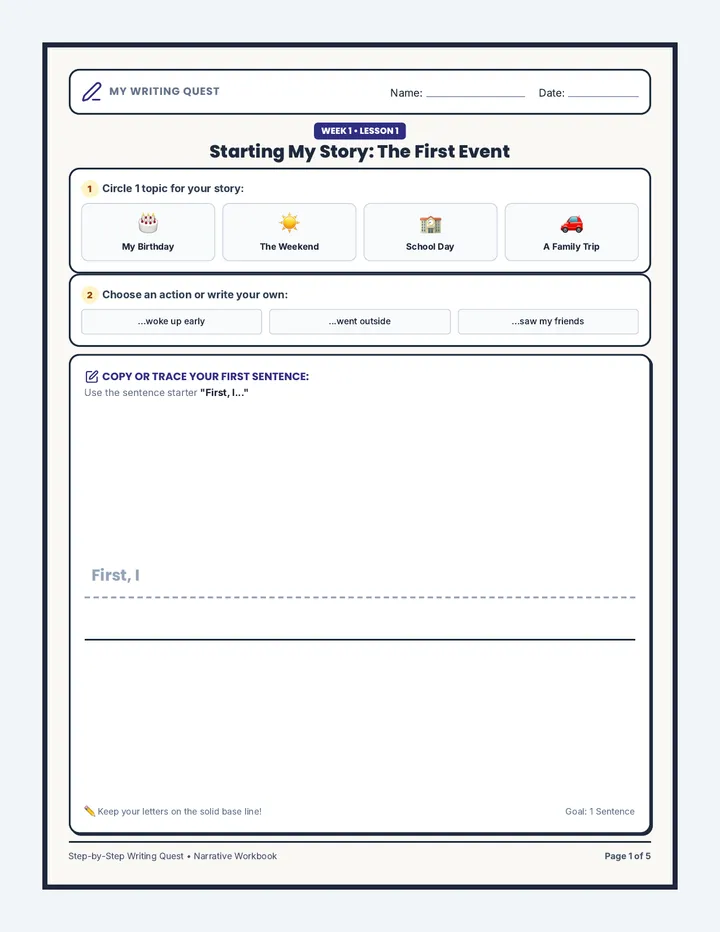
Students choose a personal topic (such as a favorite memory or weekend activity) and write their first complete sentence describing the first event using a "First, I..." sentence starter and visual picture cards.