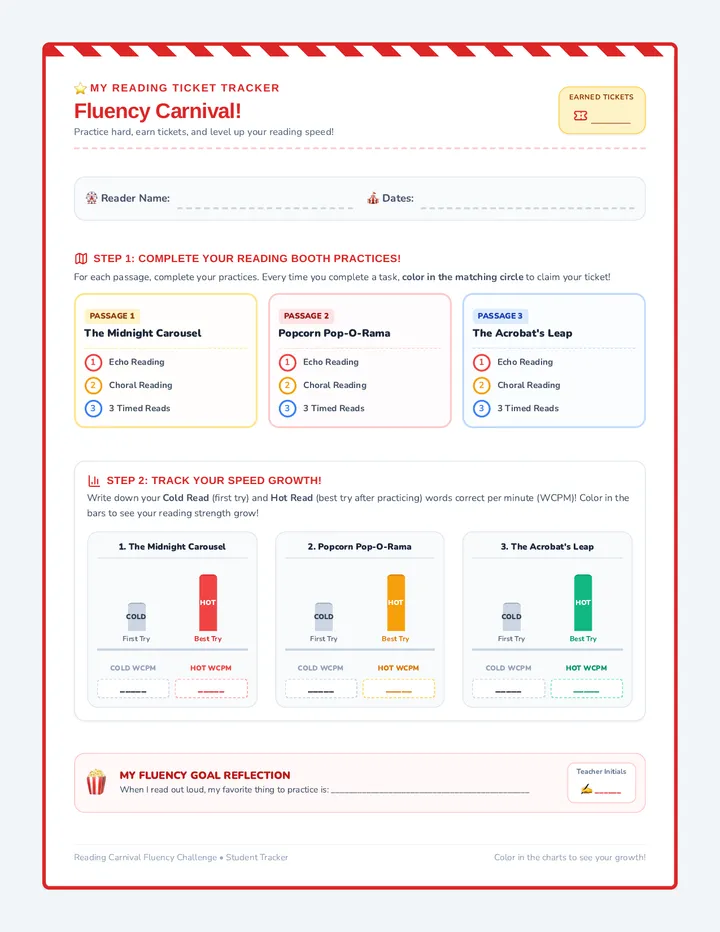
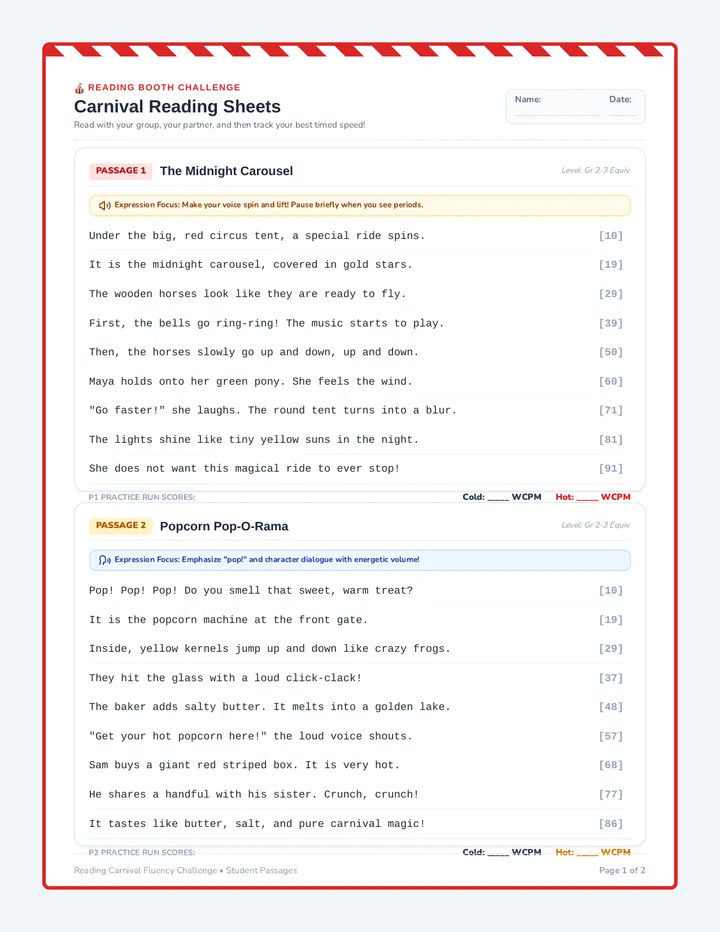
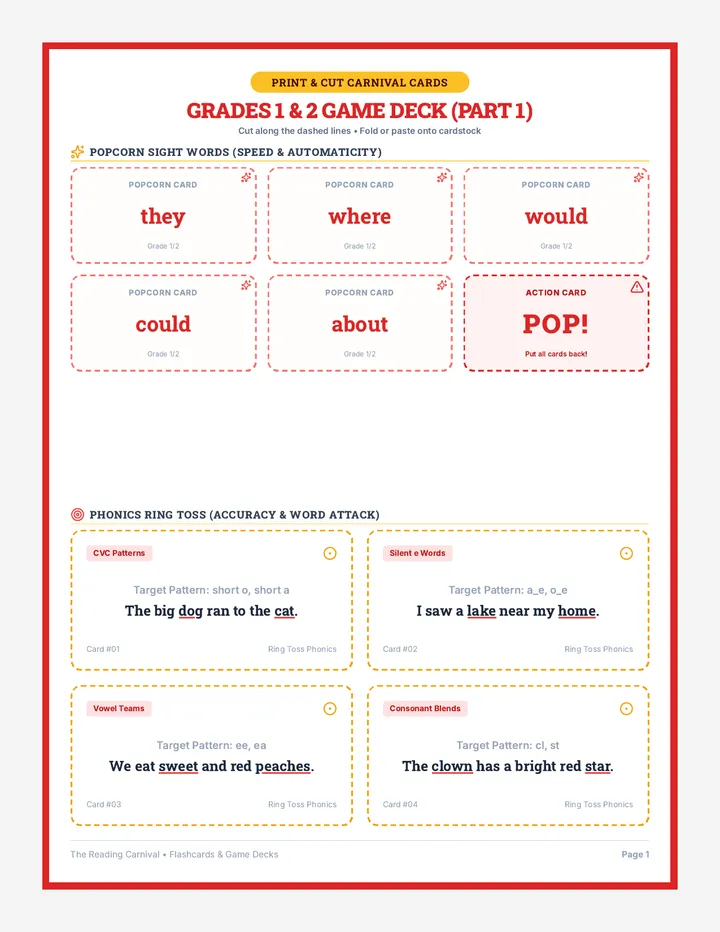
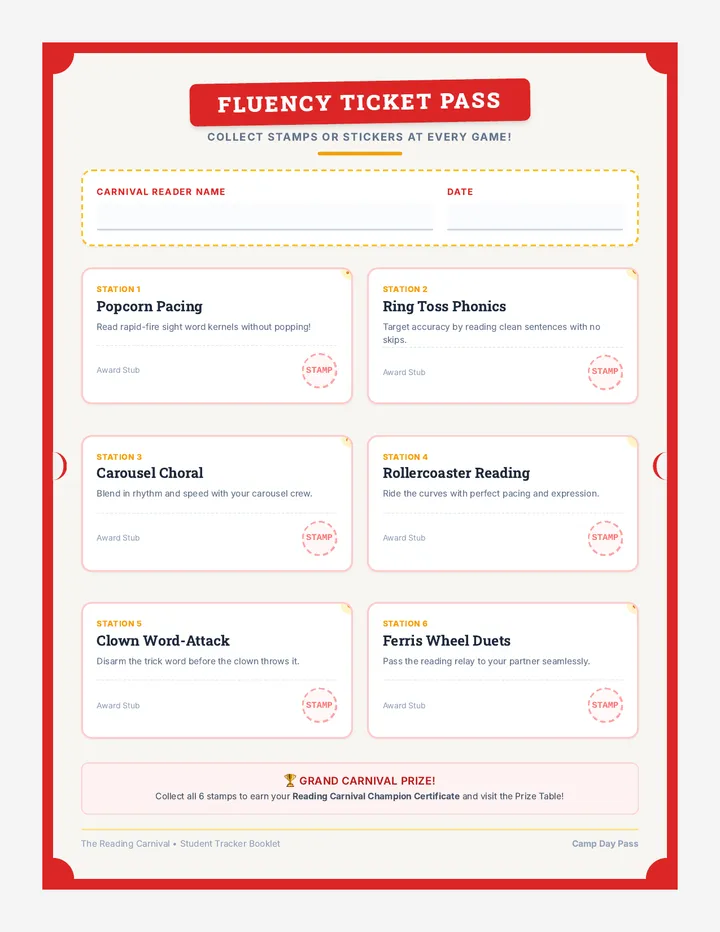
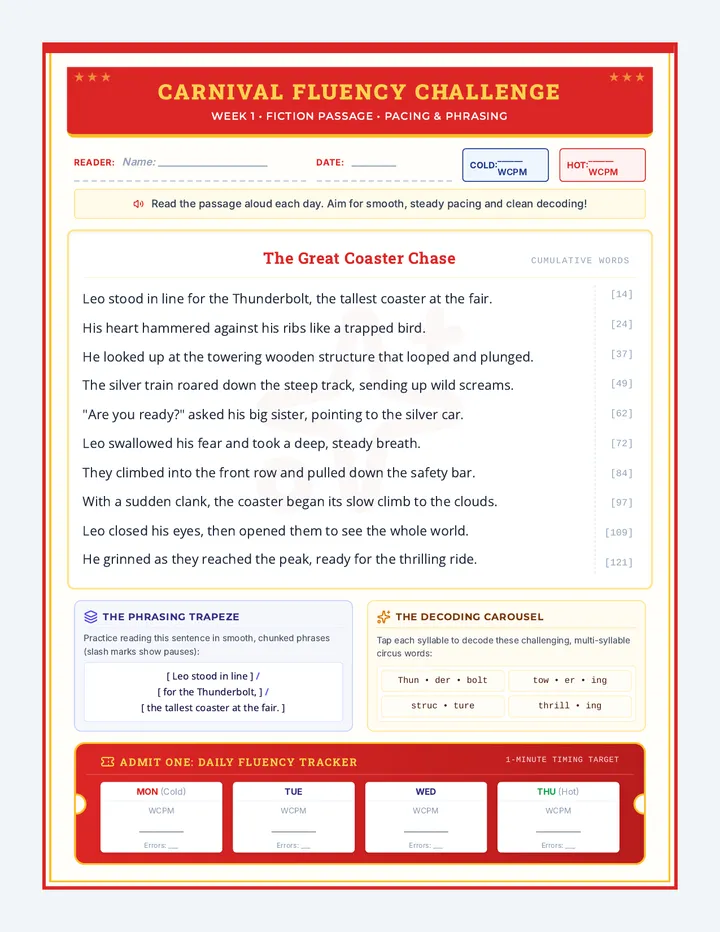
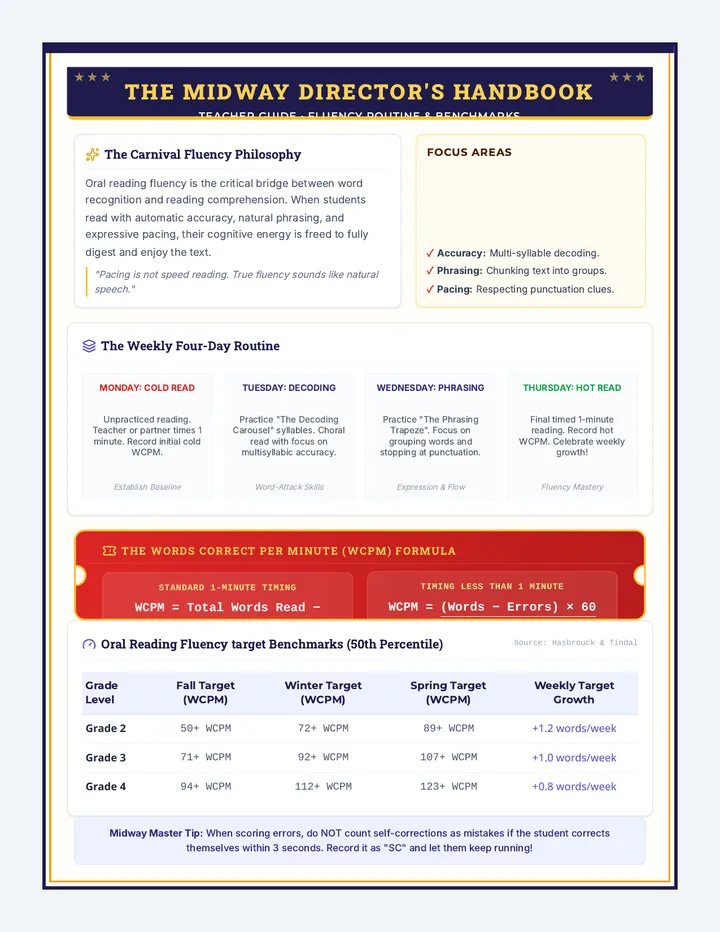
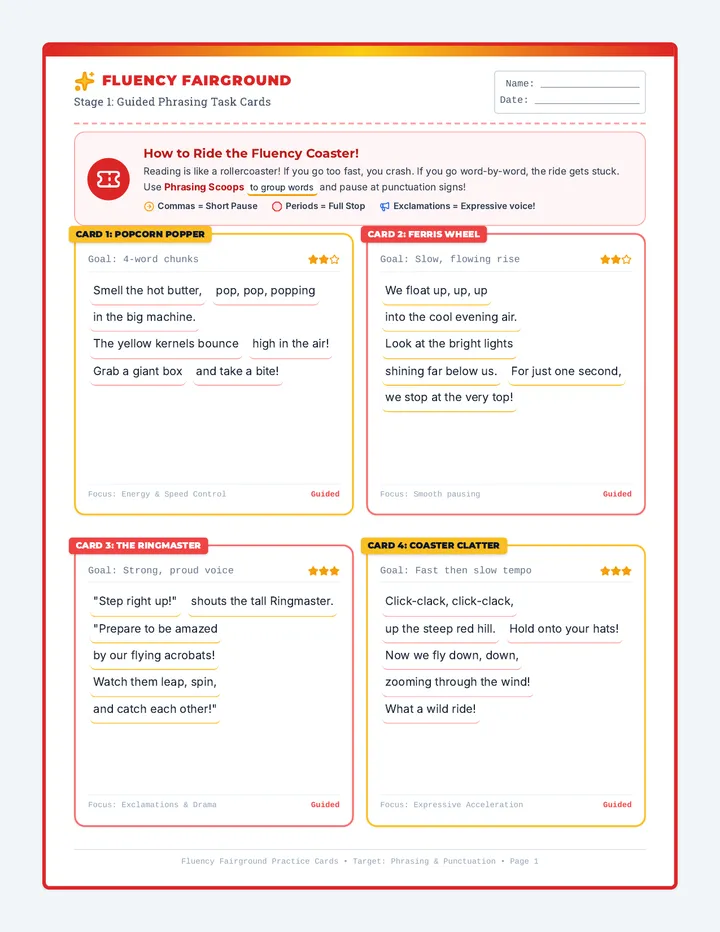
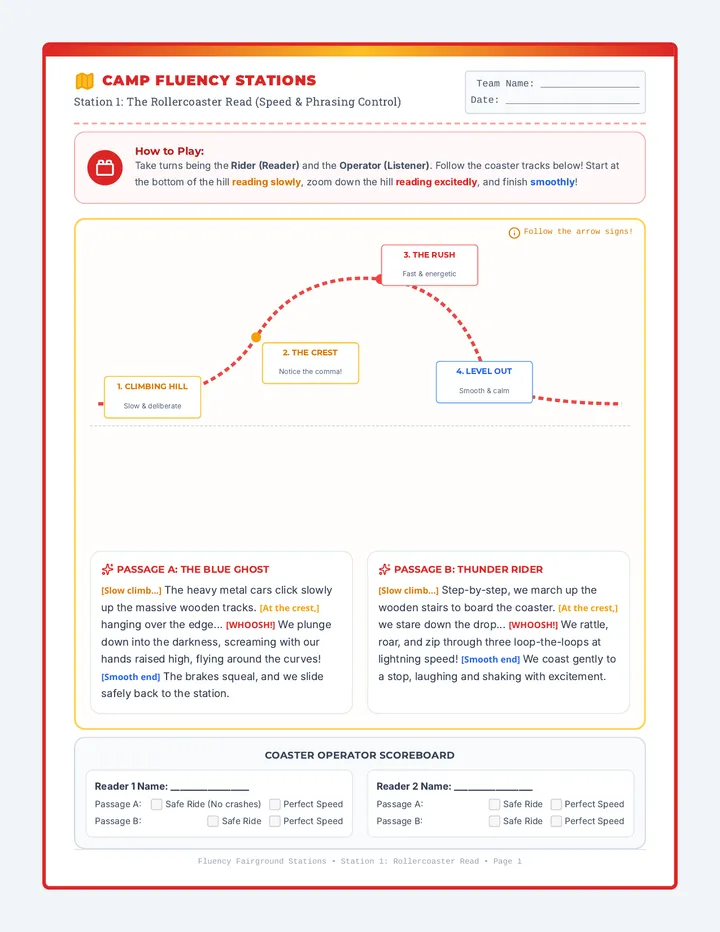
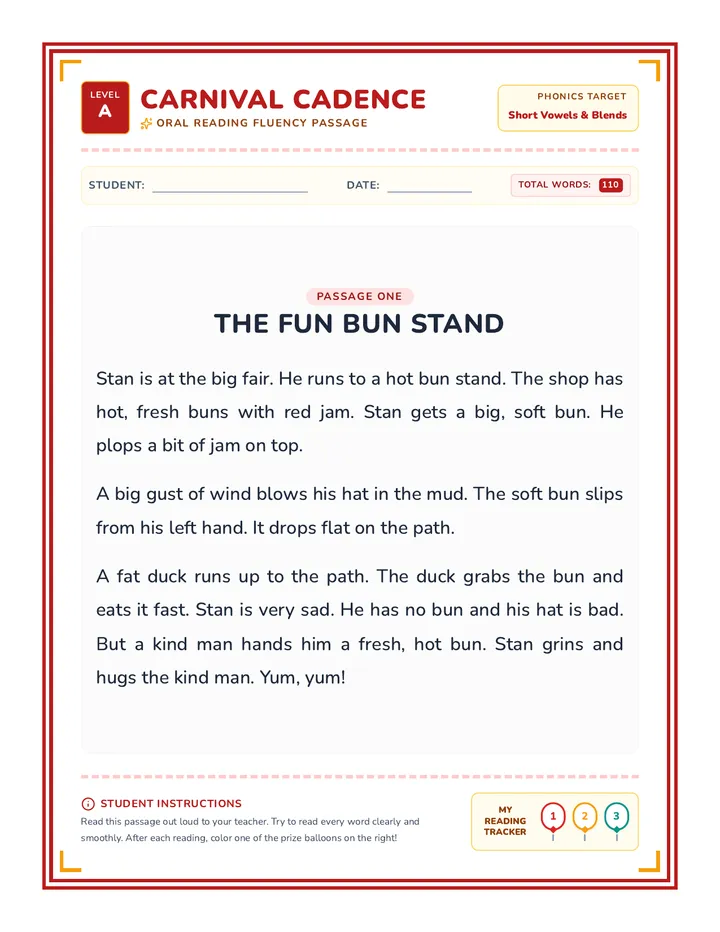
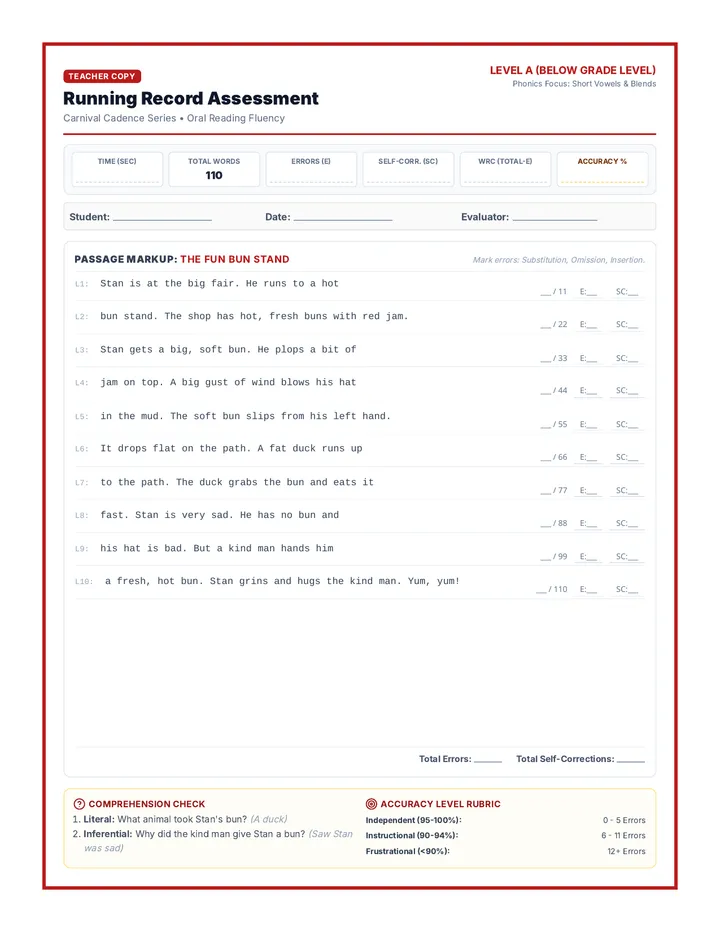
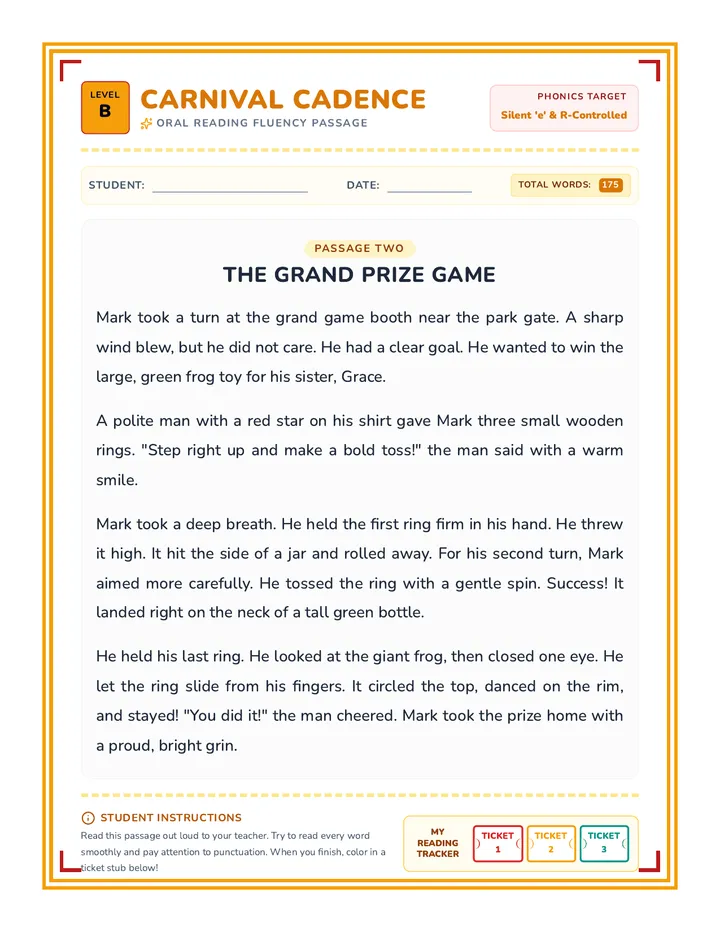
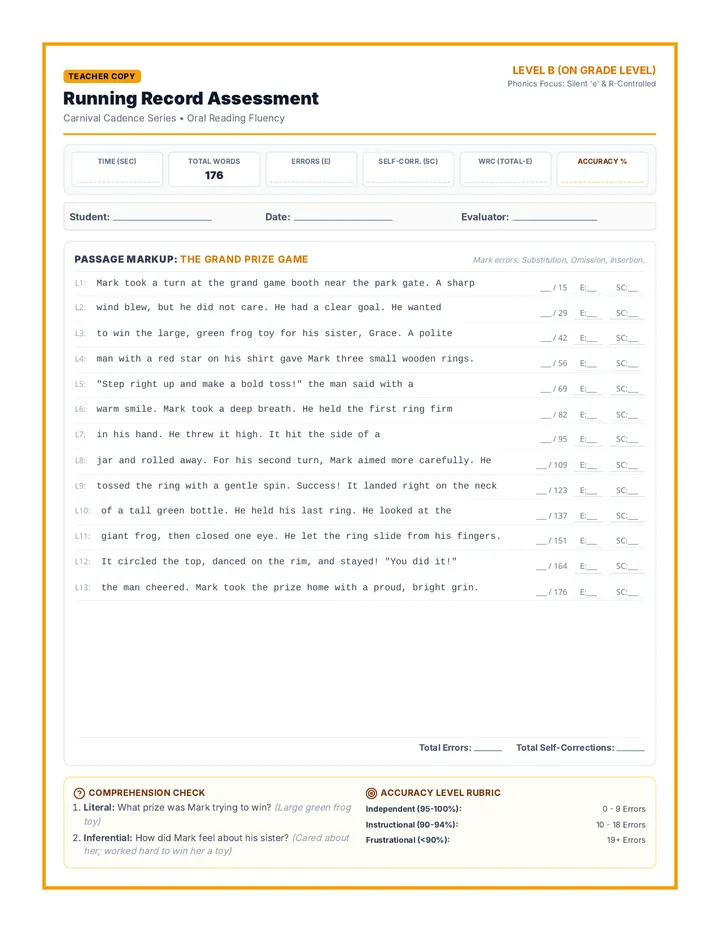
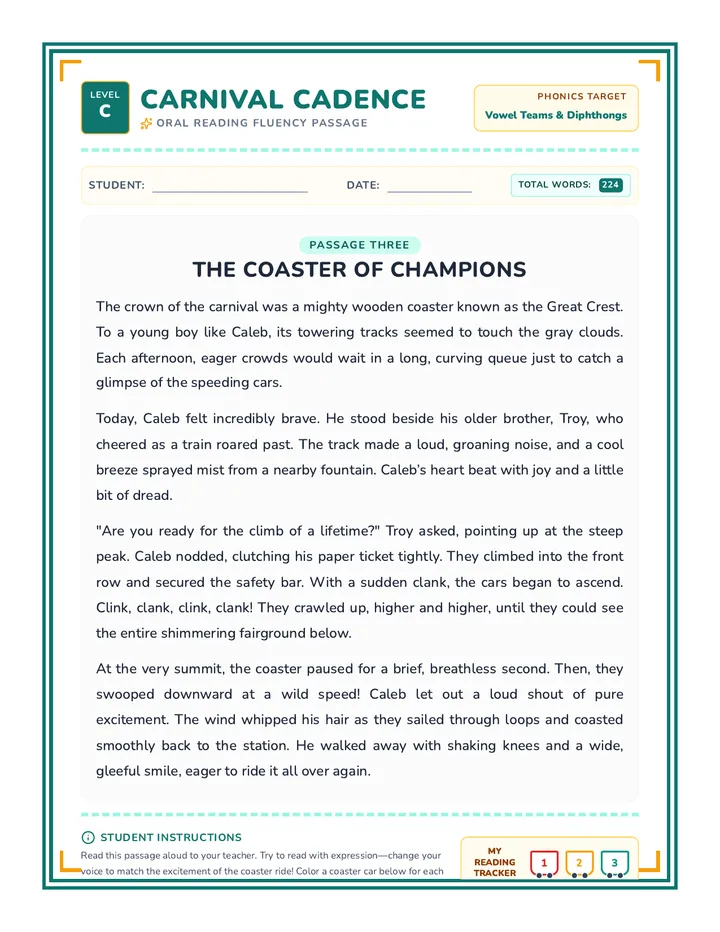
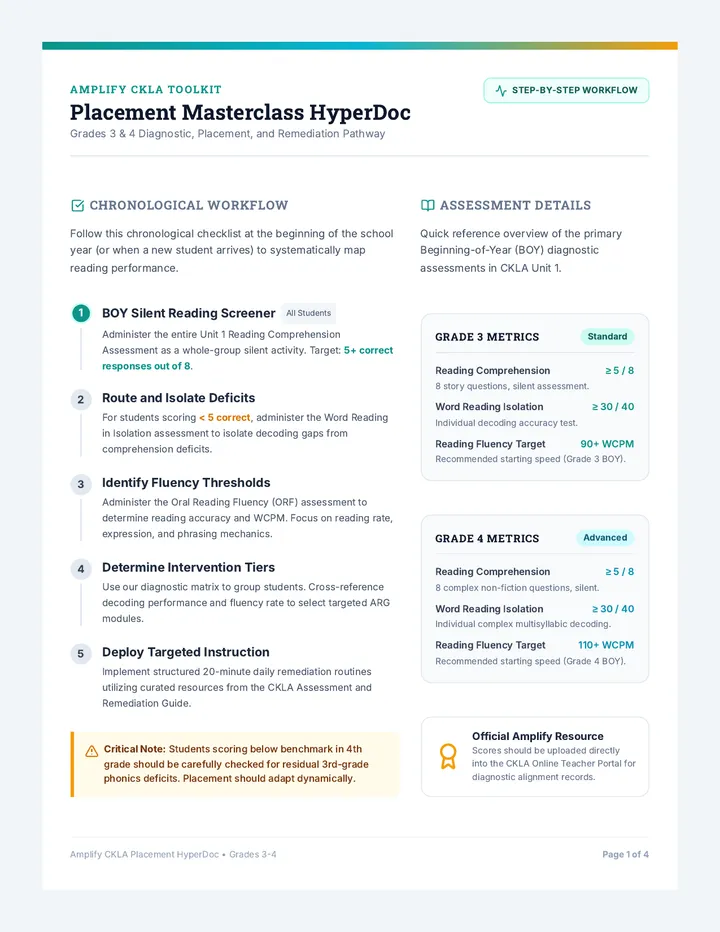
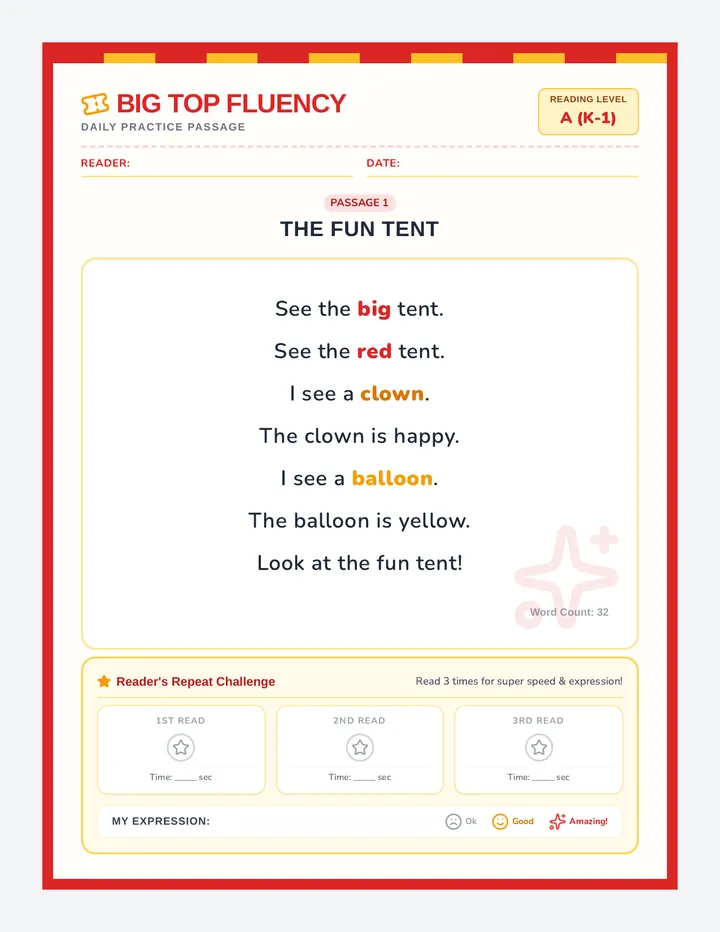
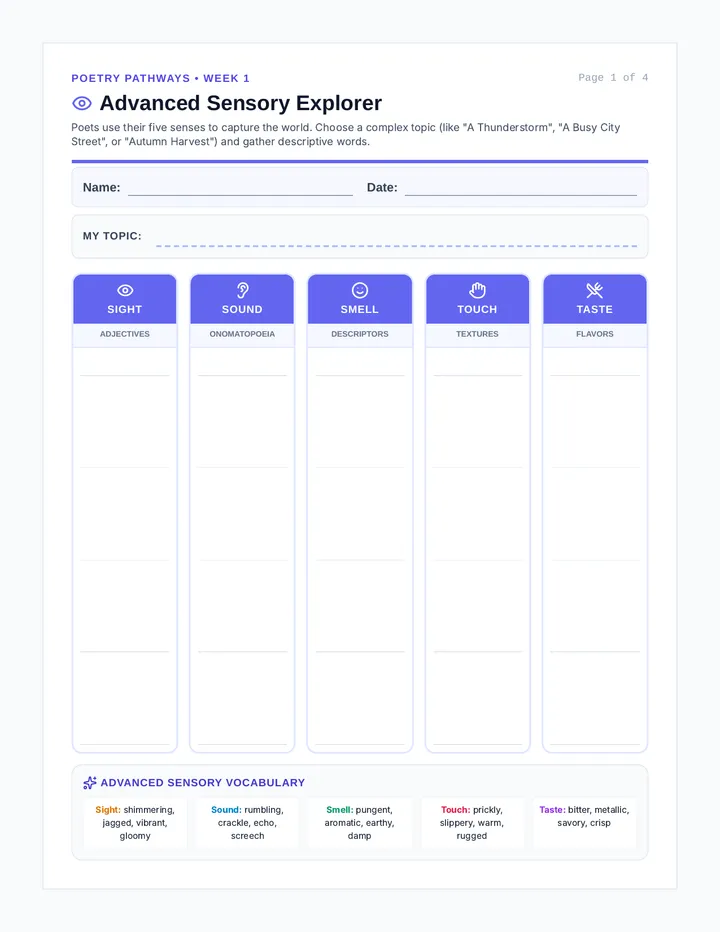
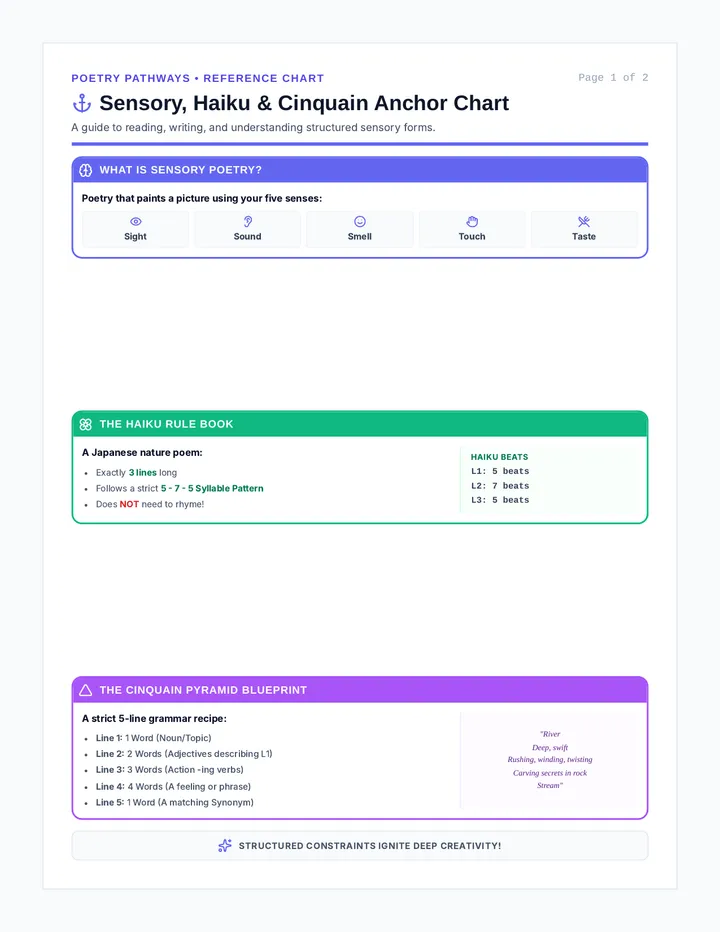
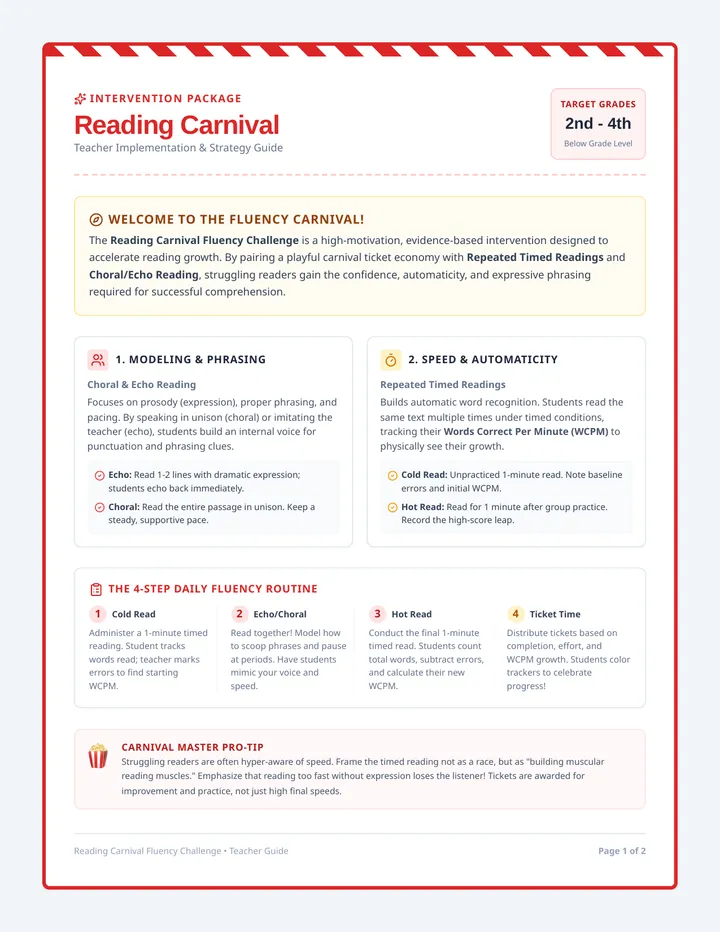
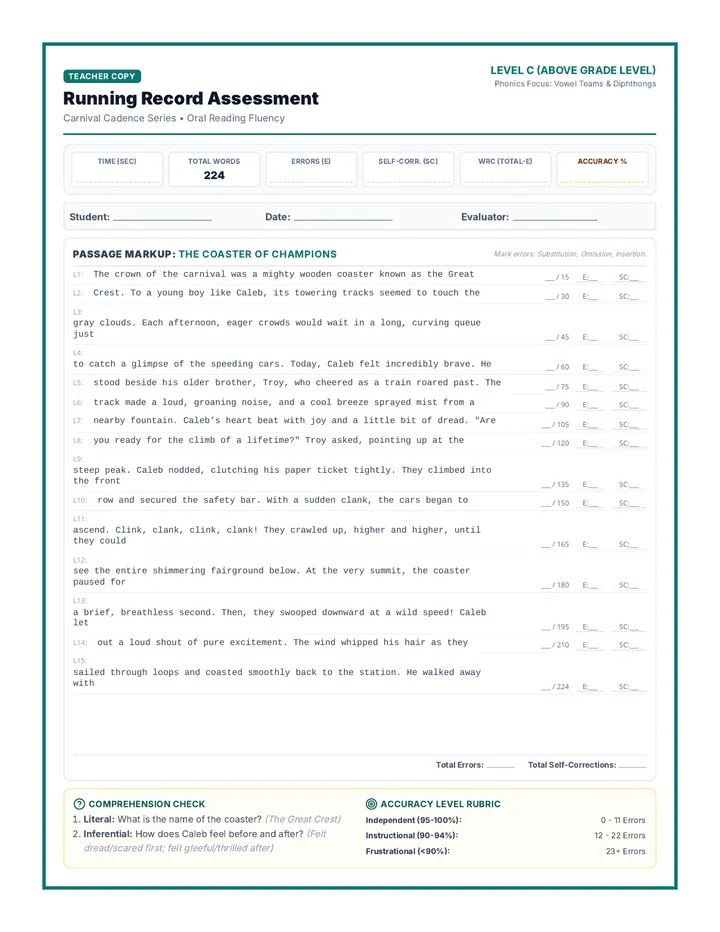
A set of resources designed to help parents understand and support their child's reading fluency progress at home, focusing on the balance between speed and accuracy.
Focusing on CCSS W.4.3.e, students write a satisfying conclusion and reflect on their narrative writing journey through an exit ticket.
Focusing on CCSS W.4.3.b and W.4.3.d, students use dialogue and sensory details to describe the climax and potential solutions to the story's problem.
Focusing on CCSS W.4.3.c, students organize event sequences using transitional words. Groups will plan the 'rising action' for the chosen story start and vote for the best path forward.
Students focus on CCSS W.4.3.a by establishing a situation and introducing characters. They will draft a story 'hook' and vote on the best start for the class's collaborative story.
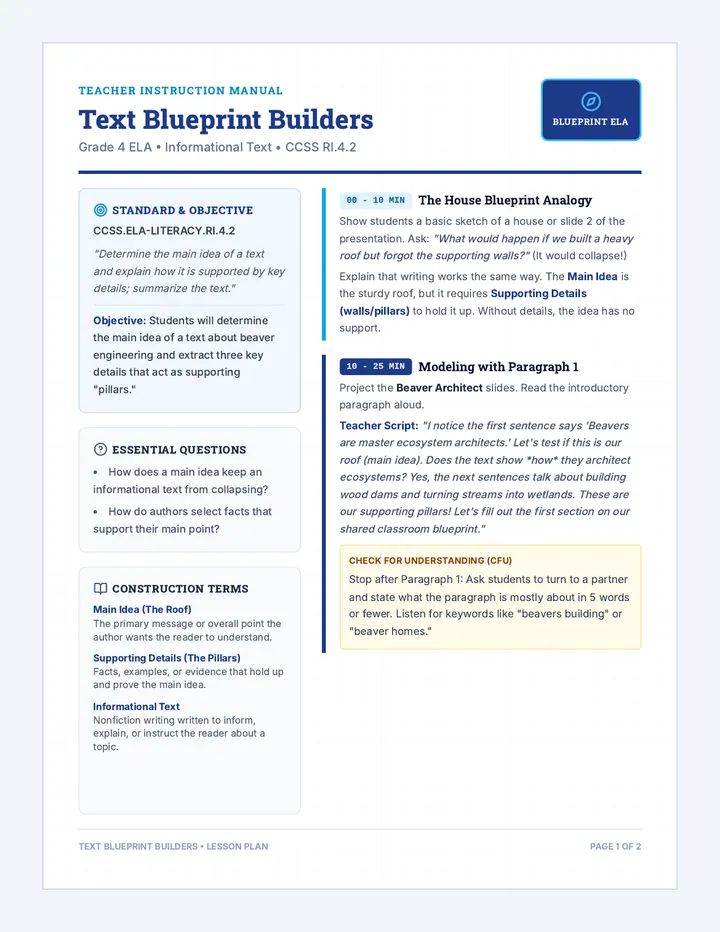
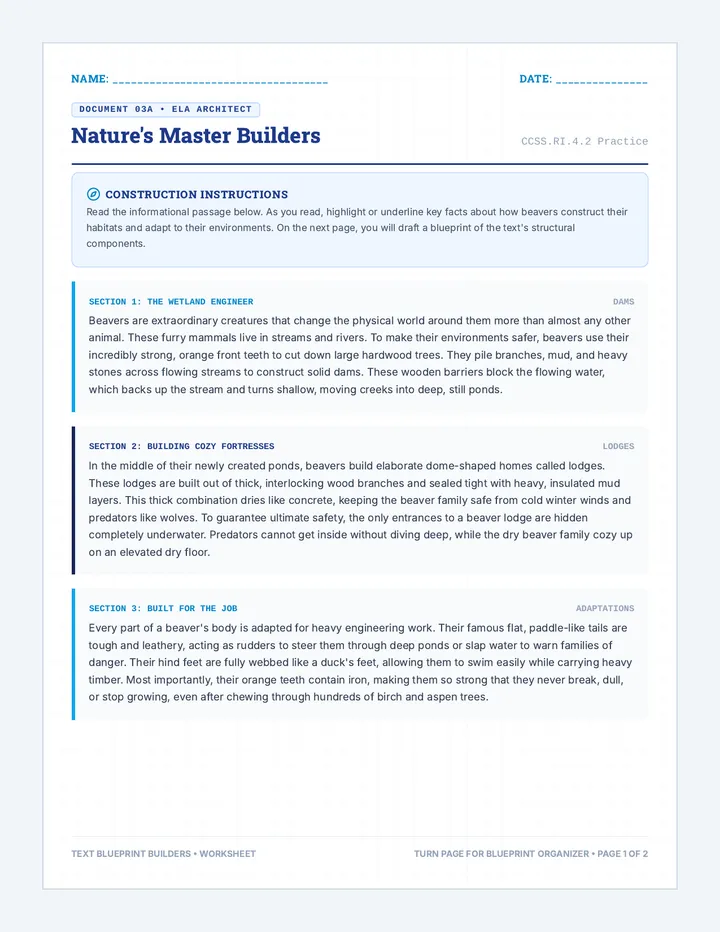
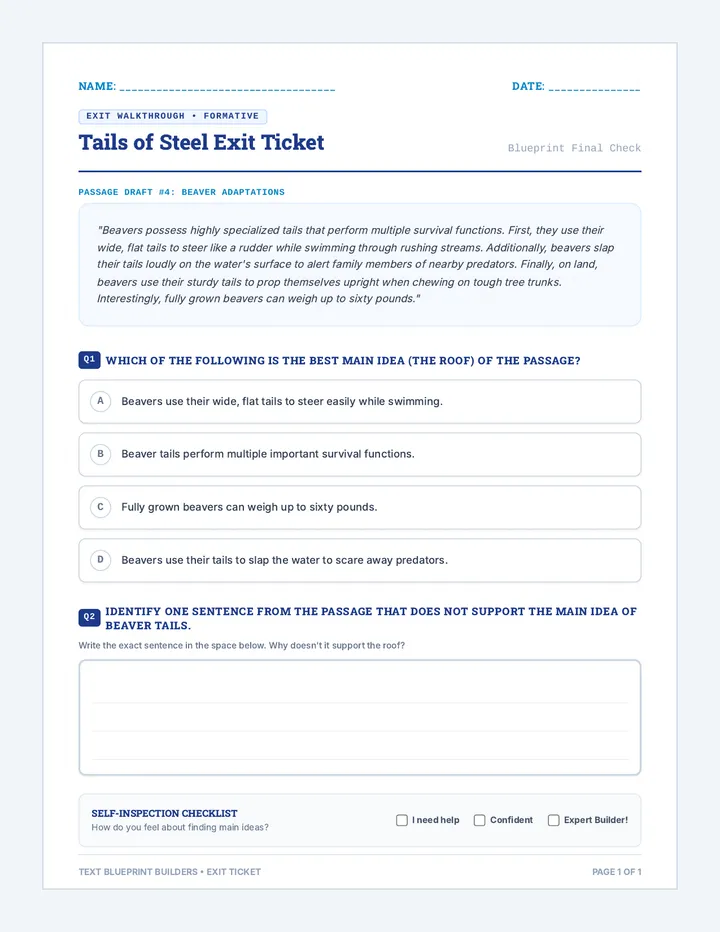
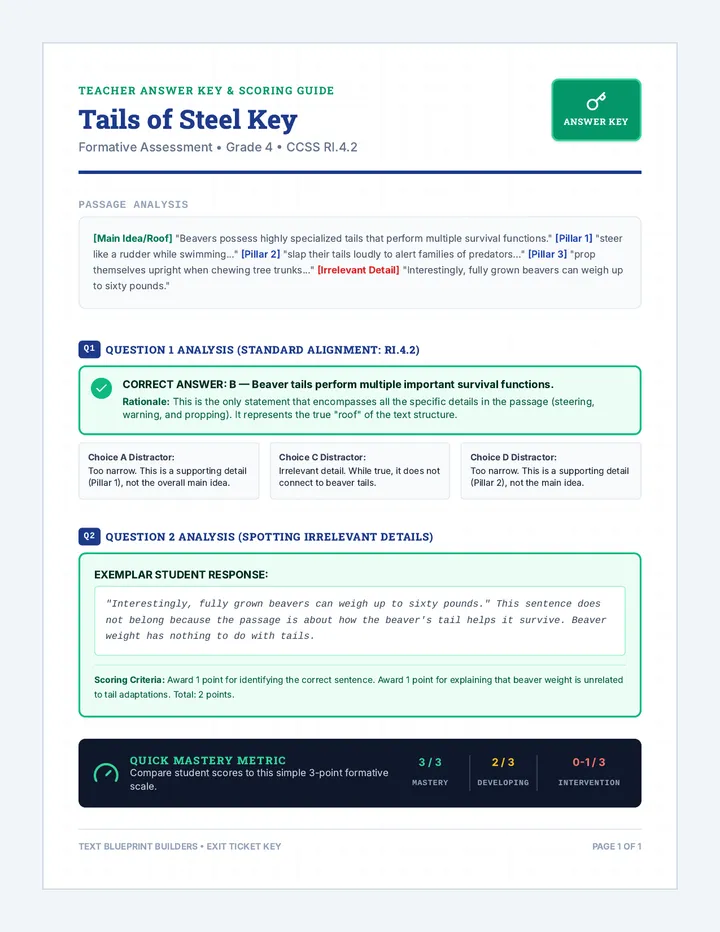
A lesson focused on determining the main idea and supporting details using a text about beavers as nature's engineers. Includes a reading passage and multiple-choice comprehension questions.
A lesson focused on identifying the main idea and supporting details in nonfiction texts using a comparison of Giant Pandas and Red Pandas.
A set of four reading comprehension worksheets designed for partner work, covering key 3rd-grade CCSS standards for informational and literary texts. Students practice identifying main ideas, comparing and contrasting texts, and determining central messages.
A 15-minute focused reteach lesson for 3rd grade students to compare and contrast themes, settings, and plots in stories by the same author featuring the same character.
A 15-minute intervention session focused on recounting a West African folktale and determining its central message or moral using multiple-choice analysis.
A small group session focused on comparing and contrasting key details from two texts about different pollinators to find shared and unique information.
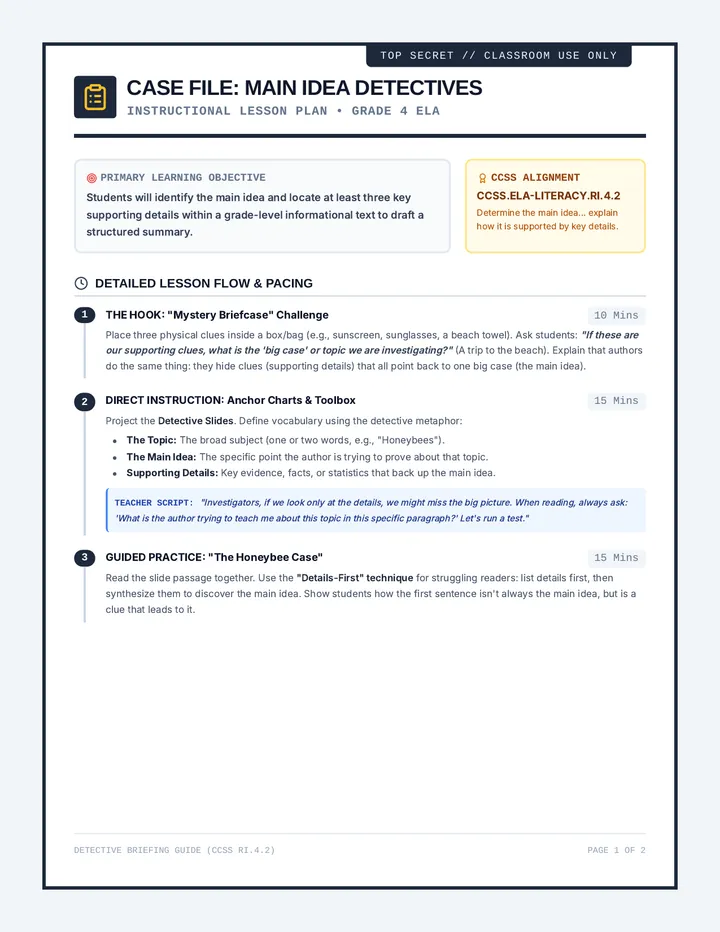
A 15-minute small group reteach focused on identifying the main idea and supporting details using an engaging passage about honeybees.
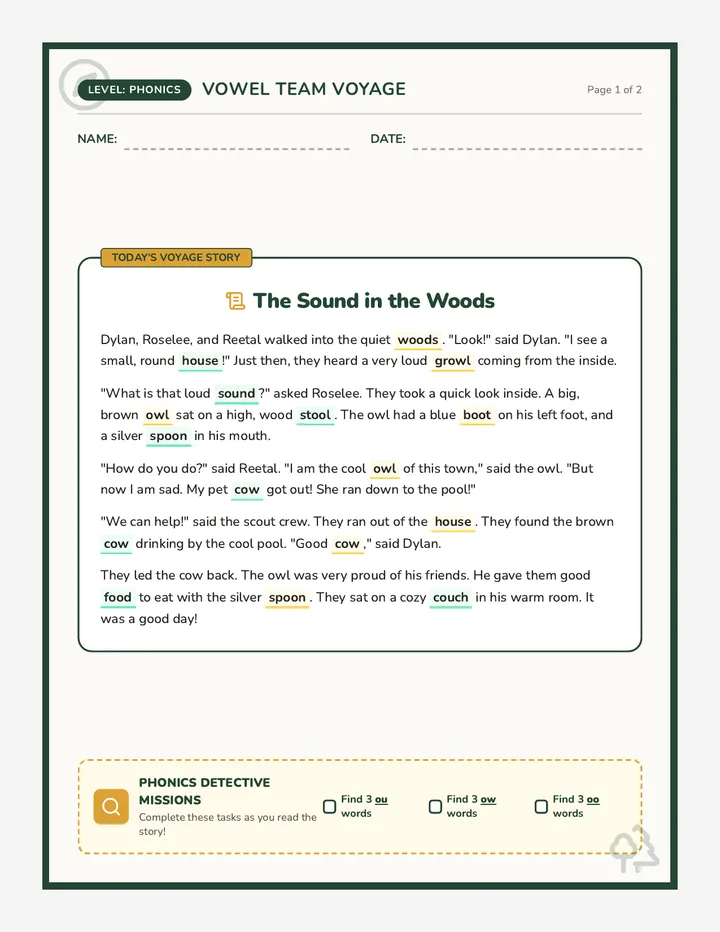
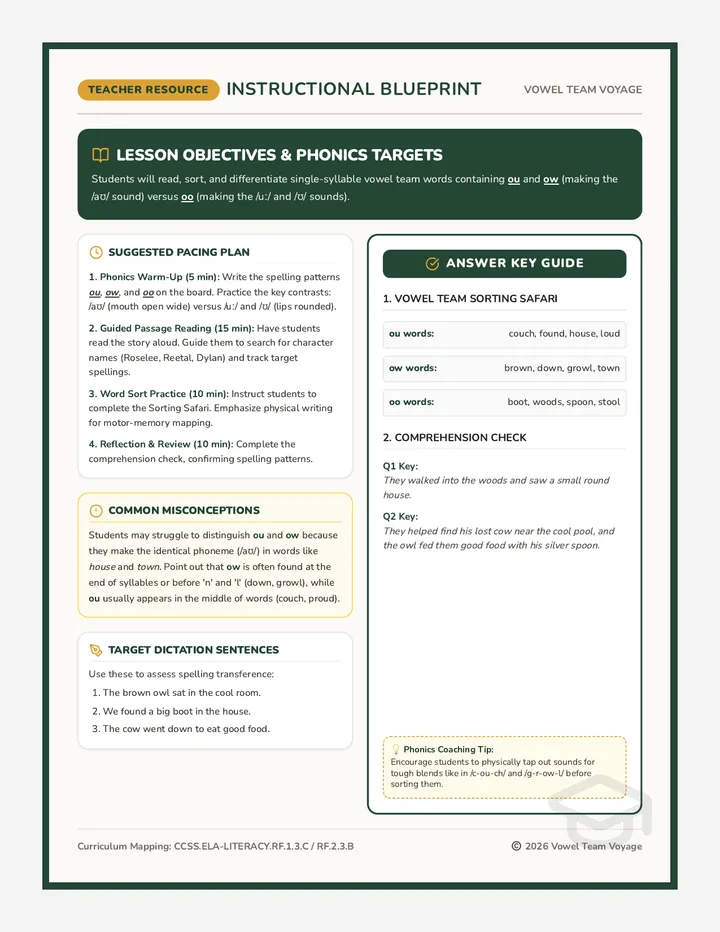
A foundational phonics lesson focused on identifying and using common digraphs (sh, ch, th, wh, ck, ph, kn, wr) through a fun detective-themed exploration.
A foundational lesson on blending phonemes to read CVC and CVCC words, featuring short vowels and common digraphs (sh, ch, th). This lesson includes a guided slide deck, a targeted reading passage, and interactive flashcards.
A Readers' Theatre lesson designed for 3rd-grade intervention students, focusing on VCe patterns and orthographic mapping of heart words through a fun racing-themed script.
A playful, ocean-themed lesson focused on mastering high-frequency sight words through interactive gameplay and card-based activities. Students build recognition speed and fluency using custom 'Word Catchers' cards.
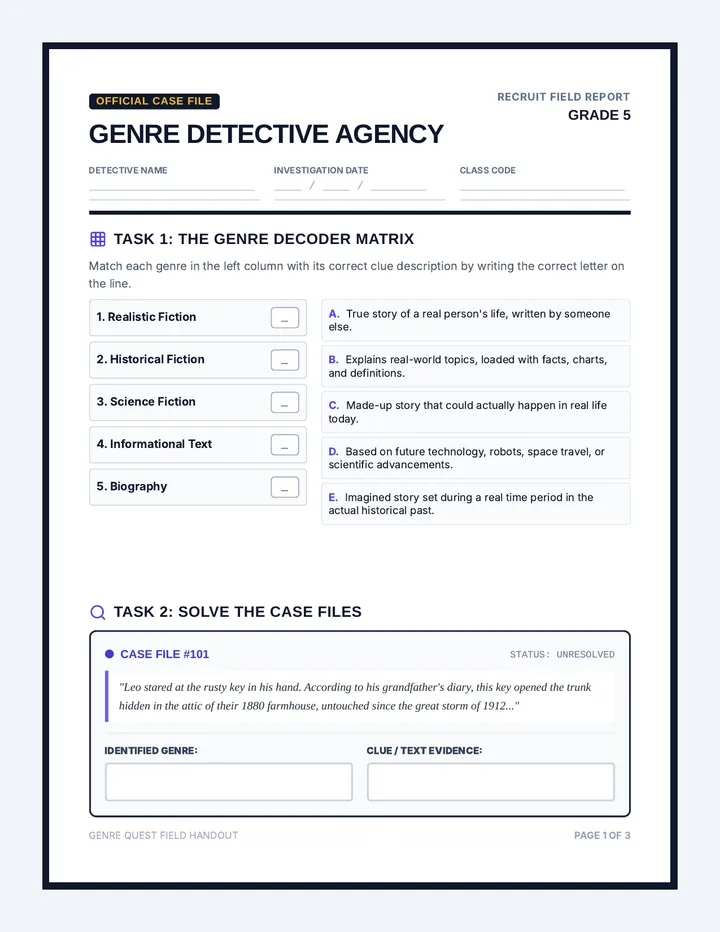
A 45-minute lesson focused on RI.4.8, where students learn to identify specific points an author makes and the reasons and evidence provided to support those points using a detective-themed investigation.
A 4th-grade ELA lesson focused on identifying and distinguishing between first-person and third-person points of view using detective-themed 'clue' identification.
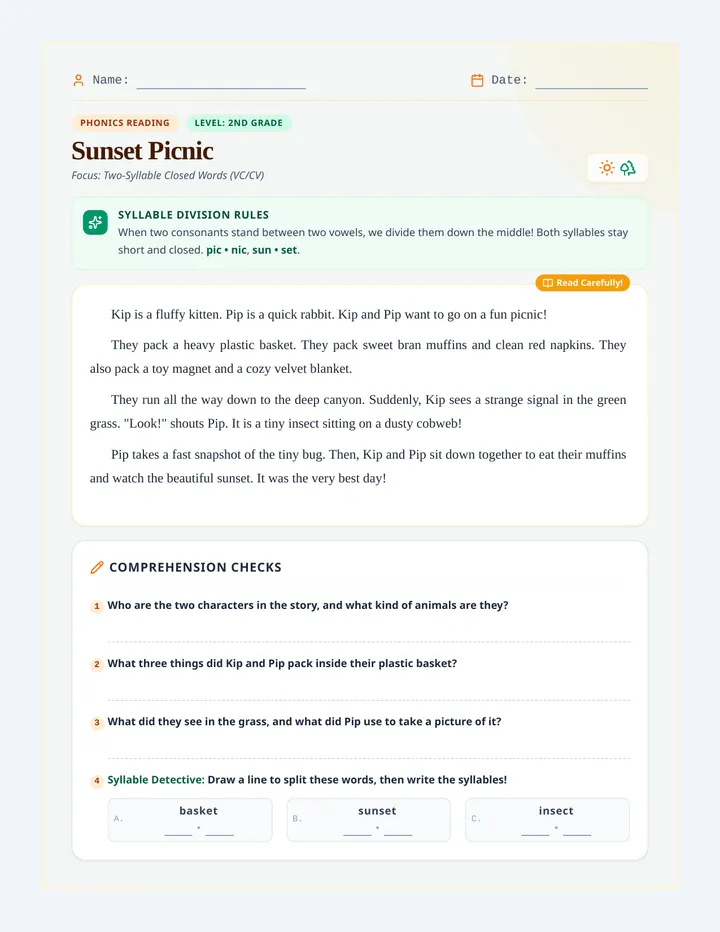
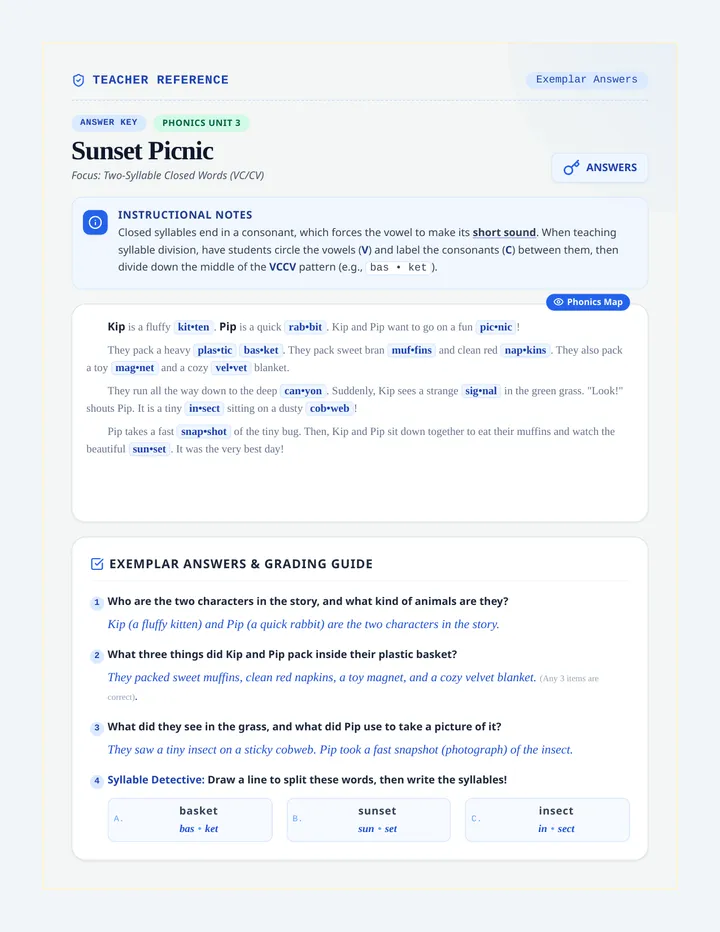
A phonics lesson focused on segmenting two-syllable words with the V/CV pattern (Open-Closed). Students practice identifying syllable boundaries and recognizing long and short vowel sounds within these patterns.
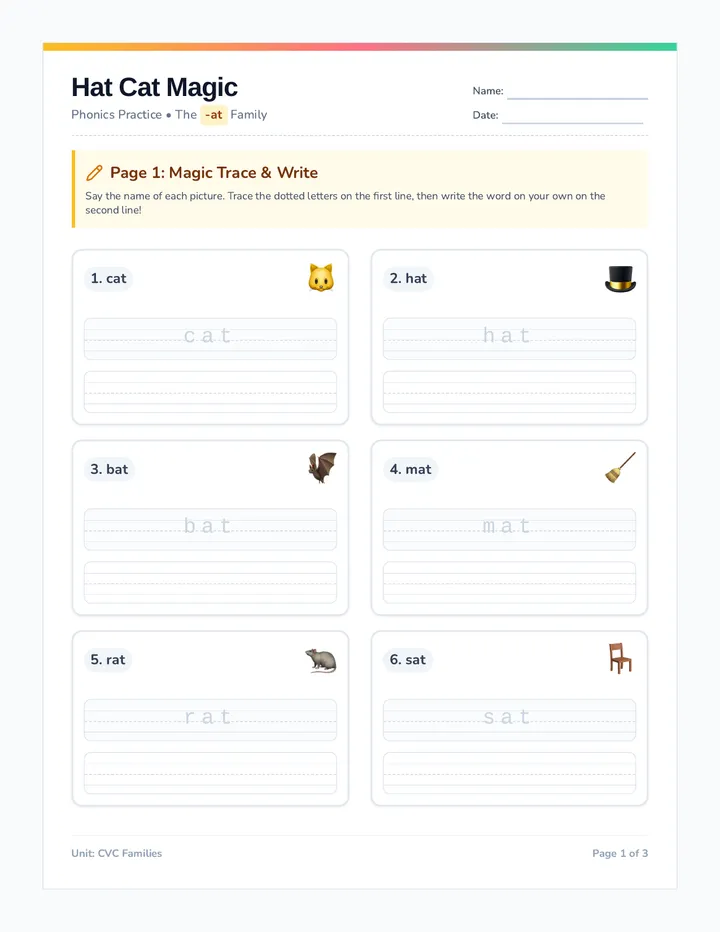
A foundational phonics station focused on CVC word decoding, blending, and word chaining to support 2nd-grade students working on early literacy skills.
A phonics-focused lesson where students identify and sort 2-syllable words based on whether their first syllable is open or closed. Includes a hands-on cut-and-paste activity with a space exploration theme.
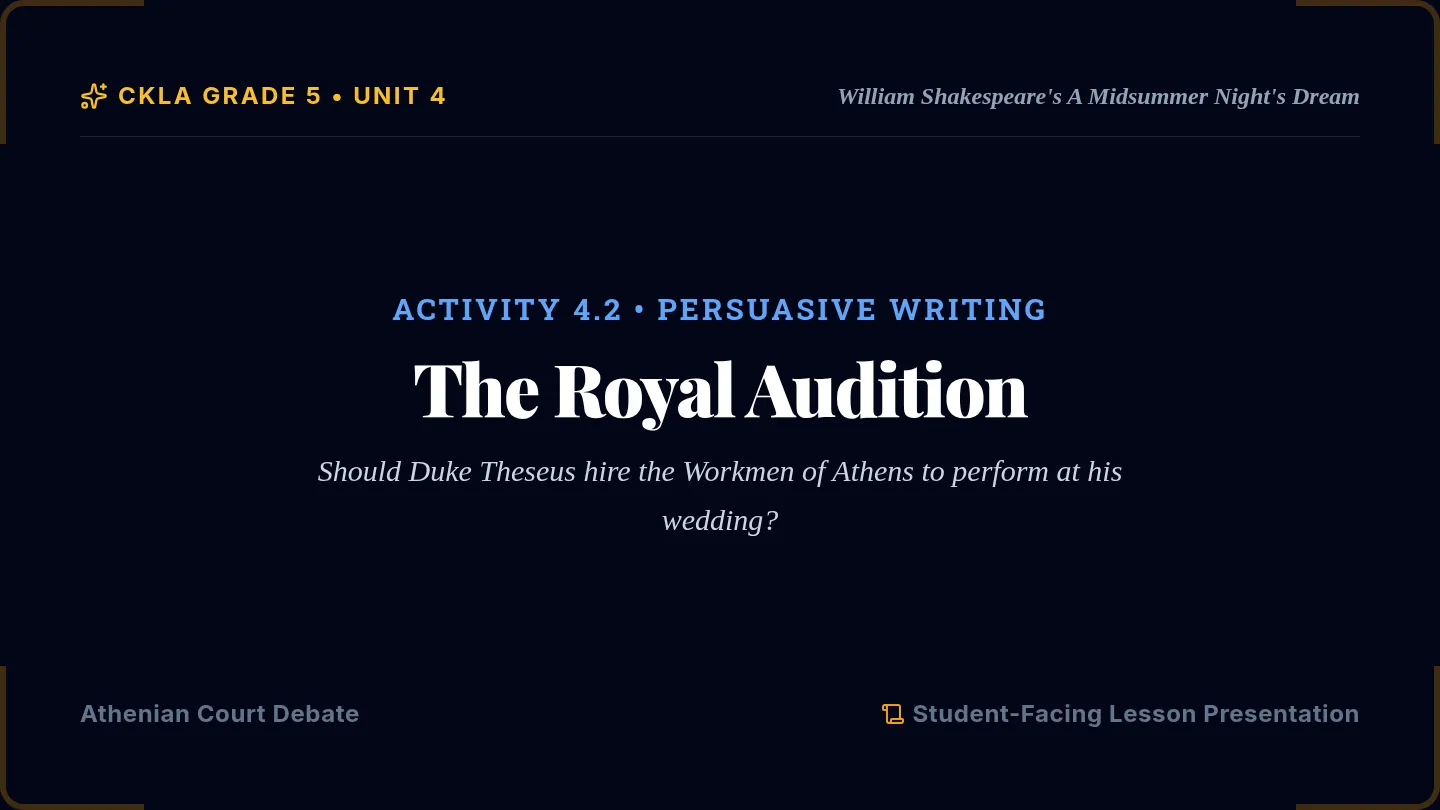
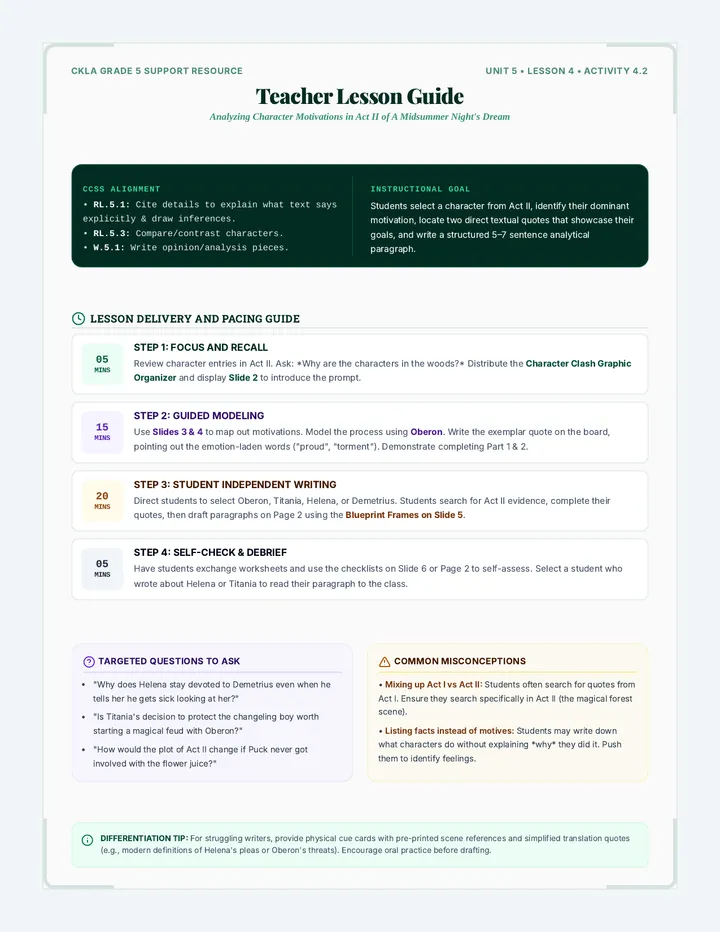
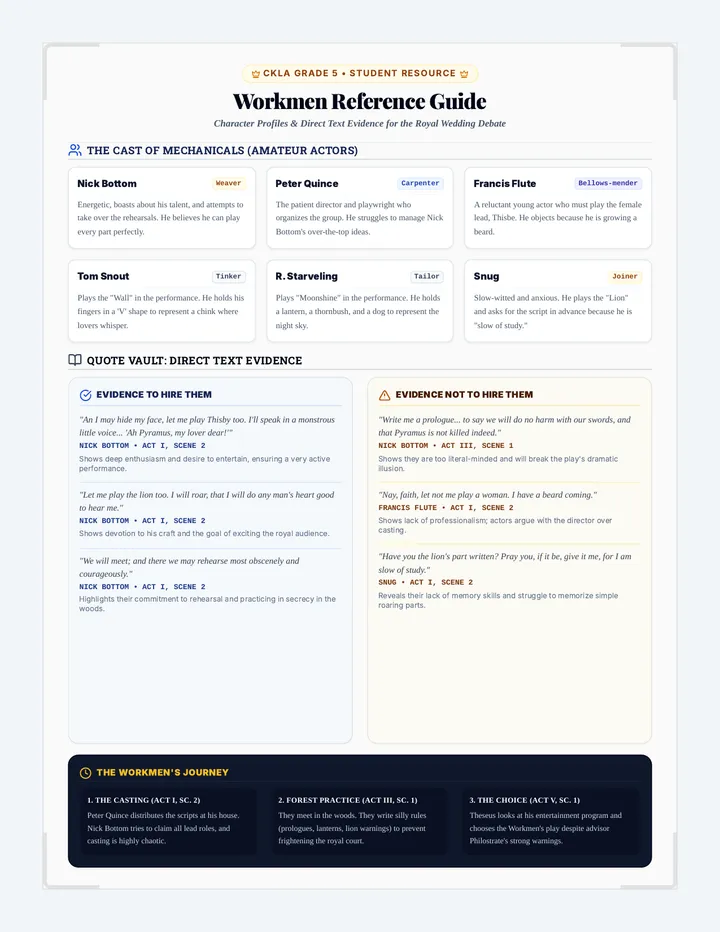
An introduction to Shakespeare's whimsical comedy for young readers, focusing on plot, characters, and the magical setting of the enchanted forest.
A collection of engaging practice pages for high-frequency sight words, featuring tracing, writing, and sentence-based recognition activities with a cheerful garden theme.
A foundational literacy lesson for 2nd graders to practice building complete sentences using four key components: Who, Action, Where, and When. Includes colorful prompt cards and a teacher guide with activity ideas.
A comprehensive collection of flashcards and tracking tools for mastering Fry's First 100 sight words, designed specifically for Kindergarten learners with high-contrast, easy-to-read typography.
An engaging 3rd-grade lesson that introduces students to the concept of point of view (narrator's perspective). Students will learn to identify first-person and third-person narration using pronoun 'clues' and explore how different perspectives shape a story.
A cumulative review using narrative poetry or a short story where students synthesize their skills in plot analysis, character study, and multi-layered connections.
Analyzing how drama uses dialogue to drive plot elements and character interactions. Students make text-to-society connections by examining themes within a play script.
Exploring traditional literature (folktales) to identify universal plot patterns and how characters in legends undergo moral or physical changes. Focuses on text-to-text connections.
Introduction to plot architecture and character evolution using realistic fiction. Students map out the 'Rising Action' through 'Resolution' and track how characters react to conflict.
A lesson focused on RL.5.1, teaching students how to quote accurately from a text to support inferences. Students act as 'text detectives' to uncover hidden meanings in short narrative passages.
Students explore the complex mounds built by termites, learning about 'ventilation' and 'colonies' through close reading and categorization activities.
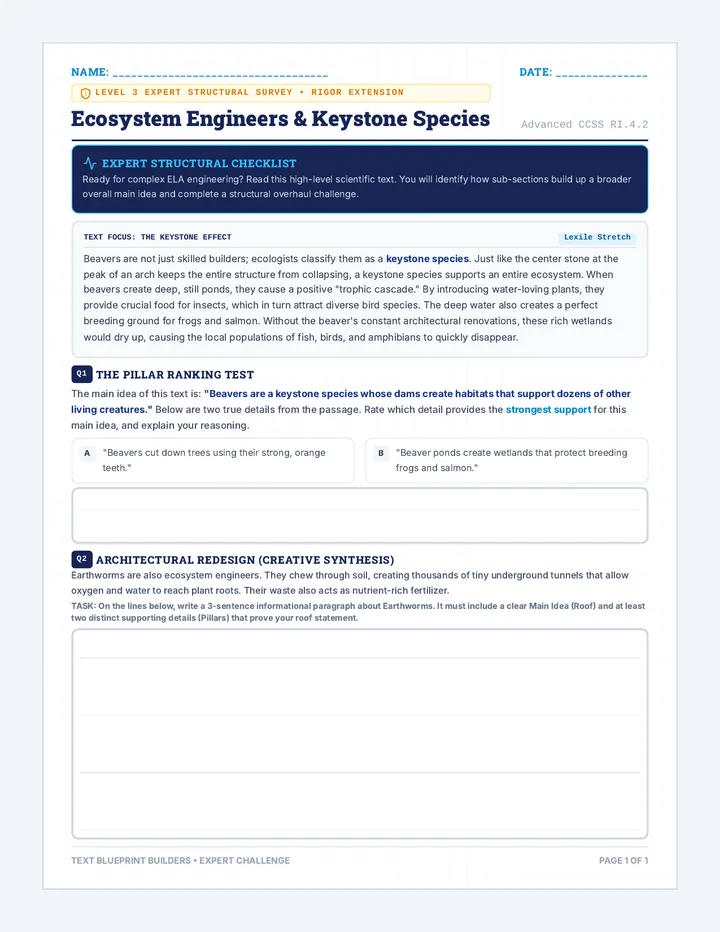
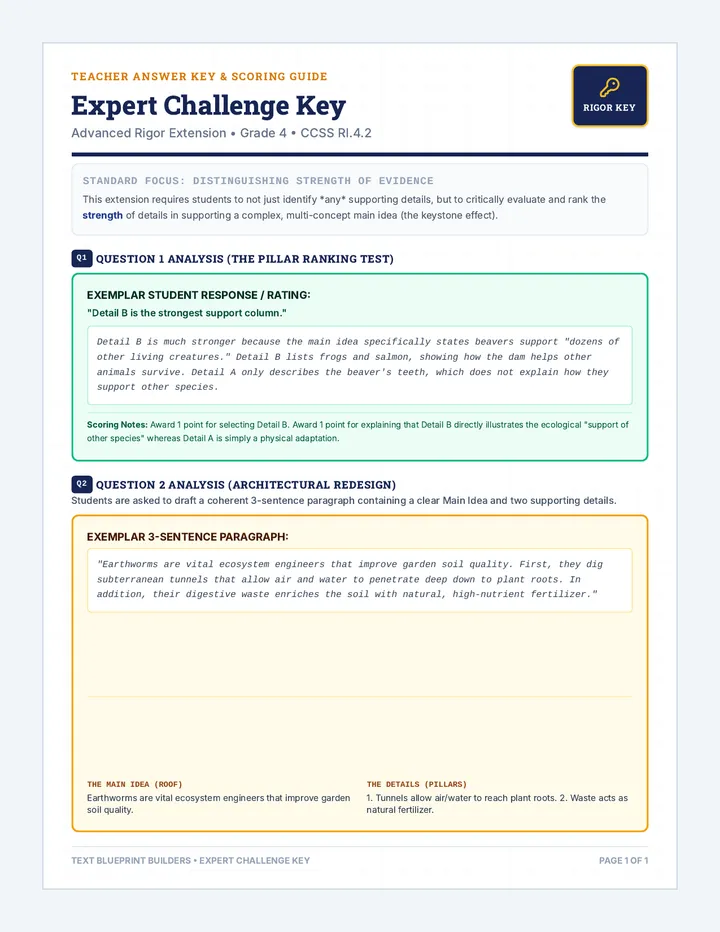
Students read about the engineering skills of beavers, focusing on domain-specific vocabulary like 'keystone species' and 'aquatic' while answering text-dependent questions.
A commitment-focused wrap-up where students pledge to maximize their classroom time to secure their promotion to 4th grade.