Transitioning from acceleration to upright running, focusing on knee drive, arm action, and maintaining relaxation at high speeds.
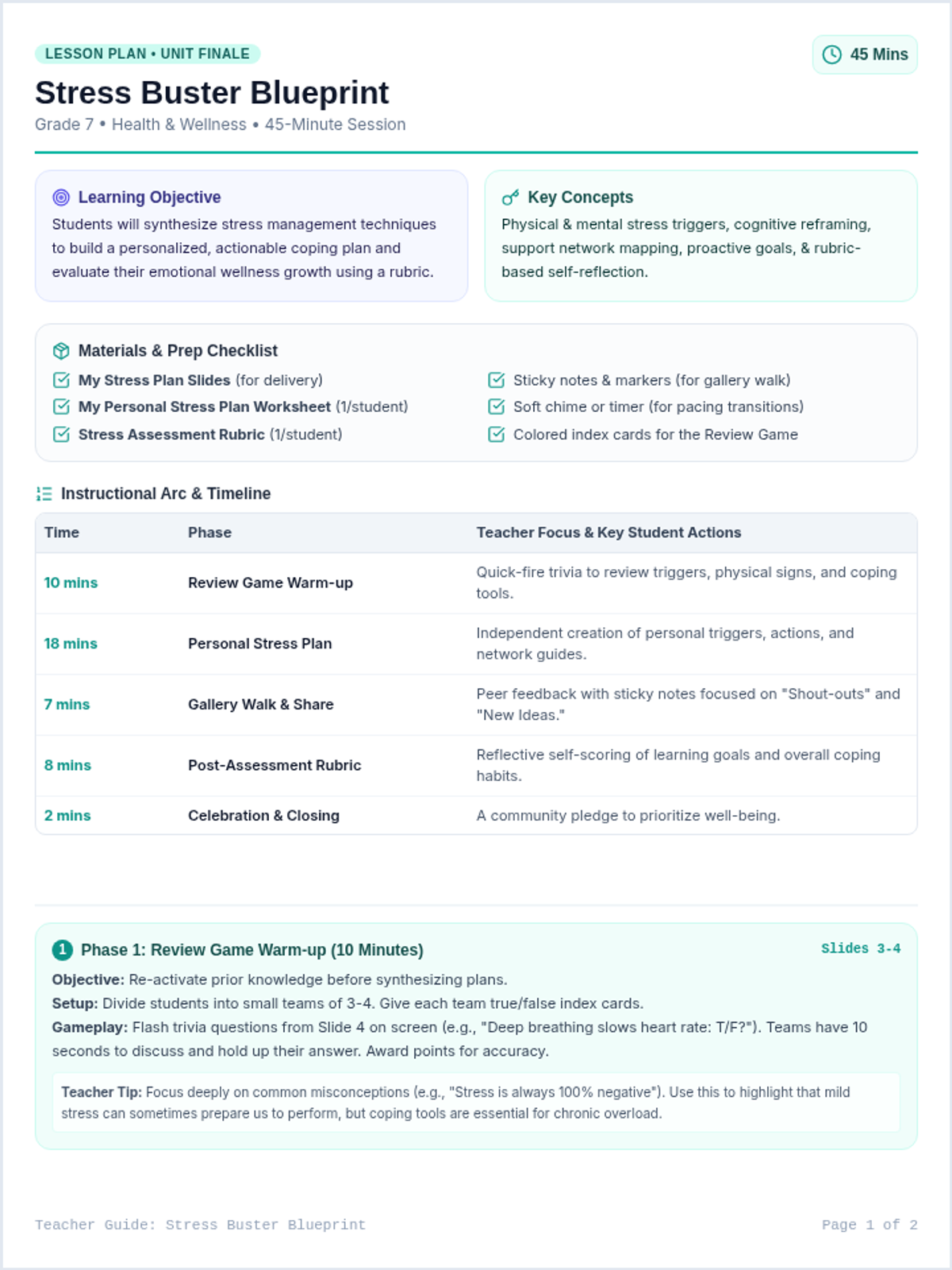
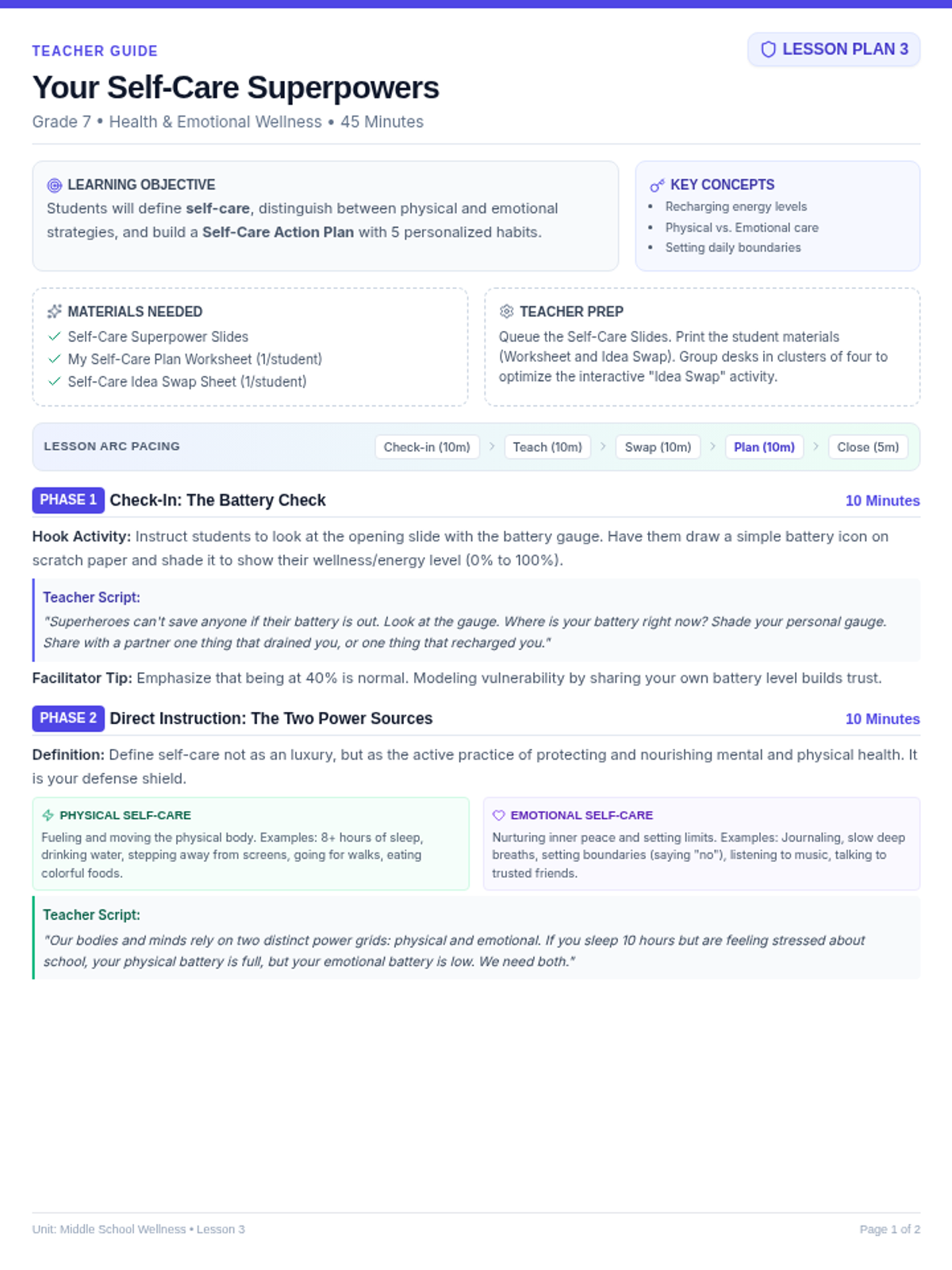
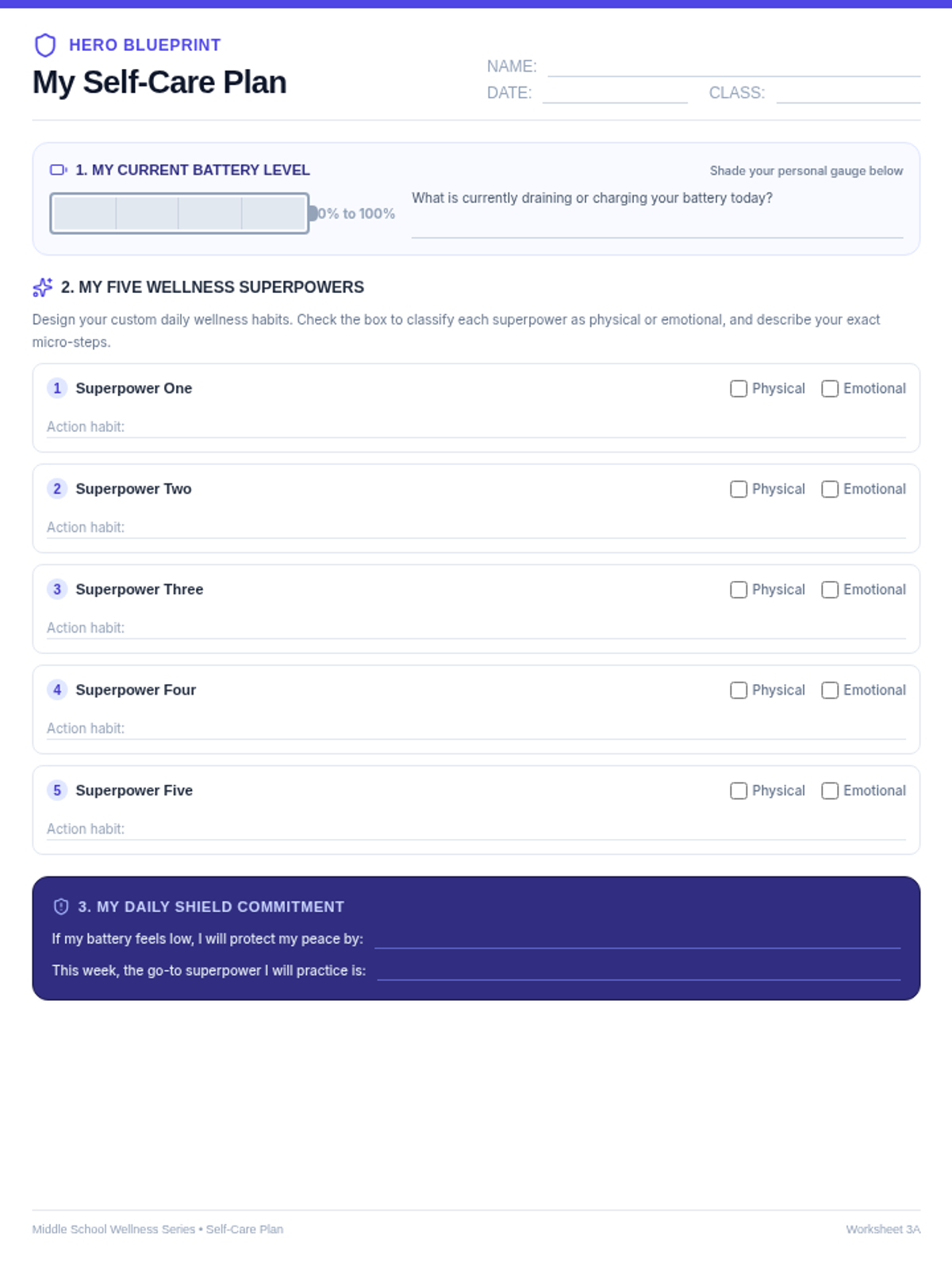
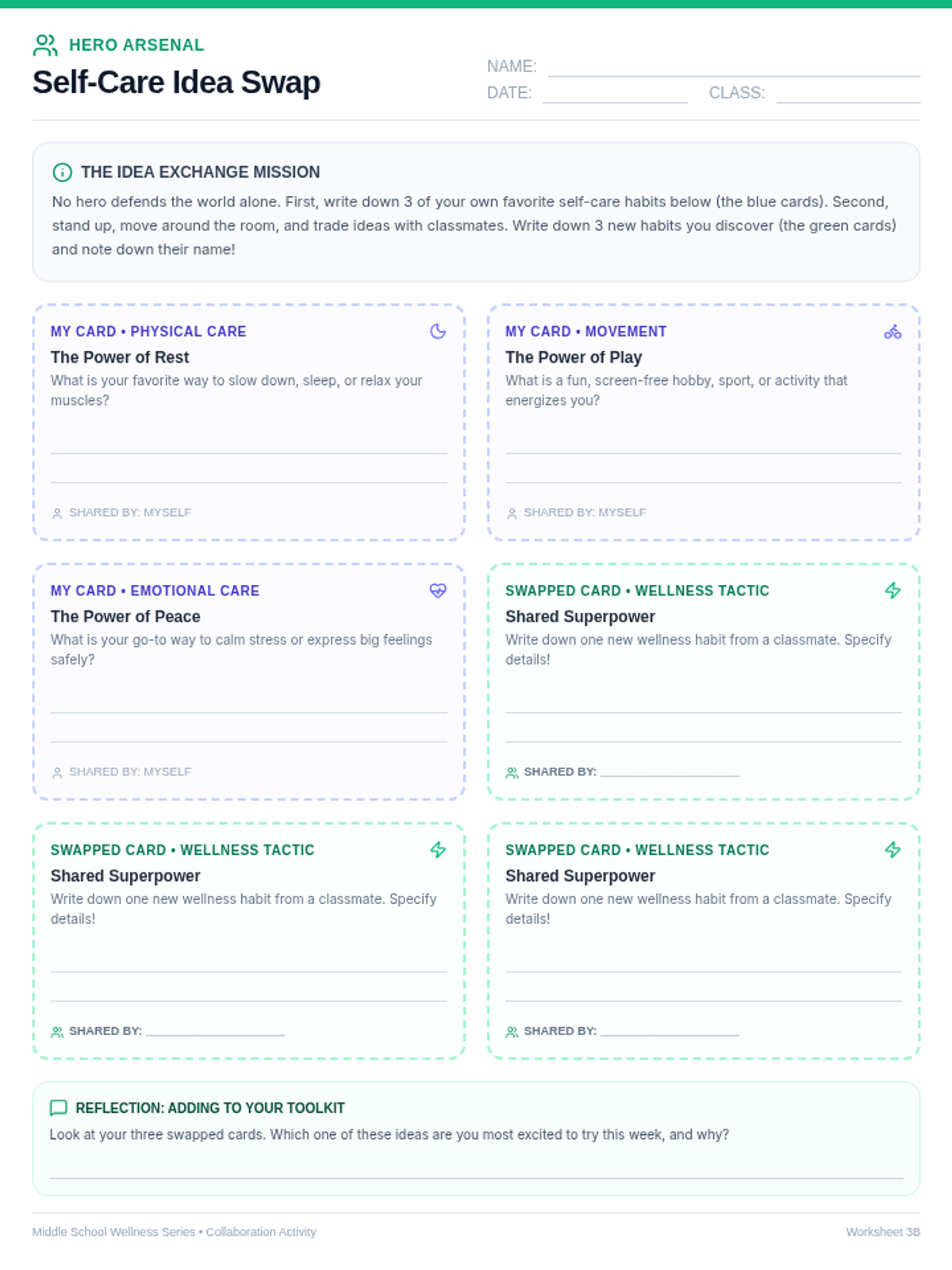
A quick and engaging lesson designed to help middle school students understand the importance of self-care and develop their own personalized routines for mental and physical well-being.
A high-energy 60-minute tumbling lesson focused on intermediate to advanced floor skills including walkovers, handsprings, and aerials. Includes a comprehensive coach guide, visual drills, and a student progress tracker.
An intermediate jazzy pom dance routine set to 'Under the Sea', focusing on sharp motions, jazz technique, and high-energy performance.
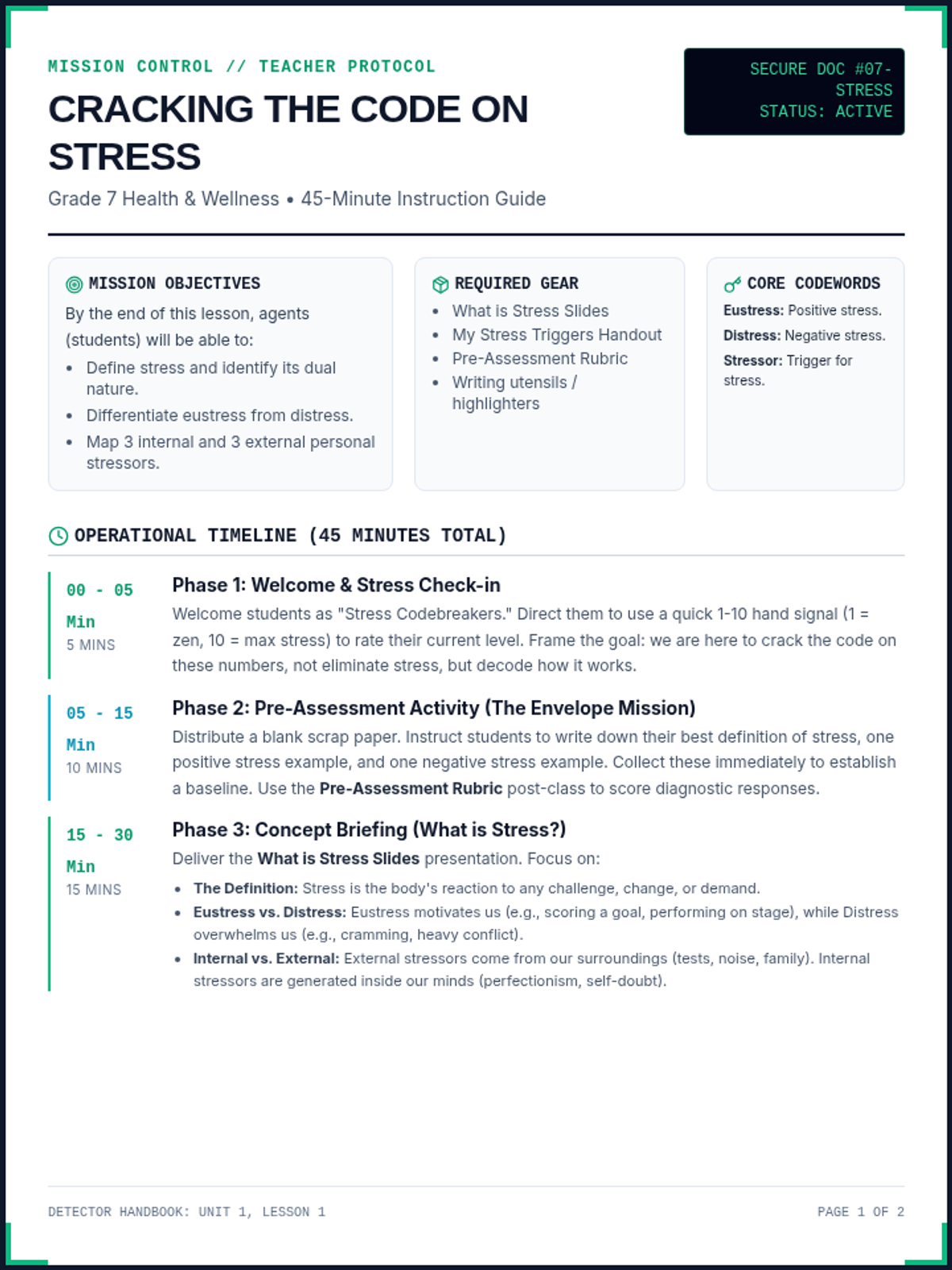
A lesson focused on identifying stressors and building a personalized self-care menu using evidence-based strategies from a health and wellness video. Students learn that self-care is an accessible, vital practice for mental health.
A comprehensive lesson exploring the bidirectional communication between the gut and the brain, focusing on how diet influences neurotransmitter production and mood. Students will visualize the biological 'highway' and identify key food groups that optimize brain function.
Students will identify and differentiate between public, self, and institutional stigma through a video analysis and a physical movement activity. The lesson focuses on understanding the impact of negative stereotypes and how to challenge them in a school environment.
This lesson focuses on personal hygiene, sleep, and nutrition during puberty. Students watch an informative video and then design a realistic 24-hour self-care routine, incorporating essential habits like skin care, exercise, and adequate rest.
Students explore how physical activity triggers the release of endorphins, acting as a natural mood booster, and create a 'menu' of accessible ways to get moving.
Students will debunk health myths related to cost and access while designing a 1-day itinerary using only free or low-cost resources. The lesson centers on a video about the body-mind connection and the accessibility of healthy habits.
A lesson exploring the complex interplay between genetic blueprints and environmental influences on human health, specifically focusing on mental health as a case study. Students use a video-based T-chart and scenario brainstorming to understand how nature and nurture interact.
A health lesson for 7th-8th graders exploring the concept of decision fatigue and mental energy through the metaphor of a battery meter. Students will analyze their own daily energy levels and learn strategies to align high-stakes decisions with peak energy times.
Students will learn to distinguish between normal sadness and clinical depression by applying the 'Intensity, Duration, and Interference' criteria through video analysis and scenario sorting.
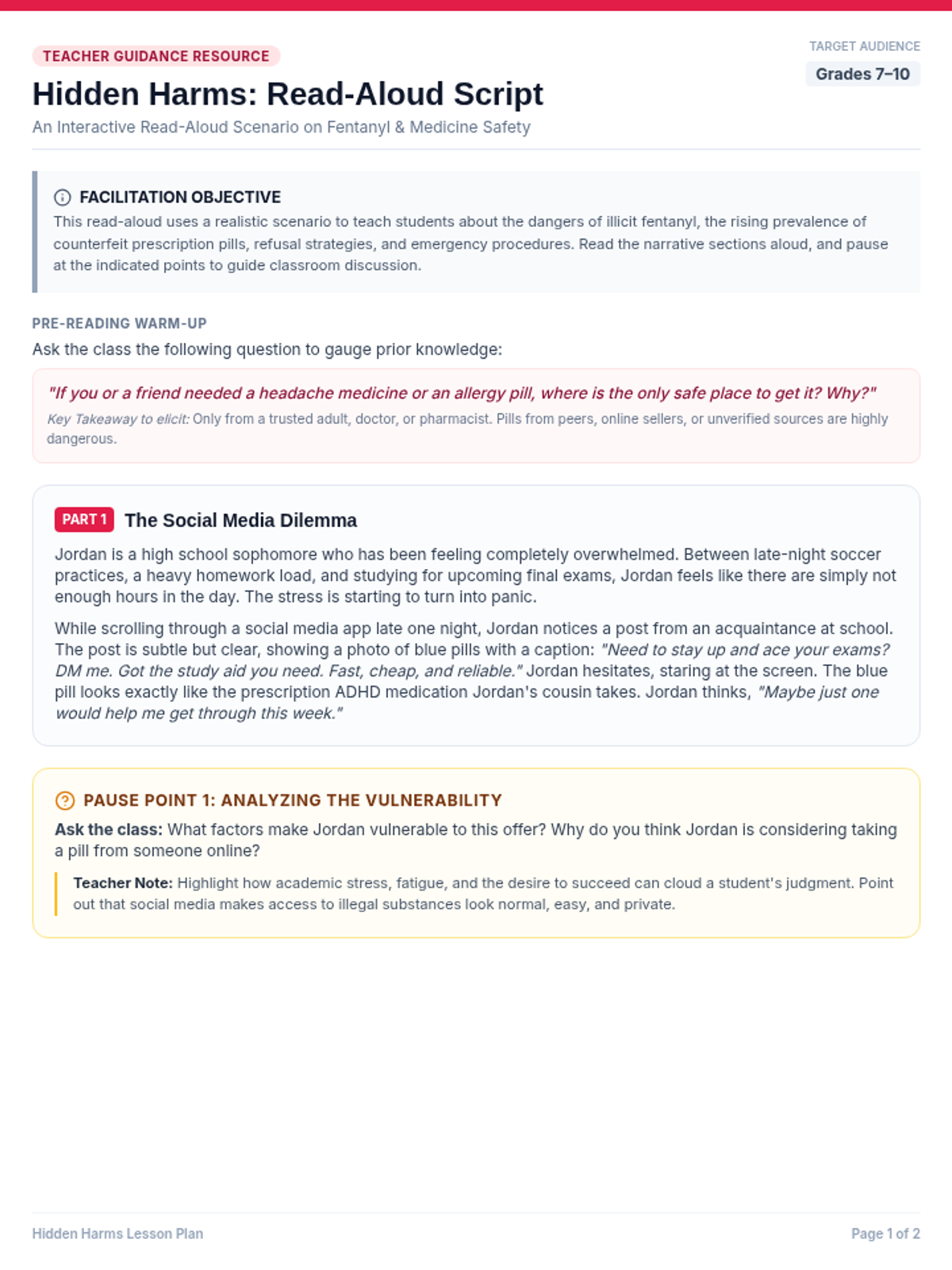
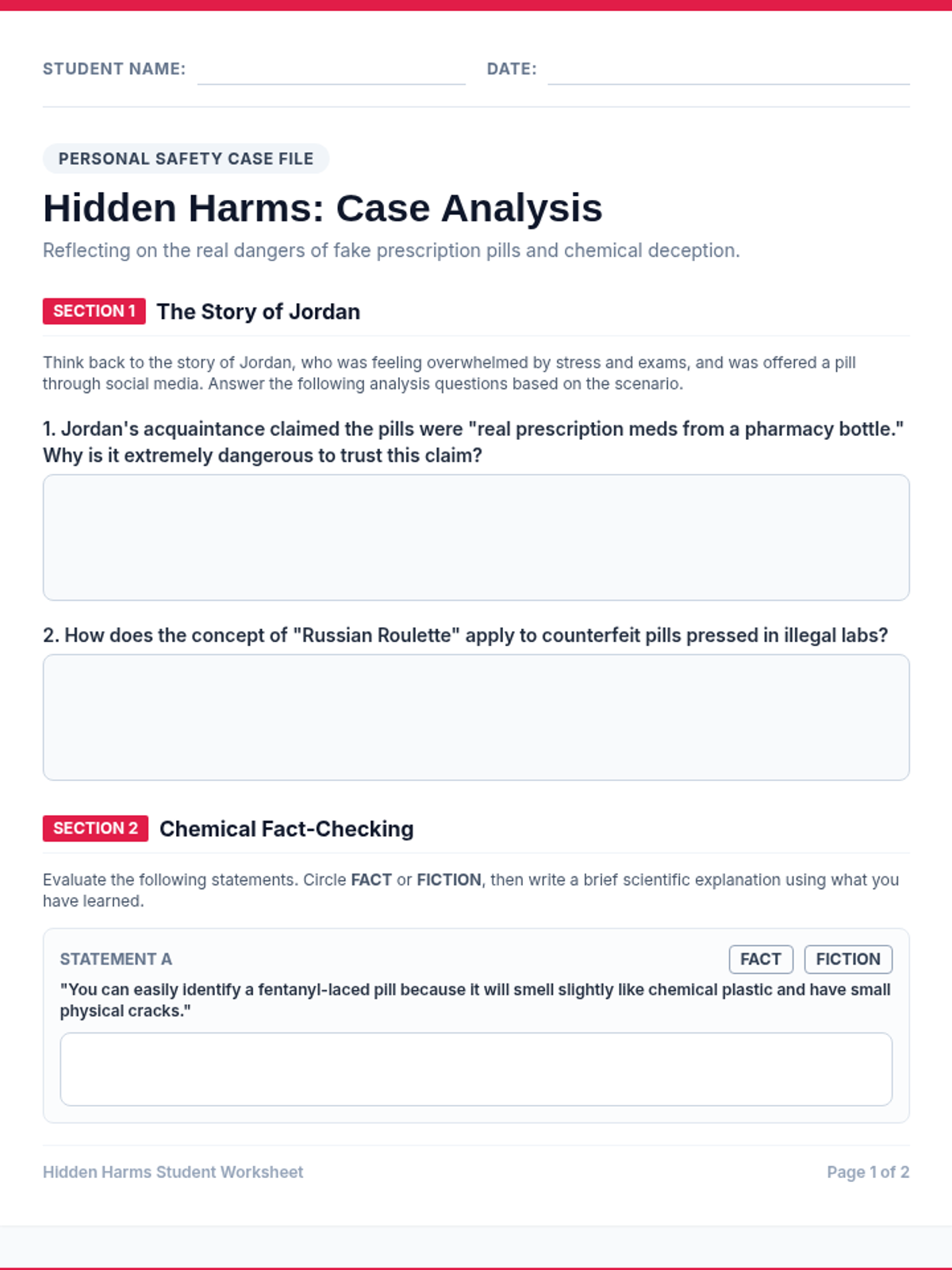
This lesson explores the biological reality of how drugs and alcohol interfere with the body's natural stress response, providing students with scientific evidence to debunk common myths and offering healthy, long-term coping strategies.
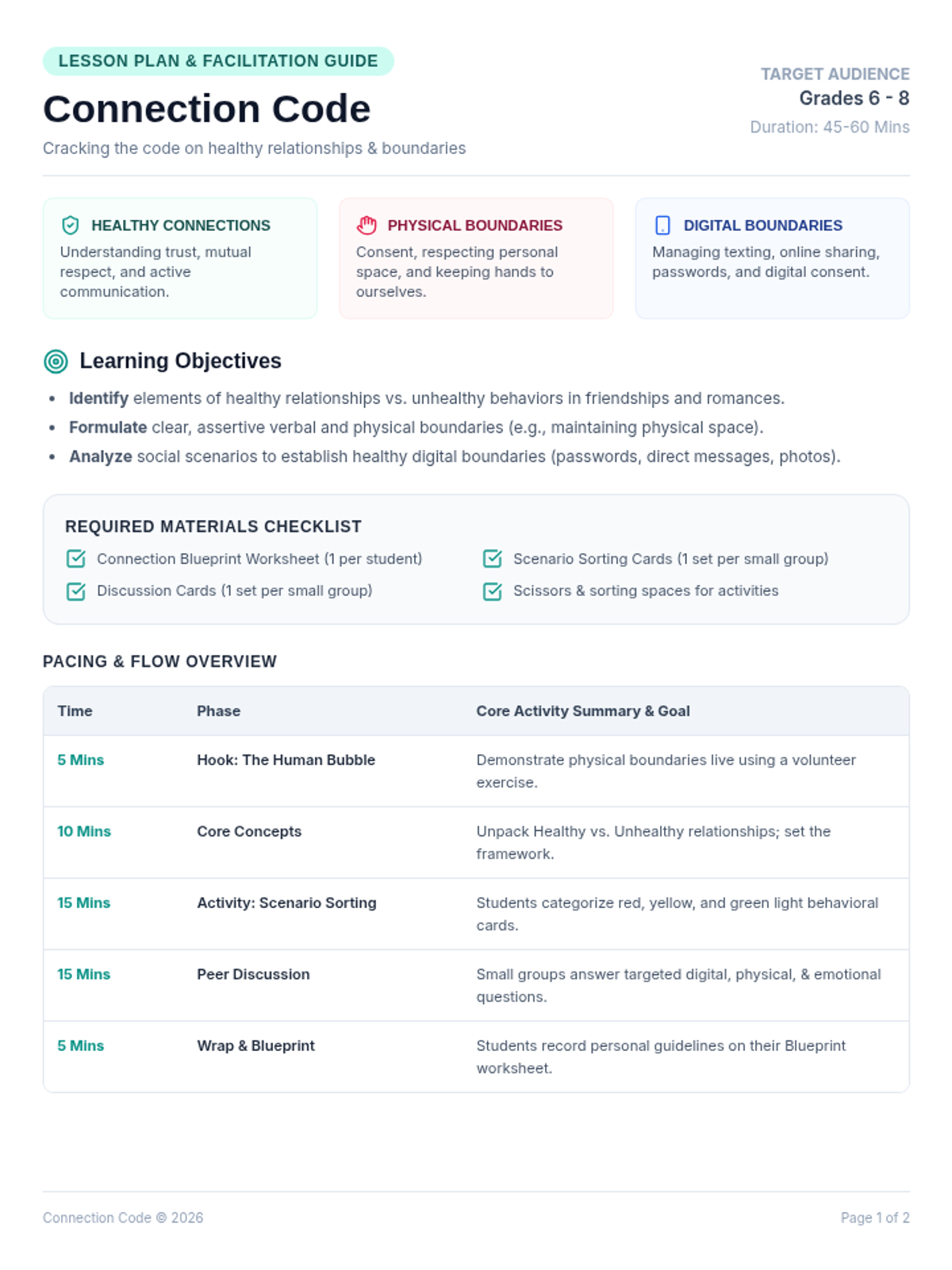
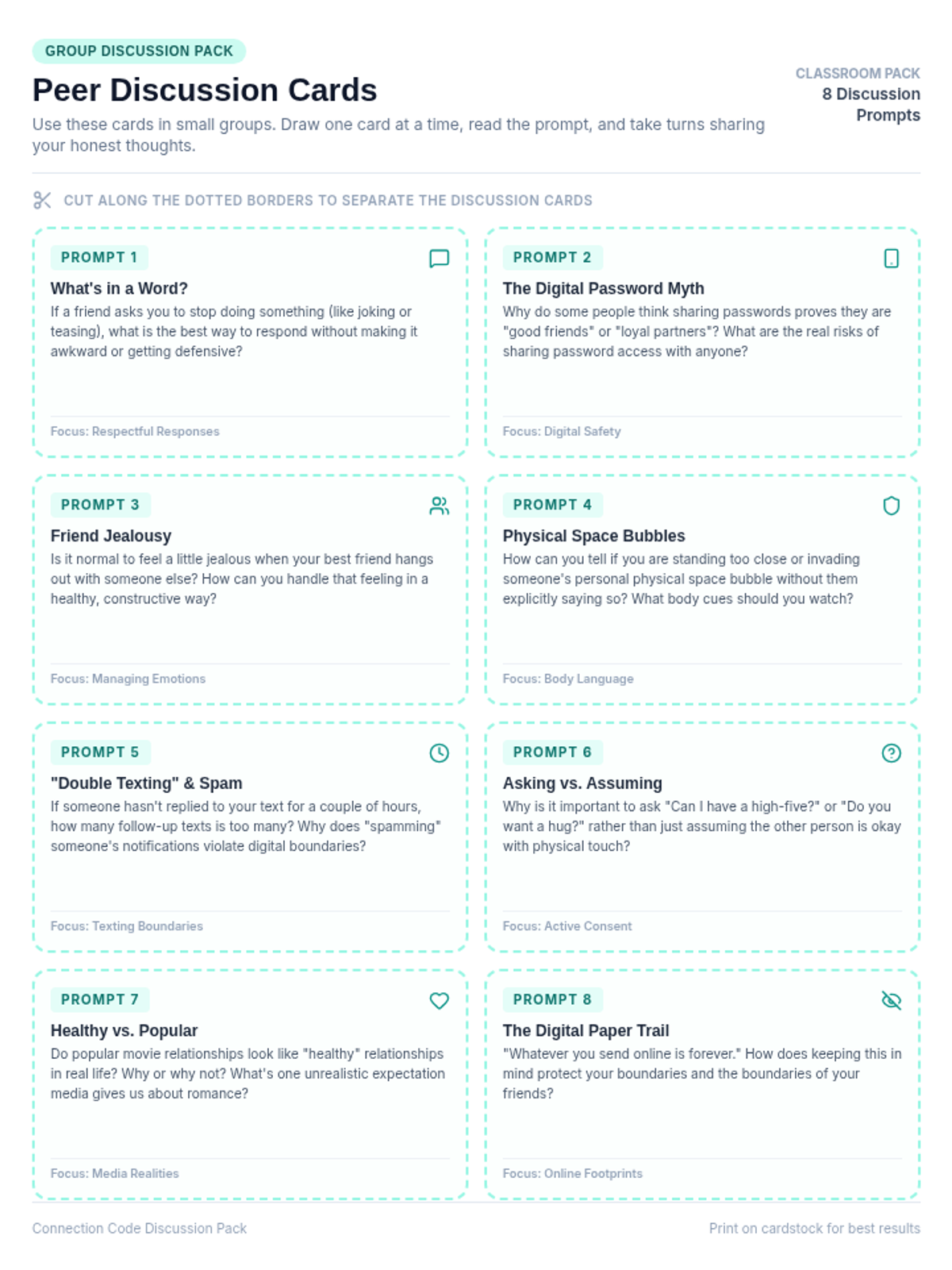
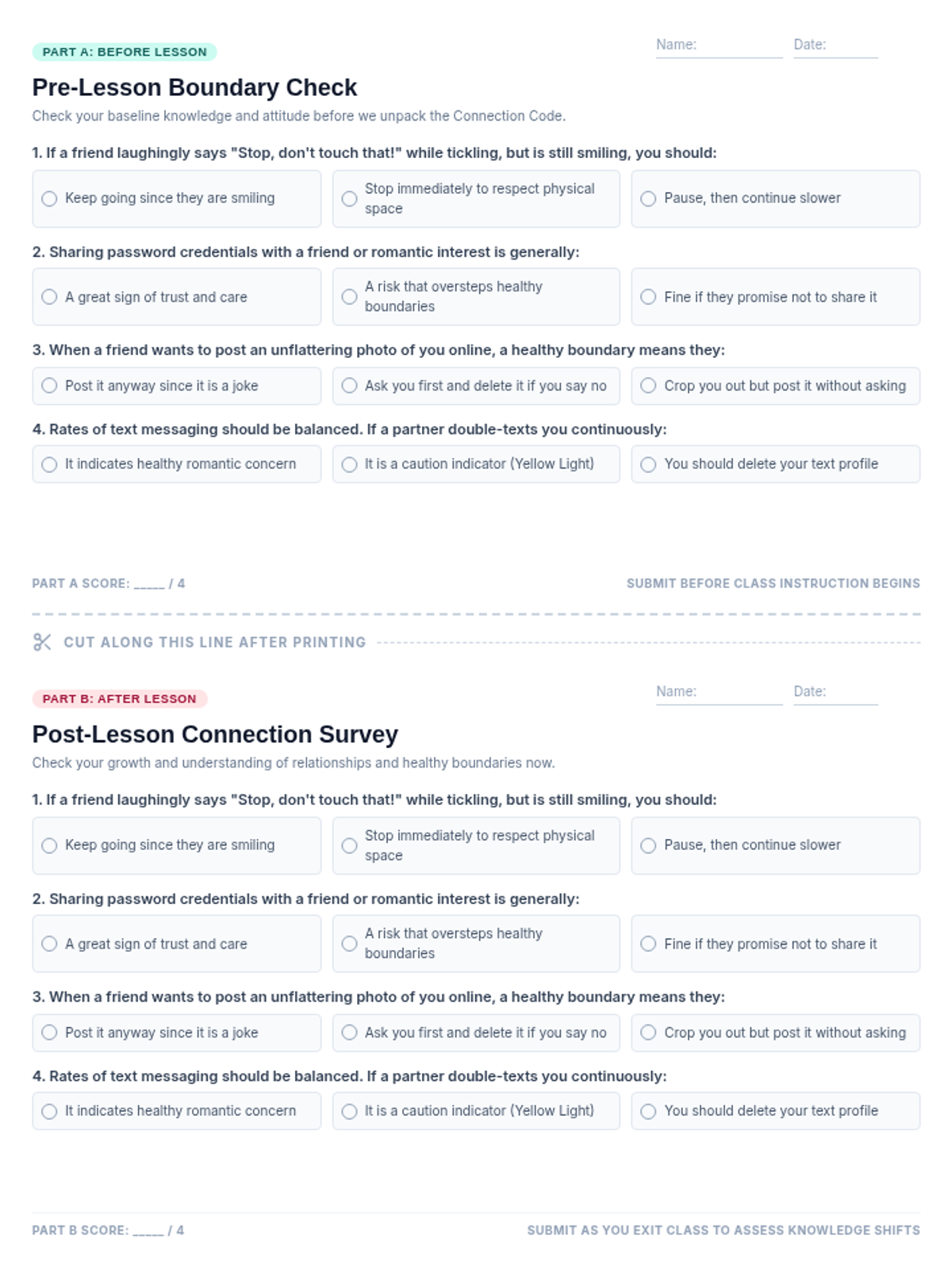
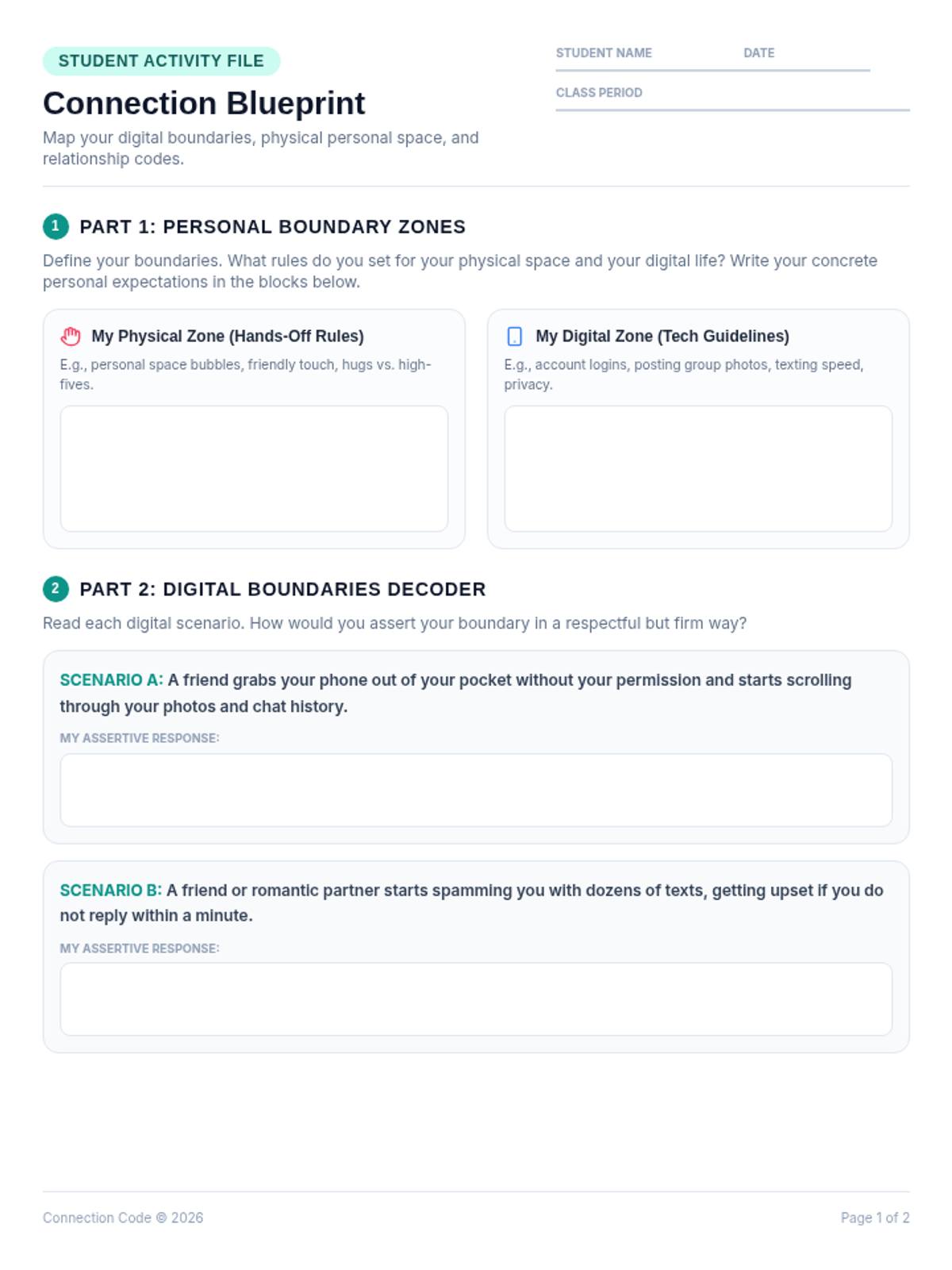
A comprehensive lesson for middle schoolers on identifying unhealthy relationship behaviors and practicing assertive communication using a 5-step breakup plan. Includes a slide presentation, teacher guide, and student worksheets.
This lesson explores the biological and psychological links between daily habits—such as diet, exercise, and screen time—and brain function. Students will watch a video on brain health, categorize habits into 'Brain Fuel' or 'Brain Drain,' and set a personal goal for the week.
A comprehensive lesson helping students distinguish between Anorexia Nervosa, Bulimia Nervosa, and Binge-eating Disorder through visual analysis, collaborative sorting, and reflective writing.
Students explore media literacy by deconstructing advertising techniques, understanding the 'motivated consumer' concept, and learning self-care strategies to combat body image pressures.
A comprehensive health lesson for middle school students exploring the biological and psychological dangers of crash dieting versus sustainable health, centered around a classic Full House video clip.
A 7th-grade Health lesson focused on reducing mental health stigma by comparing the causes and treatments of mental illnesses to physical health conditions like diabetes. Students analyze a video and create a Venn Diagram to identify shared biological roots while highlighting the disparity in social reactions.
A presentation and announcement deck detailing recent updates, programs, and upcoming initiatives within the Wellness department.
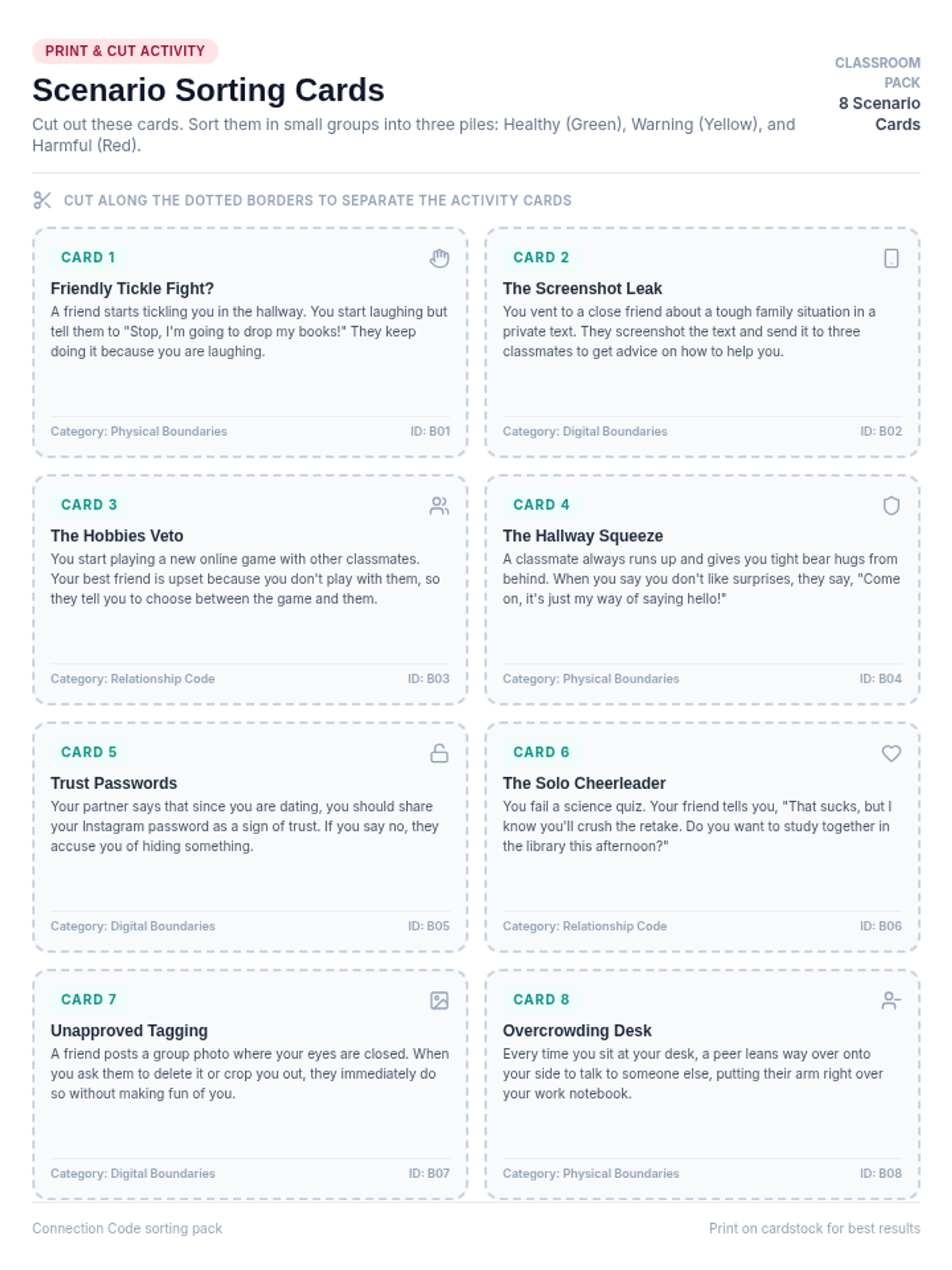
A comprehensive lesson on personal boundaries, body safety, and the importance of keeping private parts covered, using the Swimsuit Rule as a central framework.
A team-building culinary challenge inspired by the "Chopped" competition style, designed to foster cooperation, creativity, and kitchen safety skills.
A high-energy introduction to line dancing focused on the Cha Cha Slide. This lesson covers room configuration, basic movement patterns, and group synchronization while prioritizing accessibility and confidence.
A lesson exploring the biological link between adolescent brain development (plasticity) and how emotional distress like depression manifests as physical and behavioral symptoms. Students will use body mapping to visualize the mind-body connection.
A lesson for health class examining how mental self-perception and negative self-talk trigger the body's stress response, impacting physical wellness. Students learn about cortisol and create a personal 'First Aid Kit' of actionable self-esteem boosters.
A quick, high-impact lesson designed to teach middle schoolers about Multiple Sclerosis through the lens of a 'signal scramble' in the nervous system. Students learn about myelin, global statistics, and the invisible nature of the disease.
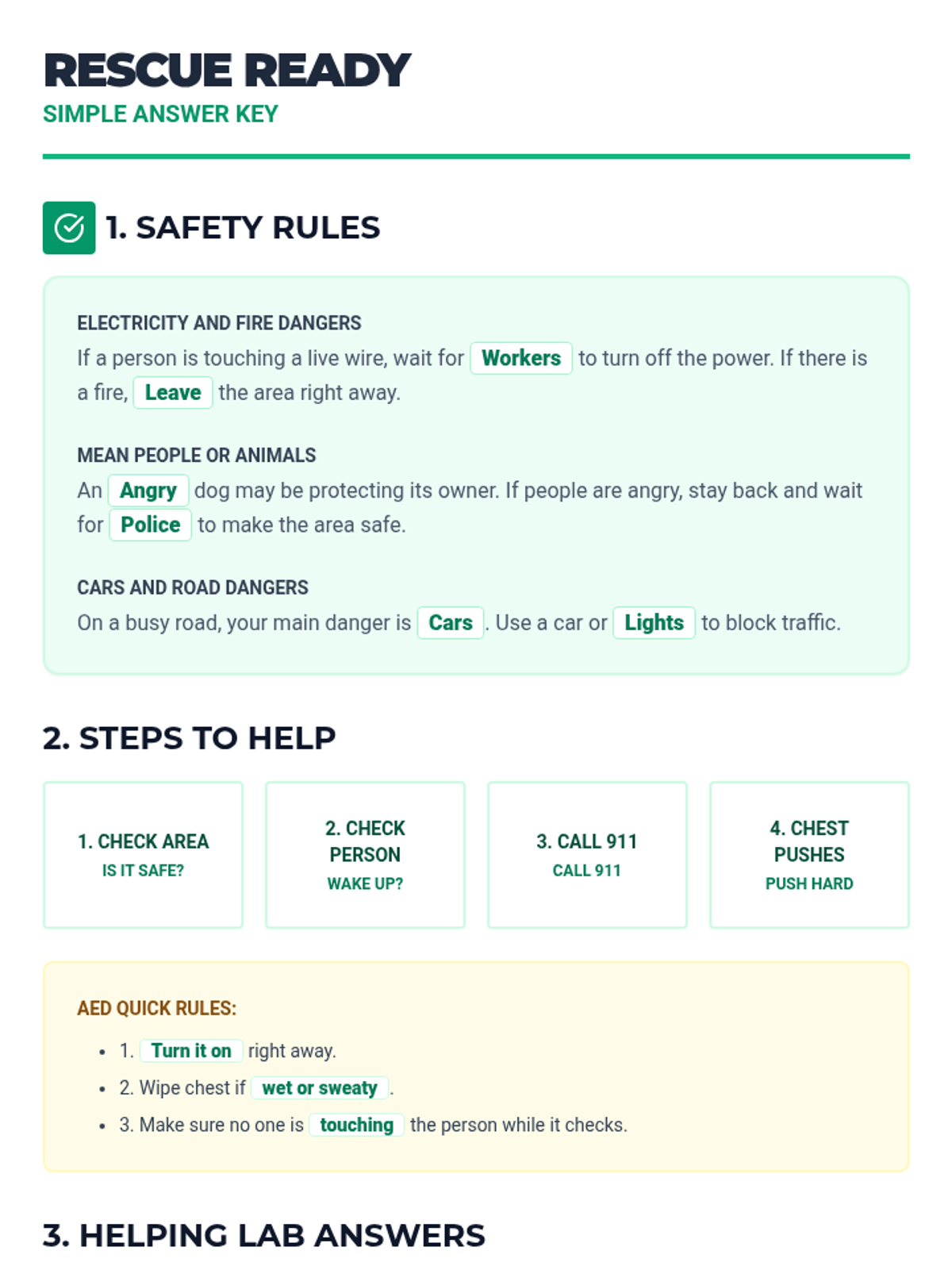
This lesson equips 7th and 8th-grade students with essential first aid knowledge and skills for common injuries, focusing on assessment, basic treatment, and knowing when to call for help through scenario-based learning.
Students learn how to fuel their bodies and keep them moving while mastering the art of rest and emotional balance. Includes interactive discussions, goal-setting, and practical habit-building activities.
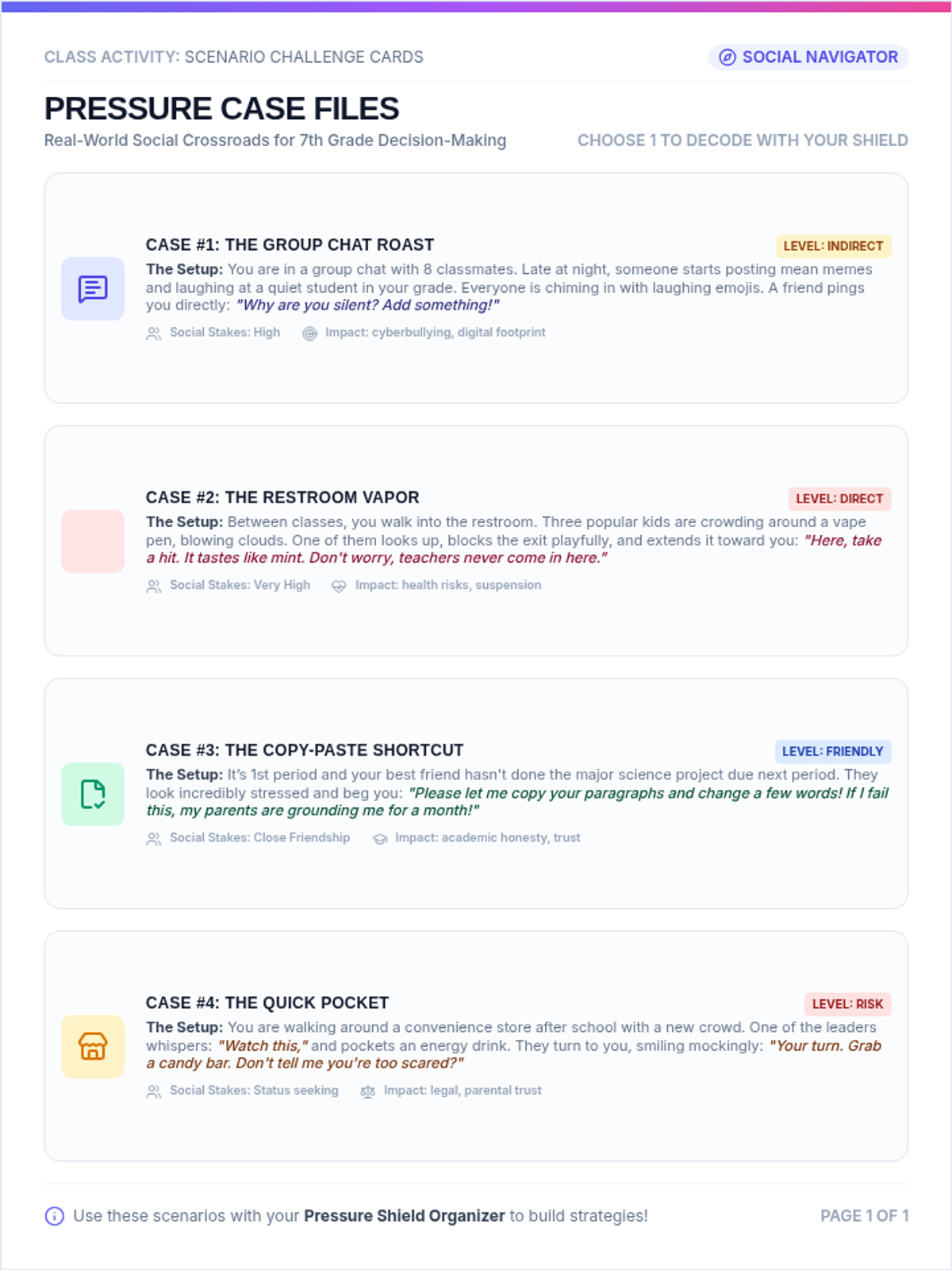
This lesson explores the physiological effects of drugs and alcohol on the body and equips students with practical refusal strategies for peer pressure through a lab-themed investigation.