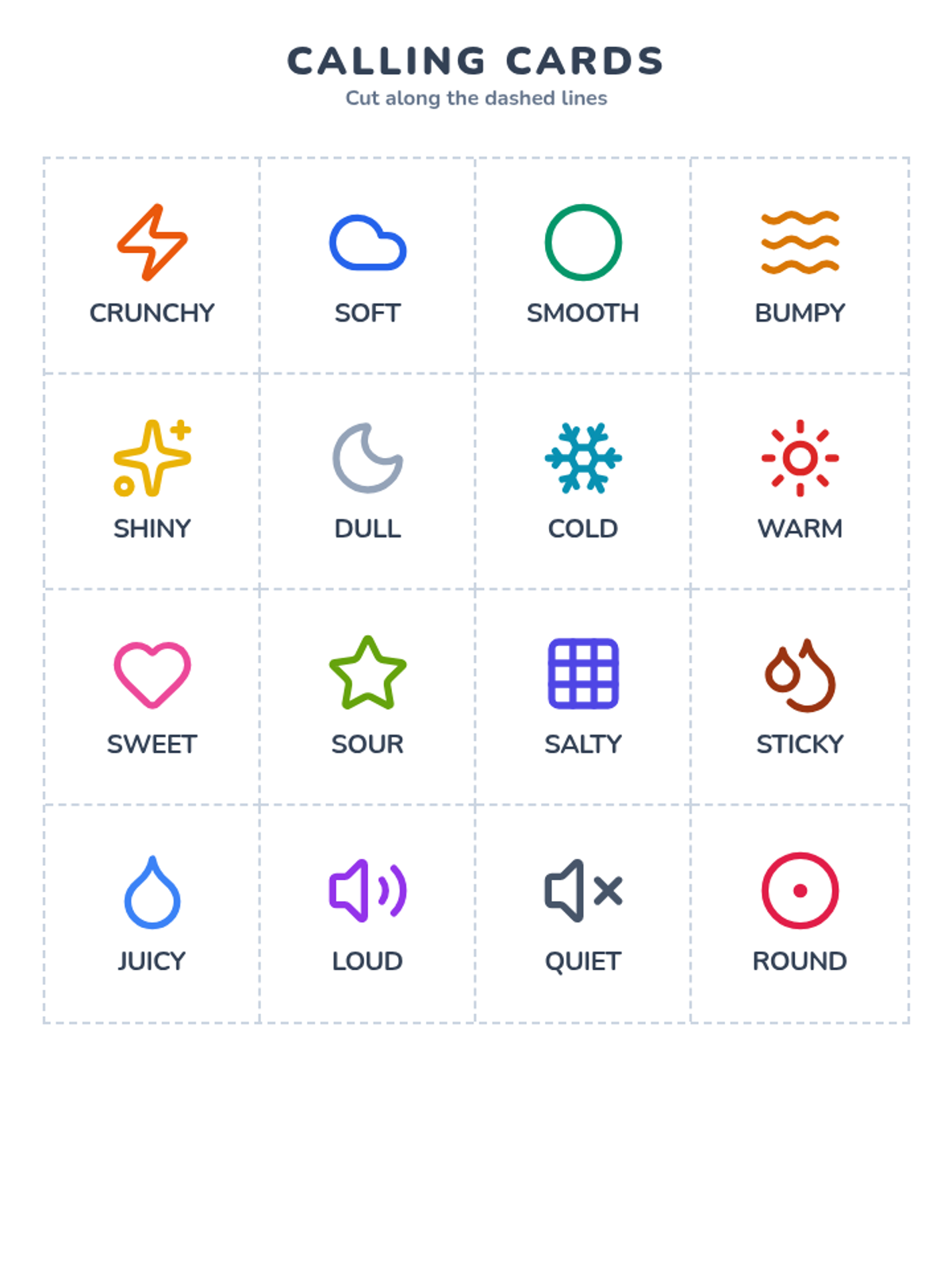
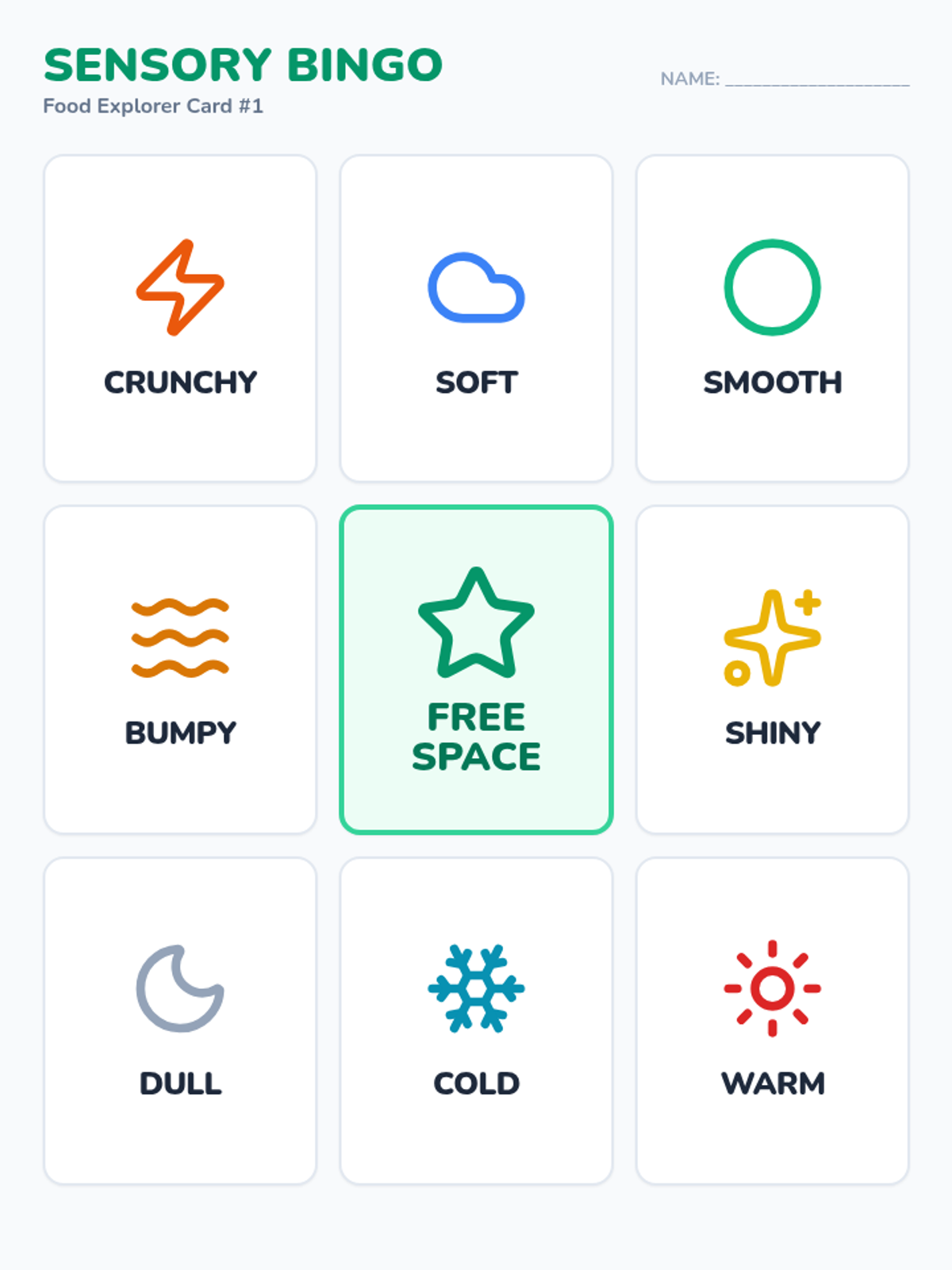
A fun, interactive bingo game for preschoolers that uses sensory-based, neutral language to describe a variety of foods, encouraging food exploration without value judgments.
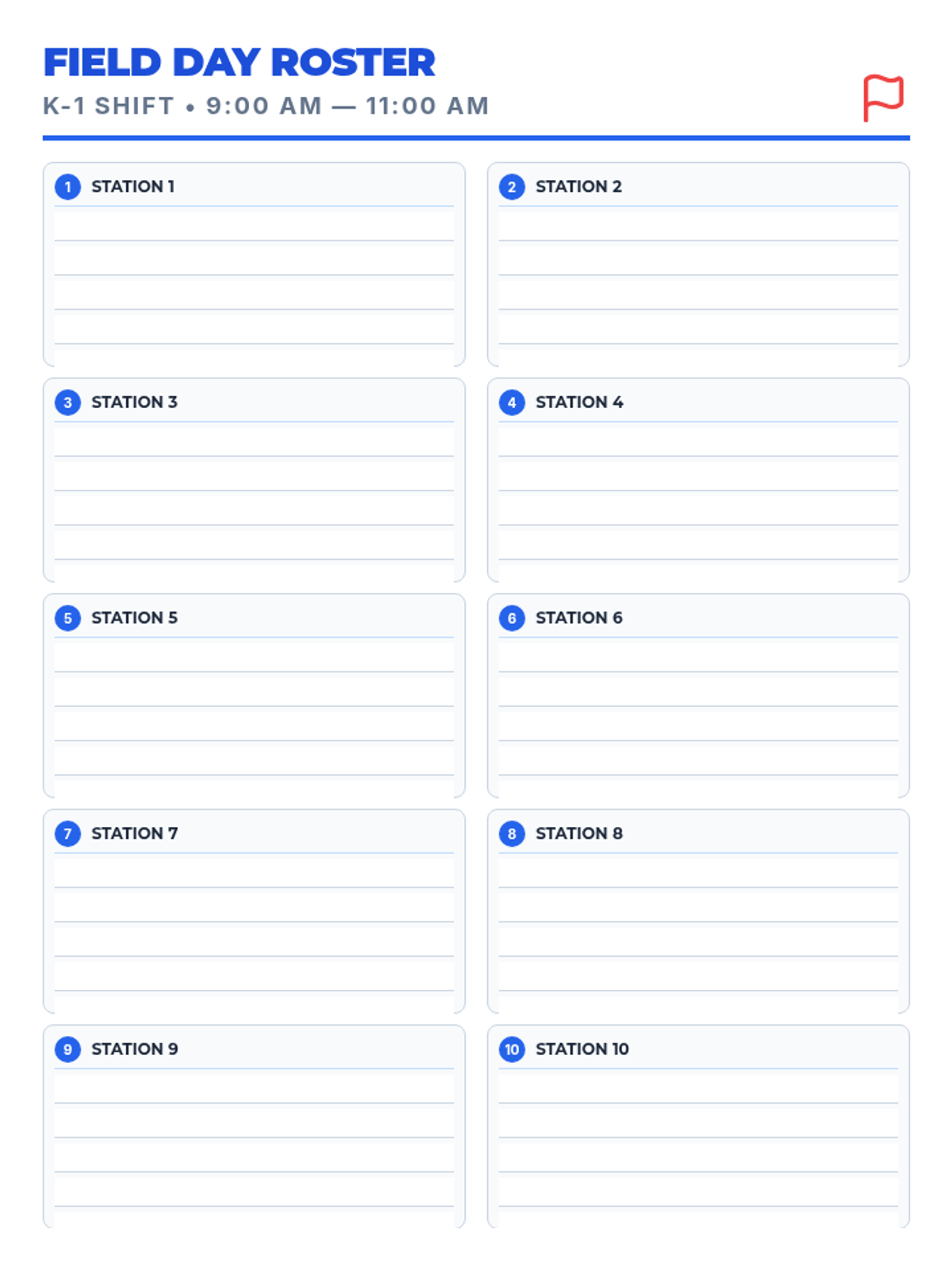
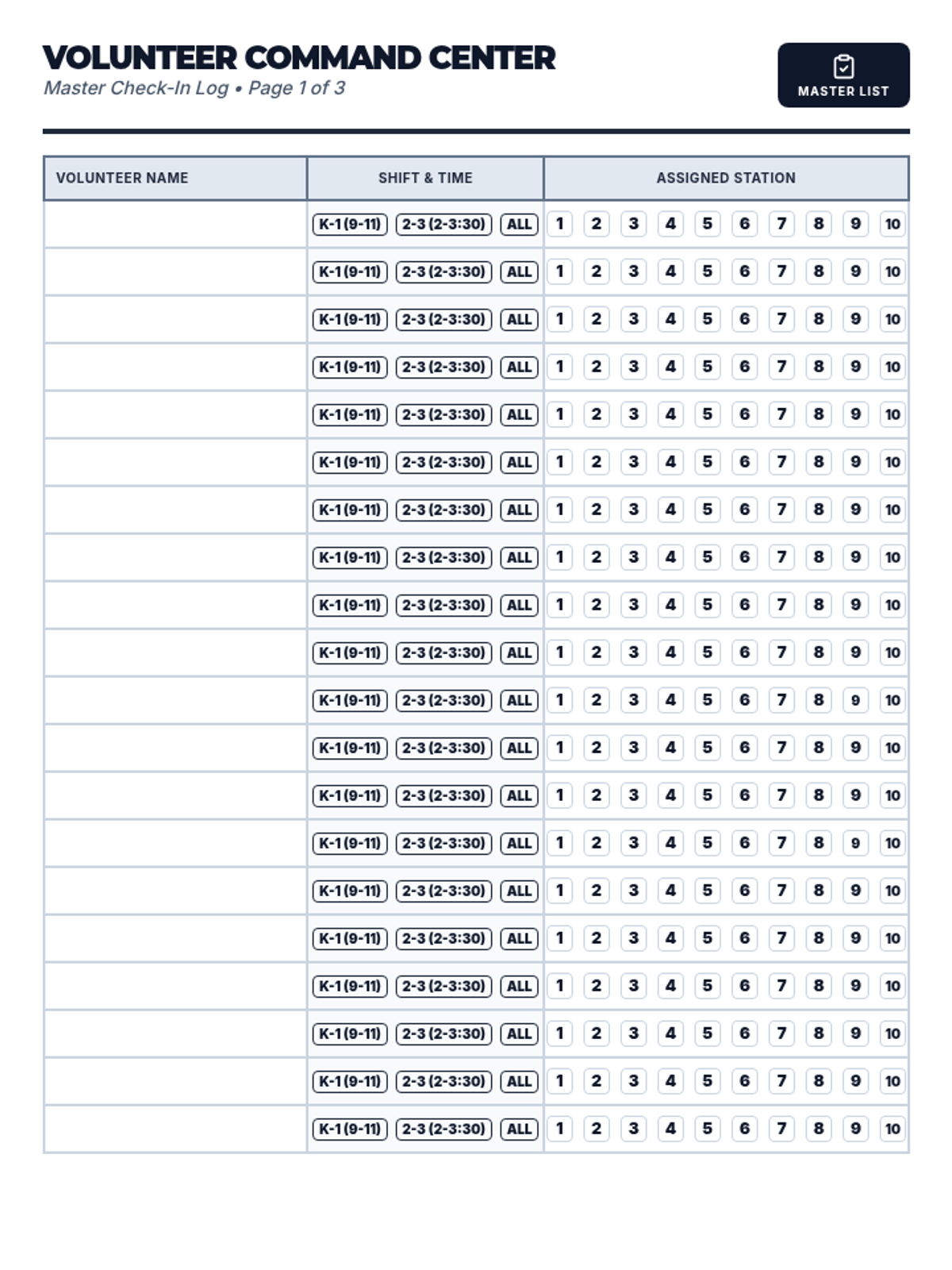
A set of organizational materials for managing volunteers during a school field day, including station assignment rosters and a master check-in sheet.
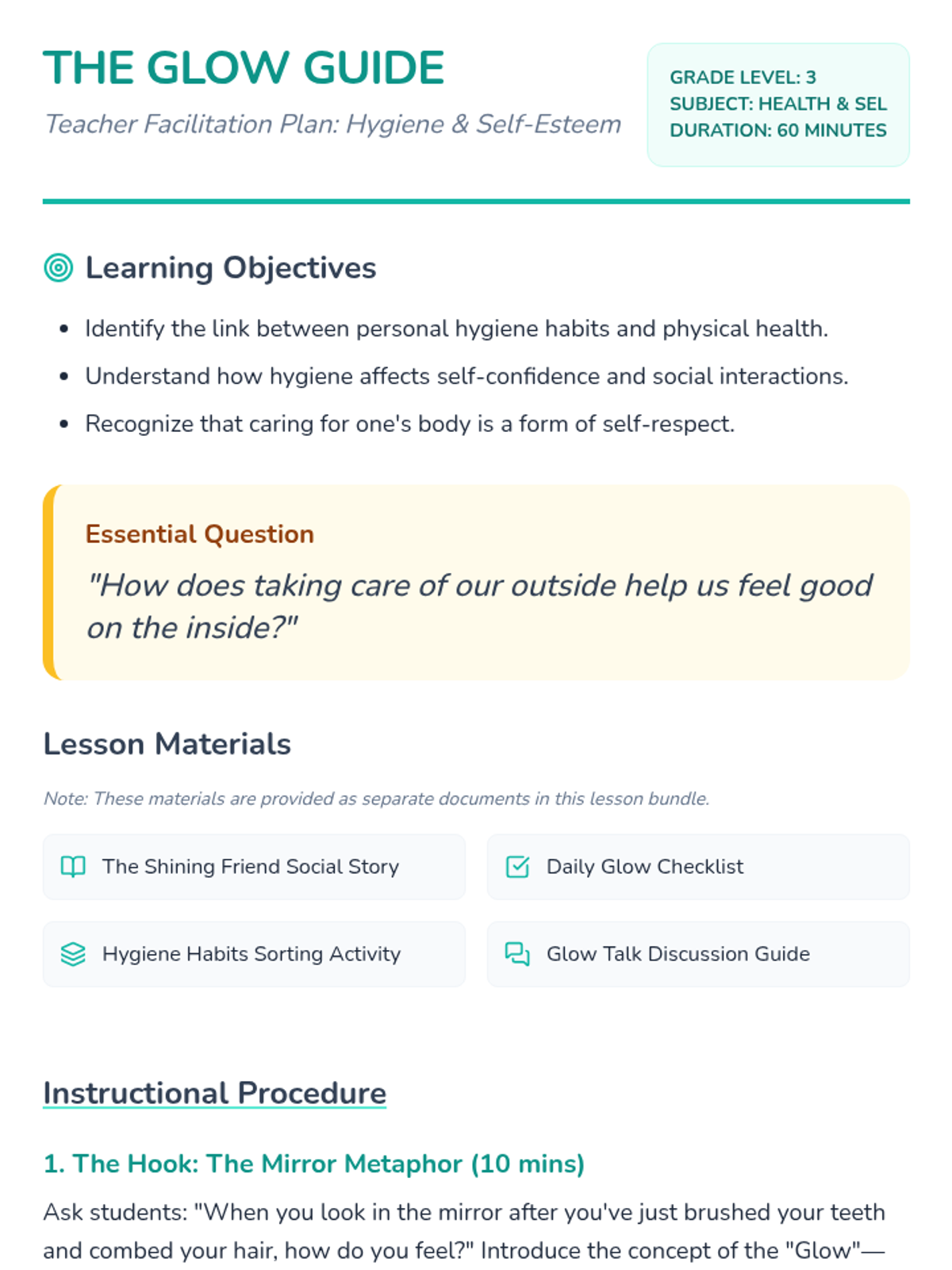
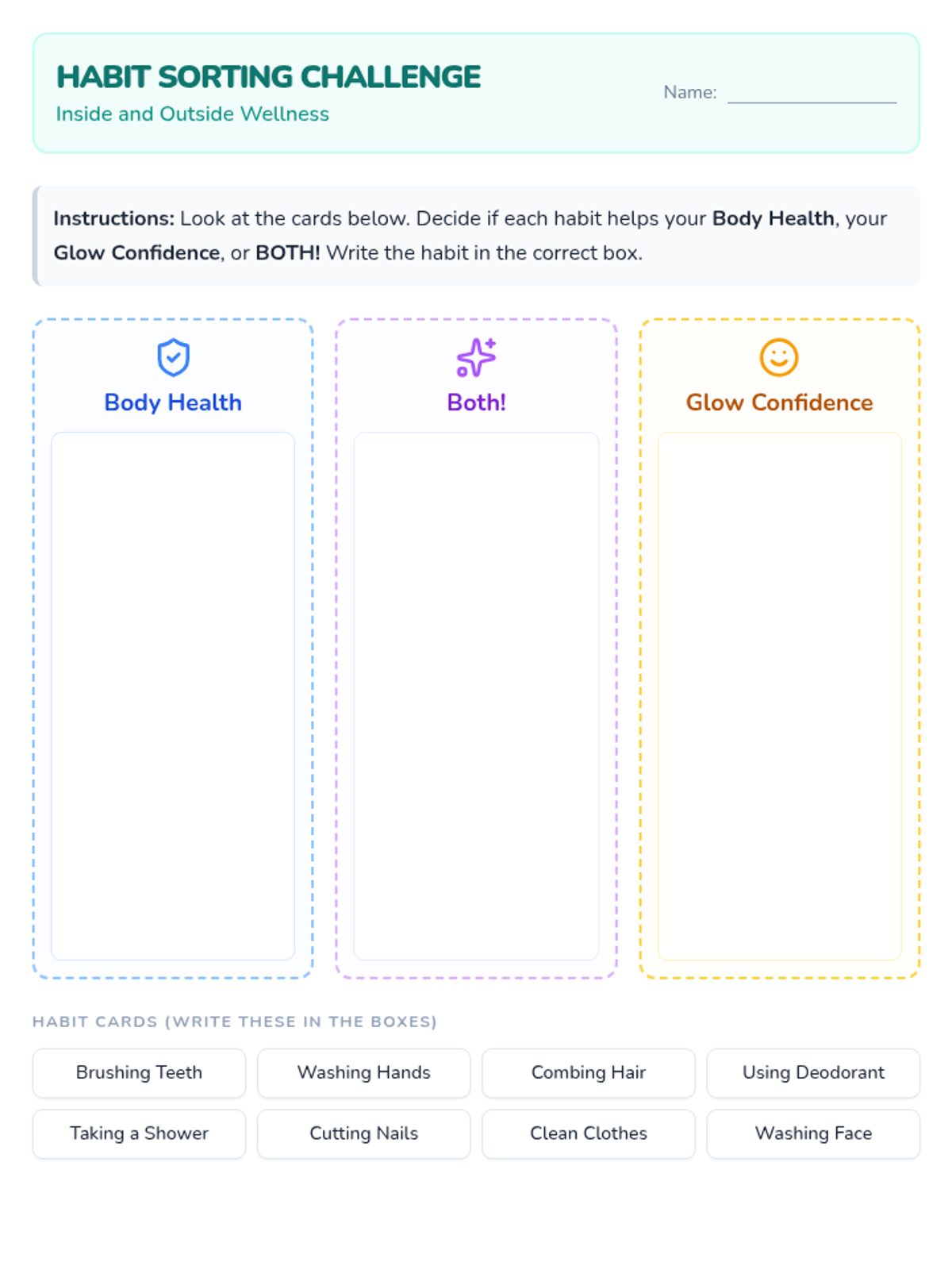
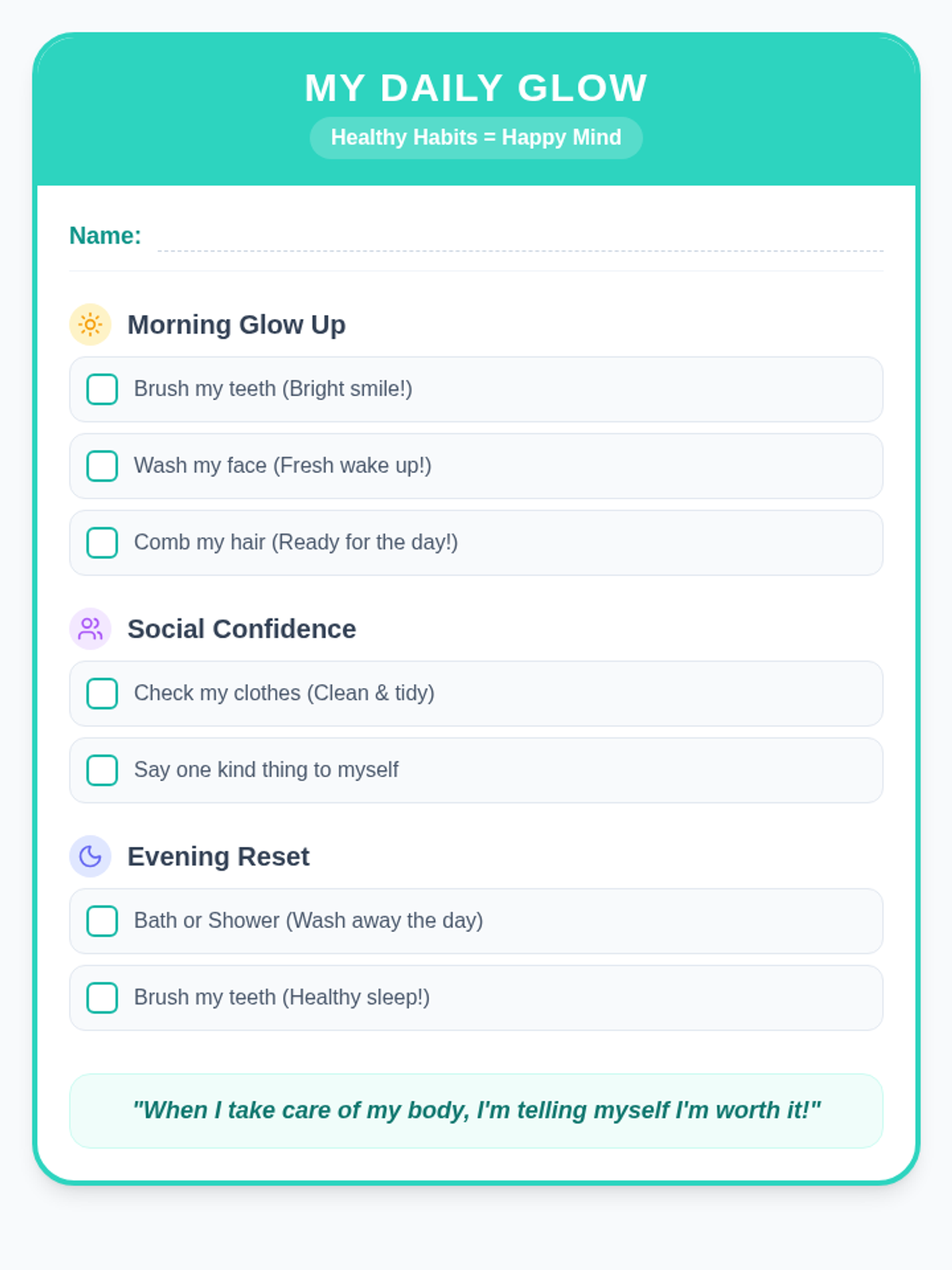
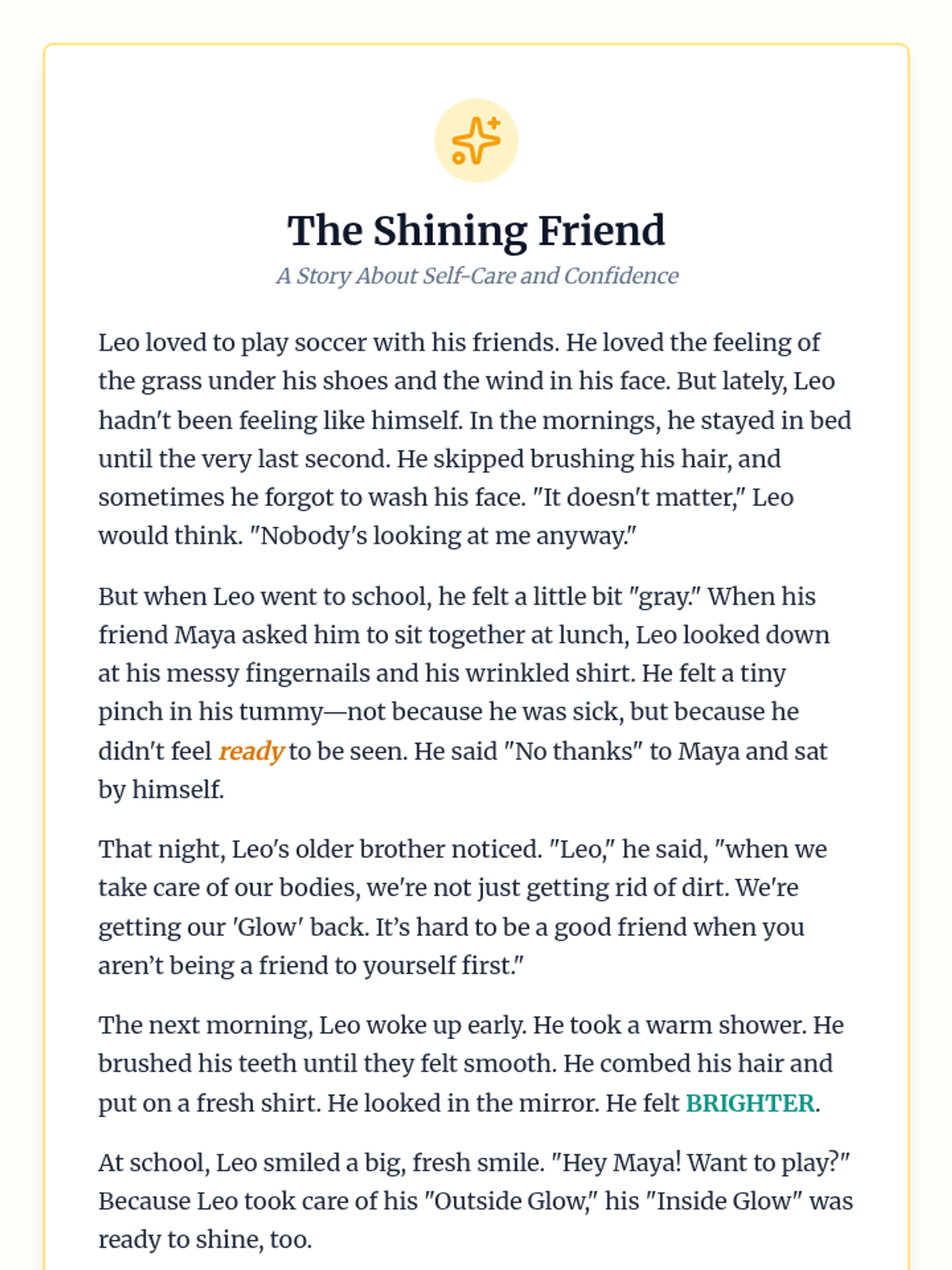
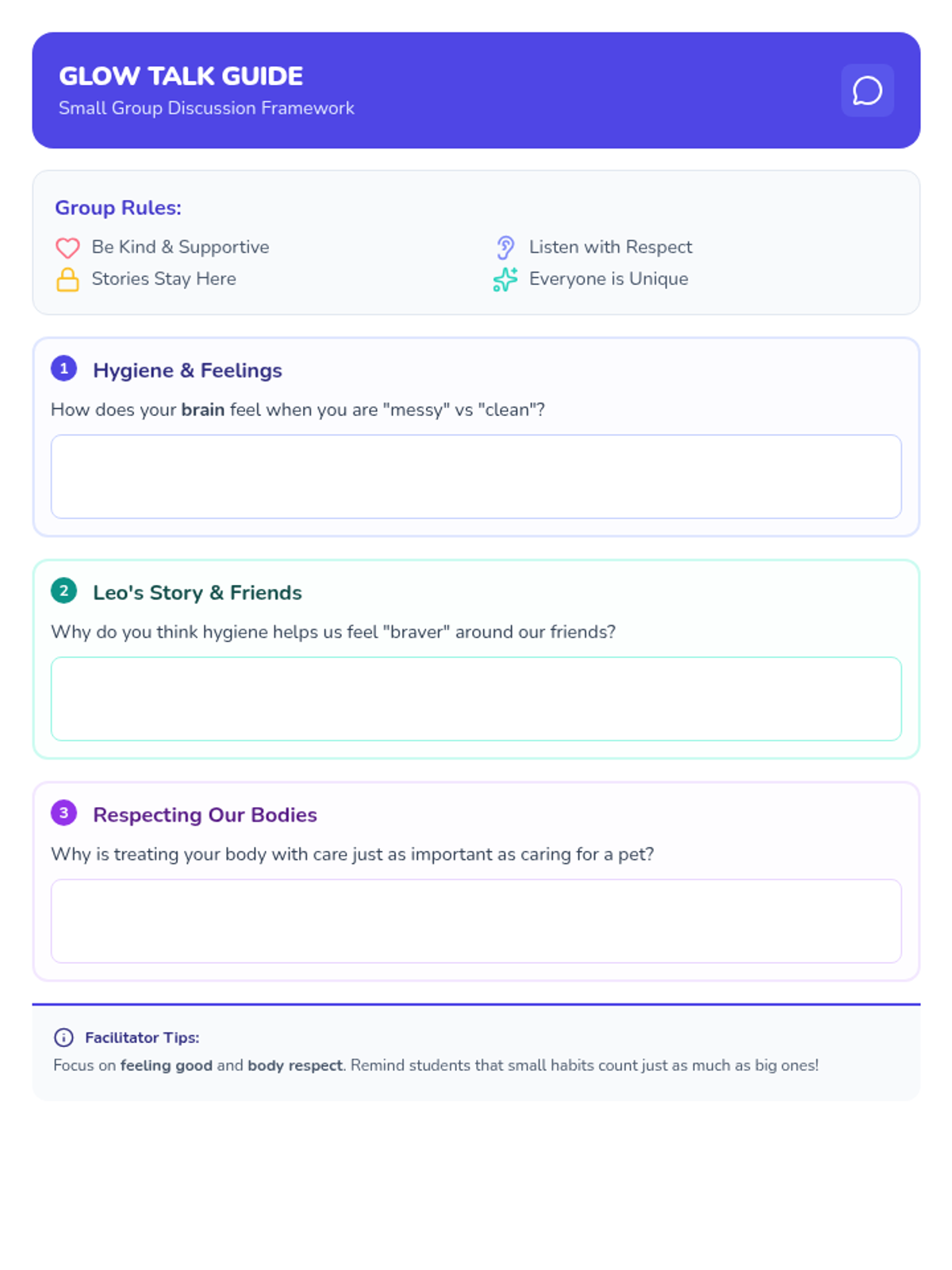
A holistic health lesson for 3rd graders exploring the connection between personal hygiene habits and their social-emotional well-being, focusing on friendship and self-esteem.
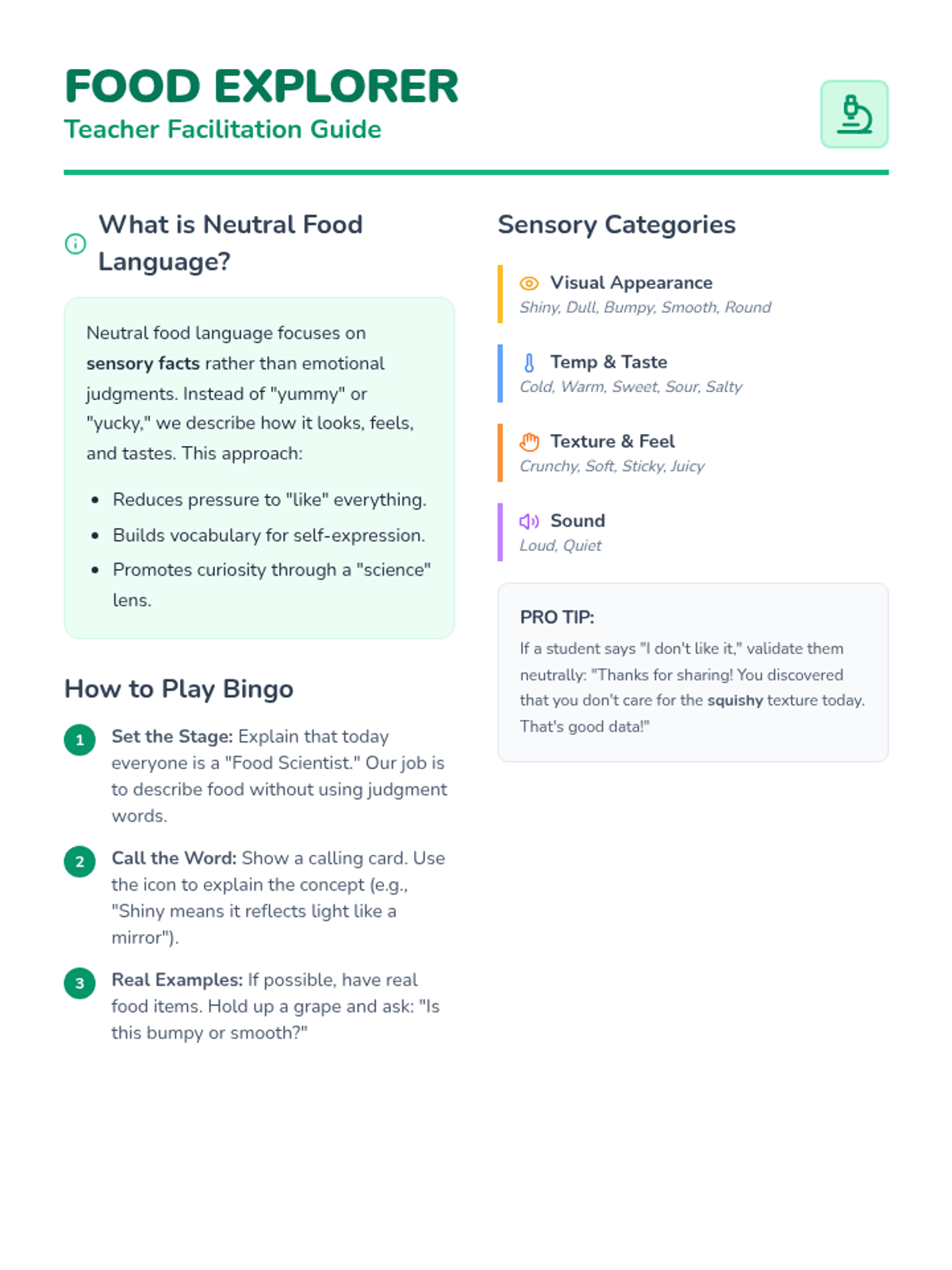
A lesson focused on using neutral, sensory-based language to describe food, helping young children build vocabulary without judgment or pressure. Students learn to observe food like scientists using their five senses.
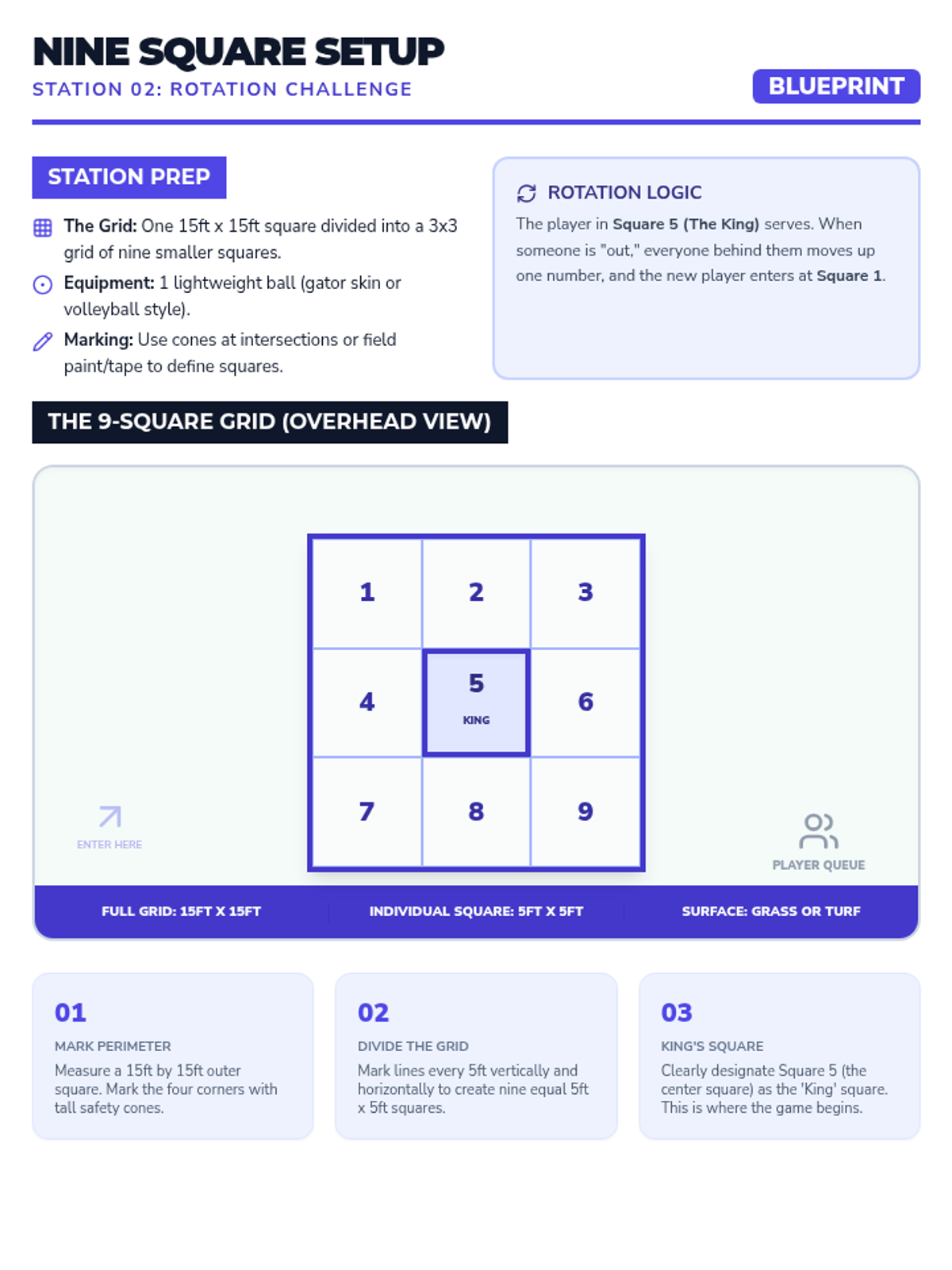
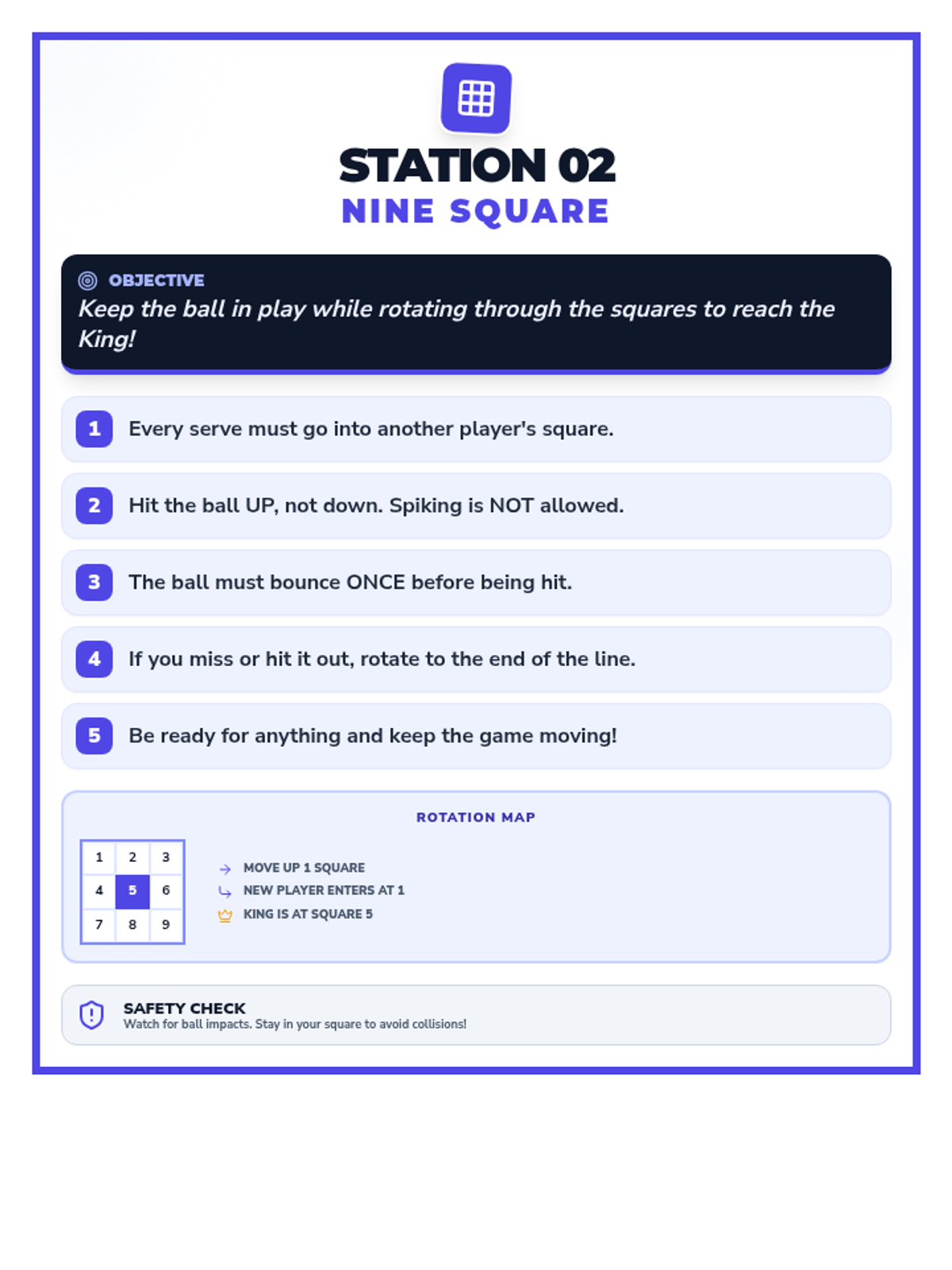
A fast-paced rotation game involving a 3x3 grid, focusing on hand-eye coordination and reaction time as players compete to reach the King square.
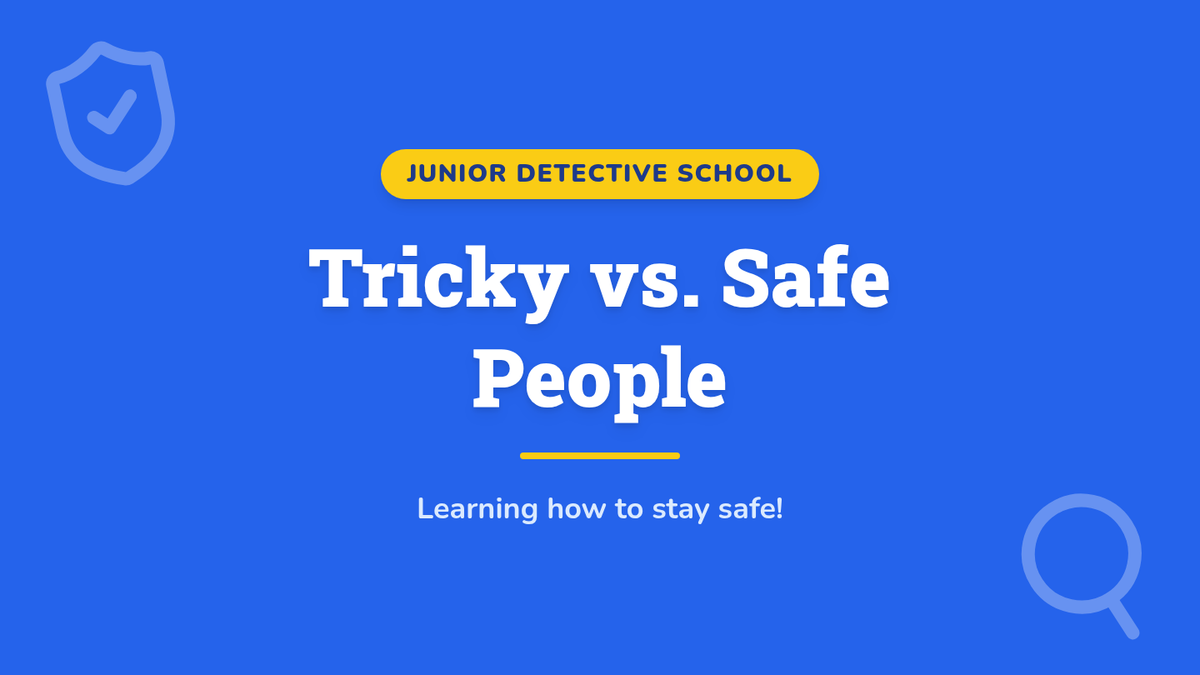
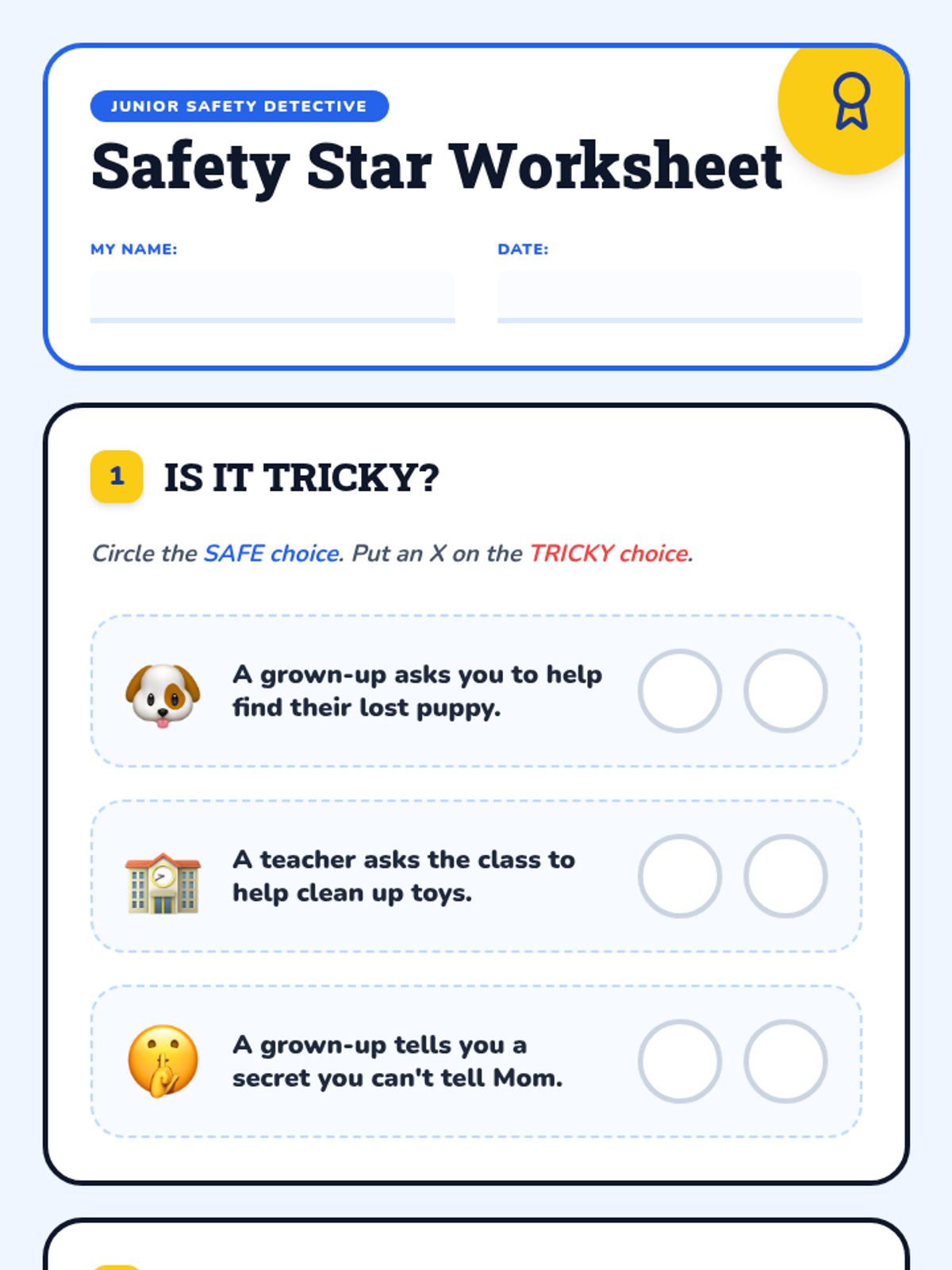
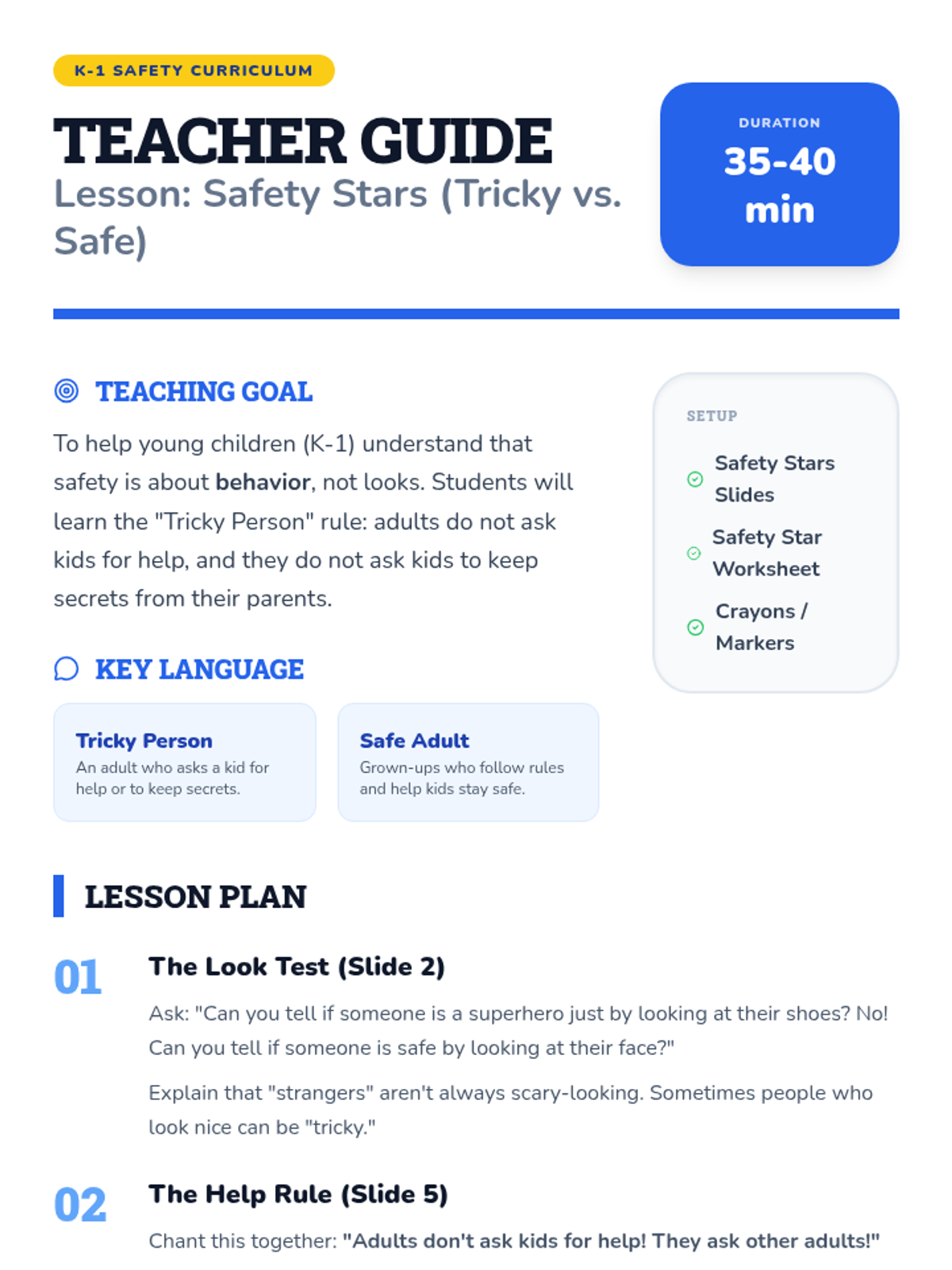
Students challenge the myth that dangerous people look scary, focusing instead on 'tricky' behaviors. They learn that a tricky person is an adult who asks a child for help or asks them to break safety rules.
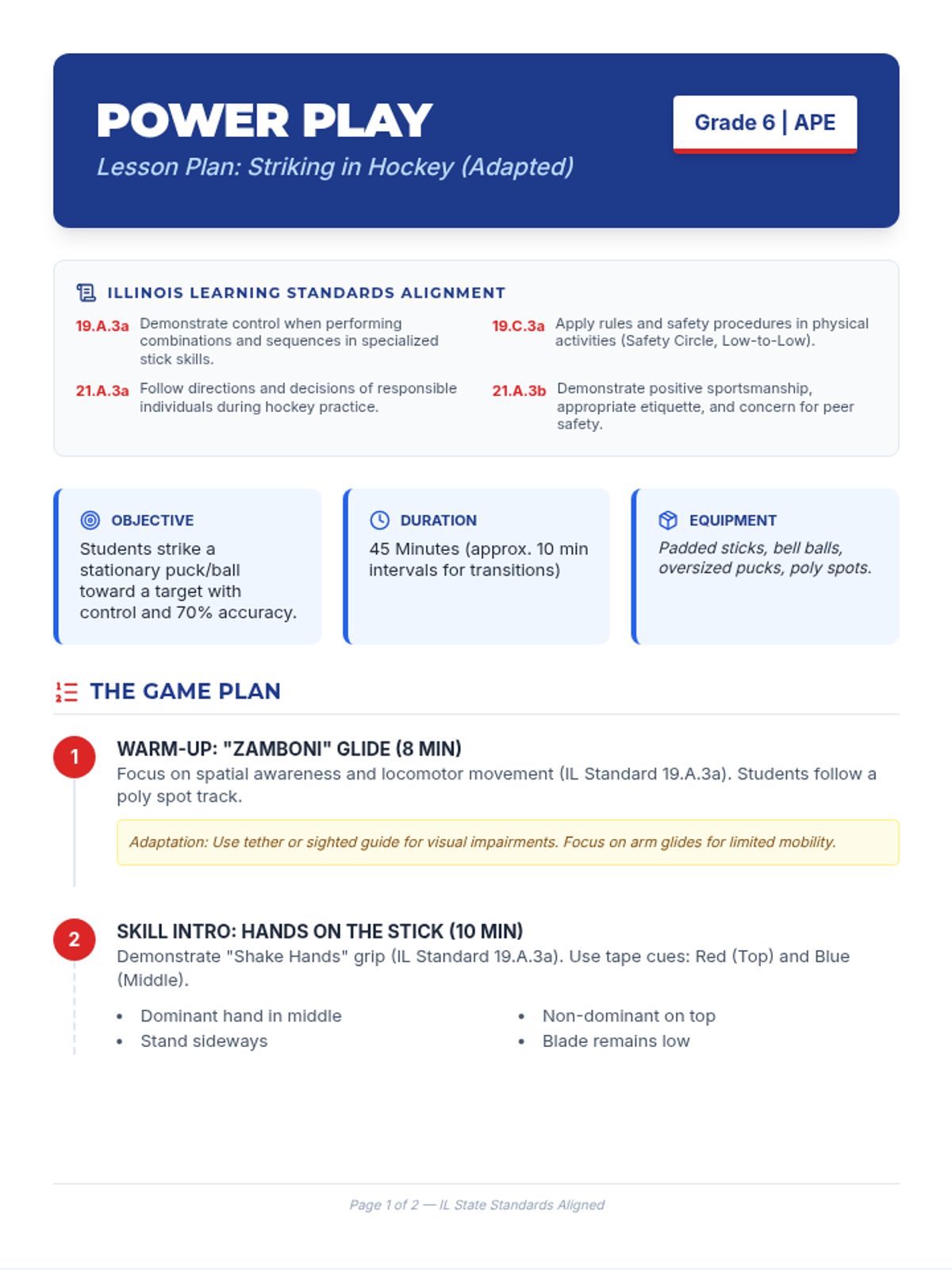
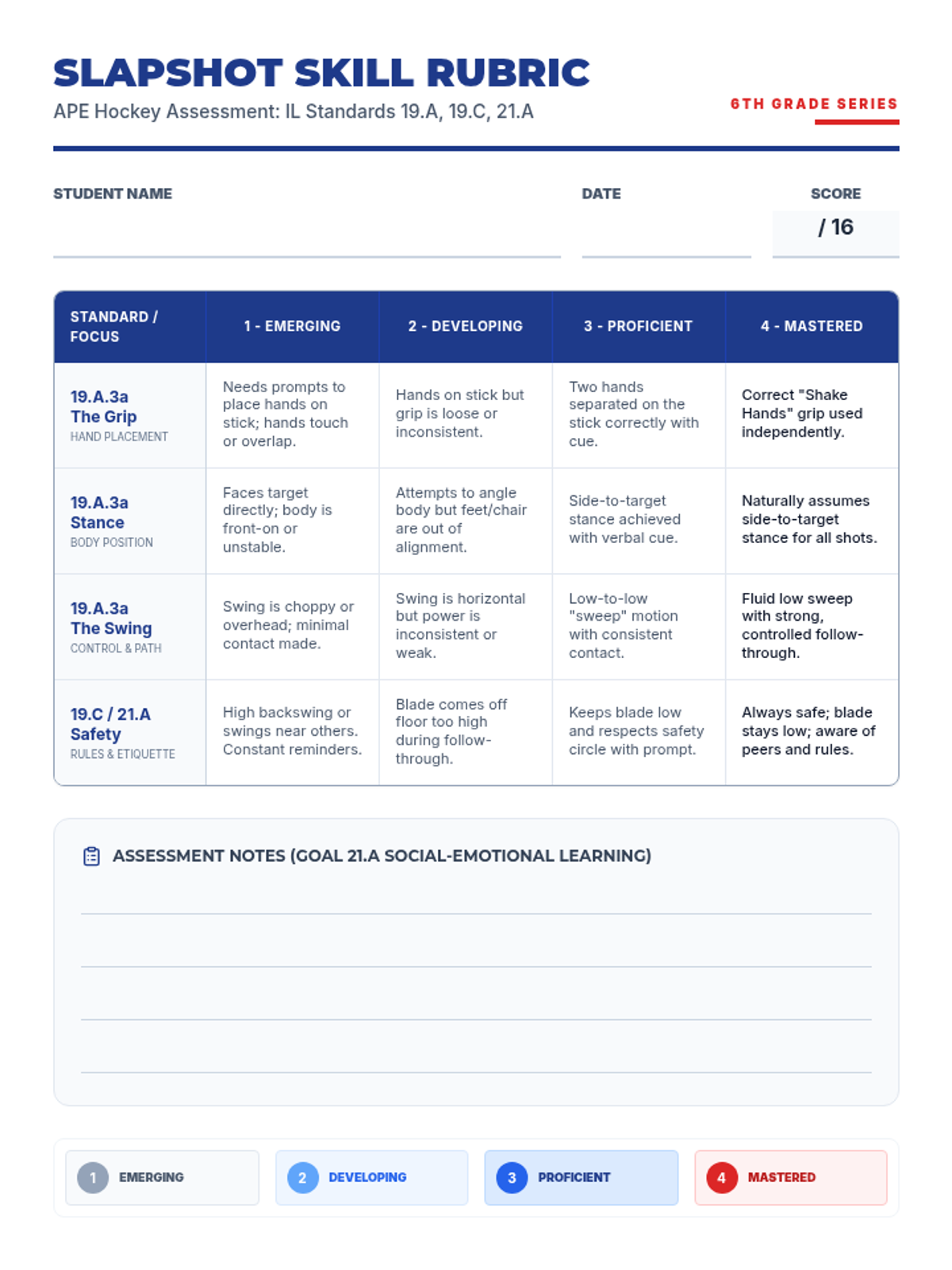
An adapted physical education lesson focused on the mechanics of striking a hockey puck or ball, featuring modifications for various mobility and sensory needs.
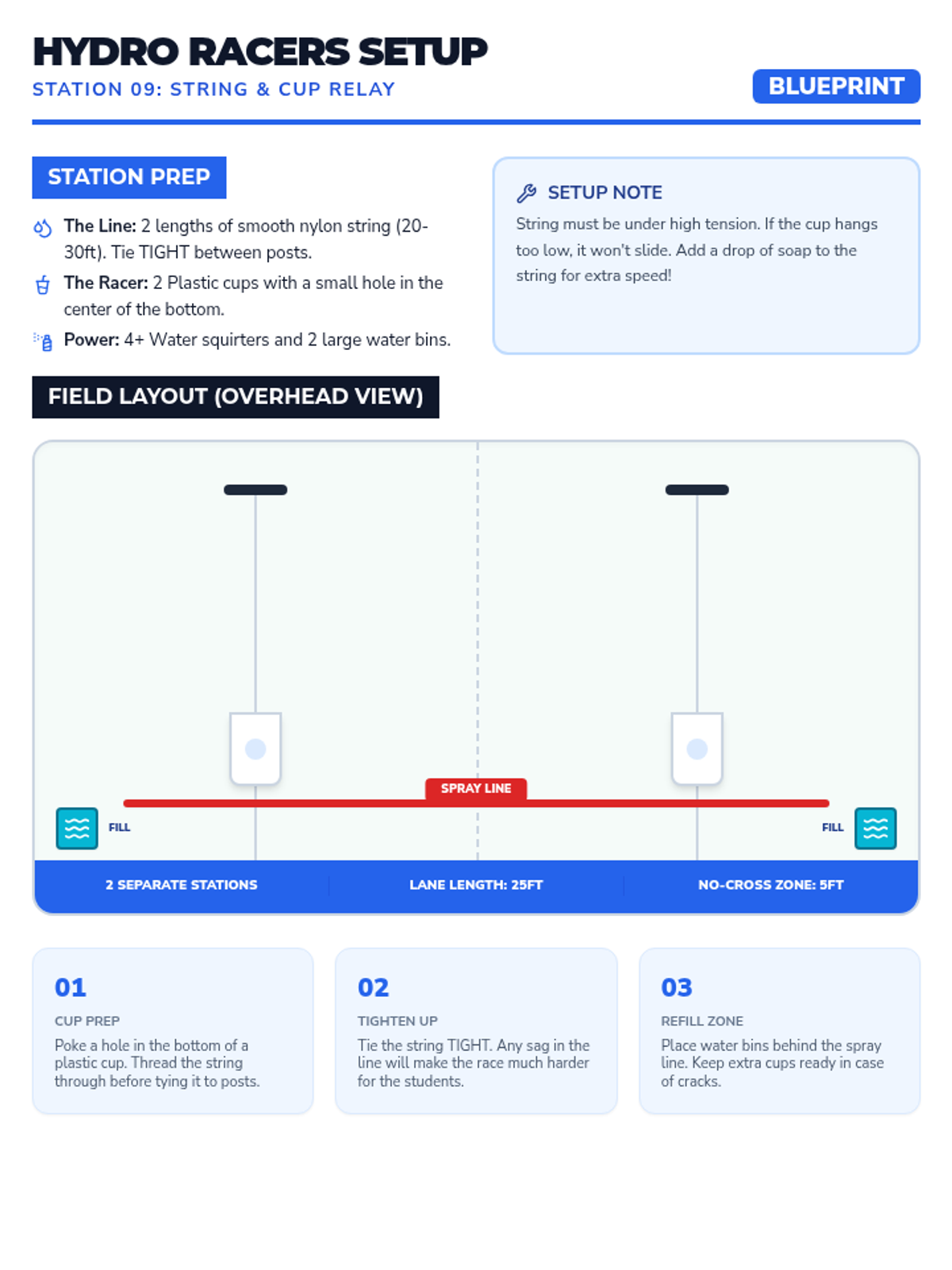
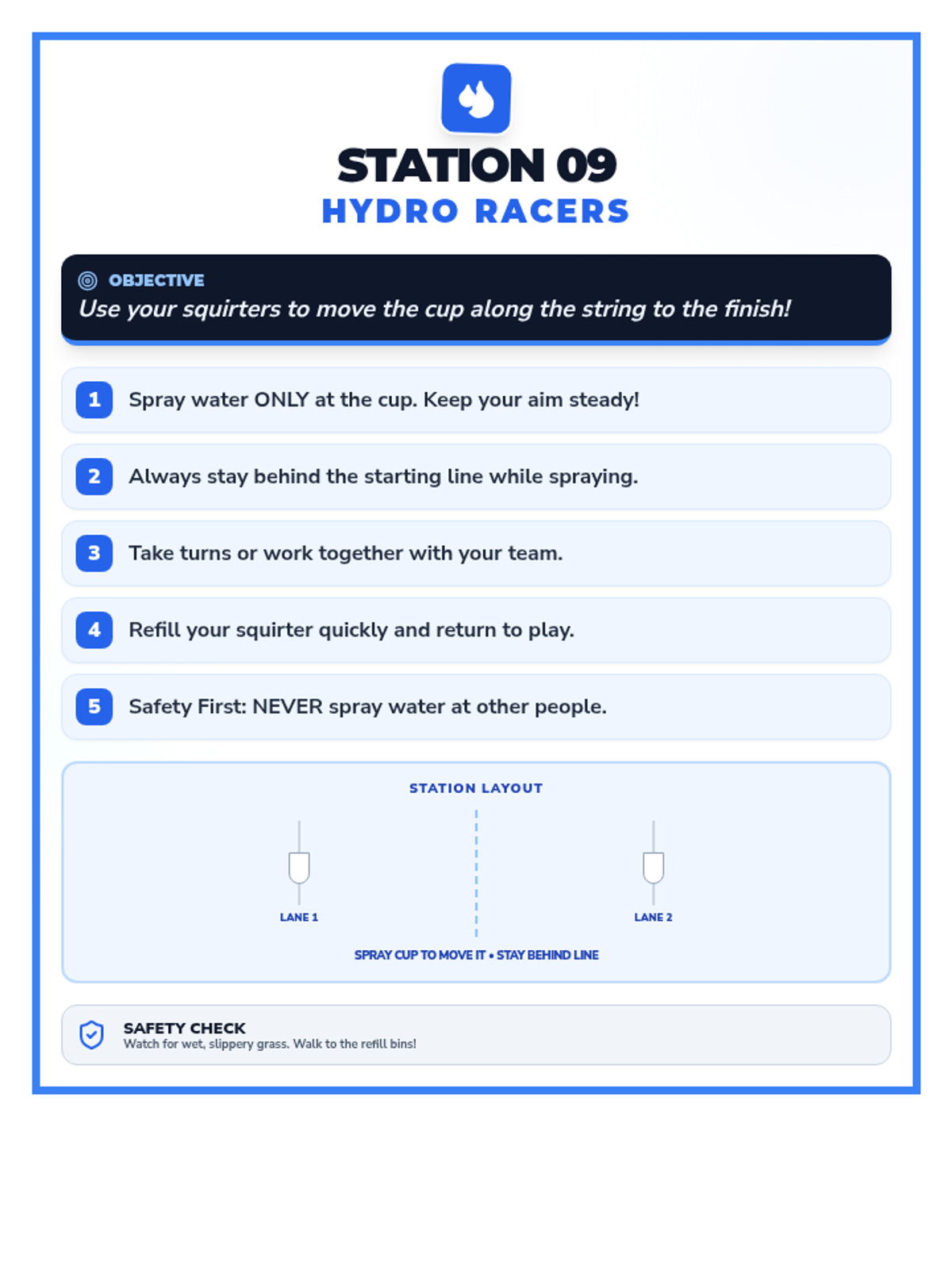
A high-energy water station guide for Hydro Racers, featuring string-and-cup relay setup, water gun mechanics, and safety protocols for aquatic racing.
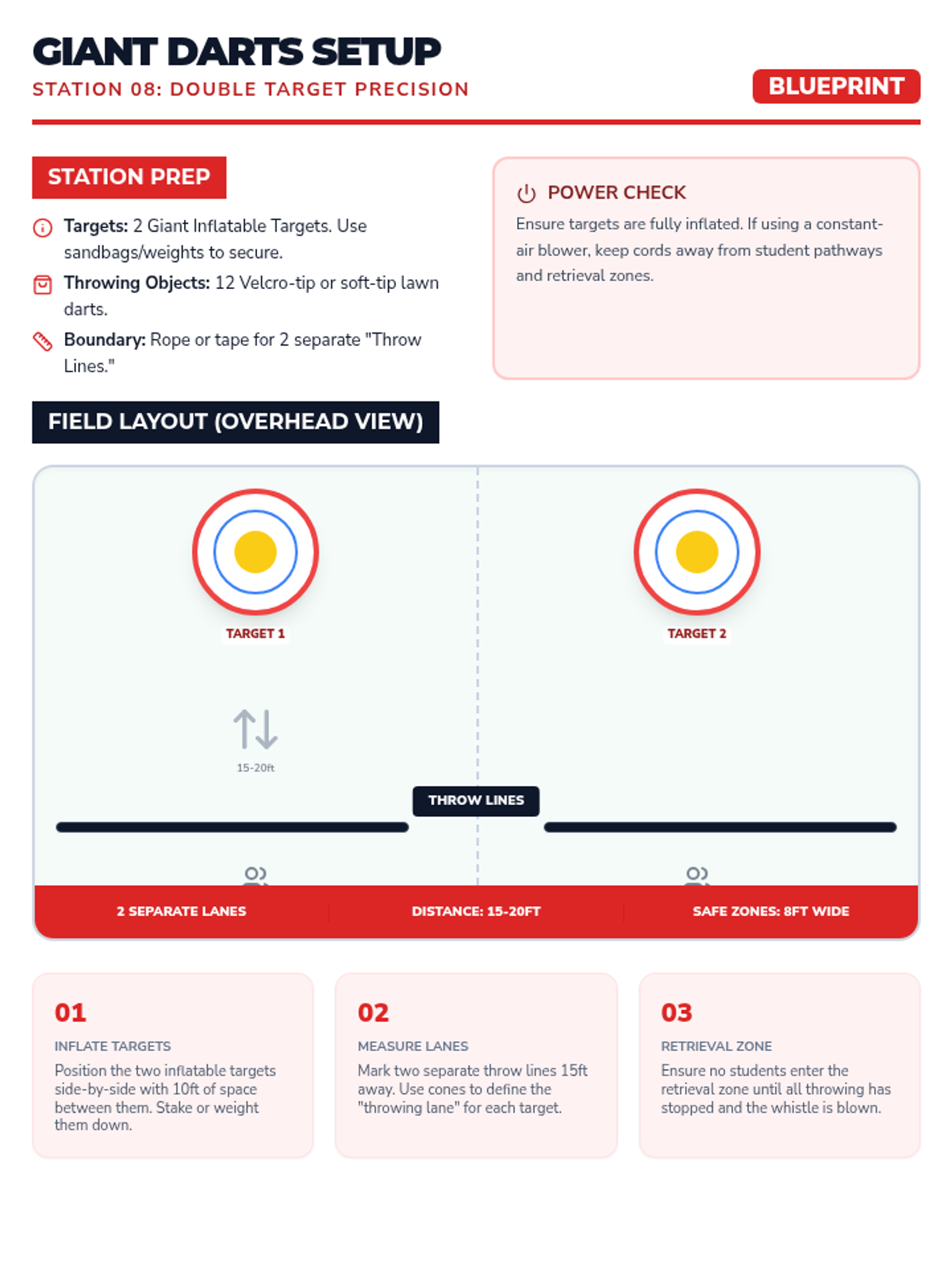
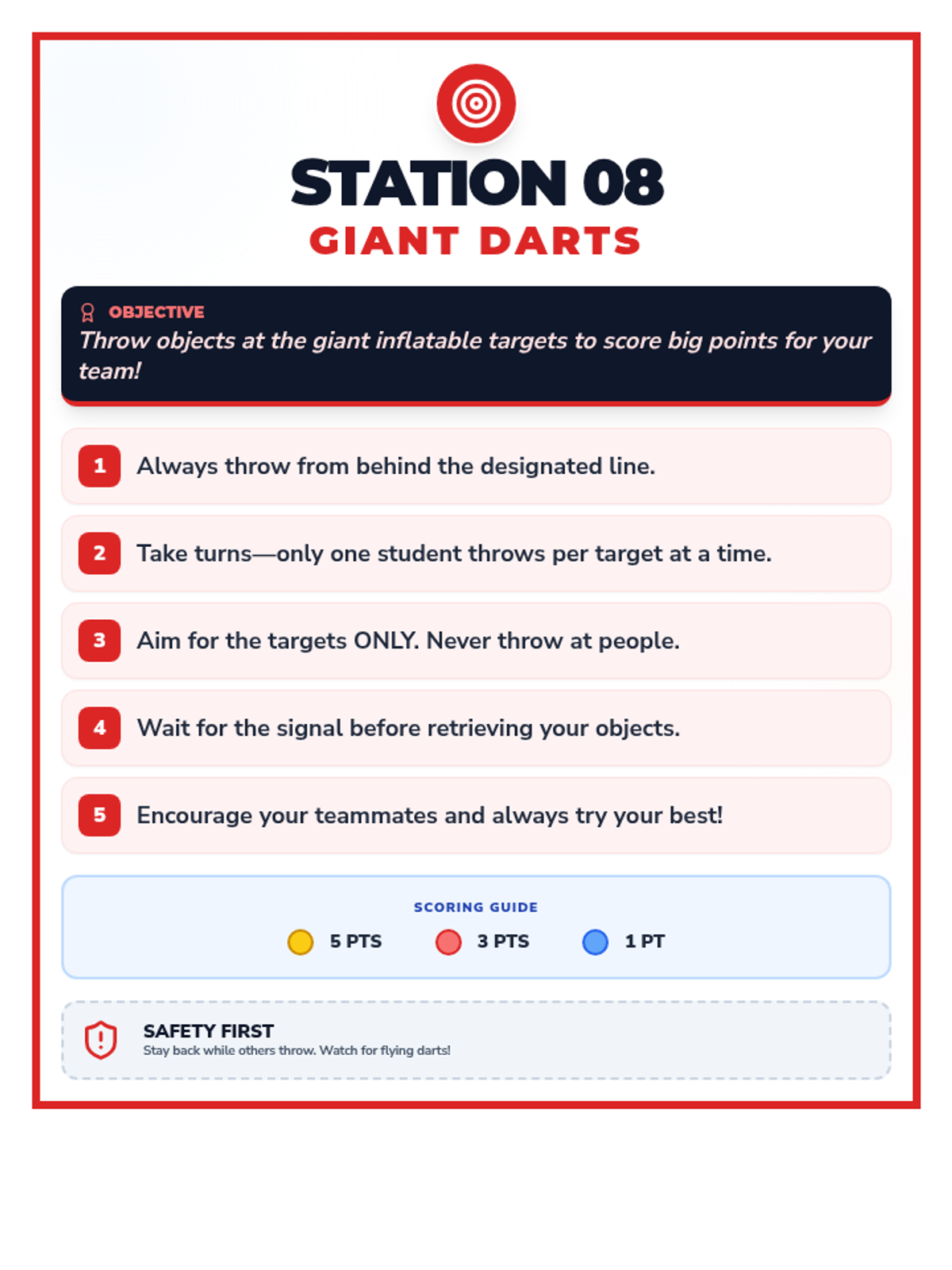
A target-based game guide for Giant Darts, featuring field setup for hula hoop targets, scoring systems, and safety protocols for throwing accuracy.
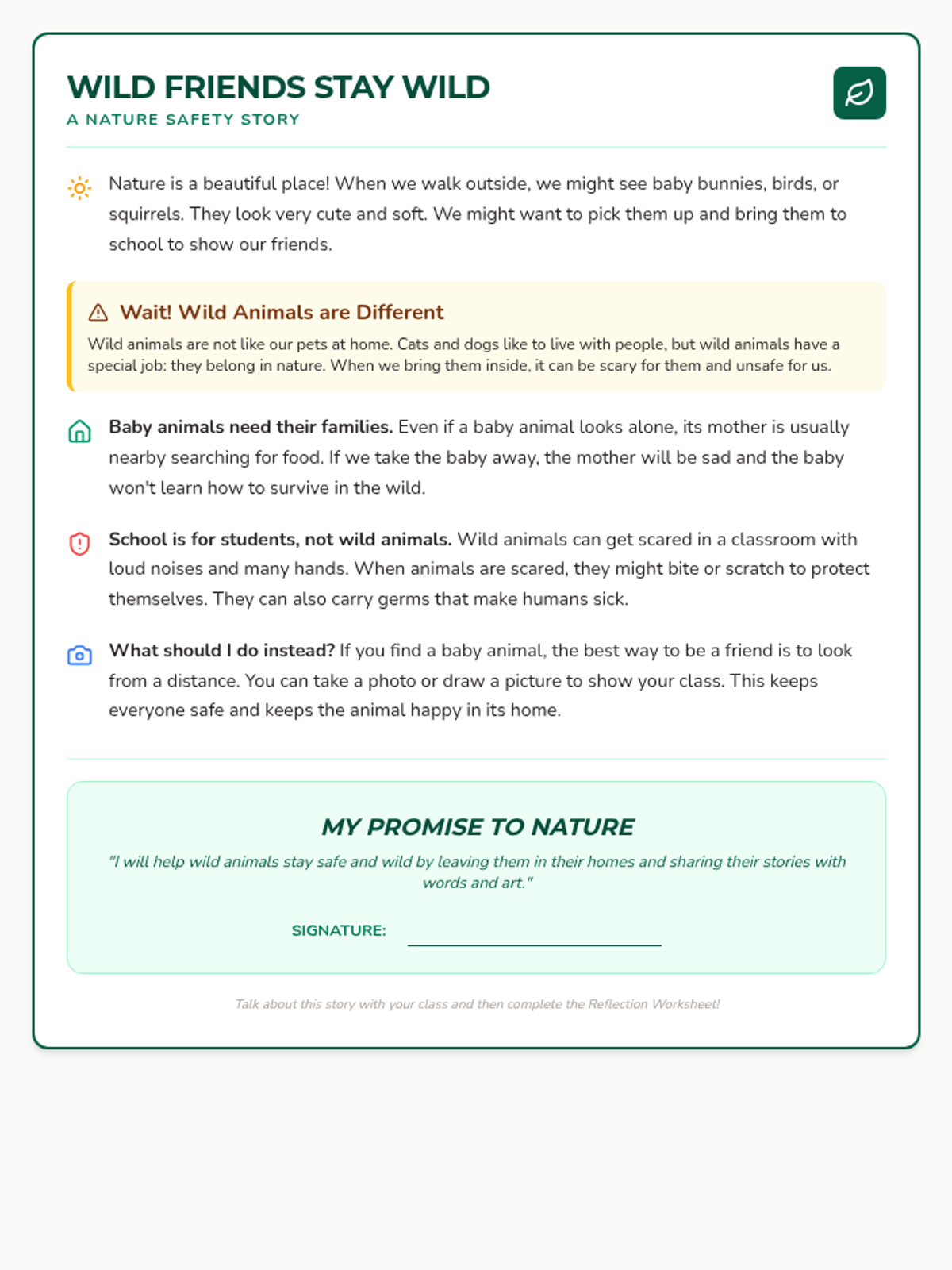
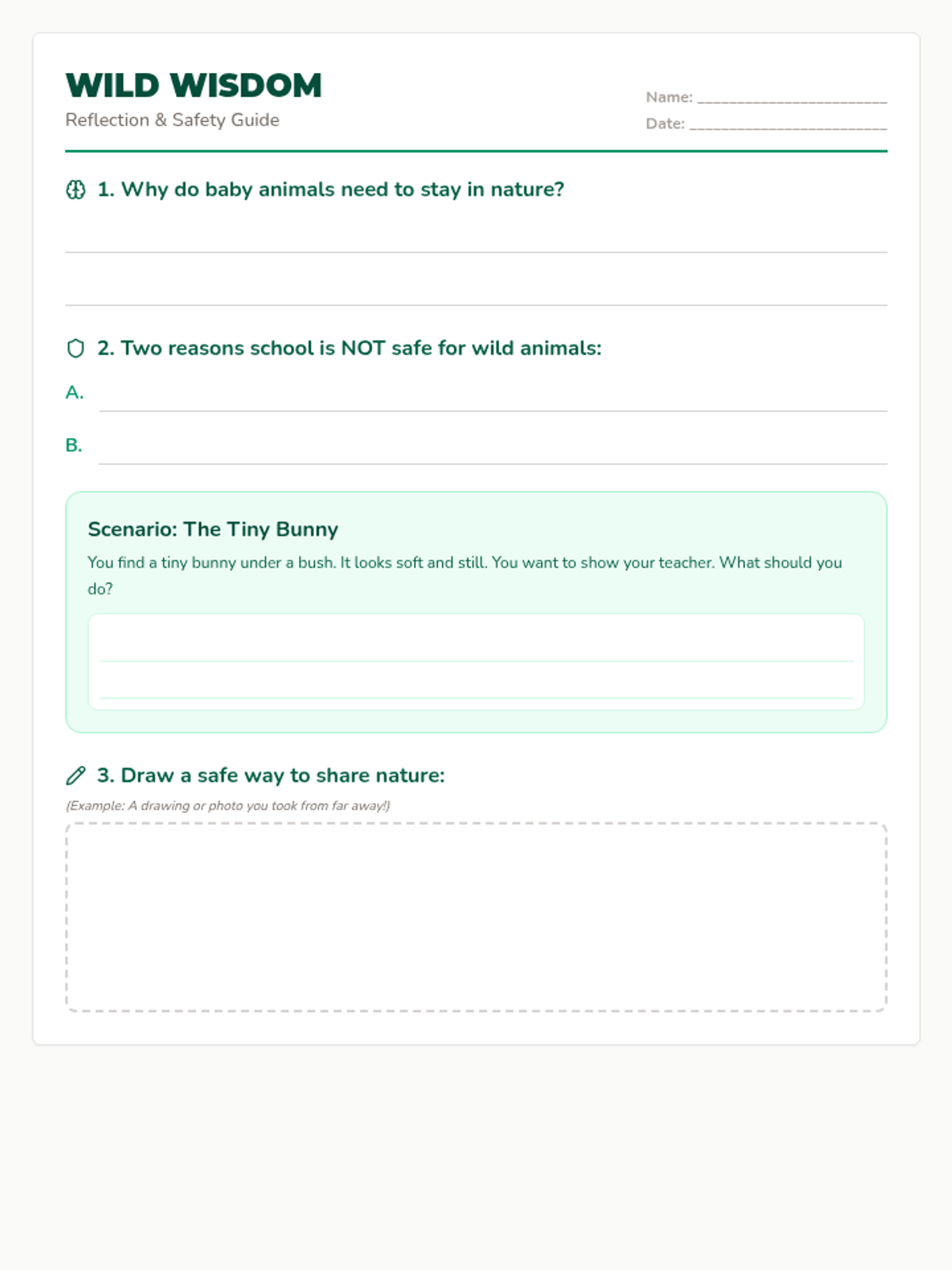
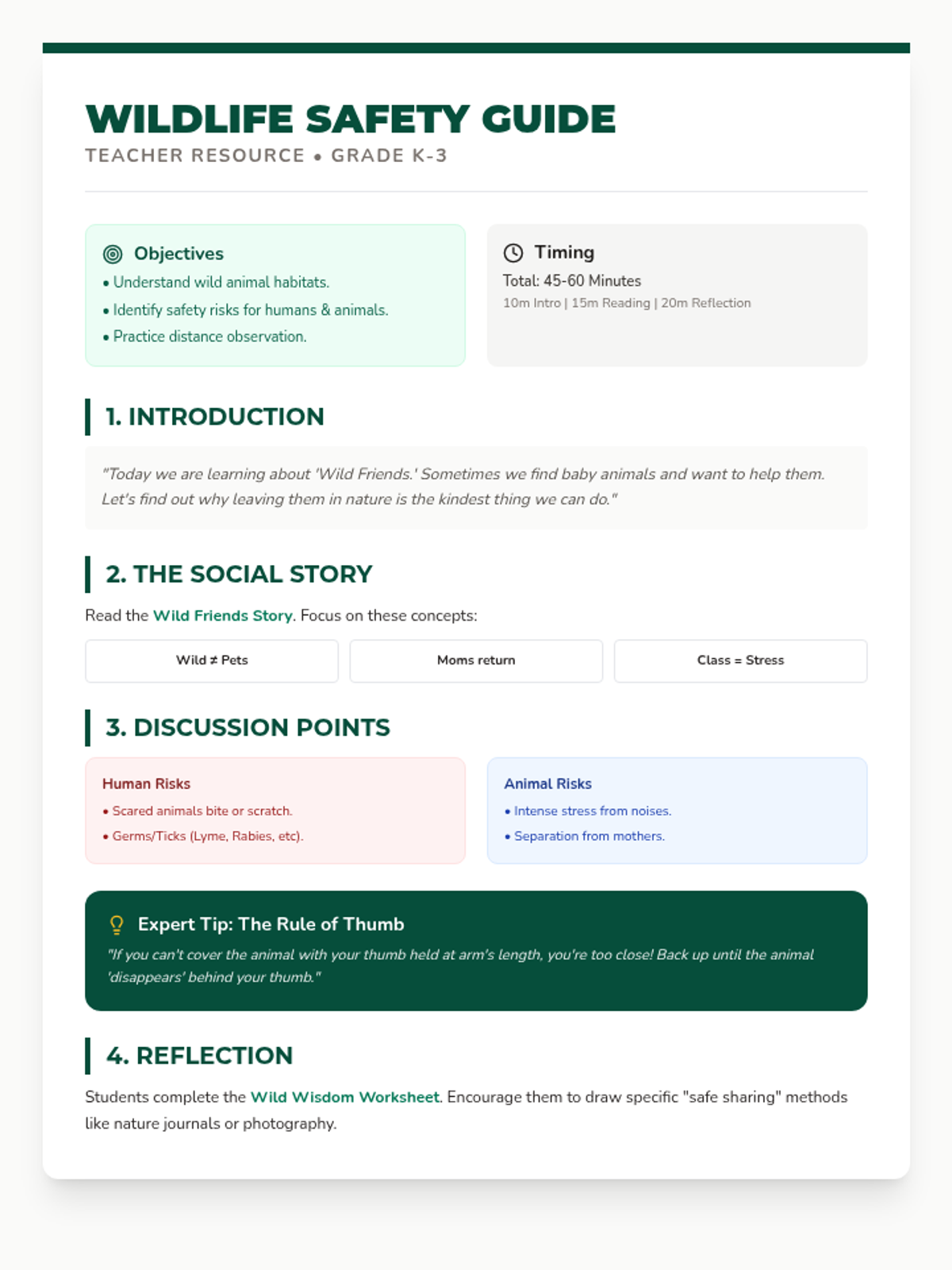
This lesson teaches students why wild animals, especially babies, should remain in their natural habitats rather than being brought to school, focusing on the safety of the animal and the classroom community.
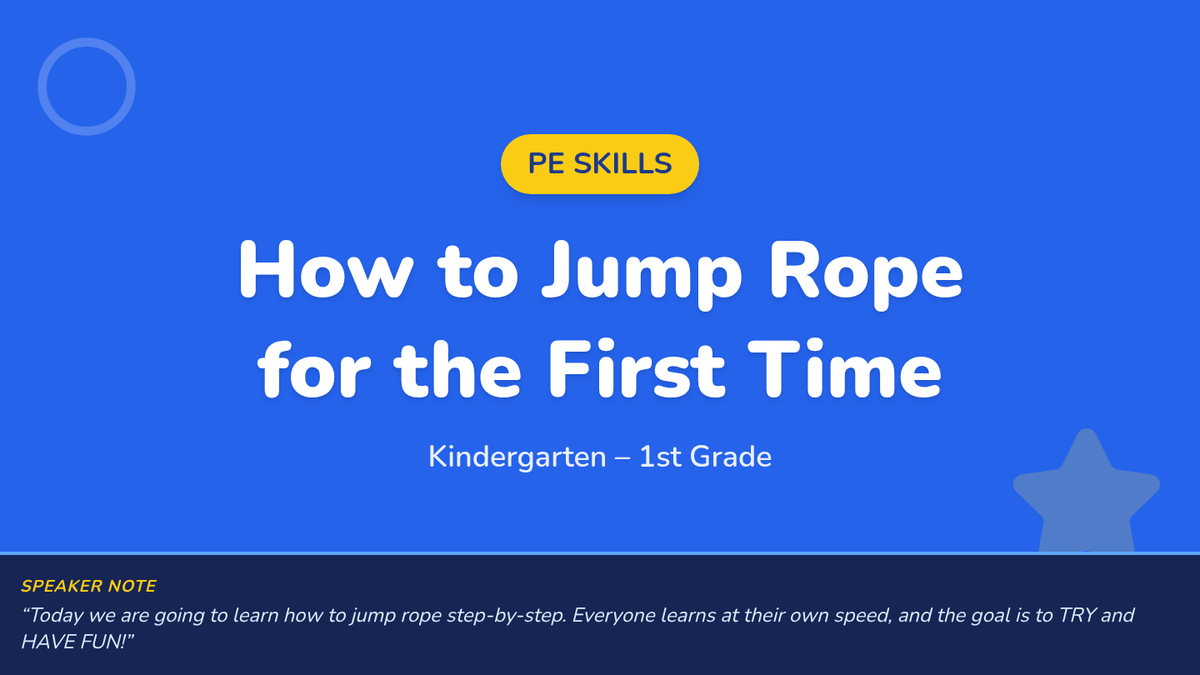
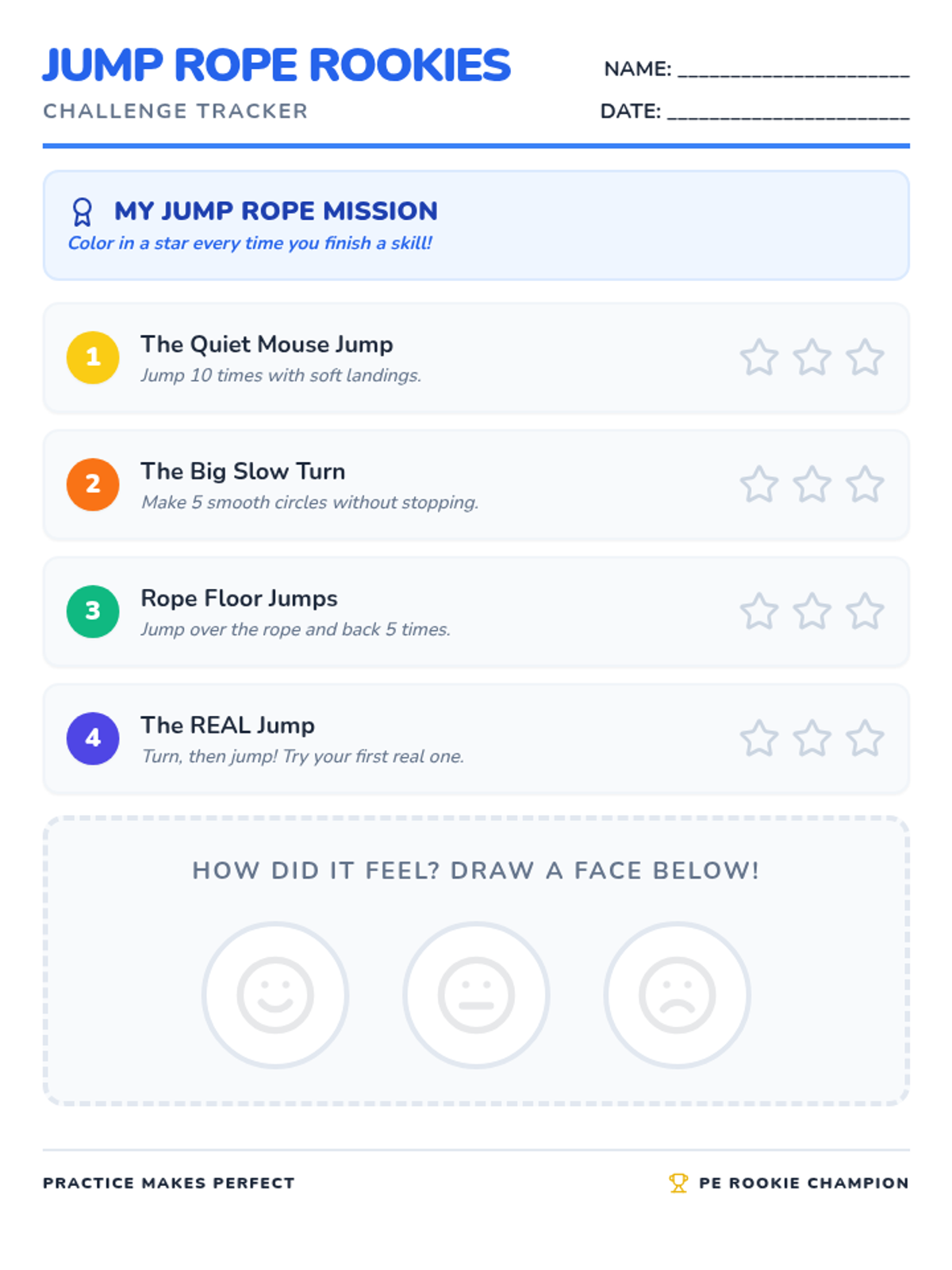
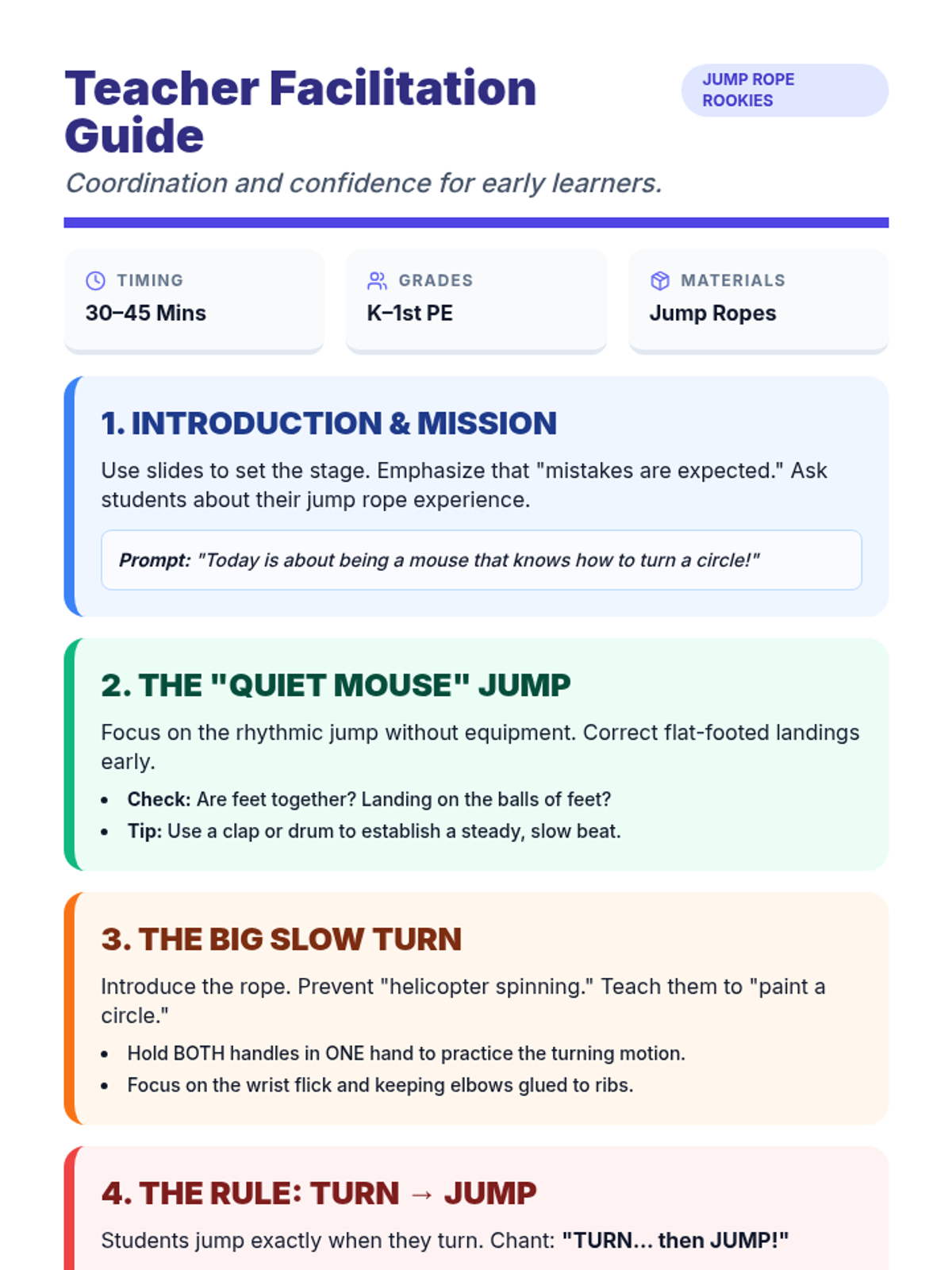
An introductory lesson for Kindergarten and 1st Grade students to learn the basics of jumping rope. The lesson breaks down complex movements into manageable steps: jumping, turning, and timing.
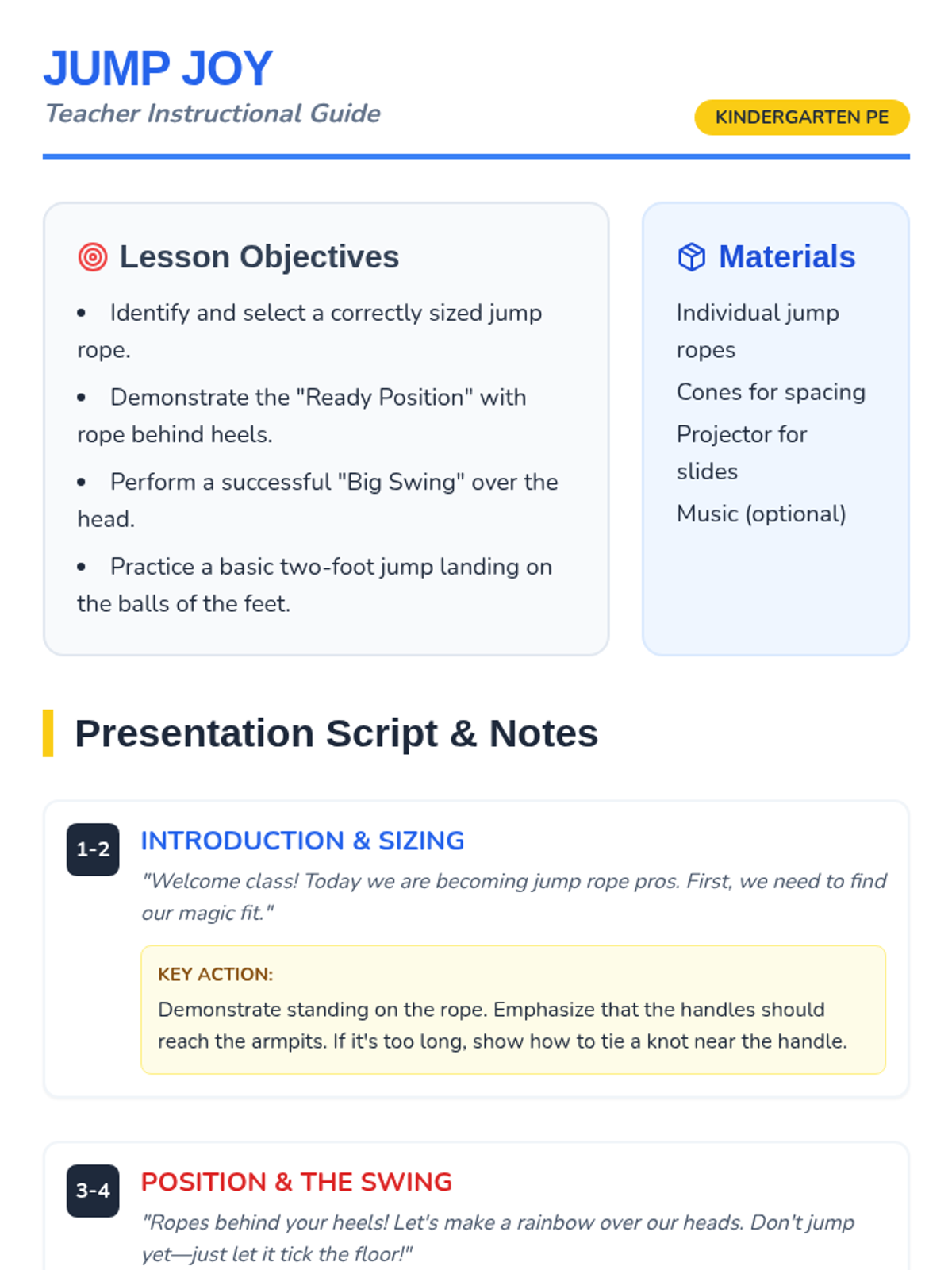
A vibrant introduction to jump rope basics for kindergarteners, focusing on rope sizing, the basic jump, and building confidence through fun progressions.
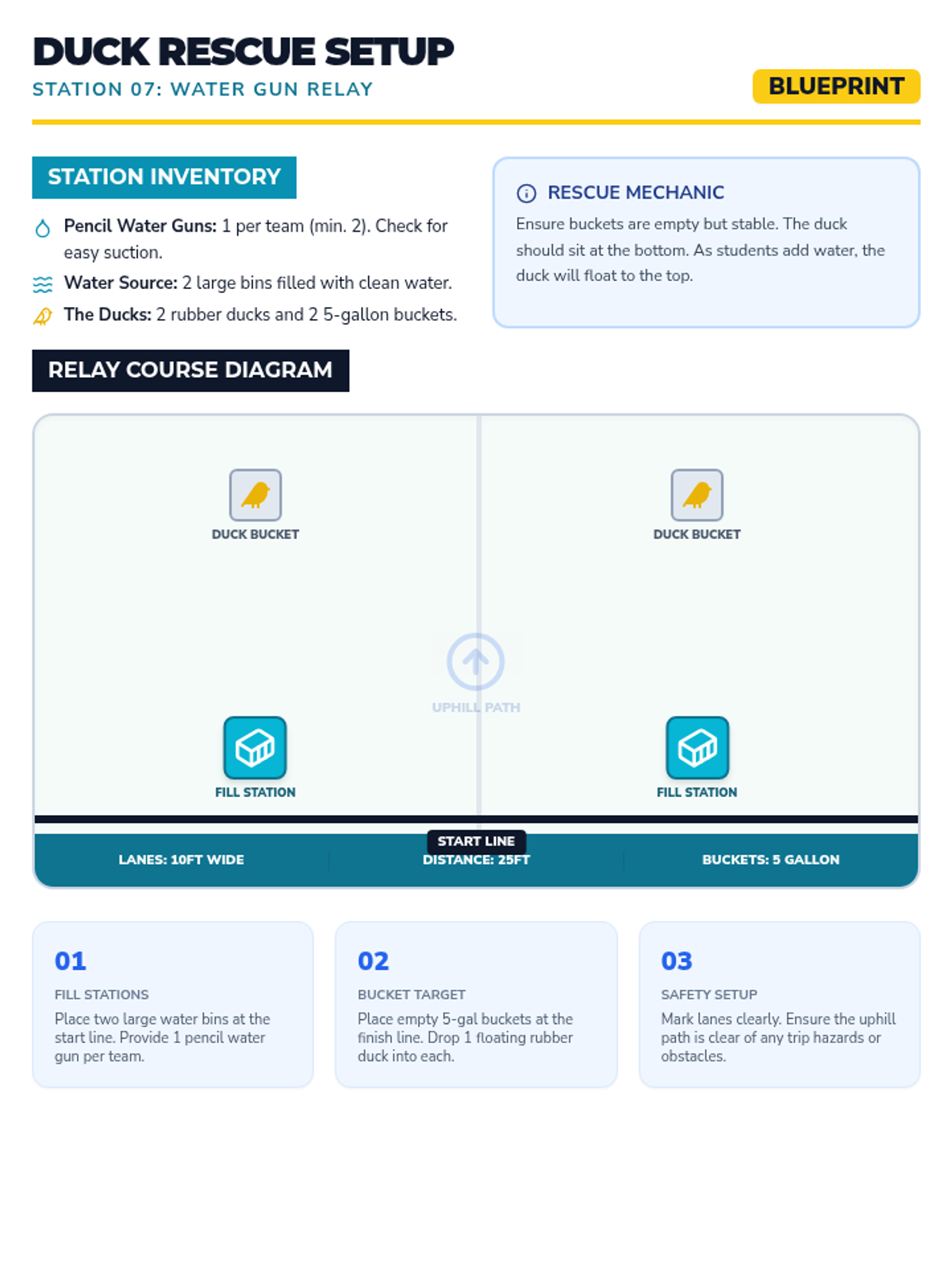
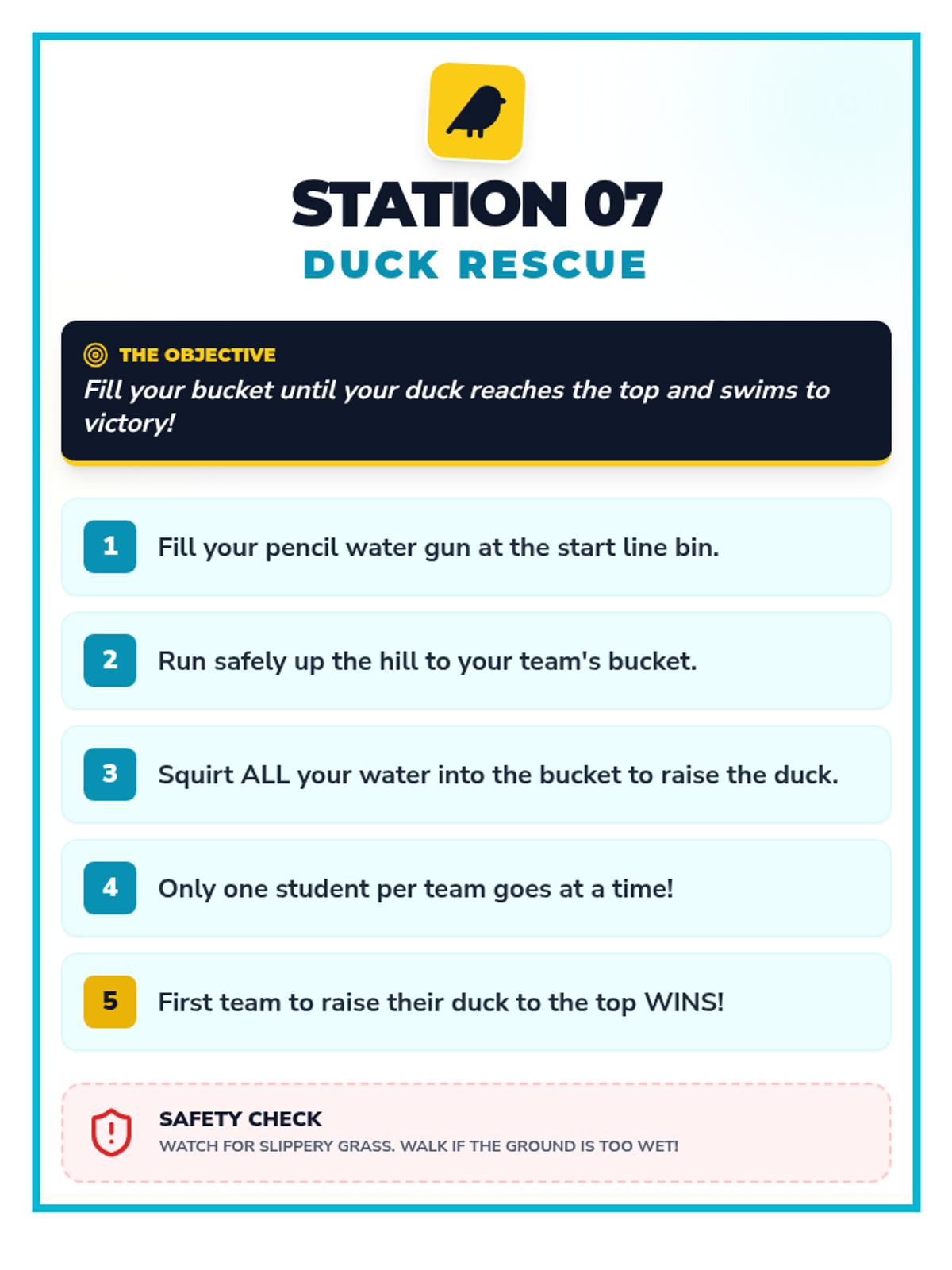
A high-energy water station guide for Duck Rescue, featuring field setup for water gun relays, duck-raising mechanics, and safety protocols for slippery fun.
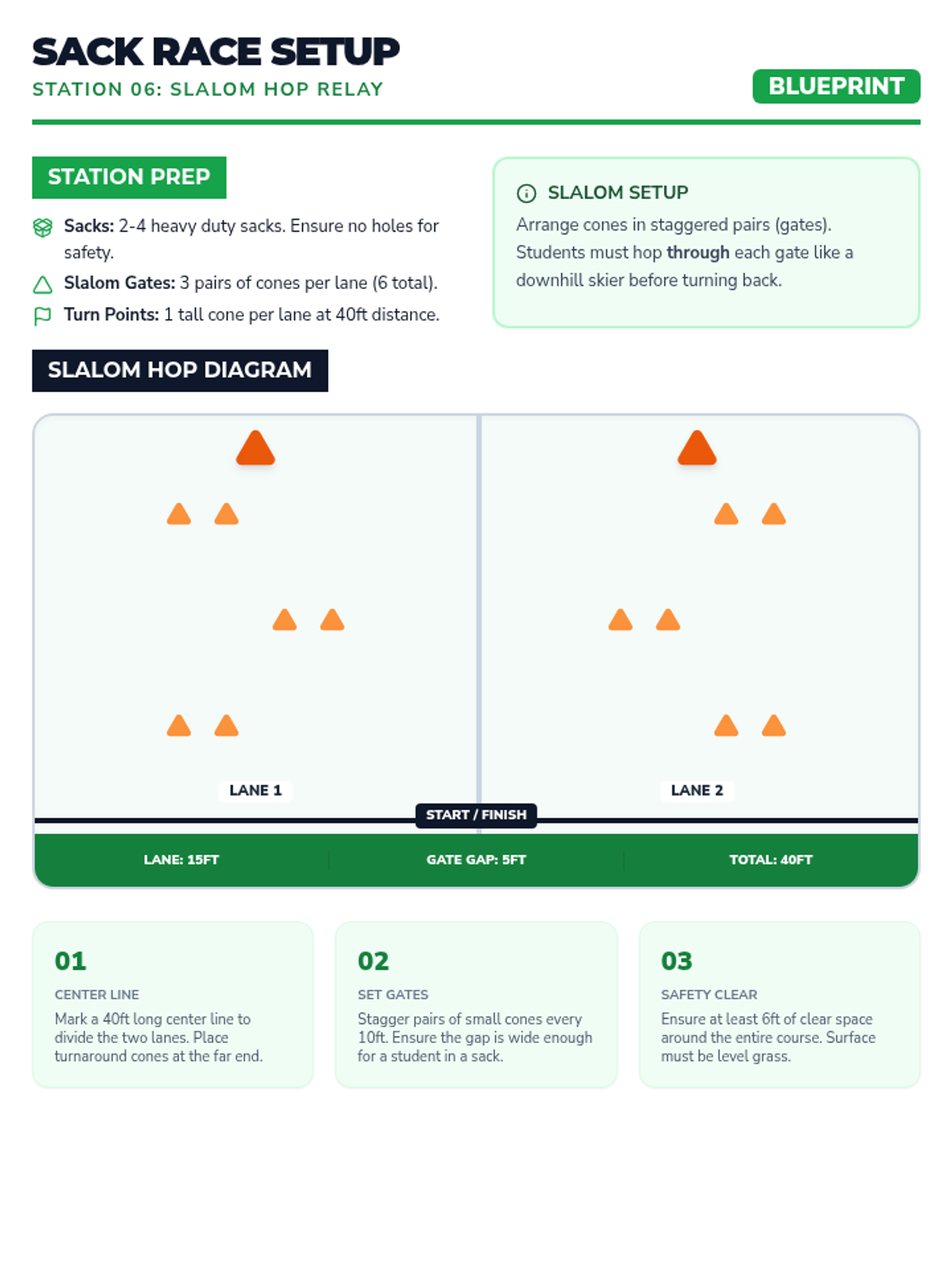
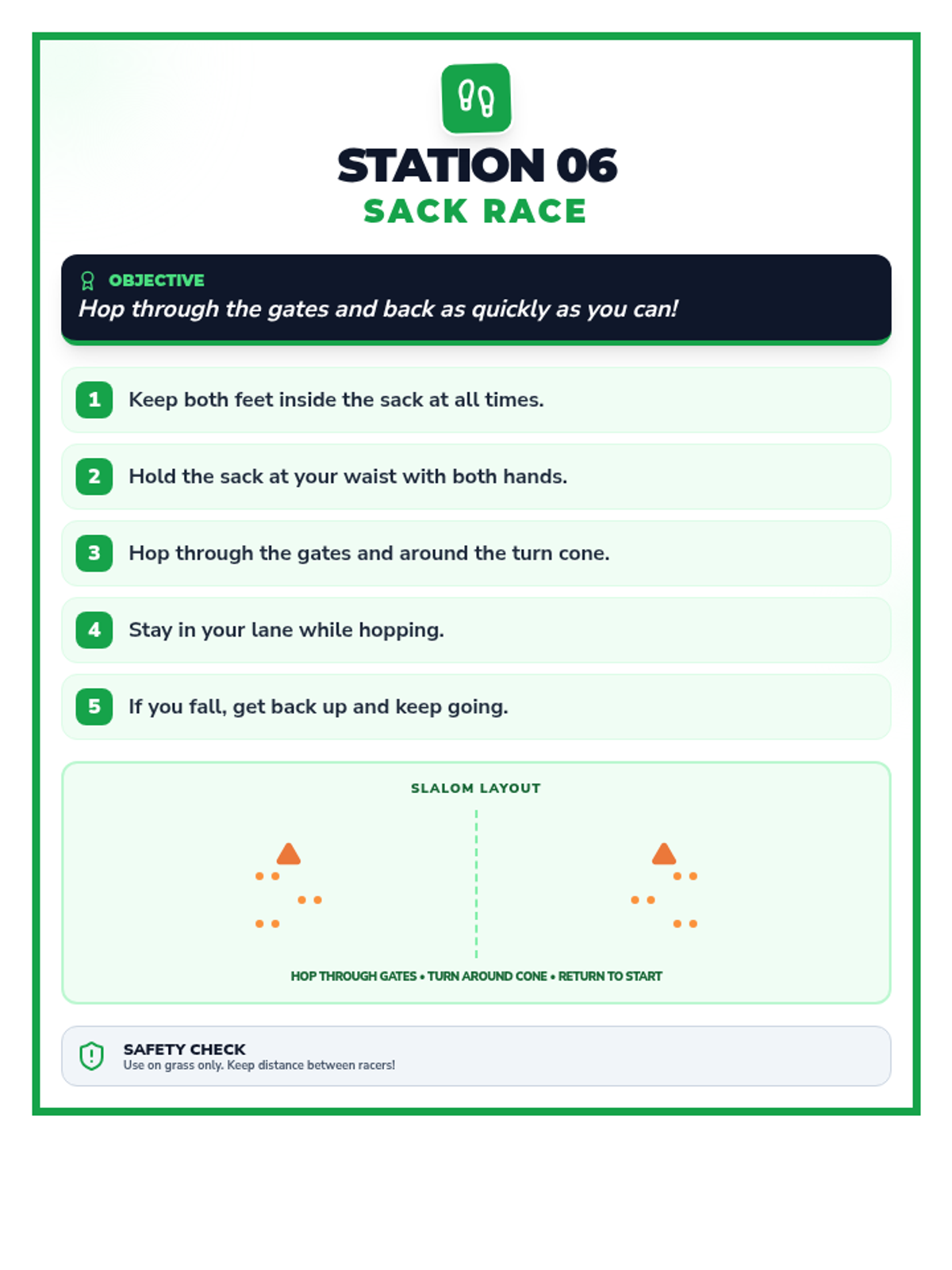
A high-energy station guide for the classic Sack Race, including lane setup diagrams, jumping technique tips, and safety protocols for a fun-filled race.
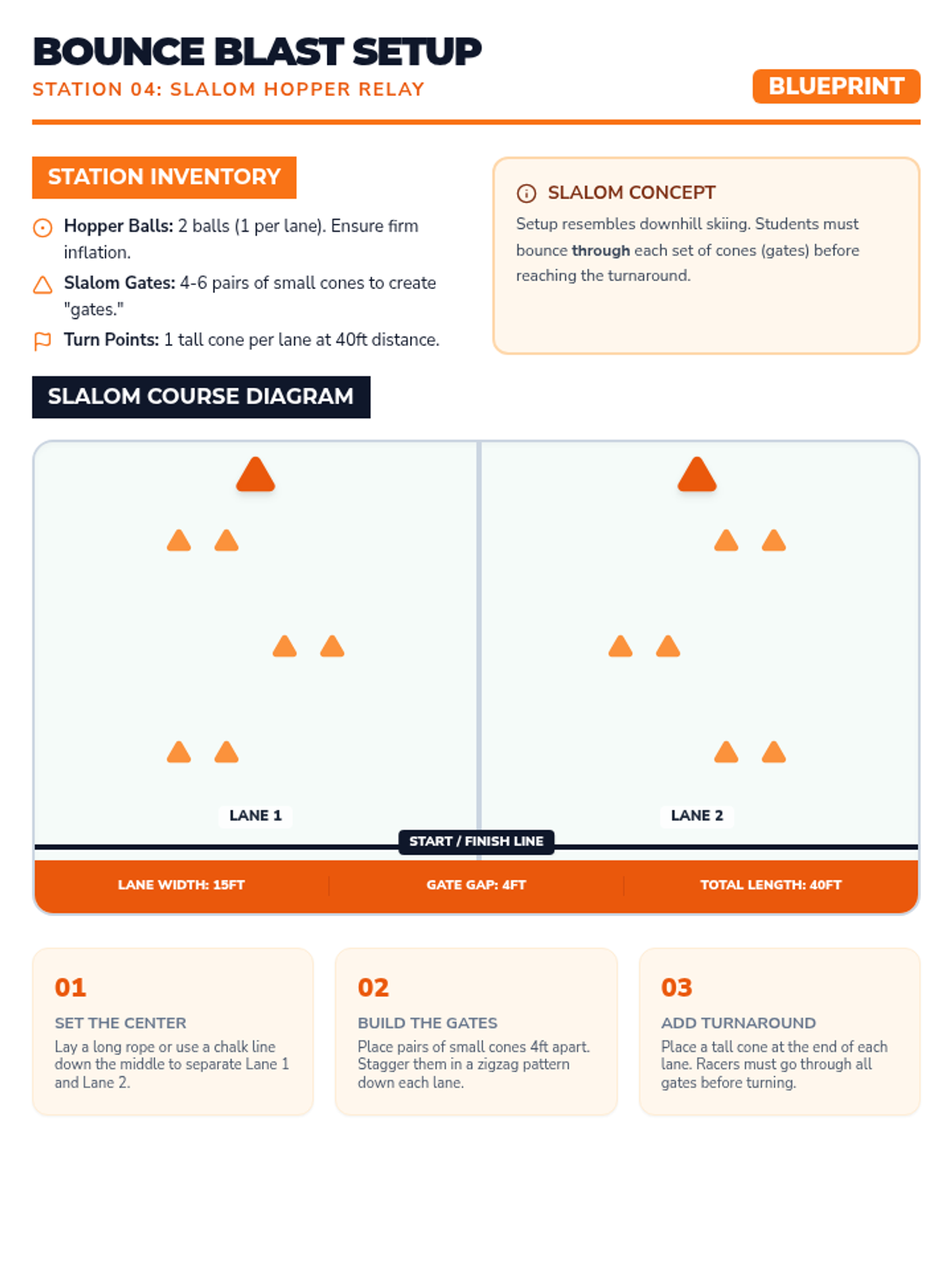
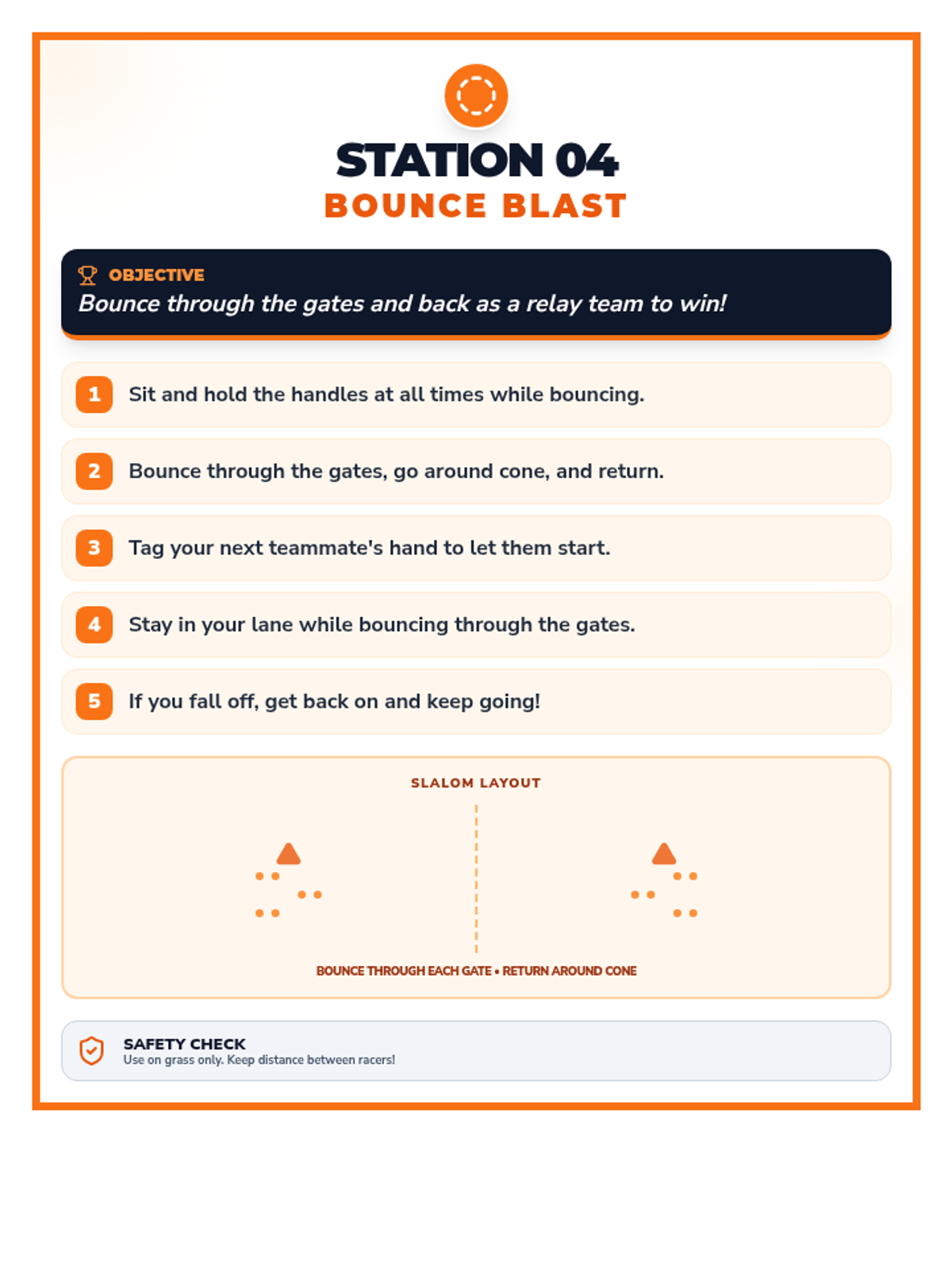
A high-energy relay station guide for the Bounce Blast hopper ball race, including lane setup diagrams, safety protocols, and relay hand-off instructions.
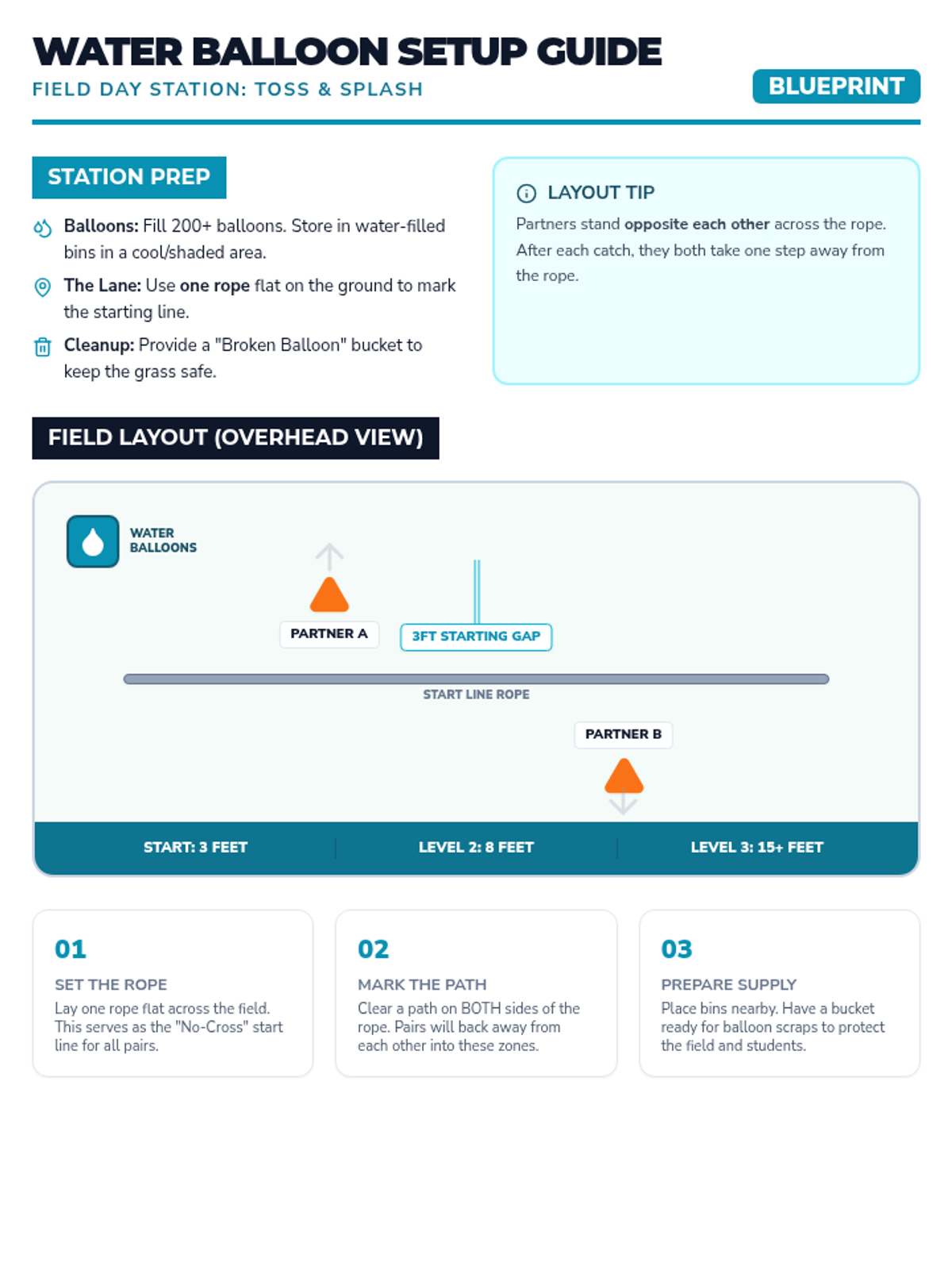
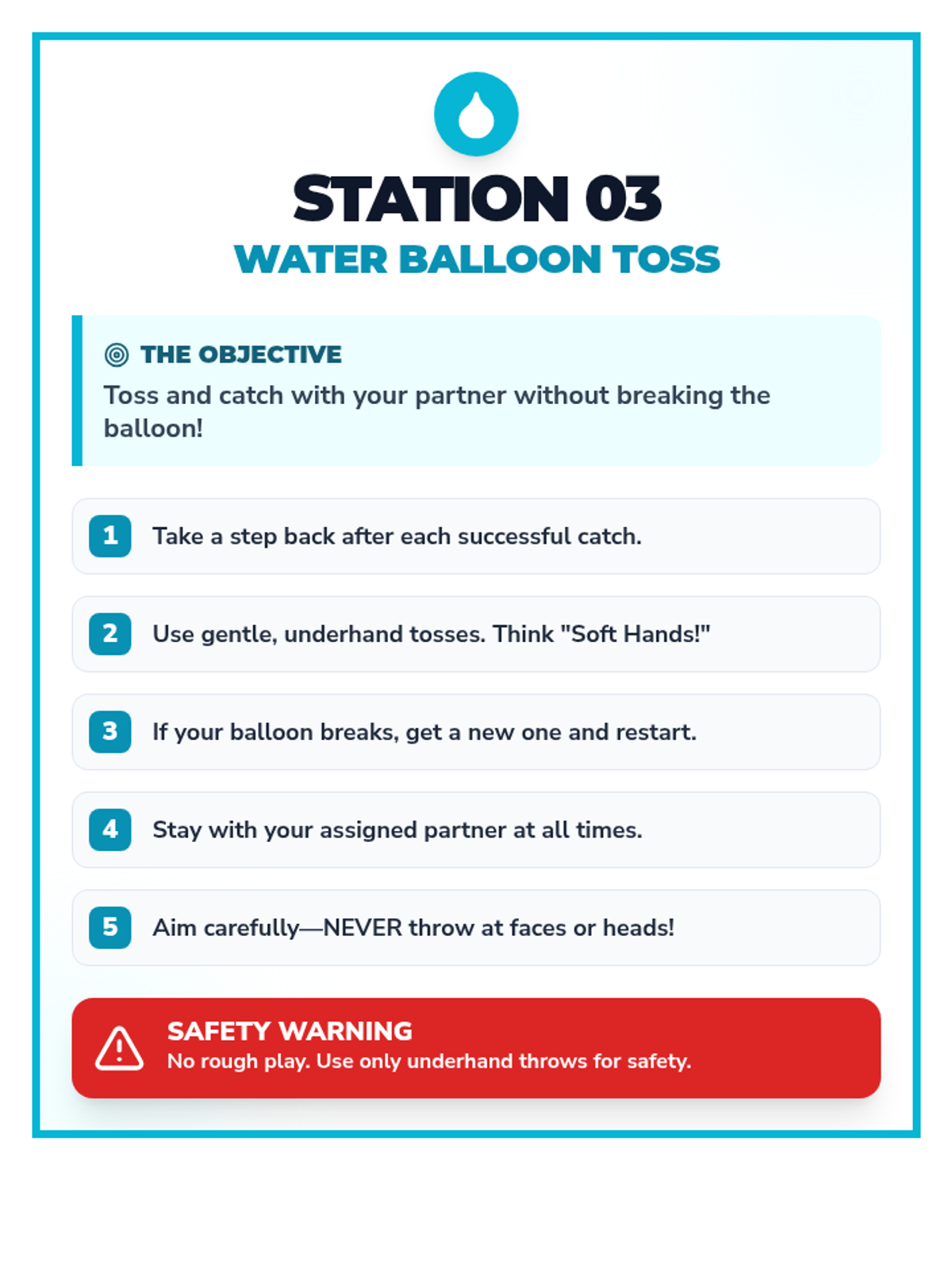
A comprehensive station guide for the Water Balloon Toss, including field setup diagrams, technique tips for catching, and safety protocols for aquatic fun.
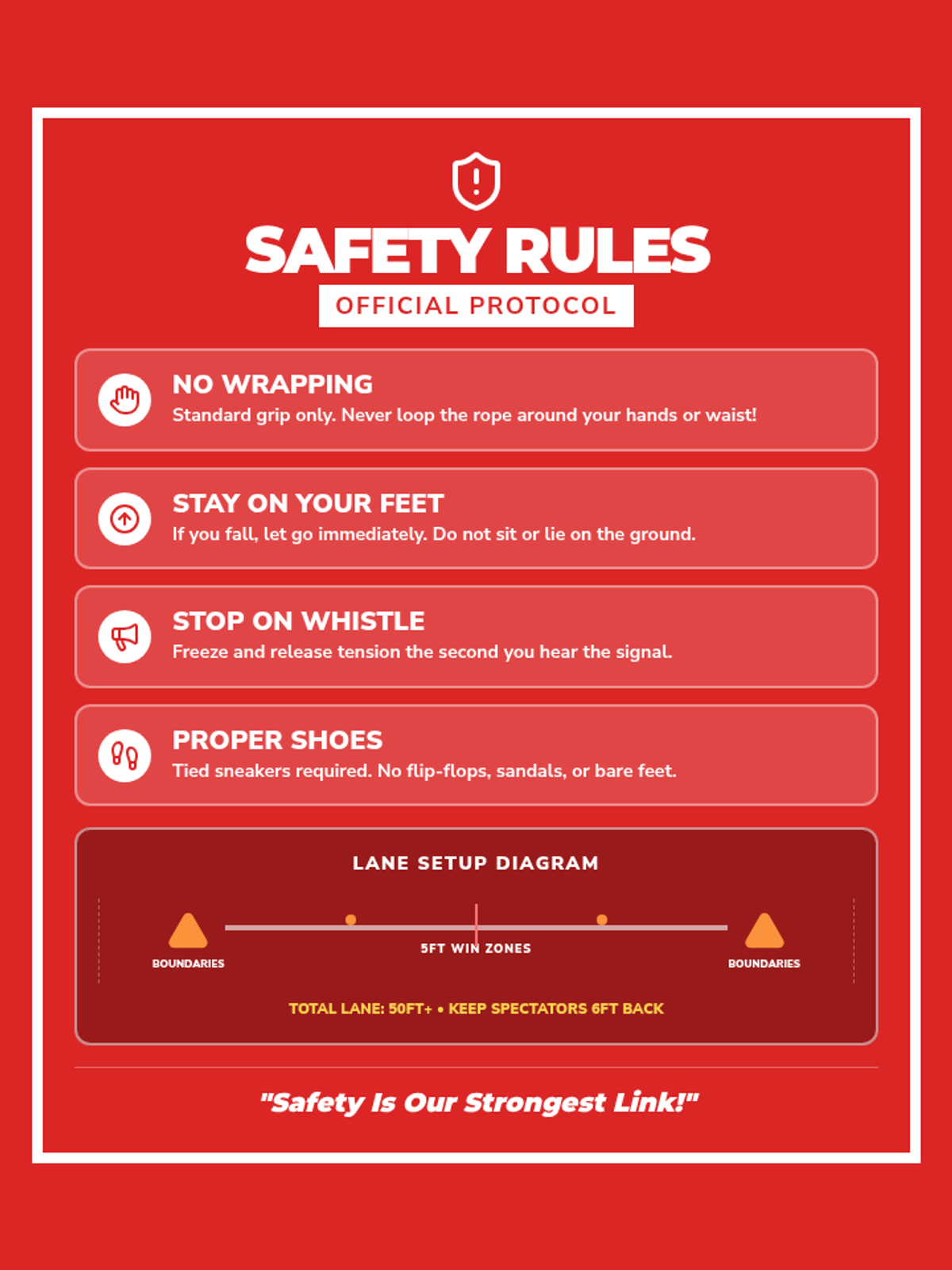
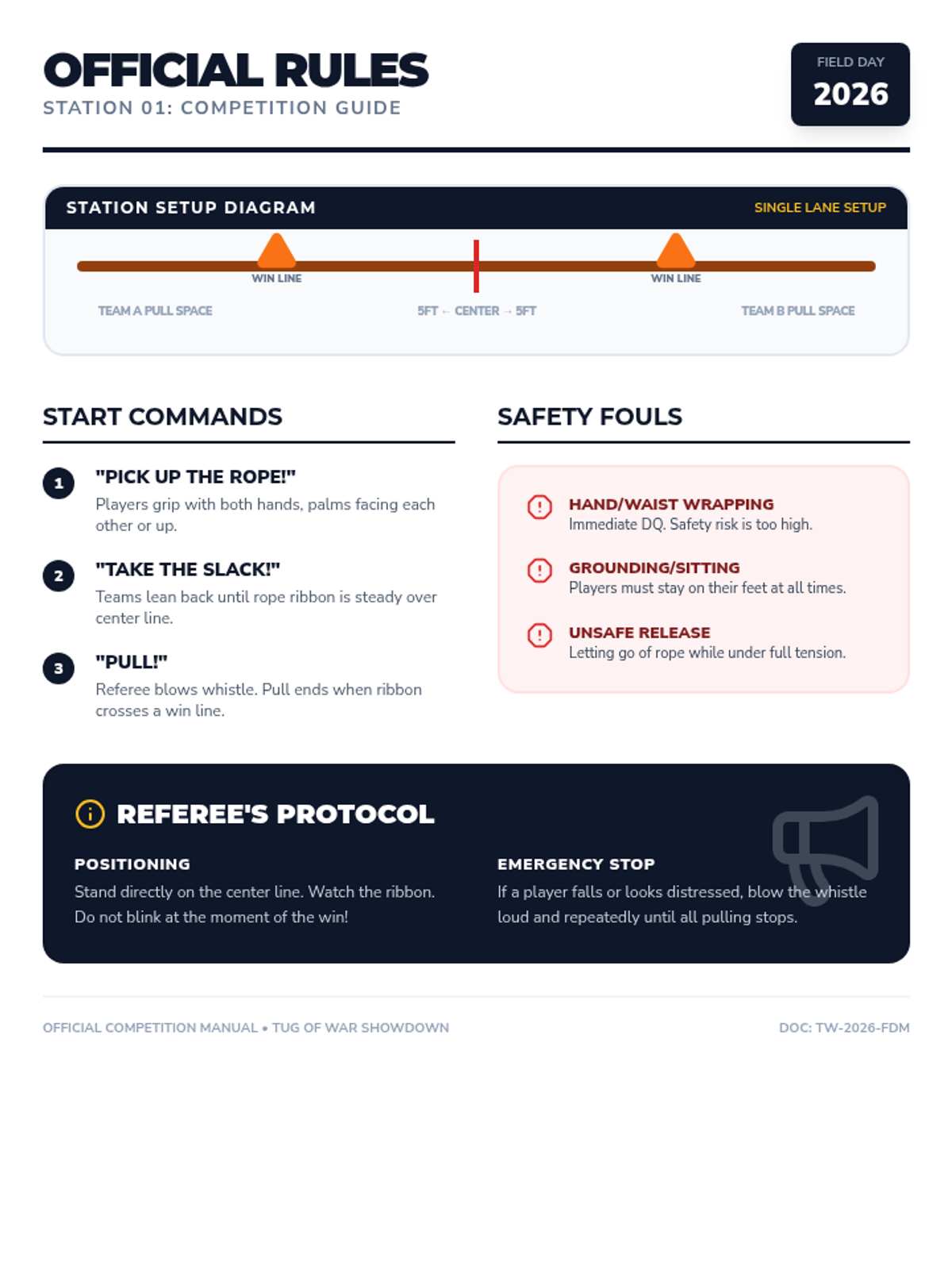
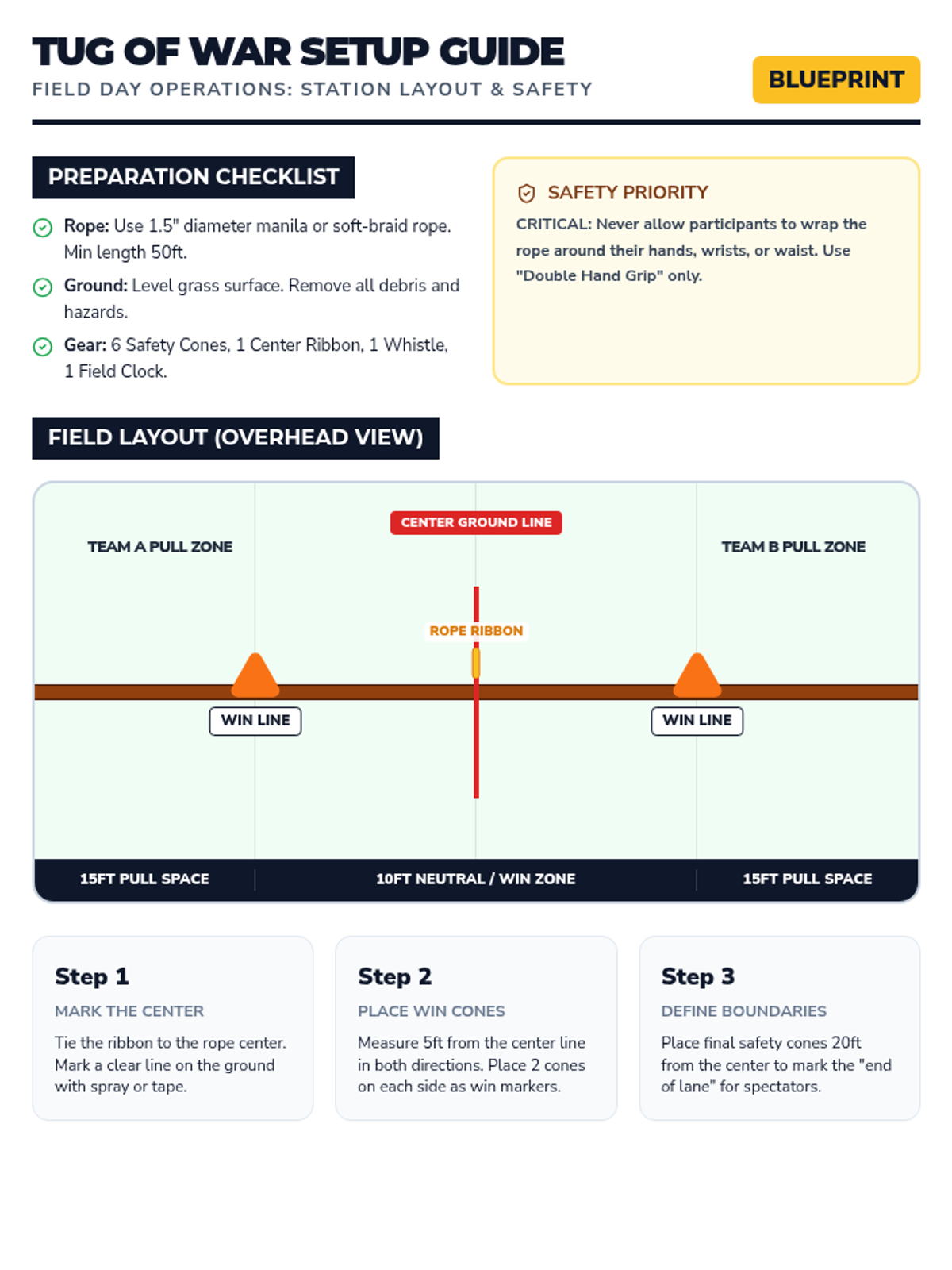
A complete guide for organizing a safe and fun tug of war event, including visual setup diagrams, safety protocols, and official competition rules.
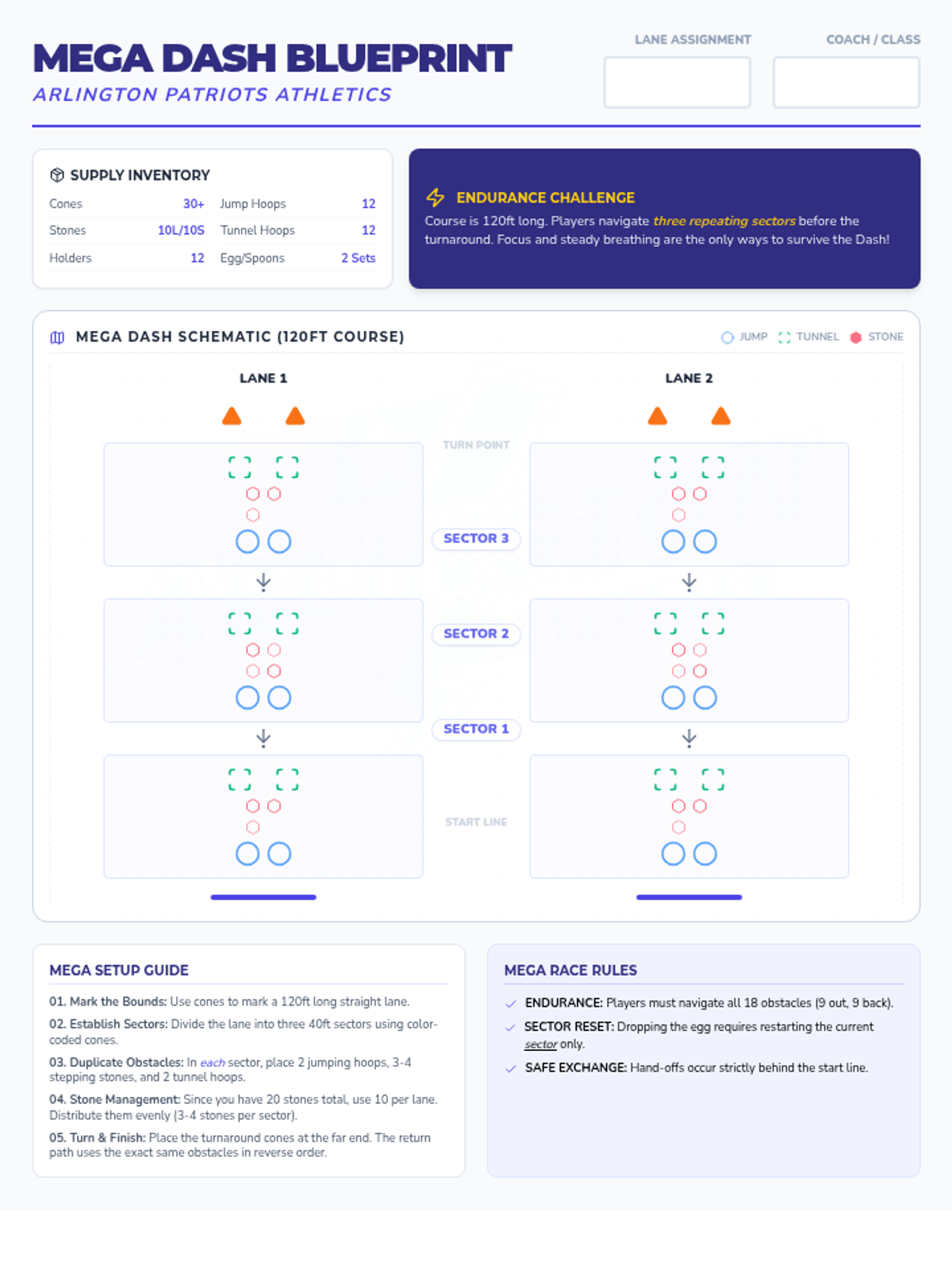
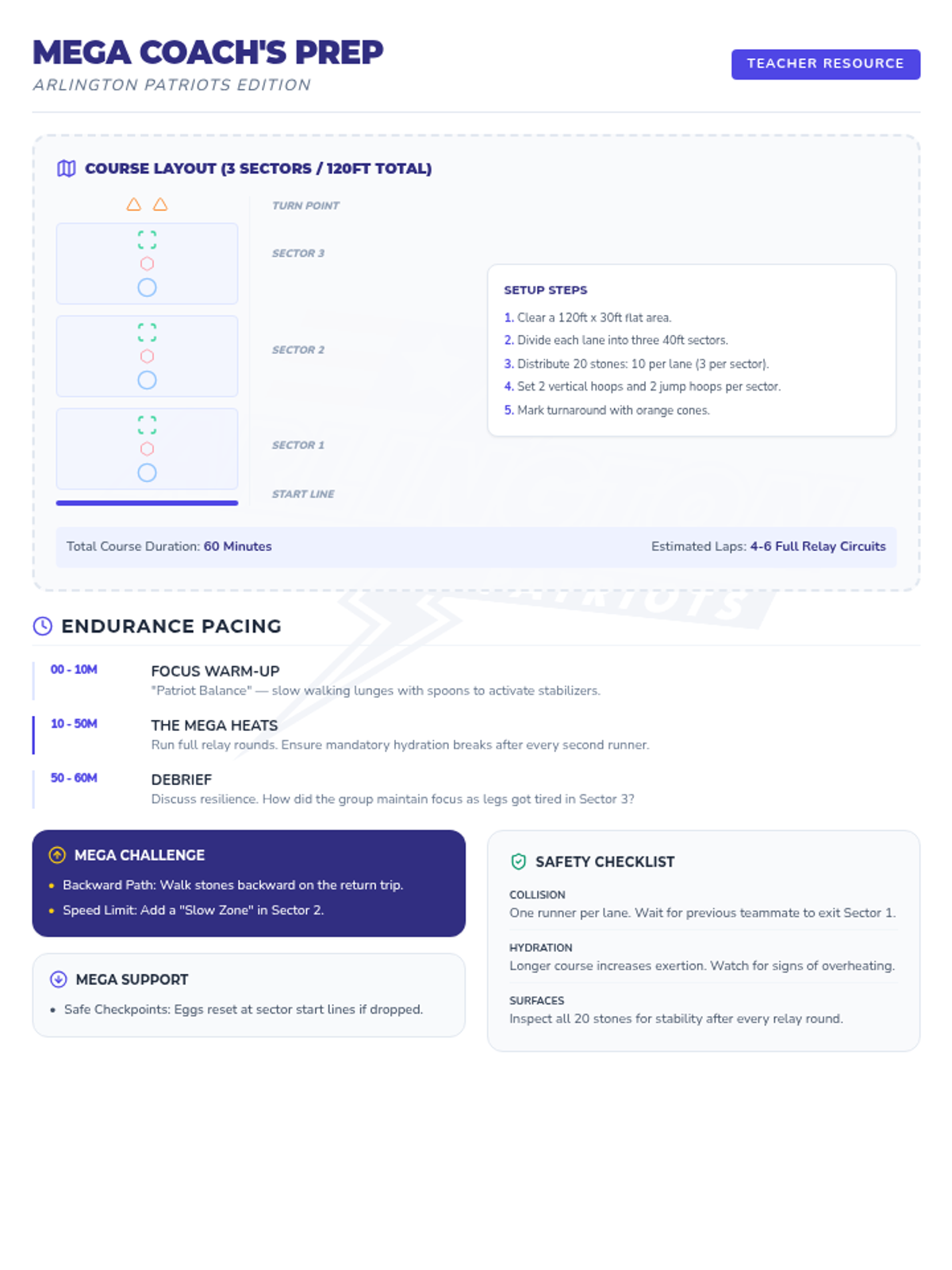
A high-energy relay race lesson where students navigate an obstacle course while balancing a giant egg. Focuses on motor skills, balance, and teamwork.
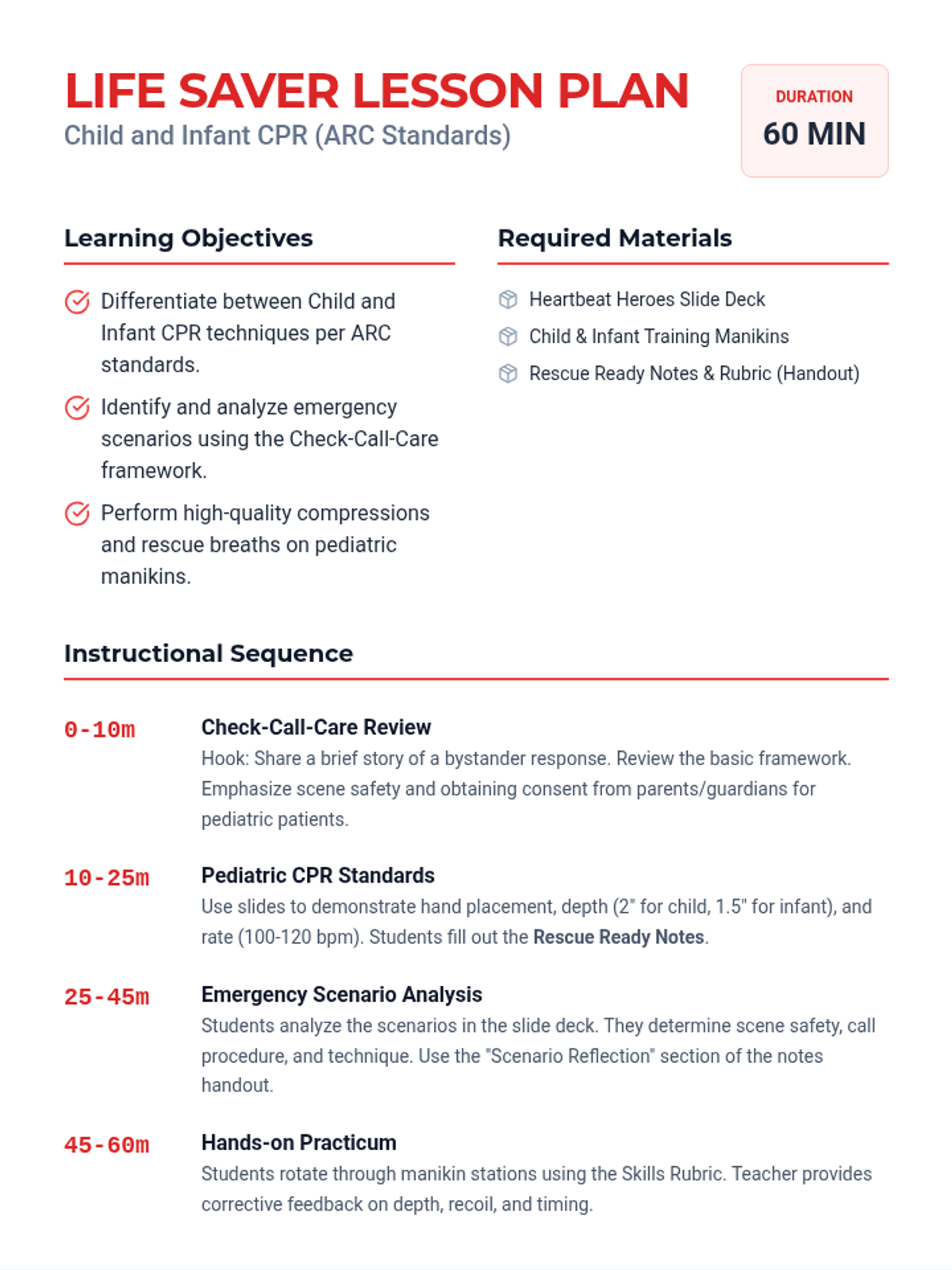
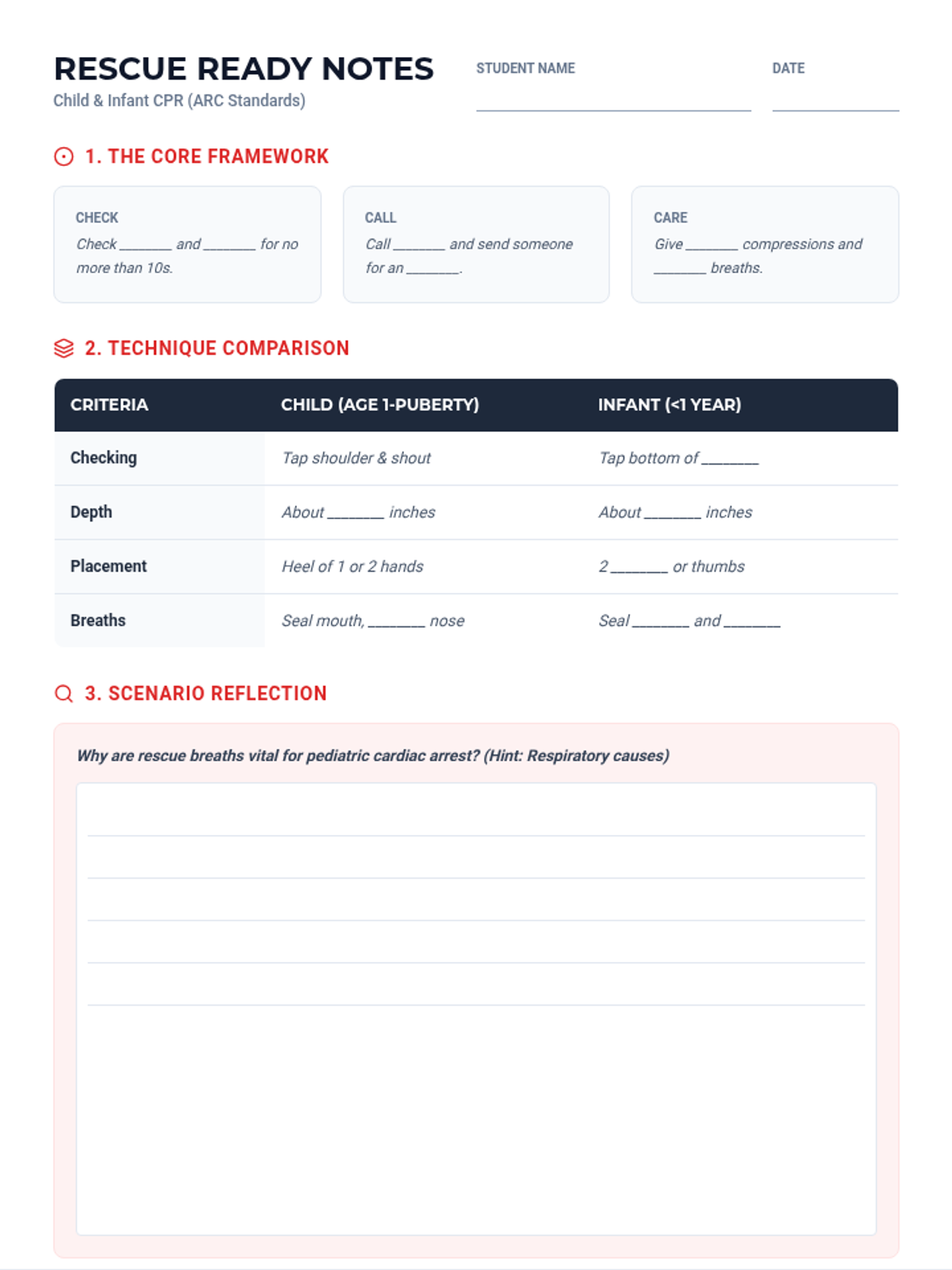
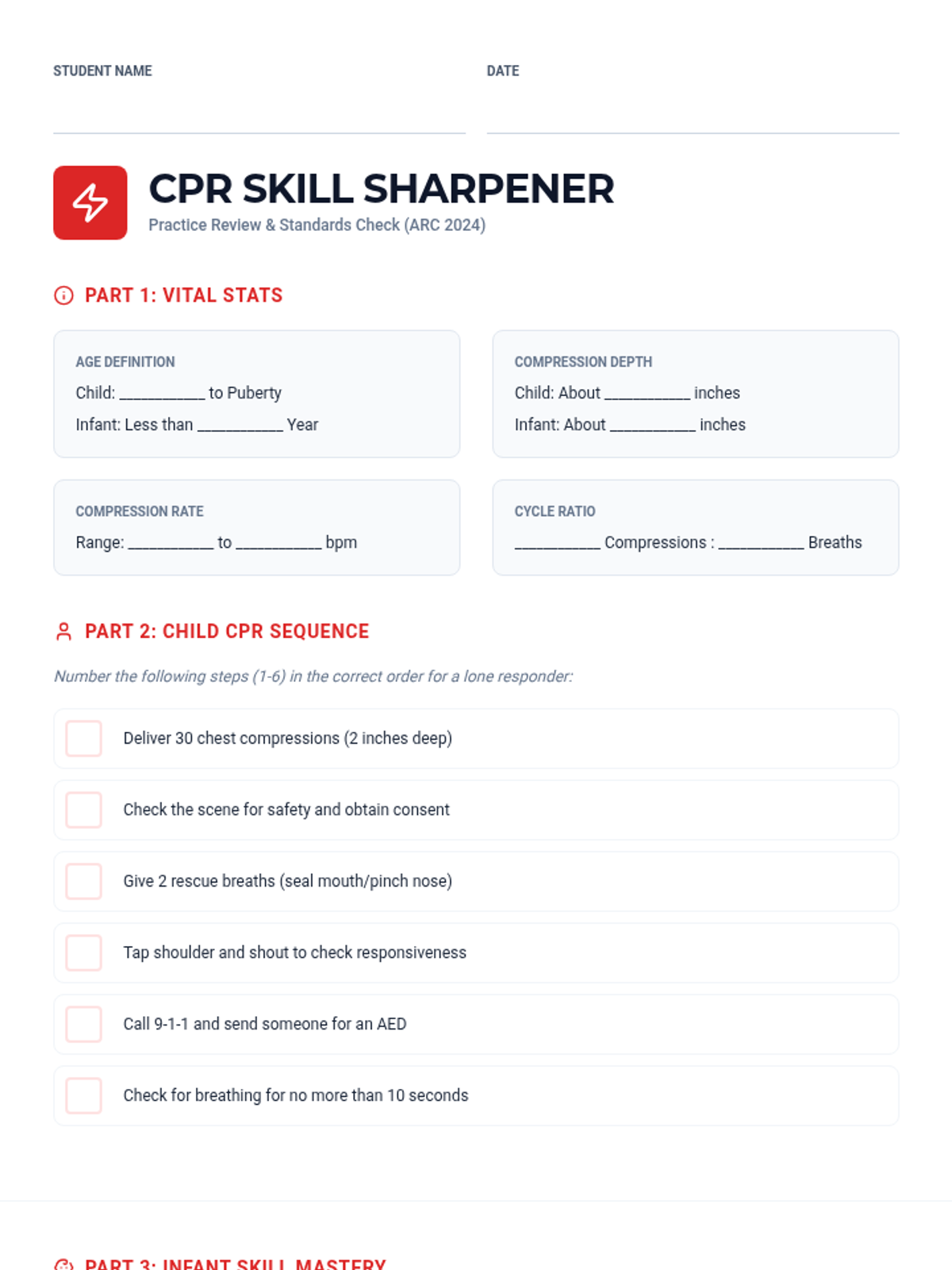
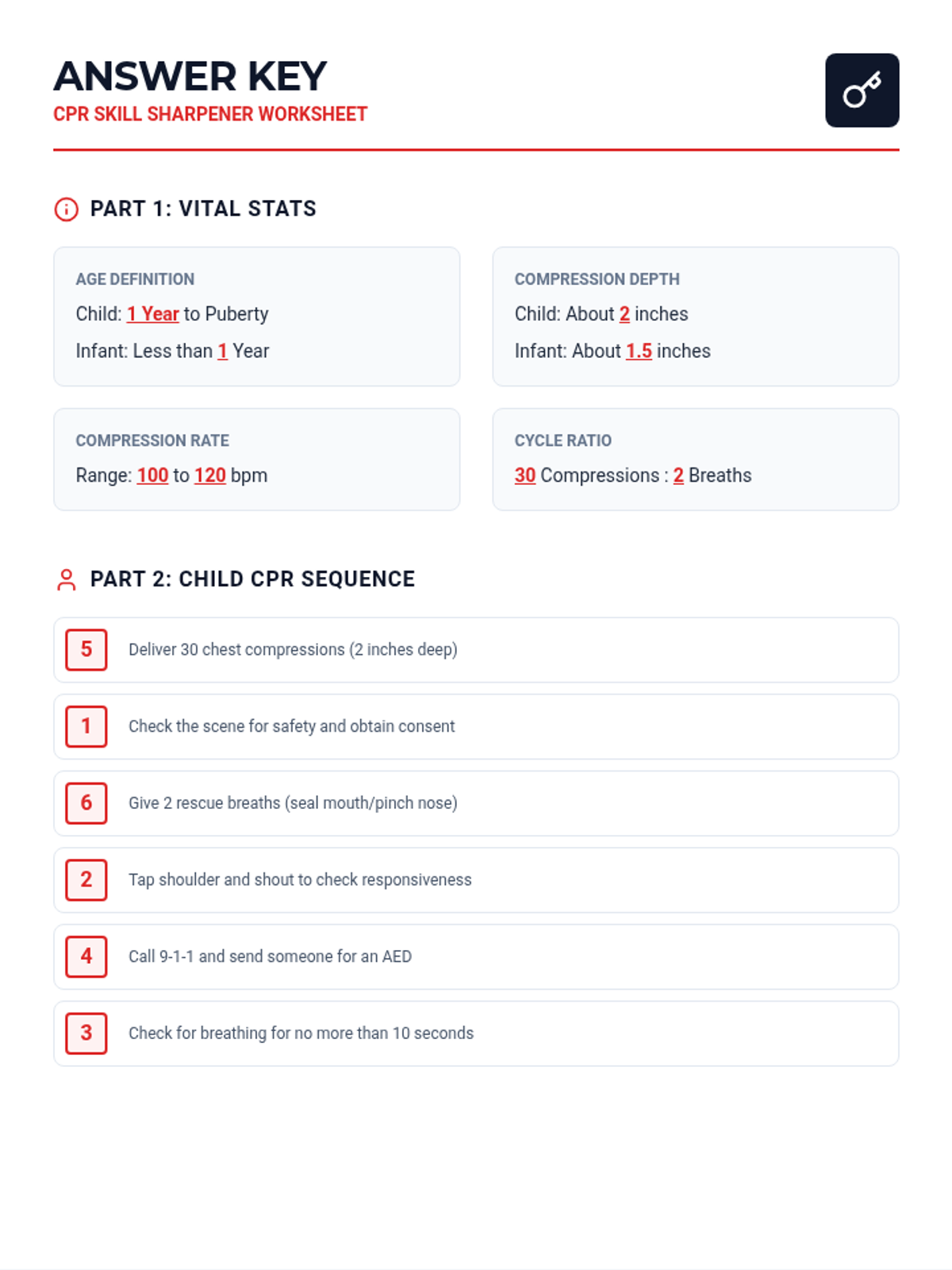
A comprehensive 60-minute lesson on Child and Infant CPR following American Red Cross standards, featuring scenario-based analysis and hands-on skill assessment.
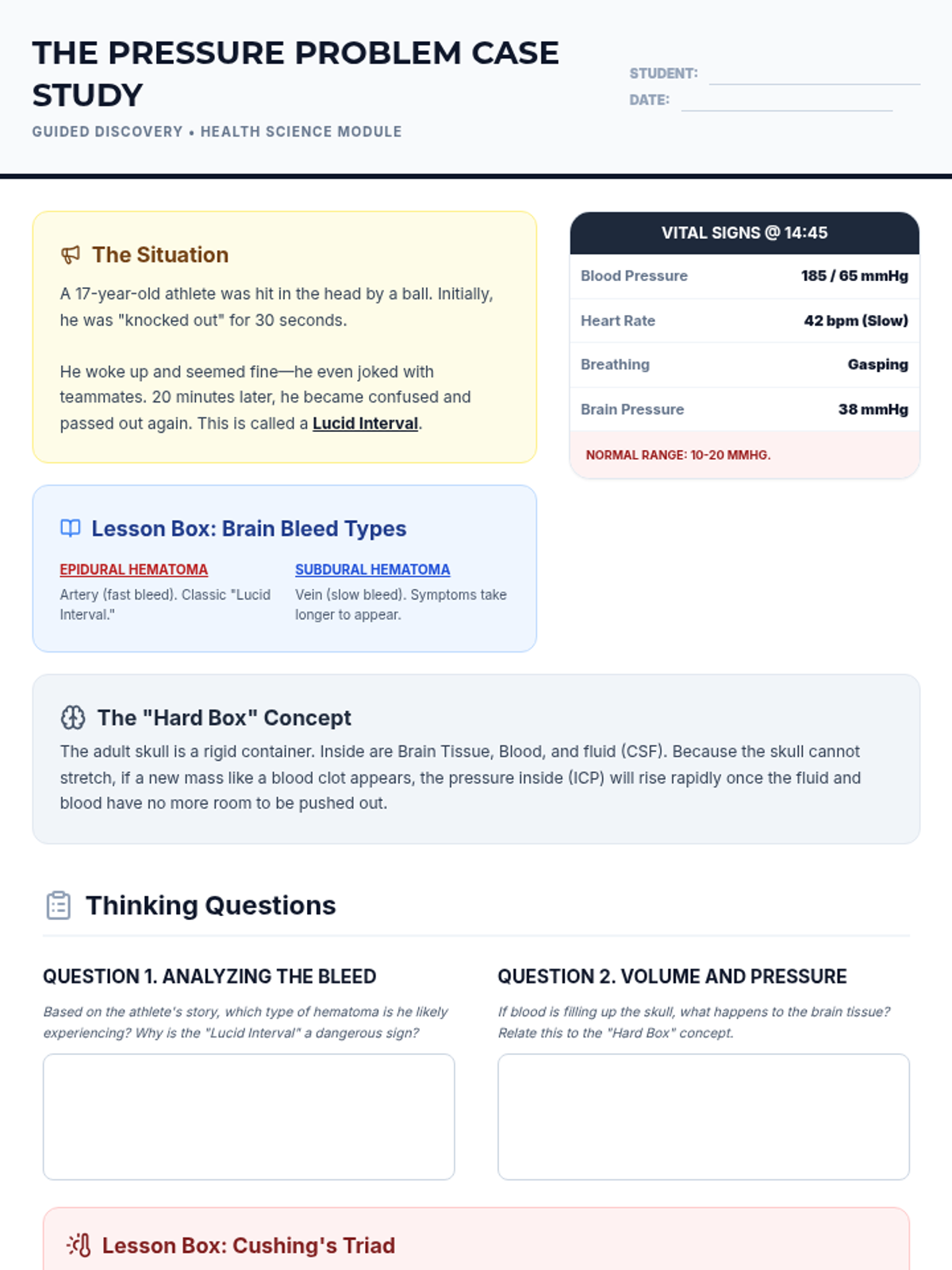
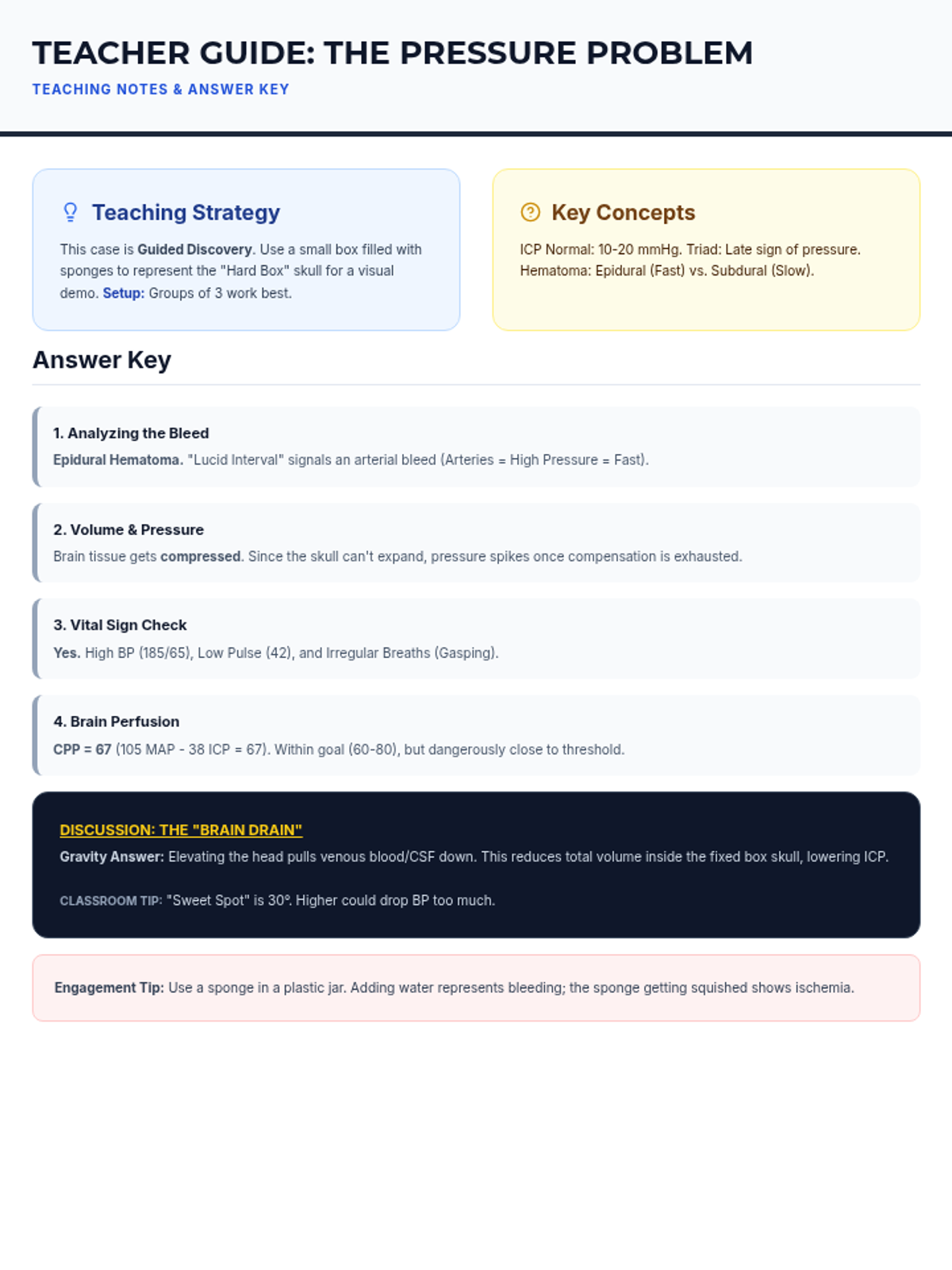
A health-science focused lesson on the anatomy, physiology, and clinical implications of increased intracranial pressure, featuring the Monro-Kellie doctrine and Cushing's Triad.
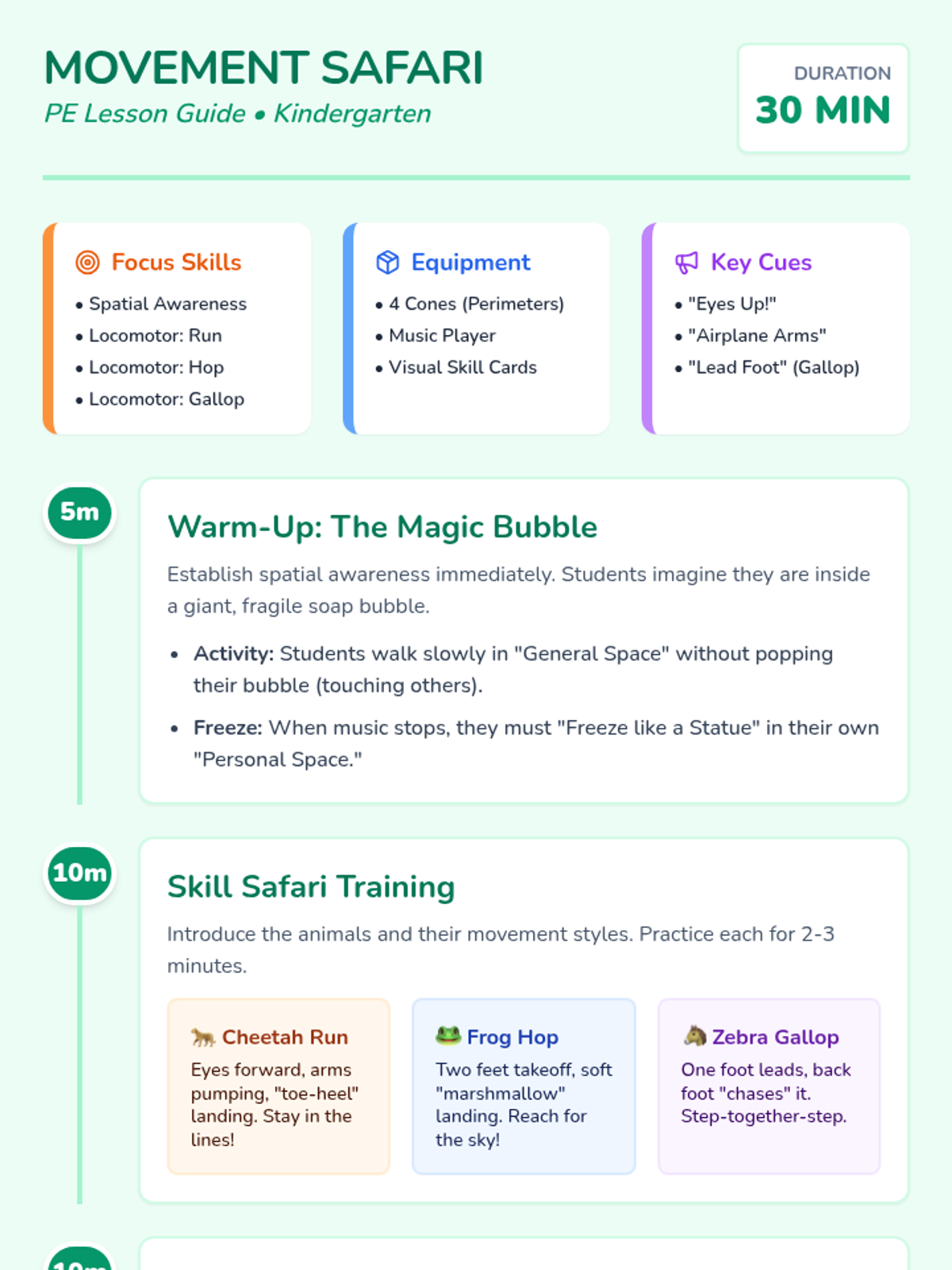
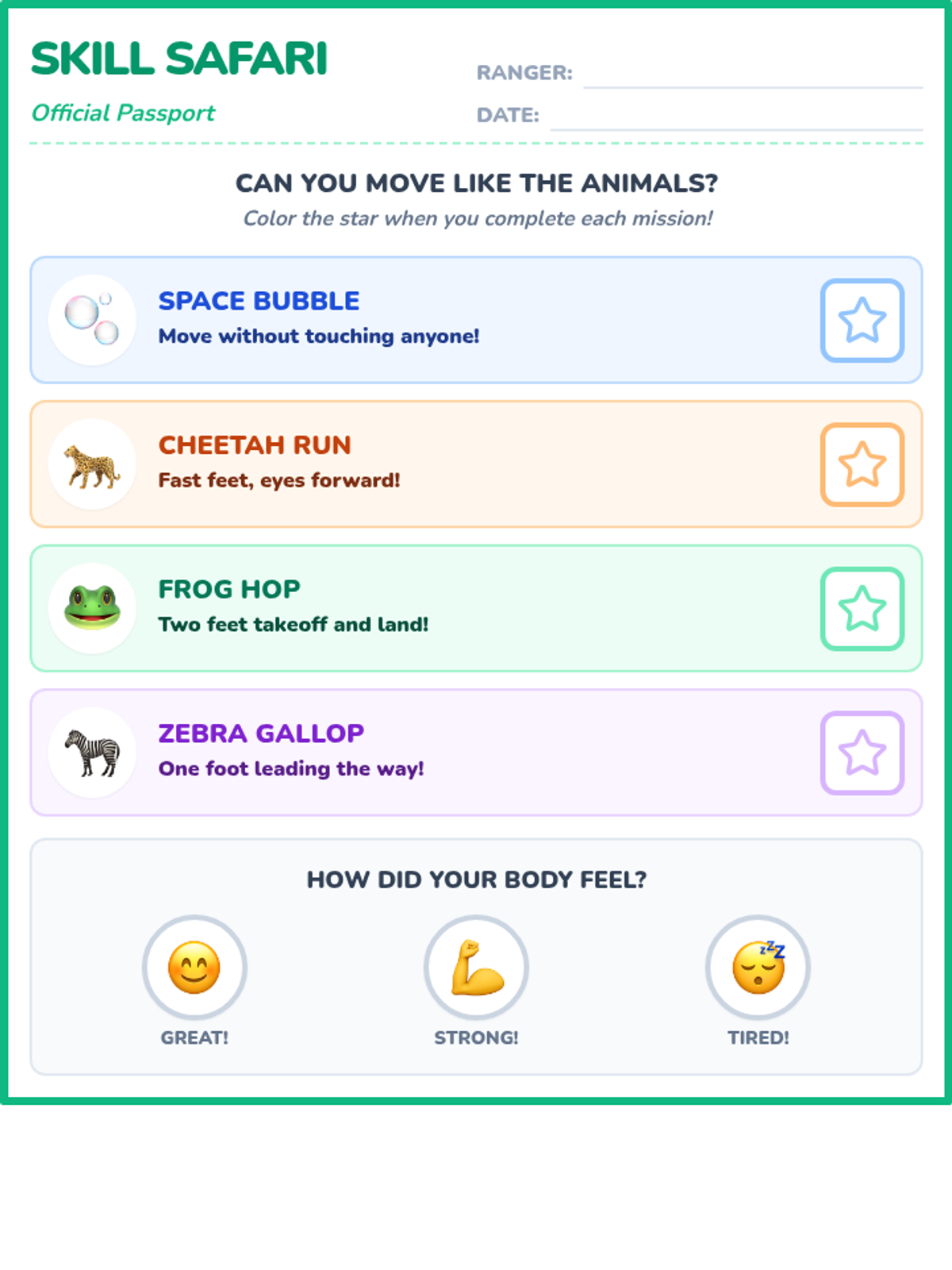
A high-energy PE lesson for kindergarteners focusing on spatial awareness (personal vs. general space) and fundamental locomotor skills like running, hopping, and galloping through a safari-themed adventure.
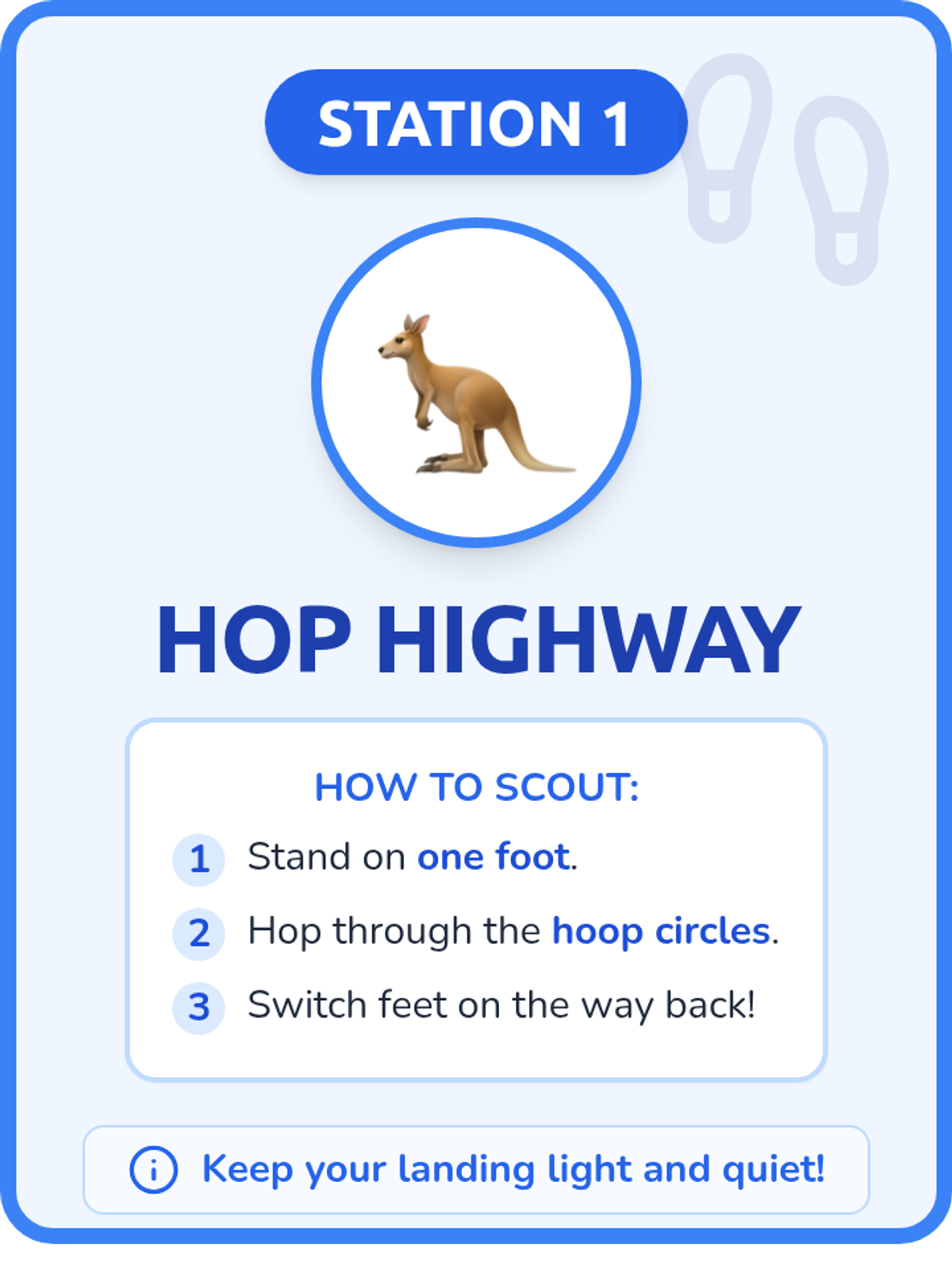
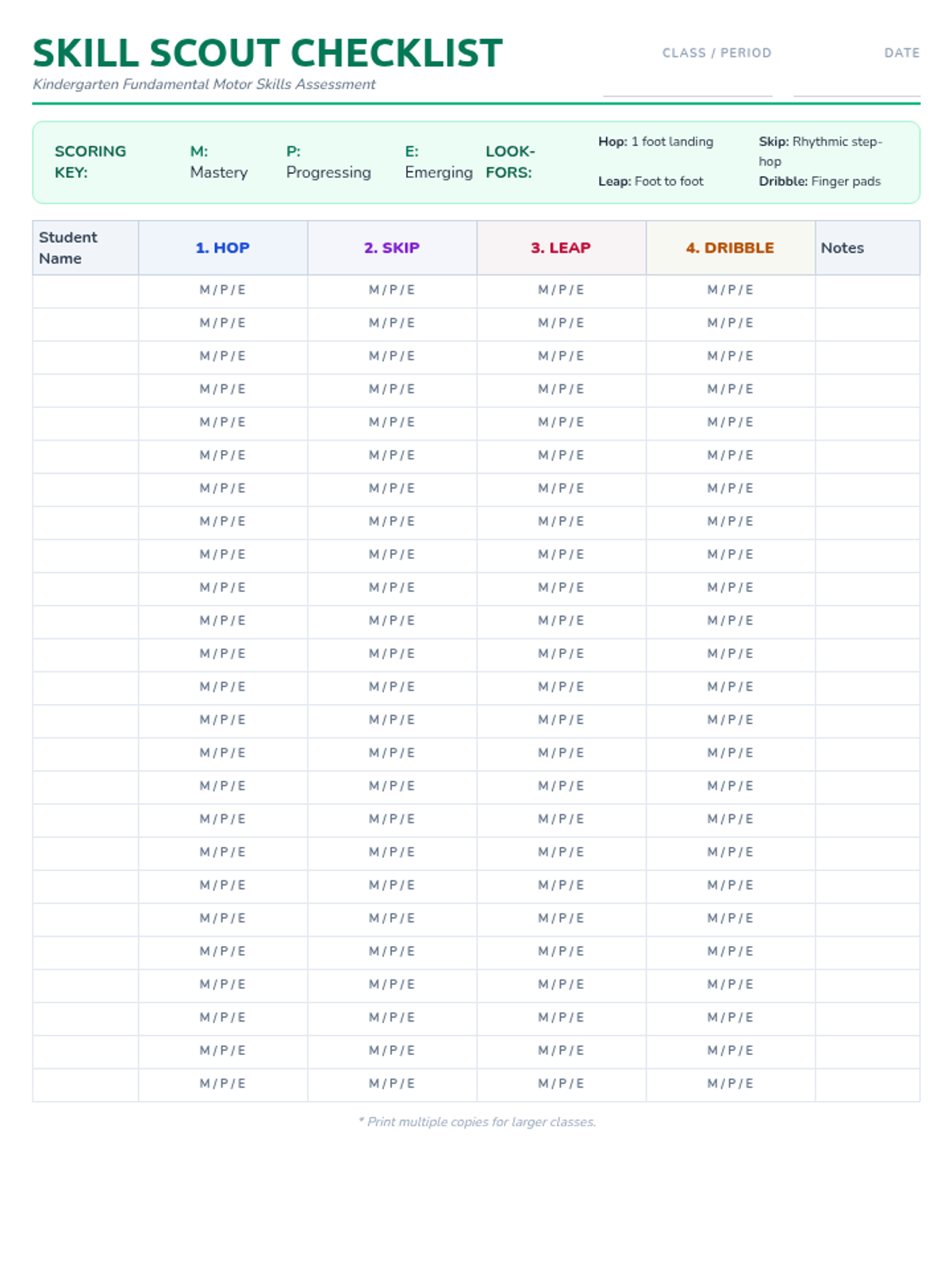
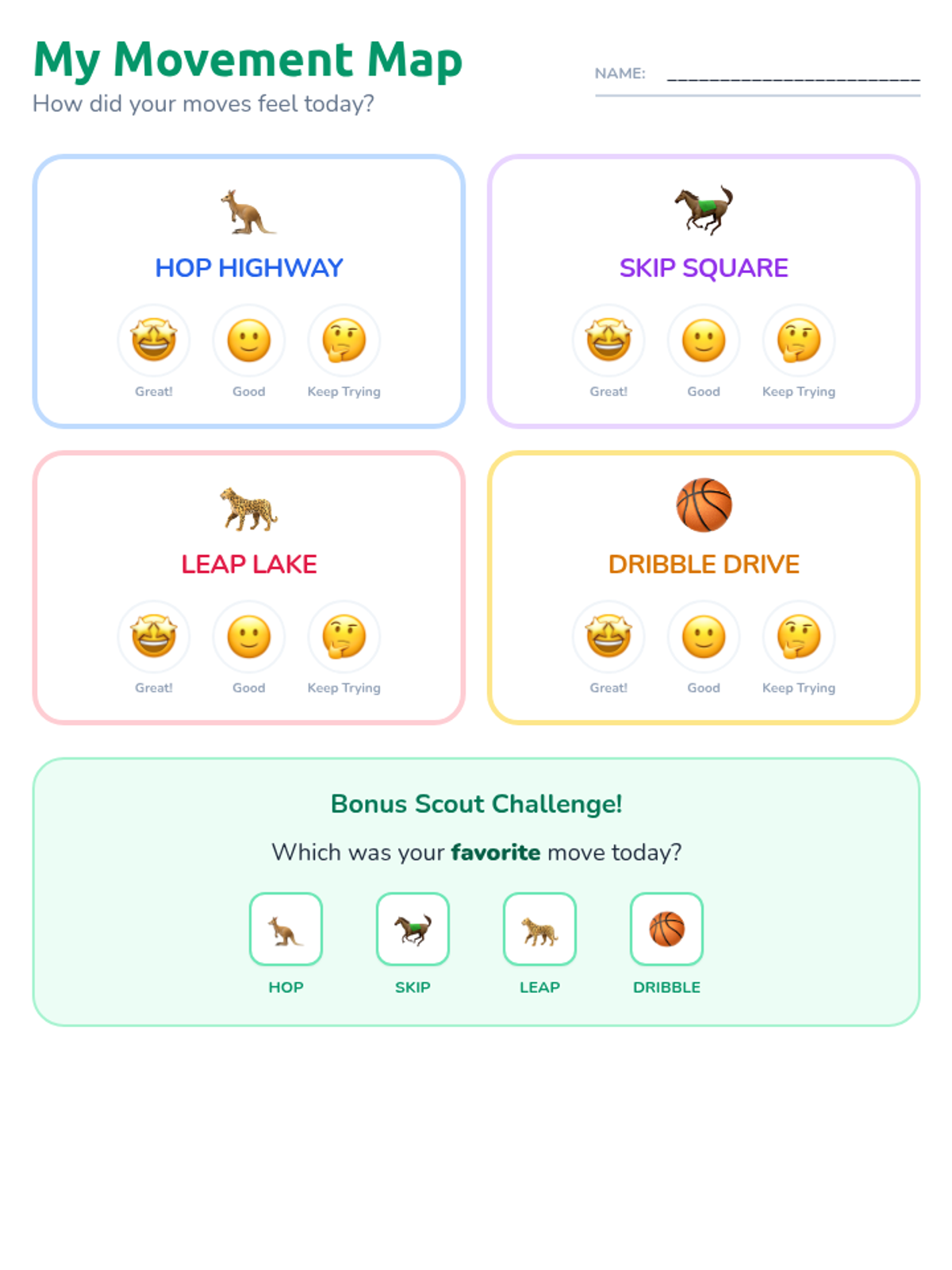
A 35-minute kindergarten PE lesson focused on assessing fundamental movement skills through station-based activities. Students rotate through stations to demonstrate hopping, skipping, leaping, and dribbling skills.
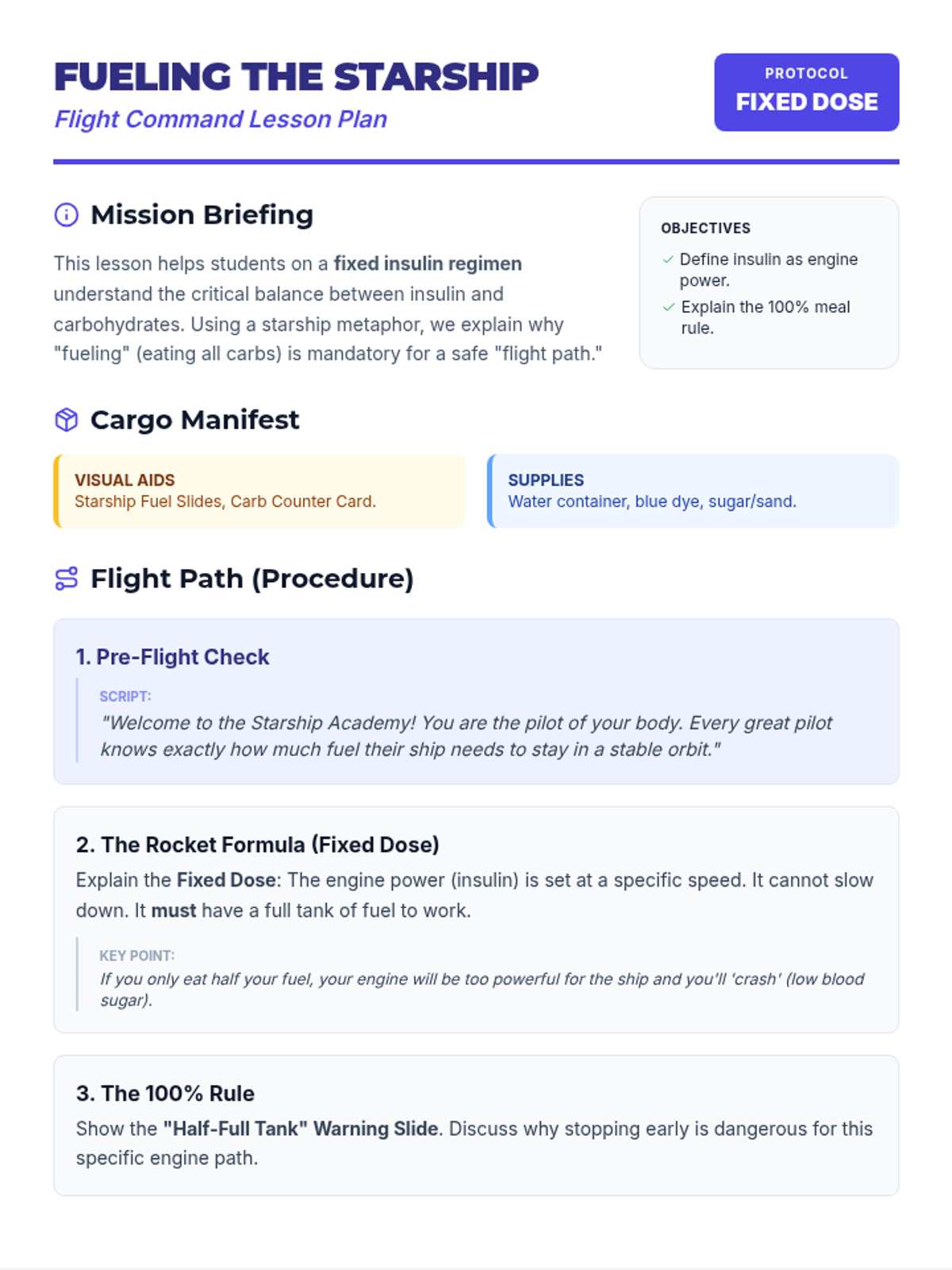
A space-themed lesson designed for newly diagnosed diabetic students on a fixed insulin regimen, focusing on the critical importance of consuming all planned carbohydrates to maintain stable blood glucose levels.
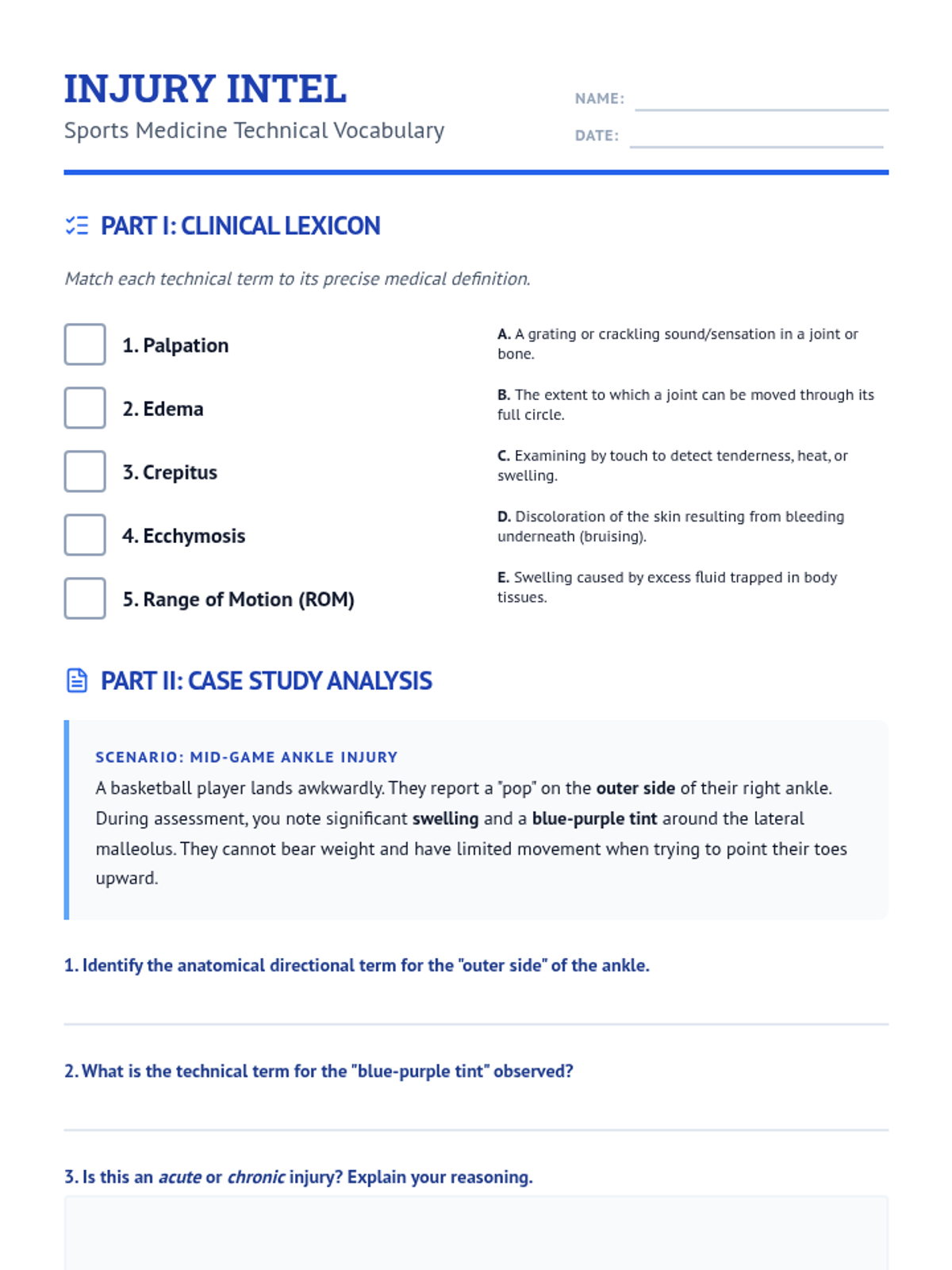
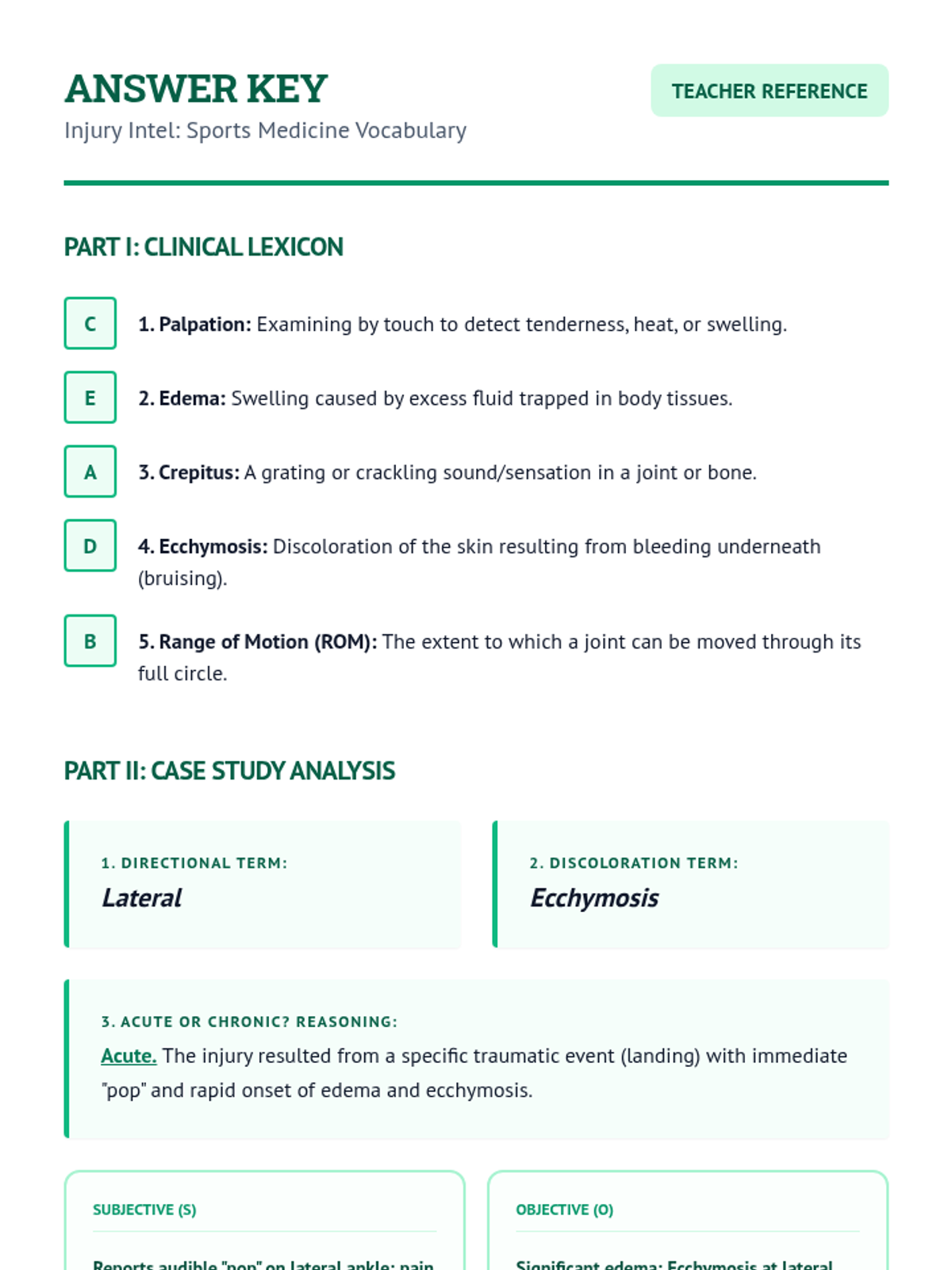
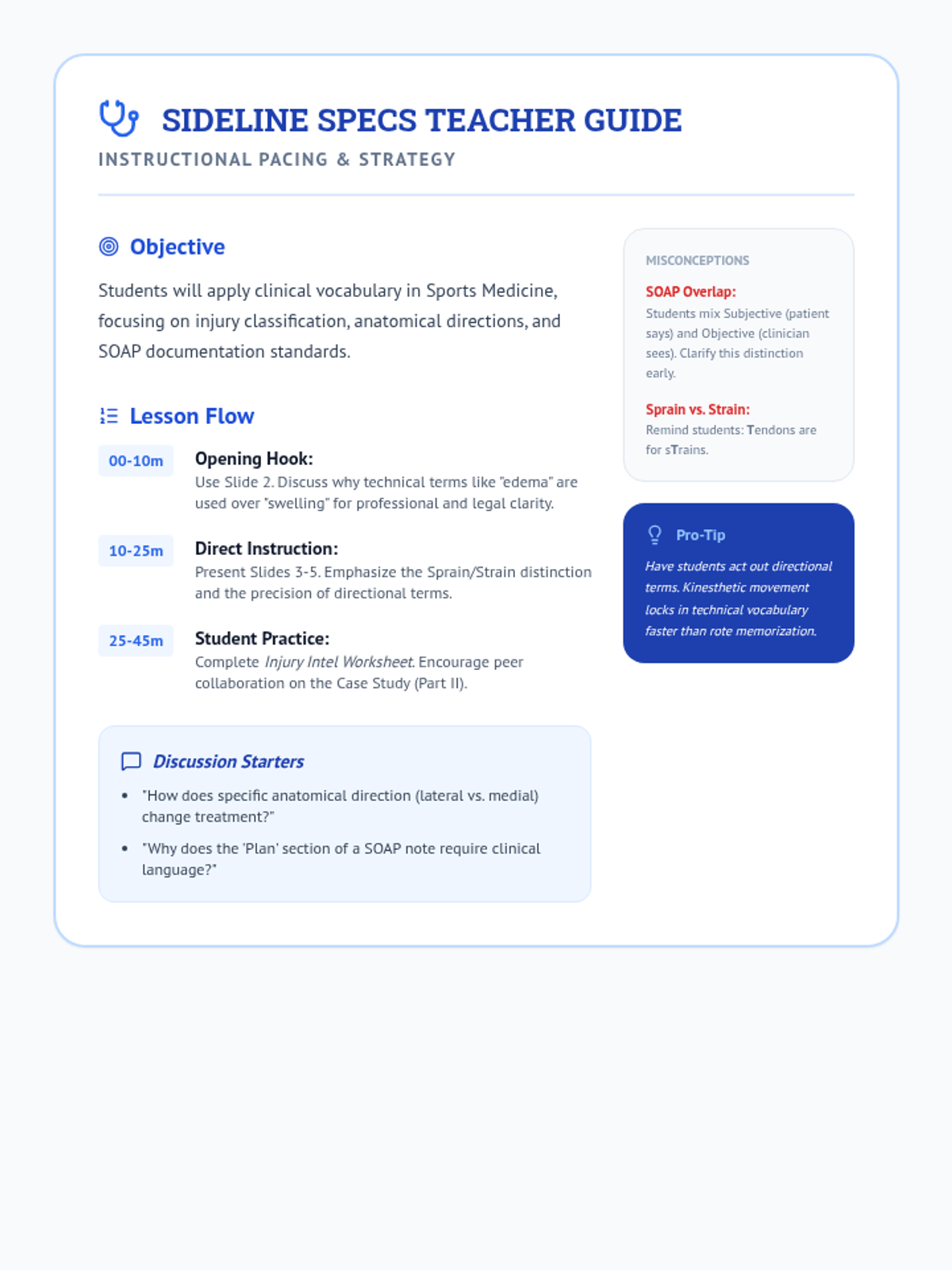
A career-focused lesson on Sports Medicine terminology, focusing on technical vocabulary used in clinical assessments and injury reporting. Students will master terms related to anatomy, injury types, and the SOAP note format.
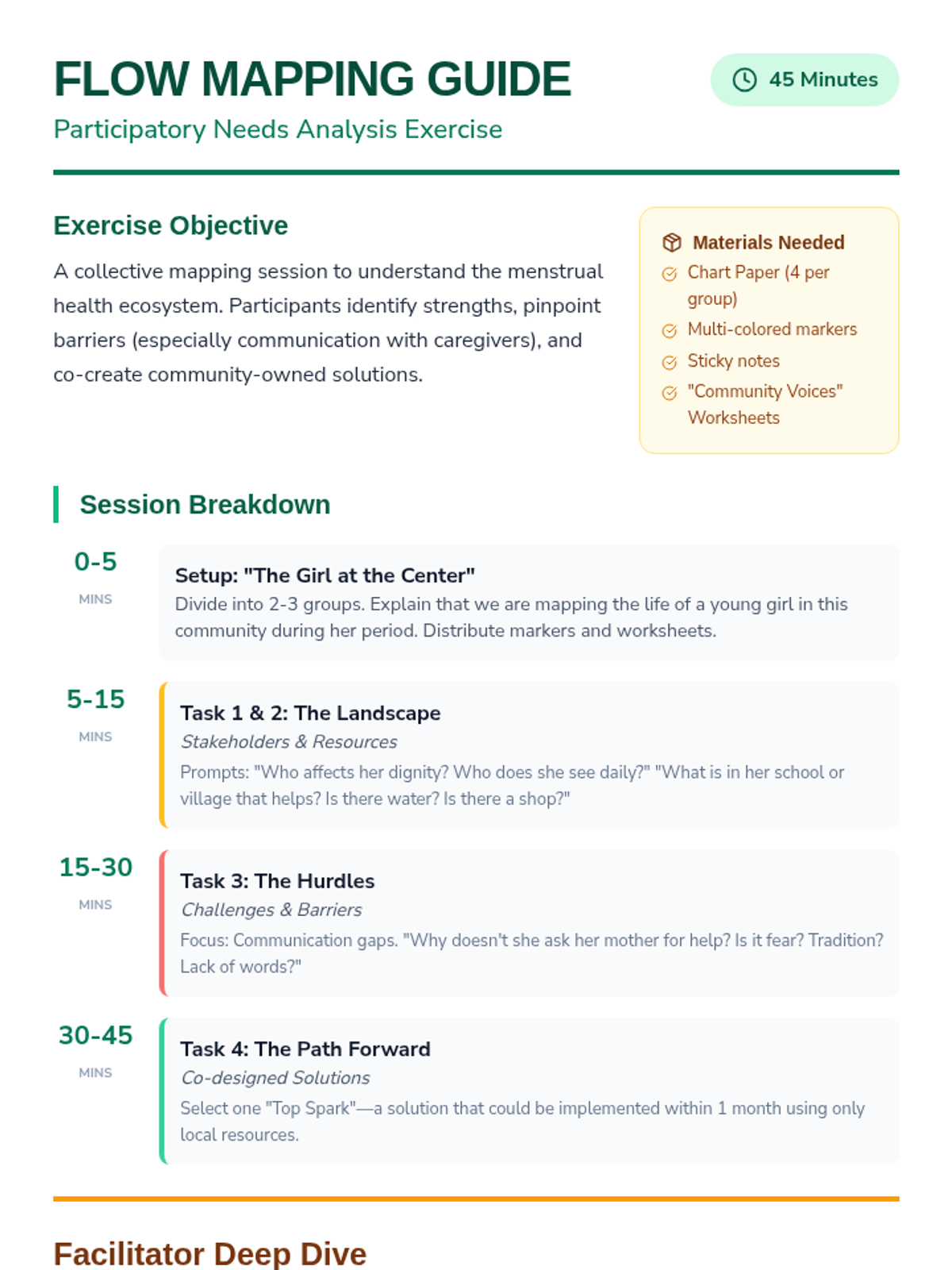
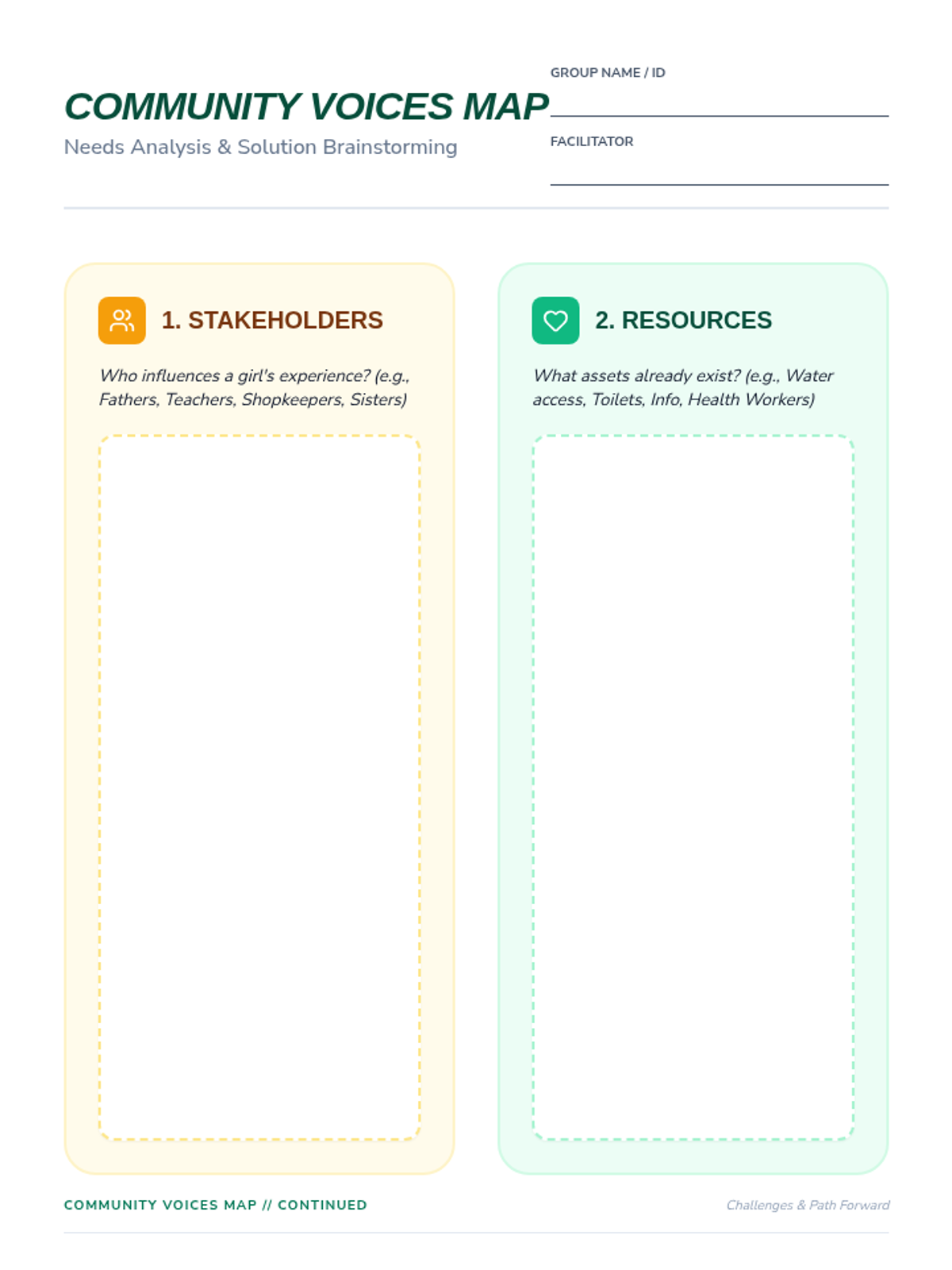
A 45-minute participatory needs analysis session focused on identifying stakeholders, resources, and barriers to menstrual health for young girls, culminating in community-led solutions.
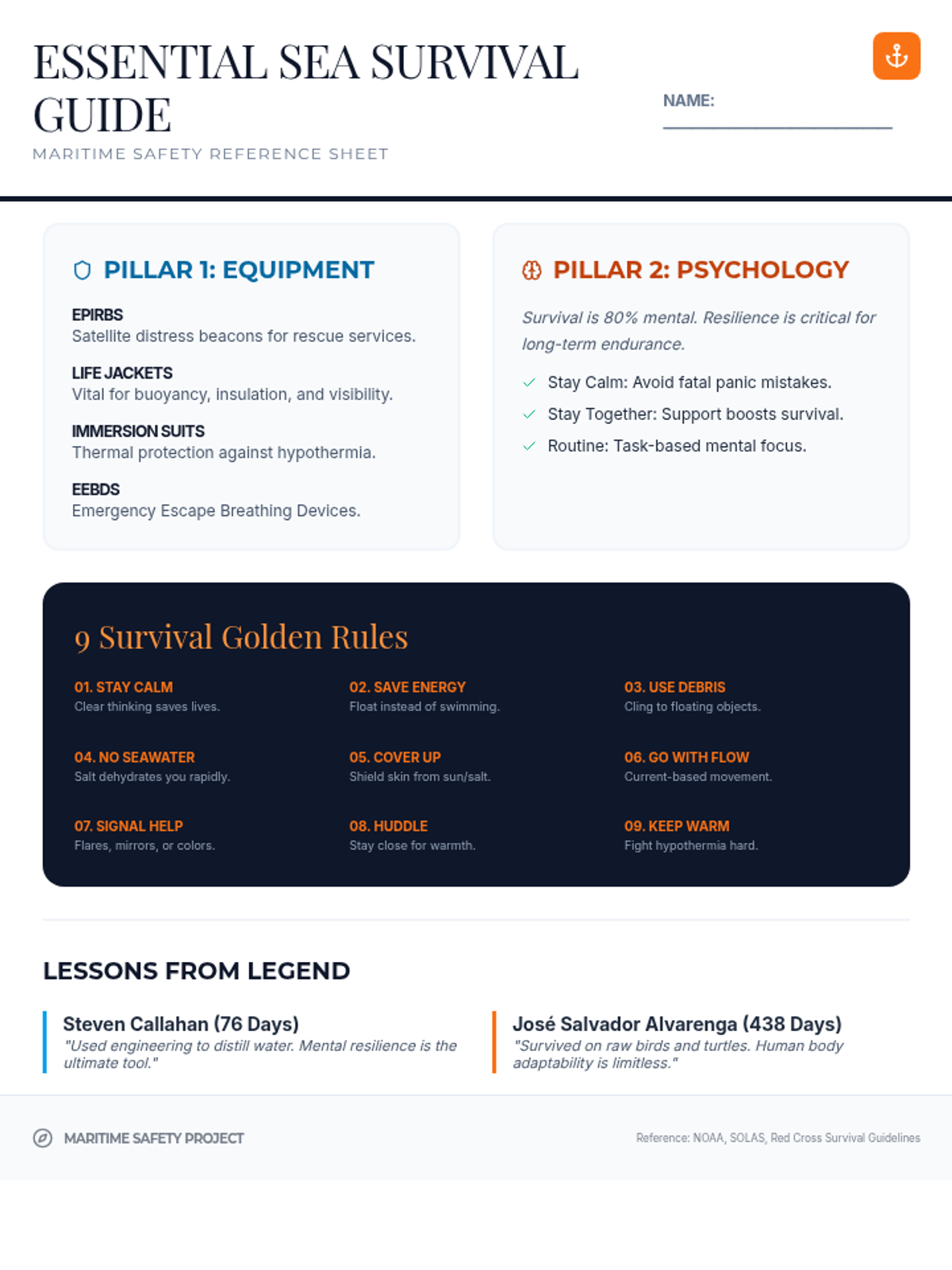
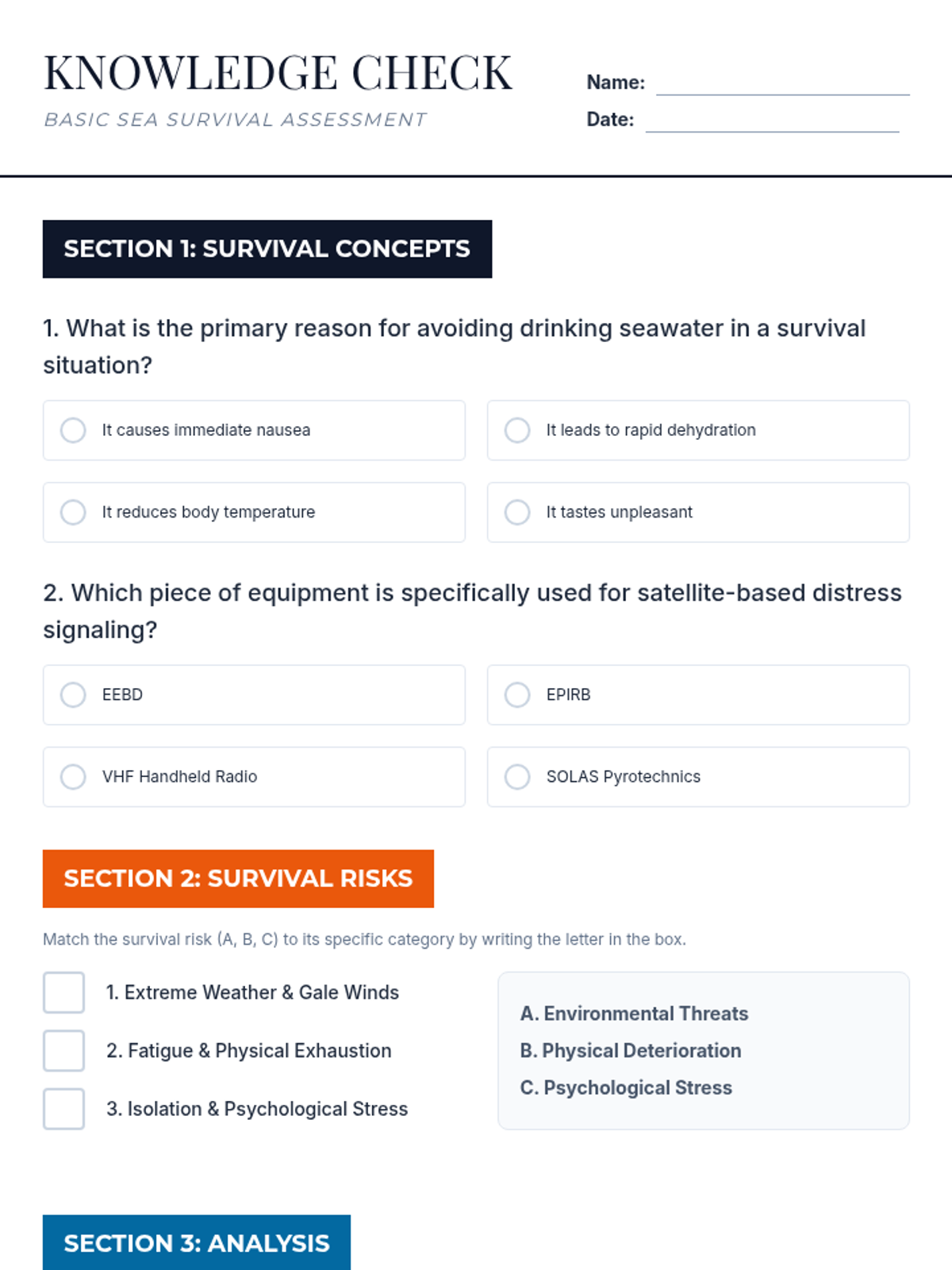
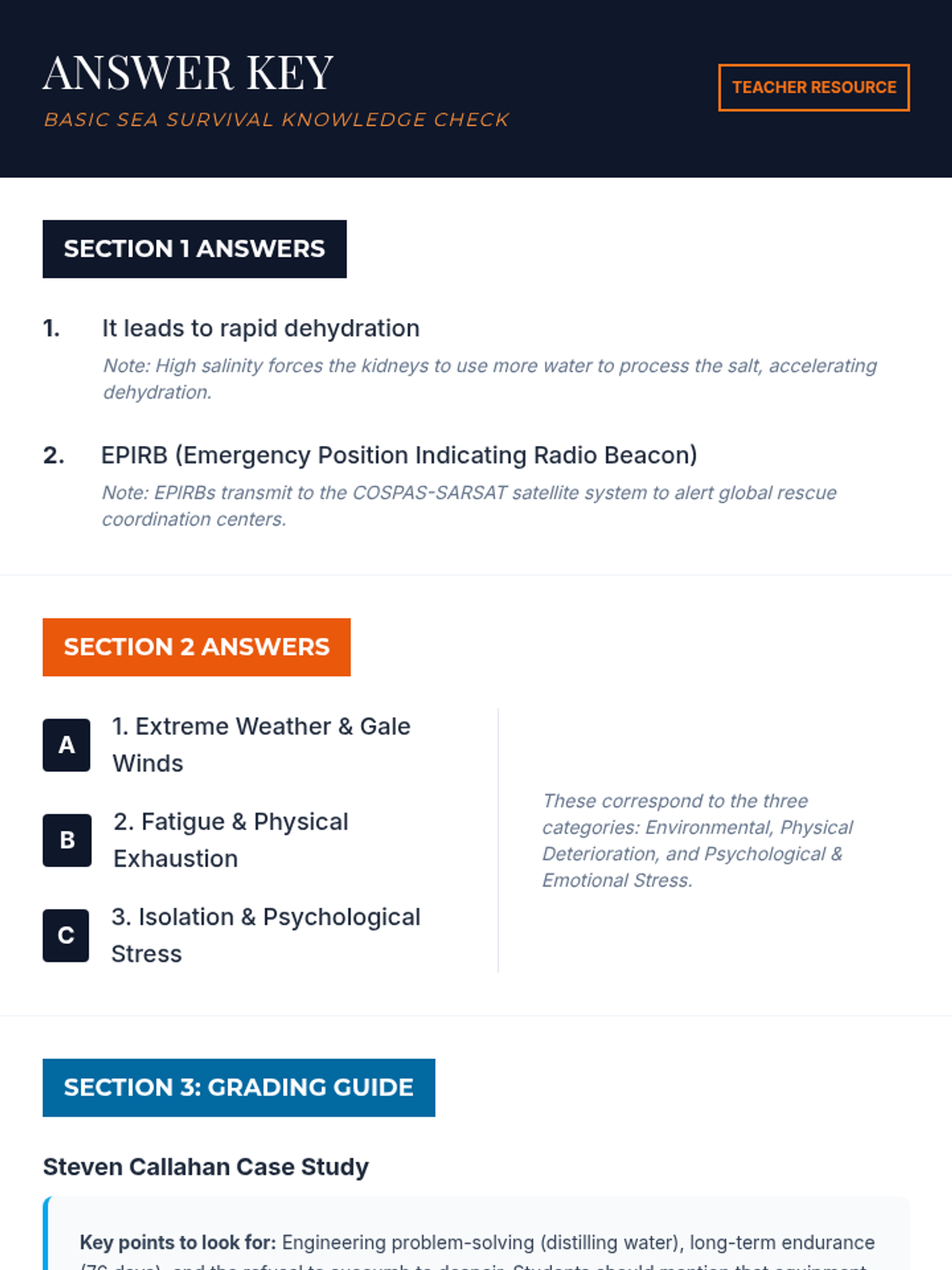
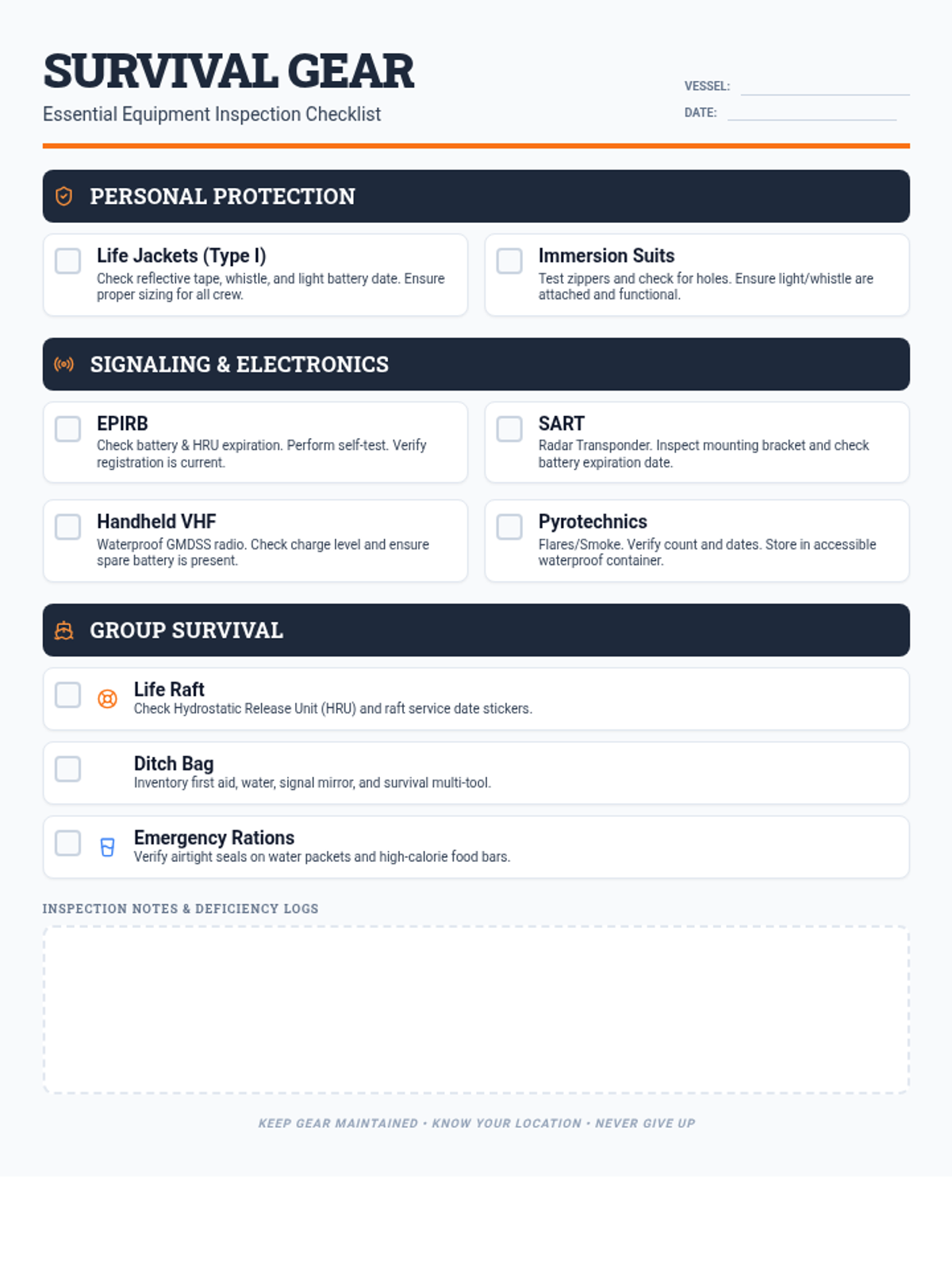
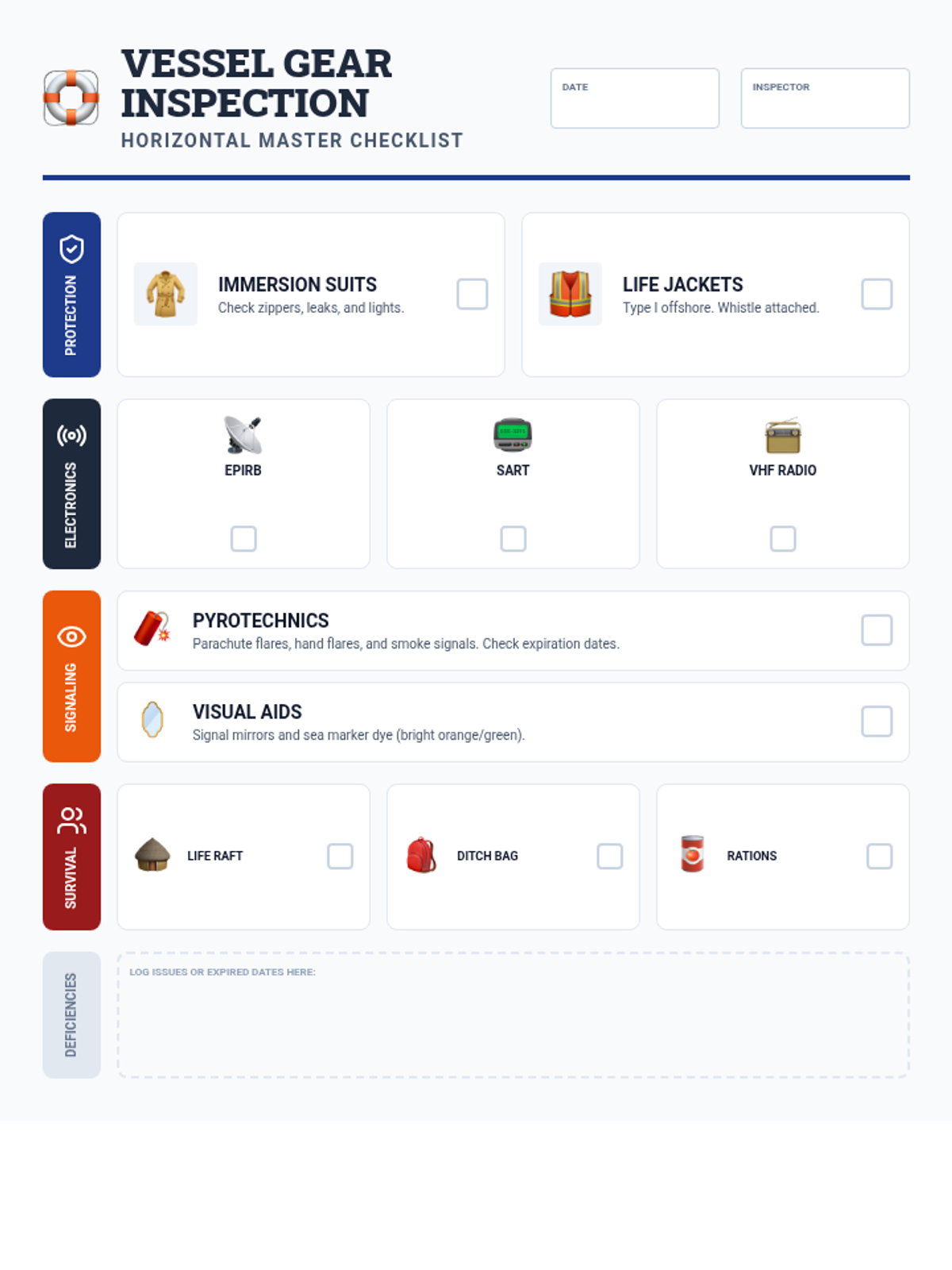
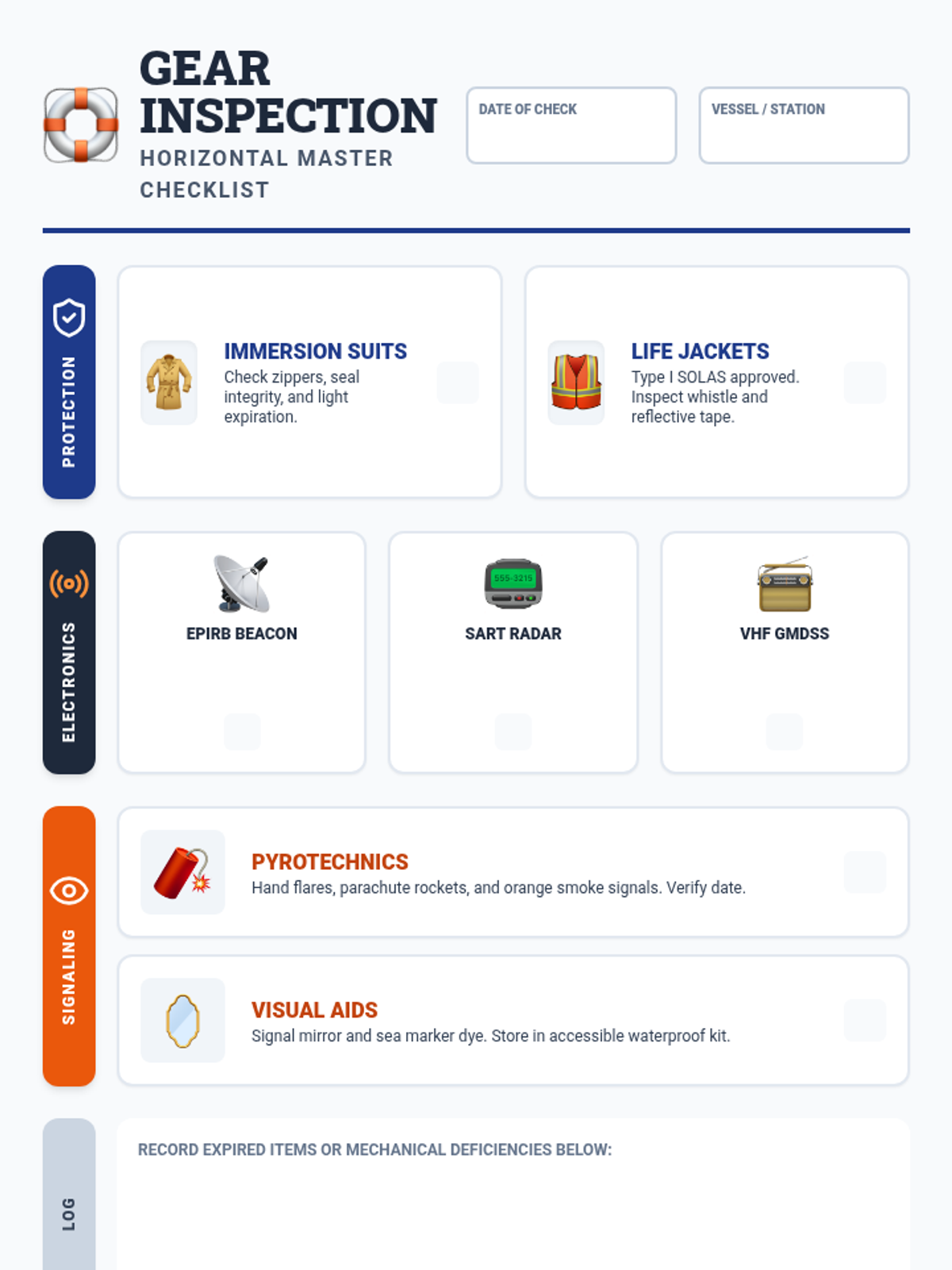
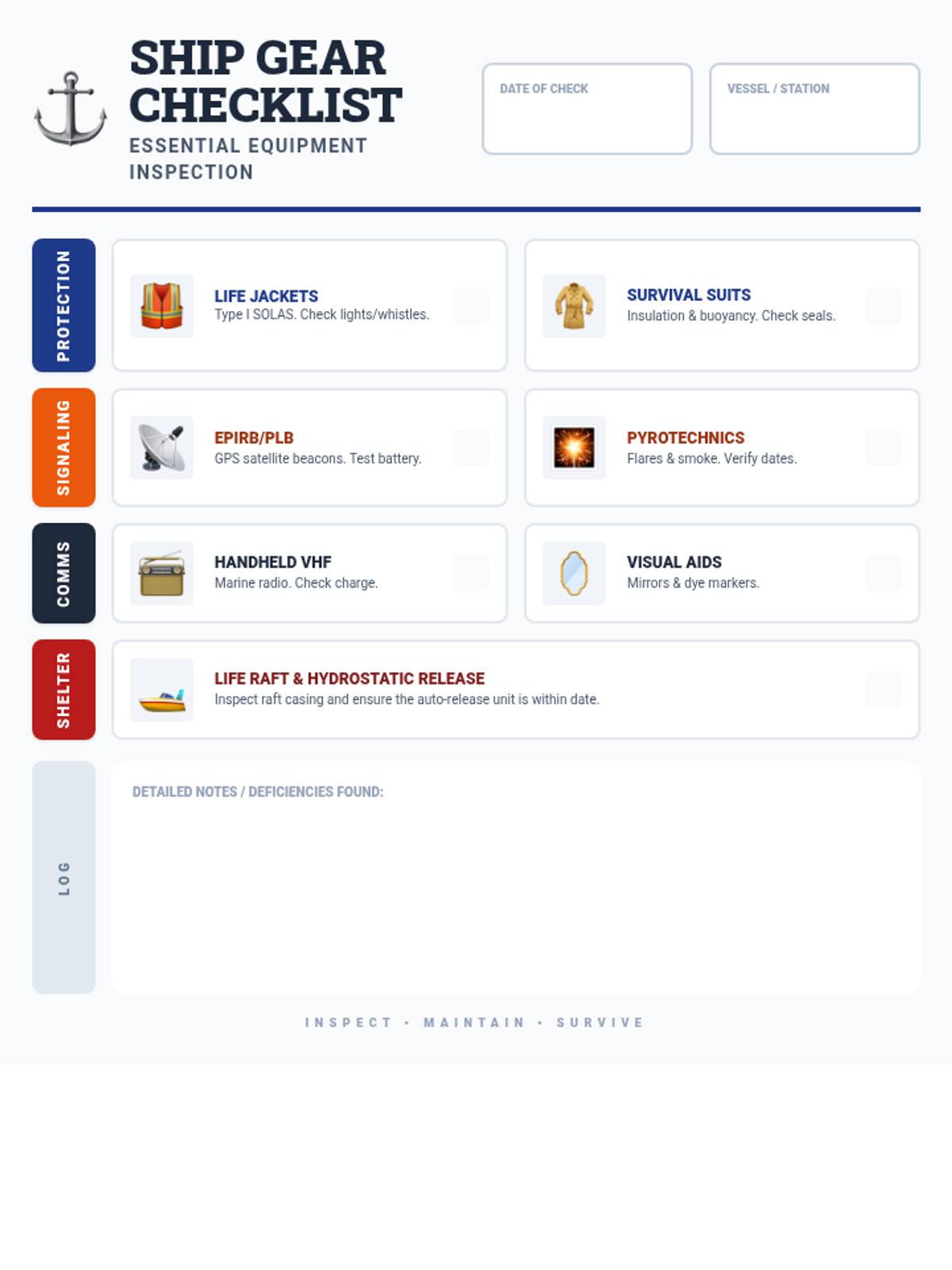
An introductory lesson on the fundamentals of sea survival, covering risks, life-saving equipment, and critical survival procedures.
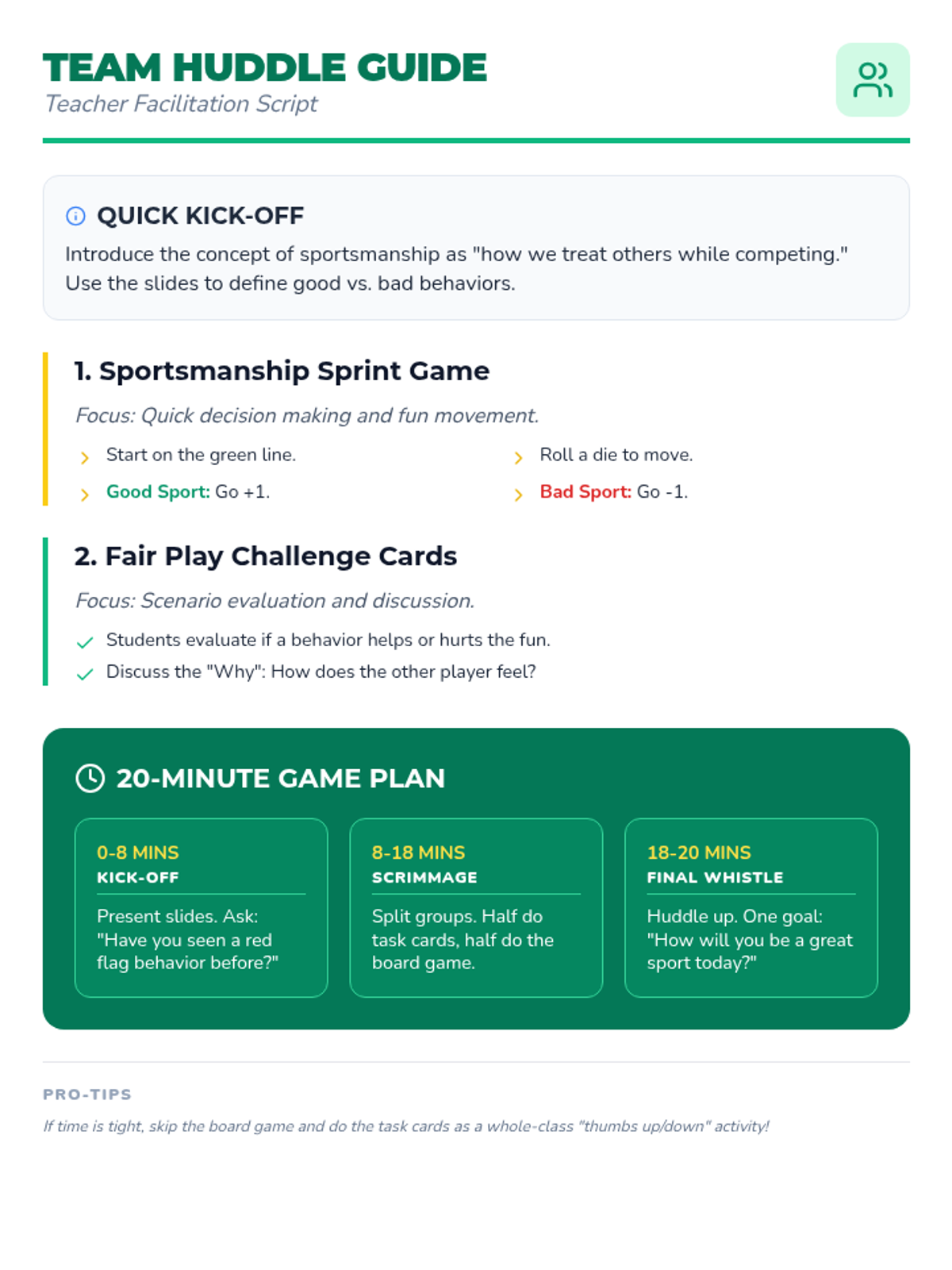
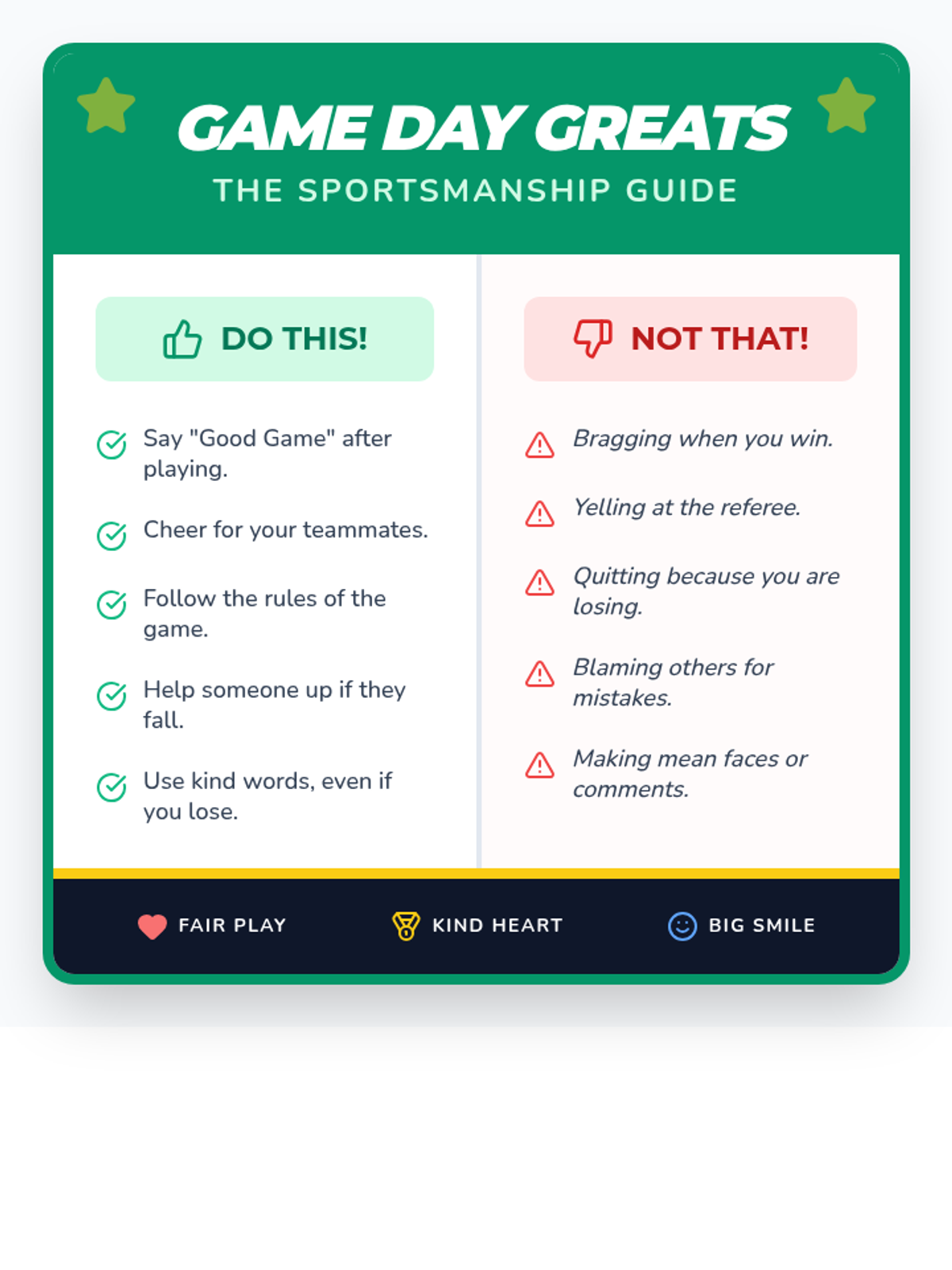
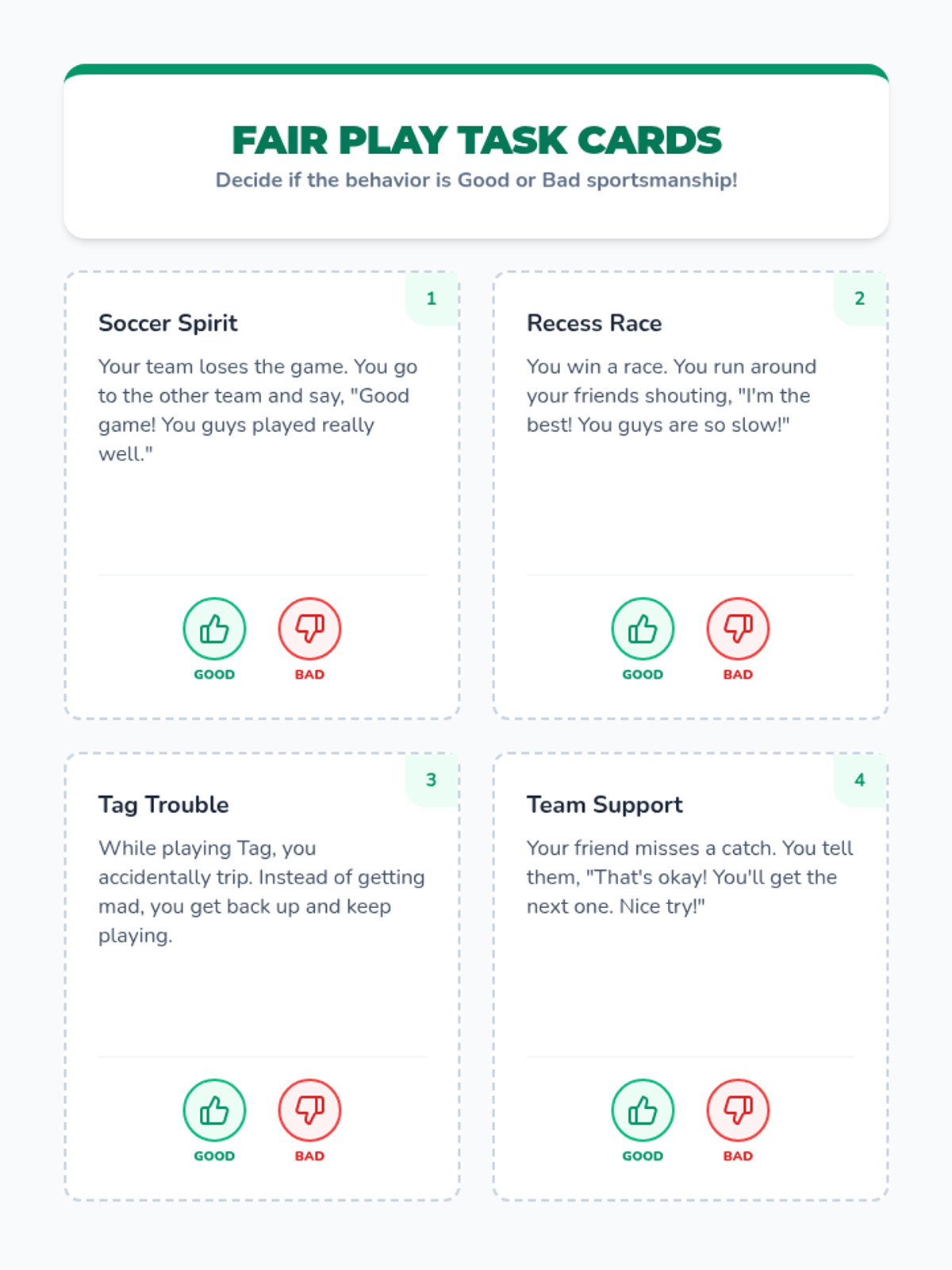
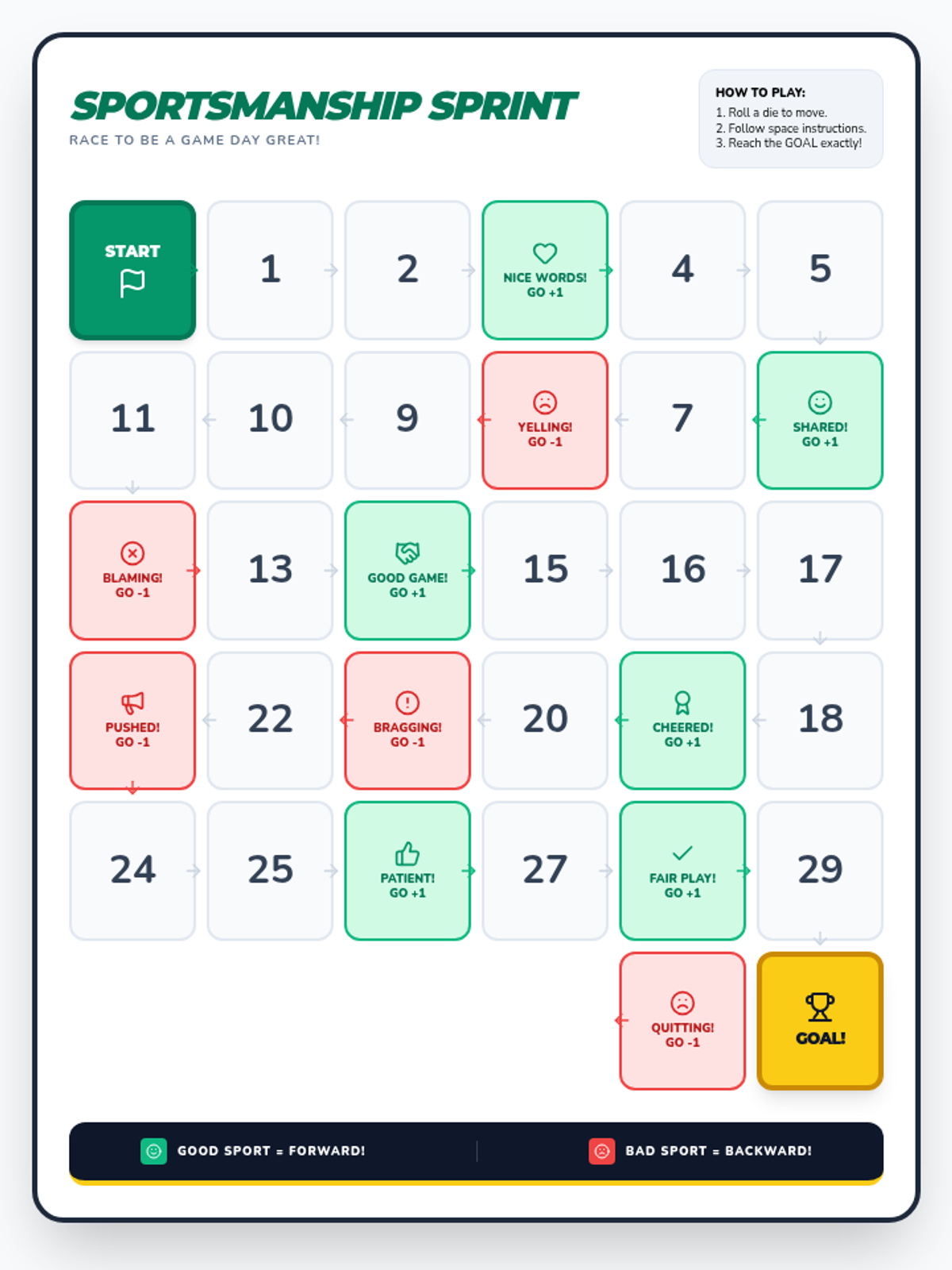
A high-energy, 20-minute lesson on sportsmanship, focusing on how to be a 'Game Day Great' by handling wins and losses with grace. Includes slides, a small group guide, an anchor chart, task cards, and a board game.
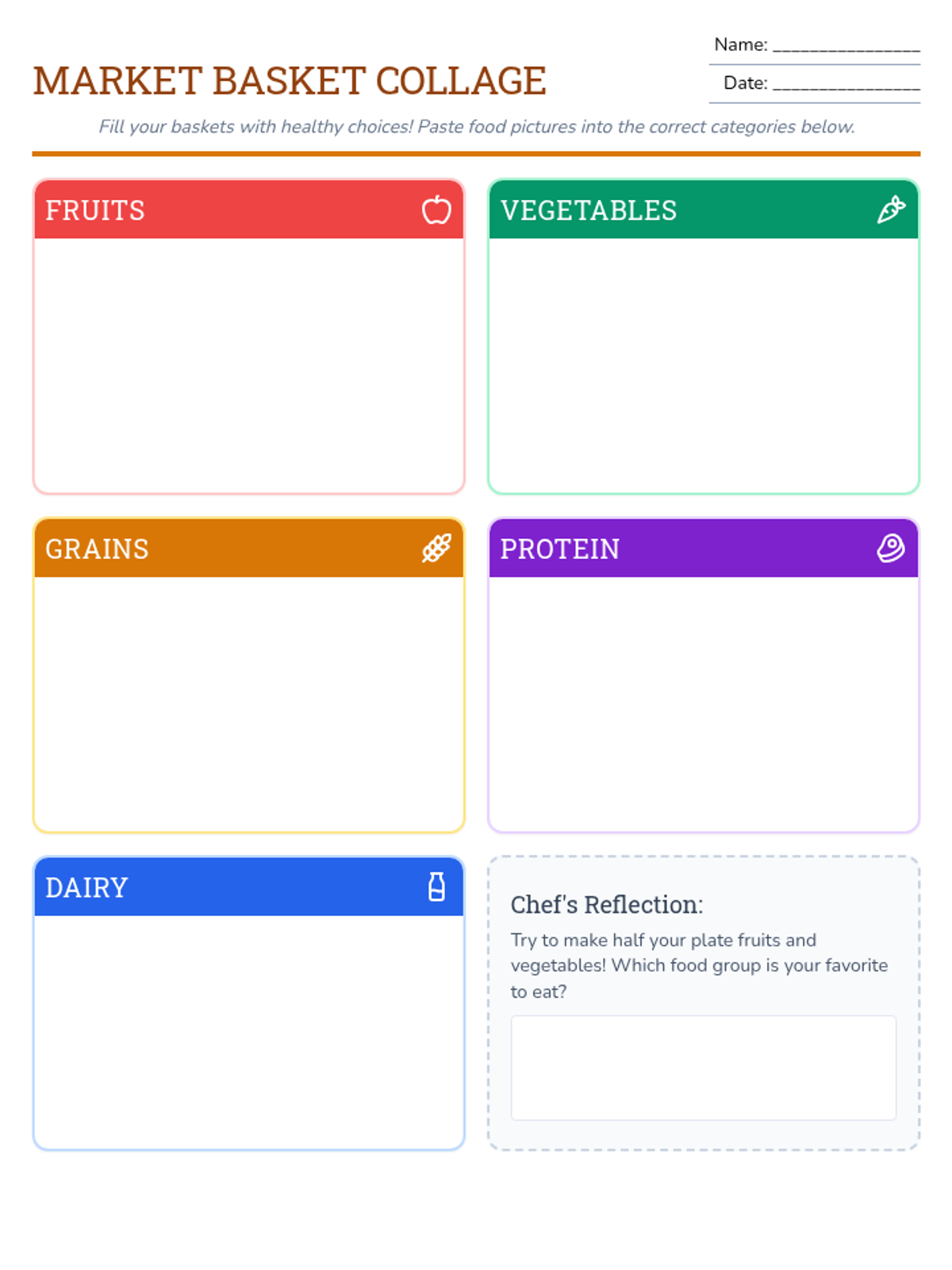
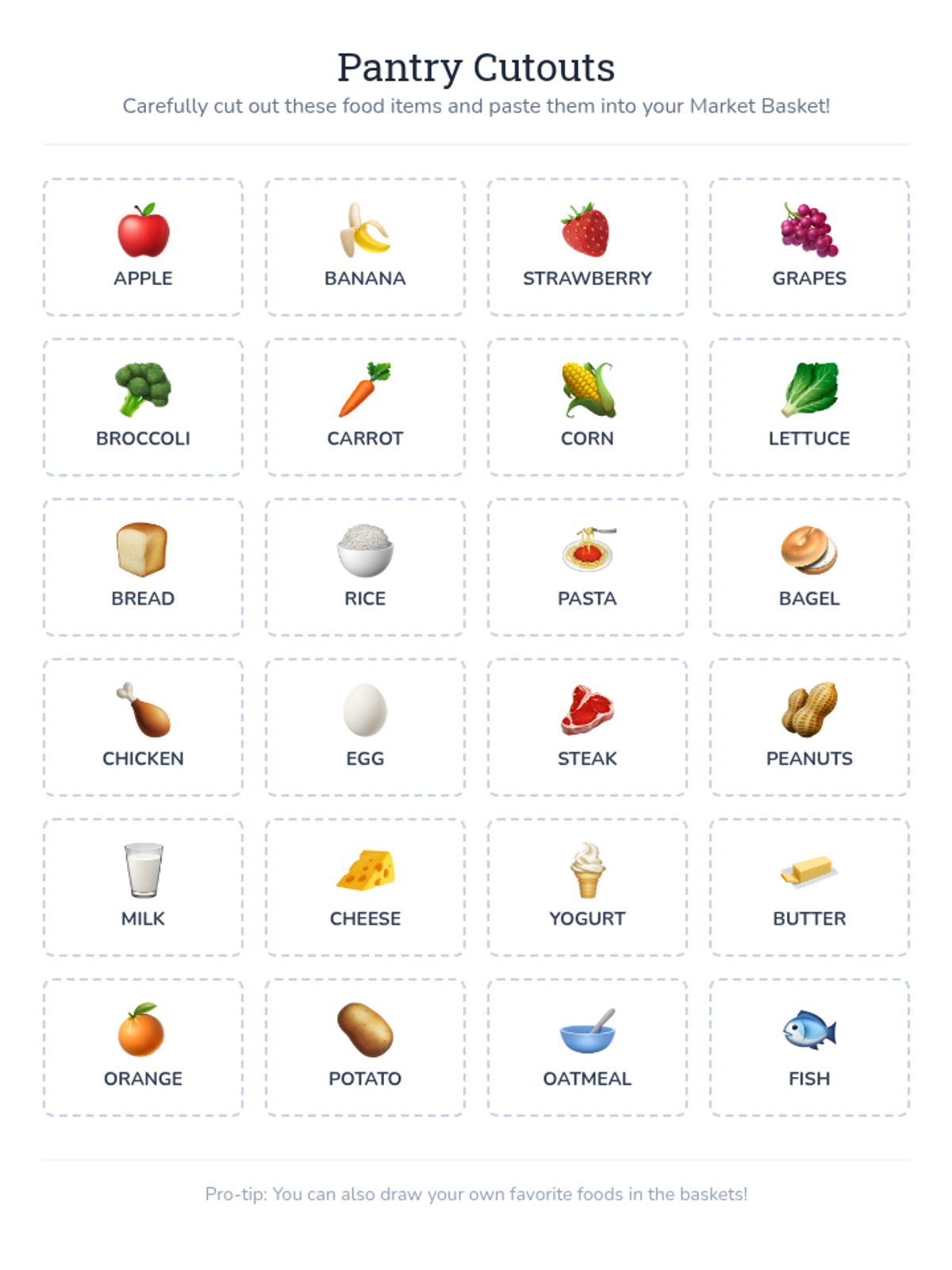
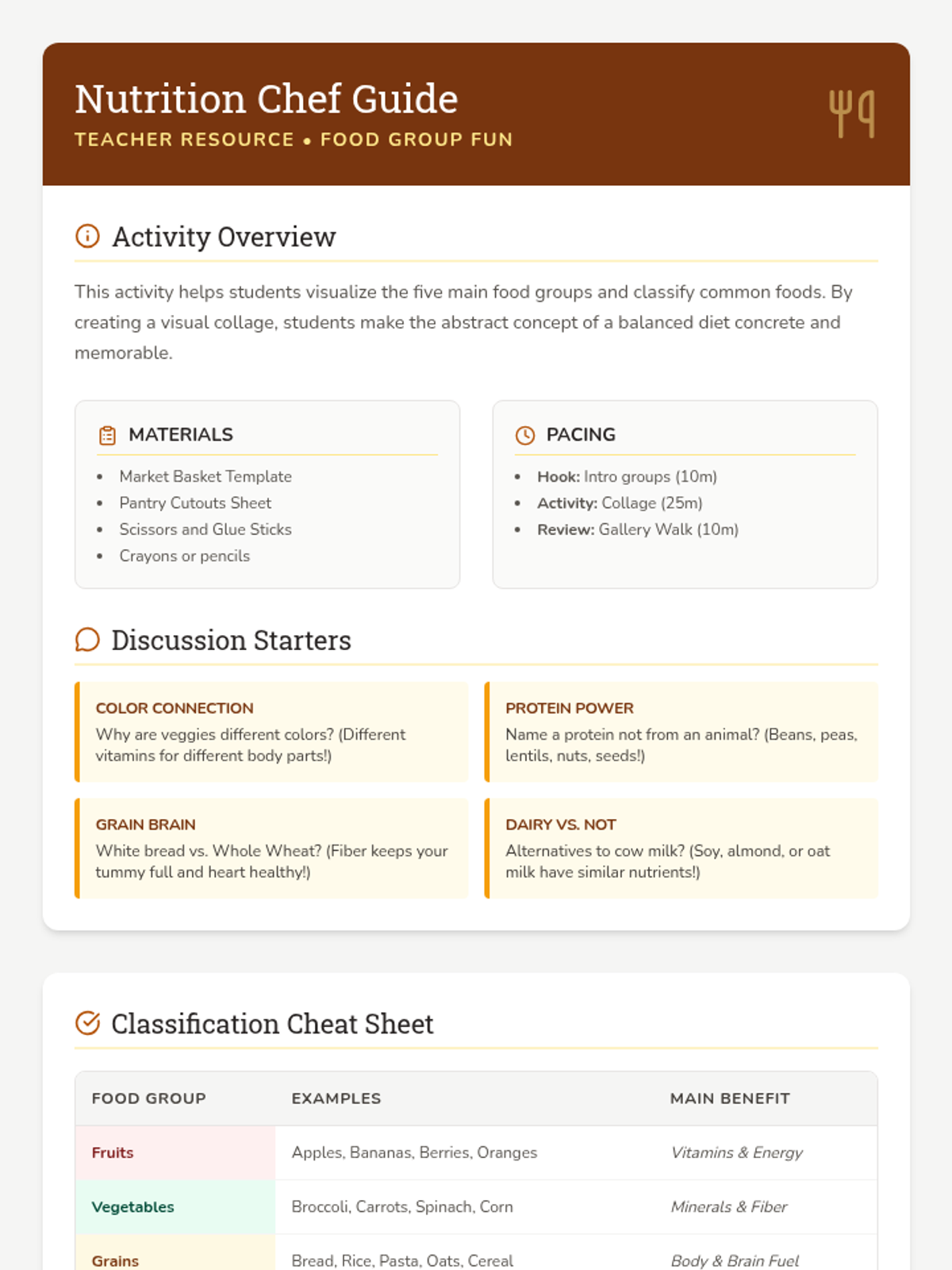
A hands-on activity where students categorize various foods into the five essential food groups to create a visual collage.
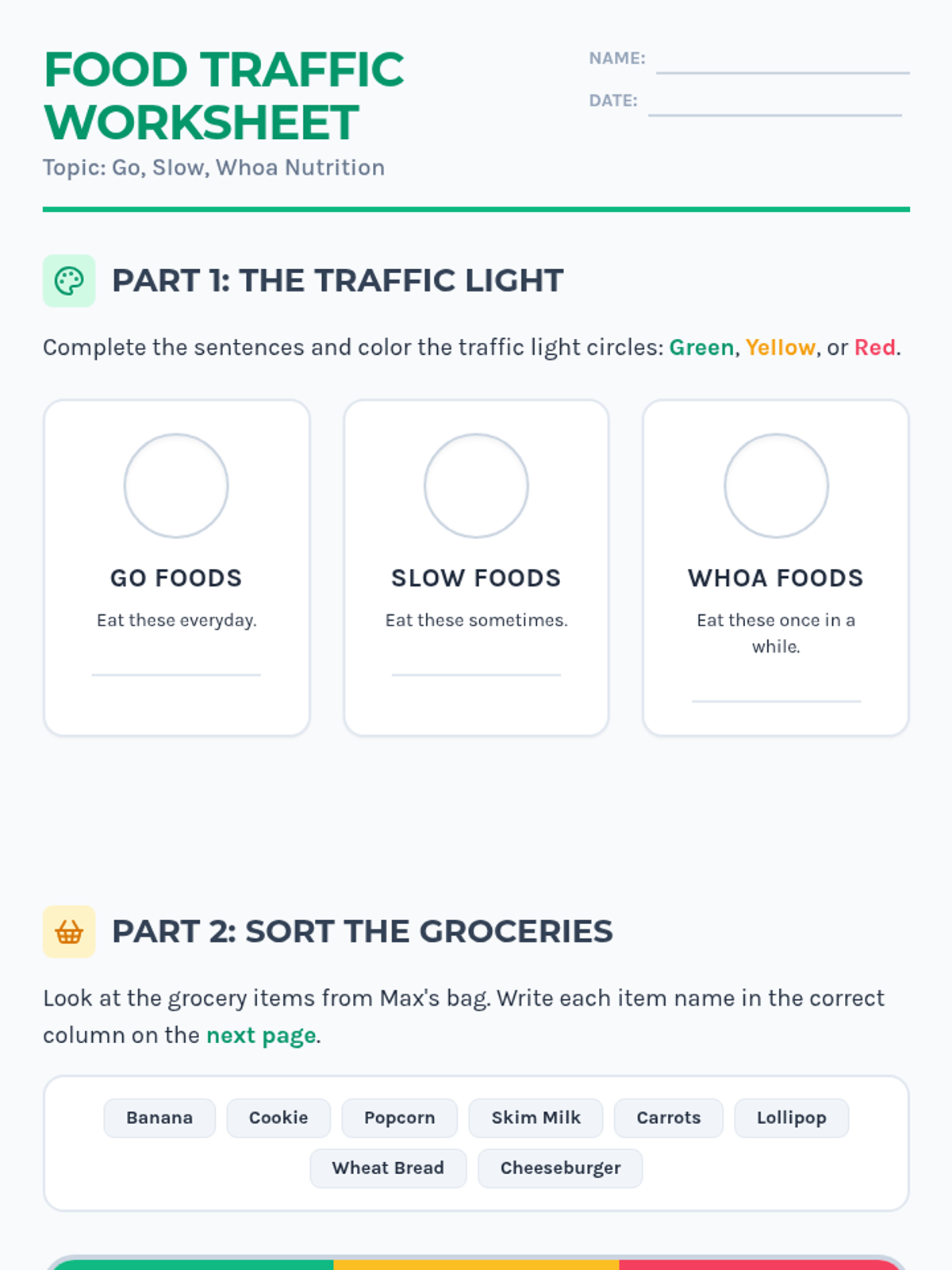
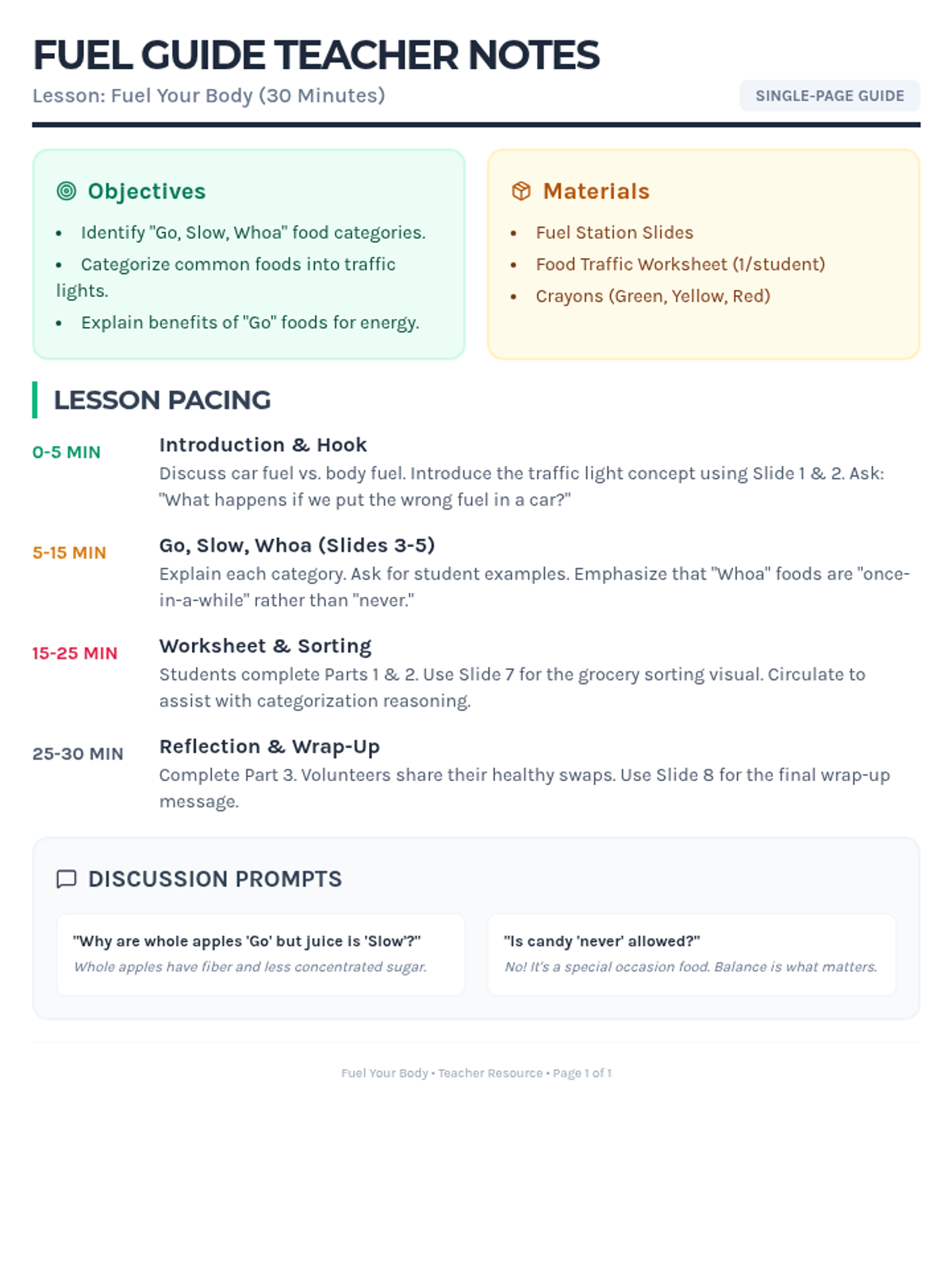
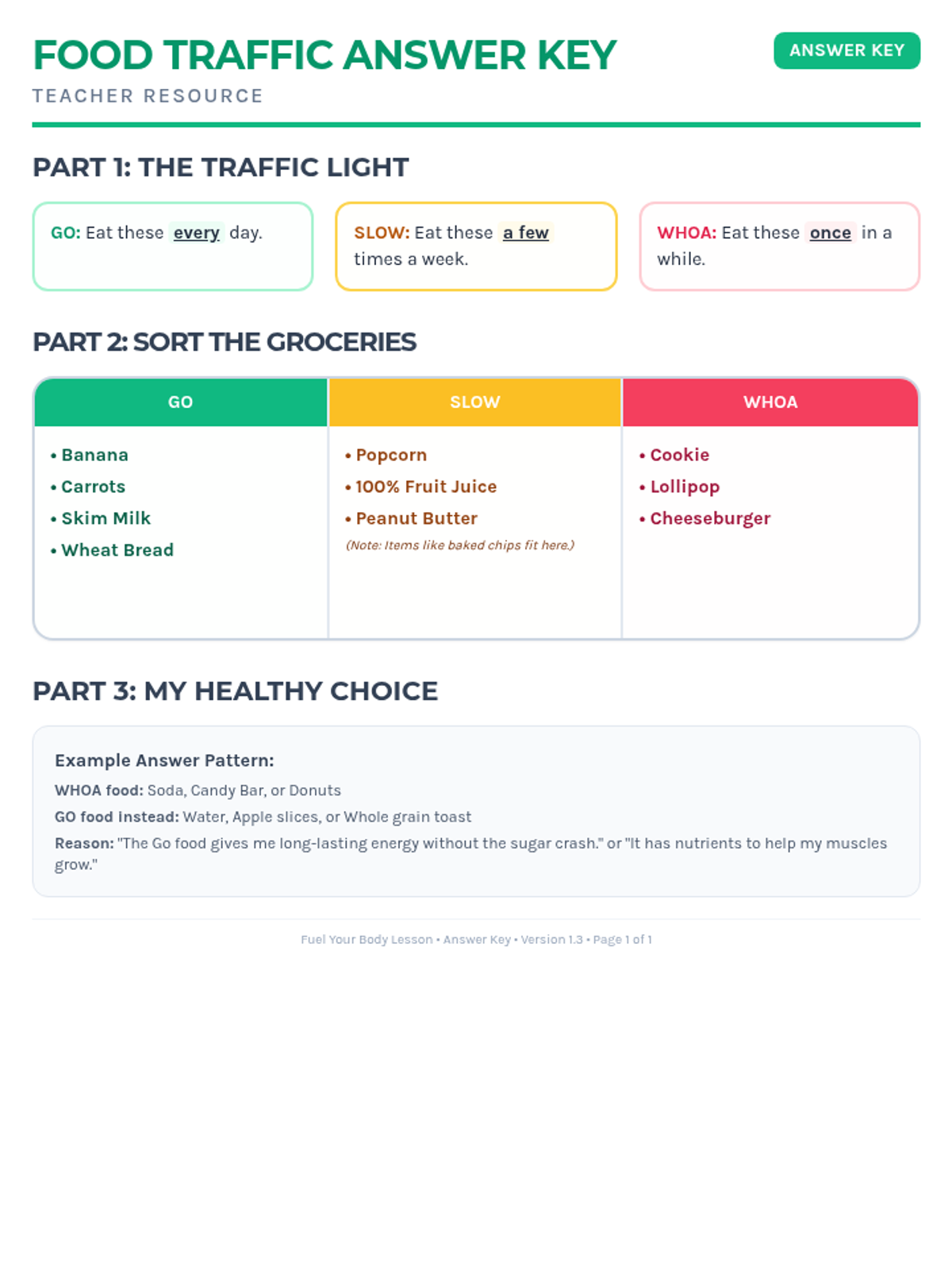
A 30-minute interactive lesson for 3rd and 4th graders exploring the 'Go, Slow, Whoa' nutrition framework to help students make healthier food choices.
A beginner's guide to maritime survival, covering immediate actions, hypothermia prevention, and signaling for rescue in a shipwreck scenario.
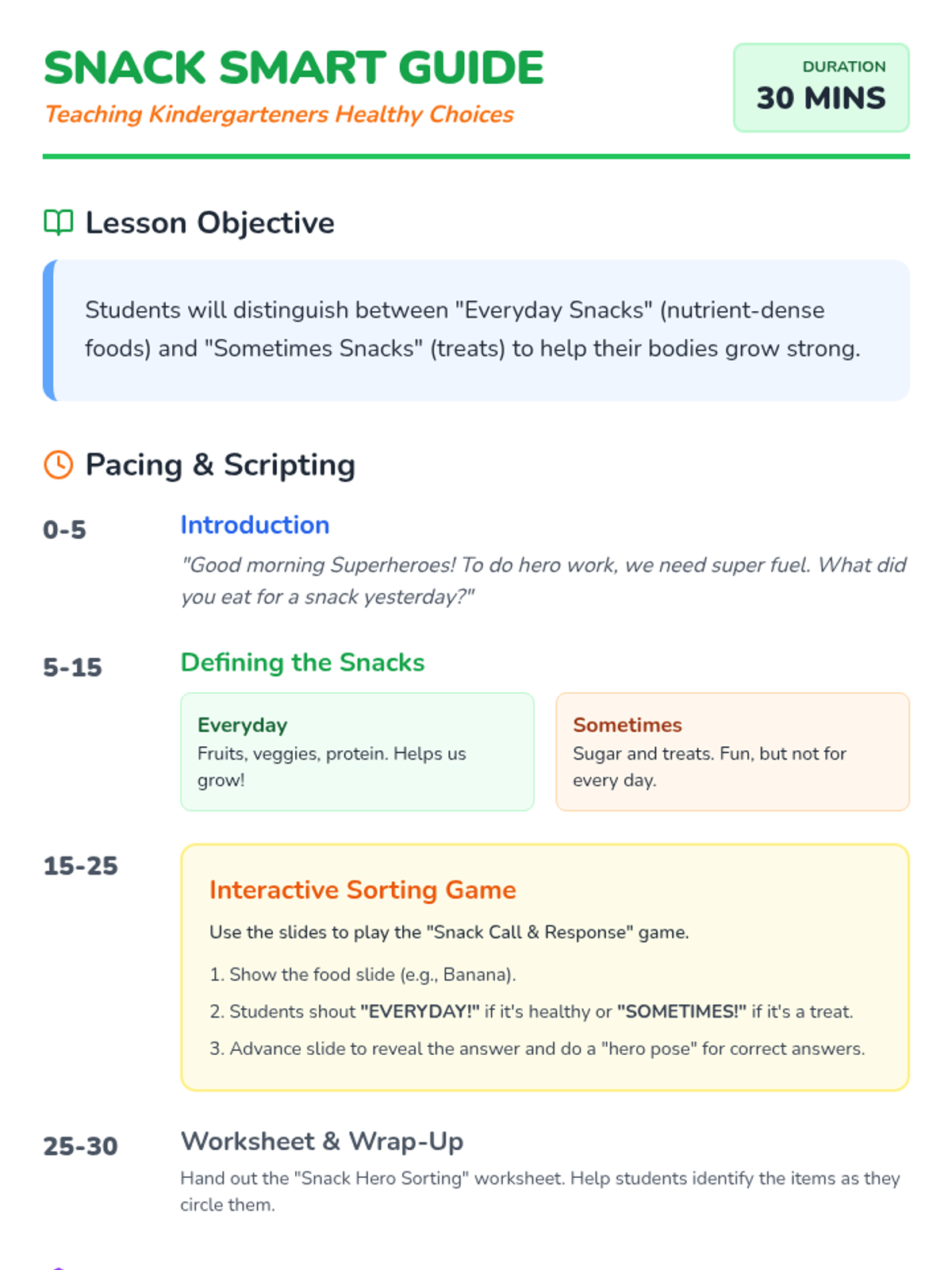
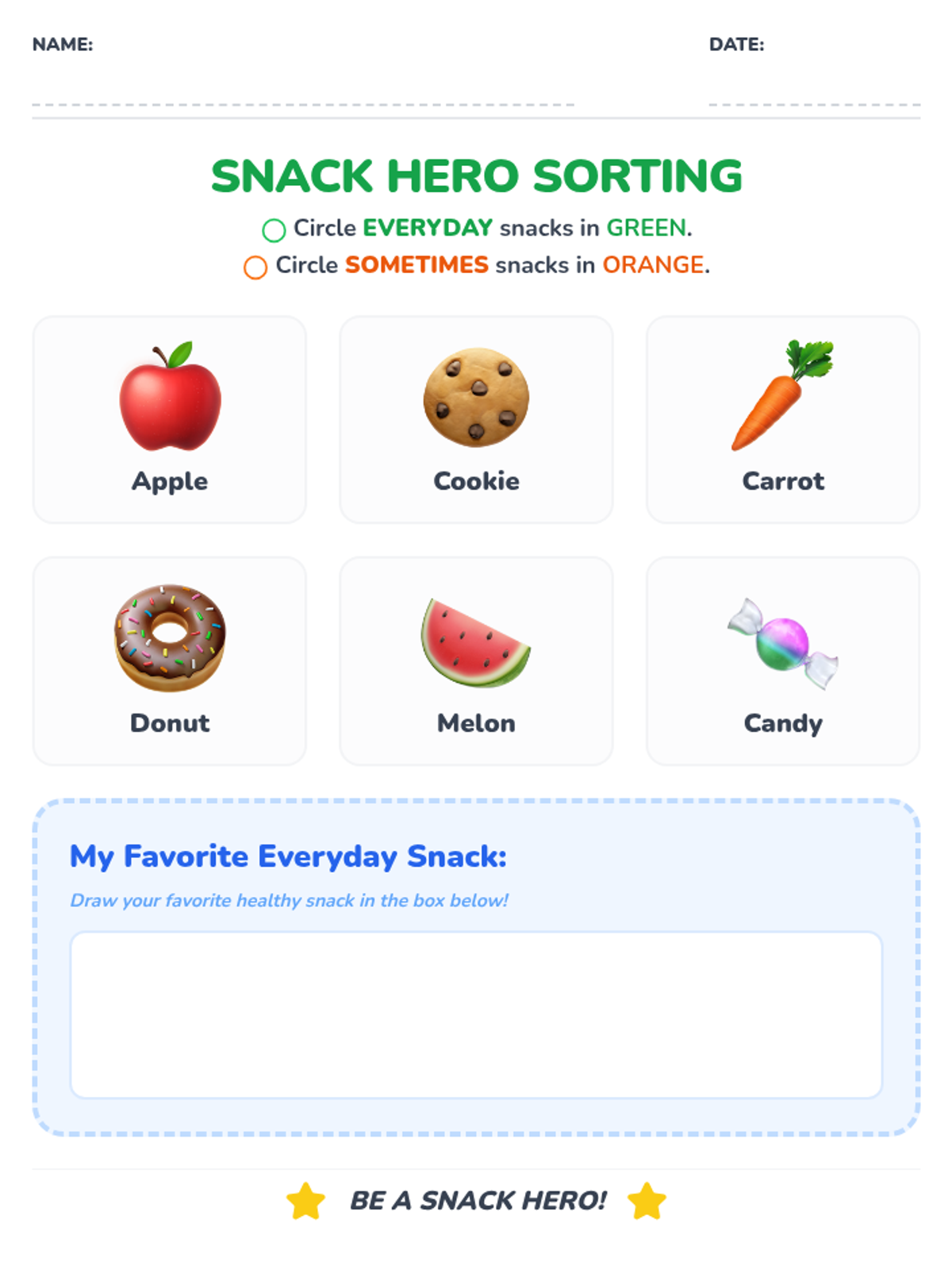
A fun, 30-minute introductory lesson for kindergarteners to distinguish between healthy 'everyday' snacks and 'sometimes' treats using a bright picnic theme.
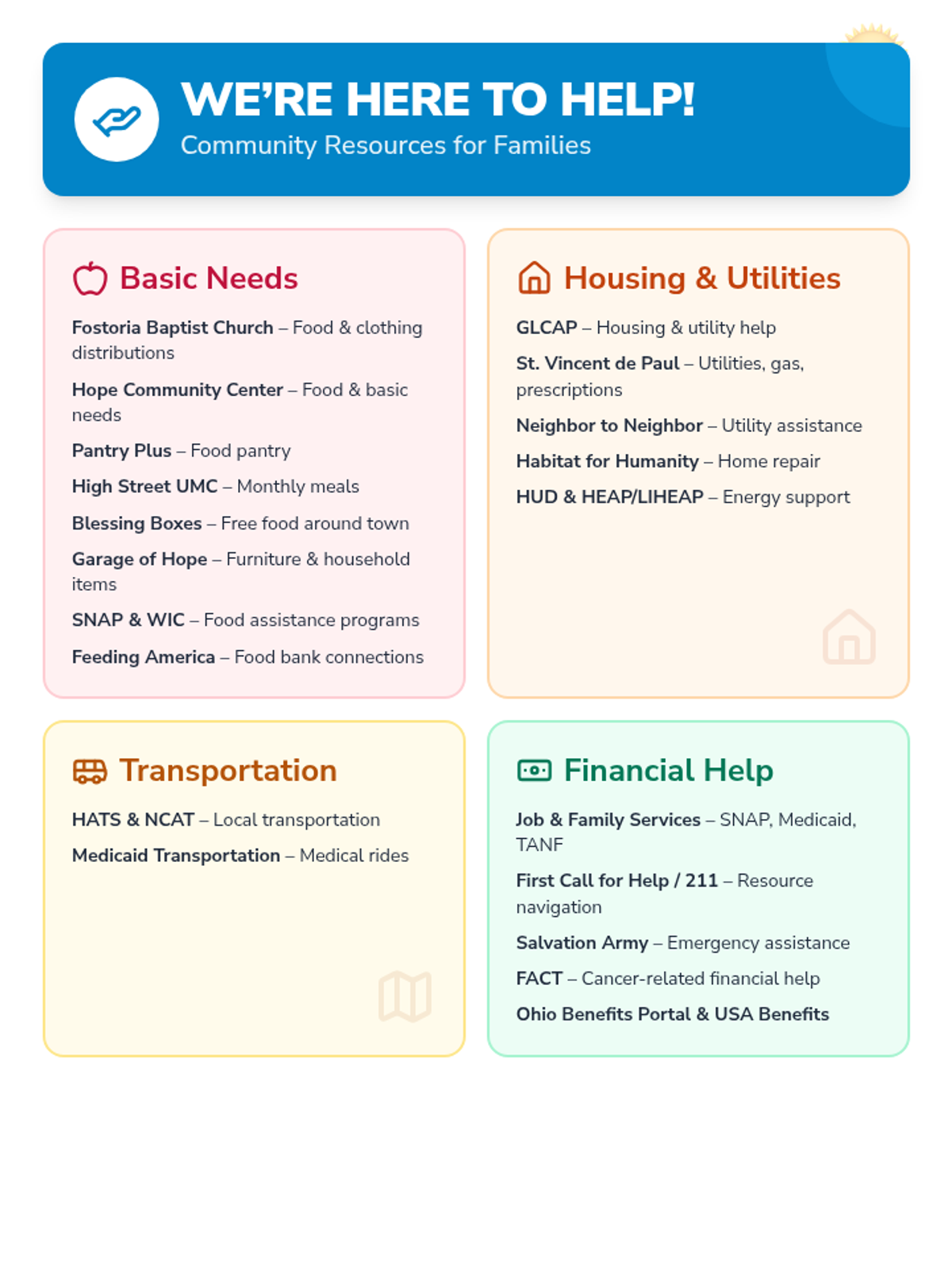
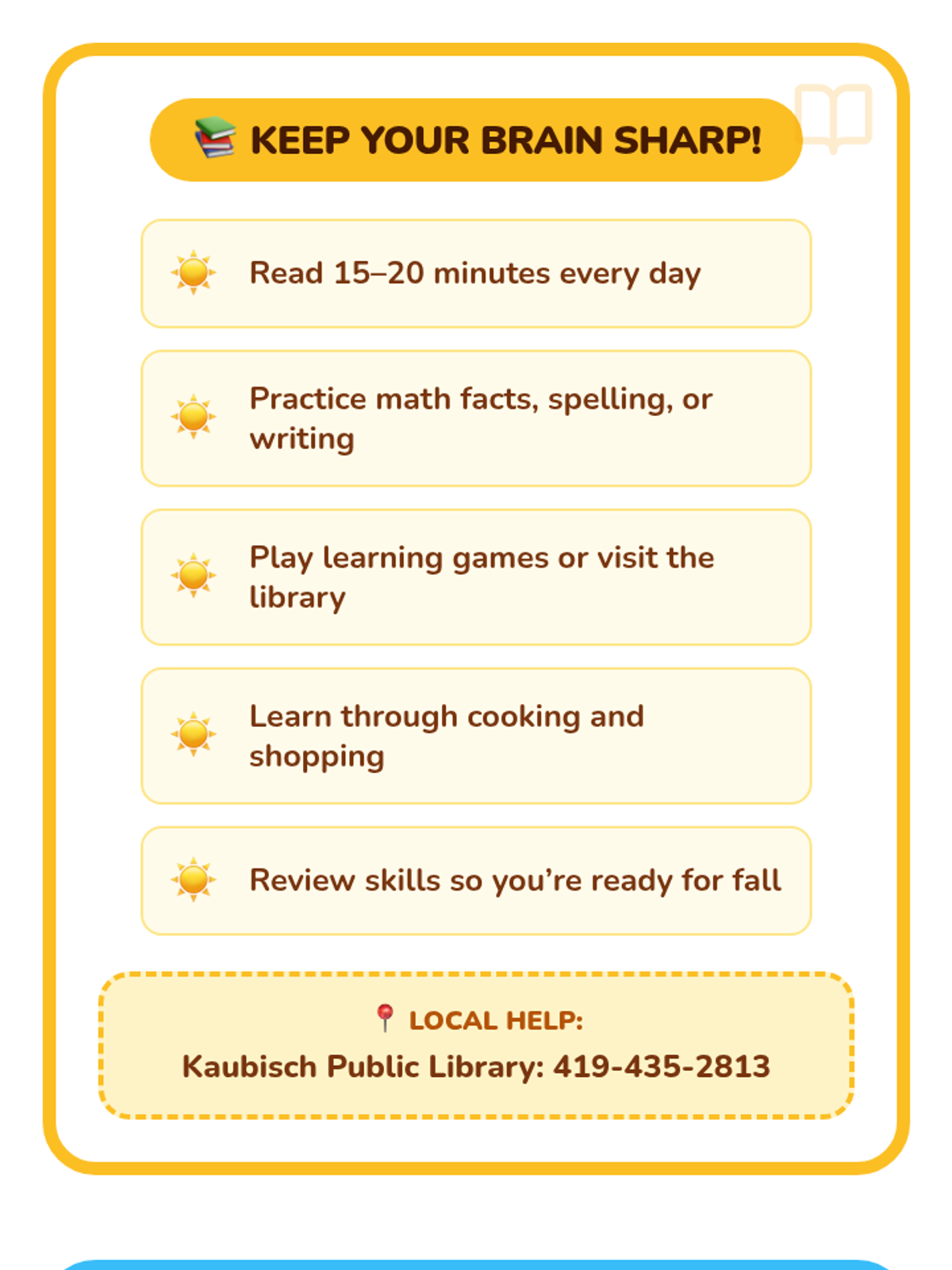
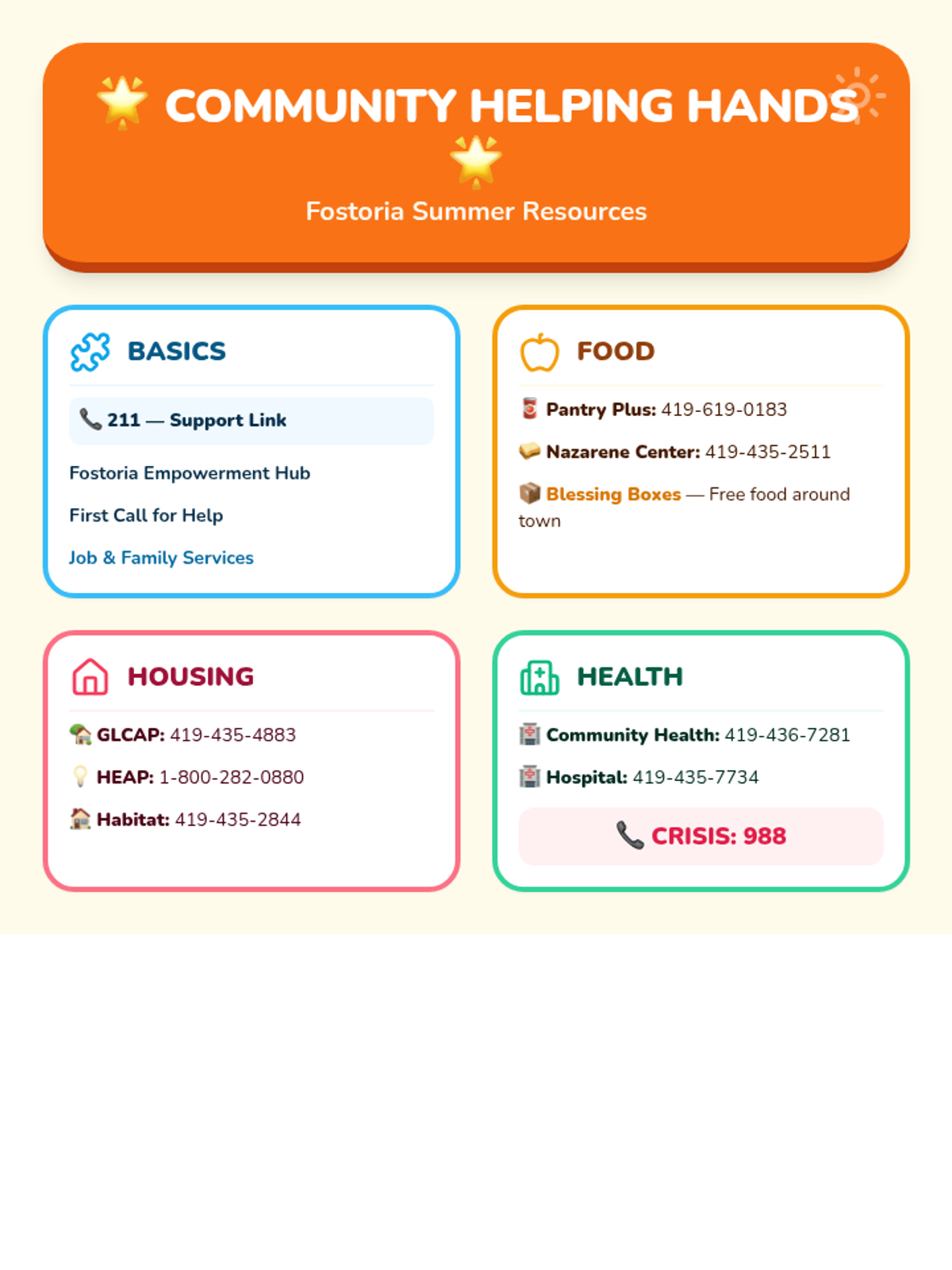
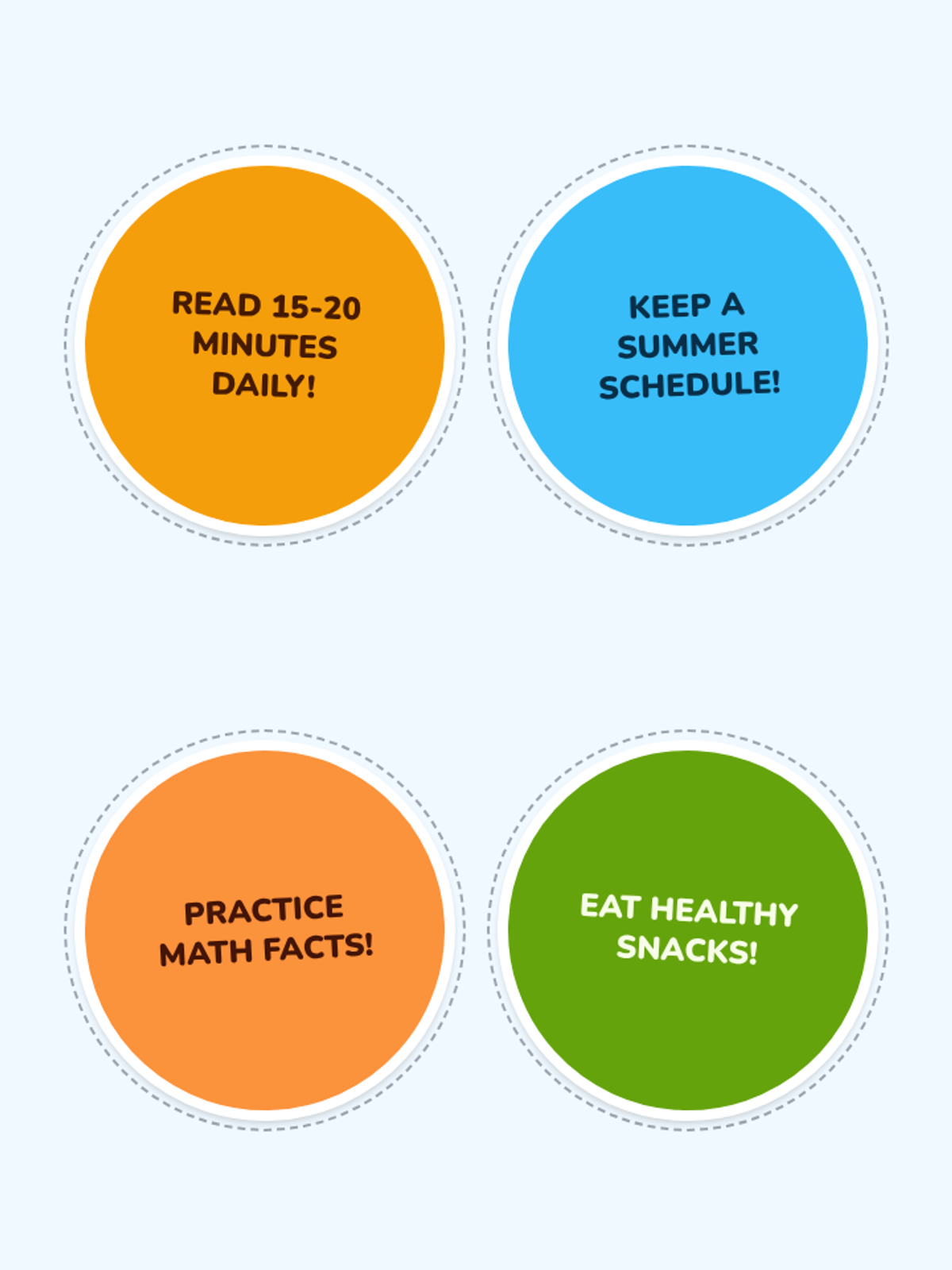
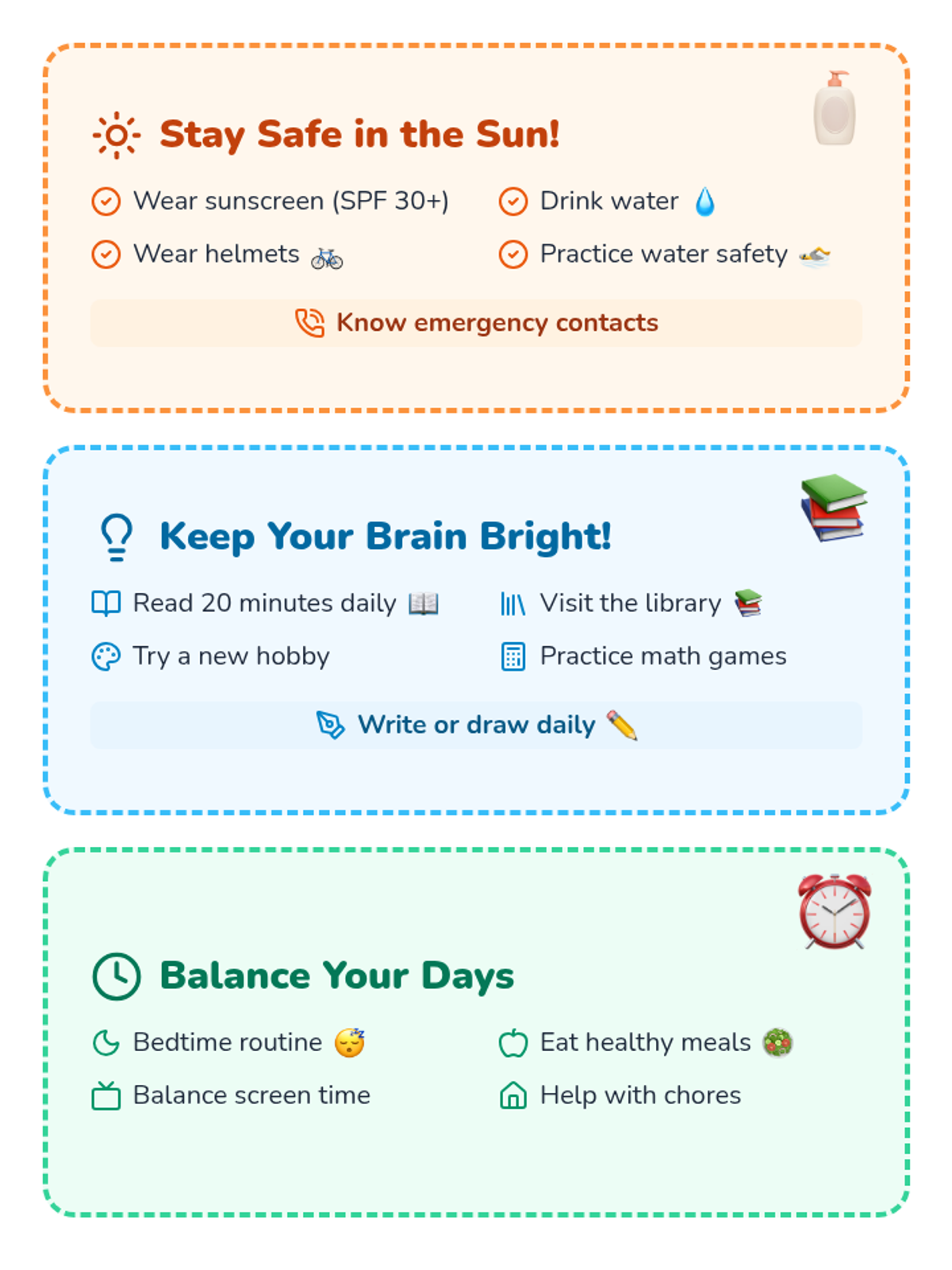
A comprehensive set of bulletin board materials for elementary school hallways, featuring summer safety tips, educational advice, and local community resources.
A complete set of vibrant, summer-themed bulletin board materials designed to provide students and families with healthy habits, learning tips, and community resources.
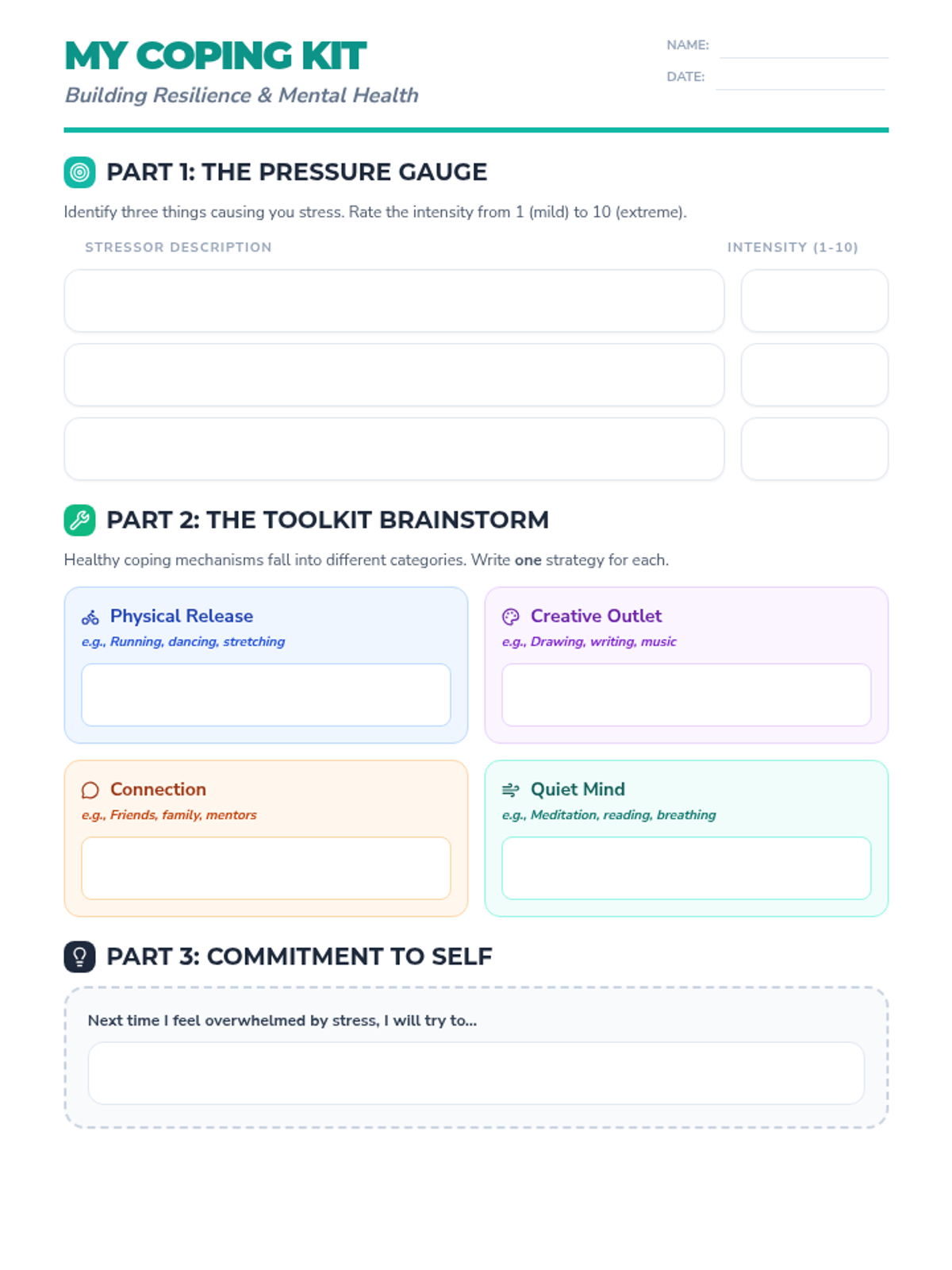
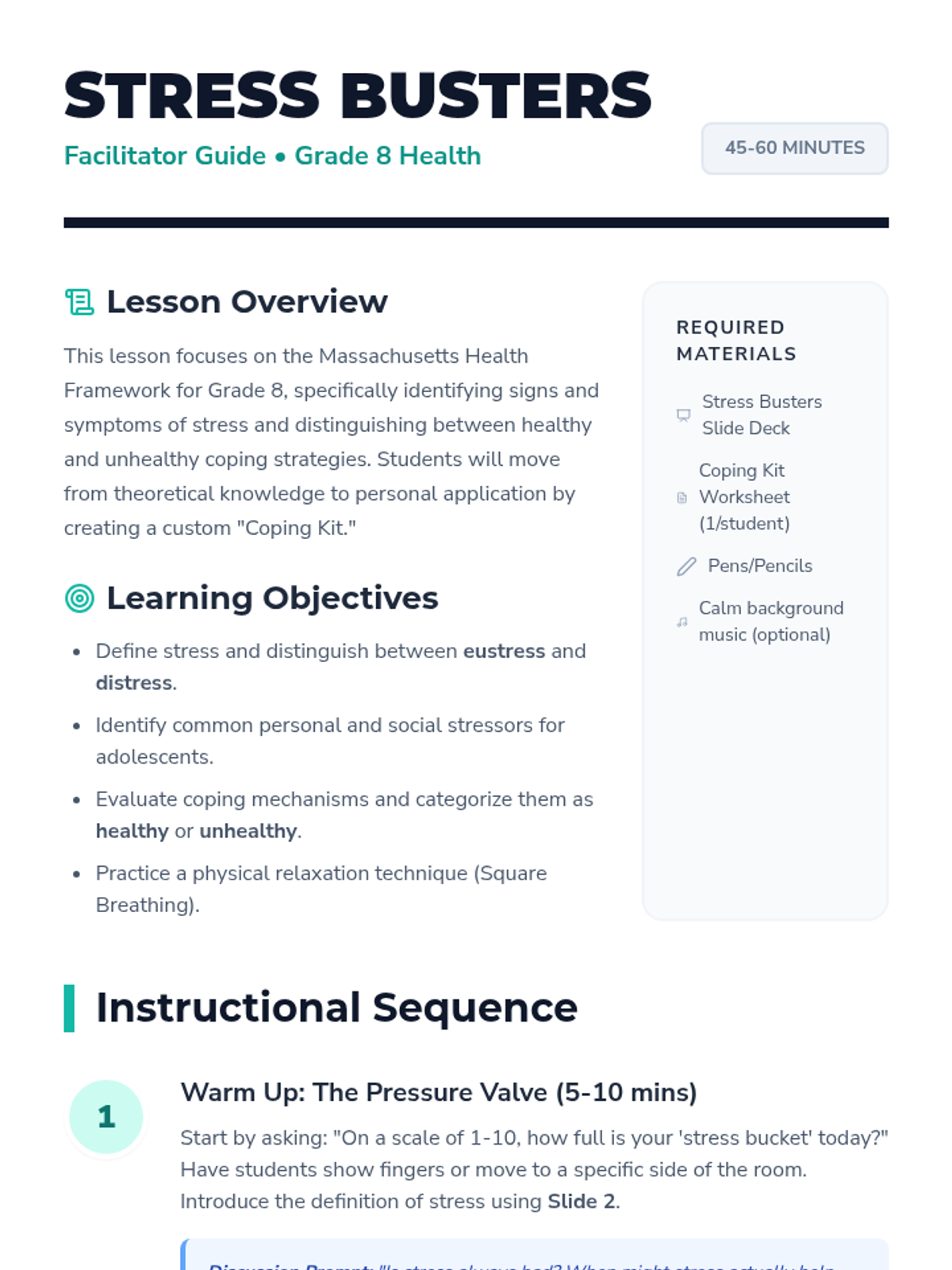
A comprehensive lesson on identifying stressors and developing healthy coping strategies, aligned with Massachusetts Grade 8 Health standards. Students will learn to distinguish between healthy and unhealthy stress management and build a personal 'coping kit'.
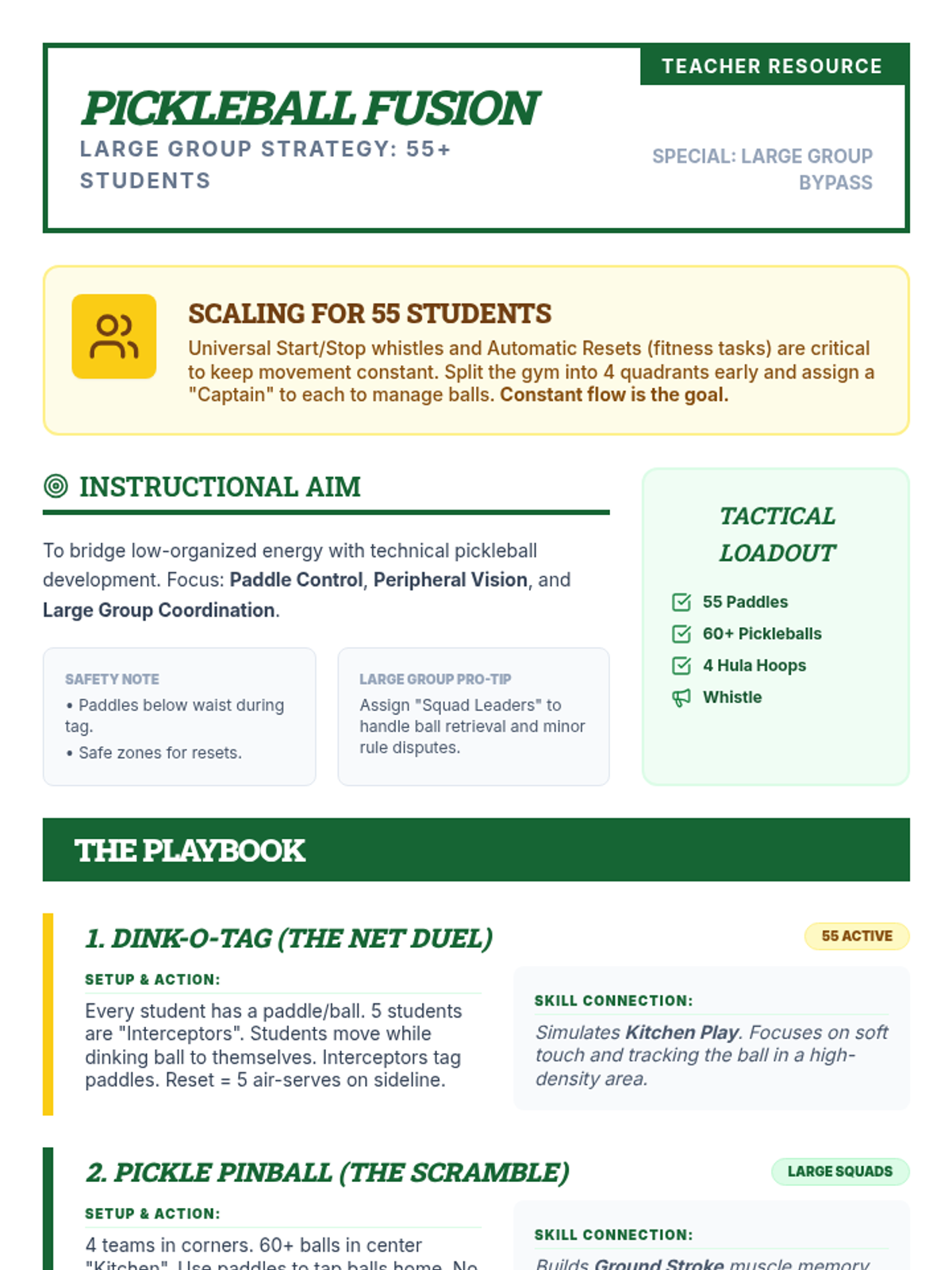
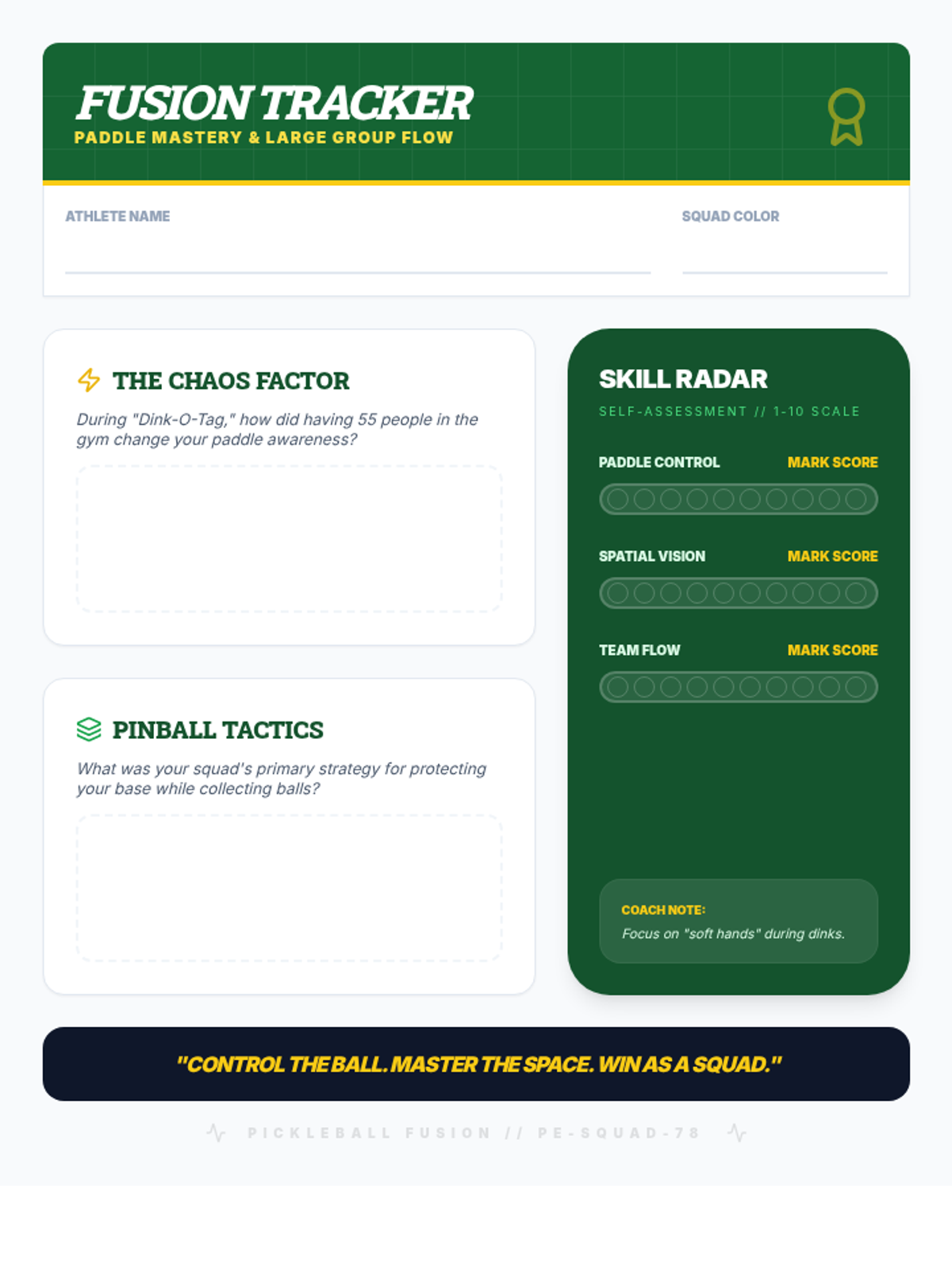
Combines the high energy of low-organized games with the fundamental skills of pickleball, designed specifically for large groups to maximize movement and paddle control.
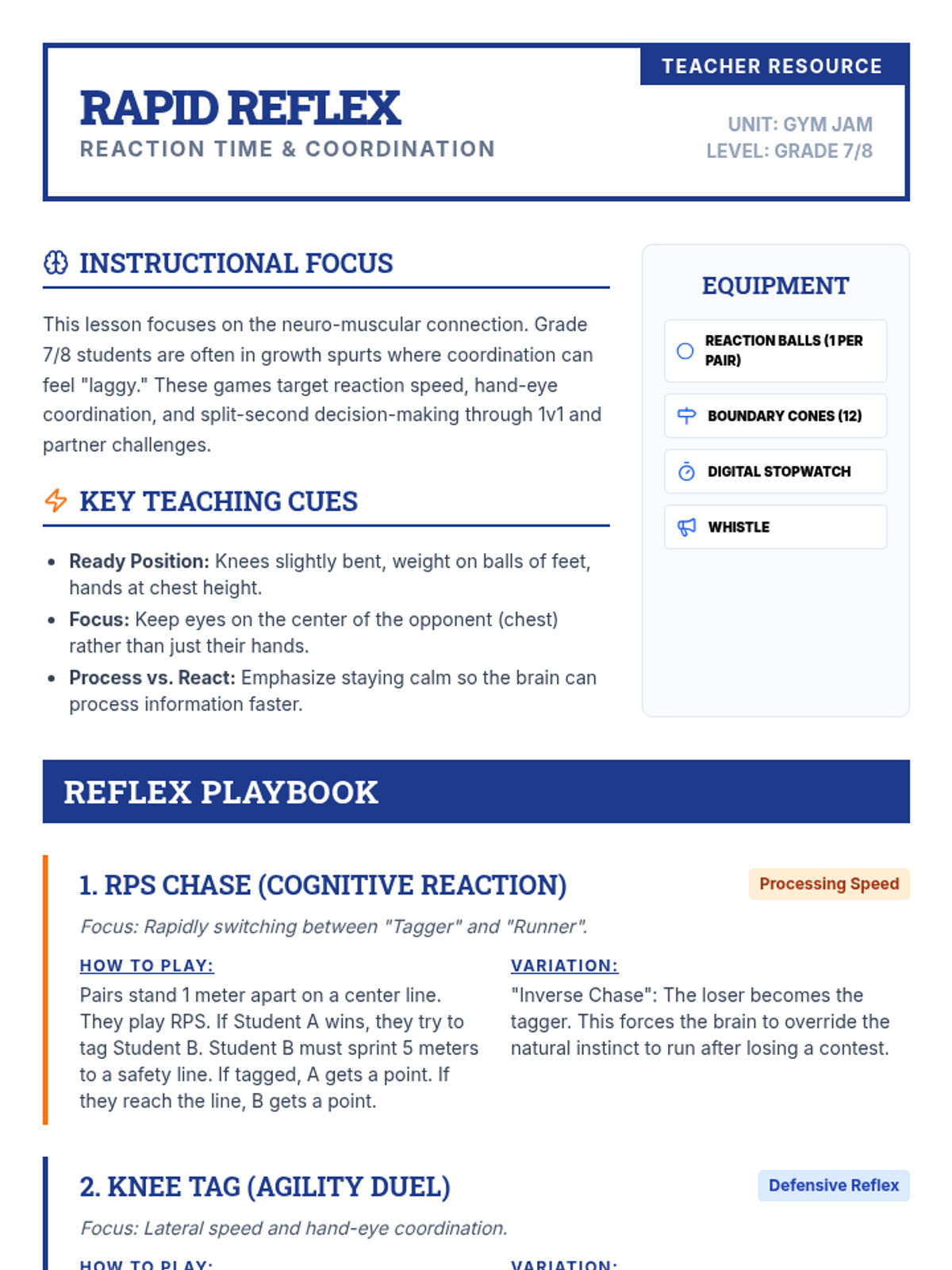
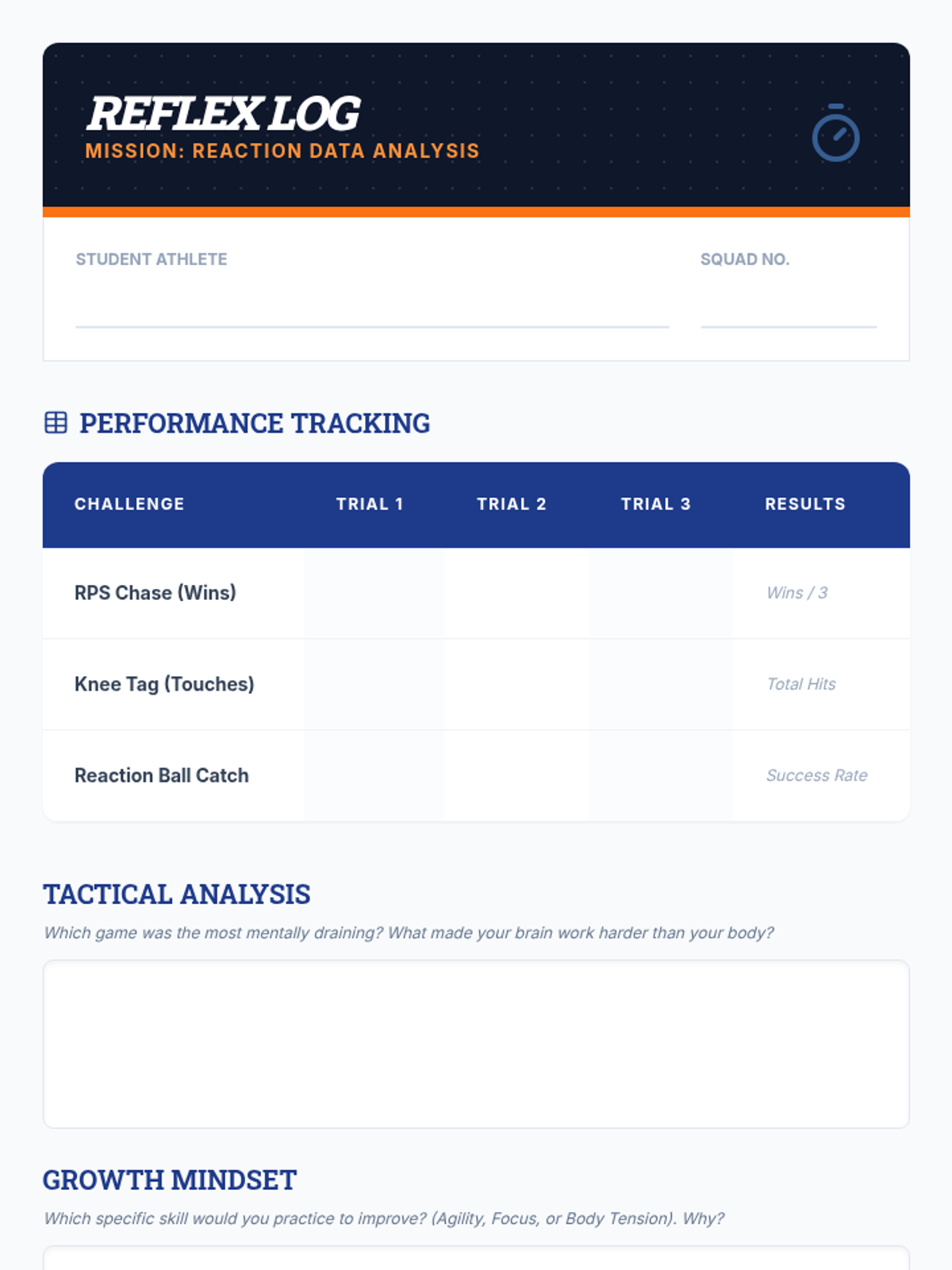
Focuses on games that improve reaction time, hand-eye coordination, and mental focus through quick-decision challenges.
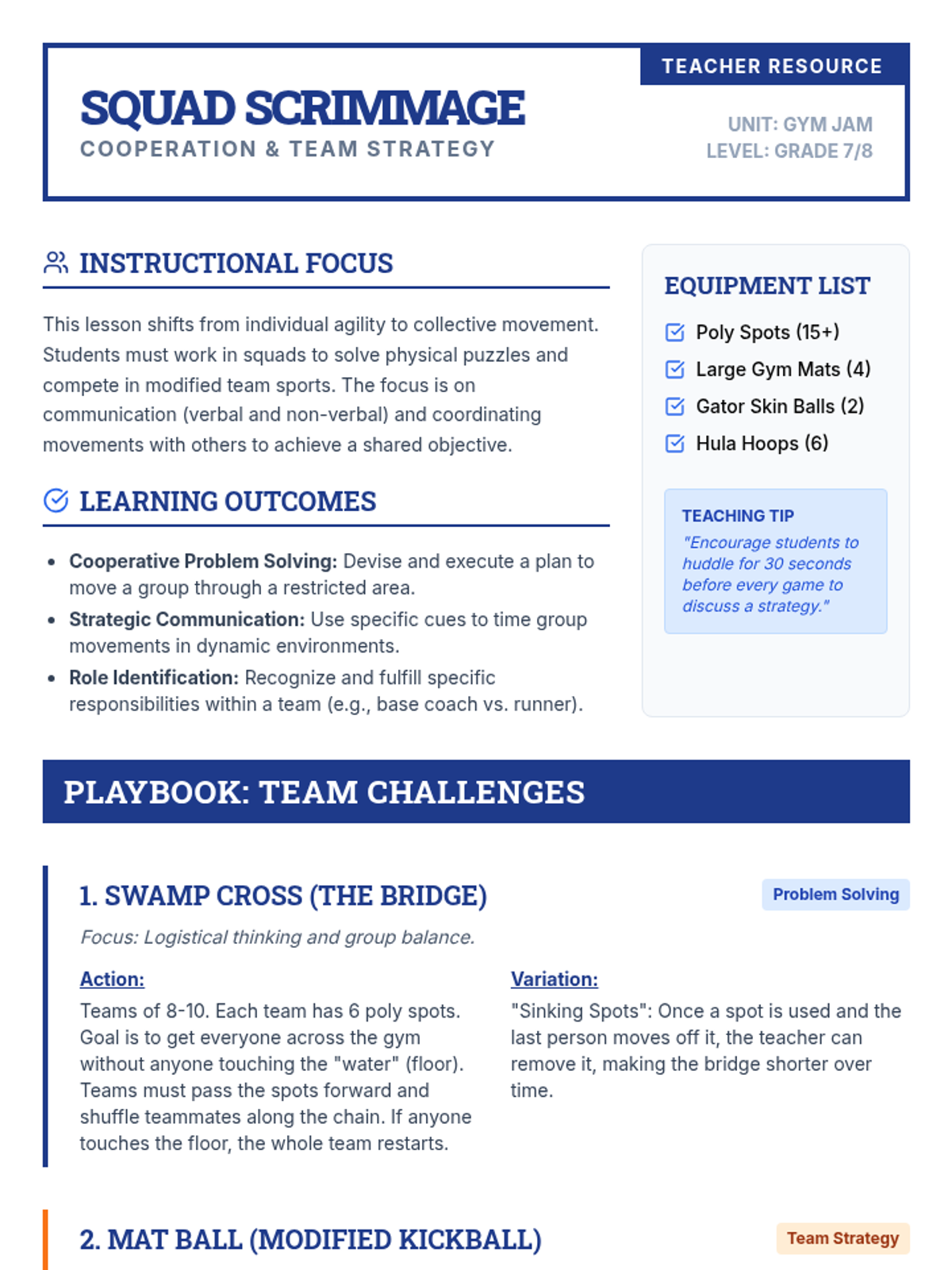
Introduces team-based low-organized games that require cooperation, communication, and basic offensive/defensive strategies to achieve common goals.
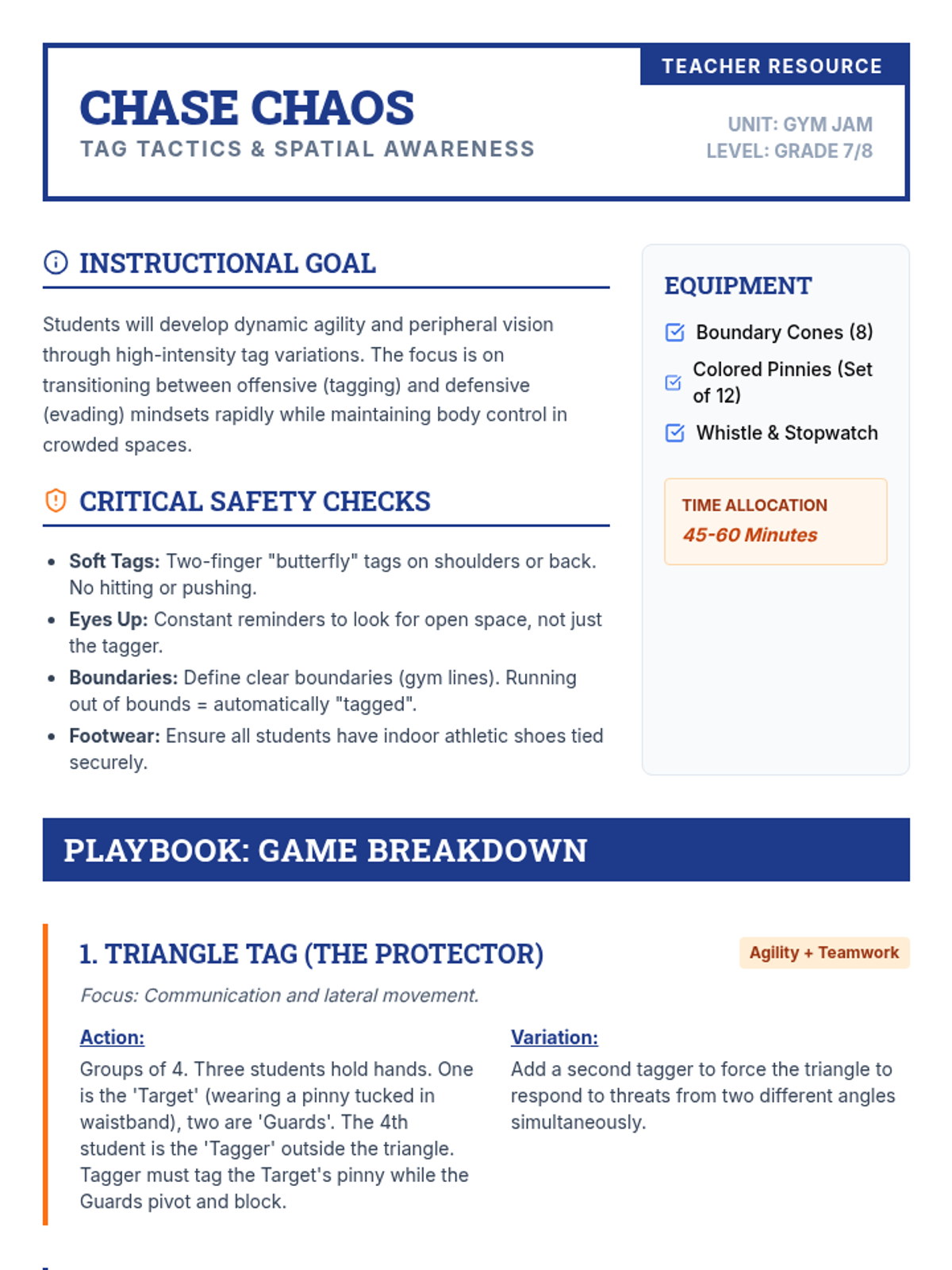
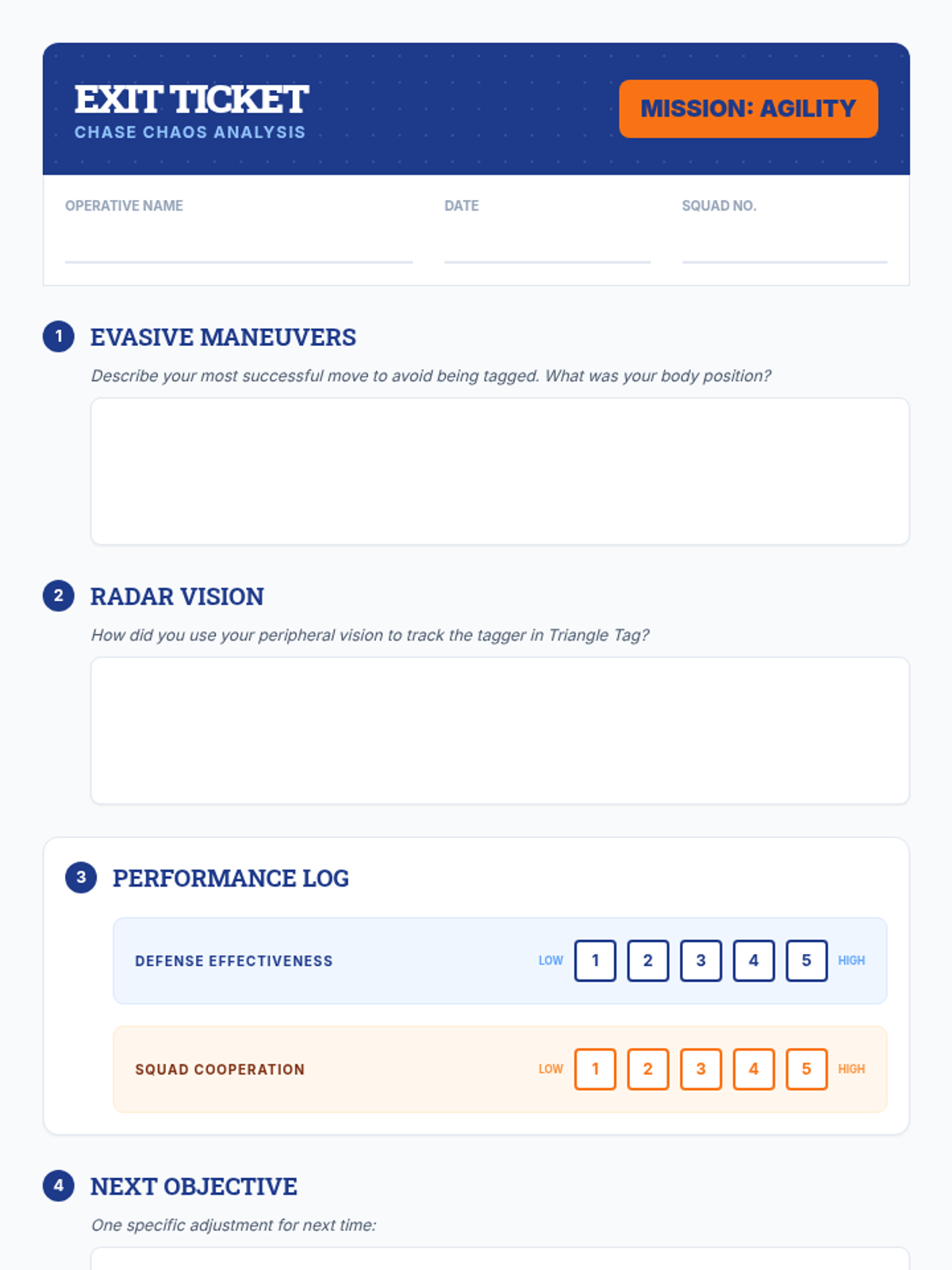
Focuses on high-intensity tag variations that challenge students' agility, spatial awareness, and strategic movement in a fast-paced environment.
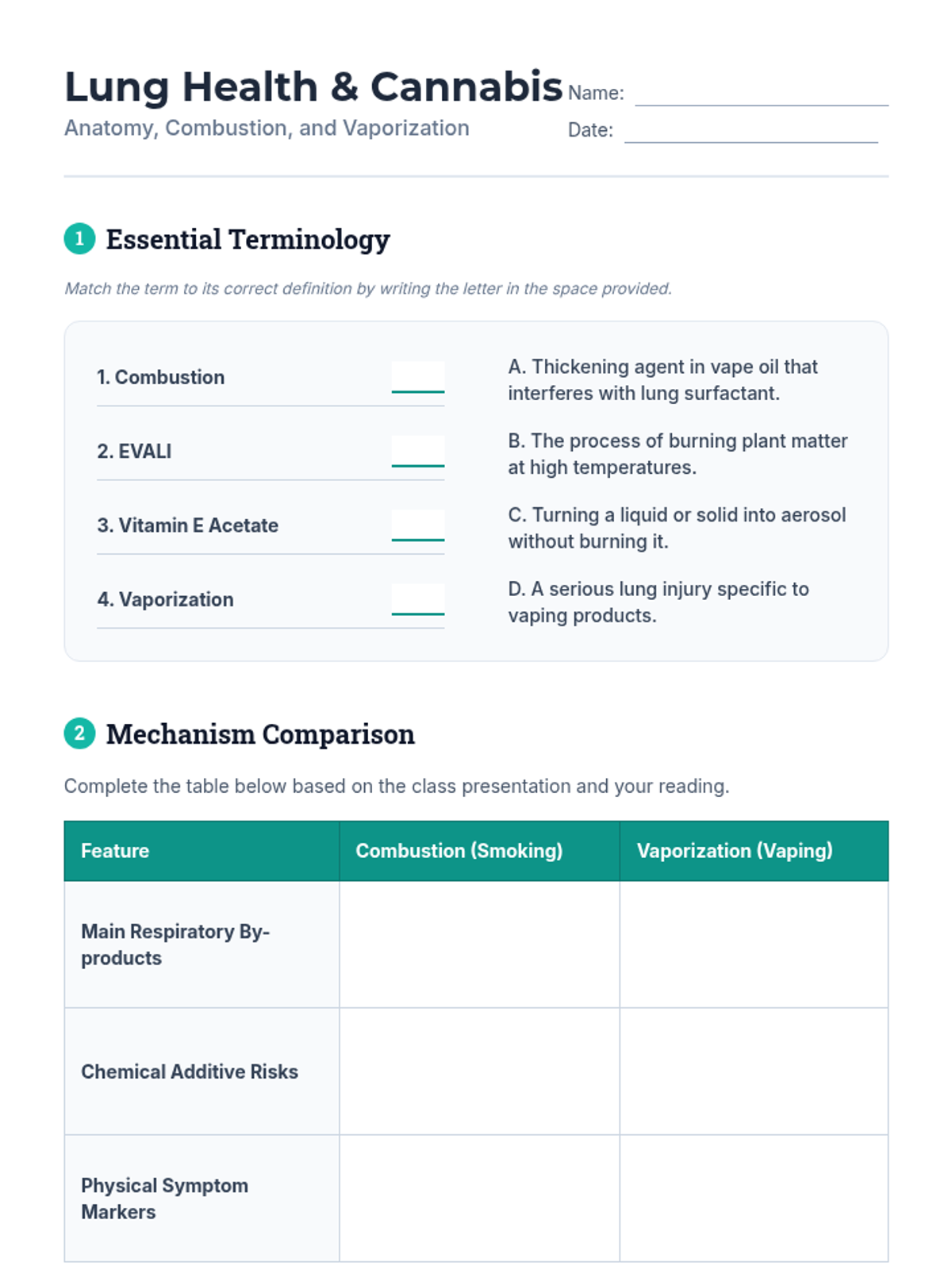
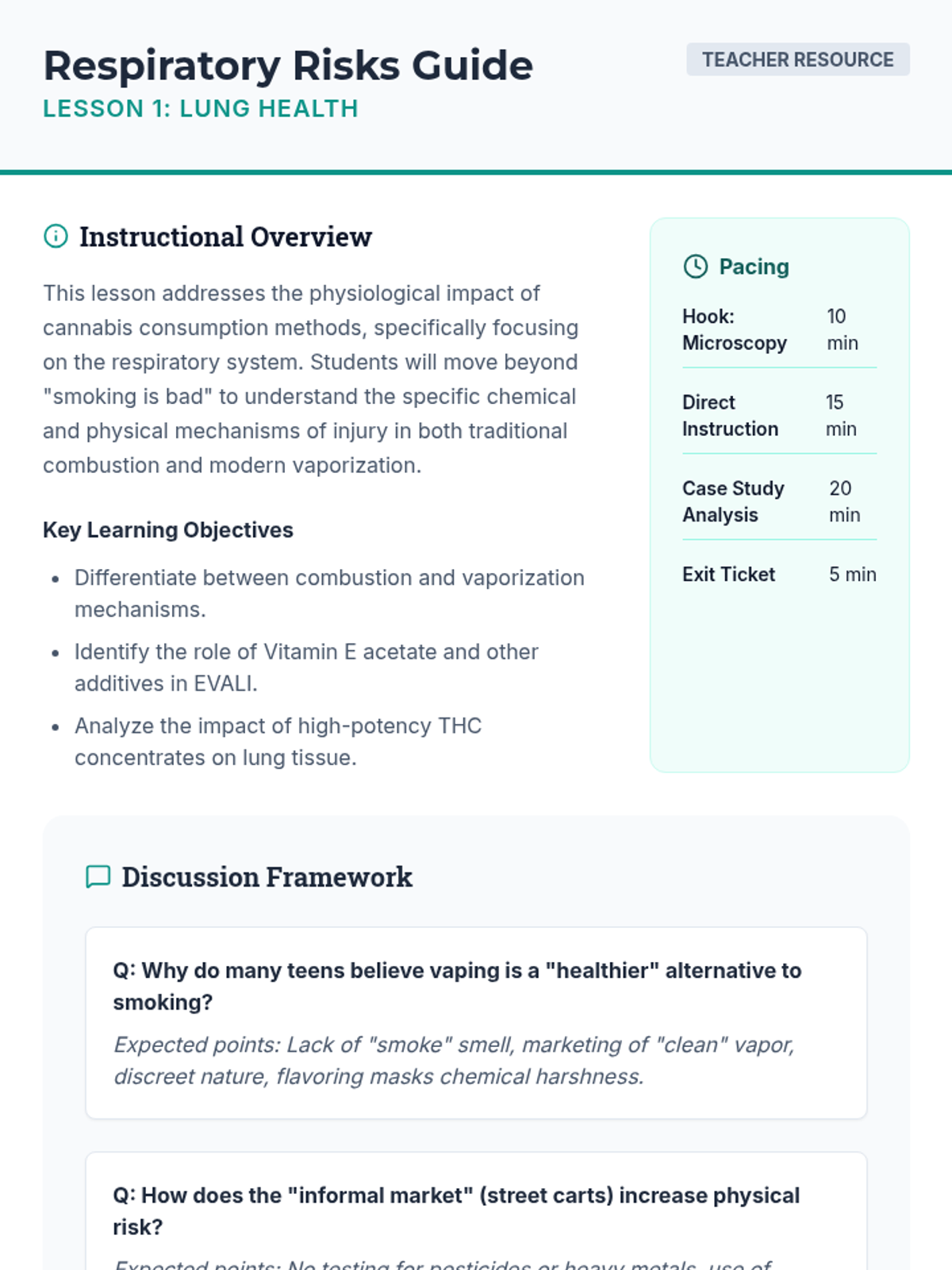
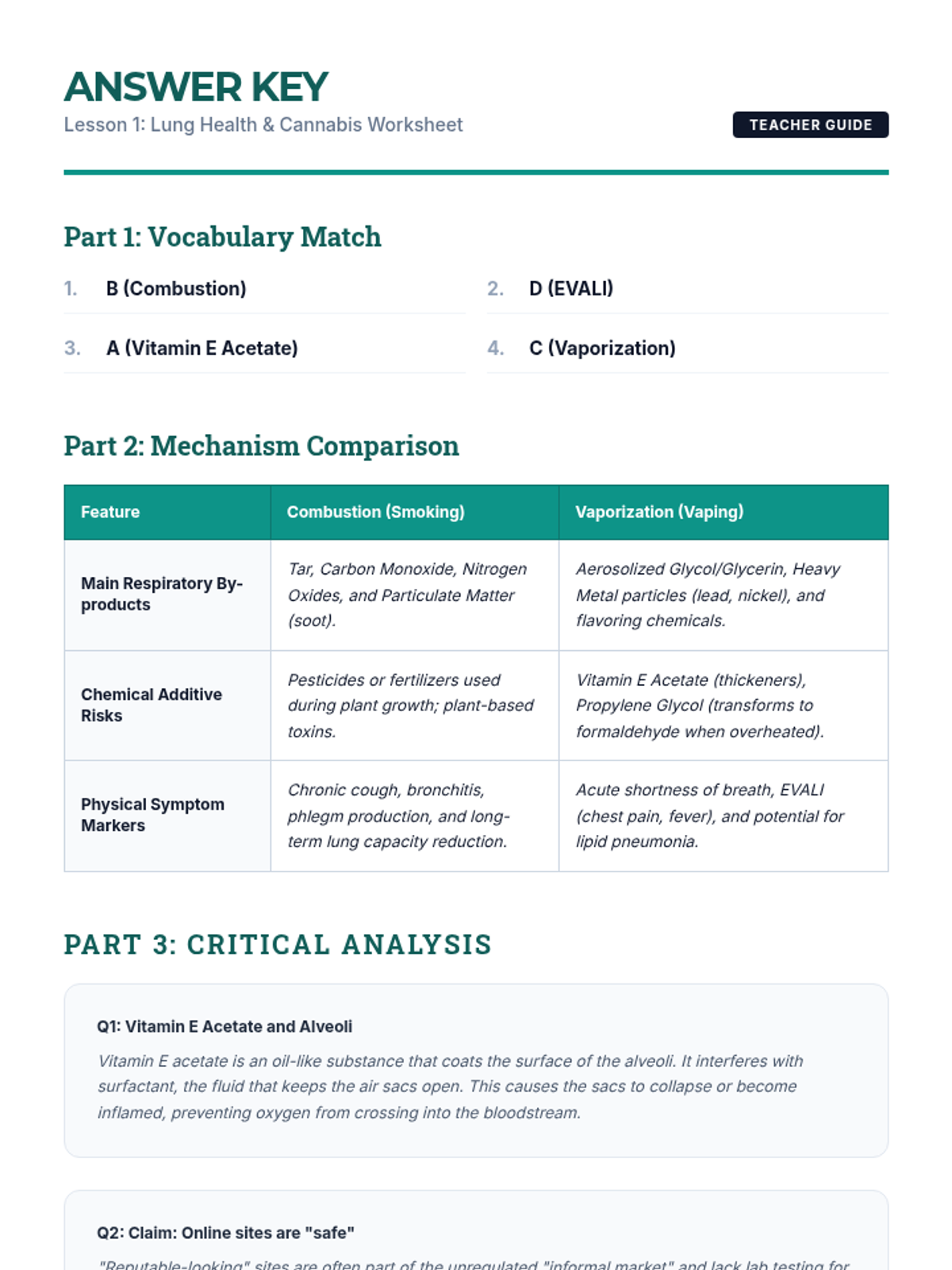
Students investigate the physical impact of inhaling combusted plant matter versus vaporized oil concentrates, focusing on EVALI and respiratory anatomy.