The lesson introduces the concept of sticking to an assigned opponent. Students learn the difference between guarding the ball handler and positioning themselves when their assignment is away from the ball (help side).
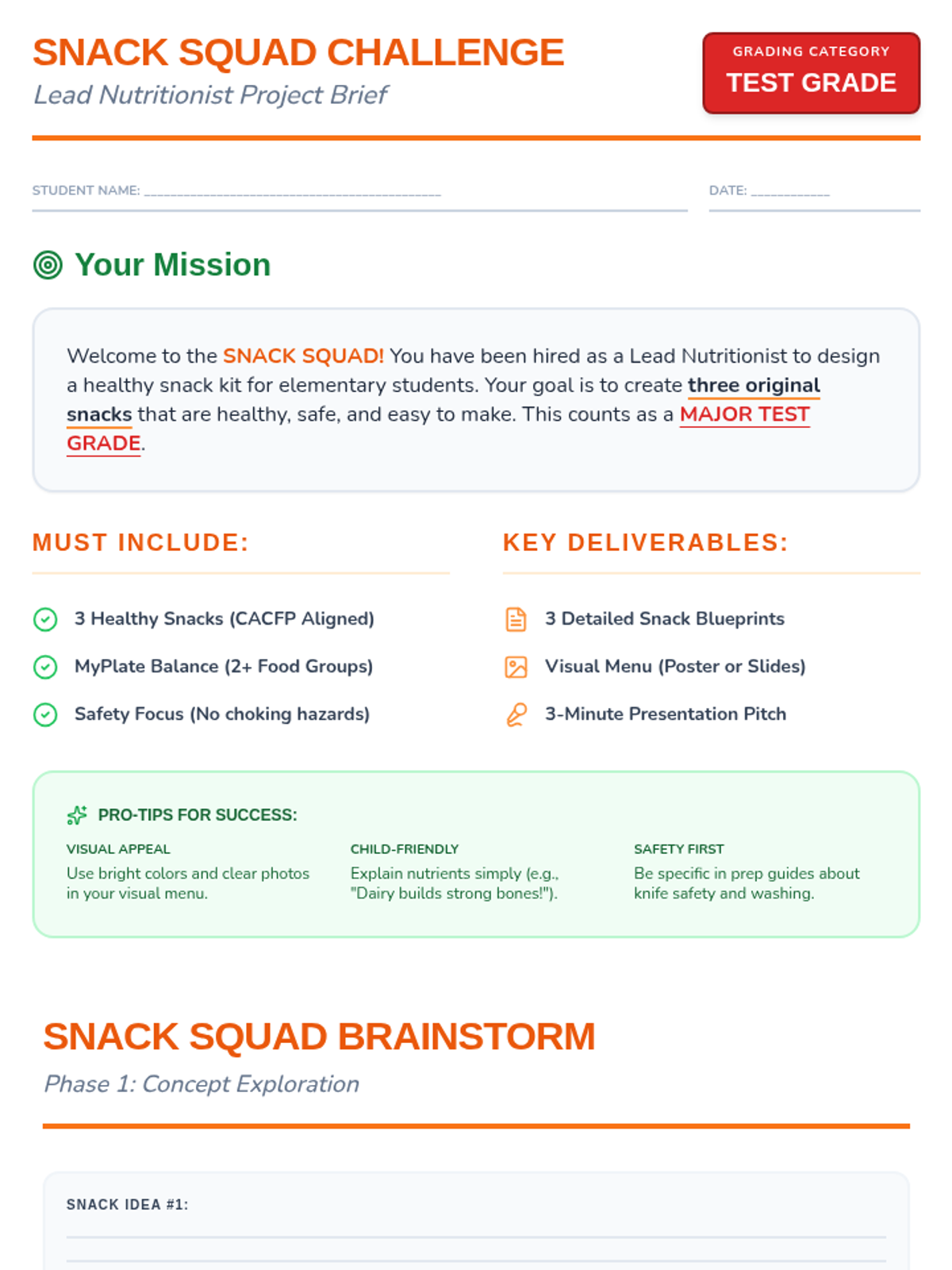
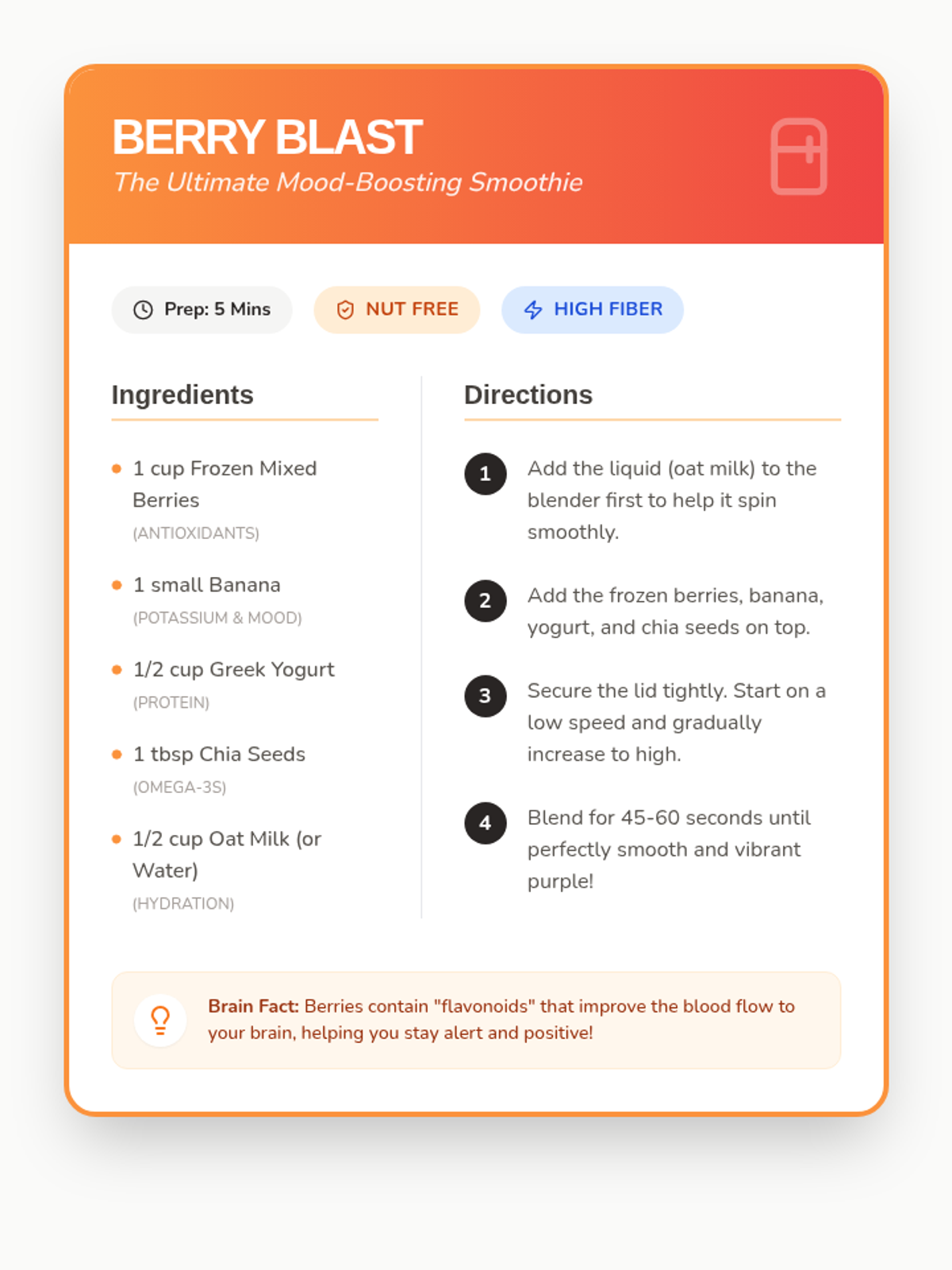
In this project, students take on the role of culinary nutritionists to design a three-snack menu for elementary students, focusing on MyPlate balance, safety, and detailed preparation steps.
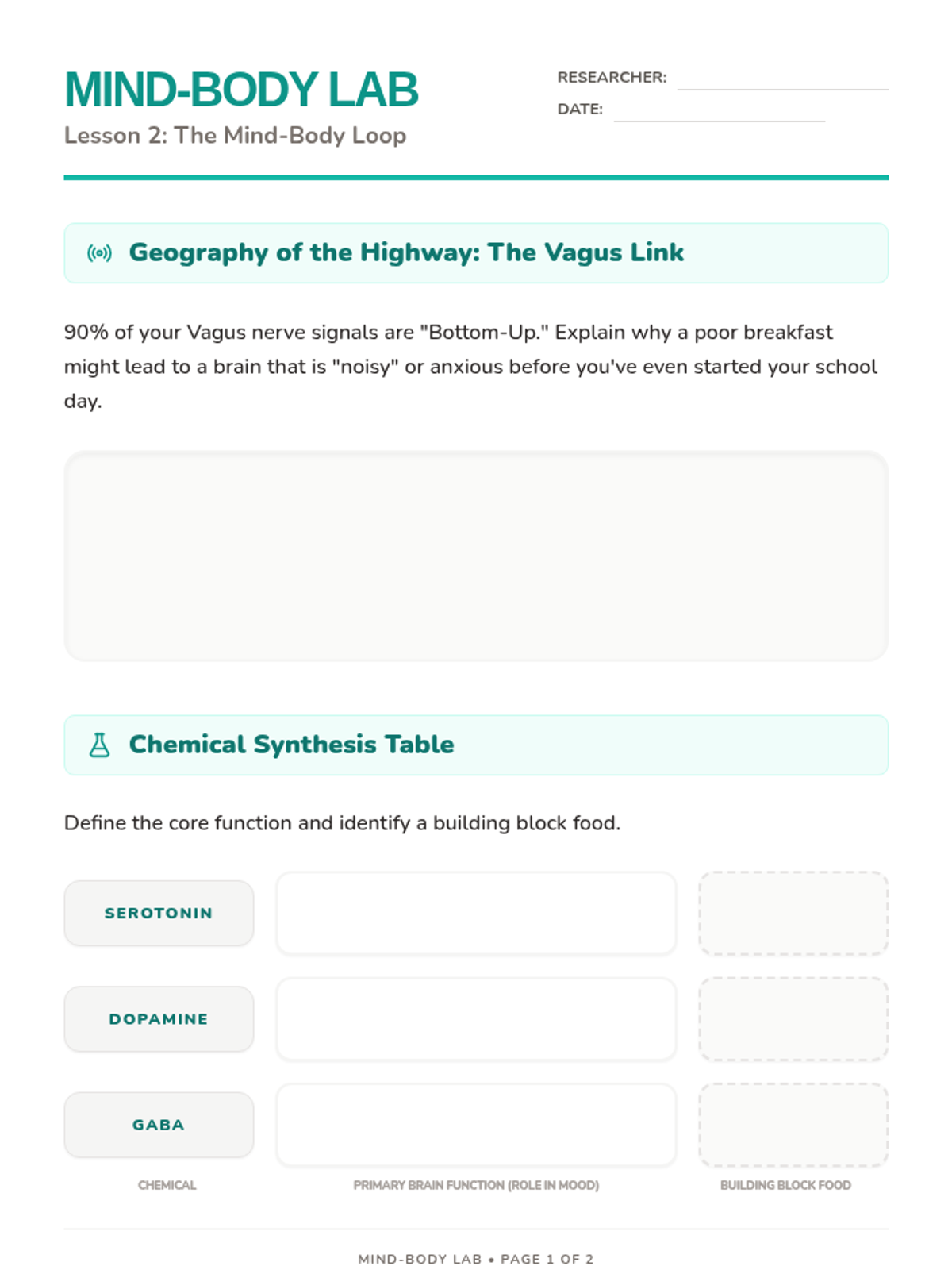
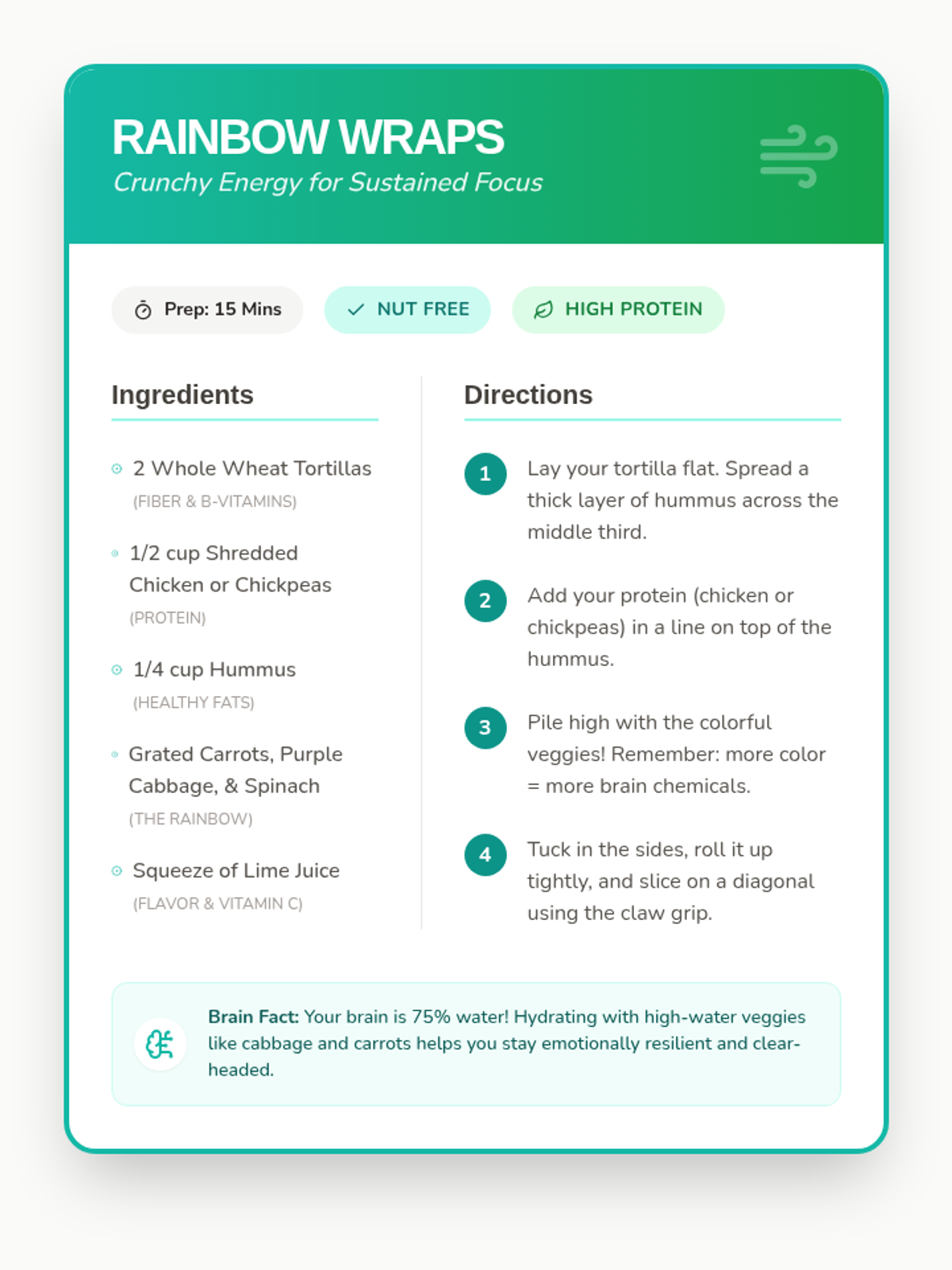
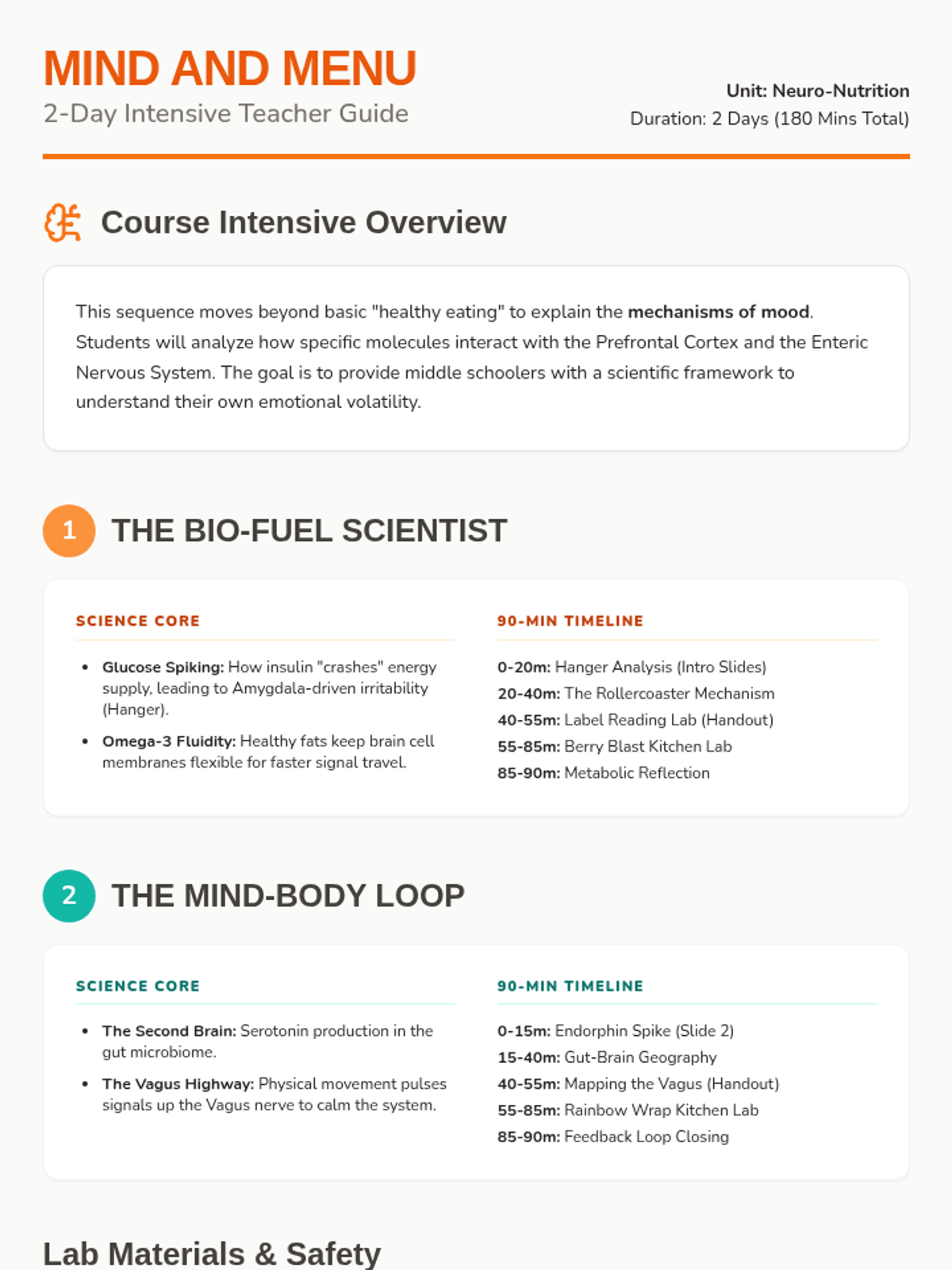
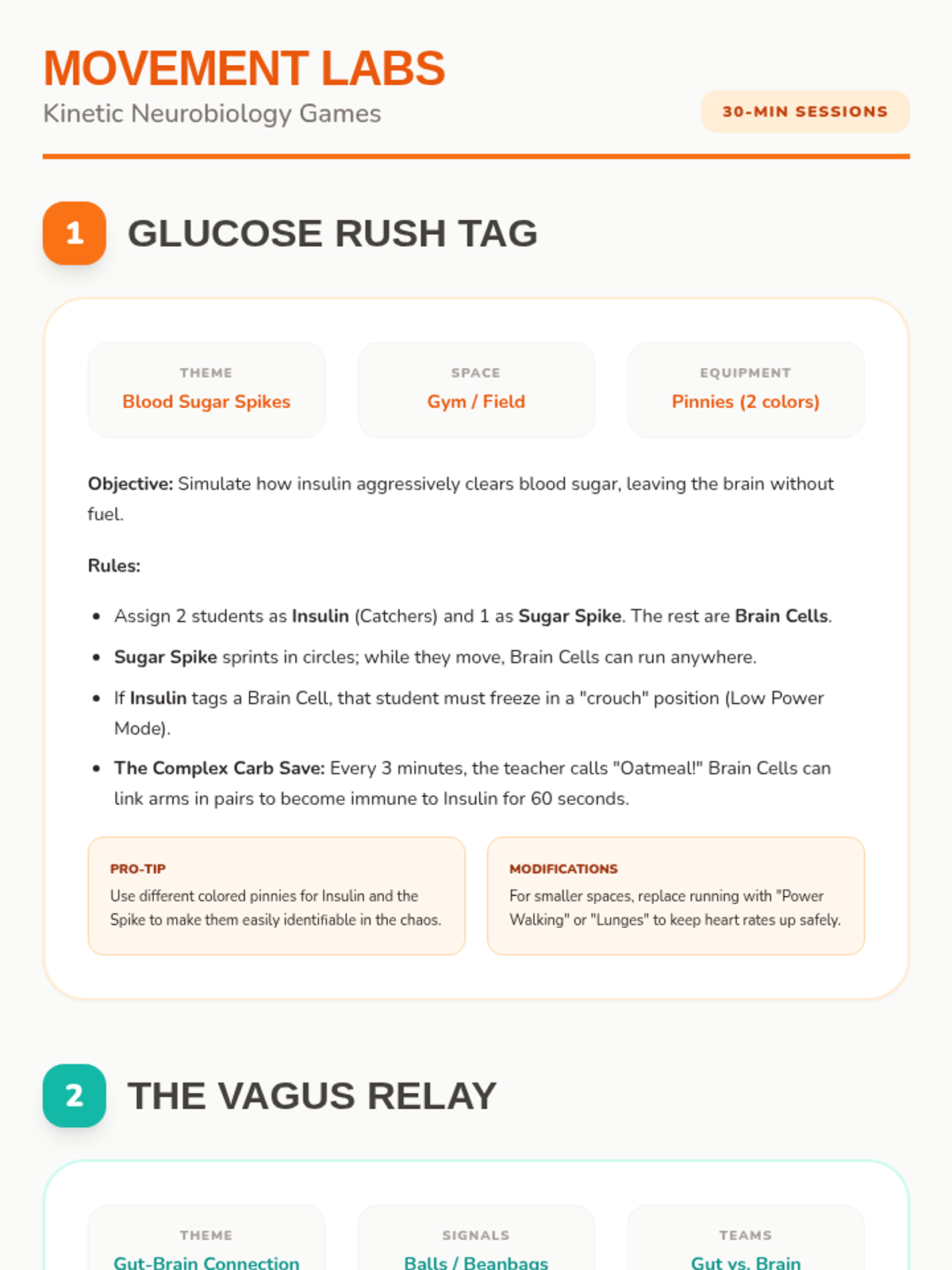
An intensive look at the 'Second Brain' in the gut, the role of the Vagus nerve, and how movement synthesizes neurotransmitters for emotional stability.
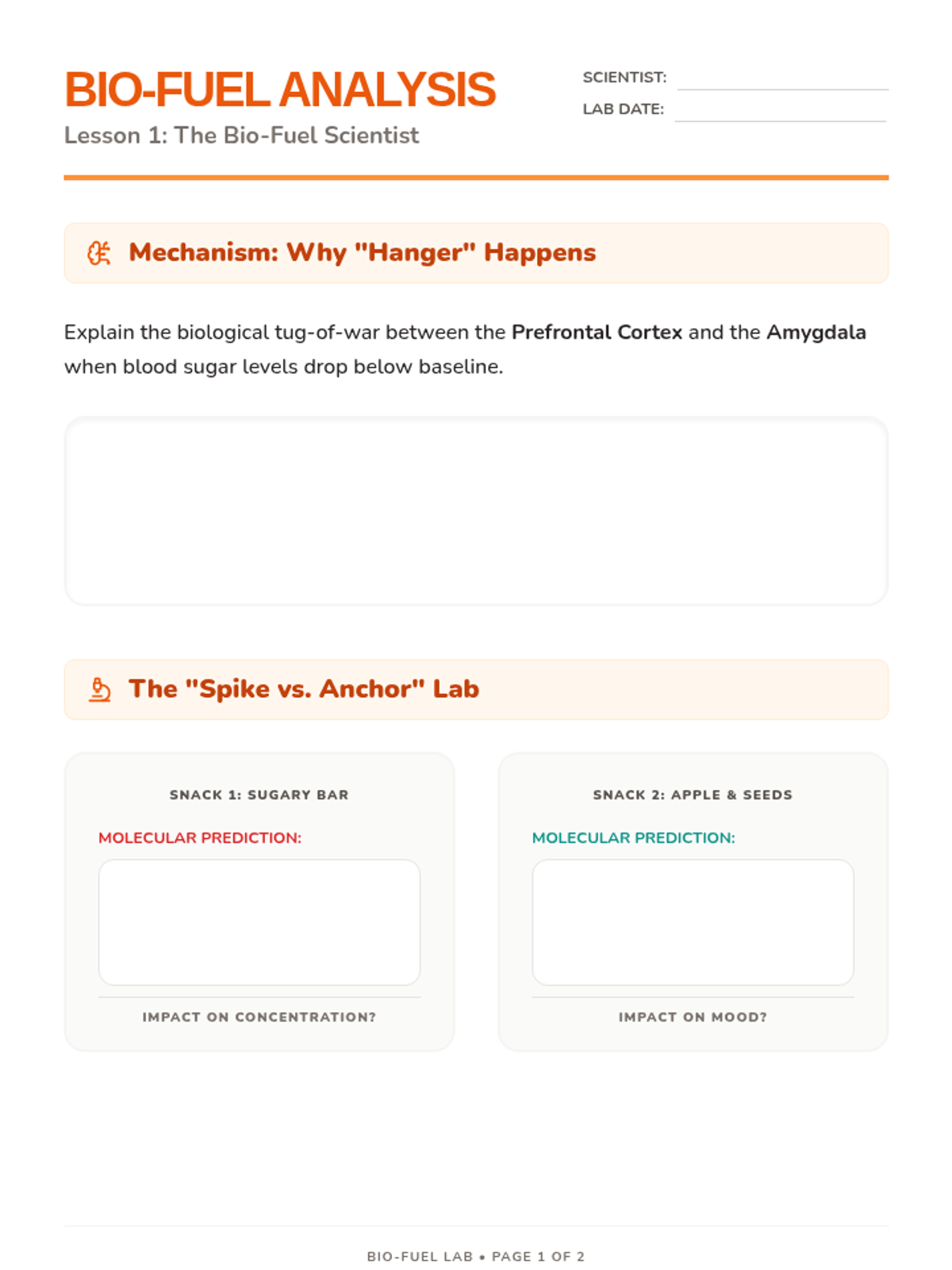
A deep dive into the glucose-insulin response, the chemistry of 'hanger,' and how micronutrients like Omega-3s build the physical architecture of the brain.
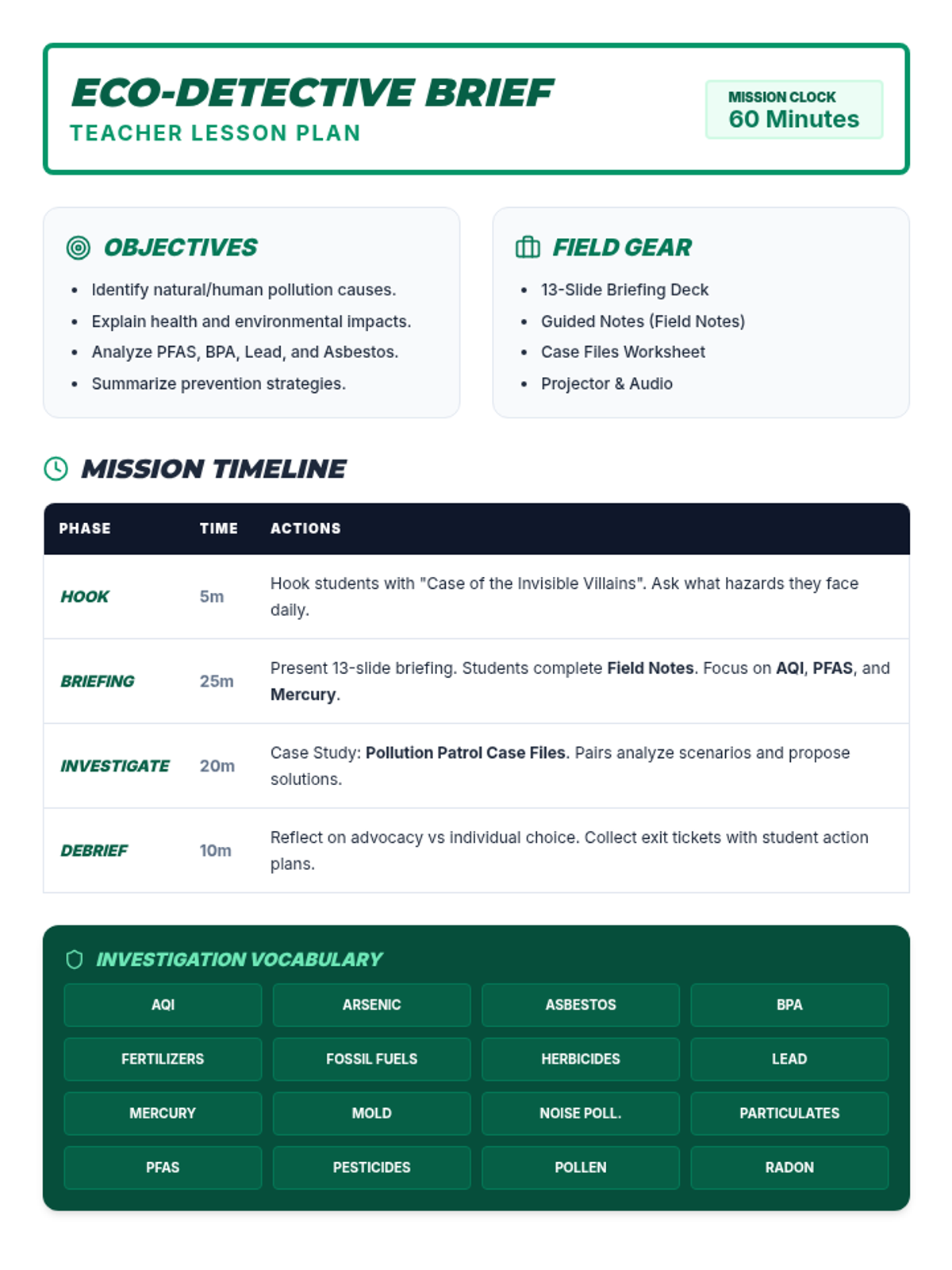
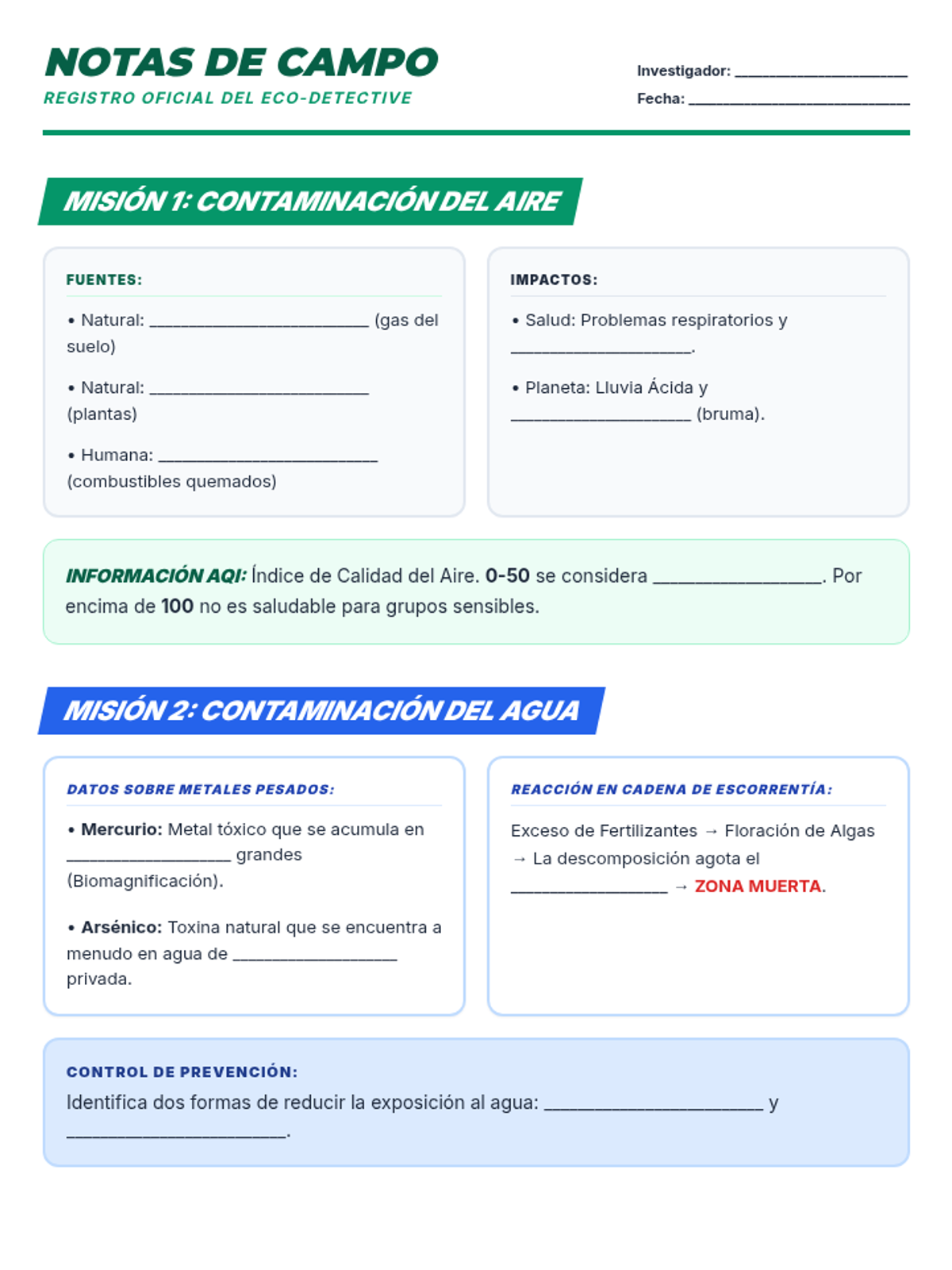
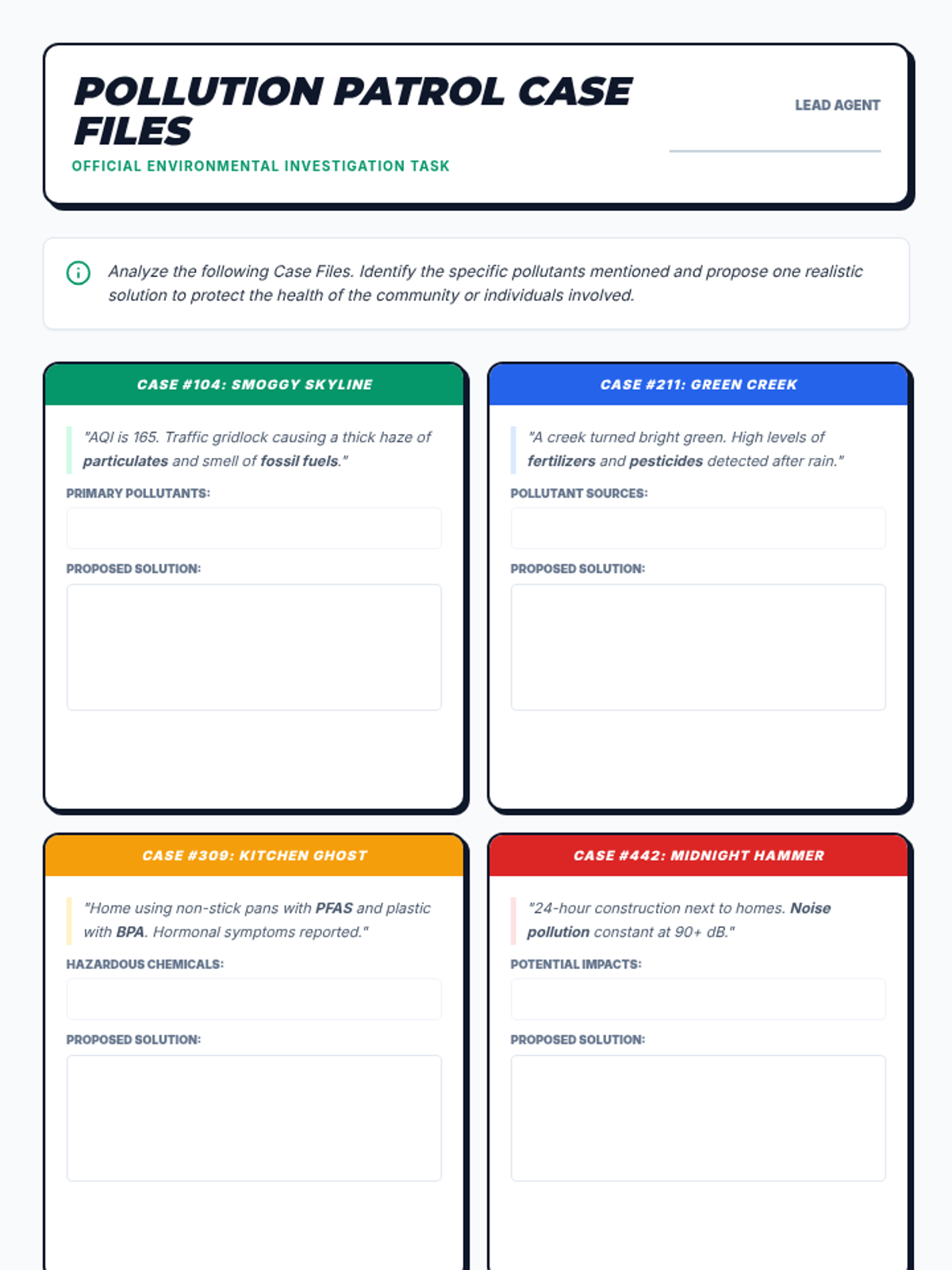
An investigative overview of environmental health hazards including air, water, chemical, and noise pollution. Students act as environmental detectives to identify causes, impacts, and solutions for various pollutants.
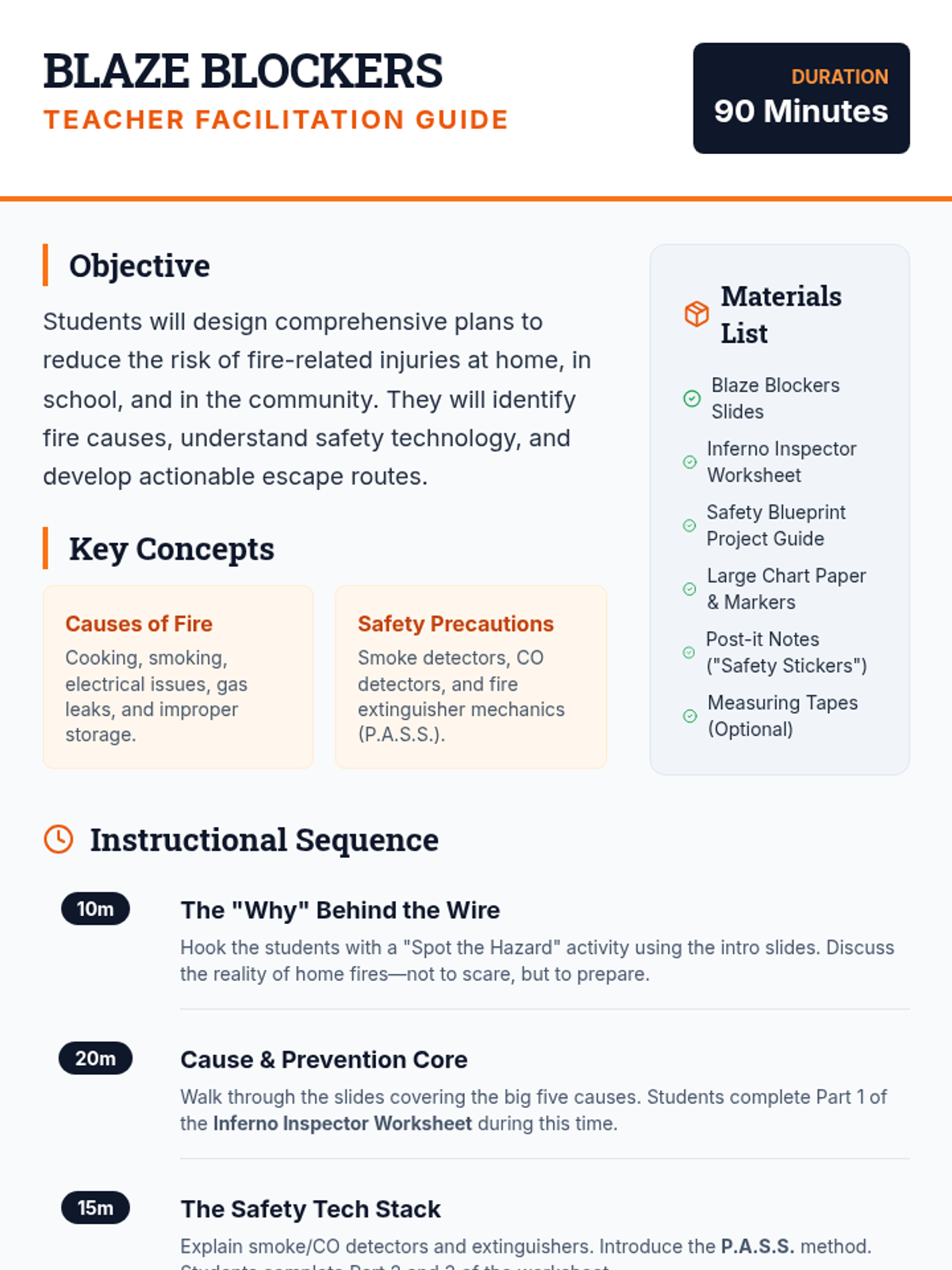
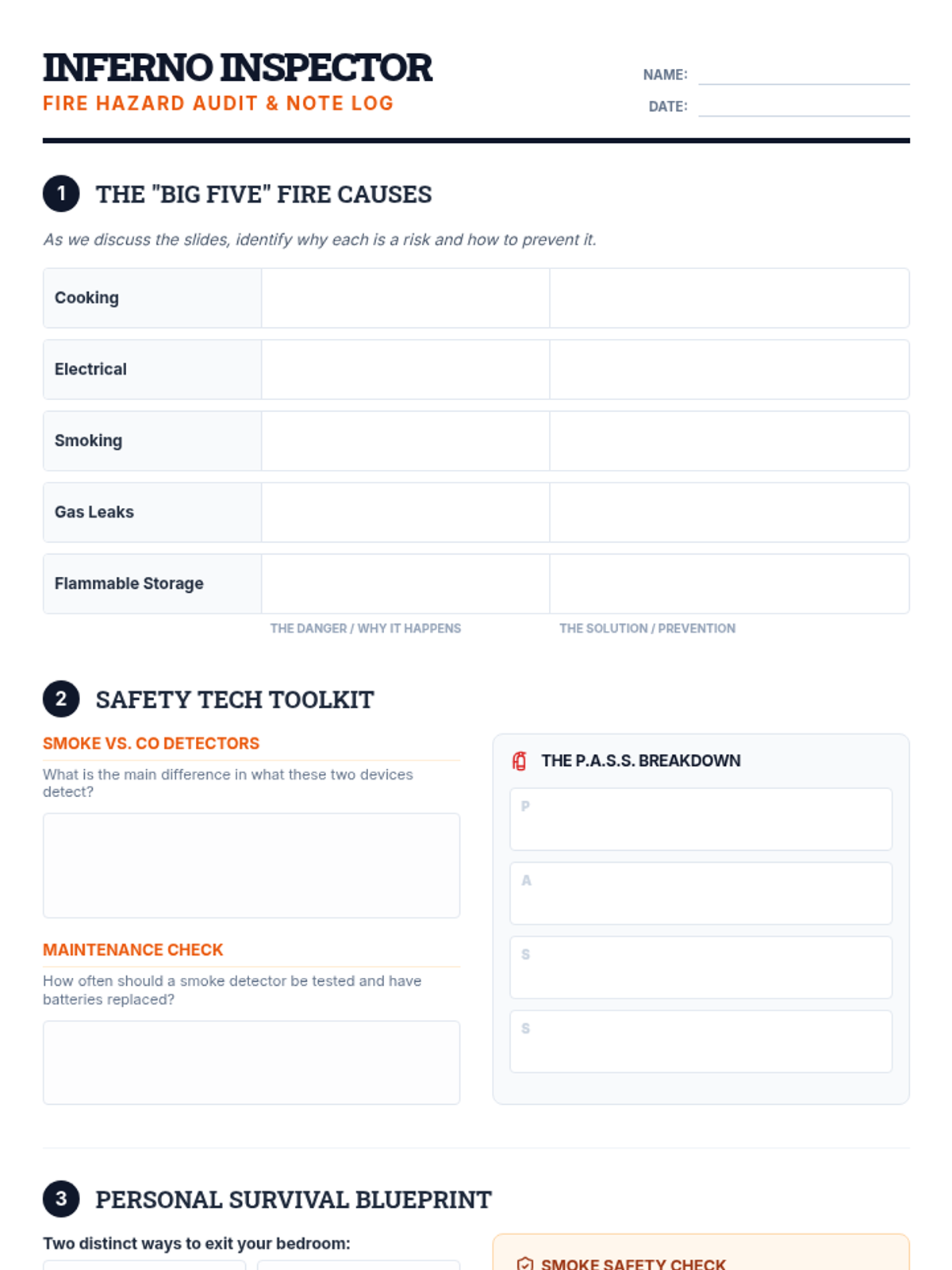
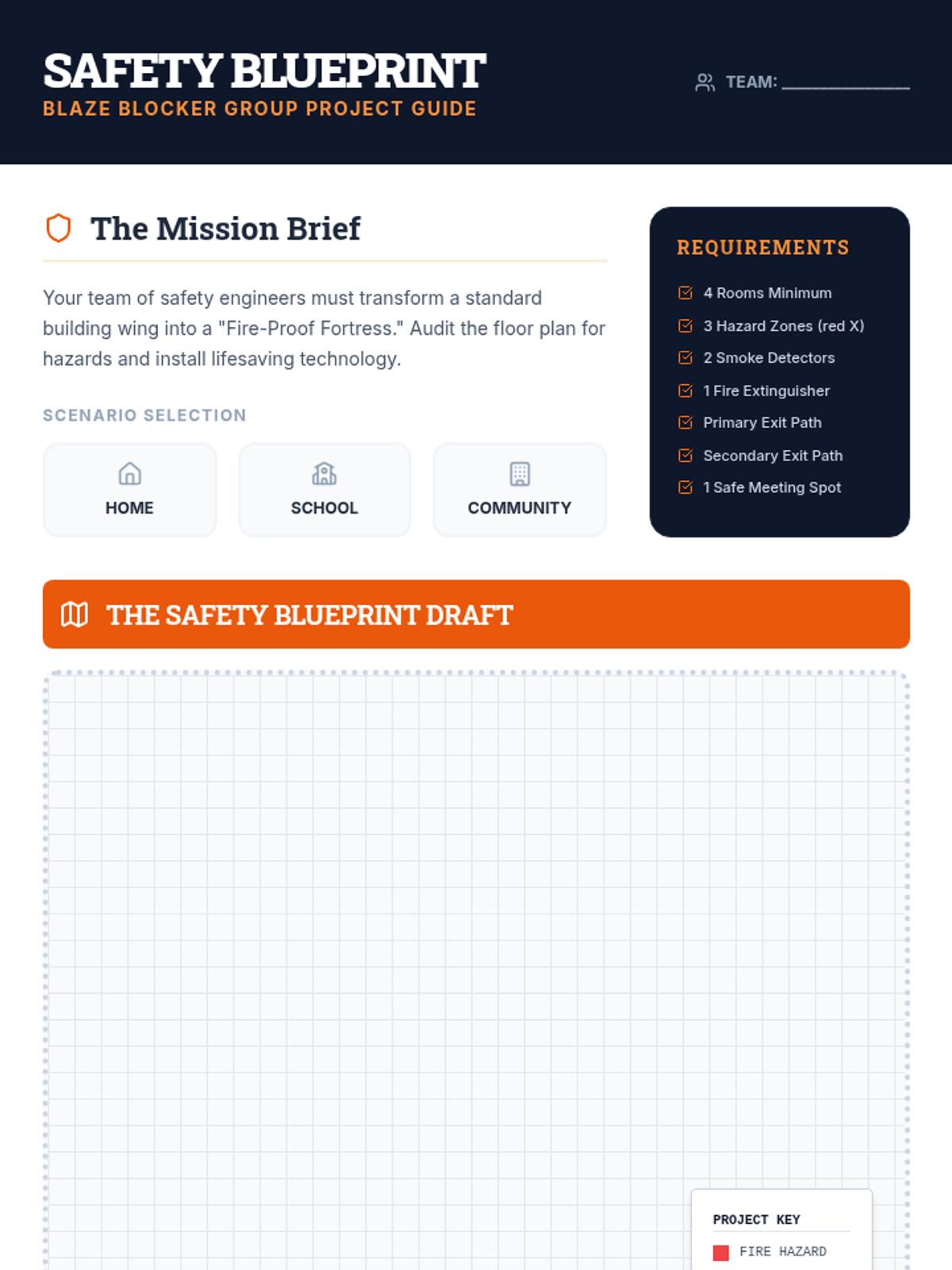
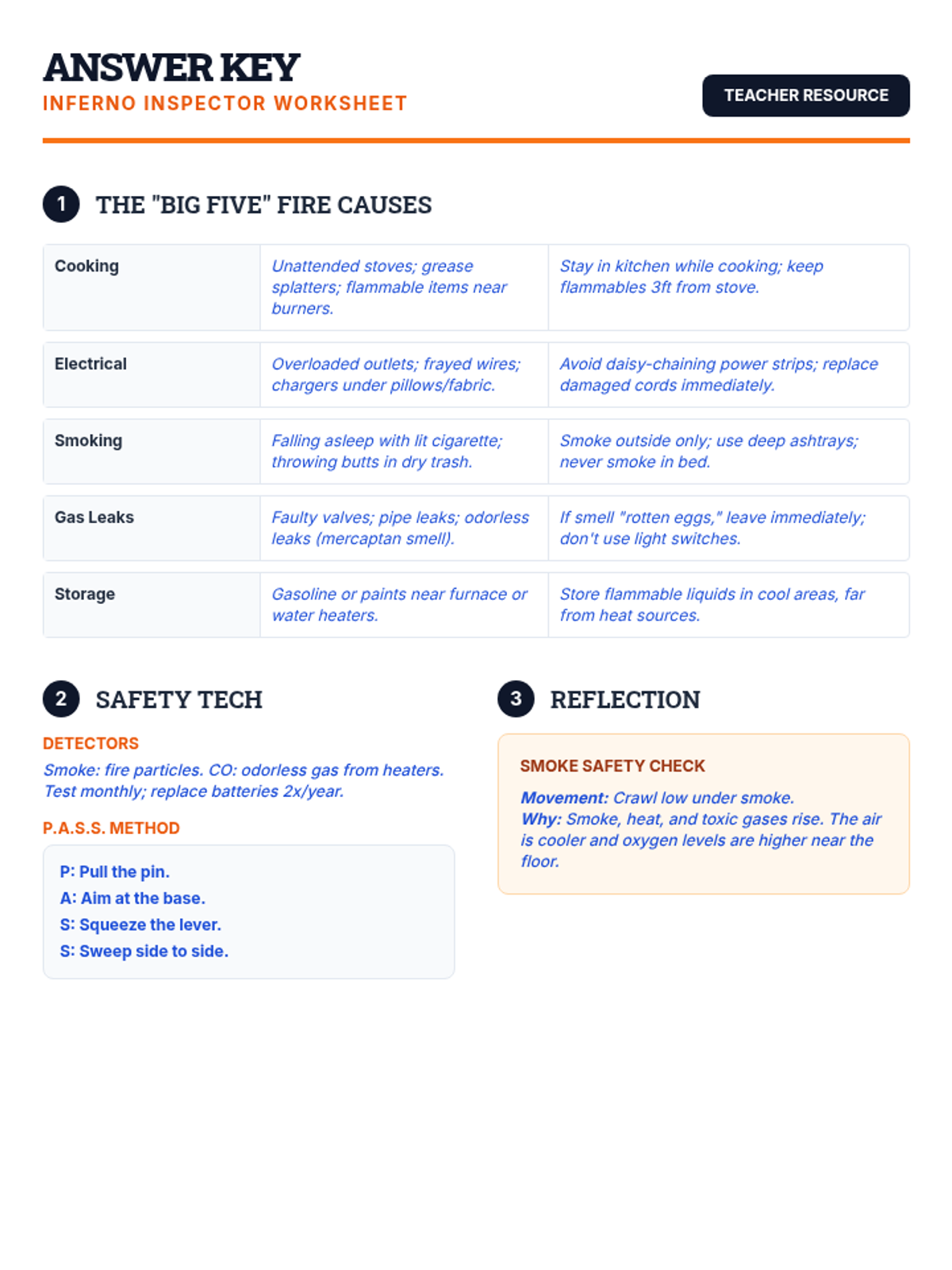
A comprehensive 90-minute lesson where students analyze fire causes, learn safety precautions, and design detailed fire safety plans for home, school, and the community.
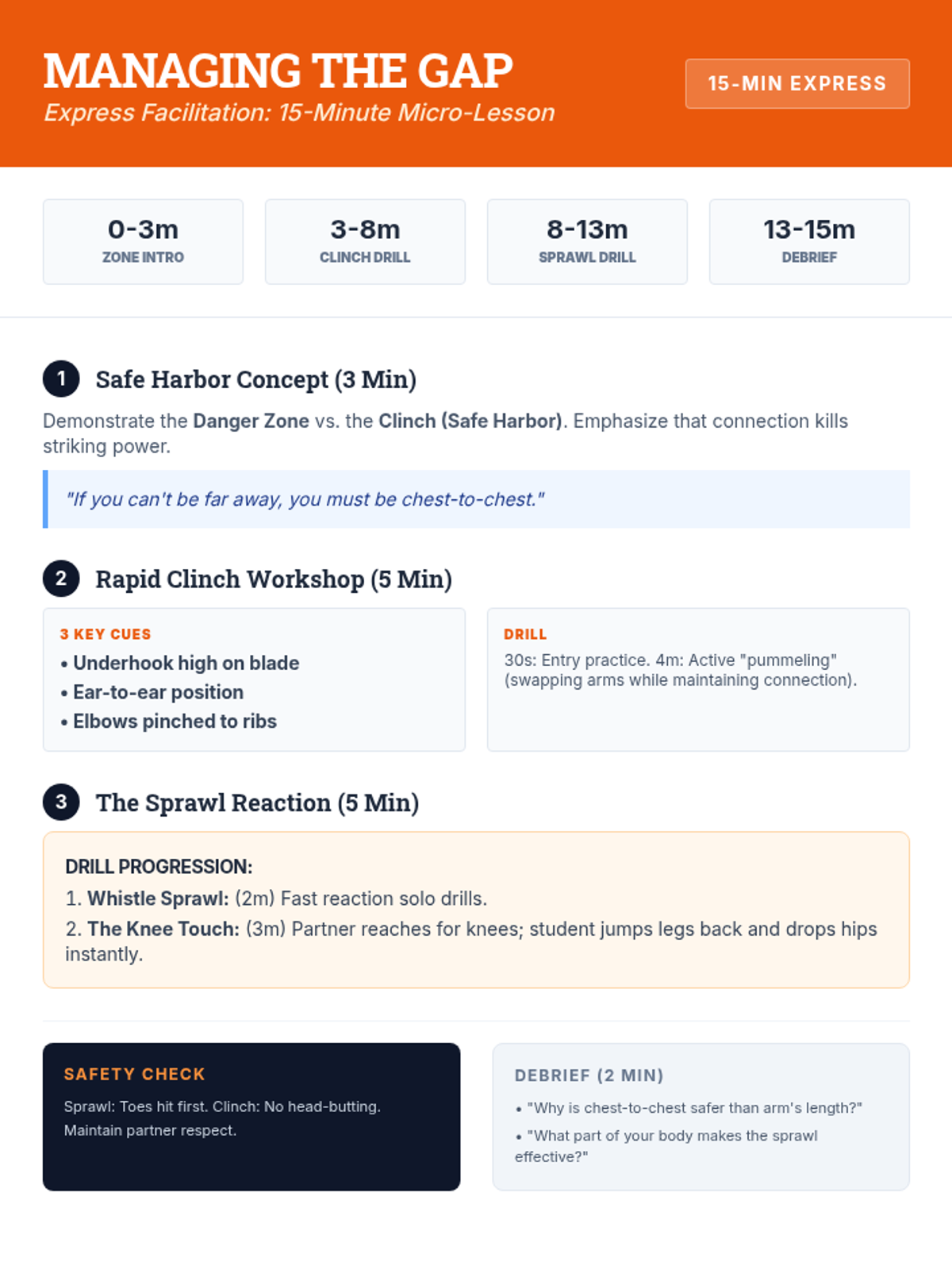
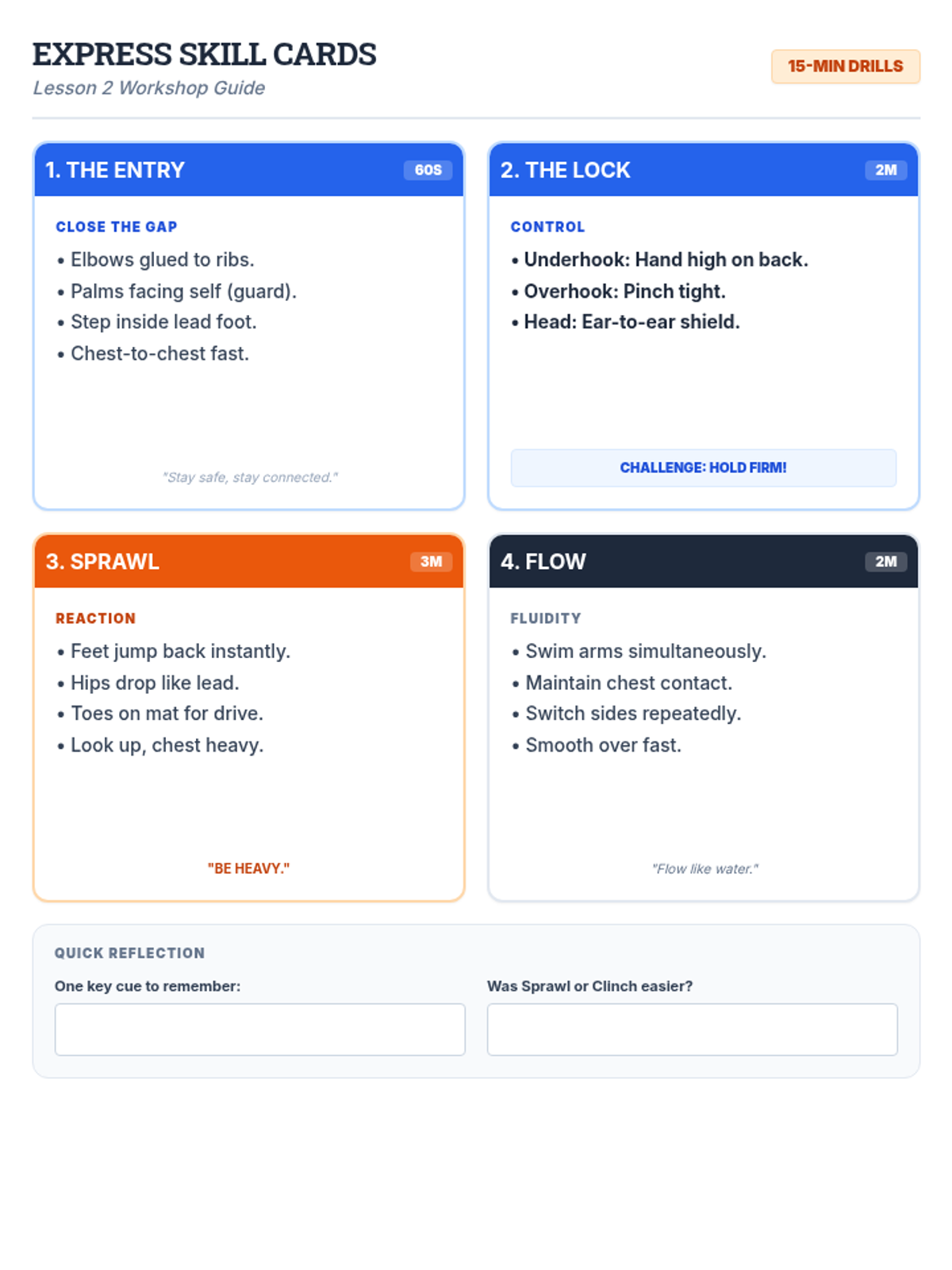
An intensive 15-minute 'Express' session focused on the core mechanics of the clinch and sprawl. Students learn to close the distance safely and defend against leg tackles with maximum efficiency.
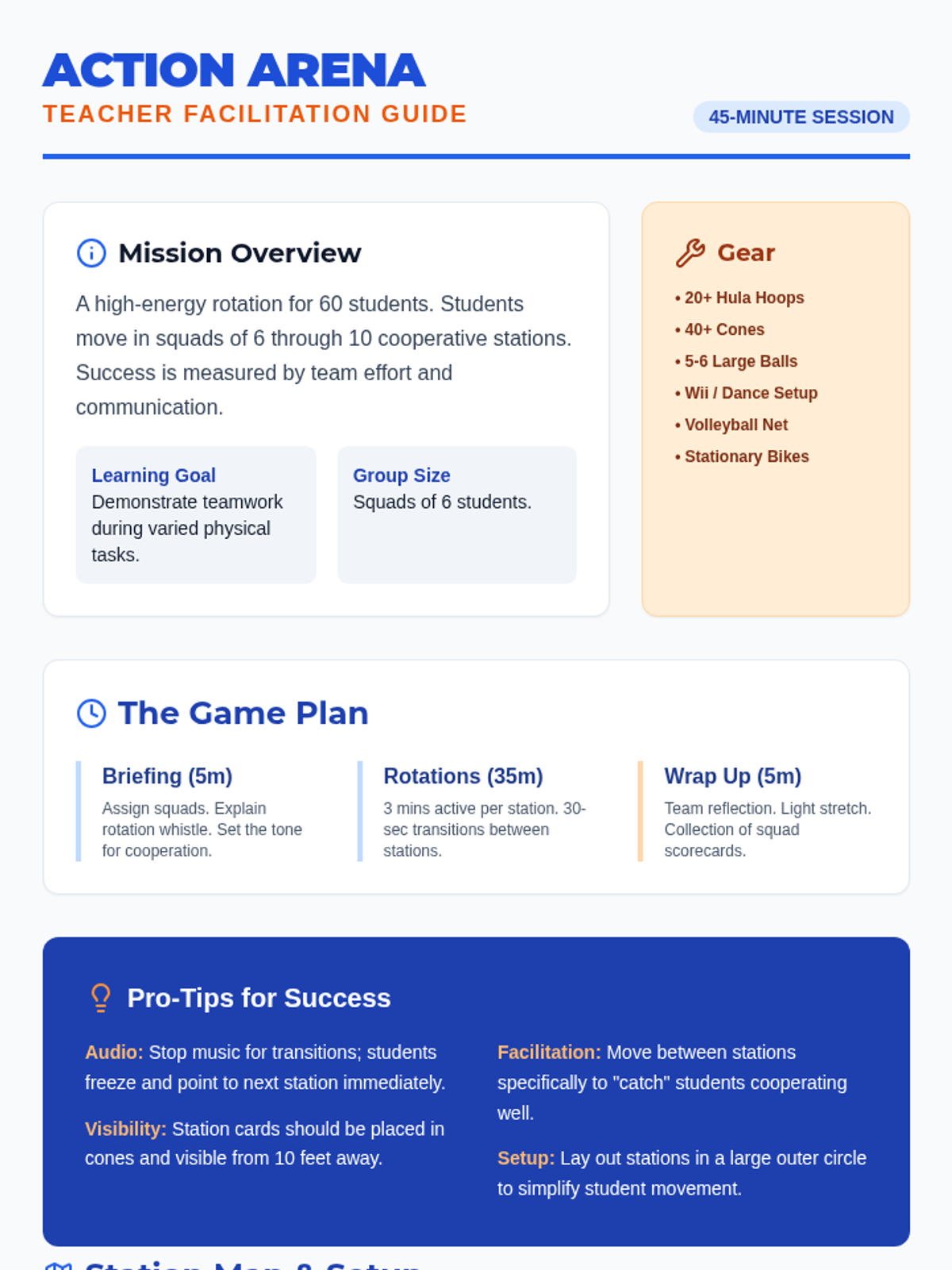
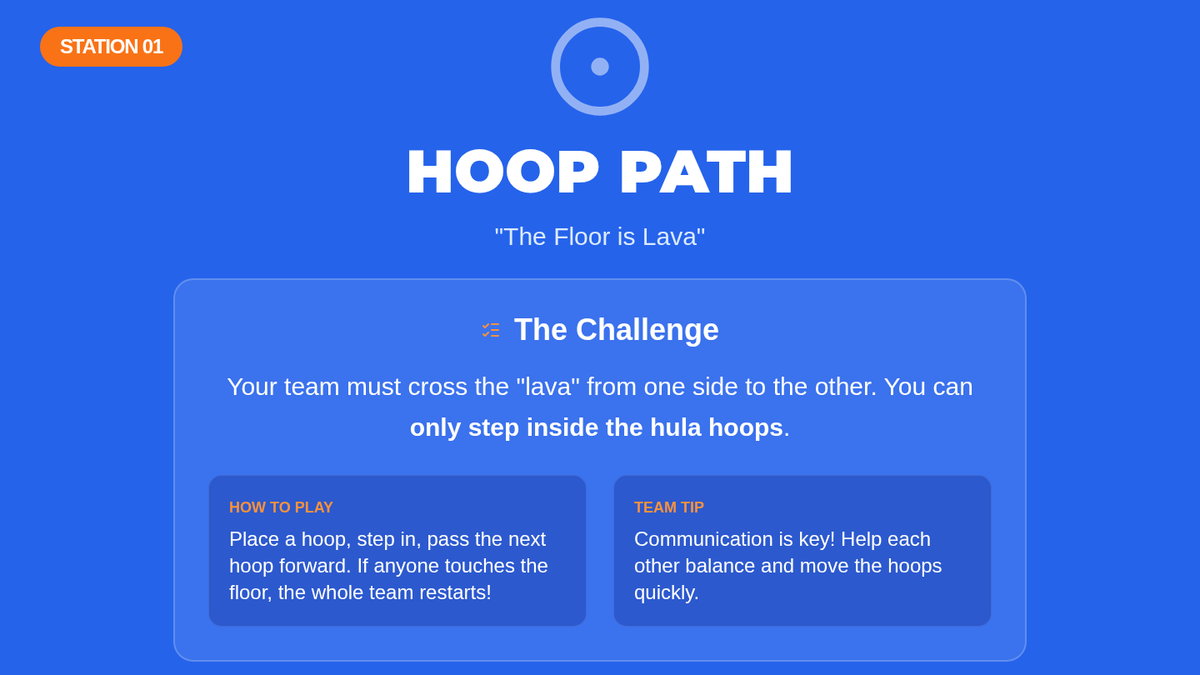
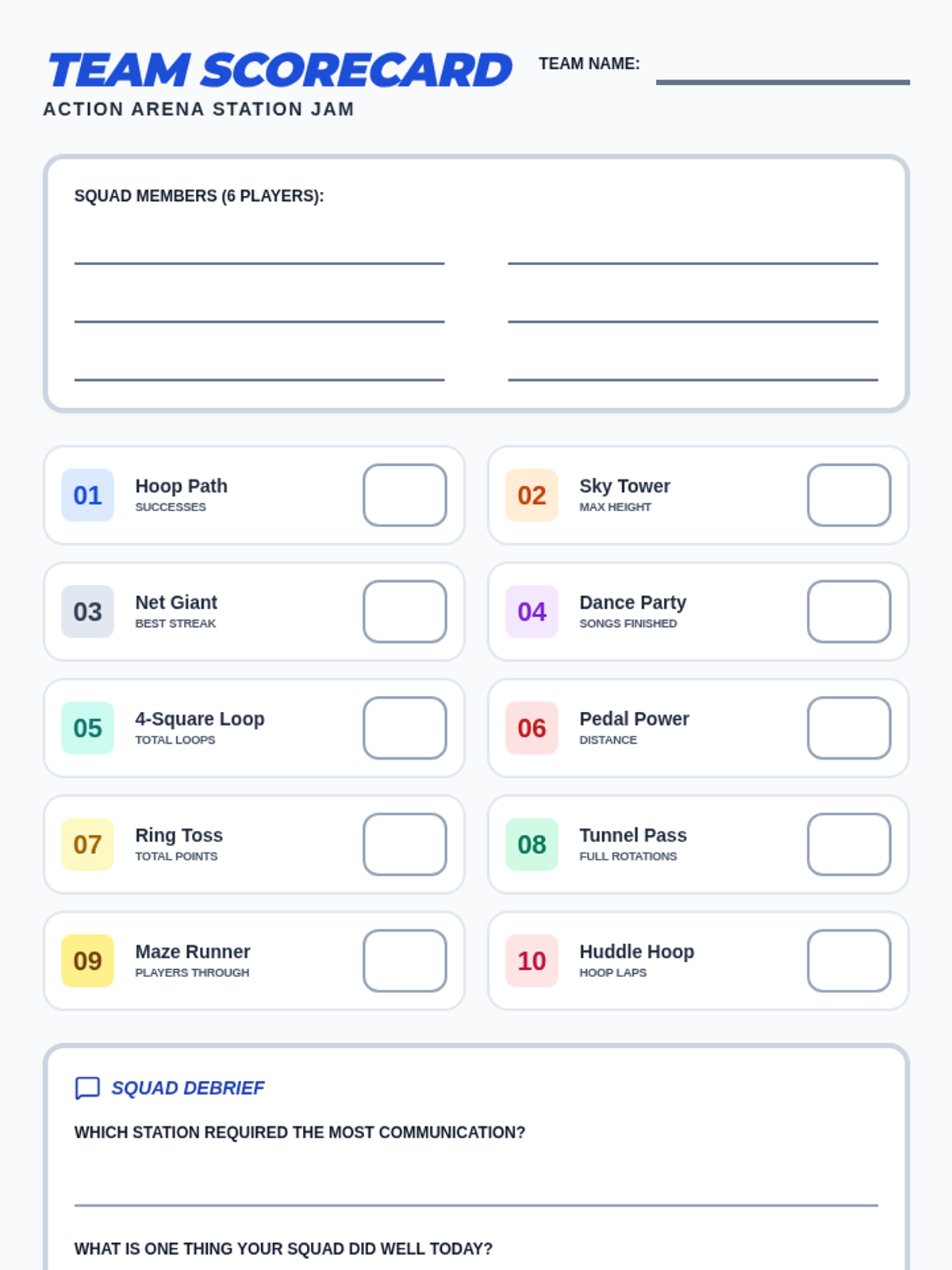
A high-energy, 45-minute PE lesson featuring 10 active stations designed for large groups. Students rotate through teamwork-based challenges using hoops, balls, cones, and technology to build cooperation and fitness.
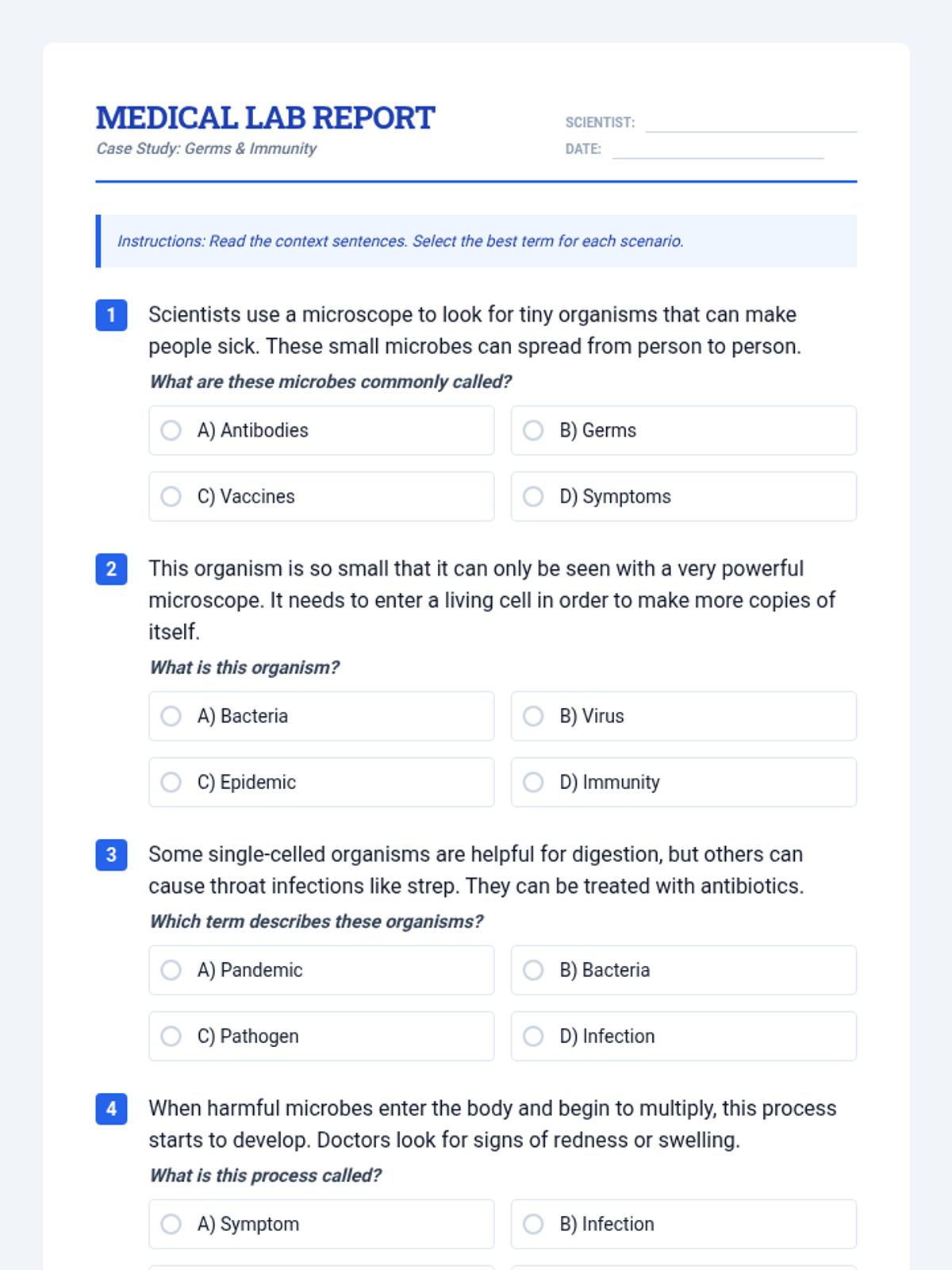
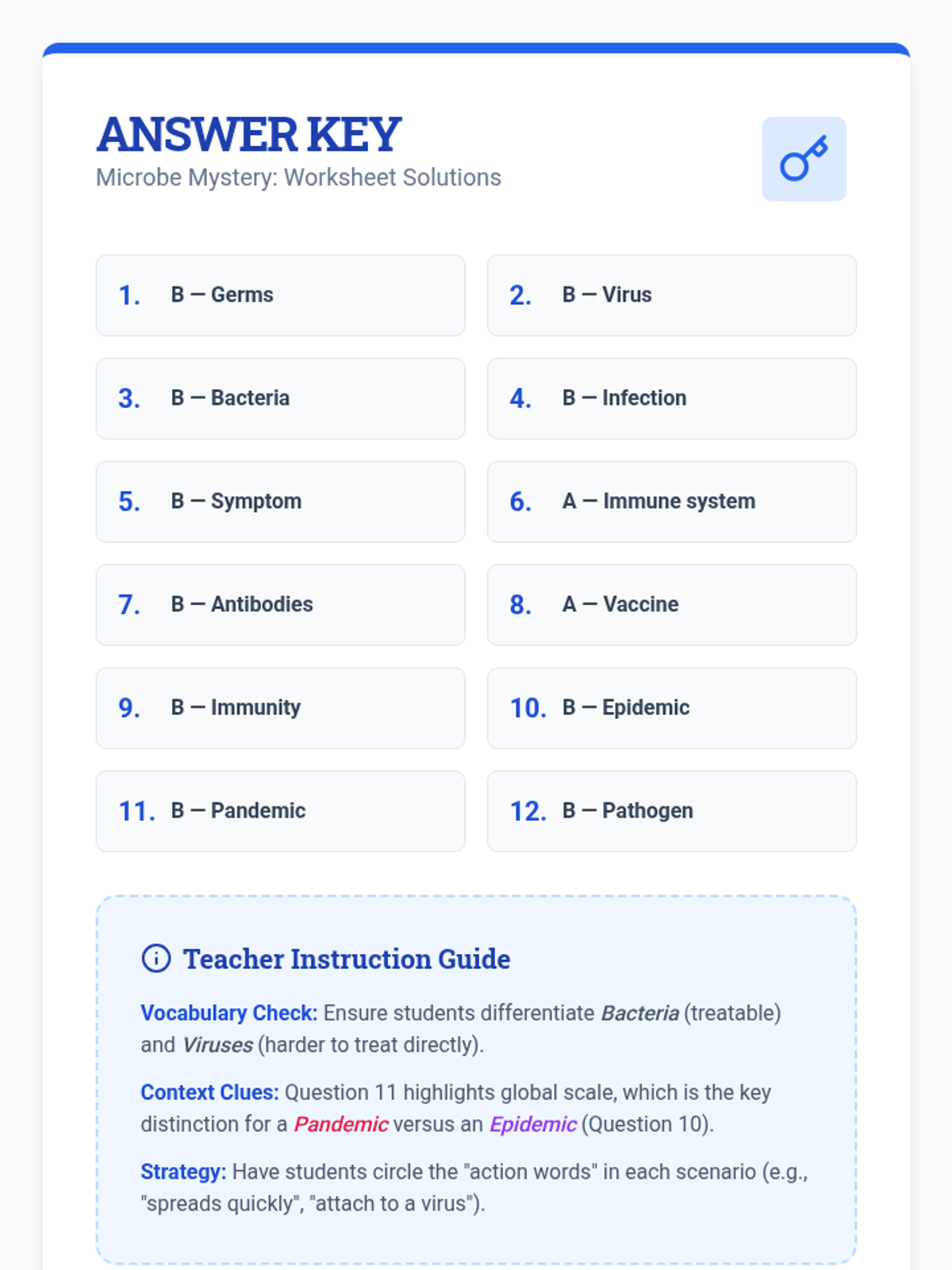
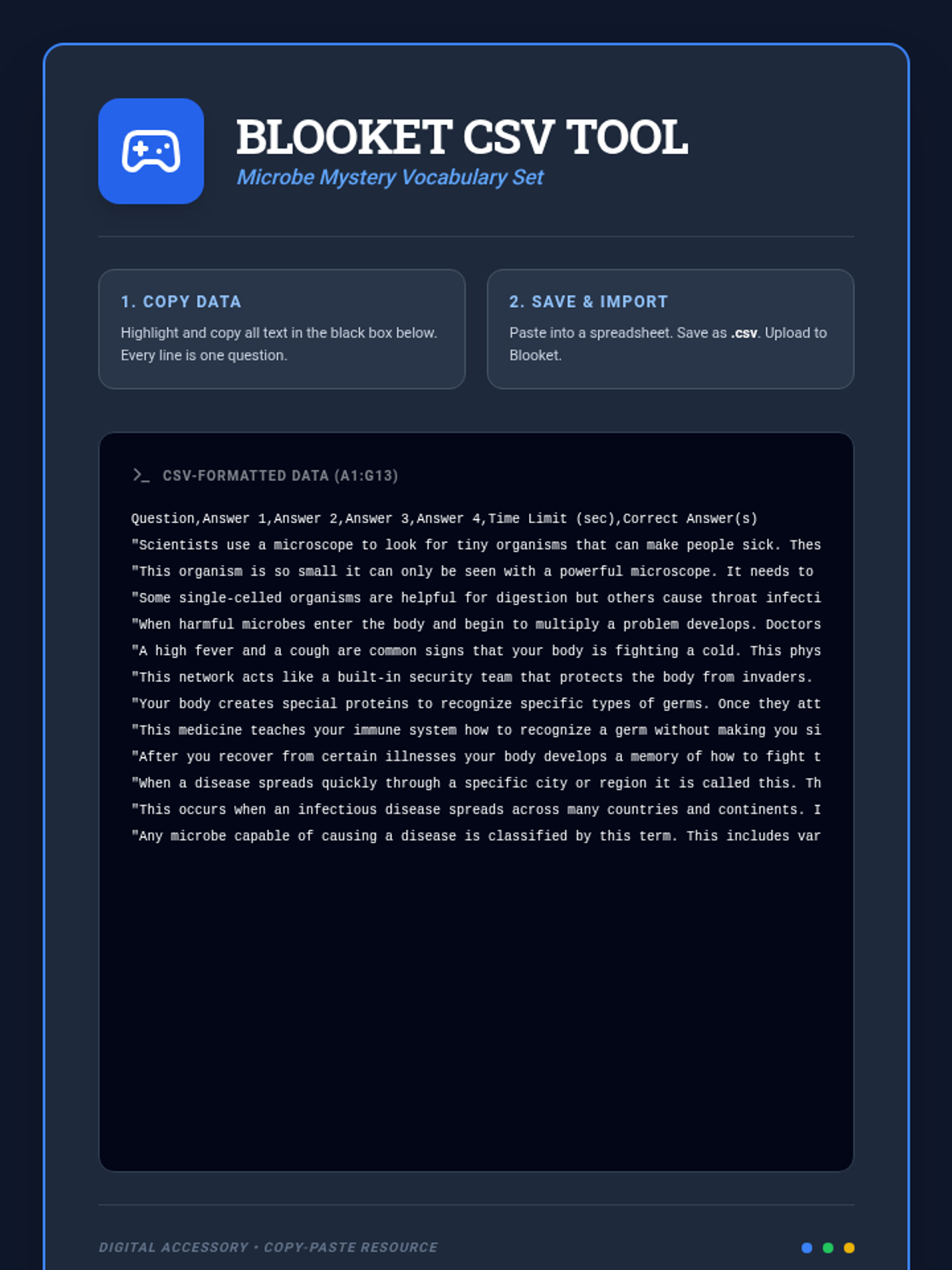
A comprehensive lesson on medical vocabulary related to germs and the immune system, designed for WIDA level 4 students. Includes visual aids and comprehension-based assessments.
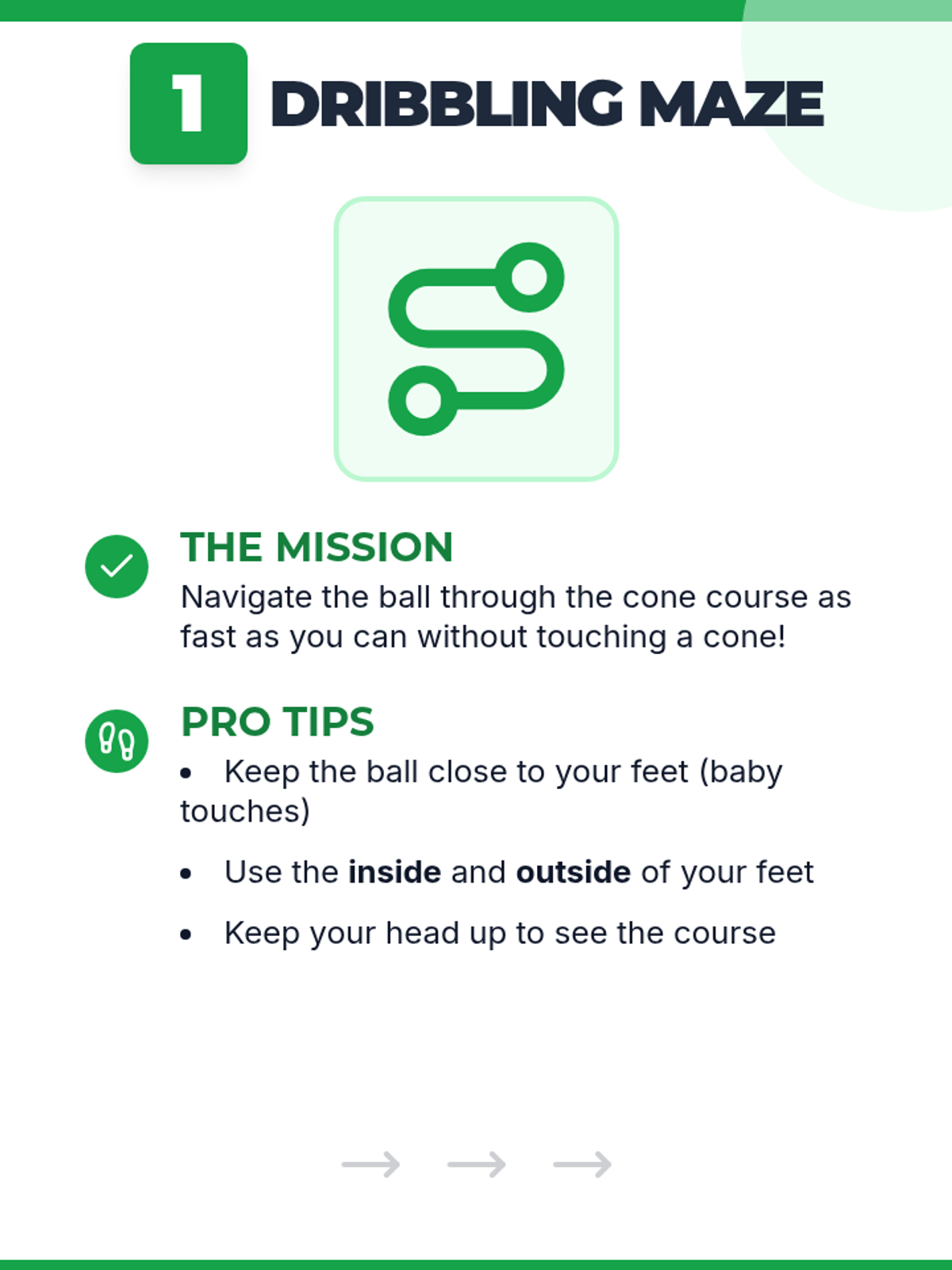
A set of high-energy station signs for a soccer skills circuit, focusing on dribbling, passing, accuracy, distance, and ball control.
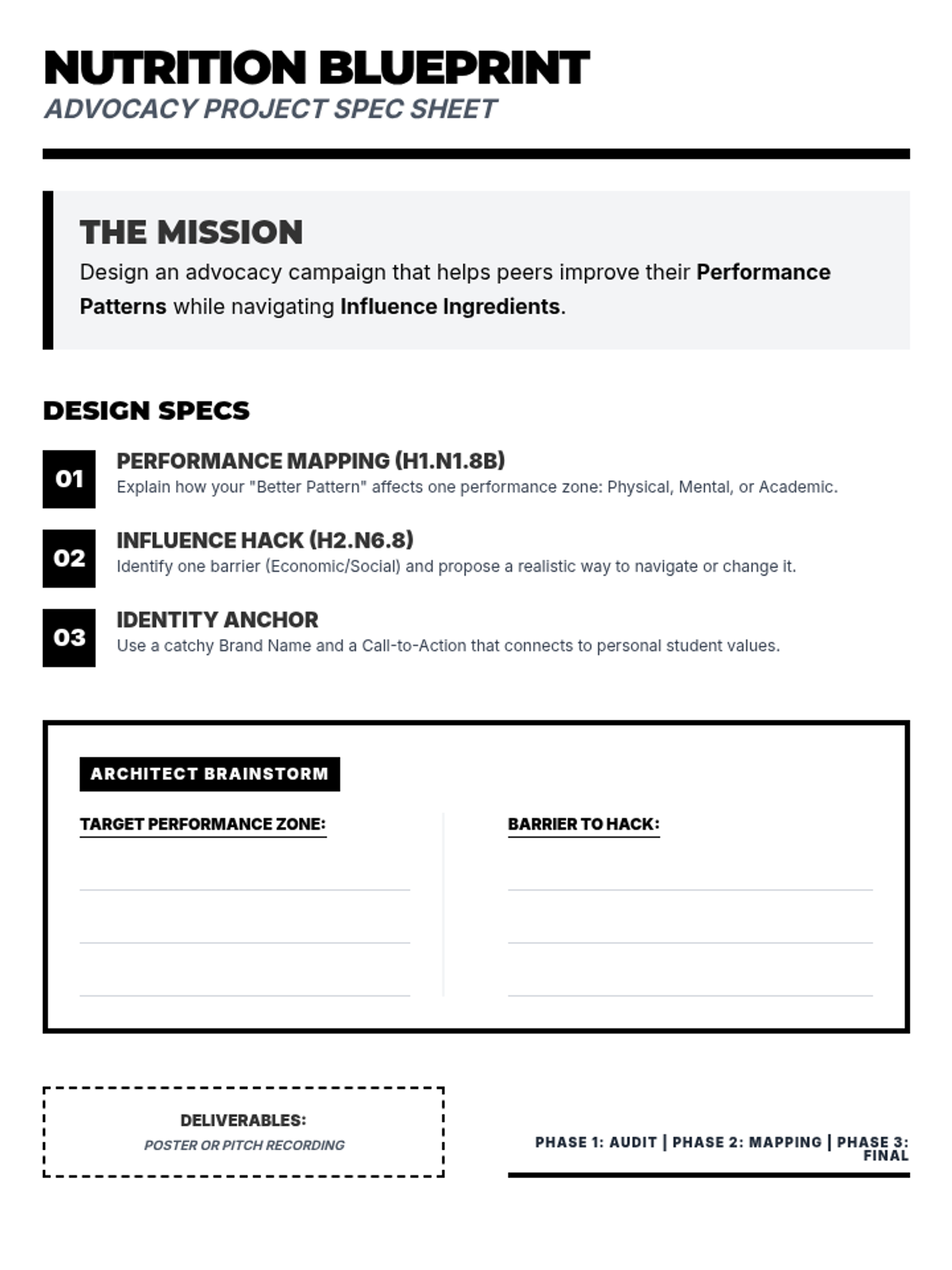
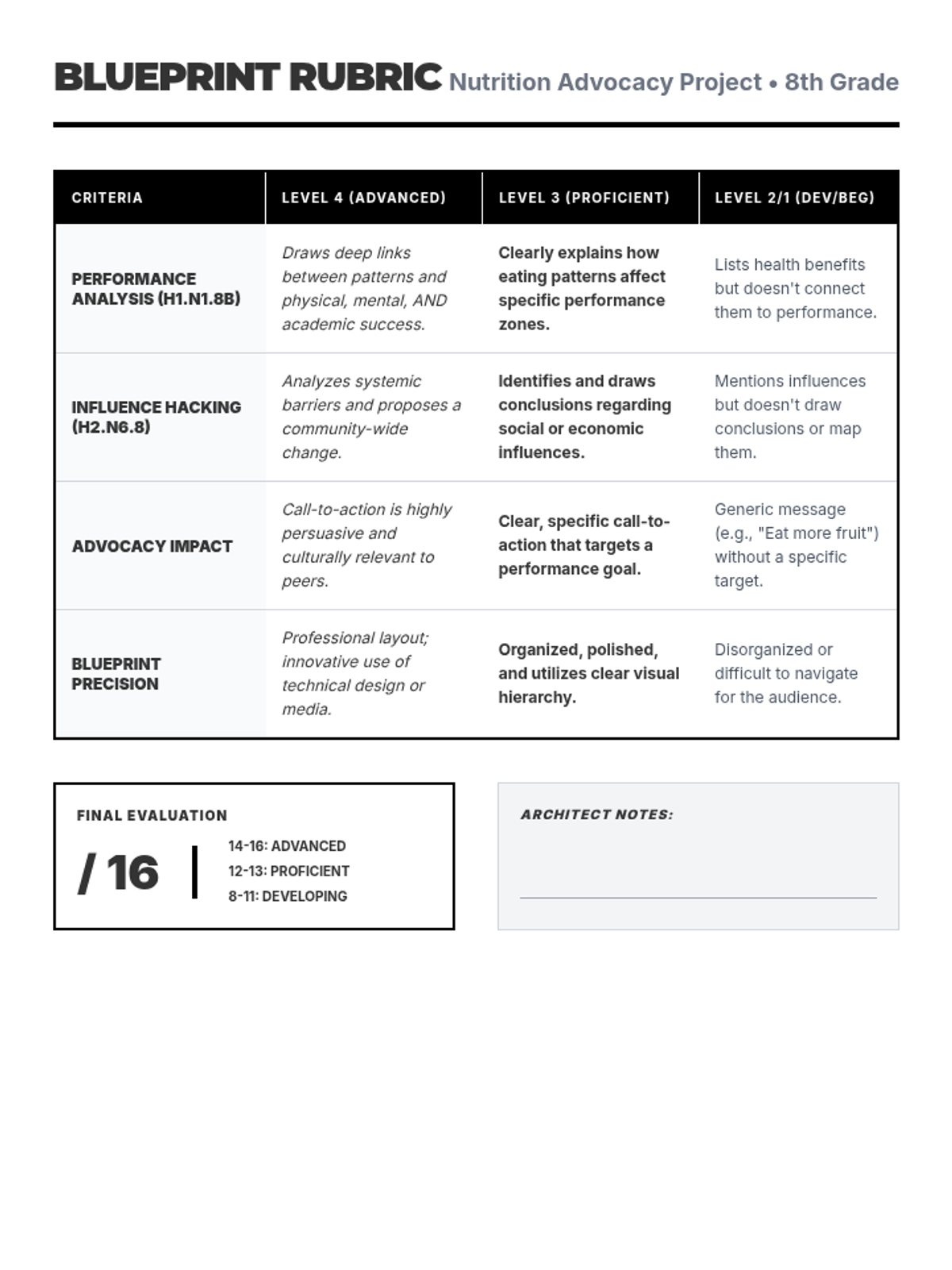
Culminating advocacy project where students design a nutrition intervention or awareness campaign.
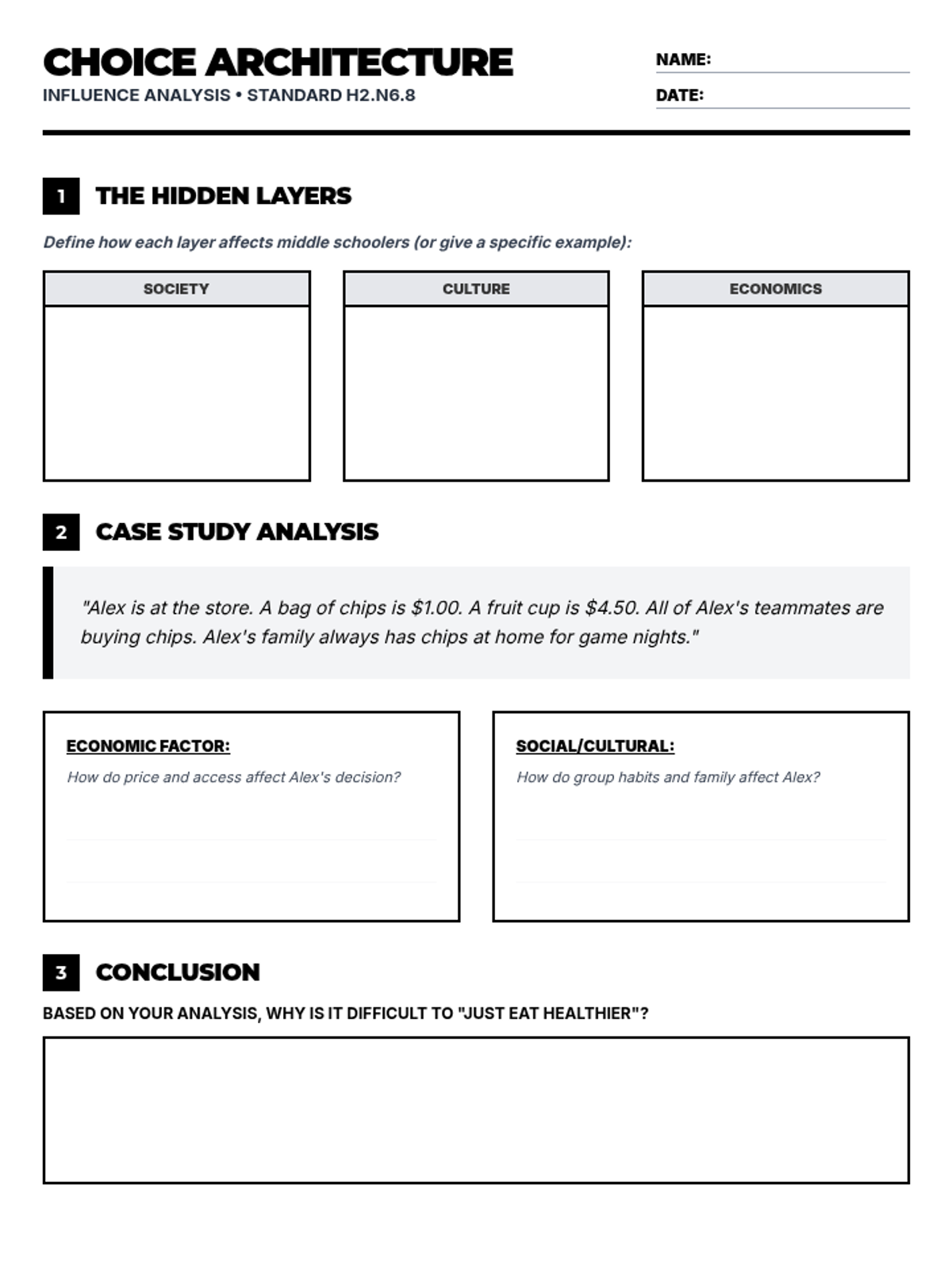
Analyzing the social, cultural, and economic factors that shape our nutritional choices and food access.
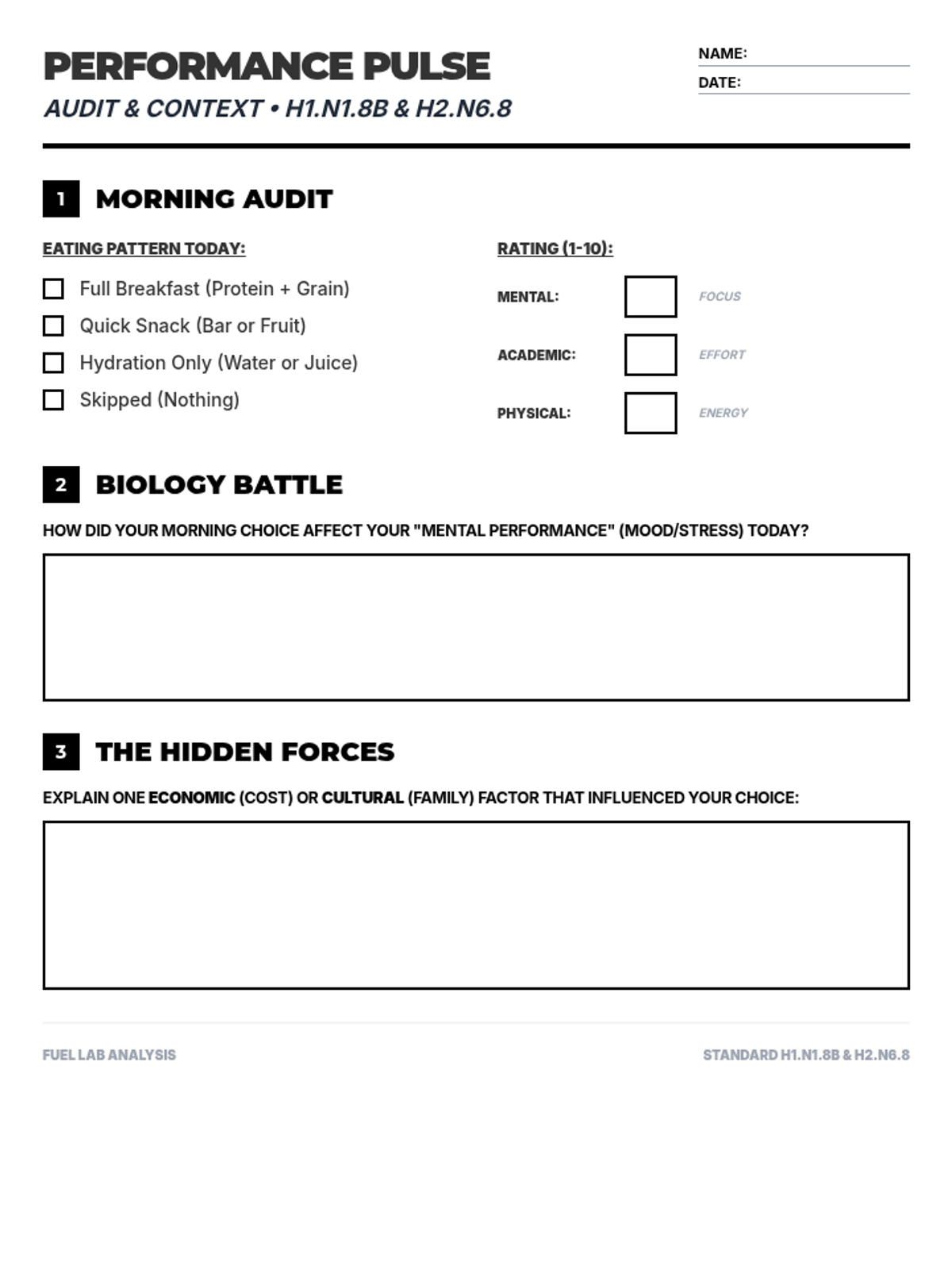
Exploring how eating patterns affect growth, development, and daily performance in sports, school, and mood.
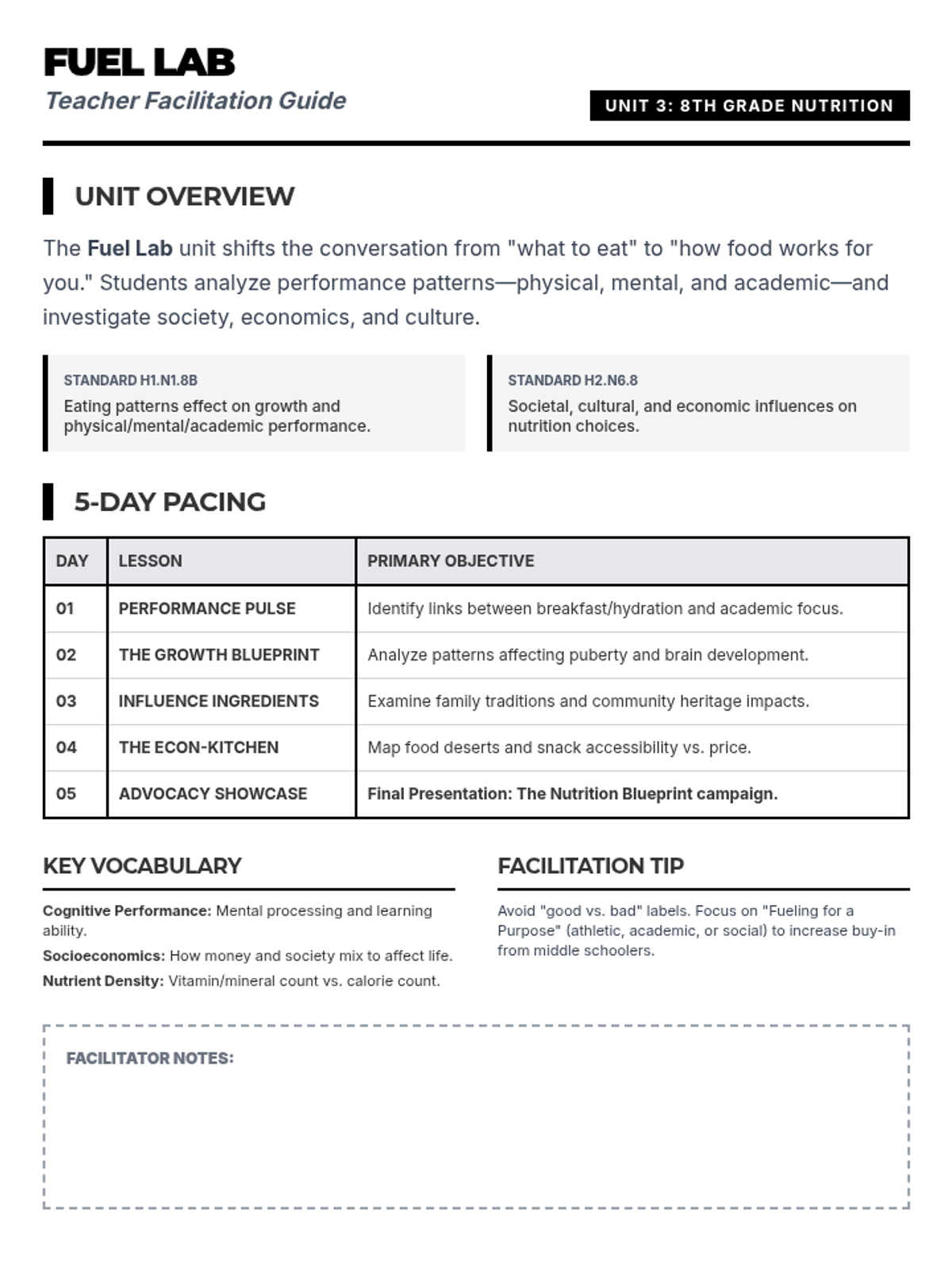
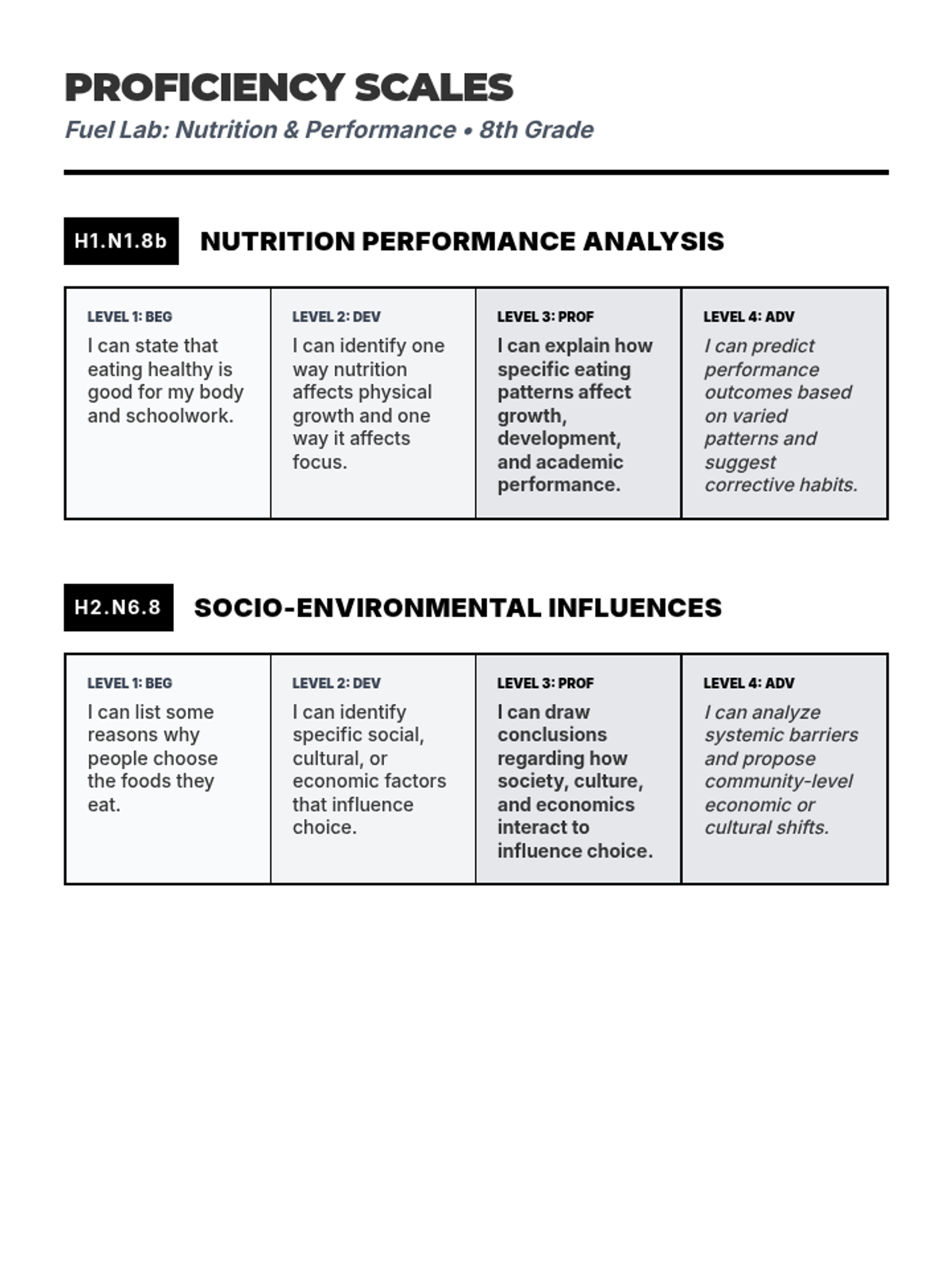
Administrative and planning resources for the Fuel Lab nutrition unit.
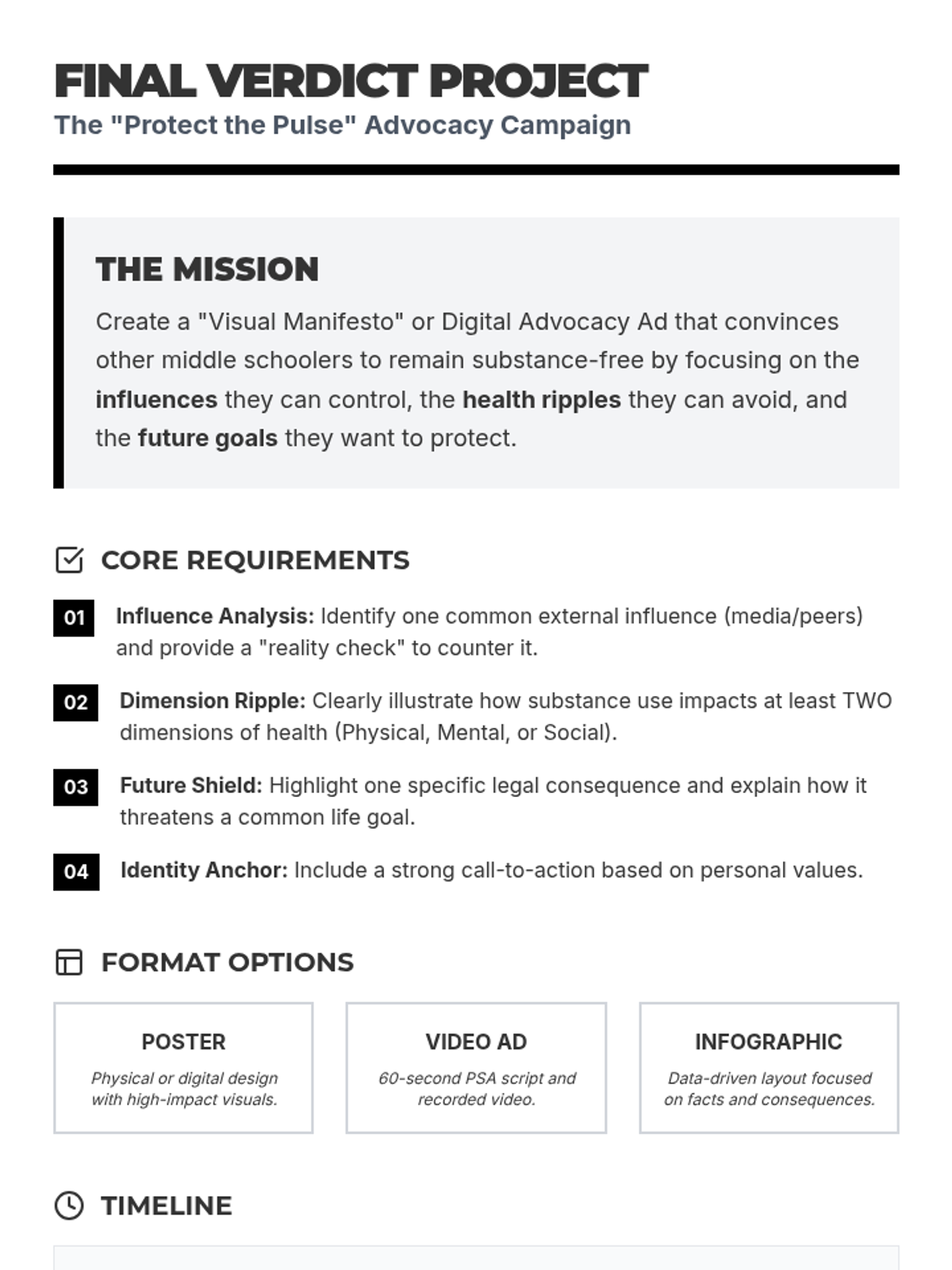
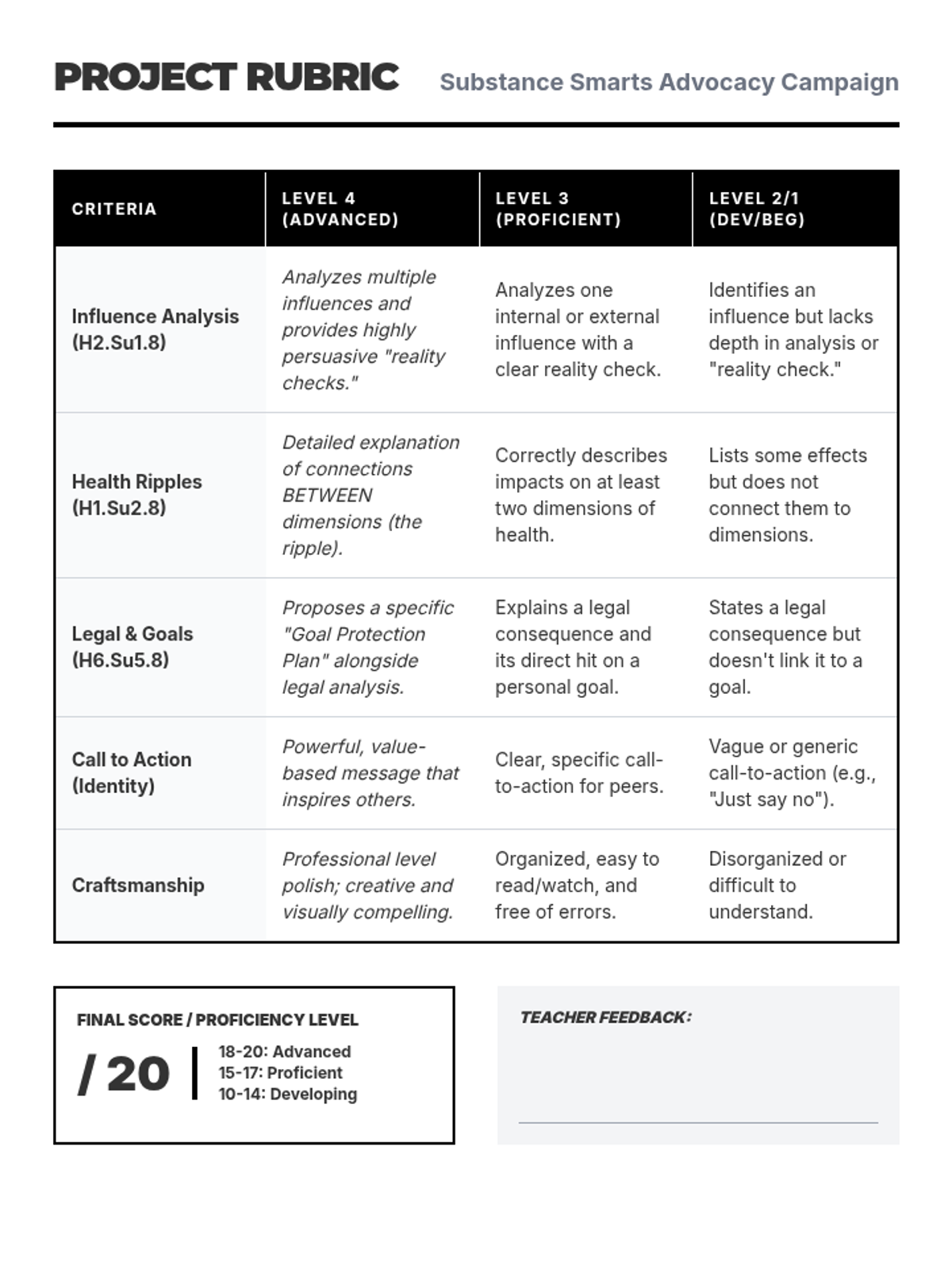
A culminating creative project where students advocate for substance-free living by synthesizing their learning.
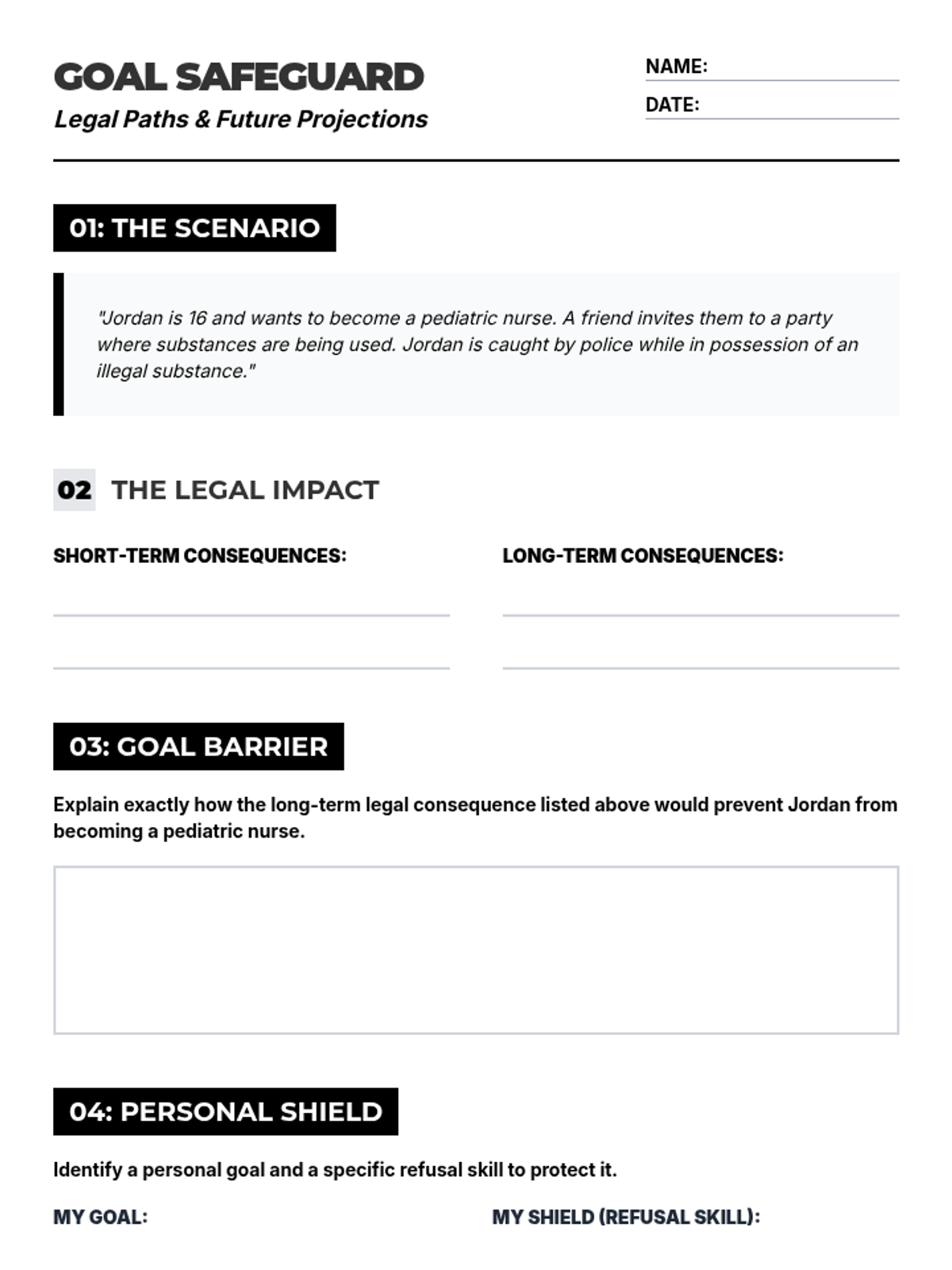
Examining the legal consequences of substance use and how these choices can impact long-term personal goals and career paths.
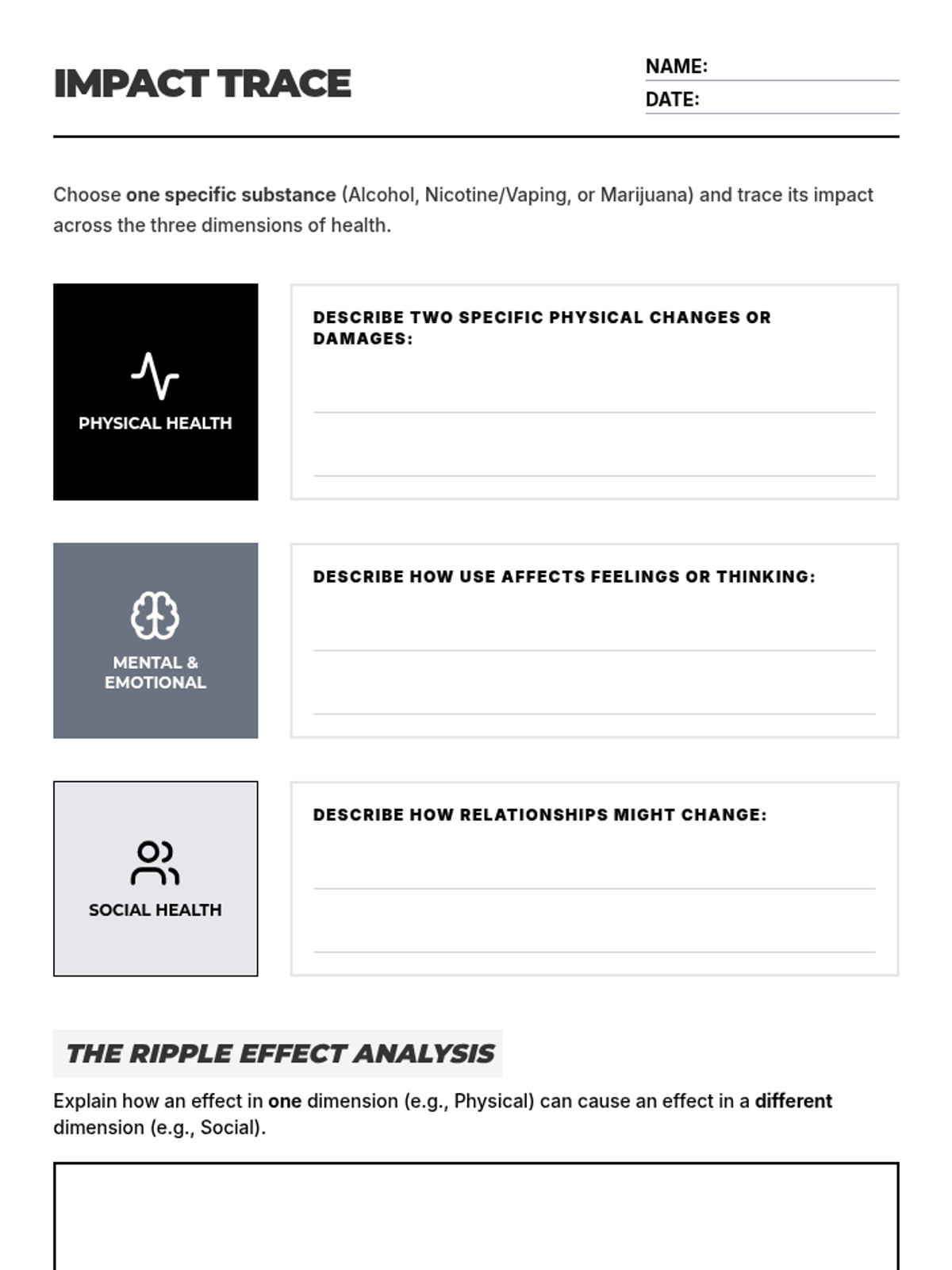
Investigating how substance use impacts the physical, mental/emotional, and social dimensions of health.
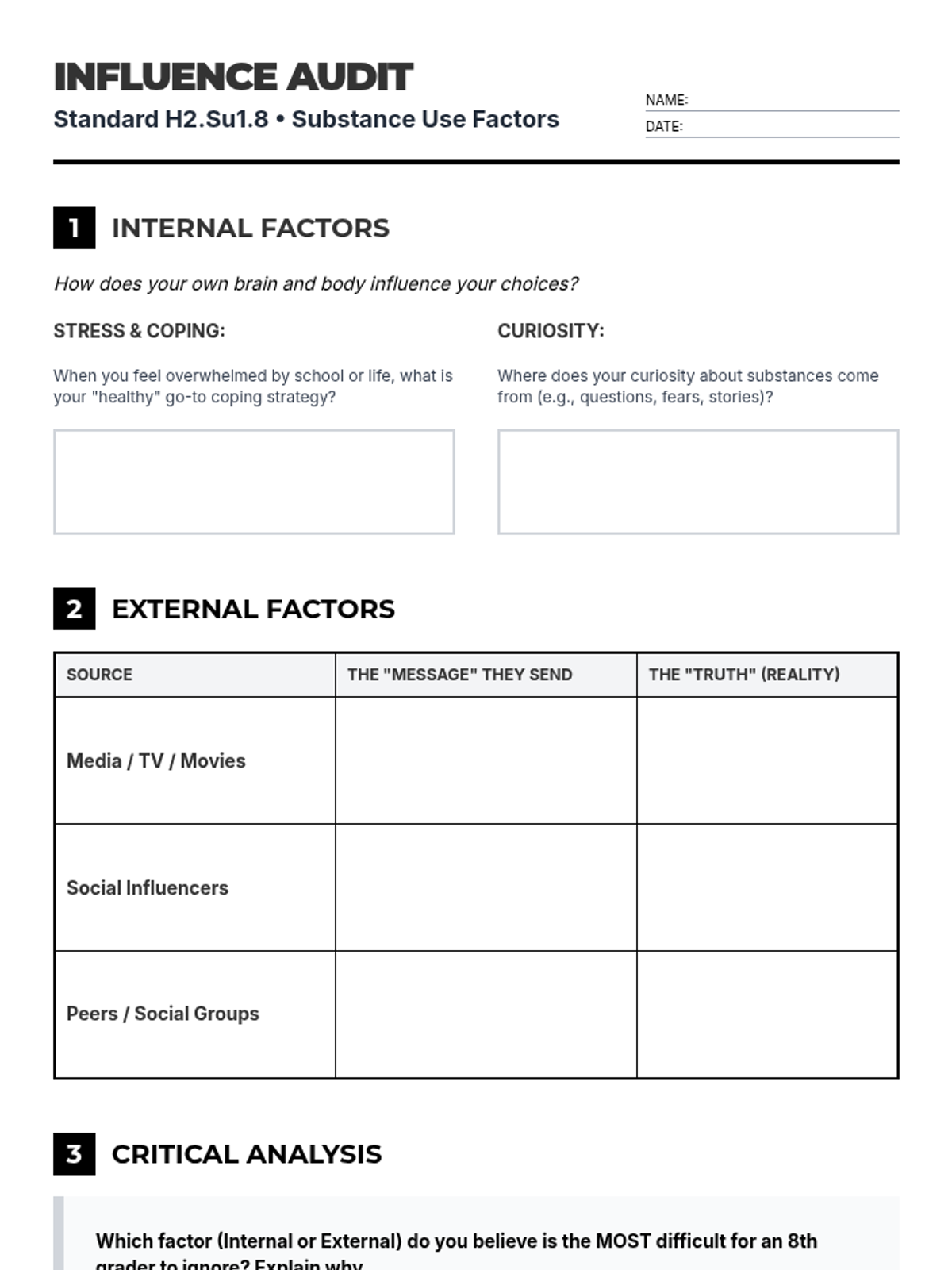
Analyzing the internal and external factors that influence choices around substance use, including media, peers, and stress.
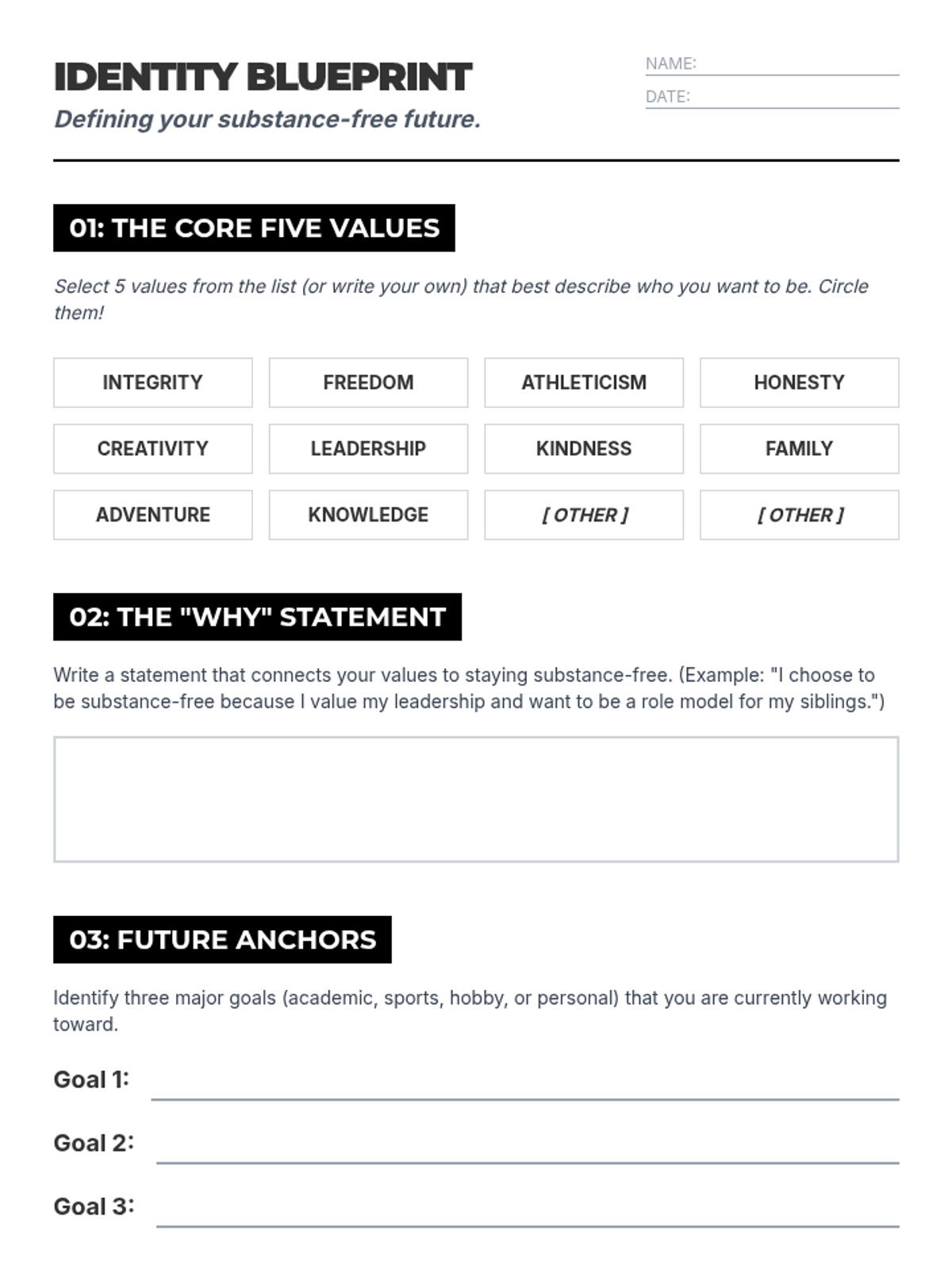
An introductory session where students explore their personal values and "Why" for staying substance-free.
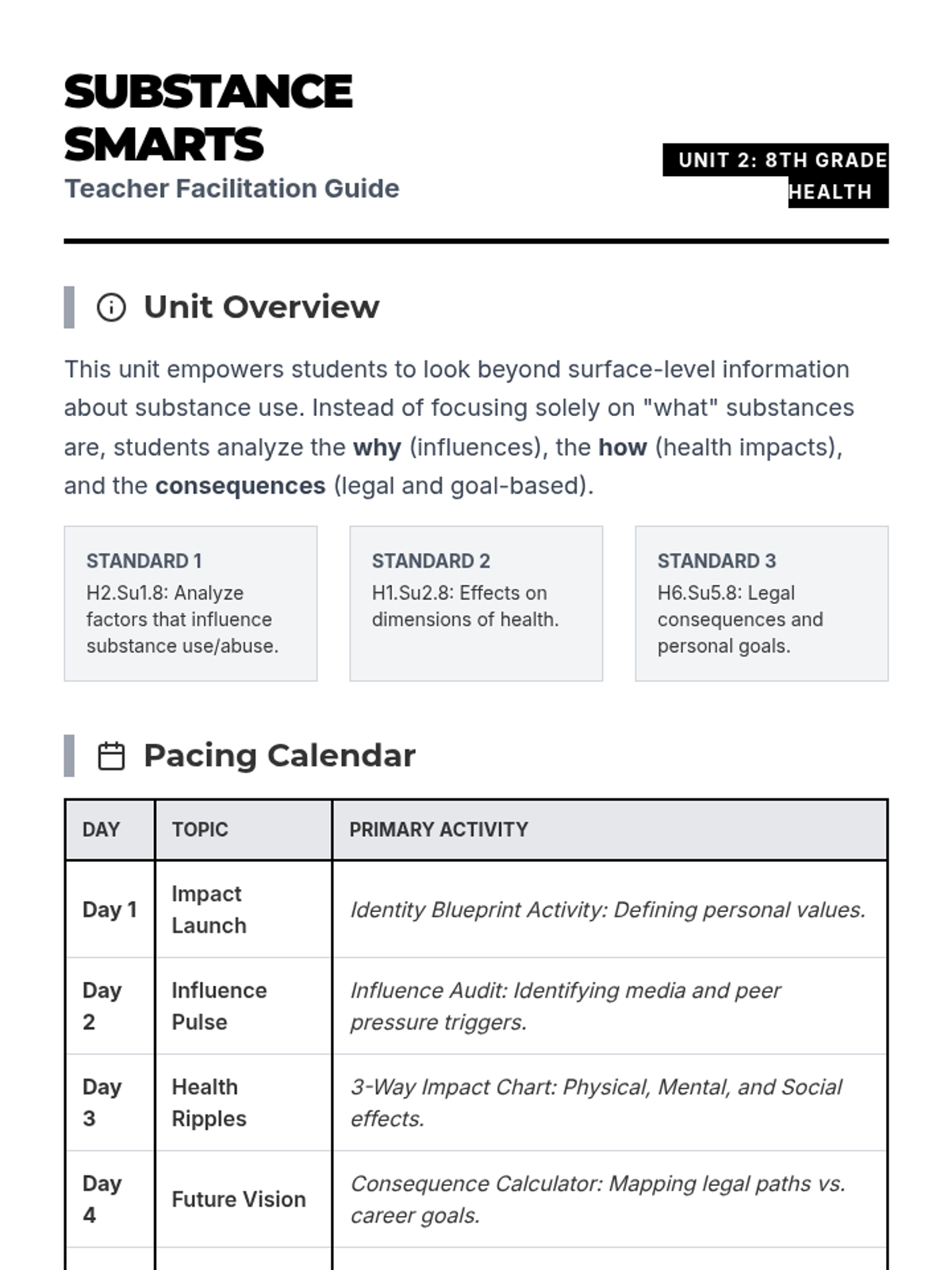
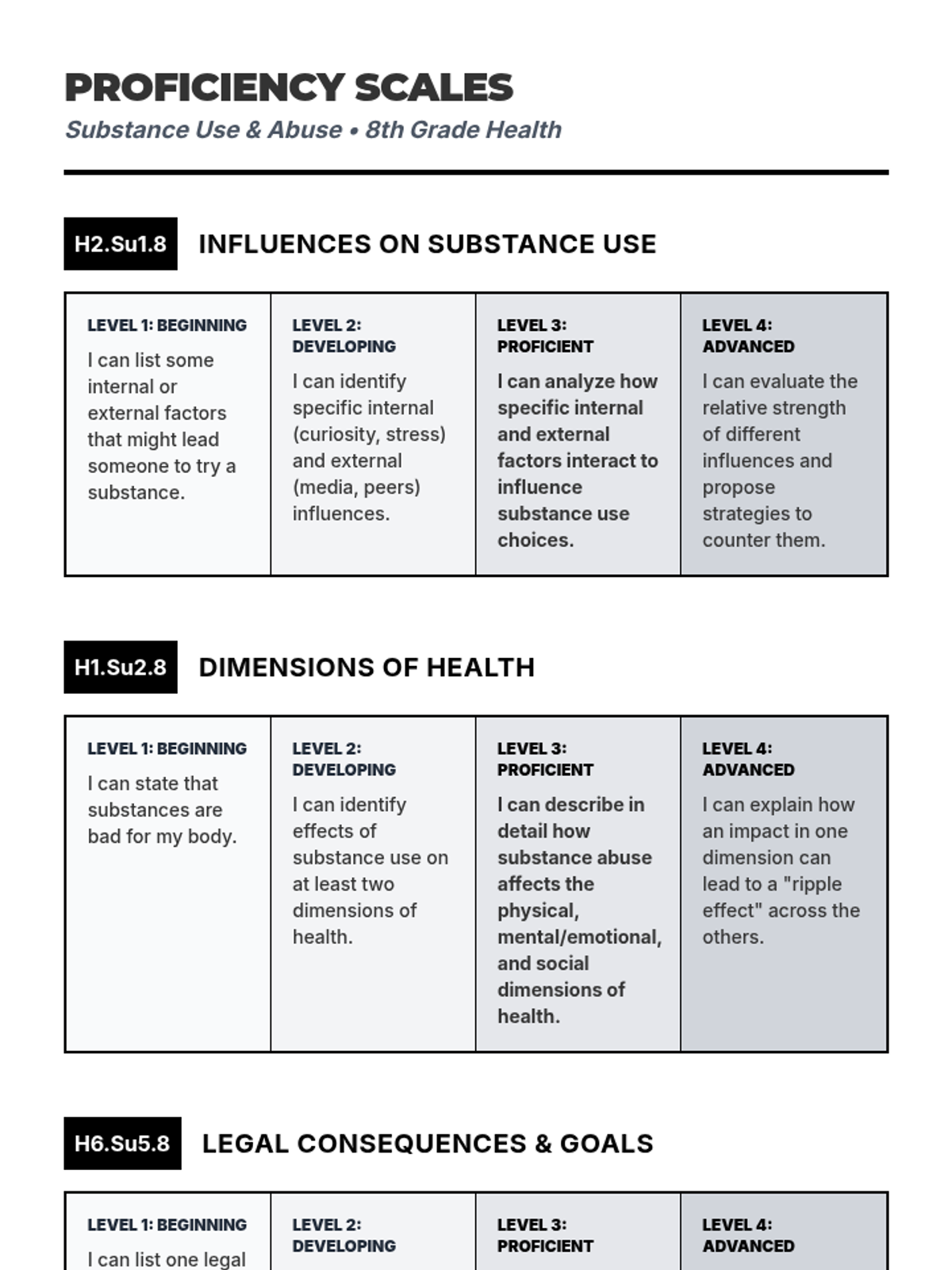
Administrative and planning resources for the Substance Smarts unit.
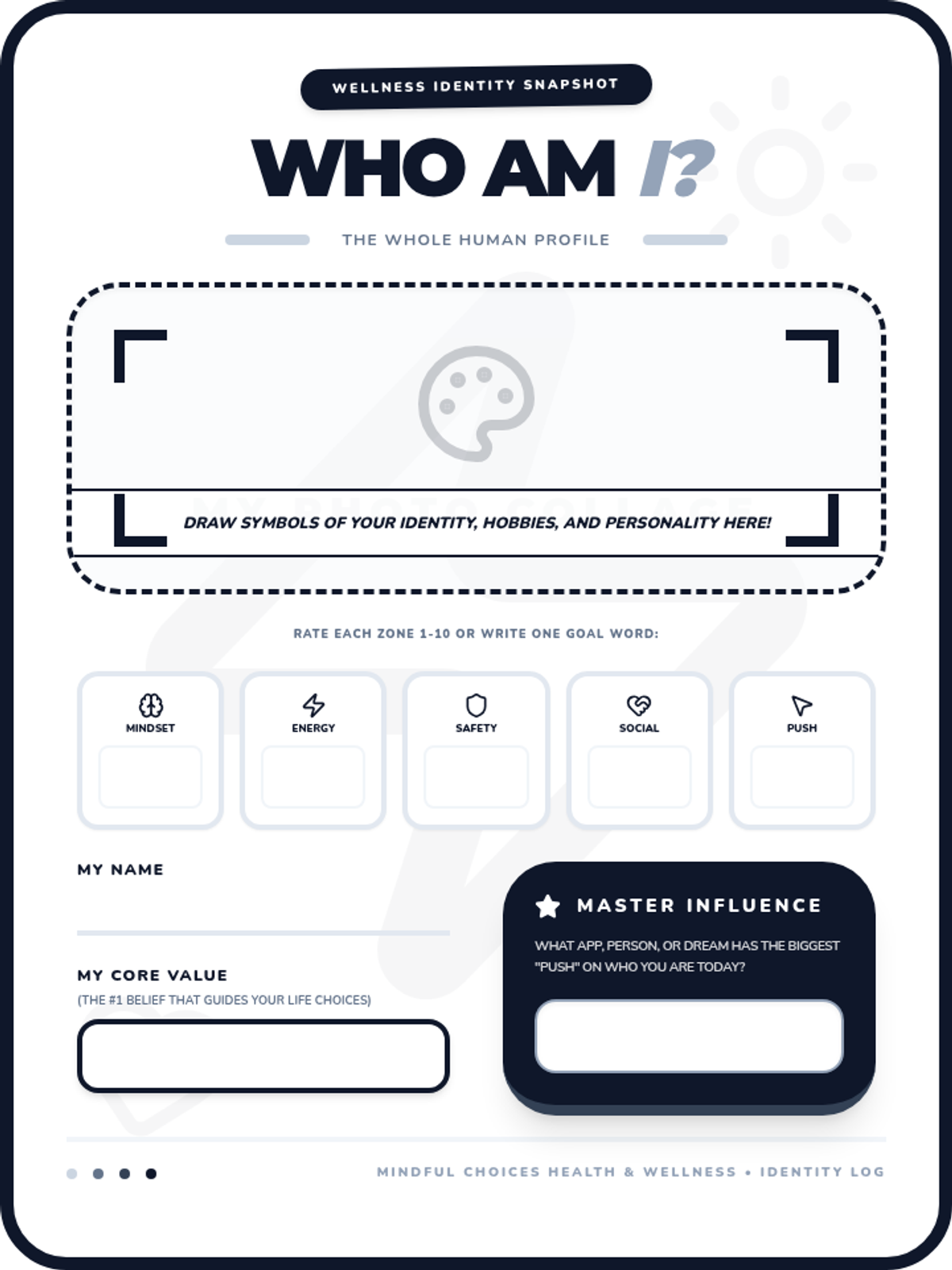
A first-day introductory activity where students design a personal binder cover that explores their personal brand and health perspective across five key wellness zones.
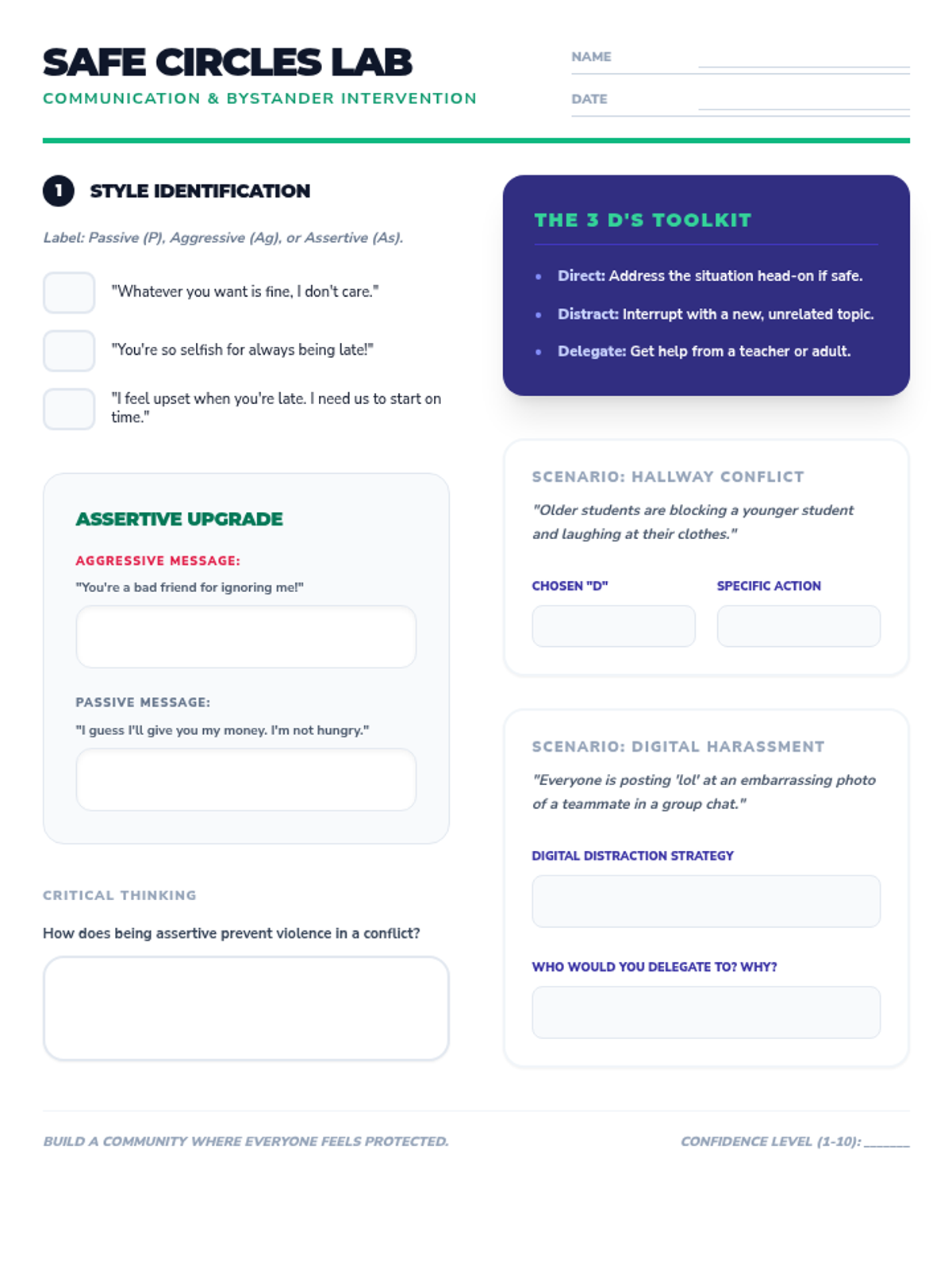
Developing assertive communication skills and understanding the role of bystanders in preventing violence and promoting safety.
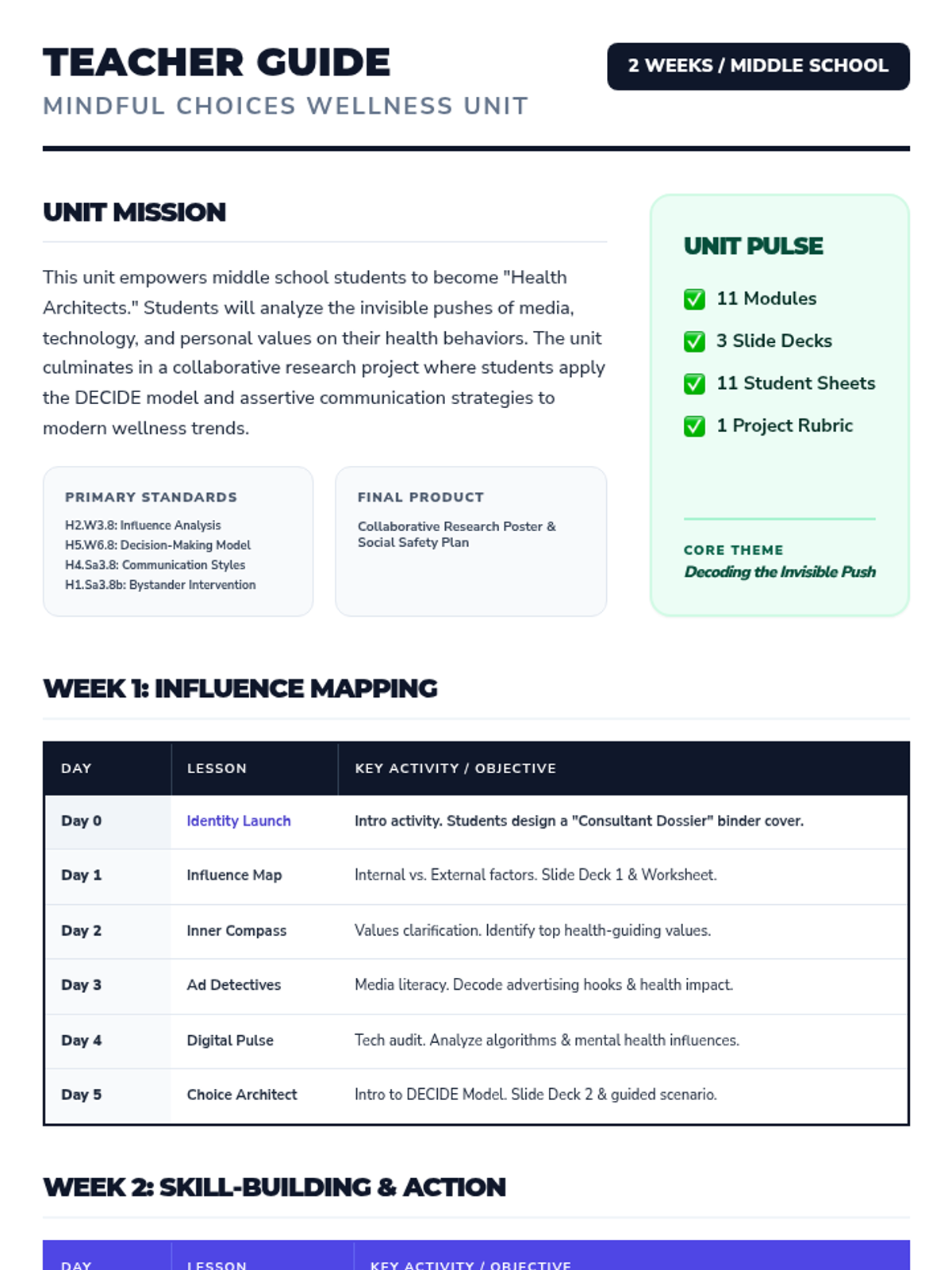
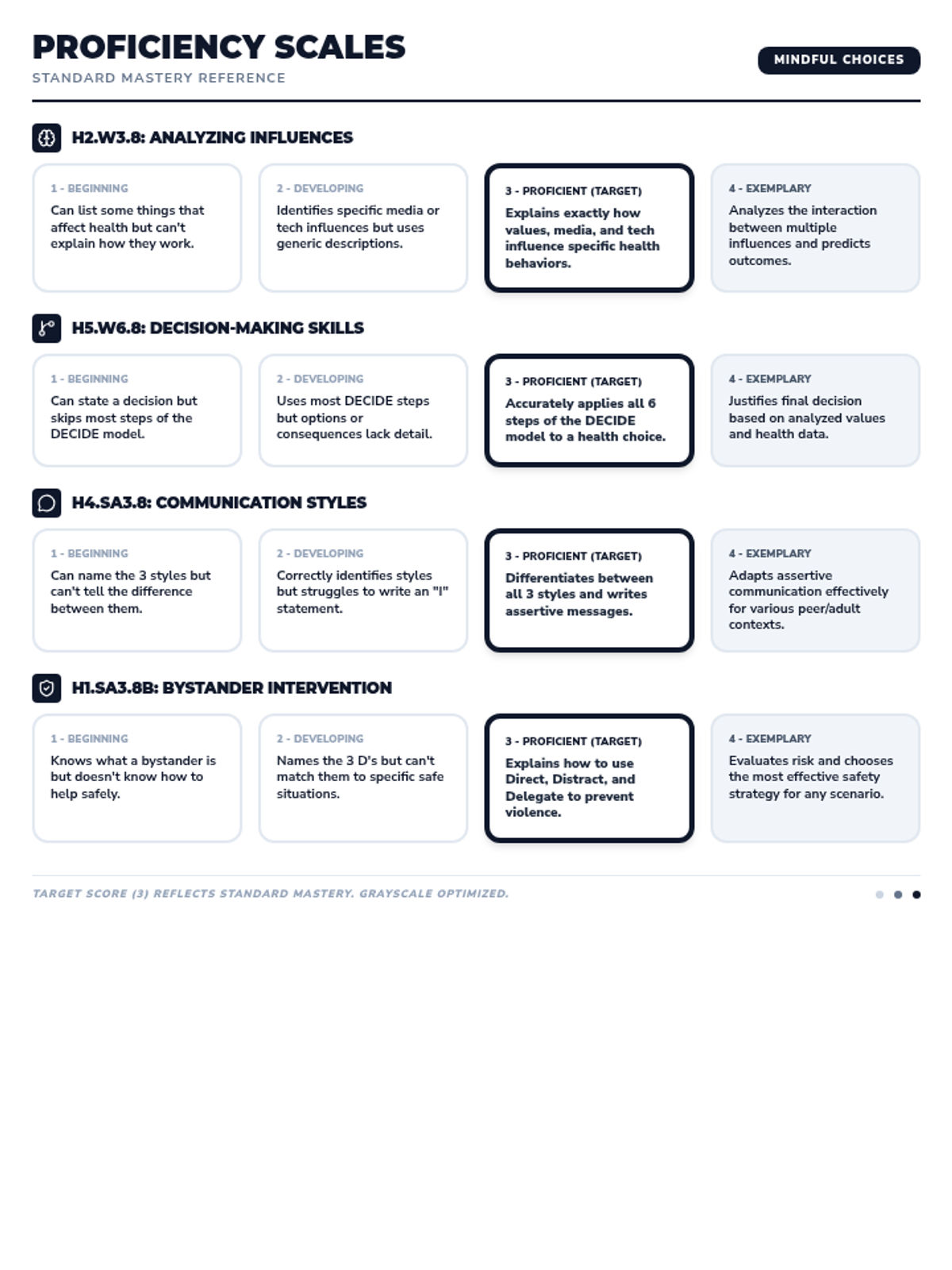
Administrative and planning resources for the Mindful Choices unit.