A comprehensive assessment and review for the Grade 2 CKLA unit on the human body, focusing on the five major body systems, nutrition, and overall health.
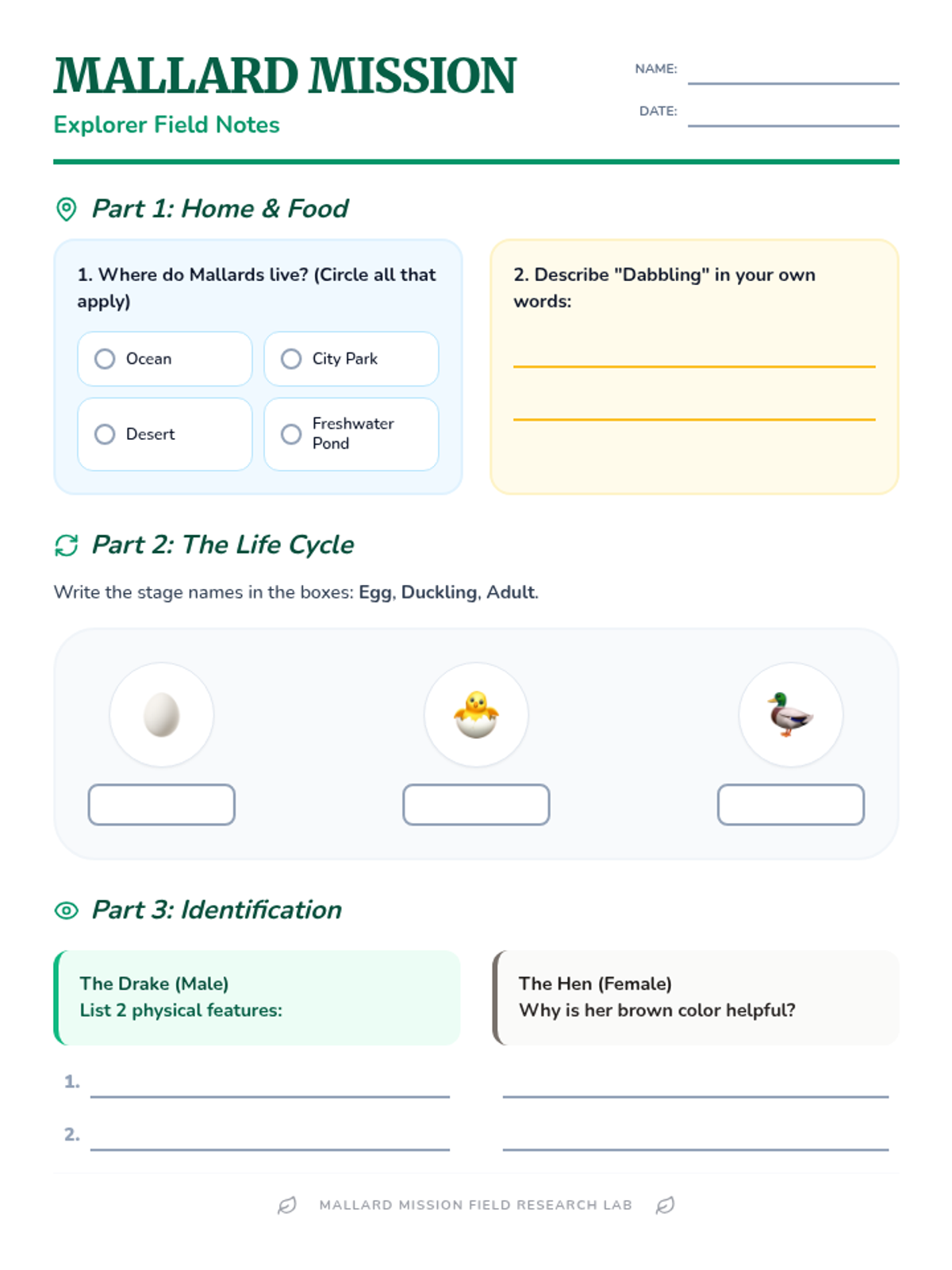
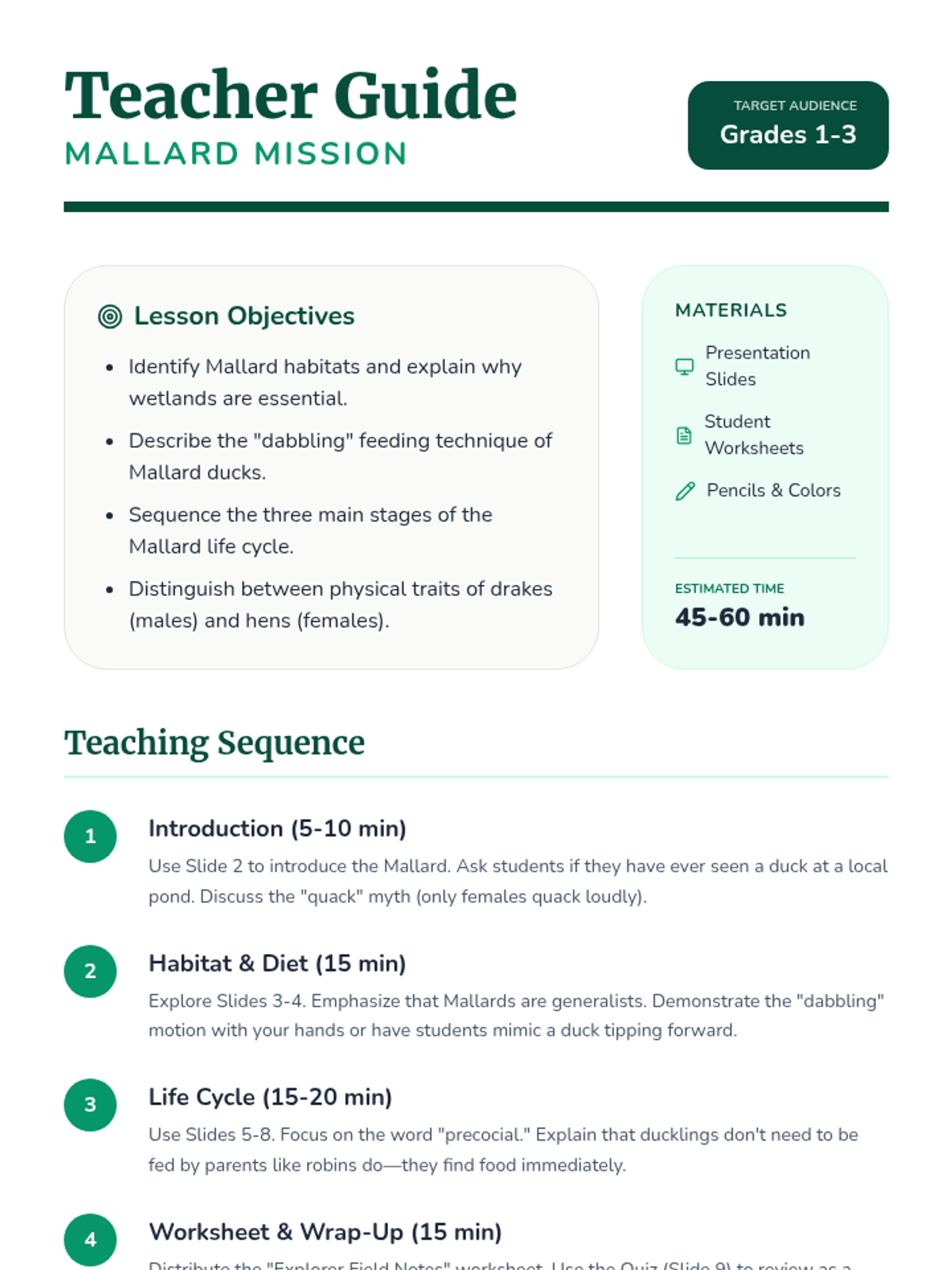
A lesson exploring the fascinating world of Mallard ducks, covering their unique habitats, varied diet, and the stages of their life cycle from egg to adult.
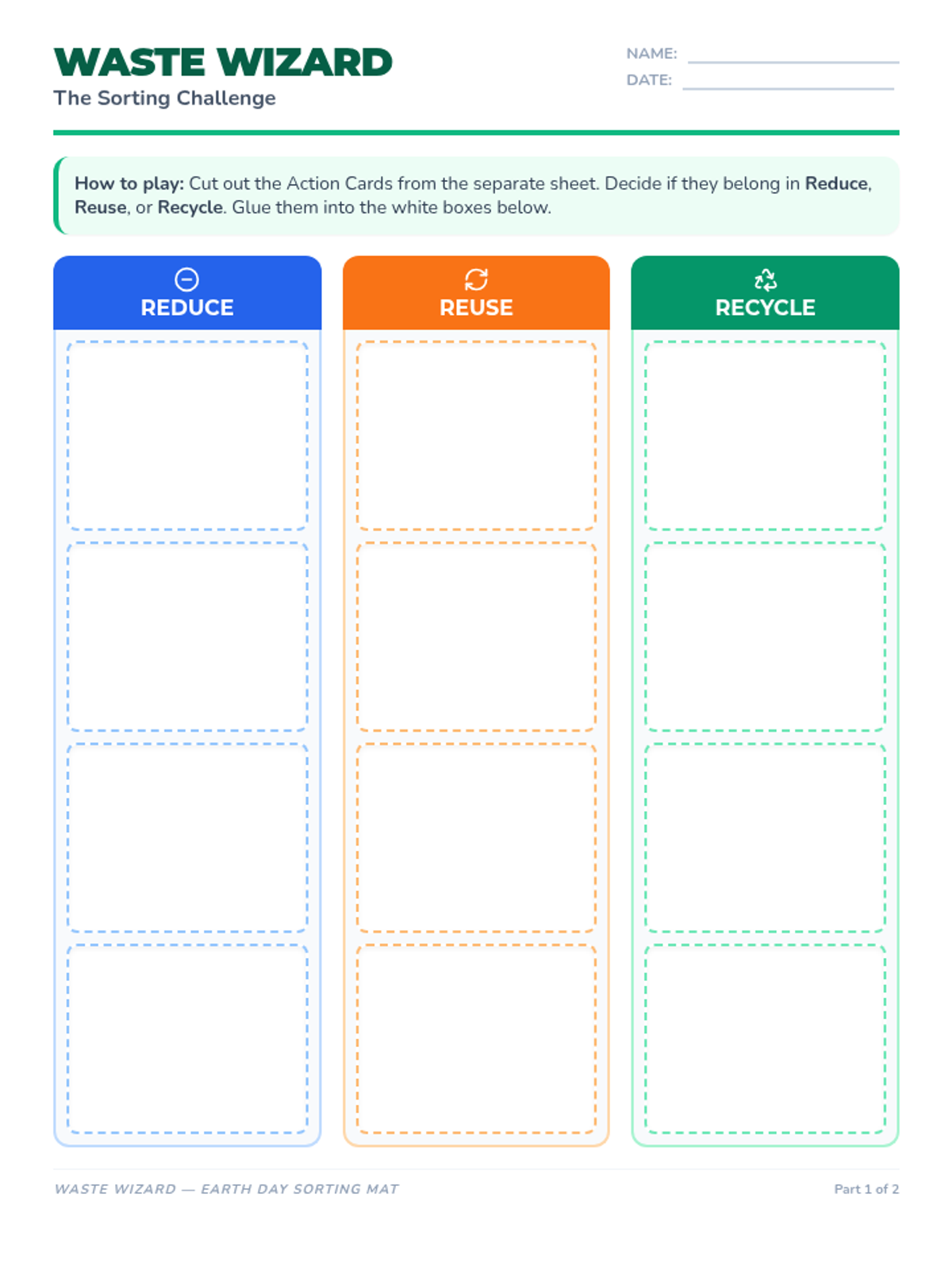
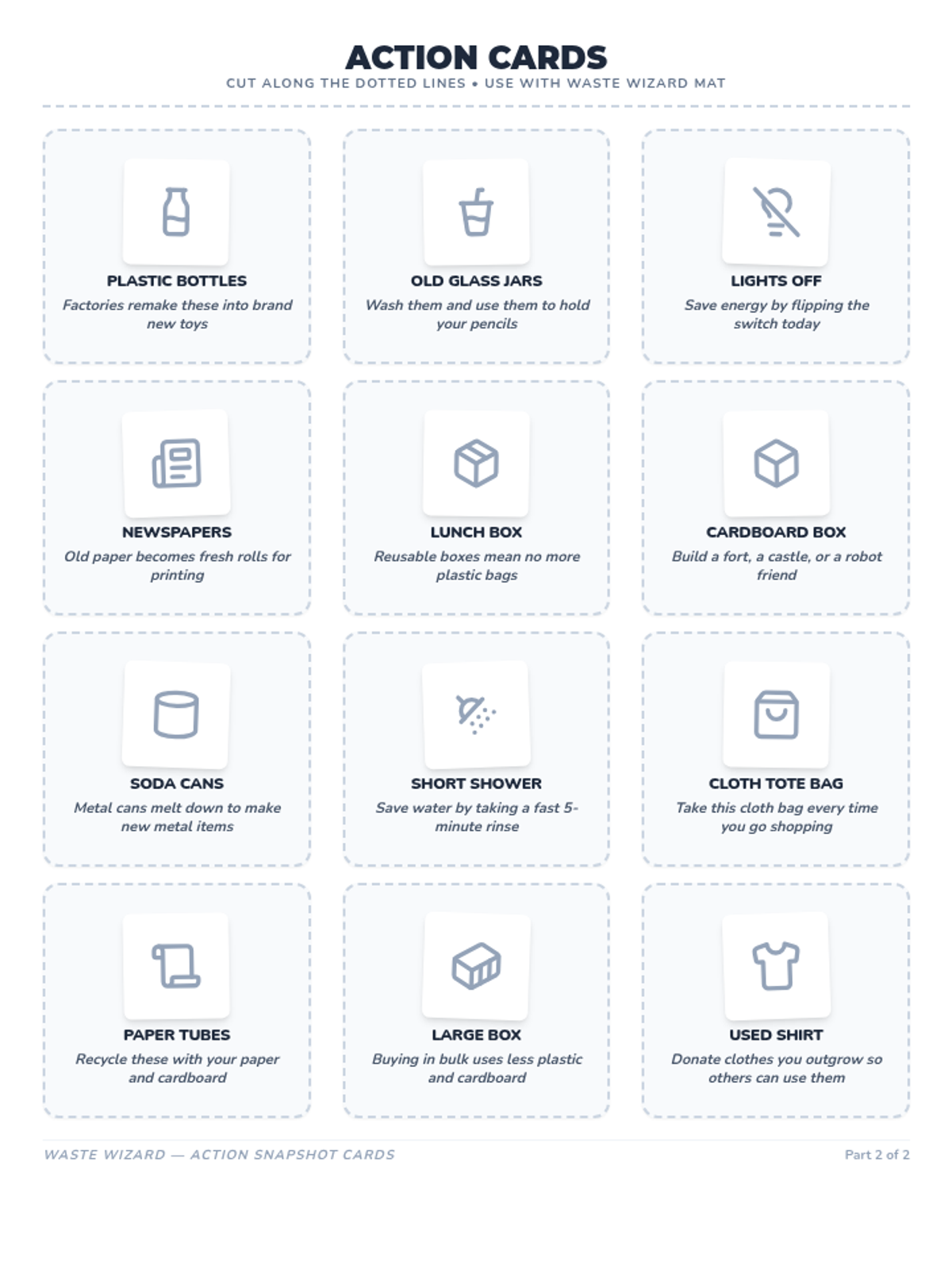
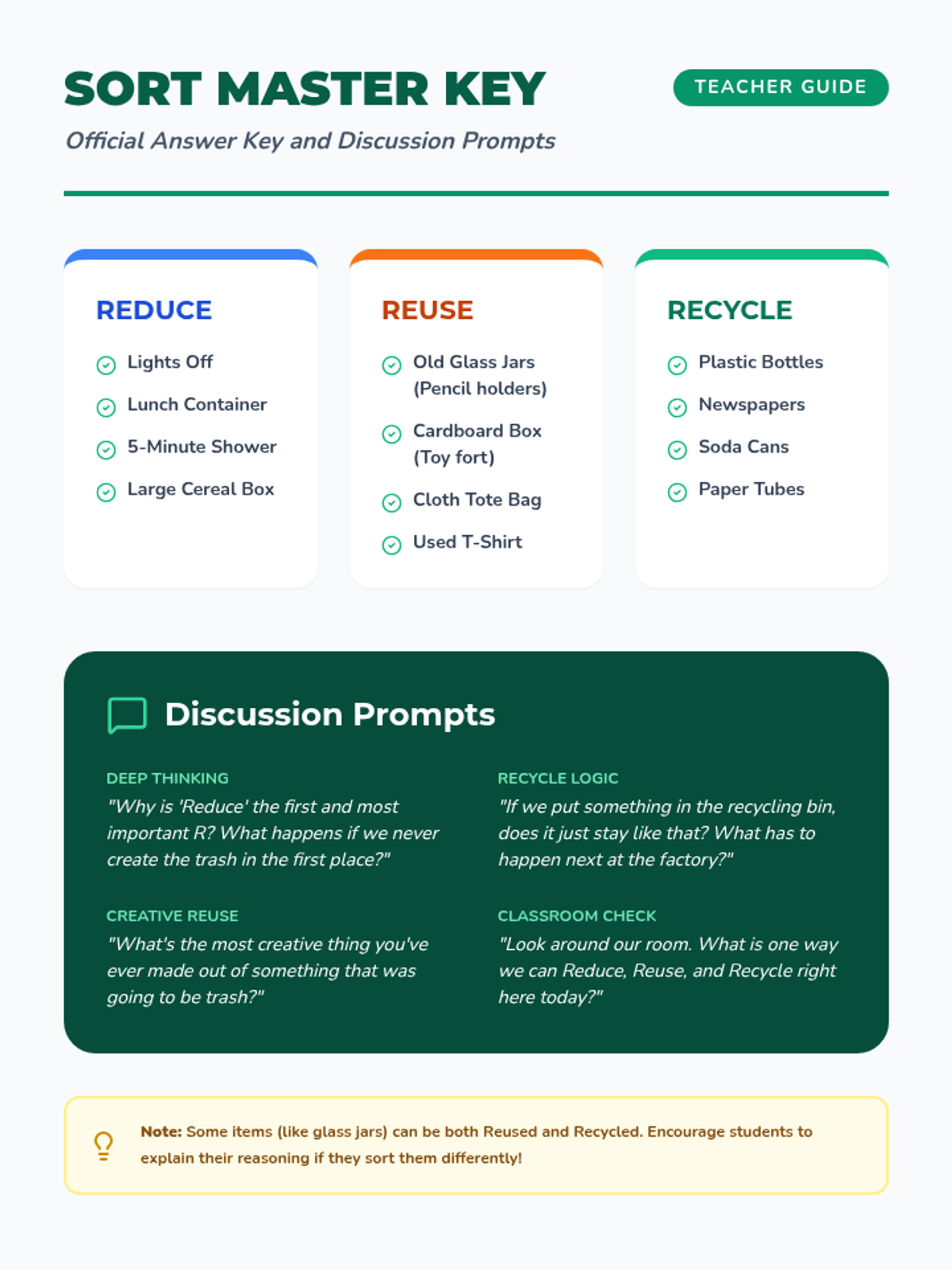
A hands-on lesson teaching students to differentiate between reducing, reusing, and recycling through visual identification and sorting.
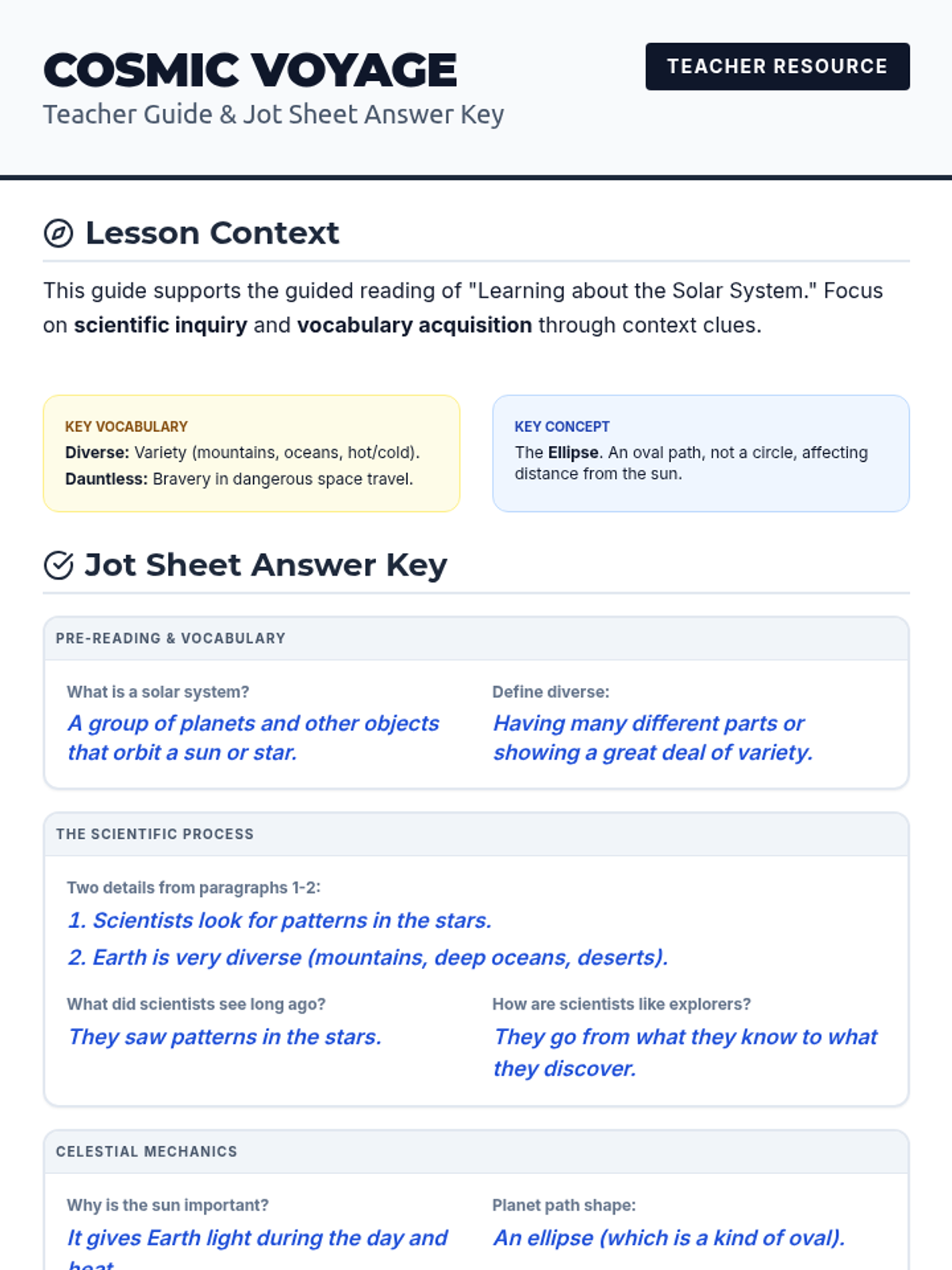
A guided reading lesson exploring the solar system, focusing on scientific inquiry, planetary diversity, and the mechanics of Earth's orbit. Includes vocabulary focus on 'diverse' and 'dauntless' and a complete answer key for the student jot sheet.
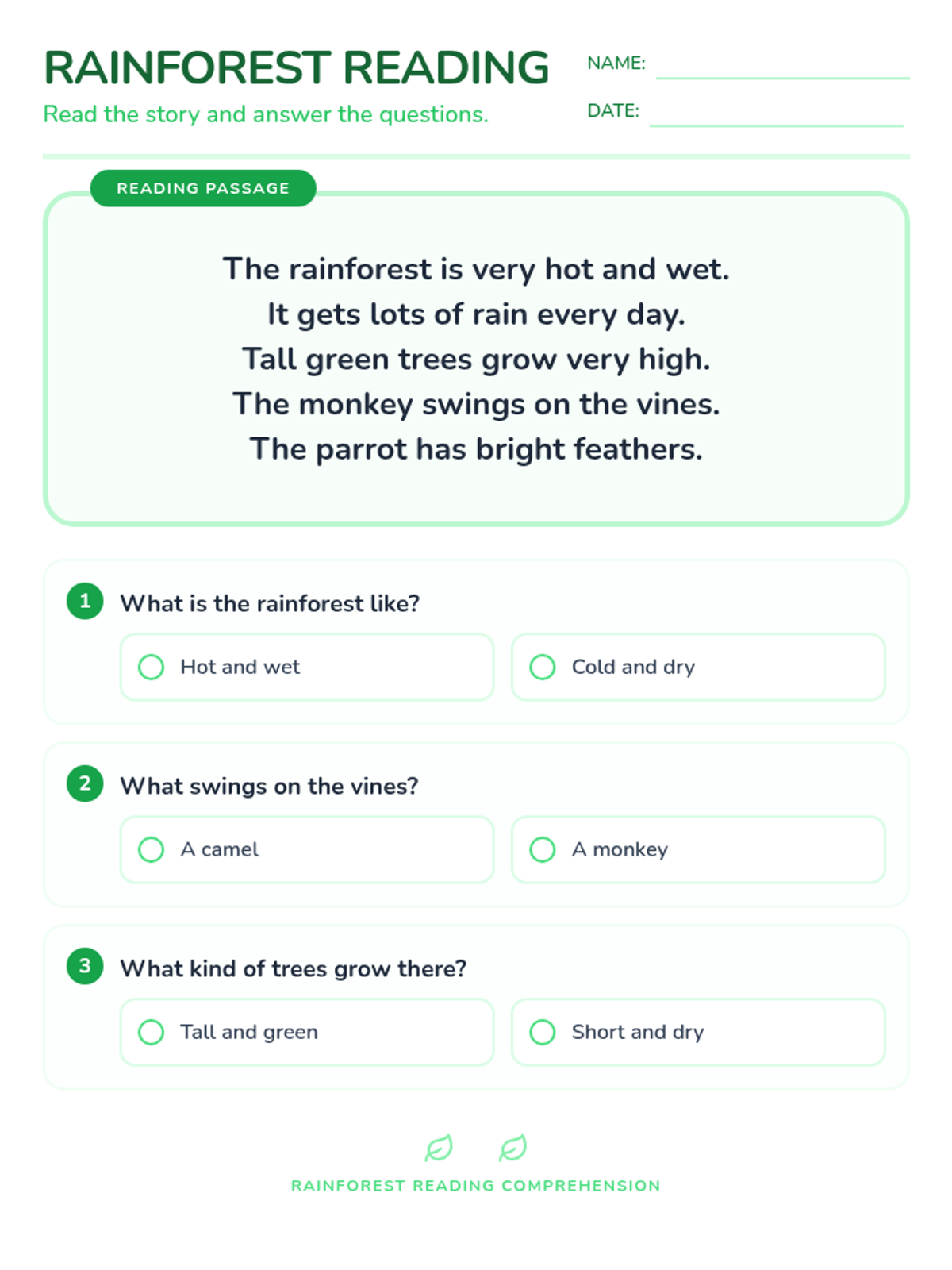
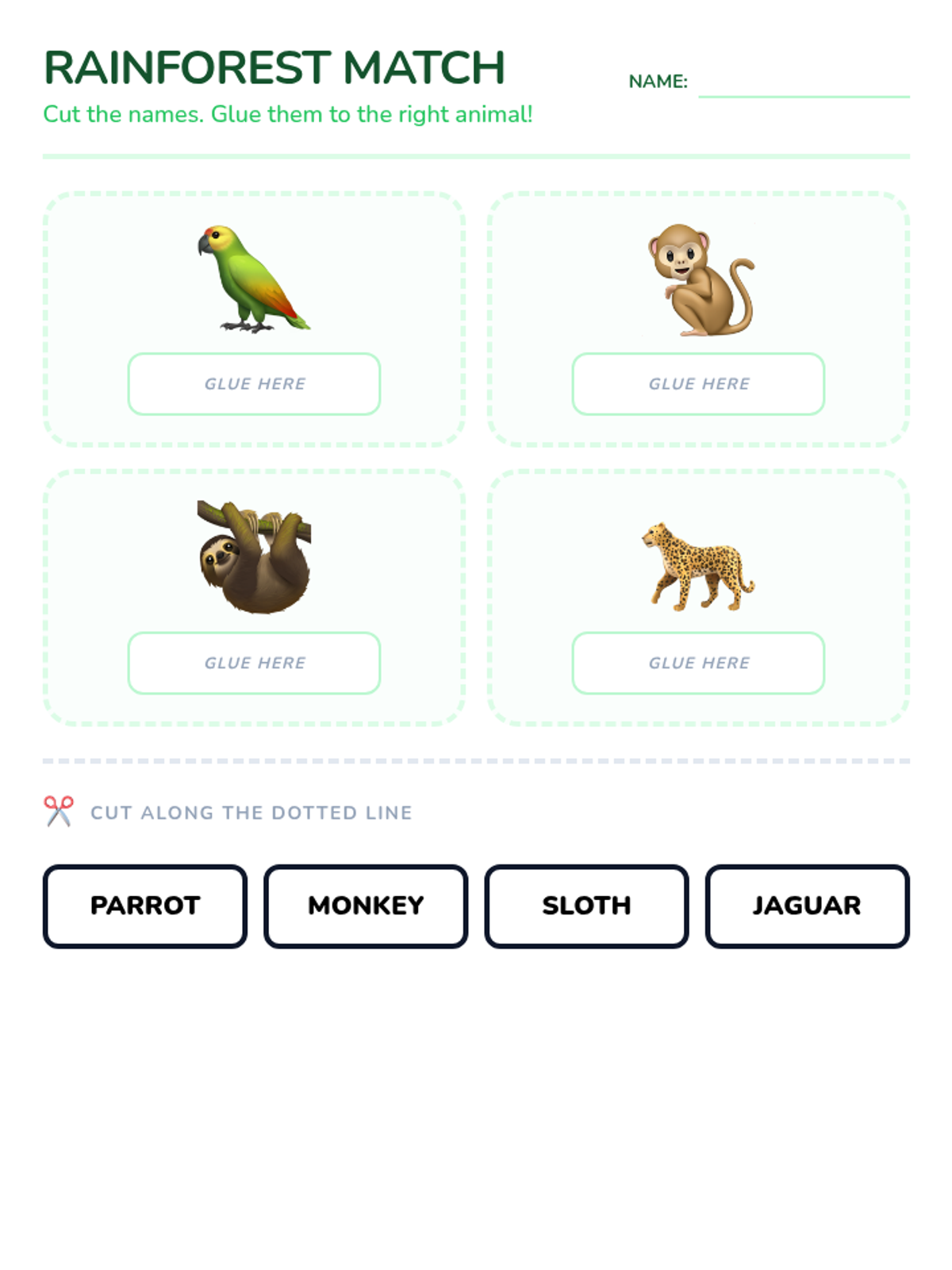
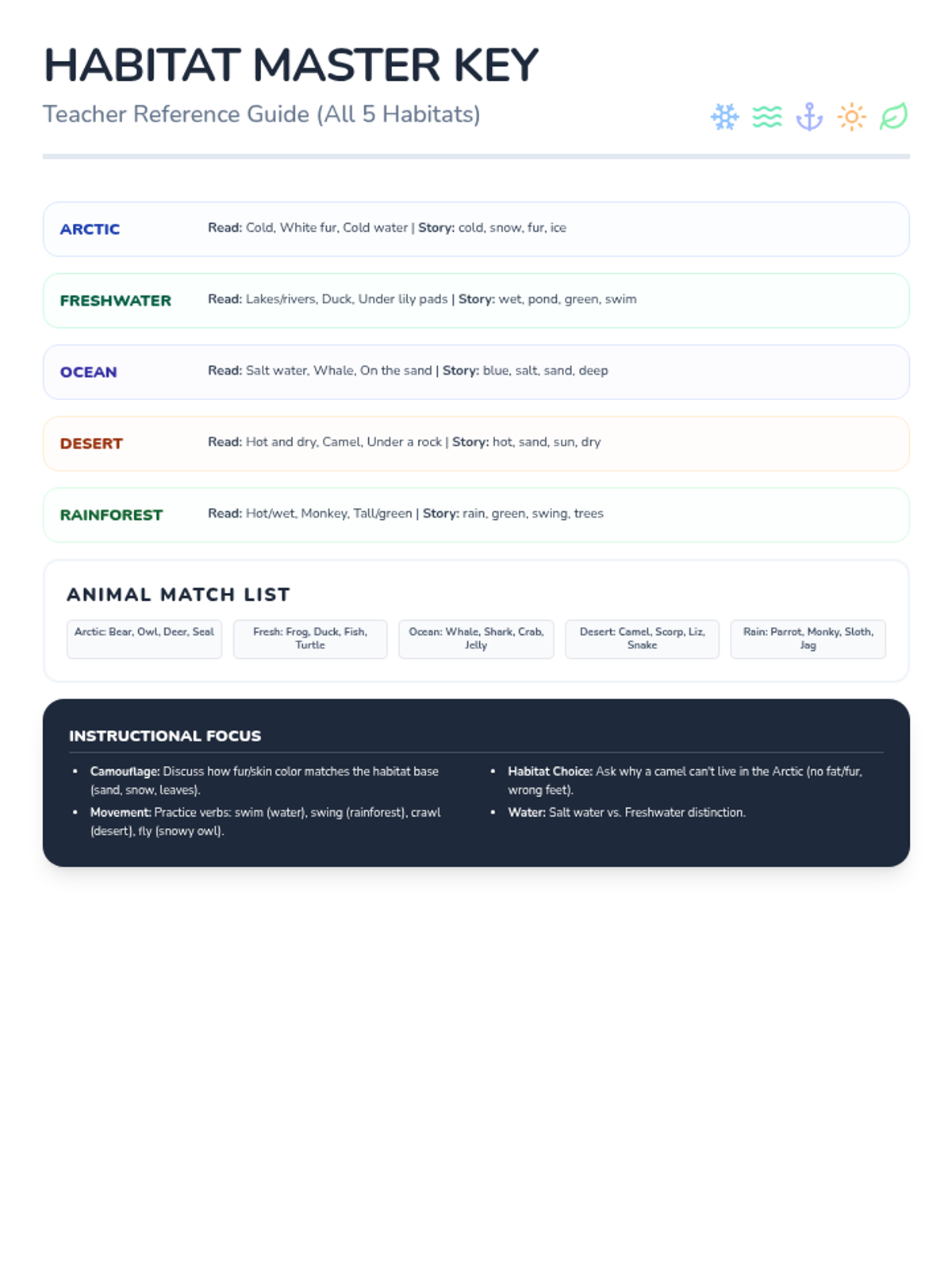
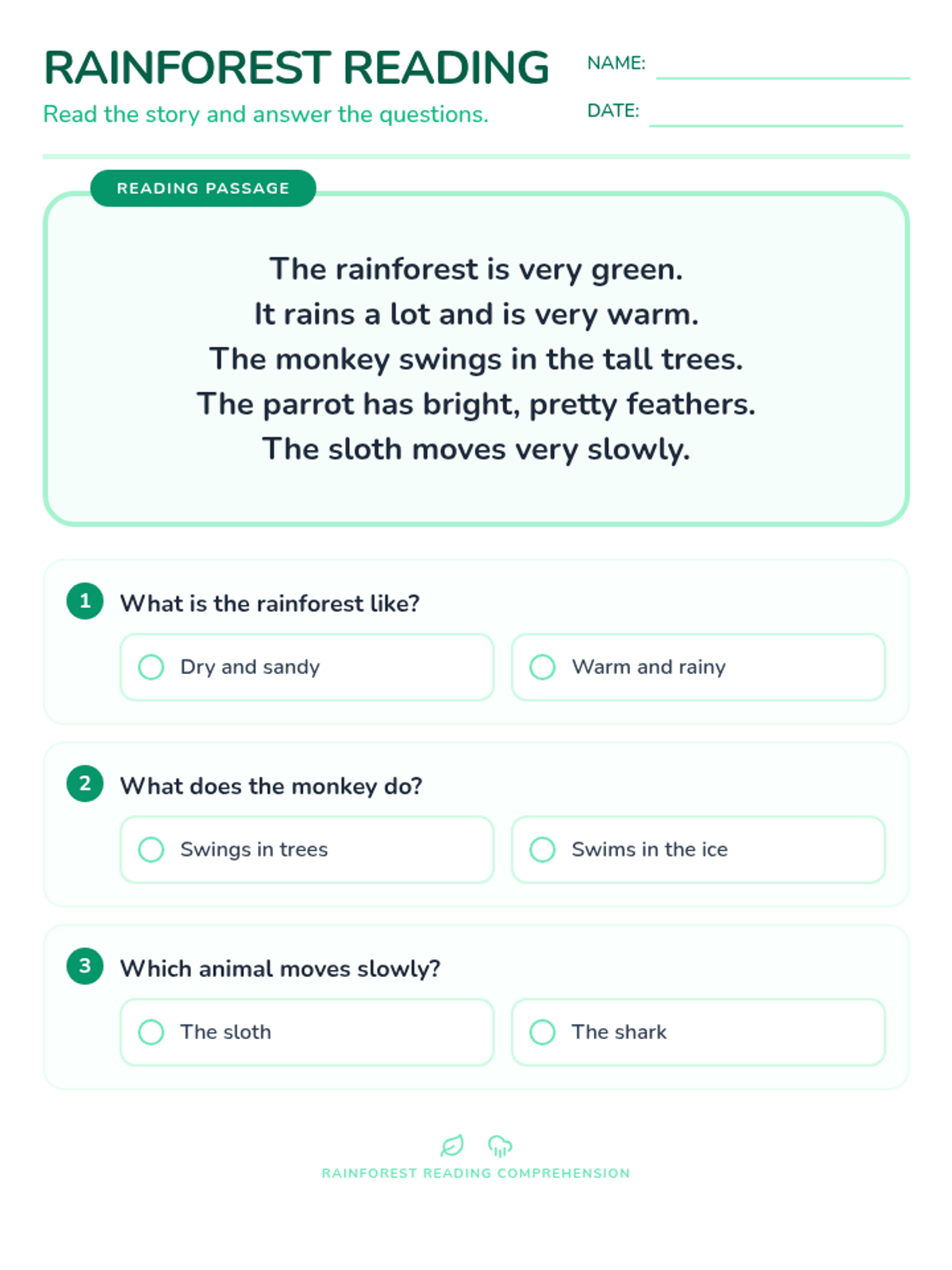
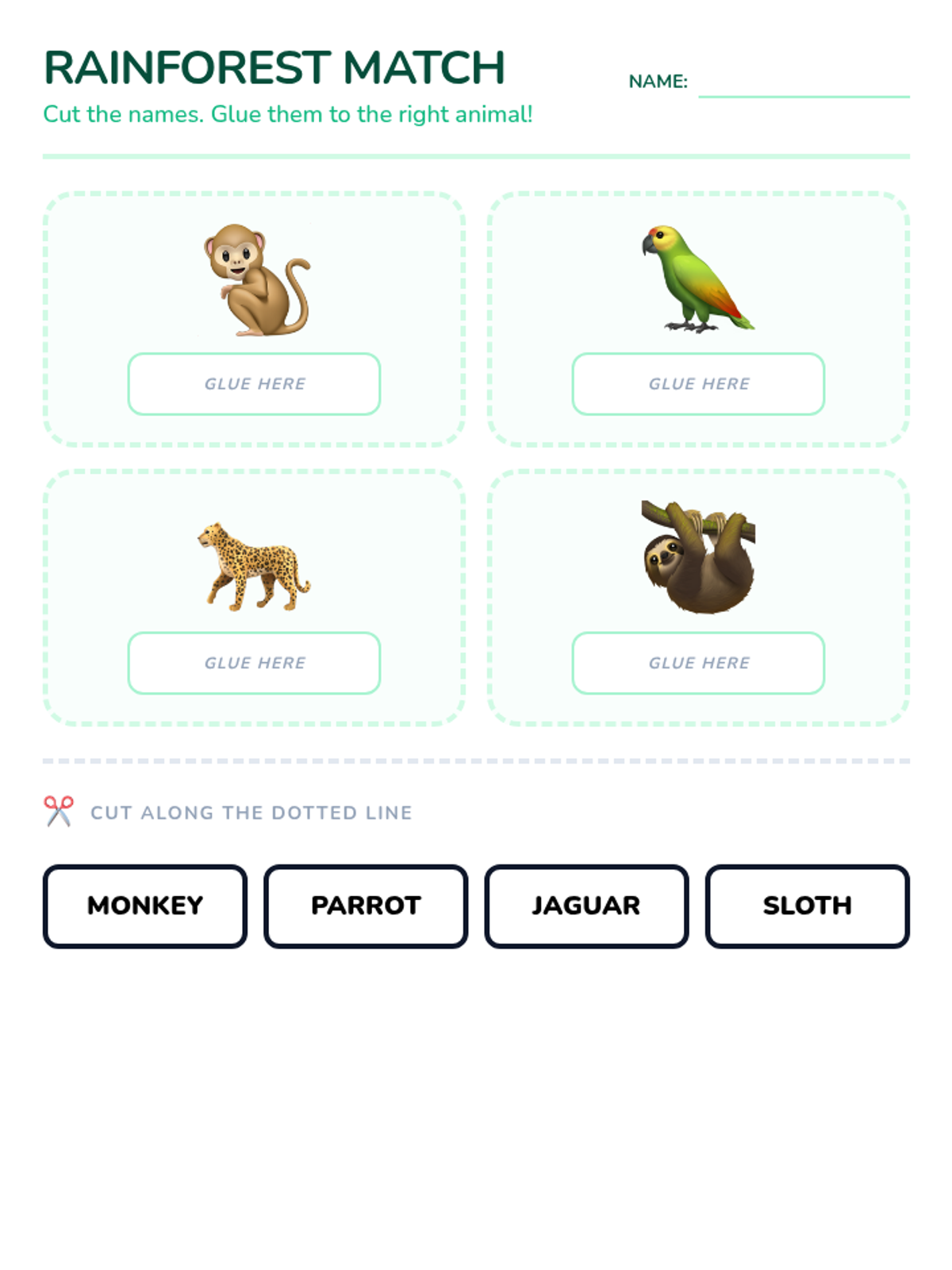
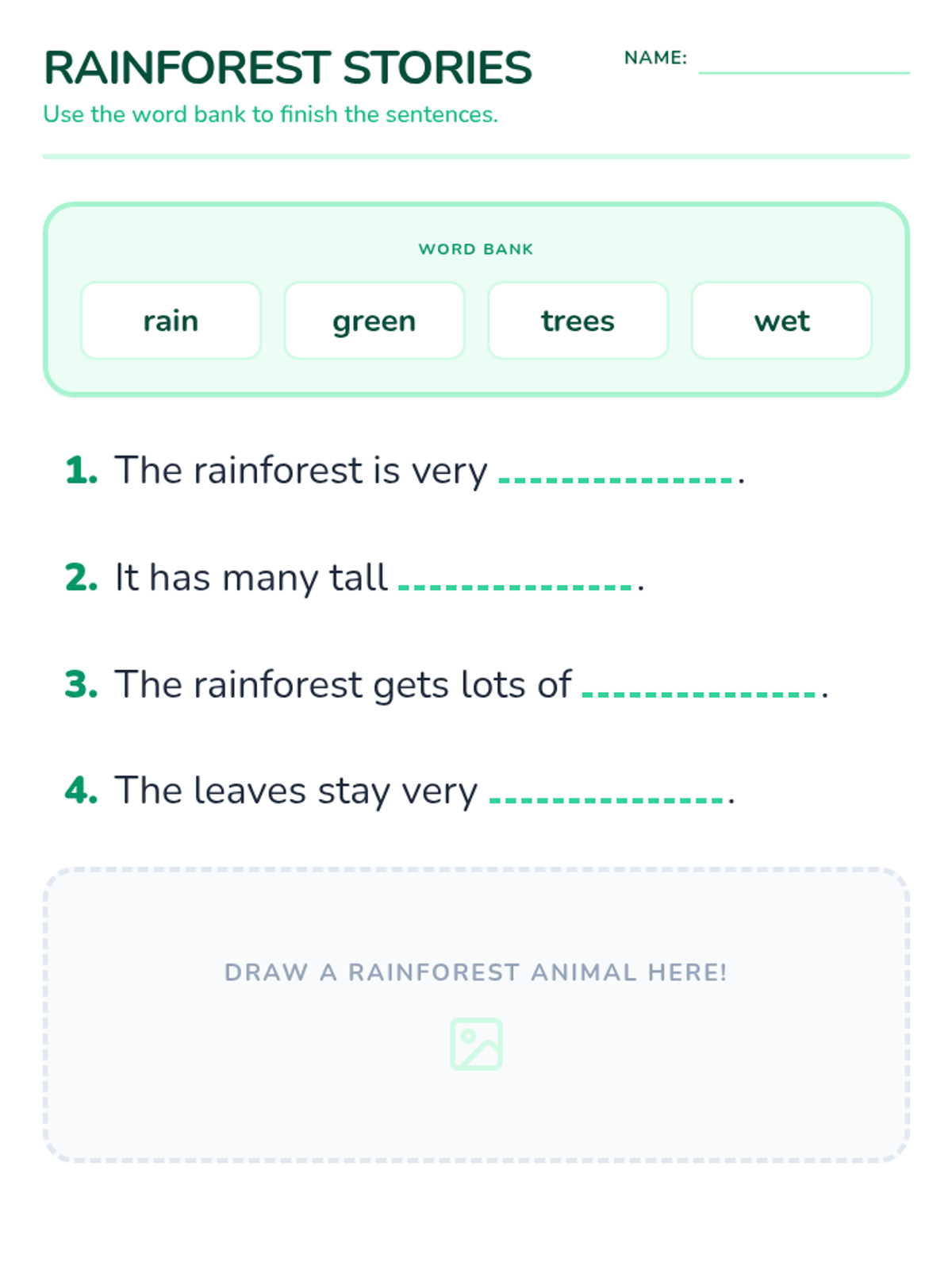
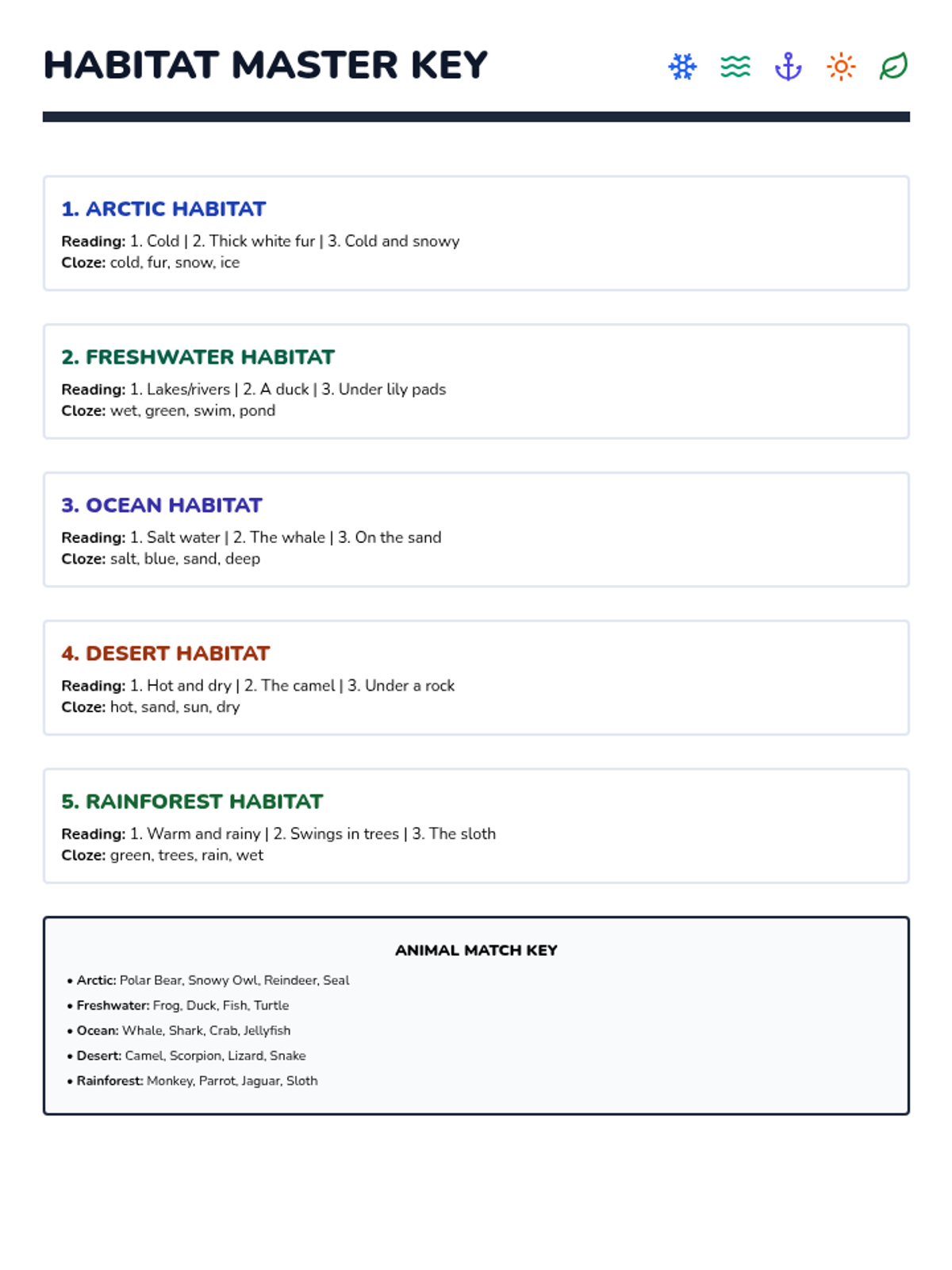
An exploration of the lush and rainy rainforest habitat, focusing on the layers of the forest and colorful animals like parrots and monkeys.
An exploration of the lush and rainy rainforest habitat, focusing on the layers of the forest and colorful animals like monkeys and parrots.
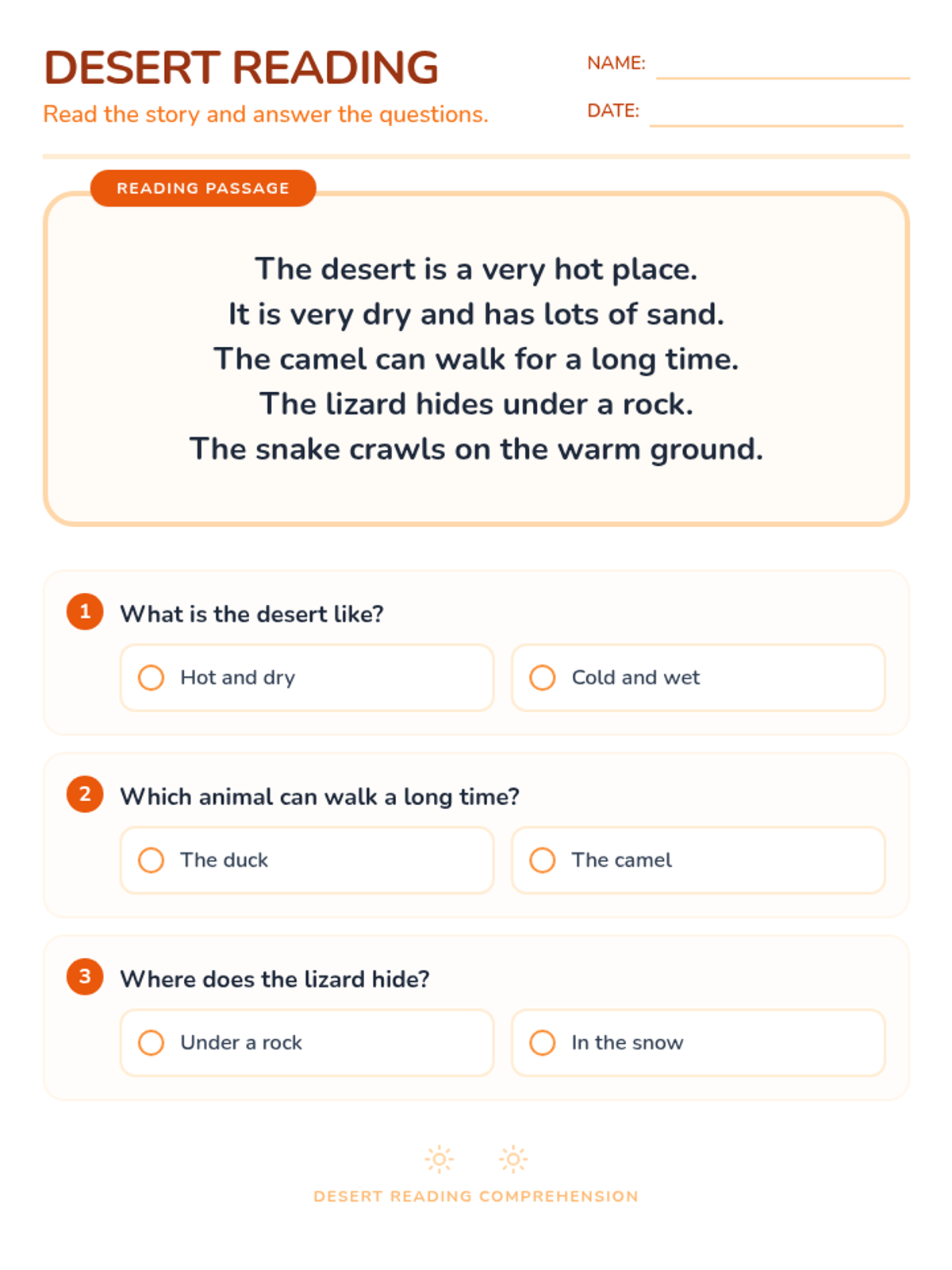
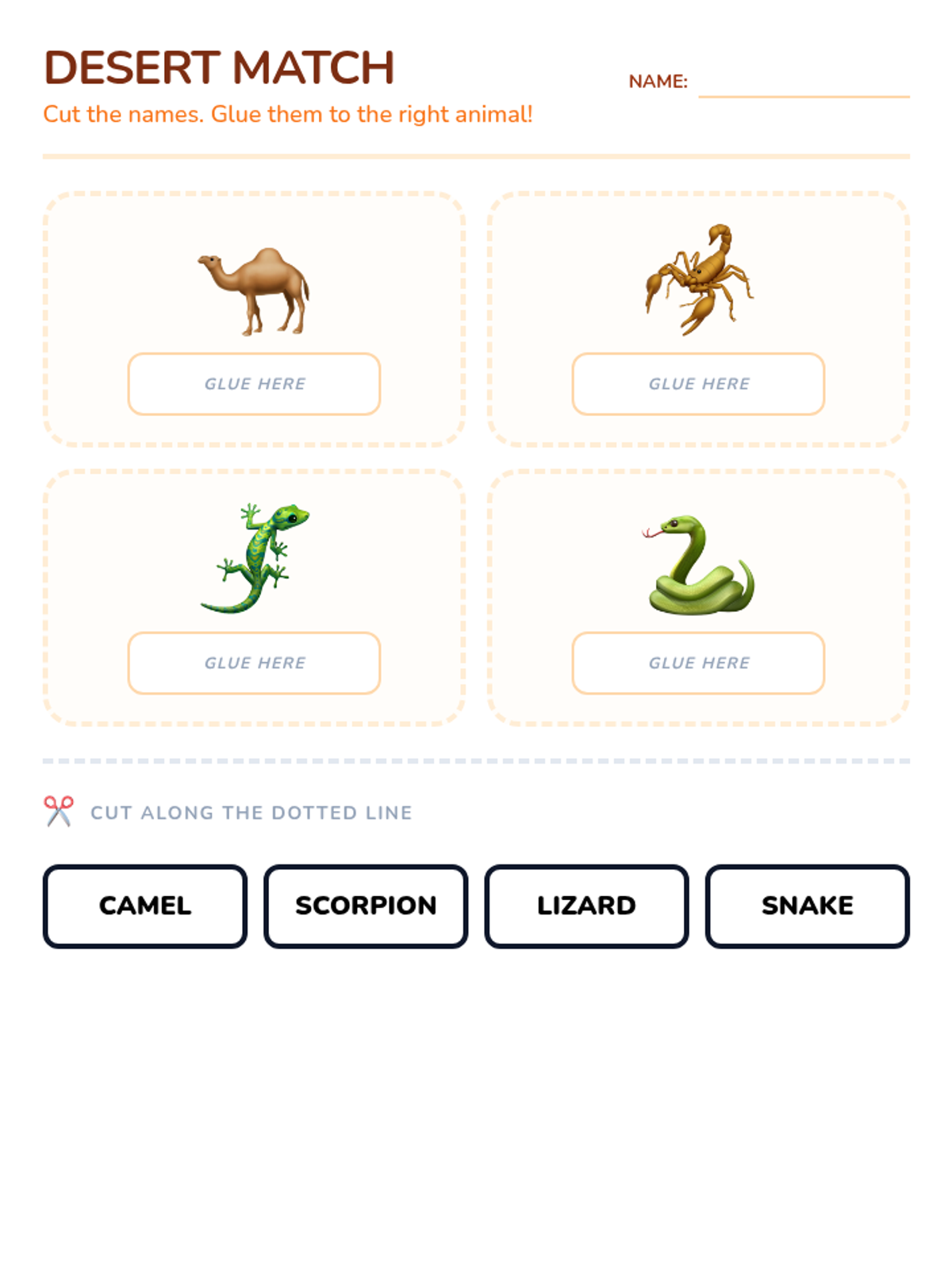
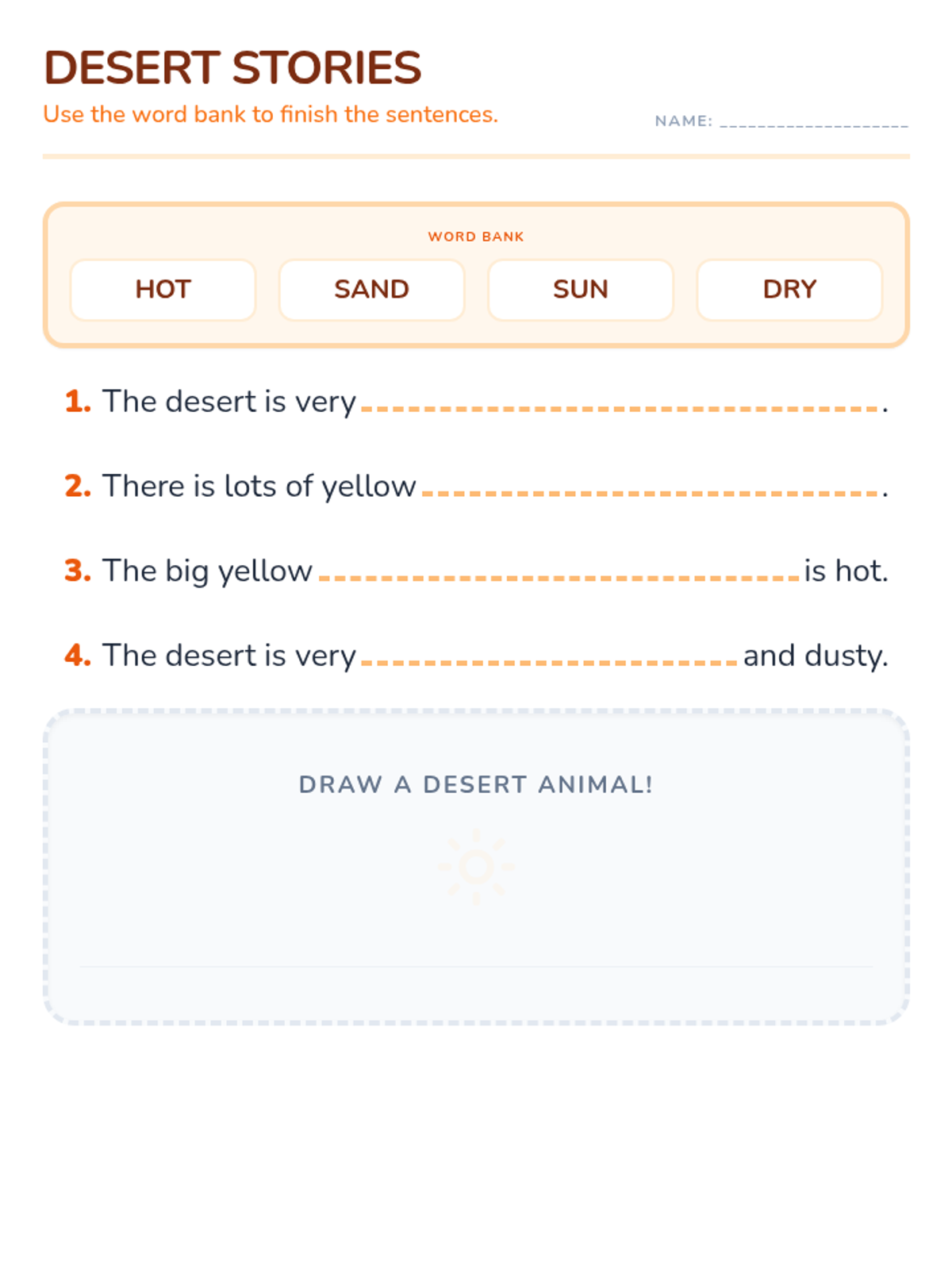
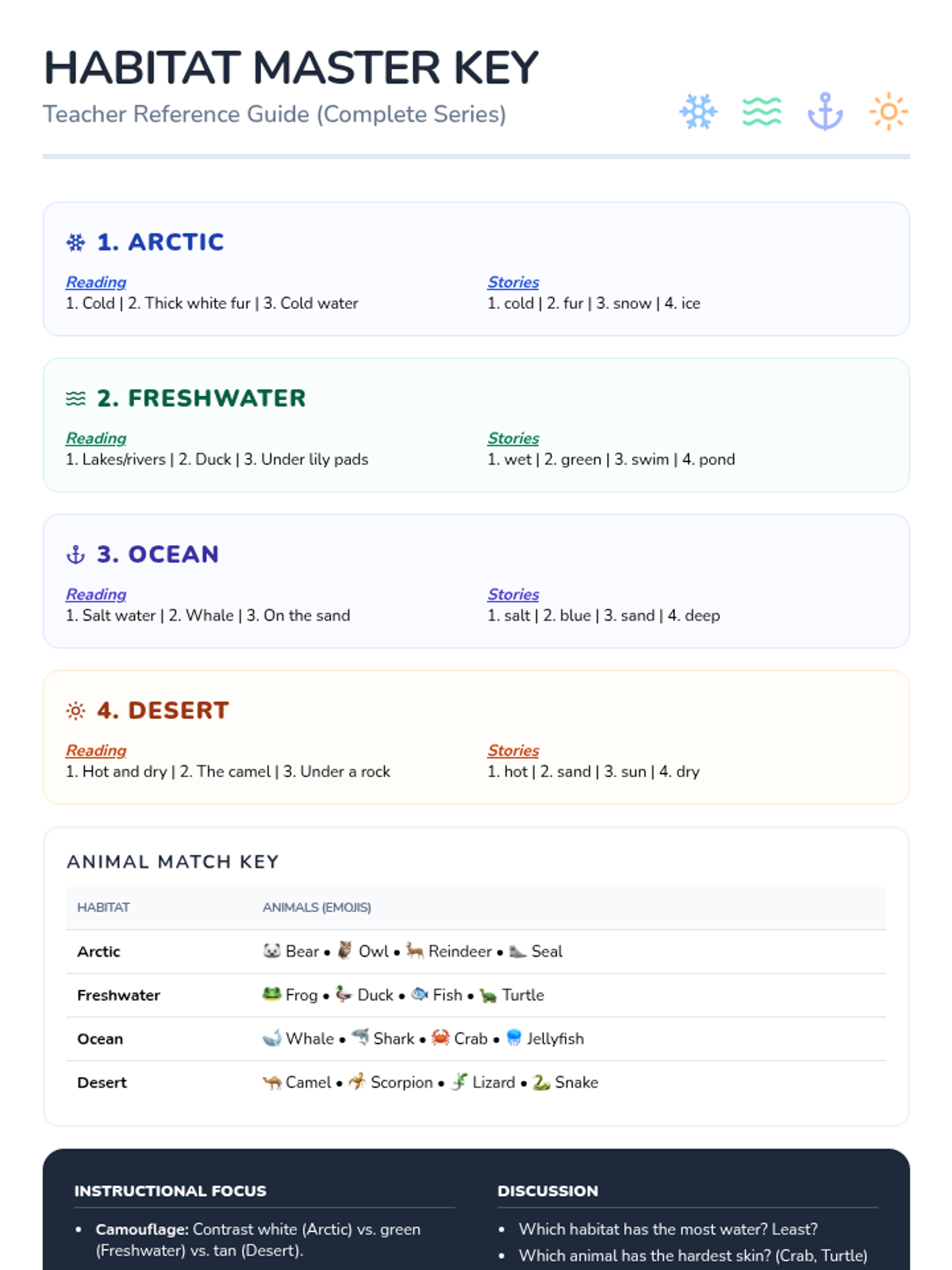
An exploration of the hot and dry desert habitat, focusing on how animals like camels and lizards survive with very little water.
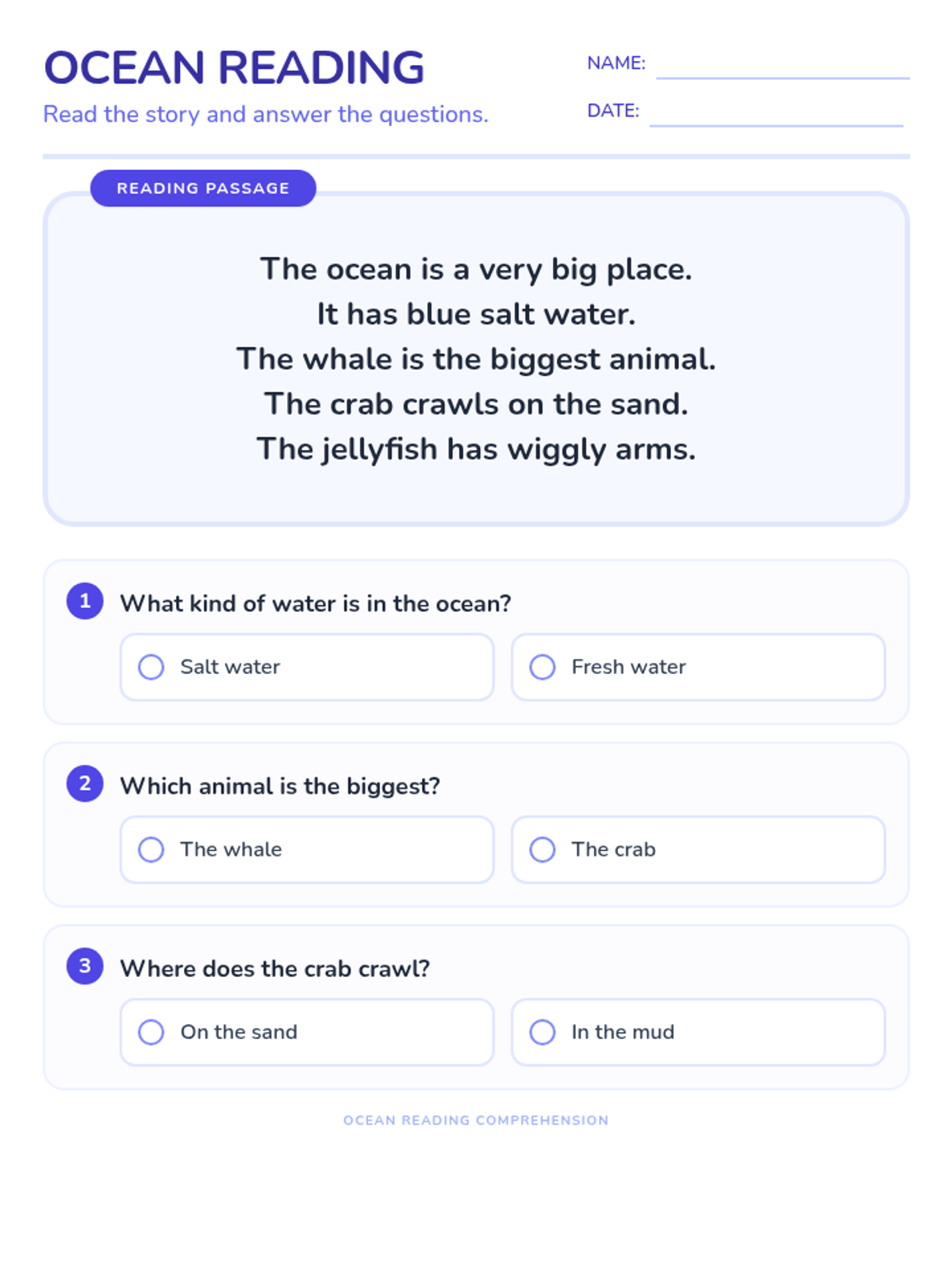
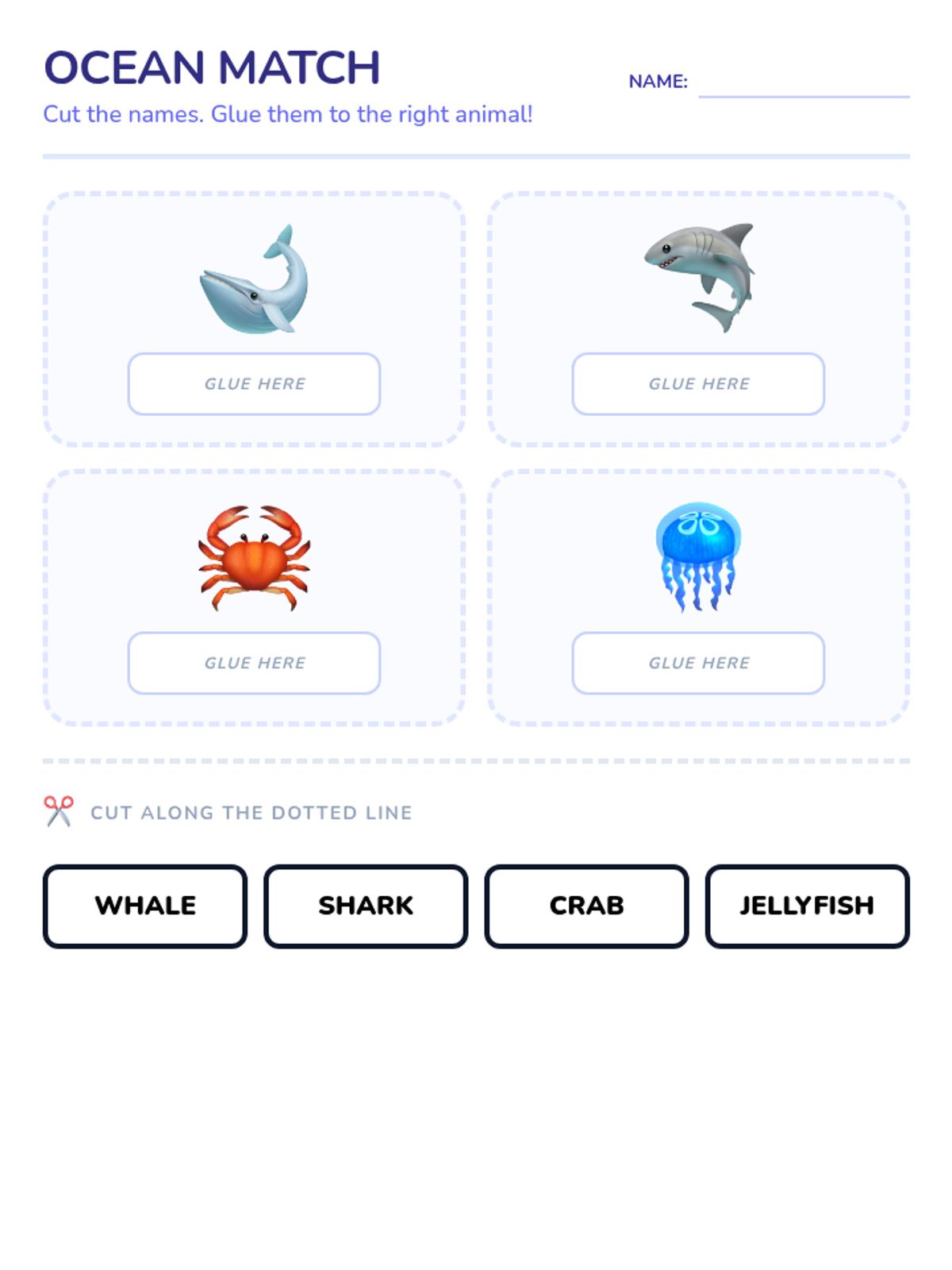
A captivating lesson for young explorers to discover the vast ocean habitat, focusing on salt water and amazing creatures like whales, sharks, and crabs.
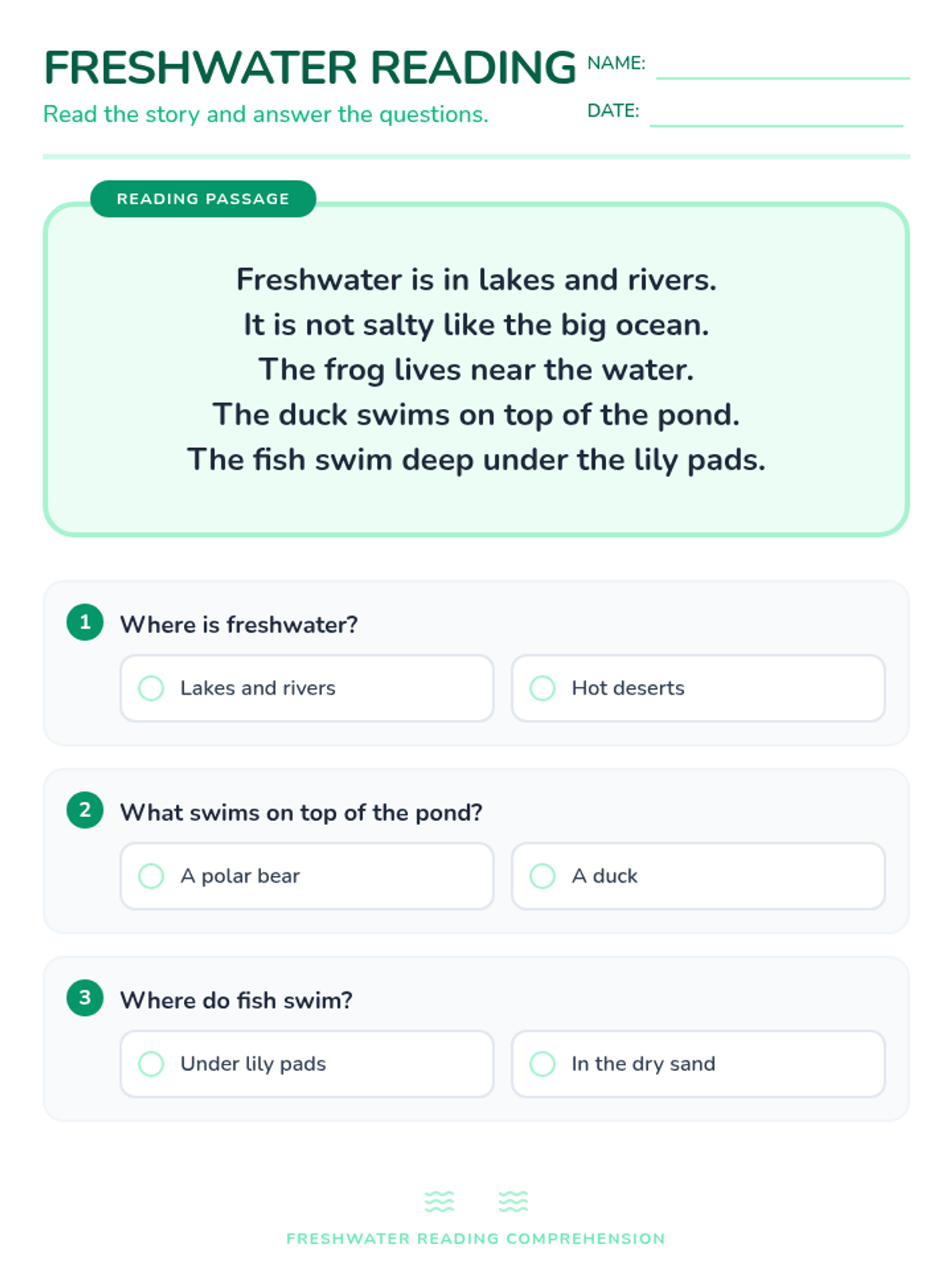
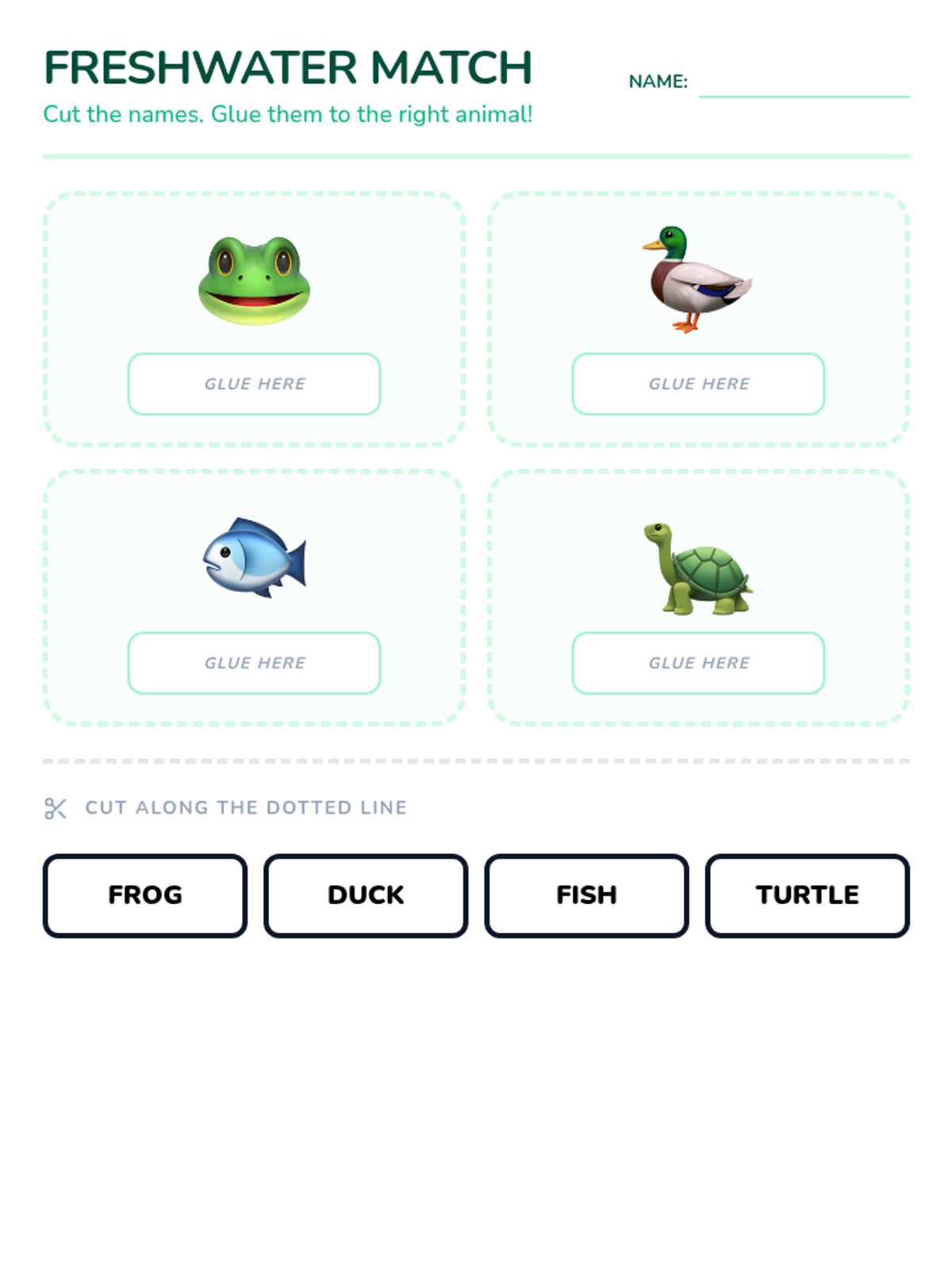
A foundational lesson for early elementary students exploring freshwater habitats like ponds and rivers, focusing on animals such as frogs, ducks, and fish.
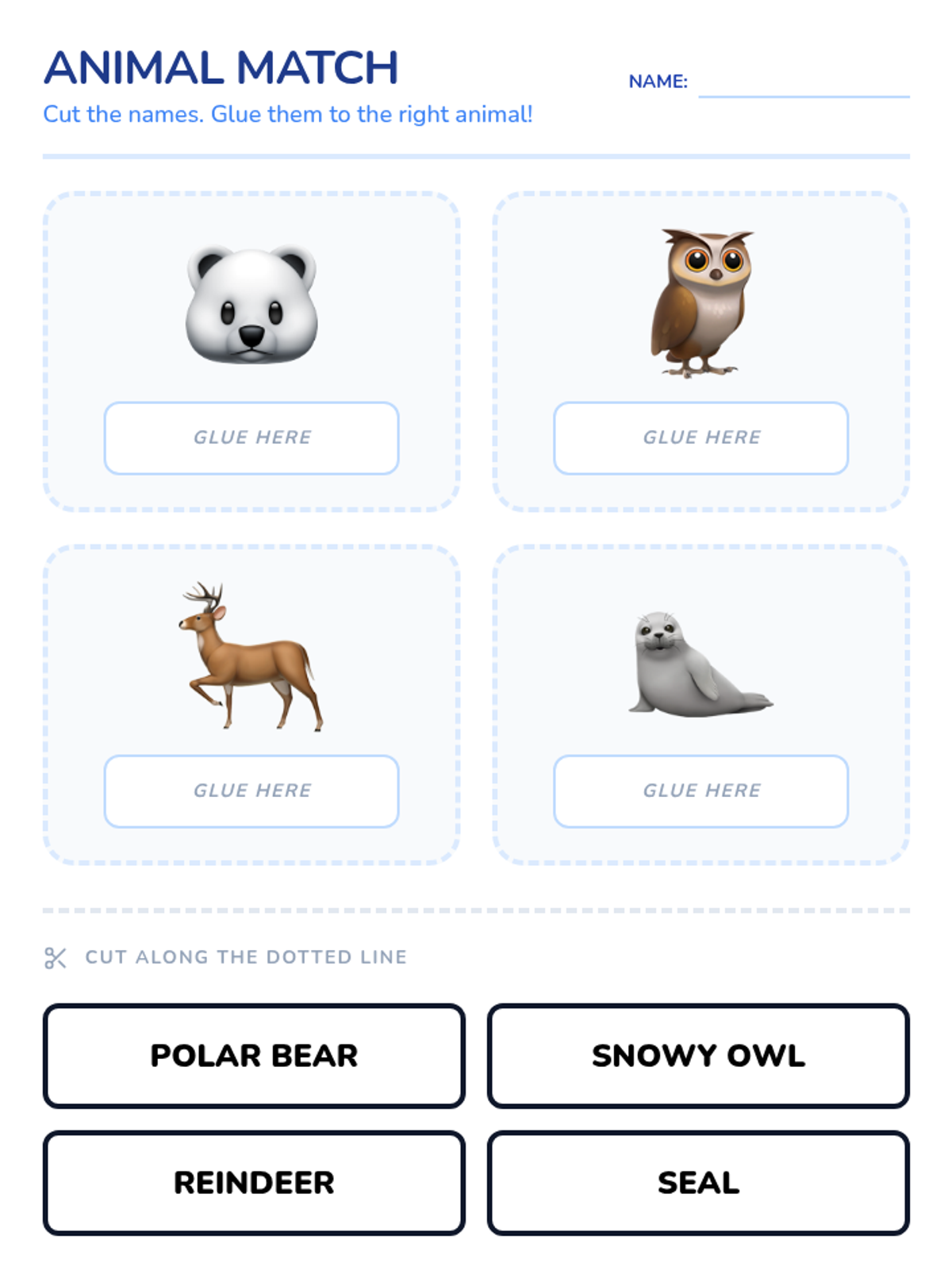
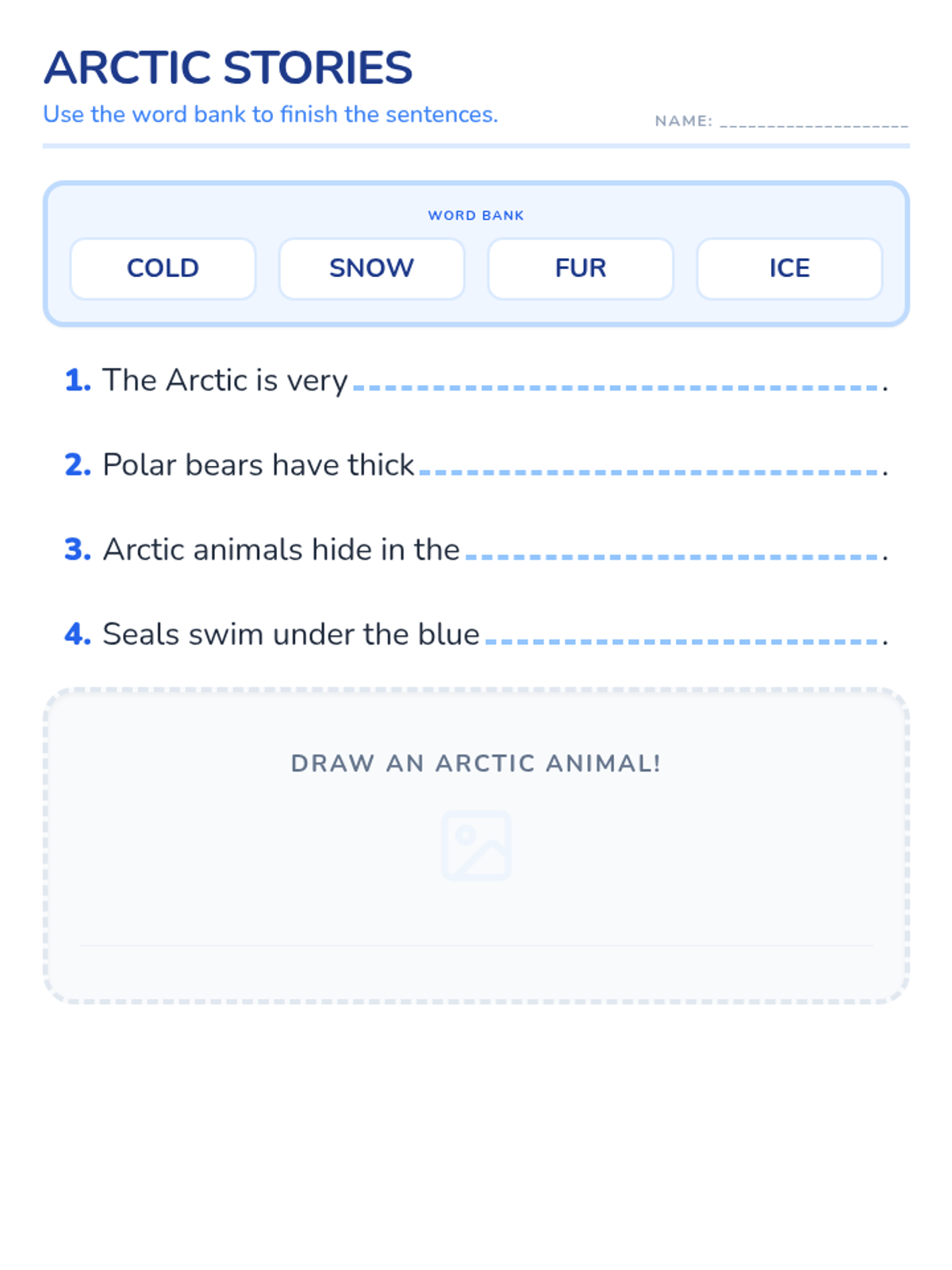
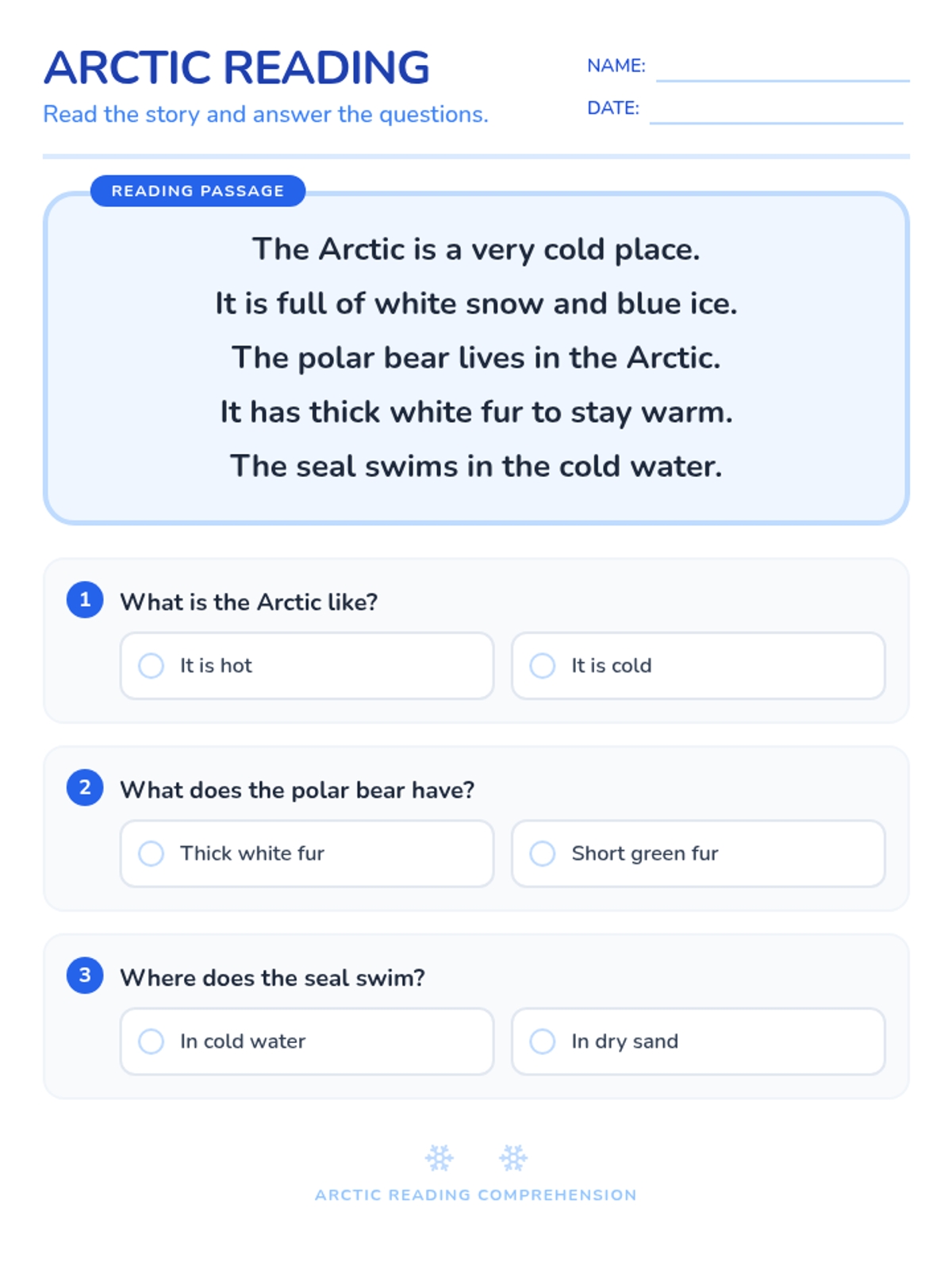
An introductory lesson for young learners about the Arctic habitat and the unique animals that call it home, focusing on adaptations like white fur and blubber.
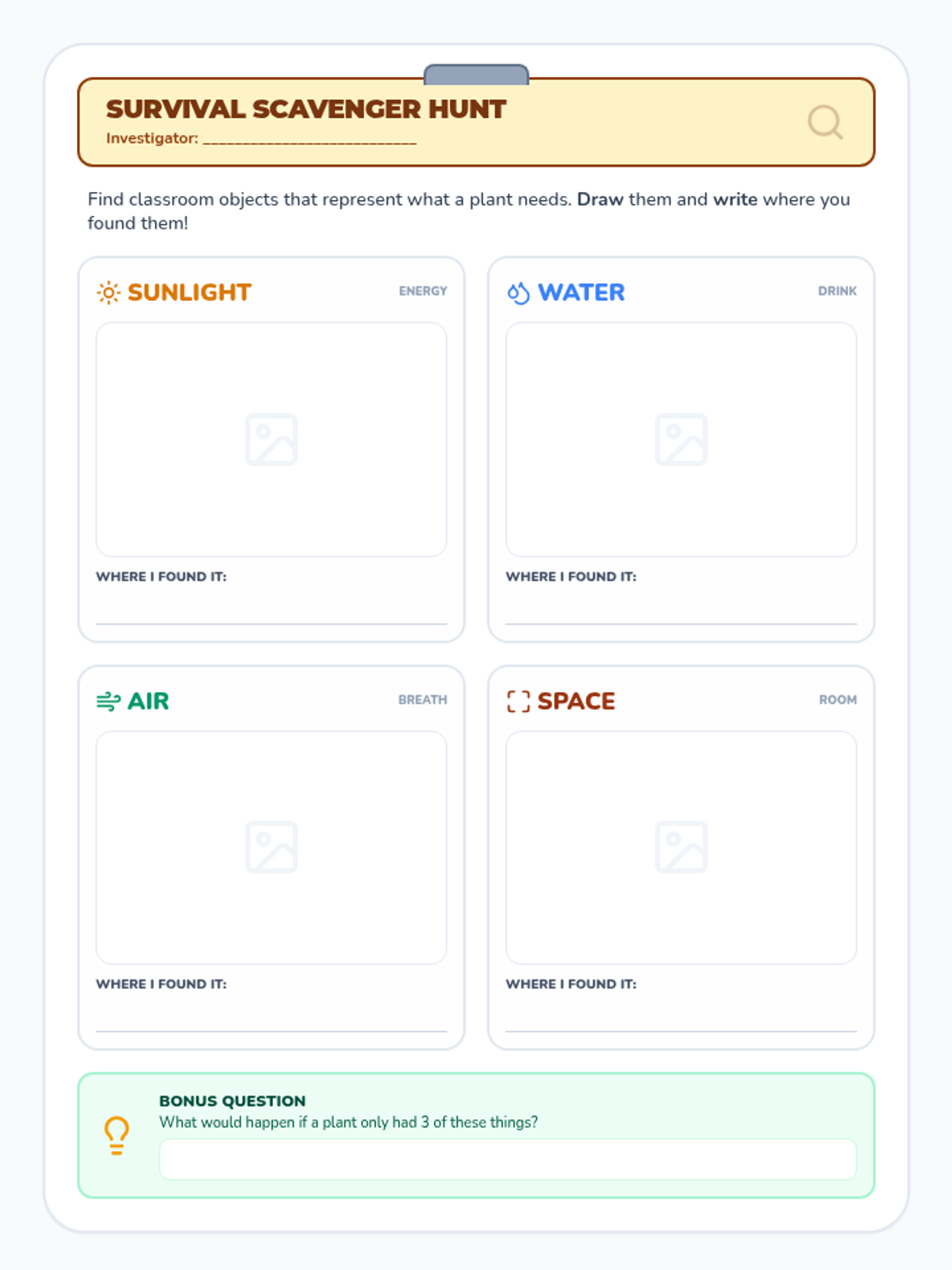
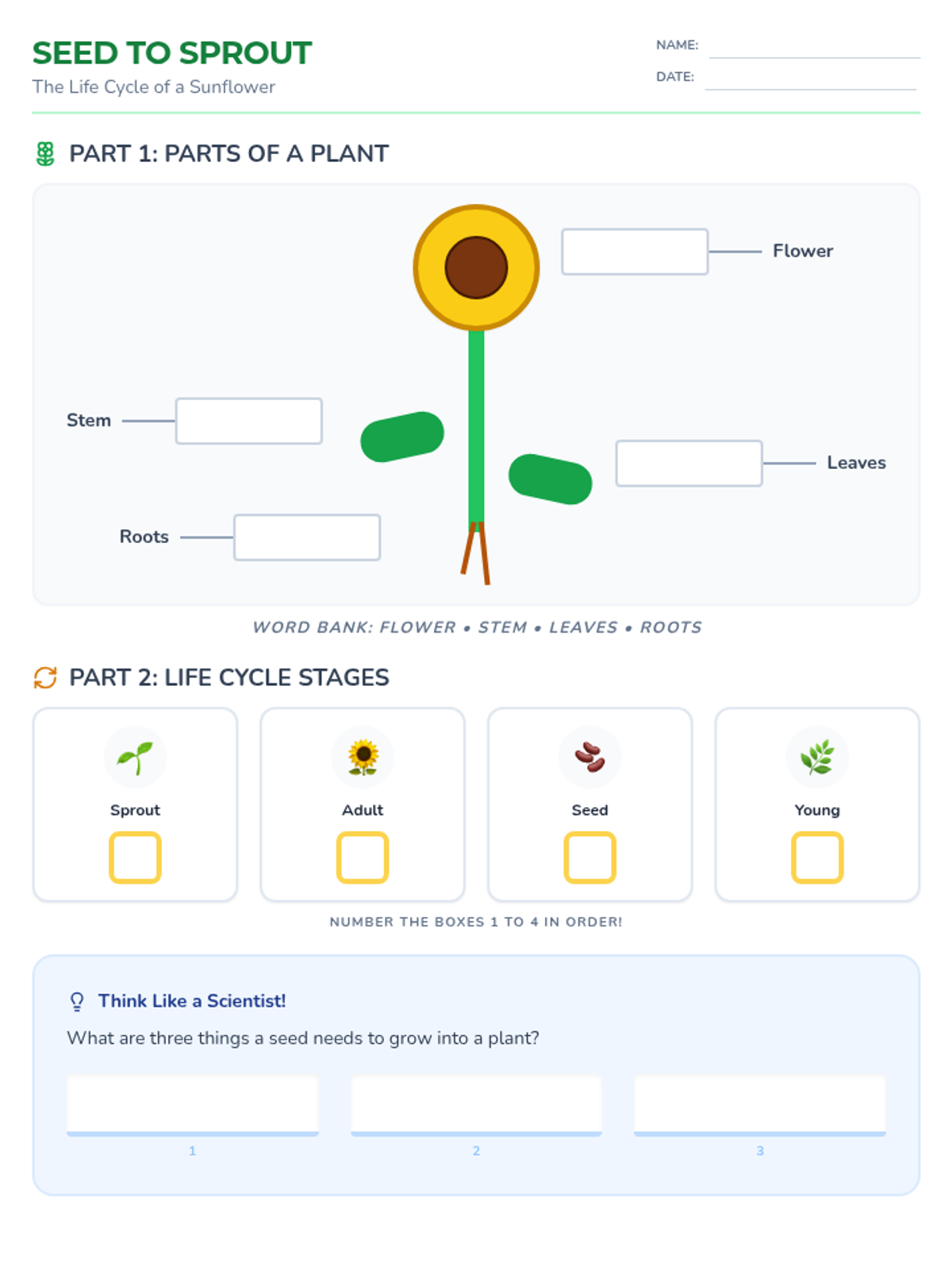
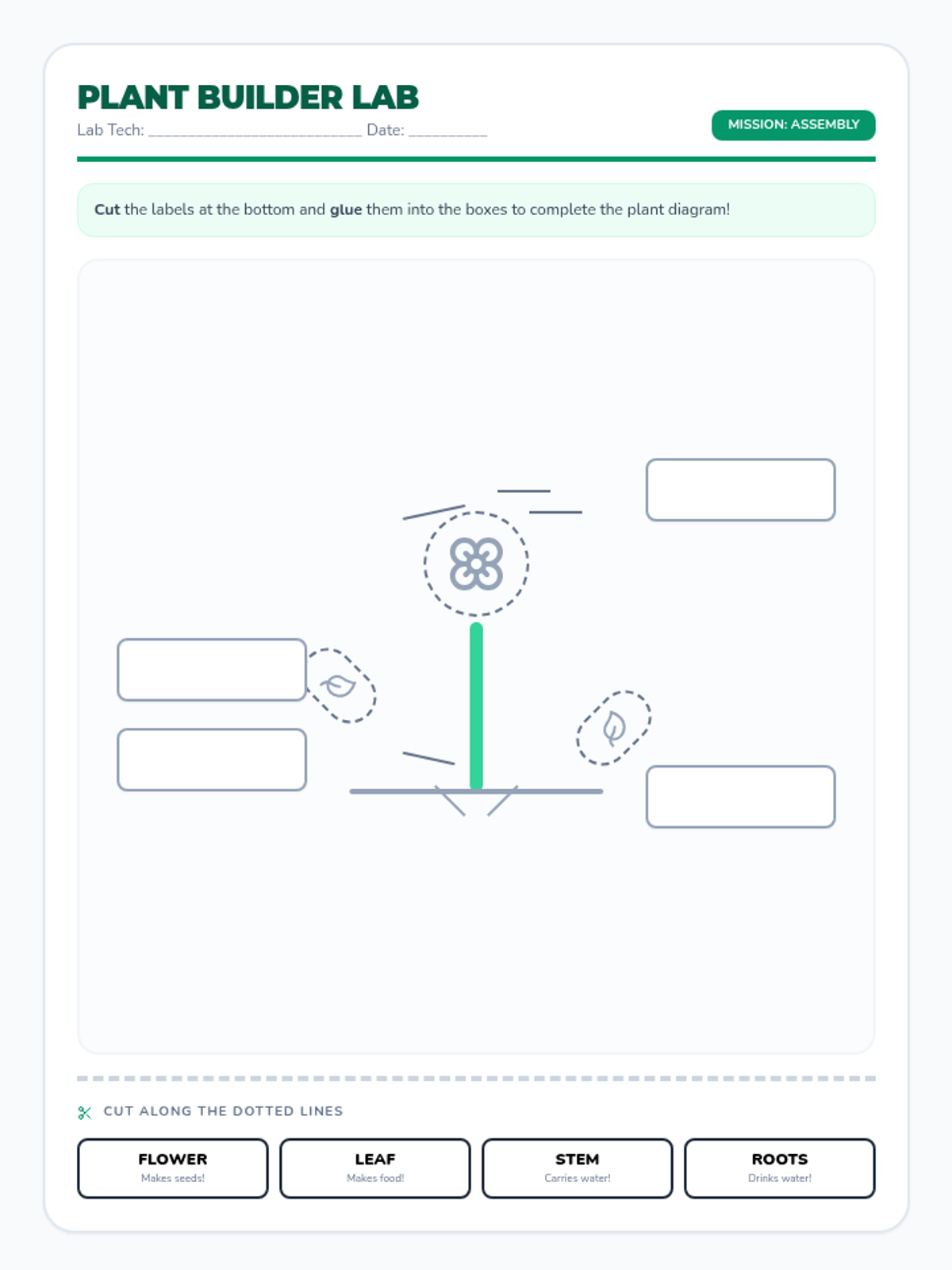
Students explore what plants need to survive and identify plant parts and their functions through hands-on activities and a classroom scavenger hunt.
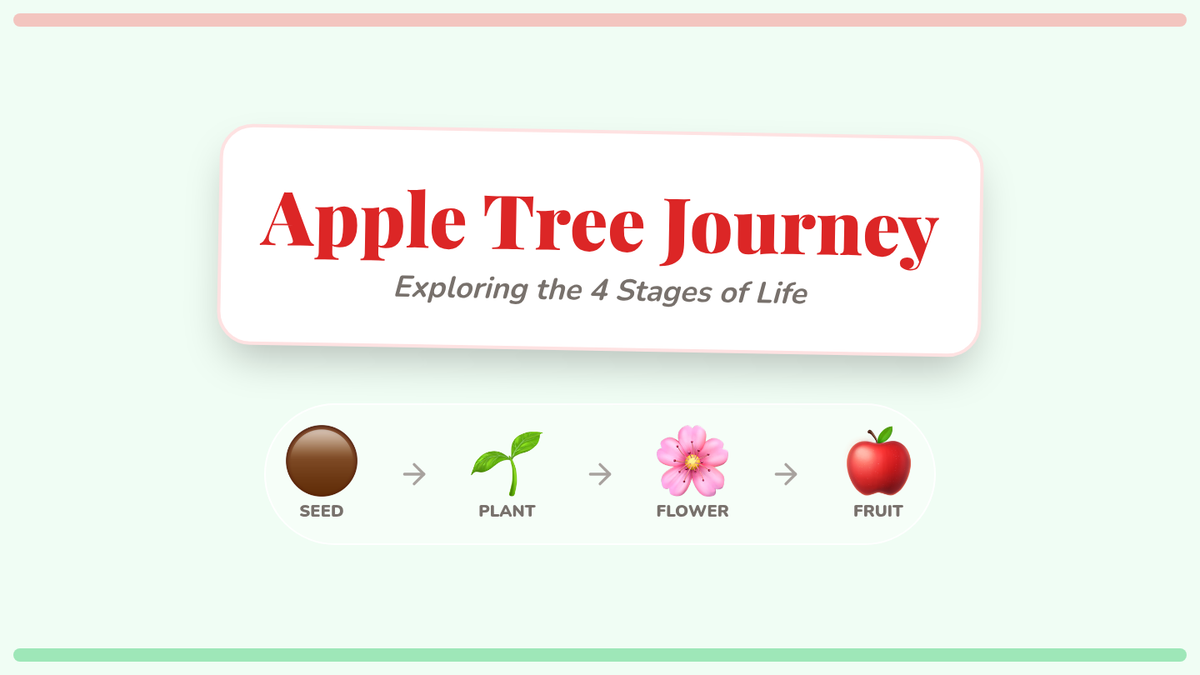
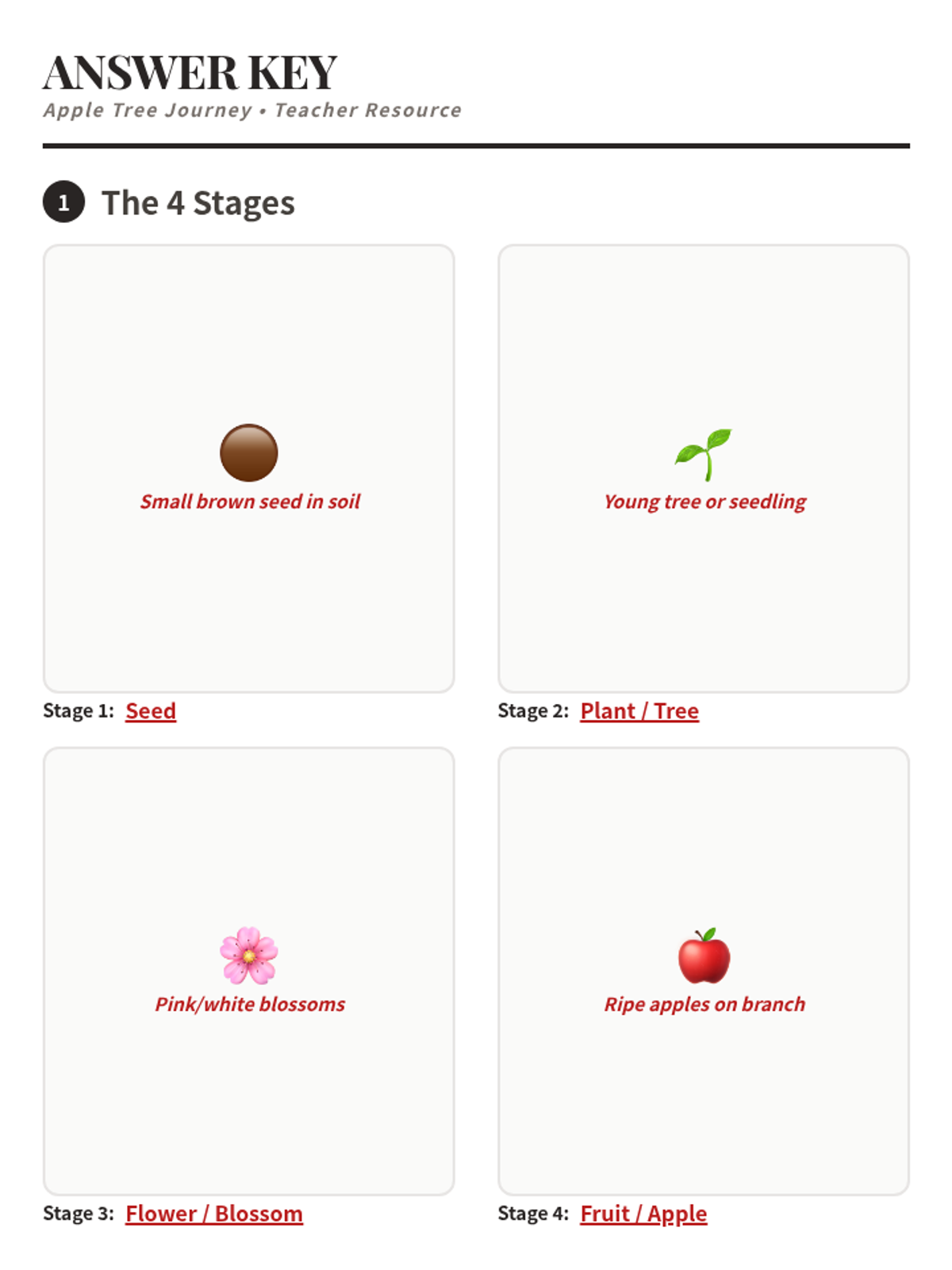
An exploration of the four life cycle stages of an apple tree: seed, plant (seedling/tree), flower, and fruit, specifically designed for 2nd-grade students.
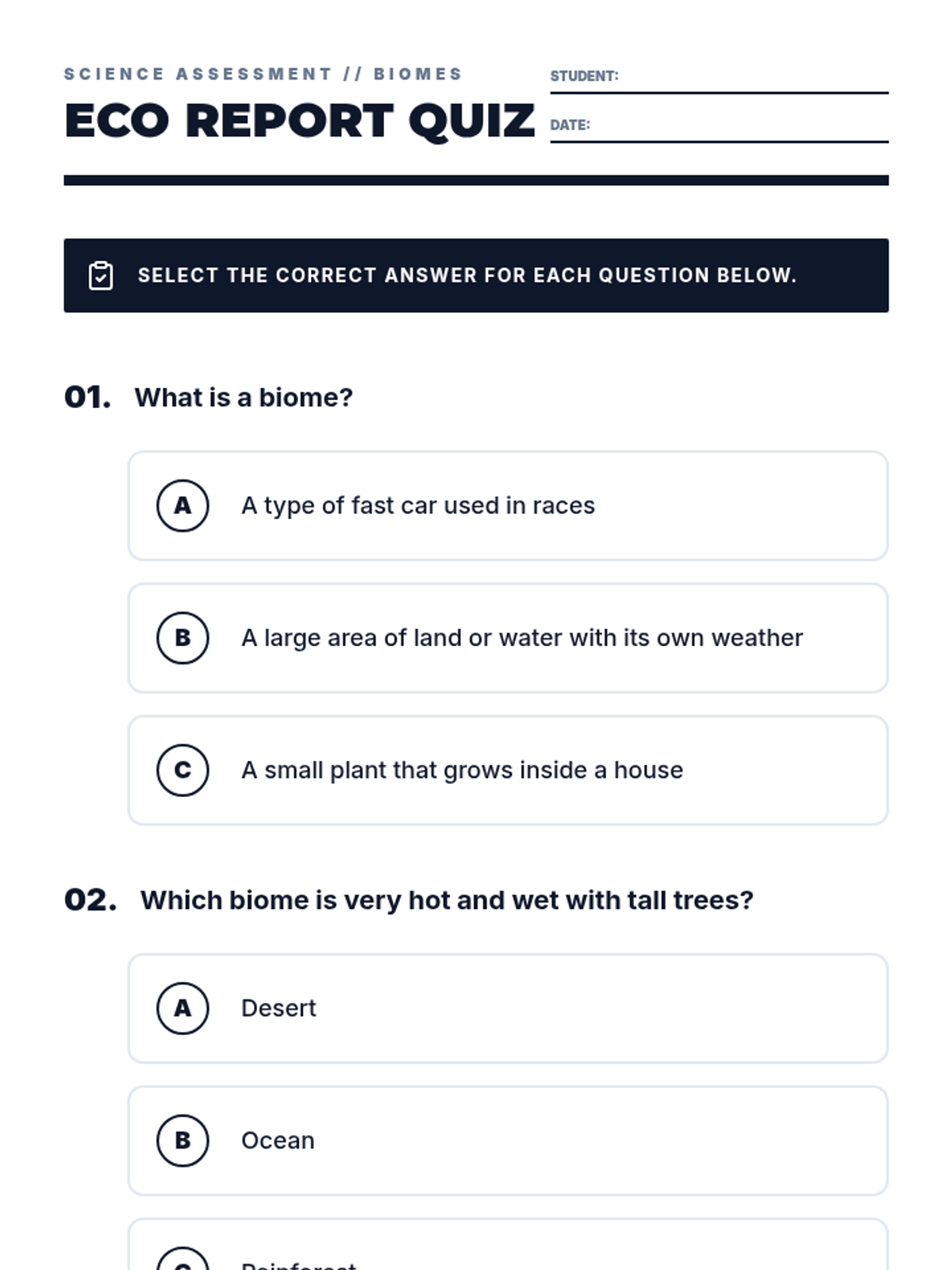
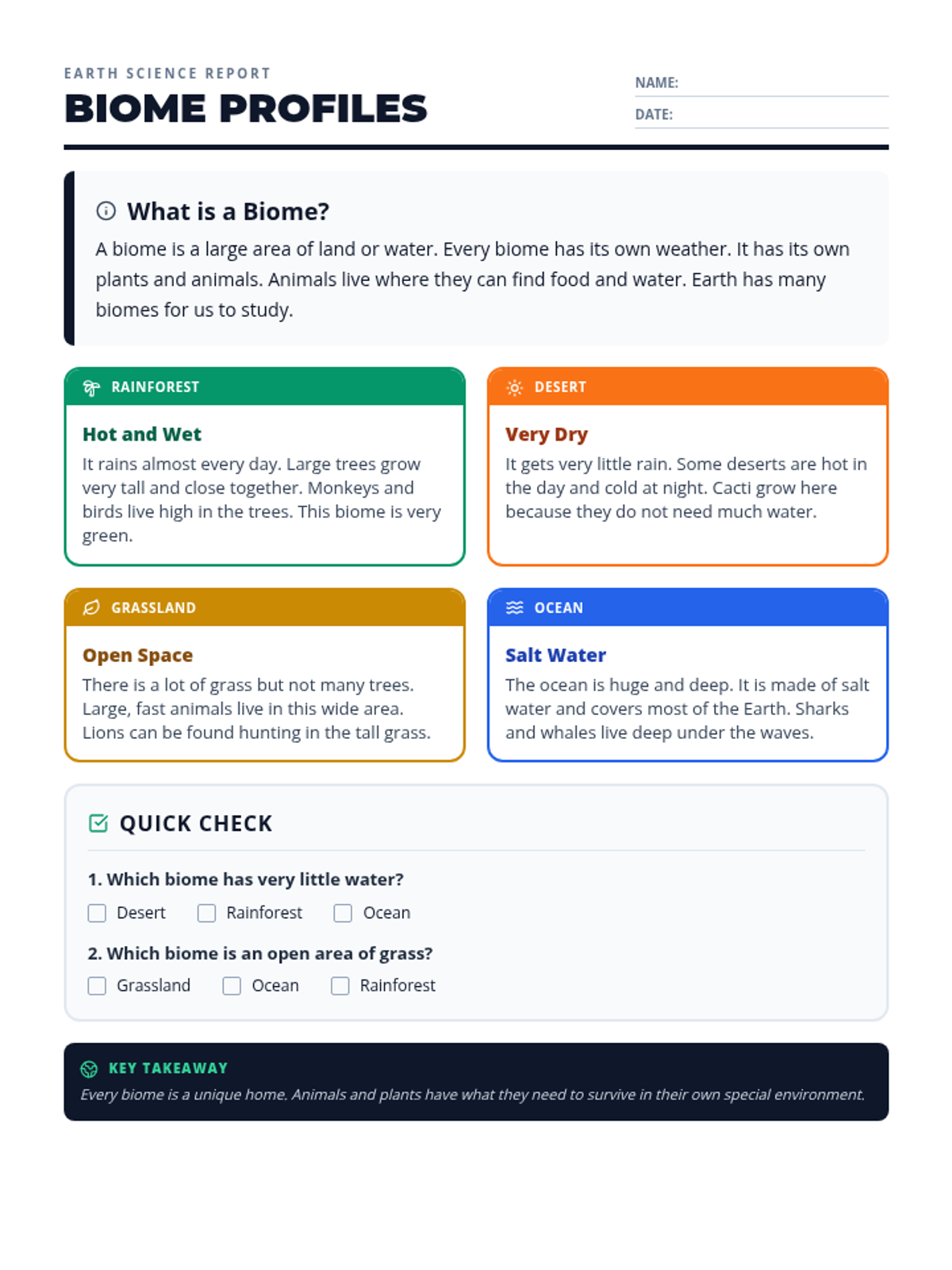
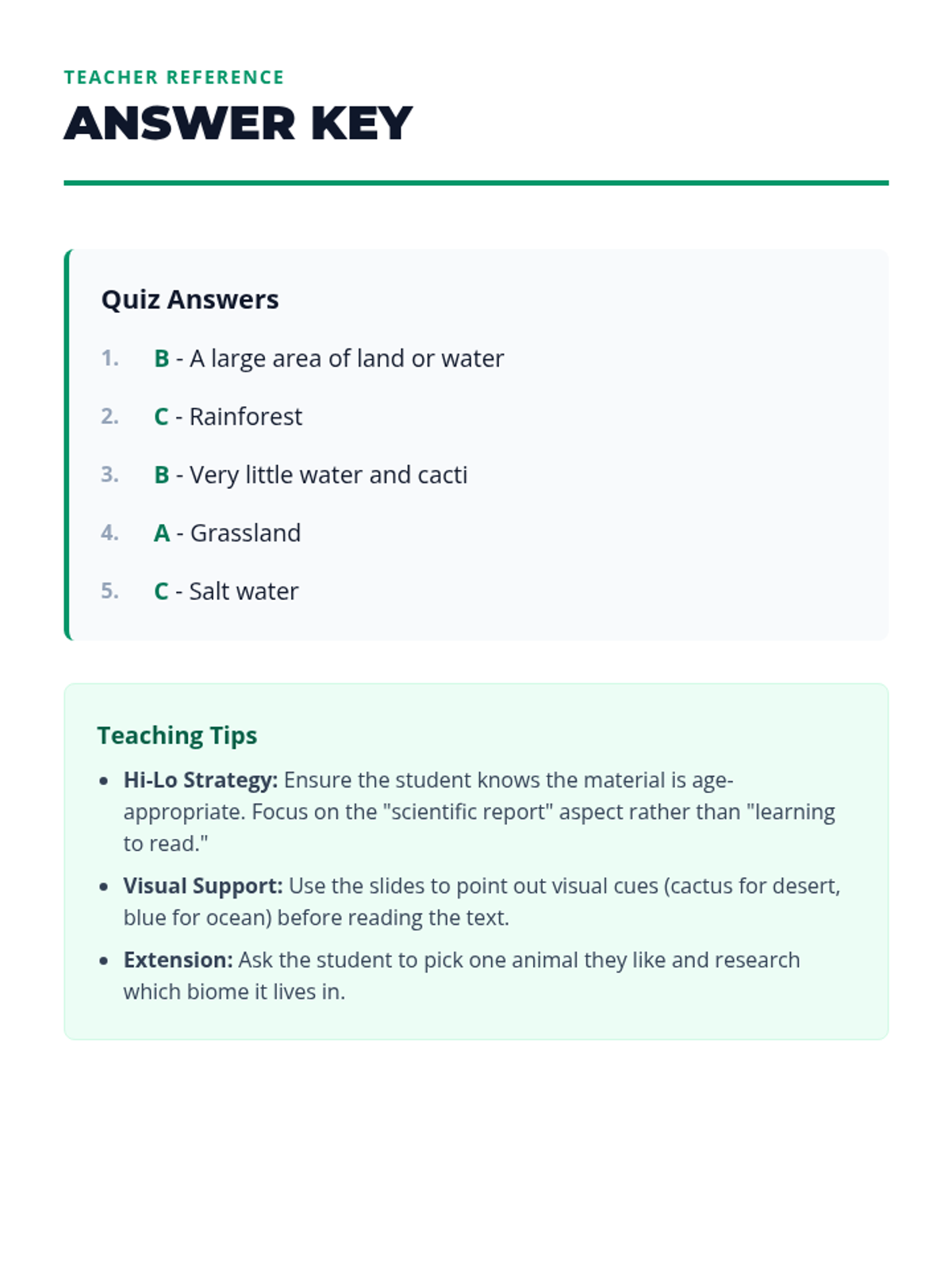
A lesson introducing four major biomes (Rainforest, Desert, Grassland, and Ocean) designed for high-interest, low-readability (Hi-Lo) instruction. This lesson bridges 2nd-grade reading levels with content suitable for a 14-year-old student.
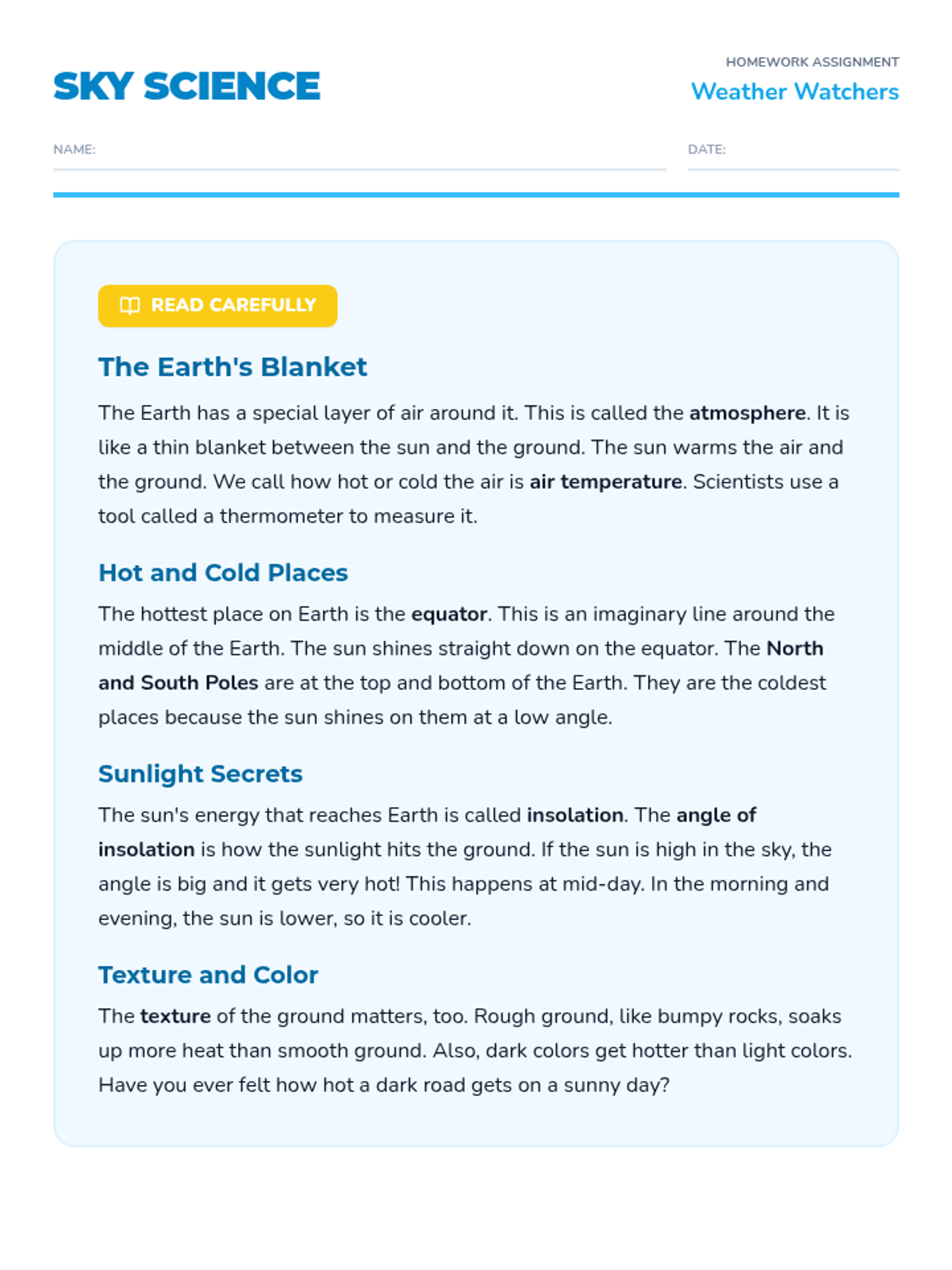
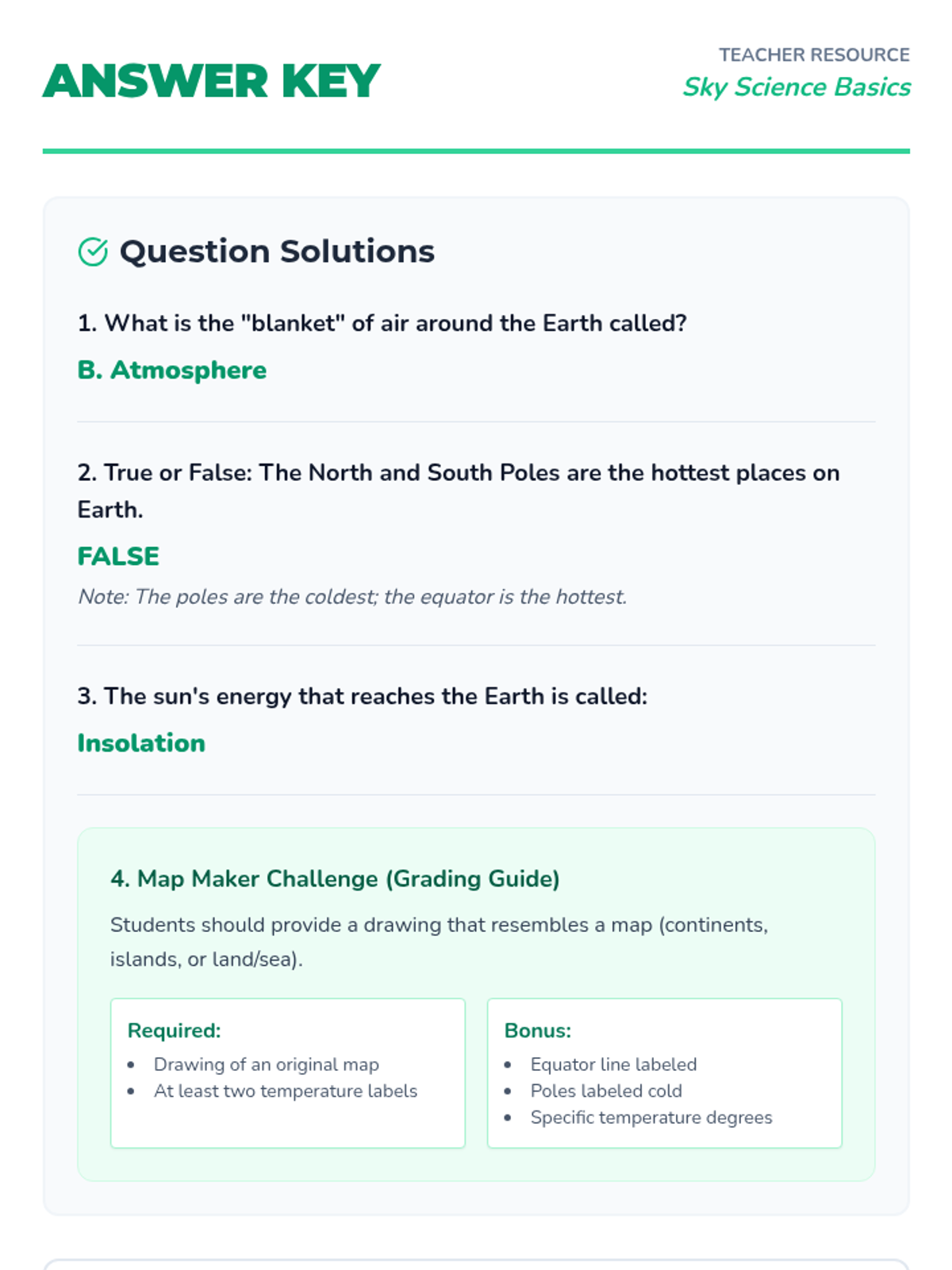
An introductory lesson on the Earth's atmosphere and how air temperature changes due to factors like location, texture, and color, adapted for 2nd-grade readers.
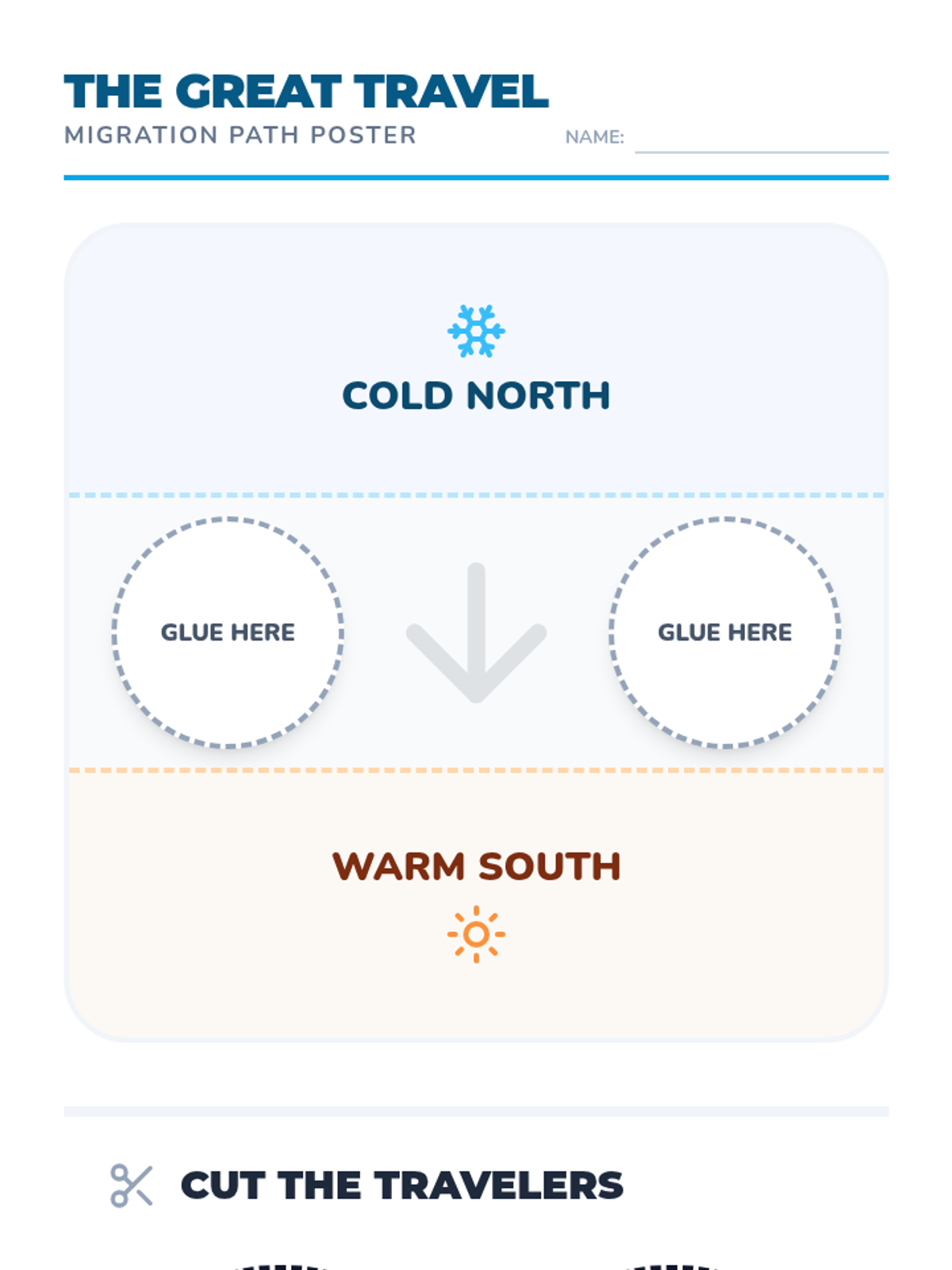
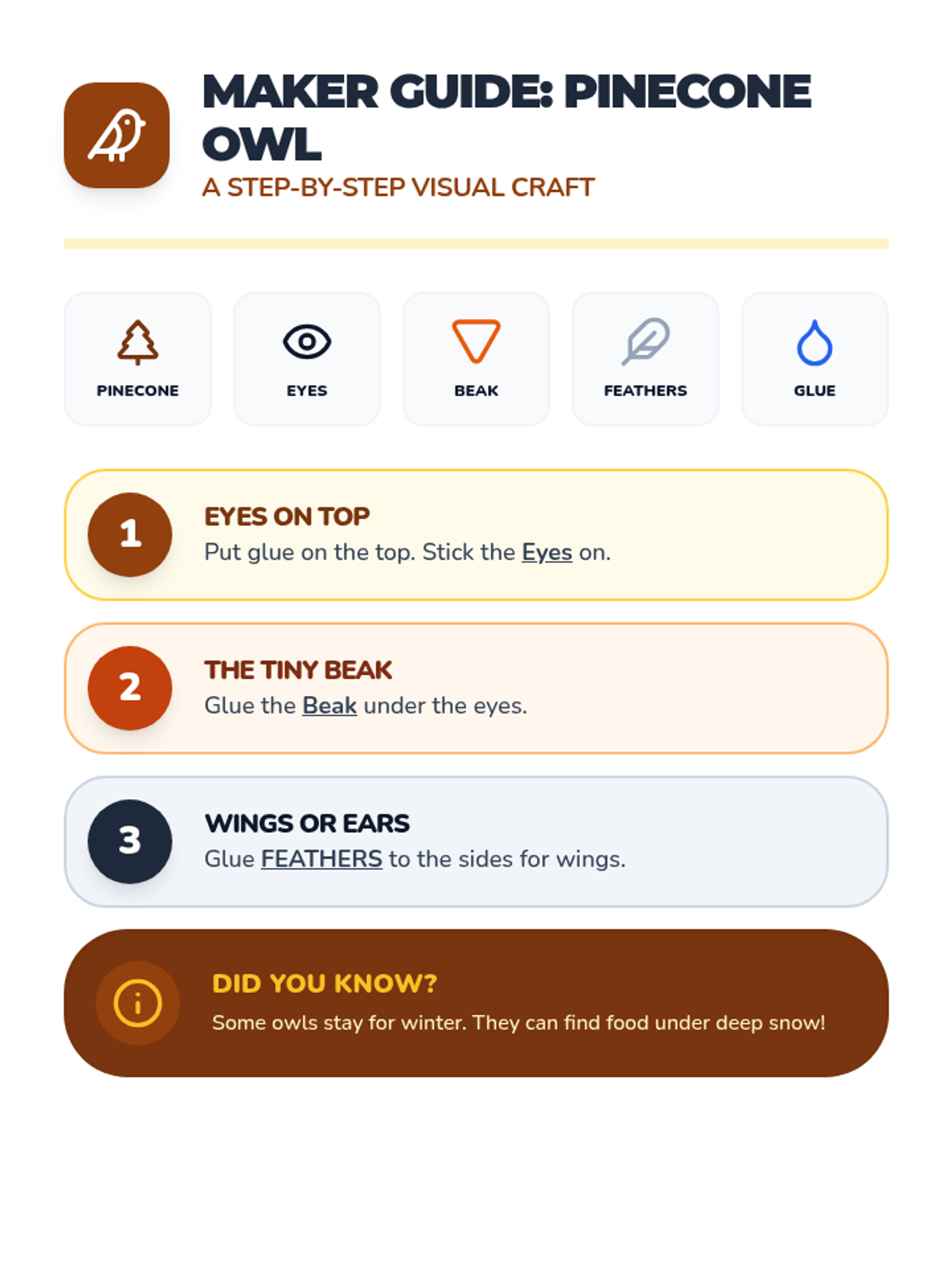
Investigate how animals prepare for winter with a migration map poster and a pinecone animal craft.
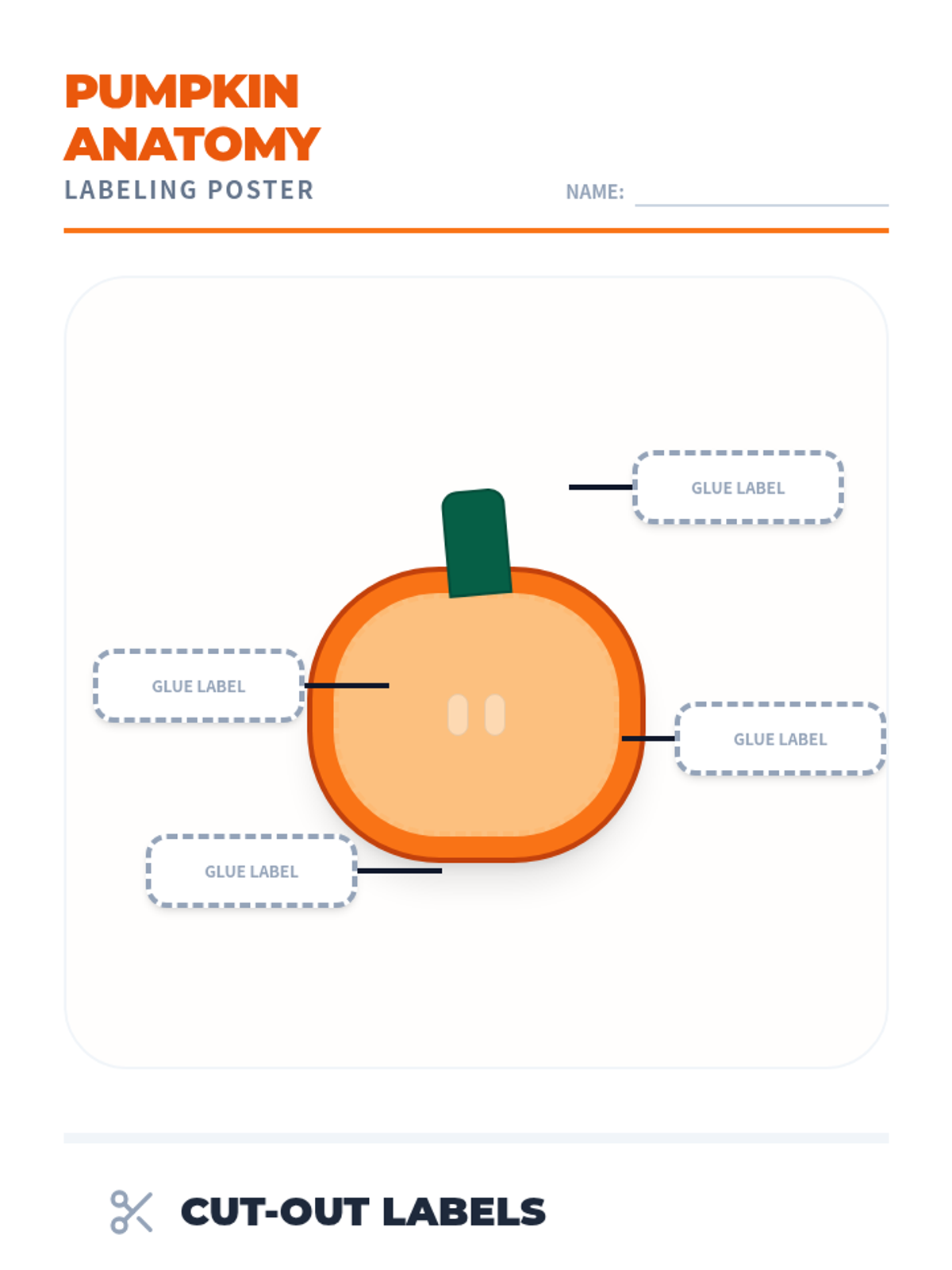
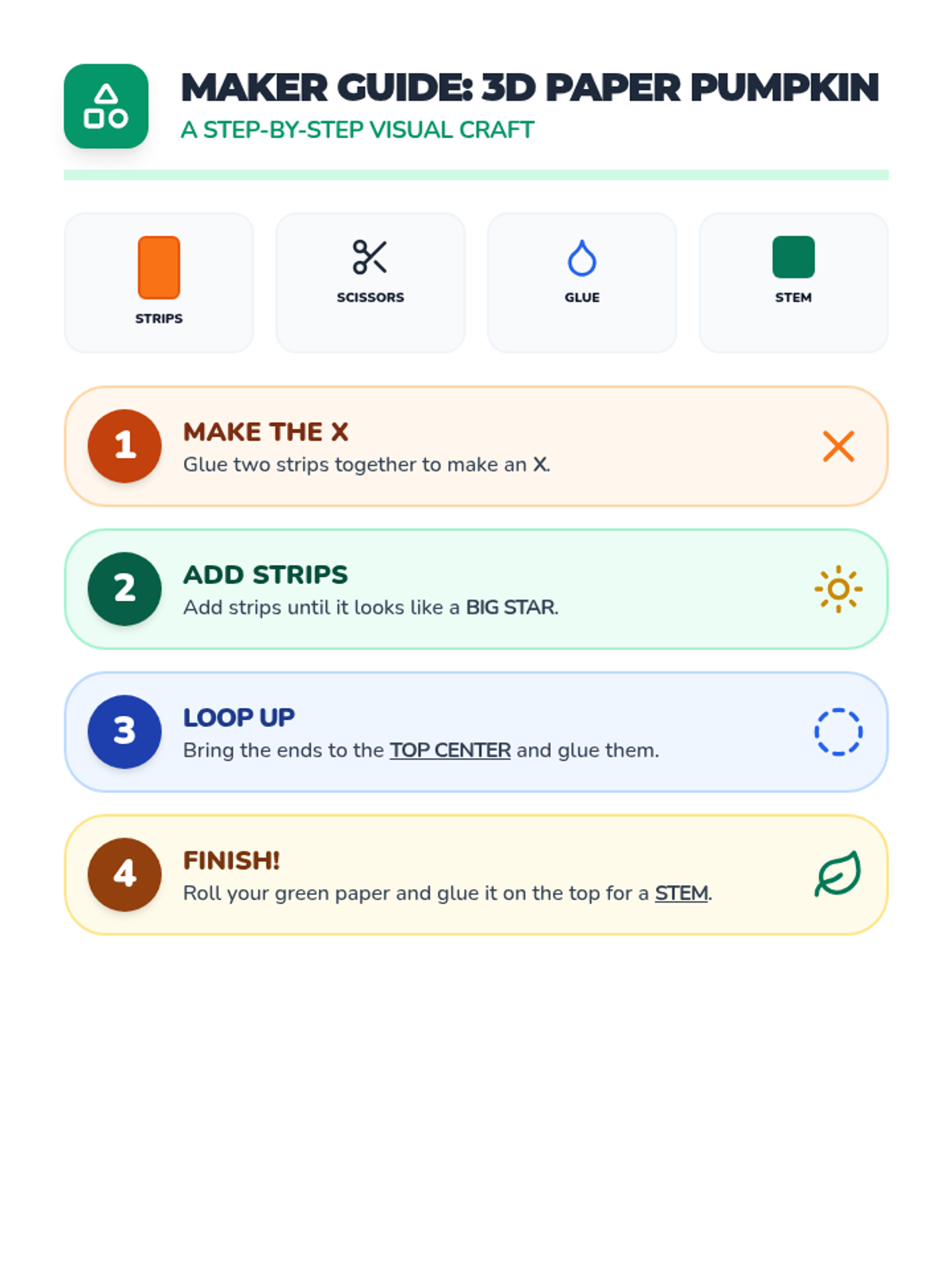
Learn about pumpkin growth and anatomy by creating a geometric pumpkin poster and a 3D paper pumpkin craft.
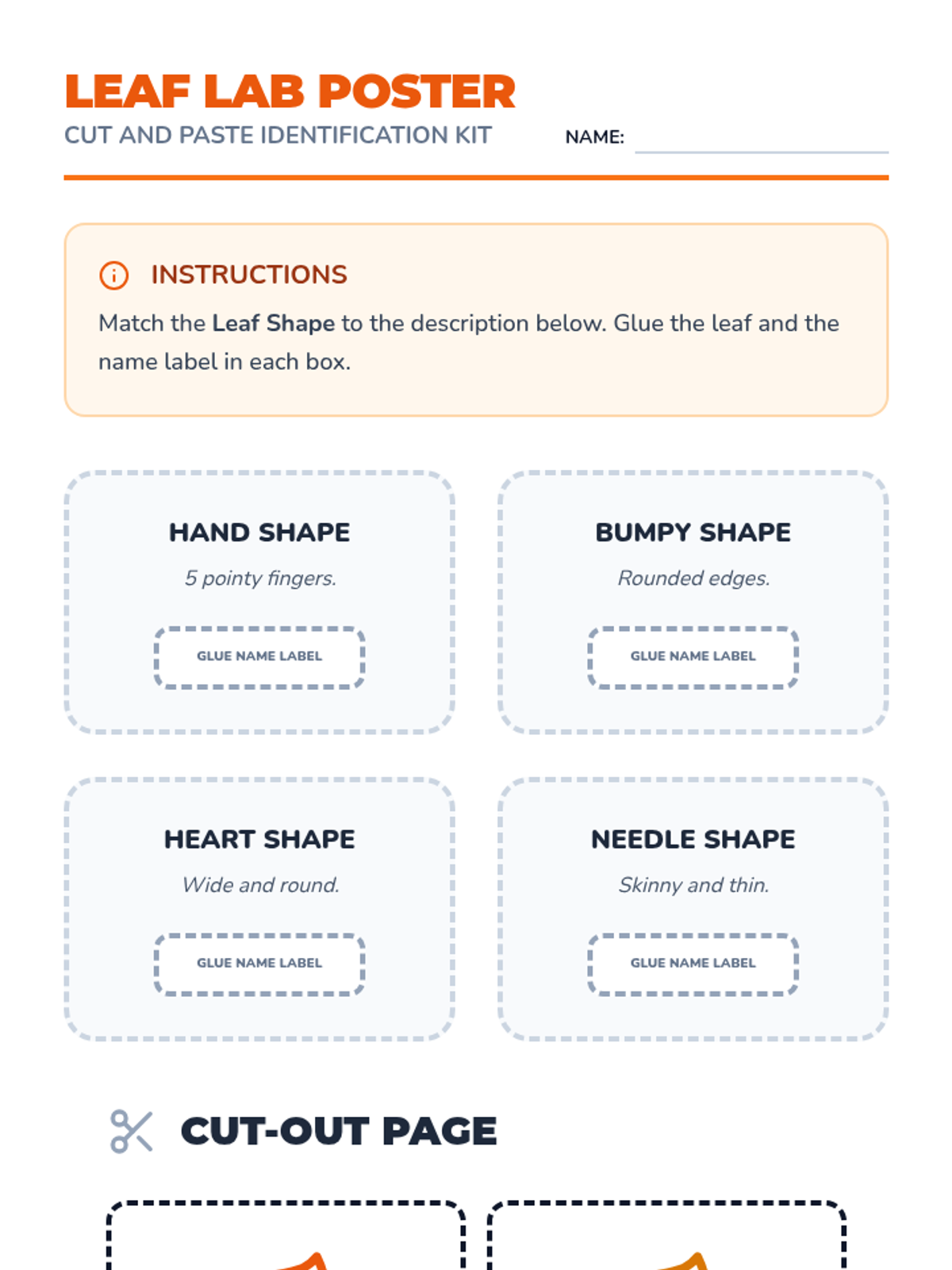
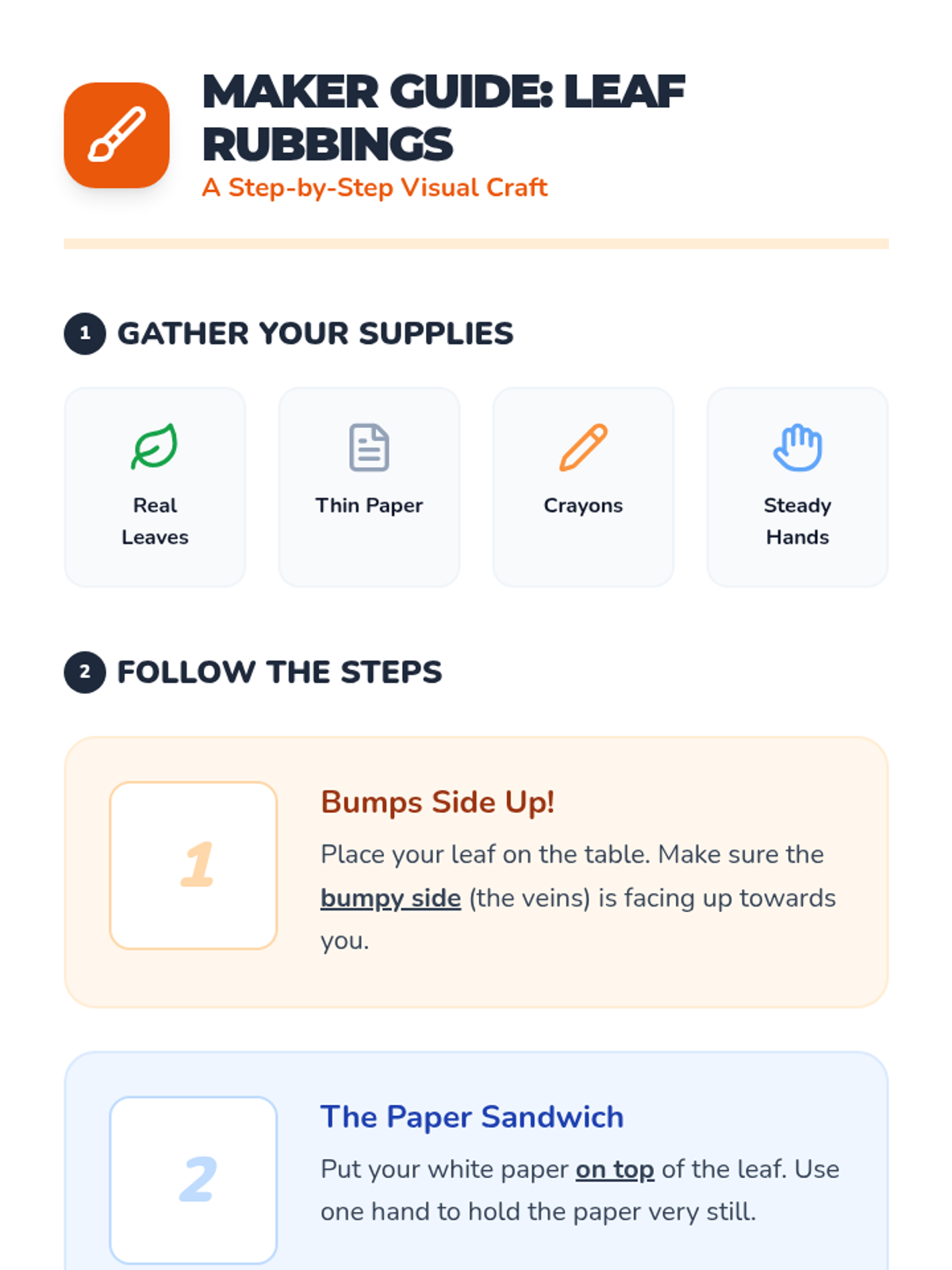
Explore the science of changing leaves through a cut-and-paste identification poster and a visual leaf-rubbing craft.
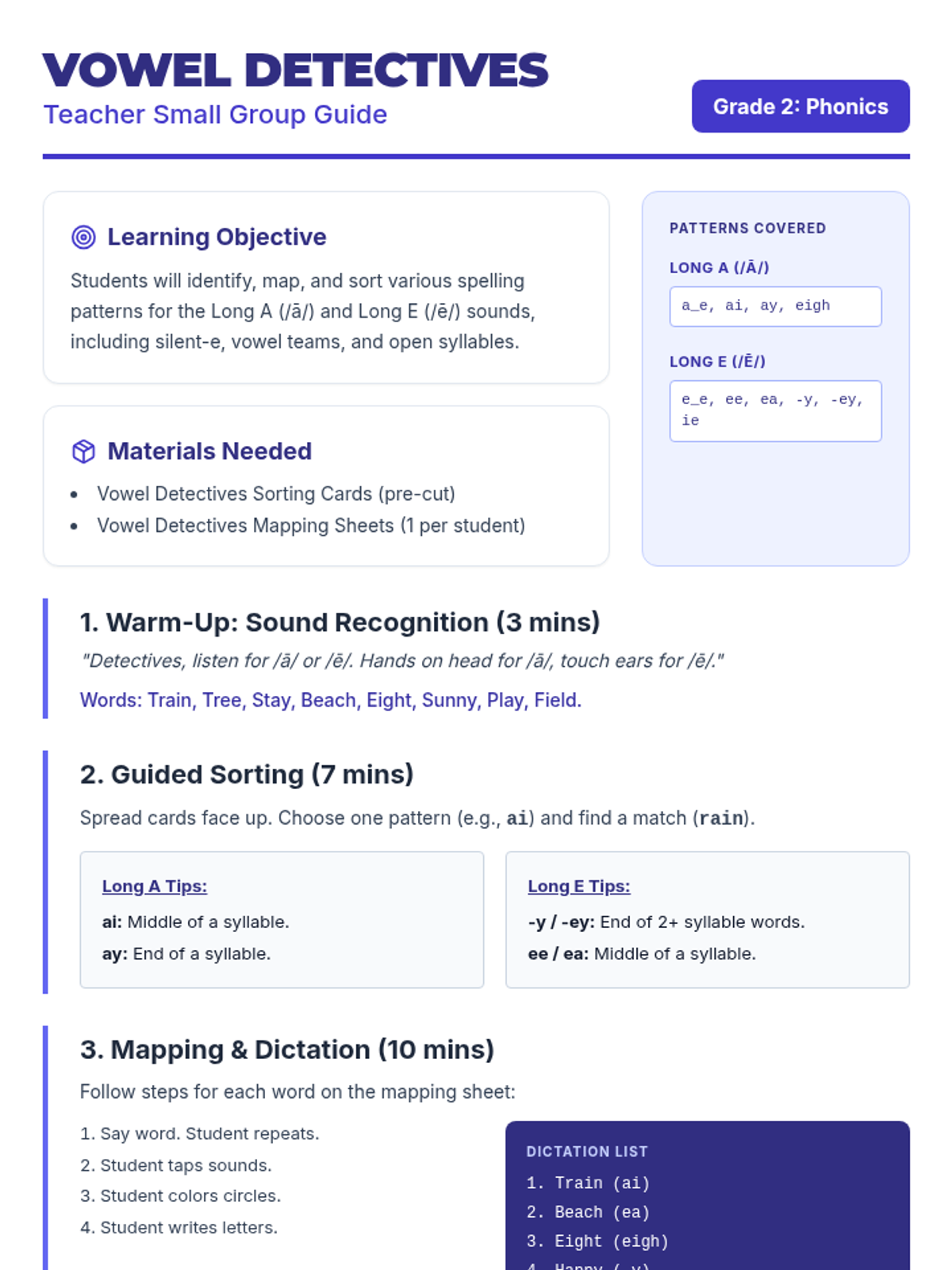
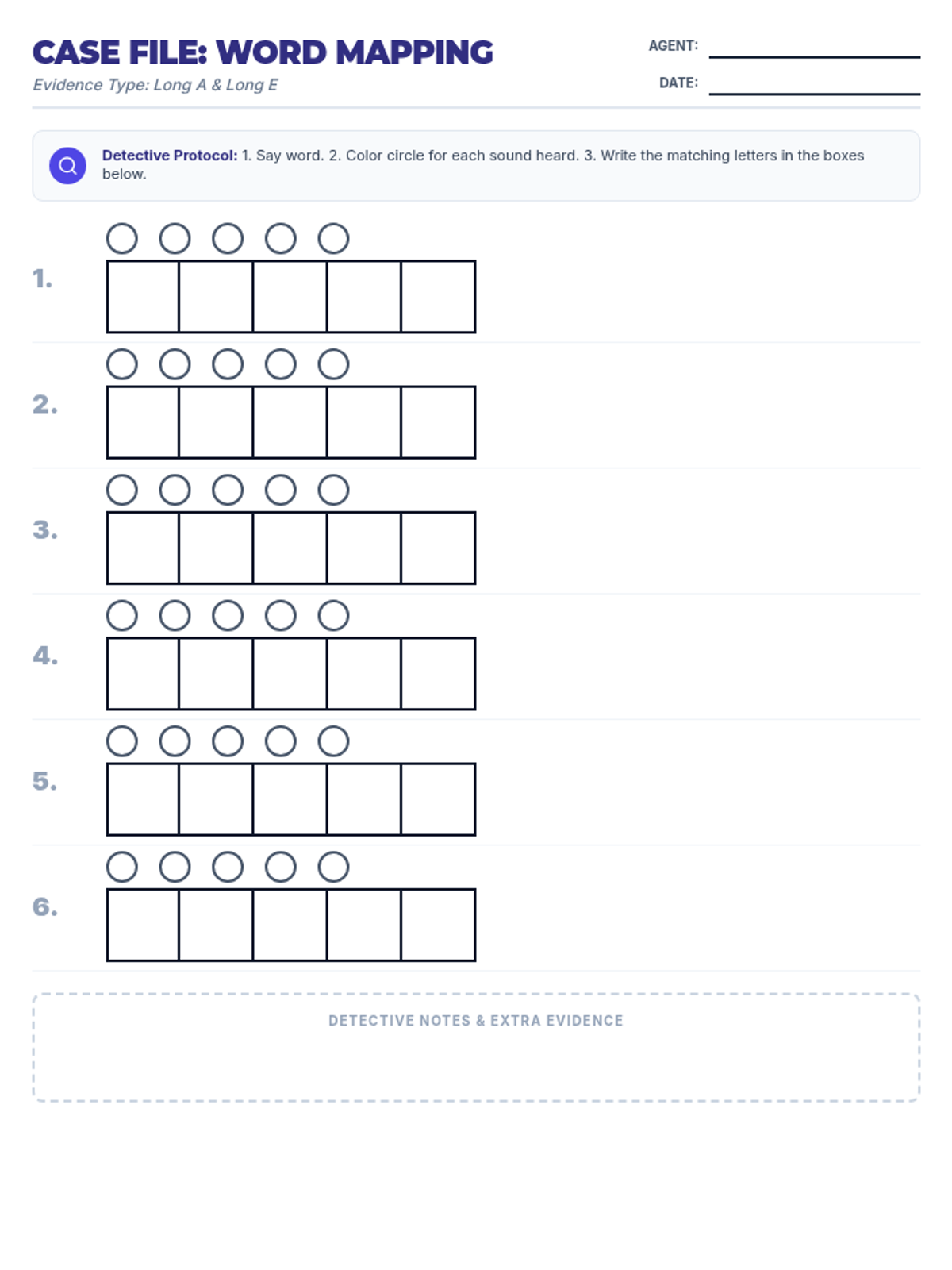
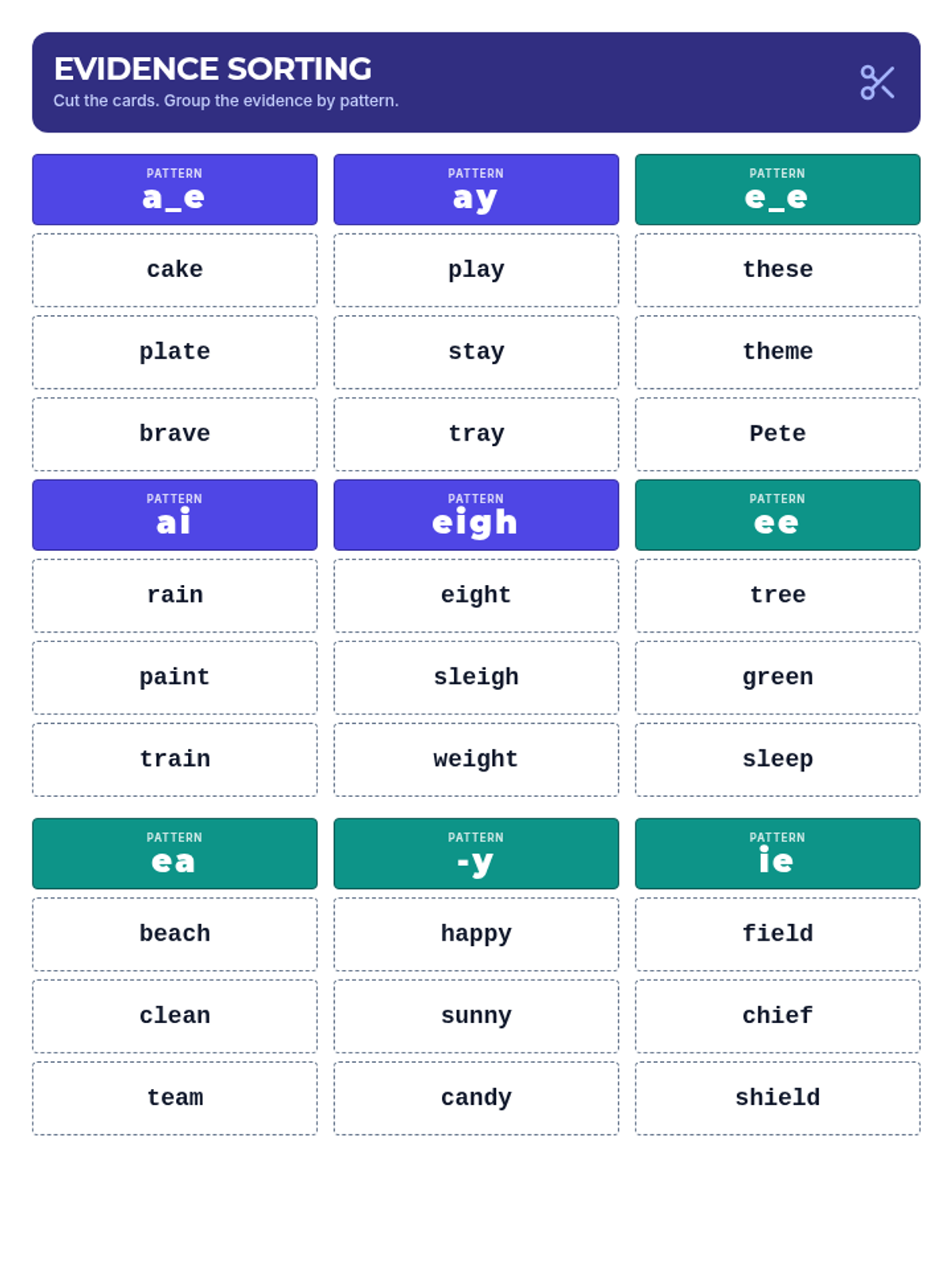
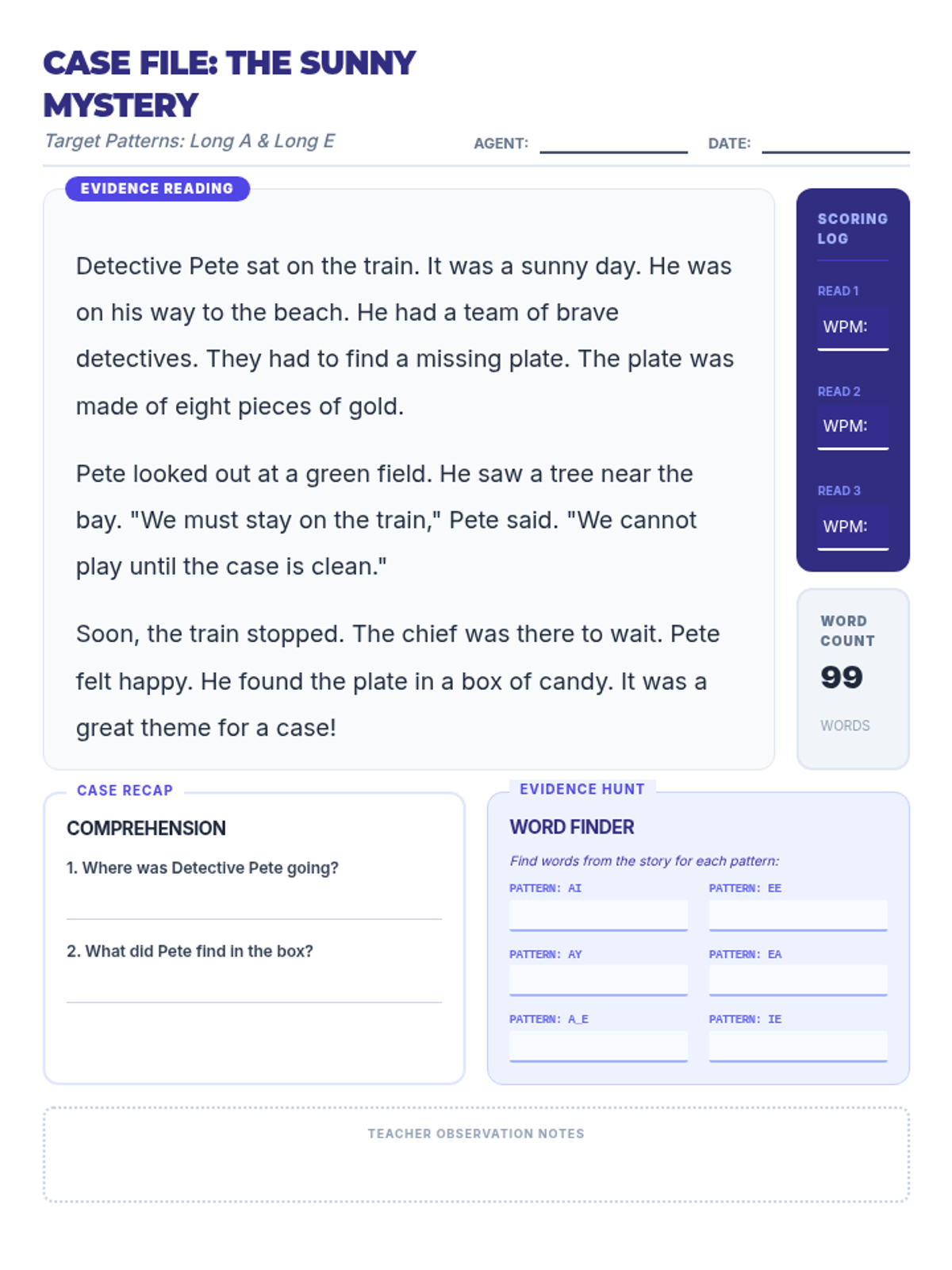
A small group phonics lesson focused on identifying and mapping various spelling patterns for Long A and Long E sounds through sorting and dictation.
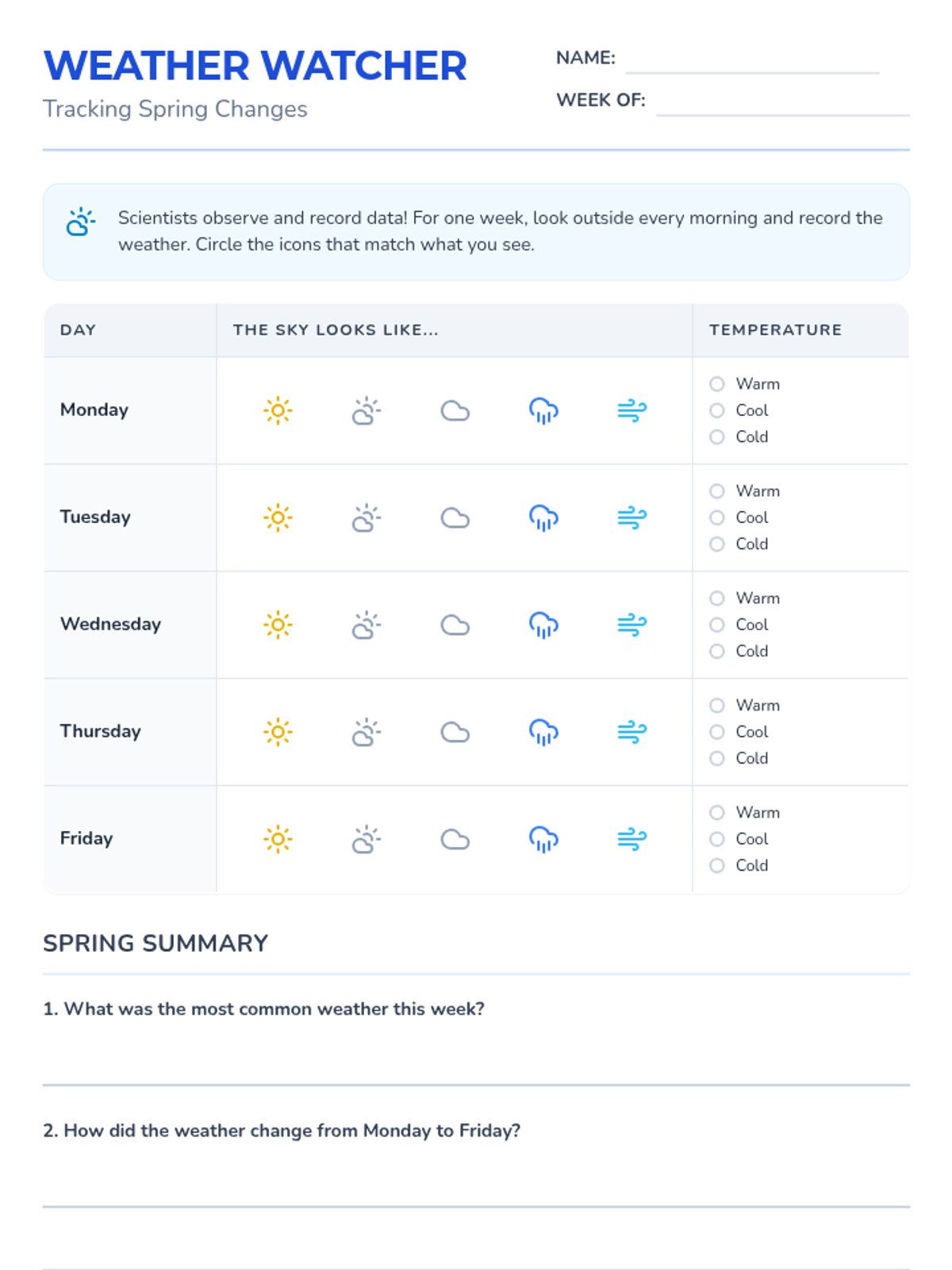
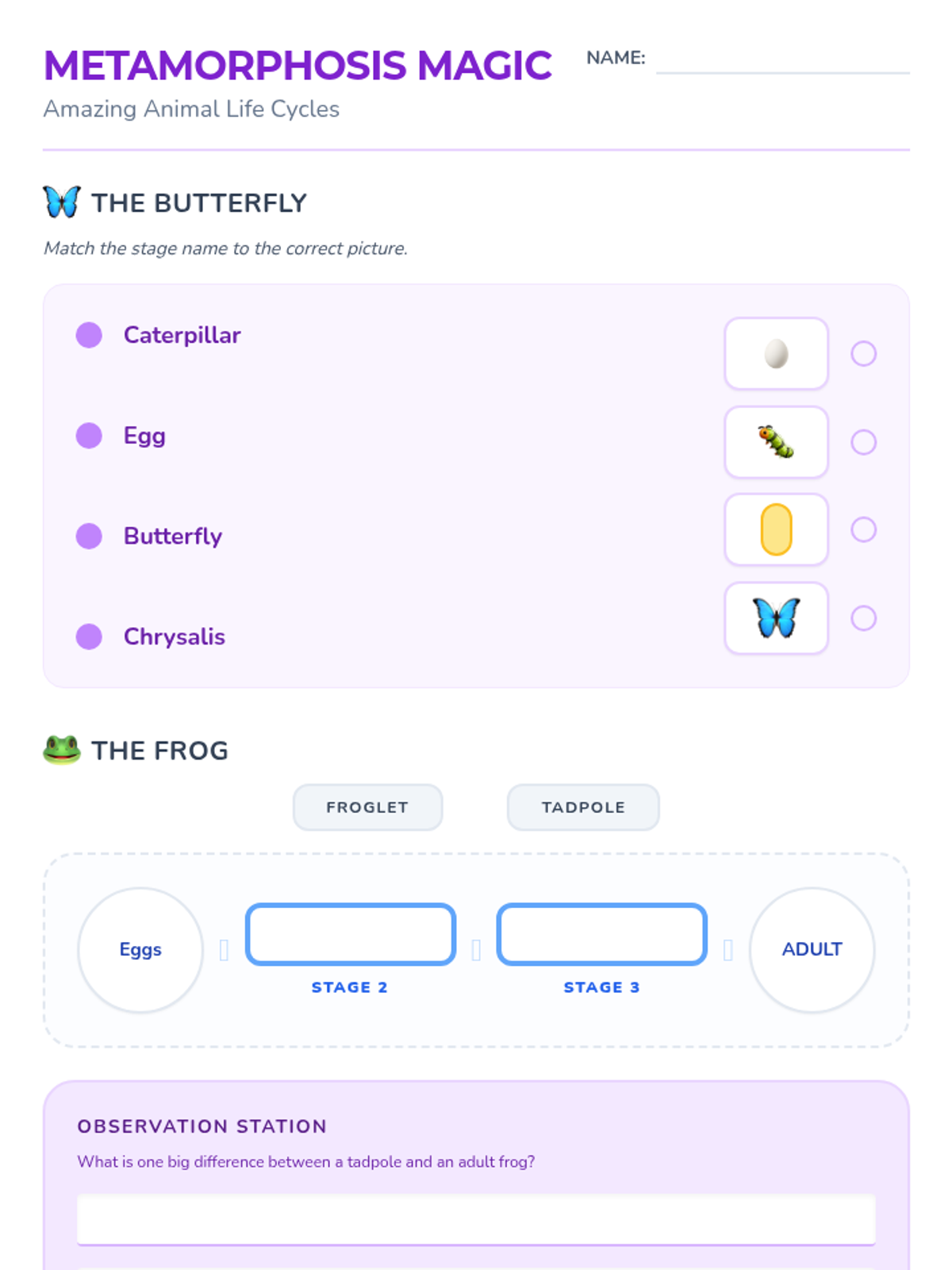
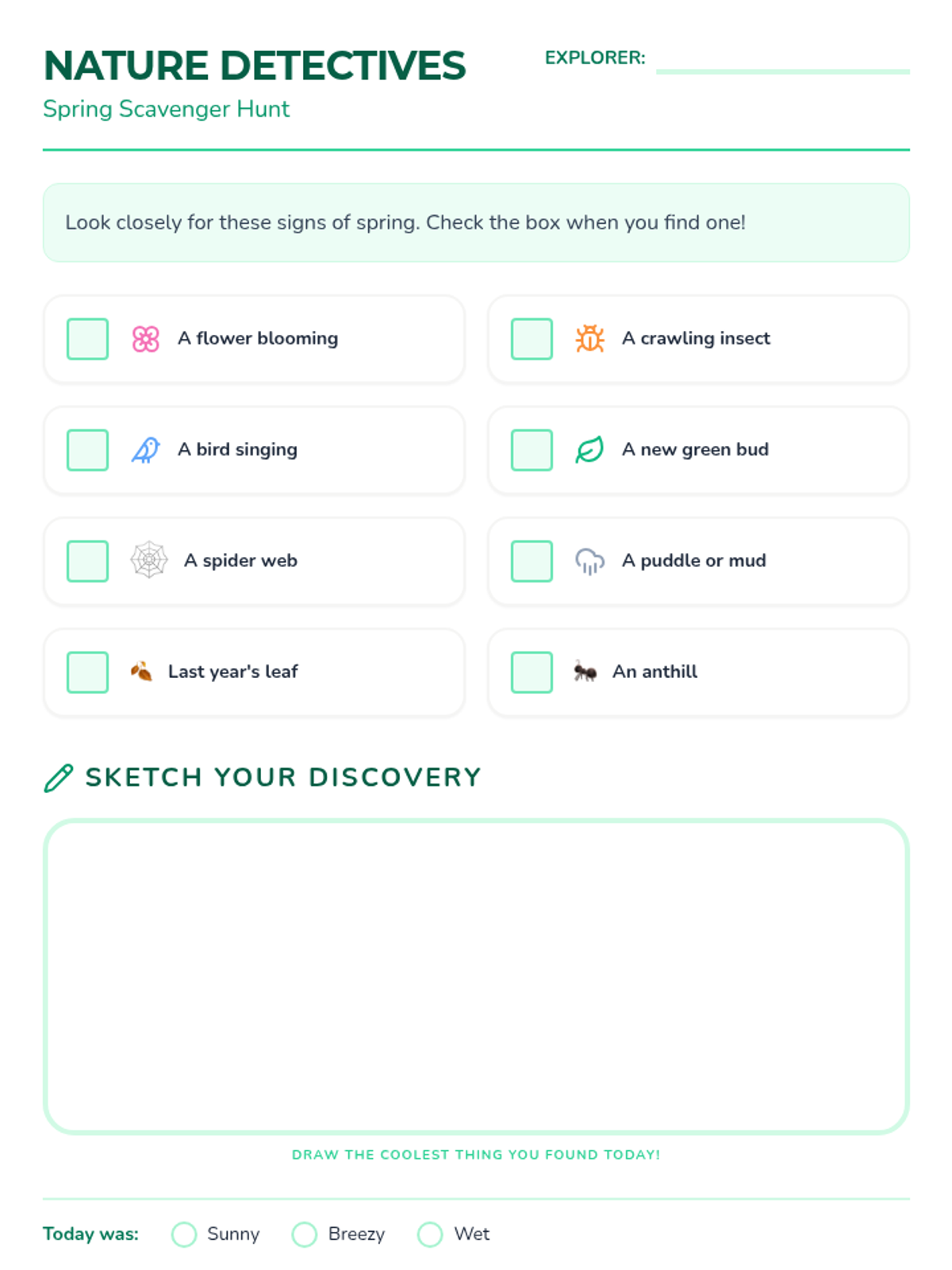
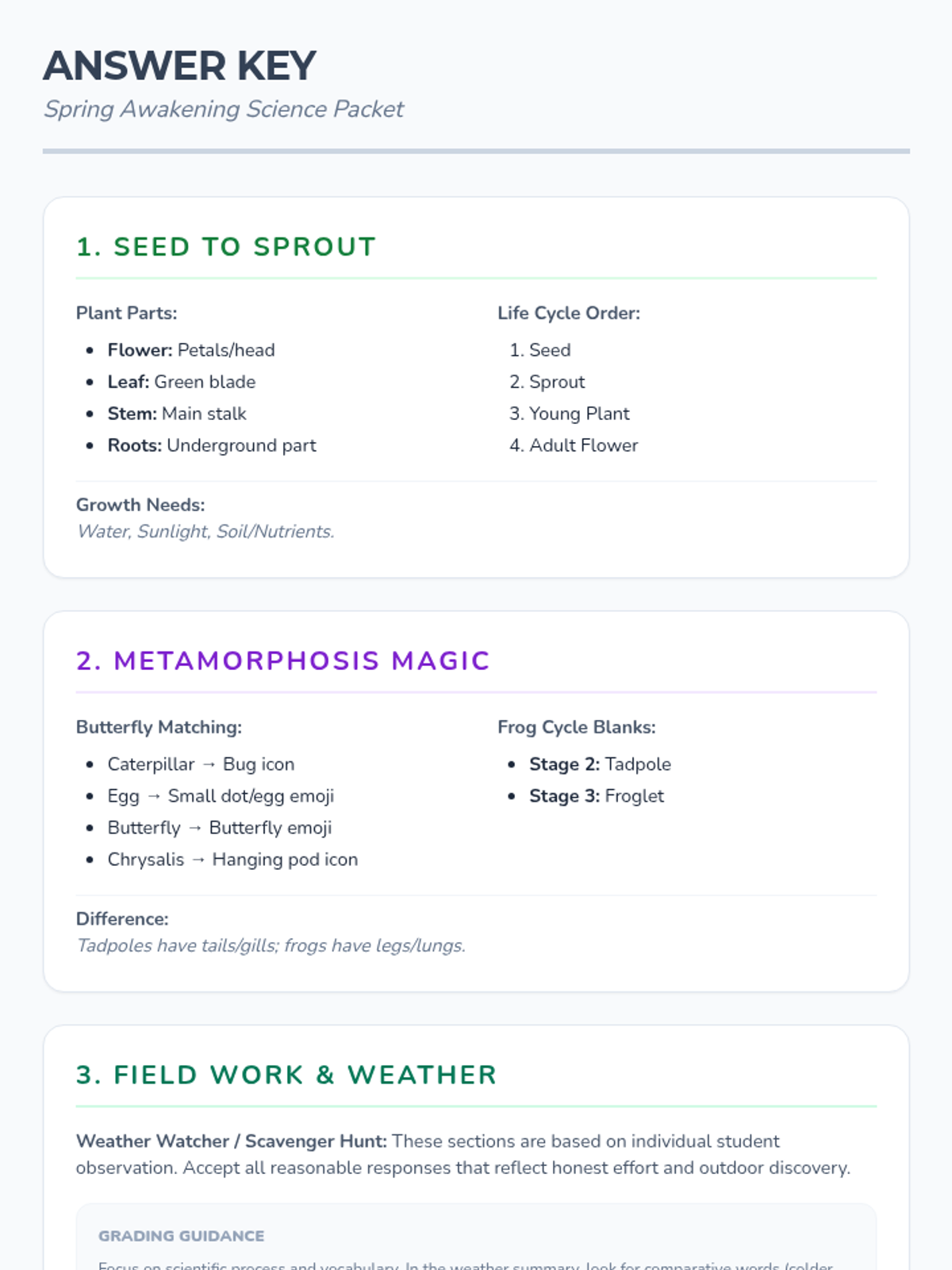
A collection of science activities exploring plant growth, weather patterns, and animal life cycles during the spring season. Students will engage in observation, labeling, and data tracking.
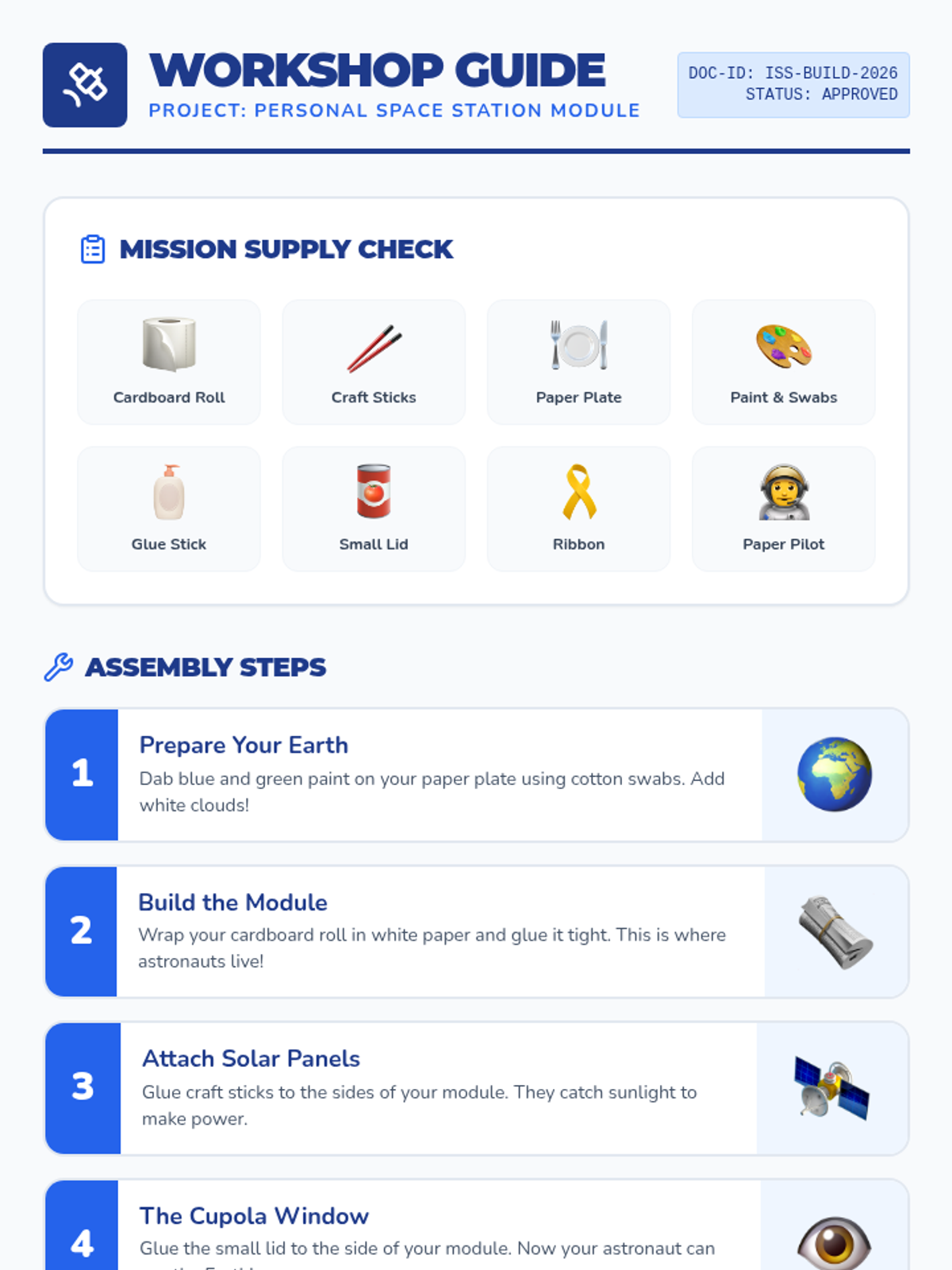
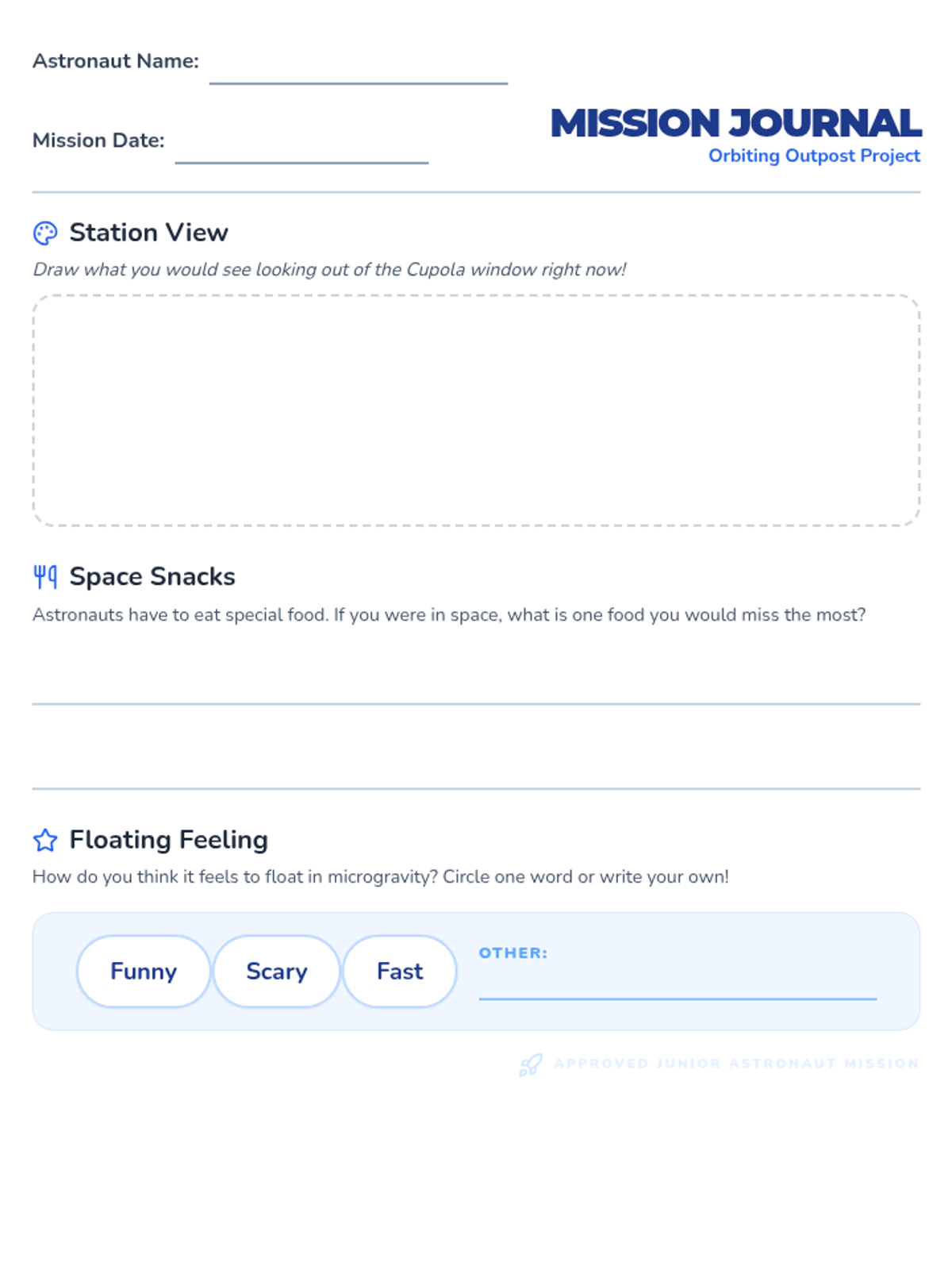
A hands-on enrichment lesson for K-3 students to explore life on the International Space Station through a creative building project and interactive discussion. Students learn about how astronauts live and work in orbit while constructing their own space station models.
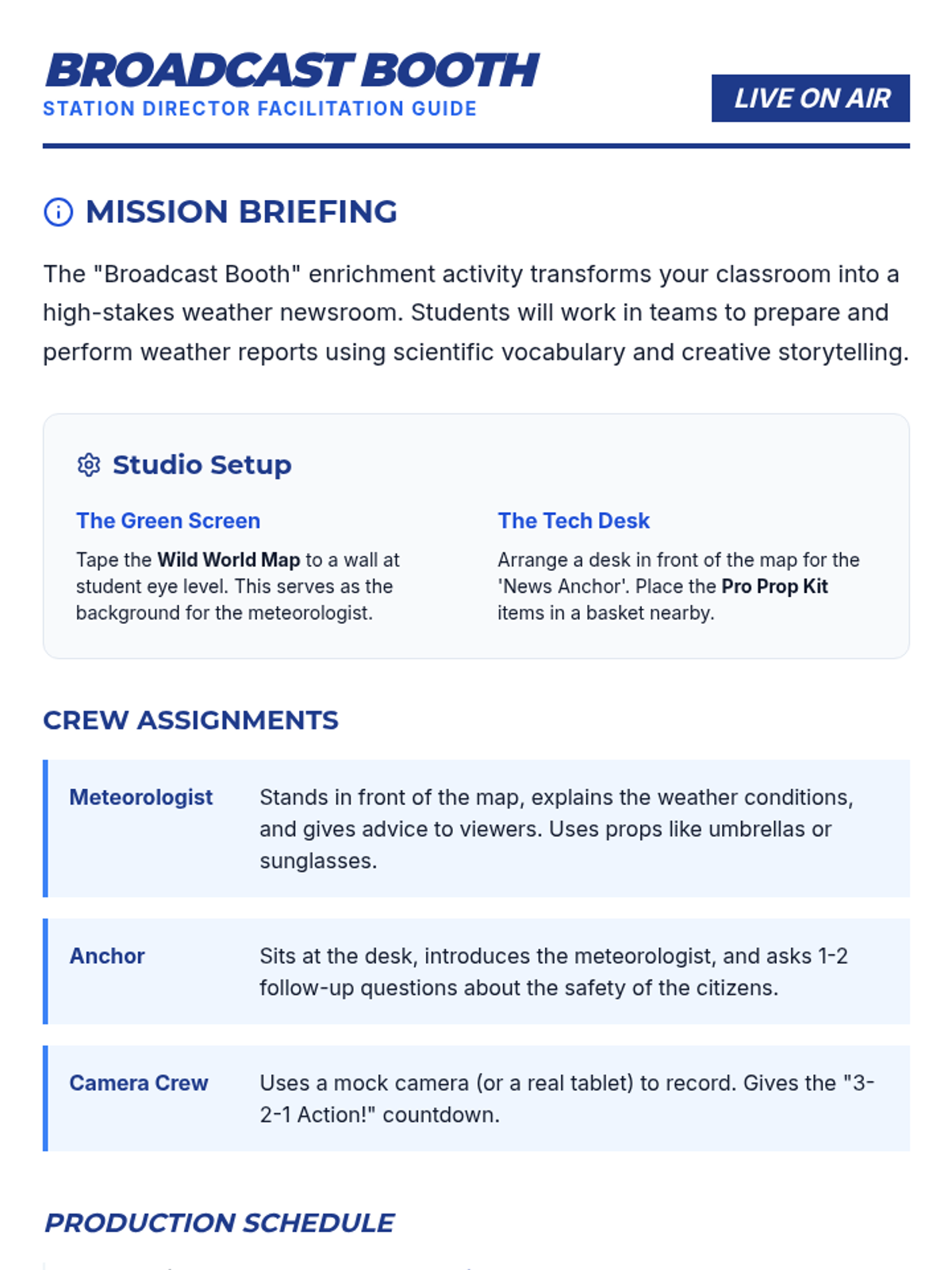
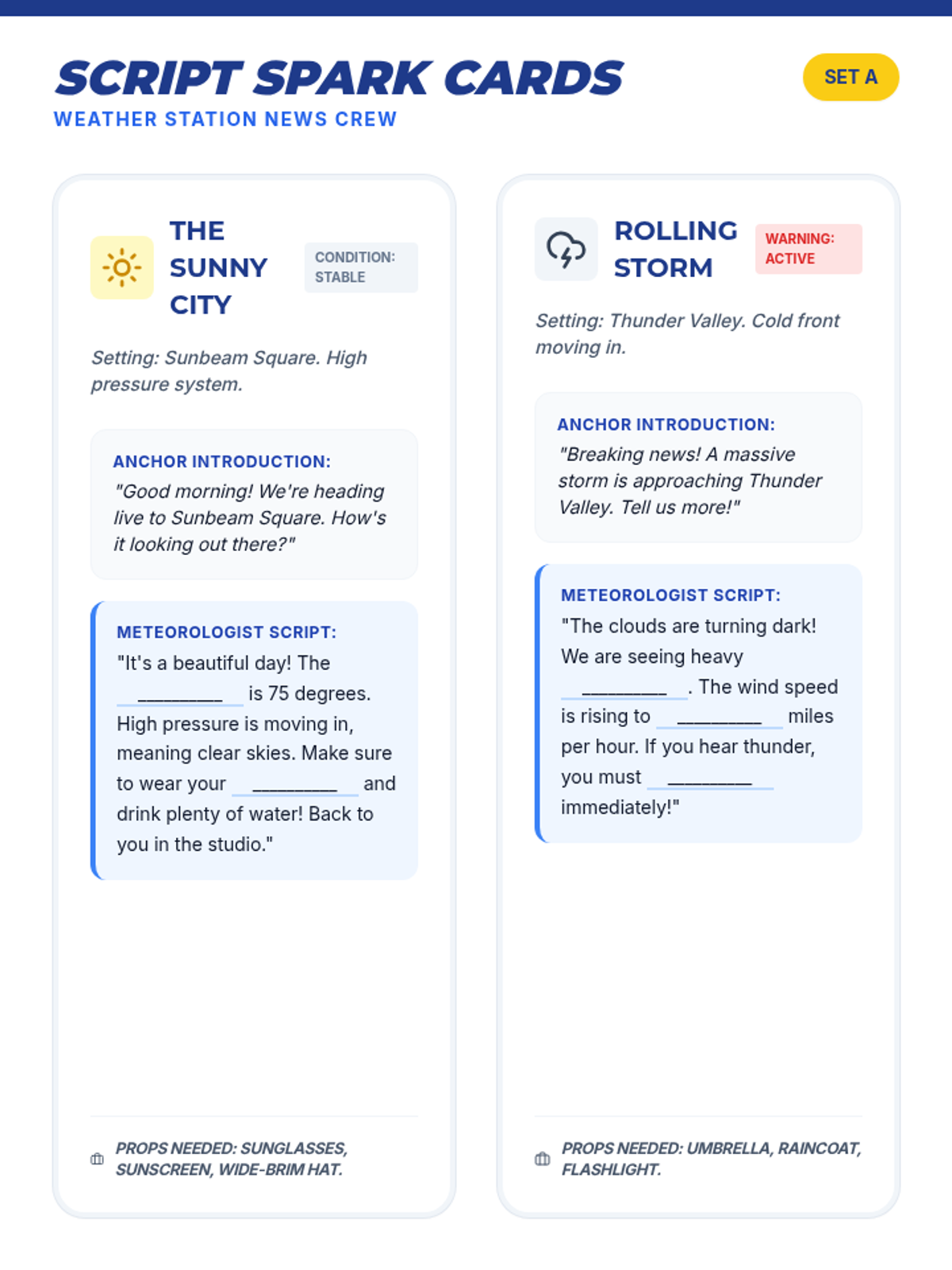
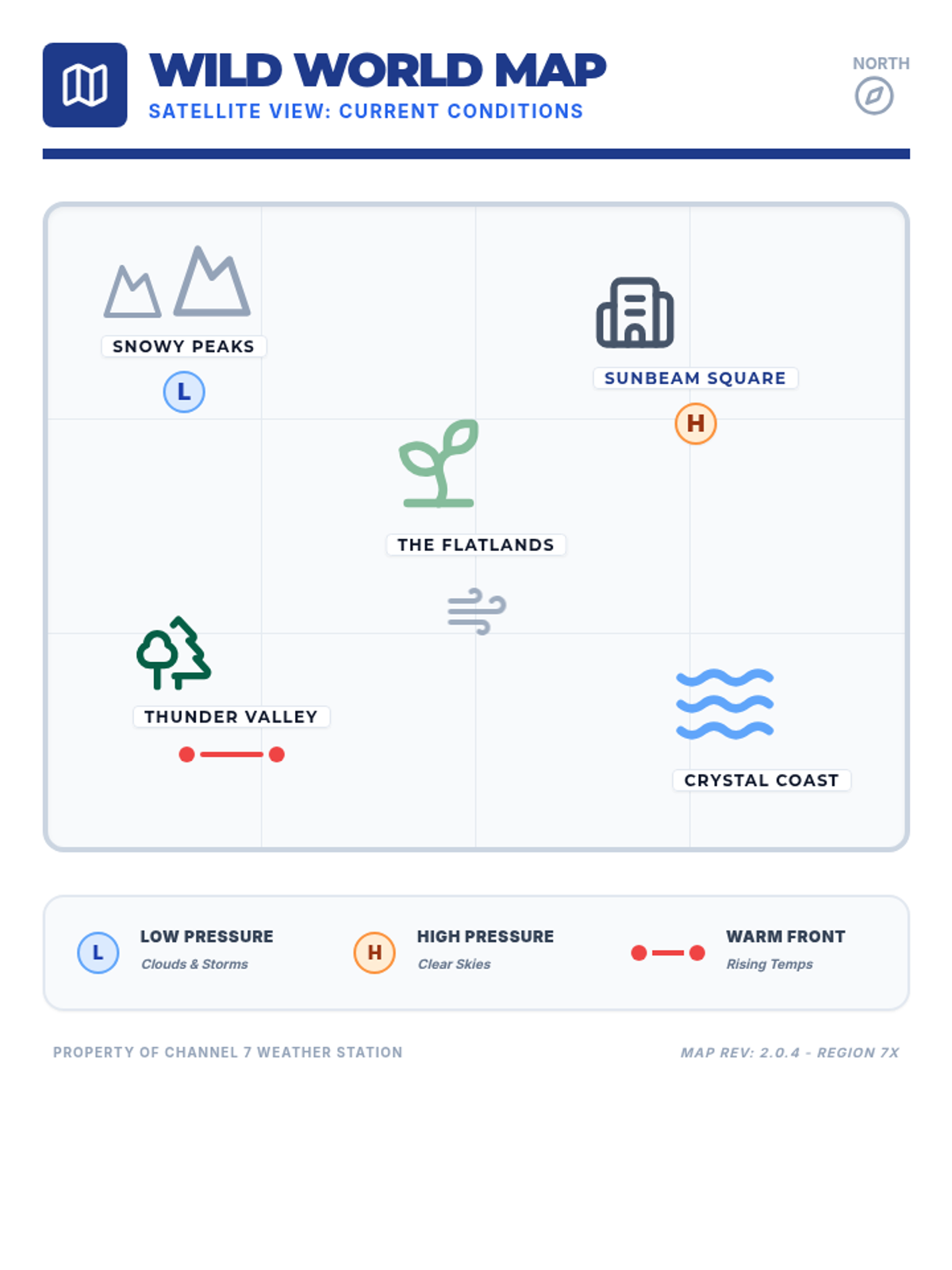
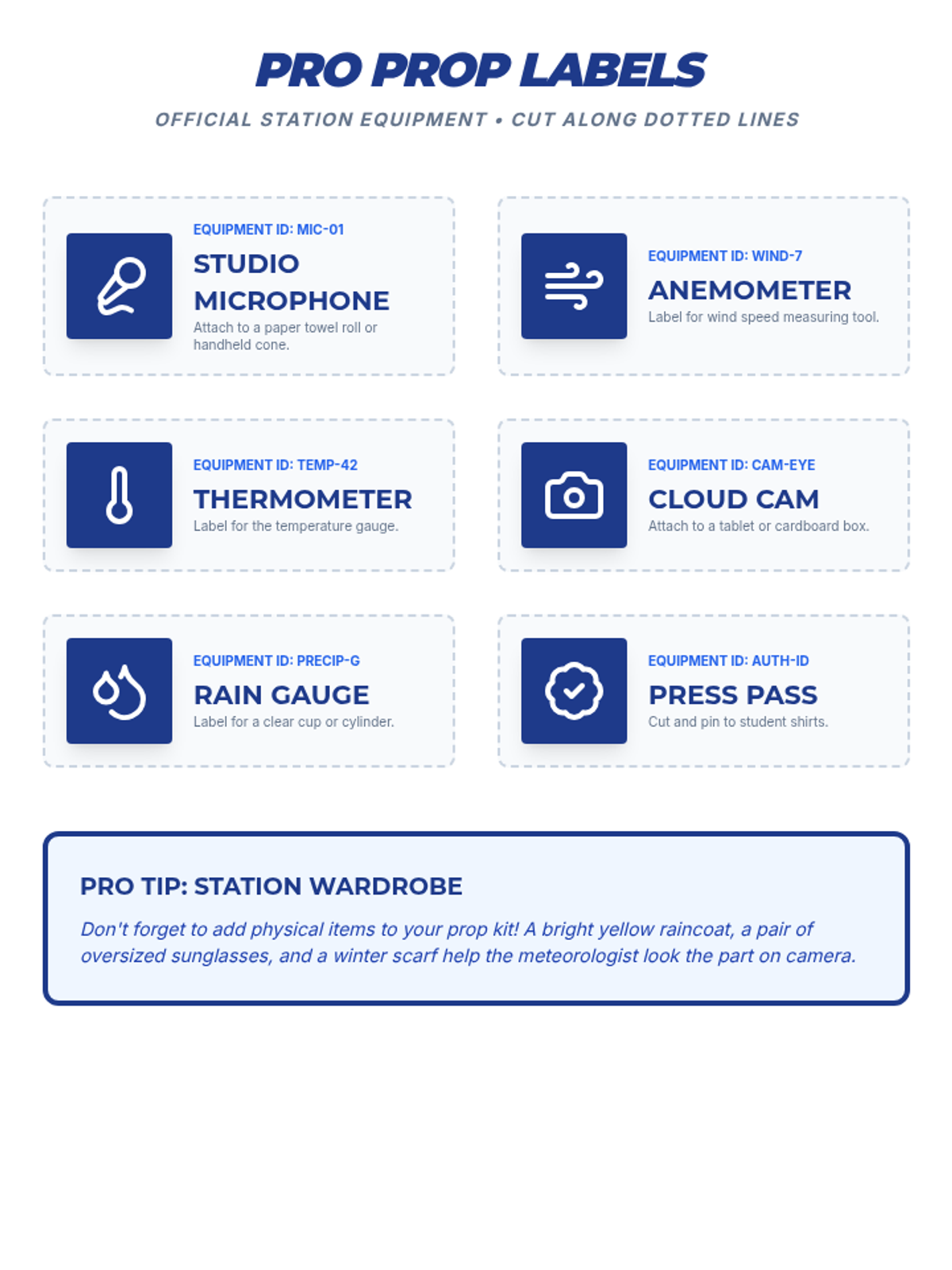
Students step into the shoes of meteorologists, using scripts and props to report on a wide variety of weather phenomena across a fictional map.
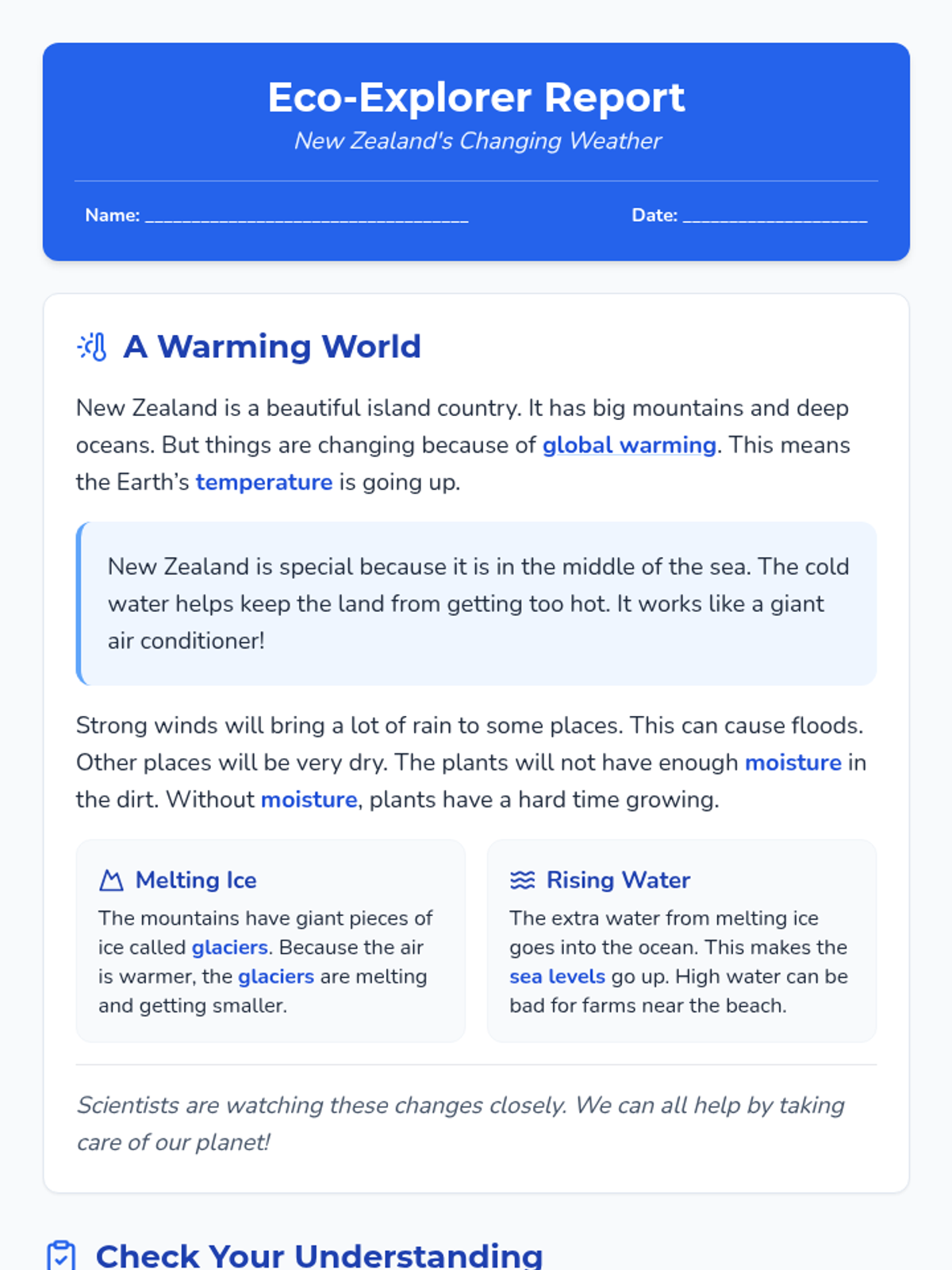
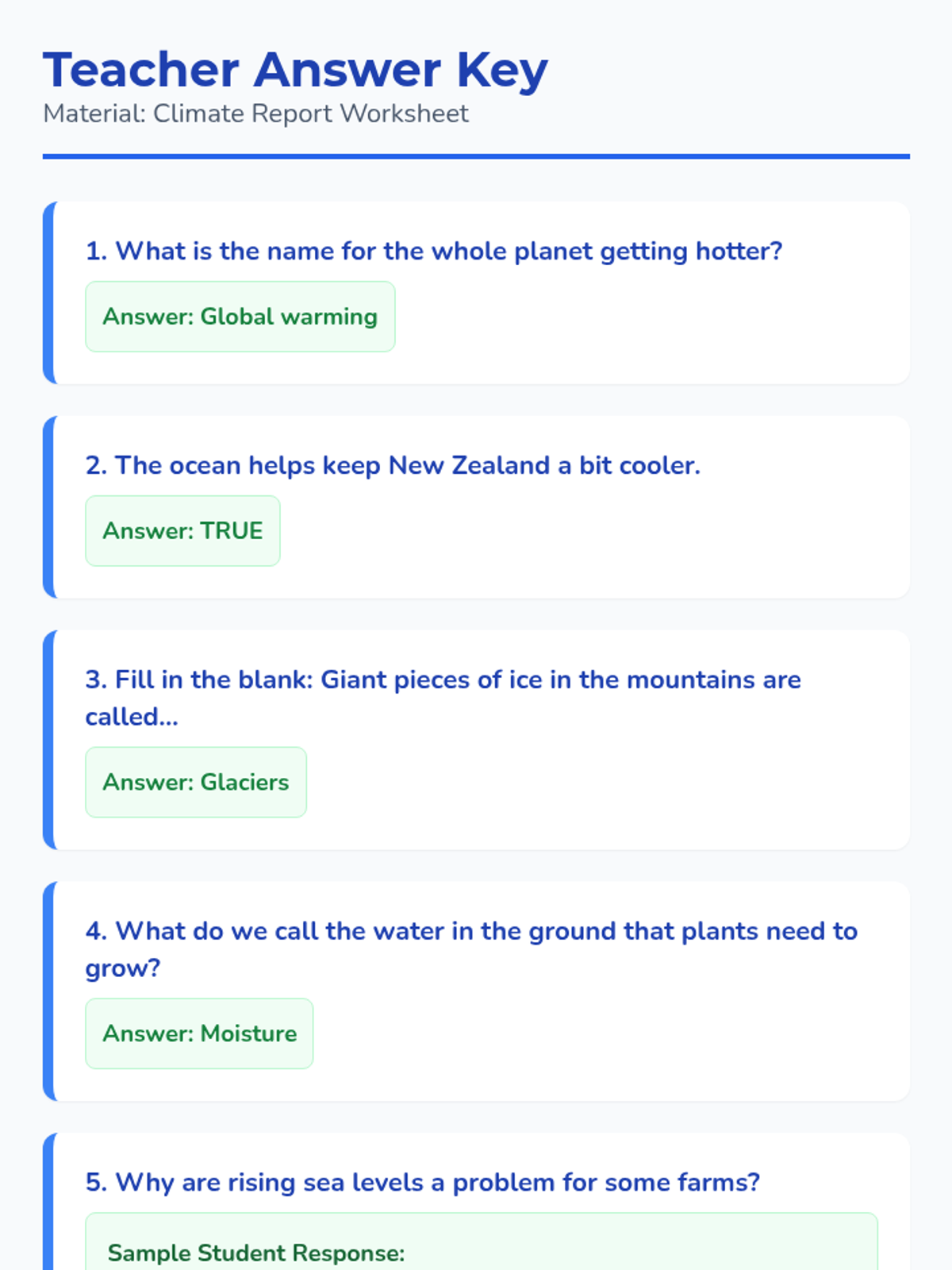
A lesson for 2nd graders to understand the impacts of global warming on New Zealand's environment, focusing on glaciers, sea levels, and moisture.
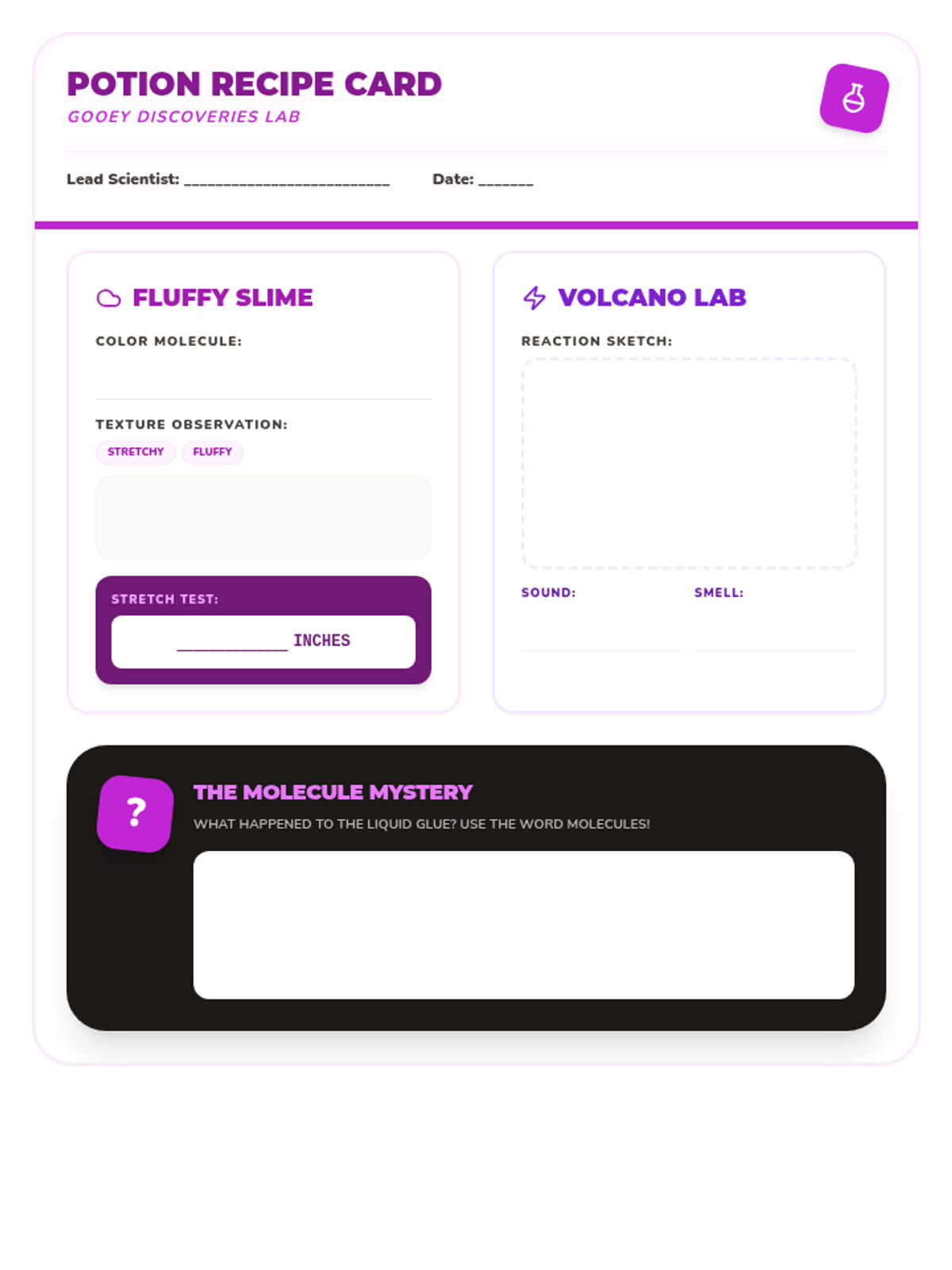
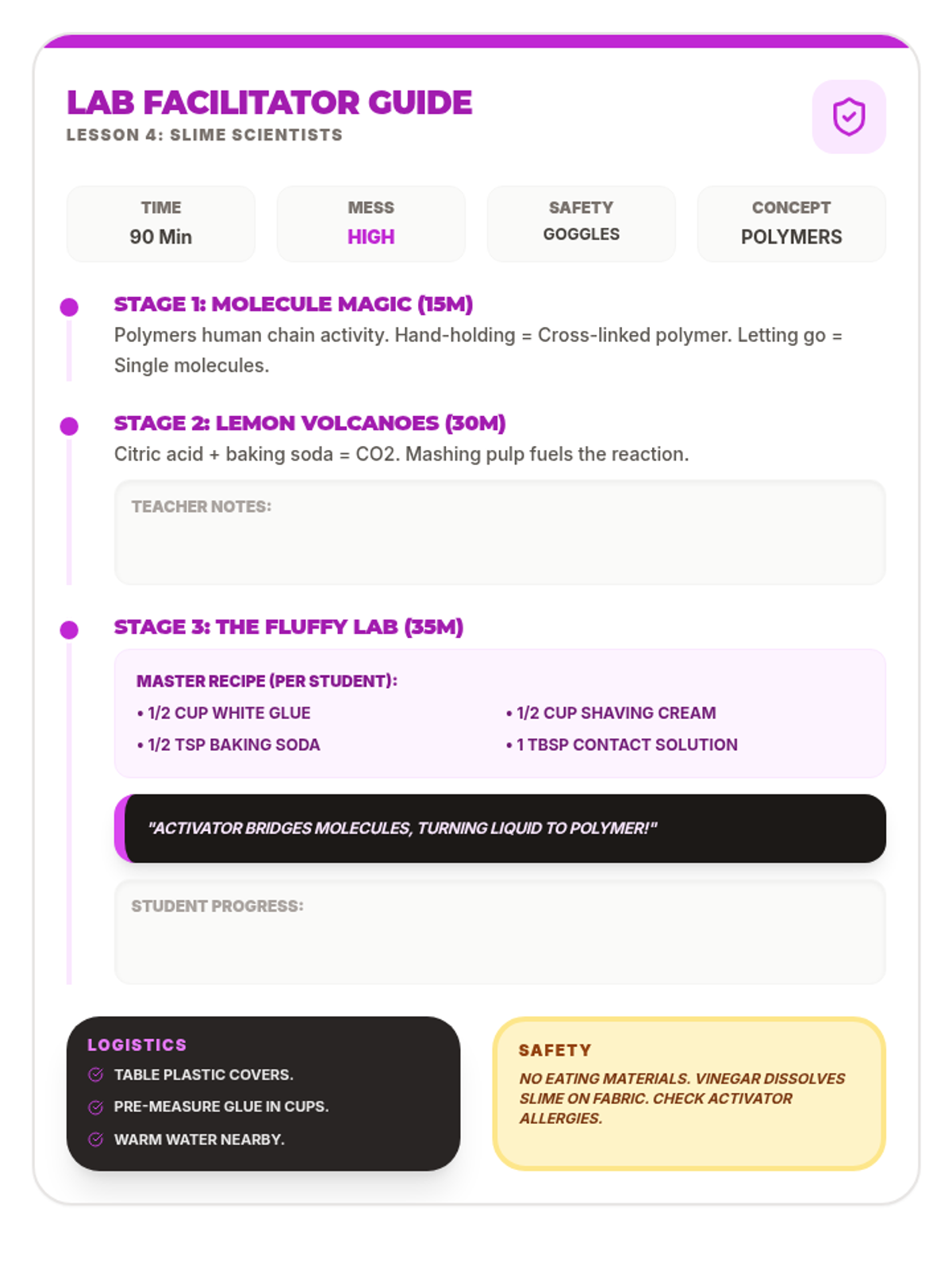
A hands-on chemistry session where students experiment with non-Newtonian fluids and acid-base reactions to create fizzing eruptions and gooey textures.
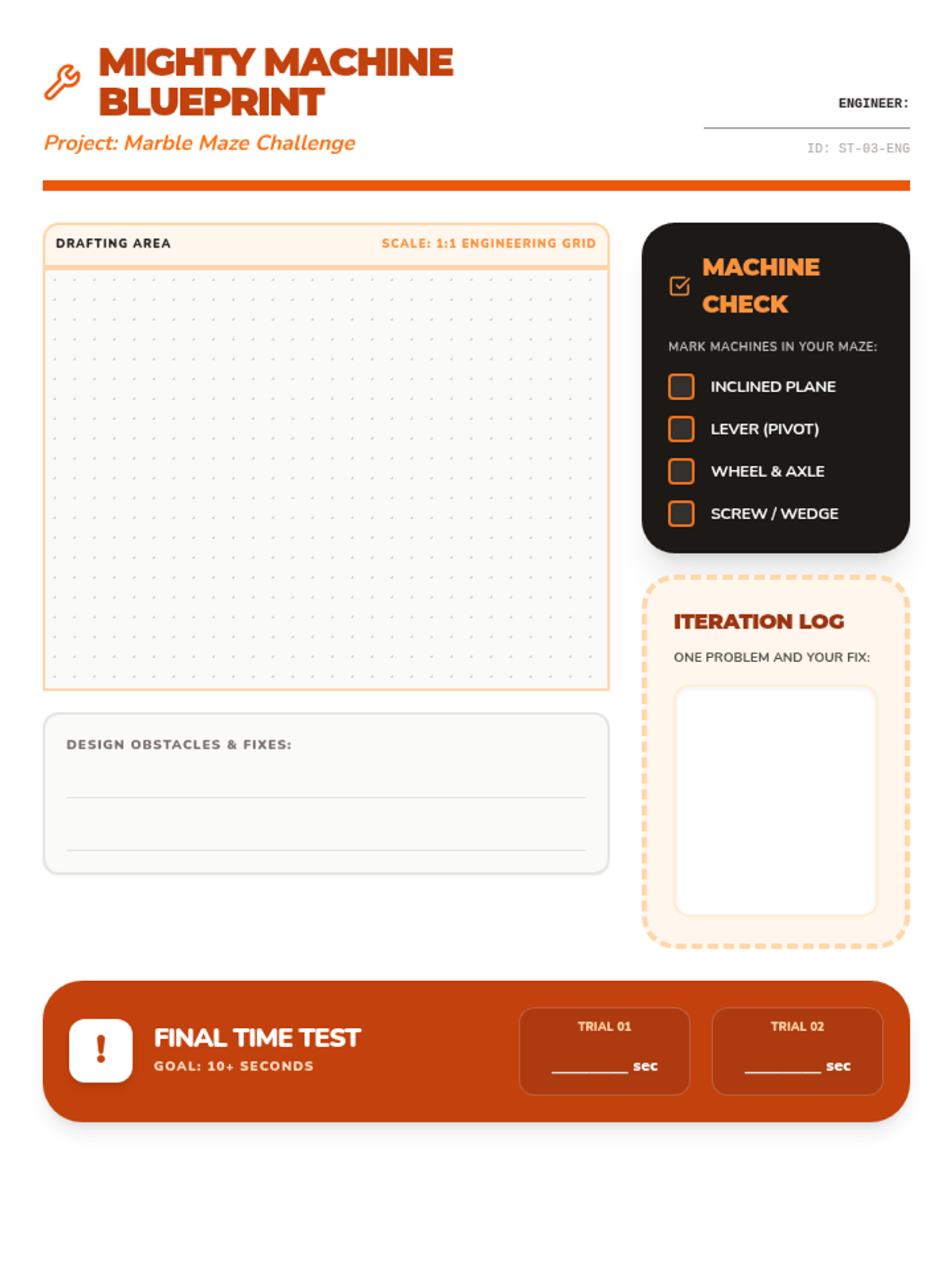
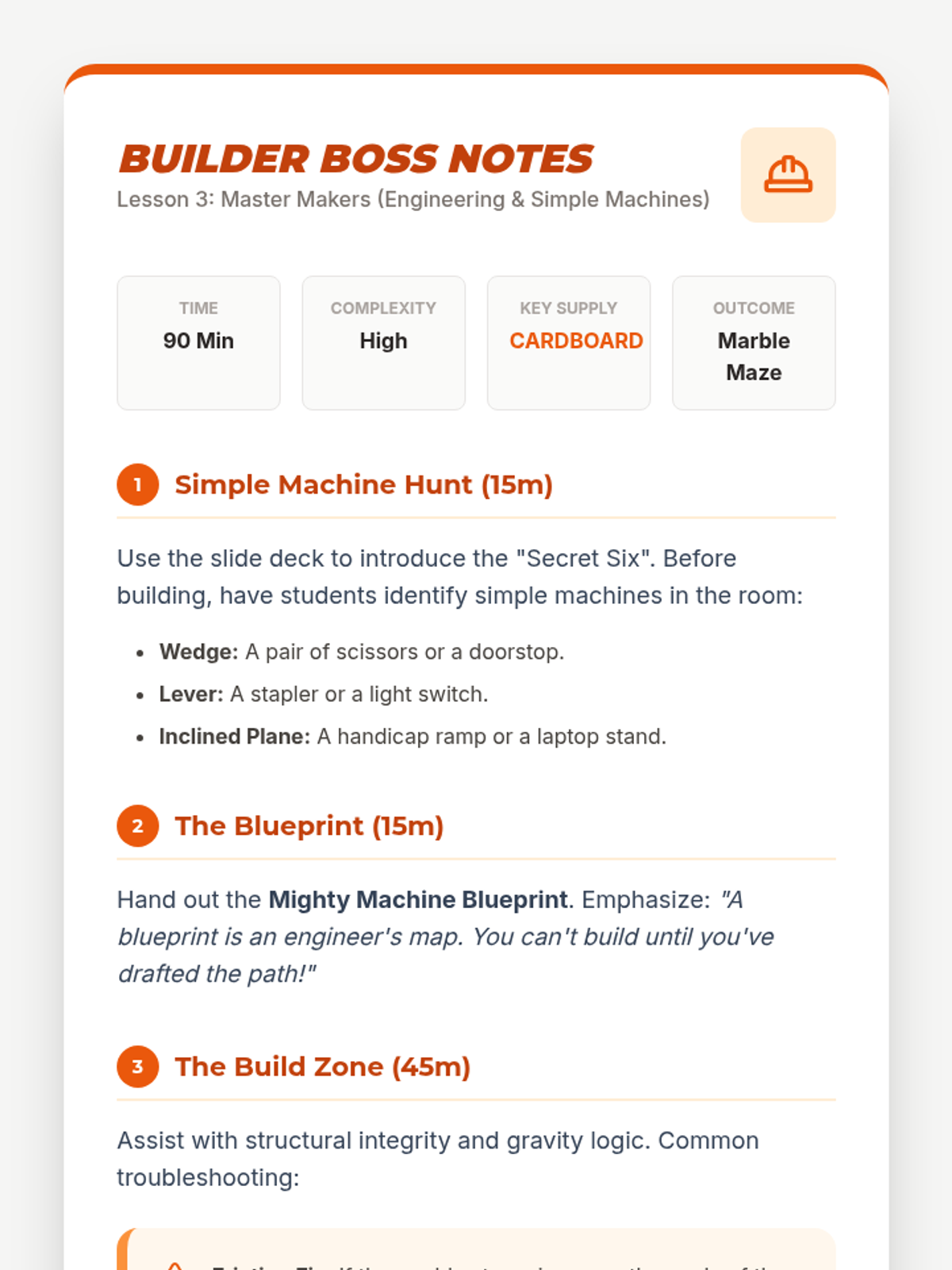
Students become engineers by designing a marble maze that incorporates simple machines like inclined planes and levers using cardboard and recyclables.
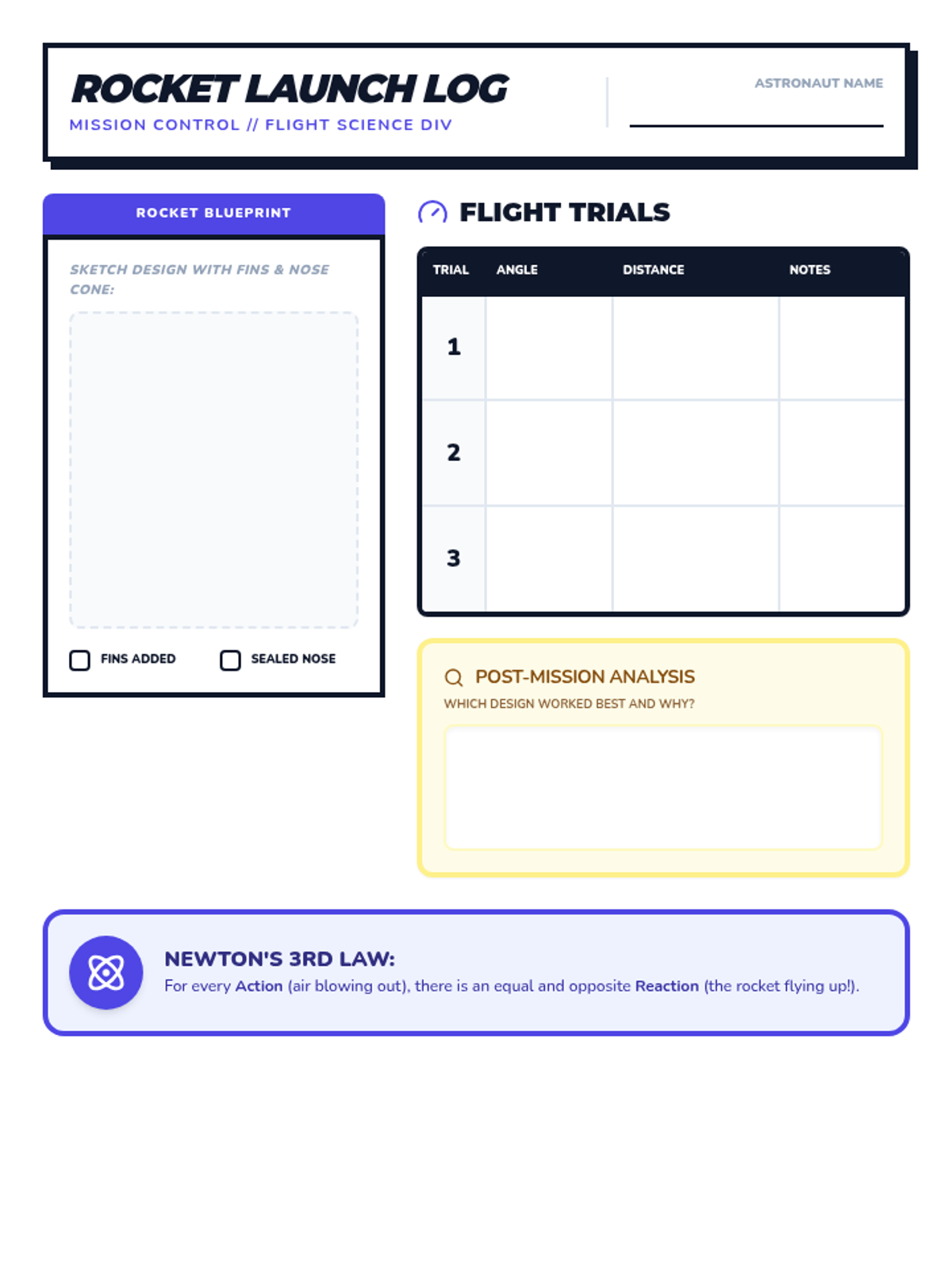
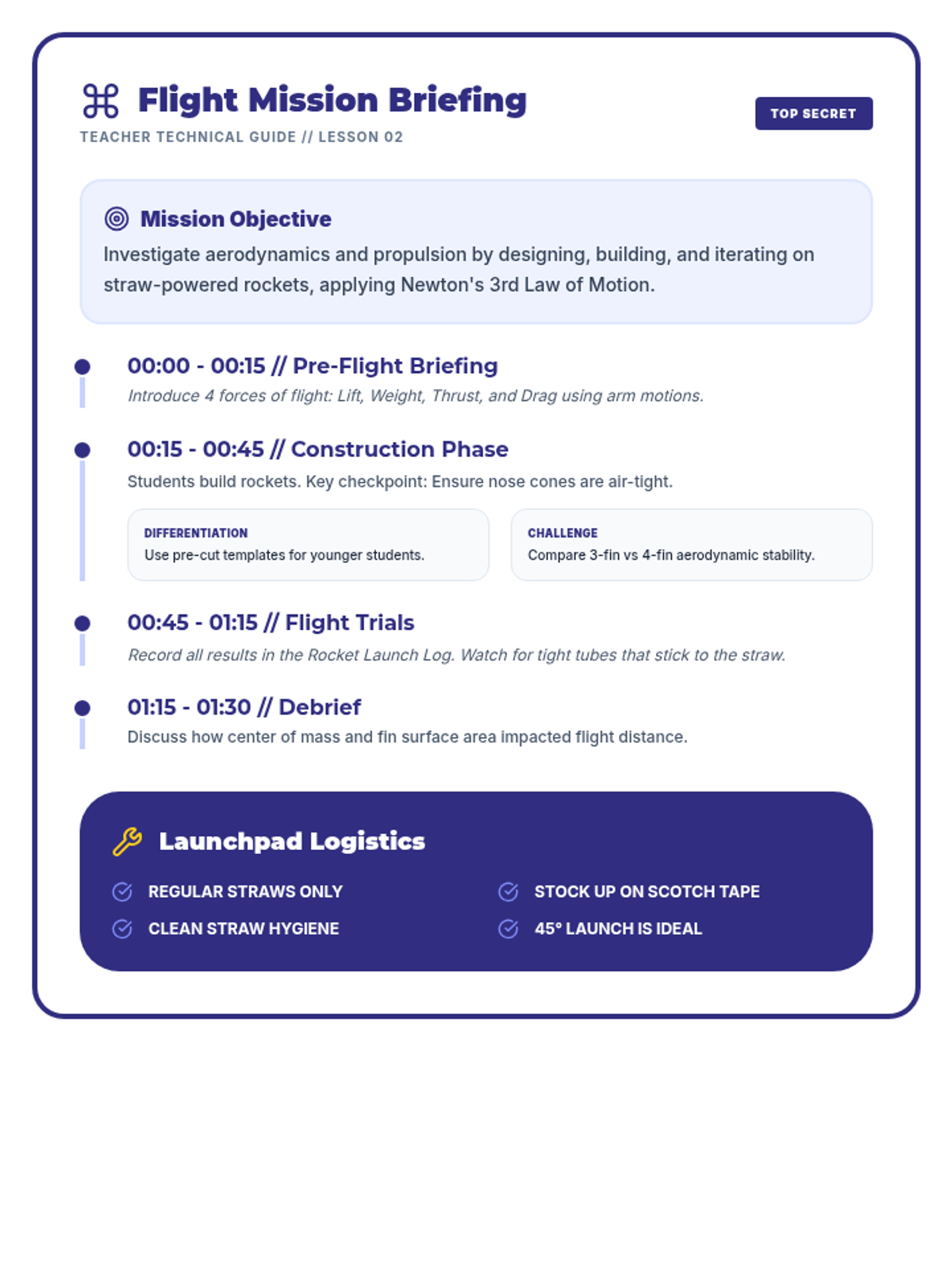
An introduction to aerodynamics and space travel where students design, build, and test various flight models using simple household items.
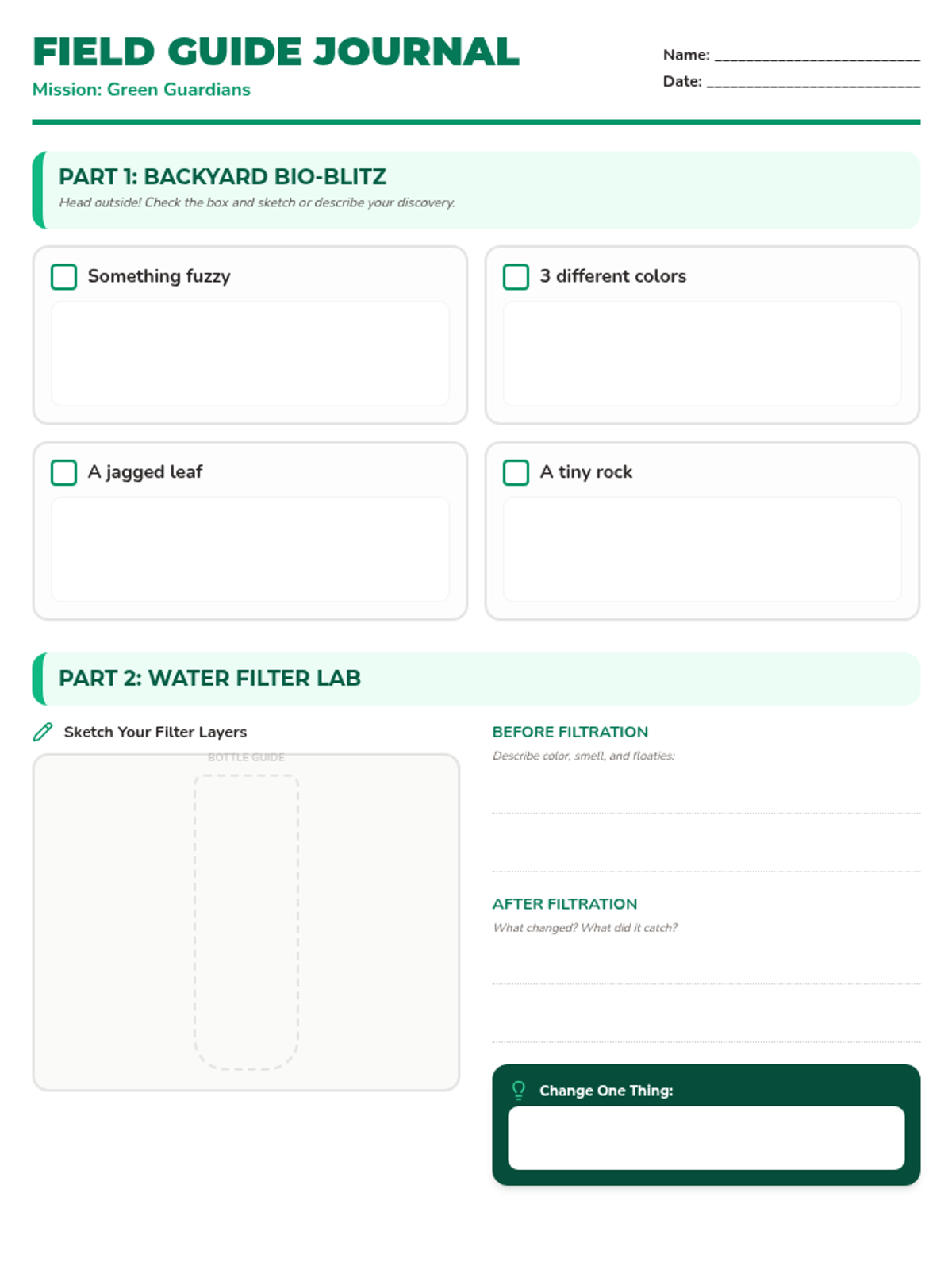
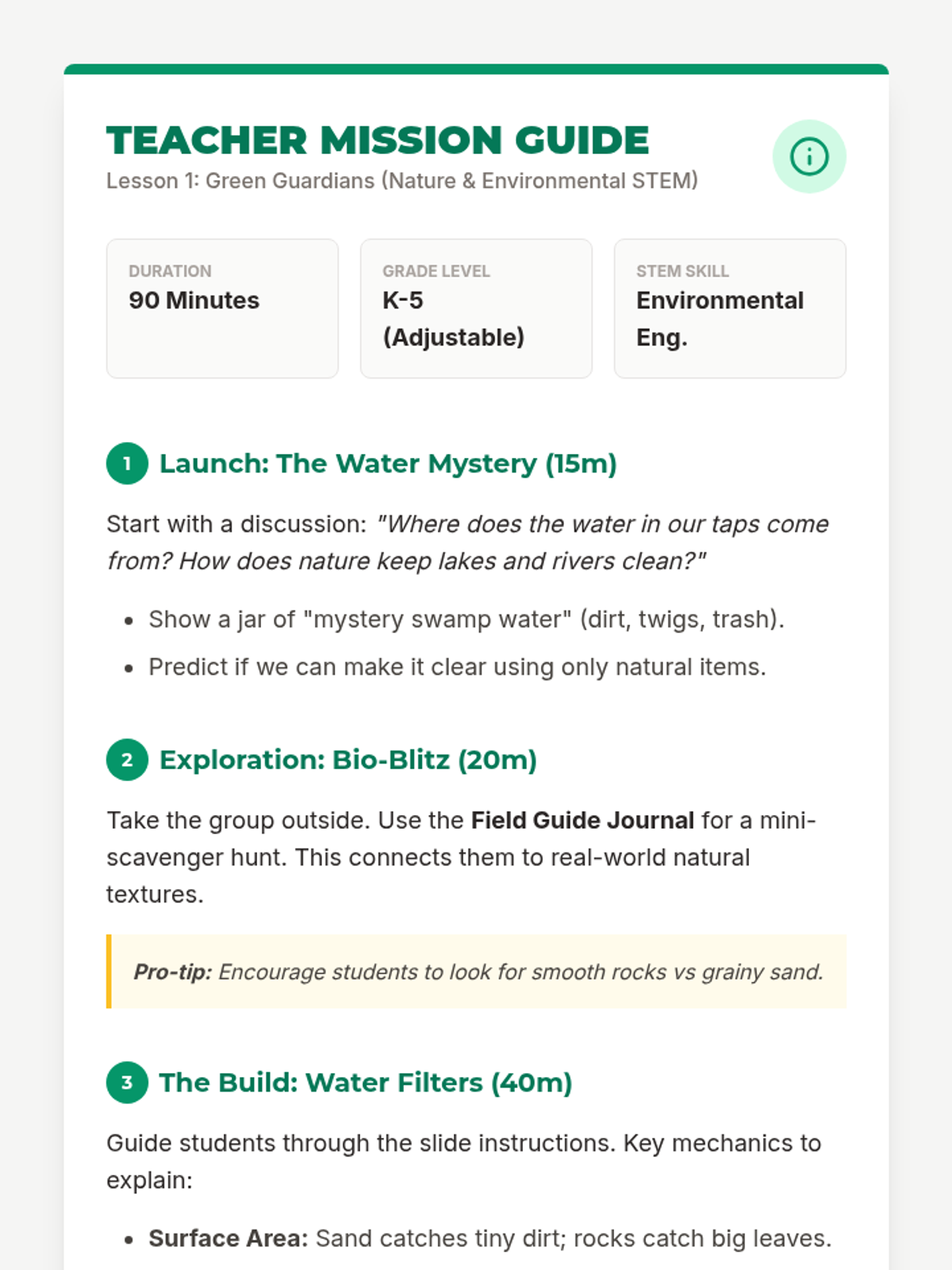
Students explore nature by building mini-ecosystems and learning about water purification using natural and recycled materials.
An in-depth study of the Monarch butterfly's life cycle, focusing on the four stages of complete metamorphosis and the critical ecological role of milkweed.
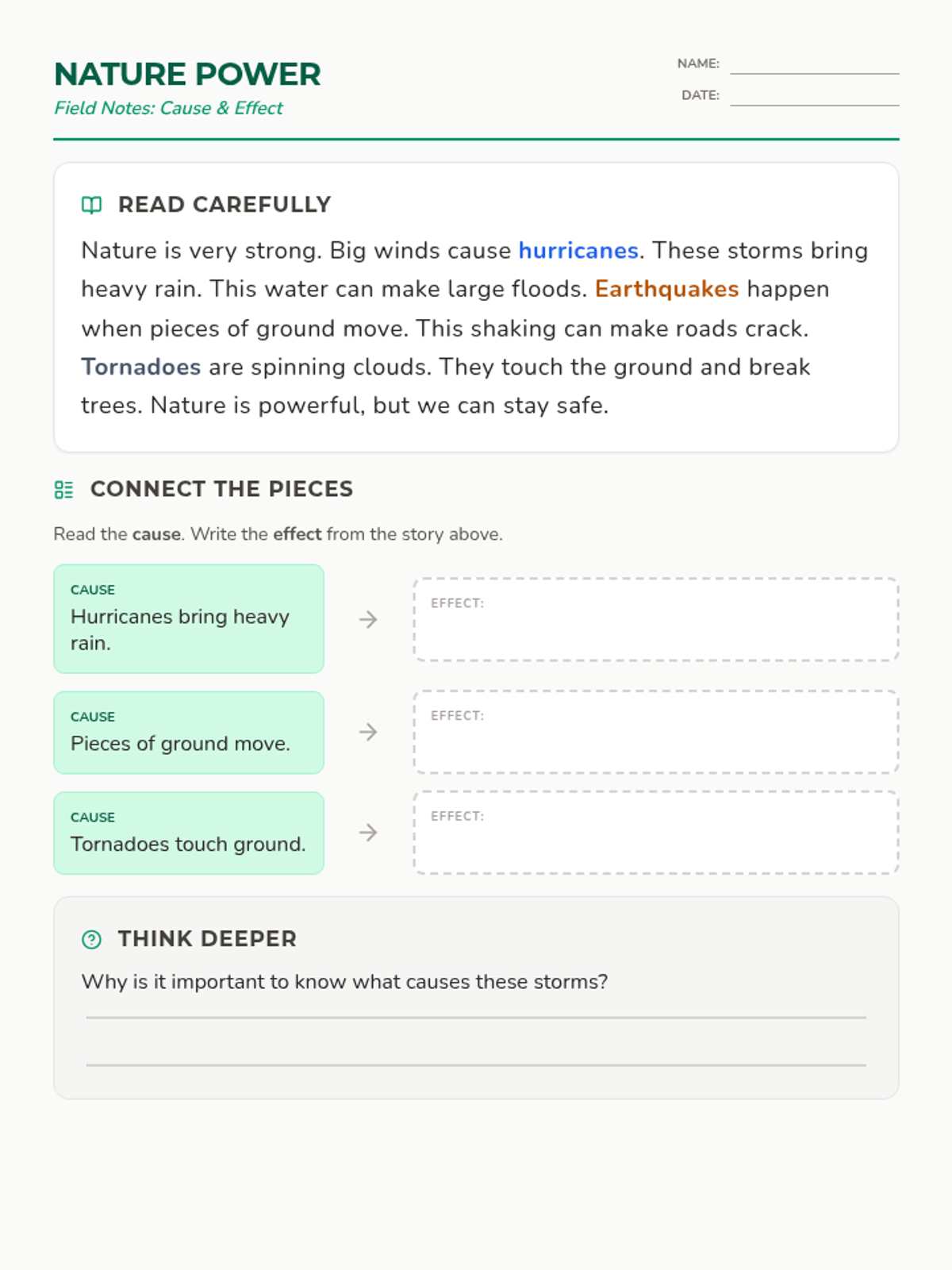
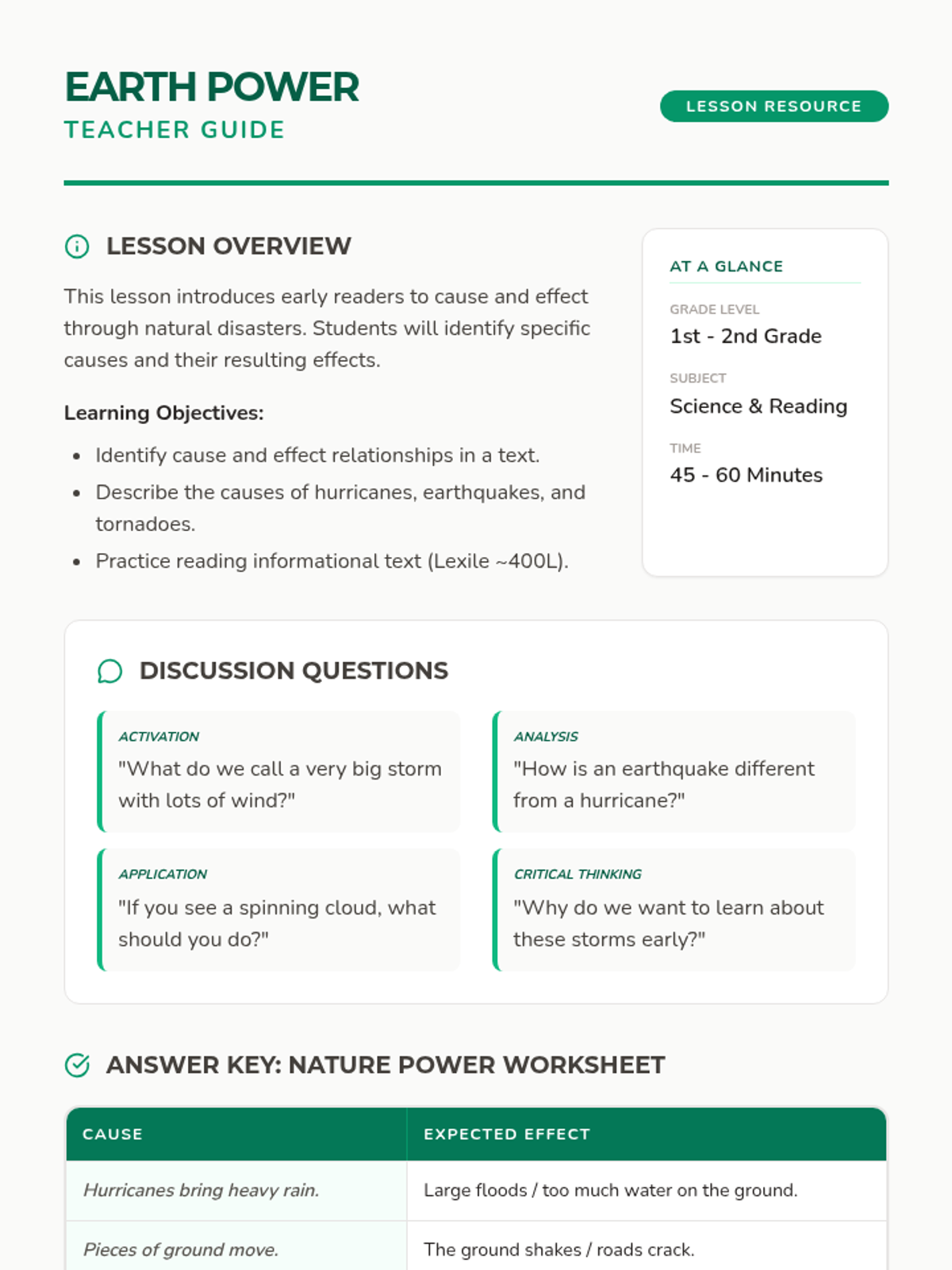
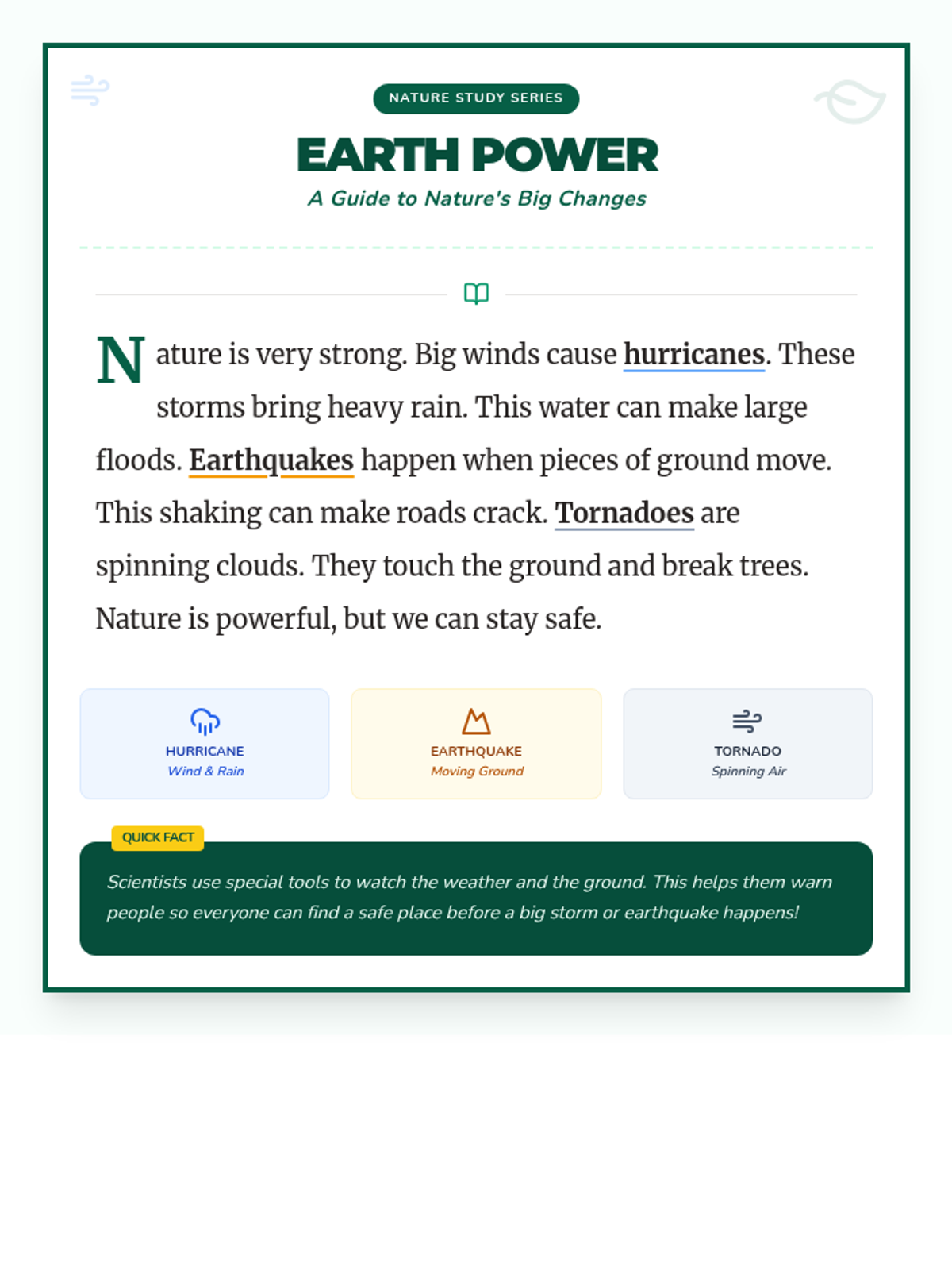
A lesson exploring the cause and effect relationships of hurricanes, earthquakes, and tornadoes for early readers.
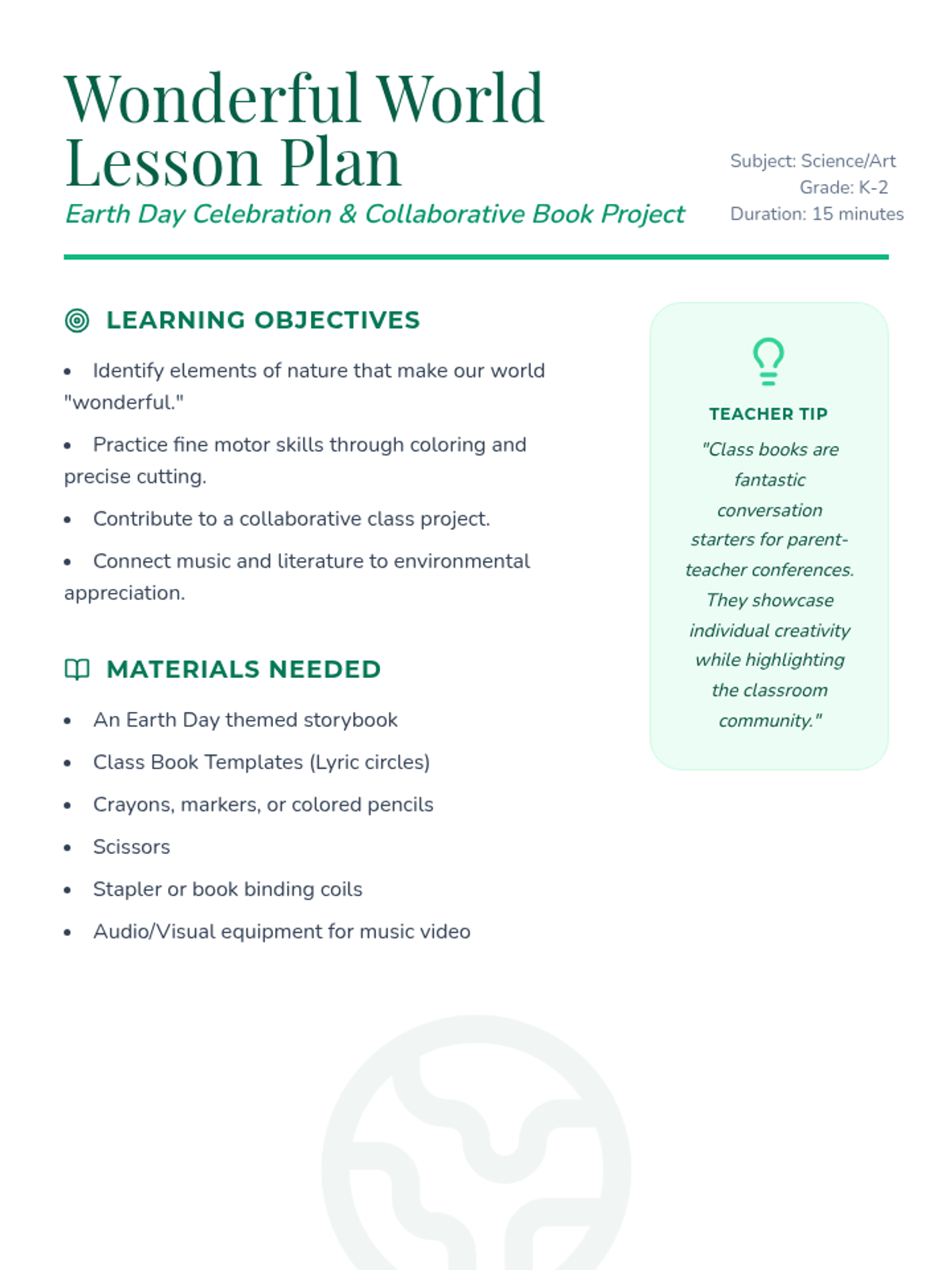
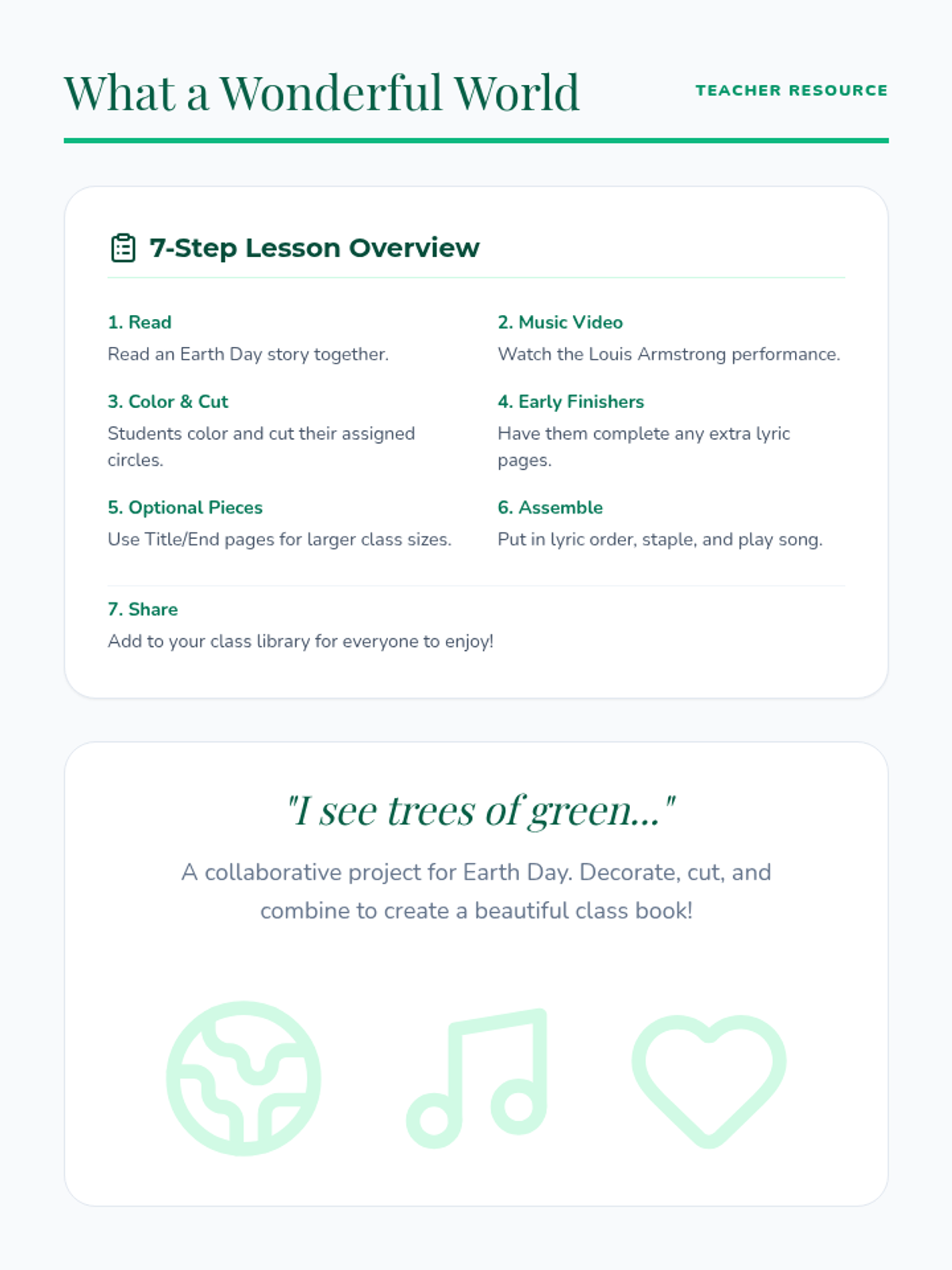
A collaborative Earth Day lesson where students create a class book inspired by Louis Armstrong's 'What a Wonderful World'. Includes a detailed teacher guide and presentation slides with a video embed.
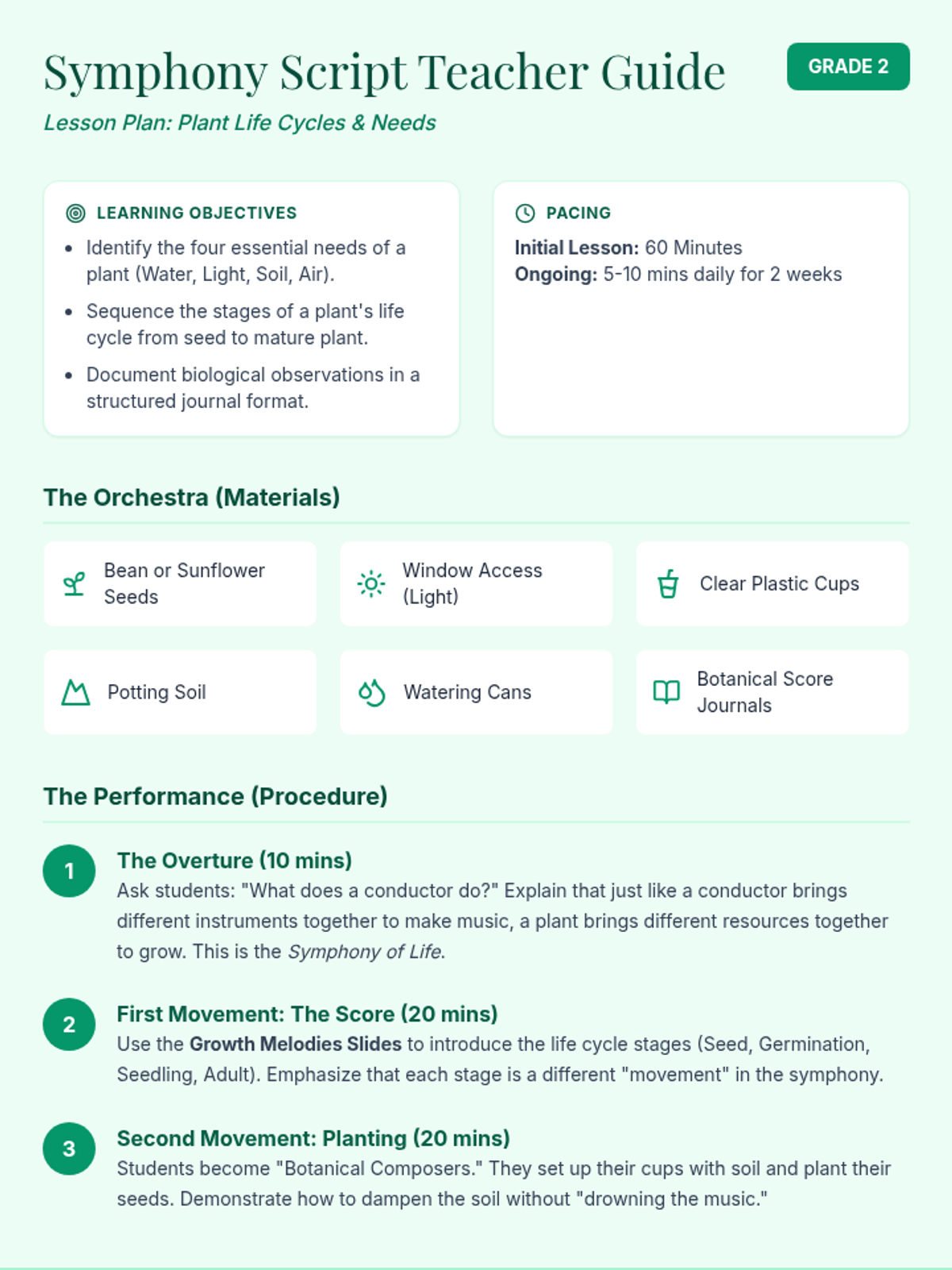
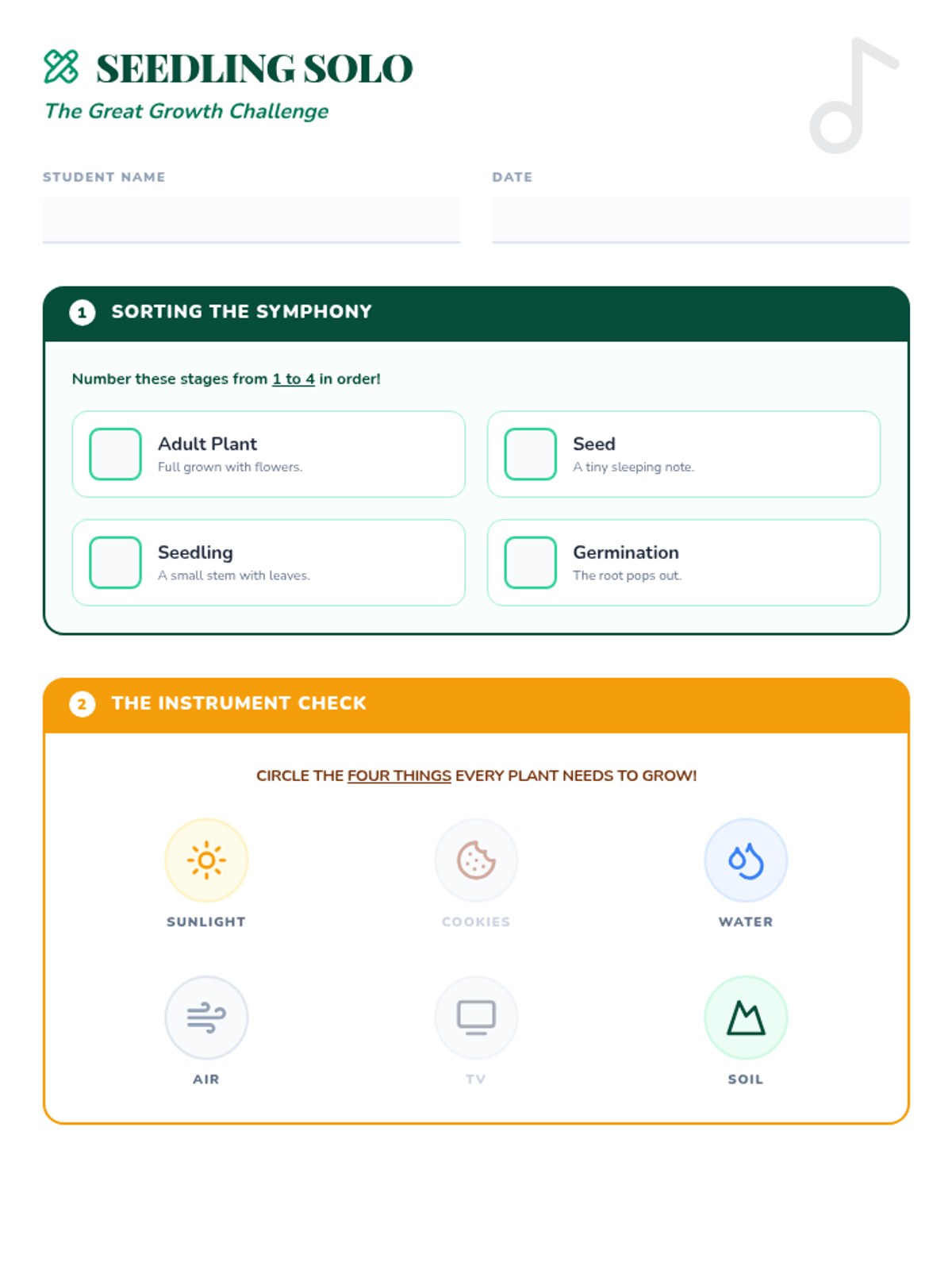
A life science lesson where 2nd graders explore plant life cycles and needs through the metaphor of a musical symphony, acting as botanical composers.
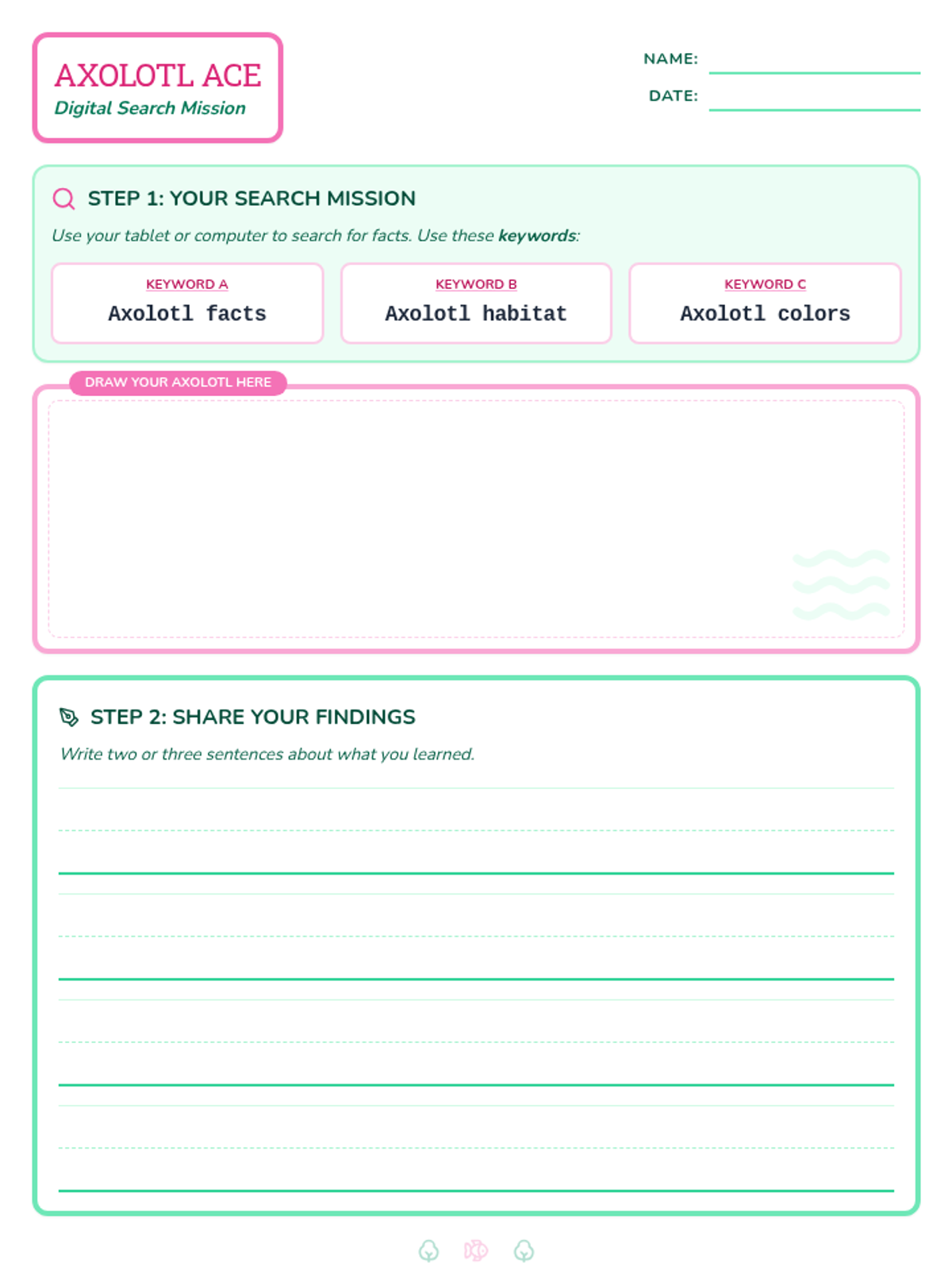
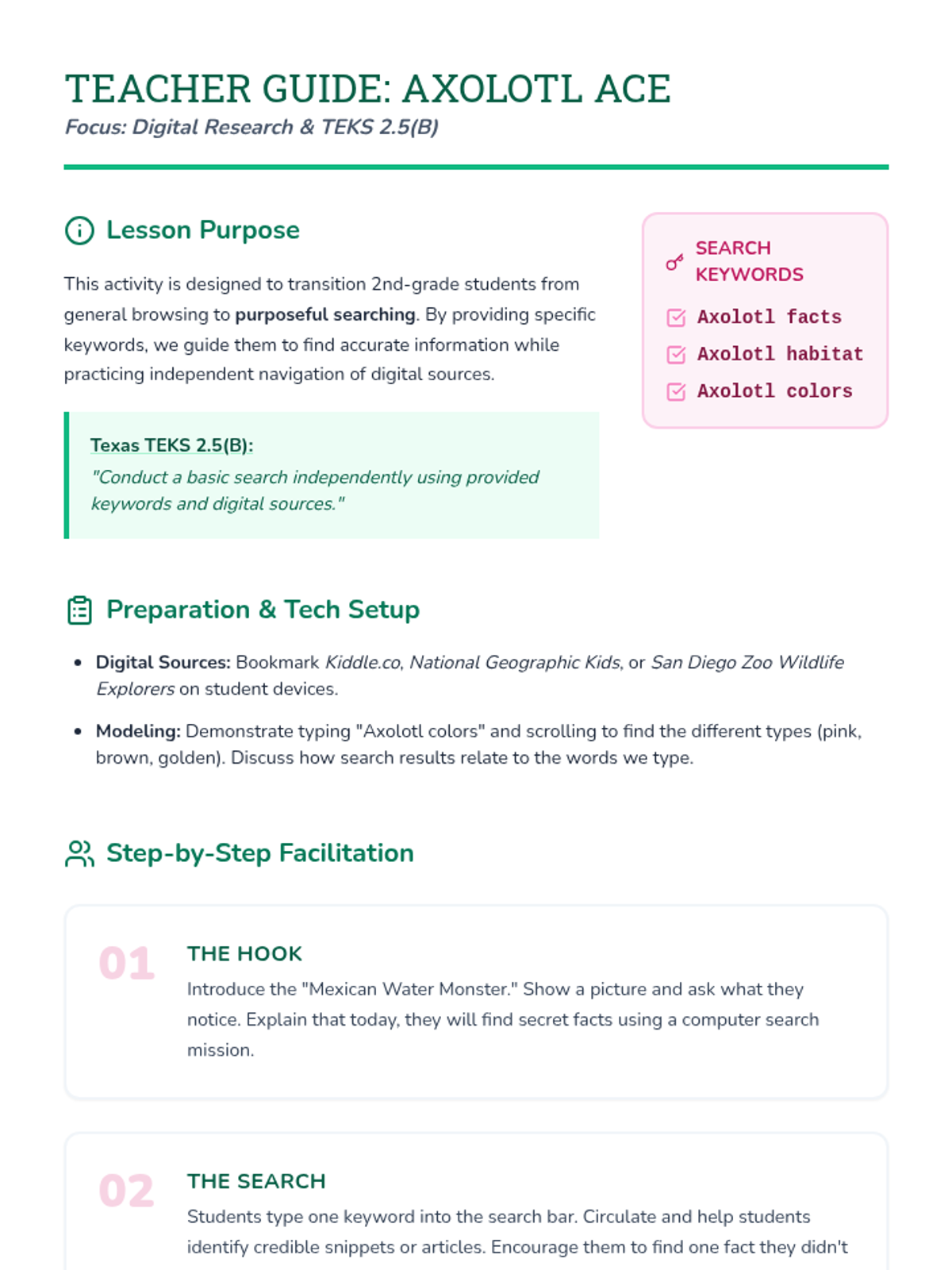
A research-focused lesson for 2nd graders to practice digital search skills while learning about the unique axolotl. Students use specific keywords to find facts and represent their findings through drawing and writing.
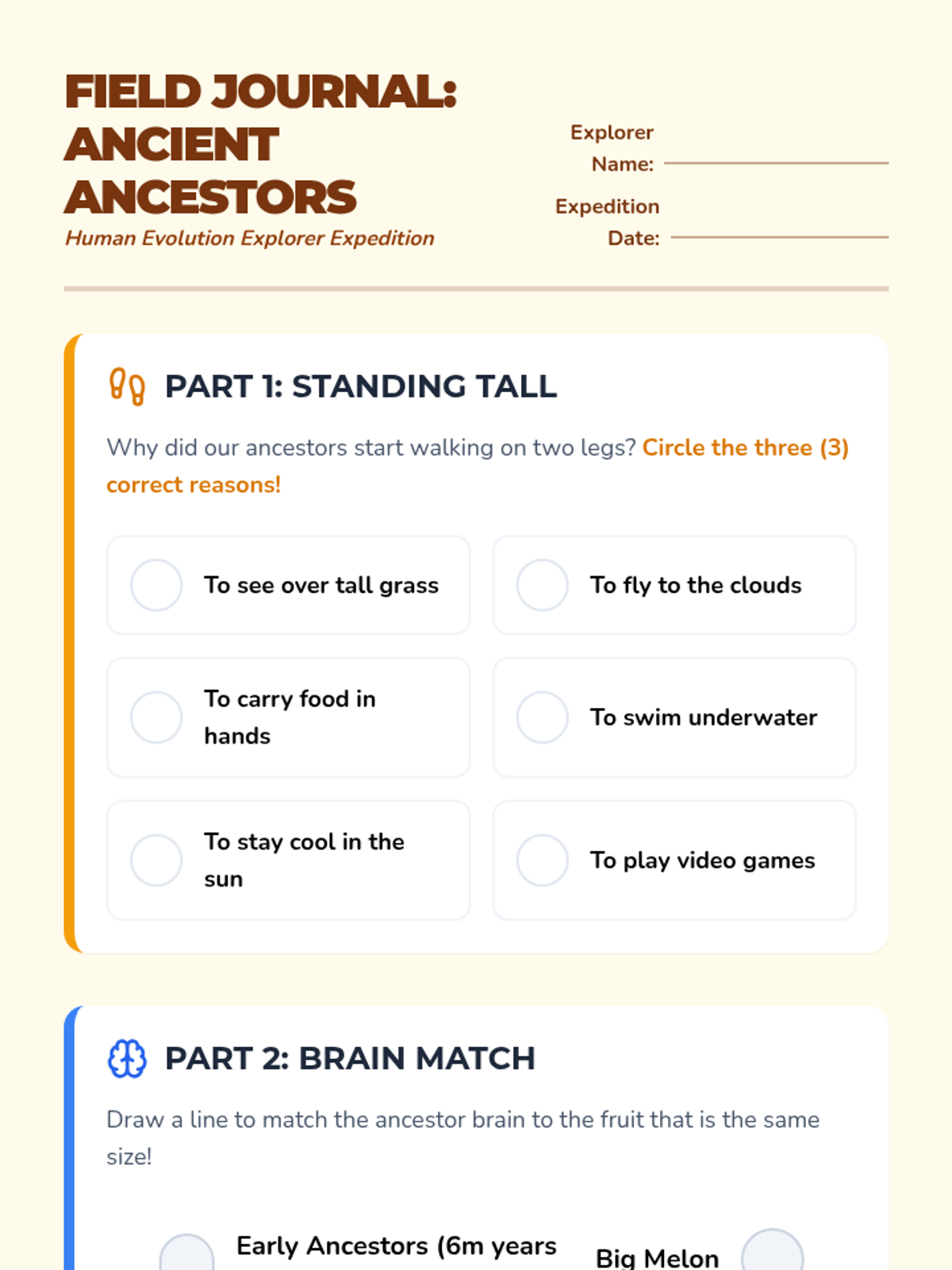
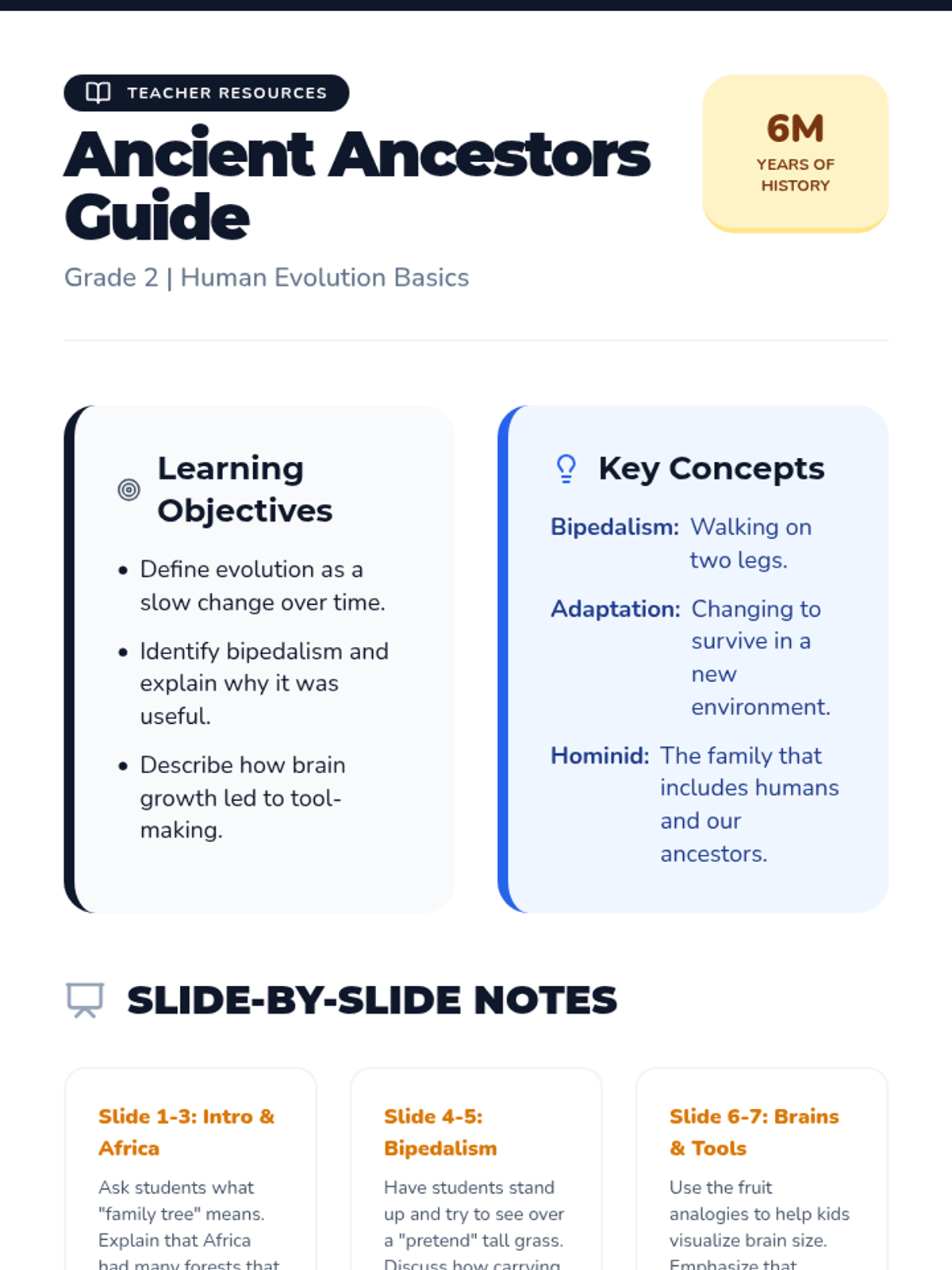
A beginner's look at how humans changed over millions of years, focusing on bipedalism and brain growth through visual storytelling.