A collection of science activities exploring plant growth, weather patterns, and animal life cycles during the spring season. Students will engage in observation, labeling, and data tracking.
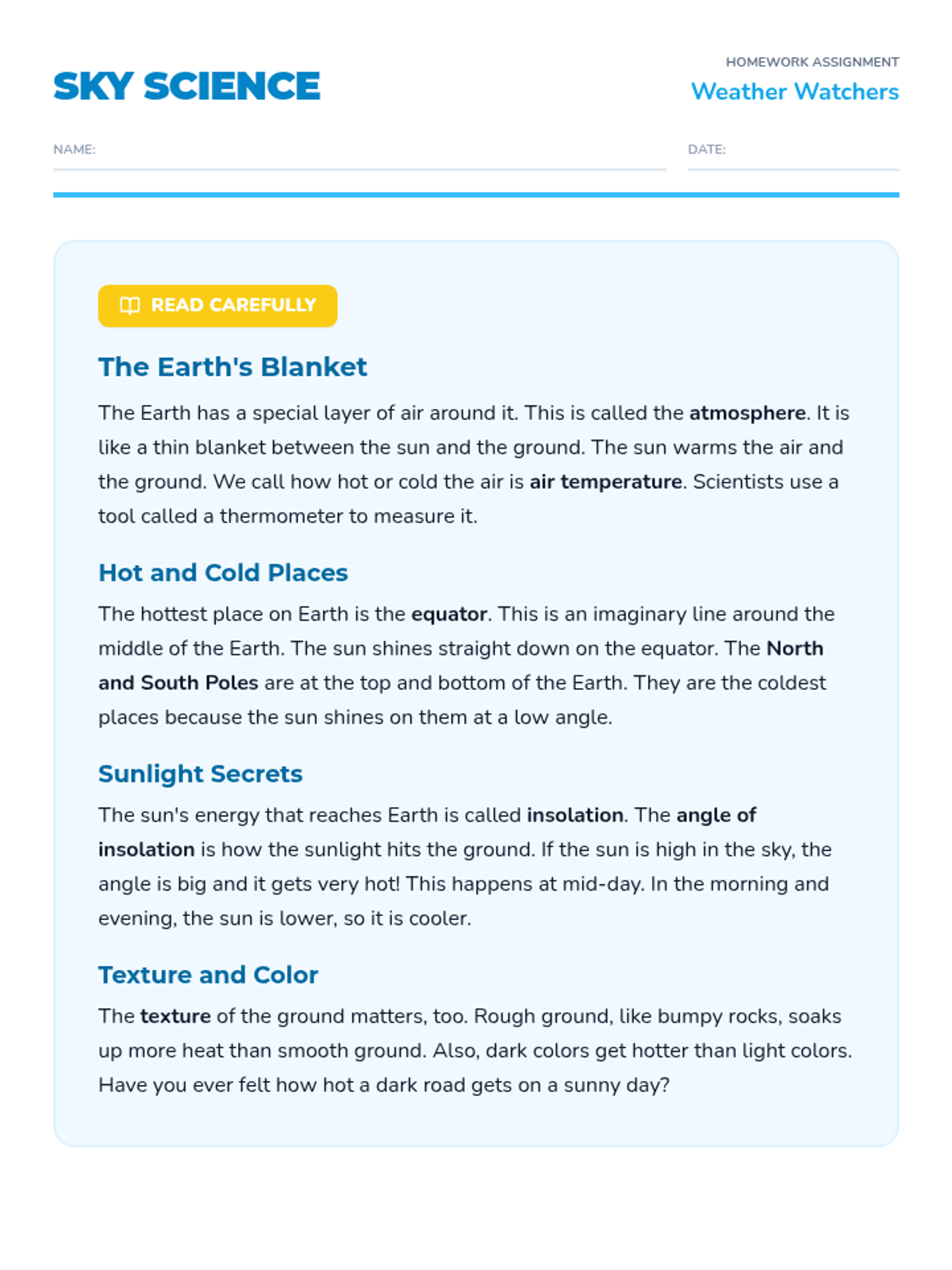
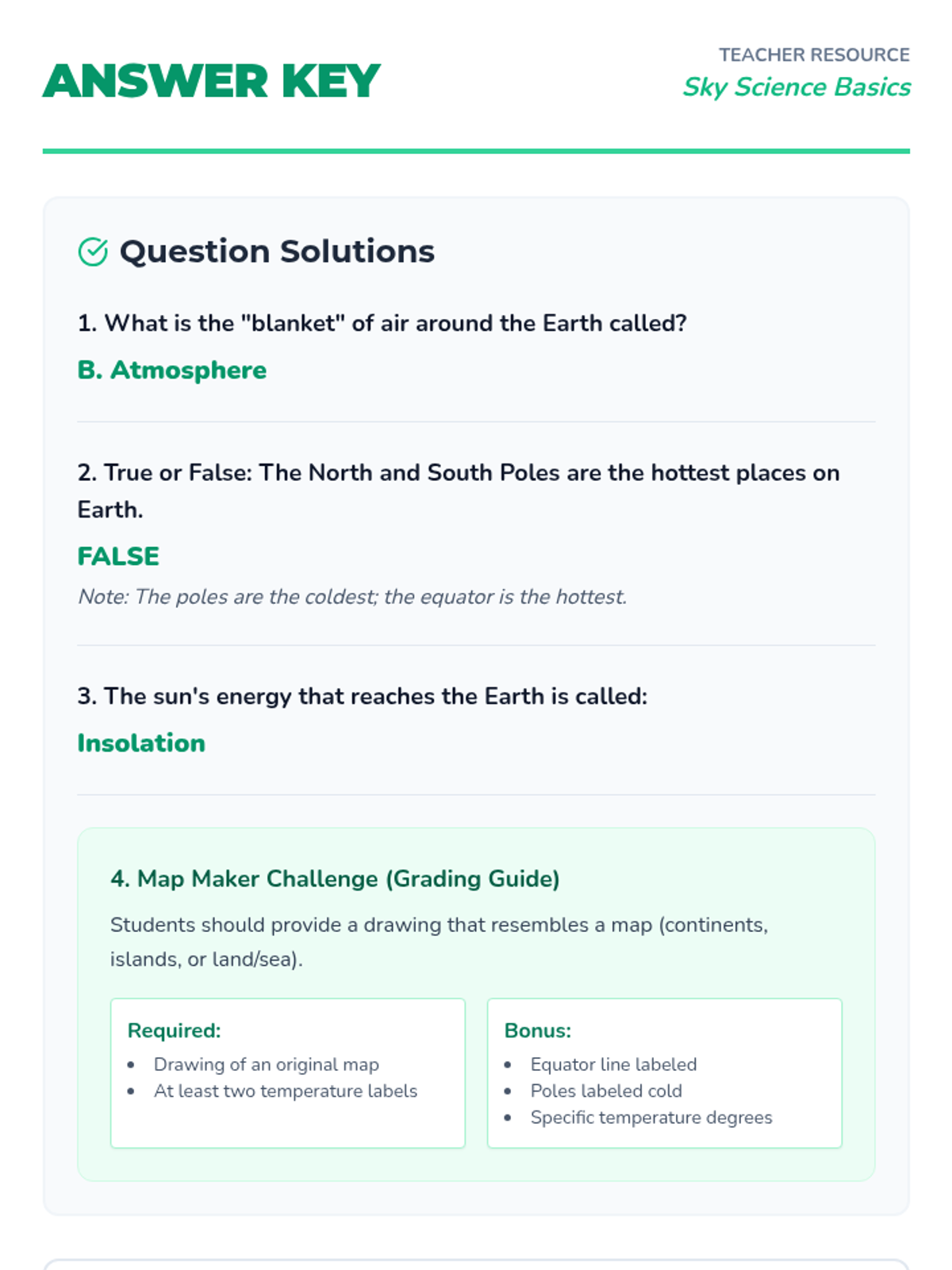
An introductory lesson on the Earth's atmosphere and how air temperature changes due to factors like location, texture, and color, adapted for 2nd-grade readers.
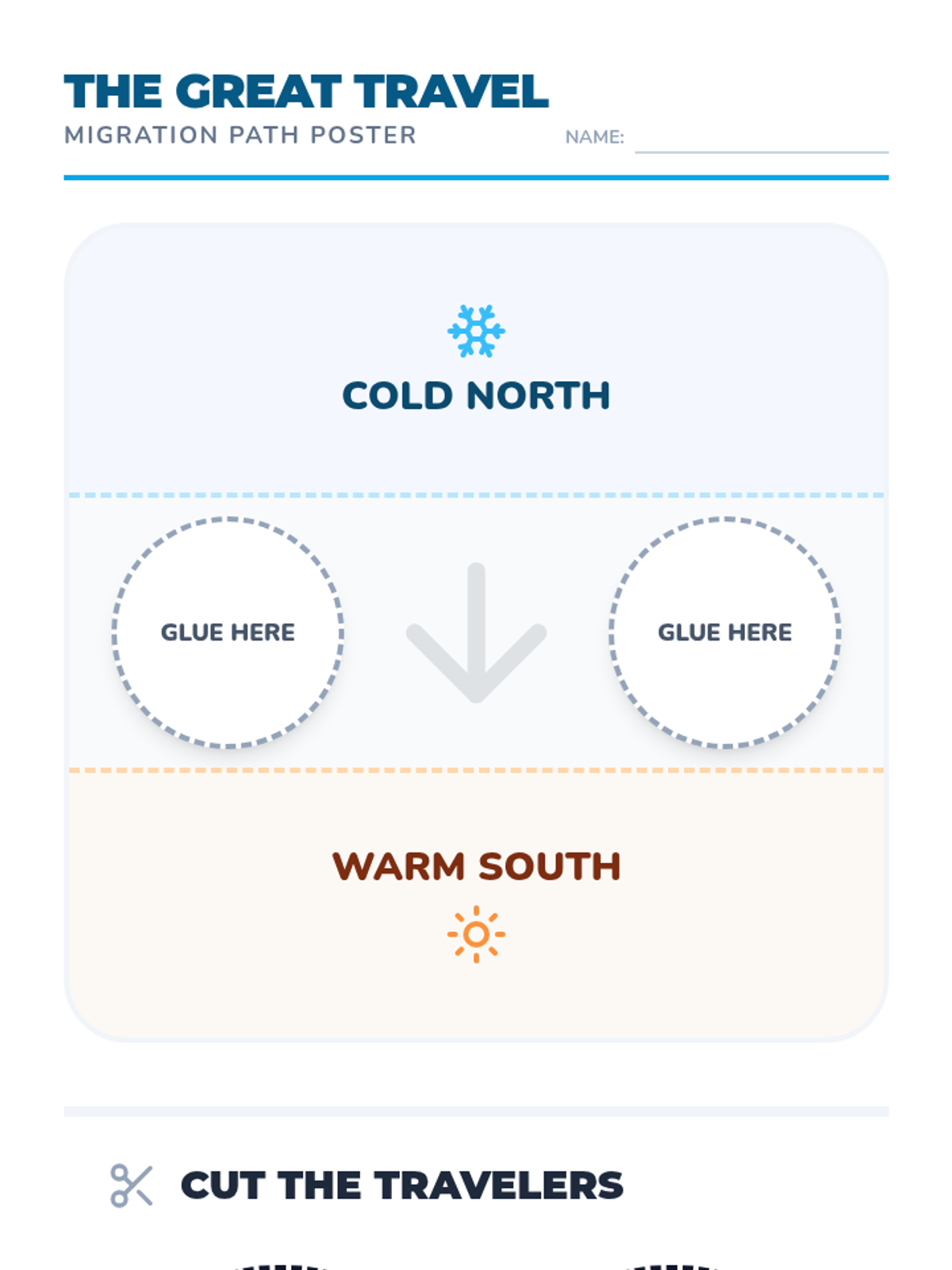
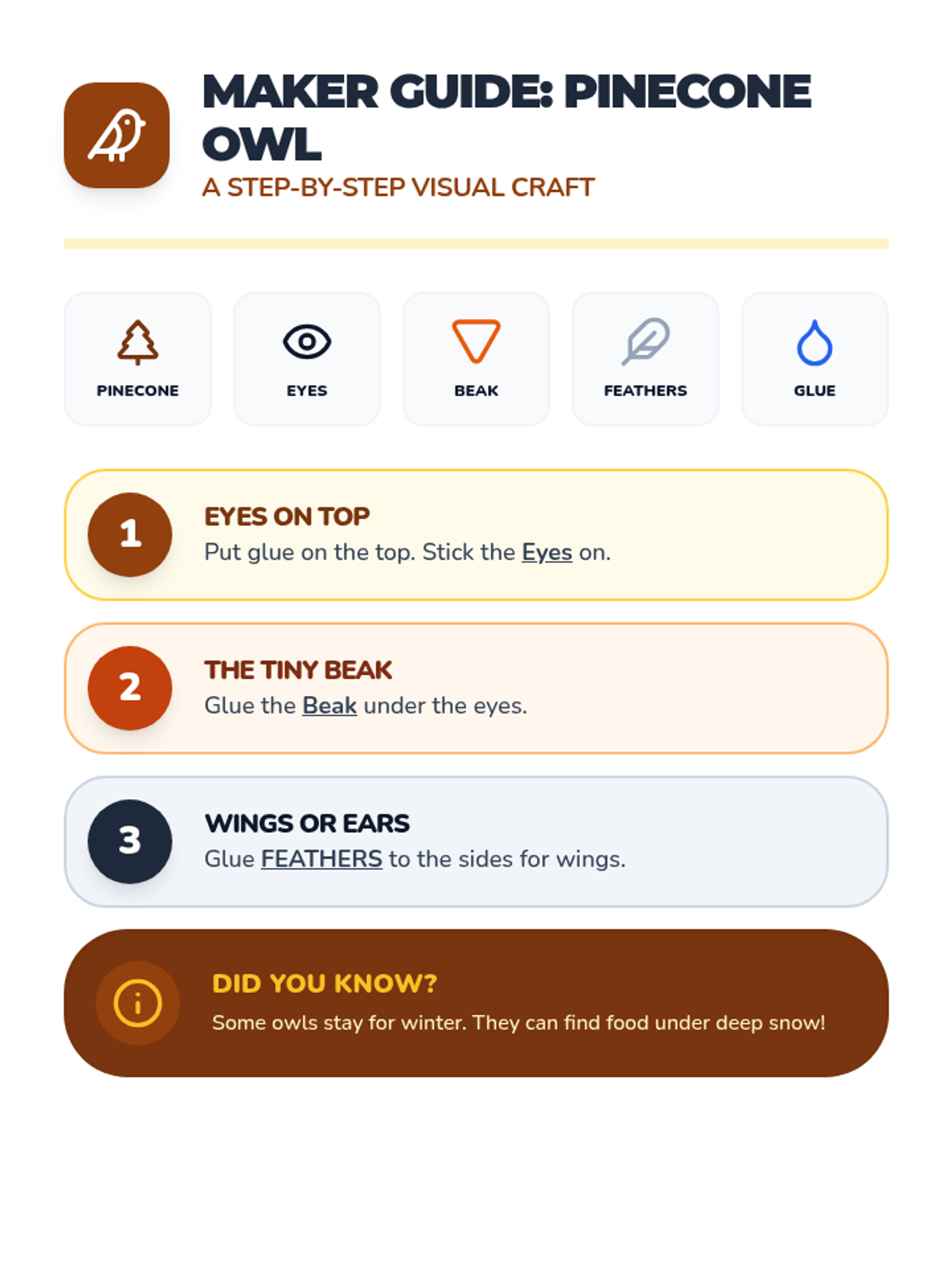
Investigate how animals prepare for winter with a migration map poster and a pinecone animal craft.
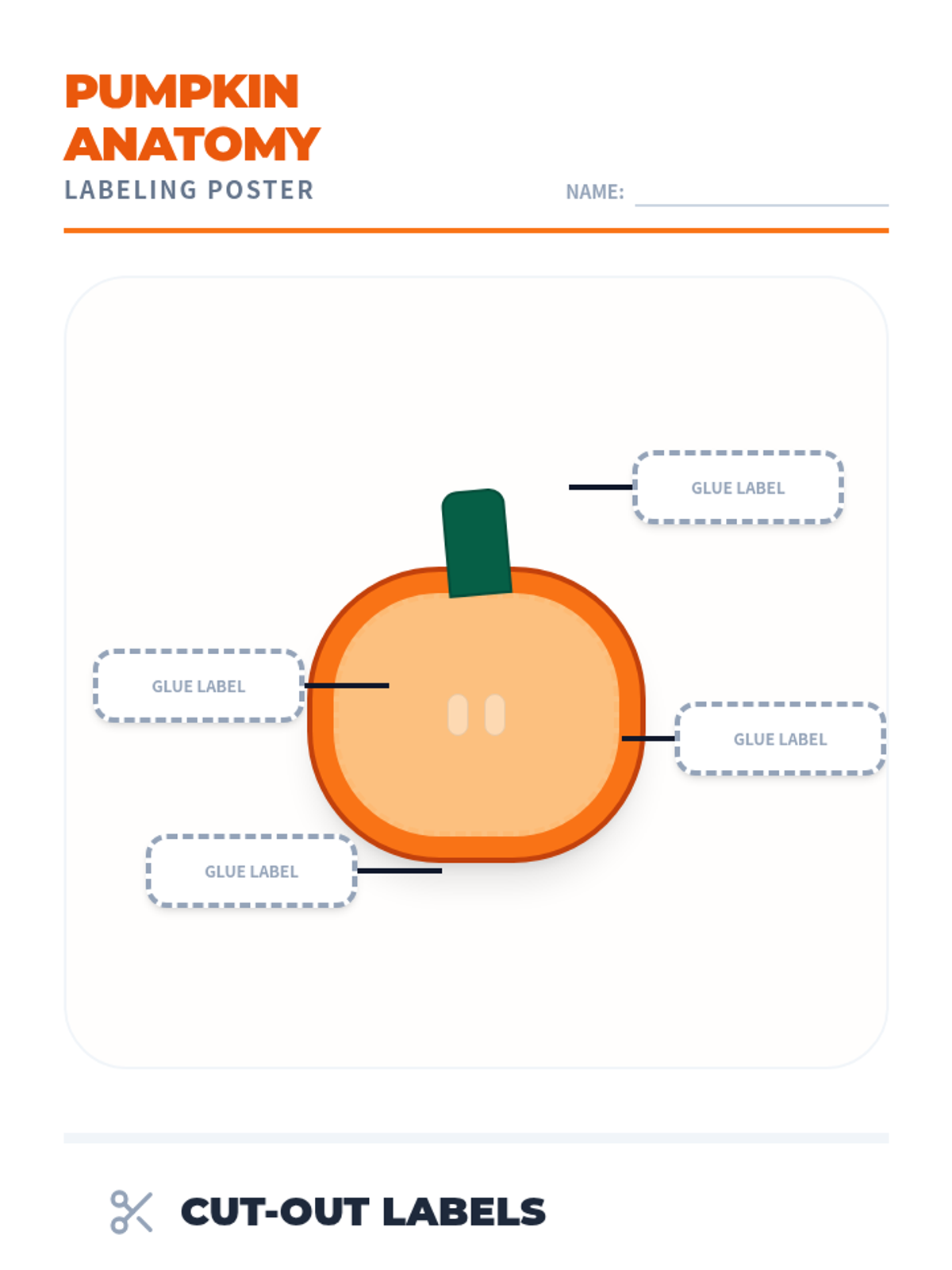
Learn about pumpkin growth and anatomy by creating a geometric pumpkin poster and a 3D paper pumpkin craft.
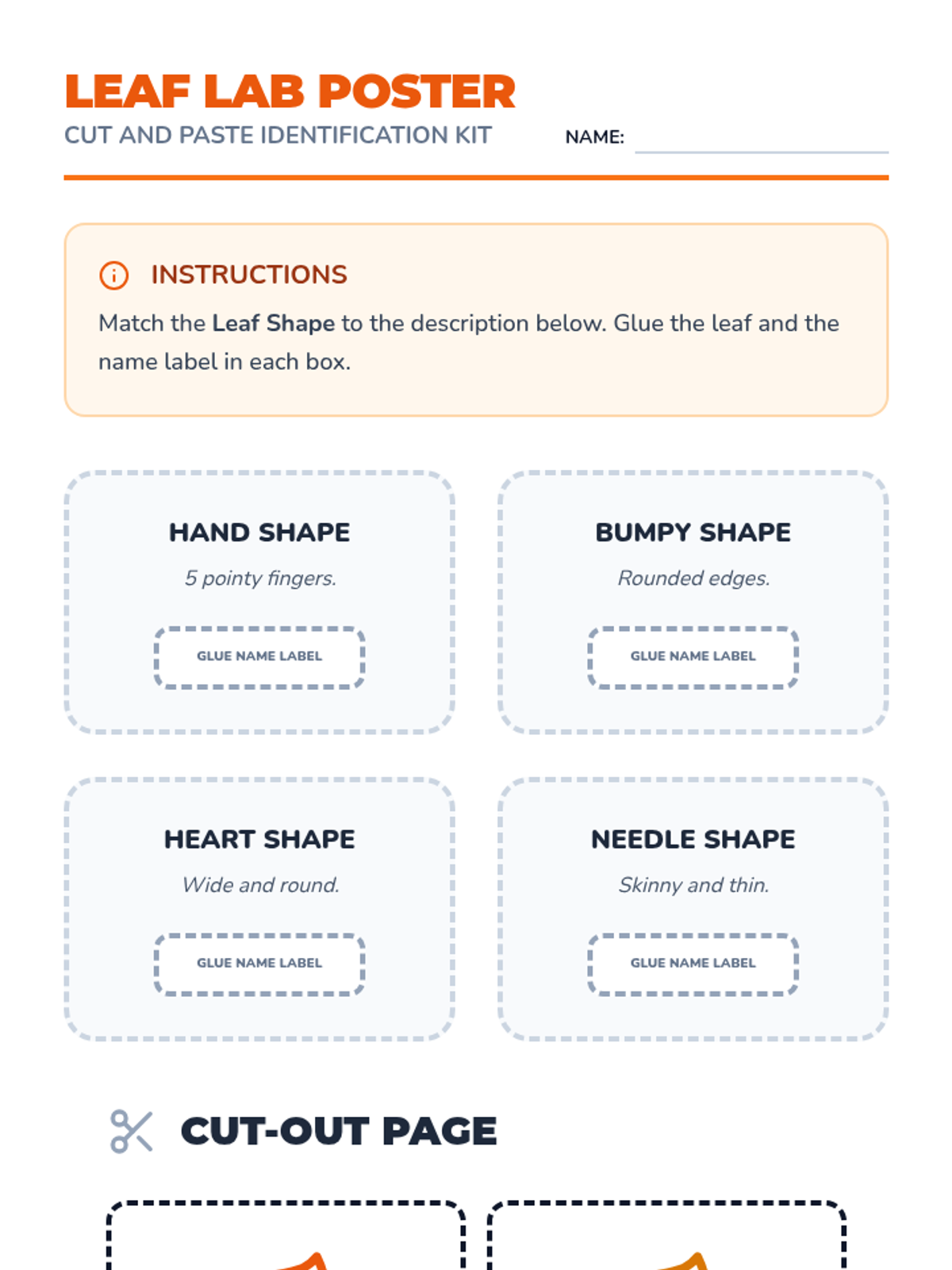
Explore the science of changing leaves through a cut-and-paste identification poster and a visual leaf-rubbing craft.
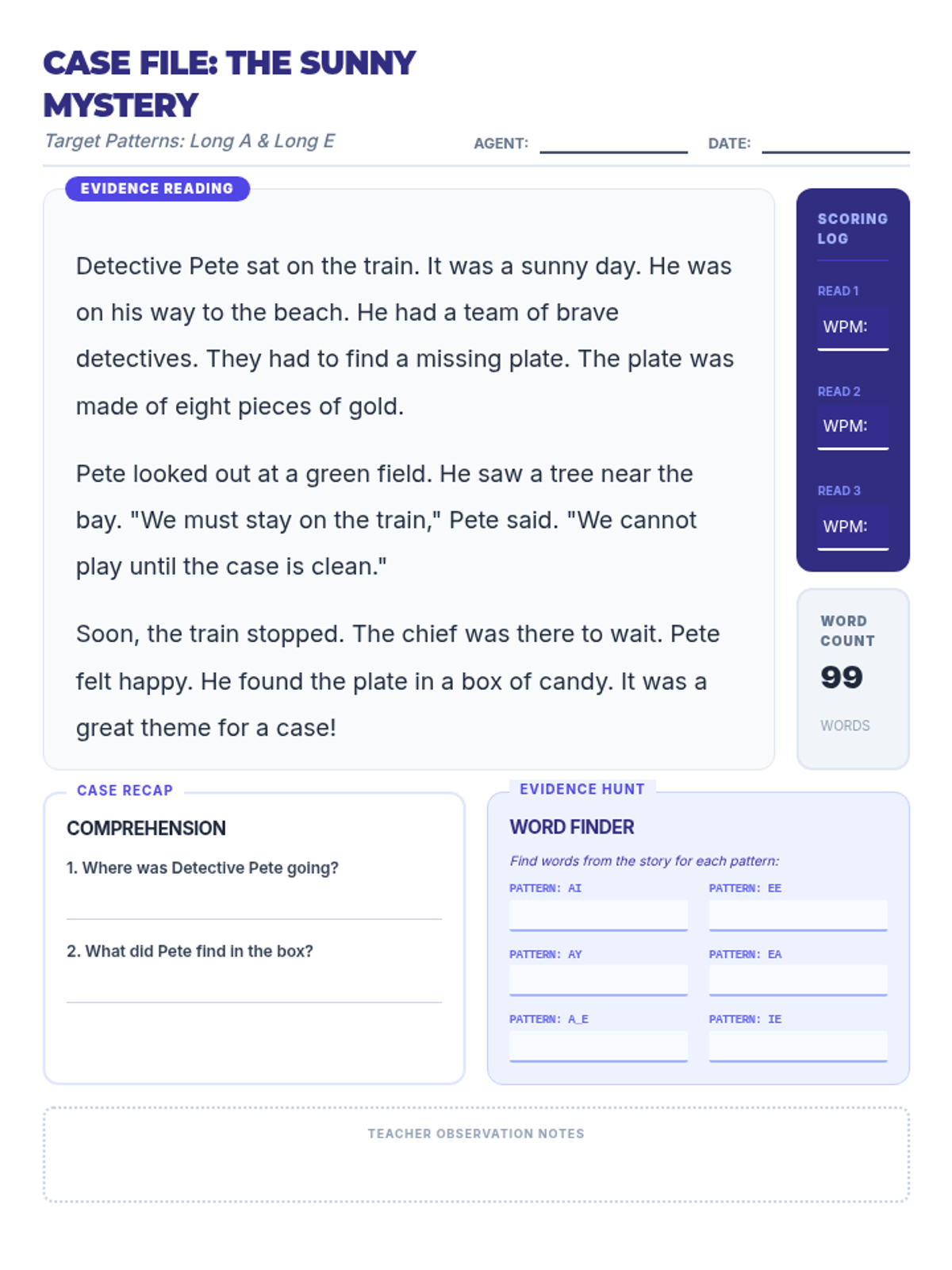
A small group phonics lesson focused on identifying and mapping various spelling patterns for Long A and Long E sounds through sorting and dictation.
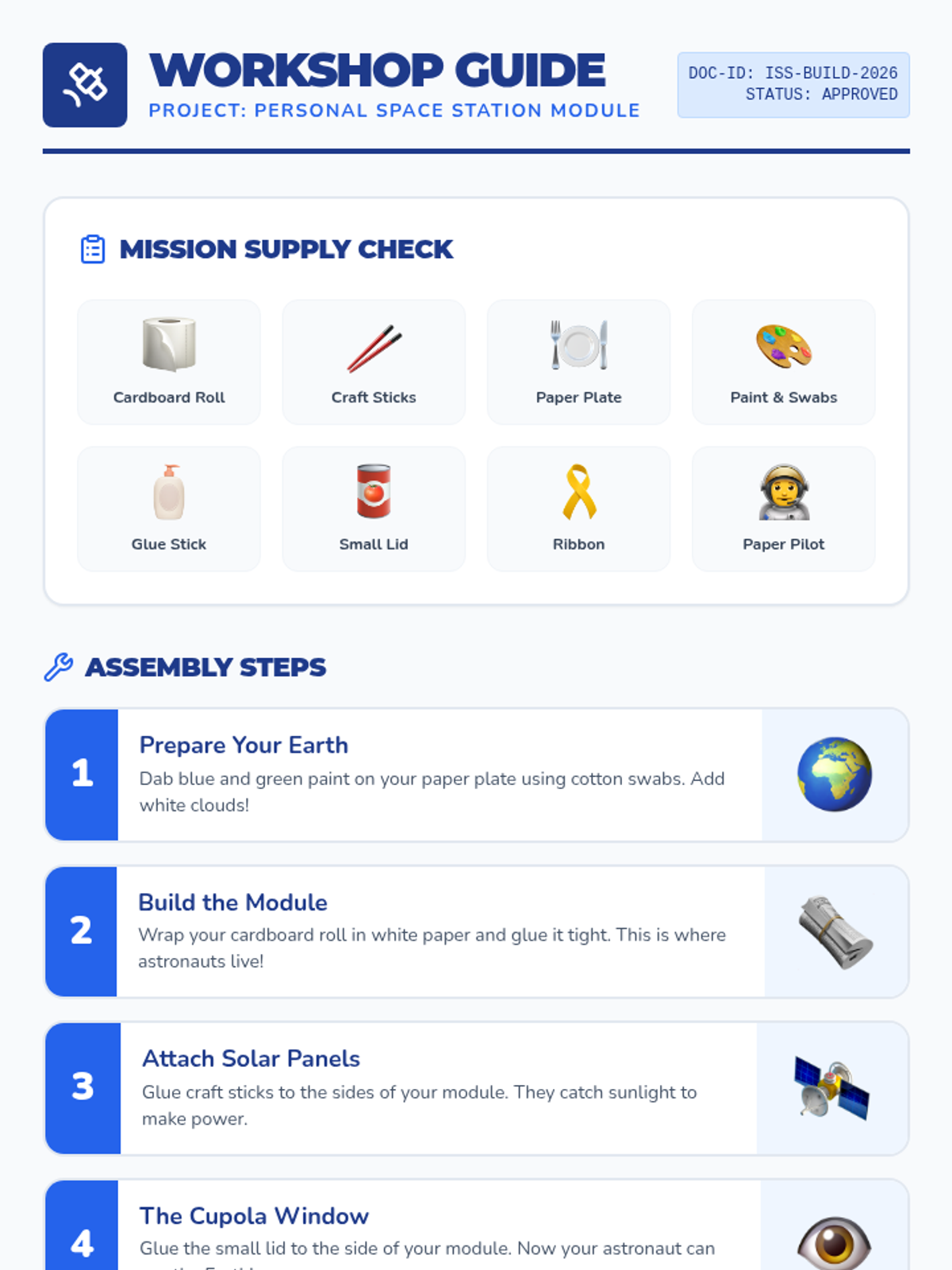
A hands-on enrichment lesson for K-3 students to explore life on the International Space Station through a creative building project and interactive discussion. Students learn about how astronauts live and work in orbit while constructing their own space station models.
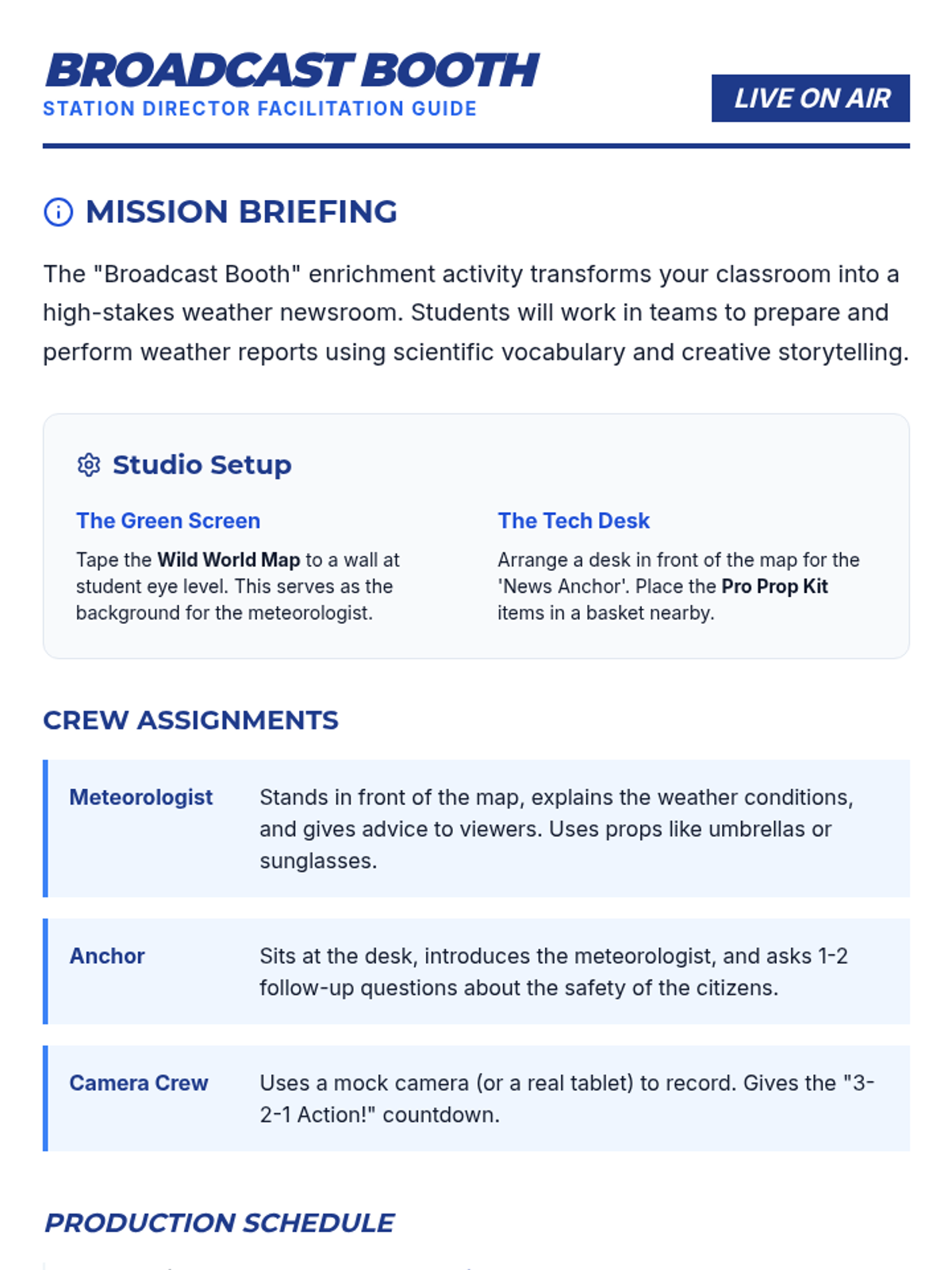
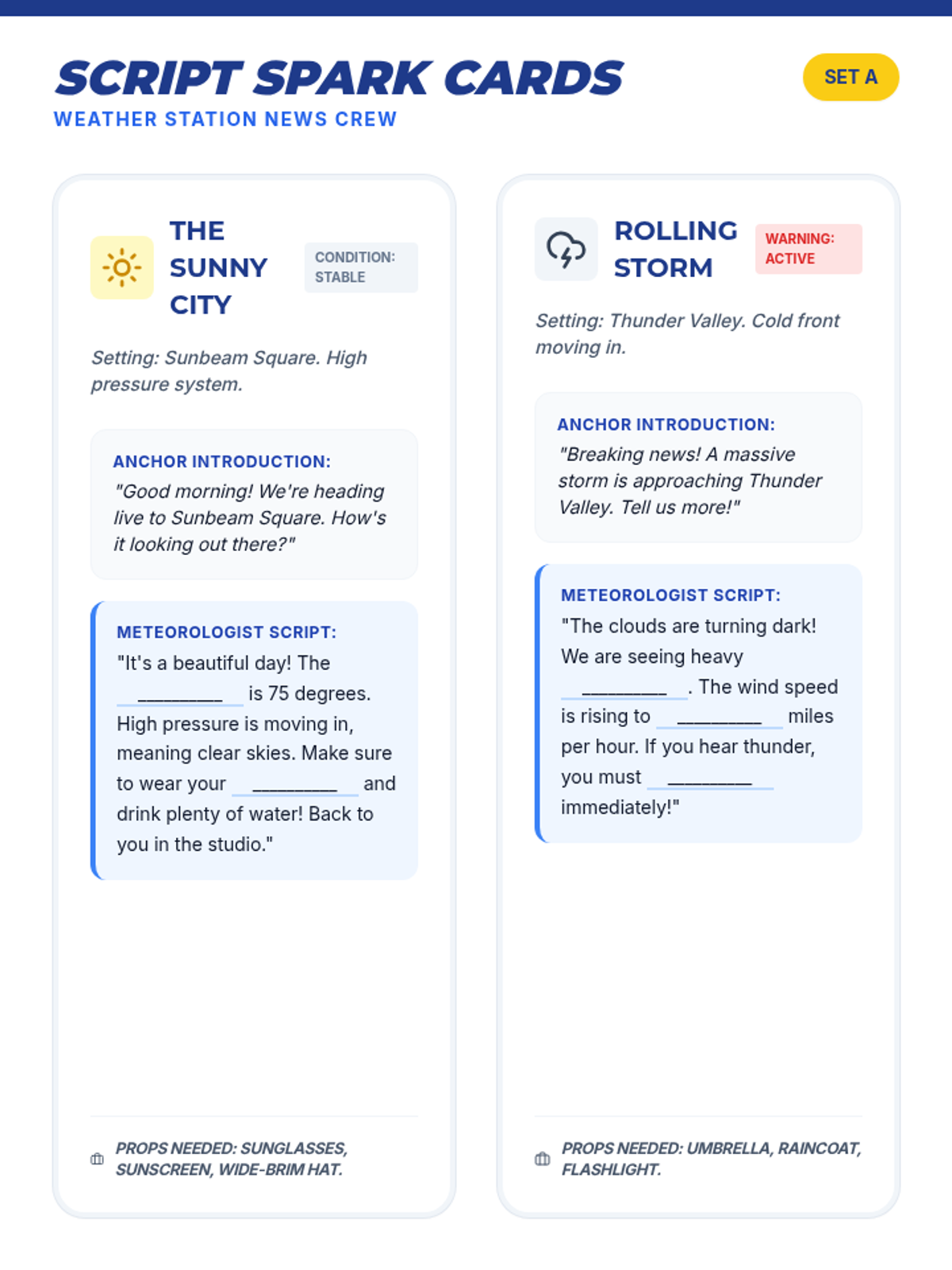
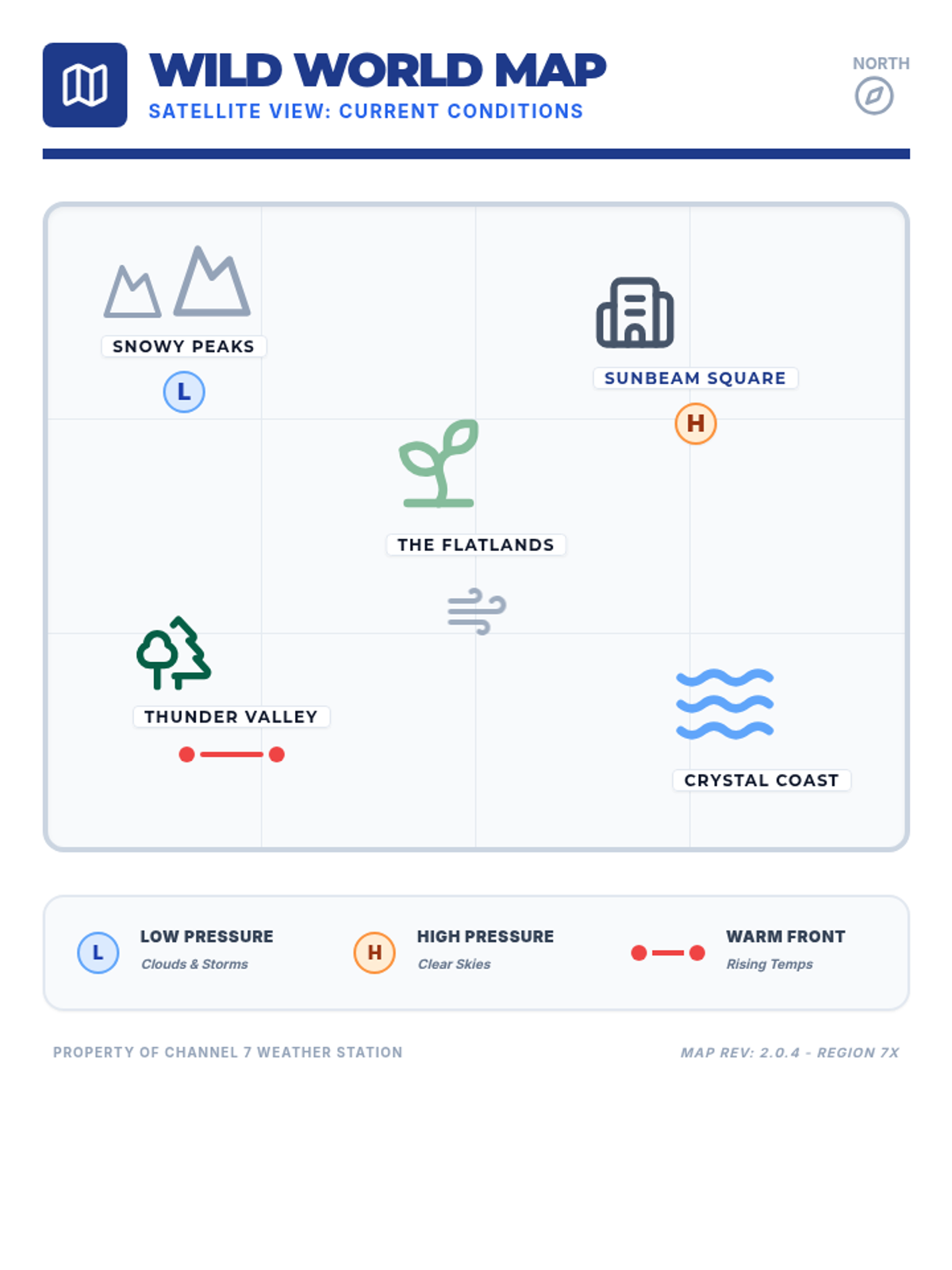
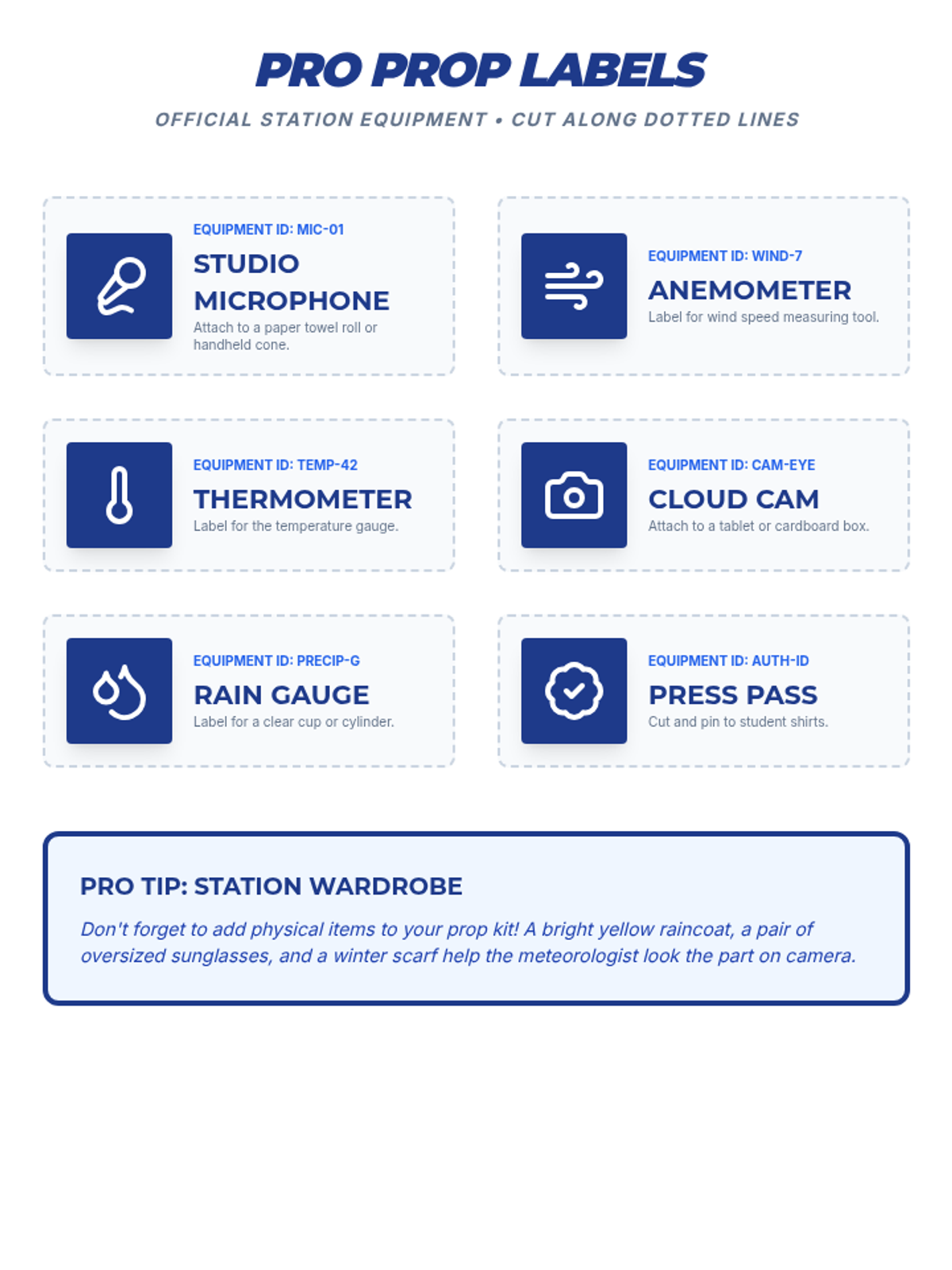
Students step into the shoes of meteorologists, using scripts and props to report on a wide variety of weather phenomena across a fictional map.
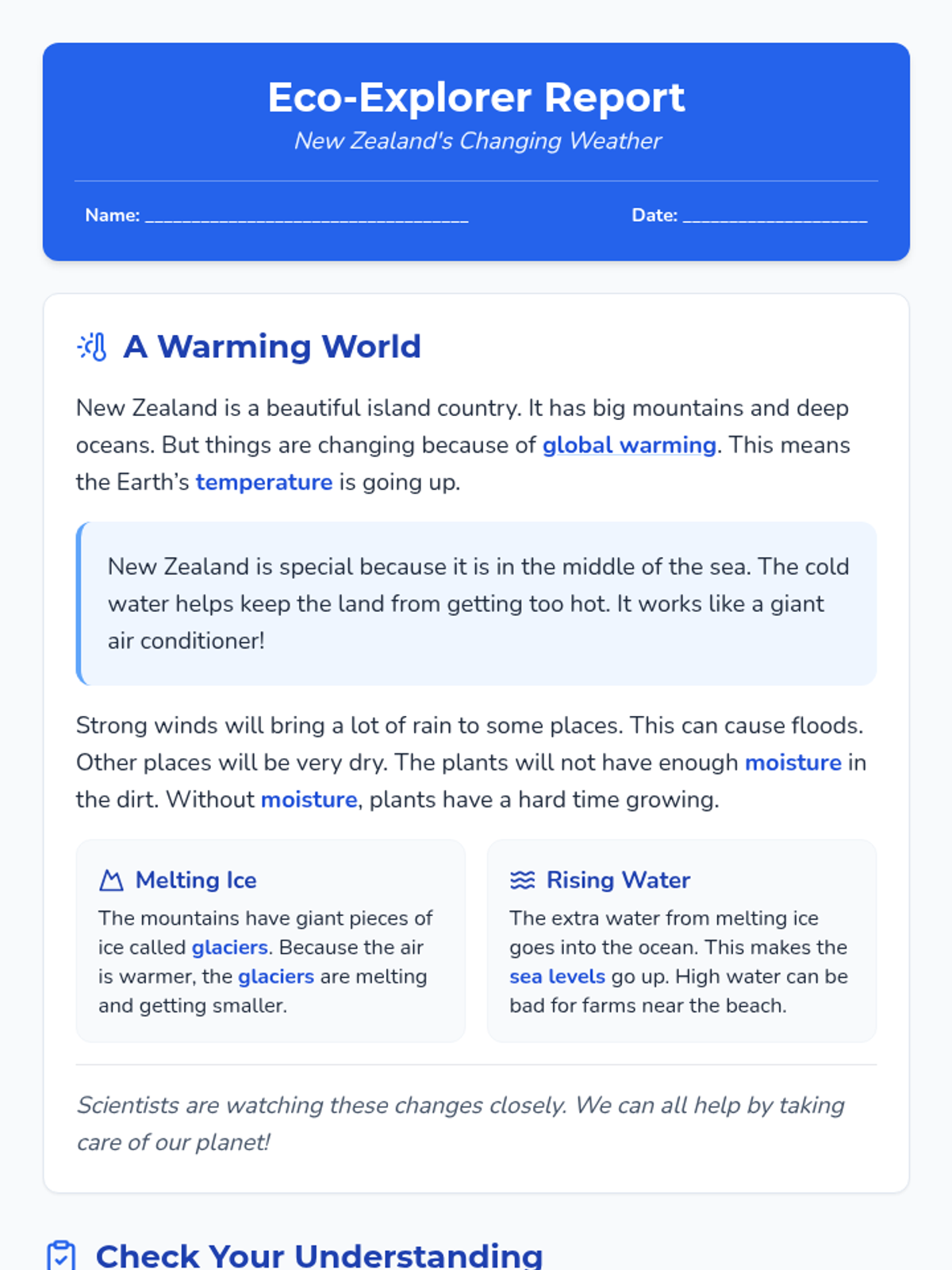
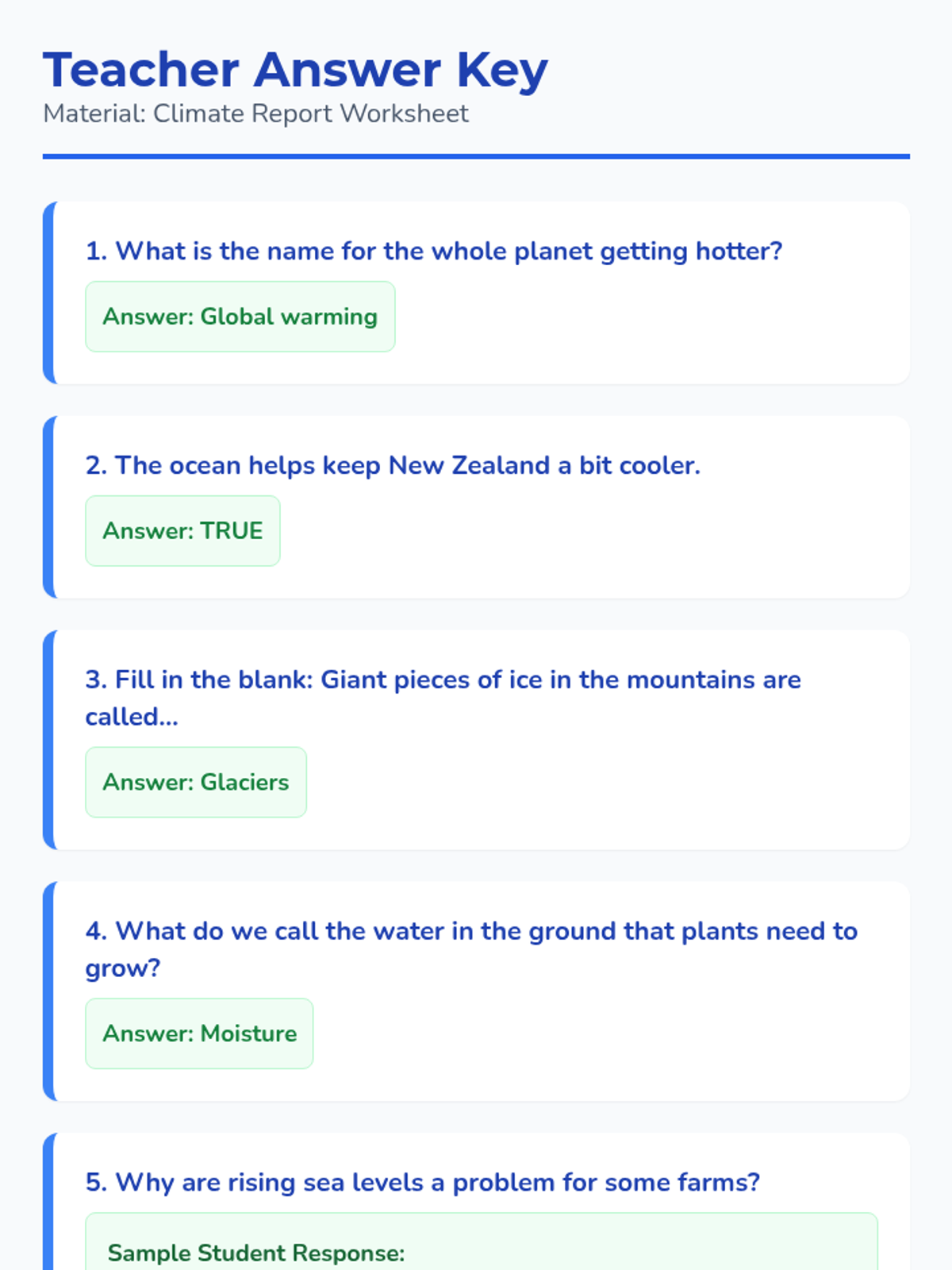
A lesson for 2nd graders to understand the impacts of global warming on New Zealand's environment, focusing on glaciers, sea levels, and moisture.
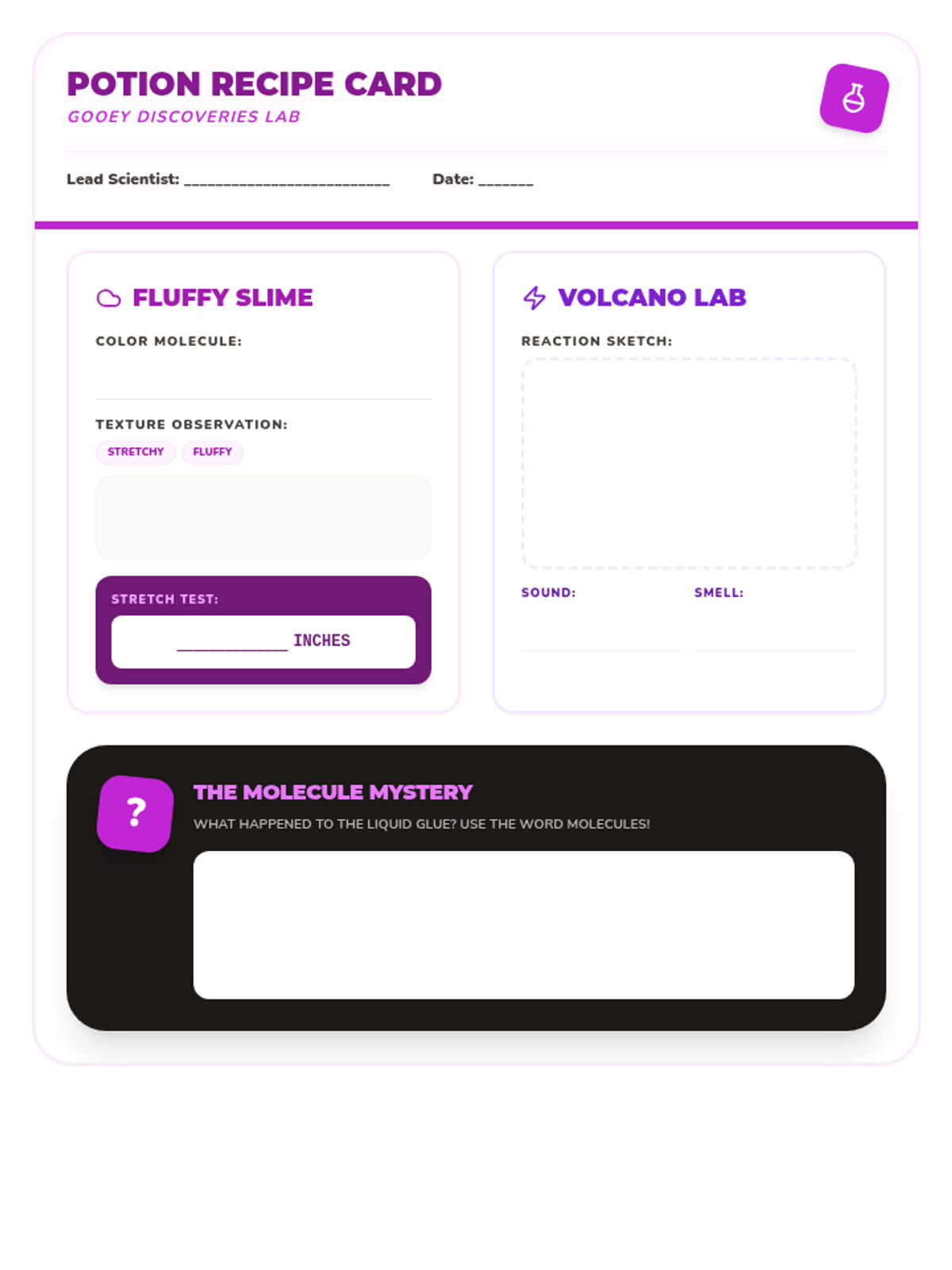
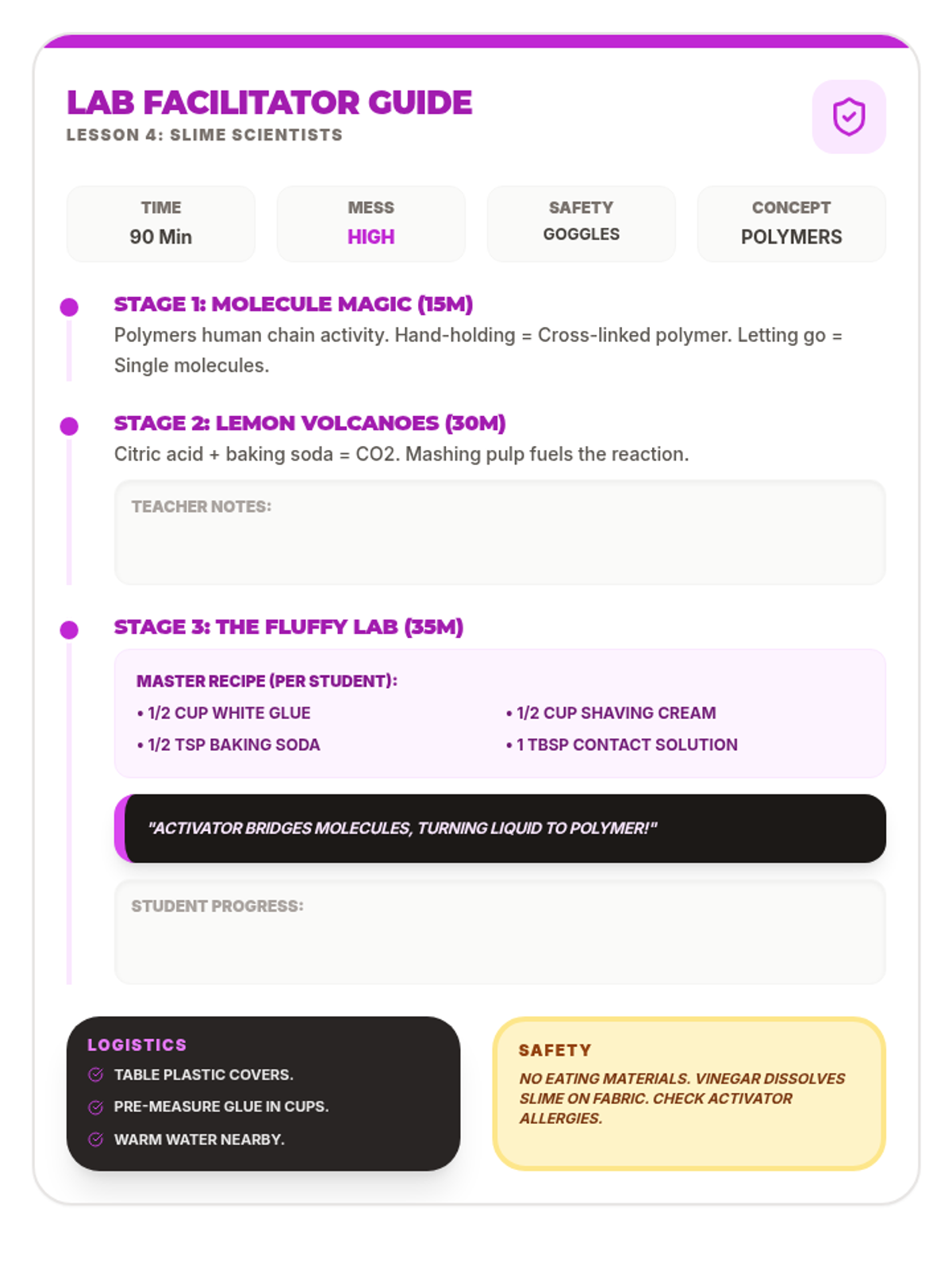
A hands-on chemistry session where students experiment with non-Newtonian fluids and acid-base reactions to create fizzing eruptions and gooey textures.
Students become engineers by designing a marble maze that incorporates simple machines like inclined planes and levers using cardboard and recyclables.
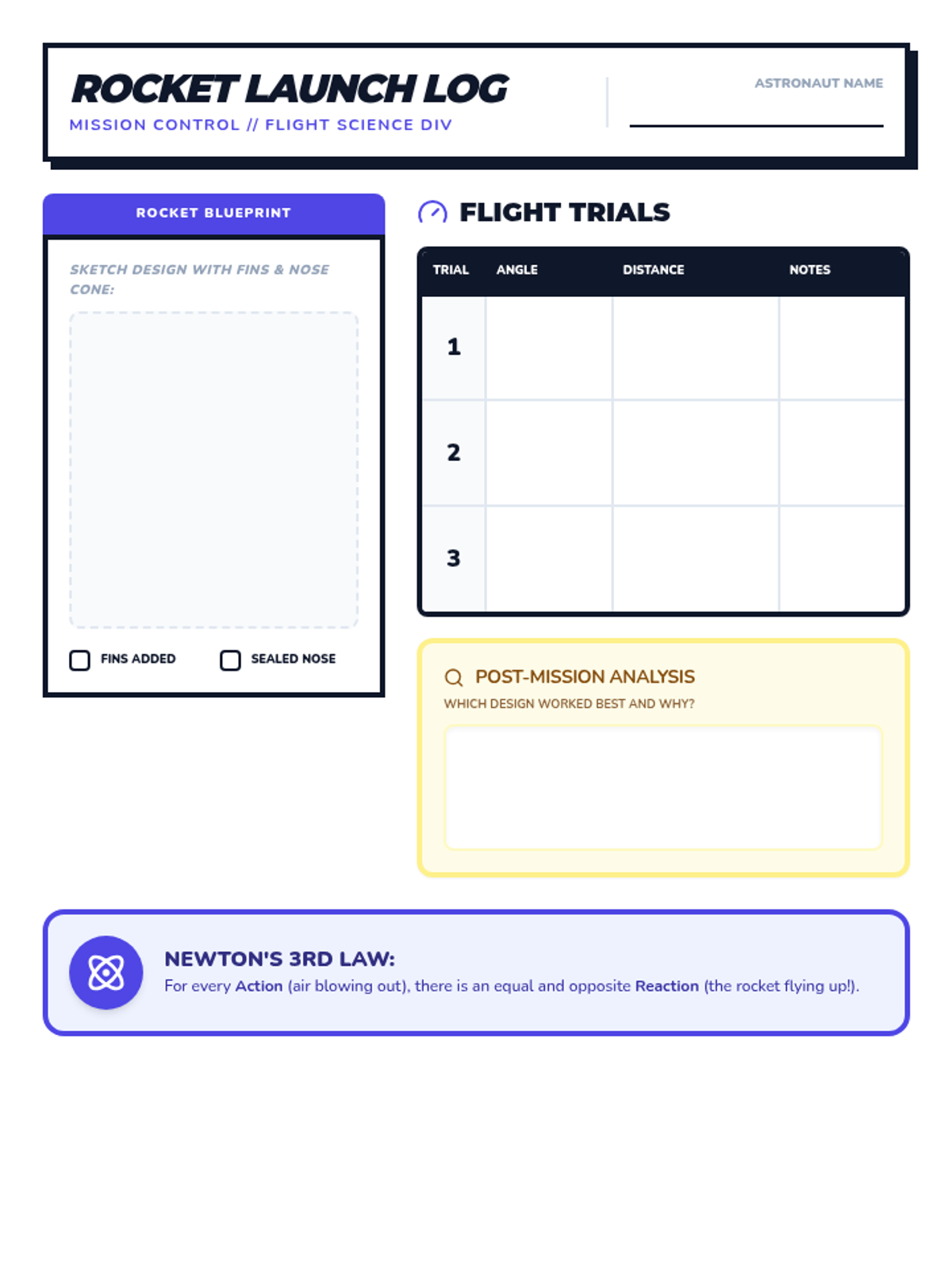
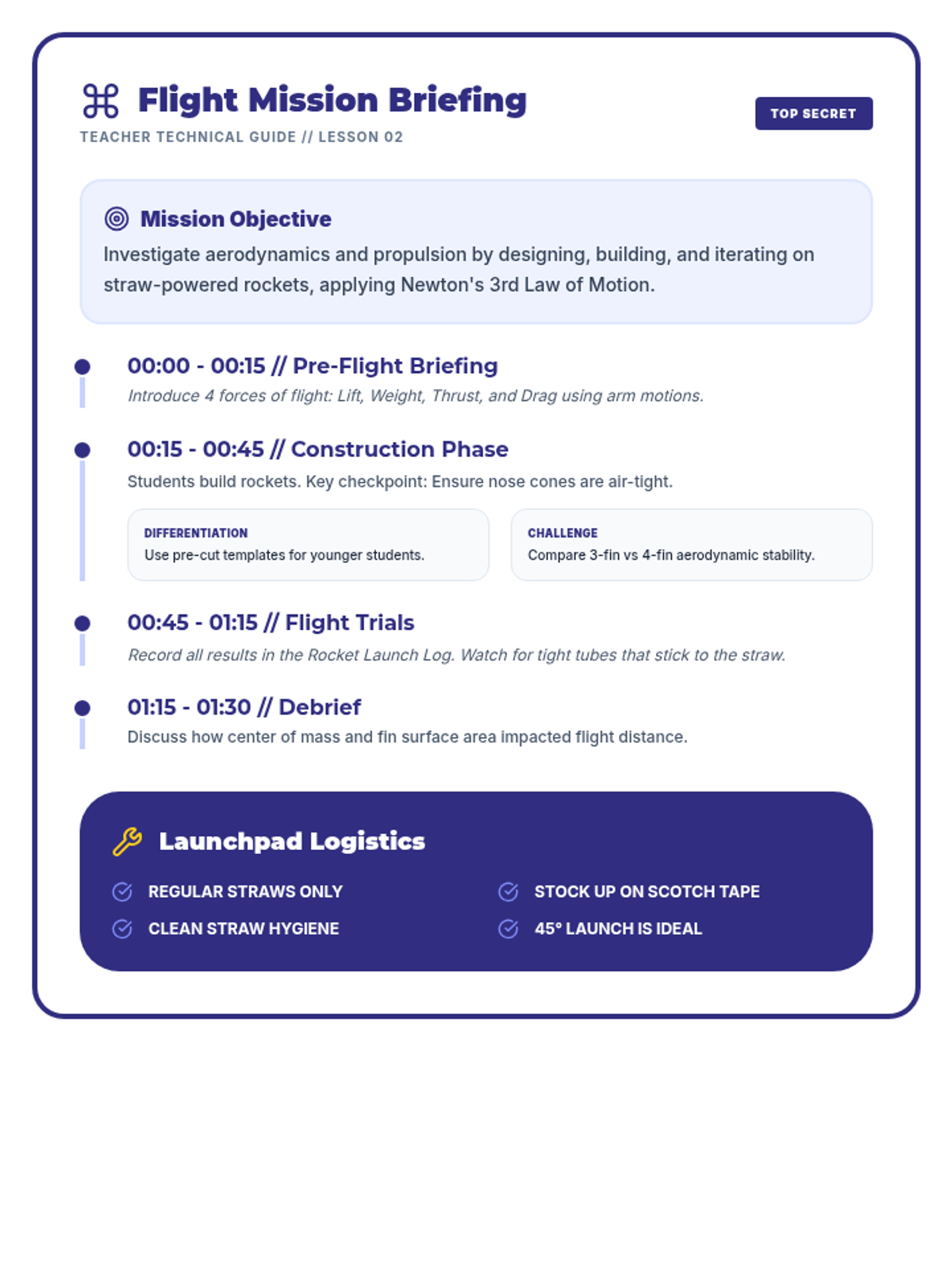
An introduction to aerodynamics and space travel where students design, build, and test various flight models using simple household items.
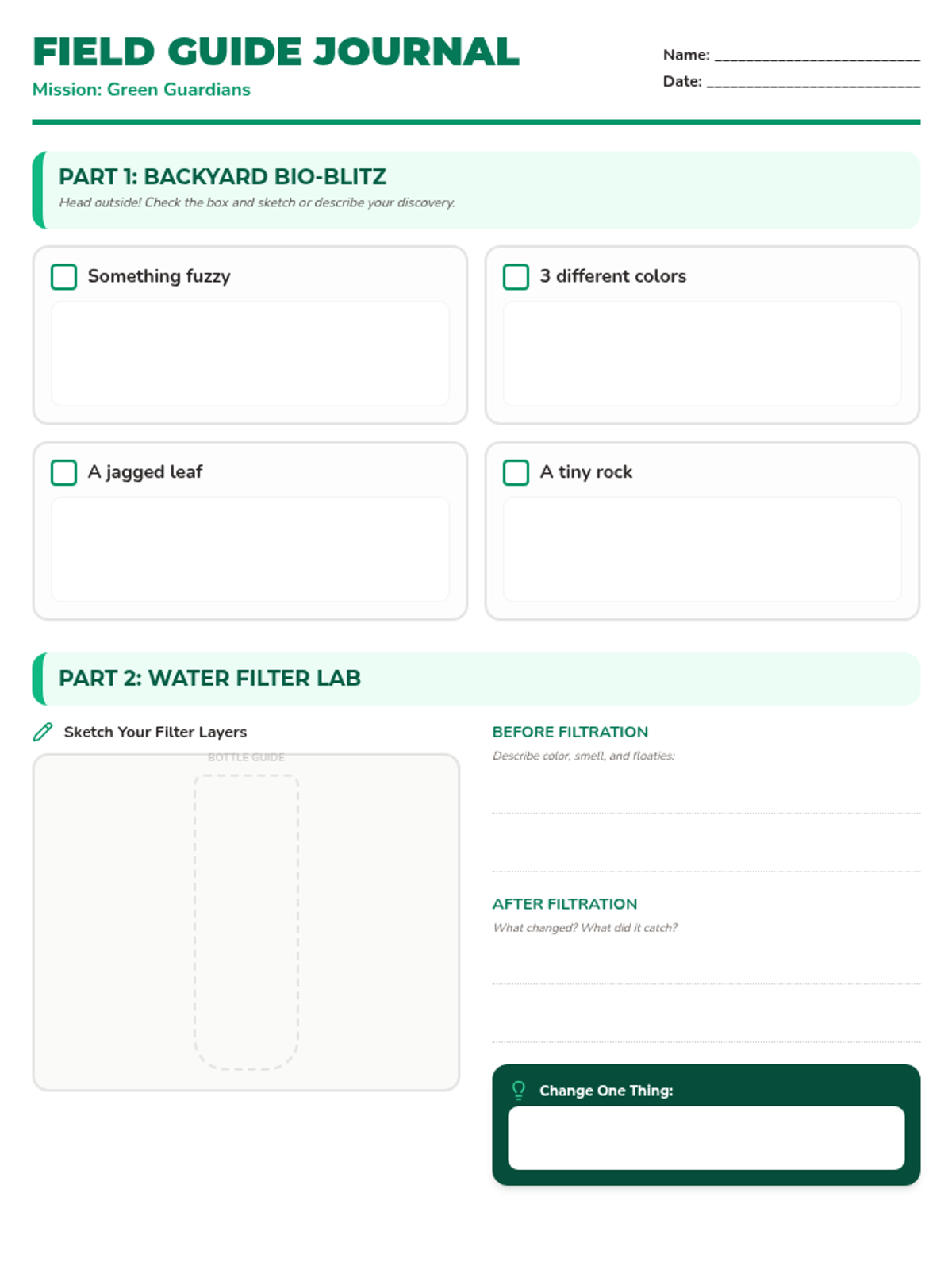
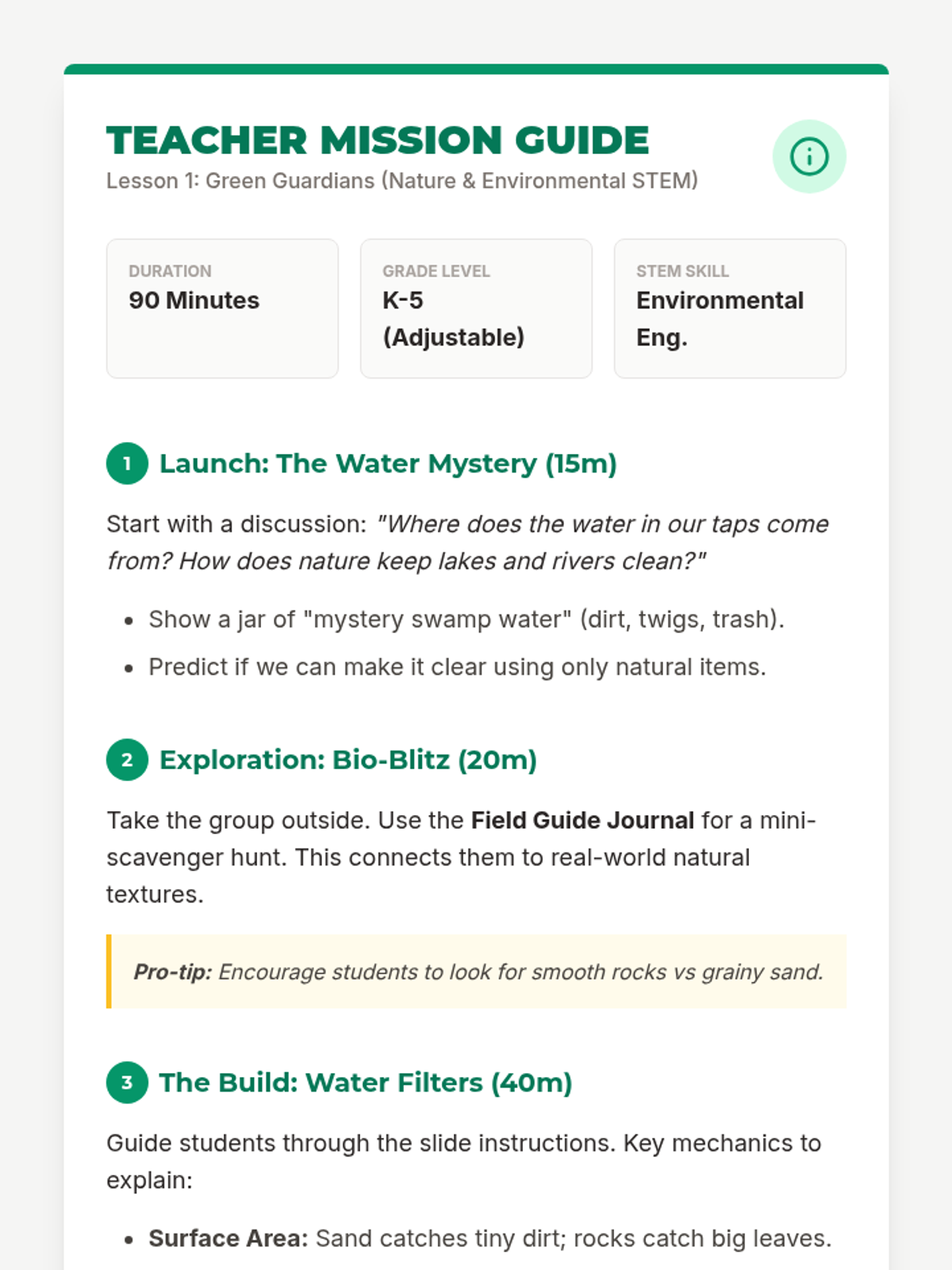
Students explore nature by building mini-ecosystems and learning about water purification using natural and recycled materials.
An in-depth study of the Monarch butterfly's life cycle, focusing on the four stages of complete metamorphosis and the critical ecological role of milkweed.