An in-depth study of the Monarch butterfly's life cycle, focusing on the four stages of complete metamorphosis and the critical ecological role of milkweed.
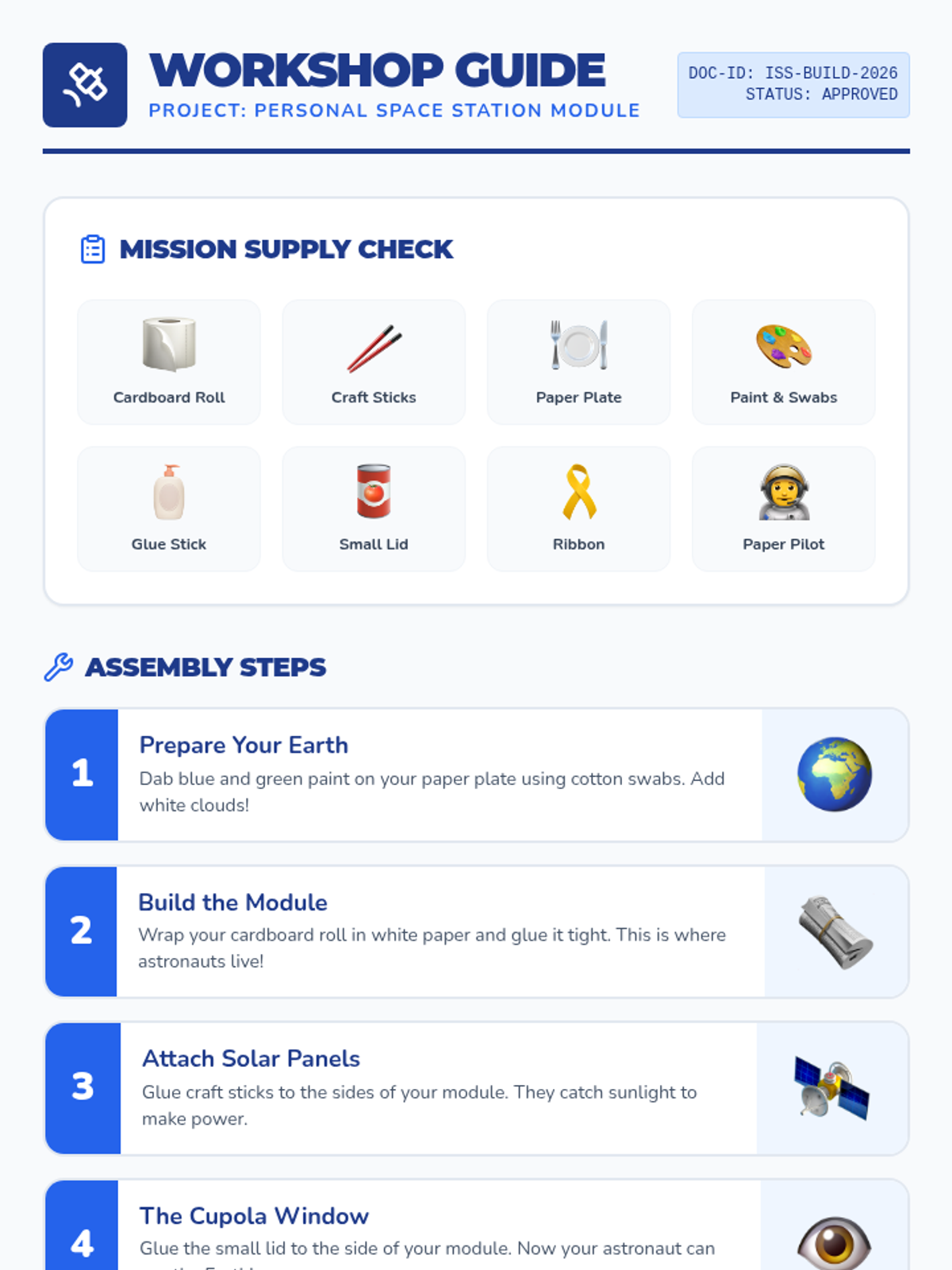
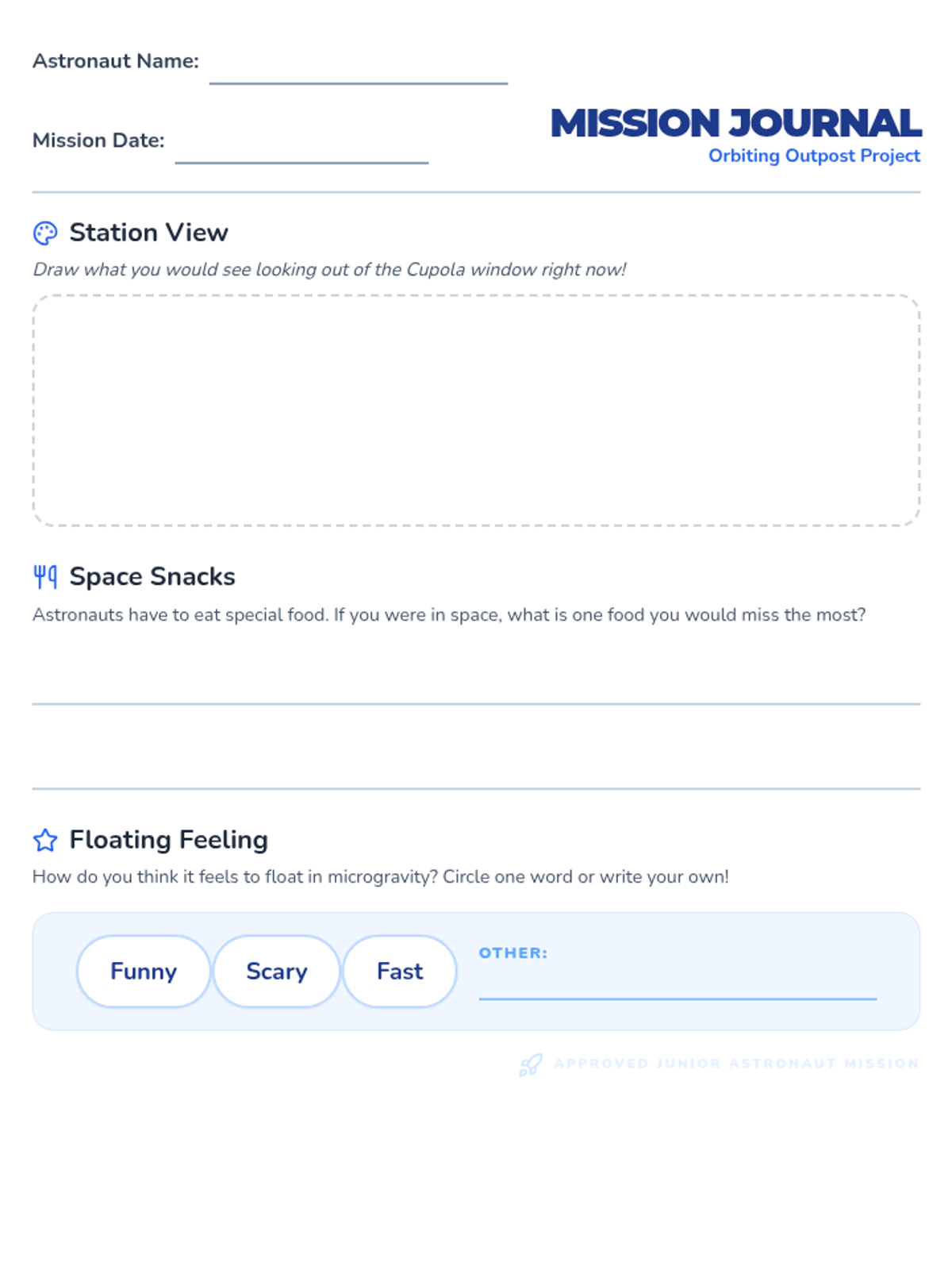
A hands-on enrichment lesson for K-3 students to explore life on the International Space Station through a creative building project and interactive discussion. Students learn about how astronauts live and work in orbit while constructing their own space station models.
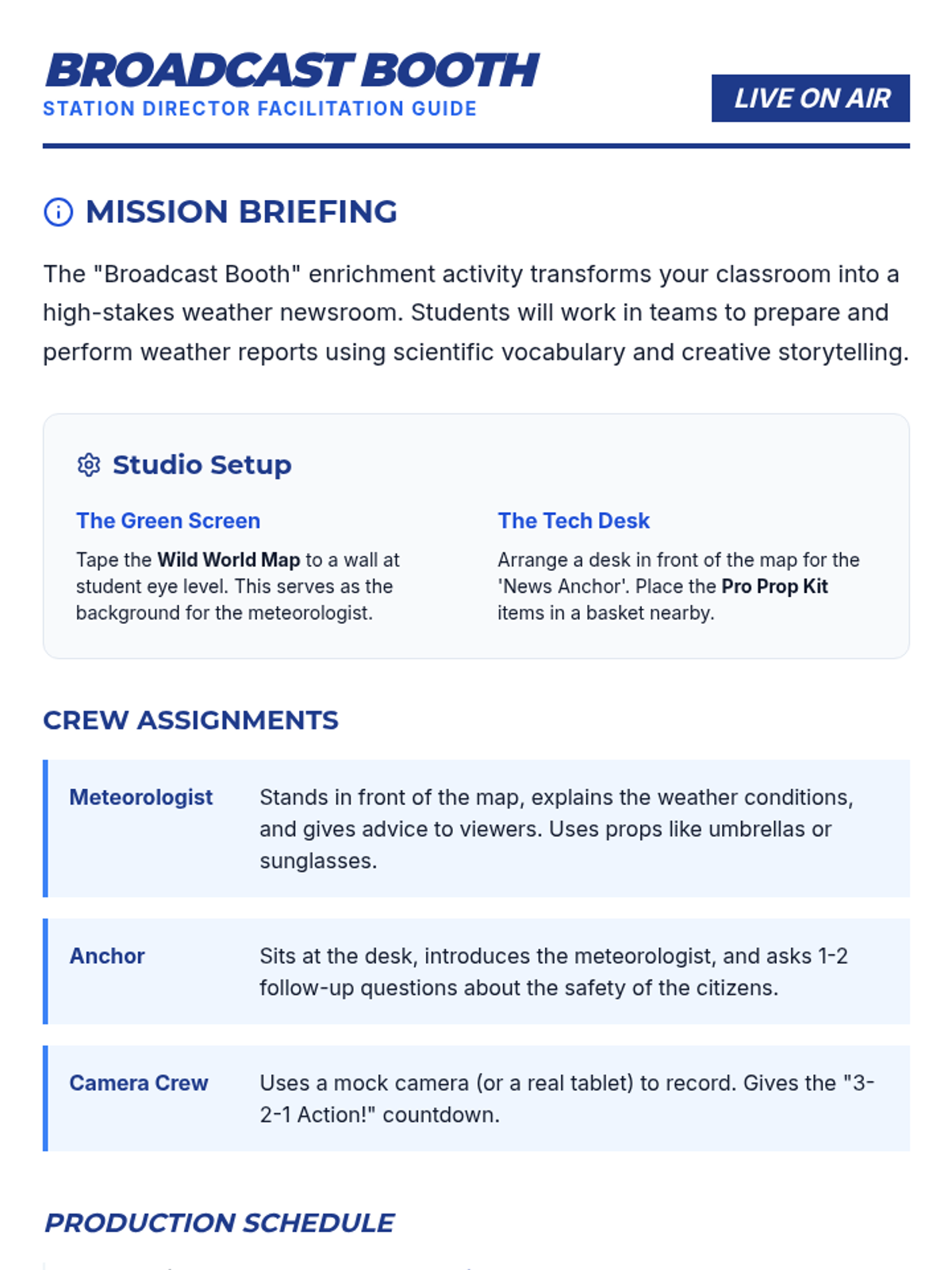
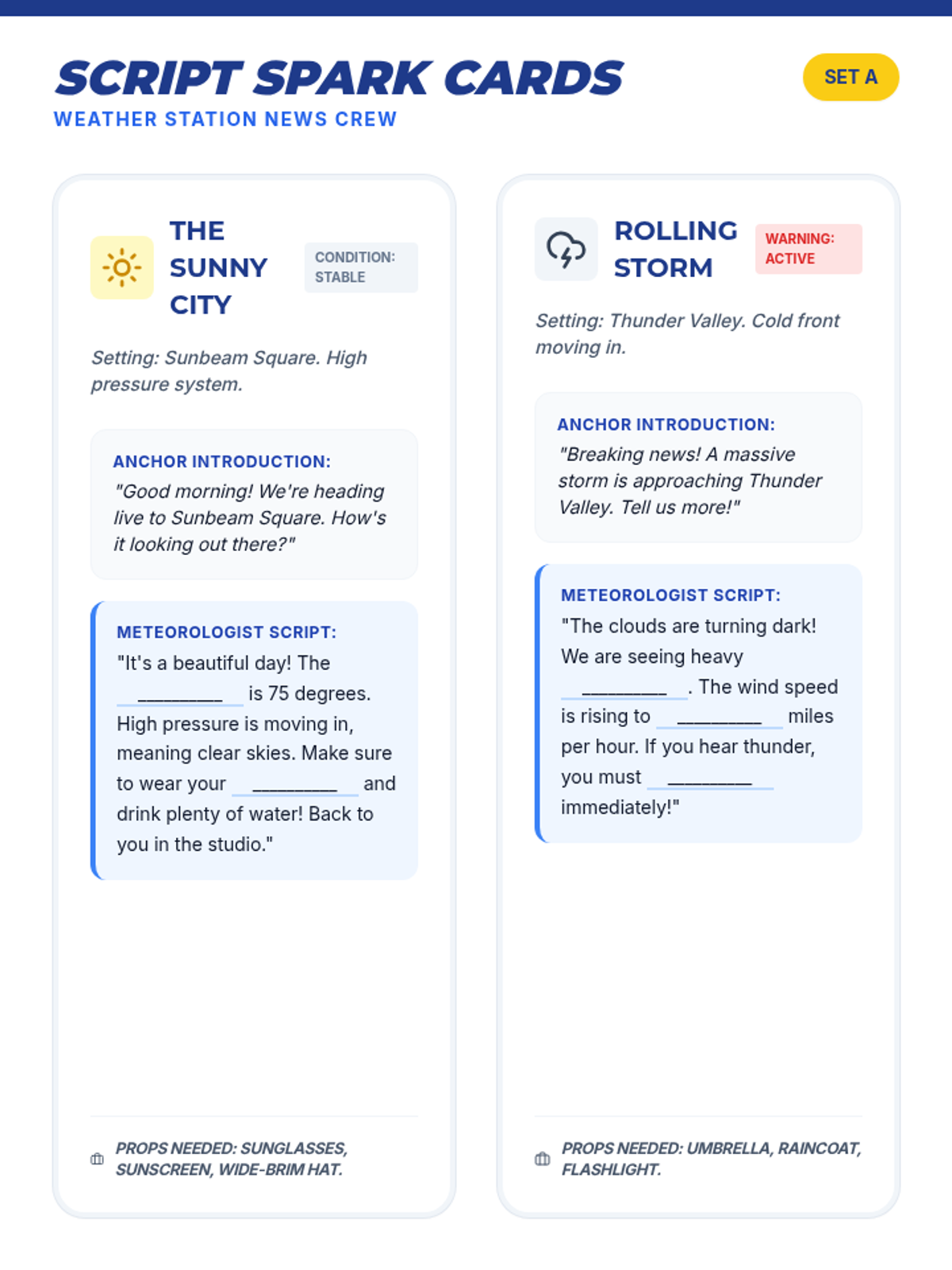
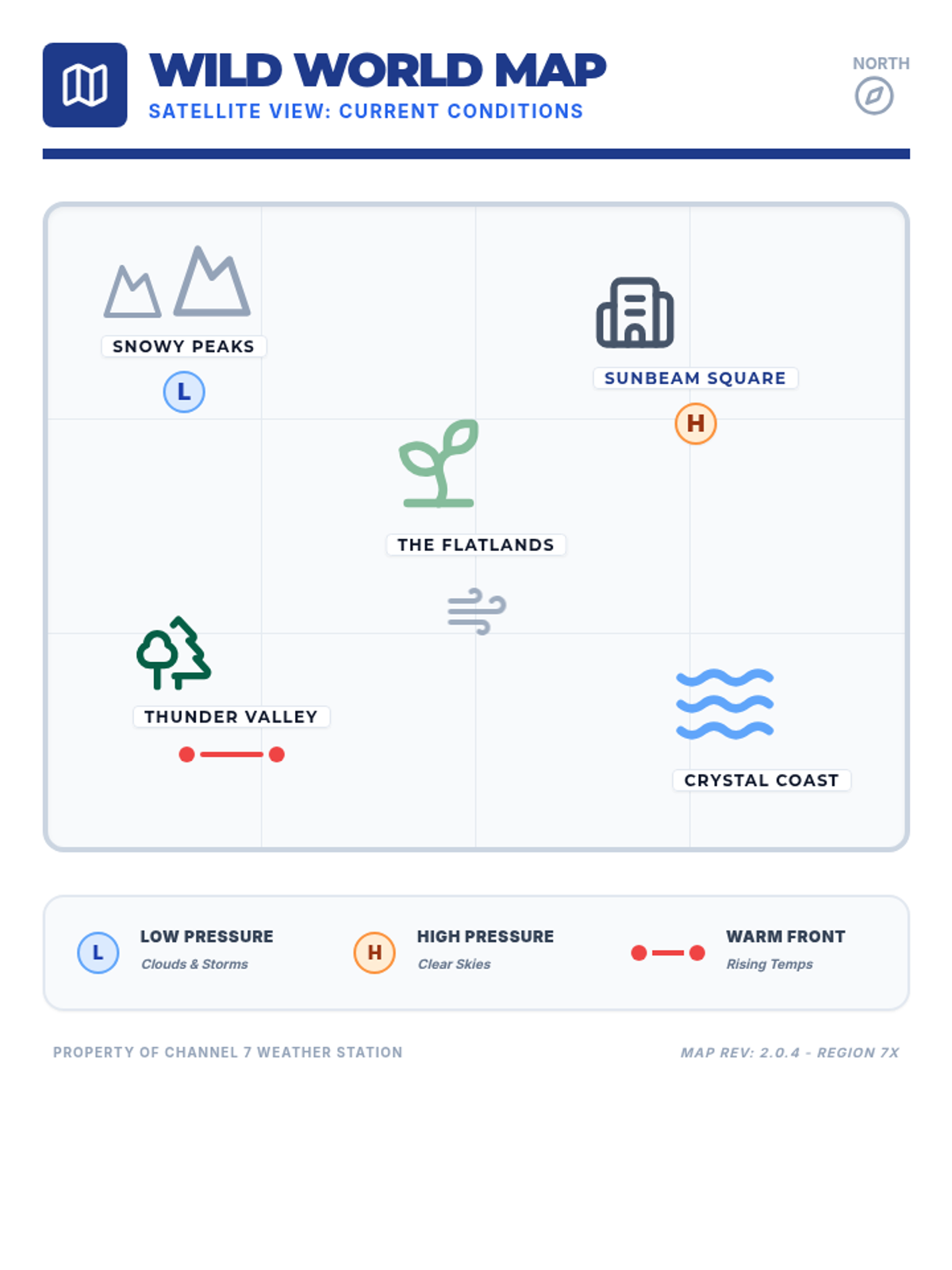
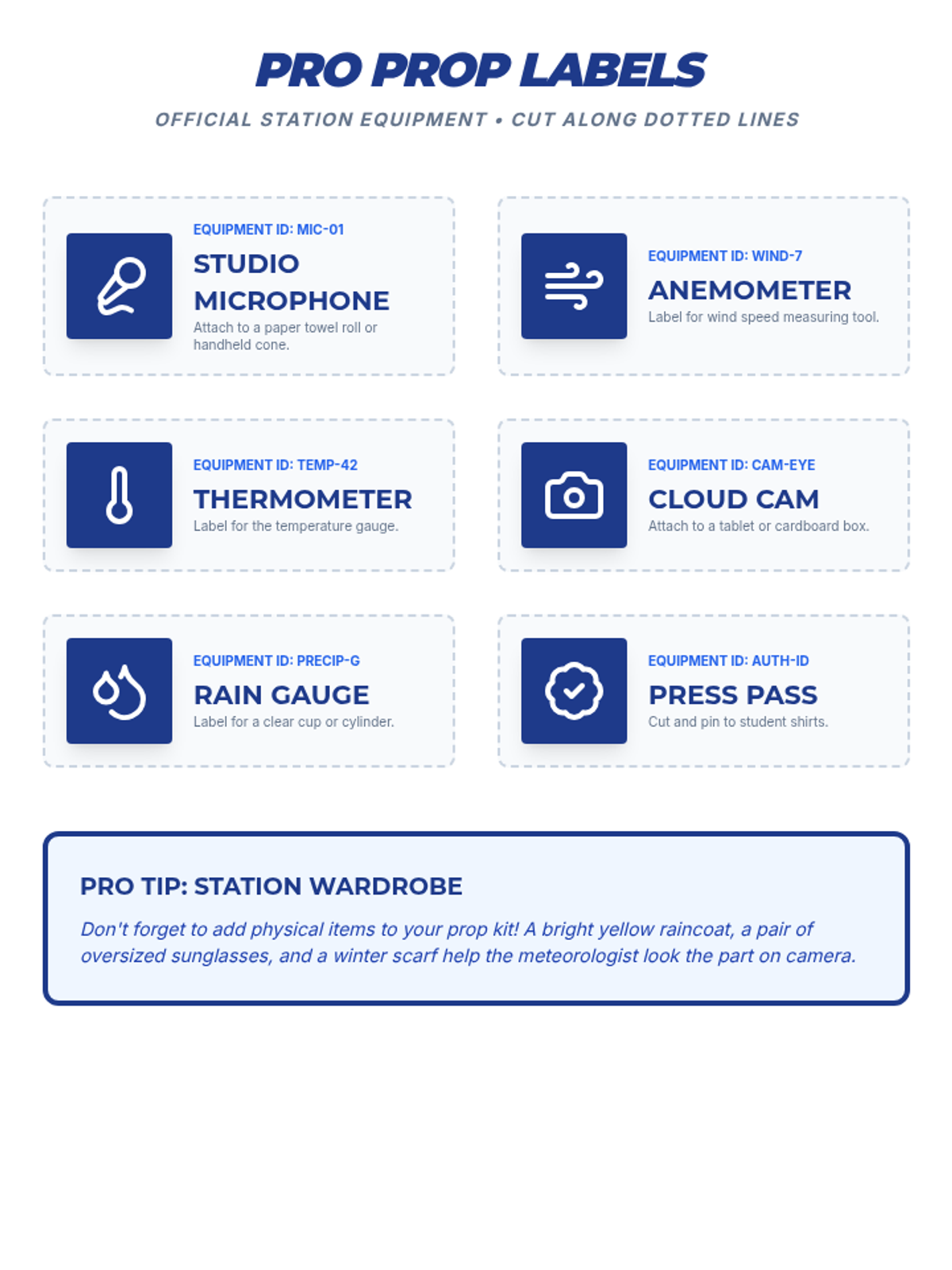
Students step into the shoes of meteorologists, using scripts and props to report on a wide variety of weather phenomena across a fictional map.
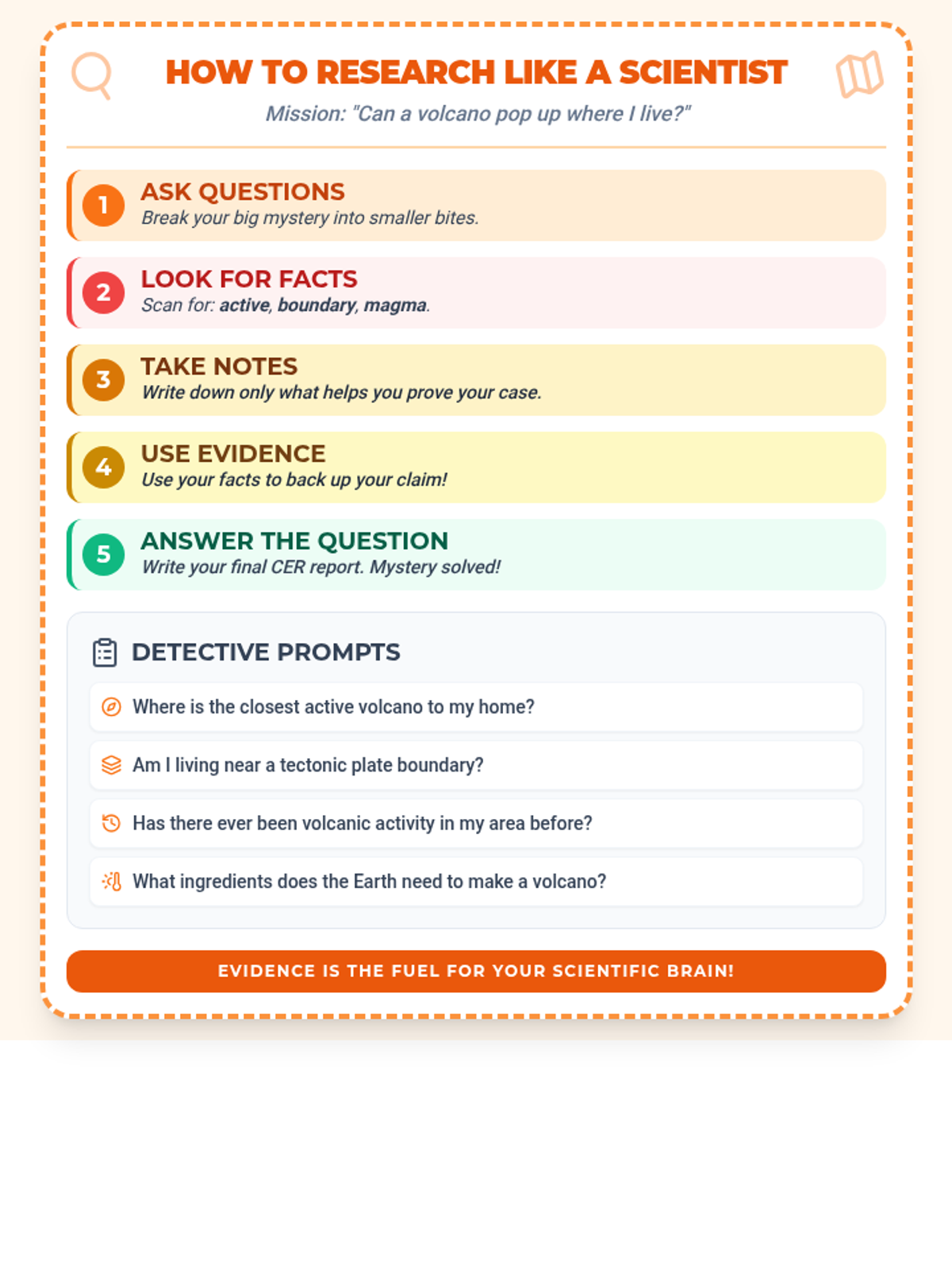
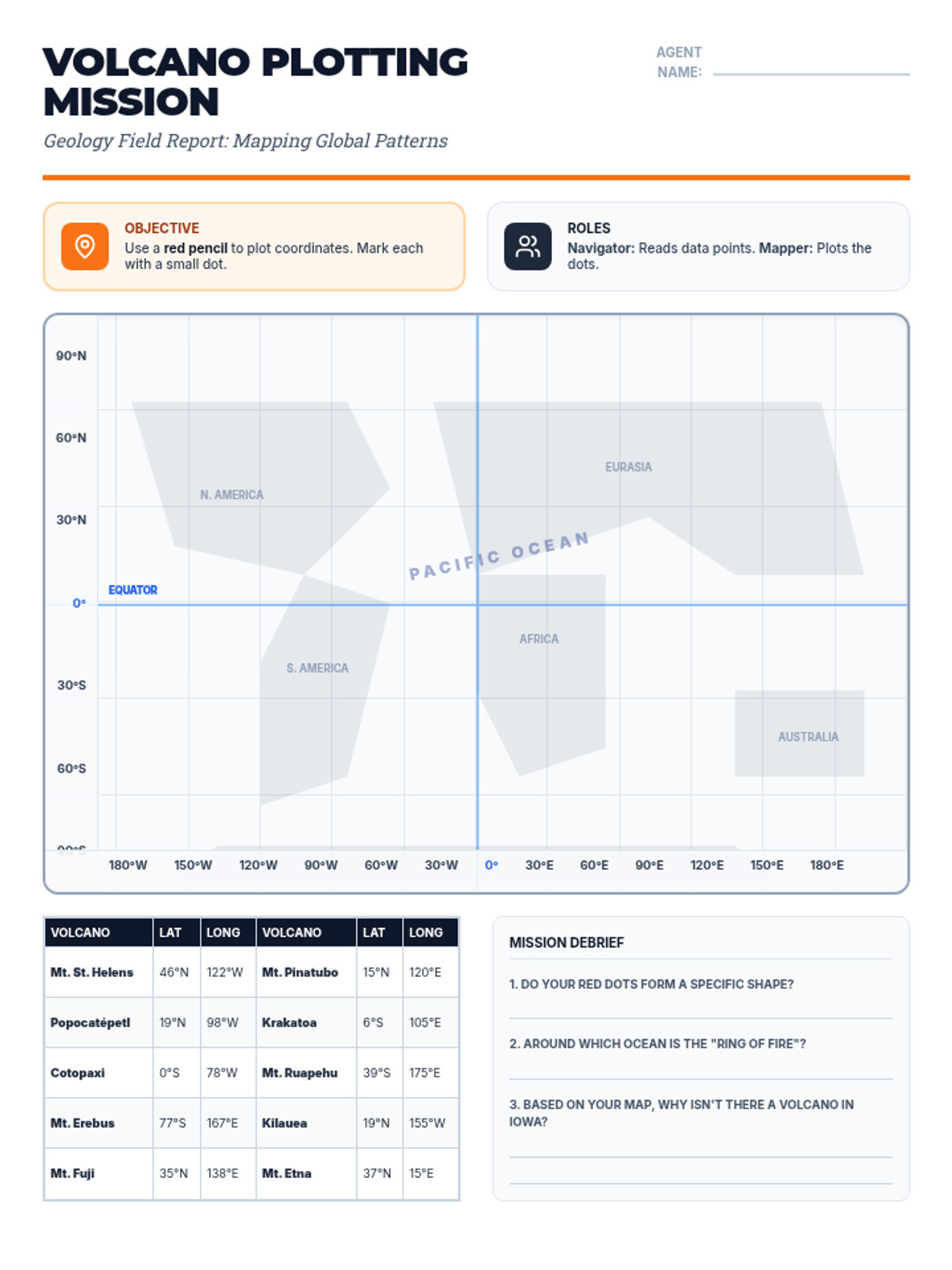
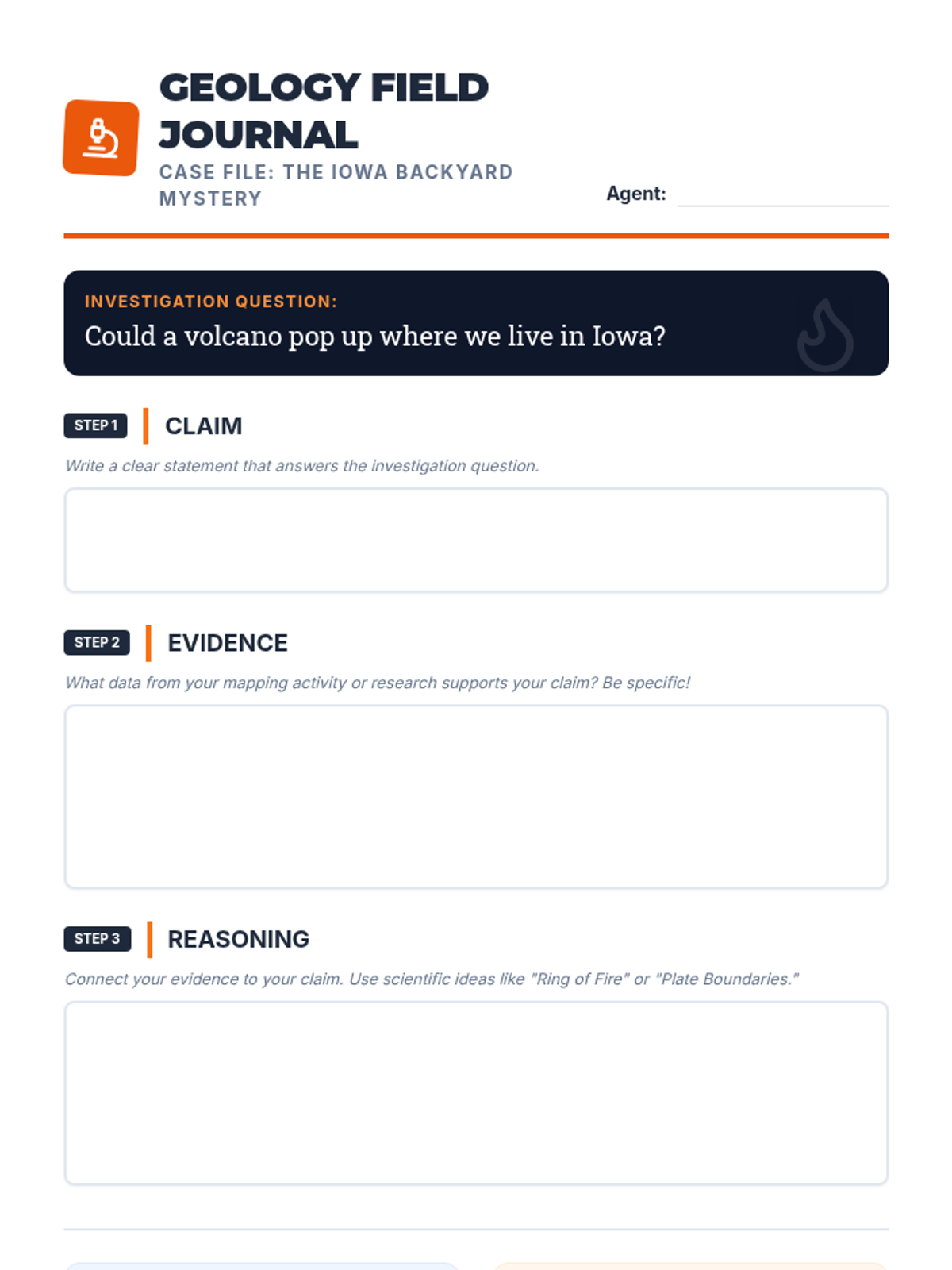
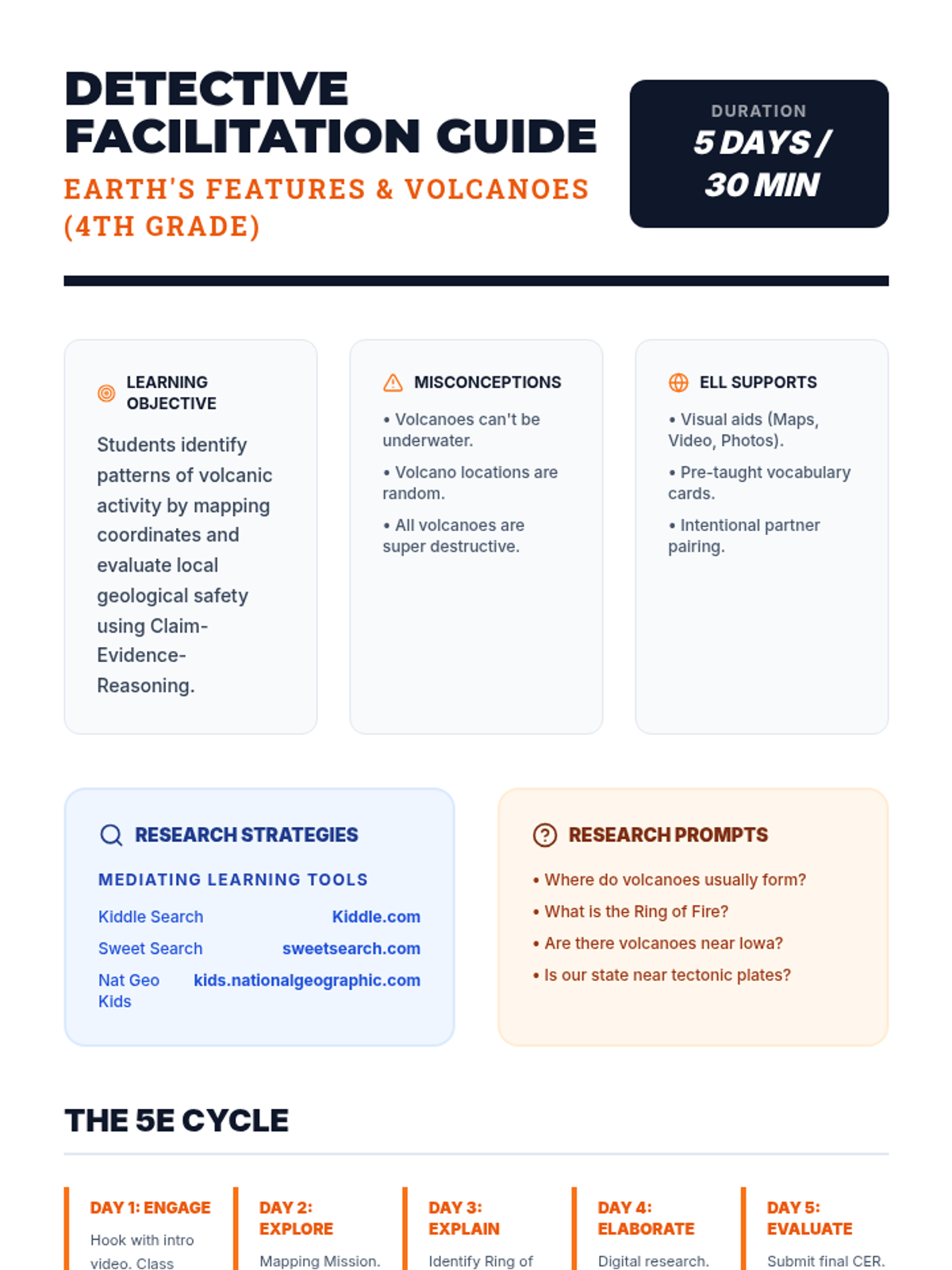
A 5-day 5E cycle investigating Earth's volcanic patterns. Students engage with the 'Ring of Fire' through mapping, analyze data to find patterns, and apply their learning to evaluate local geological safety.
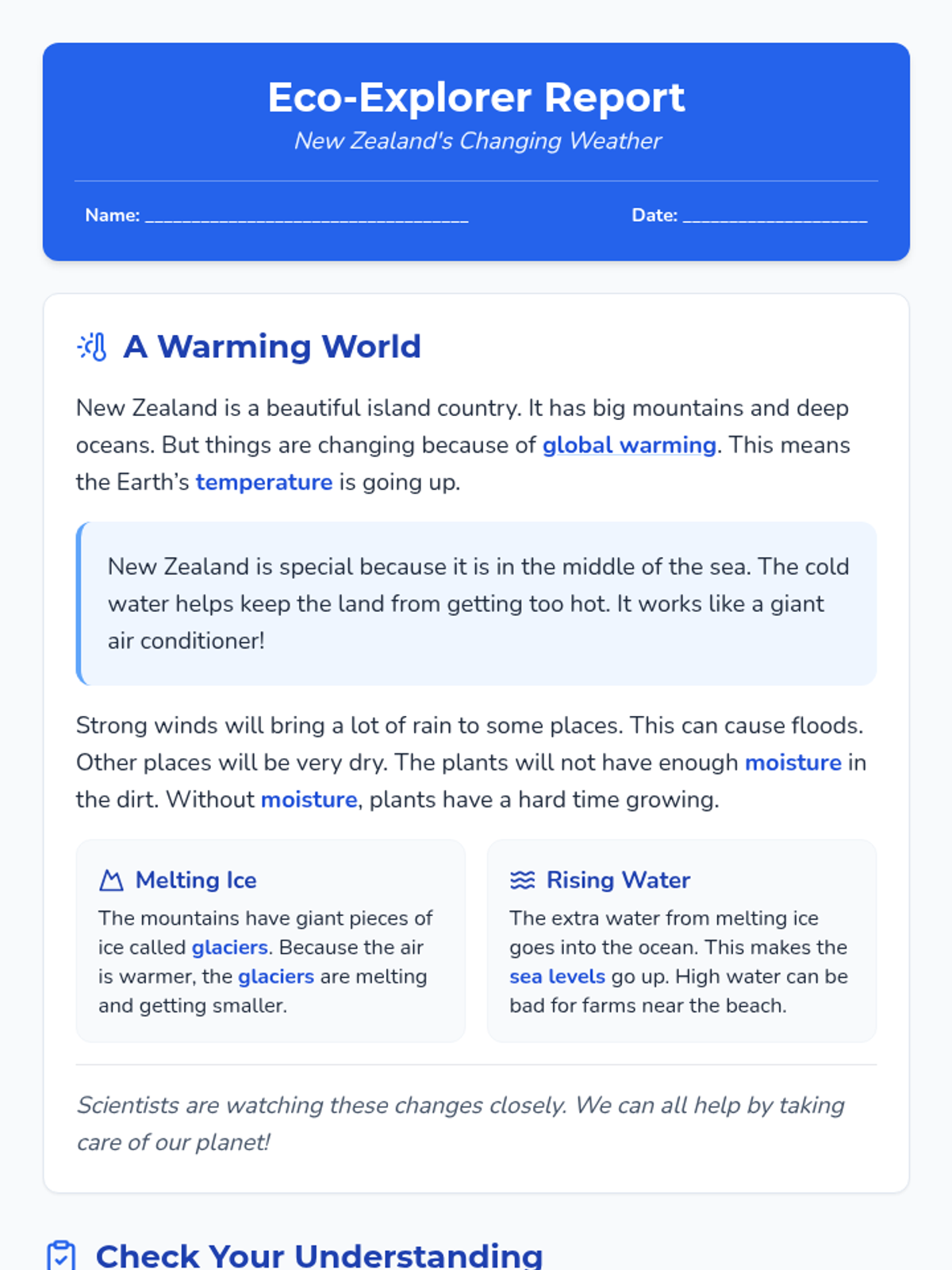
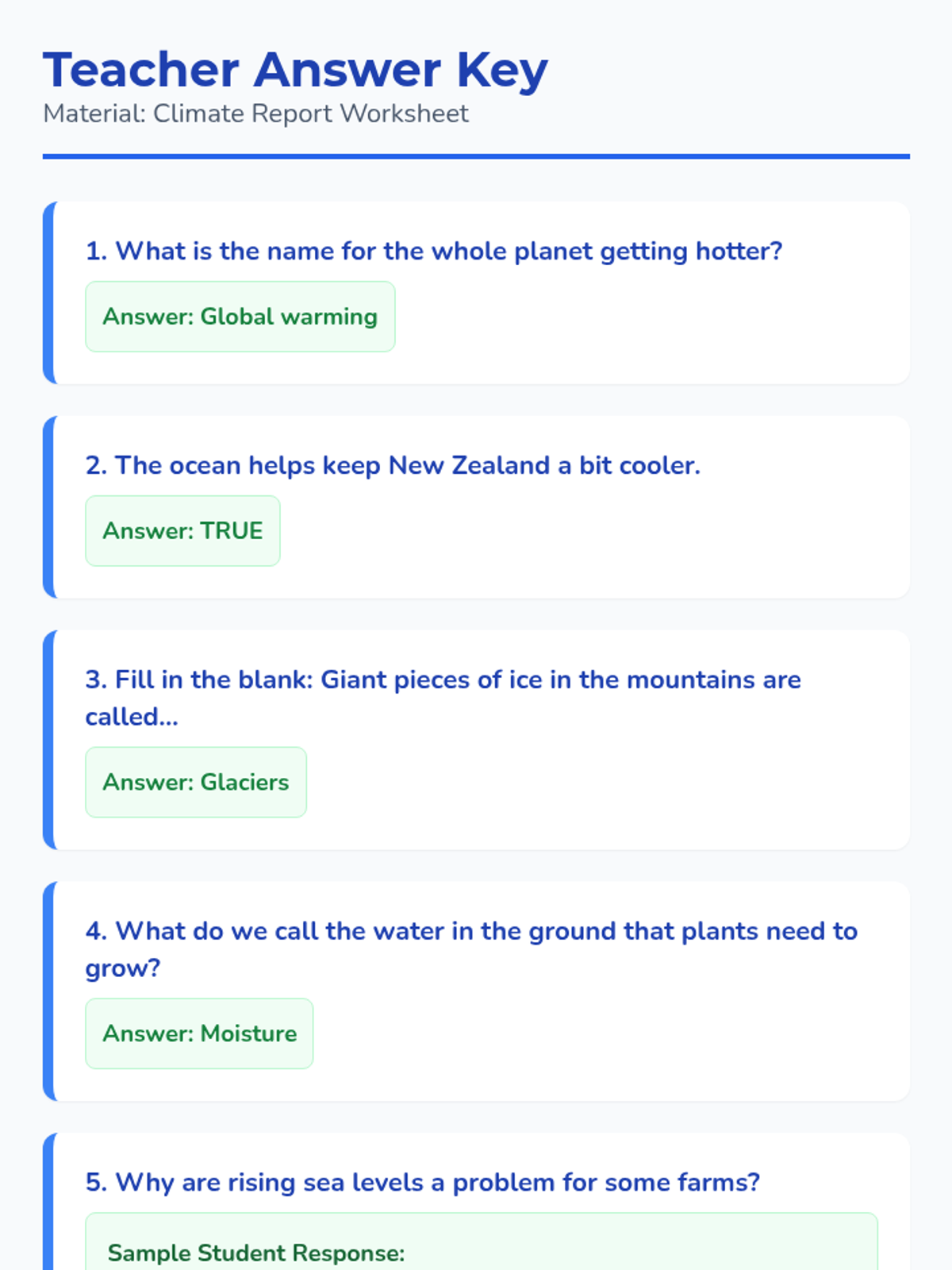
A lesson for 2nd graders to understand the impacts of global warming on New Zealand's environment, focusing on glaciers, sea levels, and moisture.
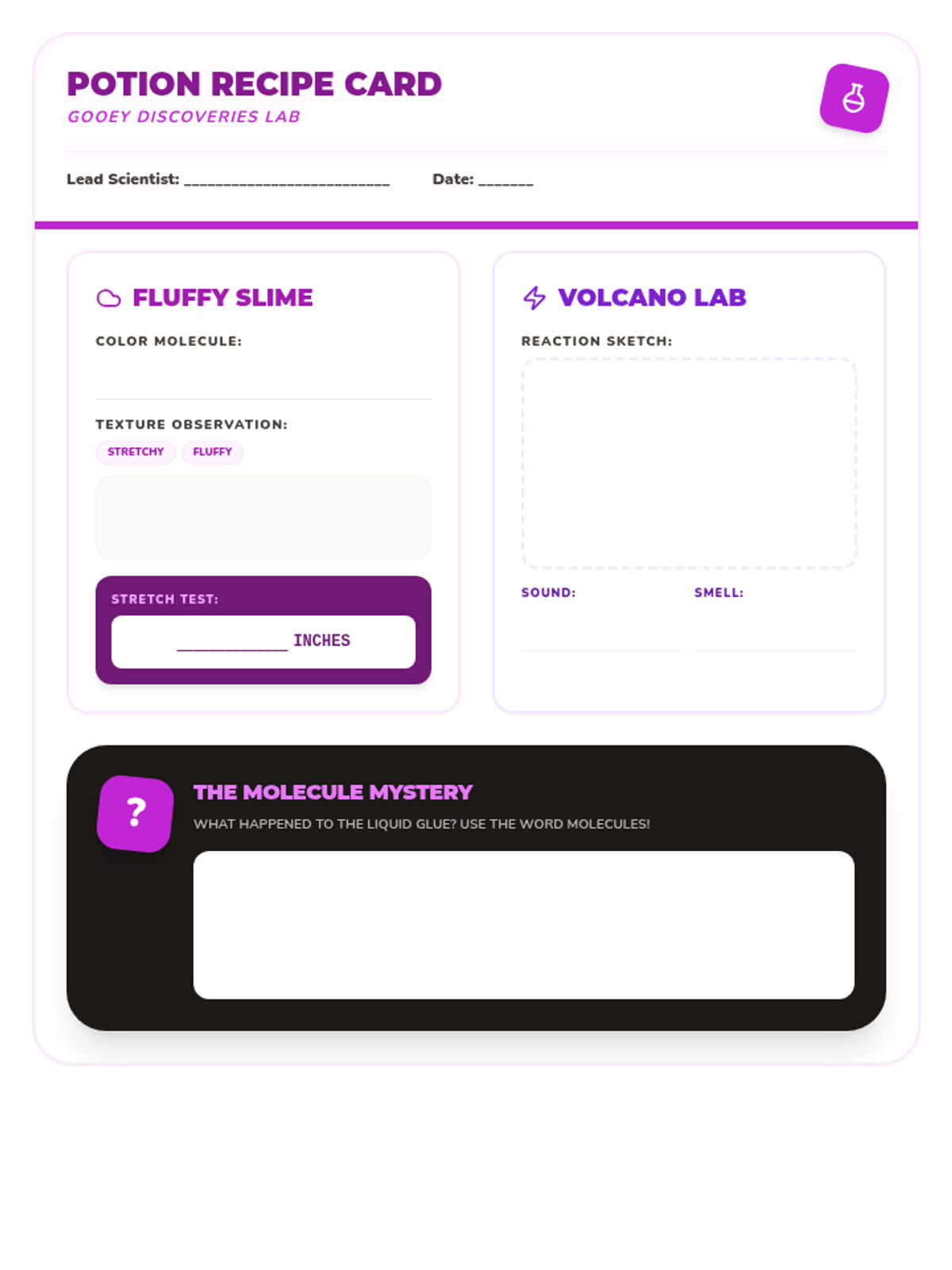
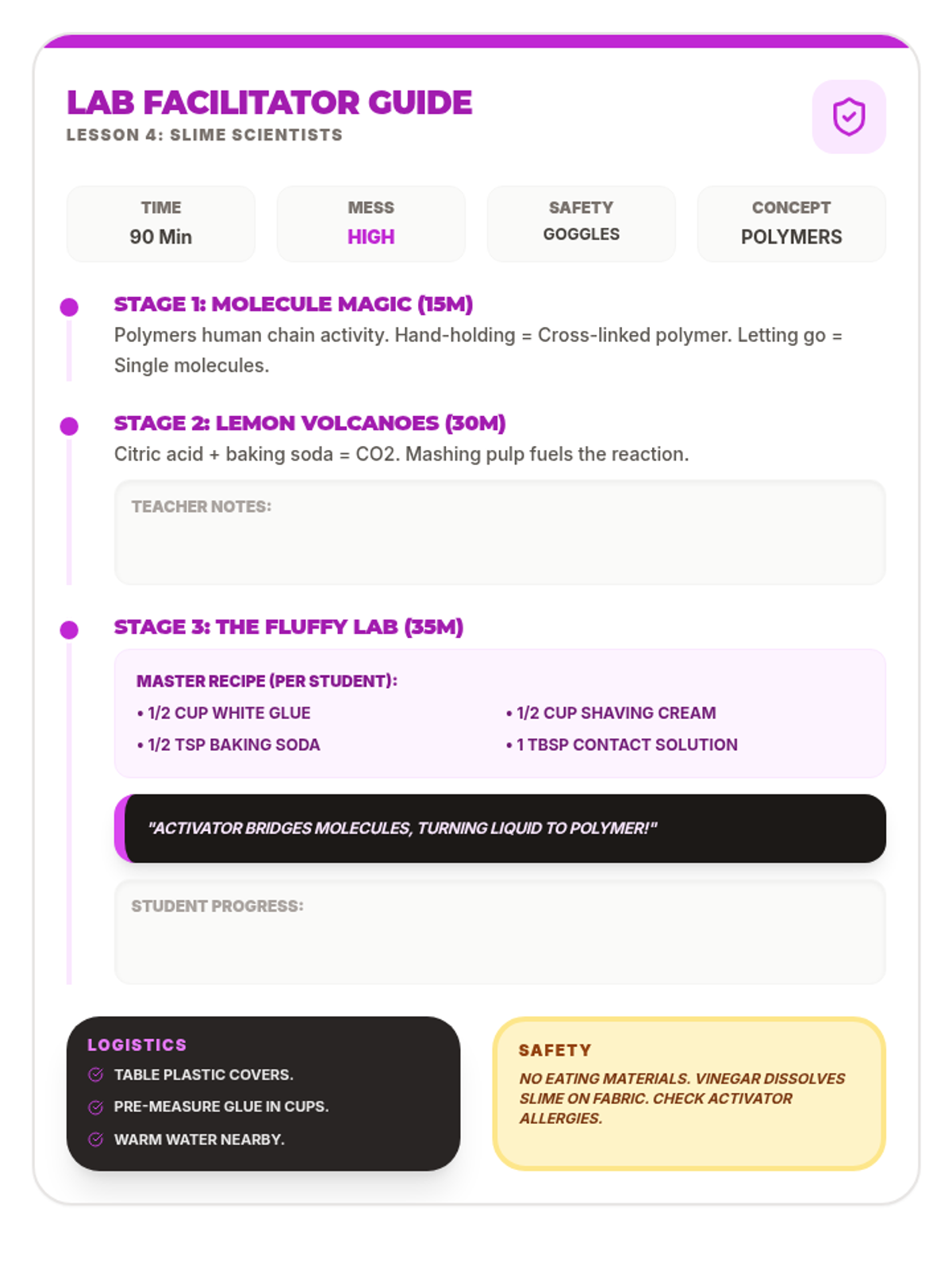
A hands-on chemistry session where students experiment with non-Newtonian fluids and acid-base reactions to create fizzing eruptions and gooey textures.
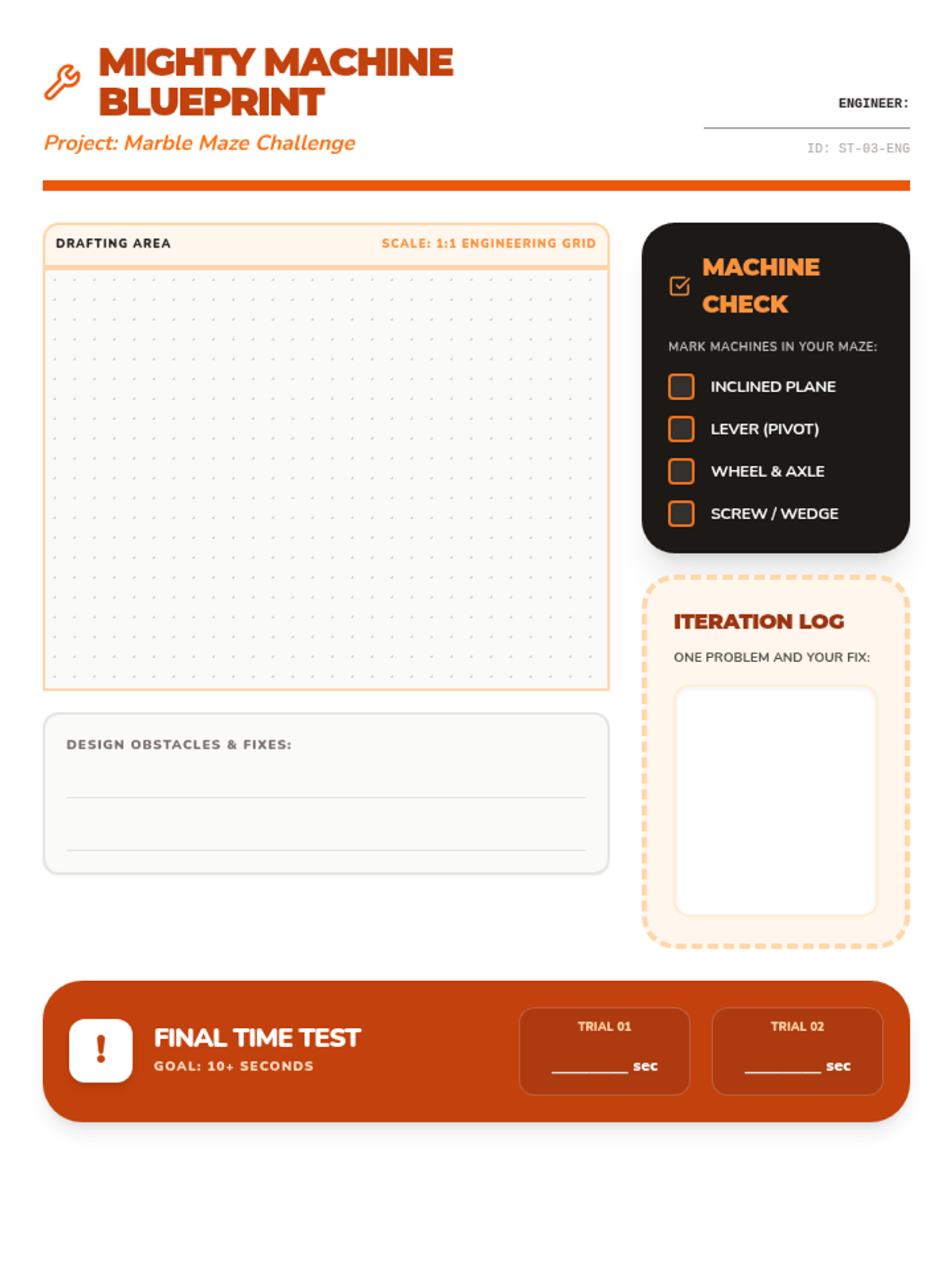
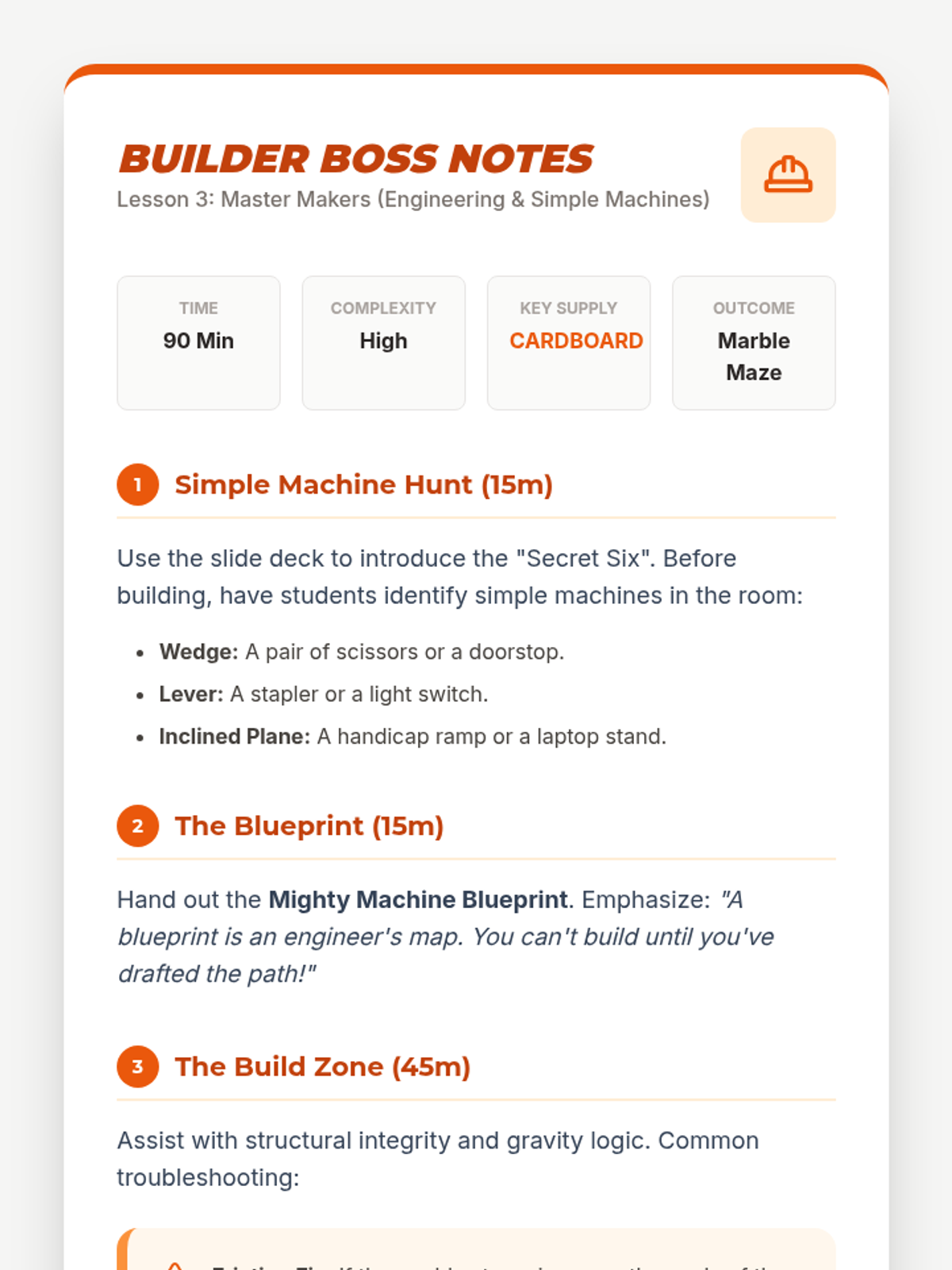
Students become engineers by designing a marble maze that incorporates simple machines like inclined planes and levers using cardboard and recyclables.
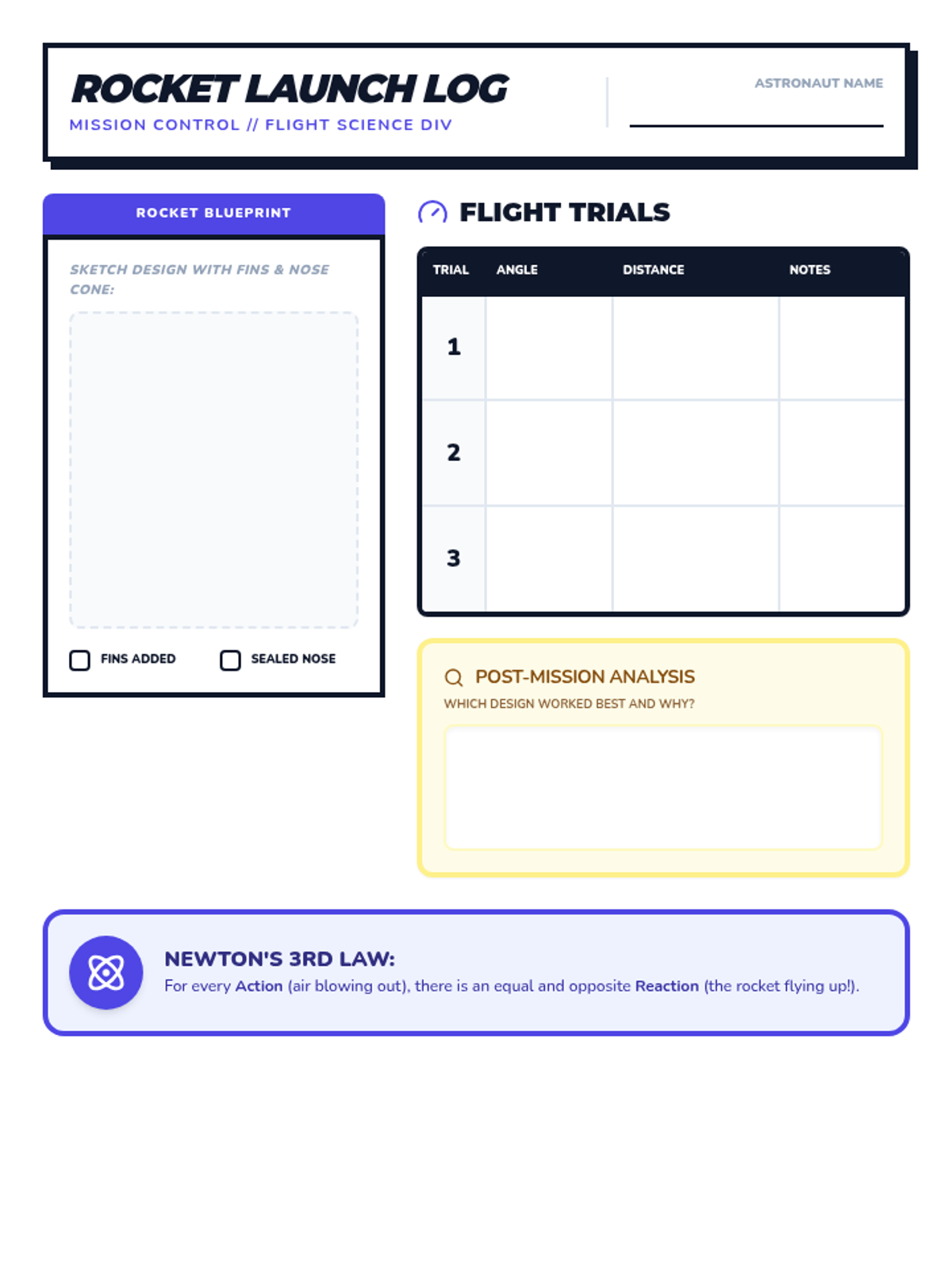
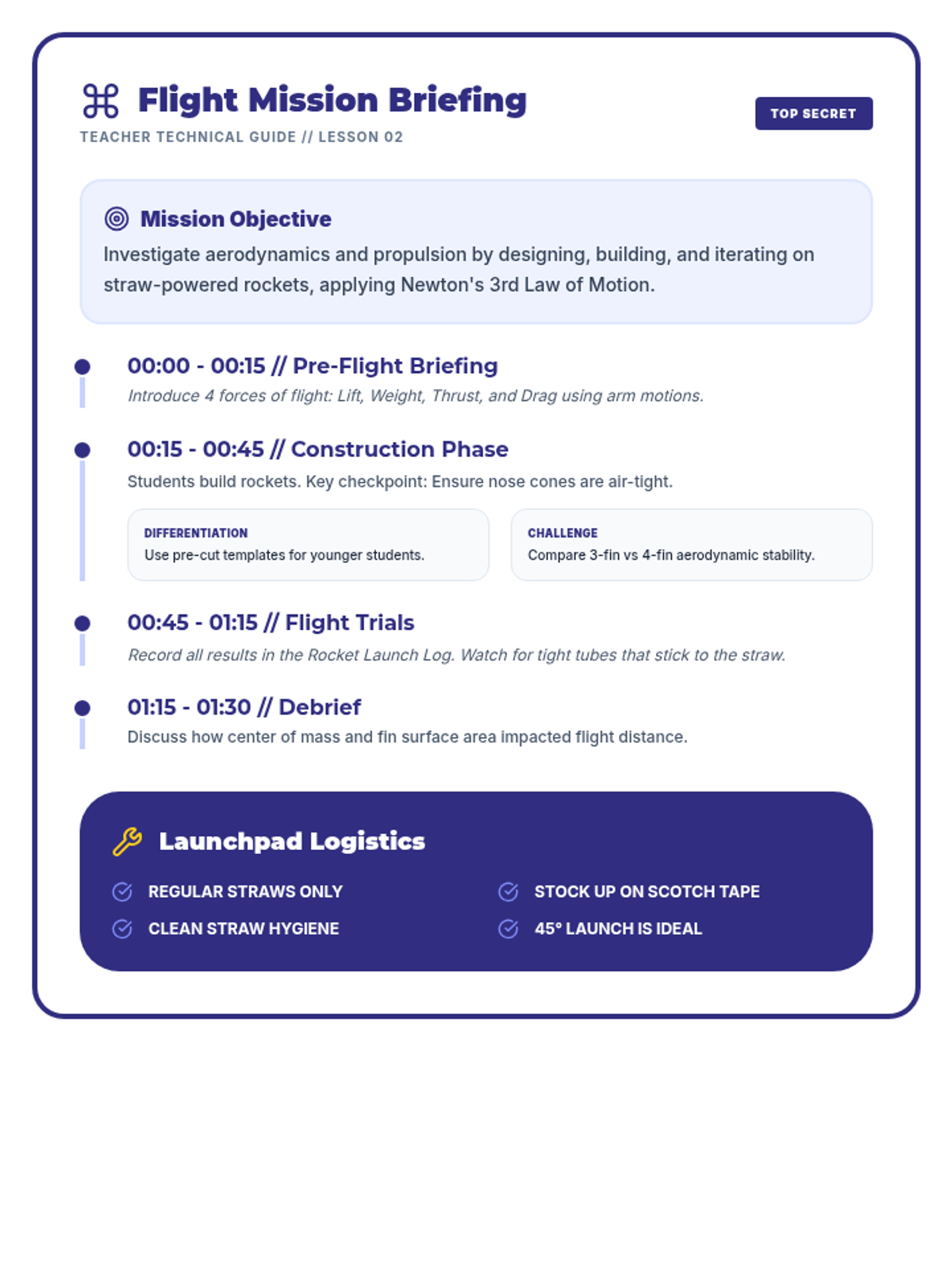
An introduction to aerodynamics and space travel where students design, build, and test various flight models using simple household items.
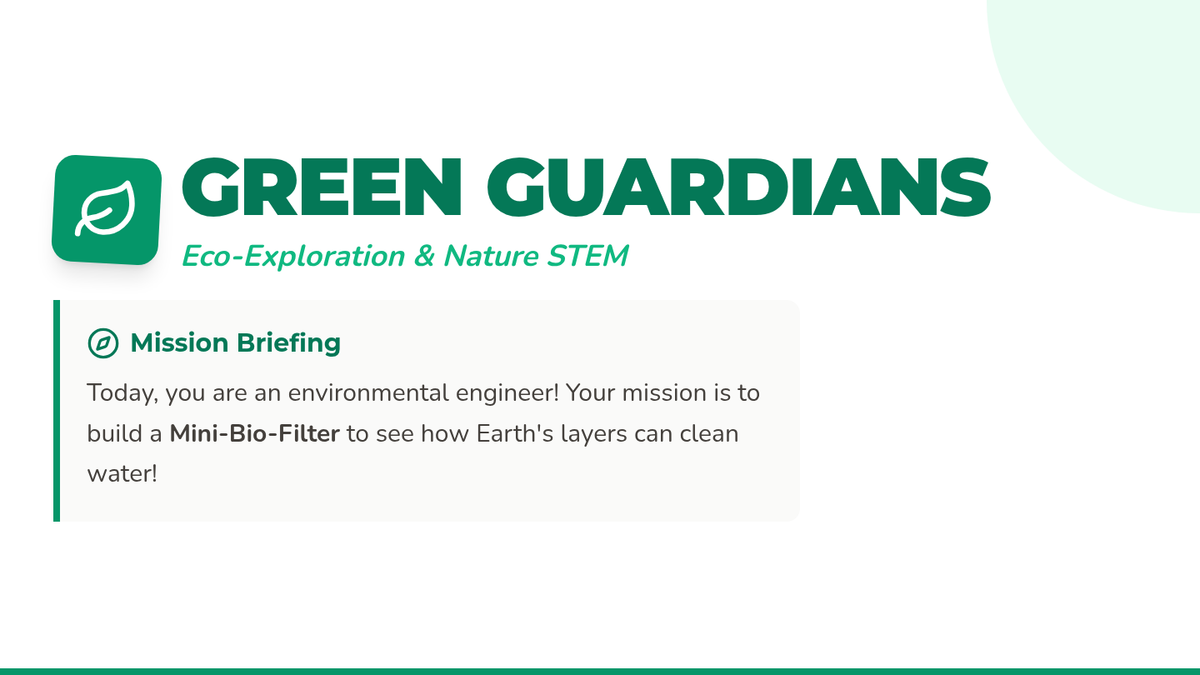
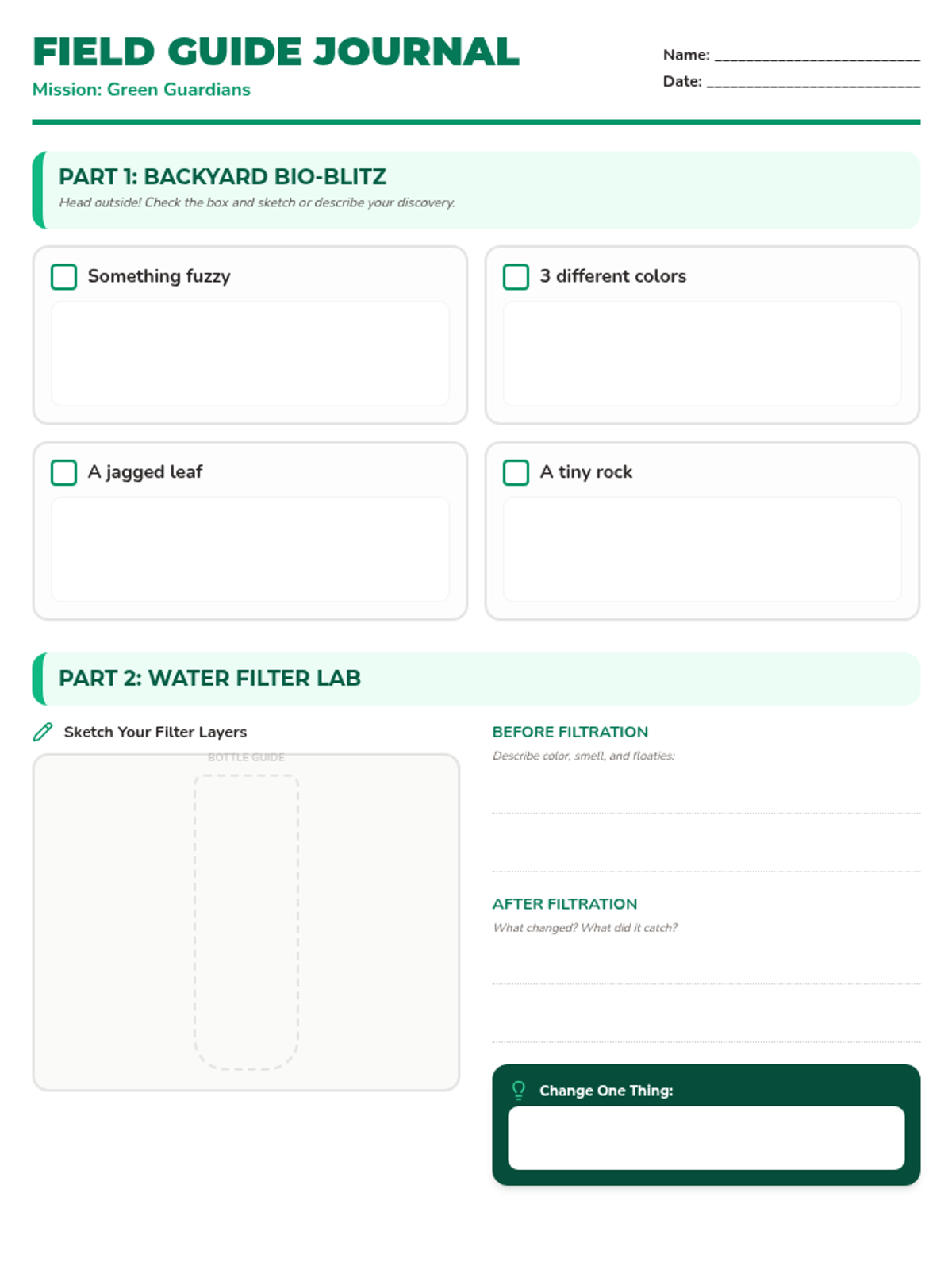
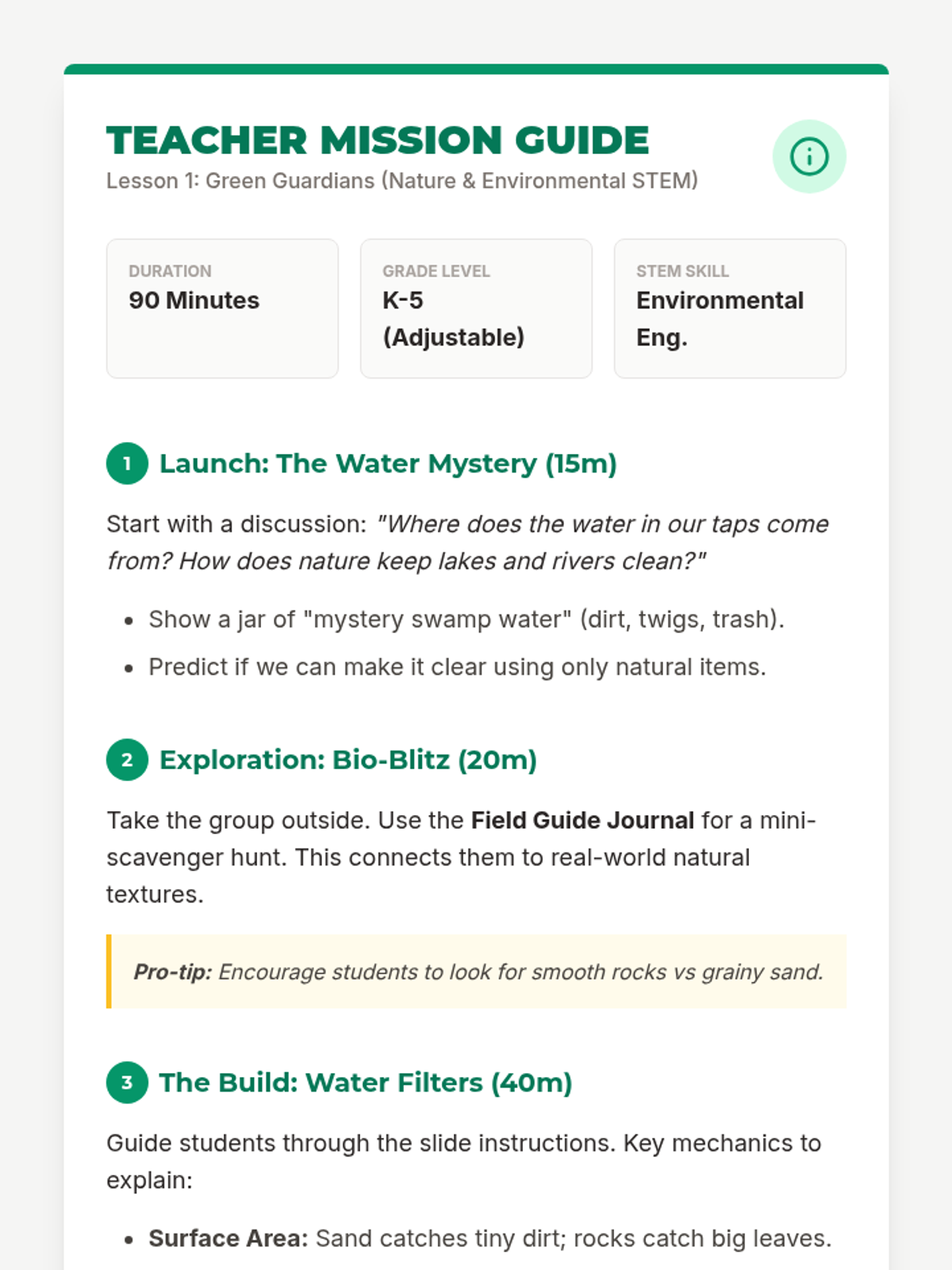
Students explore nature by building mini-ecosystems and learning about water purification using natural and recycled materials.
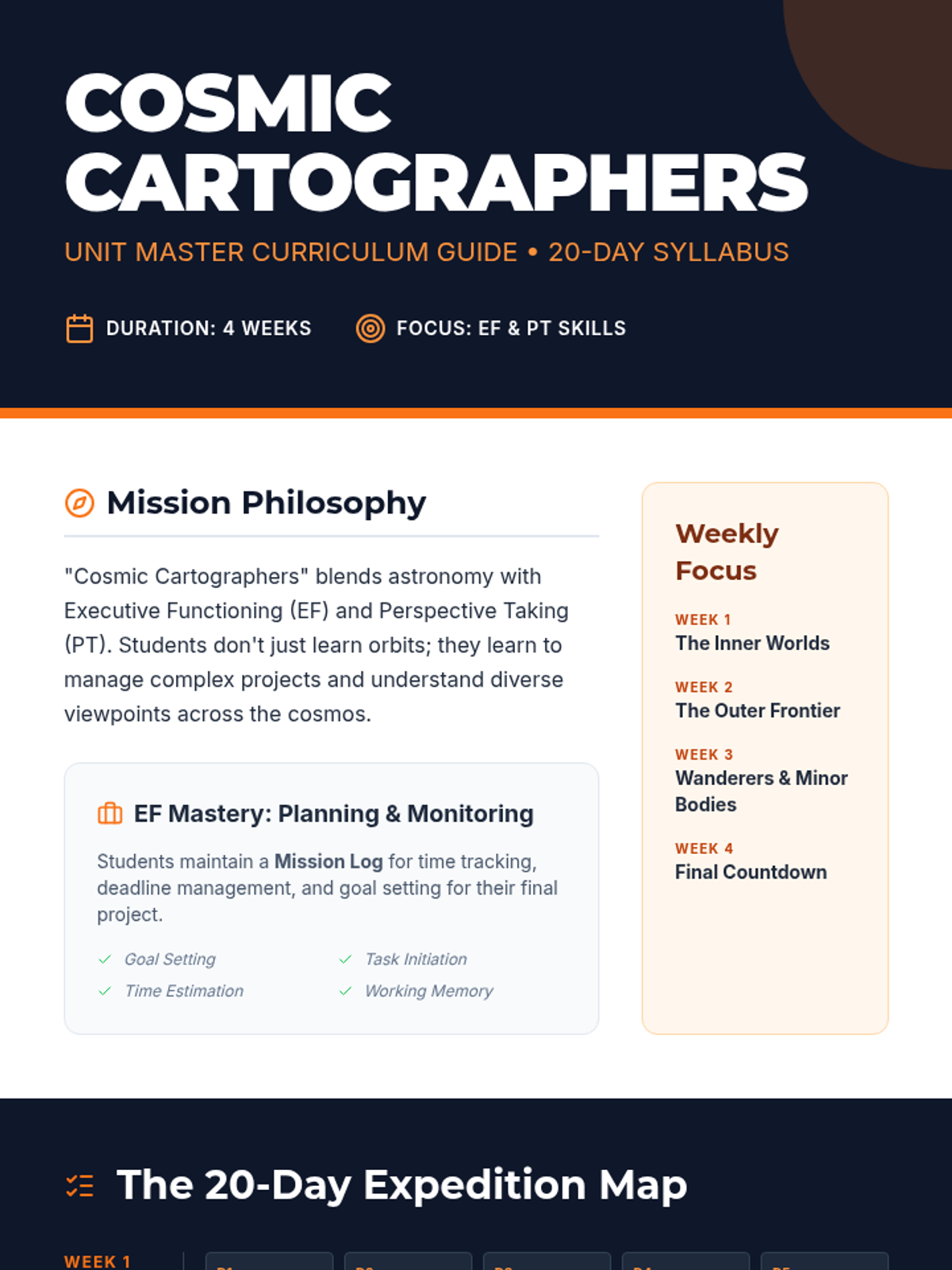
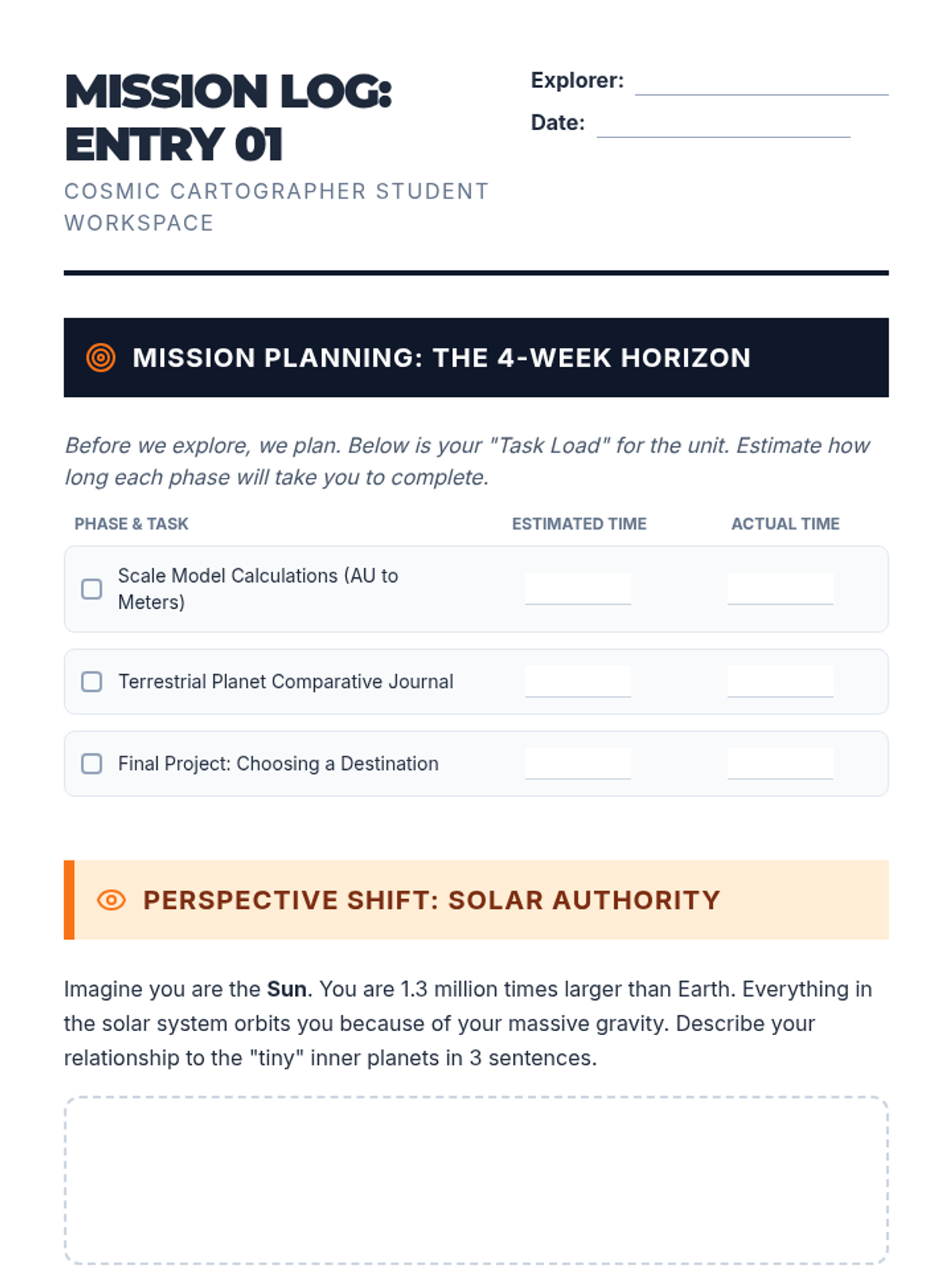
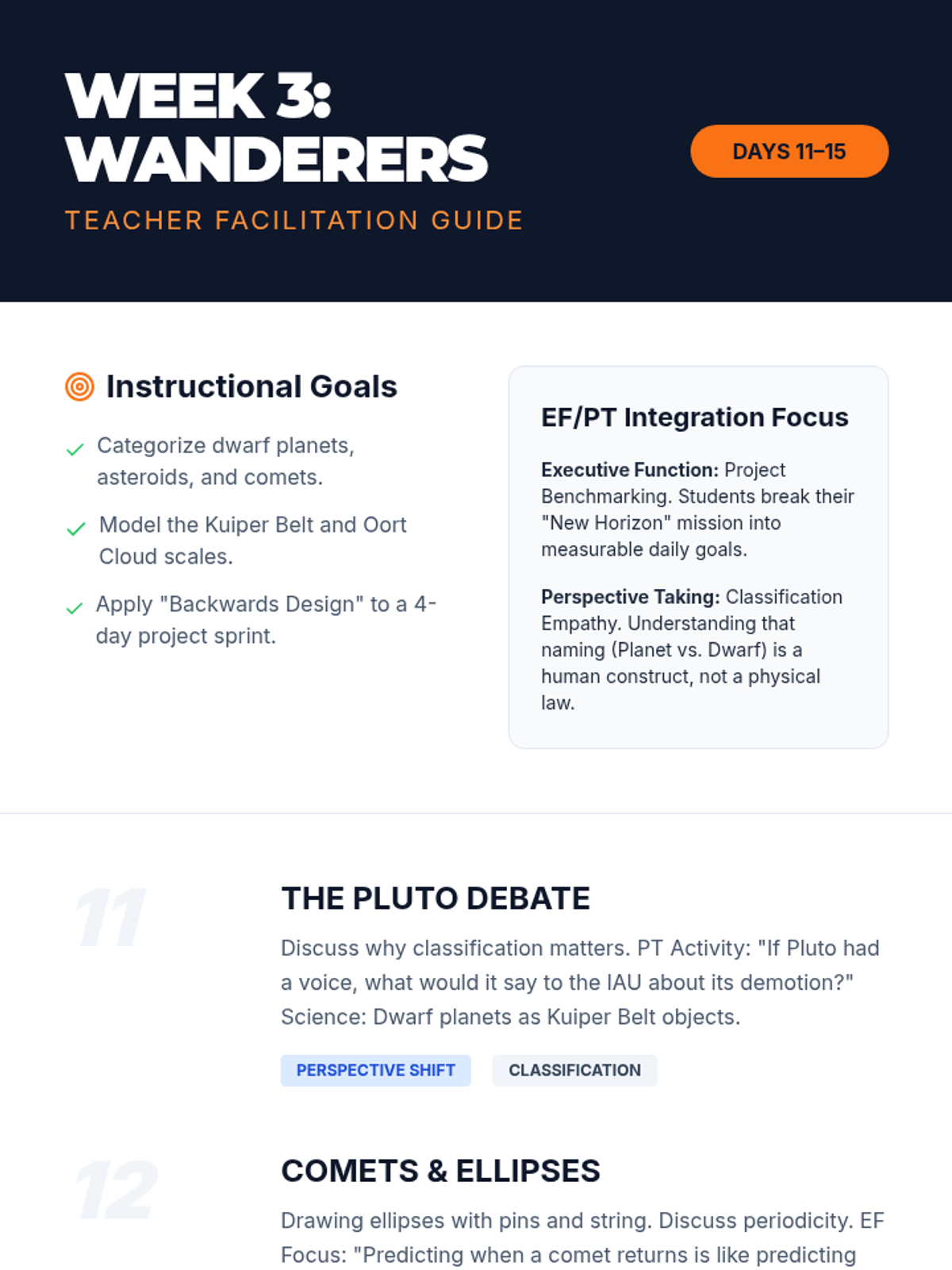
Weeks 1 focus on the scale of the solar system, the Sun, and the terrestrial planets, emphasizing executive functioning through organizational 'Mission Logs' and perspective-taking via planetary viewpoints.
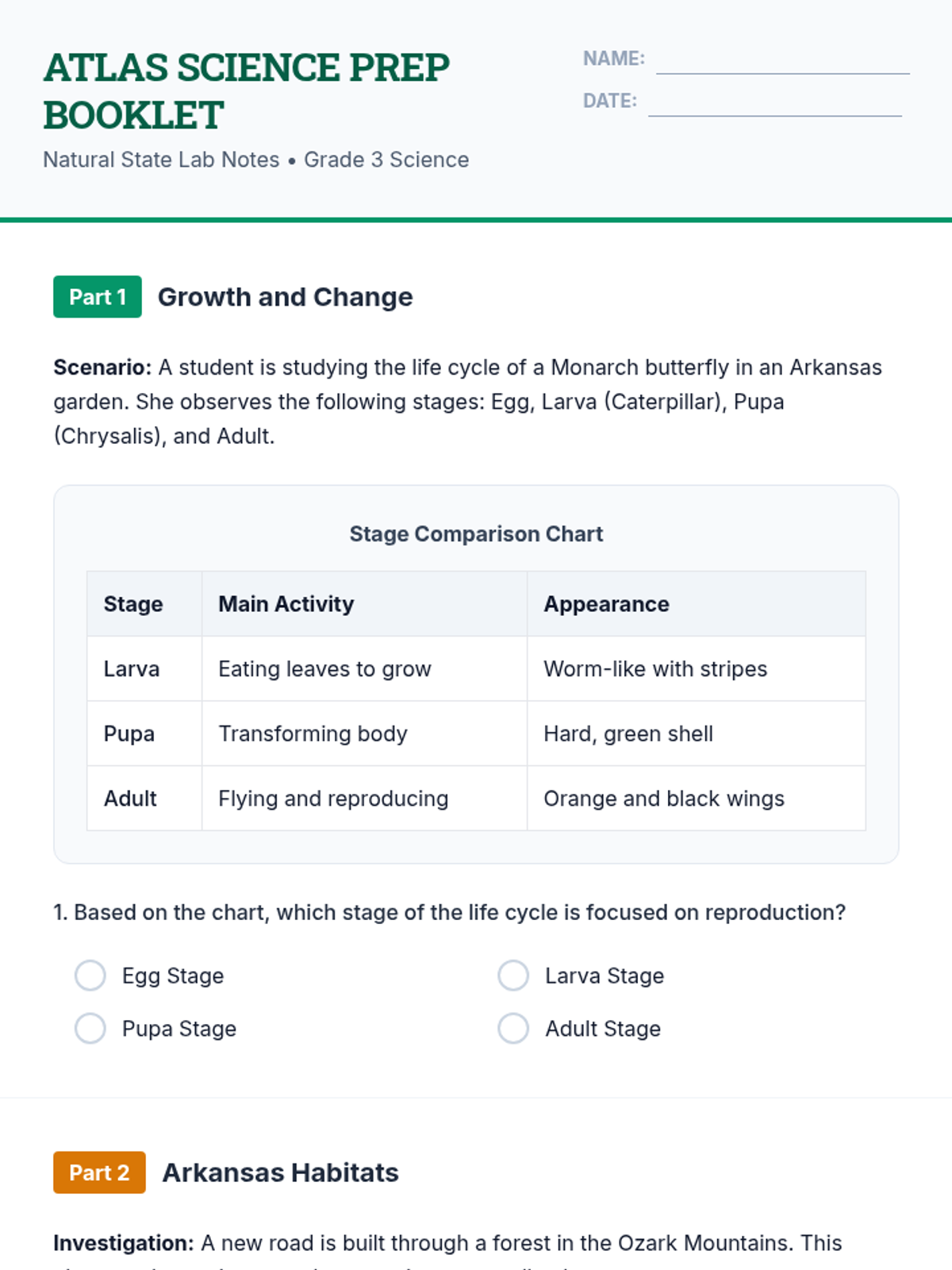
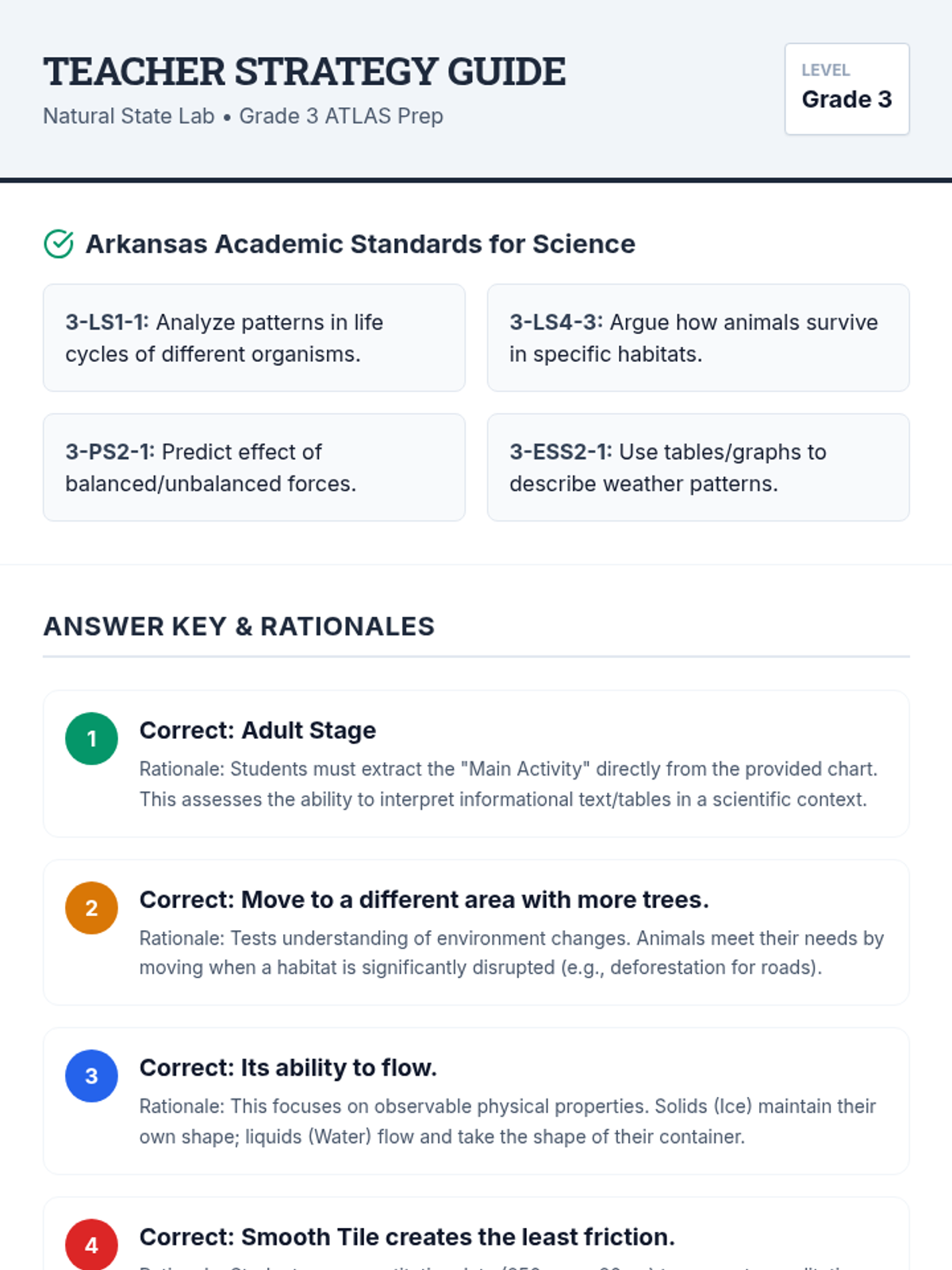
A comprehensive Grade 3 Science test prep lesson aligned to the Arkansas ATLAS standards. It covers core domains including life cycles, habitats, matter, forces, and weather through scenario-based learning and practice.
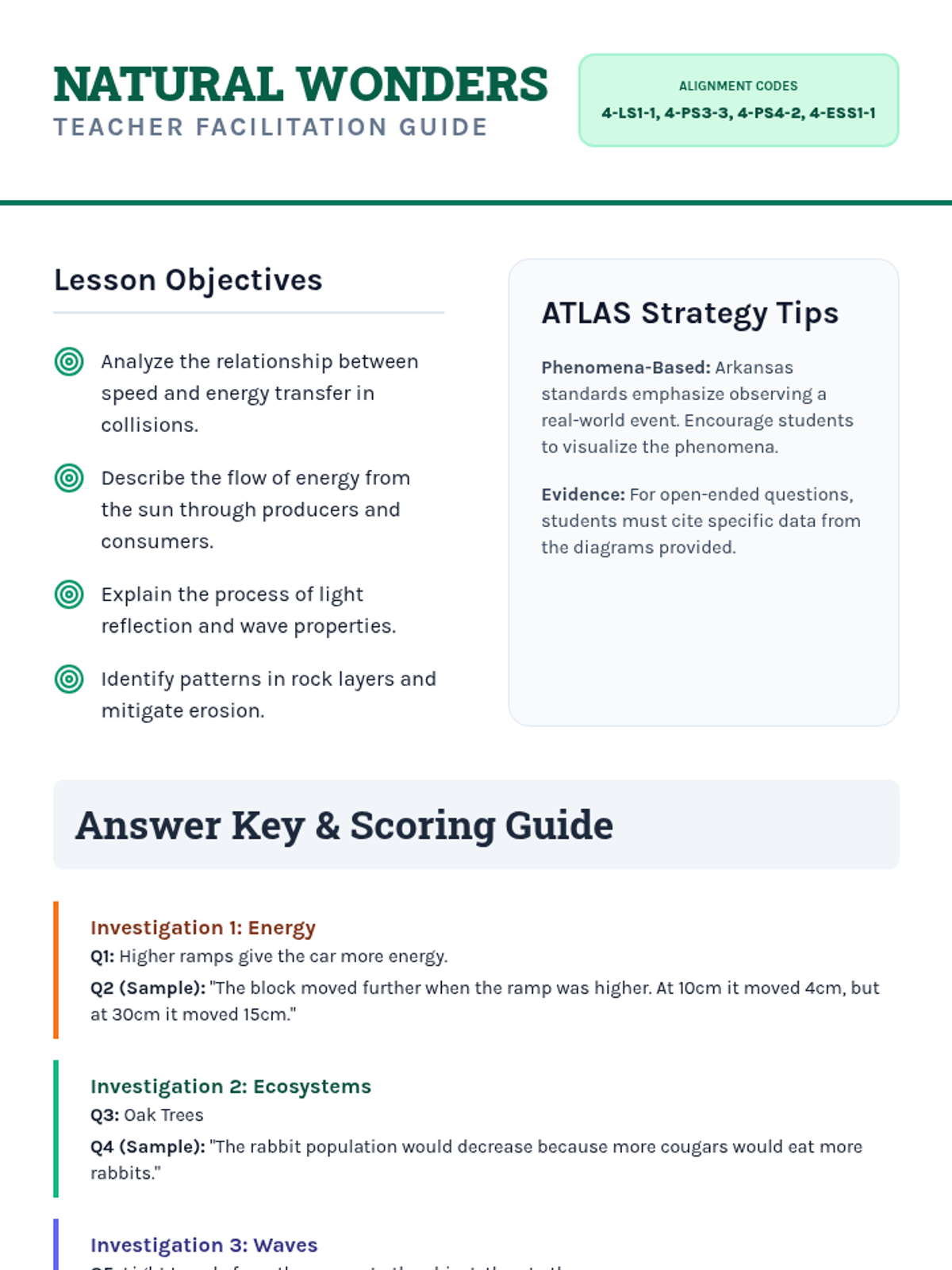
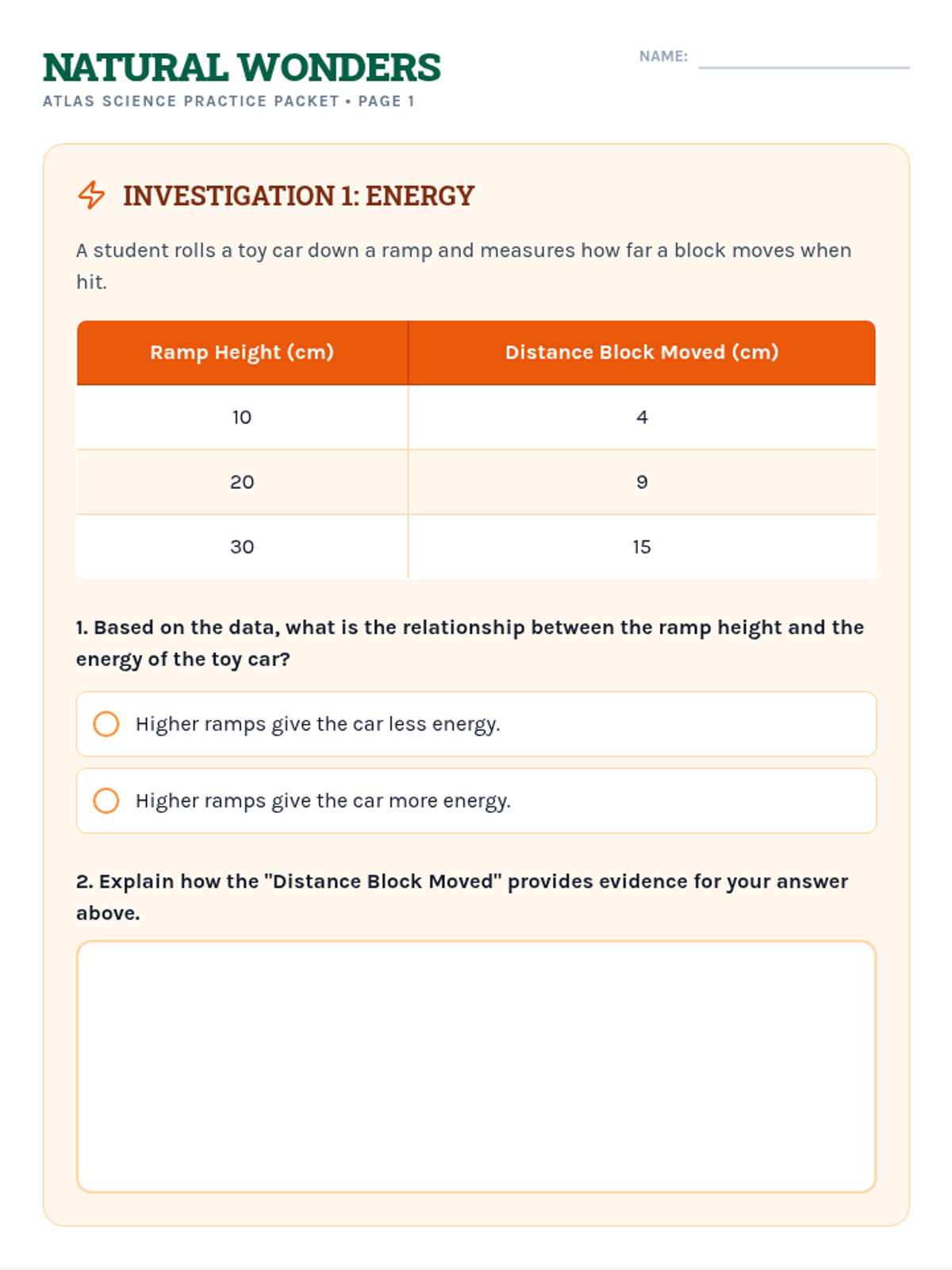
A comprehensive Grade 4 Science test prep lesson aligned to Arkansas Academic Standards, covering ecosystems, energy, waves, and Earth's surface through observation and data interpretation.
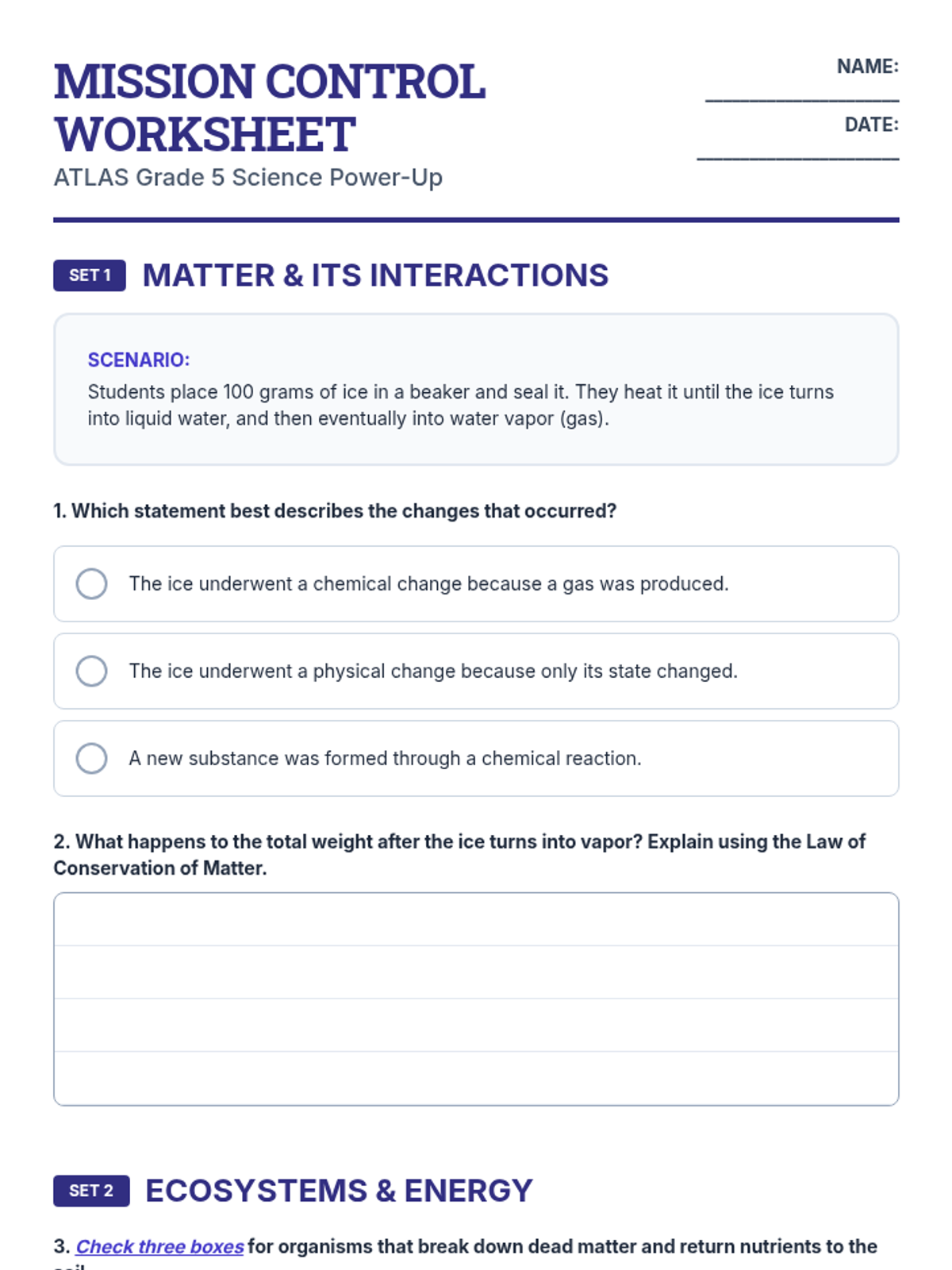
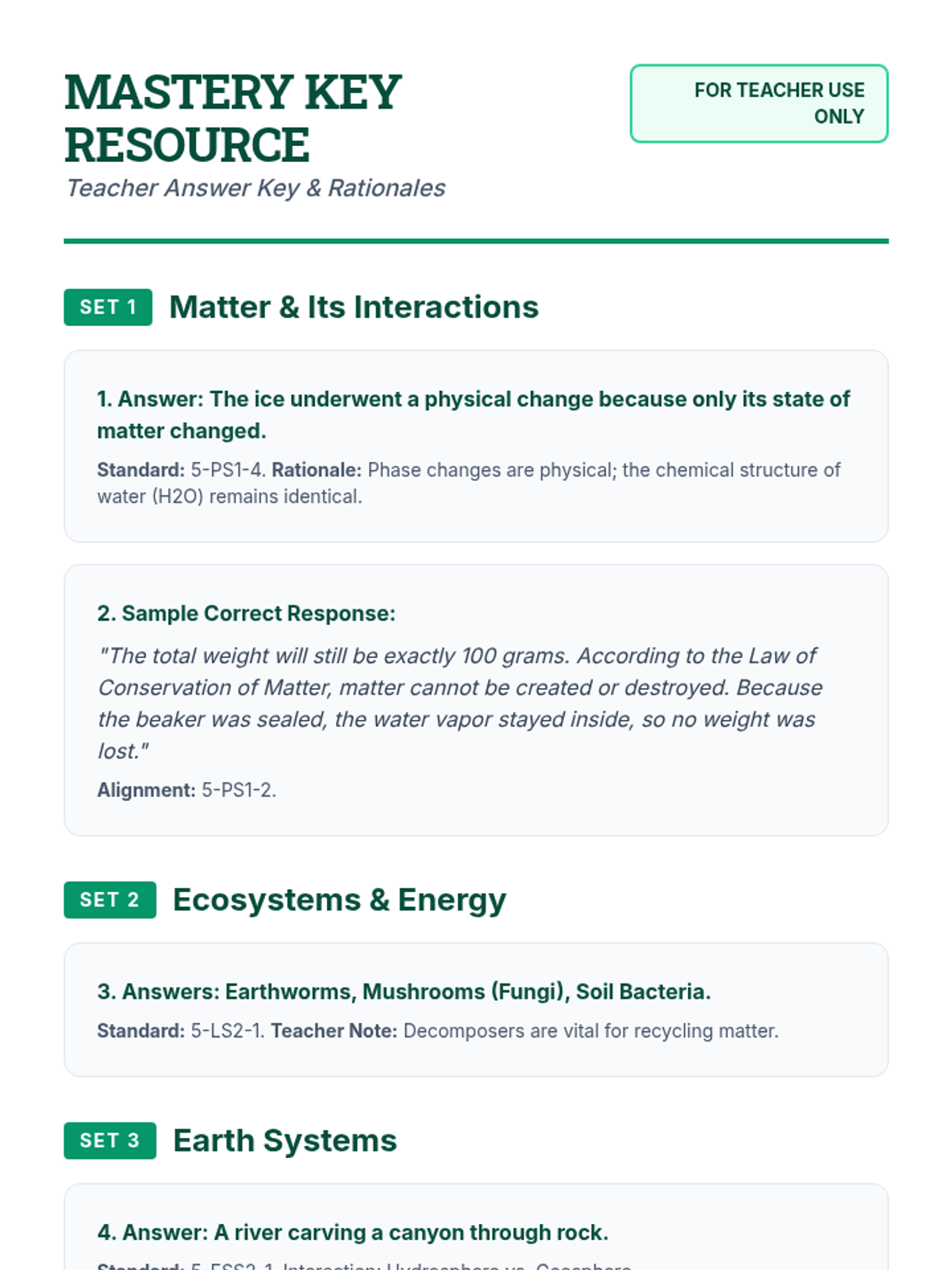
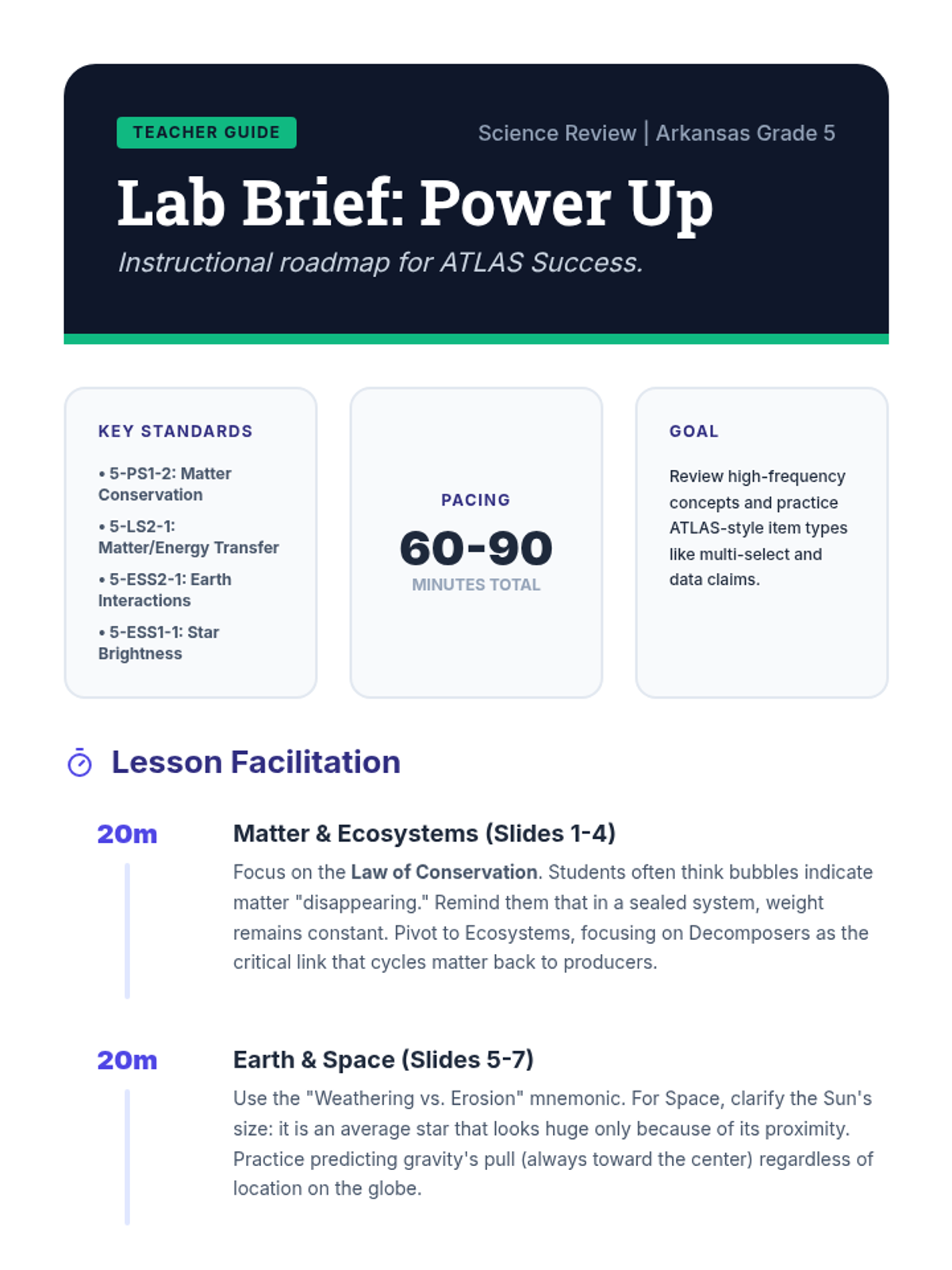
A high-intensity Grade 5 Science review session specifically designed for the Arkansas ATLAS assessment, covering matter, ecosystems, Earth systems, and space.
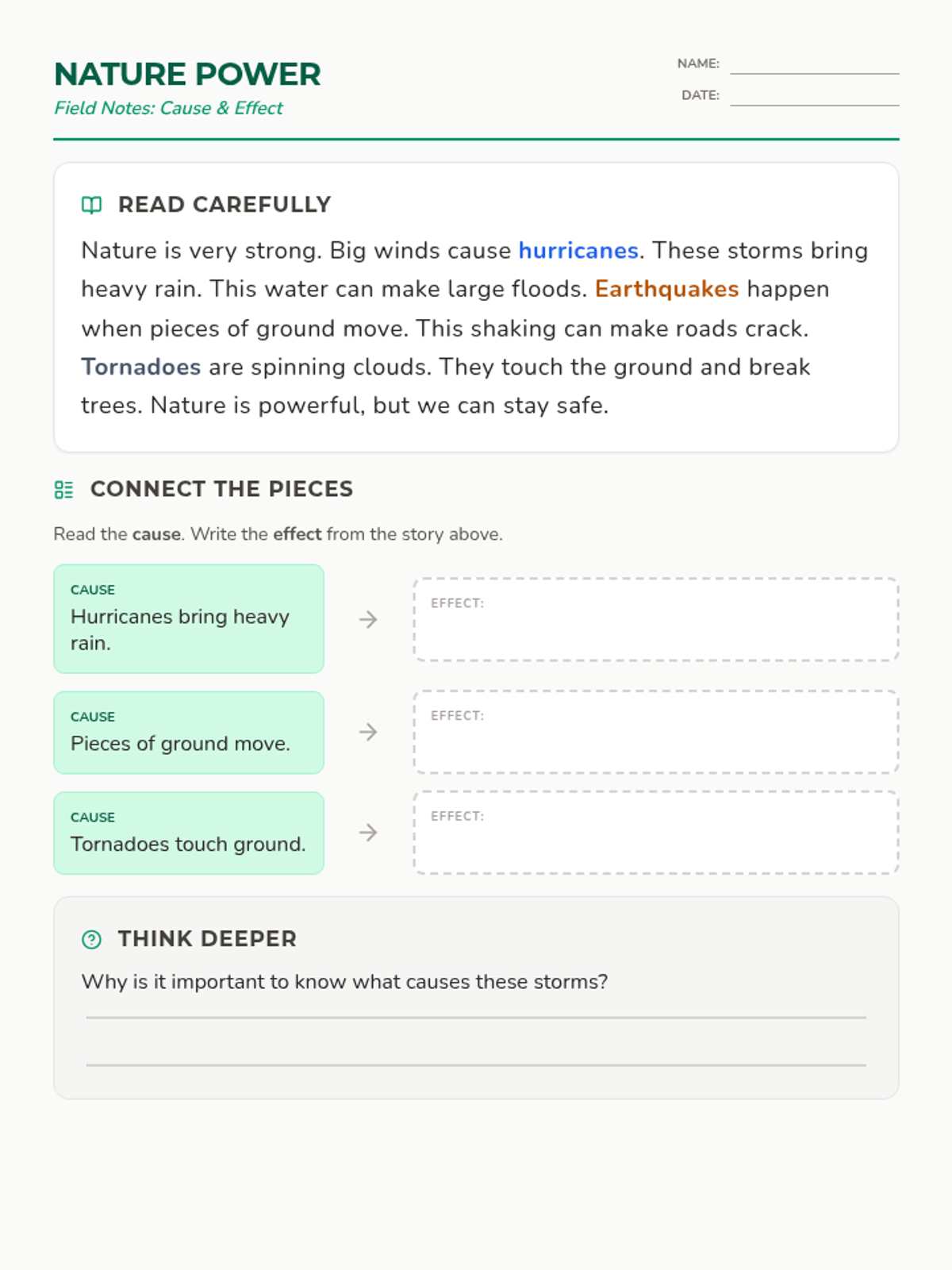
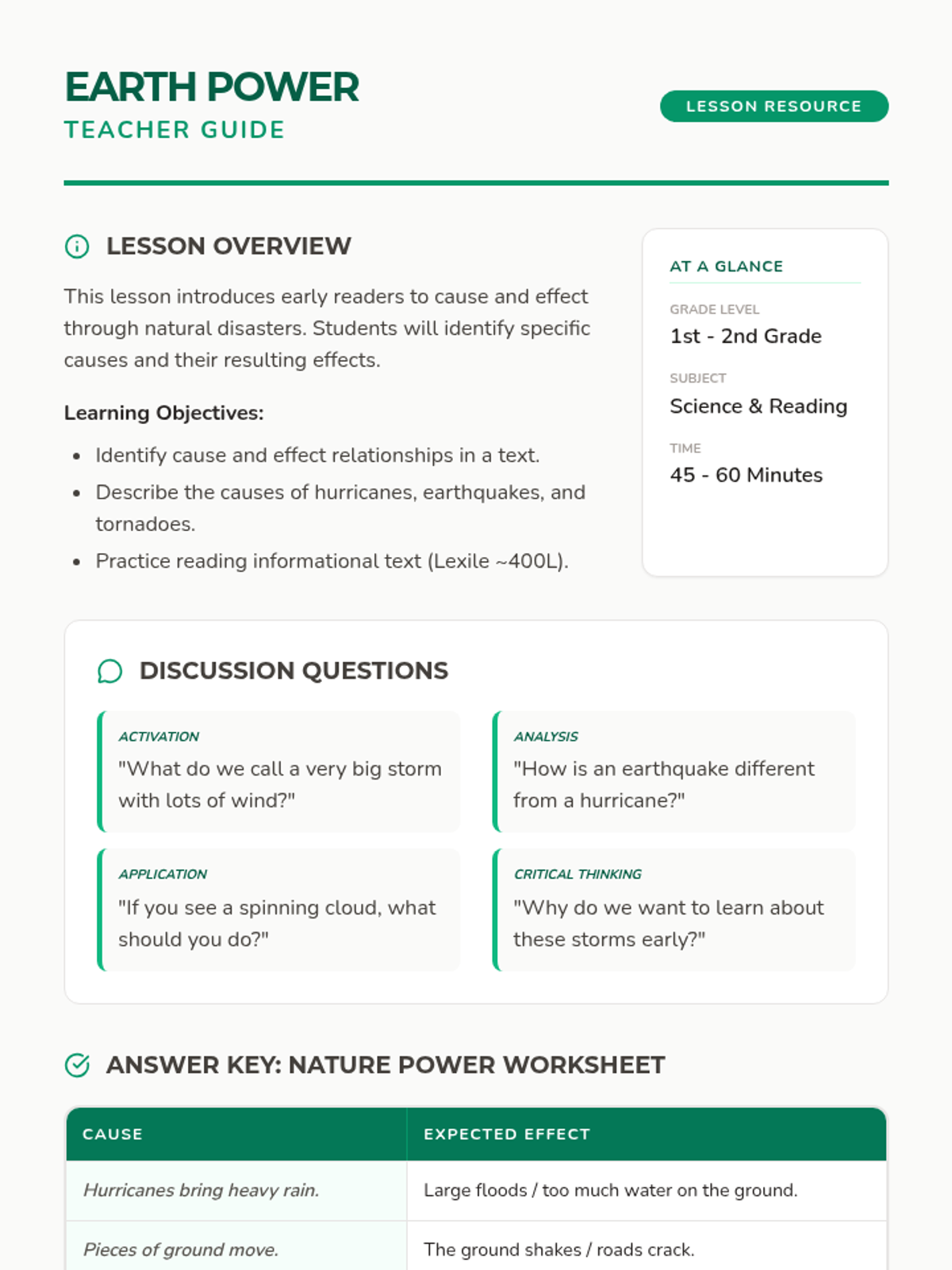
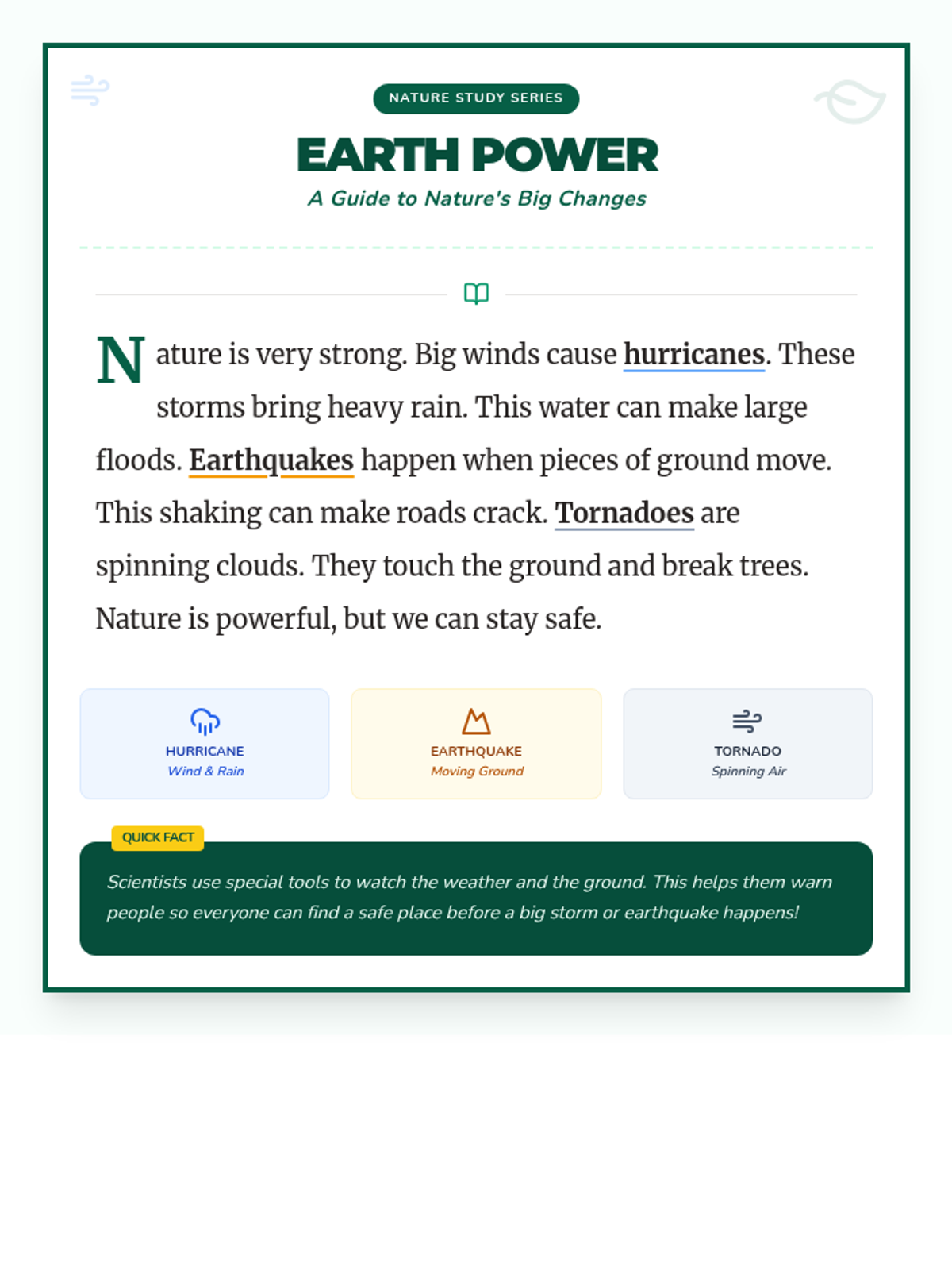
A lesson exploring the cause and effect relationships of hurricanes, earthquakes, and tornadoes for early readers.
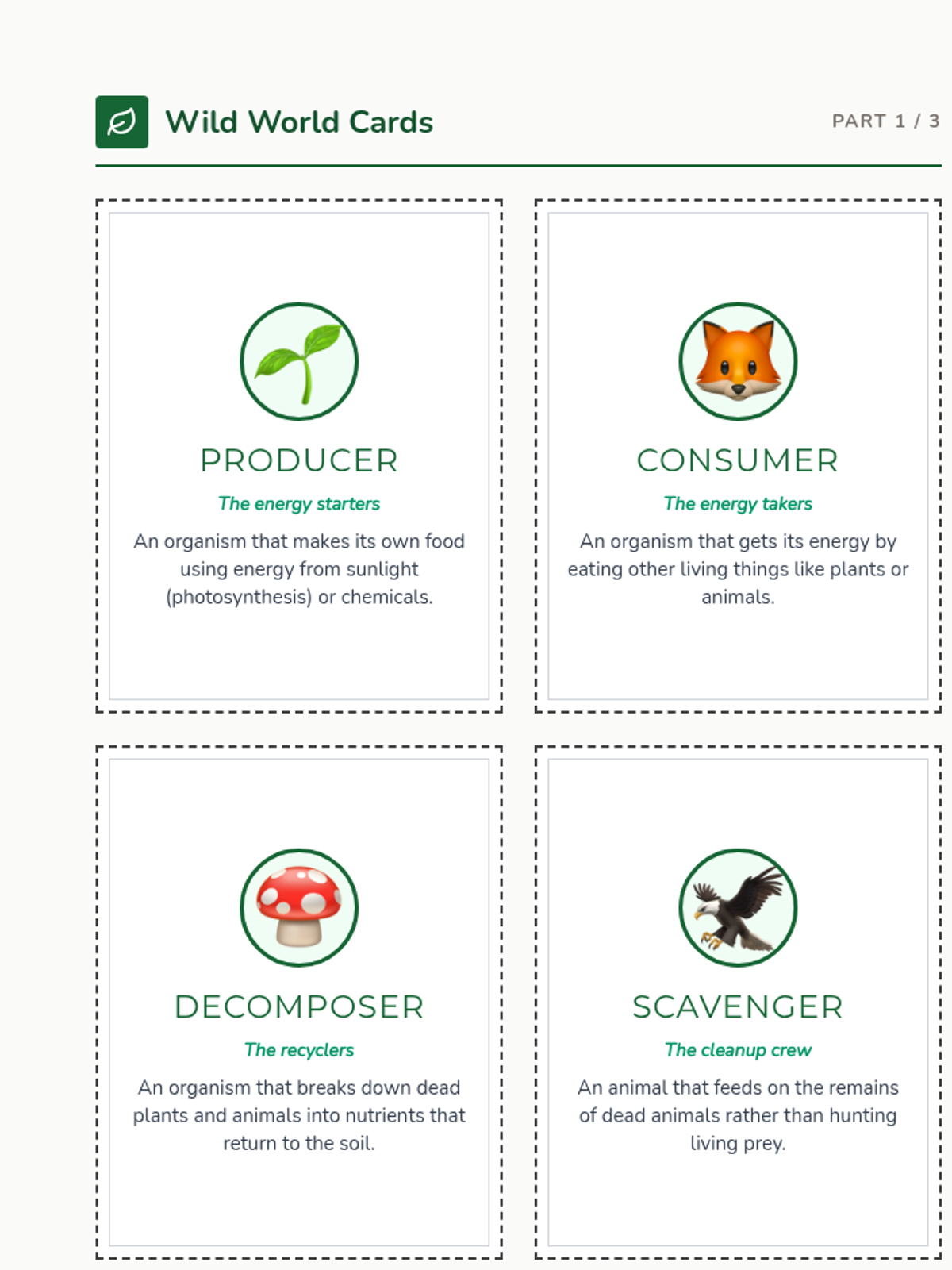
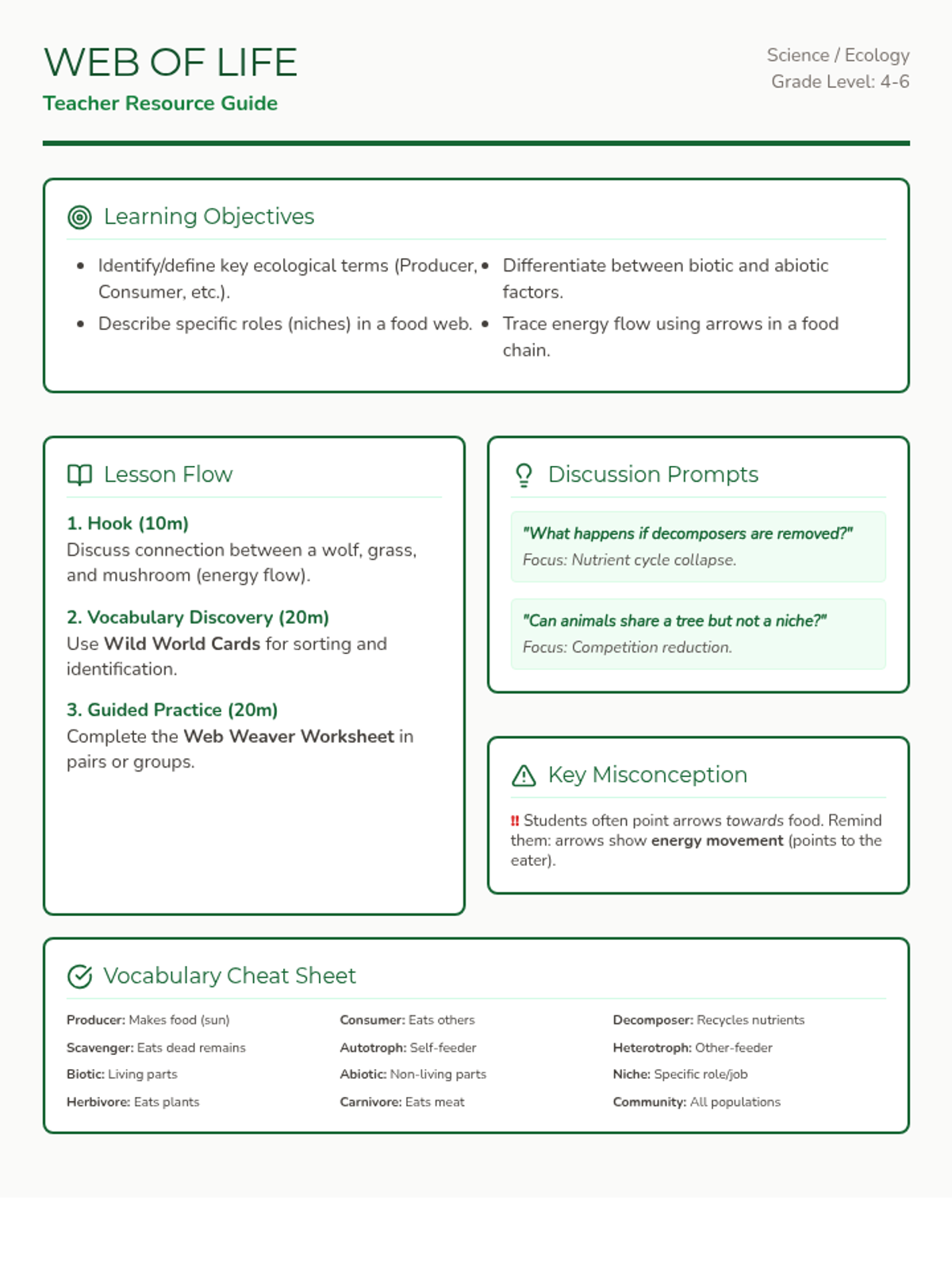
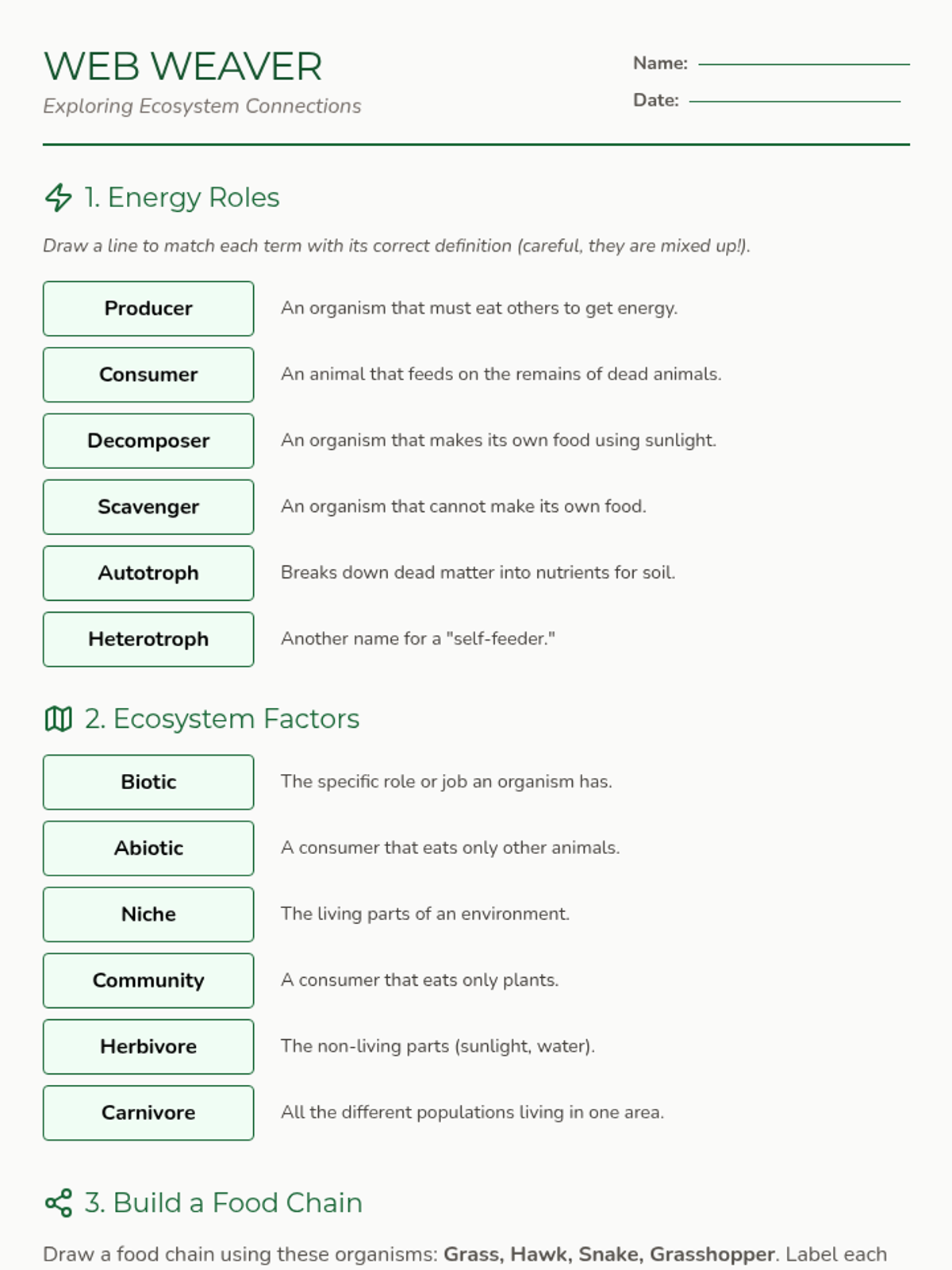
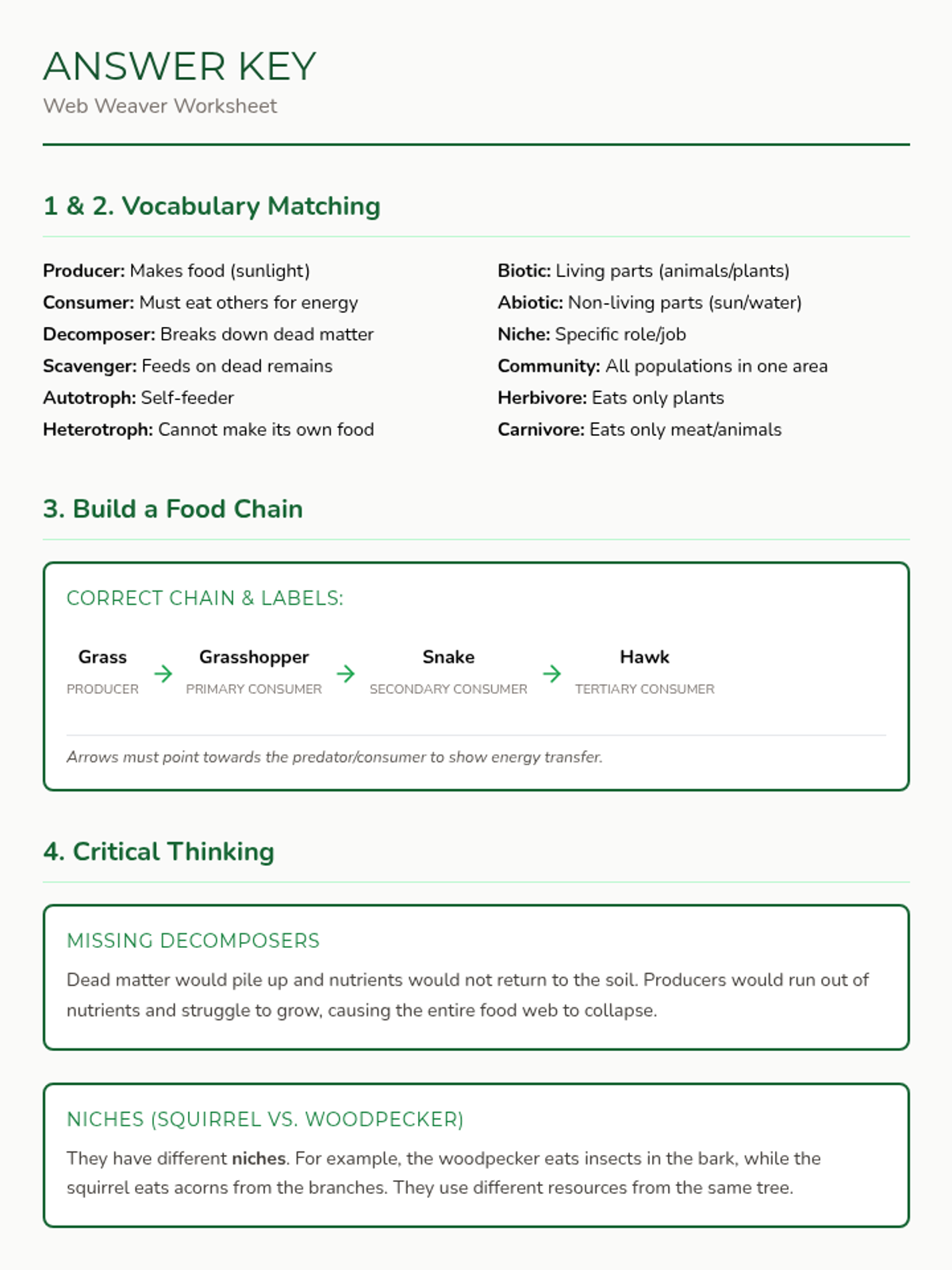
A lesson exploring how energy flows through an ecosystem using food webs. Students learn key vocabulary and identify roles of different organisms within their environment.
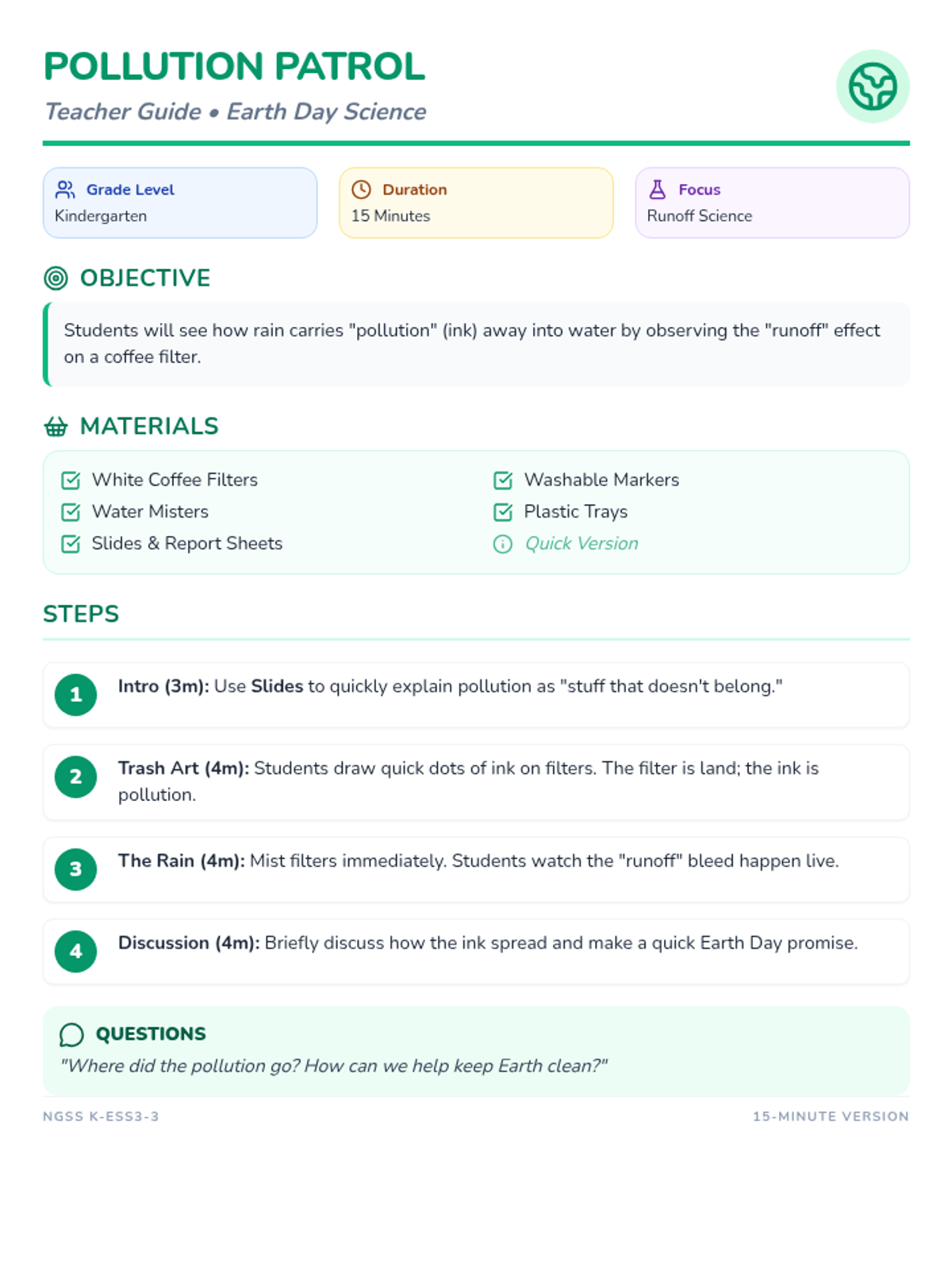
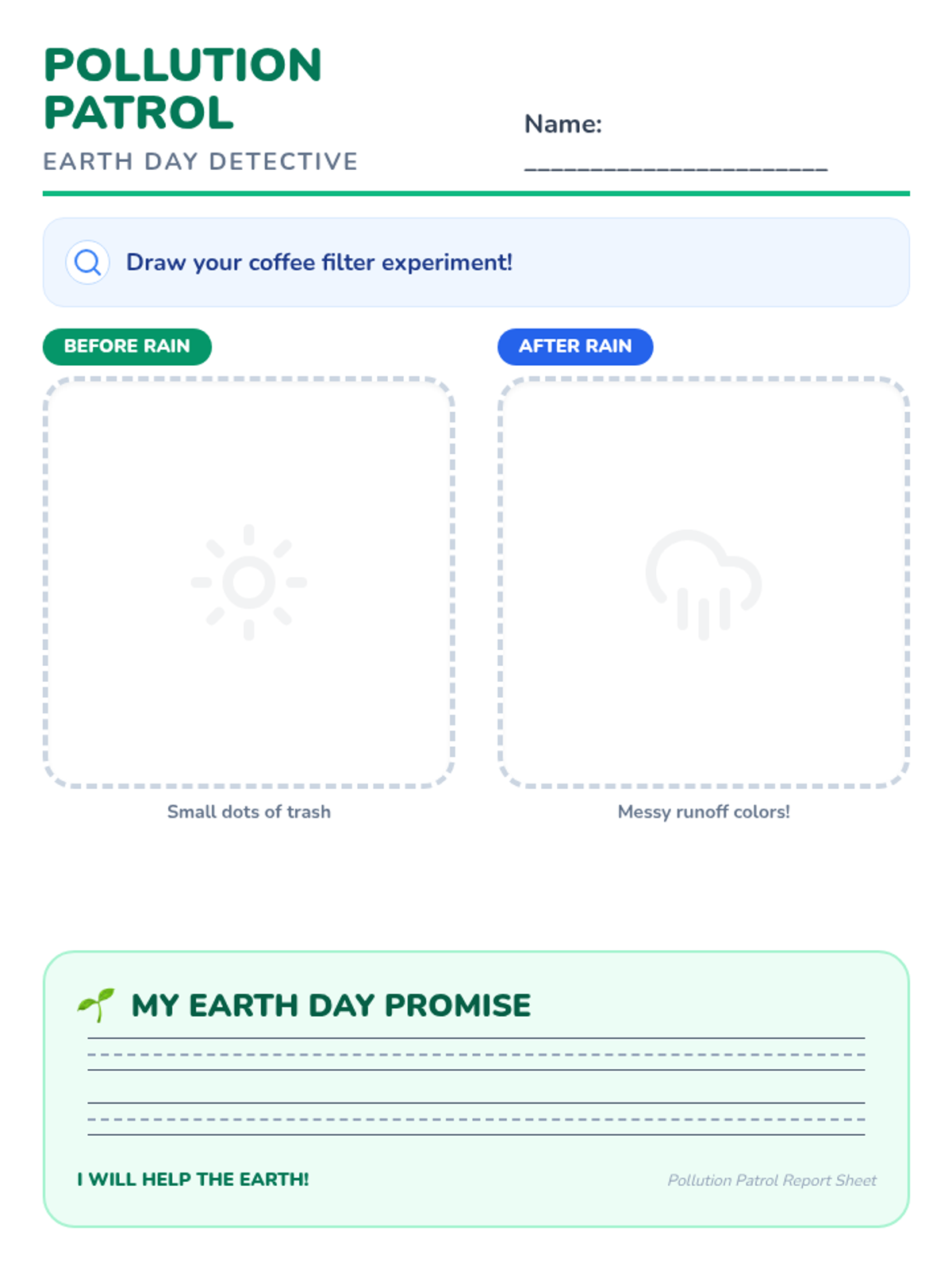
A hands-on Earth Day lesson for Kindergarteners to visualize water pollution and runoff using coffee filters and washable markers. Students simulate trash with marker ink and watch how 'rain' (water mister) spreads pollutants through their community.
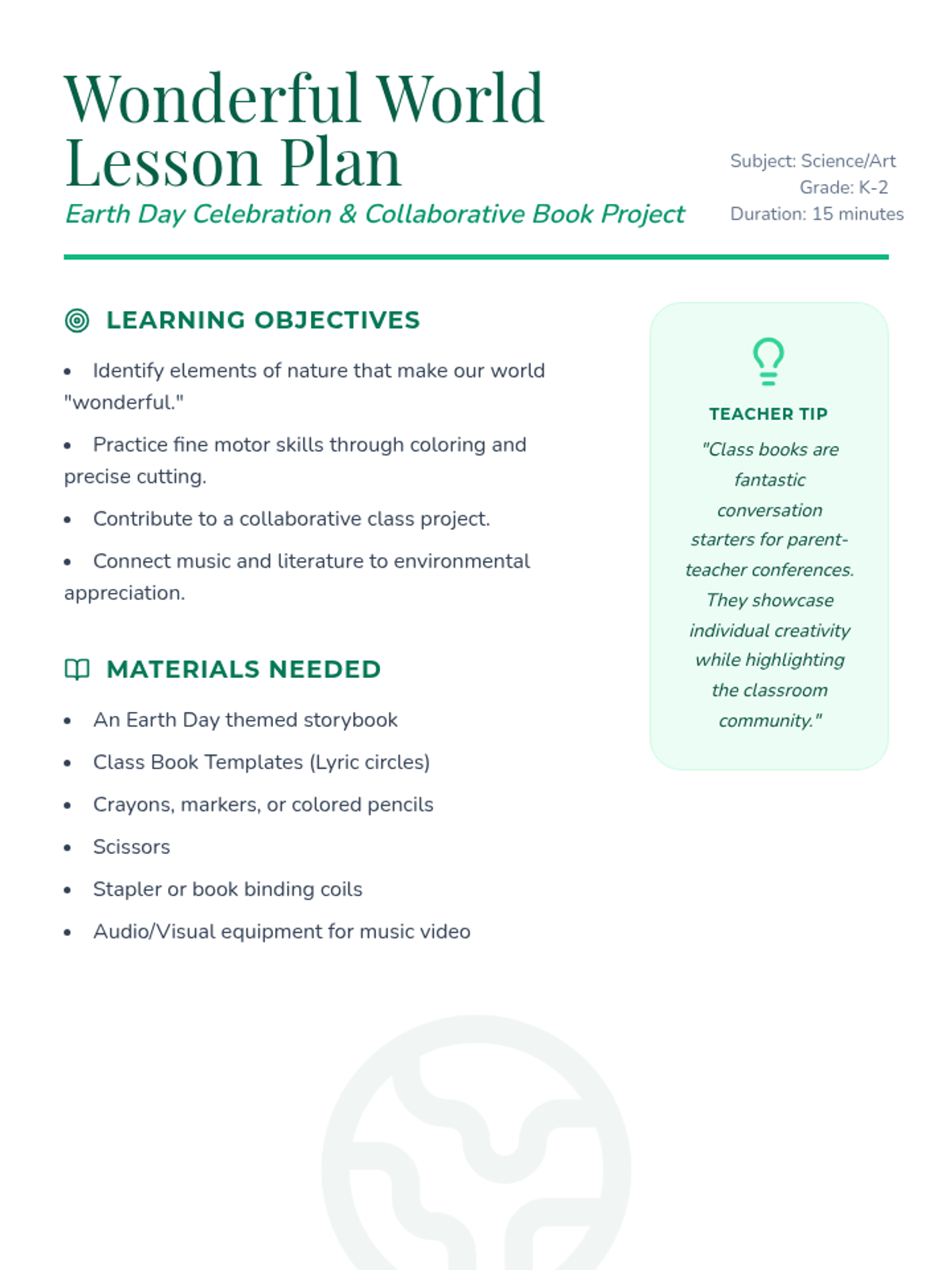
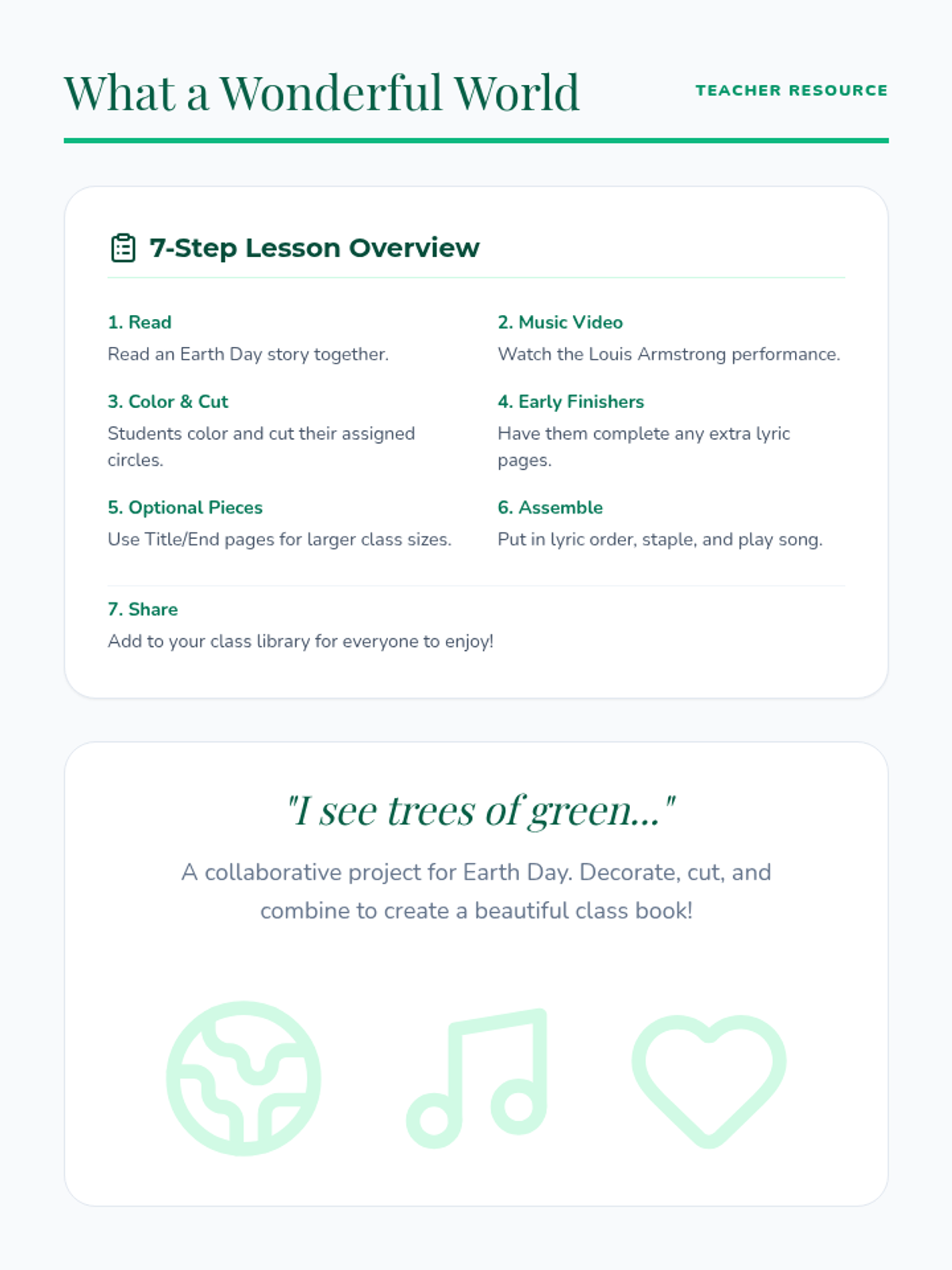
A collaborative Earth Day lesson where students create a class book inspired by Louis Armstrong's 'What a Wonderful World'. Includes a detailed teacher guide and presentation slides with a video embed.
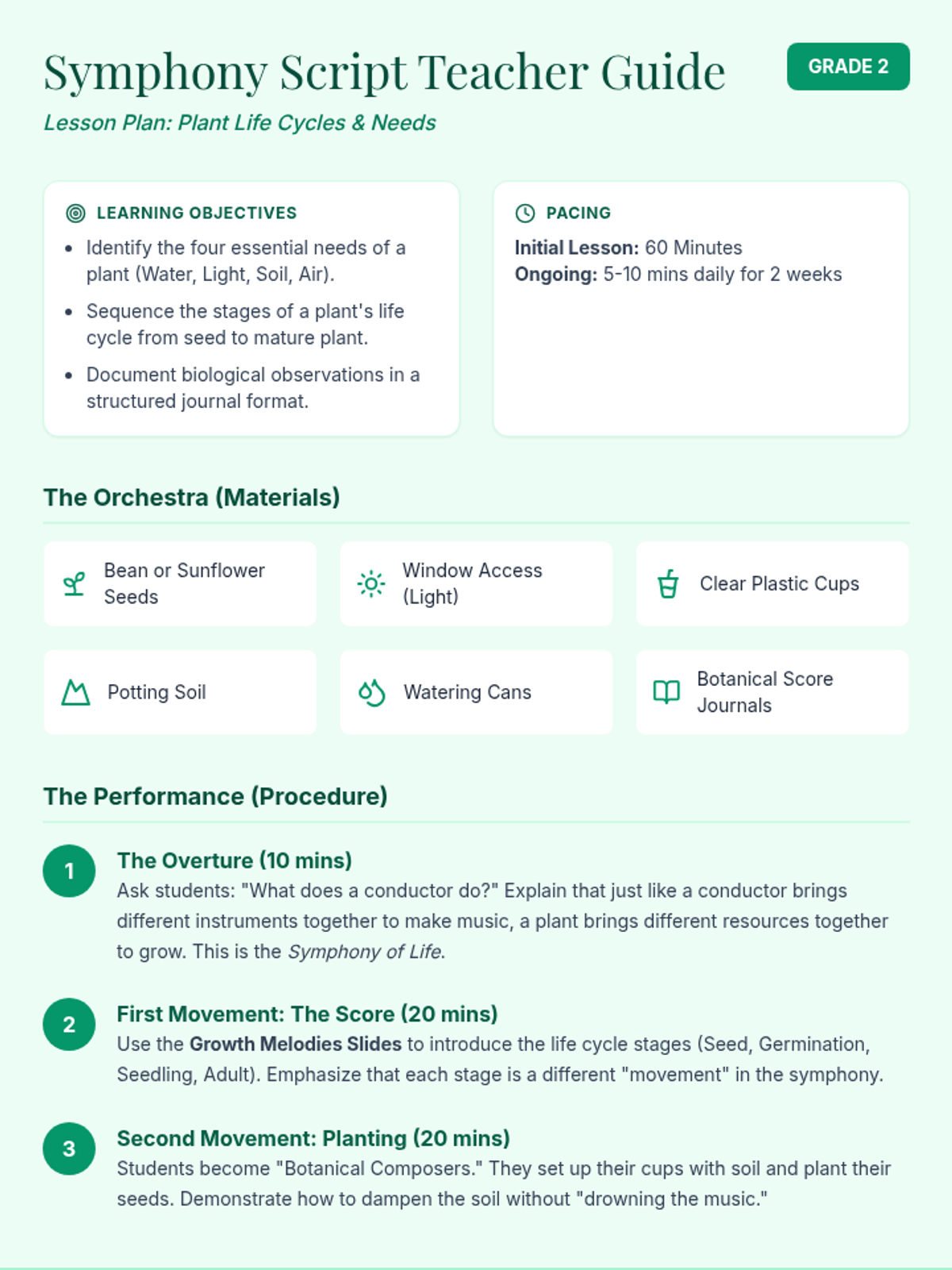
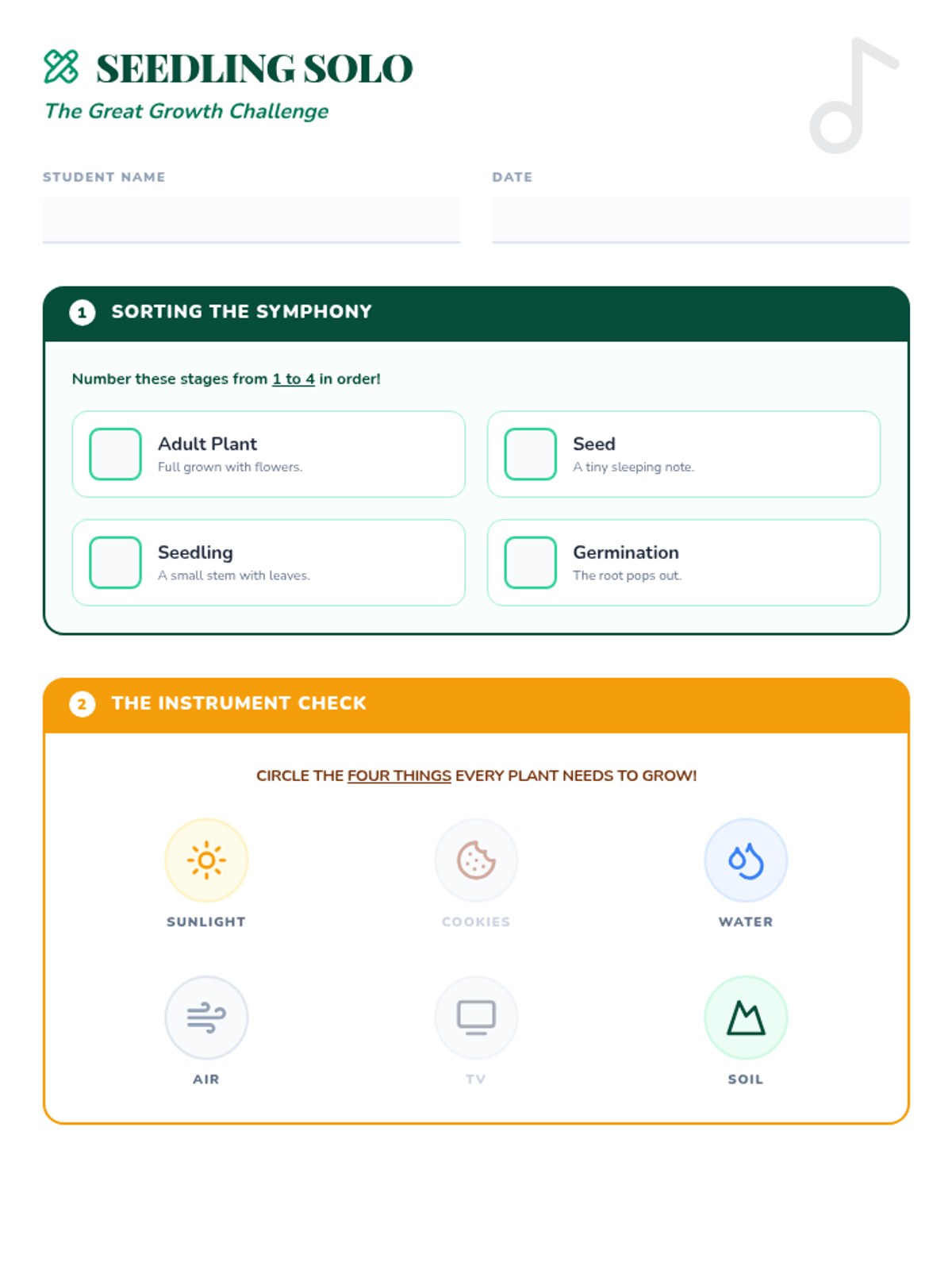
A life science lesson where 2nd graders explore plant life cycles and needs through the metaphor of a musical symphony, acting as botanical composers.
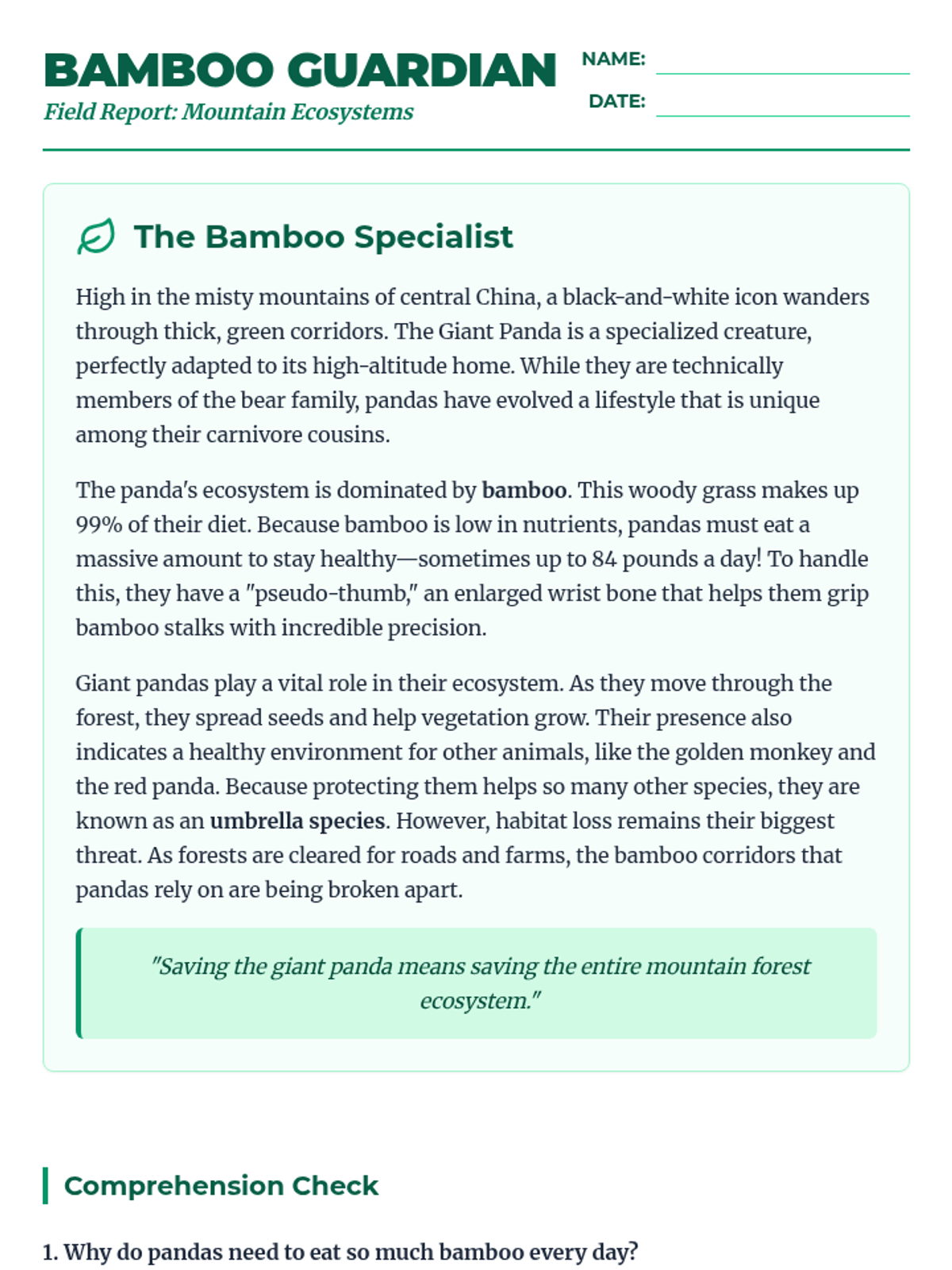
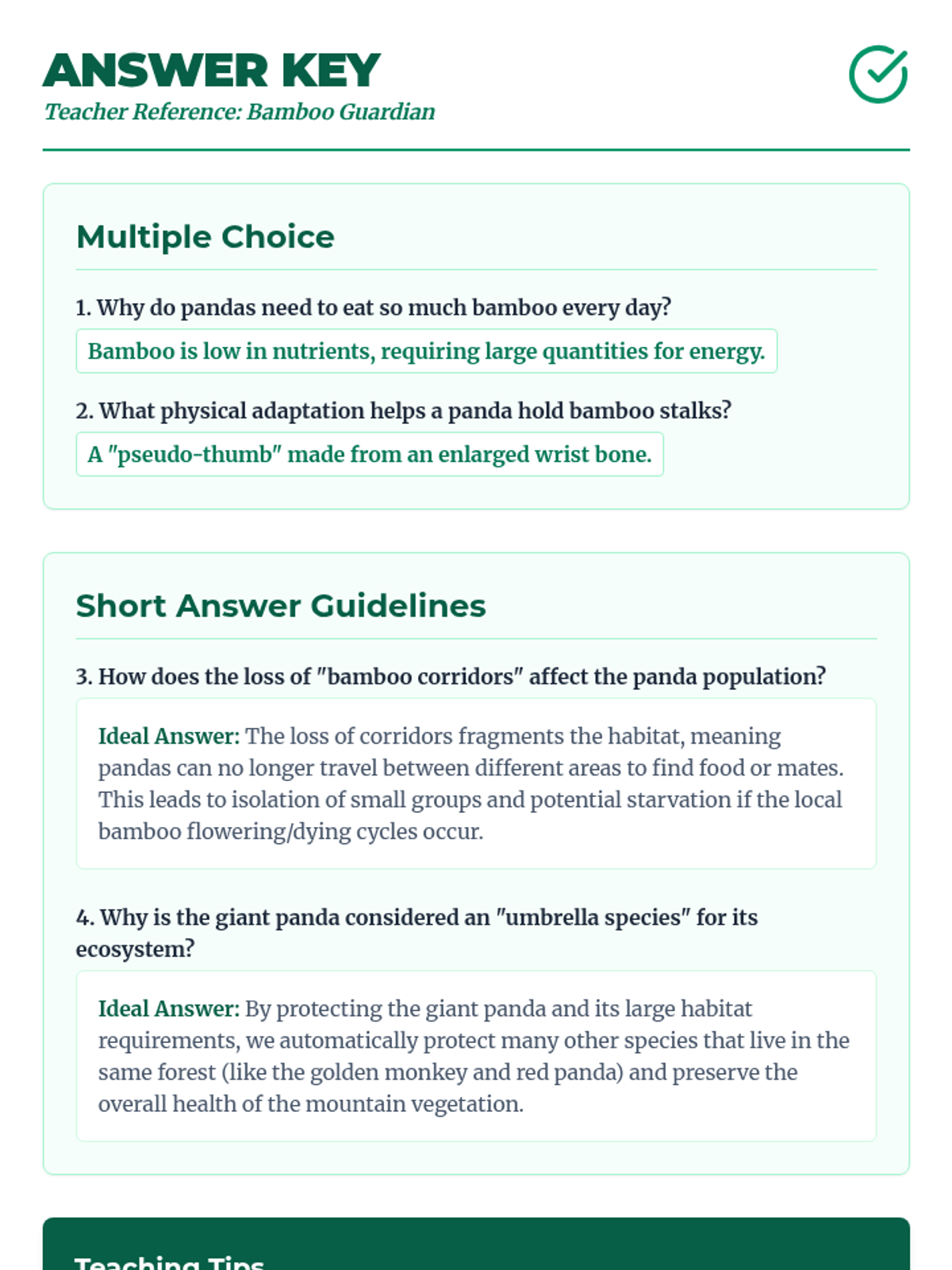
A lesson exploring the mountain ecosystem of giant pandas, focusing on their specialized diet and the importance of conservation.
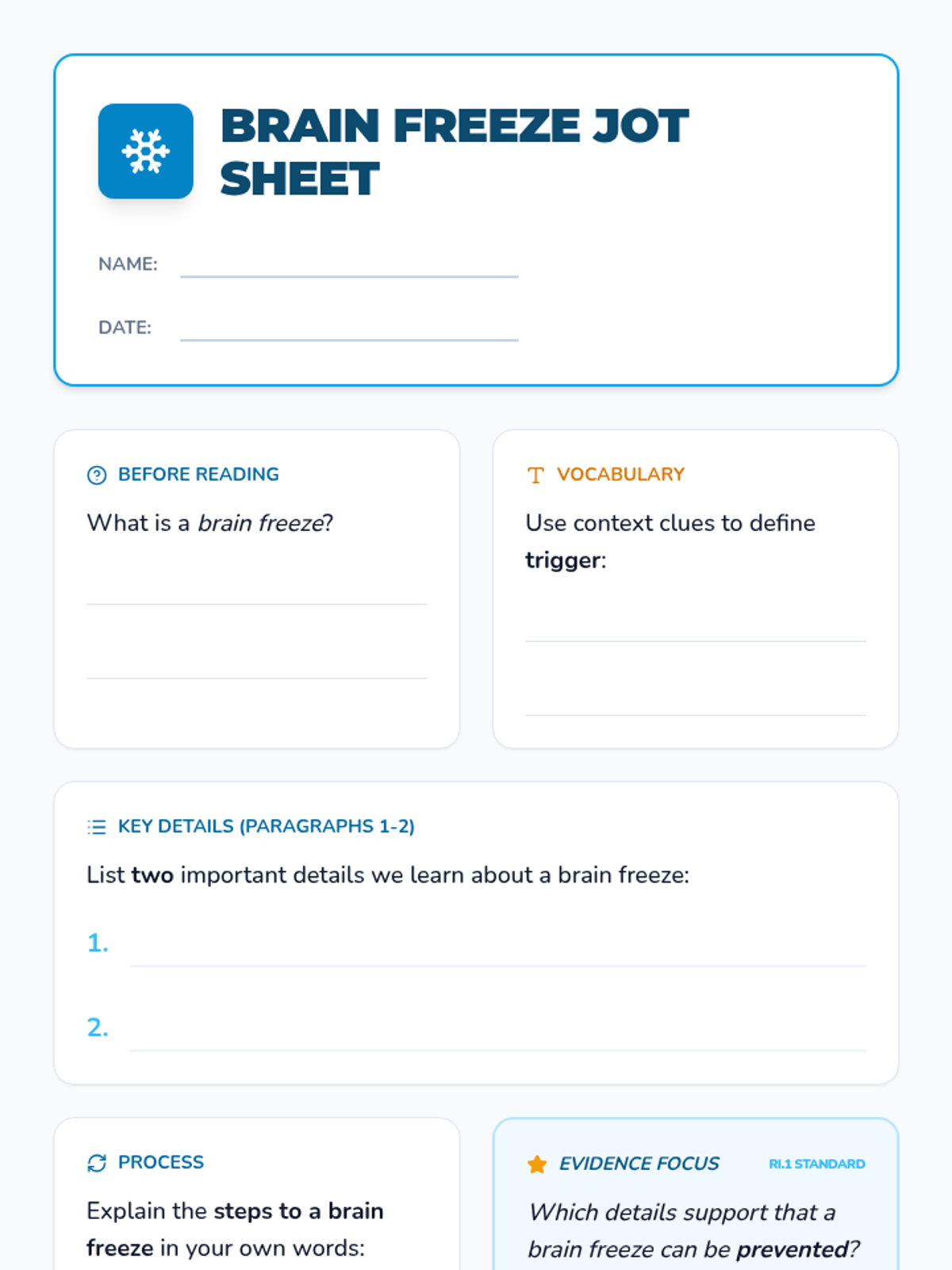
A comprehensive lesson exploring the scientific causes, effects, and prevention of brain freeze (ice cream headaches). Students read an informational text, analyze evidence, and understand the biological protection mechanisms of the brain.
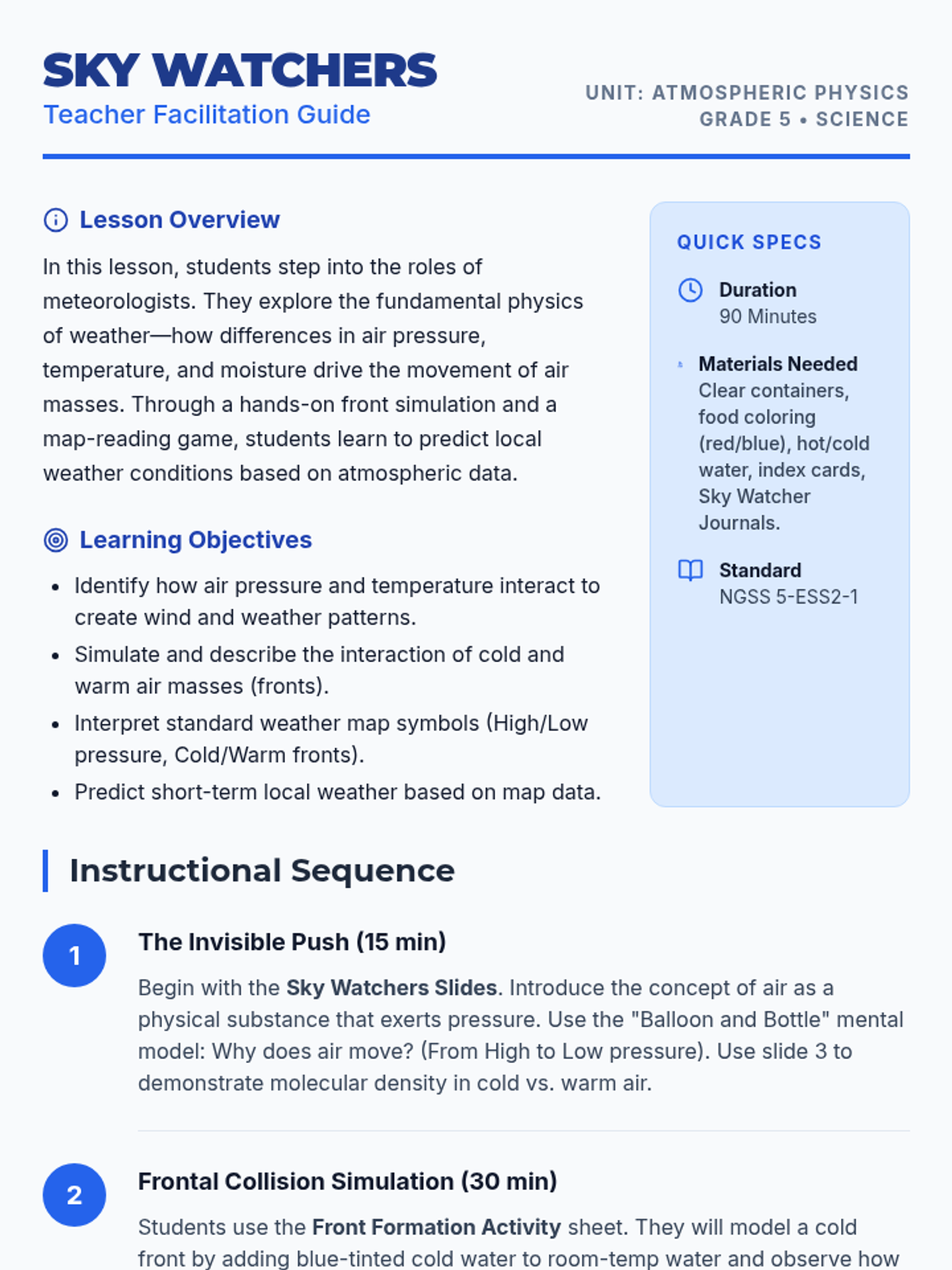
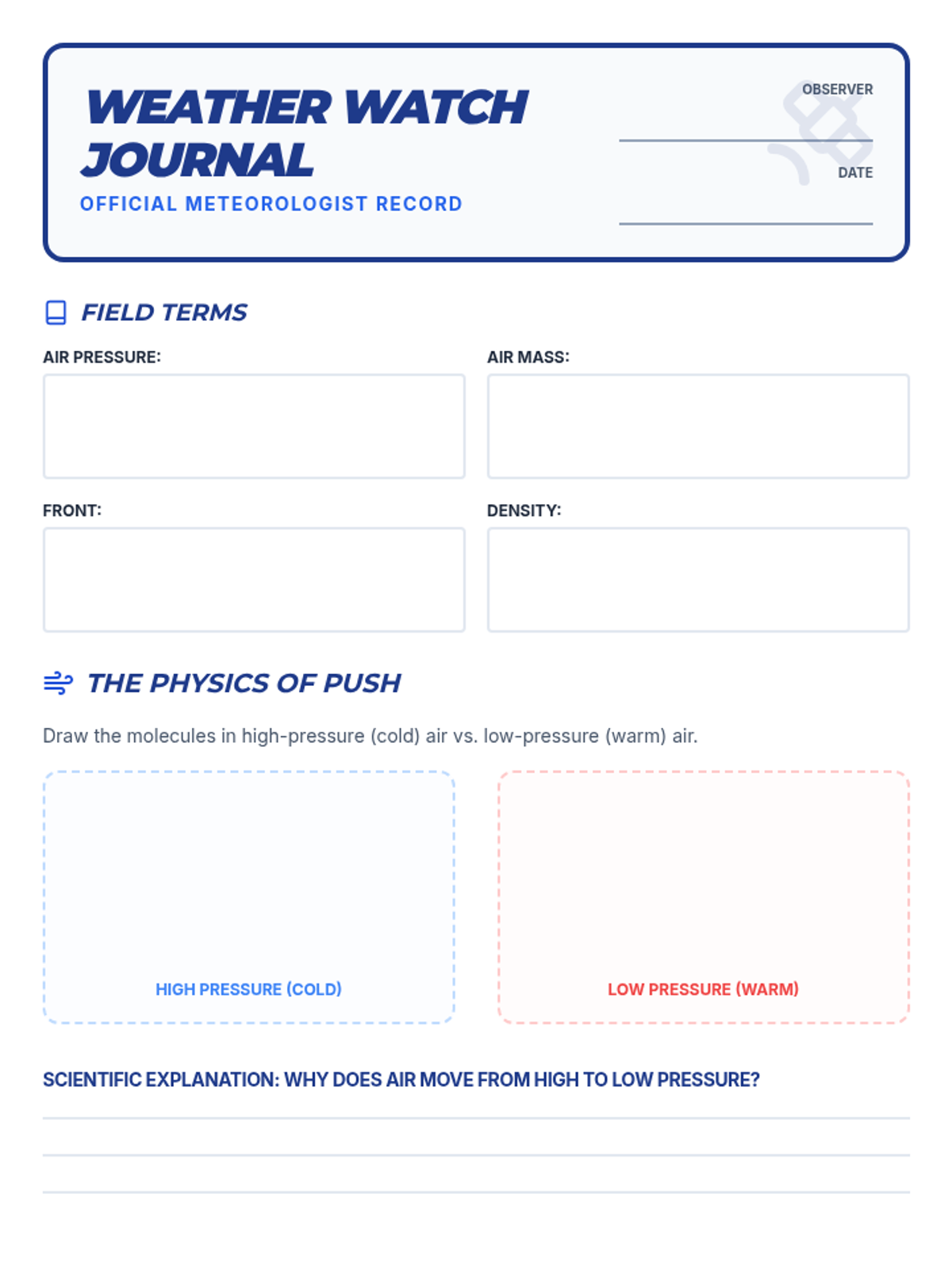
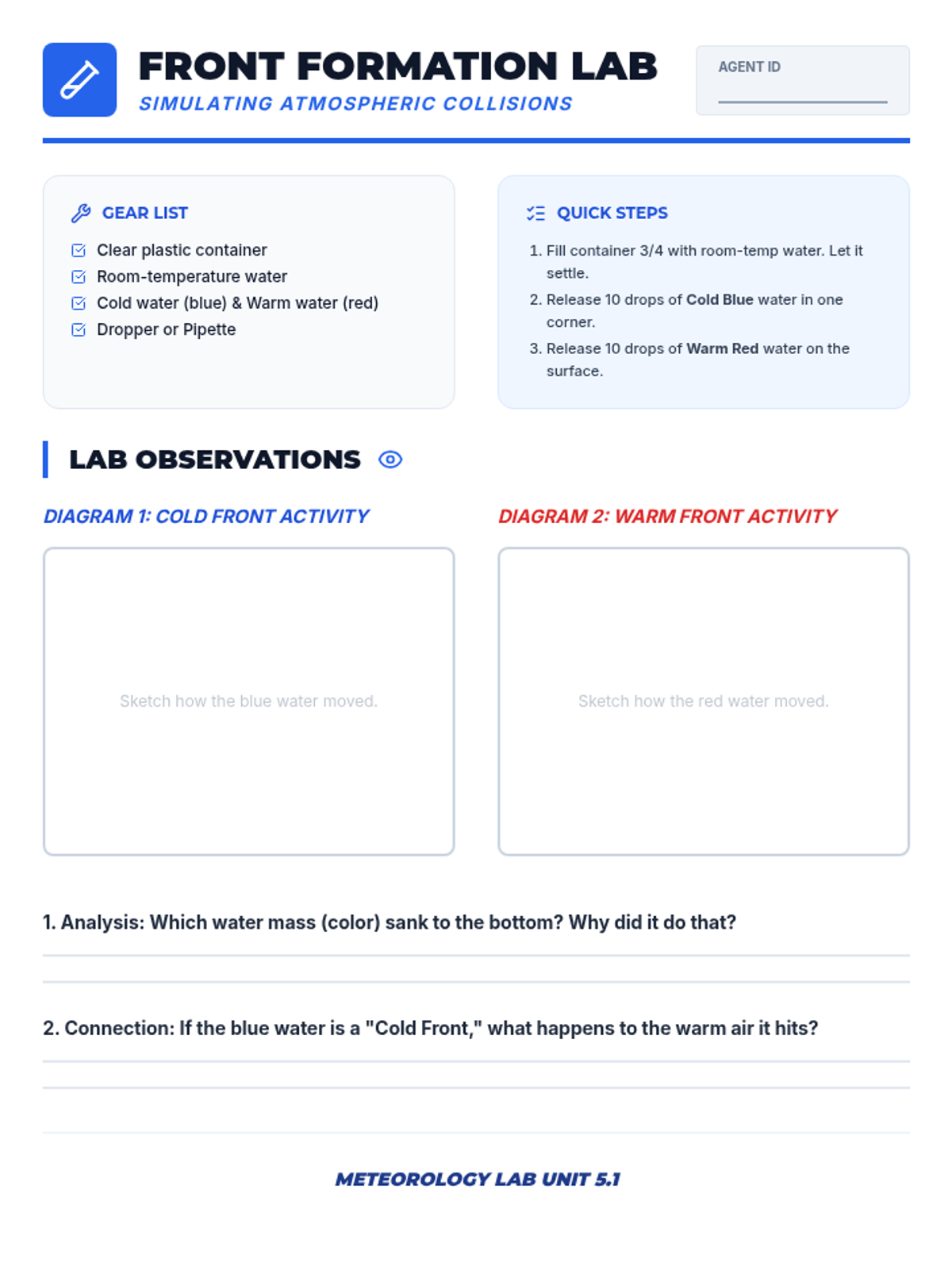
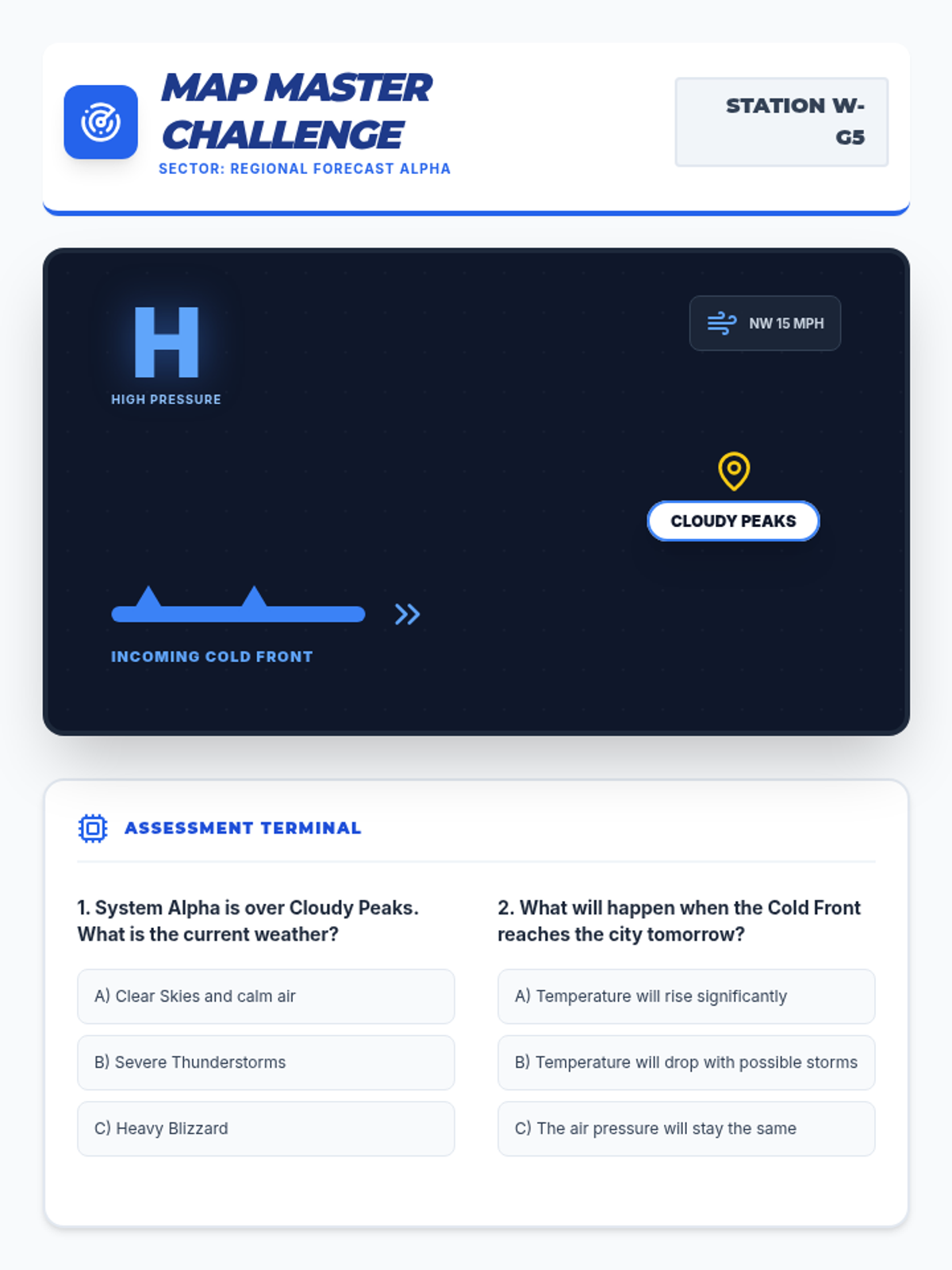
Students become meteorologists to investigate air pressure, temperature, and moisture. They simulate fronts and interpret weather maps to understand the Earth's atmospheric systems.
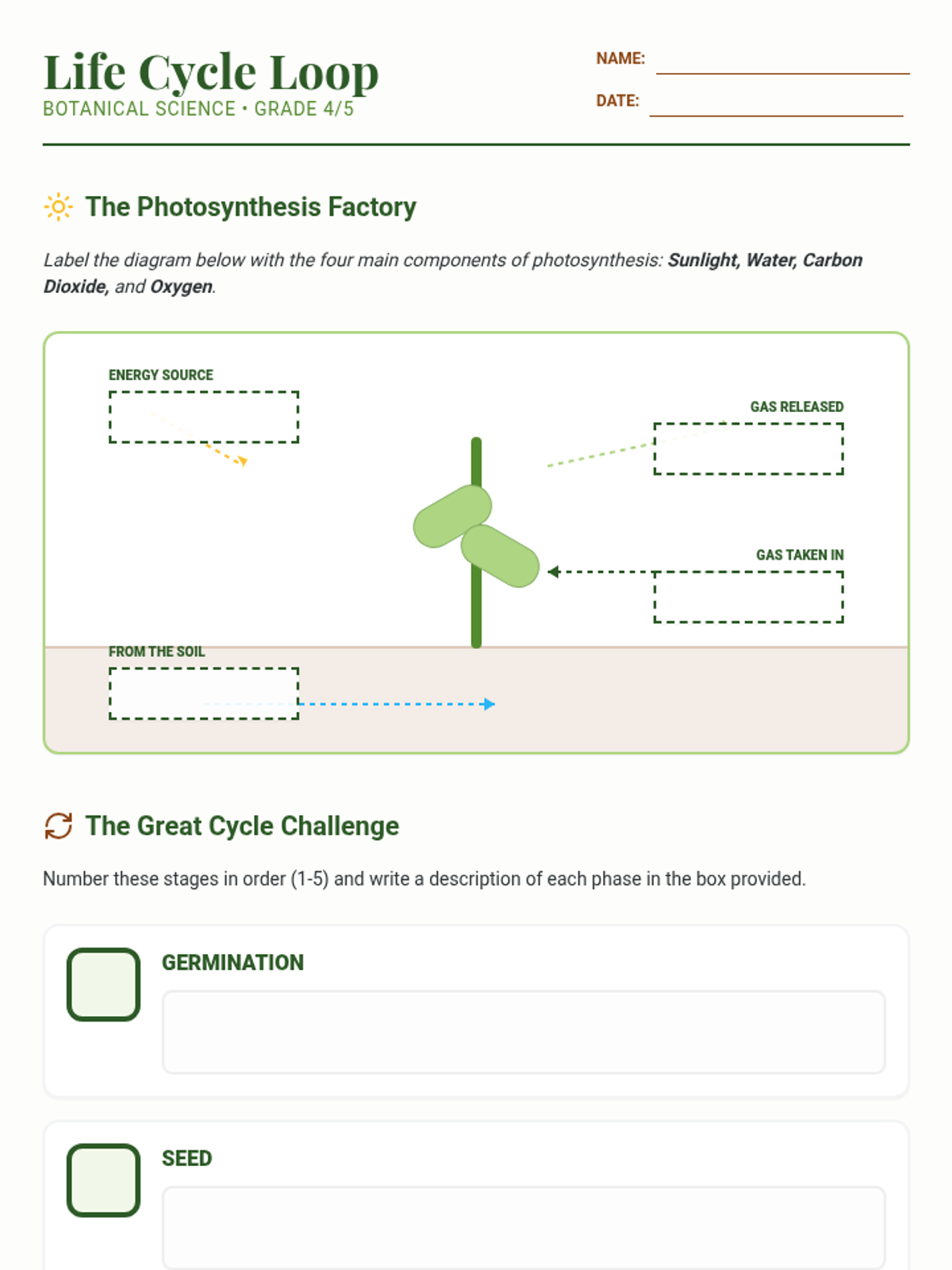
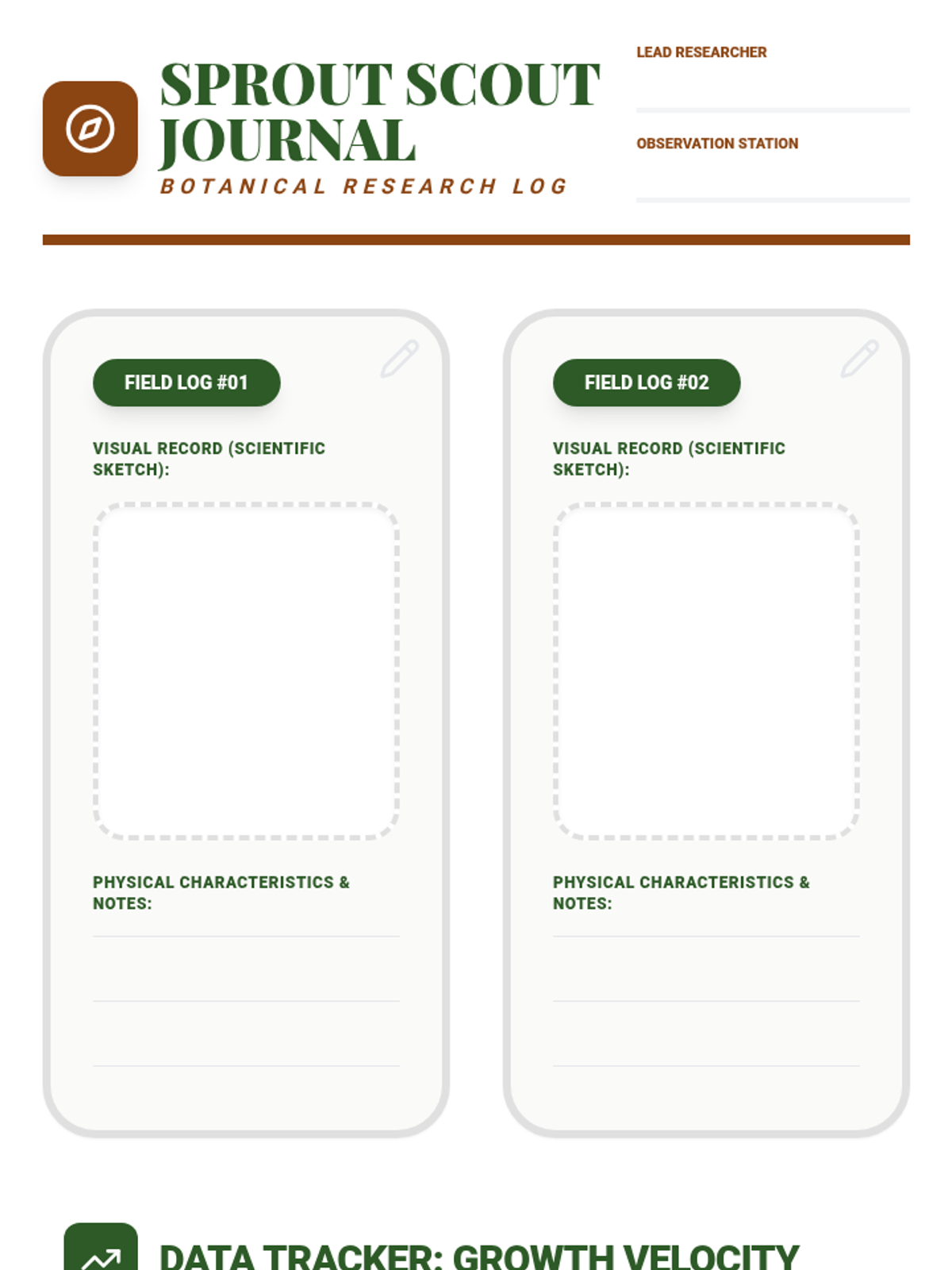
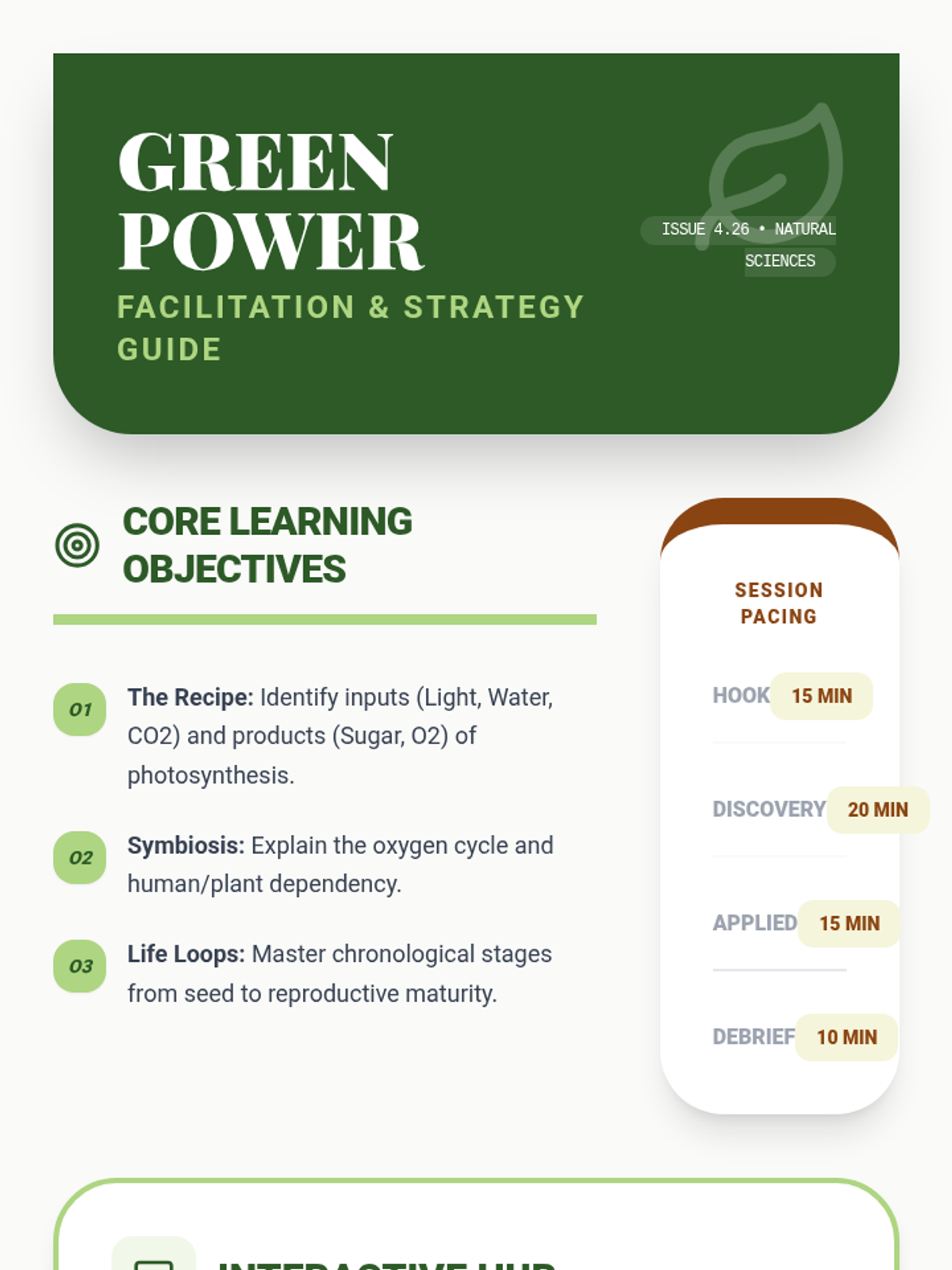
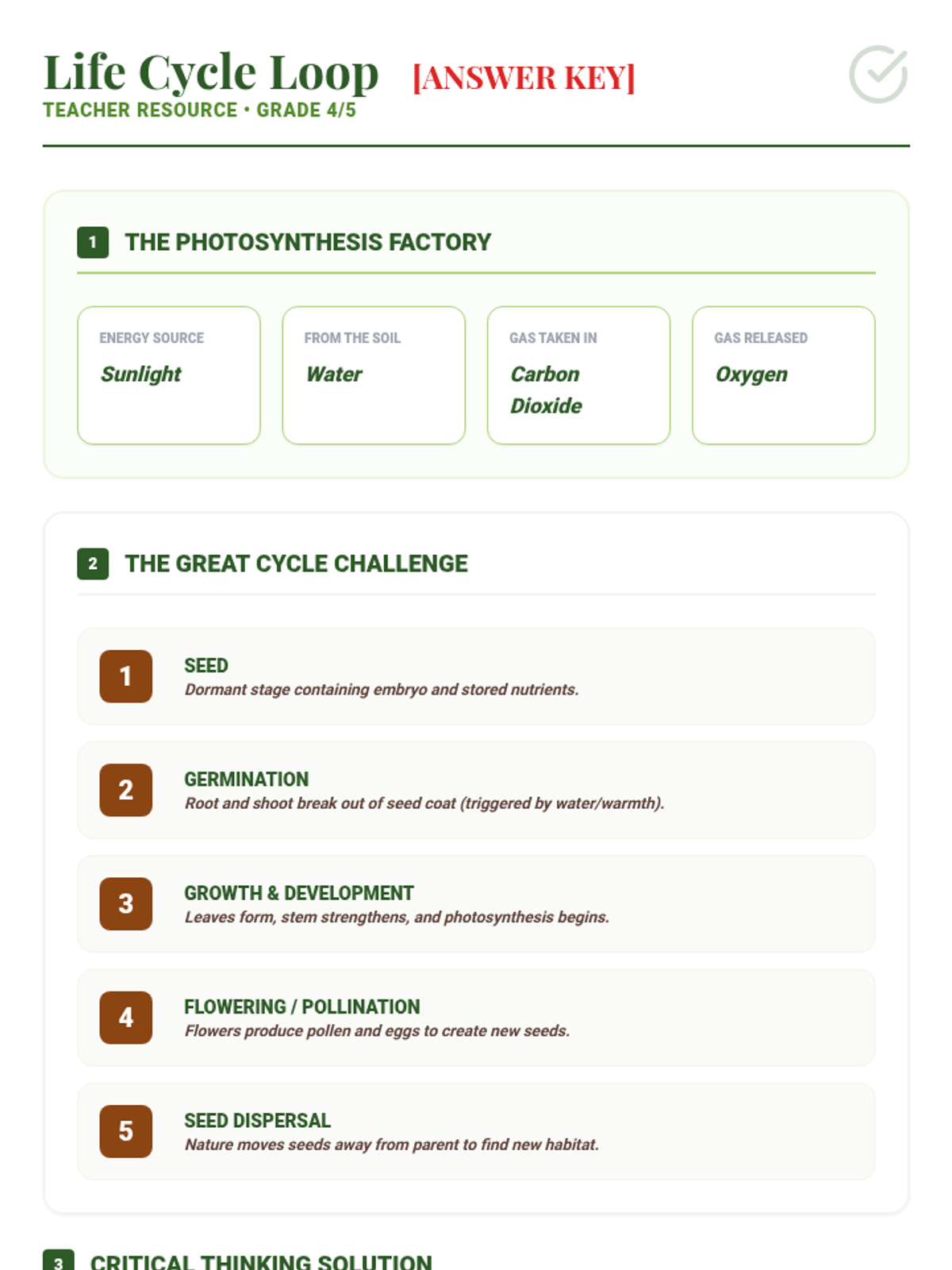
A comprehensive exploration of photosynthesis and plant life cycles designed for Grade 4/5 students. Students will learn how plants harness solar energy to create food and follow the developmental stages of a plant from seed to maturity.