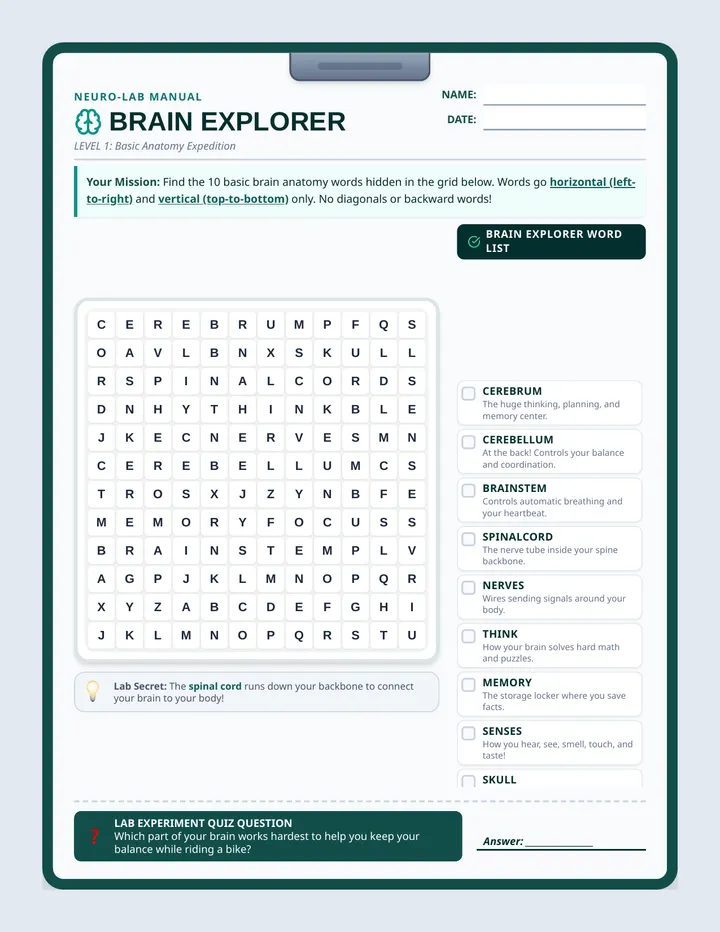
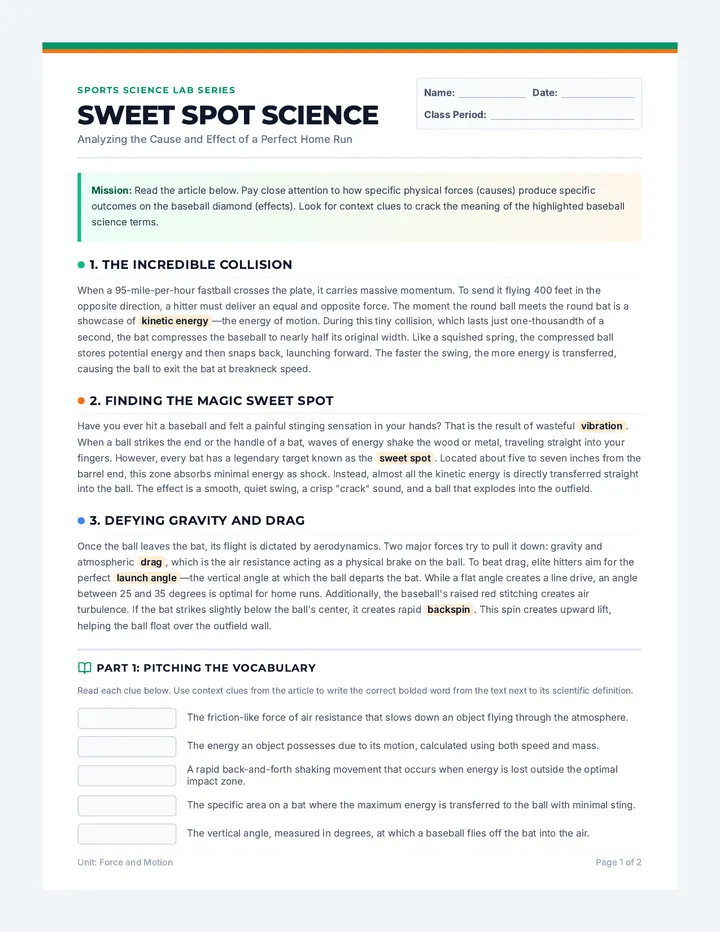
A comprehensive lesson exploring the scientific causes, effects, and prevention of brain freeze (ice cream headaches). Students read an informational text, analyze evidence, and understand the biological protection mechanisms of the brain.
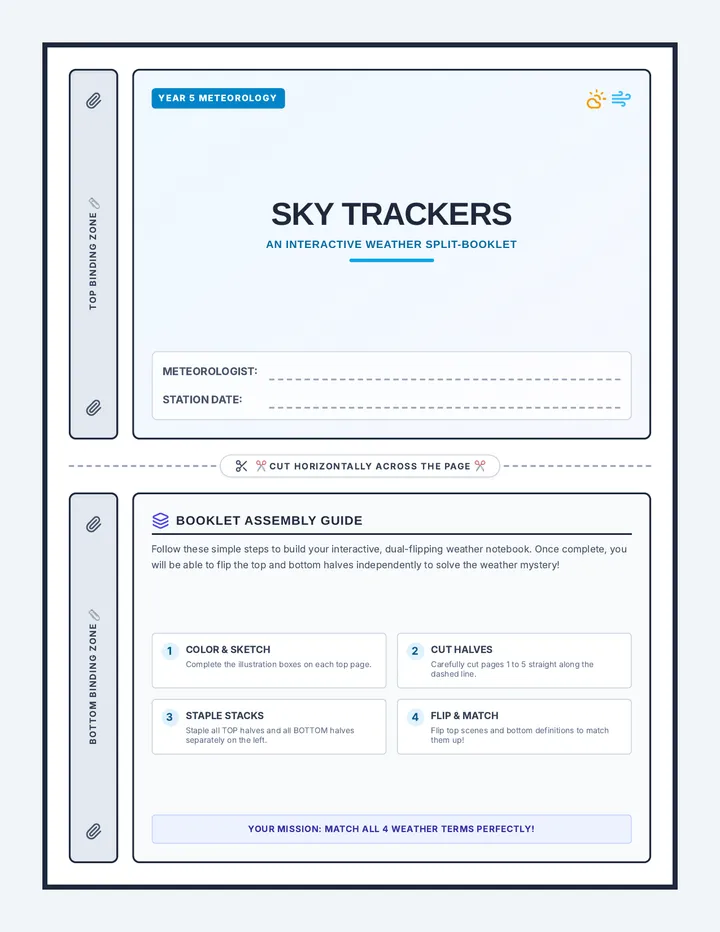
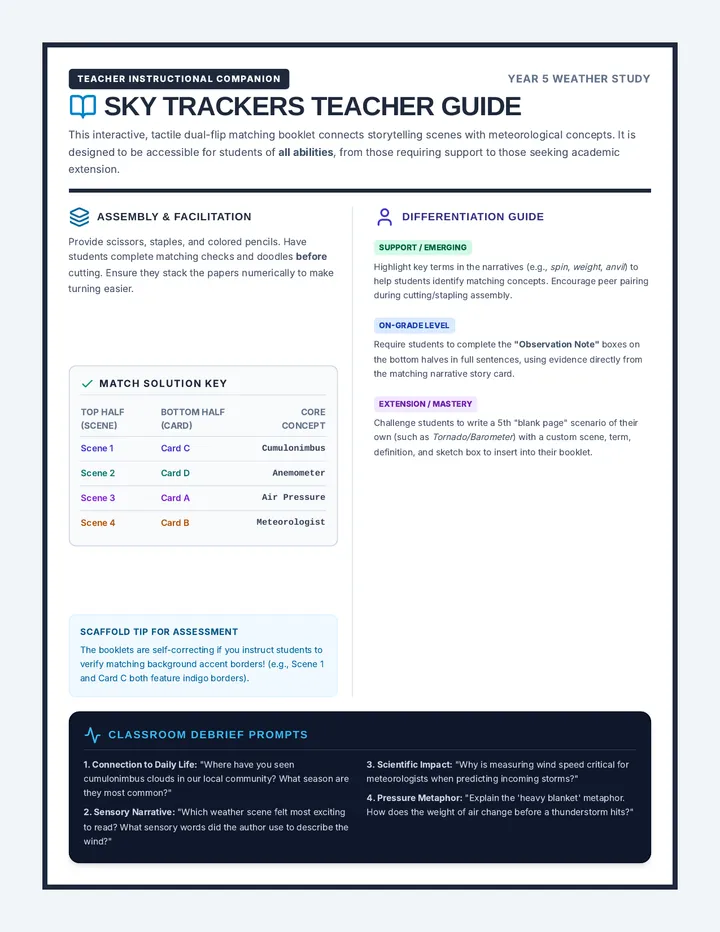
Students become meteorologists to investigate air pressure, temperature, and moisture. They simulate fronts and interpret weather maps to understand the Earth's atmospheric systems.
A comprehensive exploration of photosynthesis and plant life cycles designed for Grade 4/5 students. Students will learn how plants harness solar energy to create food and follow the developmental stages of a plant from seed to maturity.
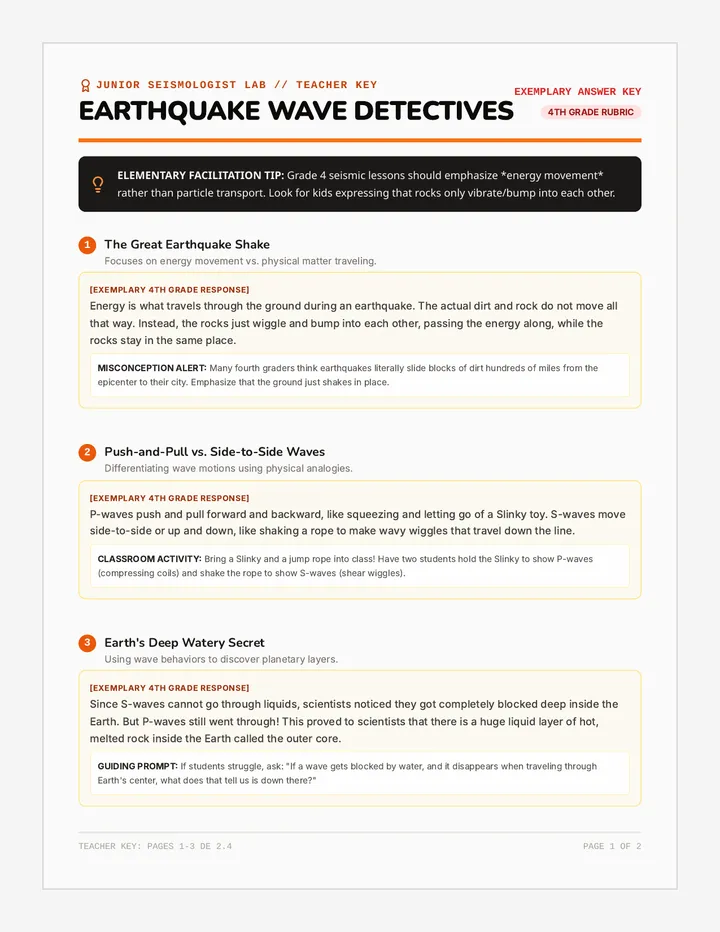
An interactive exploration of Earth's shifting plates, boundary types, and the evidence for continental drift. Students will analyze how the lithosphere moves and the landforms created by these massive geological forces.
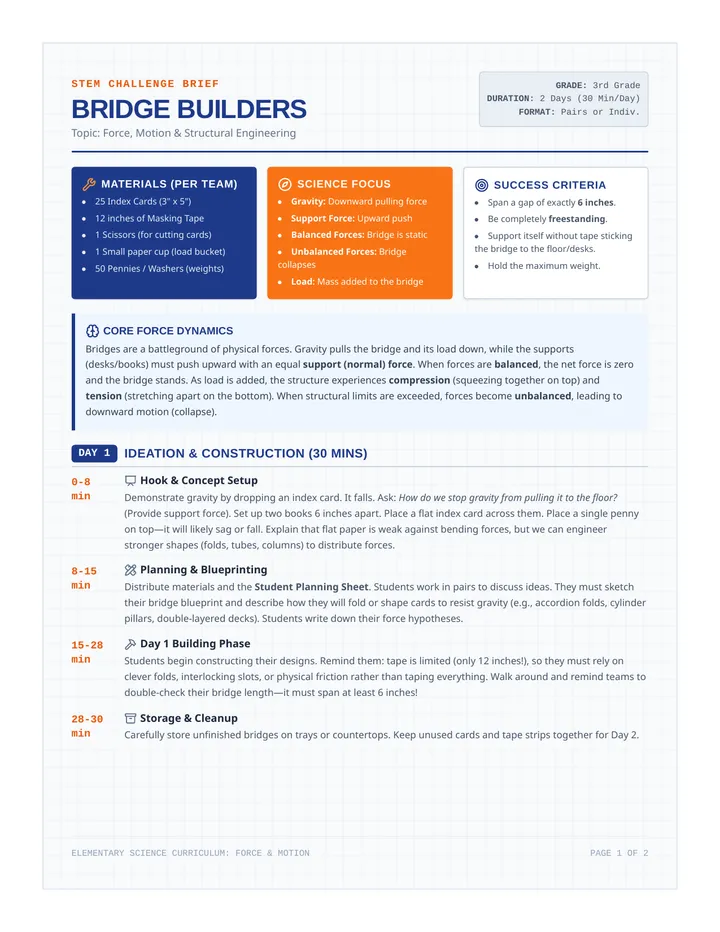
A 3rd-grade science lesson exploring seed dispersal mechanisms through inquiry and engineering. Students learn about wind, water, and animal transport before designing their own seed models to test dispersal adaptations.
An inquiry-based science lesson for 3rd graders exploring the diverse adaptations of seeds for dispersal, culminating in an engineering challenge to design effective seed models.
A beginner-friendly introduction to Blender 4.0, focusing on navigation, object transformations, and essential edit mode tools for 3D modeling.
A field-based science lesson where students investigate urban ecosystems, identifying and documenting plant and animal life in developed environments to understand biodiversity and environmental stewardship.
A hands-on laboratory investigation where students explore how varying wire coils, voltage, and core materials affect the strength of an electromagnet.
A sensory-rich lesson for K-3 students focusing on fine motor skills and plant life cycles through tactile seed sorting and indoor gardening. Students practice pincer grasps and follow visual directions to start their own sprout journey.
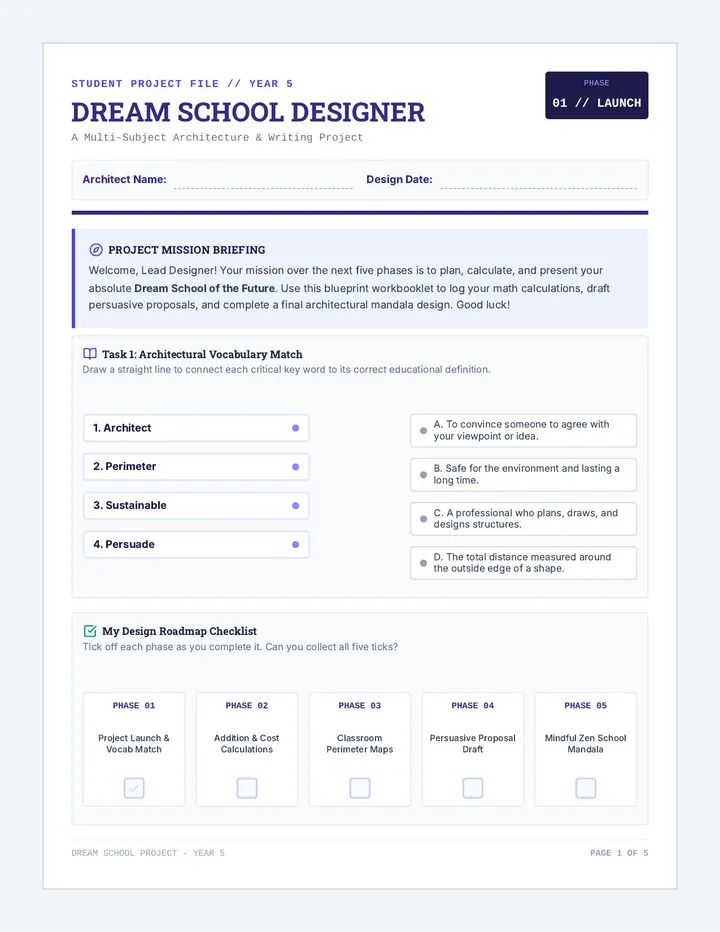
A 2-day independent project where students act as business managers to solve a critical company problem using the rational decision-making model. Students will research a scenario, evaluate alternatives, and present their final decision in a professional slide deck.
A vocabulary-focused lesson for 3rd grade ESL students to master key terms related to Earth's water, featuring interactive notebook activities and visual supports.
A comprehensive lesson to inspire and equip students to organize their own neighborhood or park cleanup for Earth Day. Includes background on Earth Day, the impact of waste, and a practical planning framework for student-led action.
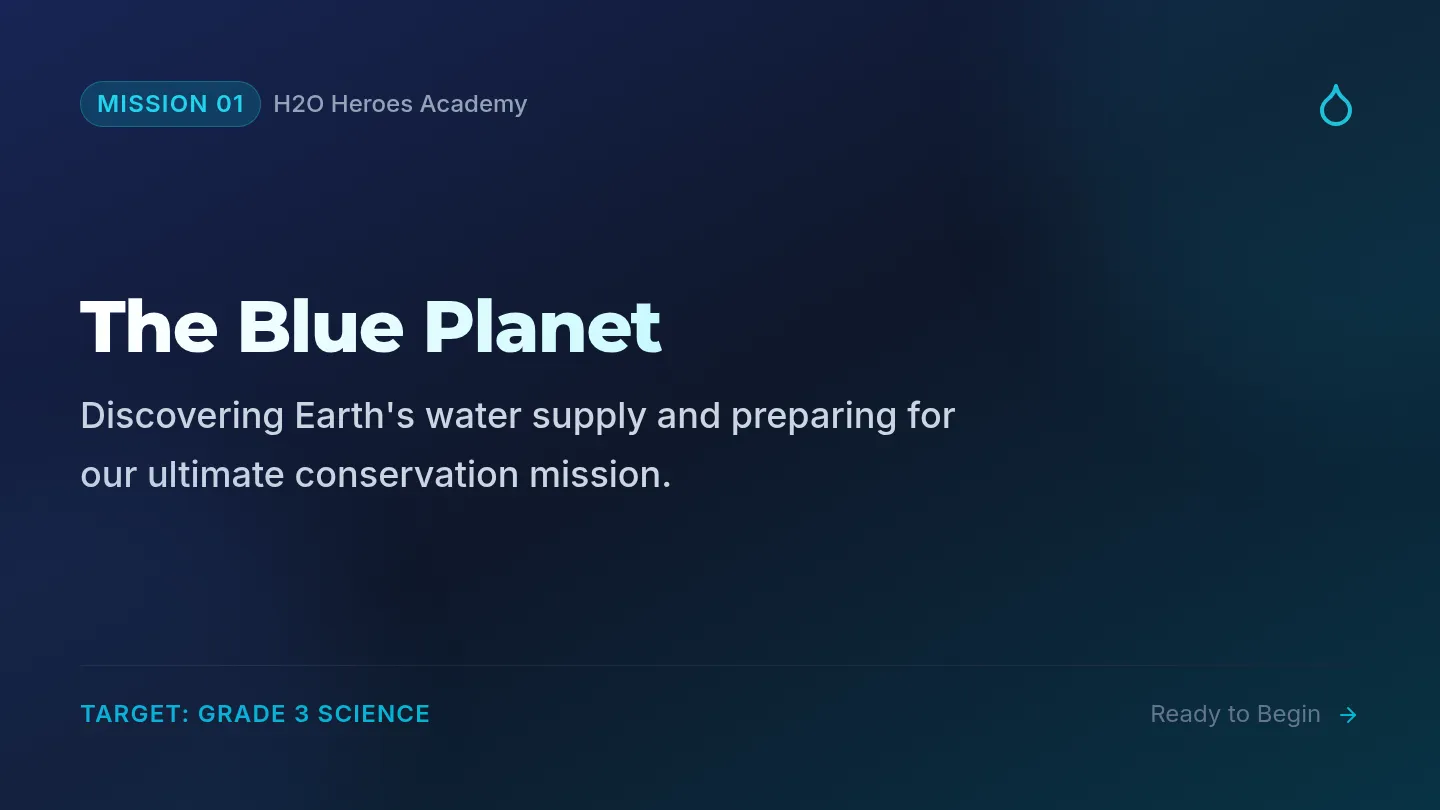
A lesson teaching students how to manage and conserve Earth's vital resources (air, water, soil, energy) and the difference between point and nonpoint source pollution.
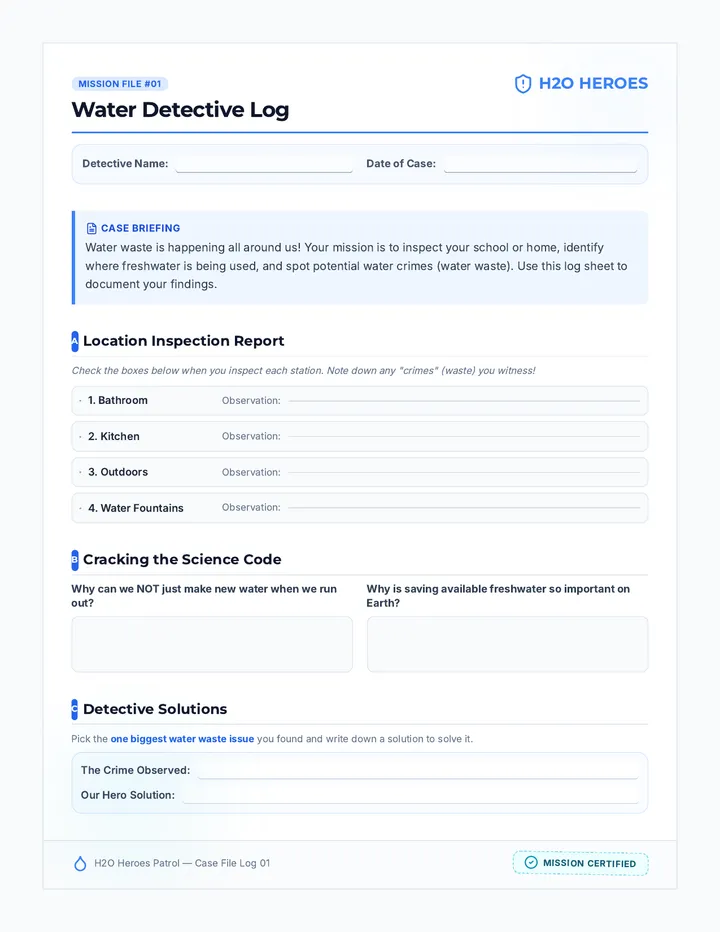
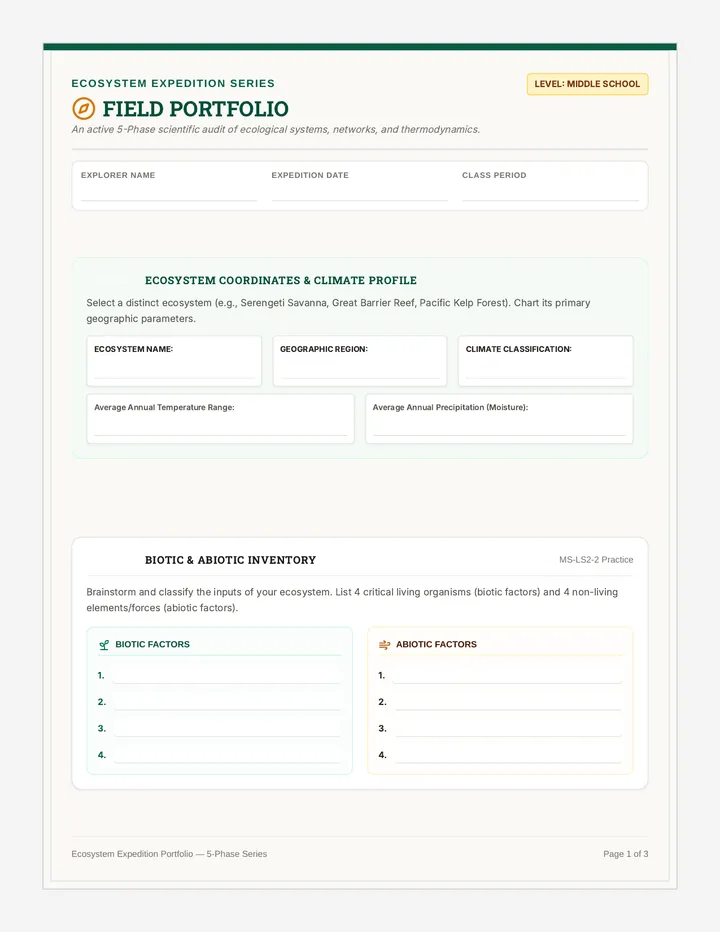
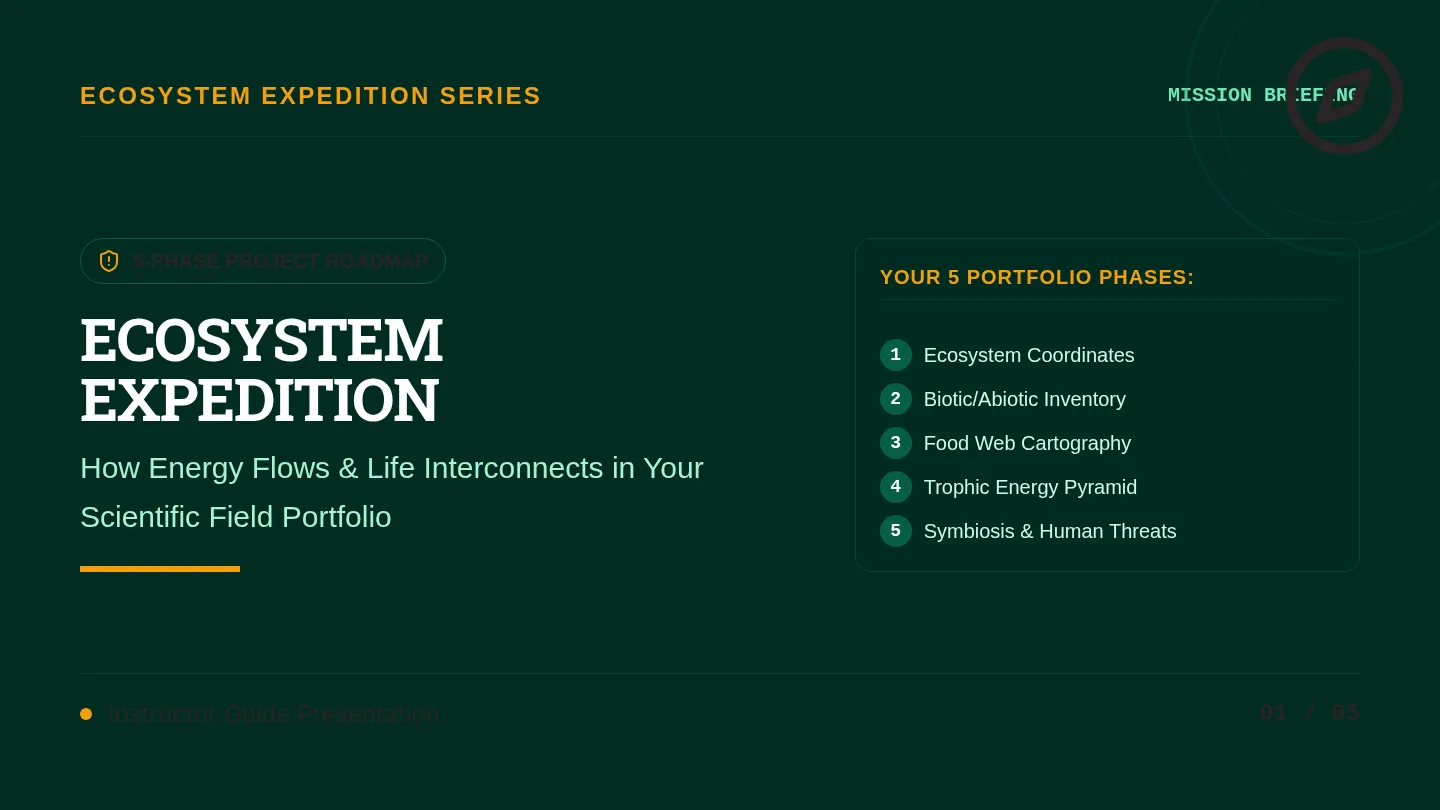
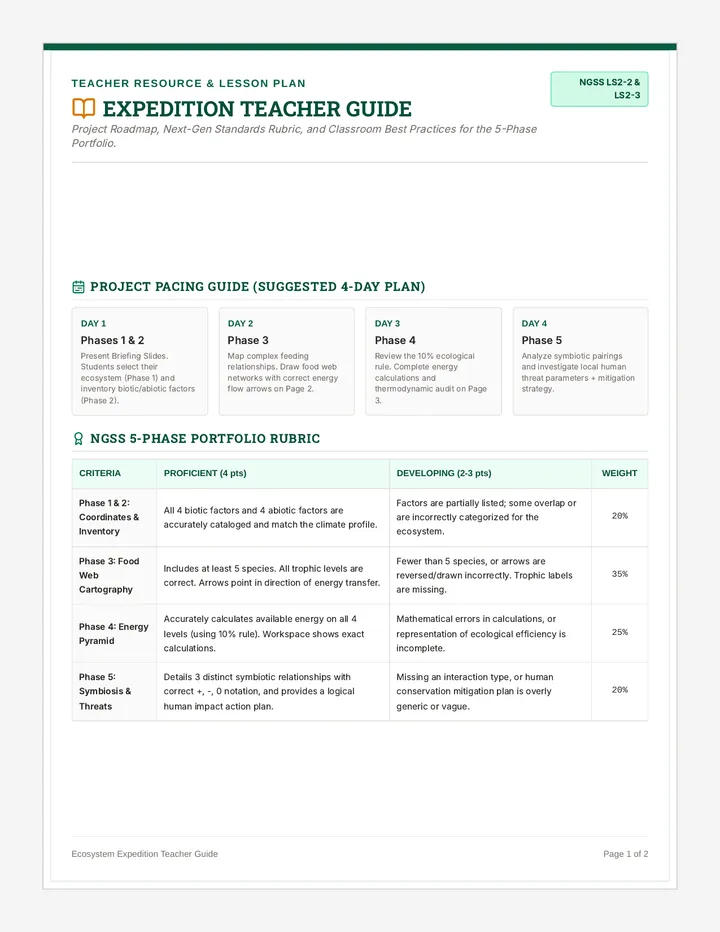
A comprehensive lesson exploring ecosystems as complex systems, focusing on food webs and subsystems across four major biomes: North American Forests, Oceans/Coral Reefs, Deserts, and Tropical Rainforests.
Students demonstrate their mastery of plant adaptations through a creative project and a summative assessment.
Students examine structural adaptations for defense and the role of stomata in gas exchange, understanding how plants protect themselves and breathe.
Students investigate plant behaviors and tropisms, exploring how plants respond to light, gravity, touch, and temperature to optimize growth and survival.