An undergraduate introductory geography lesson exploring the critical distinctions between natural hazards and disasters, utilizing the Hazard Evaluation Matrix (Magnitude, Time, Space) and analyzing social vulnerability and resilience.
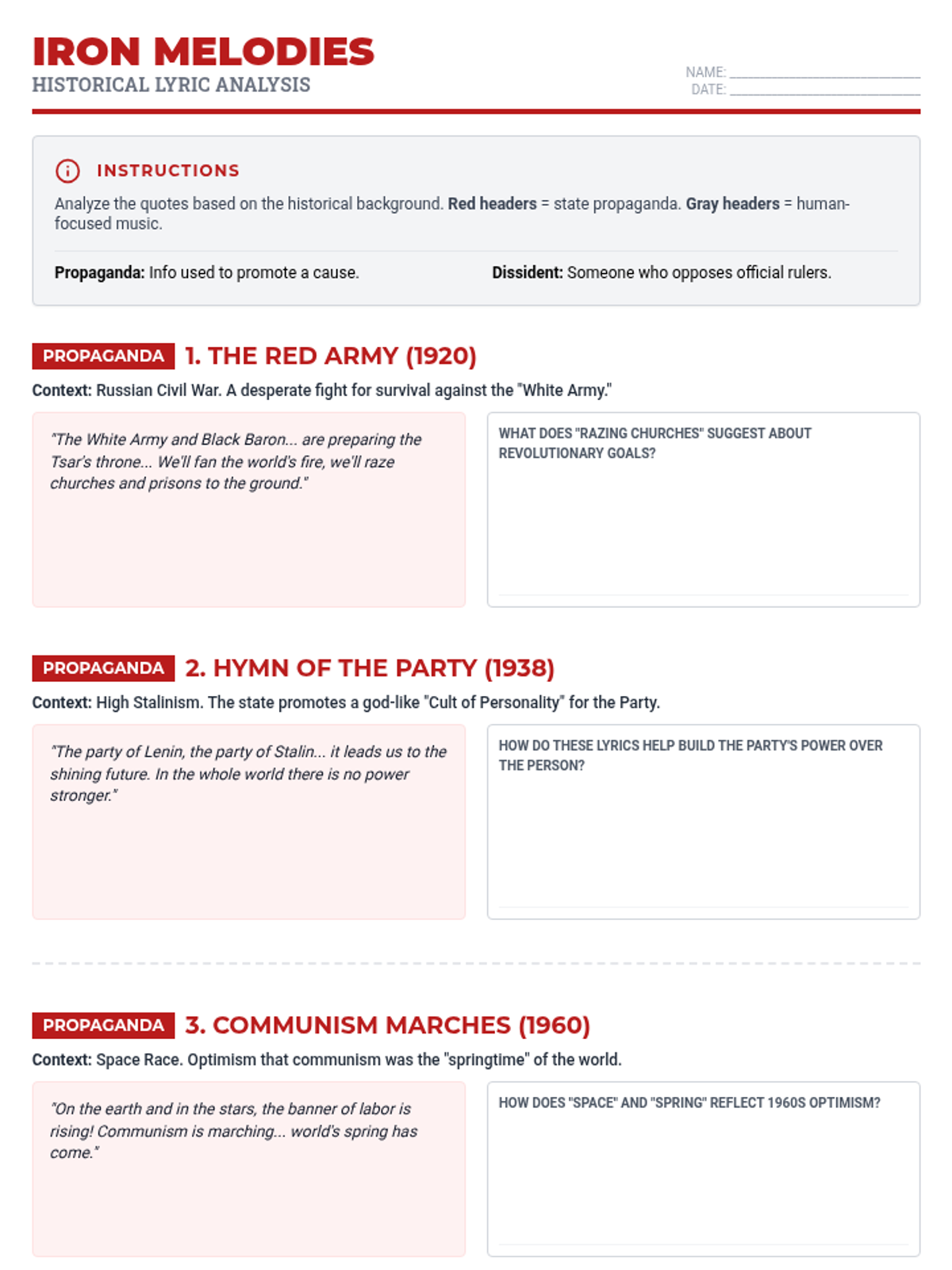
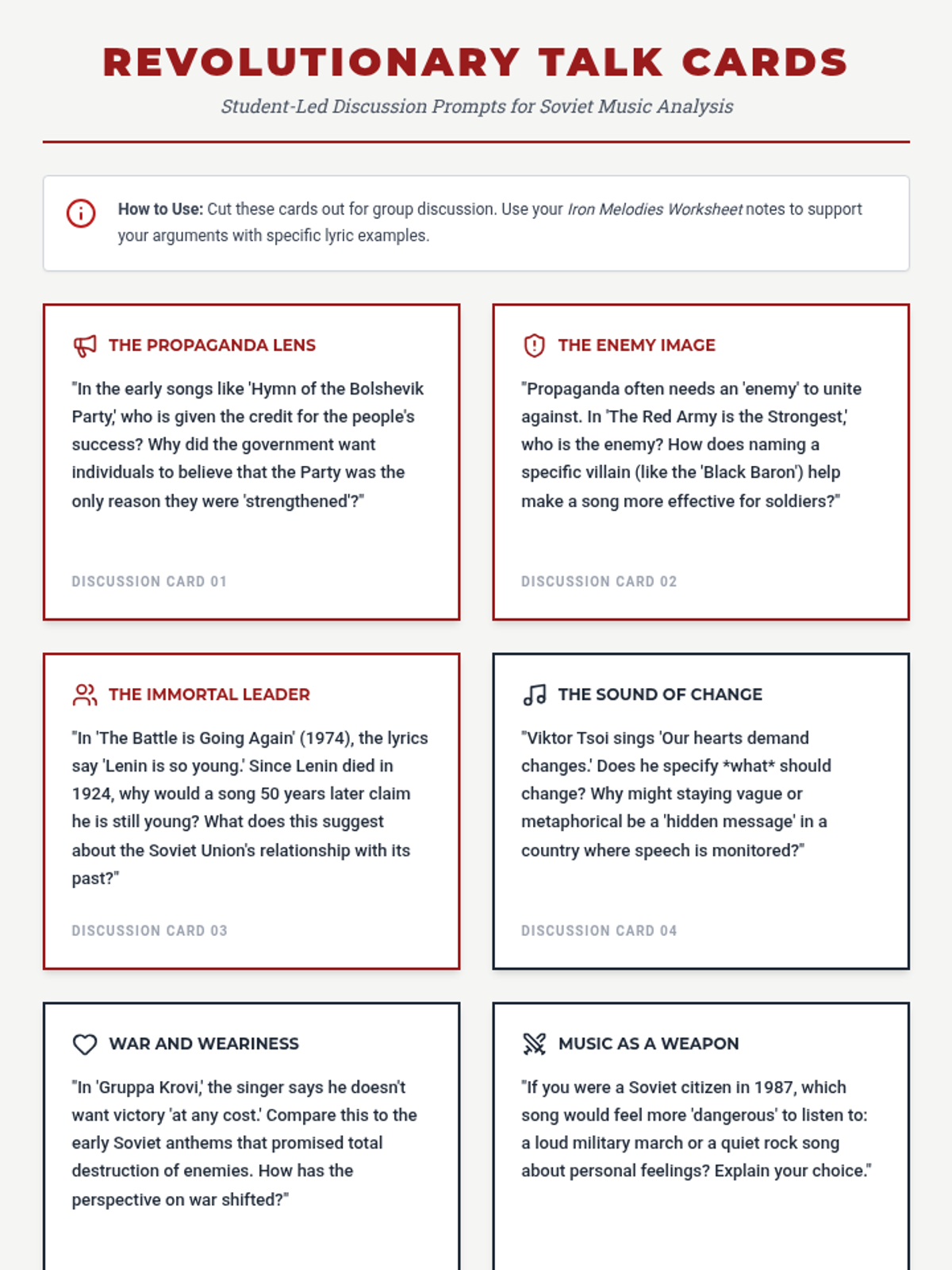
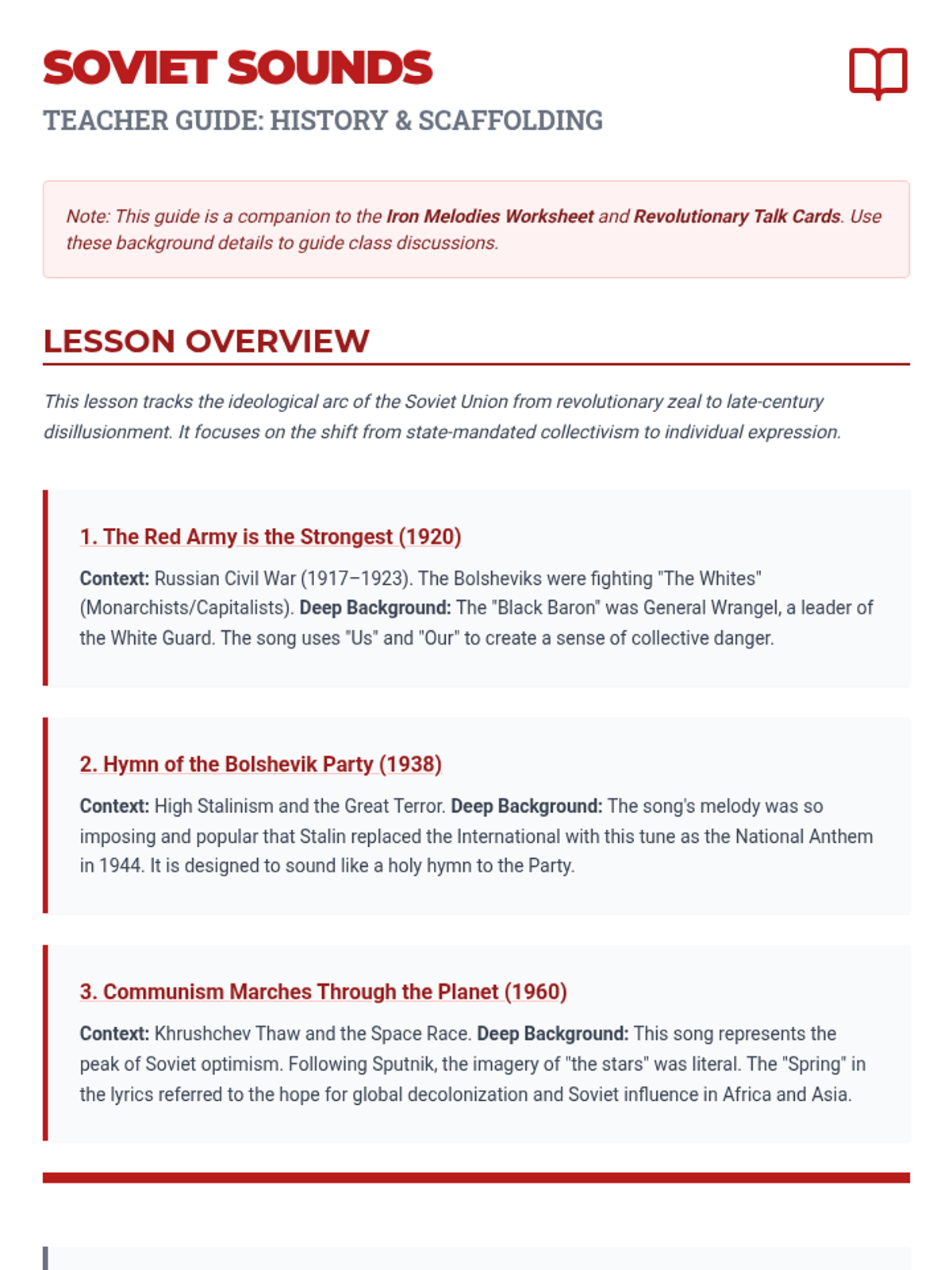
A deep dive into Soviet history through the lens of music, comparing early revolutionary propaganda with the dissident rock of the late 20th century. Students analyze lyrics to uncover state-sanctioned messages and the calls for change that eventually echoed through the USSR.
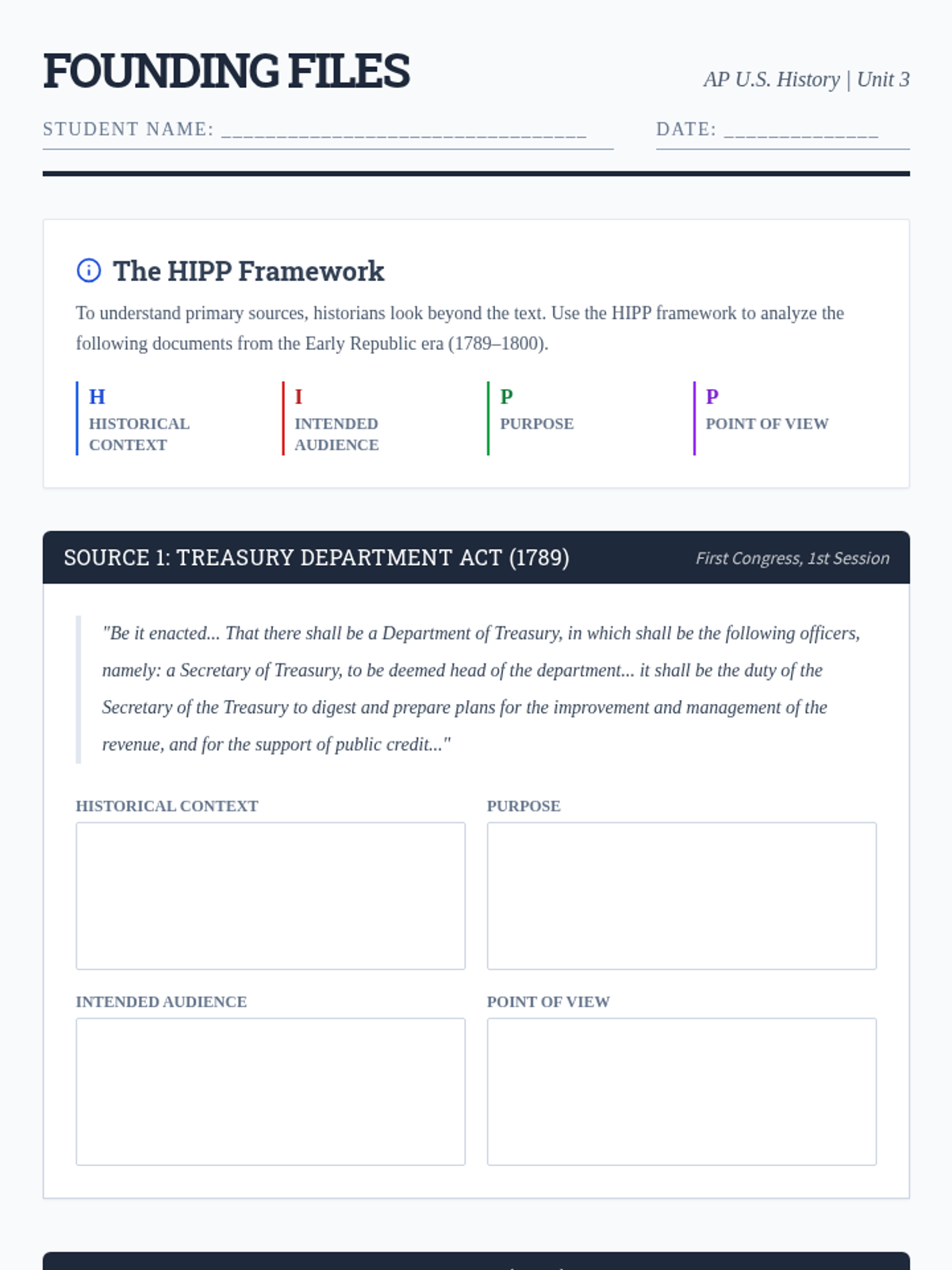
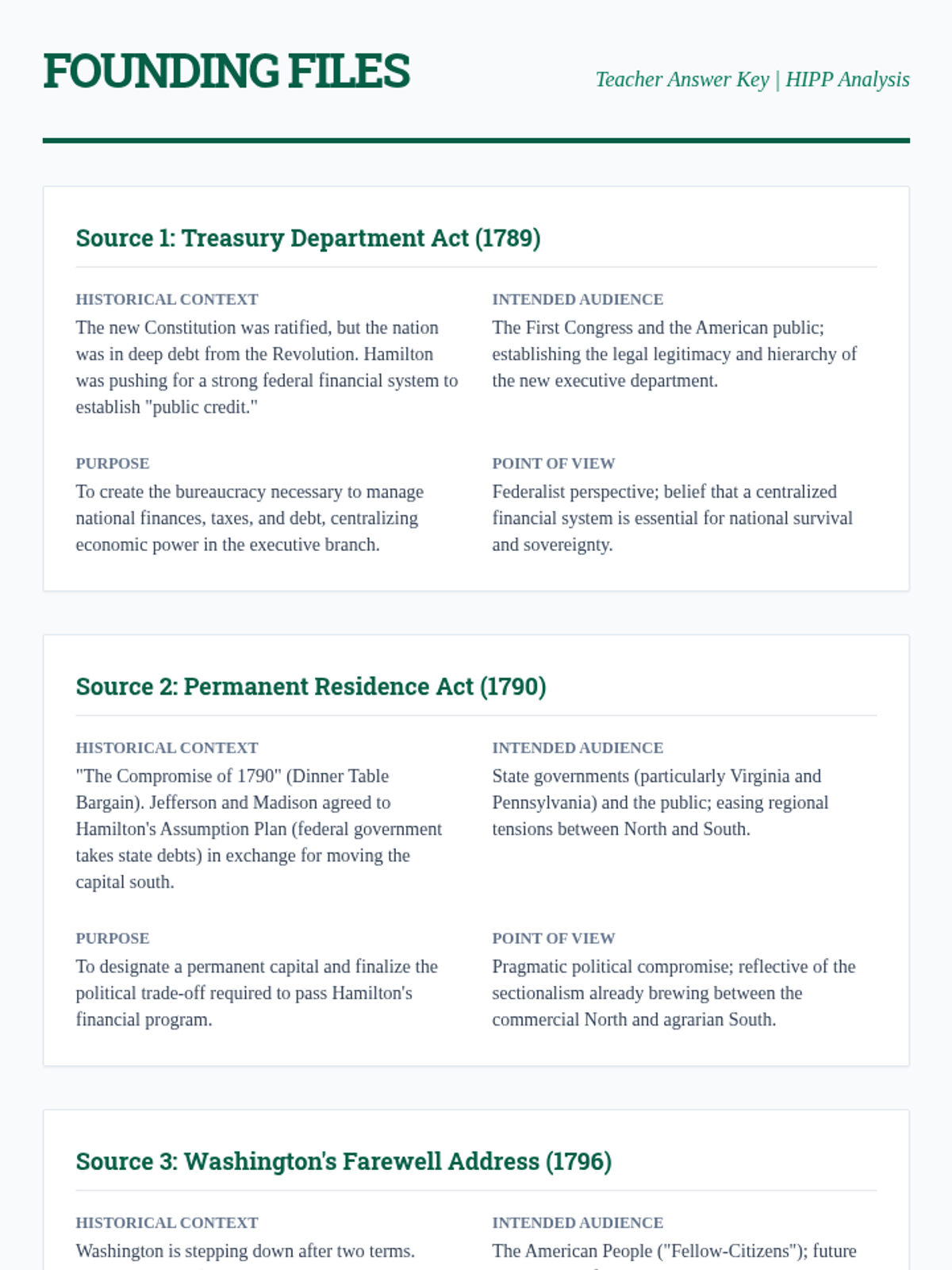
A primary source analysis lesson focusing on the early American Republic through the lens of foundational documents, using the HIPP framework to analyze political and social tensions.
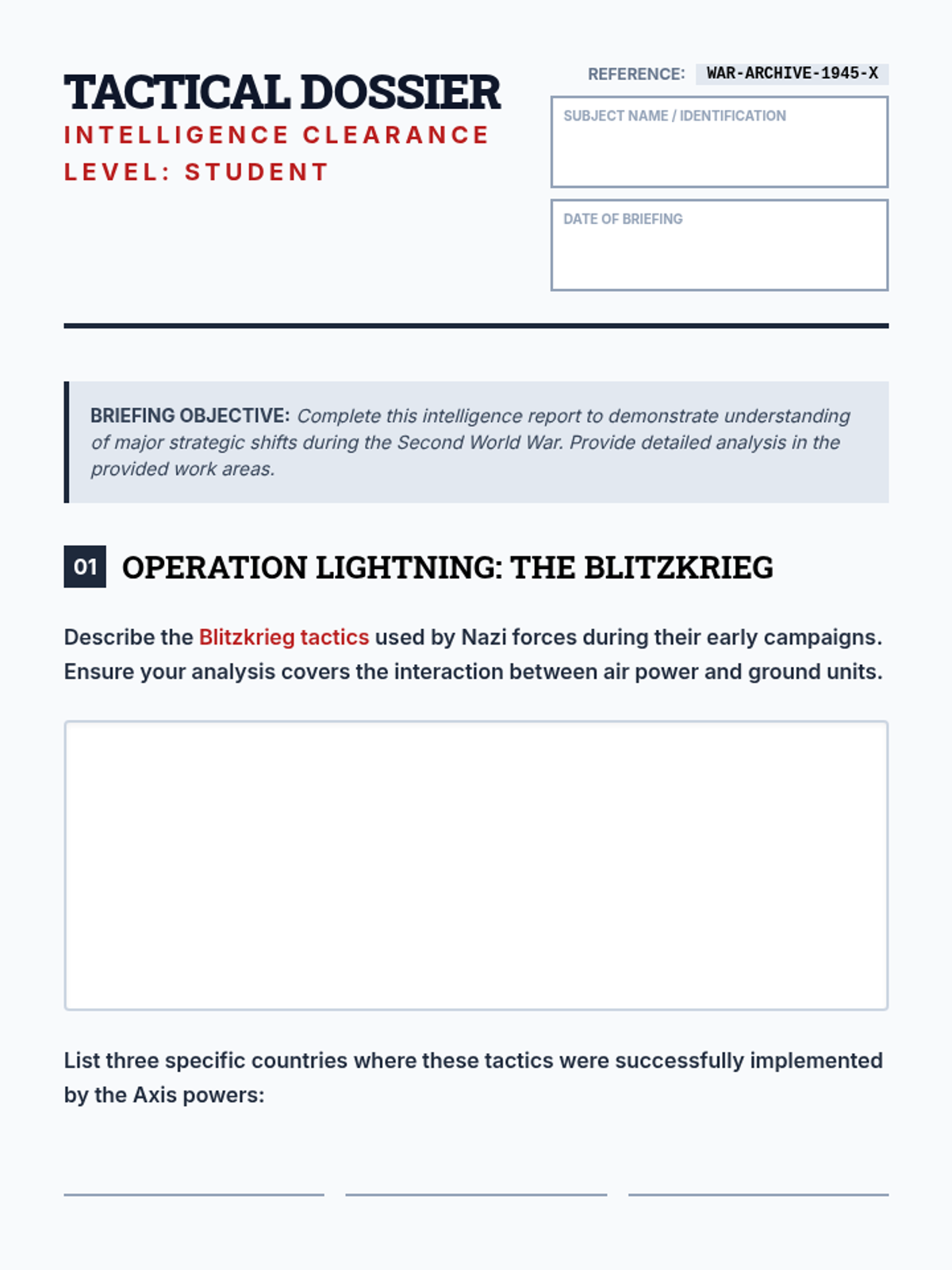
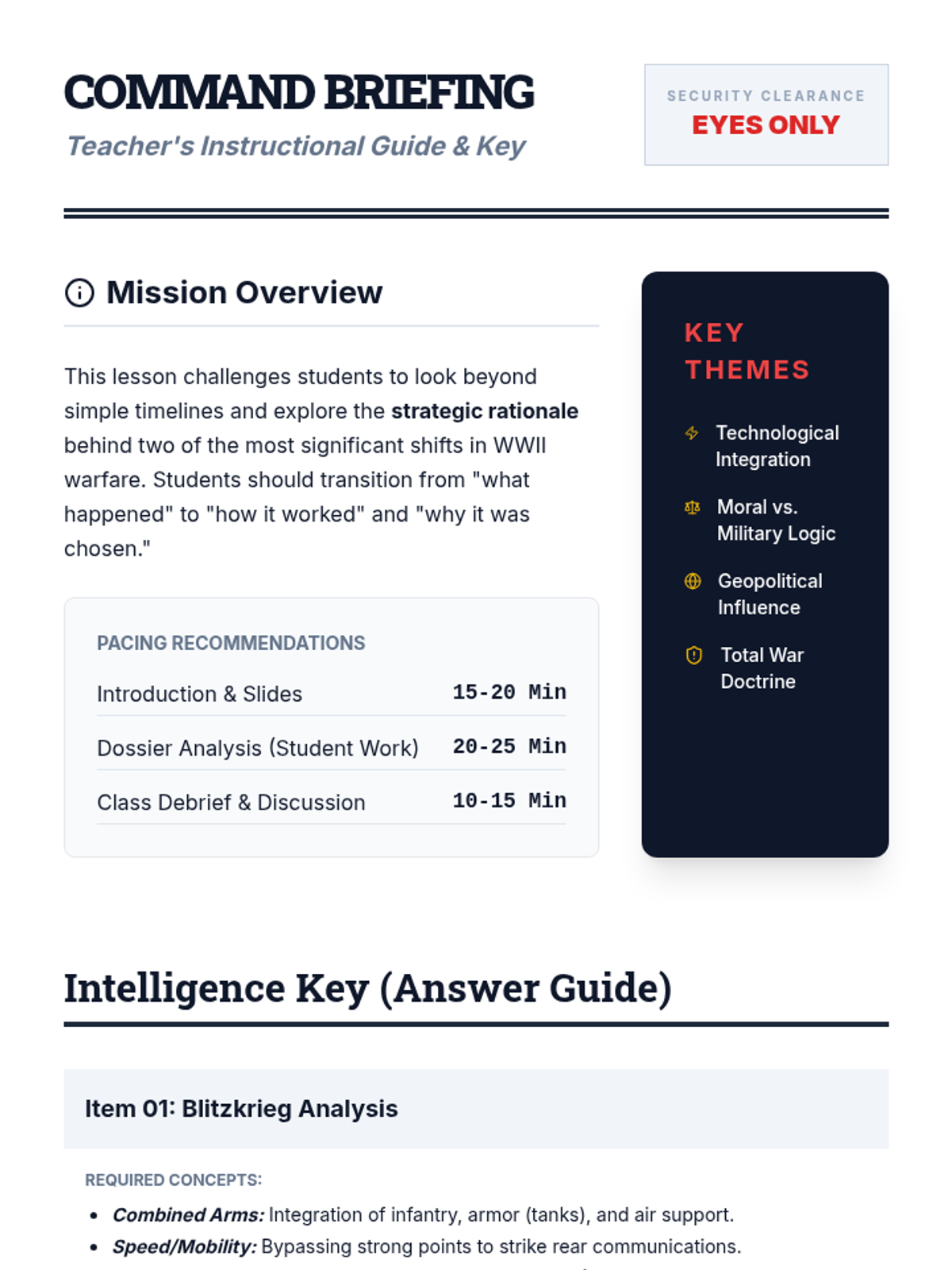
An exploration of two pivotal shifts in WWII strategy: the rapid-fire Blitzkrieg tactics of the Axis powers and the catastrophic decision-making behind the Atomic Bomb.
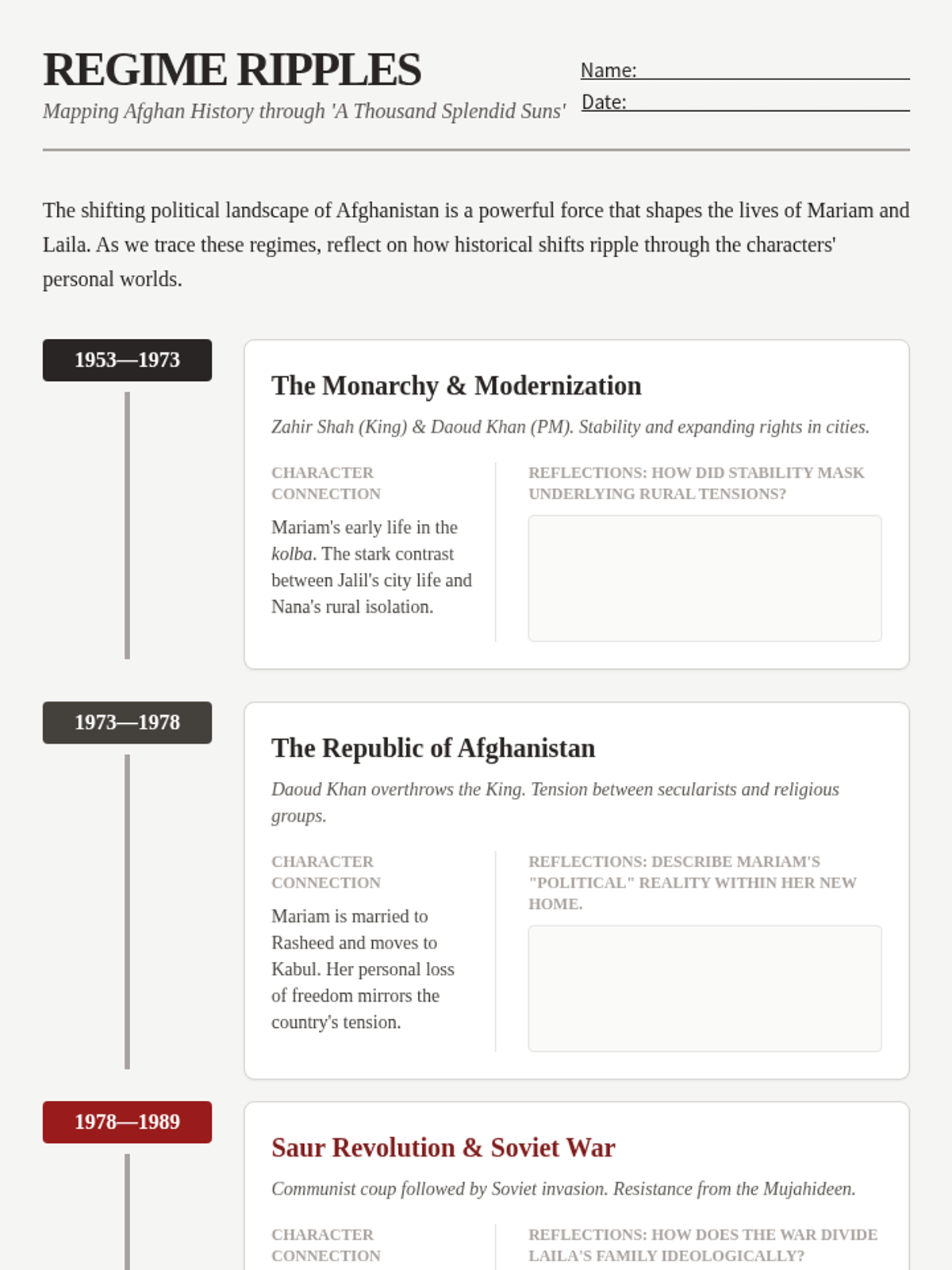
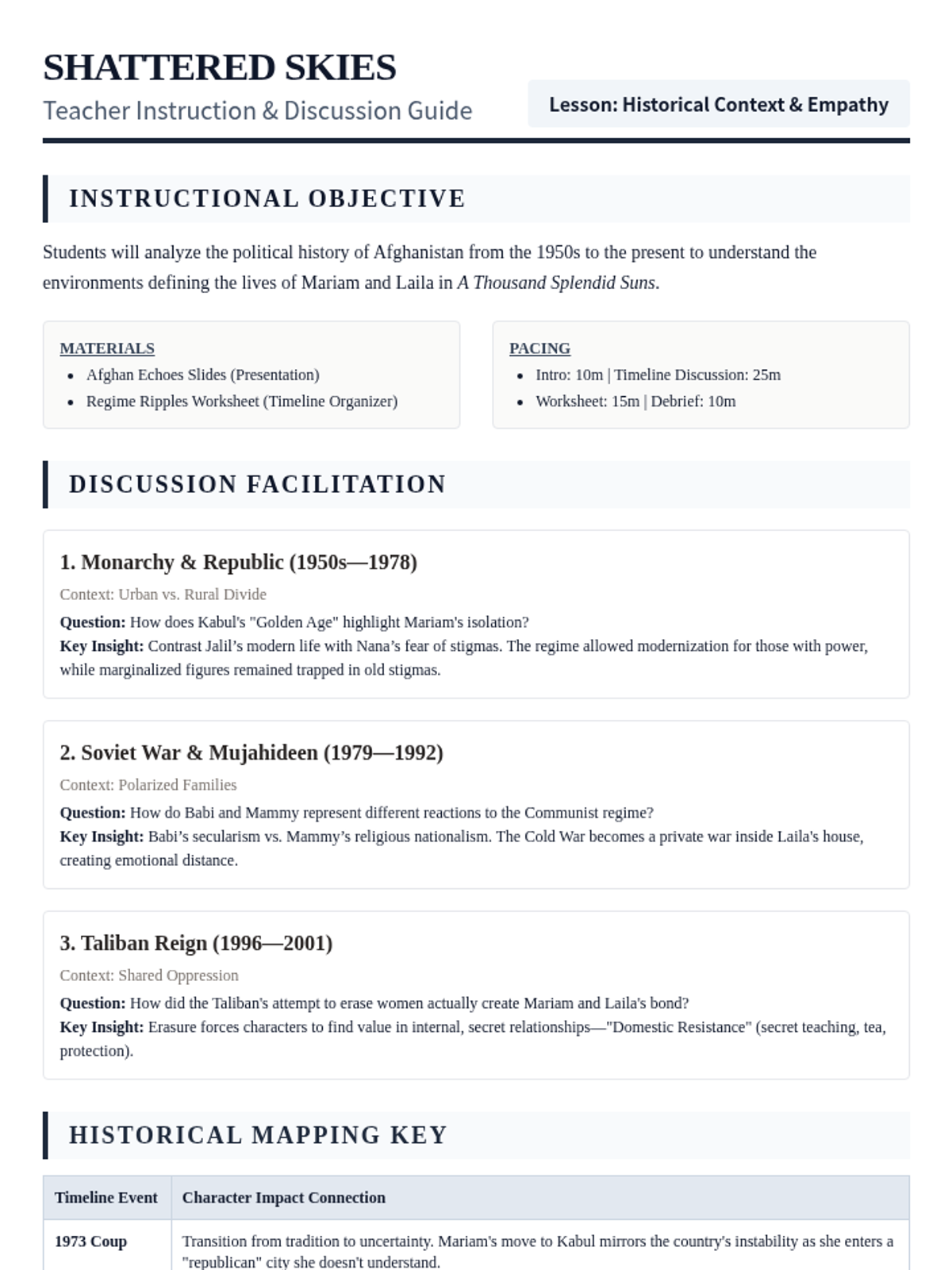
A deep dive into the historical timeline of Afghanistan from the 1950s to the present, mapping political regimes to the narrative arcs of Mariam and Laila to build empathy and historical literacy.
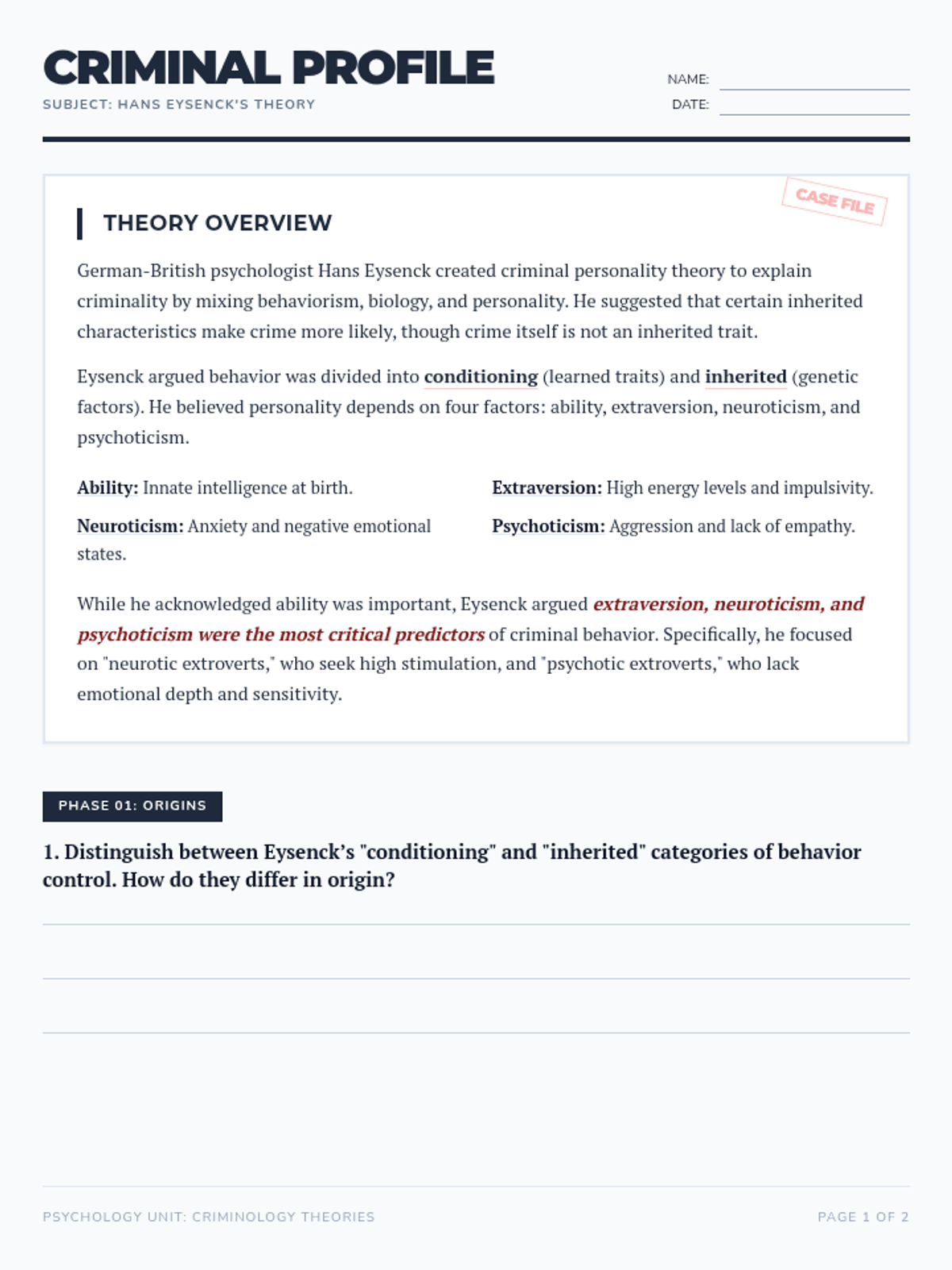
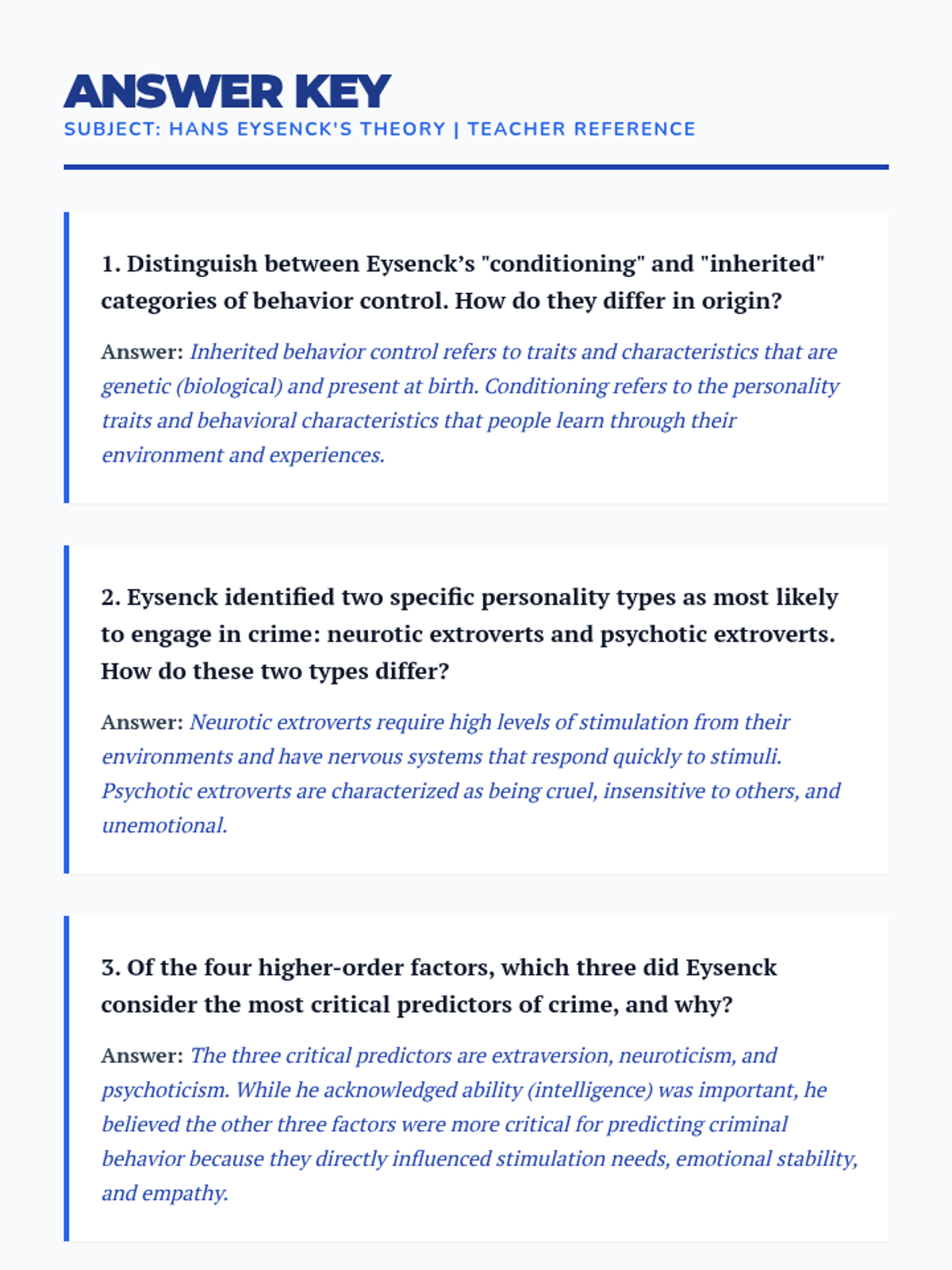
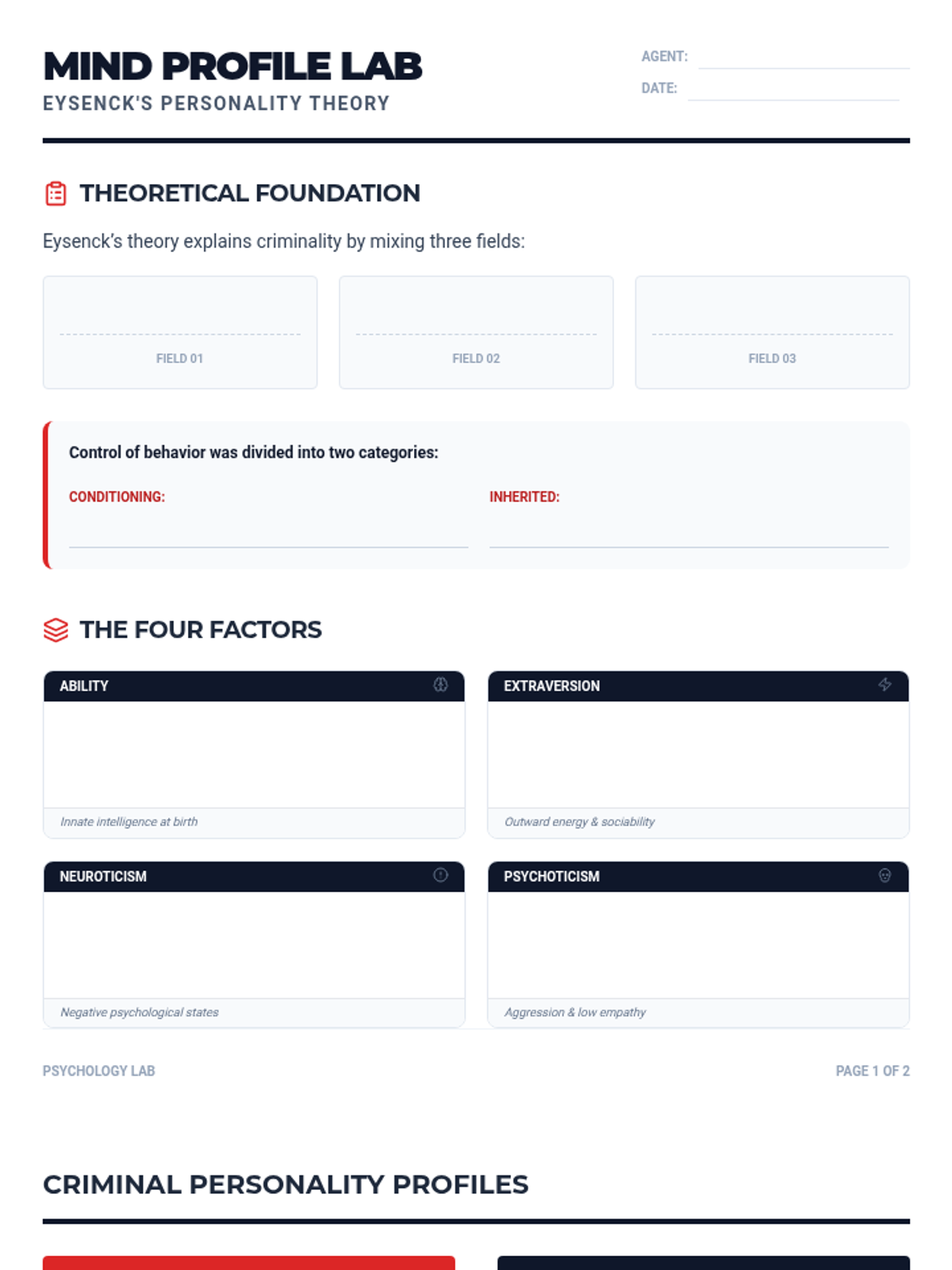
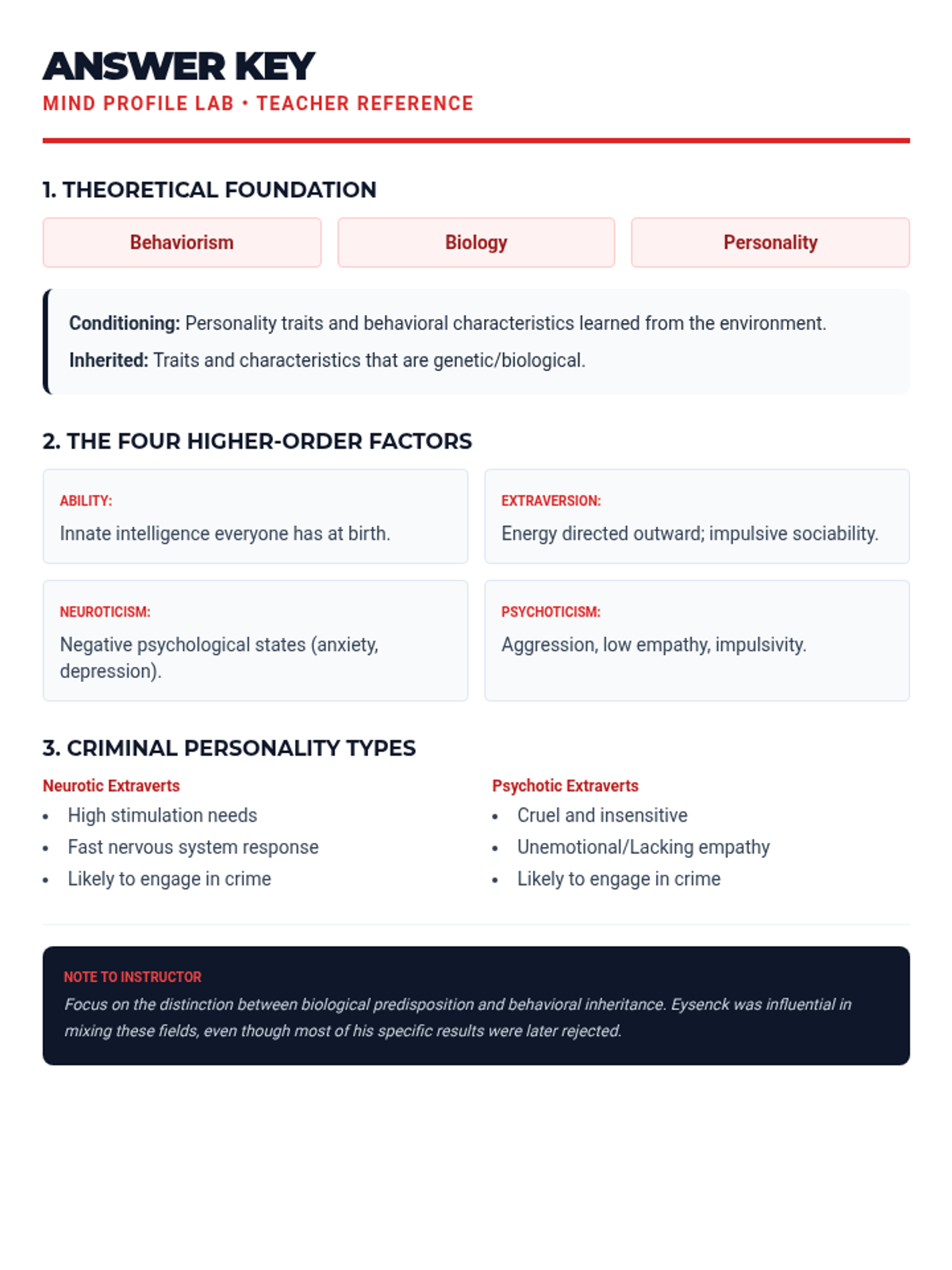
An exploration of Hans Eysenck's criminal personality theory, focusing on the intersection of biology, behaviorism, and personality traits like extraversion and neuroticism.
This lesson explores Hans Eysenck's criminal personality theory, focusing on the biological and environmental factors that contribute to criminal behavior and identifying the four higher-order factors of personality.
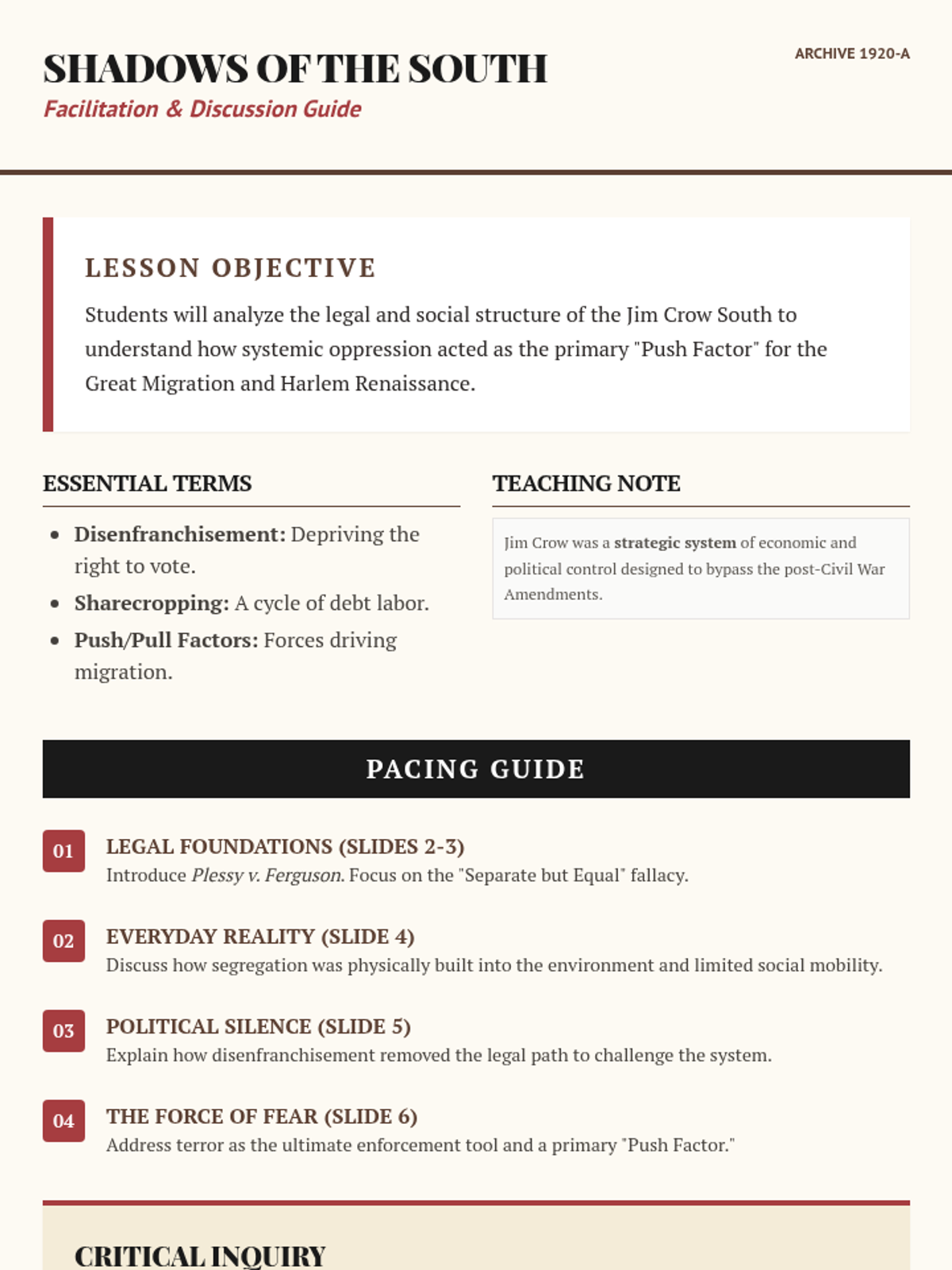
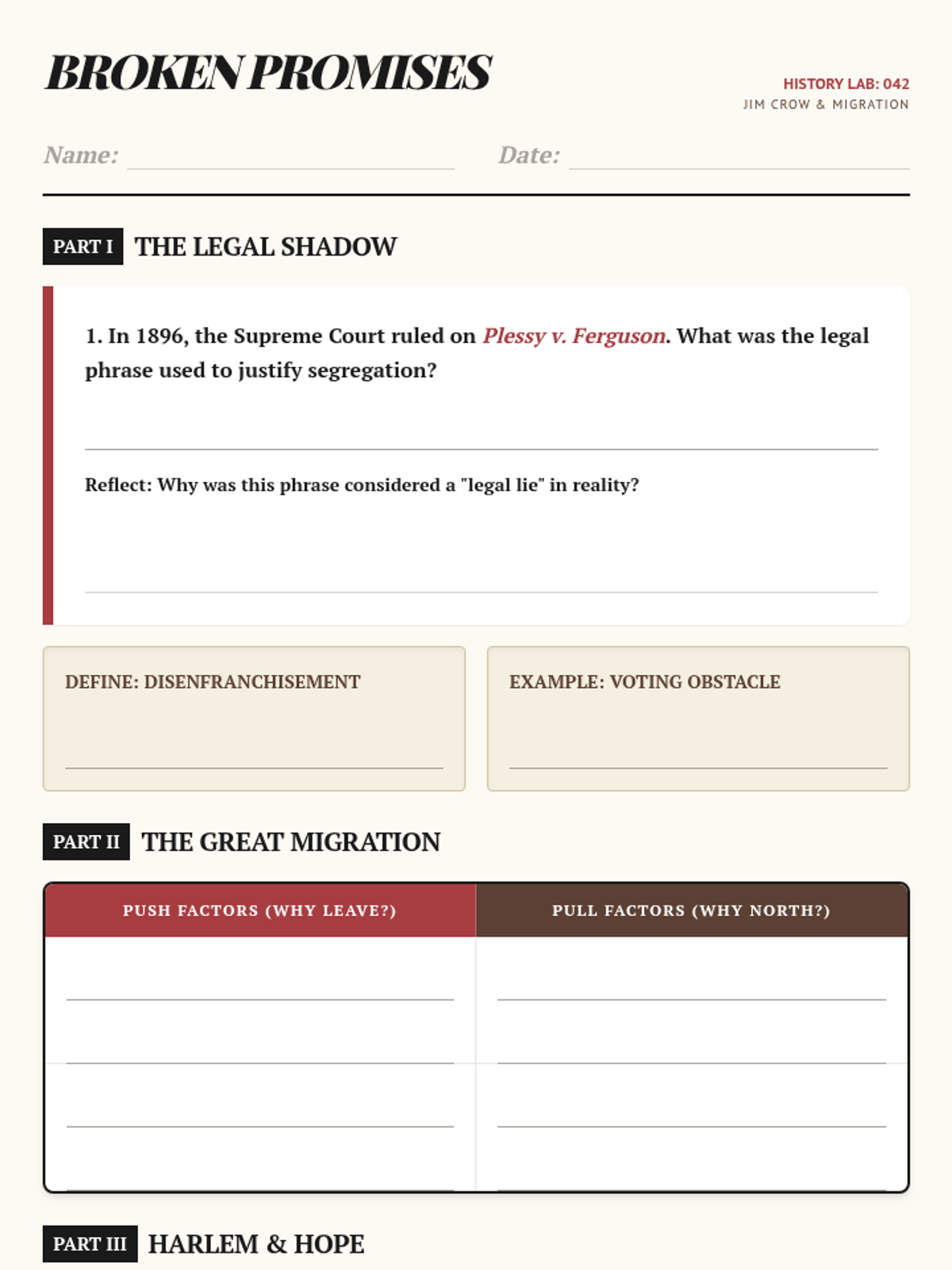
A foundational exploration of Jim Crow laws, their impact on Black American life, and how they served as the primary catalyst for the Great Migration and the Harlem Renaissance.
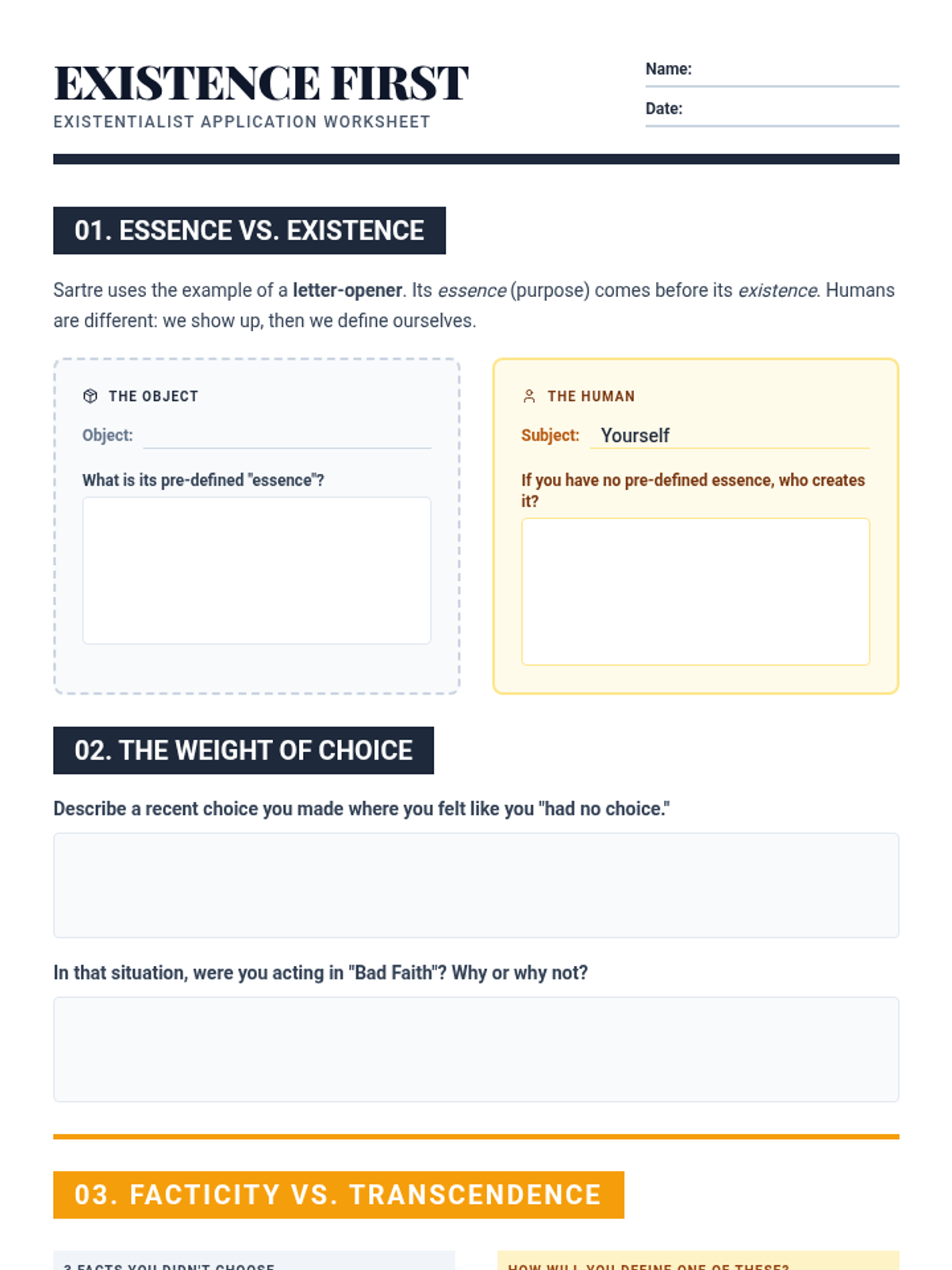
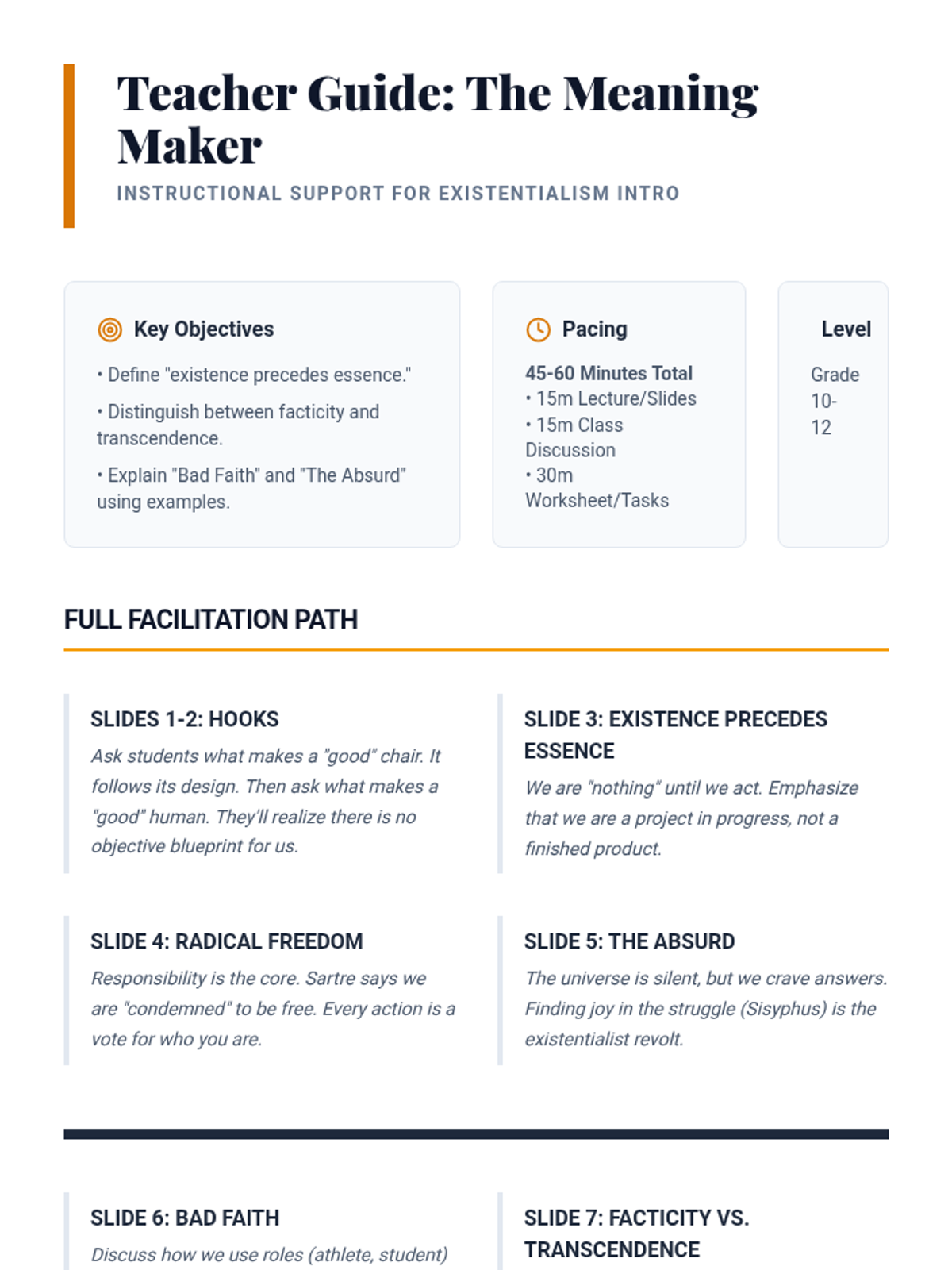
An introductory exploration of existentialist philosophy, focusing on the concepts of radical freedom, existence preceding essence, and the creation of personal meaning in an indifferent universe.
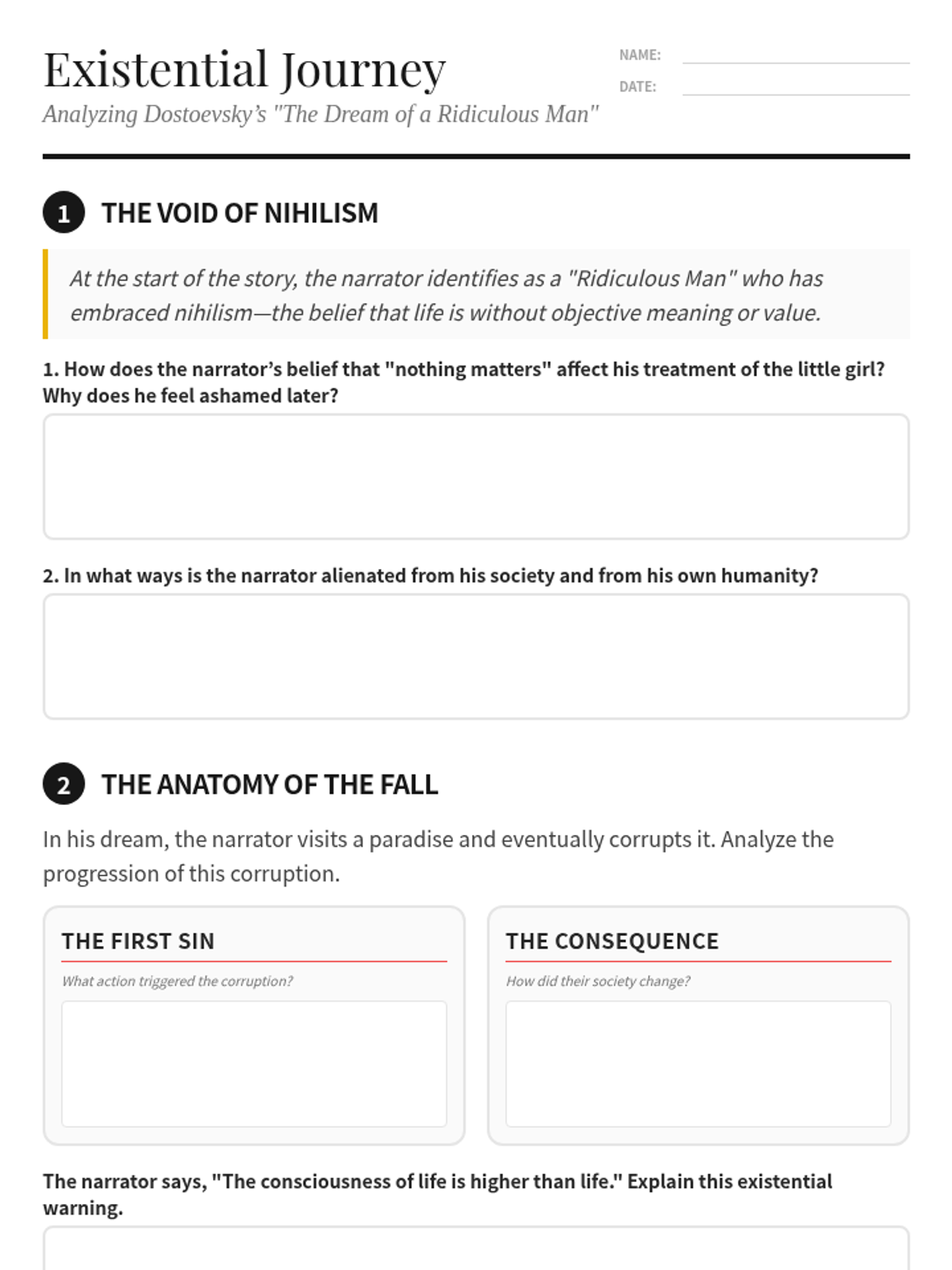
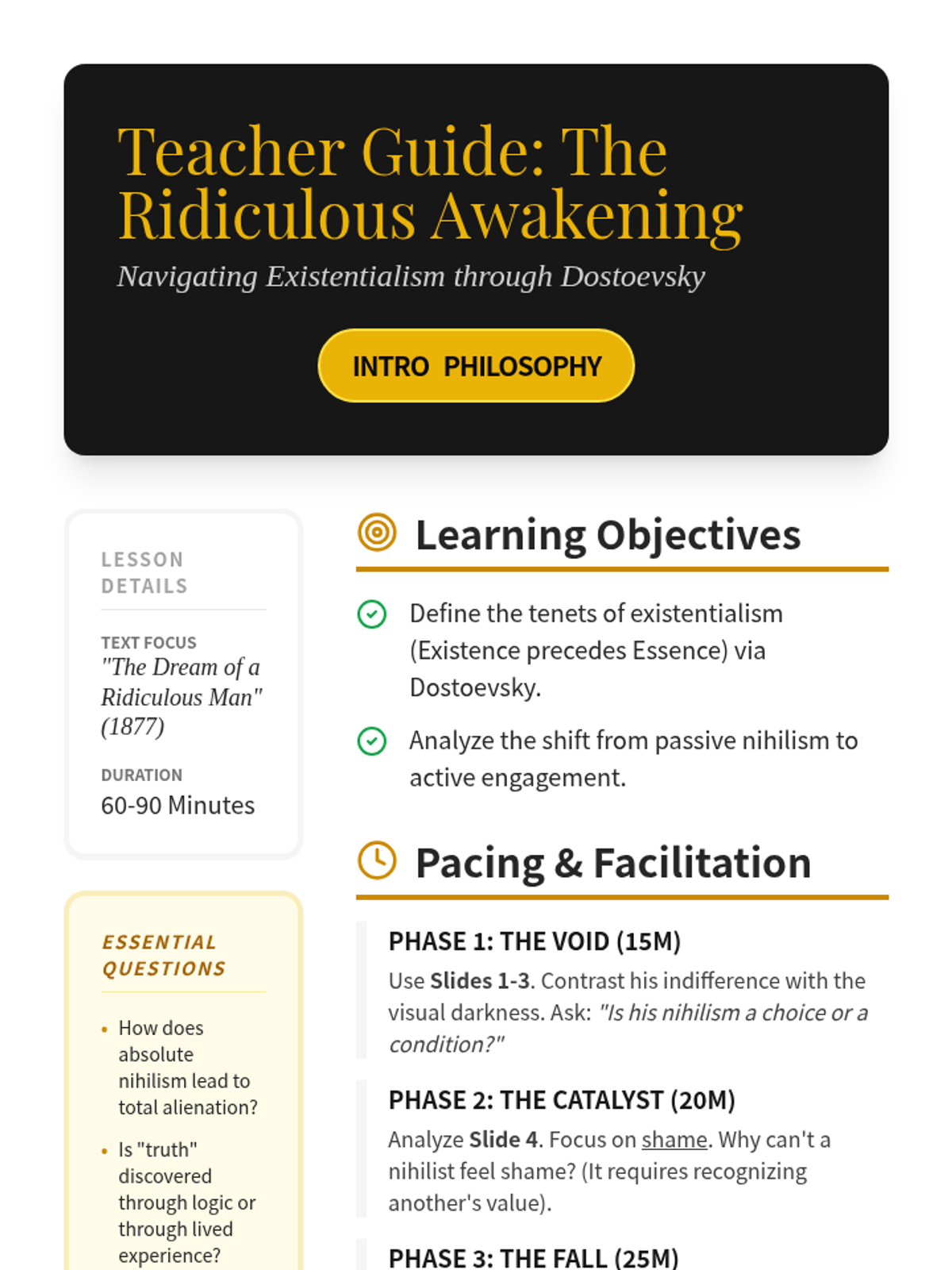
An introductory lesson on existentialist philosophy using Fyodor Dostoevsky's short story 'The Dream of a Ridiculous Man' as a case study. Students explore themes of nihilism, meaning-making, and individual responsibility.
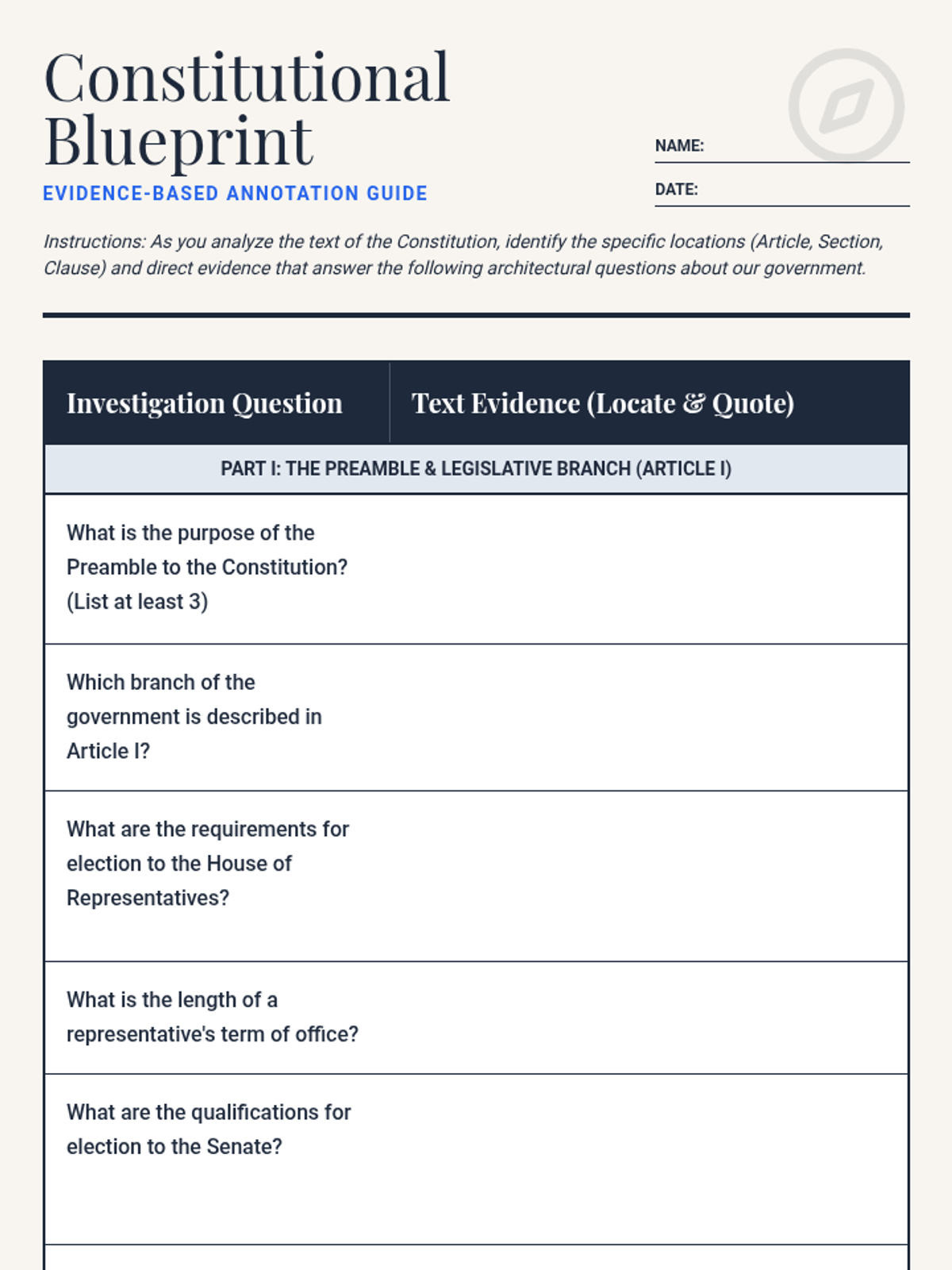
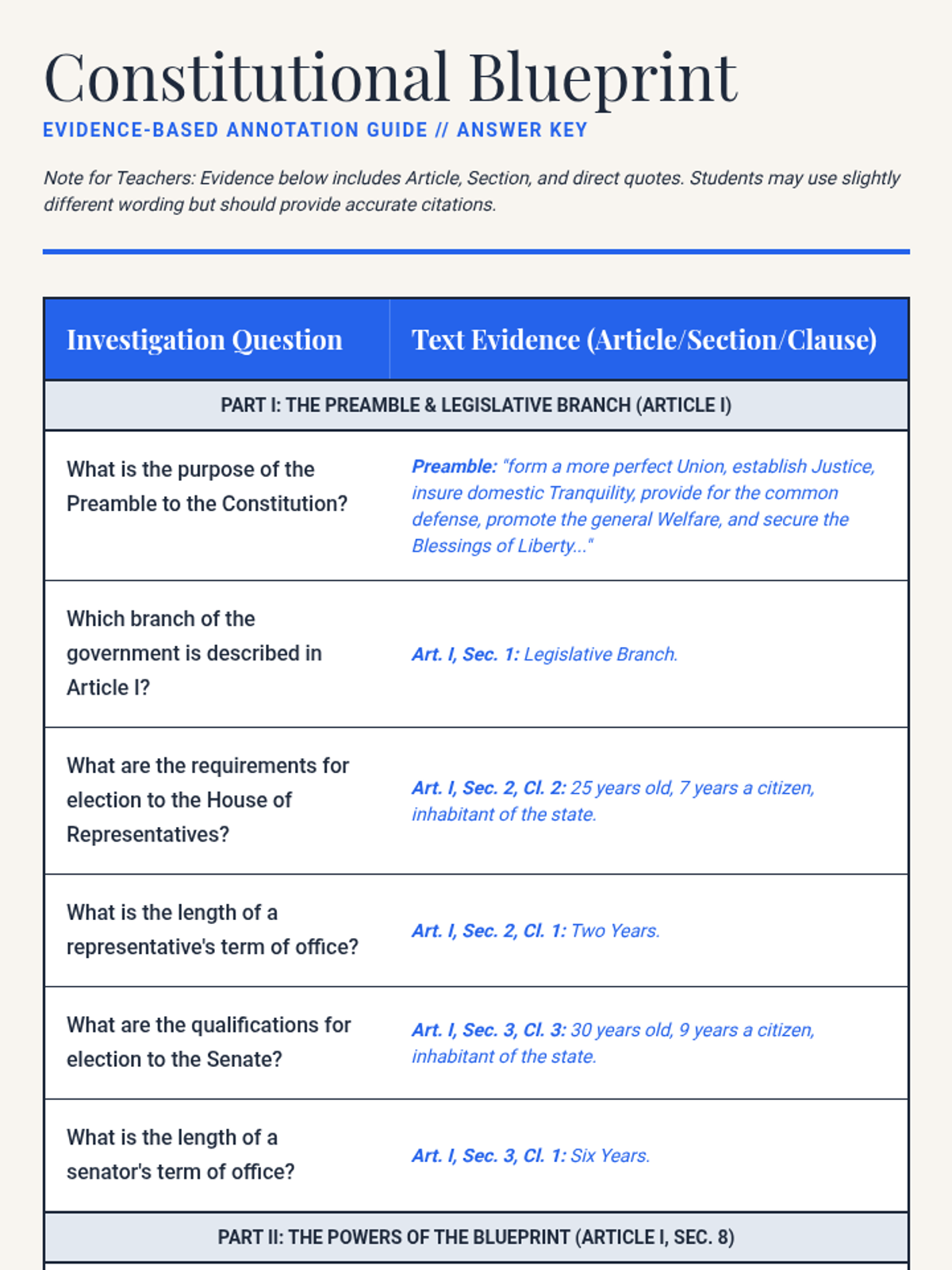
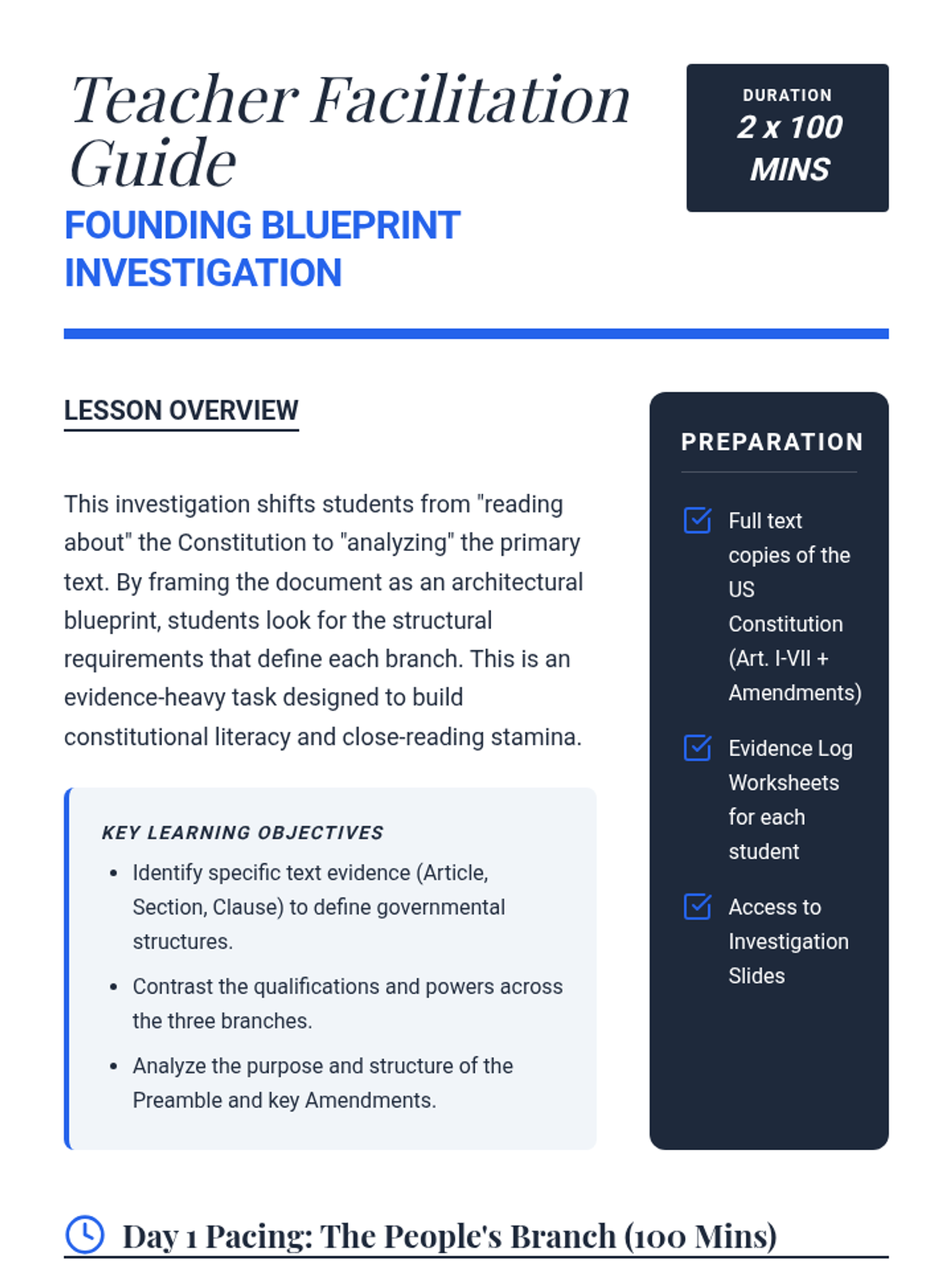
A two-day primary text analysis of the US Constitution where students use an evidence-based annotation guide to identify the structures of the three branches and the process of governance.
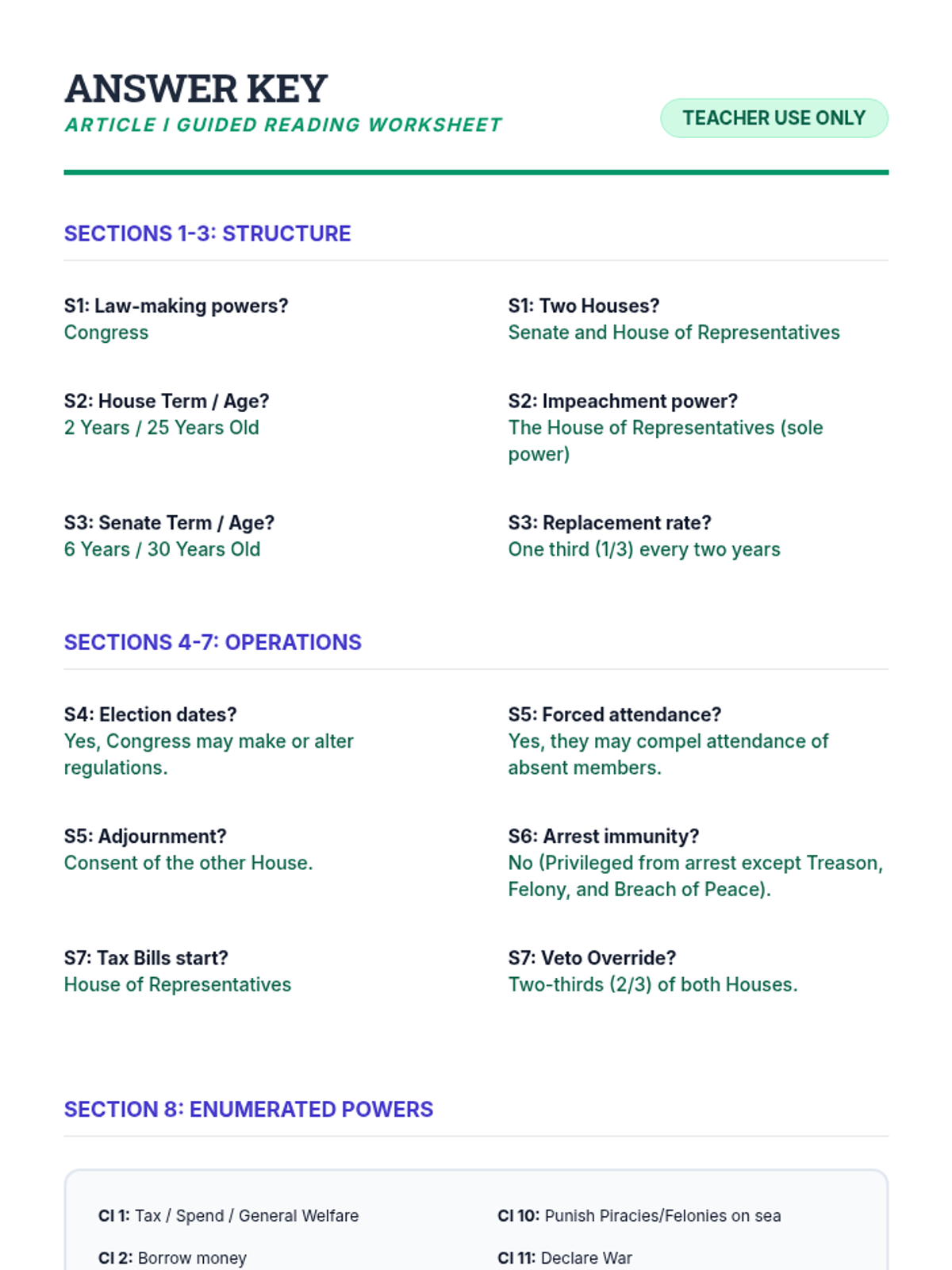
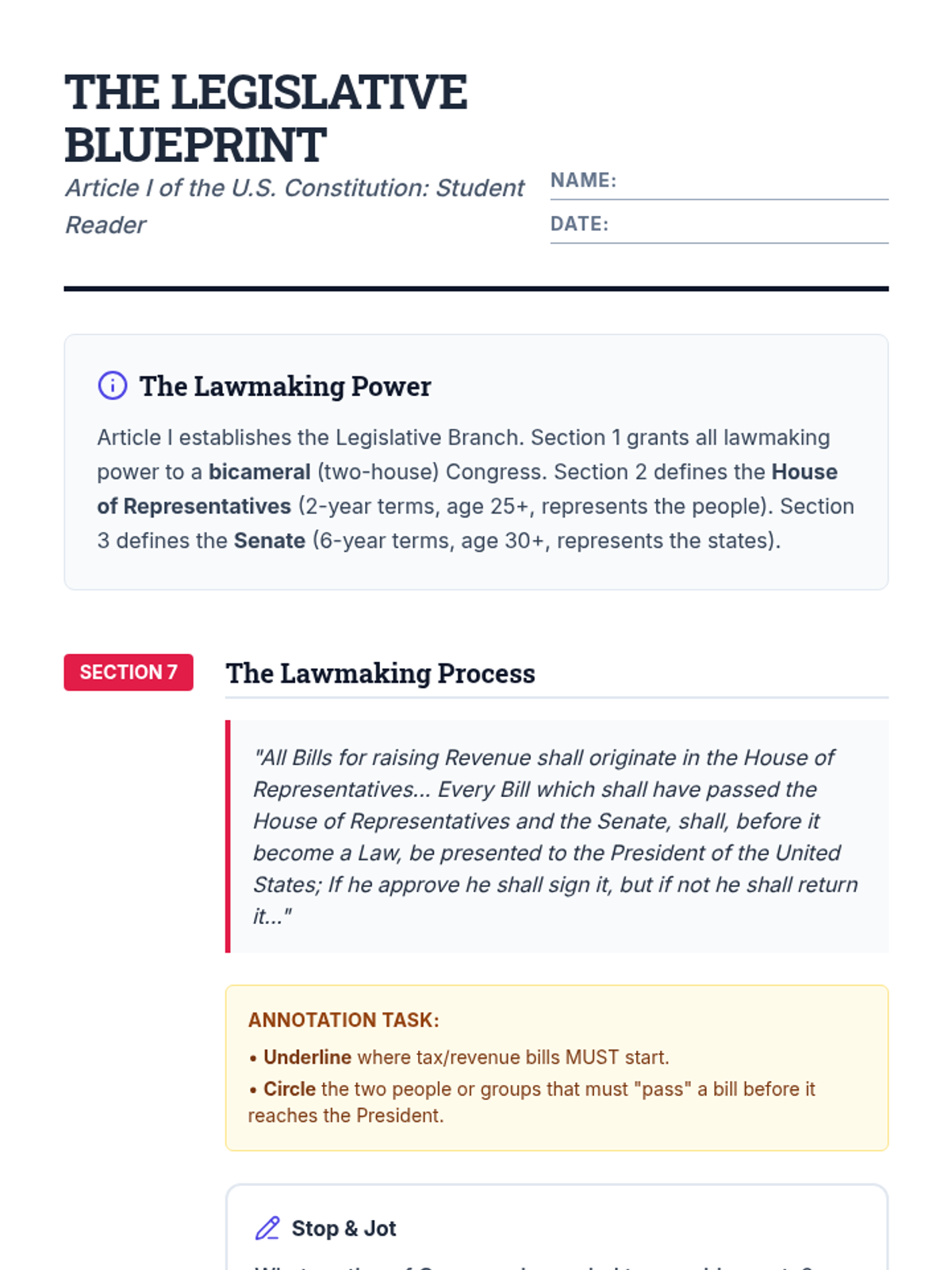
An analysis of the legislative process, the enumerated powers granted to Congress, and the specific restrictions placed on both federal and state governments.
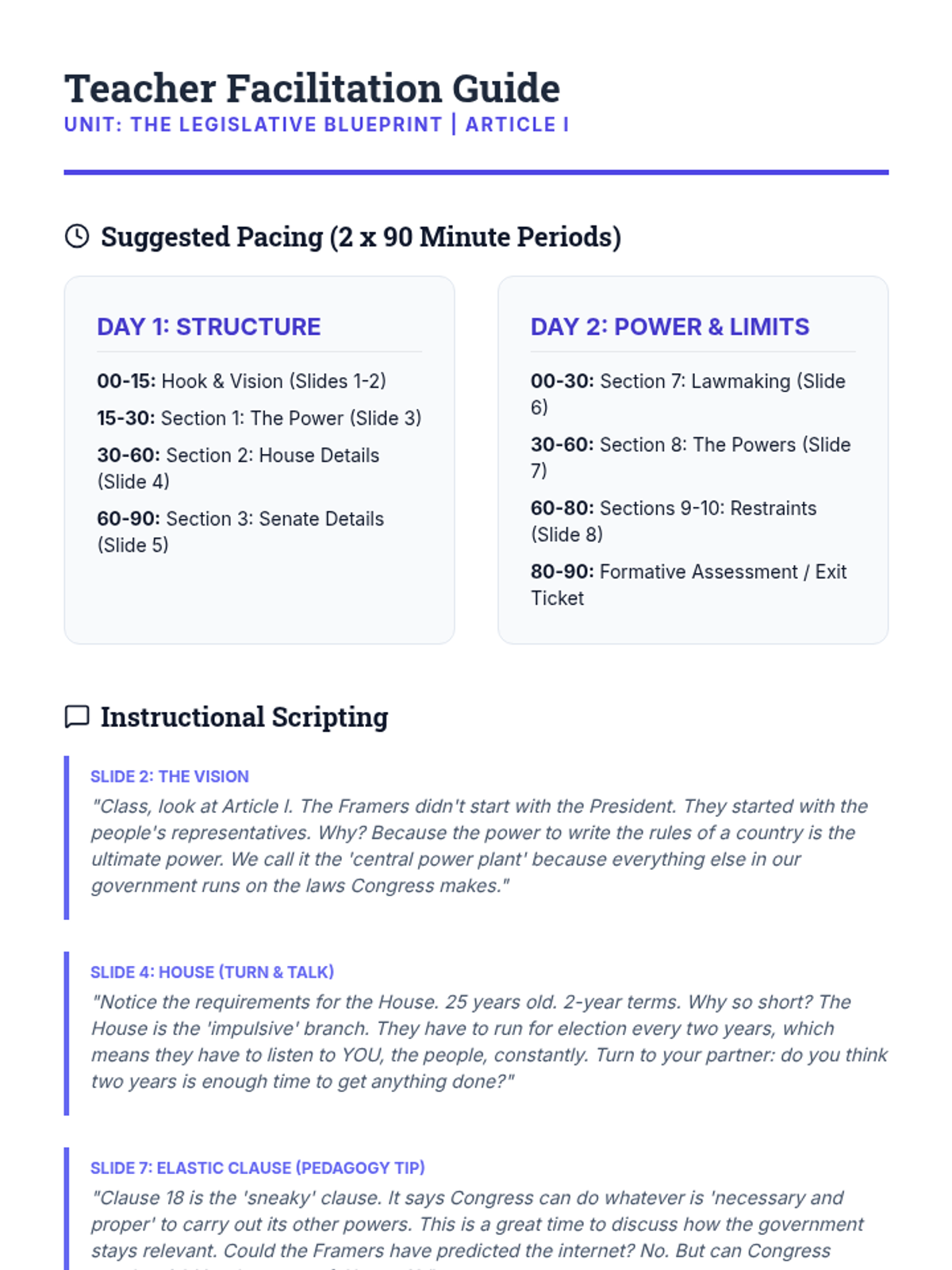
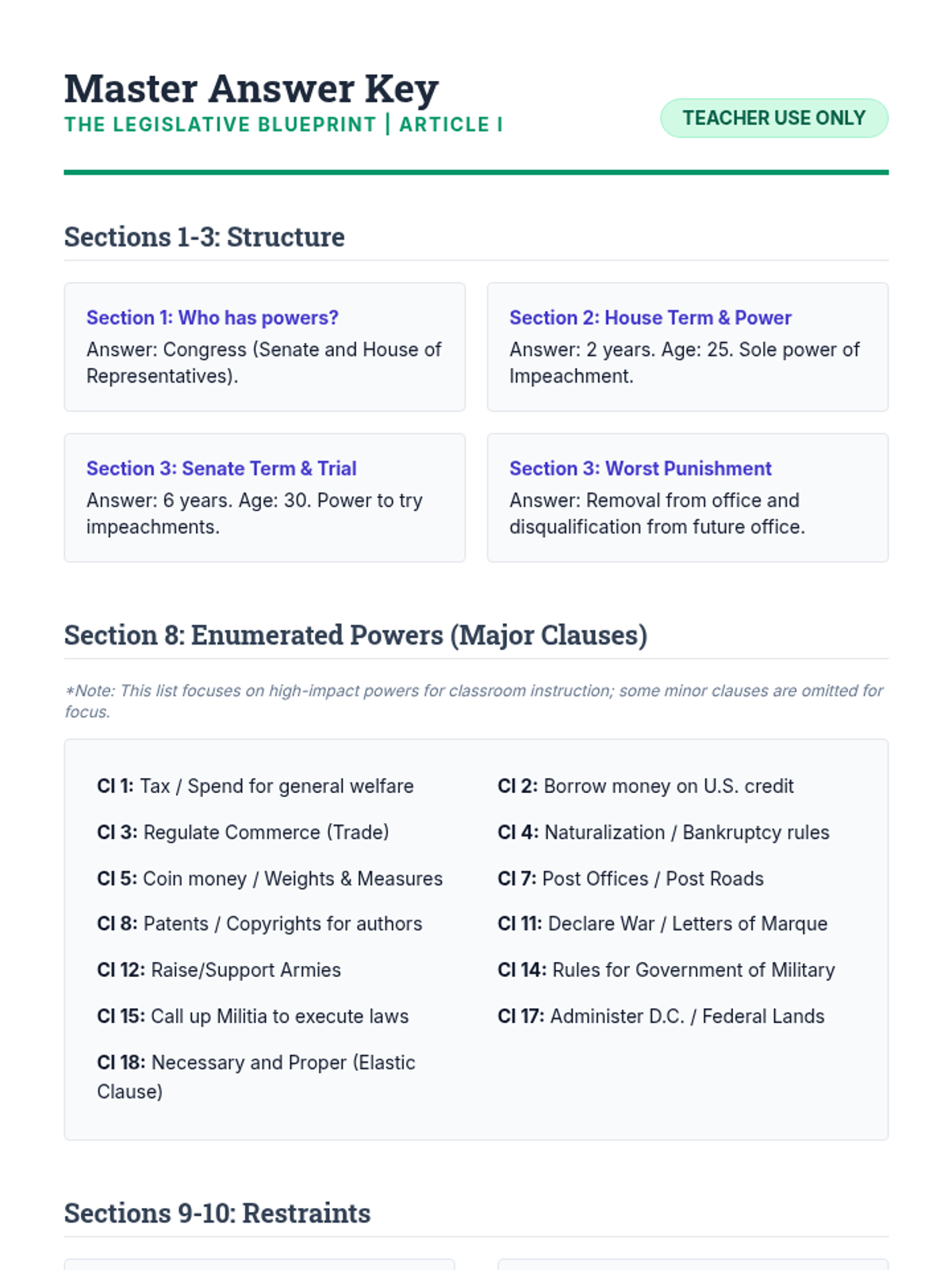
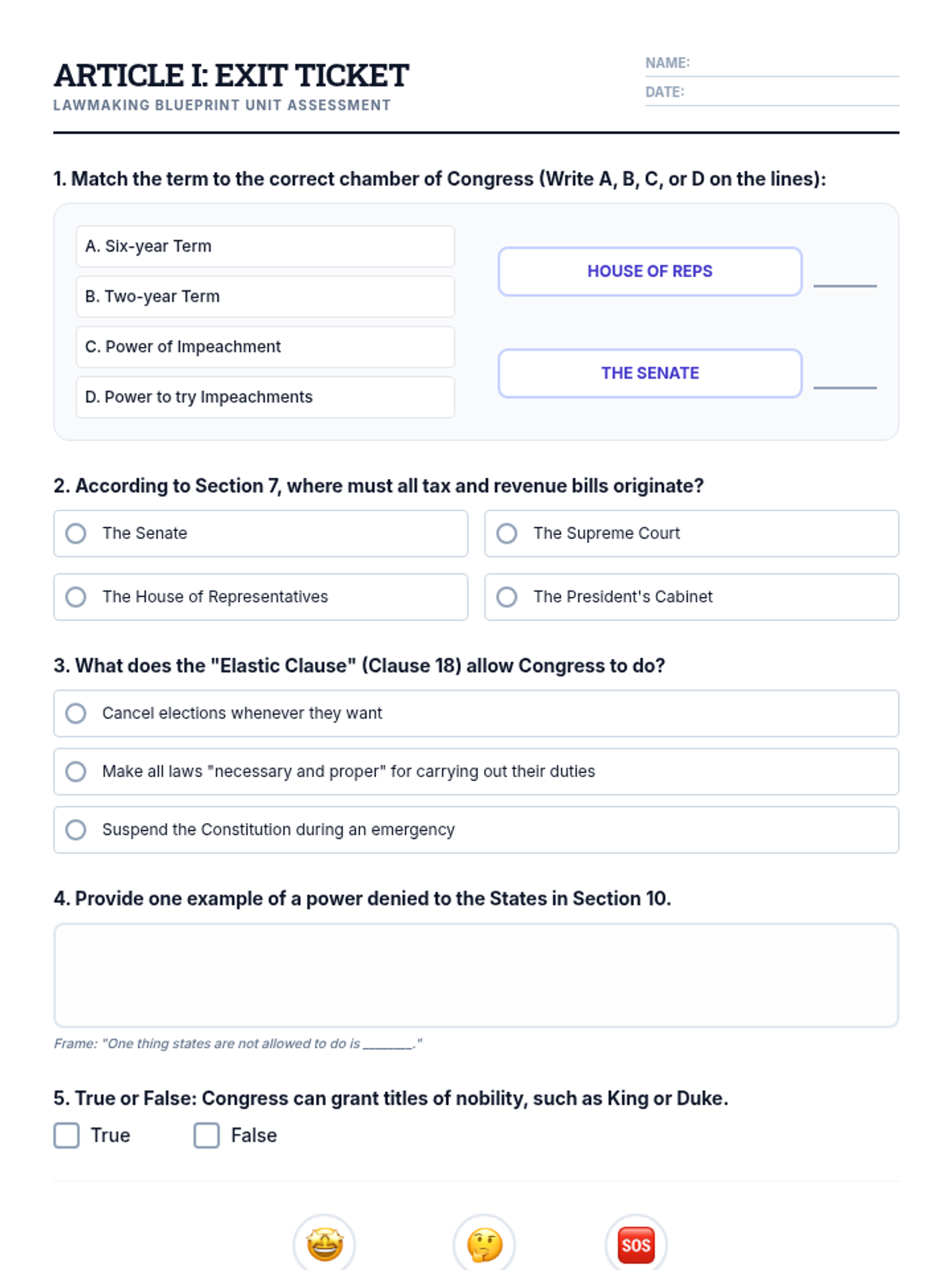
A comprehensive 180-minute lesson covering the entire structure, enumerated powers, and restraints of the Legislative Branch as defined in Article I of the U.S. Constitution.
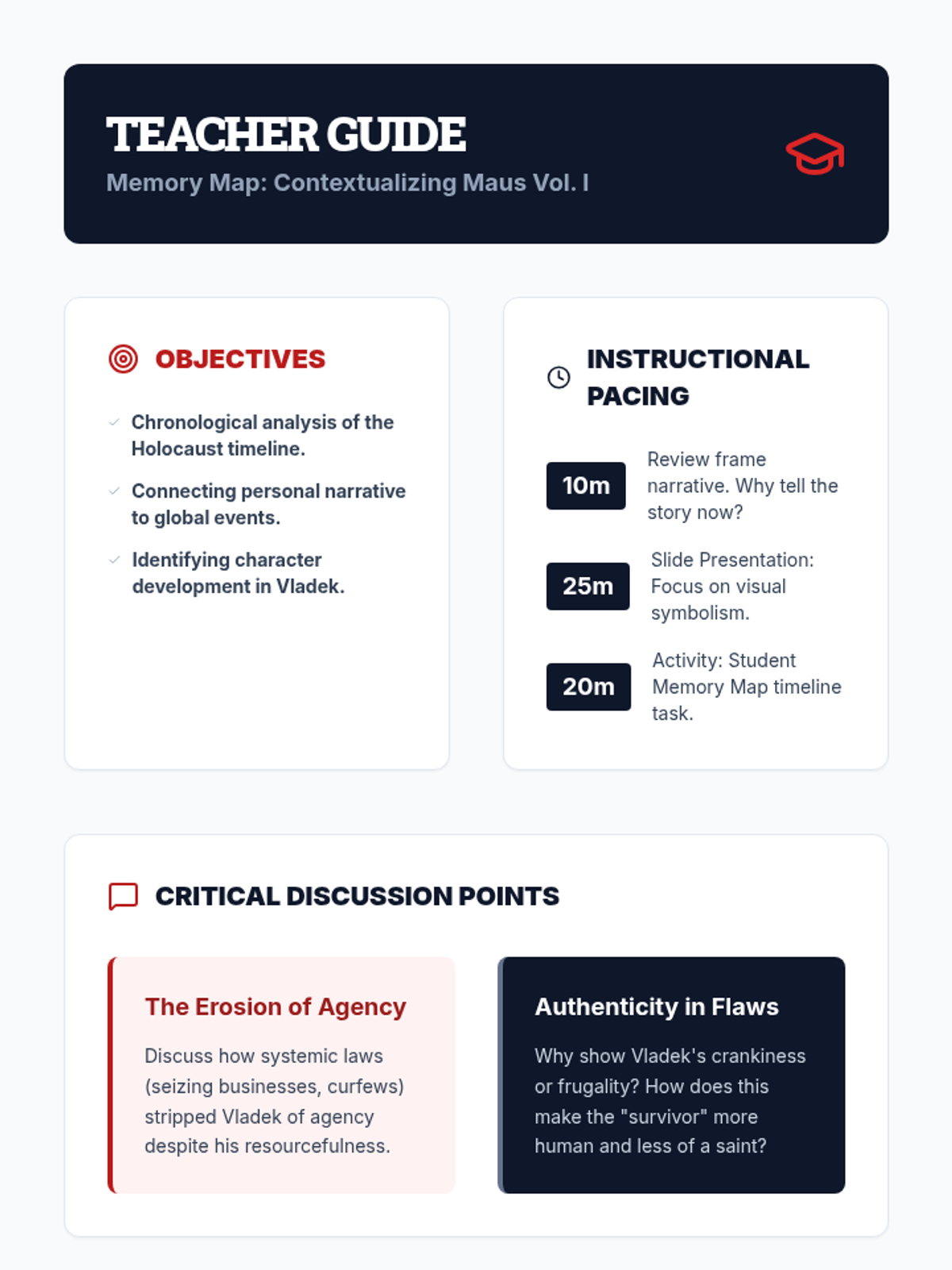
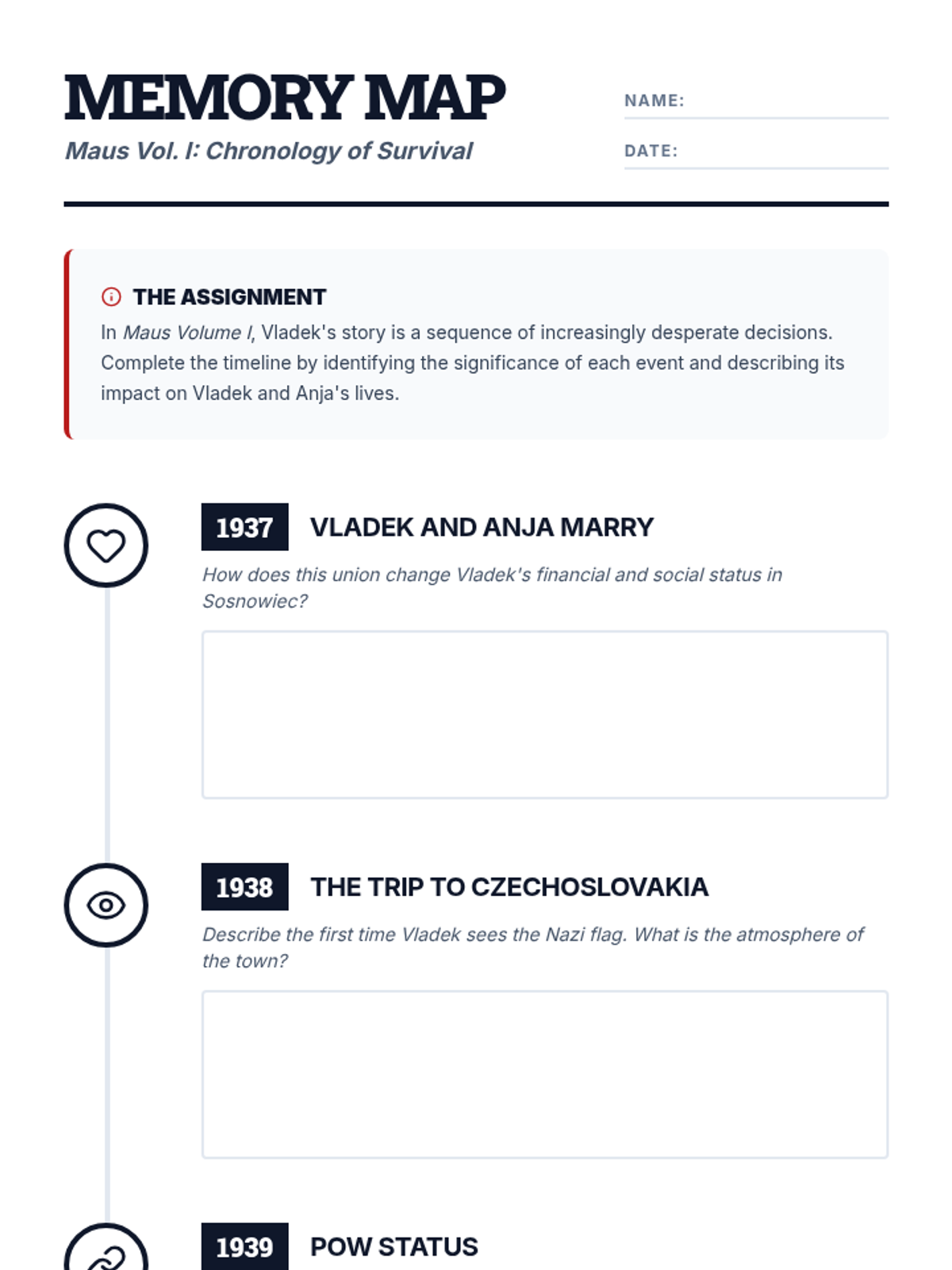
A comprehensive look at the key historical and personal events in Art Spiegelman's Maus Volume I, focusing on chronological narrative and visual mapping.
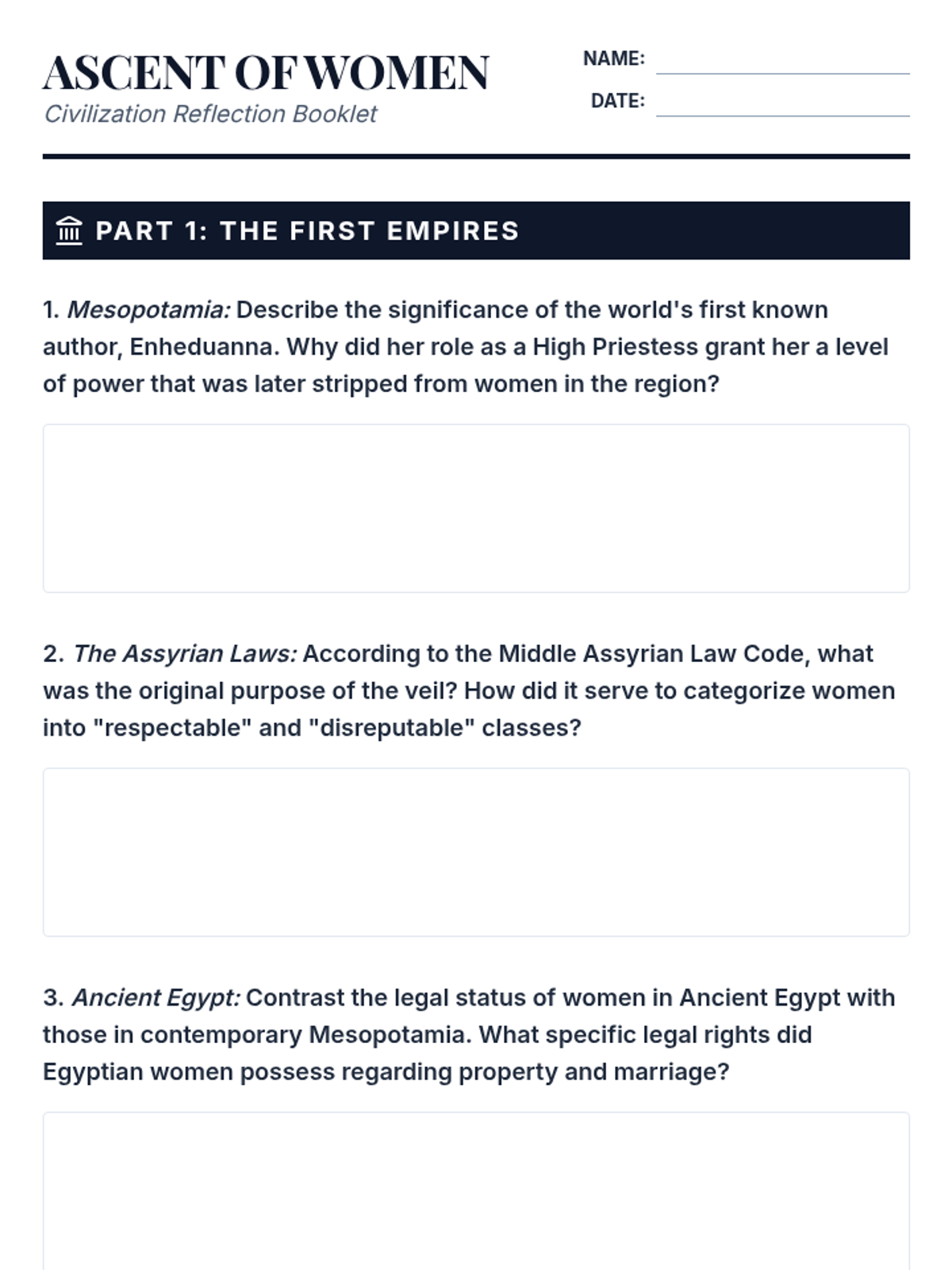
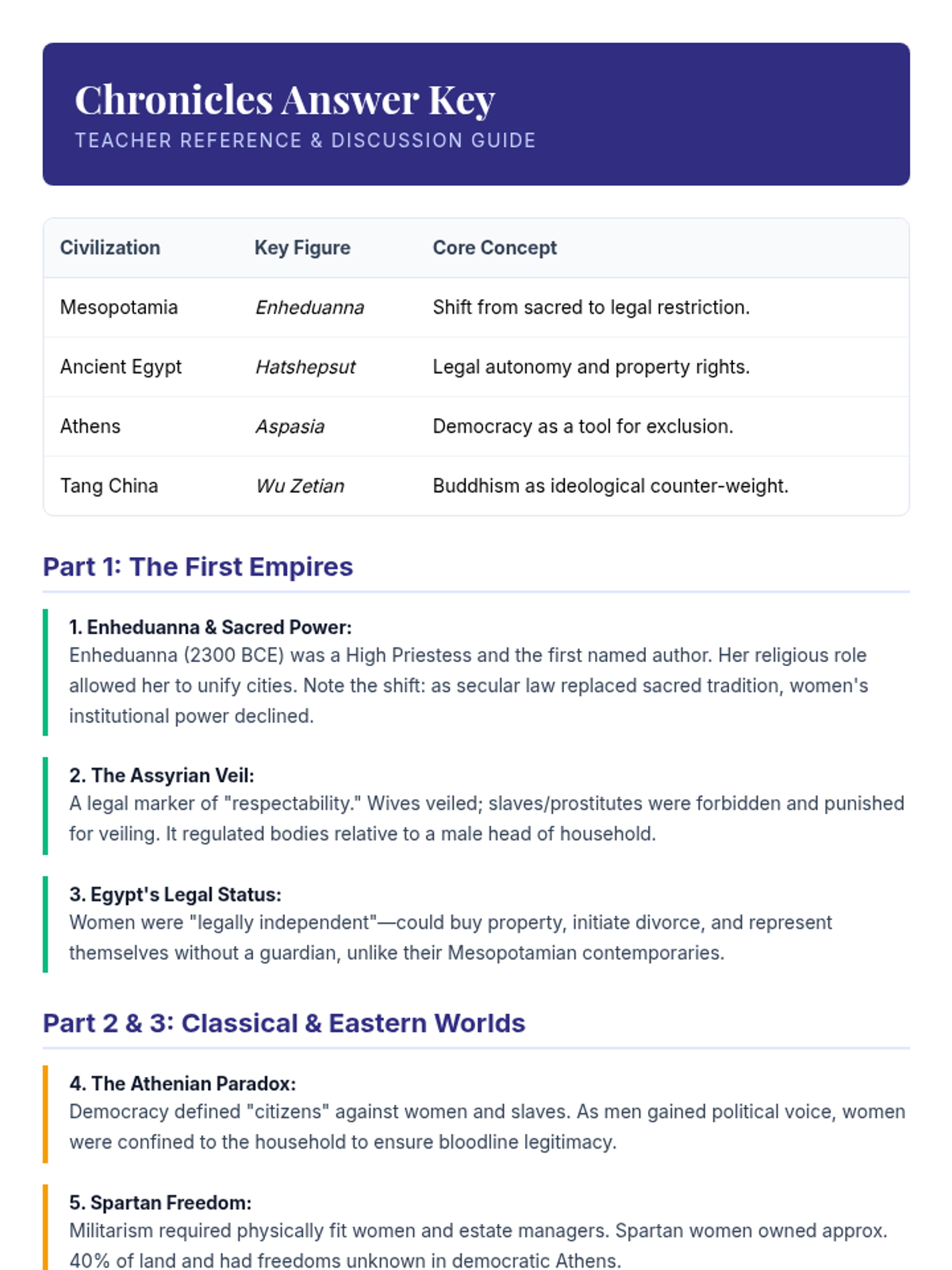
A comprehensive lesson exploring the historical roles and status of women across global civilizations, based on the Ascent of Women documentary series. Includes reflection questions for all major civilizations covered in the episodes.
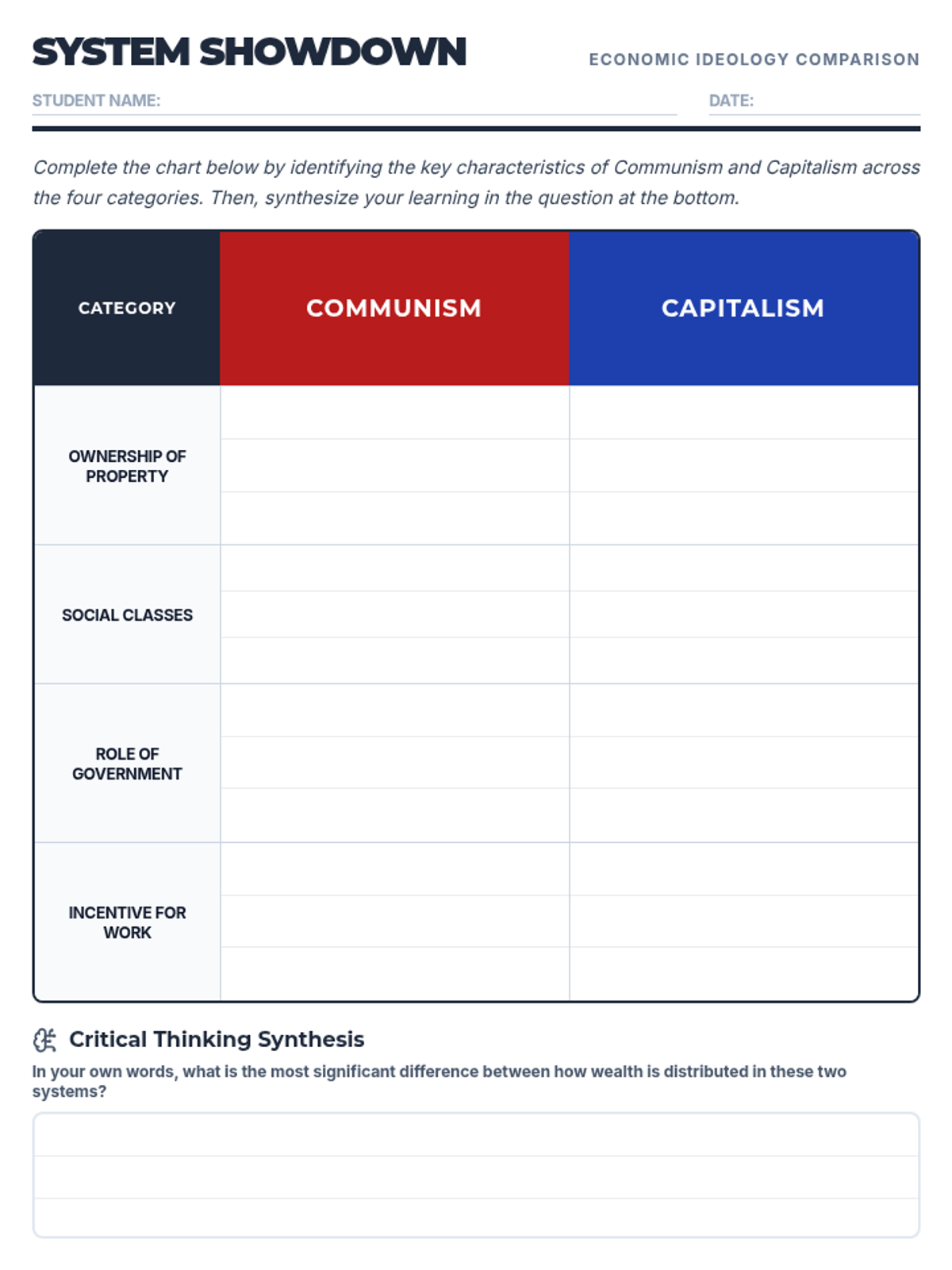
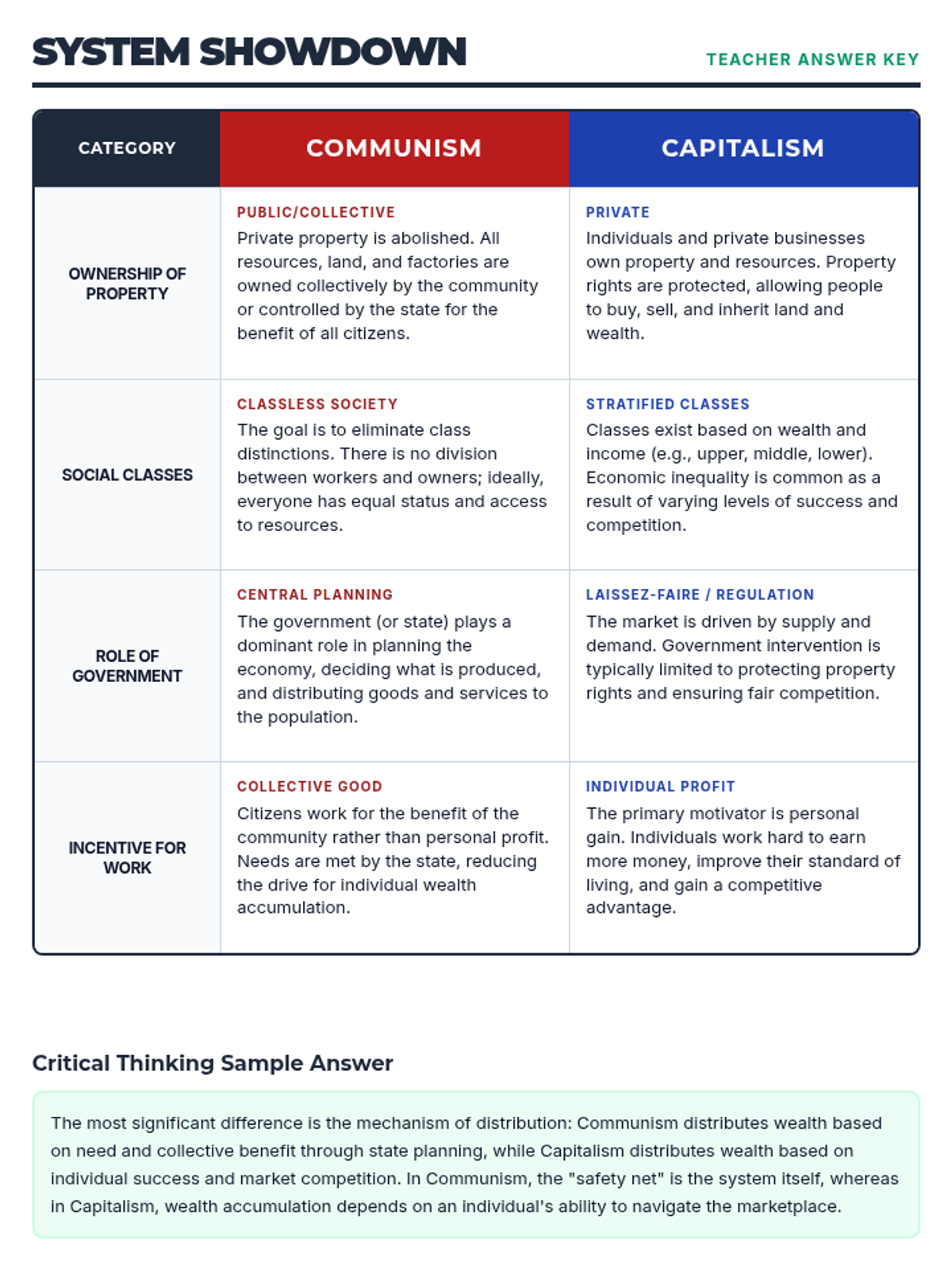
A comparison of the fundamental principles, economic structures, and social impacts of Communism and Capitalism.
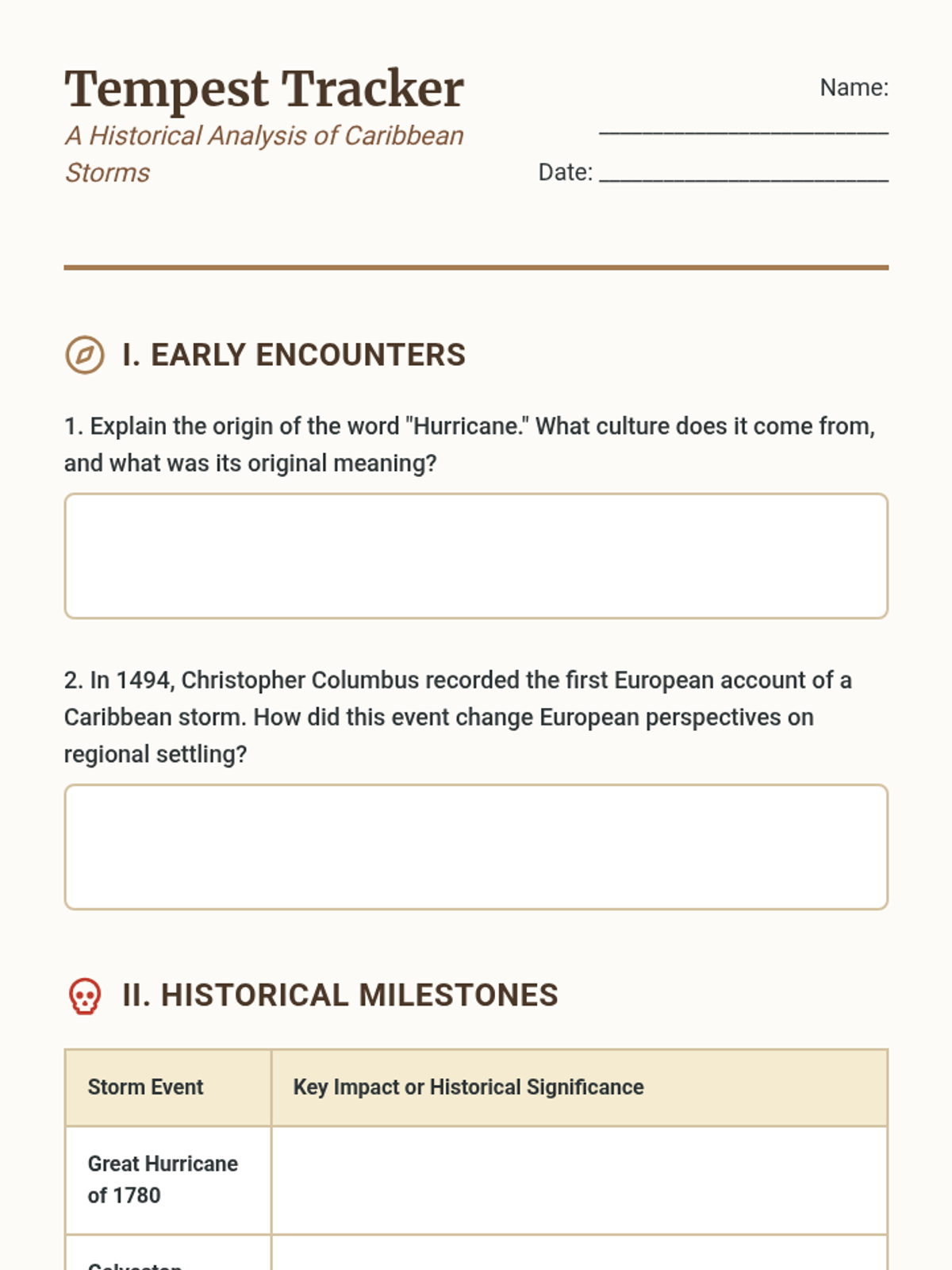
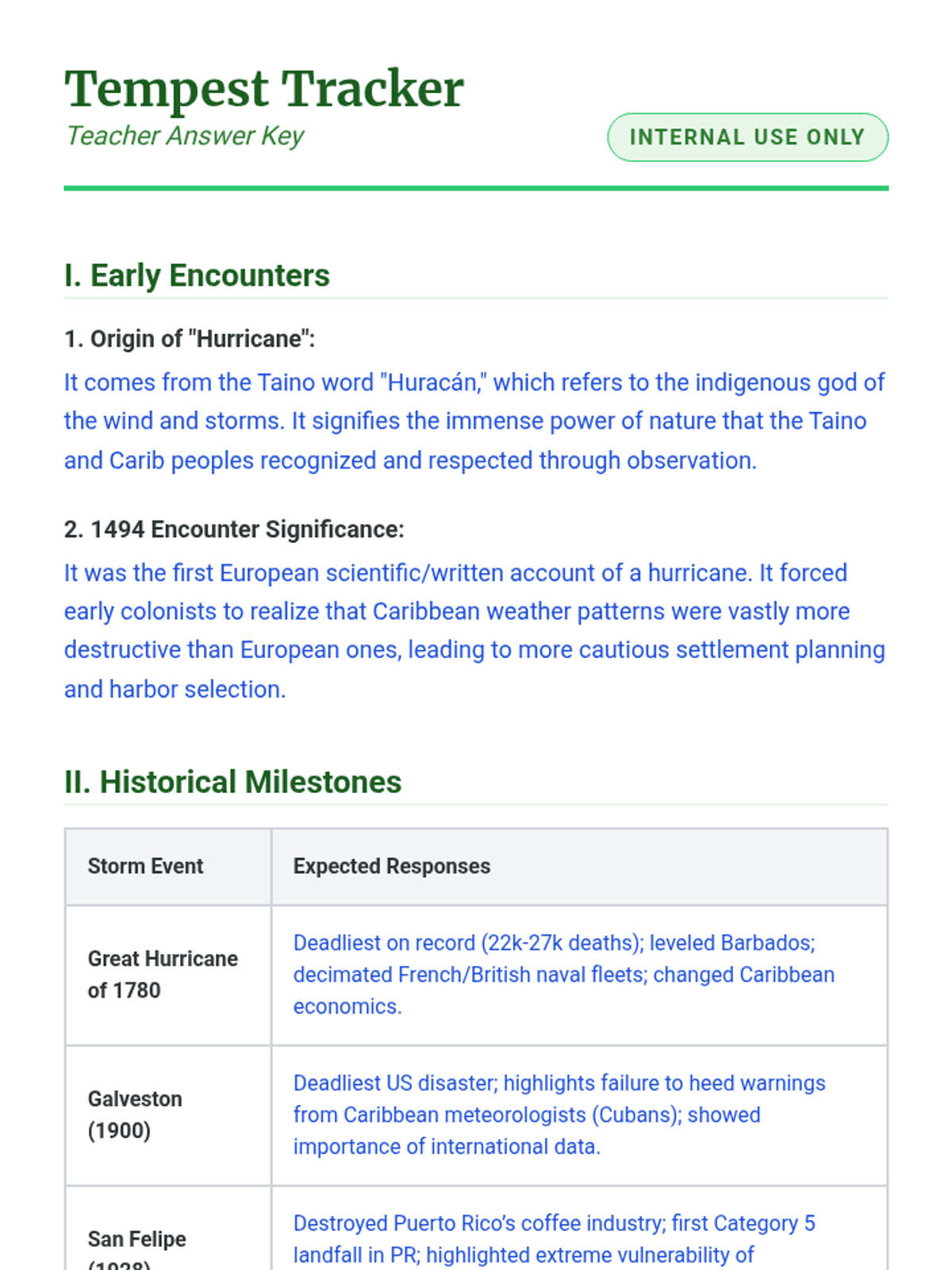
A historical exploration of tropical storms in the Caribbean, focusing on significant events, technological evolution, and the impact on regional history from the colonial era to the late 20th century.
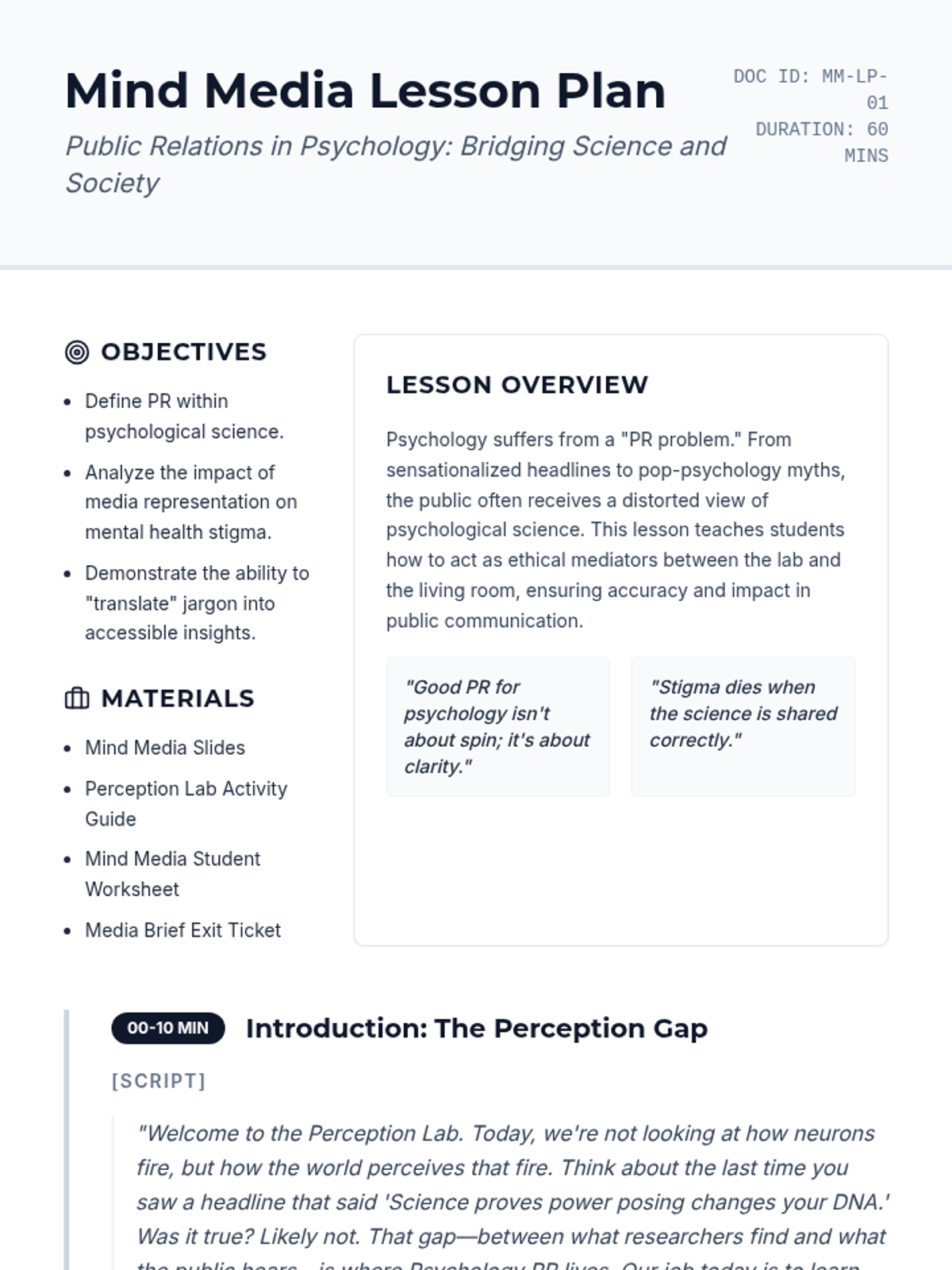
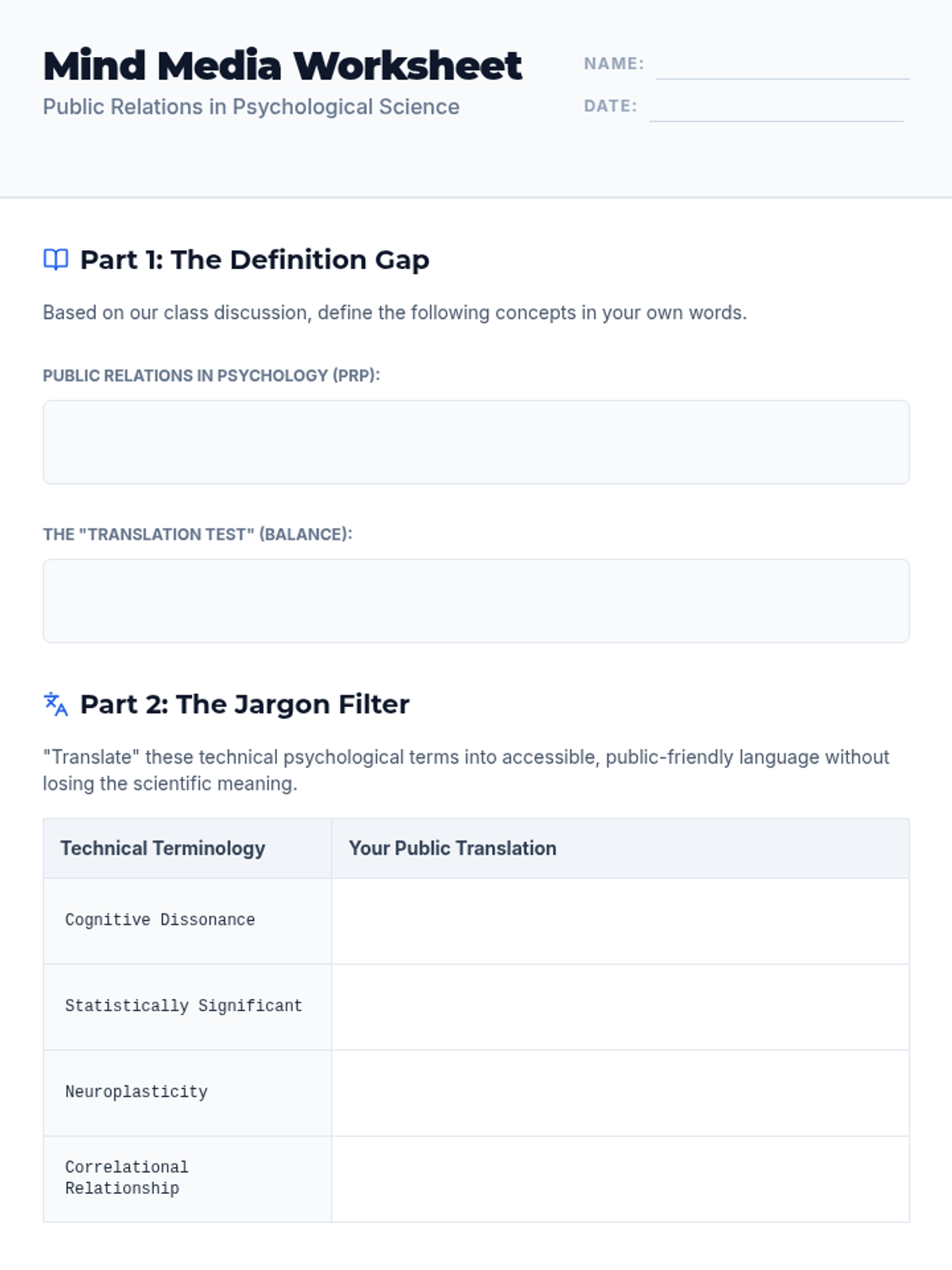
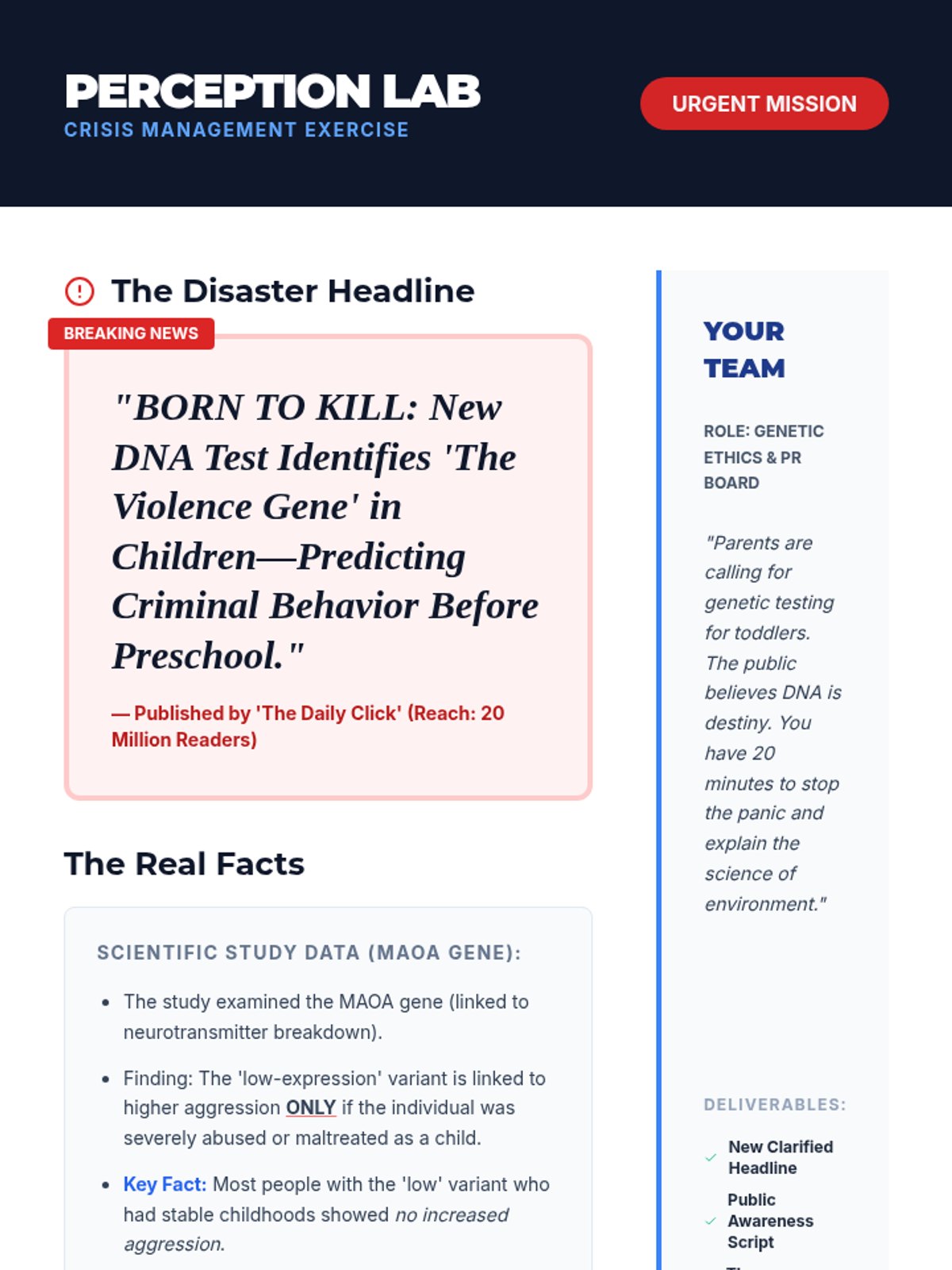
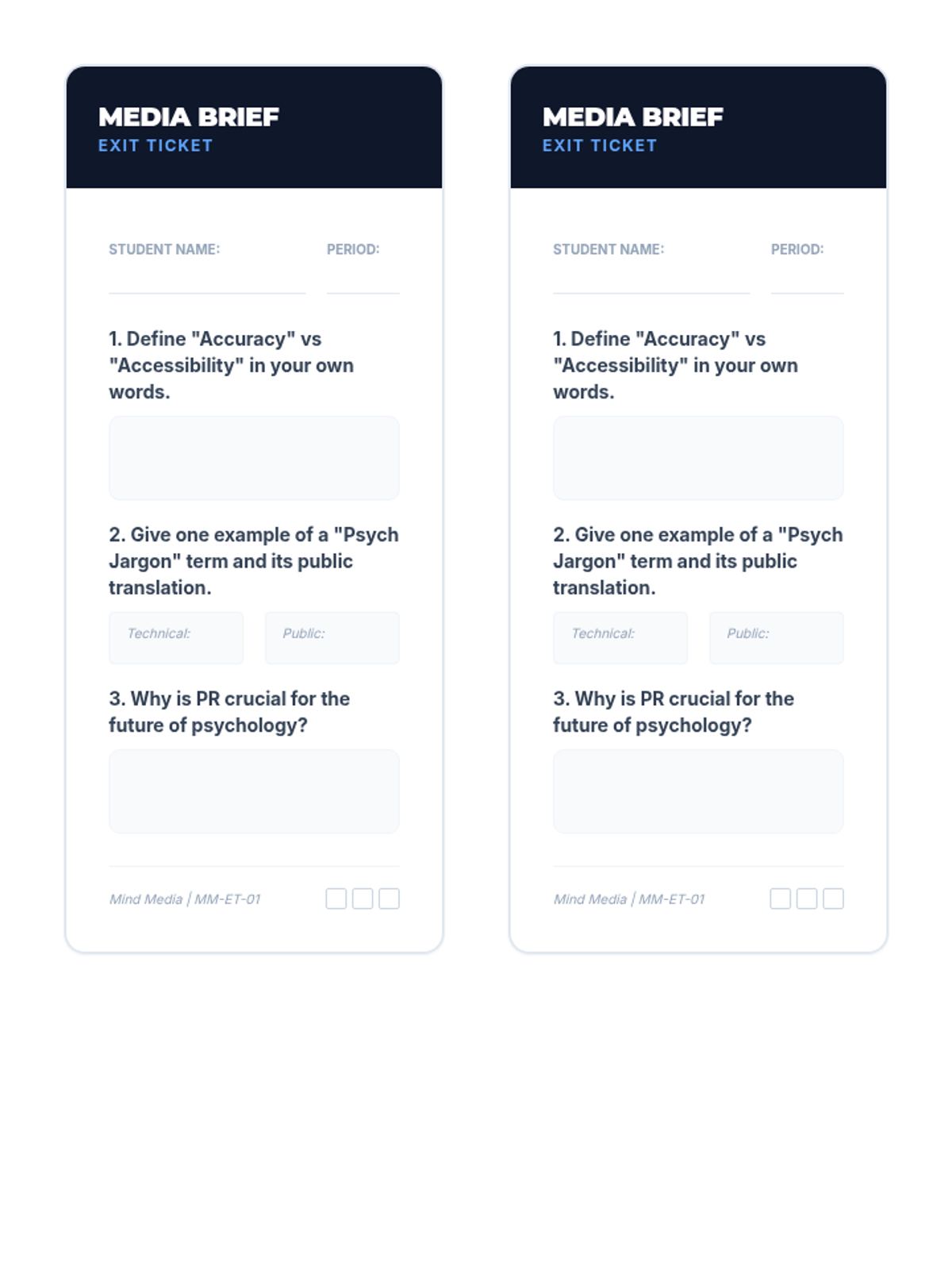
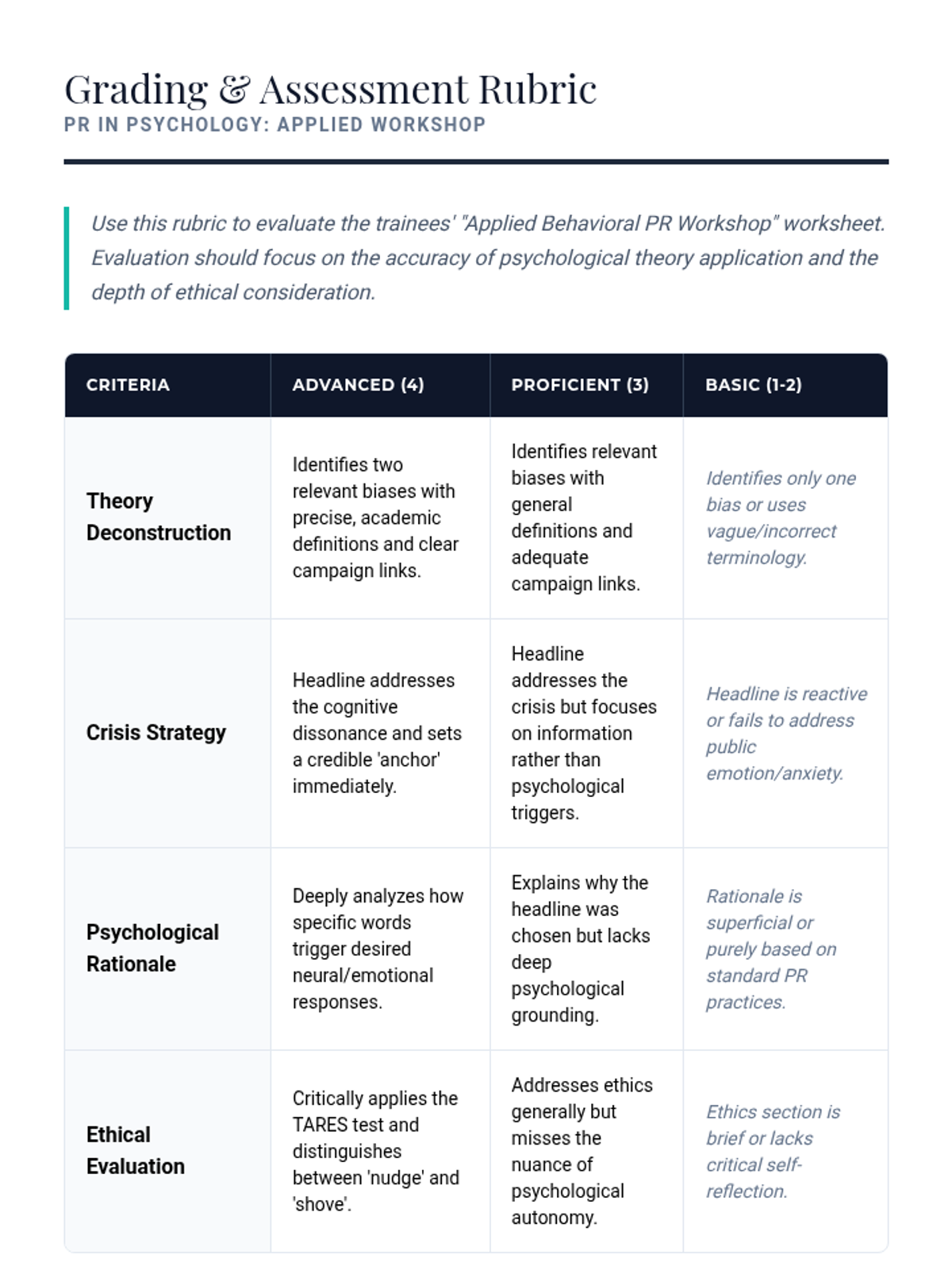
A comprehensive lesson on Public Relations in Psychology, focusing on translating complex research for public consumption, managing public perception of psychological science, and ethical communication.
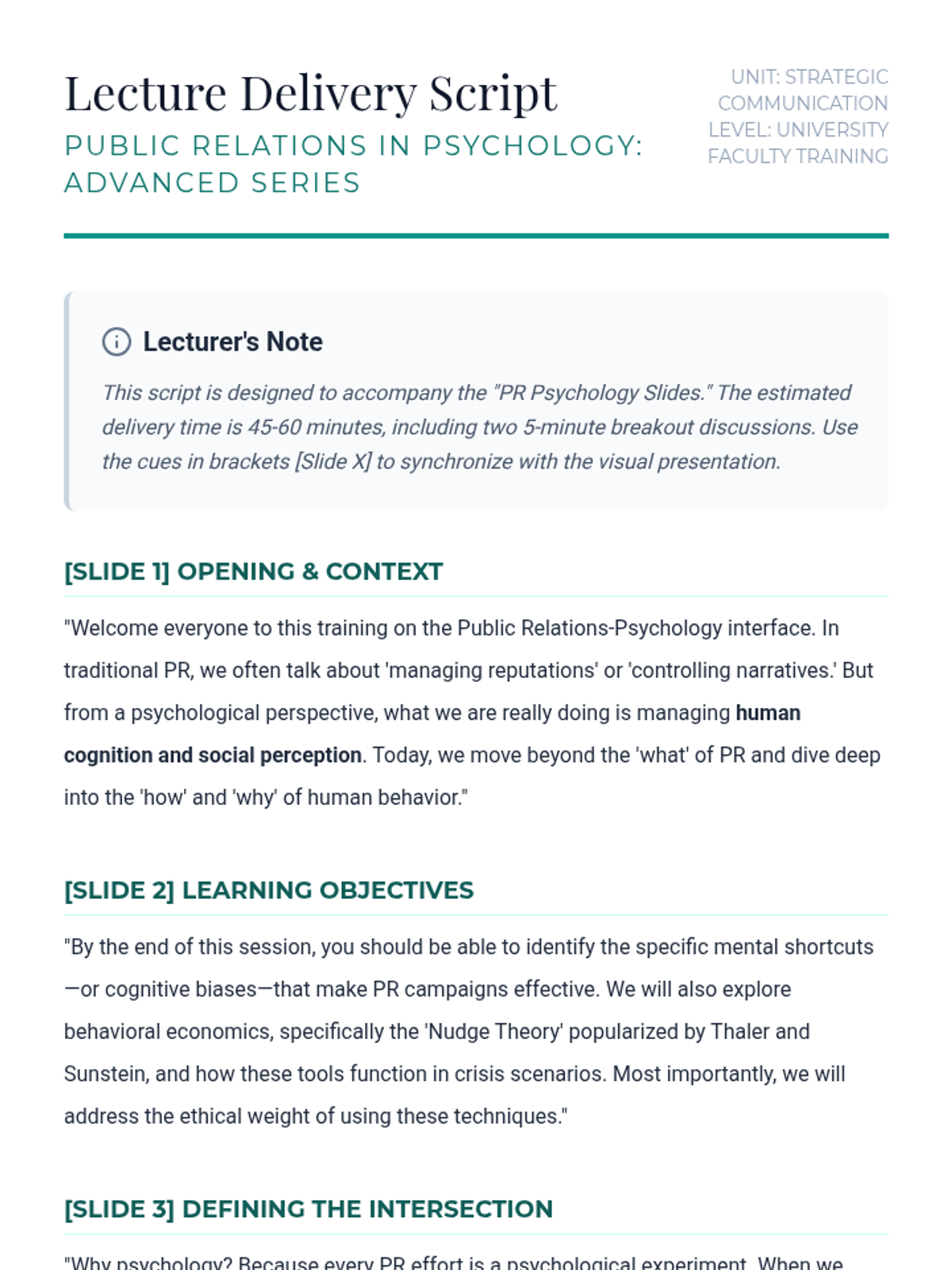
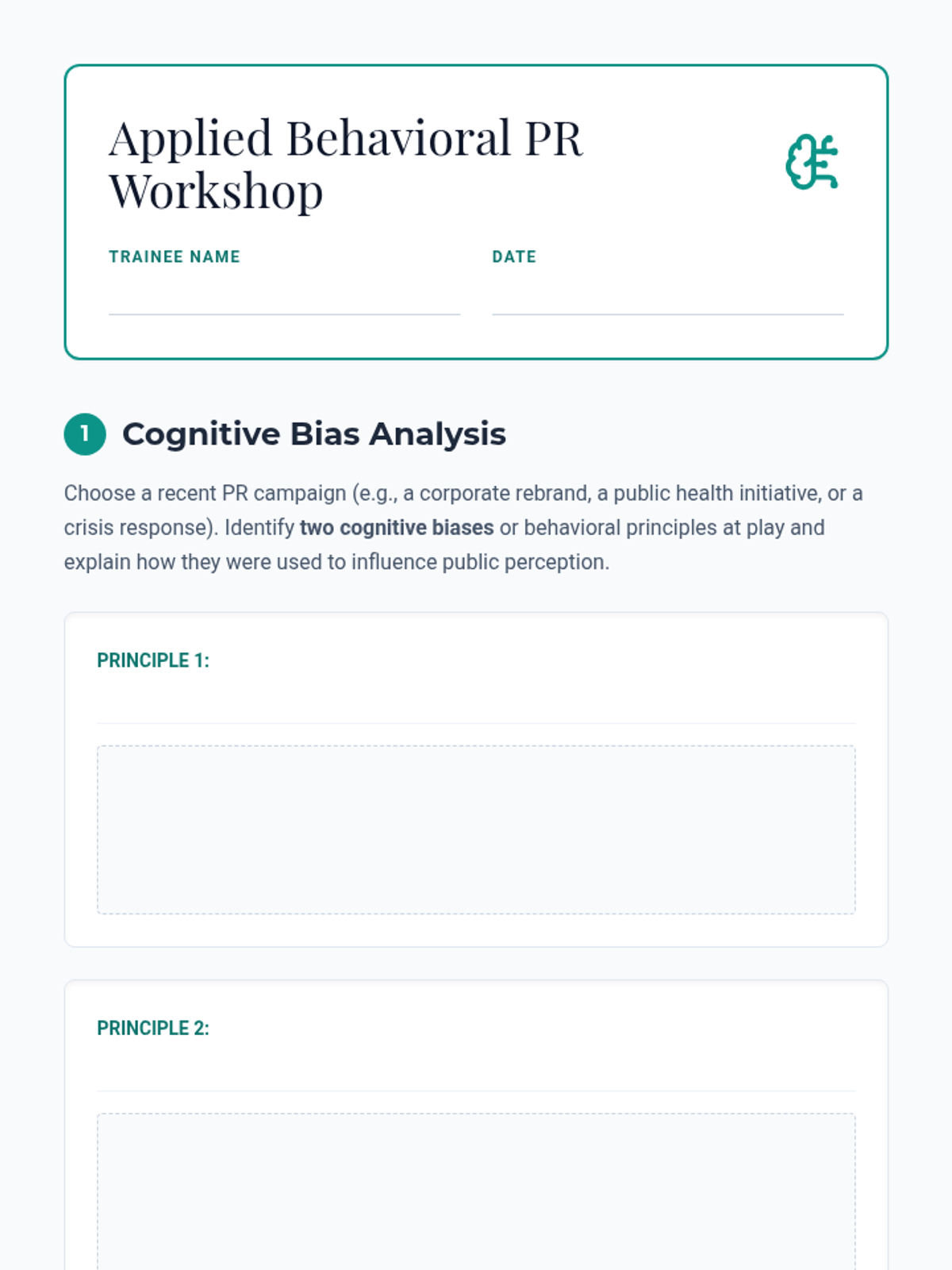
This lesson explores the intersection of psychological principles and public relations strategies, designed for university-level teacher training. It covers behavioral influence, cognitive biases, and ethical communication frameworks.
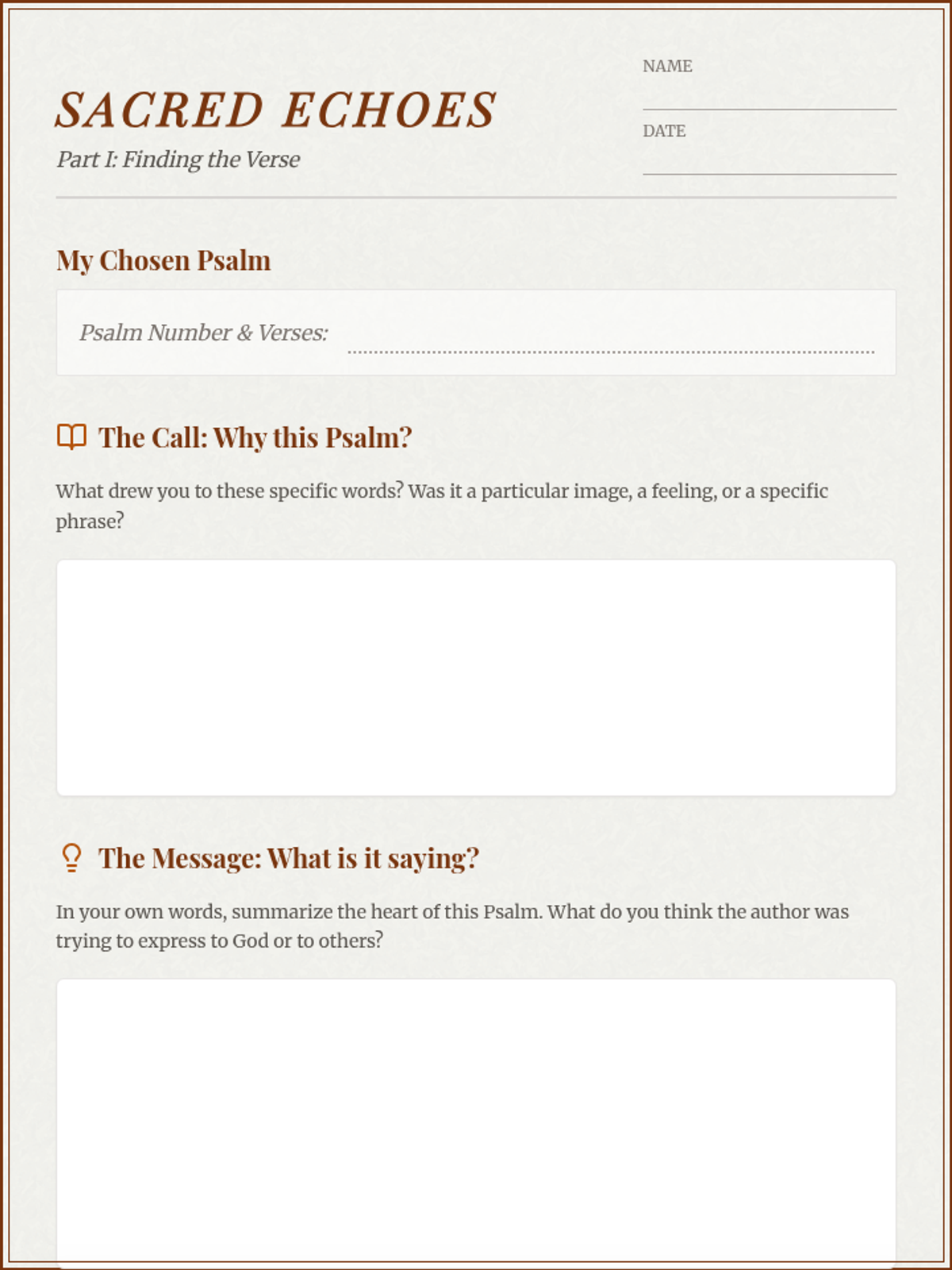
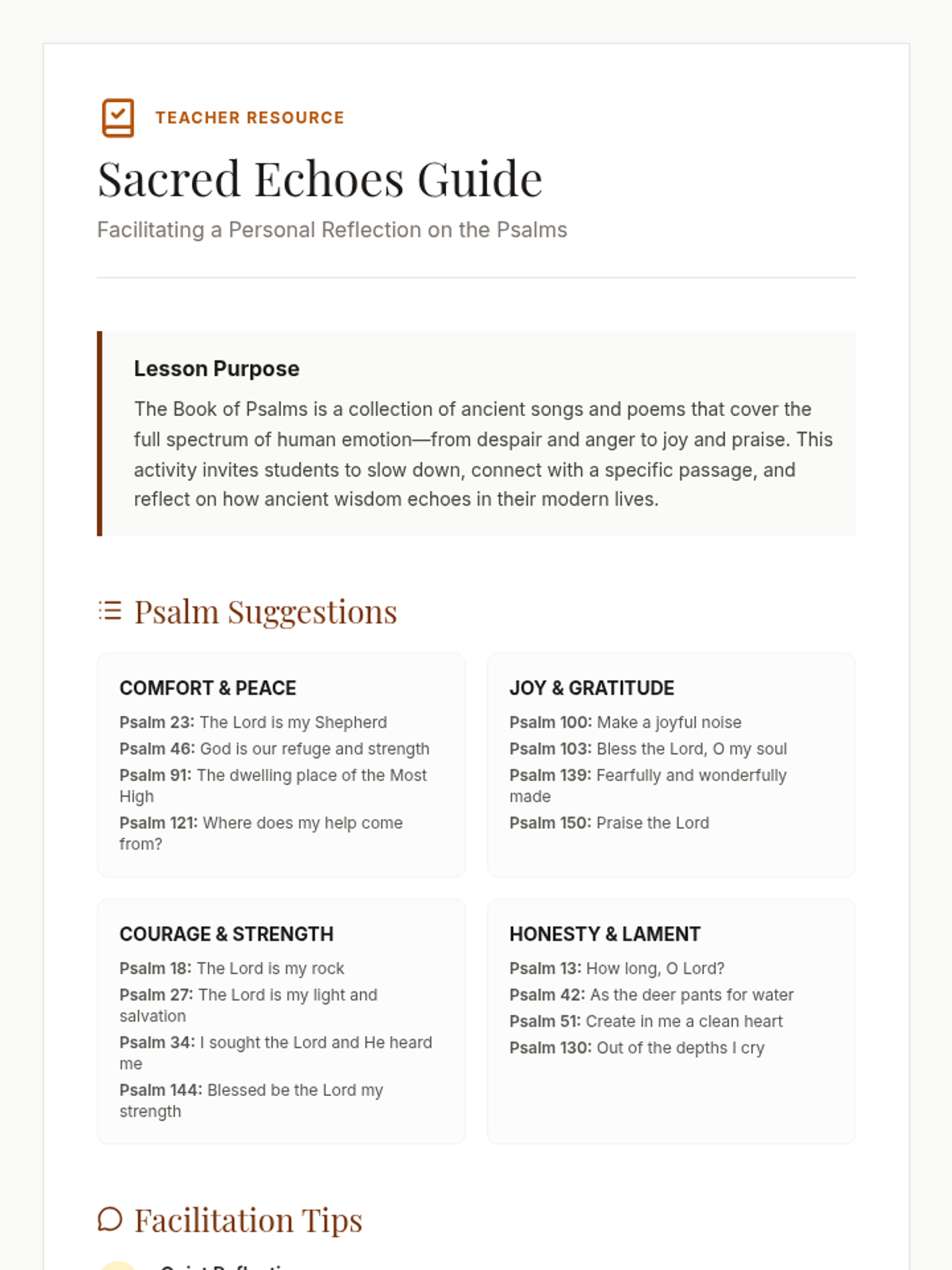
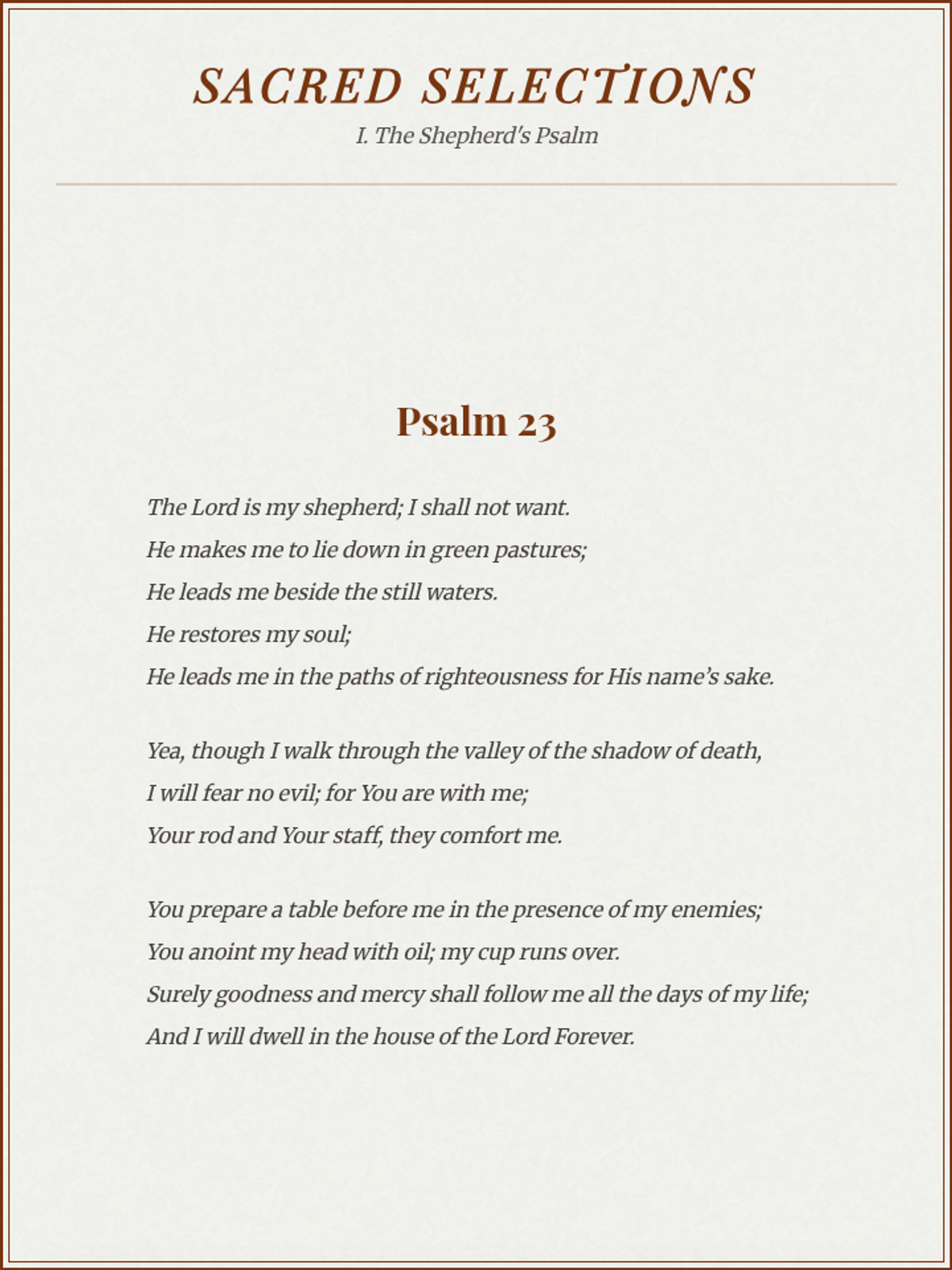
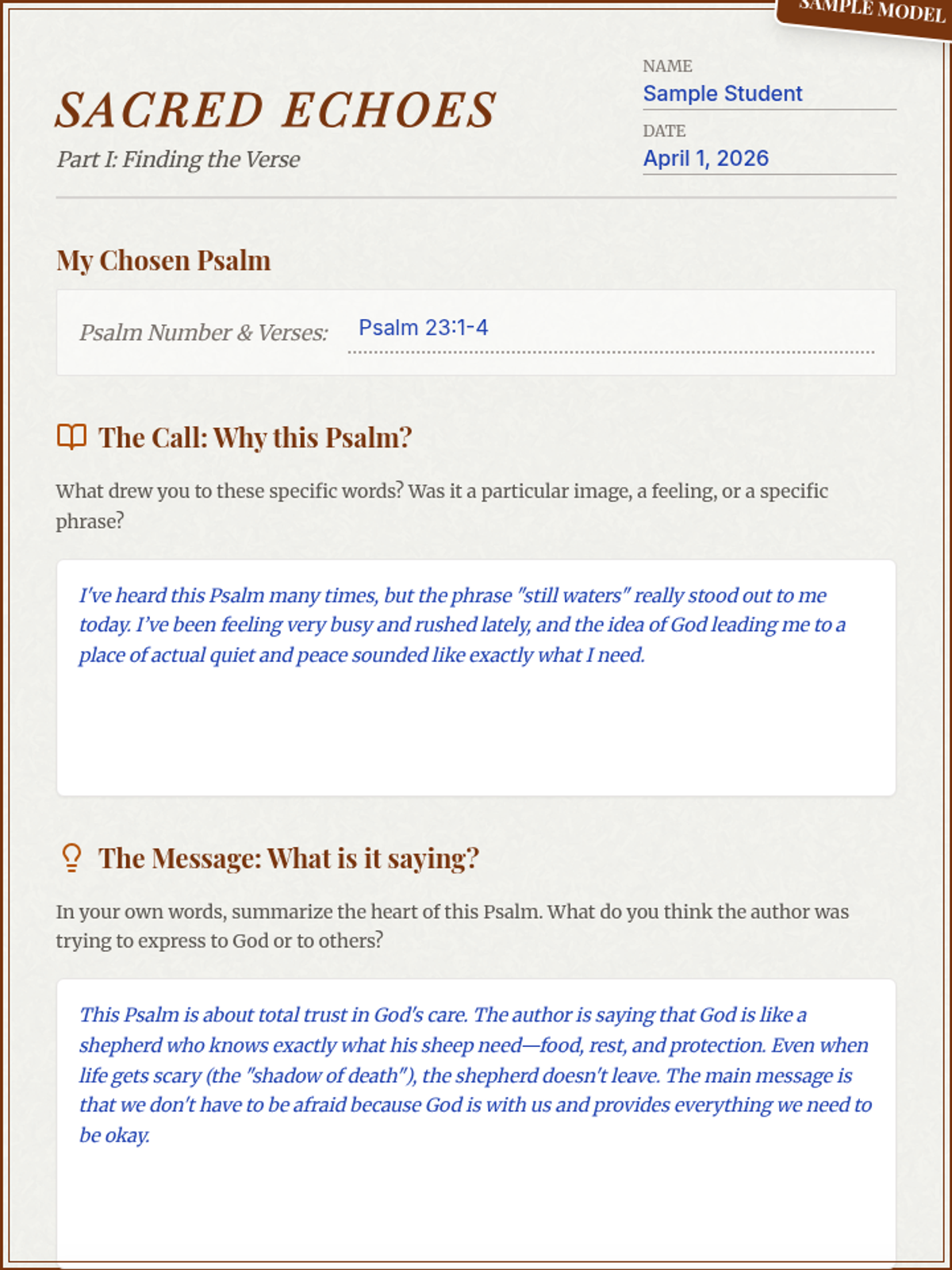
A reflective lesson where students explore the poetic beauty and personal significance of the Psalms, choosing a specific passage to analyze and connect with their own lives.
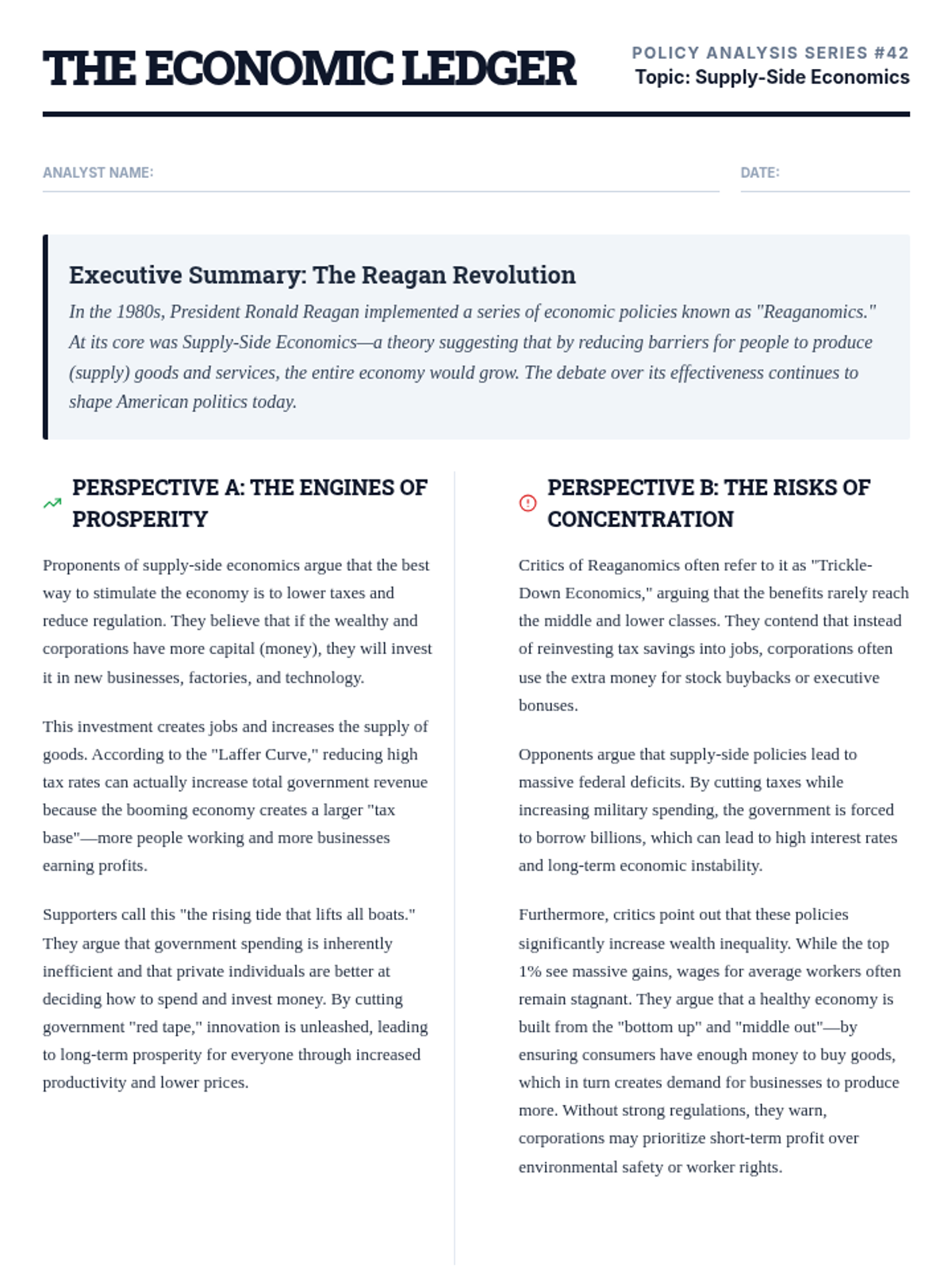
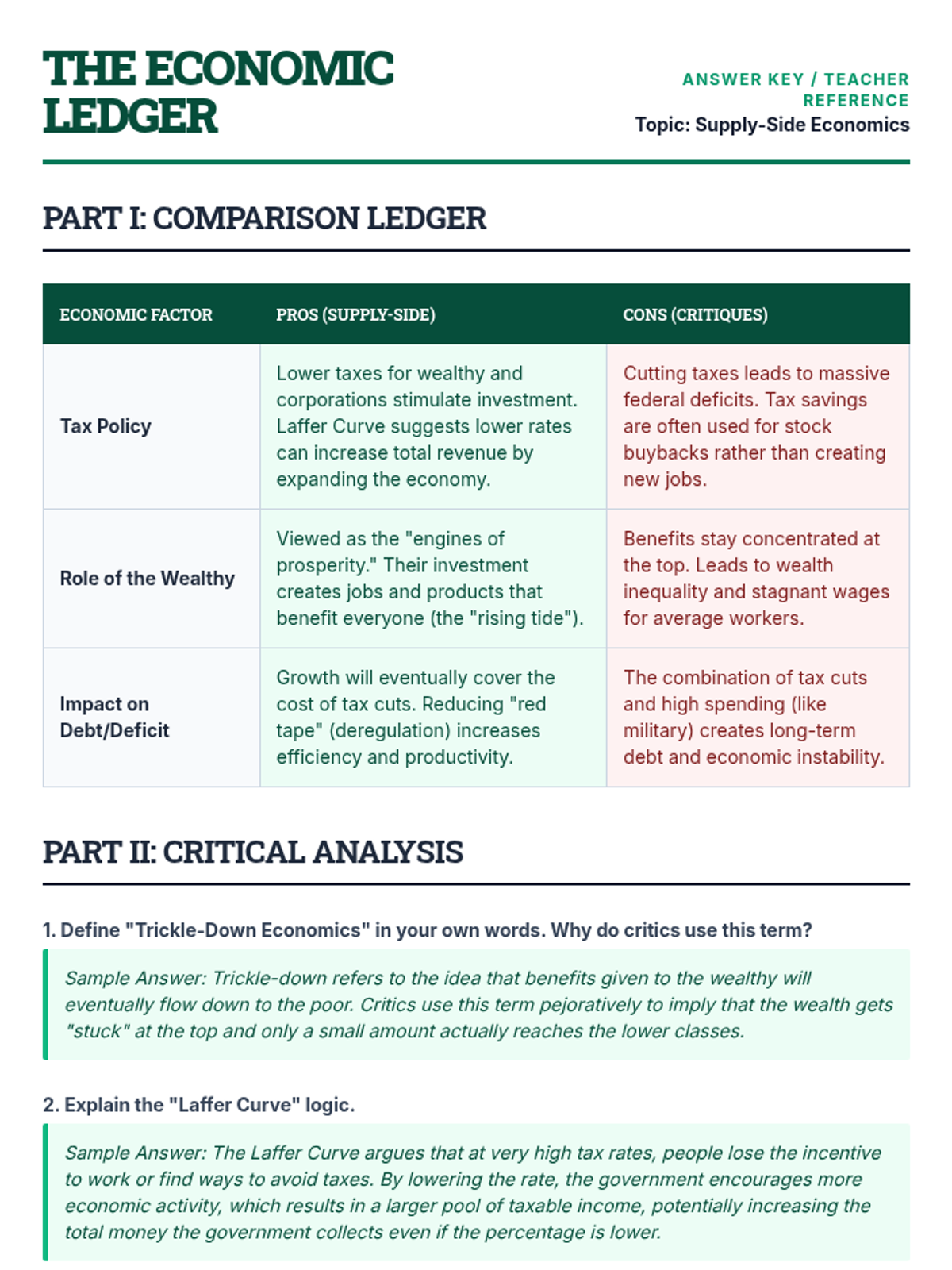
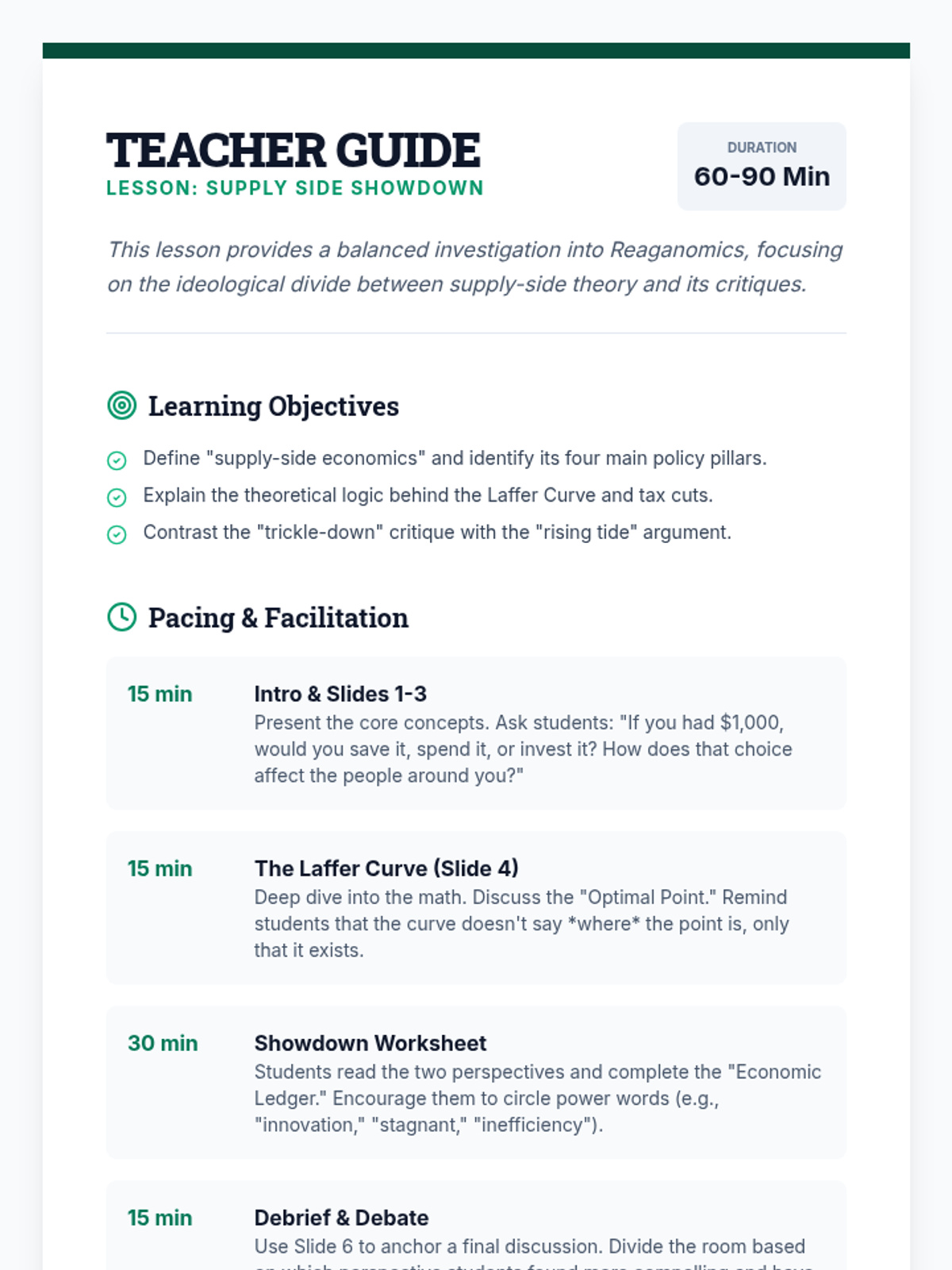
A lesson exploring the theory and impact of Reaganomics through a comparative analysis of supply-side economic arguments. Students will examine primary perspectives on tax cuts, deregulation, and government spending to understand the debate over 'trickle-down' economics.
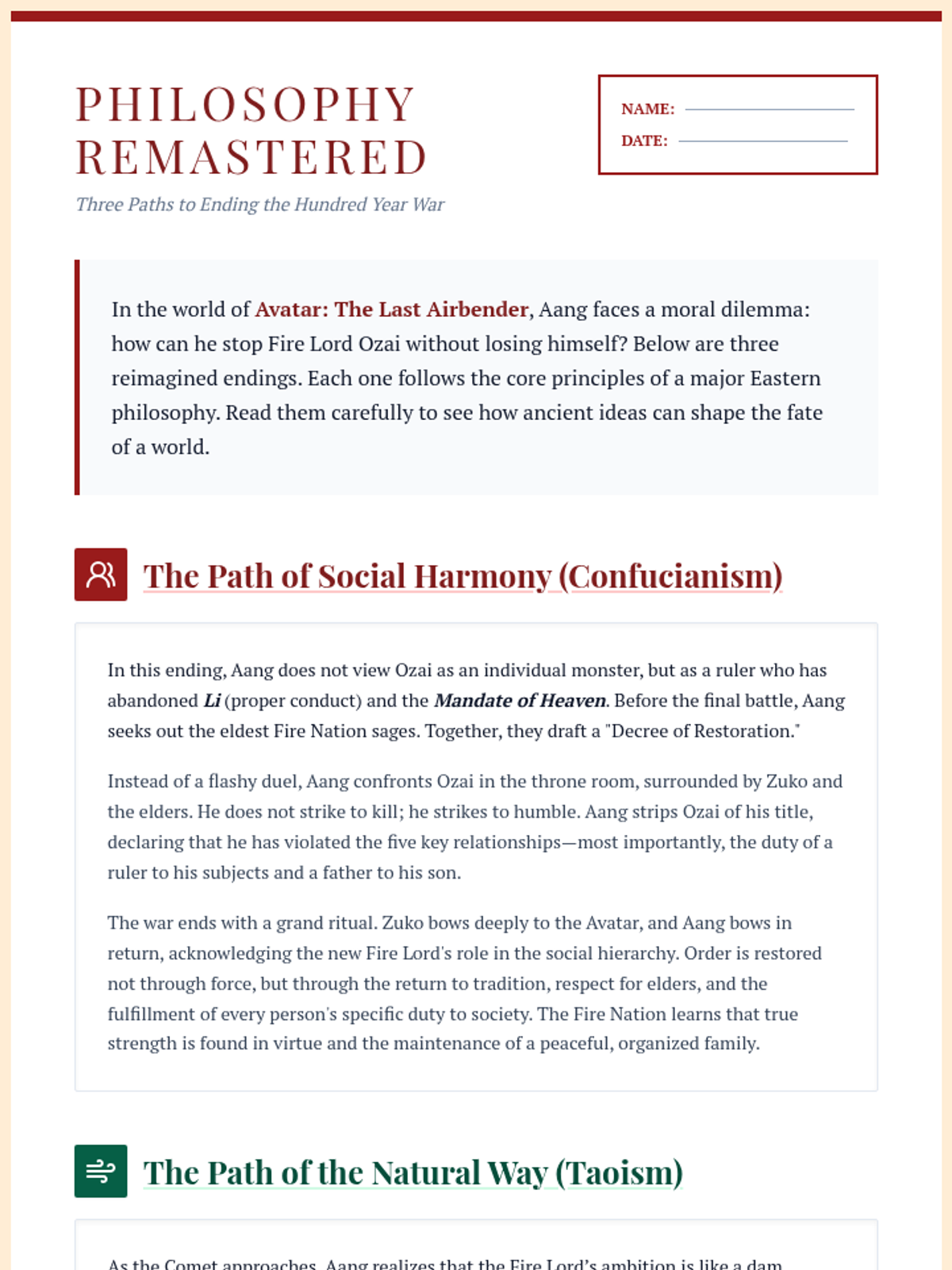
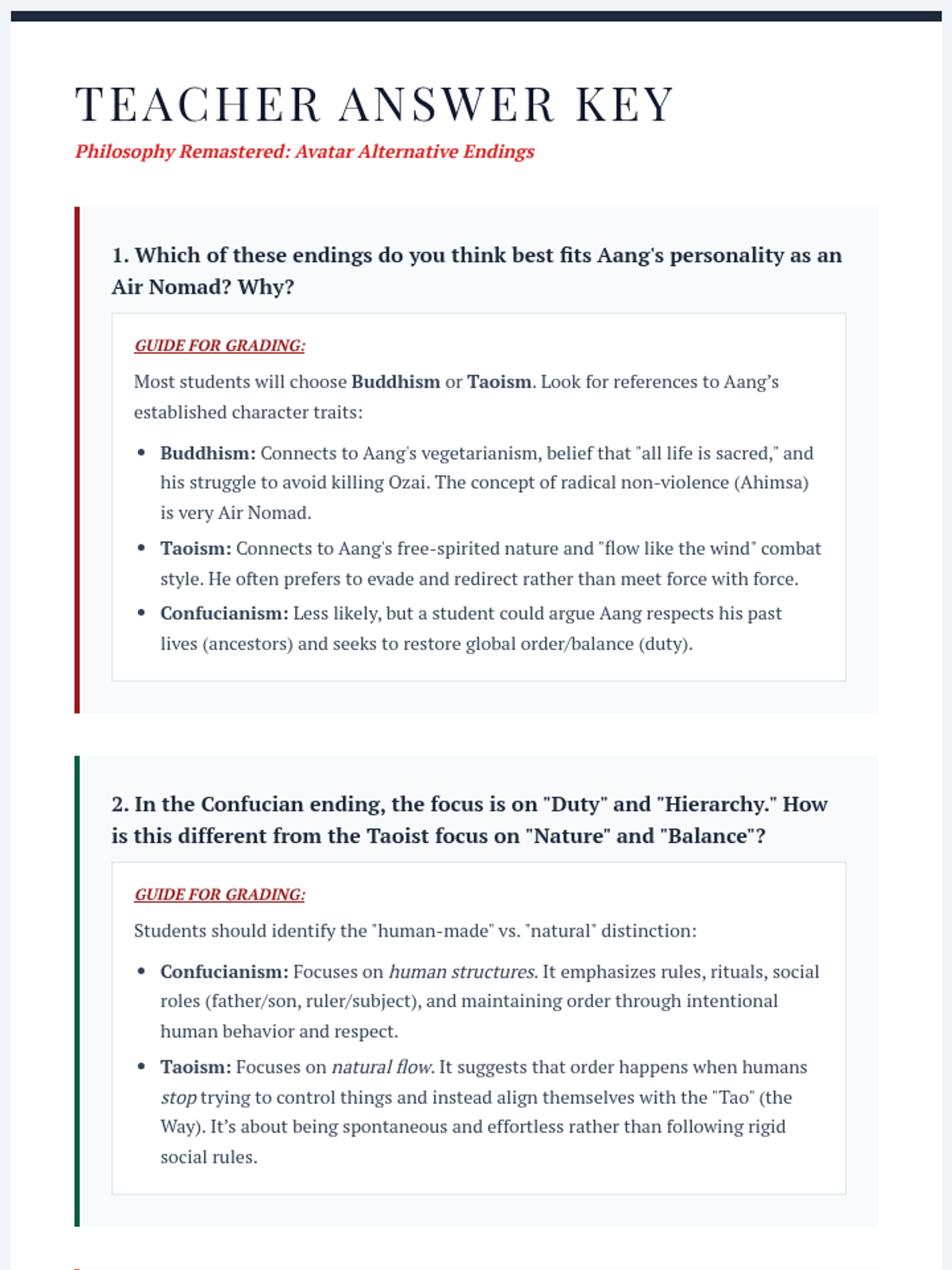
Students explore the core tenets of Confucianism, Taoism, and Buddhism by analyzing three alternative endings to the Avatar: The Last Airbender series, each reflecting a different Eastern philosophy.
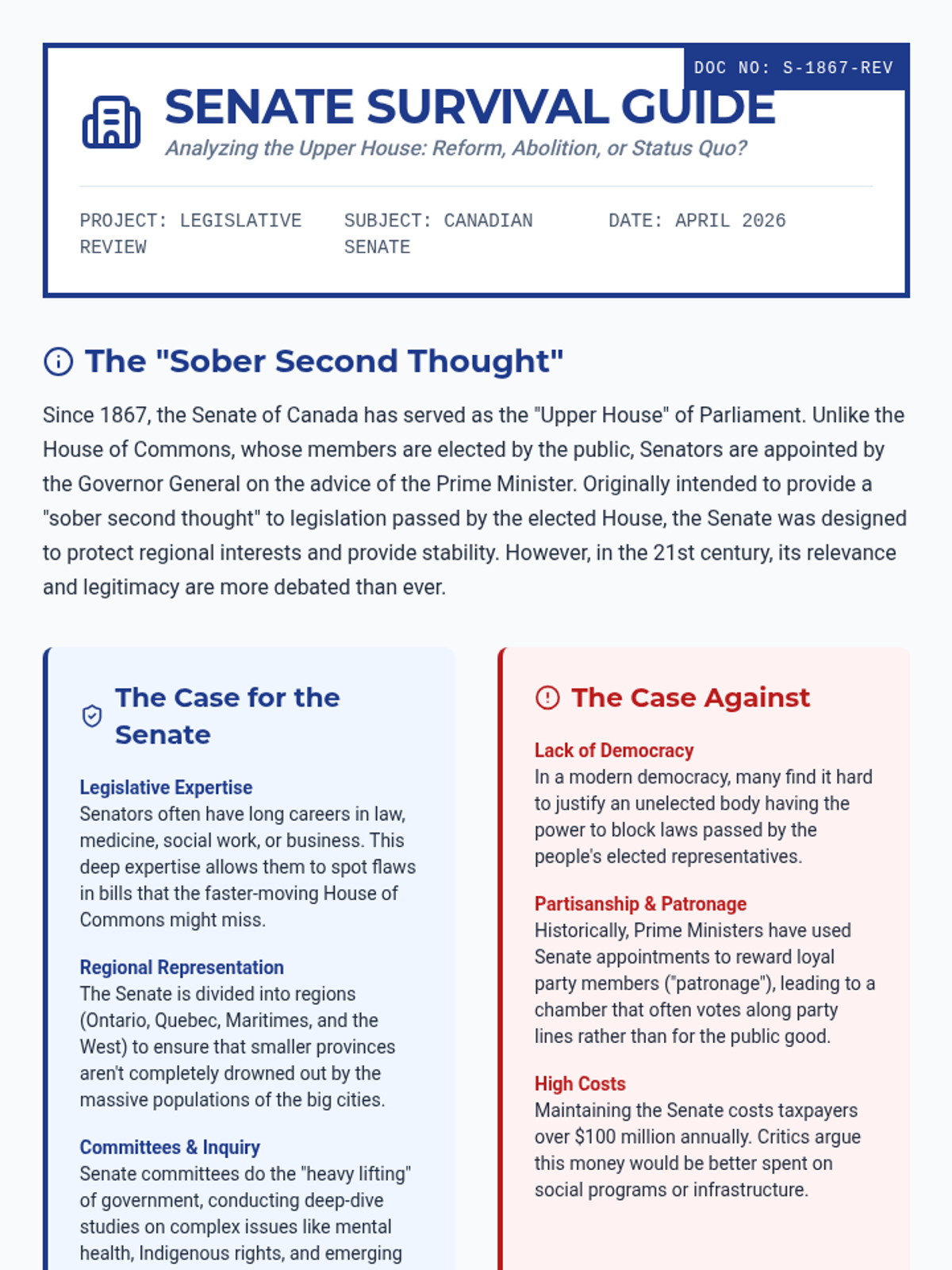
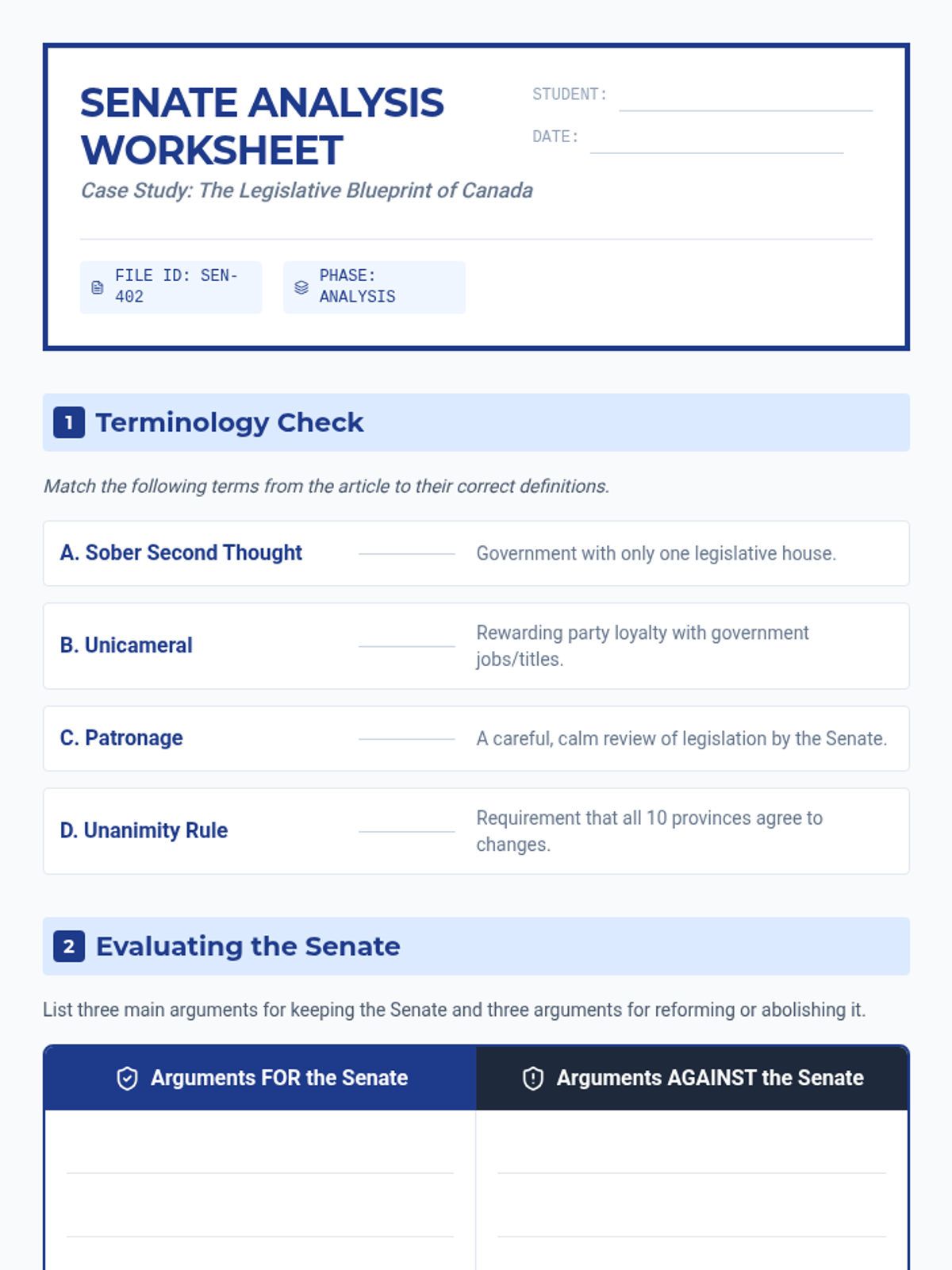
A comprehensive exploration of the Canadian Senate's role, the arguments for its continued existence, and the growing calls for its reform or complete abolition.
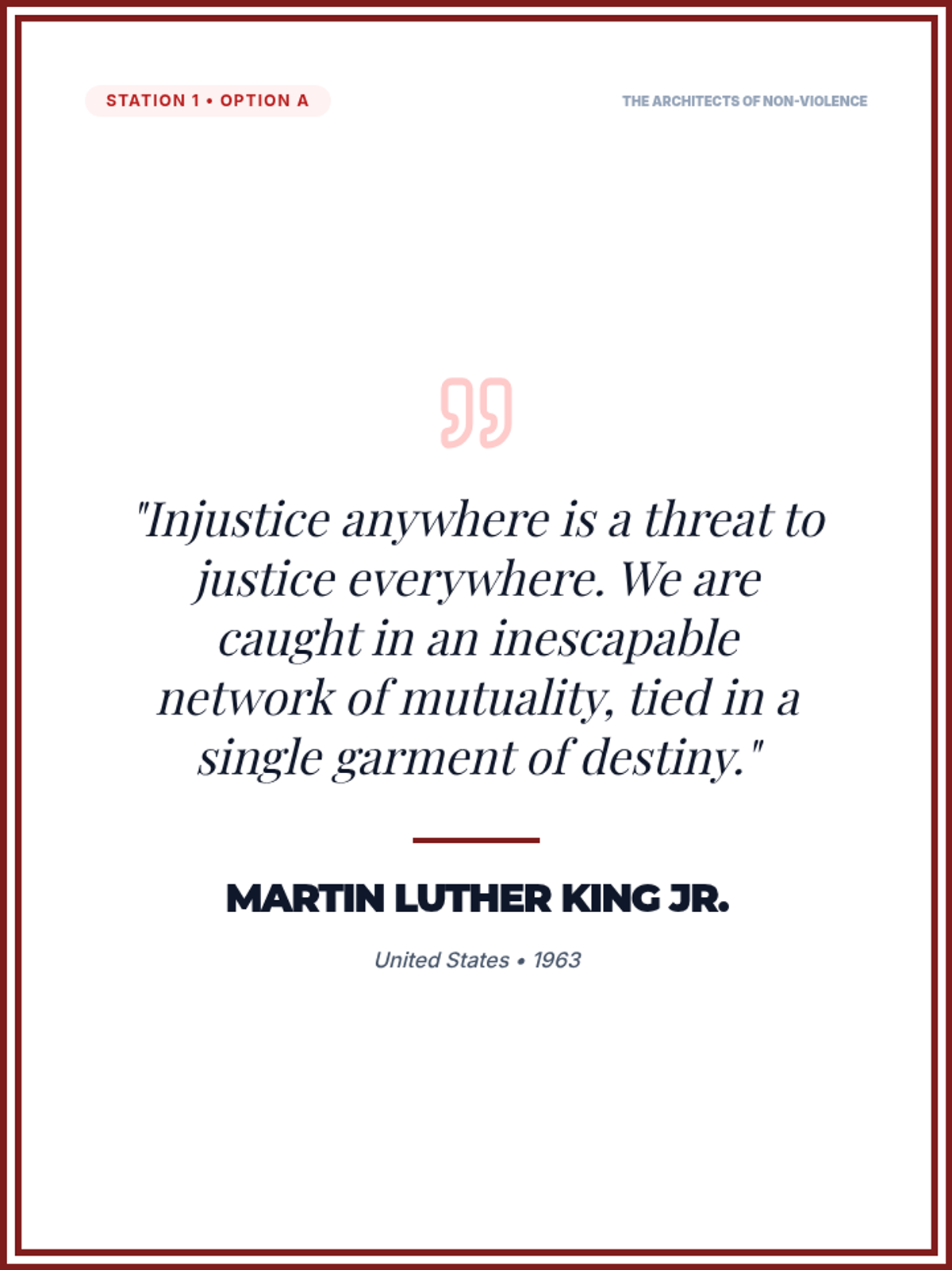
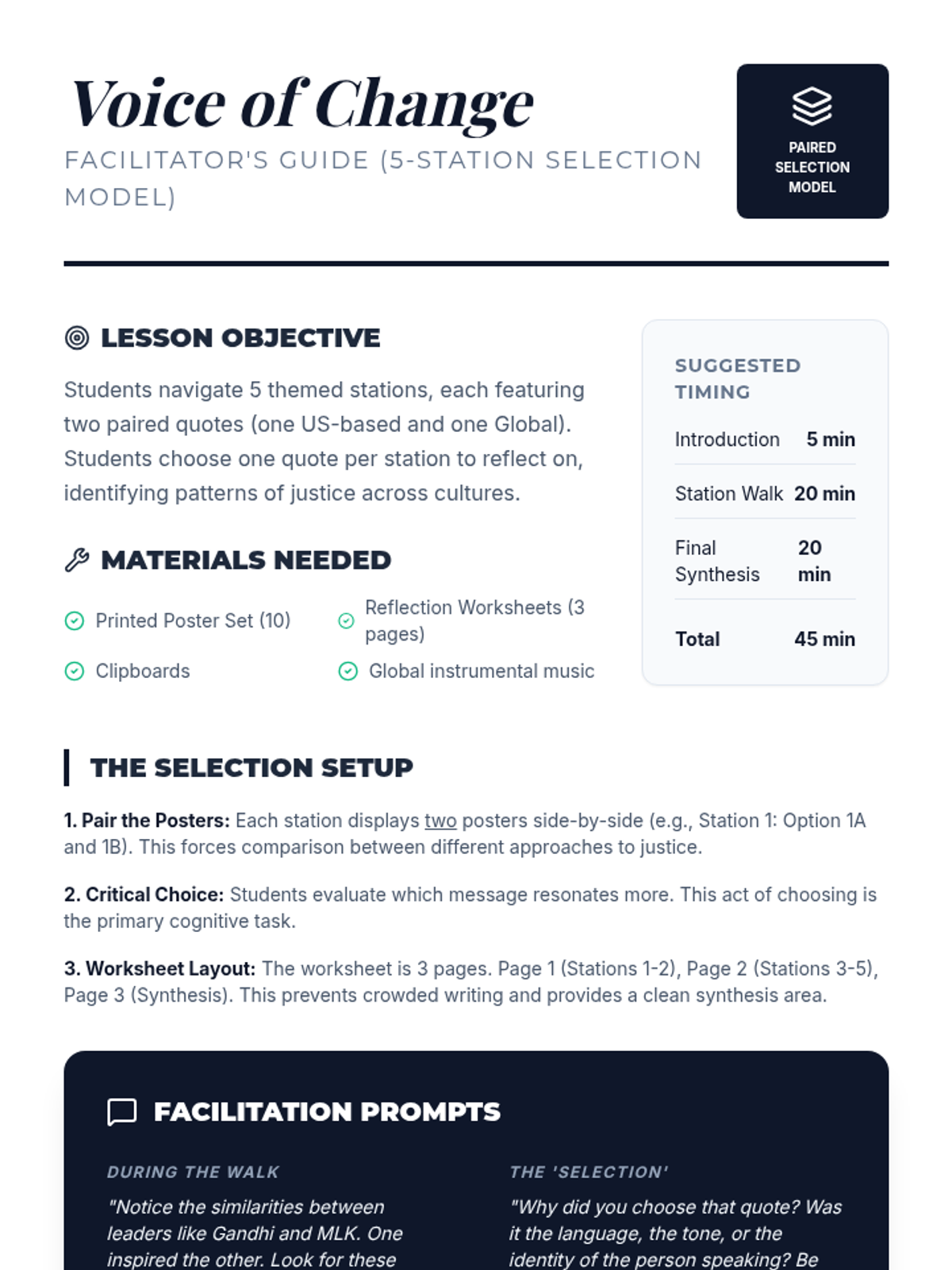
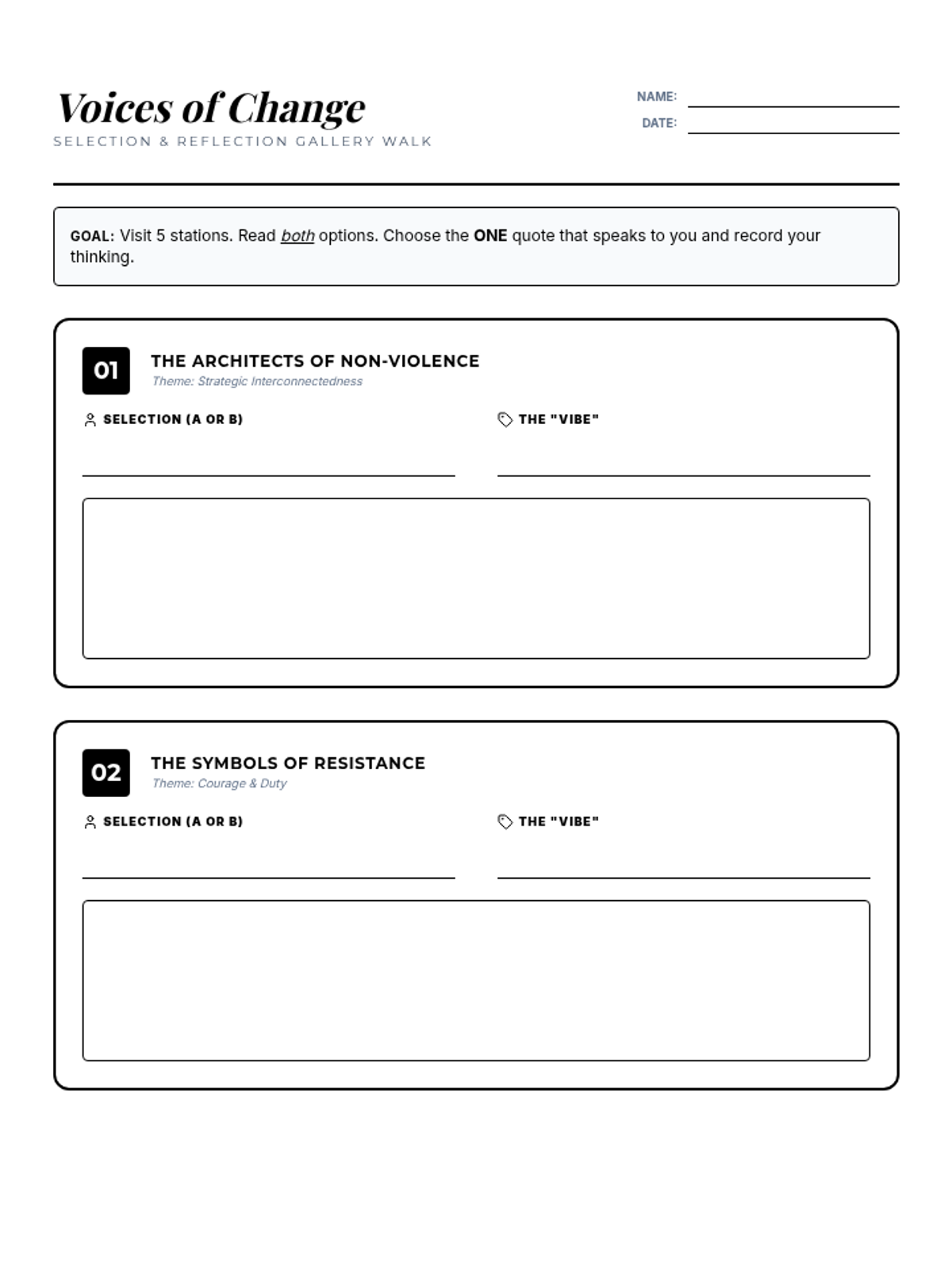
An introductory lesson exploring the Civil Rights Movement through the powerful words of its leaders. Students engage in a gallery walk to analyze quotes, reflect on leadership styles, and connect historical messages to modern contexts.
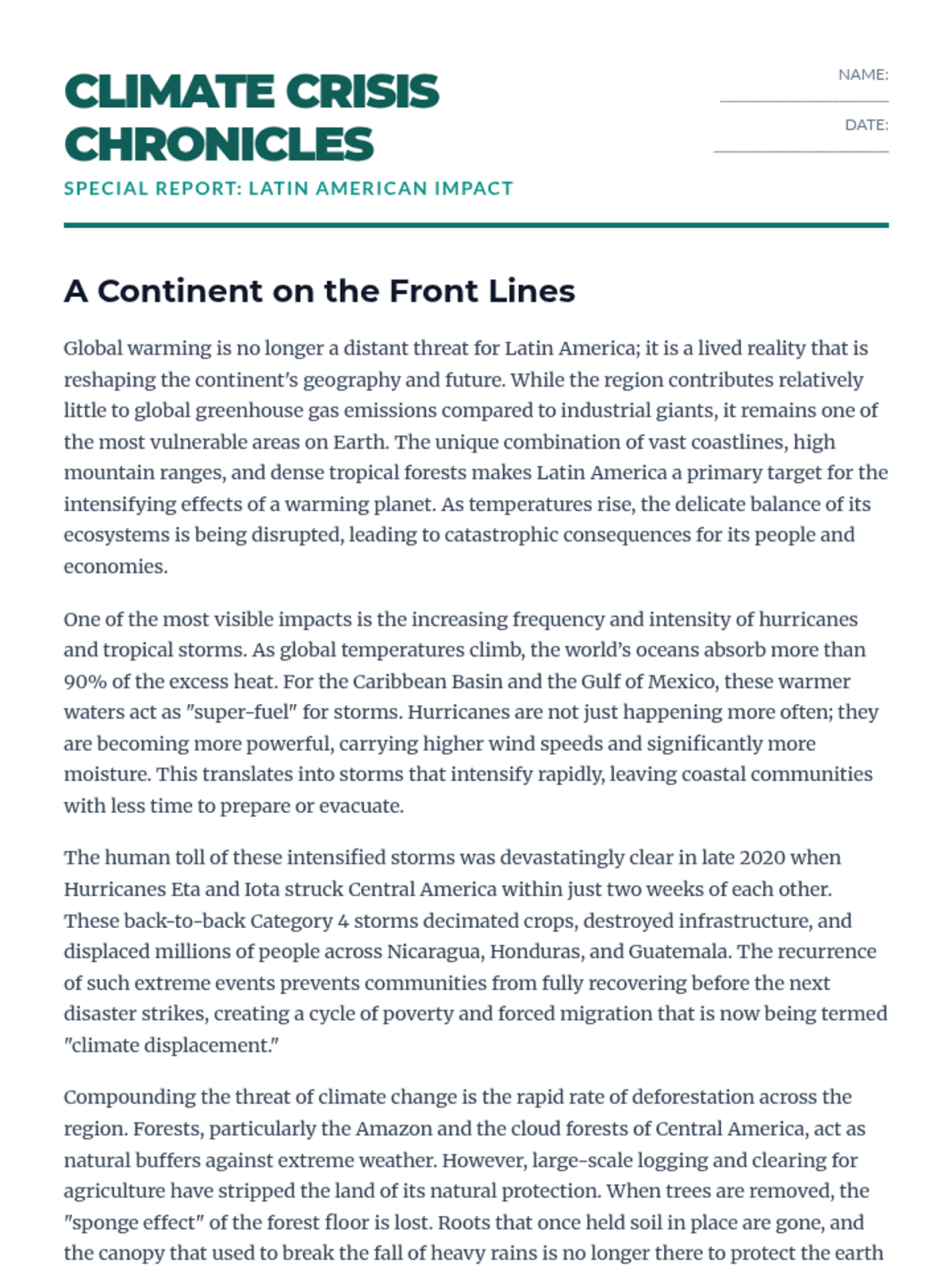
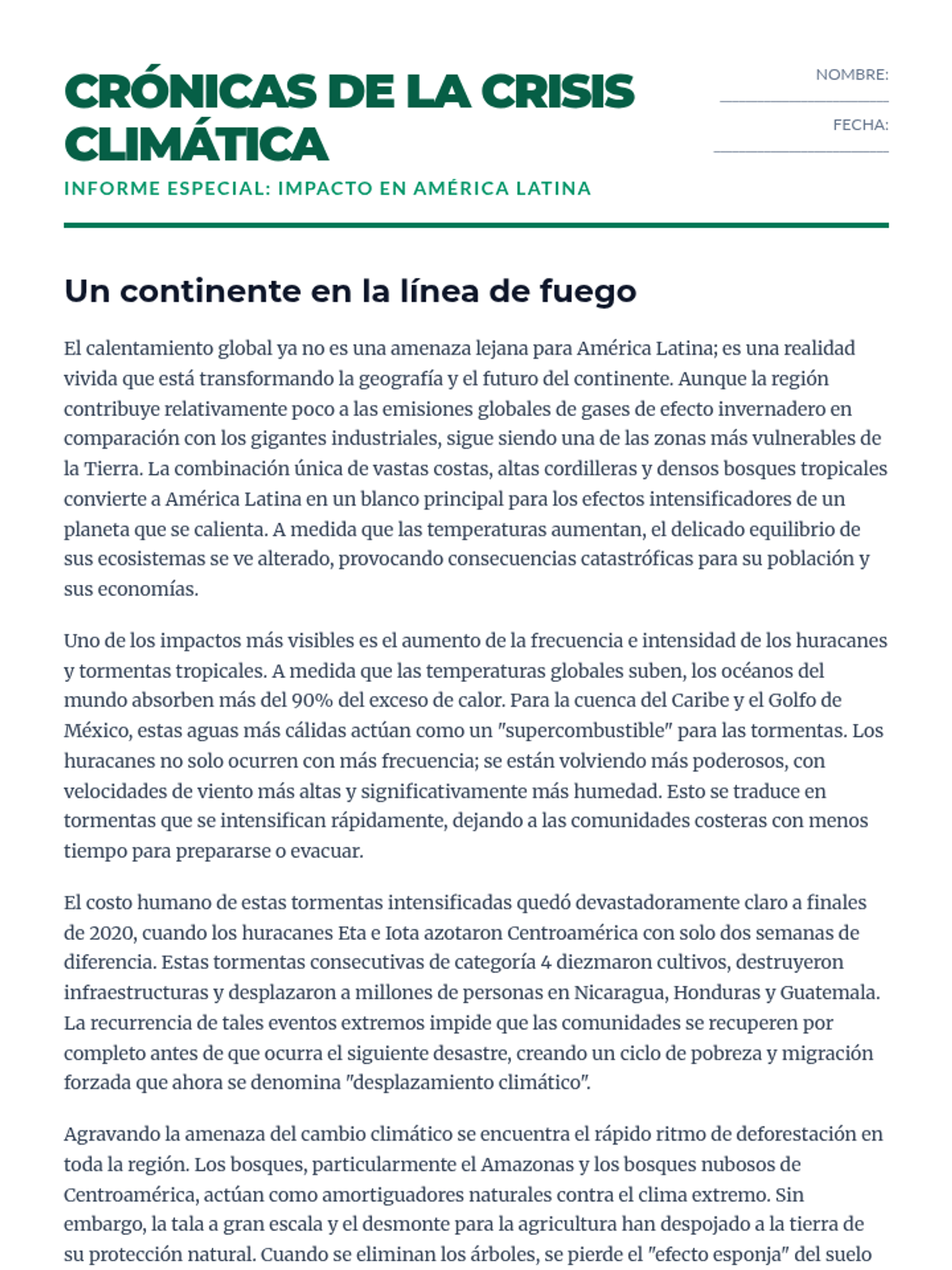
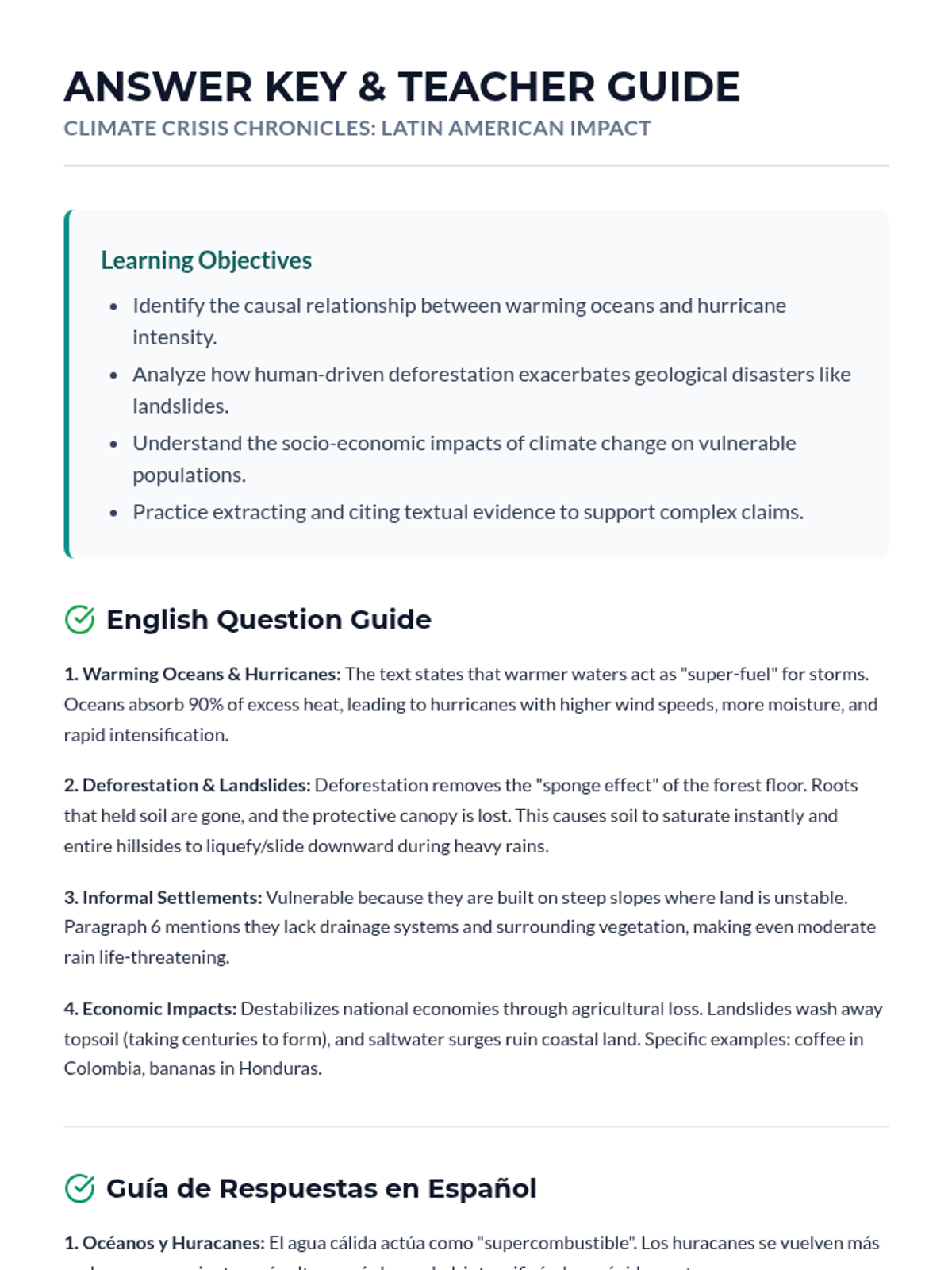
A comprehensive reading and analysis lesson exploring the specific impacts of global warming on Latin America, focusing on hurricanes, deforestation, and landslides.