A foundational exploration of Jim Crow laws, their impact on Black American life, and how they served as the primary catalyst for the Great Migration and the Harlem Renaissance.
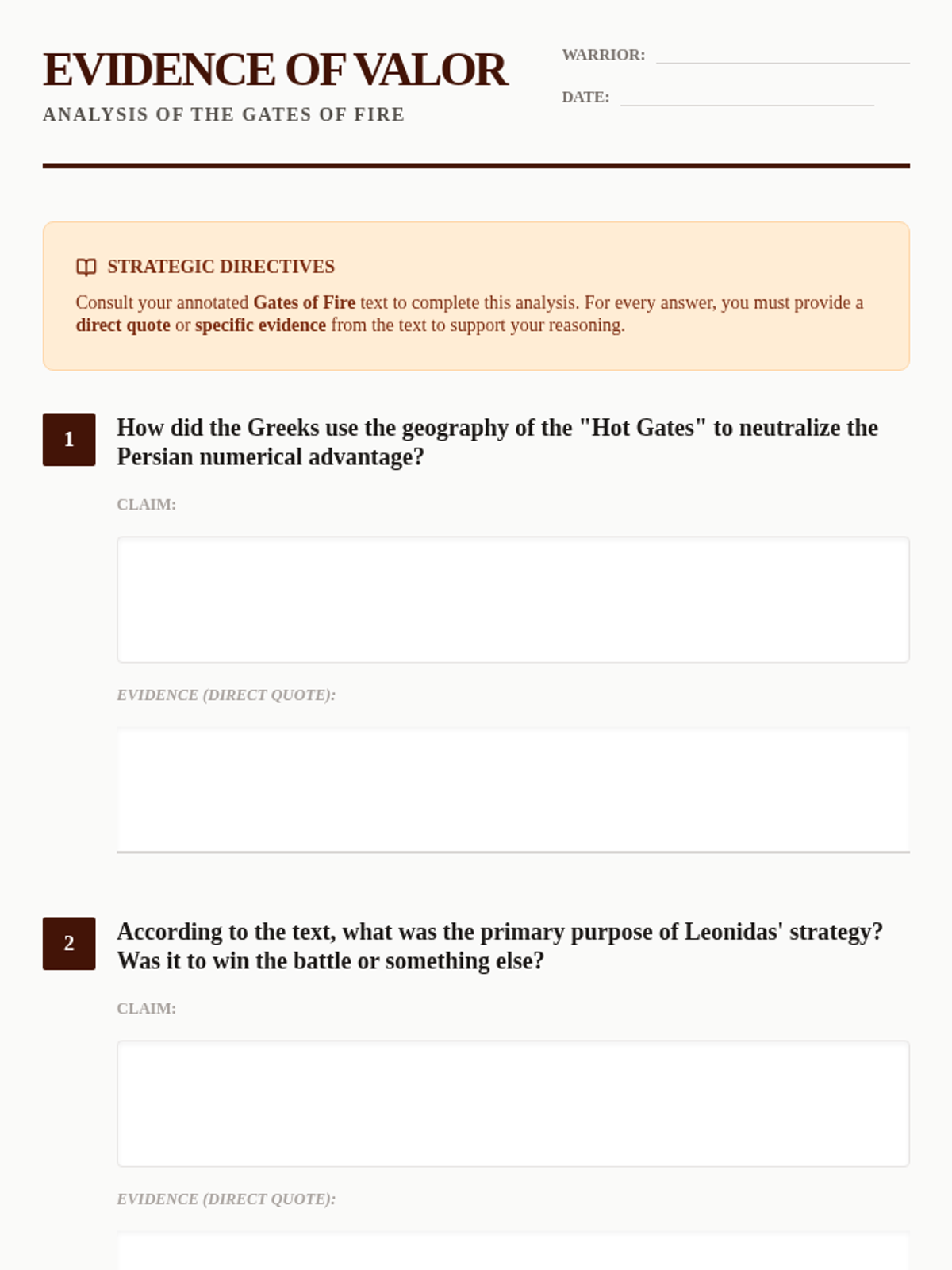
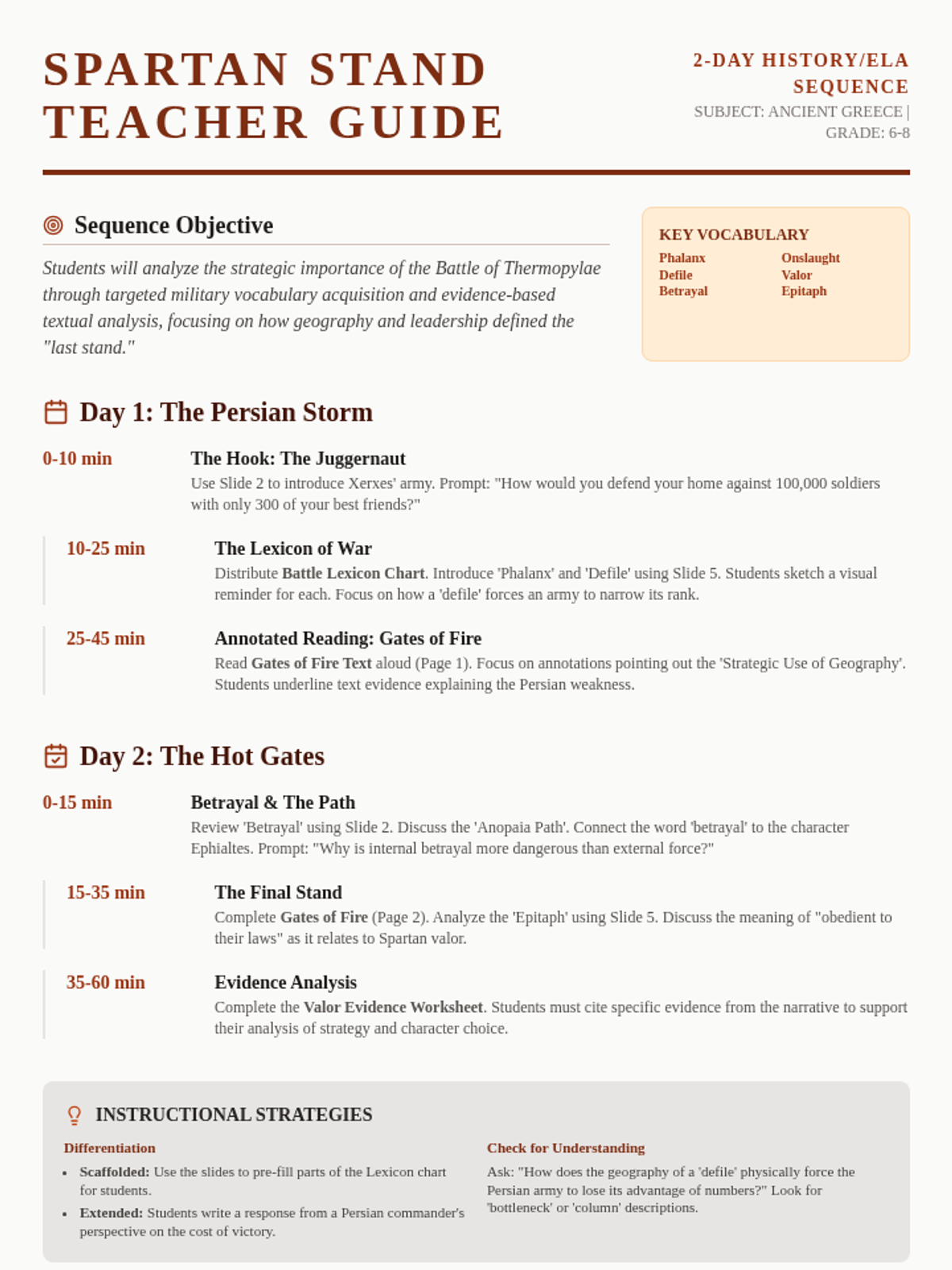
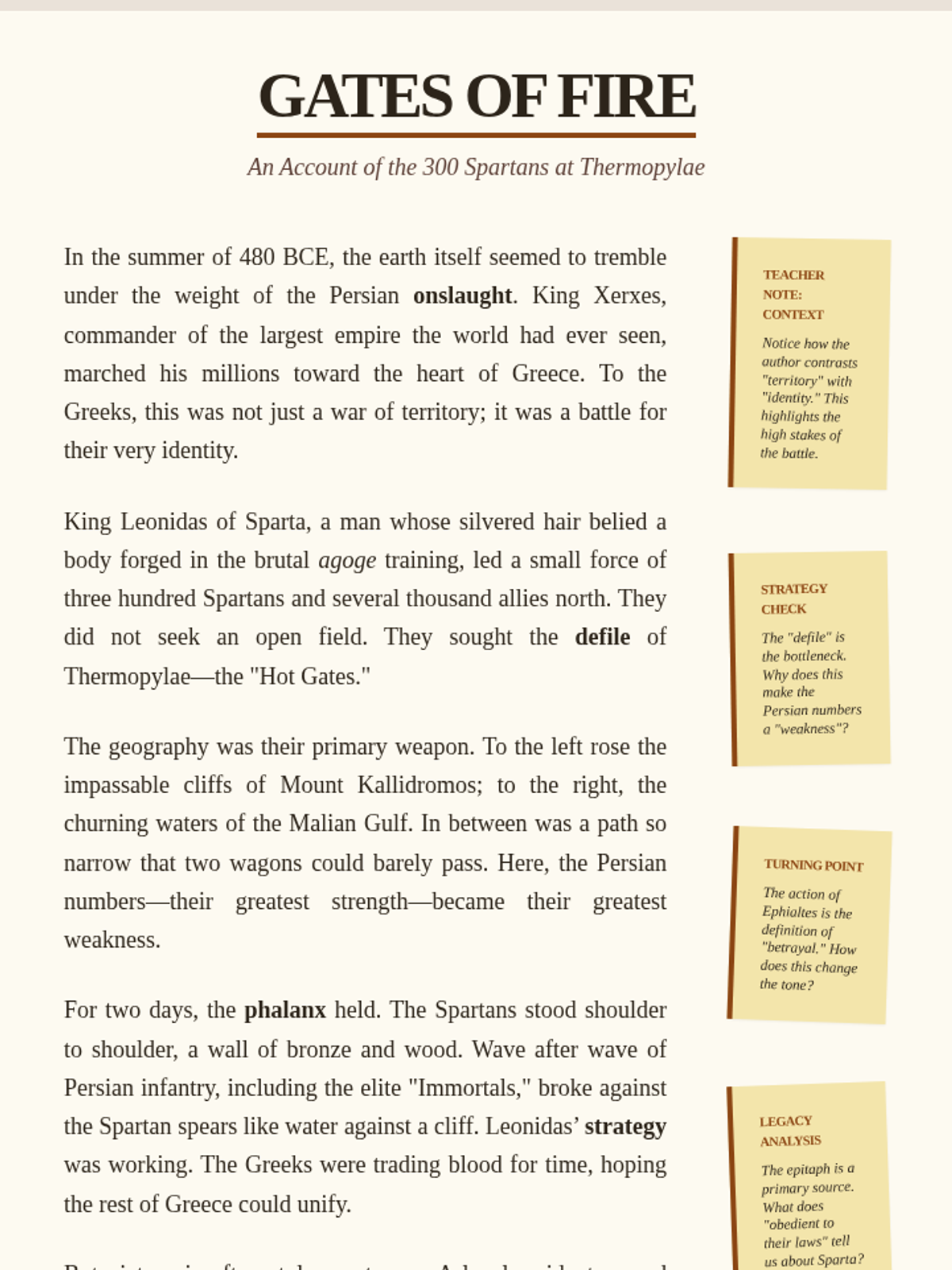
An analysis of the battle's climax, the betrayal at the Anopaia path, and the lasting legacy of the 300 Spartans using evidence-based text analysis.
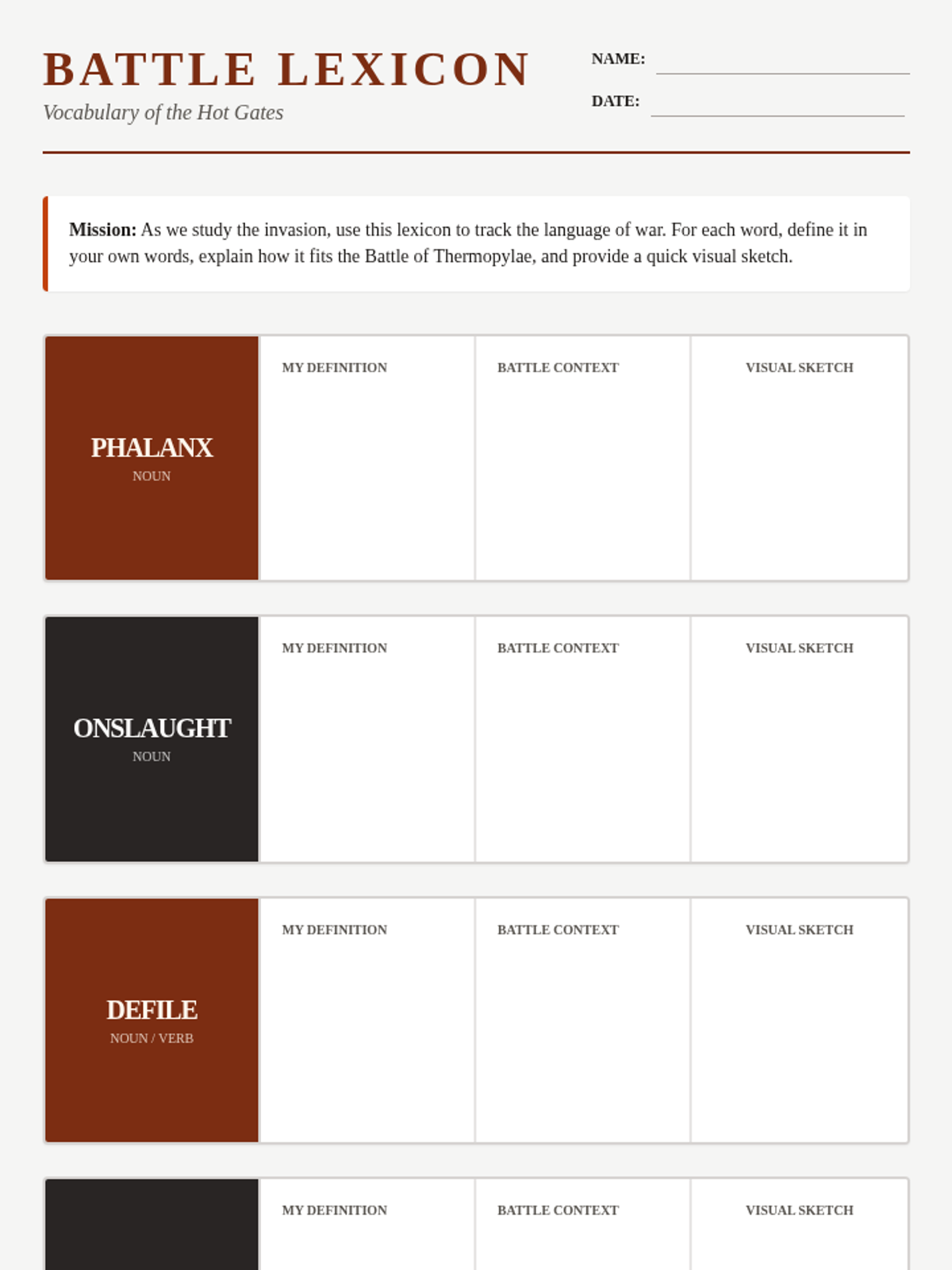
Introduction to the Persian invasion, King Leonidas, and the strategic importance of the "Hot Gates" with a focus on tier-two and tier-three military vocabulary.
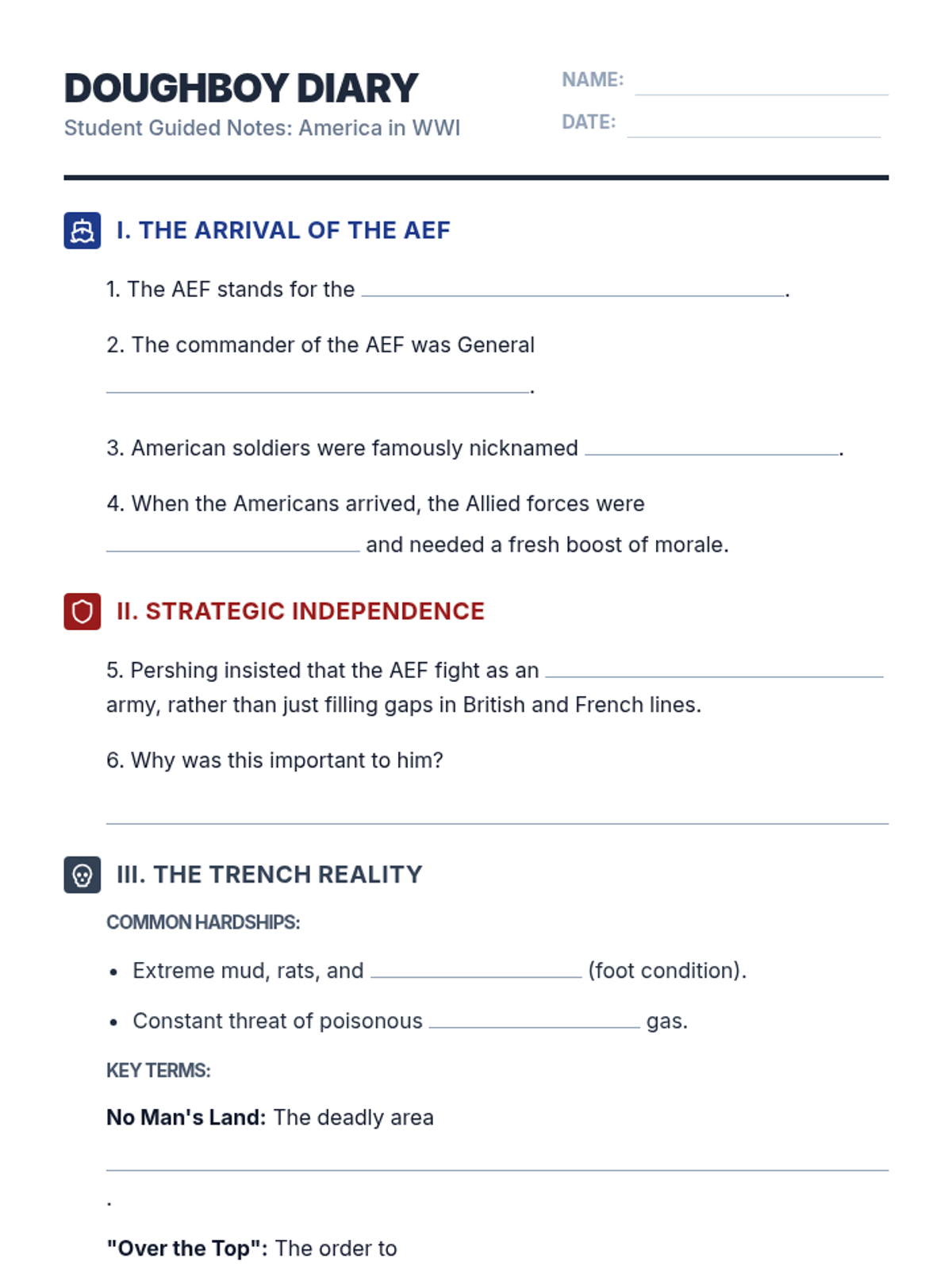
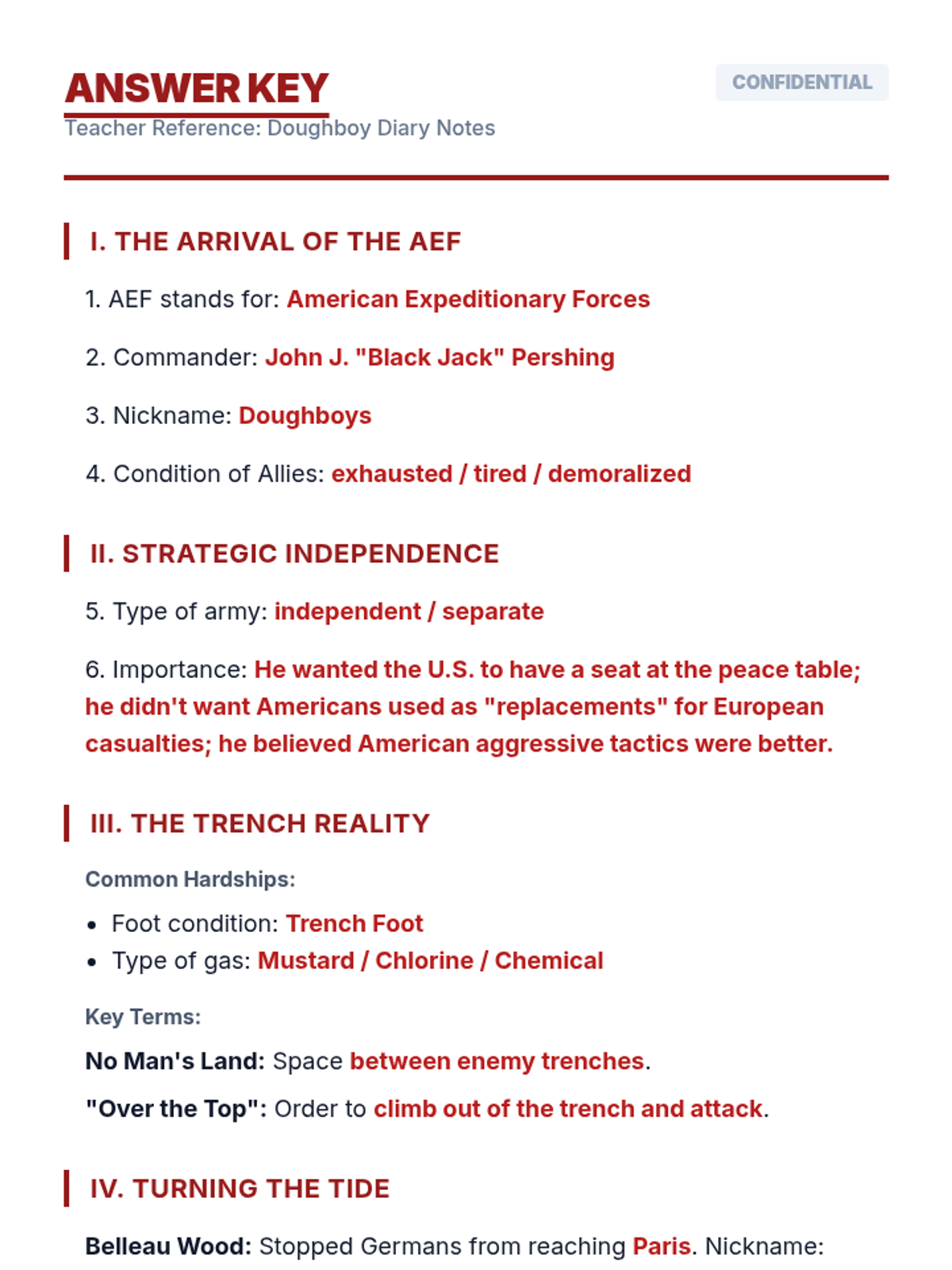
This lesson explores the arrival of the American Expeditionary Forces in Europe during WWI, focusing on their military contributions, the harsh realities of trench warfare, and their role in the Allied victory.
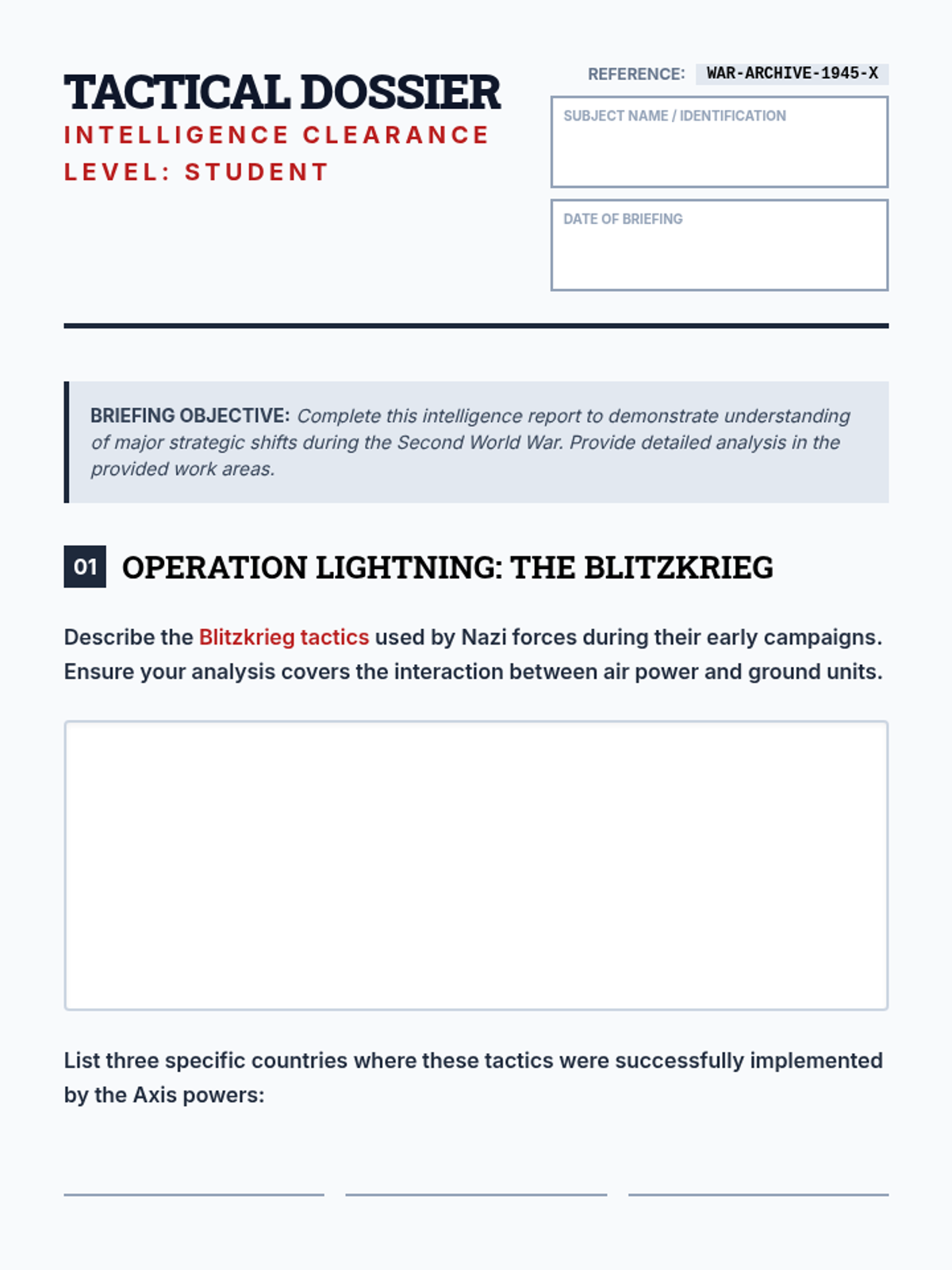
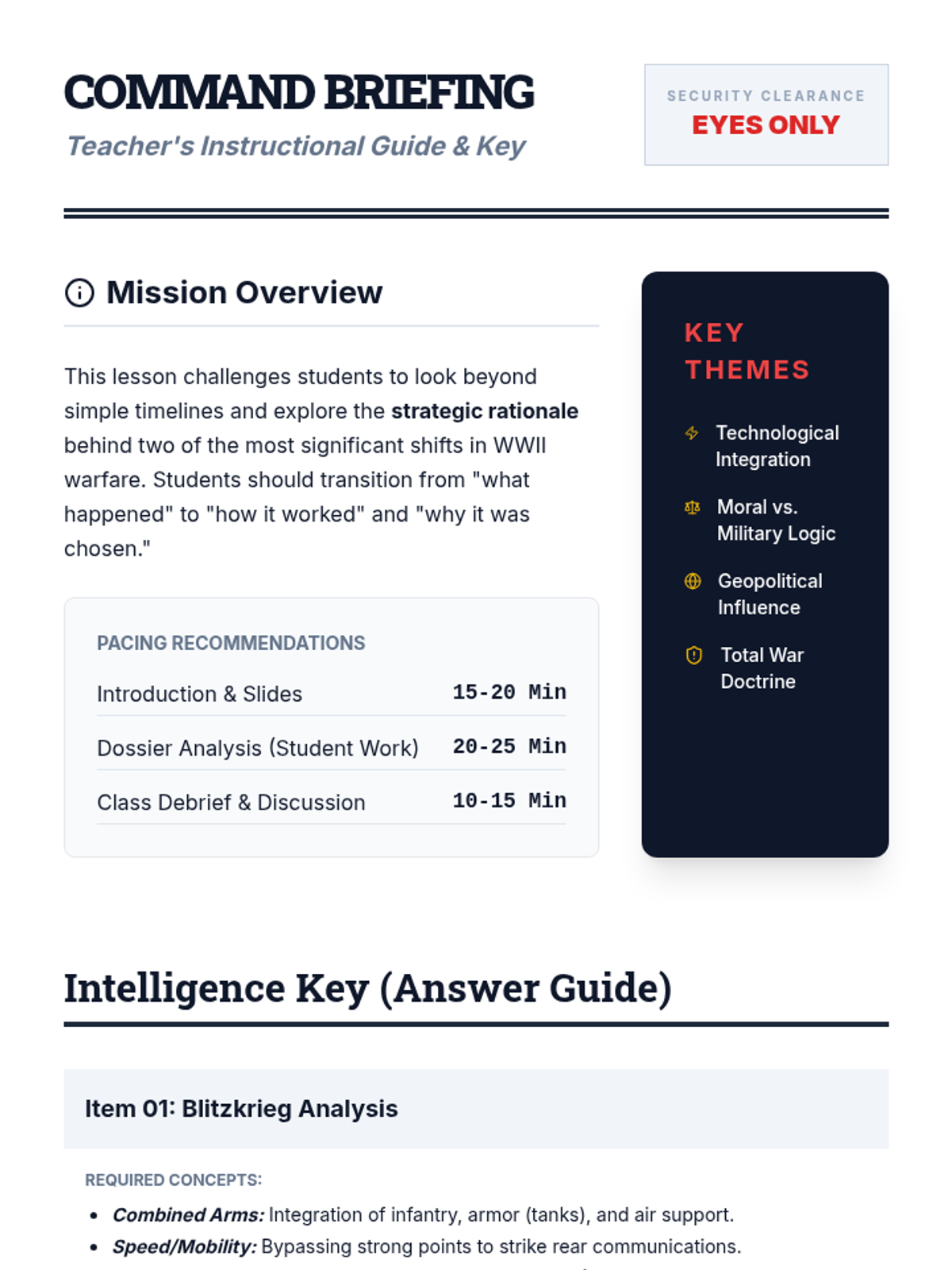
An exploration of two pivotal shifts in WWII strategy: the rapid-fire Blitzkrieg tactics of the Axis powers and the catastrophic decision-making behind the Atomic Bomb.
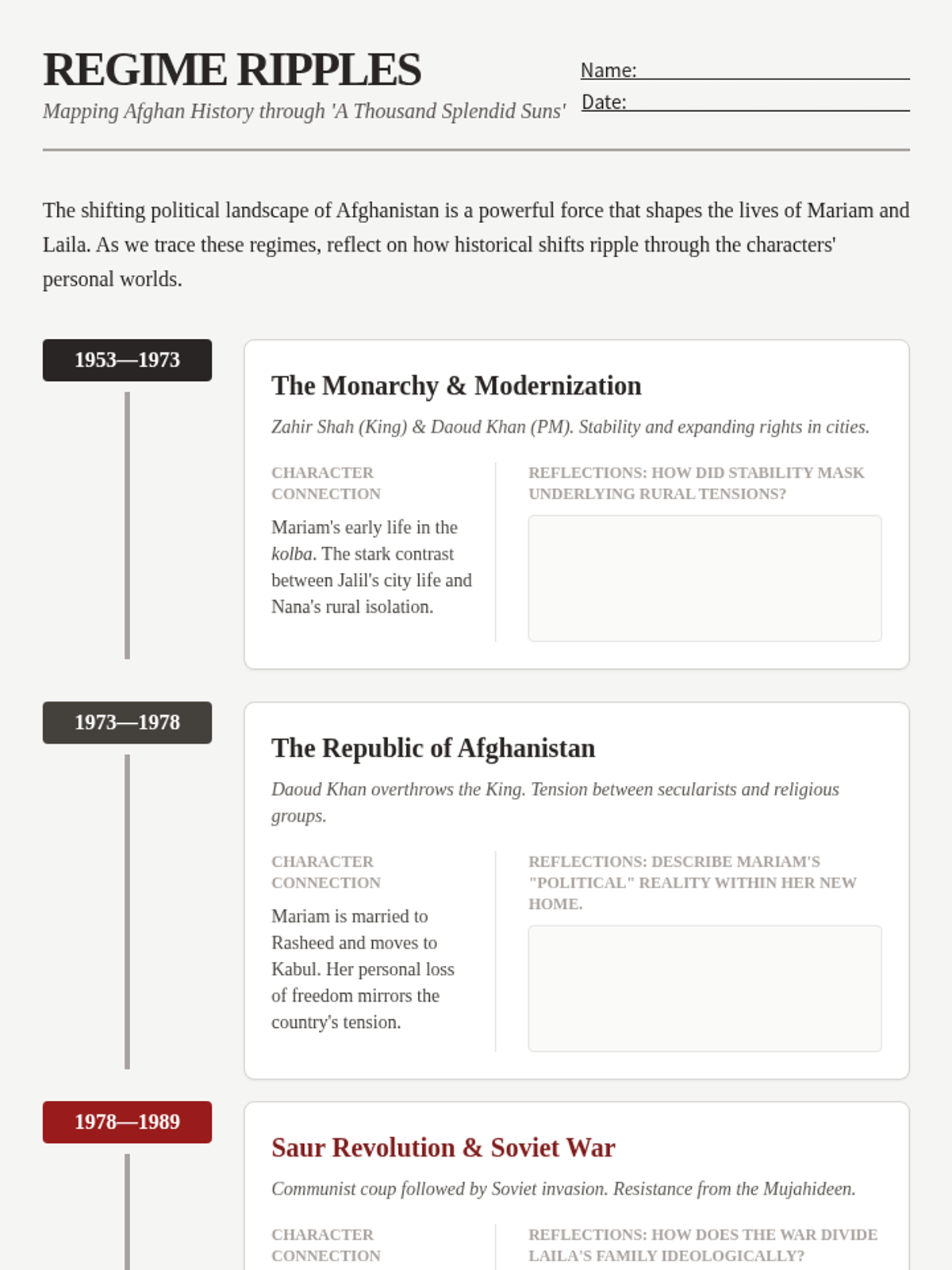
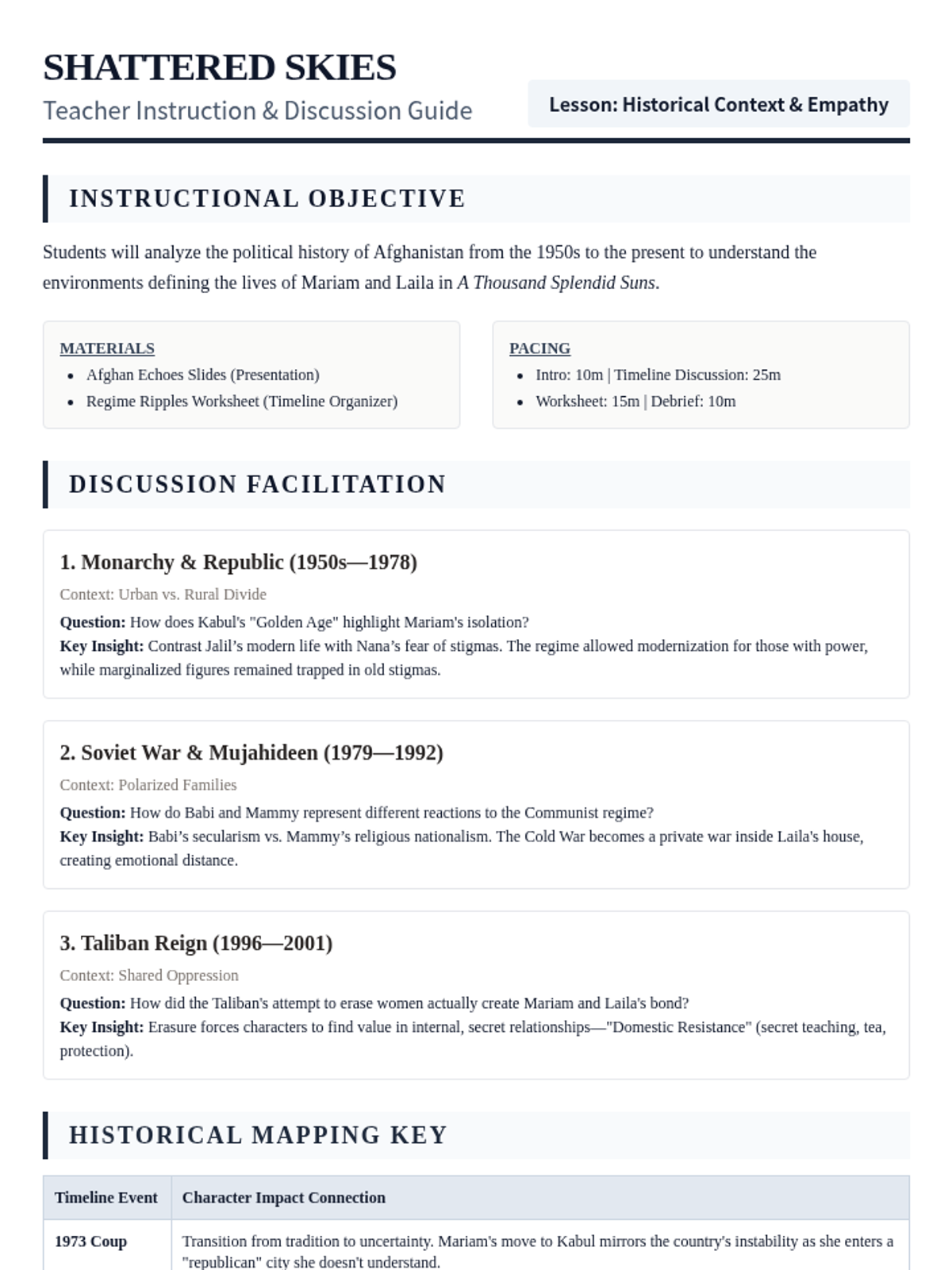
A deep dive into the historical timeline of Afghanistan from the 1950s to the present, mapping political regimes to the narrative arcs of Mariam and Laila to build empathy and historical literacy.
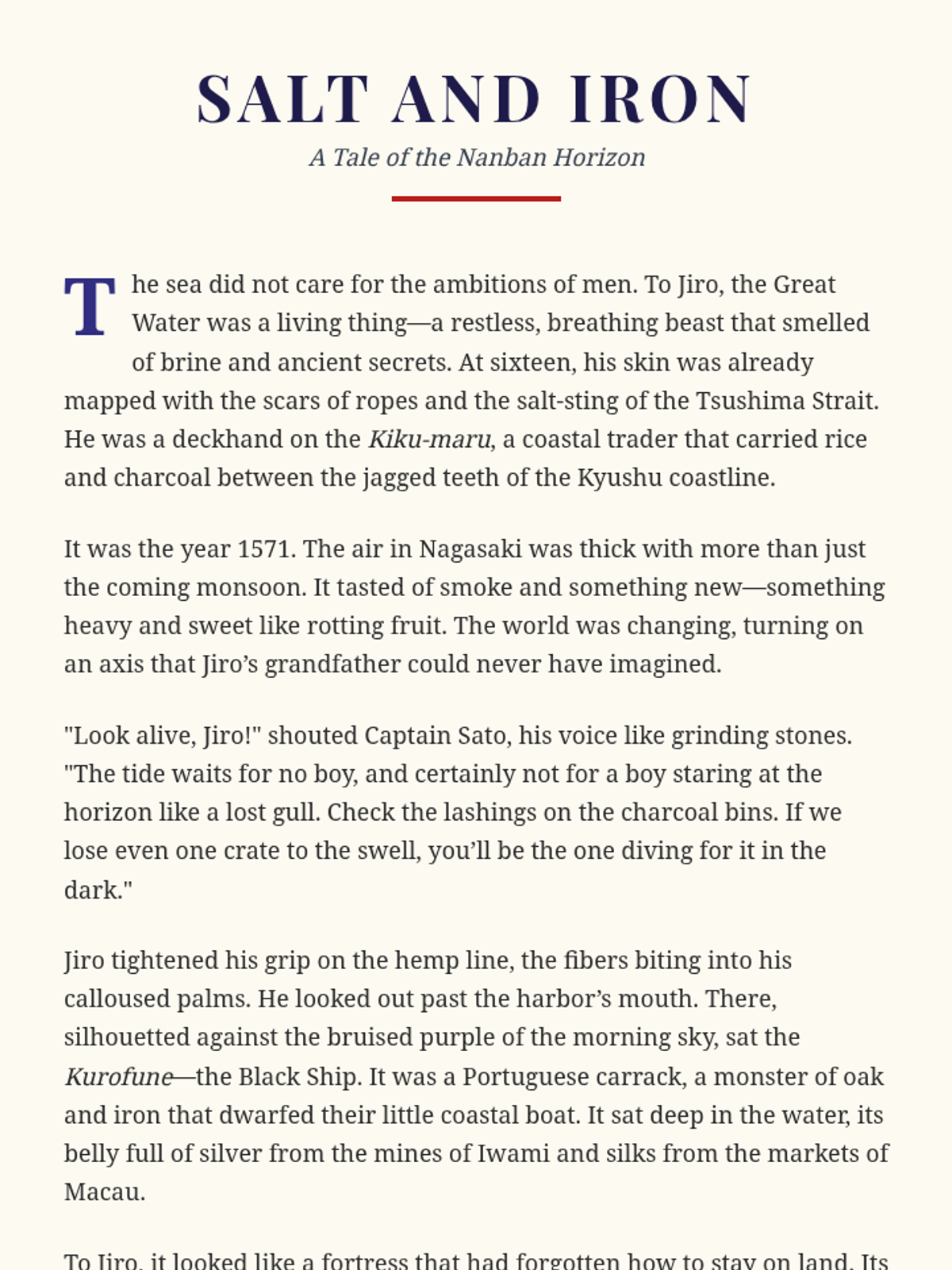
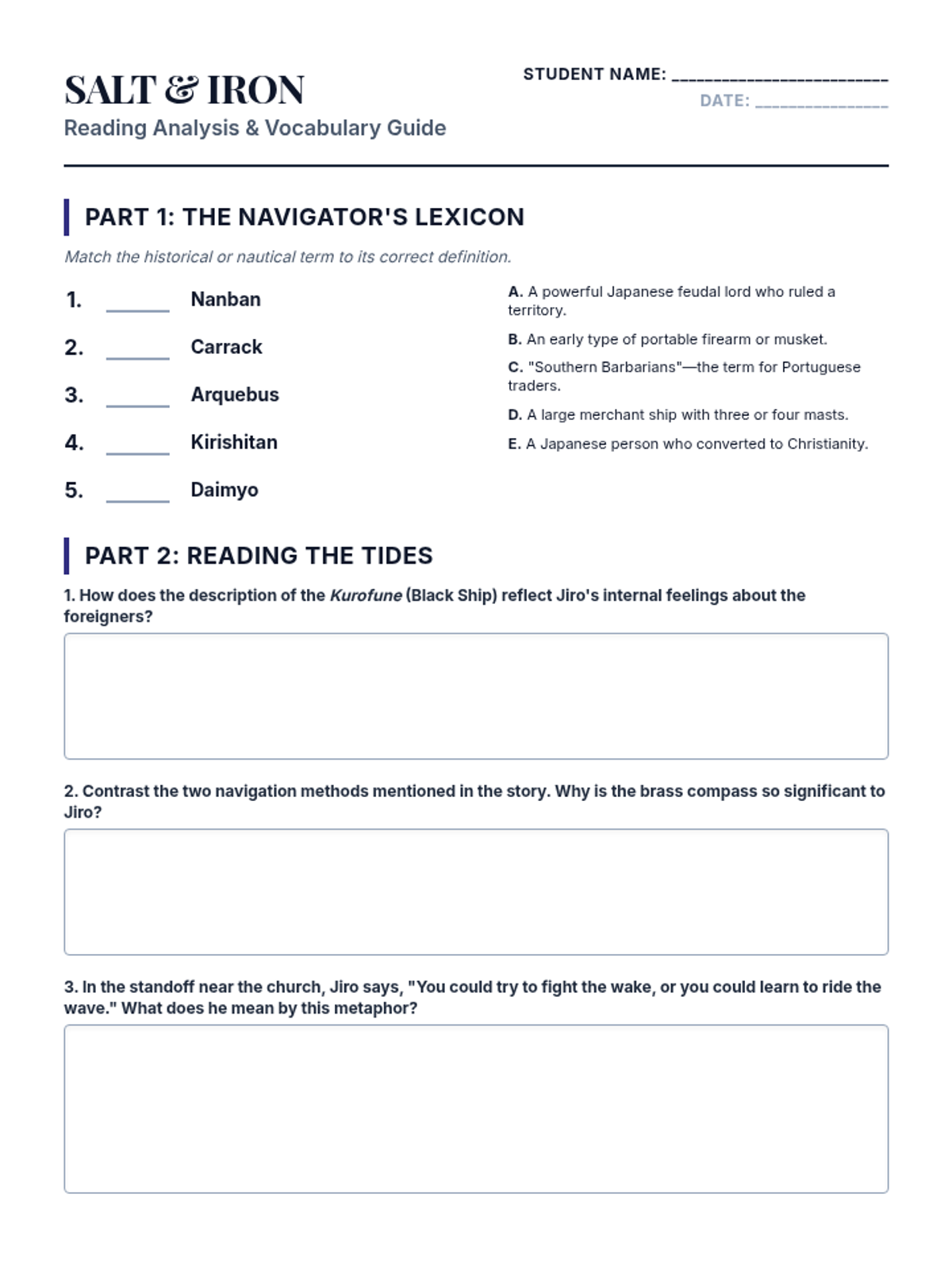
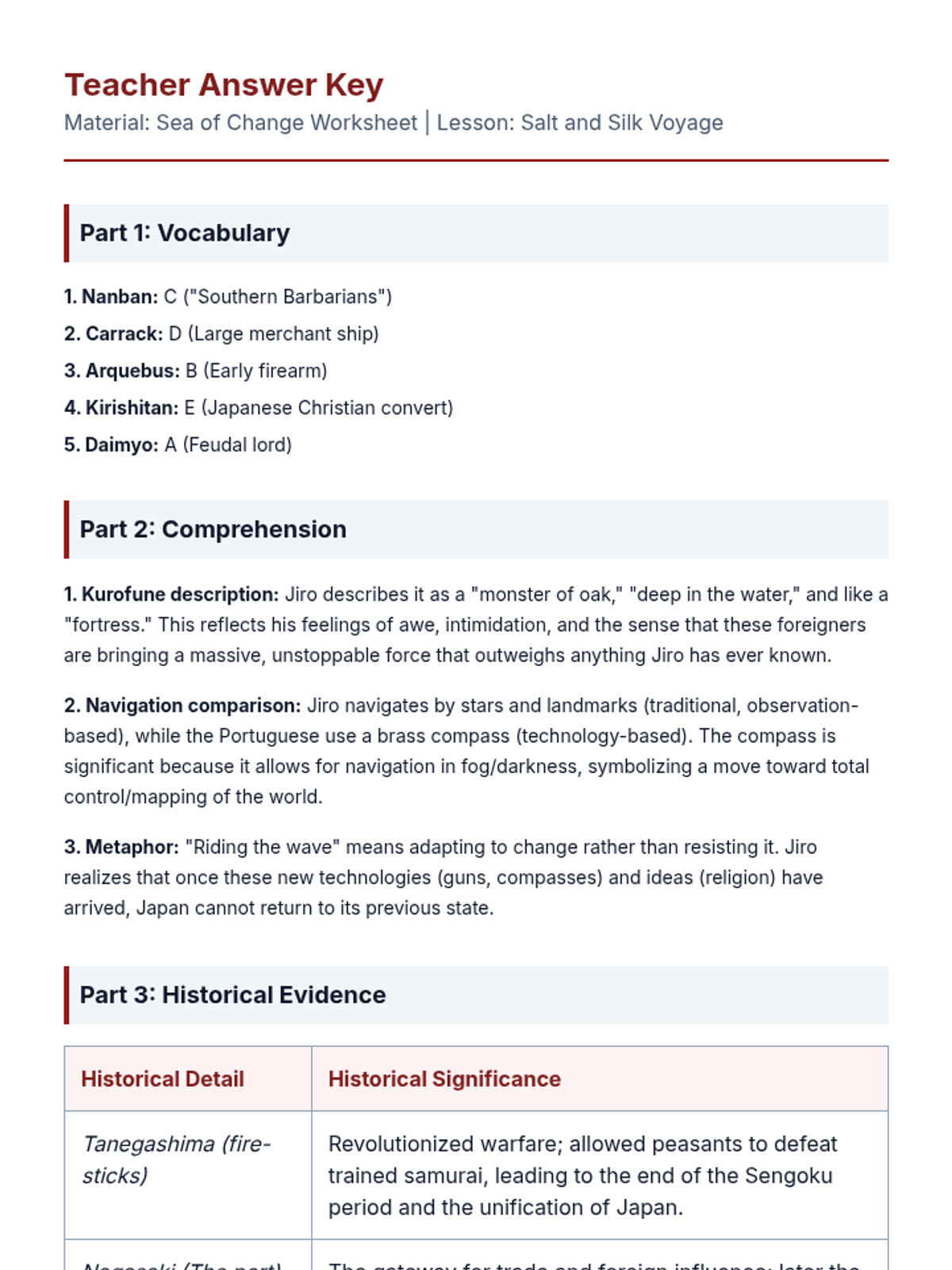
A deep dive into 16th-century Japan during the Nanban trade era through the eyes of a young sailor encountering Portuguese explorers. Students explore historical context, vocabulary, and literary themes of cultural exchange and conflict.
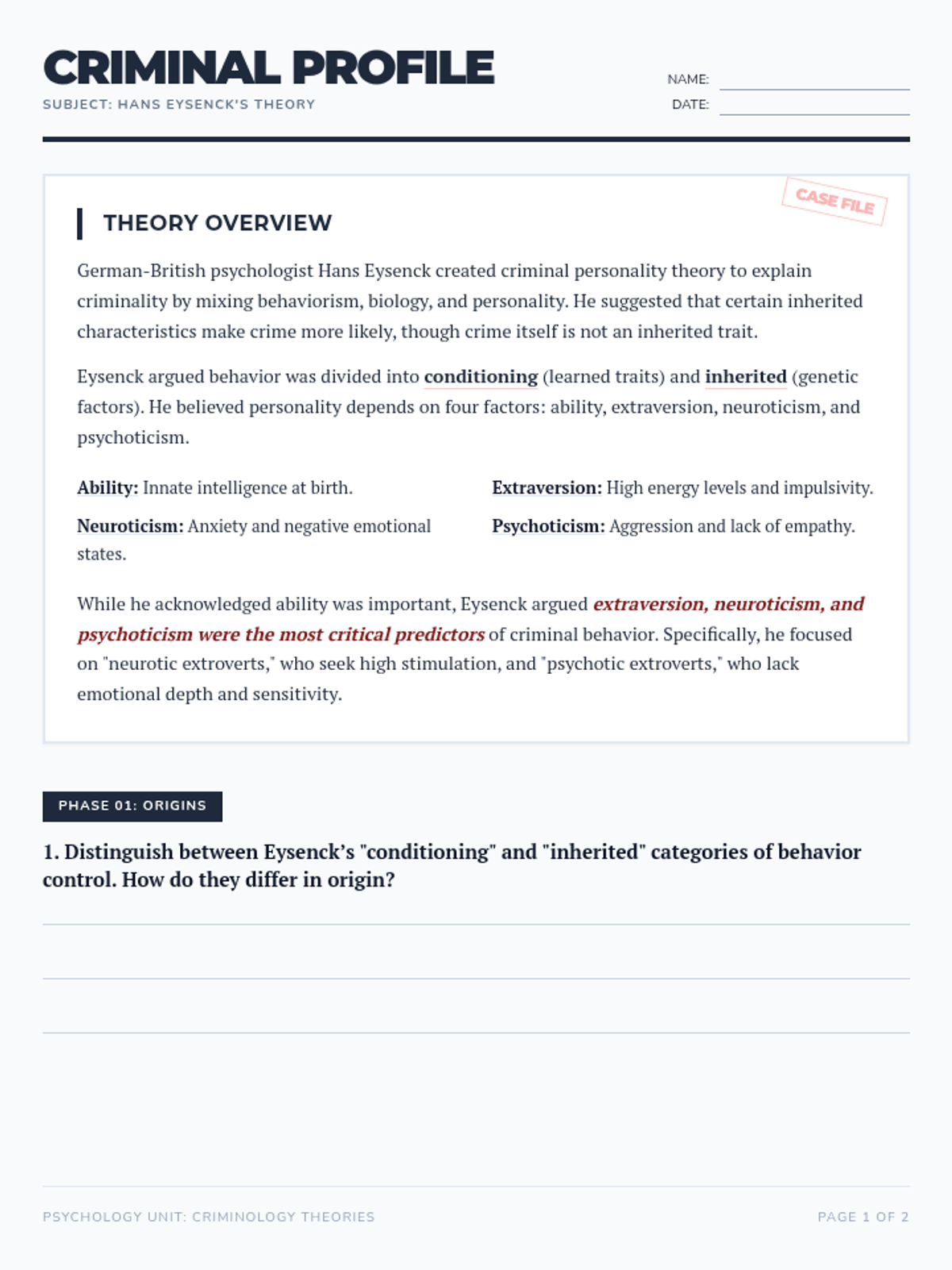
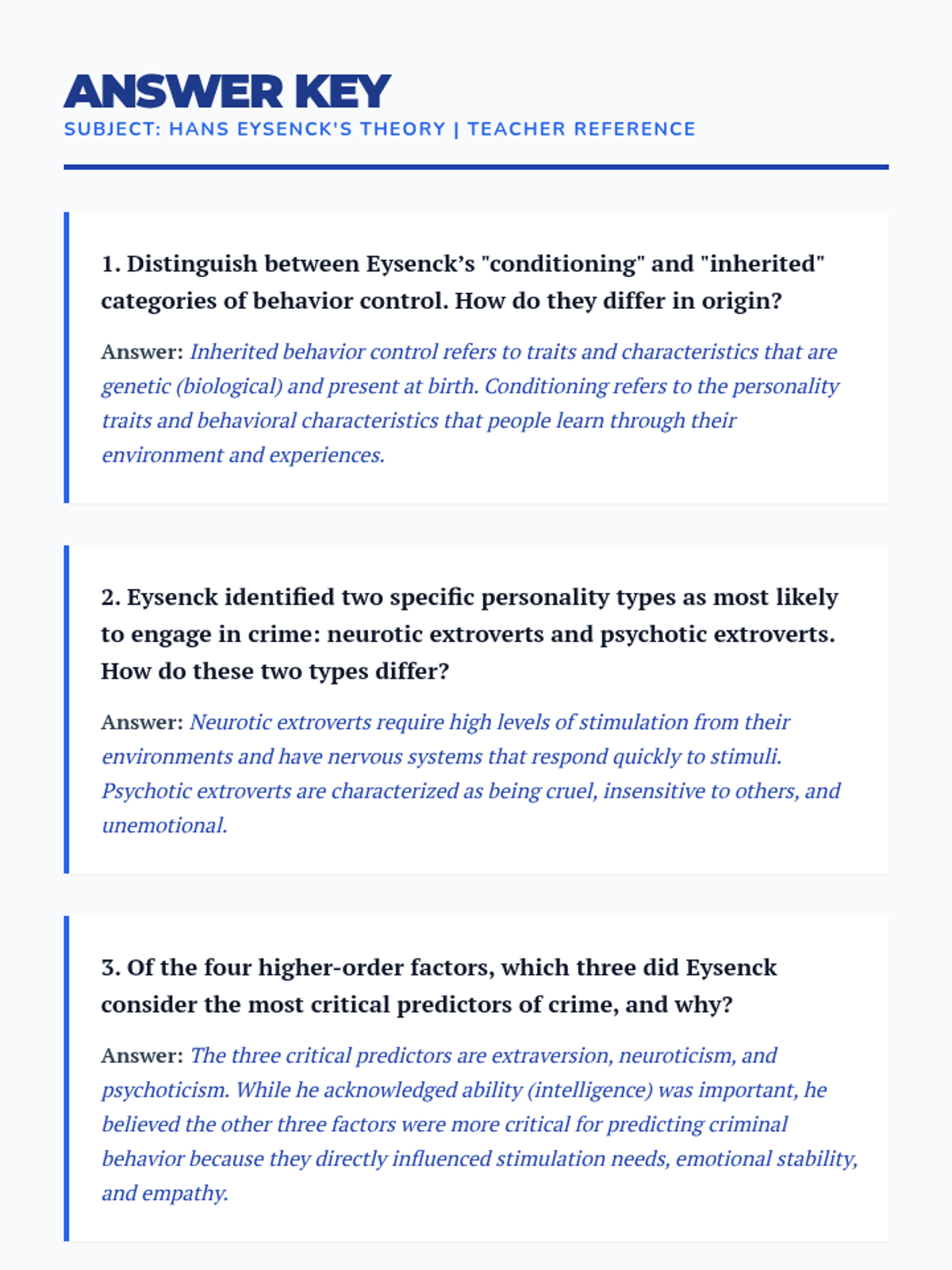
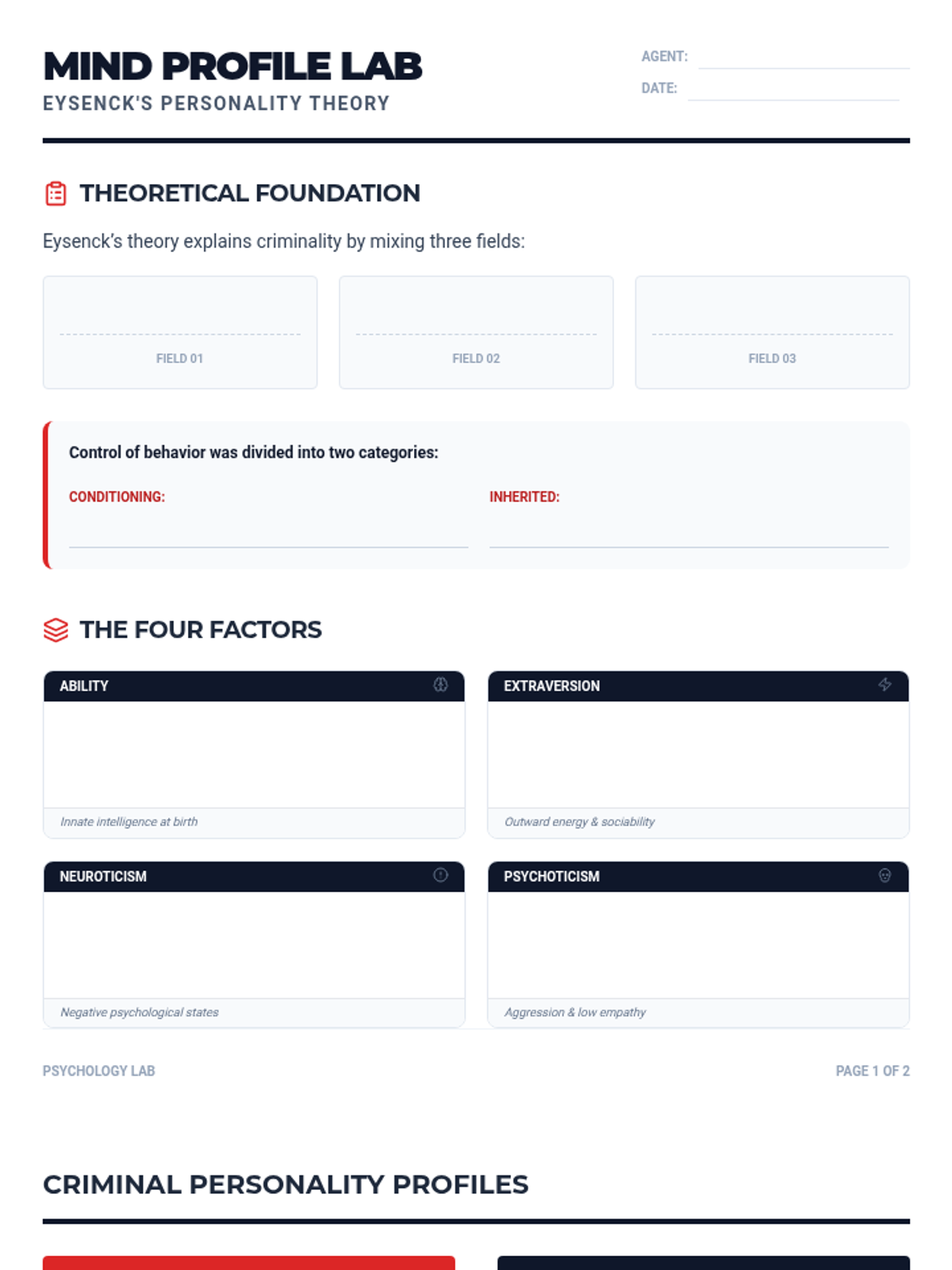
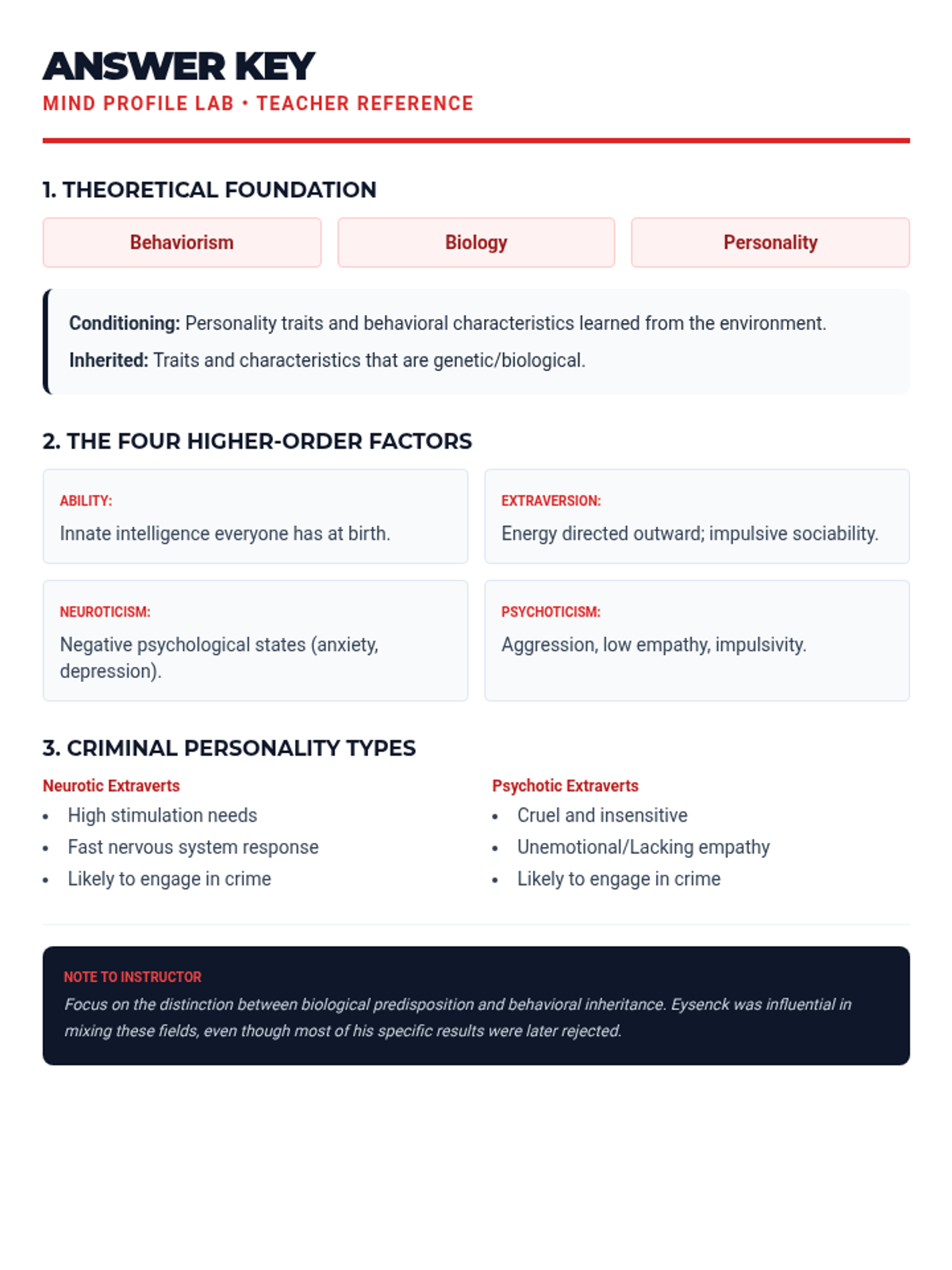
An exploration of Hans Eysenck's criminal personality theory, focusing on the intersection of biology, behaviorism, and personality traits like extraversion and neuroticism.
This lesson explores Hans Eysenck's criminal personality theory, focusing on the biological and environmental factors that contribute to criminal behavior and identifying the four higher-order factors of personality.
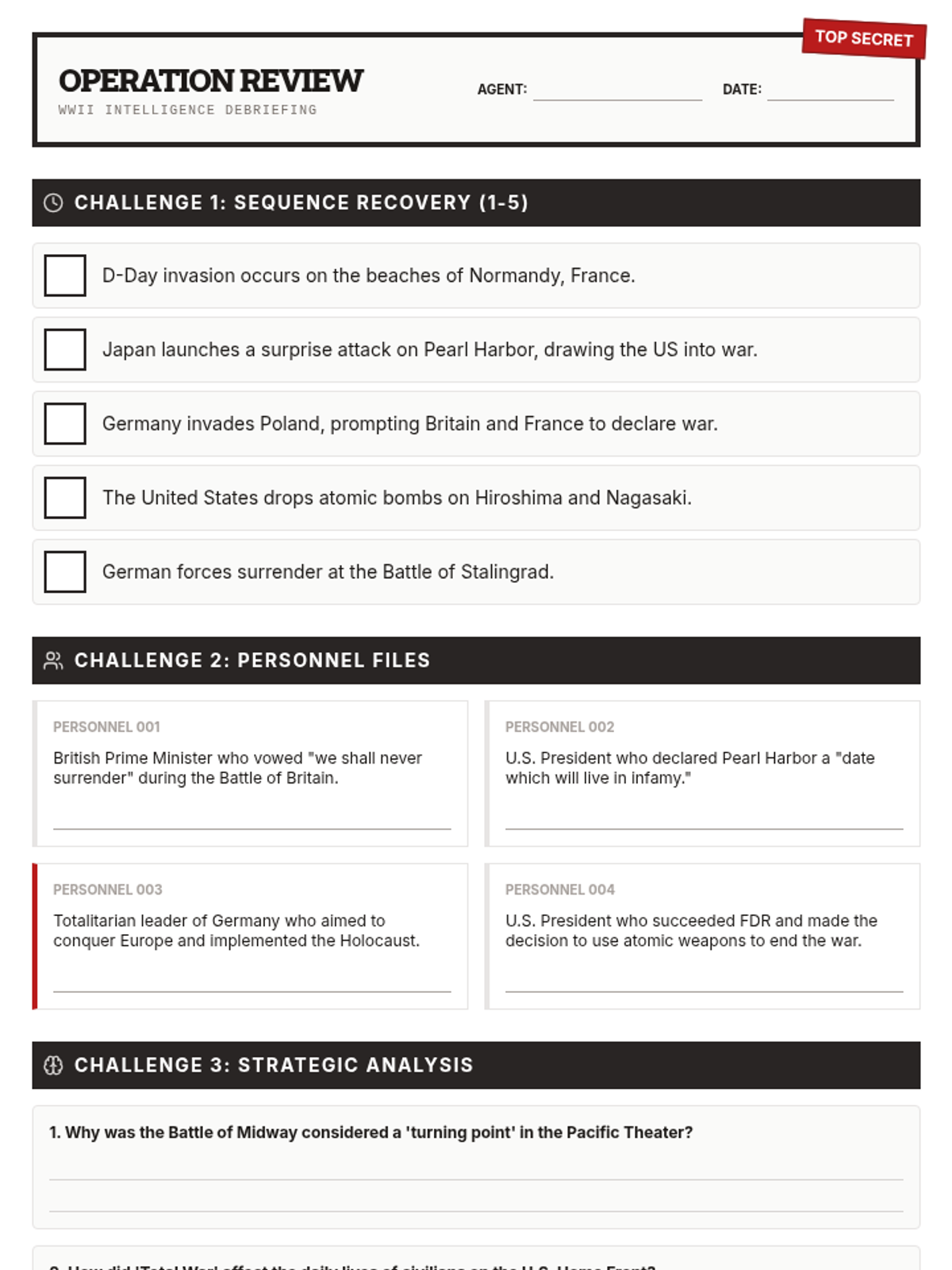
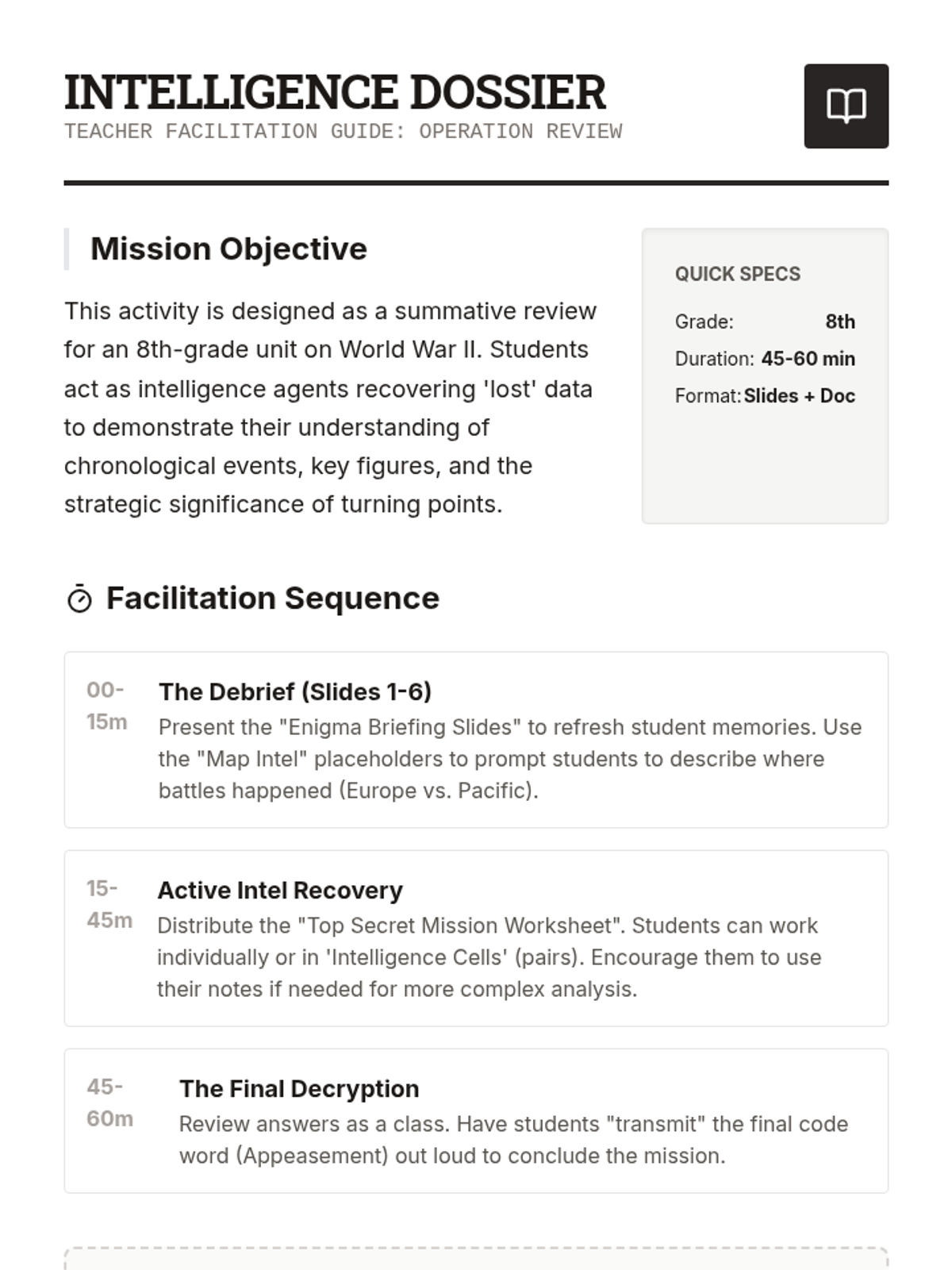
A comprehensive World War II review lesson for 8th-grade students, featuring a 'top-secret intelligence mission' theme. Students will review key events, figures, and turning points through a series of interactive challenges.
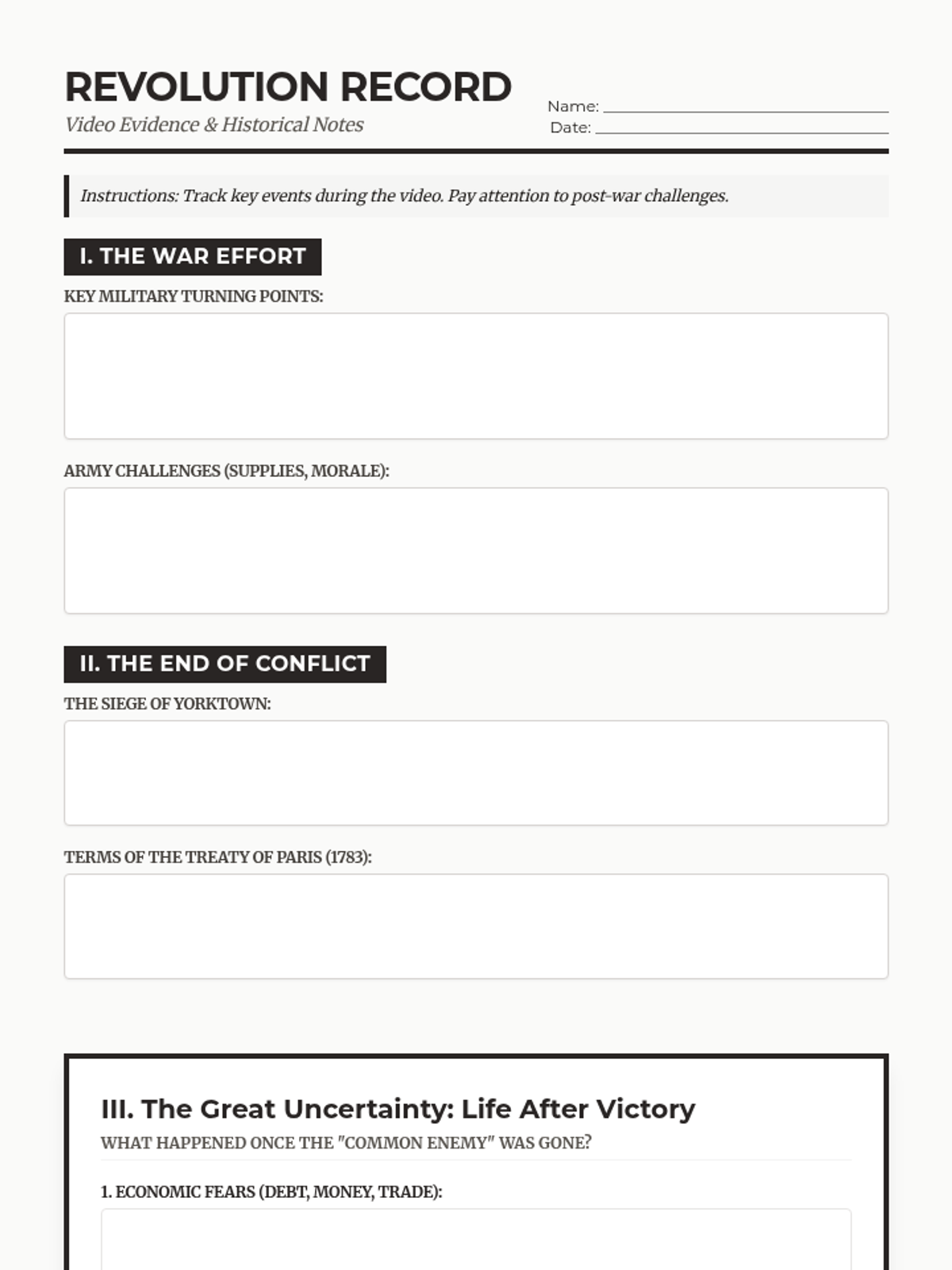
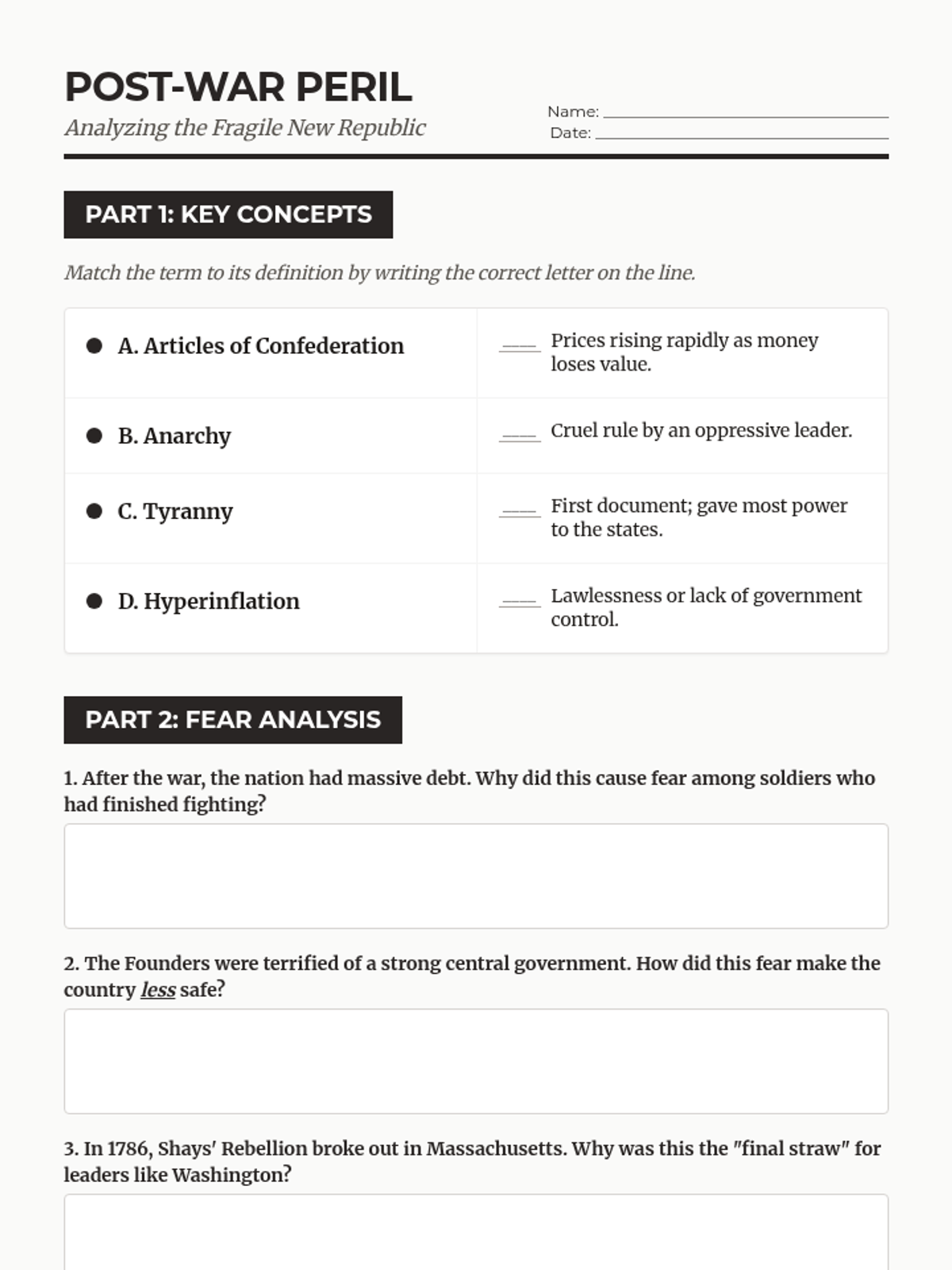
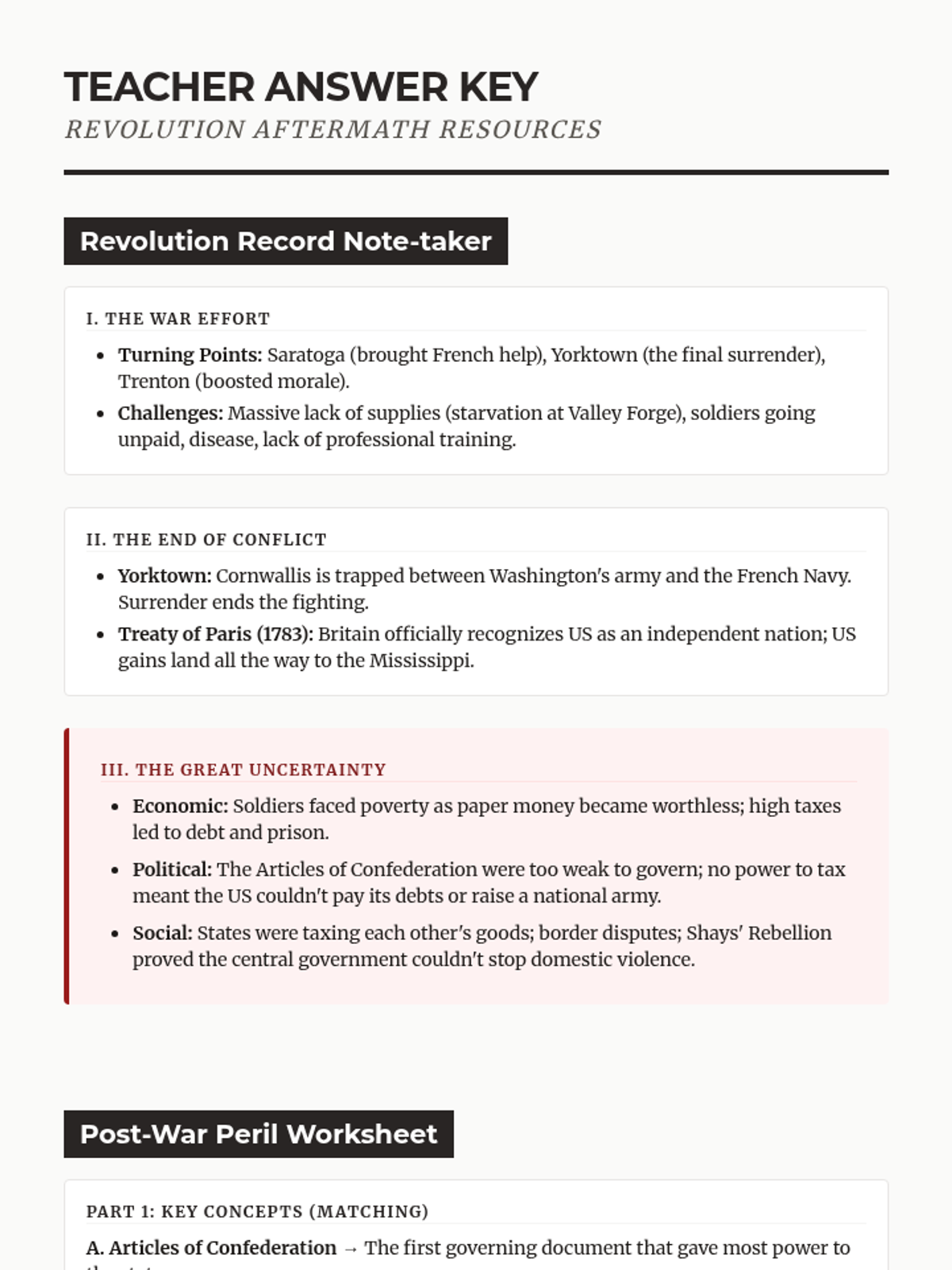
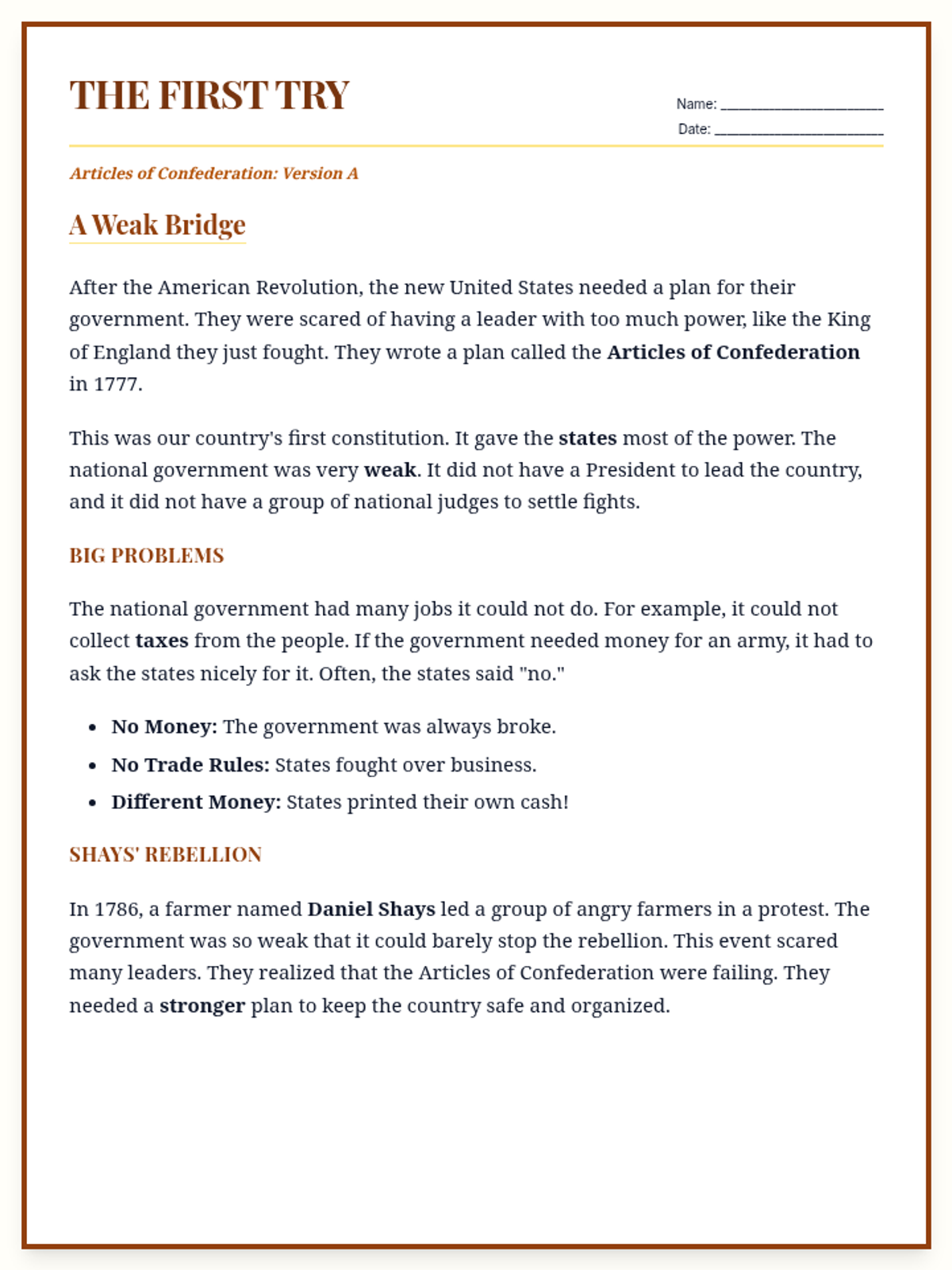
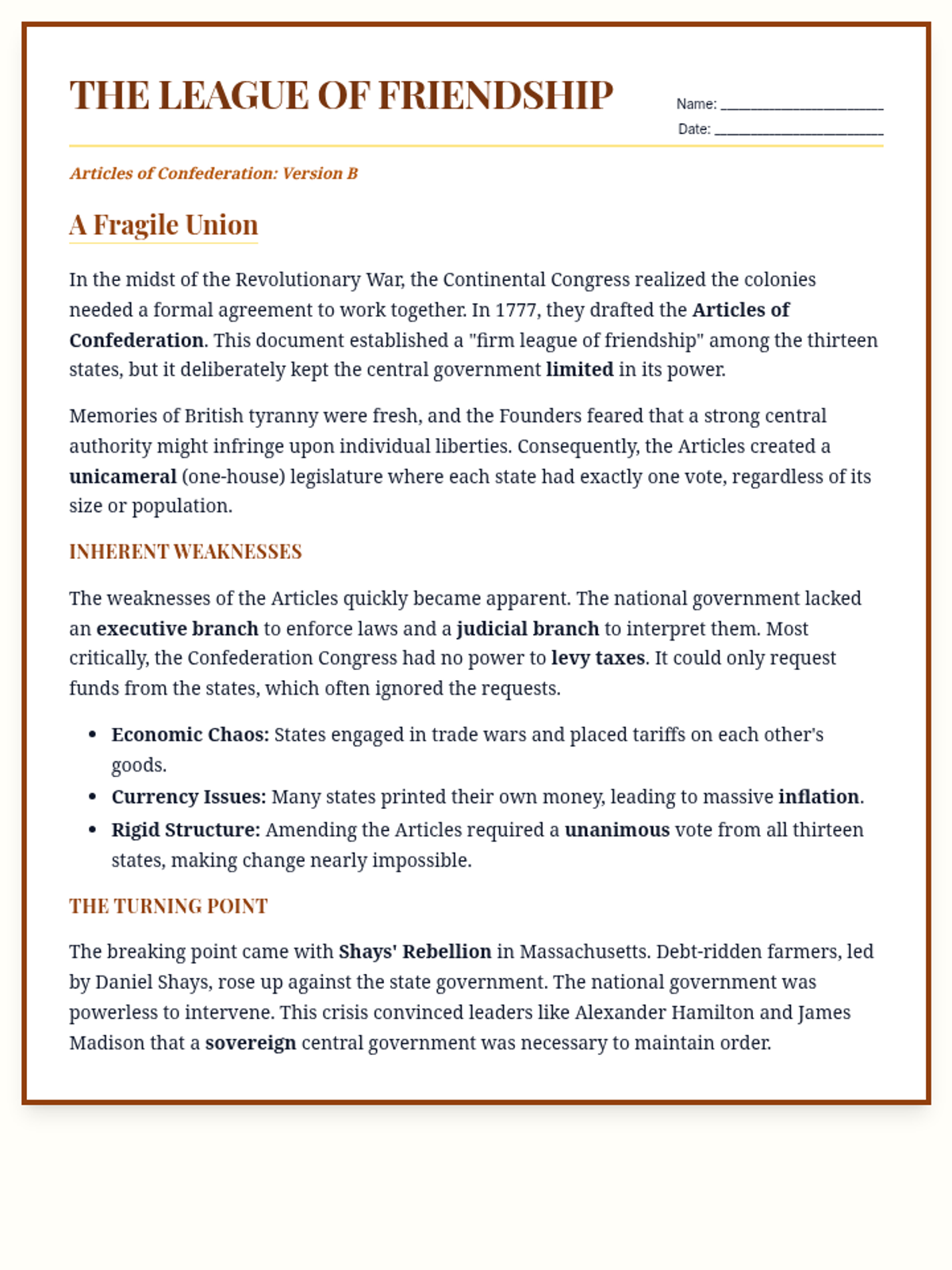
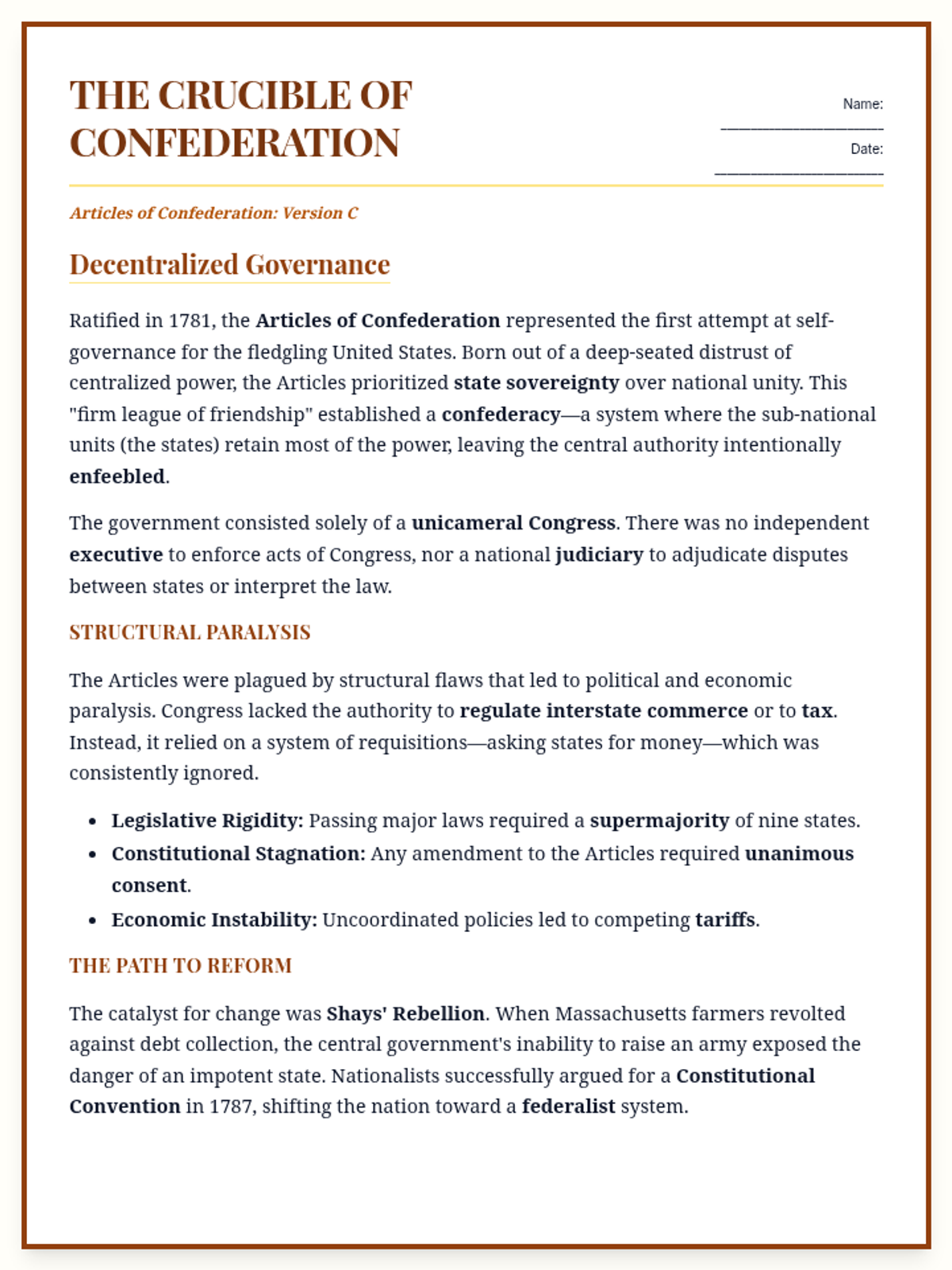
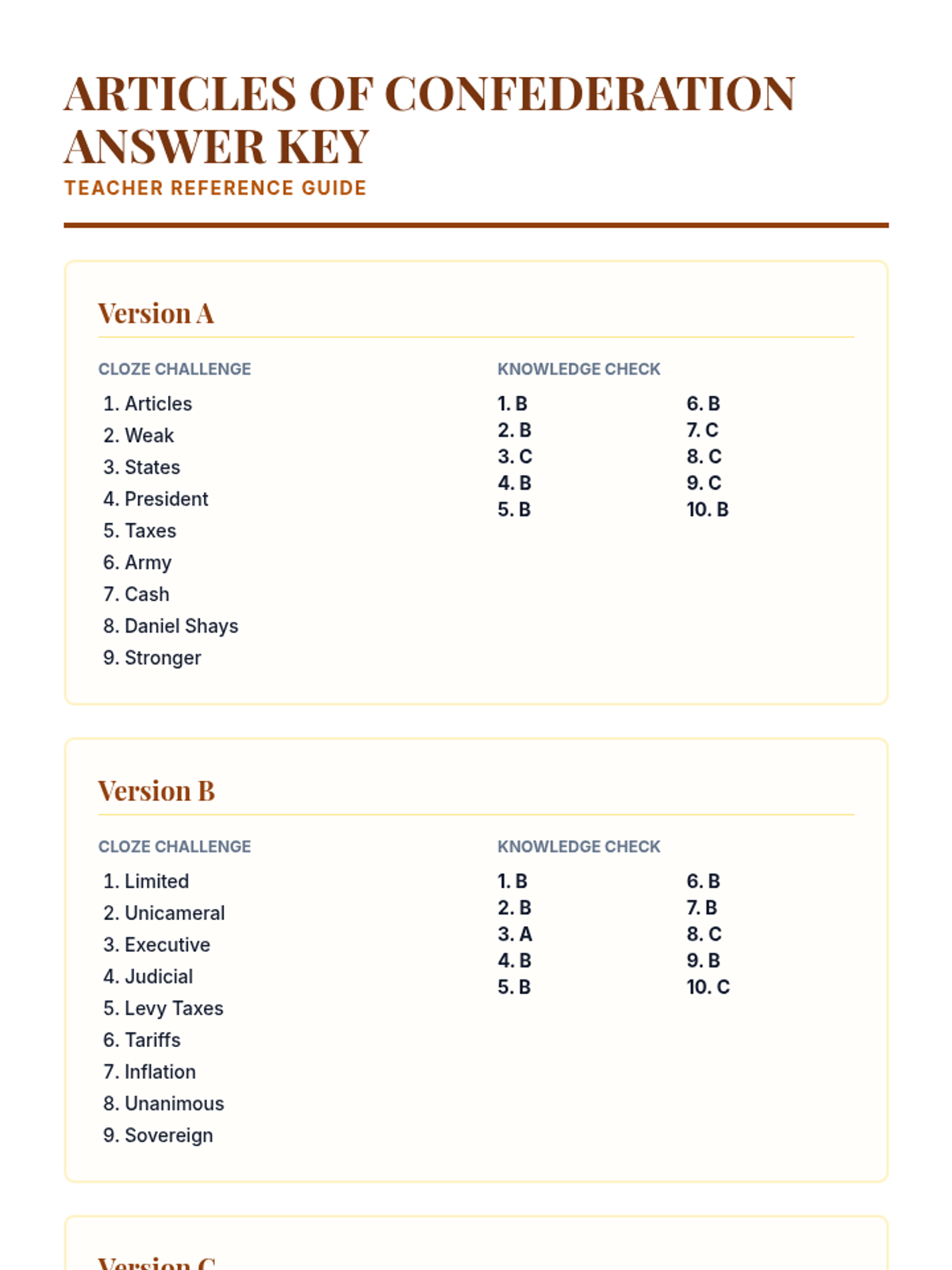
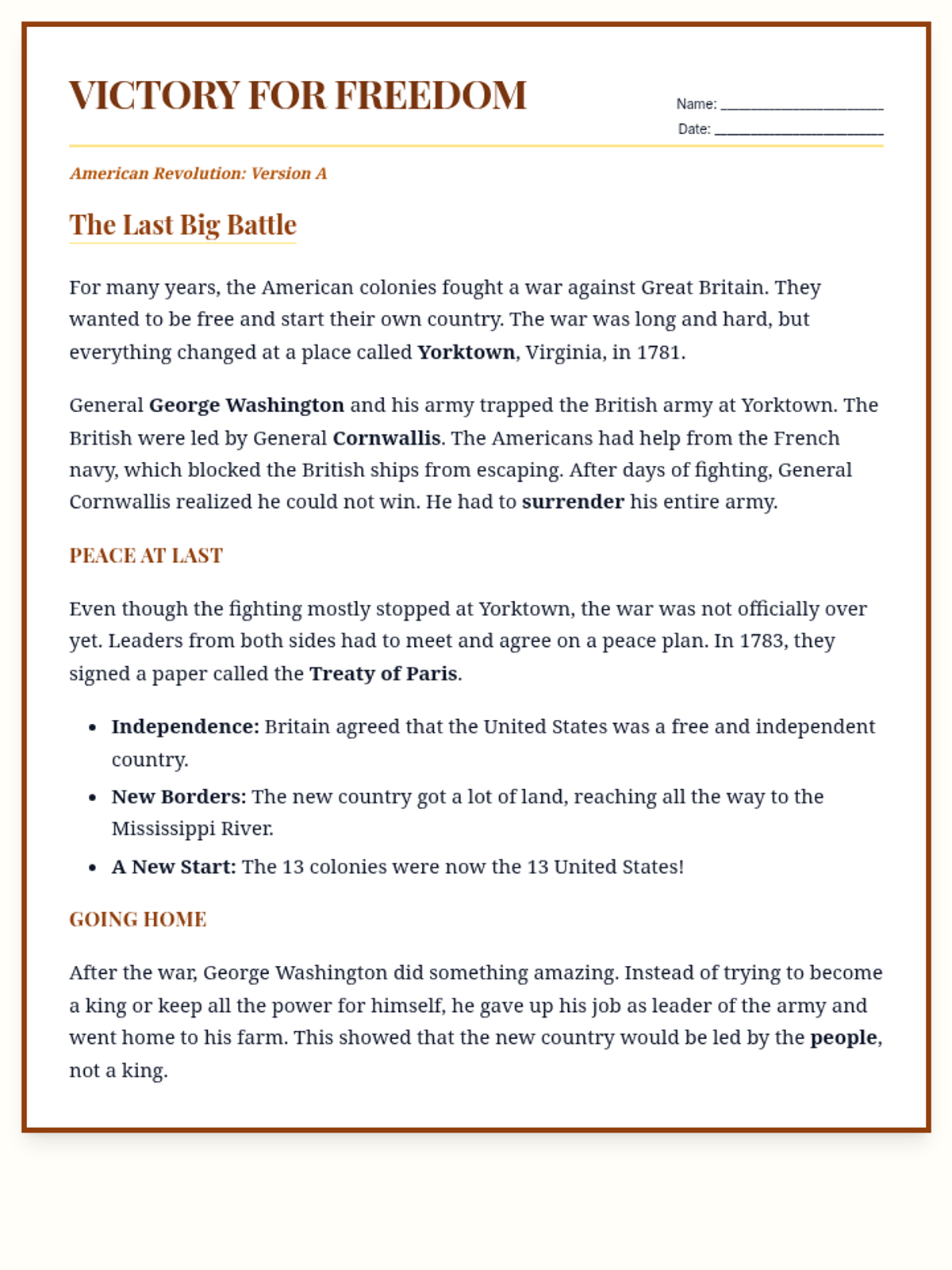
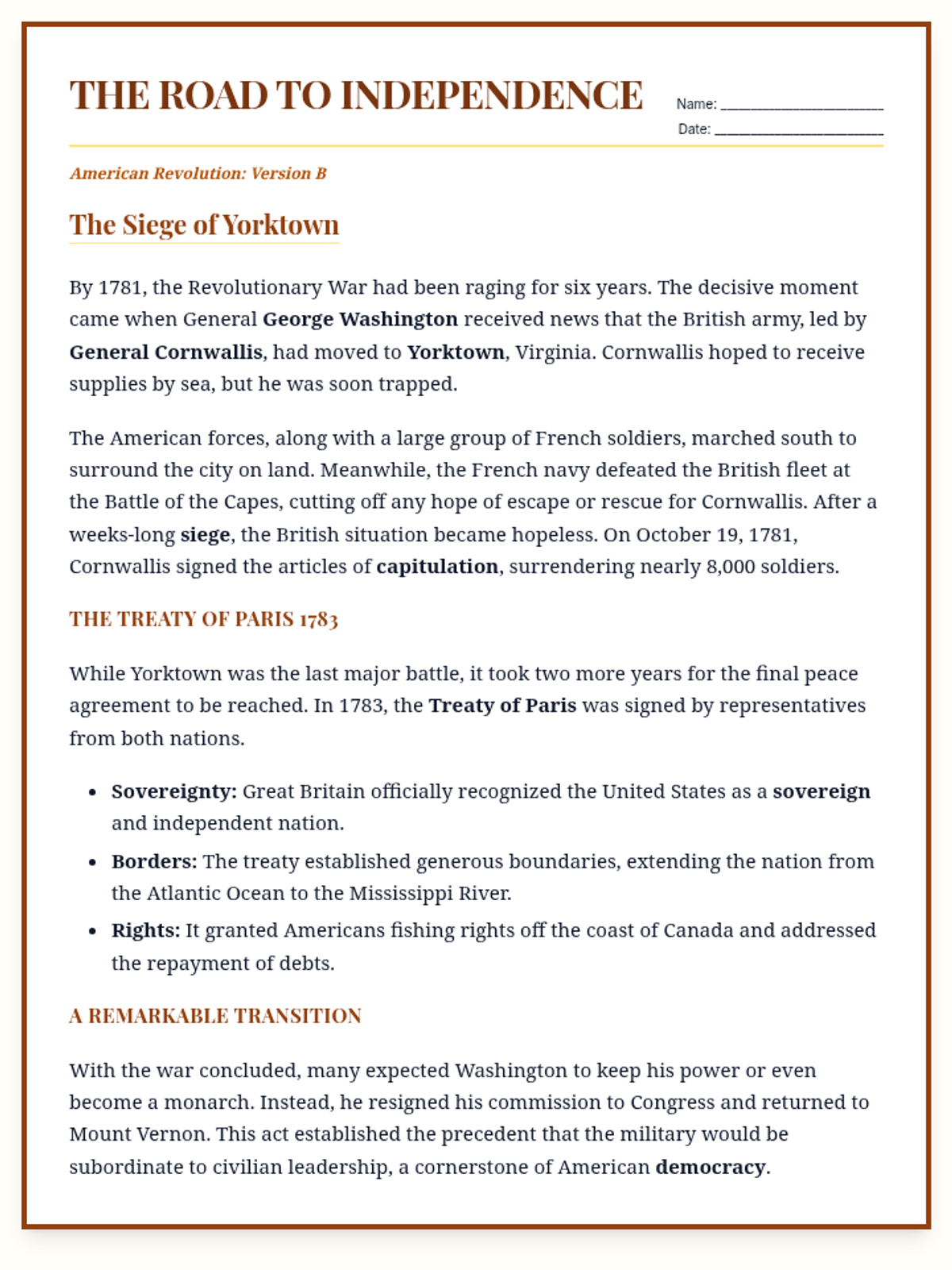
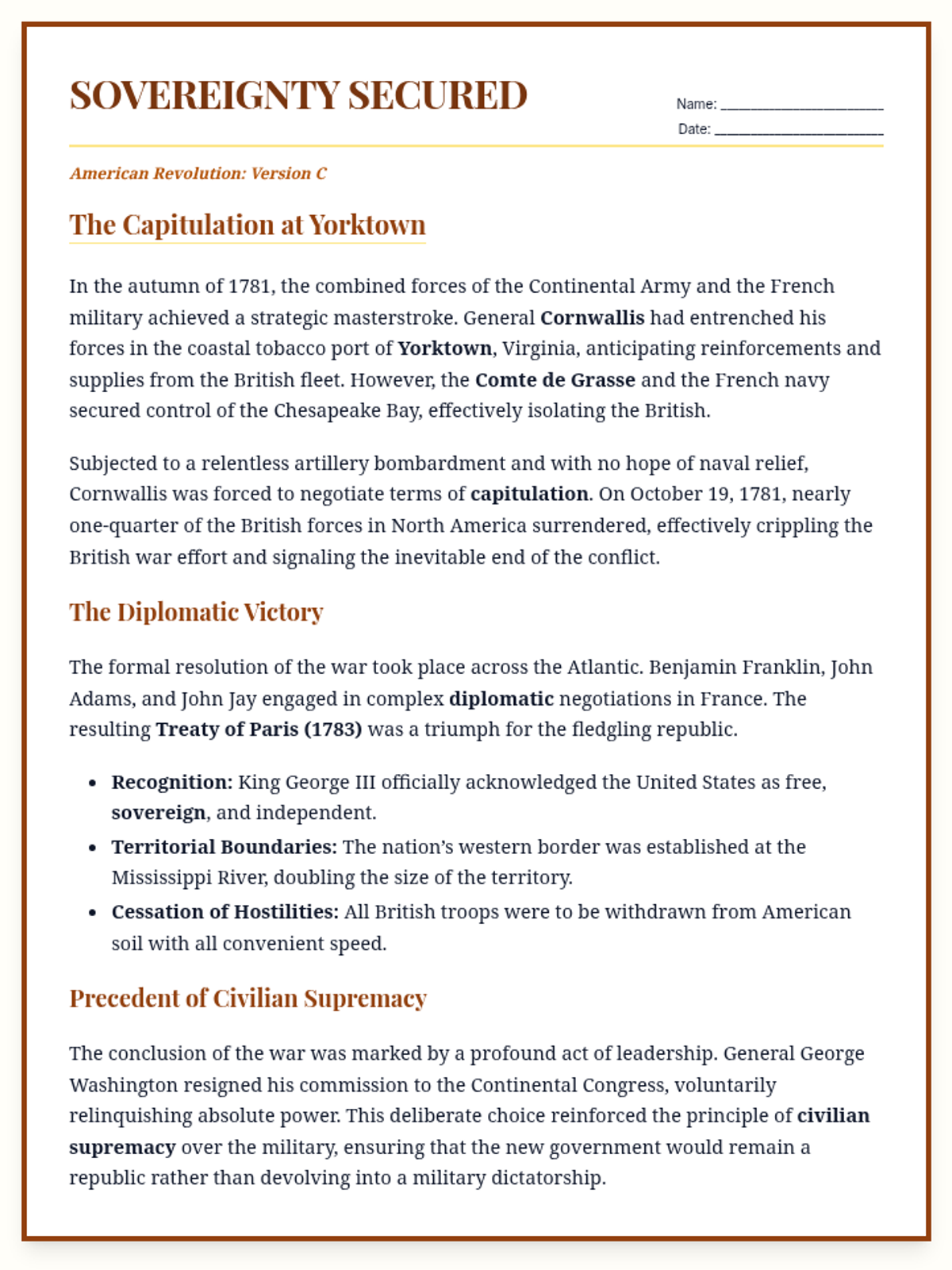
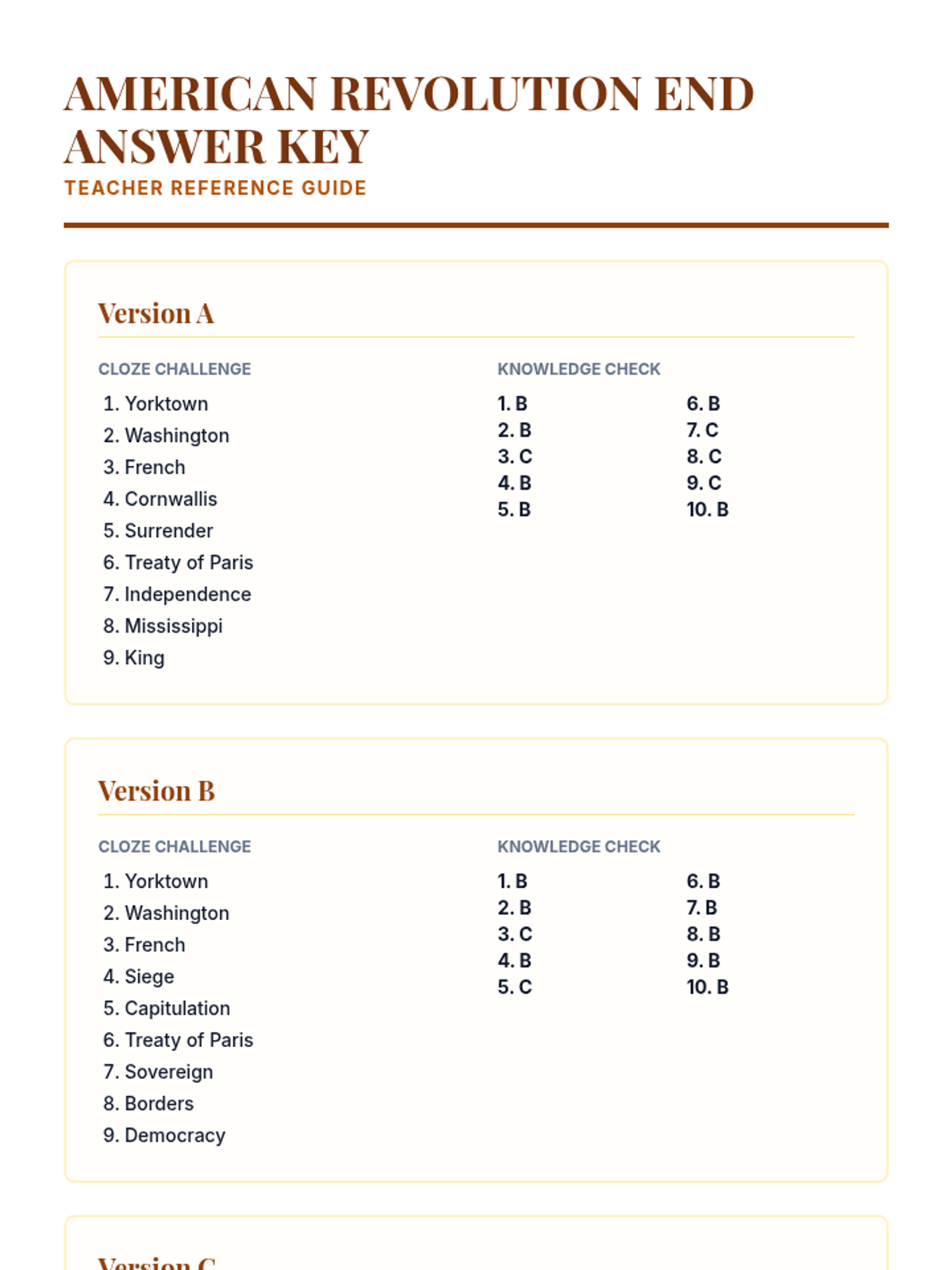
A lesson focused on the aftermath of the American Revolution, exploring the transition from war to a fragile new nation and the deep-seated fears of the Founding Fathers and citizens. Students will use video evidence and critical thinking to analyze post-war instability.
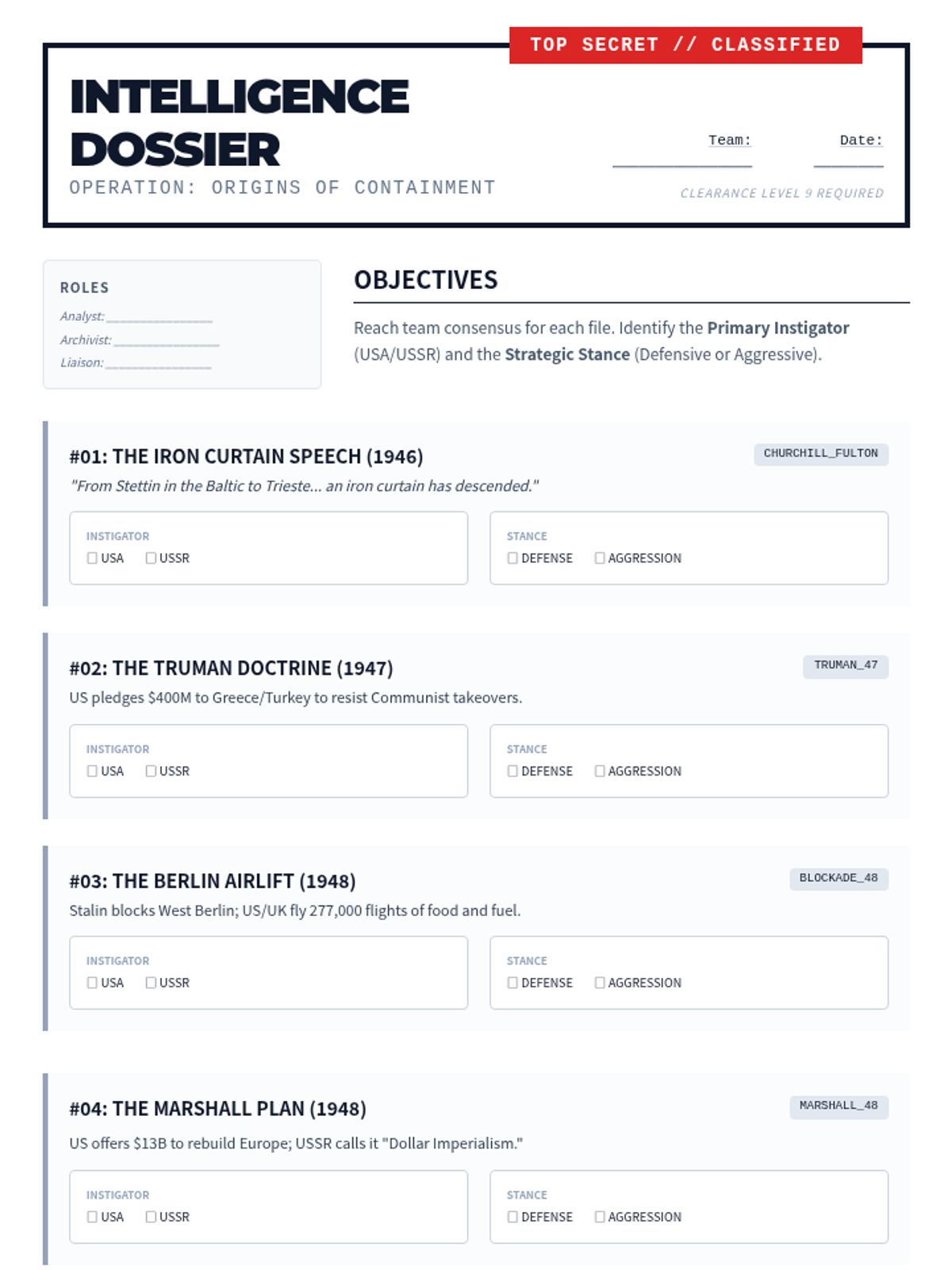
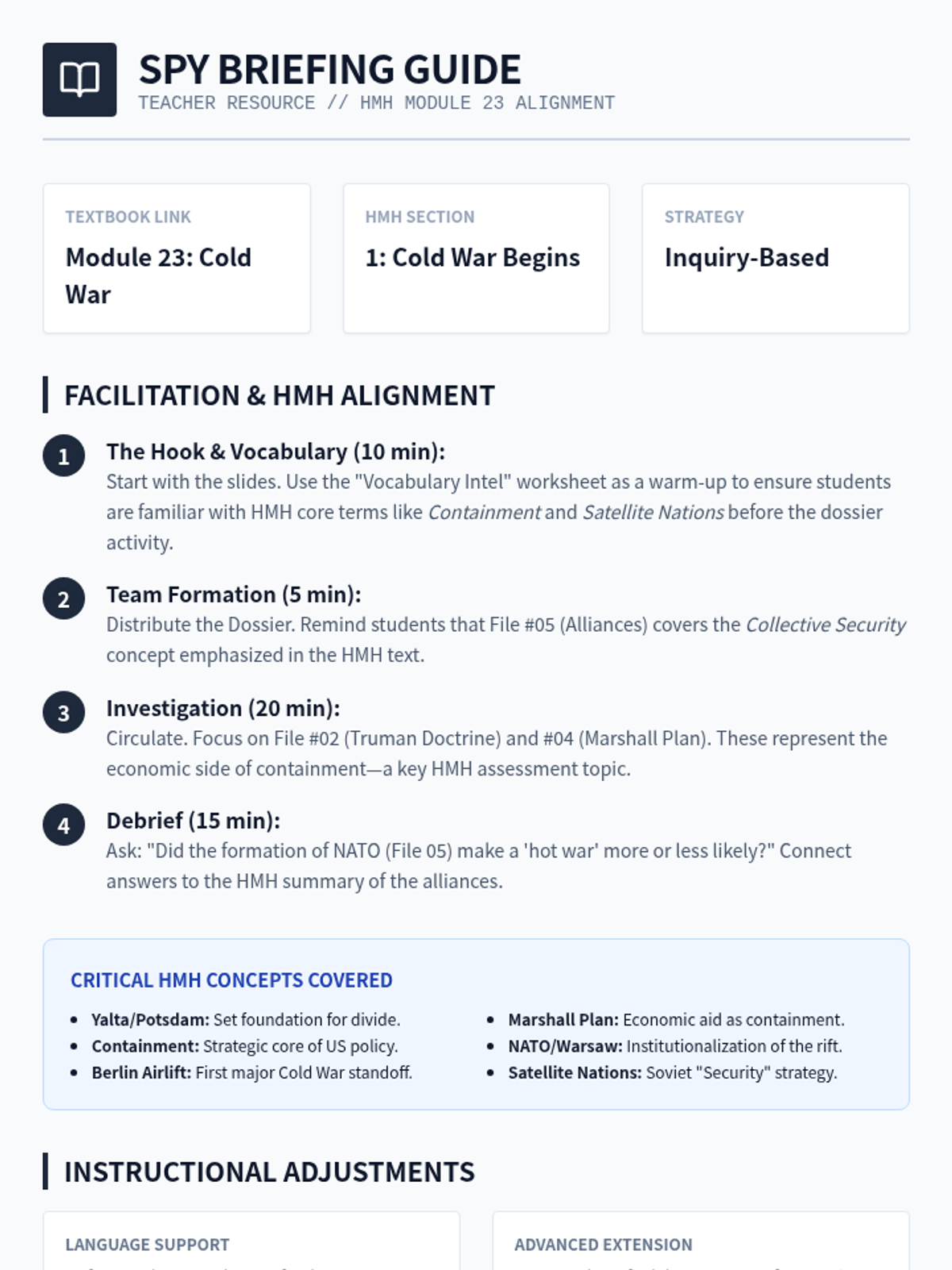
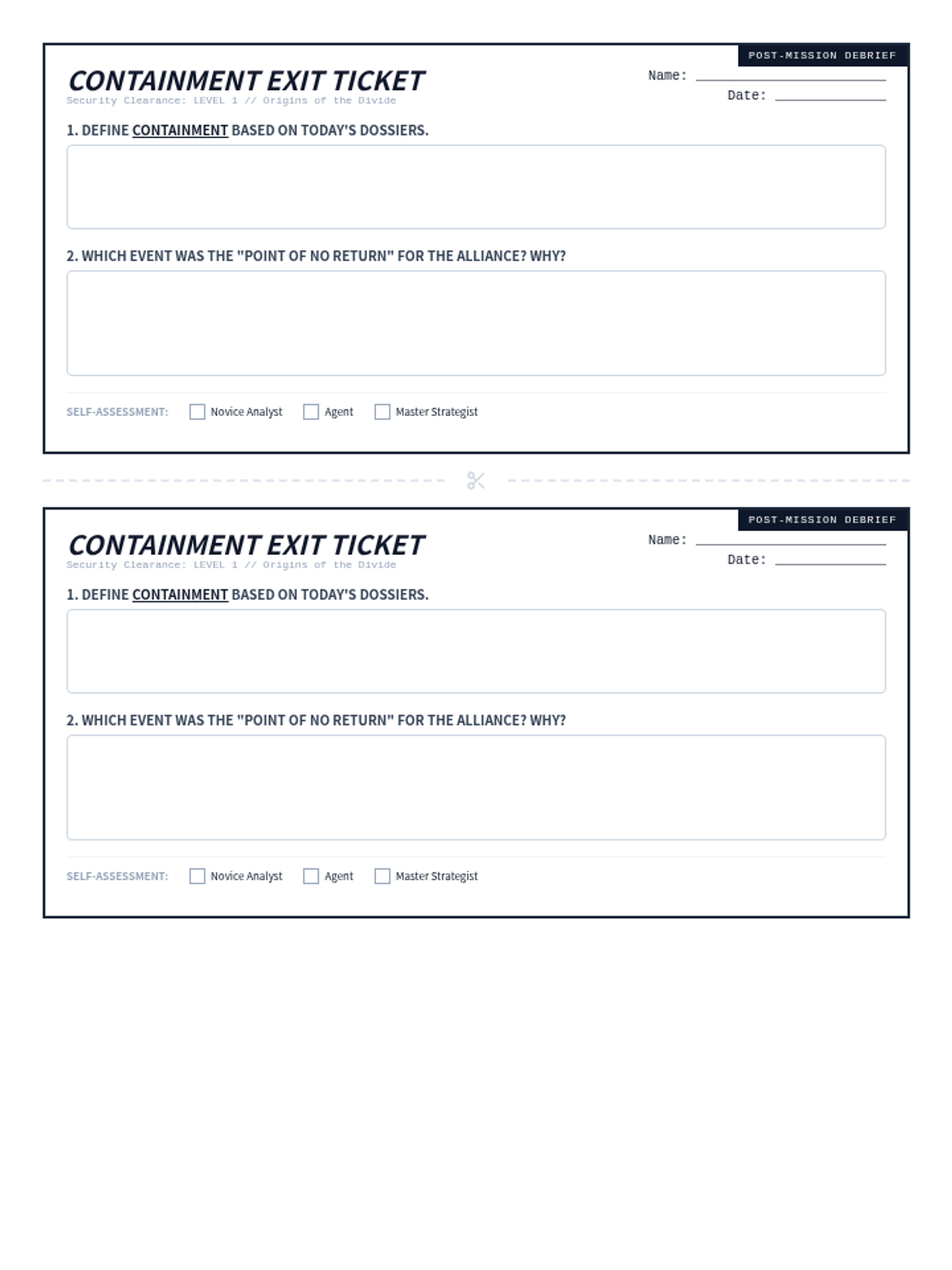
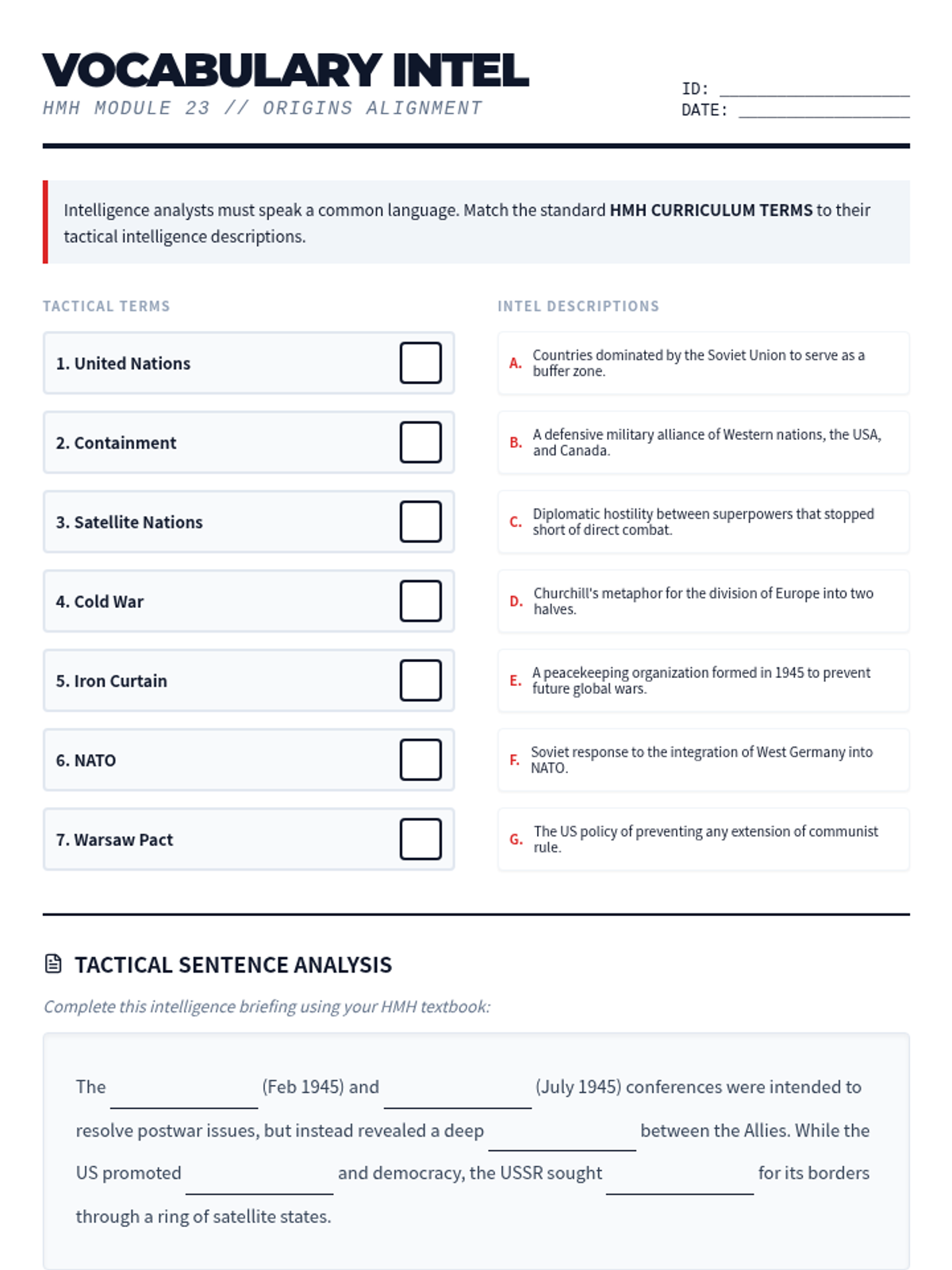
An immersive, cooperative lesson where 9th-grade students act as intelligence analysts to investigate the shifting post-WWII landscape and the origins of the Cold War.
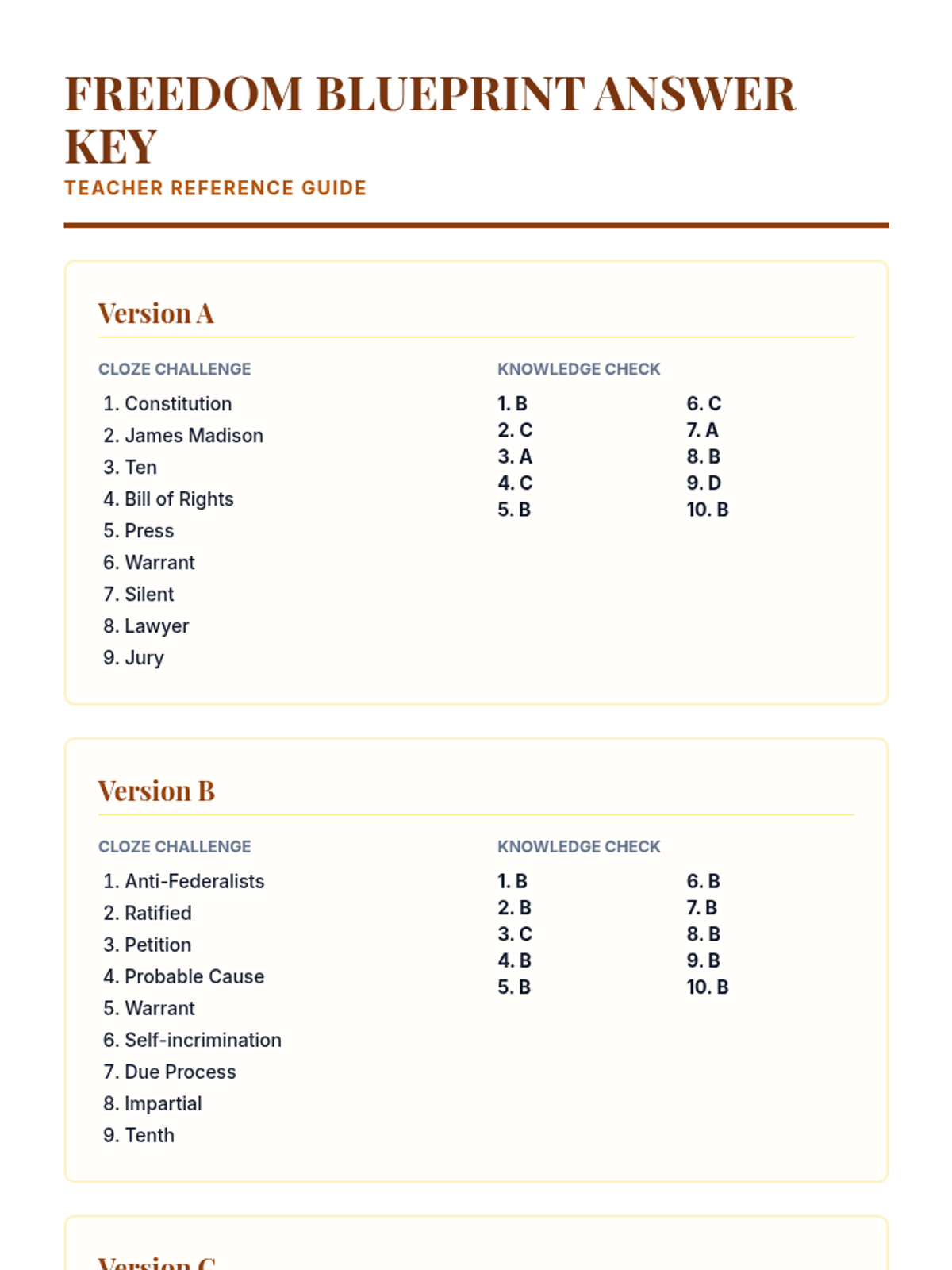
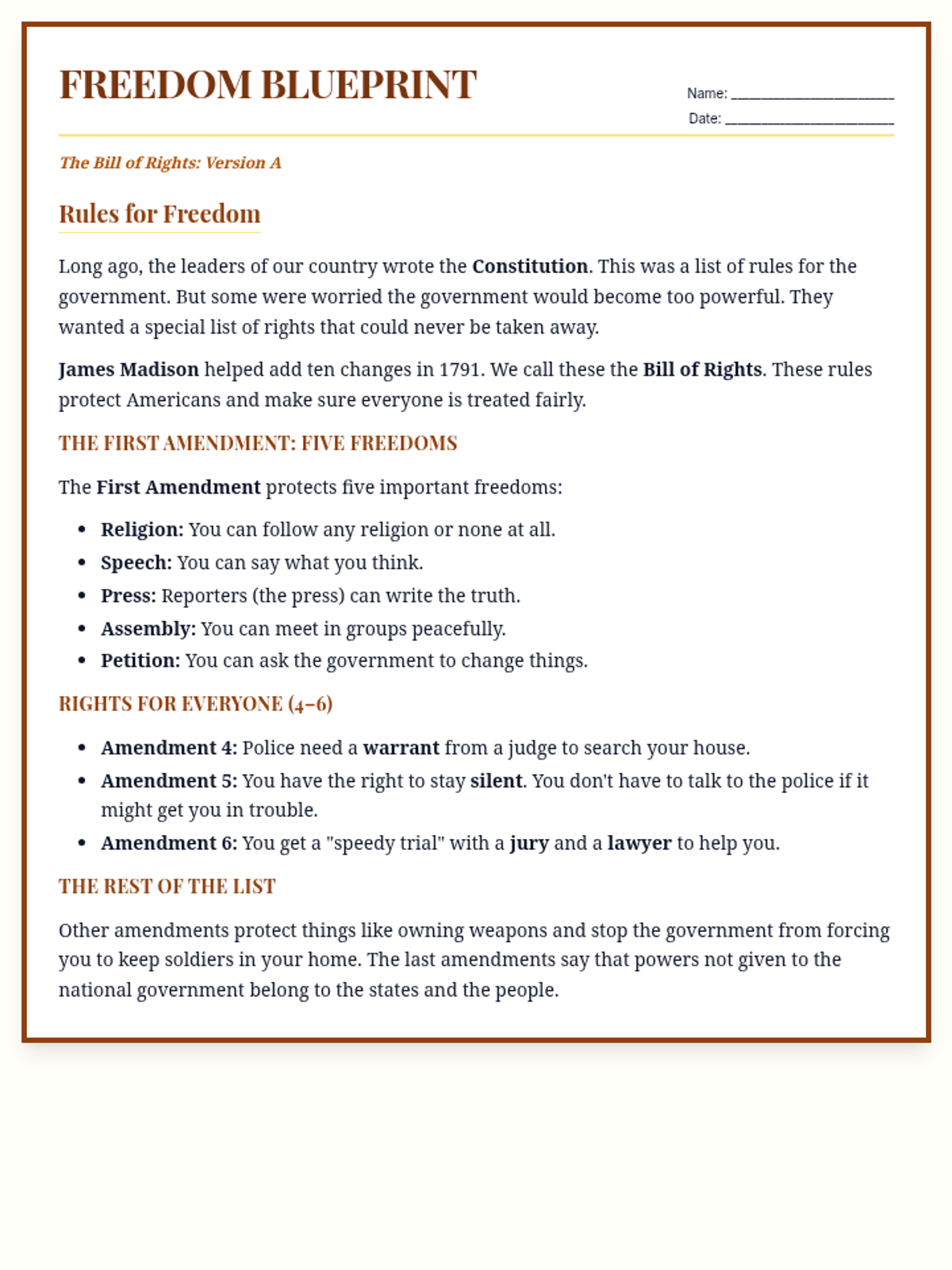
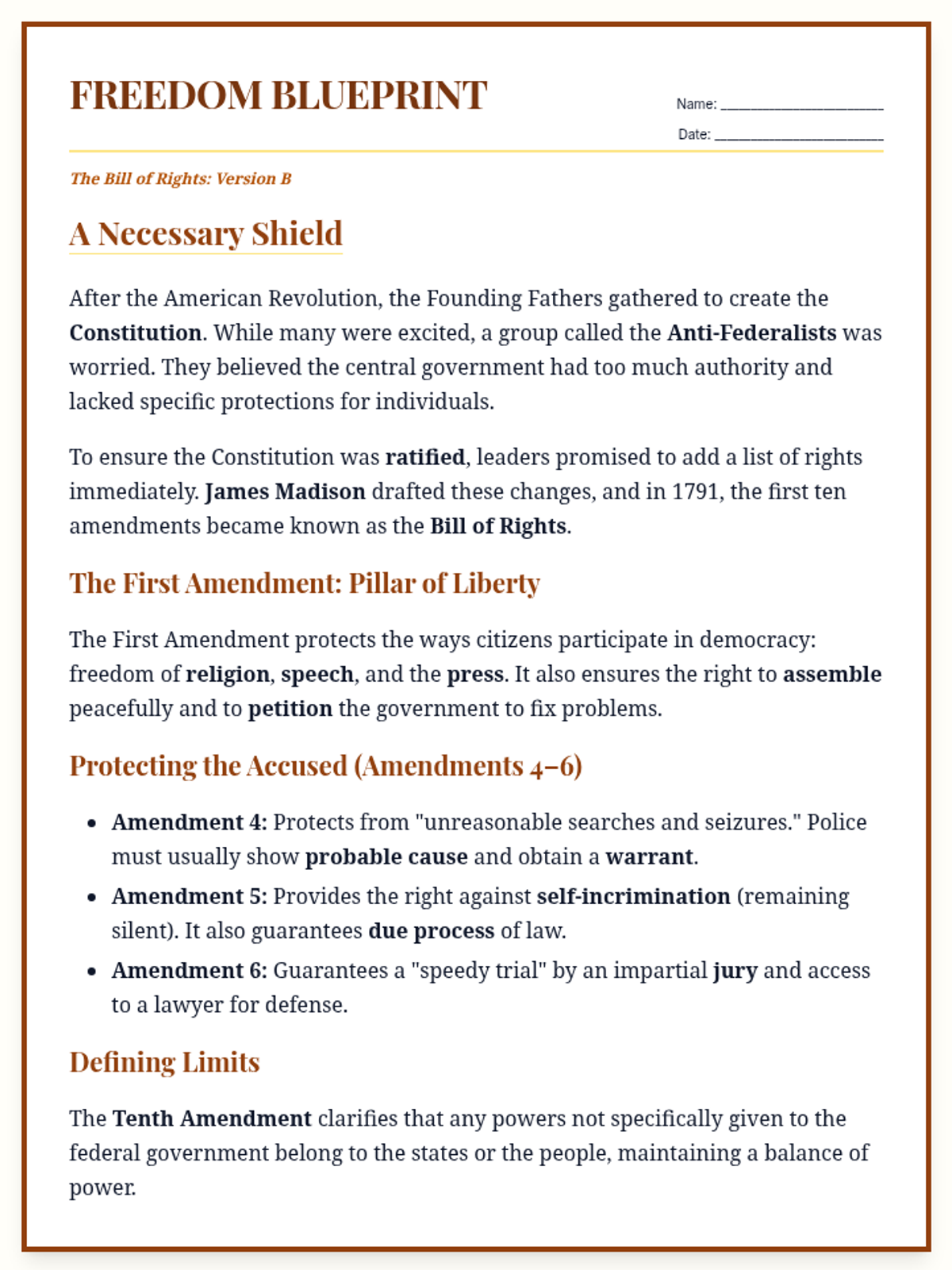
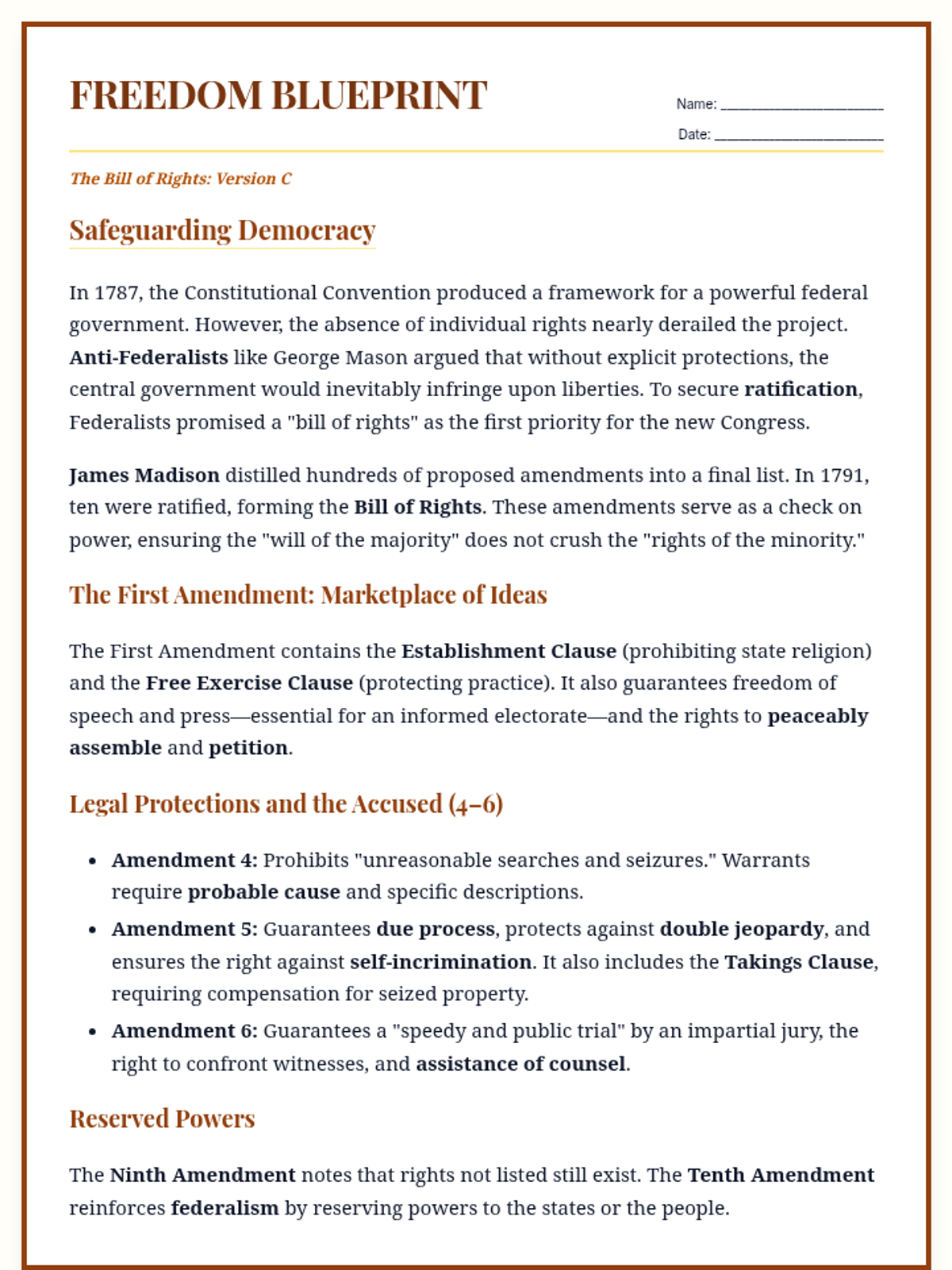
A comprehensive exploration of the Bill of Rights, featuring differentiated reading materials (Versions A, B, and C) covering historical context, the First Amendment, and the rights of the accused.
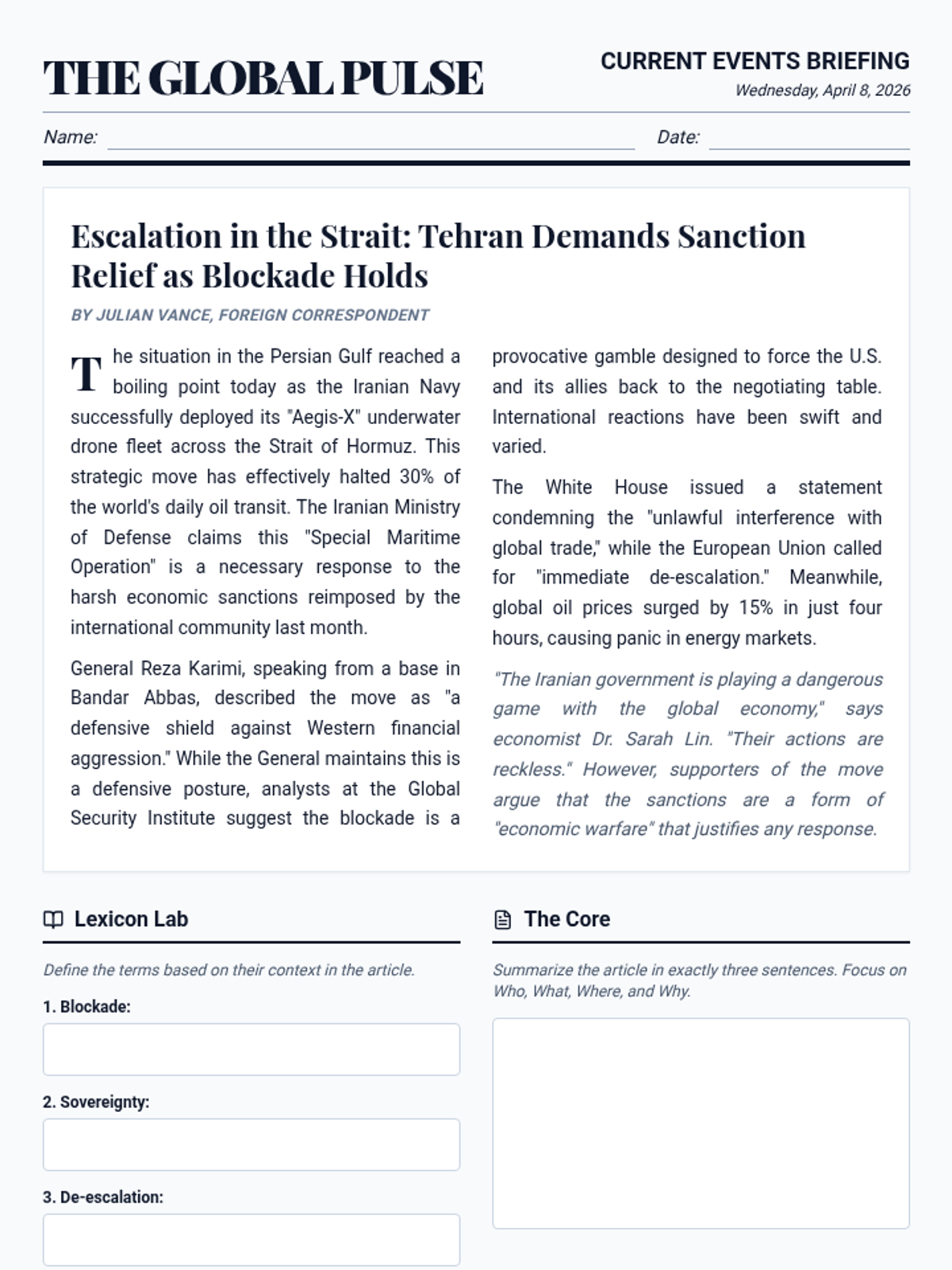
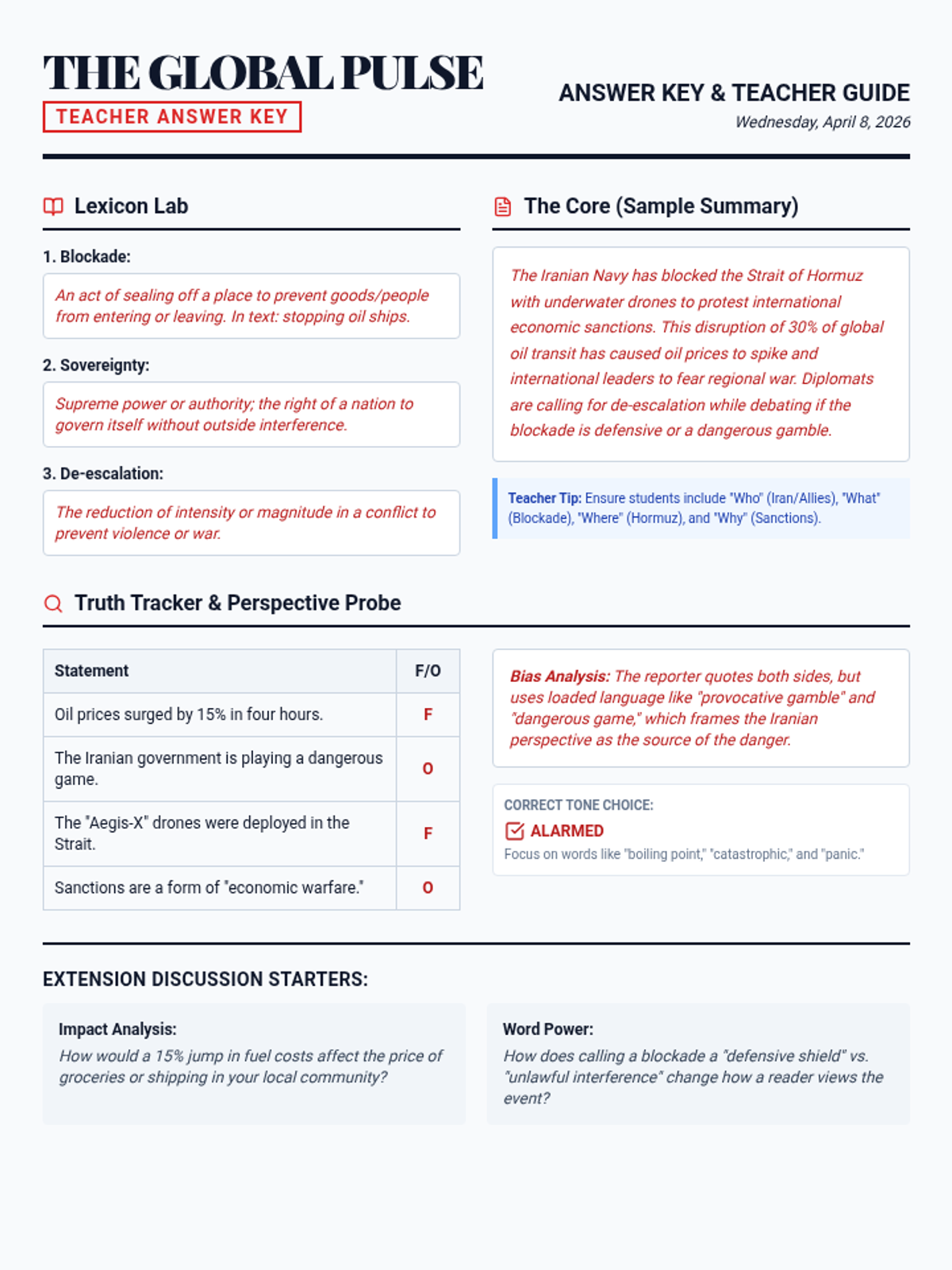
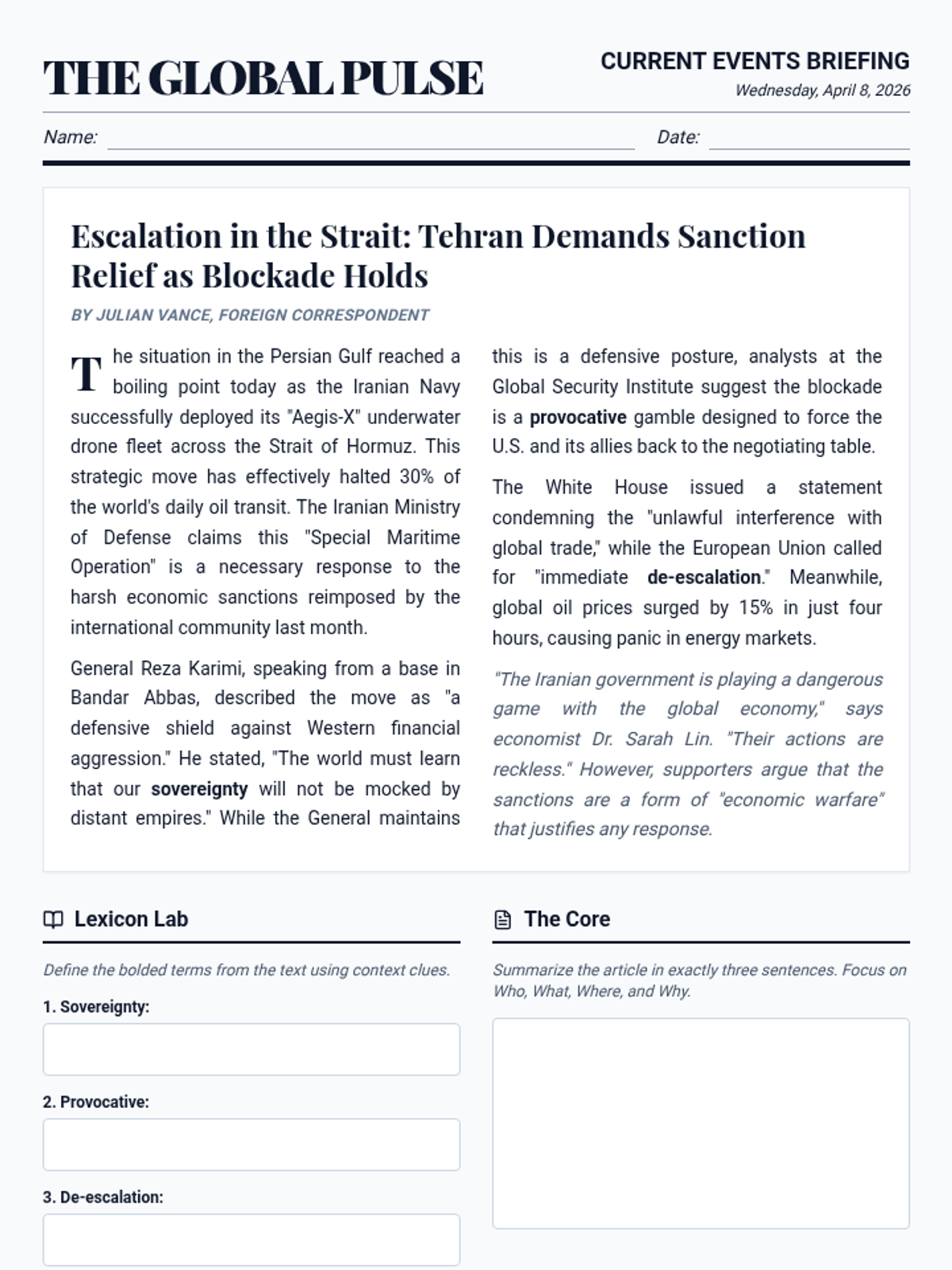
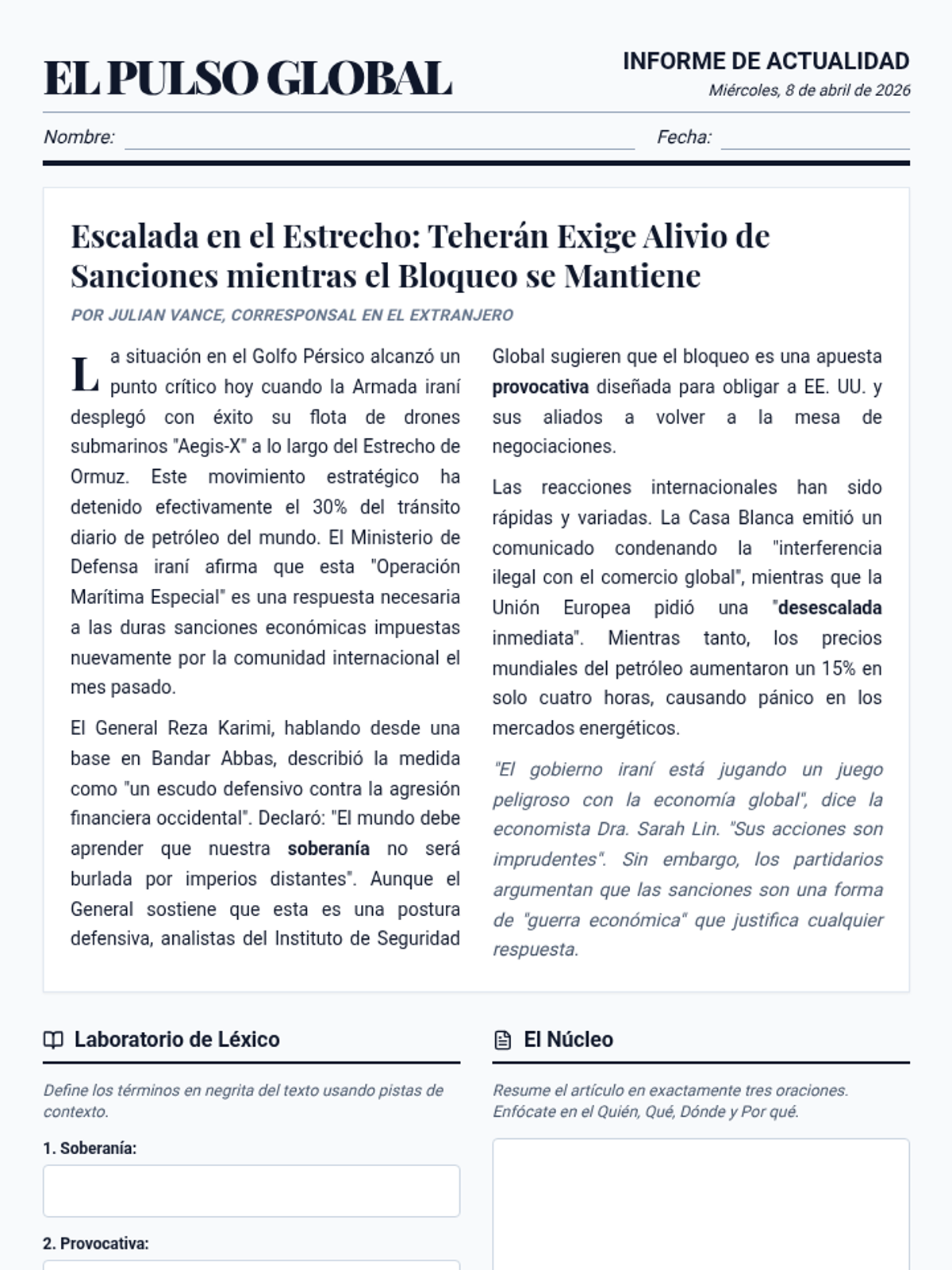
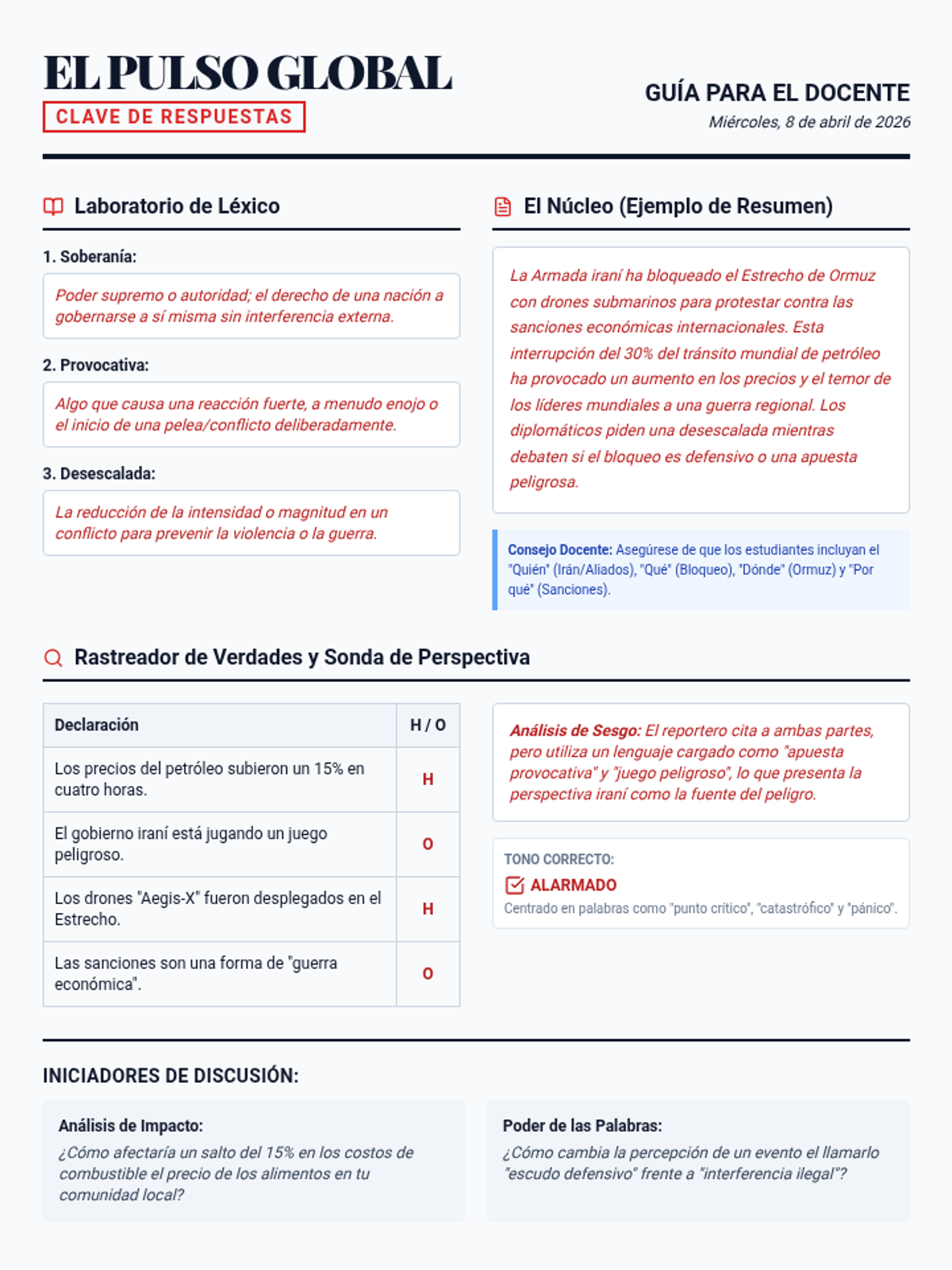
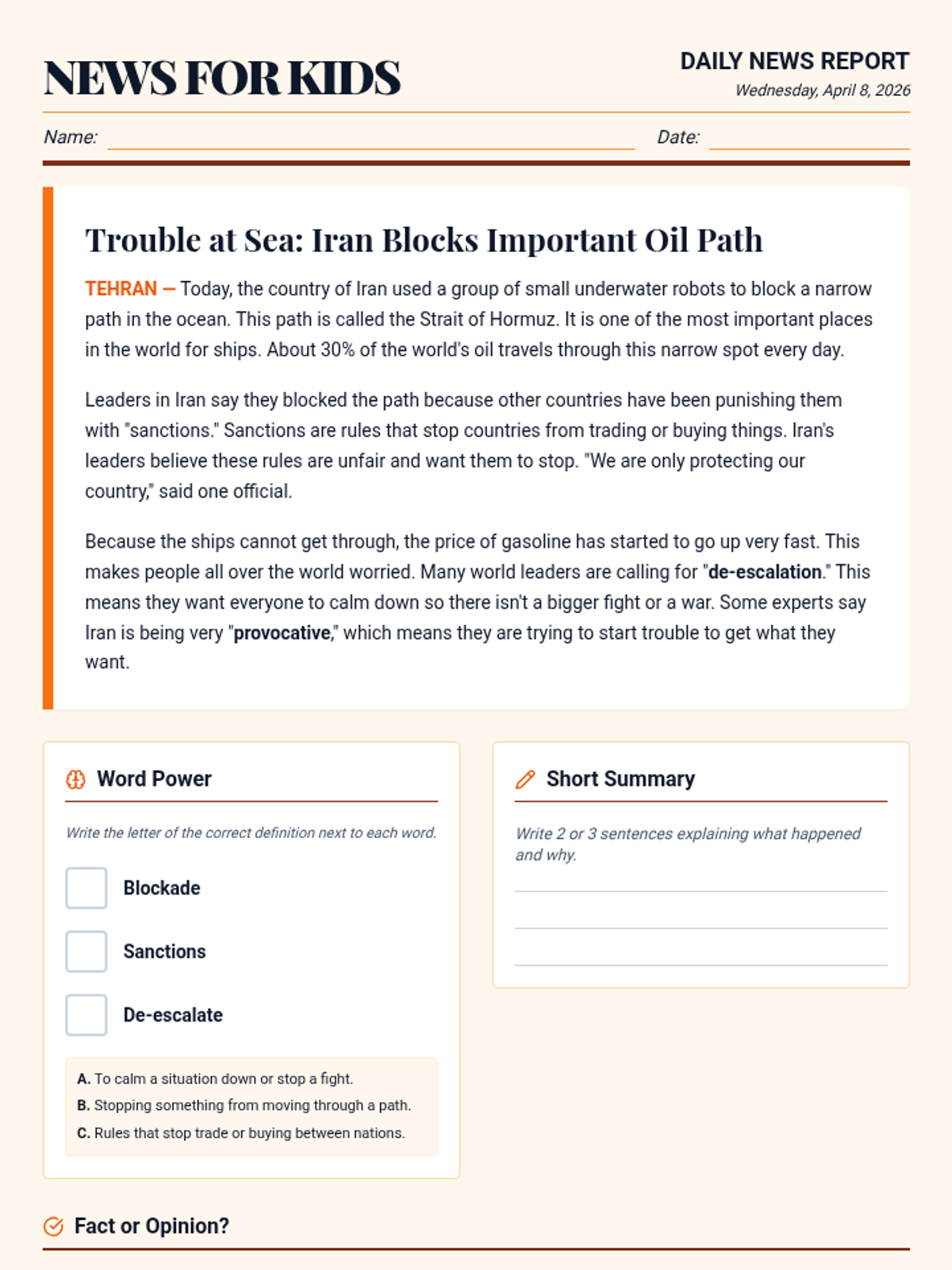
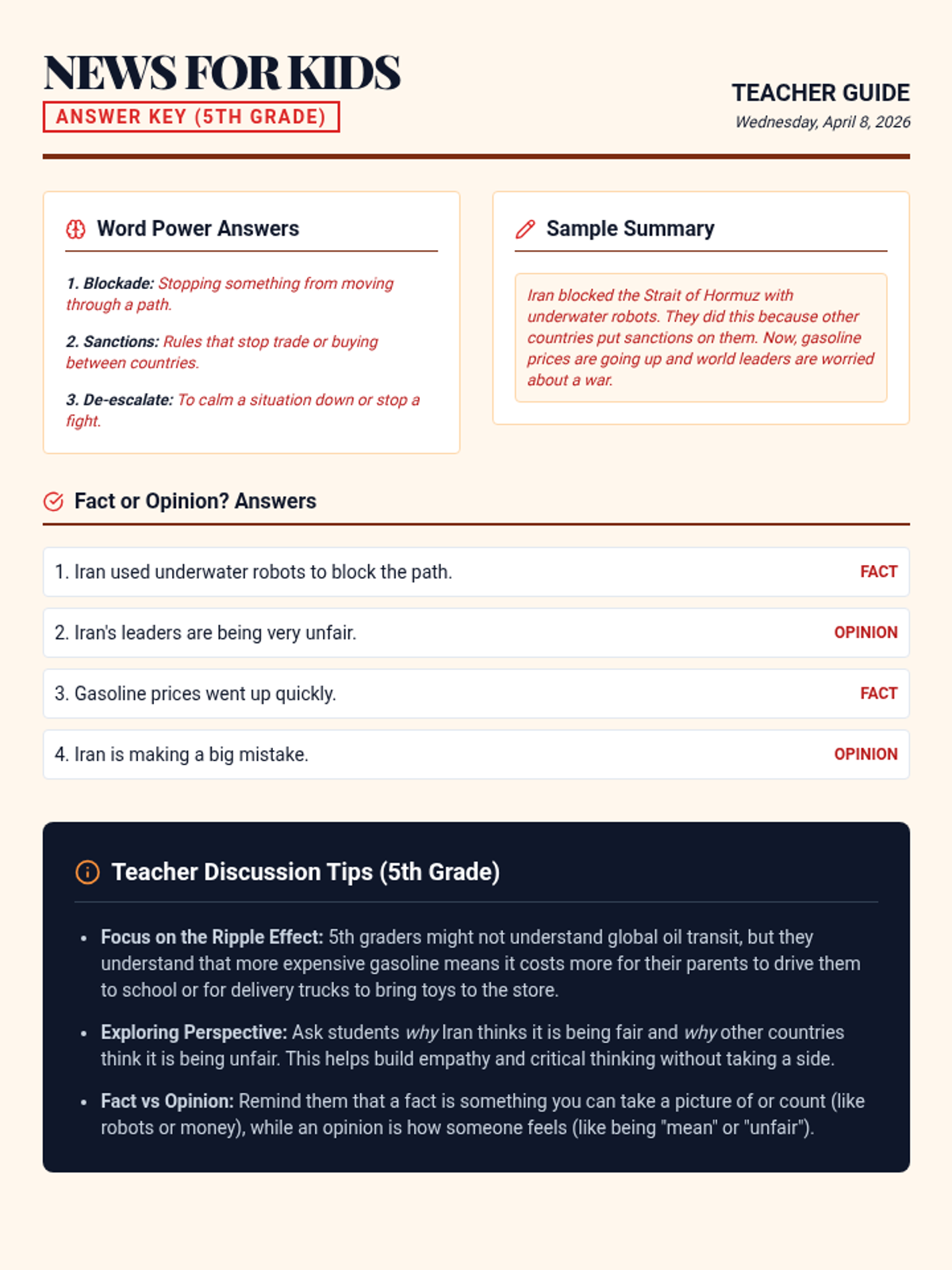
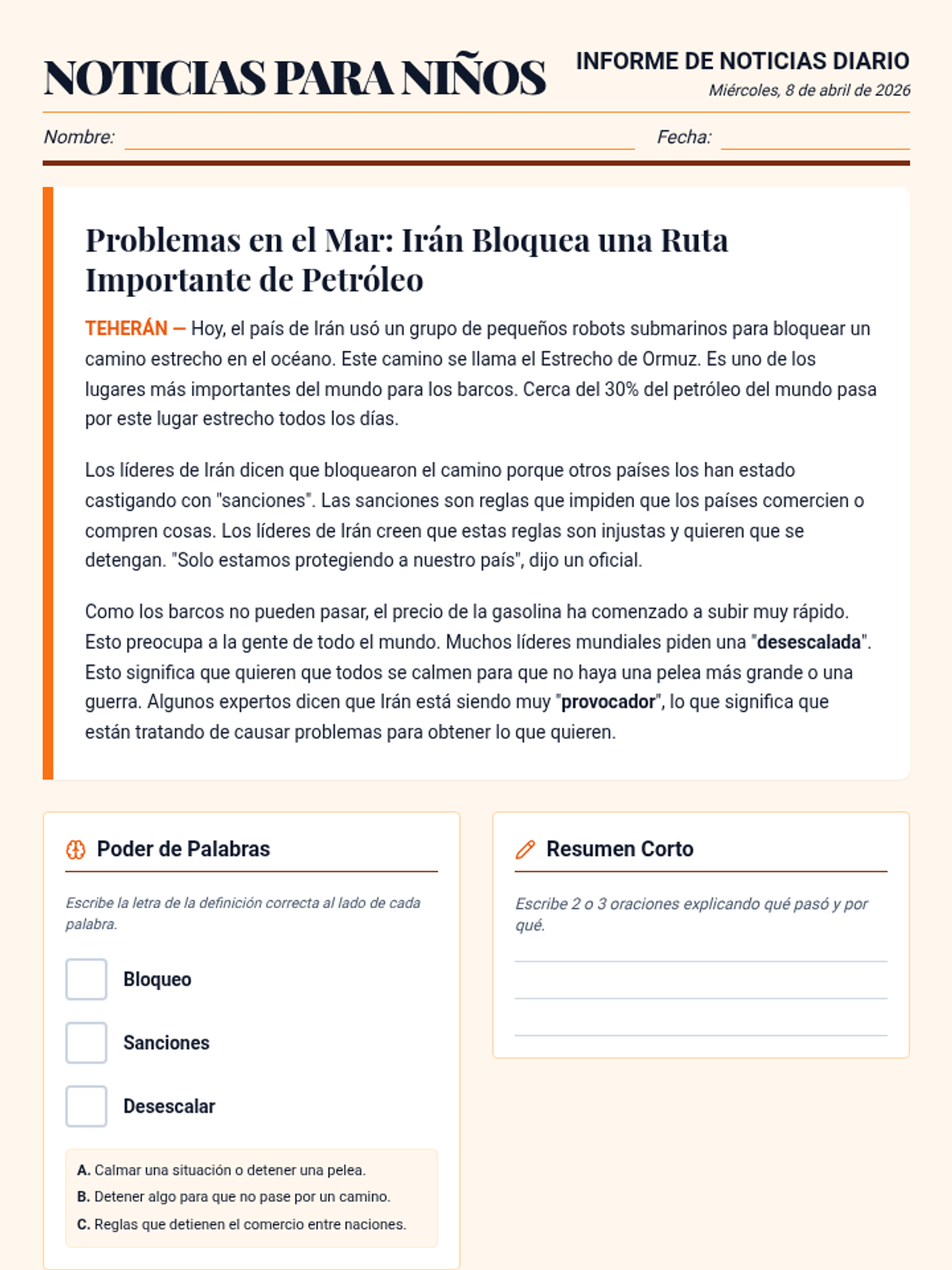
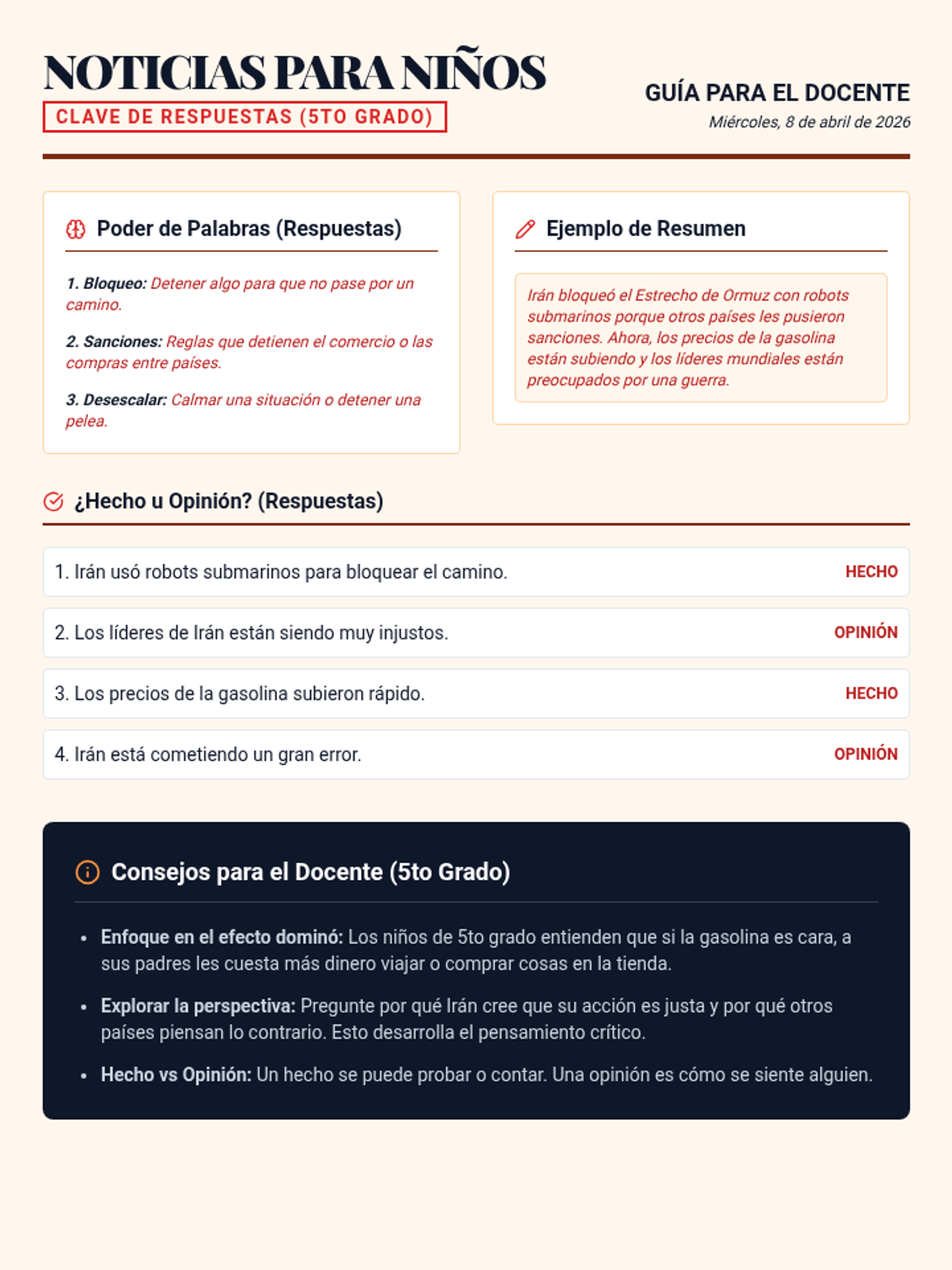
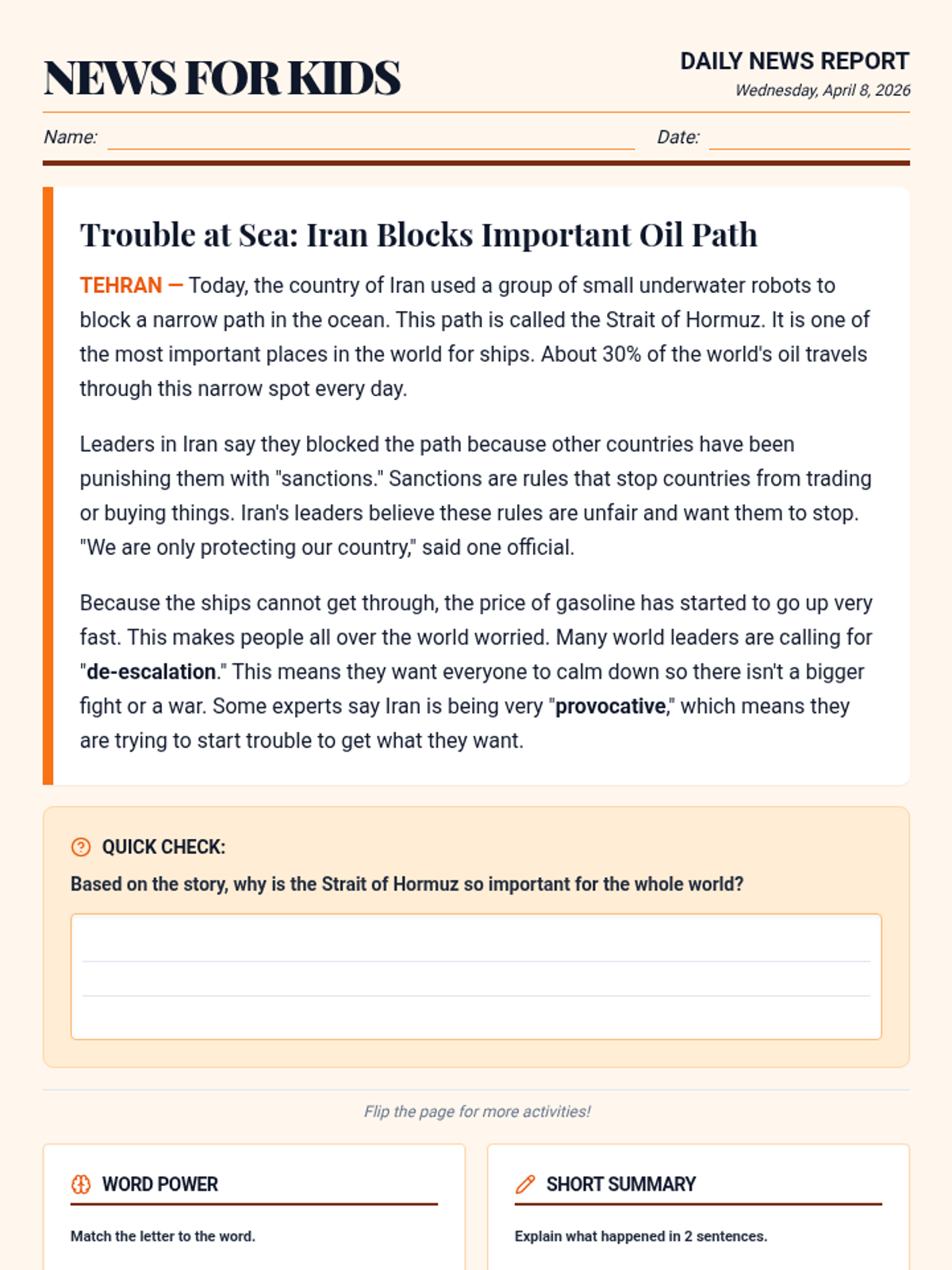
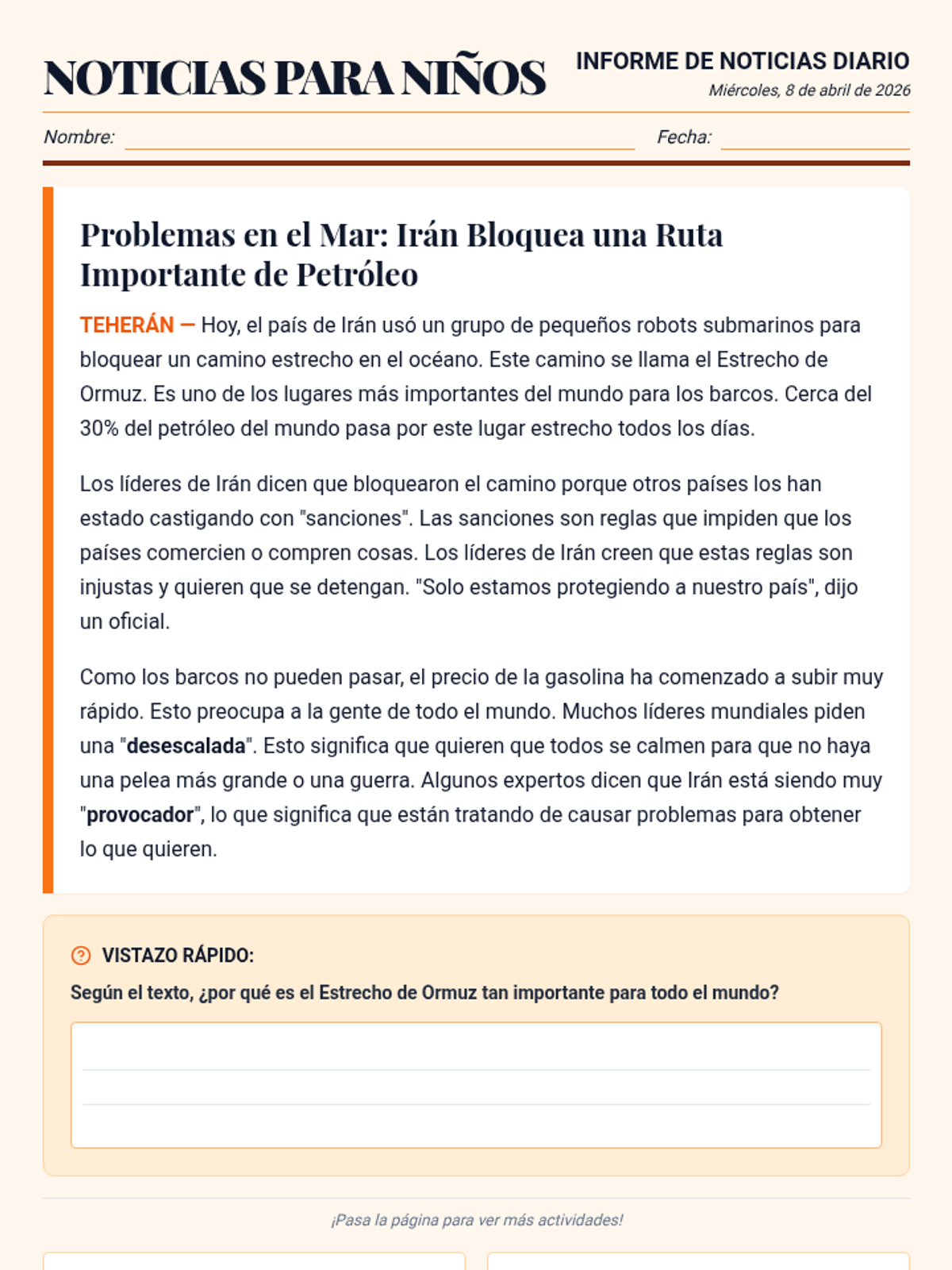
A deep dive into analyzing current events through a fictional 2026 geopolitical conflict, focusing on media literacy skills like bias detection and summarization.
An exploration of Asian-Latino history and contemporary figures, highlighting their unique contributions to global culture and social justice.