A comprehensive World War II review lesson for 8th-grade students, featuring a 'top-secret intelligence mission' theme. Students will review key events, figures, and turning points through a series of interactive challenges.
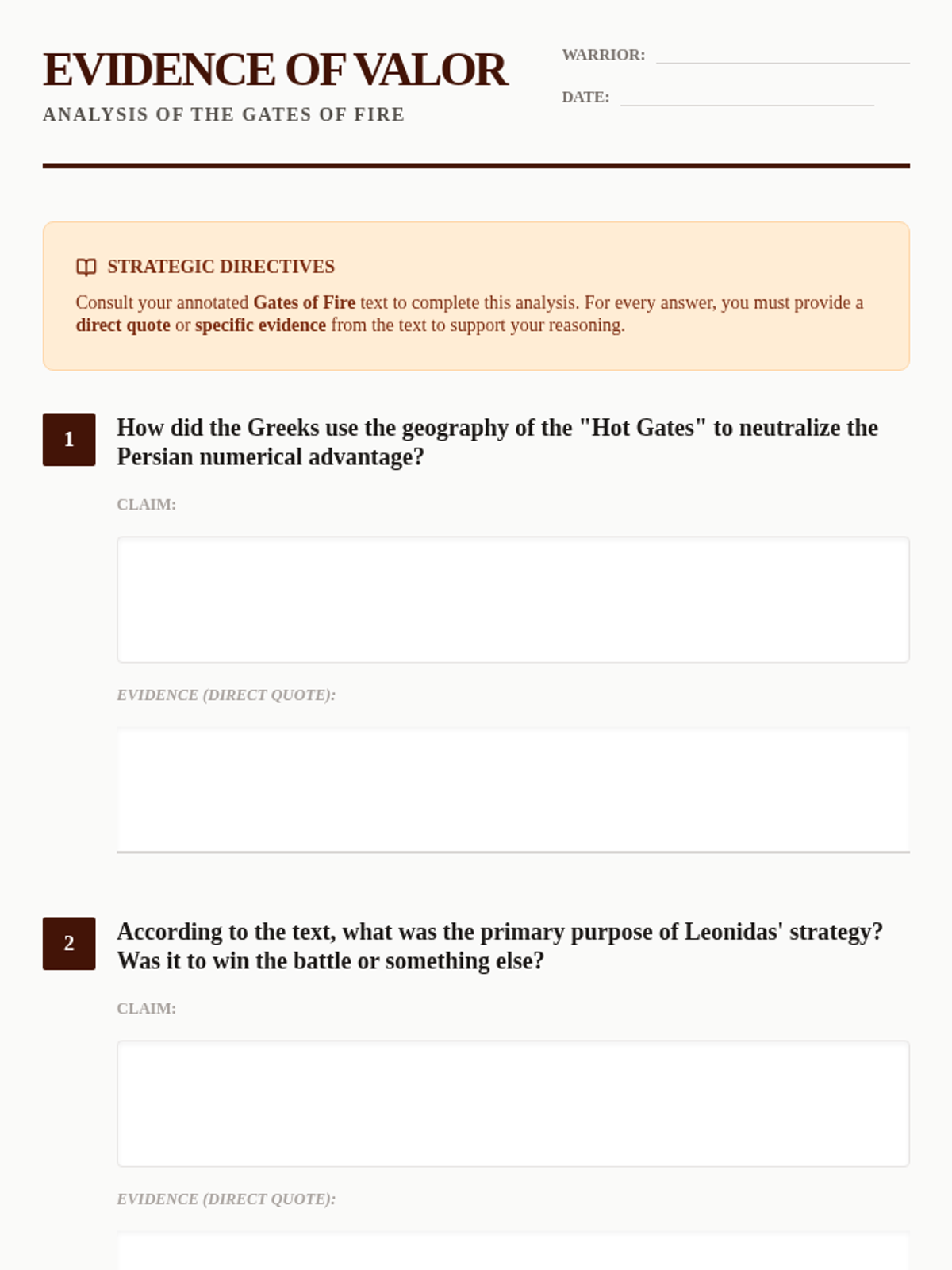
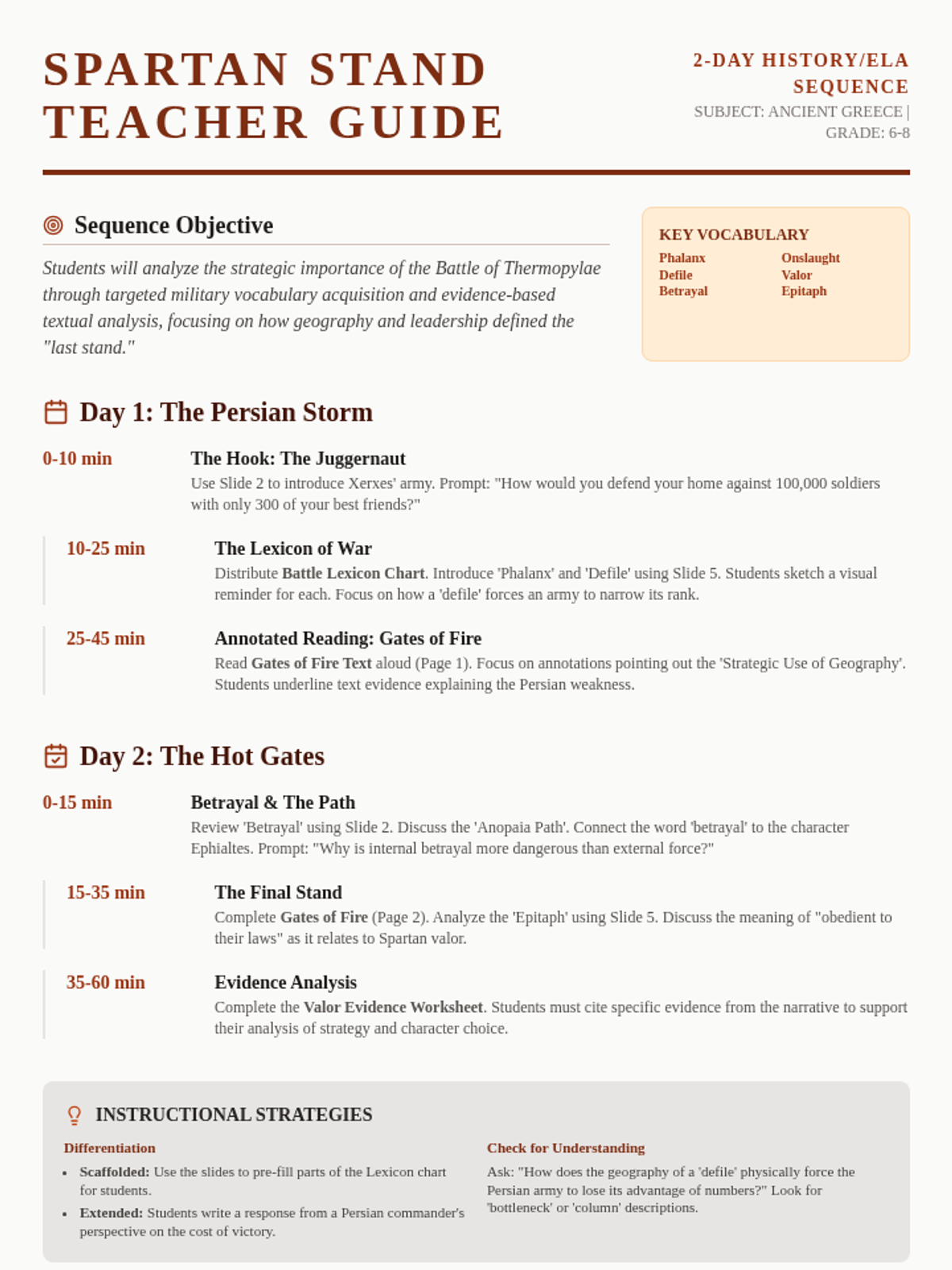
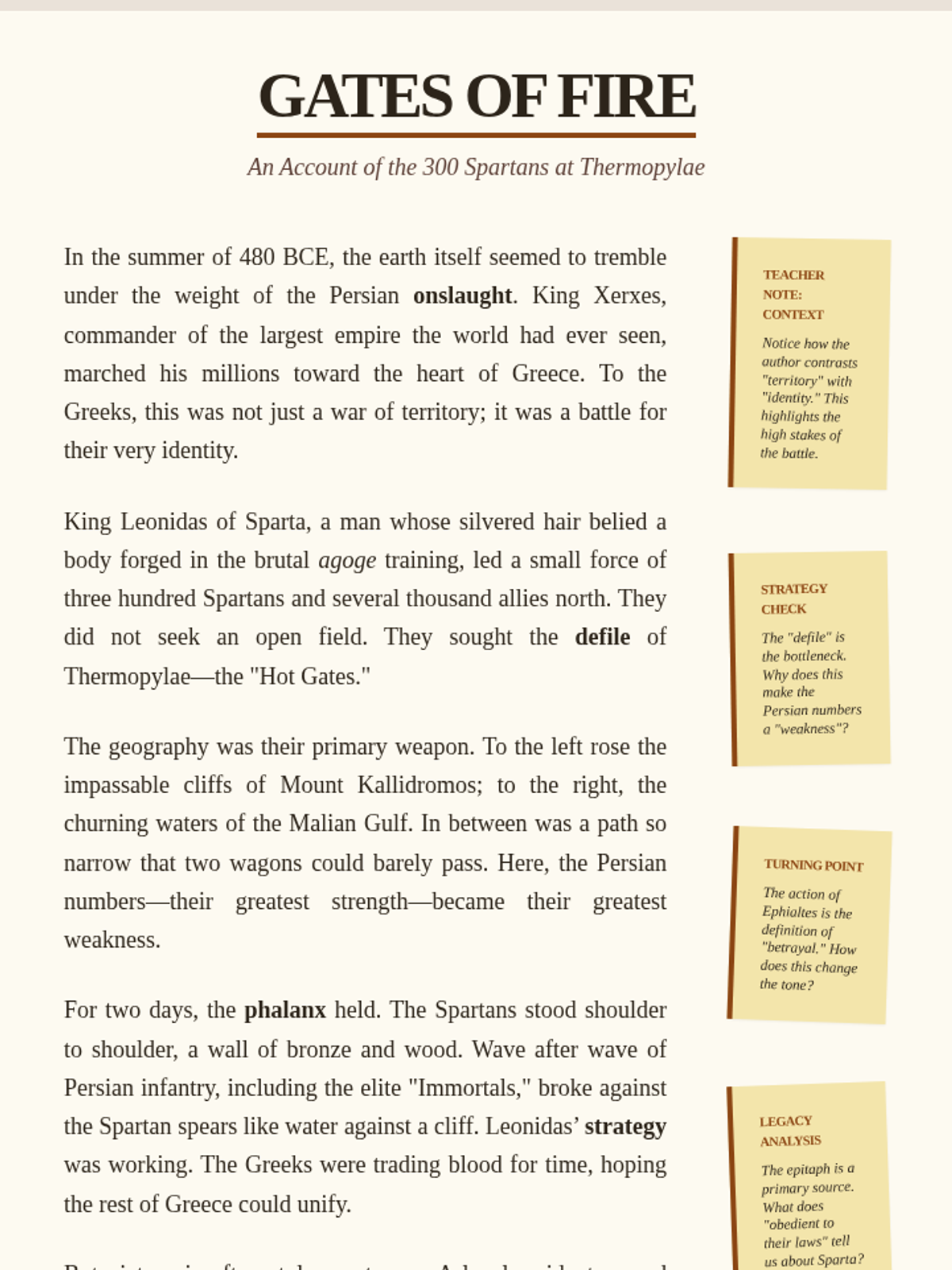
An analysis of the battle's climax, the betrayal at the Anopaia path, and the lasting legacy of the 300 Spartans using evidence-based text analysis.
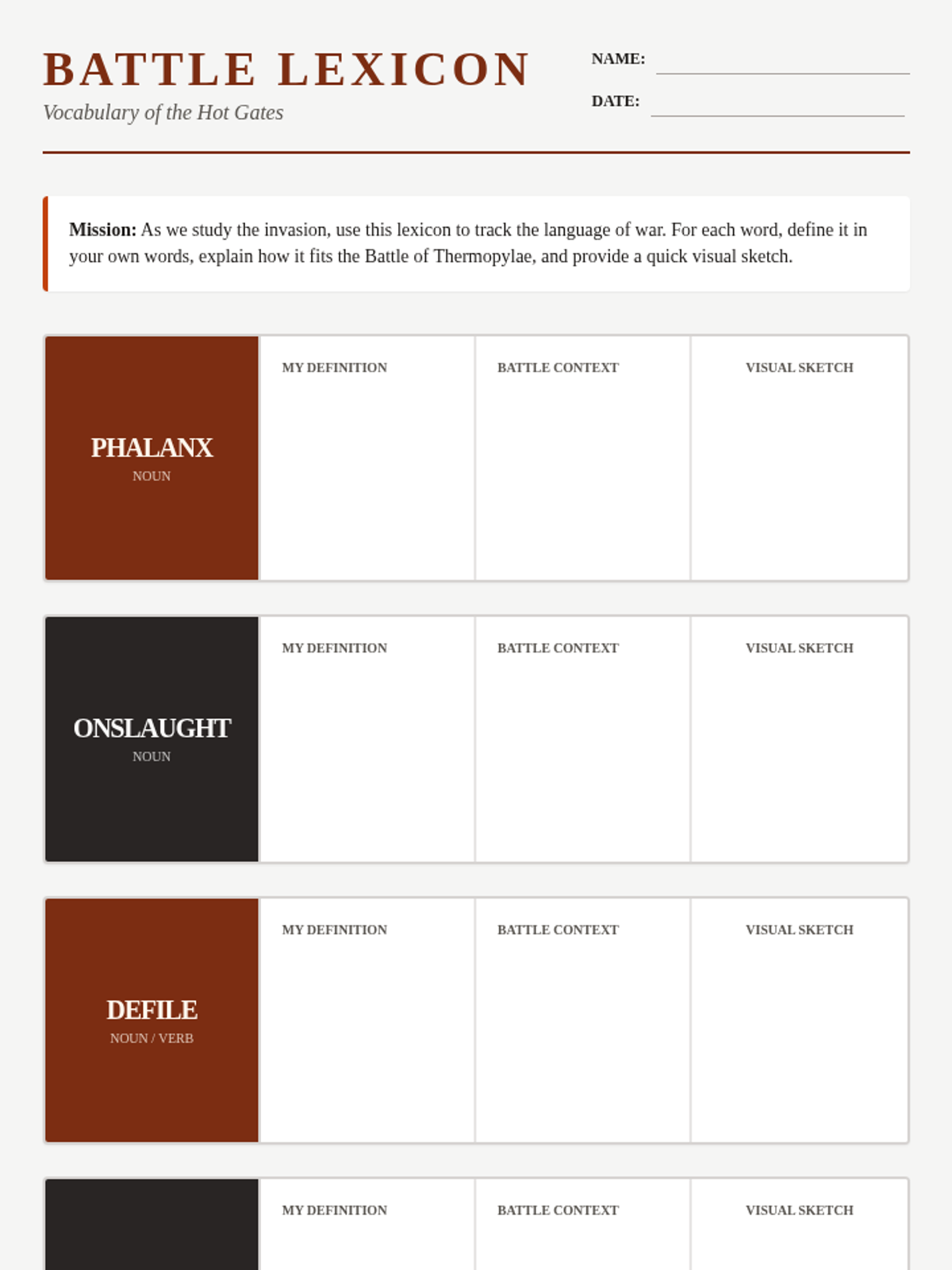
Introduction to the Persian invasion, King Leonidas, and the strategic importance of the "Hot Gates" with a focus on tier-two and tier-three military vocabulary.
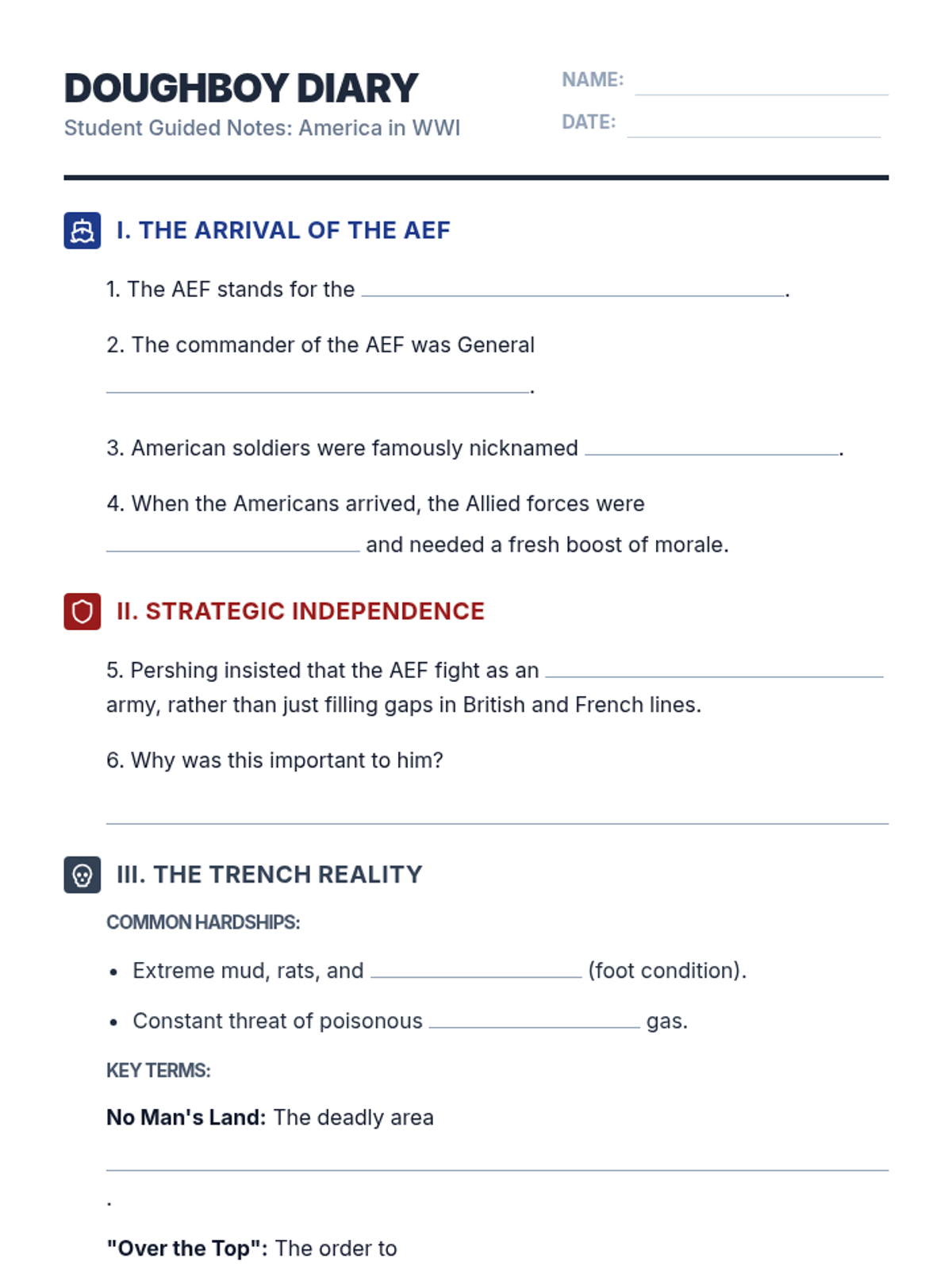
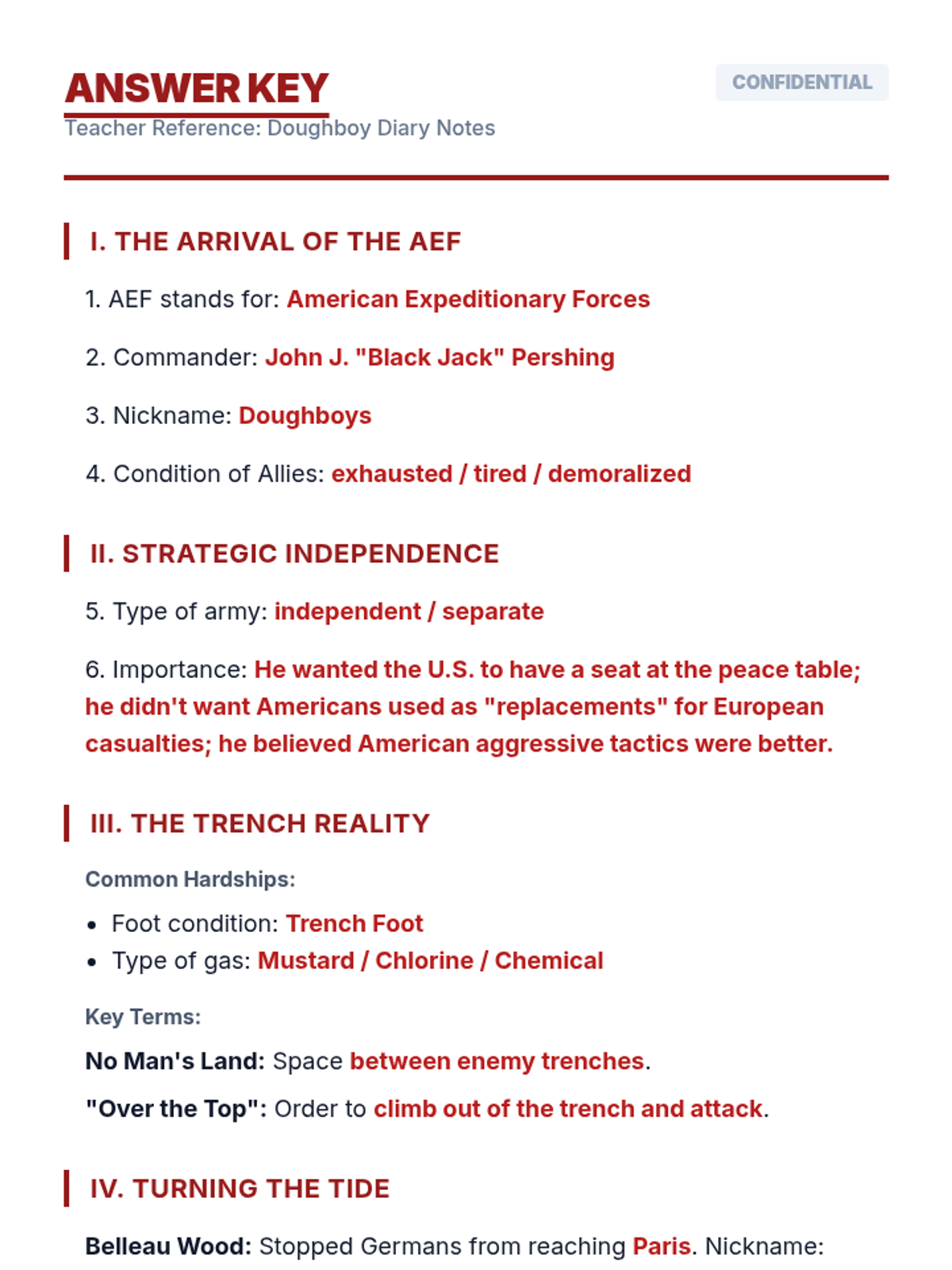
This lesson explores the arrival of the American Expeditionary Forces in Europe during WWI, focusing on their military contributions, the harsh realities of trench warfare, and their role in the Allied victory.
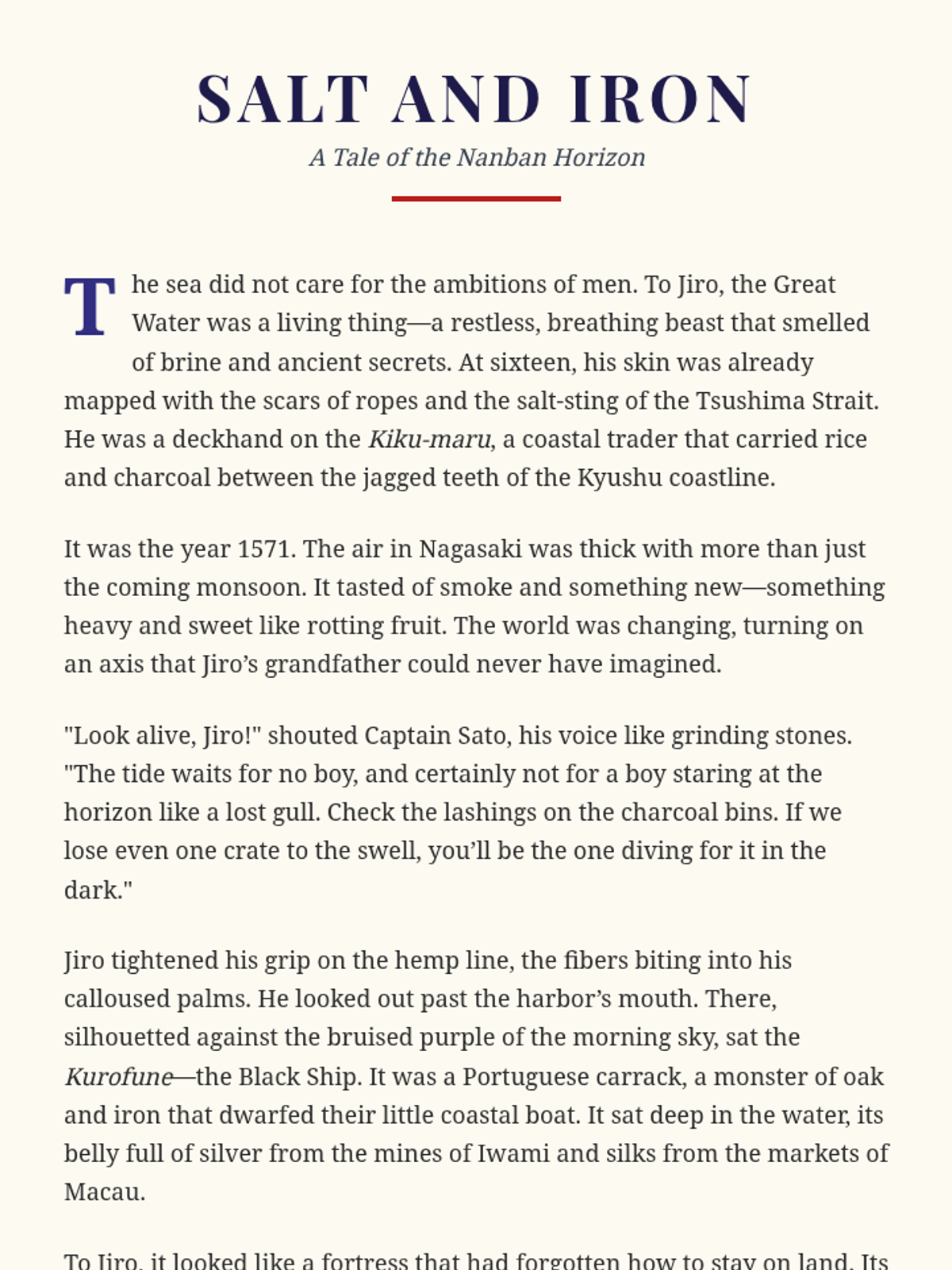
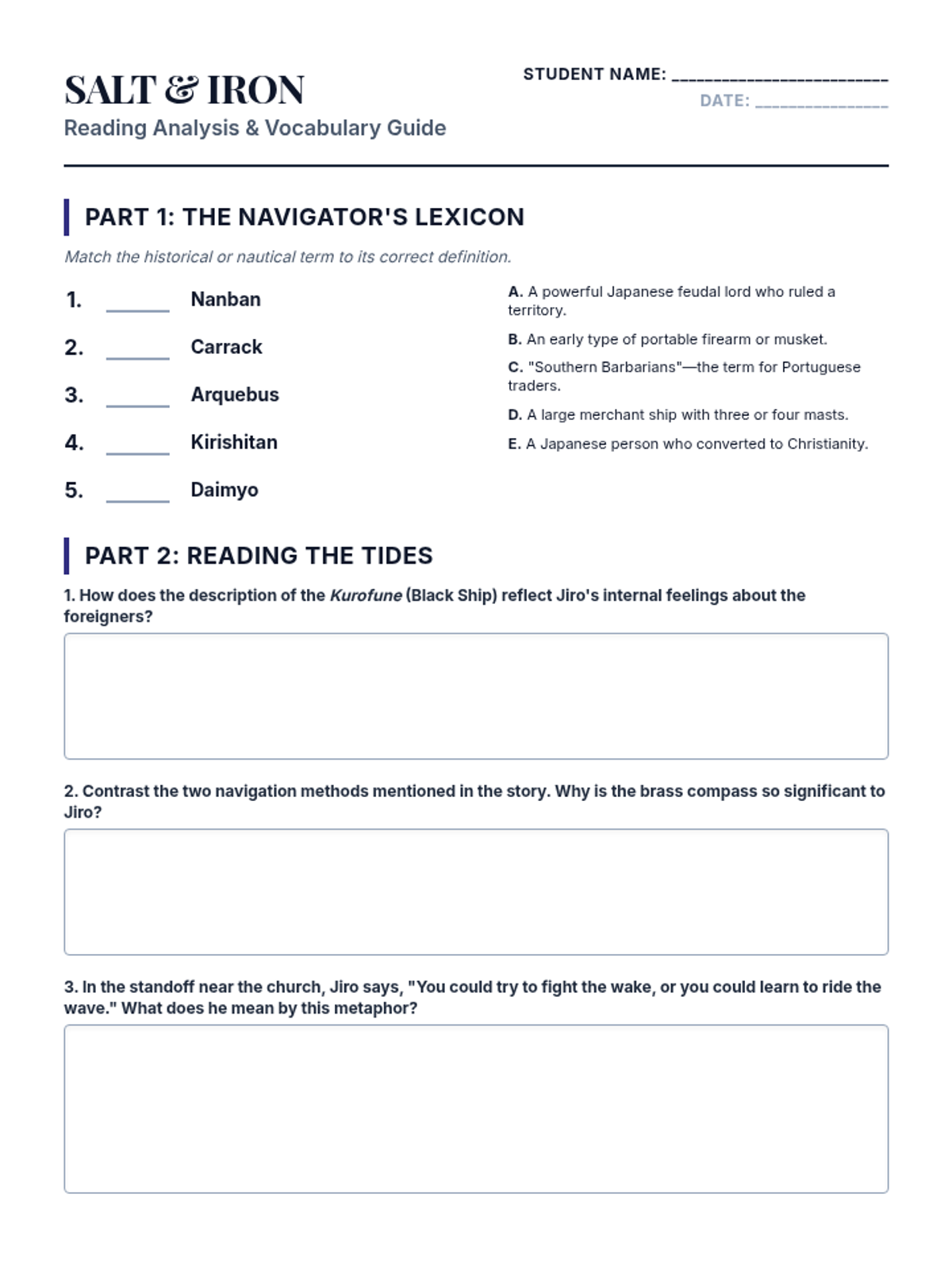
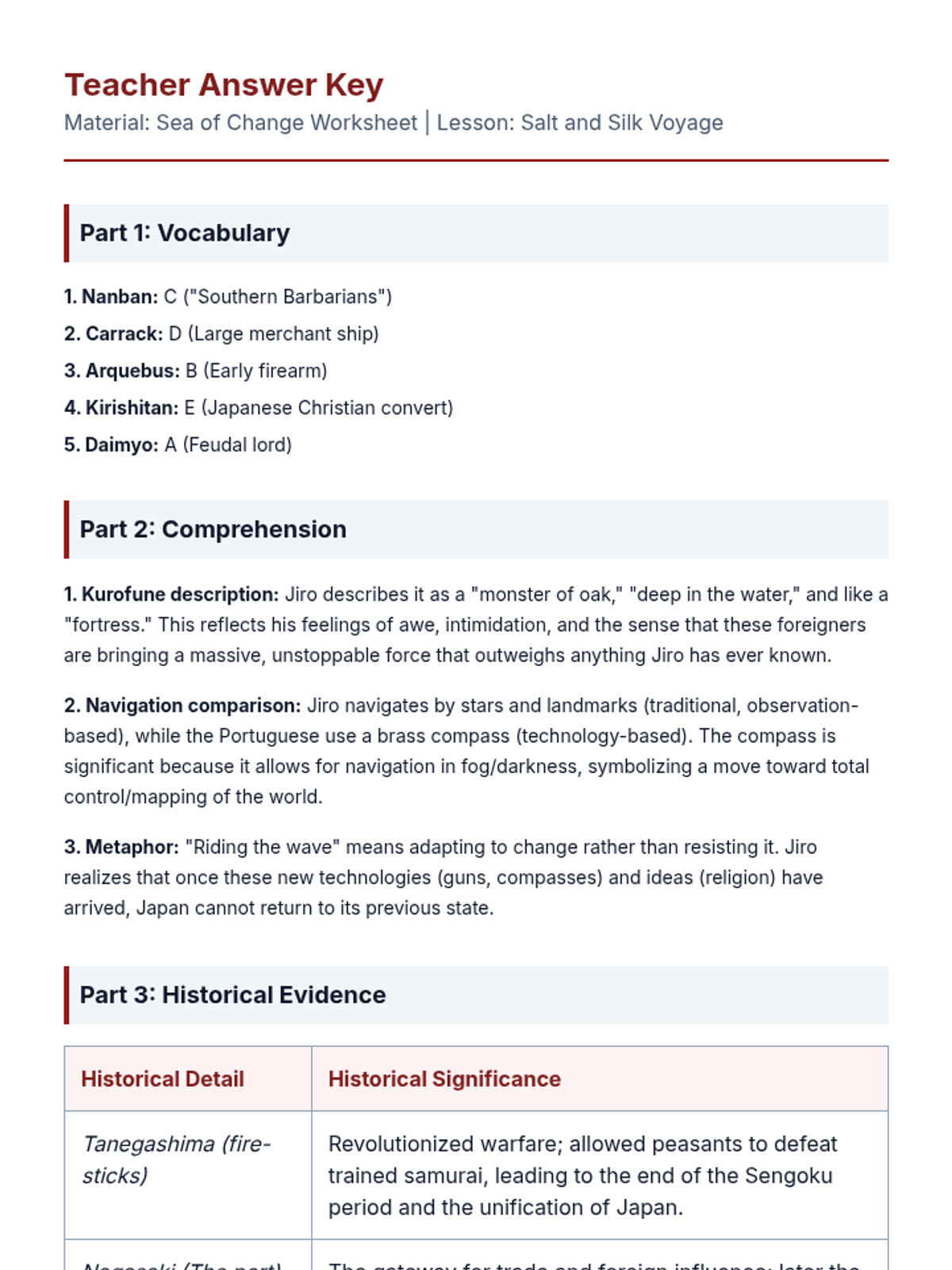
A deep dive into 16th-century Japan during the Nanban trade era through the eyes of a young sailor encountering Portuguese explorers. Students explore historical context, vocabulary, and literary themes of cultural exchange and conflict.
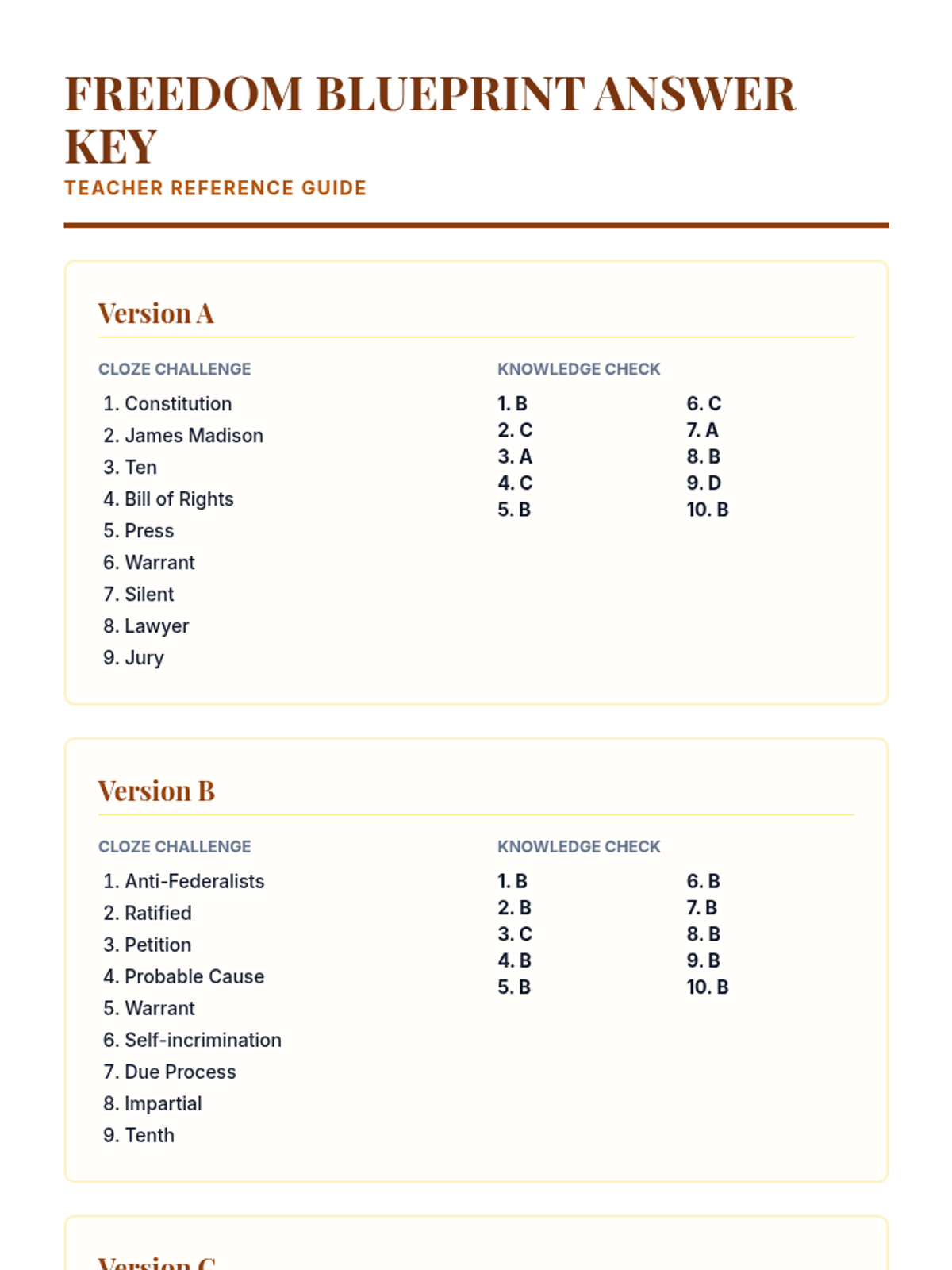
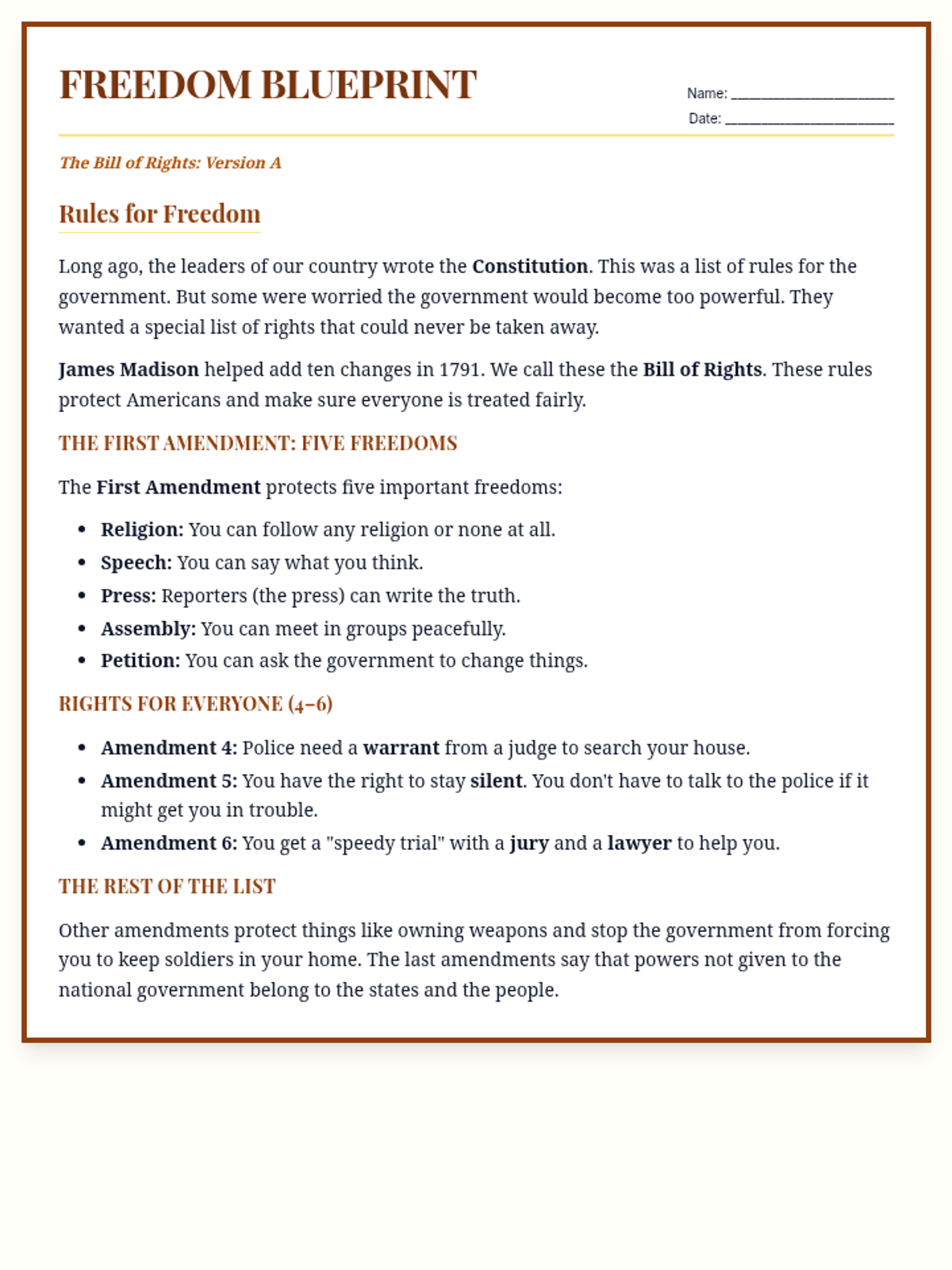
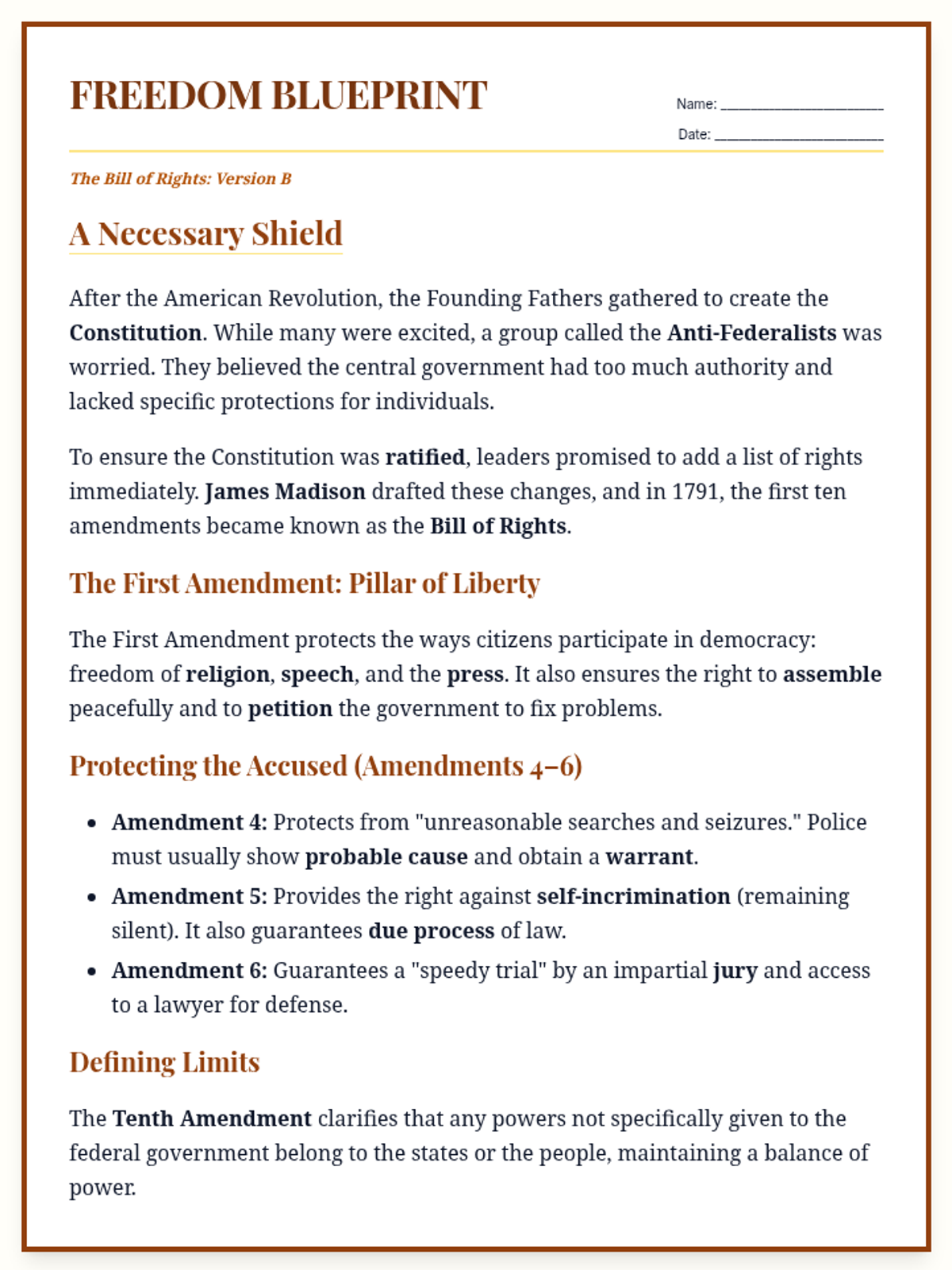
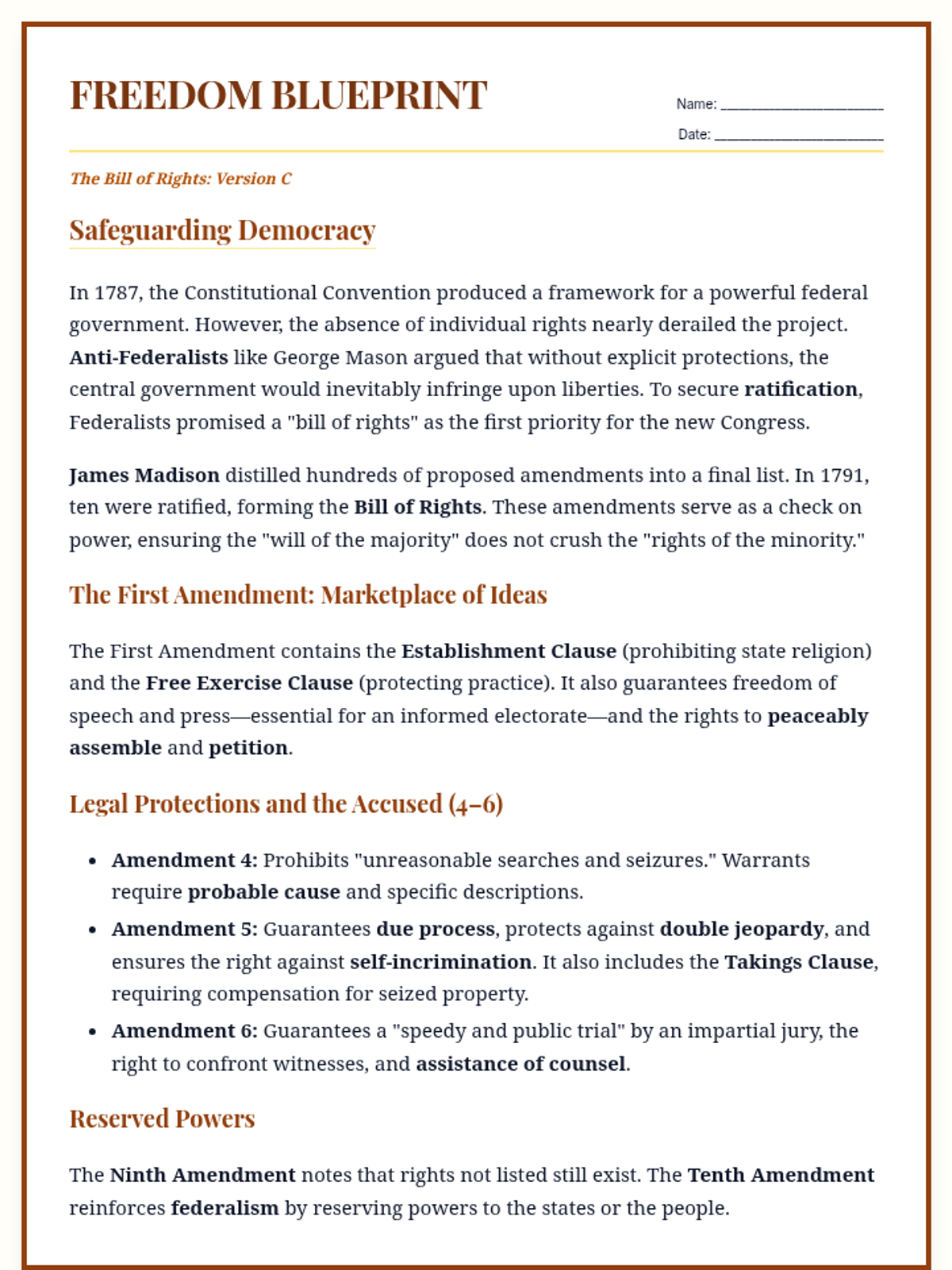
A comprehensive exploration of the Bill of Rights, featuring differentiated reading materials (Versions A, B, and C) covering historical context, the First Amendment, and the rights of the accused.
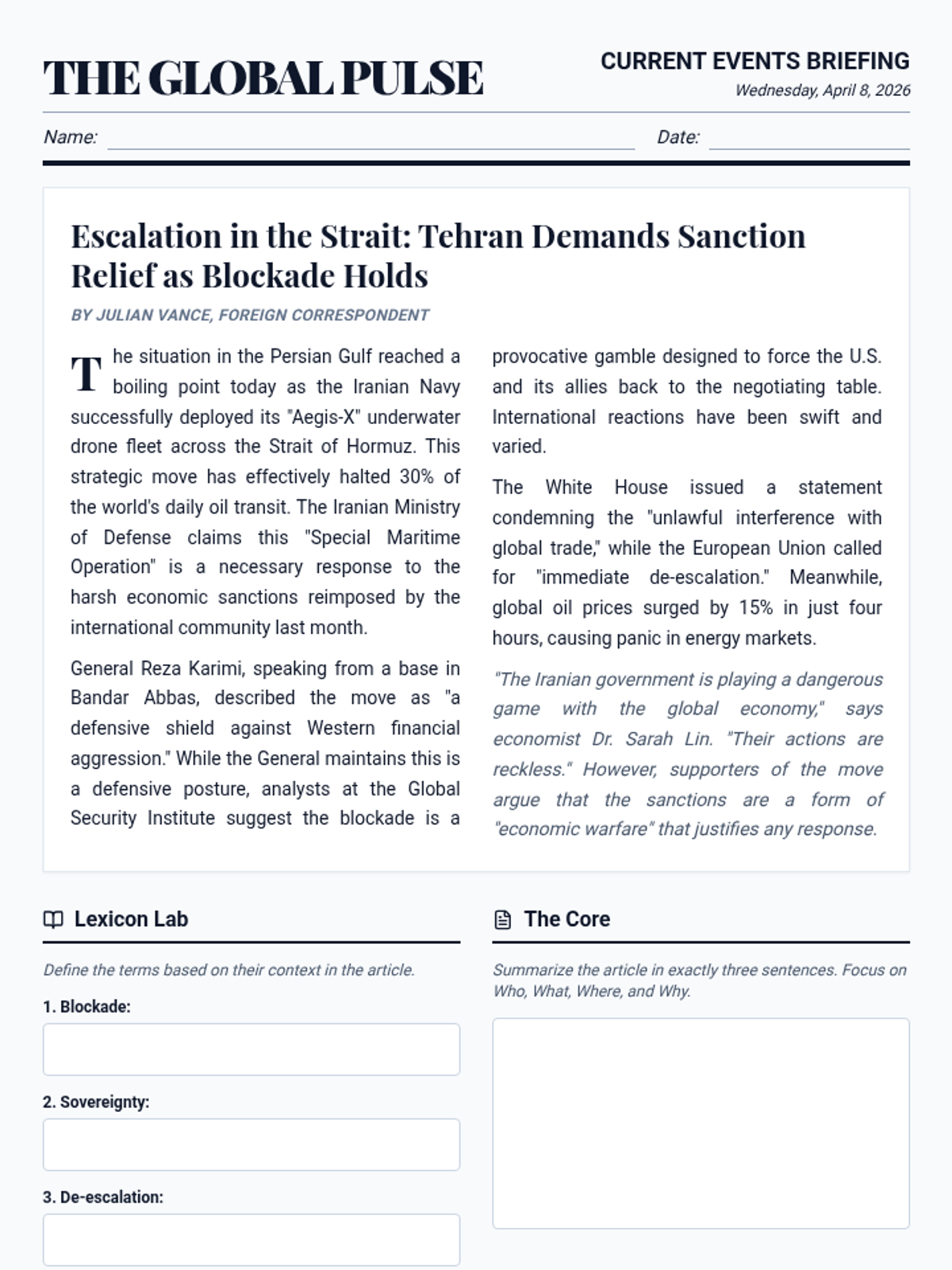
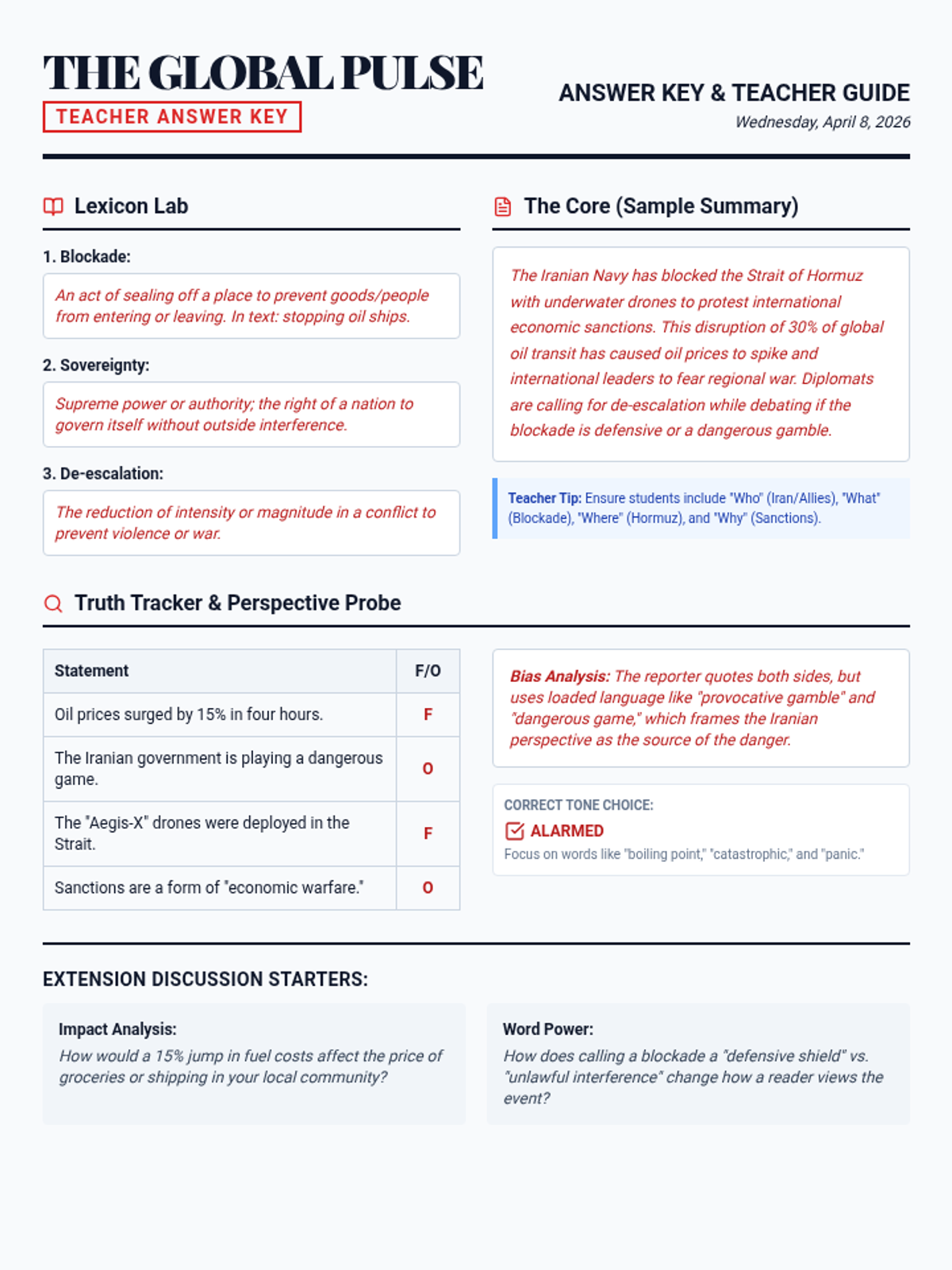
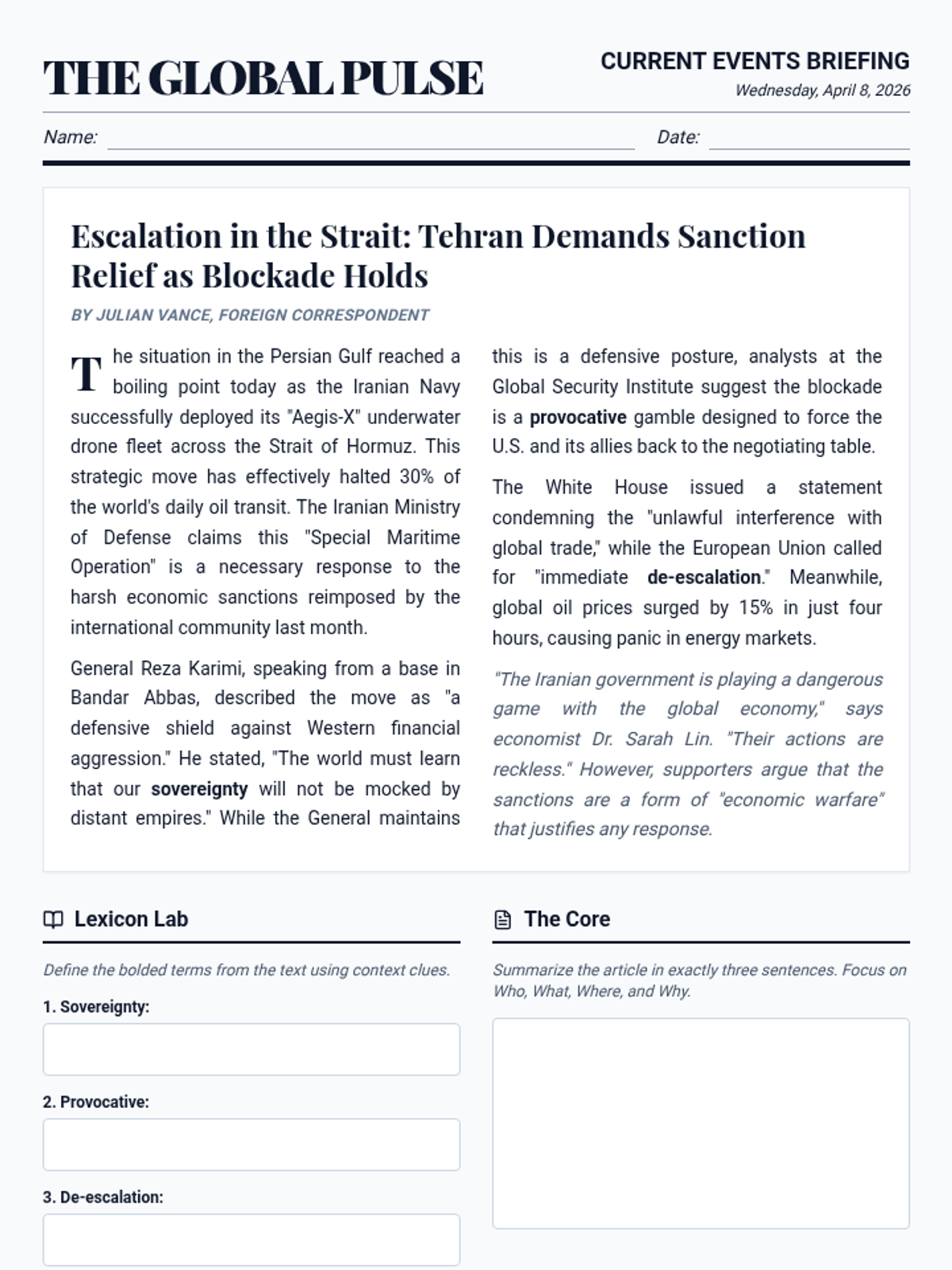
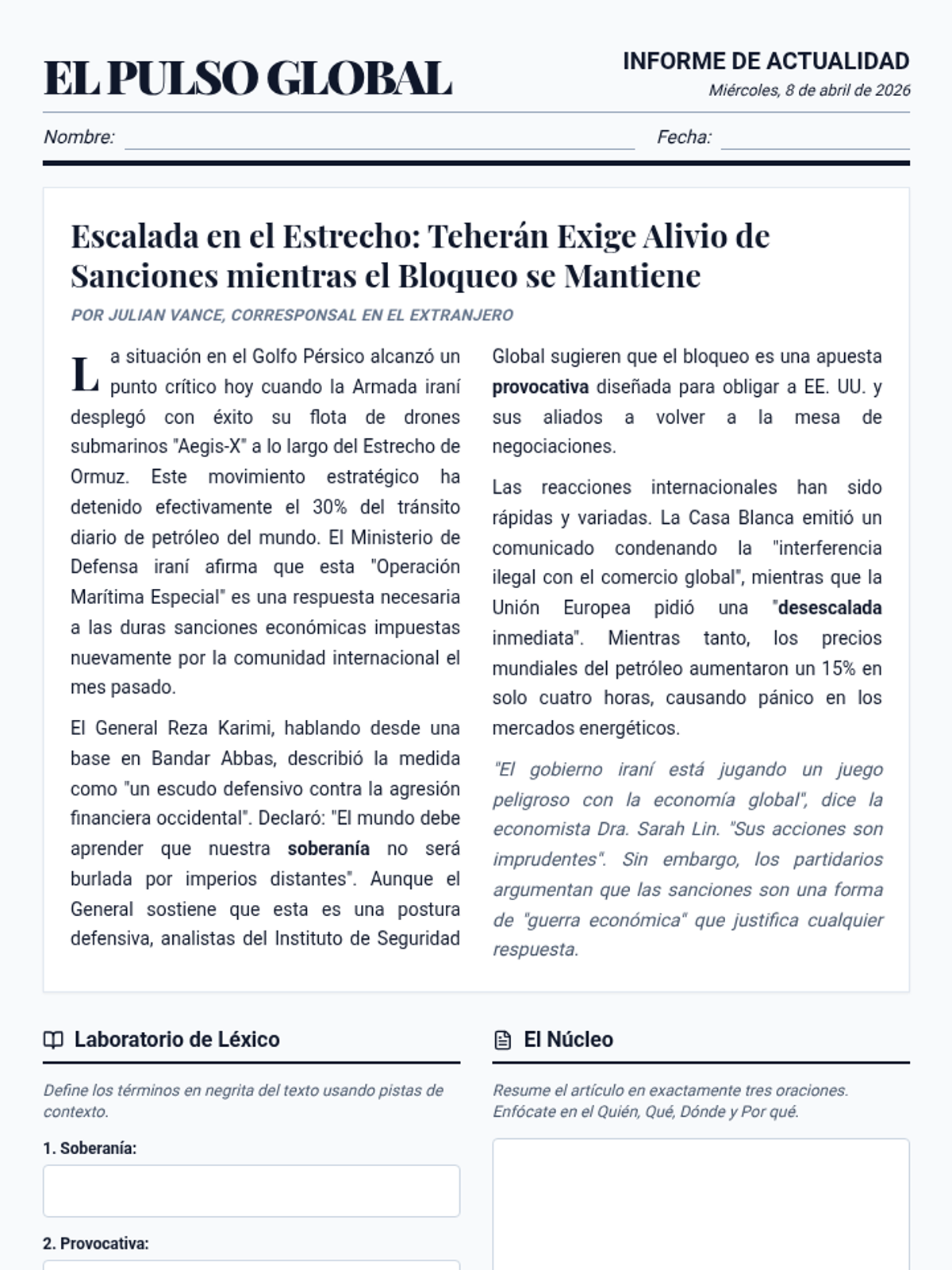
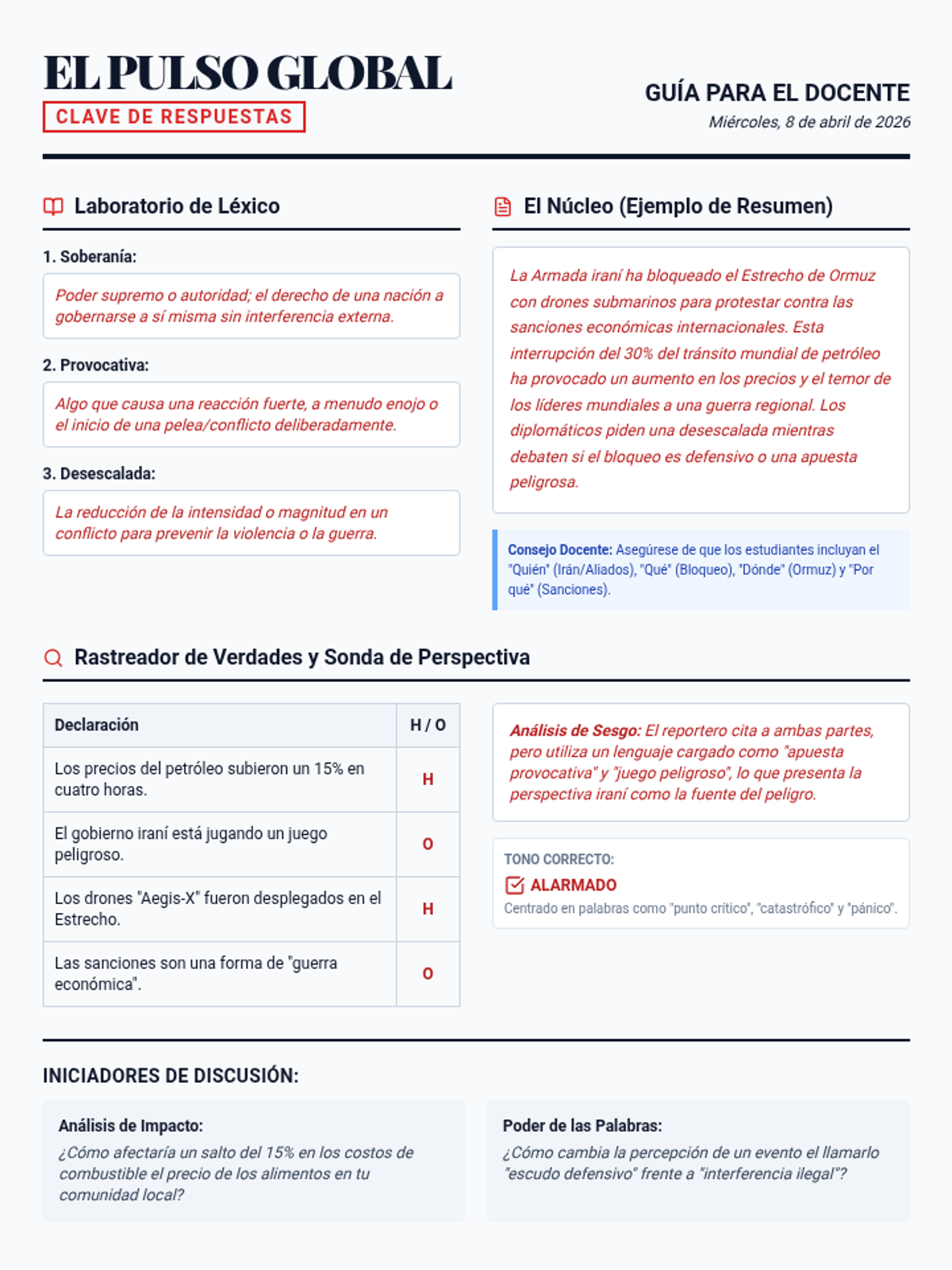
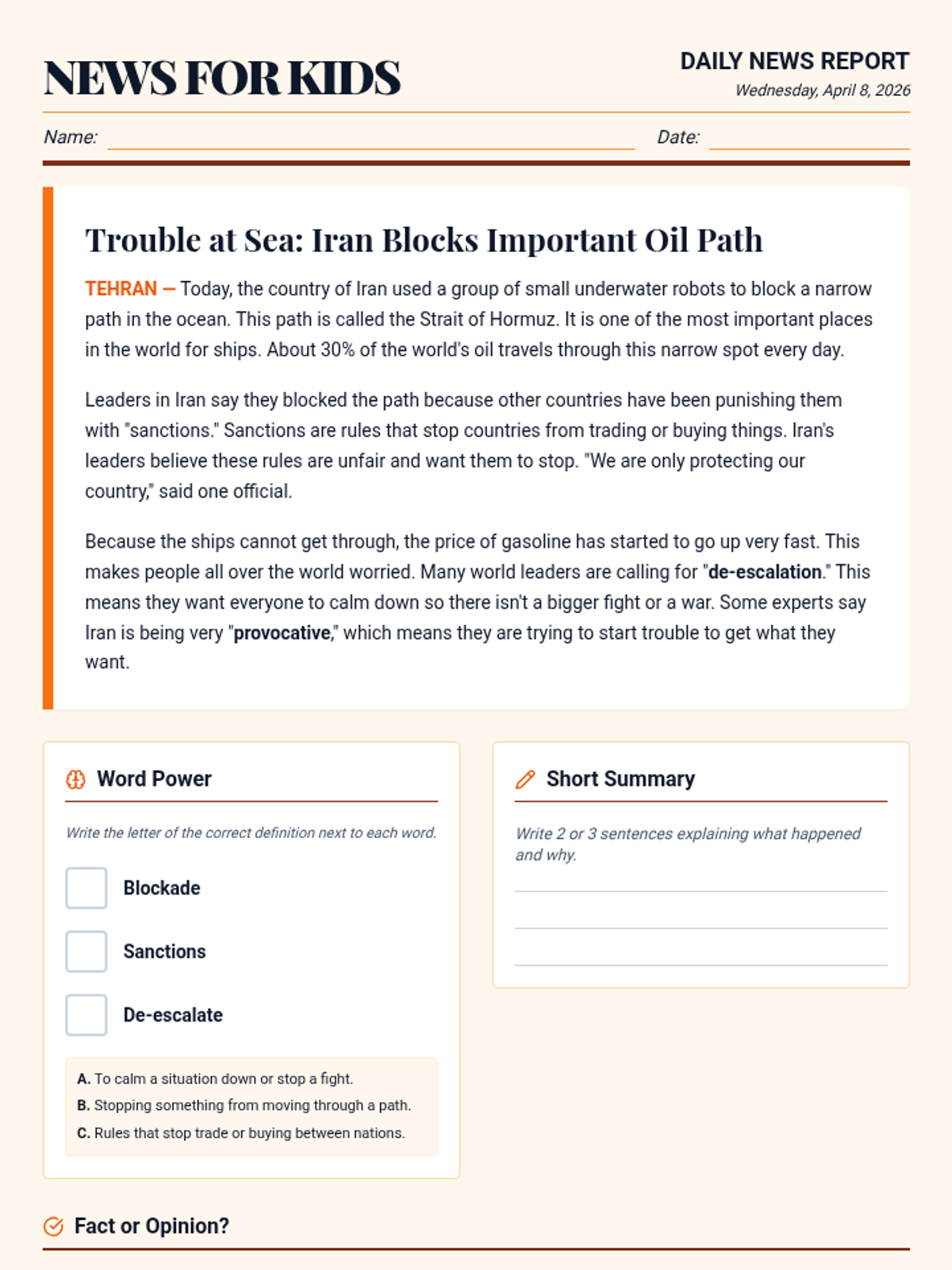
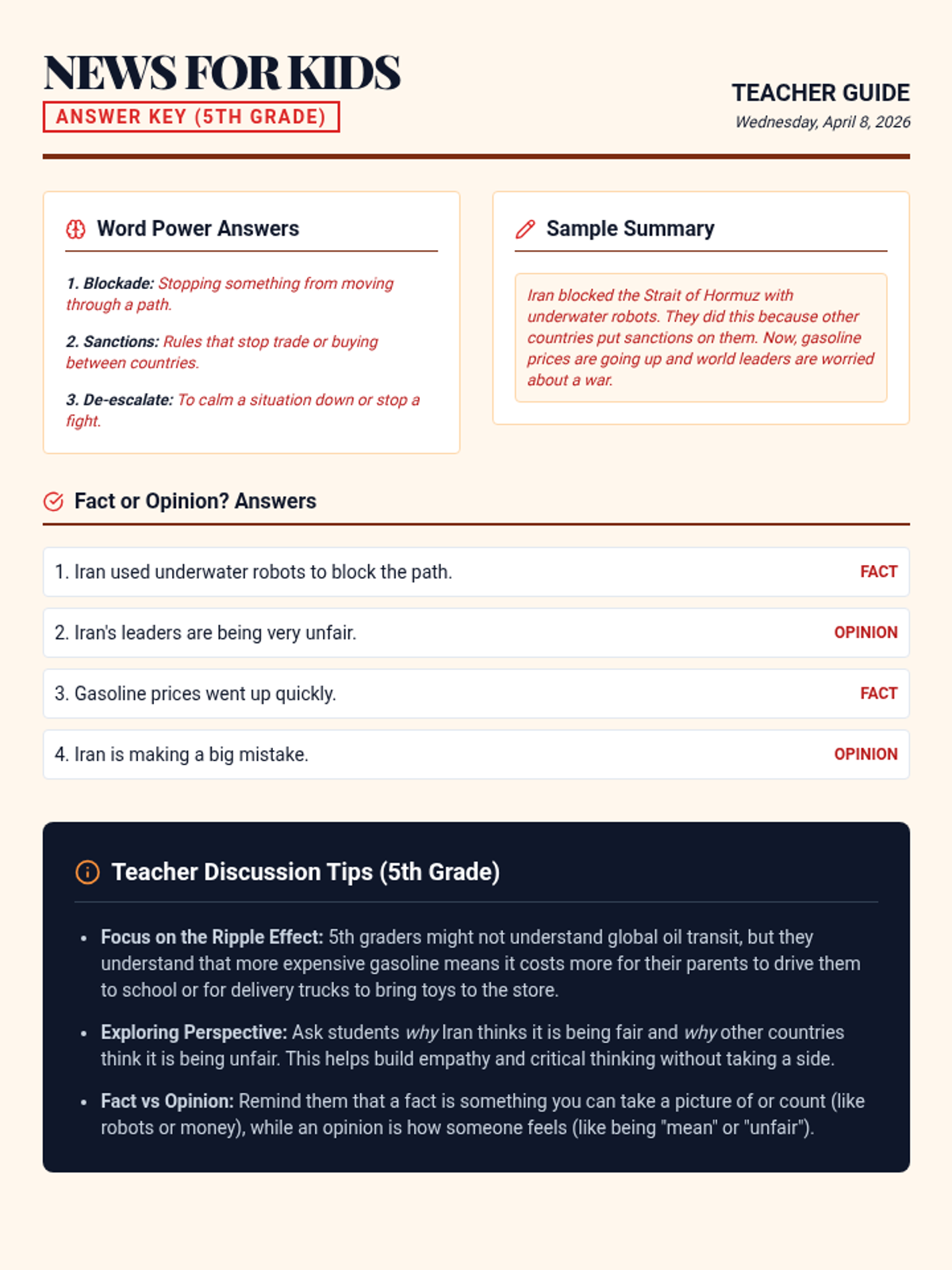
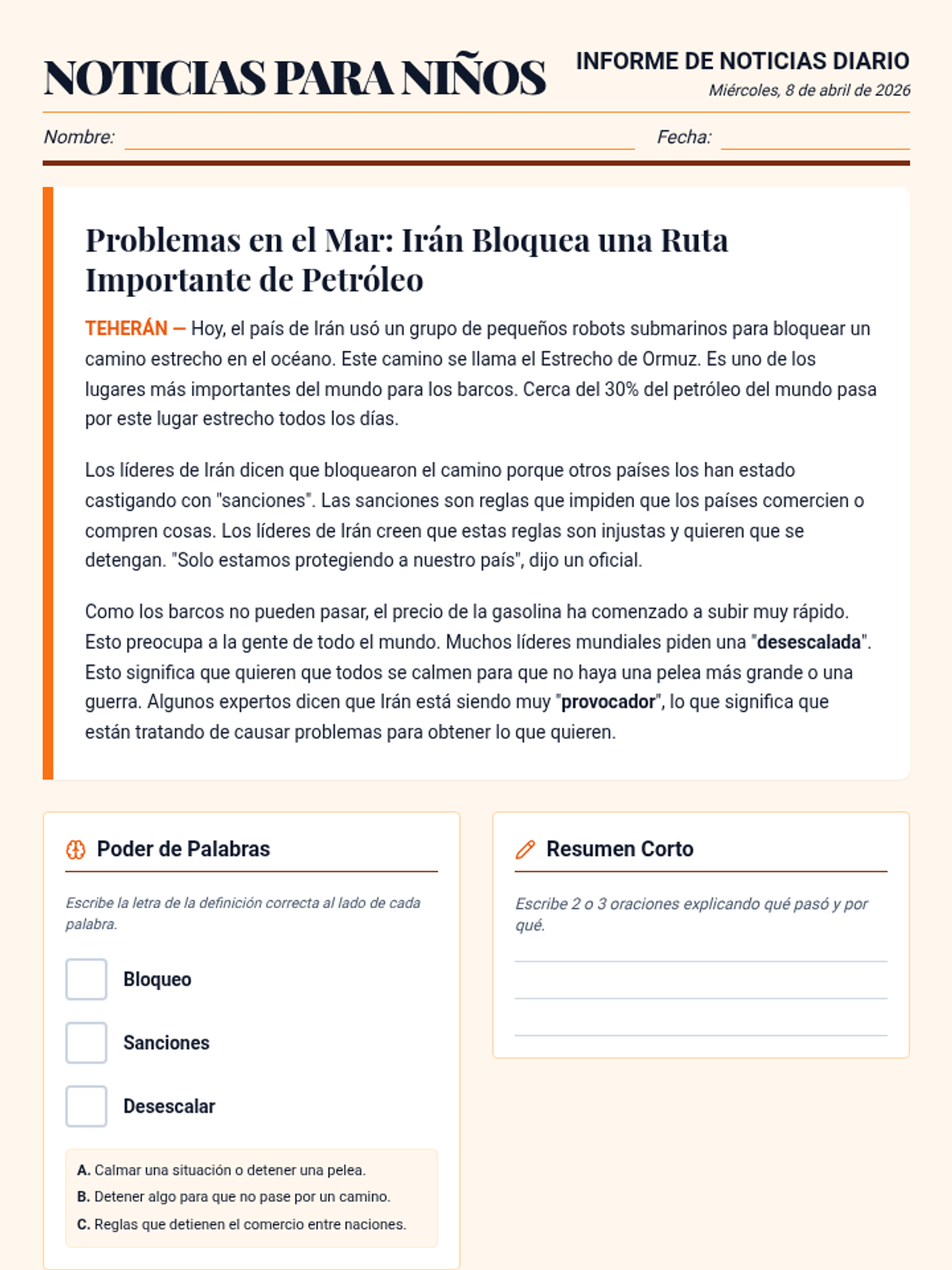
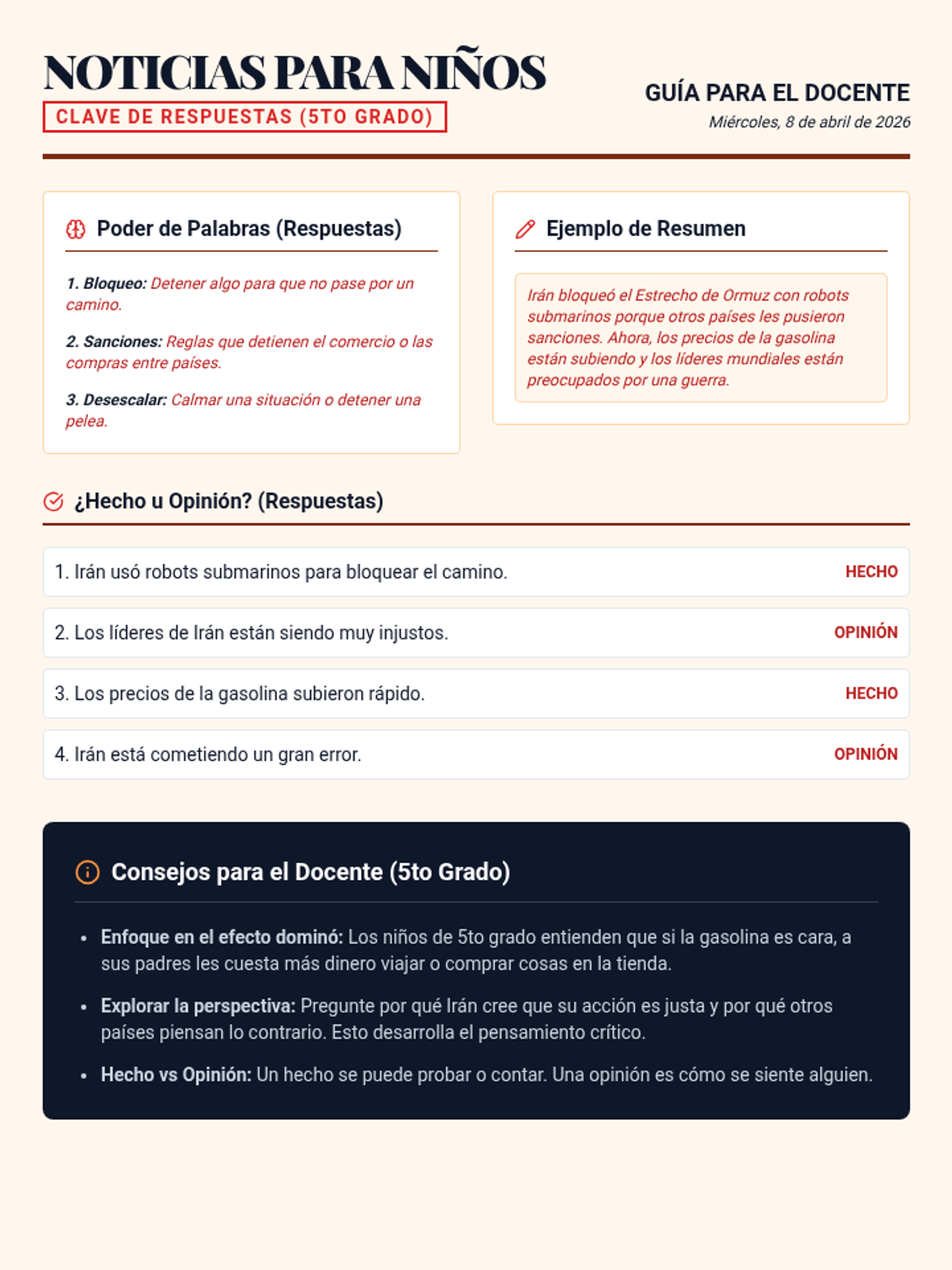
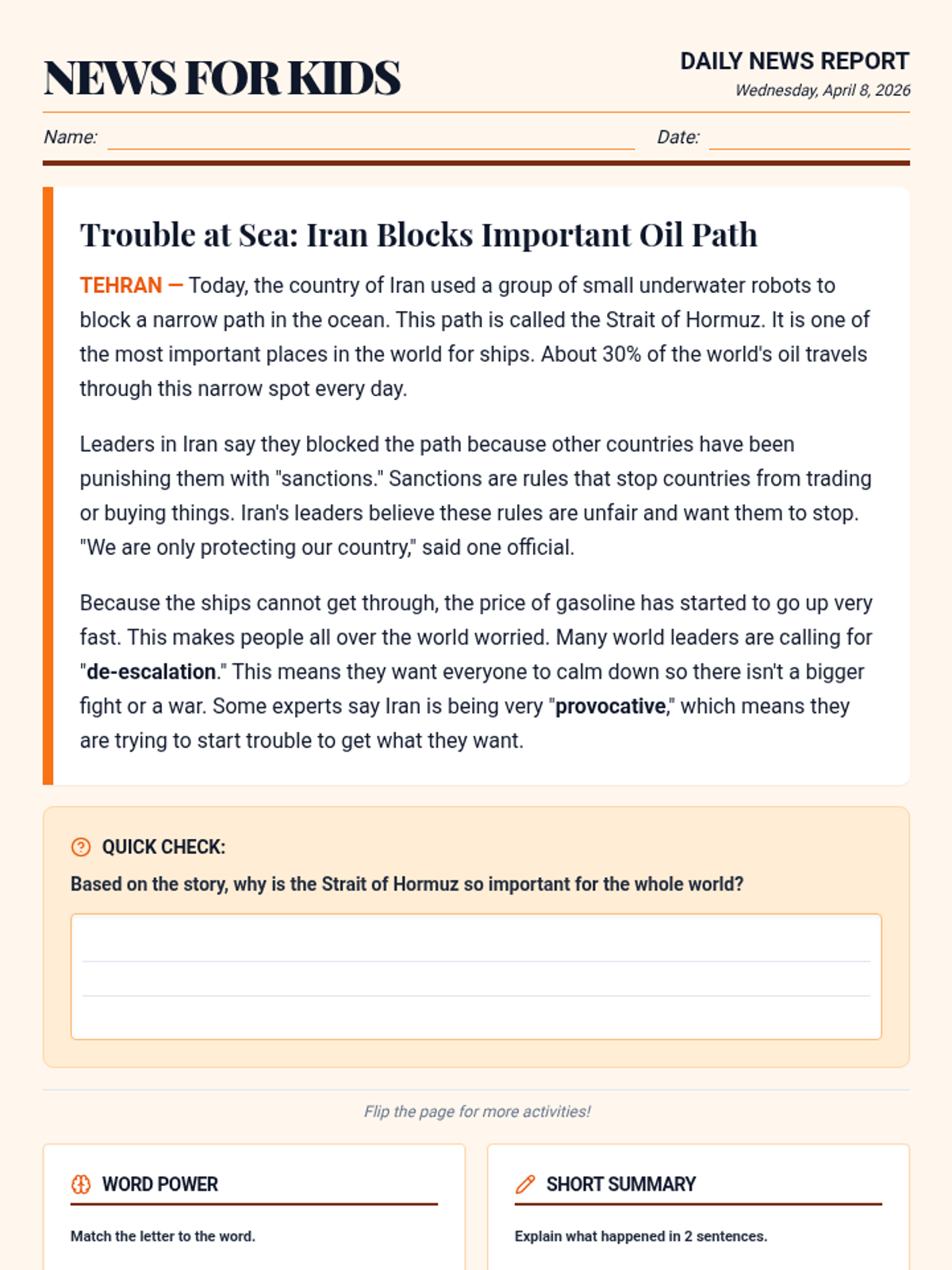
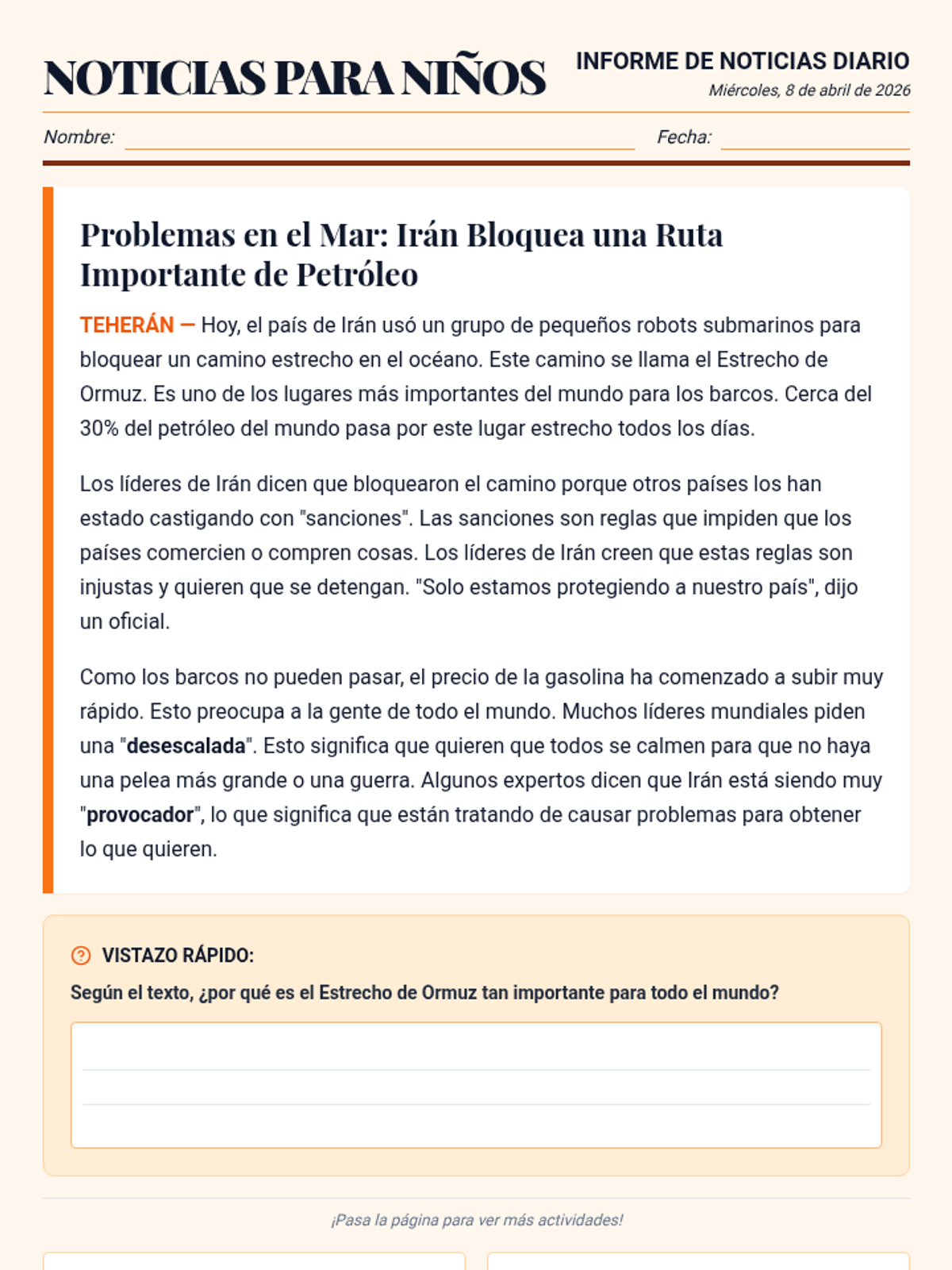
A deep dive into analyzing current events through a fictional 2026 geopolitical conflict, focusing on media literacy skills like bias detection and summarization.
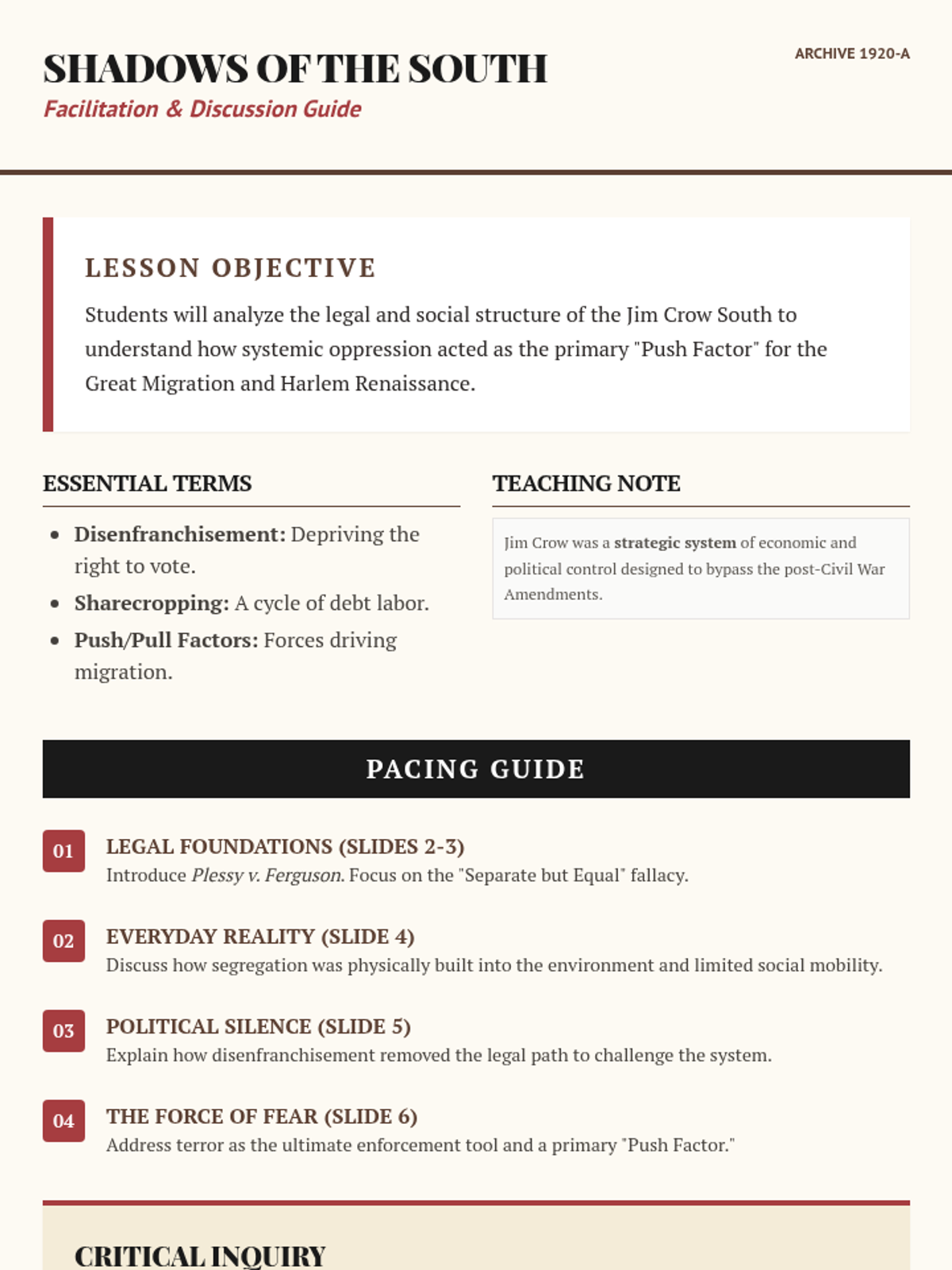
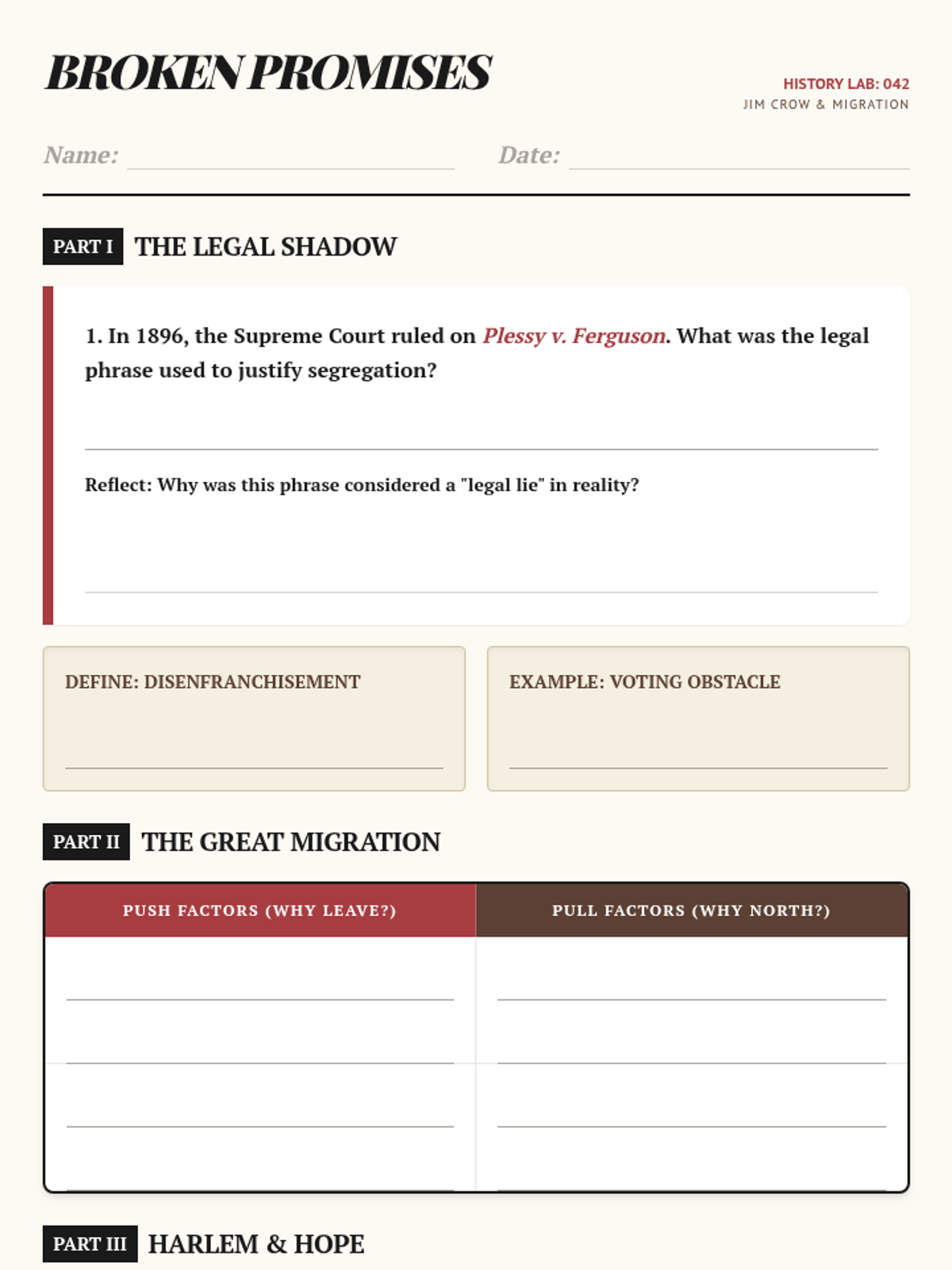
A foundational exploration of Jim Crow laws, their impact on Black American life, and how they served as the primary catalyst for the Great Migration and the Harlem Renaissance.
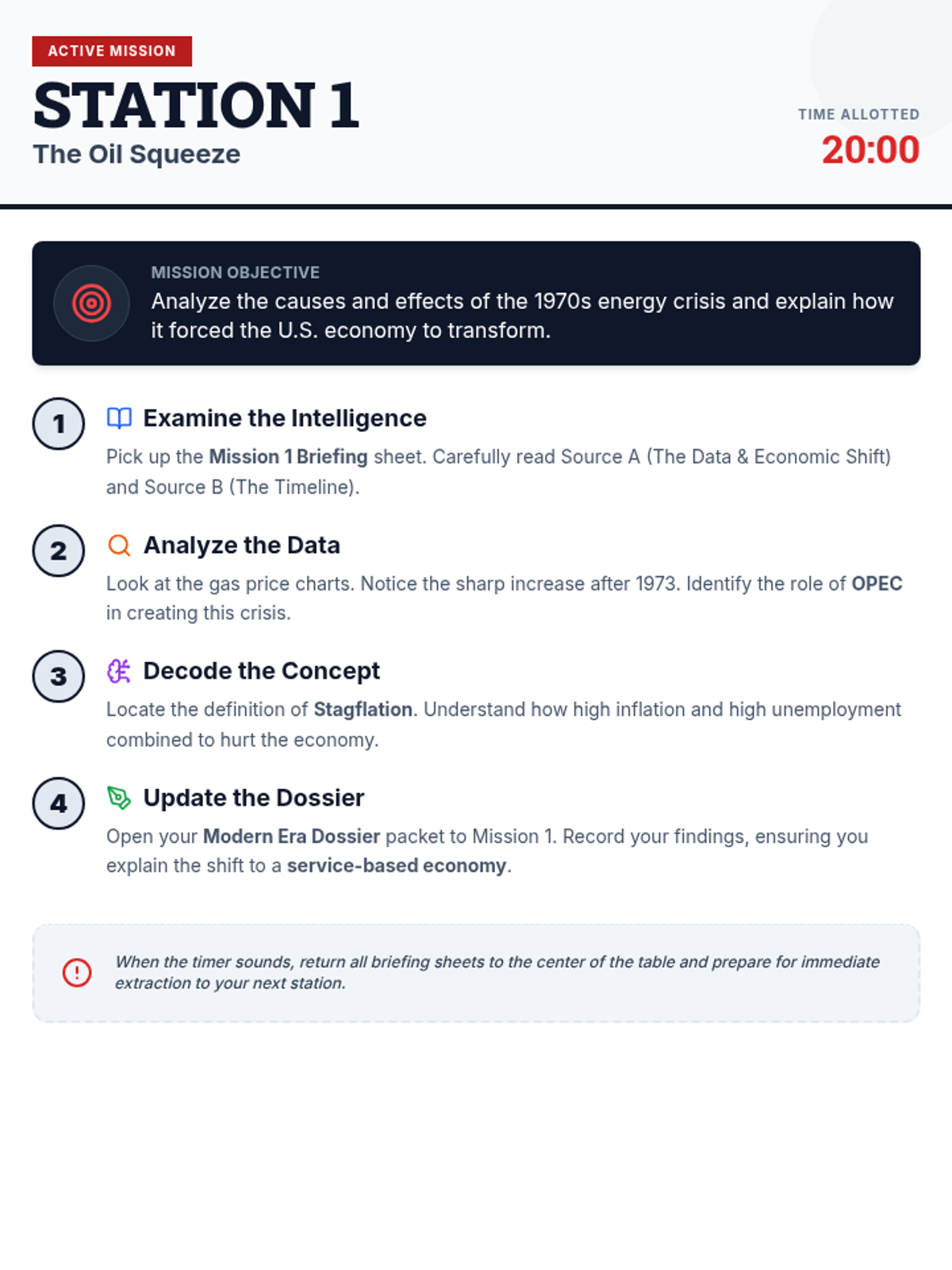
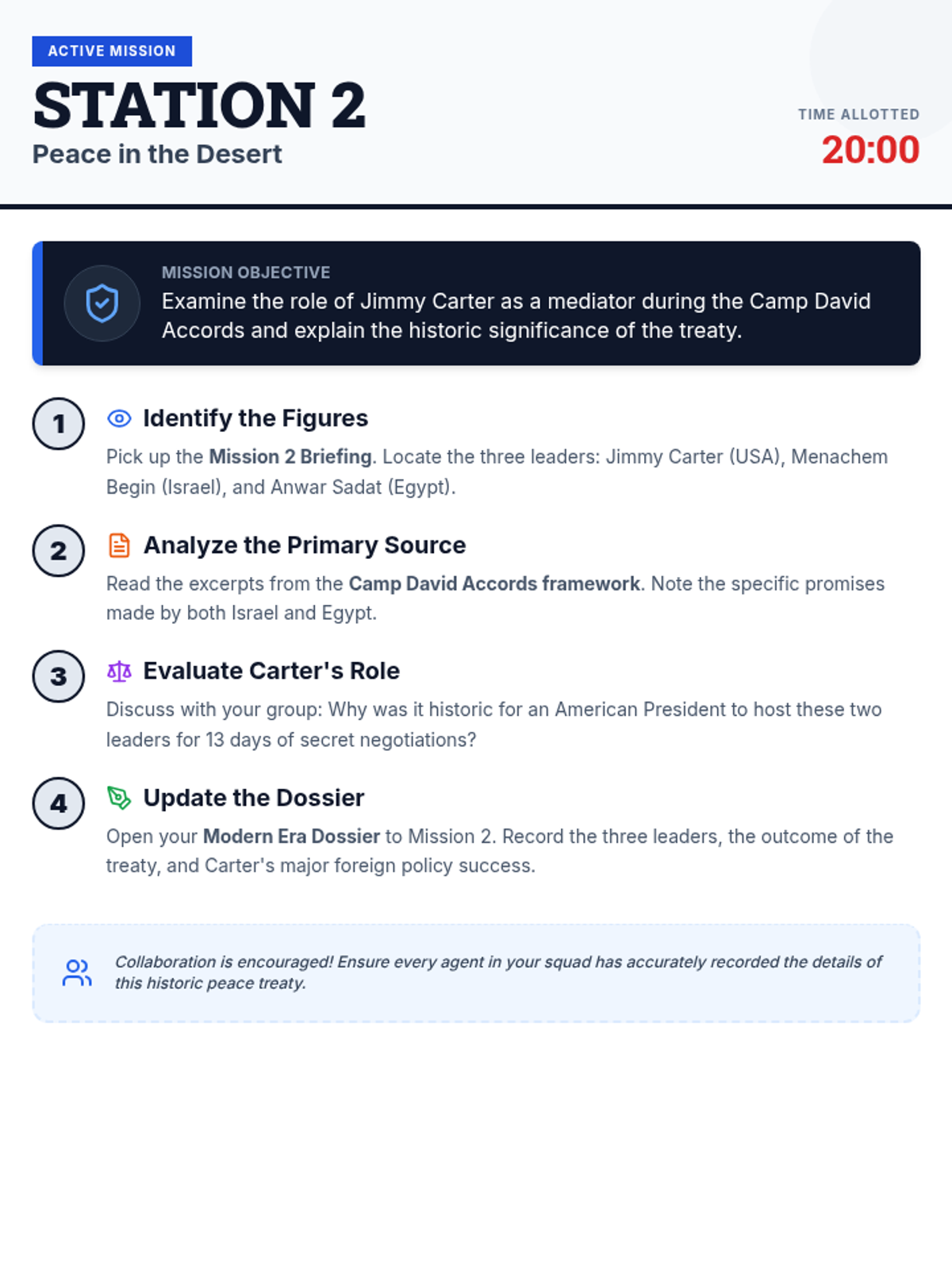
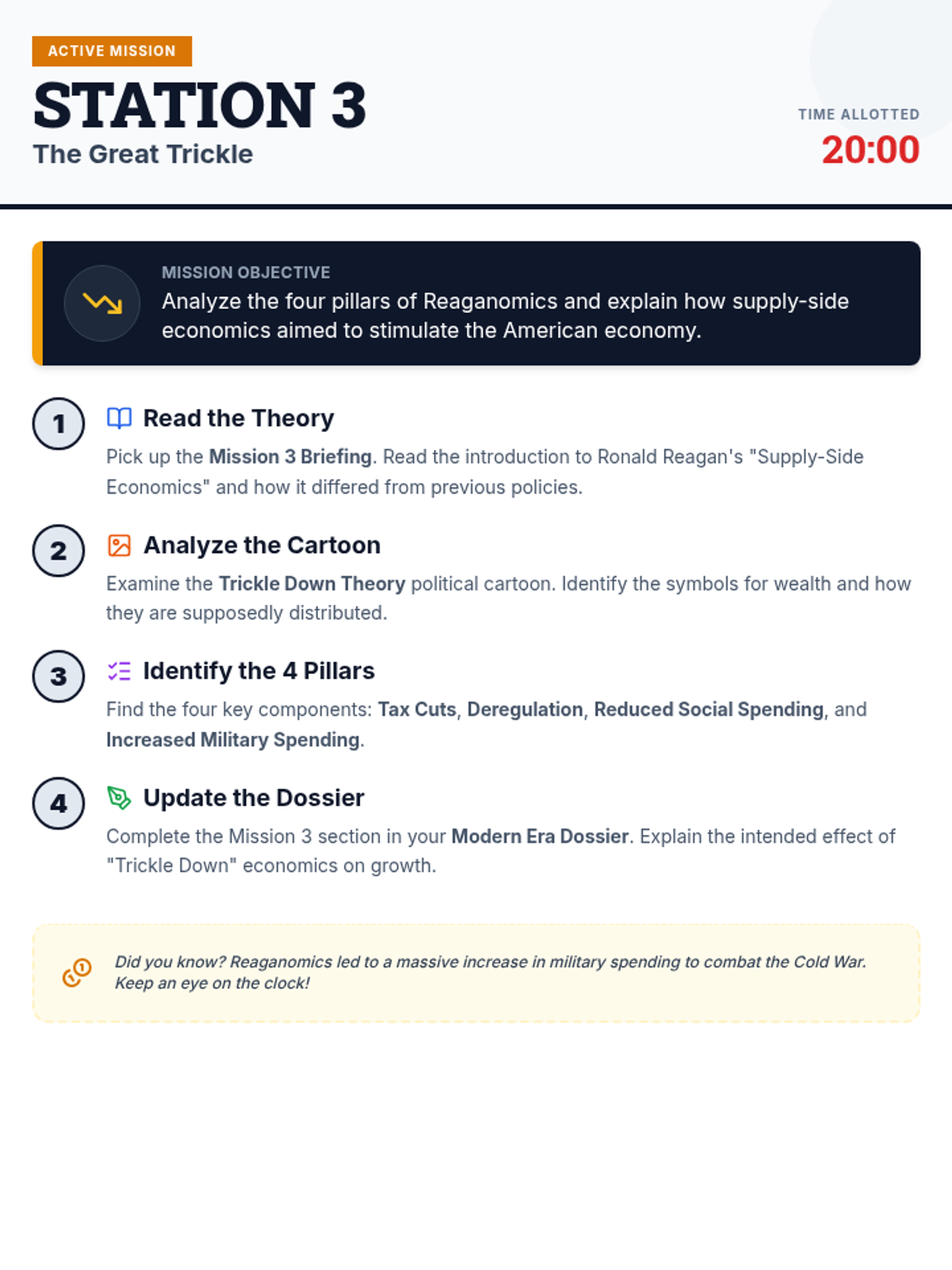
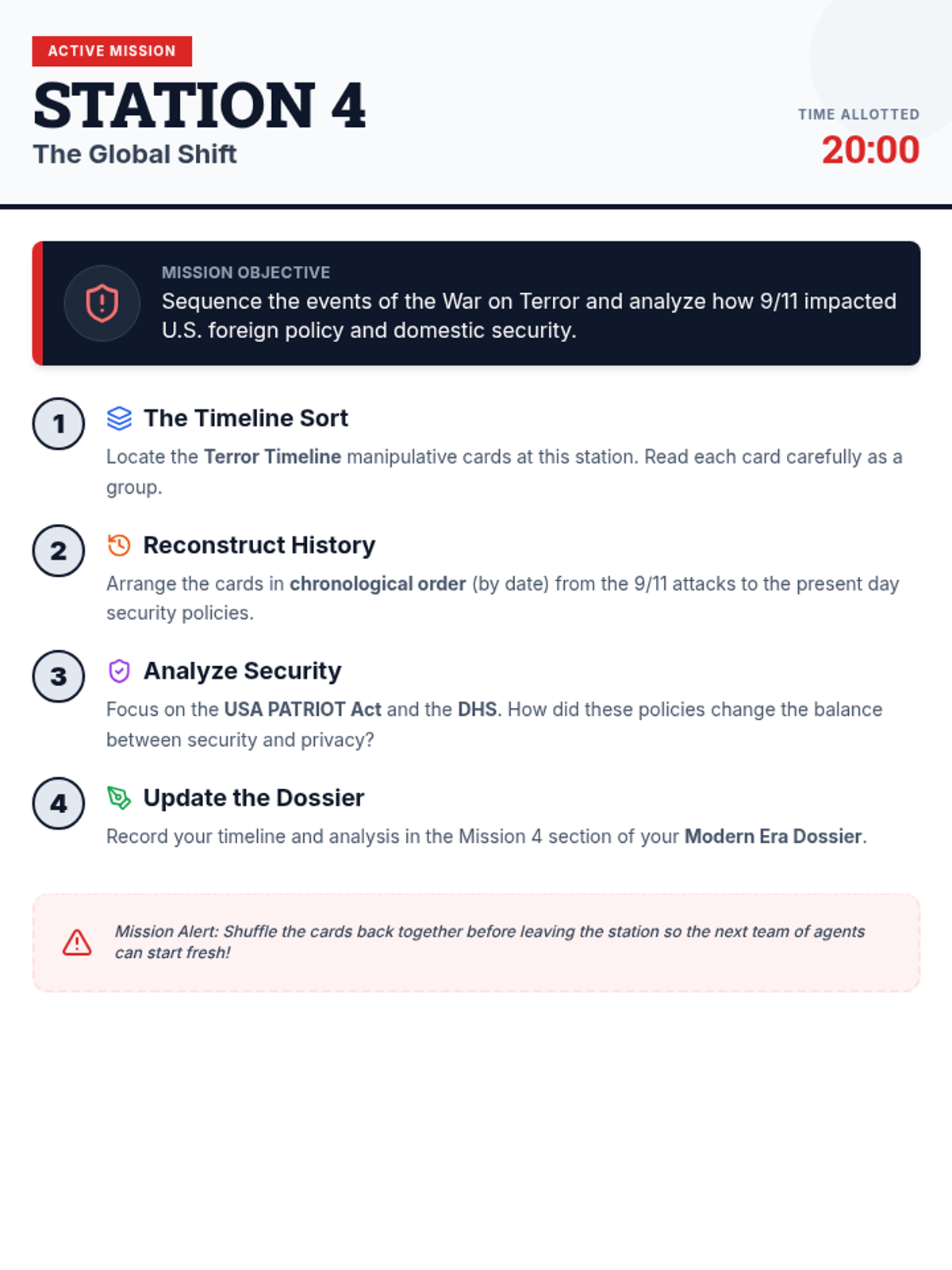
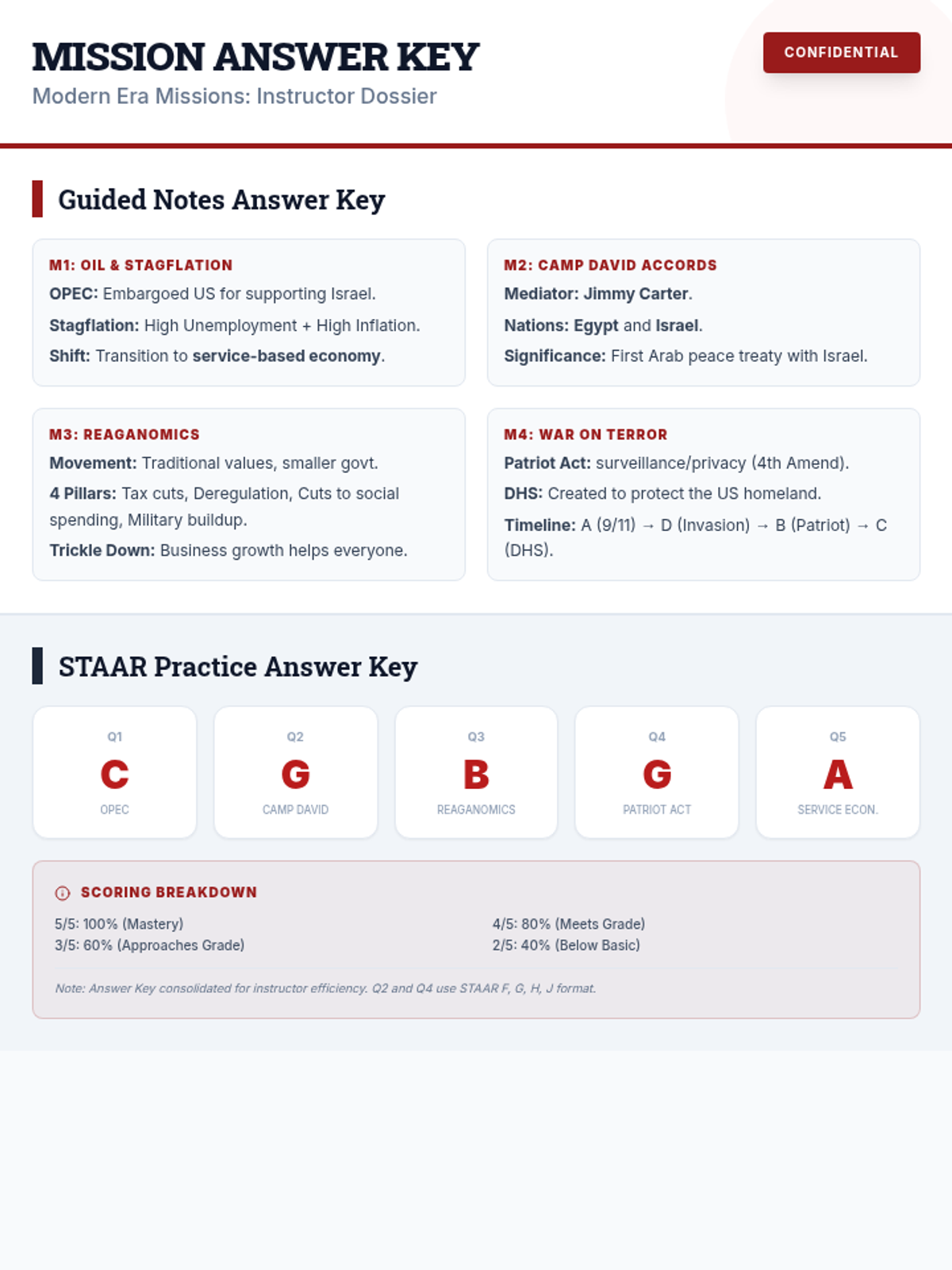
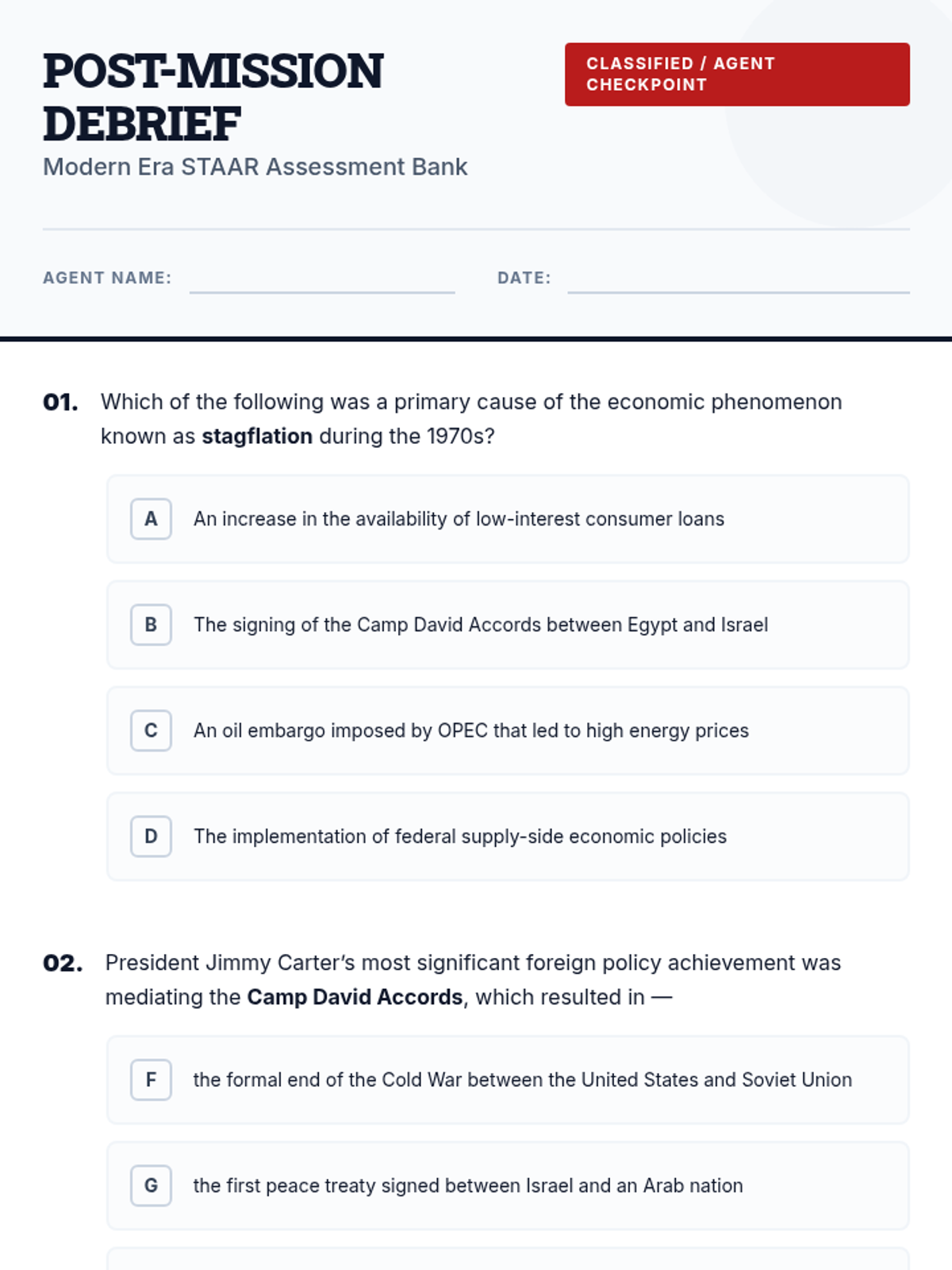
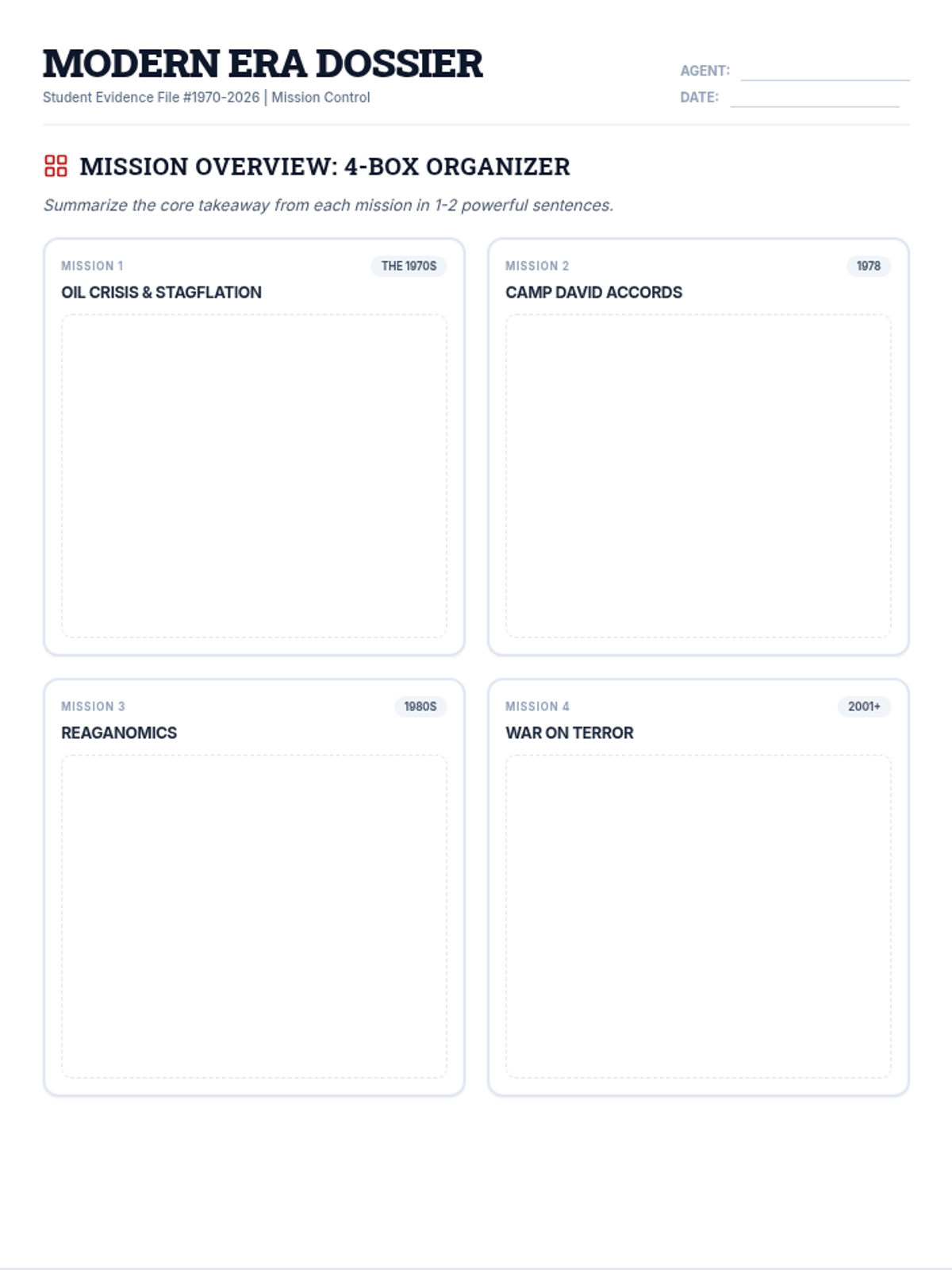
A 100-minute station-based lesson covering pivotal events from the 1970s to the modern era, including Stagflation, the Camp David Accords, Reaganomics, and the War on Terror. Students rotate through four 20-minute missions using primary sources, political cartoons, data mapping, and manipulatives to master STAAR-aligned content.
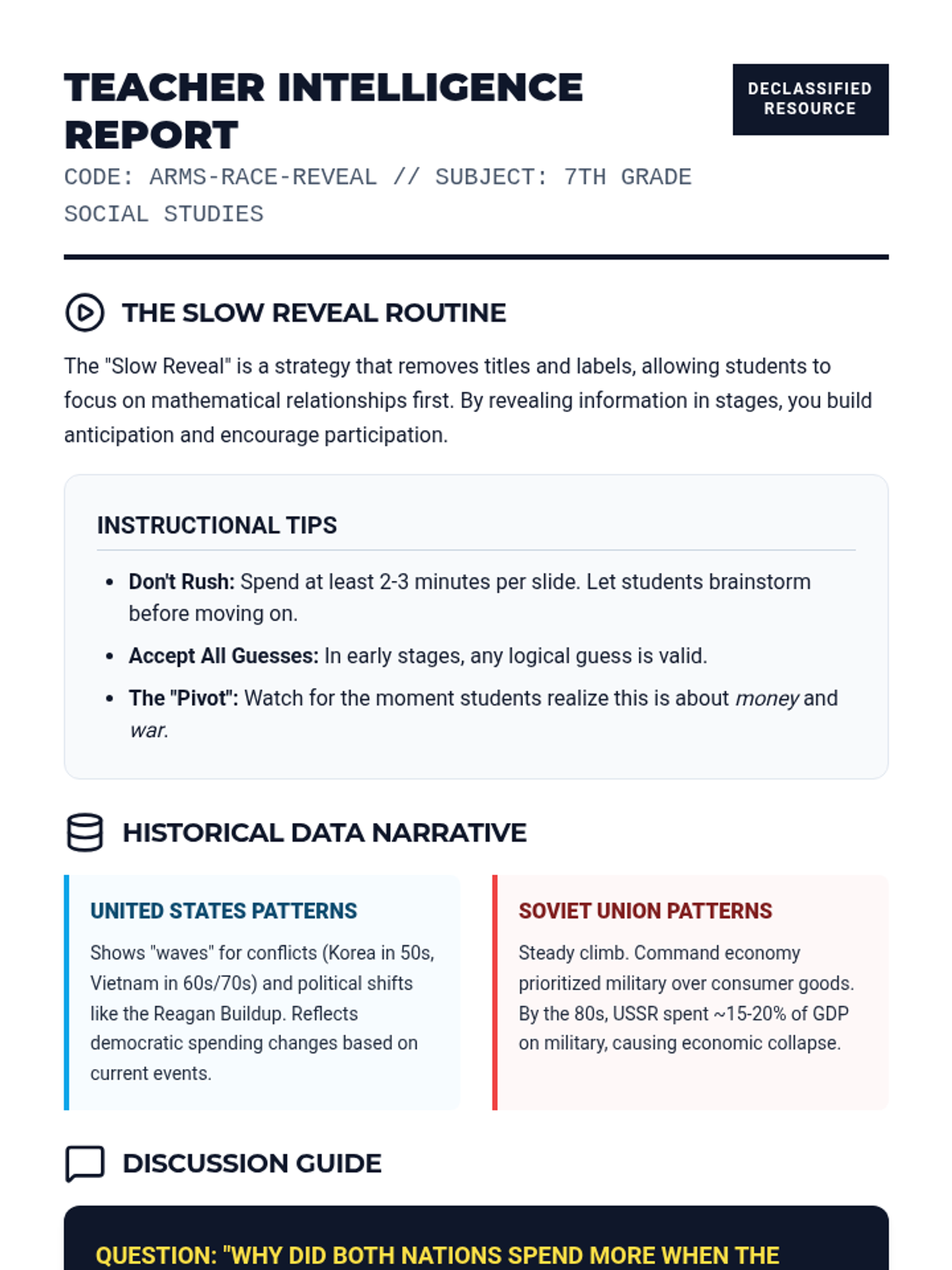
A deep dive into the economic arms race between the US and USSR using a slow-reveal graph routine to build data literacy and historical context.
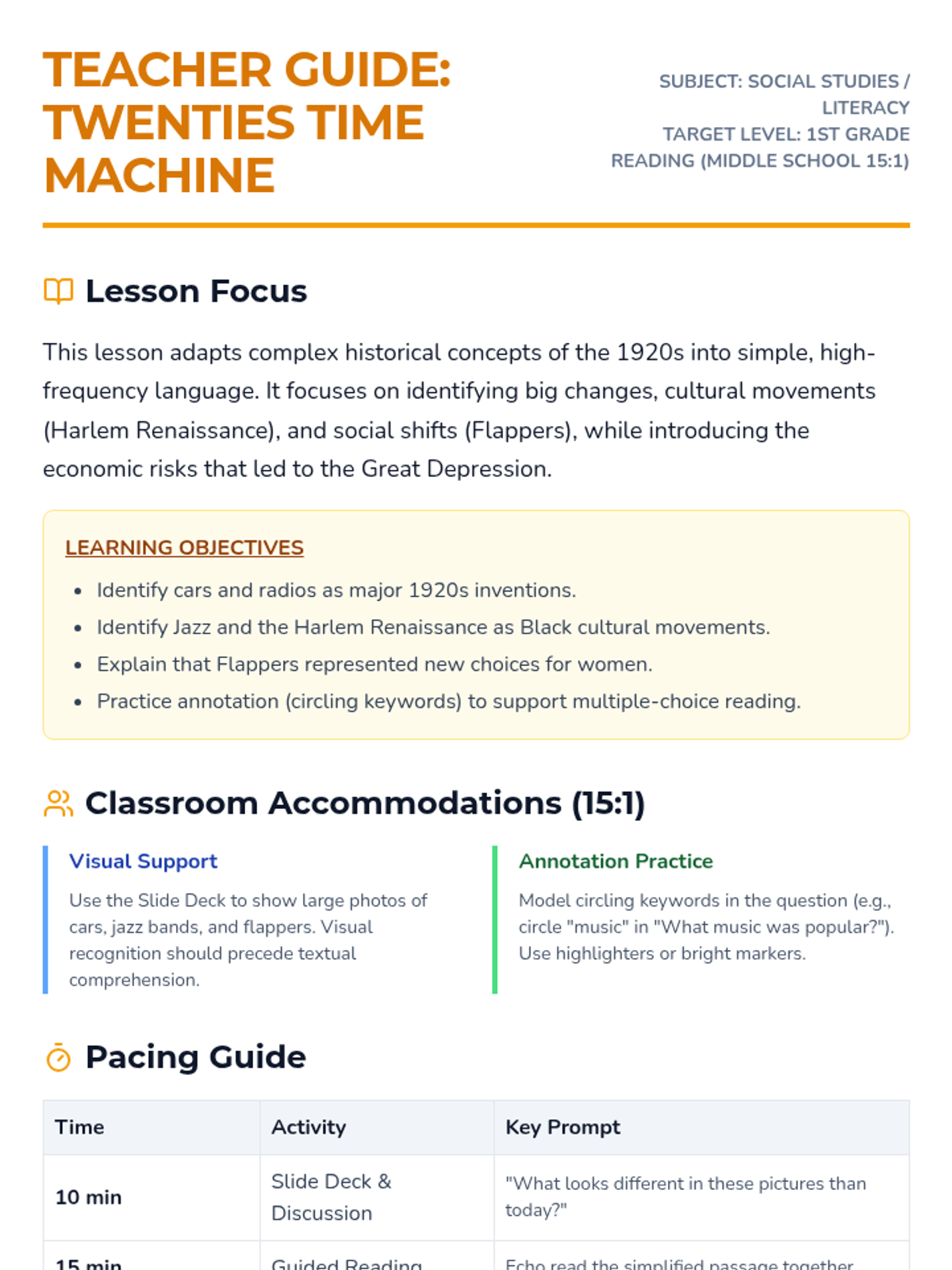
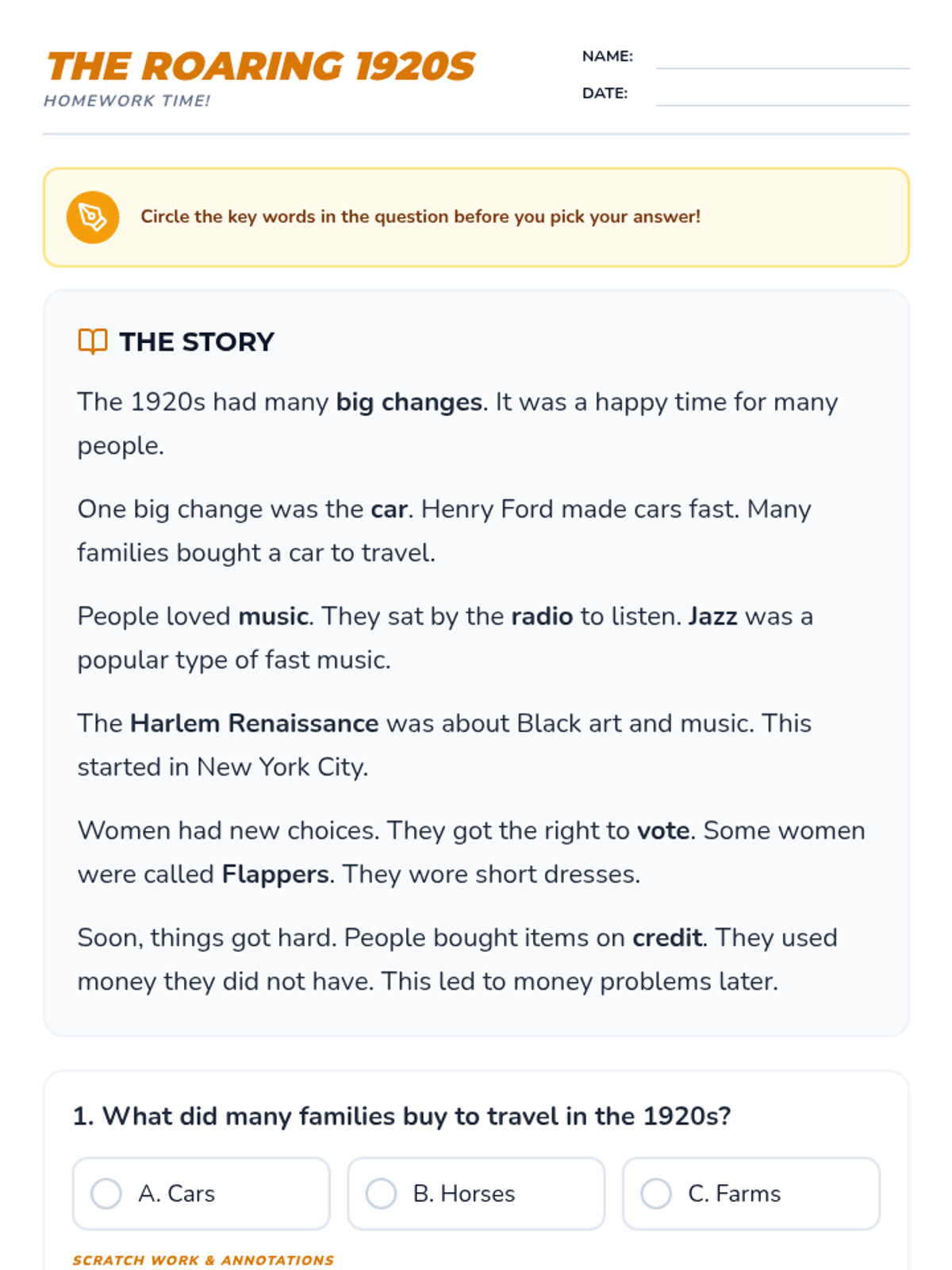
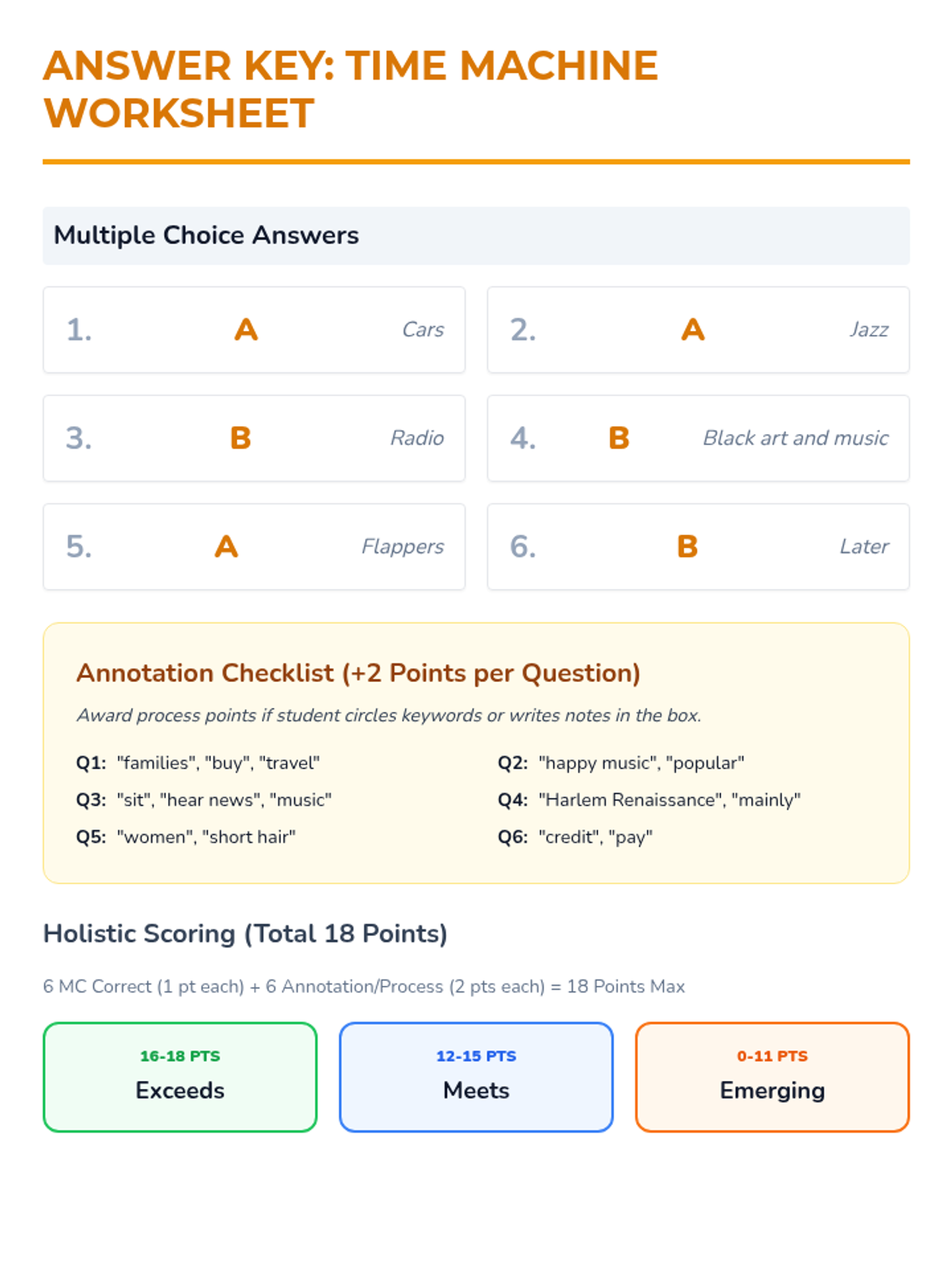
A highly accessible lesson on the Roaring Twenties designed for middle school students reading at a 1st-grade level, focusing on cultural shifts, jazz, and the Harlem Renaissance with scaffolded multiple-choice practice.
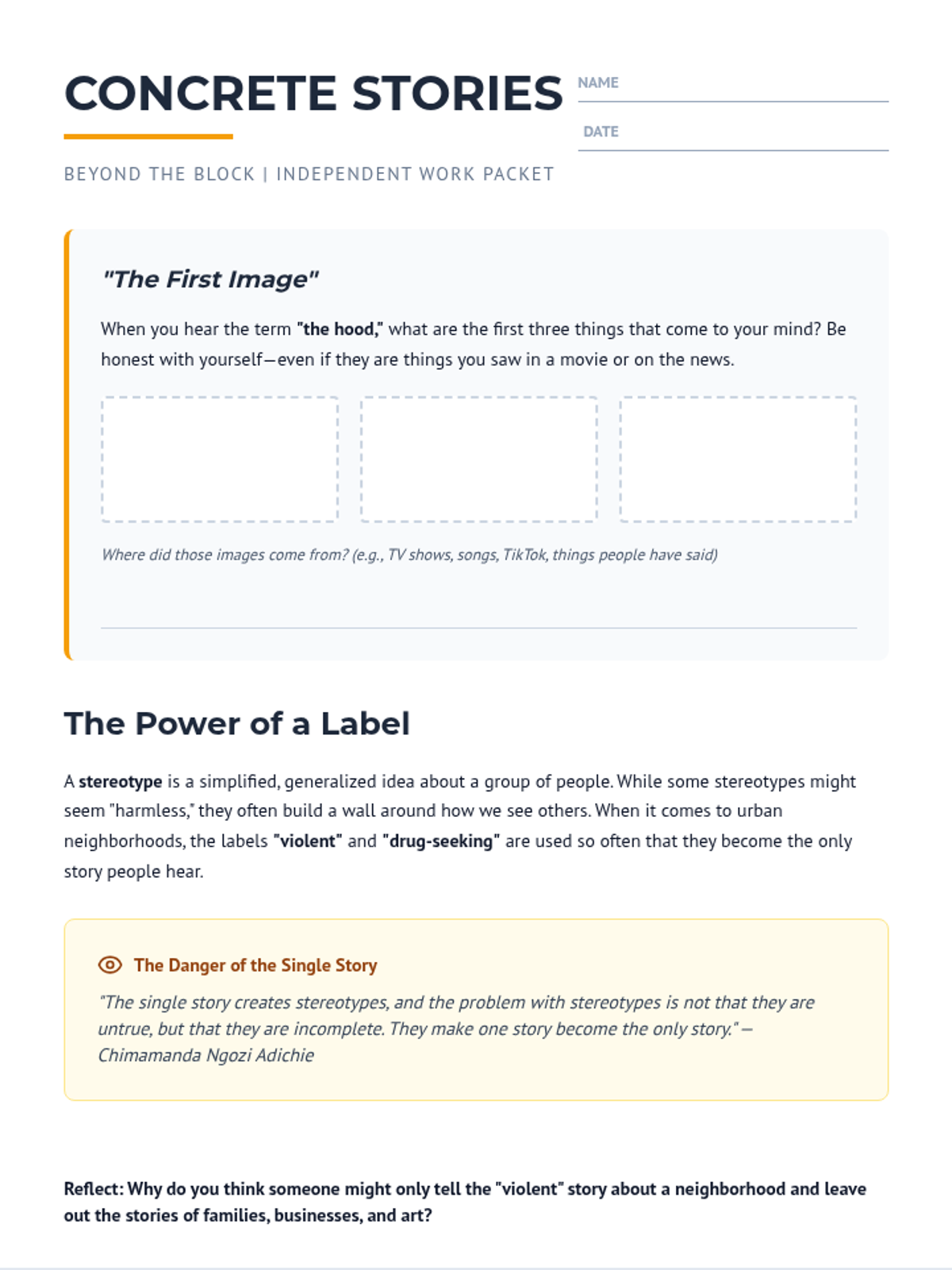
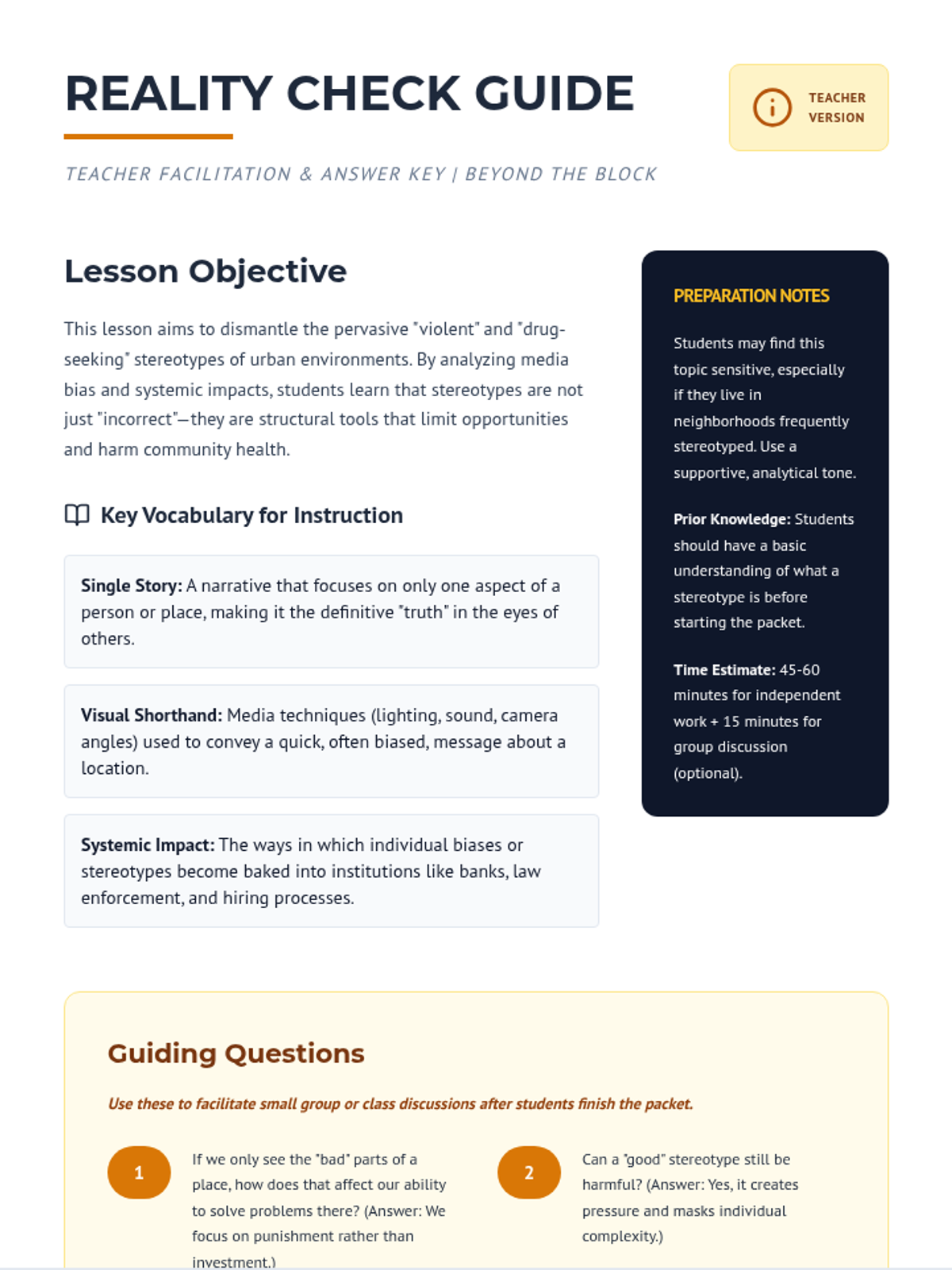
This lesson explores the origins and impacts of urban stereotypes, specifically focusing on the harmful "violent" and "drug-seeking" narratives often applied to marginalized communities. Students will analyze media bias and reflect on the real-world consequences of these single-perspective stories.
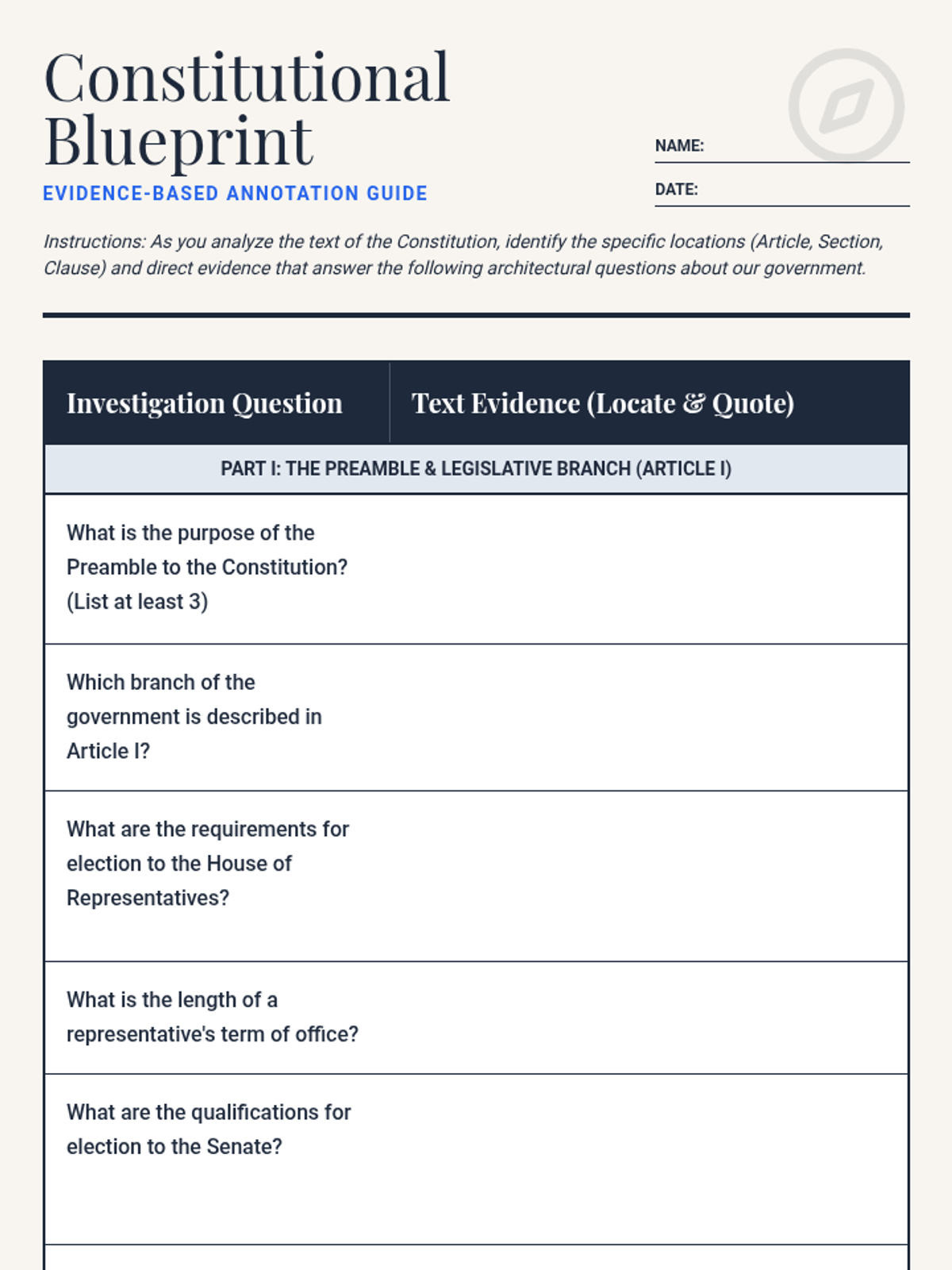
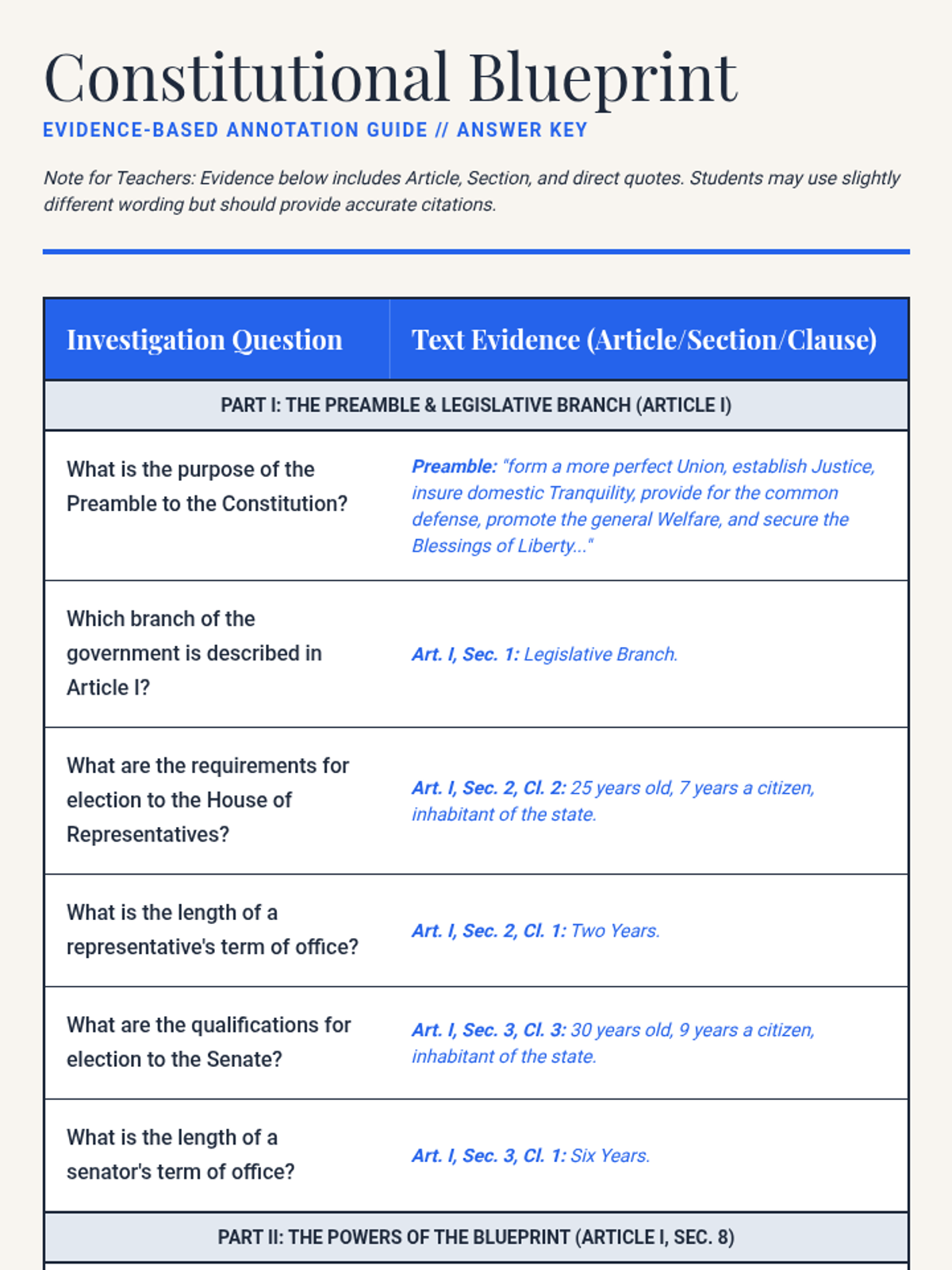
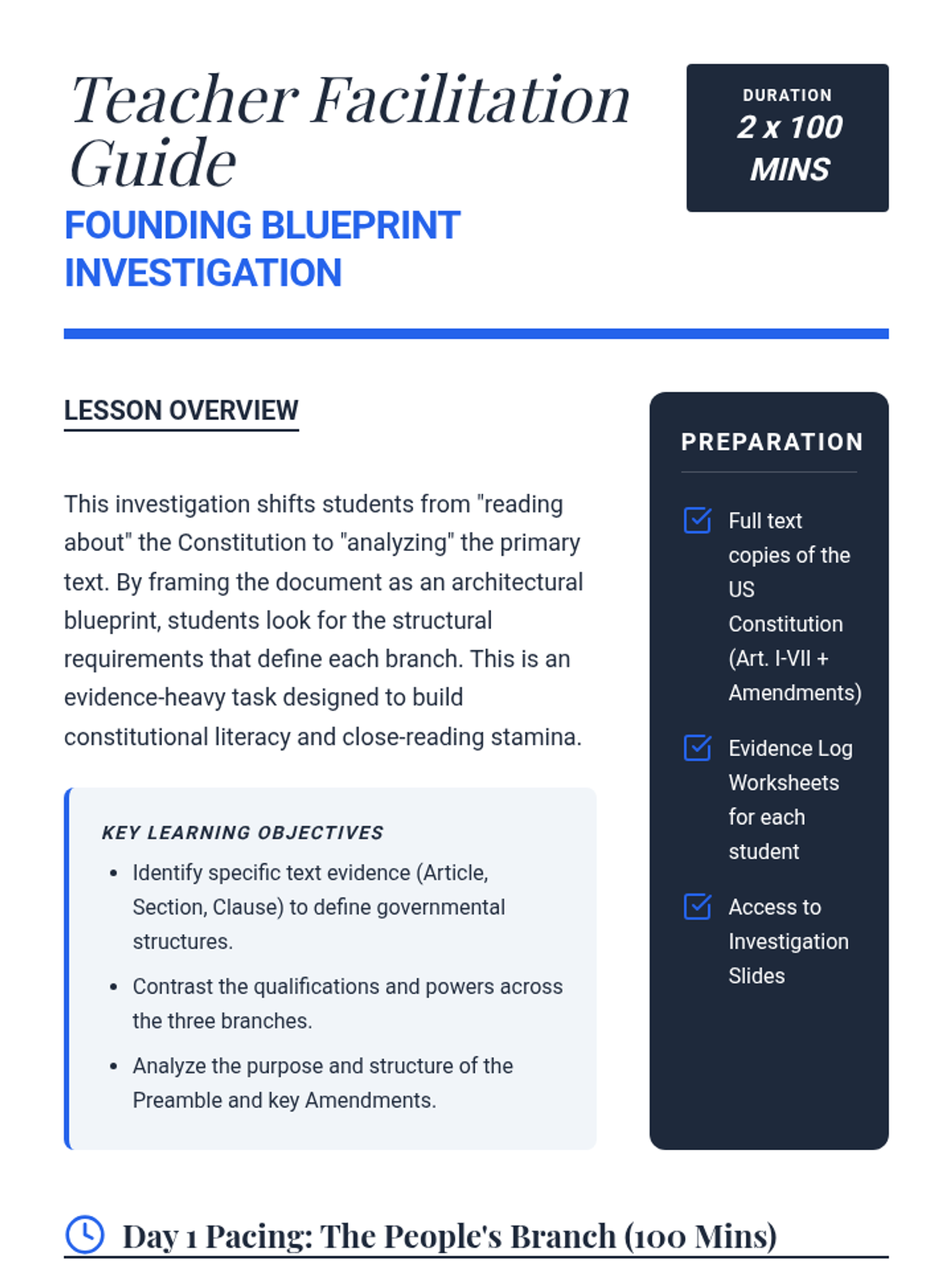
A two-day primary text analysis of the US Constitution where students use an evidence-based annotation guide to identify the structures of the three branches and the process of governance.
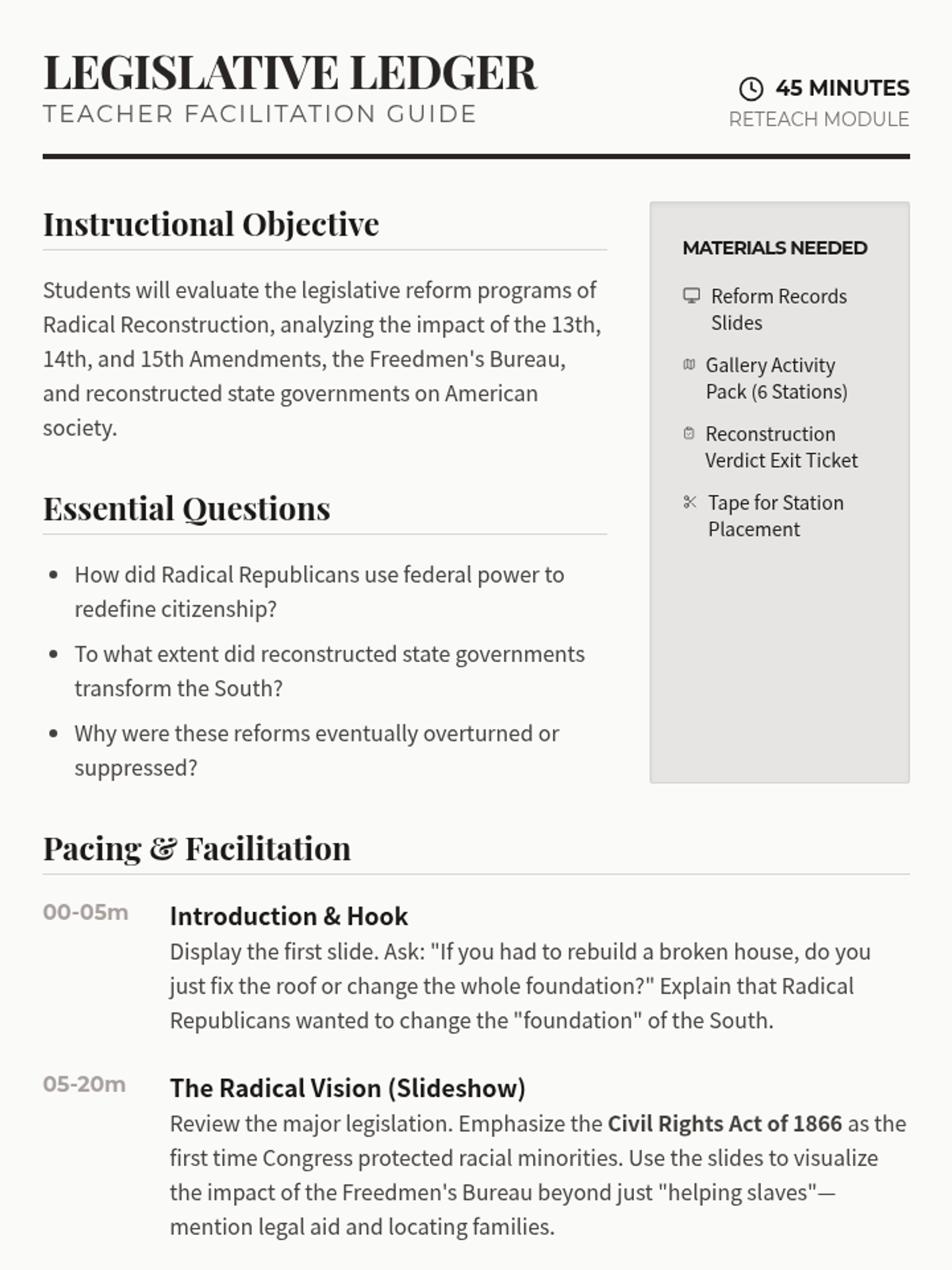
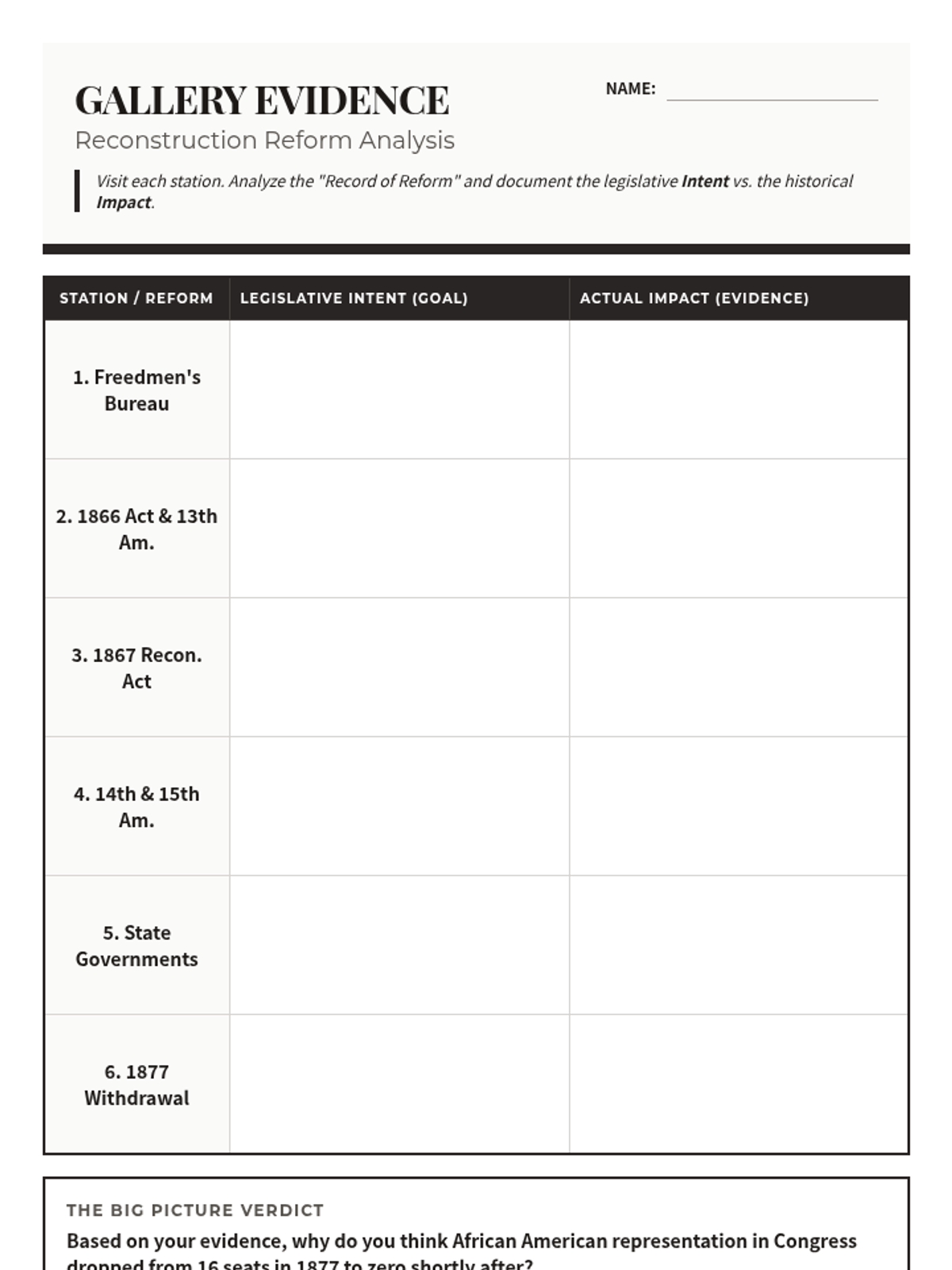
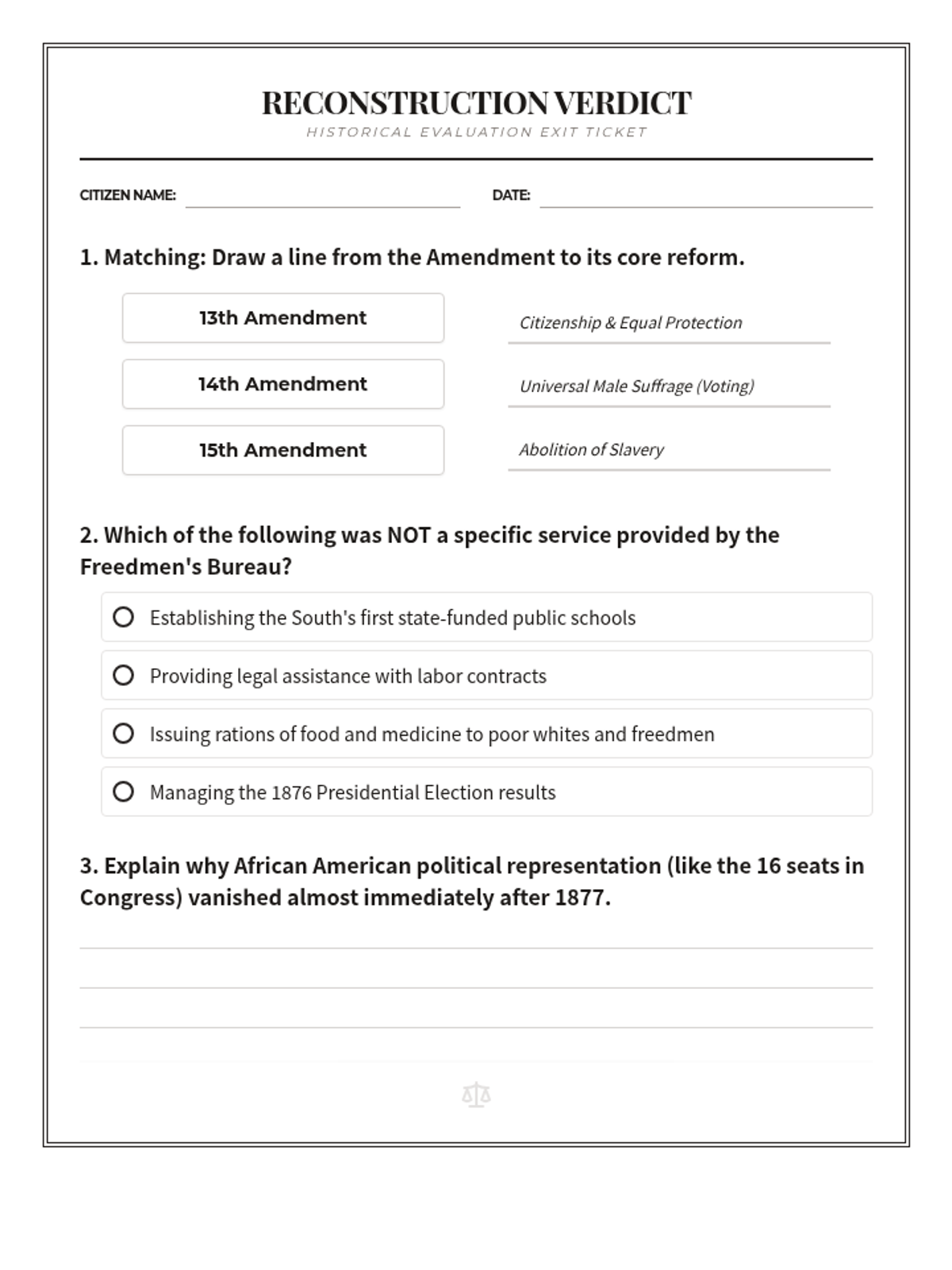
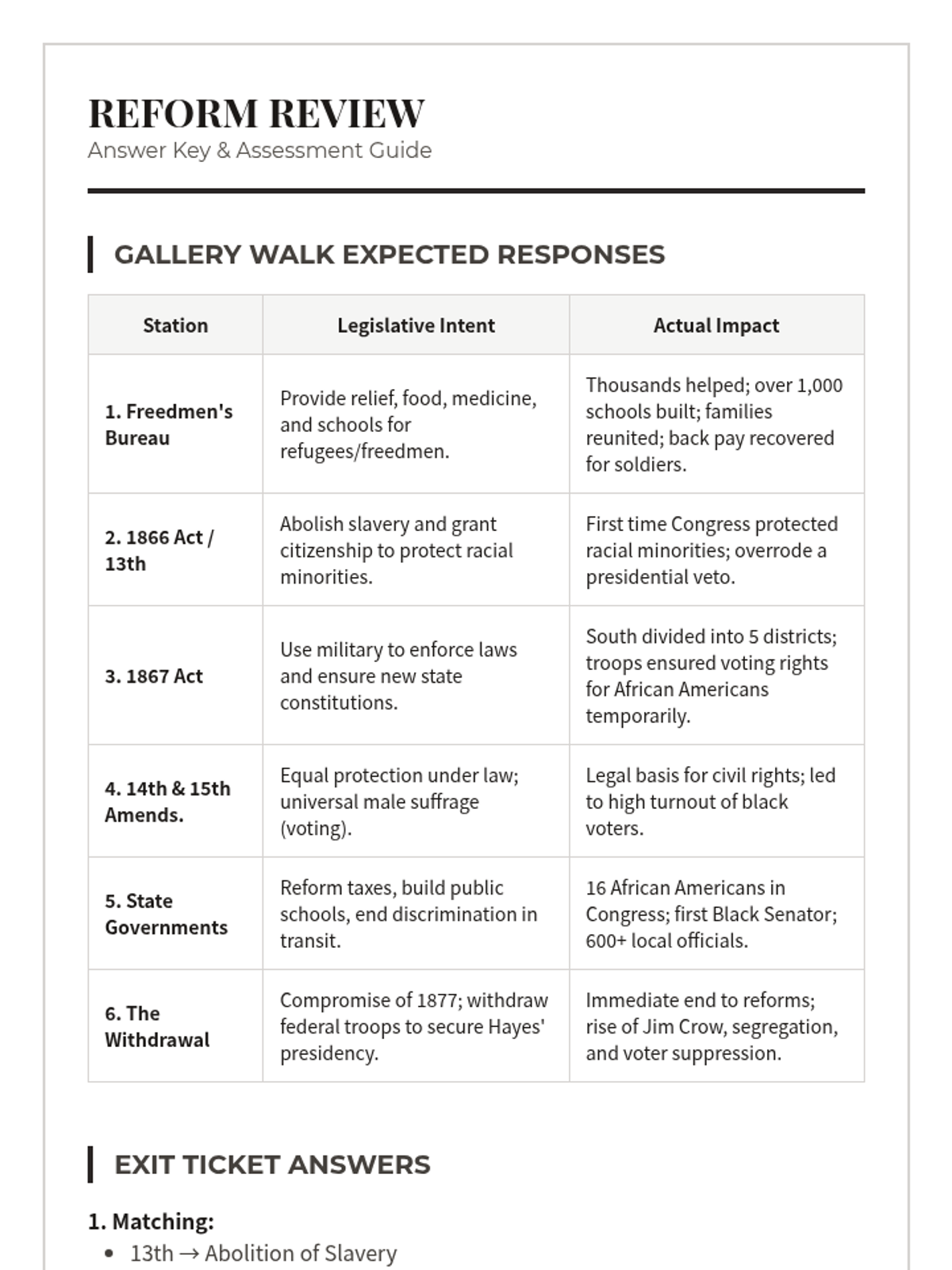
A comprehensive reteach lesson evaluating the legislative reforms of the Radical Reconstruction era, including constitutional amendments, the Freedmen's Bureau, and reconstructed state governments.
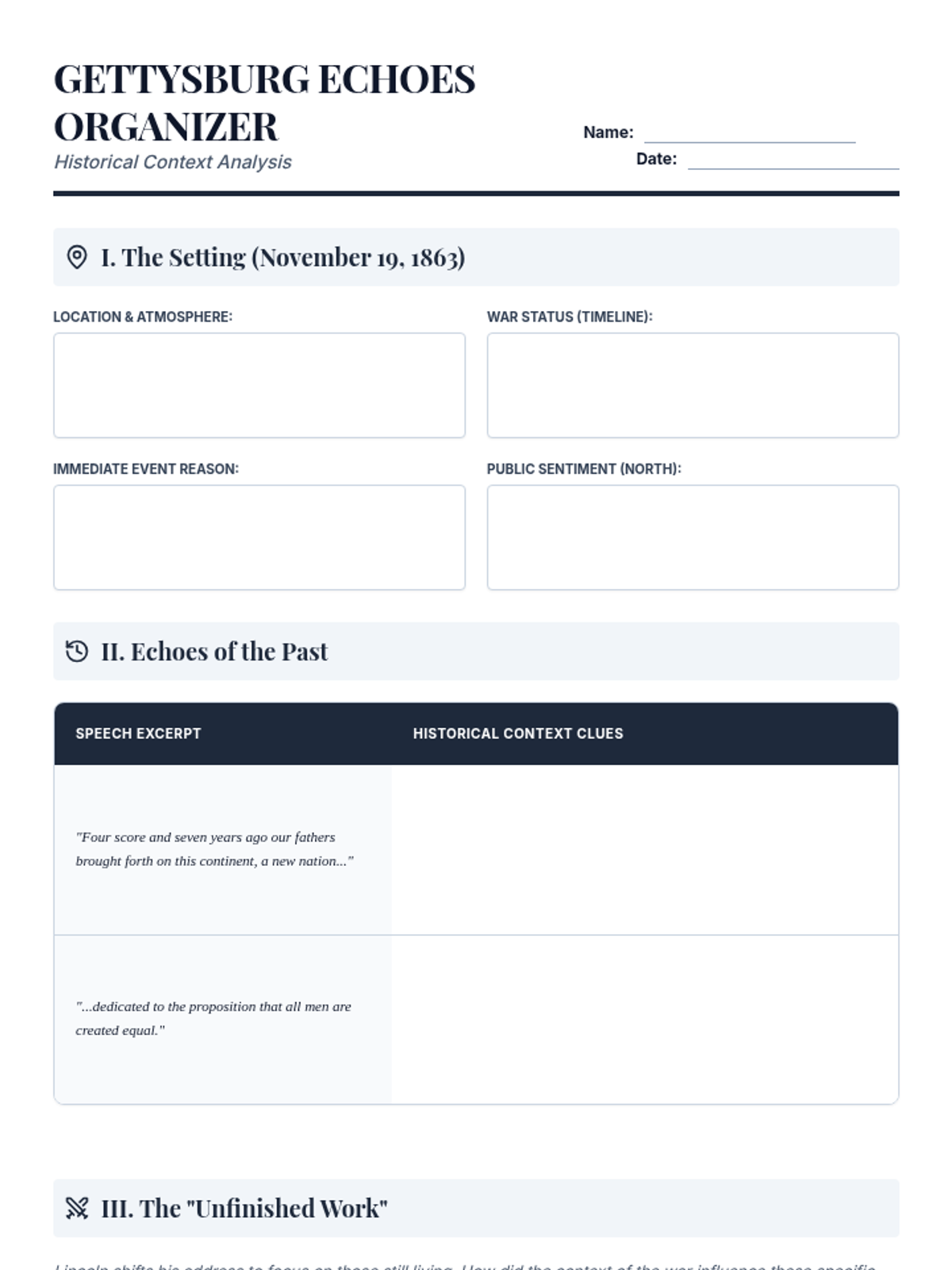
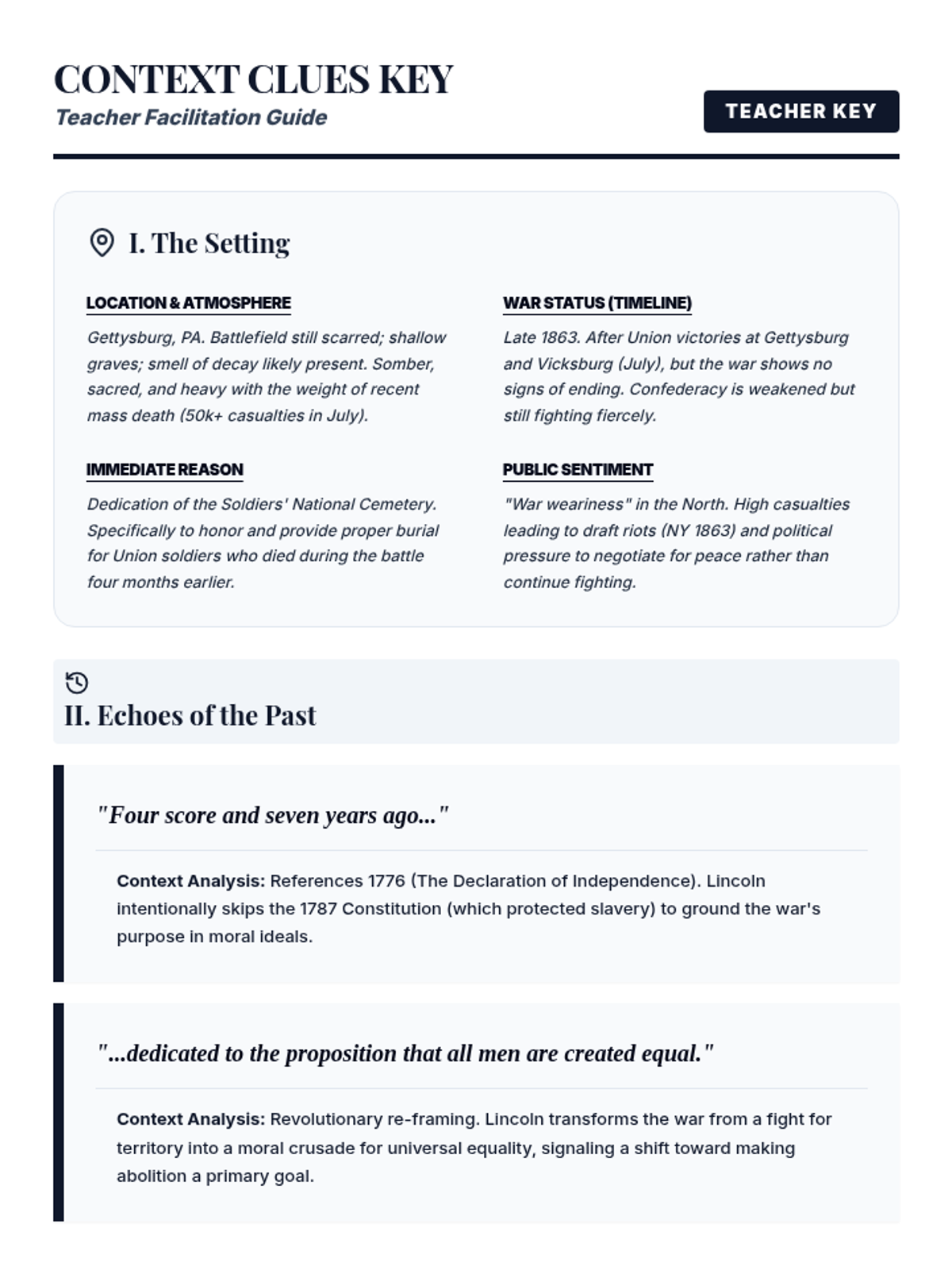
A deep dive into the historical context surrounding Abraham Lincoln's Gettysburg Address, exploring the timing, location, and societal pressures of the Civil War.
An analysis of the legislative process, the enumerated powers granted to Congress, and the specific restrictions placed on both federal and state governments.